
16e - PASSY
Arrondissements
Part of an ongoing project to walk and photograph every neighborhood in Paris, this page explores the 16th Arrondissement: Passy through maps, district identity, history, and photography.
The Map
Download the Paris Arrondissements Map
Geographic Setting
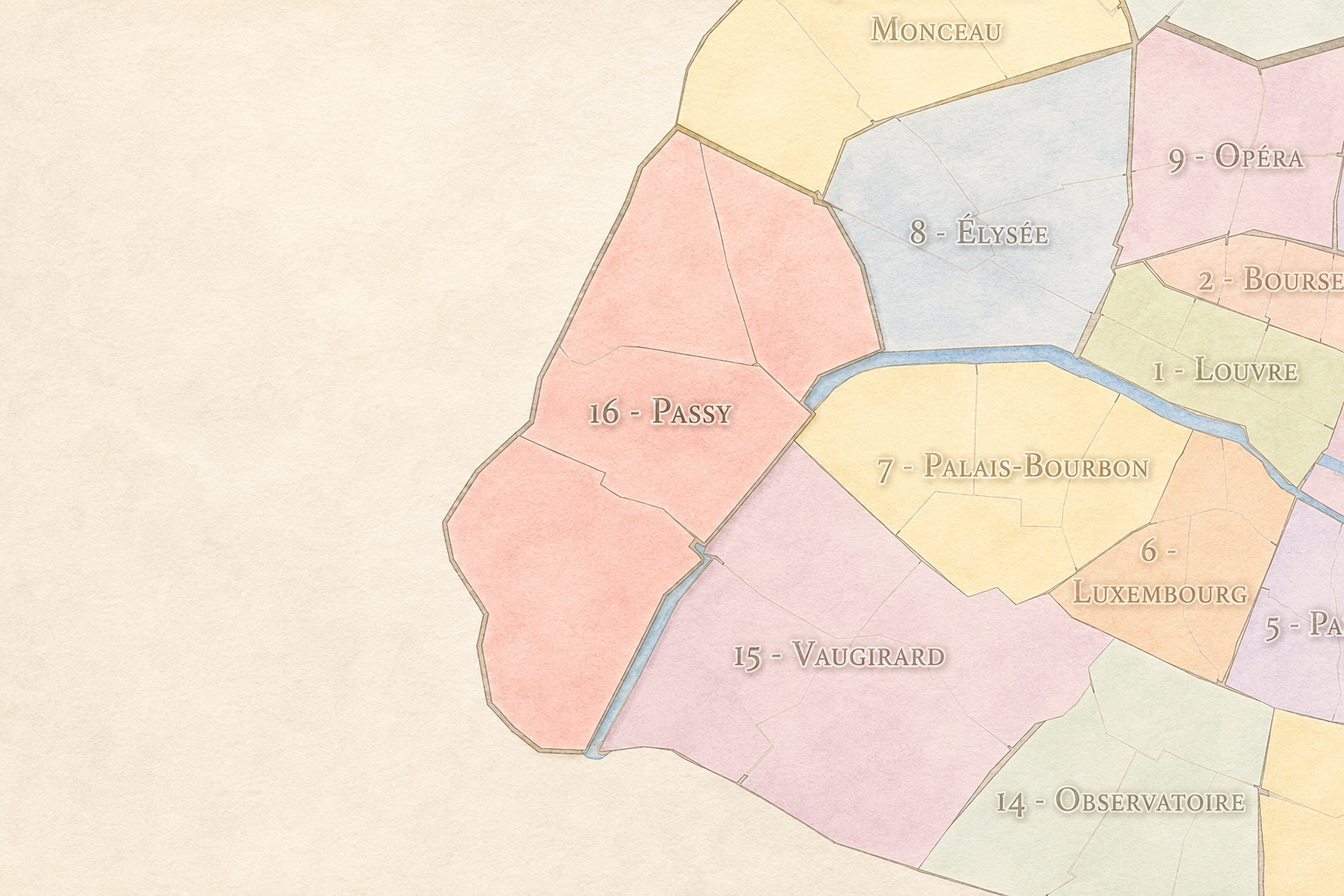
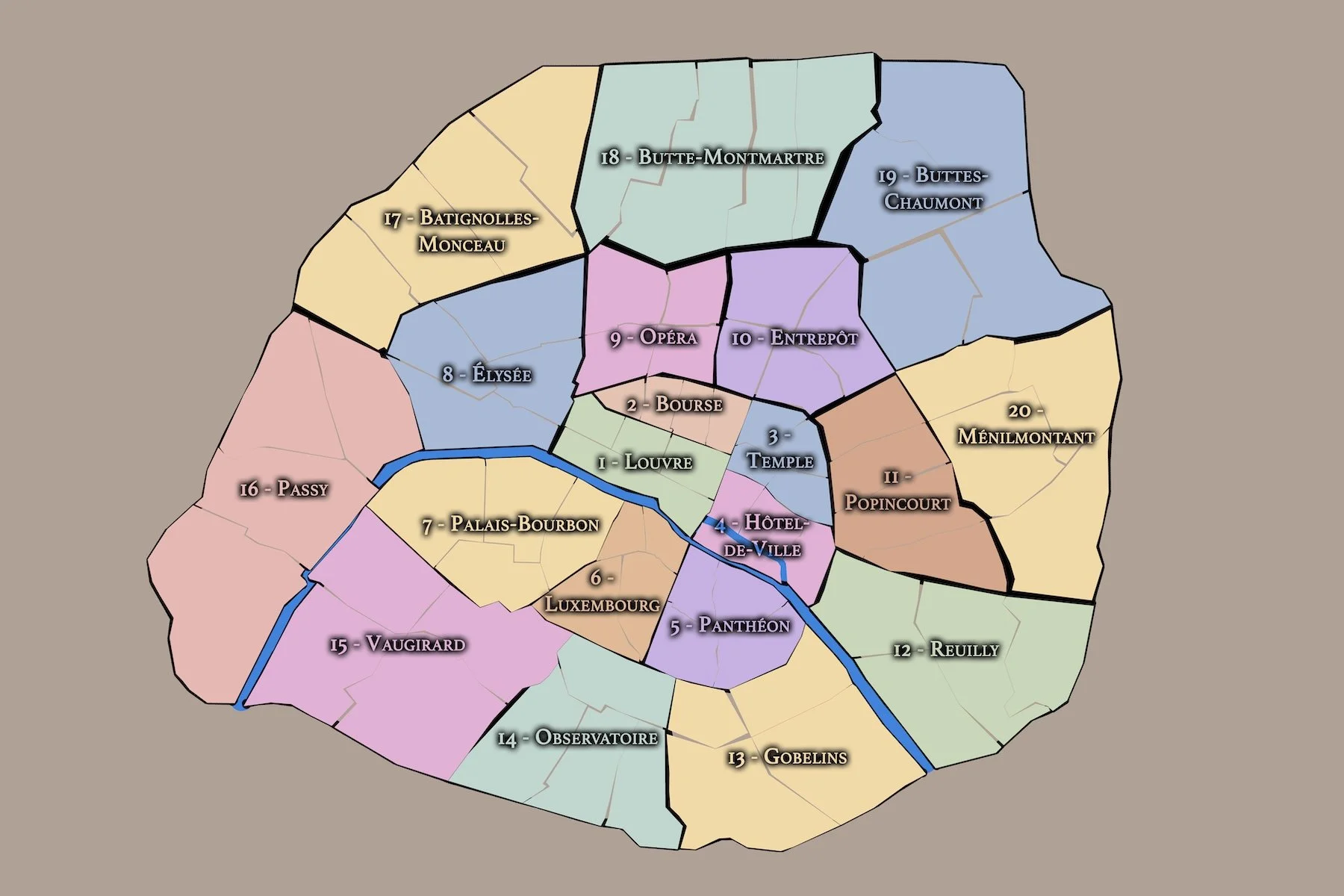
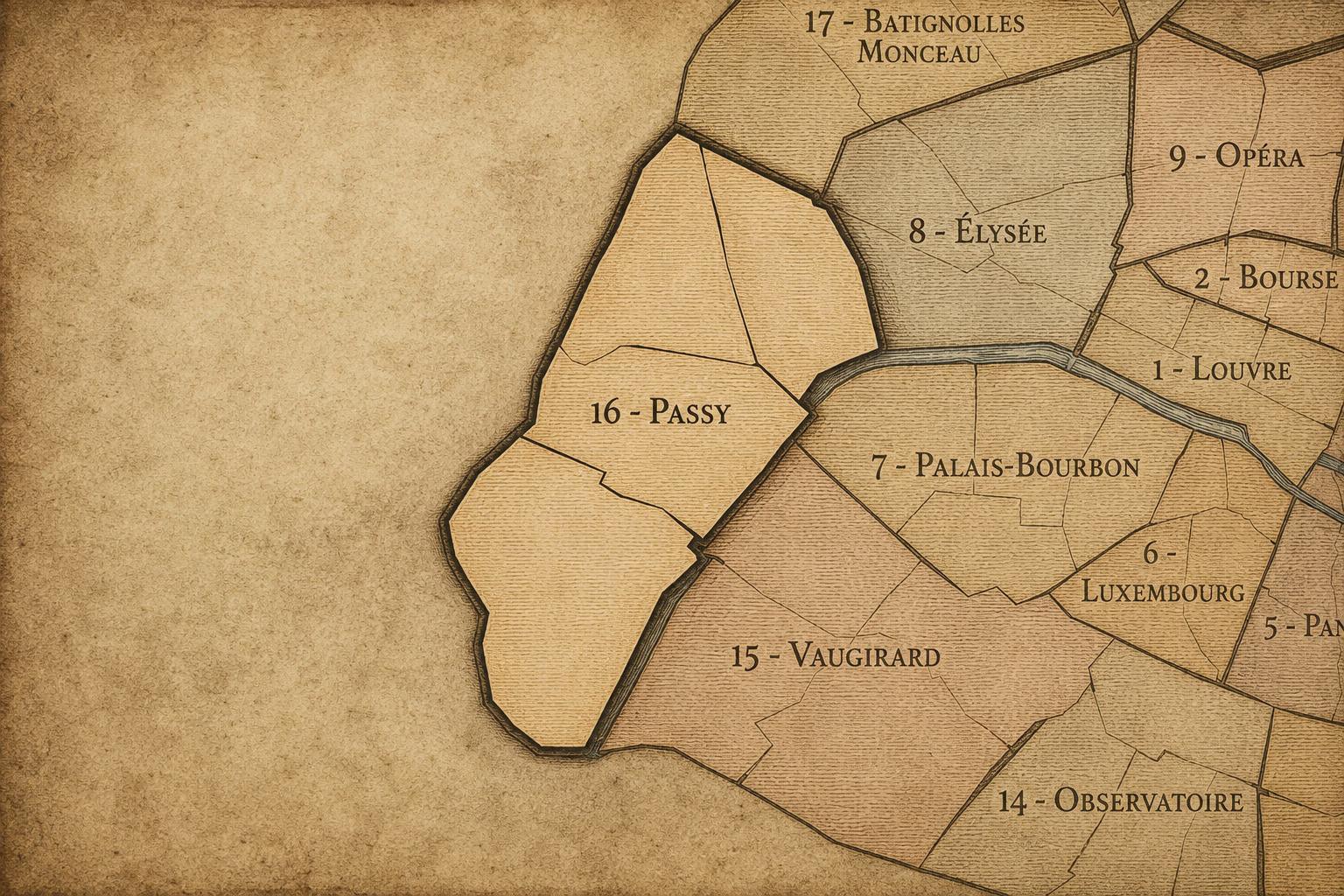
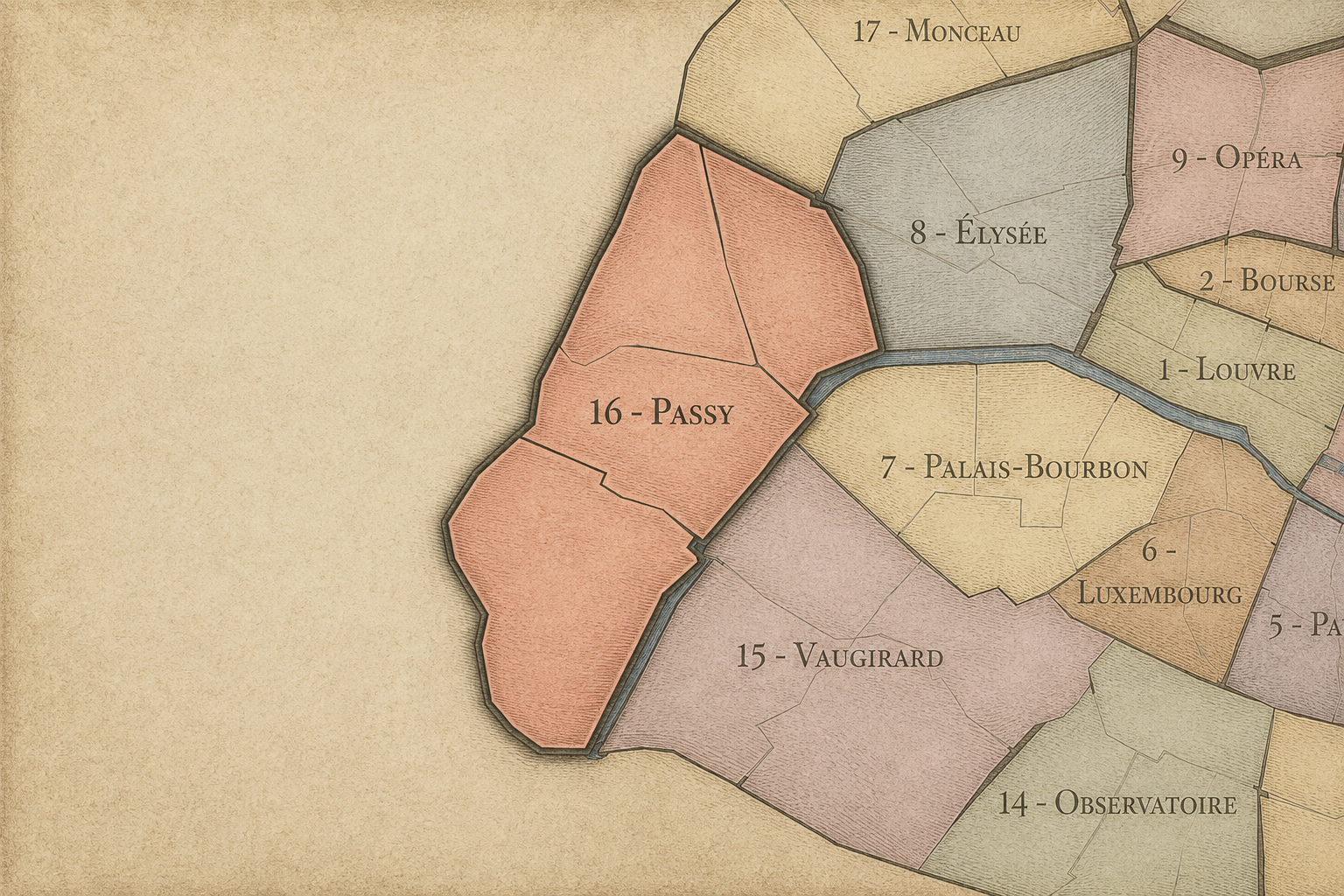
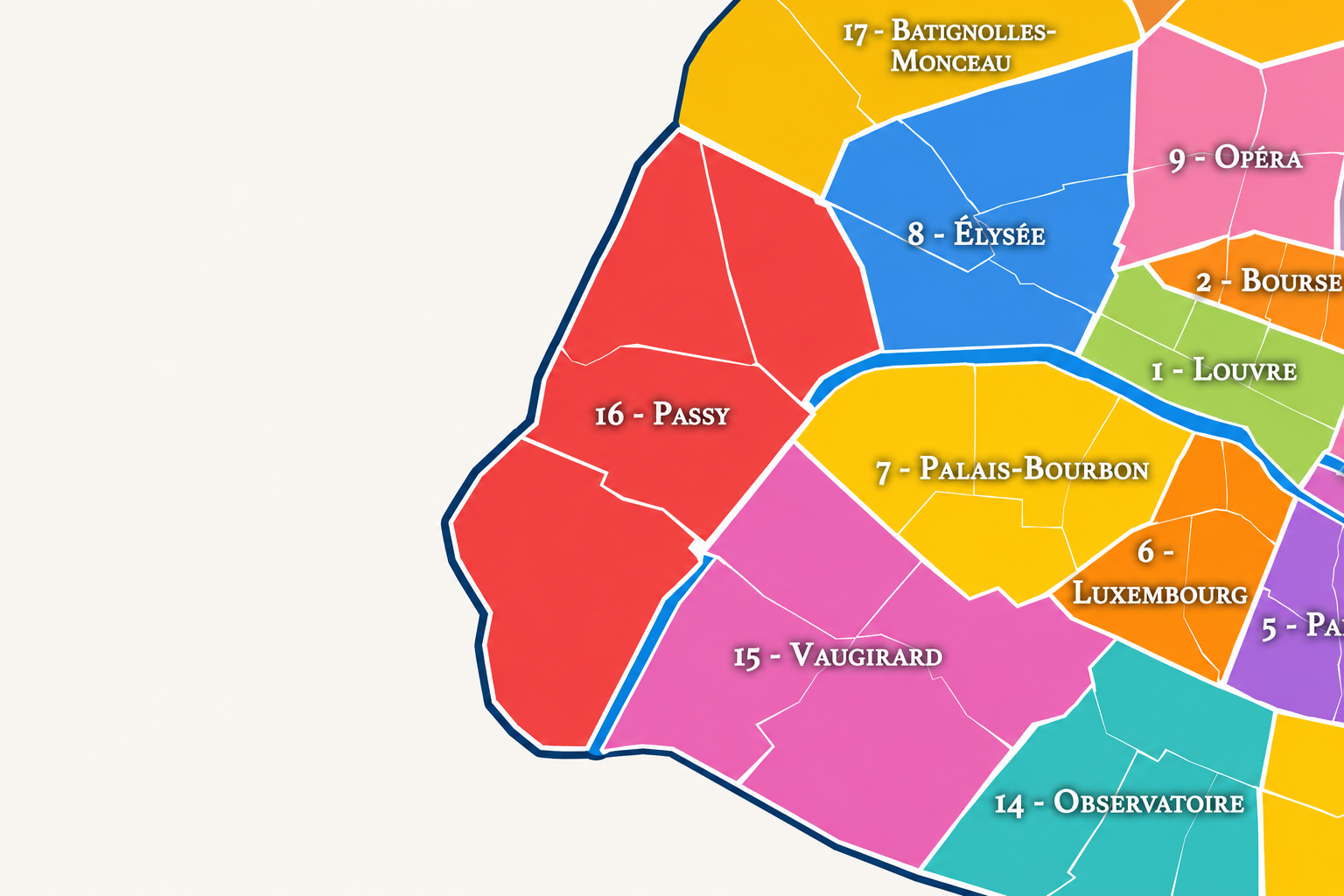
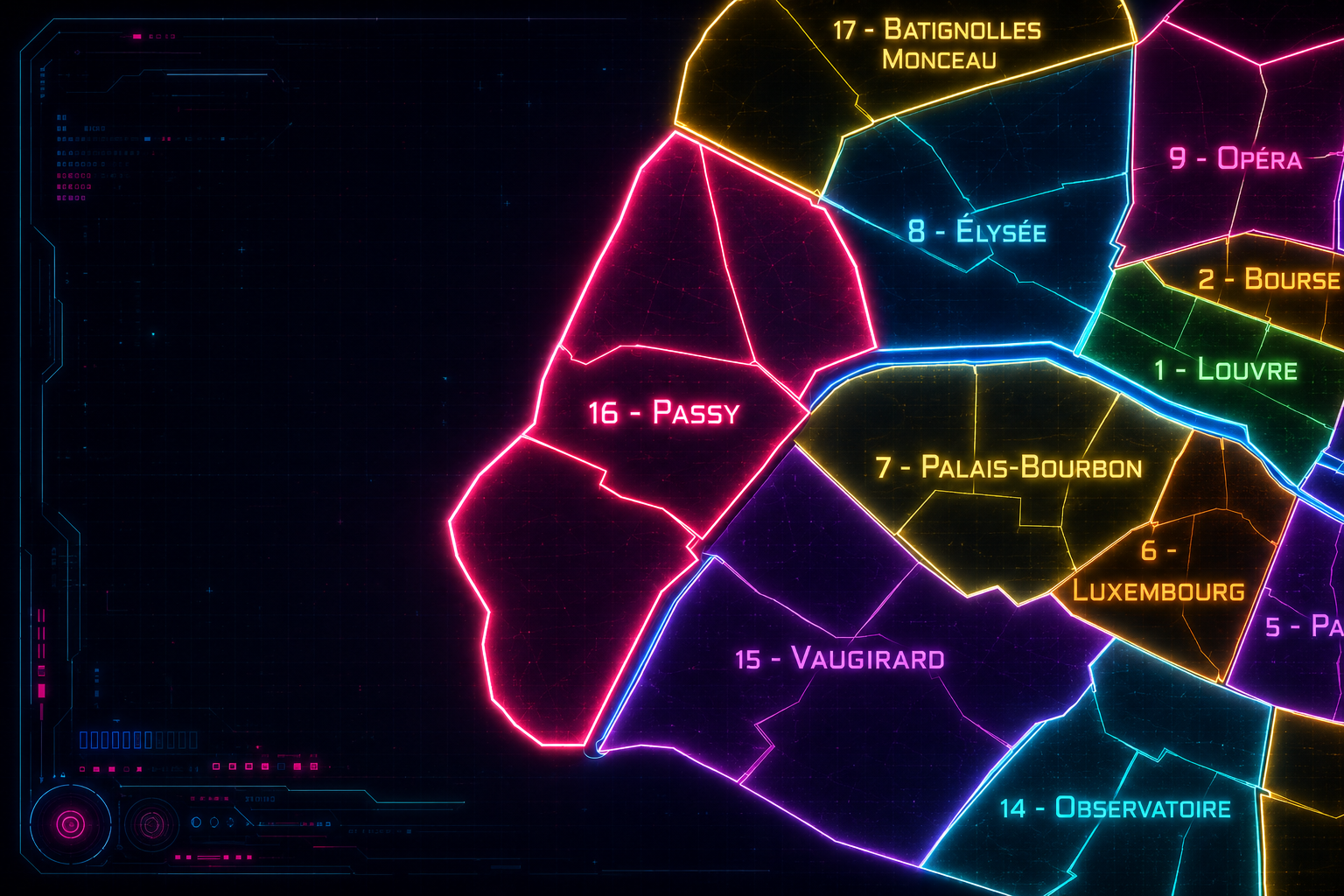
The 16e arrondissement occupies the western edge of Paris on the Right Bank, stretching from the Seine and the Trocadéro hills toward the Bois de Boulogne and the city’s boundary with the western suburbs. It is bordered by the 8e and 17e arrondissements to the northeast, the 7e and 15e across the Seine to the east and southeast, and the suburban communes of Neuilly-sur-Seine, Boulogne-Billancourt, and Saint-Cloud beyond the city limits. Its geography places it between ceremonial Paris, residential western Paris, and the expansive green landscape of the Bois de Boulogne.
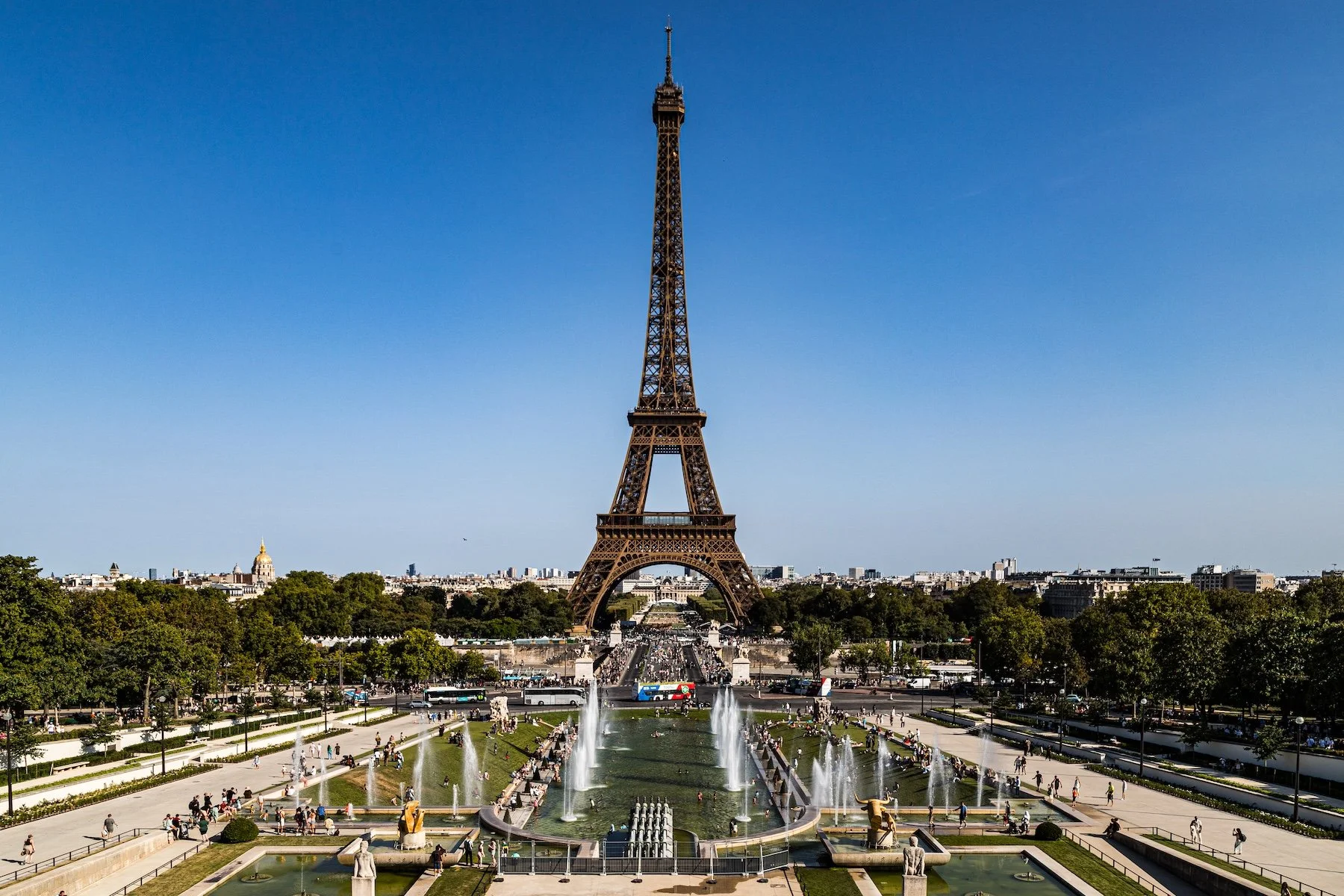
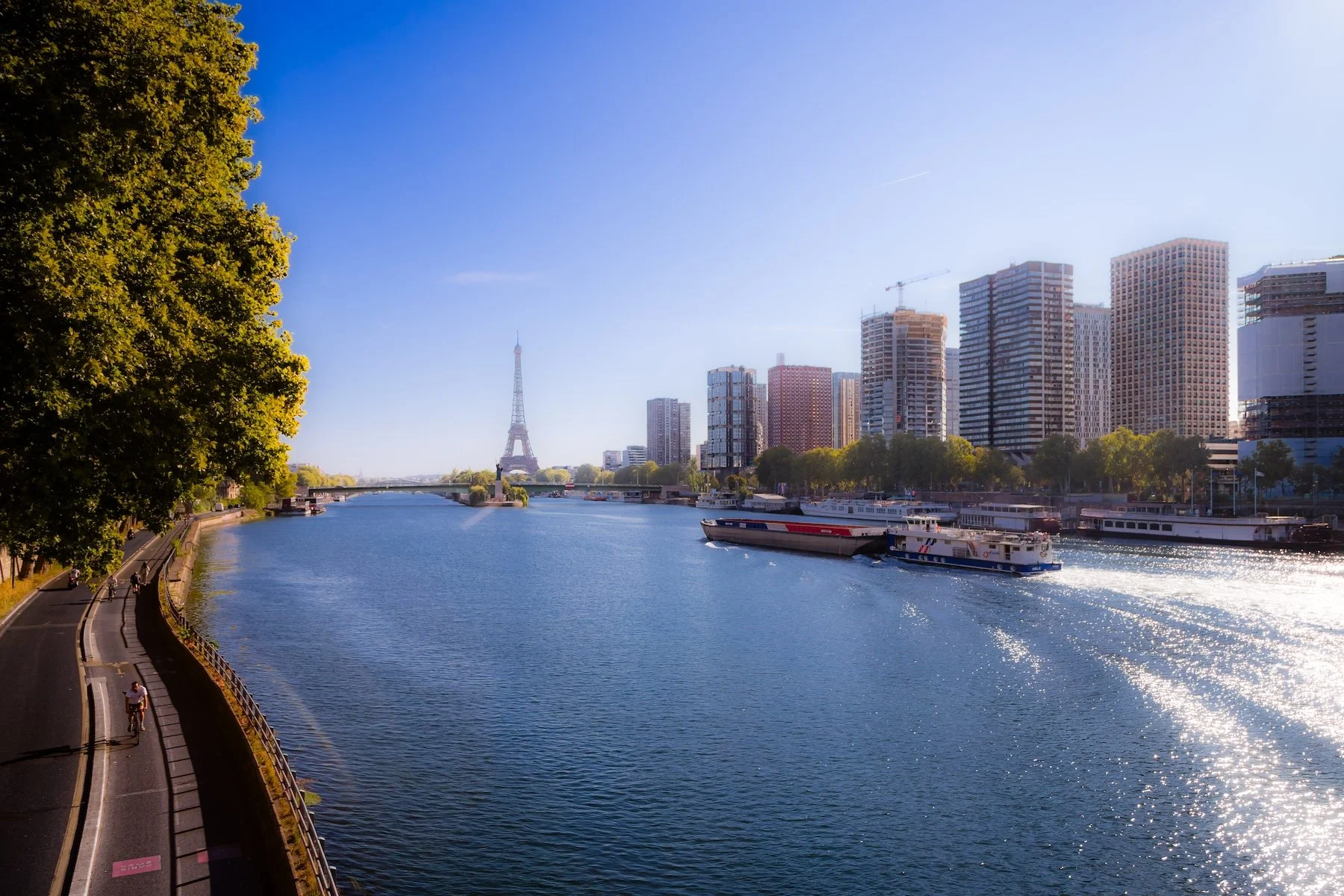
The arrondissement is one of the largest in Paris, especially when considered with the Bois de Boulogne, which forms much of its western territory. Its built neighborhoods are arranged along slopes, avenues, riverfronts, and former village centers: Passy, Auteuil, Chaillot, Muette, Porte Dauphine, and the approaches to Trocadéro and the Seine. The topography is important. From Chaillot and Trocadéro, the arrondissement looks across the river toward the Eiffel Tower and the 7e arrondissement, creating one of the most famous visual relationships in Paris.
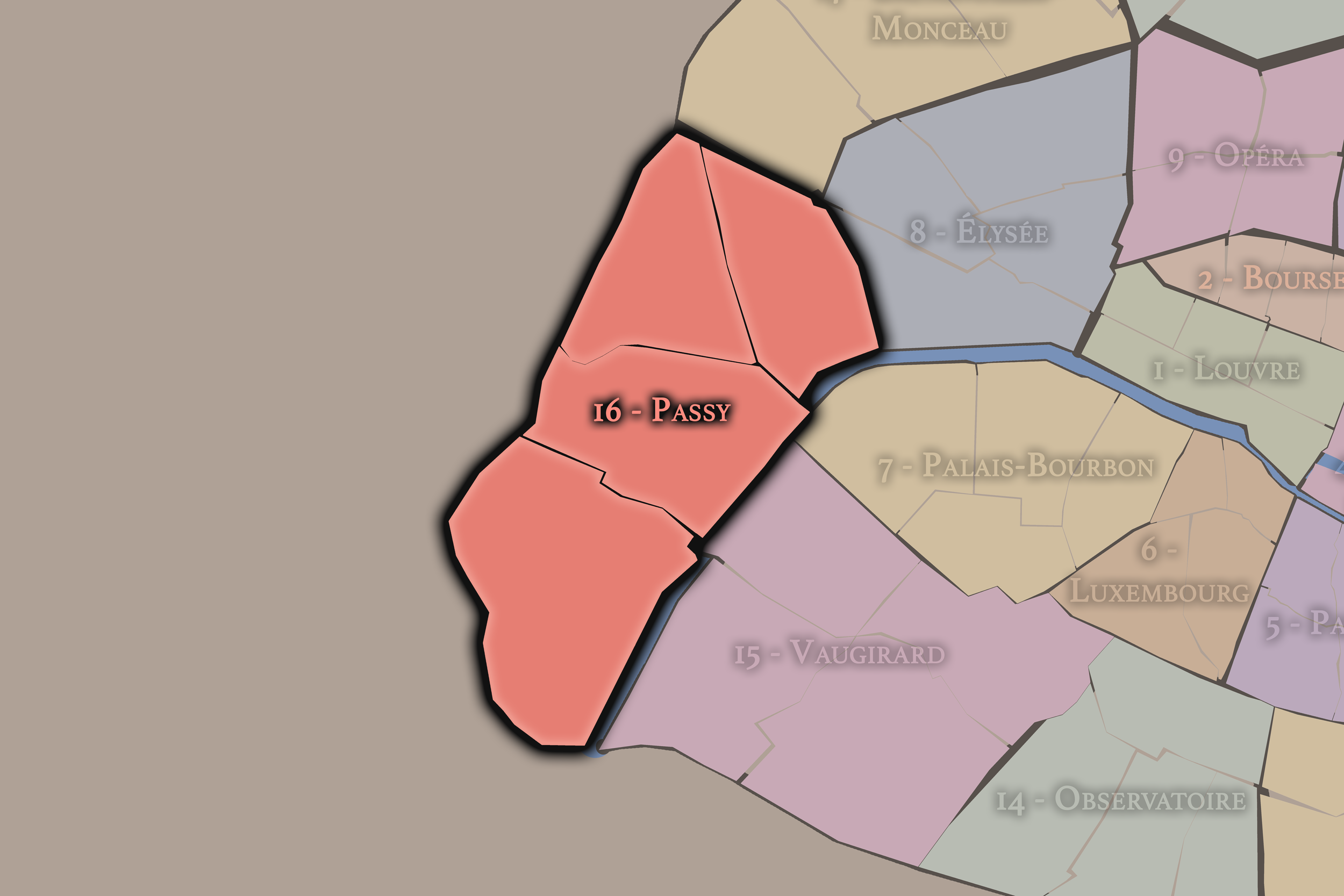
The 16e arrondissement is divided into four administrative quarters: Auteuil, Muette, Porte-Dauphine, and Chaillot. Together, they form a district of residential prestige, former village memory, diplomatic institutions, museums, sports grounds, private streets, broad avenues, river views, and green space. Auteuil and Passy preserve the memory of older settlements absorbed into Paris. Muette connects the arrondissement to parks, embassies, museums, and residential refinement. Porte-Dauphine links it to the western edge, the Bois de Boulogne, and the avenues leading toward the périphérique and suburbs. Chaillot gives the arrondissement its most monumental and internationally visible identity through Trocadéro, museums, and views toward the Eiffel Tower.
The 16e is therefore an arrondissement of elevation, discretion, and western expansion. It is Paris as residence, viewpoint, garden edge, embassy district, museum landscape, and private address. Its character is often quieter than the central arrondissements, but its symbolic role is powerful: it frames some of the most iconic views of Paris while preserving the memory of villages that once stood beyond the city.
Arrondissement Identity
Etymology and Origins
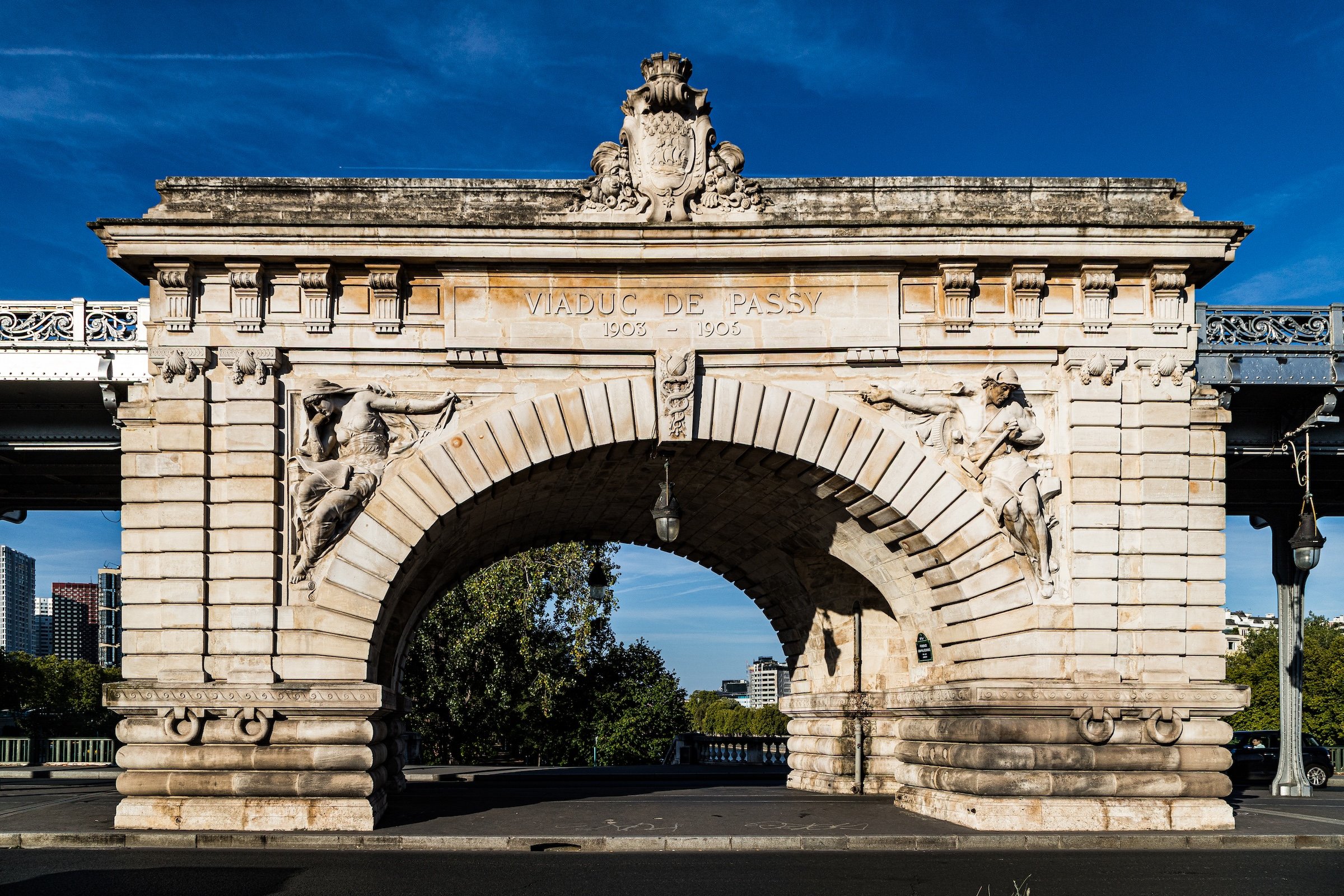
The arrondissement’s administrative name, Passy, comes from the former village of Passy, one of the historic settlements incorporated into Paris during the city’s 19th-century expansion. Passy was long known as a village and suburban retreat west of the old city, valued for its elevated position, cleaner air, river views, and distance from the density of central Paris. Its name survives in streets, institutions, neighborhood identity, and the formal arrondissement designation.
The name matters because the 16e is one of the Paris arrondissements most clearly shaped by former village geography. Passy, Auteuil, and Chaillot each carried identities before becoming part of modern Paris. Their absorption into the capital did not erase them; instead, their names and street patterns continue to structure the arrondissement’s internal character. Passy in particular evokes a western Paris of slopes, villas, gardens, private residences, and views across the Seine.
The deeper origins of the arrondissement are therefore not those of a medieval central district, but of outer settlements, vineyards, estates, religious properties, springs, roads, and river-facing slopes beyond the historic core. The 16e became Paris through annexation, urban development, transport, wealth, and the westward expansion of residential prestige. Its name preserves the memory of that transformation: from village and retreat to one of the capital’s most prestigious residential arrondissements.
The 16e arrondissement is one of the twenty municipal arrondissements of Paris and remains a distinct local civic unit with its own mairie. It is not part of Paris Centre, which includes only the 1er, 2e, 3e, and 4e arrondissements. Its civic identity is shaped by its size, residential population, diplomatic presence, major cultural institutions, sports facilities, and the inclusion of the Bois de Boulogne within its administrative geography.
The arrondissement’s four administrative quarters — Auteuil, Muette, Porte-Dauphine, and Chaillot — provide its official internal structure. These quarters are especially important because the 16e is often treated as a single shorthand for western Parisian affluence. The official quarters reveal a more varied district: Auteuil with its village memory and literary associations, Muette with its residential and diplomatic identity, Porte-Dauphine with its western edge and relationship to the Bois de Boulogne, and Chaillot with its museums, monuments, and river-facing grandeur.
For this project, the 16e is treated as both an official geographic layer and a cultural-historical district. Its civic framework helps distinguish the arrondissement from the ceremonial 8e to the northeast, the institutional 7e across the Seine, the residential and modernizing 15e to the southeast, and the suburban municipalities beyond the city line. The 16e is western Paris as both city and threshold: elegant, green, residential, elevated, and deeply connected to the geography of prestige.
Civic Framework
Parisian Identity
The 16e arrondissement holds a distinctive place in the Parisian imagination as the city’s great western residential district. It is associated with elegance, discretion, embassies, private schools, large apartments, gardens, museums, quiet avenues, and the refined domestic life of western Paris. Its reputation is often one of wealth and reserve, but the arrondissement is more layered than that shorthand suggests.
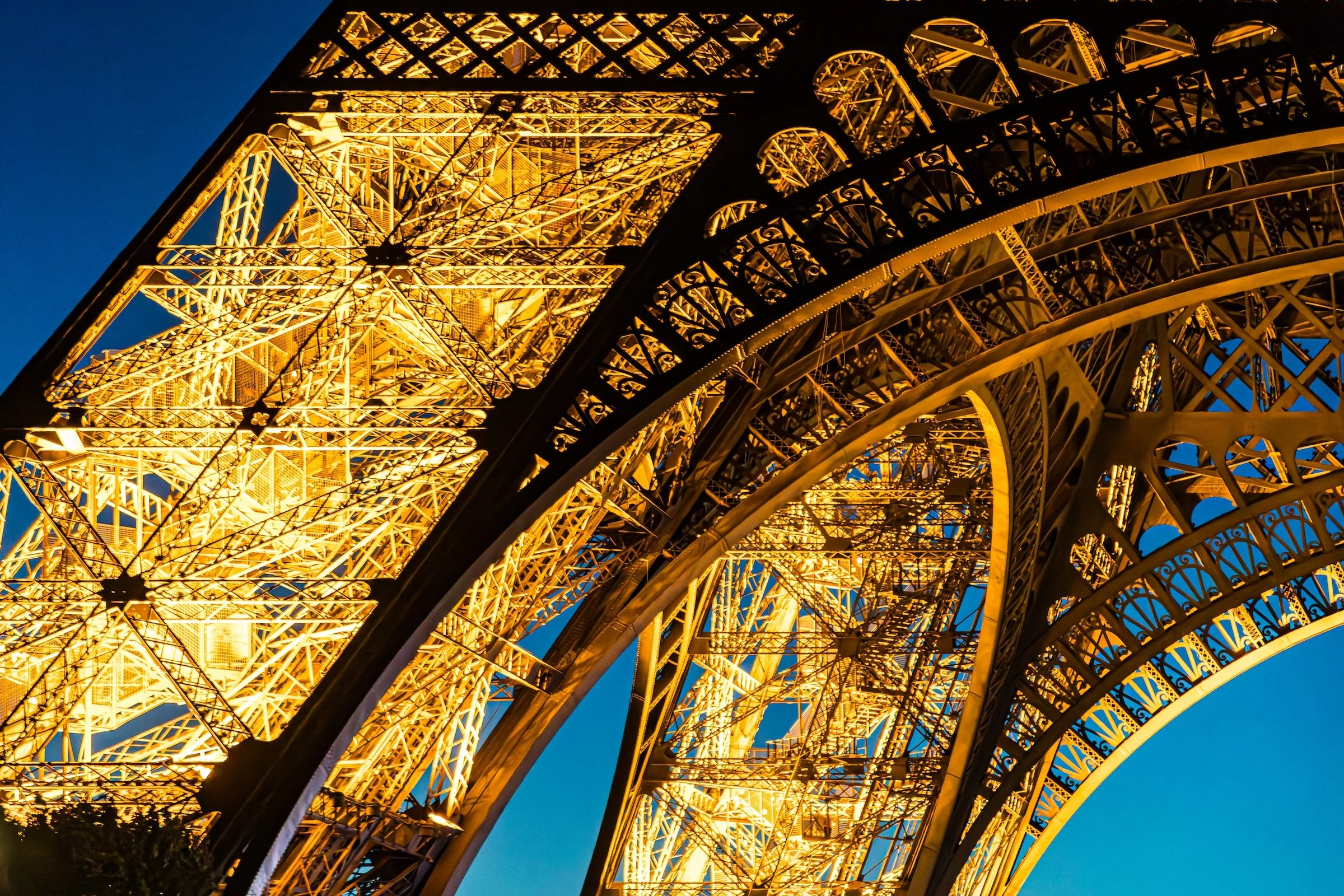
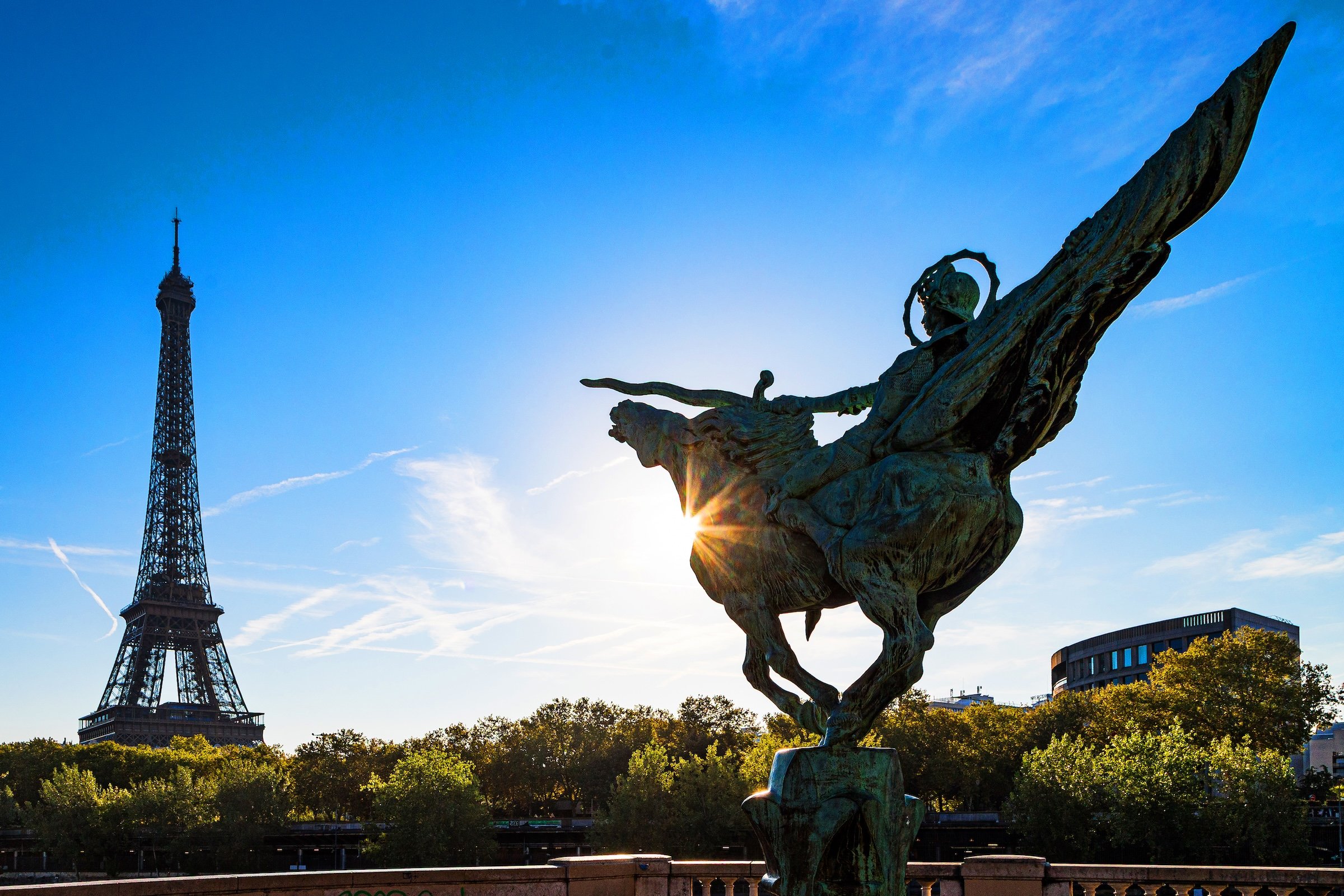
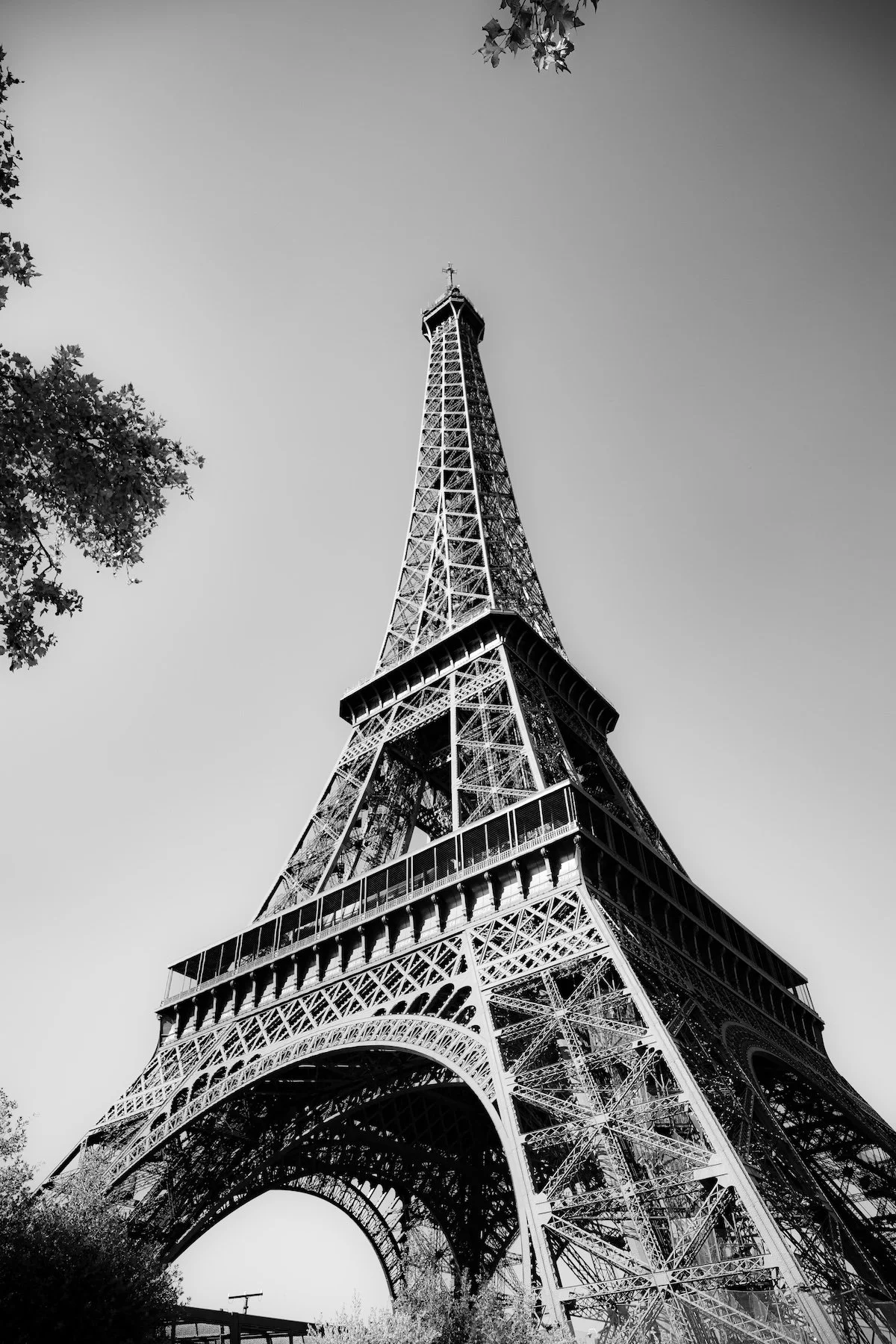
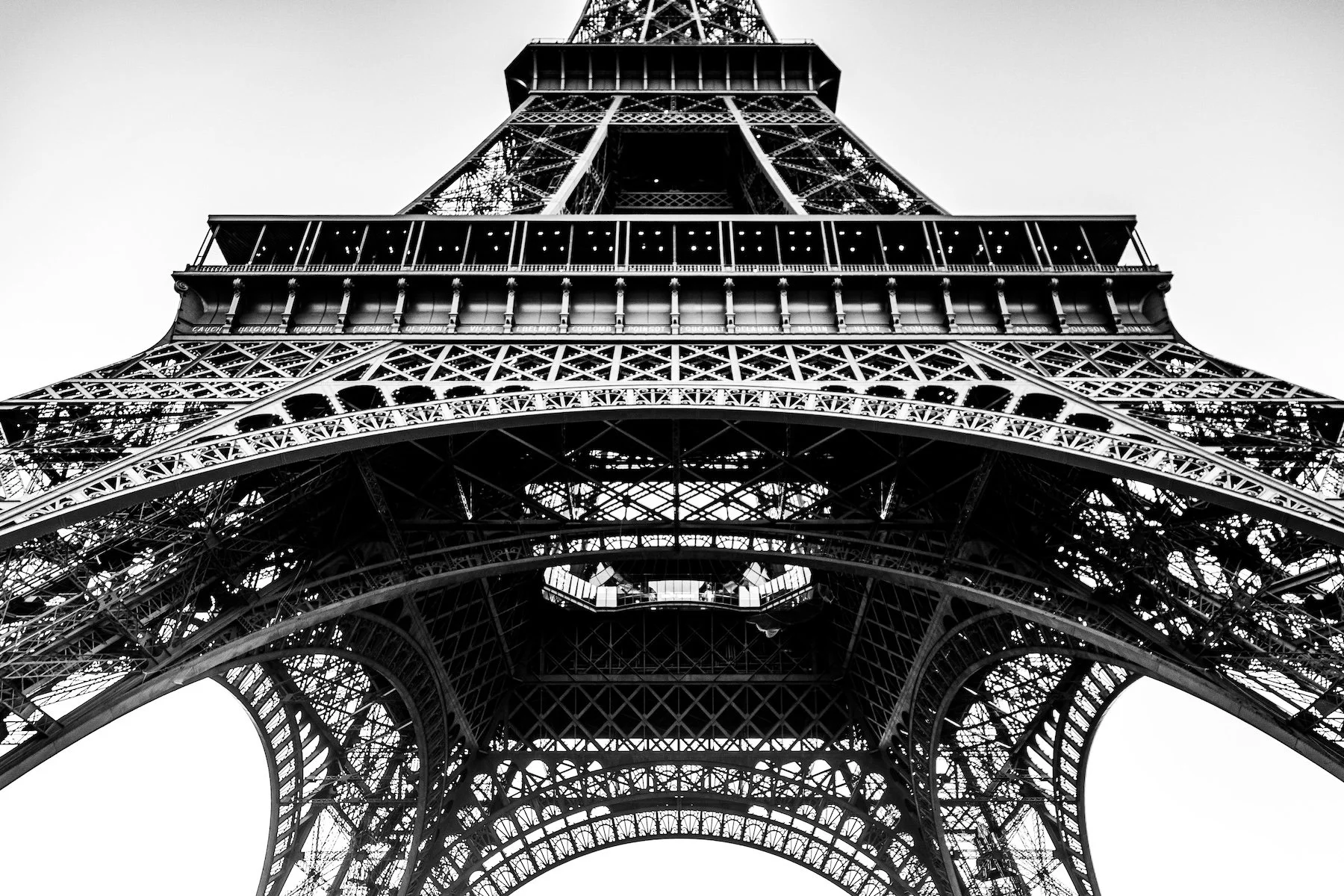
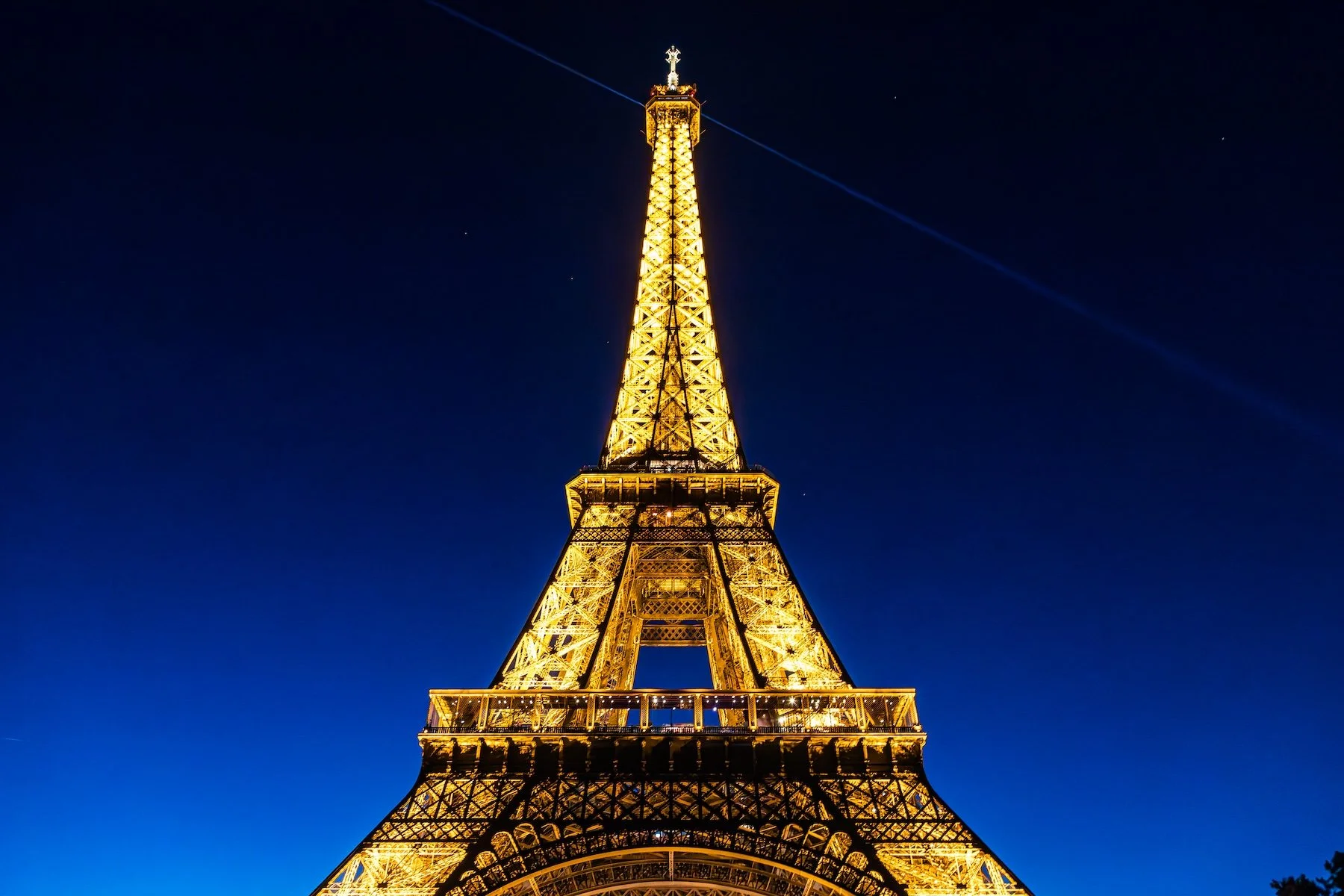
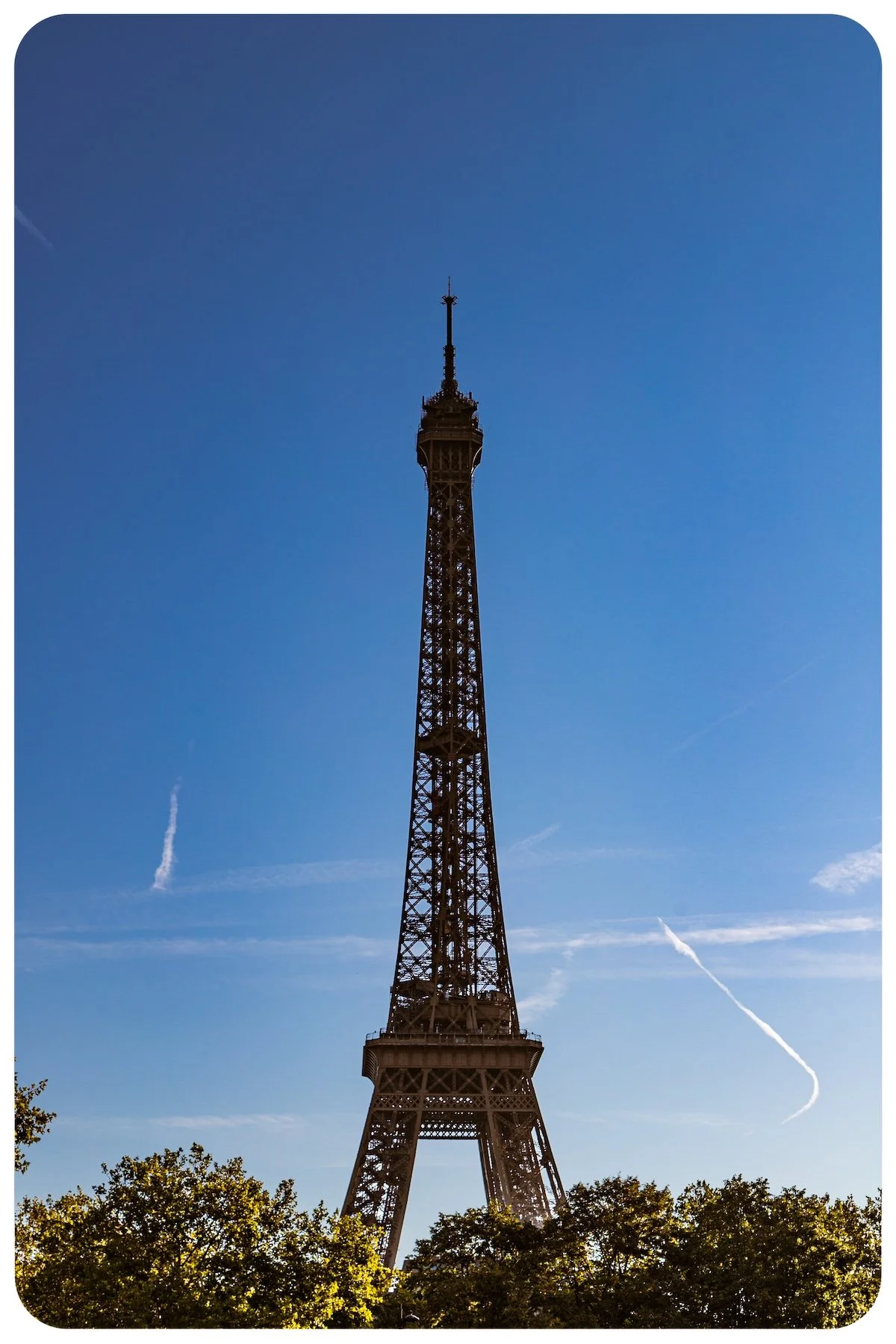
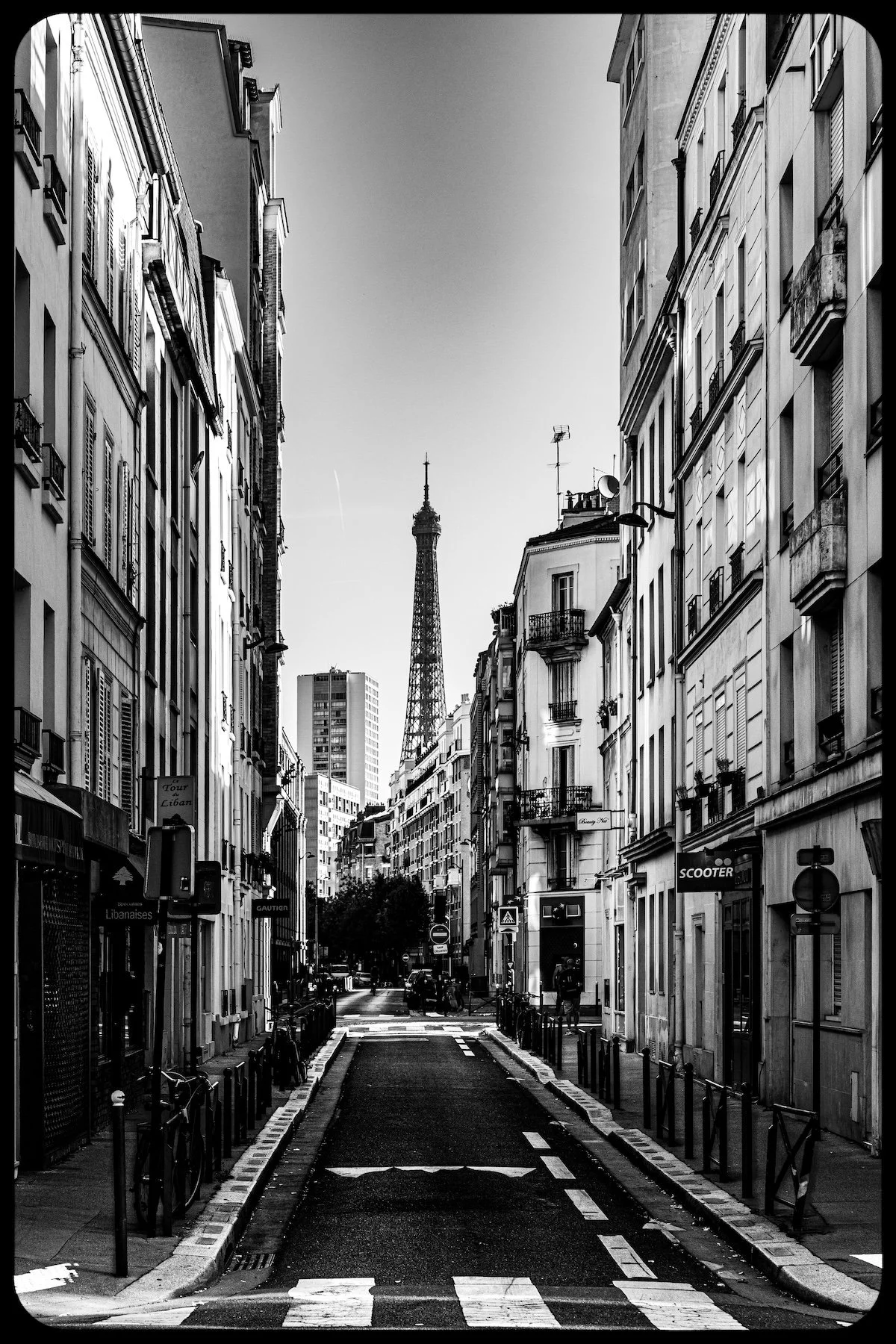
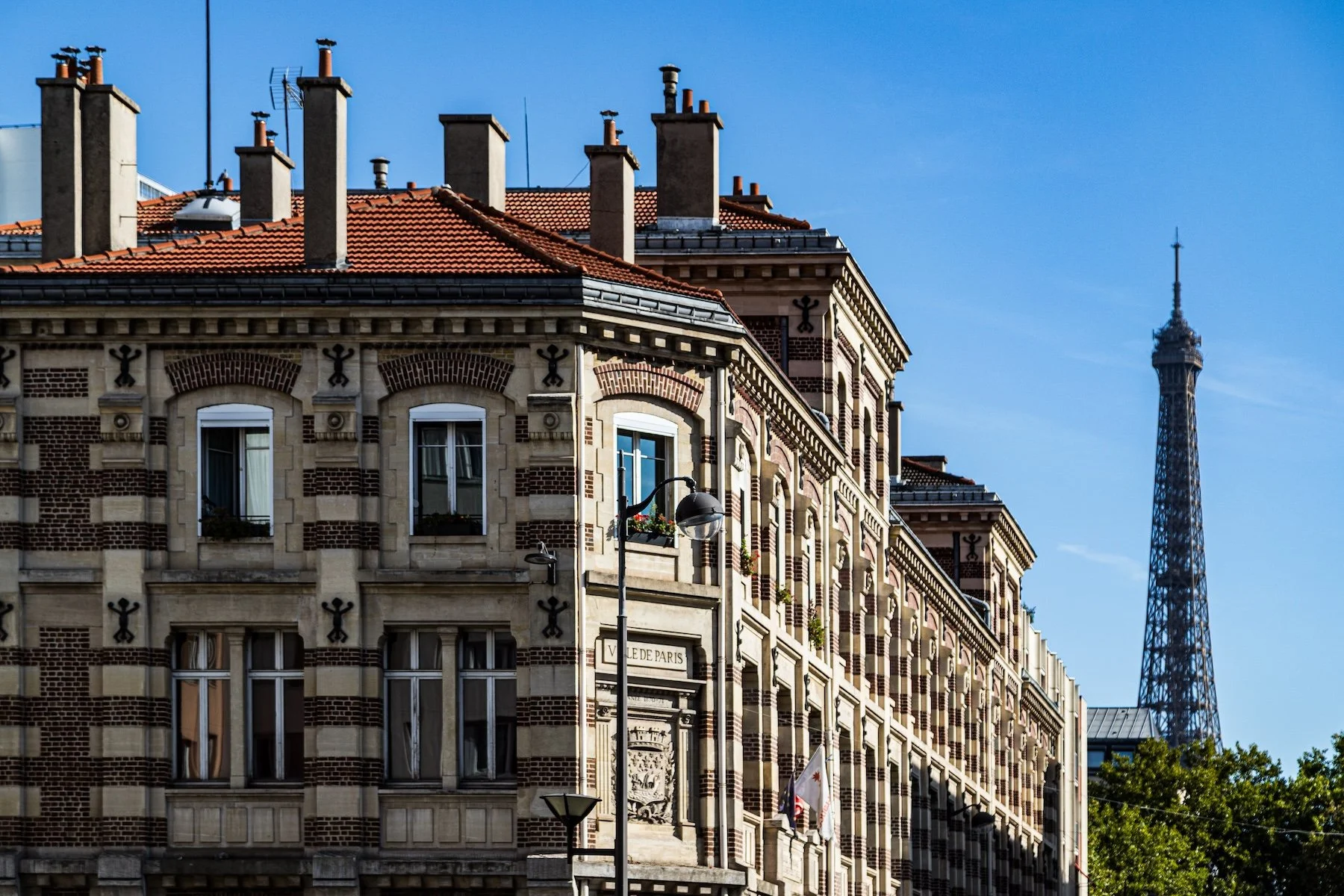
The 16e also contains some of the most public and iconic views in Paris. From Trocadéro and Chaillot, the city frames the Eiffel Tower across the Seine with almost theatrical precision. This makes the arrondissement both private and spectacular: a place of guarded residential calm that also contains one of the world’s most photographed public vistas.
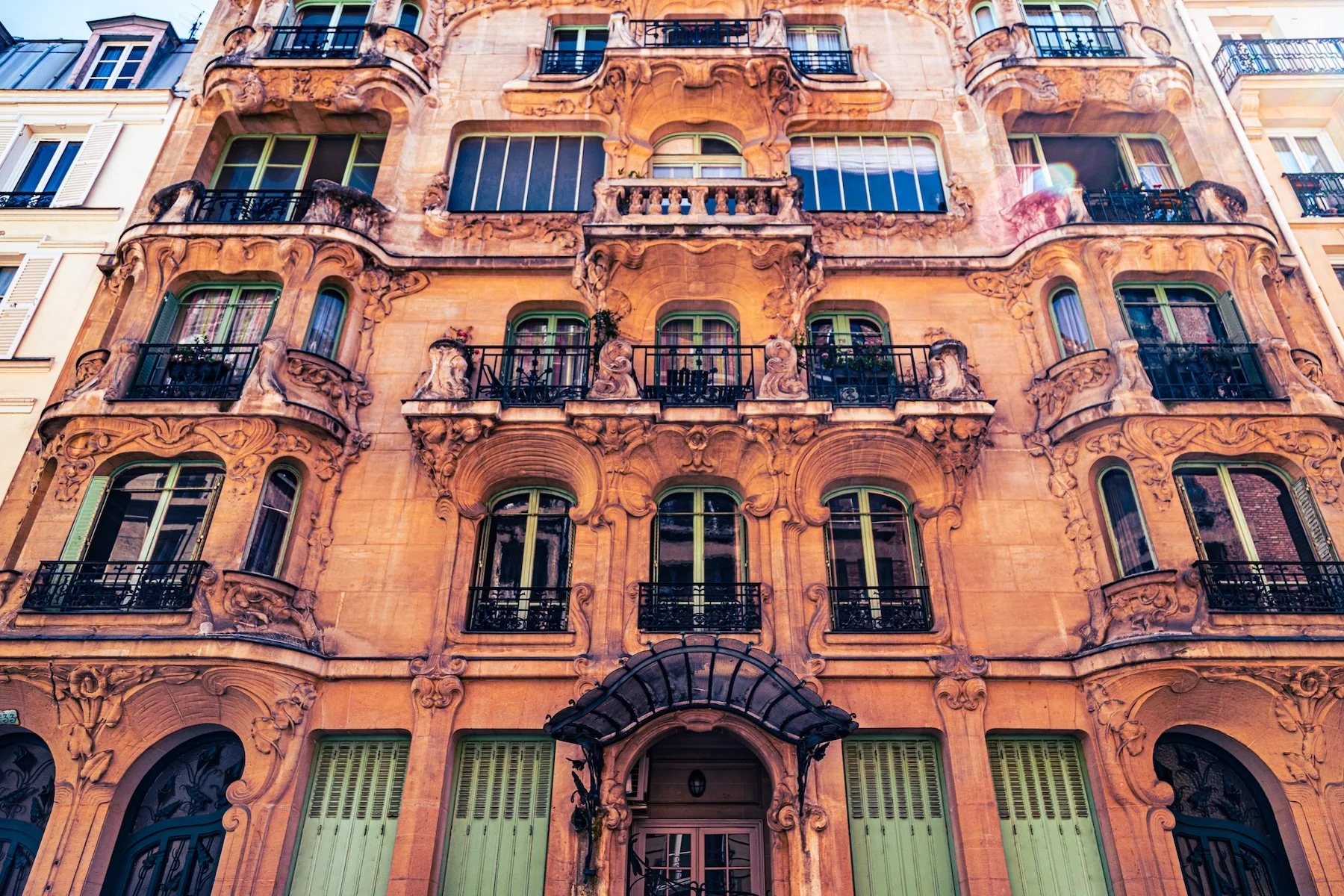
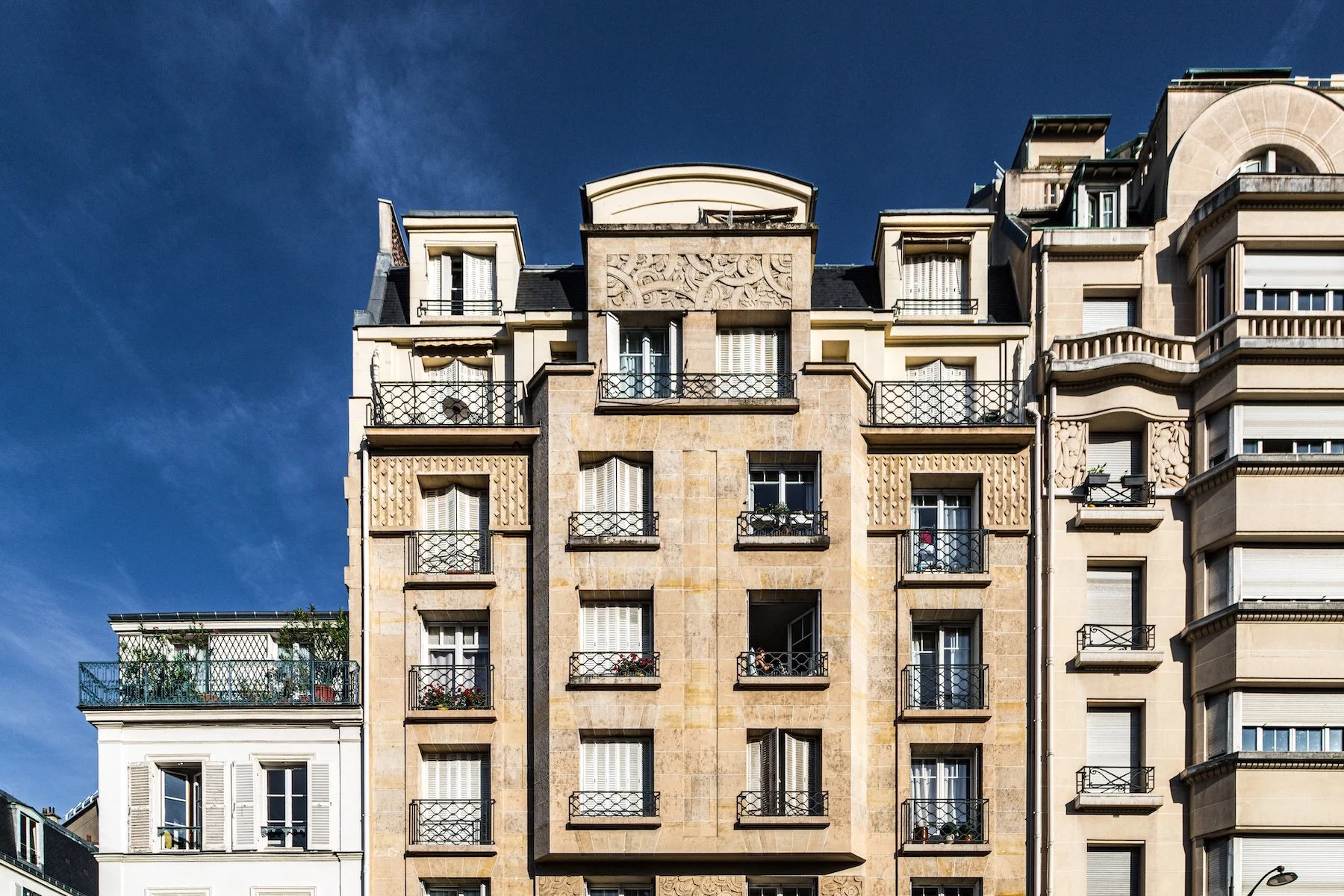
Its Parisian identity is shaped by contrast. It is less dense and less improvisational than eastern Paris, less commercial than the 8e, less institutional than the 7e, and less literary-bohemian than the 6e or 14e. It presents Paris as composed, spacious, and controlled: façades, avenues, embassies, museums, villas, parks, and carefully maintained residential streets. Yet it also contains sports venues, major museums, former village centers, art nouveau buildings, riverfront roads, and the large recreational world of the Bois de Boulogne. The 16e is Paris as refinement, but also Paris as western landscape.
The 16e arrondissement is distinguished by its combination of former village memory, residential prestige, green space, and monumental viewpoint. Unlike central arrondissements built from dense medieval streets or grand state institutions, the 16e developed from villages and estates absorbed into the expanding city. This gives it a different rhythm: broader streets, quieter residential zones, larger parcels, gardened interiors, and a stronger relationship to parks and topography.
Its four administrative quarters express this range. Auteuil gives the arrondissement its strongest former-village identity, with a quieter residential character and associations with writers, villas, churches, and the southern western edge of Paris. Muette carries the memory of Passy and La Muette, along with museums, embassies, schools, and refined residential streets. Porte-Dauphine connects the arrondissement to the Bois de Boulogne, major avenues, sports grounds, and the western edge of the city. Chaillot gives the arrondissement its most monumental public identity through Trocadéro, the Palais de Chaillot, museums, and views across the Seine.
The arrondissement’s distinction also lies in its relationship to visibility. Some of its spaces are among the most photographed in Paris; others are among the most private. The 16e can be grandly public at Trocadéro, diplomatic near embassies, residential in Passy and Auteuil, sporting near the Bois, and quietly exclusive along private streets and villa-like passages. It is a district where the public image of Paris and the private life of western Paris sit close together.
Neighborhood Distinction
Les Quartiers Administratifs
Administrative Quarters
The Four Administrative Quarters
Each Paris arrondissement is divided into four official administrative quarters. These smaller districts reveal older place-names, local histories, civic boundaries, and neighborhood identities.
-
Auteuil
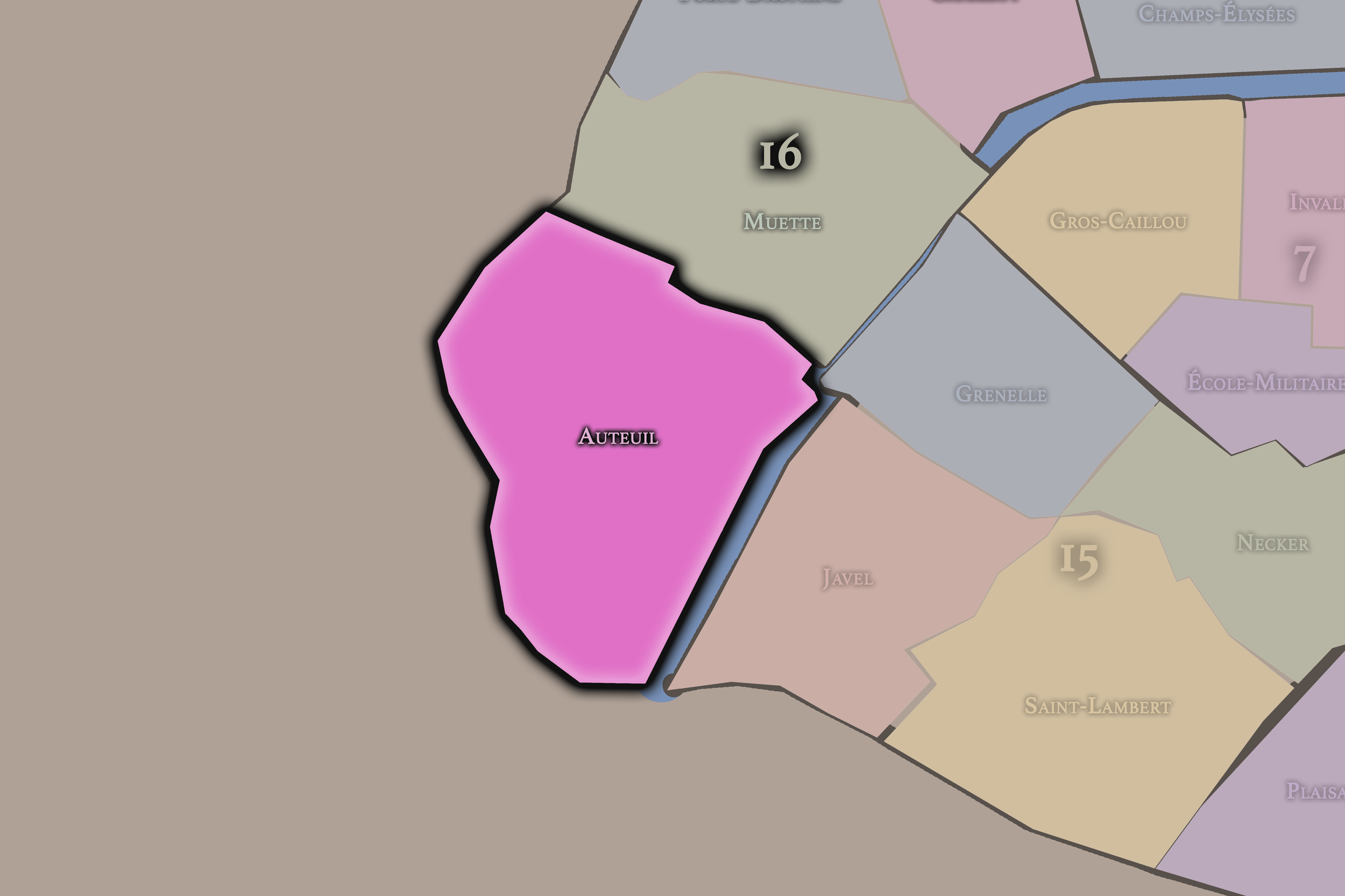
Auteuil occupies the southern portion of the 16e arrondissement and preserves the identity of the former village of Auteuil. Before its incorporation into Paris, Auteuil was known as a retreat west of the city, associated with country houses, gardens, writers, religious institutions, and a quieter way of life beyond the dense urban core. Its old village memory remains visible in street names, churches, villas, and the neighborhood’s more intimate scale.
This quarter gives the 16e one of its strongest residential and literary identities. Auteuil is less monumental than Chaillot and less globally recognizable than Trocadéro, but it is essential to the arrondissement’s character as a place of domestic refinement and historical continuity. Its streets suggest a Paris of houses, apartment buildings, schools, small shops, private gardens, and local memory rather than ceremonial display.
-
Chaillot
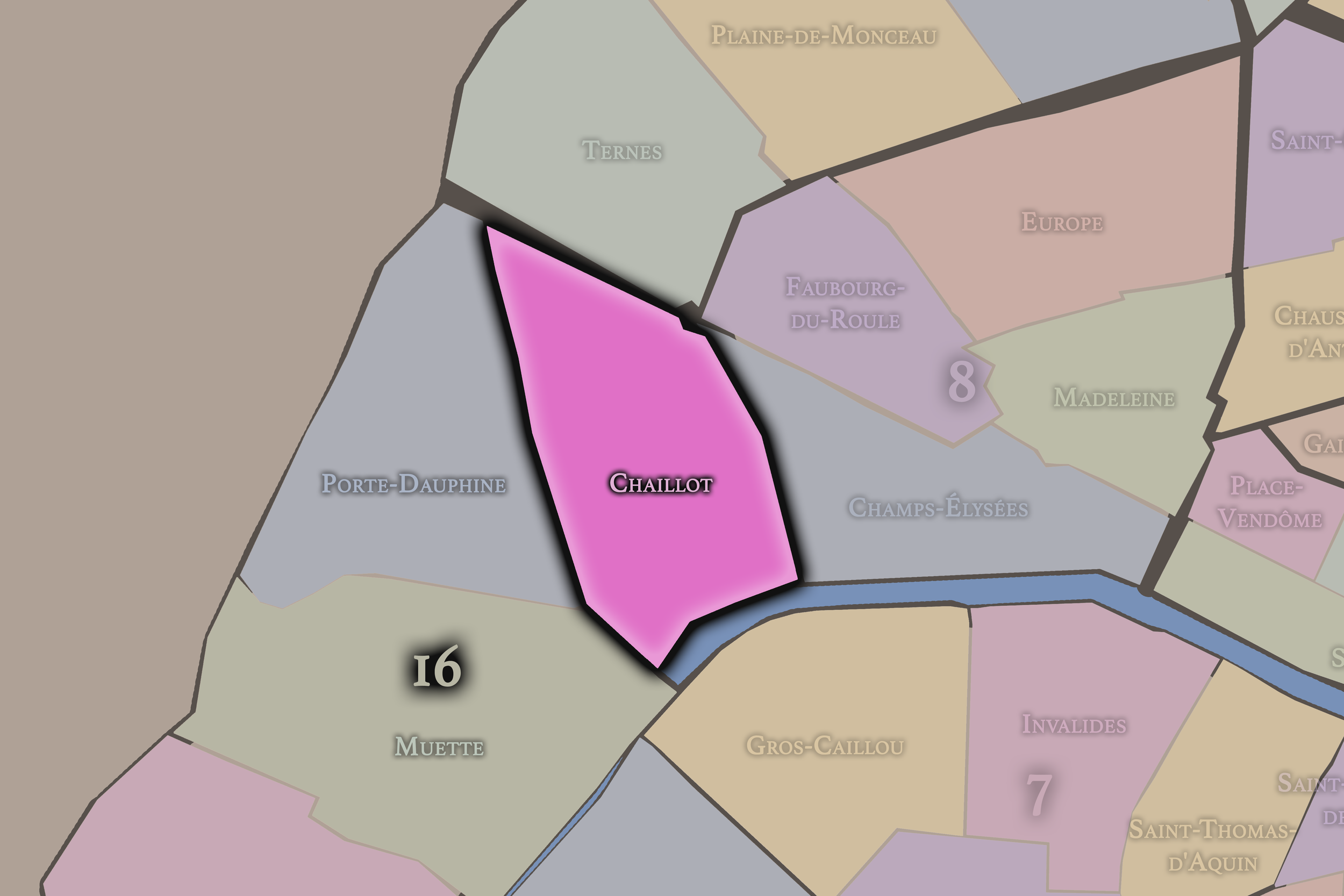
Chaillot occupies the northeastern portion of the 16e arrondissement, overlooking the Seine and facing the Eiffel Tower across the river. Its name comes from the former village of Chaillot, whose elevated position made it one of the most important viewpoints in western Paris. Today, the quarter is defined by Trocadéro, the Palais de Chaillot, major museums, embassies, monuments, and some of the city’s most iconic vistas.
This quarter gives the 16e its most public and monumental identity. Chaillot is where the arrondissement steps onto the world stage: tourists gather, cameras turn toward the Eiffel Tower, museums line the hill, and the city arranges itself as a grand visual composition. Yet behind the monumental terraces and institutions are residential streets, diplomatic buildings, and older traces of the former village. Chaillot is the 16e at its most theatrical, but also one of its deepest historical viewpoints.
-
Muette
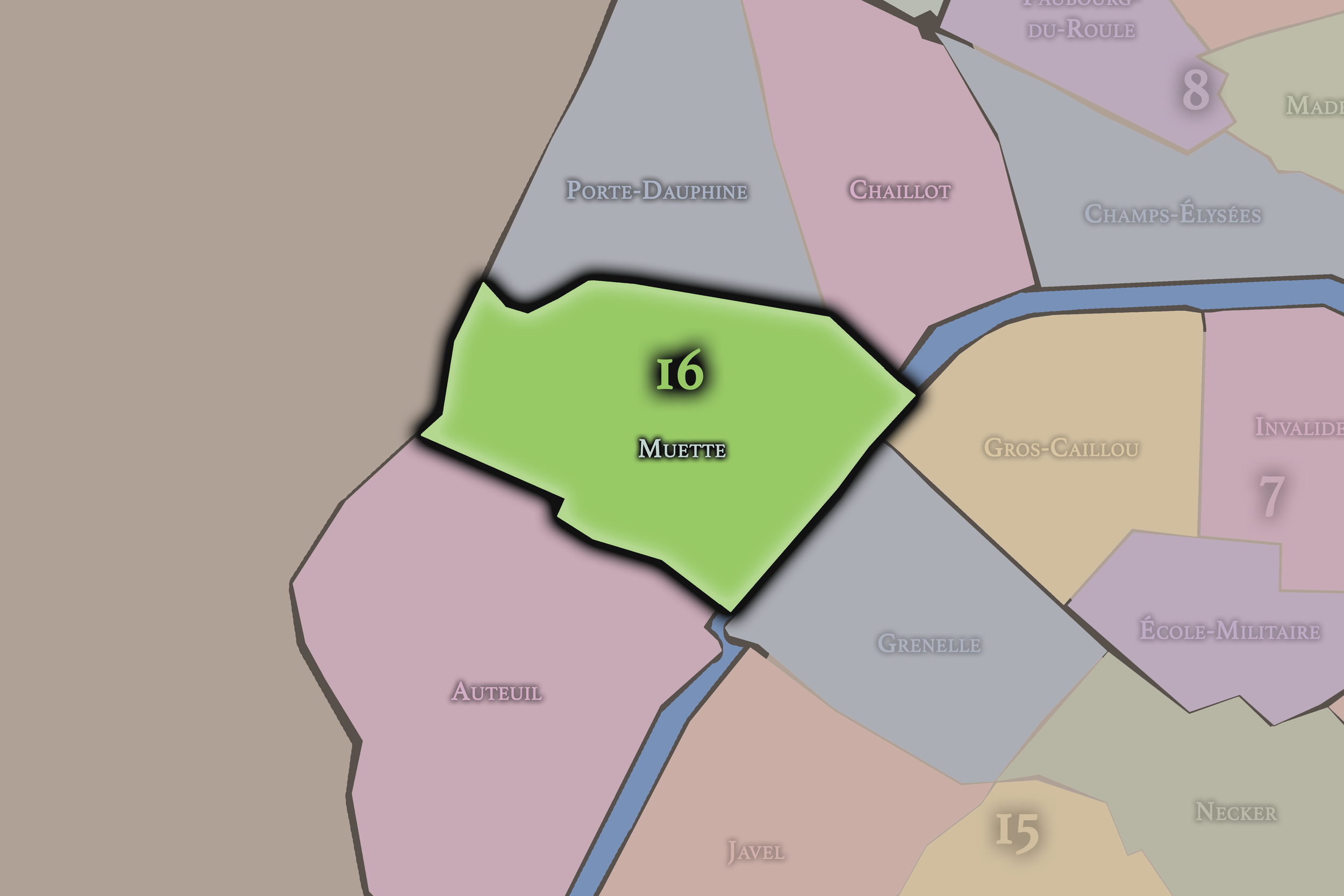
Muette occupies the central portion of the 16e arrondissement and includes much of the Passy identity traditionally associated with the district. Its name recalls the Château de la Muette and the older landscapes of royal, aristocratic, and residential western Paris. The quarter is shaped by broad avenues, museums, embassies, schools, apartment buildings, and the slopes leading toward the Seine.
This quarter gives the 16e much of its image of refined western Paris. Around Passy and La Muette, the arrondissement becomes a district of residential prestige, cultural institutions, and diplomatic presence. The area also carries deeper historical memory, including the former village of Passy and the transformation of western suburban landscapes into urban Paris. Muette is where the 16e feels most clearly like a composed residential capital: elegant, elevated, and reserved.
-
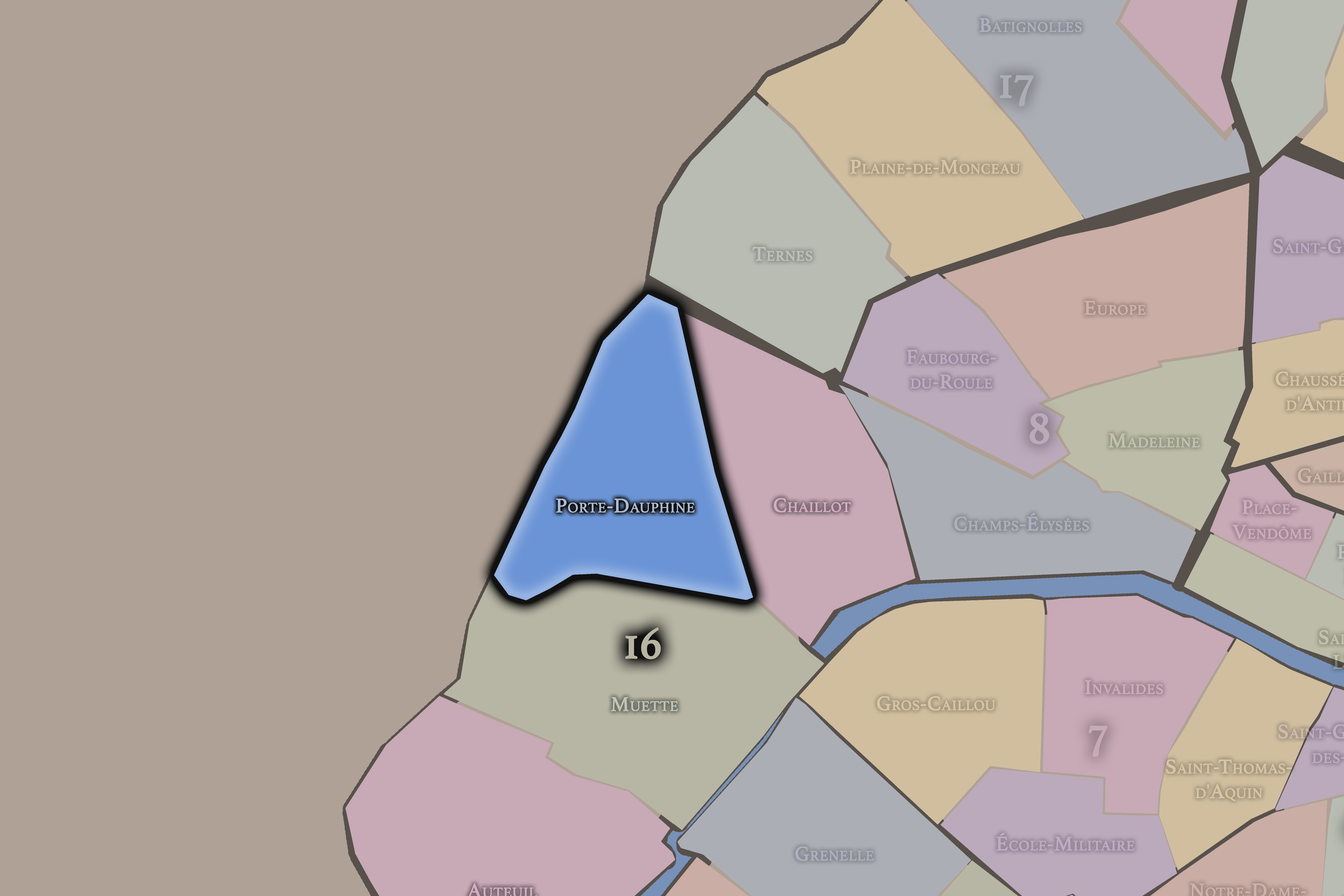
Porte-Dauphine
Porte-Dauphine occupies the northwestern portion of the arrondissement, near the Bois de Boulogne, Avenue Foch, and the city’s western boundary. Its name comes from the gate at the western edge of Paris, and the quarter’s identity is strongly connected to the transition between the built city, the park, and the suburbs beyond.
This quarter gives the 16e a sense of scale and openness. Porte-Dauphine is shaped by wide avenues, major traffic approaches, proximity to the Bois de Boulogne, sports facilities, residential buildings, and some of the most spacious urban forms in Paris. It is where the arrondissement feels most like a gateway: not only into Paris, but out toward the green and suburban west.
The History
The origins of the 16e arrondissement lie in the western landscapes beyond the old city of Paris. Before incorporation into the capital, this area consisted of villages, estates, fields, vineyards, religious properties, roads, woods, and river-facing slopes. Passy, Auteuil, and Chaillot were distinct places with their own local identities, connected to Paris but not yet absorbed into its dense urban fabric.
The Seine shaped the eastern and southeastern edge of the future arrondissement, while the Bois de Boulogne and western roads gave the area a strong relationship to the countryside and the royal hunting landscapes beyond the city. Elevation also mattered. The heights of Chaillot and Passy offered views across the river, making the district attractive for residences, retreats, and later monumental viewing platforms.
The future 16e therefore began not as an urban center, but as a set of western settlements and landscapes at the edge of Paris. Its origins were suburban in the older sense: close enough to the capital to be shaped by it, but distant enough to preserve air, space, gardens, and local distinction.
Origins
16th–17th Century
During the 16th and 17th centuries, the future 16e arrondissement remained outside the dense city, but its villages and estates became increasingly tied to the life of Paris. Auteuil, Passy, and Chaillot attracted religious communities, aristocratic residences, gardens, and suburban retreats. Their position beyond the crowded center made them desirable for those seeking space while remaining connected to the capital.
The riverfront and hillside geography were important. Chaillot’s elevation gave it strategic and scenic value, while Passy’s slopes and Auteuil’s quieter setting supported country houses and institutional properties. The western landscape remained less urbanized than central Paris, but its relationship to wealth, retreat, and prestige was already forming.
By the end of the 17th century, the future arrondissement had acquired several of the characteristics that would define it later: residential desirability, village identity, proximity to the Bois de Boulogne, and a sense of western separation from the dense core of the city. It was not yet Paris in the administrative sense, but it was increasingly part of the capital’s social and territorial imagination.
In the 18th century, the western villages that would become the 16e arrondissement grew in prestige. Passy, Auteuil, and Chaillot were known for villas, country houses, gardens, and a more spacious form of life near Paris. Their distance from the center, cleaner air, river views, and semi-rural atmosphere made them attractive to aristocrats, writers, financiers, diplomats, and others connected to the capital’s elite worlds.
Passy in particular became associated with refined retreat and intellectual sociability. The village’s reputation for quiet elegance and elevated position helped shape the arrondissement’s later identity. Auteuil also developed associations with literary and social life, while Chaillot maintained its relationship to views, river crossings, and the western approach to the city.
The 18th century therefore strengthened the district’s identity as a western residential and retreat landscape. It remained outside the dense urban core, but it was no longer simply rural. It had become a zone of selective urban influence: gardened, aristocratic, intellectual, and increasingly tied to the prestige of western Paris.
18th Century
19th Century
The 19th century transformed the future 16e arrondissement from a set of villages and suburban landscapes into part of modern Paris. The annexation of surrounding communes and territories brought Passy, Auteuil, and Chaillot into the city’s administrative structure, creating the modern arrondissement and formalizing its place within Paris.
Urban development accelerated. New avenues, apartment buildings, private streets, schools, churches, rail and transit connections, and residential districts reshaped the former villages. The opening and reworking of western Paris, including the development of avenues and the relationship to the Bois de Boulogne, gave the arrondissement a spacious and prestigious urban form distinct from the dense center.
Chaillot and Trocadéro also gained major public significance through exhibitions, museums, and the creation of monumental landscapes facing the Seine. Across the river, the Eiffel Tower would transform the visual relationship between the 16e and the 7e, making Trocadéro one of the central viewing points of modern Paris.
By the end of the 19th century, the 16e had become a district of western prestige: residential, scenic, green, and increasingly tied to the monumental self-presentation of Paris through exhibitions, river views, and grand urban planning.
In the early and mid 20th century, the 16e arrondissement consolidated its reputation as one of the most affluent and residential districts of Paris. Its broad avenues, apartment buildings, private streets, embassies, schools, and proximity to the Bois de Boulogne gave it a strong identity of bourgeois and upper-class western Paris.
The Trocadéro and Chaillot area continued to develop as a major cultural and monumental landscape. Museums, exhibition buildings, and terraces facing the Eiffel Tower made the northeastern portion of the arrondissement one of the city’s great public viewpoints. The 16e therefore combined residential discretion with international visibility.
The arrondissement was also shaped by the broader events of the 20th century, including war, occupation, reconstruction, and changing diplomatic and cultural institutions. Embassies, international organizations, museums, and elite schools reinforced the district’s role within global and official Paris.
At the same time, Auteuil, Passy, and Muette retained neighborhood identities beneath the arrondissement’s reputation. Shops, churches, schools, local markets, and residential routines gave the 16e a daily life often hidden behind its image of privilege.
Early–Mid 20th Century
Late 20th Century
The late 20th century reinforced the 16e arrondissement’s association with prestige, residence, culture, and international presence. The district remained one of the most desirable residential areas of Paris, while its museums, embassies, schools, sports facilities, and relationship to the Bois de Boulogne continued to shape its public identity.
The Trocadéro became even more central to the global image of Paris as tourism expanded. Views of the Eiffel Tower from Chaillot circulated widely through photography, postcards, films, advertising, and later digital media. This made the 16e one of the city’s major visual platforms, even though much of the arrondissement remained relatively quiet and residential.
The Bois de Boulogne, sports venues, and western-edge facilities also reinforced the arrondissement’s recreational identity. The 16e was not only a residential district, but a district connected to leisure, walking, sports, museums, and green space. Its image remained controlled and affluent, but its functions were varied.
By the end of the 20th century, the 16e had become one of the clearest examples of western Parisian continuity: former village memory transformed into prestigious urban residence, with monumental viewpoints and green landscapes framing the edge of the capital.
In the 21st century, the 16e arrondissement remains one of the most recognizable and socially distinctive districts of Paris. It continues to be associated with residential affluence, embassies, schools, museums, private streets, the Bois de Boulogne, sports facilities, and the iconic views from Trocadéro toward the Eiffel Tower.
Contemporary life in the arrondissement is marked by contrasts. The Trocadéro and Eiffel Tower viewpoints draw enormous numbers of visitors, while many residential streets remain calm, discreet, and local. The Bois de Boulogne offers one of Paris’s largest green landscapes, while the built neighborhoods of Auteuil, Passy, Muette, Porte-Dauphine, and Chaillot maintain a structured, formal, and often private atmosphere.
The arrondissement also faces contemporary pressures: tourism at major viewpoints, debates over public space and security, housing costs, preservation of architectural heritage, the role of embassies and institutions, and the challenge of sustaining neighborhood vitality in a district sometimes perceived as reserved or socially exclusive. Its identity remains powerful, but also complicated by questions of access, visibility, and privilege.
Today, the 16e is one of the places where Paris most clearly balances image and privacy. It frames the city for the world from Trocadéro, while much of the arrondissement continues to live behind façades, gardens, gates, schools, and quiet residential routines.
21st Century
Spirit and Legacy
The 16e arrondissement is Paris as elevation, residence, and composed distance. Its legacy is rooted in the former villages of Passy, Auteuil, and Chaillot; in the slopes above the Seine; in the Bois de Boulogne; in villas, embassies, museums, schools, avenues, and viewpoints that shaped the western edge of the capital.
It is one of the arrondissements where Paris remembers that the city grew not only through dense medieval streets or revolutionary boulevards, but through the absorption of villages and retreats. Passy gives the district its name and its deeper memory: a place once outside the city, then drawn into Paris while retaining a sense of separation, refinement, and local identity.
The 16e’s spirit lies in the tension between public image and private life. From Chaillot, it gives the world one of the great views of Paris. In Auteuil and Passy, it preserves quieter residential traditions. Along the Bois de Boulogne, it opens toward green space and the western edge. The arrondissement is not simply Parisian elegance; it is the geography of distance made urban — a district where the city steps back, looks across the river, and sees itself composed.
The Photography
The arrondissements do not share a single visual identity. Instead, they organize Paris into twenty broad visual fields, each gathering its own combination of landmarks, streetscapes, institutions, residential districts, commercial corridors, parks, rail stations, markets, cemeteries, and riverfront edges.
Some arrondissements are defined by monumental scale: royal palaces, ceremonial avenues, government buildings, museums, formal gardens, and internationally recognized landmarks. Others are shaped by hills, canals, rail gateways, apartment-lined boulevards, neighborhood markets, former village streets, industrial remnants, parks, or the quieter rhythms of residential Paris. The arrondissement system gives these varied landscapes a civic frame, allowing the city to be read not as one visual language, but as a sequence of overlapping Parisian atmospheres.
Visual Identity
Through The Lens
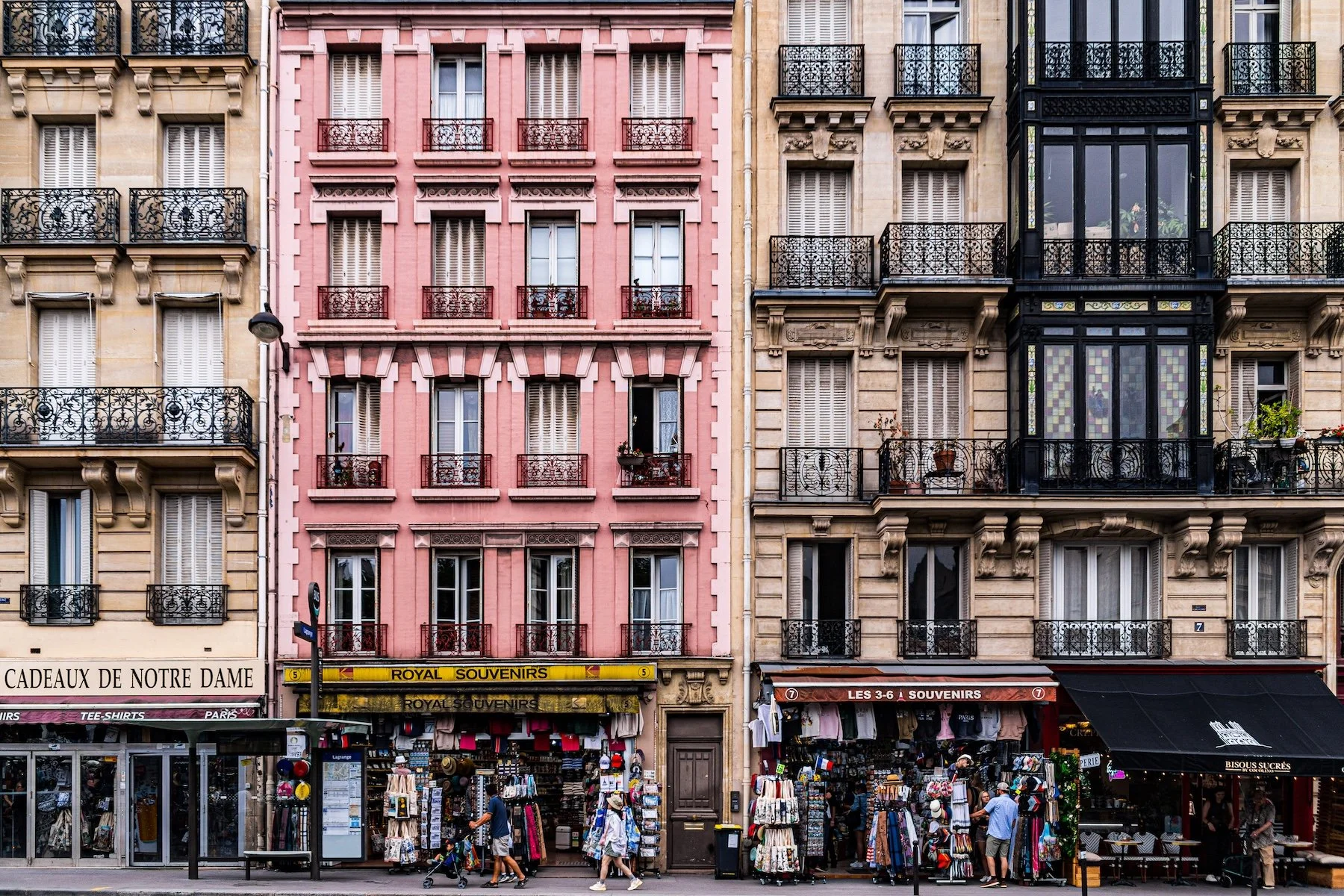
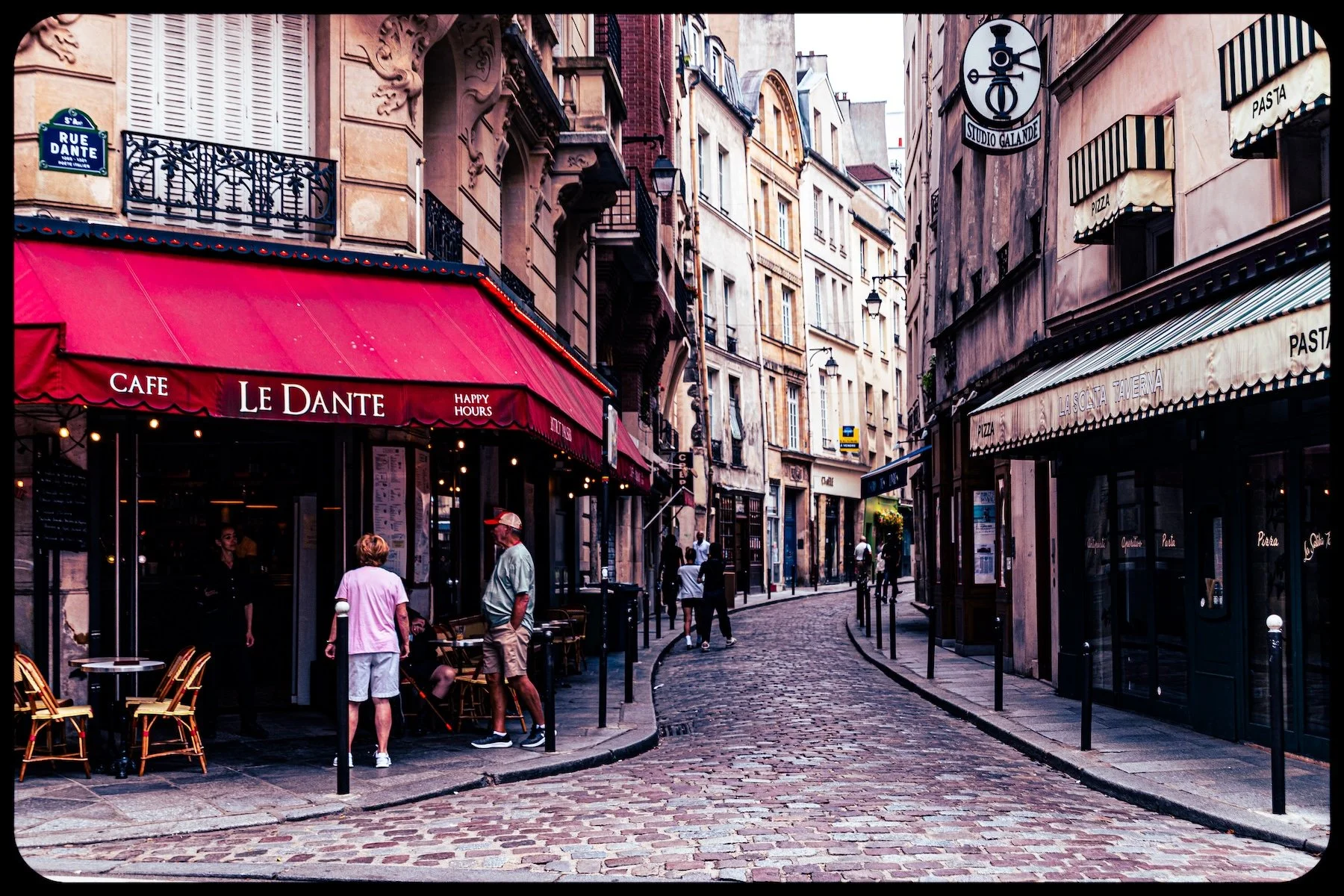
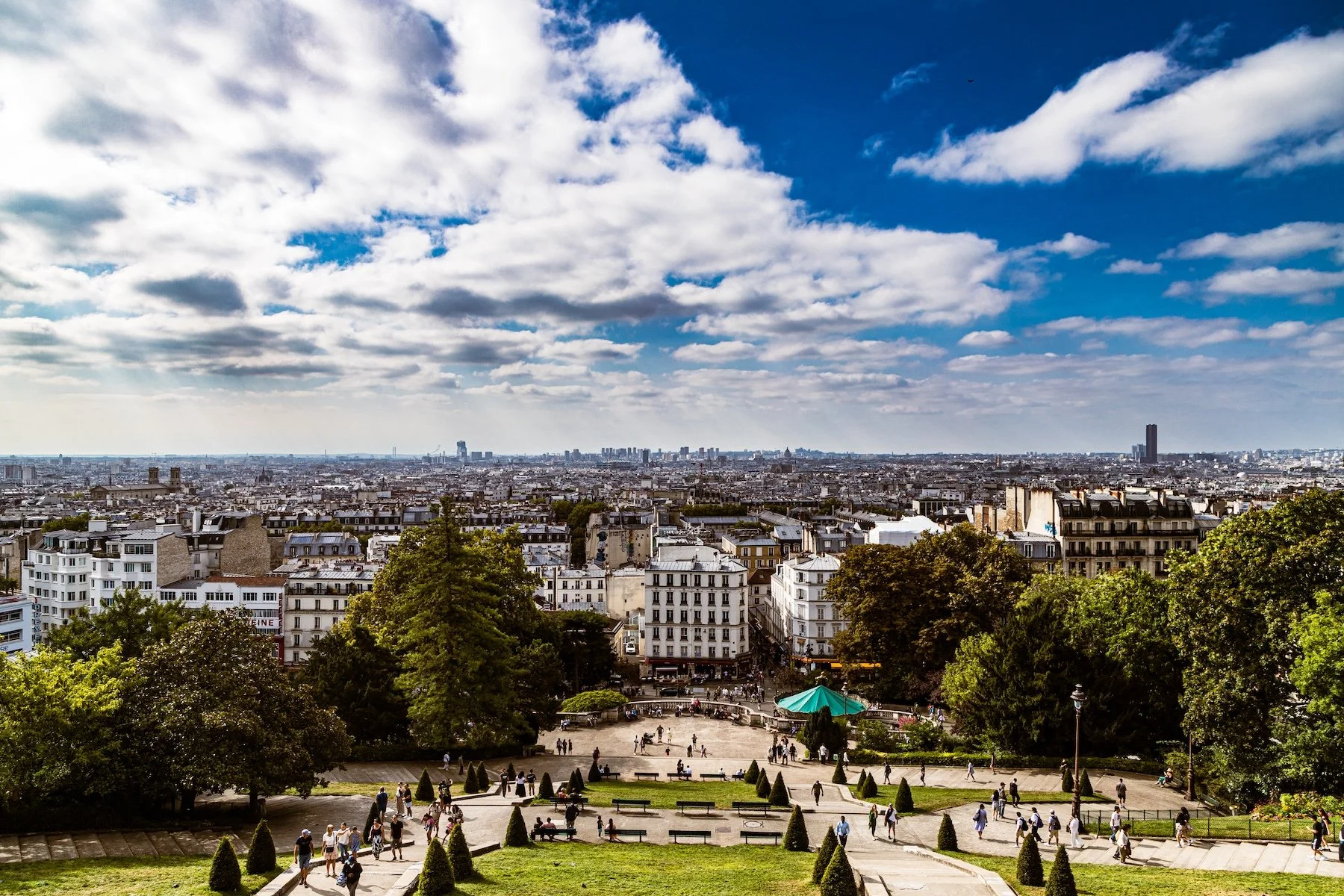
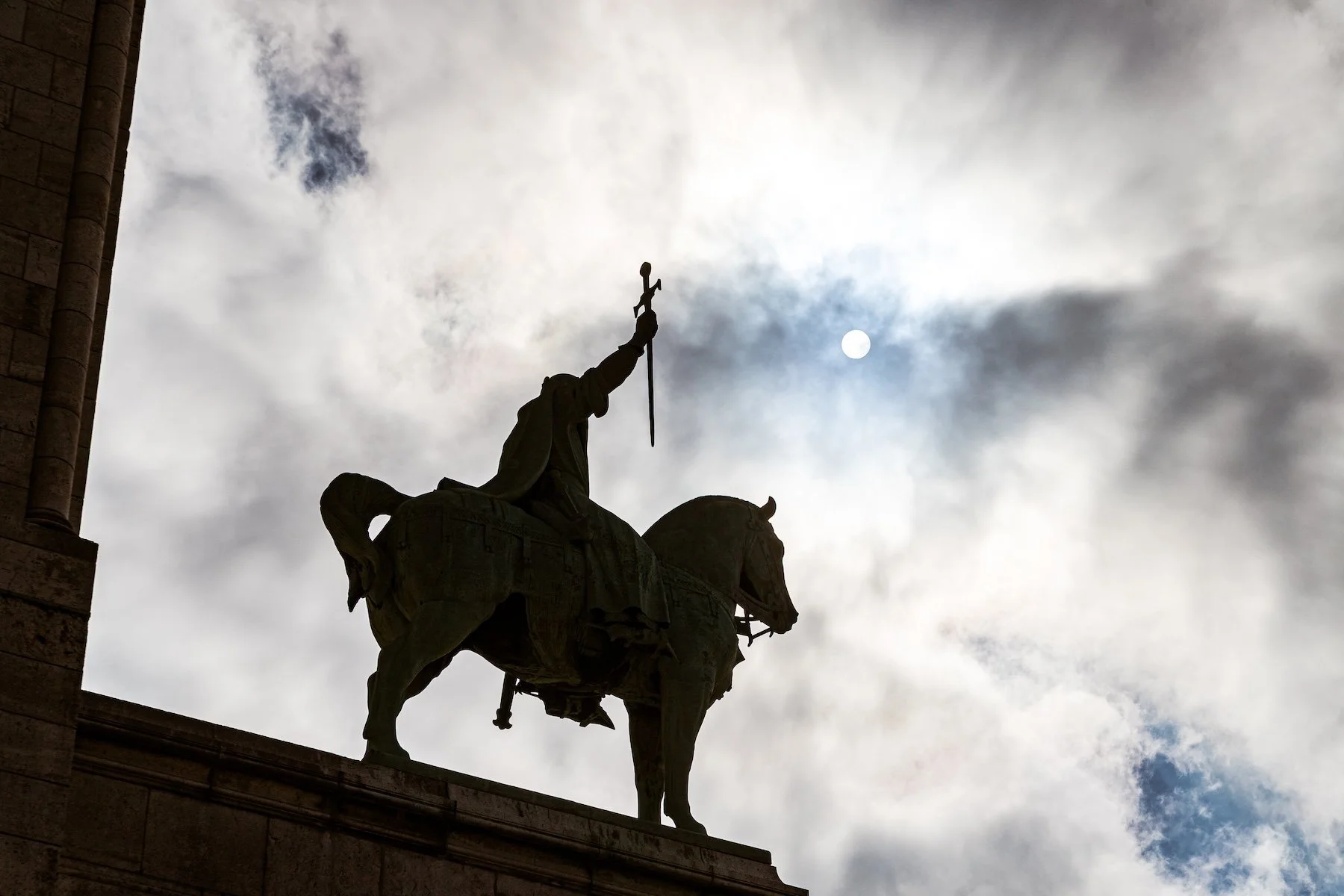
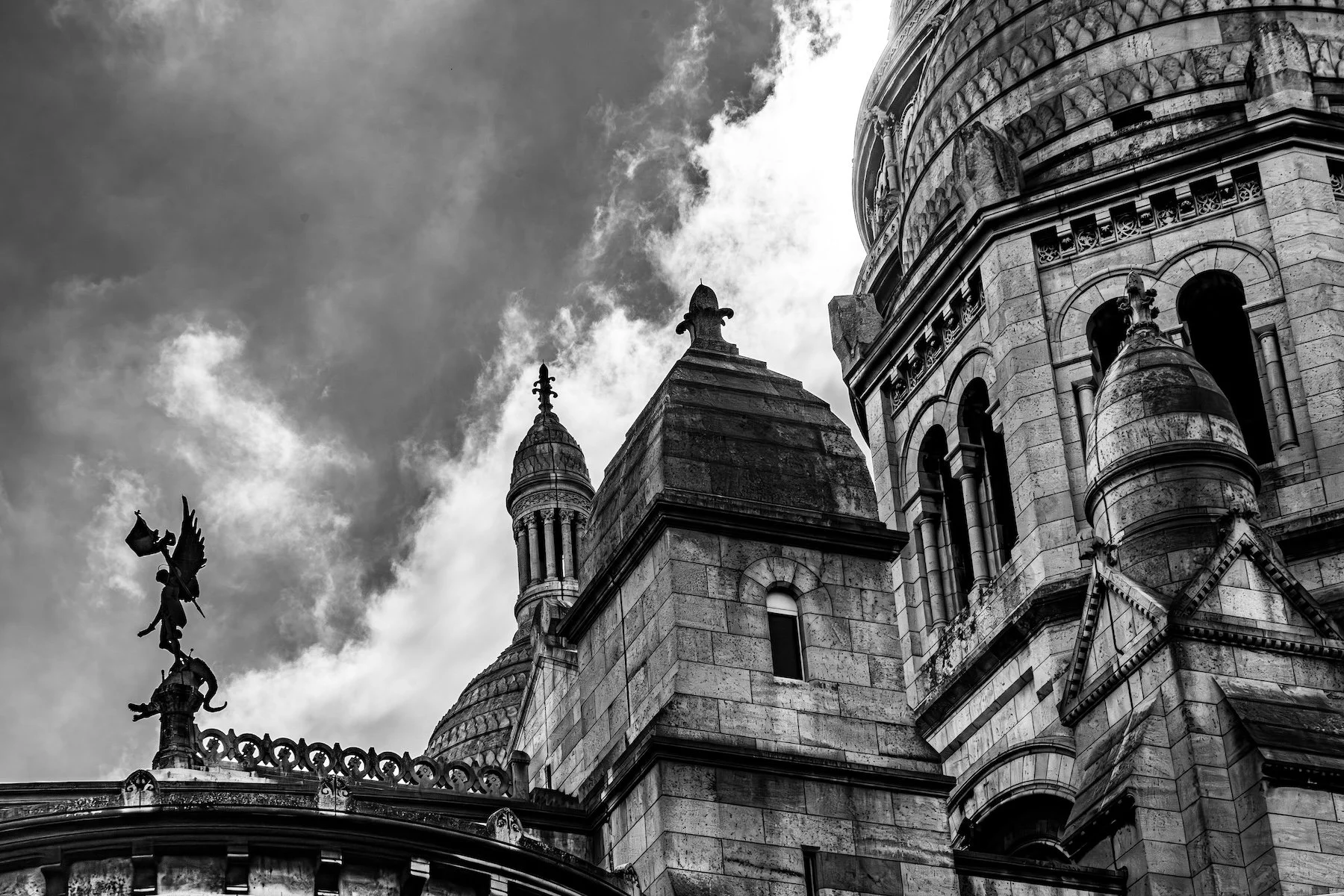
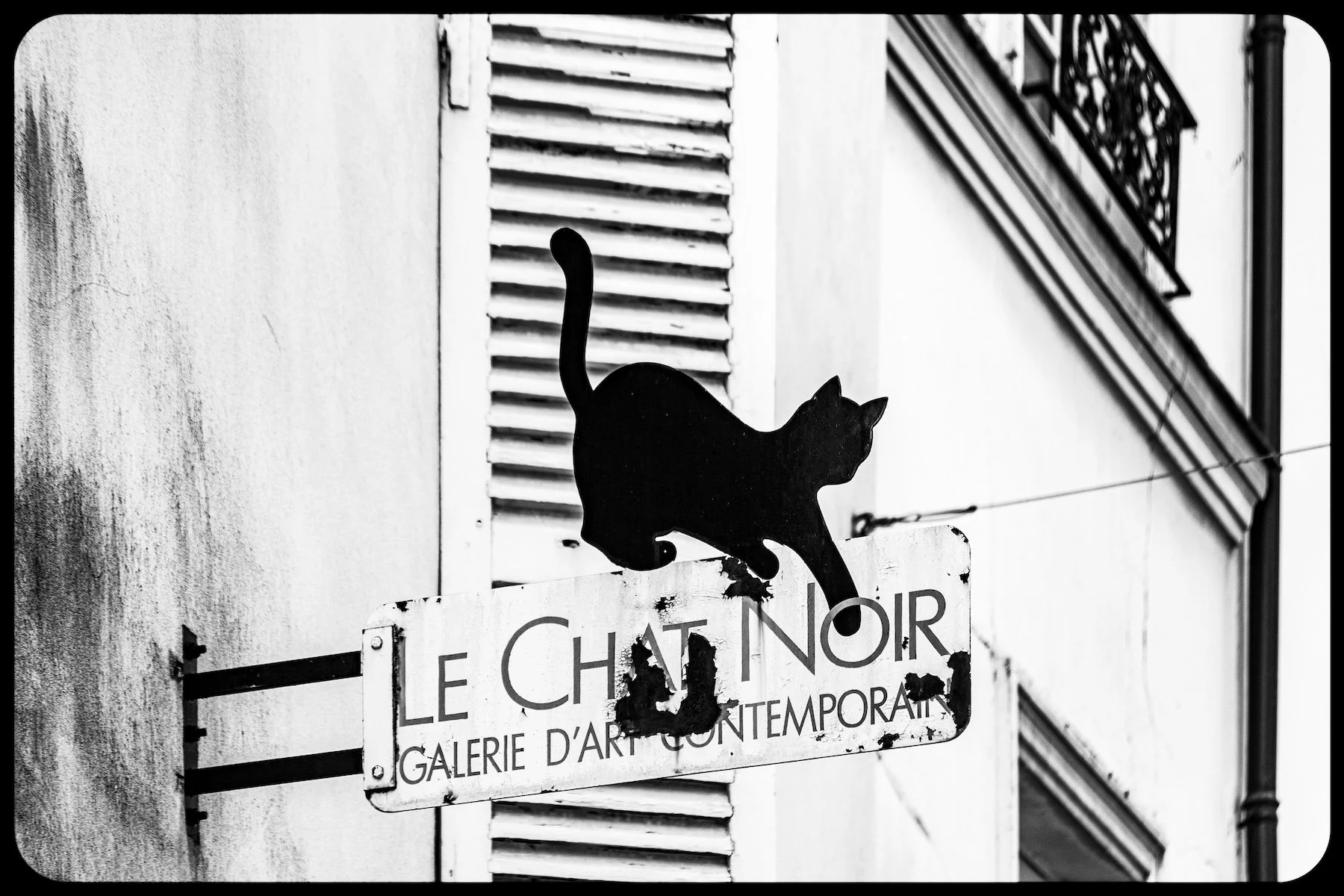
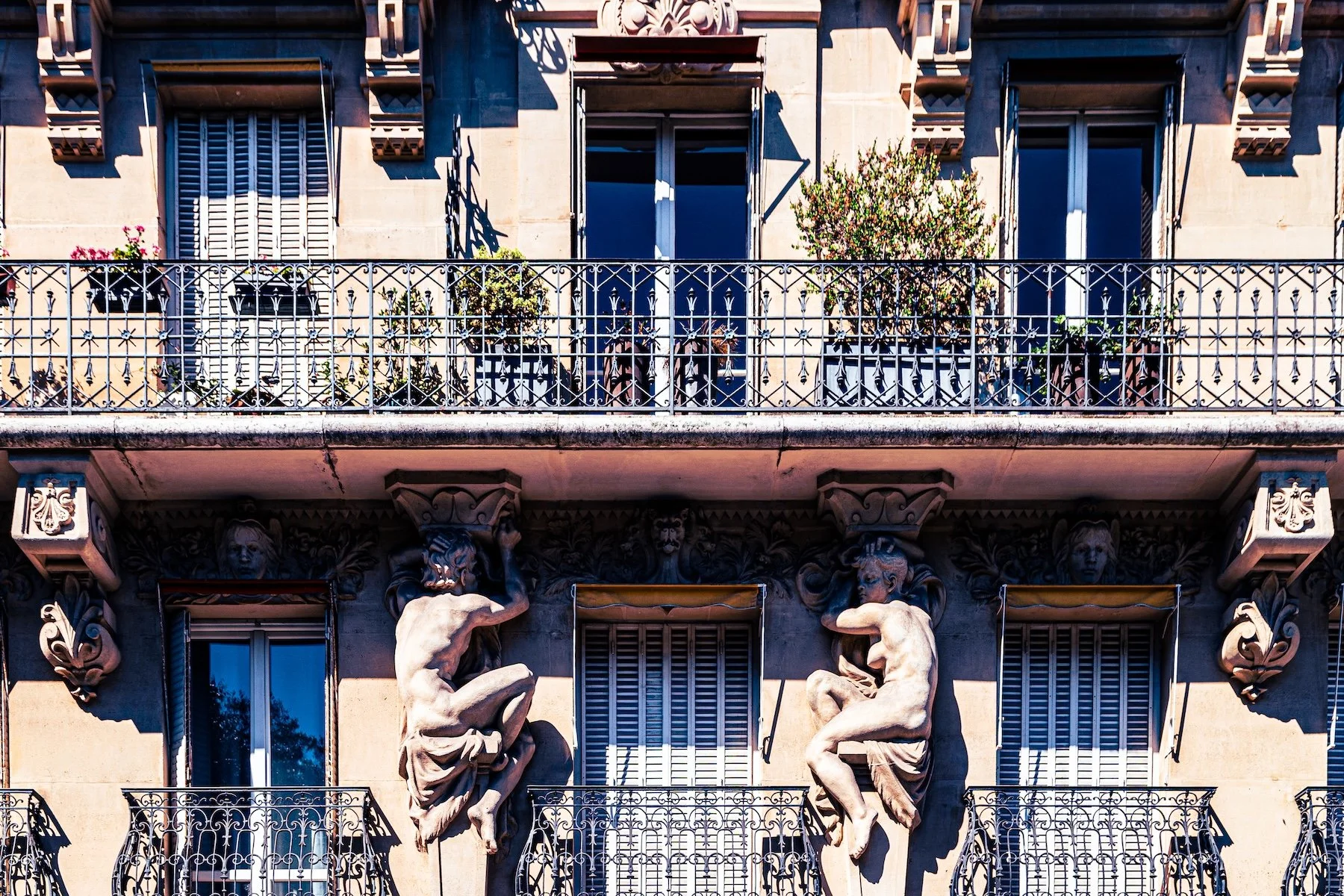
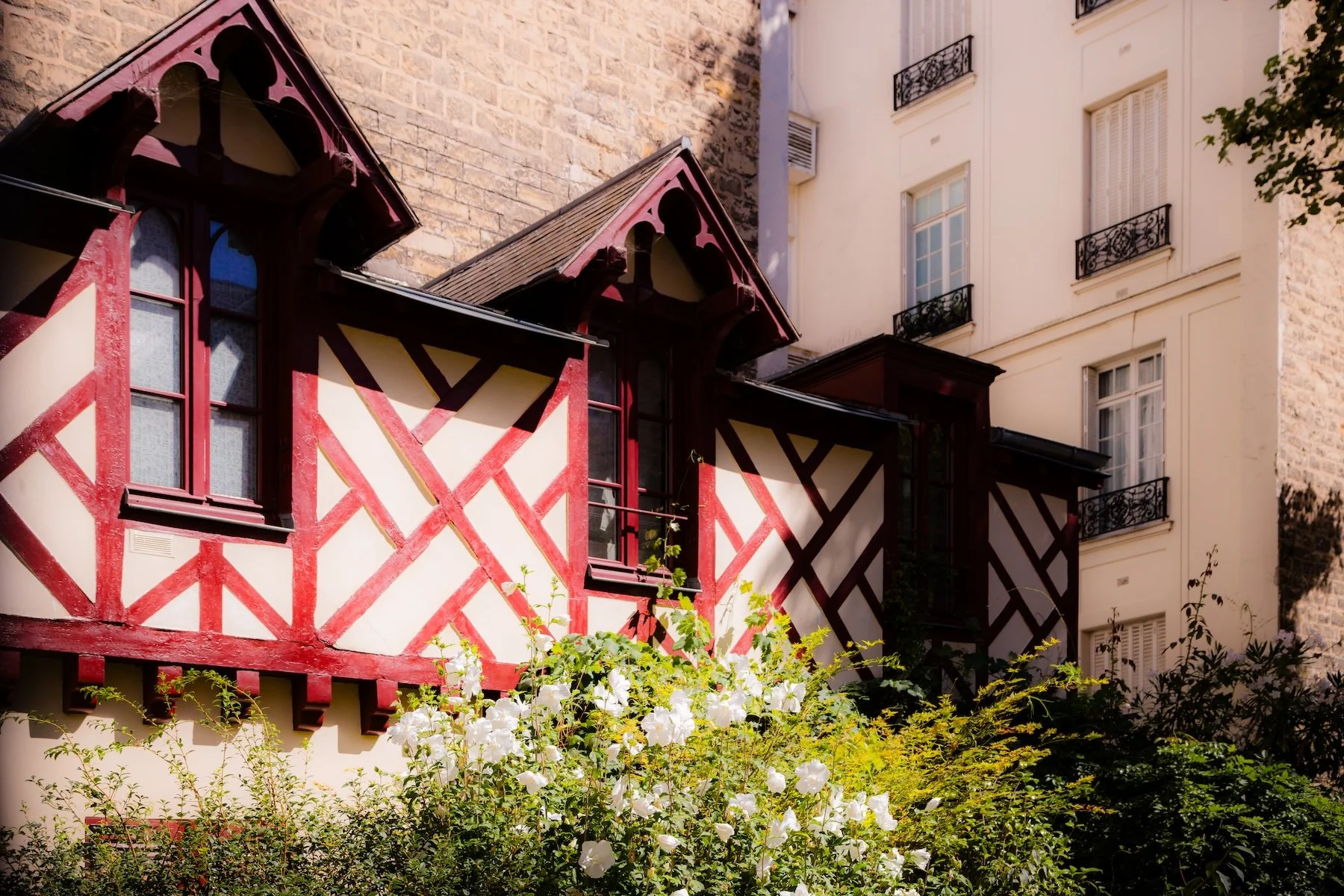
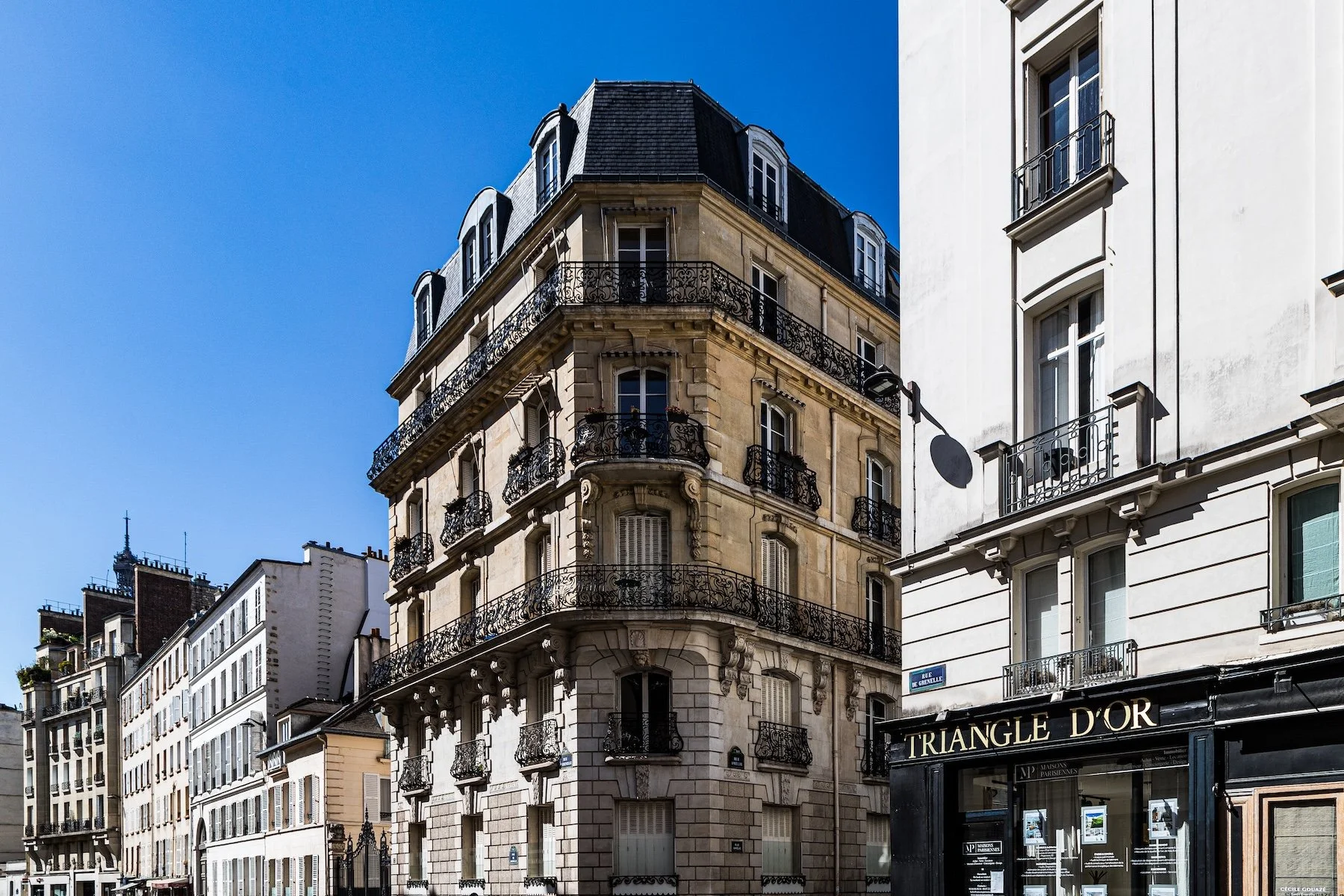
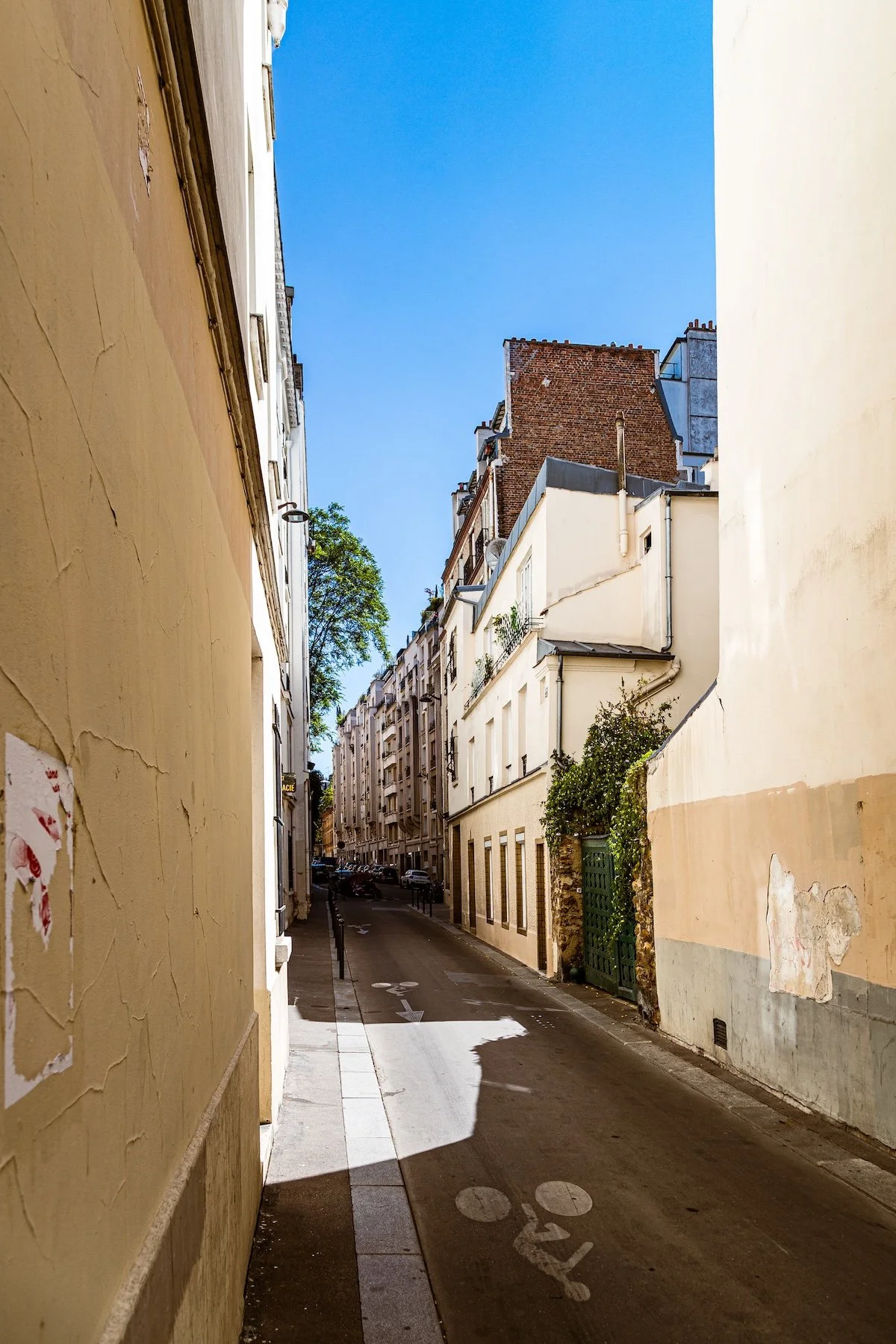
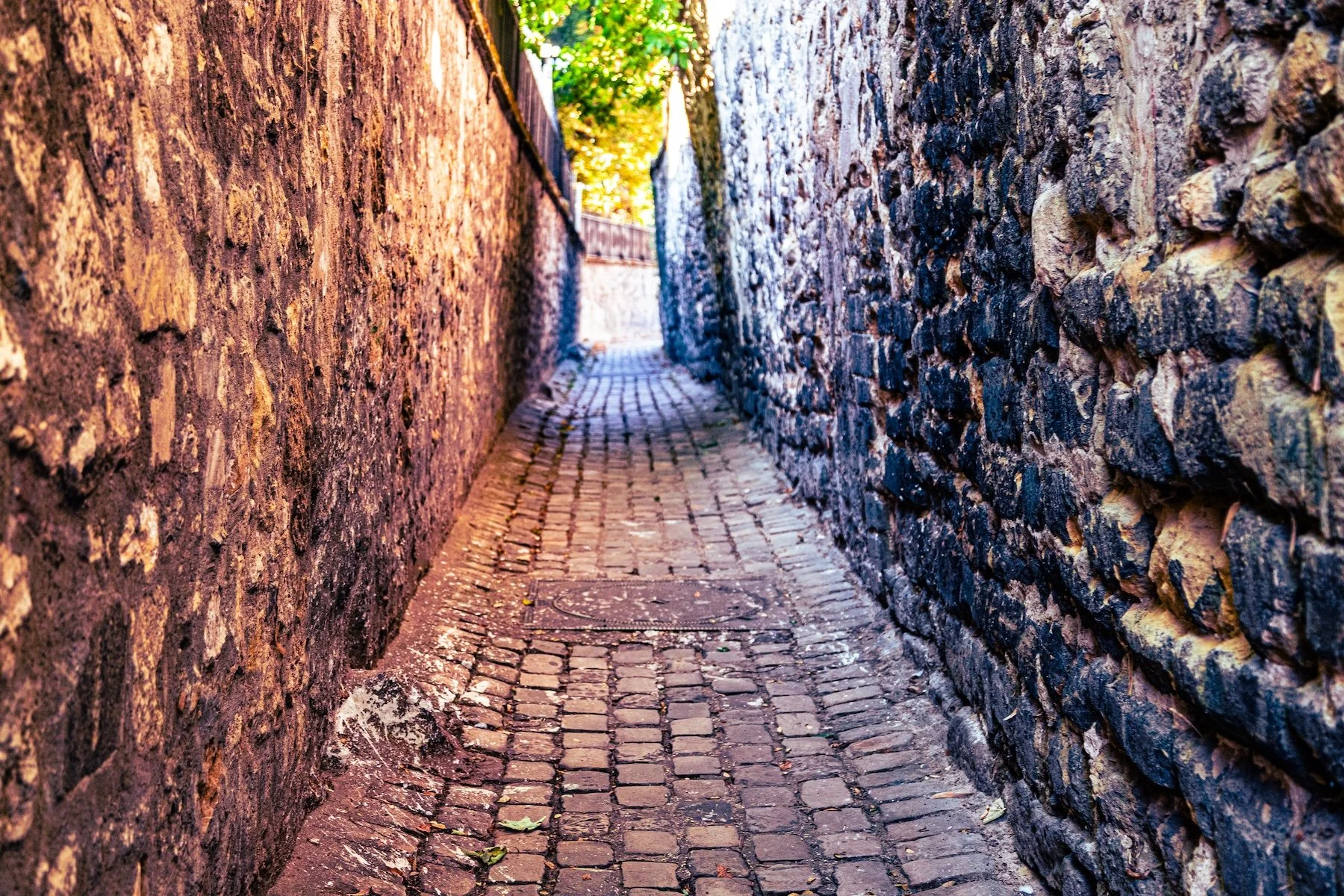
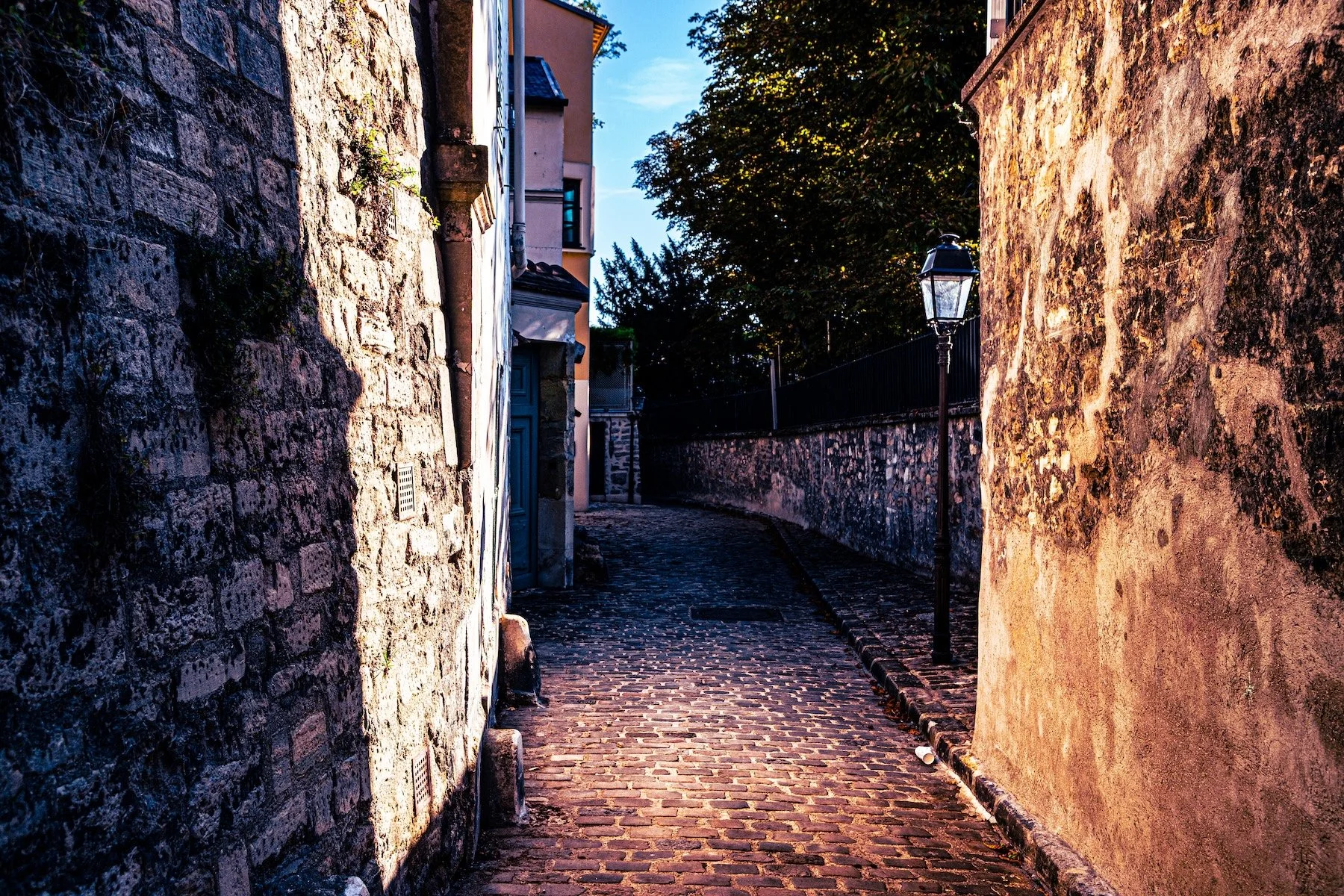
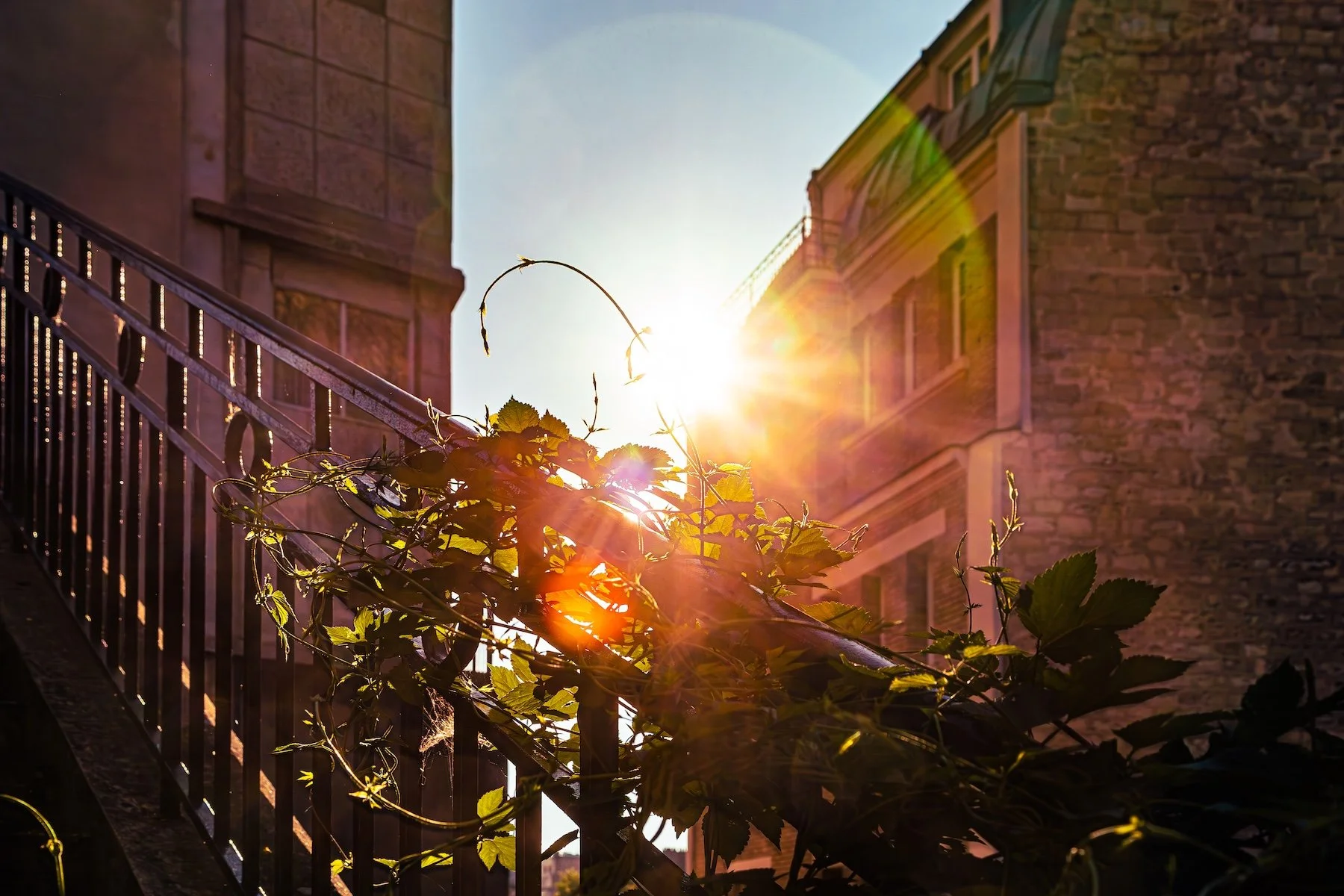
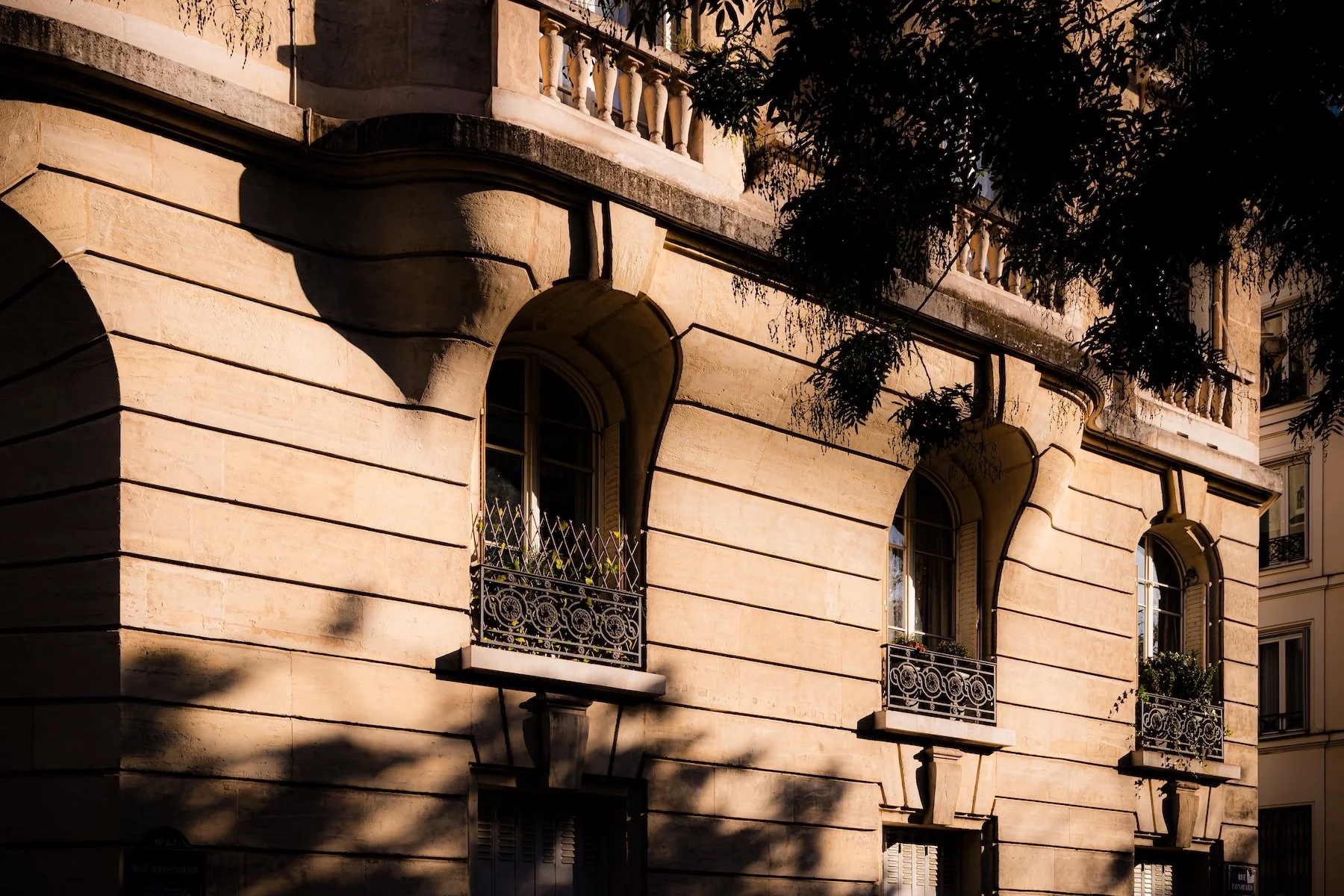
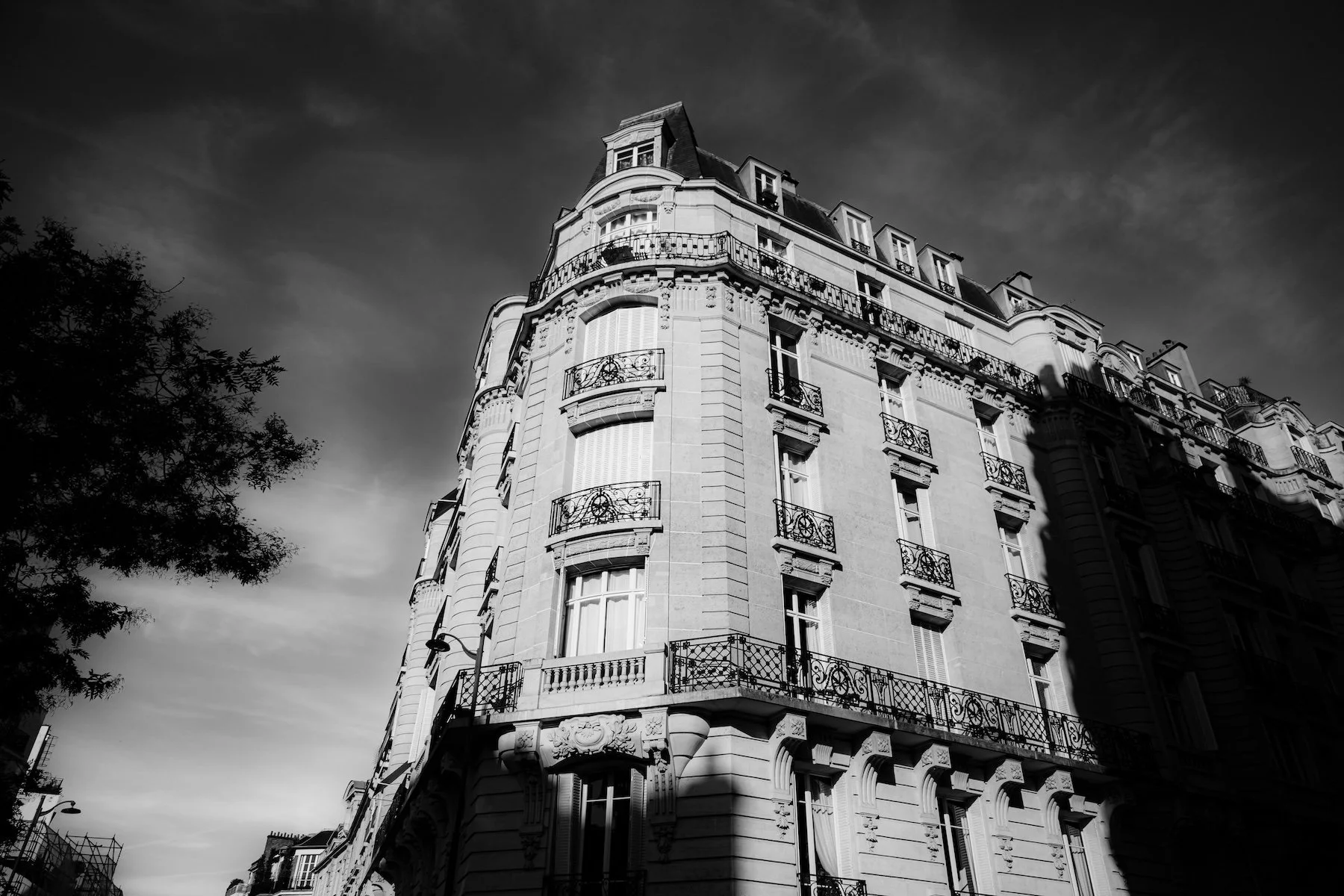
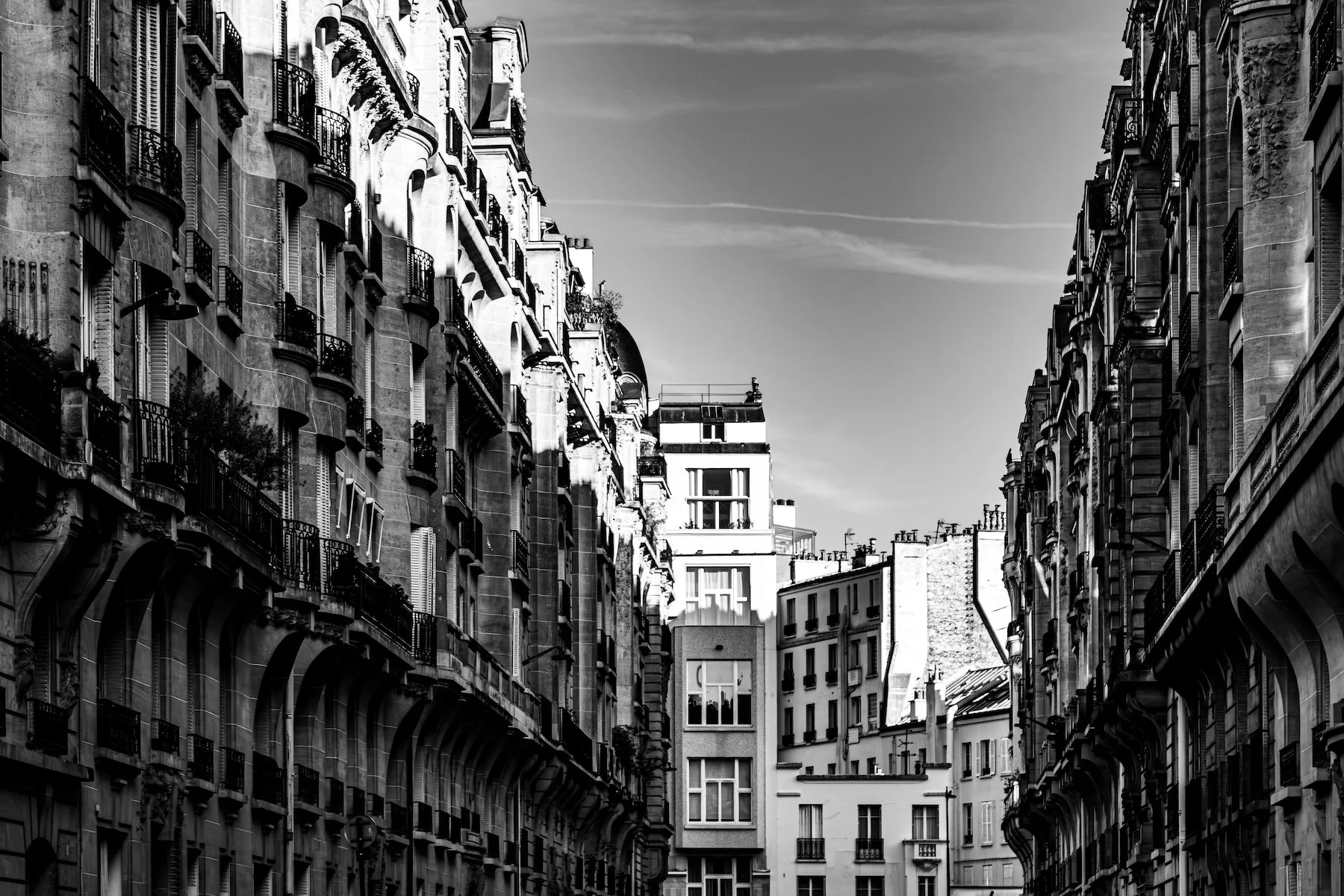
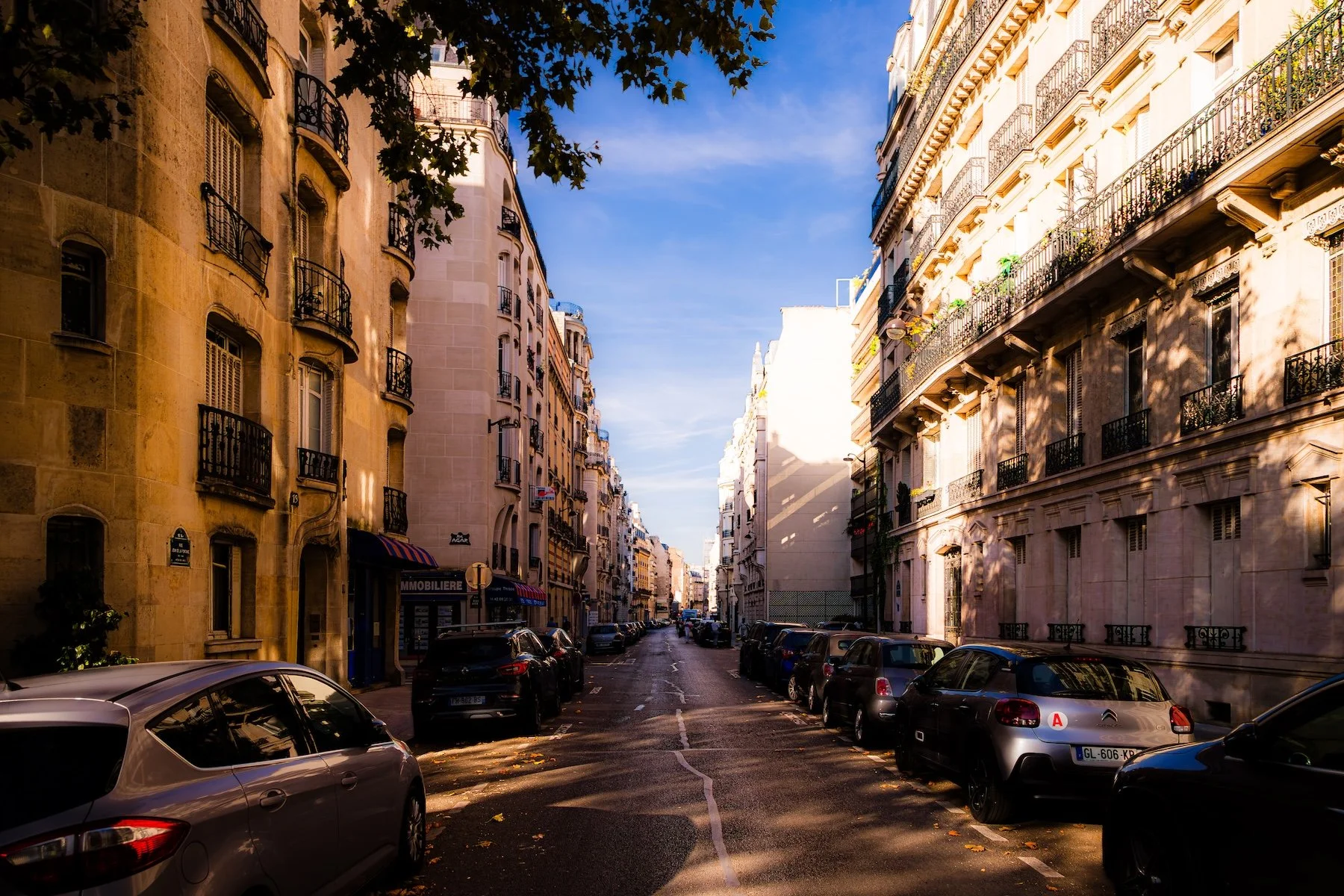
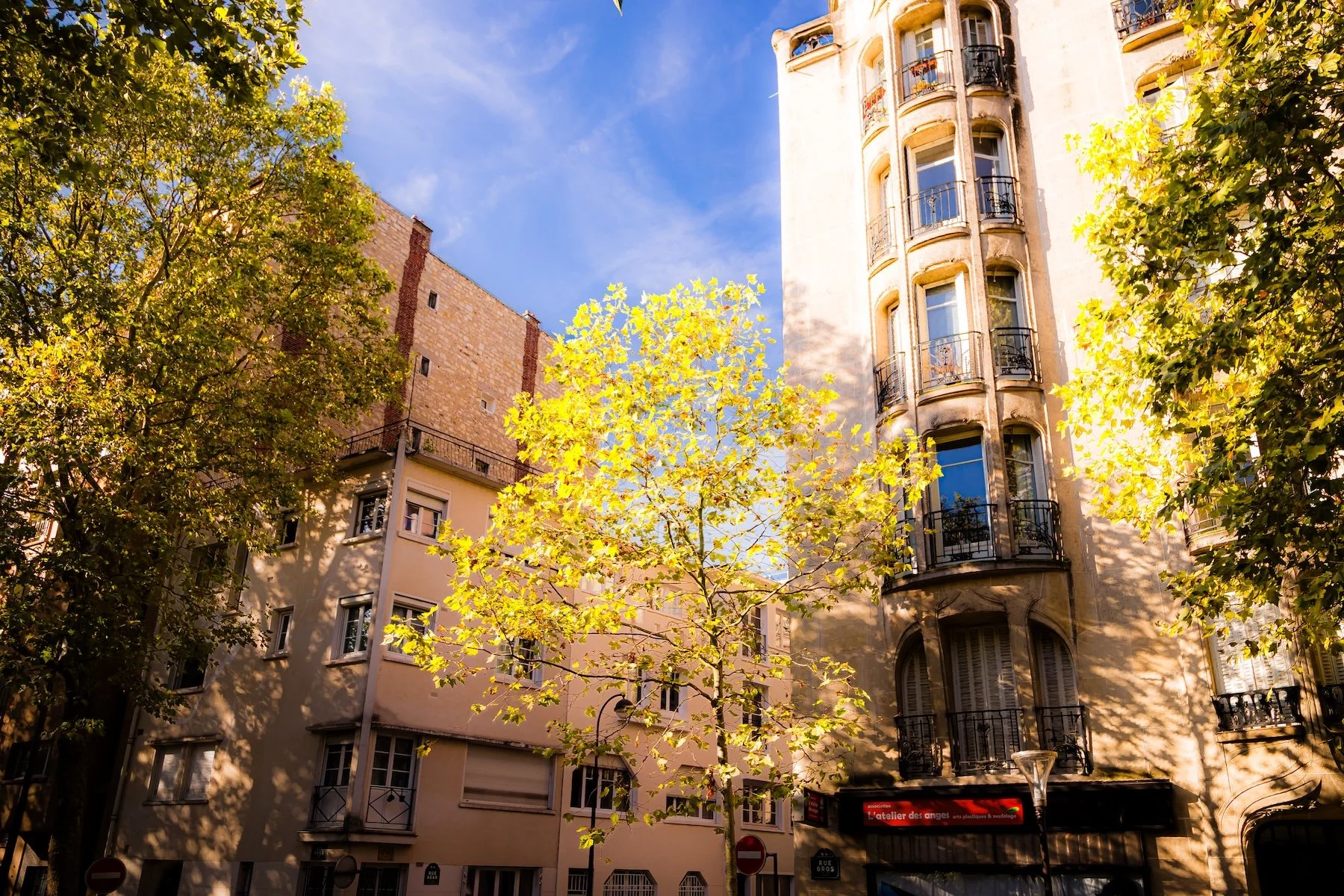
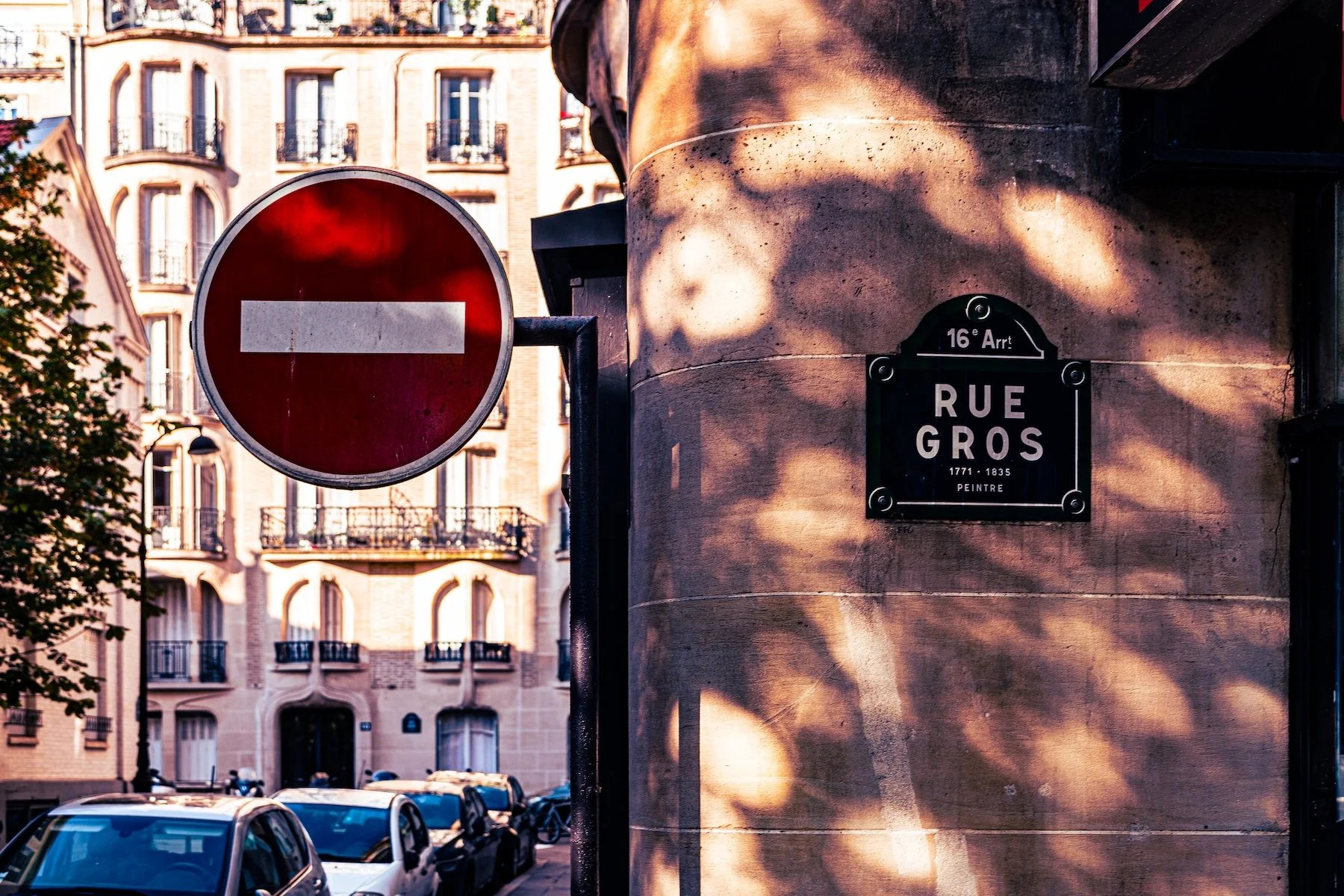
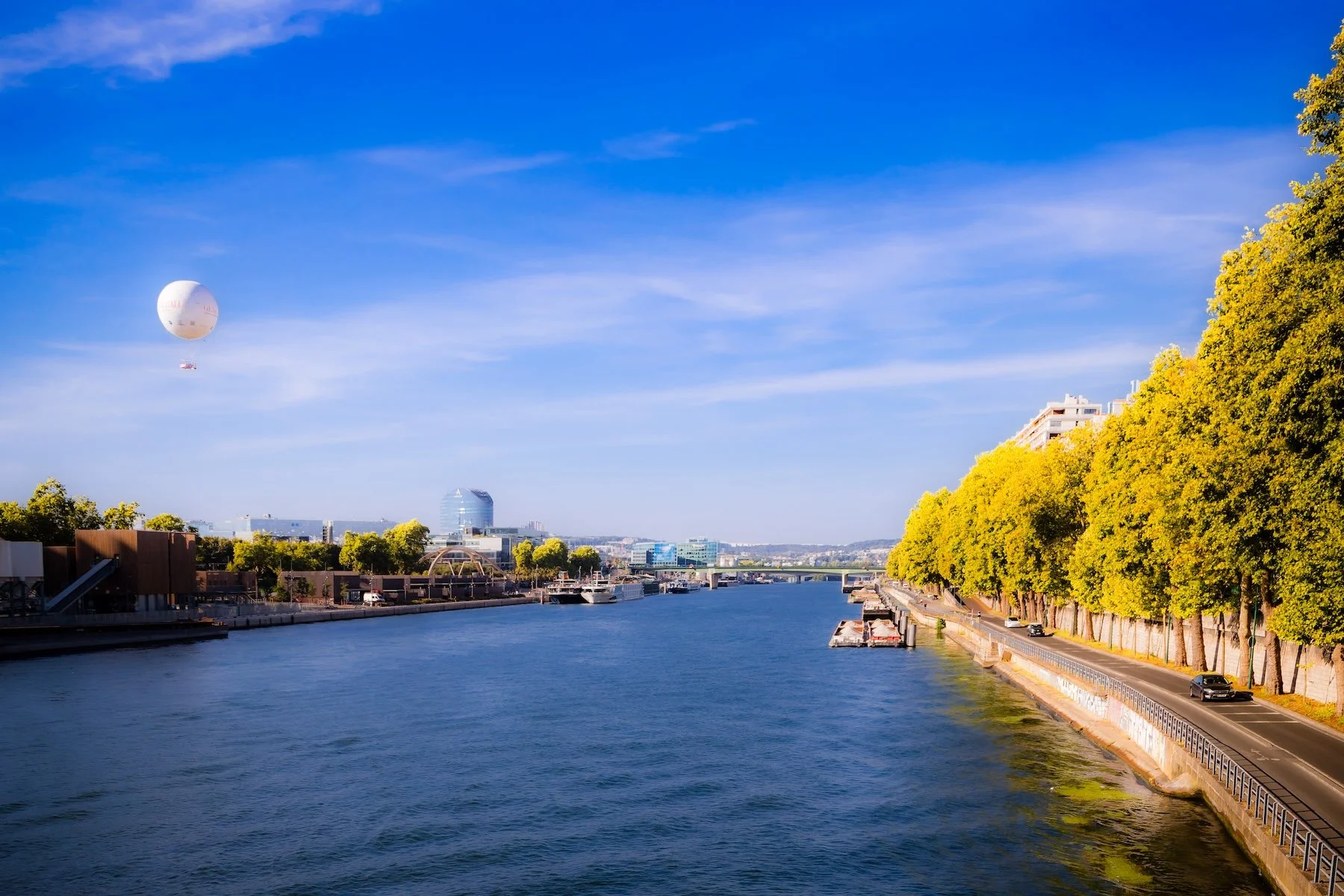
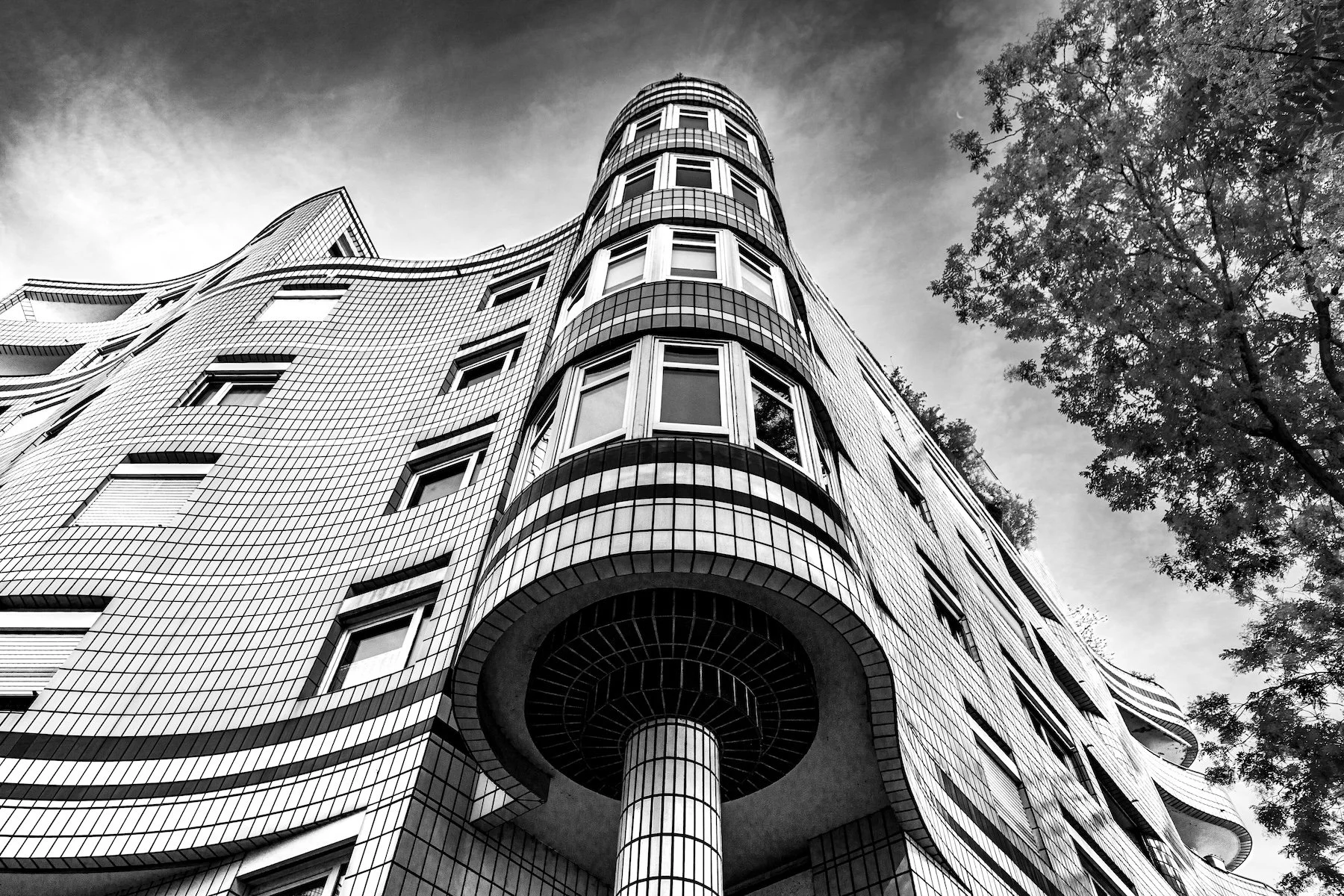
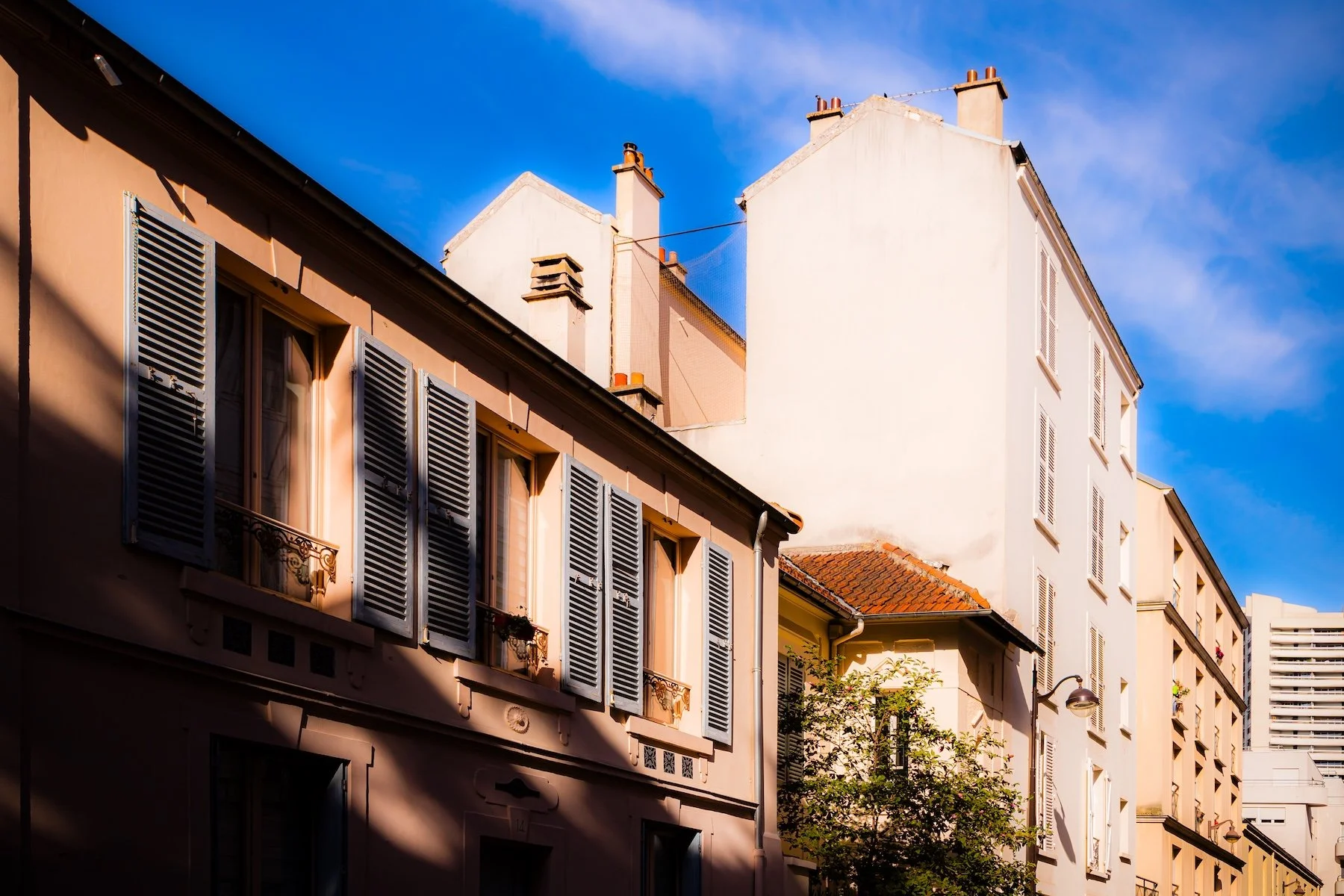
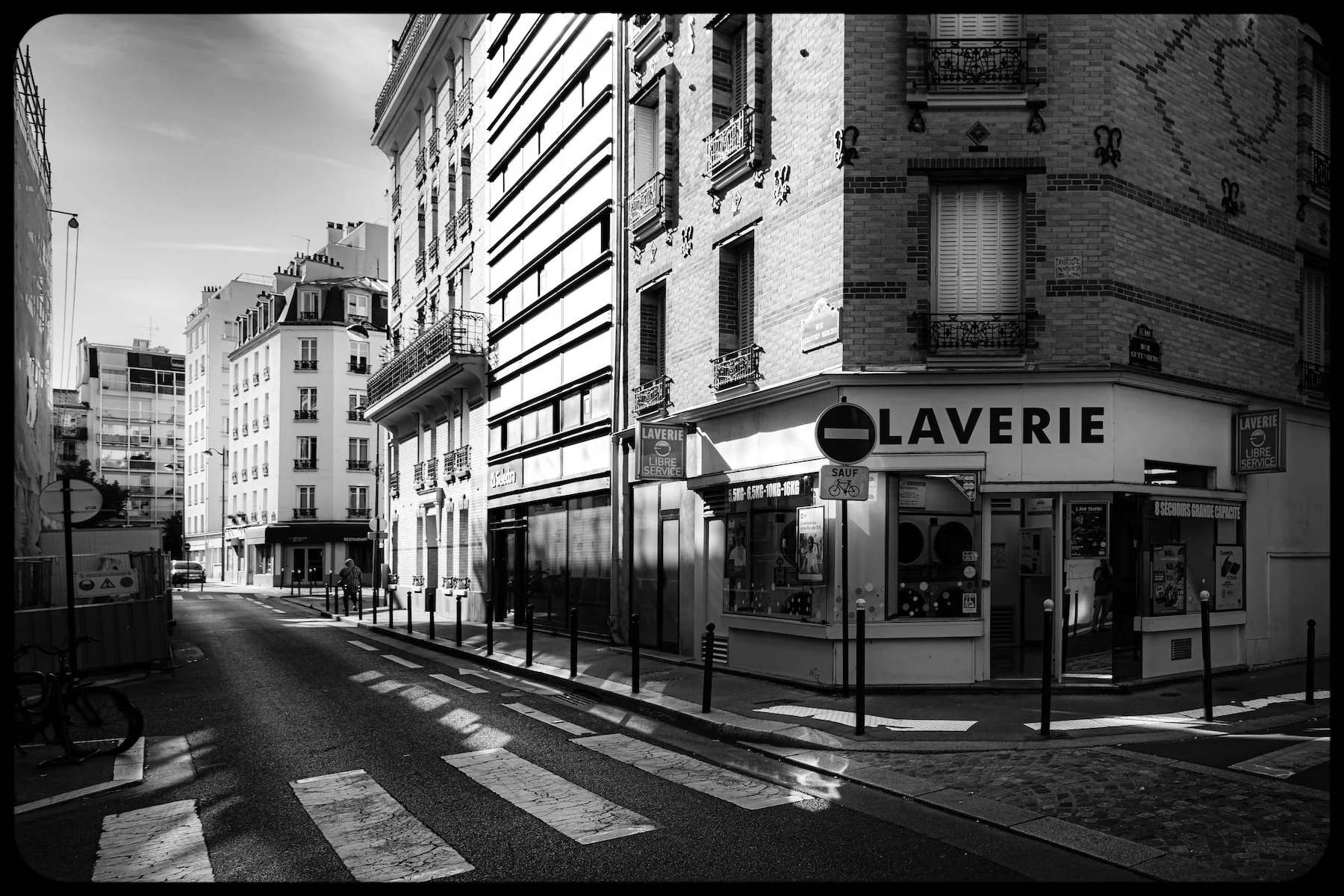
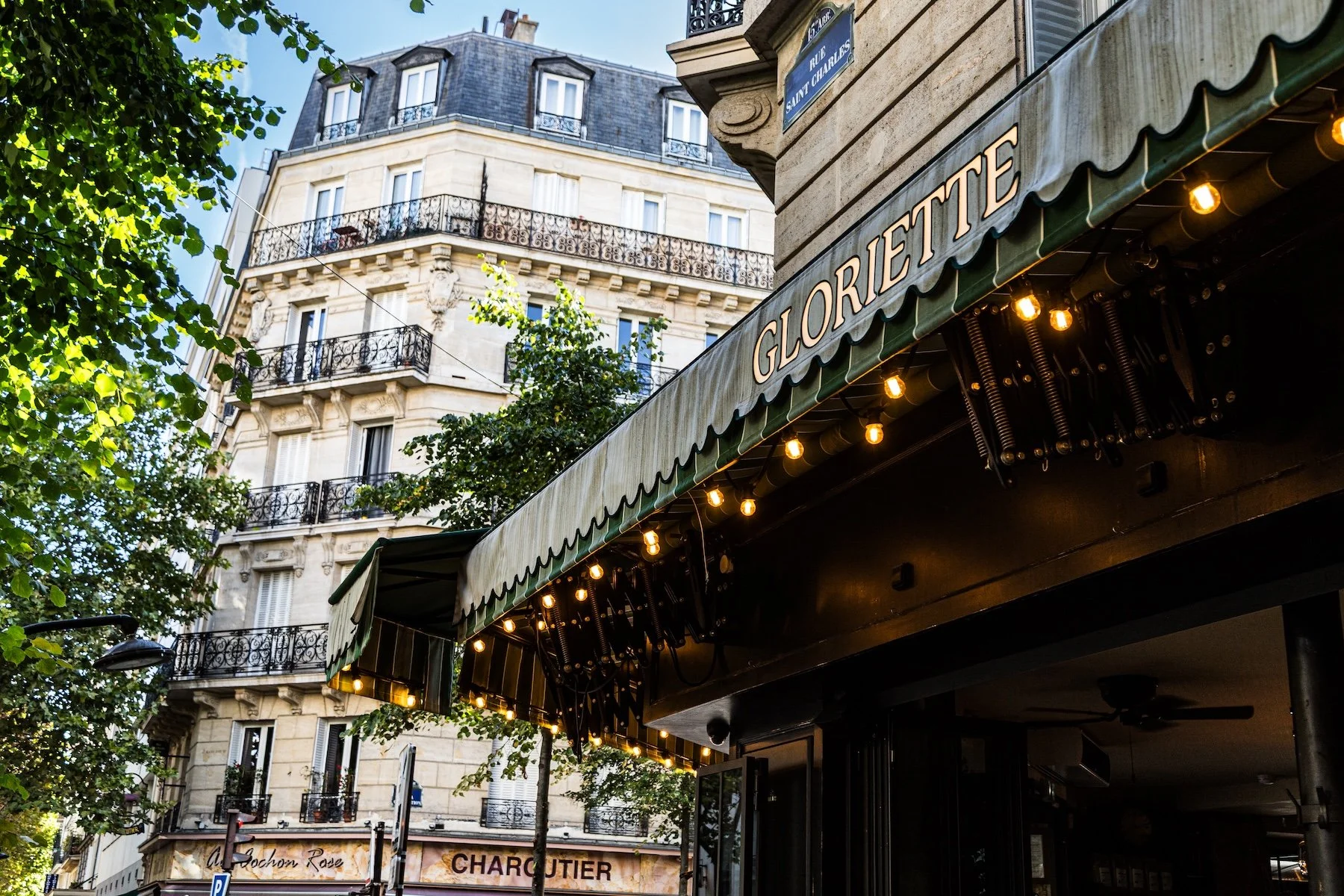
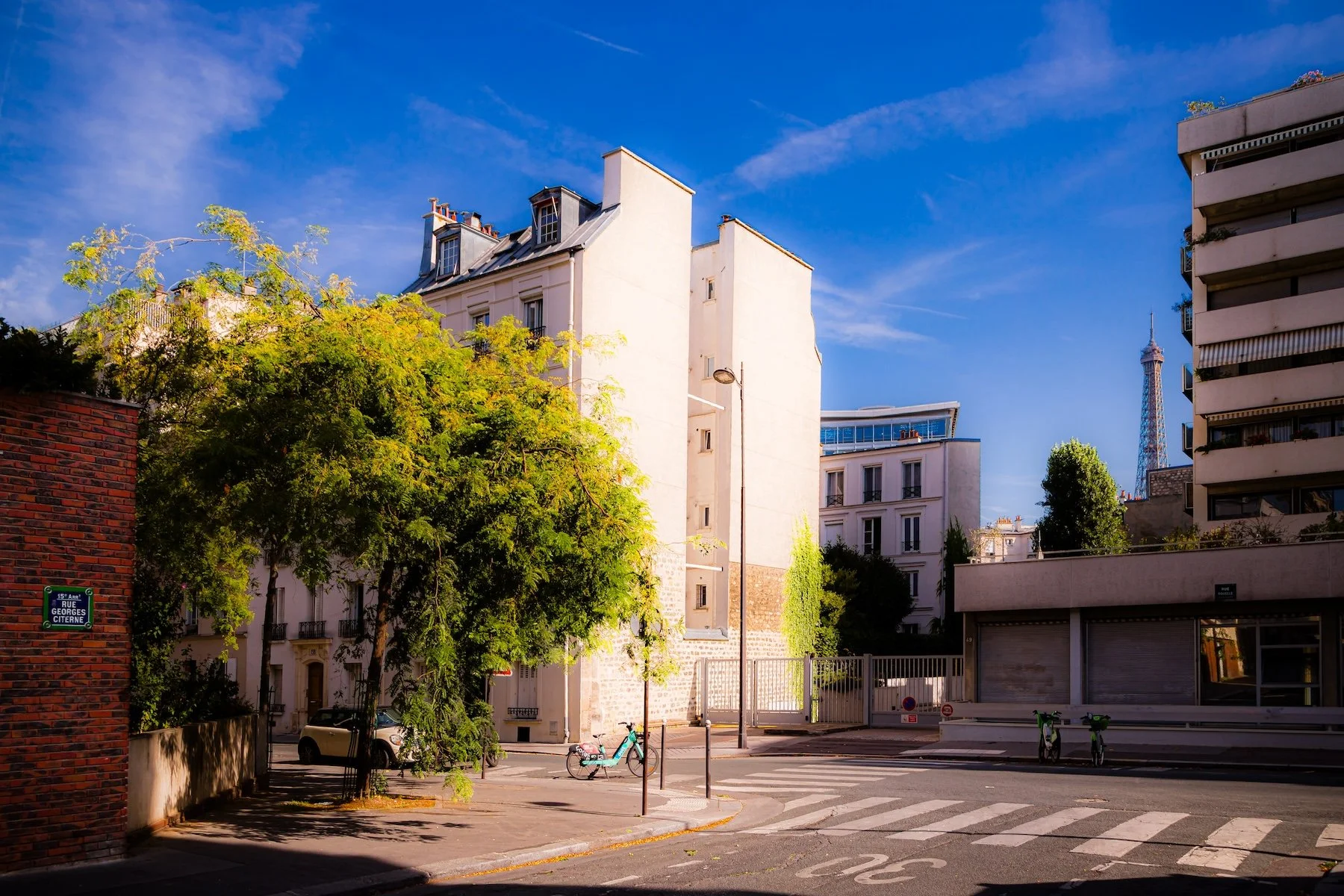
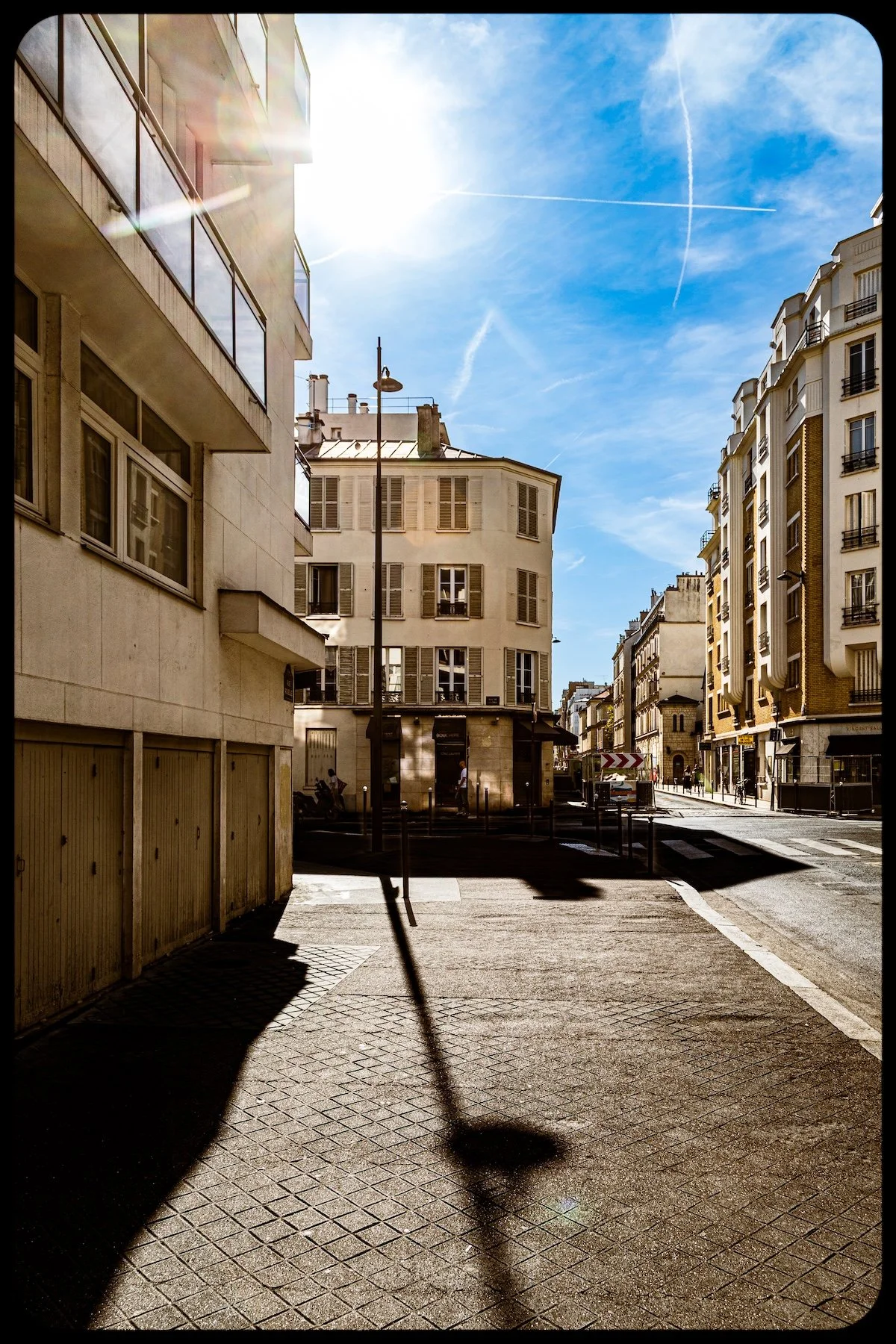
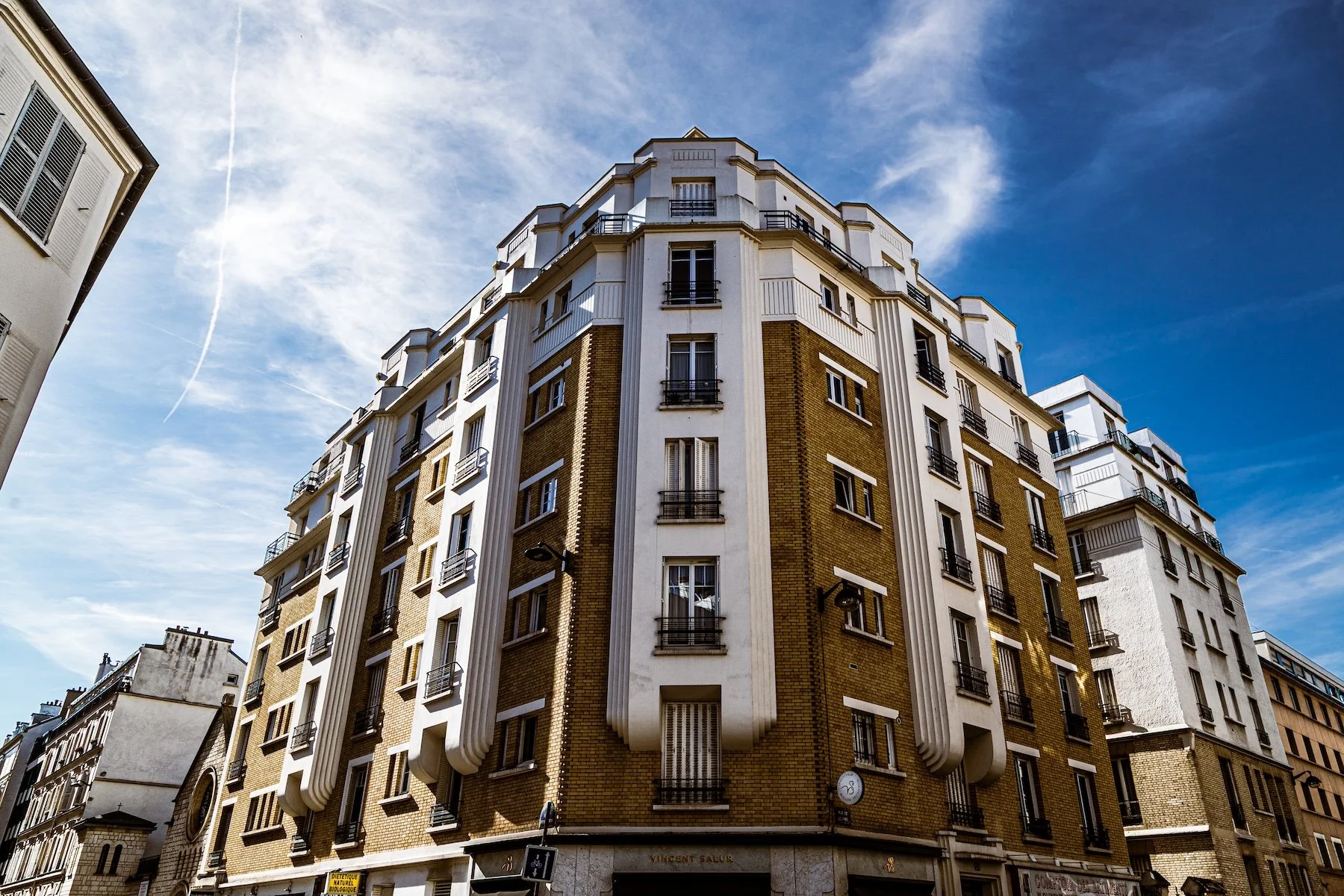
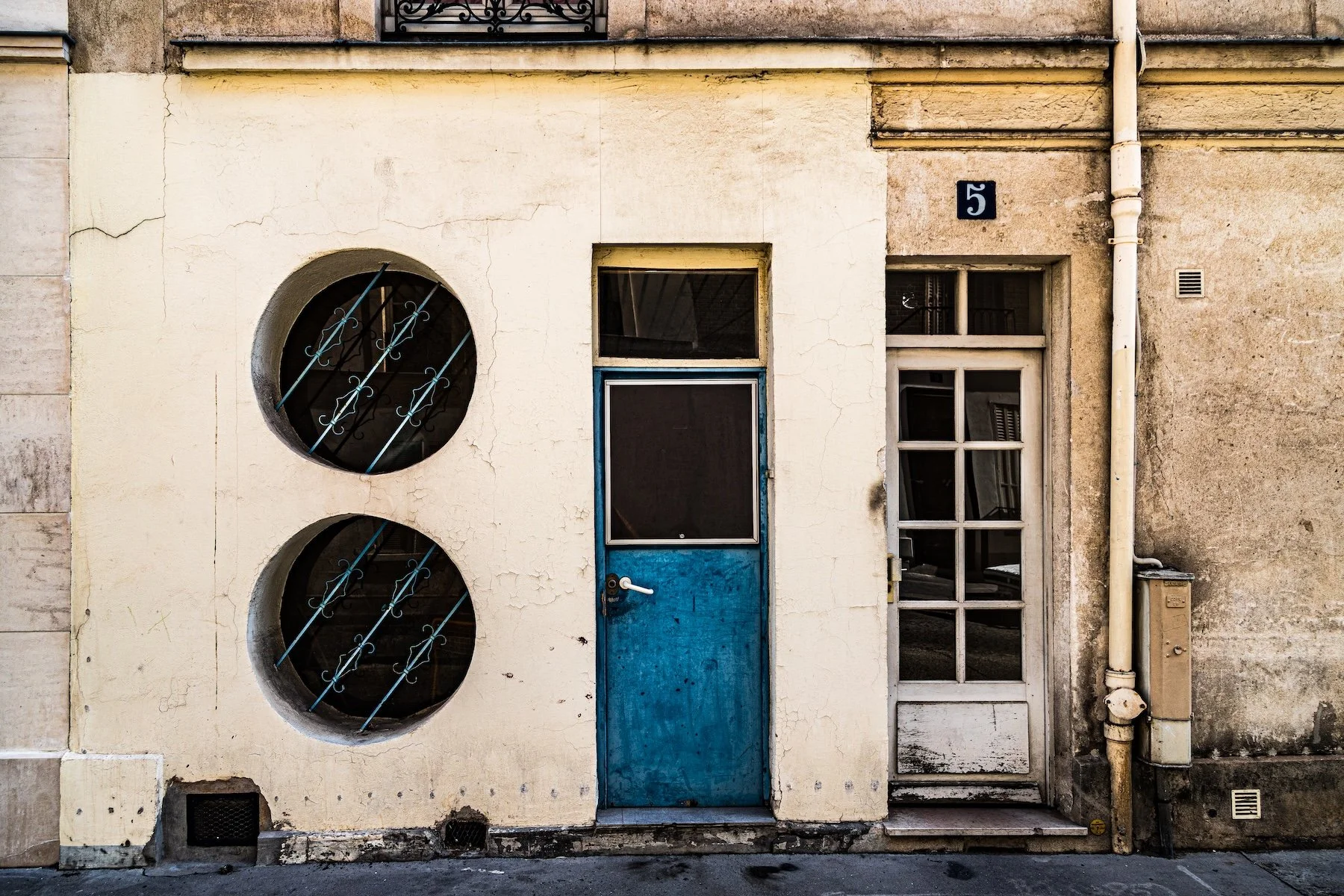
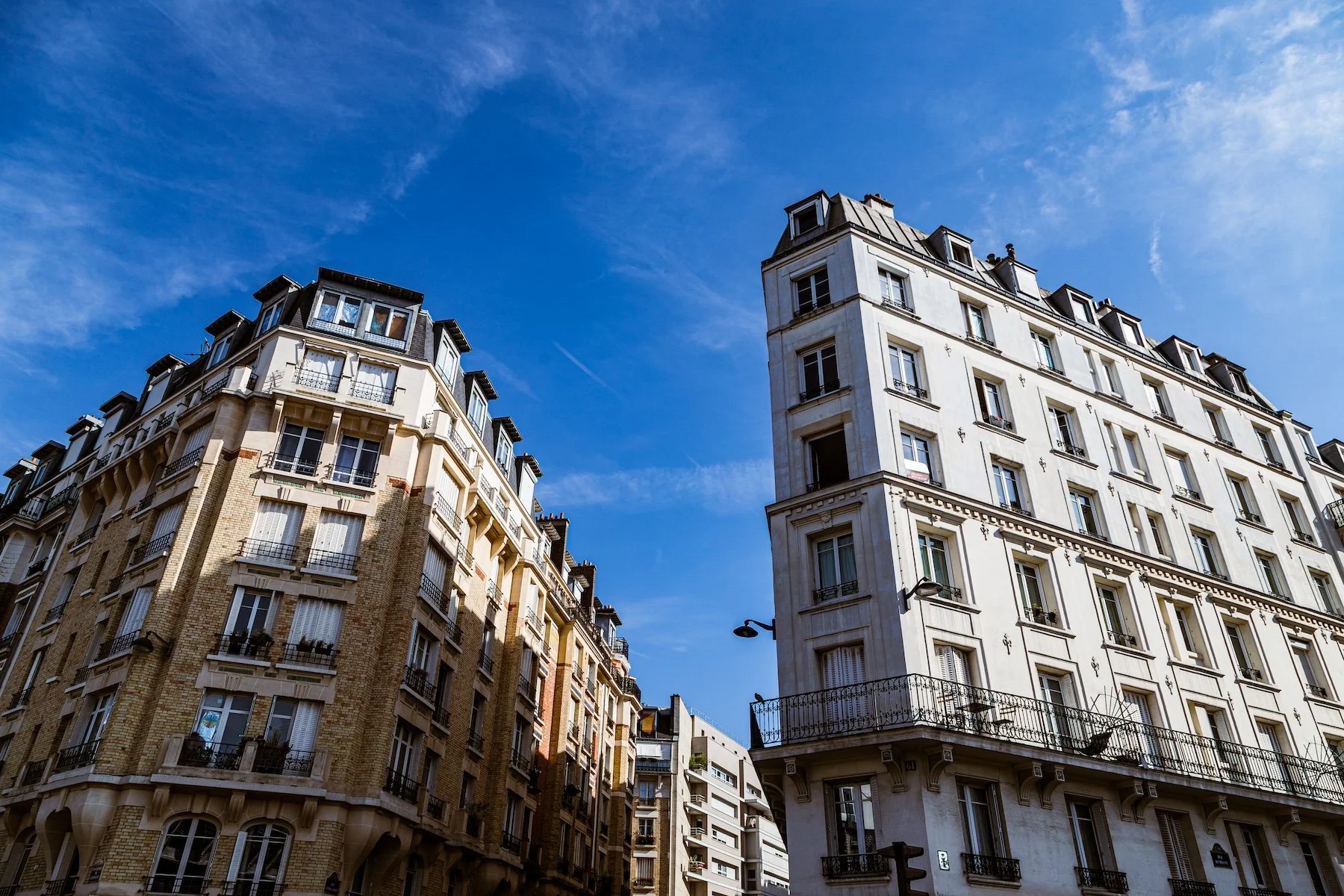
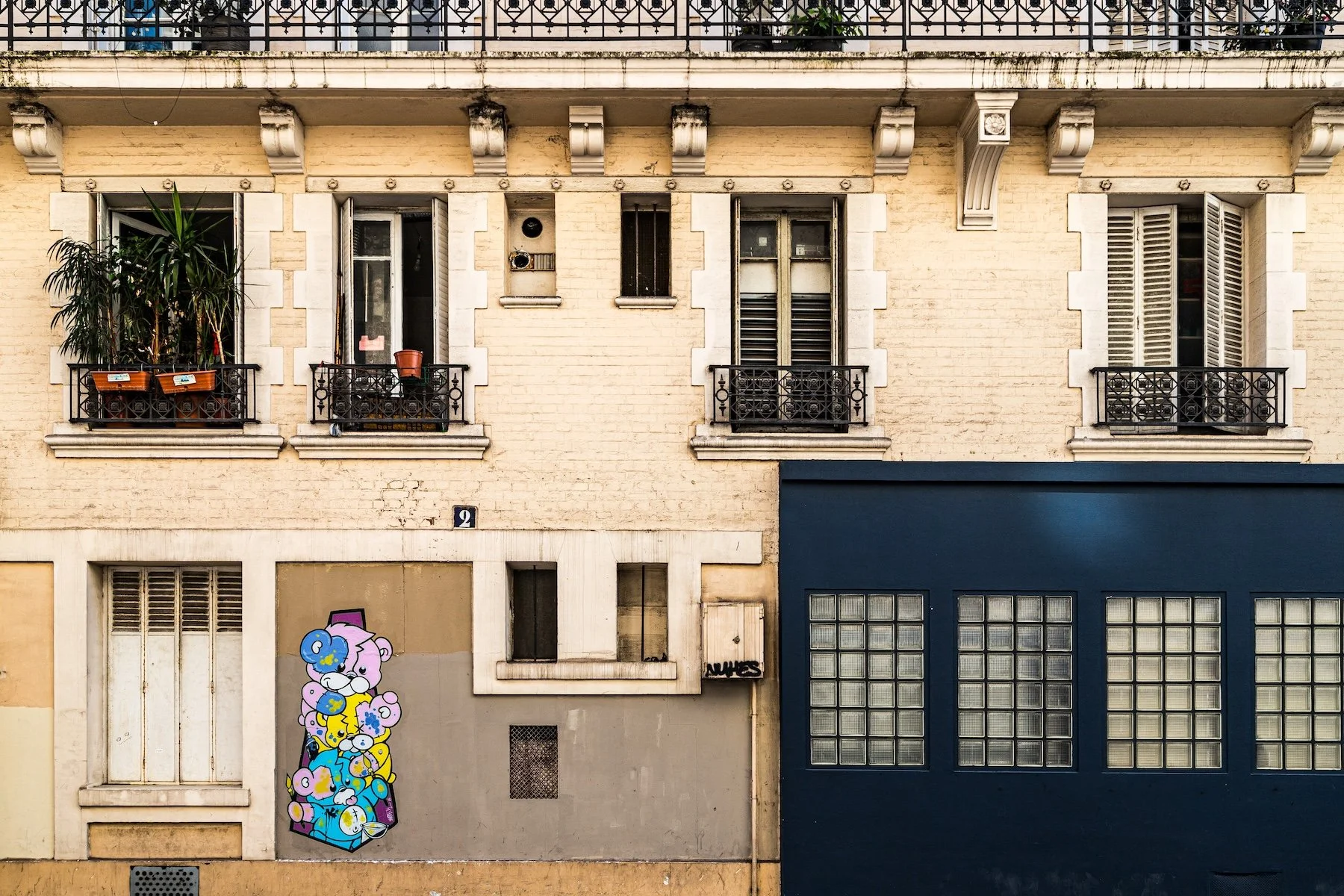
Photographing the arrondissements means moving between the official map and the street-level experience. The camera does not treat each arrondissement as visually uniform. Instead, it looks for the recurring forms, textures, transitions, and contrasts that make each district legible: the geometry of boulevards, the shade of plane trees, the repetition of balconies, the rise of stairways, the curve of canals, the presence of rail stations, the opening of parks, the weight of monuments, and the intimacy of side streets.
On CityNeighborhoods, the arrondissement provides the frame, but the photograph comes from the encounter between map, movement, light, and observation. As the Paris photography is processed, this section will connect each arrondissement more directly to the project’s Photographic Lexicon: the visual strategies, recurring motifs, and compositional patterns that shape how the city is seen through the lens.
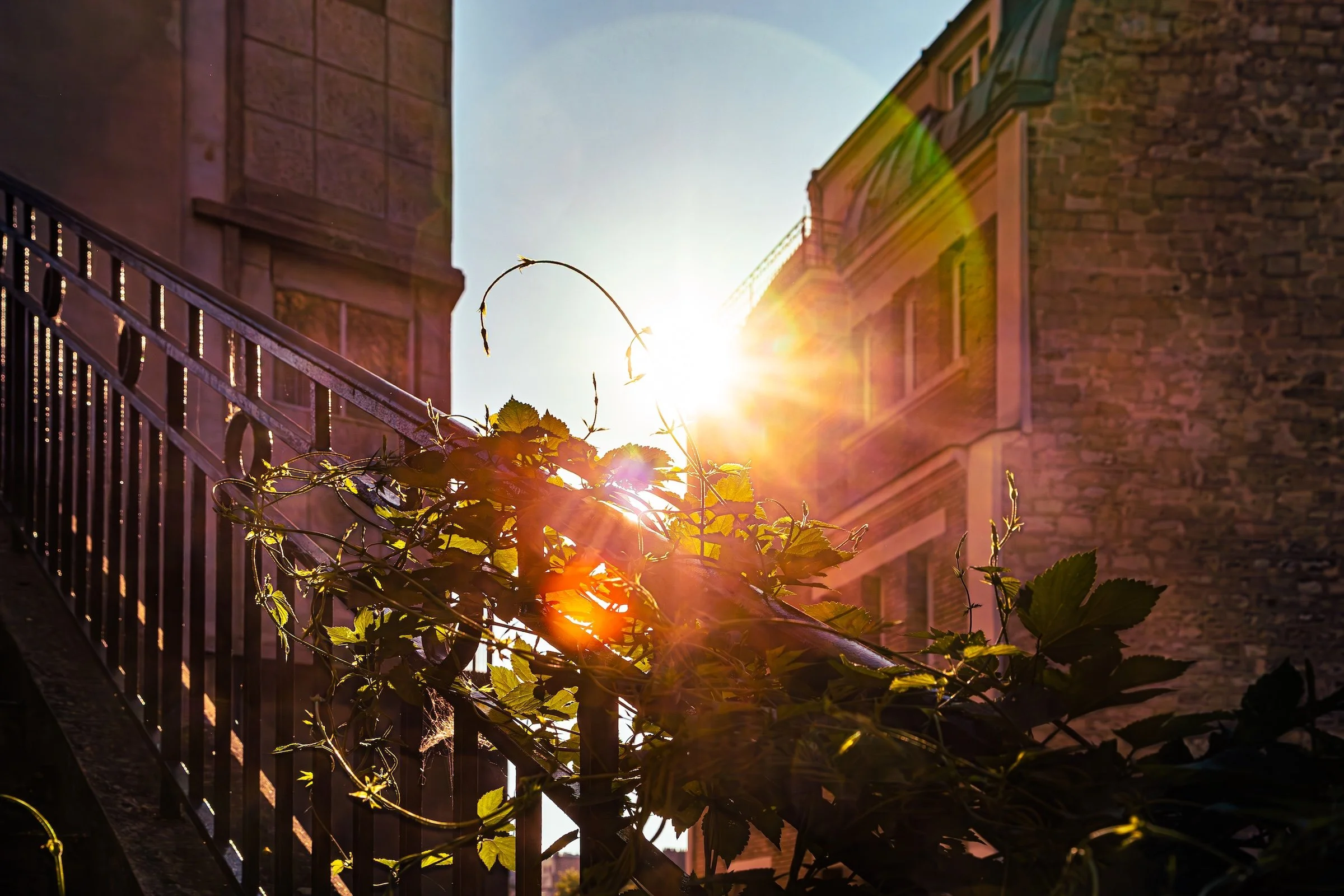
If you visit Paris, these ideas can help inspire your own photography.
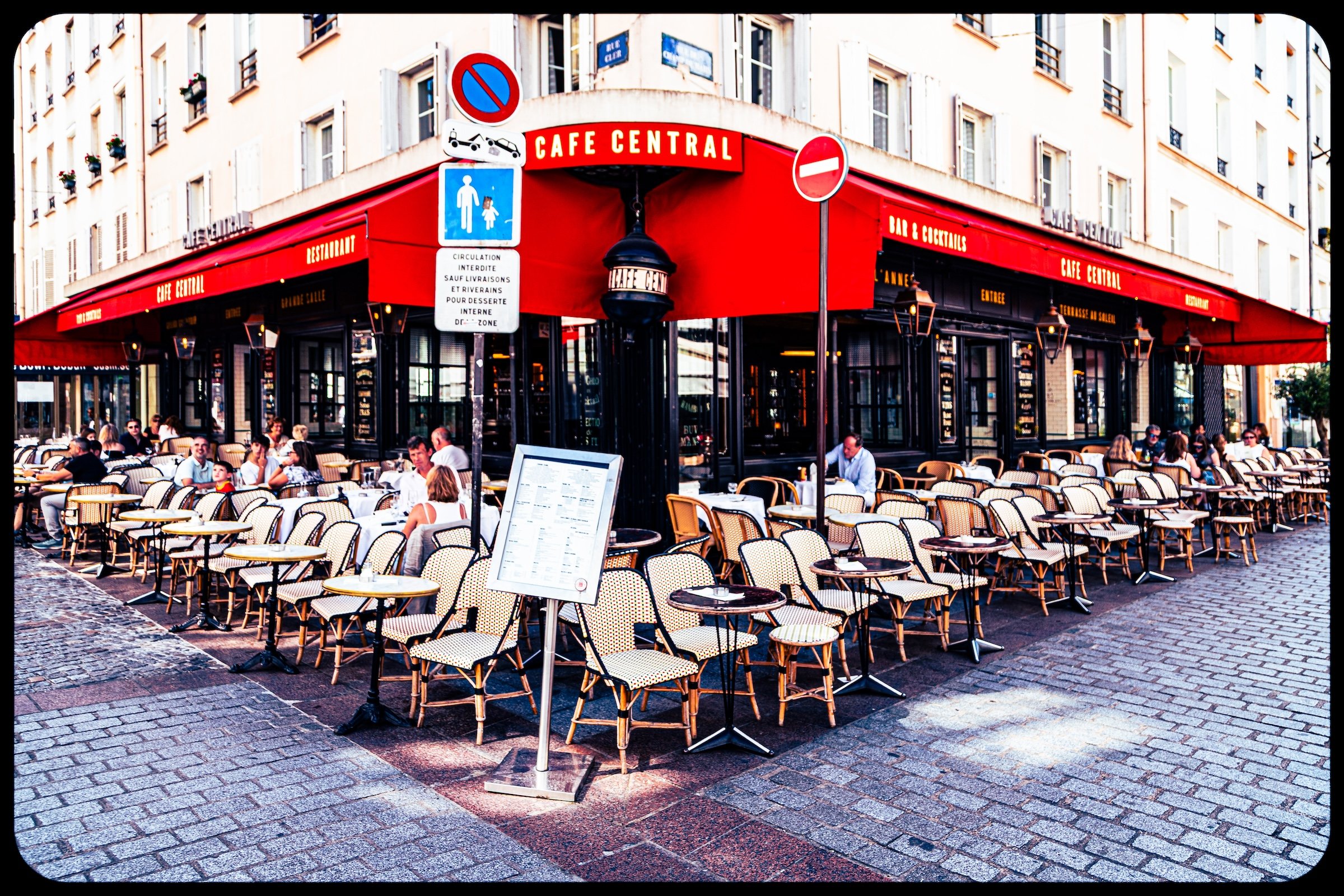
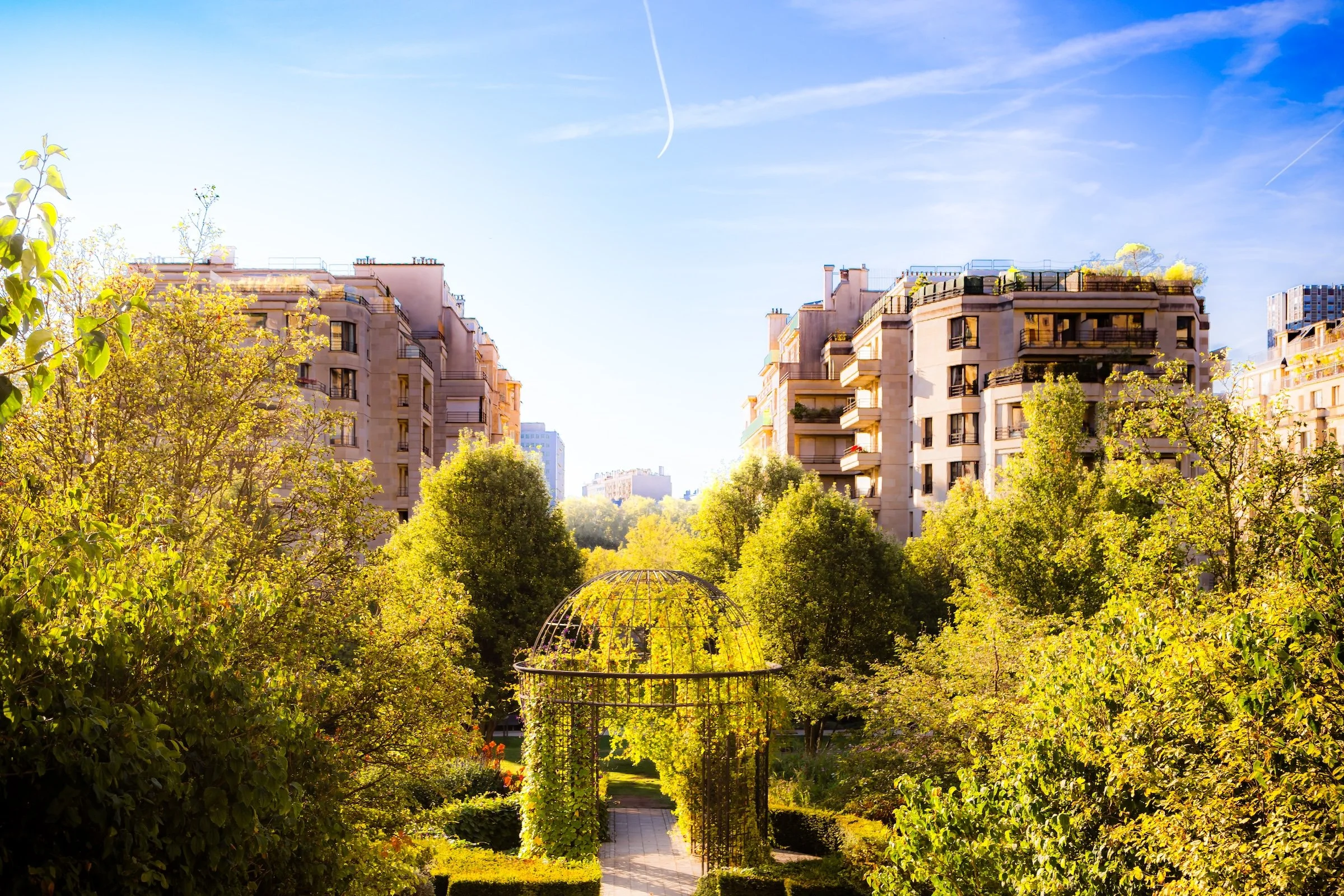
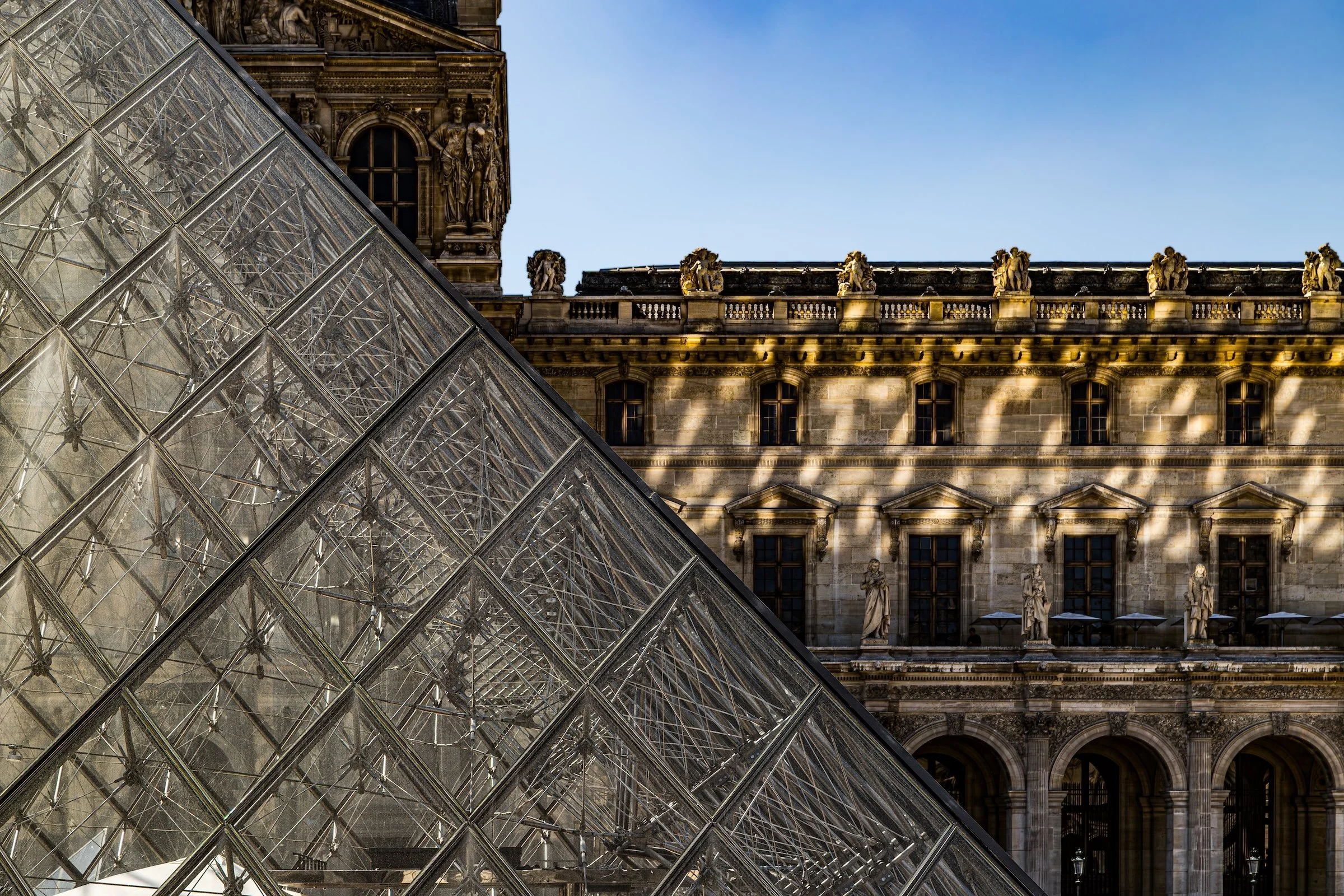
Paris: J’Espere, Je Rêve, Je Vive
Paris Photo Gallery
Paris Field Notes
-
Field Note: August 18, 2025 | 07:58 AM
Conditions: 73°F | Humidity: 72%.
Within the park's interior, the glacial kettle ponds acted as humidity traps, creating a soft, hazy light that filtered through the old-growth oaks. The transition from the park's dense shade to the sun-drenched edges of Oakland Gardens highlighted the day's exceptional "picture-perfect" clarity.
There is a fleeting window in Queens where the humidity of August hasn't yet heavy-set, and the morning sun hits the canopy of Alley Pond Park at a perfect oblique angle. Arriving just before 8:00 AM, I watched the light break through the oaks and tulip trees, casting long, dramatic shadows across the wet grass. It’s in these quiet, golden moments that the park feels less like a city escape and more like the ancient glacial valley it actually is.
Other neighborhoods visited:
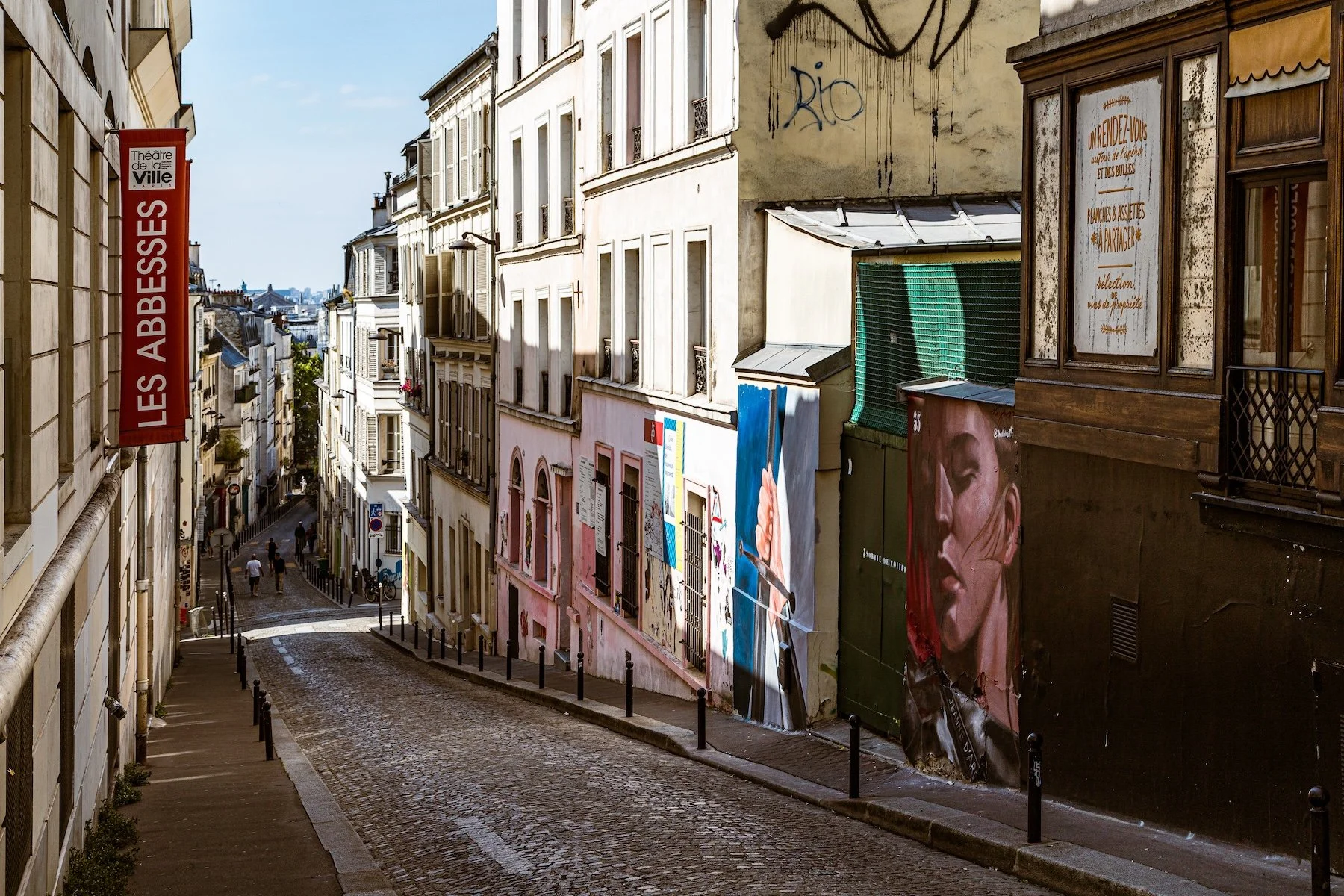
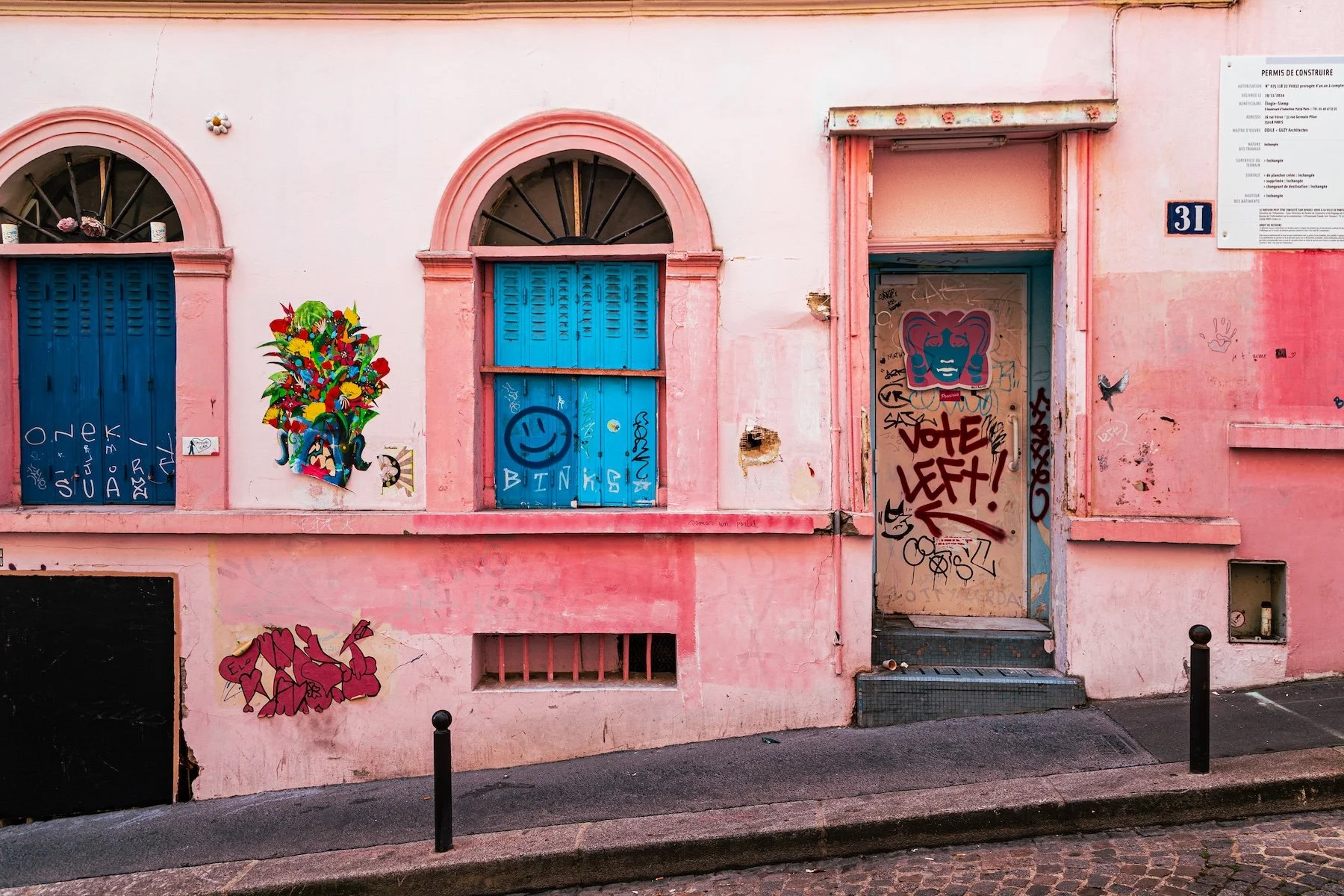
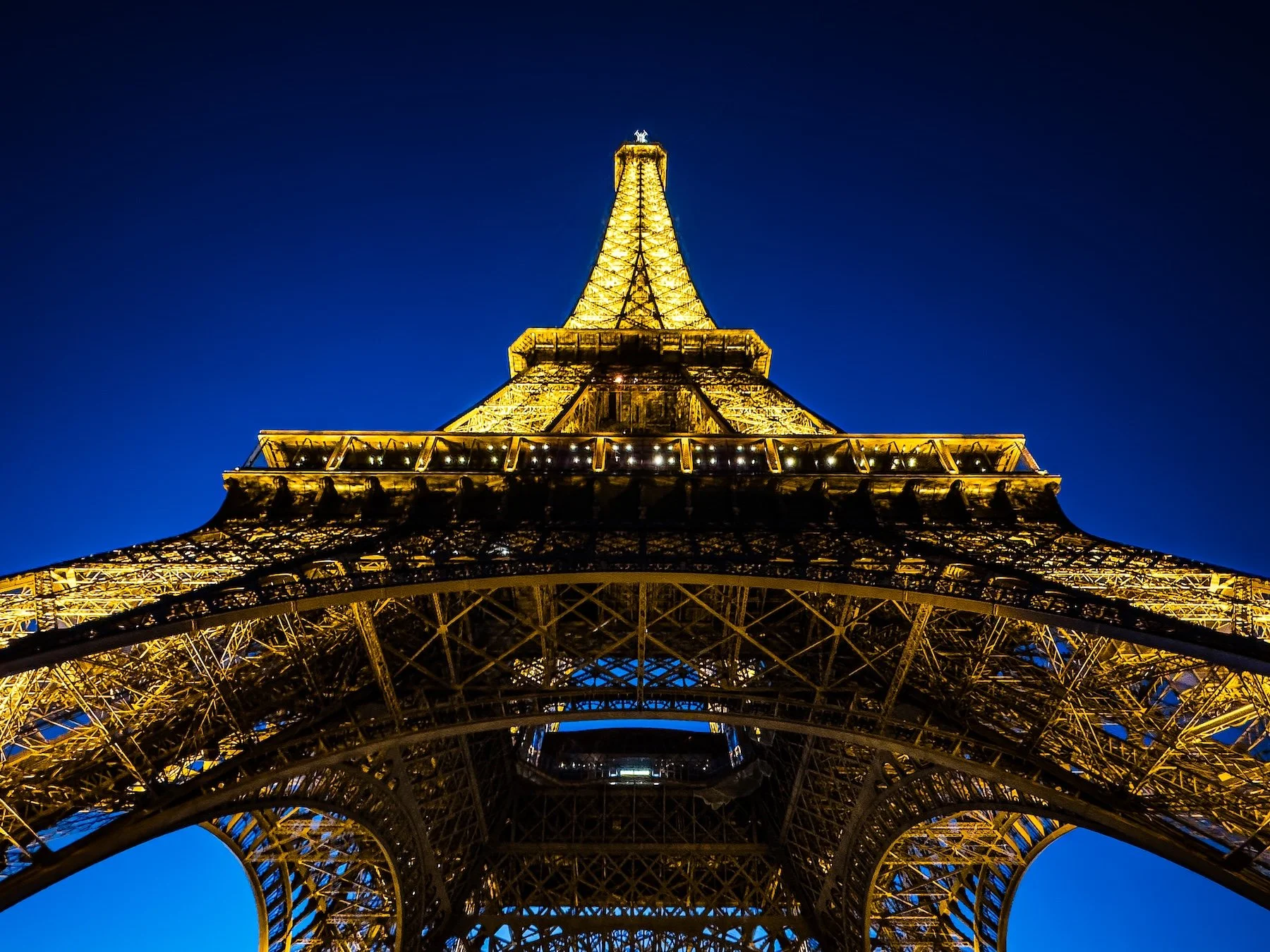
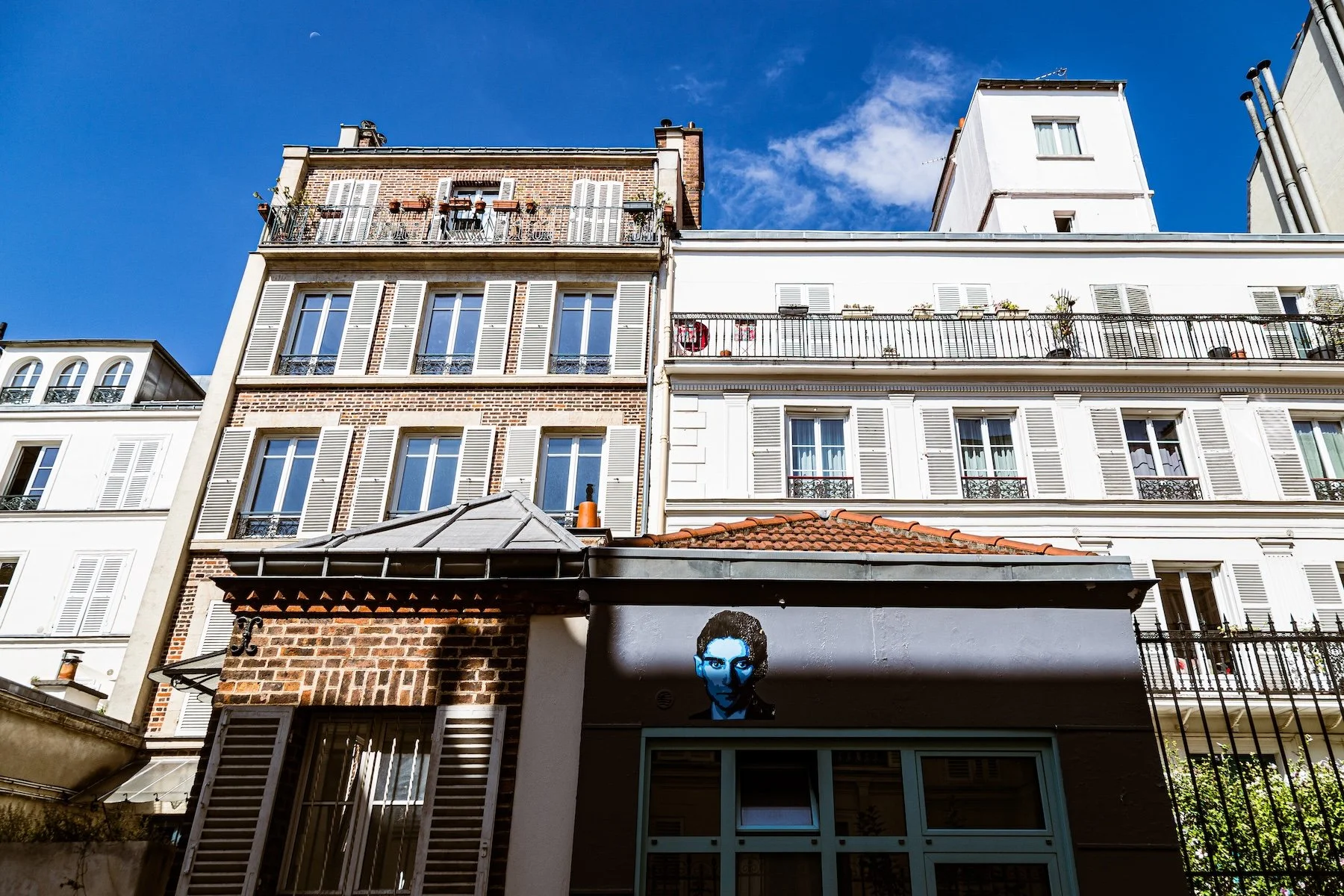
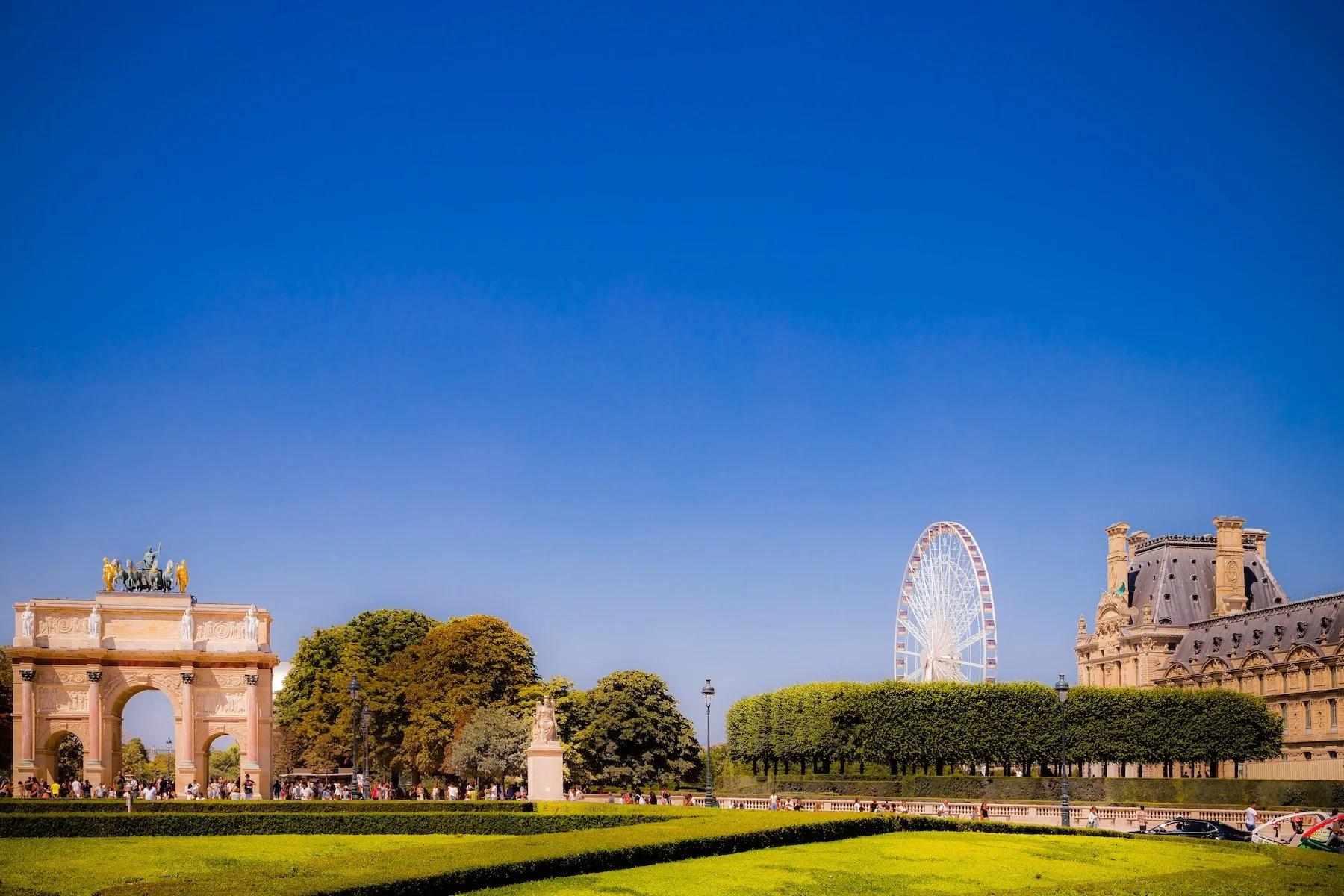
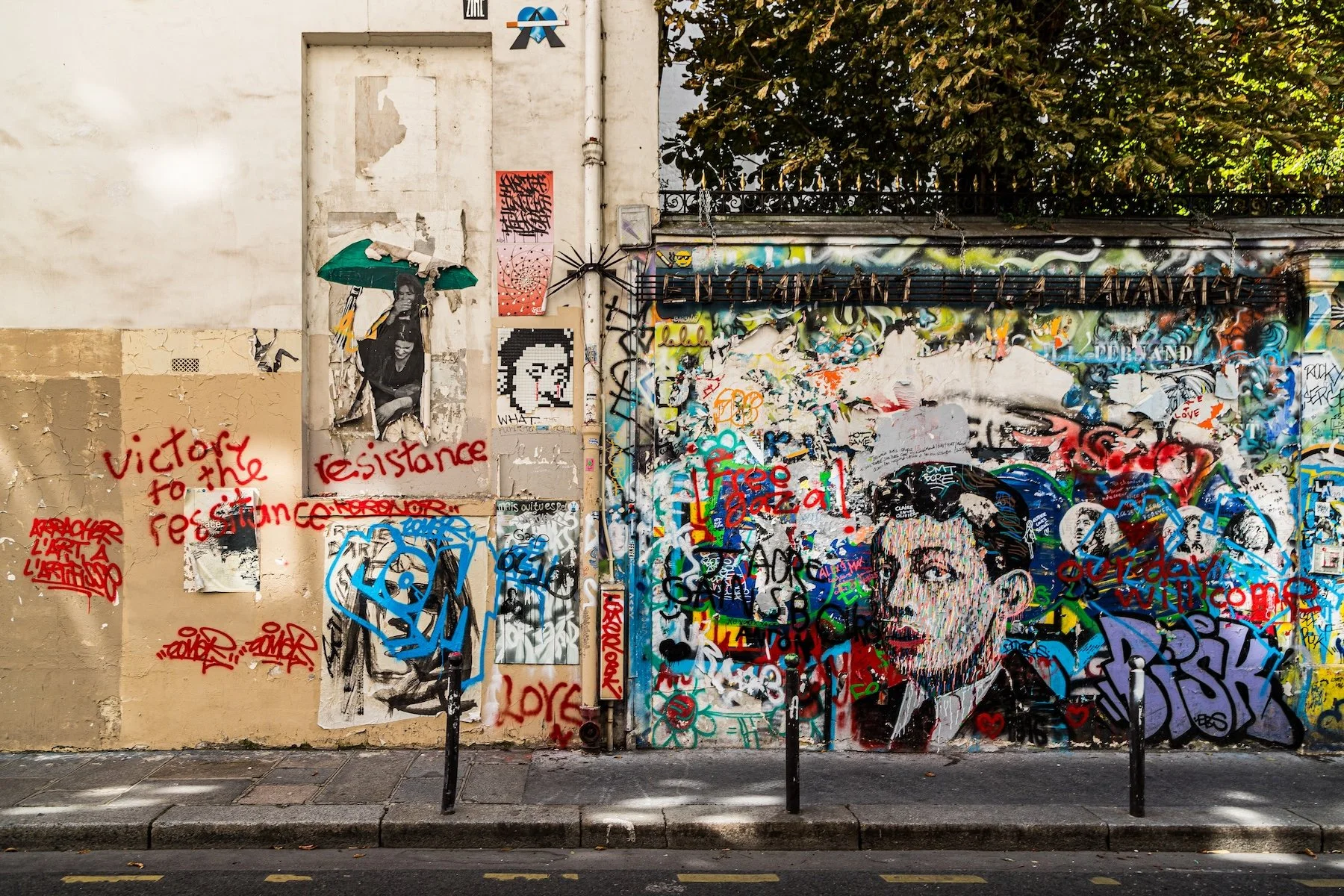
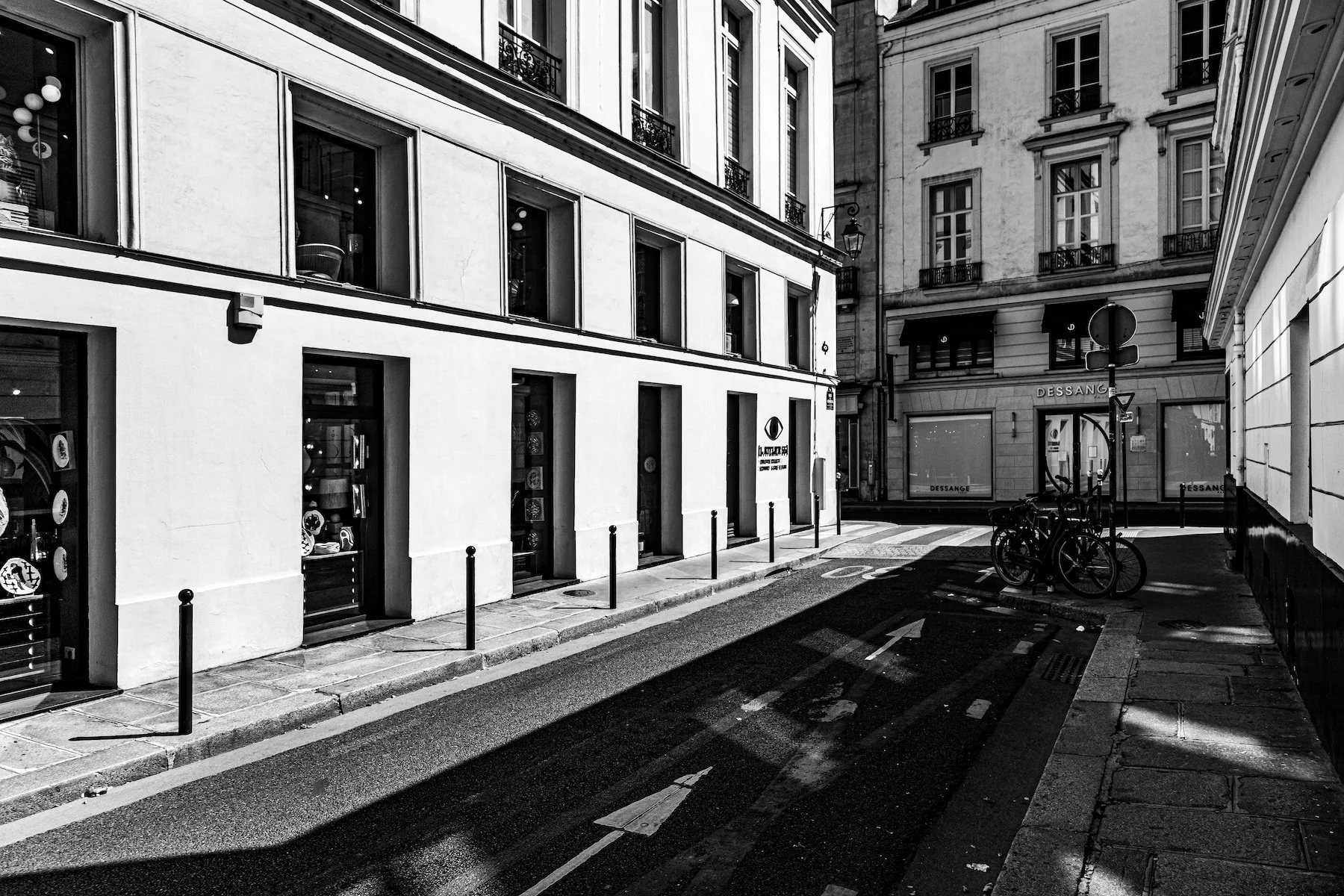
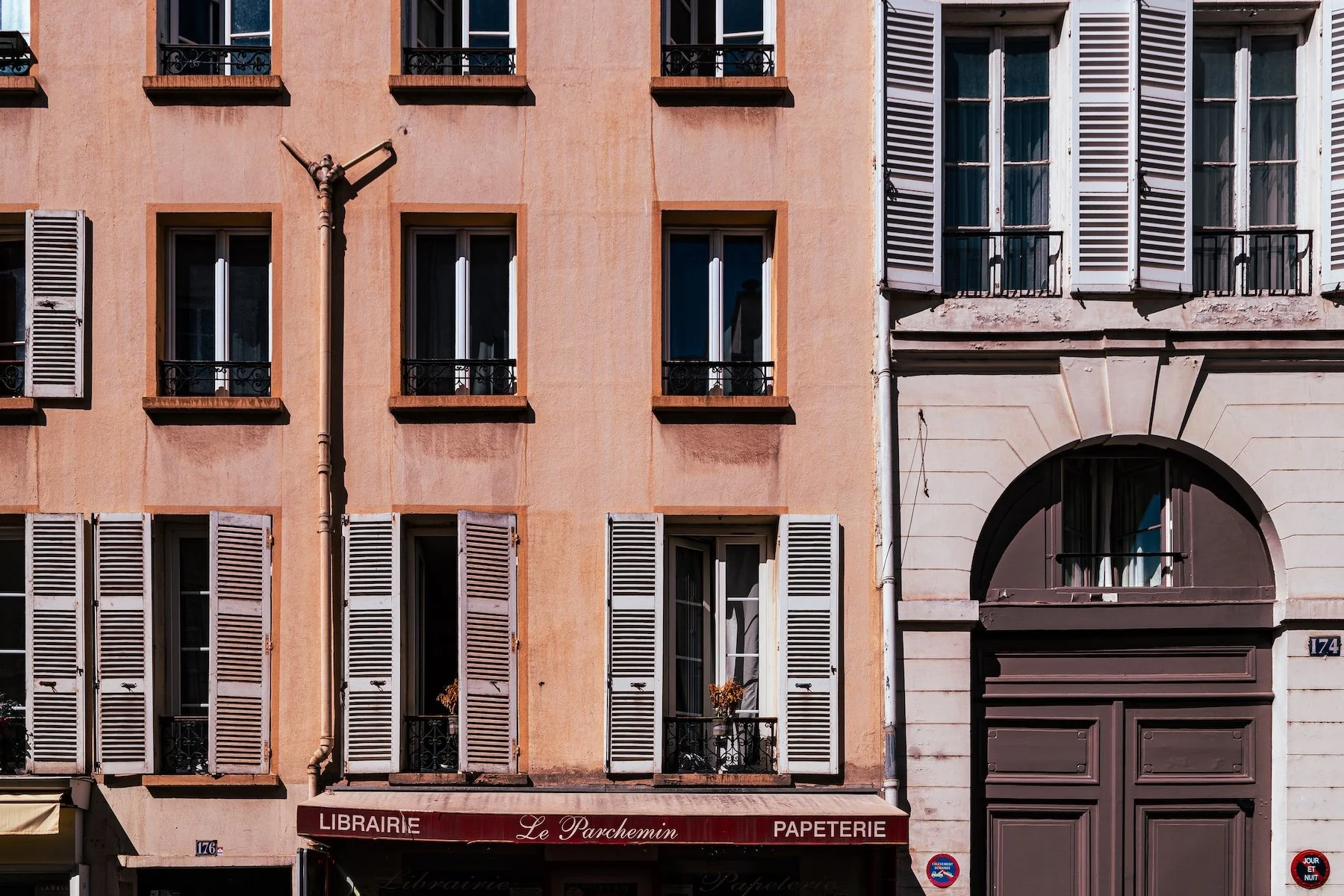
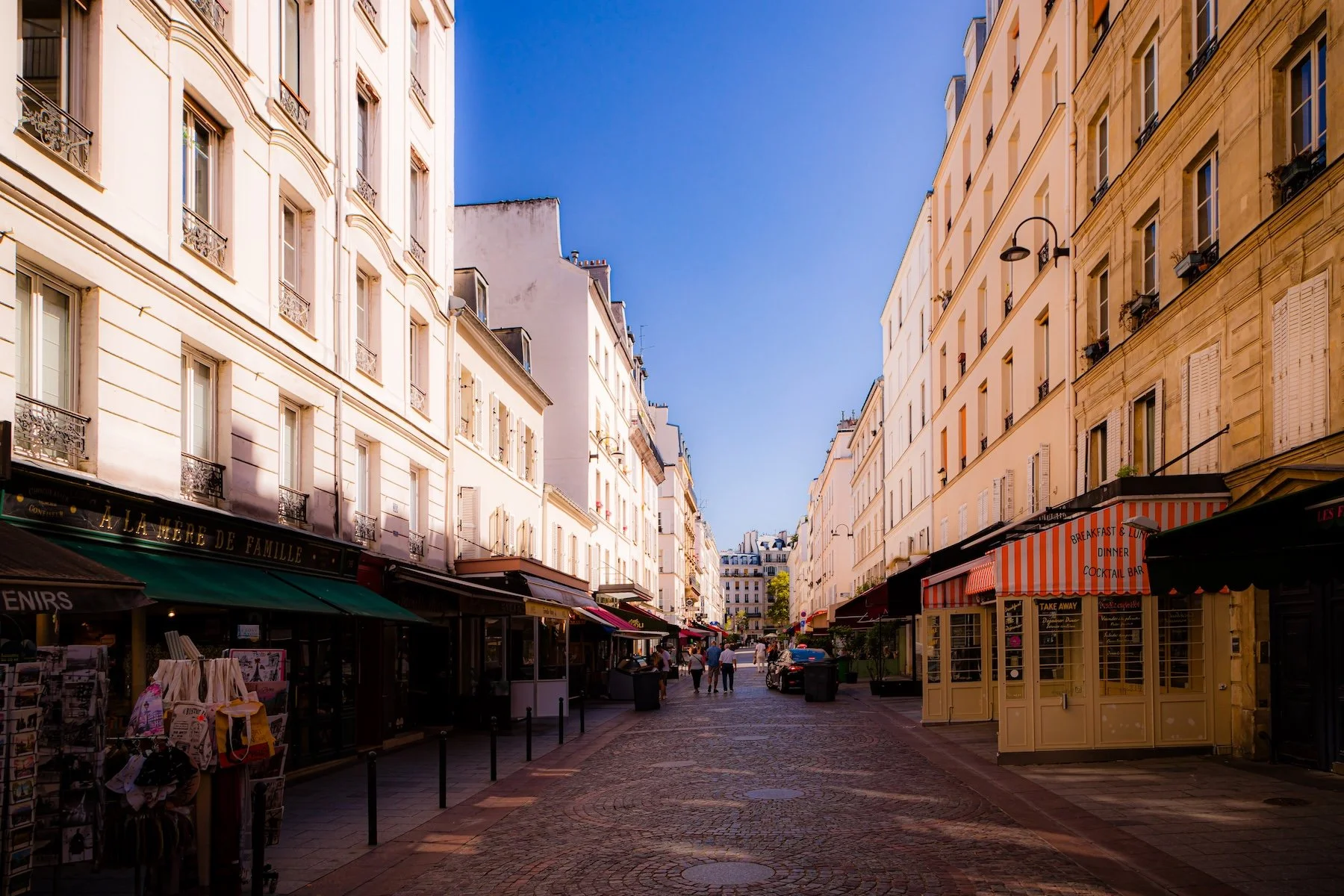
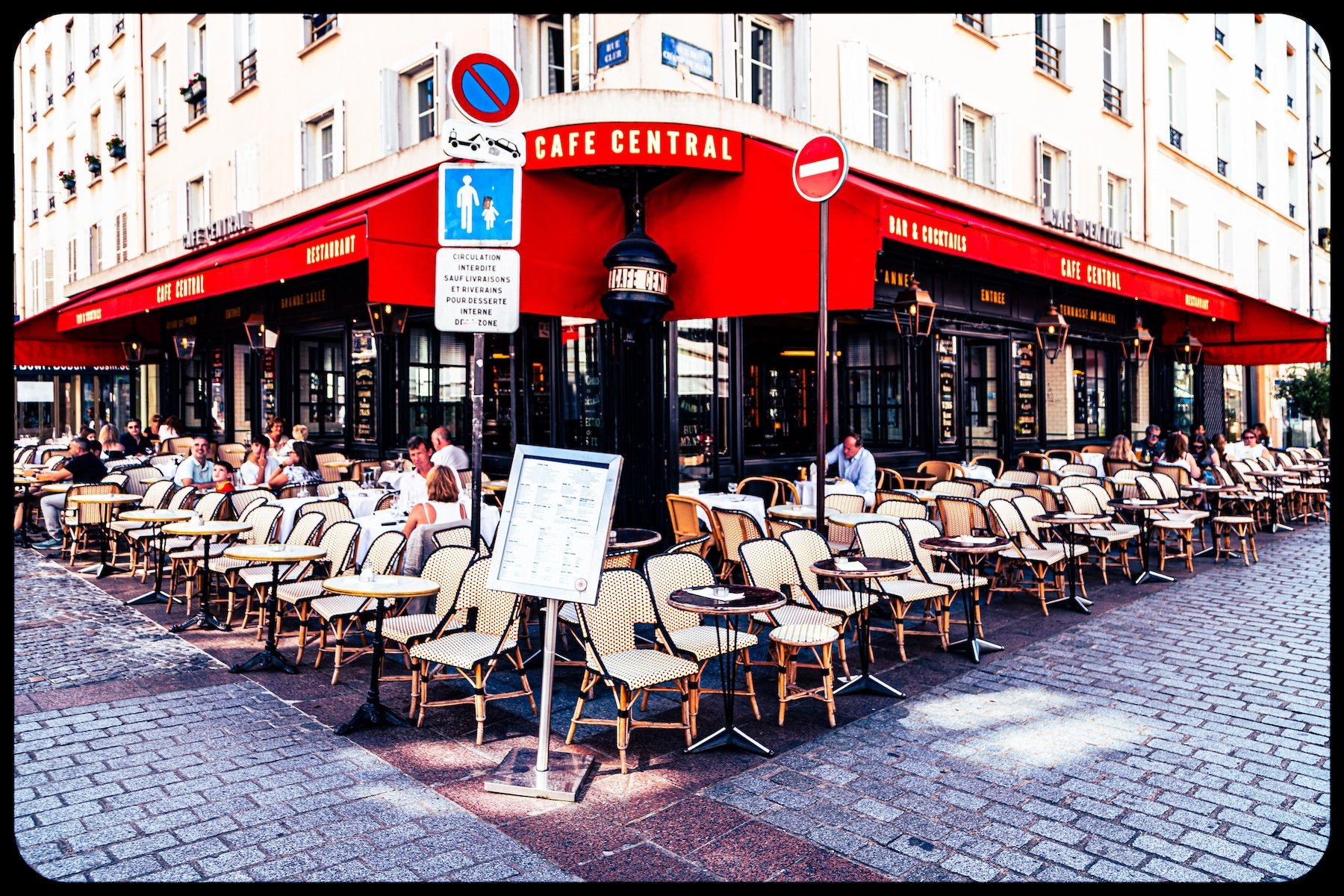
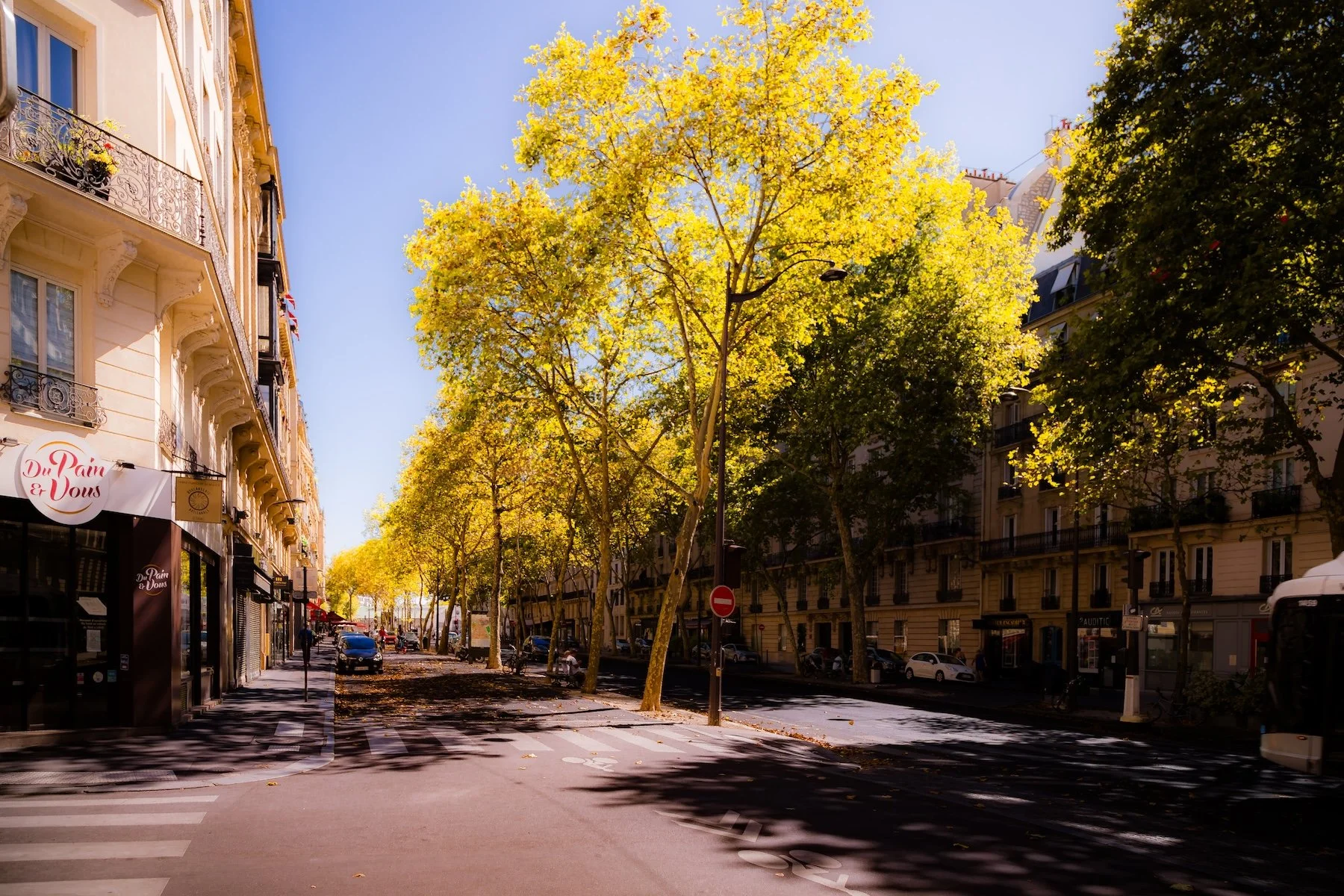
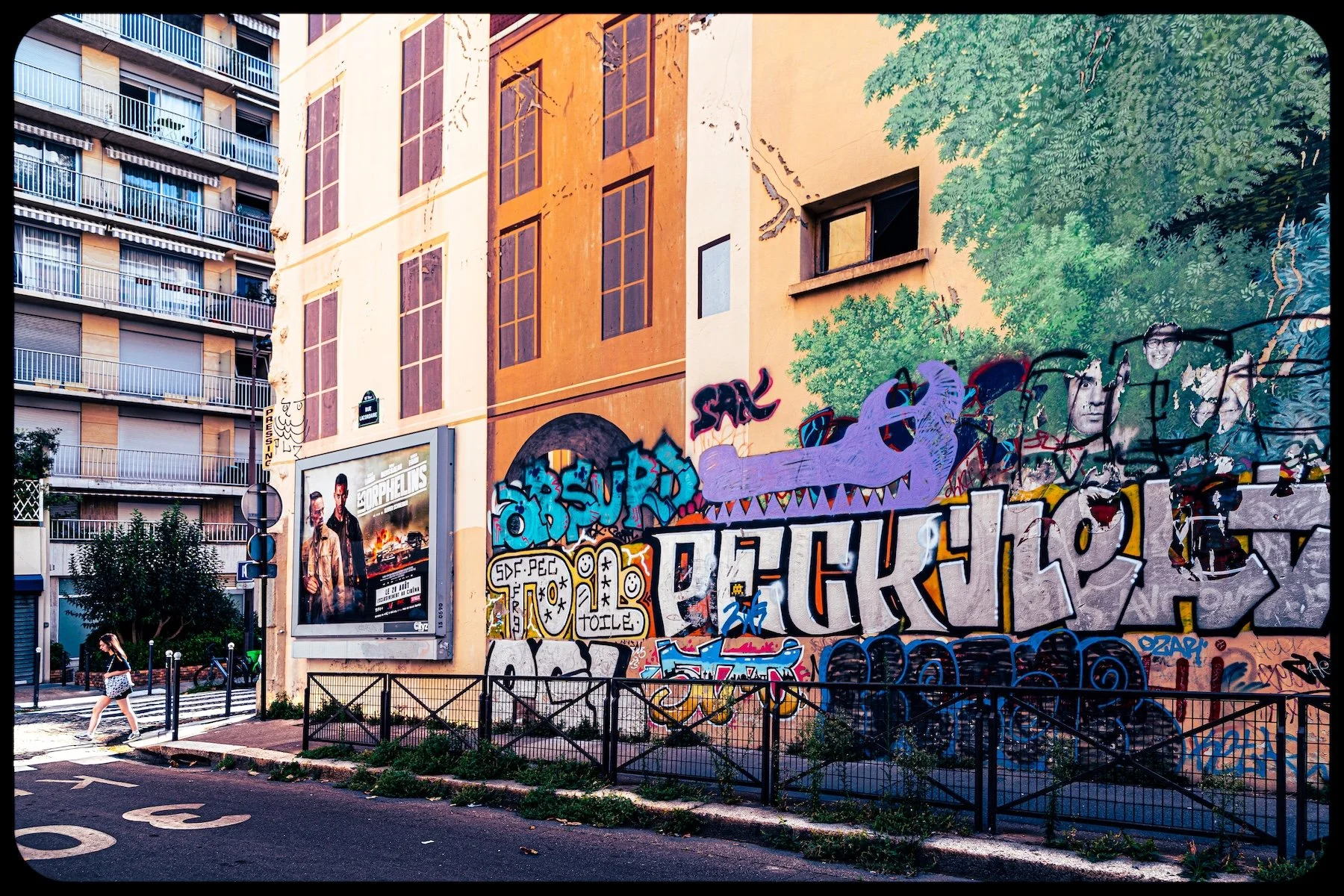
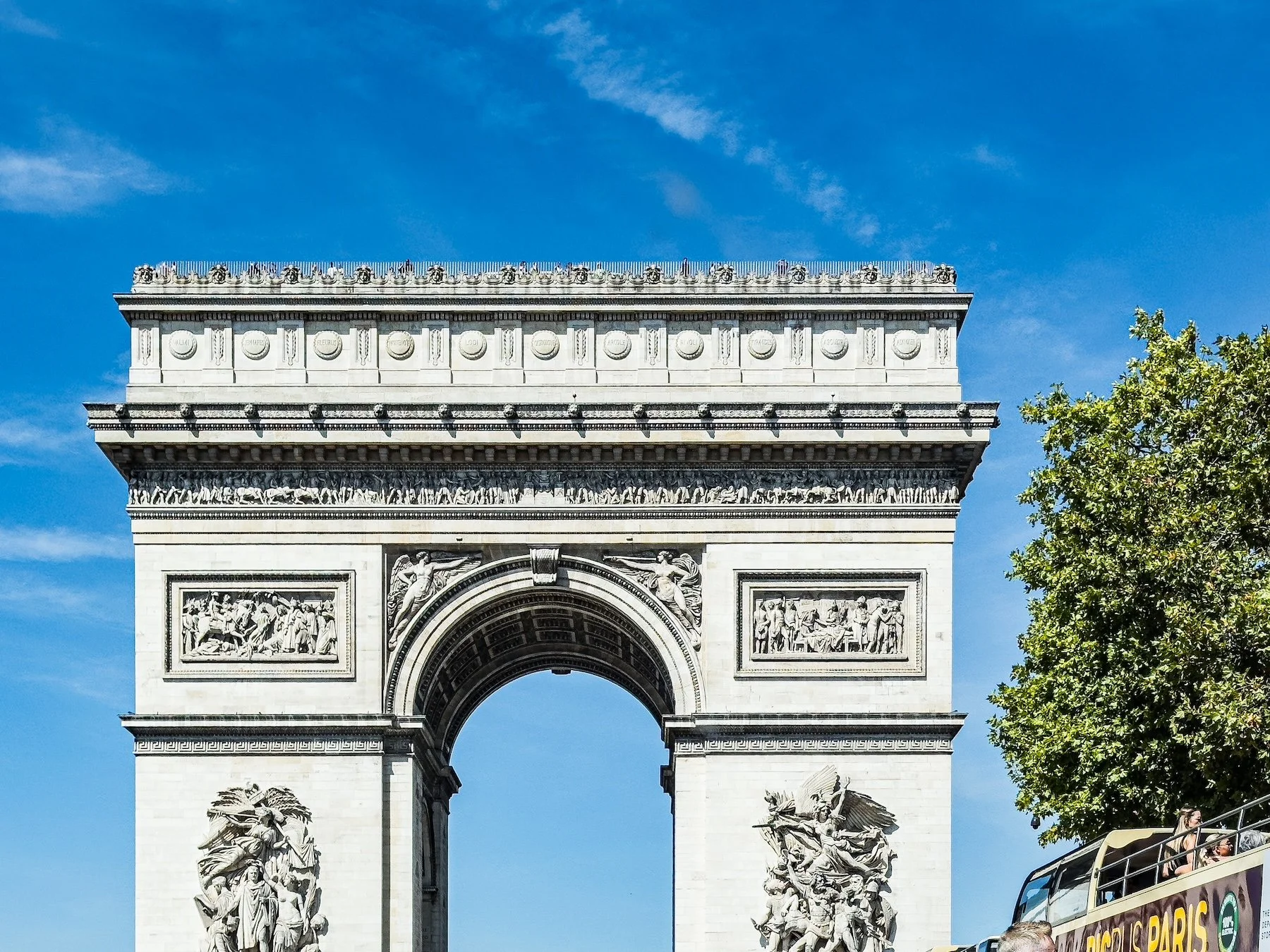
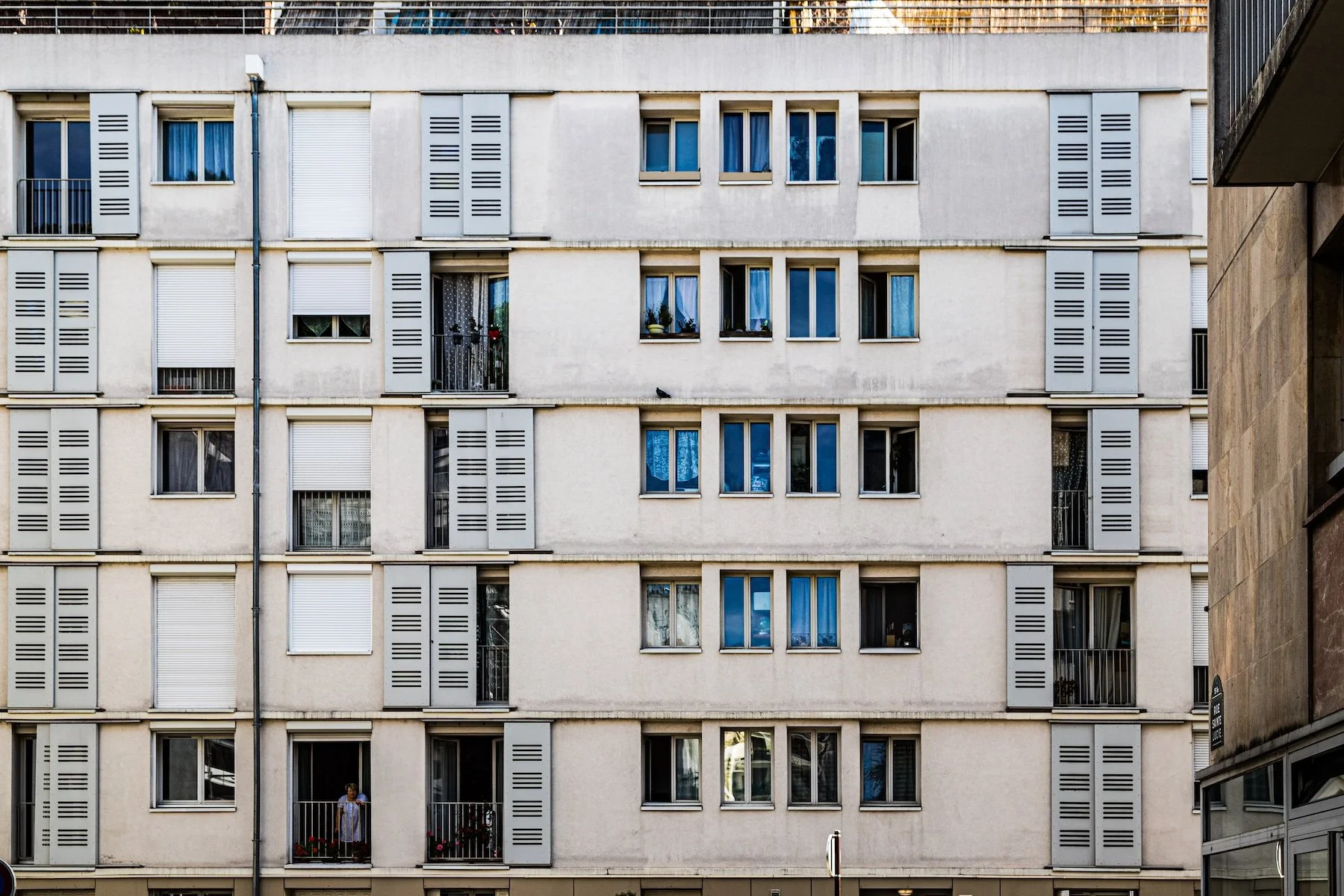
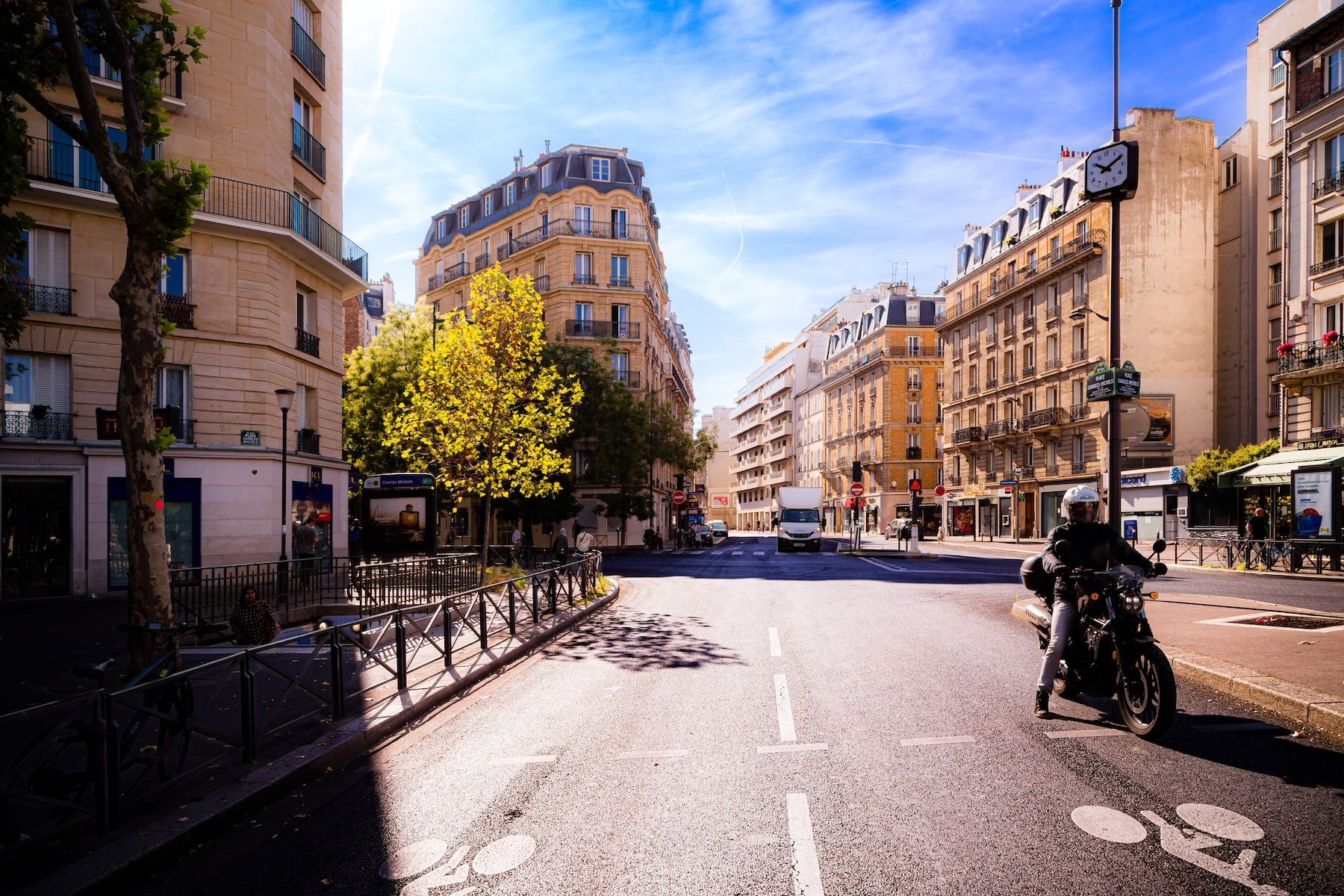
Explore Paris
-

The twenty arrondissements form the civic spiral of Paris, organizing the city into its broad local districts of government, identity, and daily life.
-

Each arrondissement is divided into four official administrative quarters, giving Paris a more precise civic and geographic framework.
-

The conseils de quartier bring participation to street level, giving residents a voice in neighborhood needs, public space, and local civic life.
-

Les Deux Rives trace Paris through the Seine’s two banks, revealing how the Rive Droite and Rive Gauche shaped the city’s civic power, commerce, learning, art, and cultural identity.
-
Cultural neighborhoods reveal the Paris people recognize through history, cafés, architecture, memory, atmosphere, and local belonging.