
19e - MÉNILMONTANT
Arrondissements
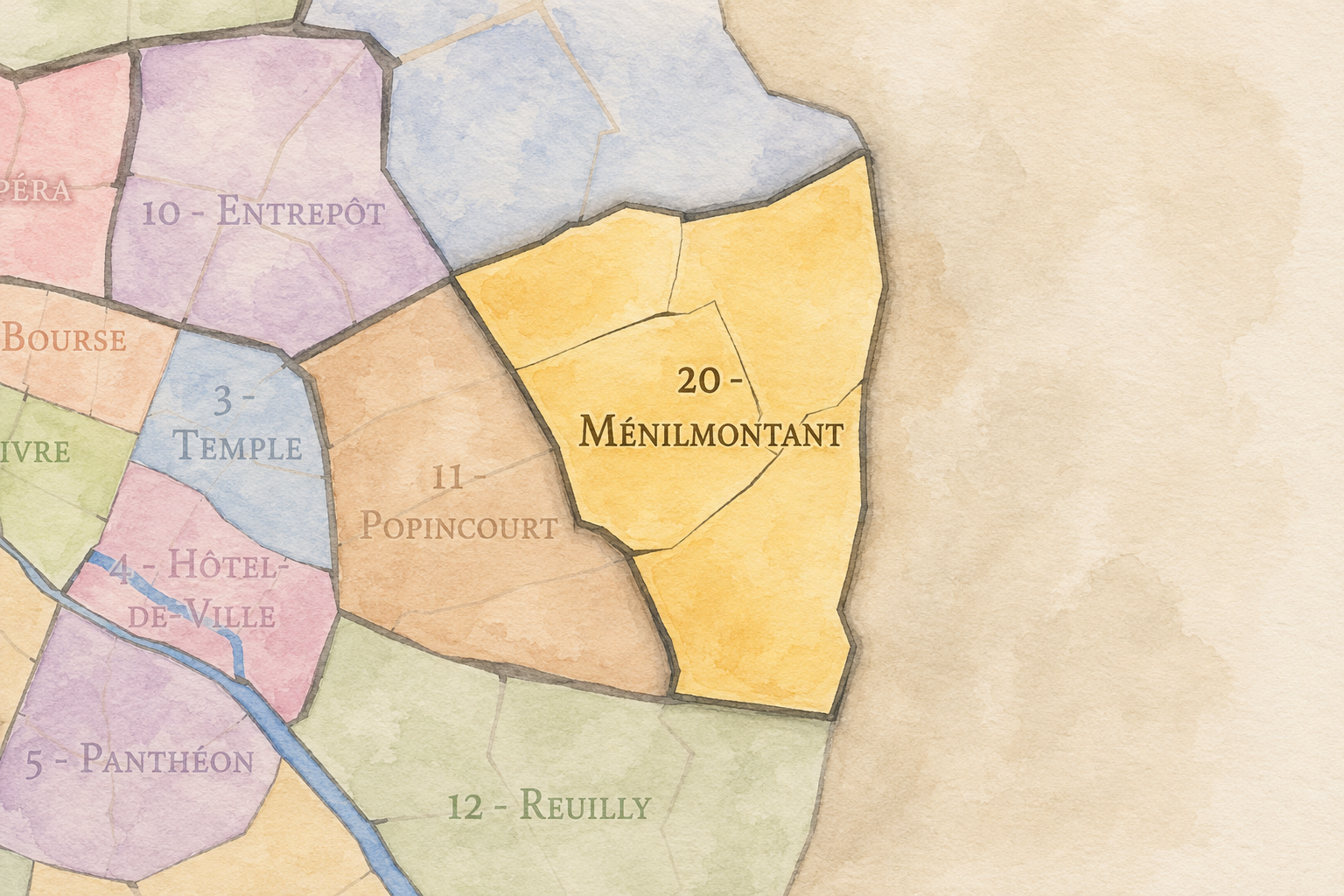
Part of an ongoing project to walk and photograph every neighborhood in Paris, this page explores the 20th Arrondissement: Ménilmontant through maps, district identity, history, and photography.
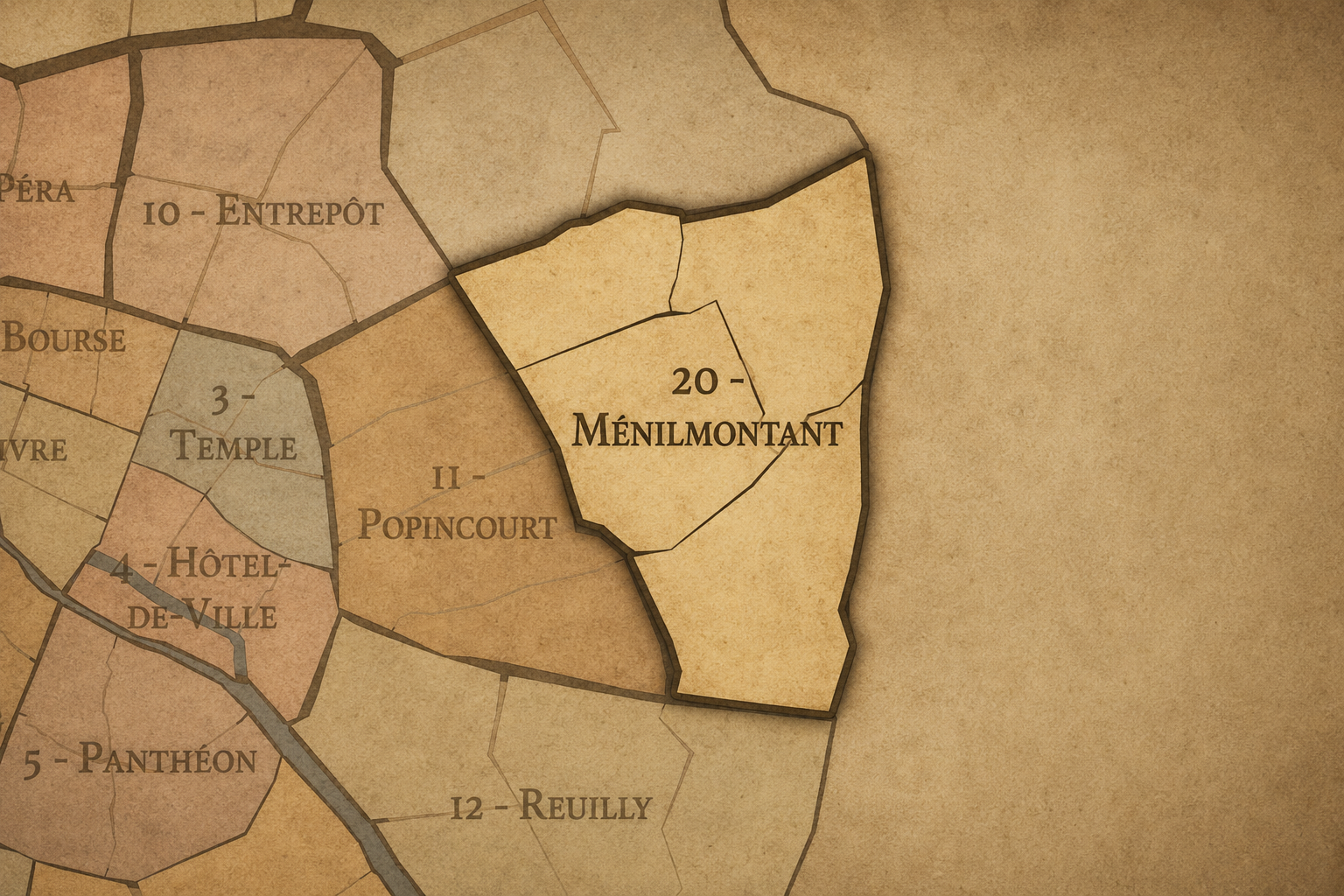
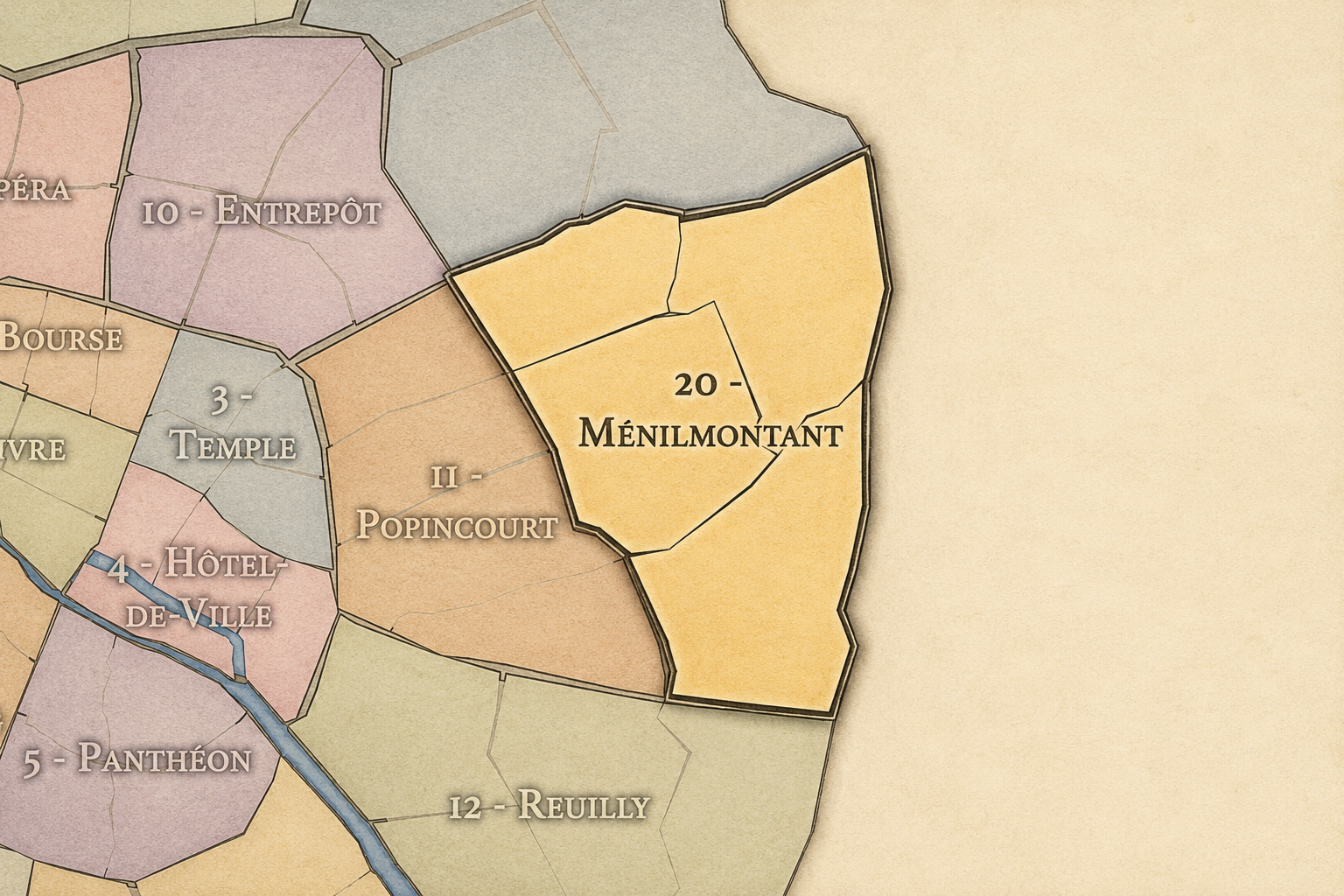
The Map
Download the Paris Arrondissements Map
Geographic Setting
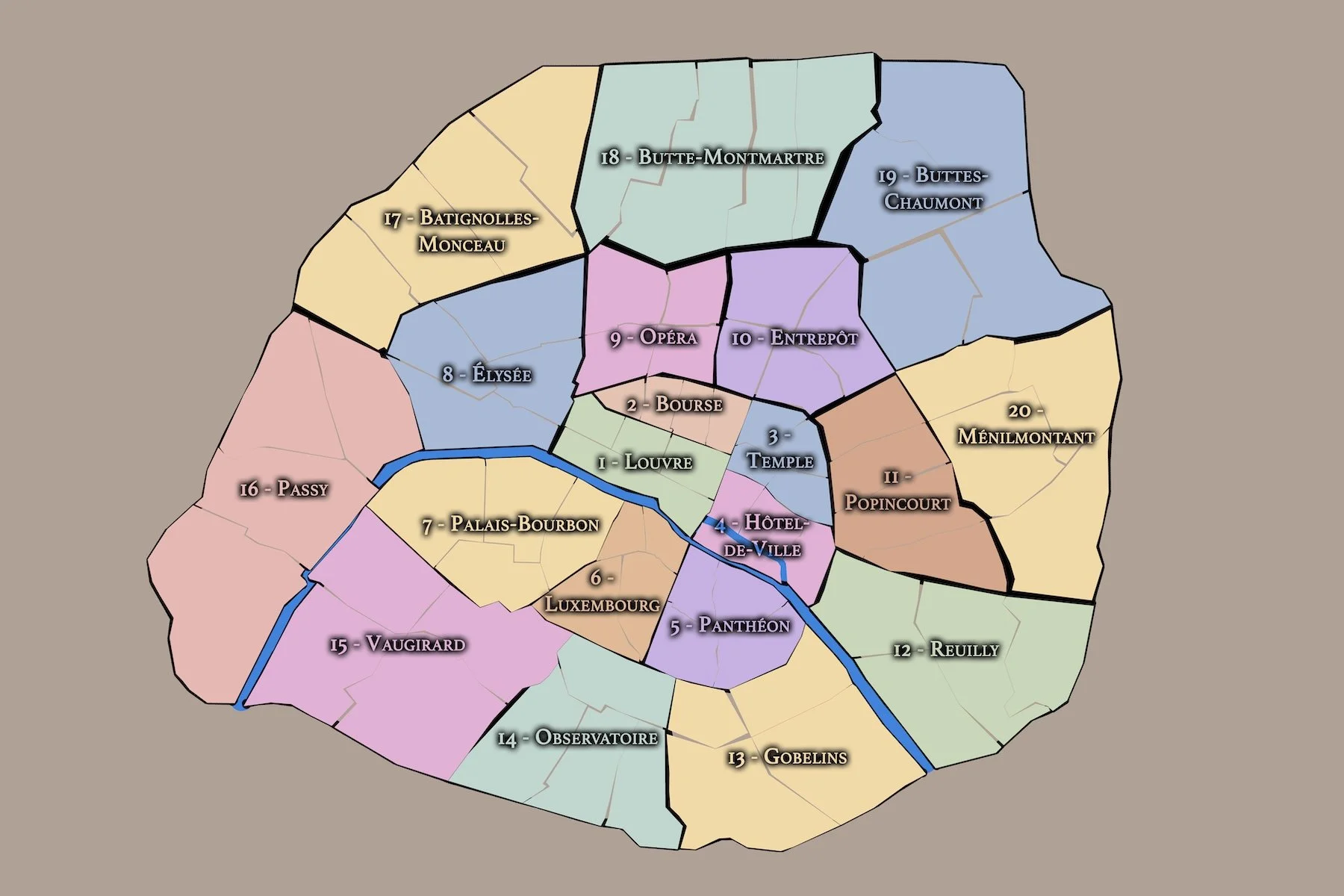
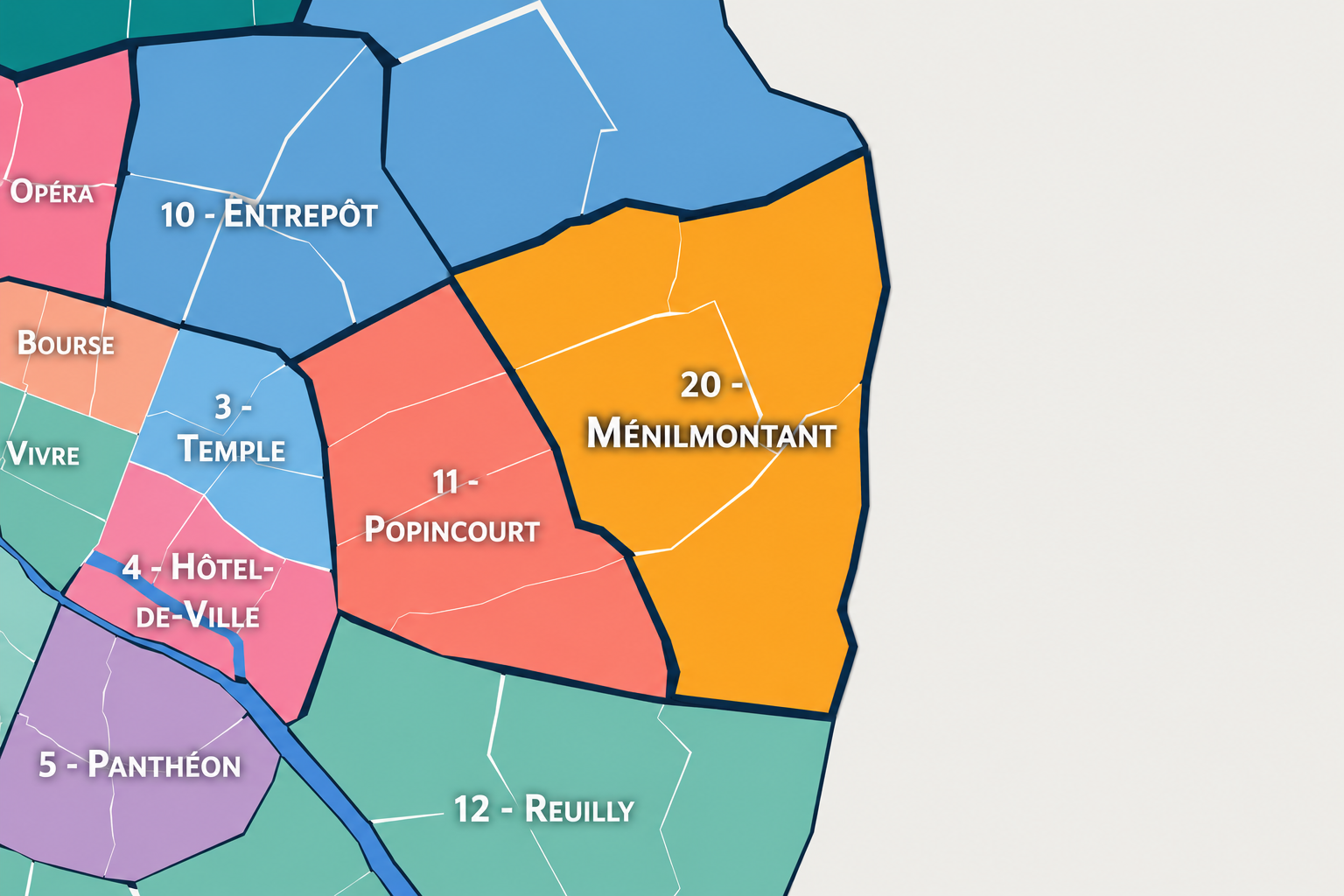
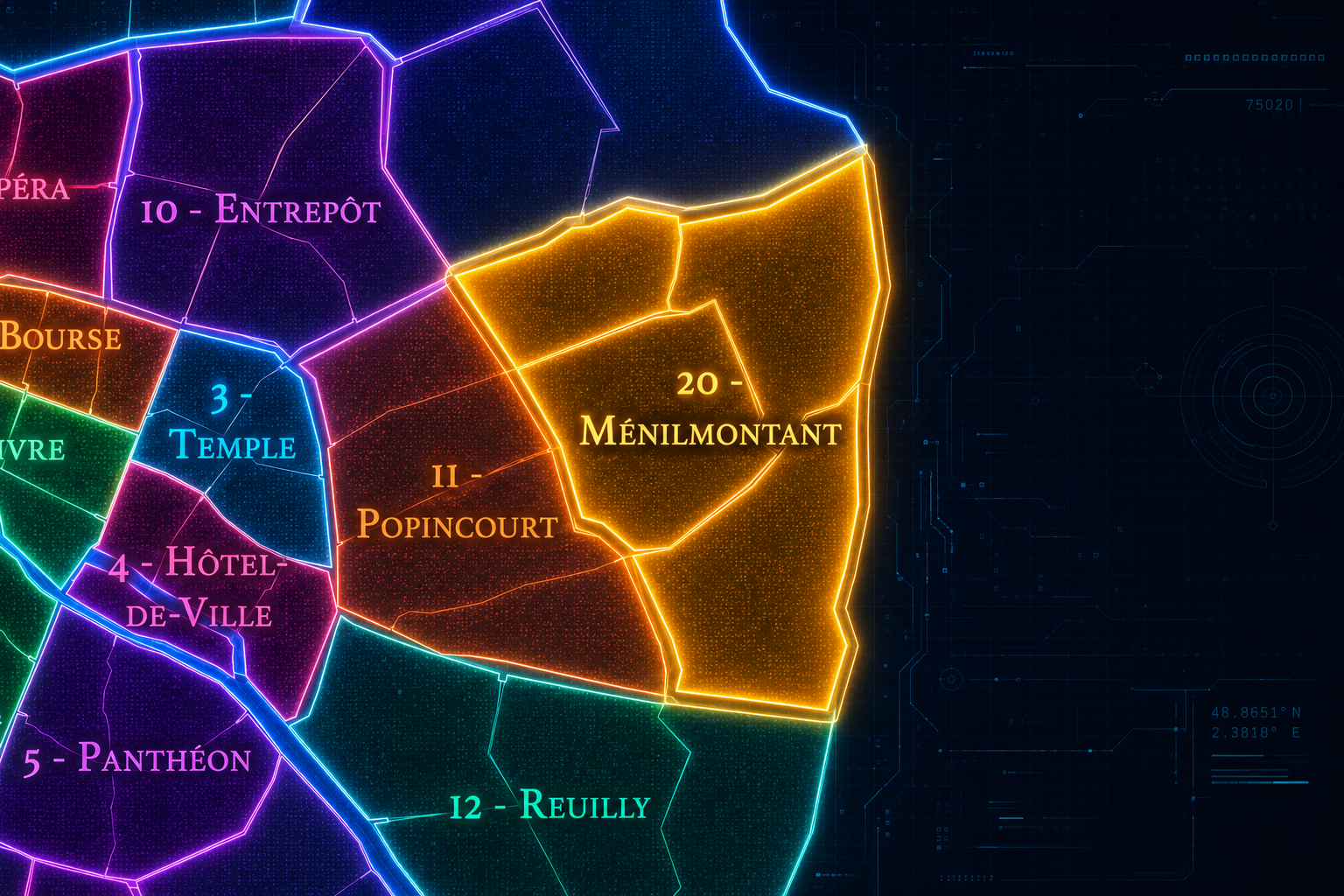
The 20e arrondissement occupies the eastern edge of Paris, where the city rises into the hills of Belleville, Ménilmontant, Charonne, and Père-Lachaise before meeting the suburban communes beyond the périphérique. It is bordered by the 19e arrondissement to the north, the 11e to the west, the 12e to the south, and the communes of Les Lilas, Bagnolet, Montreuil, and Saint-Mandé beyond the city’s eastern boundary. Its geography places it at one of the most important thresholds between central Paris and the eastern suburbs.
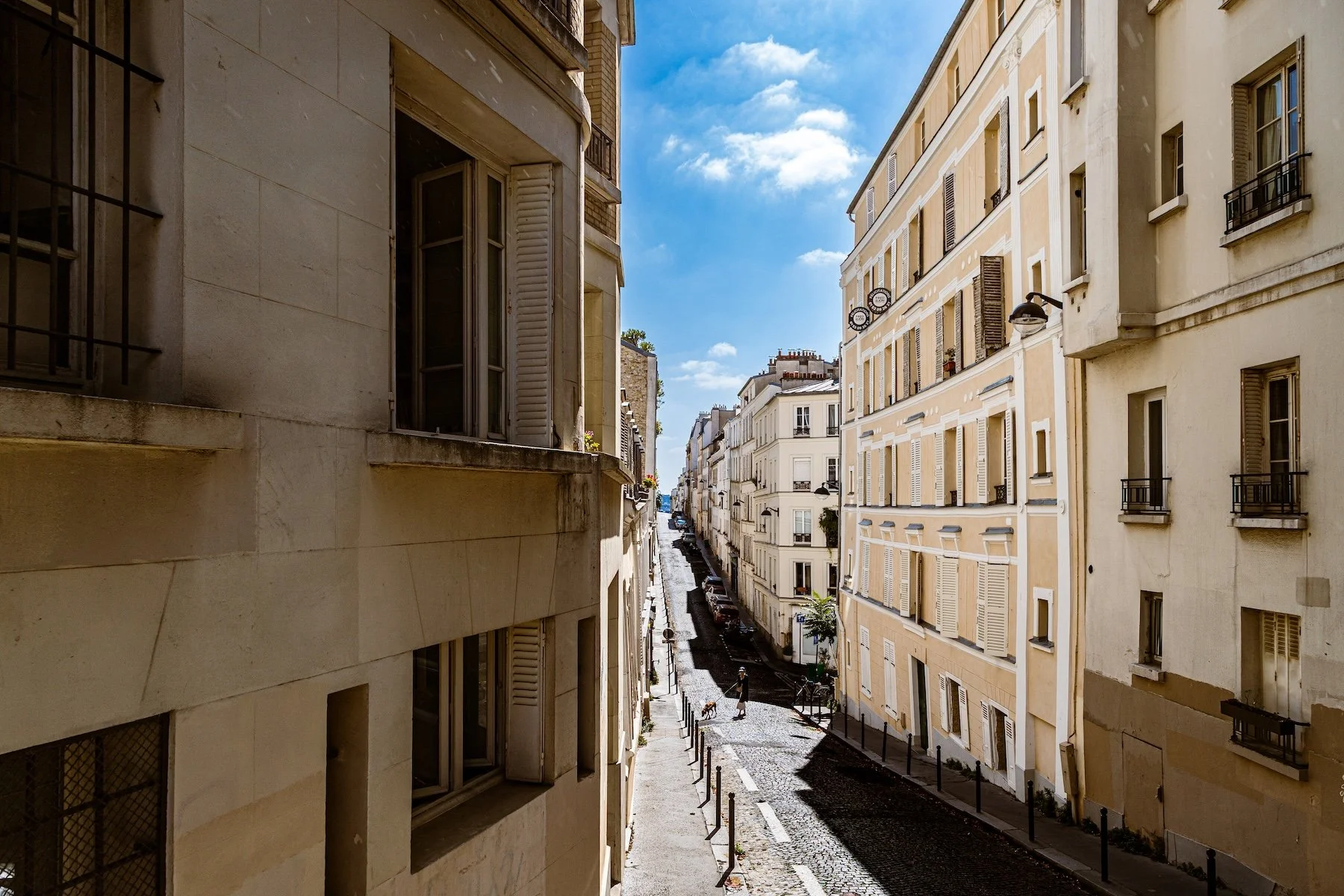
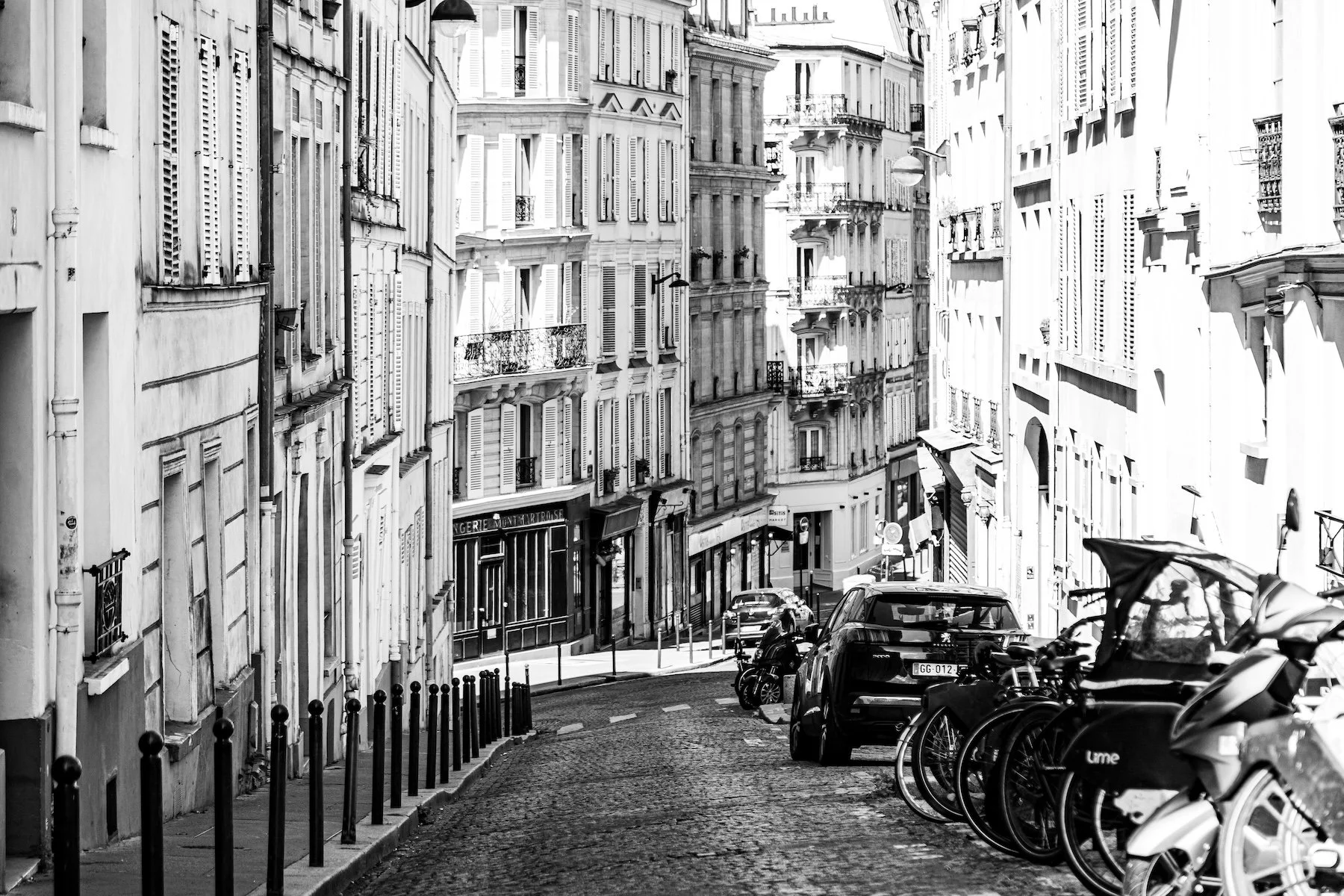
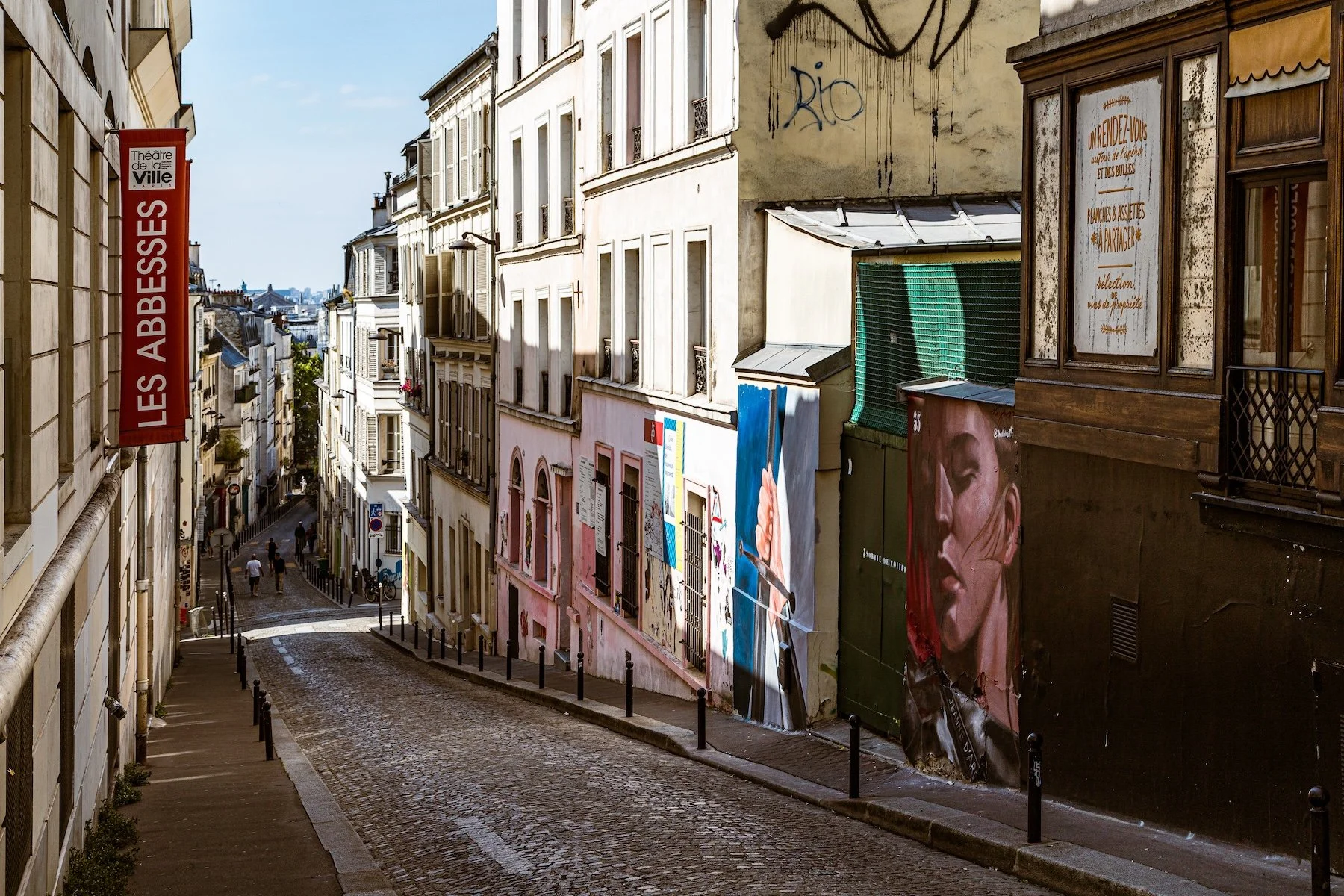
The arrondissement is strongly shaped by elevation, old village memory, working-class history, cemetery landscape, immigrant communities, and dense residential streets. The slopes of Belleville and Ménilmontant give the district a different physical feeling from the flatter central arrondissements. Streets climb and descend; views open unexpectedly; stairways, small squares, and irregular intersections preserve the memory of older settlements absorbed into Paris.
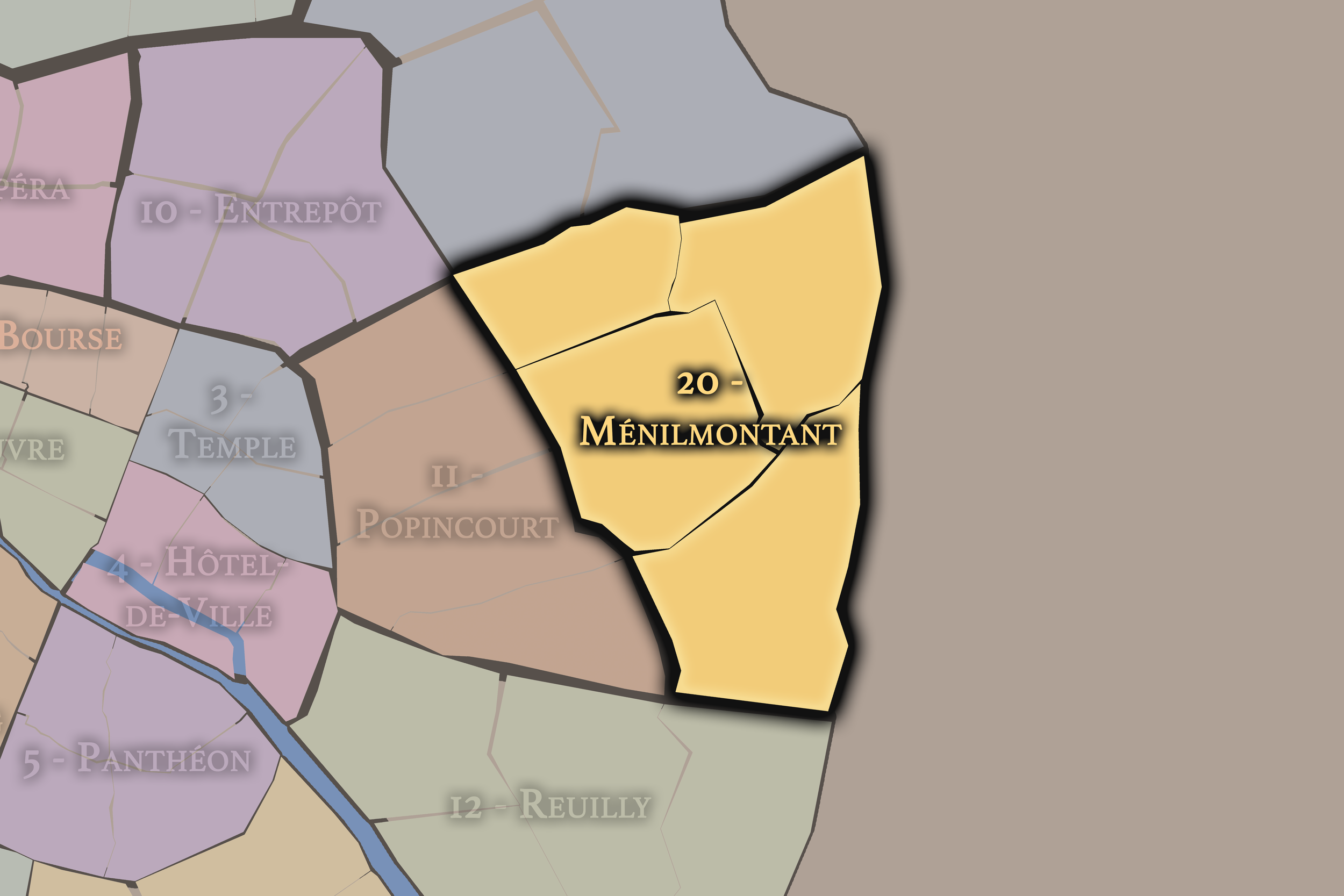
The 20e arrondissement is divided into four administrative quarters: Belleville, Saint-Fargeau, Père-Lachaise, and Charonne. Together, they form one of the most historically and socially layered districts in the city. Belleville gives the arrondissement its hilltop, immigrant, artistic, and popular identity. Saint-Fargeau connects it to the northeastern edge, large housing complexes, reservoirs, and the boundary with Les Lilas and Bagnolet. Père-Lachaise gives the arrondissement one of the world’s most famous cemetery landscapes. Charonne preserves the memory of an old village and gives the southern part of the arrondissement a quieter but deeply rooted neighborhood identity.
The 20e is therefore an arrondissement of heights and memory. It is not the Paris of royal avenues or monumental riverfronts. It is the Paris of former villages, cemeteries, workshops, social housing, immigrant streets, neighborhood cafés, hidden courtyards, political memory, and city-edge resilience. Its identity is eastern, popular, topographical, and deeply alive.
Arrondissement Identity
Etymology and Origins
The arrondissement’s administrative name, Ménilmontant, comes from an old local place-name associated with the hillside settlement northeast of old Paris. The name is generally understood as referring to a “rising” or “ascending” hill or hamlet, a meaning that fits the district’s steep topography. Even today, the climb through Ménilmontant remains one of the defining physical experiences of the 20e.
The name is fitting because the arrondissement is inseparable from elevation. Ménilmontant and Belleville both developed on hills outside the historic city, and their height gave them distinctive views, local identities, and a degree of separation from central Paris. Long before they were incorporated into the capital, these settlements had their own streets, vineyards, workshops, inns, churches, and social worlds.
Yet the arrondissement’s deeper identity is not only Ménilmontant. It also includes Belleville, Charonne, and Père-Lachaise, each with its own history. Belleville was a former commune with strong working-class and immigrant associations. Charonne preserves the memory of village life and eastern parish identity. Père-Lachaise transformed religious and rural land into one of the great cemetery landscapes of the world. The name Ménilmontant gives the arrondissement its administrative identity, but the 20e as a whole is a composition of eastern heights, absorbed villages, and popular Paris.
The 20e arrondissement is one of the twenty municipal arrondissements of Paris and remains a distinct local civic unit with its own mairie. It is not part of Paris Centre, which includes only the 1er, 2e, 3e, and 4e arrondissements. Its civic identity is shaped by its eastern boundary position, large residential population, social diversity, public housing, immigrant communities, cemetery landscape, and strong tradition of neighborhood life.
The arrondissement’s four administrative quarters — Belleville, Saint-Fargeau, Père-Lachaise, and Charonne — provide its official internal structure. These quarters are especially important because the 20e is often described through overlapping identities: Belleville, Ménilmontant, Père-Lachaise, Gambetta, Charonne, Saint-Blaise, Porte de Bagnolet, and the eastern edge of Paris. The official quarters help organize this complexity into a clearer civic geography.
For this project, the 20e is treated as both an official geographic layer and a cultural-historical district. Its civic framework helps distinguish the arrondissement from the 11e’s dense nightlife and artisan corridors to the west, the 19e’s parks and canals to the north, the 12e’s residential and Bois de Vincennes landscapes to the south, and the eastern suburbs beyond the périphérique. The 20e is eastern Paris at full depth: hilly, popular, residential, diverse, political, and shaped by the long memory of villages absorbed into the city.
Civic Framework
Parisian Identity
The 20e arrondissement holds a distinctive place in Paris as one of the city’s great districts of popular memory, migration, and everyday life. It is not defined by royal institutions, grand avenues, or tourist spectacle. Its identity comes from the eastern hills, former village streets, working-class traditions, immigrant communities, cemeteries, cafés, markets, public housing, studios, small businesses, and the persistent feeling of Paris lived from the edge.
Belleville and Ménilmontant give the arrondissement much of its cultural image. These neighborhoods are associated with popular music, street life, immigration, artists, political activism, community networks, and panoramic views over the city. They have long stood slightly apart from the polished center of Paris, not because they are outside the city, but because they preserve a different Parisian tradition: less formal, less monumental, more local, more mixed, and more improvisational.
The 20e also holds one of Paris’s most important landscapes of memory through Père-Lachaise Cemetery. The cemetery contains the graves of writers, musicians, artists, political figures, revolutionaries, and ordinary Parisians, making the arrondissement a place where personal mourning, cultural pilgrimage, and national memory intersect. In the Parisian imagination, the 20e is both lively and elegiac: a district of street energy and cemetery silence, immigration and remembrance, popular life and historical depth.
The 20e arrondissement is distinguished by its strong sense of eastern Paris identity. It is one of the places where the city’s former villages remain emotionally and physically legible. Belleville, Ménilmontant, and Charonne are not merely areas within an arrondissement; they are older identities with their own social histories, street patterns, and reputations. This gives the 20e a rootedness different from more planned or ceremonial districts.
Its four administrative quarters express this range. Belleville gives the arrondissement its northern hilltop identity, shaped by immigration, art, markets, steep streets, and views. Saint-Fargeau gives it a northeastern edge identity, tied to reservoirs, large housing complexes, modern residential landscapes, and the boundary with the suburbs. Père-Lachaise gives it one of the most powerful cemetery and memorial landscapes in Paris, while also containing residential streets around Gambetta and the cemetery walls. Charonne gives the southern part of the arrondissement its old village memory, with Saint-Blaise, Rue de Bagnolet, and quieter eastern streets preserving a different rhythm from the more famous Belleville-Ménilmontant axis.
The arrondissement’s distinction also lies in its social mixture. The 20e has long been shaped by workers, migrants, artists, families, activists, and residents seeking a Paris more affordable and less polished than the center and west. That character has been changing under pressure from rising housing costs and gentrification, but the arrondissement still carries a strong sense of popular urban life. It is Paris with edges, slopes, voices, and memory.
Neighborhood Distinction
Les Quartiers Administratifs
Administrative Quarters
The Four Administrative Quarters
Each Paris arrondissement is divided into four official administrative quarters. These smaller districts reveal older place-names, local histories, civic boundaries, and neighborhood identities.
-
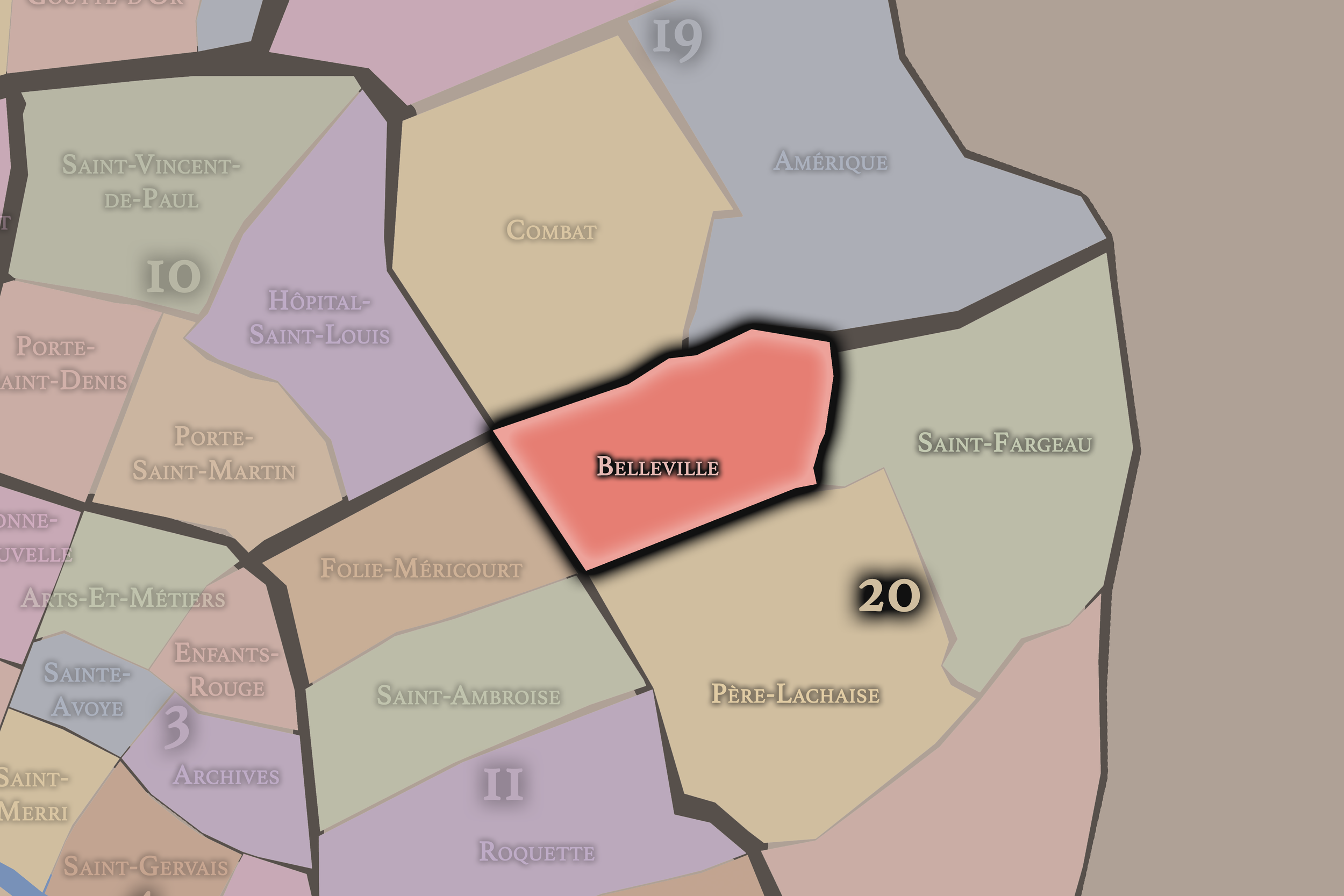
Belleville
Belleville occupies the northern portion of the 20e arrondissement, continuing into the 19e and forming one of the great historic hill districts of eastern Paris. Before its incorporation into Paris, Belleville was a separate commune with its own village identity, vineyards, quarries, working-class population, cafés, and routes overlooking the city. Its name remains one of the strongest cultural identities in northeastern Paris.
This quarter gives the 20e much of its immigrant, artistic, and popular energy. Around Belleville, the arrondissement becomes steep, dense, multilingual, and socially layered. Chinese, North African, Jewish, Armenian, Sub-Saharan African, and many other histories have shaped the broader Belleville landscape over time, alongside artists, workers, political groups, and neighborhood associations. Belleville is one of the places where Paris feels most open to reinvention from below.
-
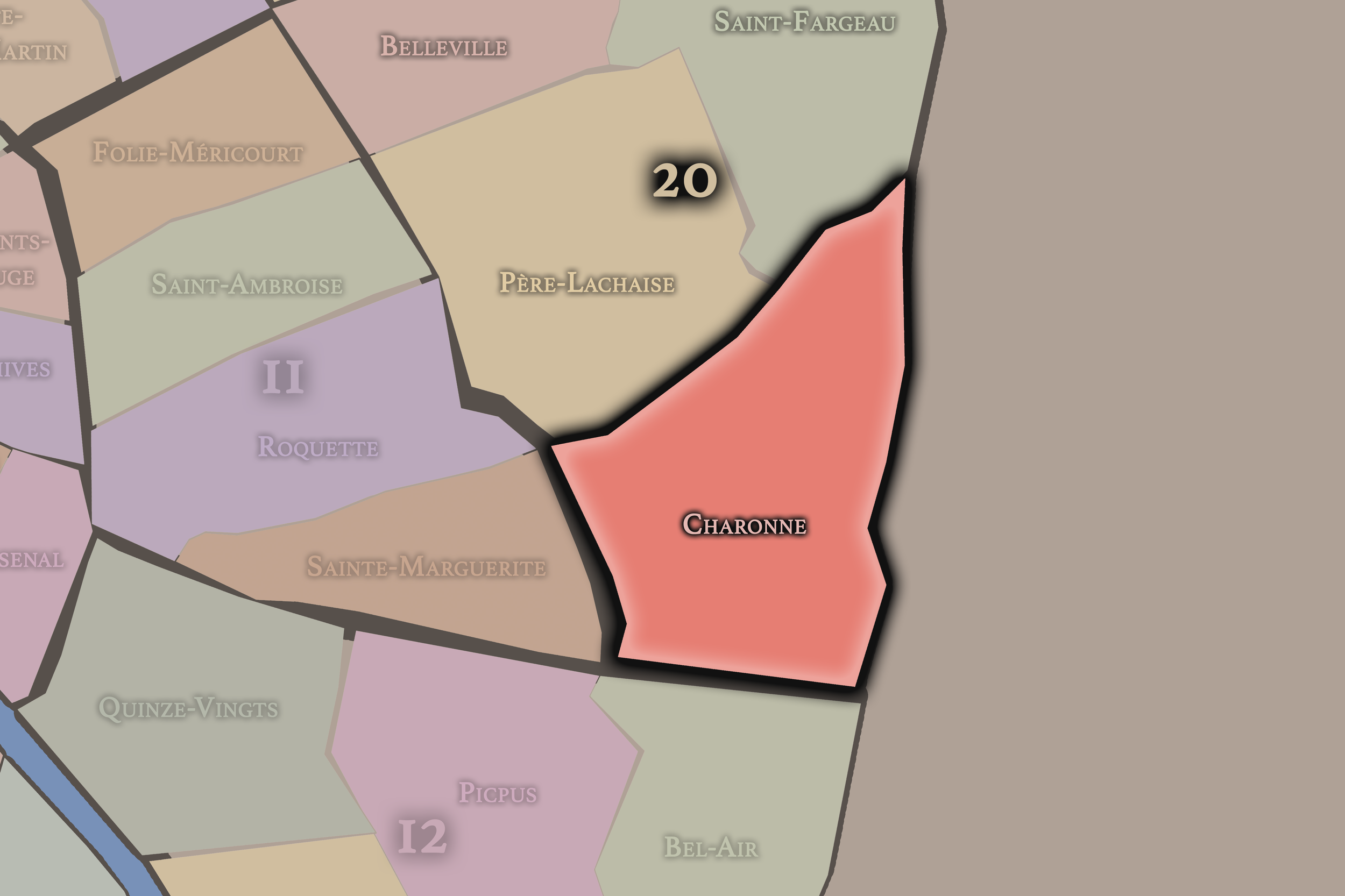
Charonne
Charonne occupies the southern portion of the 20e arrondissement and preserves the memory of the former village of Charonne. Before annexation into Paris, Charonne had its own parish, streets, vineyards, gardens, houses, and local life. Its village memory remains especially visible around Saint-Germain de Charonne, Rue Saint-Blaise, and the old street patterns that distinguish this area from the broader boulevards and housing complexes nearby.
This quarter gives the 20e one of its most intimate historical landscapes. Charonne is quieter and more village-like in parts than Belleville or Ménilmontant, with old streets, churches, small squares, and residential pockets that preserve an earlier eastern Paris. It also connects the arrondissement to the routes toward Bagnolet and the southern edge of eastern Paris. Charonne shows the 20e as not only popular and urban, but also deeply local and historically rooted.
-
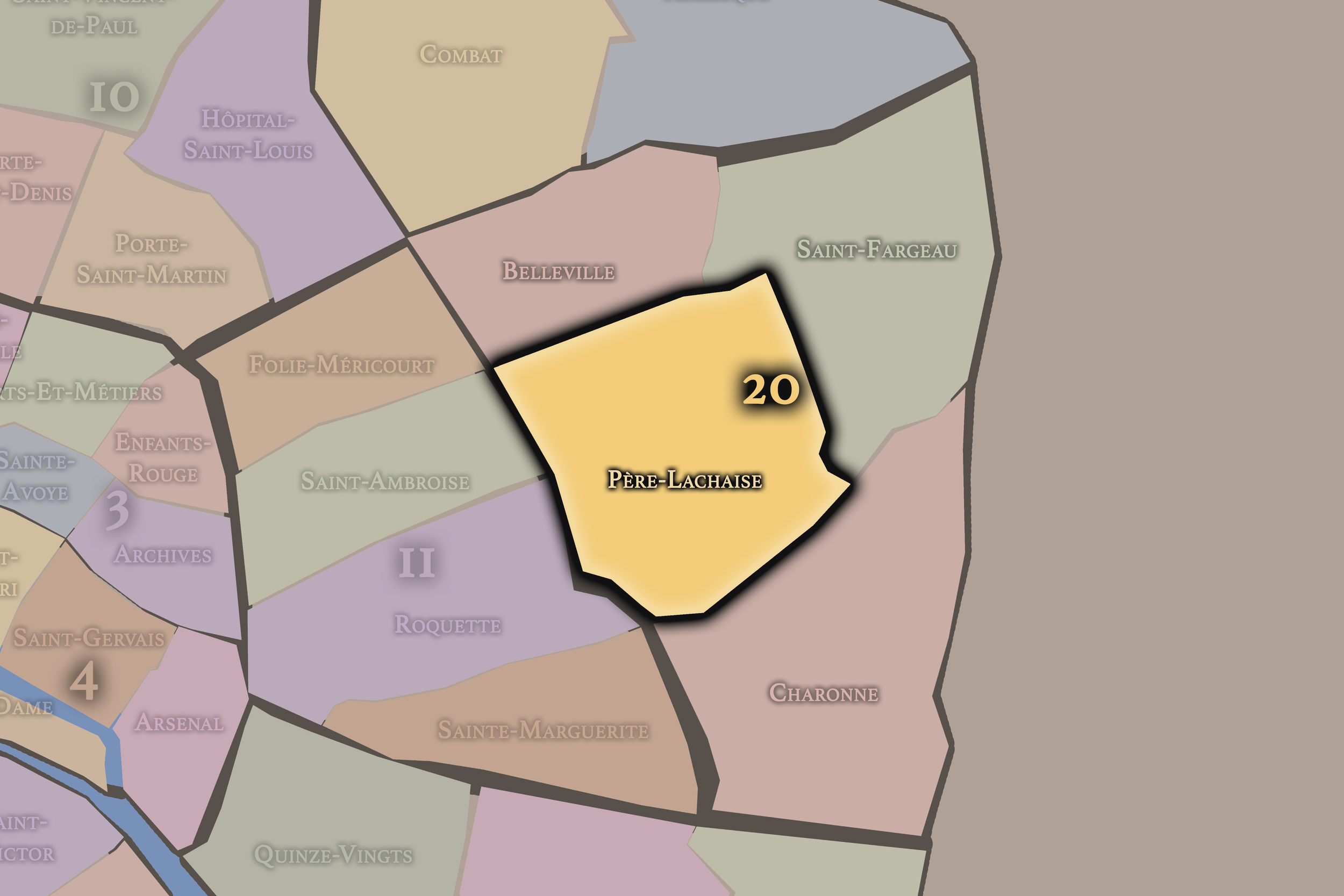
Père-Lachaise
Père-Lachaise occupies the central-western portion of the 20e arrondissement and takes its name from Père-Lachaise Cemetery, one of the most famous cemeteries in the world. The cemetery transforms the quarter into a landscape of memory, pilgrimage, art, politics, mourning, and quiet walking. Its paths and tombs hold the remains of celebrated writers, musicians, artists, revolutionaries, and countless less-famous Parisians.
This quarter gives the arrondissement its most contemplative and historic identity. Around the cemetery, the 20e becomes a district of walls, gates, trees, stone, names, and silence. Yet the surrounding streets around Gambetta, Père-Lachaise, and Ménilmontant remain active residential and commercial landscapes. The quarter’s power lies in that contrast: the living city pressed against one of its great landscapes of the dead.
-
Saint-Fargeau
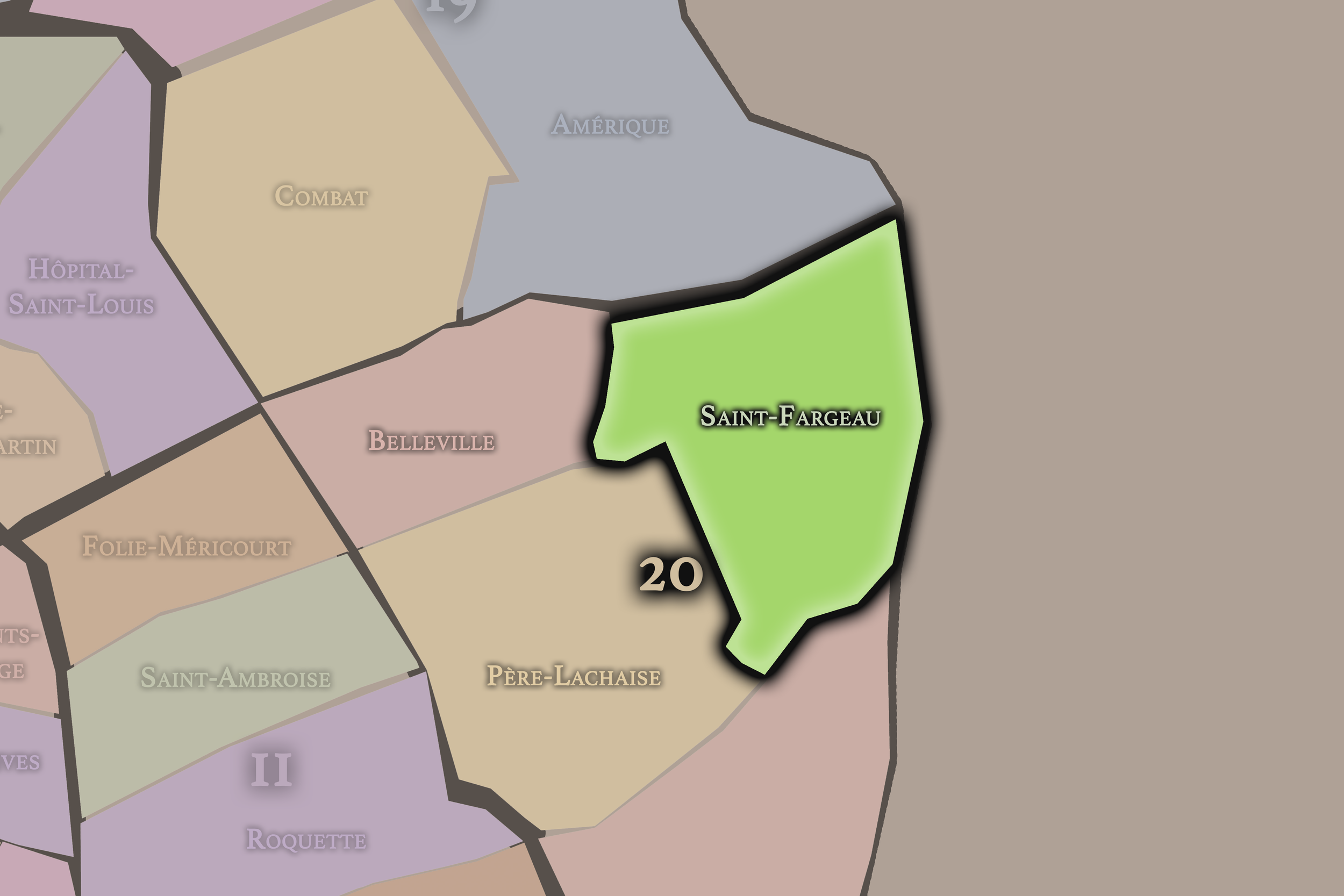
Saint-Fargeau occupies the northeastern portion of the 20e arrondissement, around the higher and more edge-like landscapes near Porte des Lilas, Télégraphe, and the boundary with Les Lilas and Bagnolet. Its name recalls an older local and aristocratic place-name, but its modern identity is strongly shaped by reservoirs, large residential developments, public housing, schools, broad streets, and the transition between Paris and the eastern suburbs.
This quarter gives the 20e one of its strongest city-edge identities. Saint-Fargeau is less romanticized than Belleville and less famous than Père-Lachaise, but it is essential to understanding the arrondissement as a residential and infrastructural district. It shows eastern Paris in its modern forms: housing complexes, elevated terrain, transit corridors, local services, and the everyday life of neighborhoods near the périphérique.
The History
The origins of the 20e arrondissement lie in the eastern villages and hillside settlements beyond old Paris. Belleville, Ménilmontant, and Charonne were not originally neighborhoods inside the capital. They were separate localities with their own fields, vineyards, quarries, churches, roads, and village structures. Their elevated position gave them both practical and symbolic distance from the city below.
The hills shaped everything. They offered views, supported vineyards and agriculture, provided quarry materials, and created streets that later retained irregular, village-like forms. These slopes were not the flat ceremonial avenues of western Paris. They were working, local, and topographical landscapes connected to the city but not fully controlled by it.
The future arrondissement therefore began as a set of eastern edges: villages, roads, hill paths, religious sites, and working land outside the city. Its origins were popular and local rather than royal or monumental. That history remains central to the 20e’s identity today.
Origins
16th–17th Century
During the 16th and 17th centuries, the territories that would become the 20e arrondissement remained outside the dense city of Paris. Belleville, Ménilmontant, and Charonne developed as village and hillside landscapes, with agriculture, vineyards, quarries, religious sites, and local roads shaping their daily life.
These settlements were connected to Paris economically and socially, but they retained a degree of independence from the city. Their position outside the older walls made them useful for activities that required space, cheaper land, or separation from the urban center. Inns, rural paths, gardens, and working landscapes helped form a world that was near Paris but not yet absorbed by it.
By the end of the 17th century, the future 20e had established many of its enduring characteristics: elevation, village identity, local commerce, working land, and an eastern orientation toward the countryside and surrounding settlements. It was not yet urban Paris, but it was already part of the wider life of the capital.
In the 18th century, the future 20e arrondissement continued to develop as a collection of eastern villages and faubourg-edge landscapes. Belleville and Ménilmontant became increasingly connected to the social and economic life of Paris while retaining their reputation as places apart: cheaper, hillier, more popular, and less formal than the center.
The hills attracted taverns, guinguettes, and places of leisure where Parisians could escape the city’s density and taxes. At the same time, the area remained shaped by labor, agriculture, quarrying, and local settlement. This mixture of work and pleasure would become one of the long-running themes of Belleville and Ménilmontant: places of hardship, sociability, song, drink, and popular life.
Charonne retained a more village-like and parish-centered identity, with local streets and religious institutions anchoring the southern portion of the future arrondissement. By the end of the 18th century, the territory that would become the 20e had become increasingly tied to Paris while preserving a distinct eastern character rooted in villages, hills, labor, and popular leisure.
18th Century
19th Century
The 19th century transformed the future 20e arrondissement into part of modern Paris. The annexation of surrounding communes and territories brought Belleville, Charonne, and parts of the eastern hillside settlements into the city’s administrative structure, creating the modern arrondissement and absorbing former villages into the capital.
This incorporation did not erase the district’s popular identity. The 20e became one of the great working-class landscapes of Paris, shaped by artisans, laborers, small industries, modest housing, political culture, cafés, and dense settlement. The steep streets and older village patterns remained visible beneath the new urban fabric.
The creation and expansion of Père-Lachaise Cemetery gave the arrondissement one of its defining landscapes. Built on former estate land, the cemetery transformed part of the eastern heights into a major burial ground and memorial landscape. Over time, it became one of the city’s most important places of memory, drawing mourners and visitors from across Paris and beyond.
The 20e also became strongly associated with the political life of eastern Paris. During periods of revolution and unrest, the working-class neighborhoods of Belleville, Ménilmontant, and Charonne carried a reputation for radicalism, public action, and resistance. The memory of the Paris Commune is especially important in this broader geography, with Père-Lachaise and the eastern districts holding powerful associations with the conflict and its aftermath.
By the end of the 19th century, the 20e had become a dense, popular, politically charged arrondissement of hills, cemeteries, workers, former villages, and expanding urban life.
In the early and mid 20th century, the 20e arrondissement remained one of the great working-class districts of Paris. Belleville, Ménilmontant, Charonne, and the areas around Père-Lachaise were shaped by modest housing, small workshops, local commerce, cafés, schools, religious institutions, and neighborhood networks. The arrondissement’s identity was strongly local, popular, and eastern.
Immigration and internal migration also shaped the district. Like the neighboring 19e and parts of the 18e, the 20e absorbed communities arriving from elsewhere in France and abroad. Its relatively affordable housing, working-class networks, and distance from the more expensive western districts made it a place of settlement and reinvention.
Père-Lachaise continued to grow in symbolic importance, not only as a cemetery but as a place of cultural and political pilgrimage. The cemetery’s relationship to the memory of the Commune, as well as to writers, artists, musicians, and public figures, gave the arrondissement a quiet but powerful memorial identity.
During the wars, occupation, and reconstruction years, the 20e experienced hardship, resistance, community life, and social change. It remained a district where the history of Paris was carried not only by monuments, but by streets, residents, political memory, and everyday resilience.
Early–Mid 20th Century
Late 20th Century
The late 20th century brought major social and urban changes to the 20e arrondissement. Older working-class industries and small workshops declined or changed, while housing projects, urban renewal, immigration, and new cultural activity reshaped the district. The arrondissement remained popular and diverse, but its social and built fabric evolved significantly.
Belleville and Ménilmontant became increasingly associated with immigrant communities, artists, musicians, alternative culture, and neighborhood activism. Their relatively affordable spaces attracted new residents and creative communities while long-established populations continued to shape local life. This produced a layered identity: working-class, immigrant, artistic, political, and increasingly desirable.
Charonne and Saint-Blaise preserved older village memories while also experiencing urban renewal and residential change. Saint-Fargeau and the eastern edge reflected postwar housing, infrastructure, and the realities of Paris near the périphérique. Across the arrondissement, the relationship between old streets, social housing, newer apartment buildings, and public space became central to its late 20th-century identity.
By the end of the 20th century, the 20e had become one of Paris’s most complex eastern arrondissements: less polished than the center, more socially mixed, and increasingly valued for the very qualities that once placed it outside the city’s dominant image.
In the 21st century, the 20e arrondissement remains one of the most vibrant and socially layered districts in Paris. Belleville and Ménilmontant continue to draw attention for their street life, restaurants, bars, artist studios, music, immigrant businesses, views, murals, and neighborhood energy. Père-Lachaise remains one of the city’s great sites of memory and pilgrimage. Charonne and Saint-Blaise preserve a quieter old-village atmosphere within the larger urban fabric.
The arrondissement is also marked by the pressures of contemporary Paris. Rising housing costs, gentrification, tourism around Père-Lachaise and Belleville, redevelopment, public housing needs, and changing commercial landscapes all affect the district. The 20e remains more socially mixed than many western and central arrondissements, but its affordability and popular identity are under increasing pressure.
At the same time, the 20e continues to serve as one of the city’s important spaces of cultural and political expression. Its neighborhoods support associations, artists, immigrant networks, community groups, independent businesses, cafés, schools, and local public life. The district’s identity remains grounded in participation rather than display.
Today, the 20e is Paris as lived diversity: hillside streets, cemetery paths, market corners, old village walls, public housing, creative studios, immigrant restaurants, and views back toward the city. It is one of the arrondissements where Paris feels most like an evolving social organism rather than a finished historical image.
21st Century
Spirit and Legacy
The 20e arrondissement is Paris as height, memory, and popular life. Its legacy is rooted in the former villages of Belleville, Ménilmontant, and Charonne; in the cemetery paths of Père-Lachaise; in the working-class streets of eastern Paris; and in the immigrant, artistic, and political communities that continue to shape the district.
It is a district of ascent. Streets climb toward Belleville and Ménilmontant, carrying the memory of vineyards, quarries, taverns, workers, artists, and newcomers. The city looks different from these heights: less polished, more expansive, more connected to the suburbs and to the social realities beyond the postcard center.
The name Ménilmontant captures the arrondissement’s upward movement, but its deeper spirit is collective. The 20e is built from villages absorbed into Paris but never fully dissolved. It is a district where memory remains local, where public life remains vocal, where the dead of Père-Lachaise share the arrondissement with some of the city’s most alive streets.
The 20e is not Paris as ceremony. It is Paris as belonging made and remade — through migration, labor, neighborhood memory, political voice, and the daily climb of life on the eastern hills.
The Photography
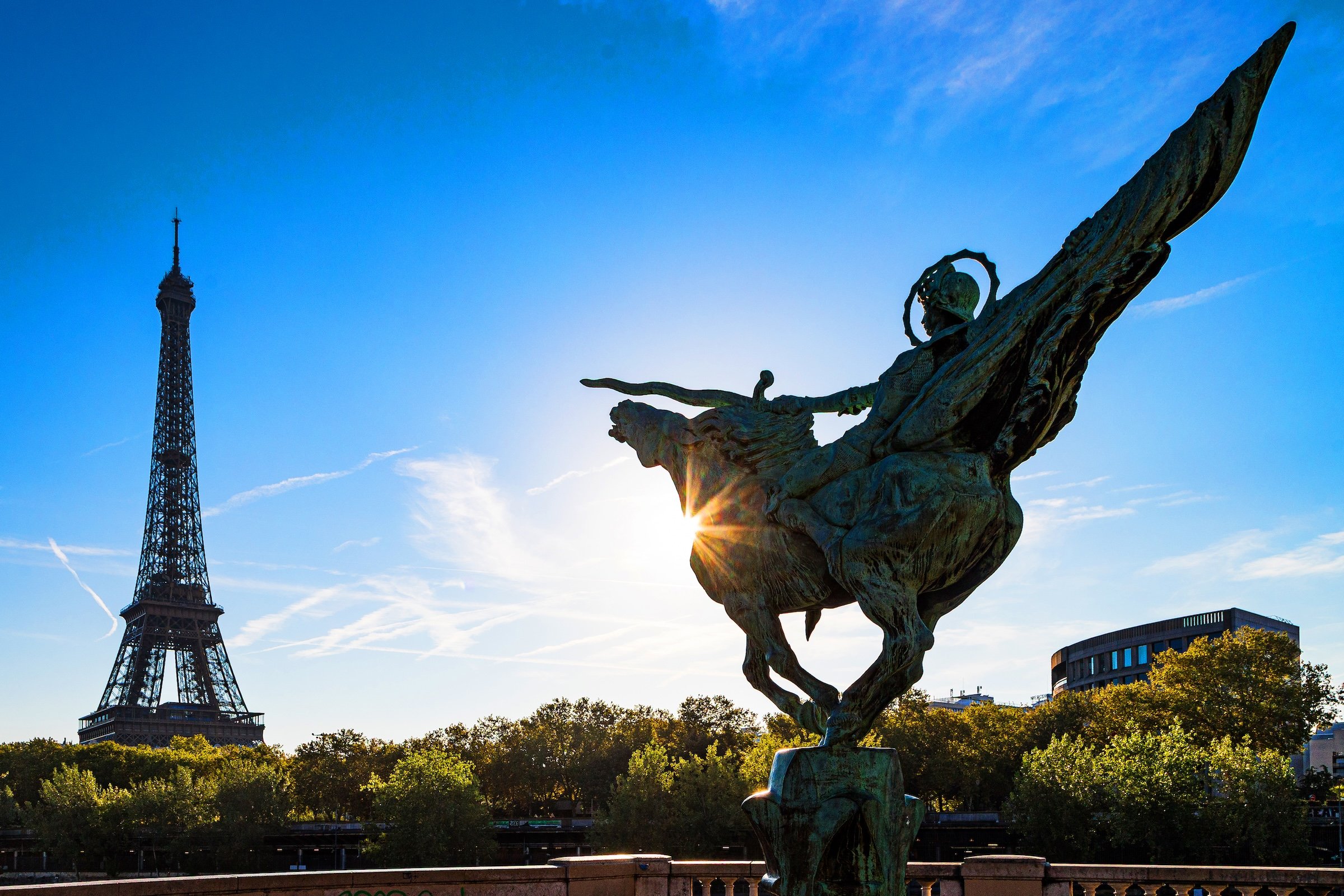
The arrondissements do not share a single visual identity. Instead, they organize Paris into twenty broad visual fields, each gathering its own combination of landmarks, streetscapes, institutions, residential districts, commercial corridors, parks, rail stations, markets, cemeteries, and riverfront edges.
Some arrondissements are defined by monumental scale: royal palaces, ceremonial avenues, government buildings, museums, formal gardens, and internationally recognized landmarks. Others are shaped by hills, canals, rail gateways, apartment-lined boulevards, neighborhood markets, former village streets, industrial remnants, parks, or the quieter rhythms of residential Paris. The arrondissement system gives these varied landscapes a civic frame, allowing the city to be read not as one visual language, but as a sequence of overlapping Parisian atmospheres.
Visual Identity
Through The Lens
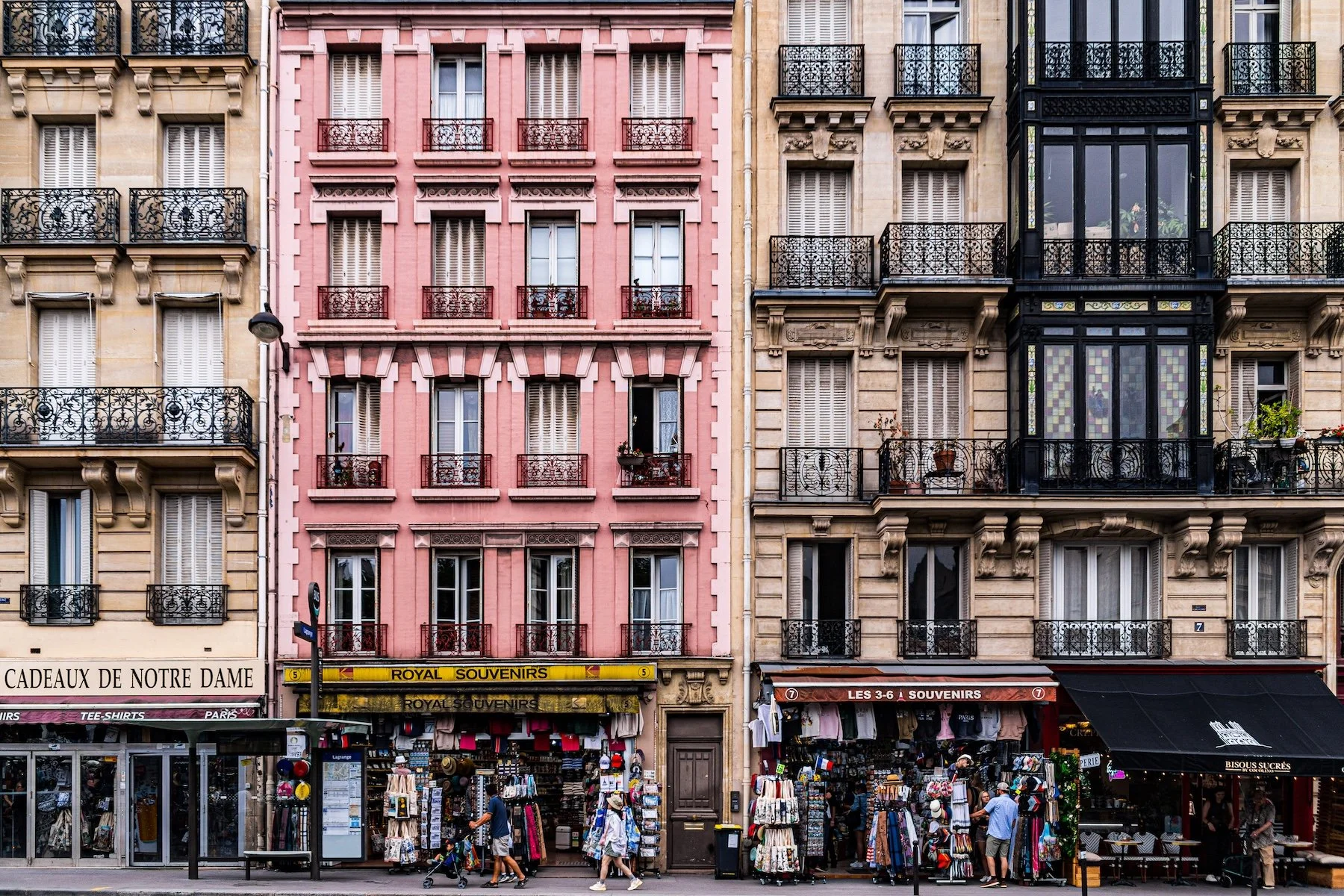
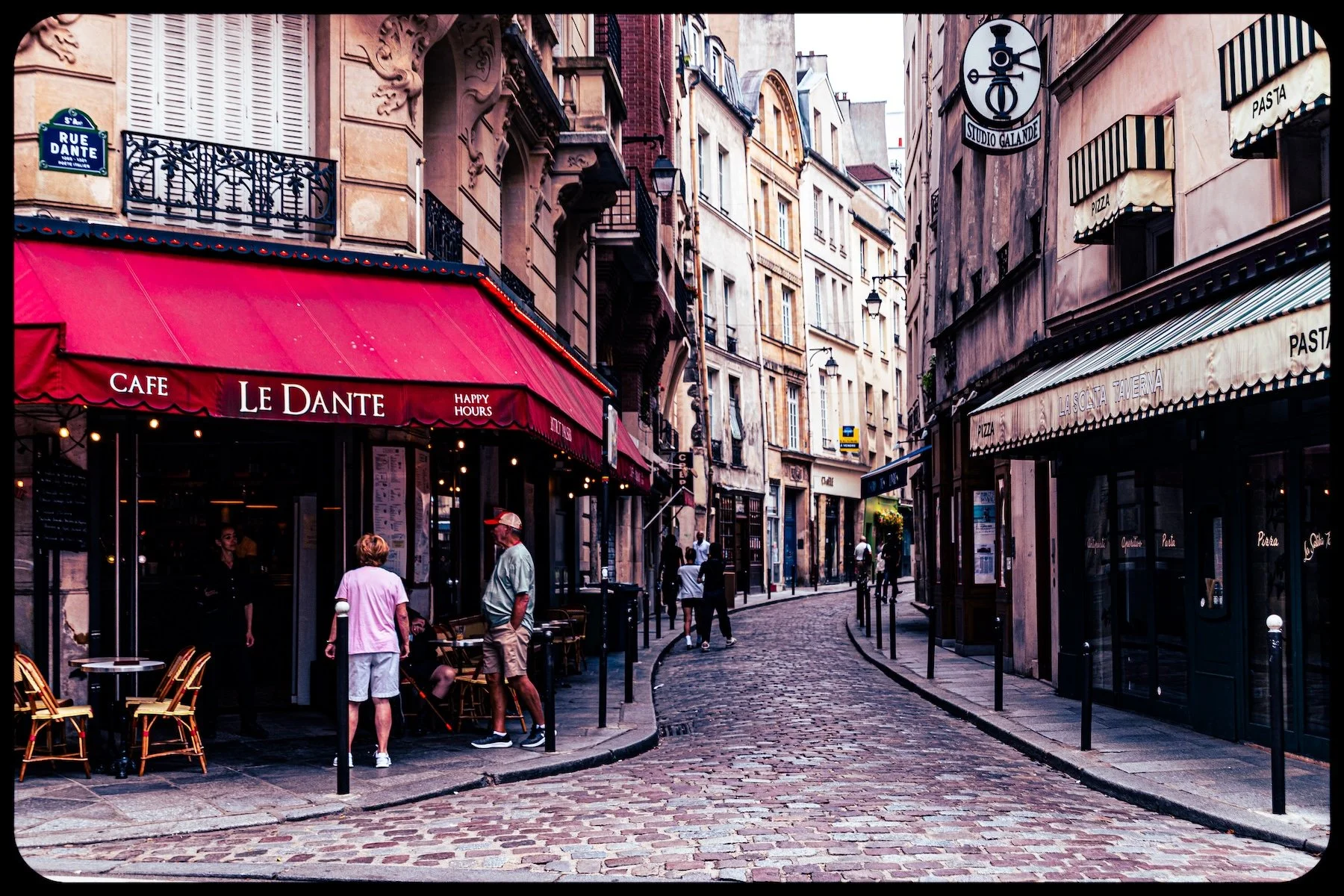
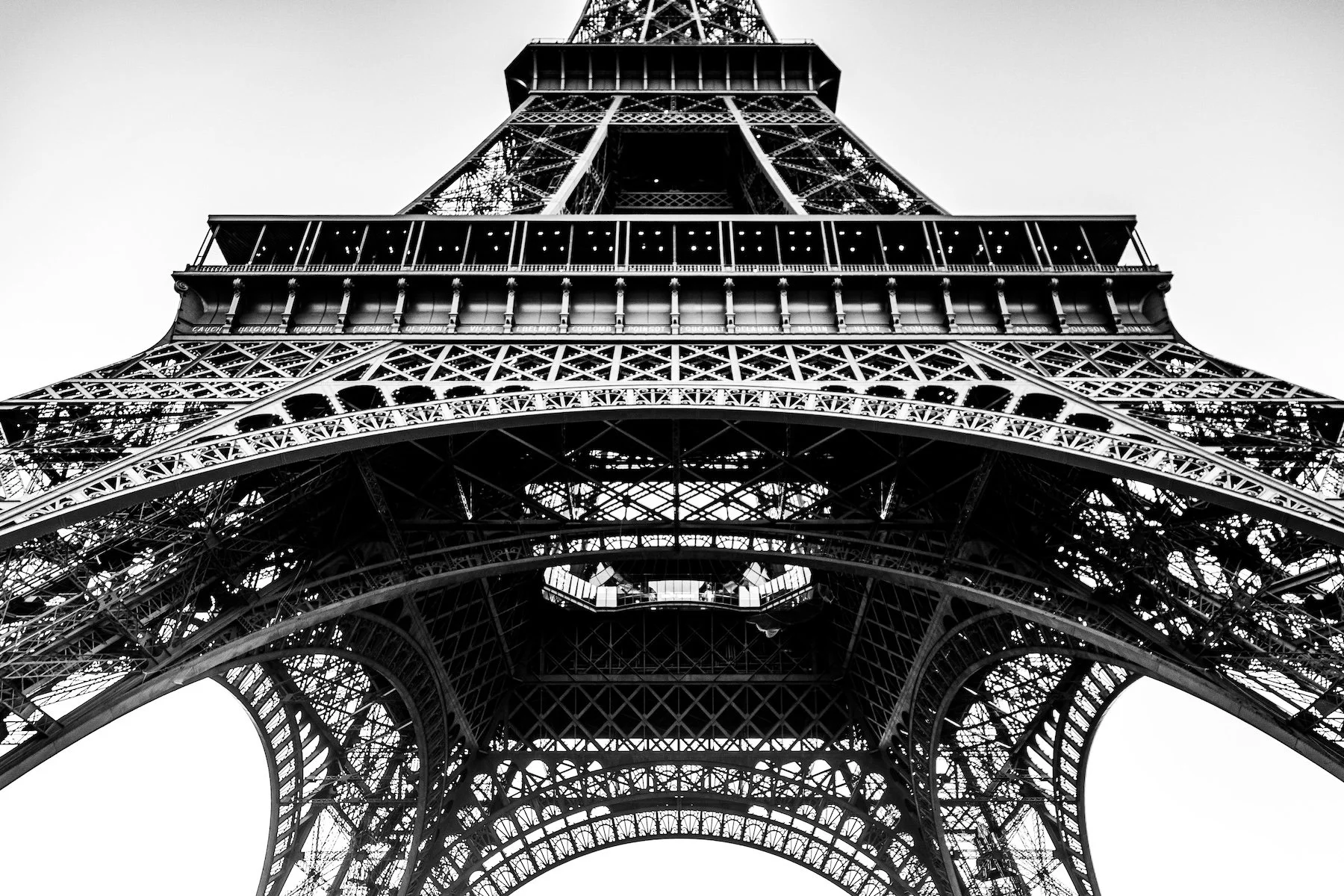
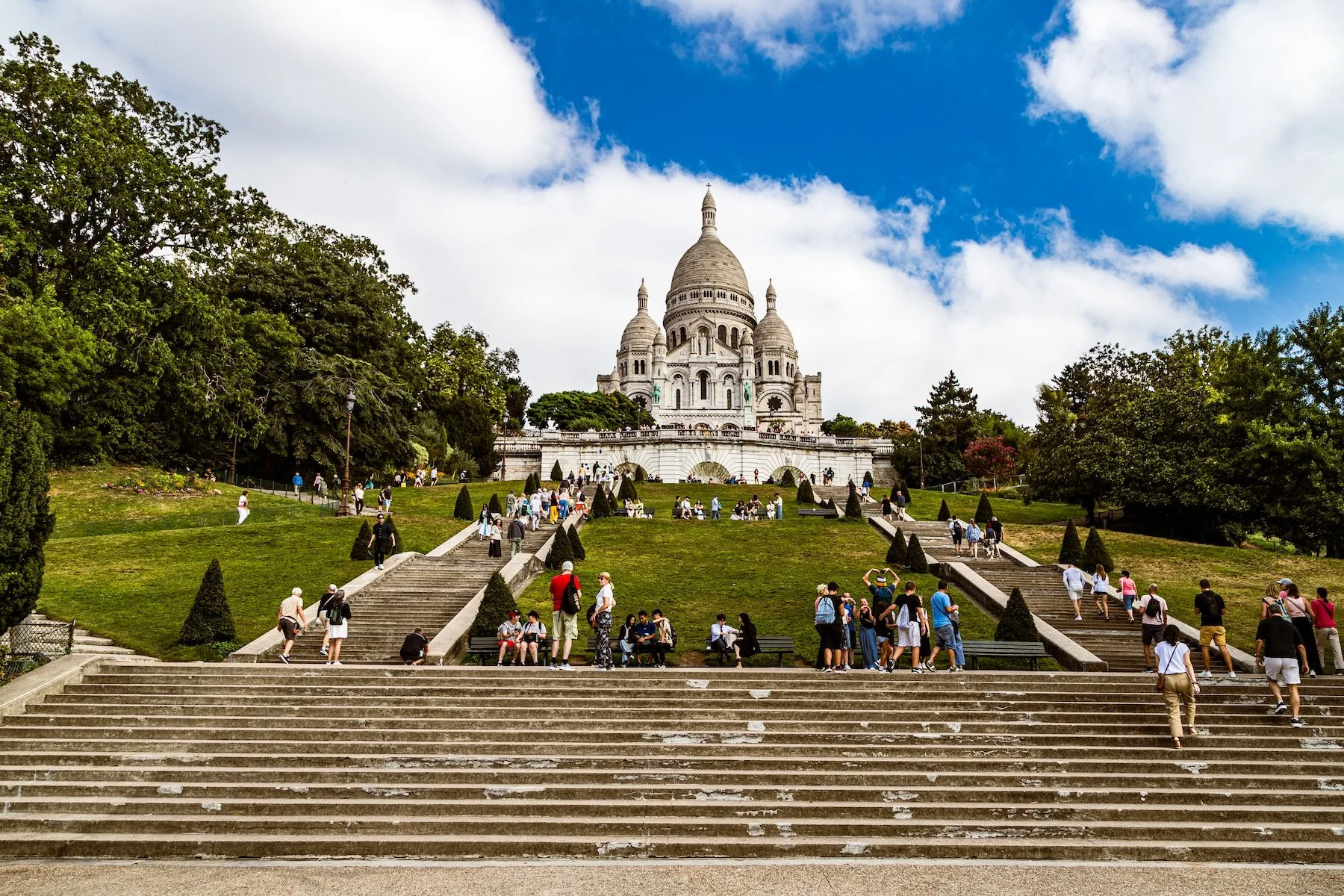
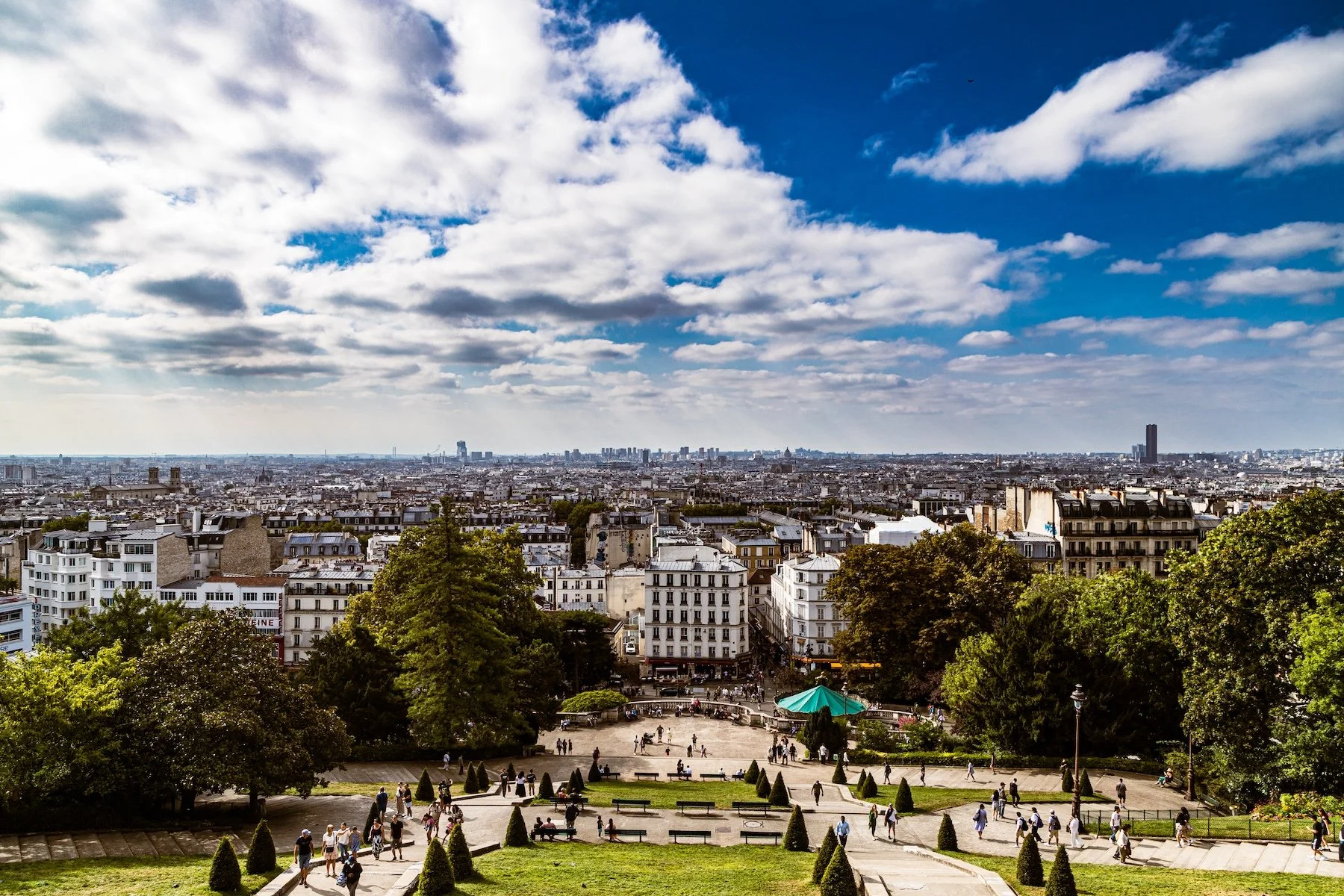
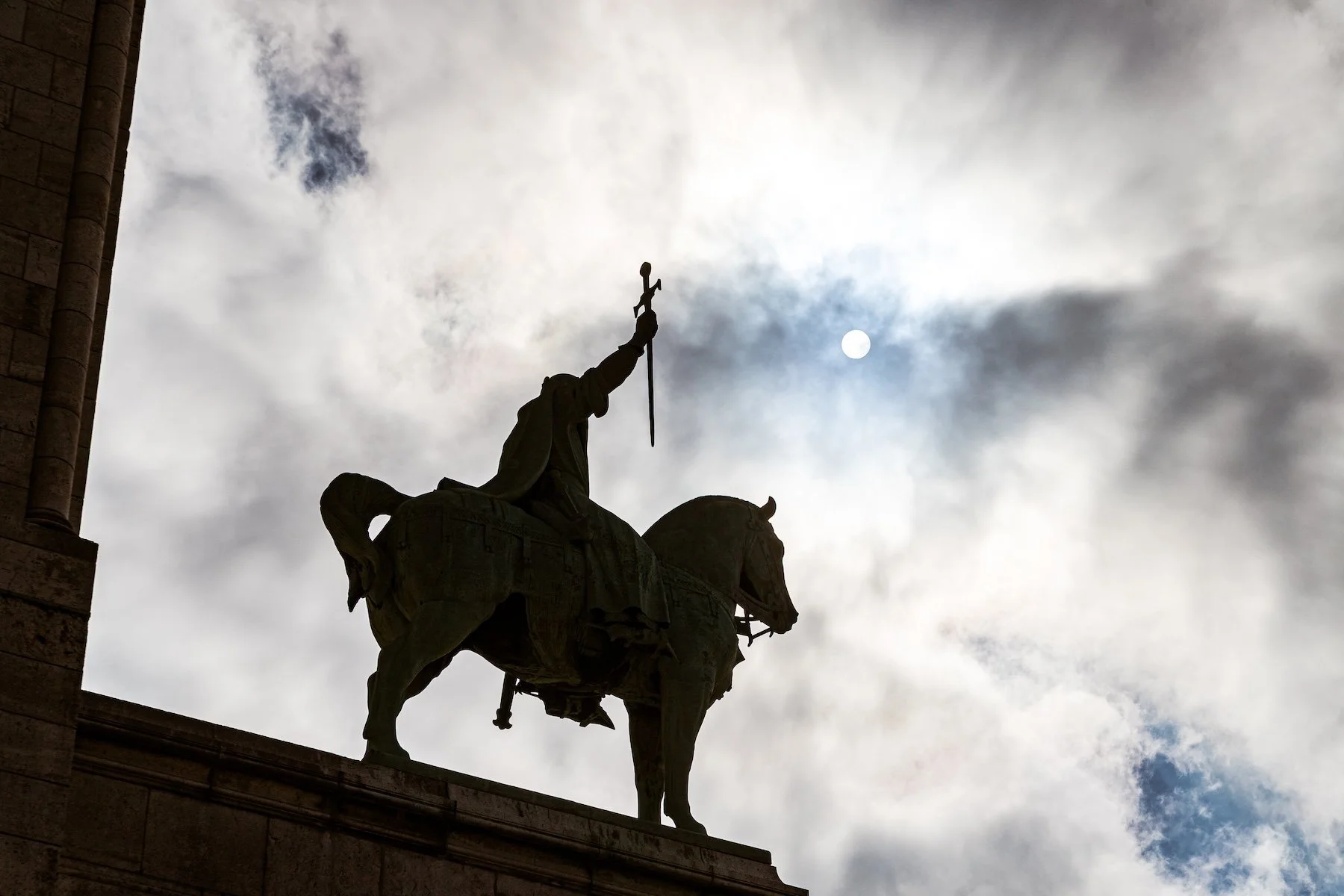
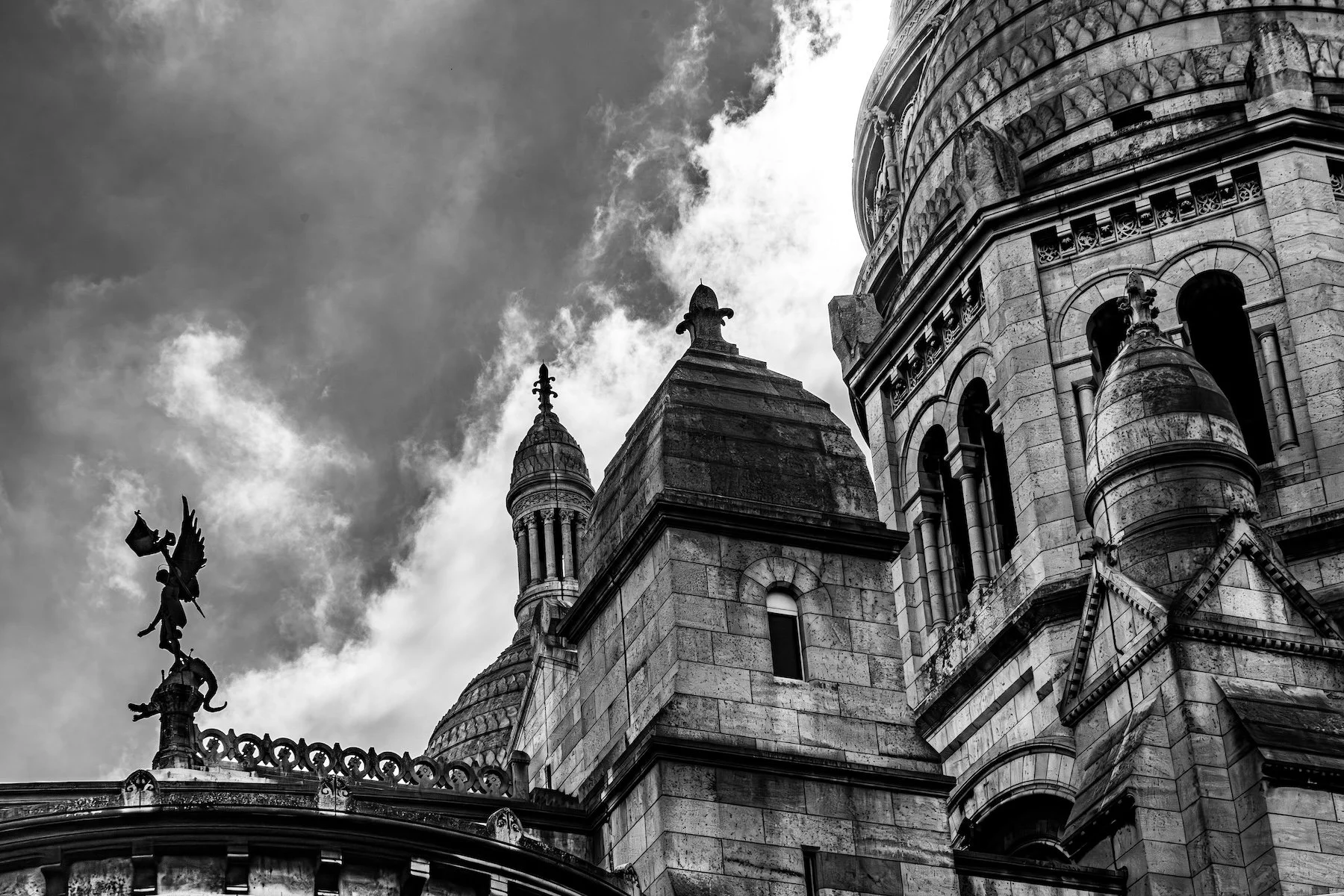
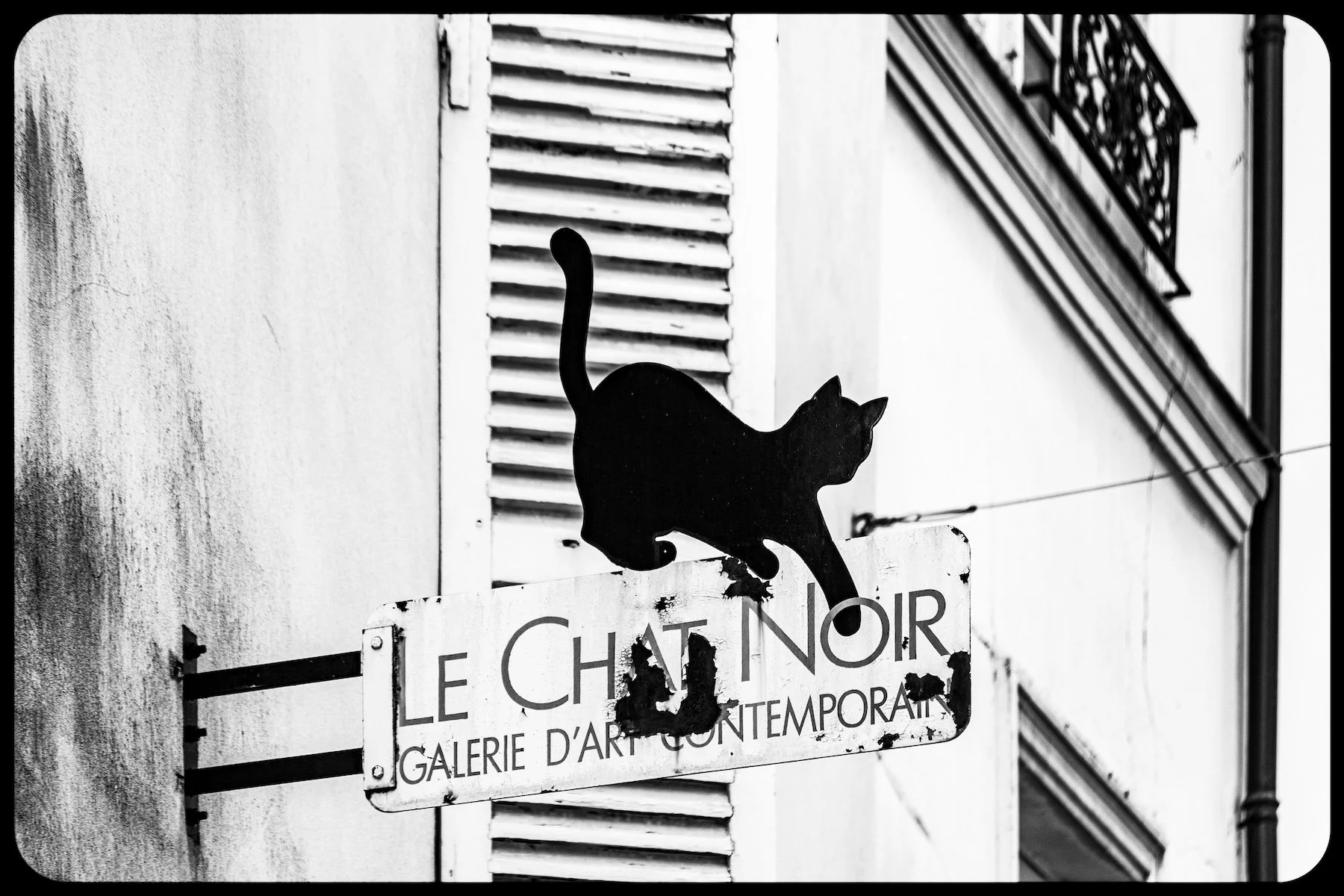
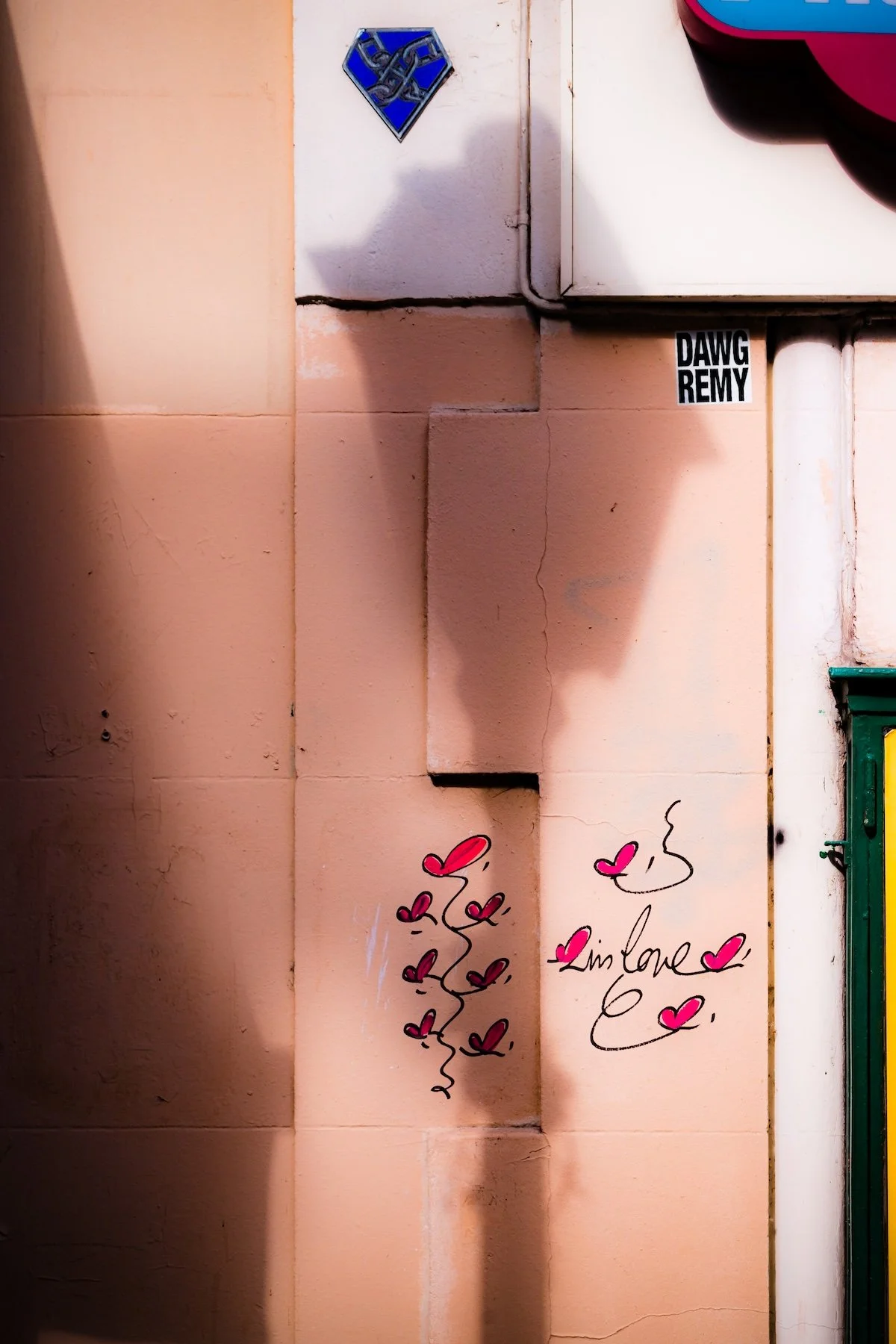
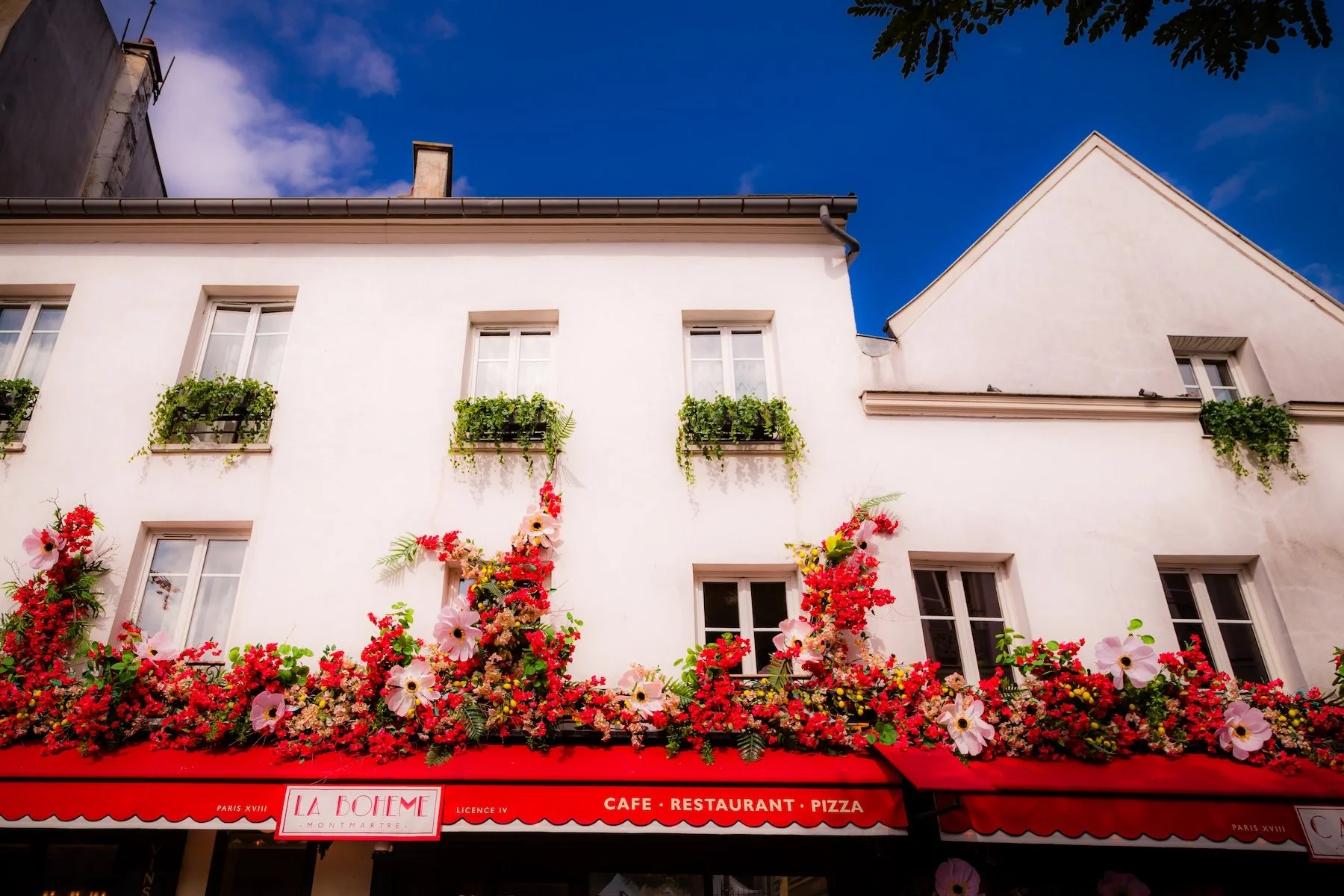
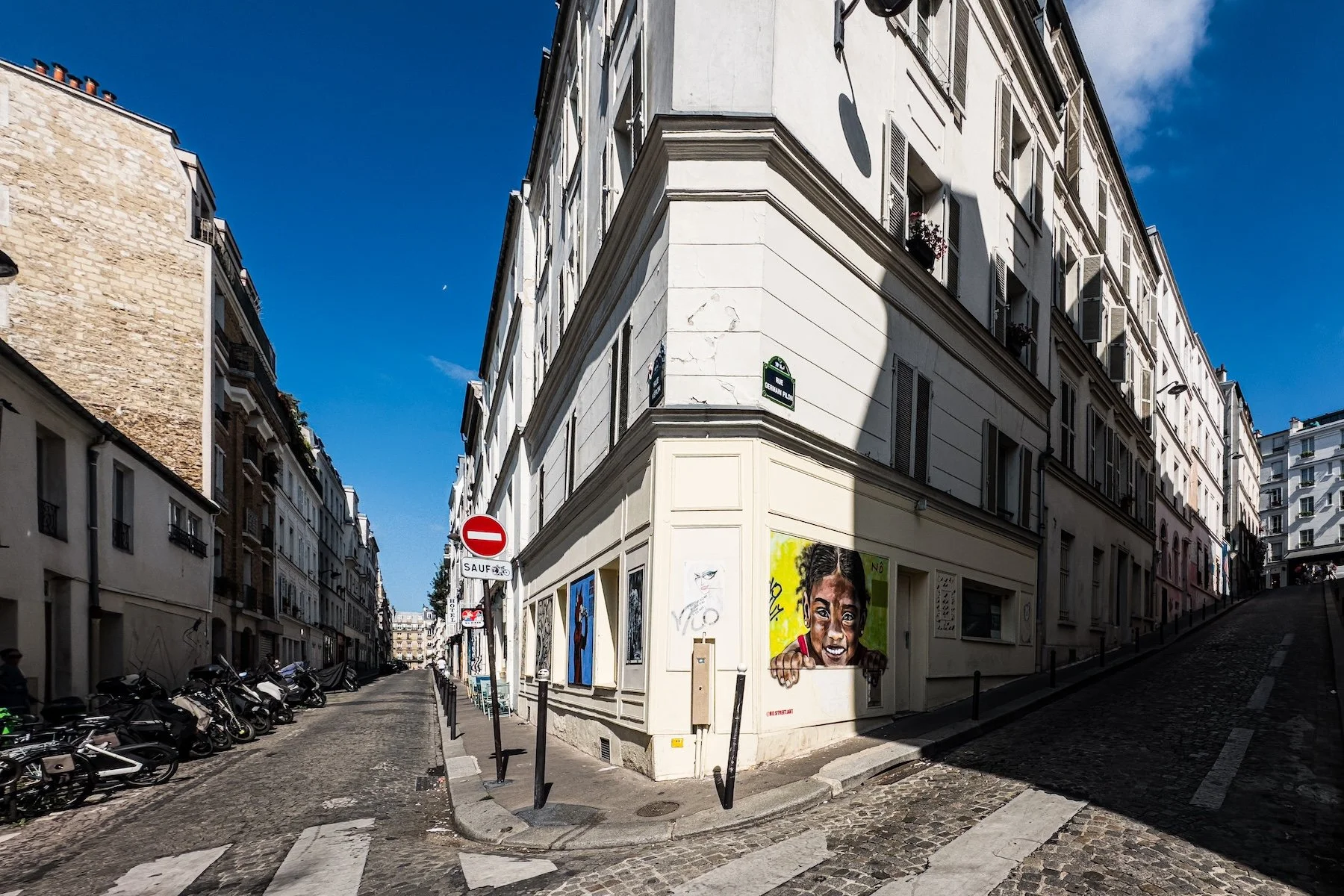
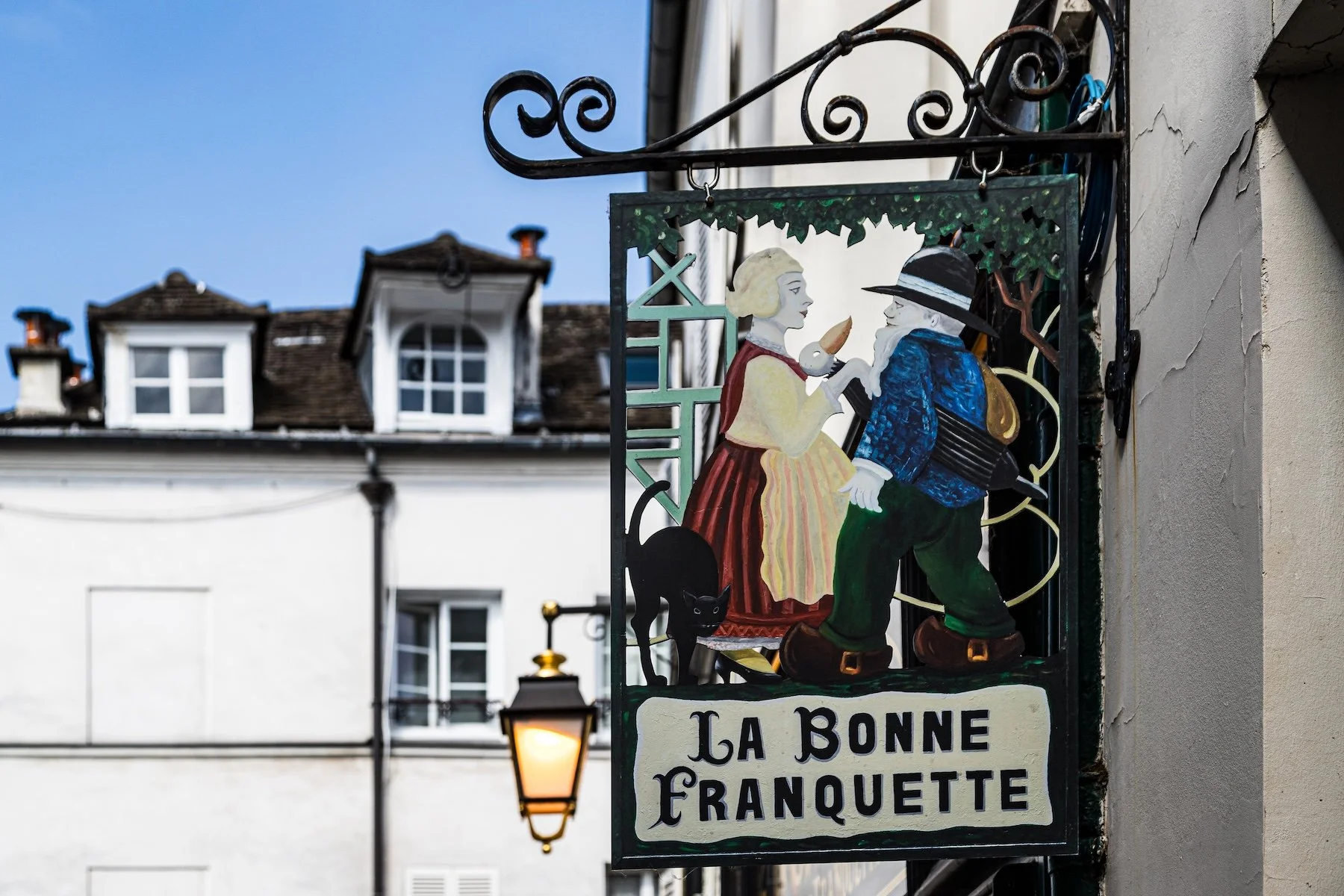
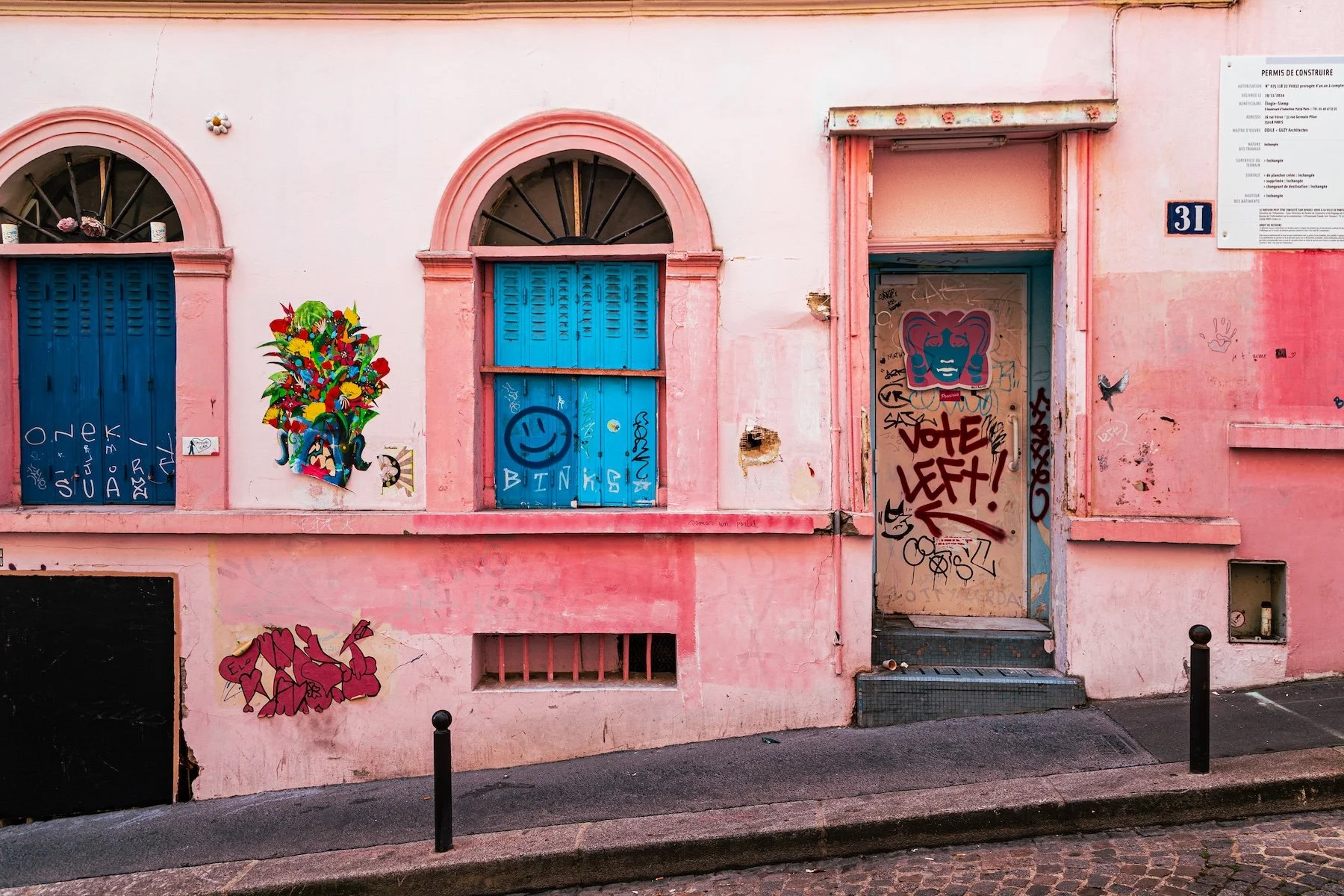
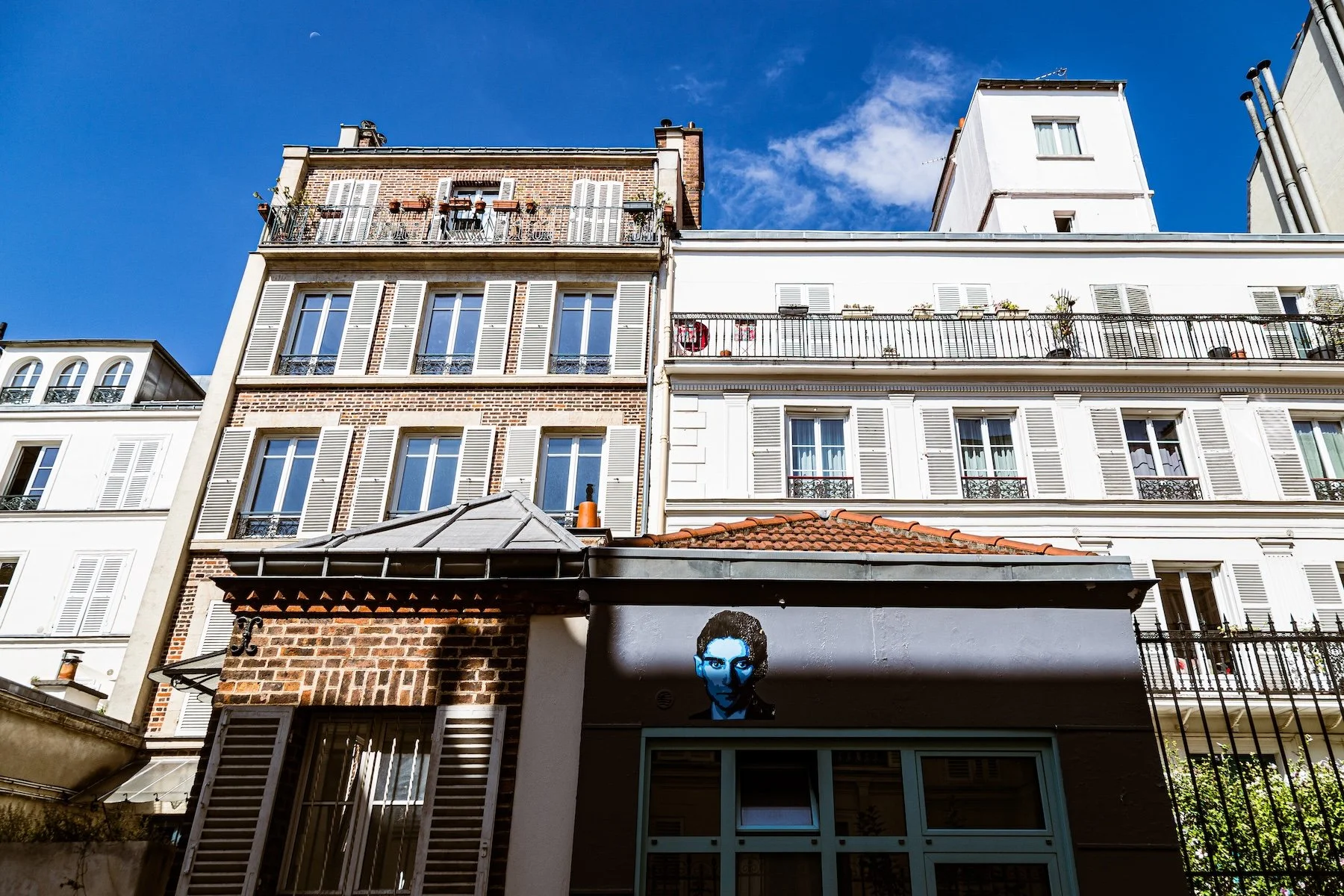
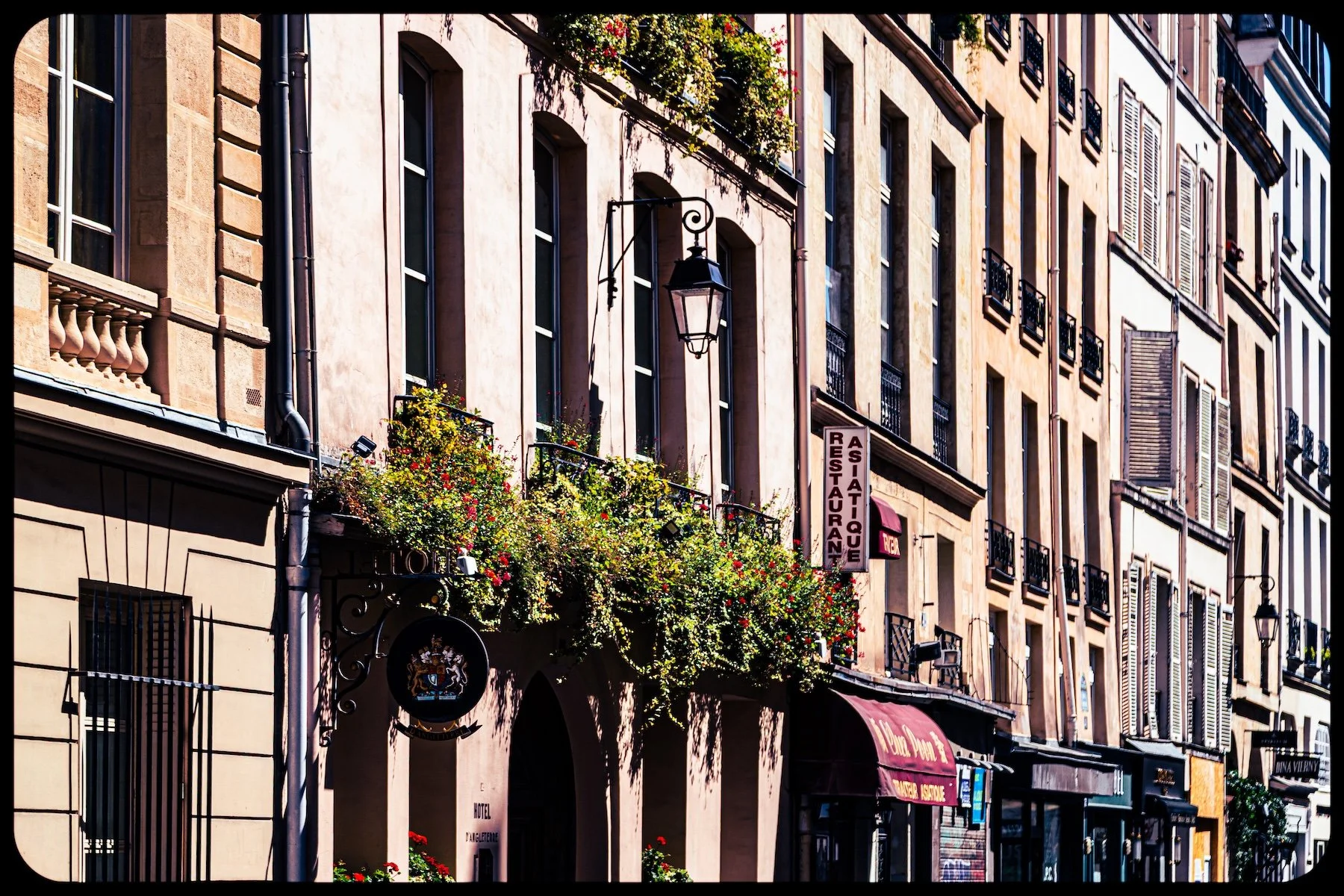
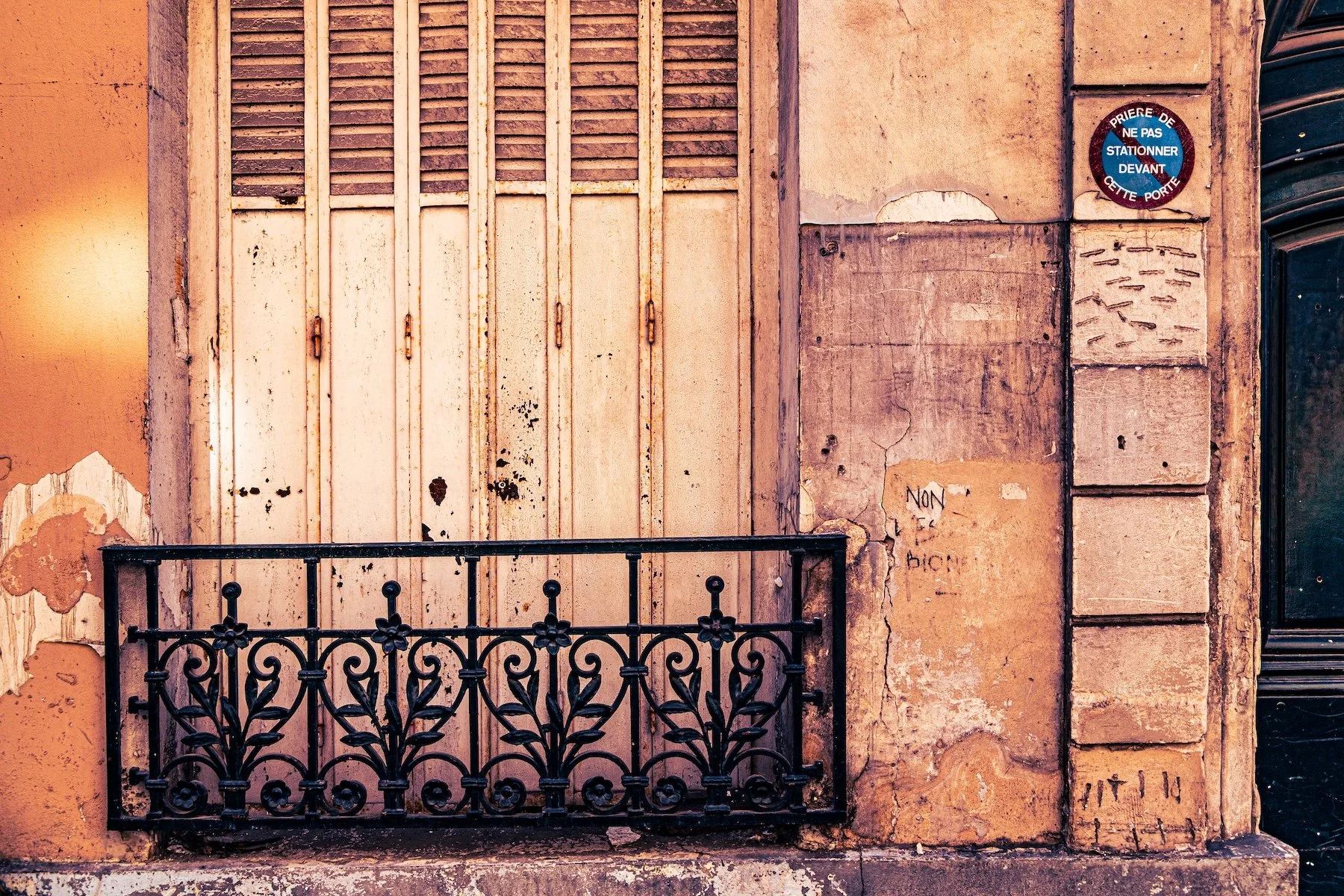
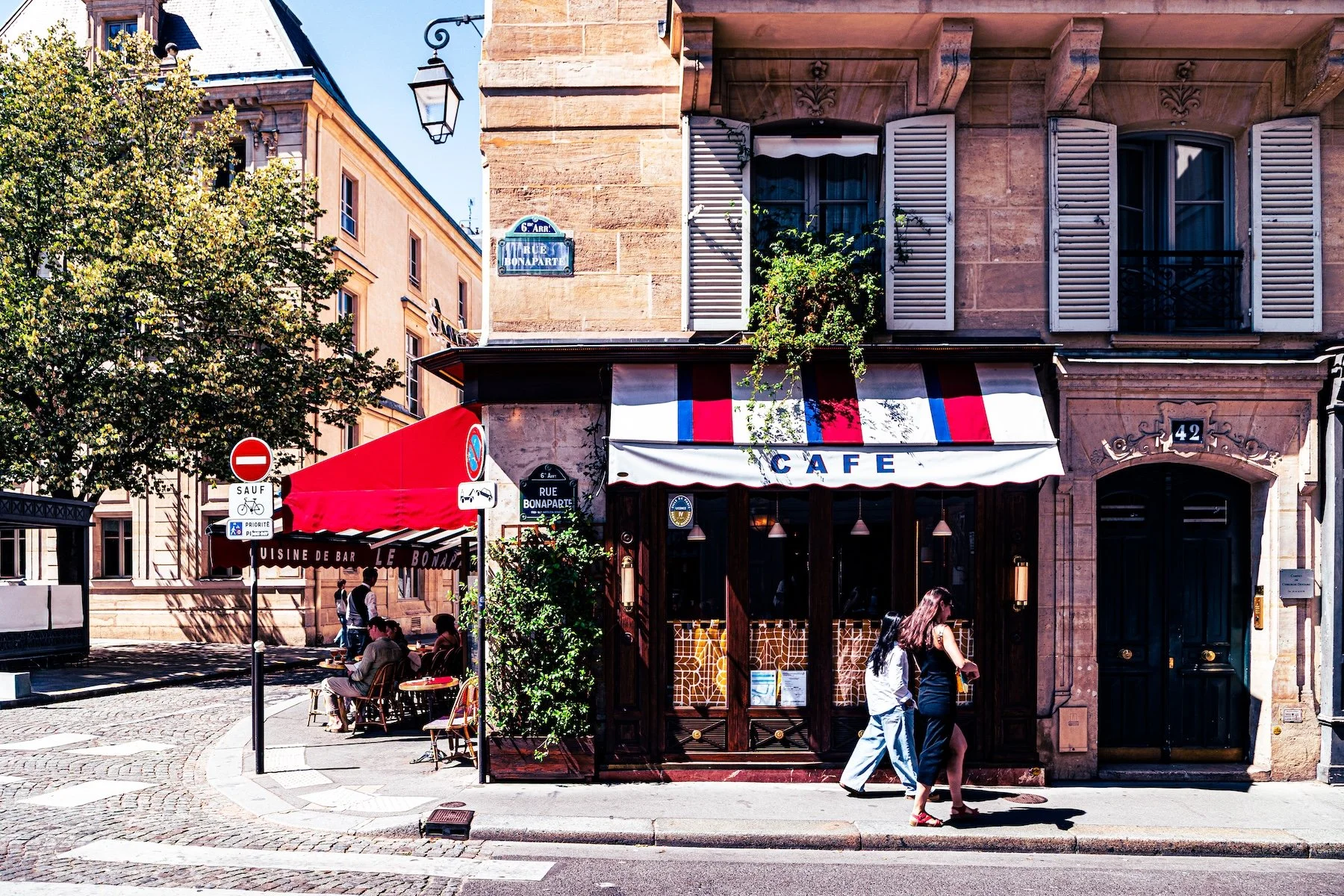
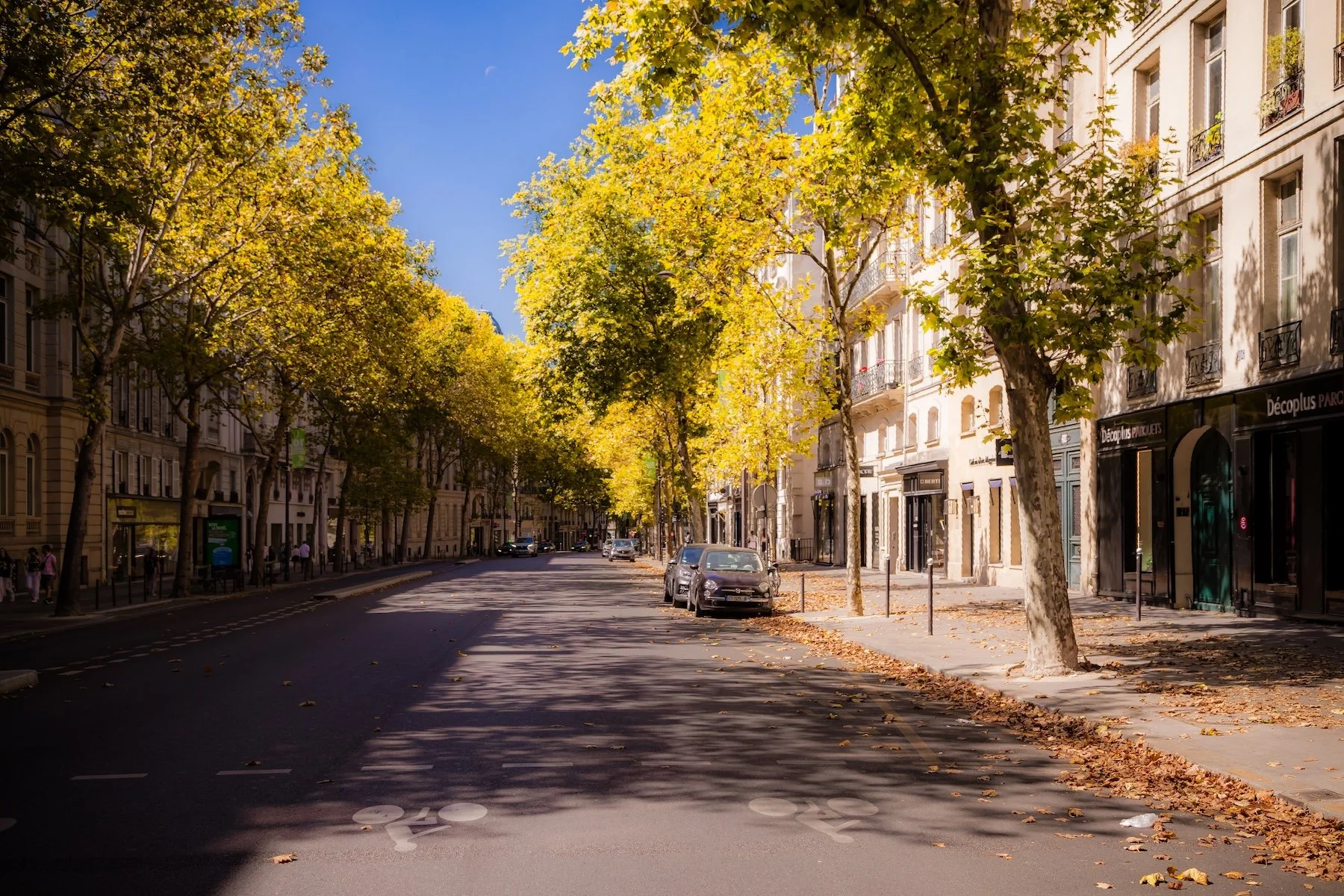
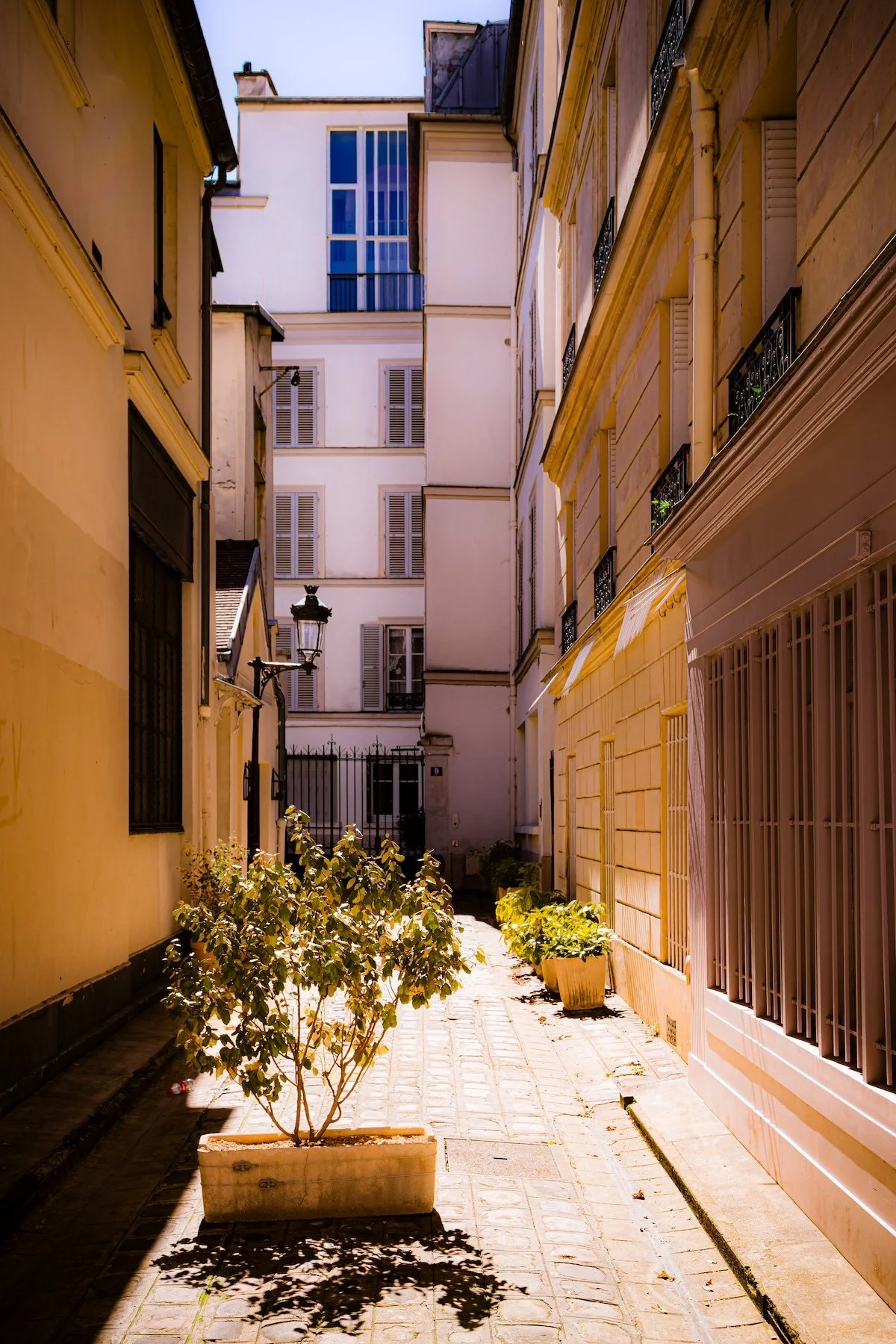
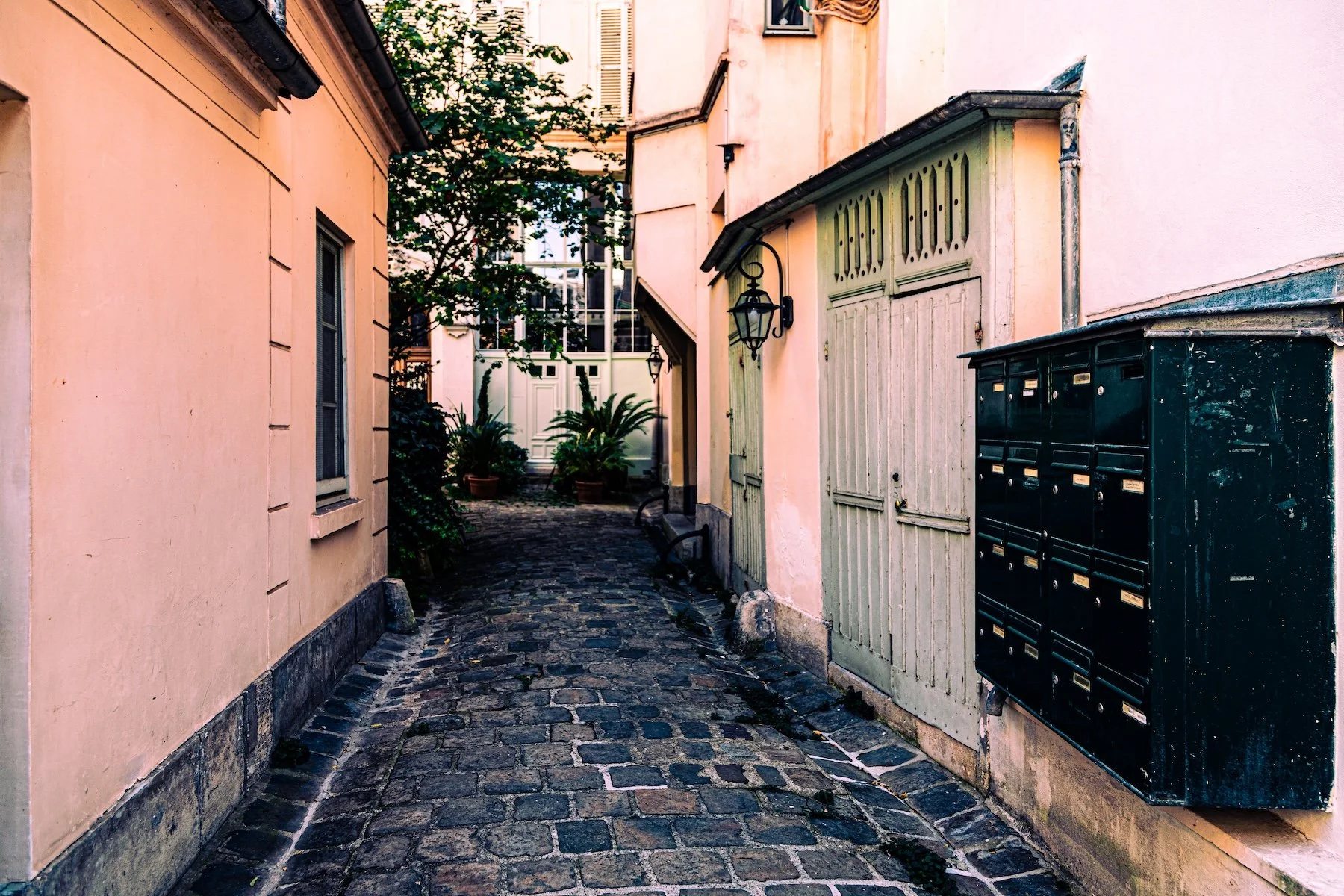
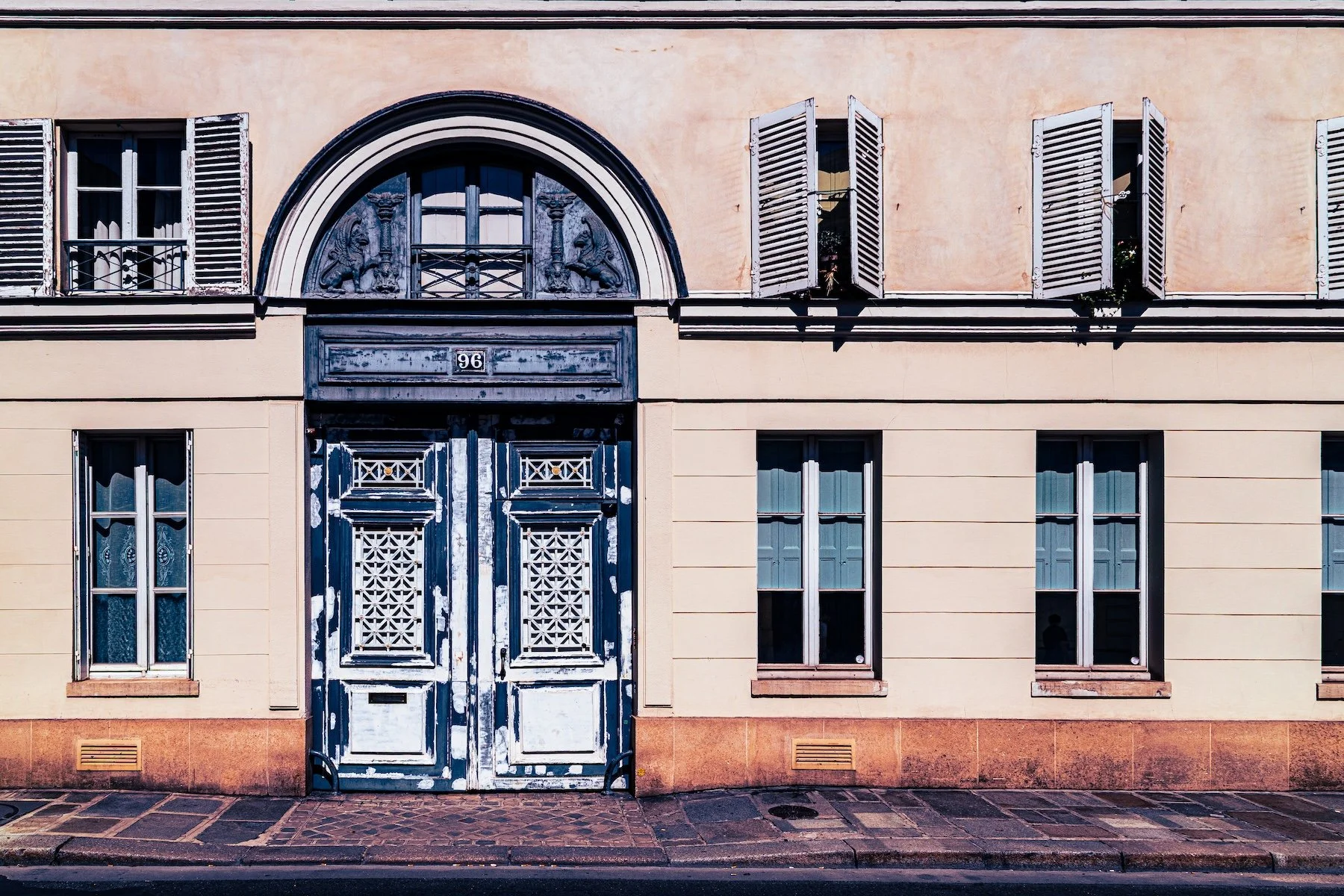
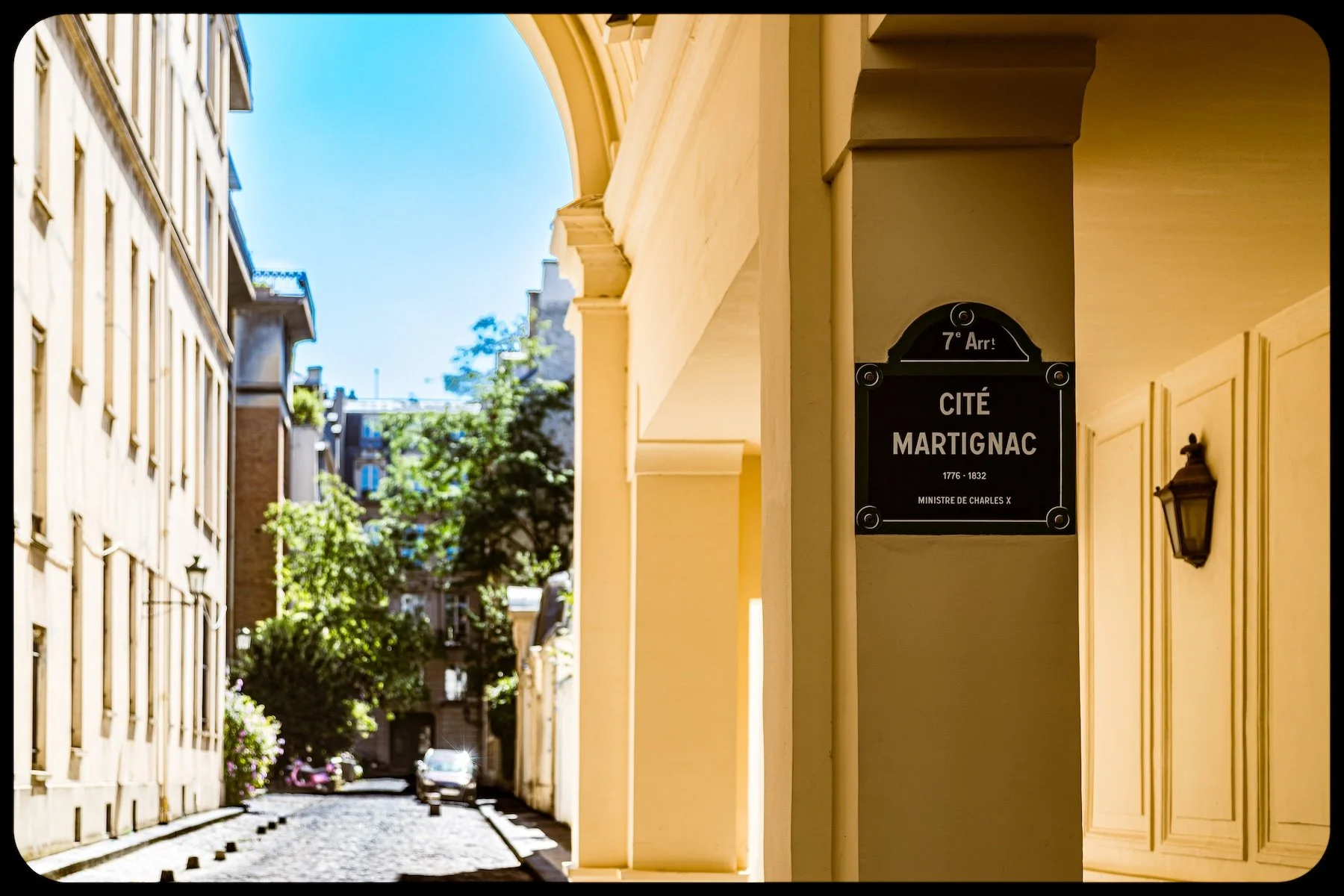
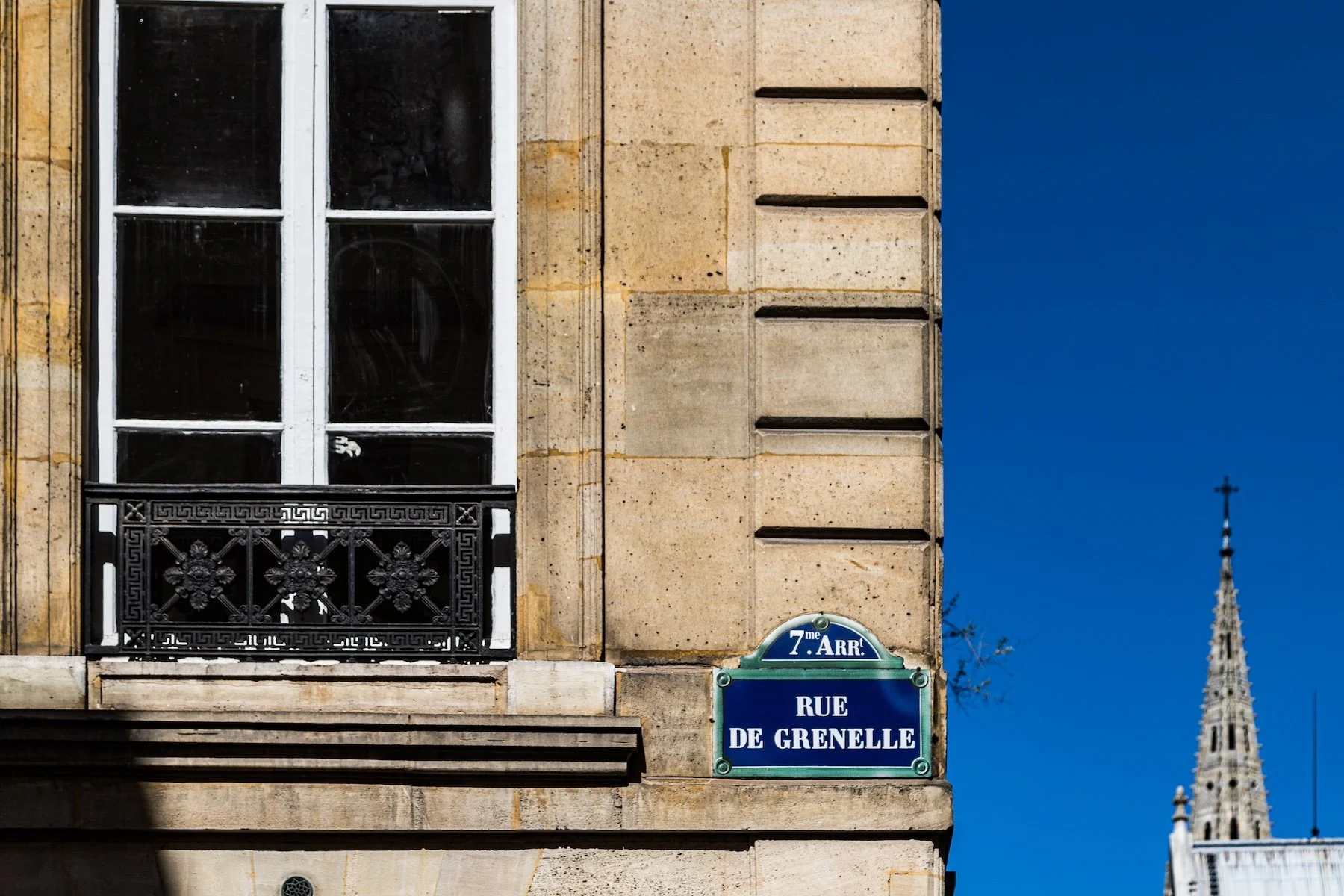
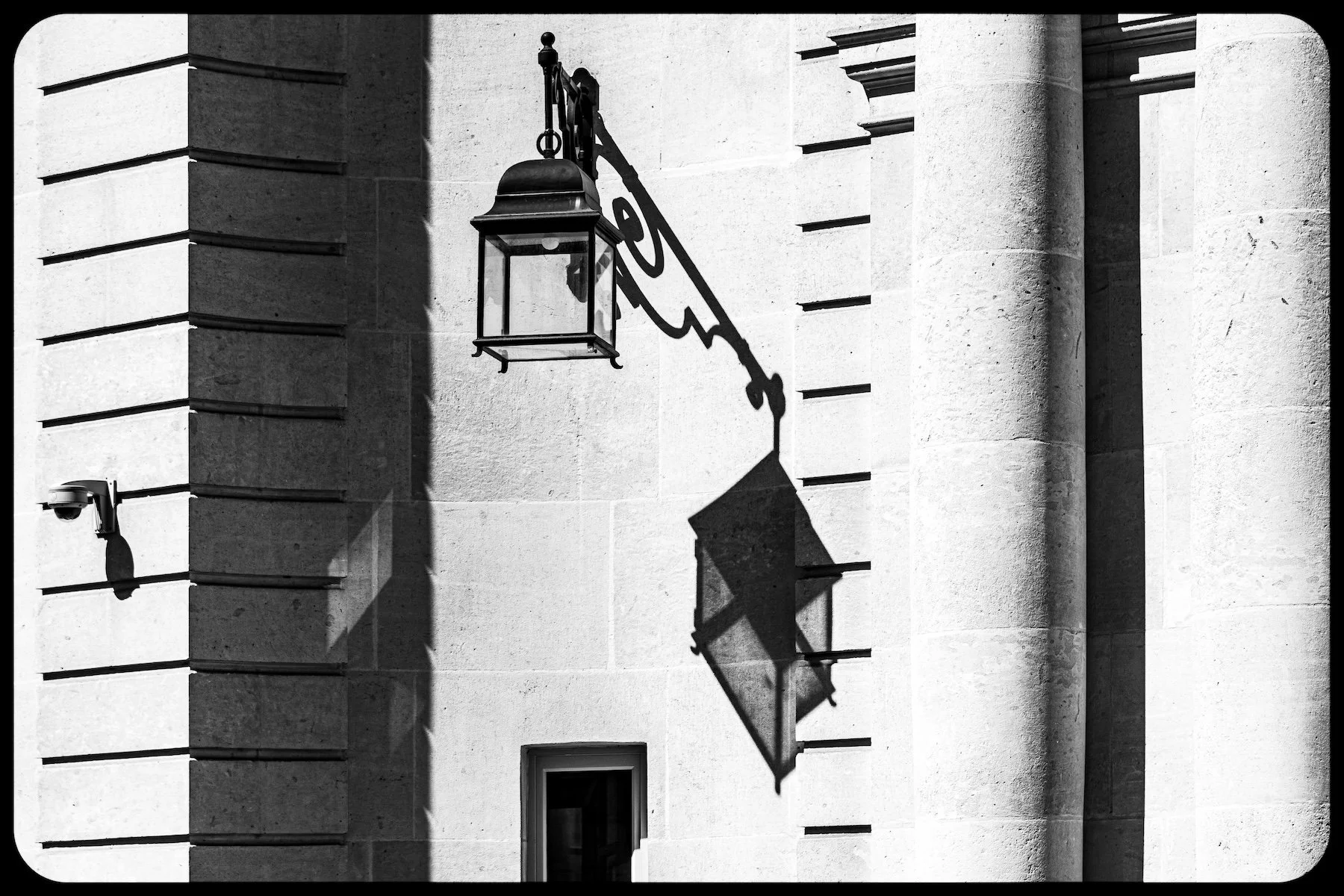
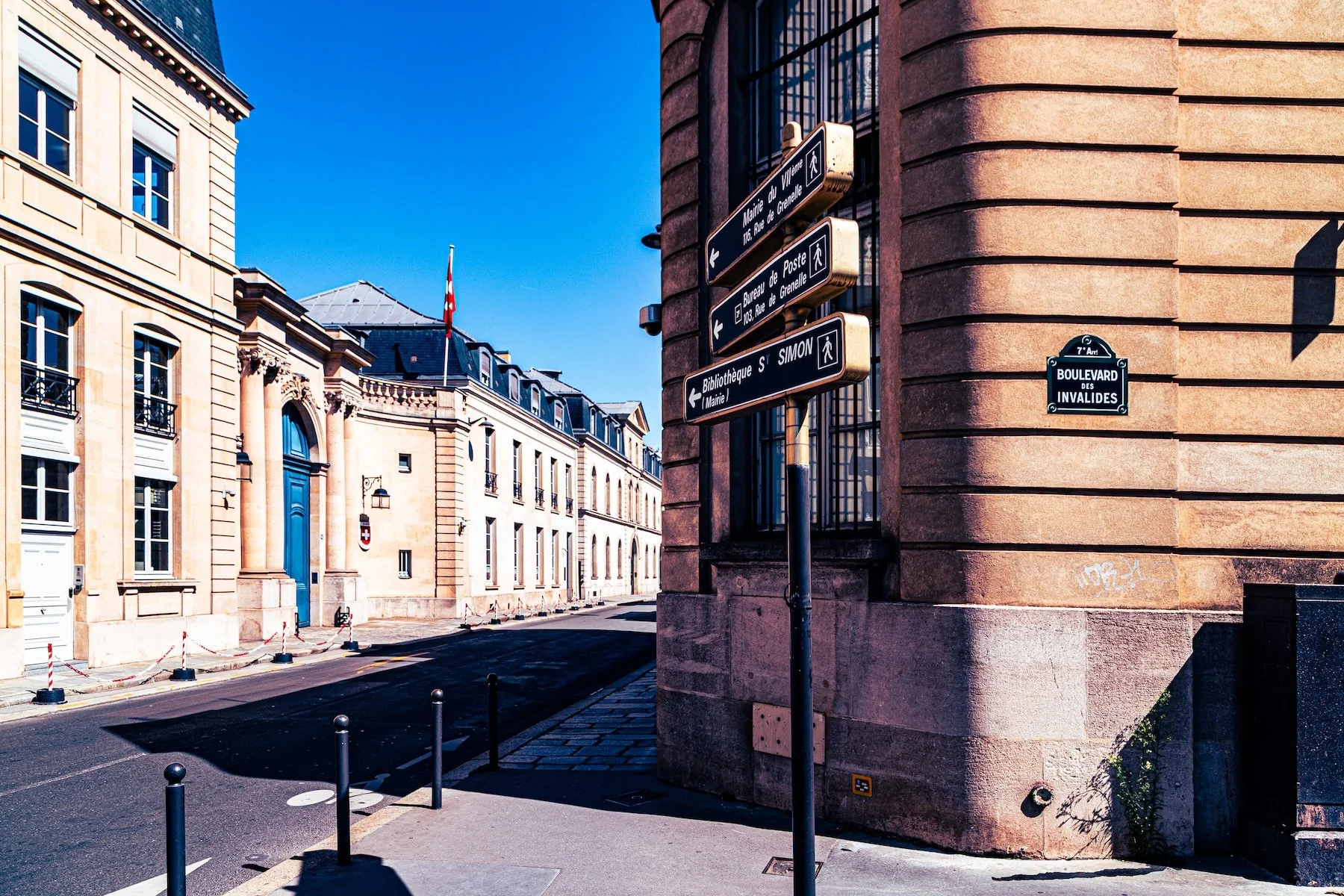
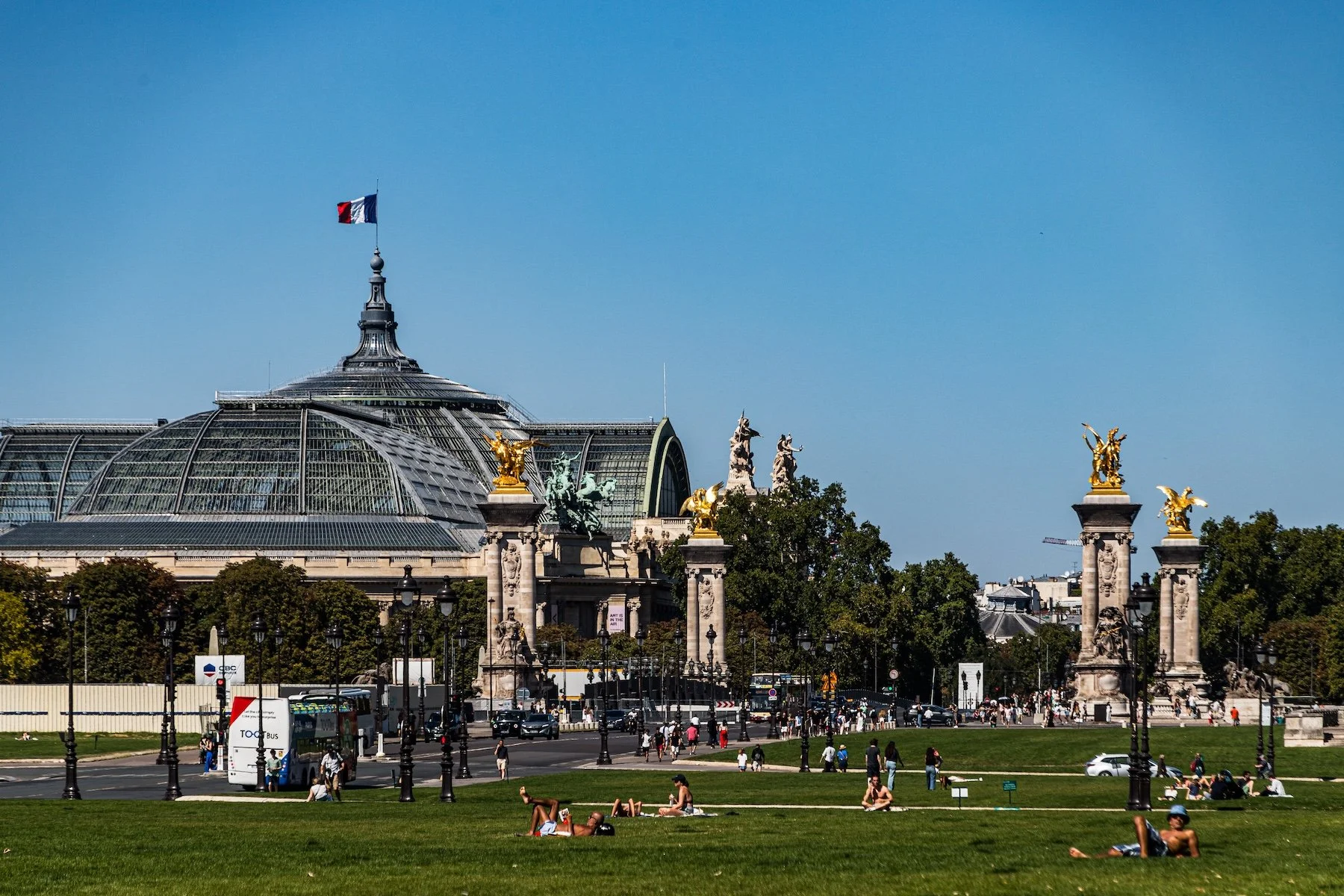
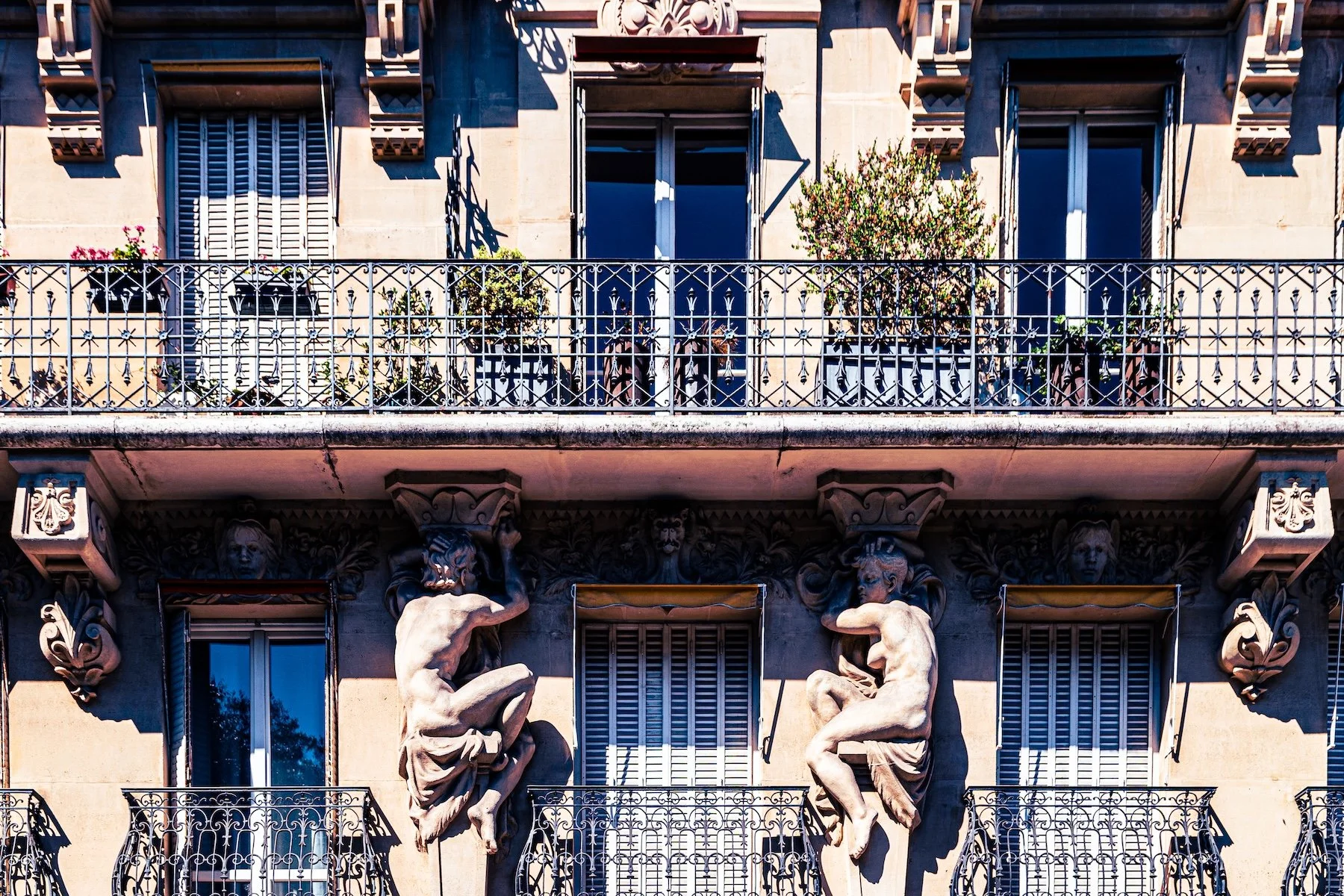
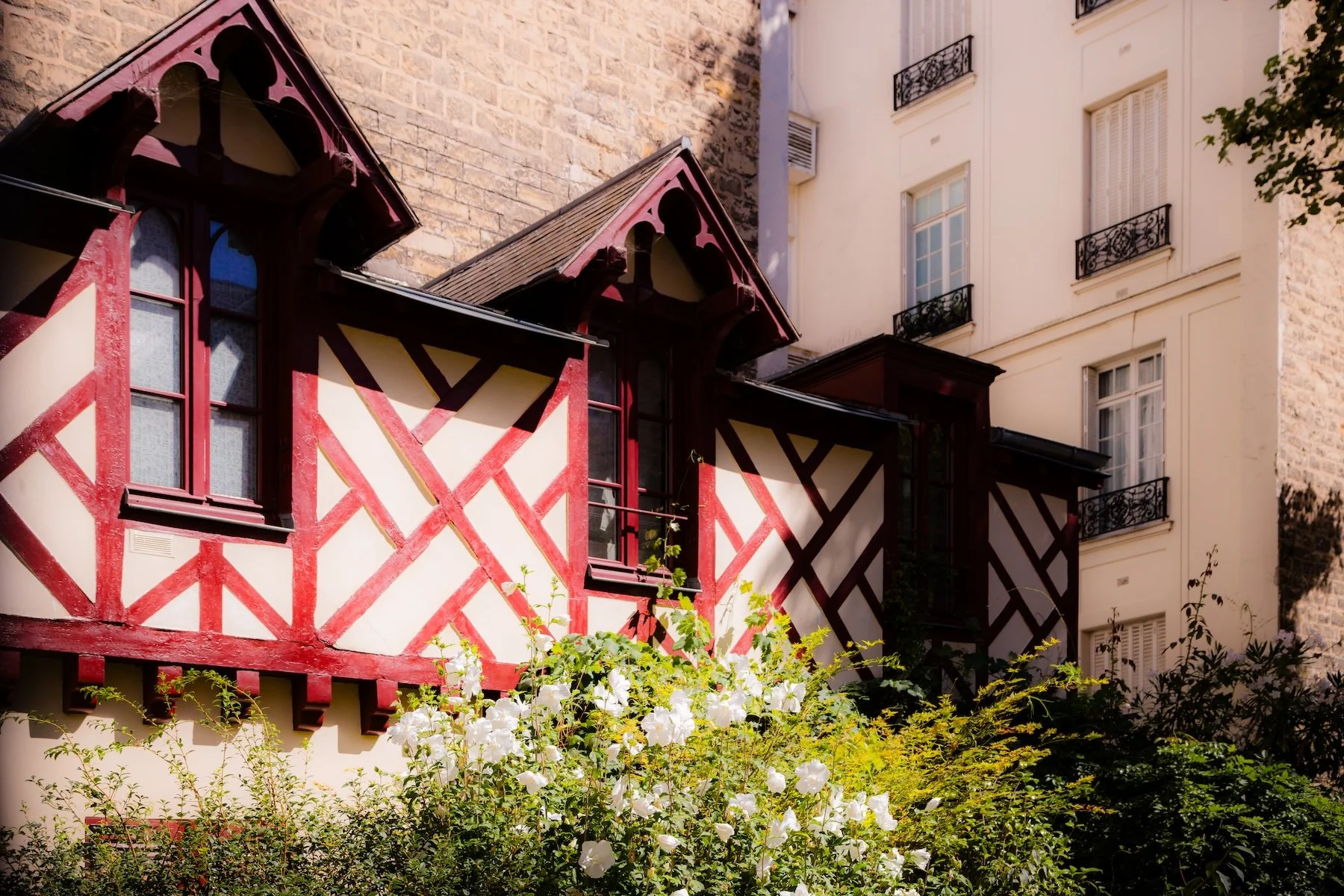
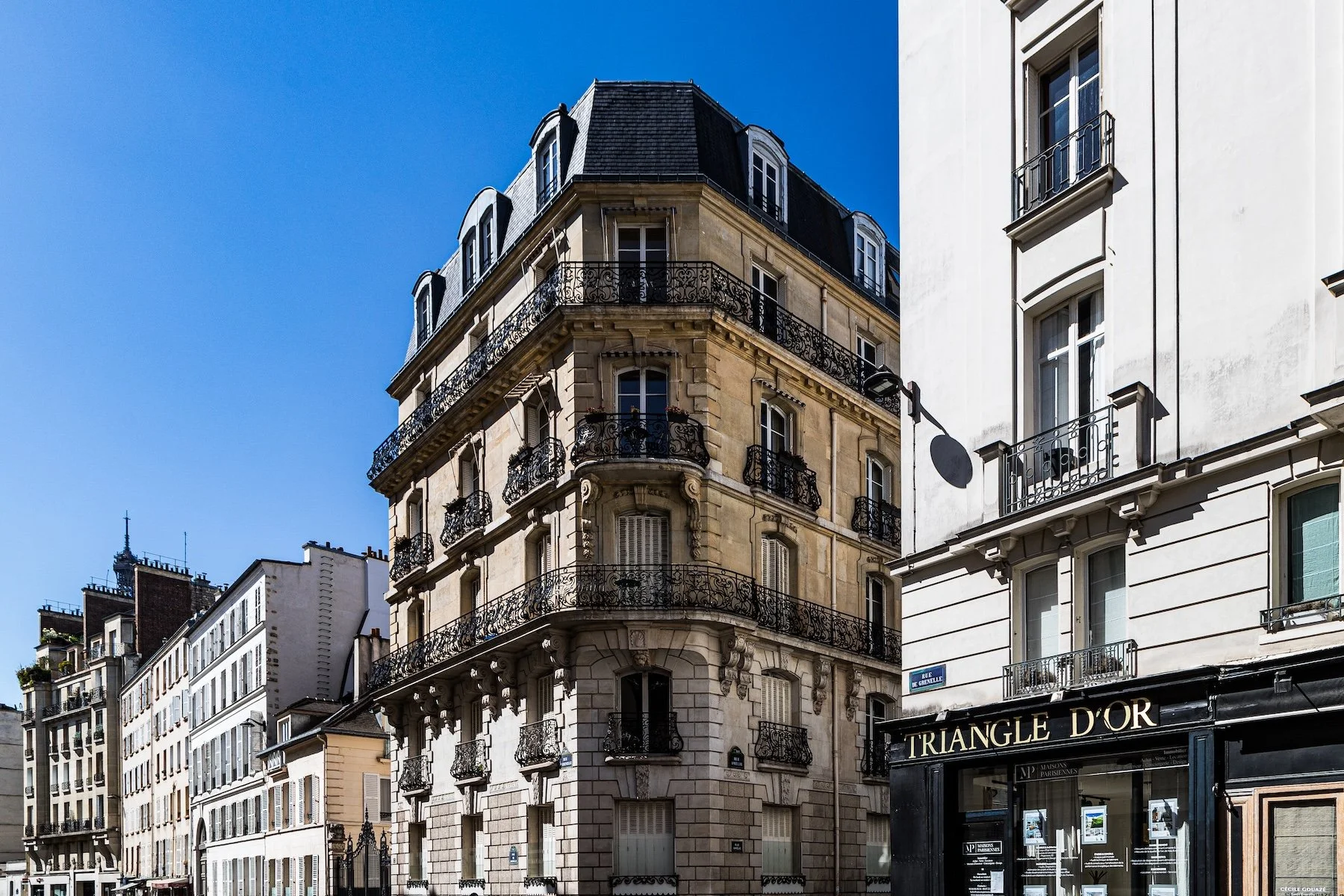
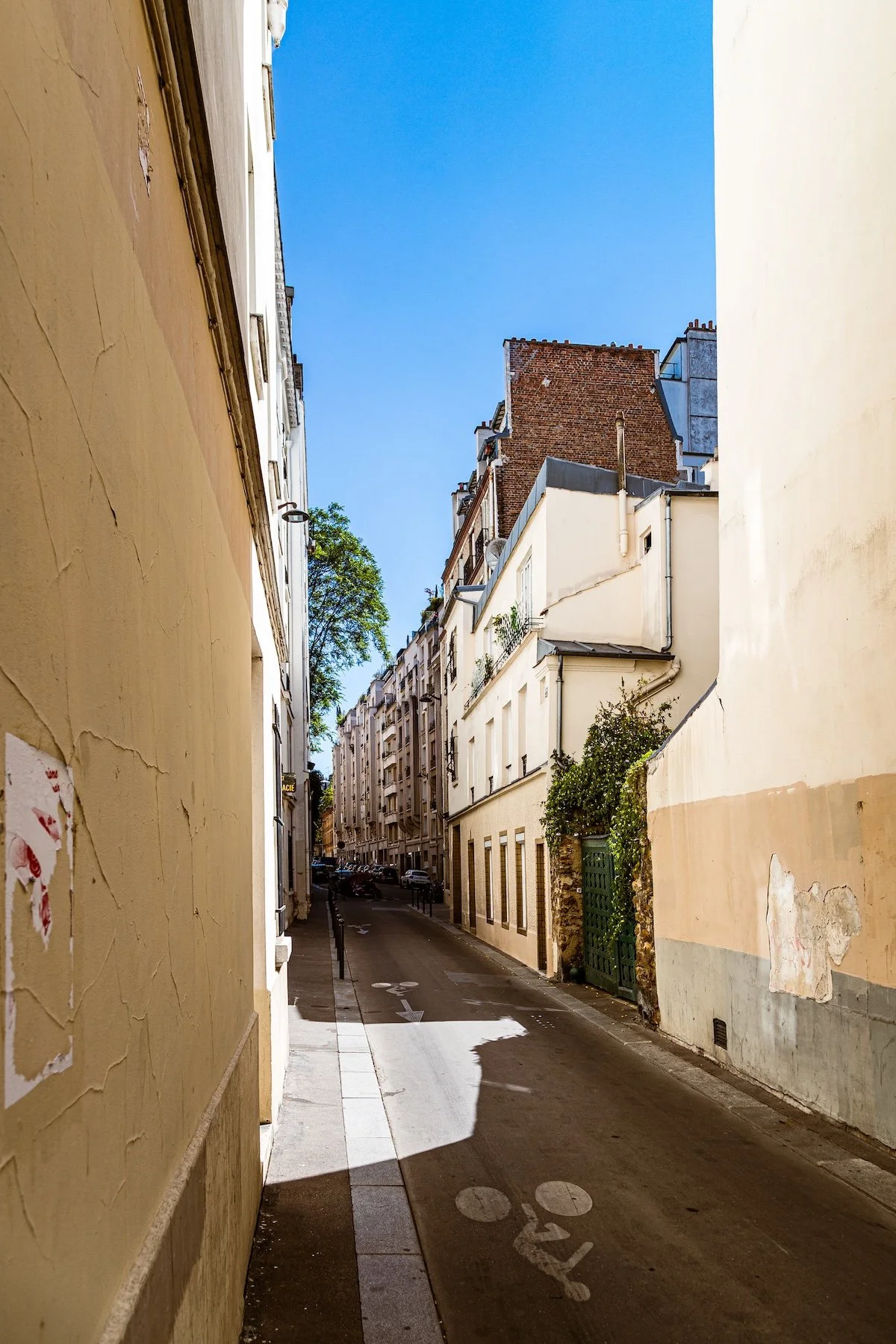
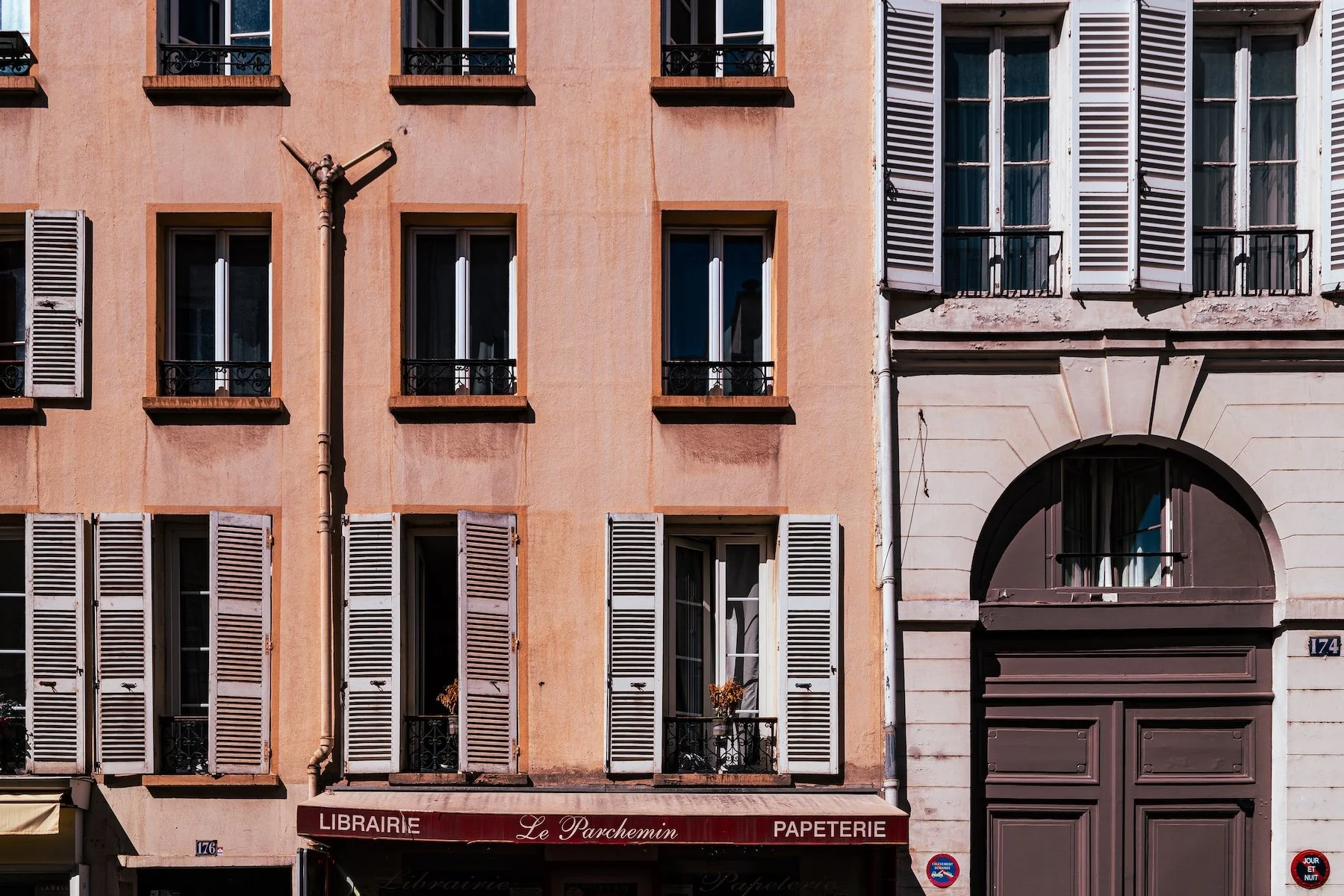
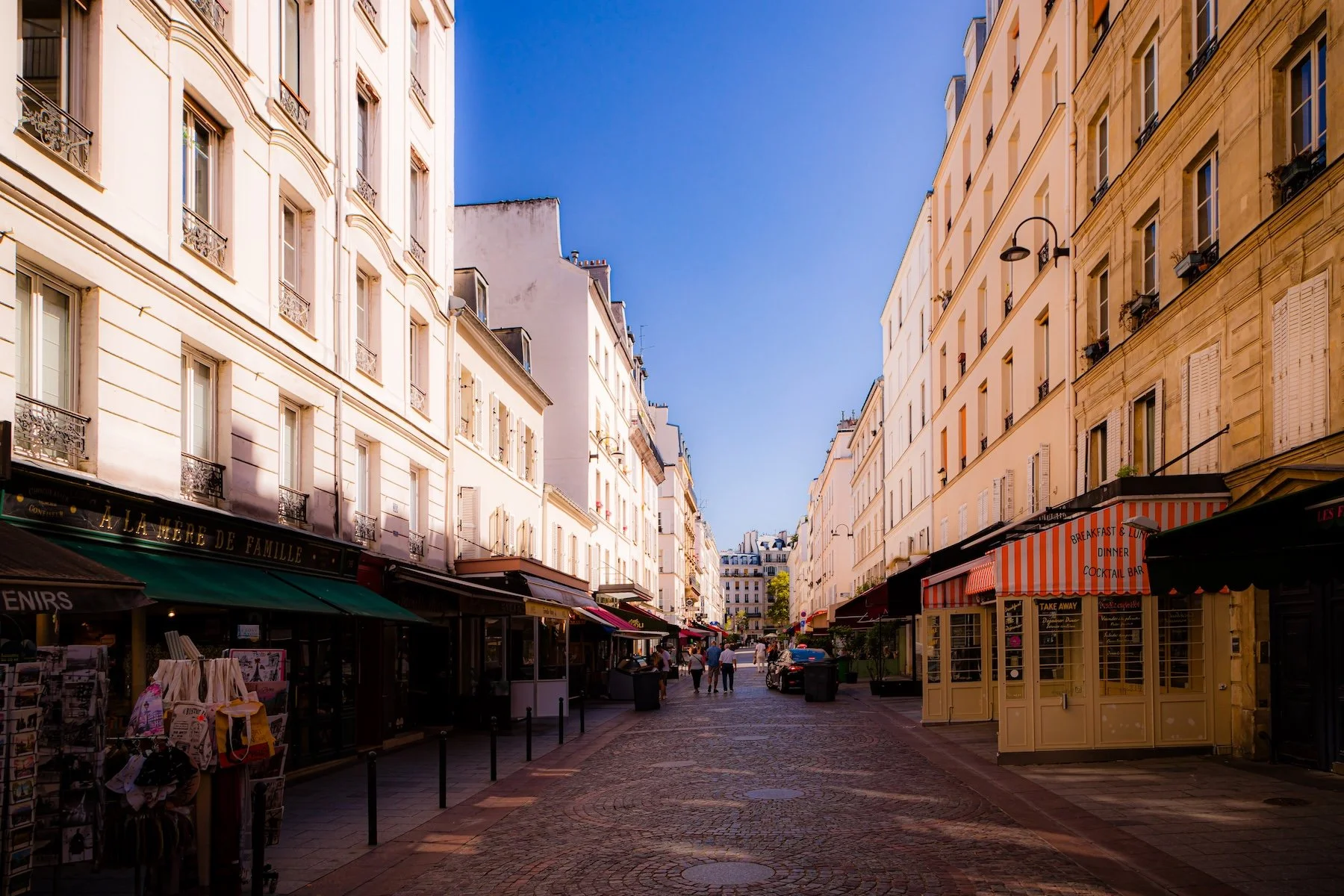
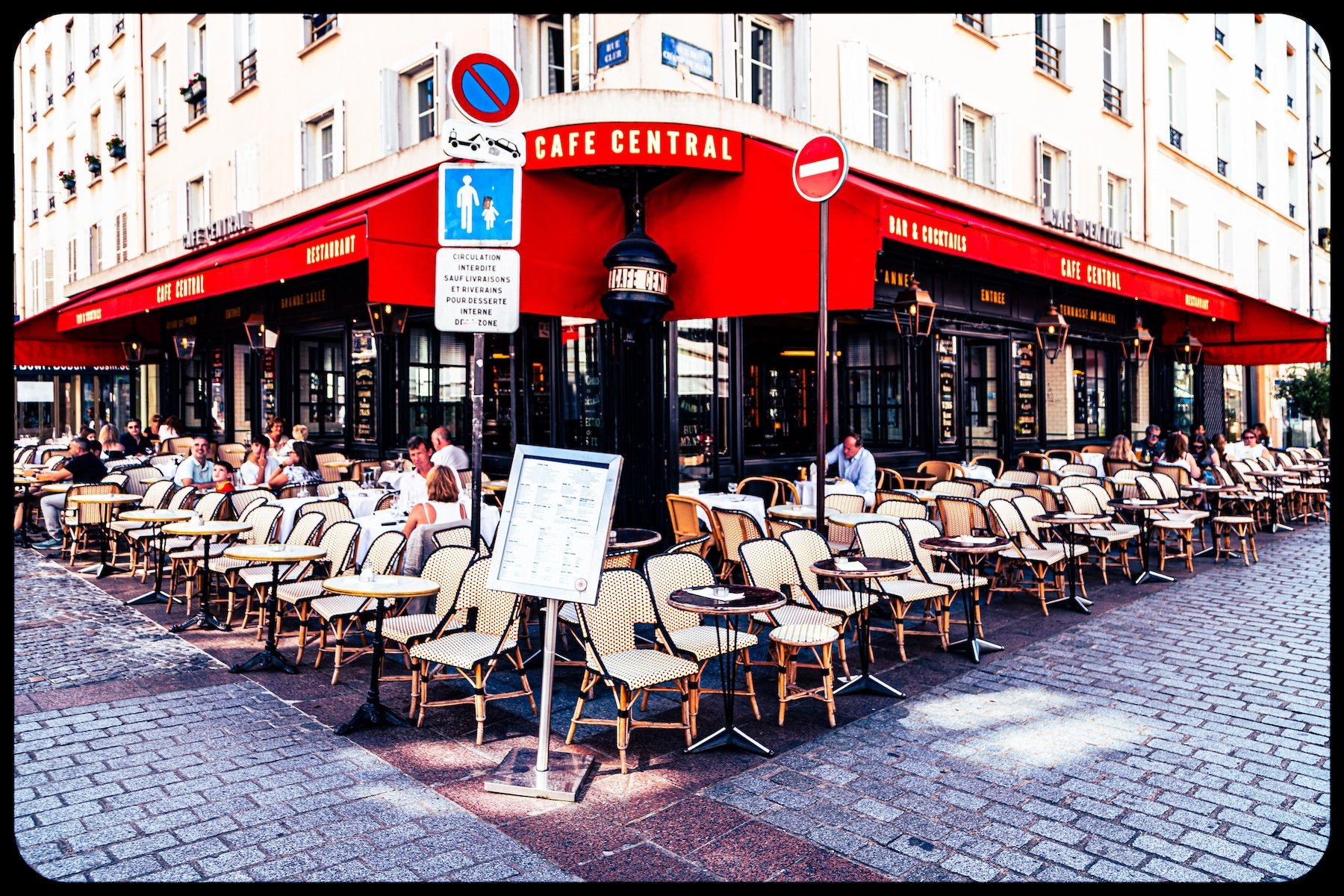
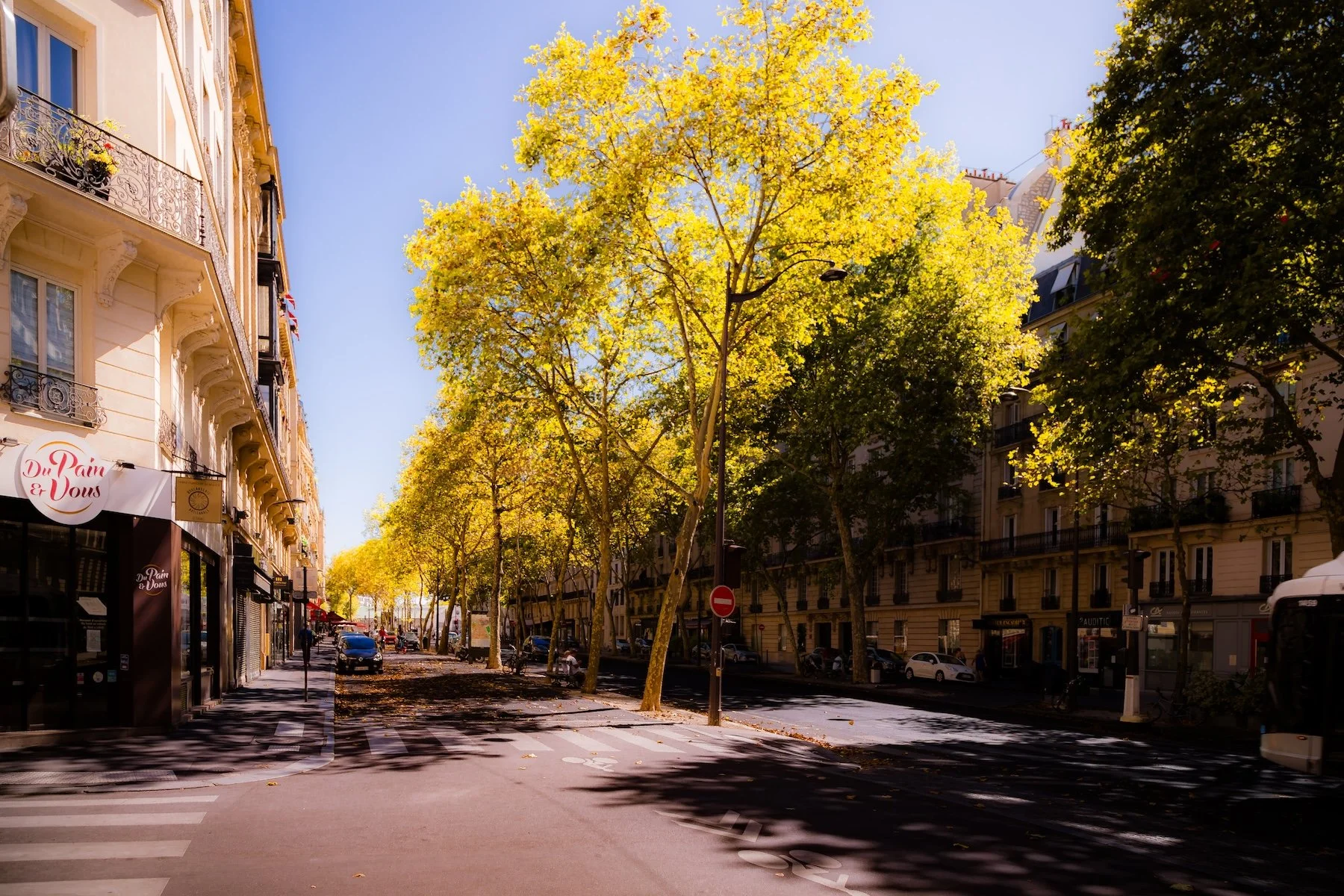
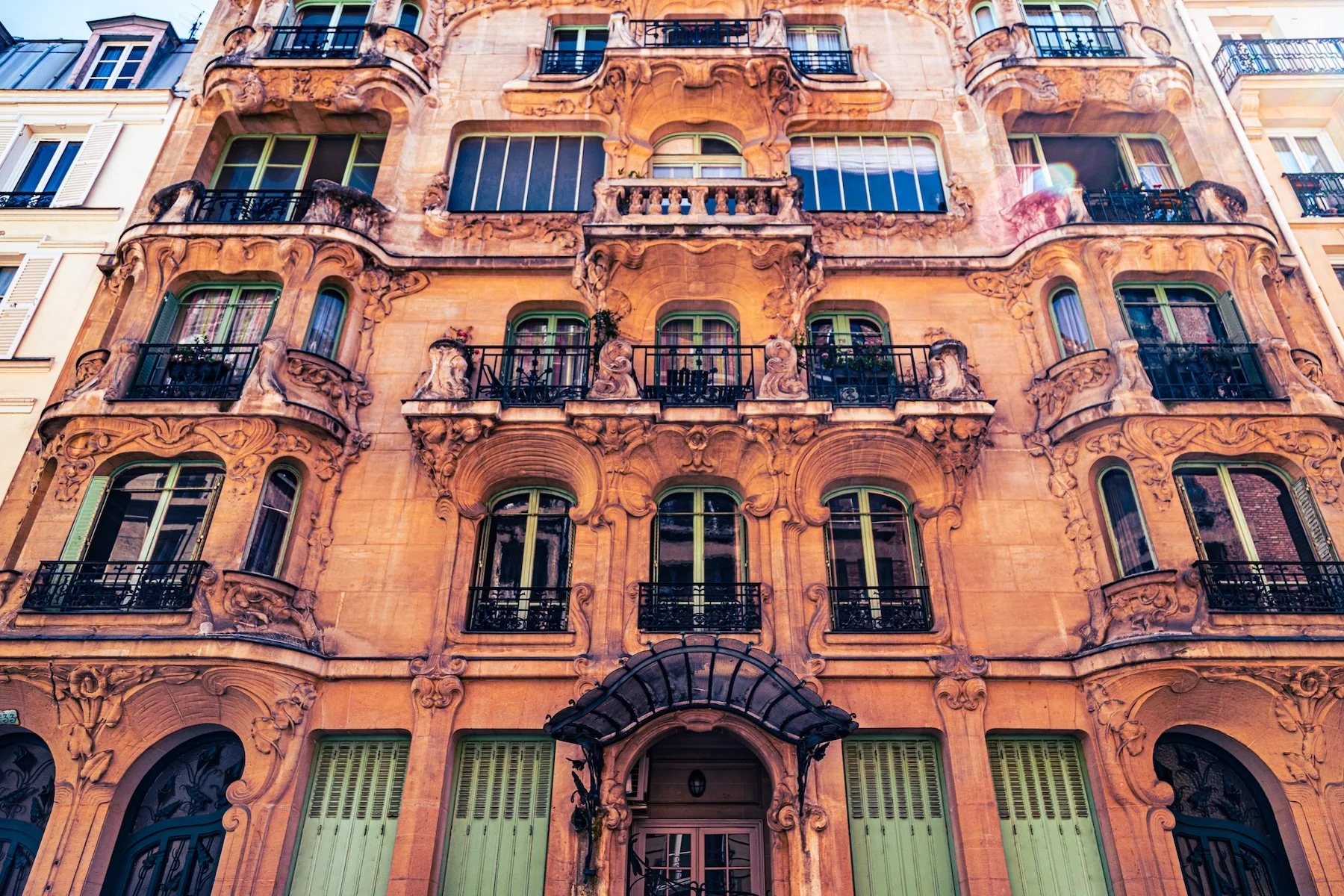
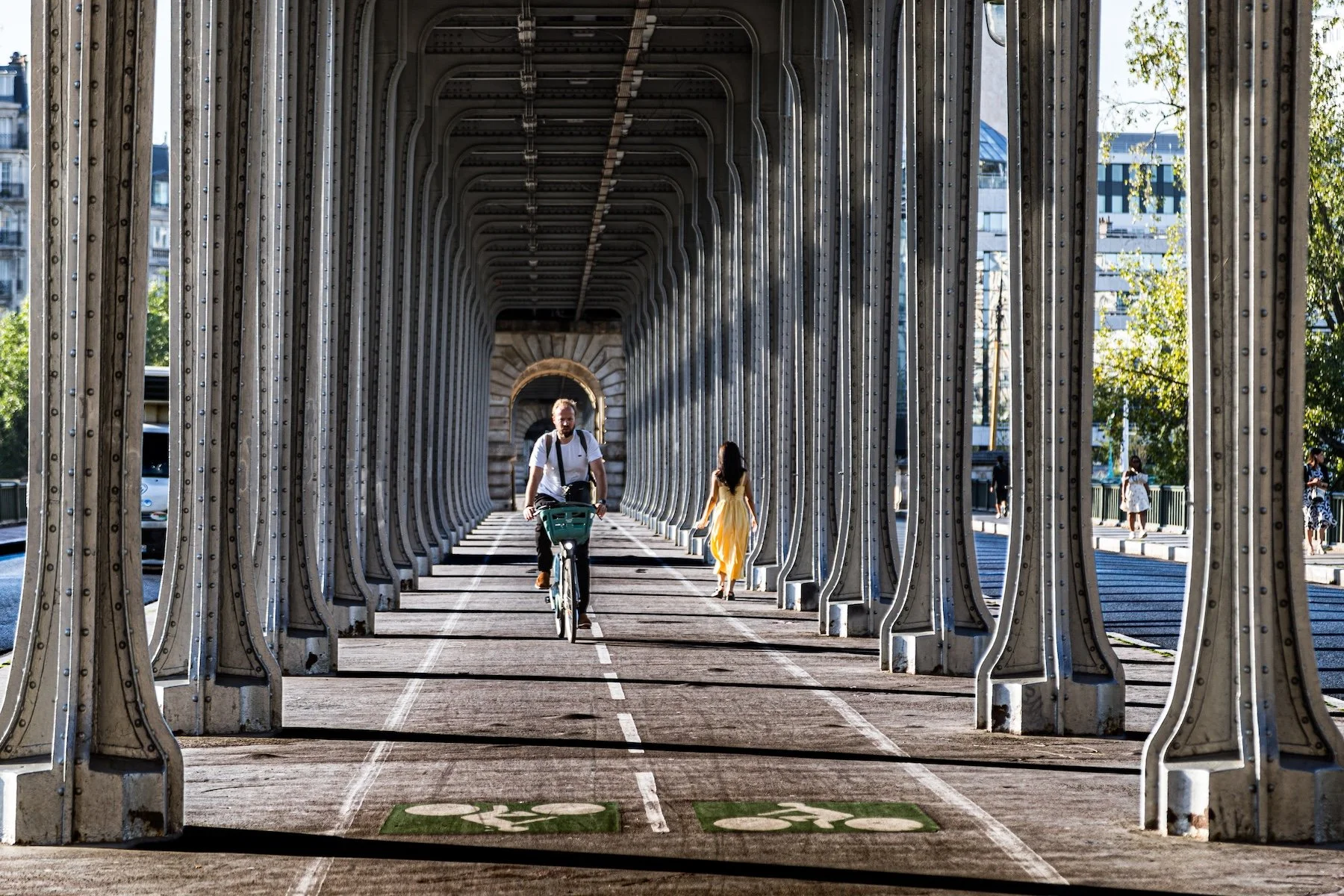
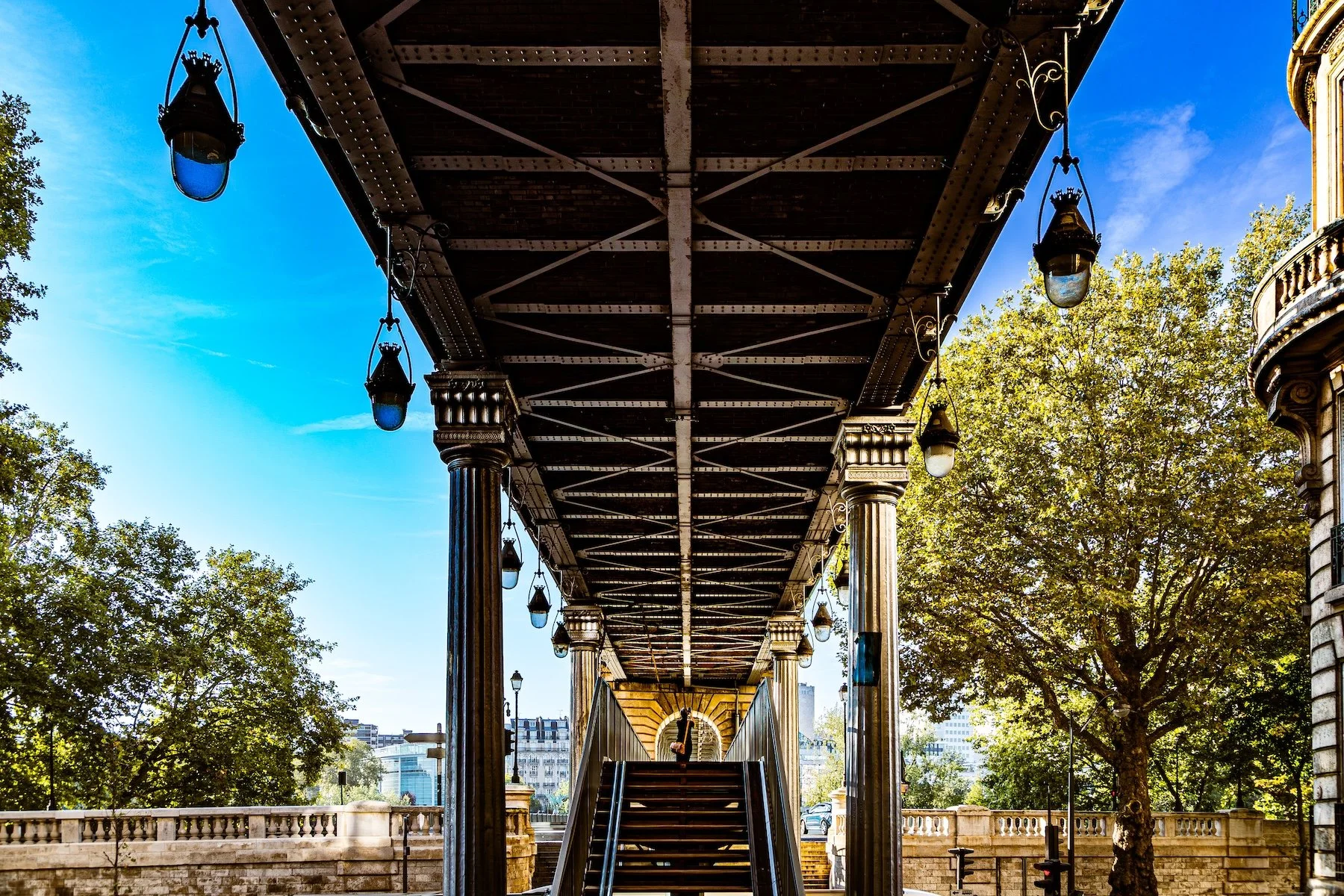
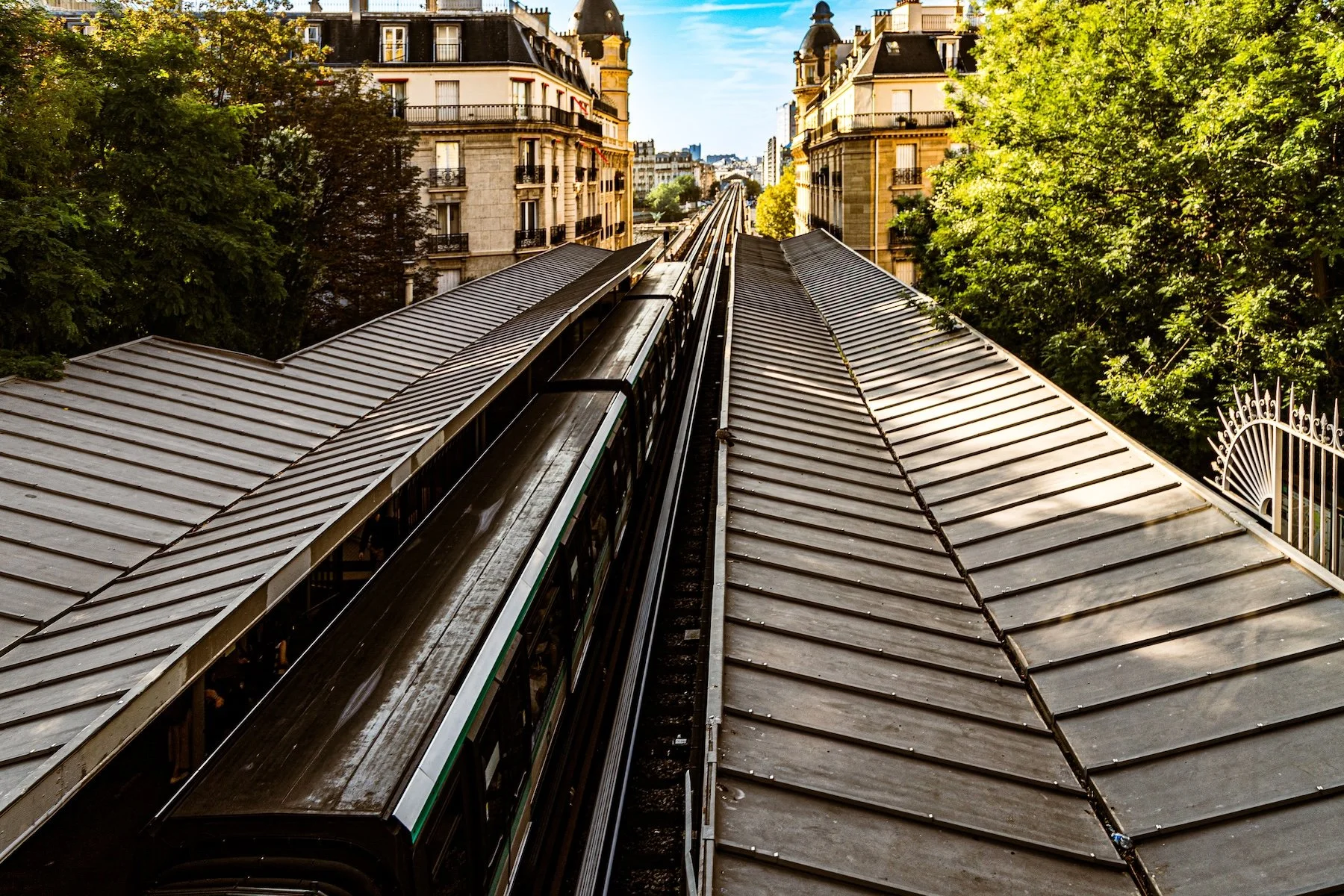
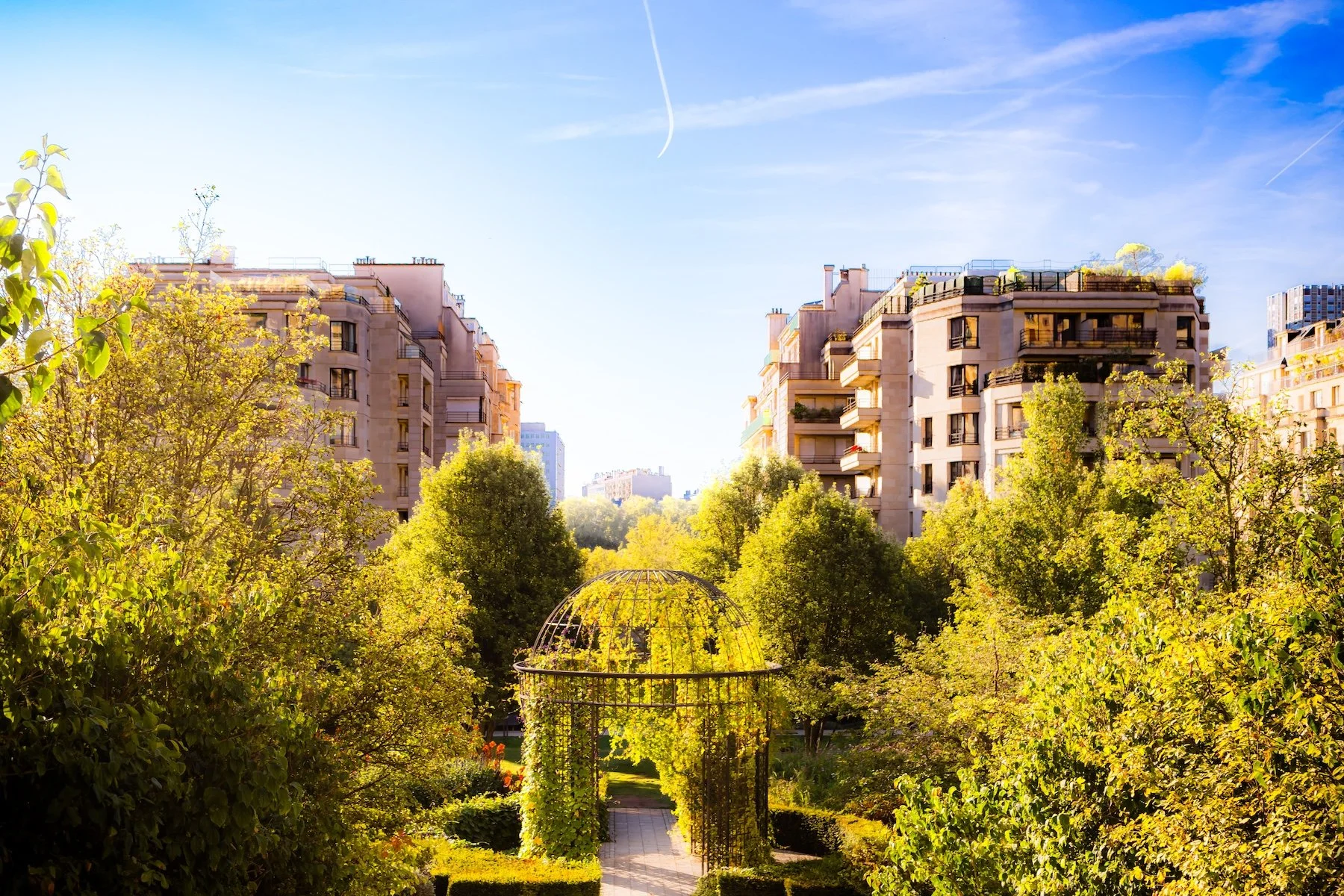
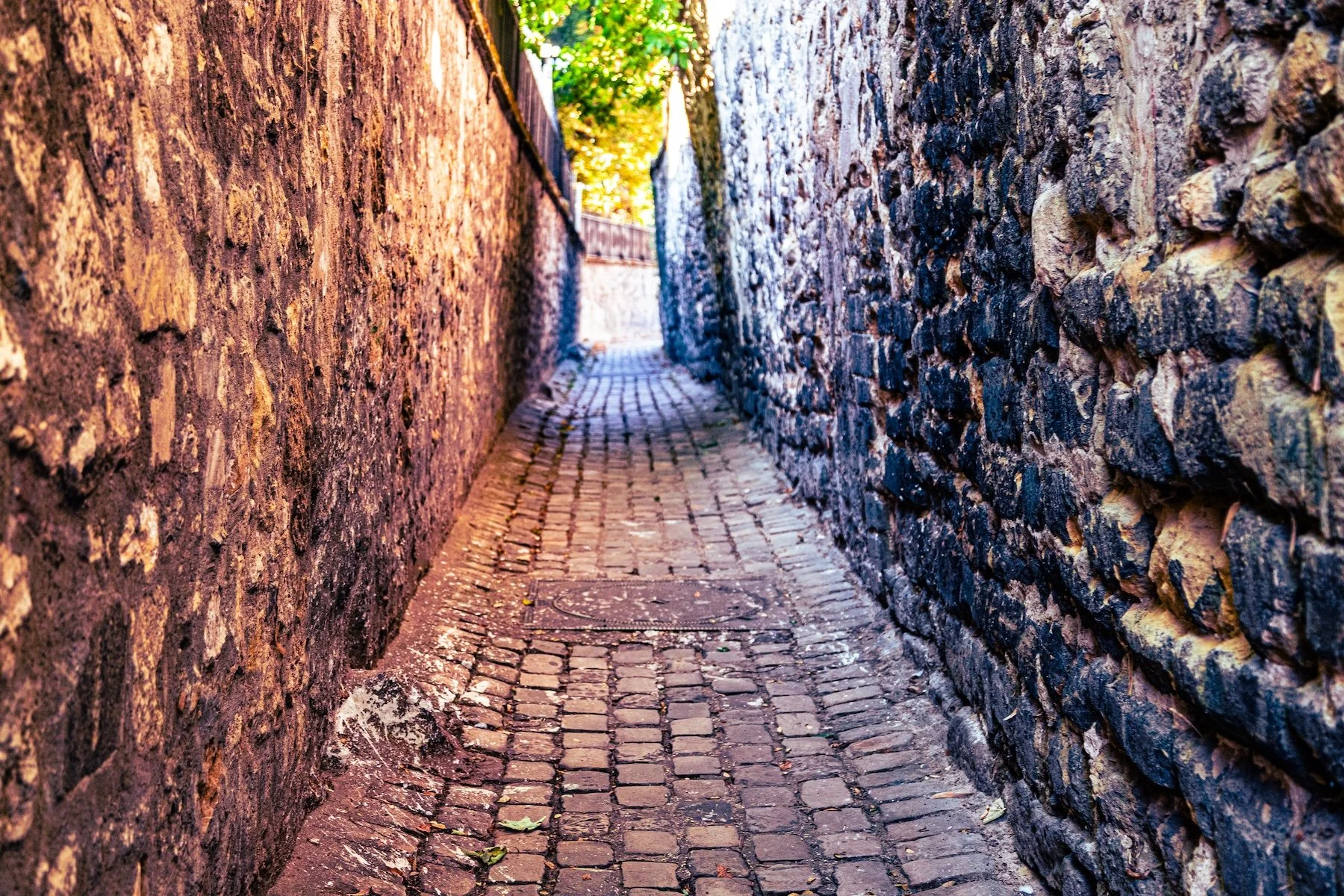
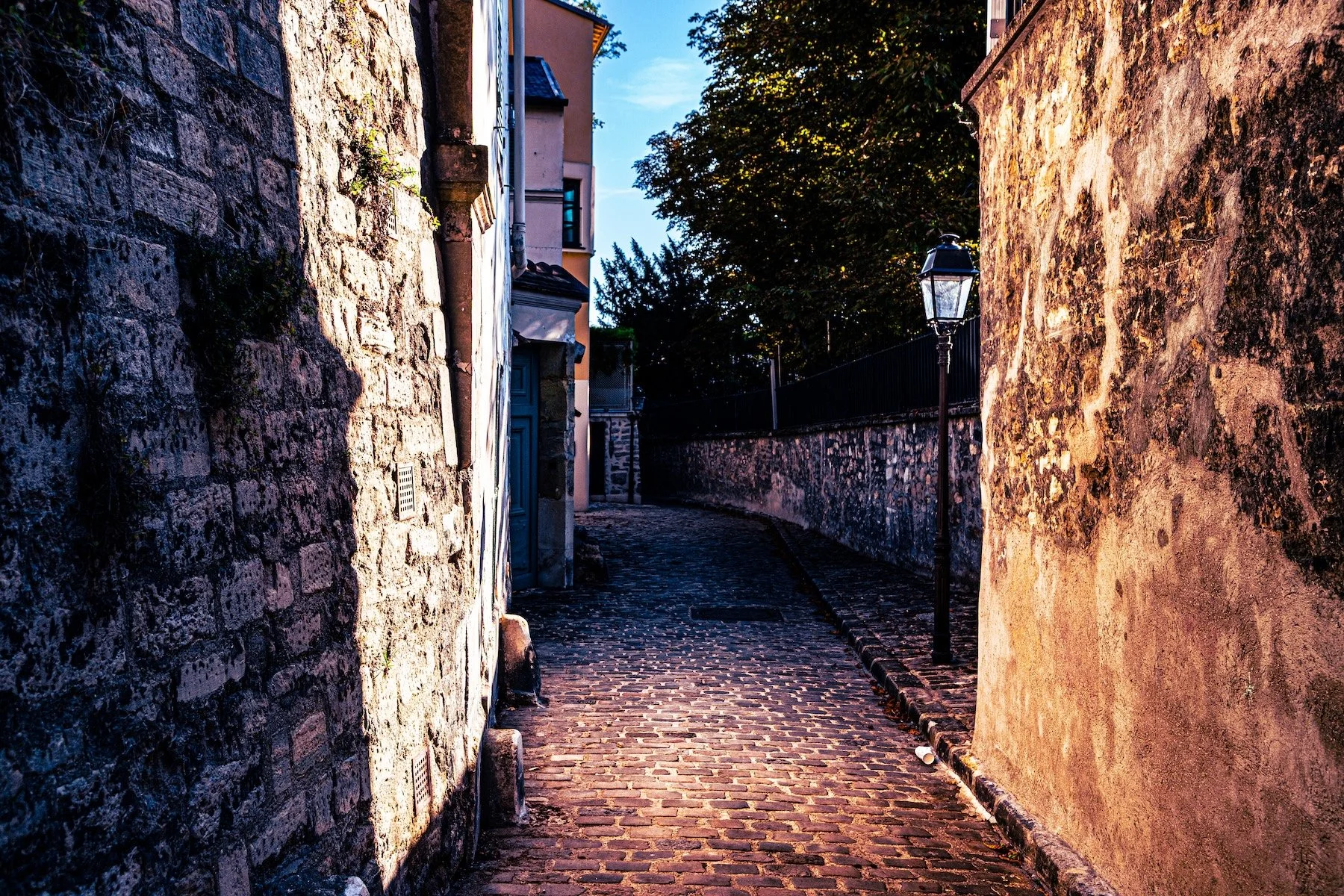
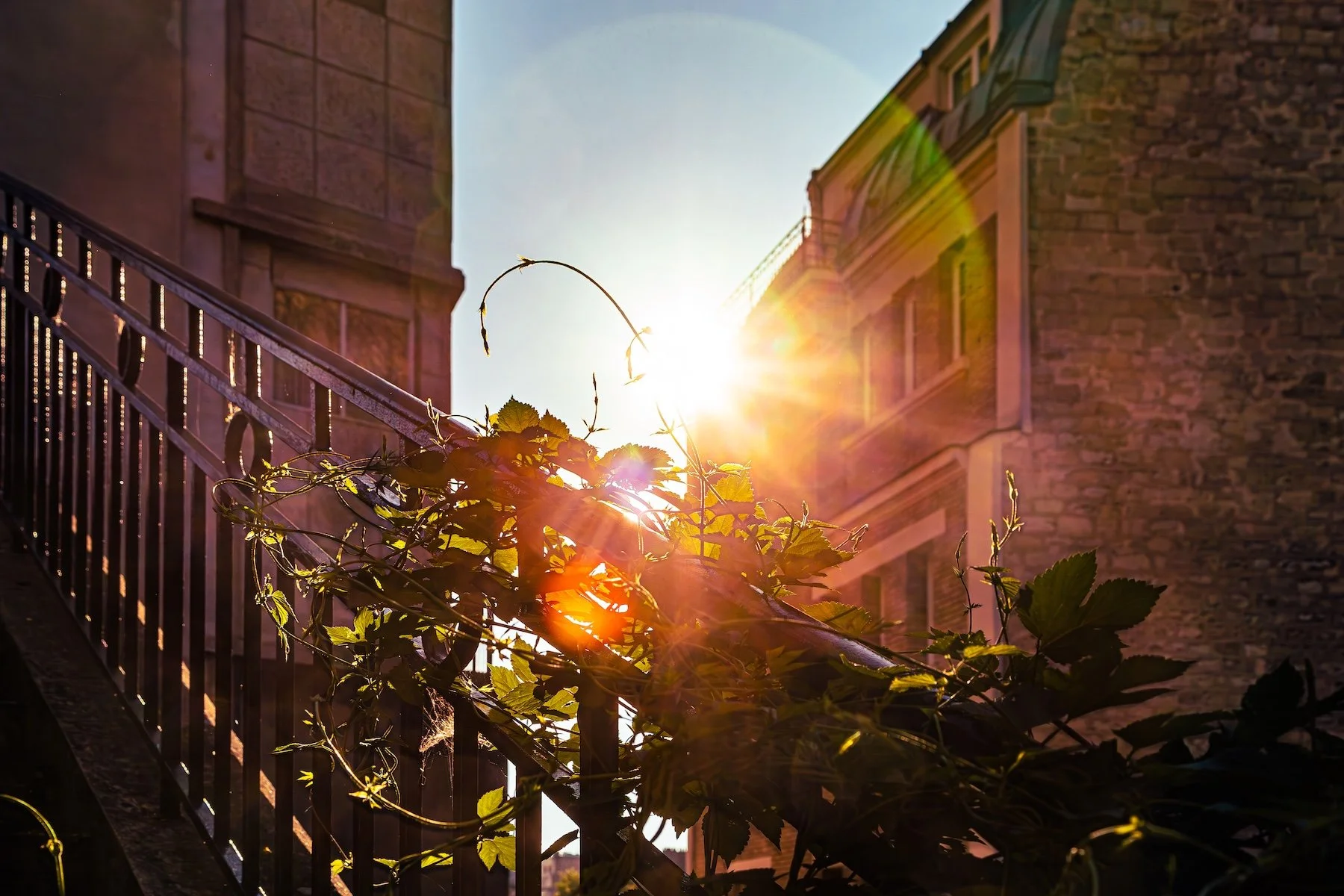
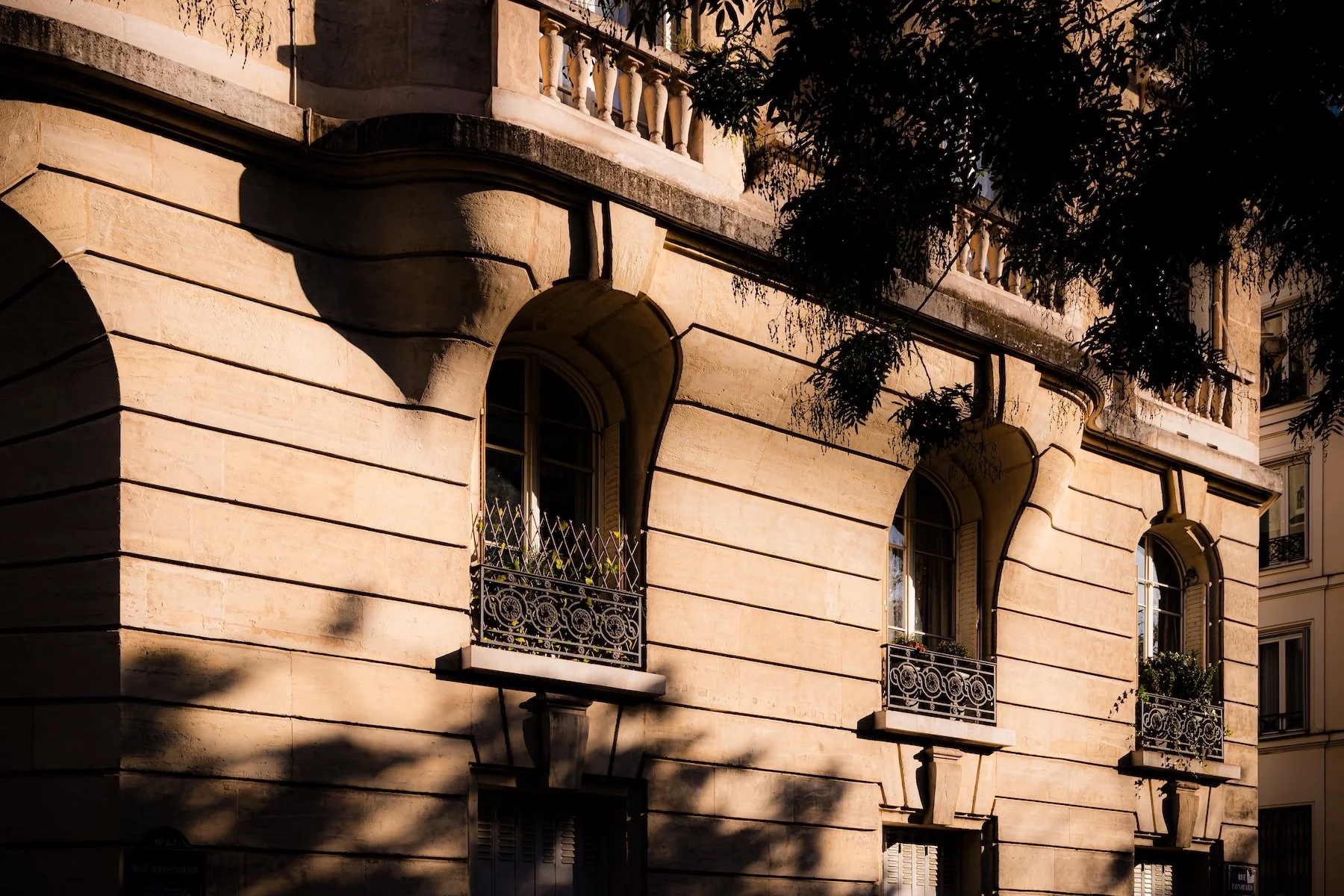
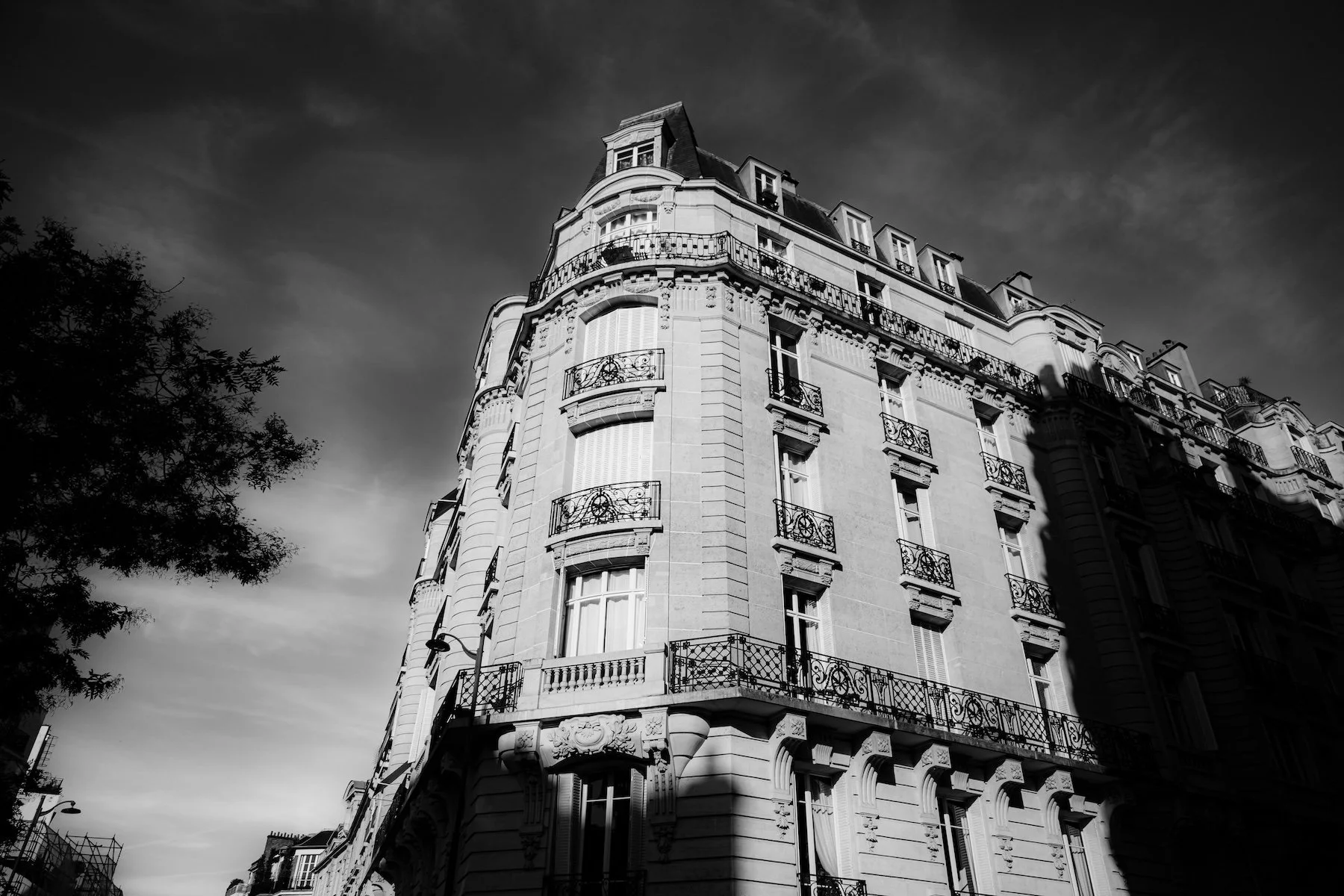
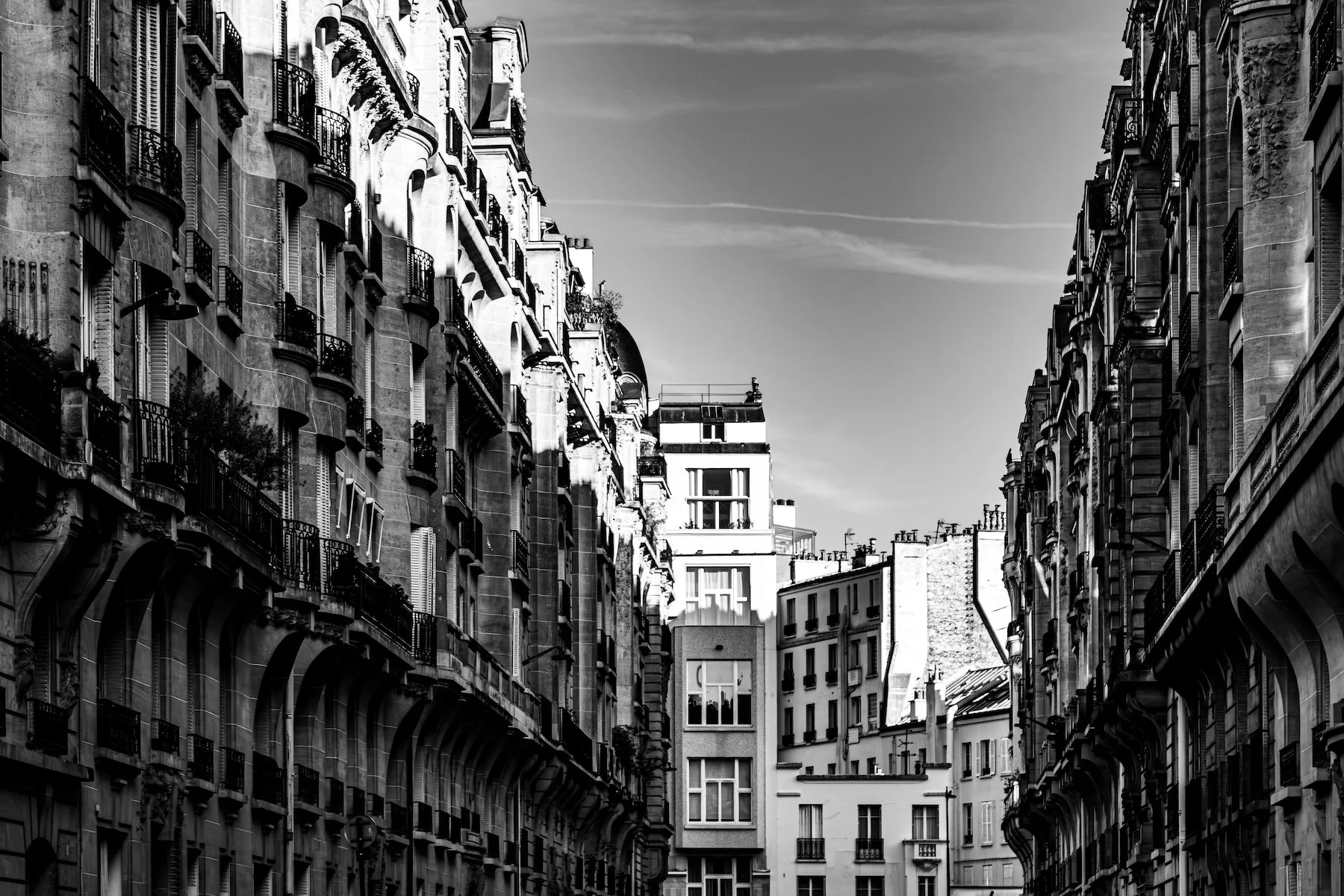
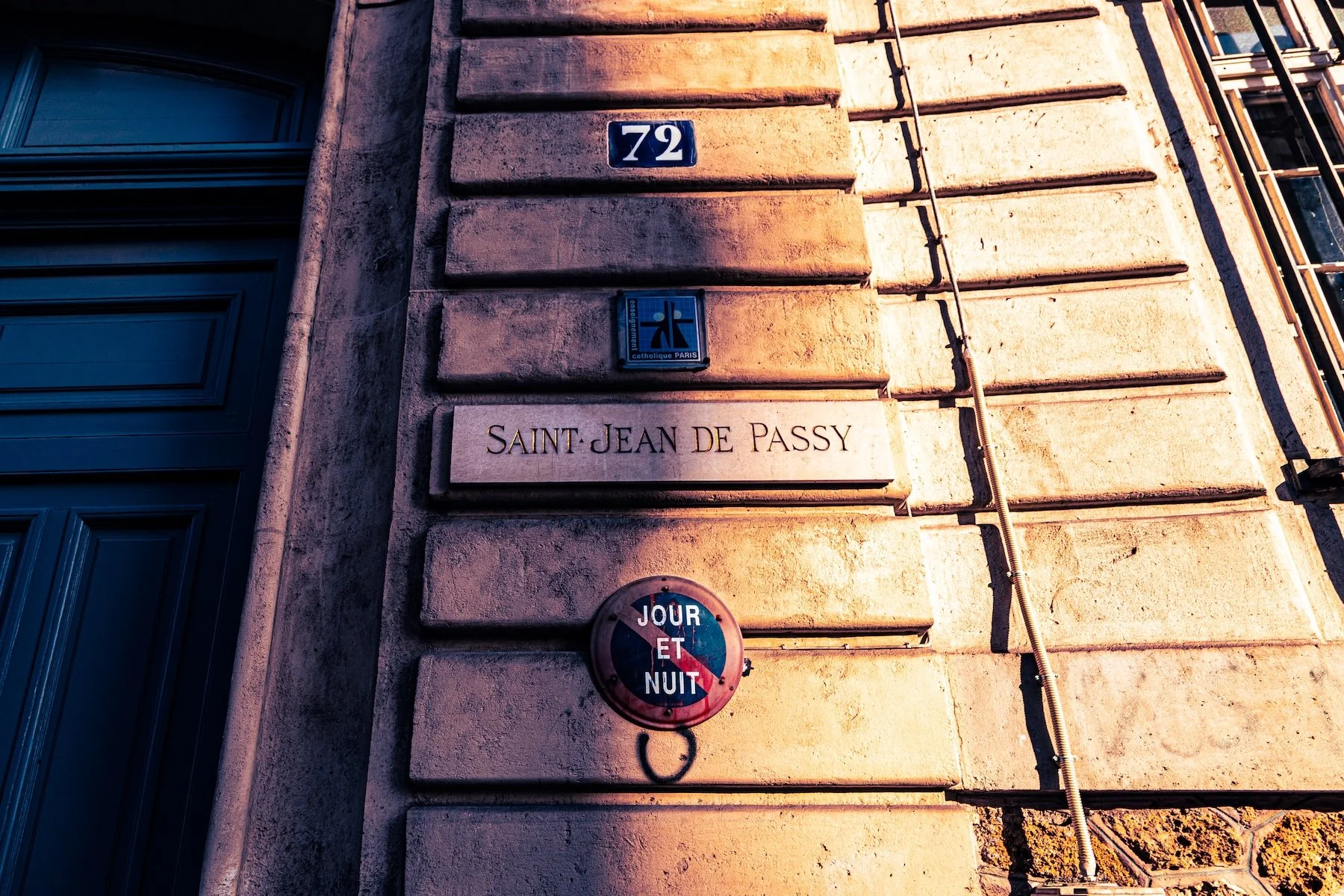
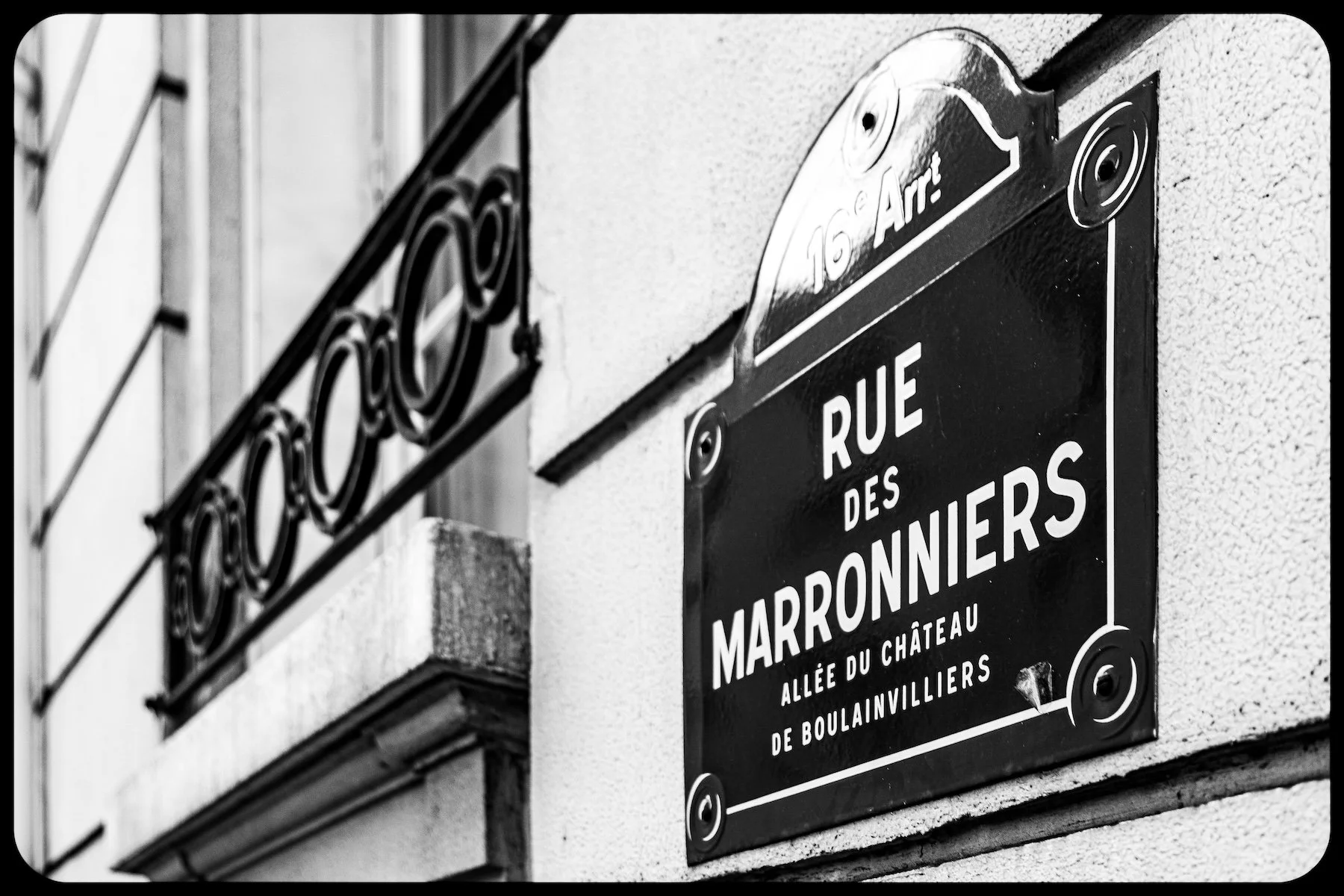
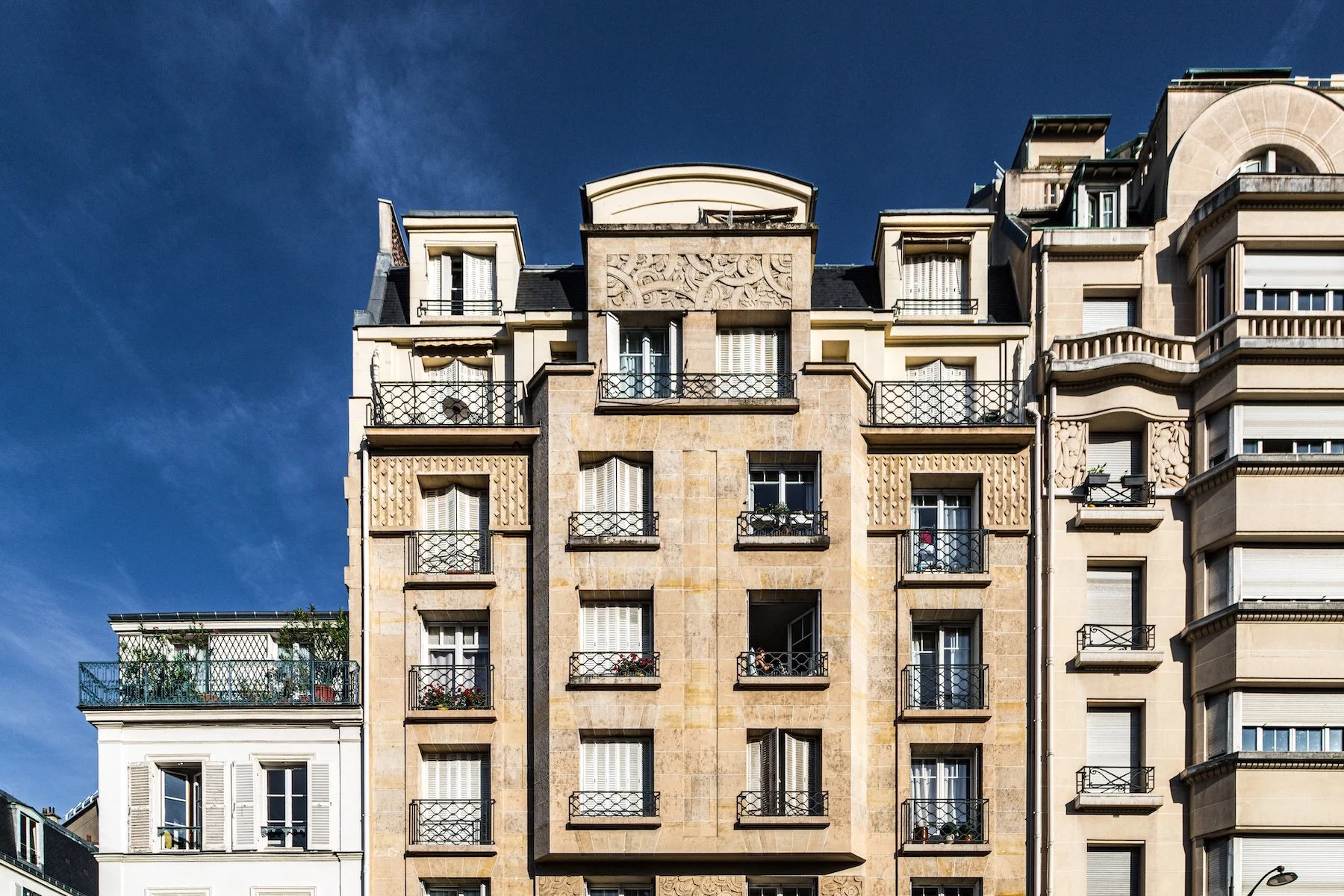
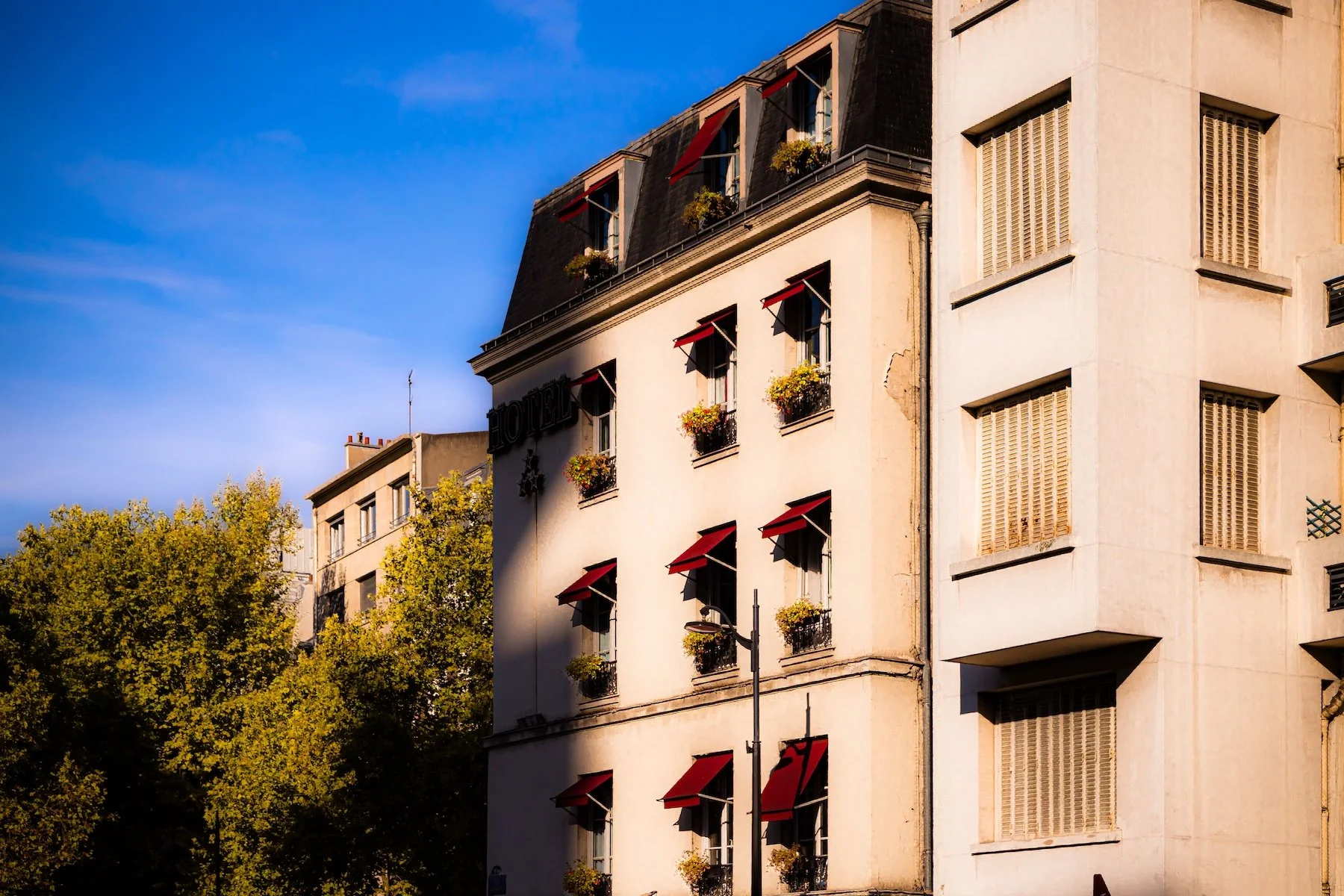
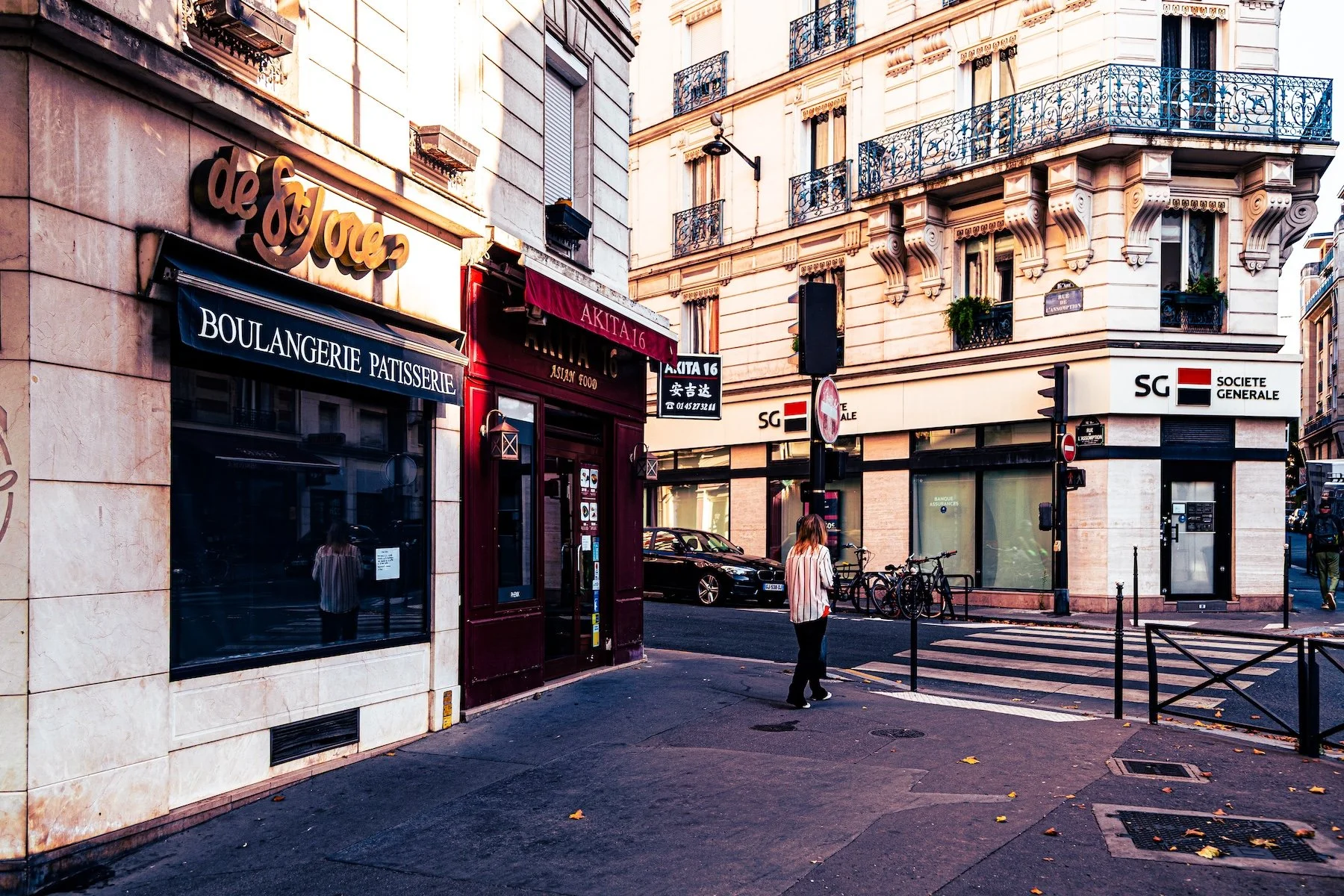
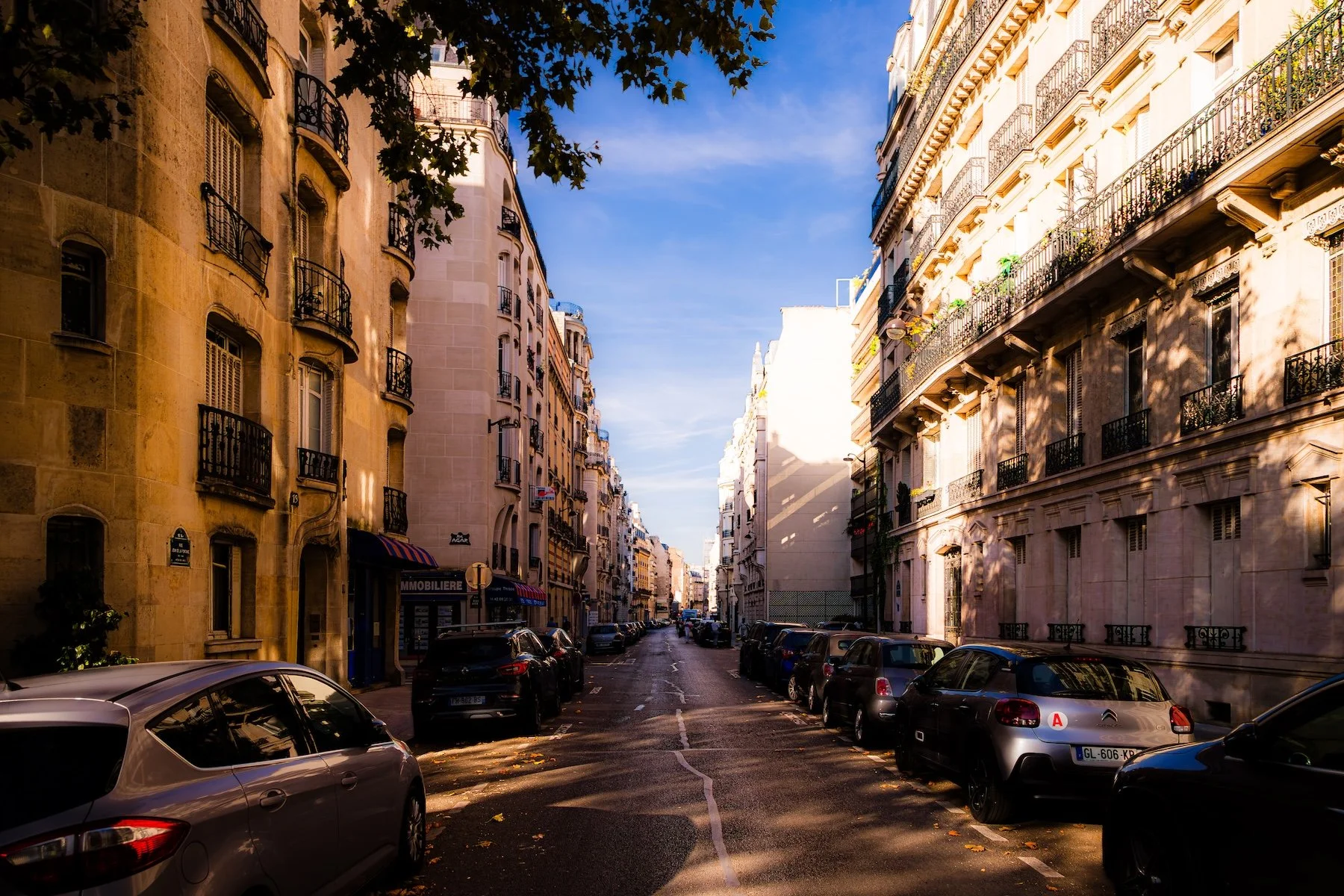
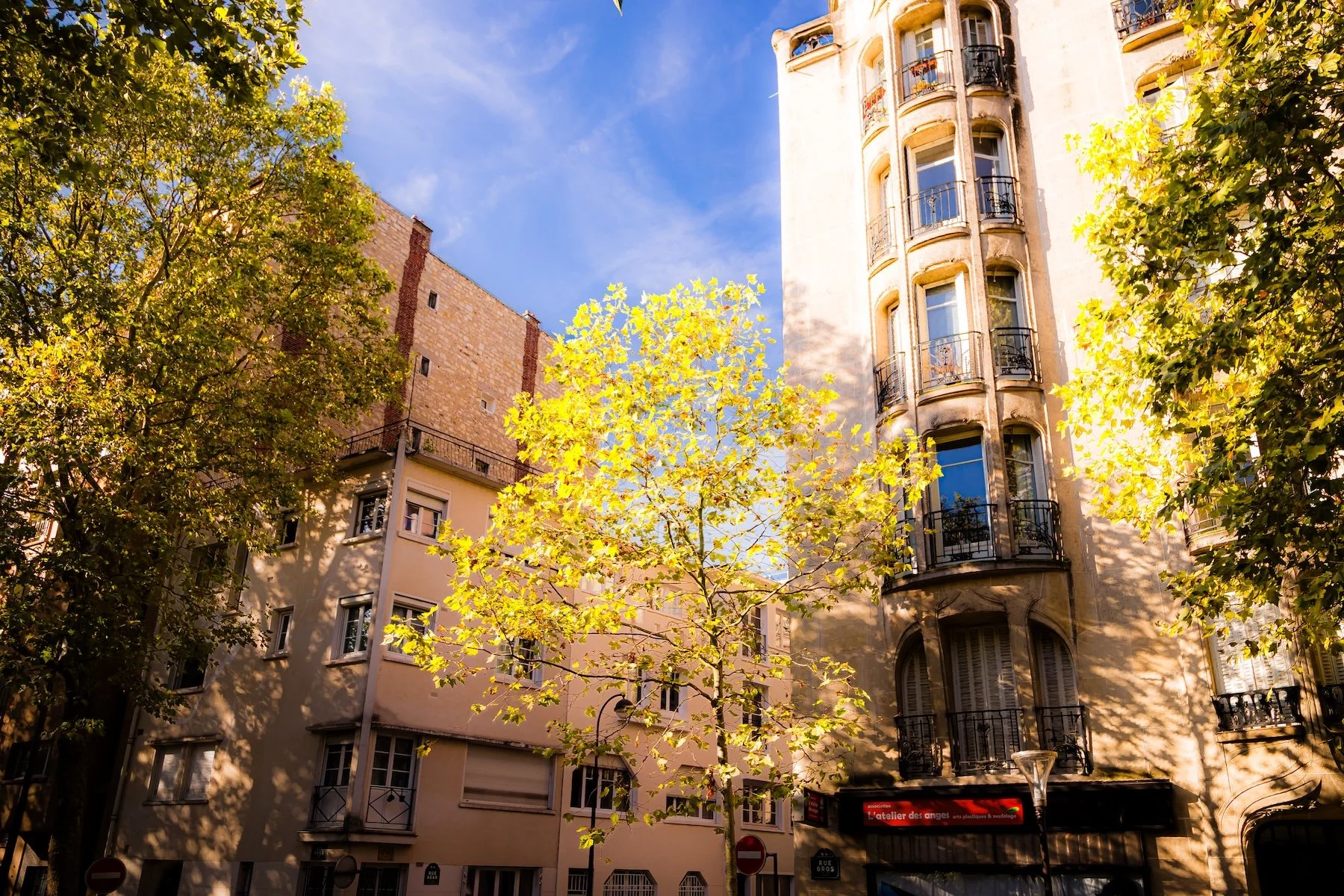
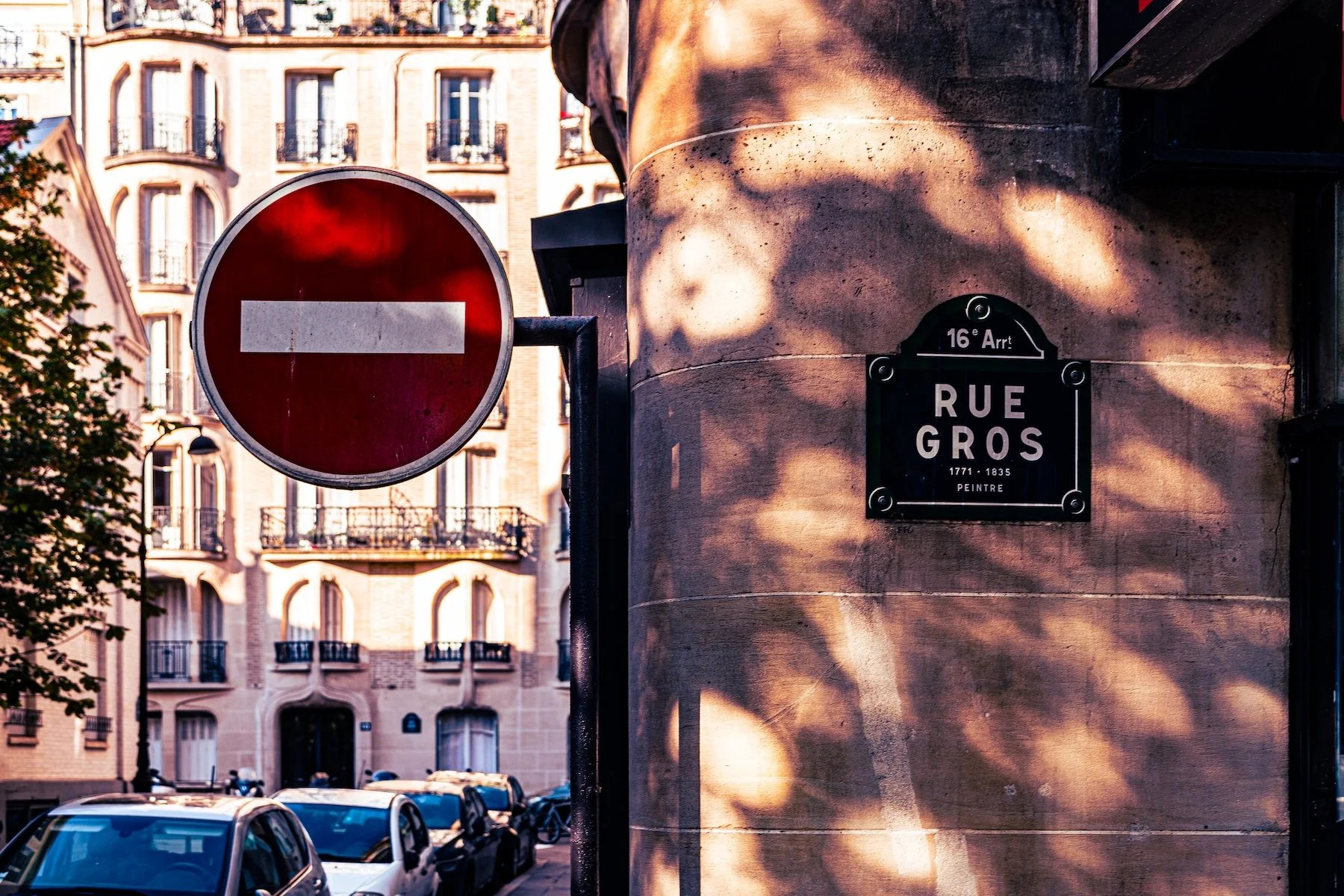
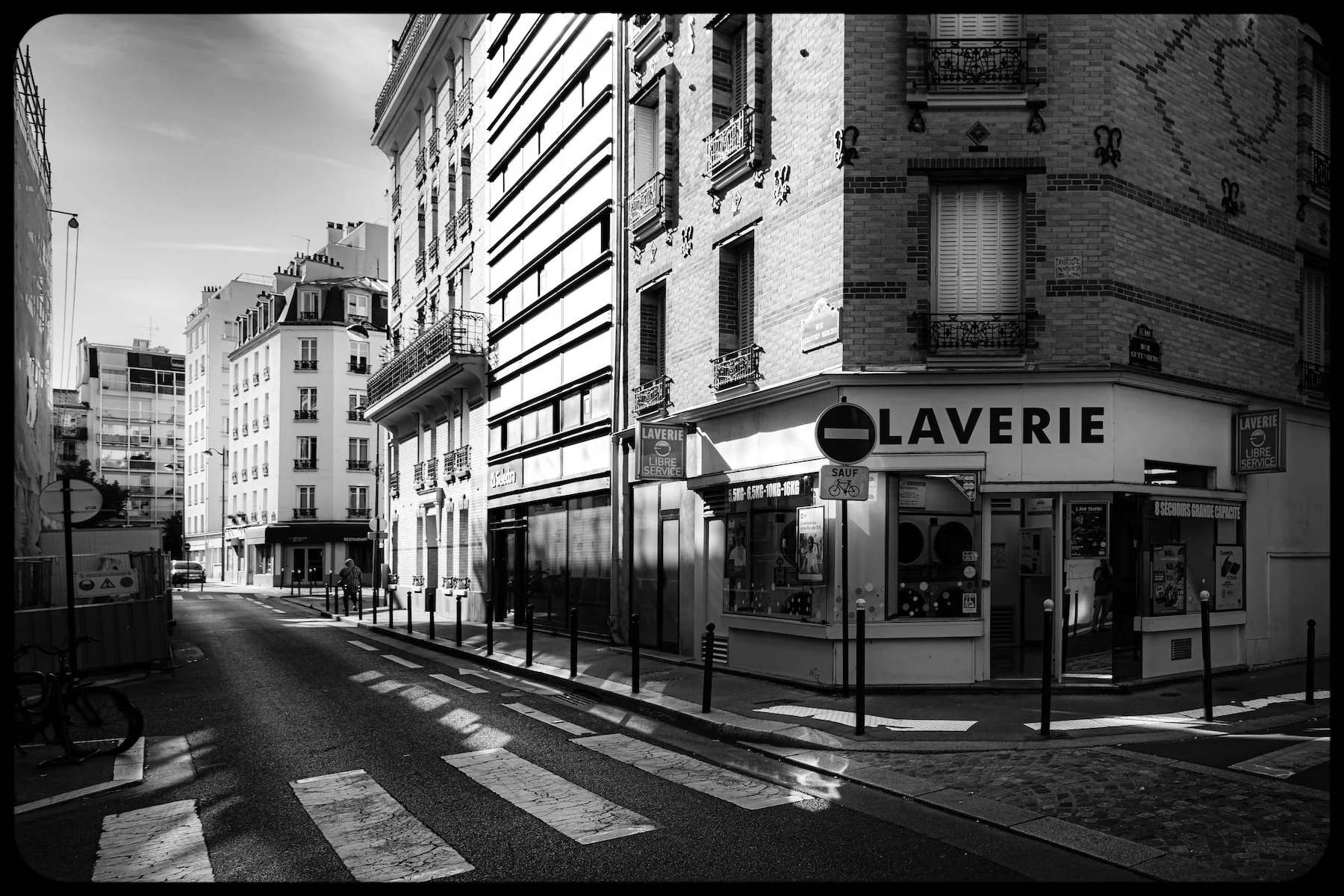
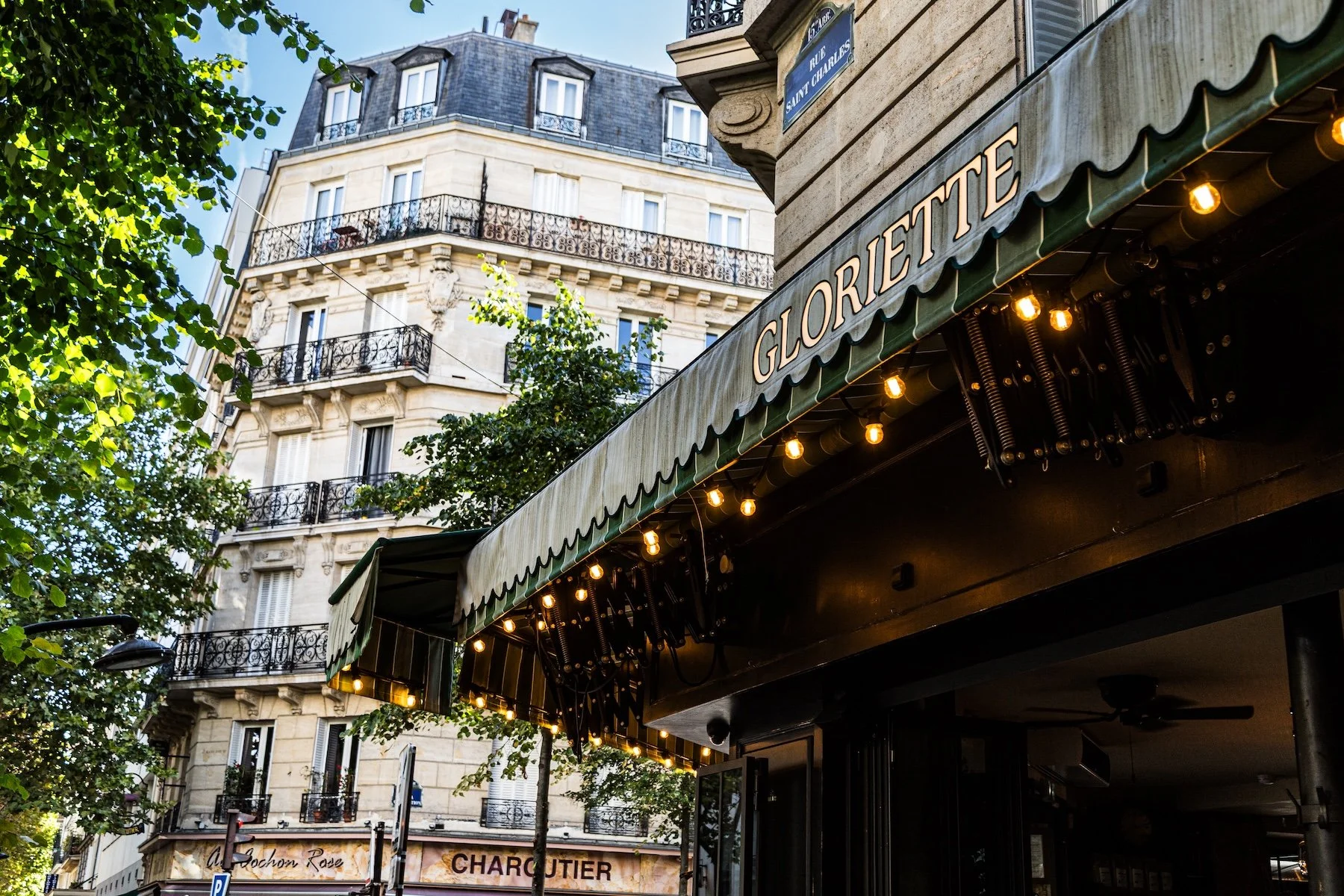
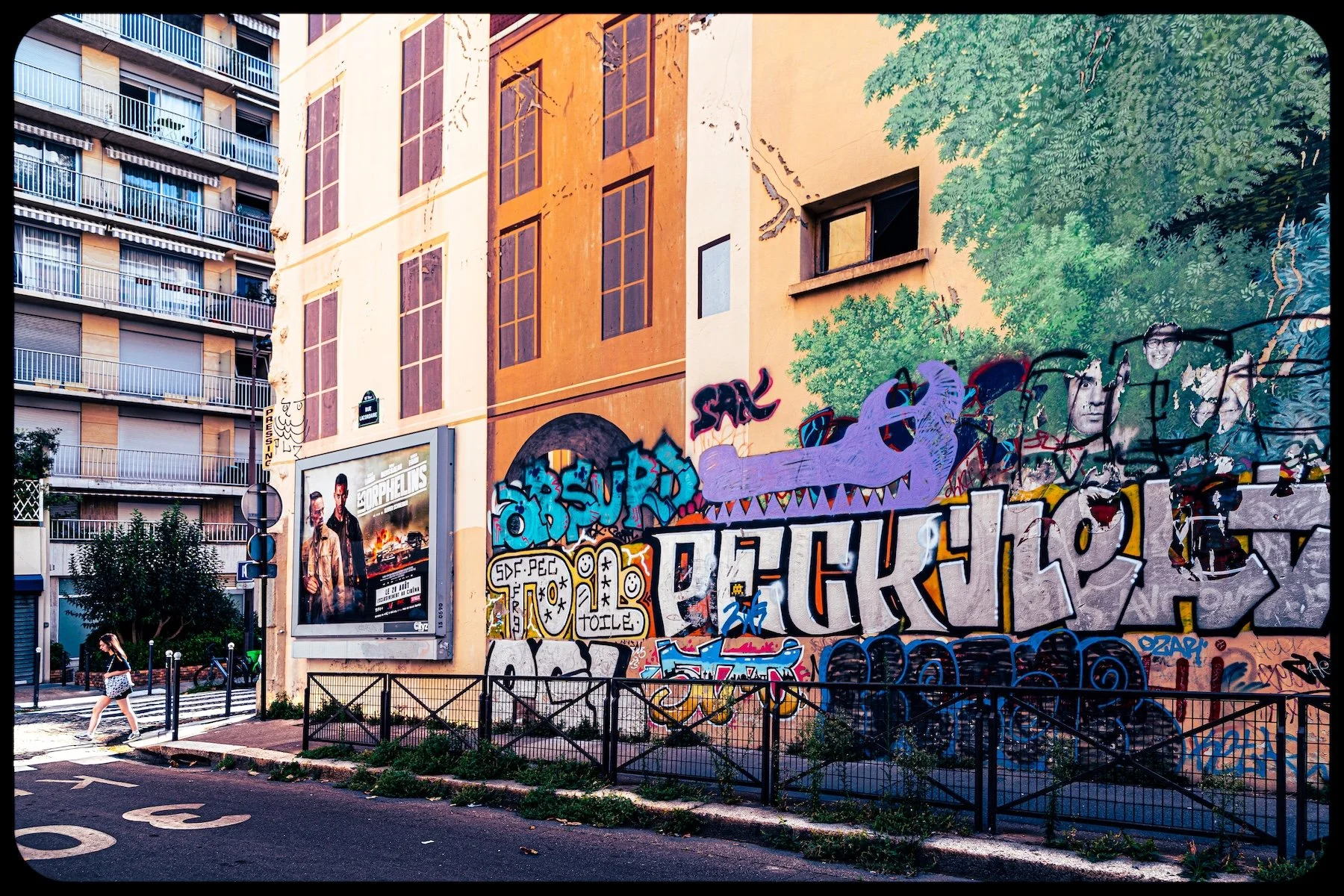
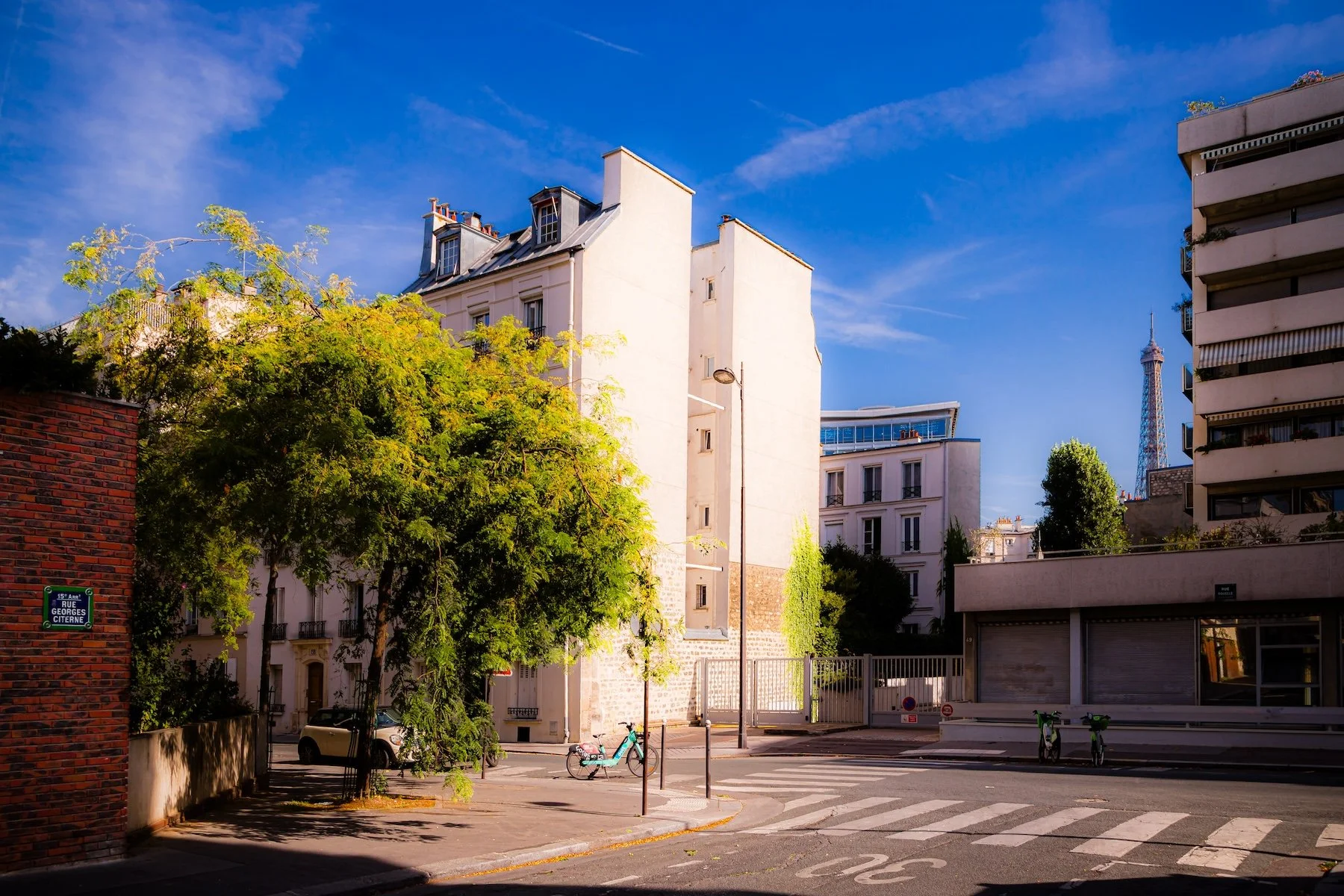
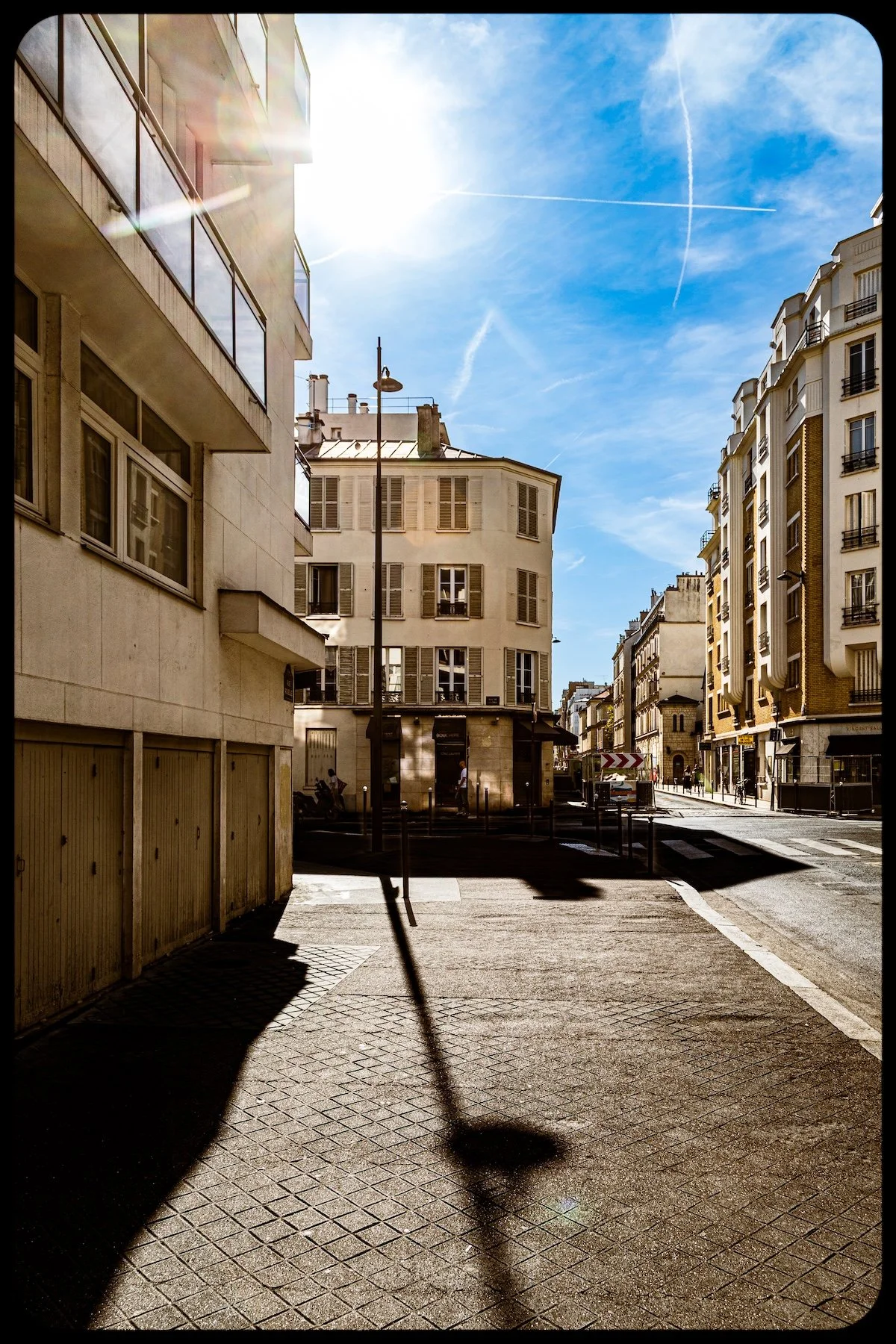
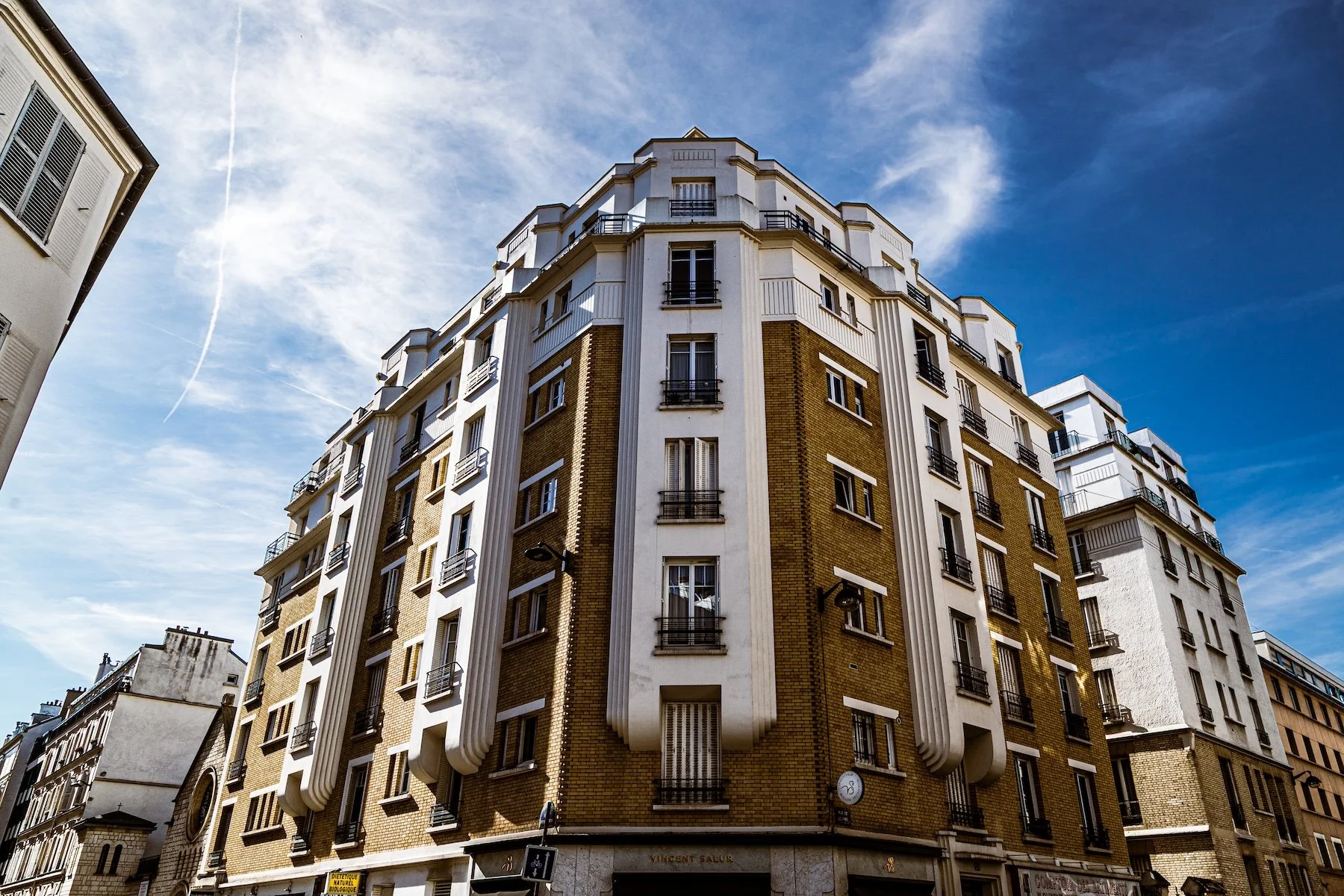
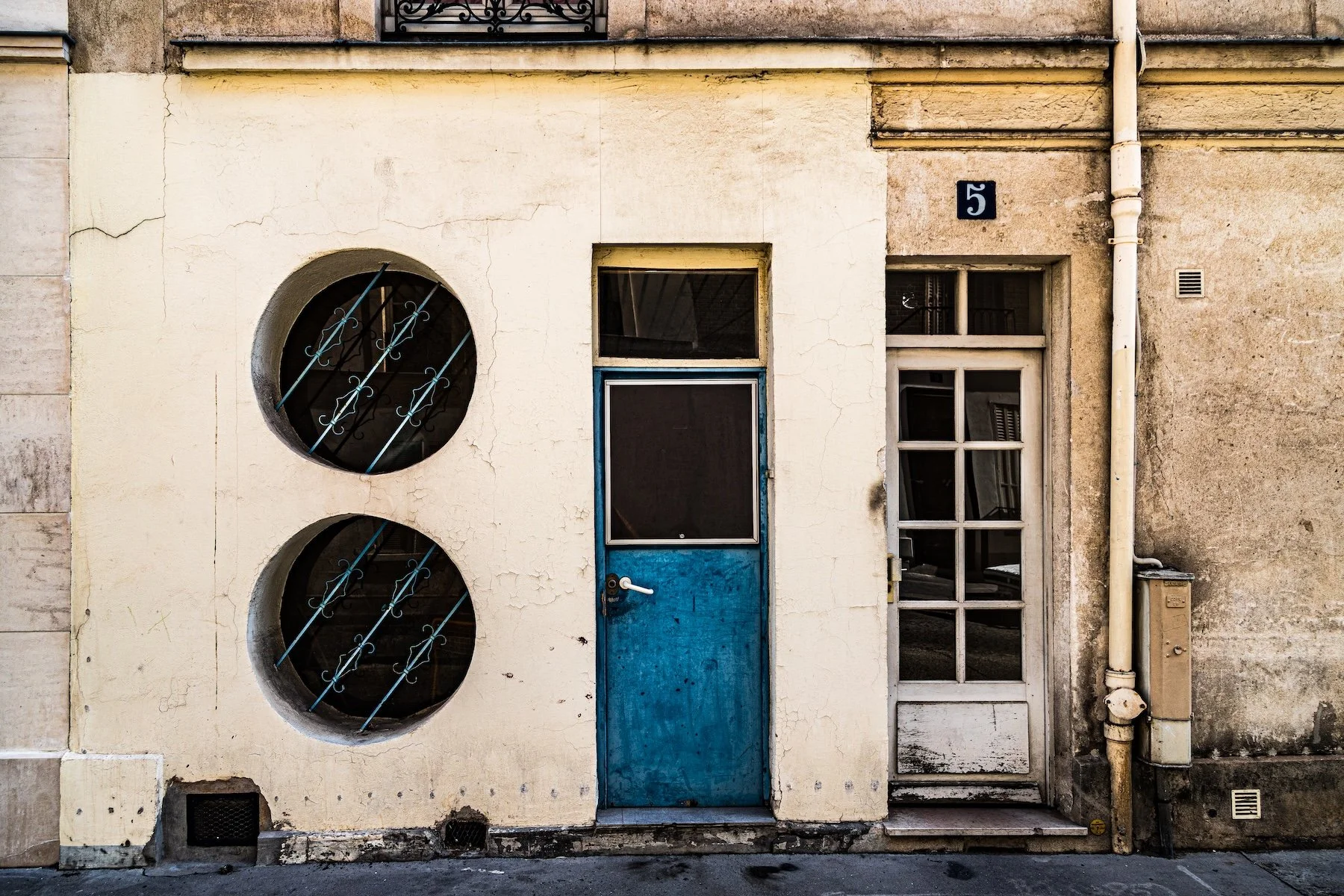
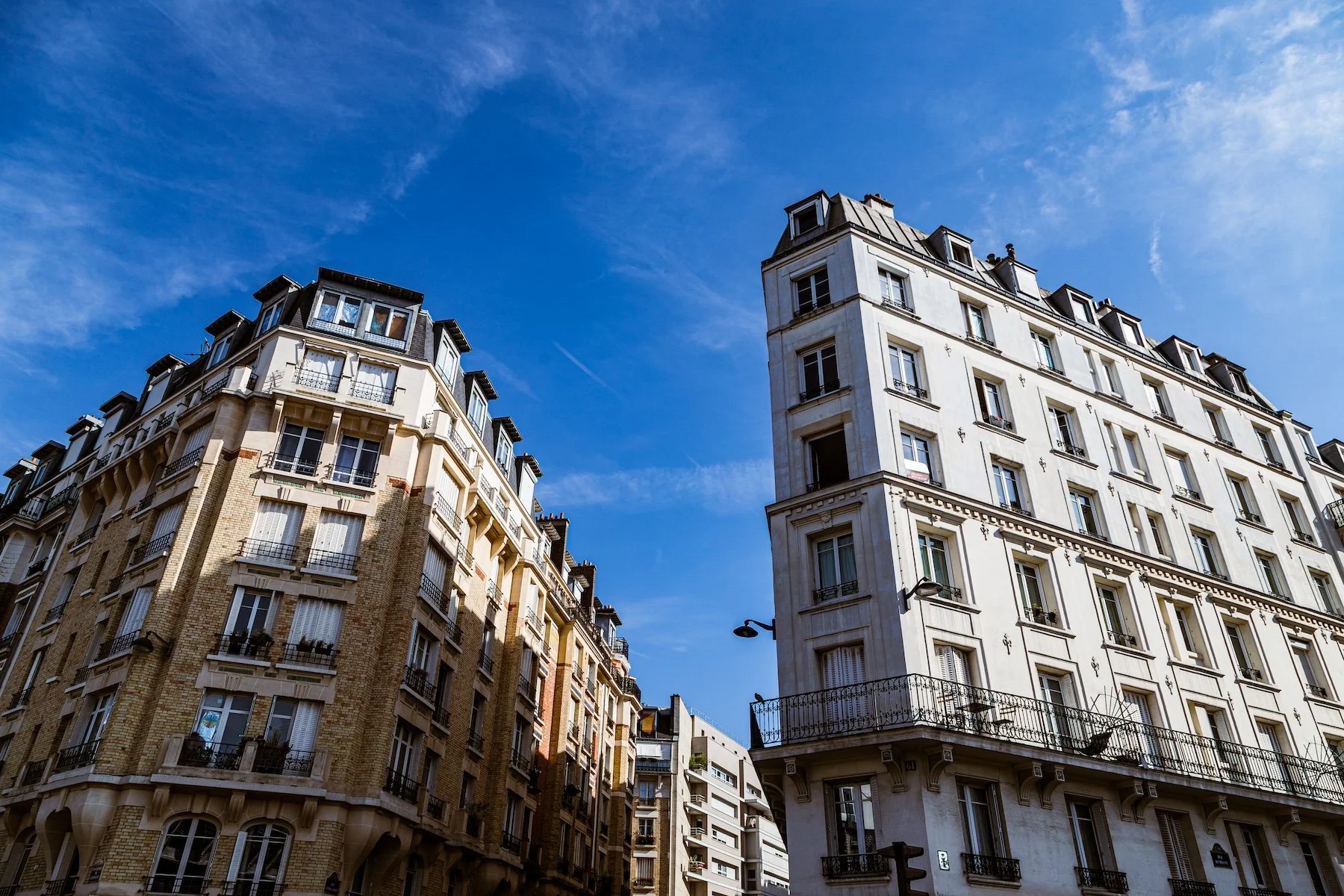
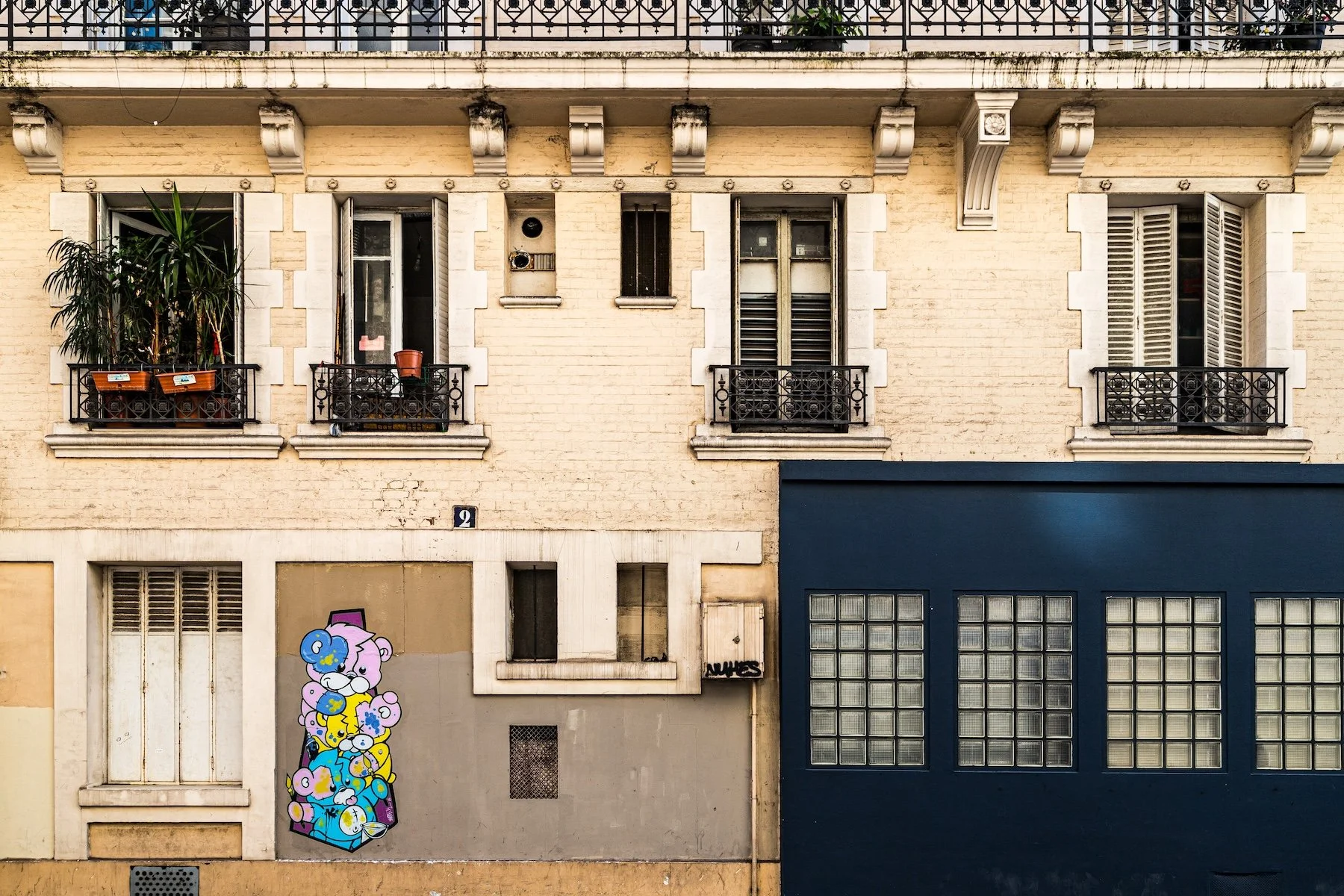
Photographing the arrondissements means moving between the official map and the street-level experience. The camera does not treat each arrondissement as visually uniform. Instead, it looks for the recurring forms, textures, transitions, and contrasts that make each district legible: the geometry of boulevards, the shade of plane trees, the repetition of balconies, the rise of stairways, the curve of canals, the presence of rail stations, the opening of parks, the weight of monuments, and the intimacy of side streets.
On CityNeighborhoods, the arrondissement provides the frame, but the photograph comes from the encounter between map, movement, light, and observation. As the Paris photography is processed, this section will connect each arrondissement more directly to the project’s Photographic Lexicon: the visual strategies, recurring motifs, and compositional patterns that shape how the city is seen through the lens.
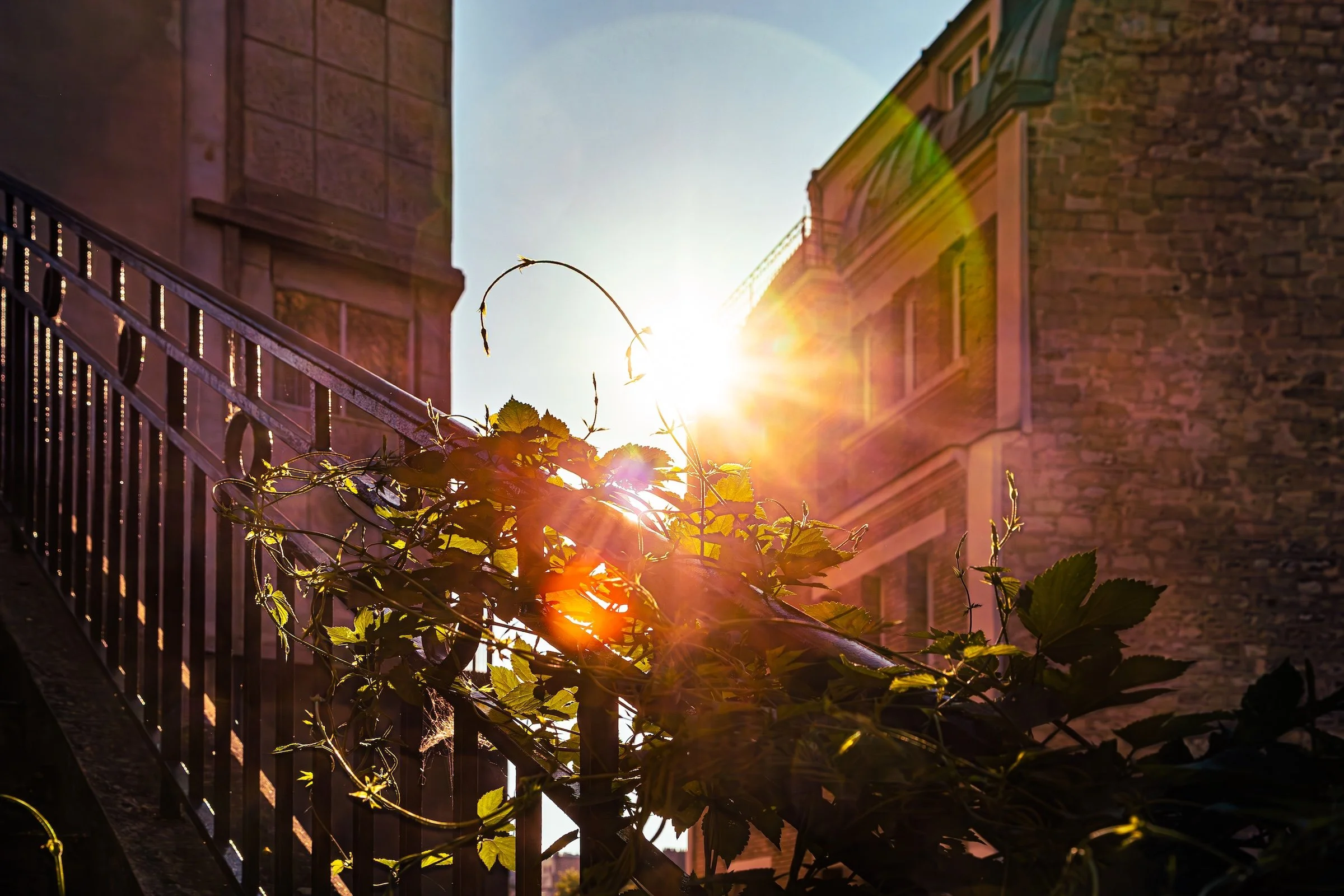
If you visit Paris, these ideas can help inspire your own photography.
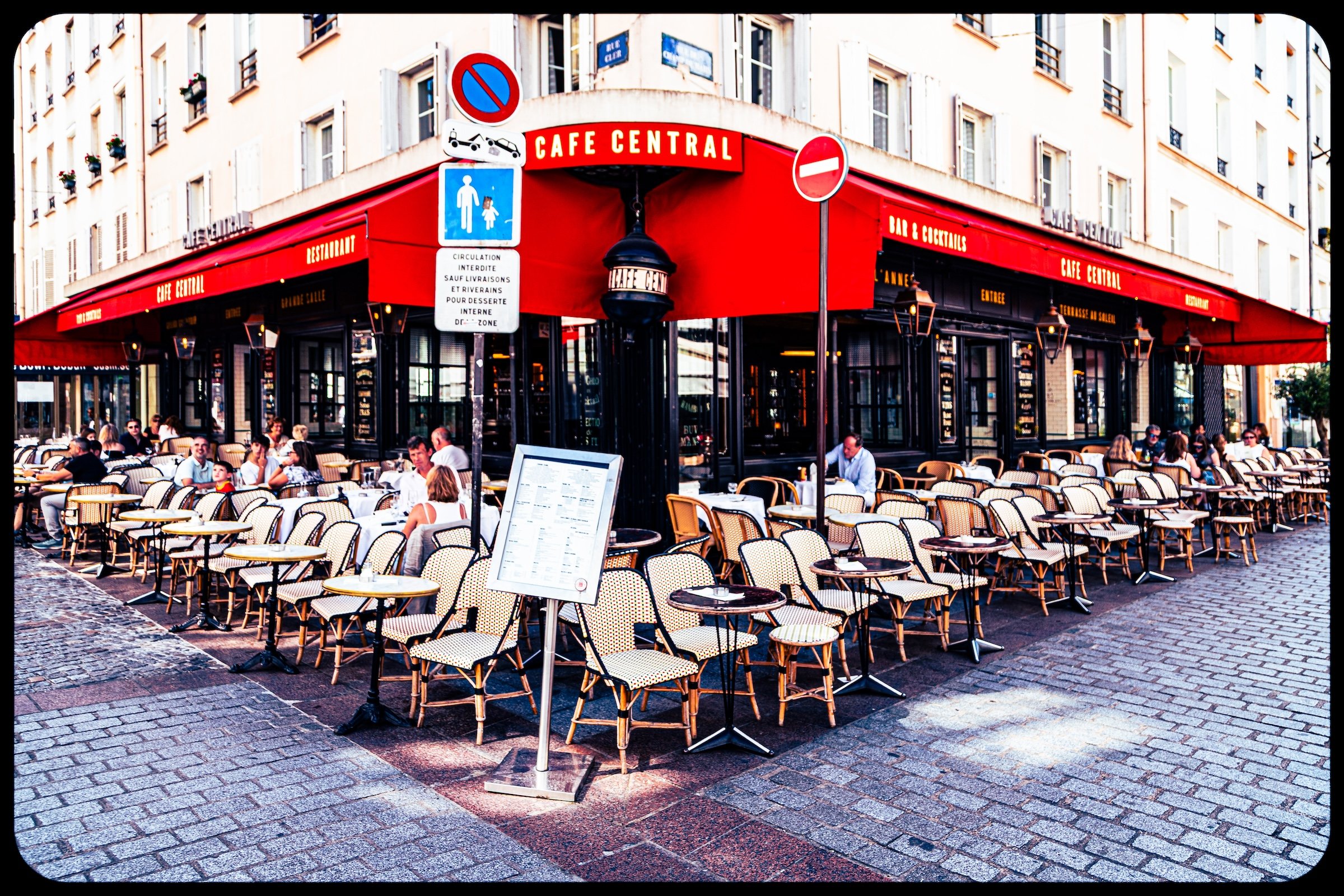
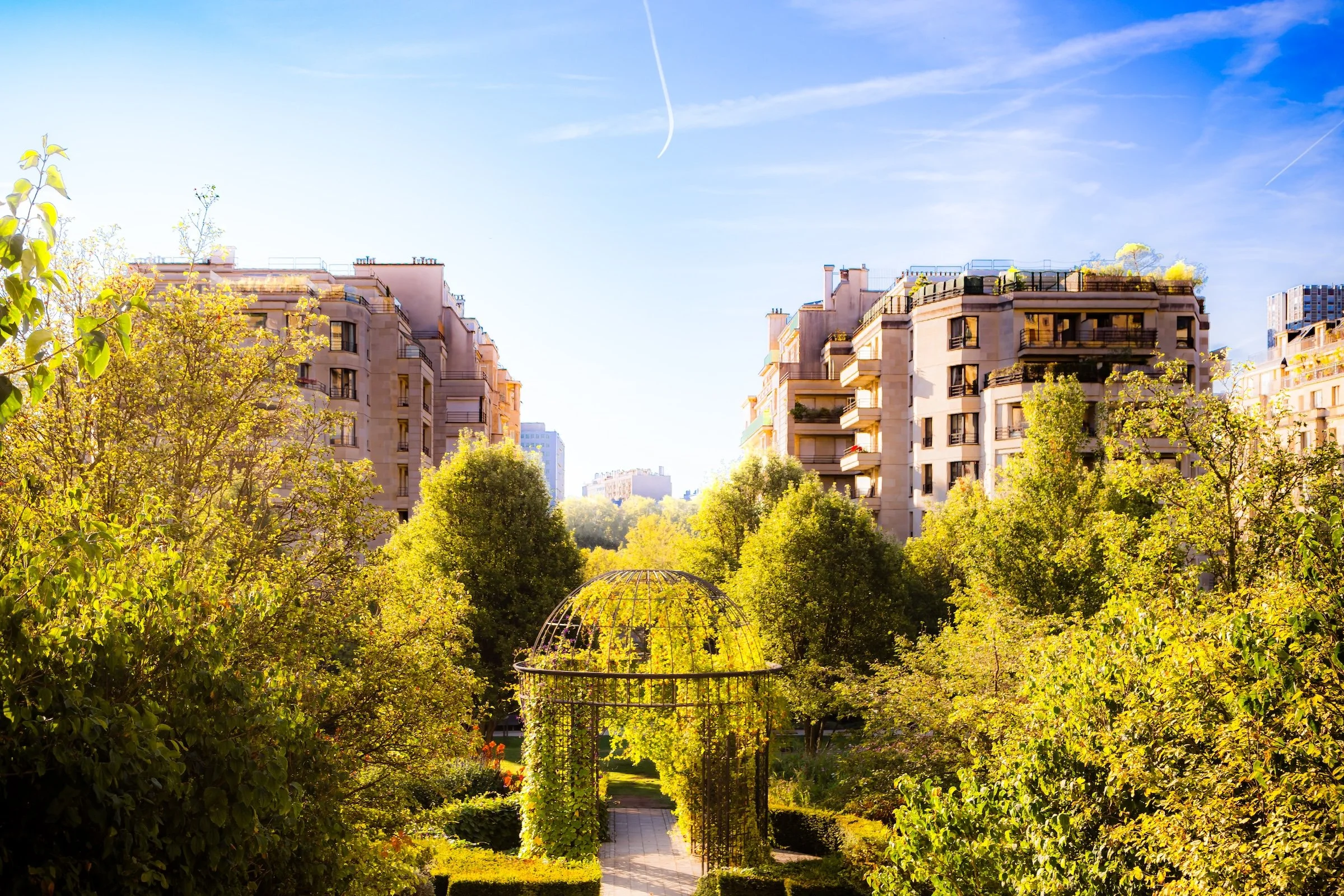
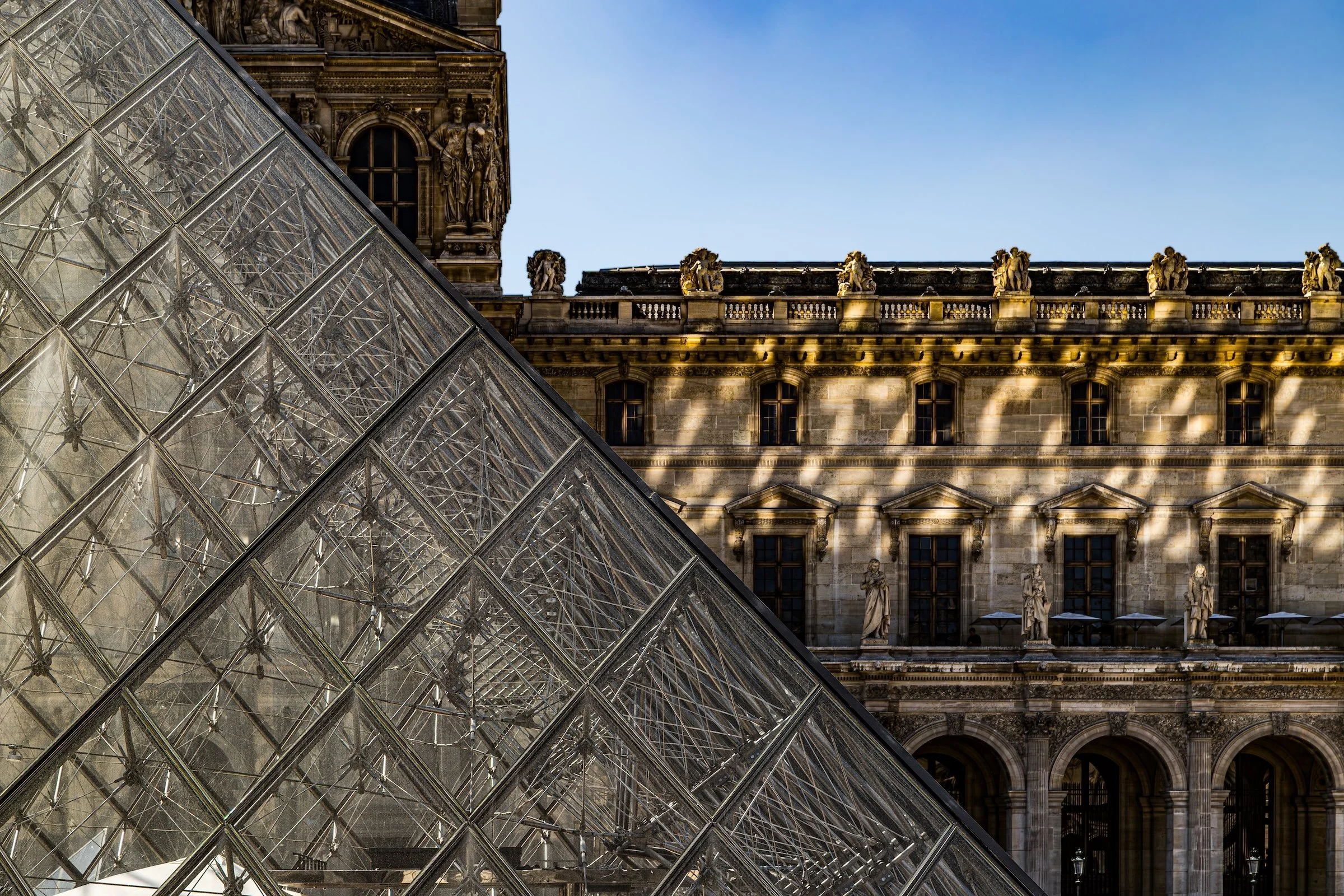
Paris: J’Espere, Je Rêve, Je Vive
Paris Photo Gallery
Paris Field Notes
-
Field Note: August 18, 2025 | 07:58 AM
Conditions: 73°F | Humidity: 72%.
Within the park's interior, the glacial kettle ponds acted as humidity traps, creating a soft, hazy light that filtered through the old-growth oaks. The transition from the park's dense shade to the sun-drenched edges of Oakland Gardens highlighted the day's exceptional "picture-perfect" clarity.
There is a fleeting window in Queens where the humidity of August hasn't yet heavy-set, and the morning sun hits the canopy of Alley Pond Park at a perfect oblique angle. Arriving just before 8:00 AM, I watched the light break through the oaks and tulip trees, casting long, dramatic shadows across the wet grass. It’s in these quiet, golden moments that the park feels less like a city escape and more like the ancient glacial valley it actually is.
Other neighborhoods visited:
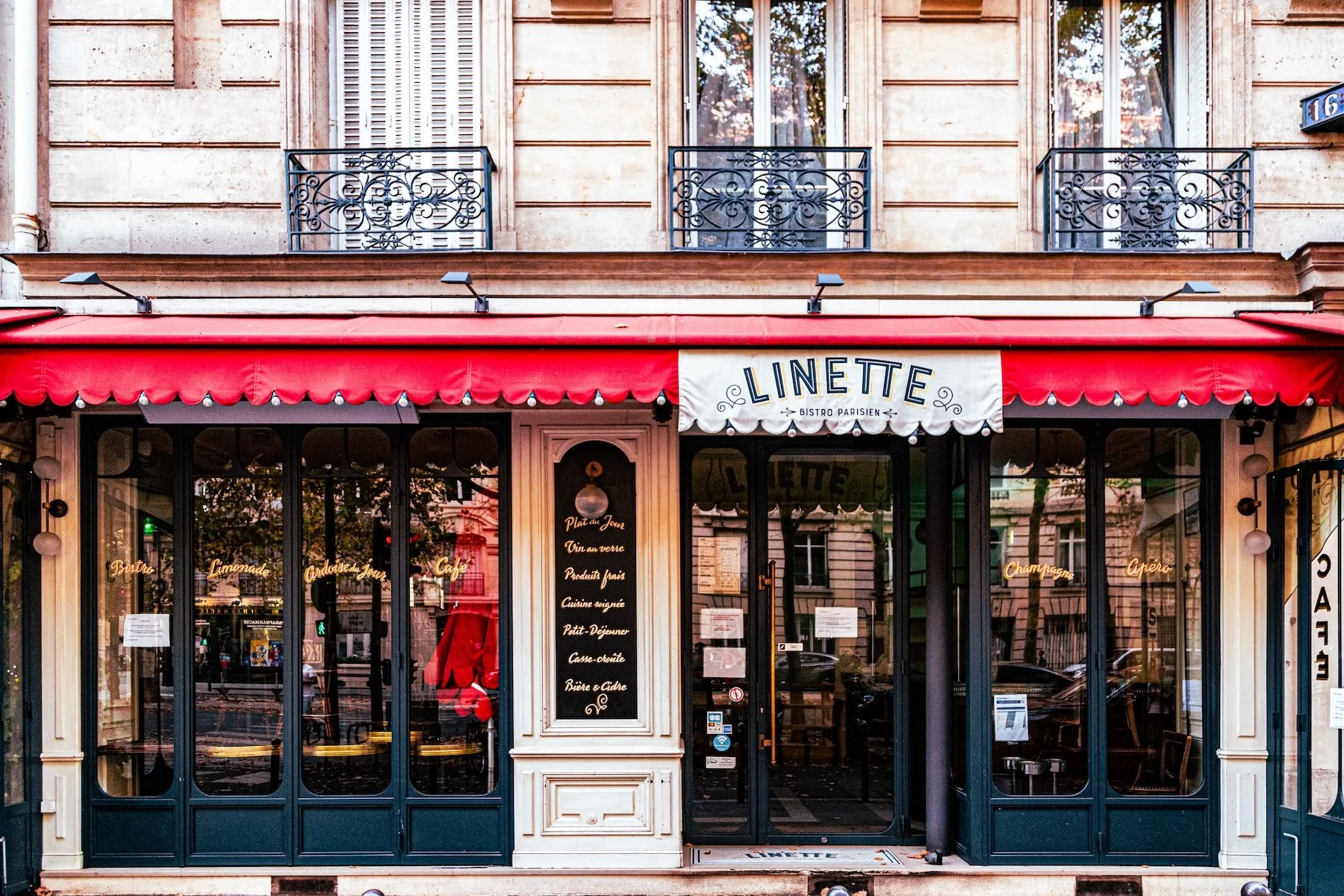
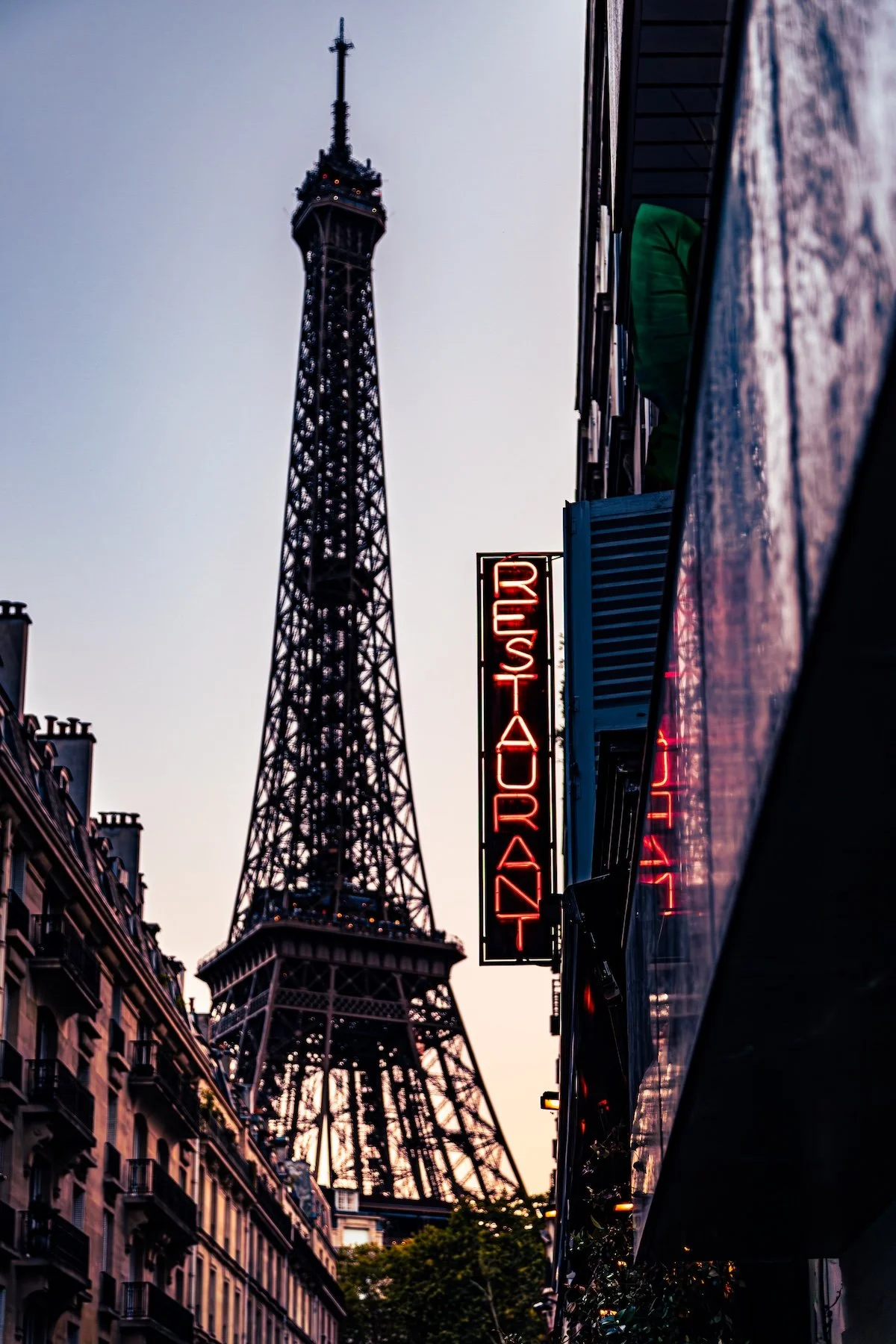
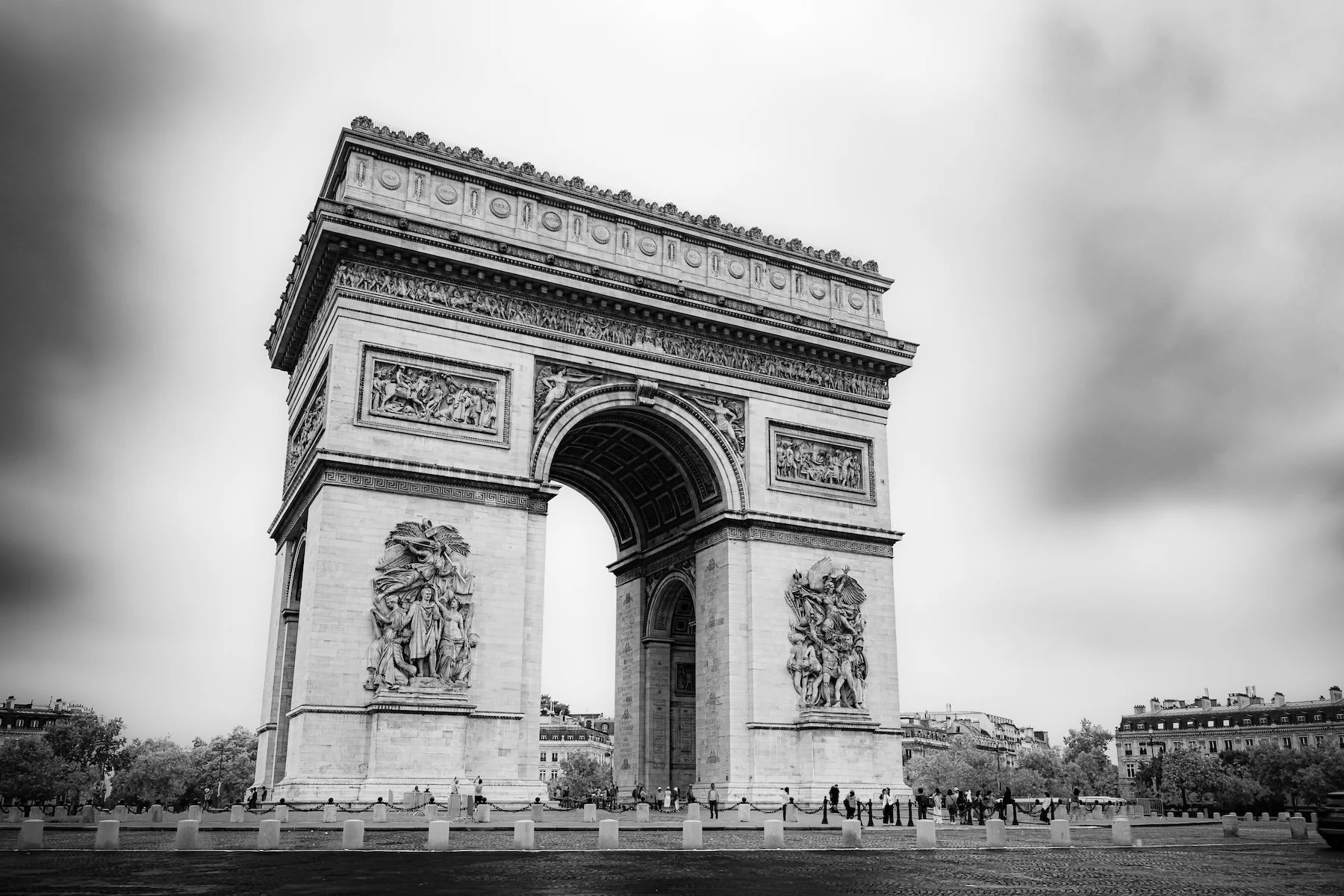
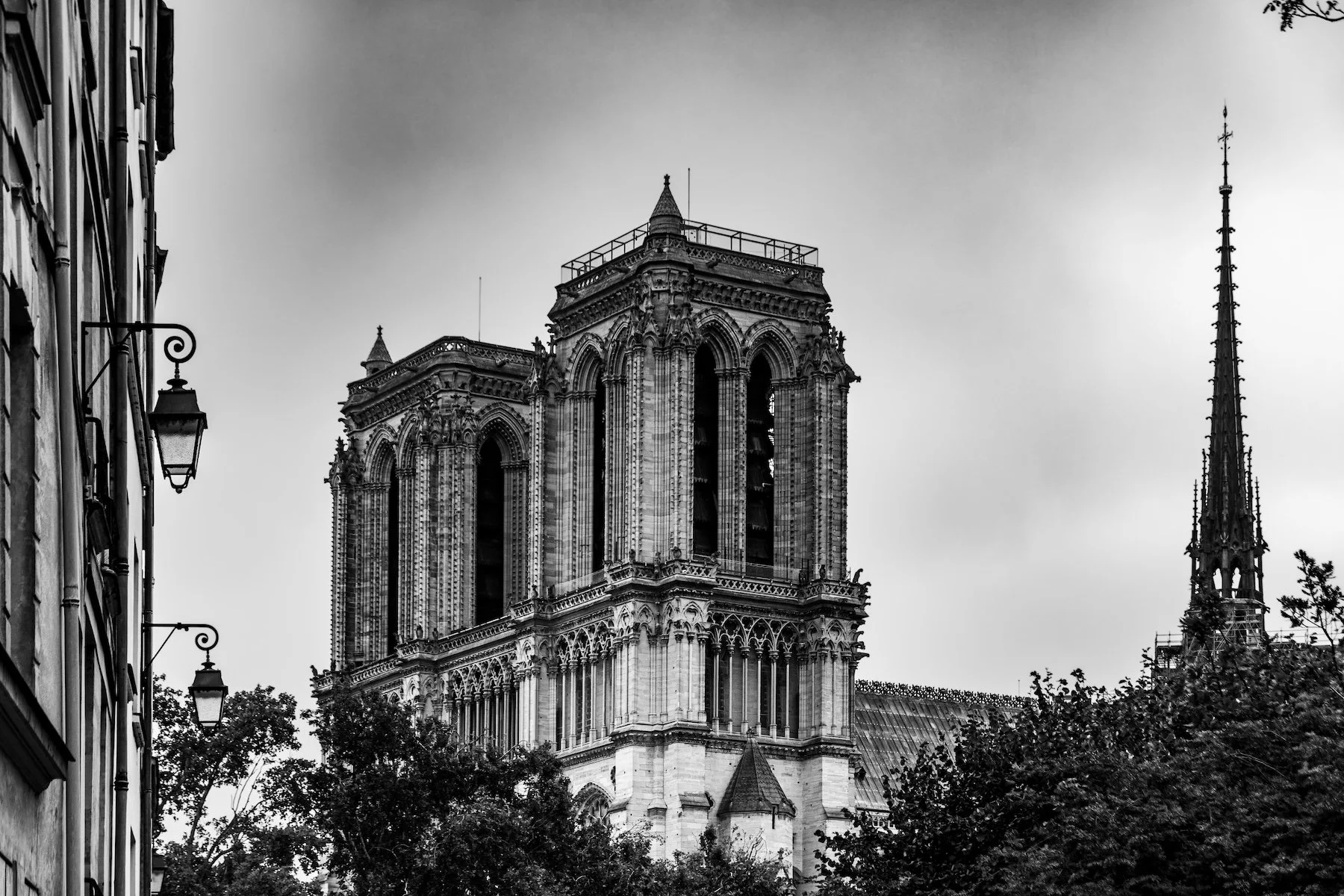

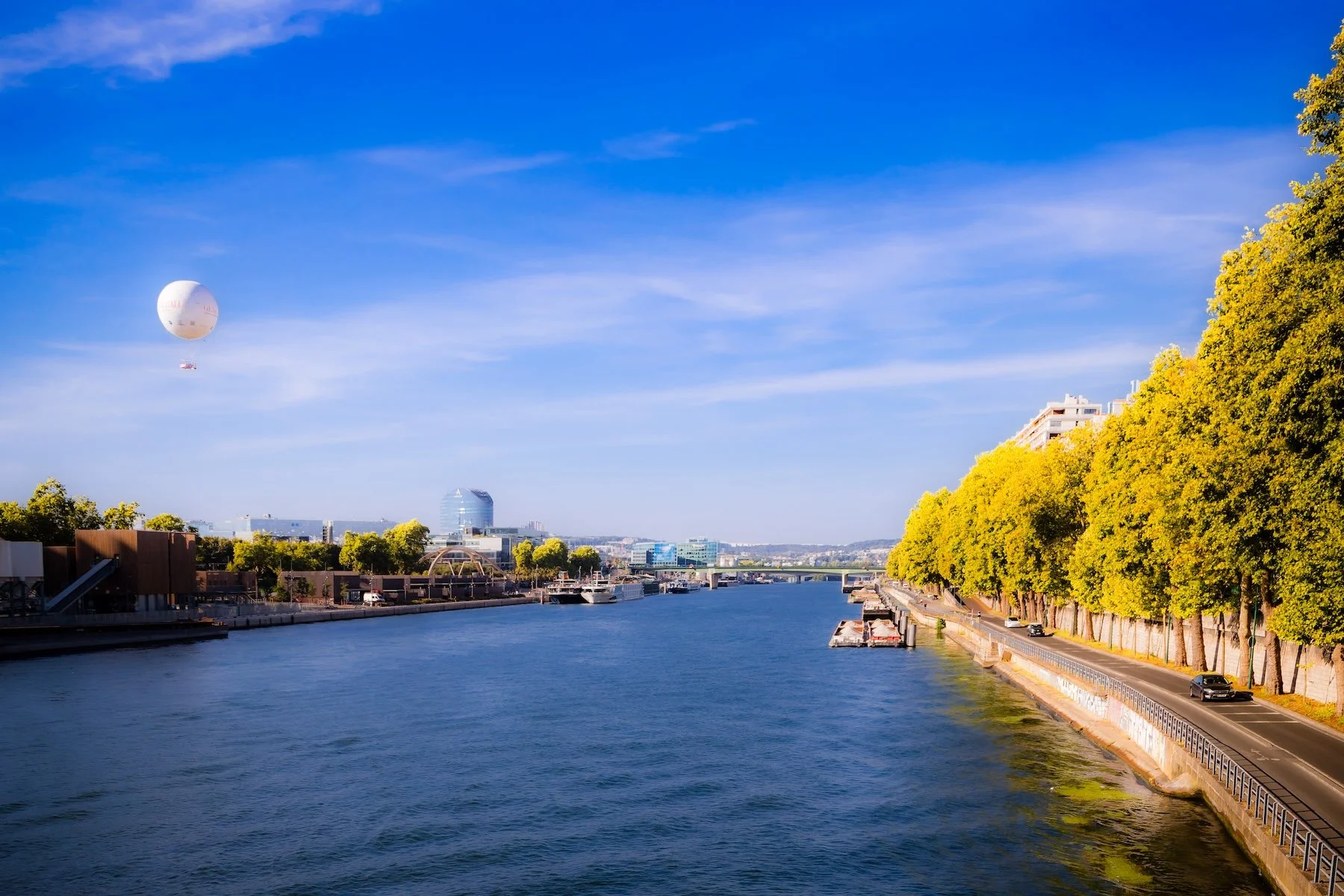
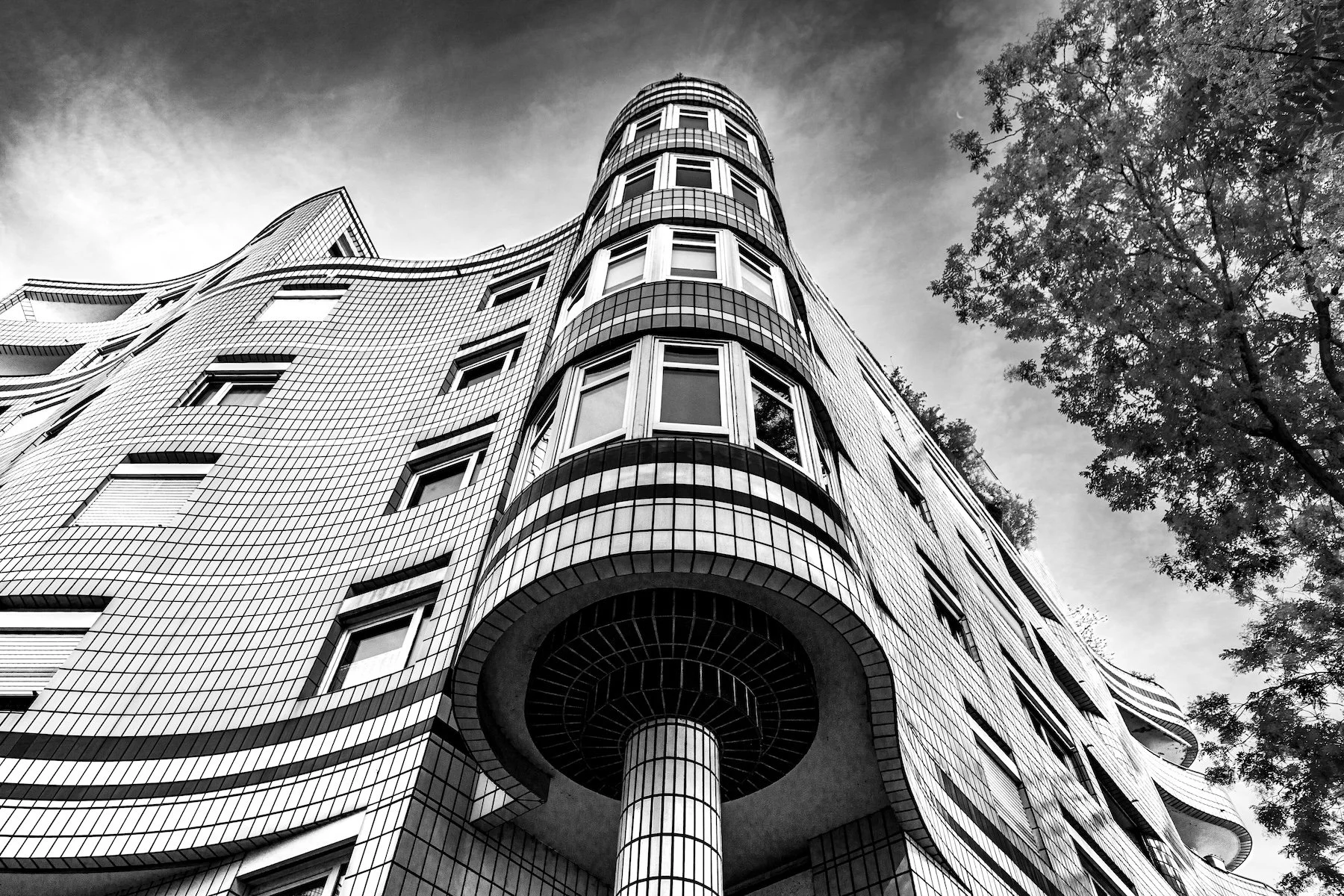
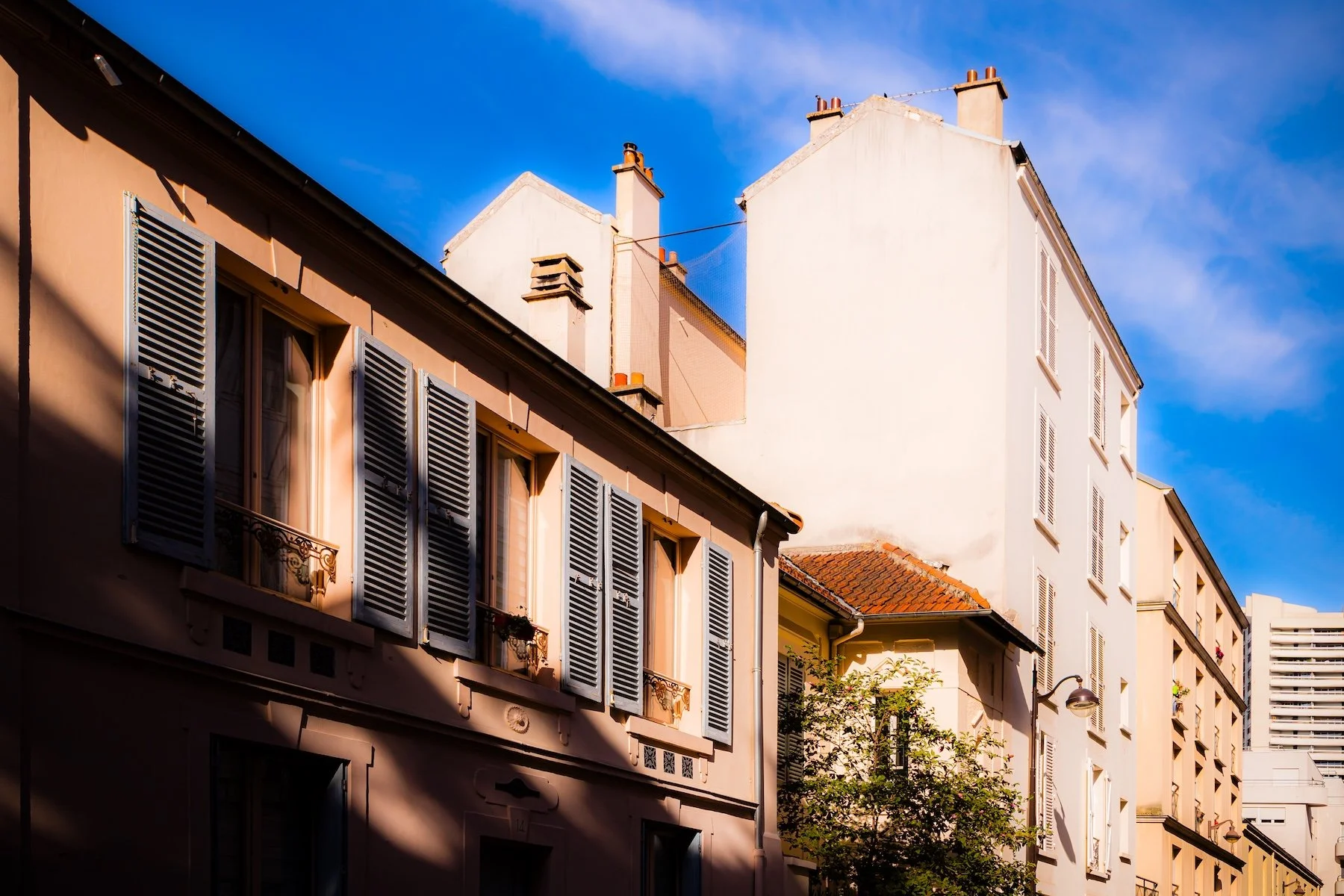
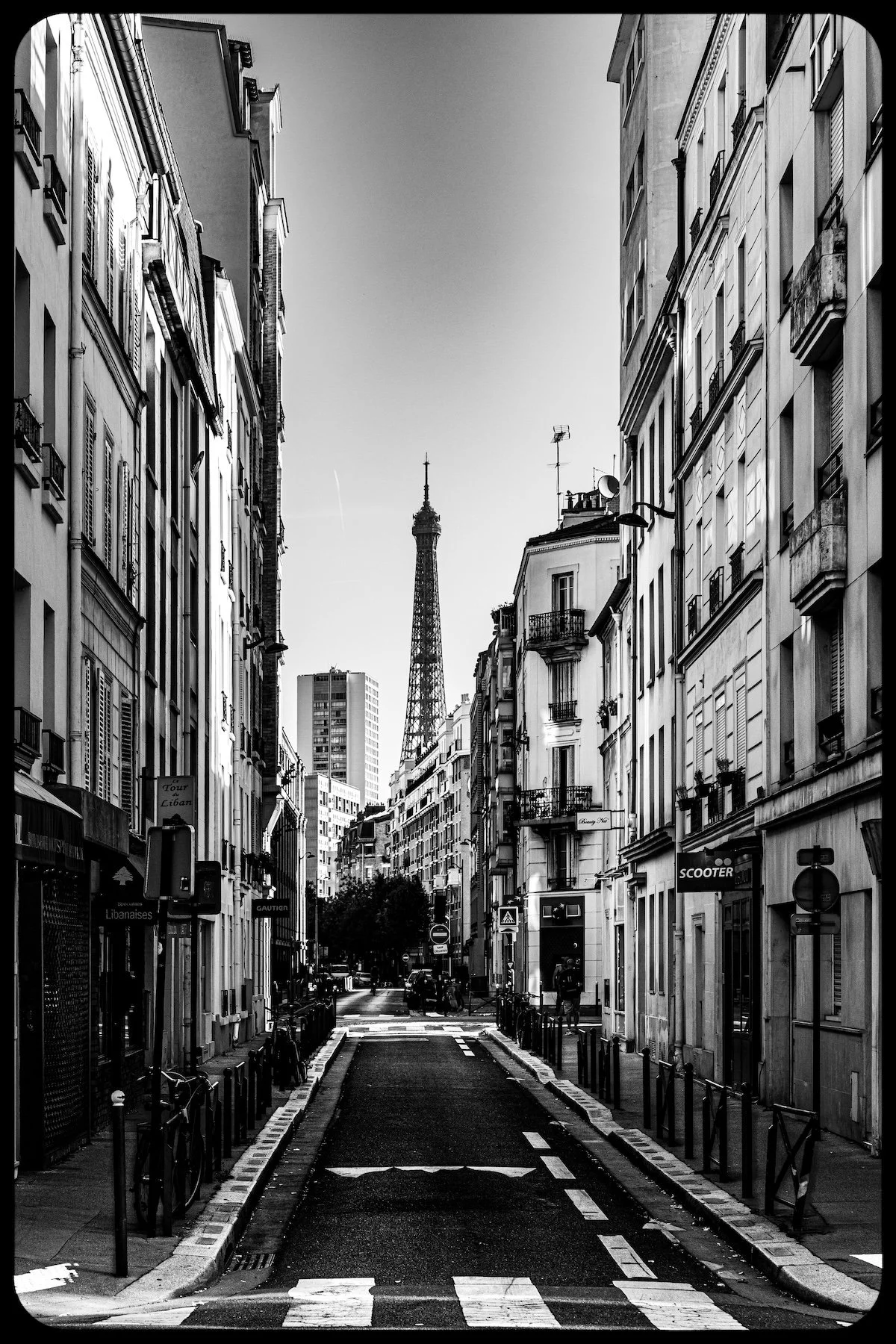
Explore Paris
-

The twenty arrondissements form the civic spiral of Paris, organizing the city into its broad local districts of government, identity, and daily life.
-

Each arrondissement is divided into four official administrative quarters, giving Paris a more precise civic and geographic framework.
-

The conseils de quartier bring participation to street level, giving residents a voice in neighborhood needs, public space, and local civic life.
-

Les Deux Rives trace Paris through the Seine’s two banks, revealing how the Rive Droite and Rive Gauche shaped the city’s civic power, commerce, learning, art, and cultural identity.
-

Cultural neighborhoods reveal the Paris people recognize through history, cafés, architecture, memory, atmosphere, and local belonging.