
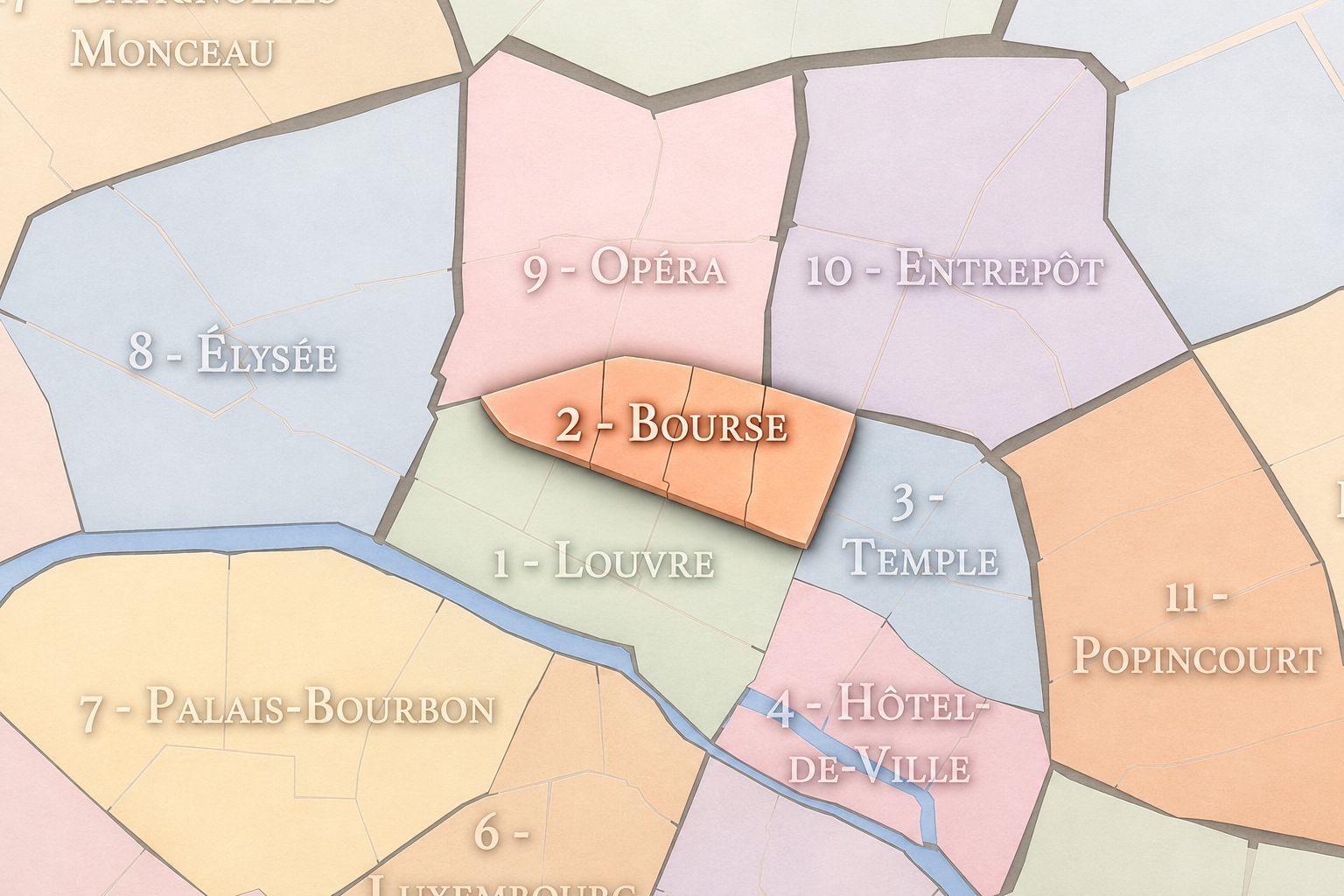
2e - BOURSE
Arrondissements
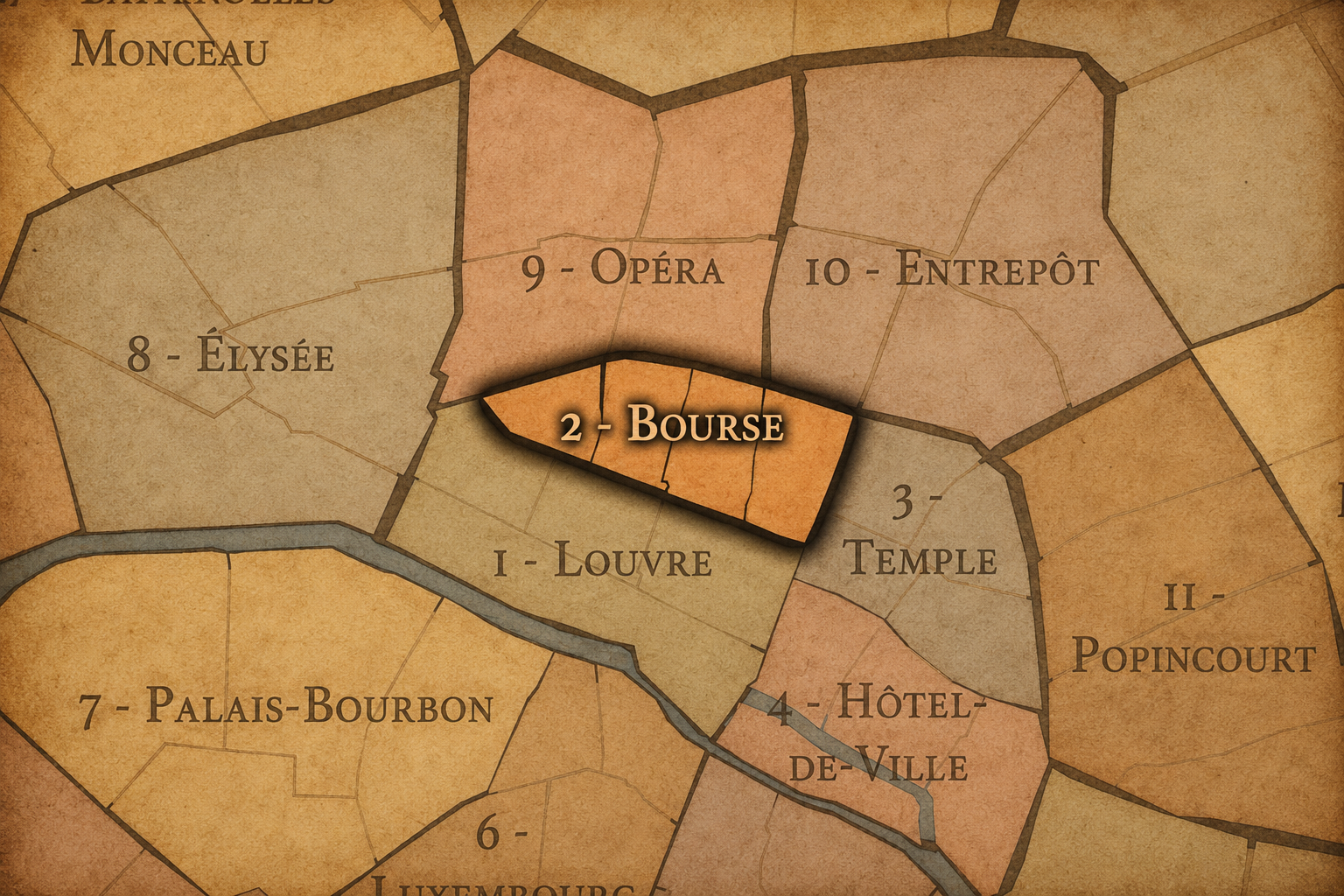
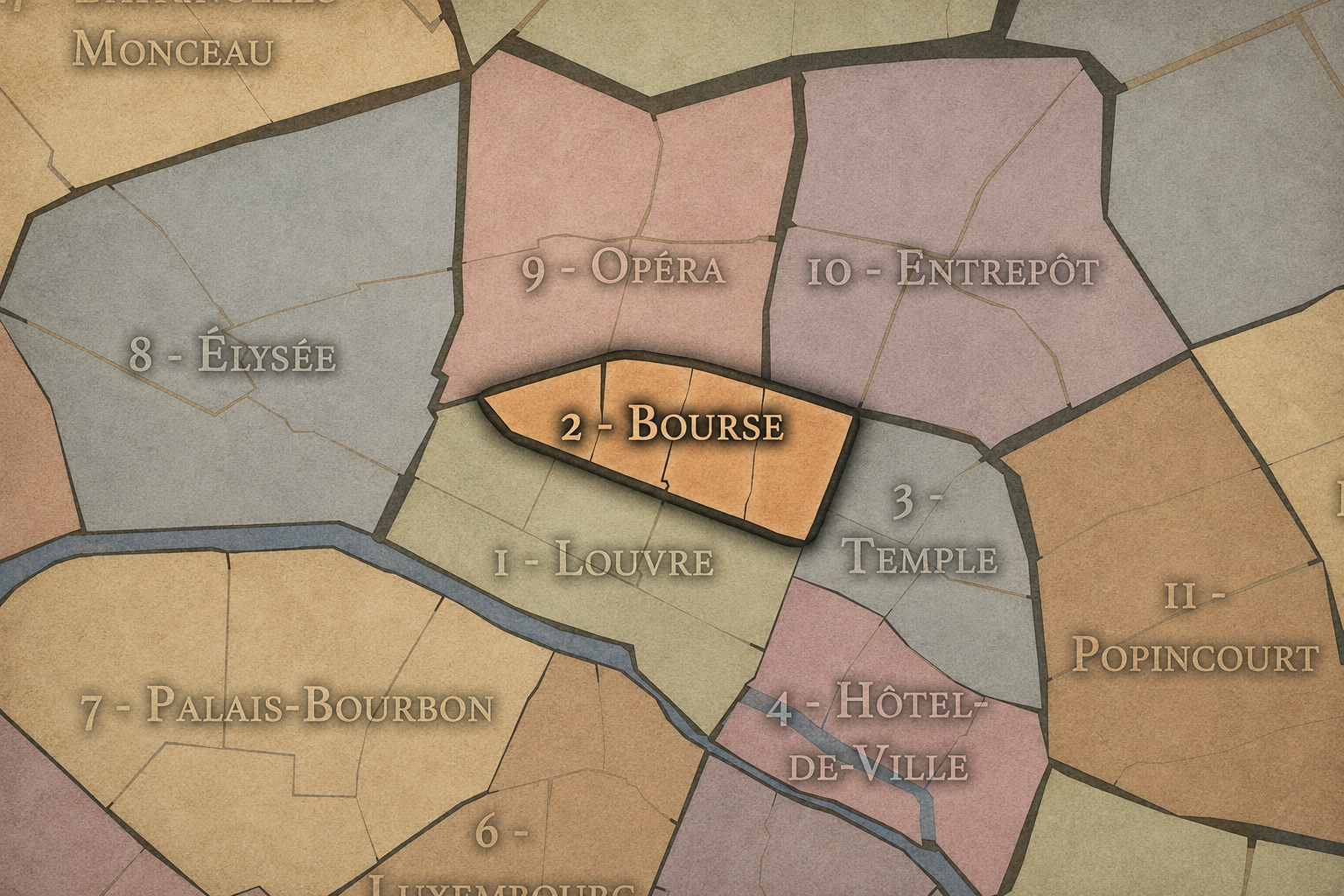
Part of an ongoing project to walk and photograph every neighborhood in Paris, this page explores the 2nd Arrondissement: Bourse through maps, district identity, history, and photography.
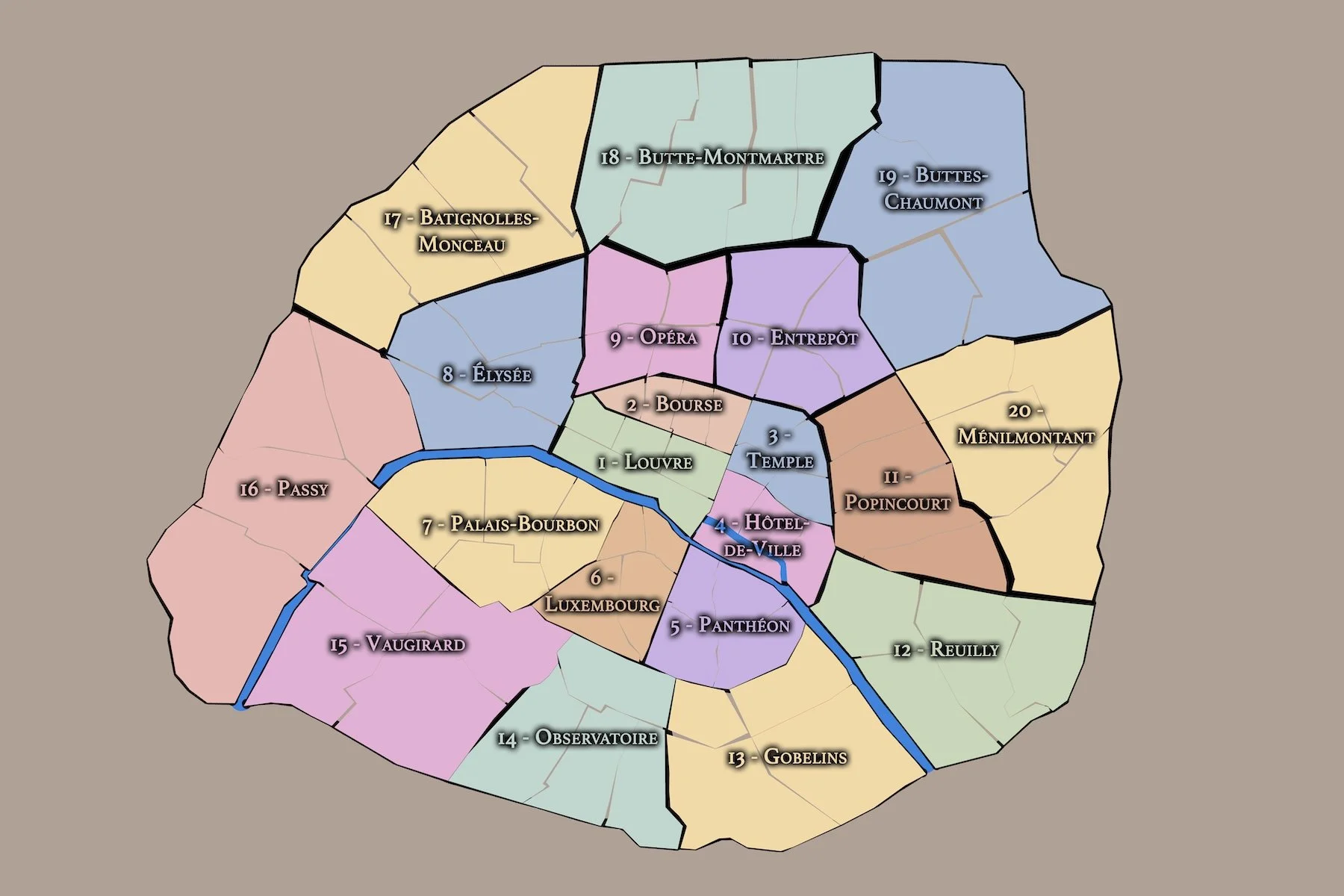
The Map
Download the Paris Arrondissements Map
Geographic Setting
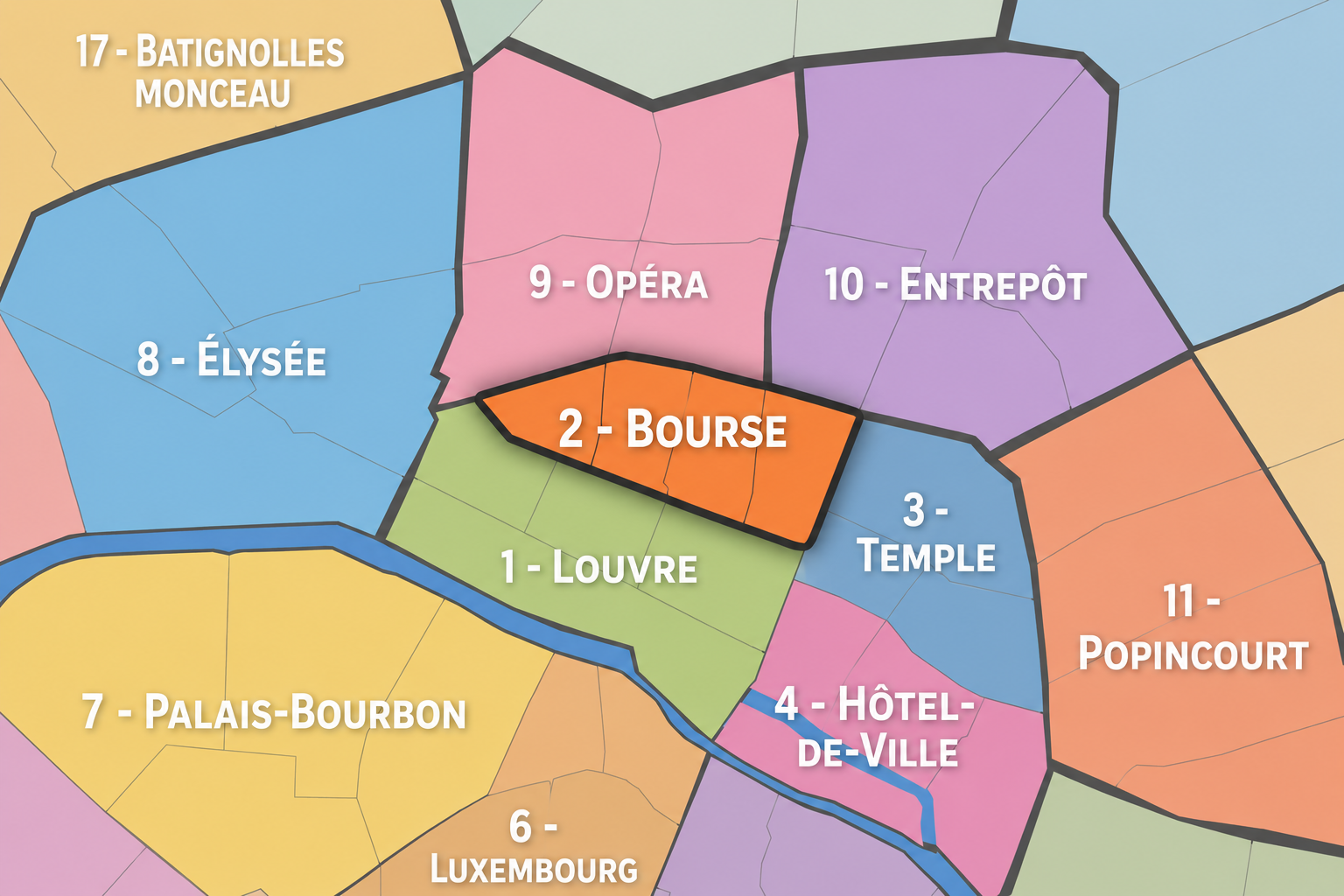
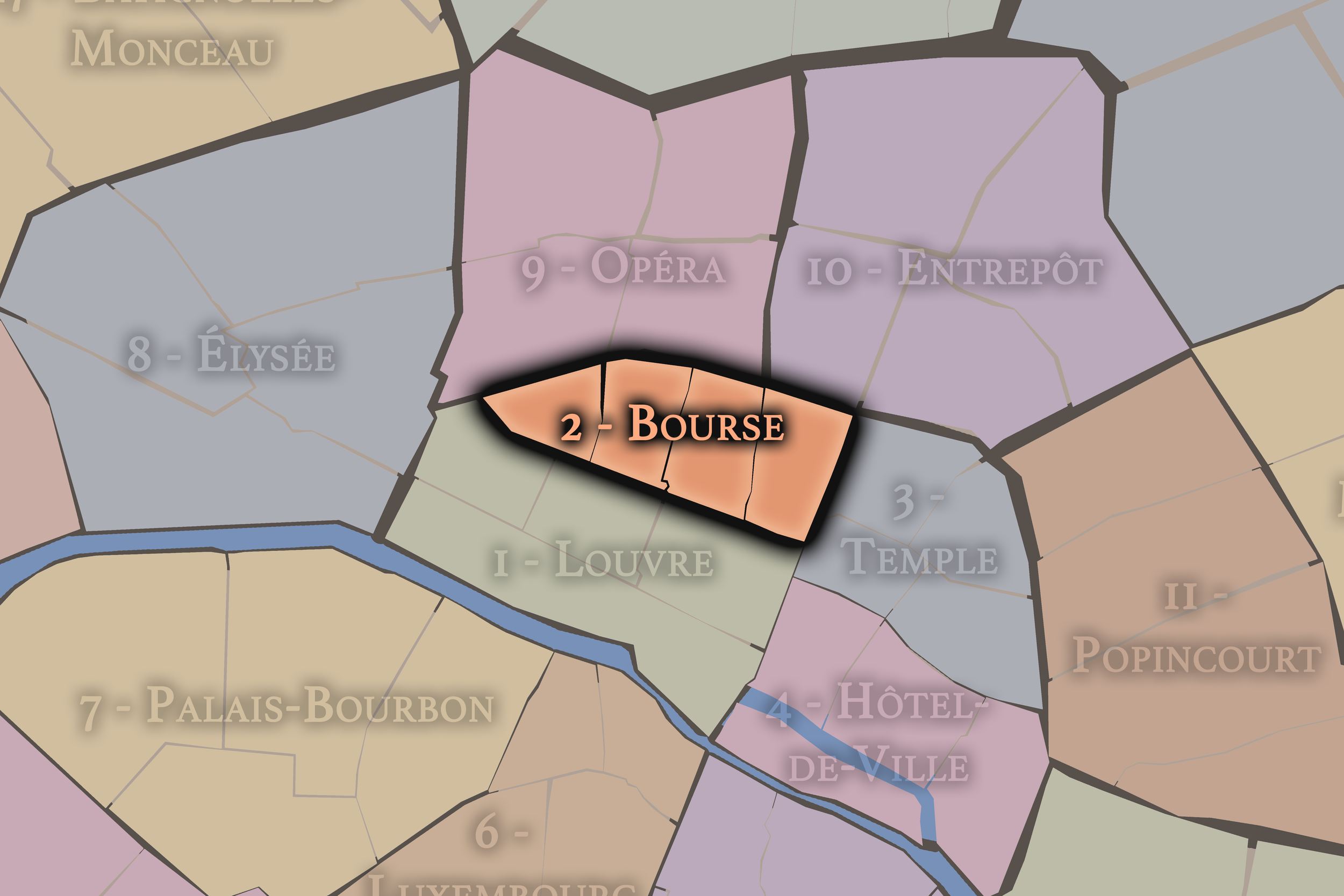
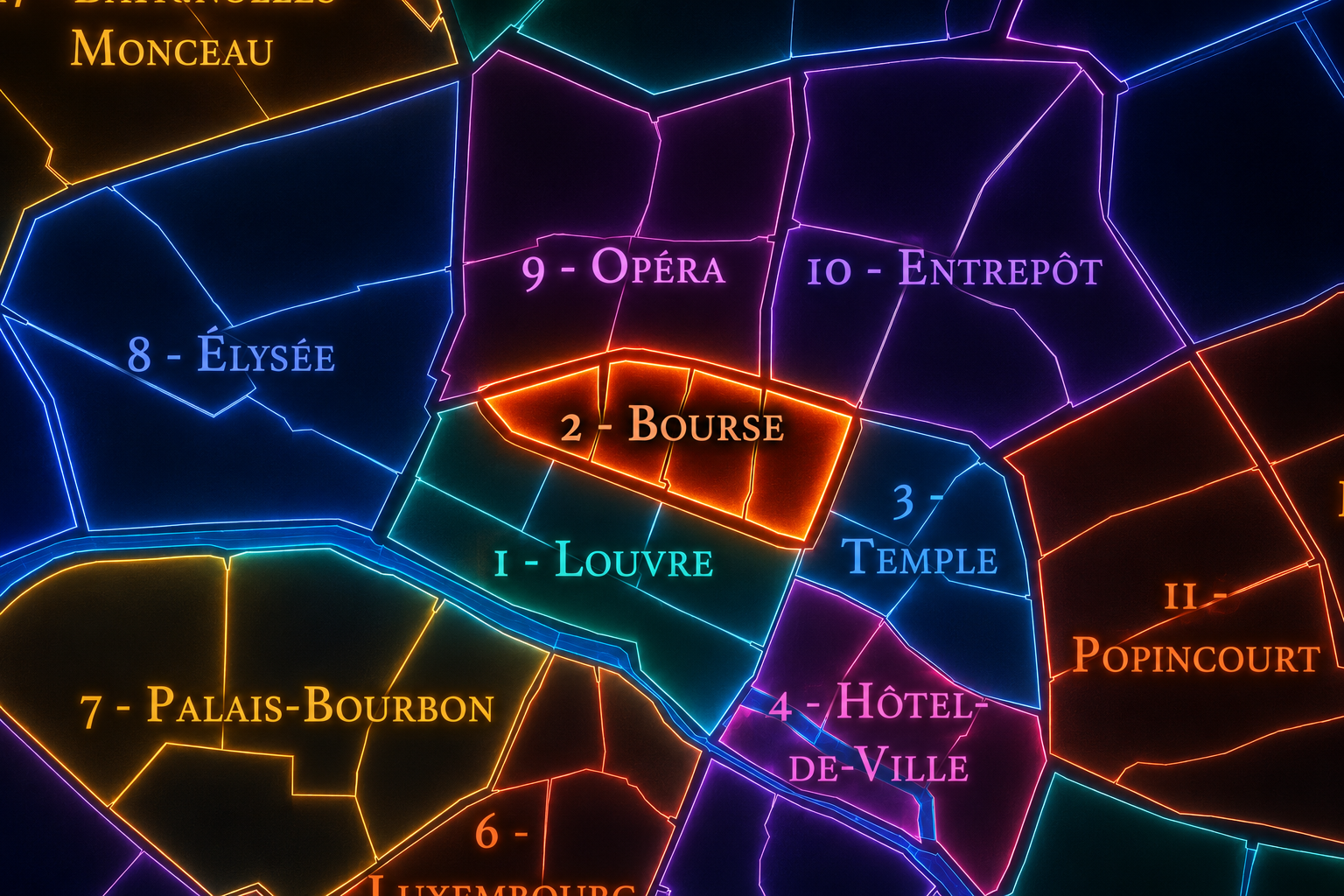
The 2e arrondissement sits on the Right Bank of Paris, just north of the 1er arrondissement and west of the 3e. It is one of the smallest arrondissements in the city, but its compact geography holds an unusually dense concentration of commercial, financial, theatrical, and urban history. Bounded broadly by the Grands Boulevards to the north, the area around Rue Étienne Marcel to the south, the Opéra district to the west, and the edge of the historic Temple district to the east, the 2e occupies a central hinge between old mercantile Paris and the modern city of business, circulation, and spectacle.
Unlike the monumental sweep of the 1er arrondissement, the 2e is defined less by royal gardens and national museums than by corridors, passages, exchanges, and streets of trade. Its urban identity is compressed and intricate: the covered passages of the early 19th century, the financial architecture of the Bourse, the commercial energy of the Sentier, and the theater-lined Grands Boulevards all converge within a relatively small area.
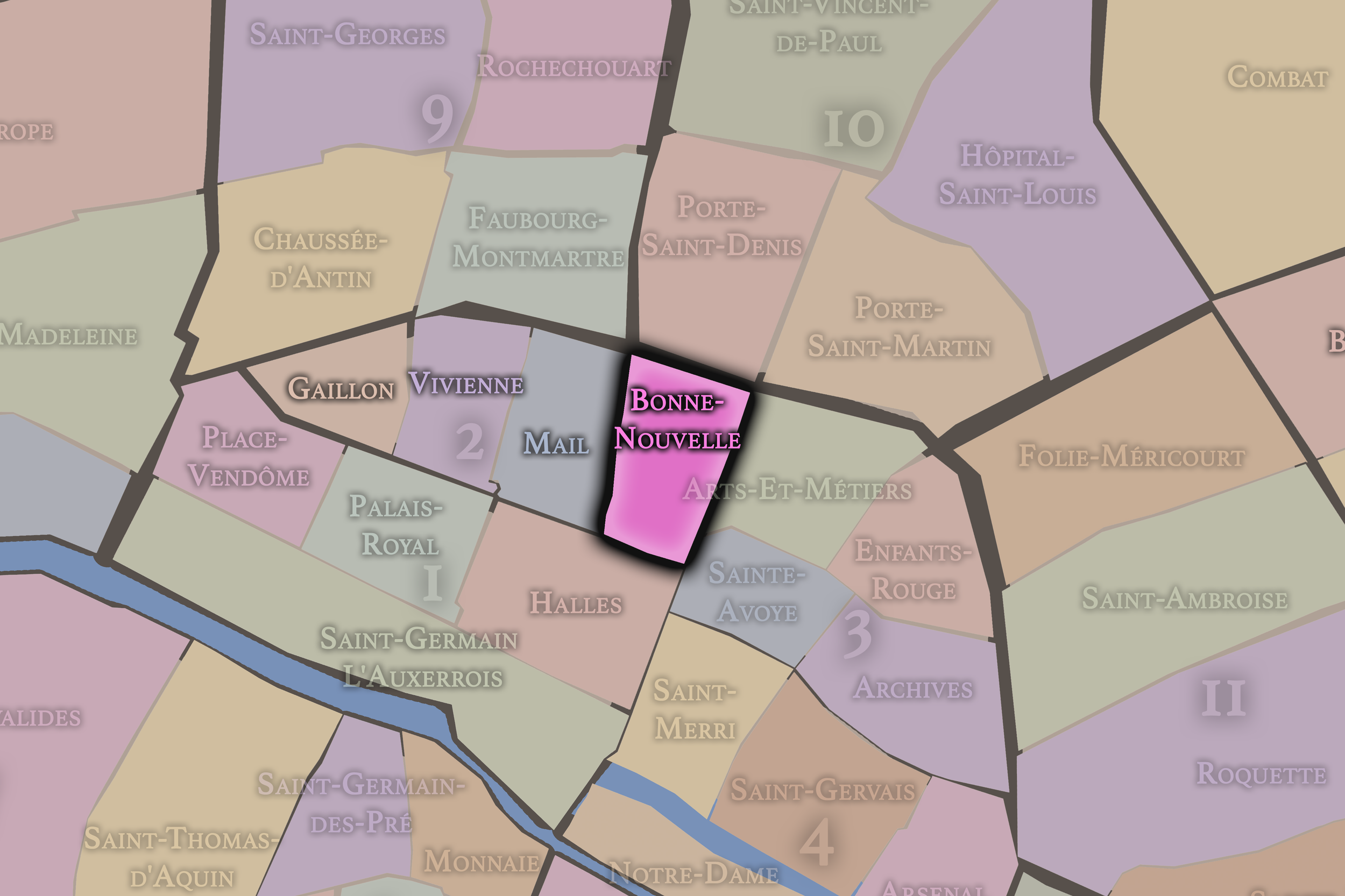
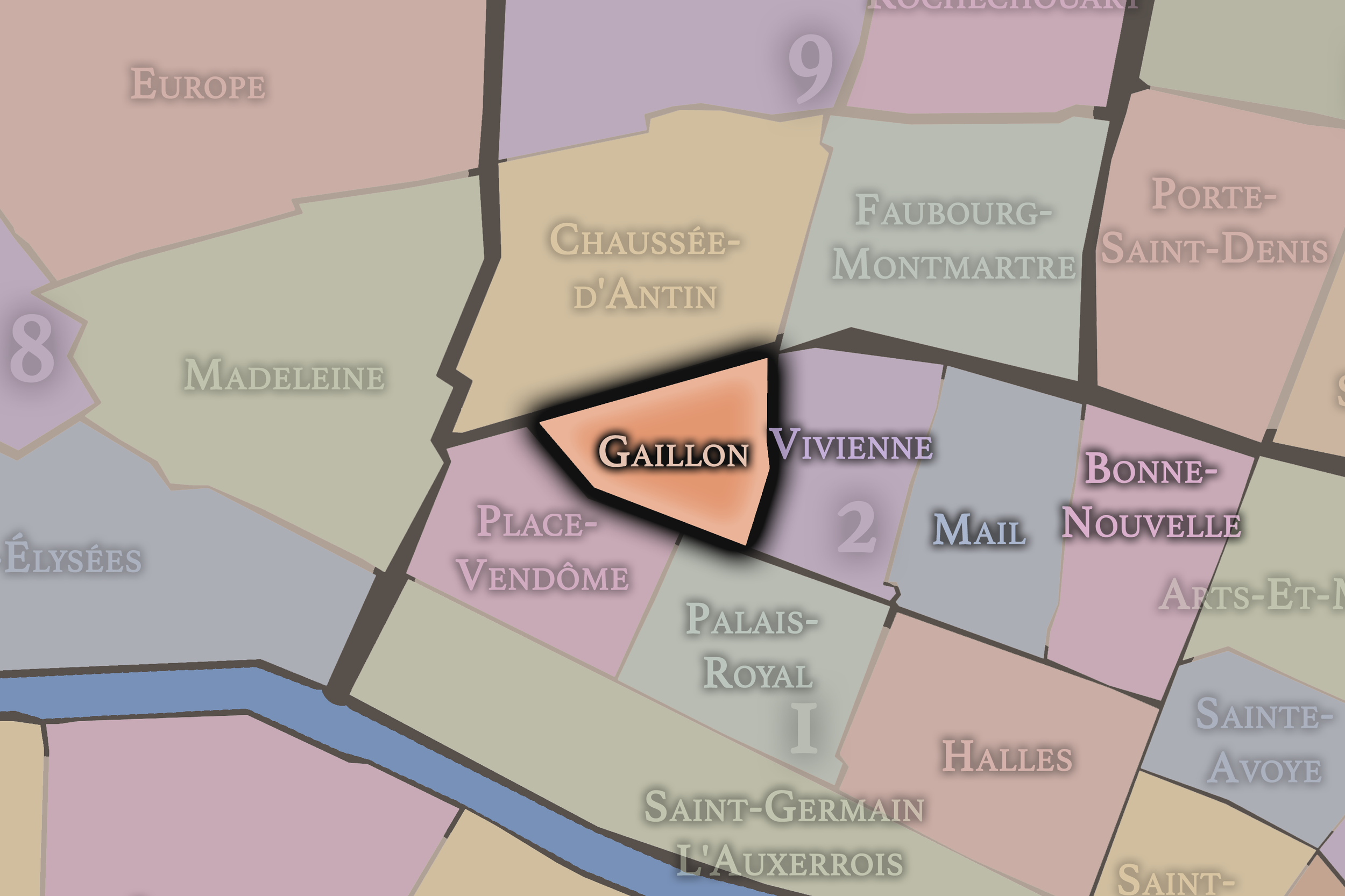
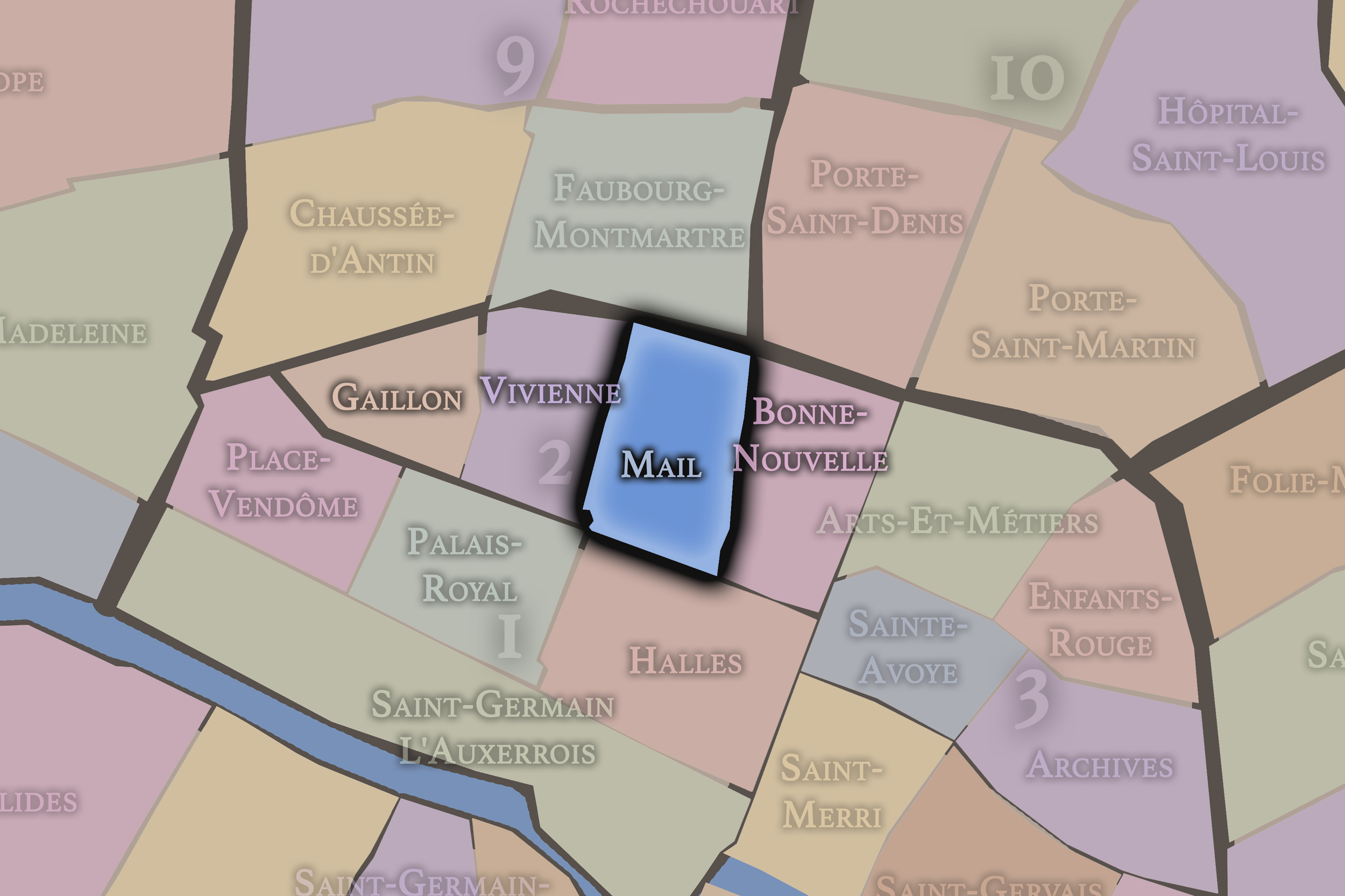
The arrondissement is composed of four administrative quarters: Gaillon, Vivienne, Mail, and Bonne-Nouvelle. Together, they form a district where Parisian commerce repeatedly reinvented itself — from market streets and textile workshops to banking, publishing, journalism, theater, retail, and digital-era offices. If the 1er arrondissement expresses the symbolic heart of Parisian power, the 2e expresses the city’s commercial intelligence: adaptable, networked, compact, and constantly in motion.
Arrondissement Identity
Etymology and Origins
The arrondissement takes its administrative name, Bourse, from the Paris stock exchange and the financial institutions that came to define this part of the city. The name points not to an ancient village or medieval parish, but to a modern function: exchange, finance, and commercial organization. In this sense, the 2e arrondissement’s name captures one of its strongest historic roles — the transformation of Paris into a capital of modern business.
Long before the arrondissement system was created, however, this area belonged to the expanding Right Bank city beyond the earliest medieval core. Streets, markets, religious institutions, and commercial routes developed here as Paris pushed northward from the Seine. The future 2e stood between the dense heart of old Paris and the outer boulevards that would eventually replace earlier defensive walls.
The district’s identity deepened as Paris became a city of specialized trades. Printing, publishing, textiles, finance, theater, and retail all left marks on the area. The result was not a single monumental origin story, but a layered commercial geography: a district built from exchange, movement, and the practical needs of a growing capital.
The 2e arrondissement is part of Paris Centre, the administrative sector created in 2020 that combines the 1er, 2e, 3e, and 4e arrondissements under a shared local mairie. Although the historic arrondissement names and boundaries remain important for geography, identity, and cultural reference, the civic administration of these four central arrondissements is now organized through the mairie of Paris Centre.
Within that framework, the 2e retains its formal identity as one of the twenty arrondissements of Paris. It continues to function as a recognizable geographic and historical unit, especially through its administrative quarters, its relationship to the Bourse, the Sentier, the covered passages, and the Grands Boulevards. The arrondissement therefore exists in two overlapping ways: as part of the modern Paris Centre civic structure, and as a distinct historic arrondissement with its own inherited urban character.
For the purposes of this project, the 2e arrondissement is treated as both an official geographic layer and a cultural-historical district. Its civic framework helps explain how the arrondissement fits into contemporary Paris administration, while its older name, boundaries, quarters, and built environment preserve the commercial and architectural identity that made Bourse one of the defining districts of central Paris.
Civic Framework
Parisian Identity
The 2e arrondissement holds a distinctive place in Paris as one of the city’s compact centers of commerce, finance, passage, and performance. It does not define Paris through royal gardens, grand museums, or monumental civic spaces in the way the 1er does. Instead, it represents a different kind of Parisian centrality: the city as a system of exchange, circulation, and enterprise.
Its identity is closely tied to the development of modern urban commerce. The Bourse gave the arrondissement its financial symbolism, while the covered passages offered a new form of commercial interior: part street, part arcade, part social promenade. The Grands Boulevards added theater, journalism, cafés, and popular spectacle, making the arrondissement part of the public stage of 19th-century Paris.
Within the larger story of the city, the 2e stands for Paris as a working commercial organism. It is a district of offices, passages, markets, textile streets, theaters, and financial institutions — a place where the elegance of the capital is inseparable from the practical systems that helped the city function.
The 2e arrondissement is distinguished by its unusual density. It is small in area, but rich in overlapping identities: the financial world of the Bourse, the glass-roofed elegance of the covered passages, the textile and garment history of the Sentier, and the theatrical life of the Grands Boulevards.
Unlike arrondissements defined by broad ceremonial spaces, the 2e often reveals itself through interiors and corridors. Its most characteristic spaces are not only streets and squares, but passages, arcades, courtyards, shopfronts, and commercial rooms. This gives the arrondissement an intimate urban texture, where Paris feels compressed into a network of movement, display, and trade.
The arrondissement’s distinction also lies in its adaptability. The same streets that supported finance, printing, textiles, wholesale trade, theater, and retail have continued to absorb newer forms of work and culture. The 2e is therefore not a preserved relic of commercial Paris, but a district where older economic forms remain visible inside a constantly changing central city.
Neighborhood Distinction
Les Quartiers Administratifs
Administrative Quarters
The Four Administrative Quarters
Each Paris arrondissement is divided into four official administrative quarters. These smaller districts reveal older place-names, local histories, civic boundaries, and neighborhood identities.
-
Bonne-Nouvelle
Bonne-Nouvelle occupies the northeastern portion of the arrondissement, along the edge of the Grands Boulevards and near the boundary with the 10e. Its identity is connected to theaters, boulevards, popular entertainment, and the movement between older central Paris and the expanding modern city. The quarter carries the atmosphere of transition: between commerce and spectacle, old streets and broad avenues, historic trades and newer forms of urban life.
-
Gaillon
Gaillon occupies the western portion of the 2e arrondissement, near the Opéra and the historic theater district. Its streets reflect the arrondissement’s connection to performance, finance, and the polished edges of central Paris. Close to the Palais Garnier and the Grands Boulevards, Gaillon belongs to the part of the 2e where commercial life and cultural display meet most visibly.
-
Mail
Mail lies near the center of the arrondissement and is deeply tied to the textile and garment trades that shaped the Sentier. Its streets are narrower, denser, and more workaday than the grander spaces around the Bourse or Opéra. The quarter reflects the 2e as a district of production and distribution: a place where goods, labor, fashion, and business networks circulated through small streets and workshop buildings.
-
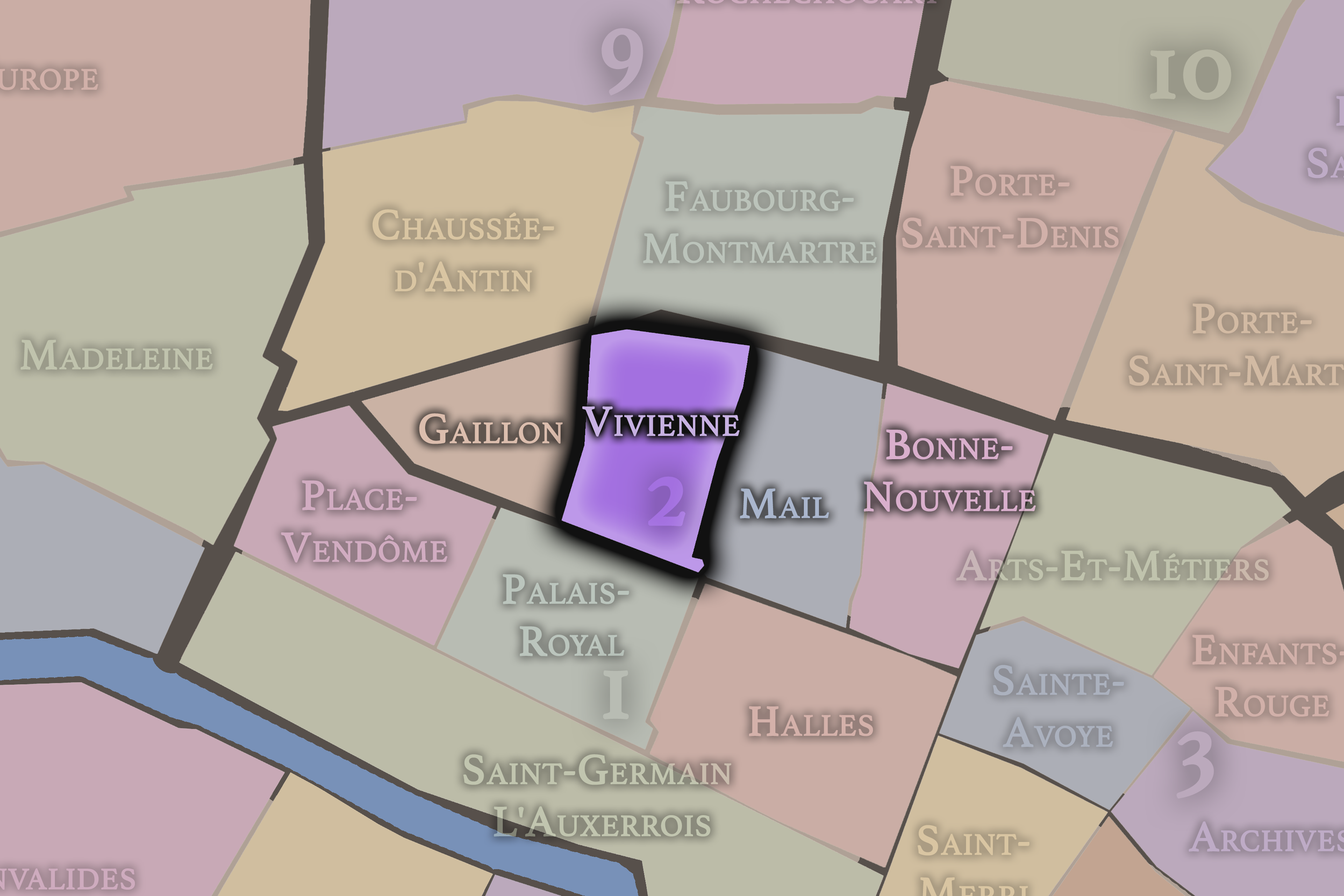
Vivienne
Vivienne forms one of the arrondissement’s most historically resonant quarters. It is closely associated with the Palais Brongniart, the former Paris stock exchange, and with some of the city’s most elegant covered passages, including Galerie Vivienne. This quarter gives the 2e much of its financial and architectural identity, preserving the memory of 19th-century commerce beneath glass roofs, arcades, and refined urban interiors.
The History
The area that became the 2e arrondissement developed on the Right Bank, north of the earliest river-centered core of Paris. As the medieval city expanded beyond the Île de la Cité and the dense streets near the Seine, this part of the Right Bank became increasingly tied to trade, circulation, and the movement of goods into the growing capital.
Its early identity was shaped less by royal monumentality than by the practical geography of urban expansion. Streets, markets, workshops, religious institutions, and commercial routes formed a dense fabric between the older center of Paris and the northern approaches to the city. The future arrondissement stood in a zone of transition: close enough to the historic core to be deeply urban, but far enough north to absorb the pressures of growth, commerce, and movement.
This gave the district an origin rooted in function. Before it was known through the Bourse, the covered passages, the Sentier, or the Grands Boulevards, it was part of the working expansion of Paris — a Right Bank district where streets and trades developed in response to the needs of an enlarging medieval city.
Origins
16th–17th Century
During the 16th and 17th centuries, the future 2e arrondissement became increasingly integrated into the commercial and urban life of Paris. The city continued to expand northward, and the district’s position between the older center and the outer edges of development made it well suited to trade, workshops, residences, and routes of circulation.
The area’s relationship to the city’s former walls and gates remained important. As Paris outgrew earlier defensive boundaries, the spaces along and beyond those edges gradually became part of a more open urban fabric. This process helped prepare the ground for the later development of the boulevards, which would become one of the arrondissement’s defining features.
By the end of the 17th century, the district had taken on many of the qualities that would shape its later identity: density, movement, commercial specialization, and proximity to the expanding public life of the Right Bank. It was not yet the modern district of passages, theaters, finance, and textile trade, but the foundations of that role were already forming in its streets.
During the 18th century, the future 2e arrondissement became more firmly associated with the expanding commercial and social life of the Right Bank. Its streets stood close to the growing world of theaters, cafés, print culture, financial activity, and public sociability that gathered around the boulevards and the districts north of the old city core.
The transformation of former defensive edges into promenades and boulevards helped reshape the area’s identity. What had once been tied to boundaries and fortifications increasingly became a landscape of circulation, entertainment, and display. The northern edge of the future arrondissement, especially along the boulevard corridor, began to take on the character that would later make the Grands Boulevards one of the great public stages of Paris.
At the same time, the district’s commercial role continued to deepen. Streets and workshops supported trades, merchants, publishers, artisans, and financial activity, giving the area a practical urban energy distinct from the royal and ceremonial spaces farther south and west. By the end of the 18th century, the future Bourse arrondissement had become a dense Right Bank district positioned for the transformations of the 19th century: finance, covered passages, theaters, and modern commercial Paris.
18th Century
19th Century
The 19th century was decisive for the 2e arrondissement. This was the period when its modern identity as a district of finance, commerce, passages, theaters, and urban spectacle came fully into view. The construction and prominence of the Paris Bourse gave the arrondissement a powerful financial association, while the surrounding streets supported banking, brokerage, publishing, and business activity.
The covered passages became one of the arrondissement’s most distinctive contributions to Parisian urban form. Galerie Vivienne, Passage des Panoramas, Passage Choiseul, and other arcades created intimate commercial interiors within the dense city. They were places of shopping, strolling, display, and social observation — forerunners of later retail environments, but still unmistakably Parisian in scale and atmosphere.
The Grands Boulevards also helped define the arrondissement during this period. Theaters, cafés, restaurants, and newspaper culture made the northern edge of the 2e part of a broader landscape of popular entertainment and public life. At the same time, the Sentier and nearby streets intensified as commercial and textile districts, giving the arrondissement a productive, work-centered identity beneath its more polished surfaces.
In the early and mid 20th century, the 2e arrondissement remained a district of intense commercial activity. The financial world around the Bourse continued to matter, while the Sentier sustained its role in textiles, garments, and wholesale trade. The arrondissement’s narrow streets, office buildings, workshops, and commercial courtyards allowed small-scale enterprise to remain embedded in the center of Paris.
The covered passages, however, faced a more complicated period. As shopping patterns changed and larger department stores, modern streets, and new forms of retail drew attention elsewhere, some passages declined or lost the centrality they had enjoyed in the 19th century. Yet their architecture endured, preserving a memory of earlier commercial Paris even when their economic role shifted.
The arrondissement’s identity during this period therefore rested on continuity and adaptation. It remained a place of work, exchange, and circulation, but the meanings of those activities evolved. Finance modernized, garment production changed, entertainment shifted, and the dense commercial fabric of the district absorbed each transformation without losing its underlying character.
Early–Mid 20th Century
Late 20th Century
The late 20th century brought significant changes to the 2e arrondissement. The Sentier, long associated with the garment trade, began to evolve as manufacturing and wholesale activity changed under economic pressure. Some traditional textile businesses declined, while others adapted to new markets, new forms of distribution, and changing patterns of urban commerce.
At the same time, the arrondissement’s historic architecture gained renewed appreciation. The covered passages, once threatened by neglect or changing retail habits, became increasingly valued as heritage spaces. Their glass roofs, mosaic floors, boutiques, and intimate scale offered a different vision of Paris from the broad avenues and monumental landmarks elsewhere in the city.
The Bourse district also changed as financial practices modernized. The symbolic power of the former stock exchange remained, but the neighborhood’s identity increasingly expanded beyond traditional finance. Offices, media, technology, food culture, and tourism entered the district’s older commercial fabric, layering contemporary uses onto historic streets.
In the 21st century, the 2e arrondissement has become one of the clearest examples of central Paris adapting to new economies while retaining its historic structure. The Sentier has been associated increasingly with startups, digital businesses, coworking, fashion, food, and creative industries, even as traces of its textile past remain visible in street names, building types, and commercial rhythms.
The covered passages have become heritage destinations as well as functioning commercial spaces. They attract visitors, photographers, shoppers, and local workers, but they also preserve a distinct urban experience: a Paris of interior streets, softened light, historic shopfronts, and slow passage through the city’s commercial memory.
Today, the 2e is both old and contemporary, compact and networked. It does not announce itself through a single monument in the way some arrondissements do. Instead, it reveals itself through density: arcades, offices, theaters, cafés, former financial institutions, textile streets, and small commercial interiors. Its legacy is not only what Paris displayed to the world, but how the city worked.
21st Century
Spirit and Legacy
The 2e arrondissement is one of Paris’s great districts of exchange. Money, fabric, news, theater, food, fashion, and ideas have all moved through its streets. Its identity is not fixed in one era or one monument; it is a layered record of how a capital city organizes its commercial life.
Its covered passages preserve the elegance of 19th-century urban imagination, while the Sentier carries the memory of labor, production, and entrepreneurial adaptation. The Bourse gives the arrondissement its name and financial symbolism, but the district’s deeper legacy lies in its networks: the narrow streets, arcades, offices, workshops, and boulevards that allowed Paris to trade, perform, publish, manufacture, and reinvent itself.
In the larger geography of Paris, the 2e stands as a compact engine of urban modernity. It is not the ceremonial heart of the city, but one of its working minds — a district where commerce became architecture, where passages became public rooms, and where the everyday business of Paris left a lasting mark on the city’s form.
The Photography
The arrondissements do not share a single visual identity. Instead, they organize Paris into twenty broad visual fields, each gathering its own combination of landmarks, streetscapes, institutions, residential districts, commercial corridors, parks, rail stations, markets, cemeteries, and riverfront edges.
Some arrondissements are defined by monumental scale: royal palaces, ceremonial avenues, government buildings, museums, formal gardens, and internationally recognized landmarks. Others are shaped by hills, canals, rail gateways, apartment-lined boulevards, neighborhood markets, former village streets, industrial remnants, parks, or the quieter rhythms of residential Paris. The arrondissement system gives these varied landscapes a civic frame, allowing the city to be read not as one visual language, but as a sequence of overlapping Parisian atmospheres.
Visual Identity
Through The Lens
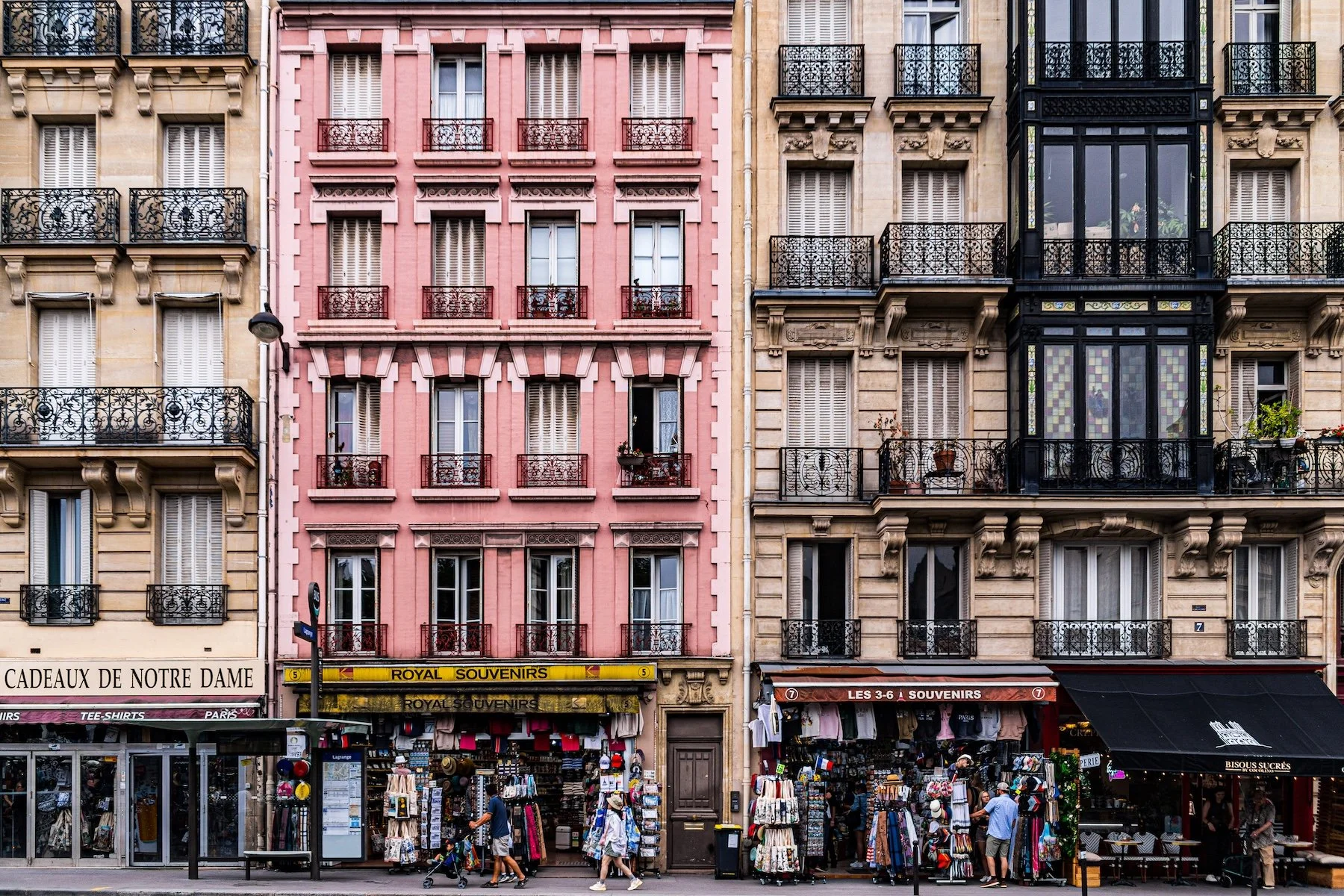
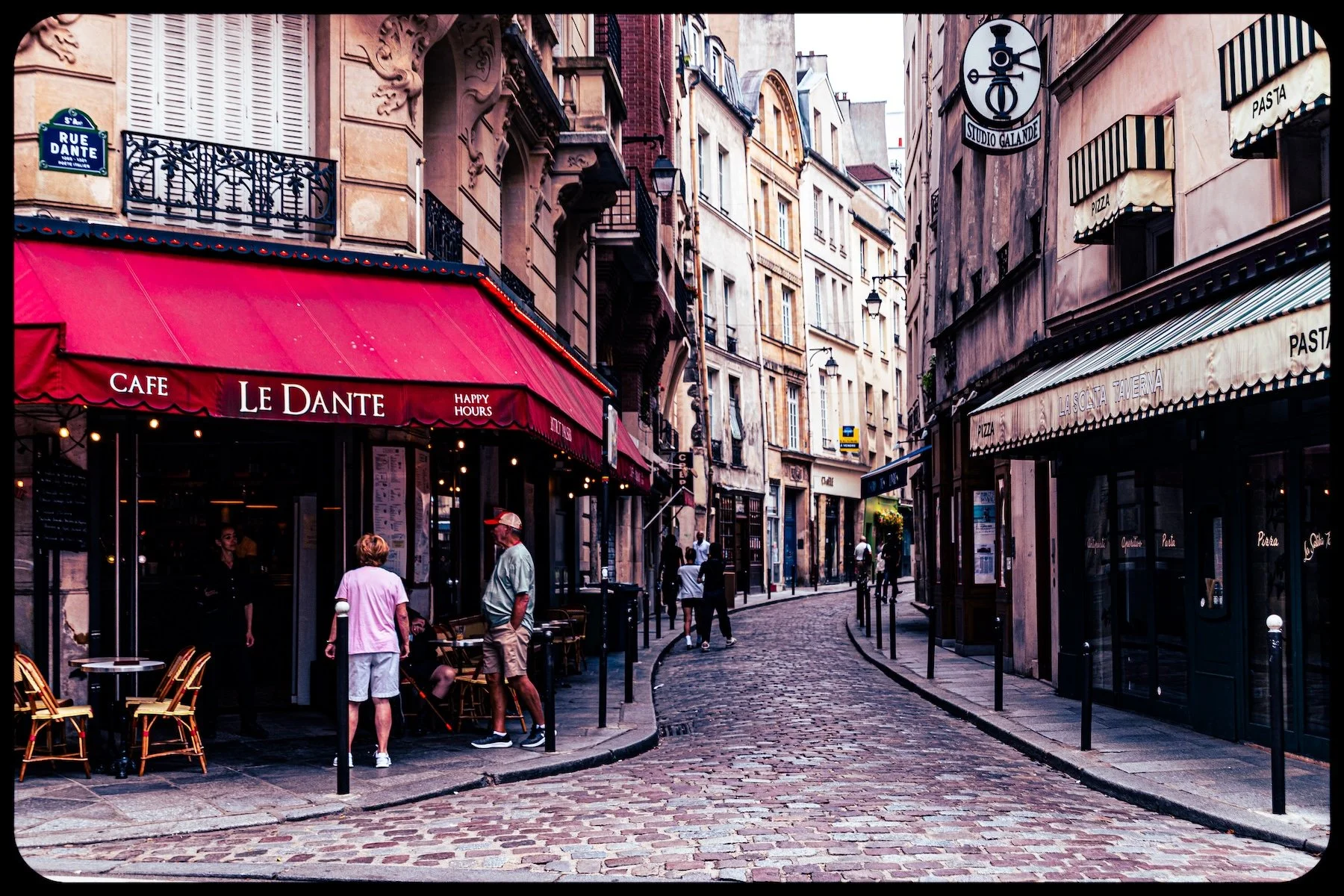
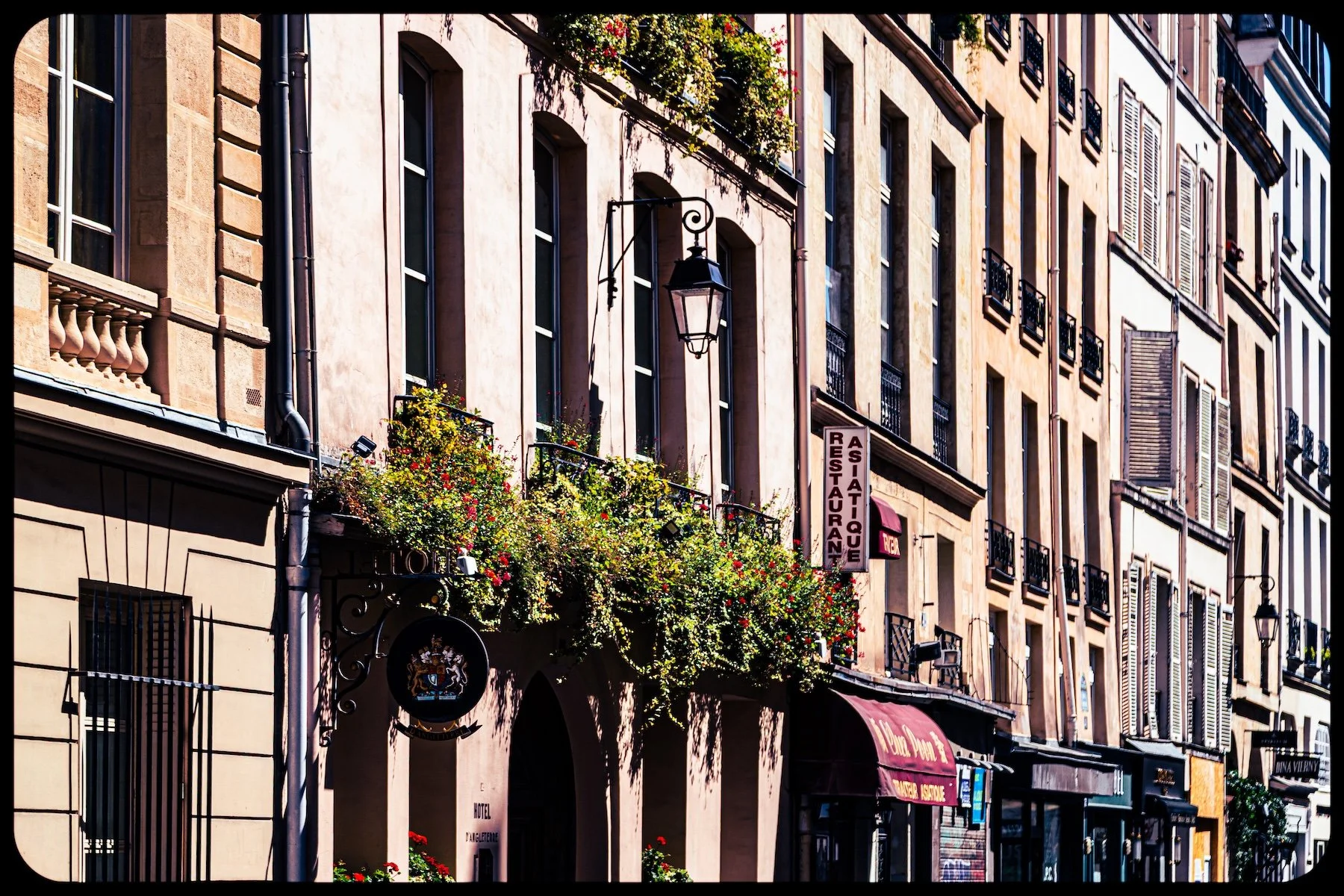
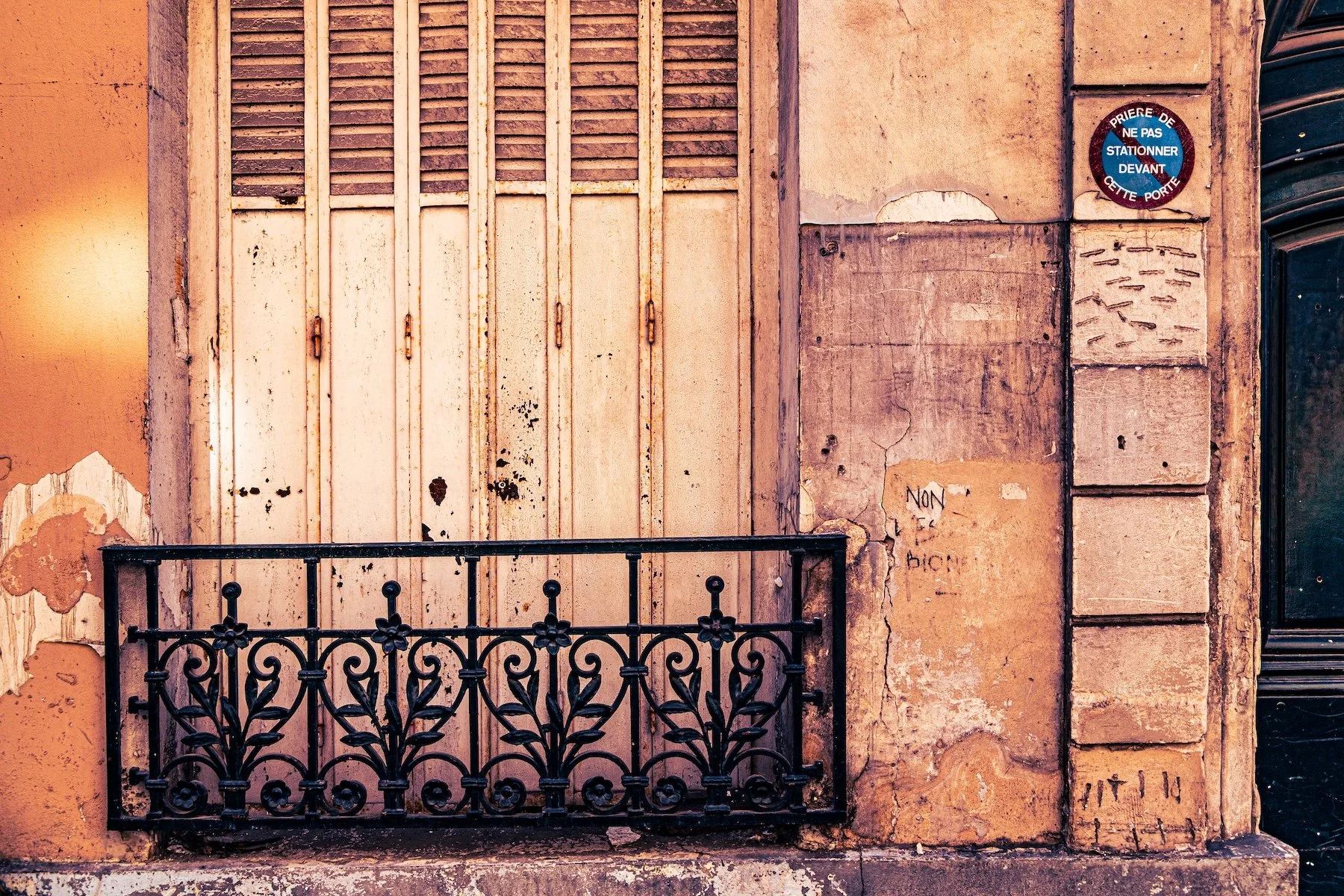
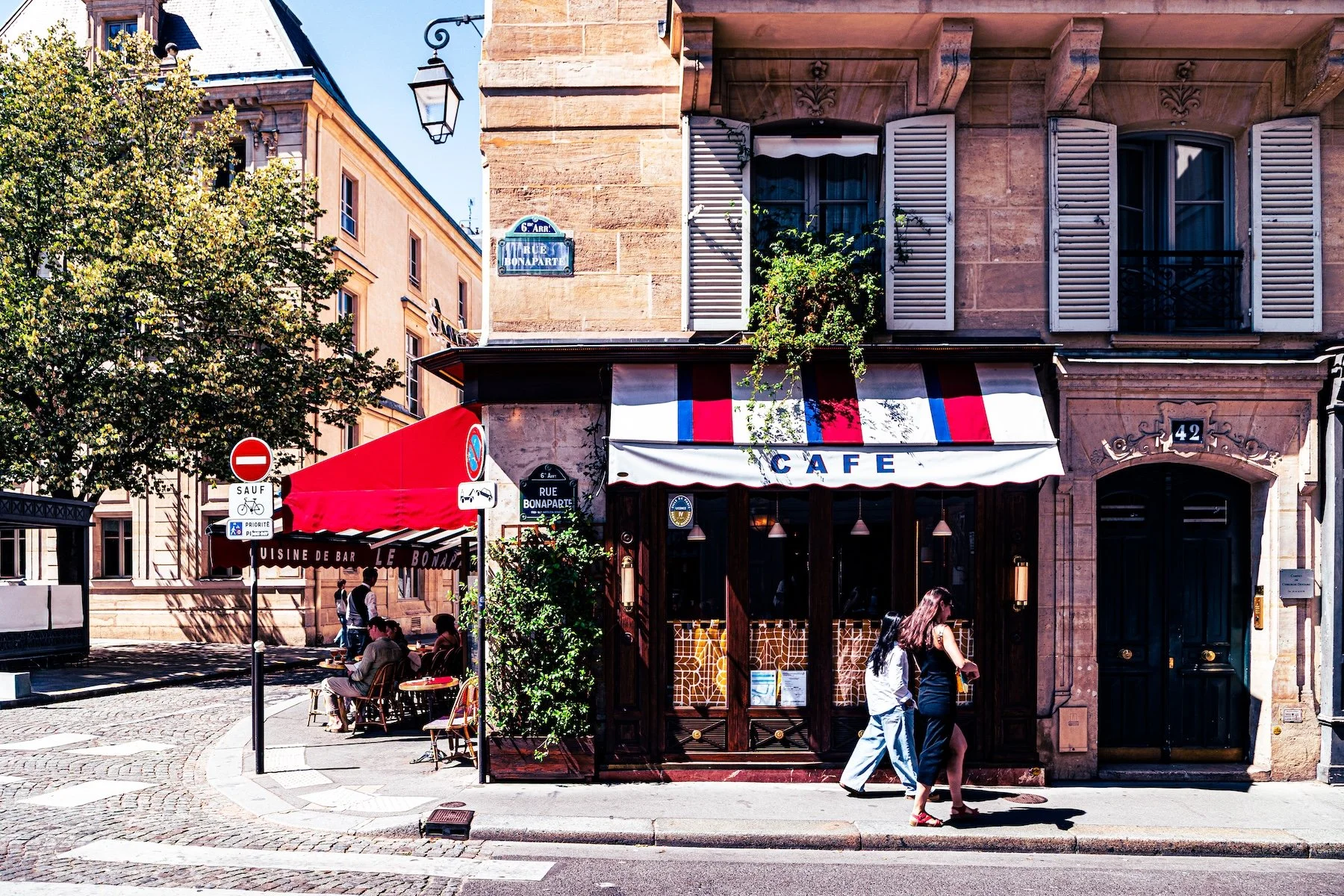
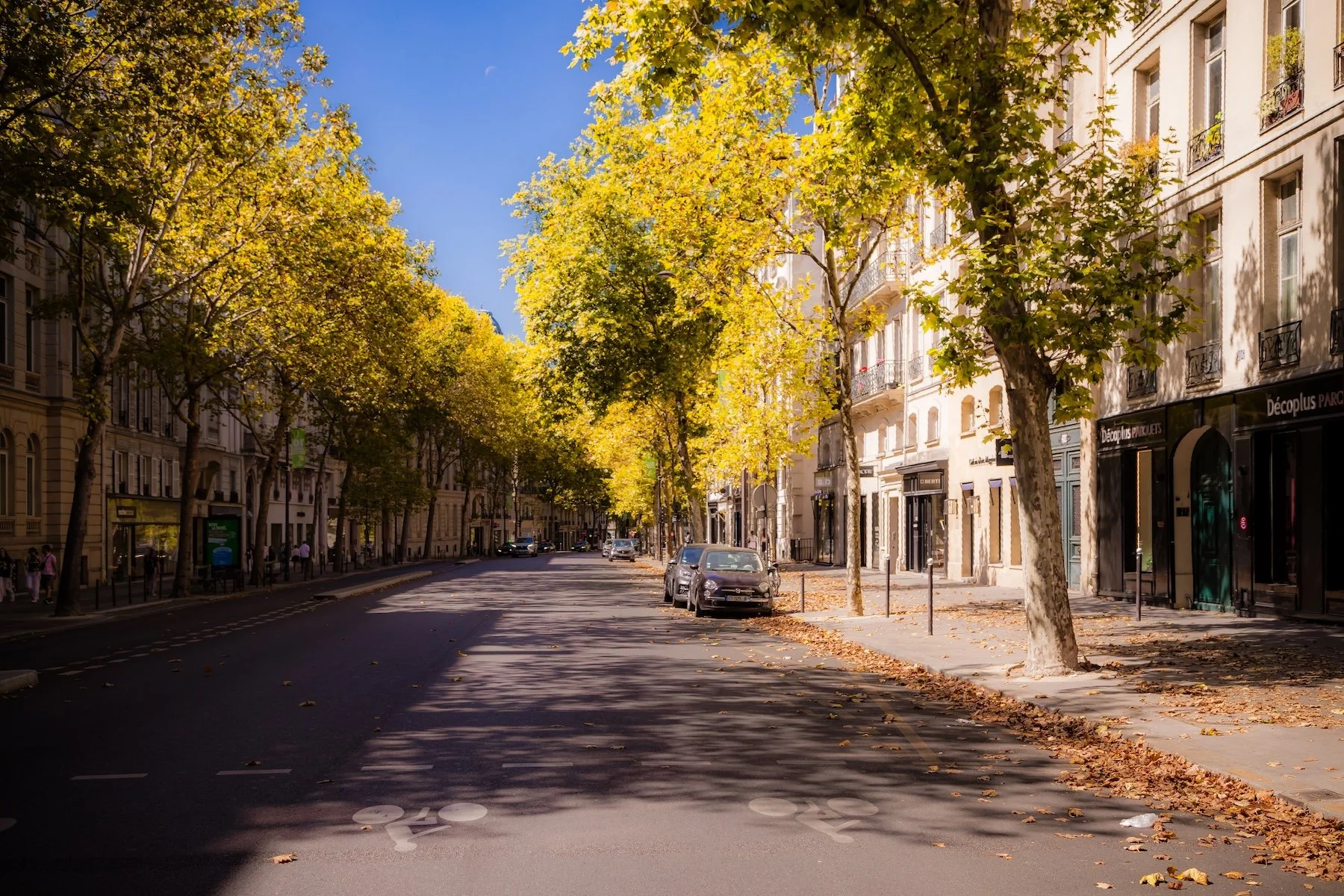
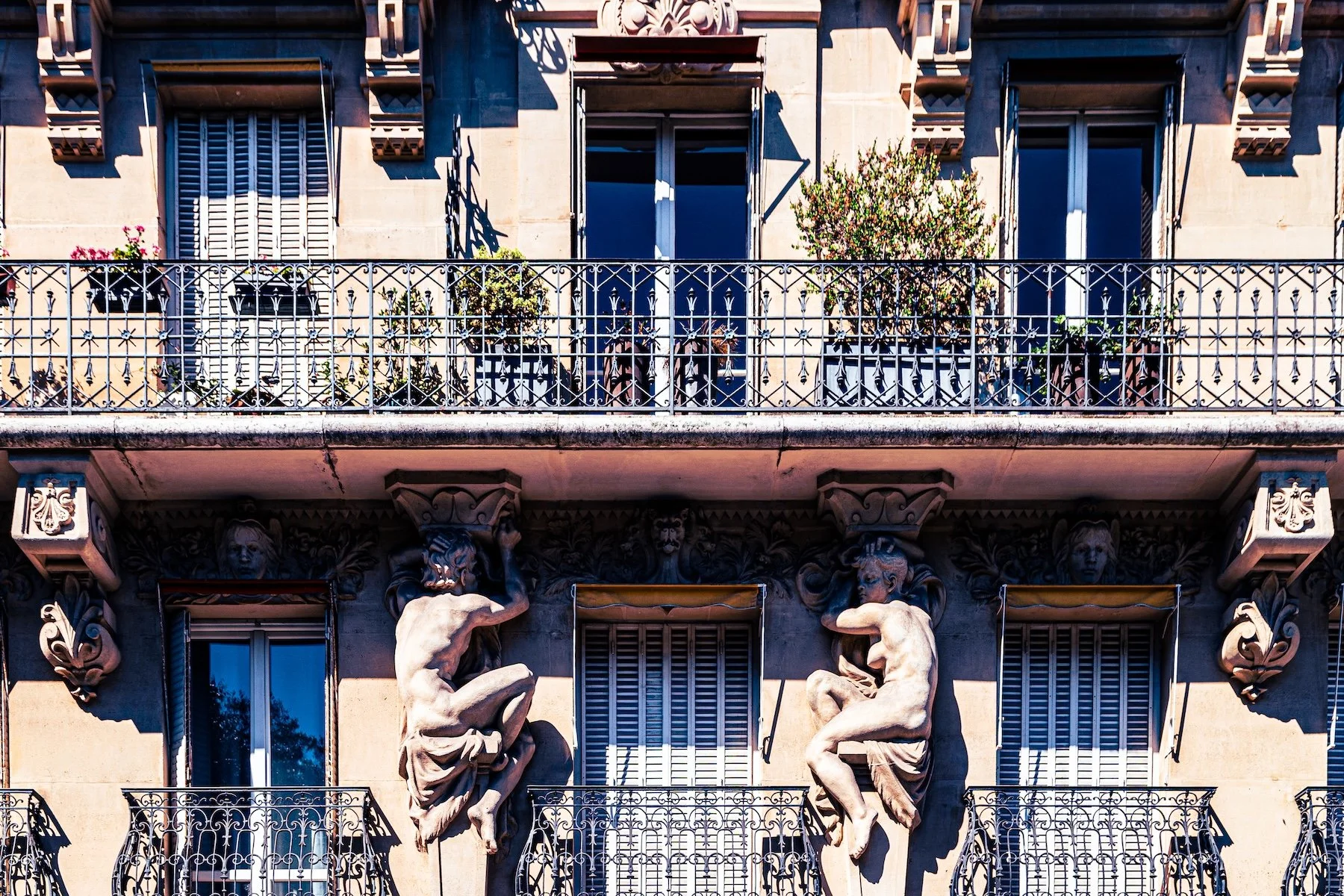
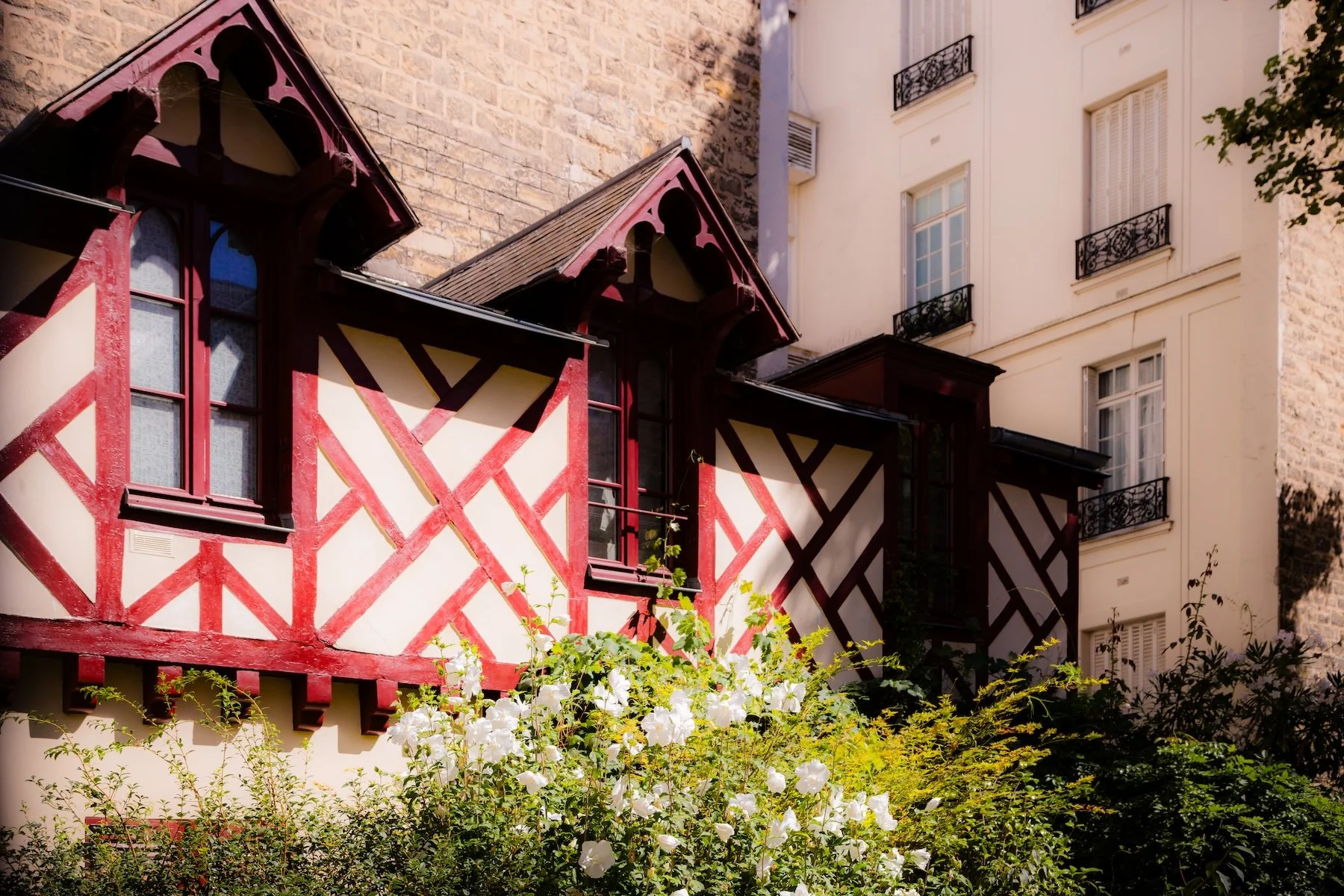
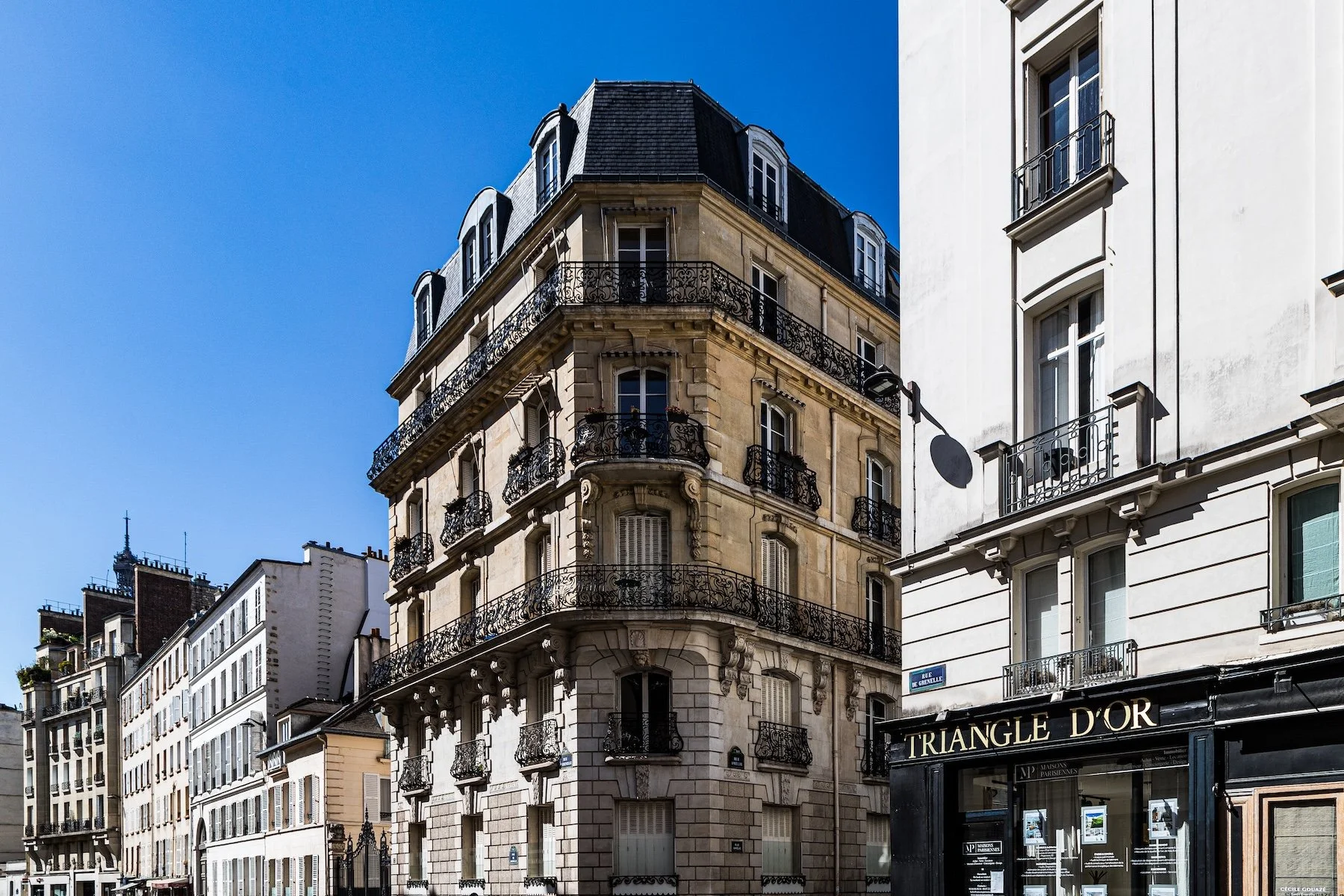
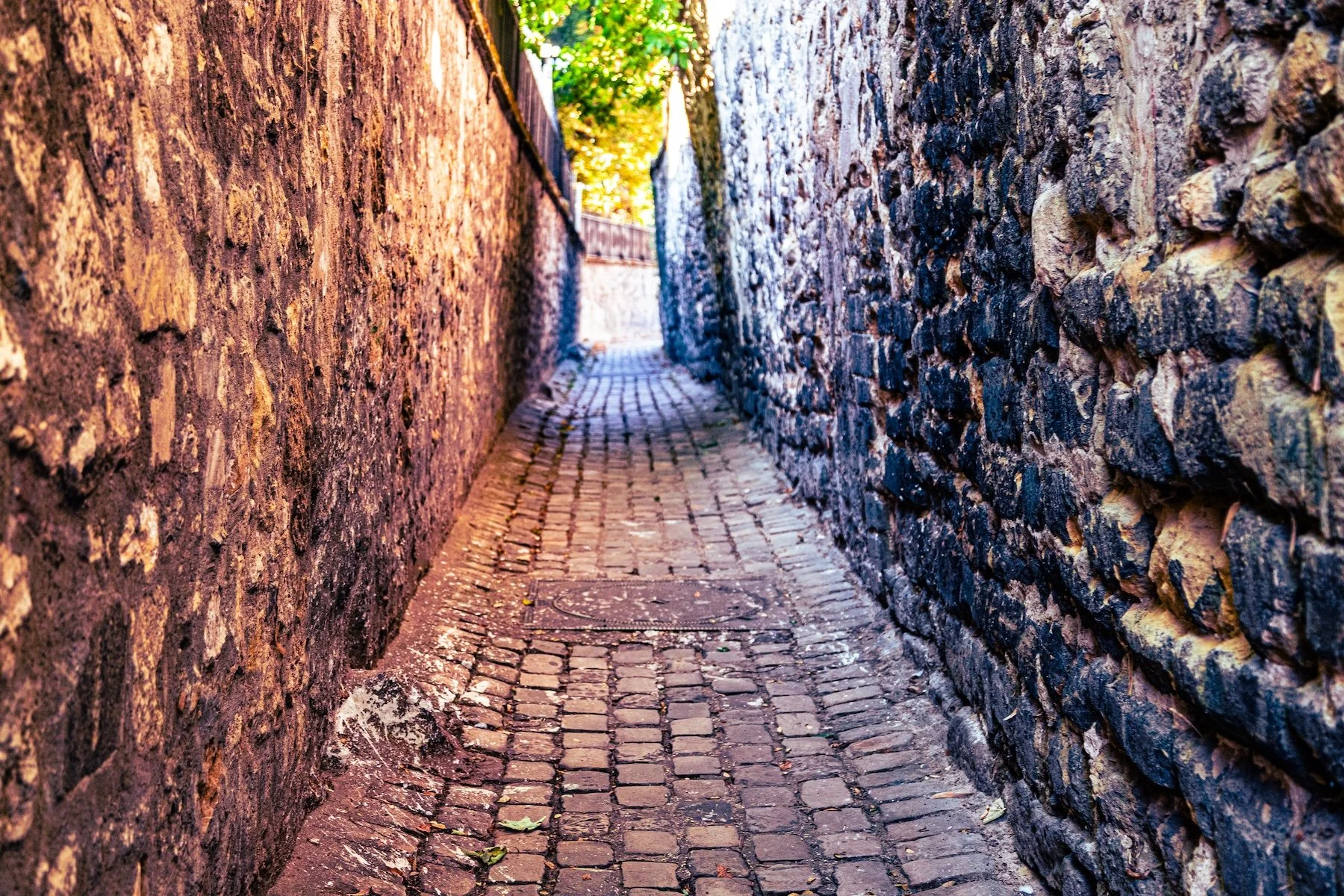
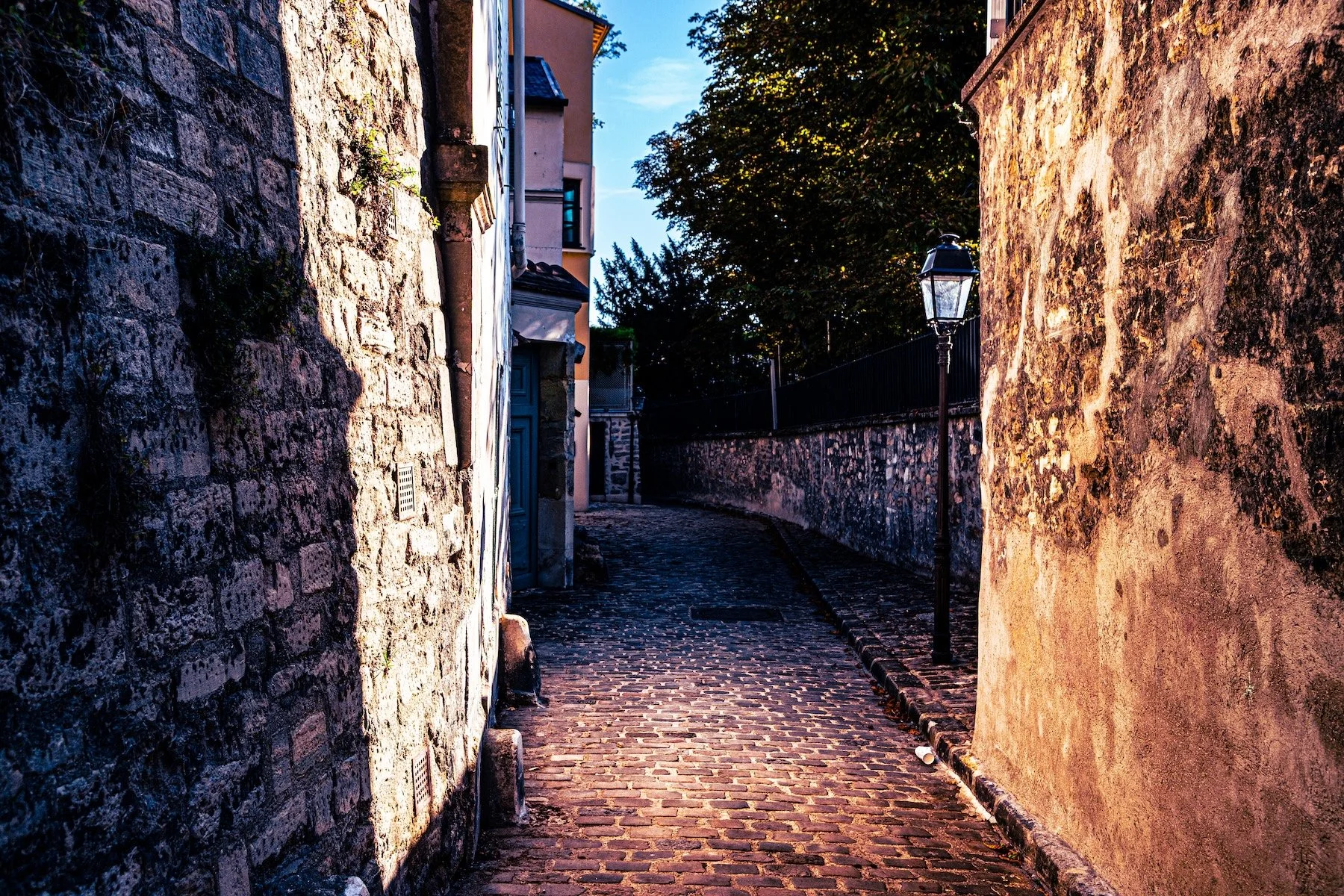
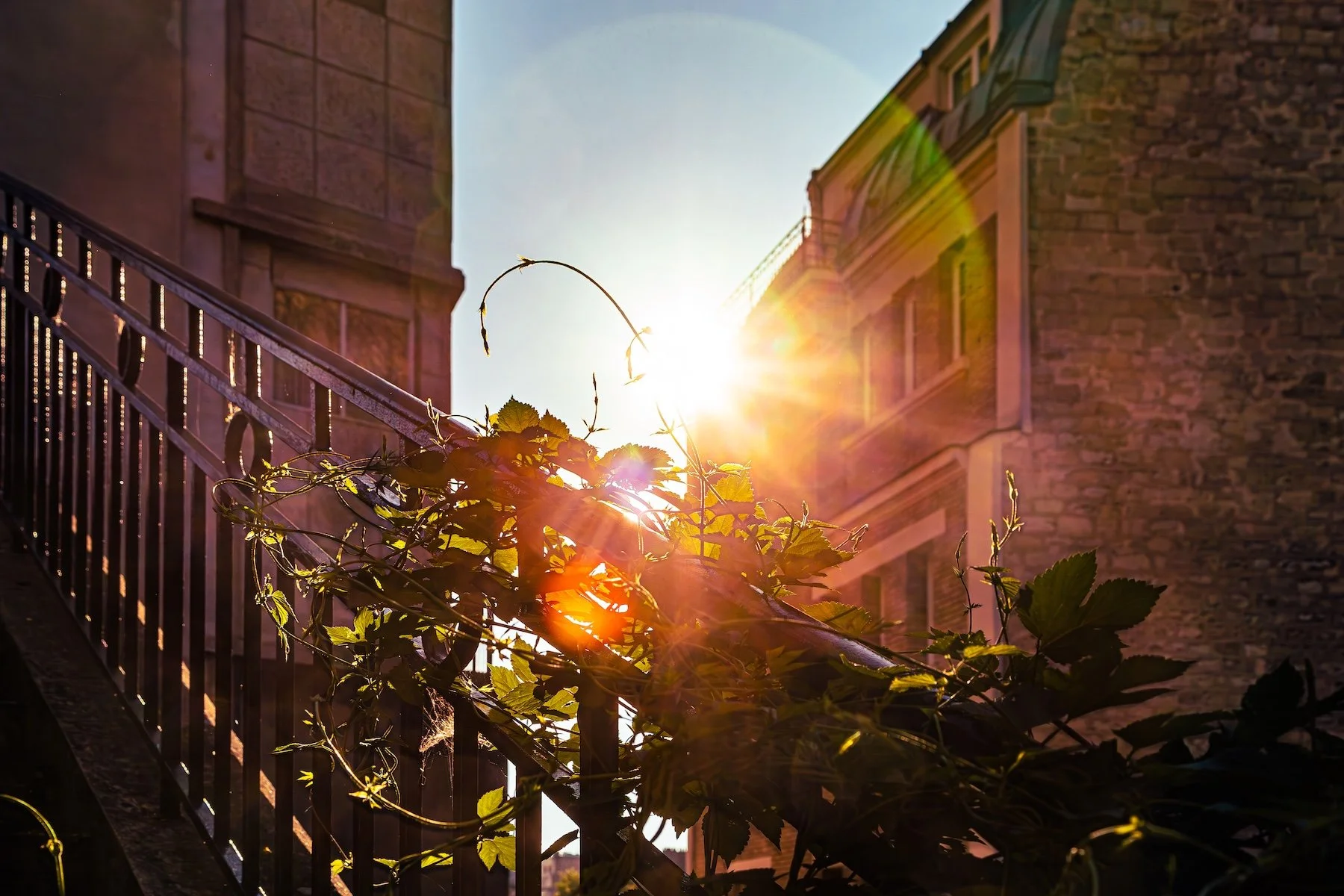
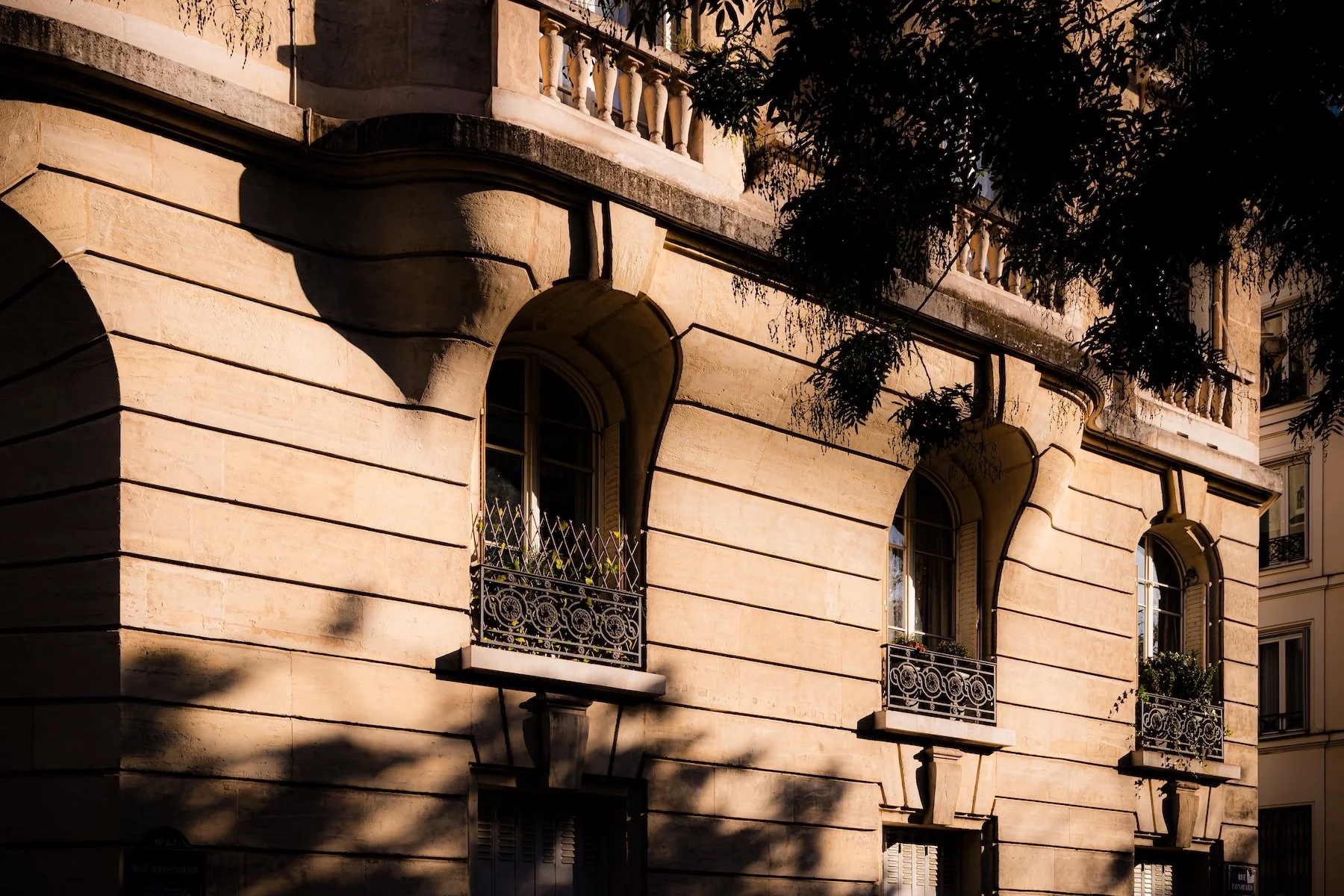
Photographing the arrondissements means moving between the official map and the street-level experience. The camera does not treat each arrondissement as visually uniform. Instead, it looks for the recurring forms, textures, transitions, and contrasts that make each district legible: the geometry of boulevards, the shade of plane trees, the repetition of balconies, the rise of stairways, the curve of canals, the presence of rail stations, the opening of parks, the weight of monuments, and the intimacy of side streets.
On CityNeighborhoods, the arrondissement provides the frame, but the photograph comes from the encounter between map, movement, light, and observation. As the Paris photography is processed, this section will connect each arrondissement more directly to the project’s Photographic Lexicon: the visual strategies, recurring motifs, and compositional patterns that shape how the city is seen through the lens.
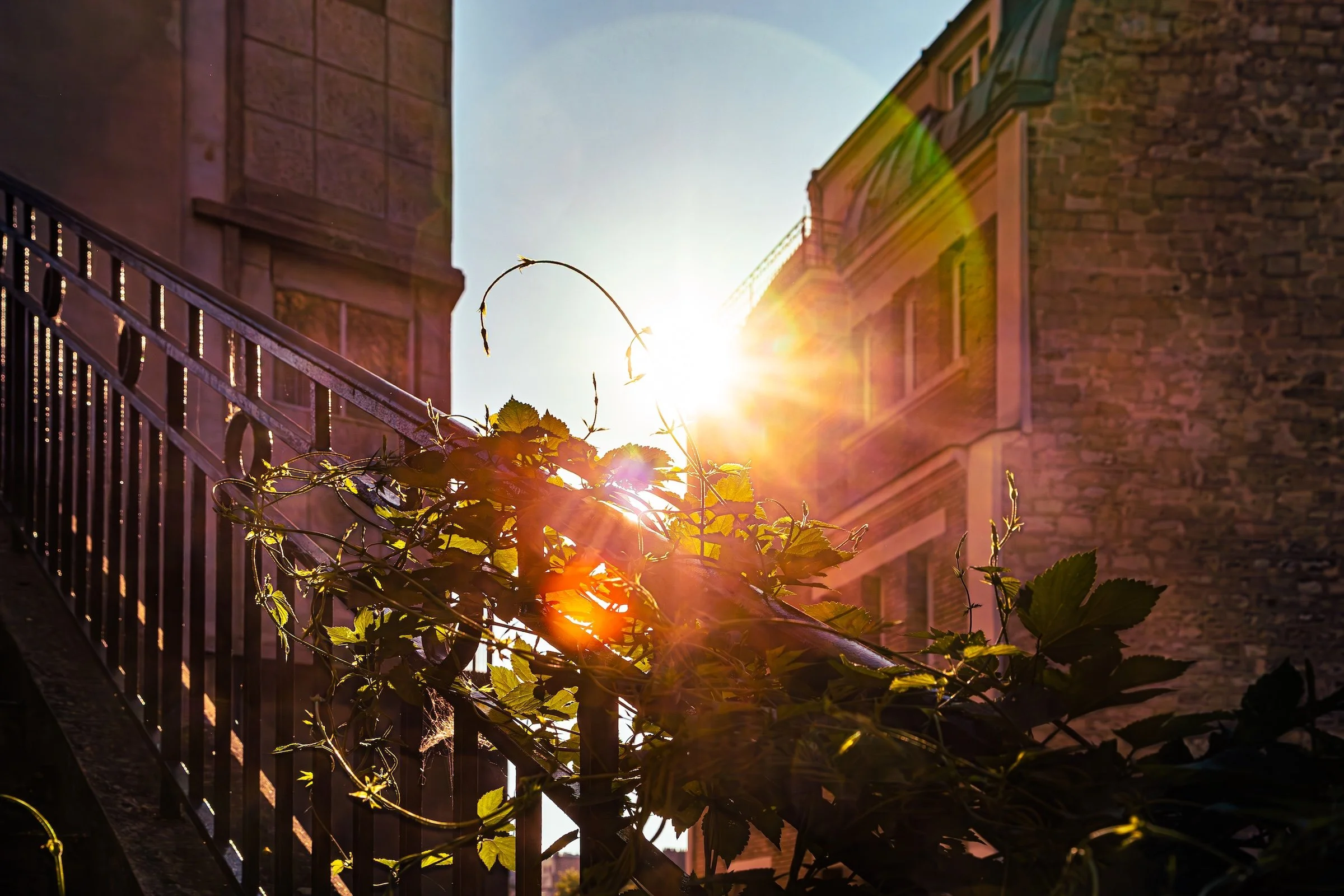
If you visit Paris, these ideas can help inspire your own photography.
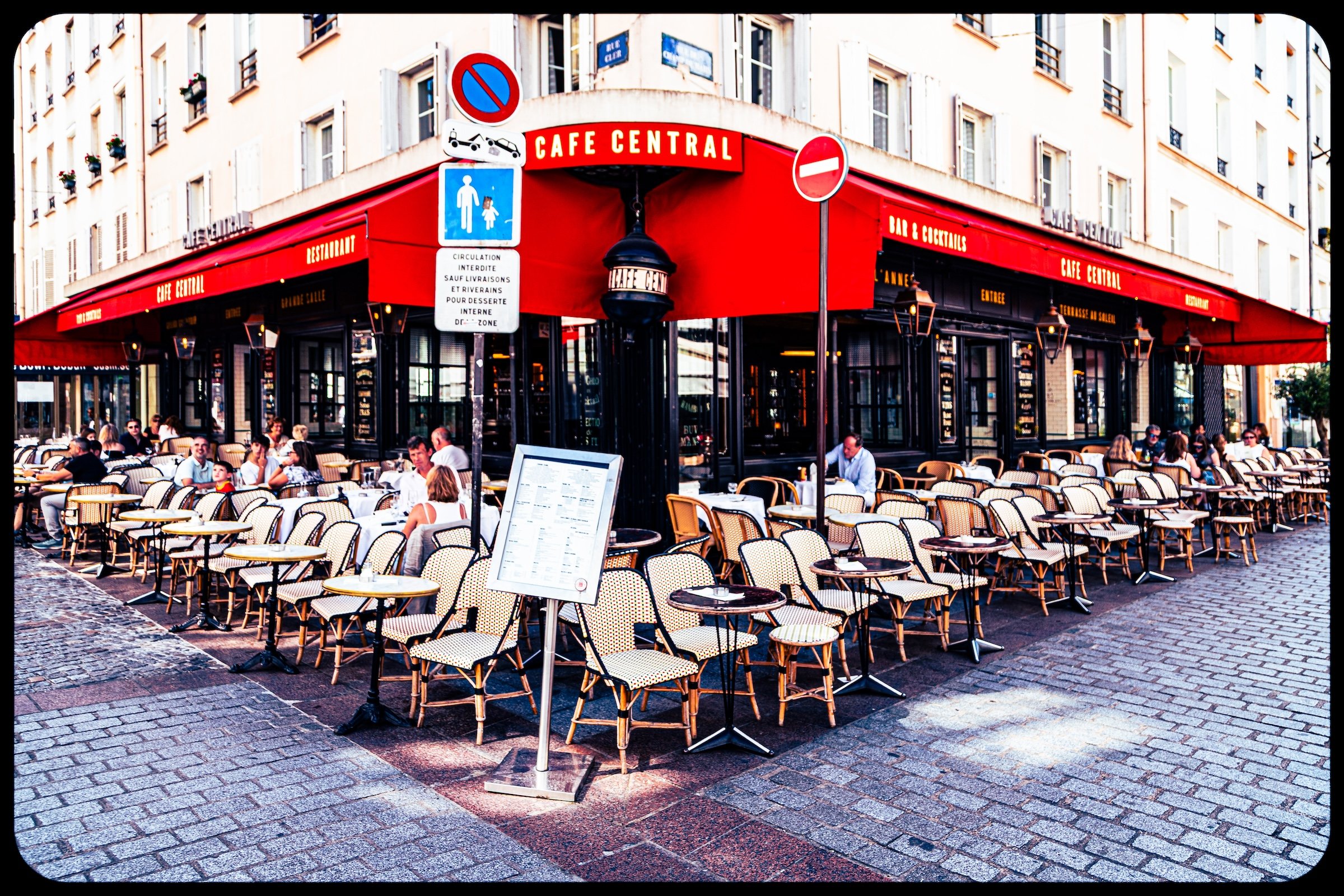
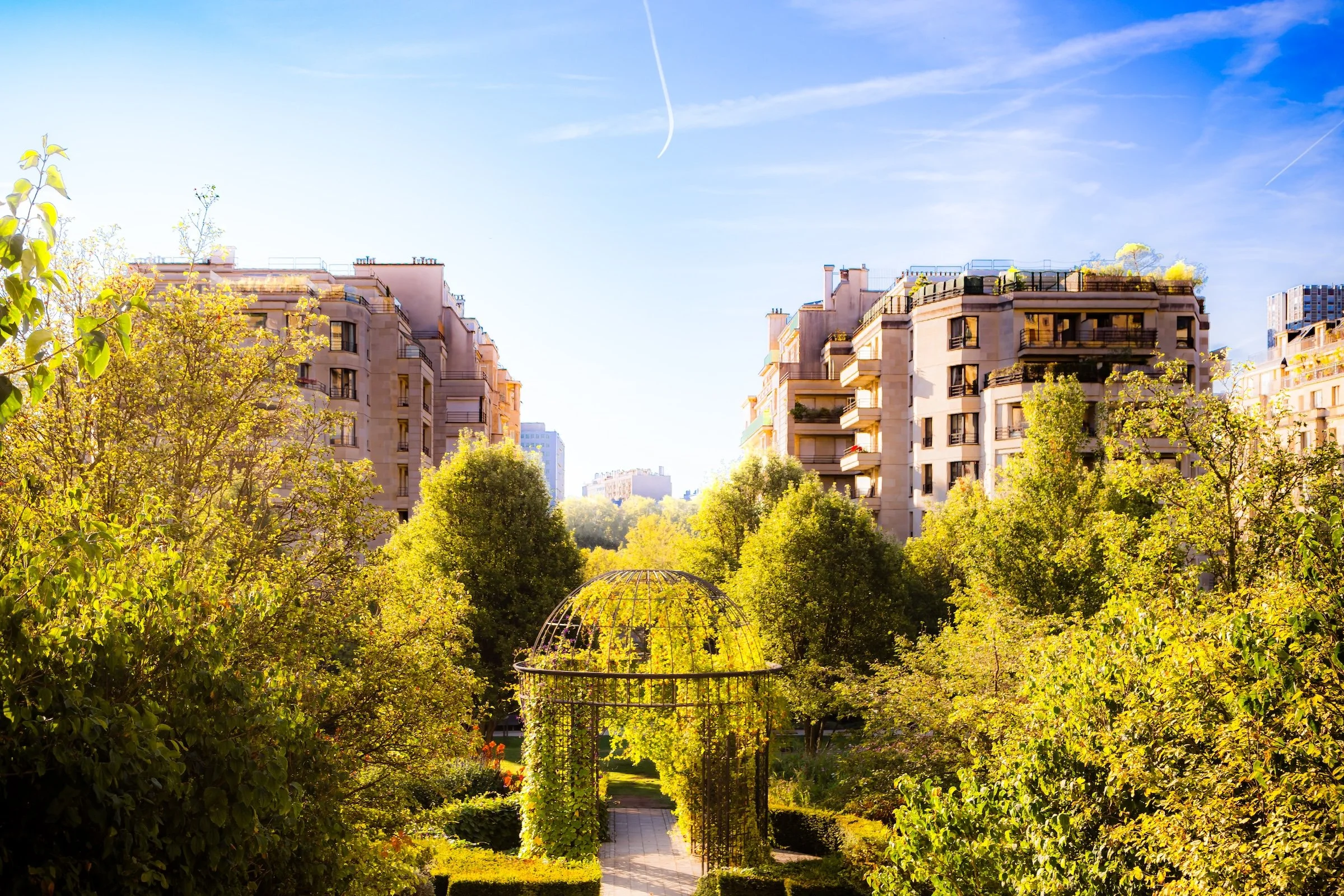
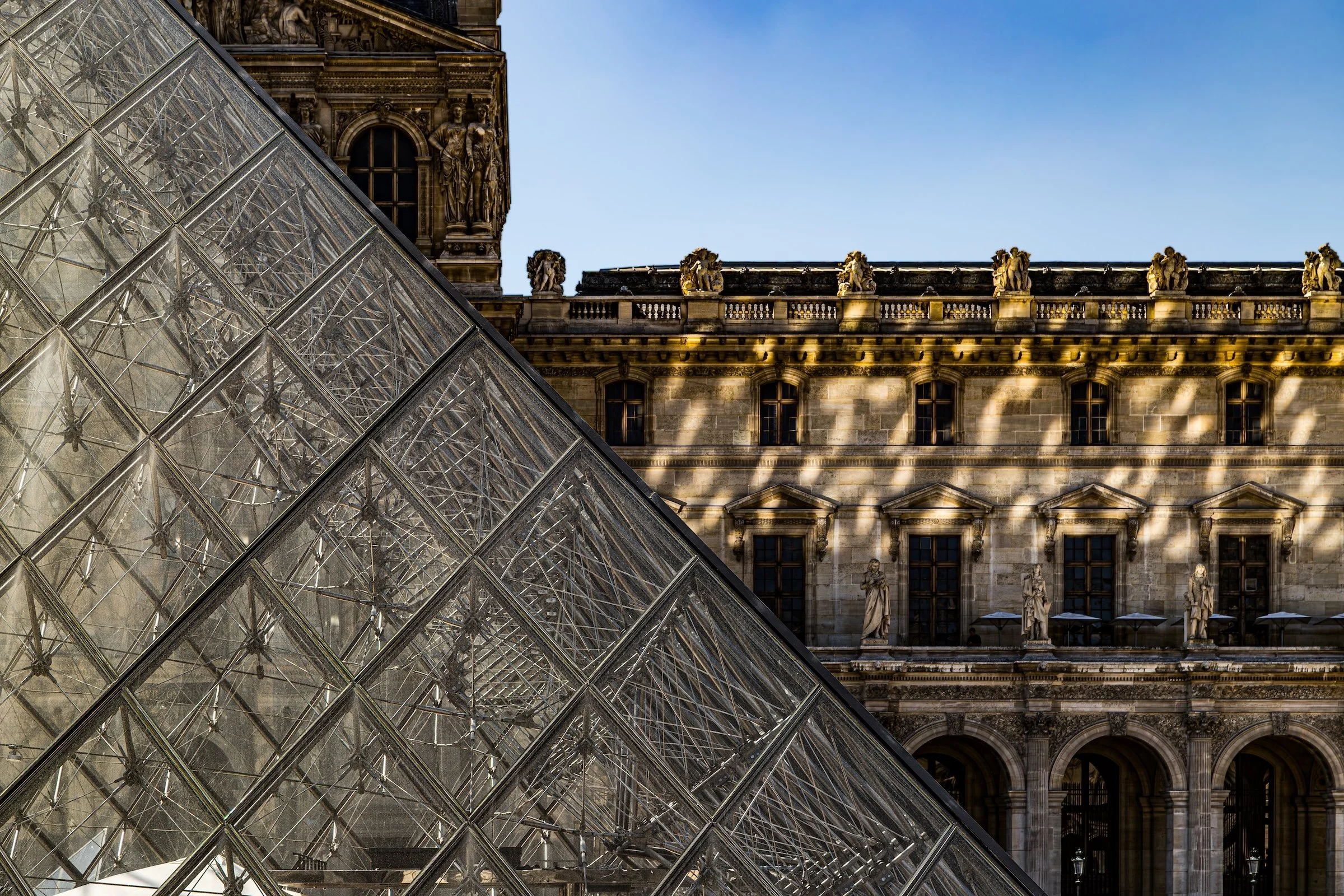
Paris: J’Espere, Je Rêve, Je Vive
Paris Photo Gallery
Paris Field Notes
-
Field Note: August 18, 2025 | 07:58 AM
Conditions: 73°F | Humidity: 72%.
Within the park's interior, the glacial kettle ponds acted as humidity traps, creating a soft, hazy light that filtered through the old-growth oaks. The transition from the park's dense shade to the sun-drenched edges of Oakland Gardens highlighted the day's exceptional "picture-perfect" clarity.
There is a fleeting window in Queens where the humidity of August hasn't yet heavy-set, and the morning sun hits the canopy of Alley Pond Park at a perfect oblique angle. Arriving just before 8:00 AM, I watched the light break through the oaks and tulip trees, casting long, dramatic shadows across the wet grass. It’s in these quiet, golden moments that the park feels less like a city escape and more like the ancient glacial valley it actually is.
Other neighborhoods visited:
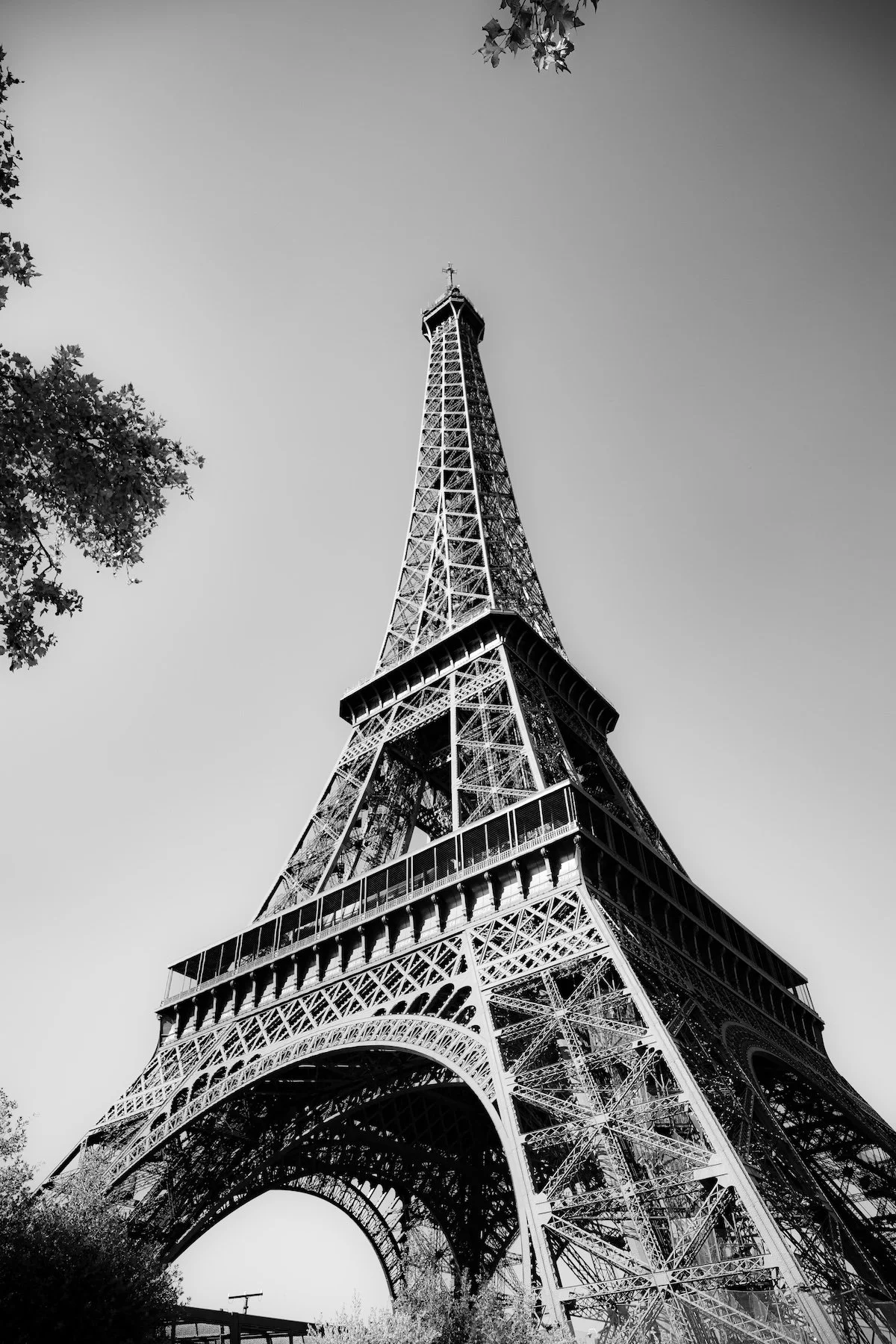
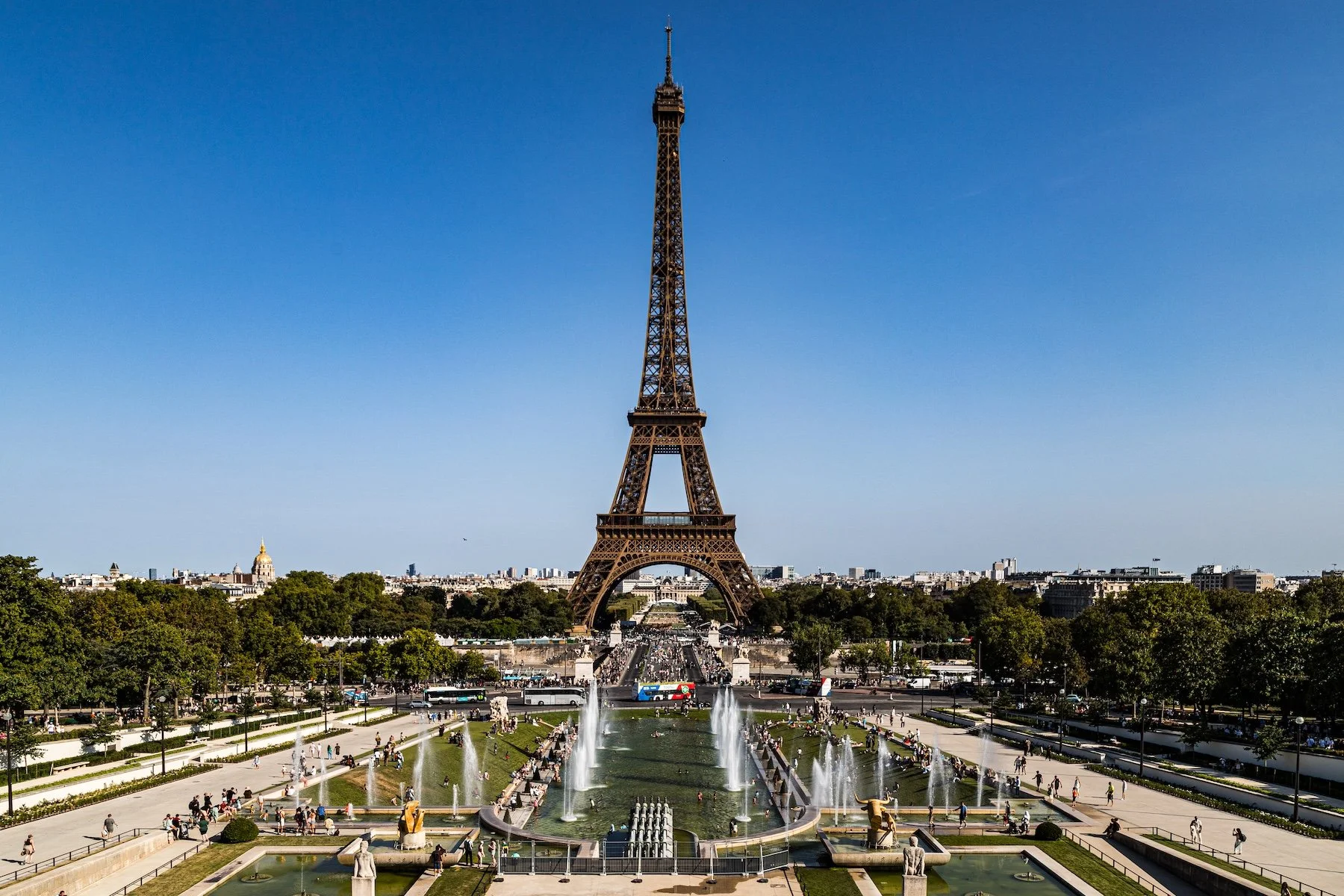
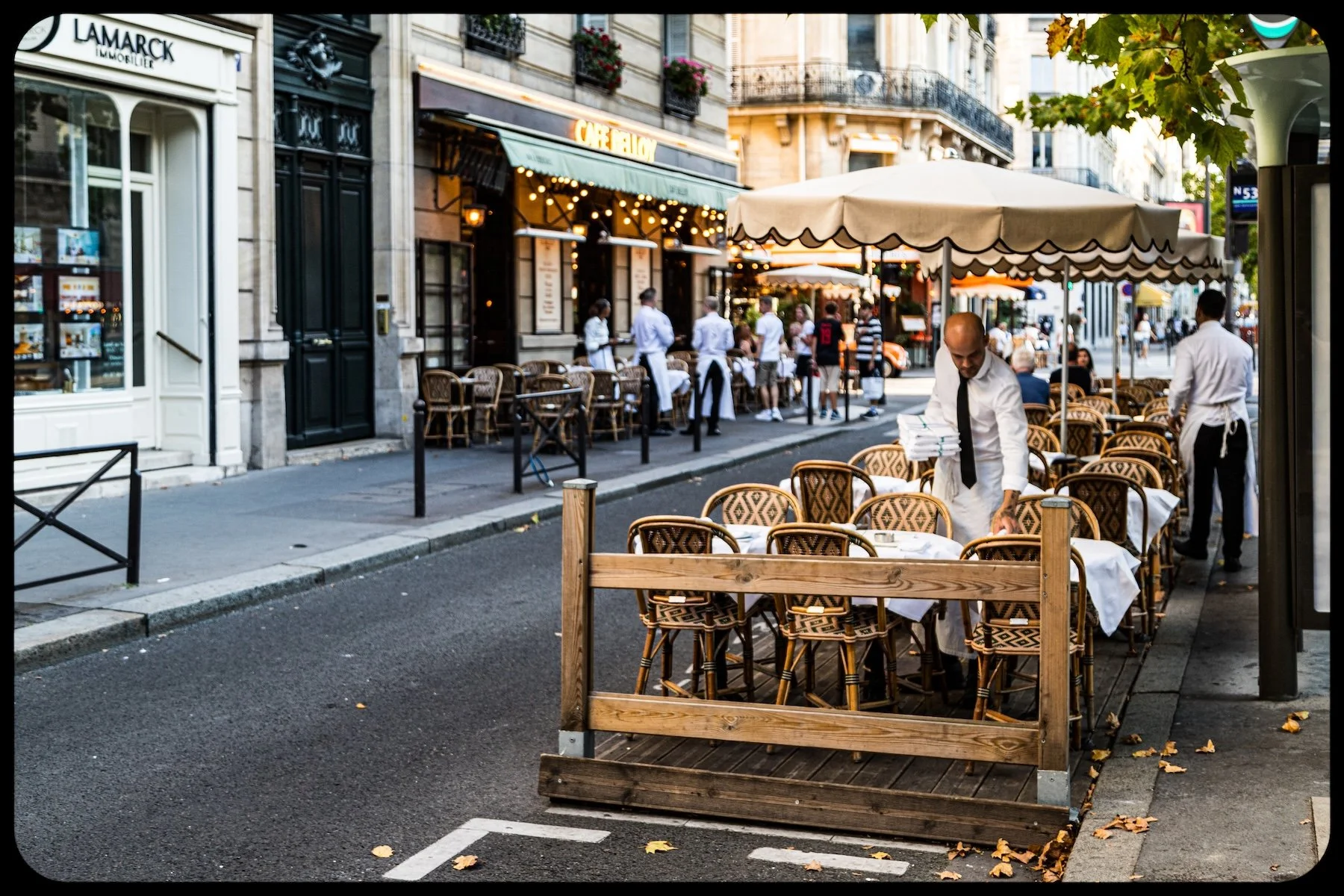
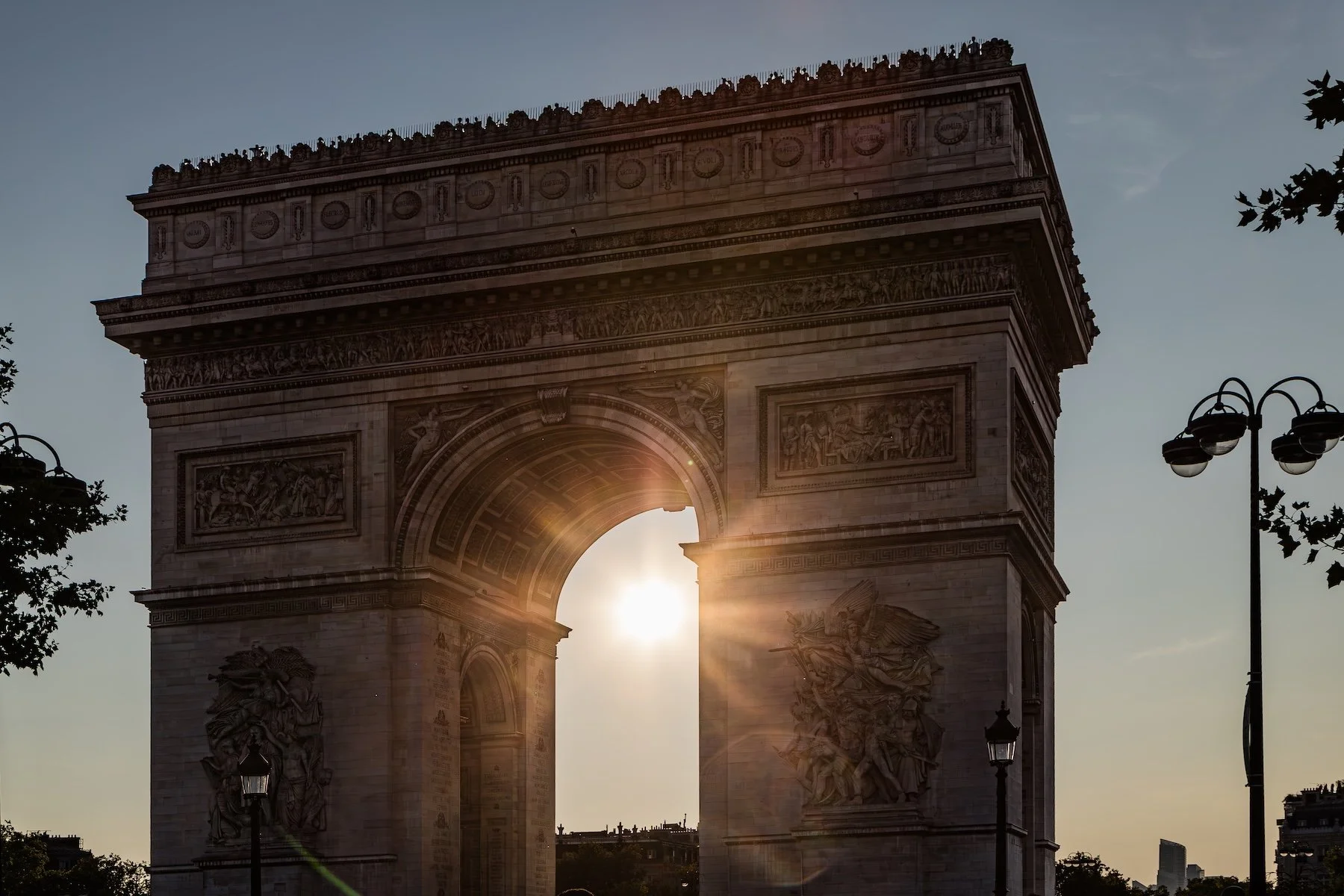
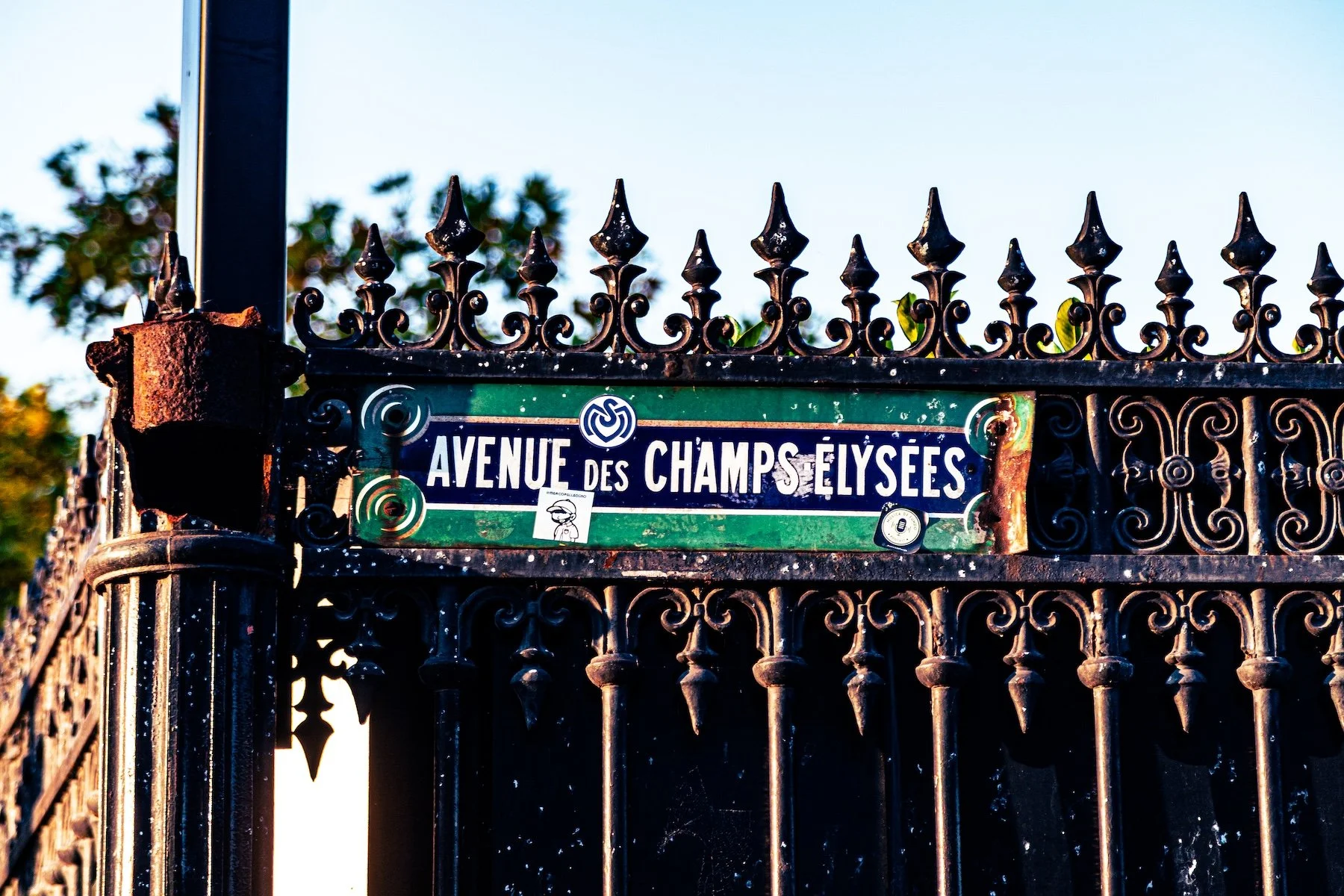
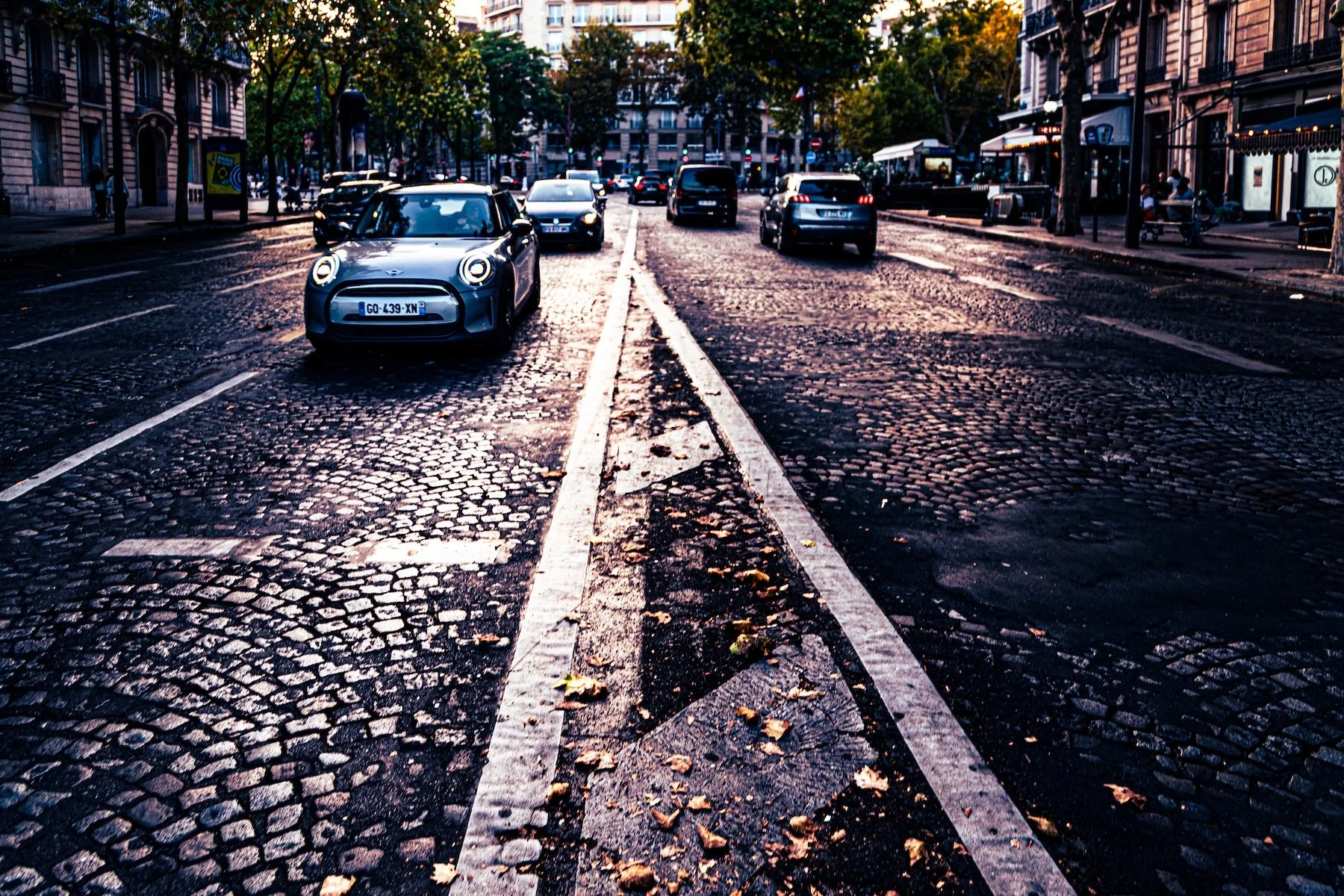
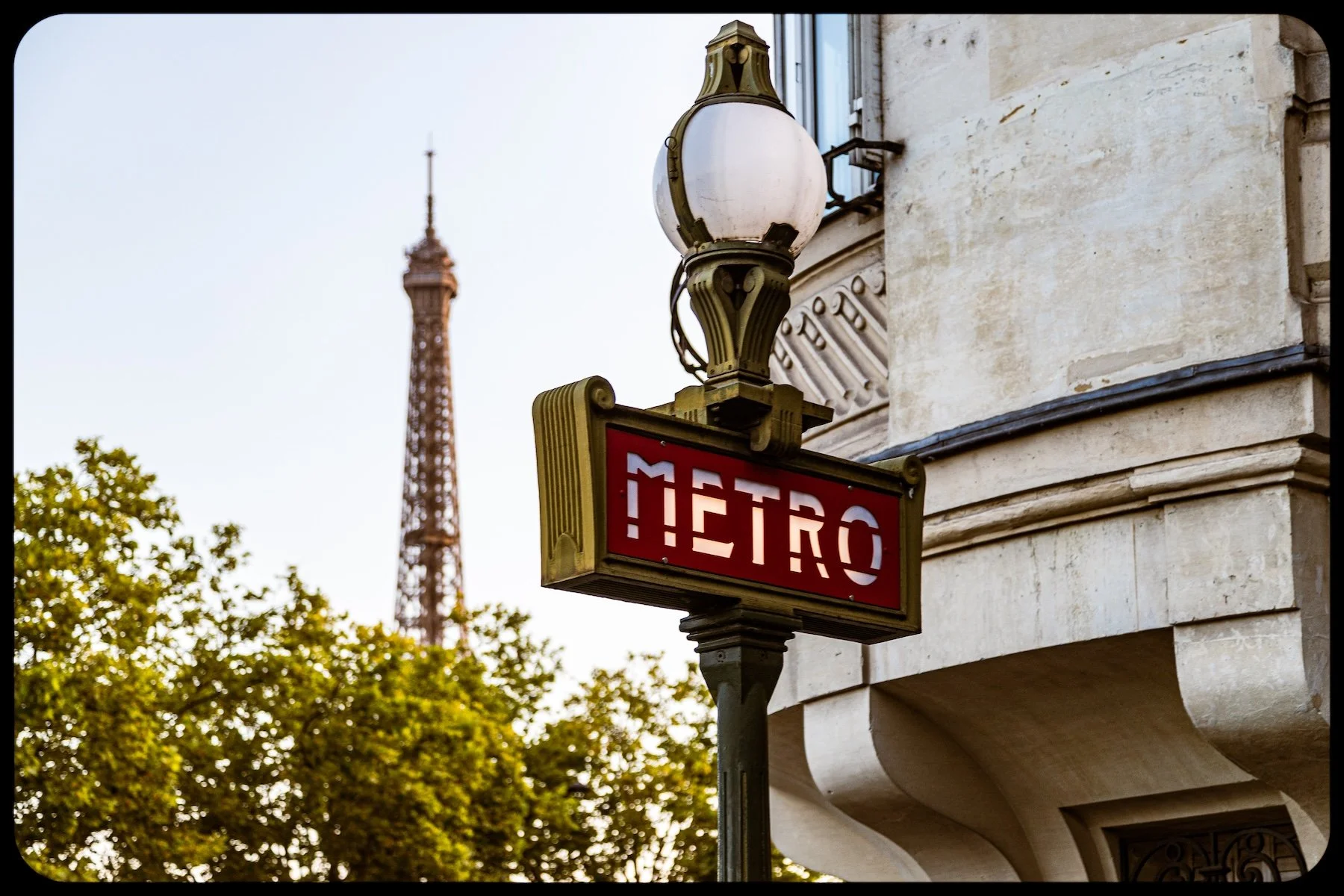
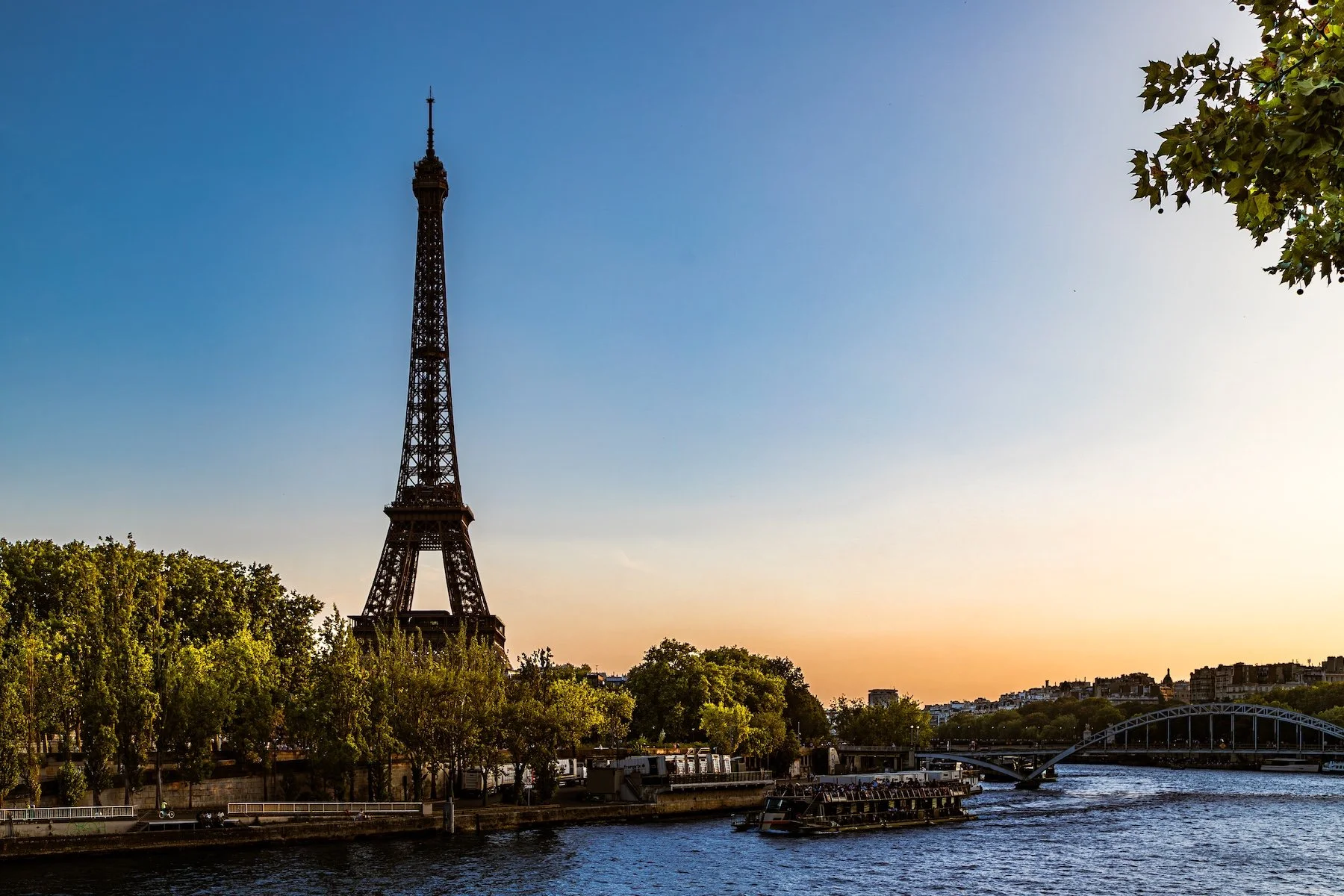
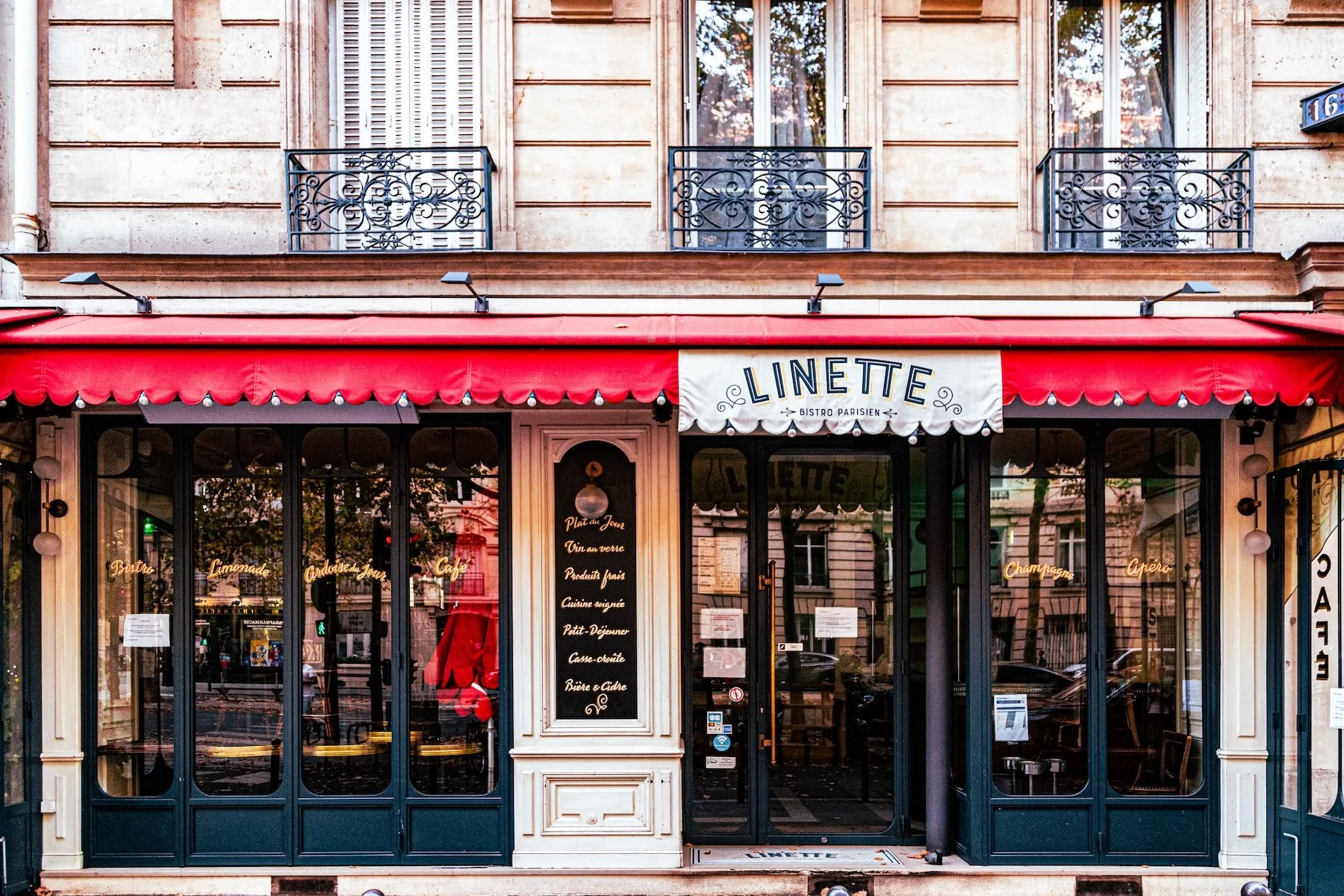
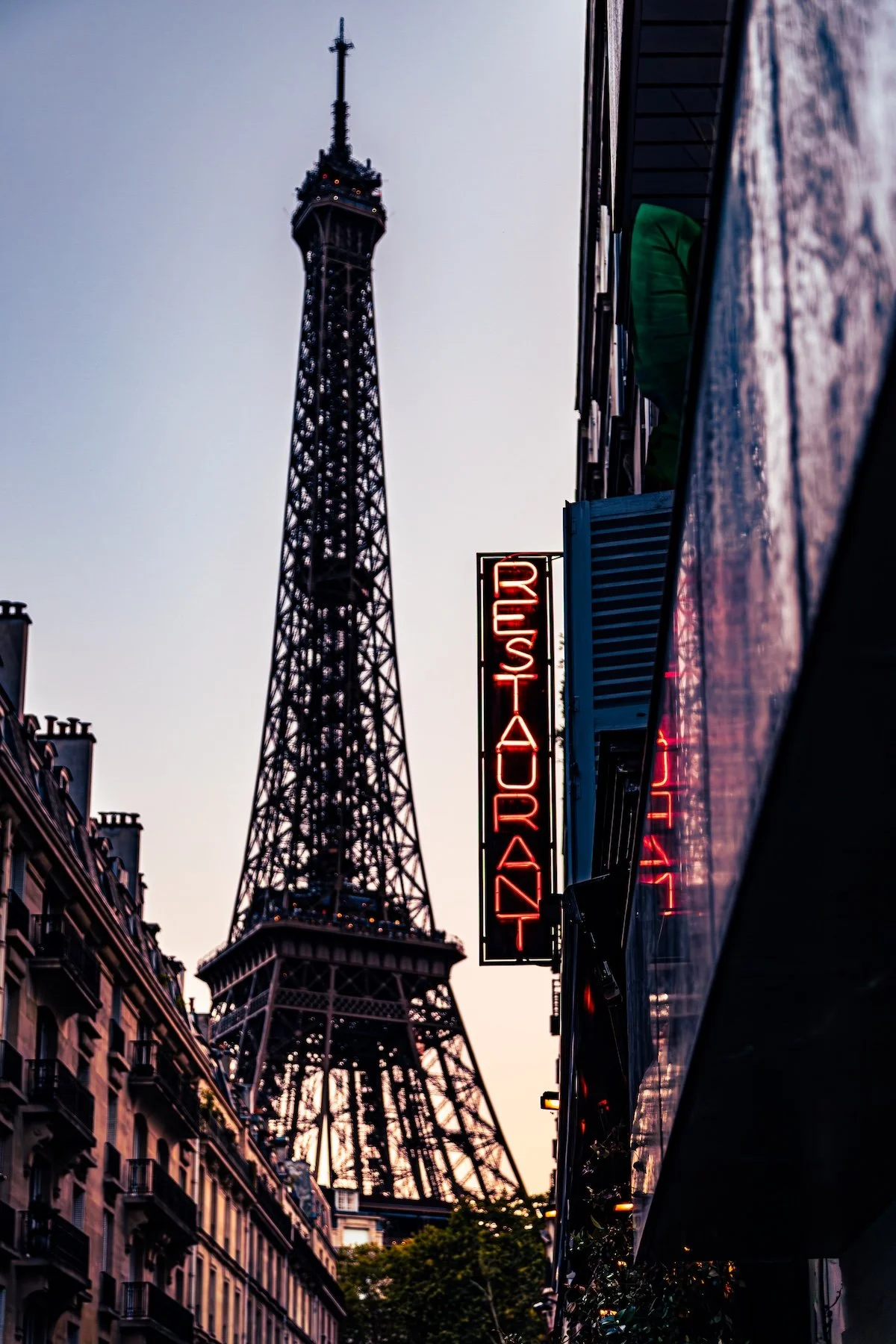
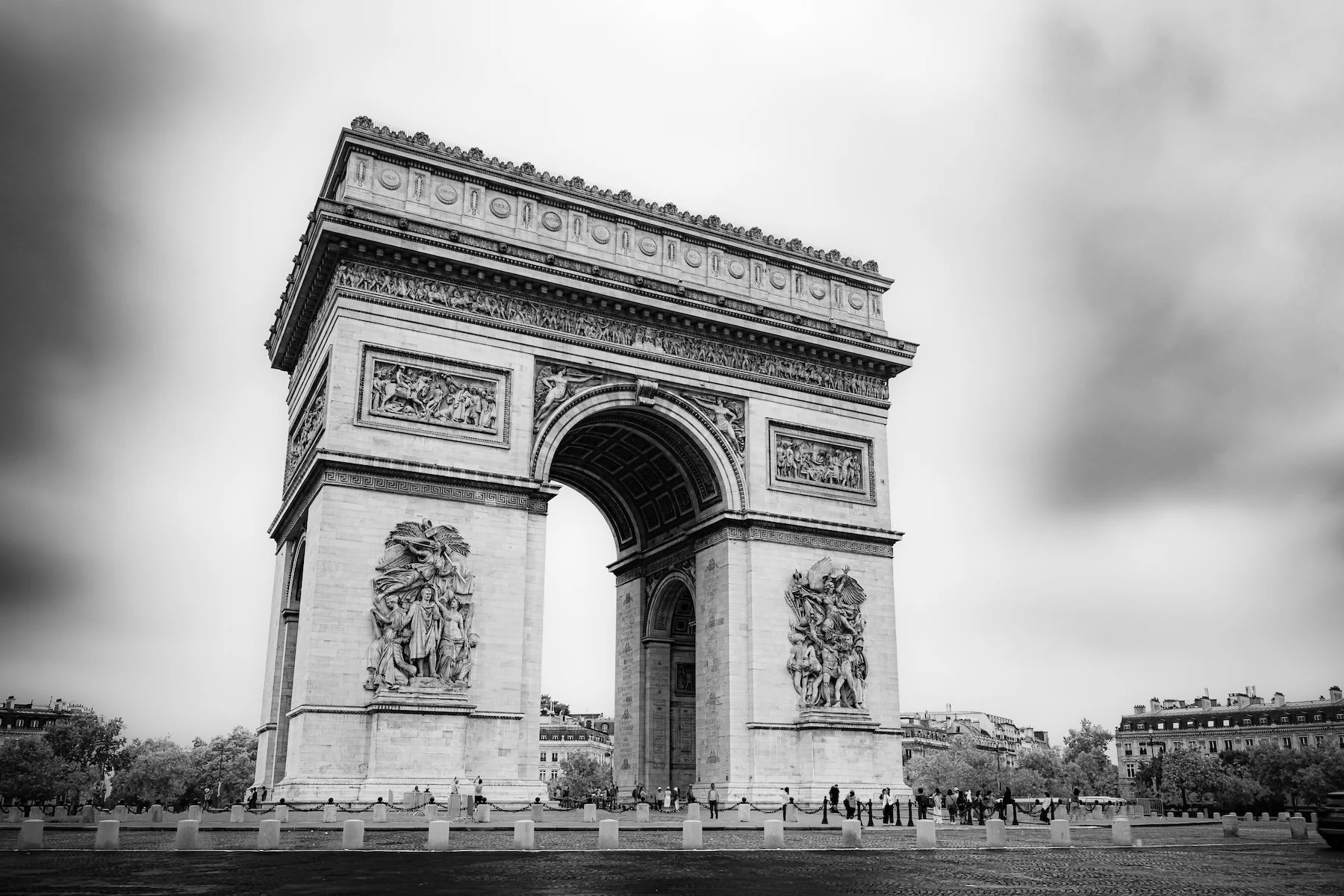
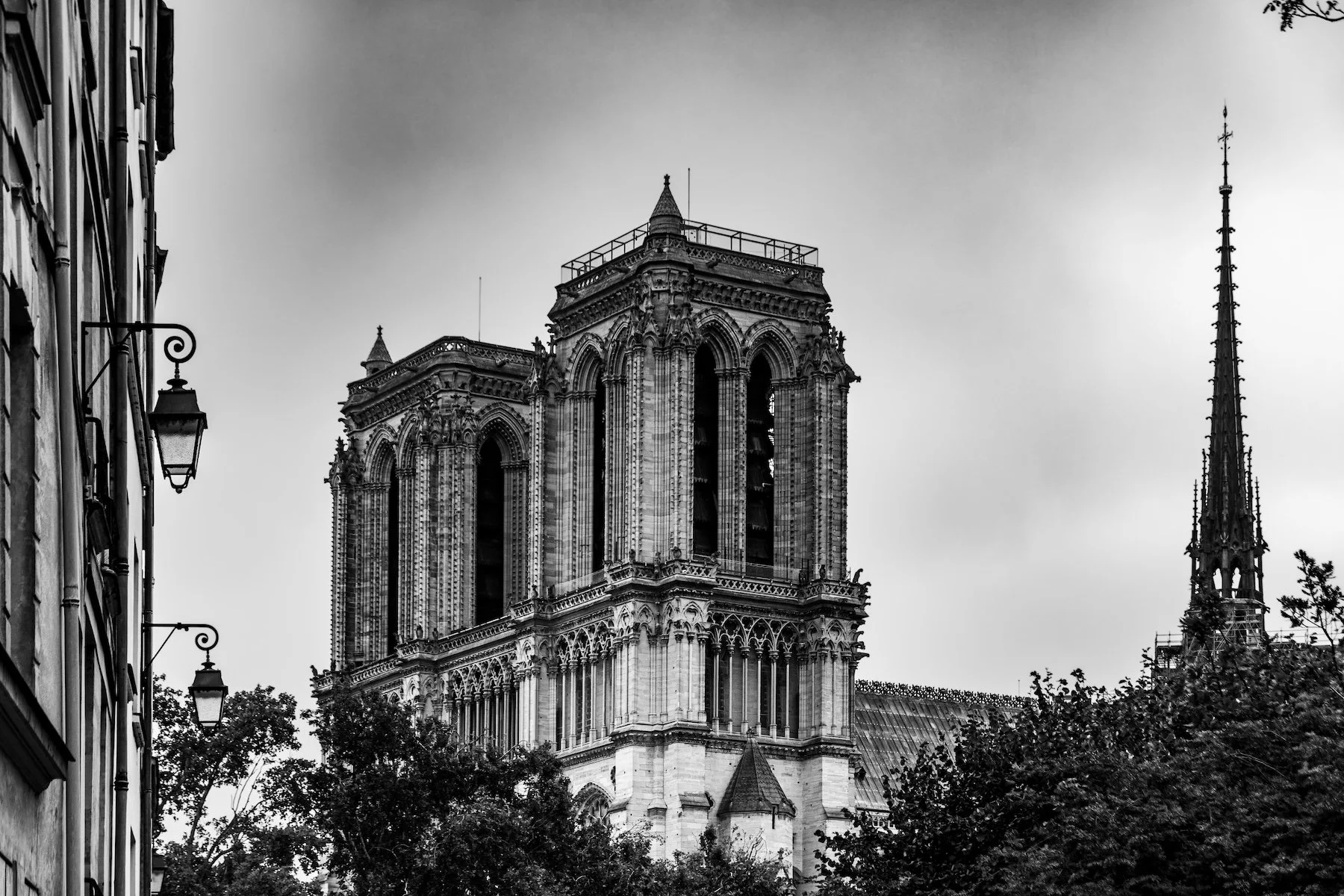
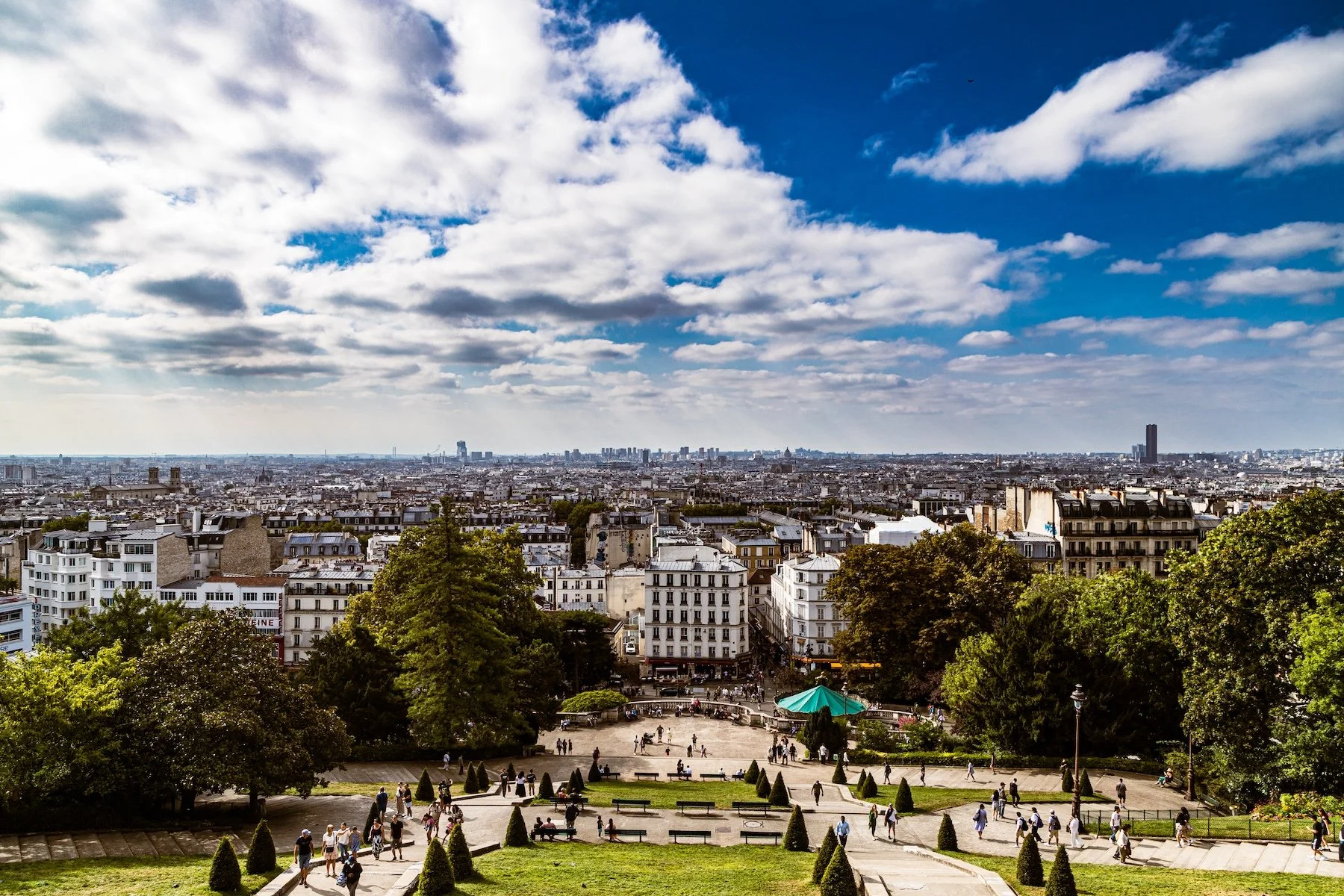
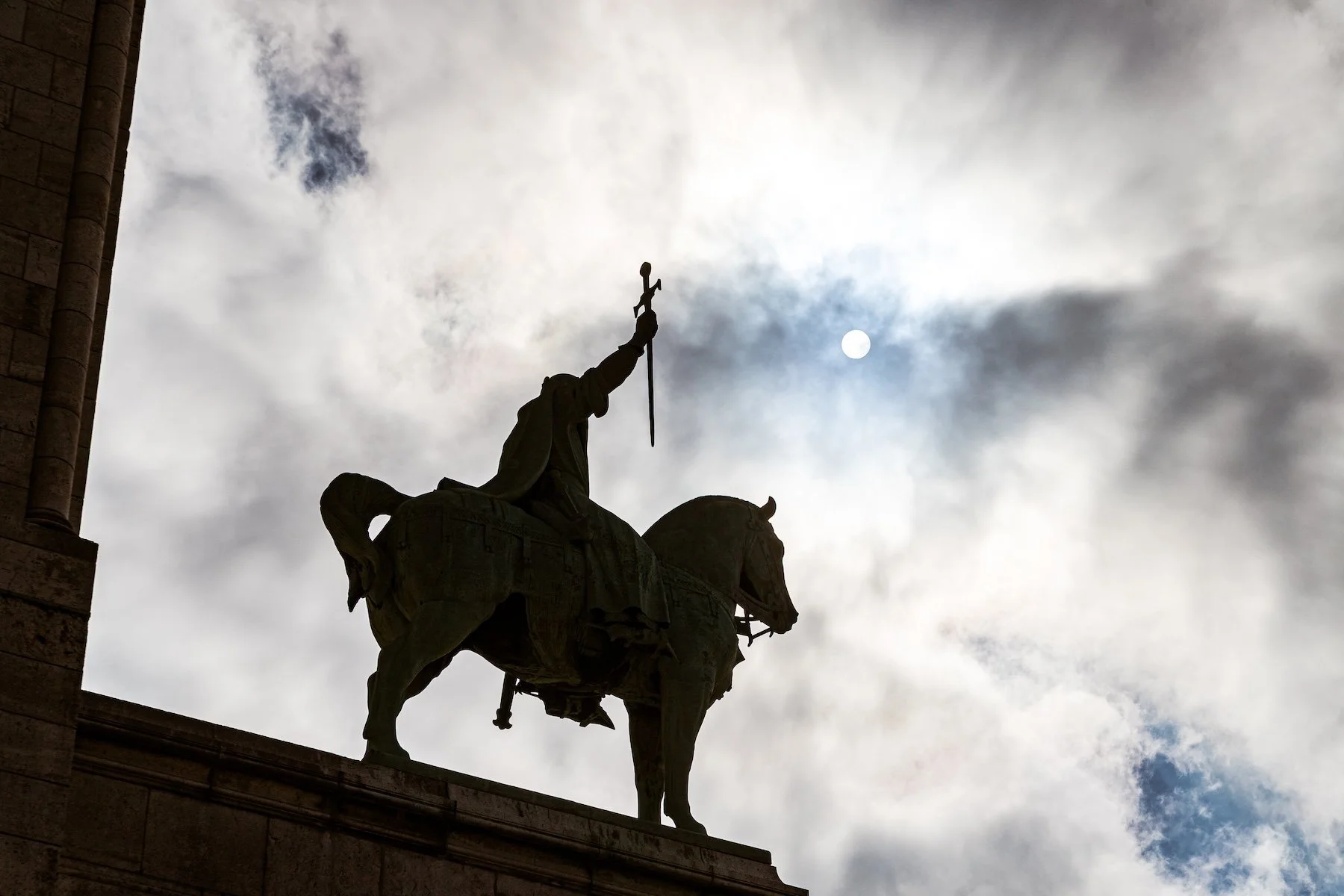
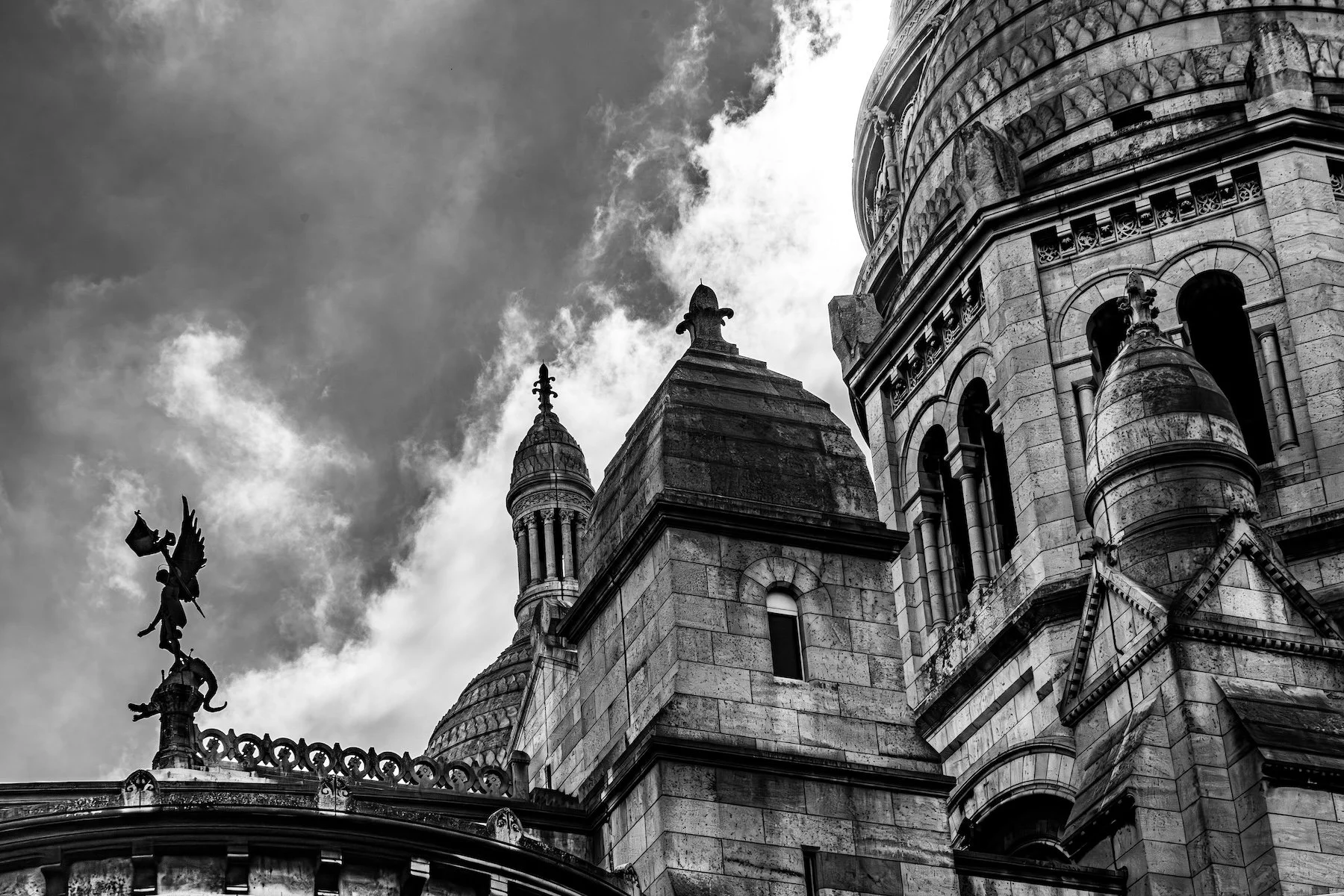
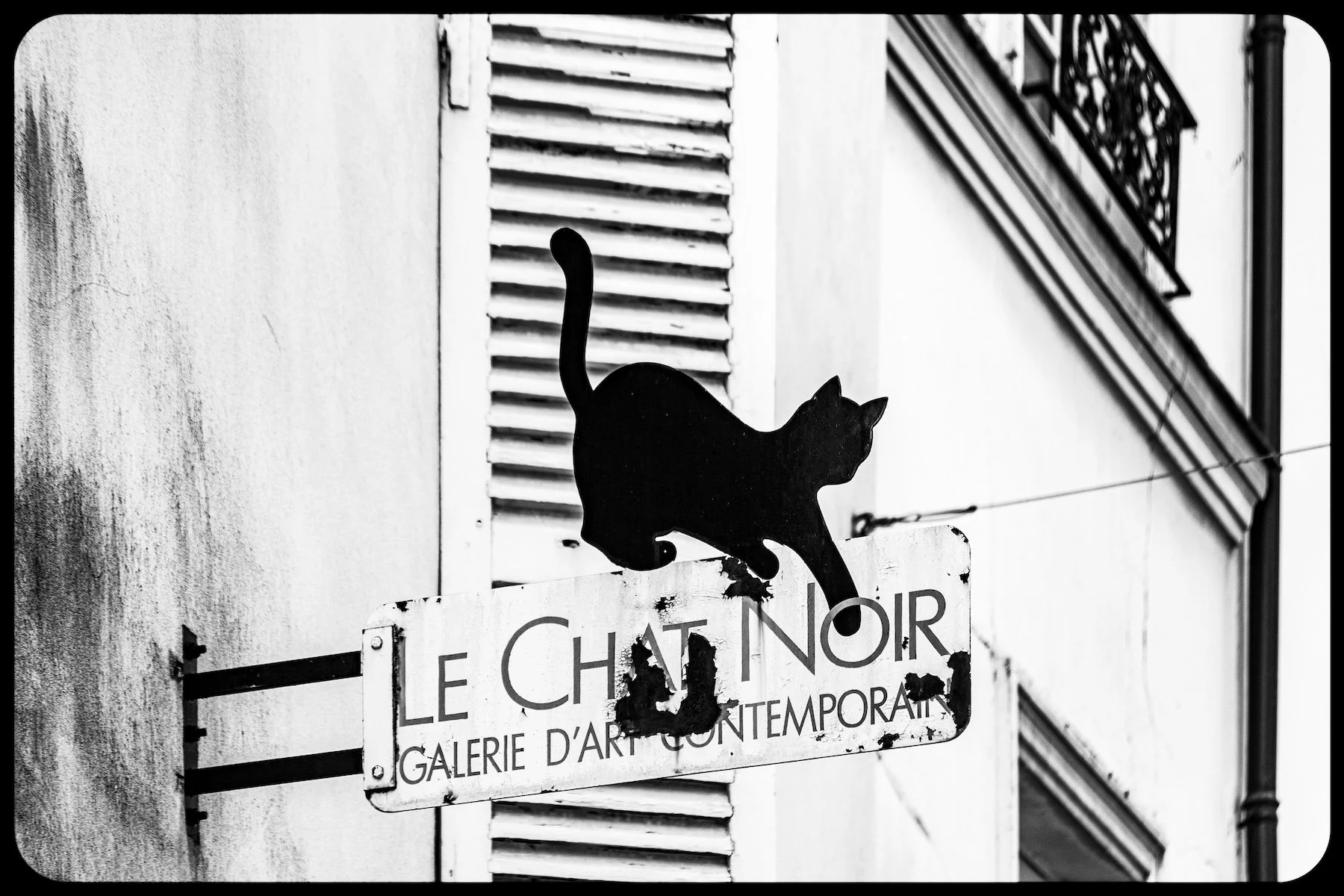
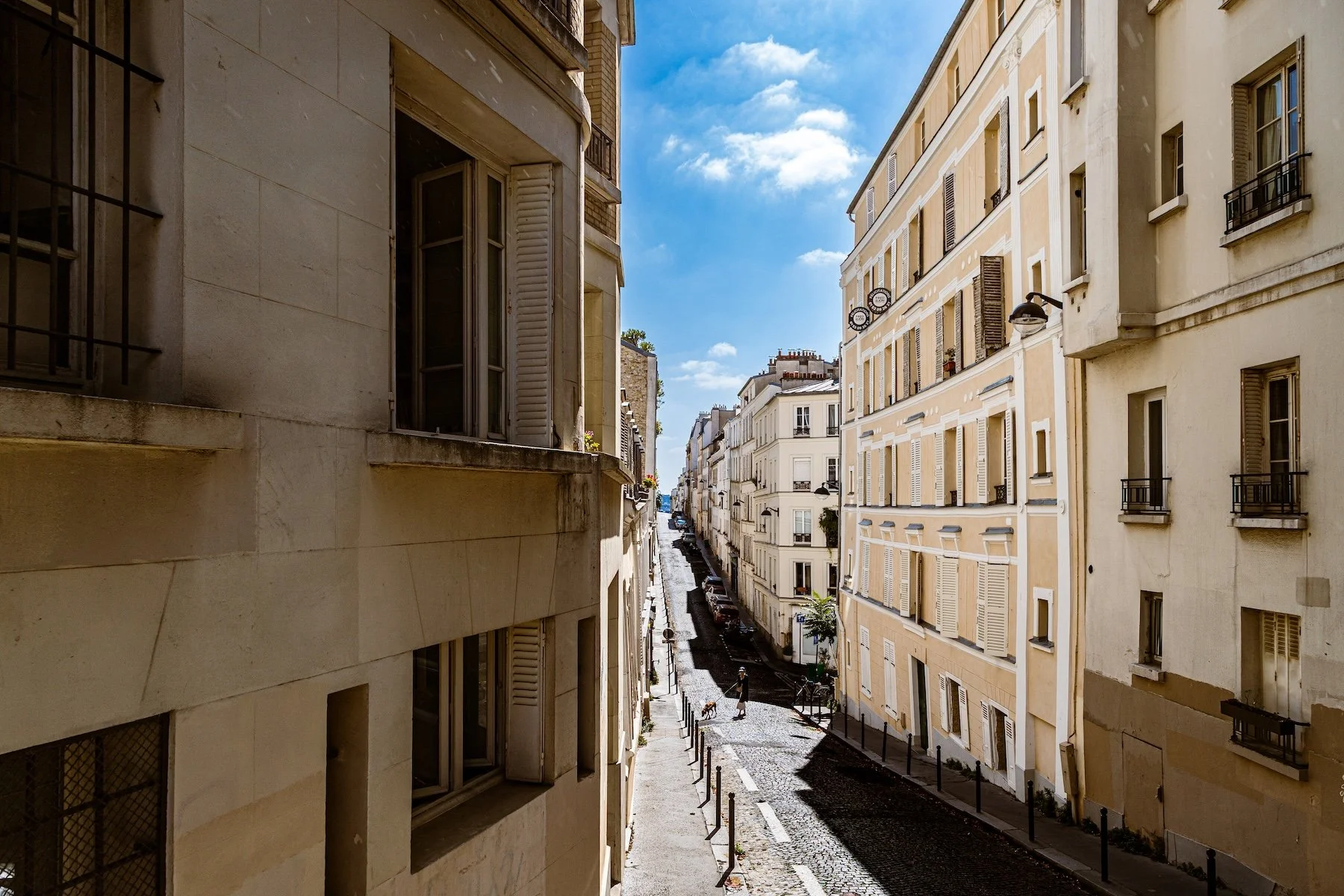
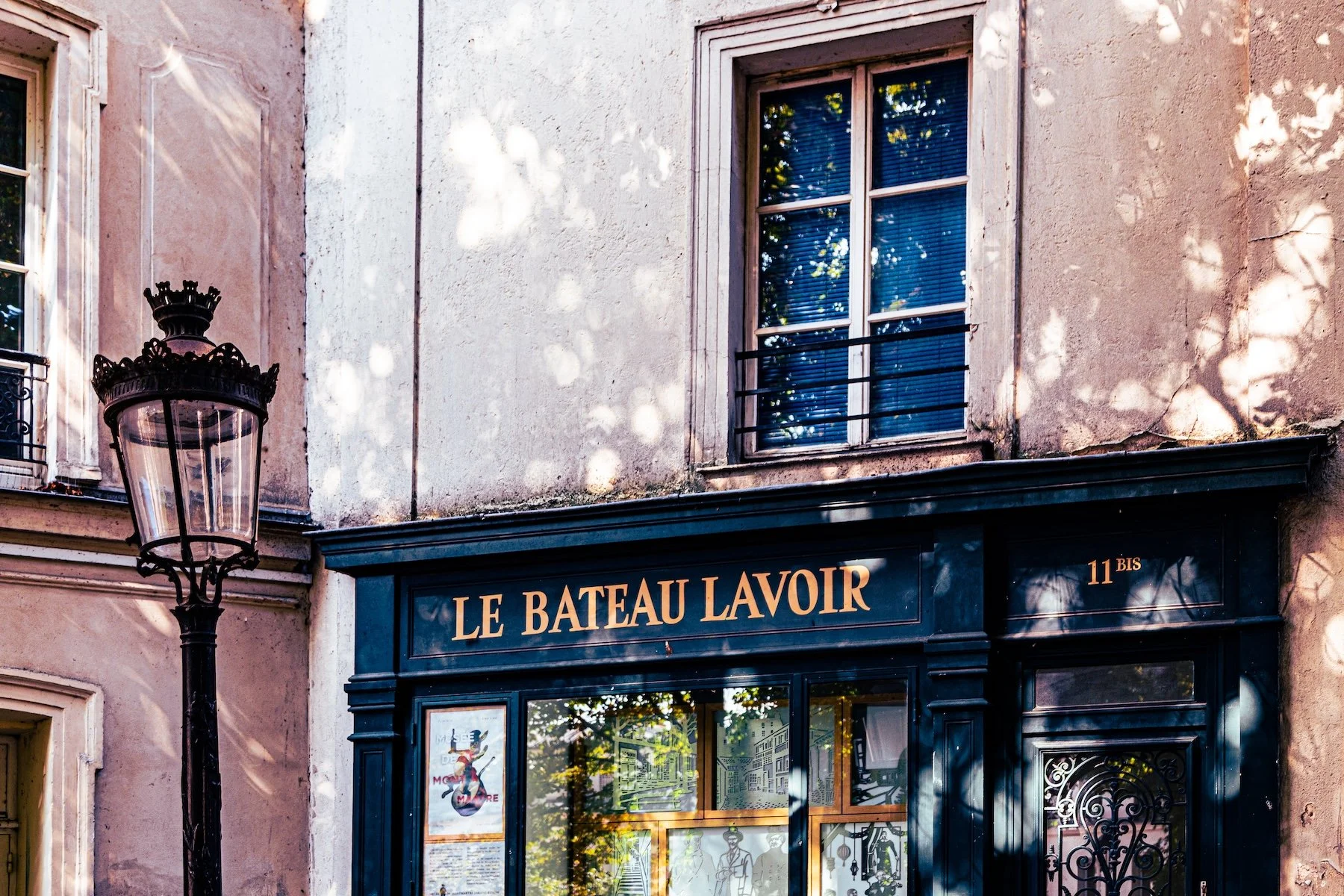
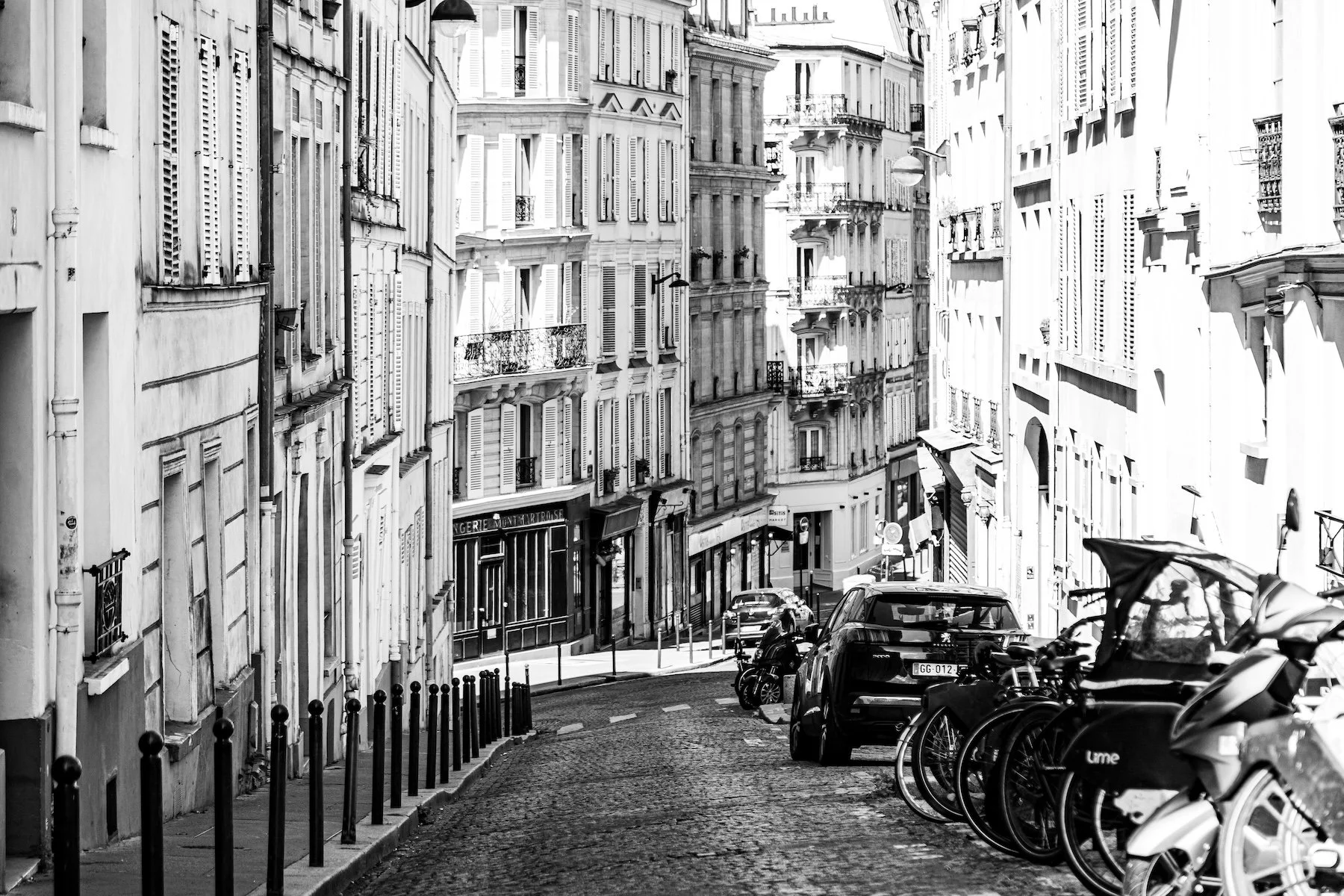
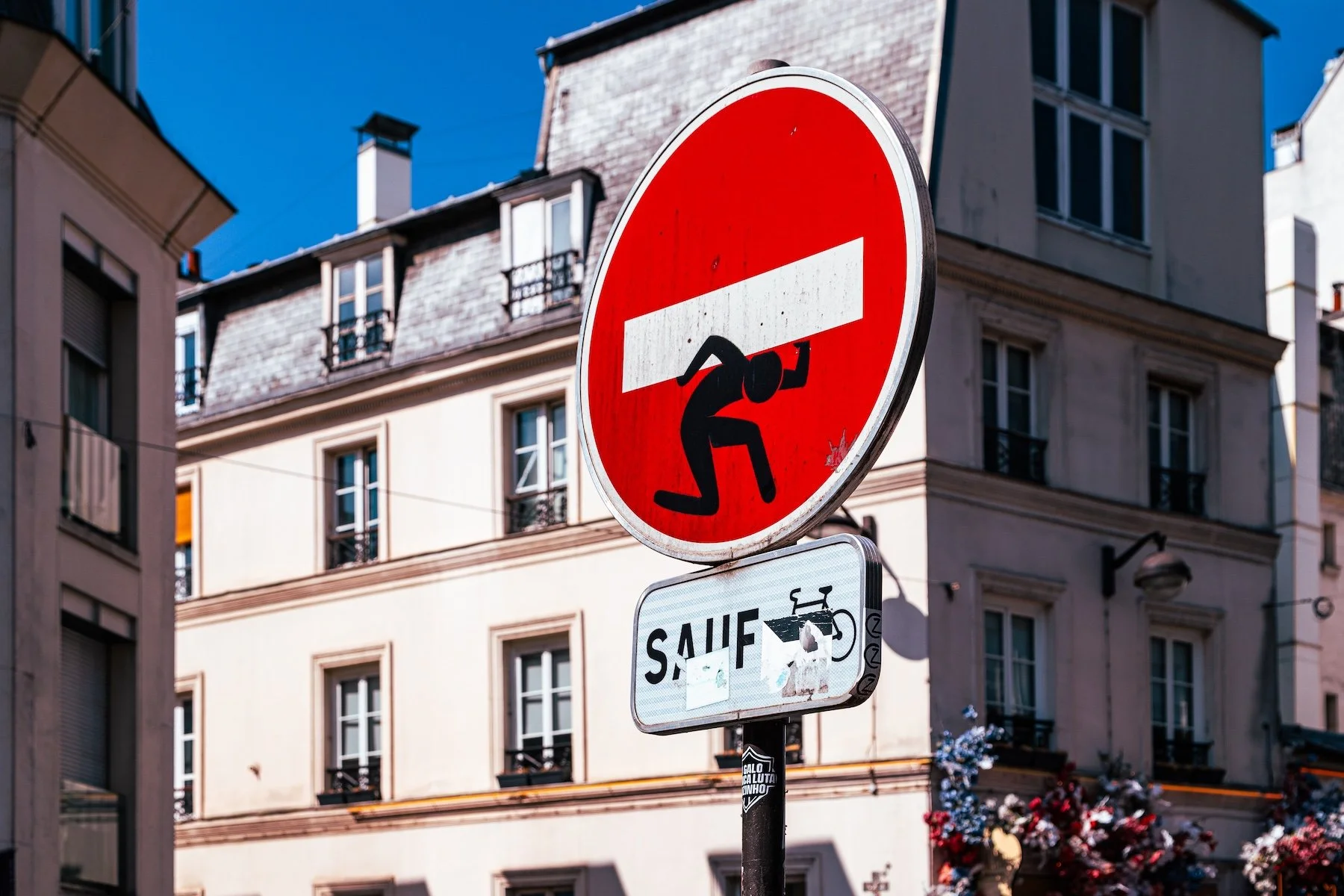
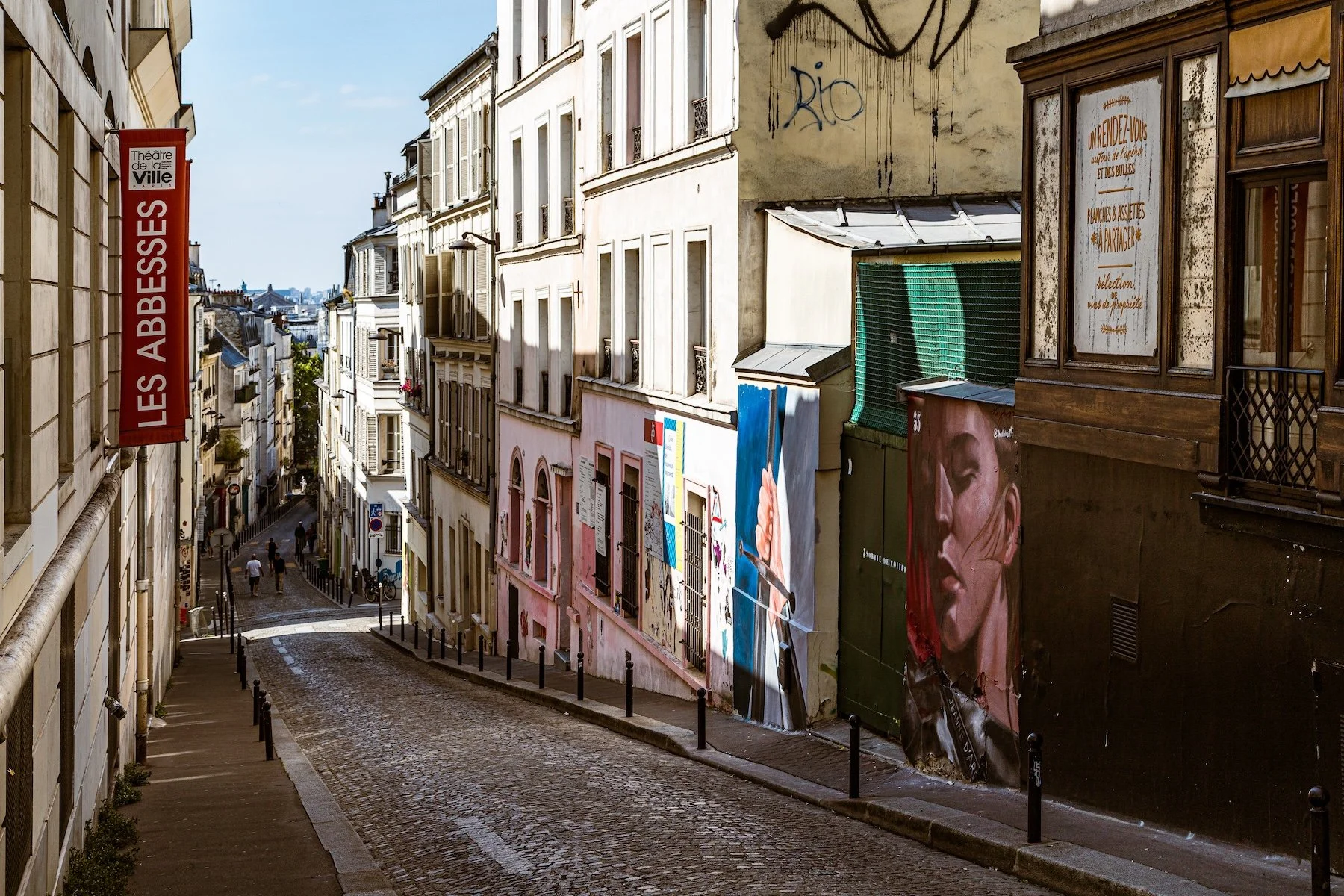
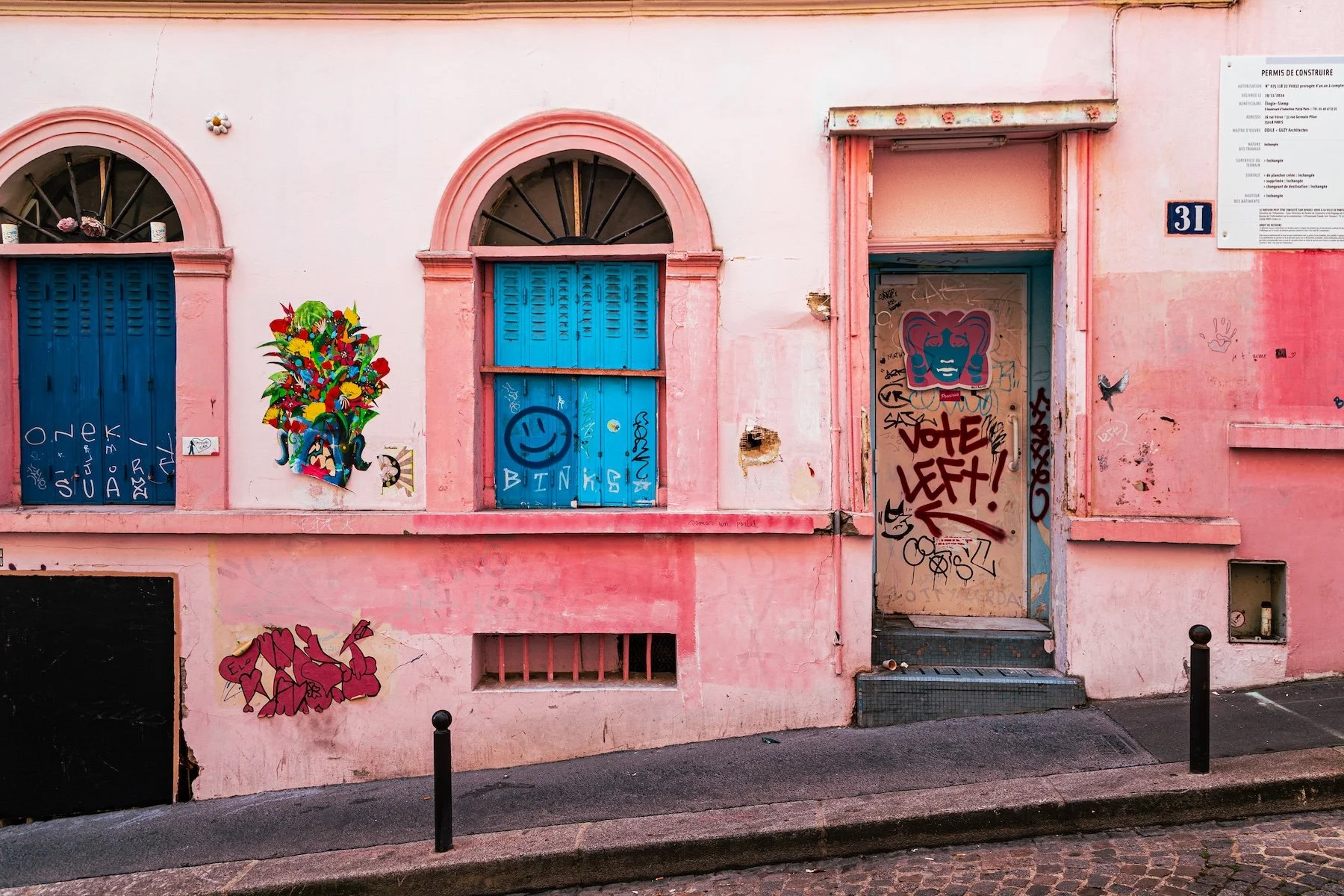
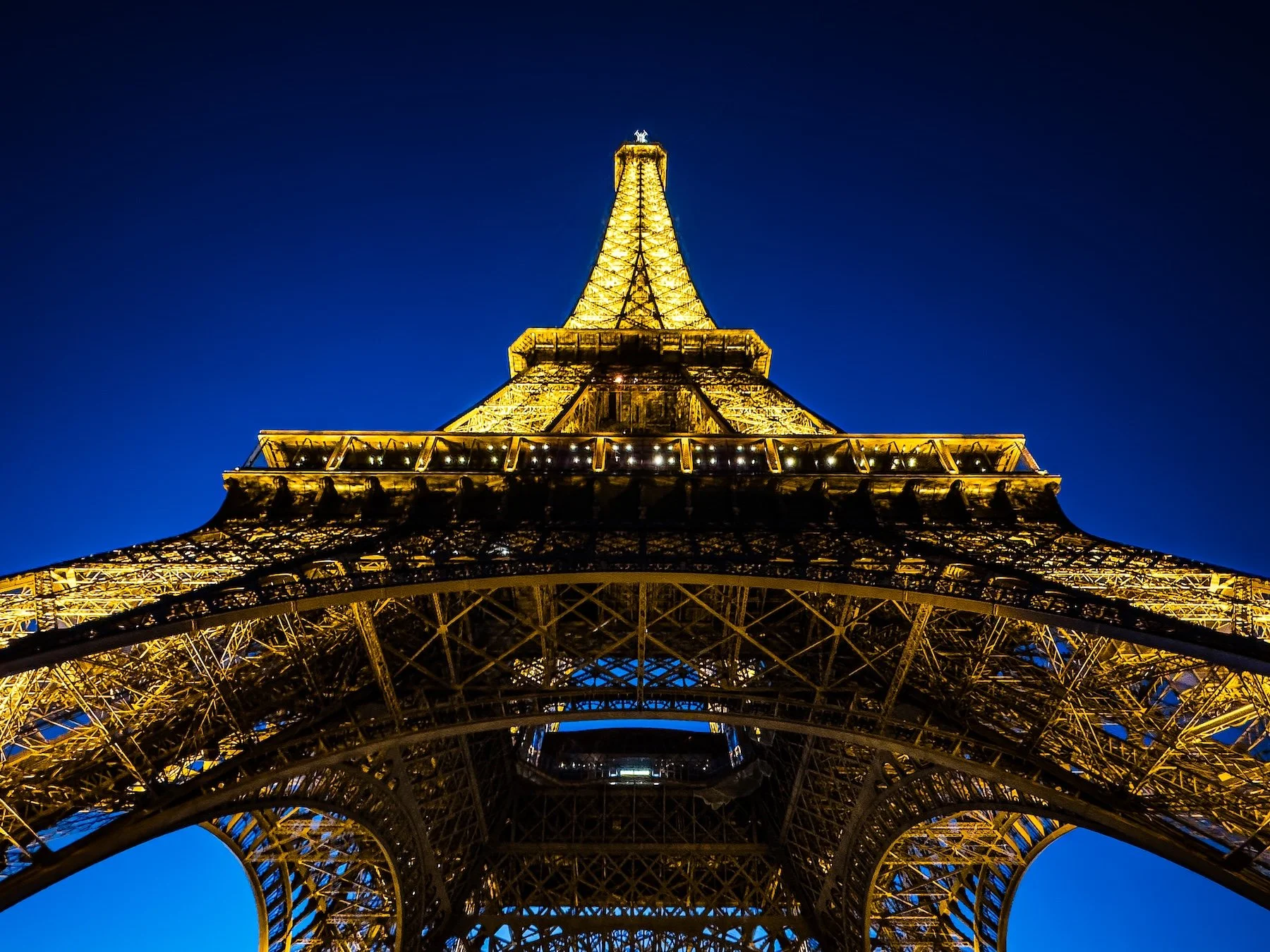
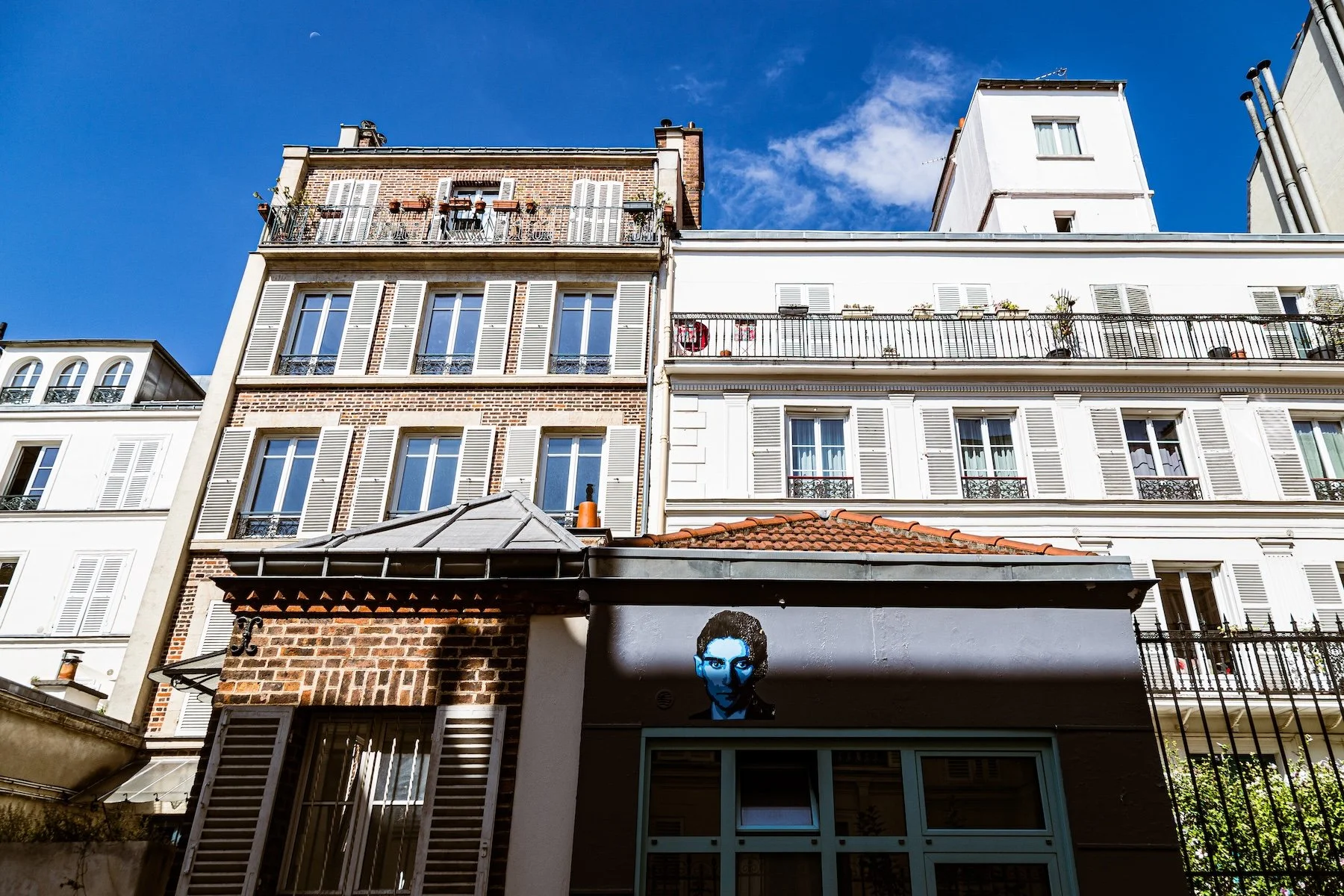
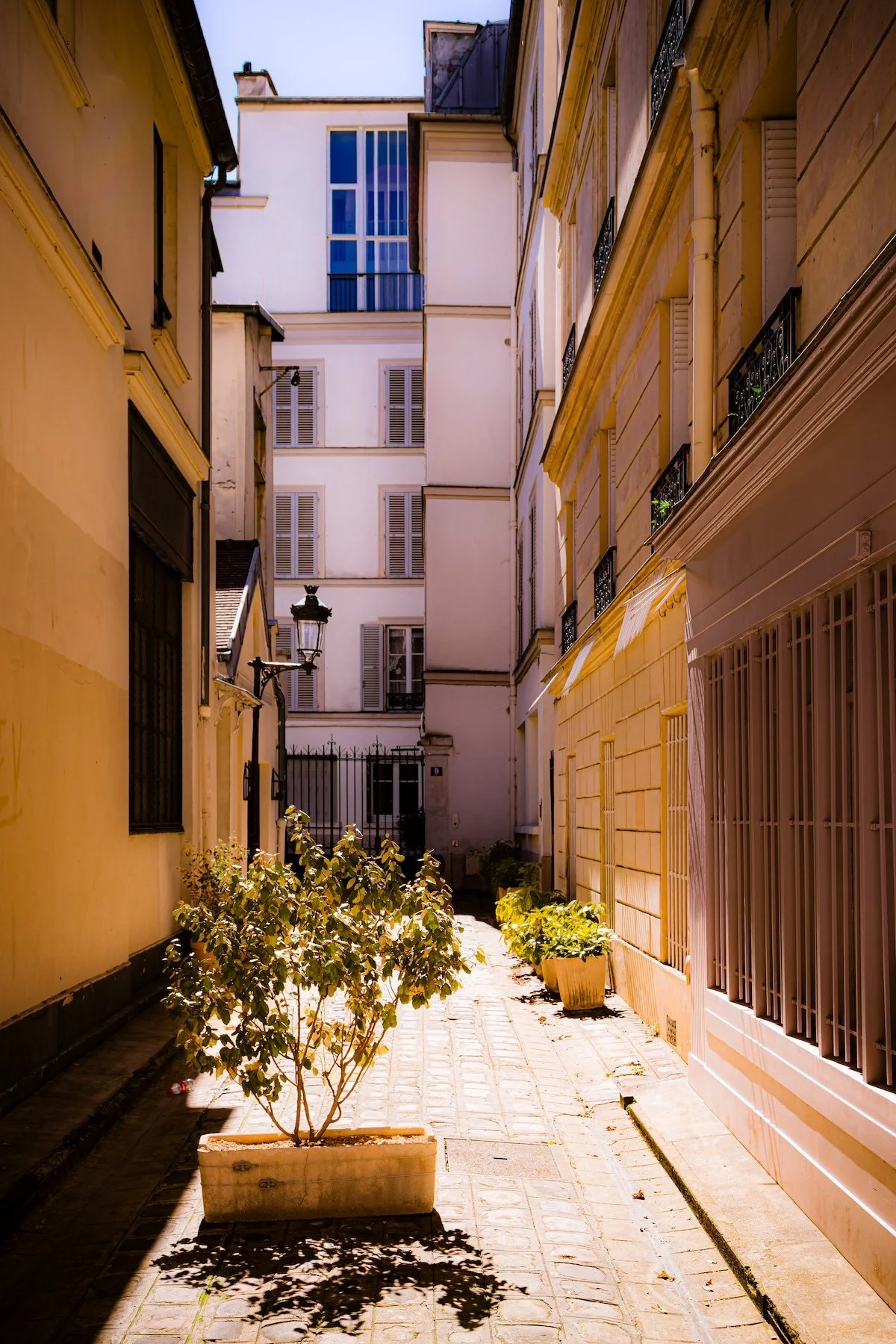
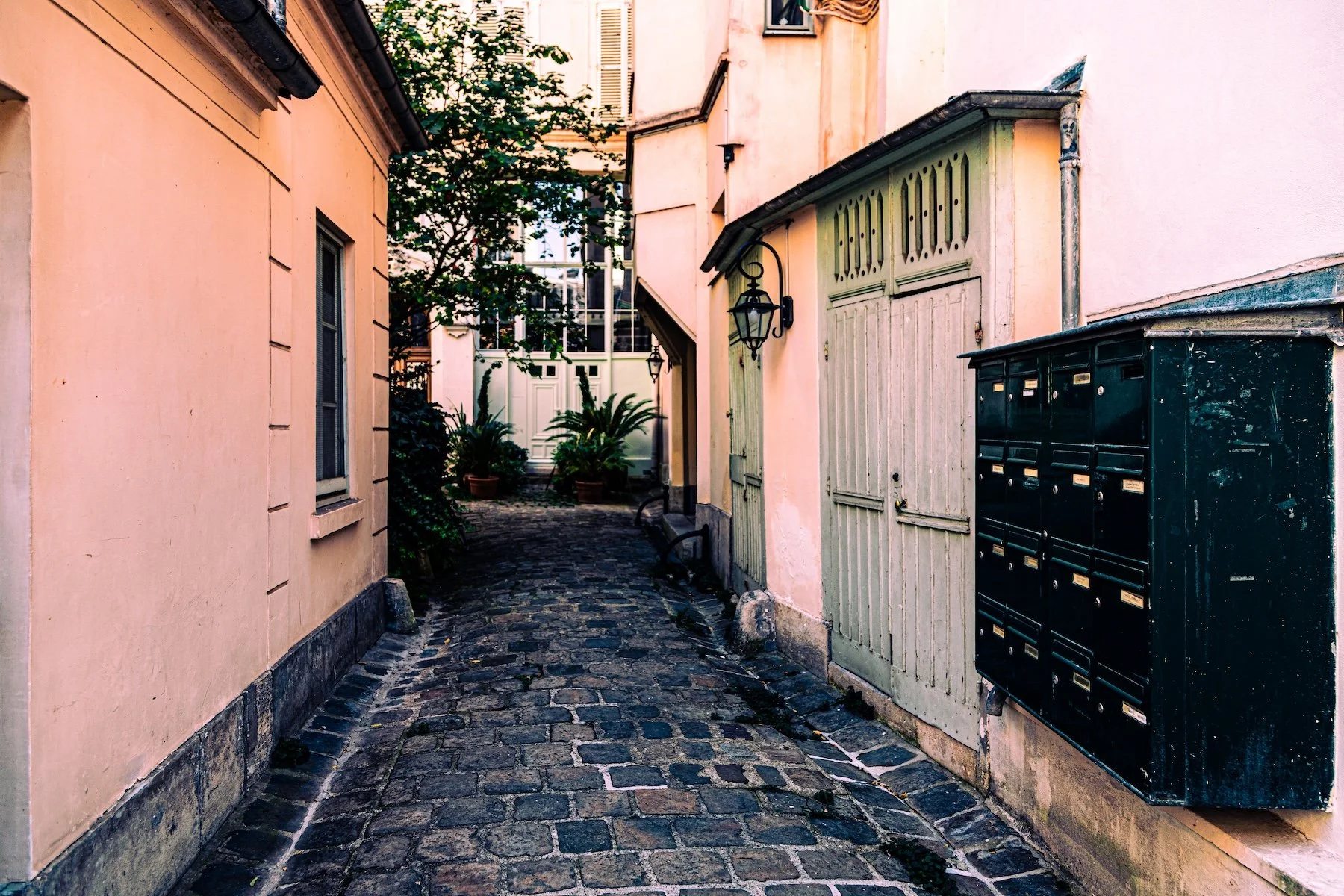
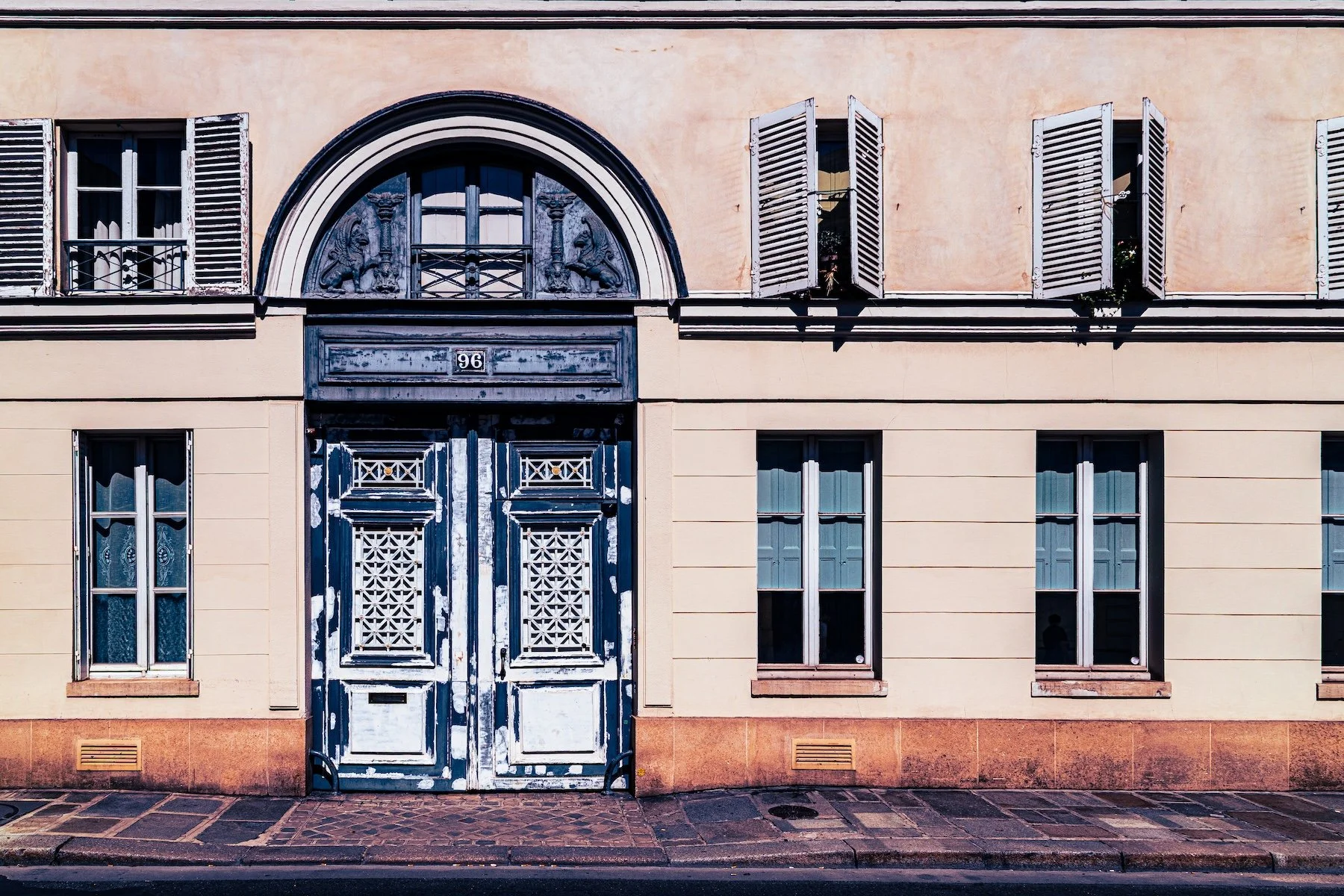
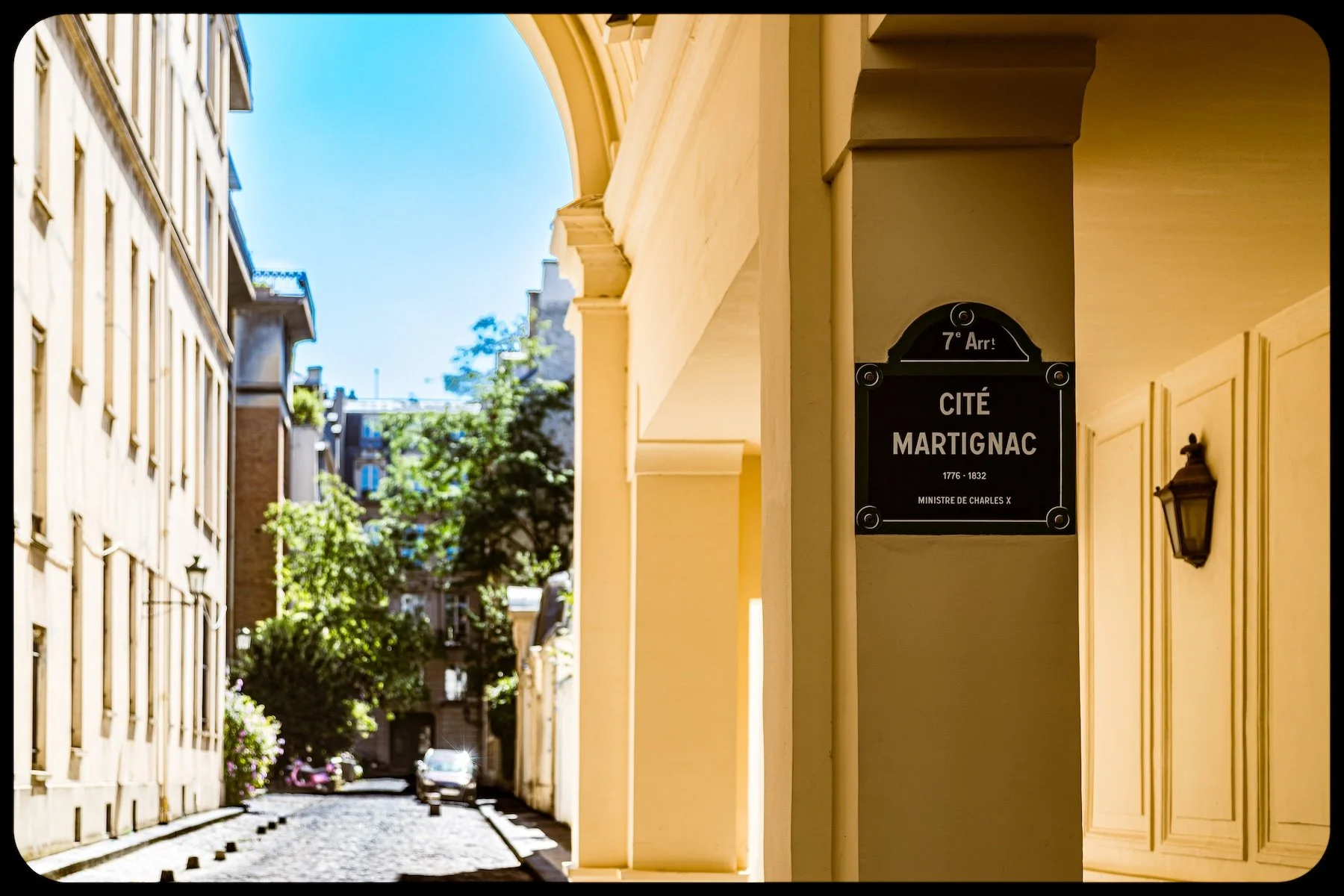
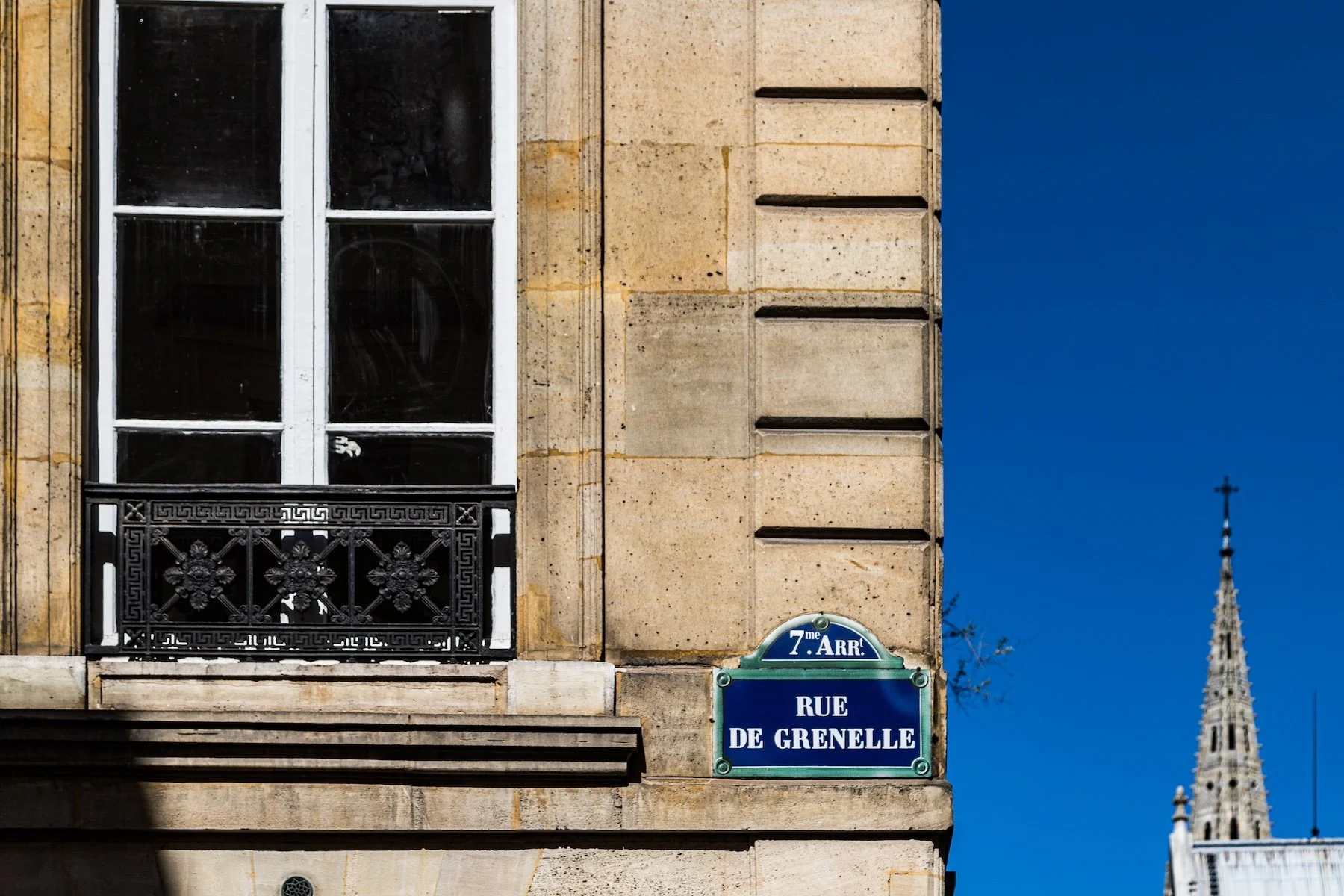
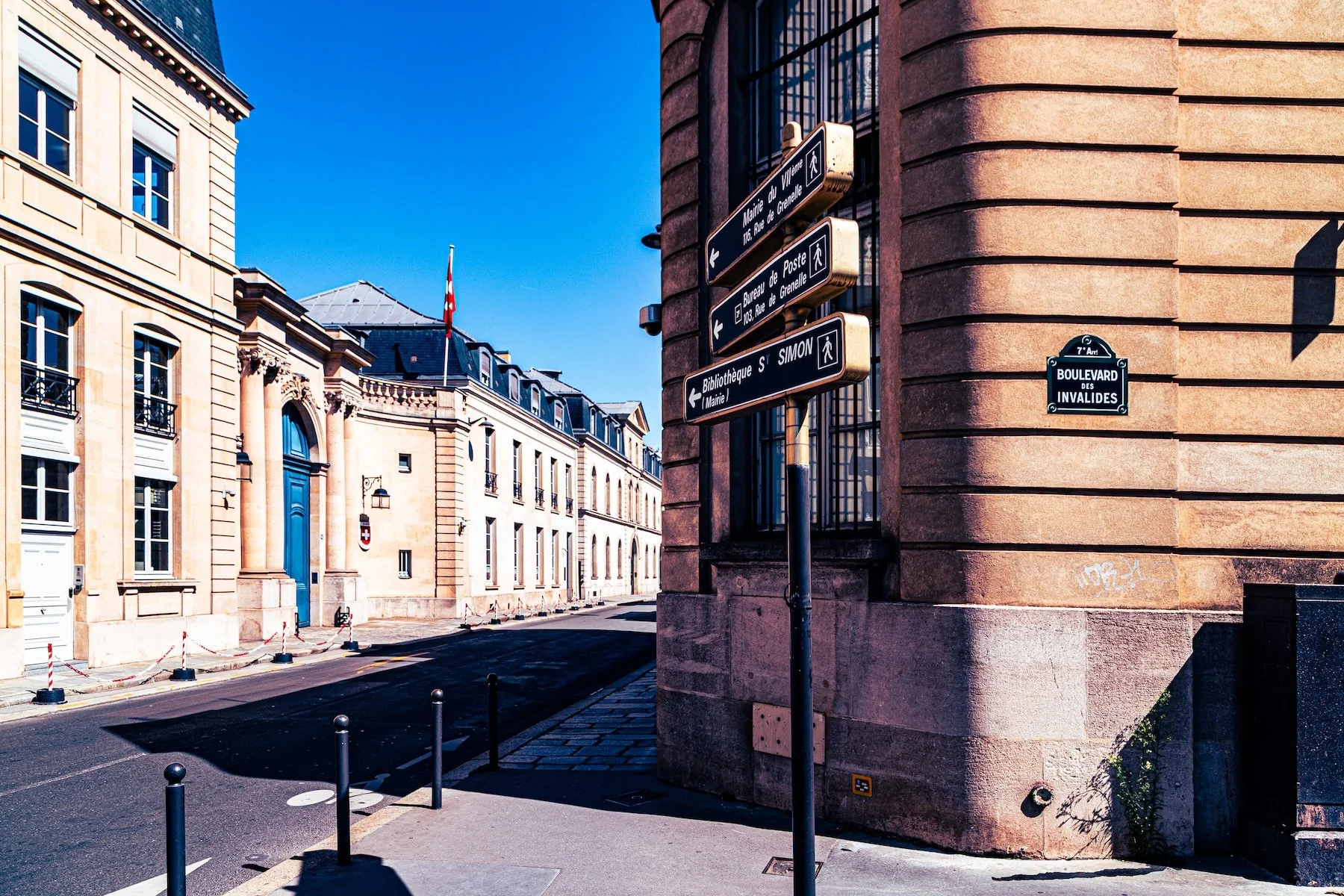
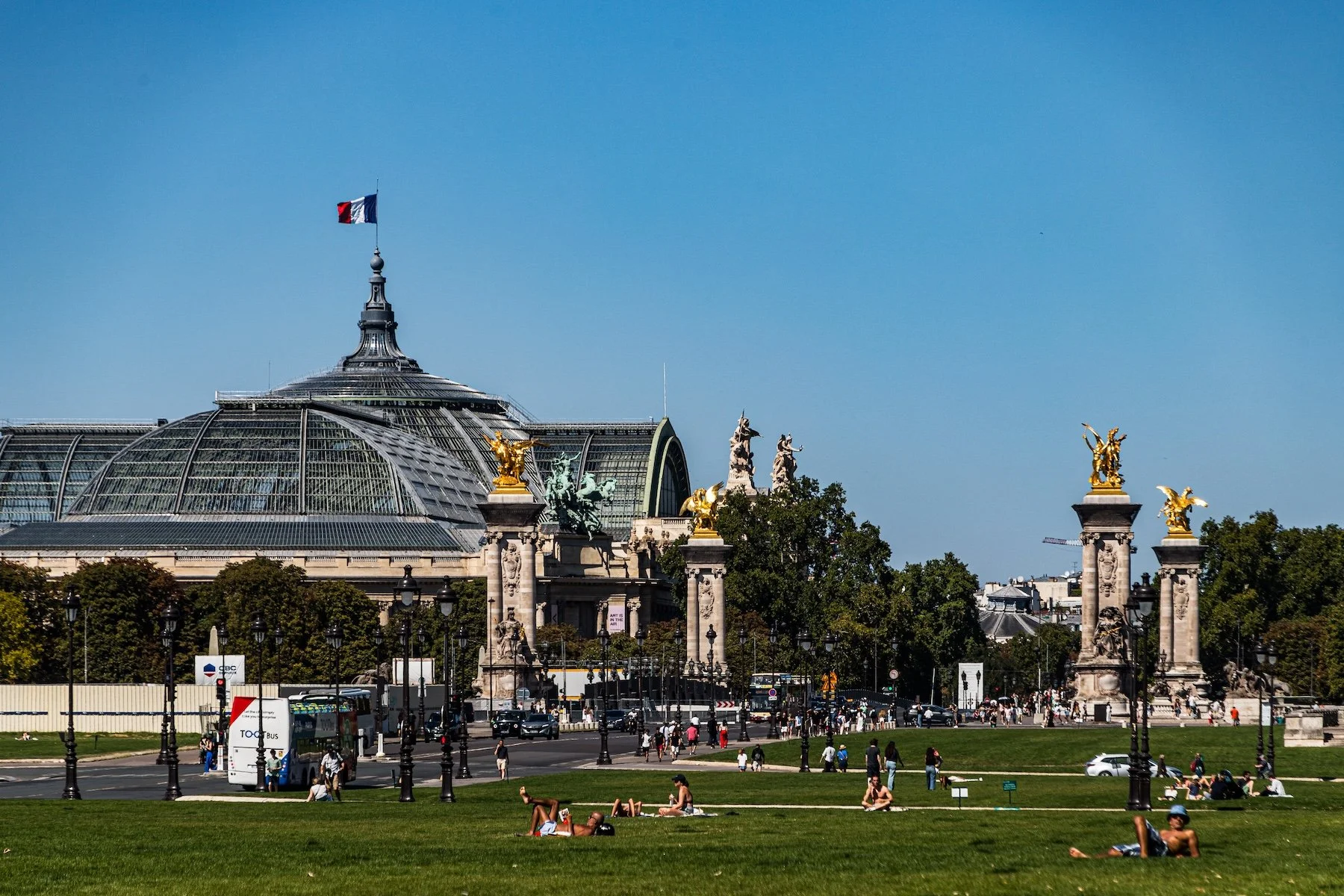
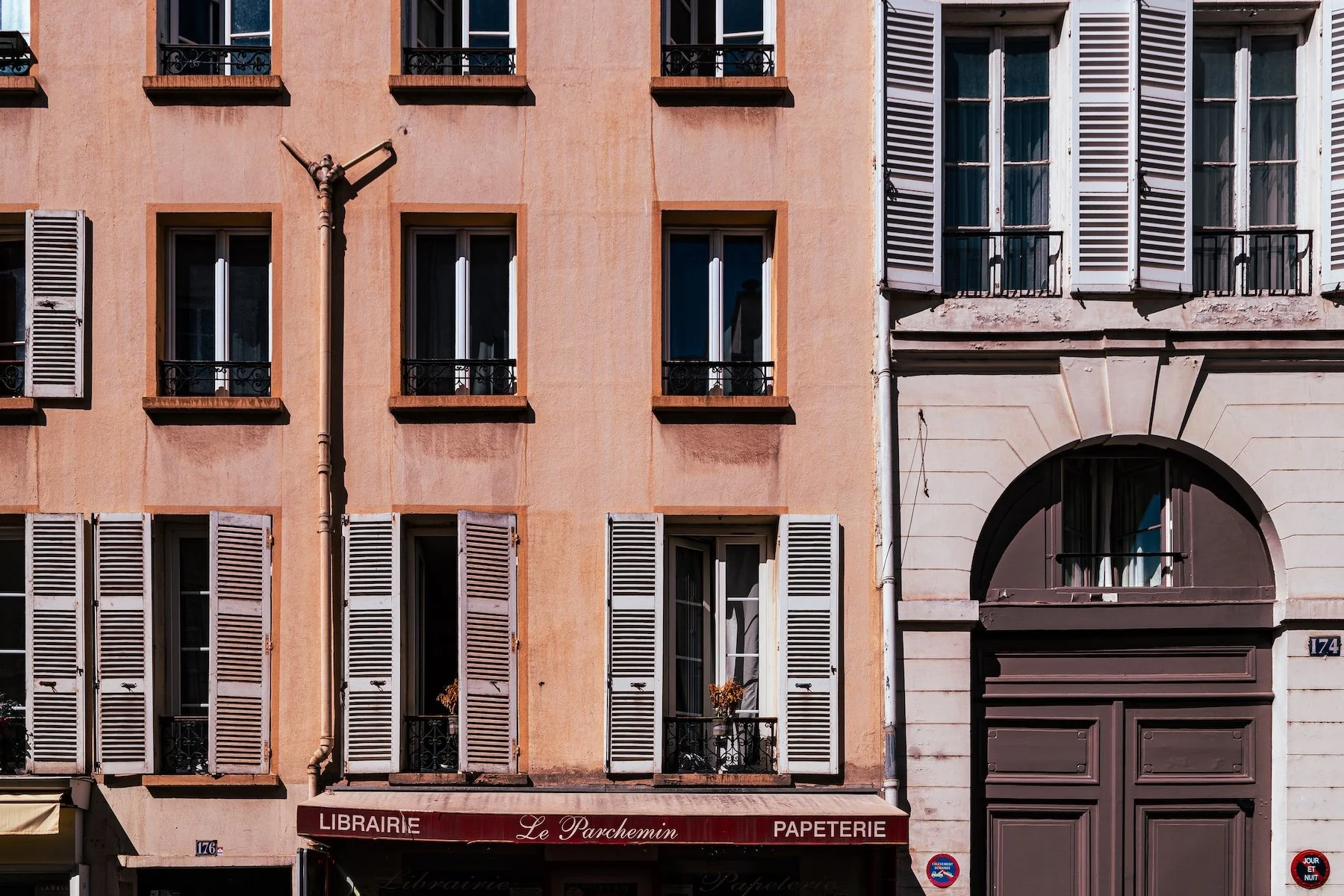
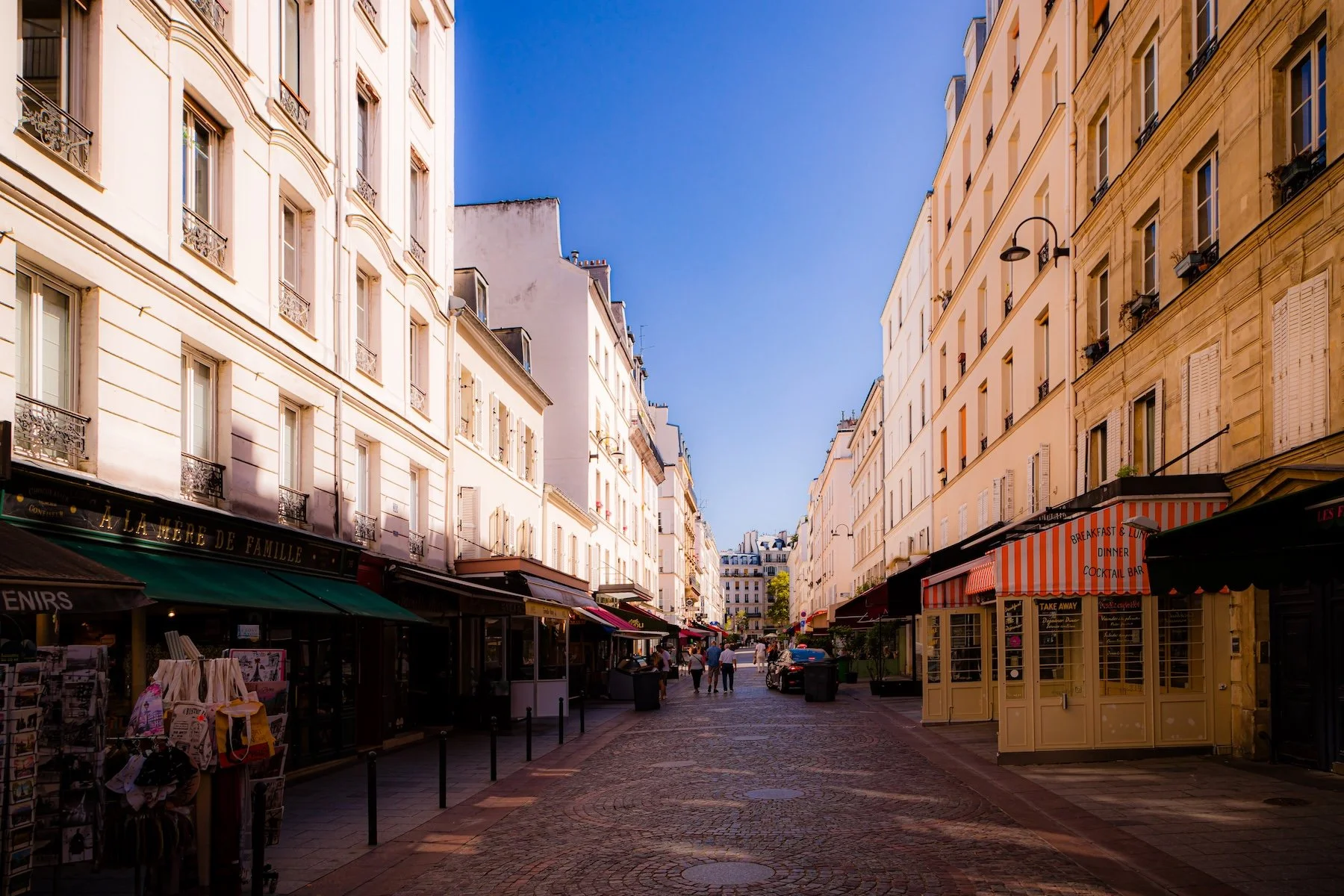
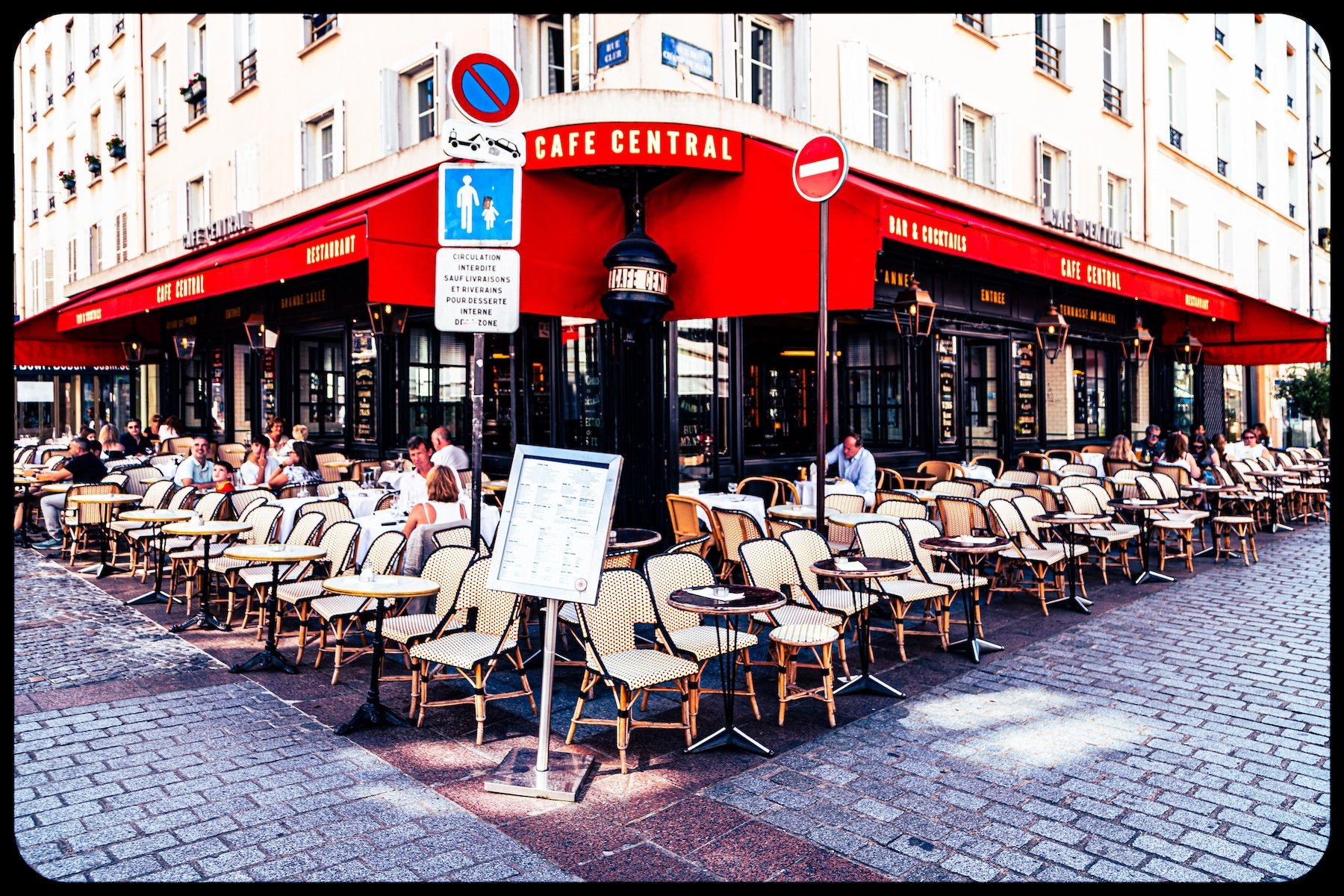
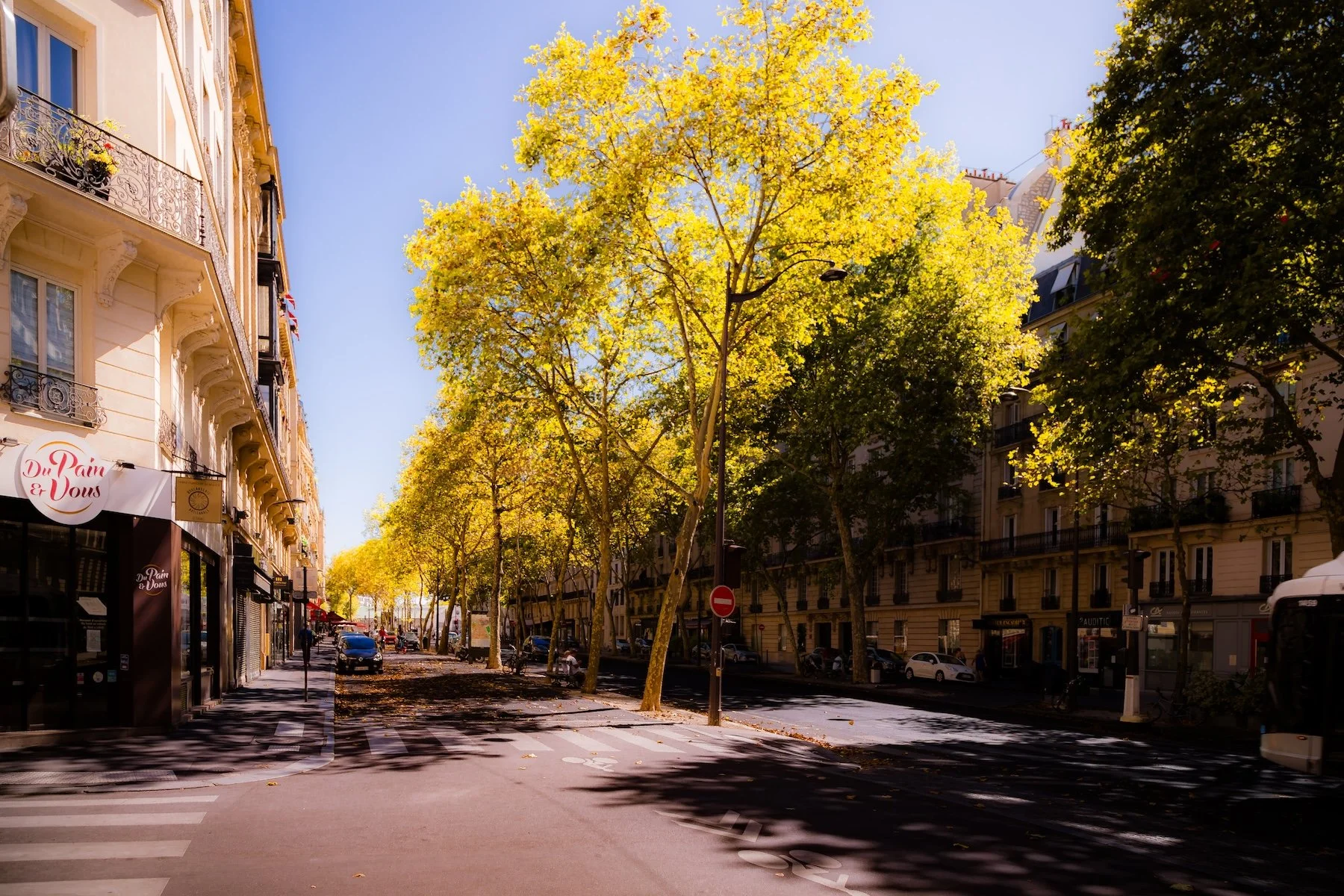
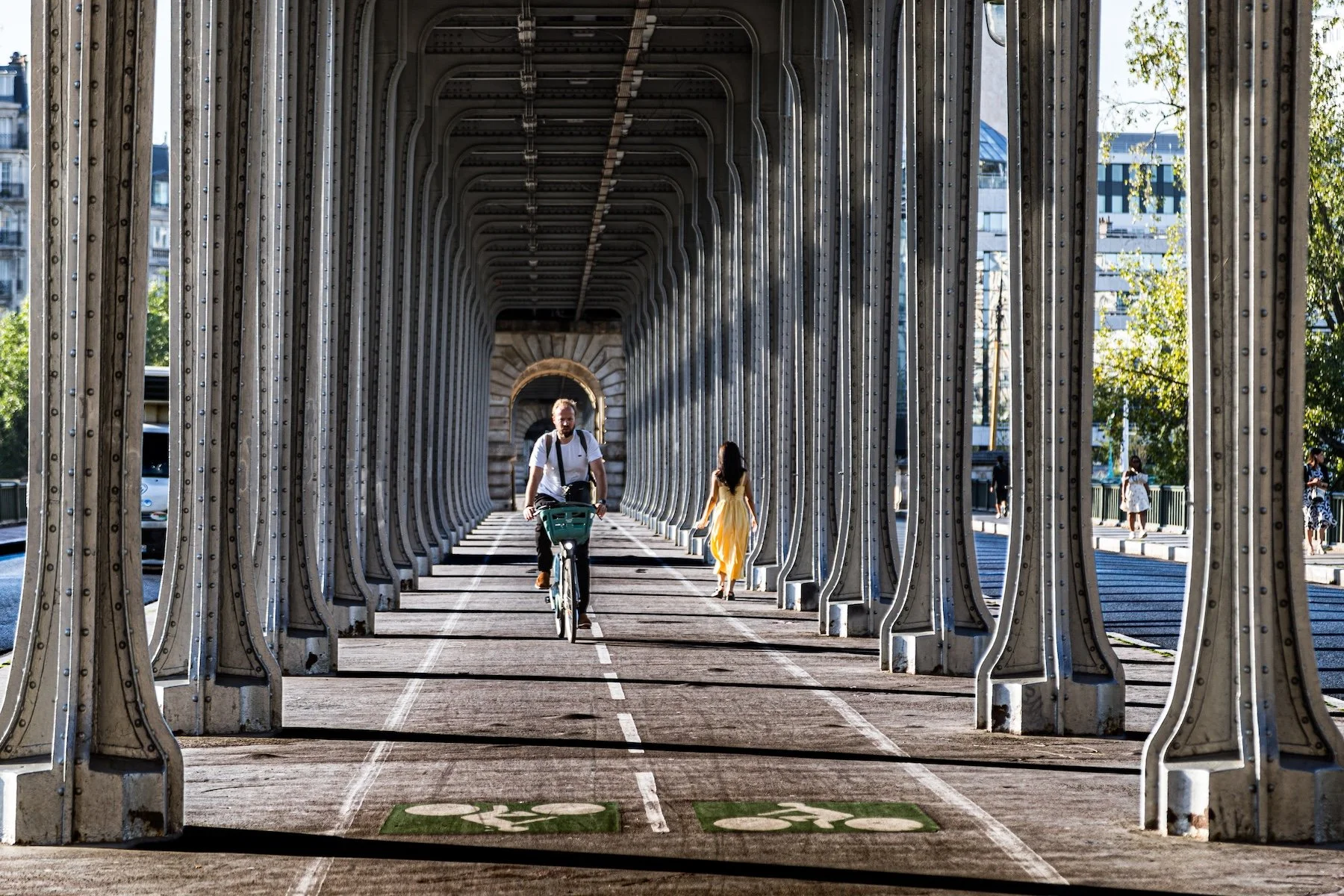
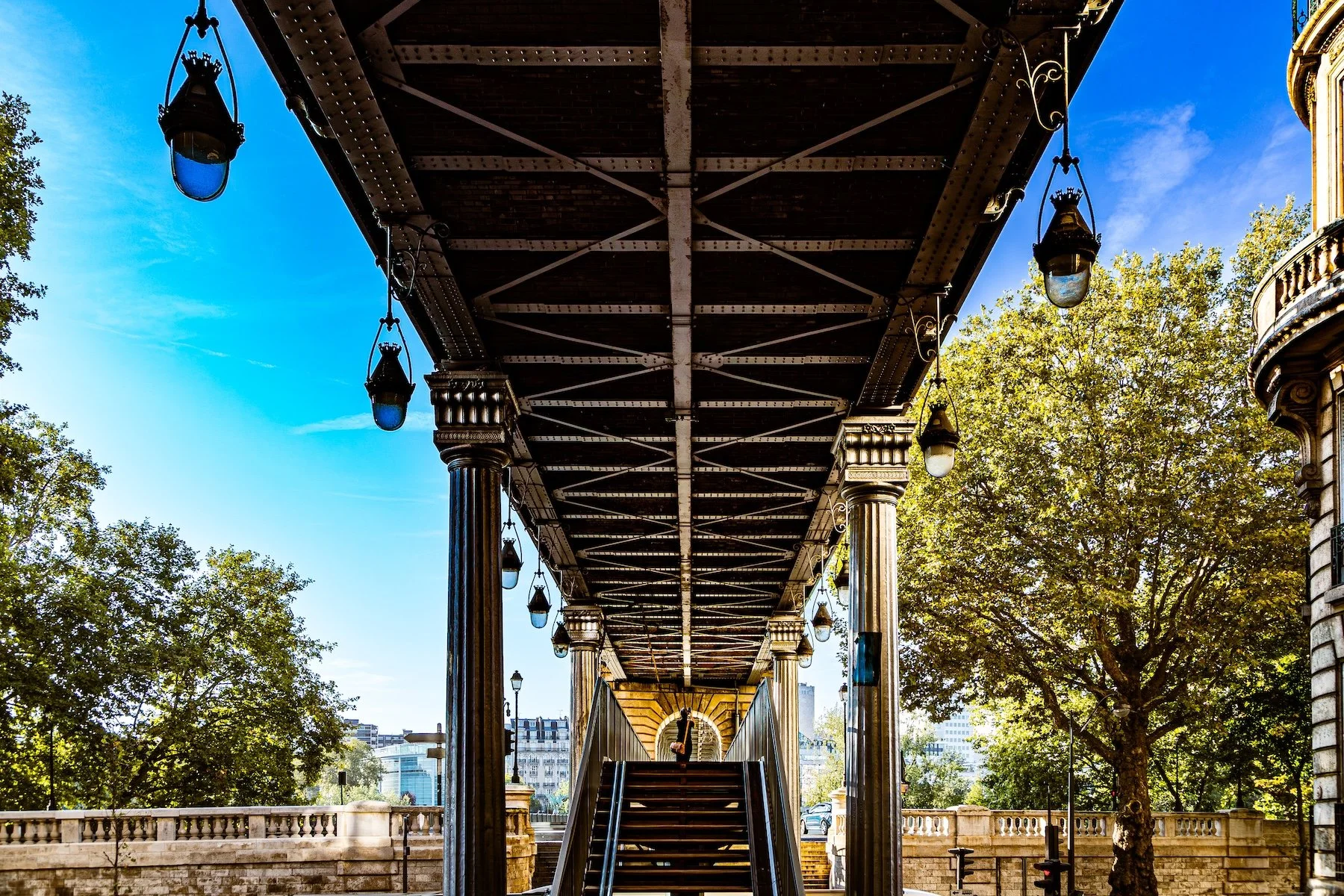
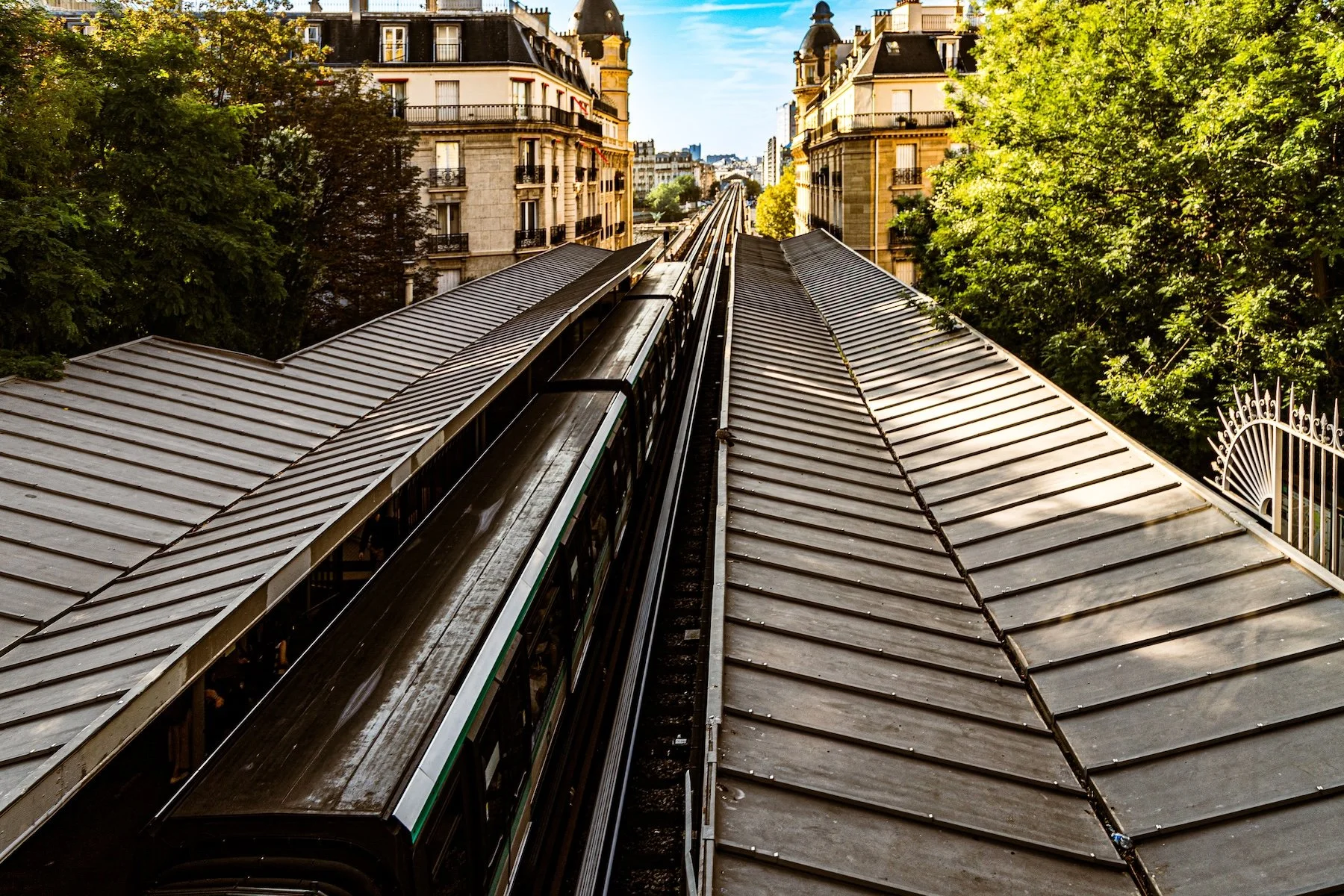
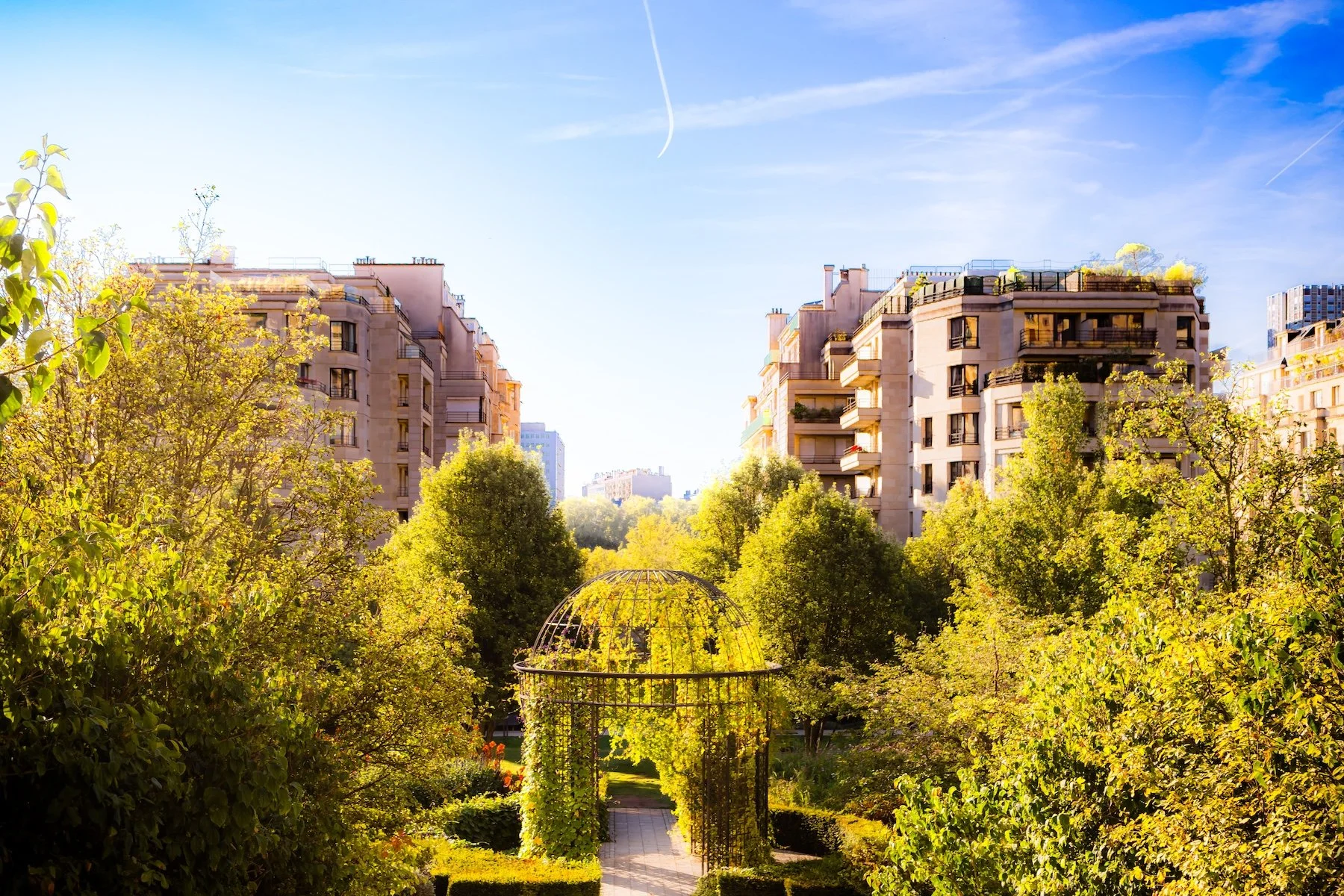
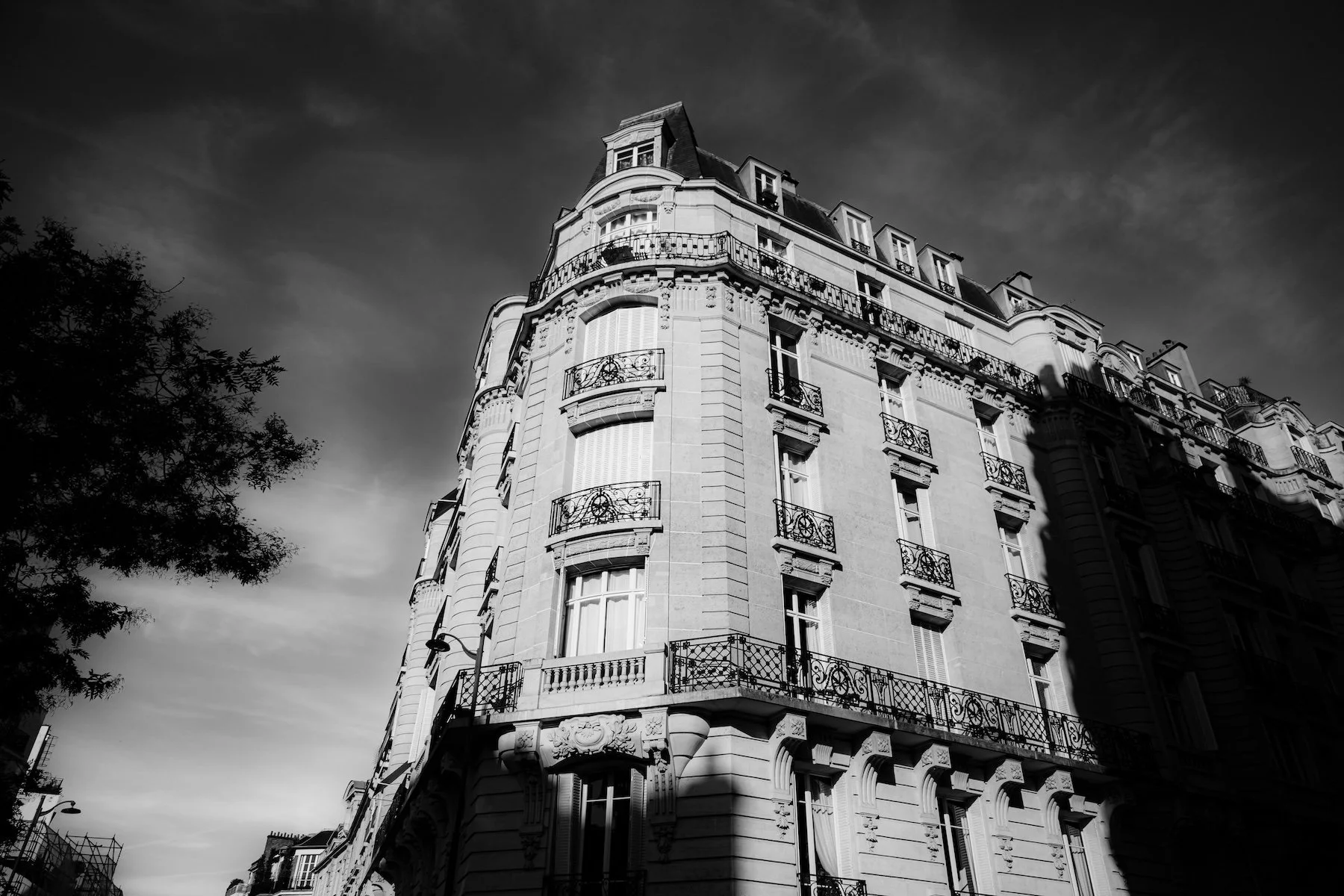
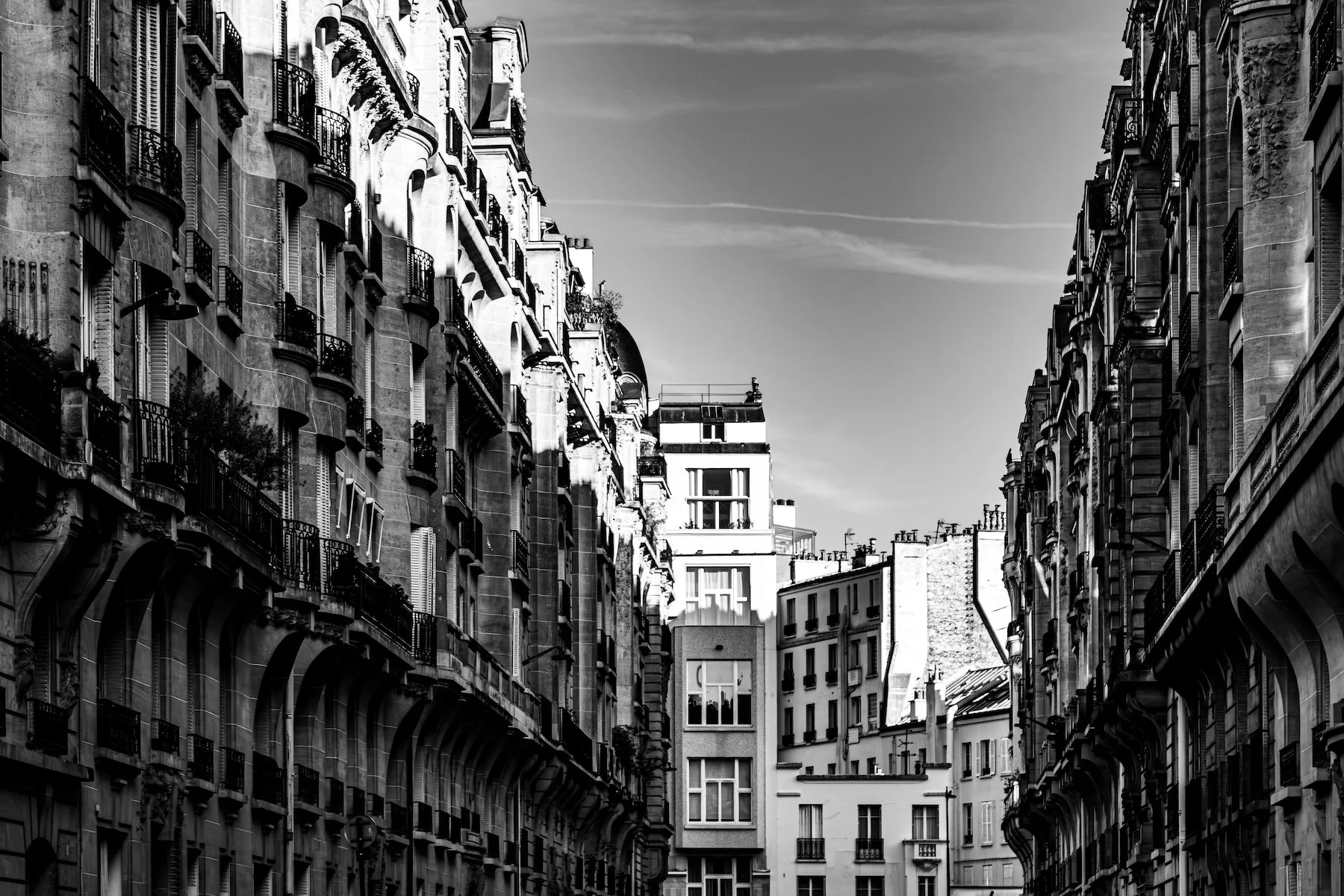
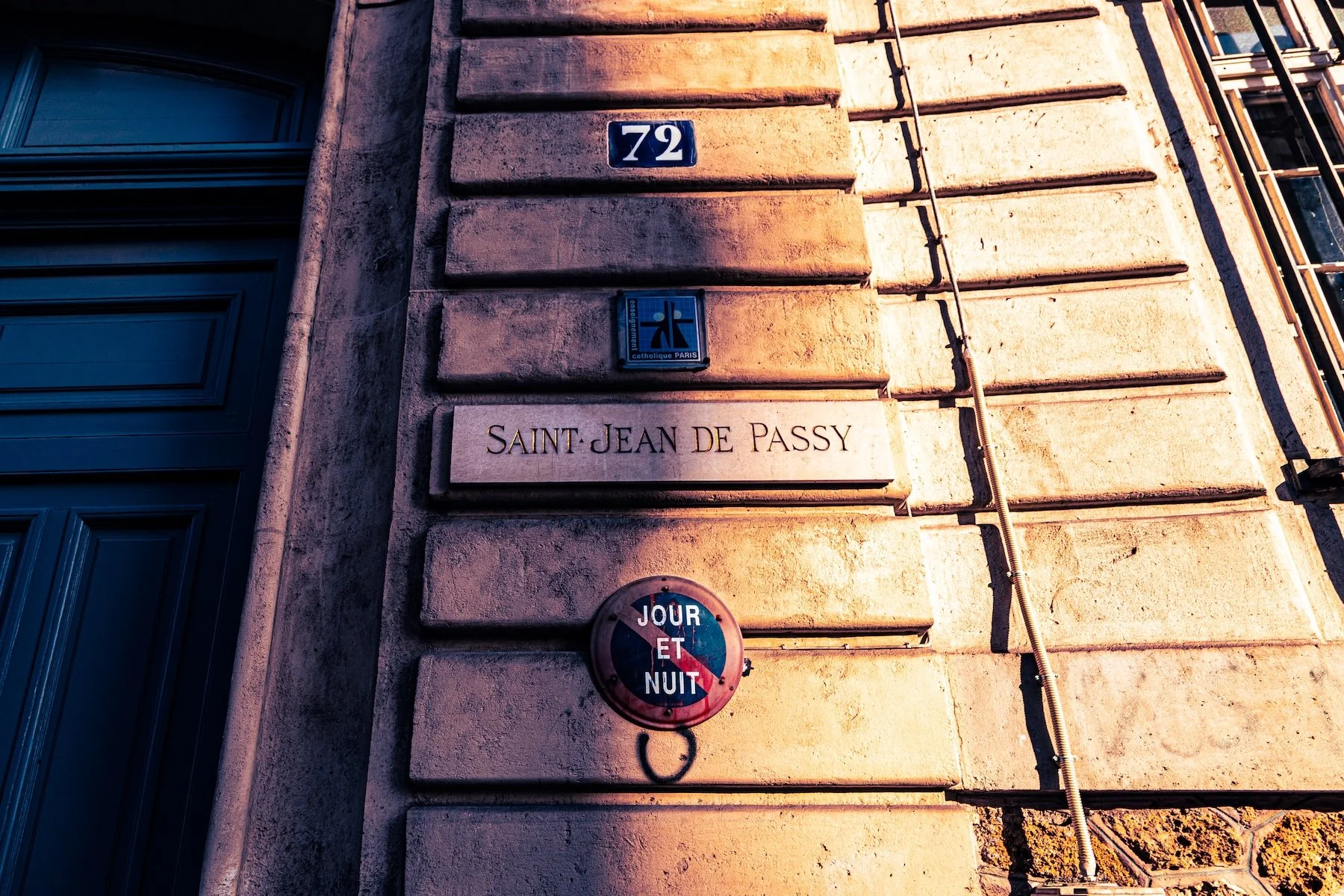
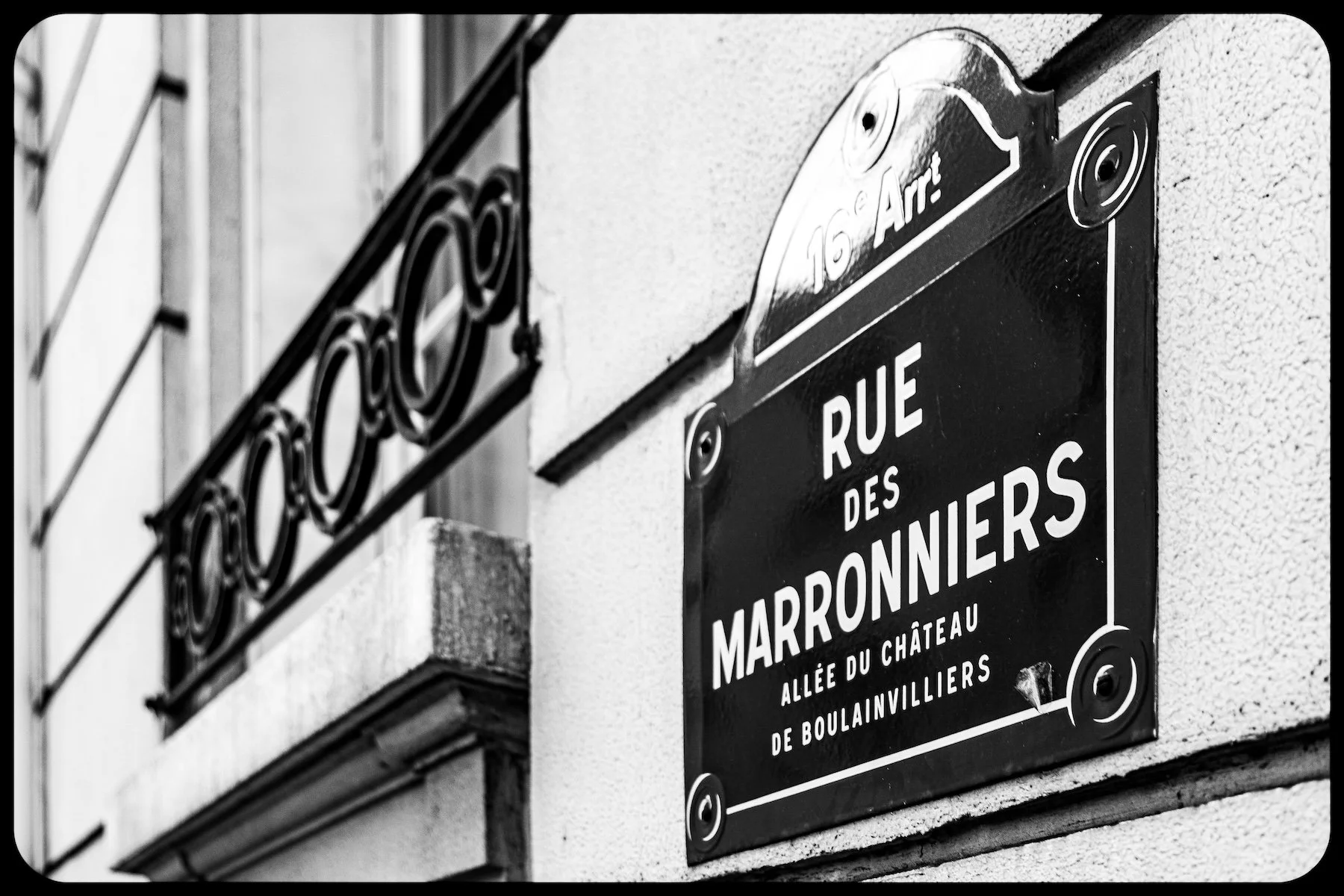
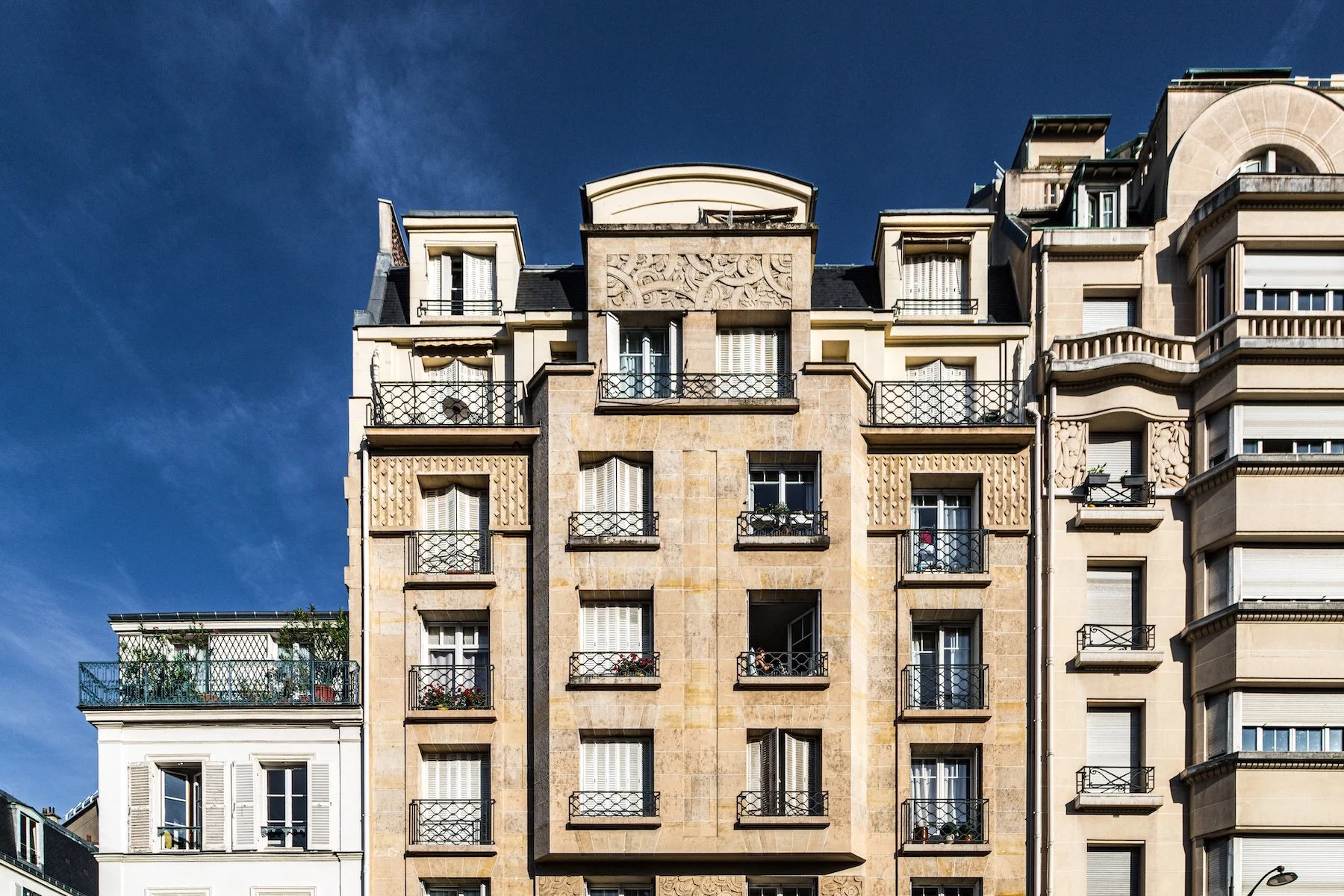
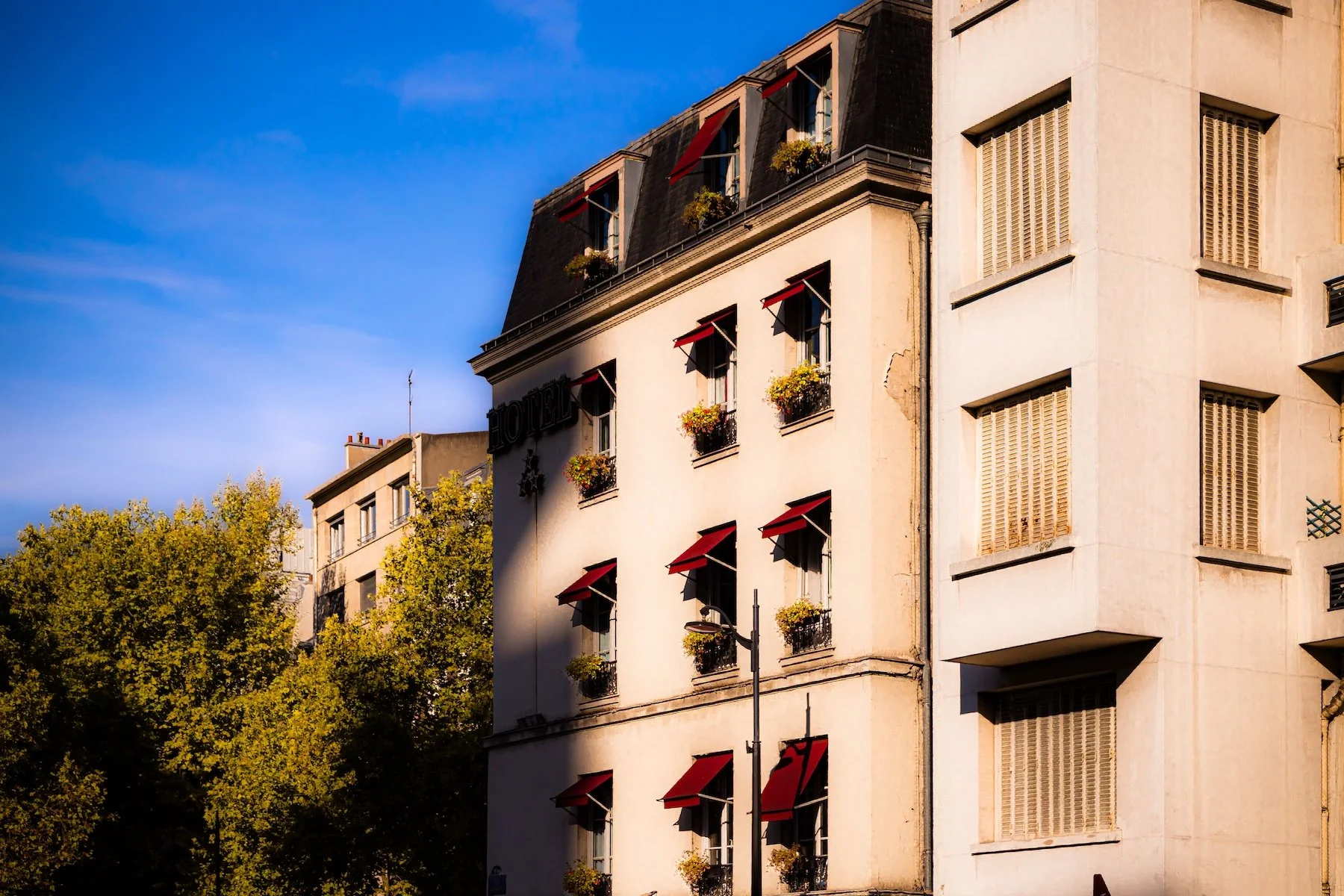
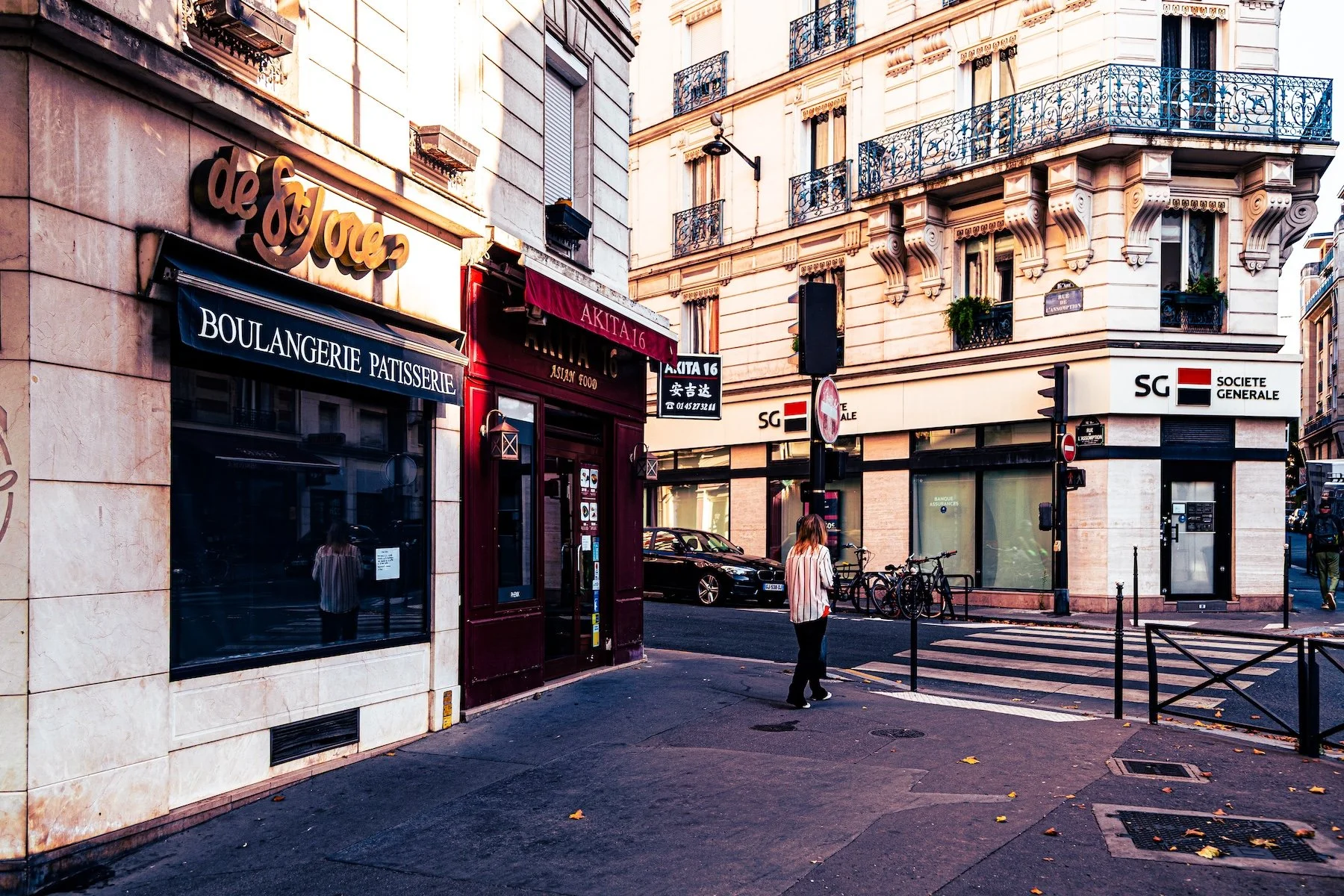

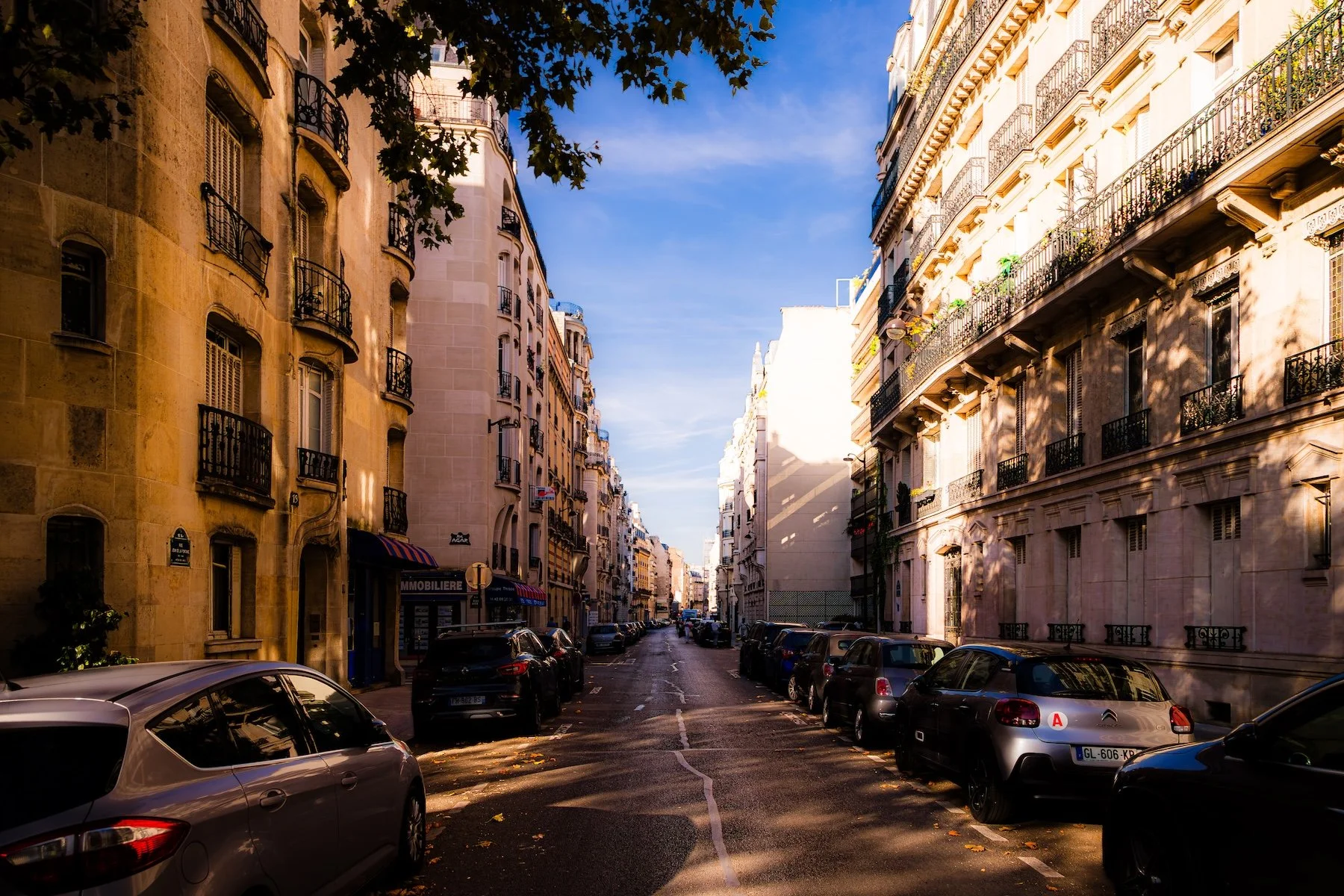
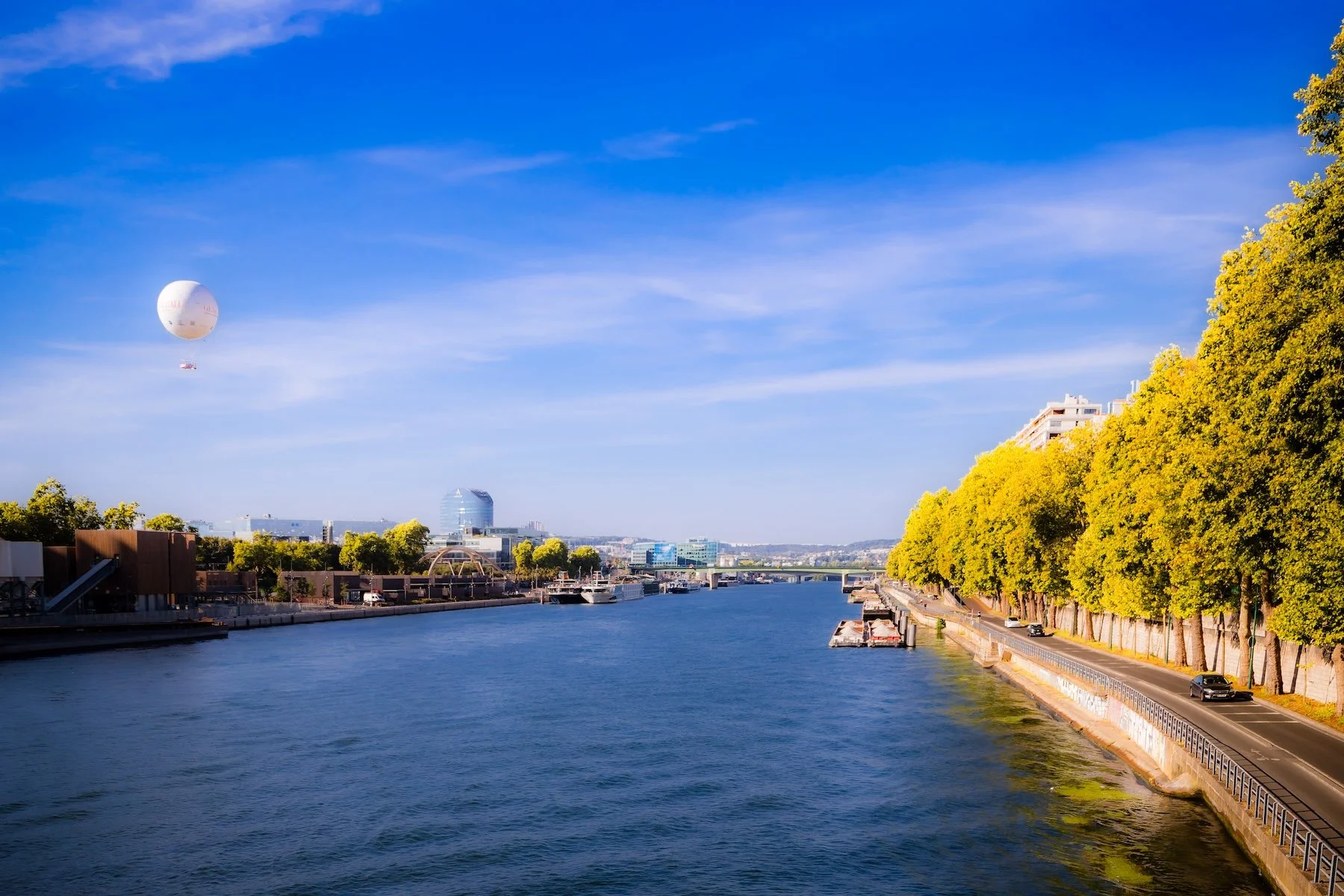
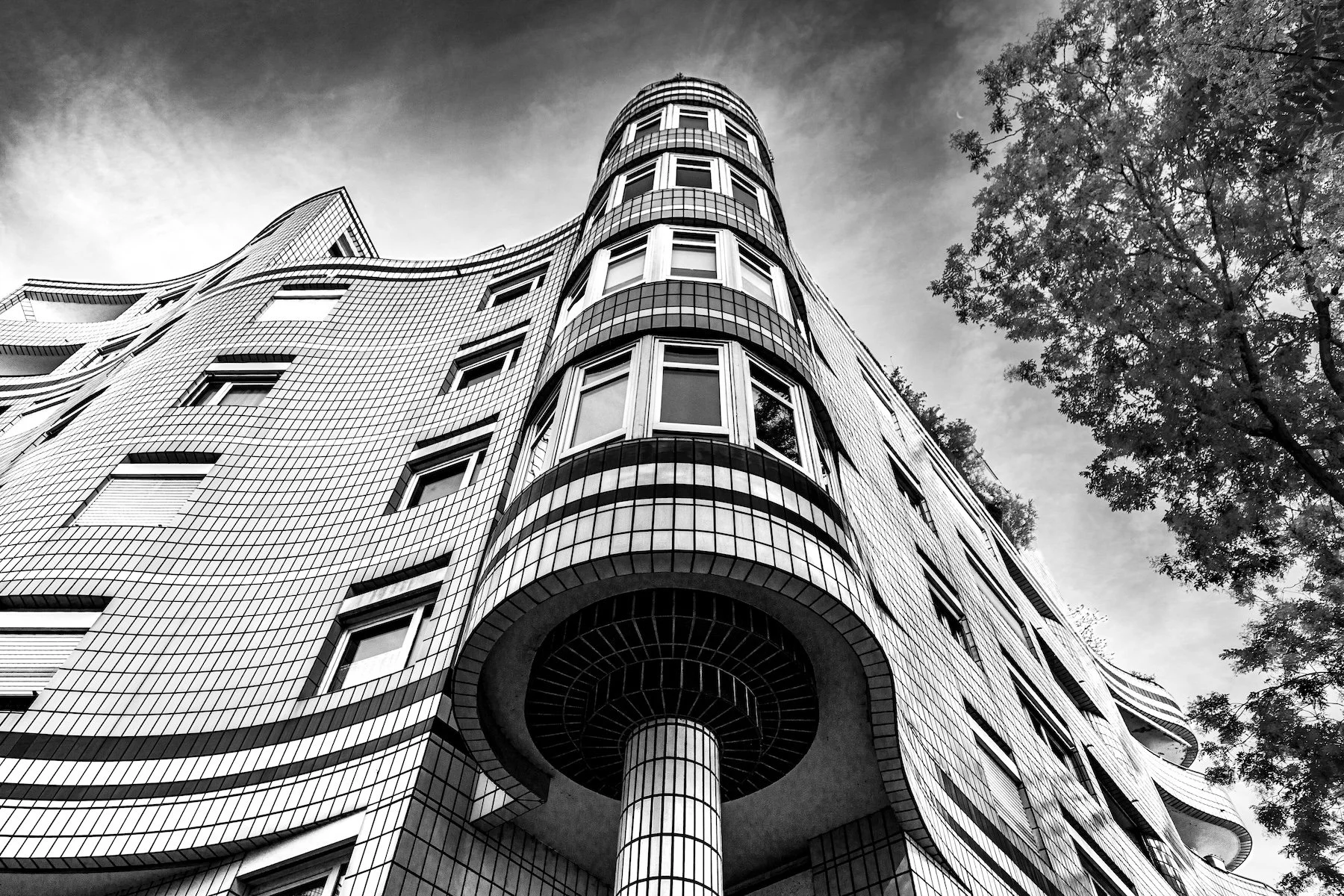
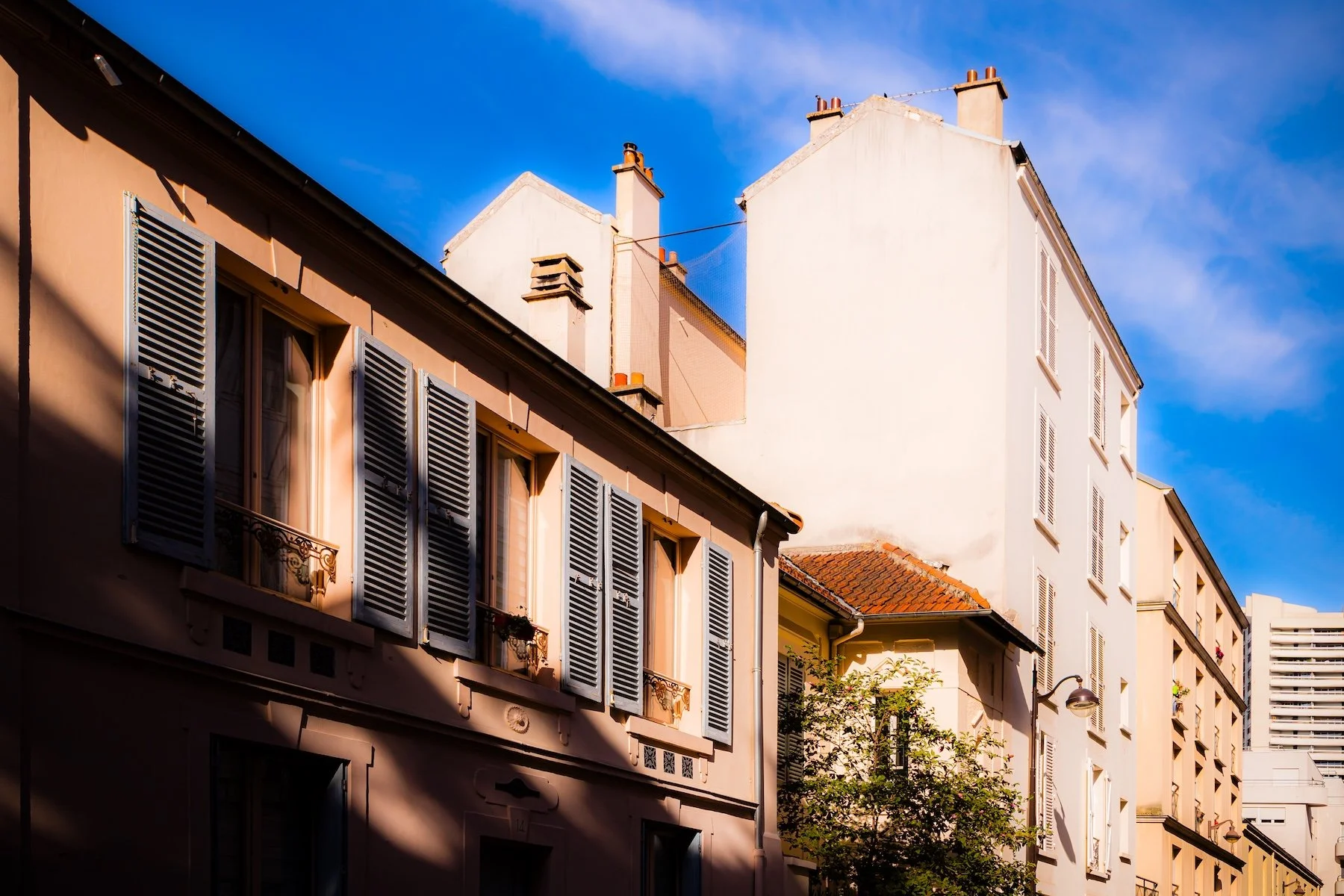
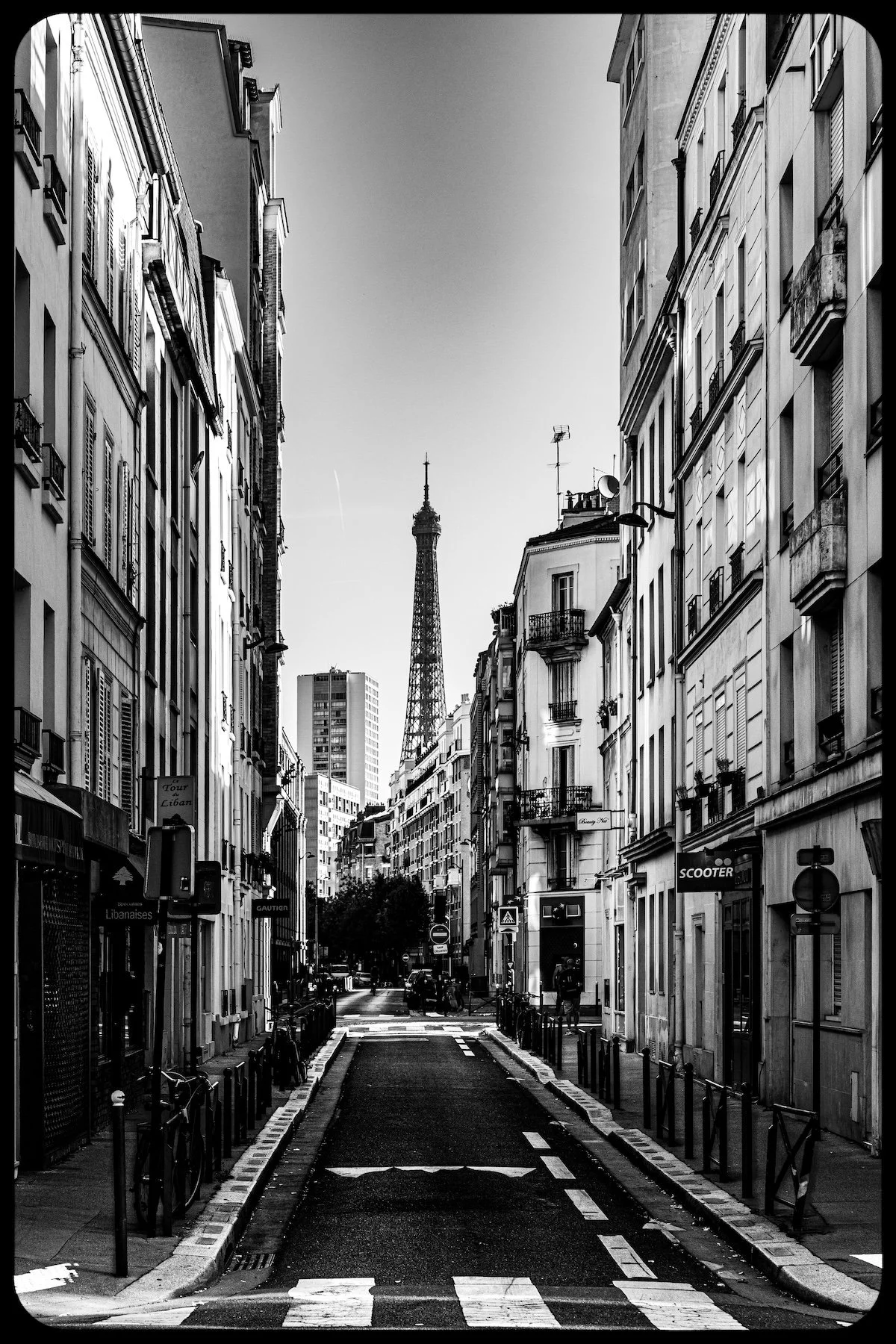
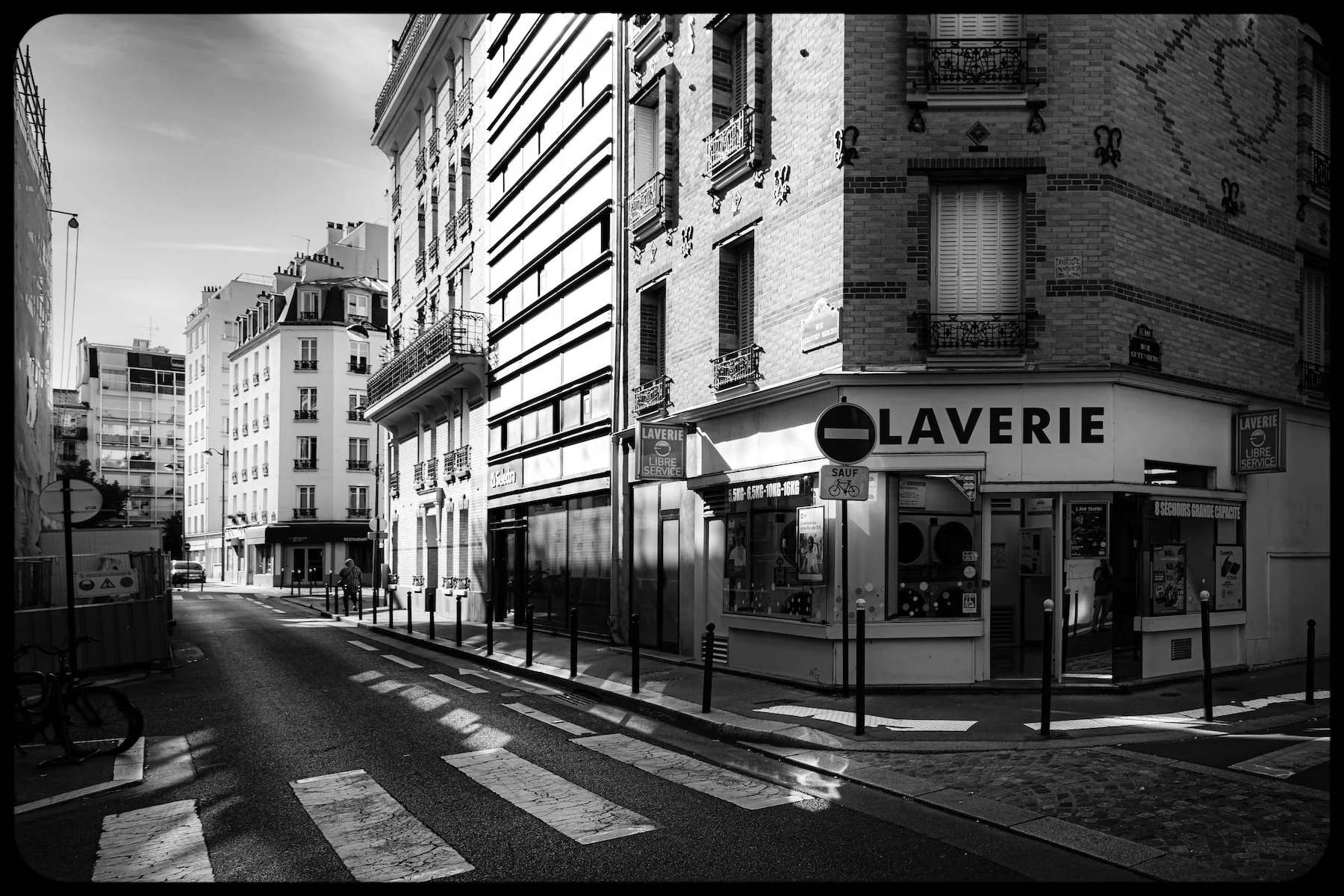
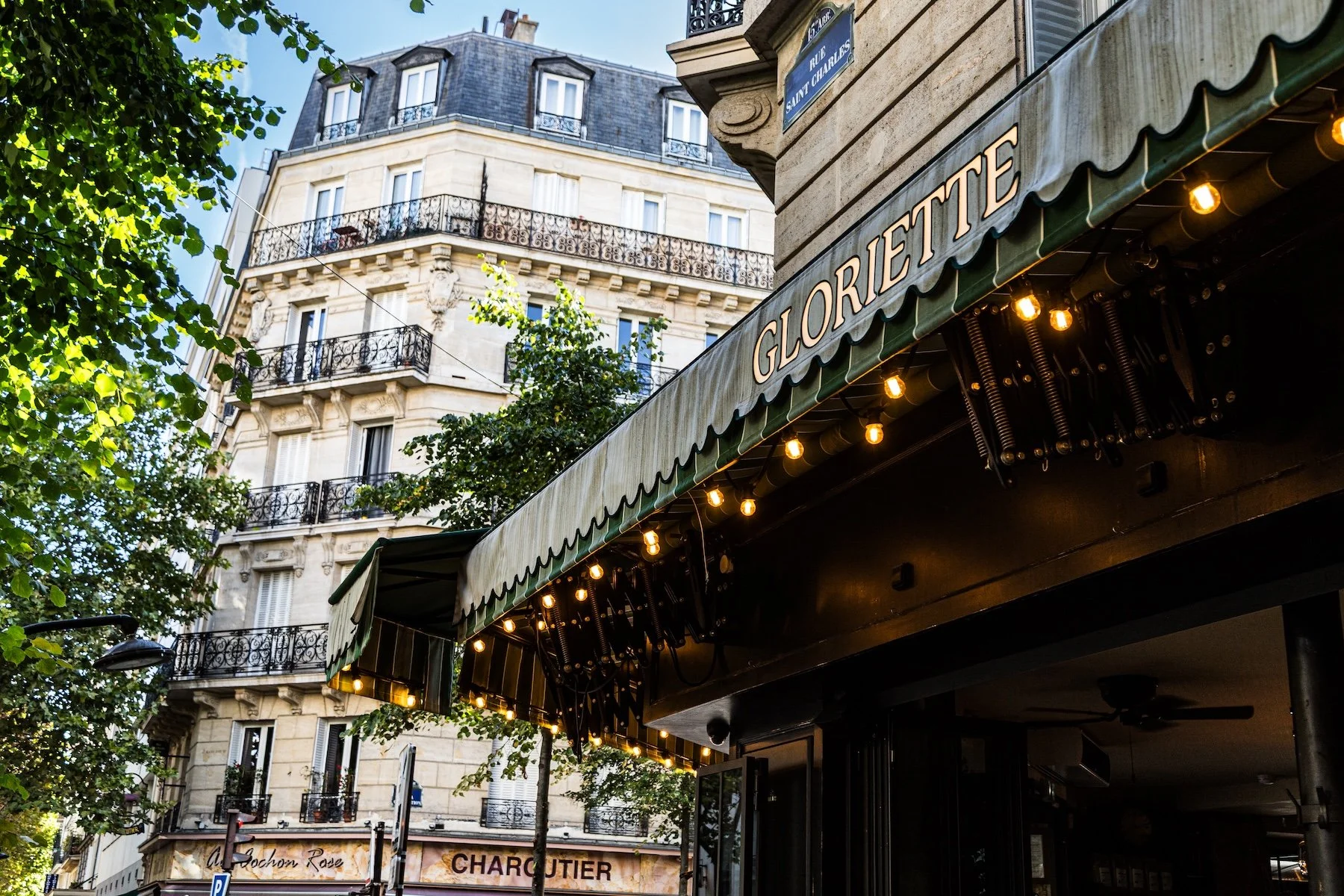
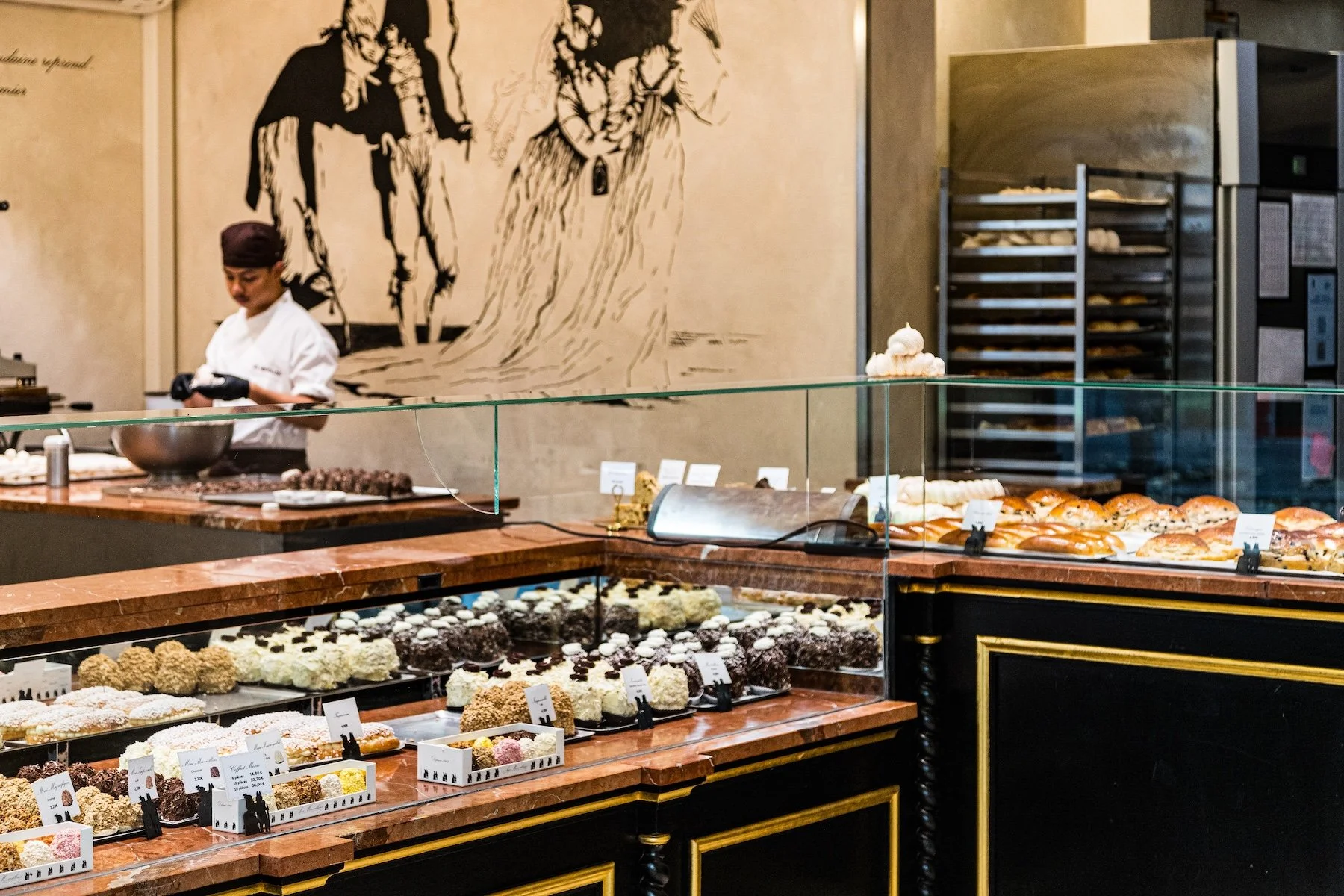
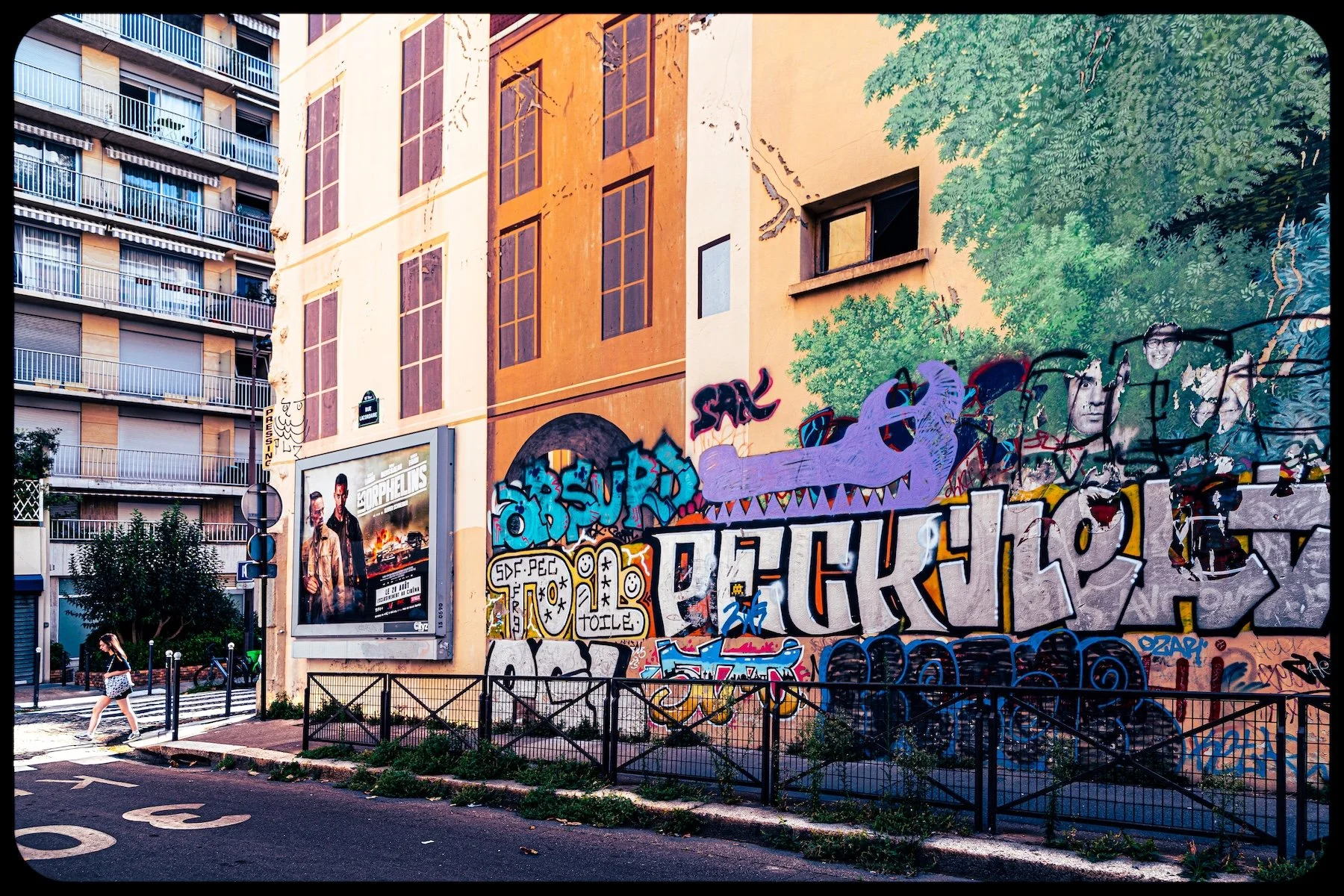
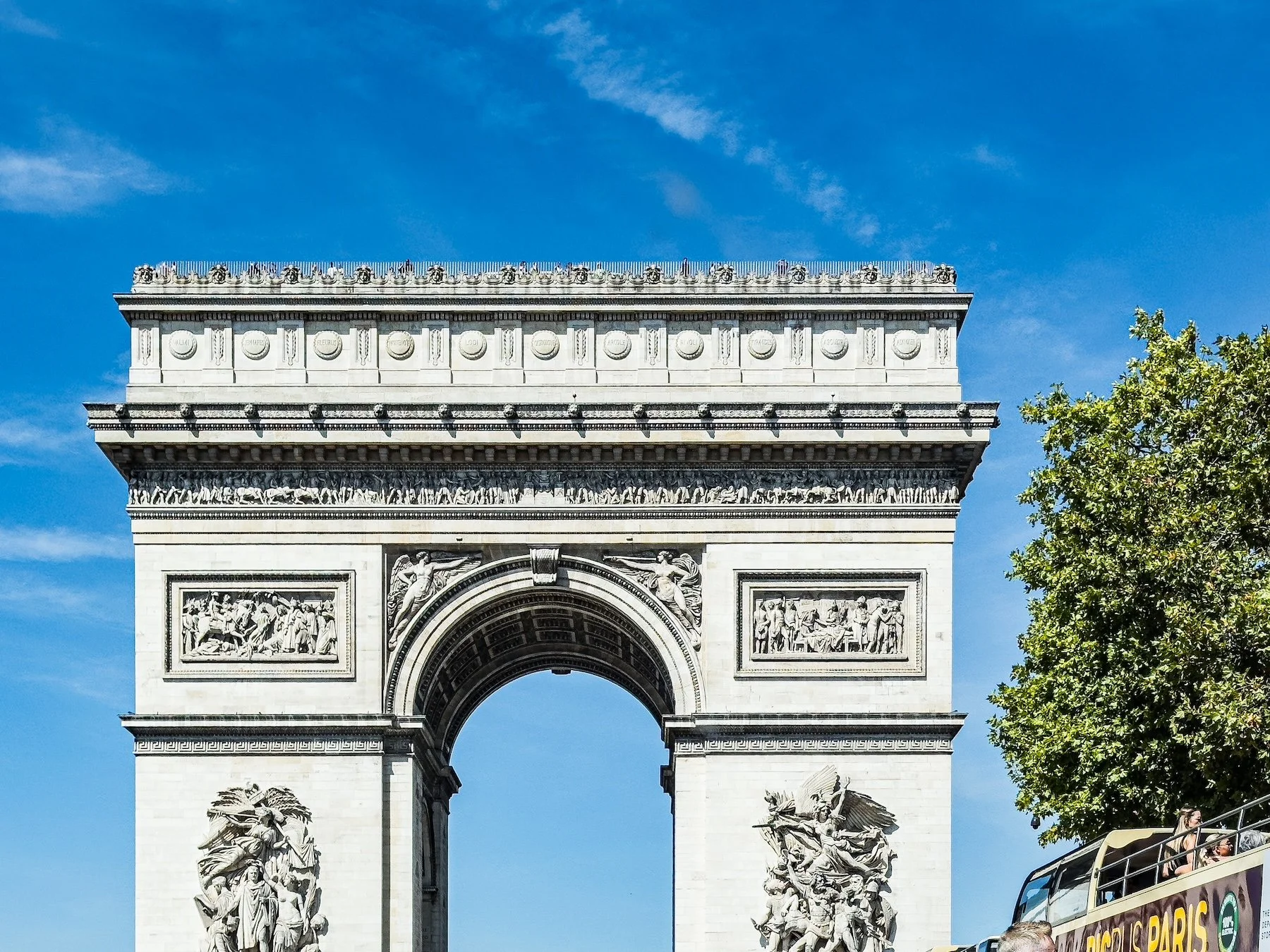
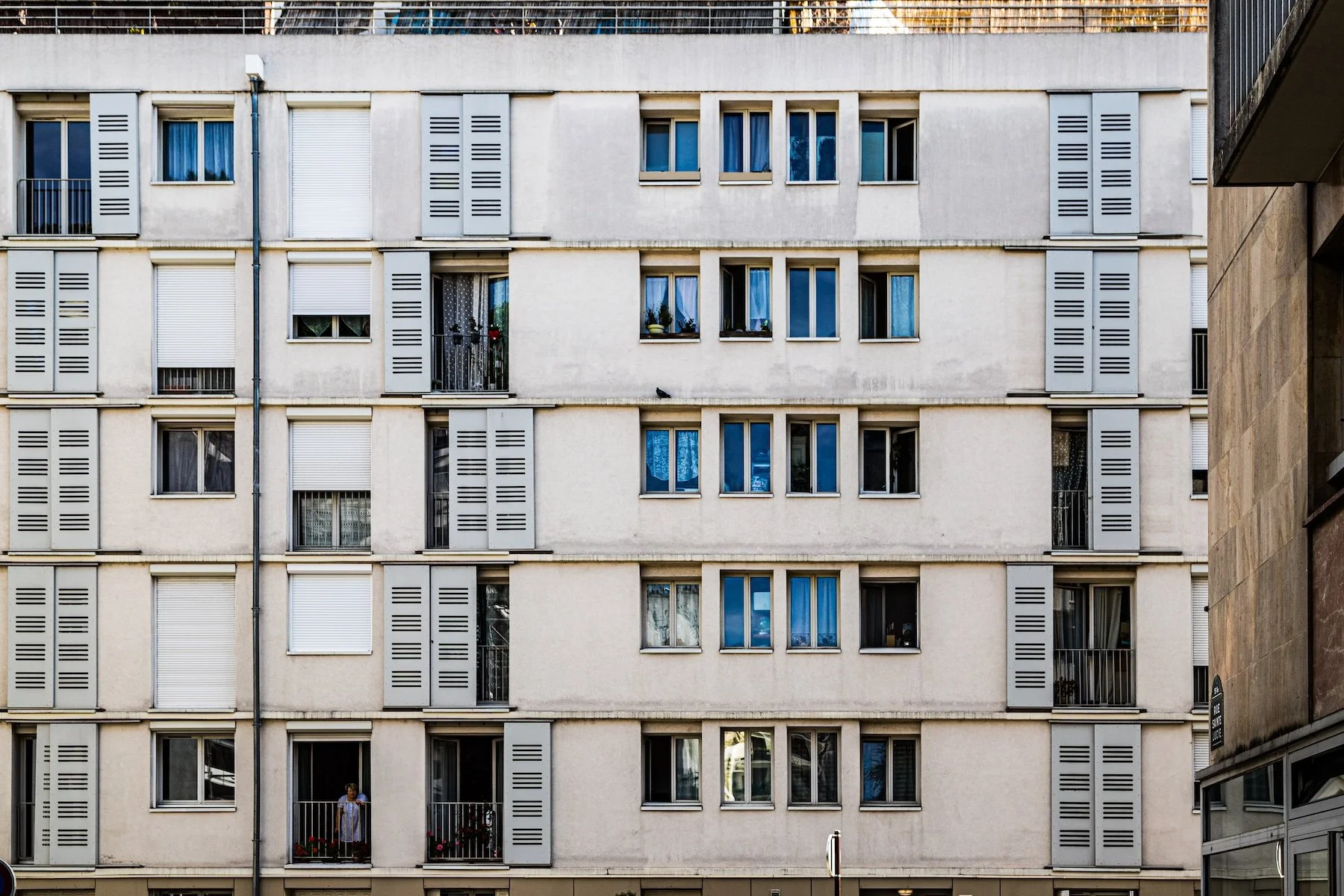
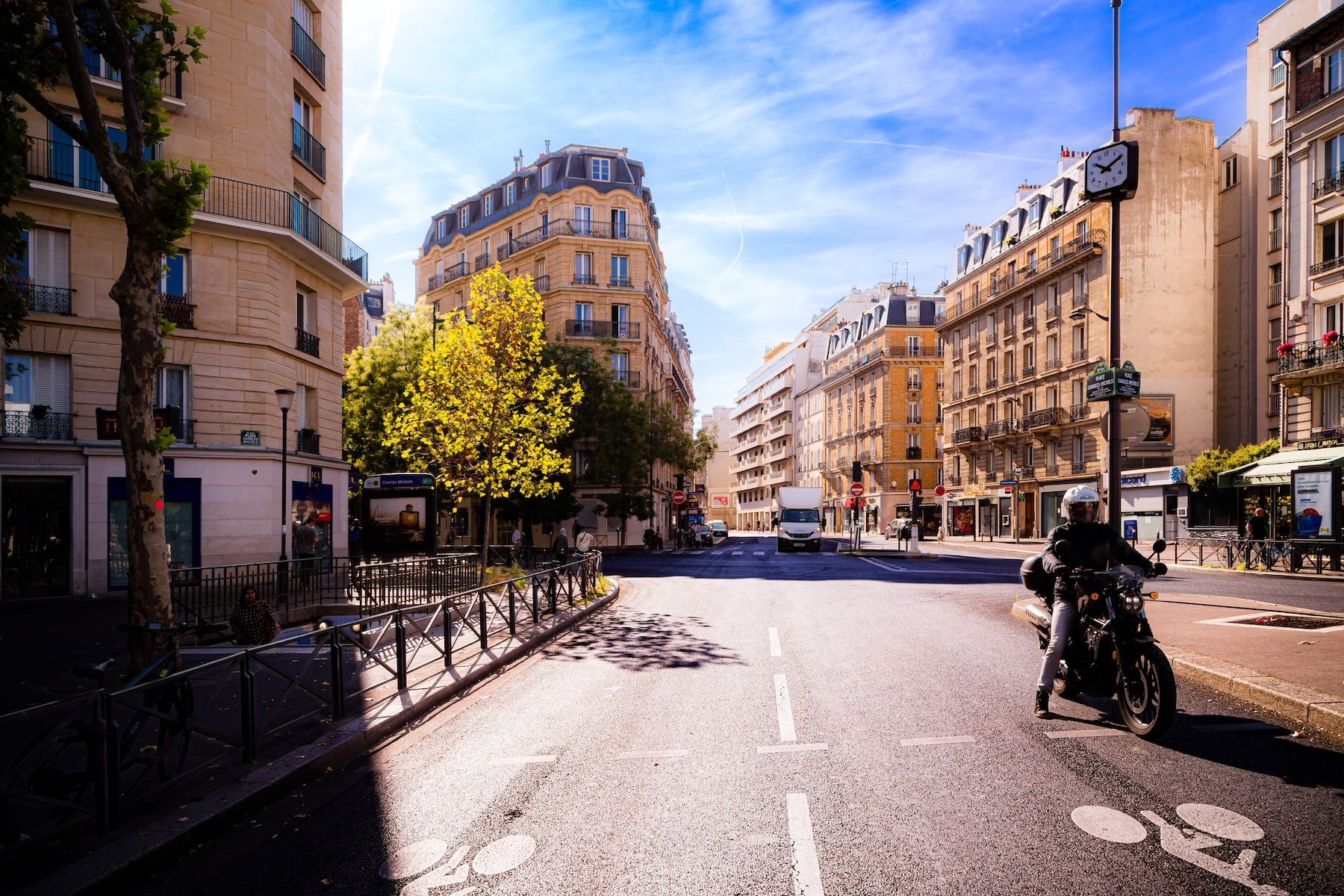
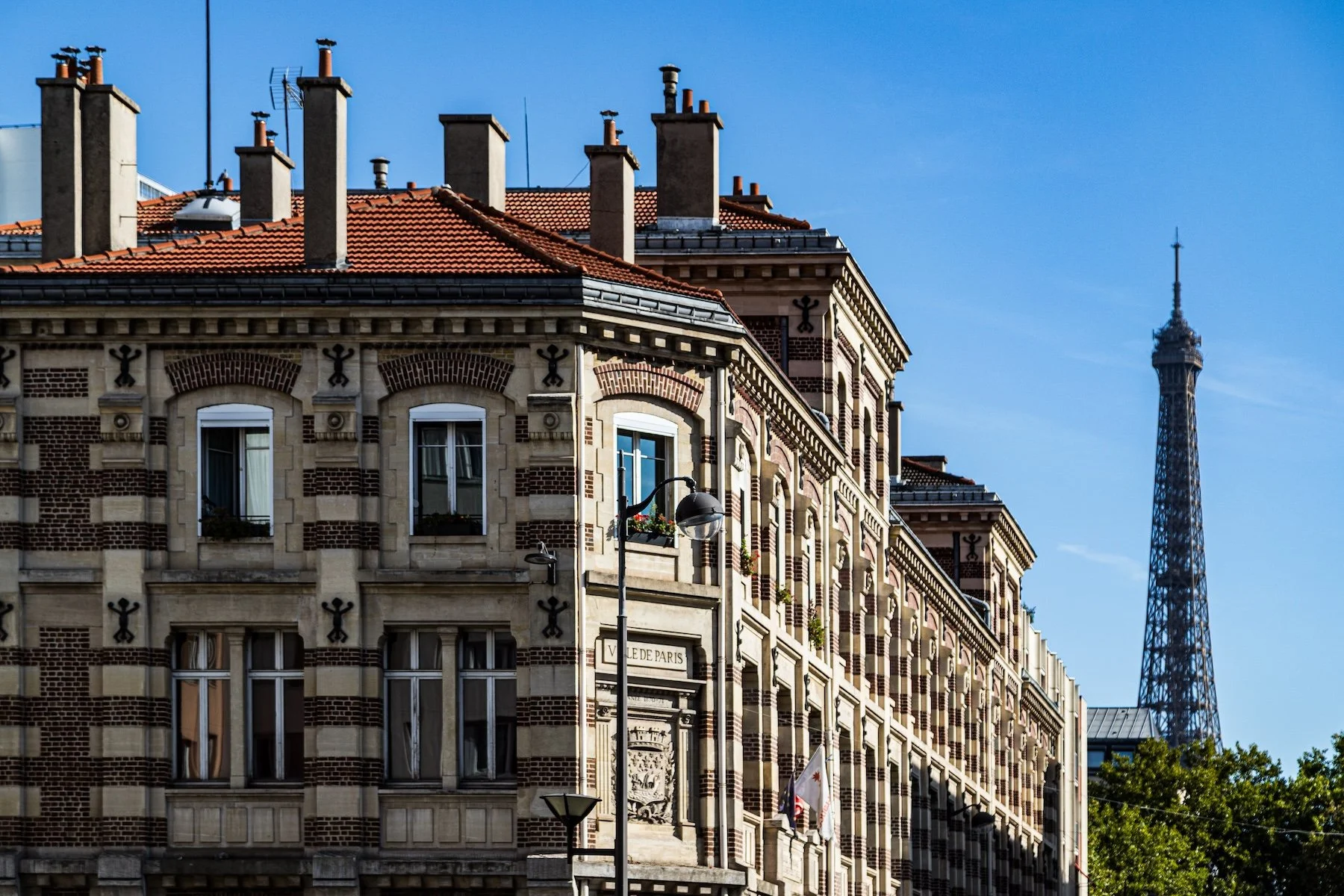
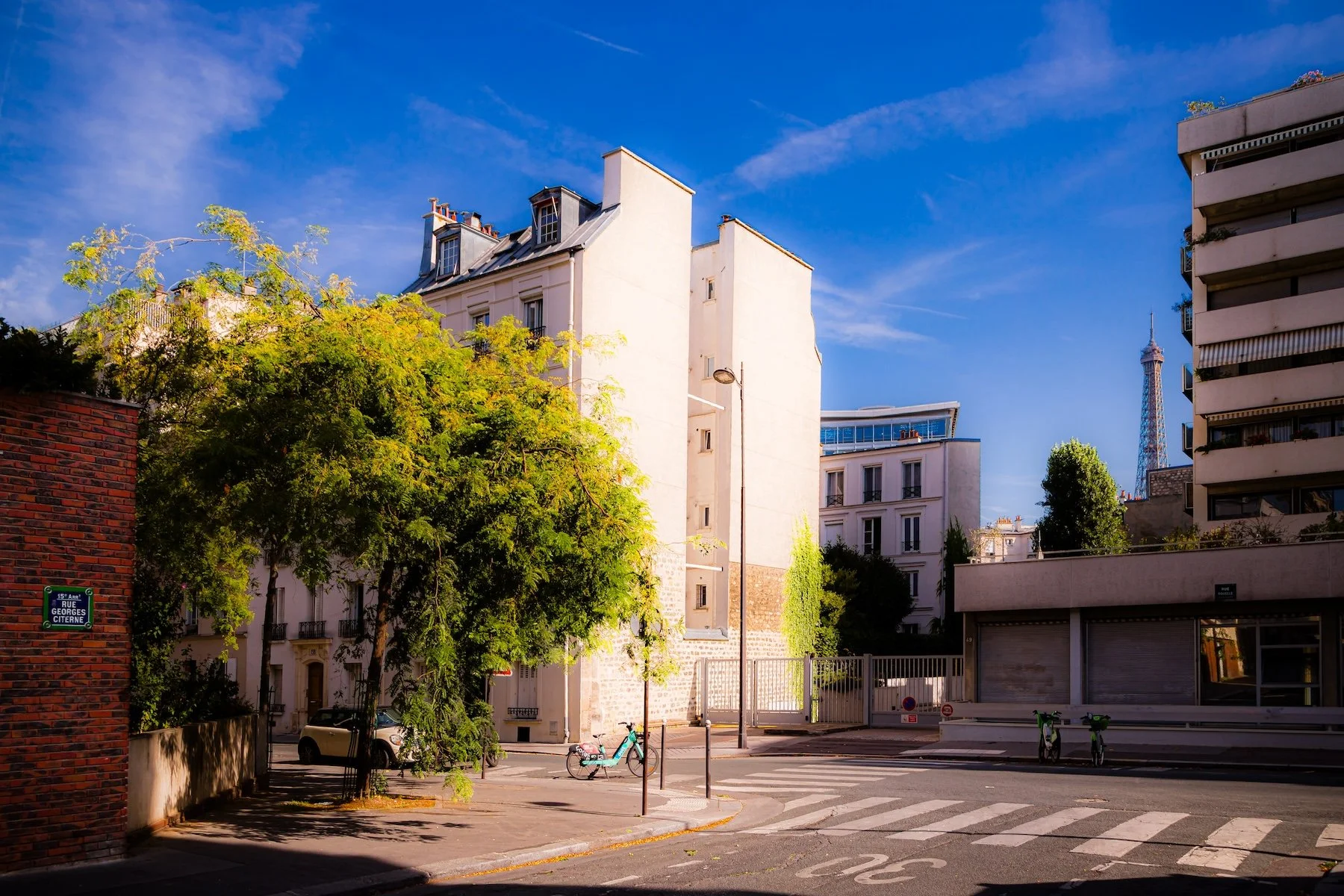
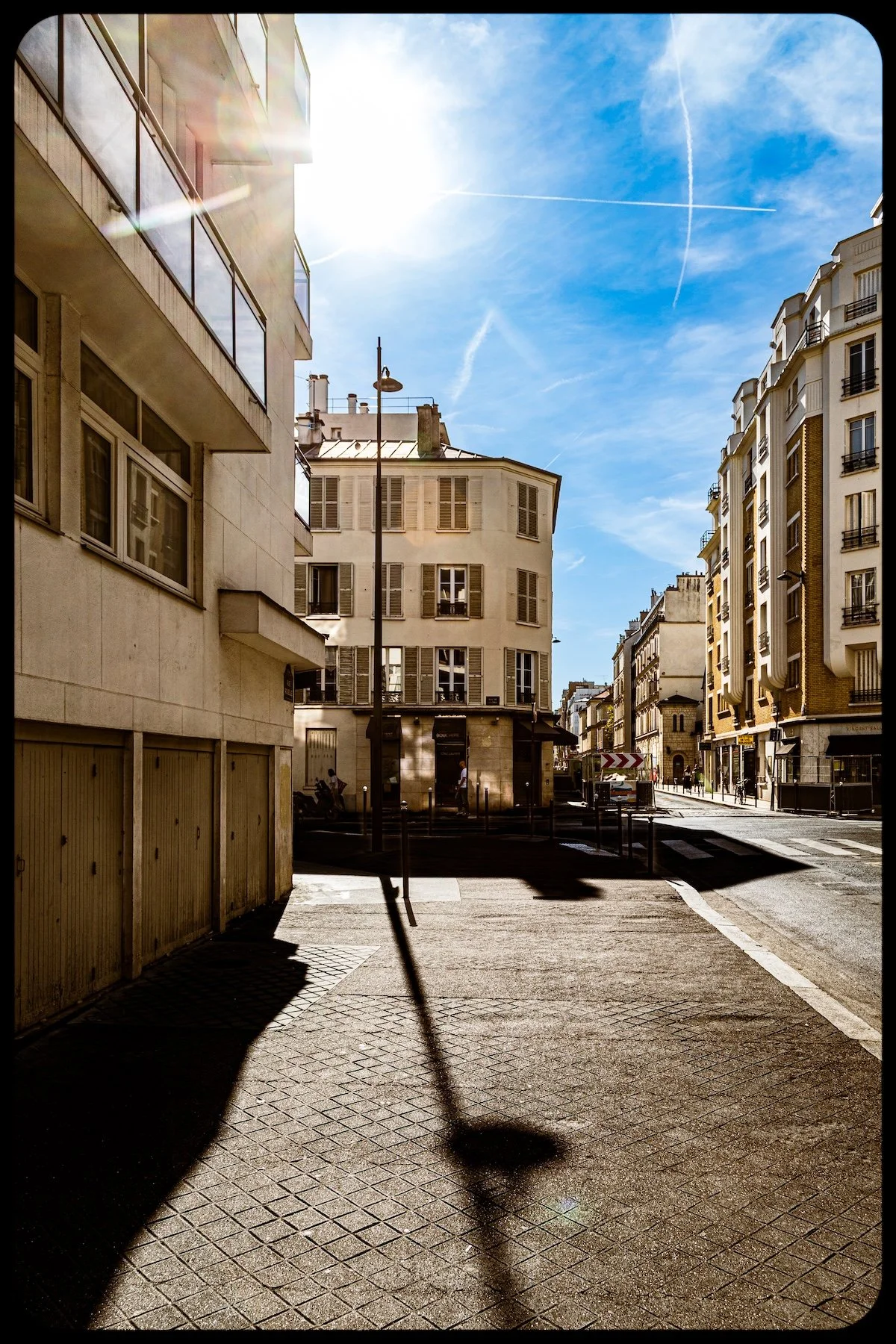
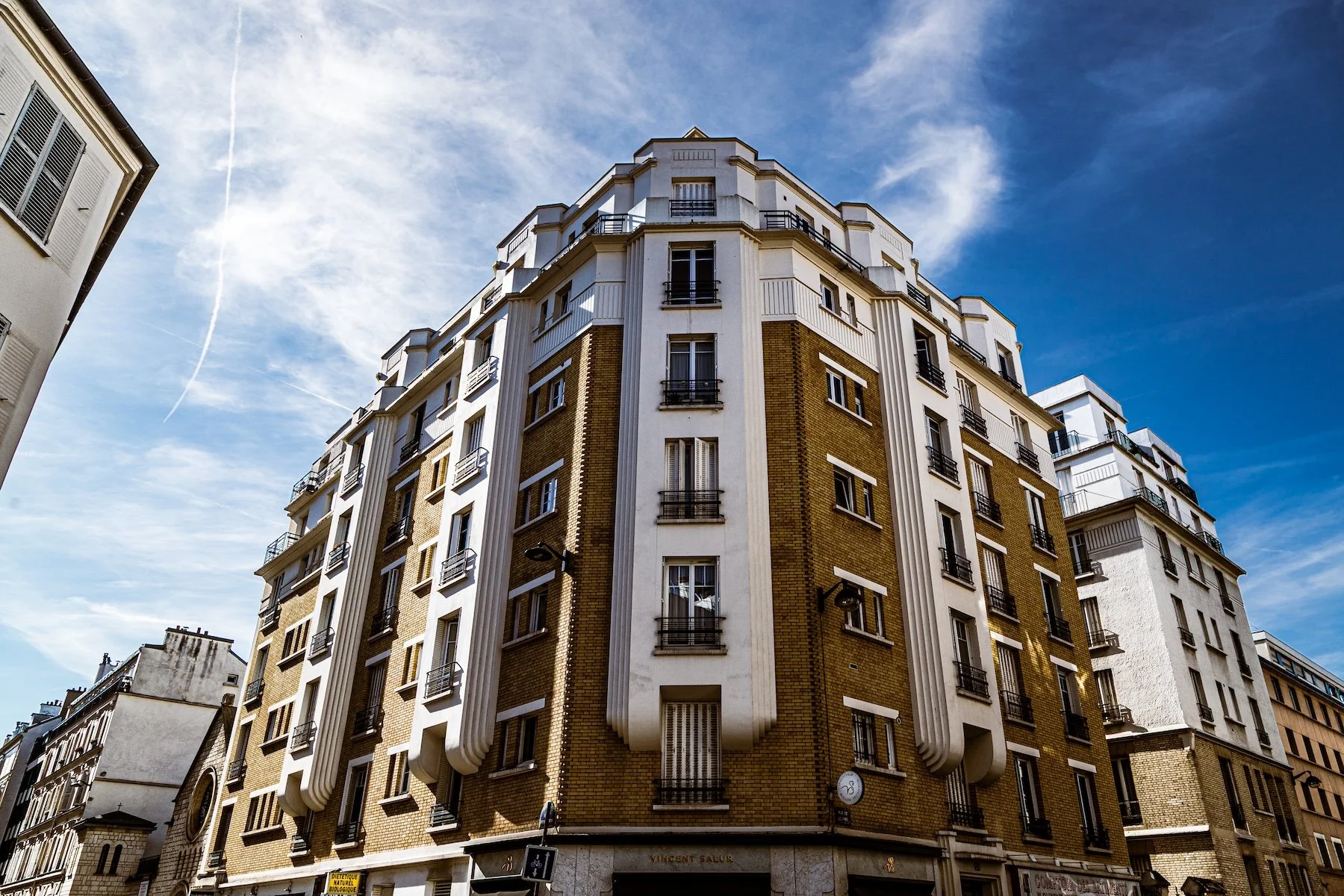
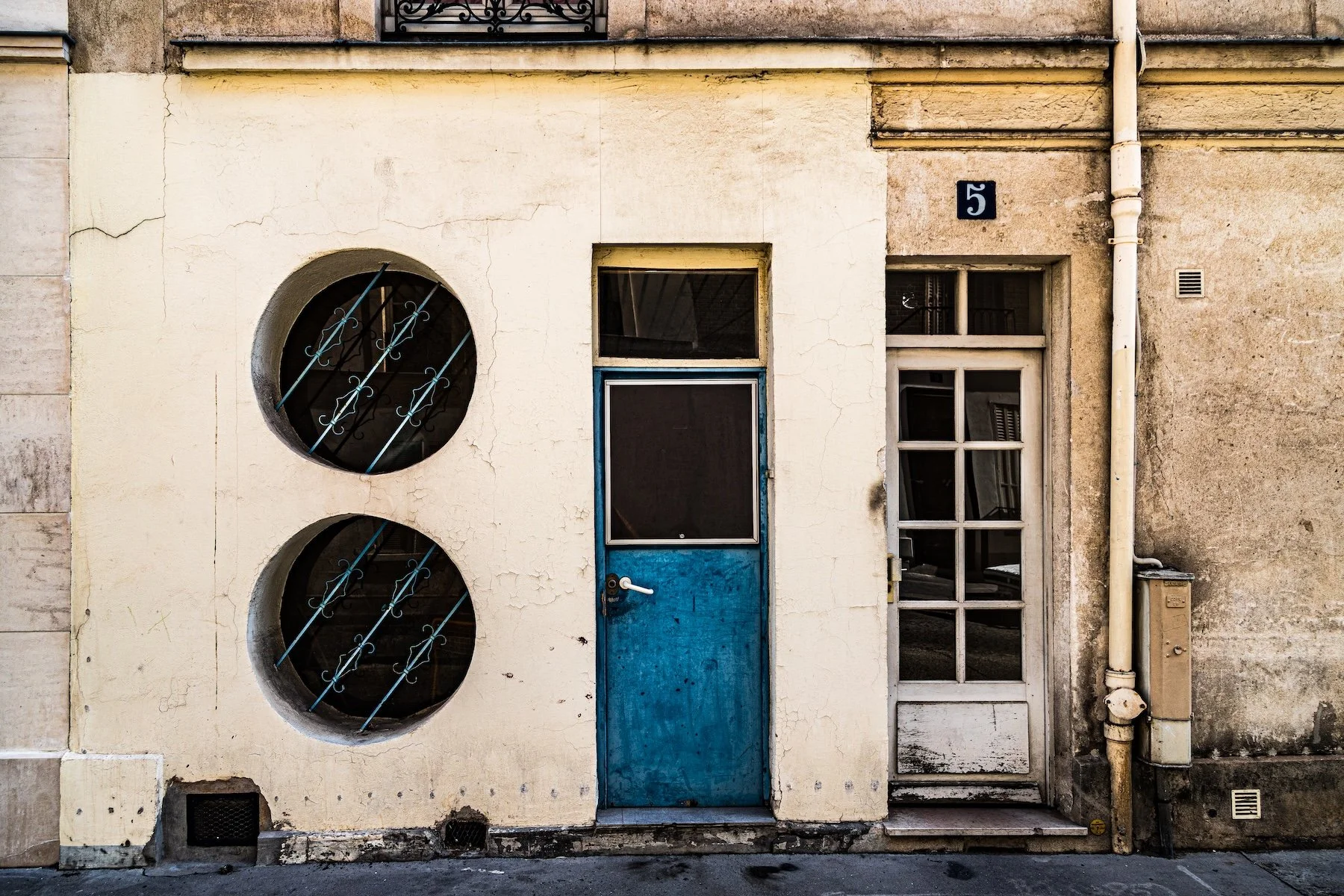
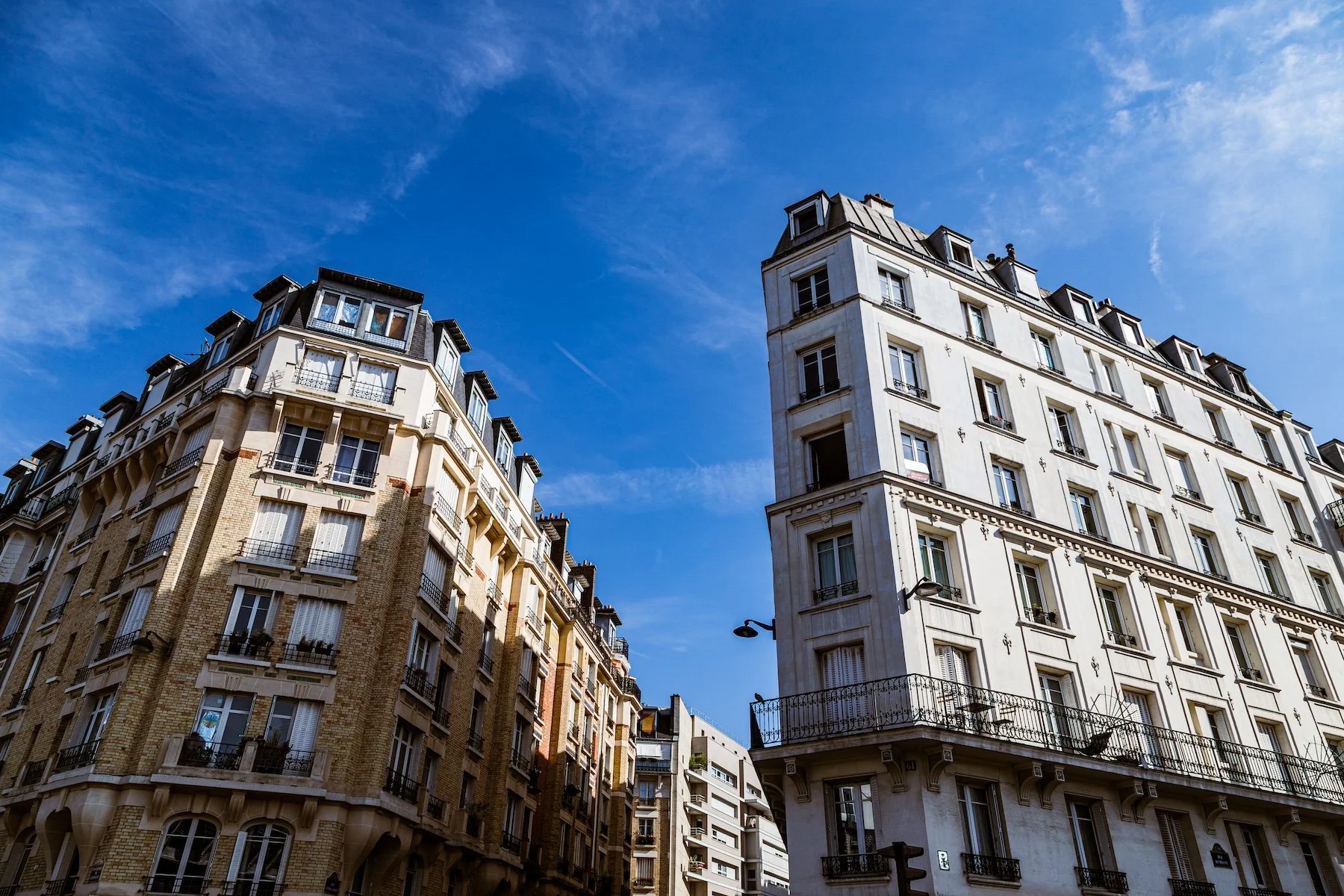
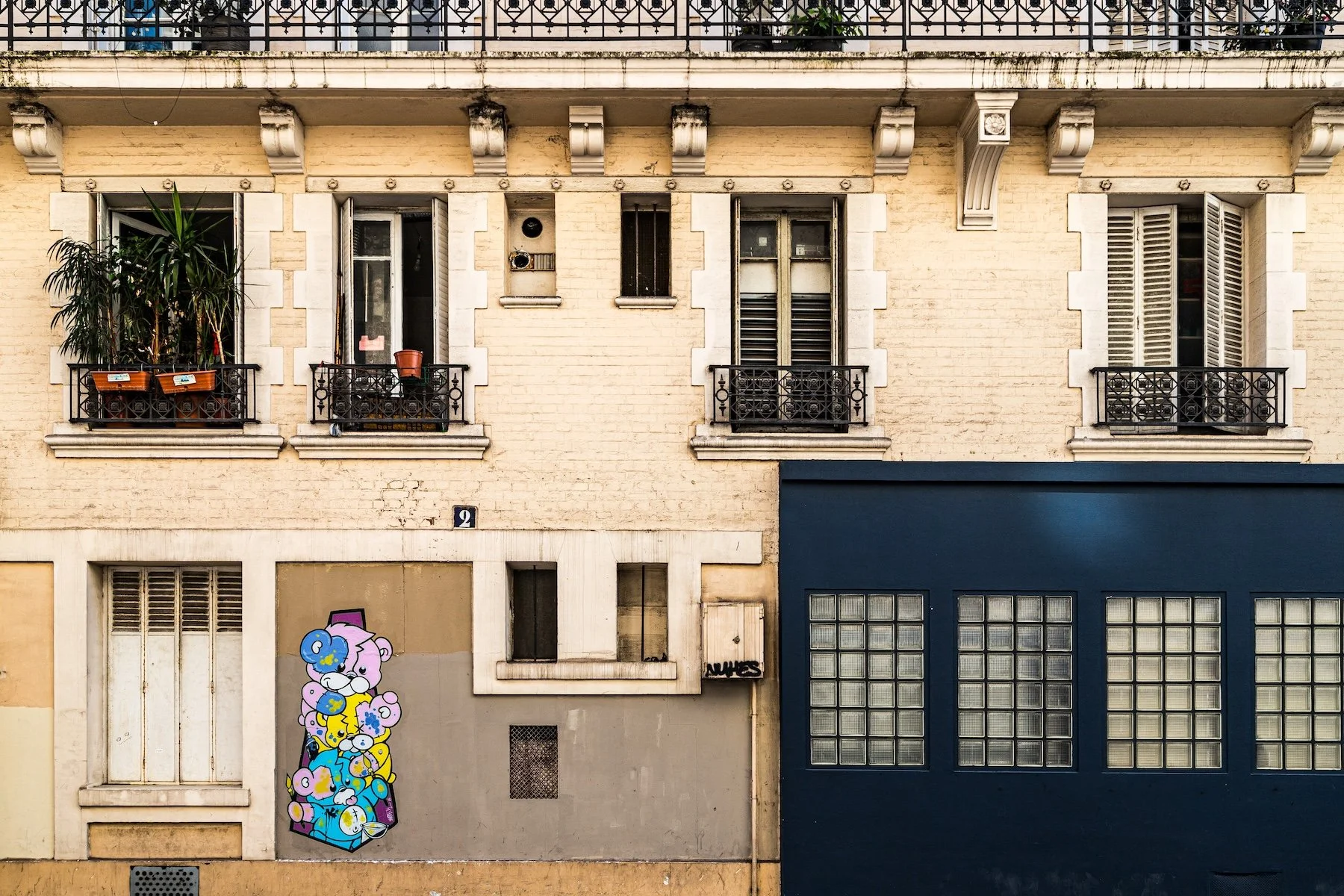
Explore Paris
-

The twenty arrondissements form the civic spiral of Paris, organizing the city into its broad local districts of government, identity, and daily life.
-

Each arrondissement is divided into four official administrative quarters, giving Paris a more precise civic and geographic framework.
-

The conseils de quartier bring participation to street level, giving residents a voice in neighborhood needs, public space, and local civic life.
-

Les Deux Rives trace Paris through the Seine’s two banks, revealing how the Rive Droite and Rive Gauche shaped the city’s civic power, commerce, learning, art, and cultural identity.
-

Cultural neighborhoods reveal the Paris people recognize through history, cafés, architecture, memory, atmosphere, and local belonging.