
5e - PANTHÉON
Arrondissements
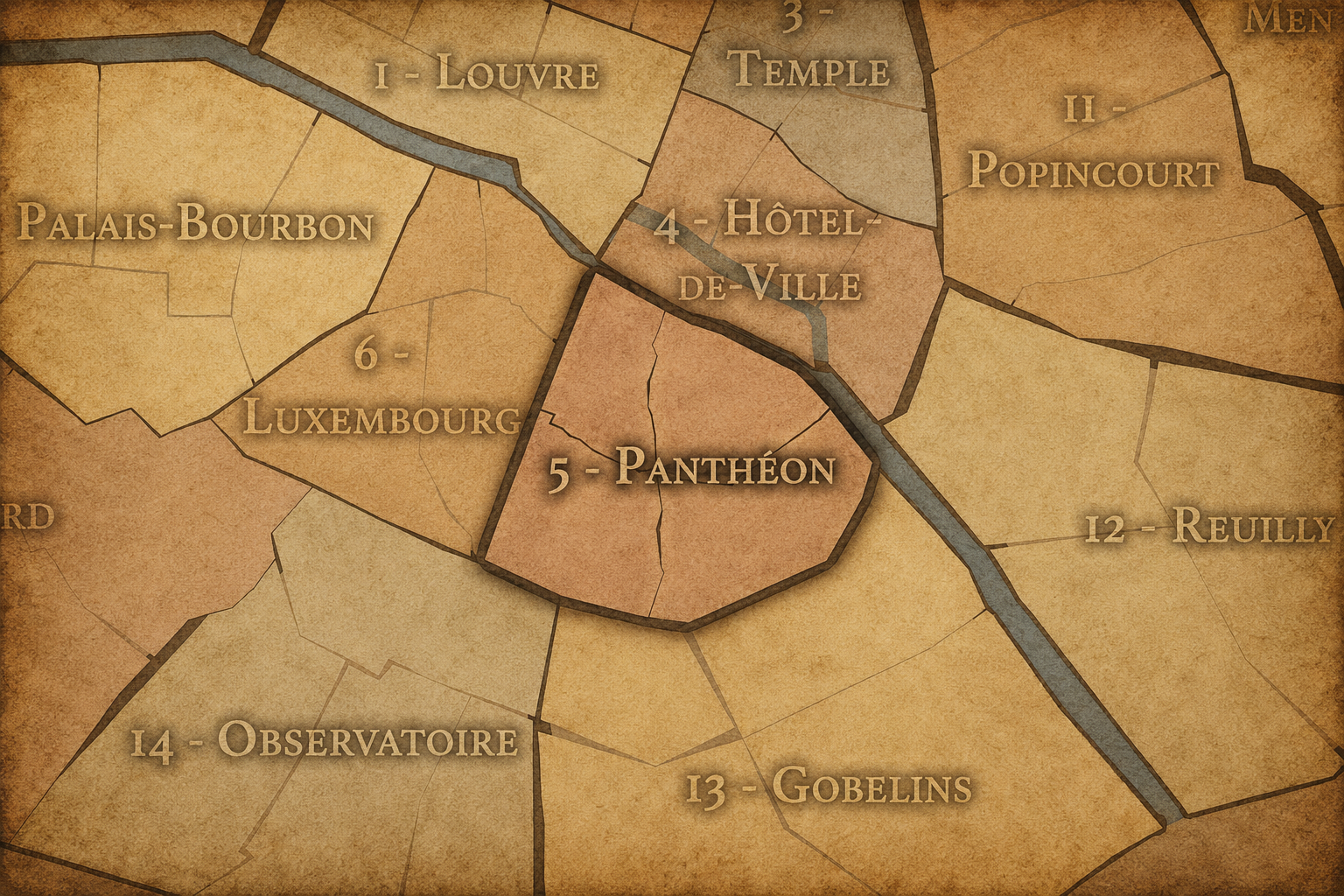
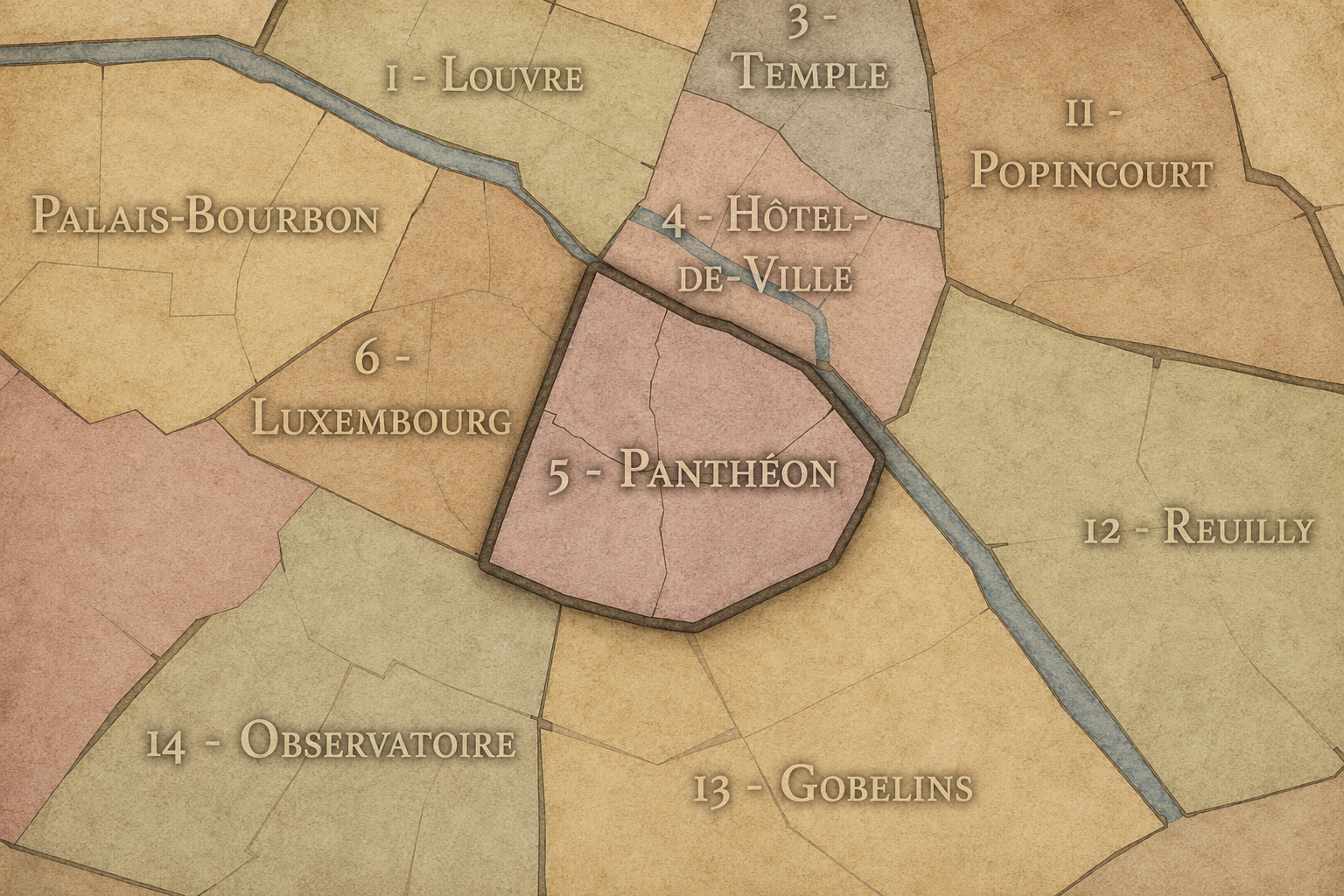
Part of an ongoing project to walk and photograph every neighborhood in Paris, this page explores the 5th Arrondissement: Panthéon through maps, district identity, history, and photography.
The Map
Download the Paris Arrondissements Map
Geographic Setting
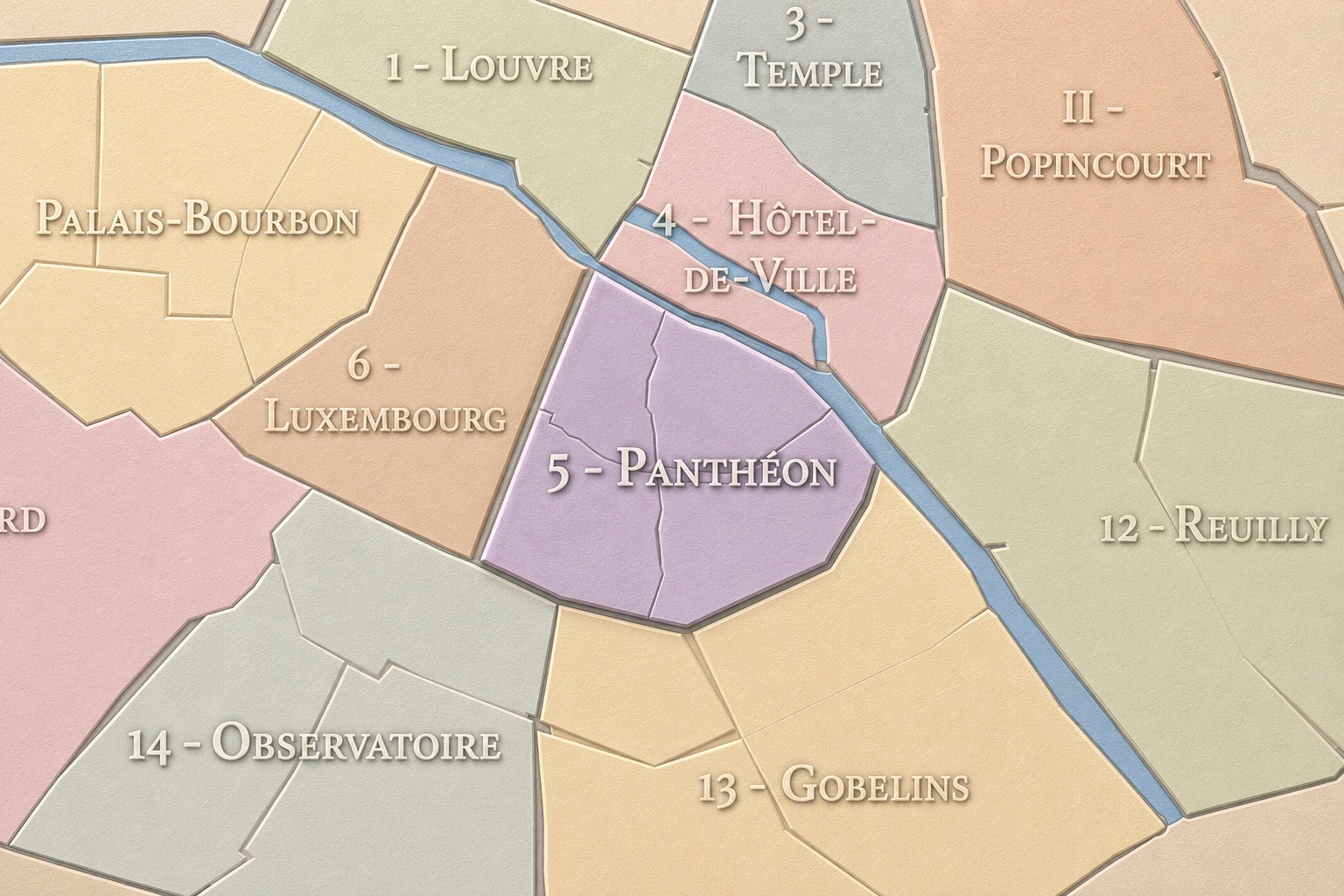
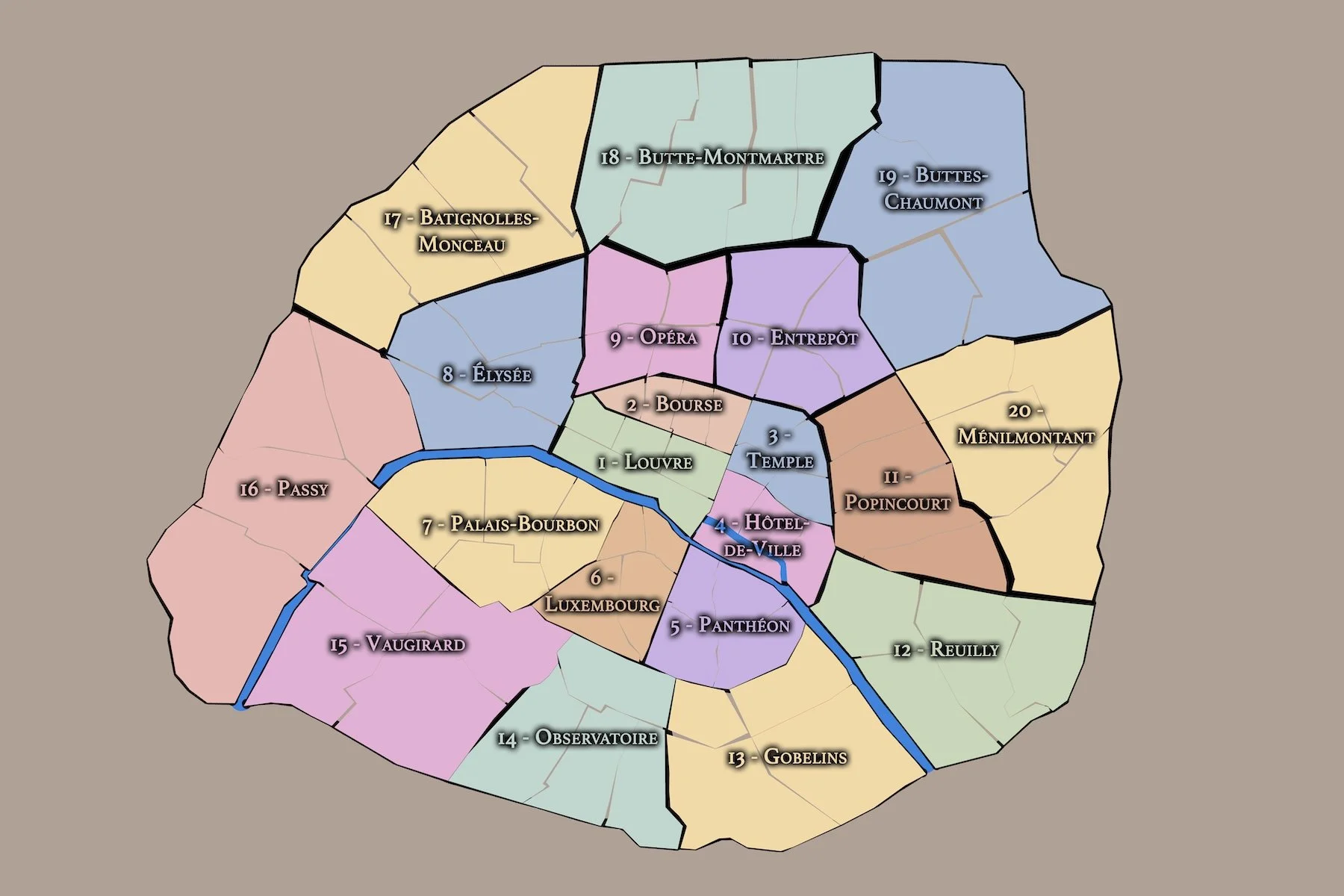
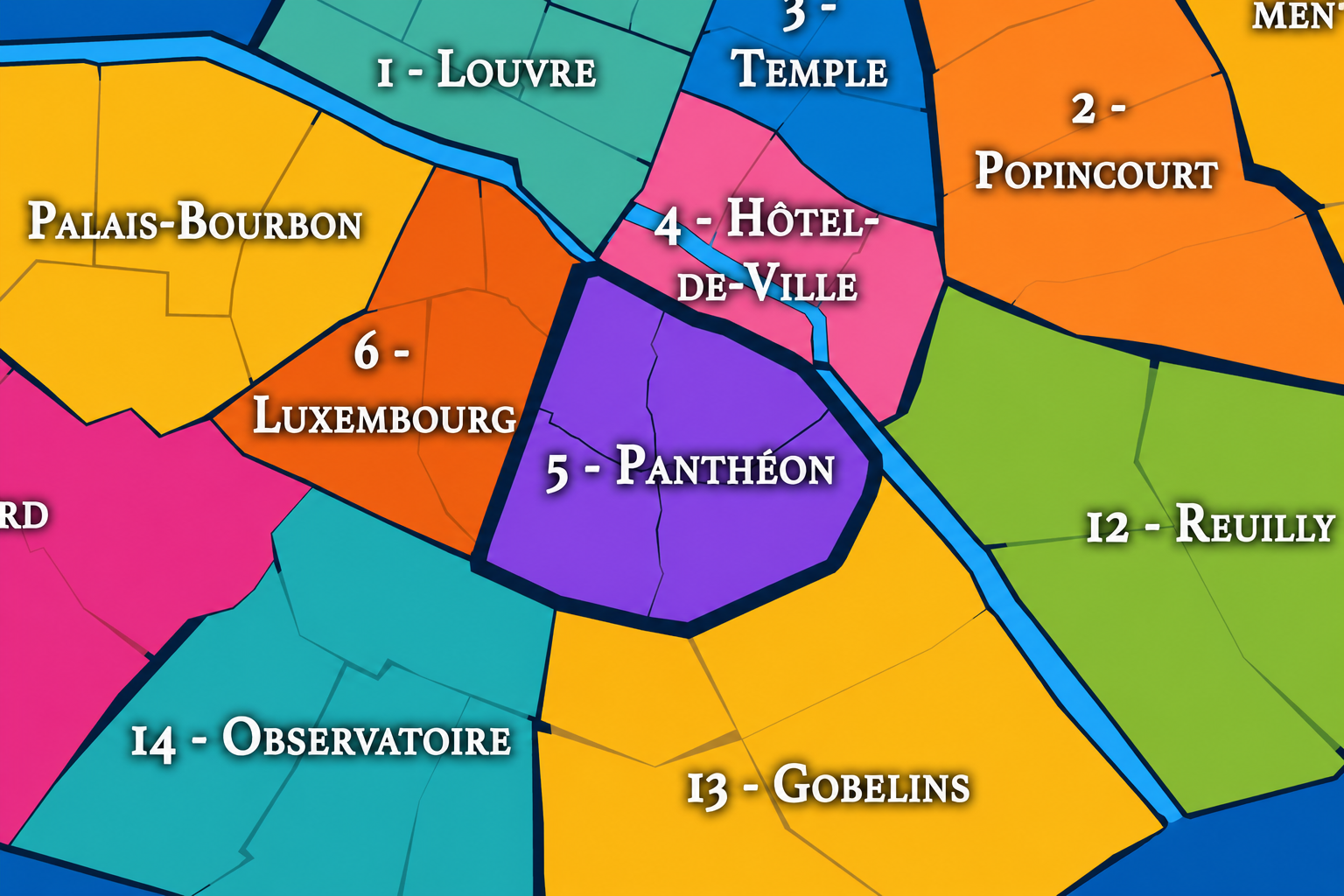
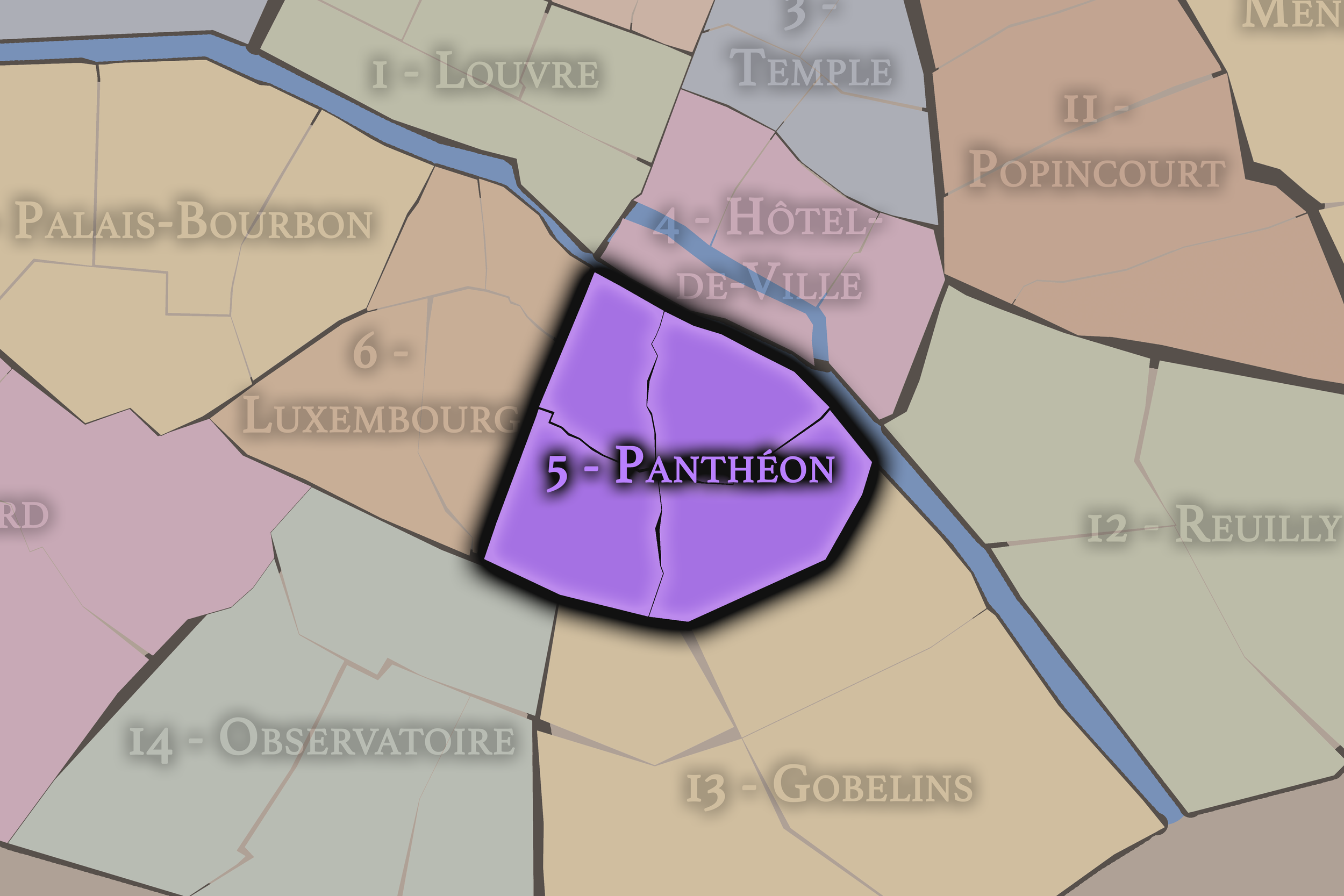
The 5e arrondissement occupies a historic position on the Left Bank of Paris, directly south of the Seine and opposite the eastern portion of the Île de la Cité and the Île Saint-Louis. It is bordered by the 6e arrondissement to the west, the 13e to the south and southeast, and the 12e across the Seine to the east. Its northern edge meets the river, while its interior rises toward the Montagne Sainte-Geneviève, one of the most symbolically important hills in Paris.
This geography gives the 5e arrondissement a deep vertical and historical character. The district moves from the riverfront and the old Latin Quarter streets near Saint-Julien-le-Pauvre and Saint-Séverin up toward the Panthéon, the Sorbonne, the Collège de France, the Lycée Henri-IV, and the Jardin des Plantes. It is a landscape of slopes, schools, churches, libraries, gardens, Roman remains, scholarly institutions, and student life.
The arrondissement is divided into four administrative quarters: Saint-Victor, Jardin-des-Plantes, Val-de-Grâce, and Sorbonne. Together, these quarters form one of the oldest and most intellectually significant areas of Paris: the river-facing scholarly quarter around the Sorbonne, the scientific and botanical world of the Jardin des Plantes, the institutional and religious landscape of Val-de-Grâce, and the historic river-and-monastic geography of Saint-Victor.
The 5e is therefore one of the clearest places where Paris’s ancient, medieval, academic, religious, and scientific identities converge. It is the arrondissement of the Latin Quarter, but it is also more than that: a district of Roman foundations, monastic memory, republican commemoration, student streets, botanical science, and scholarly continuity.
Arrondissement Identity
Etymology and Origins
The arrondissement’s administrative name, Panthéon, comes from the great monument on the Montagne Sainte-Geneviève. Originally built as the church of Sainte-Geneviève, the building was transformed during the French Revolution into a secular mausoleum honoring figures considered central to the nation’s civic memory. The name gives the arrondissement a powerful symbolic association with republican commemoration, intellectual achievement, and the memory of France’s great writers, scientists, leaders, and public figures.
The name also reflects the arrondissement’s elevated geography. The Panthéon stands on one of the most historically resonant hills of the Left Bank, near the former Abbey of Sainte-Geneviève and close to institutions that helped make the district a center of learning. Its dome and portico give the arrondissement a monumental civic identity, but the deeper origins of the 5e reach back much farther than the Panthéon itself.
This area includes some of the oldest layers of Paris outside the Île de la Cité. In the Roman period, the settlement of Lutetia extended onto the Left Bank, where traces such as the Arènes de Lutèce and the baths of Cluny preserve the memory of the ancient city. Later, medieval schools, monasteries, churches, and colleges made the district central to the intellectual life of Paris. The arrondissement’s name points to the Panthéon, but its origins lie in the deeper continuity of the Latin Quarter, Sainte-Geneviève, and the scholarly Left Bank.
The 5e arrondissement is part of the traditional twenty-arrondissement structure of Paris and remains municipally distinct from Paris Centre, which includes only the 1er, 2e, 3e, and 4e arrondissements. Its mairie serves the arrondissement as a local civic institution, while its four administrative quarters — Saint-Victor, Jardin-des-Plantes, Val-de-Grâce, and Sorbonne — provide the official internal framework through which the district is organized.
Unlike the first four arrondissements, the 5e retains its own arrondissement mairie and civic identity. This matters because the 5e is not simply part of the historic center in a general sense; it is one of Paris’s defining Left Bank civic and cultural districts, with an institutional life shaped by schools, universities, hospitals, gardens, churches, research centers, and monuments.
For this project, the 5e is treated as both an official geographic layer and a cultural-historical district. Its civic framework helps distinguish the arrondissement from the broader idea of the Latin Quarter, which overlaps with parts of neighboring areas but does not fully describe the 5e. The arrondissement contains the Latin Quarter’s core, but it also includes the Jardin des Plantes, Val-de-Grâce, Saint-Victor, and other landscapes whose identities extend beyond student life alone.
Civic Framework
Parisian Identity
The 5e arrondissement holds a singular place in Paris as the city’s great district of learning, memory, and ancient continuity. It is one of the places where Paris most clearly reveals itself as a layered civilization: Roman Lutetia beneath medieval schools, monastic foundations beside republican monuments, student cafés near ancient arenas, botanical science beside religious and medical institutions.
Its identity is inseparable from the Latin Quarter. For centuries, this part of the Left Bank was associated with students, scholars, theology, philosophy, language, debate, and intellectual exchange. Latin, the language of medieval learning, gave the broader quarter its name, and the association remains powerful even as the district has evolved into a mix of universities, bookstores, cinemas, tourists, residents, restaurants, and cultural institutions.
But the 5e is not only academic. It is also deeply ceremonial through the Panthéon, scientific through the Jardin des Plantes and the Muséum national d’Histoire naturelle, ancient through the Roman remains, religious through Sainte-Geneviève, Saint-Étienne-du-Mont, Saint-Séverin, and Val-de-Grâce, and everyday through its market streets, schools, residences, and cafés. In the Parisian imagination, the 5e is the Left Bank as memory palace: scholarly, historic, layered, and alive.
The 5e arrondissement is distinguished by the unusual depth of its historical strata. Few parts of Paris contain such a visible sequence of ancient, medieval, early modern, revolutionary, scientific, and contemporary identities. The arrondissement is not built around one dominant axis or one single monumental landscape. Instead, it is a composition of hills, river streets, institutions, gardens, schools, churches, and intellectual corridors.
The Sorbonne quarter gives the arrondissement its most famous scholarly identity. Saint-Victor connects the district to the Seine, old monastic lands, and river-facing Left Bank history. Jardin-des-Plantes shifts the arrondissement toward science, natural history, botany, and the southeastern edge of central Paris. Val-de-Grâce adds a more institutional and religious character, shaped by the hospital, the former royal abbey, and quieter residential streets.
The 5e is therefore both concentrated and varied. It can feel intensely historic around the Panthéon and Rue de la Montagne Sainte-Geneviève, lively and student-filled around the Latin Quarter, scientific and garden-like near the Jardin des Plantes, and calmer near Val-de-Grâce. Its distinction lies in that range: the arrondissement gathers many of Paris’s oldest intellectual and civic traditions without collapsing them into a single neighborhood identity.
Neighborhood Distinction
Les Quartiers Administratifs
Administrative Quarters
The Four Administrative Quarters
Each Paris arrondissement is divided into four official administrative quarters. These smaller districts reveal older place-names, local histories, civic boundaries, and neighborhood identities.
-
Jardin-des-Plantes
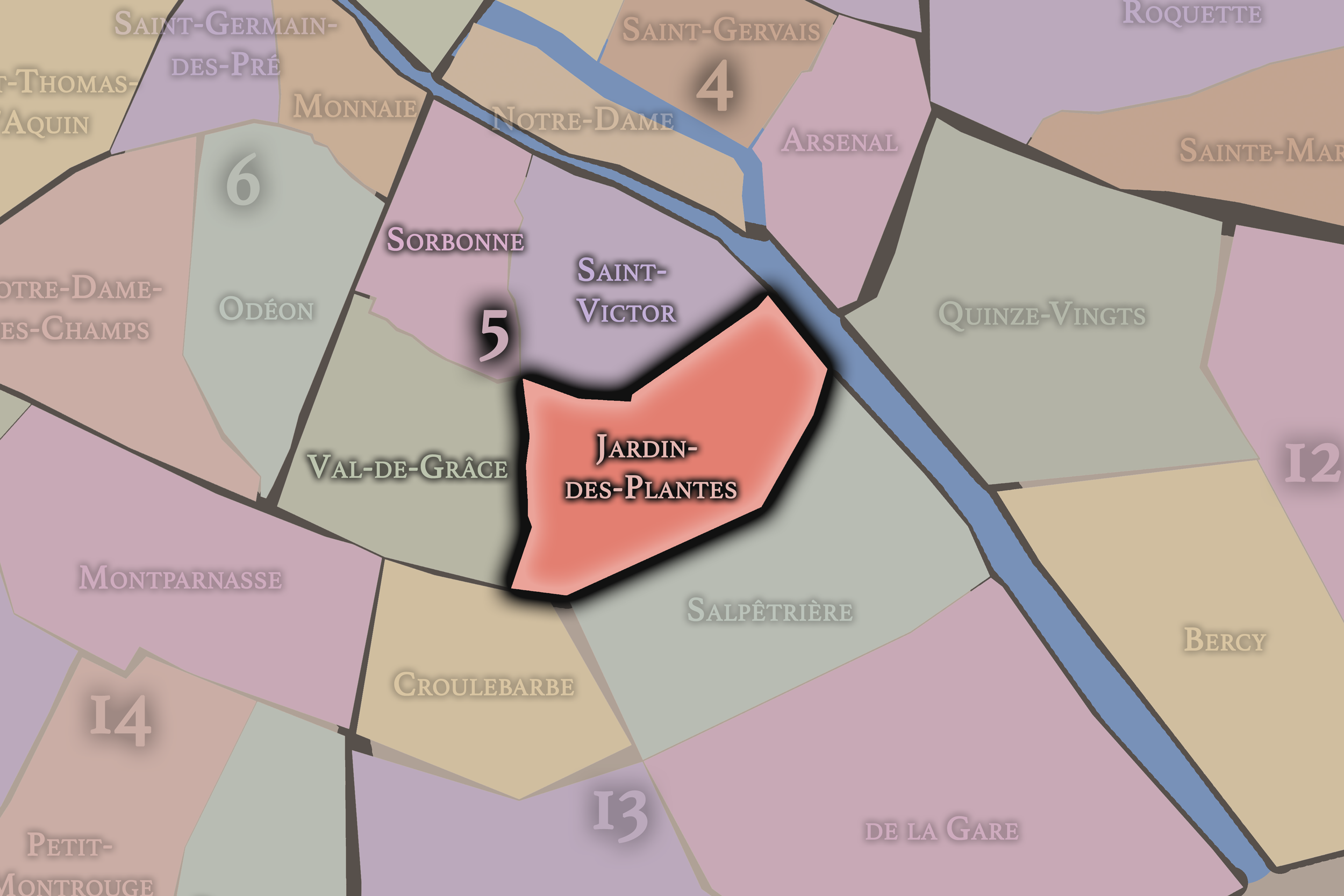
Jardin-des-Plantes occupies the southeastern portion of the 5e arrondissement and takes its name from the Jardin des Plantes, one of Paris’s great scientific and botanical landscapes. The quarter is closely associated with the Muséum national d’Histoire naturelle, the botanical gardens, galleries of natural history, greenhouses, and the long tradition of studying plants, animals, geology, anatomy, and the natural world.
This quarter gives the 5e a scientific identity distinct from the more literary and university-centered image of the Latin Quarter. Around the Jardin des Plantes, the arrondissement opens into a landscape of research, classification, public education, and urban nature. It is one of the clearest places in Paris where science becomes part of the city’s public space: a garden, a museum, a school of observation, and a civic landscape of knowledge.
-
Saint-Victor
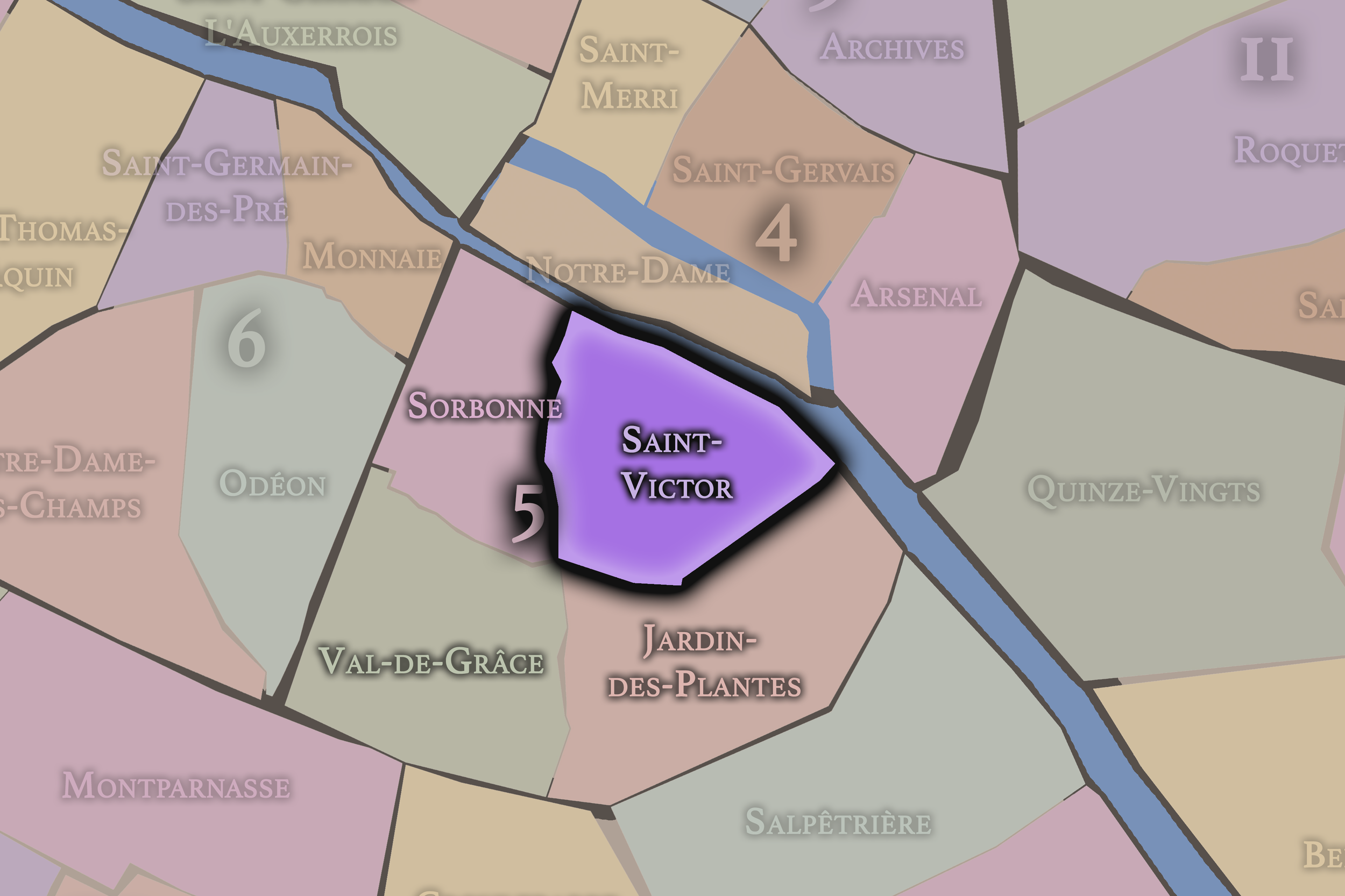
Saint-Victor occupies the northeastern portion of the 5e arrondissement, near the Seine and the area between the Latin Quarter, the Île Saint-Louis, and the Jardin des Plantes. Its name recalls the former Abbey of Saint-Victor, one of the important religious and intellectual institutions of medieval Paris. The quarter’s position near the river gives it a strong connection to the older crossings, quays, and eastern Left Bank approaches to the city.
This quarter carries some of the arrondissement’s deepest medieval and river-facing memory. It includes areas around the old scholarly and religious landscape of the Left Bank, while also linking toward the Jardin des Plantes and the eastern edge of the 5e. Saint-Victor gives the arrondissement a quieter but essential layer: the Paris of monasteries, quays, churches, old streets, and the gradual expansion of the city beyond its island core.
-
Sorbonne
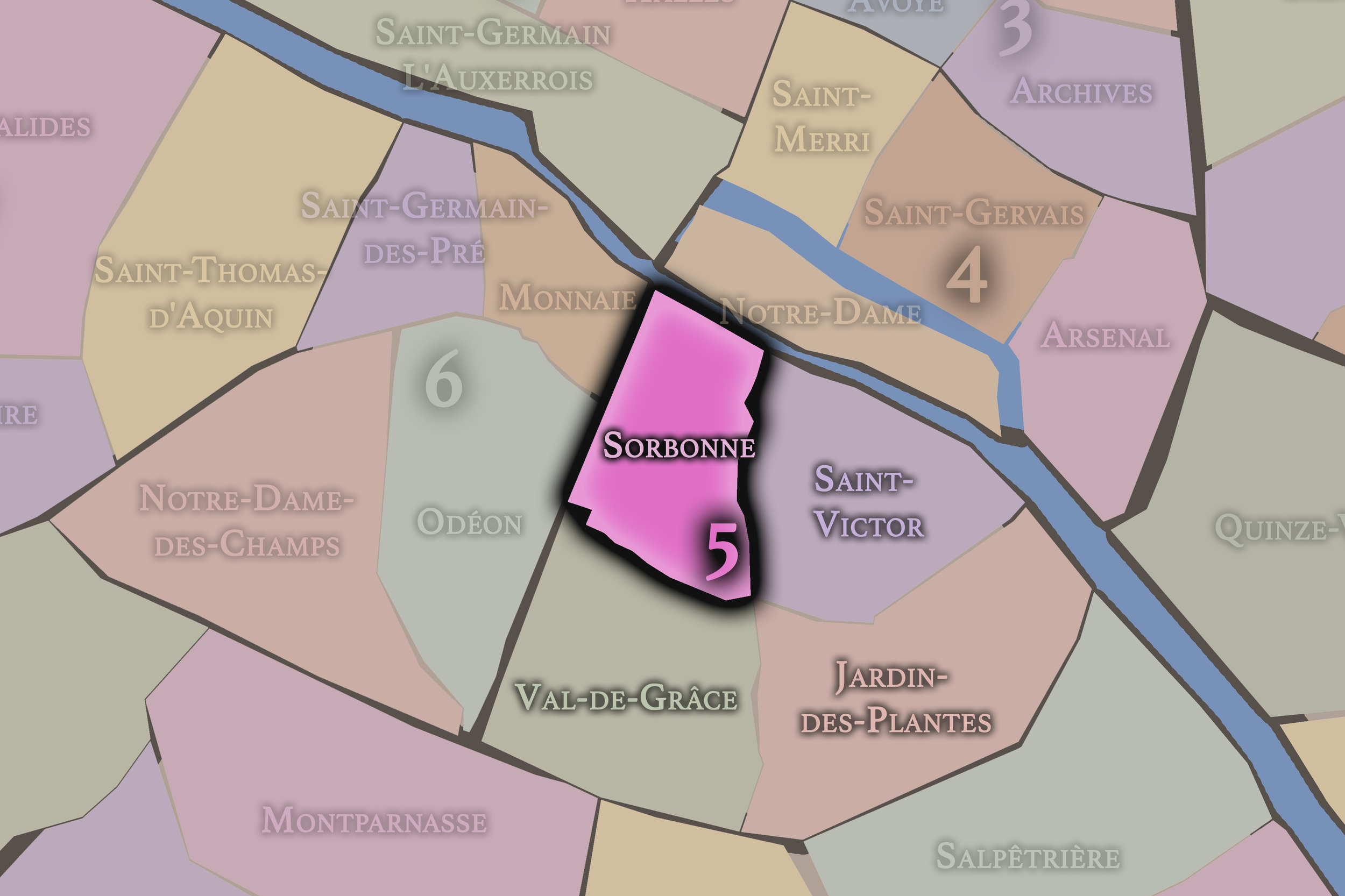
Sorbonne occupies the northwestern portion of the 5e arrondissement and forms the symbolic heart of the Latin Quarter. Its name comes from the Sorbonne, one of the most famous institutions of learning in Europe and one of the central symbols of Paris as a city of universities, scholarship, theology, philosophy, and intellectual debate.
This quarter carries the strongest academic identity of the arrondissement. Around the Sorbonne, the Panthéon, the Collège de France, libraries, lycées, churches, bookstores, and student streets, the 5e becomes one of the most historically concentrated landscapes of learning in Paris. Sorbonne is not only a university quarter; it is a civic-symbolic district where education, memory, religion, literature, and republican commemoration have shaped the city’s identity for centuries.
-
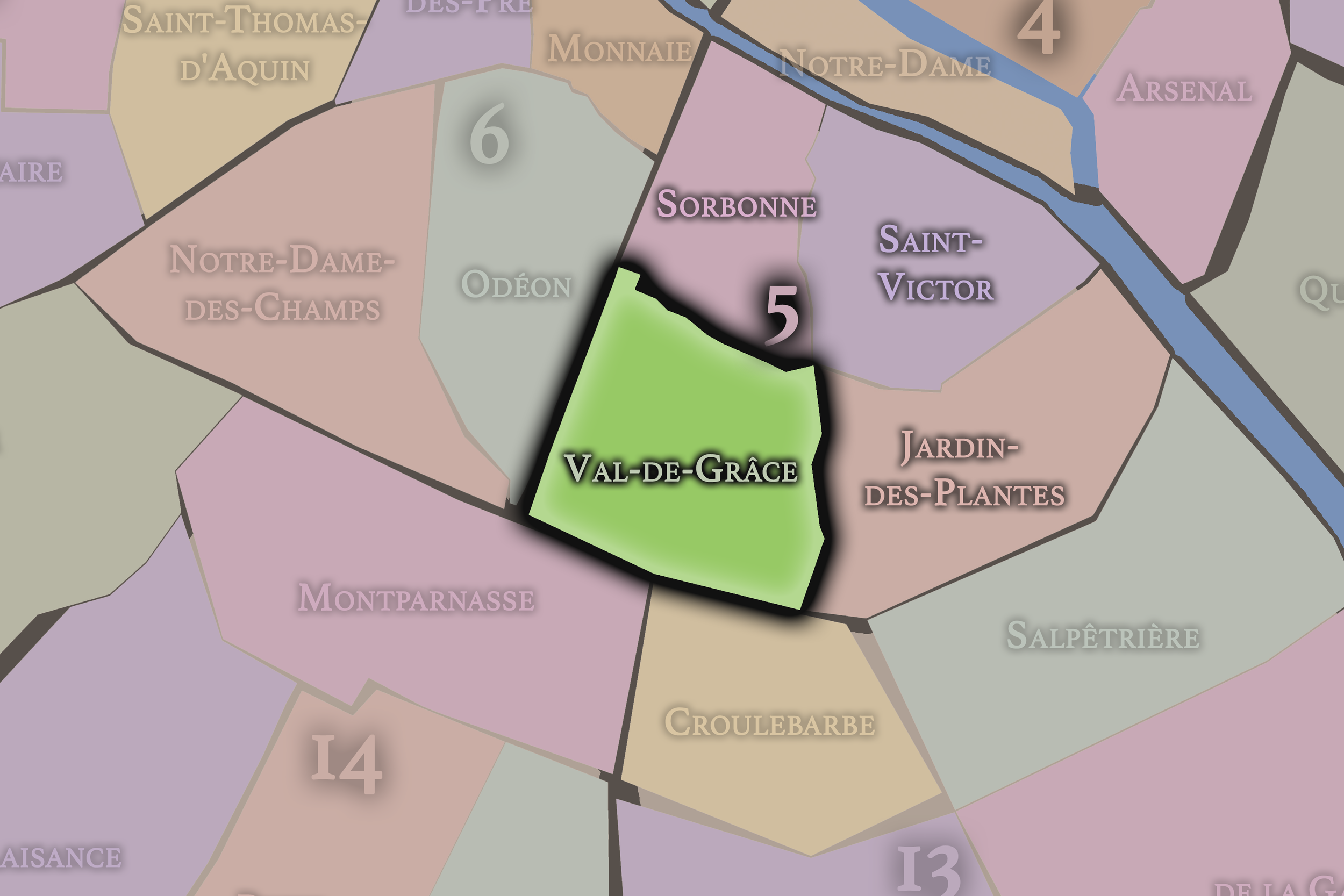
Val-de-Grâce
Val-de-Grâce occupies the southwestern portion of the 5e arrondissement, near the boundary with the 6e and the 14e. Its name comes from the former royal abbey and church of Val-de-Grâce, one of the great religious and architectural landmarks of the Left Bank. The quarter also carries associations with medicine, hospital institutions, and quieter residential streets away from the busiest parts of the Latin Quarter.
This quarter gives the arrondissement a more reserved and institutional character. It is less defined by tourist density or student movement than by religious architecture, medical history, schools, residences, and the southern slope of the Left Bank. Val-de-Grâce helps broaden the identity of the 5e beyond the Sorbonne and Panthéon, showing the arrondissement as a district of faith, care, learning, and urban calm.
The History
The origins of the 5e arrondissement reach back to ancient Paris. In the Roman period, Lutetia developed not only on the Île de la Cité but also on the Left Bank, where a grid of streets, public baths, amphitheater, and civic buildings formed part of the ancient settlement. The Arènes de Lutèce and the remains of the Roman baths near Cluny preserve visible traces of this early urban landscape.
The district’s geography helped shape its development. The slope of the Montagne Sainte-Geneviève rose above the river, offering a prominent site for religious and civic meaning. As Paris became a medieval city, this hill and the surrounding streets became increasingly associated with churches, abbeys, schools, and scholarly communities.
By the medieval period, the future 5e had become one of the intellectual centers of Paris. The Latin Quarter developed from the concentration of students and teachers on the Left Bank, where Latin was the common language of scholarship. This gave the district one of its most enduring identities: Paris as a city of learning, debate, theology, philosophy, and books.
Origins
16th–17th Century
During the 16th and 17th centuries, the future 5e arrondissement remained deeply connected to learning, religion, and institutional life. The colleges, churches, and scholarly communities of the Latin Quarter continued to shape the area, while the Montagne Sainte-Geneviève retained its symbolic importance as one of the great spiritual and intellectual hills of Paris.
The early modern period also strengthened the district’s religious and educational landscape. Institutions such as the Collège de France, founded in the 16th century, broadened the intellectual life of the Left Bank, while religious houses, seminaries, and schools continued to define the district’s urban fabric. The area was dense with students, clerics, teachers, printers, booksellers, and institutions of learning.
In the 17th century, Val-de-Grâce added a major architectural and religious presence to the arrondissement’s southwestern portion. Founded through royal patronage and associated with Anne of Austria, the church and abbey became one of the district’s great sacred landmarks. The 5e during this period was therefore shaped by the coexistence of scholarship, monarchy, religion, and the increasingly formal institutions of early modern Paris.
In the 18th century, the future 5e arrondissement remained one of Paris’s central intellectual landscapes. The Latin Quarter continued to be associated with education, debate, religious institutions, book culture, and the long inheritance of medieval learning. Its streets held colleges, churches, libraries, printers, and student life, forming a district where knowledge was embedded in the everyday fabric of the city.
The century also saw the continued development of scientific and botanical knowledge around the Jardin du Roi, the predecessor of the Jardin des Plantes. What began as a royal medicinal garden grew into a broader scientific institution, helping to give the eastern part of the arrondissement a distinct identity rooted in natural history, botany, and public education.
At the same time, the future Panthéon began to reshape the skyline and symbolic identity of the Montagne Sainte-Geneviève. Built originally as a church dedicated to Sainte-Geneviève, the structure would be transformed during the Revolution into a secular national monument. By the end of the 18th century, the arrondissement stood at the crossroads of old religious authority, Enlightenment knowledge, scientific inquiry, and revolutionary civic memory.
18th Century
19th Century
The 19th century gave the 5e arrondissement many of its modern symbolic meanings. The Panthéon became a central monument of national commemoration, shifting between religious and secular functions across different political regimes but remaining one of the most important civic landmarks in Paris. Its presence elevated the arrondissement’s identity from scholarly quarter to national memory landscape.
The Latin Quarter also intensified as a district of students, writers, political debate, and intellectual life. The Sorbonne and surrounding institutions reinforced the area’s academic role, while bookstores, cafés, lecture halls, schools, and student housing helped make the arrondissement one of the great cultural landscapes of the Left Bank.
Urban modernization also affected the district. New streets and changing traffic patterns altered parts of the older fabric, but many medieval and early modern streets survived, especially around the northern Latin Quarter and the slopes near the Panthéon. The Jardin des Plantes and scientific institutions continued to expand their public role, ensuring that the arrondissement’s intellectual identity included both humanities and natural sciences.
The 19th century therefore strengthened the 5e as a district of education, memory, science, and public life. It was a place where ancient remains, medieval streets, university institutions, republican monuments, and scientific gardens all became part of the modern city.
In the early and mid 20th century, the 5e arrondissement remained closely tied to student life, intellectual culture, religious institutions, and scientific learning. The Sorbonne and surrounding schools continued to shape the Latin Quarter, while cafés, bookshops, cinemas, and small hotels contributed to the district’s Left Bank atmosphere.
The arrondissement was also marked by continuity in its institutional landscape. The Panthéon remained a site of national commemoration; the Jardin des Plantes continued to serve as a center of science and public education; Val-de-Grâce retained its religious, medical, and institutional associations; and the older streets of the Latin Quarter preserved a sense of historical density.
During the Second World War and the decades that followed, the district’s universities, schools, and public spaces were tied to broader currents of political life, occupation, resistance, reconstruction, and debate. The 5e’s identity as a place of students and ideas gave it a particular civic charge: it was not only a historic district, but a place where public thought and political consciousness remained visible in the city.
Early–Mid 20th Century
Late 20th Century
The late 20th century brought major changes to the 5e arrondissement’s social and cultural identity. The Latin Quarter remained famous for student life, but the balance between students, residents, visitors, institutions, and tourism shifted. Rising costs, changing university structures, and the growing visitor economy altered parts of the district, even as its symbolic association with scholarship remained strong.
The events of May 1968 left a lasting imprint on the arrondissement’s modern identity. The Latin Quarter became one of the central landscapes of student protest, political debate, street confrontation, and intellectual ferment. This reinforced the 5e’s reputation as a district where learning and civic dissent could spill directly into public space.
At the same time, the arrondissement became increasingly valued as a heritage landscape. Roman remains, medieval streets, churches, schools, the Panthéon, the Sorbonne, and the Jardin des Plantes all contributed to a broader preservation and cultural identity. The 5e entered the late 20th century as both an academic district and a historic destination, balancing lived neighborhood life with the demands of memory, education, and tourism.
In the 21st century, the 5e arrondissement remains one of Paris’s most recognizable Left Bank districts. It continues to carry the identity of the Latin Quarter, even as its actual life is more complex than that name alone suggests. Students, tourists, residents, researchers, teachers, worshippers, museum visitors, and workers all move through its streets, giving the district a layered but active contemporary life.
The arrondissement’s institutions remain central to its identity. The Sorbonne, the Panthéon, the Collège de France, the Jardin des Plantes, the Muséum national d’Histoire naturelle, Val-de-Grâce, and numerous schools, churches, libraries, and research spaces continue to make the 5e one of the city’s great landscapes of knowledge and memory.
At the same time, the arrondissement faces the pressures common to central Paris: tourism, commercialization, rising property values, preservation demands, and the challenge of sustaining everyday neighborhood life within an iconic historic setting. Its strength lies in its resilience. The 5e has absorbed Roman, medieval, religious, academic, scientific, revolutionary, and modern identities without losing its deeper continuity as a district of learning.
Today, the 5e remains one of the places where Paris thinks about itself. It is a district of students and monuments, but also of gardens, laboratories, churches, cafés, old streets, and long memory.
21st Century
Spirit and Legacy
The 5e arrondissement is the intellectual heart of old Paris. It is where the city’s ancient foundations, medieval schools, religious institutions, scientific gardens, and republican monuments gather into one of the richest historical landscapes in the capital.
Its legacy is not only academic. It is civic, spiritual, scientific, literary, and political. The Panthéon honors national memory. The Sorbonne and surrounding institutions preserve the long inheritance of scholarship. The Jardin des Plantes opens knowledge to the natural world. The Roman remains connect the district to Lutetia. Val-de-Grâce and the old churches recall the religious foundations of the Left Bank.
The 5e is a district of ascent: from the Seine to the Montagne Sainte-Geneviève, from ancient stones to university halls, from monastic memory to national commemoration, from student streets to scientific gardens. To walk through it is to move through the mind of Paris — a city where knowledge, belief, debate, and memory have shaped the streets as surely as stone and water.
The Photography
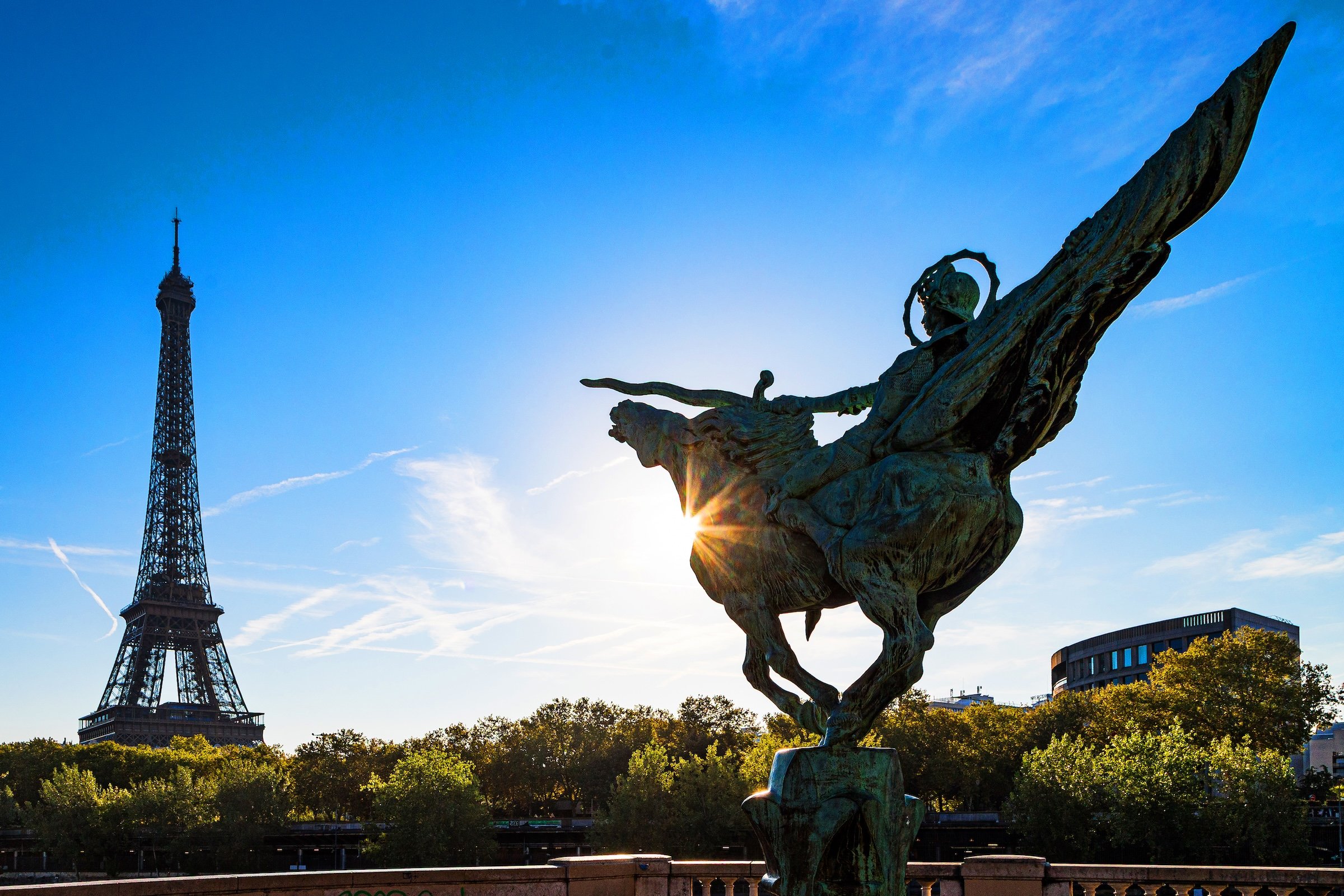
The arrondissements do not share a single visual identity. Instead, they organize Paris into twenty broad visual fields, each gathering its own combination of landmarks, streetscapes, institutions, residential districts, commercial corridors, parks, rail stations, markets, cemeteries, and riverfront edges.
Some arrondissements are defined by monumental scale: royal palaces, ceremonial avenues, government buildings, museums, formal gardens, and internationally recognized landmarks. Others are shaped by hills, canals, rail gateways, apartment-lined boulevards, neighborhood markets, former village streets, industrial remnants, parks, or the quieter rhythms of residential Paris. The arrondissement system gives these varied landscapes a civic frame, allowing the city to be read not as one visual language, but as a sequence of overlapping Parisian atmospheres.
Visual Identity
Through The Lens
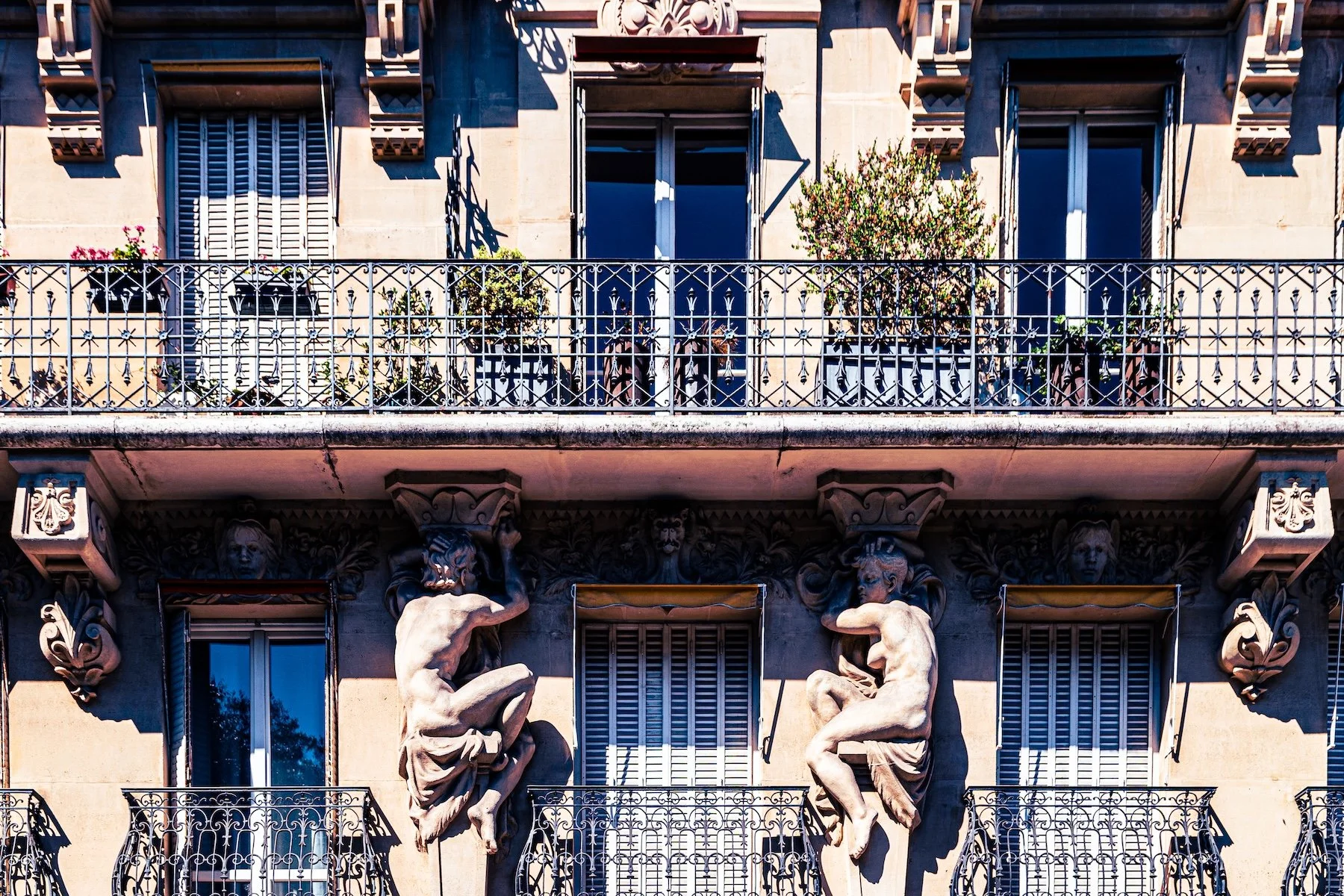
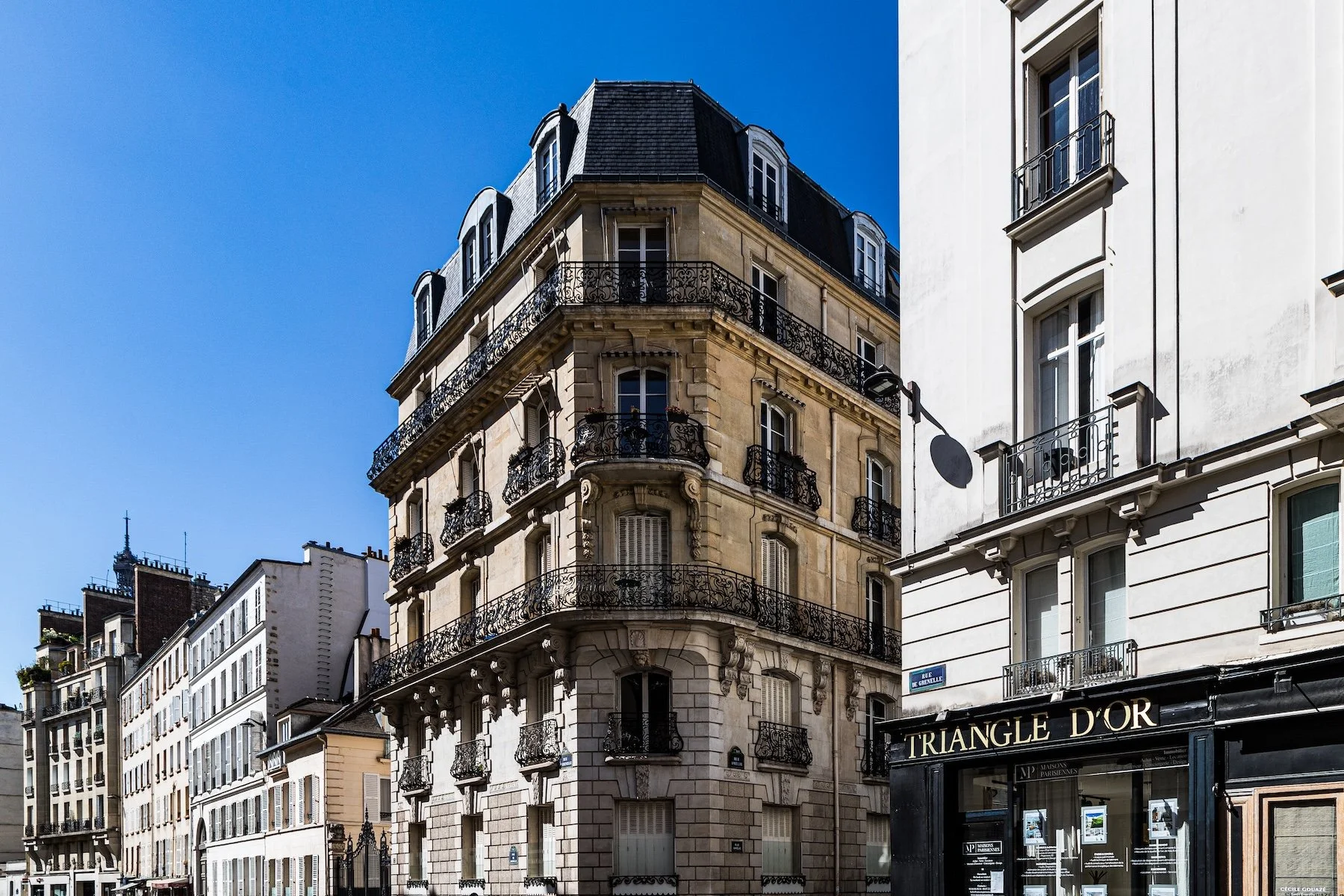
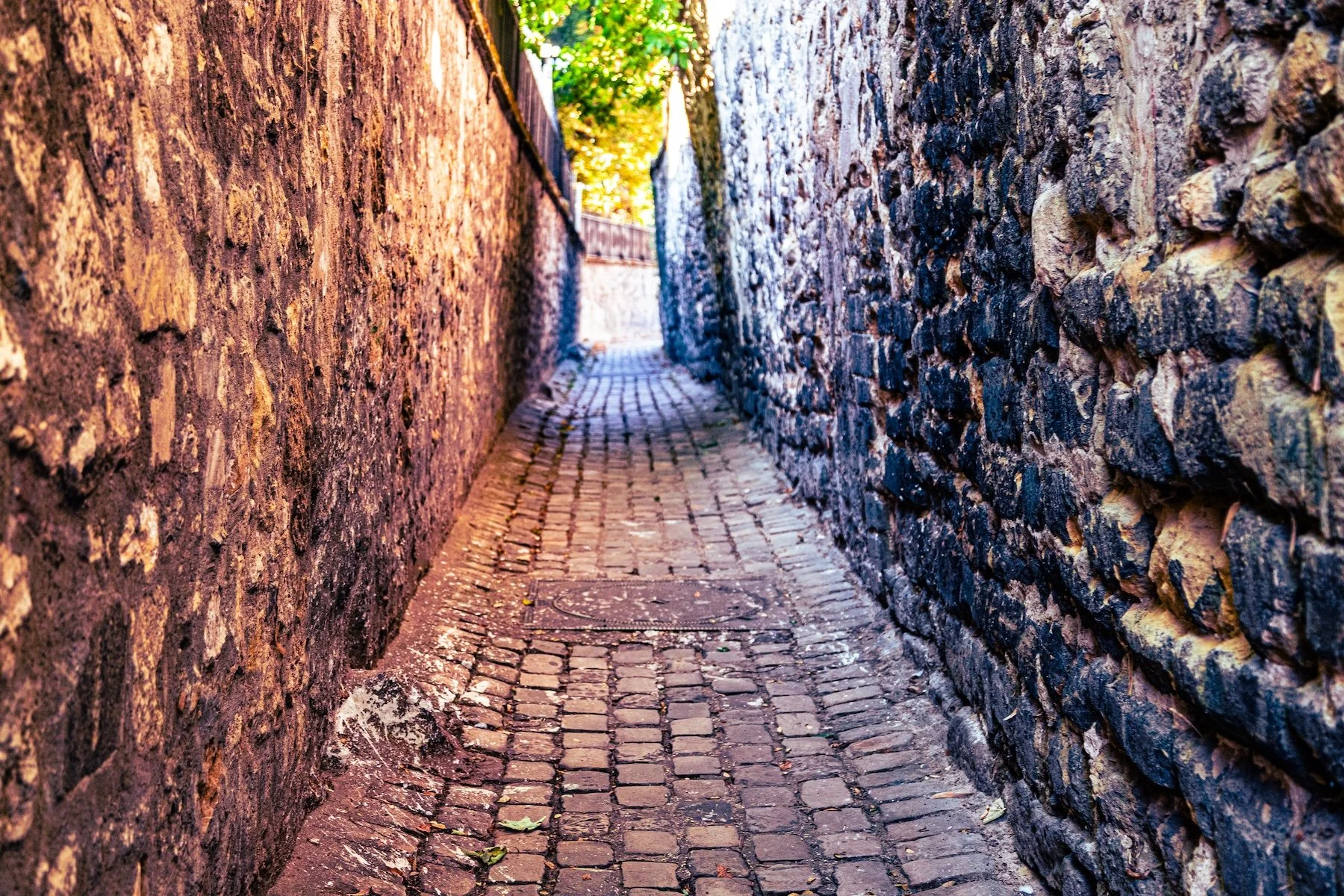
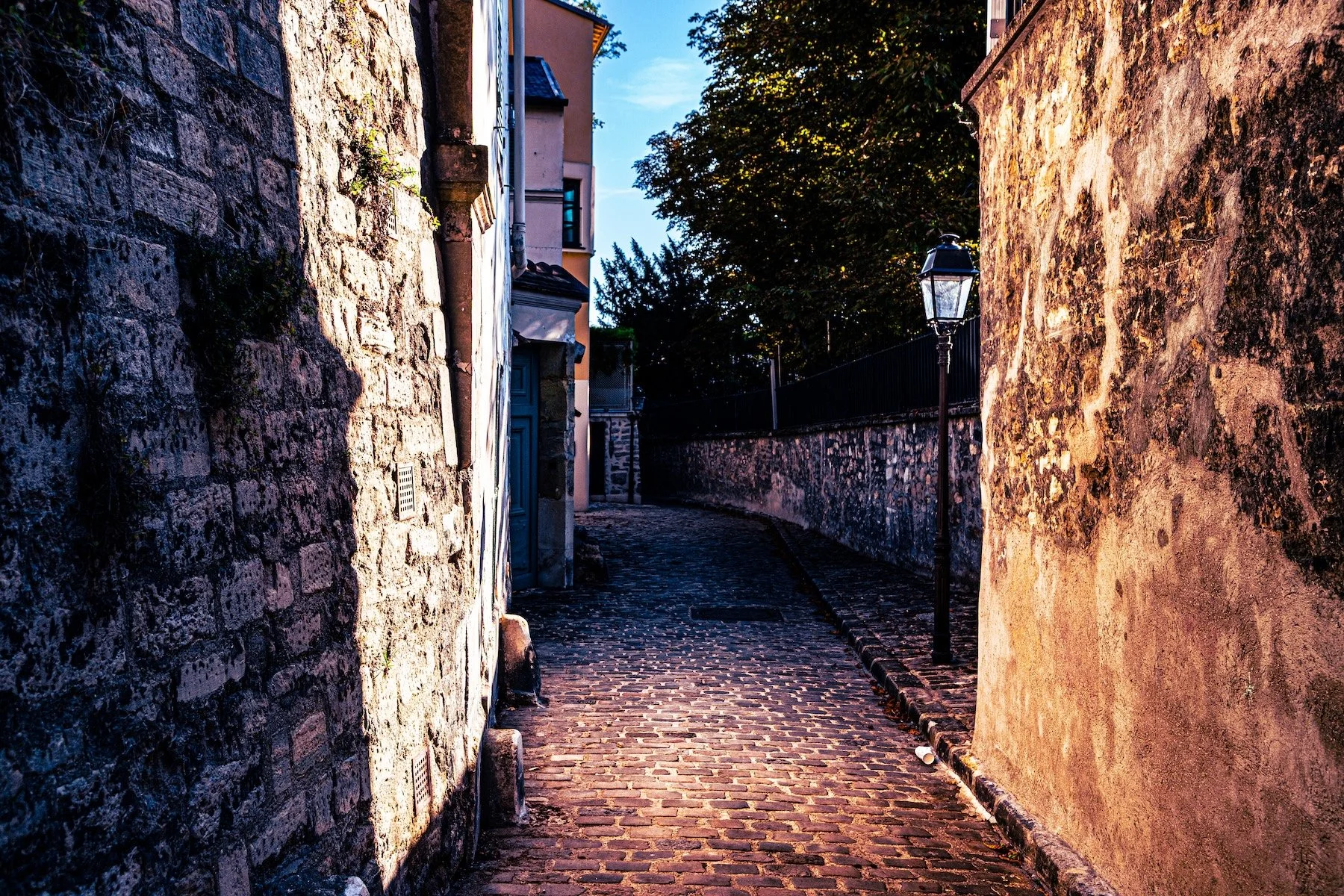
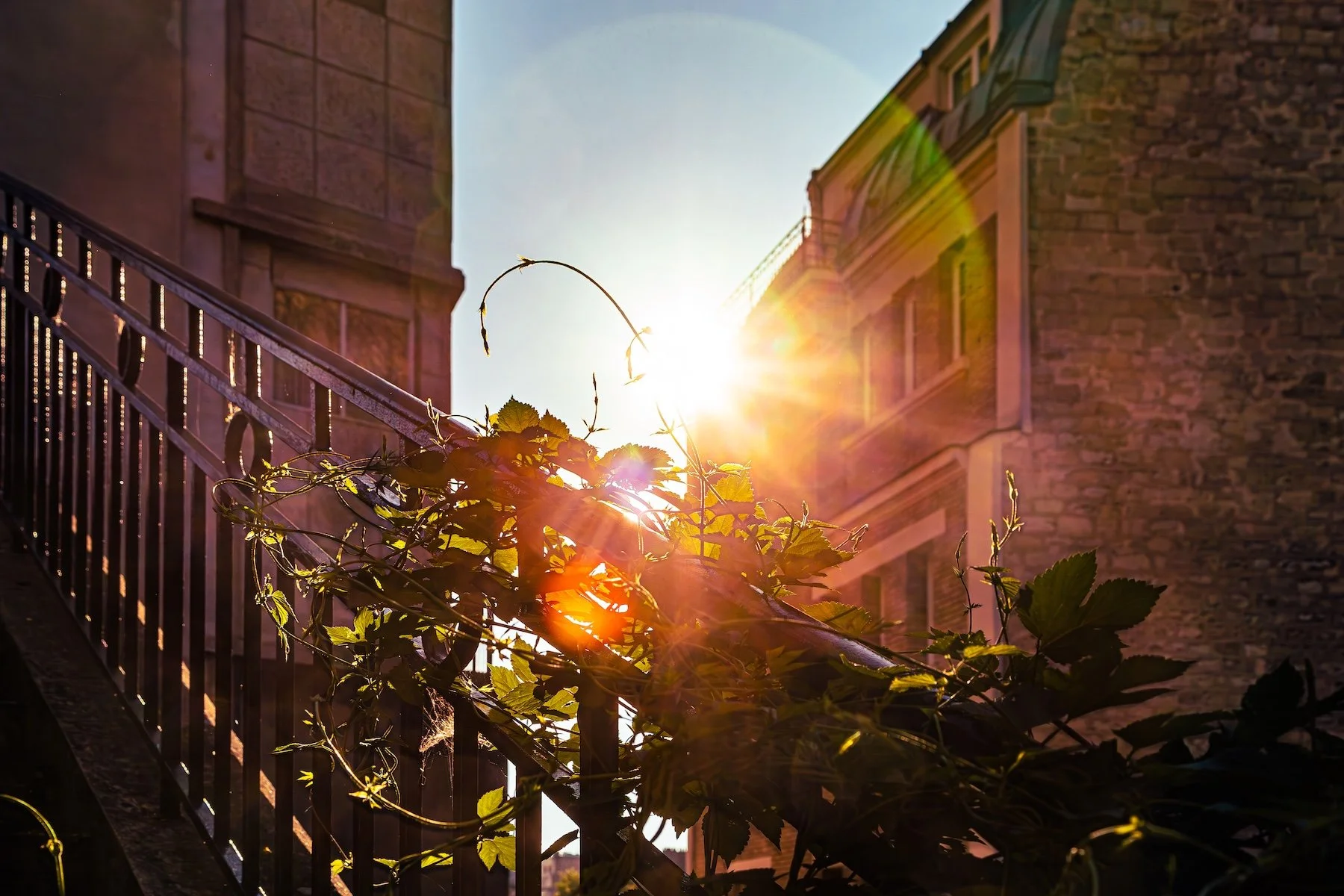
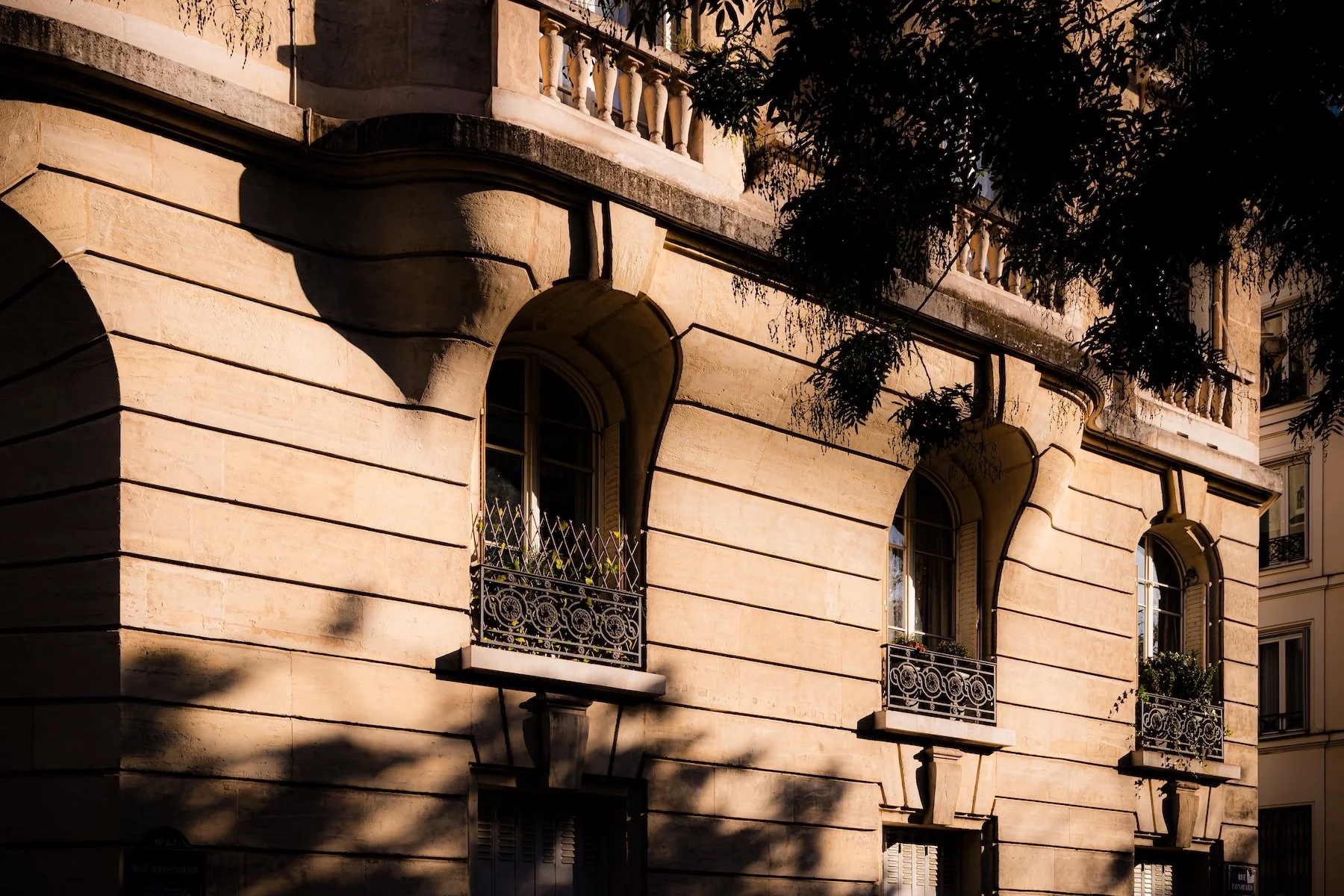
Photographing the arrondissements means moving between the official map and the street-level experience. The camera does not treat each arrondissement as visually uniform. Instead, it looks for the recurring forms, textures, transitions, and contrasts that make each district legible: the geometry of boulevards, the shade of plane trees, the repetition of balconies, the rise of stairways, the curve of canals, the presence of rail stations, the opening of parks, the weight of monuments, and the intimacy of side streets.
On CityNeighborhoods, the arrondissement provides the frame, but the photograph comes from the encounter between map, movement, light, and observation. As the Paris photography is processed, this section will connect each arrondissement more directly to the project’s Photographic Lexicon: the visual strategies, recurring motifs, and compositional patterns that shape how the city is seen through the lens.
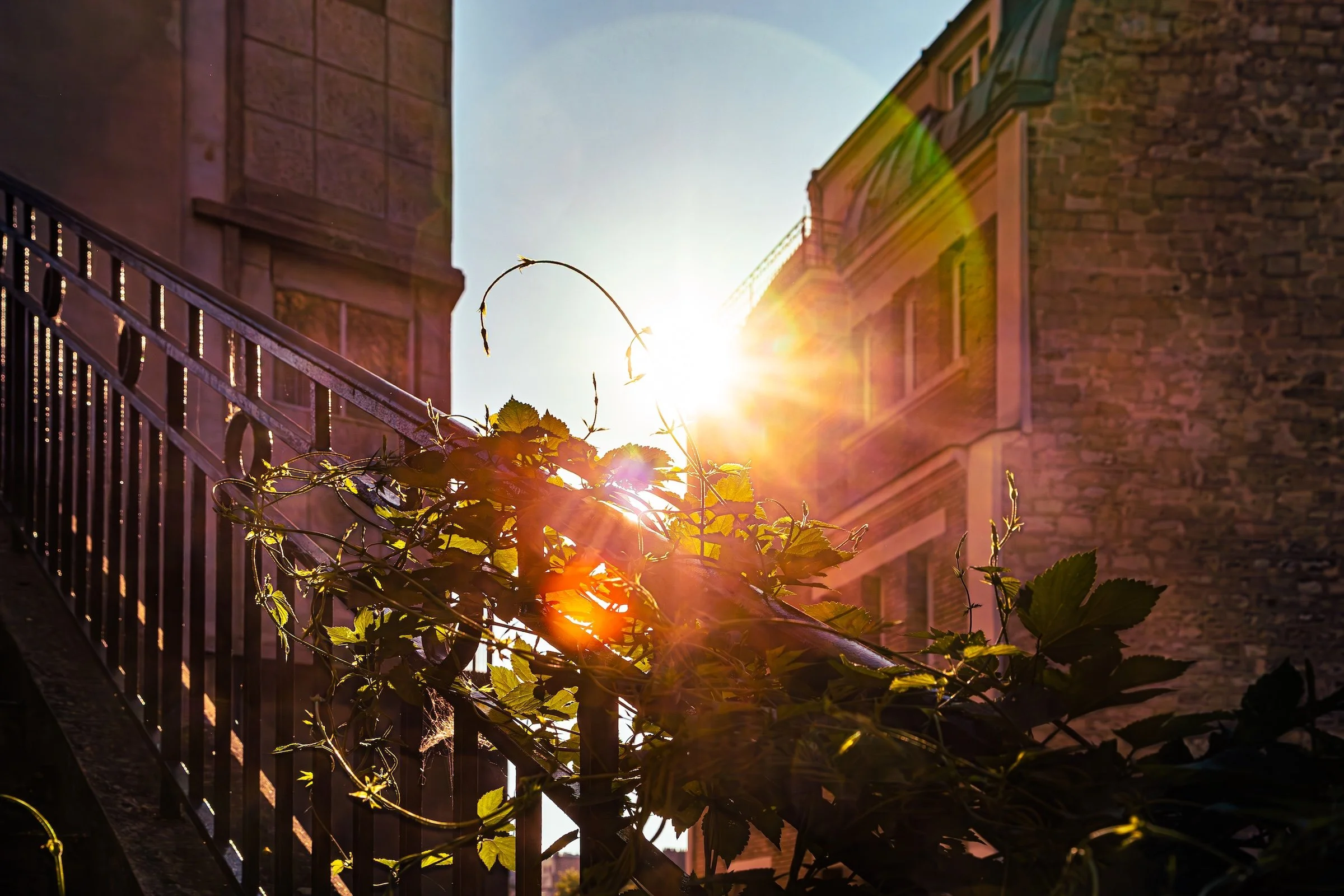
If you visit Paris, these ideas can help inspire your own photography.
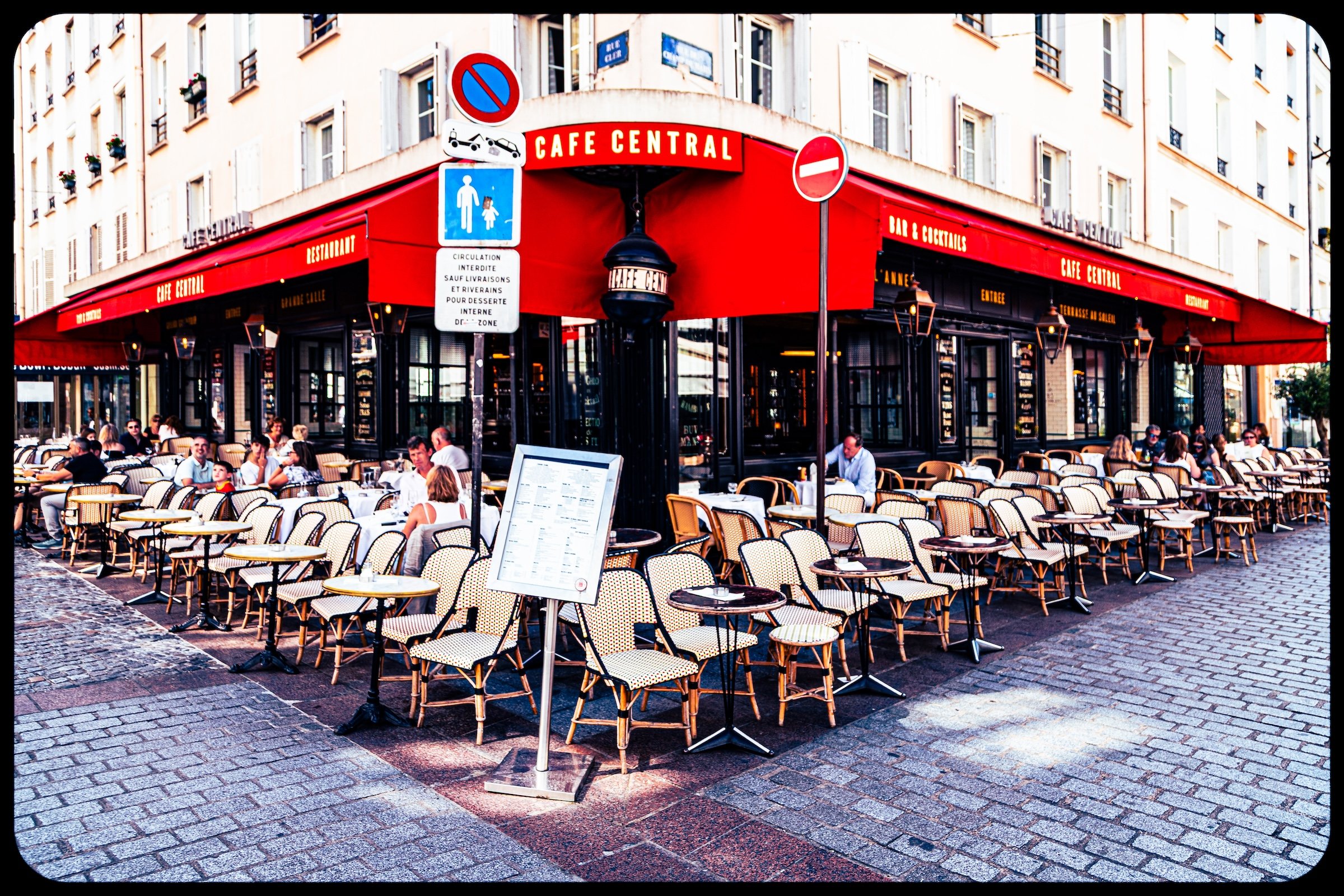
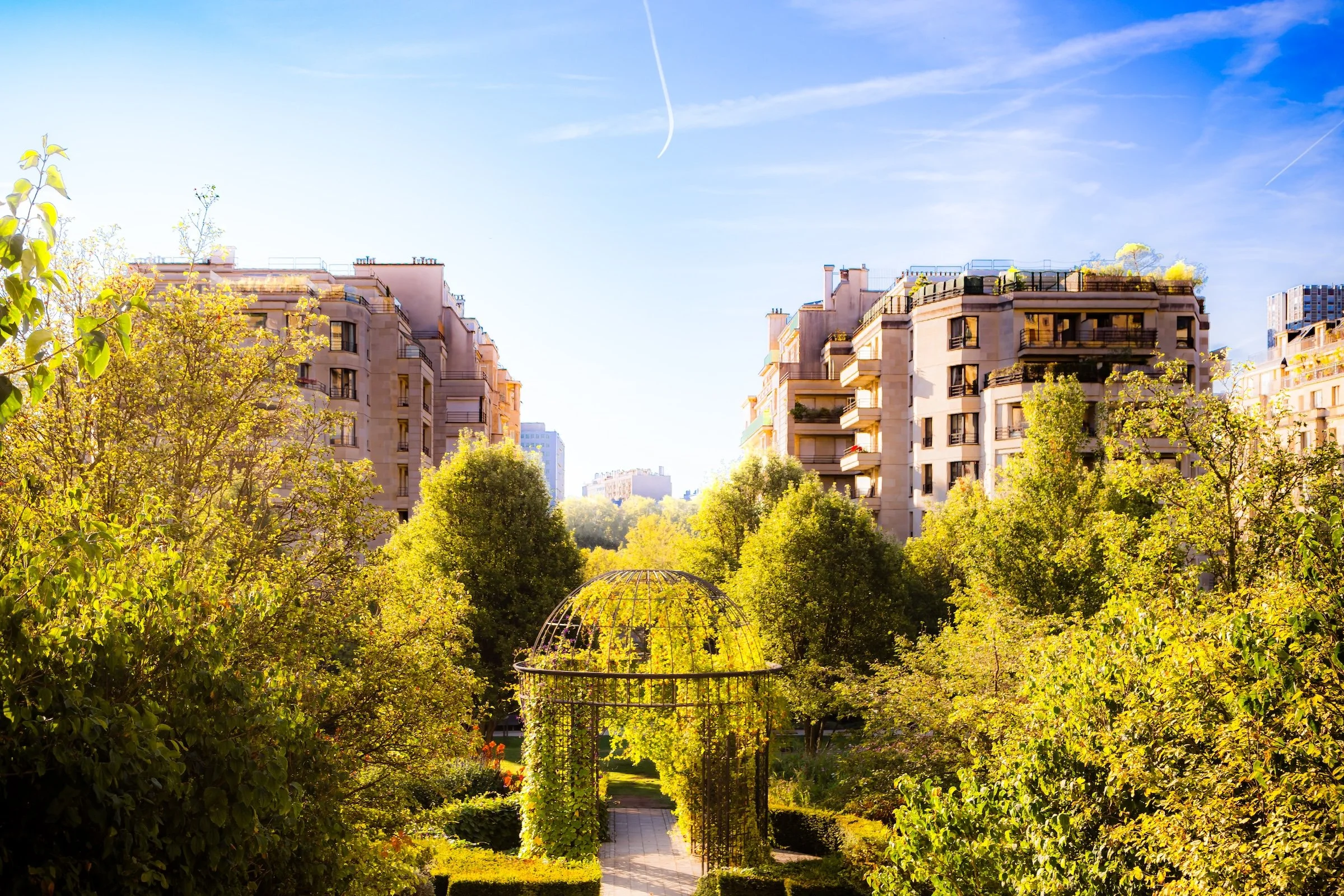
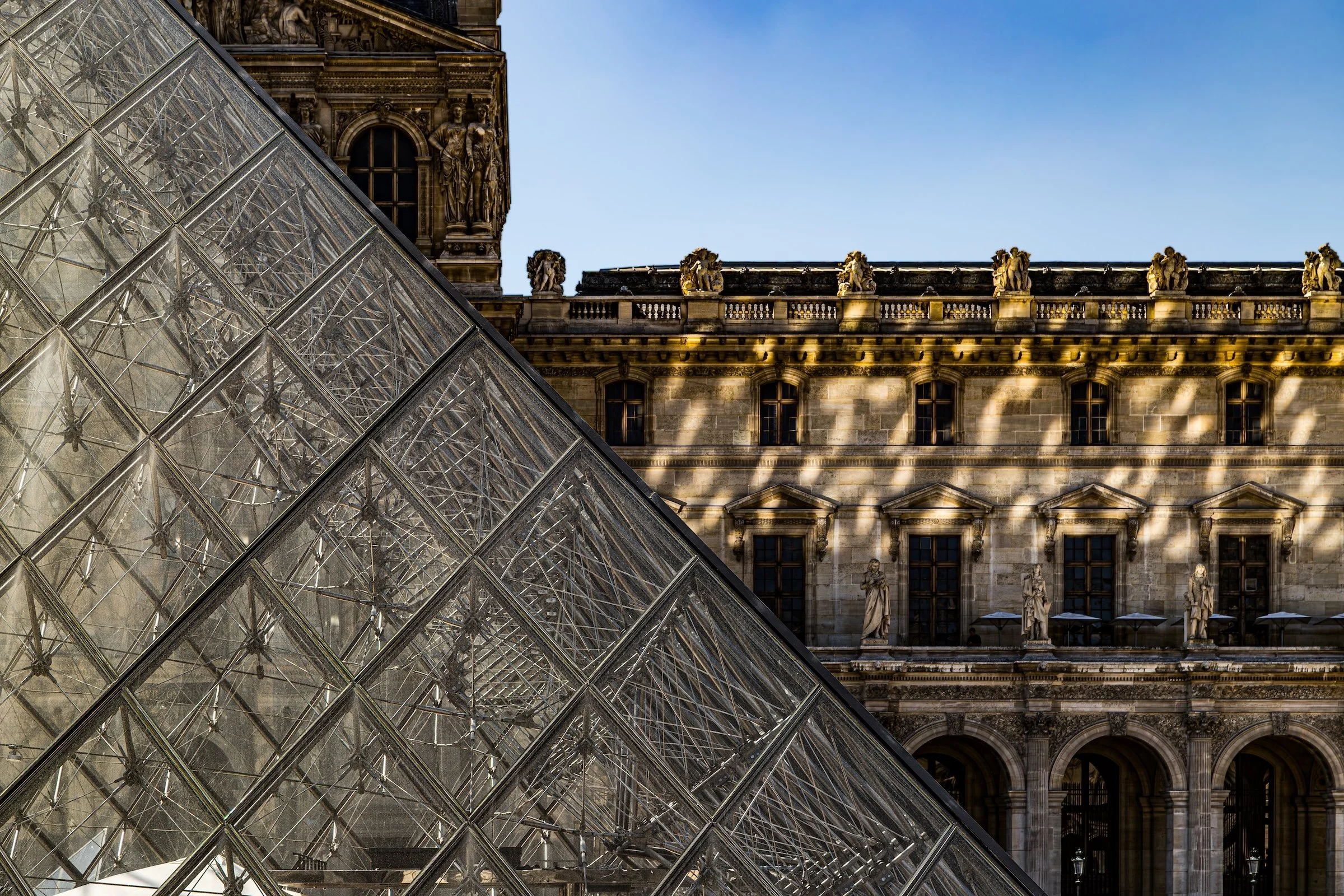
Paris: J’Espere, Je Rêve, Je Vive
Paris Photo Gallery
Paris Field Notes
-
Field Note: August 18, 2025 | 07:58 AM
Conditions: 73°F | Humidity: 72%.
Within the park's interior, the glacial kettle ponds acted as humidity traps, creating a soft, hazy light that filtered through the old-growth oaks. The transition from the park's dense shade to the sun-drenched edges of Oakland Gardens highlighted the day's exceptional "picture-perfect" clarity.
There is a fleeting window in Queens where the humidity of August hasn't yet heavy-set, and the morning sun hits the canopy of Alley Pond Park at a perfect oblique angle. Arriving just before 8:00 AM, I watched the light break through the oaks and tulip trees, casting long, dramatic shadows across the wet grass. It’s in these quiet, golden moments that the park feels less like a city escape and more like the ancient glacial valley it actually is.
Other neighborhoods visited:
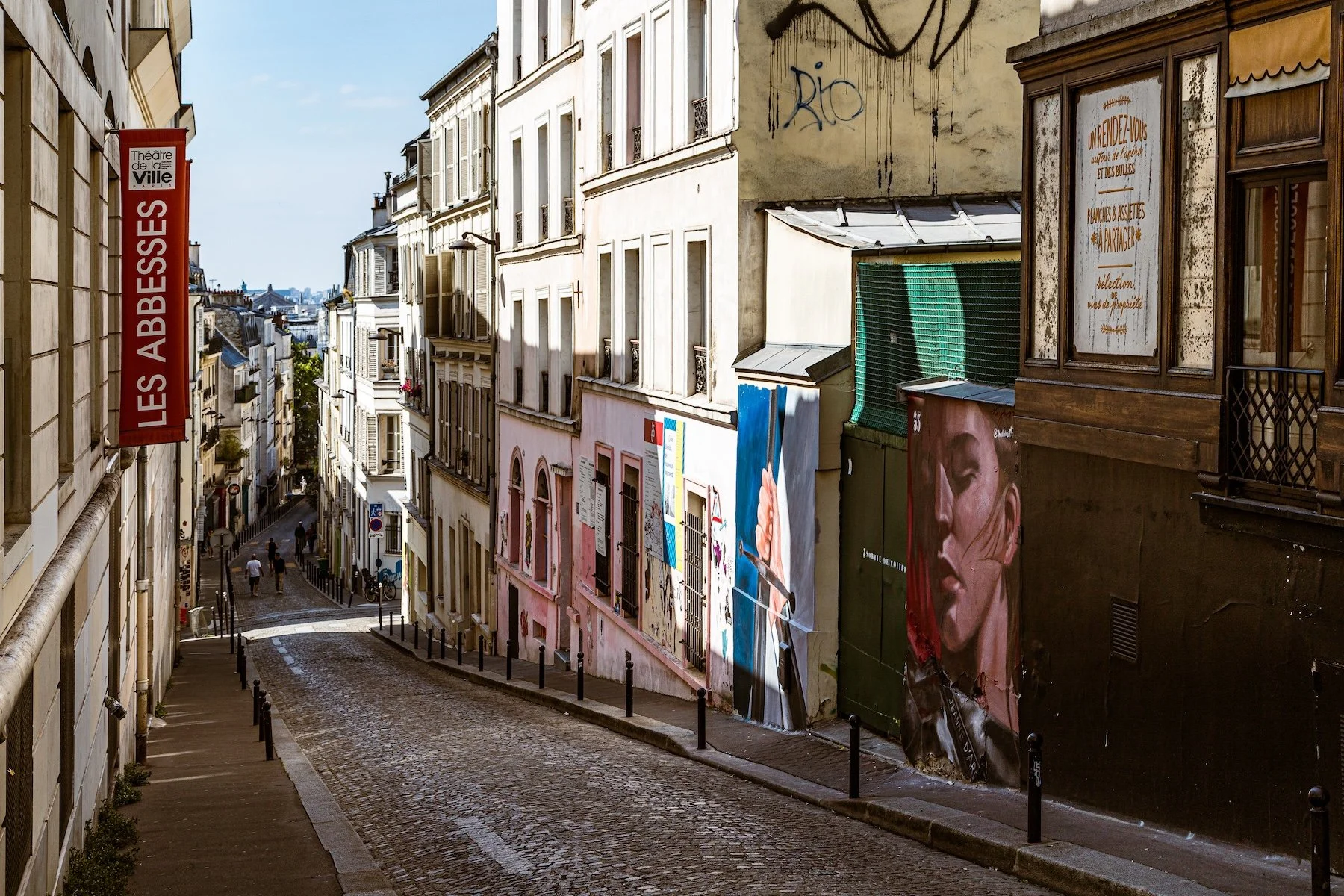
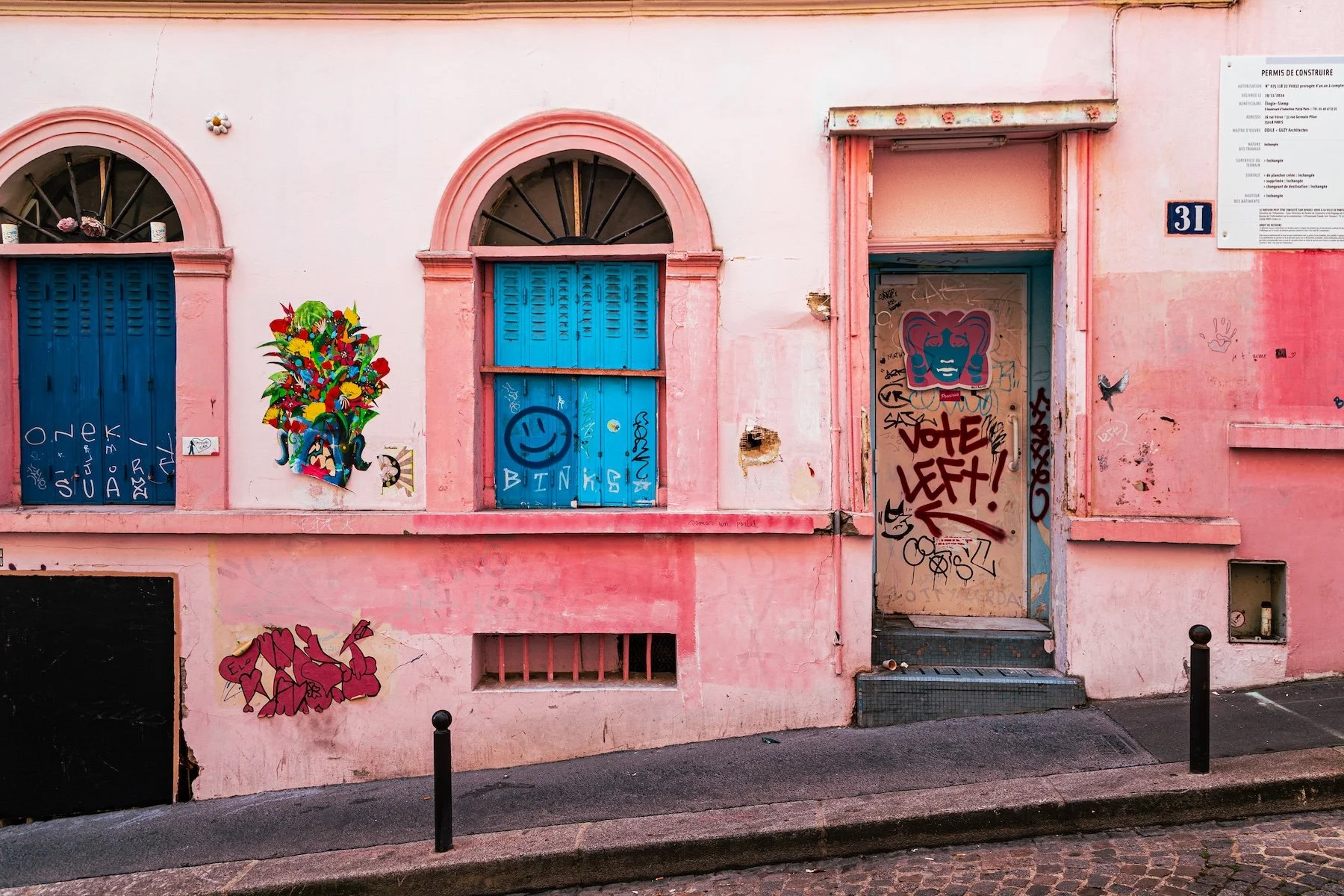
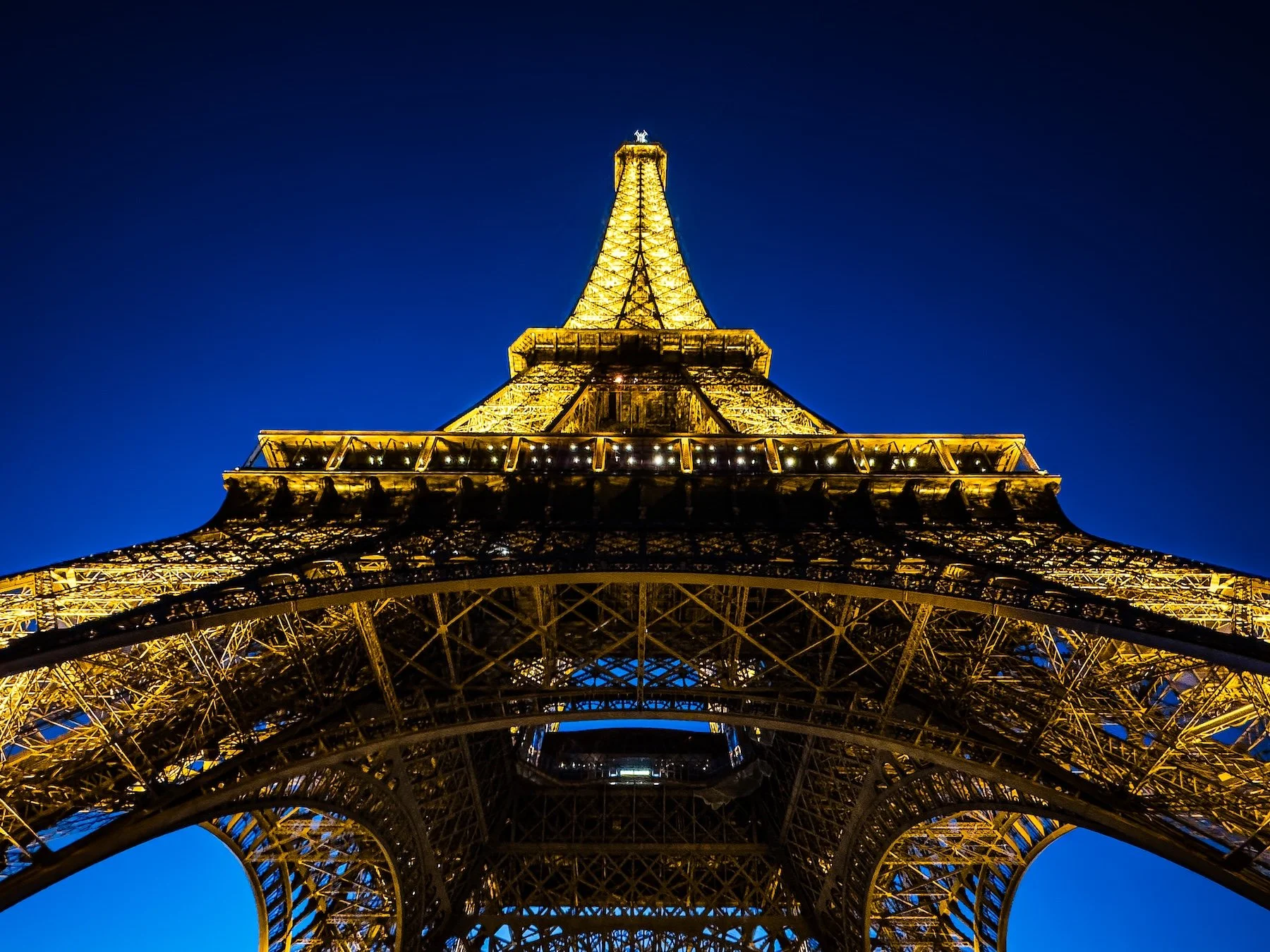
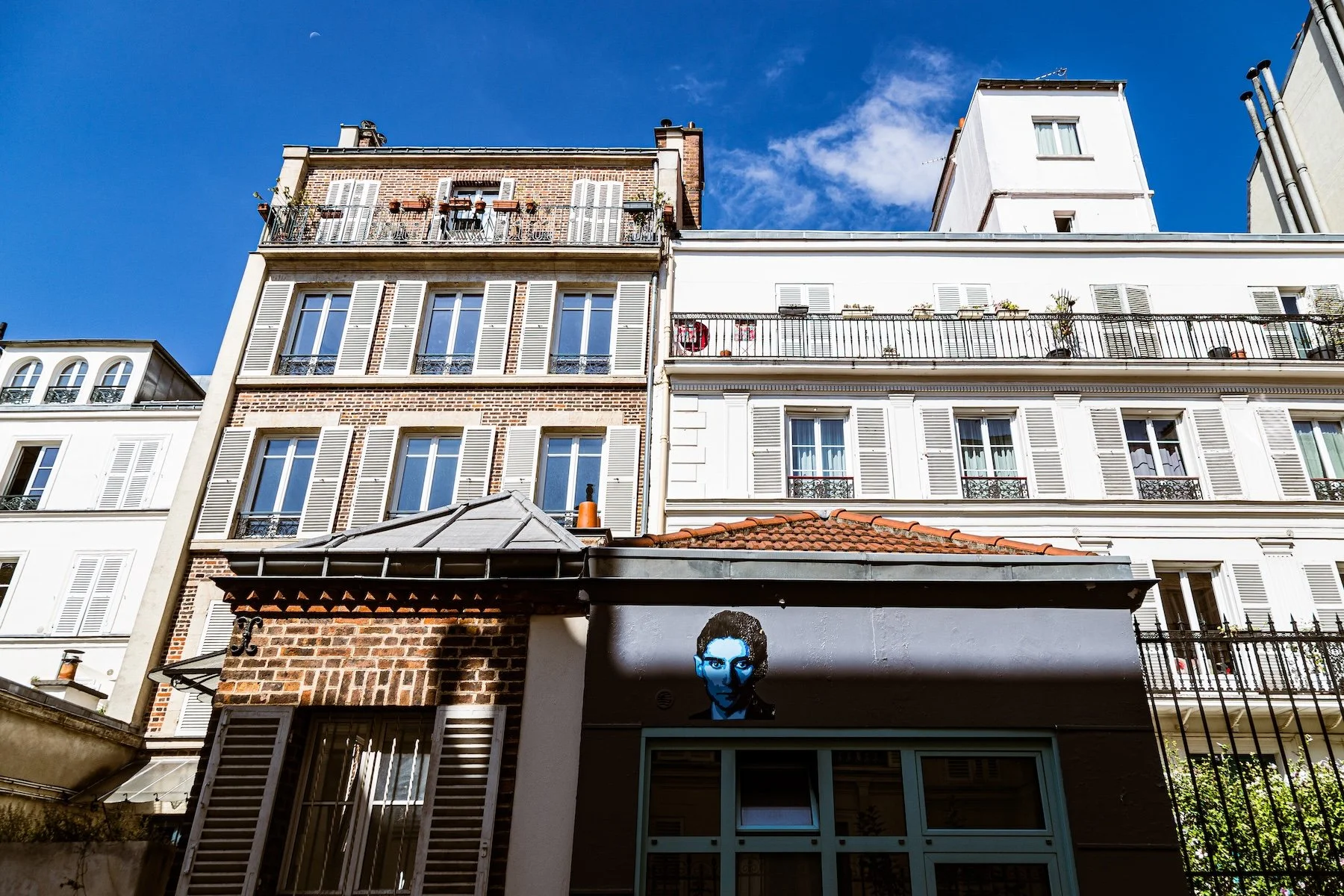
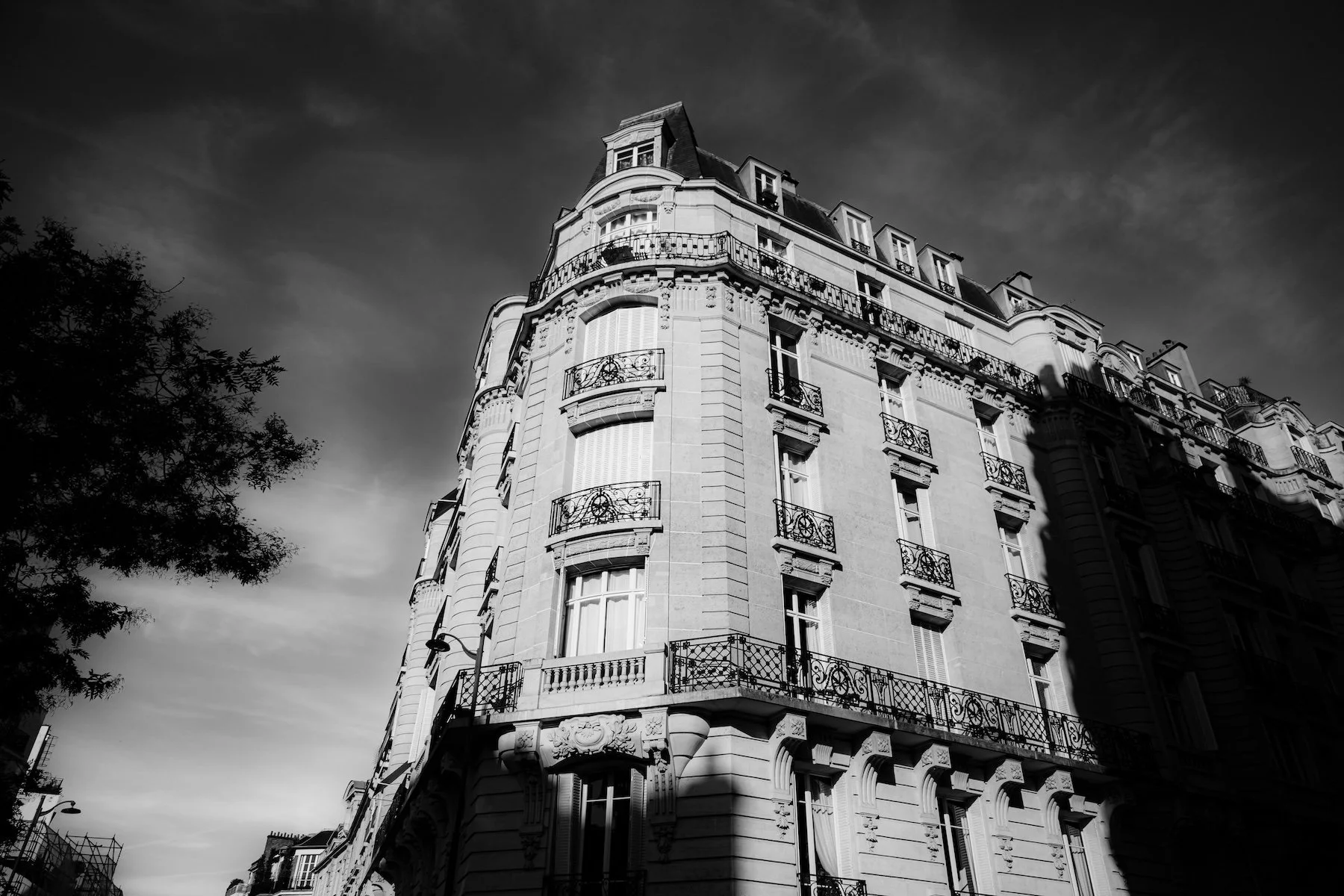
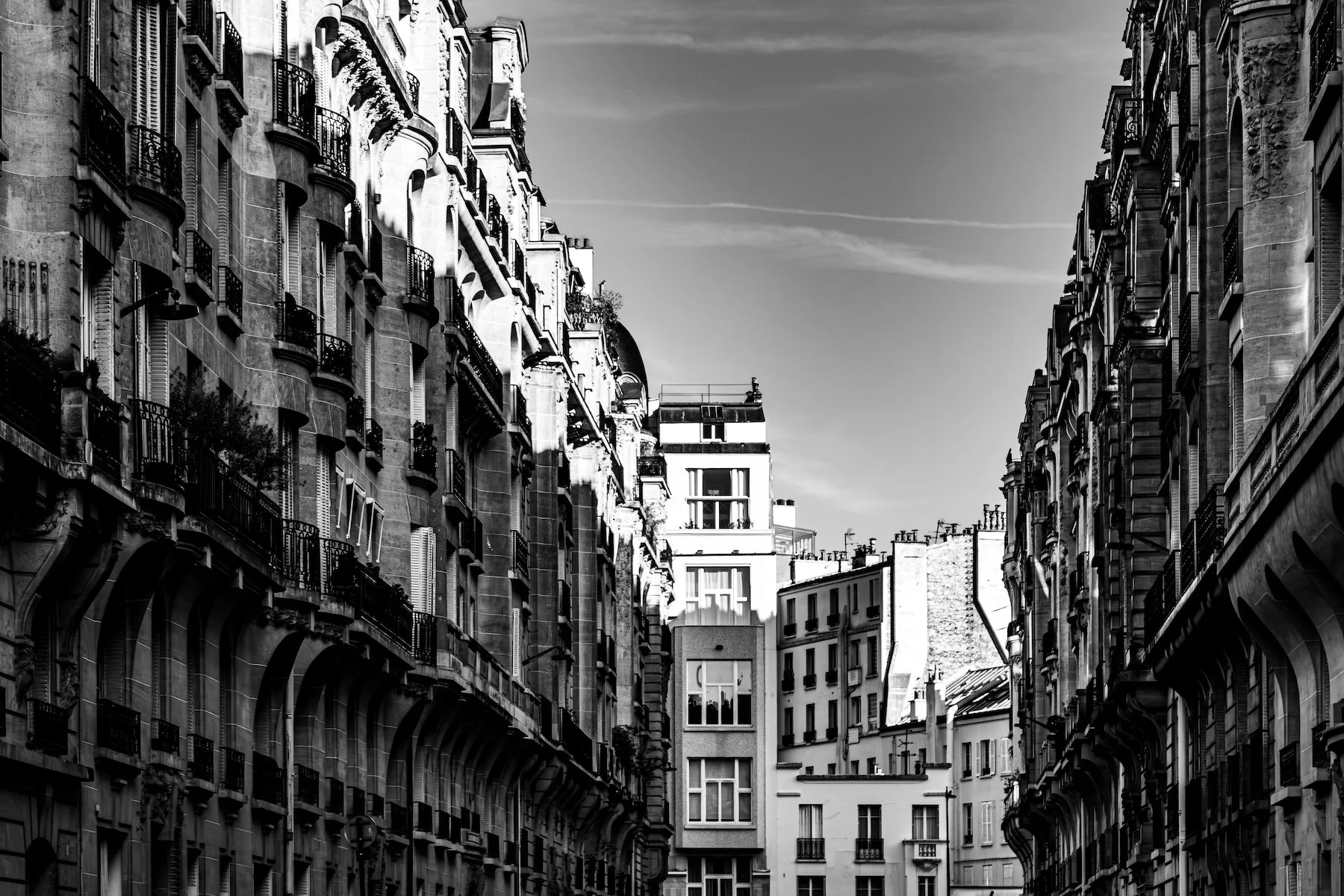
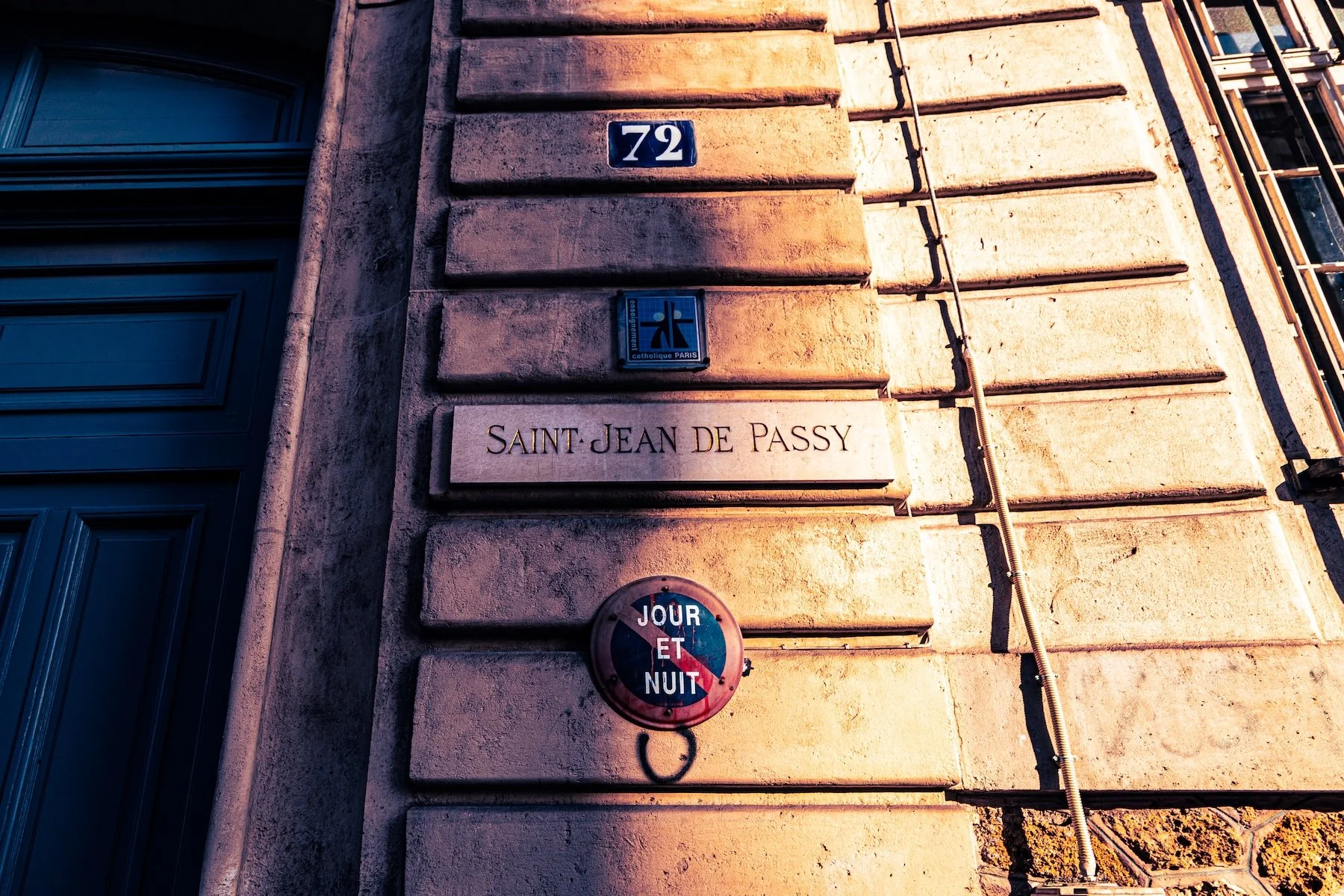
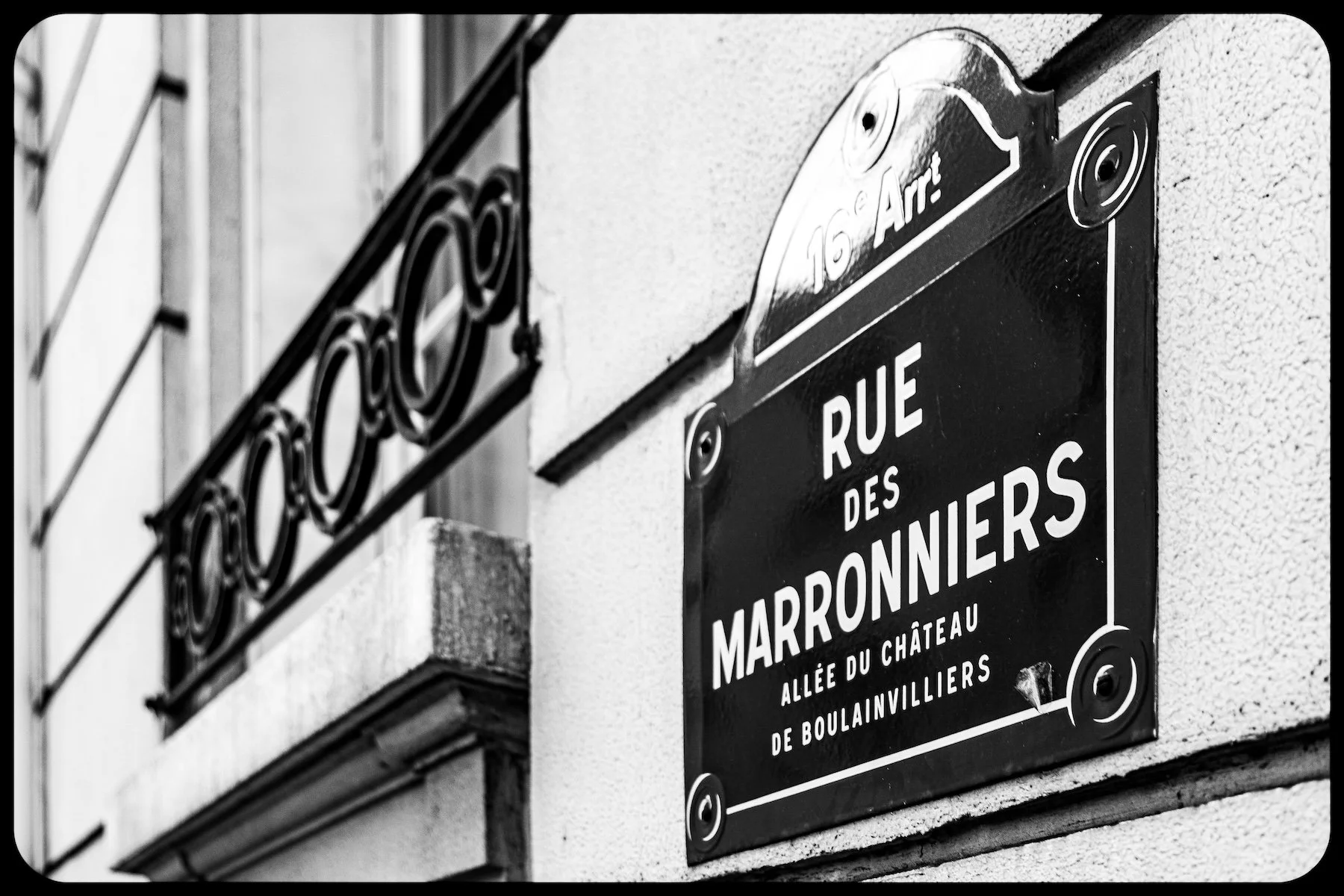

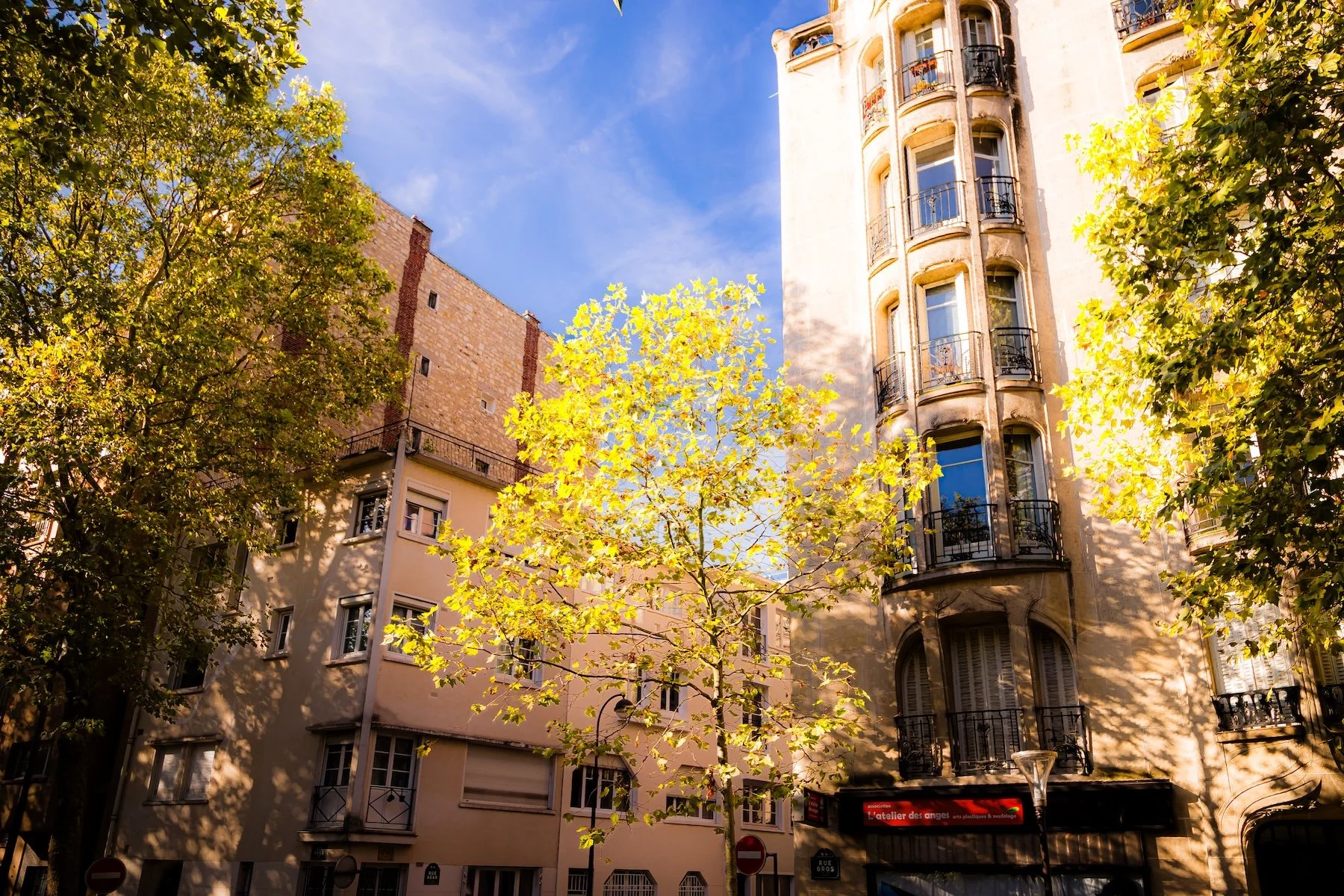
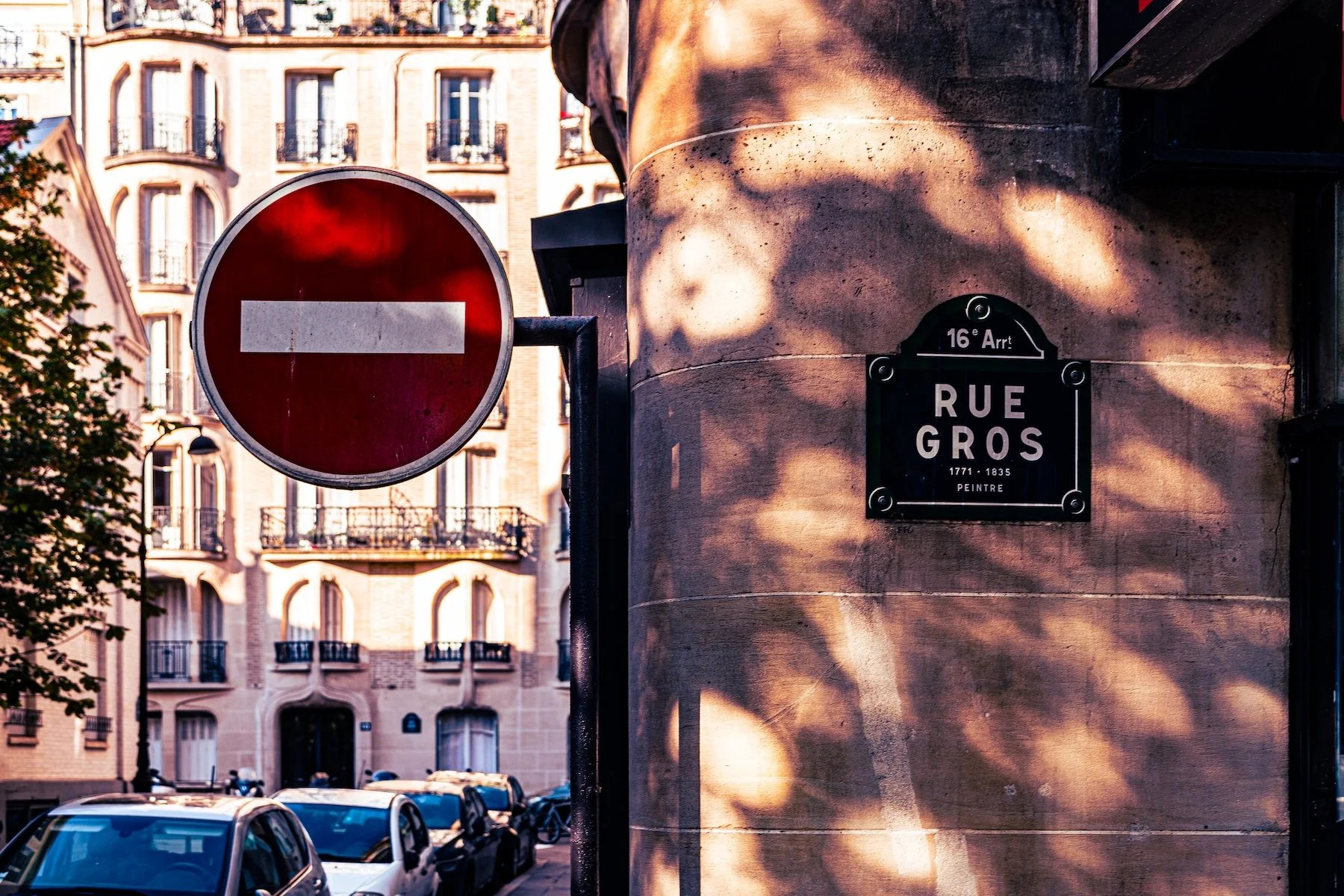
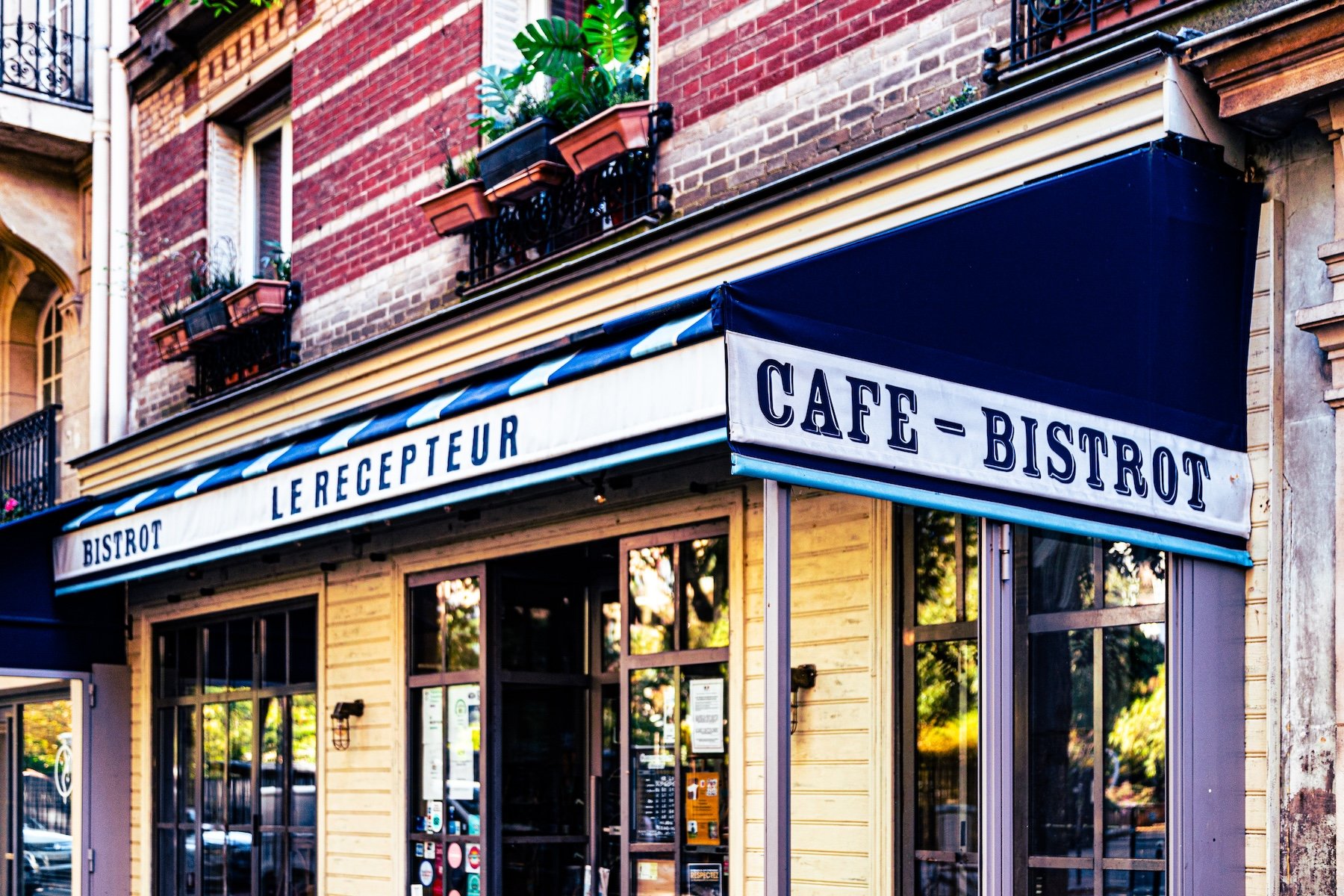
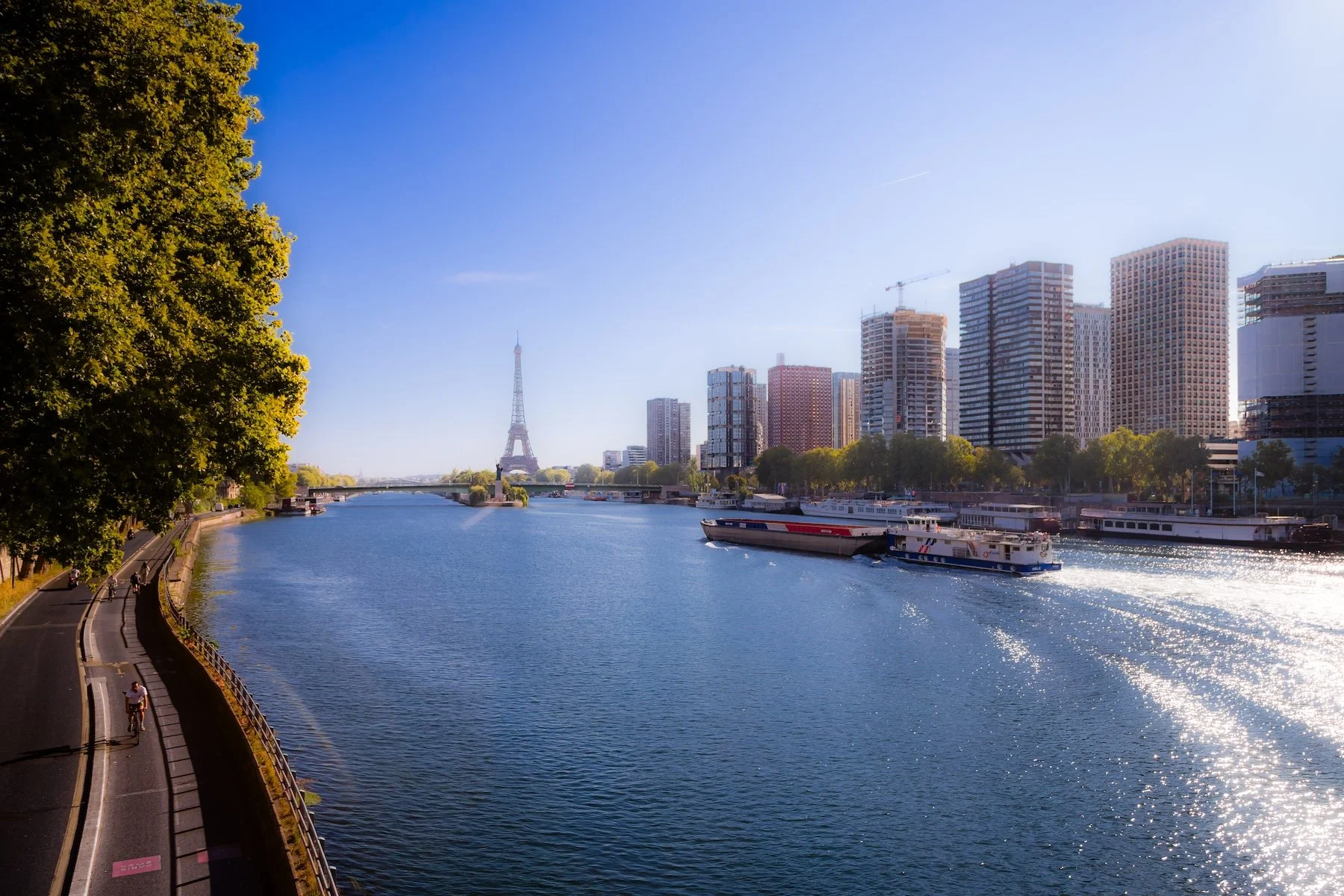
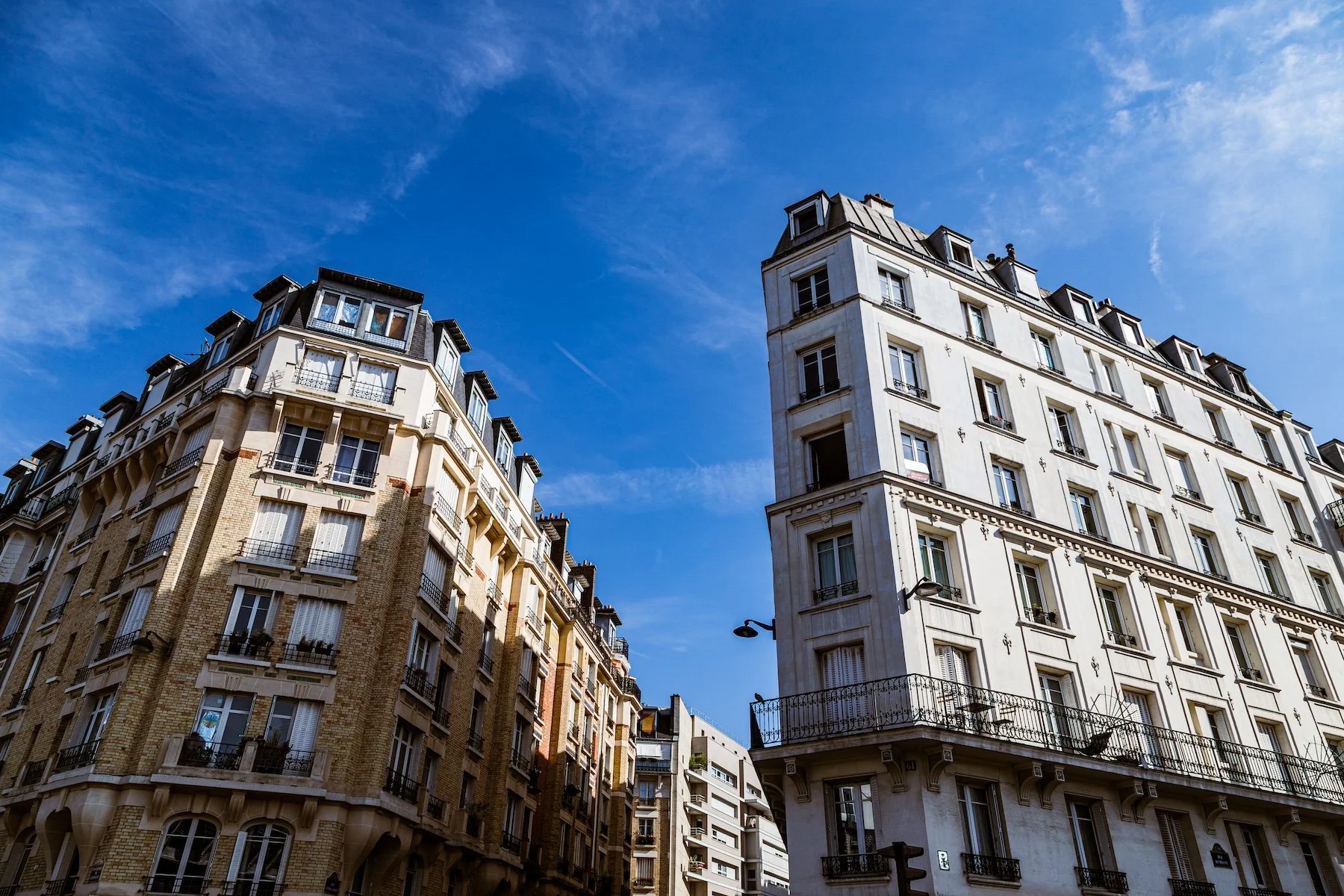
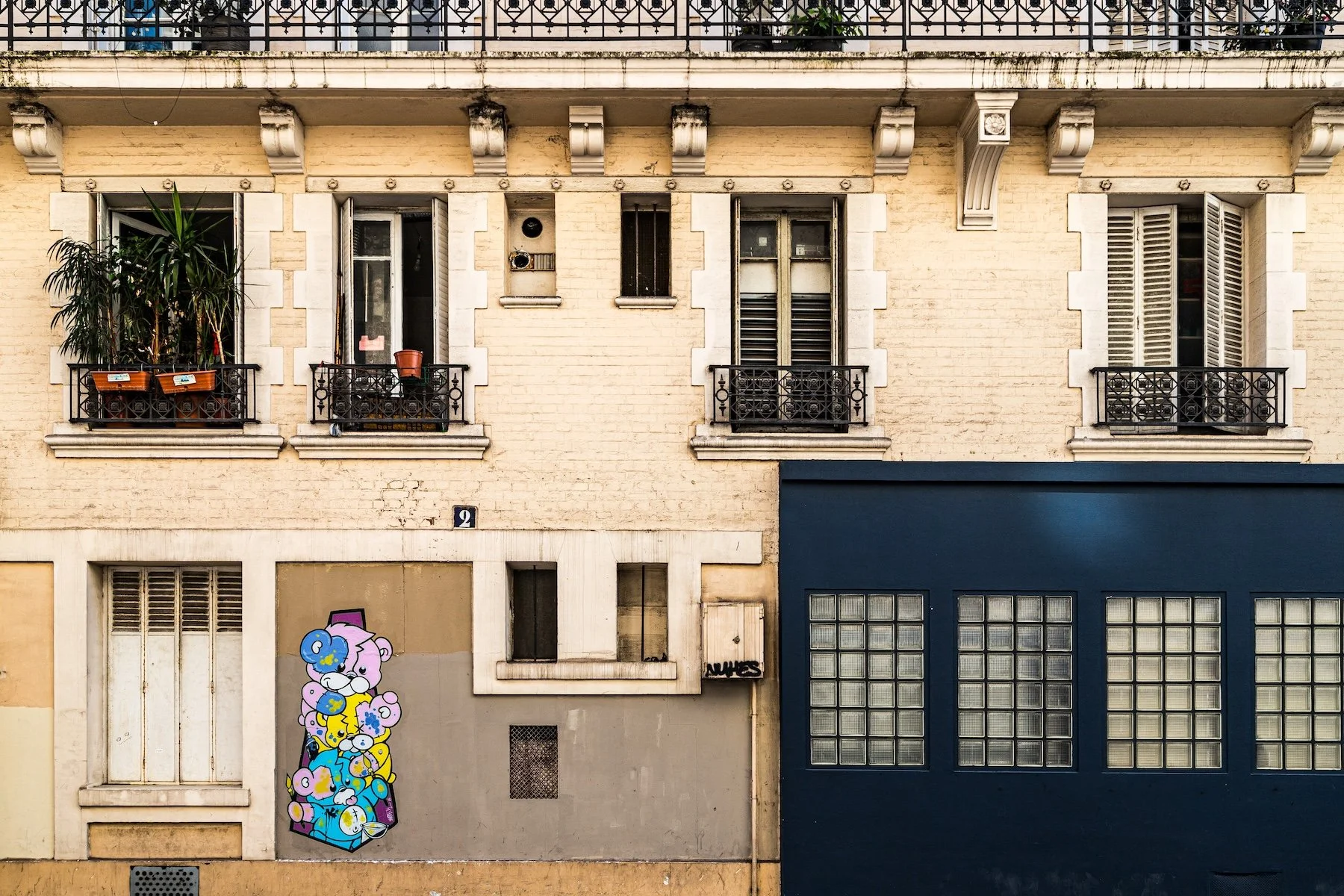
Explore Paris
-

The twenty arrondissements form the civic spiral of Paris, organizing the city into its broad local districts of government, identity, and daily life.
-

Each arrondissement is divided into four official administrative quarters, giving Paris a more precise civic and geographic framework.
-

The conseils de quartier bring participation to street level, giving residents a voice in neighborhood needs, public space, and local civic life.
-

Les Deux Rives trace Paris through the Seine’s two banks, revealing how the Rive Droite and Rive Gauche shaped the city’s civic power, commerce, learning, art, and cultural identity.
-

Cultural neighborhoods reveal the Paris people recognize through history, cafés, architecture, memory, atmosphere, and local belonging.