
6e - LUXEMBOURG
Arrondissements
Part of an ongoing project to walk and photograph every neighborhood in Paris, this page explores the 6th Arrondissement: Luxembourg through maps, district identity, history, and photography.
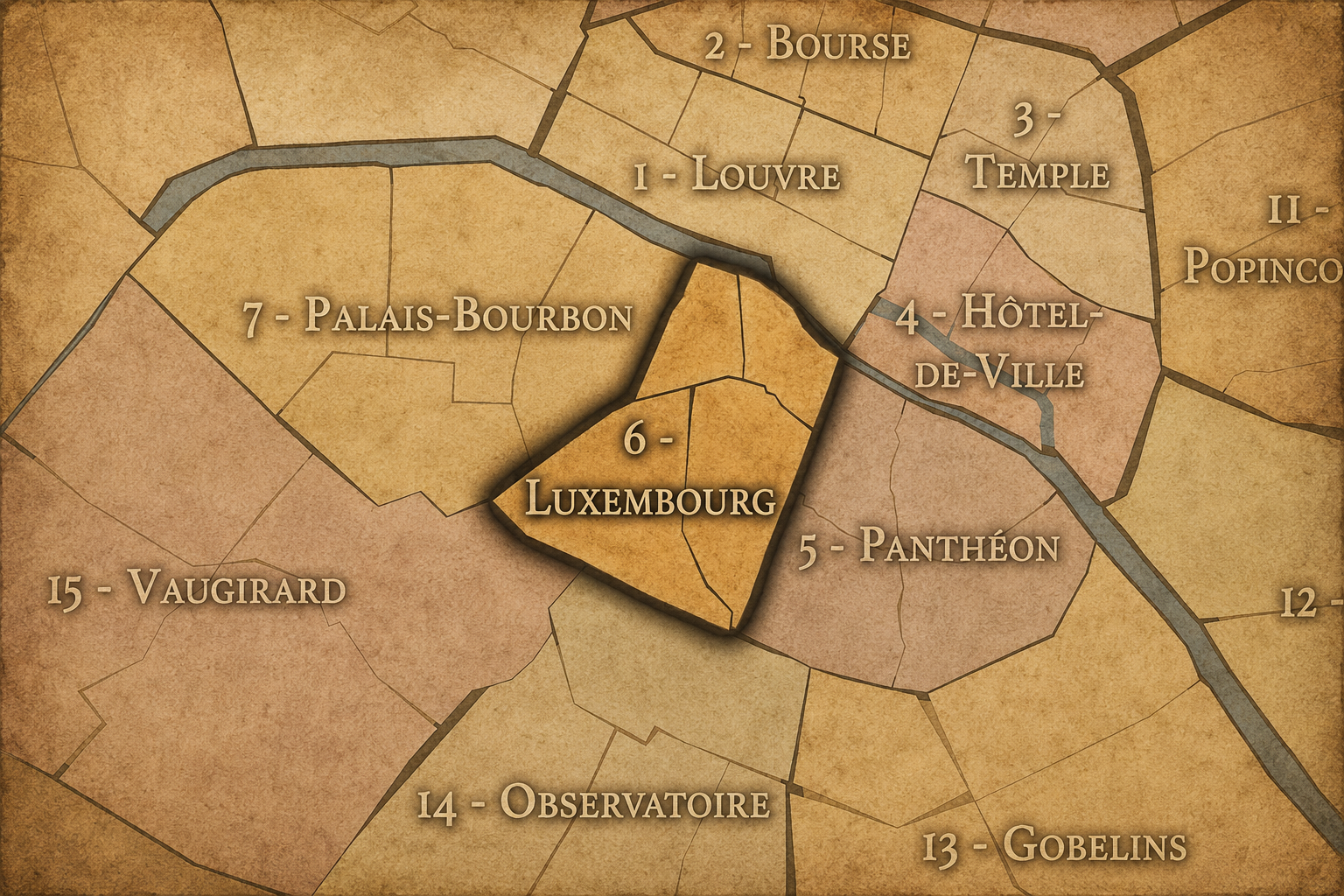
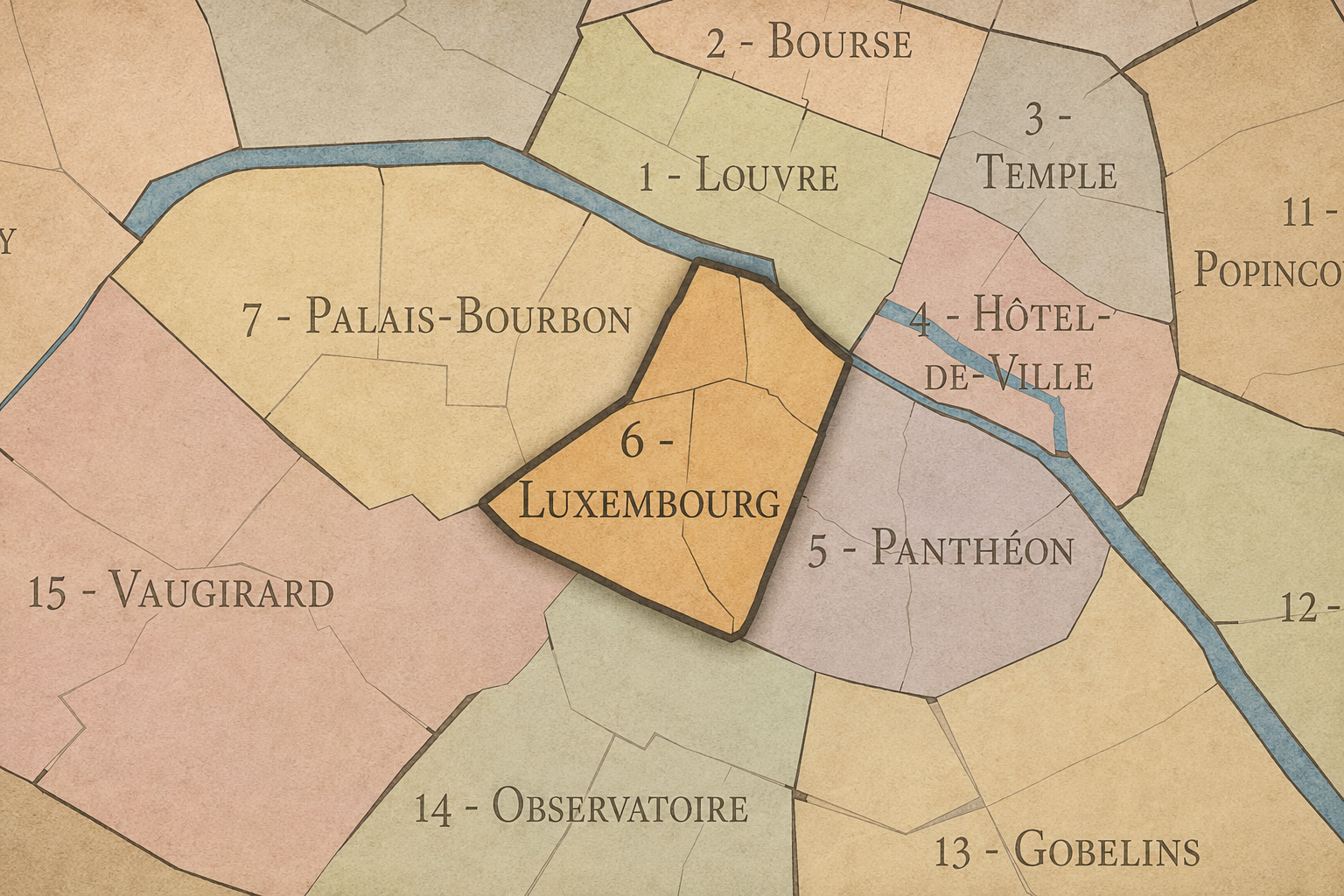
The Map
Download the Paris Arrondissements Map
Geographic Setting
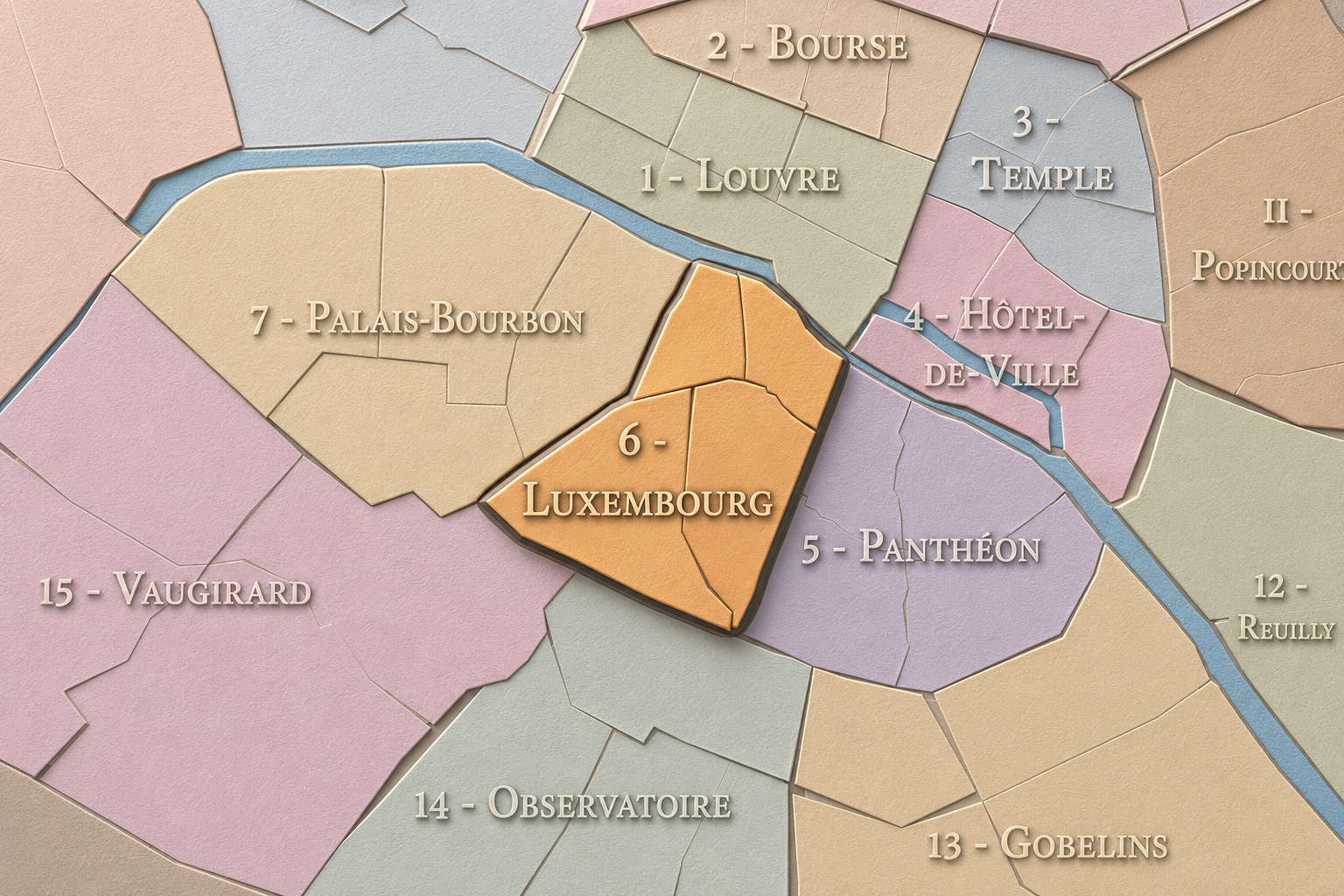
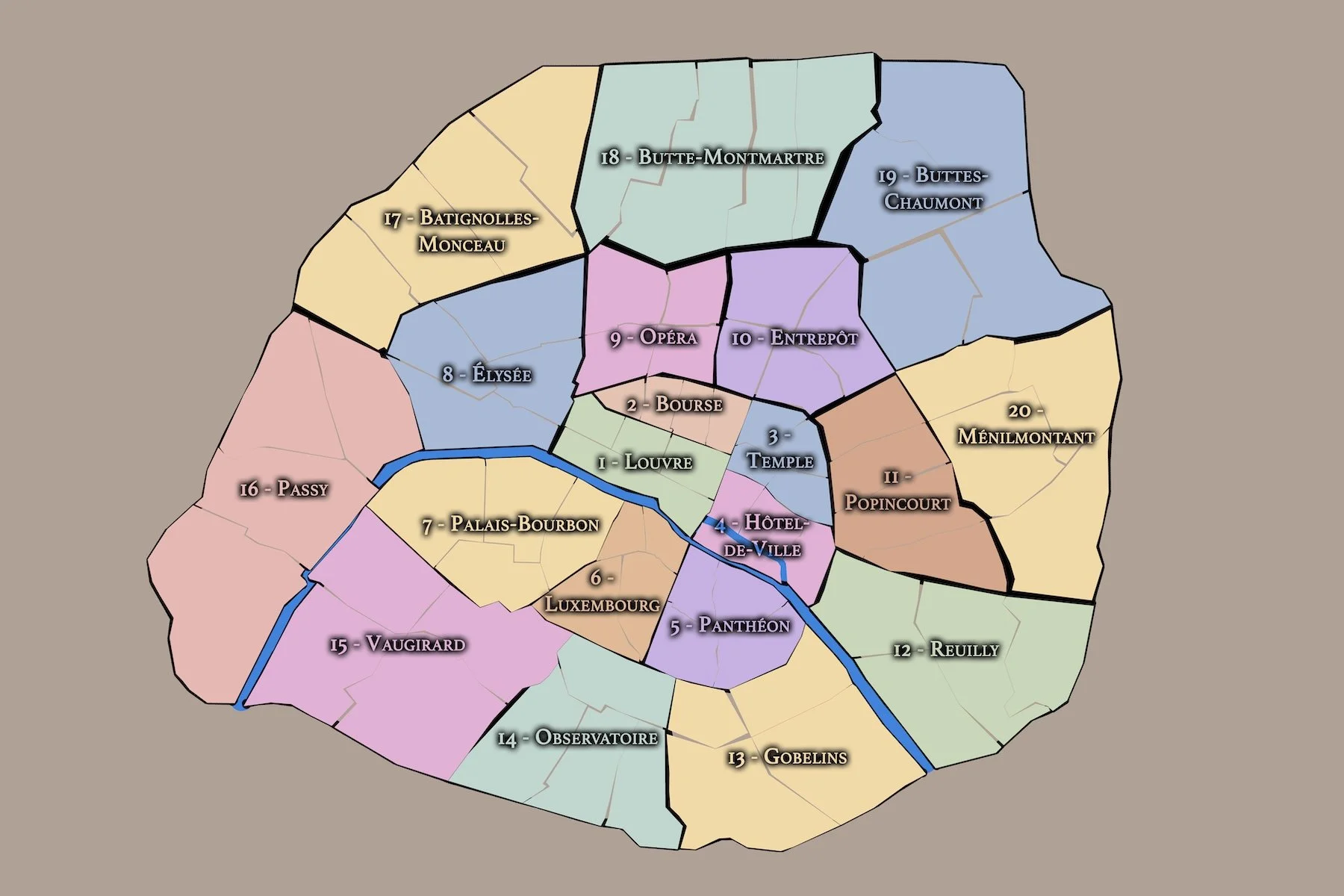
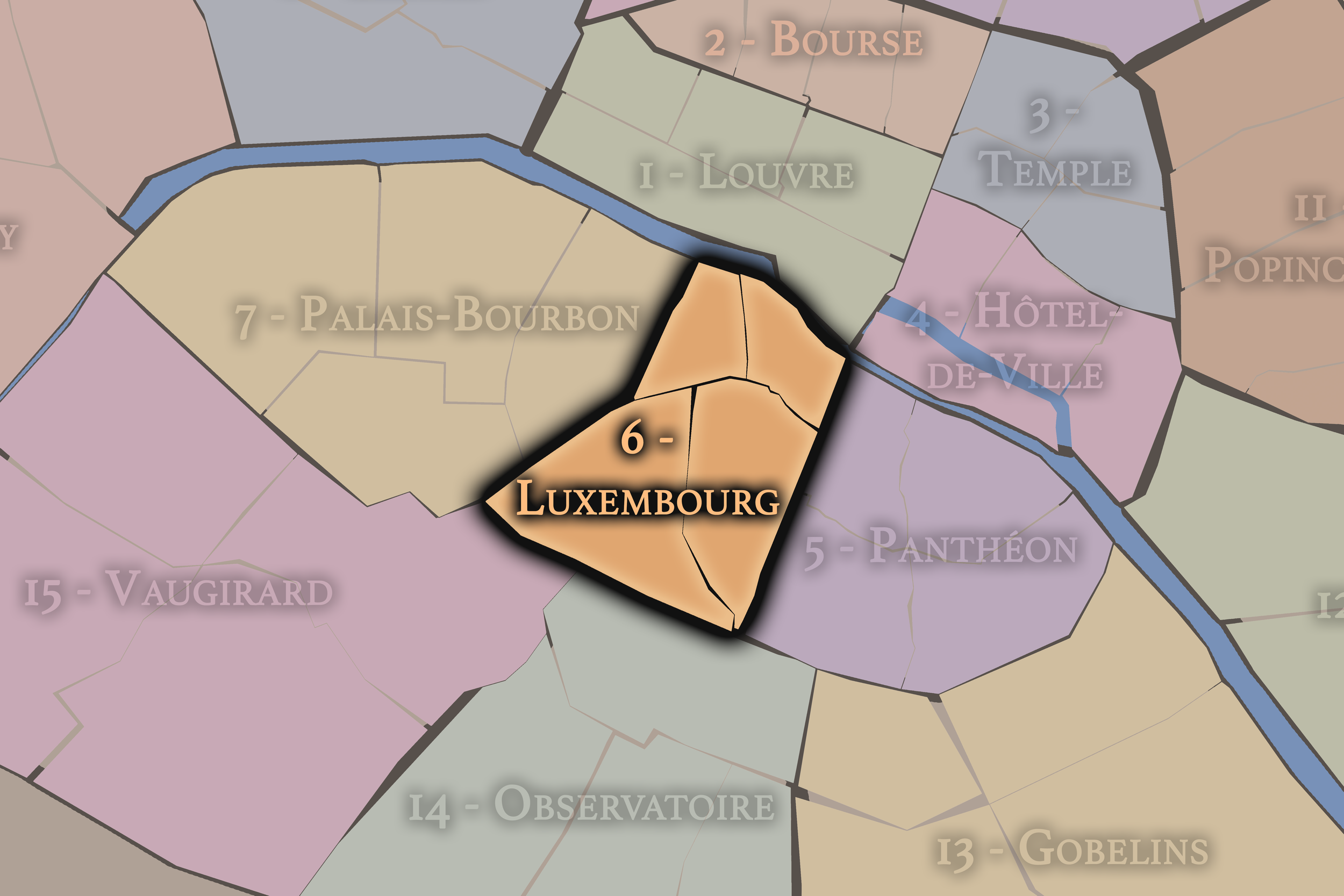
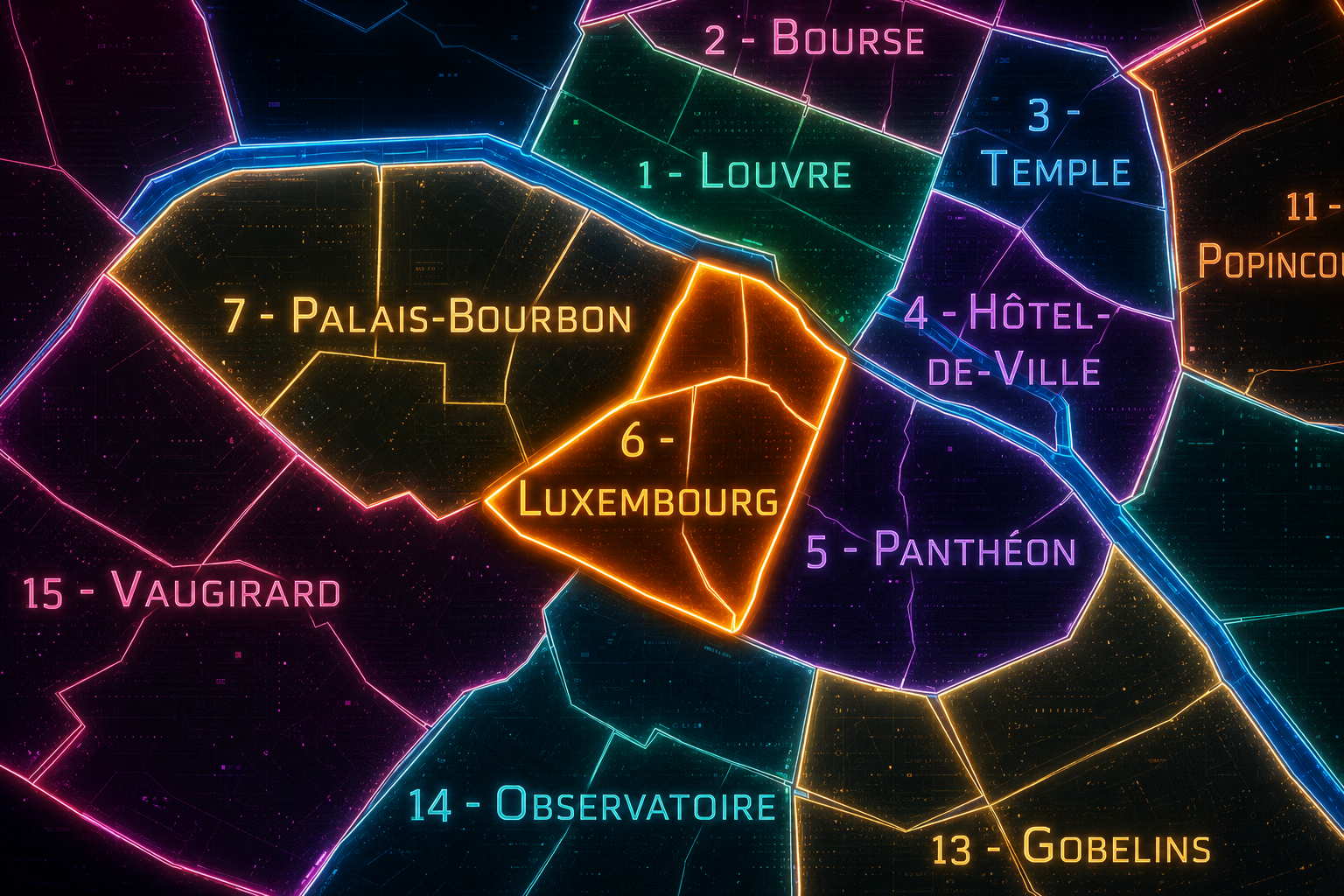
The 6e arrondissement occupies a central position on the Left Bank of Paris, directly south of the Seine and west of the 5e arrondissement. It is bordered by the 7e to the west, the 14e to the south, and the 5e to the east, with the river forming its northern edge across from the 1er and 4e arrondissements. Its geography places it between the intellectual world of the Latin Quarter, the political and institutional landscapes of the western Left Bank, and the artistic and literary identity of Saint-Germain-des-Prés.
The arrondissement is defined by a balance of riverfront, garden, monastery, palace, boulevard, and residential street. Along the Seine, the 6e includes quays, bridges, bookstalls, and the cultural corridors around the Institut de France and the École des Beaux-Arts. Farther south, the Luxembourg Garden and Luxembourg Palace create one of the great green and civic landscapes of the Left Bank. Between them lies a dense network of streets associated with publishing, cafés, galleries, churches, schools, literary life, and old aristocratic residence.
The 6e arrondissement is divided into four administrative quarters: Monnaie, Odéon, Notre-Dame-des-Champs, and Saint-Germain-des-Prés. Together, these quarters form one of the most culturally resonant districts in Paris. The 6e is not as ancient in urban origin as the 5e, nor as monumental in national symbolism as the 7e, but it has come to represent an essential image of Left Bank Paris: intellectual, elegant, artistic, literary, gardened, and deeply tied to the history of conversation, print, politics, and style.
Arrondissement Identity
Etymology and Origins
The arrondissement’s administrative name, Luxembourg, comes from the Luxembourg Palace and Luxembourg Garden, which occupy a central and defining place in the district. The palace was built in the 17th century for Marie de’ Medici, who sought a residence inspired by the Italianate palaces and gardens of her youth. Over time, the palace and garden became one of the most important public landscapes of the Left Bank.
The name connects the arrondissement to a particular form of Parisian identity: cultivated, institutional, and gardened. The Luxembourg is not only a palace or a park; it is a civic and cultural landscape where leisure, education, politics, sculpture, walking, childhood, and public life all meet. The garden gives the 6e an open, breathing center, while the palace gives it a formal connection to state and senate life.
Yet the origins of the arrondissement reach beyond the Luxembourg alone. The northern portion of the 6e is tied to the old Abbey of Saint-Germain-des-Prés, one of the most important religious foundations of medieval Paris. The riverfront, the old fairs, the streets around the abbey, the later cafés and publishing houses, and the urban growth around Odéon and Notre-Dame-des-Champs all shaped the arrondissement’s identity before and alongside the palace. The name Luxembourg identifies the arrondissement administratively, but its deeper cultural identity also belongs to Saint-Germain-des-Prés, the Left Bank quays, and the long history of learning, faith, literature, and sociability.
The 6e arrondissement is one of the twenty municipal arrondissements of Paris and remains a distinct local civic unit with its own mairie. Unlike the first four arrondissements, which are now grouped administratively into Paris Centre, the 6e retains its separate arrondissement administration and civic identity.
Its four administrative quarters — Monnaie, Odéon, Notre-Dame-des-Champs, and Saint-Germain-des-Prés — provide the official internal structure of the arrondissement. These quarters help organize a district whose cultural identity often exceeds administrative boundaries. “Saint-Germain-des-Prés,” for example, is frequently used in a broader cultural sense, while the administrative quarter of that name occupies only part of the arrondissement. Similarly, the Luxembourg identity radiates from the palace and garden but does not describe every part of the 6e equally.
For this project, the 6e is treated as both an official geographic layer and a cultural-historical district. Its civic framework grounds it in the municipal structure of Paris, while its older neighborhoods, institutions, gardens, churches, cafés, and literary associations reveal the arrondissement’s broader role in the history of the Left Bank.
Civic Framework
Parisian Identity
The 6e arrondissement occupies one of the most cherished places in the Parisian imagination. It is the Paris of Saint-Germain-des-Prés cafés, Left Bank bookshops, galleries, publishers, river quays, students, philosophers, artists, elegant streets, and the Luxembourg Garden. Few districts have carried such a strong association with the idea of Paris as a city of thought, taste, conversation, and artistic life.
Its identity is not simply intellectual, however. The 6e is also deeply aesthetic. It is shaped by stone façades, quiet courtyards, old churches, garden paths, literary cafés, art schools, antique shops, cinemas, and residential streets that hold a sense of cultivated urban life. It is a district where Paris often appears composed: measured, graceful, historical, and intimate.
At the same time, the 6e is not a preserved literary stage set. It is a living district that has changed repeatedly. Religious institutions became urban quarters; aristocratic residences became schools, ministries, embassies, offices, galleries, and apartments; cafés that once housed radical debate became international symbols; publishing streets adapted to new cultural economies. The arrondissement’s Parisian identity lies in this tension between myth and lived city. It is one of the places where Paris most clearly became an idea — and where that idea continues to be negotiated in everyday streets.
The 6e arrondissement is distinguished by its concentration of cultural prestige within a relatively compact Left Bank geography. It does not have the ancient Roman remains of the 5e, the monumental ministries of the 7e, or the dense commercial passages of the 2e. Its distinction lies instead in the blending of intellectual life, garden space, religious memory, art, literature, and urban elegance.
Its four administrative quarters express this range. Monnaie connects the arrondissement to the Seine, the Institut de France, the old mint, the quays, and the bookish riverfront of the Left Bank. Odéon carries the theater, café, publishing, and literary life associated with the area between Saint-Germain and the Luxembourg. Notre-Dame-des-Champs stretches southward into quieter residential and institutional streets, linking the arrondissement toward Montparnasse and the 14e. Saint-Germain-des-Prés preserves the deepest symbolic identity of the 6e, rooted in the old abbey, the church, cafés, galleries, and the cultural mythology of the Left Bank.
The arrondissement’s distinction also comes from its human scale. The 6e is dense, but not overwhelming. It is central, but rarely monumental in the same way as the Right Bank ceremonial core. It is famous, but its most powerful experiences often happen at street level: a café corner, a bookshop window, a garden chair, a church façade, a quiet passage, a gallery doorway, a bridge over the Seine.
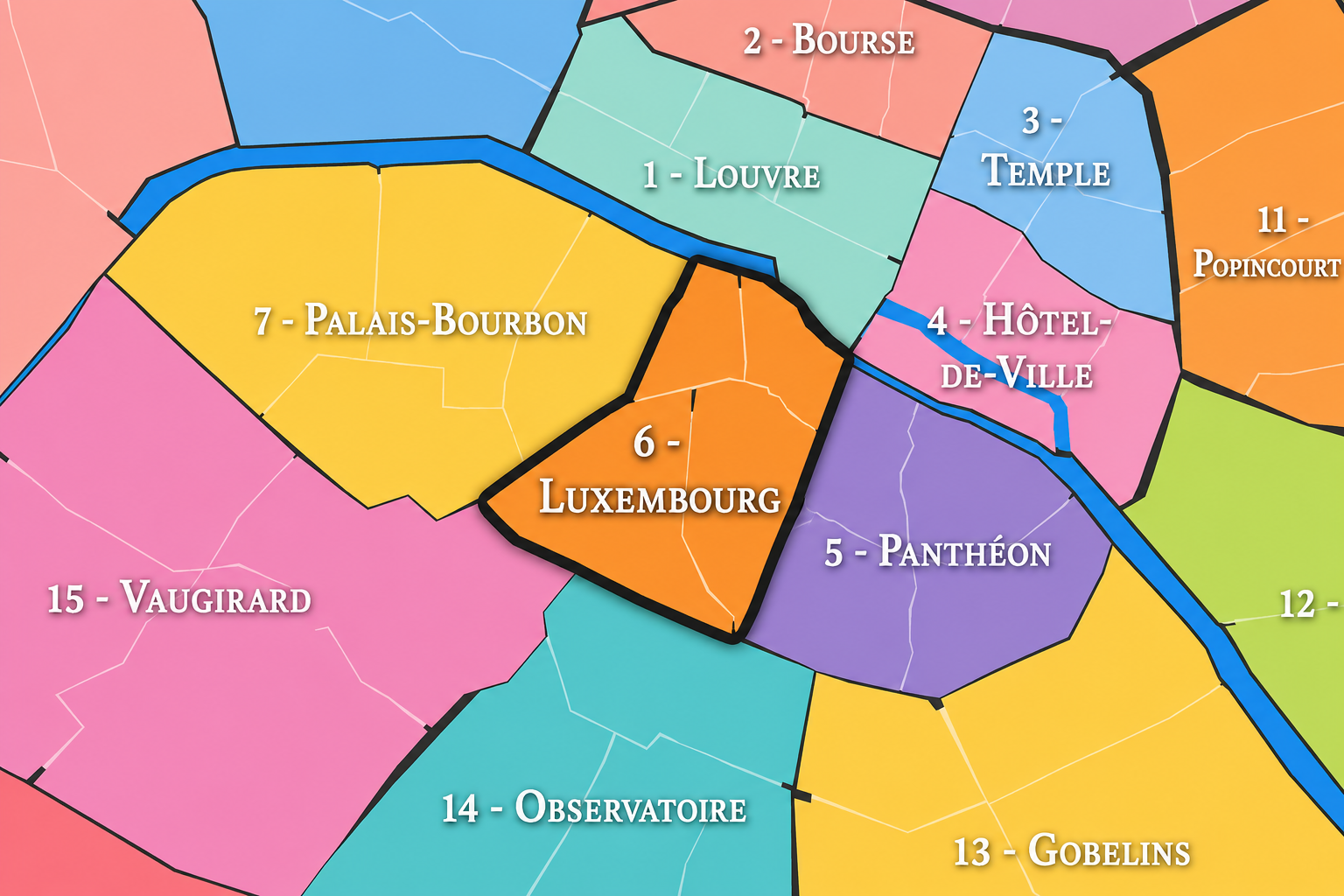
Neighborhood Distinction
Les Quartiers Administratifs
Administrative Quarters
The Four Administrative Quarters
Each Paris arrondissement is divided into four official administrative quarters. These smaller districts reveal older place-names, local histories, civic boundaries, and neighborhood identities.
-
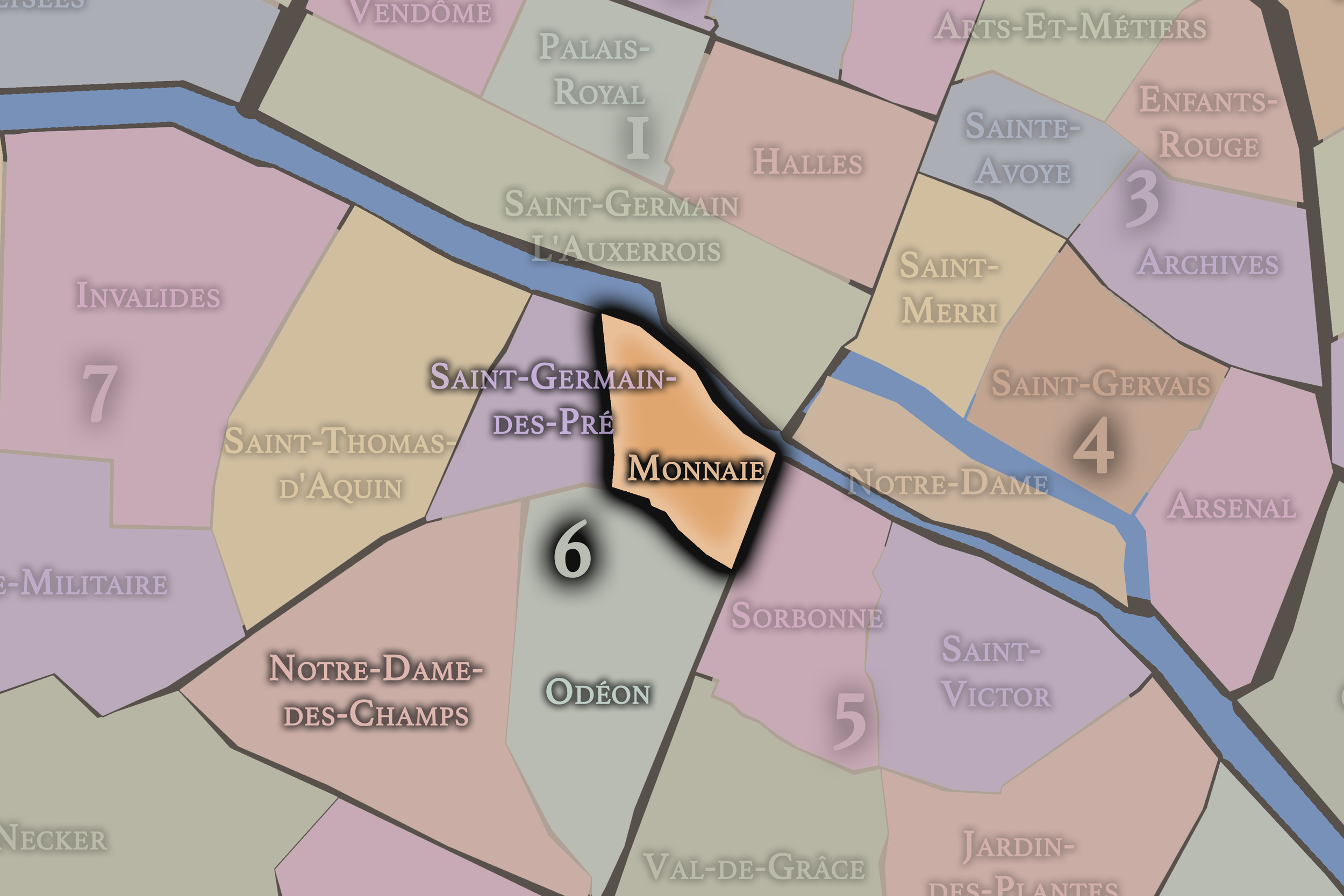
Monnaie
Monnaie occupies the northern portion of the 6e arrondissement along the Seine. Its name comes from the Monnaie de Paris, the historic Paris Mint, whose presence anchors the quarter’s riverfront identity. The quarter includes some of the most culturally charged stretches of the Left Bank quays, with views toward the Louvre, the Pont des Arts, the Institut de France, and the booksellers along the river.
This quarter gives the 6e one of its strongest connections to the Seine and to the city’s cultural institutions. Monnaie is a district of bridges, river walls, historic buildings, galleries, bookstalls, and formal civic architecture. It places the arrondissement in direct conversation with the Right Bank while preserving the Left Bank’s distinct intellectual and artistic atmosphere.
-
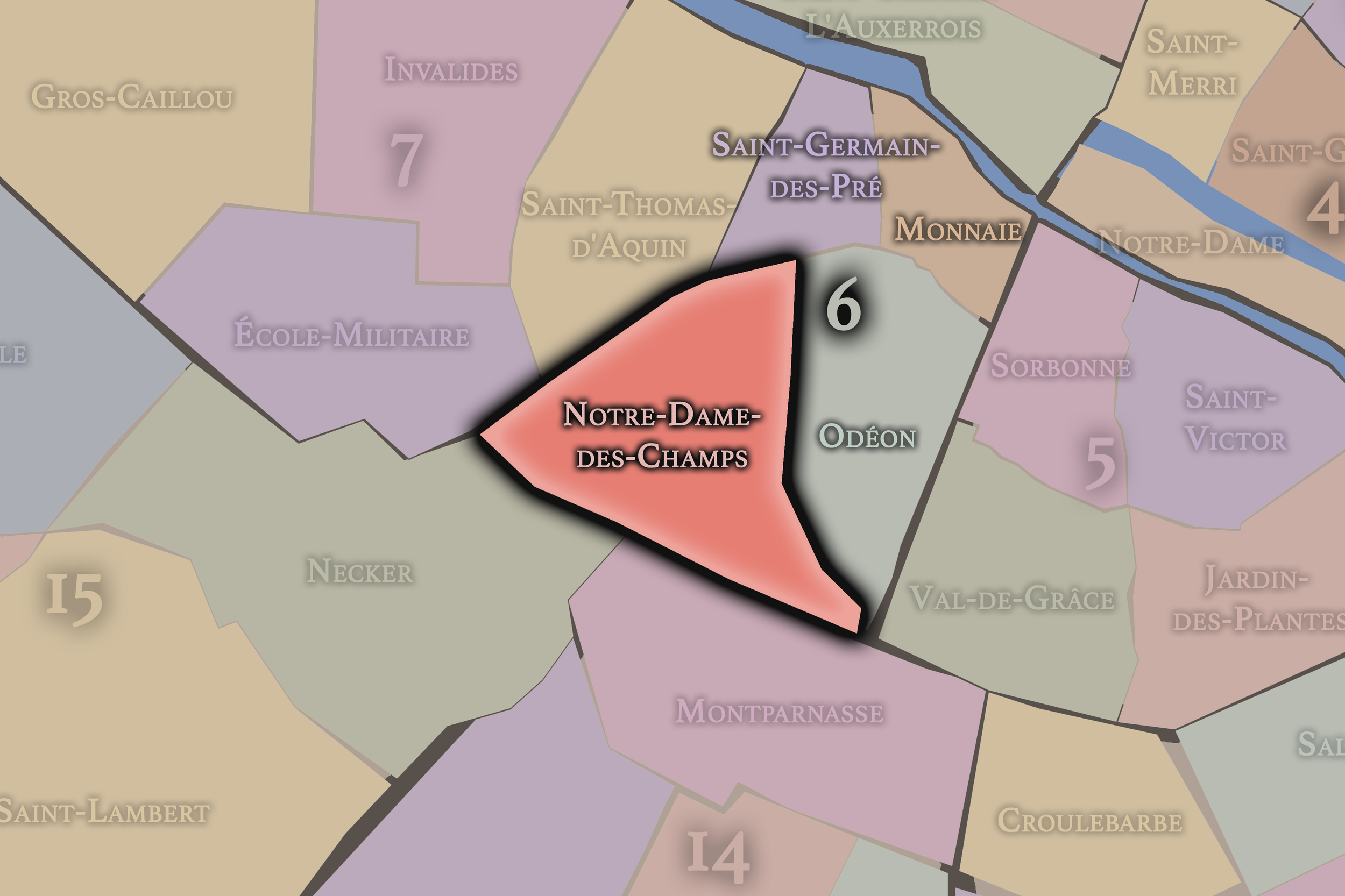
Notre-Dame-des-Champs
Notre-Dame-des-Champs occupies the southern portion of the 6e arrondissement, near the edge of the Luxembourg Garden and the approach toward Montparnasse. Its name recalls the church and older rural or semi-rural memory embedded in the phrase “des Champs,” suggesting the fields that once lay beyond the dense medieval city.
This quarter gives the 6e a quieter and more residential character. It is shaped by the southern slope of the arrondissement, institutional buildings, schools, religious sites, apartments, and streets that lead toward the 14e and Montparnasse. Notre-Dame-des-Champs broadens the arrondissement beyond the familiar imagery of Saint-Germain cafés and Seine quays, showing the 6e as a district of everyday residence, education, and calmer Left Bank continuity.
-
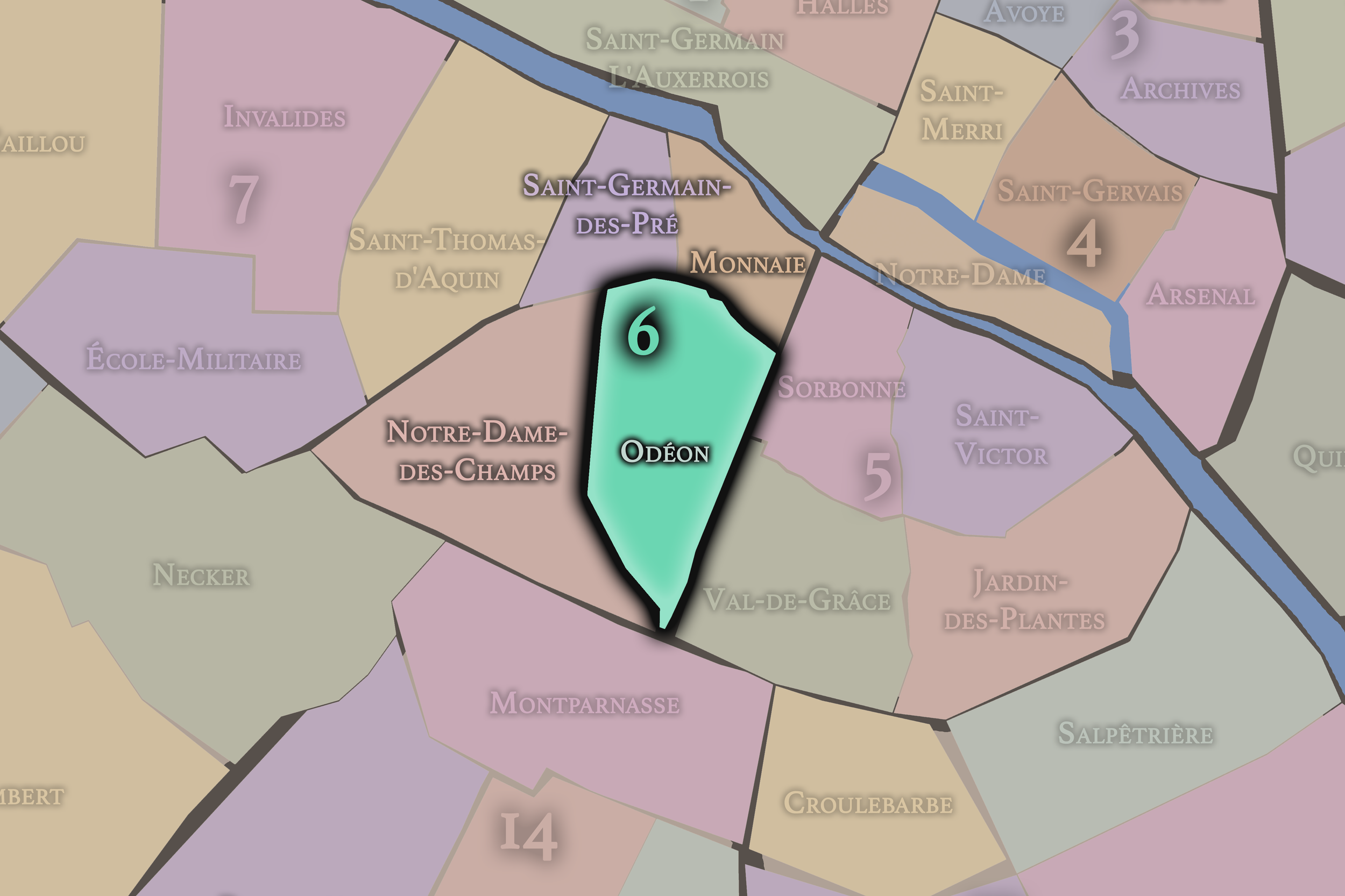
Odéon
Odéon occupies the central and northeastern portion of the arrondissement, between Saint-Germain-des-Prés, the Luxembourg Garden, and the Latin Quarter. Its name comes from the Odéon-Théâtre de l’Europe, one of the major theatrical institutions of Paris. The quarter has long been associated with theater, publishing, cafés, political discussion, literature, and student life.
This quarter gives the 6e much of its public and literary character. Around the Odéon, Boulevard Saint-Germain, Rue de l’Odéon, and nearby streets, the arrondissement becomes a landscape of conversation and print: cafés, bookshops, publishing houses, cinemas, theaters, and institutions. Odéon is one of the places where the Left Bank’s intellectual identity becomes urban and social rather than purely academic.
-
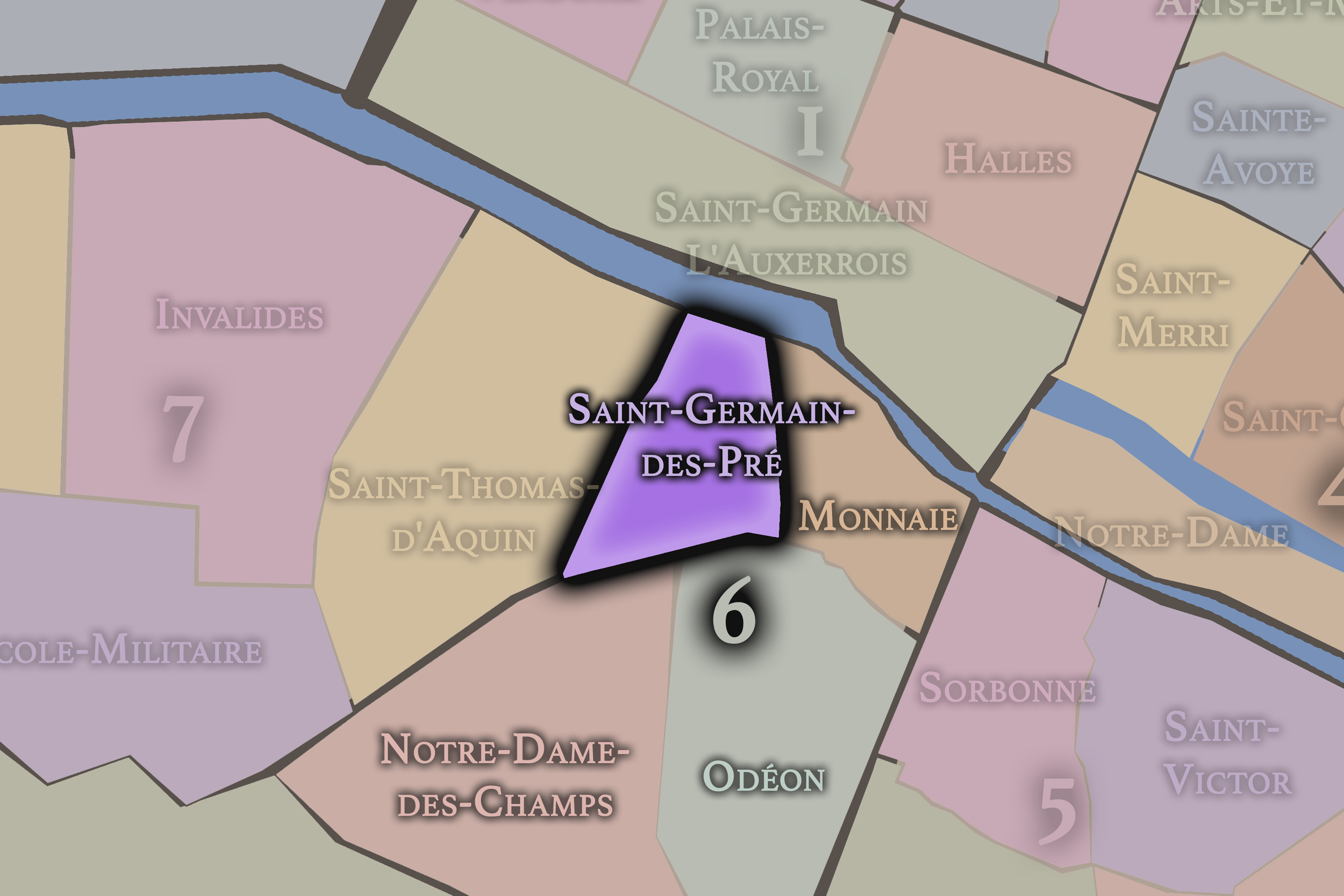
Saint-Germain-des-Prés
Saint-Germain-des-Prés occupies the northwestern portion of the 6e arrondissement and gives the district much of its international identity. Its name comes from the old Abbey of Saint-Germain-des-Prés, one of the most important religious foundations of medieval Paris. The church remains one of the arrondissement’s great historical anchors, linking the quarter to the deep religious and monastic history of the Left Bank.
This quarter is also one of the great cultural landscapes of modern Paris. Its cafés, galleries, publishers, bookshops, and literary associations have made it a symbol of Left Bank intellectual and artistic life. Saint-Germain-des-Prés is where medieval memory, postwar existentialism, jazz, publishing, fashion, tourism, and neighborhood life overlap most visibly. It is the quarter that turned the 6e into a global shorthand for a certain idea of Paris: elegant, reflective, literary, and alive with conversation.
The History
The origins of the 6e arrondissement are closely tied to the religious and rural landscapes that developed west of the earliest Left Bank settlement. While the neighboring 5e contains the deeper Roman and Latin Quarter core, the future 6e emerged through monasteries, fields, river routes, and gradual urban expansion beyond the oldest center of Paris.
The Abbey of Saint-Germain-des-Prés was one of the most important foundations in the early history of the district. Established outside the earliest city walls, it gave the area a strong religious and territorial identity. Around the abbey, streets, markets, residences, and dependences gradually developed, creating one of the major anchors of the western Left Bank.
The Seine also shaped the district’s origins. The riverfront connected the future arrondissement to trade, movement, and the city across the water, while the land farther south remained less densely urbanized for a long period. Before the 6e became associated with cafés, literature, galleries, and the Luxembourg Garden, it was a landscape of abbey lands, fields, roads, river approaches, and gradual incorporation into the expanding city.
Origins
16th–17th Century
During the 16th and 17th centuries, the future 6e arrondissement became increasingly urban and increasingly prestigious. The religious and territorial influence of Saint-Germain-des-Prés remained important, but the surrounding area began to develop more fully as Paris expanded westward and southward on the Left Bank.
The construction of the Luxembourg Palace and Garden in the 17th century transformed the district’s identity. Built for Marie de’ Medici, the palace introduced a major aristocratic and garden landscape into the area. The Luxembourg gave the future arrondissement a formal center of elegance, power, and leisure, balancing the older religious identity of Saint-Germain with a new courtly and residential presence.
The district also became more closely connected to intellectual, artistic, and social life. Streets around Saint-Germain and the emerging urban fabric near the Luxembourg attracted residences, institutions, and cultural activity. By the end of the 17th century, the future 6e had become one of the key Left Bank landscapes where religion, aristocracy, learning, and urban refinement began to converge.
In the 18th century, the future 6e arrondissement continued to develop as one of the most refined and intellectually active areas of the Left Bank. The Saint-Germain district retained its religious and aristocratic associations, while the Luxembourg Palace and Garden remained a defining landscape of the area.
The quarter also became increasingly tied to cafés, books, salons, and public discussion. The Left Bank’s intellectual identity was not confined to the institutions of the neighboring Latin Quarter; it spread through streets, residences, bookshops, and places of sociability. The 6e became a district where conversation, taste, politics, literature, and social life were woven into the urban fabric.
The 18th century also set the stage for the transformations of the Revolution. Religious institutions, aristocratic residences, and royal or noble landscapes would be reinterpreted through new civic uses and political meanings. The future 6e entered the modern era carrying an older world of abbeys and palaces alongside a growing culture of public thought and urban sociability.
18th Century
19th Century
The 19th century gave the 6e arrondissement much of its modern urban form and cultural identity. The Luxembourg Palace became associated with state and parliamentary life, while the garden became one of the central public landscapes of the Left Bank. The area around Saint-Germain-des-Prés, Odéon, and the Seine quays continued to develop as a district of books, theaters, cafés, schools, and artistic exchange.
The arrondissement also absorbed the broader modernization of Paris. Boulevards, institutions, transportation, and changing patterns of residence altered the district, but many older streets and cultural associations remained intact. The 6e did not become a district of sweeping imperial monumentality in the same way as parts of the Right Bank; its modernity was more literary, institutional, and urban-intimate.
The Odéon area strengthened its association with theater and public culture, while Saint-Germain-des-Prés increasingly gathered literary, artistic, and publishing life. The École des Beaux-Arts and nearby galleries helped reinforce the arrondissement’s artistic identity. By the end of the 19th century, the 6e had become one of the essential landscapes of Left Bank culture: elegant, learned, artistic, and deeply associated with the written and spoken life of Paris.
In the early and mid 20th century, the 6e arrondissement became one of the symbolic centers of modern intellectual and artistic Paris. Saint-Germain-des-Prés, in particular, was associated with writers, philosophers, artists, musicians, publishers, students, and café life. The district’s cafés became more than places of leisure; they became stages for conversation, debate, performance, reputation, and myth.
The interwar and postwar periods strengthened this identity. The arrondissement drew literary and artistic figures from France and abroad, while its galleries, bookshops, cinemas, and cafés contributed to its reputation as a district of avant-garde and intellectual life. The Left Bank image of Paris — serious, bohemian, elegant, argumentative, and creative — became closely tied to the 6e.
At the same time, the arrondissement remained residential, institutional, and civic. The Luxembourg Garden continued to function as one of Paris’s great public spaces; the palace remained tied to political life; schools, churches, and cultural institutions sustained everyday continuity. The district’s mythology was powerful, but it rested on a real urban fabric of residents, workers, students, and institutions.
Early–Mid 20th Century
Late 20th Century
The late 20th century brought both preservation and transformation to the 6e arrondissement. The literary and artistic identity of Saint-Germain-des-Prés remained internationally famous, but the social and economic realities of the district changed. Rising property values, tourism, luxury retail, galleries, restaurants, and global recognition altered the texture of streets once associated with bohemian life and intellectual informality.
Even so, the arrondissement retained a strong cultural role. Bookshops, publishers, cinemas, cafés, schools, churches, the École des Beaux-Arts, the Institut de France, and the Luxembourg Garden continued to anchor the district’s identity. The 6e became increasingly understood as a heritage landscape of intellectual Paris — not only a place where culture happened, but a place where the memory of culture itself became part of the urban experience.
The late 20th century also intensified the district’s aesthetic prestige. Saint-Germain-des-Prés, Odéon, and the streets around the Luxembourg came to represent a polished and highly desirable Left Bank Paris. This brought new visibility but also new tensions, as the arrondissement balanced its lived neighborhood life with its growing role as an international symbol of elegance and culture.
In the 21st century, the 6e arrondissement remains one of the most globally recognizable districts of Paris. Its identity continues to draw from Saint-Germain-des-Prés, the Luxembourg Garden, the Odéon, the Seine quays, the Institut de France, the École des Beaux-Arts, old churches, cafés, galleries, bookshops, and residential streets. It remains strongly associated with culture, taste, literature, and the cultivated image of the Left Bank.
Yet the contemporary 6e is also shaped by the pressures of central Paris: tourism, high property values, commercial change, heritage preservation, and the difficulty of sustaining everyday neighborhood life in a district so heavily mythologized. Some of the older bohemian and intellectual networks have faded or transformed, but the physical and symbolic landscape that supported them remains highly legible.
Today, the arrondissement functions as both place and idea. It is a civic district with residents, schools, institutions, and public gardens, but it is also an international image of Parisian refinement. Its challenge is to remain more than a beautiful memory of the Left Bank. Its strength lies in the fact that its history is not confined to one era. The 6e has been monastic, aristocratic, literary, political, artistic, residential, and touristic — and each layer still shapes the district.
21st Century
Spirit and Legacy
The 6e arrondissement is one of Paris’s great landscapes of cultivated life. It is a district of abbey stones, palace gardens, cafés, bookshops, galleries, theaters, river quays, schools, and conversations carried across centuries. Its identity is not built from a single monument, but from a long accumulation of places where people gathered to read, argue, write, walk, paint, govern, worship, study, and be seen.
Its legacy is inseparable from the Left Bank imagination. Saint-Germain-des-Prés gave Paris one of its great cultural myths. The Luxembourg Garden gave the arrondissement its civic and green heart. Odéon gave it theatrical and literary energy. Monnaie tied it to the Seine and the city’s formal institutions. Notre-Dame-des-Champs carried its quieter residential and religious continuity.
The 6e is Paris as conversation and composition. It is a place where thought becomes social, where gardens become civic rooms, where cafés become cultural stages, and where old religious and aristocratic landscapes were transformed into one of the world’s most enduring images of urban intellectual life.
The Photography
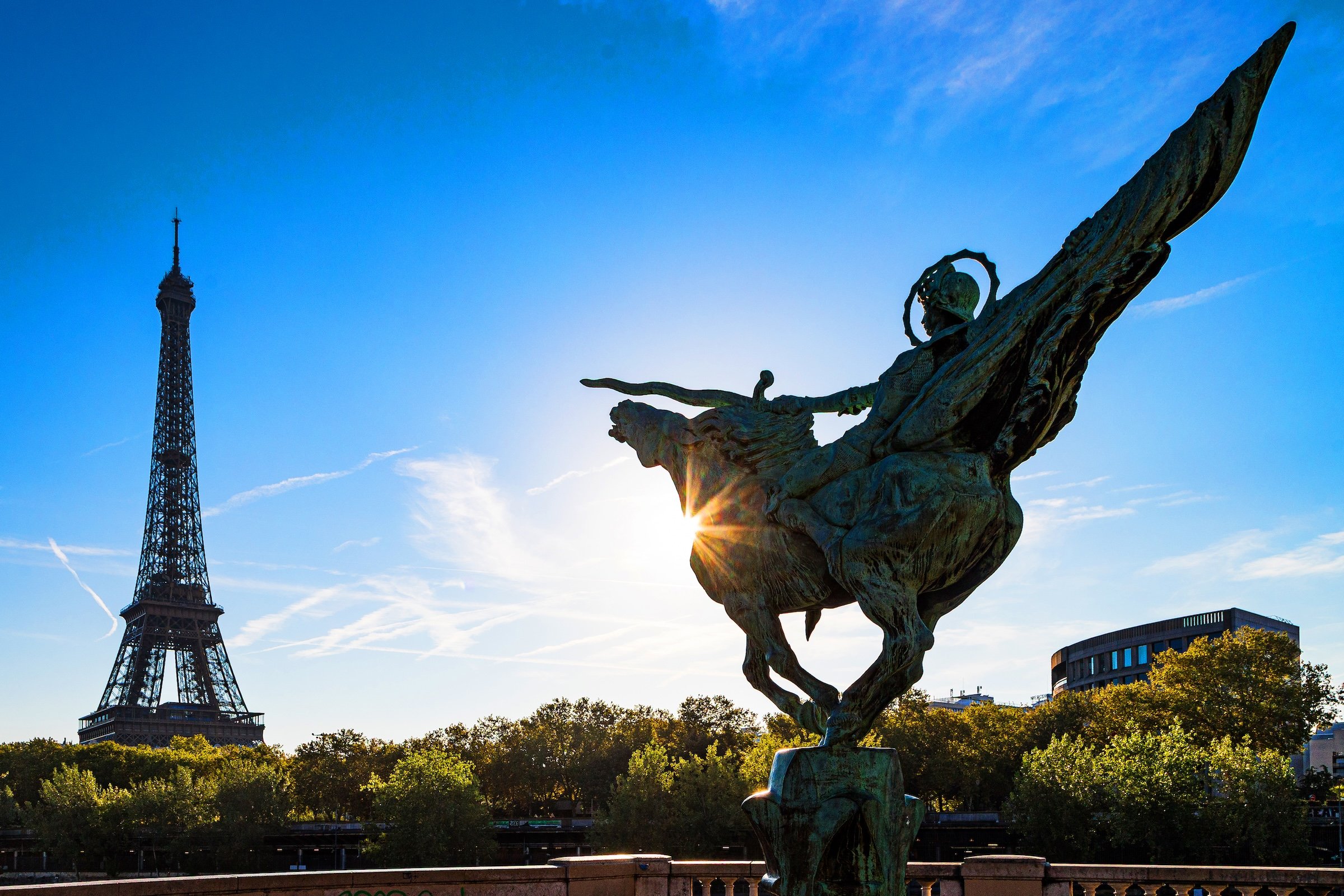
The arrondissements do not share a single visual identity. Instead, they organize Paris into twenty broad visual fields, each gathering its own combination of landmarks, streetscapes, institutions, residential districts, commercial corridors, parks, rail stations, markets, cemeteries, and riverfront edges.
Some arrondissements are defined by monumental scale: royal palaces, ceremonial avenues, government buildings, museums, formal gardens, and internationally recognized landmarks. Others are shaped by hills, canals, rail gateways, apartment-lined boulevards, neighborhood markets, former village streets, industrial remnants, parks, or the quieter rhythms of residential Paris. The arrondissement system gives these varied landscapes a civic frame, allowing the city to be read not as one visual language, but as a sequence of overlapping Parisian atmospheres.
Visual Identity
Through The Lens
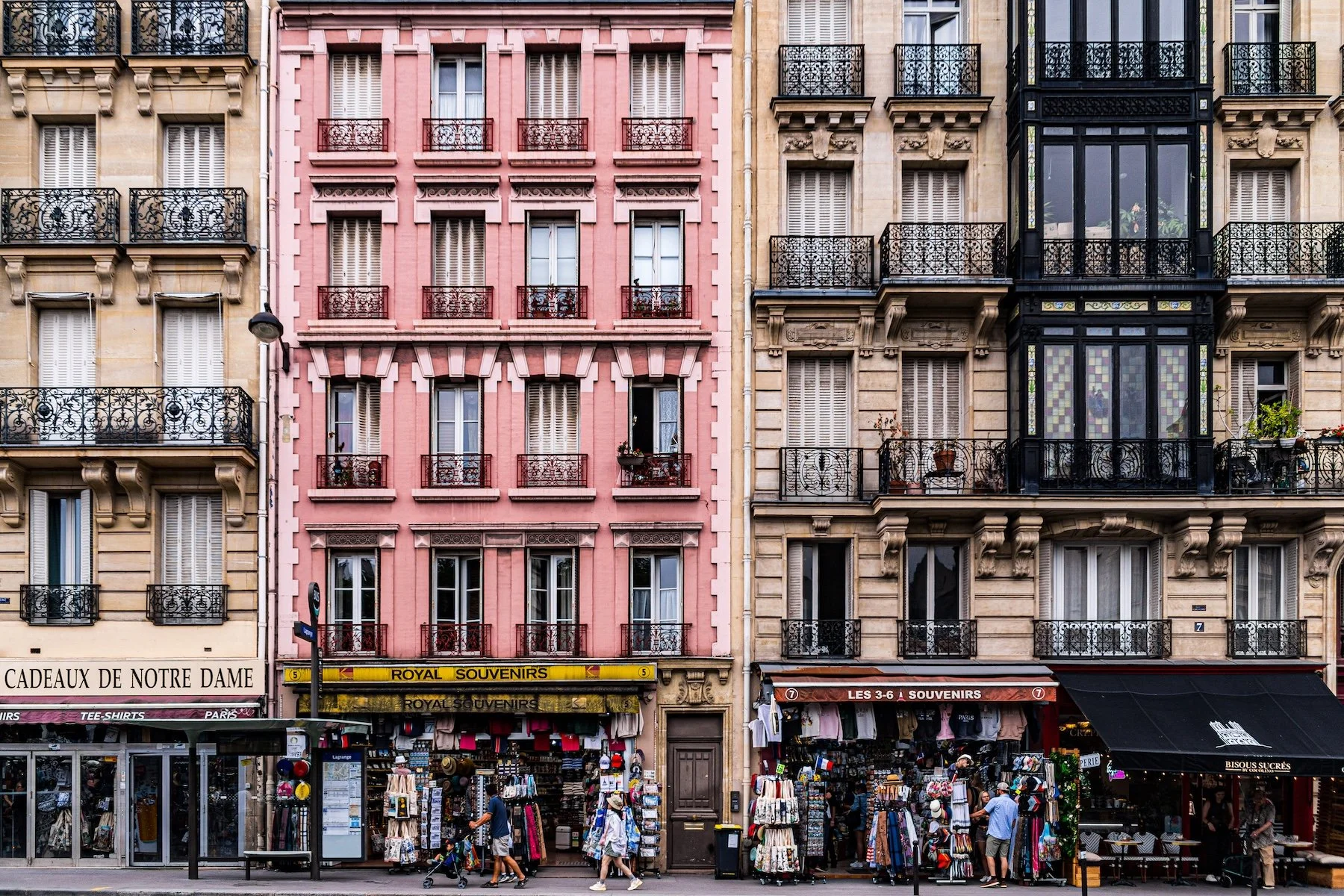
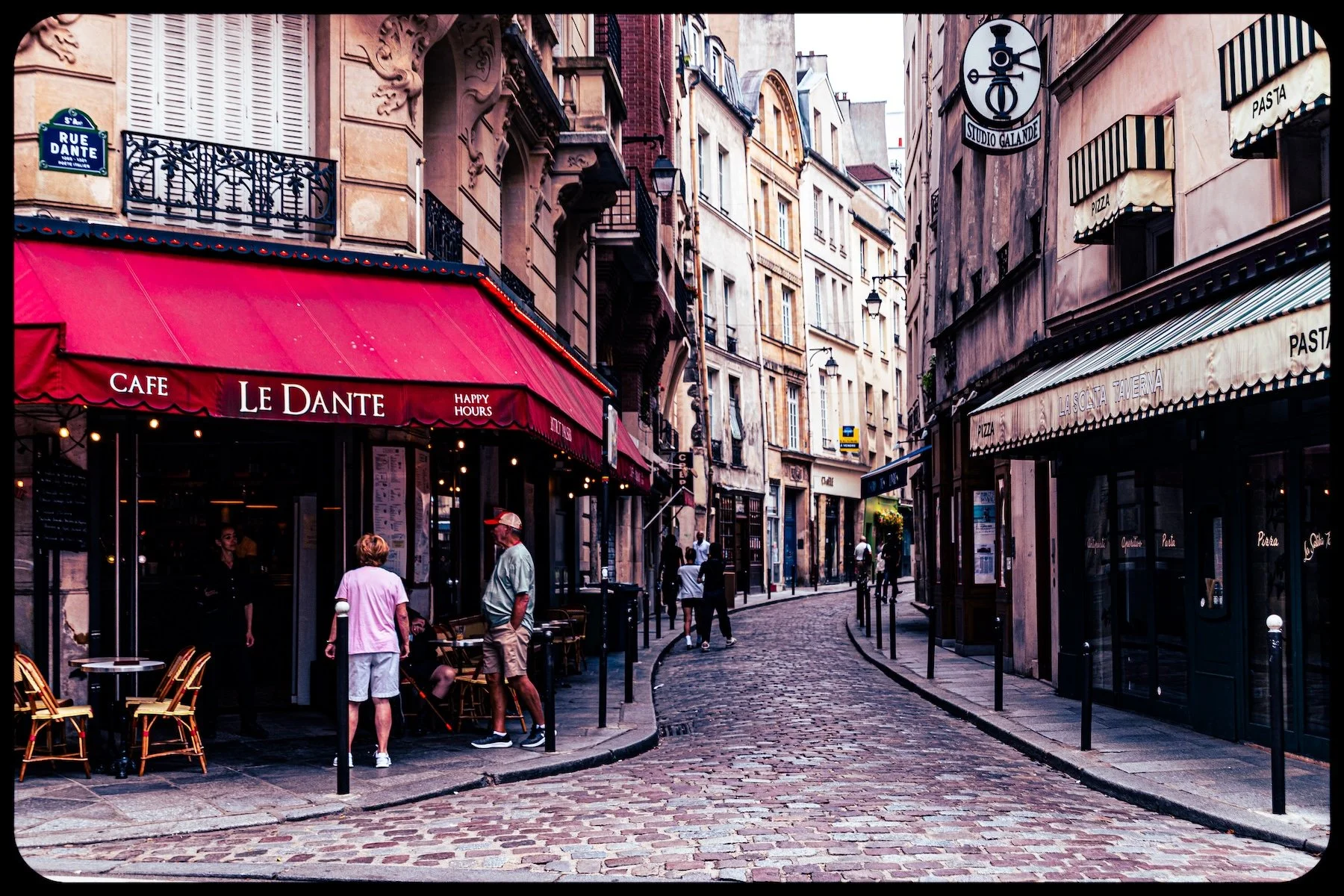
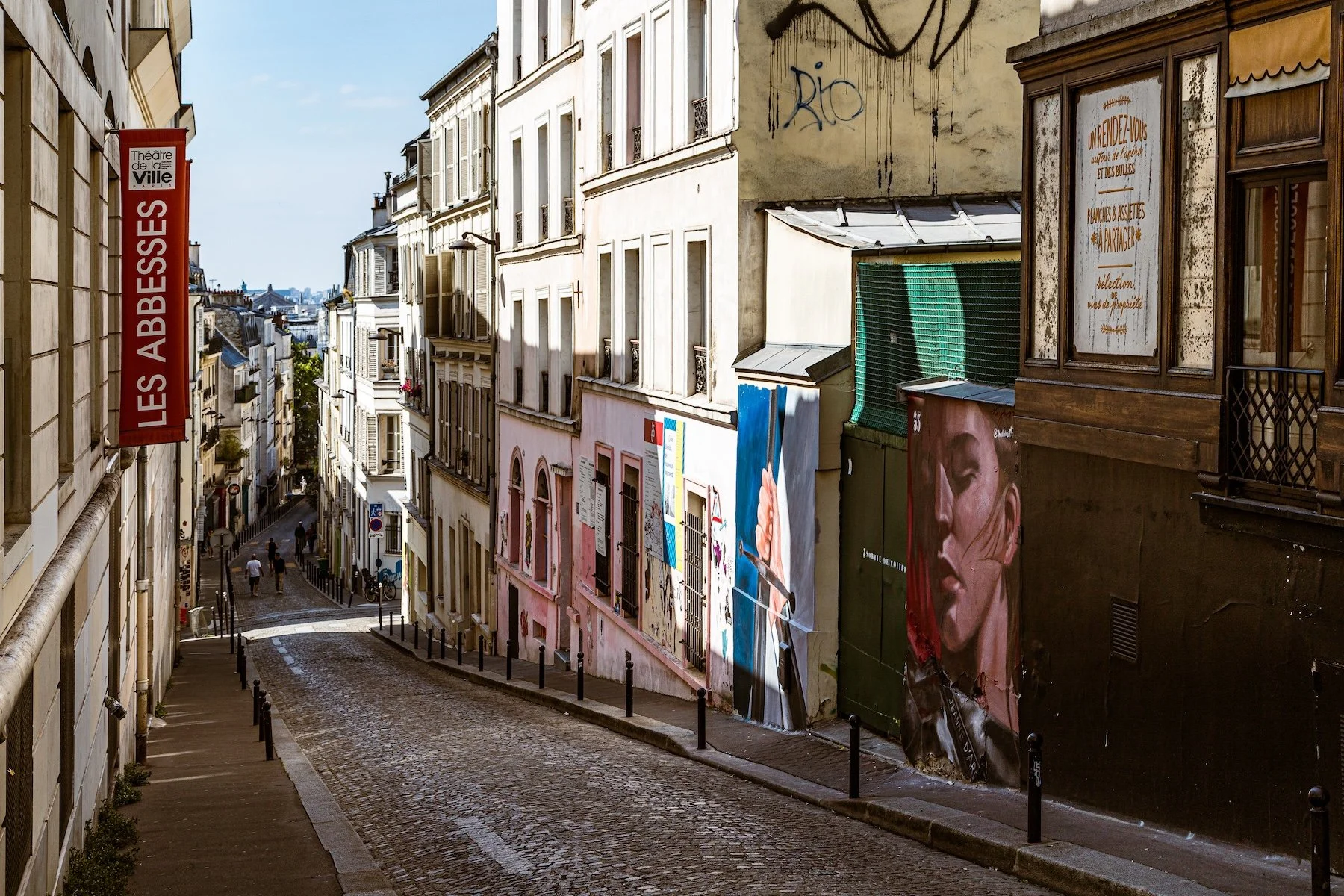
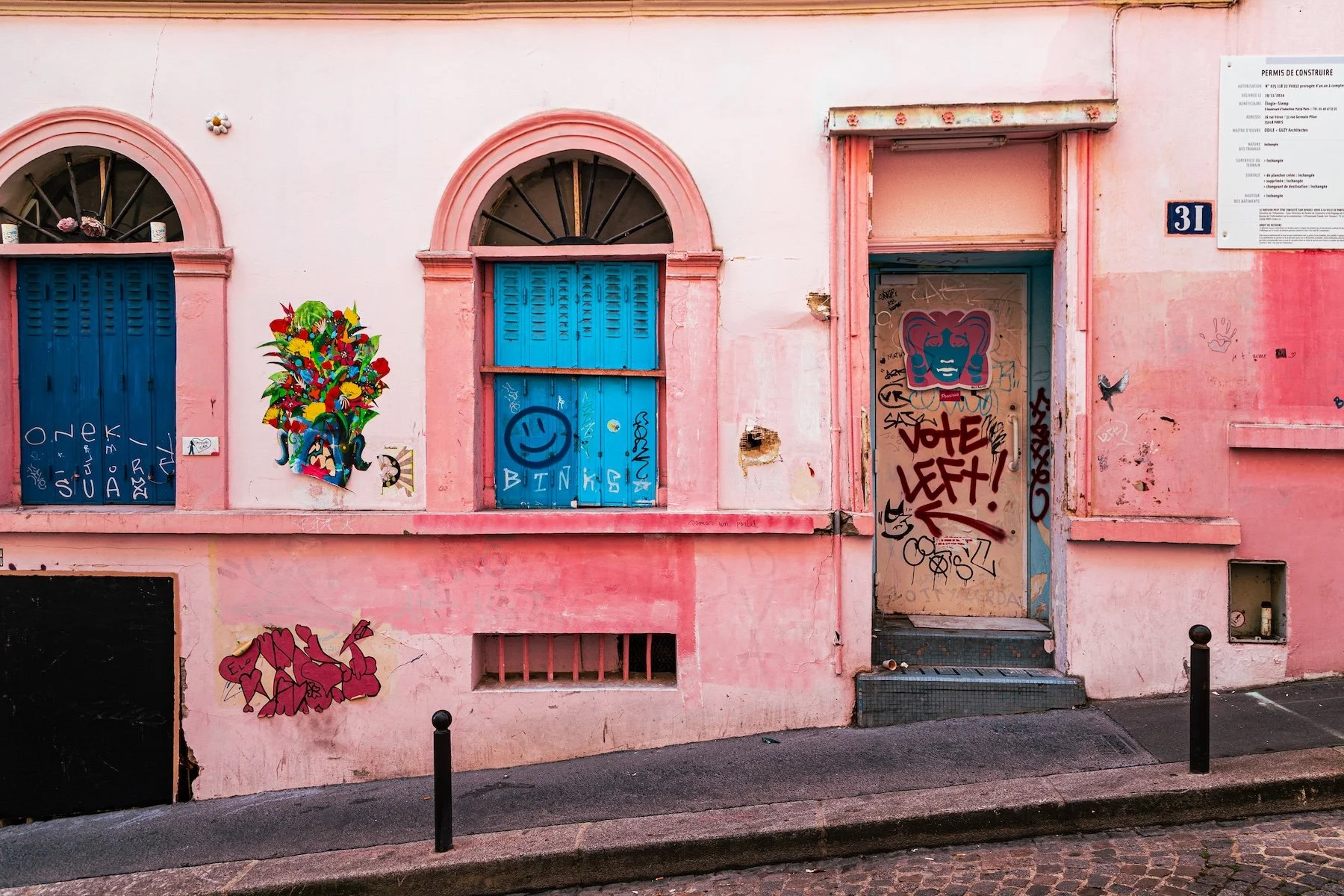
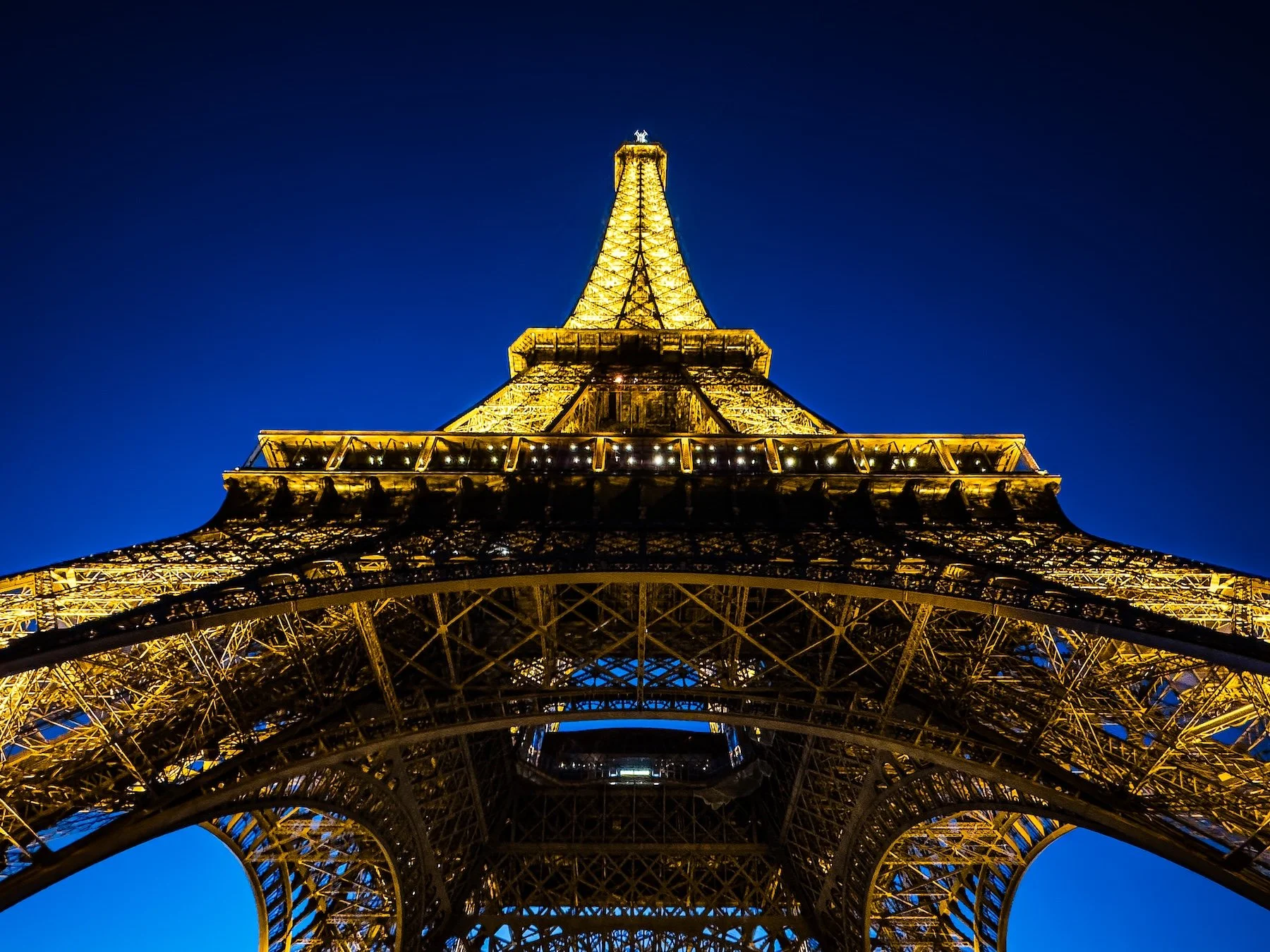
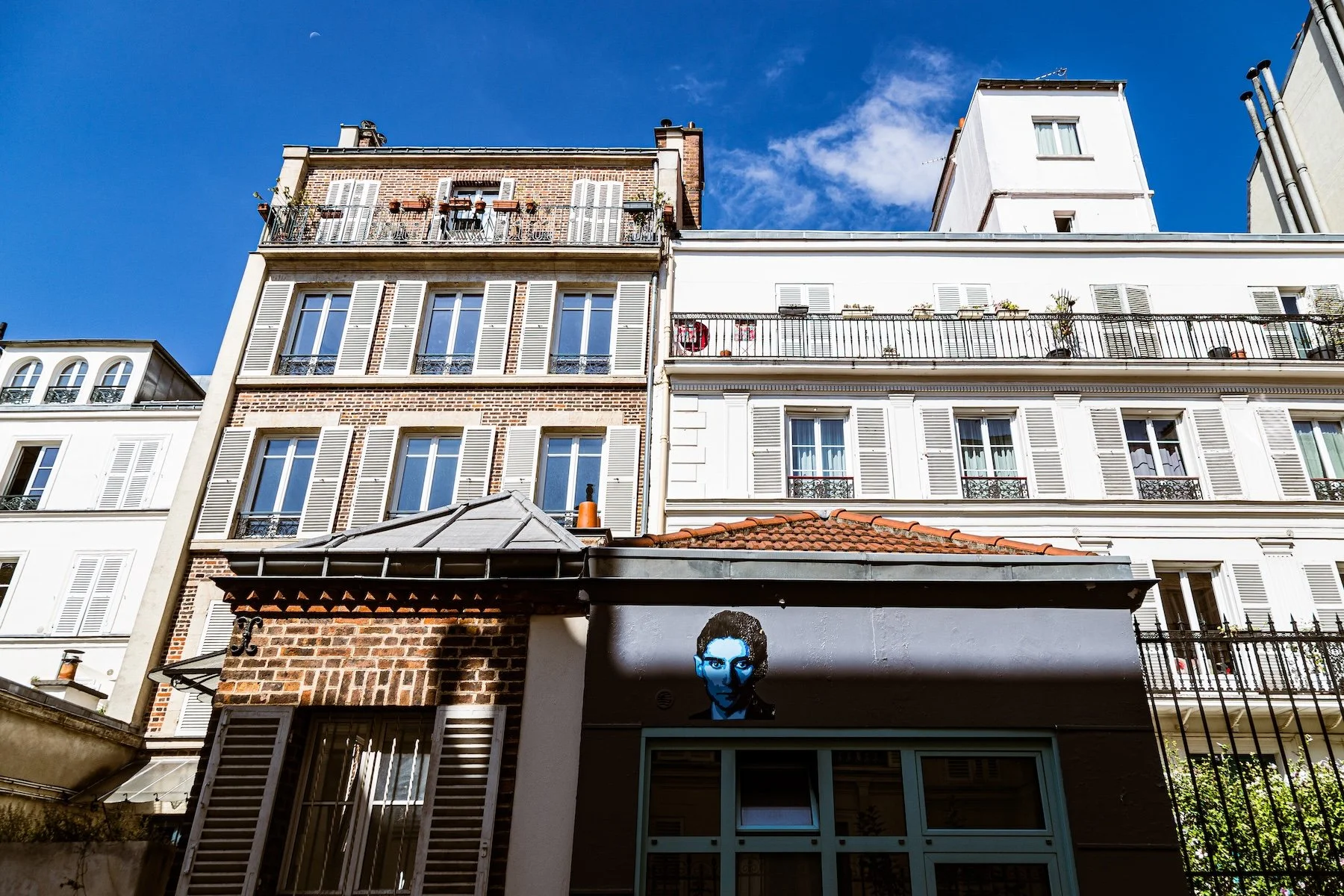
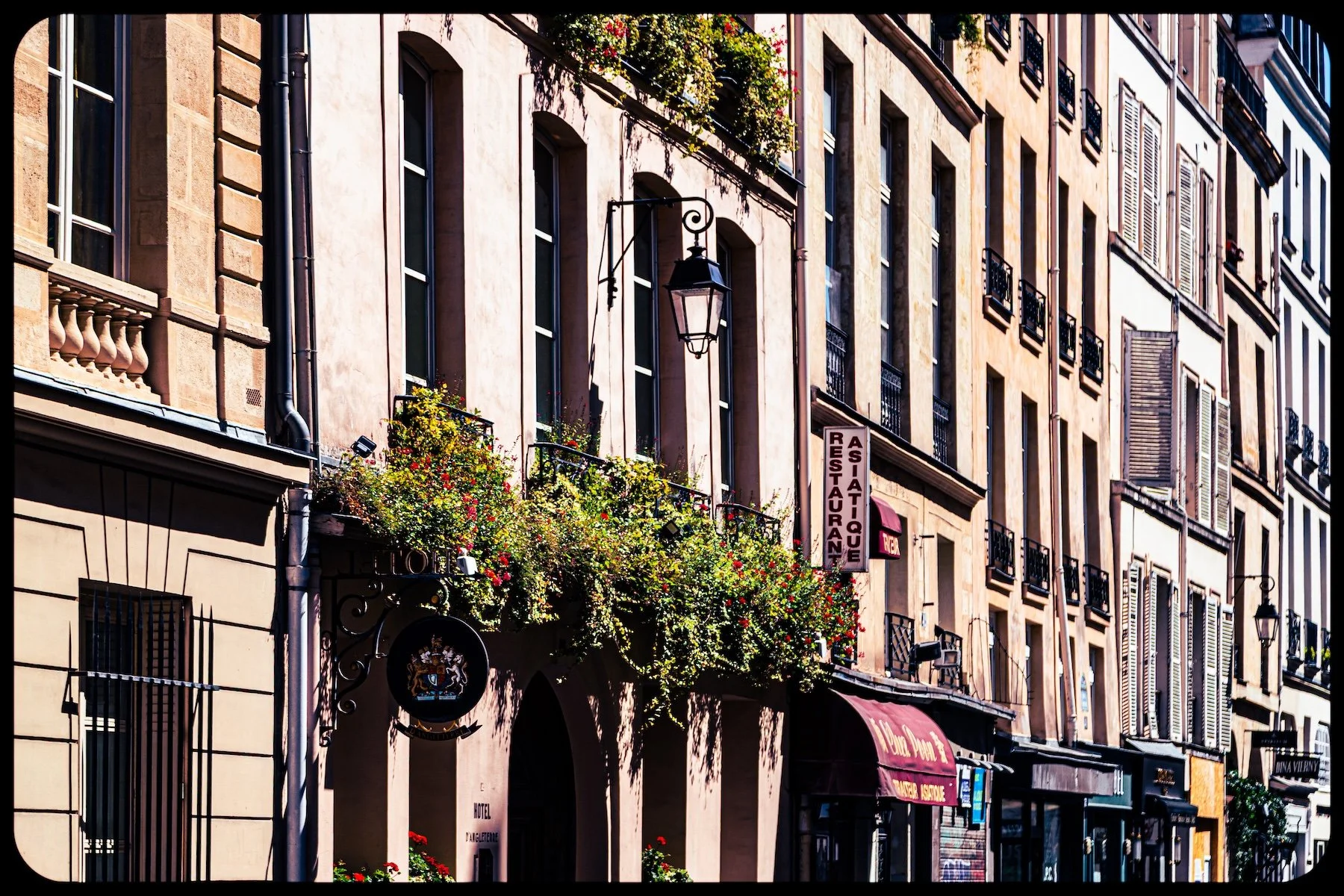
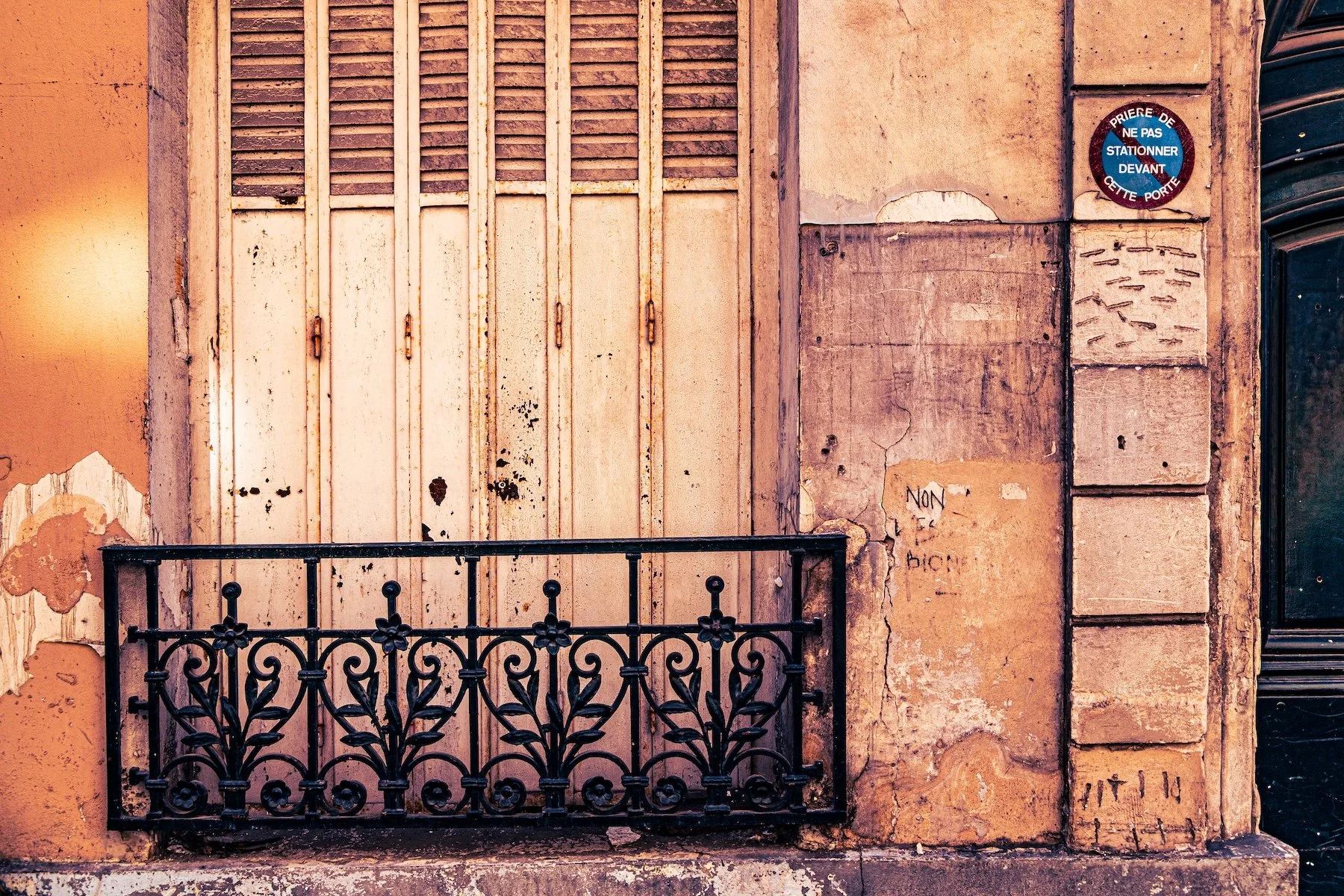
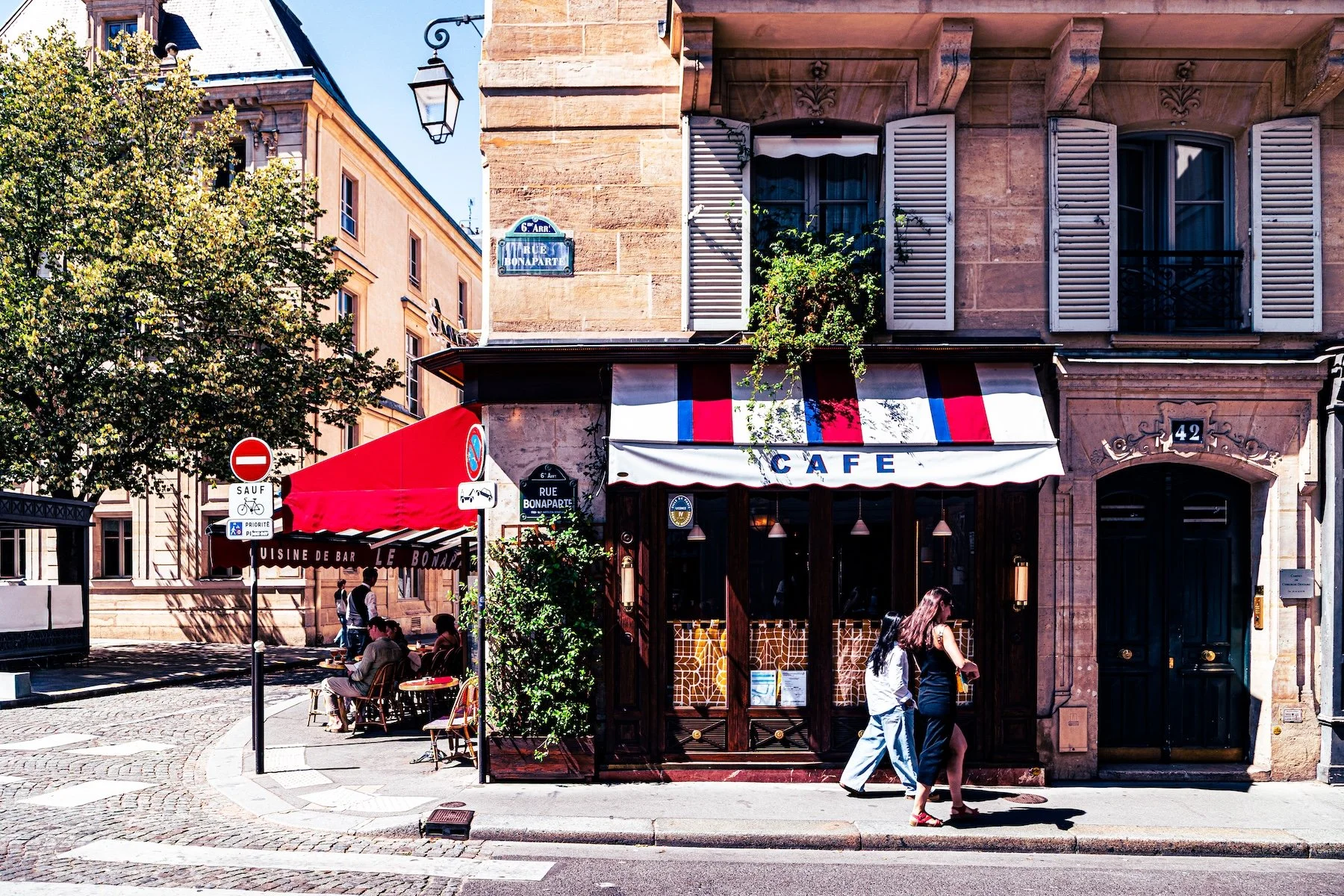
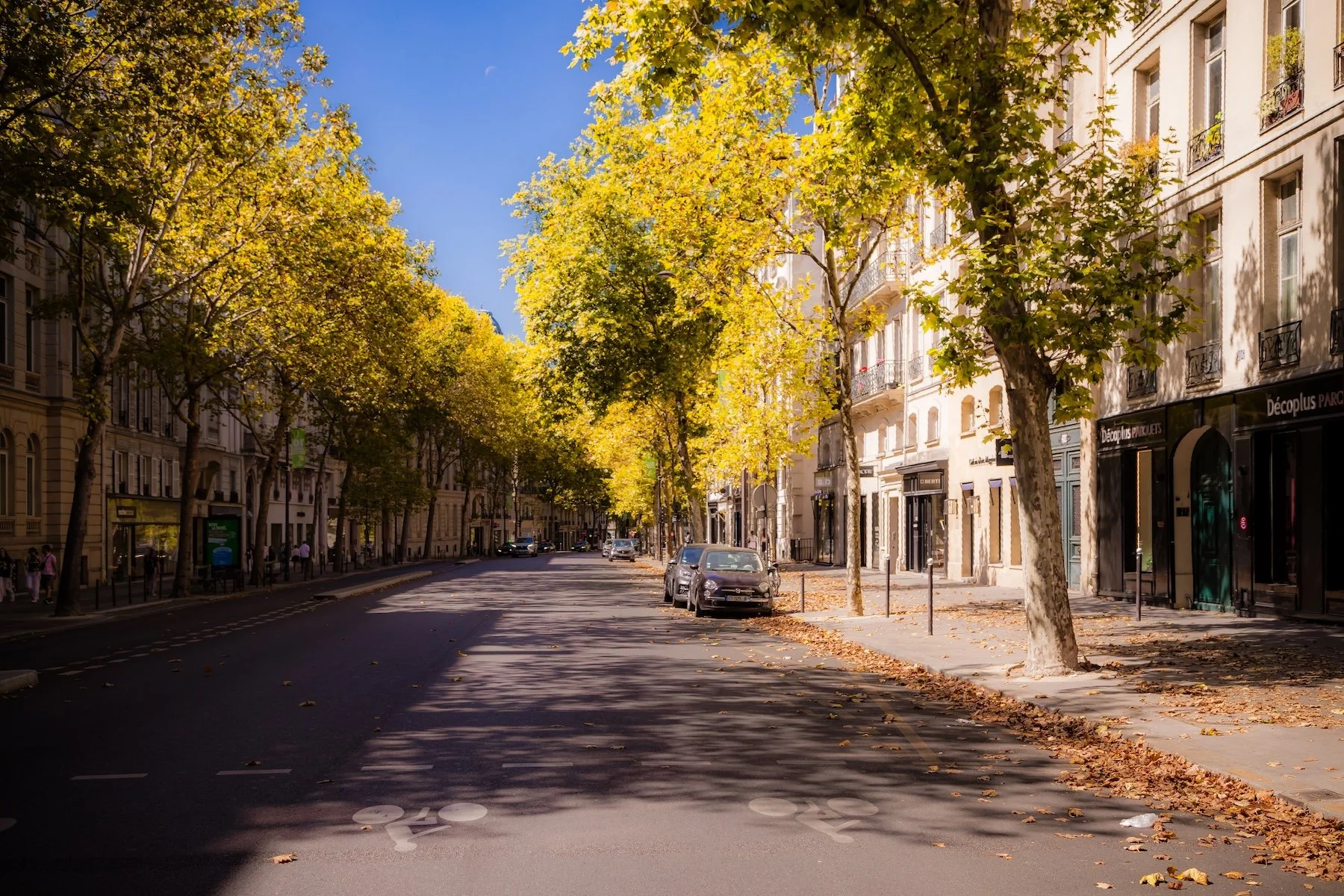
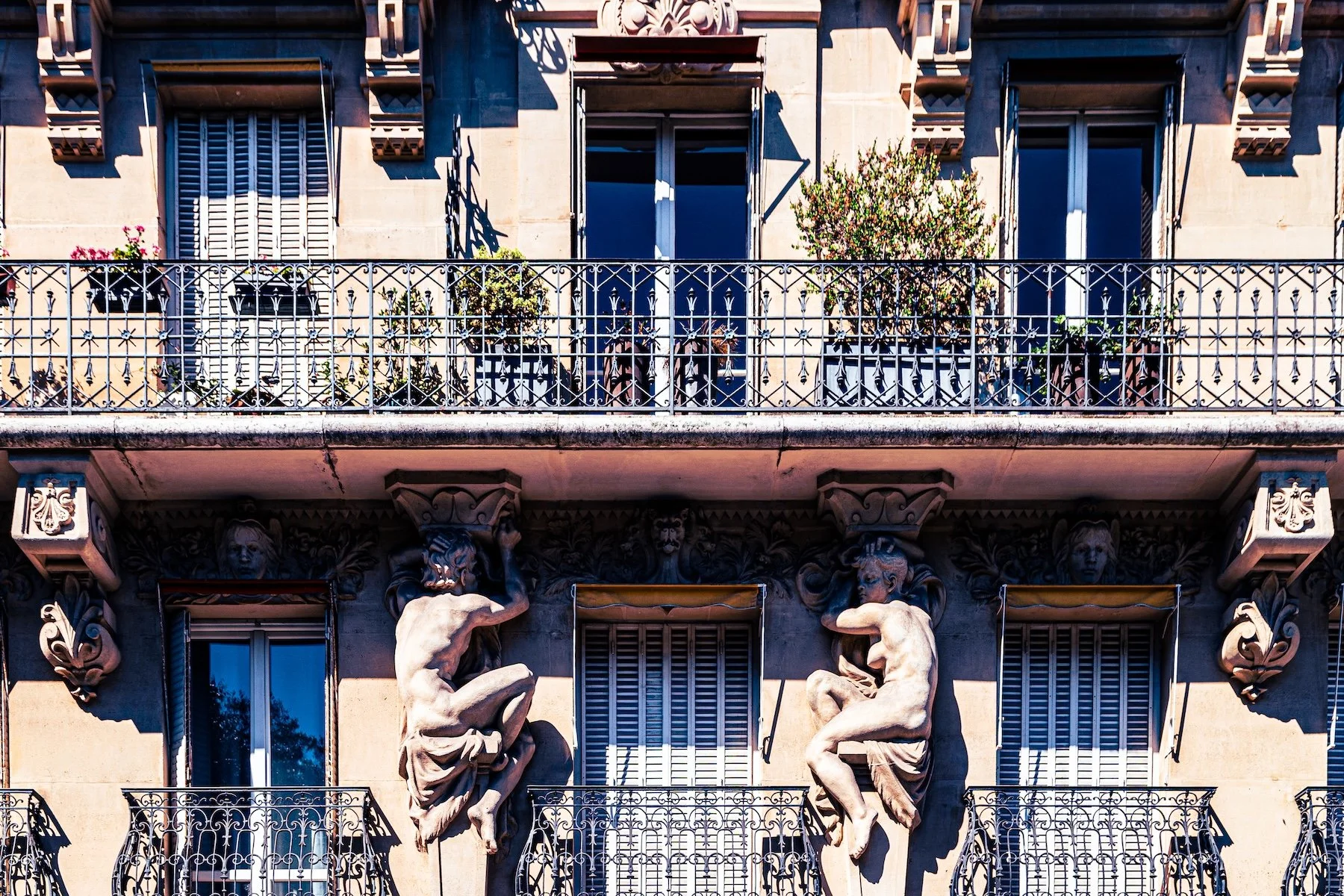
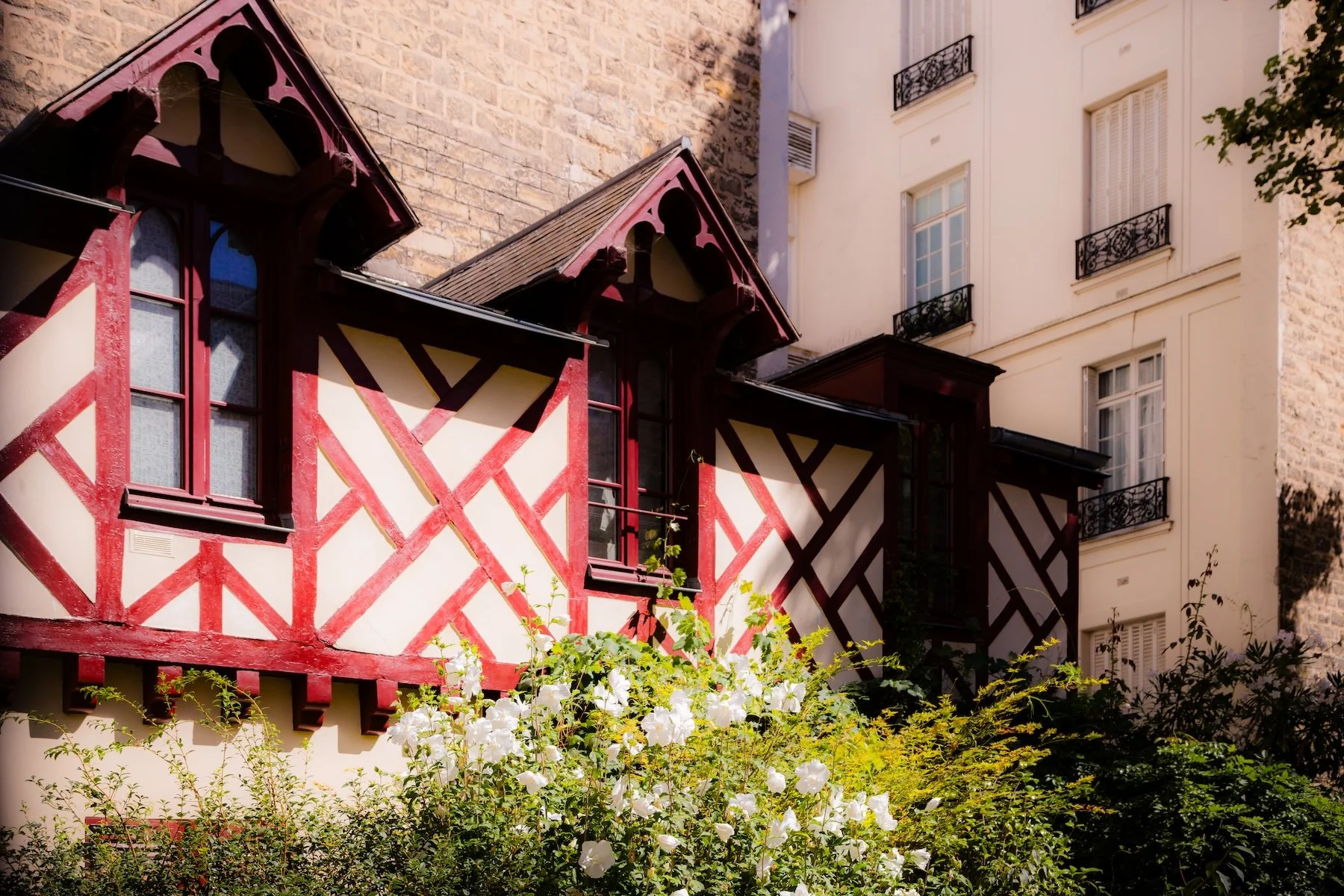
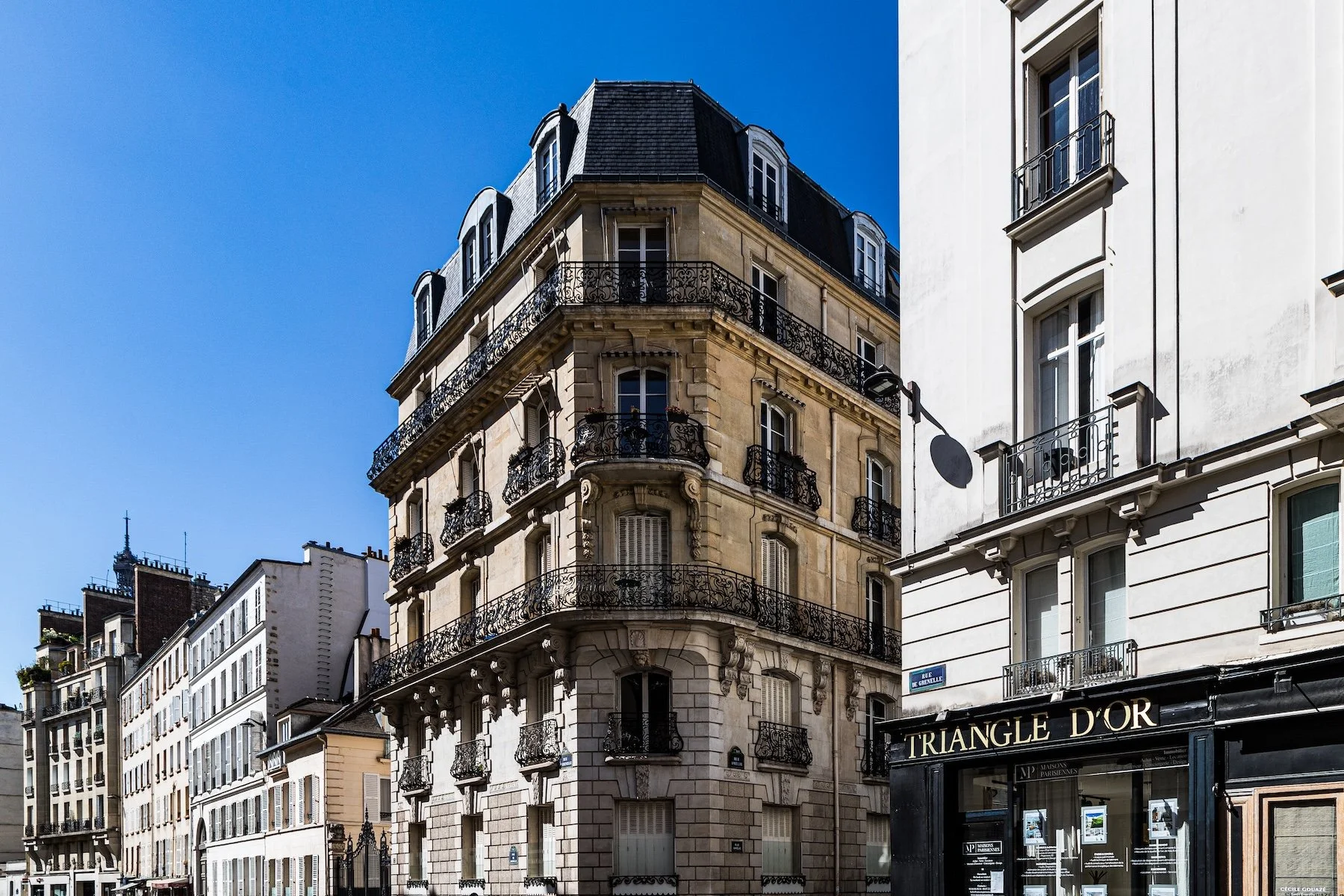
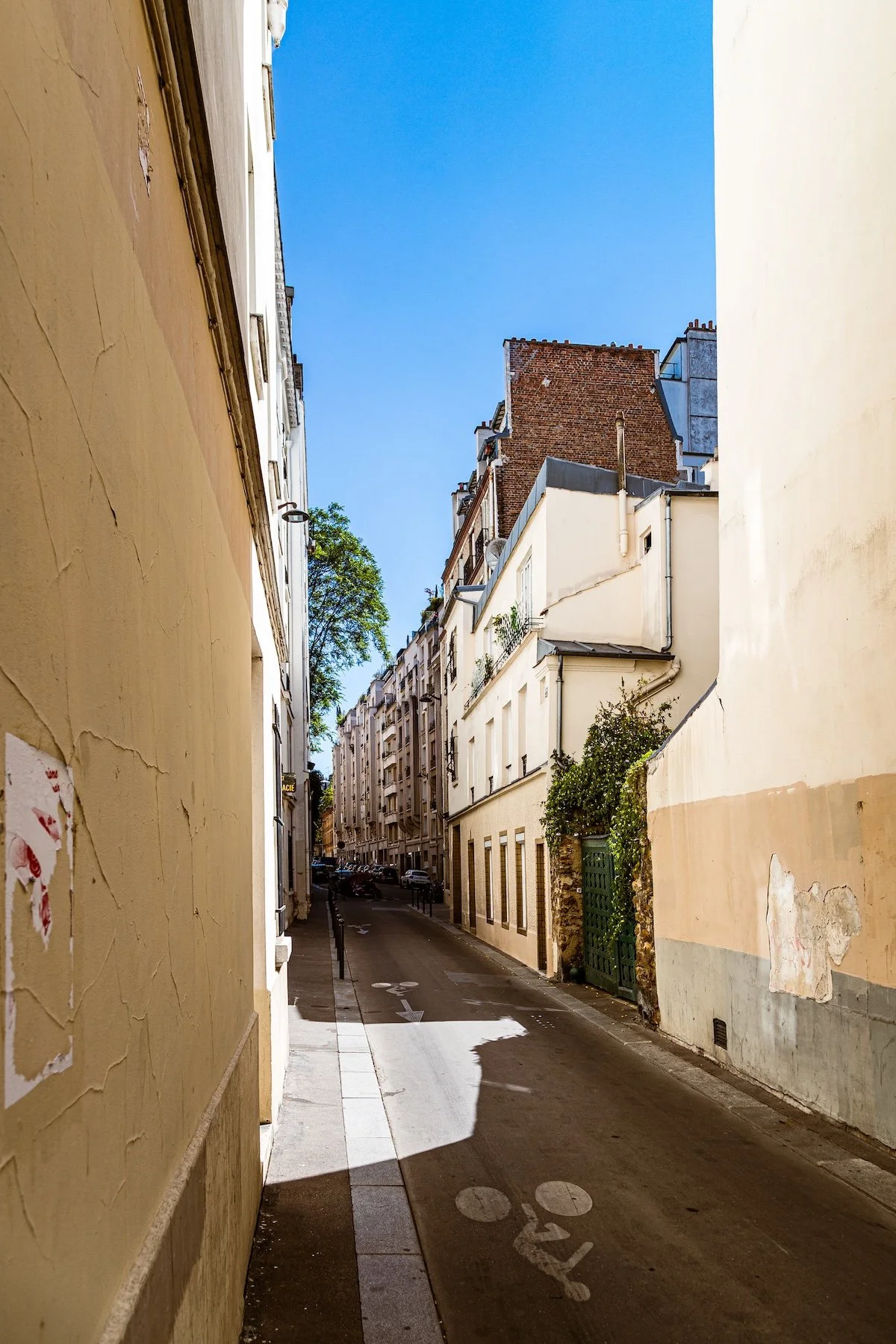
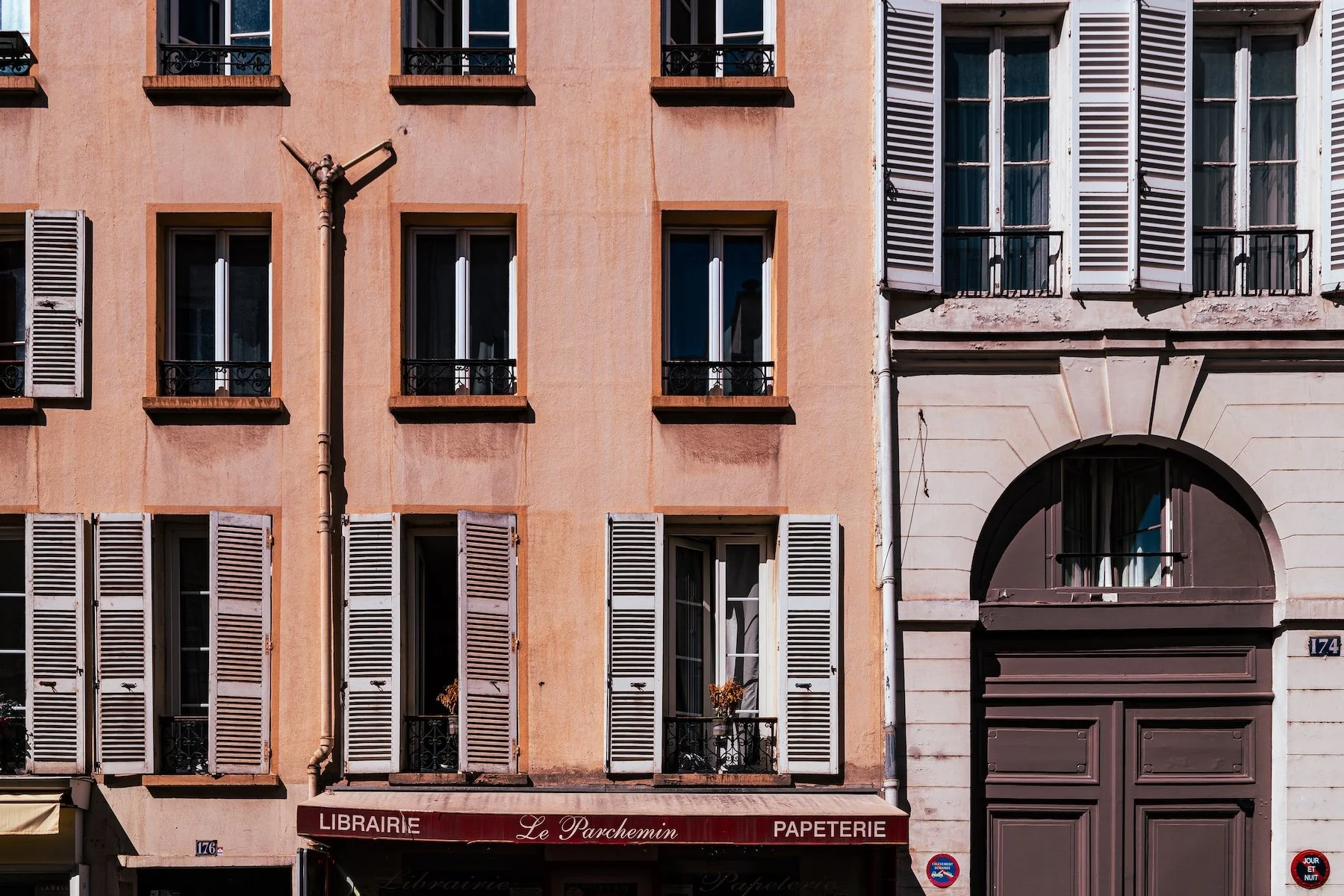
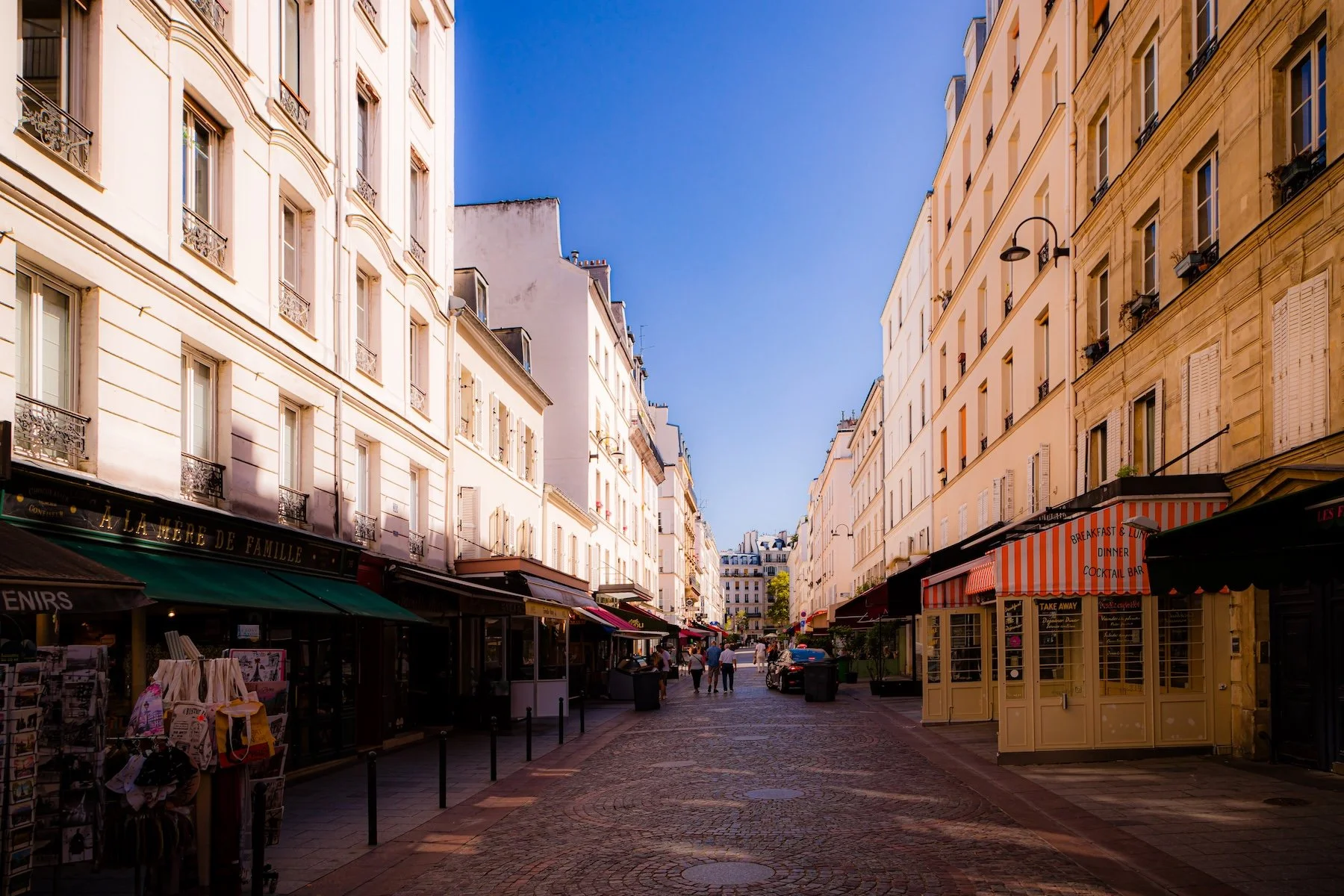
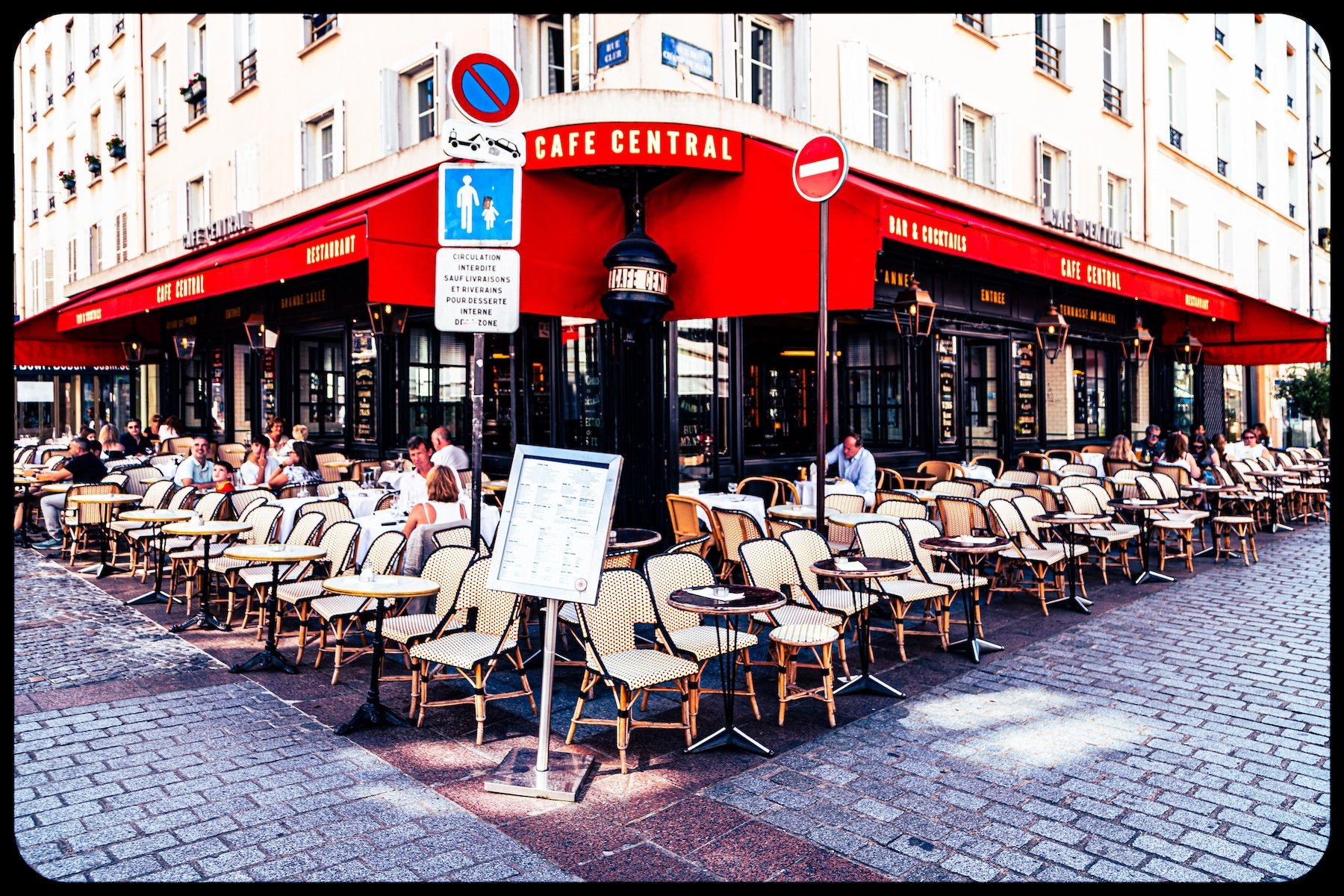
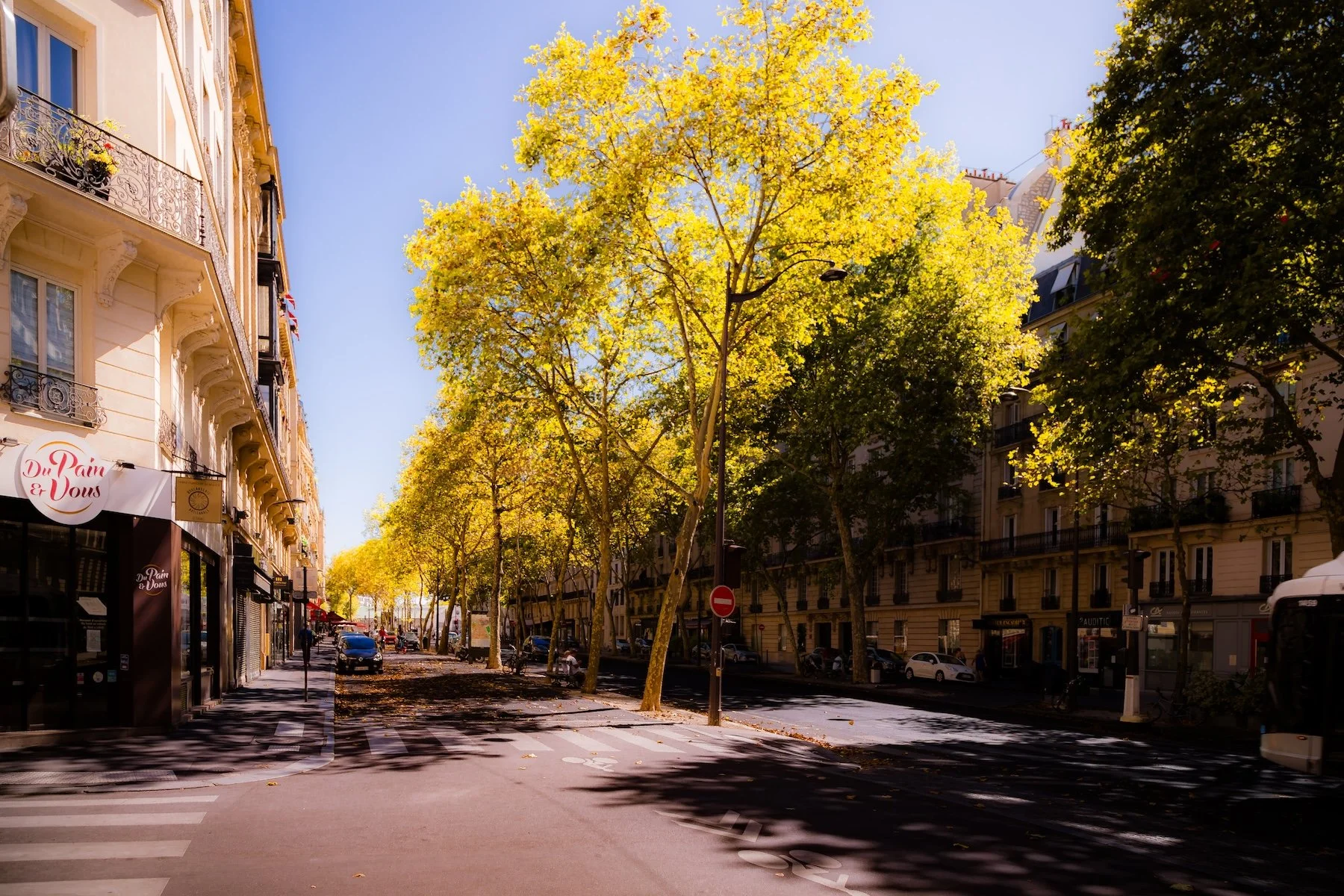
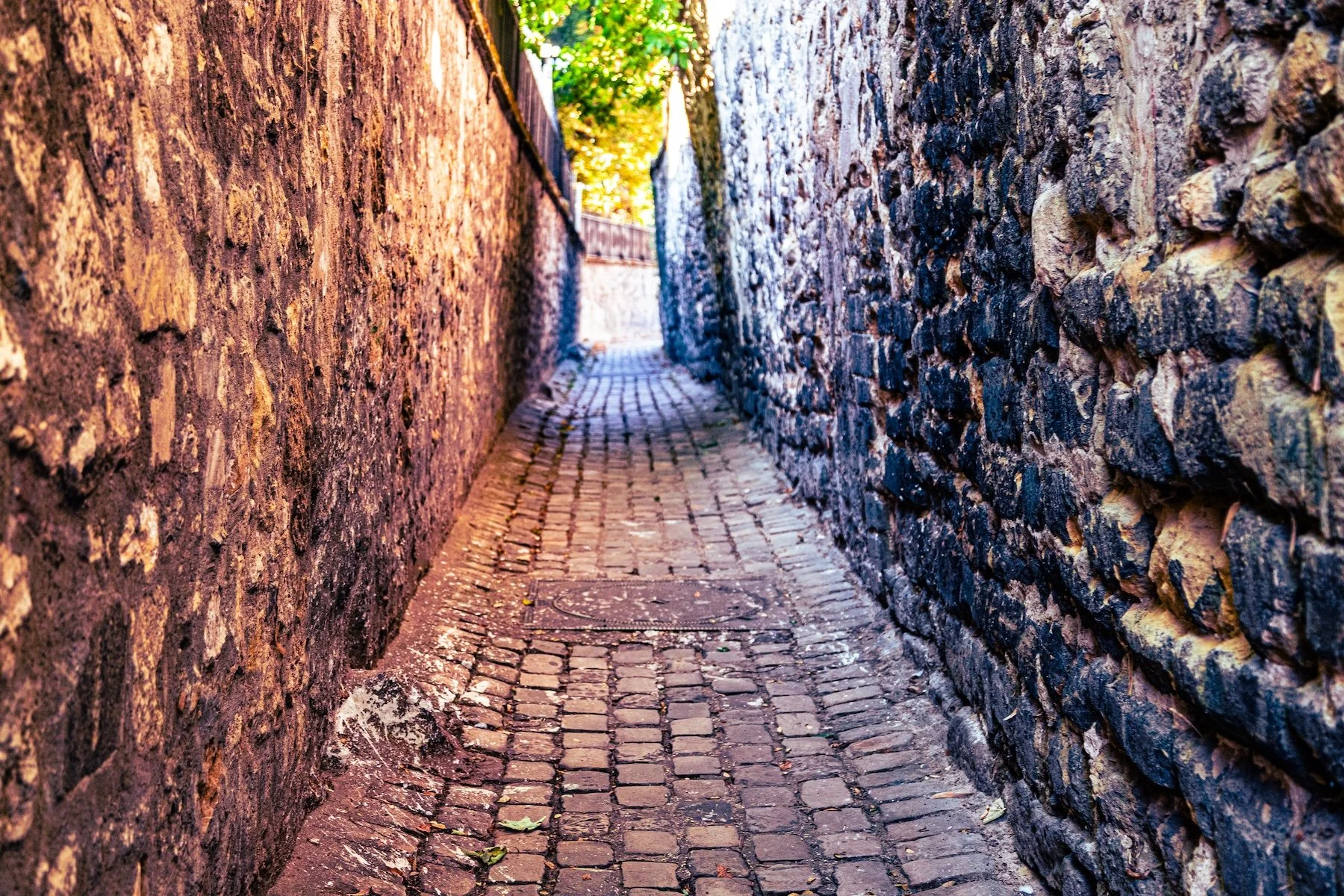
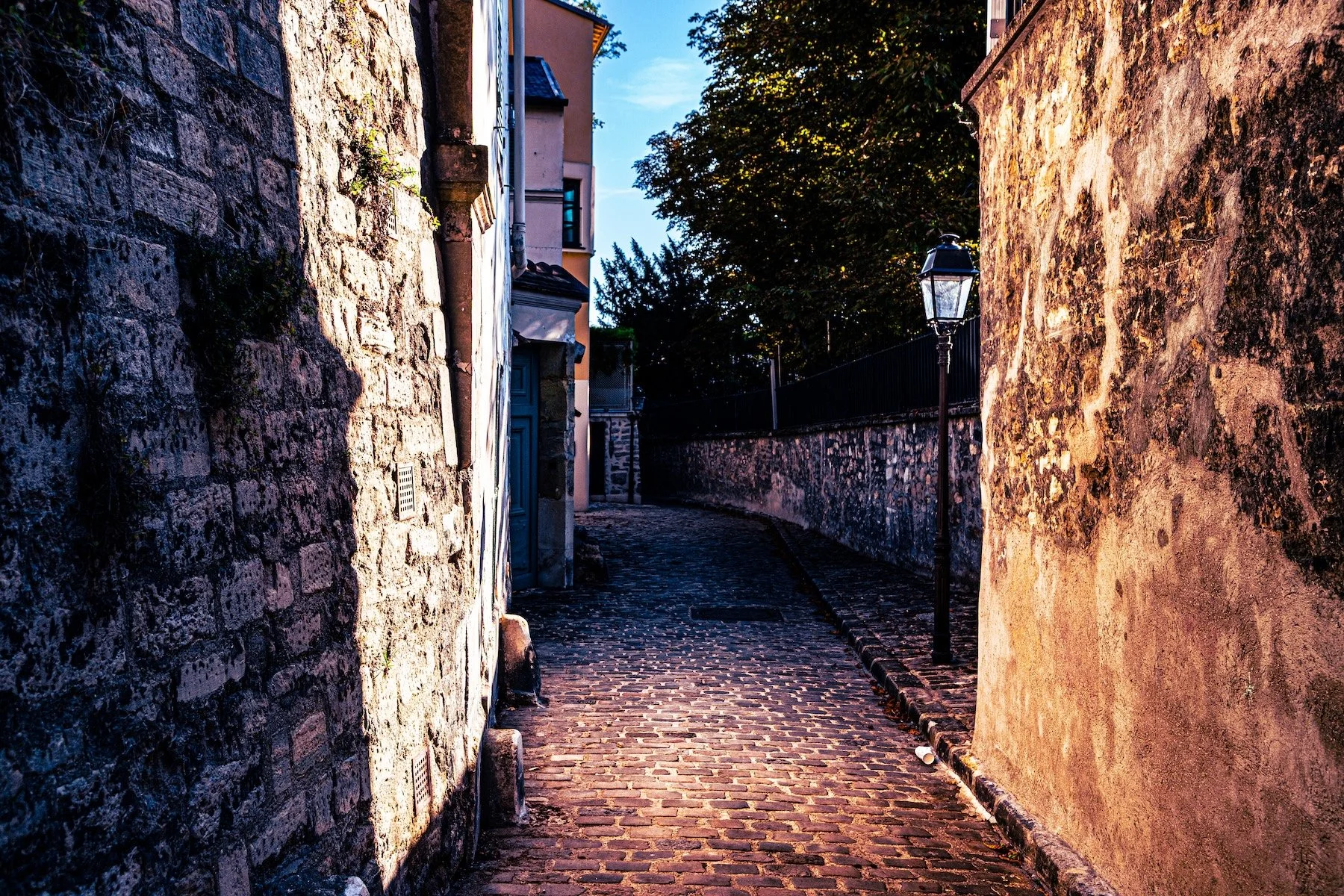
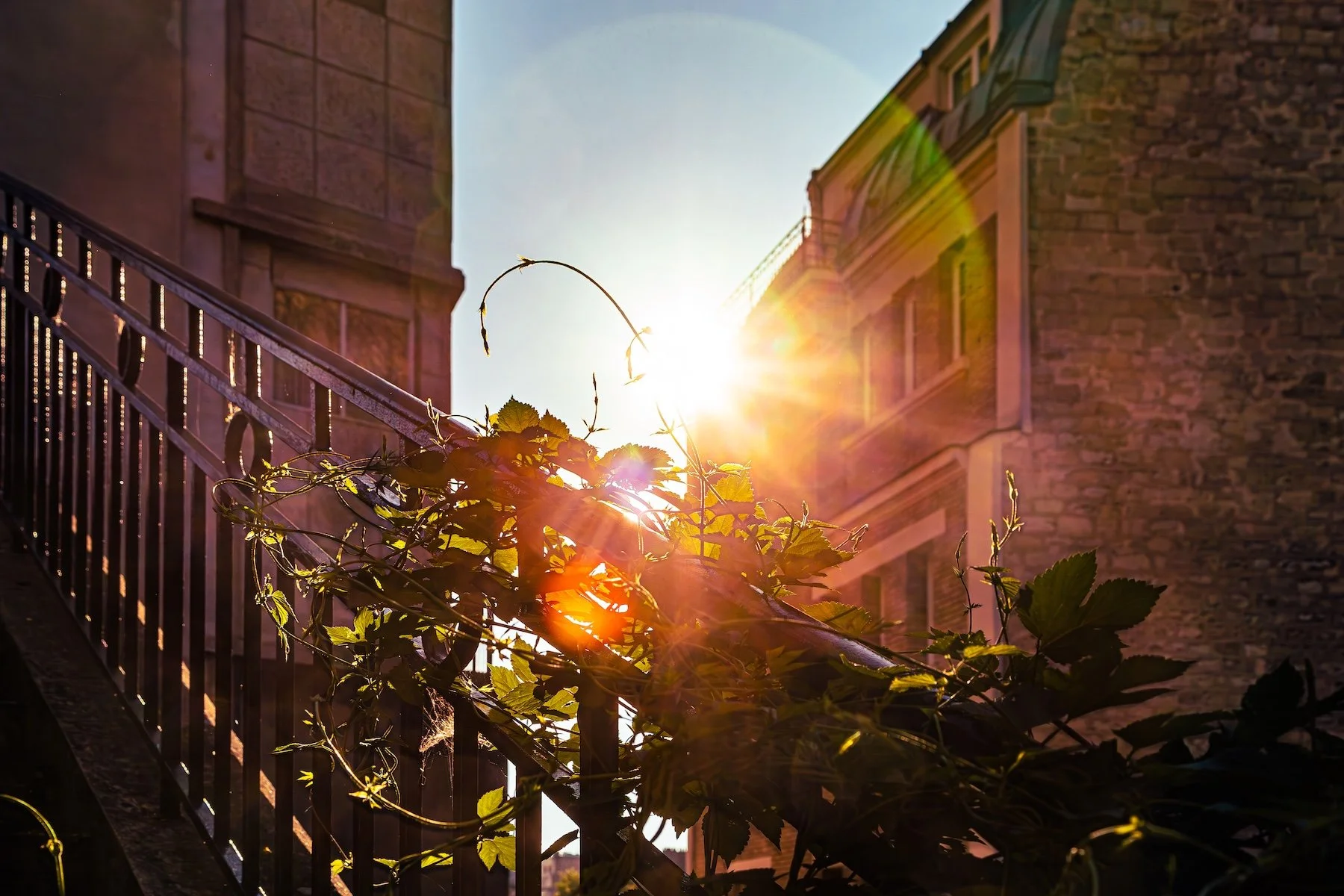
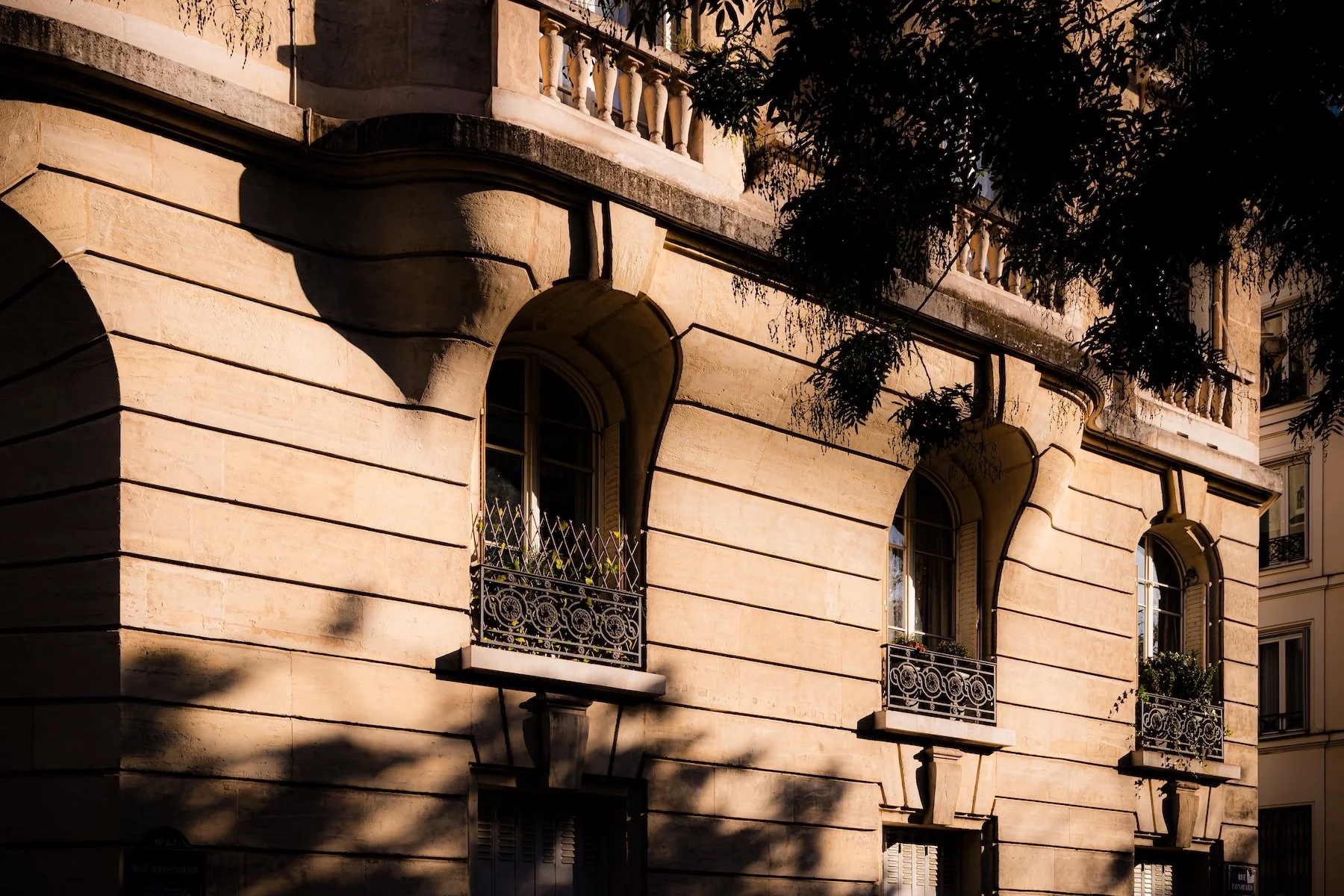
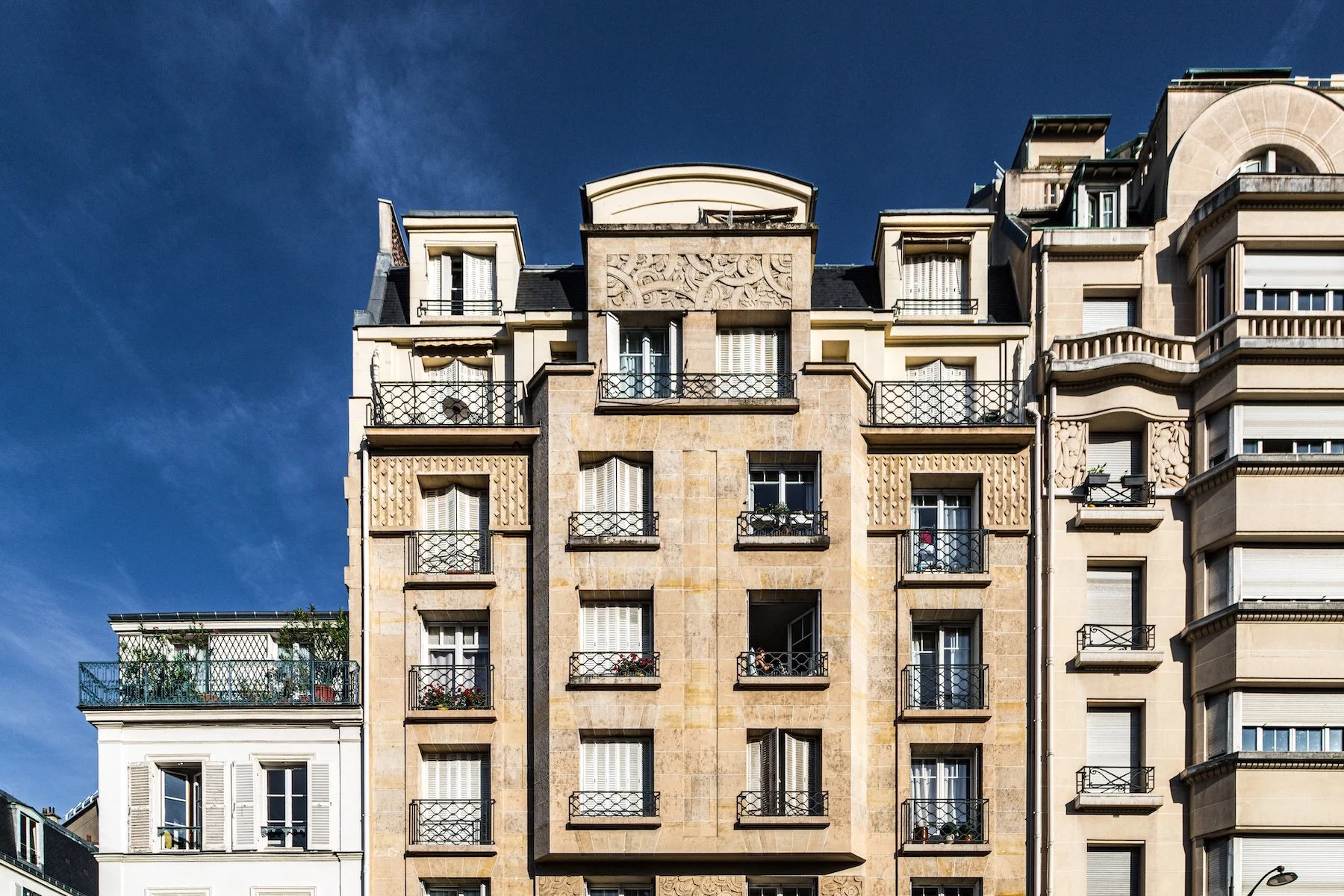
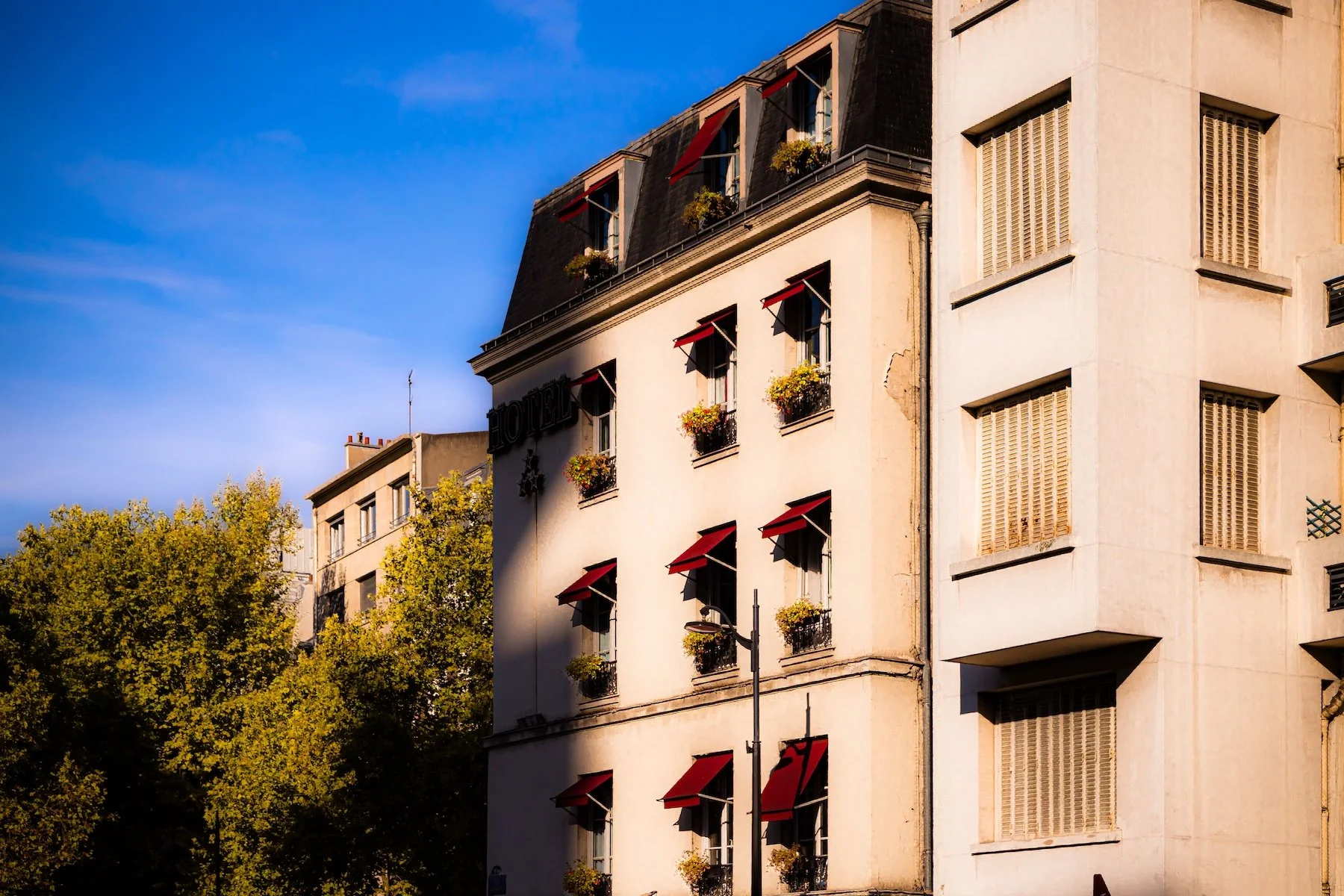
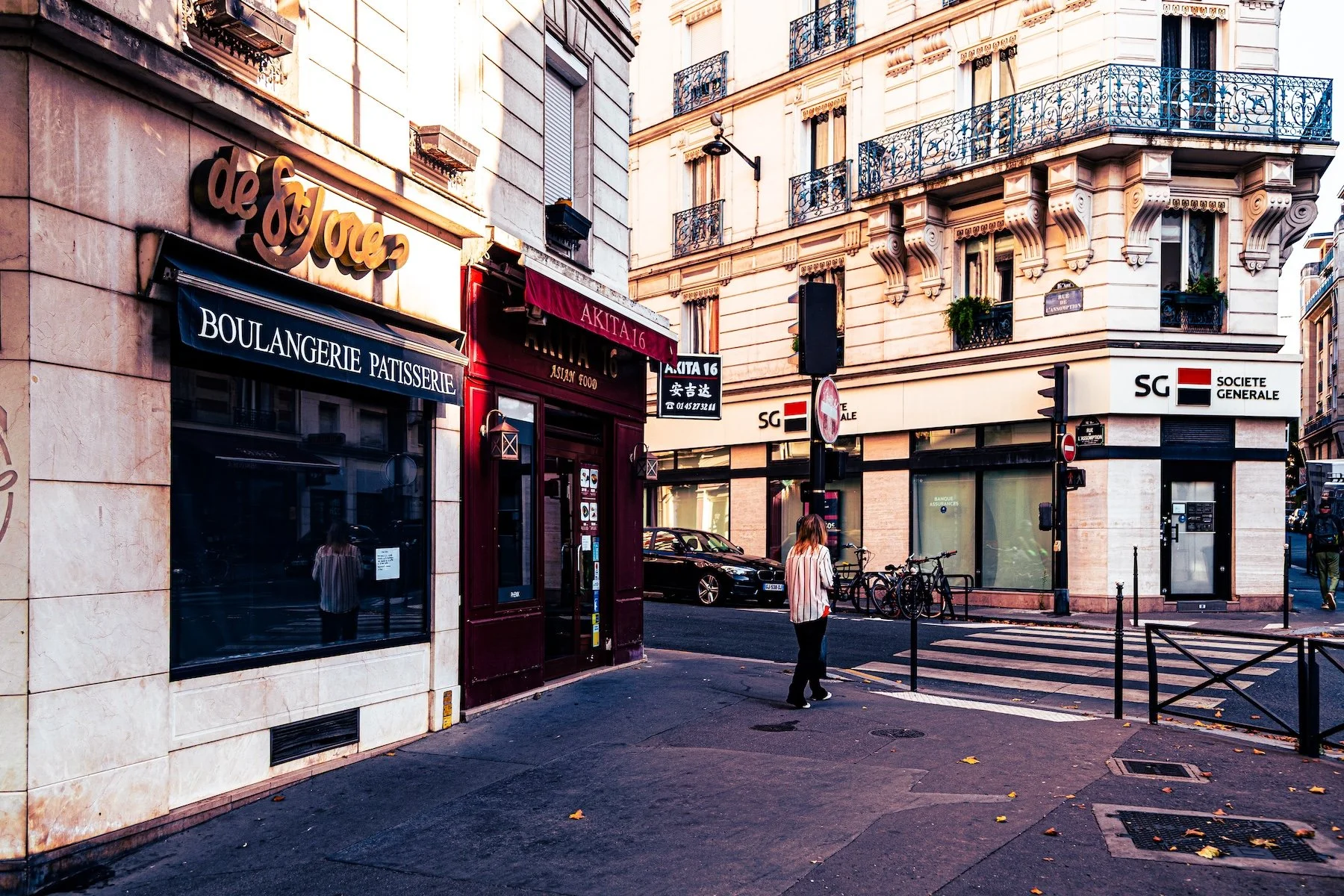
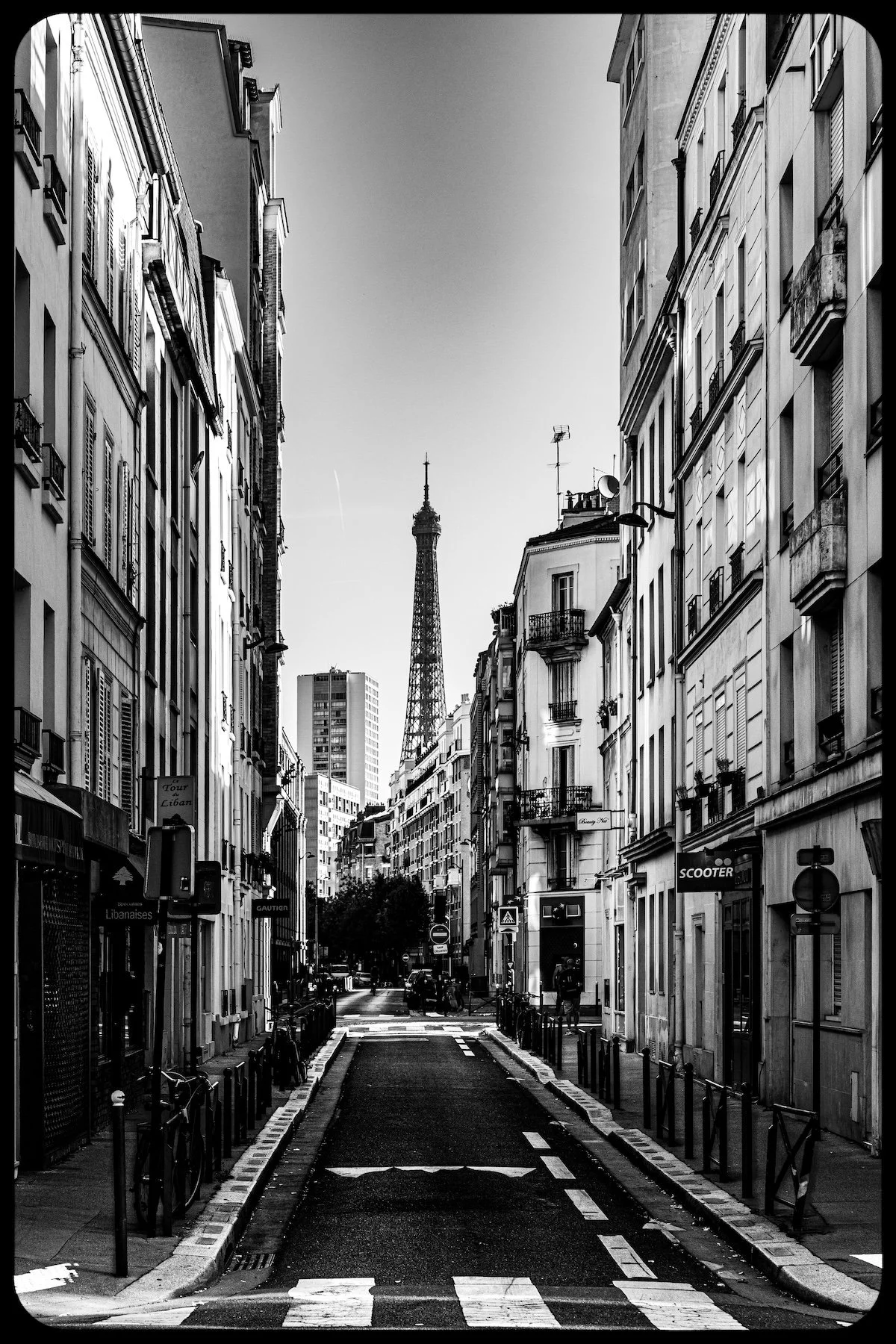
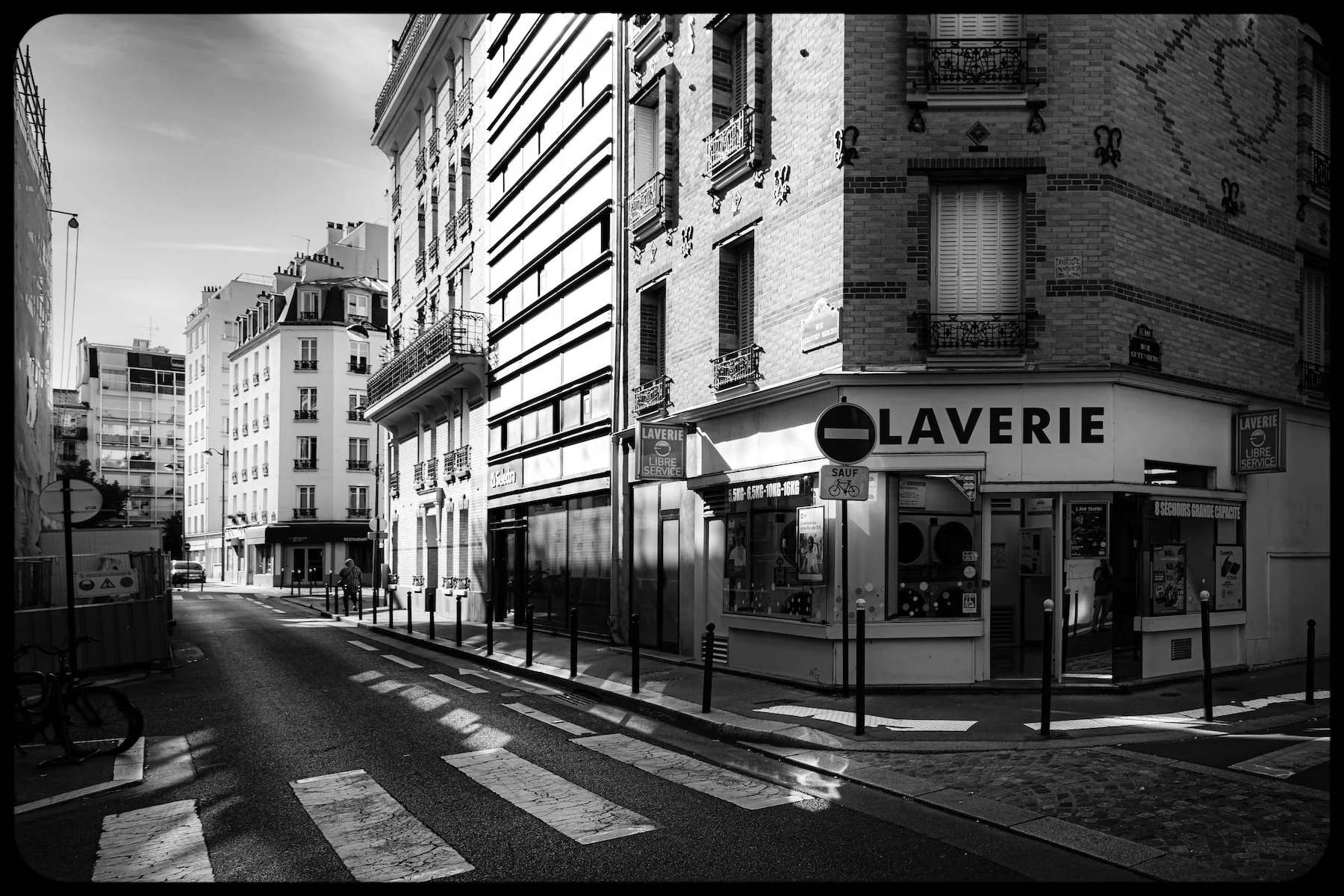
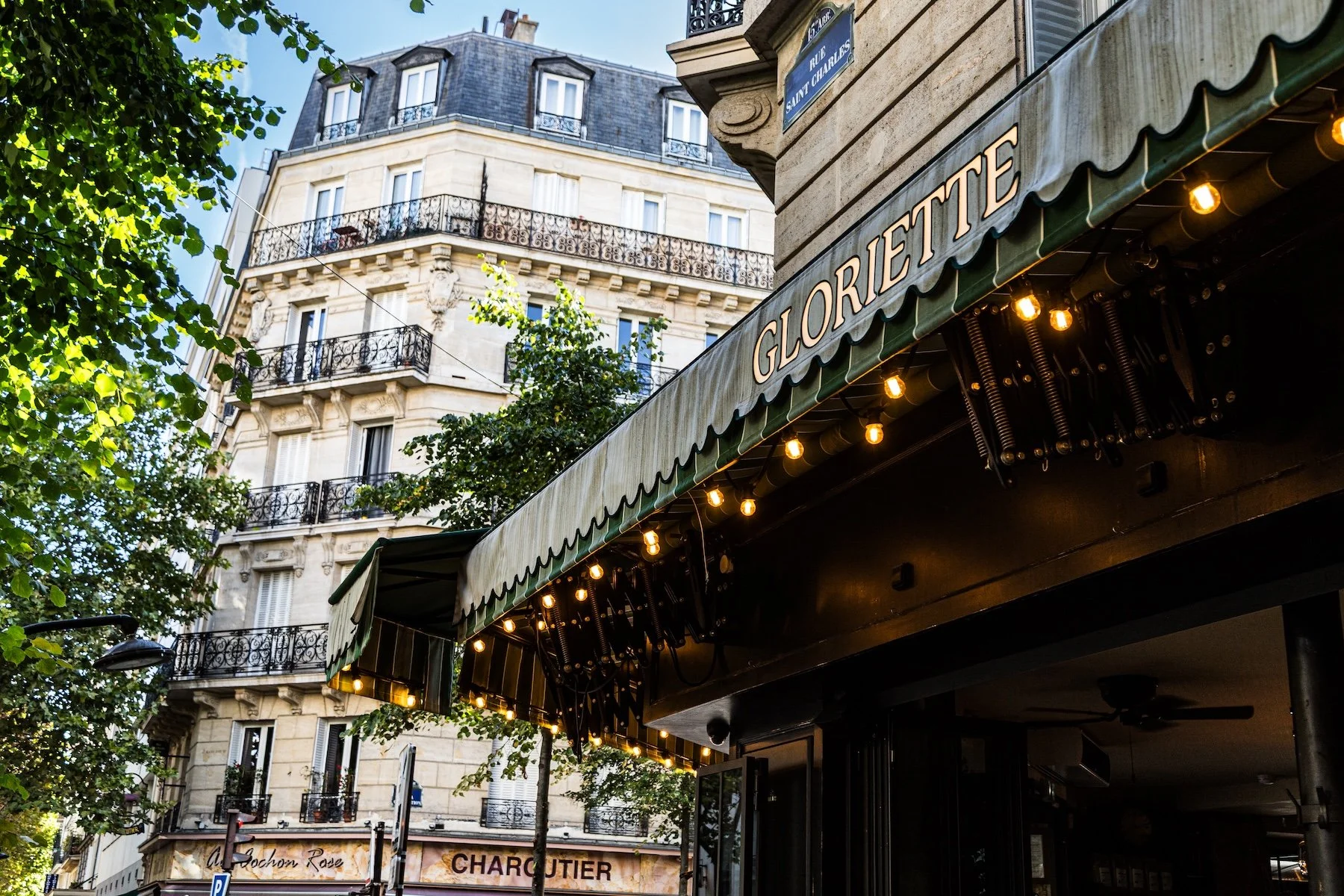
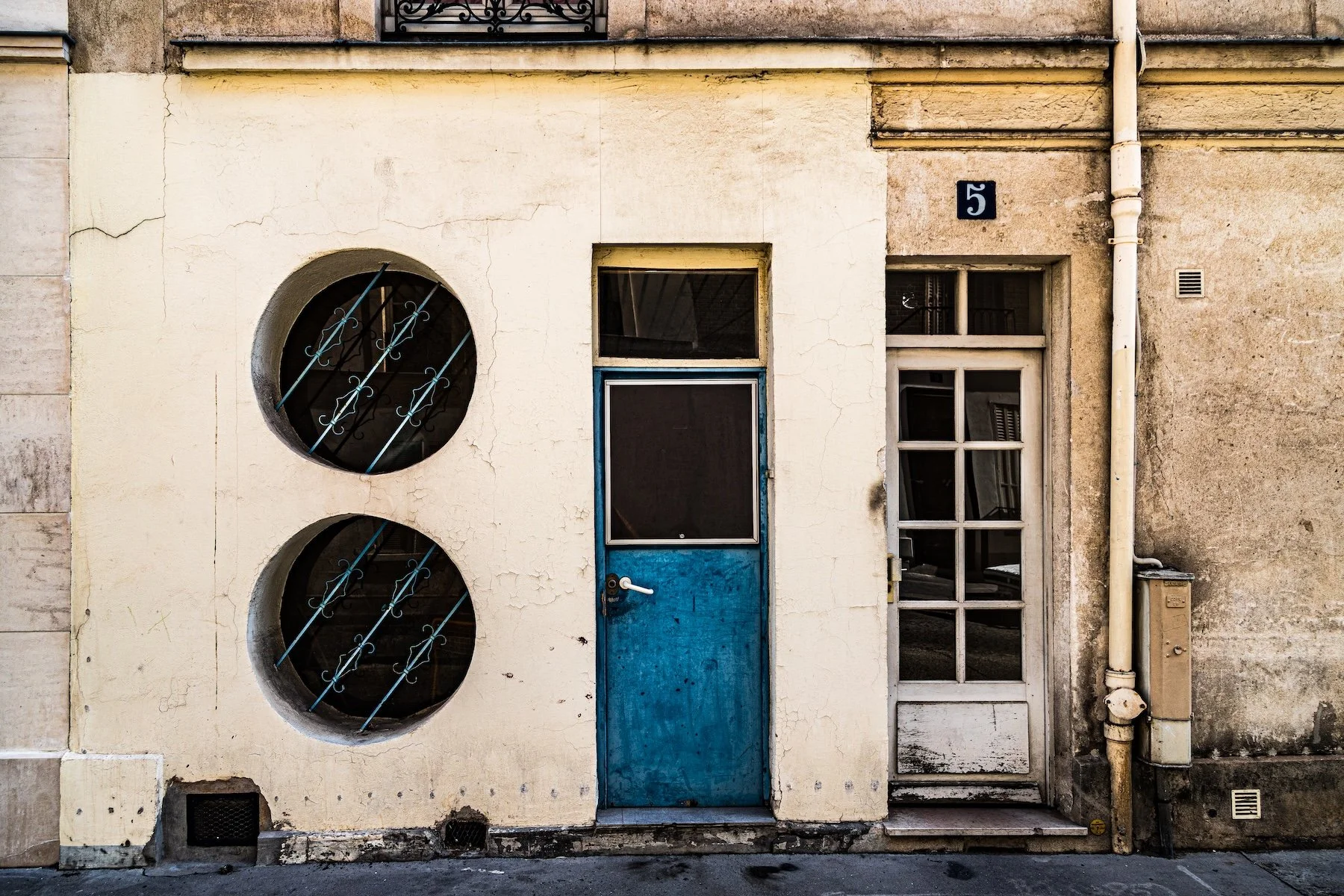
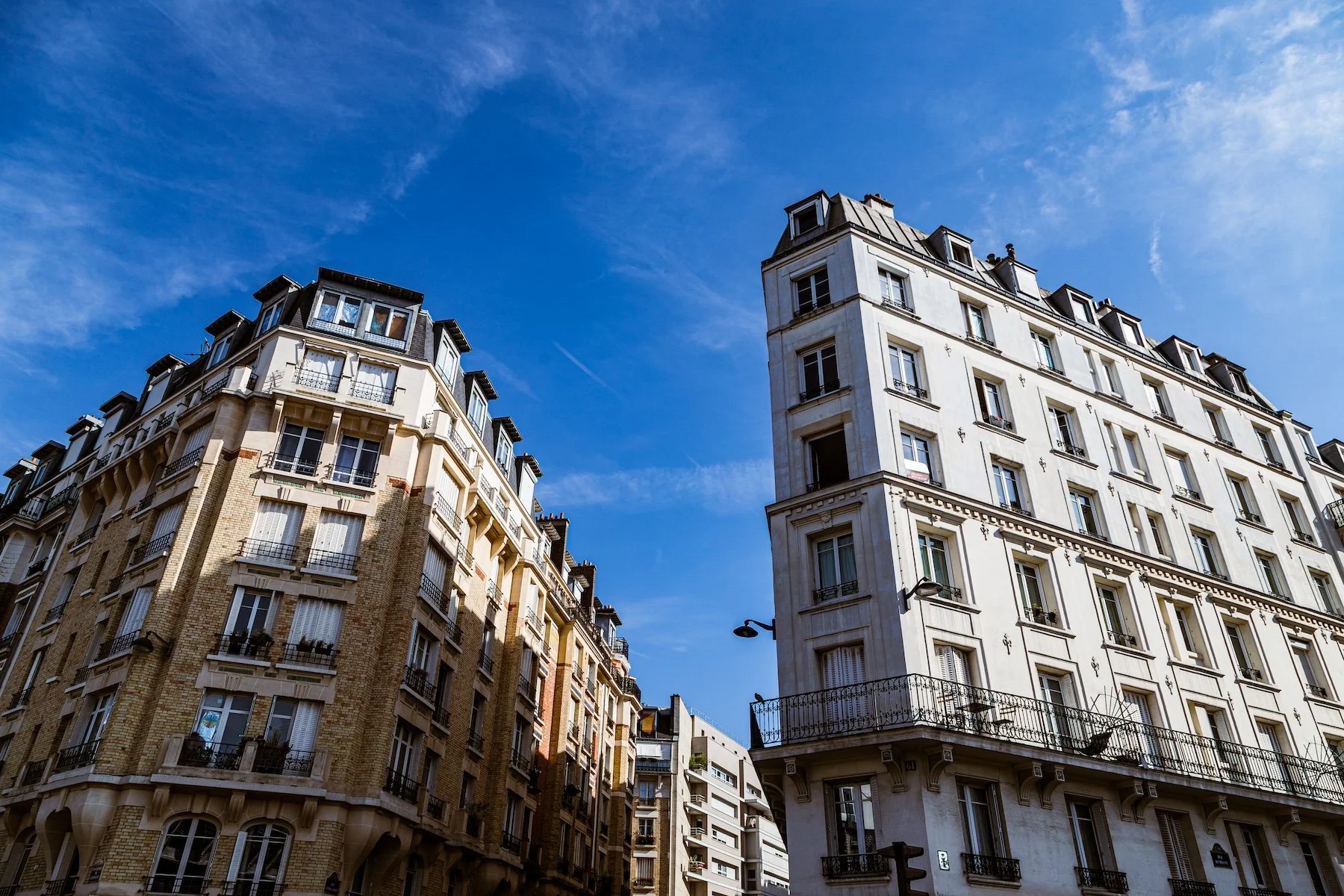
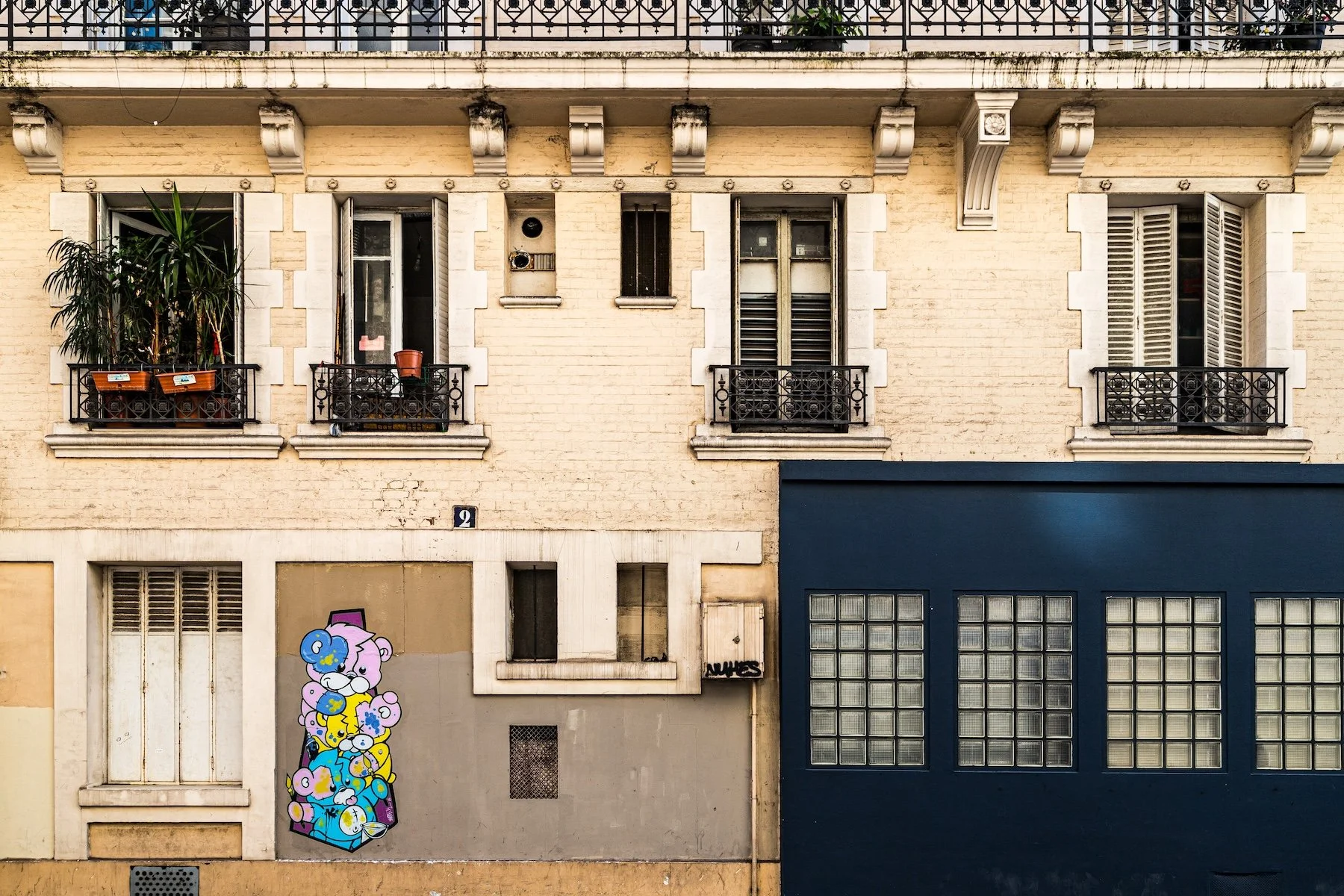
Photographing the arrondissements means moving between the official map and the street-level experience. The camera does not treat each arrondissement as visually uniform. Instead, it looks for the recurring forms, textures, transitions, and contrasts that make each district legible: the geometry of boulevards, the shade of plane trees, the repetition of balconies, the rise of stairways, the curve of canals, the presence of rail stations, the opening of parks, the weight of monuments, and the intimacy of side streets.
On CityNeighborhoods, the arrondissement provides the frame, but the photograph comes from the encounter between map, movement, light, and observation. As the Paris photography is processed, this section will connect each arrondissement more directly to the project’s Photographic Lexicon: the visual strategies, recurring motifs, and compositional patterns that shape how the city is seen through the lens.
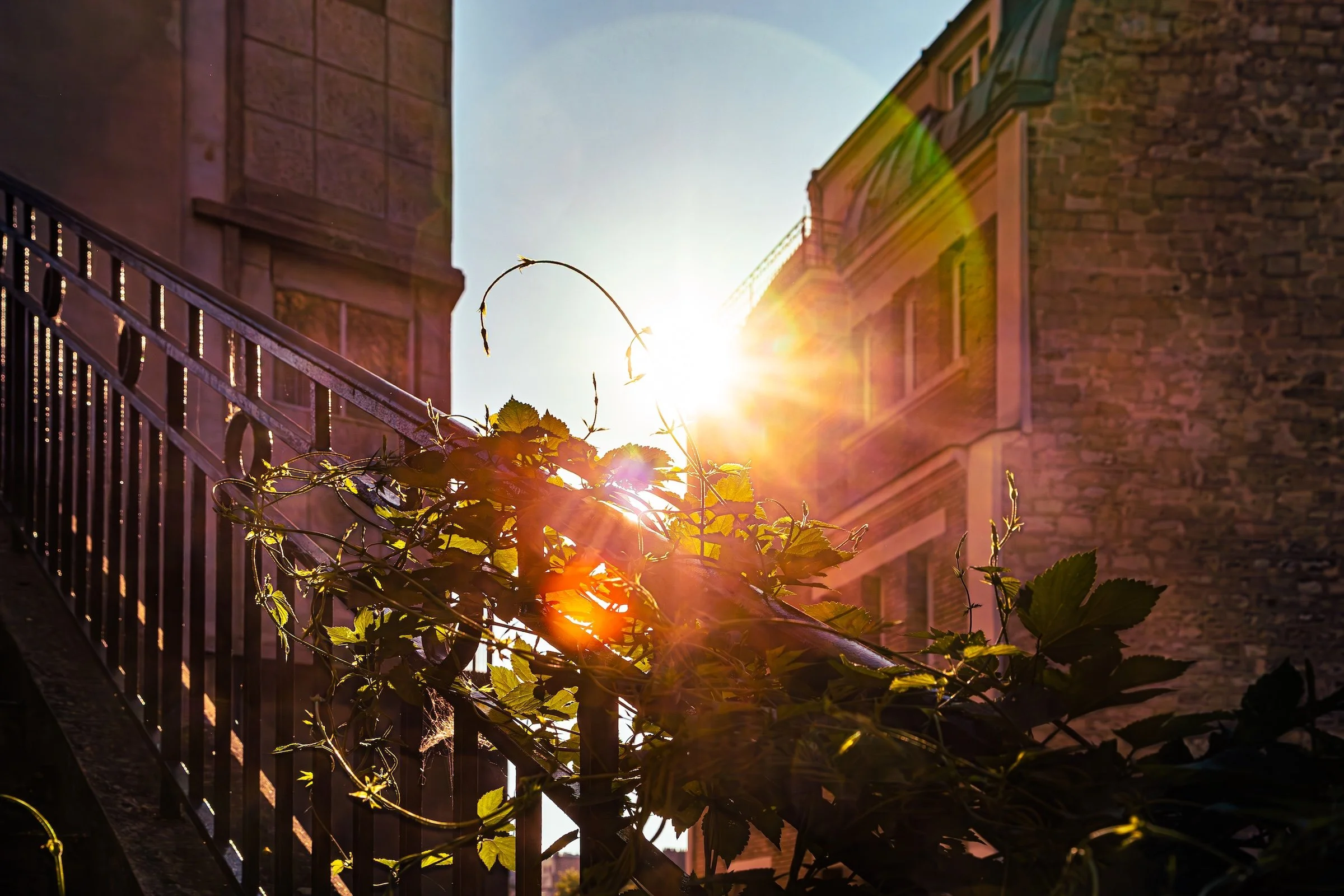
If you visit Paris, these ideas can help inspire your own photography.
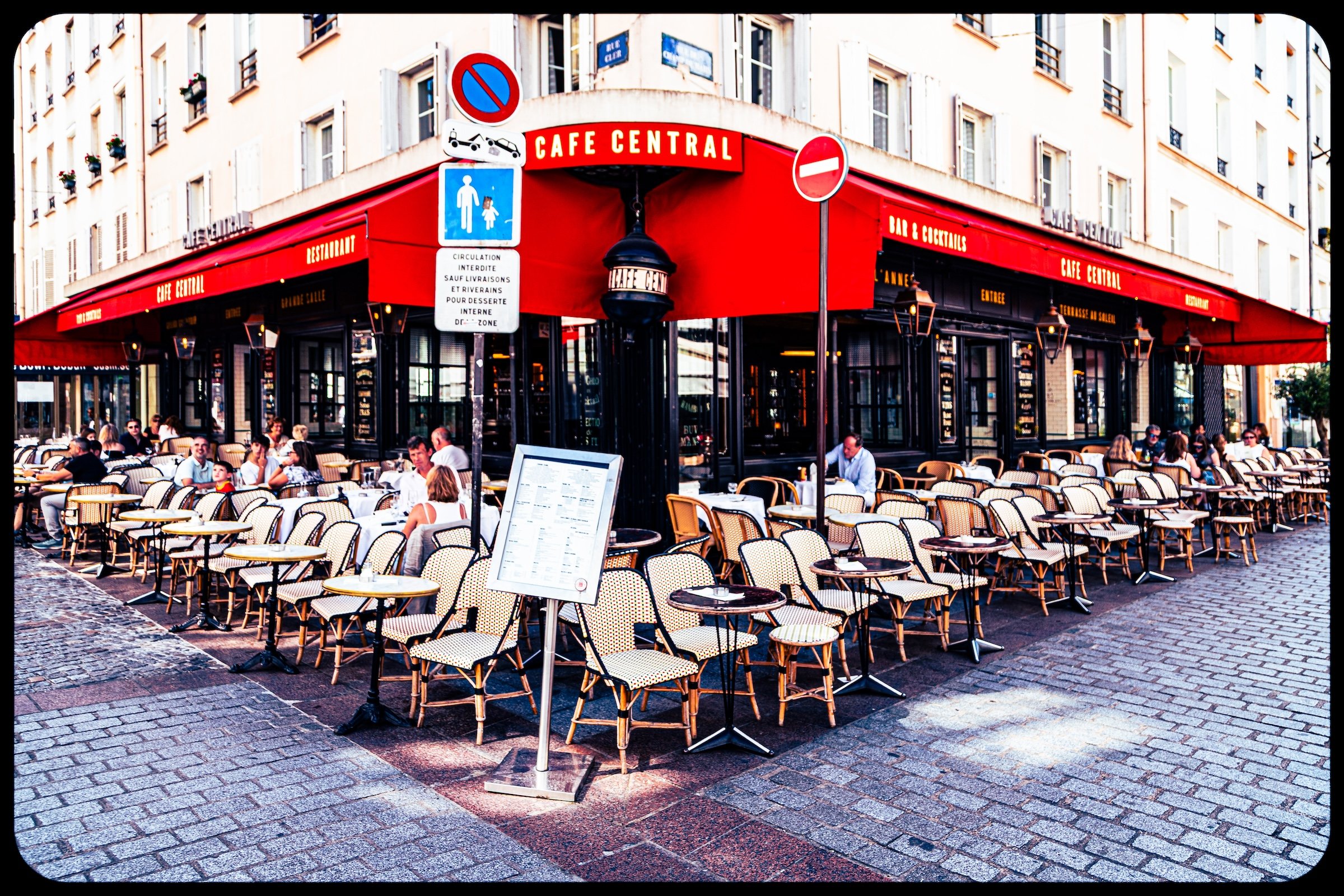
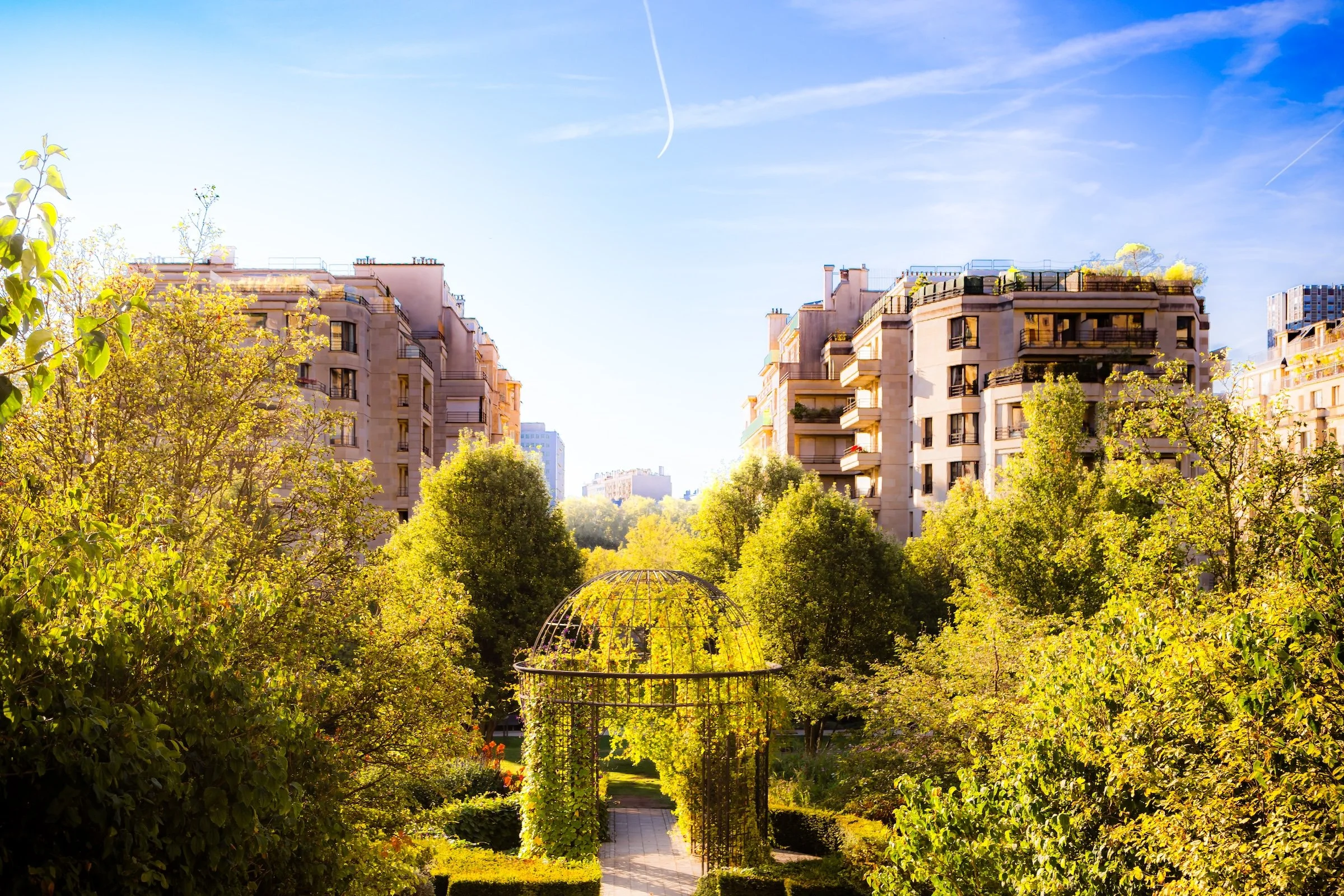
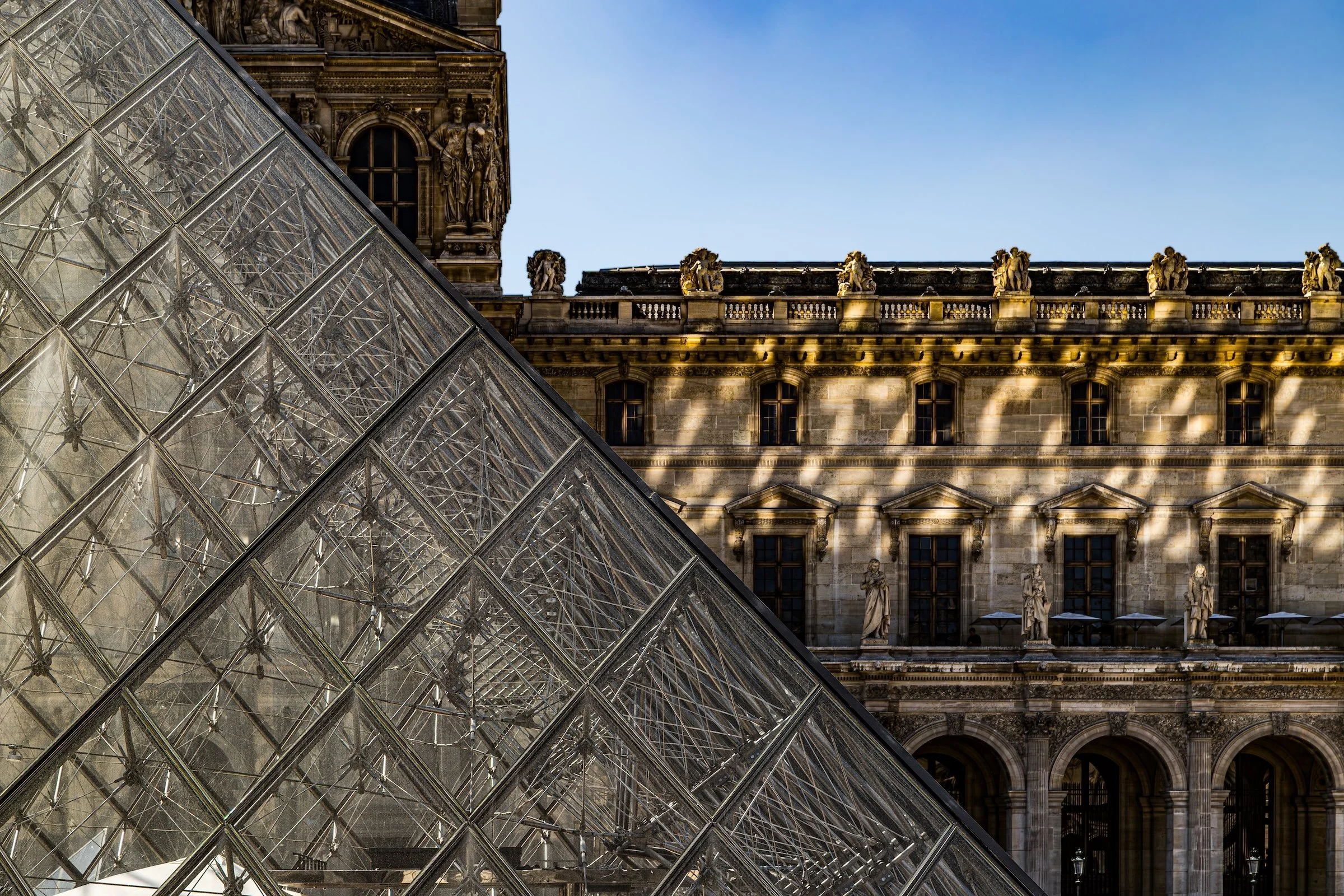
Paris: J’Espere, Je Rêve, Je Vive
Paris Photo Gallery
Paris Field Notes
-
Field Note: August 18, 2025 | 07:58 AM
Conditions: 73°F | Humidity: 72%.
Within the park's interior, the glacial kettle ponds acted as humidity traps, creating a soft, hazy light that filtered through the old-growth oaks. The transition from the park's dense shade to the sun-drenched edges of Oakland Gardens highlighted the day's exceptional "picture-perfect" clarity.
There is a fleeting window in Queens where the humidity of August hasn't yet heavy-set, and the morning sun hits the canopy of Alley Pond Park at a perfect oblique angle. Arriving just before 8:00 AM, I watched the light break through the oaks and tulip trees, casting long, dramatic shadows across the wet grass. It’s in these quiet, golden moments that the park feels less like a city escape and more like the ancient glacial valley it actually is.
Other neighborhoods visited:
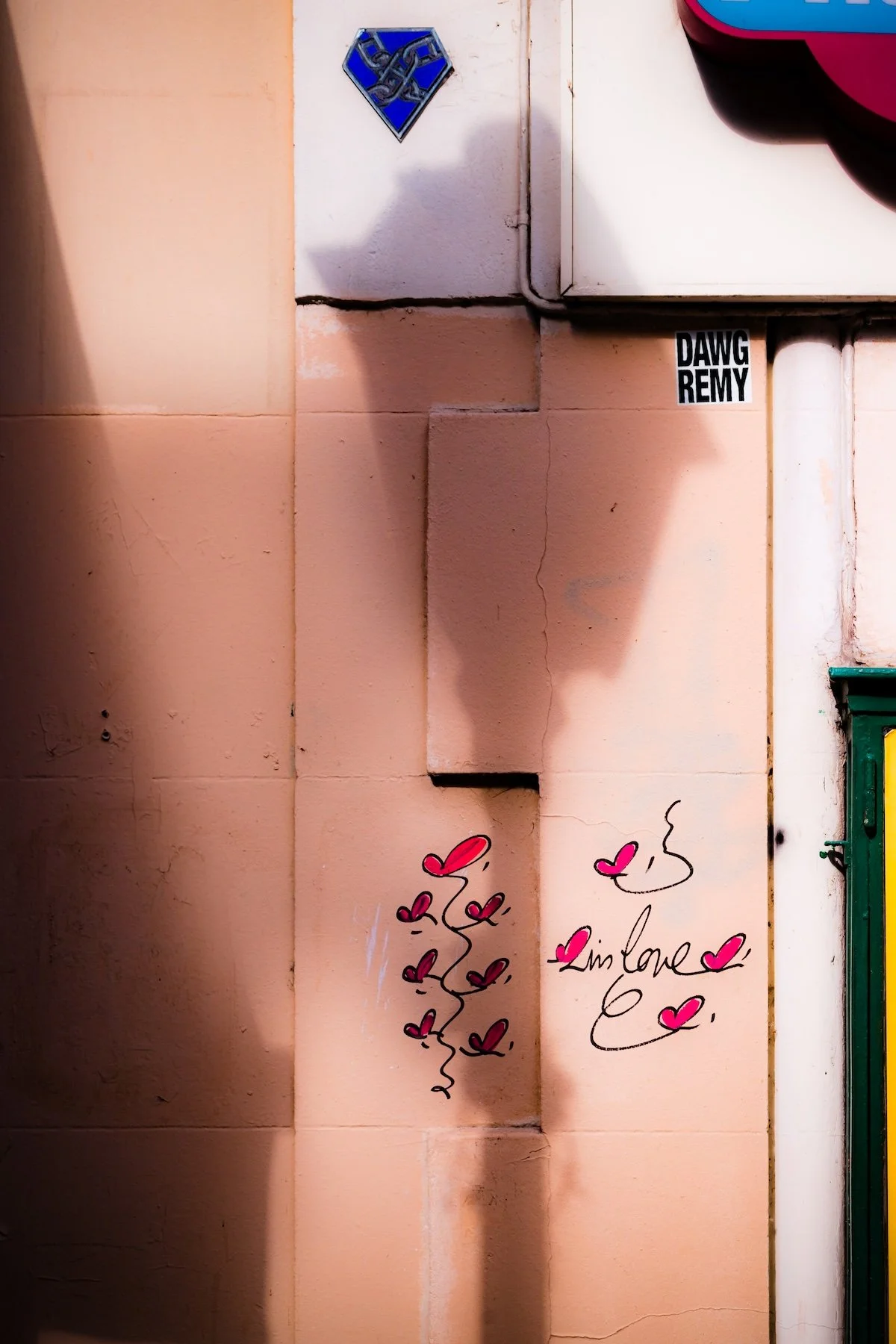
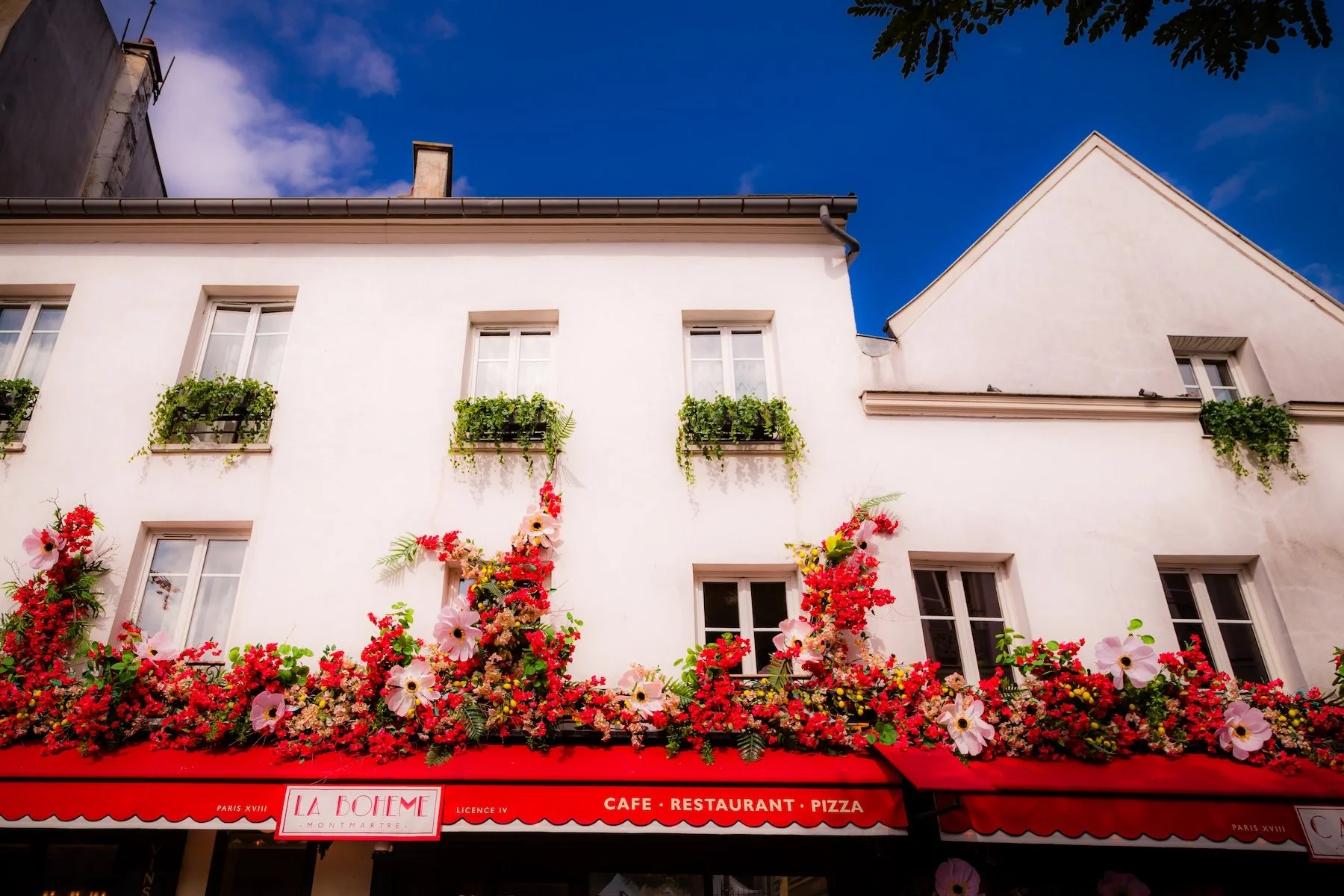
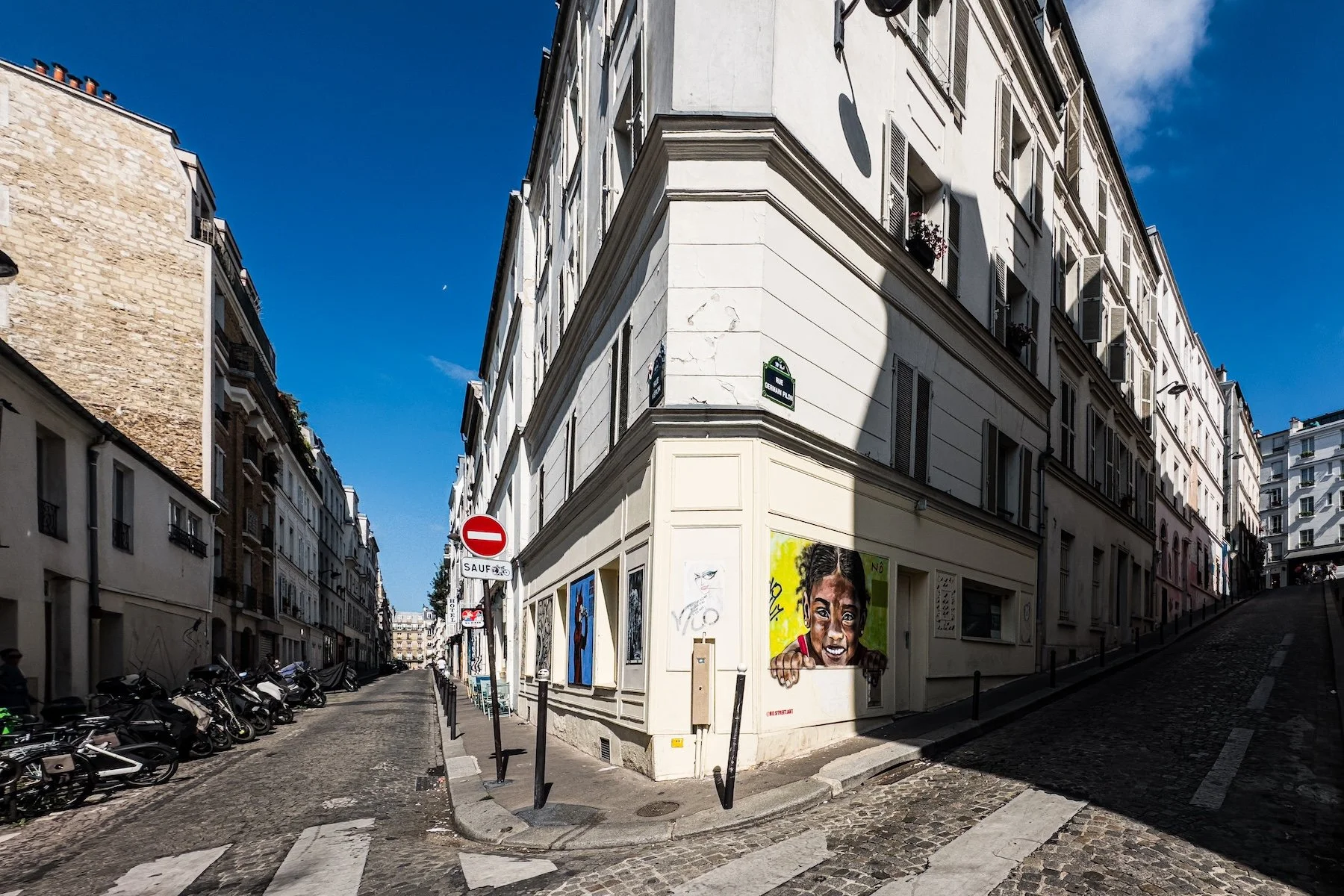
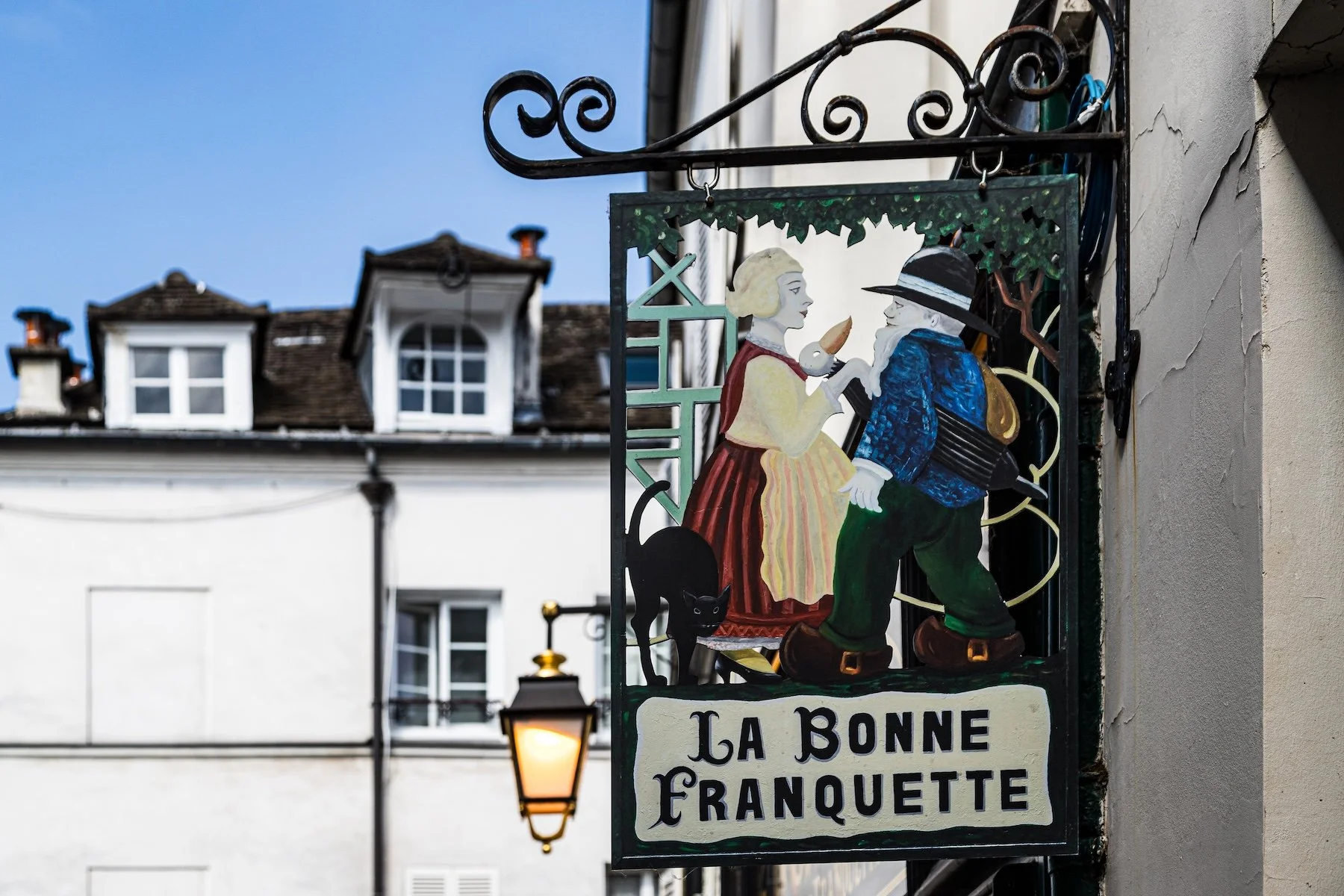
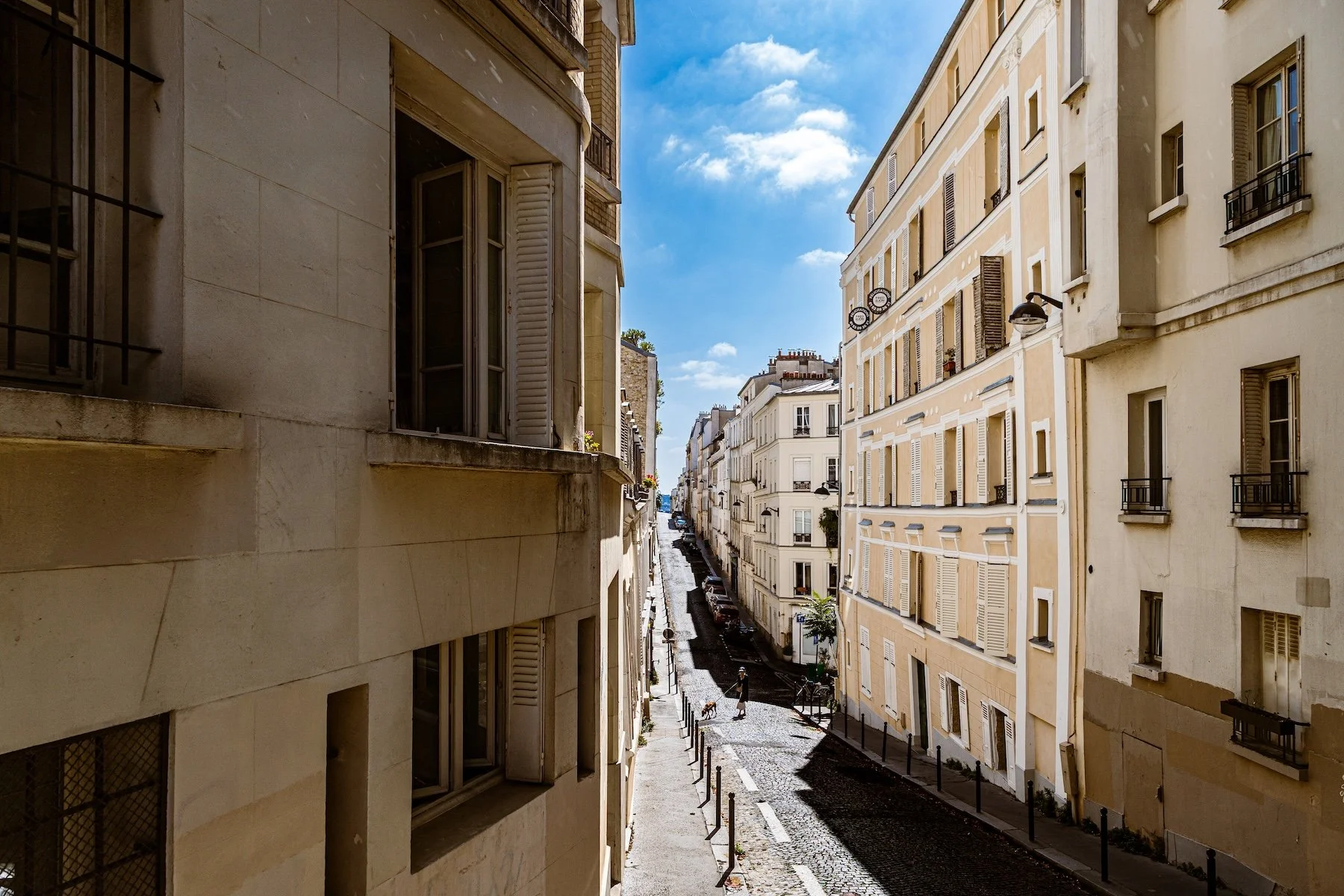
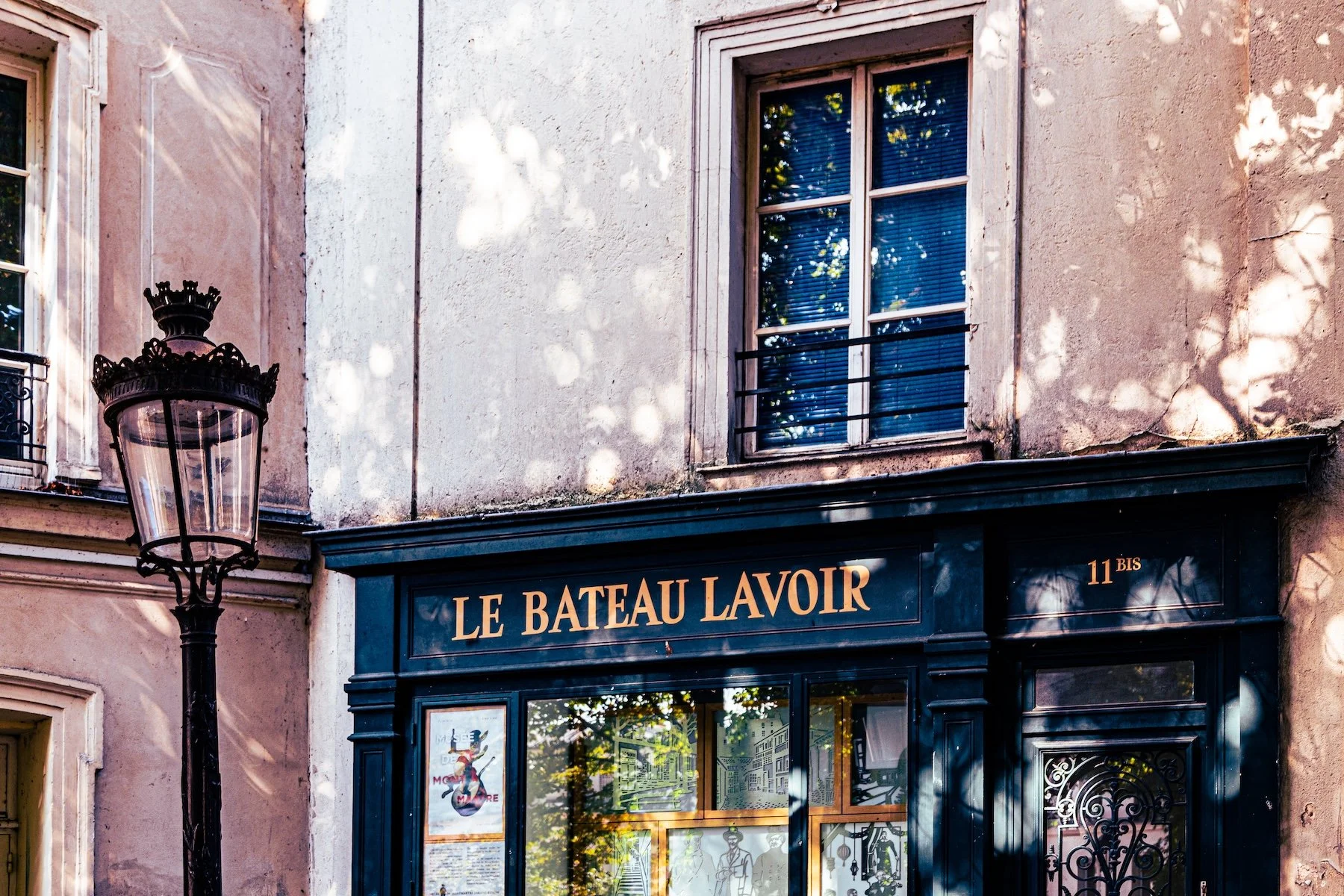
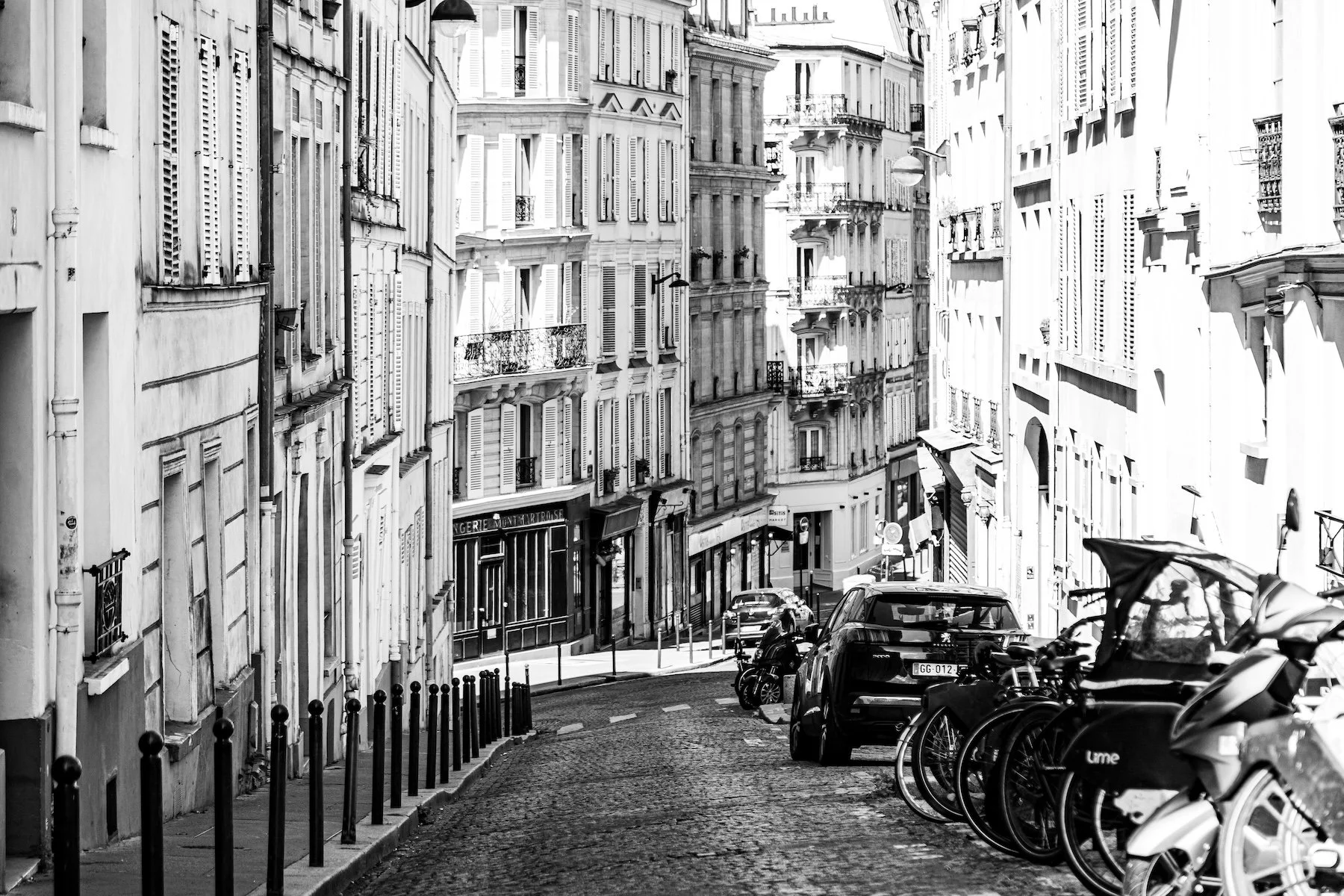
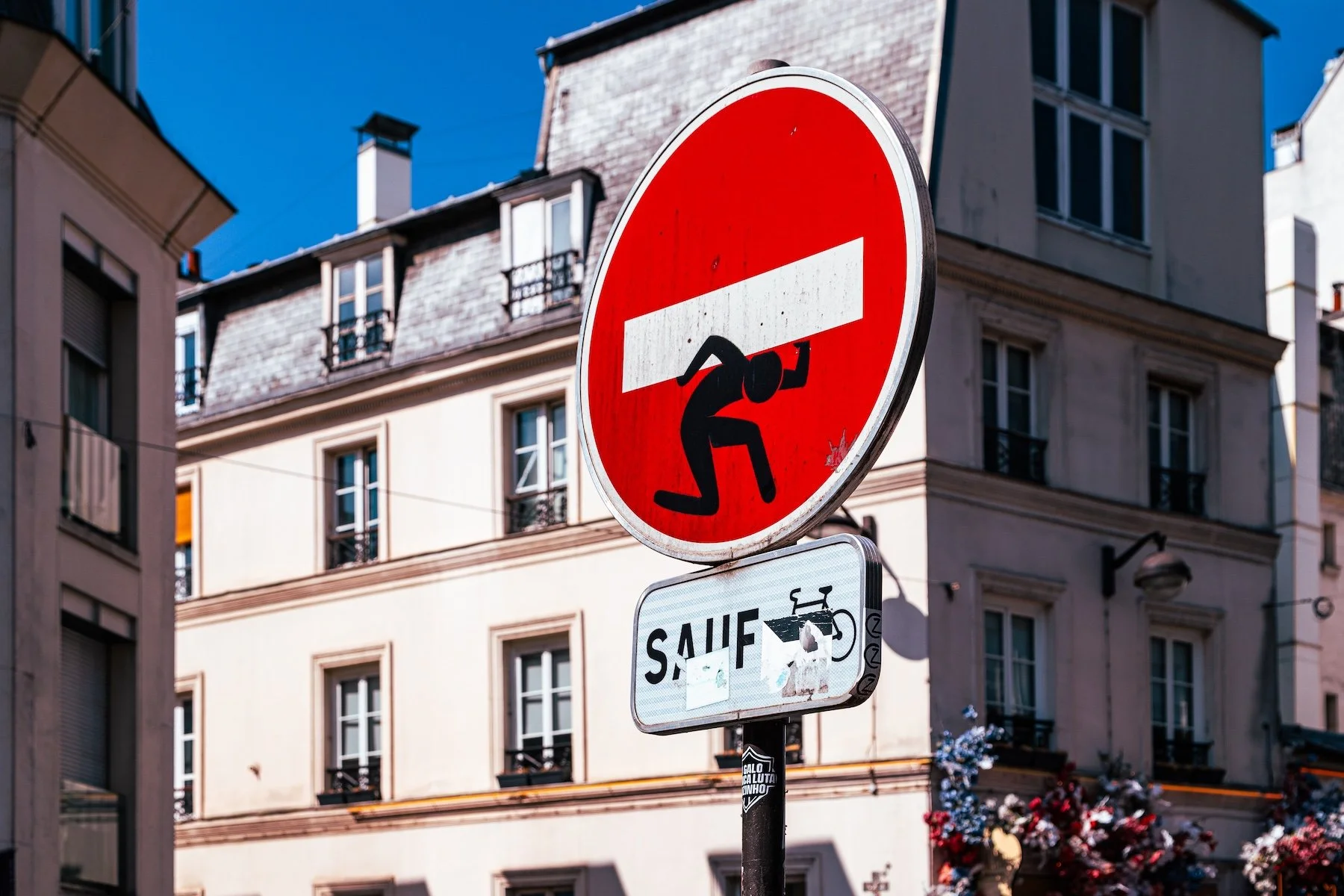
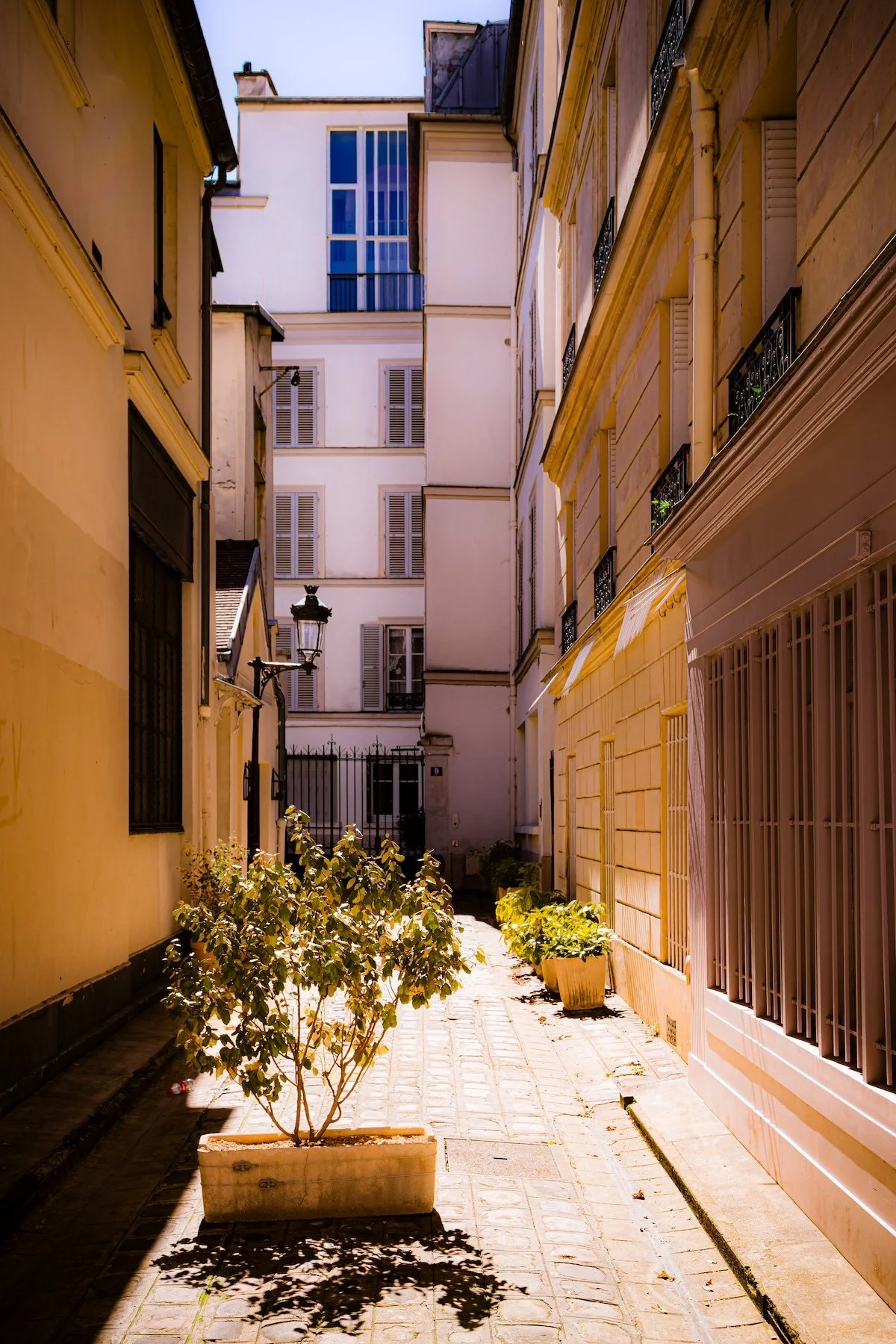
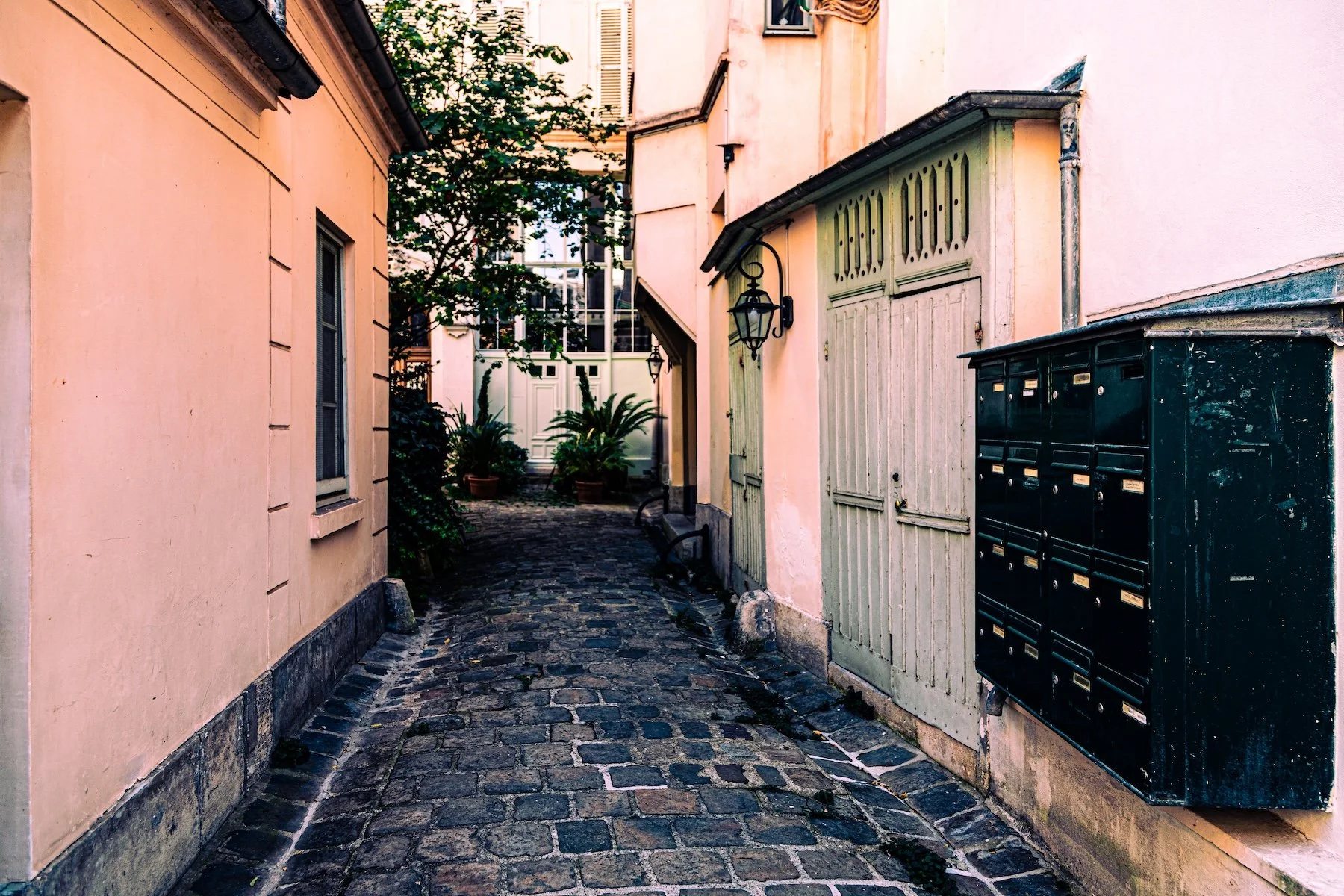
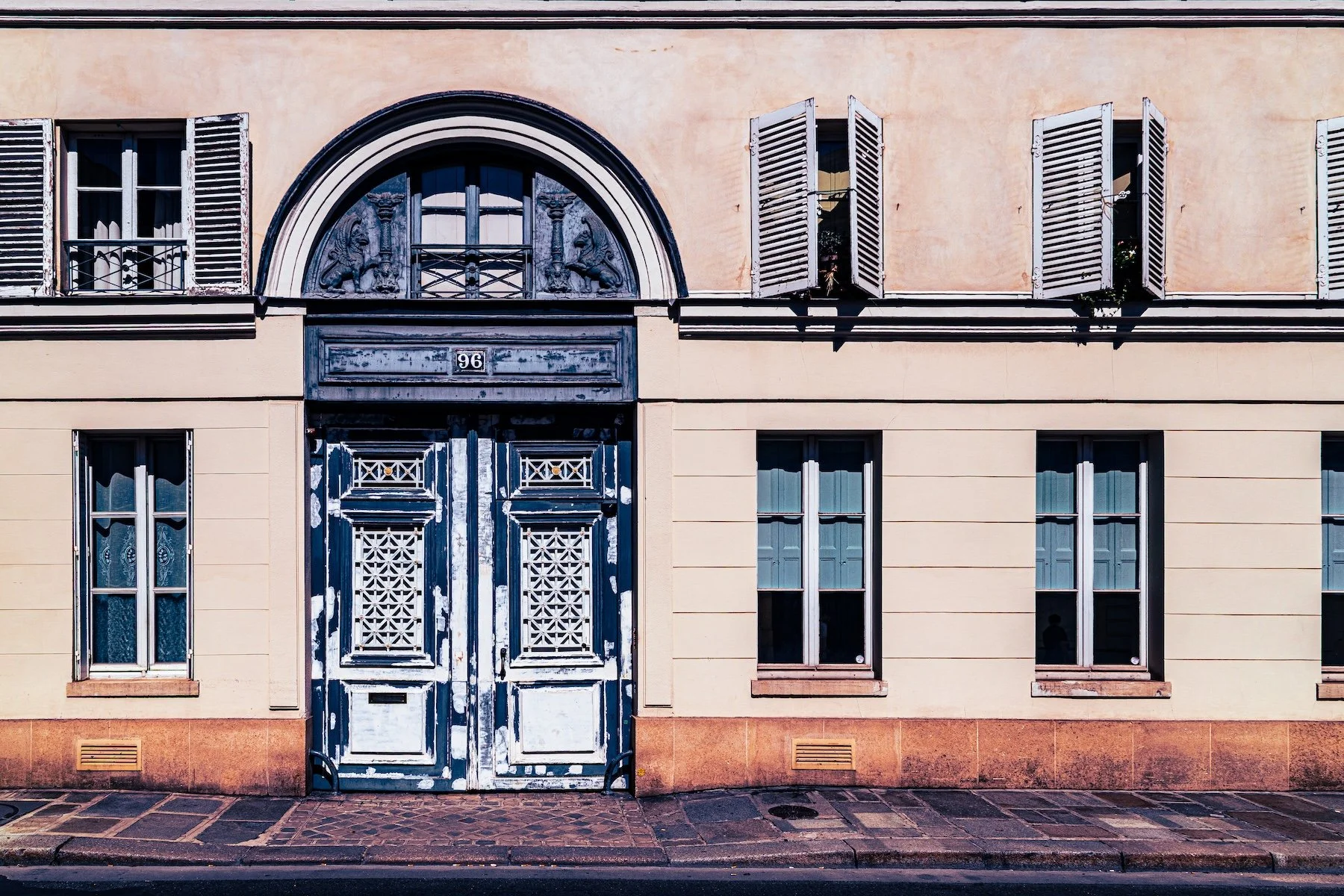
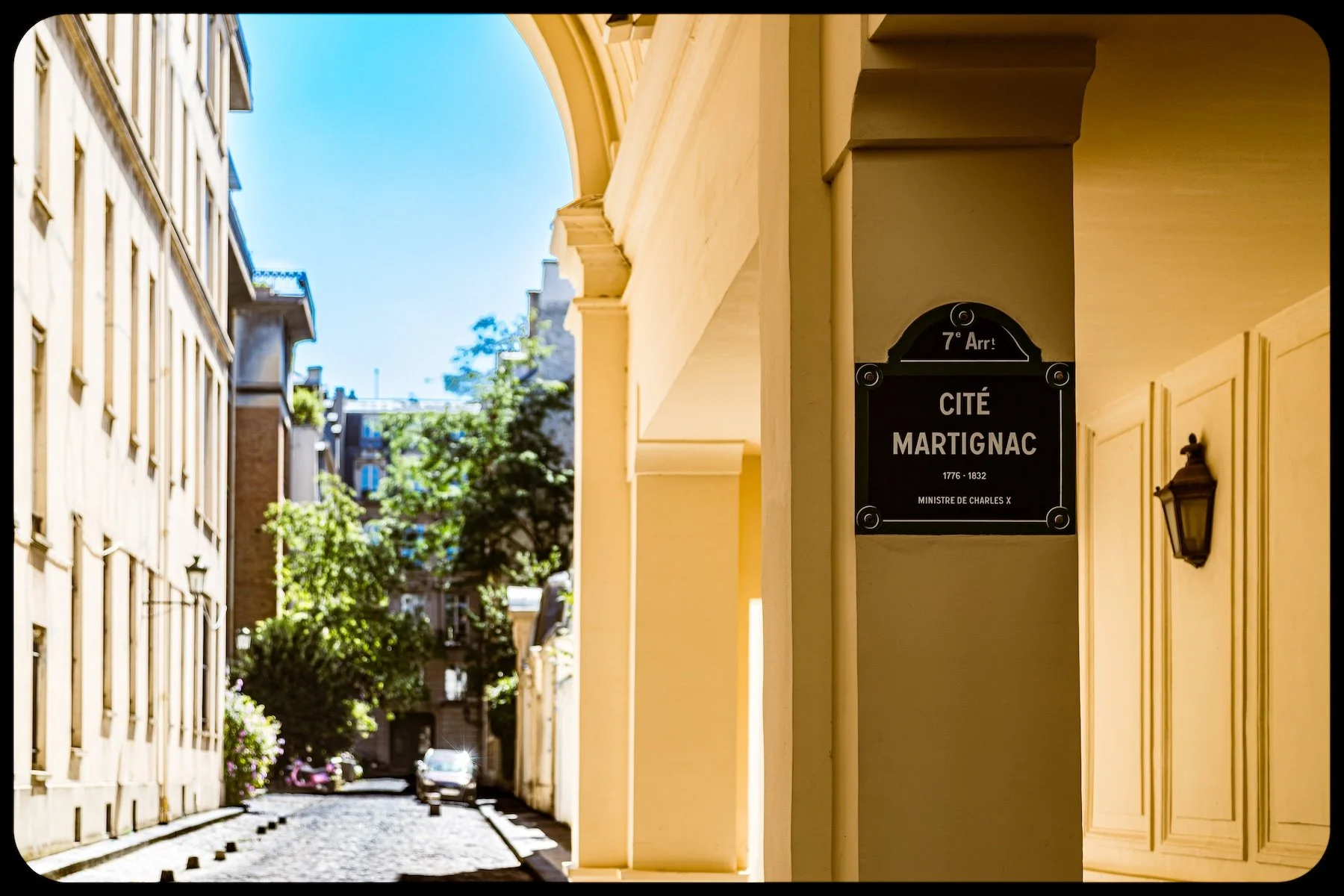
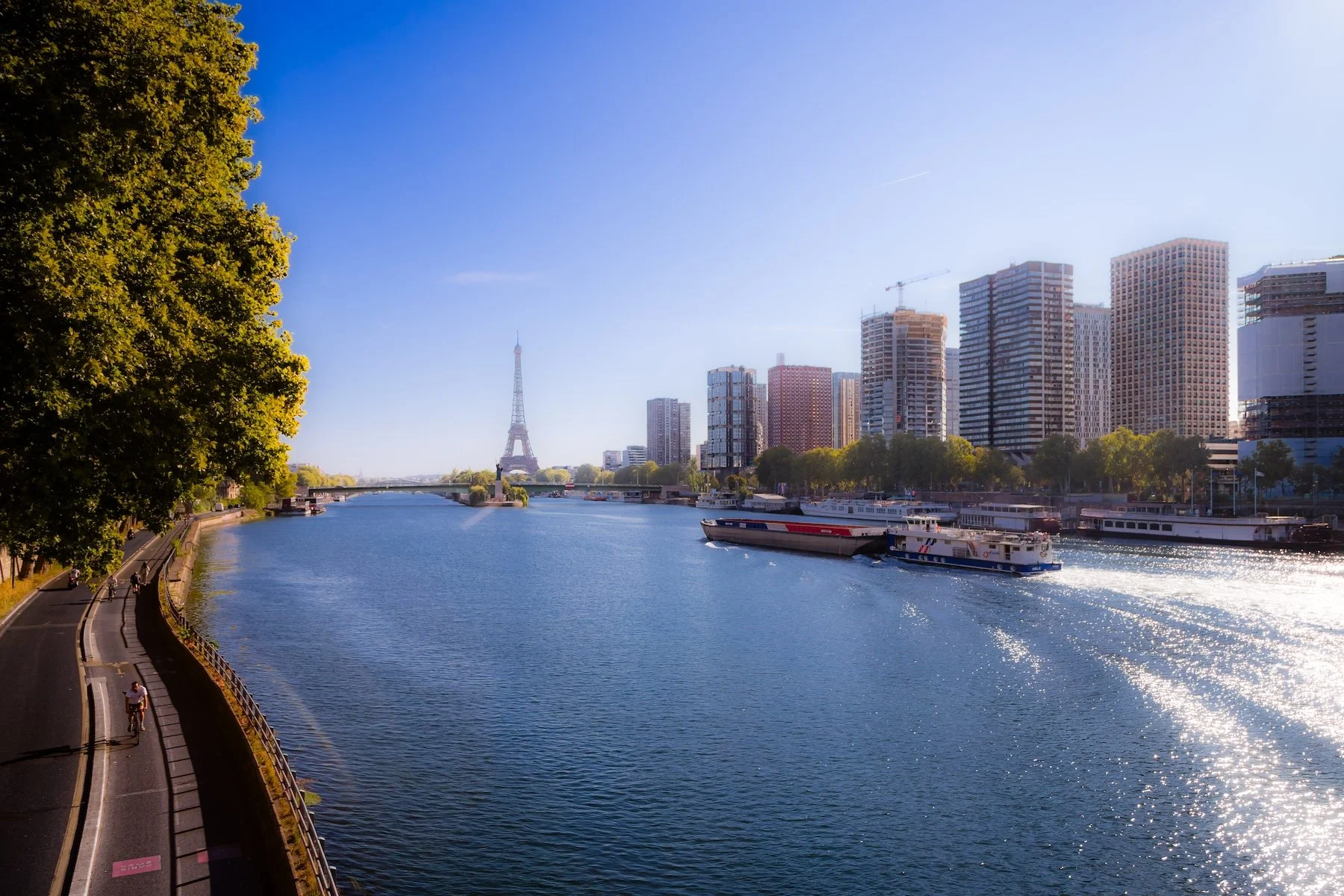
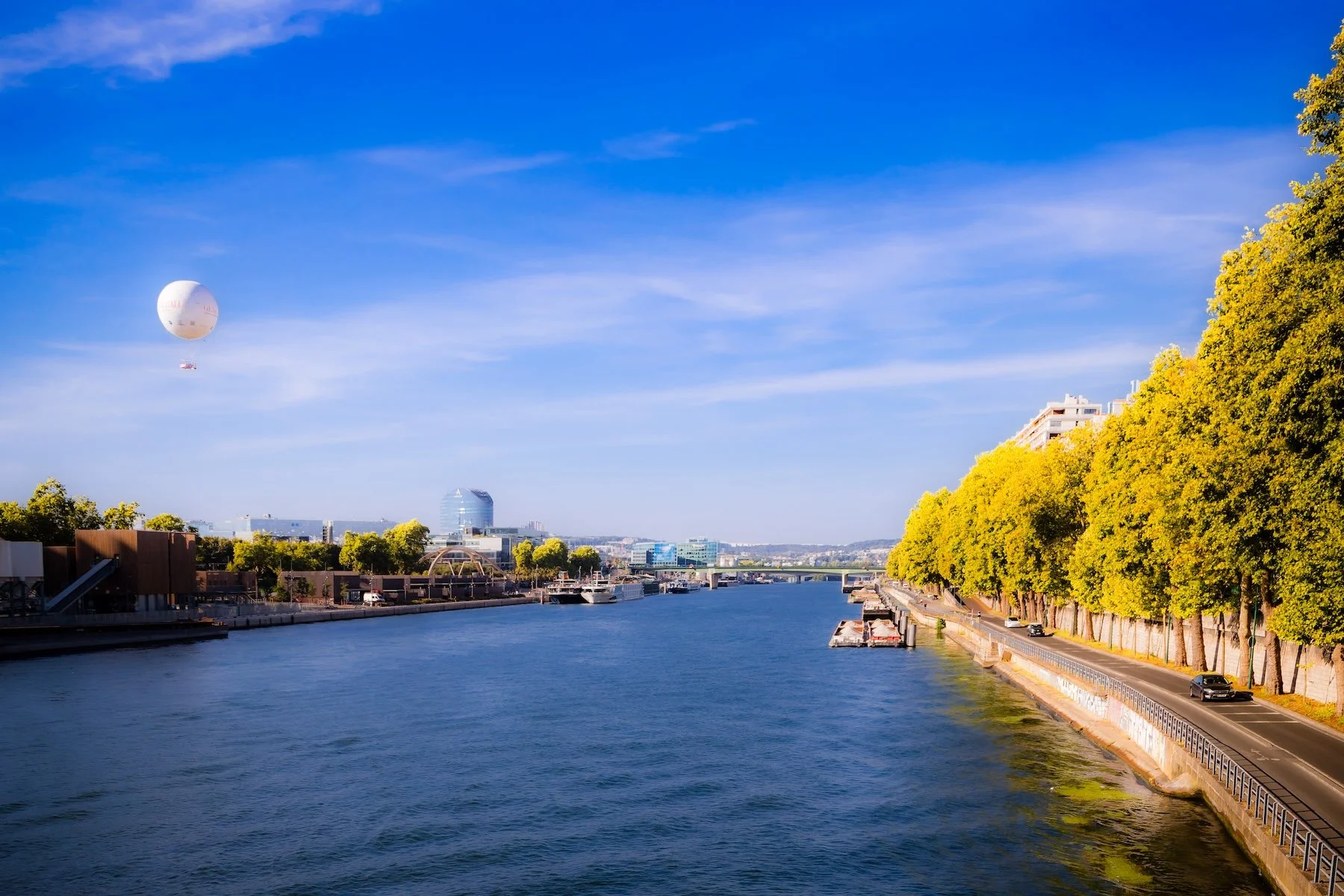
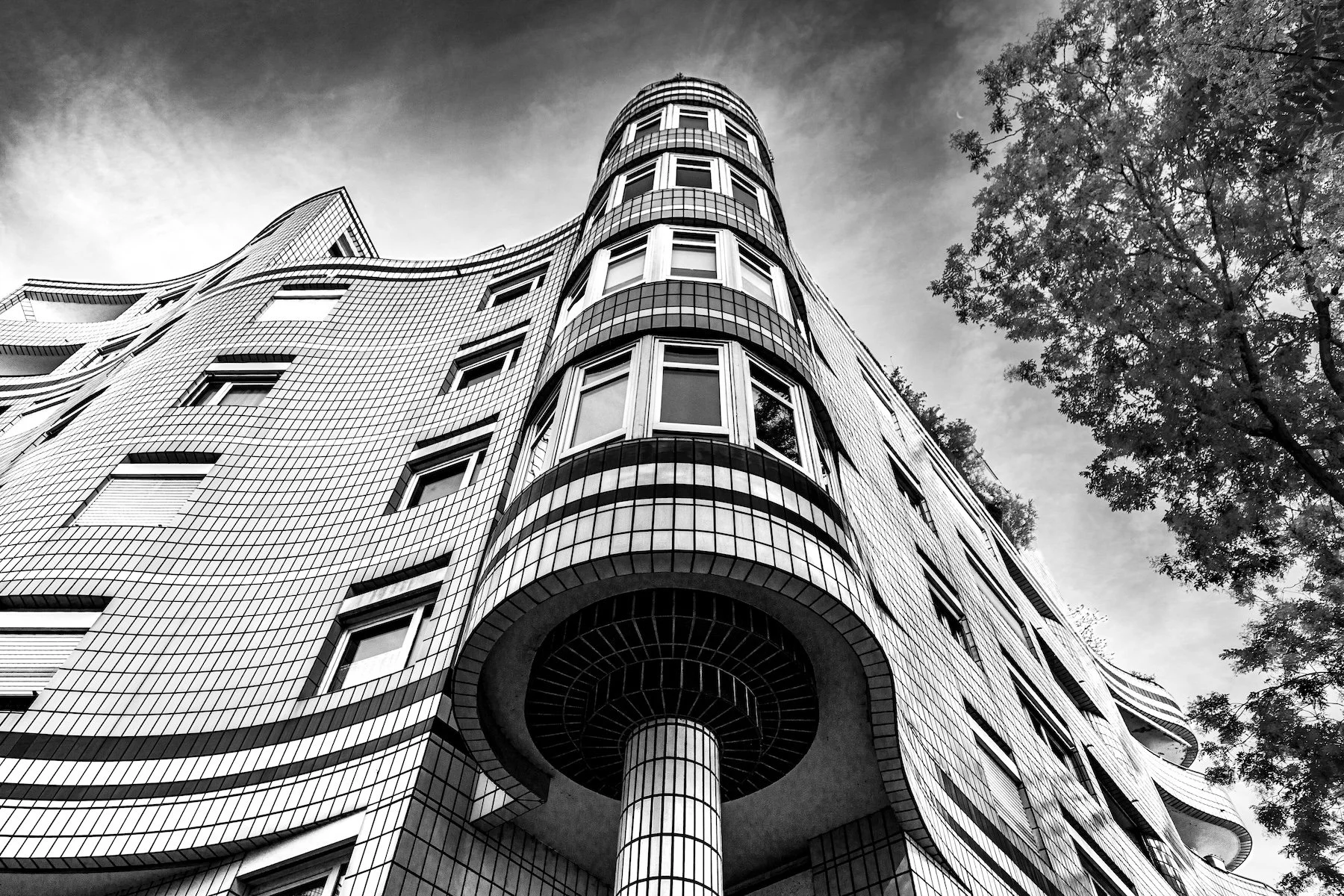
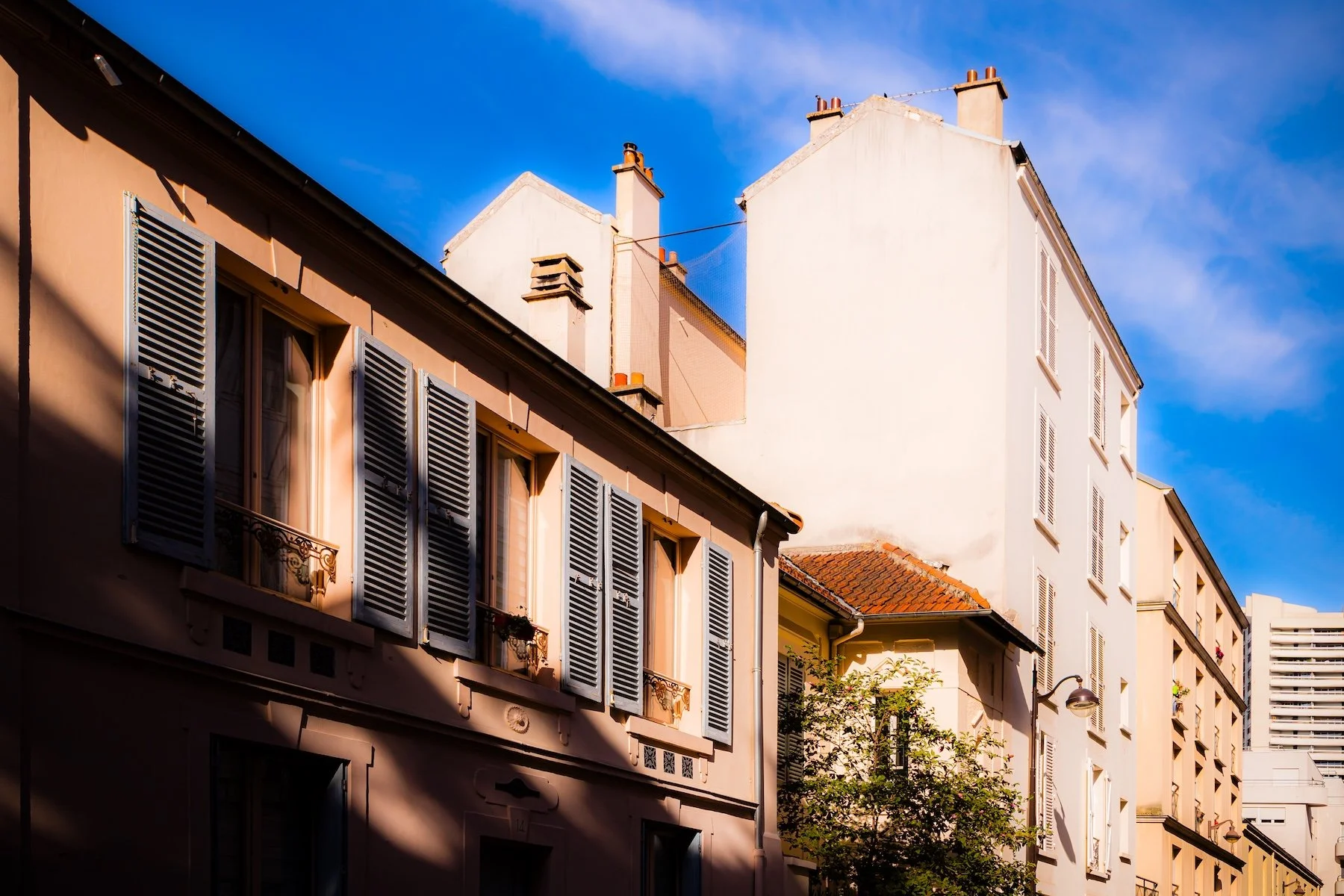
Explore Paris
-

The twenty arrondissements form the civic spiral of Paris, organizing the city into its broad local districts of government, identity, and daily life.
-

Each arrondissement is divided into four official administrative quarters, giving Paris a more precise civic and geographic framework.
-

The conseils de quartier bring participation to street level, giving residents a voice in neighborhood needs, public space, and local civic life.
-

Les Deux Rives trace Paris through the Seine’s two banks, revealing how the Rive Droite and Rive Gauche shaped the city’s civic power, commerce, learning, art, and cultural identity.
-

Cultural neighborhoods reveal the Paris people recognize through history, cafés, architecture, memory, atmosphere, and local belonging.