
7e - PALAIS-BOURBON
Arrondissements
Part of an ongoing project to walk and photograph every neighborhood in Paris, this page explores the 7th Arrondissement: Palais-Bourbon through maps, district identity, history, and photography.
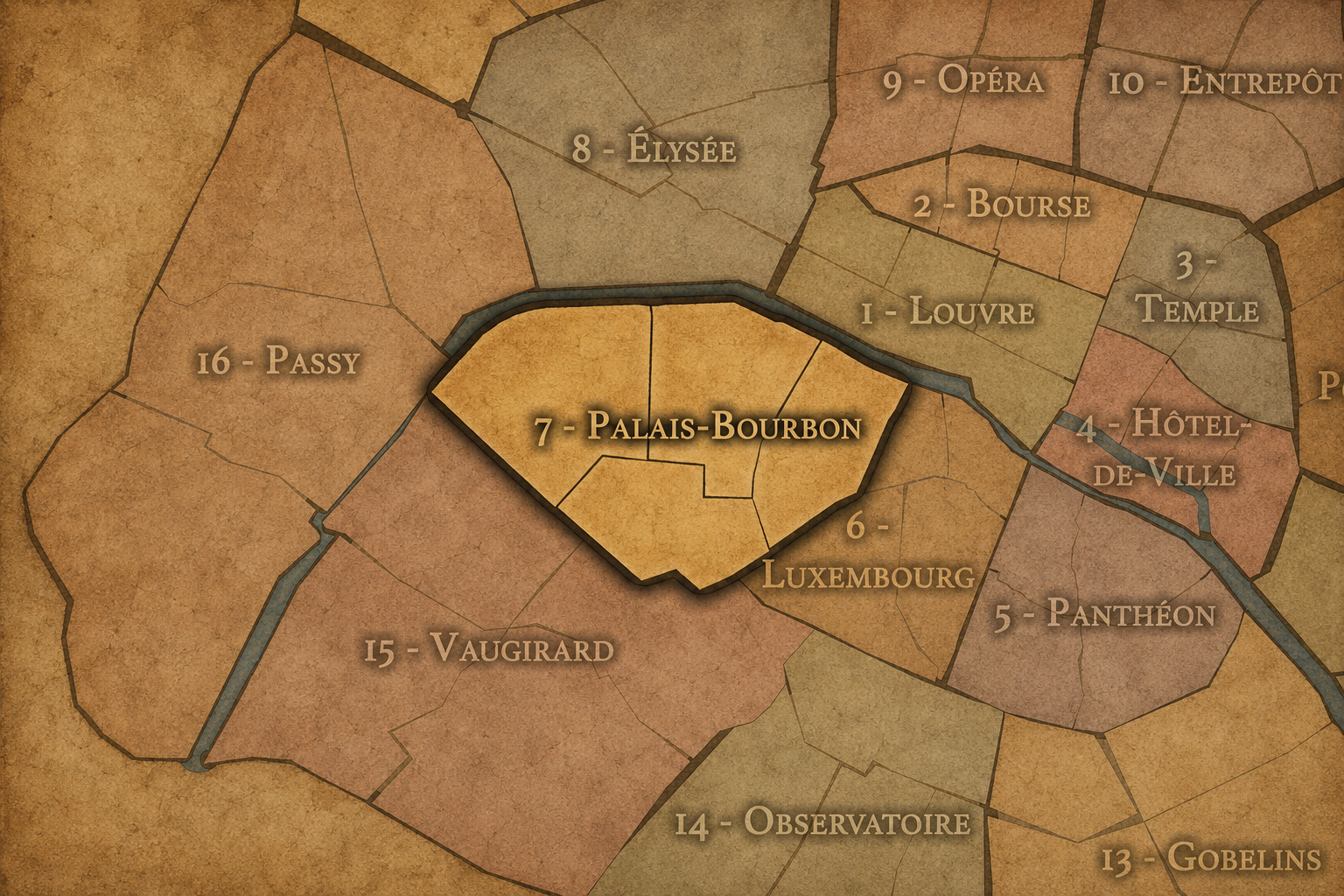
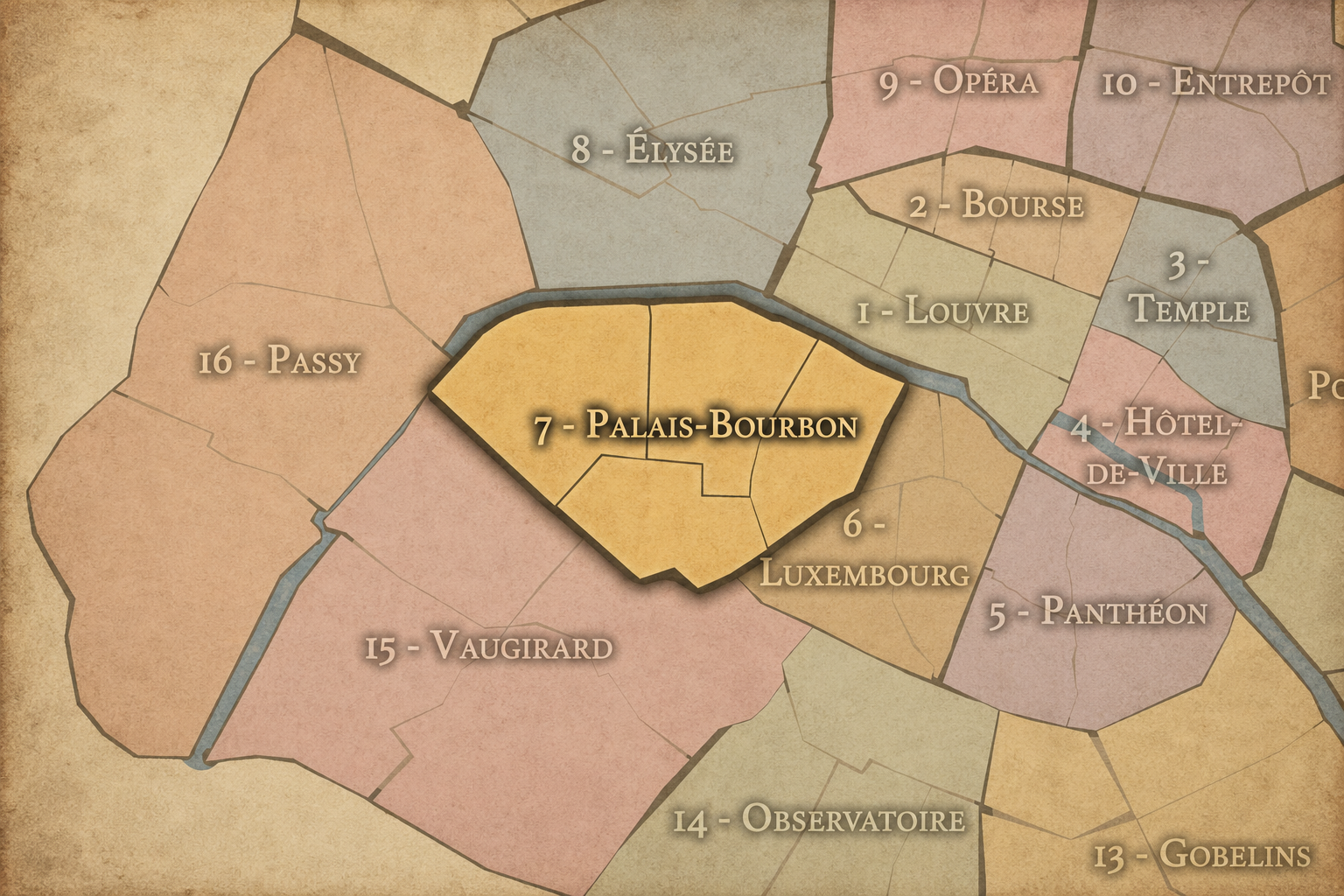
The Map
Download the Paris Arrondissements Map
Geographic Setting
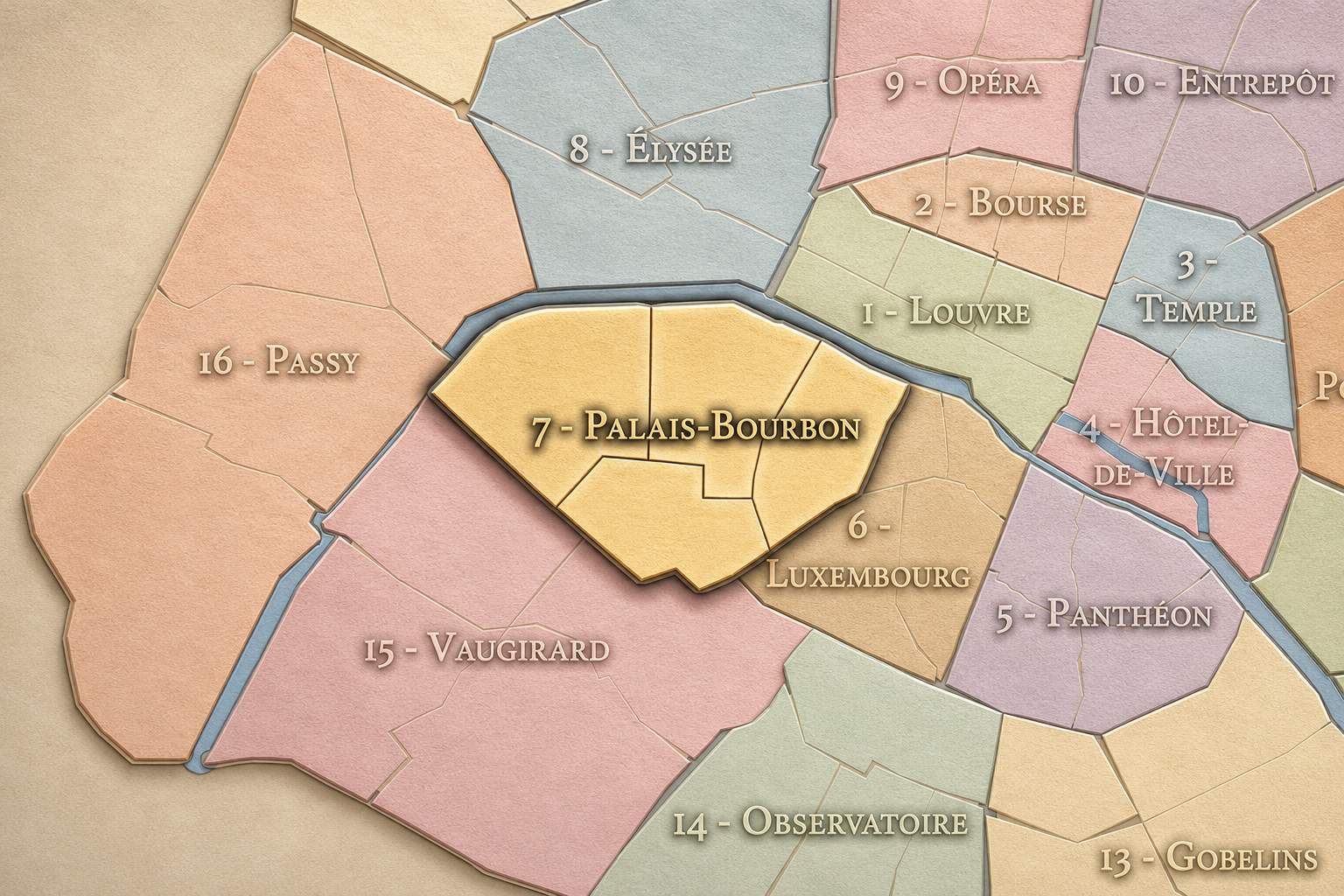
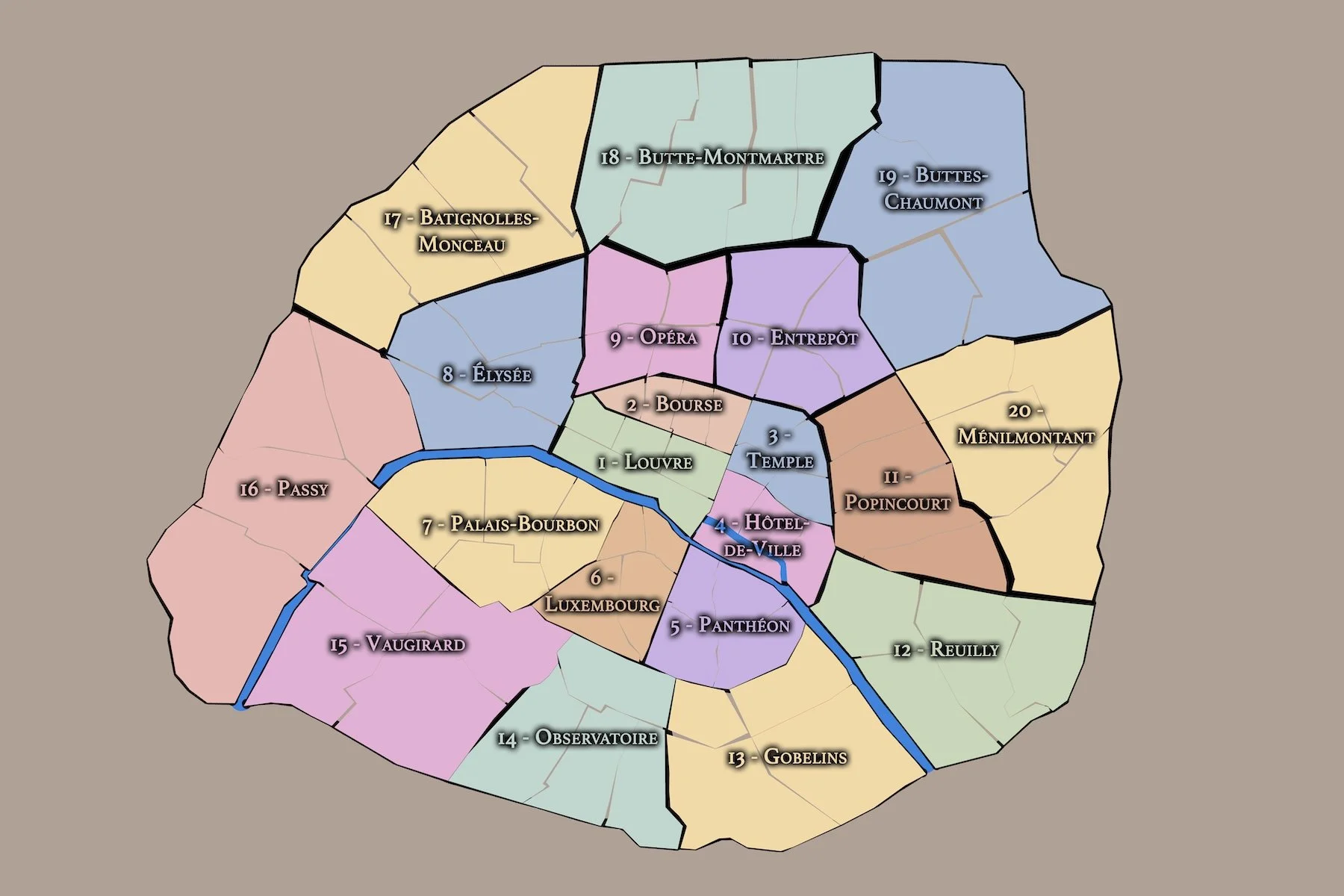
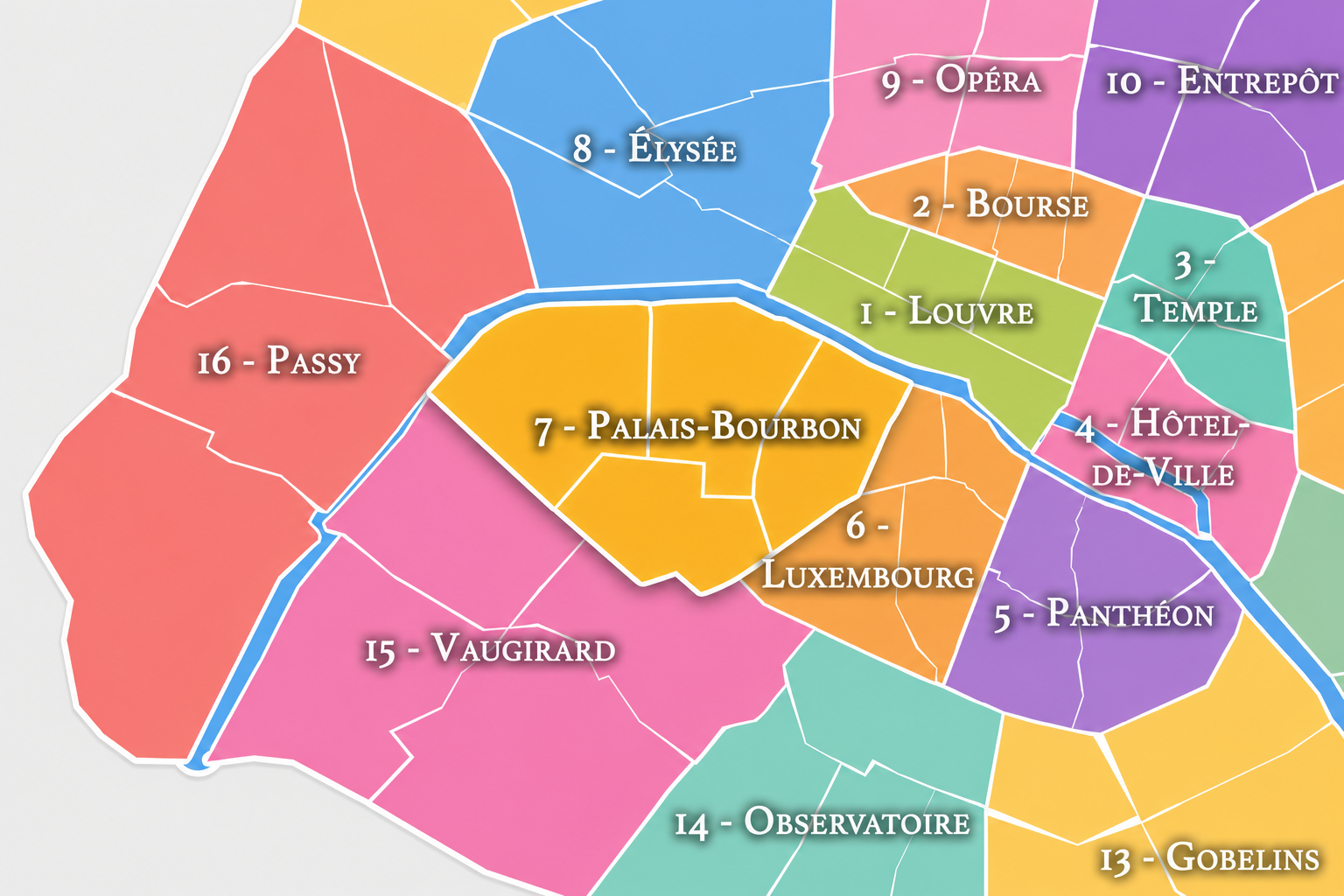
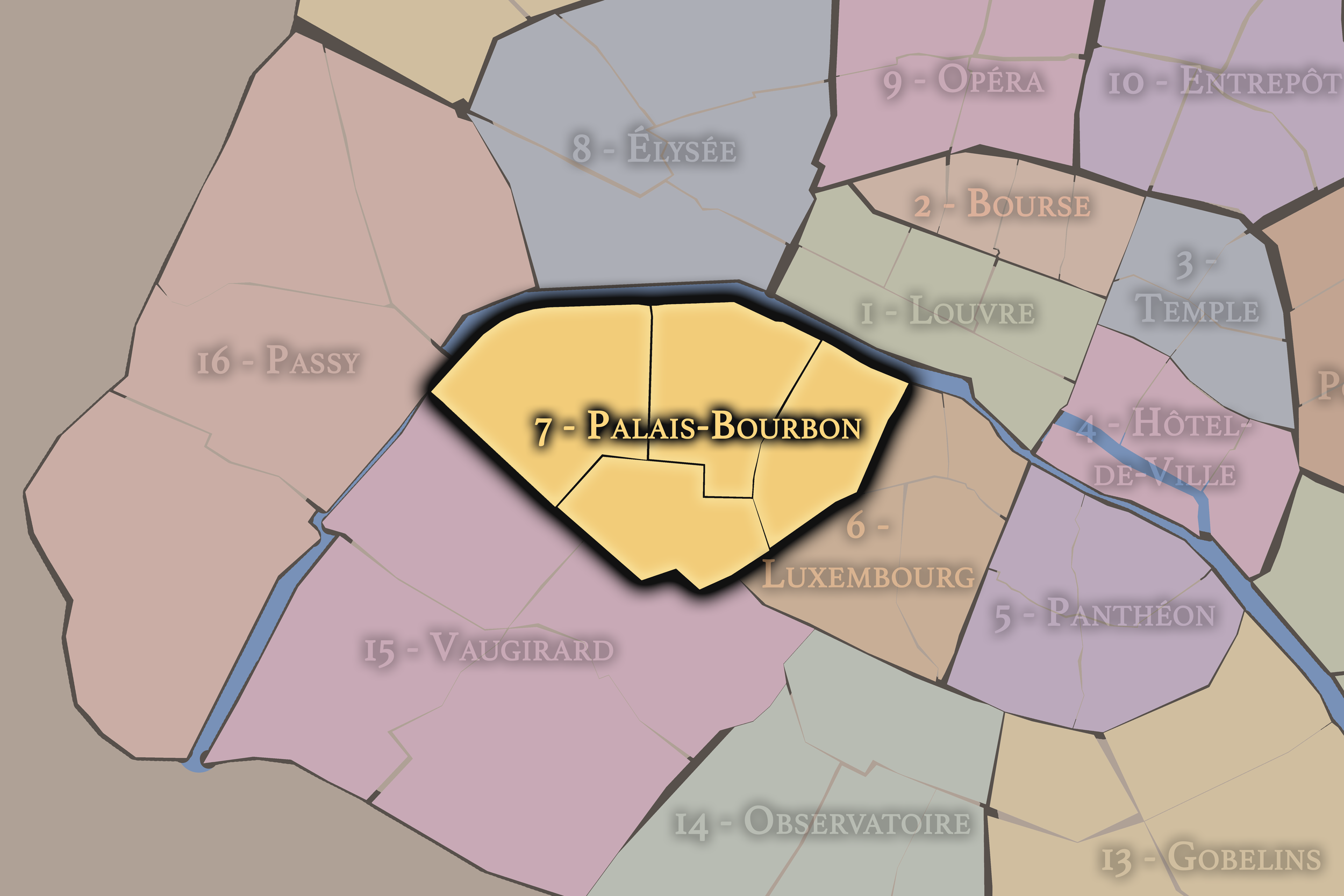
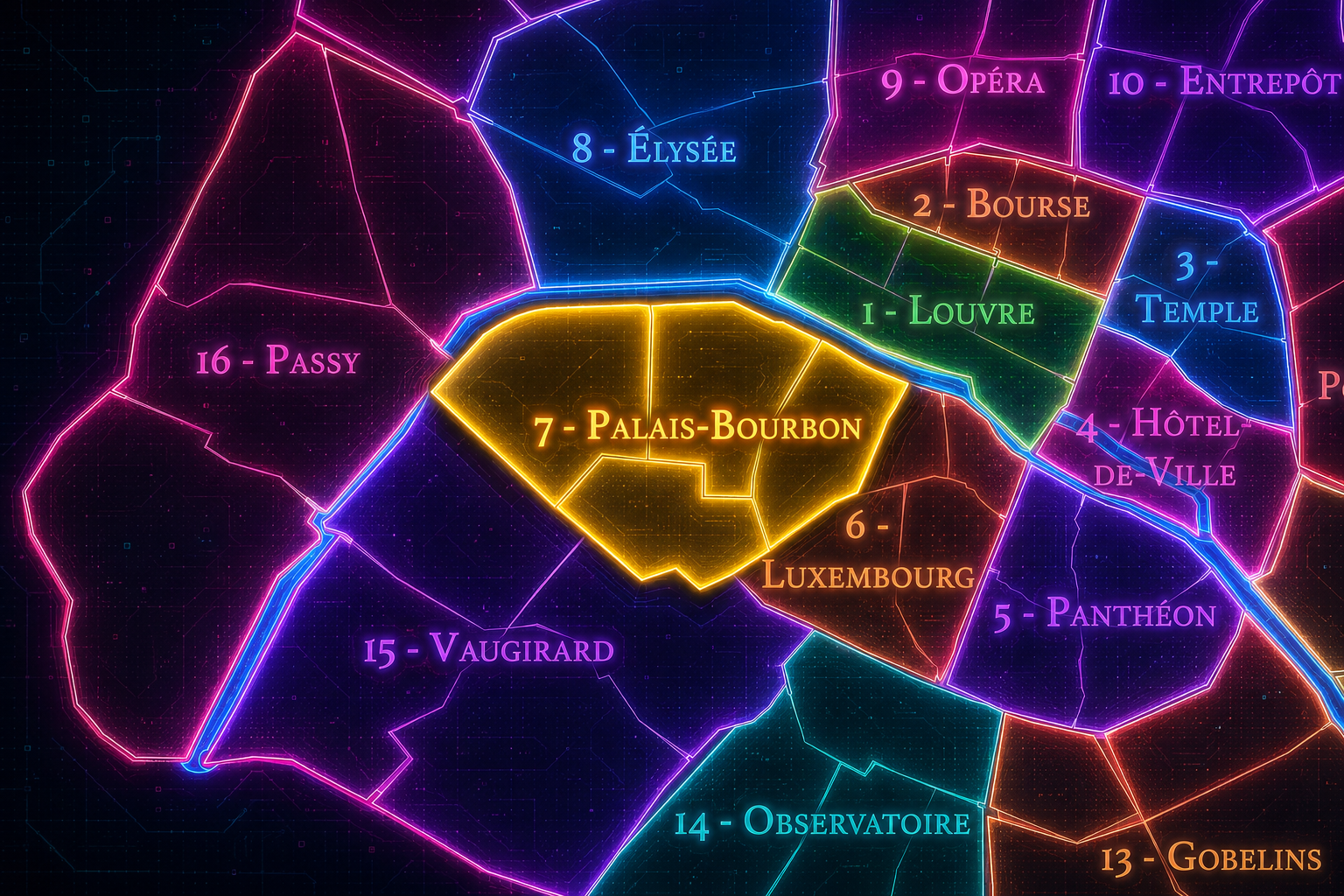
The 7e arrondissement occupies one of the most monumental and institutionally important landscapes on the Left Bank of Paris. It stretches along the Seine west of the 6e arrondissement and opposite the 1er, 8e, and 16e. It is bordered by the 15e to the southwest and the 6e to the east, with the river forming its northern edge and giving the arrondissement some of the most recognizable views in the city.
Its geography is unusually ceremonial. Along the Seine, the arrondissement contains the Musée d’Orsay, the Assemblée nationale at the Palais Bourbon, the Esplanade des Invalides, the Pont Alexandre III approach, the Champ-de-Mars, and the Eiffel Tower. Farther inland, it includes ministries, embassies, schools, military institutions, residential streets, religious houses, and the refined urban fabric associated with Faubourg Saint-Germain. The 7e is therefore not only a residential district or a monument district; it is one of the central stages on which Paris presents national power, diplomacy, military memory, and civic grandeur.
The 7e arrondissement is divided into four administrative quarters: Saint-Thomas-d’Aquin, Invalides, École-Militaire, and Gros-Caillou. Together, they form a district of unusual symbolic weight. Saint-Thomas-d’Aquin carries the aristocratic and ministerial identity of Faubourg Saint-Germain. Invalides gathers military memory, national ceremony, and state institutions. École-Militaire connects the arrondissement to military education, parade grounds, and the monumental axis of the Champ-de-Mars. Gros-Caillou extends toward the Eiffel Tower and the residential streets between the Seine, Rue Saint-Dominique, and the western edge of the arrondissement.
The 7e is one of the places where Paris becomes almost architectural in its national self-image. It is a district of façades, ministries, ceremonial lawns, domes, embassies, museums, military institutions, and riverfront monuments. Its scale is often grand, but its interior streets can be quiet, residential, and highly controlled. This tension between public symbolism and private reserve is central to the arrondissement’s character.
Arrondissement Identity
Etymology and Origins
The arrondissement’s administrative name, Palais-Bourbon, comes from the palace that now houses the Assemblée nationale, the lower house of the French Parliament. Built in the 18th century for Louise Françoise de Bourbon, Duchess of Bourbon and daughter of Louis XIV, the palace became one of the defining institutions of modern French political life after the Revolution and subsequent constitutional transformations.
The name is fitting because the 7e arrondissement is deeply associated with state authority. The Palais Bourbon, the Hôtel des Invalides, the École Militaire, ministries, embassies, and diplomatic residences all give the district an identity tied to governance, military memory, and official life. Unlike the 5e, whose name points toward intellectual and republican commemoration, or the 6e, whose name evokes palace garden and cultural refinement, the 7e’s name points directly to the architecture of political power.
Yet the origins of the arrondissement are older and broader than the Palais Bourbon itself. Much of this area belonged historically to the western Left Bank beyond the dense medieval city, shaped by fields, religious institutions, aristocratic estates, riverfront lands, and the gradual development of Faubourg Saint-Germain. Over time, this once more open territory became one of the most prestigious districts in Paris, transformed by noble residences, royal institutions, military landscapes, and later national monuments.
The 7e arrondissement is one of the twenty municipal arrondissements of Paris and remains a distinct local civic unit with its own mairie. It is not part of Paris Centre, which groups only the 1er, 2e, 3e, and 4e arrondissements. Its civic identity is therefore anchored in its own arrondissement administration as well as in the many national institutions located within its boundaries.
The arrondissement’s four administrative quarters — Saint-Thomas-d’Aquin, Invalides, École-Militaire, and Gros-Caillou — provide its official internal structure. These quarters are especially important because the 7e contains several overlapping identities that can otherwise blur together: Faubourg Saint-Germain, Invalides, the Eiffel Tower district, the Champ-de-Mars, the ministerial quarter, and the residential streets of the western Left Bank.
For this project, the 7e is treated as both an official geographic layer and a cultural-historical district. Its civic framework helps distinguish the arrondissement from broader shorthand labels such as “the Eiffel Tower area” or “Faubourg Saint-Germain.” The arrondissement contains both of those identities, but it also includes a much wider landscape of political institutions, military memory, aristocratic architecture, museums, embassies, and everyday residential life.
Civic Framework
Parisian Identity
The 7e arrondissement holds one of the most powerful symbolic places in Paris. To much of the world, it is inseparable from the Eiffel Tower, the Champ-de-Mars, Les Invalides, and the grand riverfront image of the capital. It is a district of postcard Paris, diplomatic Paris, military Paris, museum Paris, and parliamentary Paris, all layered into a relatively contained Left Bank geography.
Its Parisian identity is defined by visibility and authority. The Eiffel Tower is among the most recognized structures in the world. The golden dome of Les Invalides marks military memory and imperial burial. The Palais Bourbon represents parliamentary life. The ministries and embassies of the Faubourg Saint-Germain carry the atmosphere of diplomacy, administration, and state power. The Musée d’Orsay brings a major cultural and artistic identity to the Seine edge, transforming a former railway station into one of the city’s great museums.
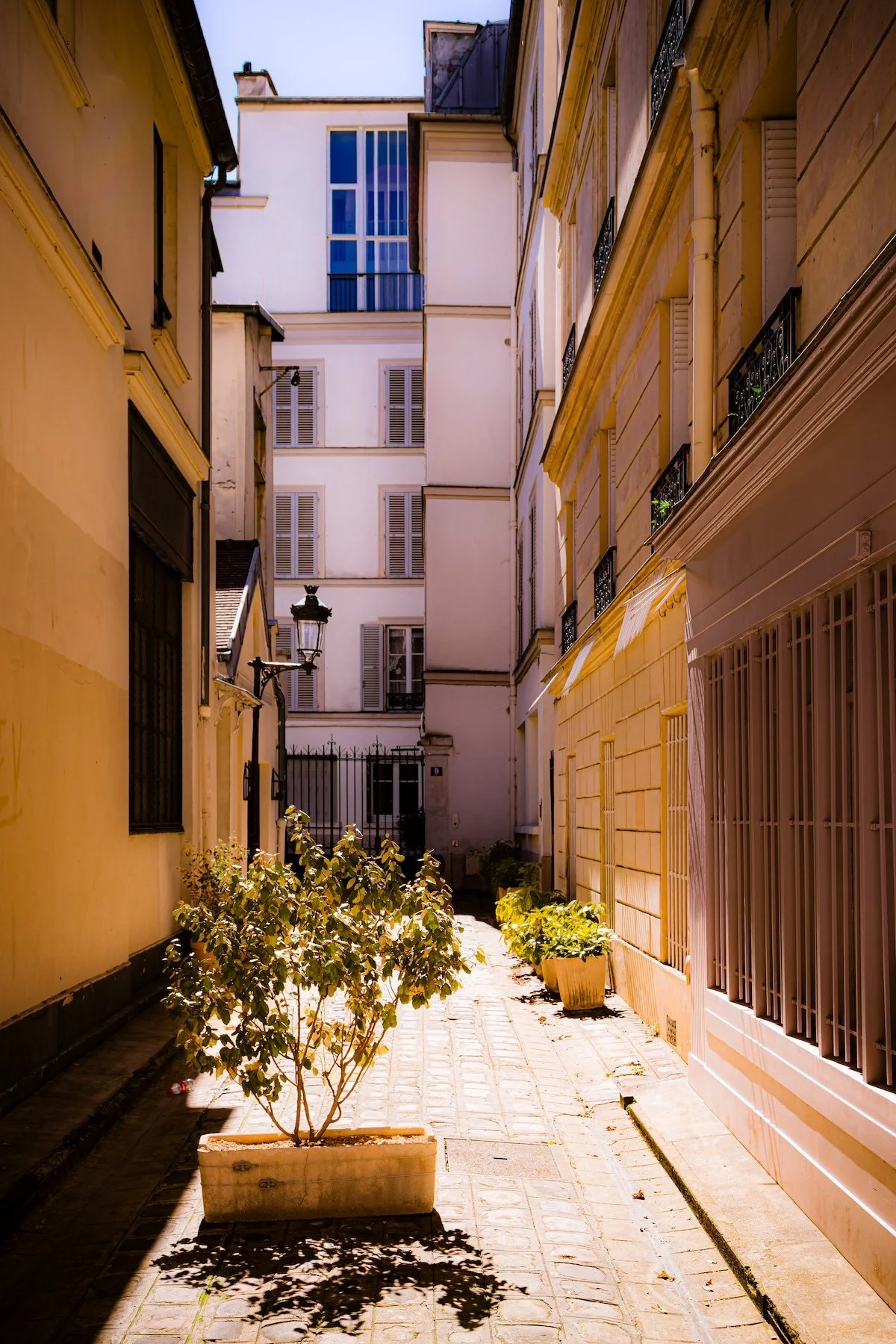
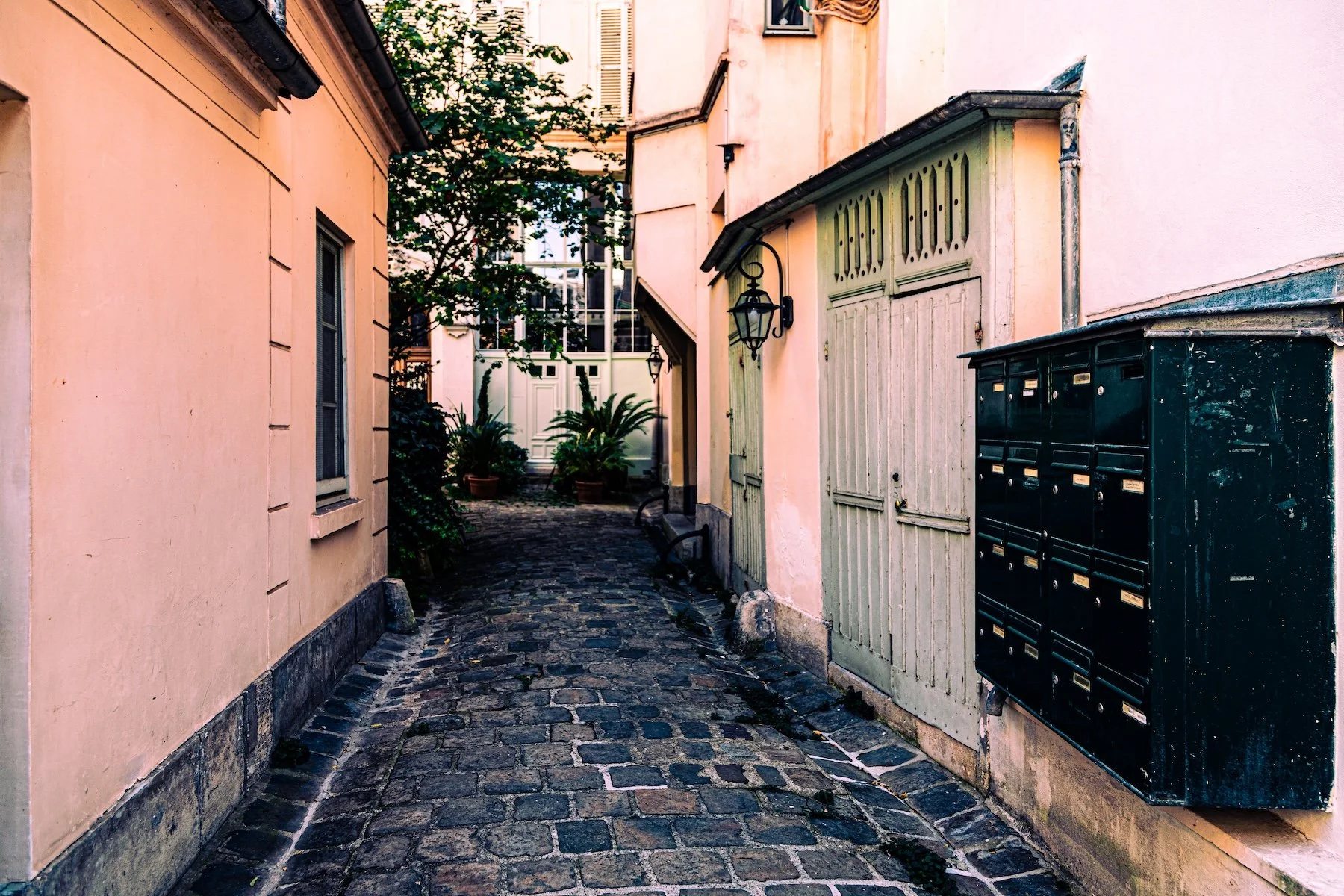
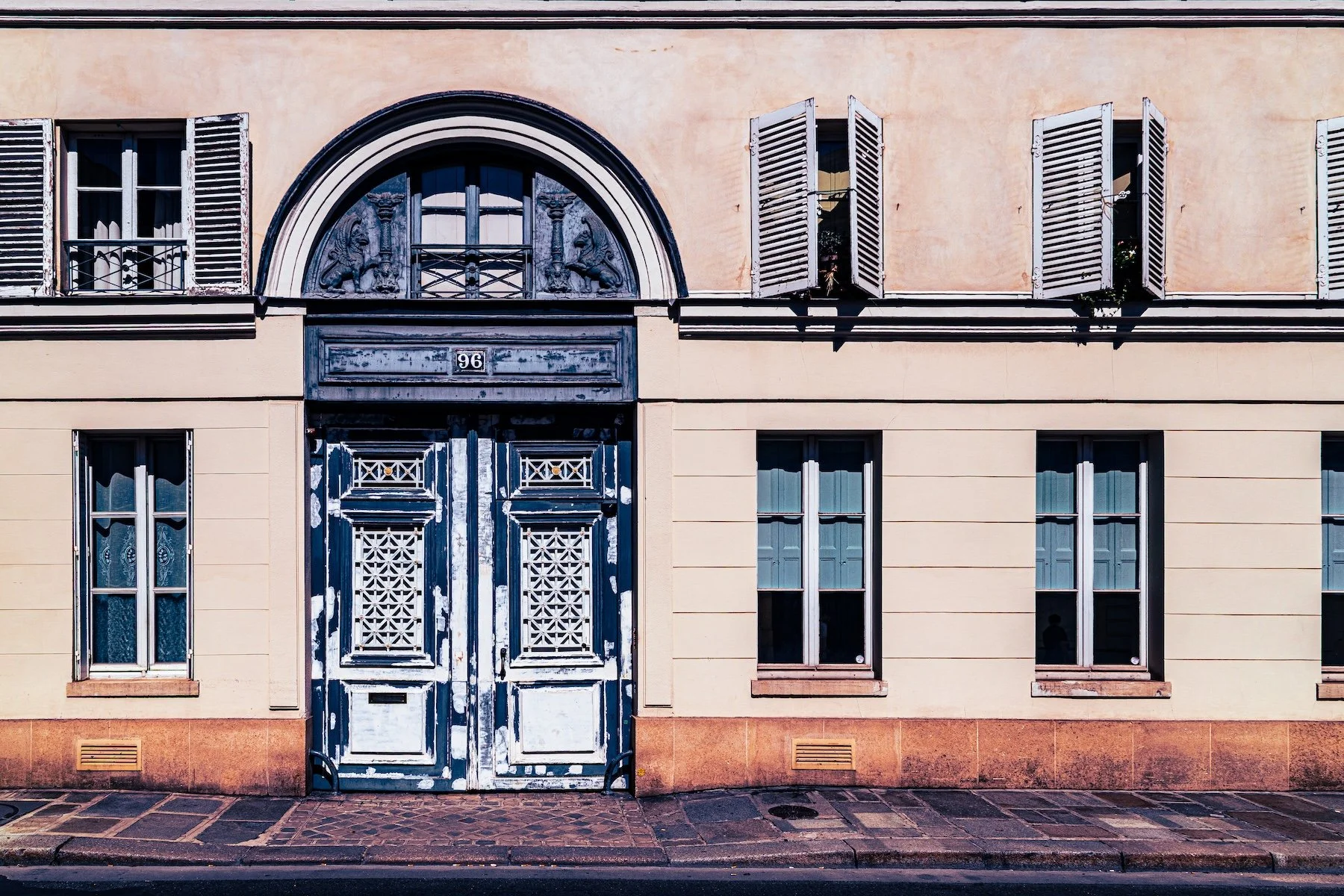
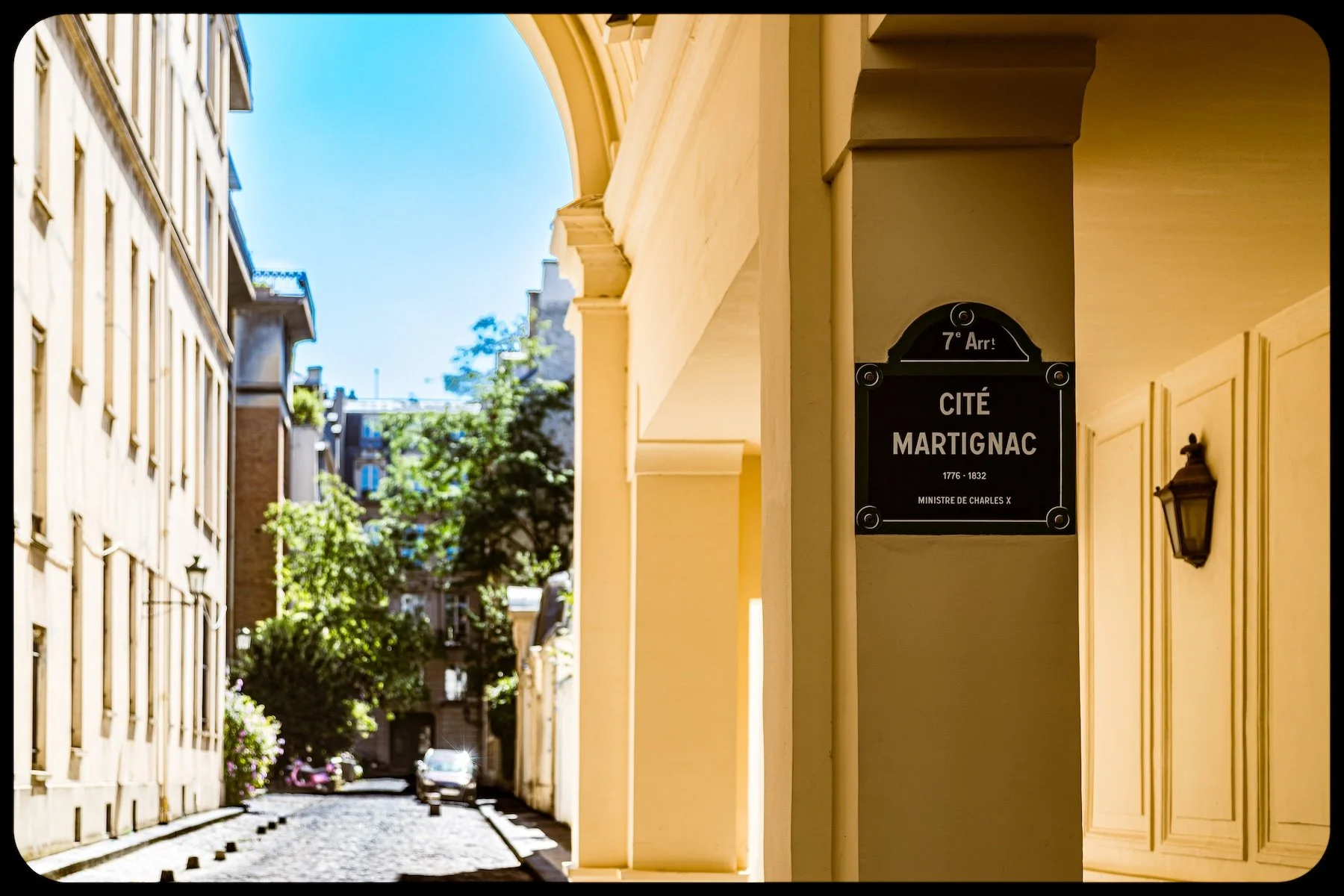
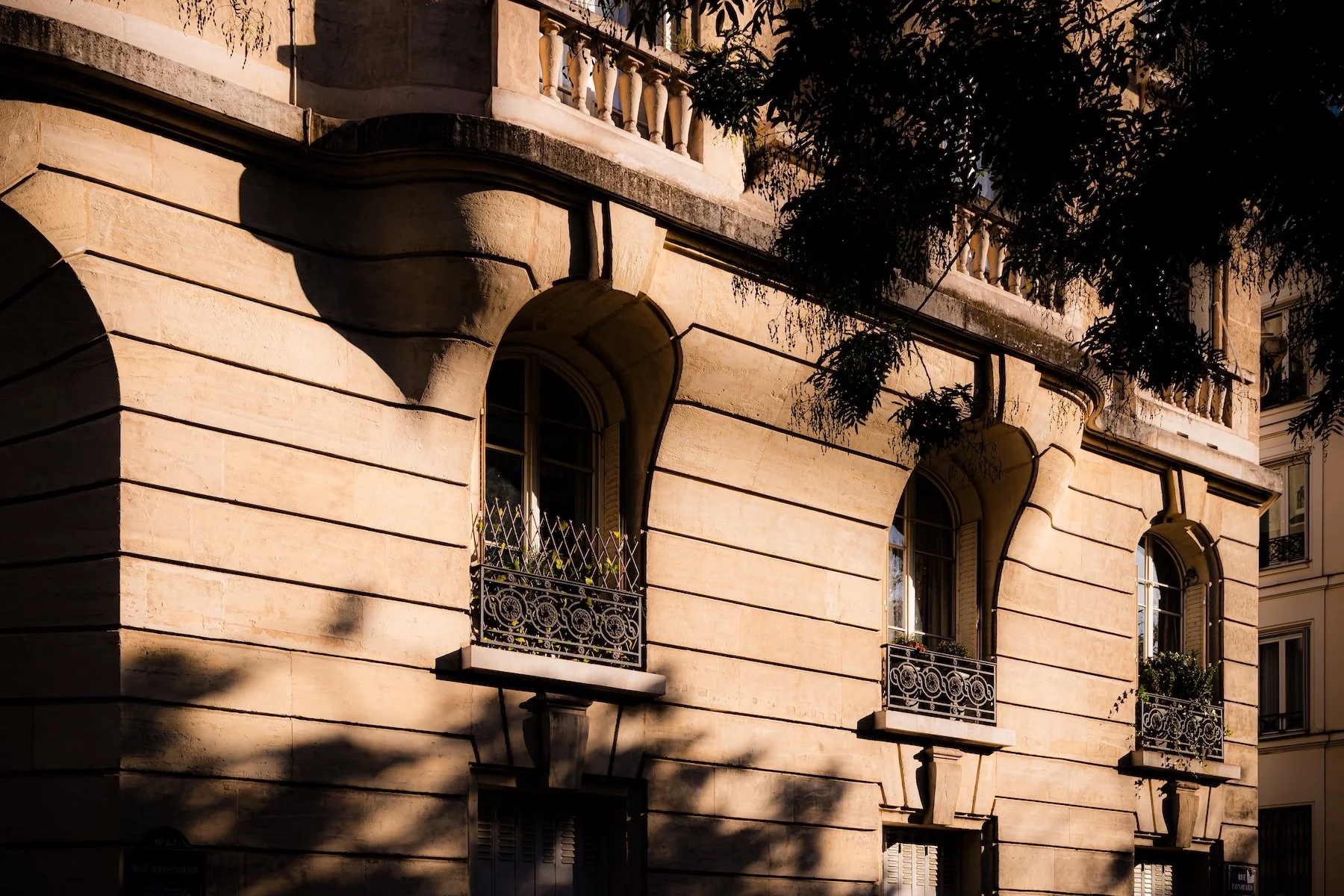
Yet the 7e is not only monumental. Away from the great sites, it can feel reserved, residential, and restrained. Its streets often express a quieter Paris of formal façades, courtyards, schools, embassies, small shops, and elegant apartment buildings. The arrondissement’s identity lies in the contrast between global visibility and local discretion: some of the most famous views in the world sit beside some of the most private-feeling streets in central Paris.
The 7e arrondissement is distinguished by the concentration of national symbolism within a highly controlled urban fabric. It is not a neighborhood in the intimate, village-like sense, nor is it only a monument district. It is a civic landscape where political authority, military history, diplomacy, museum culture, and residential prestige meet.
Its four administrative quarters express this range. Saint-Thomas-d’Aquin gives the arrondissement its aristocratic, ministerial, and Faubourg Saint-Germain identity. Invalides gathers the dome, the military complex, the Esplanade, and the institutions around one of the city’s most ceremonial landscapes. École-Militaire is defined by military education, the Champ-de-Mars, and the long vista toward the Eiffel Tower. Gros-Caillou gives the arrondissement a more residential and river-facing western identity, closely associated with the Eiffel Tower, Rue Saint-Dominique, and the streets around the Seine.
The 7e’s distinction also comes from its scale. Many Parisian districts are understood through street life, markets, cafés, or density. The 7e is often understood through axes, façades, open lawns, embassies, institutions, and controlled ceremonial space. It is spacious by central Paris standards, but not empty; formal, but not lifeless; internationally recognizable, but still deeply shaped by local routines. Its character is grand, guarded, and quietly inhabited.
Neighborhood Distinction
Les Quartiers Administratifs
Administrative Quarters
The Four Administrative Quarters
Each Paris arrondissement is divided into four official administrative quarters. These smaller districts reveal older place-names, local histories, civic boundaries, and neighborhood identities.
-
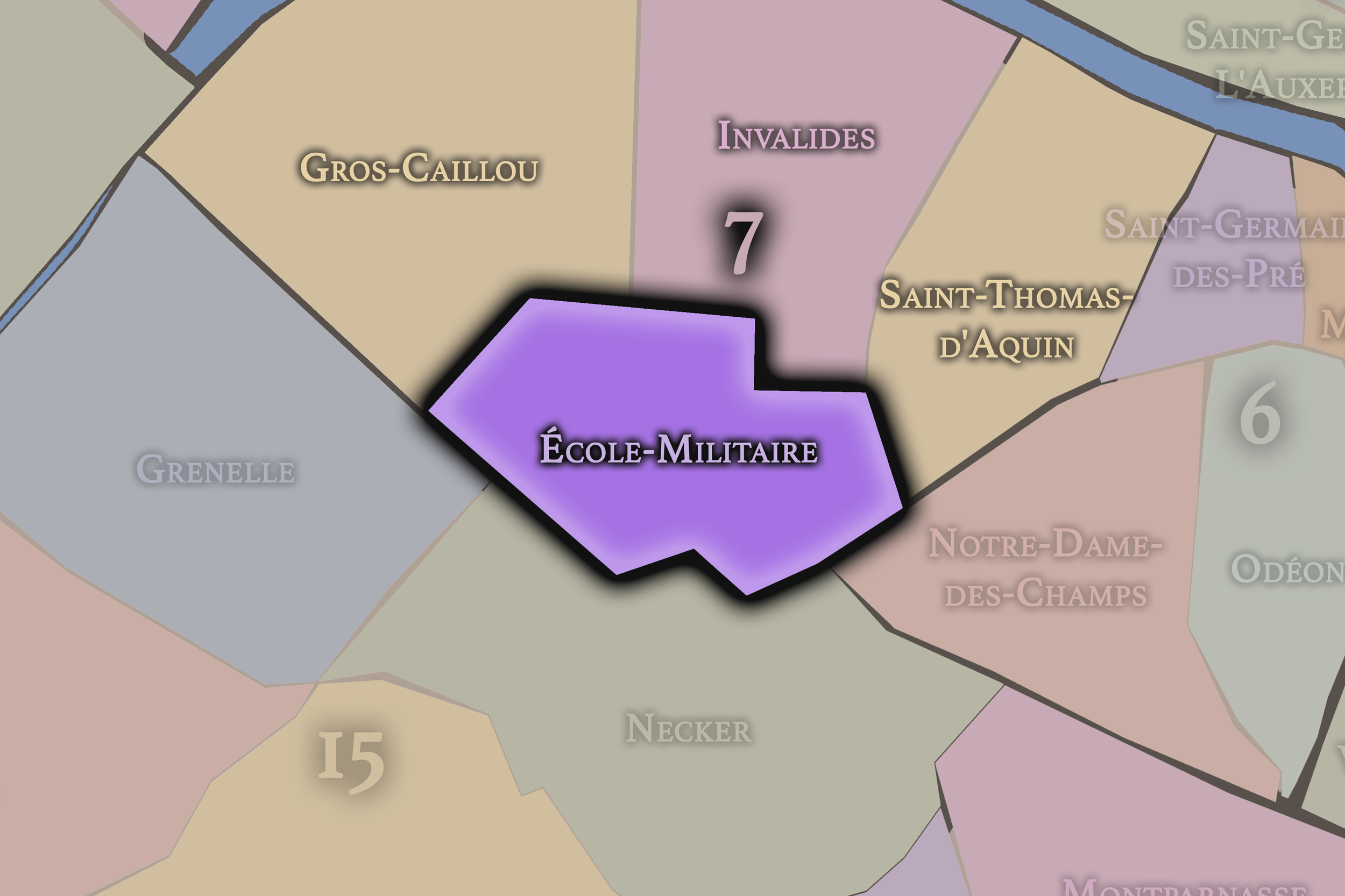
École-Militaire
École-Militaire occupies the southwestern and central-western portion of the arrondissement, centered around the École Militaire and the Champ-de-Mars. Its identity is shaped by military education, parade grounds, open lawns, formal planning, and the great visual axis that leads toward the Eiffel Tower.
This quarter gives the 7e a landscape of openness and perspective. The Champ-de-Mars, once tied to military exercise and civic gatherings, now functions as one of the city’s most visible public spaces. École-Militaire is where the arrondissement’s military, educational, and monumental identities converge: state training, public lawn, and global landmark all share the same urban frame.
-
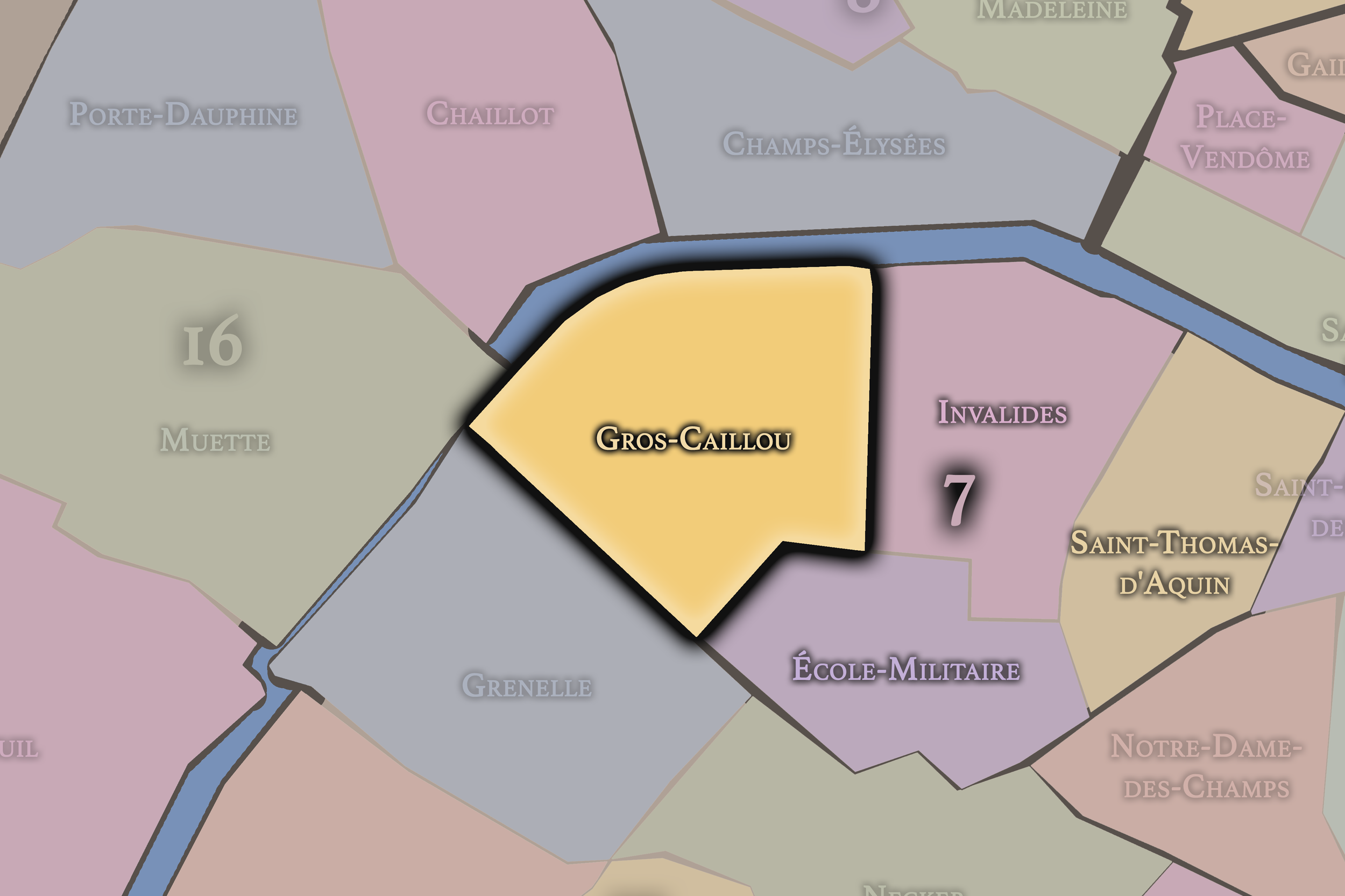
Gros-Caillou
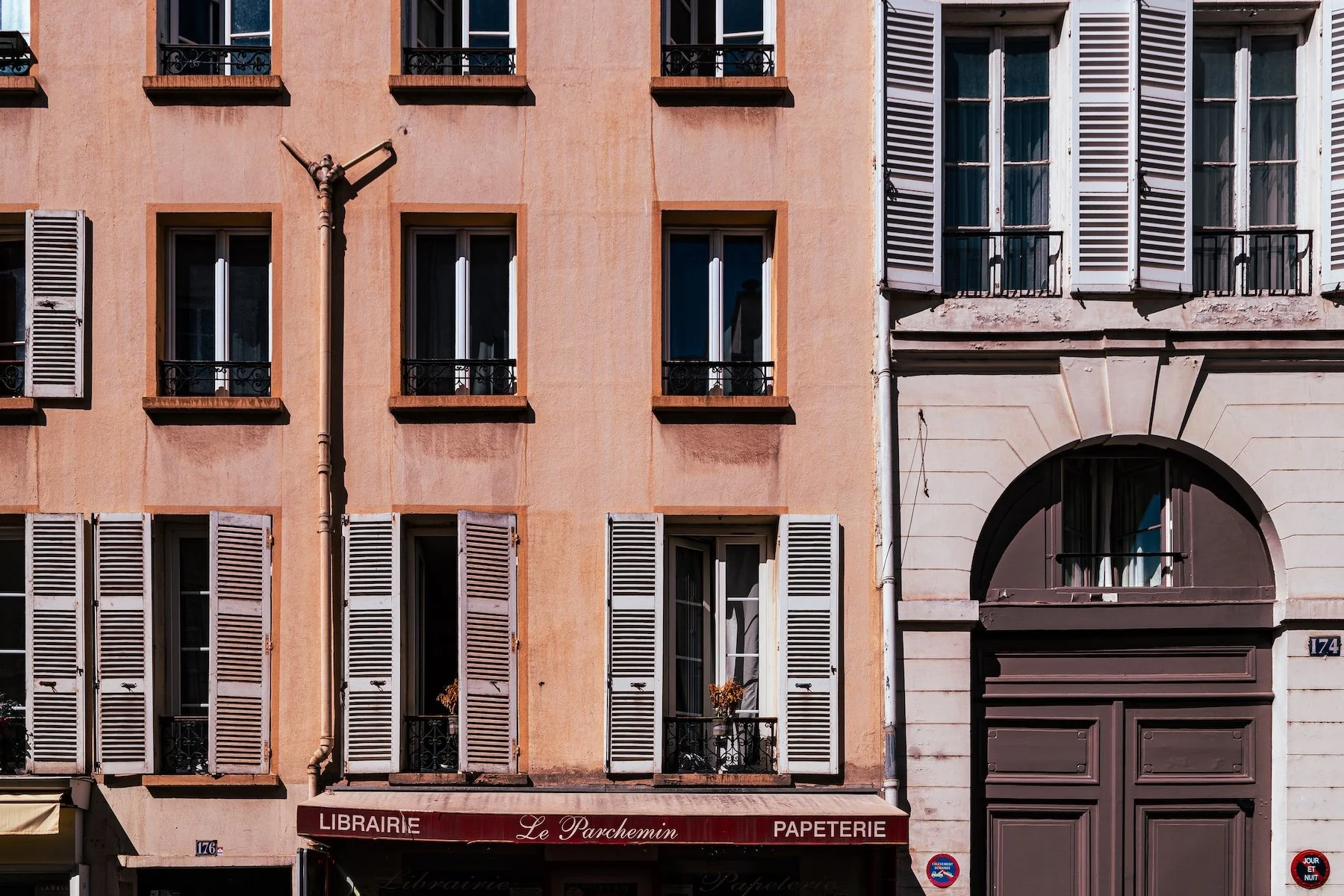
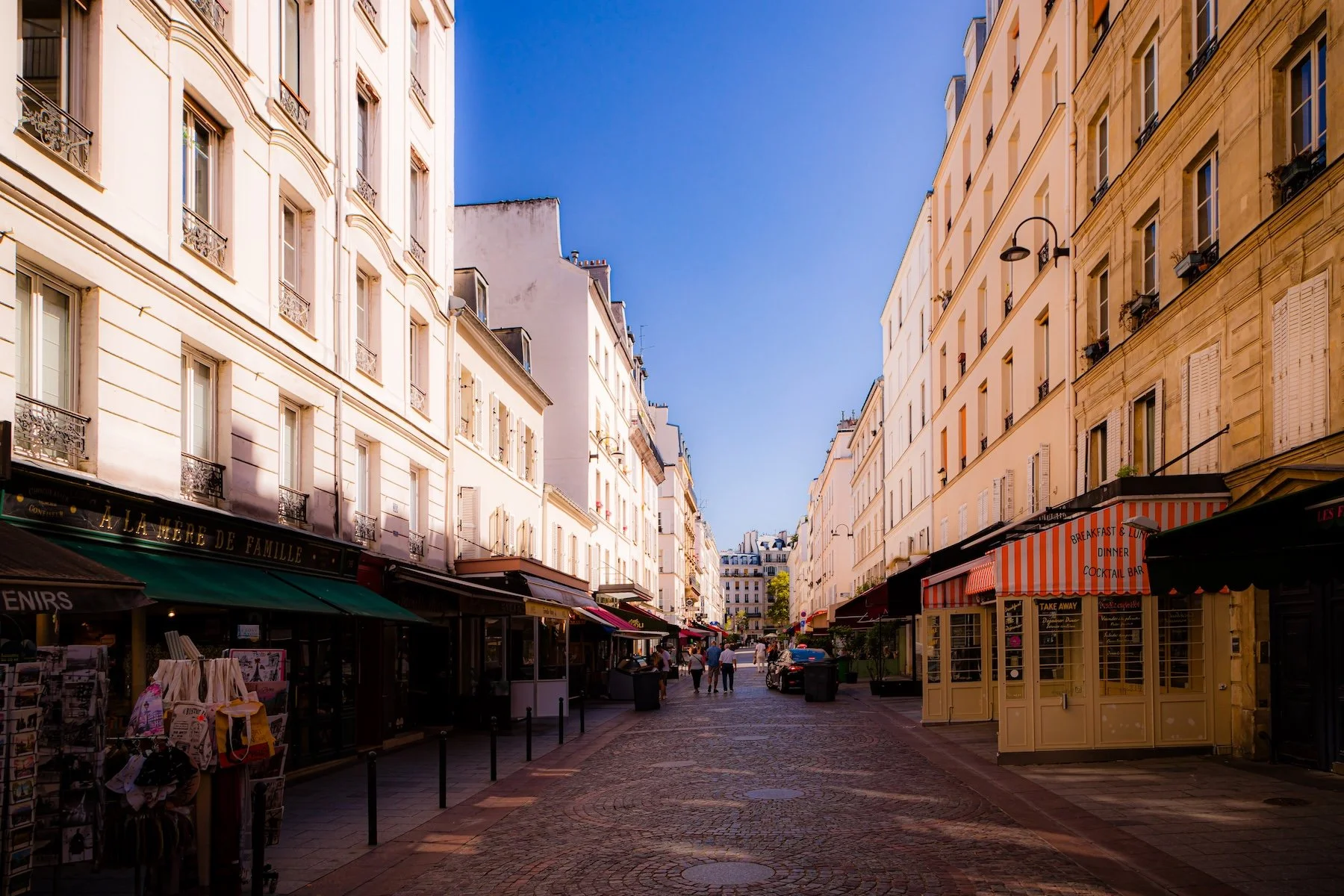
Gros-Caillou occupies the western portion of the 7e arrondissement, near the Seine and the Eiffel Tower. Its name refers to an older local place-name, and the quarter has a more residential and neighborhood-like identity than the grand institutional landscapes of Invalides or Saint-Thomas-d’Aquin. It includes streets around Rue Saint-Dominique, Rue Cler, the riverfront, and the area leading toward the Champ-de-Mars and the Eiffel Tower.
This quarter gives the 7e one of its most lived-in identities. Though closely associated with one of the world’s most famous monuments, Gros-Caillou is also a district of apartment buildings, shops, markets, schools, restaurants, and quiet residential streets. It is where the global spectacle of the Eiffel Tower meets the daily life of the western Left Bank.
-
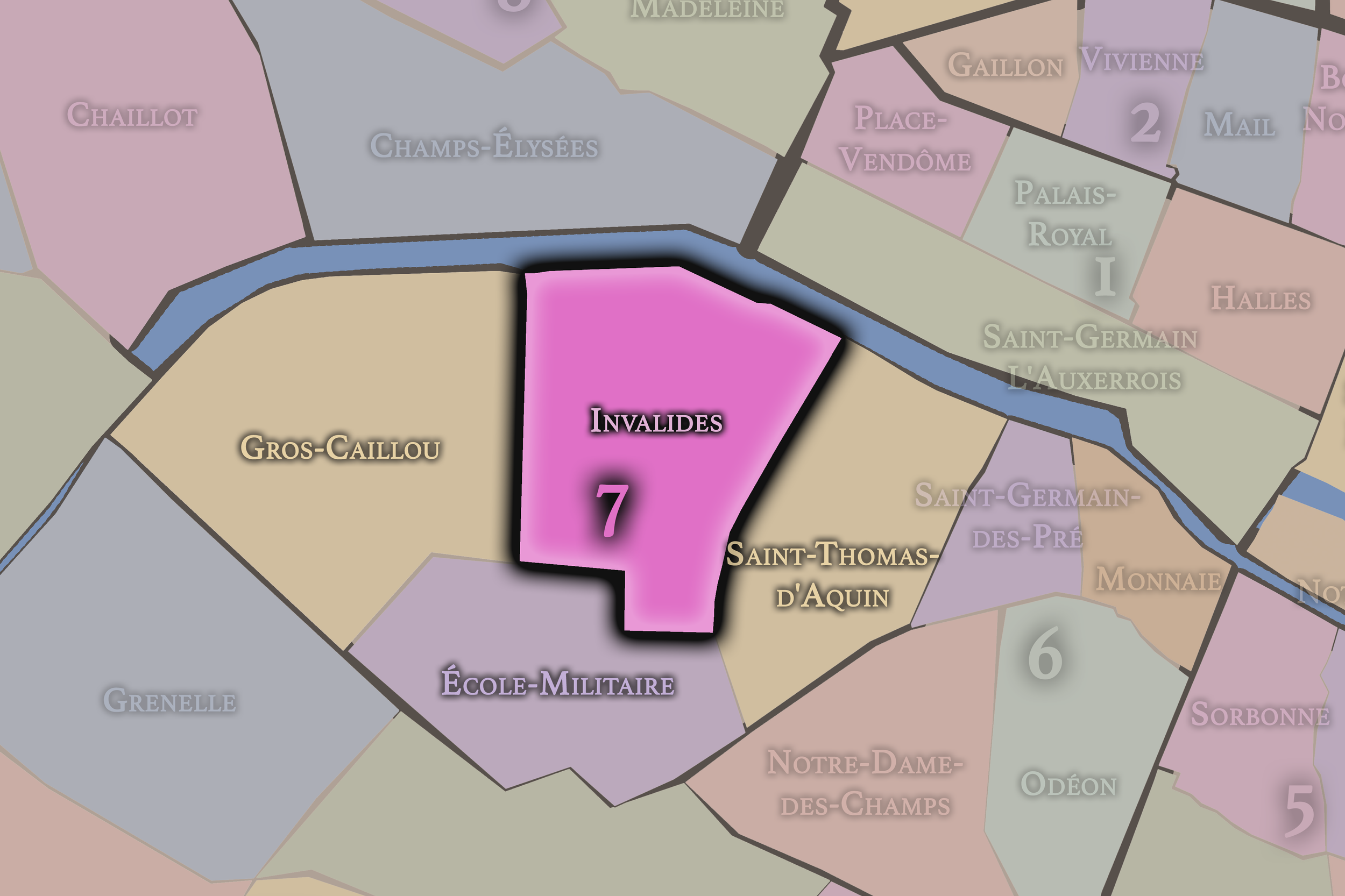
Invalides
Invalides occupies the central-northern portion of the arrondissement and takes its name from the Hôtel des Invalides, the monumental military complex created under Louis XIV. The golden dome, military courtyards, museums, church, and esplanade make this quarter one of the most ceremonial landscapes on the Left Bank.
This quarter gives the 7e its strongest association with military memory and national ceremony. Invalides is both architectural and symbolic: a place of veterans, armies, imperial memory, public commemoration, and state ritual. Its open spaces, long approaches, and monumental forms create a sense of scale distinct from the narrower streets of Saint-Thomas-d’Aquin or Gros-Caillou.
-
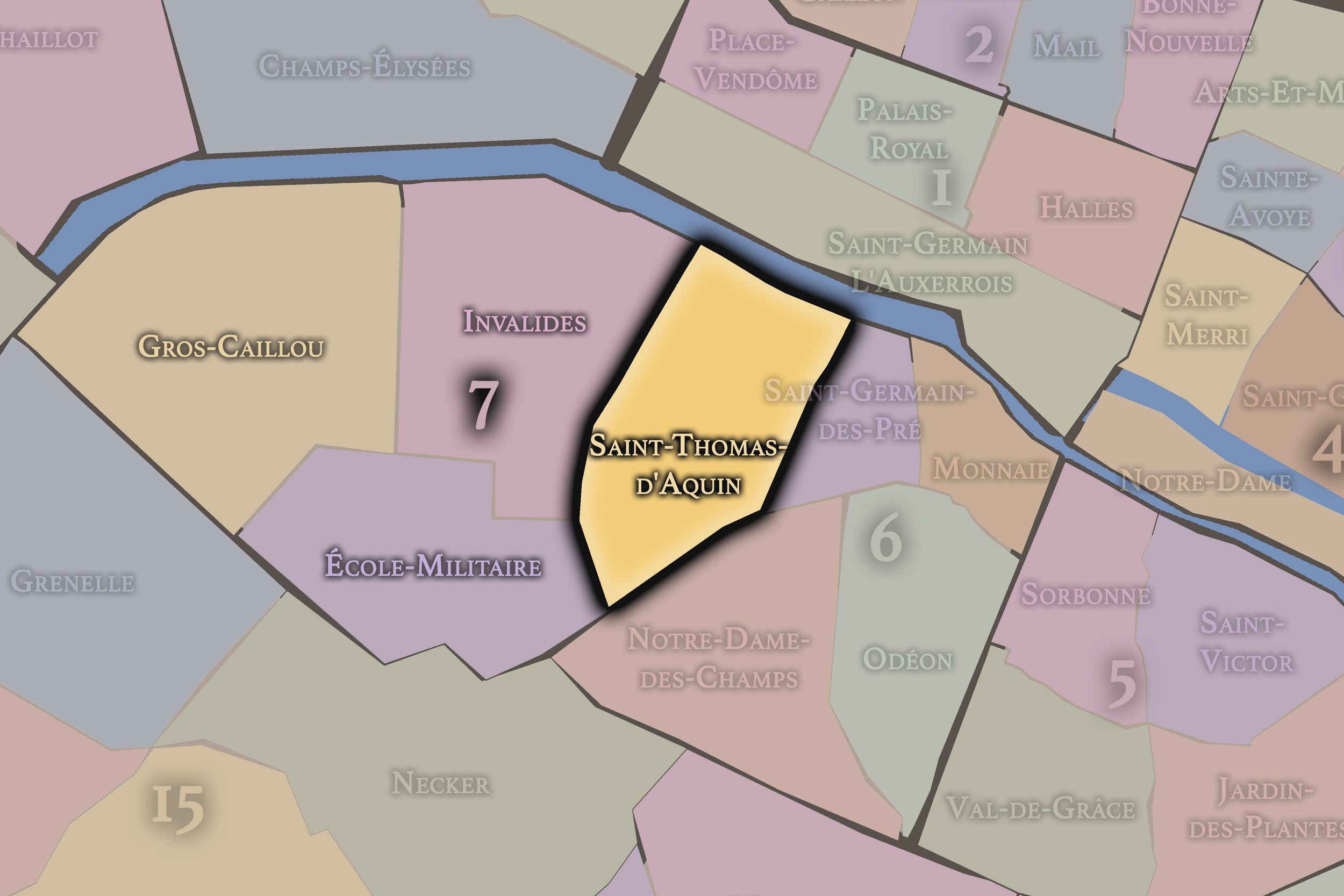
Saint-Thomas-d’Aquin
Saint-Thomas-d’Aquin occupies the eastern portion of the 7e arrondissement and is closely associated with Faubourg Saint-Germain, one of the most historically aristocratic and politically important districts of Paris. Its name comes from the church of Saint-Thomas-d’Aquin, but its identity extends through a landscape of hôtels particuliers, ministries, embassies, schools, religious institutions, and refined residential streets.
This quarter gives the 7e much of its reputation for discretion, prestige, and state power. Unlike the more open monumental spaces around the Eiffel Tower or Invalides, Saint-Thomas-d’Aquin is a district of enclosed façades, courtyards, gates, and institutional gravity. It expresses the private and administrative side of Parisian authority: power held behind walls, within ministries, residences, and historic houses.
The History
The origins of the 7e arrondissement lie in the western expansion of the Left Bank beyond the older medieval city. For much of its early history, this area was less densely urbanized than the central Left Bank around the 5e and 6e arrondissements. It contained fields, religious lands, riverfront properties, roads, and scattered estates rather than a continuous urban fabric.
The Seine shaped the northern edge of the future arrondissement, connecting it to movement, trade, crossings, and views across the river. Inland, the land that would become Faubourg Saint-Germain and the Invalides district remained open enough to accommodate large institutional and aristocratic projects in later centuries. This relative openness was crucial: it allowed the 7e to develop not as a dense medieval quarter, but as a district of estates, institutions, and grand planned landscapes.
Before it became associated with the Palais Bourbon, Les Invalides, the École Militaire, or the Eiffel Tower, the future 7e was a transitional western Left Bank territory. Its identity emerged through gradual incorporation into Paris, shaped by the movement from rural edge to aristocratic suburb to national institutional district.
Origins
16th–17th Century
During the 16th and 17th centuries, the western Left Bank began to develop more fully, though it retained a different character from the older, denser quarters to the east. Religious houses, aristocratic residences, and suburban estates marked the area, especially as noble and courtly life increasingly extended into Faubourg Saint-Germain.
The most important transformation of the 17th century was the creation of the Hôtel des Invalides under Louis XIV. Built as a home and hospital for wounded and aging soldiers, Les Invalides gave the future arrondissement a monumental military and charitable institution of national importance. Its courtyards, church, and dome would become among the defining architectural presences of the Left Bank.
This period established one of the central themes of the 7e: the transformation of open or semi-suburban land into grand institutional space. Unlike older quarters formed through dense medieval streets, the 7e began to acquire its identity through large-scale foundations, aristocratic estates, and the architecture of royal and state purpose.
The 18th century was decisive in shaping the aristocratic, political, and institutional character of the future 7e arrondissement. Faubourg Saint-Germain became one of the most prestigious residential districts in Paris, attracting noble families, high officials, and religious institutions. Hôtels particuliers, gardens, courtyards, and formal façades gave the district an elite architectural language that remains central to its identity.
The Palais Bourbon was built in this period, adding another major aristocratic landmark to the arrondissement’s riverfront landscape. Originally a noble residence, it would later become associated with legislative power, but its origins belonged to the social and architectural world of elite 18th-century Paris.
The École Militaire, founded in the 18th century, added another defining layer. Together with the Champ-de-Mars, it created a major military and educational landscape in the western part of the arrondissement. By the end of the century, the future 7e had become a district of extraordinary symbolic potential: aristocratic residence, military training, royal institutions, ceremonial open space, and riverfront prestige all stood within its boundaries.
18th Century
19th Century
The 19th century transformed the 7e arrondissement into one of the great national stages of Paris. The Palais Bourbon became fully associated with parliamentary life, turning an aristocratic palace into a central institution of modern French politics. The district’s older noble architecture was thus folded into the changing regimes and civic structures of post-revolutionary France.
Les Invalides also took on expanded symbolic meaning in the 19th century, especially through its association with Napoleon. The placement of Napoleon’s tomb beneath the dome intensified the site’s role as a landscape of military memory, imperial legacy, and national commemoration. The arrondissement’s identity as a place of state symbolism became even stronger.
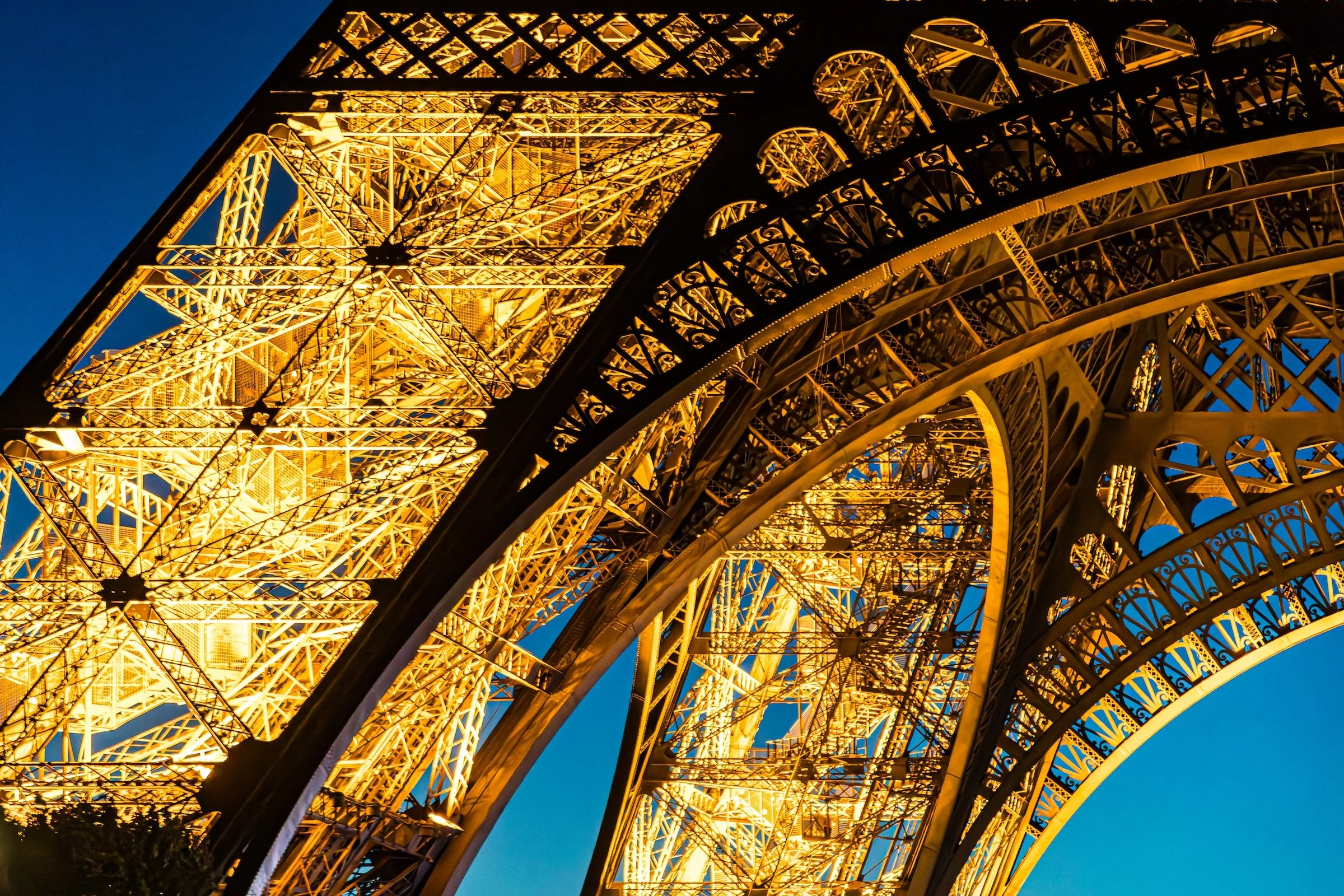
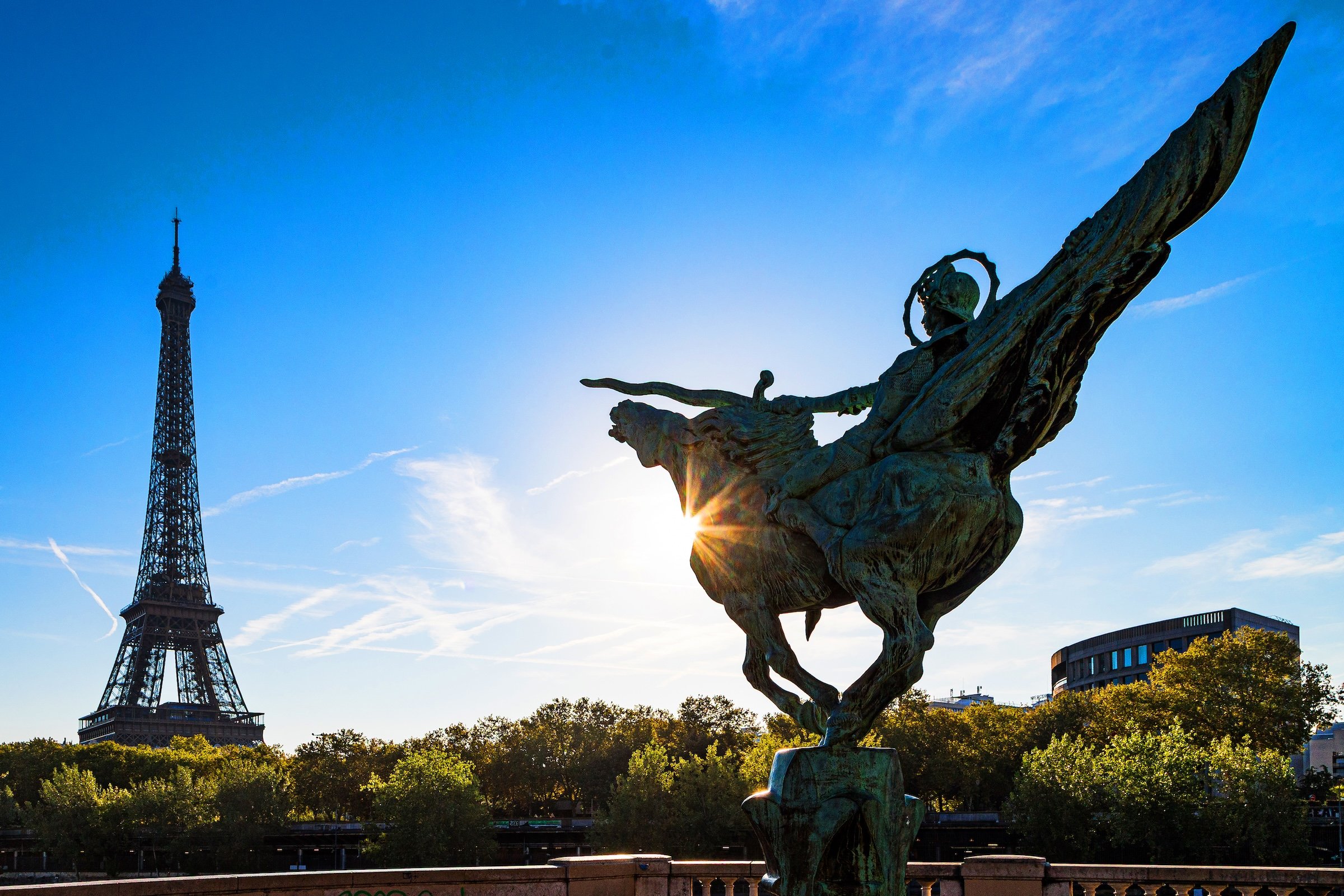
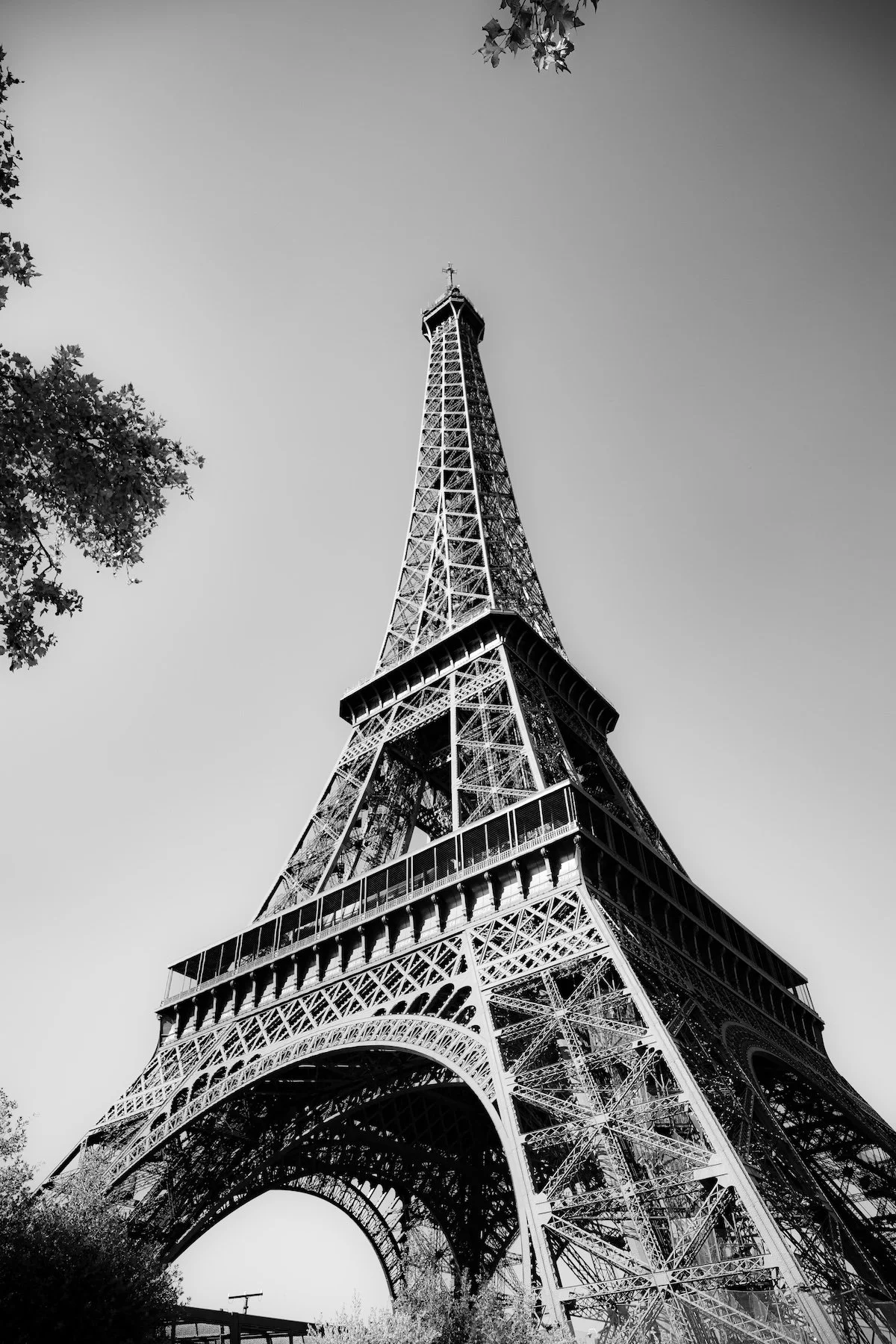
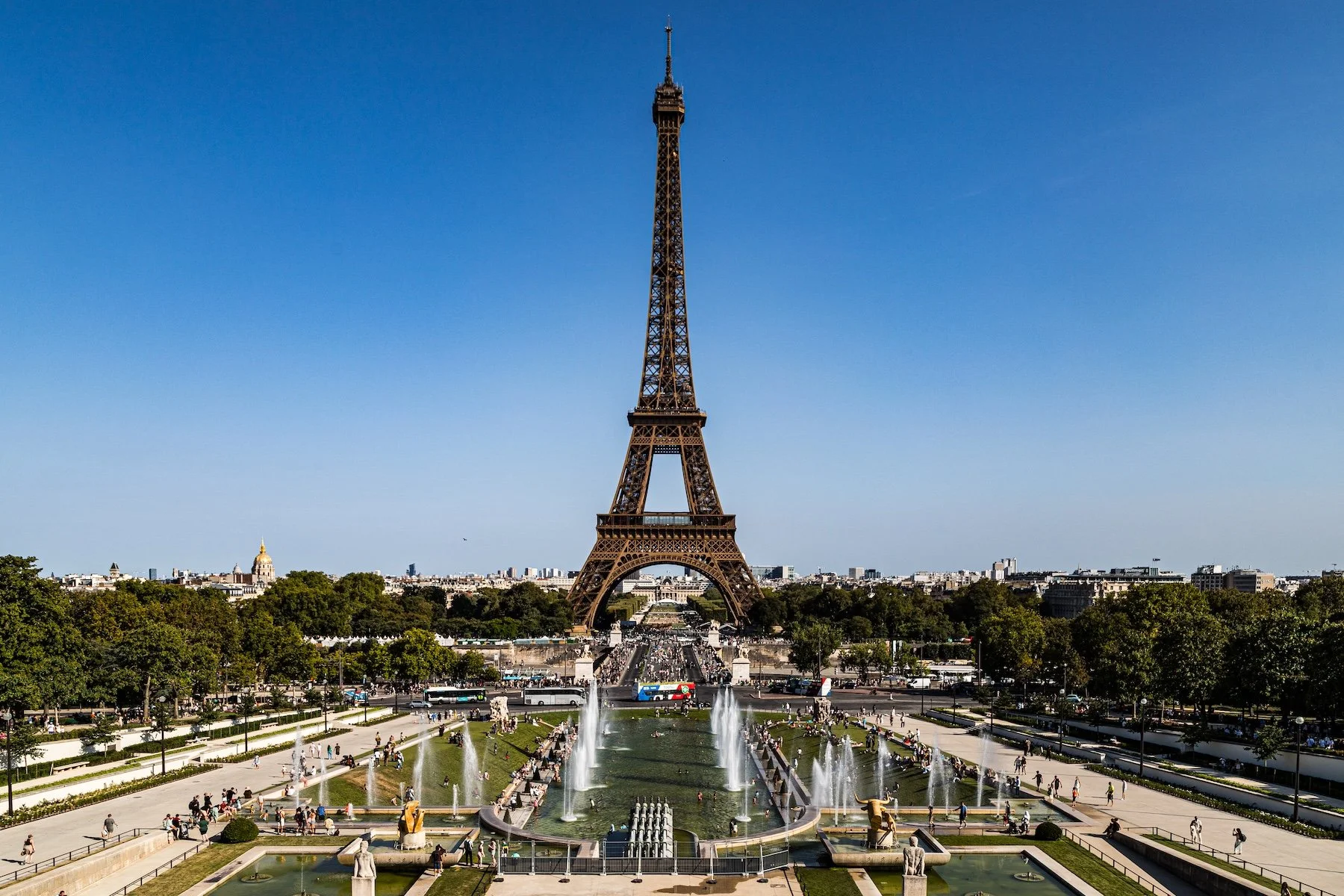
The century culminated in the construction of the Eiffel Tower for the 1889 Exposition Universelle. Rising beside the Champ-de-Mars, the tower transformed the visual identity of the arrondissement and eventually of Paris itself. What began as a controversial modern structure became the defining emblem of the city. The 7e thus moved from aristocratic and institutional prestige into global modern visibility.
The 19th century also shaped the riverfront and museum landscapes that would later become central to the arrondissement’s identity. Stations, exhibition grounds, bridges, promenades, and public spaces helped make the 7e part of the modern city of spectacle, engineering, ceremony, and international display.
In the early and mid 20th century, the 7e arrondissement remained a district of national institutions, embassies, military memory, and residential prestige. The Eiffel Tower had become firmly established as a symbol of Paris, drawing visitors while also serving practical roles in communication and public life. The Champ-de-Mars and Trocadéro views made the western part of the arrondissement one of the city’s most iconic visual landscapes.
The arrondissement also carried the weight of political and military history. Les Invalides remained a place of commemoration and ceremony, while the ministries and embassies of Faubourg Saint-Germain continued to express the district’s role in governance and diplomacy. The area’s architecture communicated stability, authority, and institutional continuity during periods marked by war, occupation, and reconstruction.
At the same time, the 7e remained residential in important ways. Behind its monumental sites were schools, apartment buildings, churches, markets, and local streets. The arrondissement’s daily life continued alongside its symbolic and governmental functions, maintaining the tension between grand public identity and private neighborhood routine.
Early–Mid 20th Century
Late 20th Century
The late 20th century brought renewed cultural and touristic attention to the 7e arrondissement. The Eiffel Tower became not only a landmark but a global icon of travel, romance, photography, and Parisian identity. The district around the Champ-de-Mars absorbed the growing scale of international tourism, while still functioning as a residential and civic landscape.
The opening of the Musée d’Orsay in the former Orsay railway station added a major cultural institution to the arrondissement’s Seine edge. This transformation reinforced one of the 7e’s recurring themes: older infrastructure and architecture adapted into new forms of public meaning. A station became a museum; aristocratic residences became ministries; royal military institutions became national memory sites.
The arrondissement’s diplomatic, governmental, and residential prestige also remained strong. Faubourg Saint-Germain continued to signify political and social establishment, while the streets around Rue Cler, Gros-Caillou, and Saint-Dominique sustained local commercial and residential life. The late 20th-century 7e therefore balanced heritage, tourism, state power, and neighborhood continuity.
In the 21st century, the 7e arrondissement remains one of the most recognizable and symbolically dense districts in Paris. The Eiffel Tower, Les Invalides, the Assemblée nationale, the Champ-de-Mars, the Musée d’Orsay, embassies, ministries, and riverfront views place the arrondissement at the center of both global tourism and national civic life.
The arrondissement faces the pressures that come with such visibility. Tourism, security, heritage preservation, public events, diplomatic functions, and residential life all overlap within its boundaries. The Champ-de-Mars and Eiffel Tower area must accommodate millions of visitors, while other parts of the district preserve an atmosphere of quiet prestige, local routine, and institutional privacy.
Contemporary debates around public space, security, accessibility, and preservation are especially visible in the 7e. The arrondissement contains some of the city’s most open symbolic landscapes and some of its most controlled institutional spaces. Its identity today depends on managing the relationship between openness and protection, spectacle and residence, heritage and everyday life.
Despite these pressures, the 7e remains one of the clearest examples of Paris as a city of layered national meaning. It is at once a neighborhood, a seat of government, a military memorial landscape, a museum district, a diplomatic quarter, and the home of the city’s most famous monument.
21st Century
Spirit and Legacy
The 7e arrondissement is Paris as ceremony, authority, and image. It contains the institutions through which France governs, remembers, educates, displays, and represents itself. The Palais Bourbon speaks to parliamentary life. Les Invalides speaks to military memory. The École Militaire and Champ-de-Mars speak to discipline, public gathering, and spectacle. The Eiffel Tower speaks to modernity, engineering, and the global imagination of Paris.
Its legacy is not only monumental. It is also spatial. The 7e is built from vistas, lawns, domes, façades, embassies, ministries, quays, bridges, and guarded courtyards. It teaches a particular language of Parisian power: formal, reserved, ceremonial, and carefully composed.
Yet beneath that grandeur, the arrondissement remains inhabited. Gros-Caillou, Rue Cler, Saint-Dominique, and the residential streets behind the great monuments remind us that even the most symbolic parts of Paris are also places of daily life. The 7e’s enduring character lies in this coexistence: the world comes to see Paris here, while Parisians continue to live among the monuments.
The Photography
The arrondissements do not share a single visual identity. Instead, they organize Paris into twenty broad visual fields, each gathering its own combination of landmarks, streetscapes, institutions, residential districts, commercial corridors, parks, rail stations, markets, cemeteries, and riverfront edges.
Some arrondissements are defined by monumental scale: royal palaces, ceremonial avenues, government buildings, museums, formal gardens, and internationally recognized landmarks. Others are shaped by hills, canals, rail gateways, apartment-lined boulevards, neighborhood markets, former village streets, industrial remnants, parks, or the quieter rhythms of residential Paris. The arrondissement system gives these varied landscapes a civic frame, allowing the city to be read not as one visual language, but as a sequence of overlapping Parisian atmospheres.
Visual Identity
Through The Lens
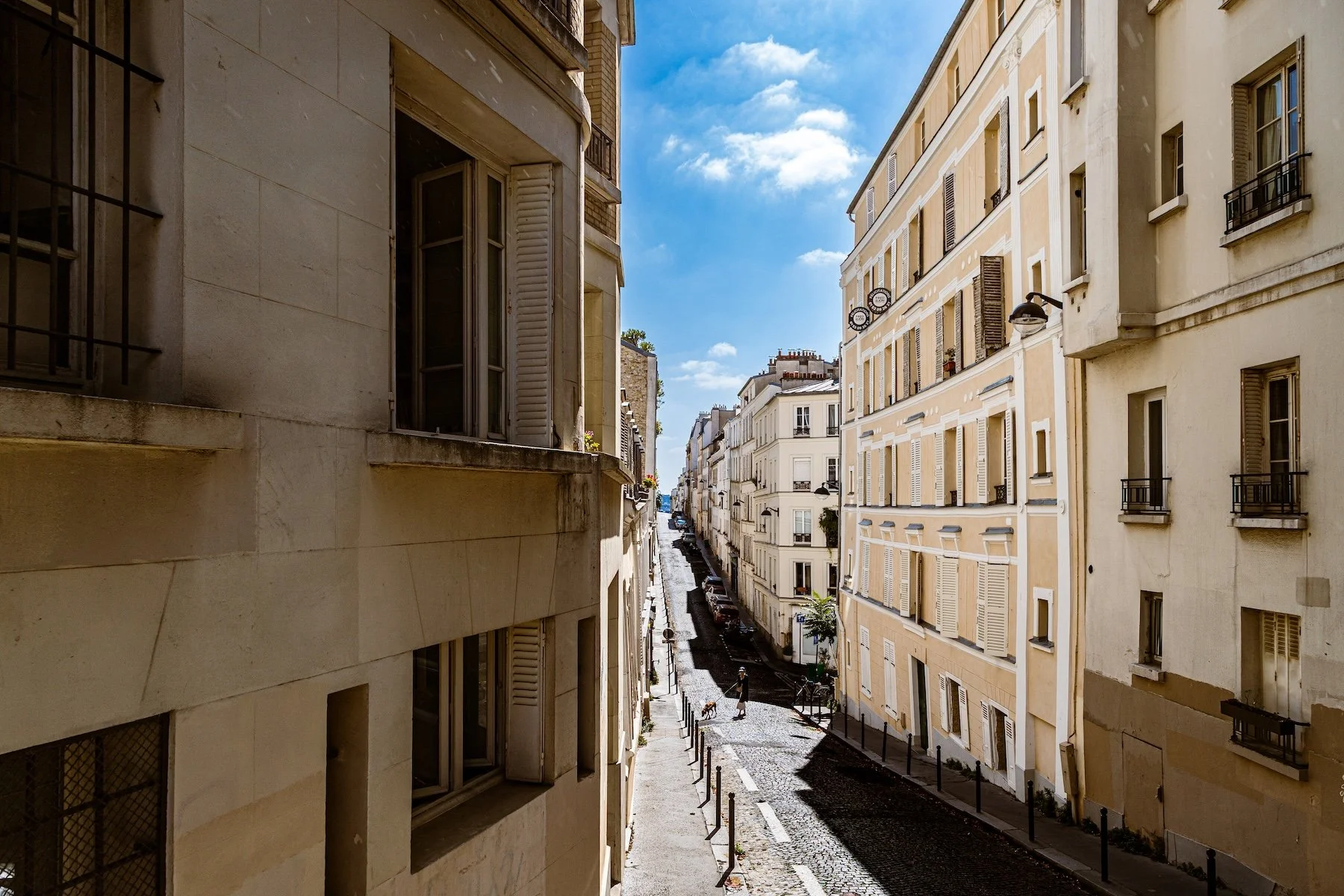
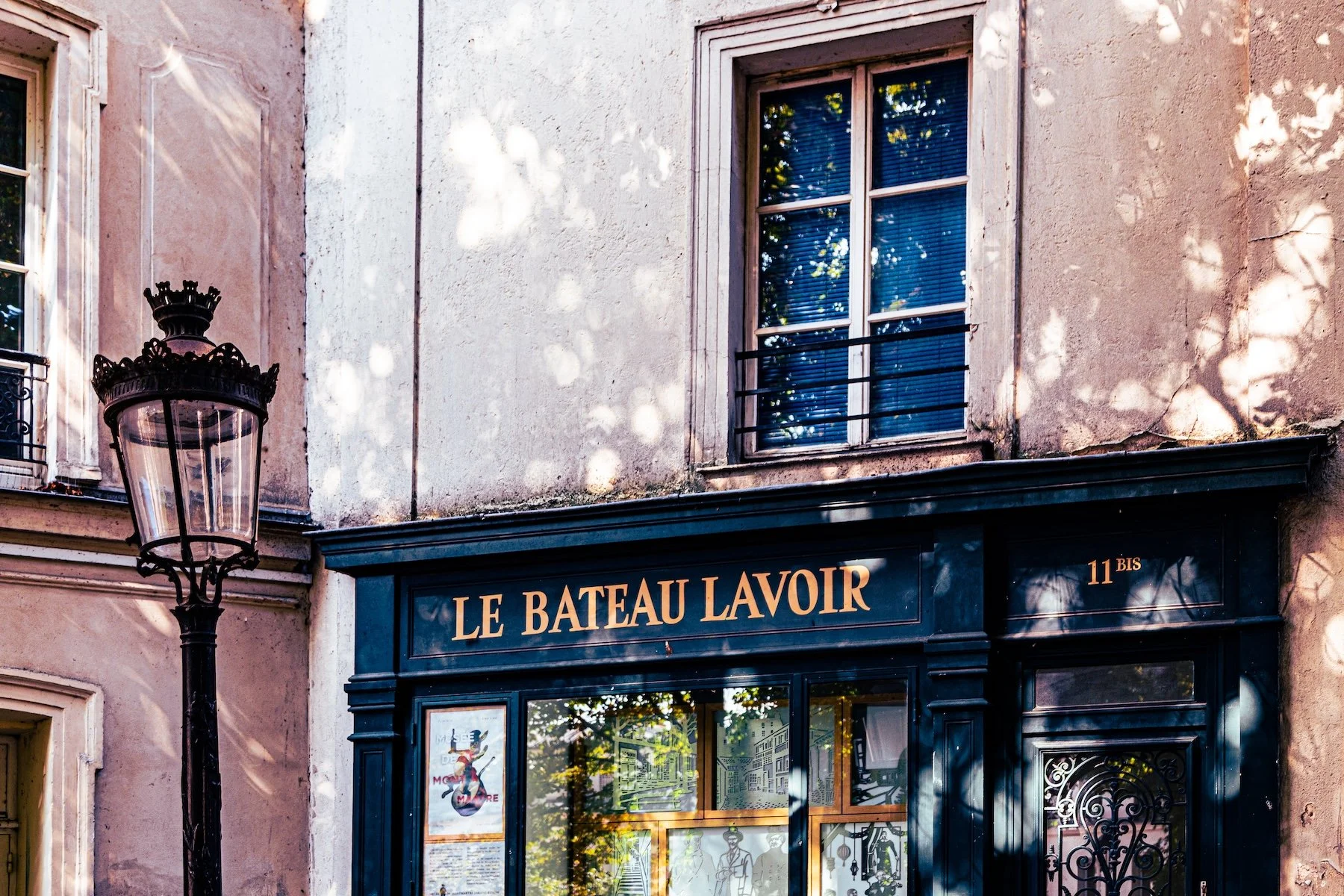
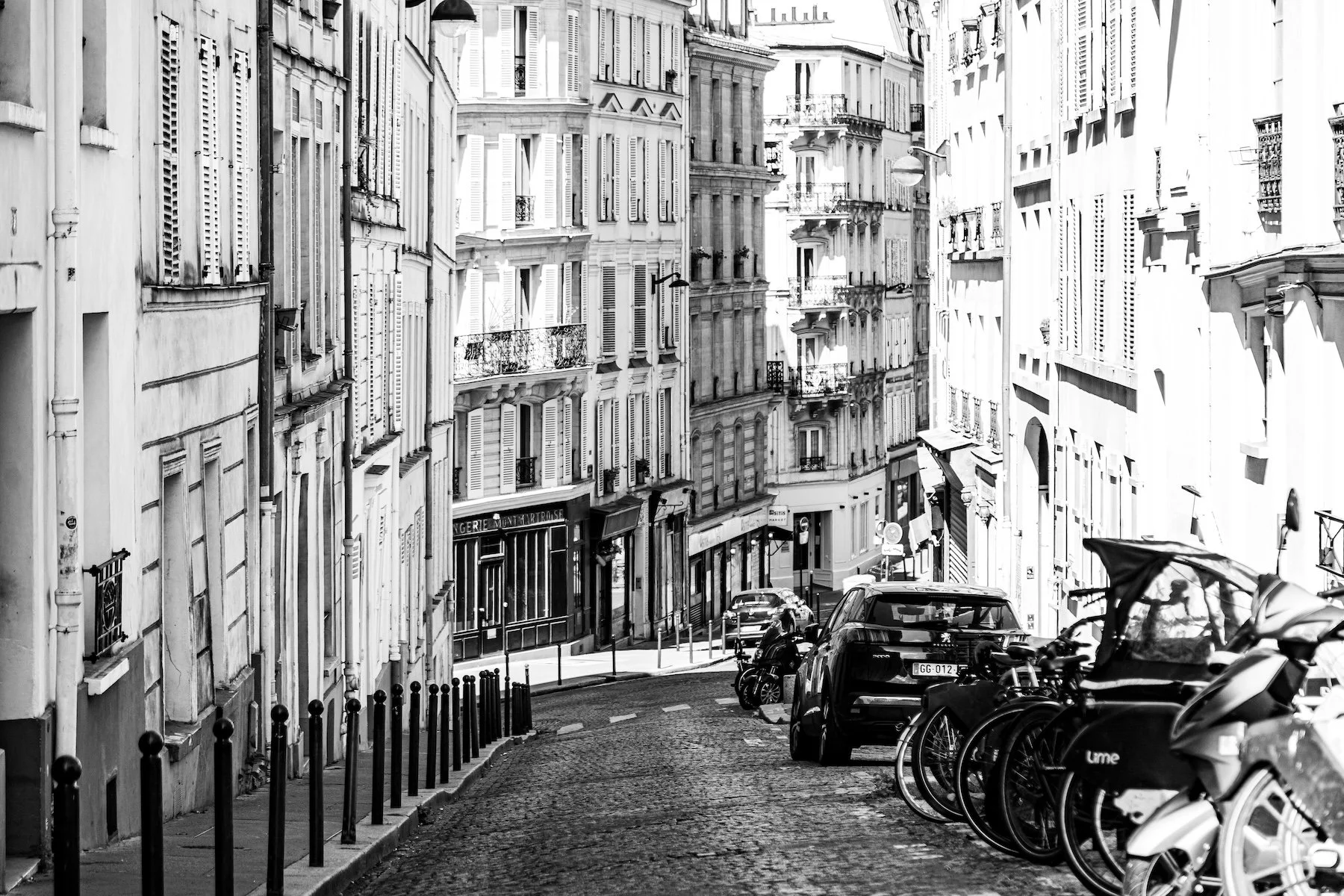
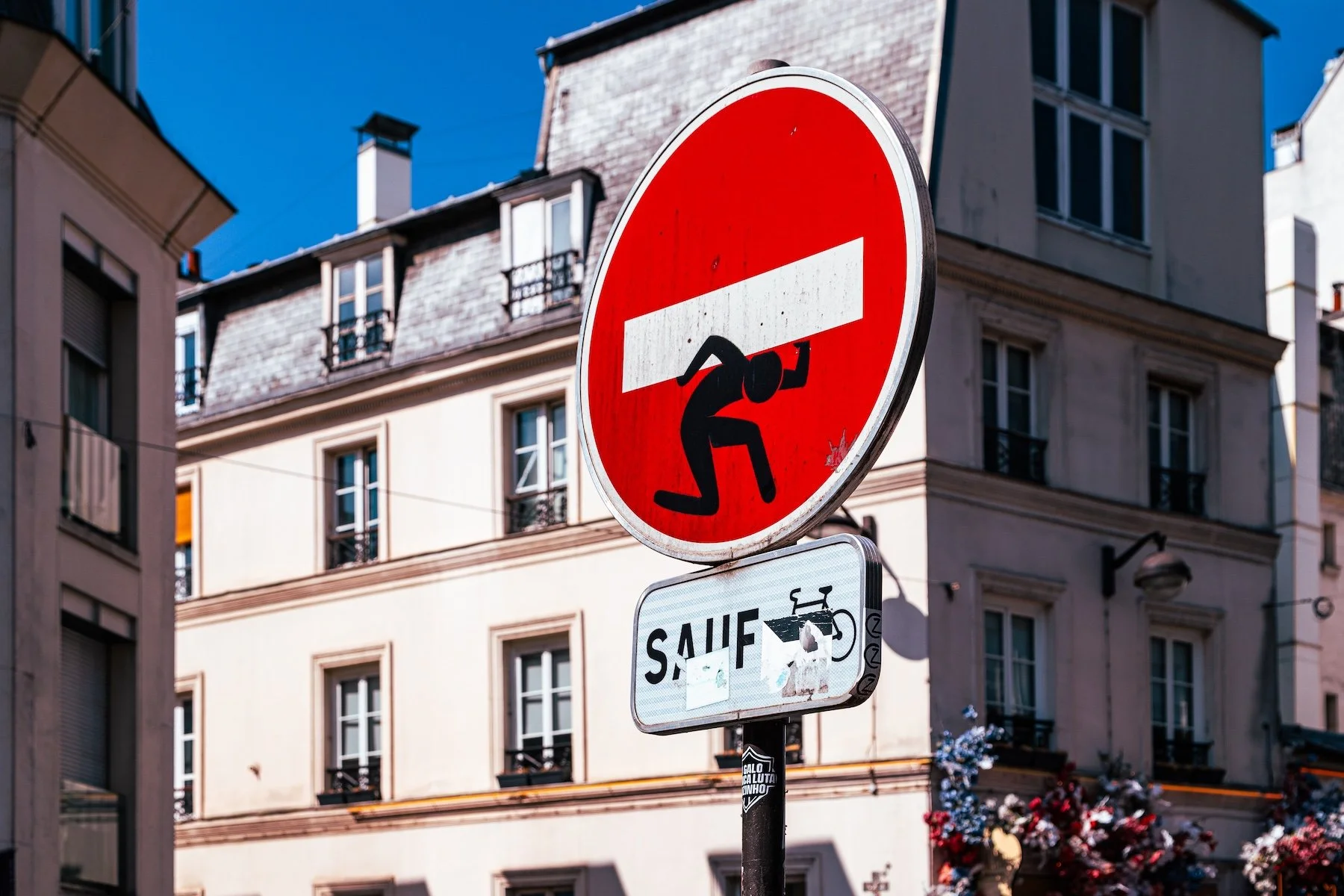
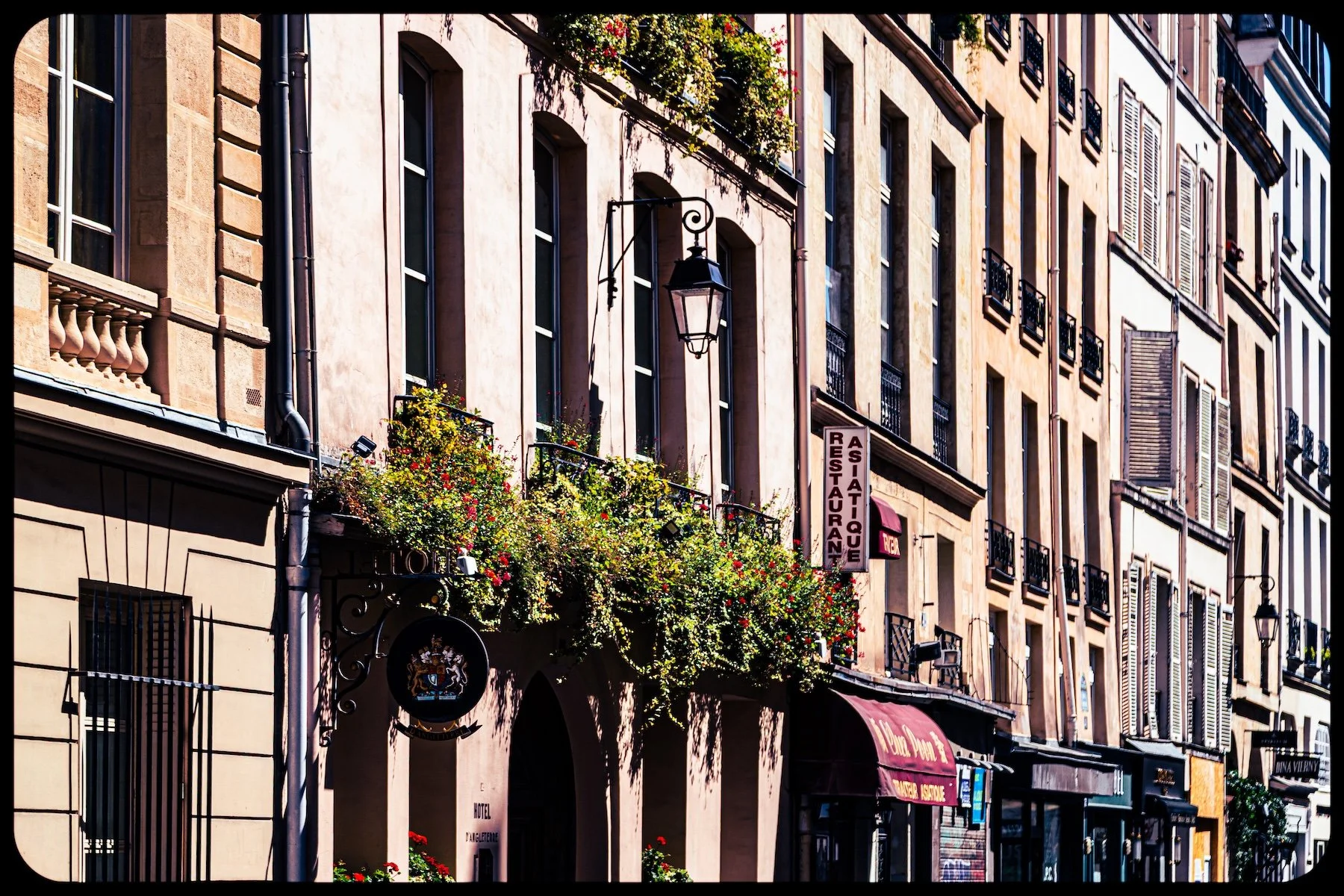
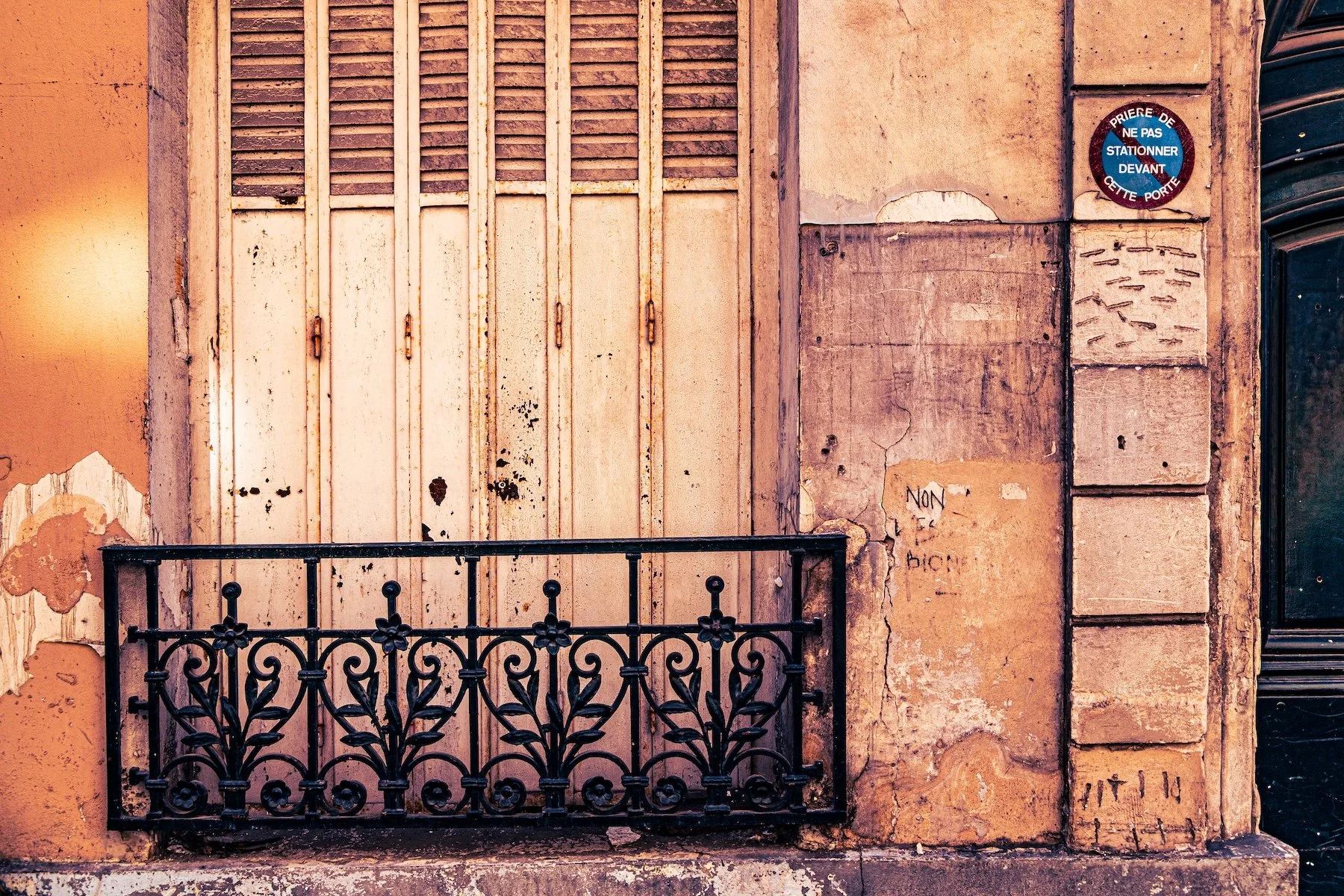
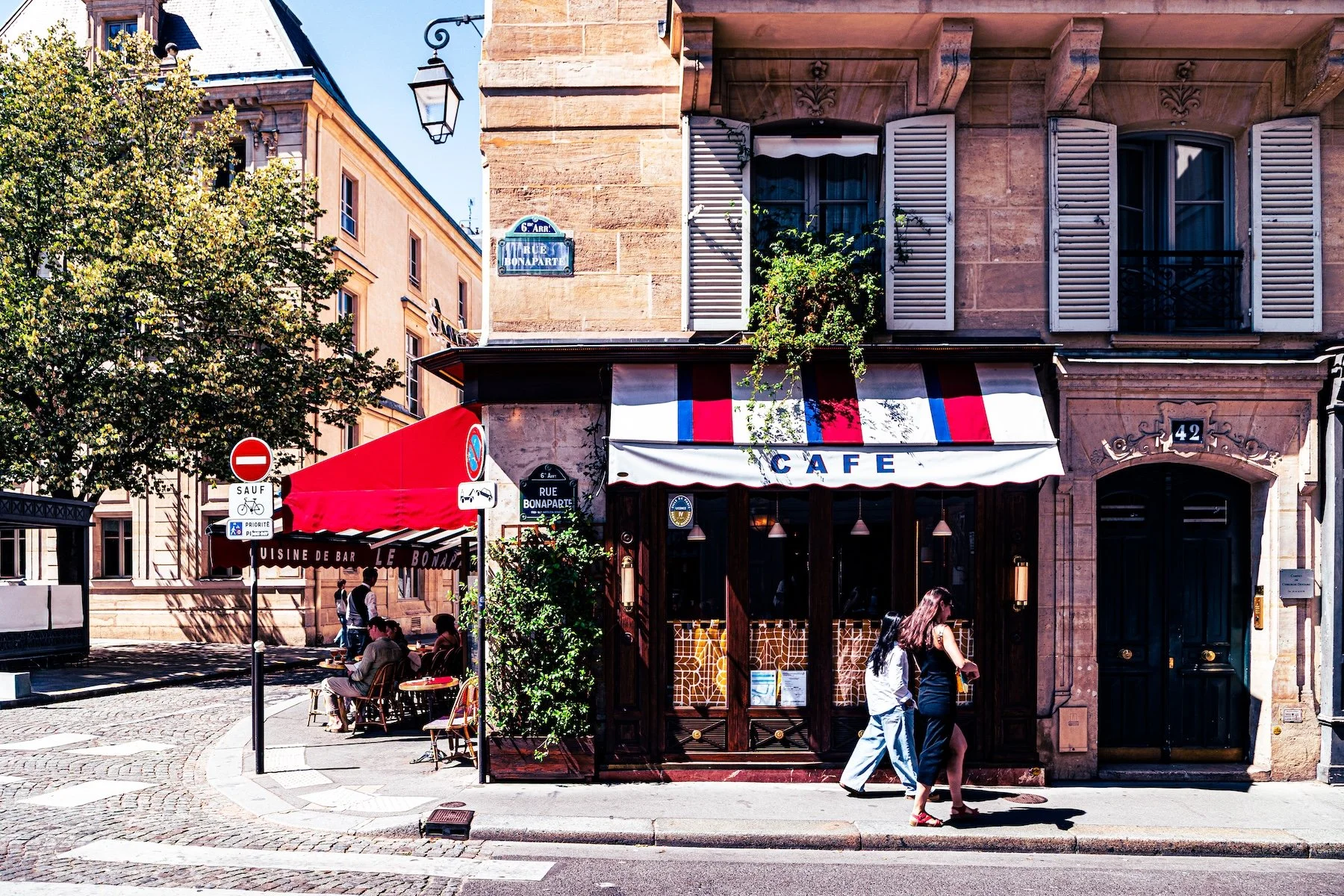
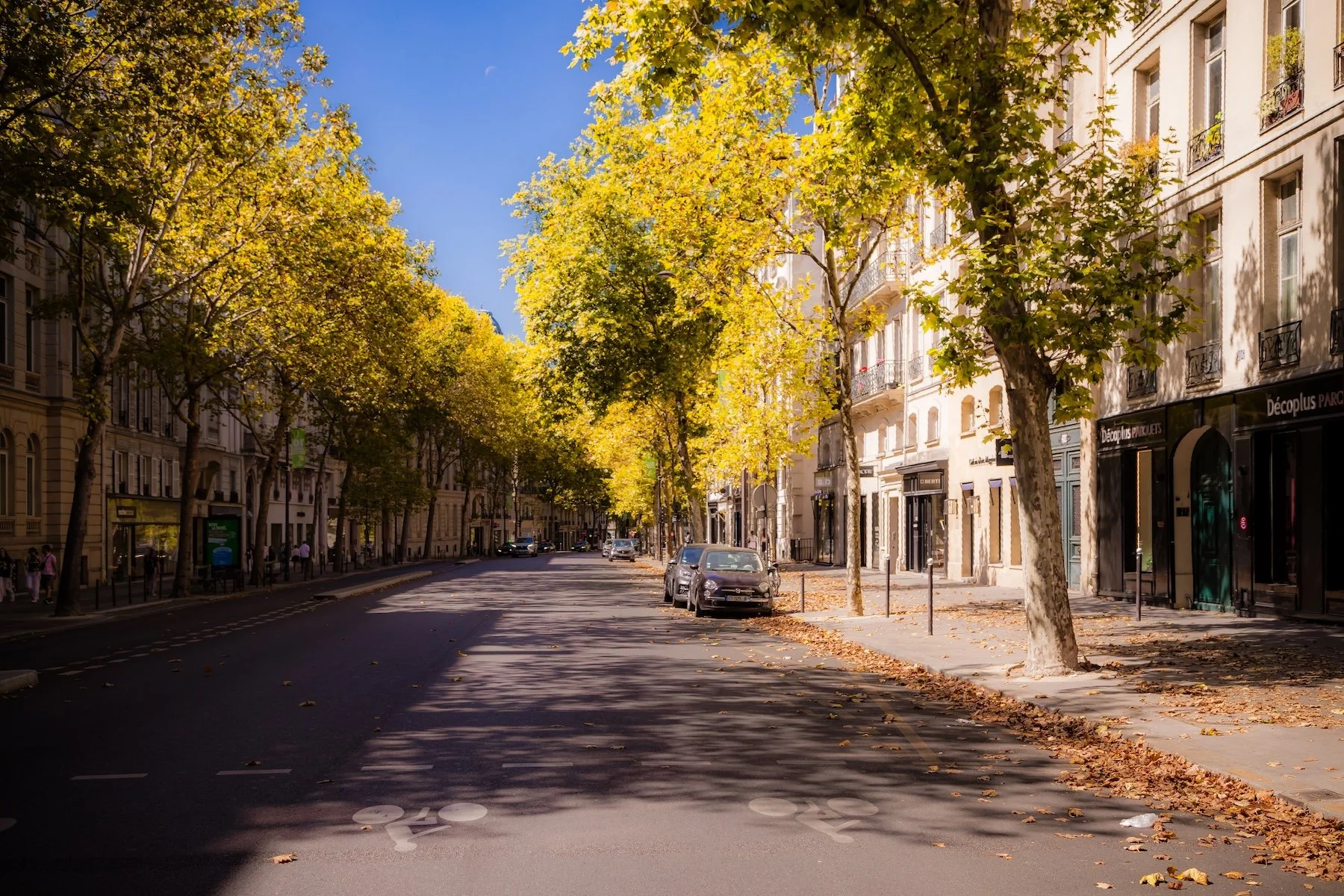
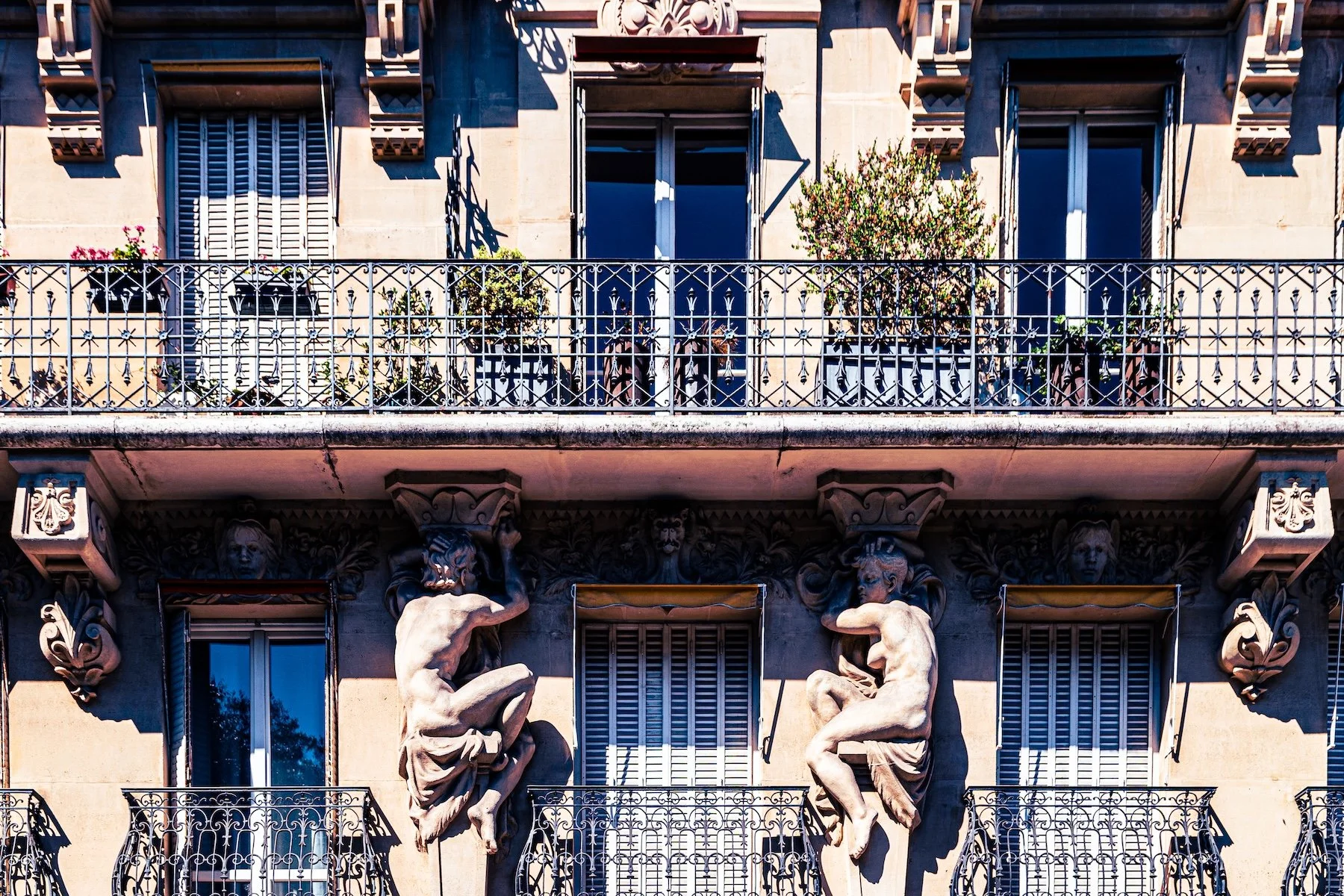
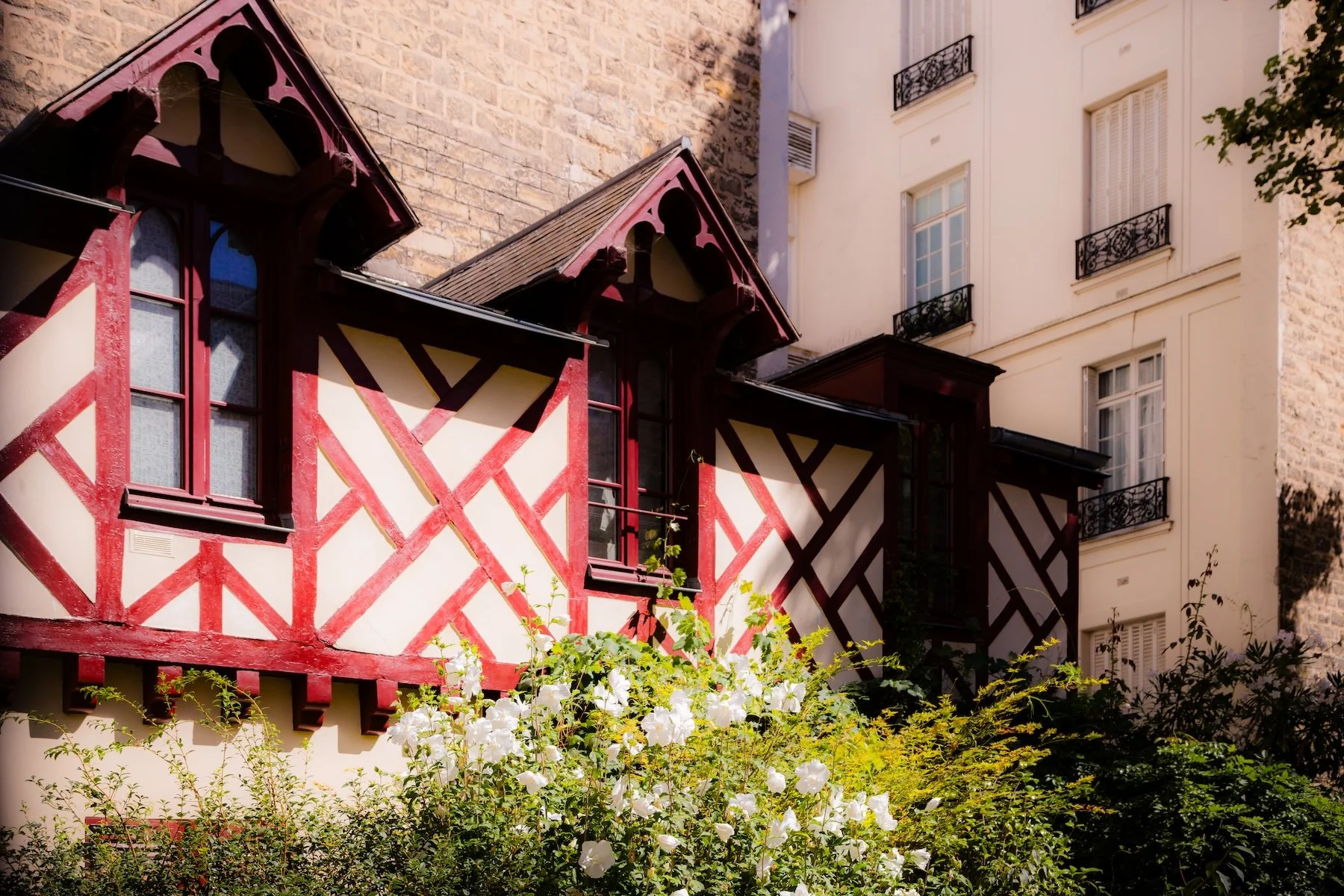
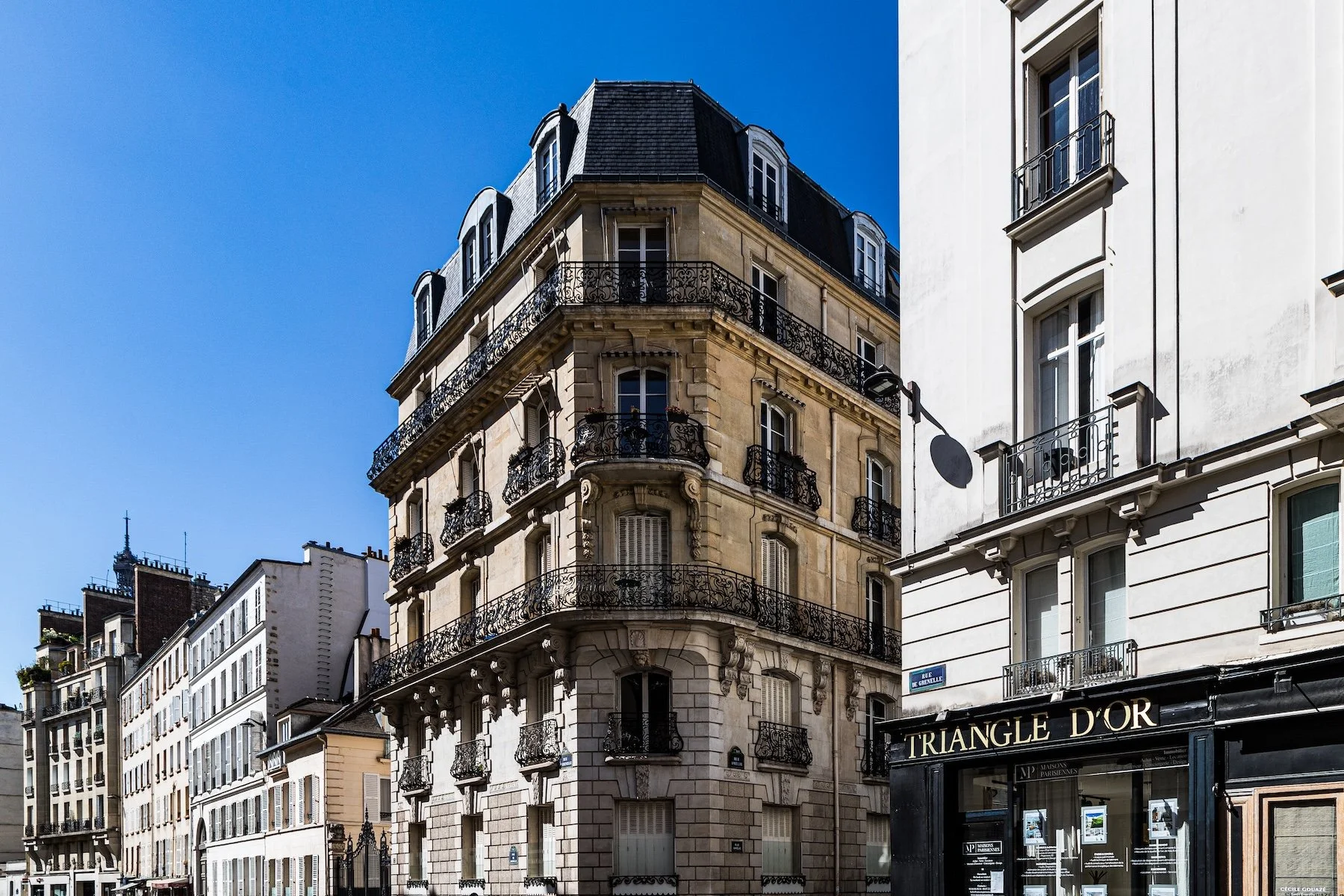
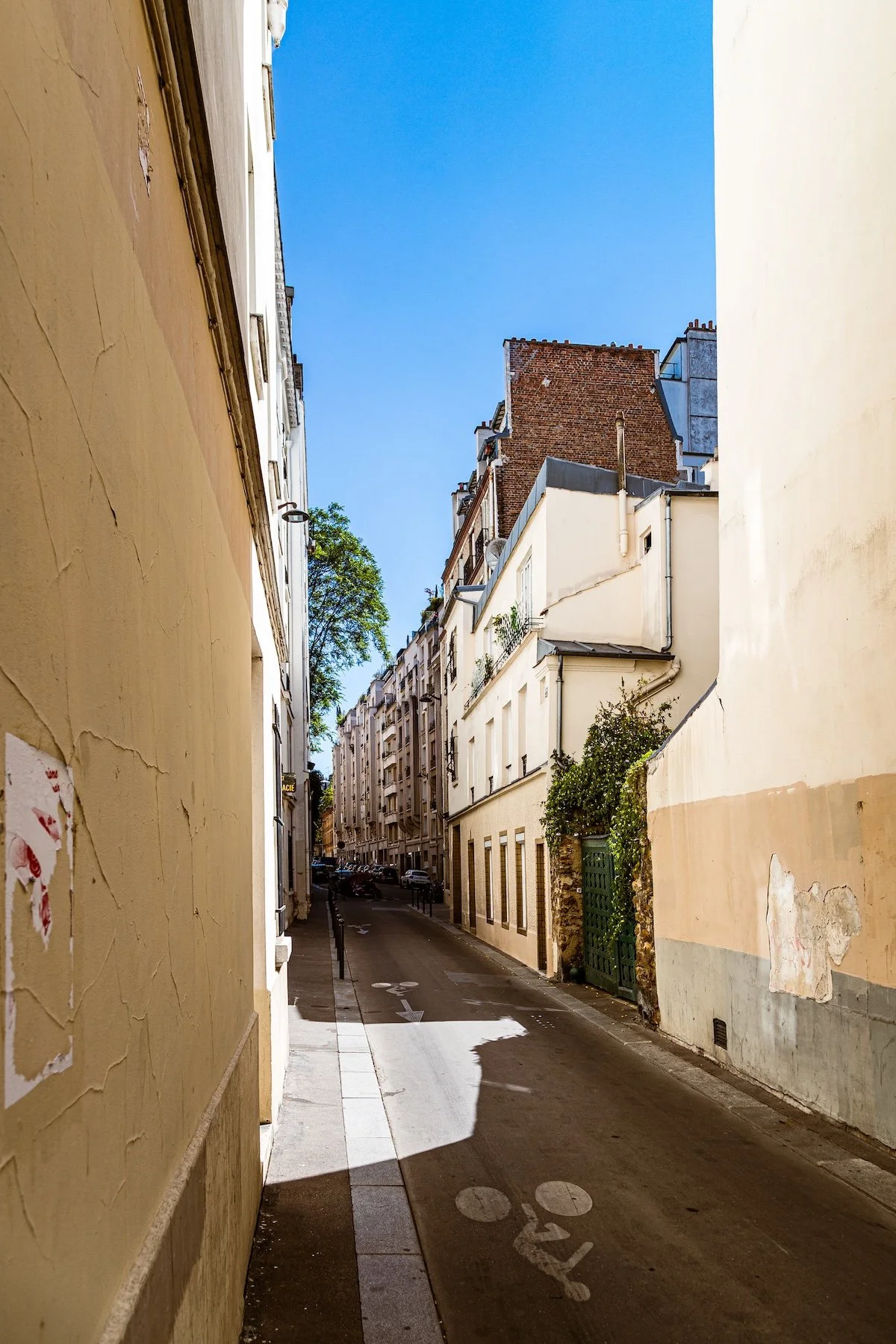
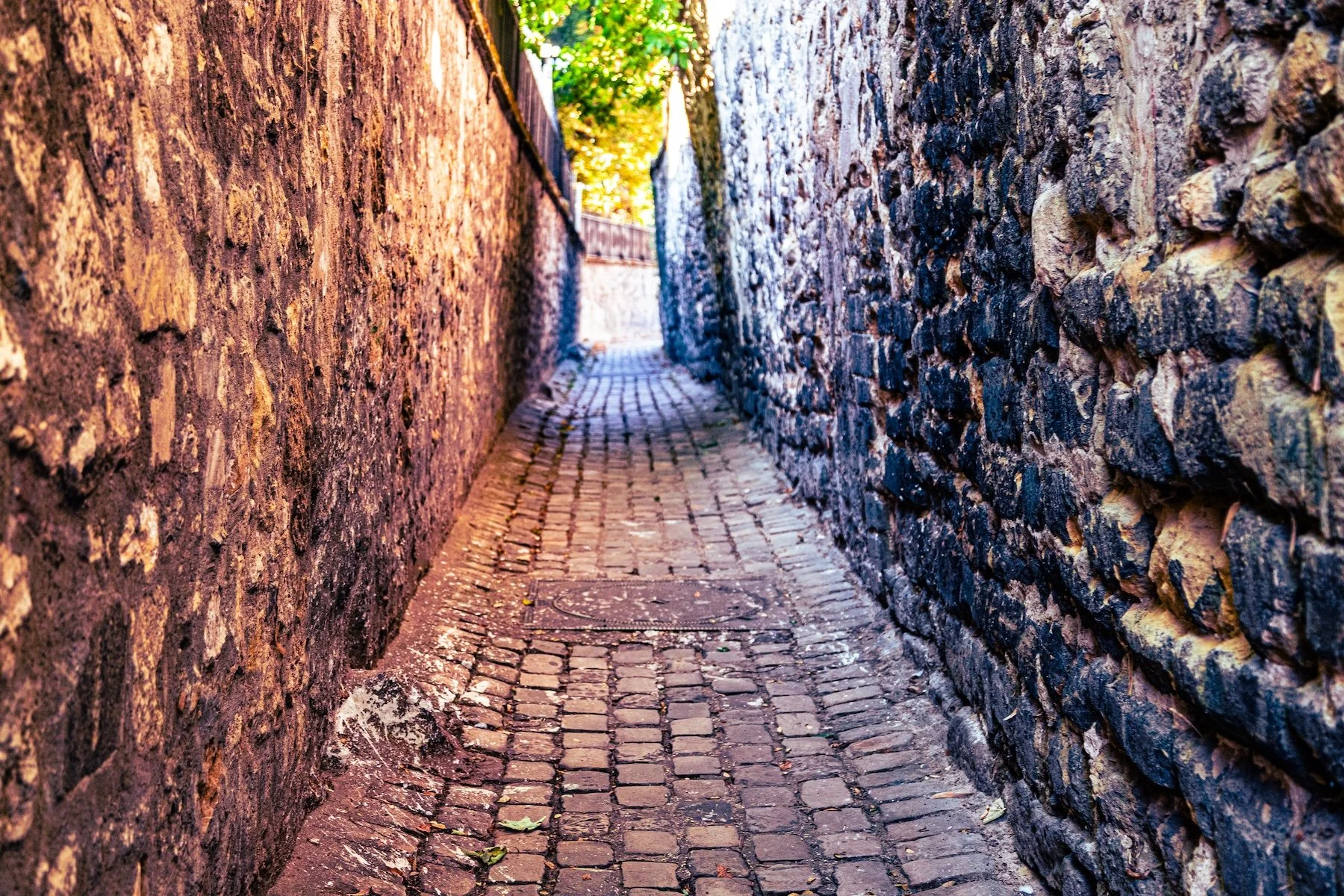
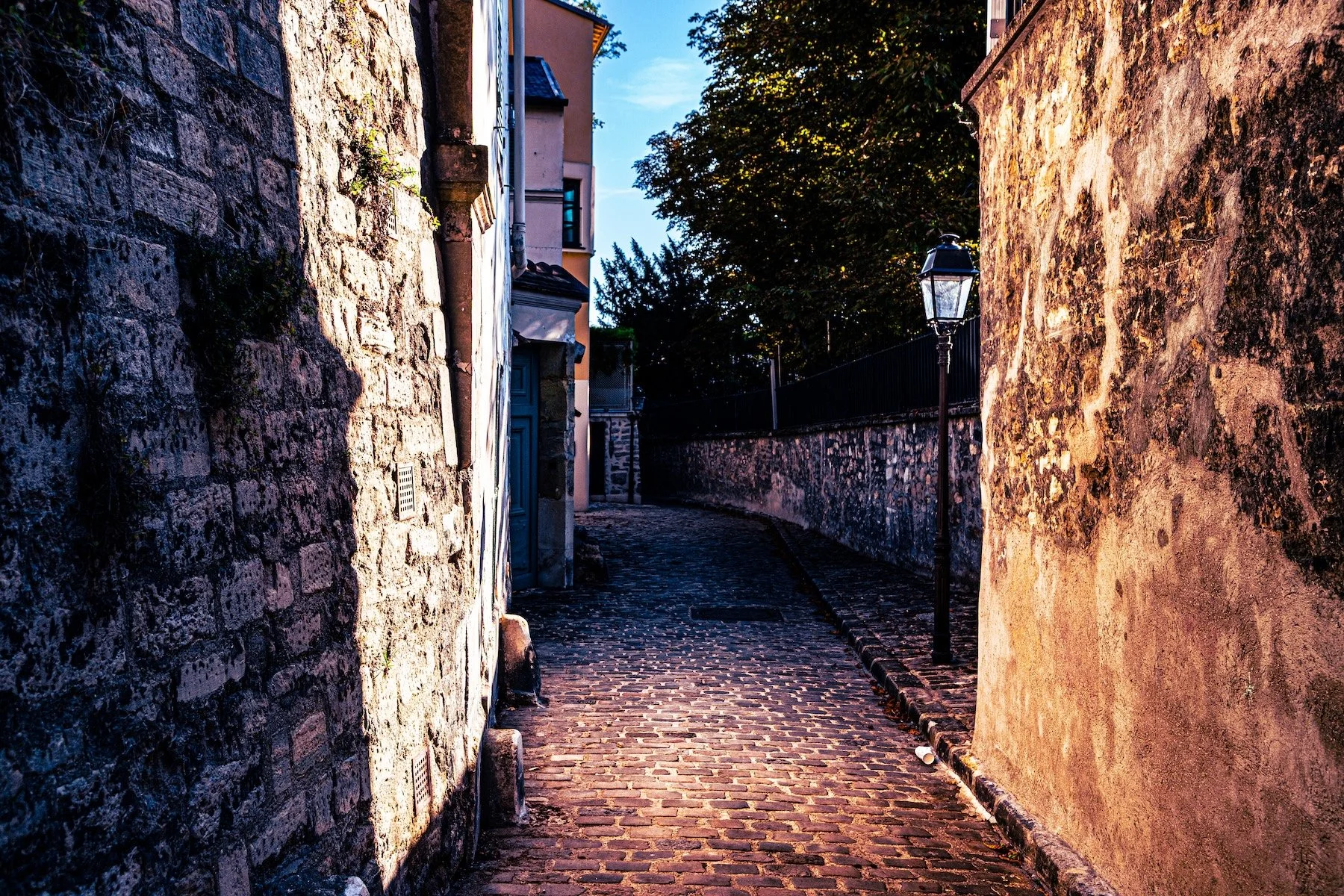
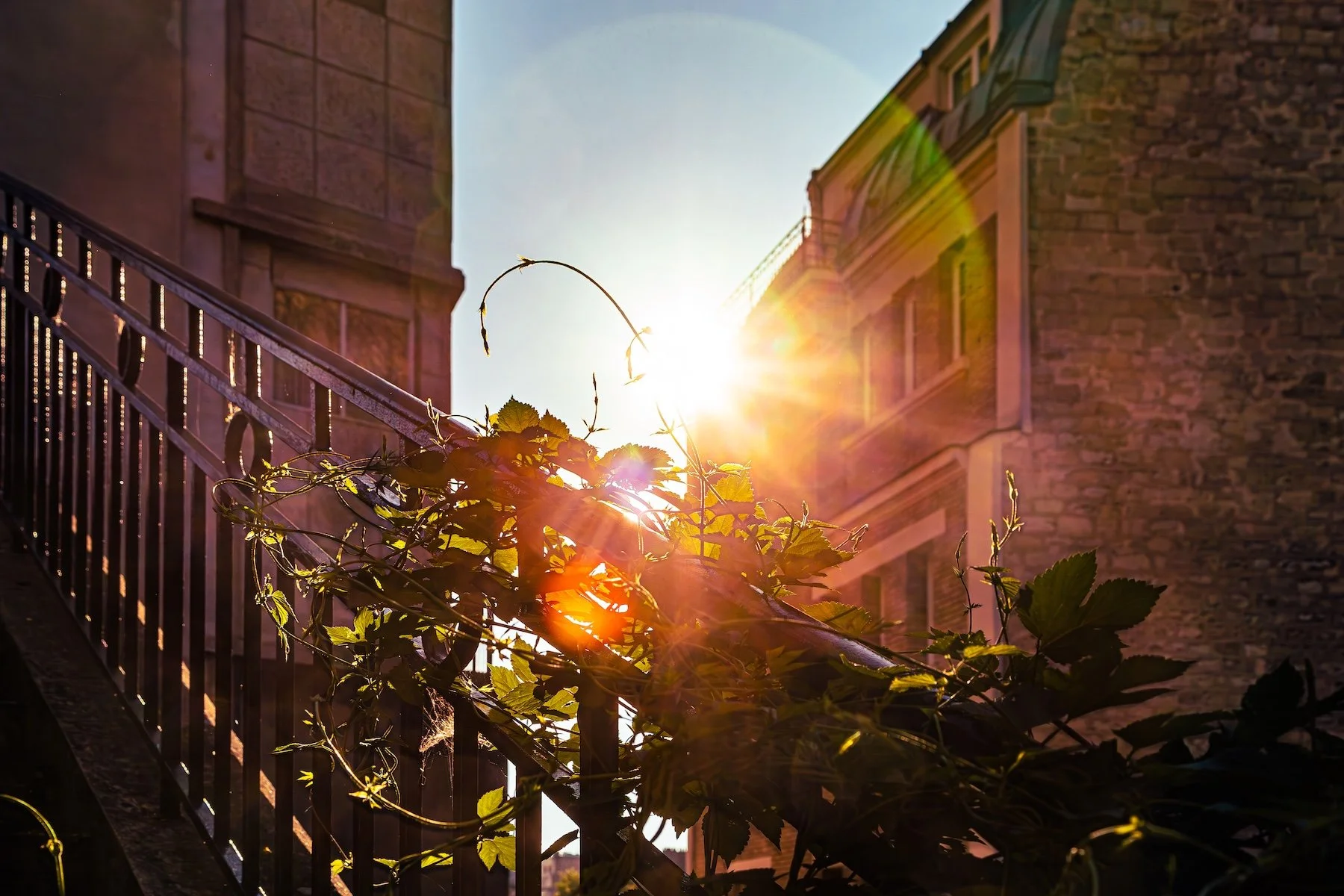
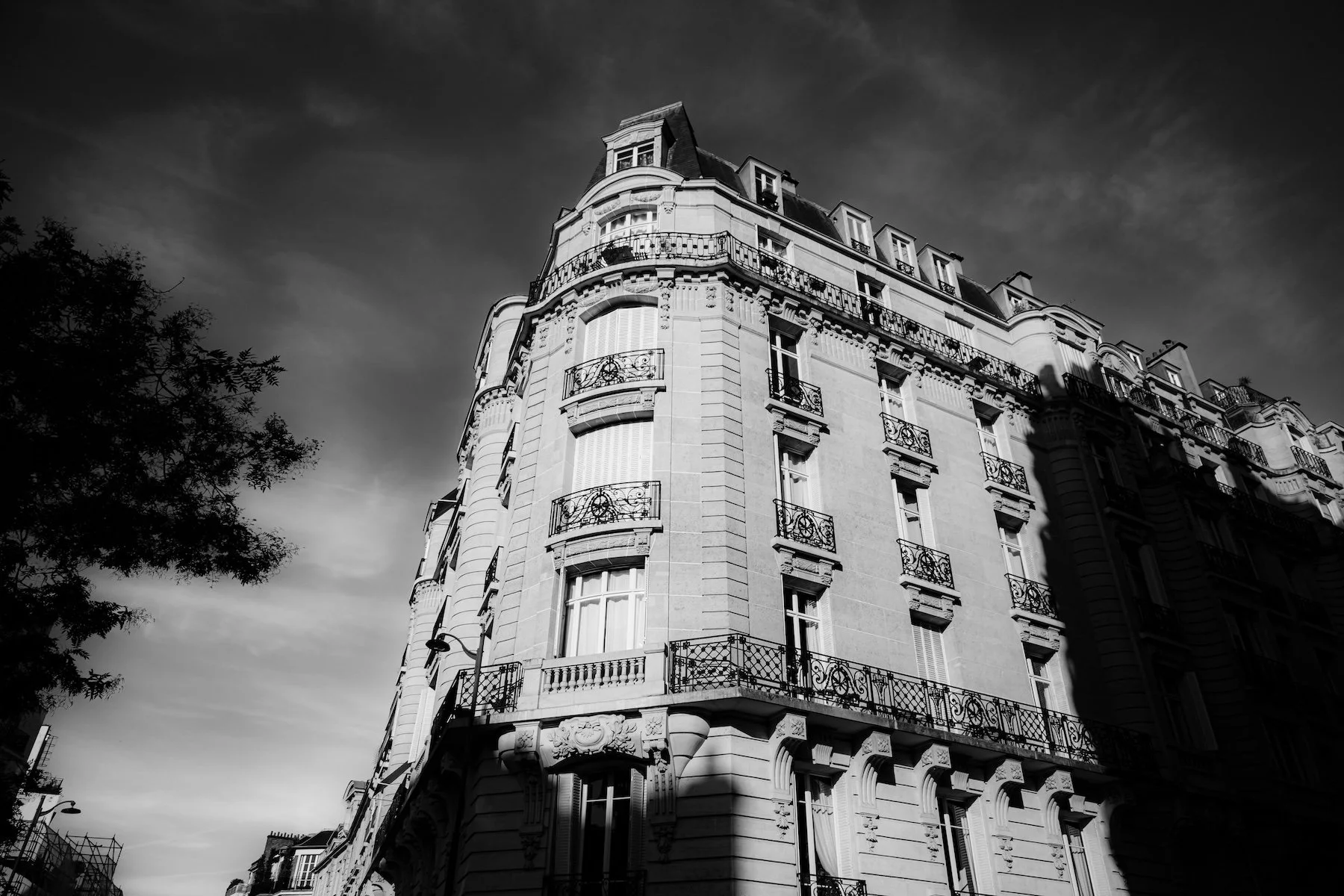
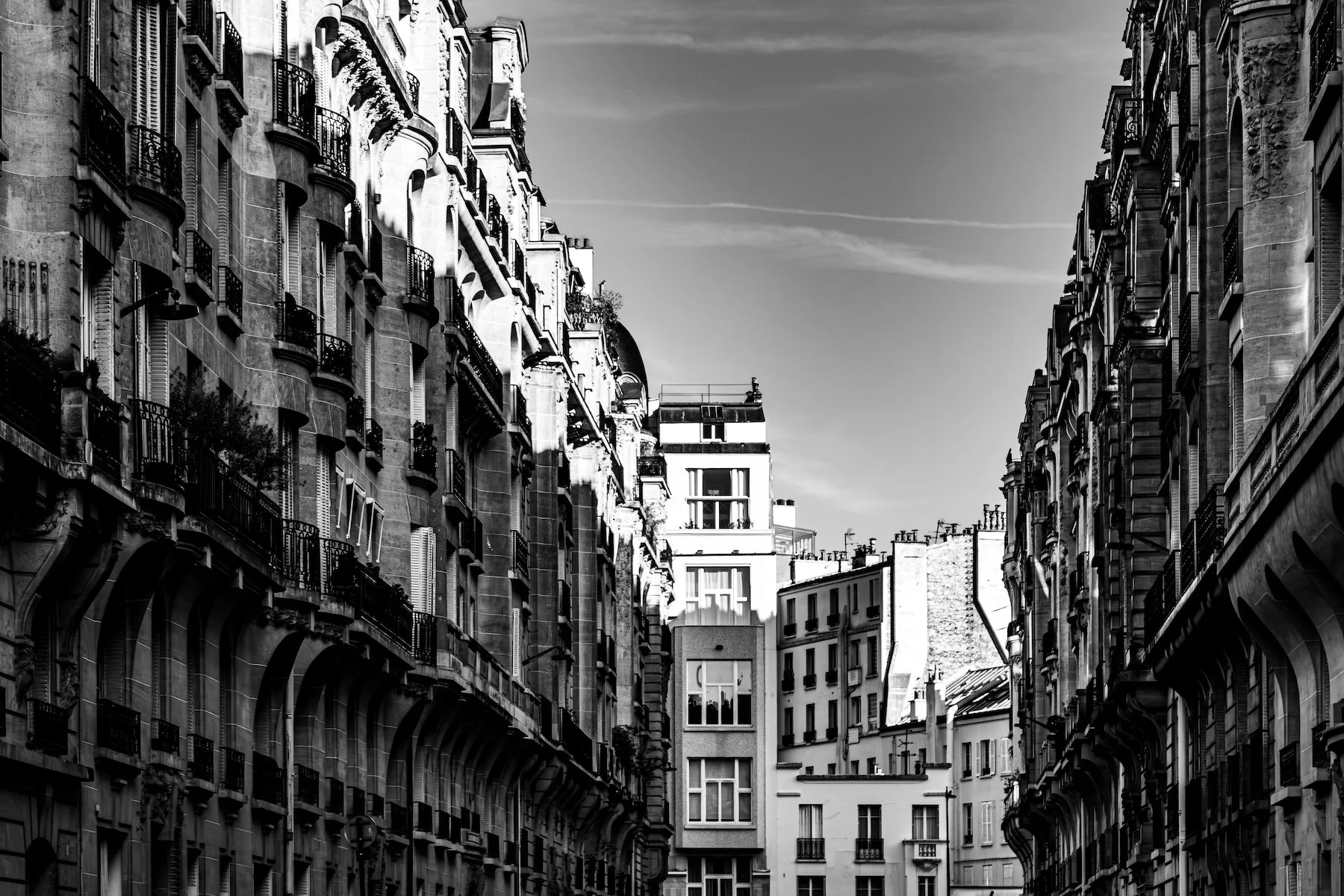
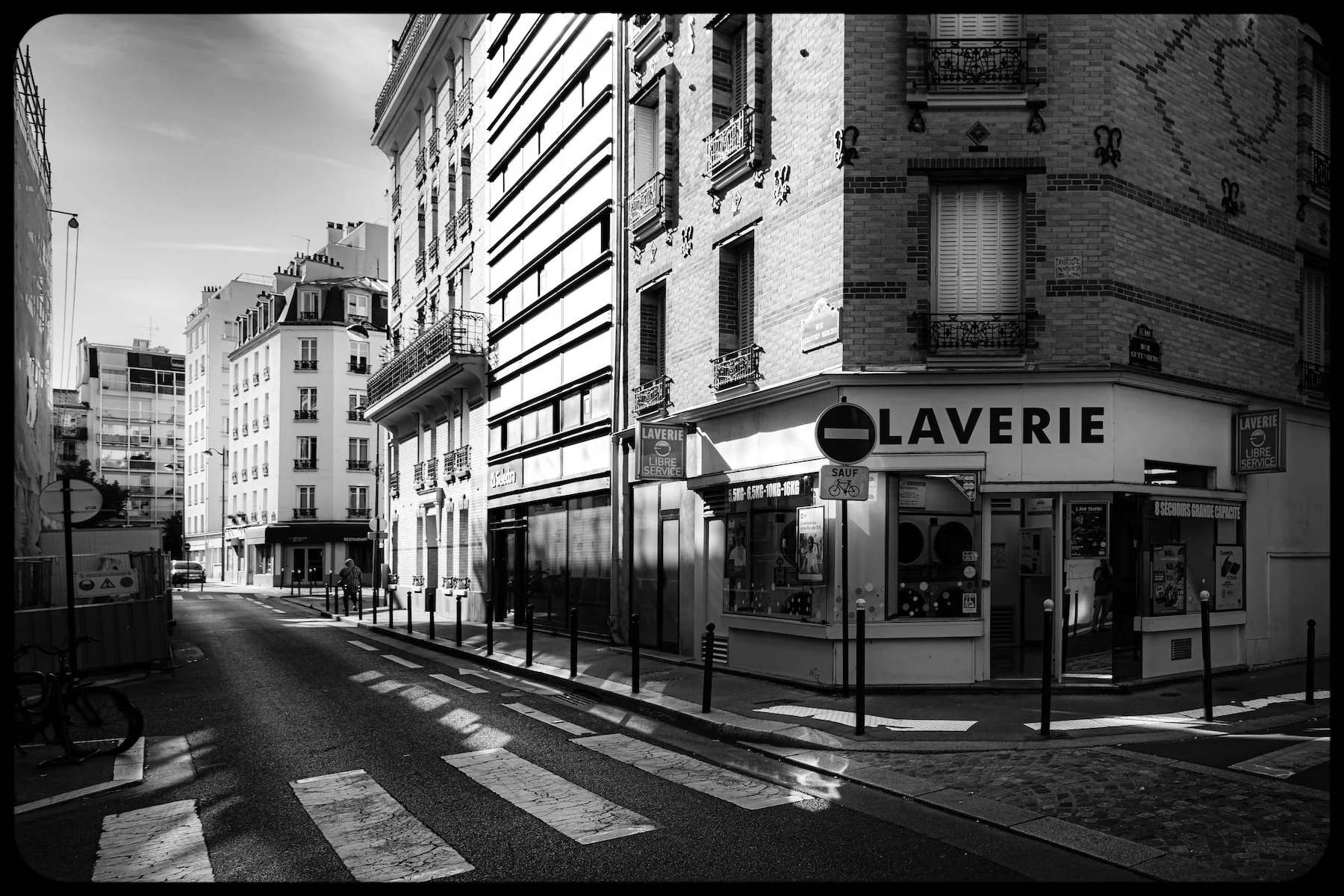
Photographing the arrondissements means moving between the official map and the street-level experience. The camera does not treat each arrondissement as visually uniform. Instead, it looks for the recurring forms, textures, transitions, and contrasts that make each district legible: the geometry of boulevards, the shade of plane trees, the repetition of balconies, the rise of stairways, the curve of canals, the presence of rail stations, the opening of parks, the weight of monuments, and the intimacy of side streets.
On CityNeighborhoods, the arrondissement provides the frame, but the photograph comes from the encounter between map, movement, light, and observation. As the Paris photography is processed, this section will connect each arrondissement more directly to the project’s Photographic Lexicon: the visual strategies, recurring motifs, and compositional patterns that shape how the city is seen through the lens.
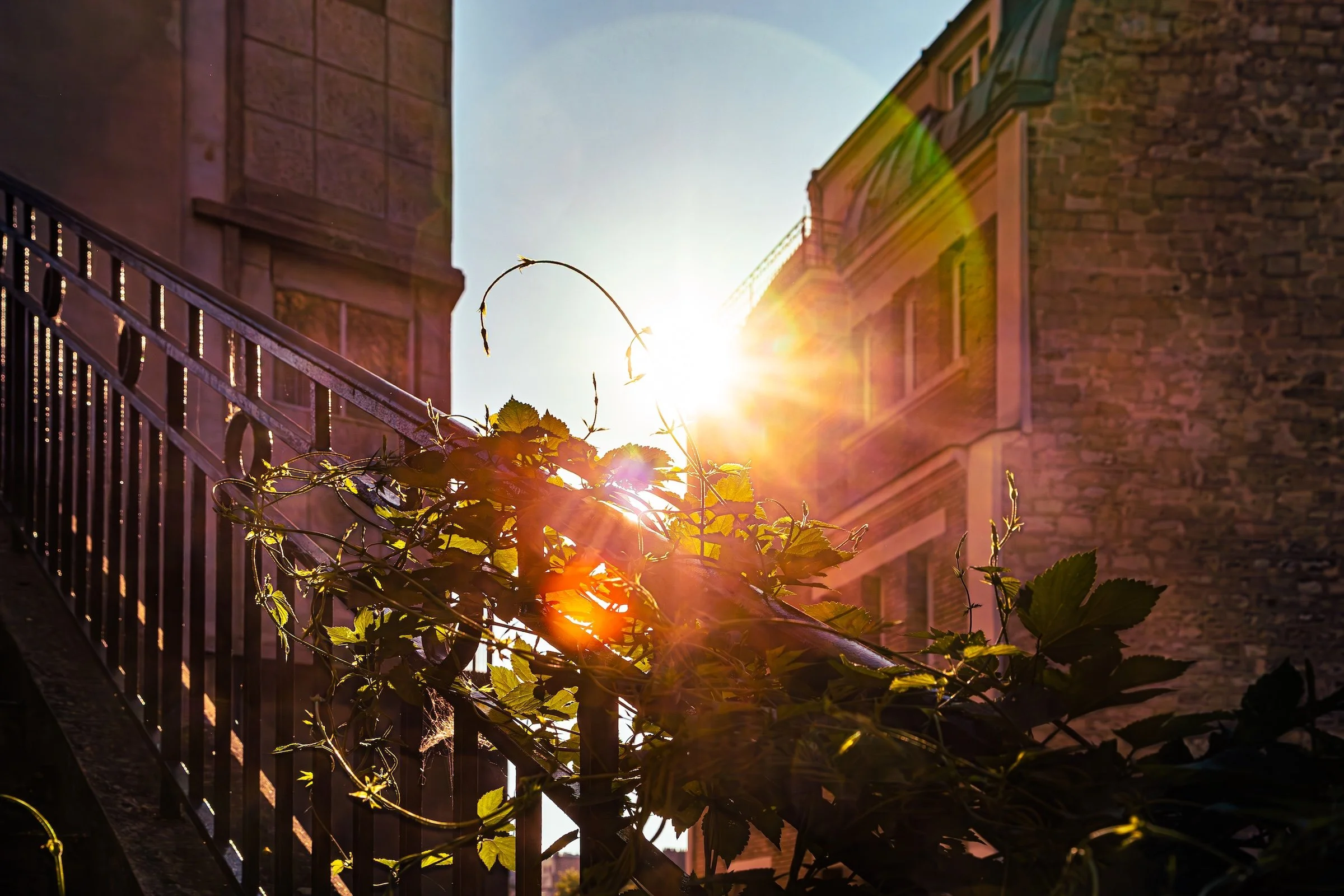
If you visit Paris, these ideas can help inspire your own photography.
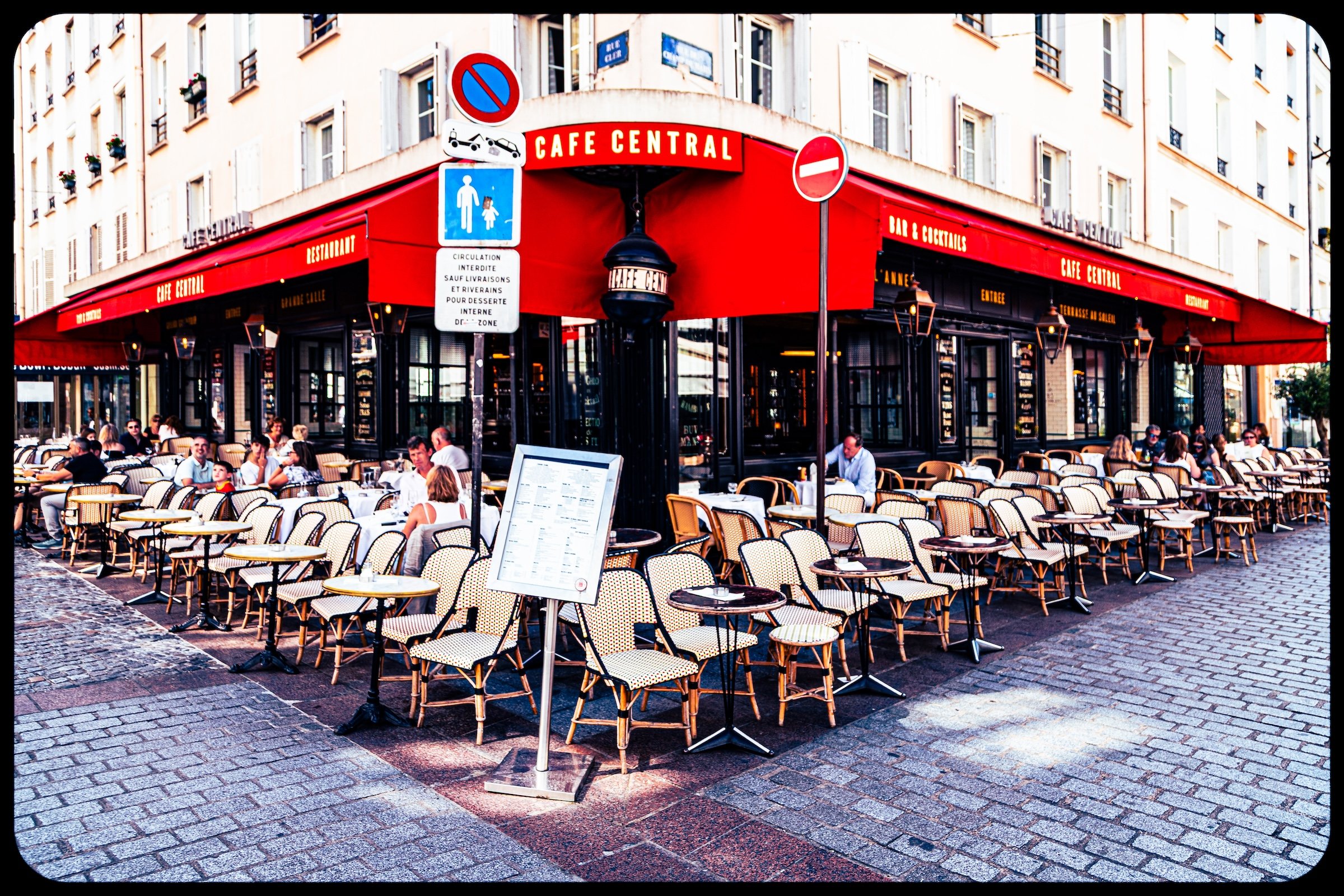
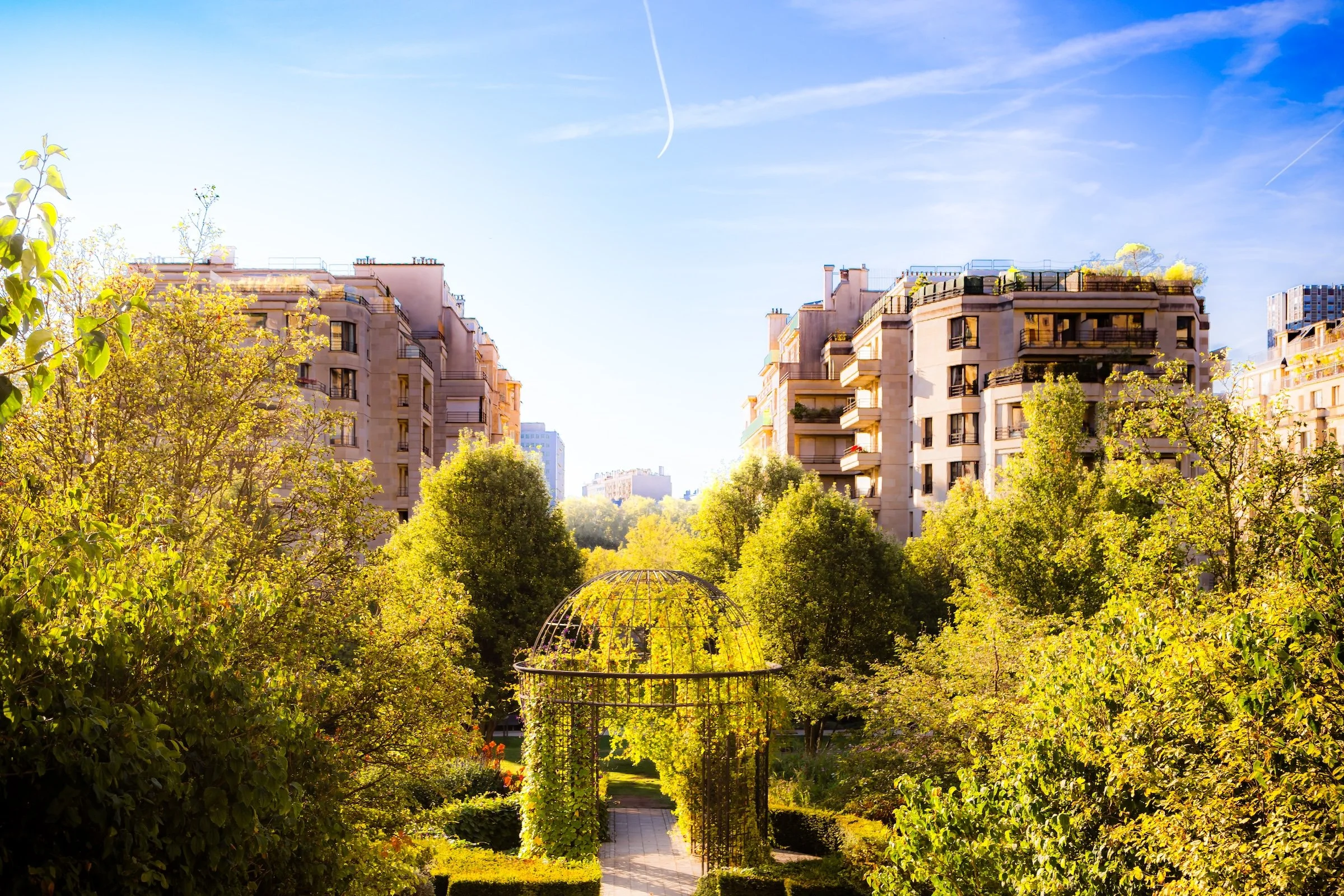
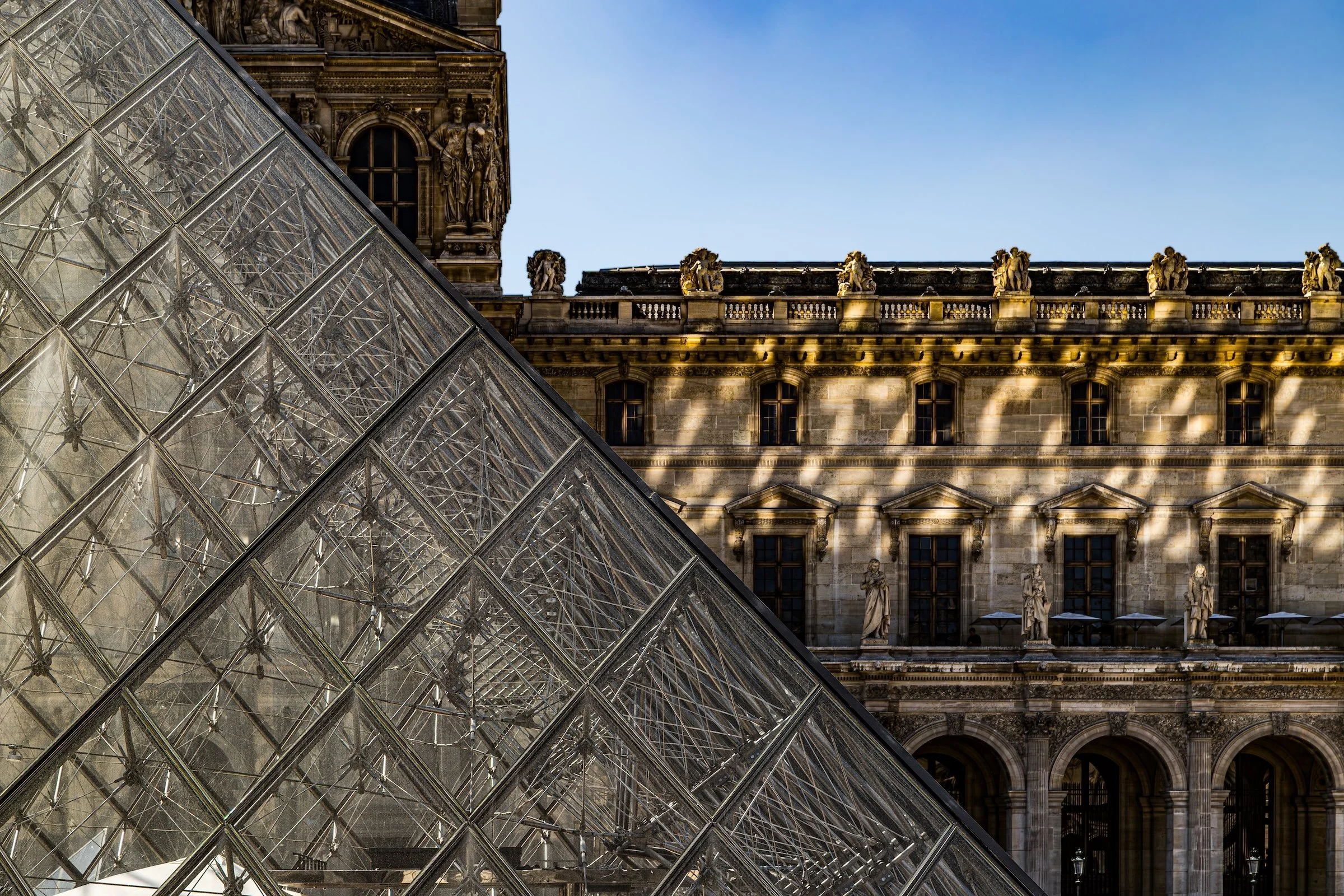
Paris: J’Espere, Je Rêve, Je Vive
Paris Photo Gallery
Paris Field Notes
-
Field Note: August 18, 2025 | 07:58 AM
Conditions: 73°F | Humidity: 72%.
Within the park's interior, the glacial kettle ponds acted as humidity traps, creating a soft, hazy light that filtered through the old-growth oaks. The transition from the park's dense shade to the sun-drenched edges of Oakland Gardens highlighted the day's exceptional "picture-perfect" clarity.
There is a fleeting window in Queens where the humidity of August hasn't yet heavy-set, and the morning sun hits the canopy of Alley Pond Park at a perfect oblique angle. Arriving just before 8:00 AM, I watched the light break through the oaks and tulip trees, casting long, dramatic shadows across the wet grass. It’s in these quiet, golden moments that the park feels less like a city escape and more like the ancient glacial valley it actually is.
Other neighborhoods visited:
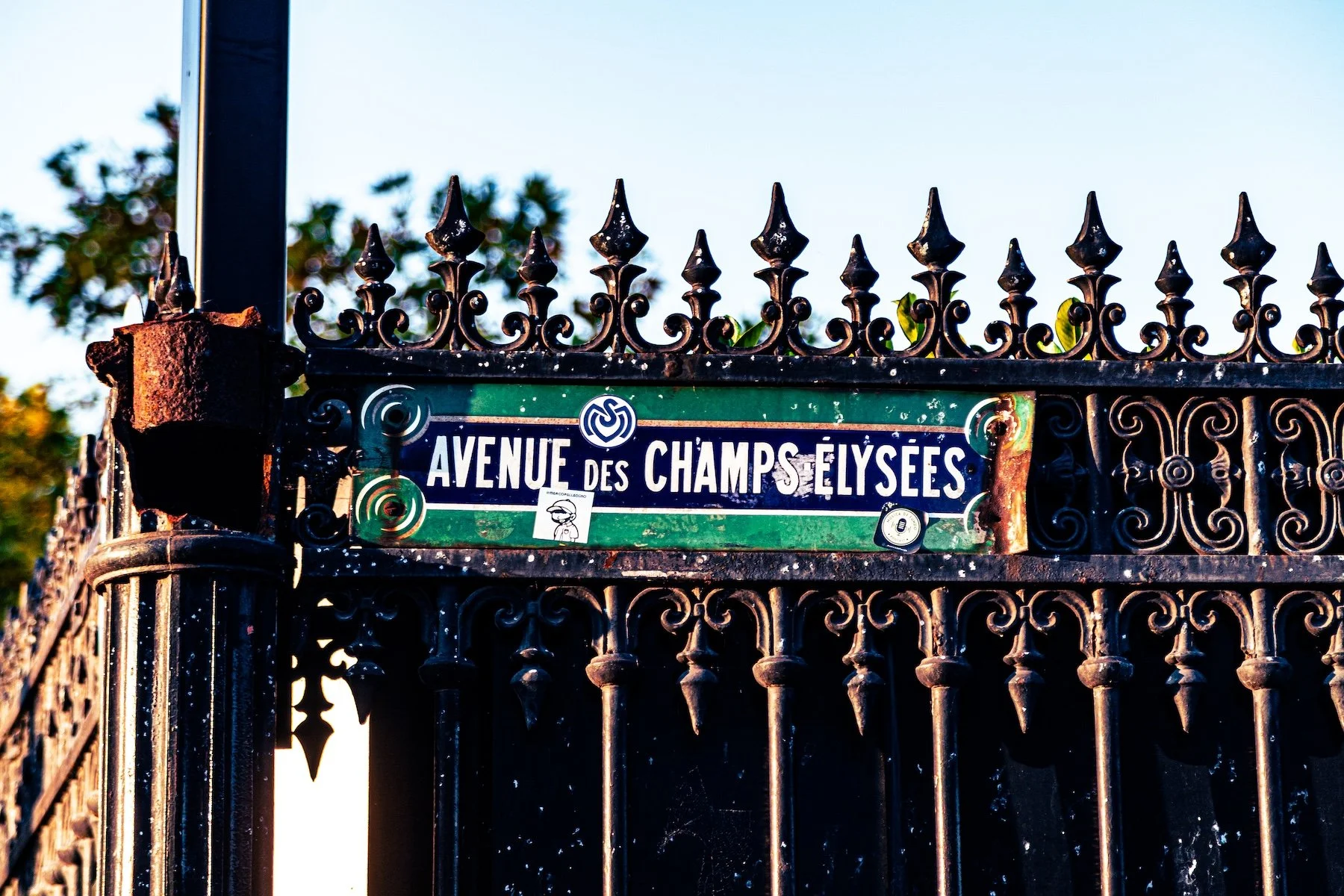
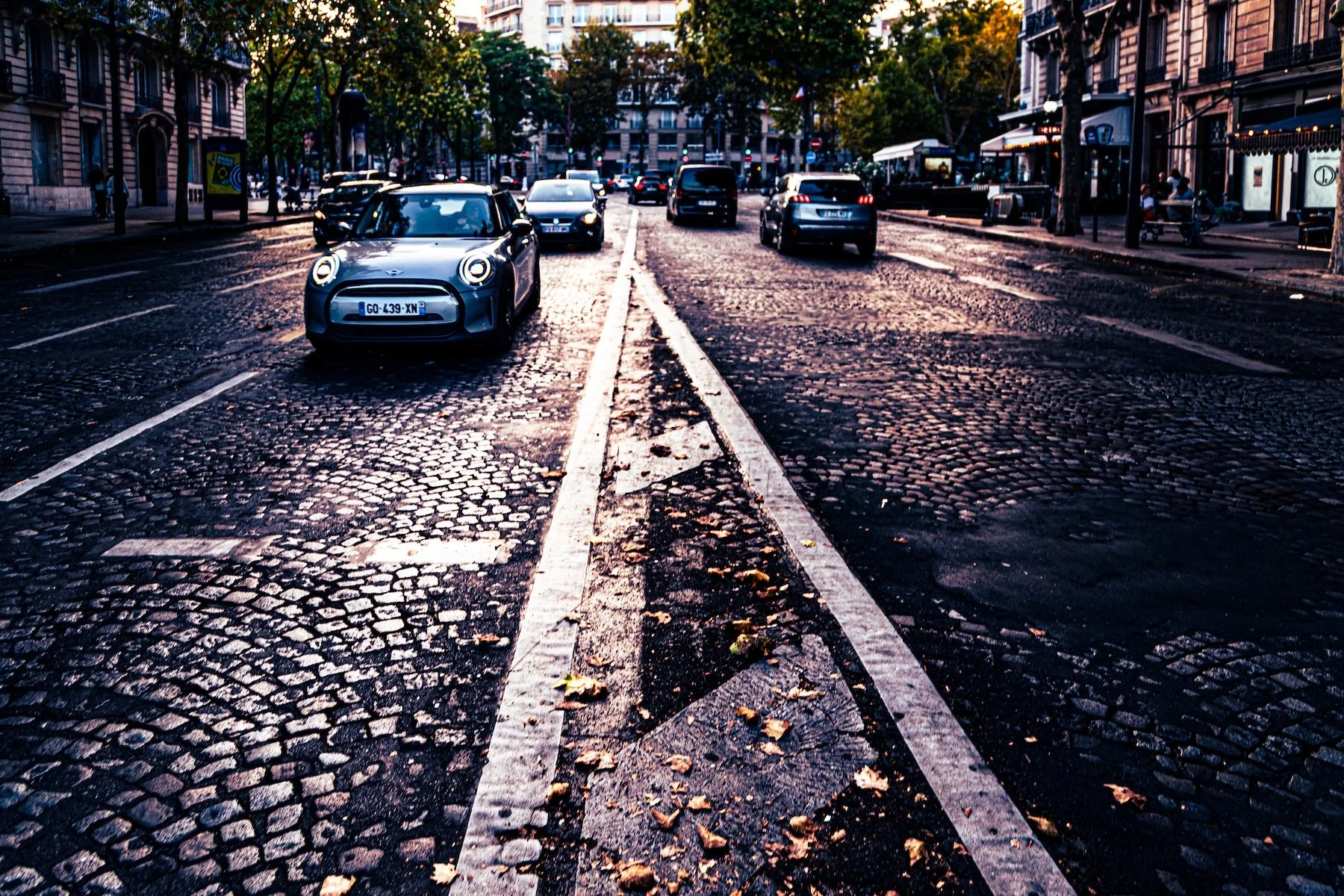
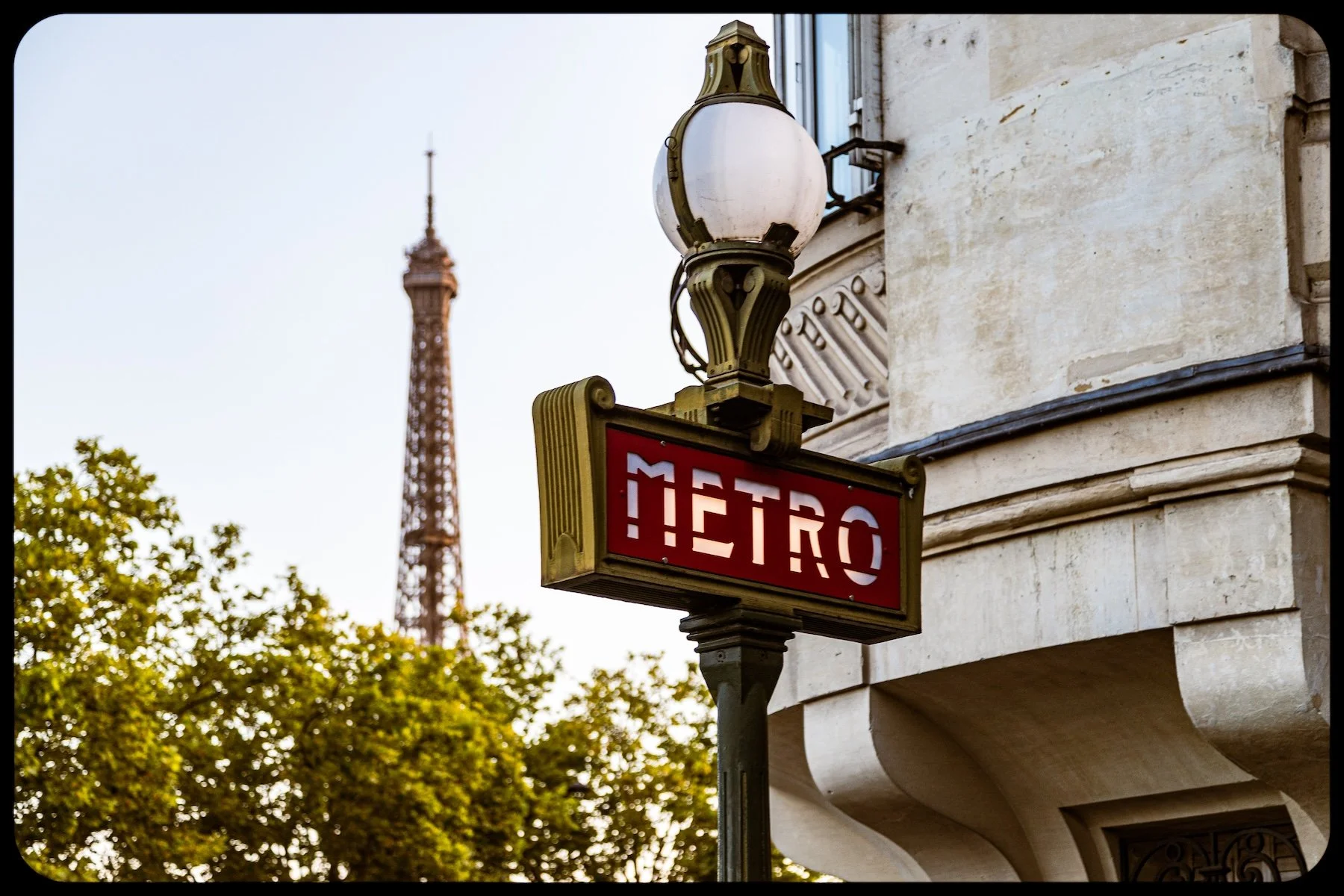
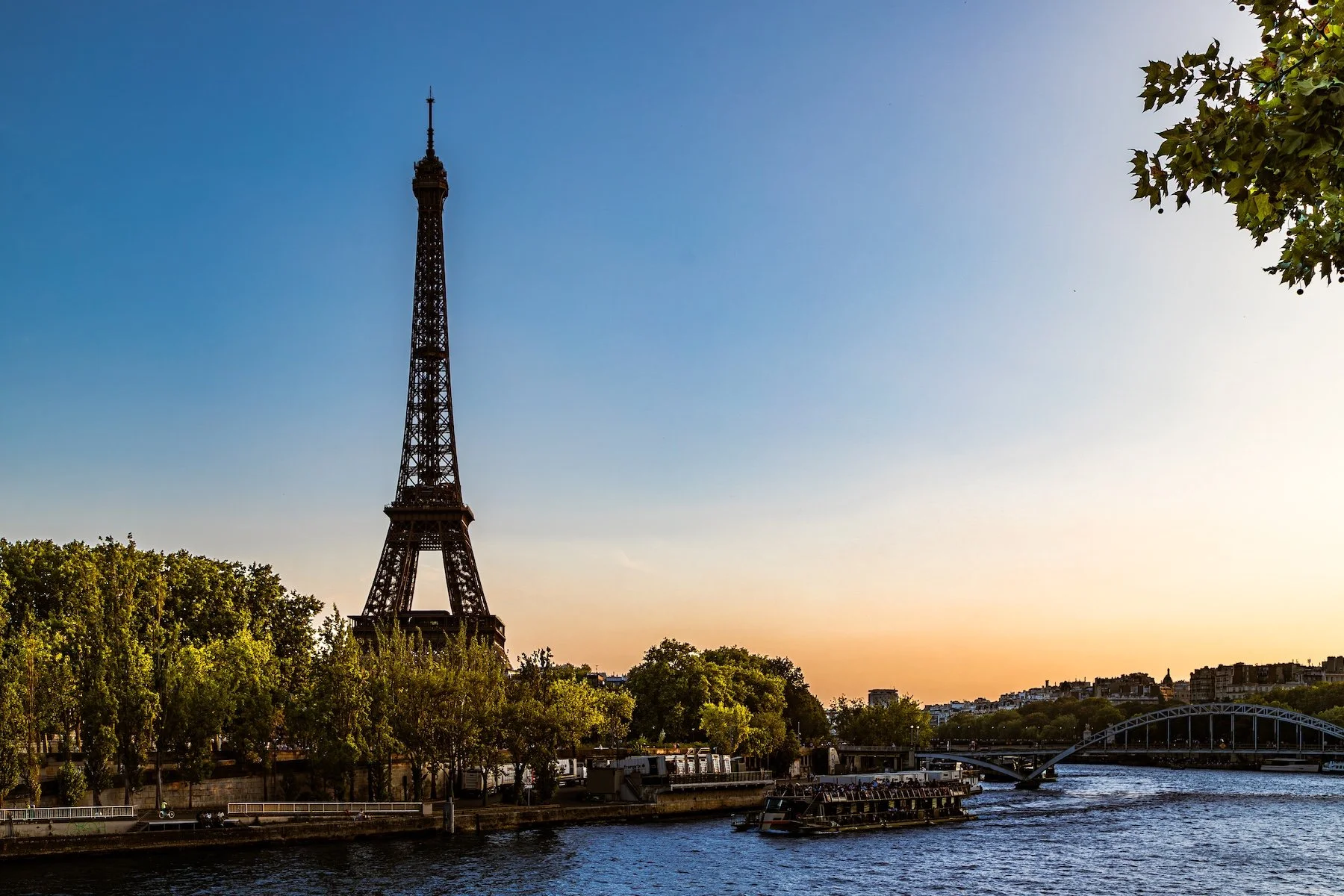
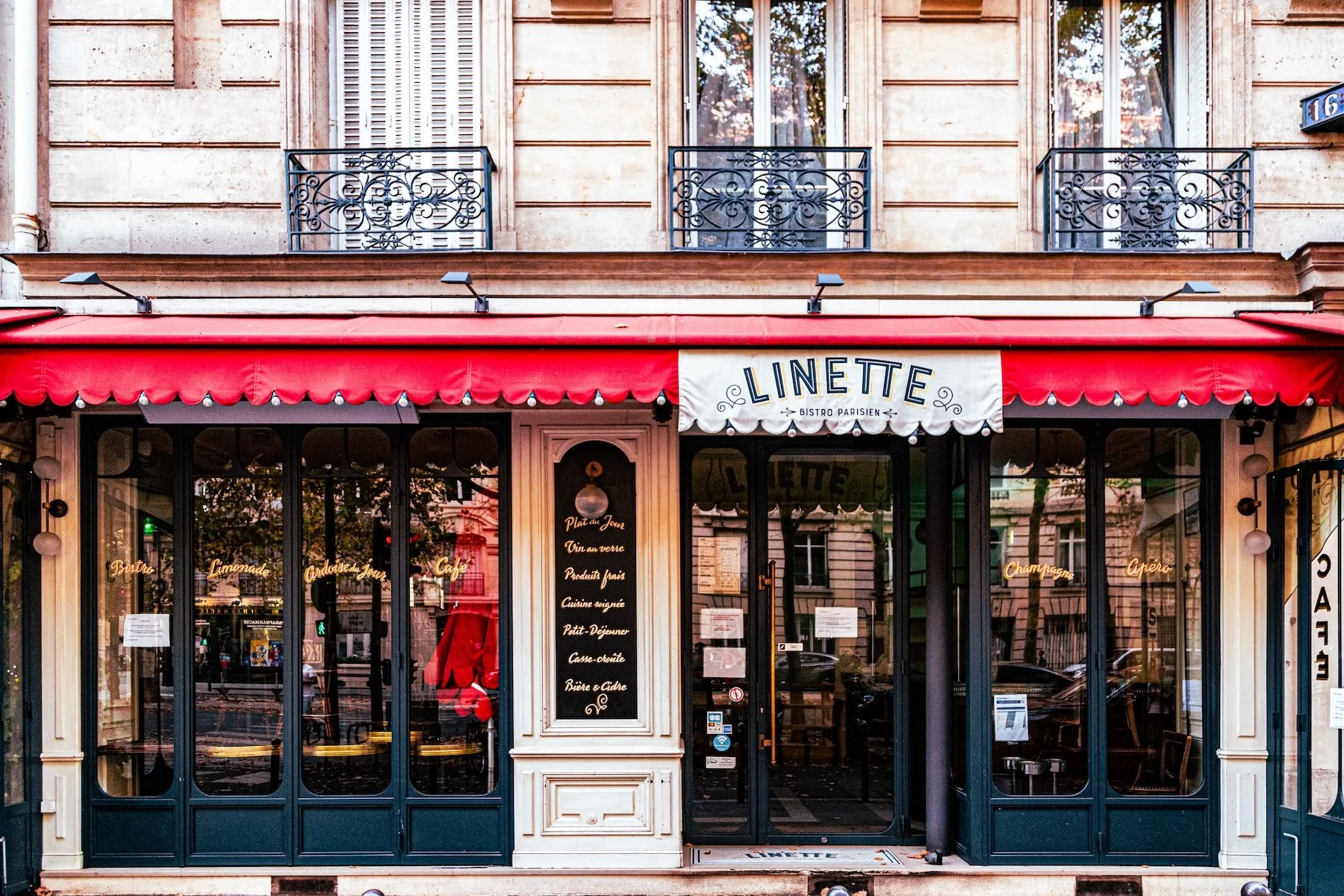
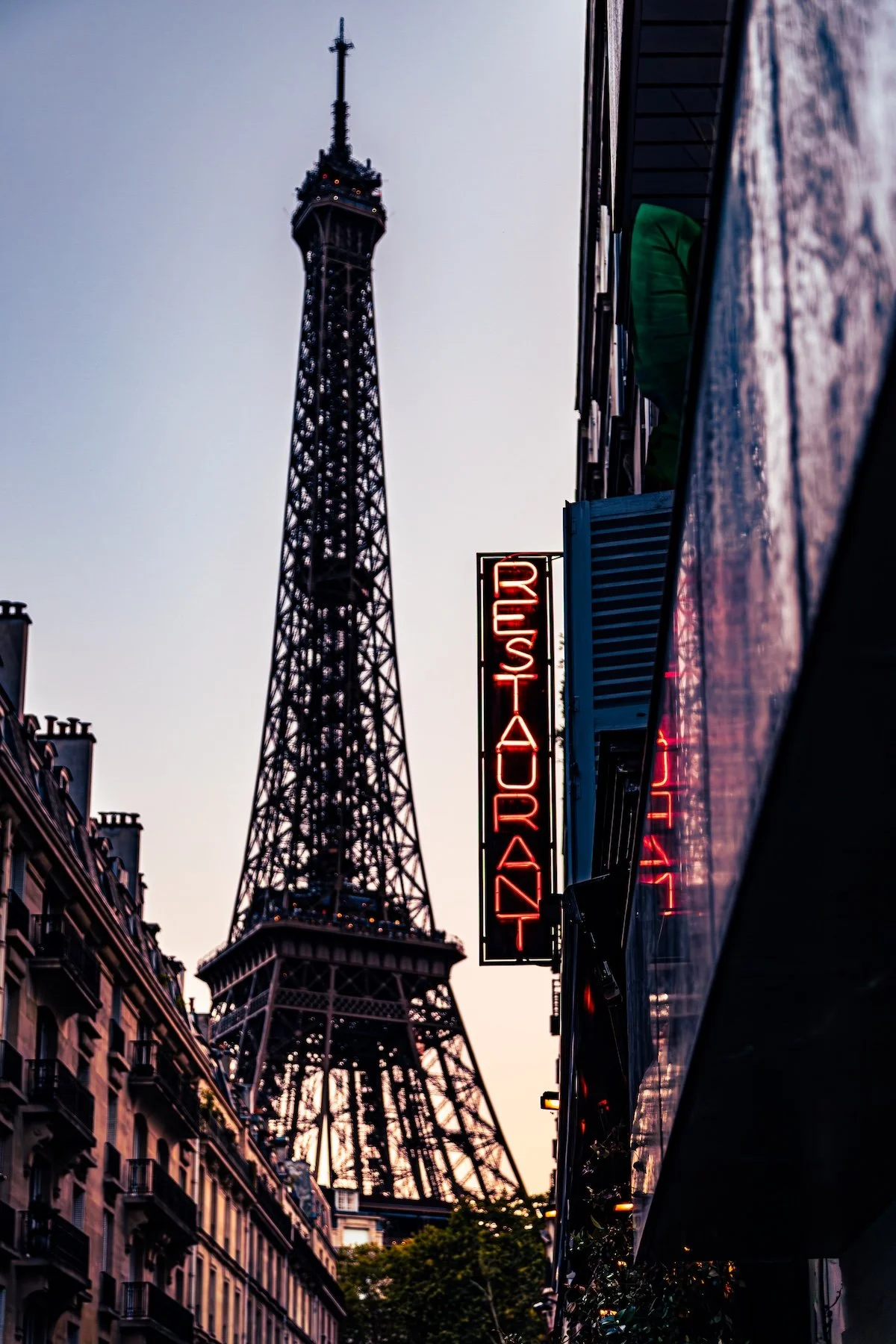
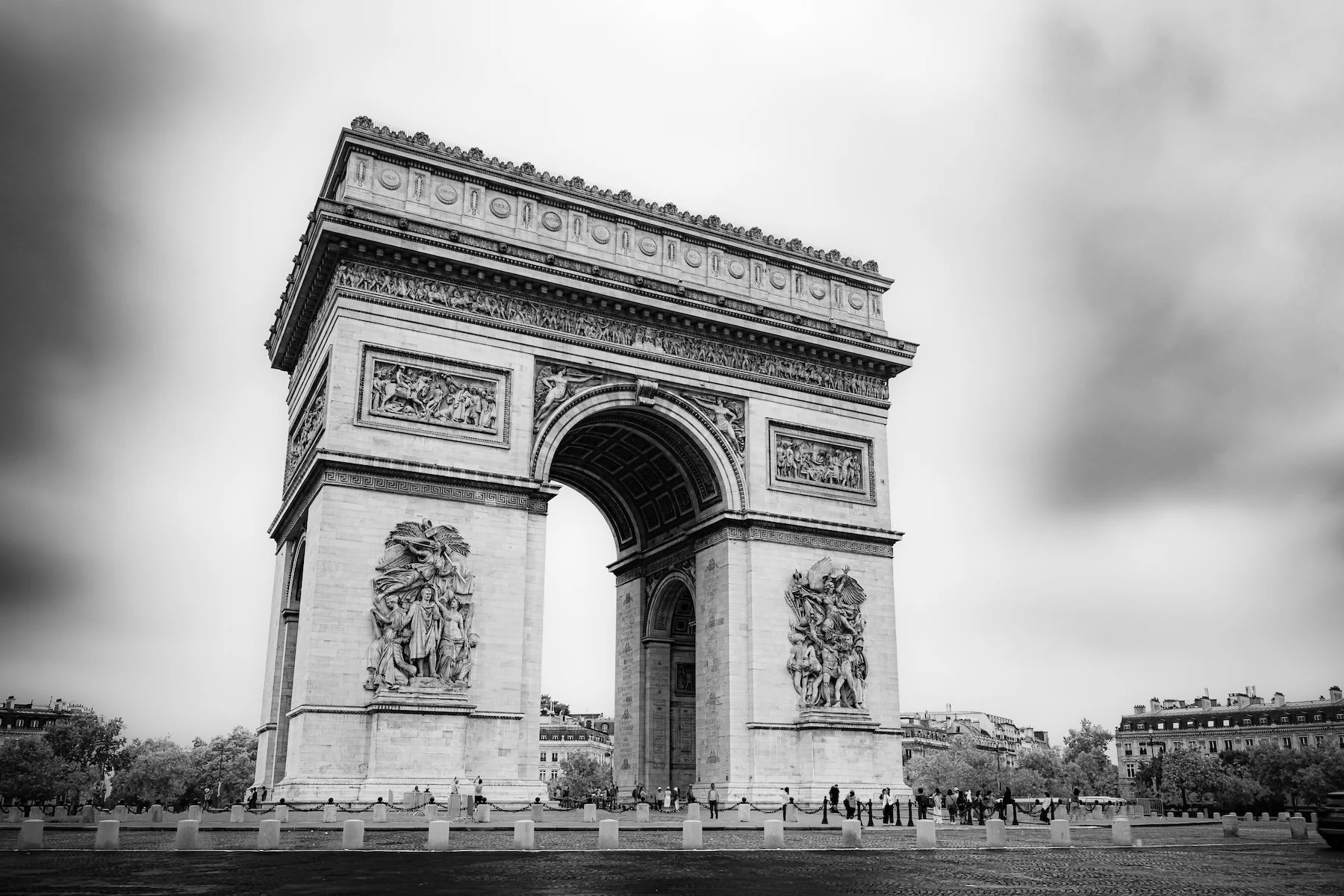
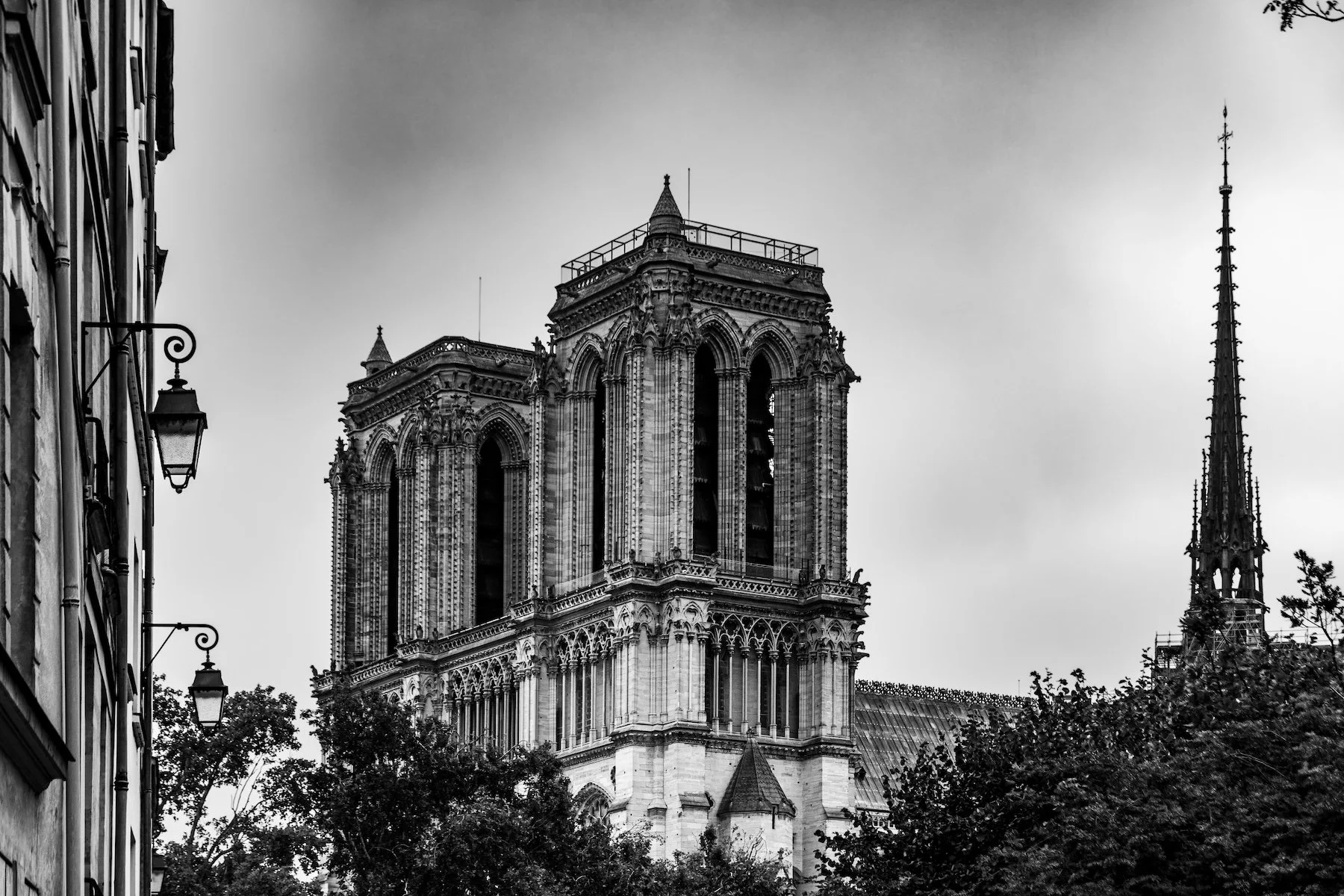
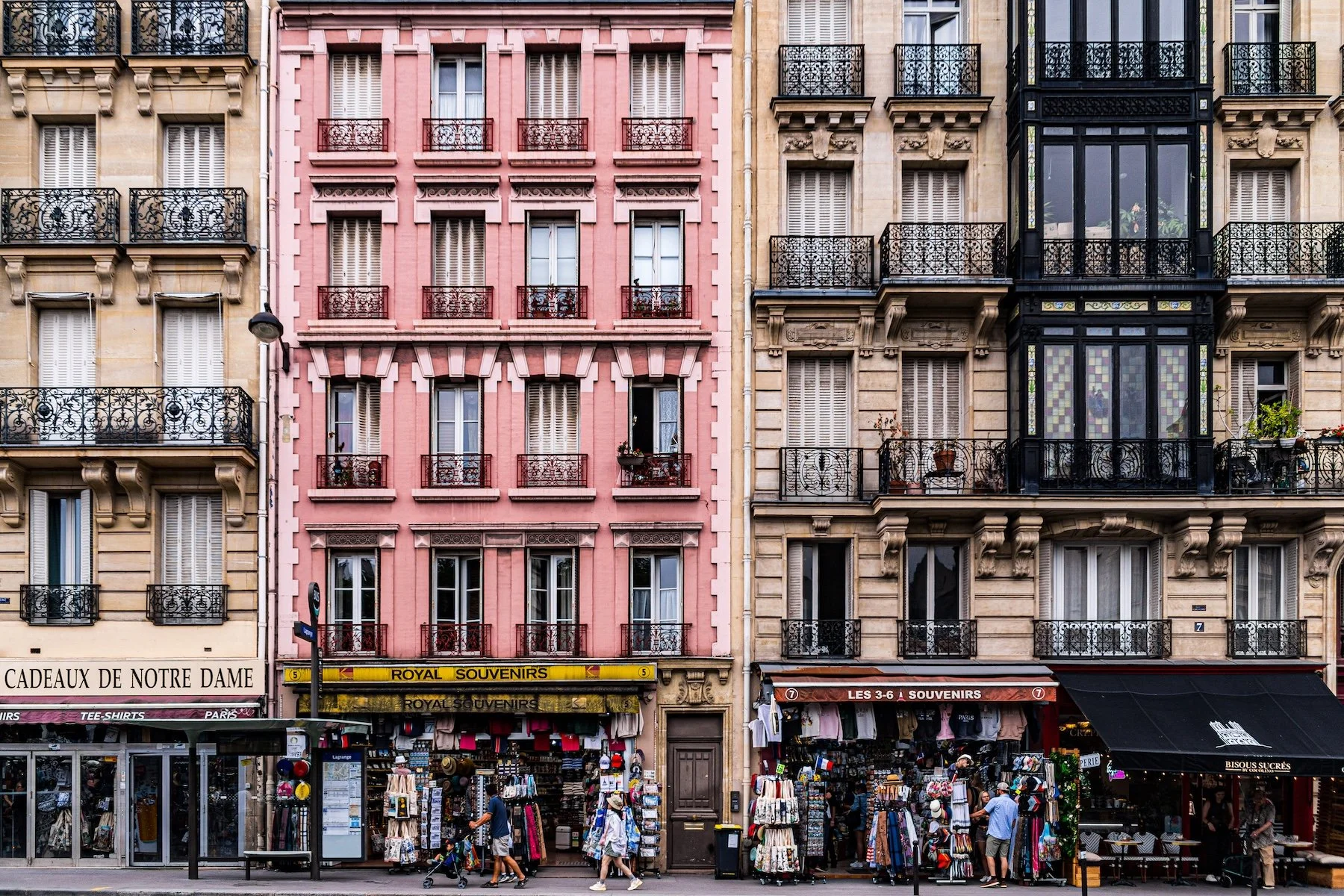
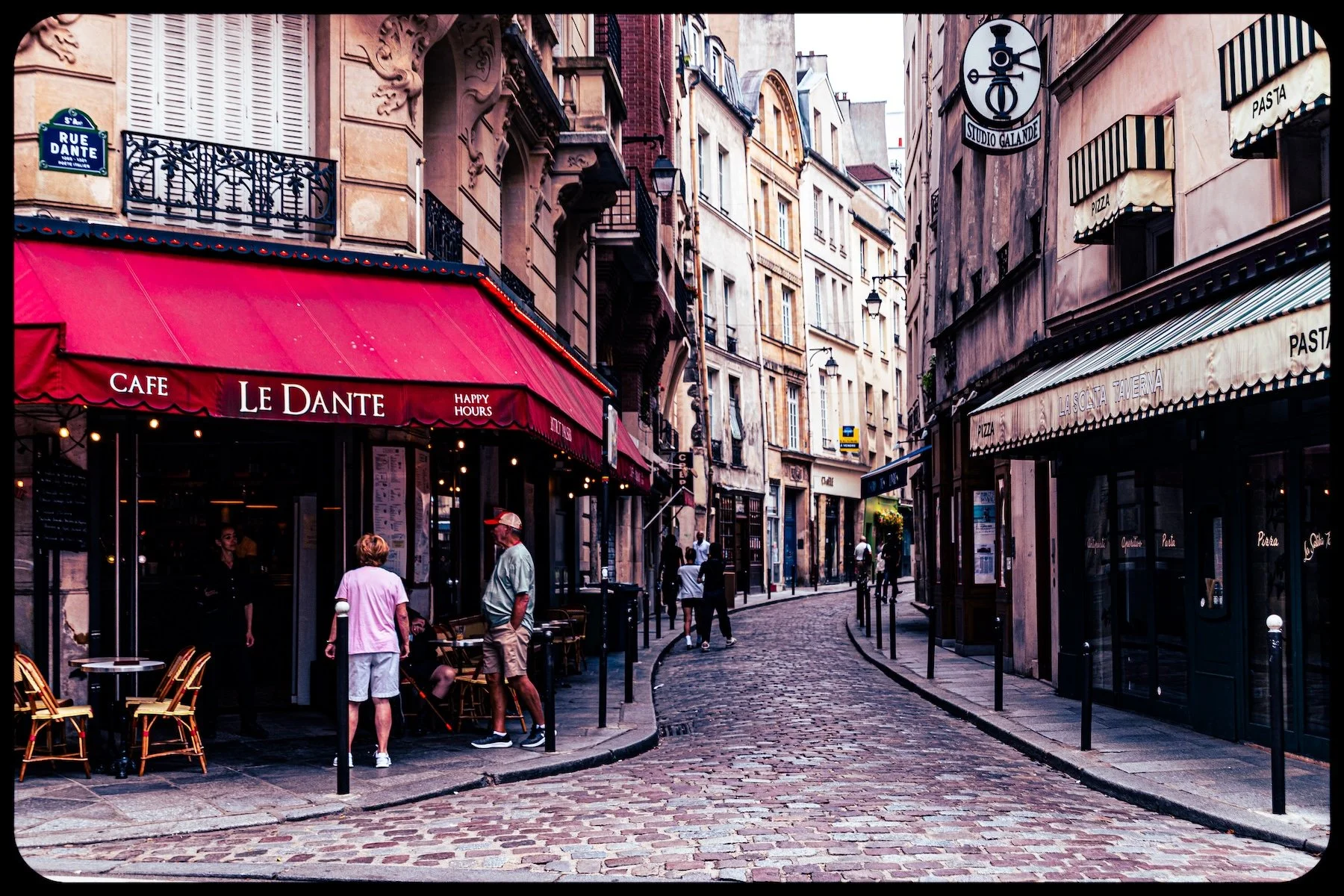
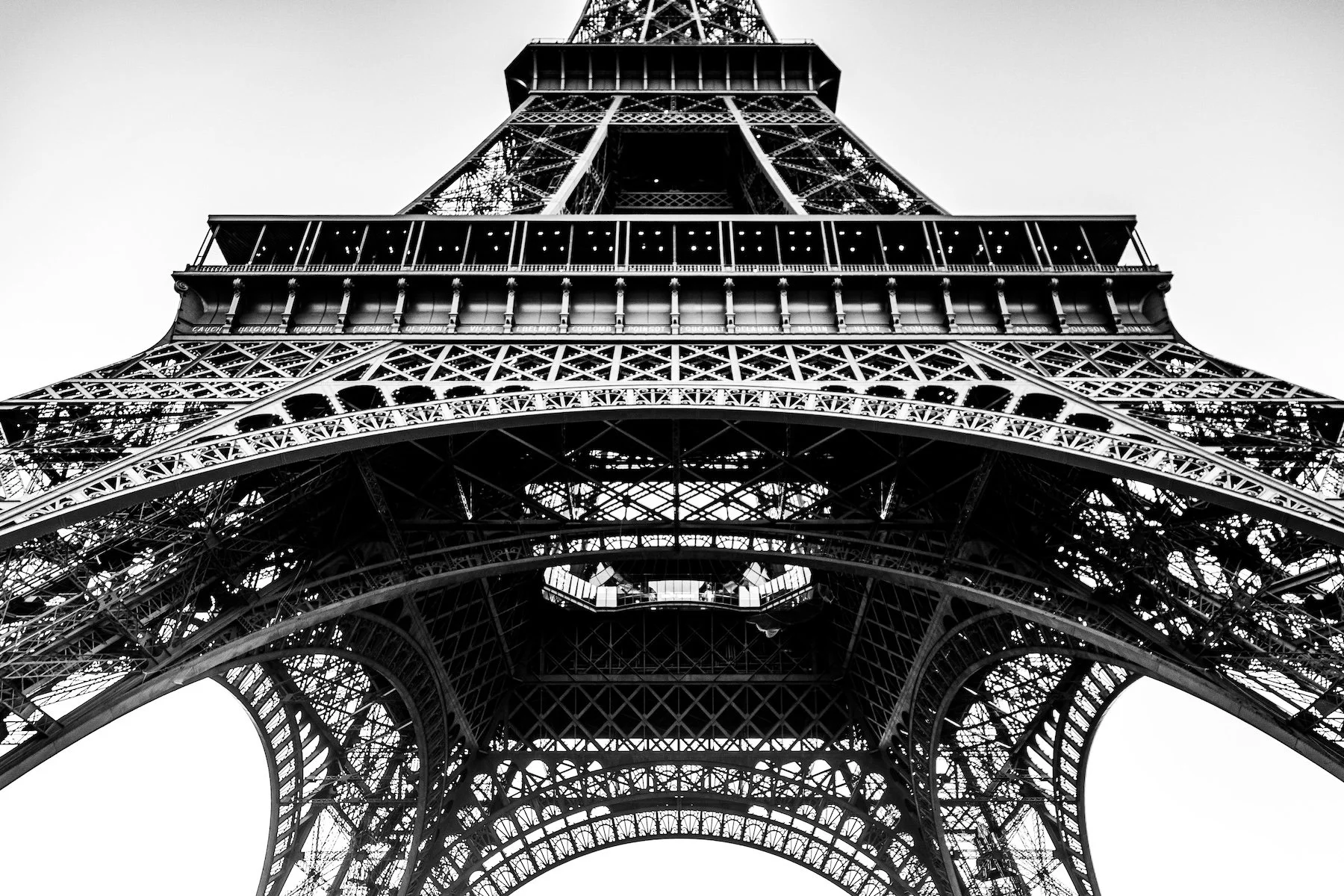
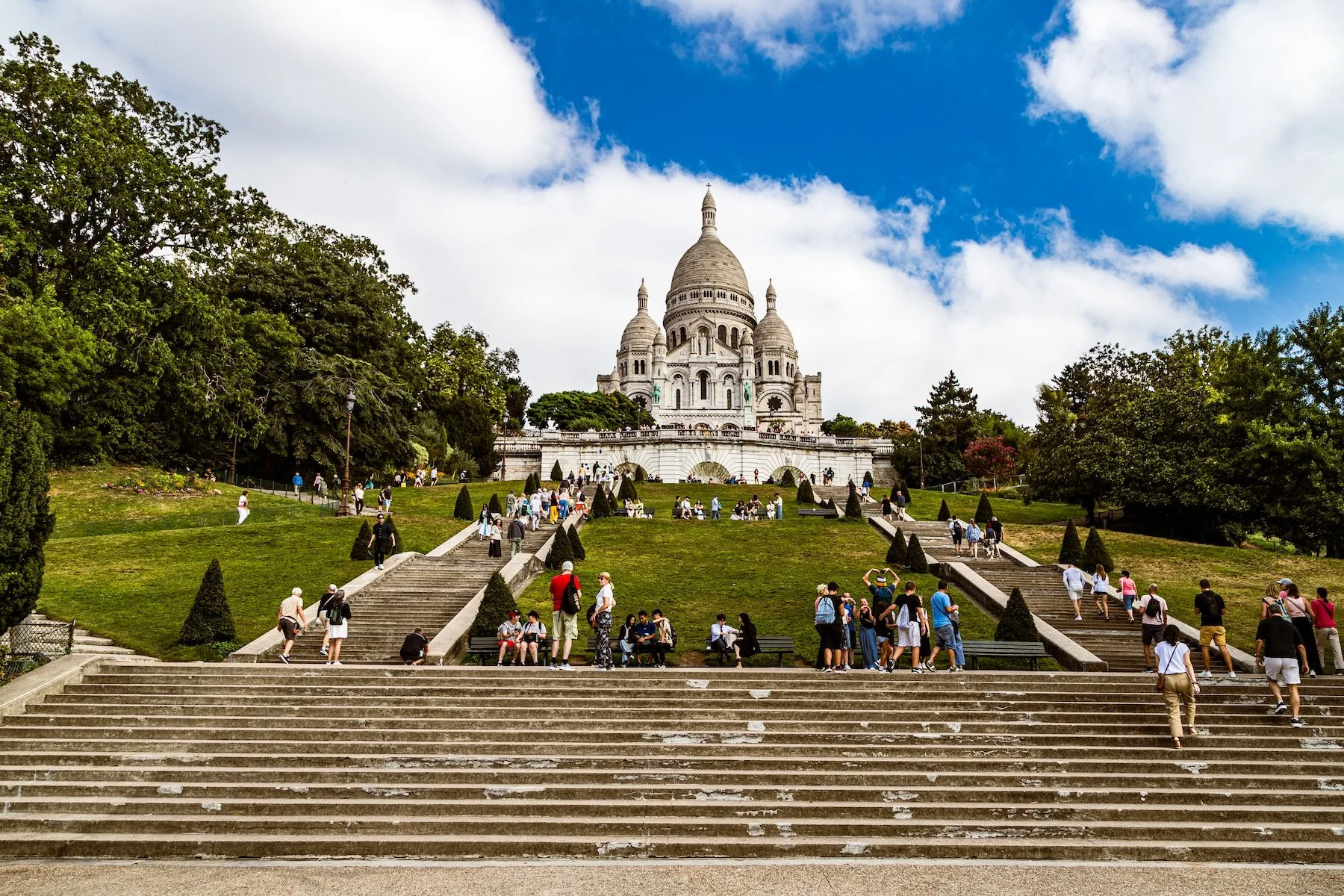
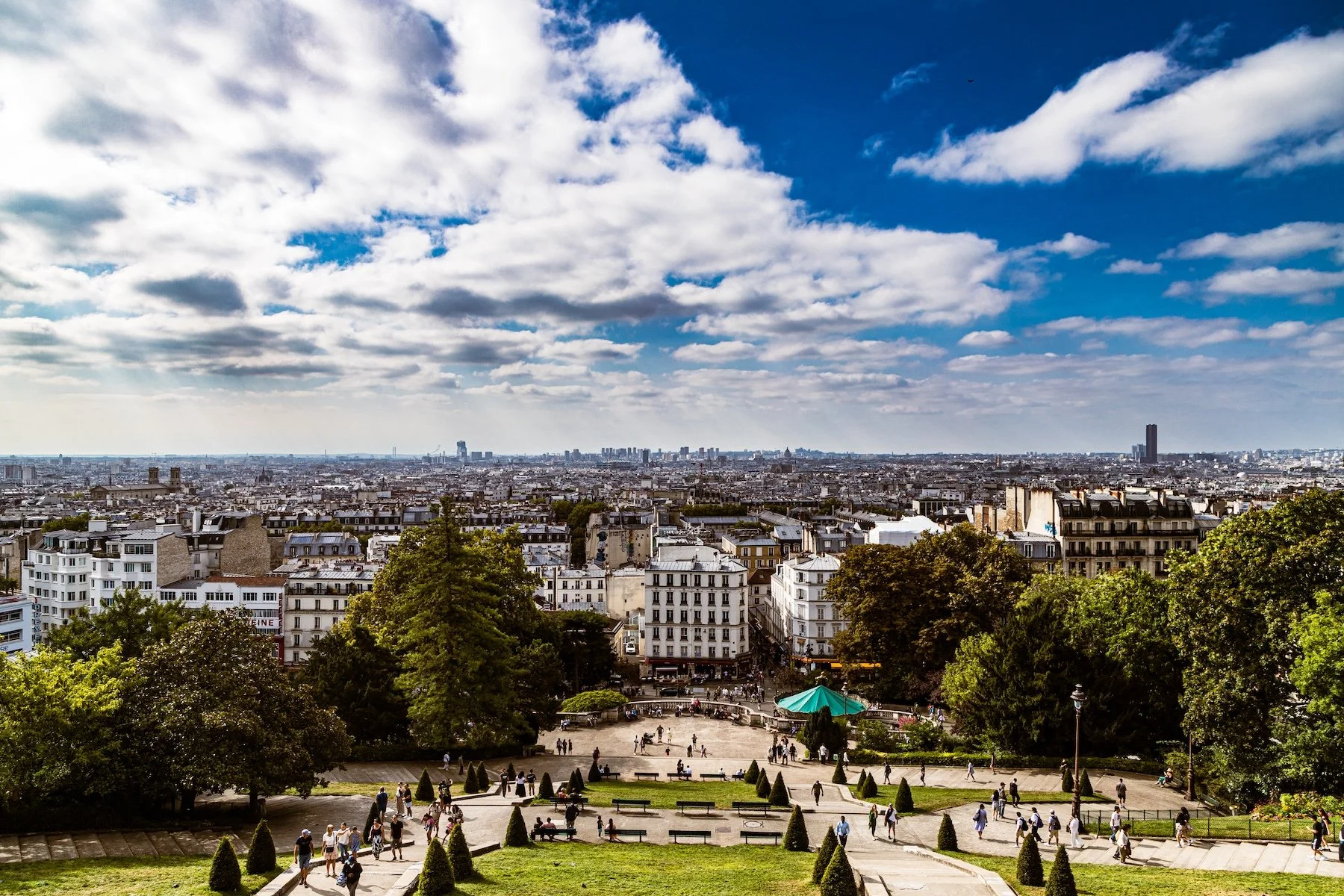
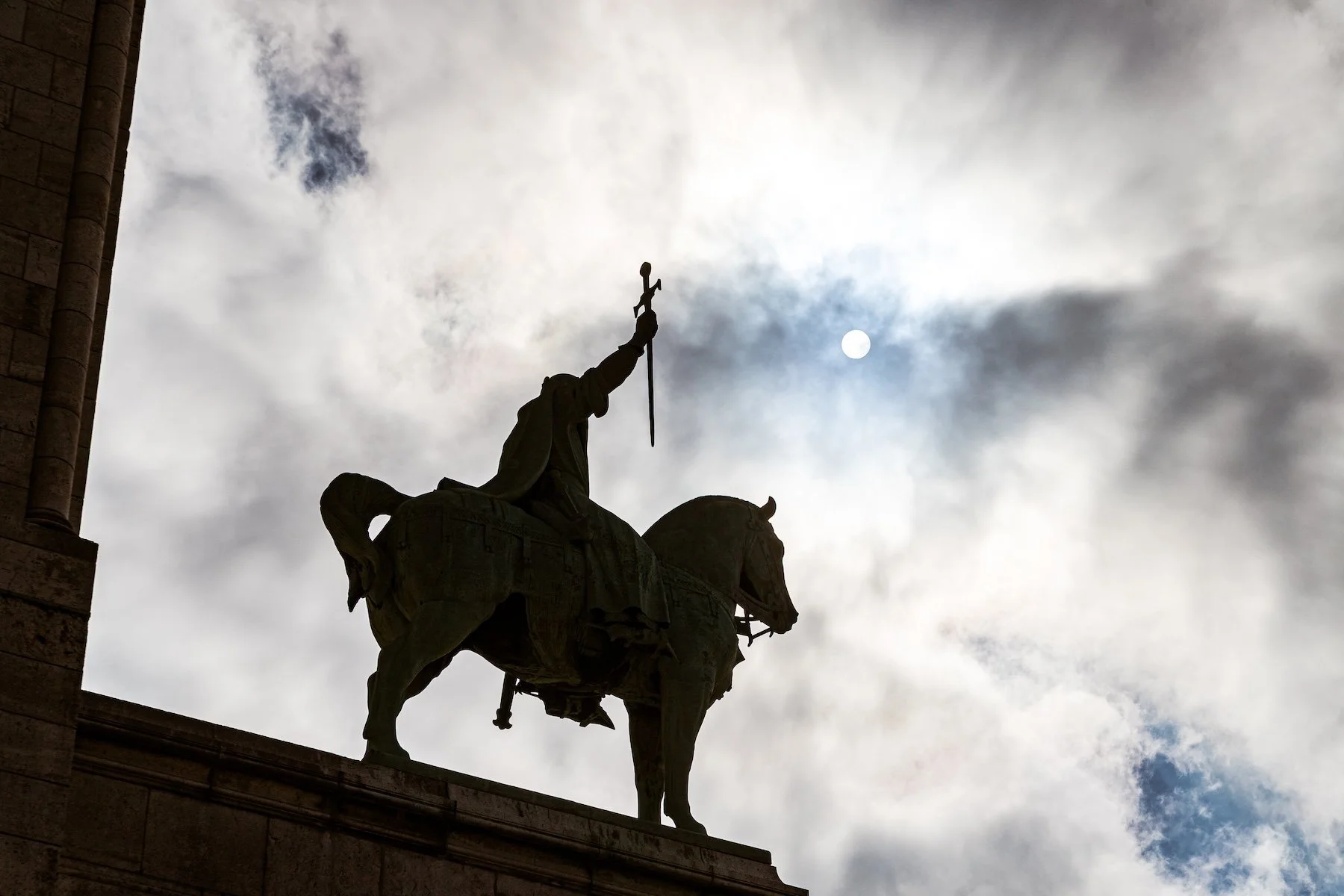
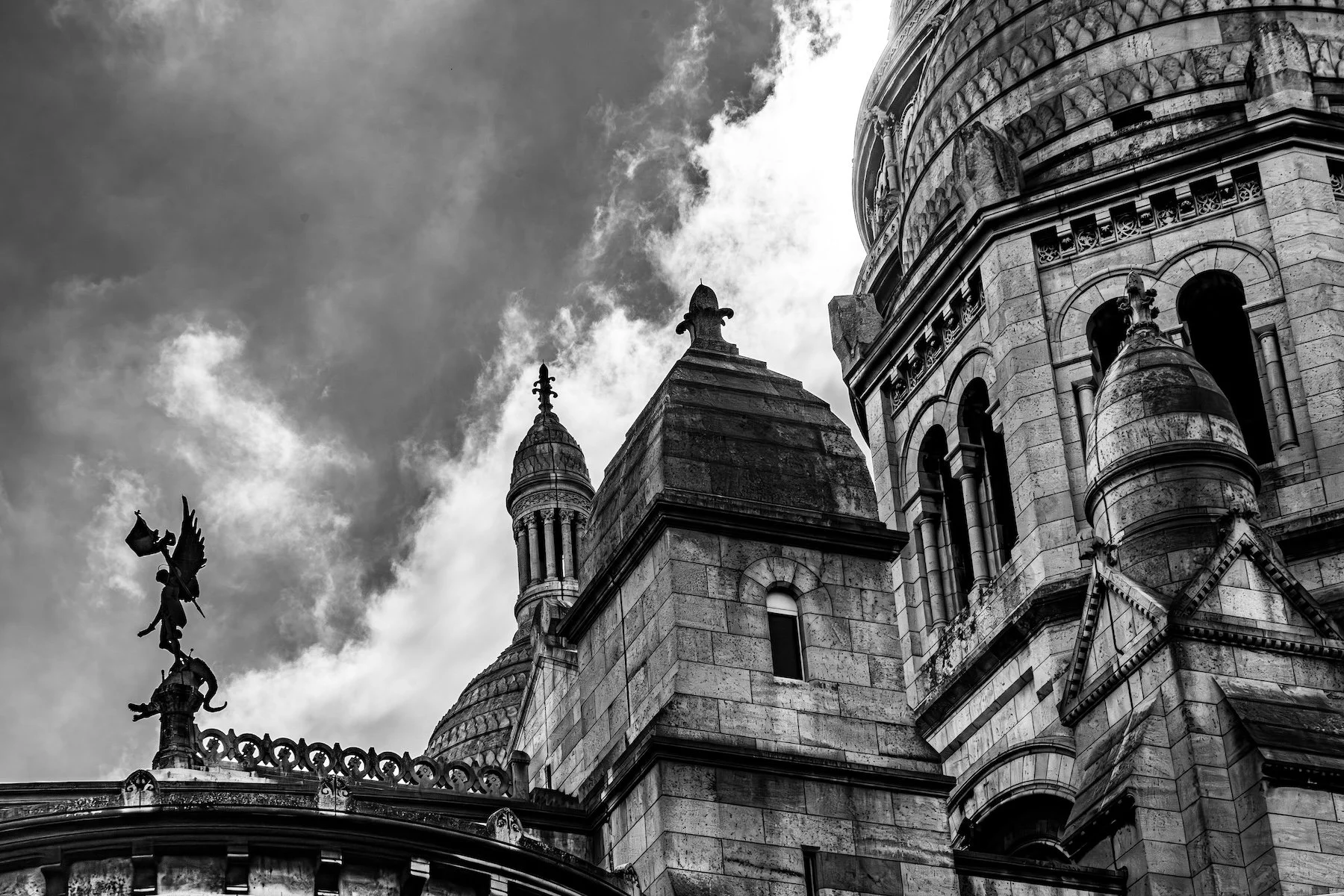
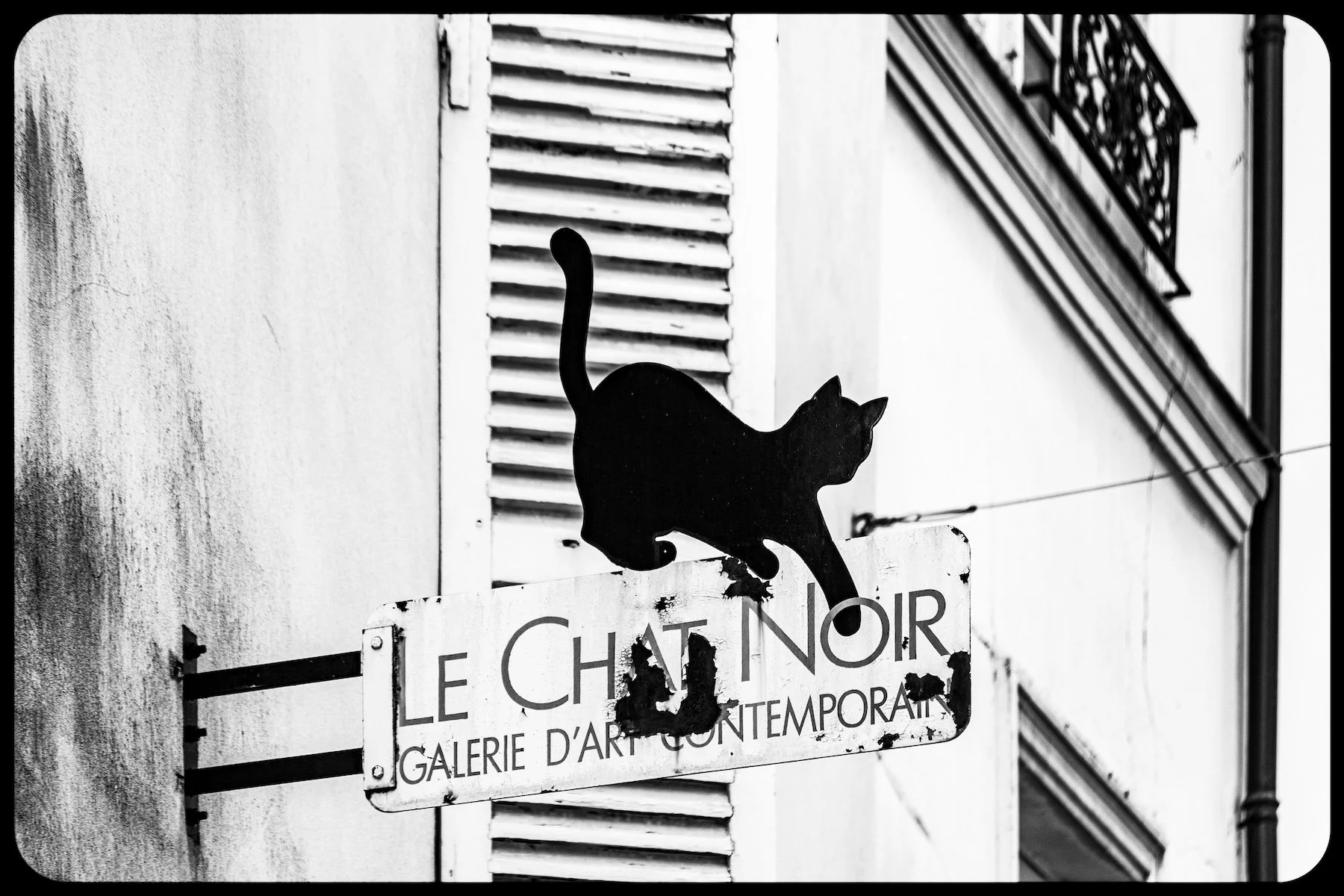
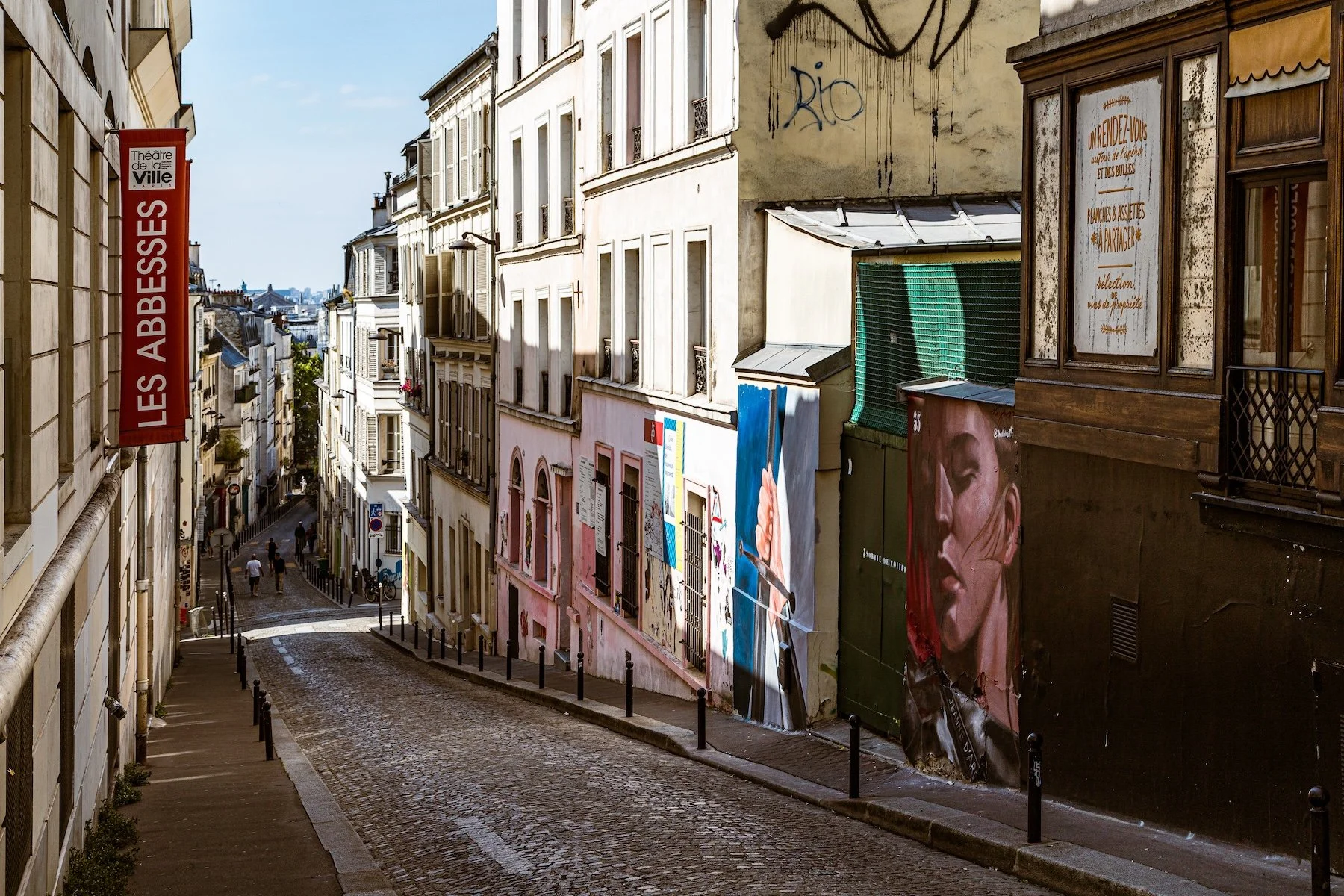
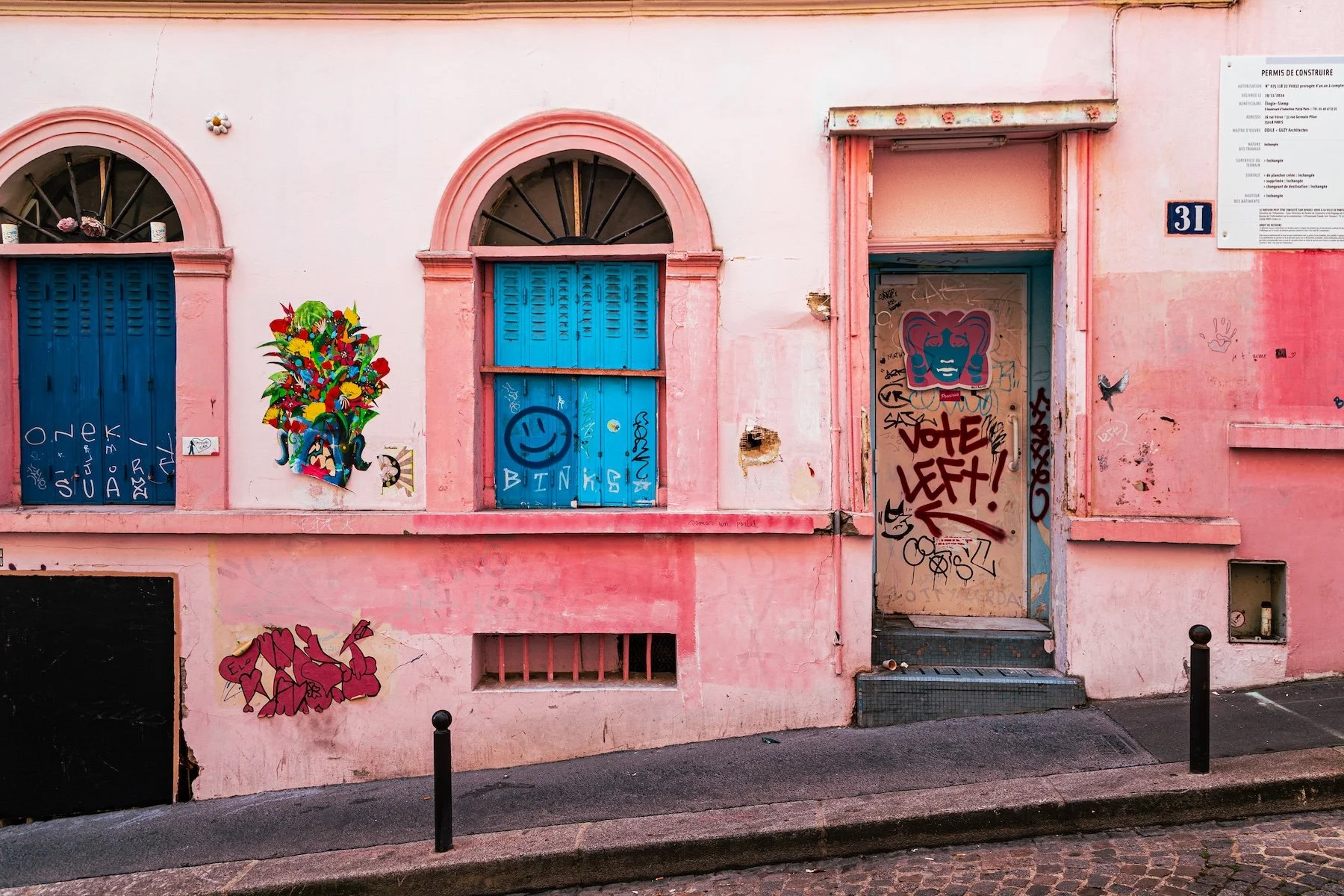
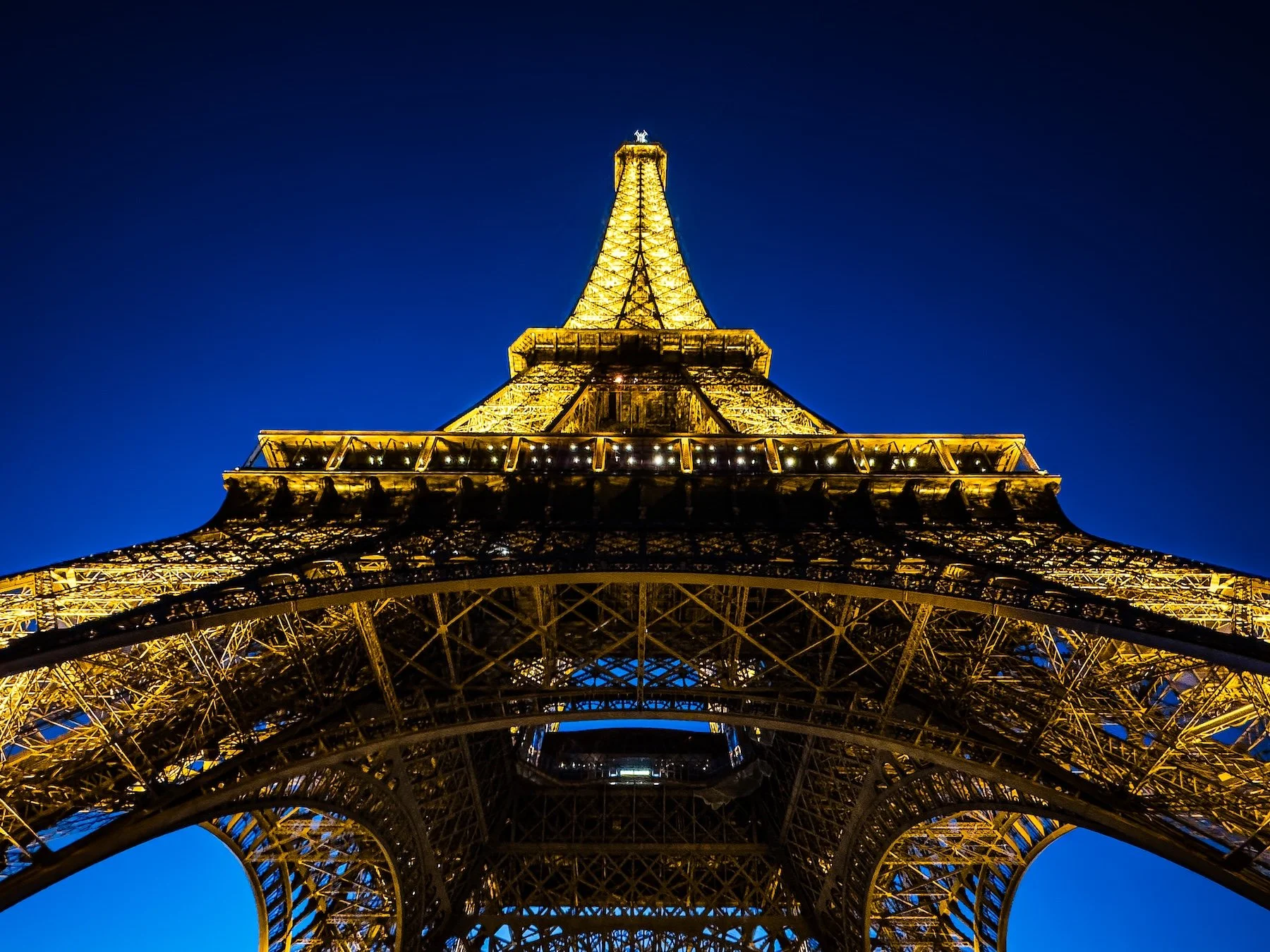
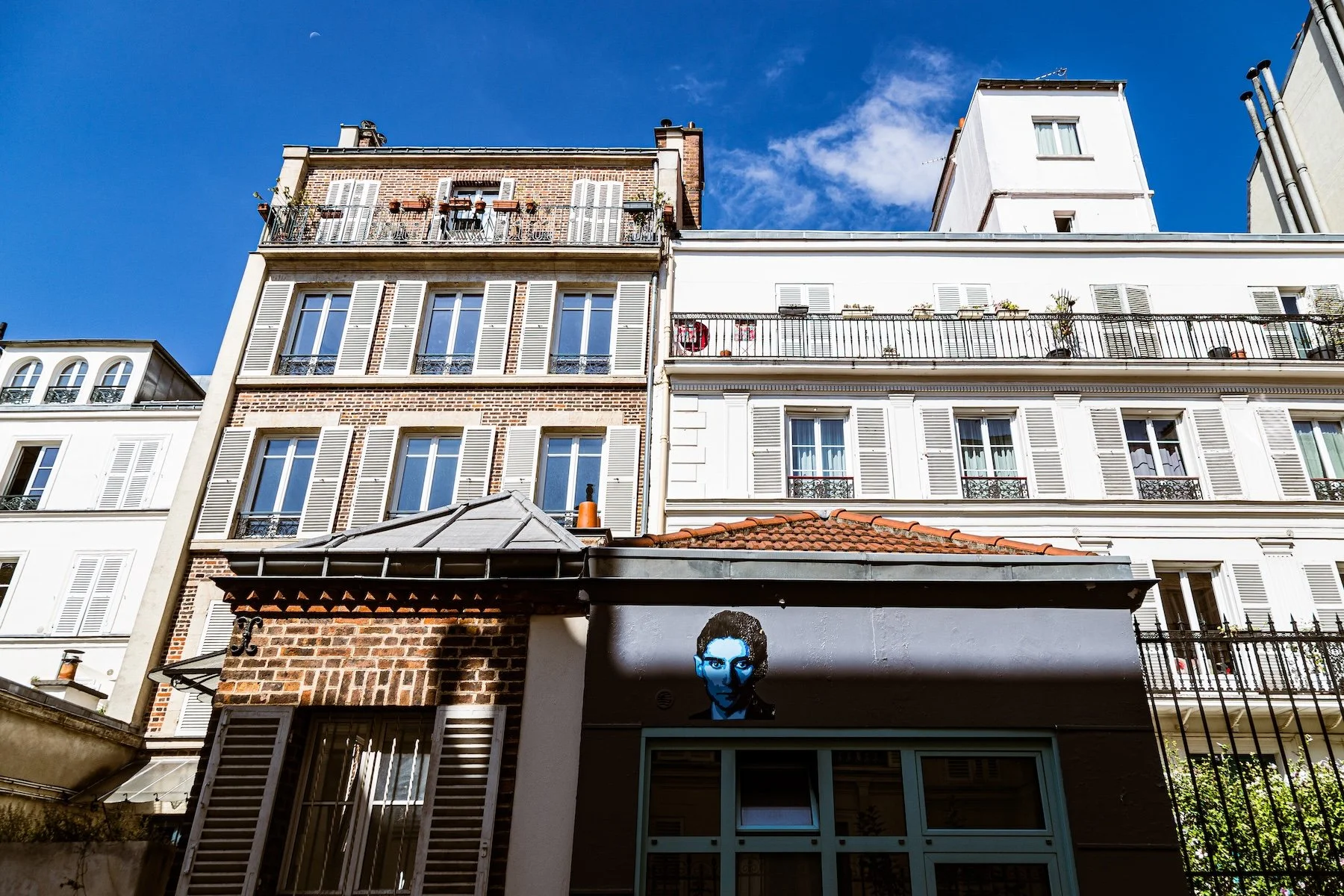
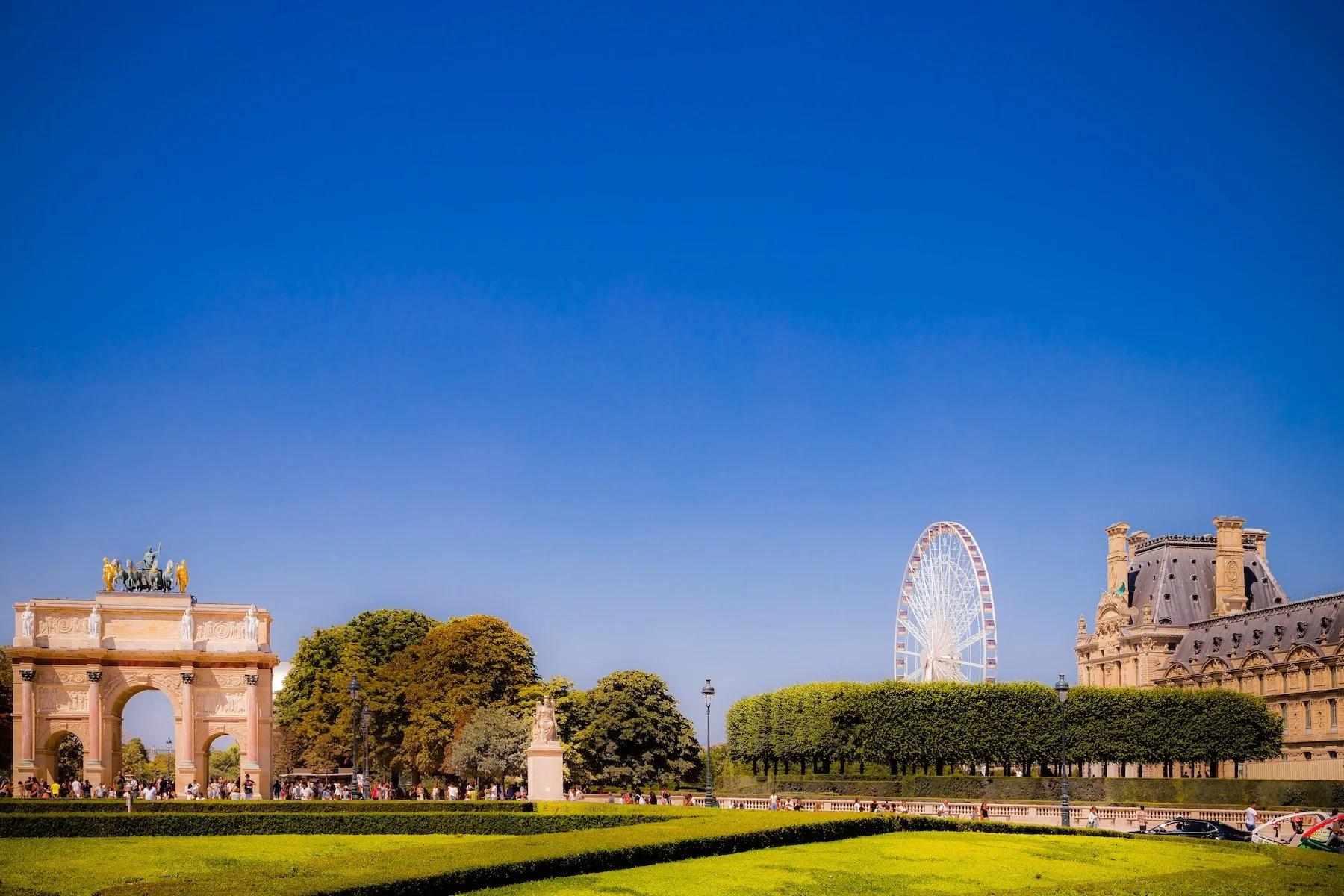
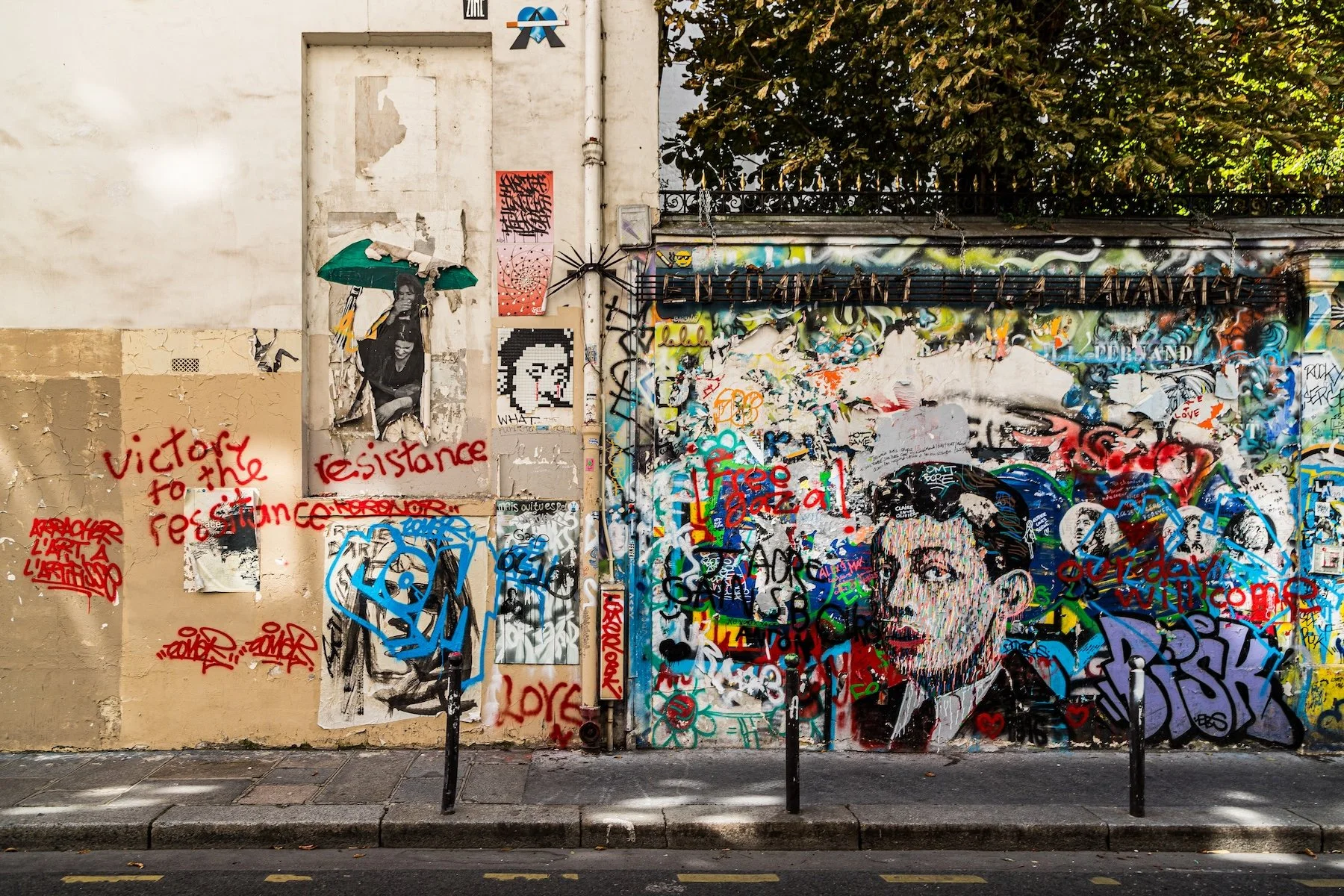
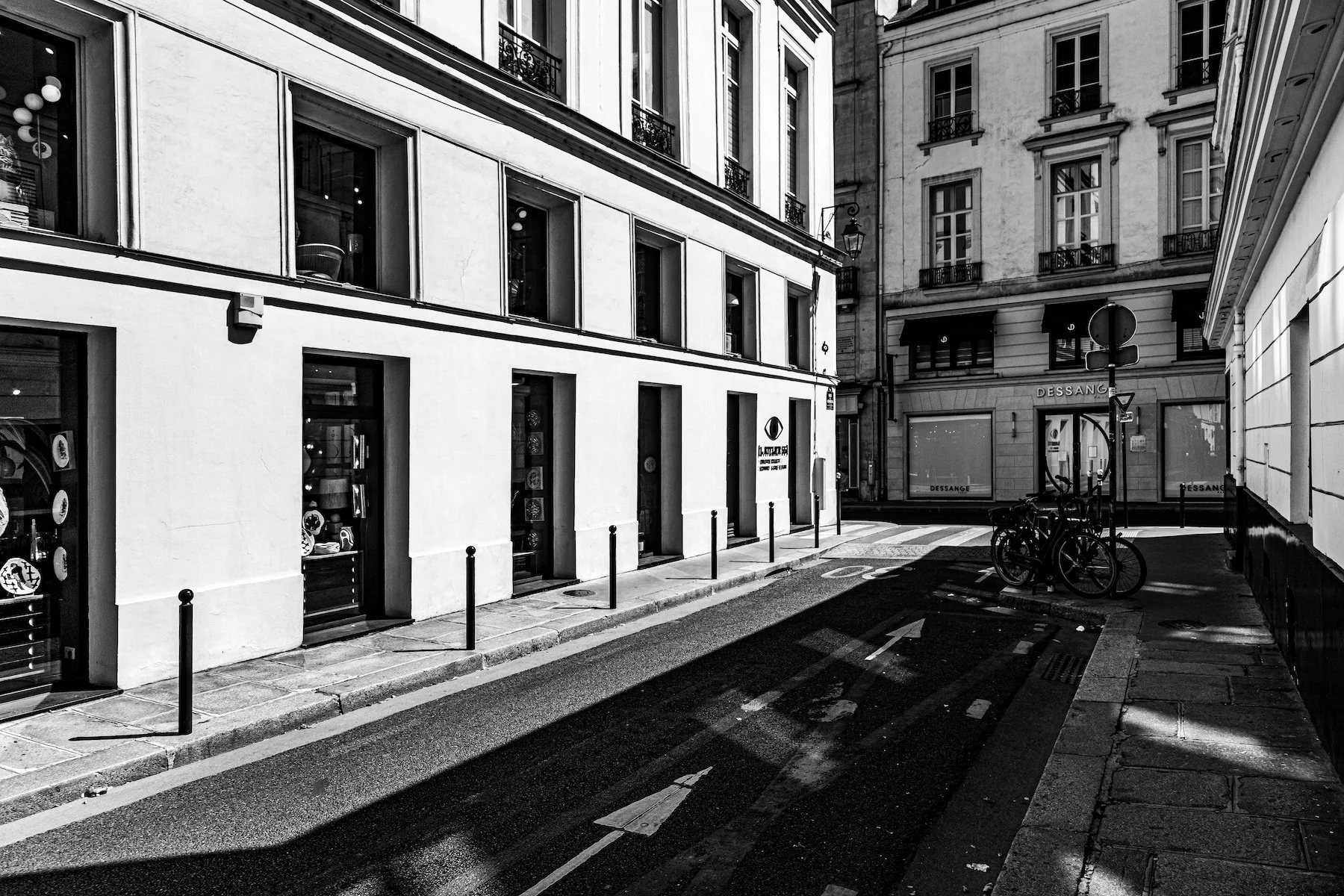
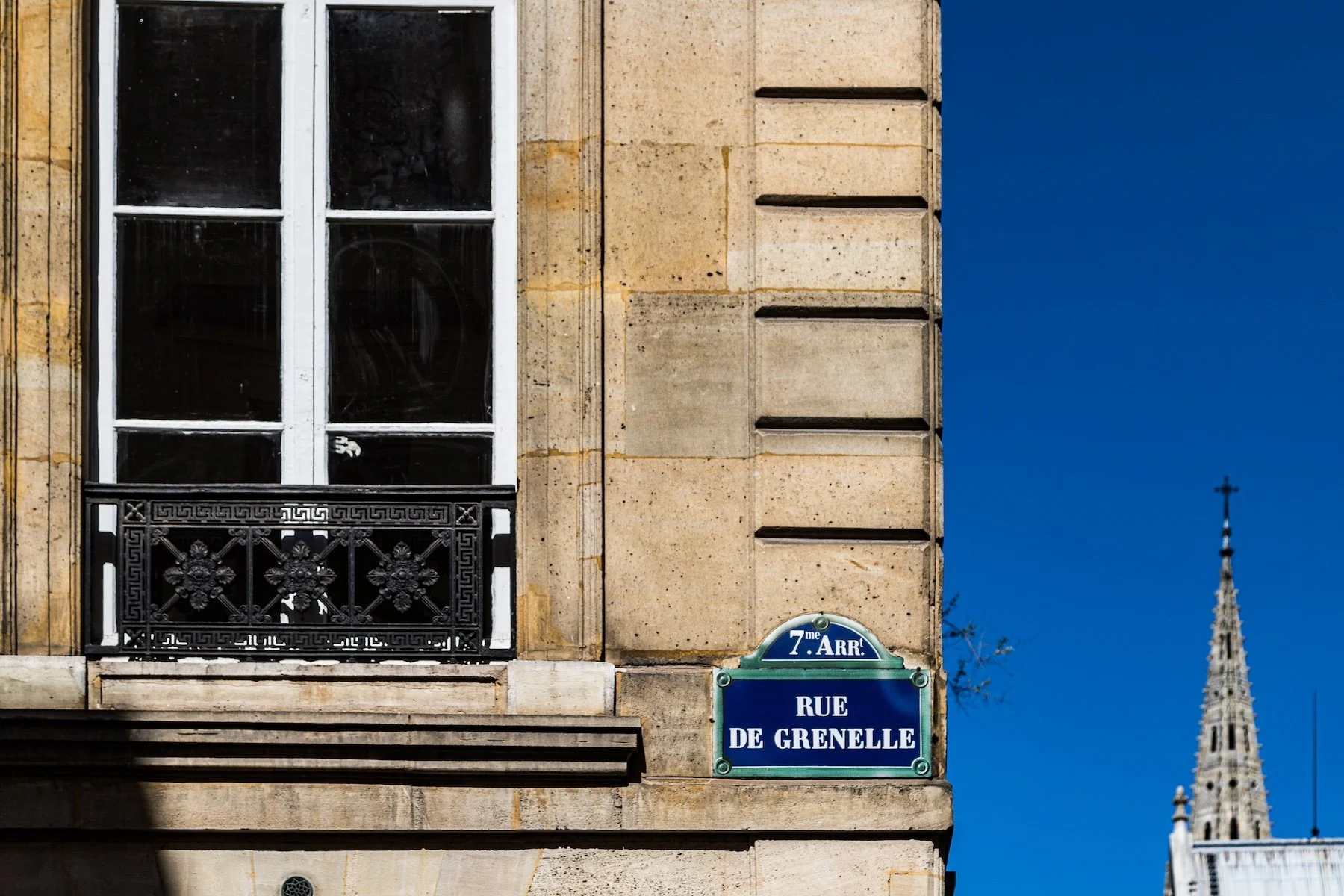
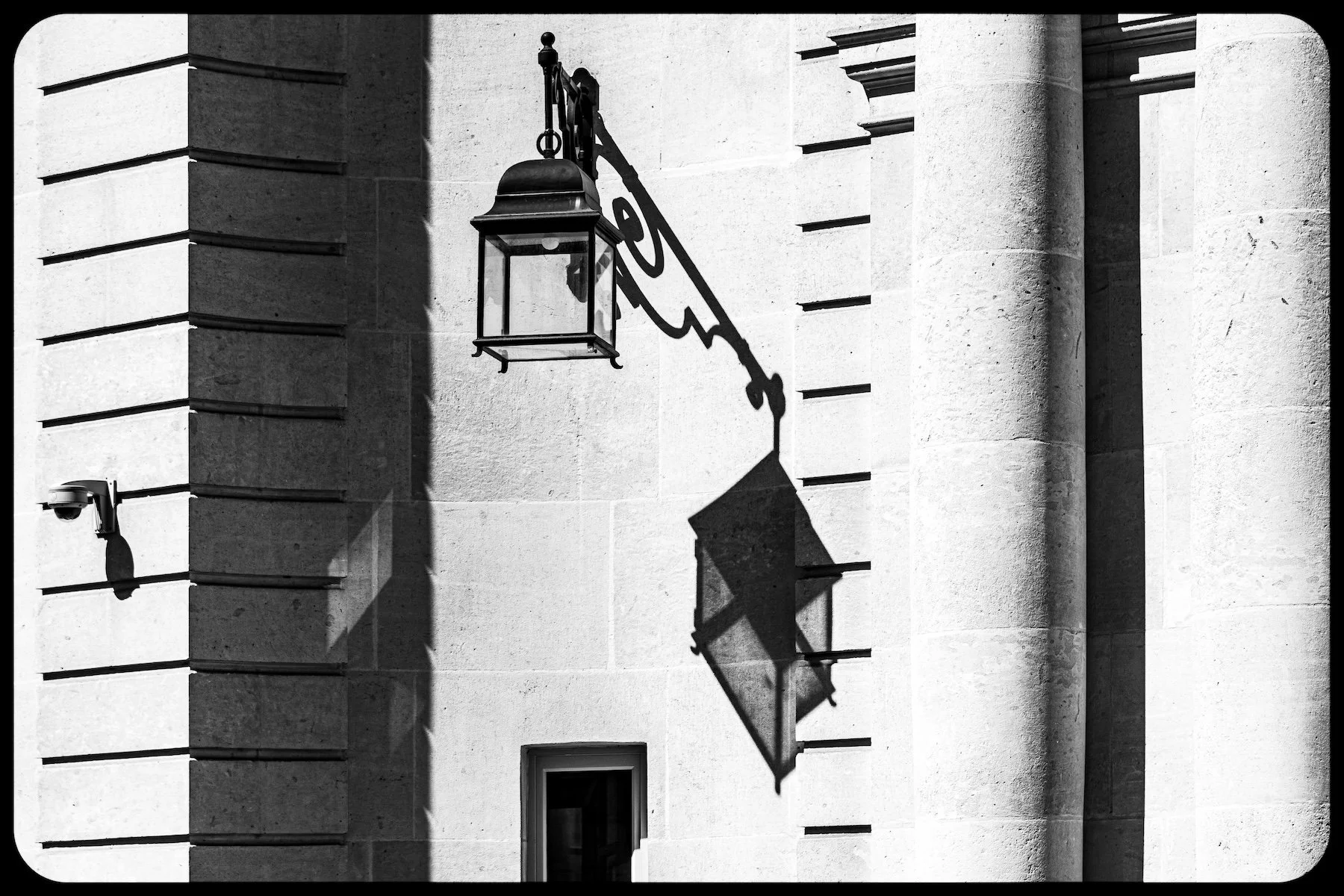
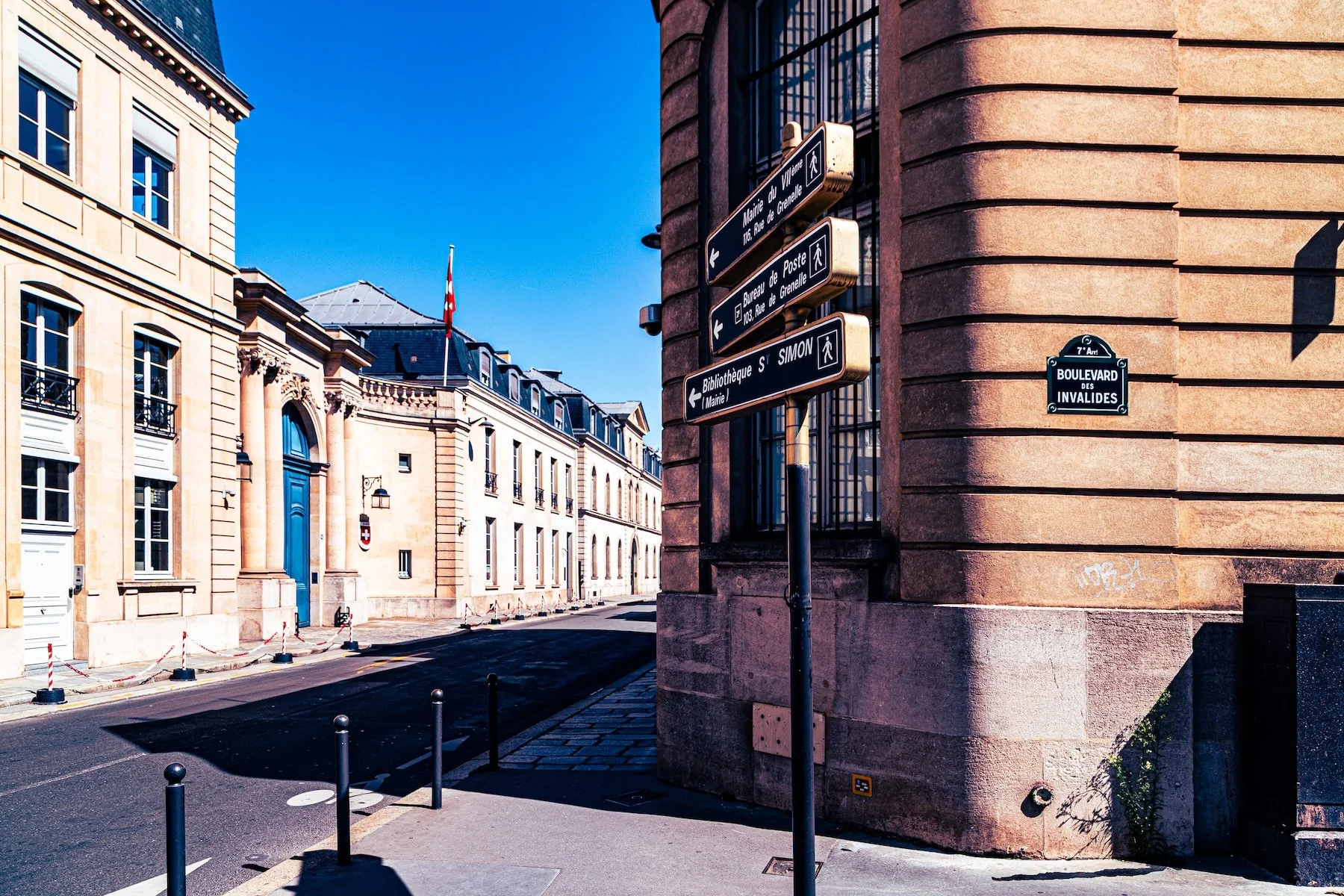
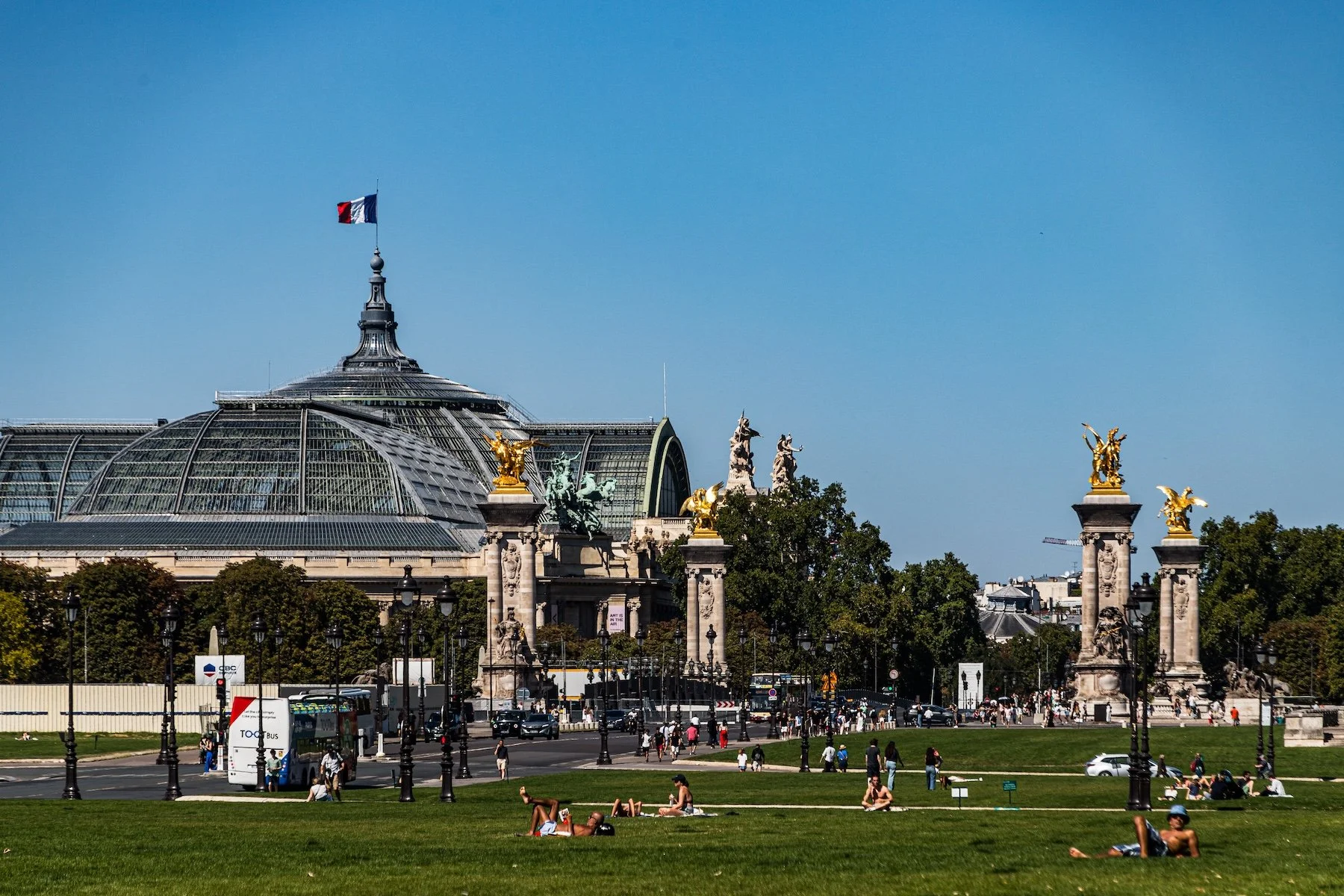
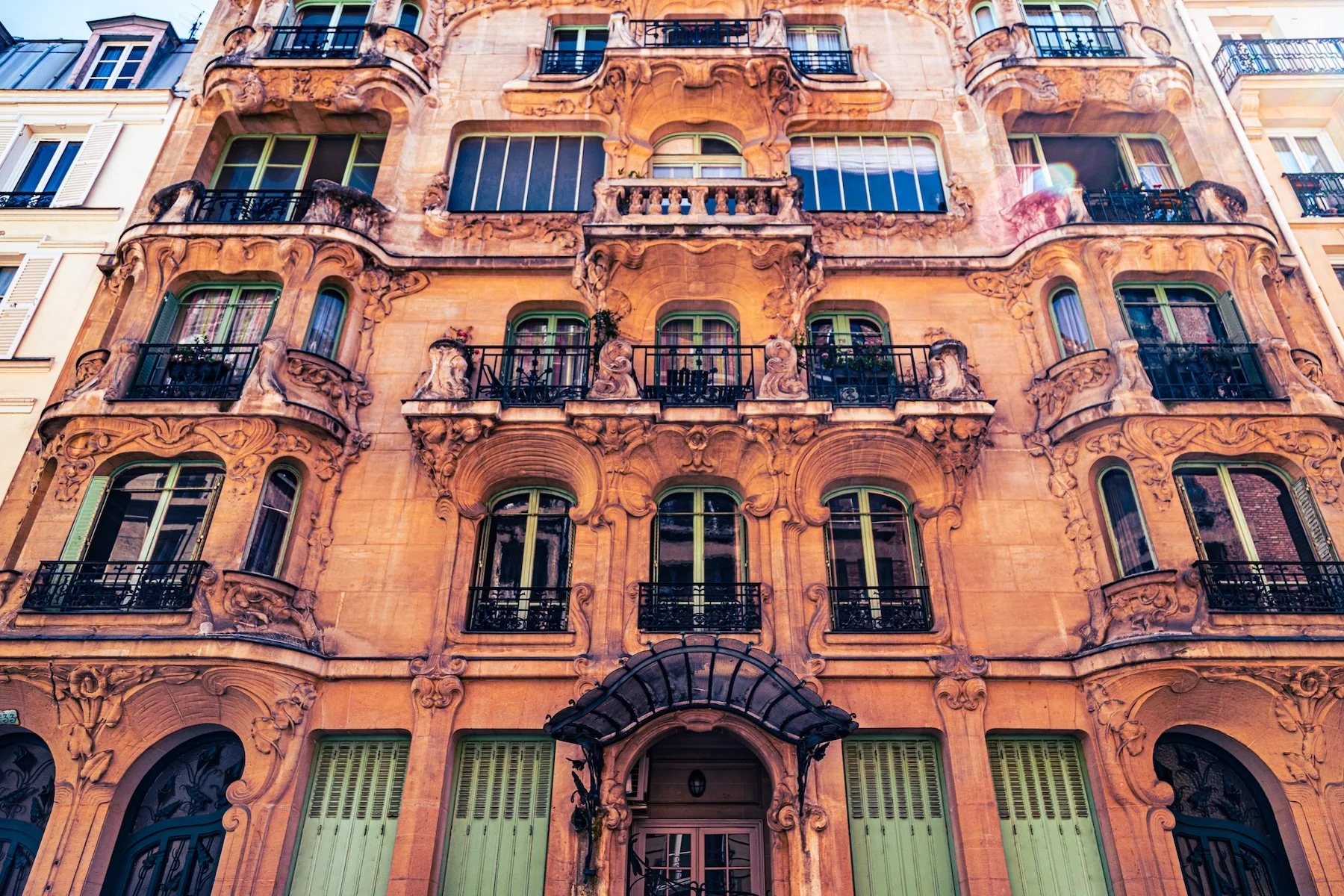
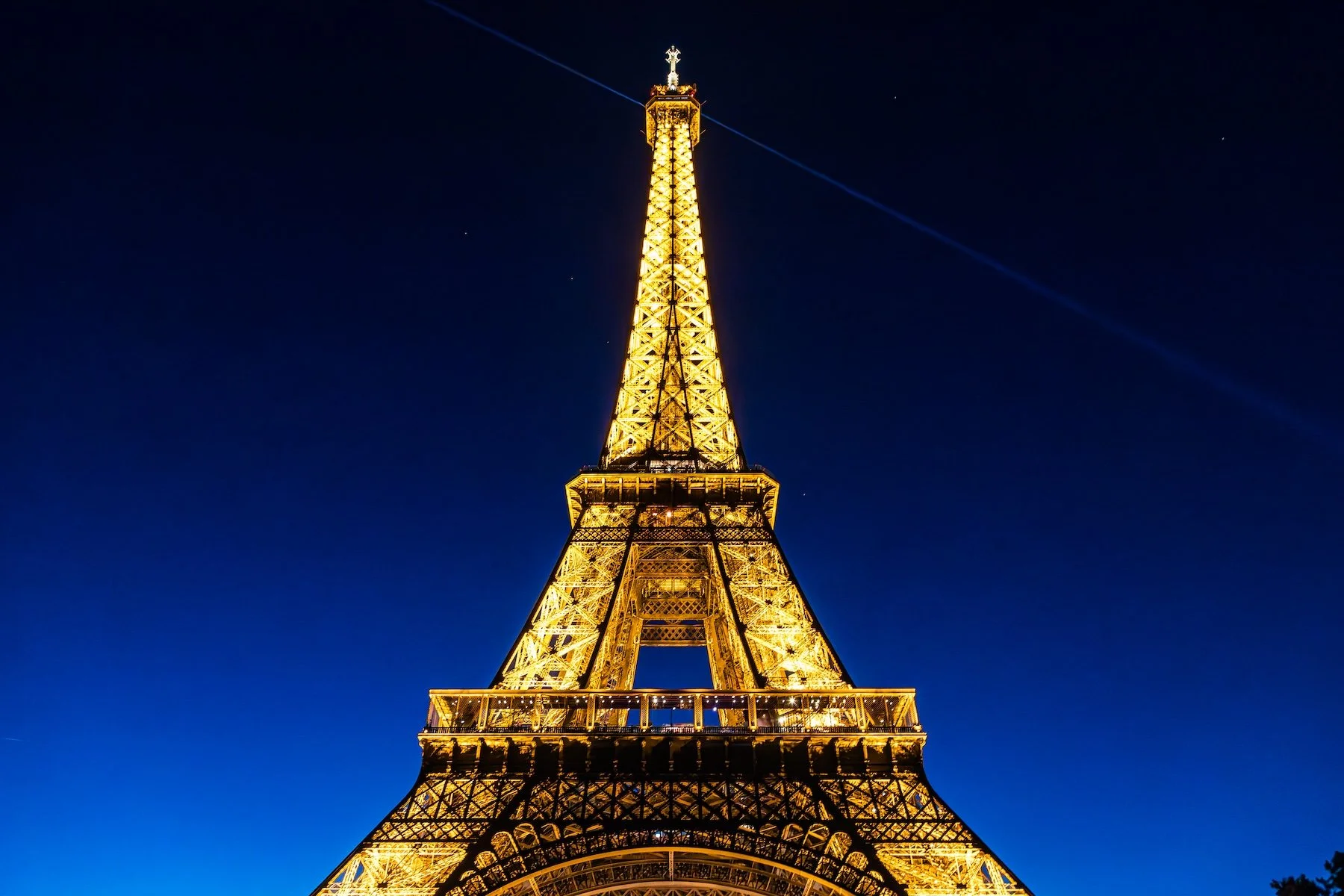
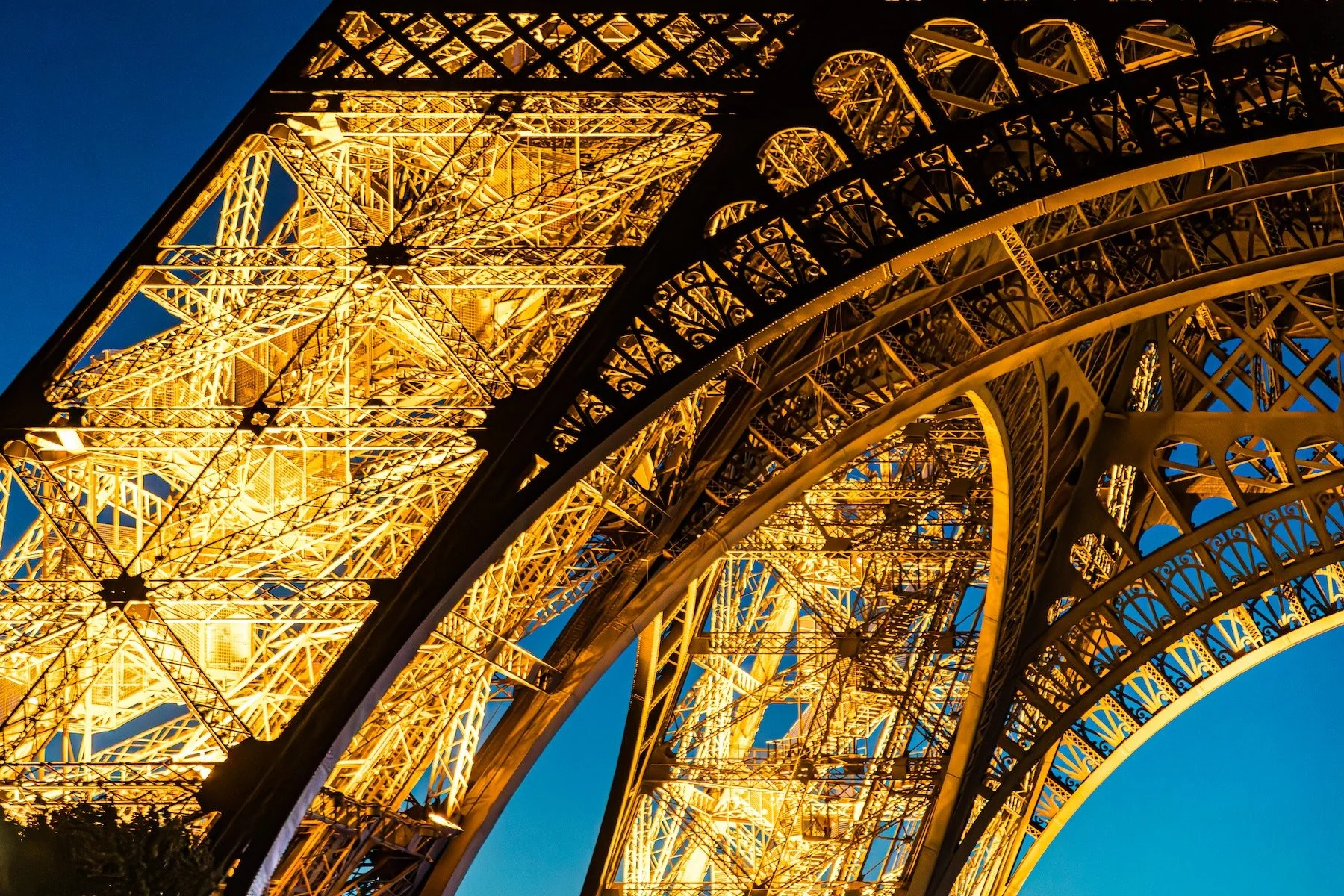
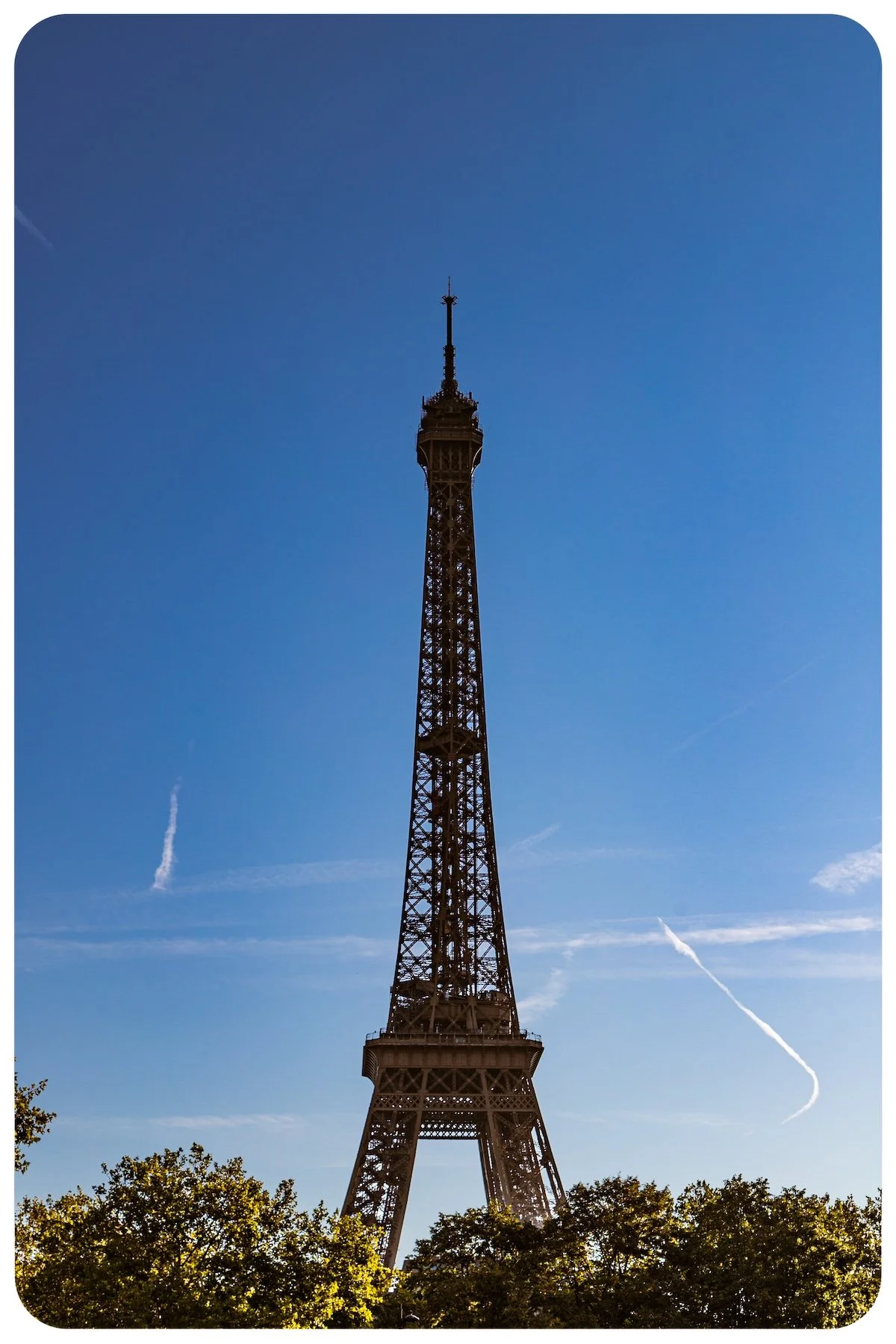
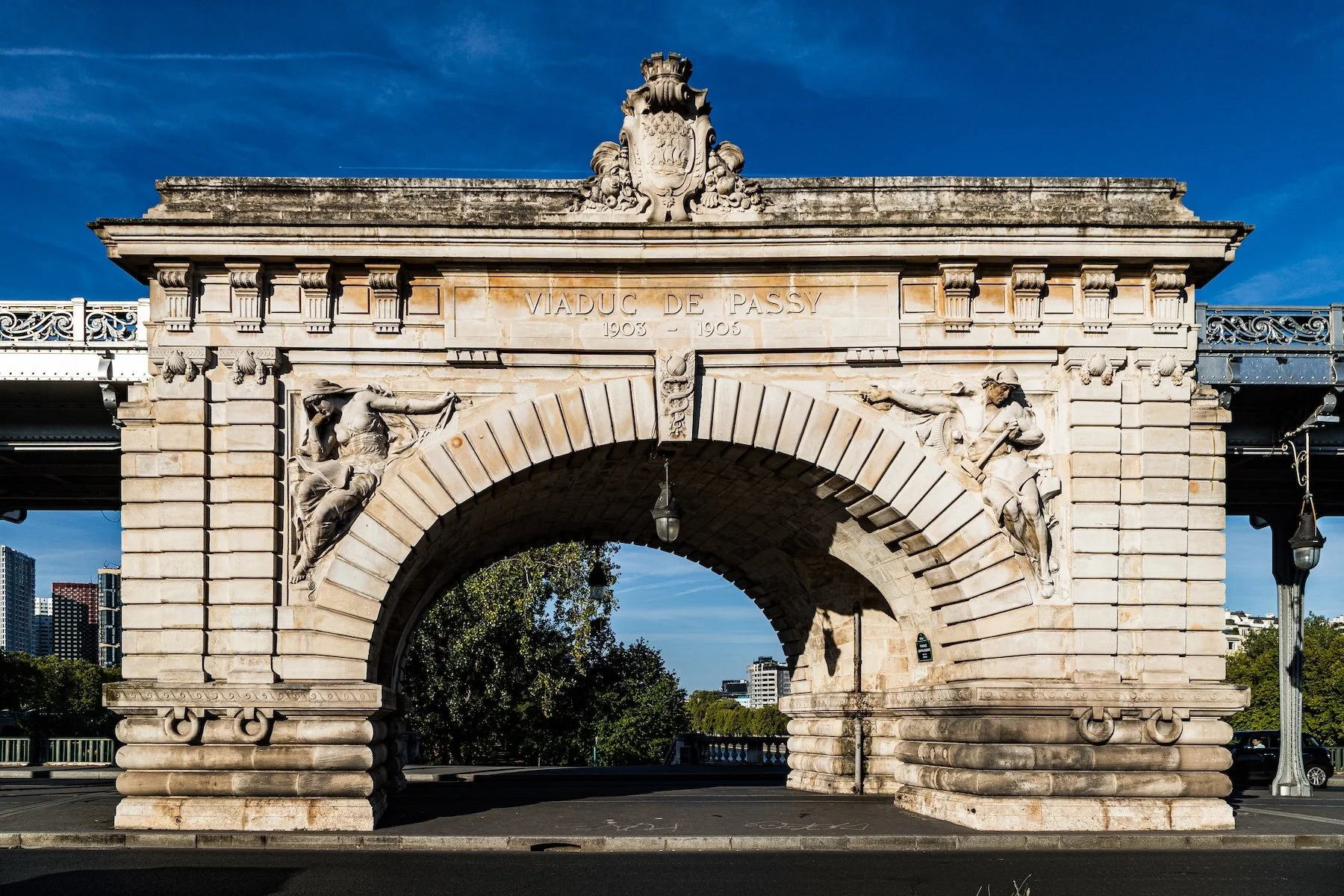
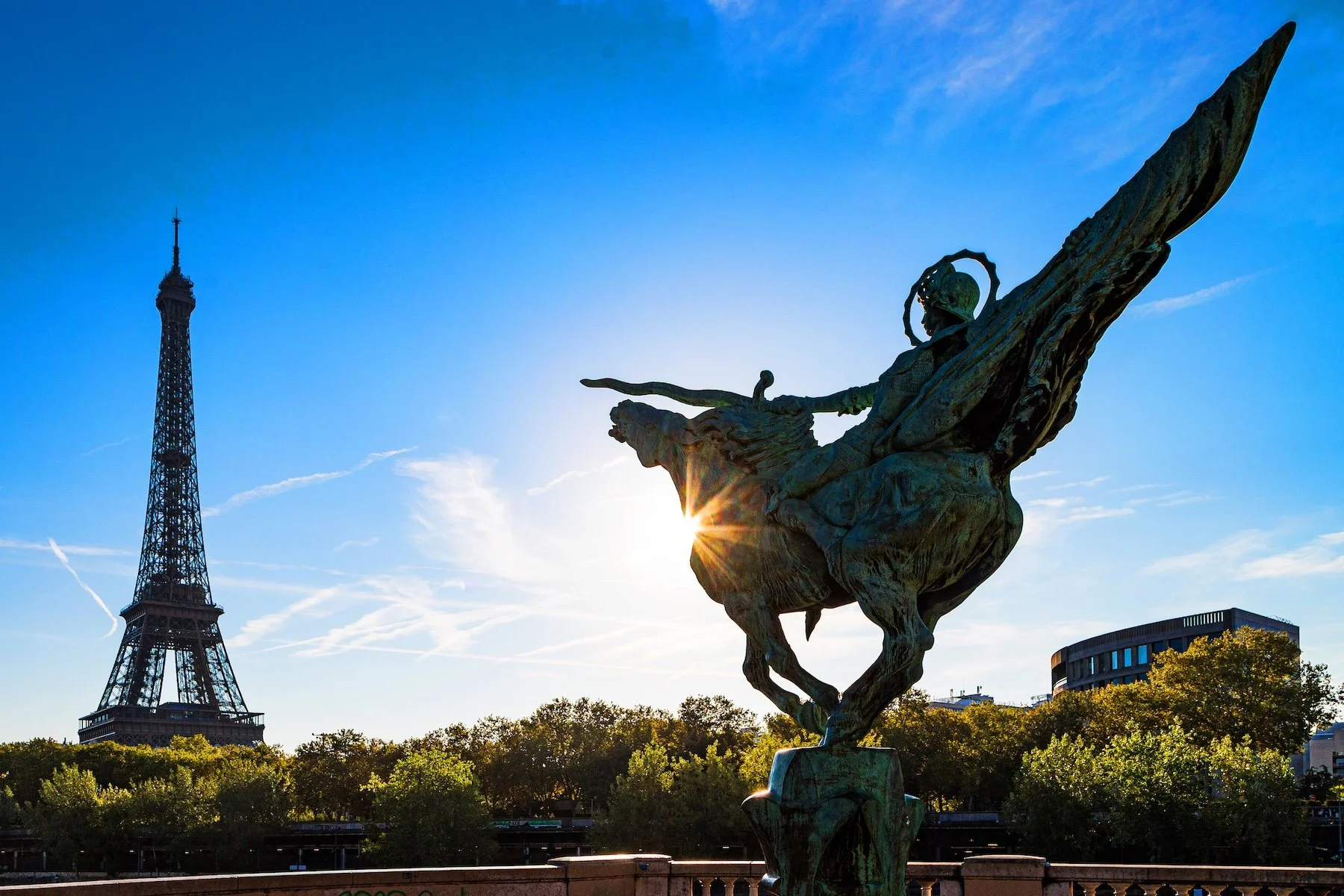
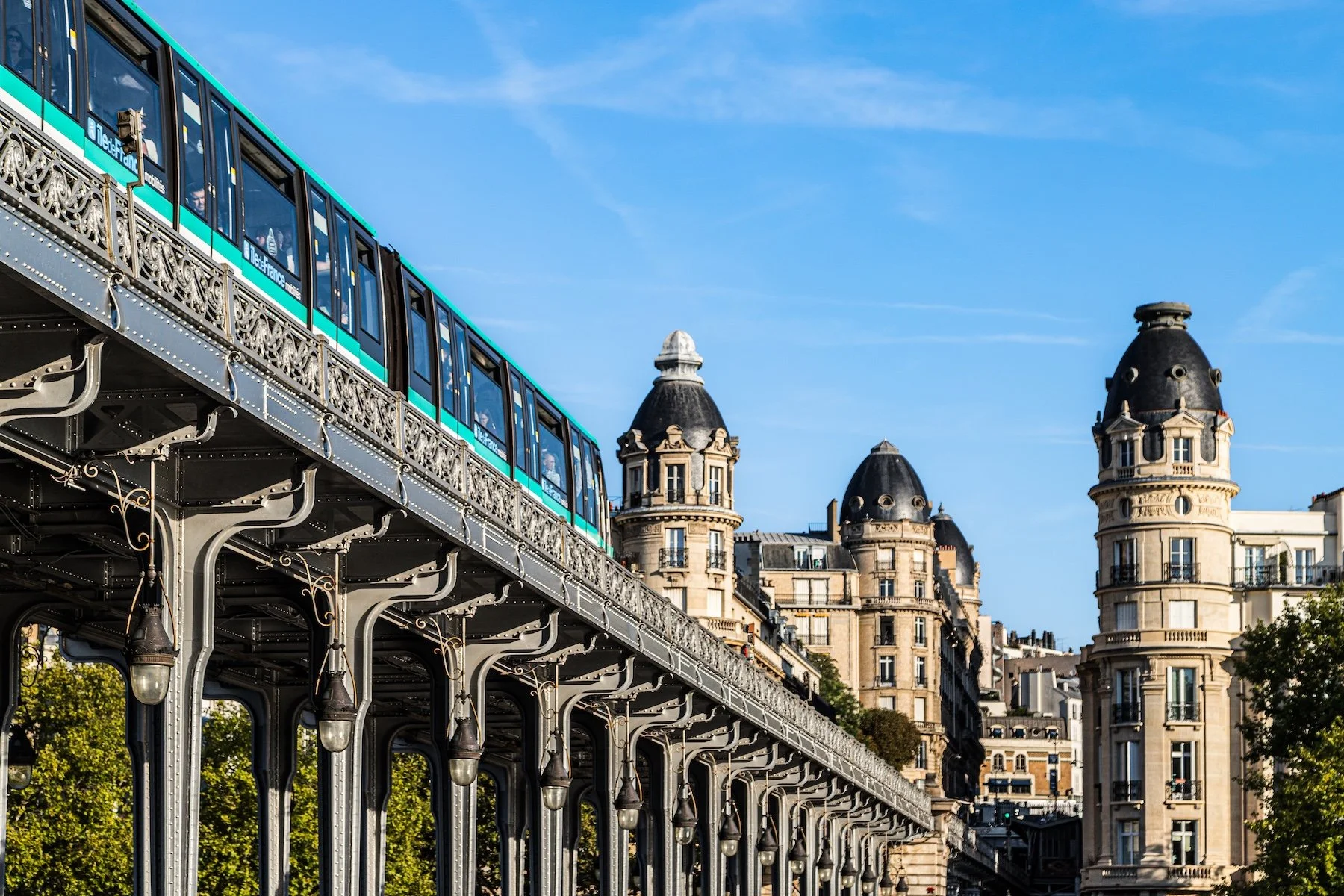
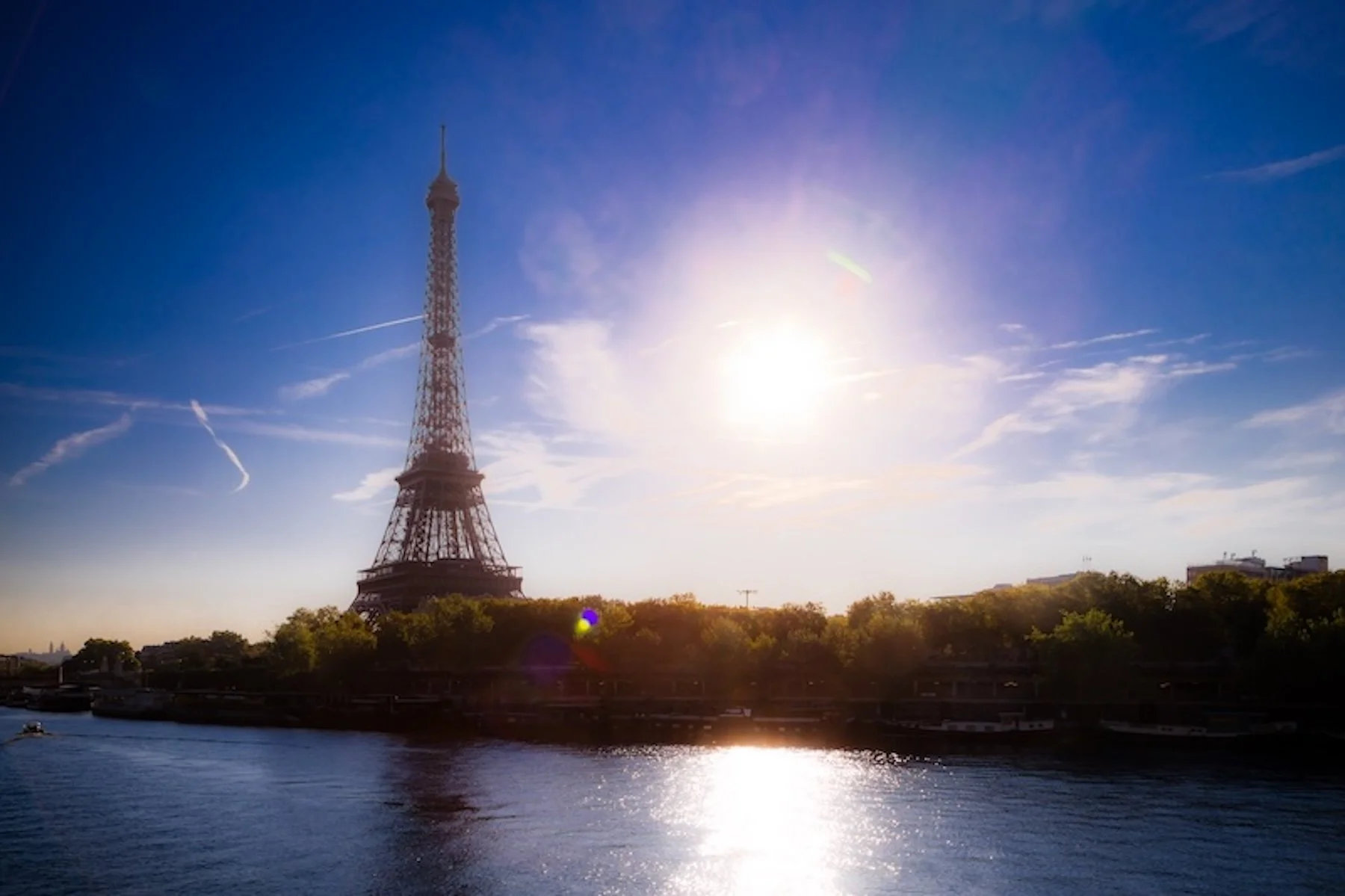
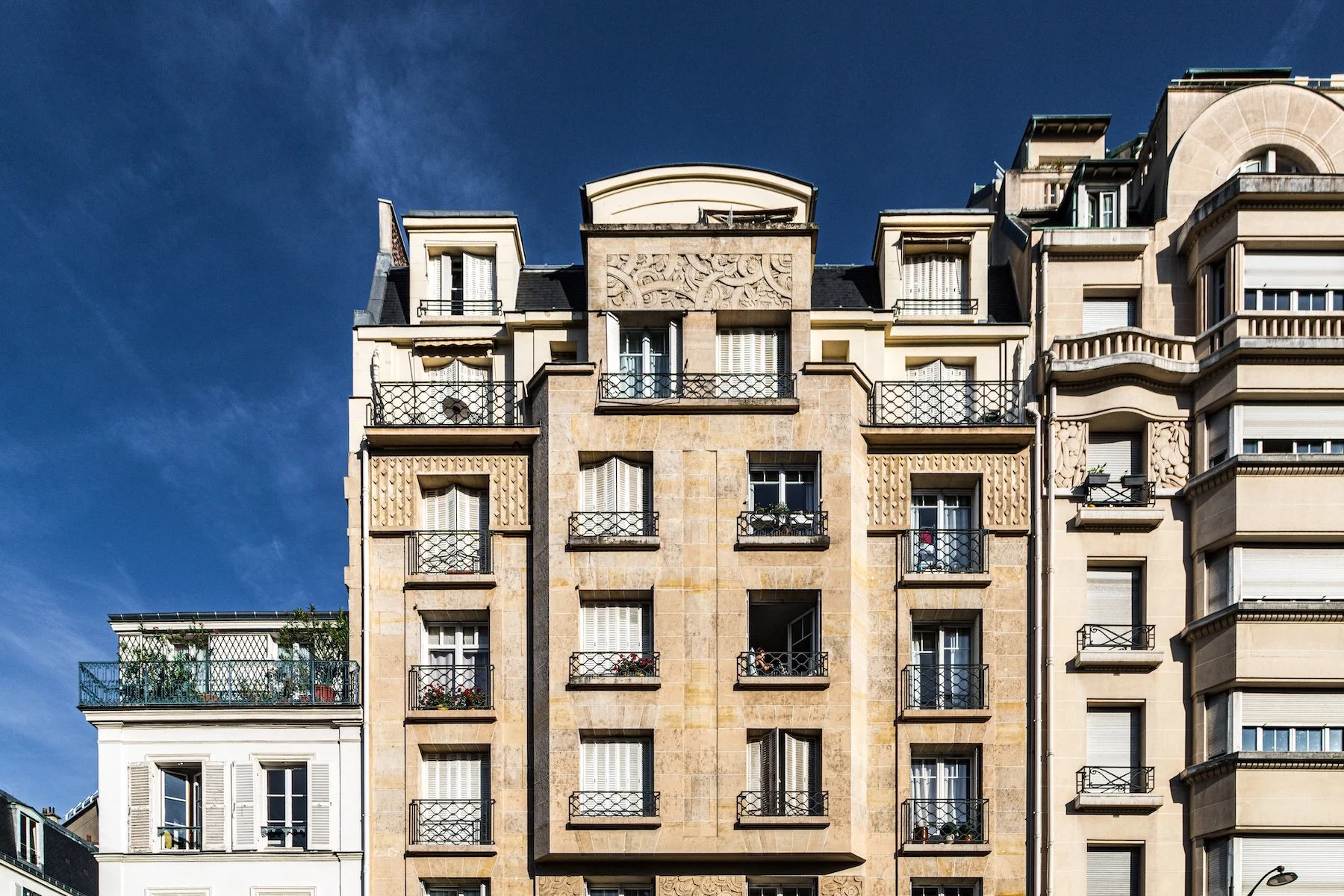
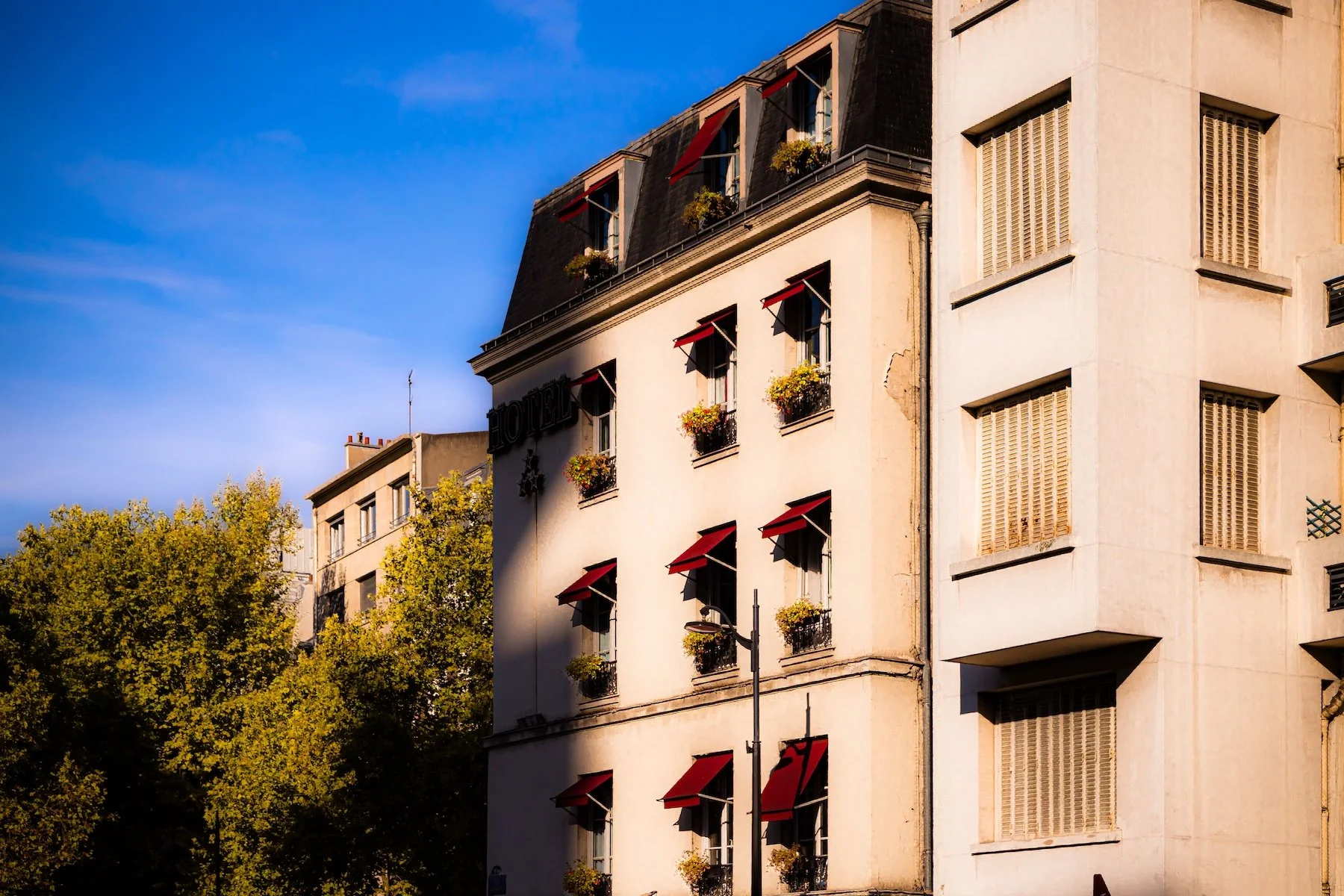
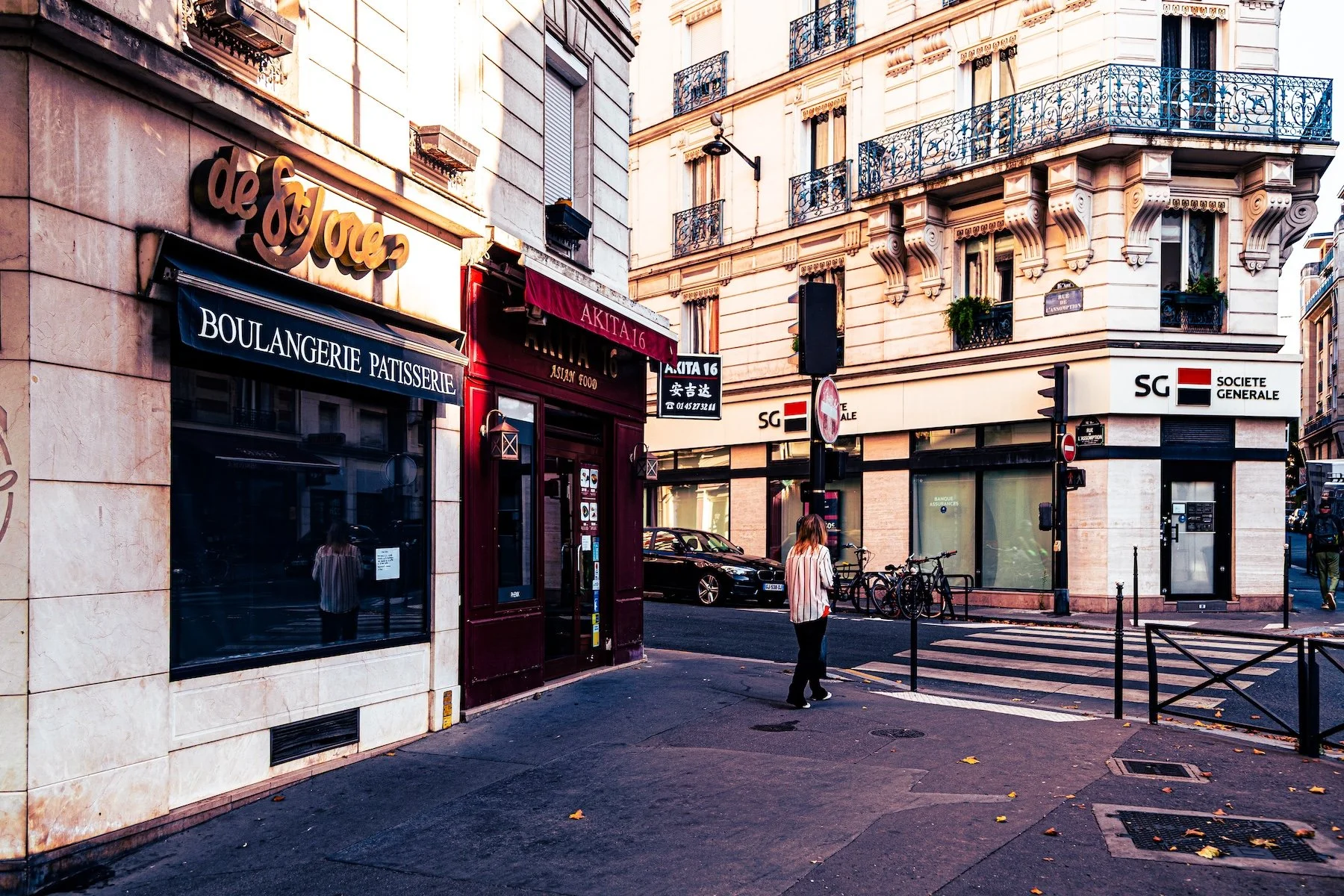

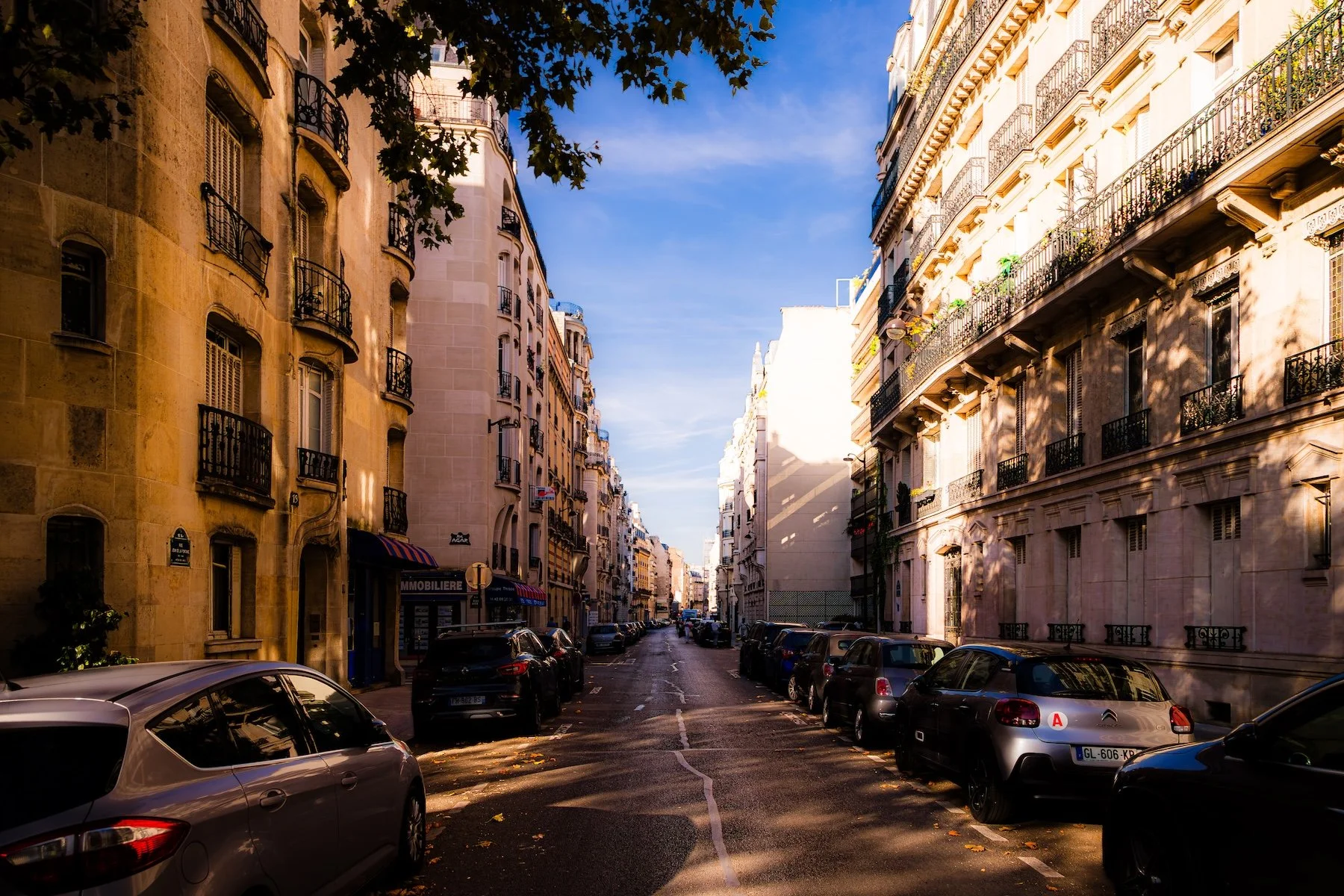
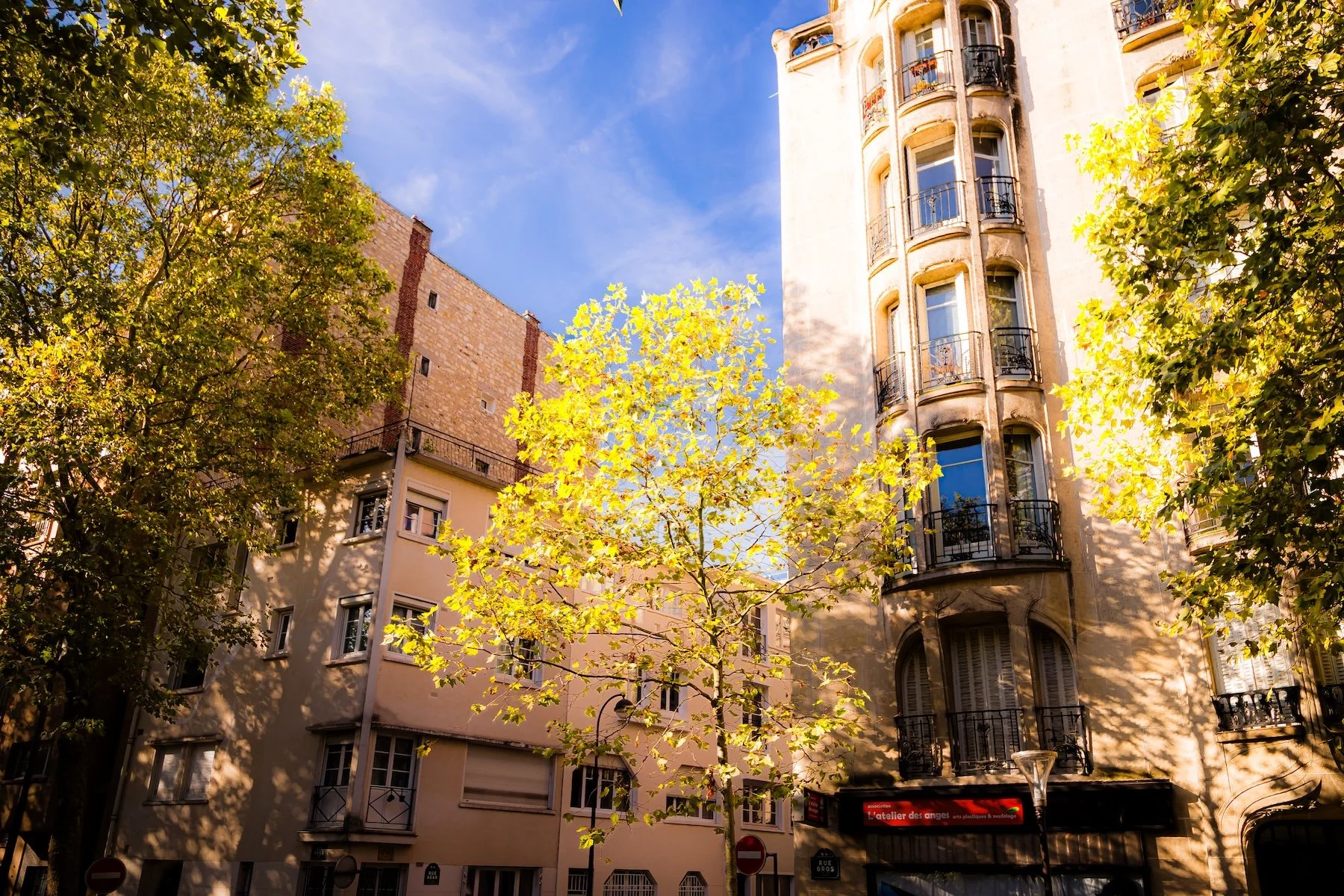
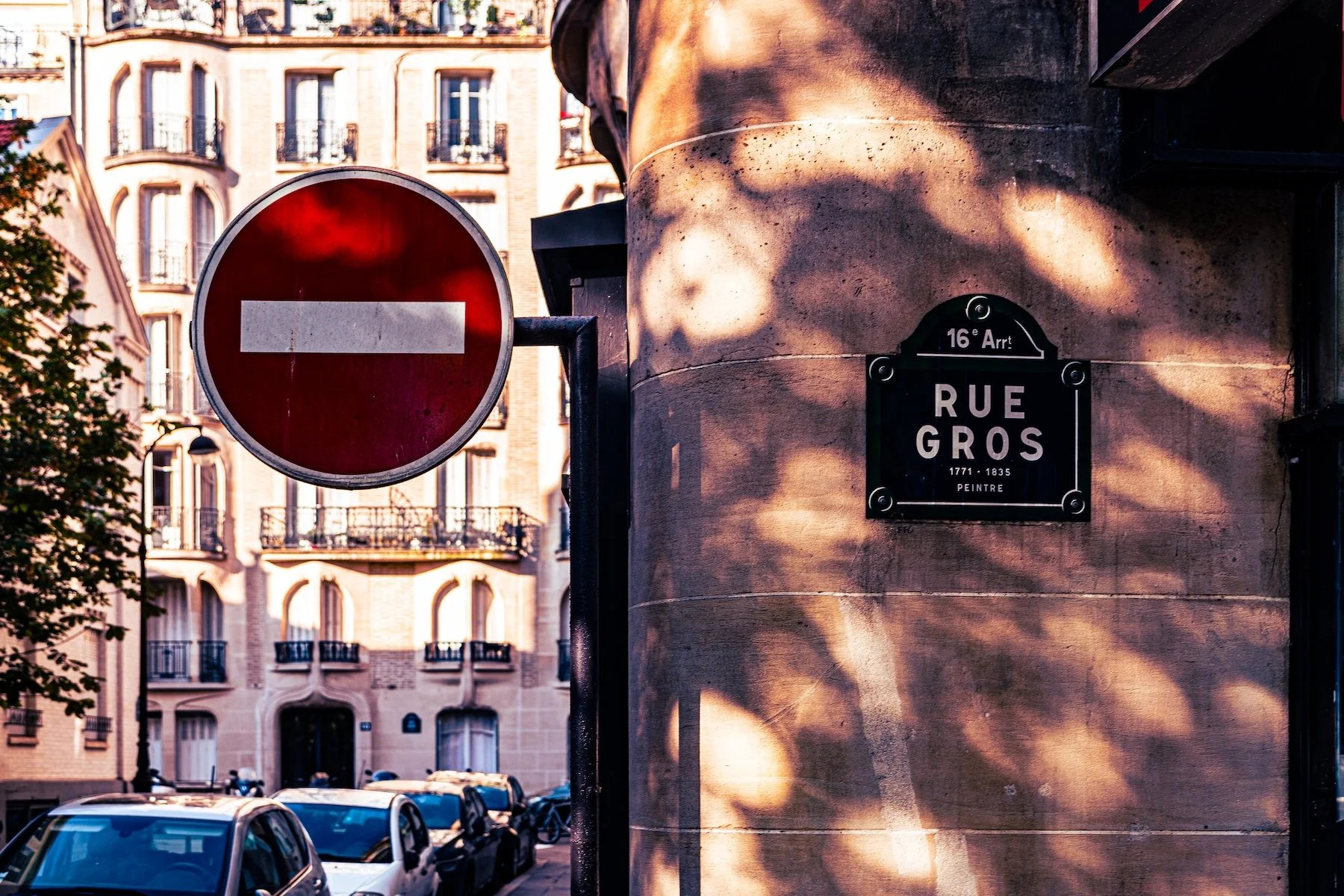
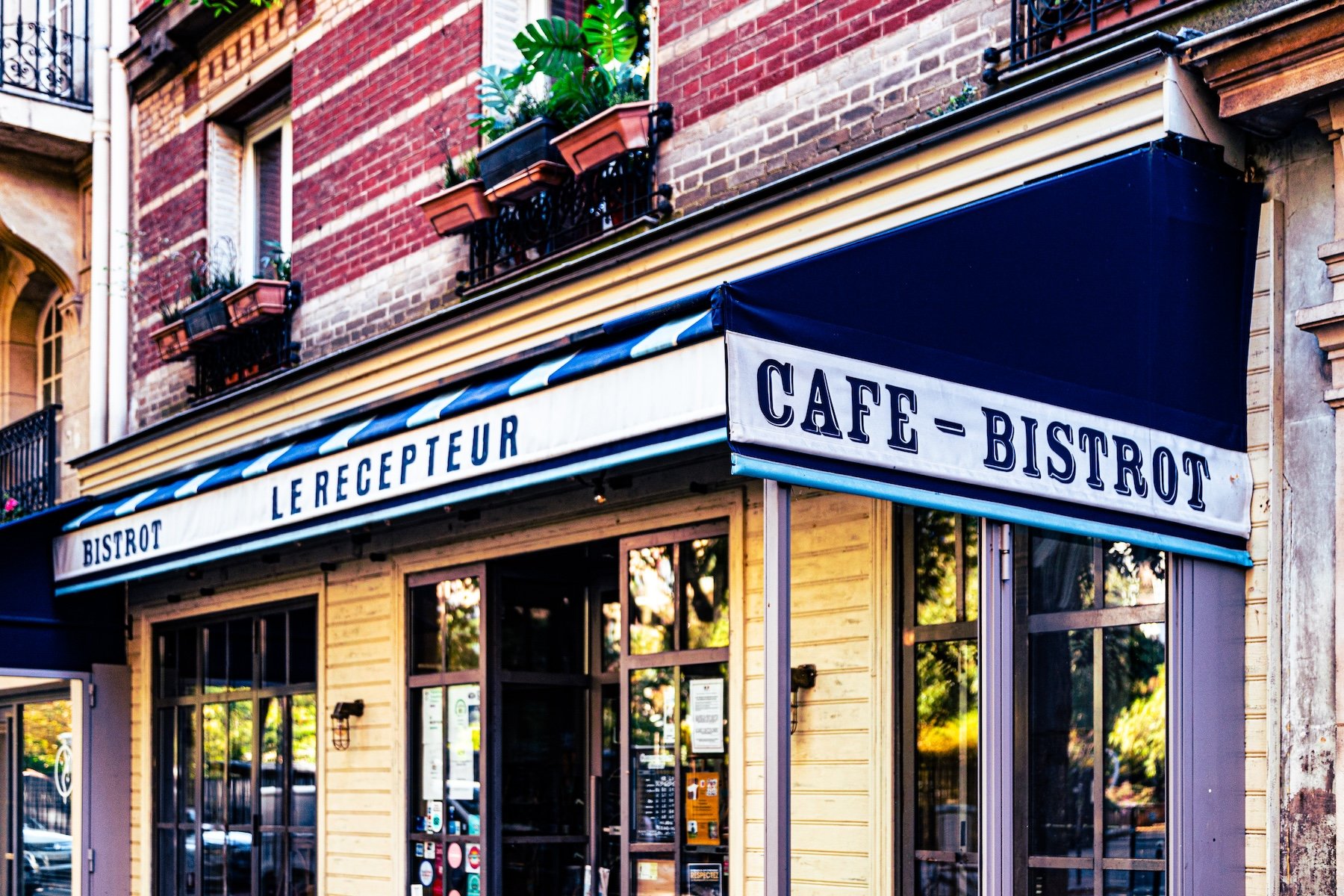
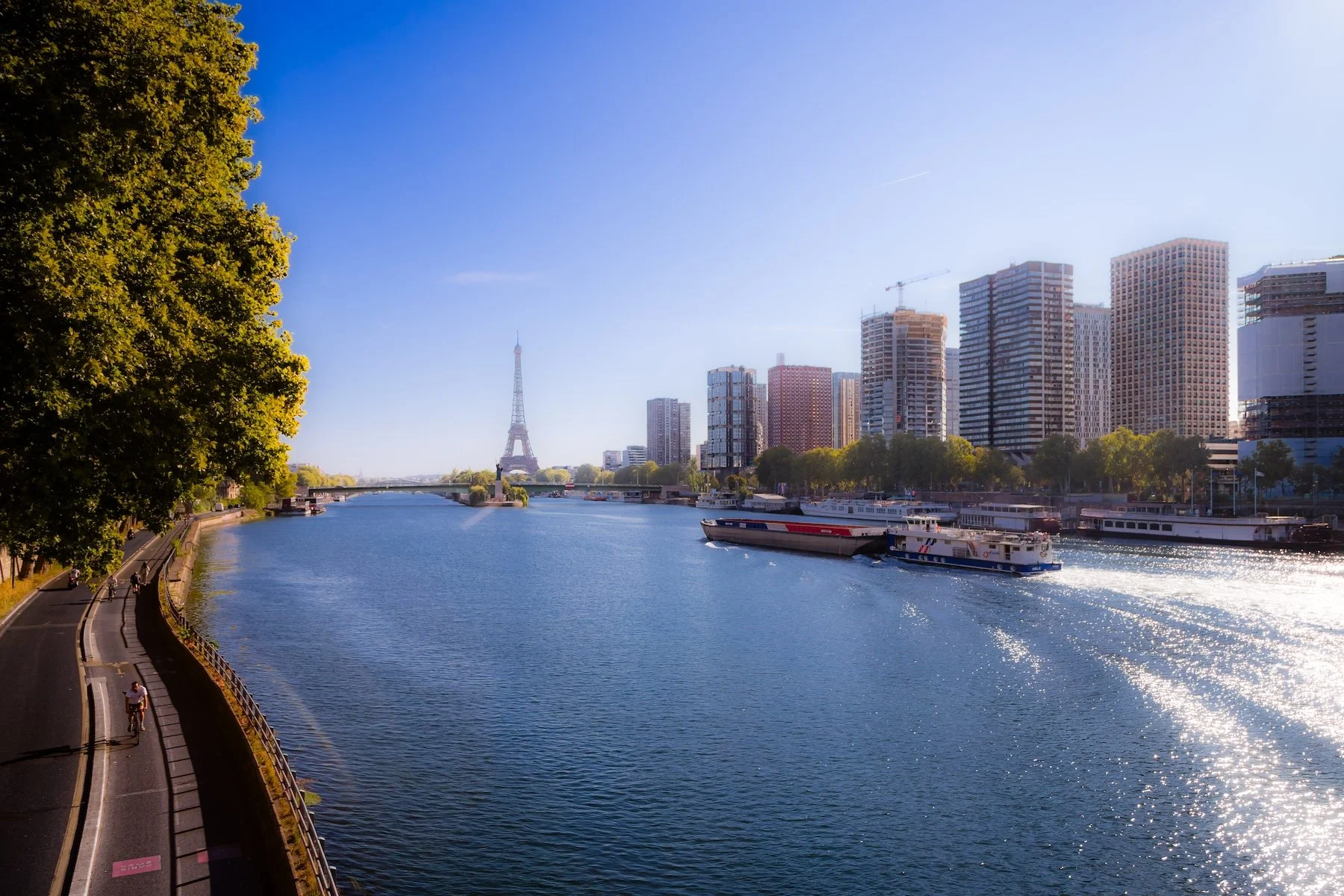
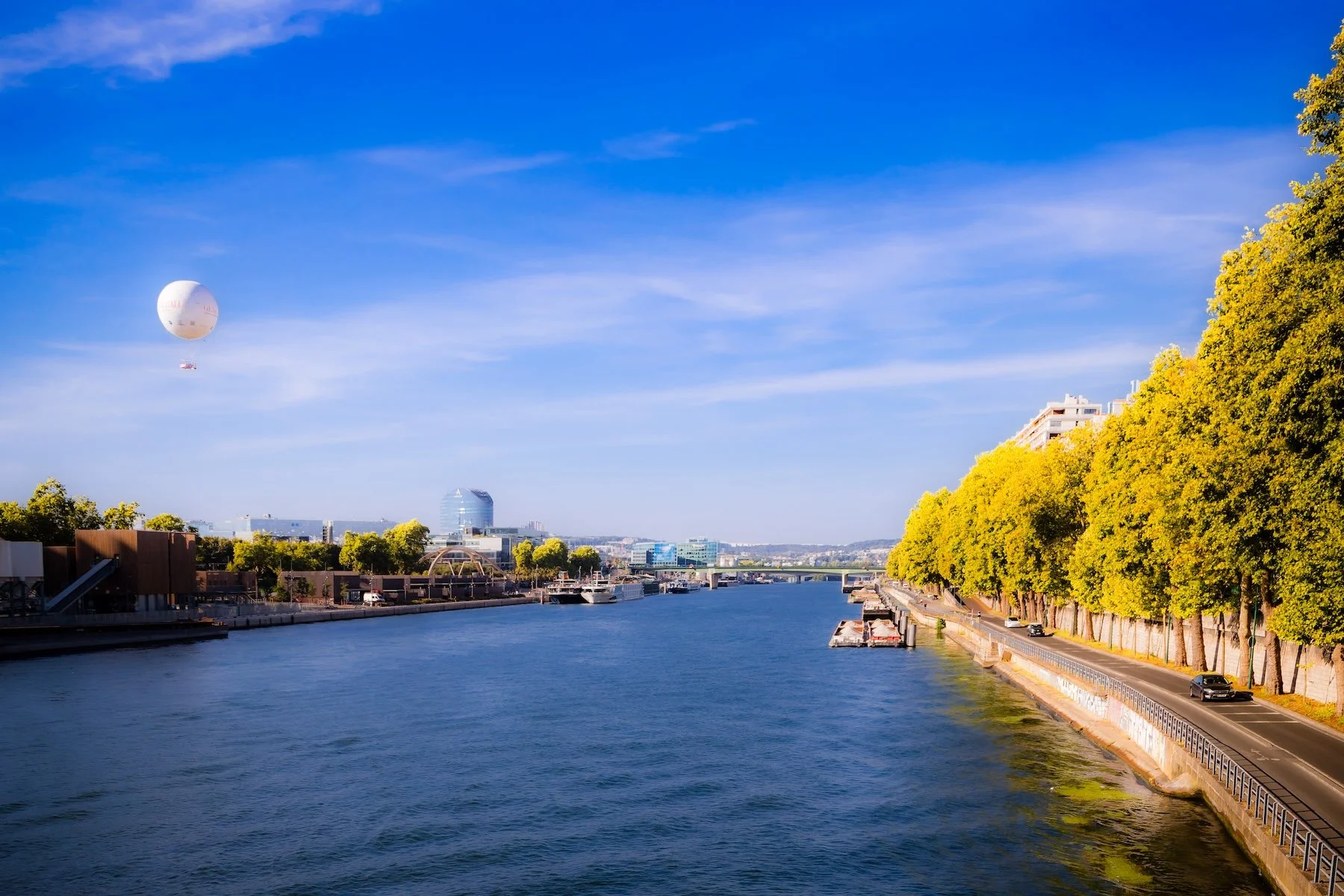
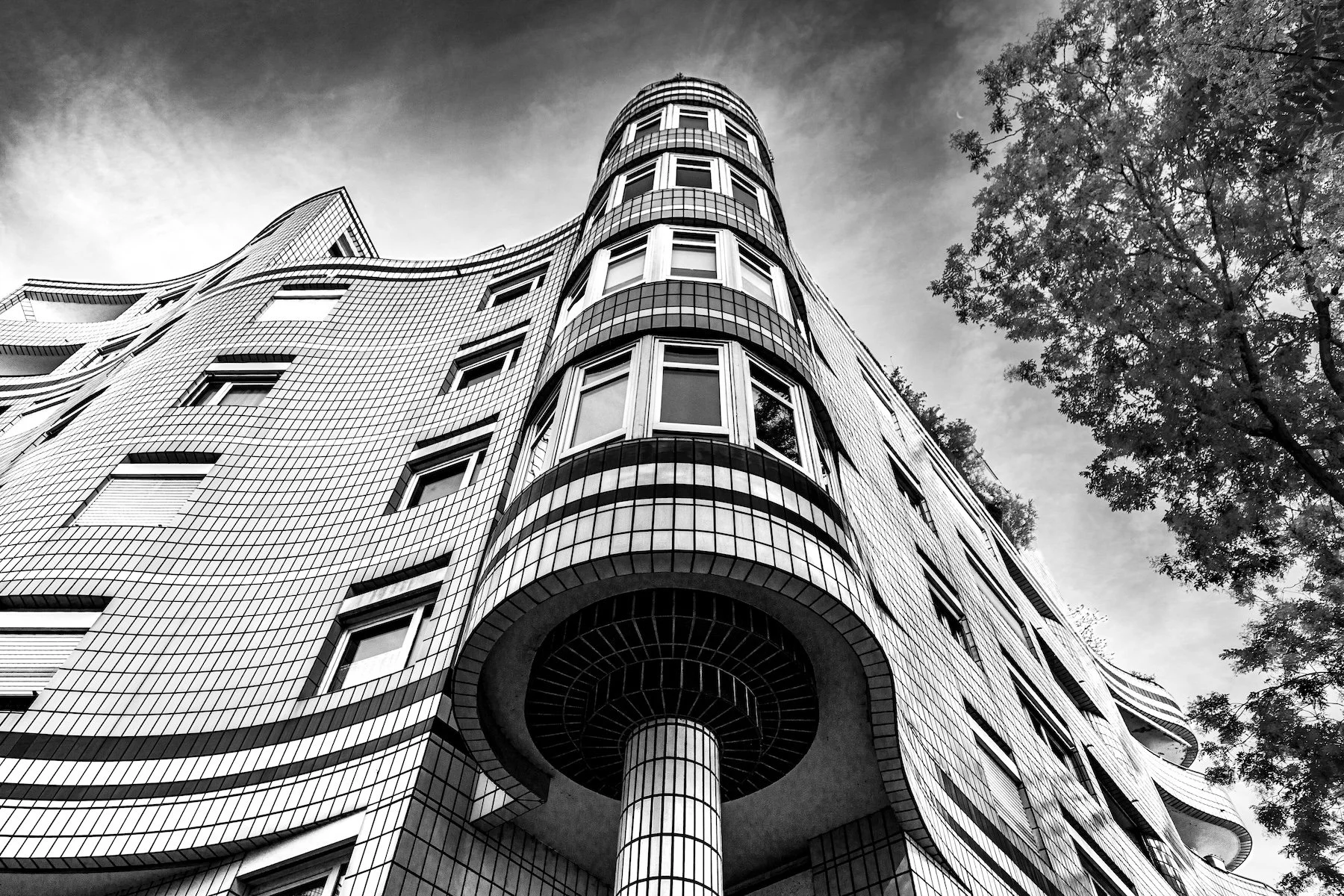
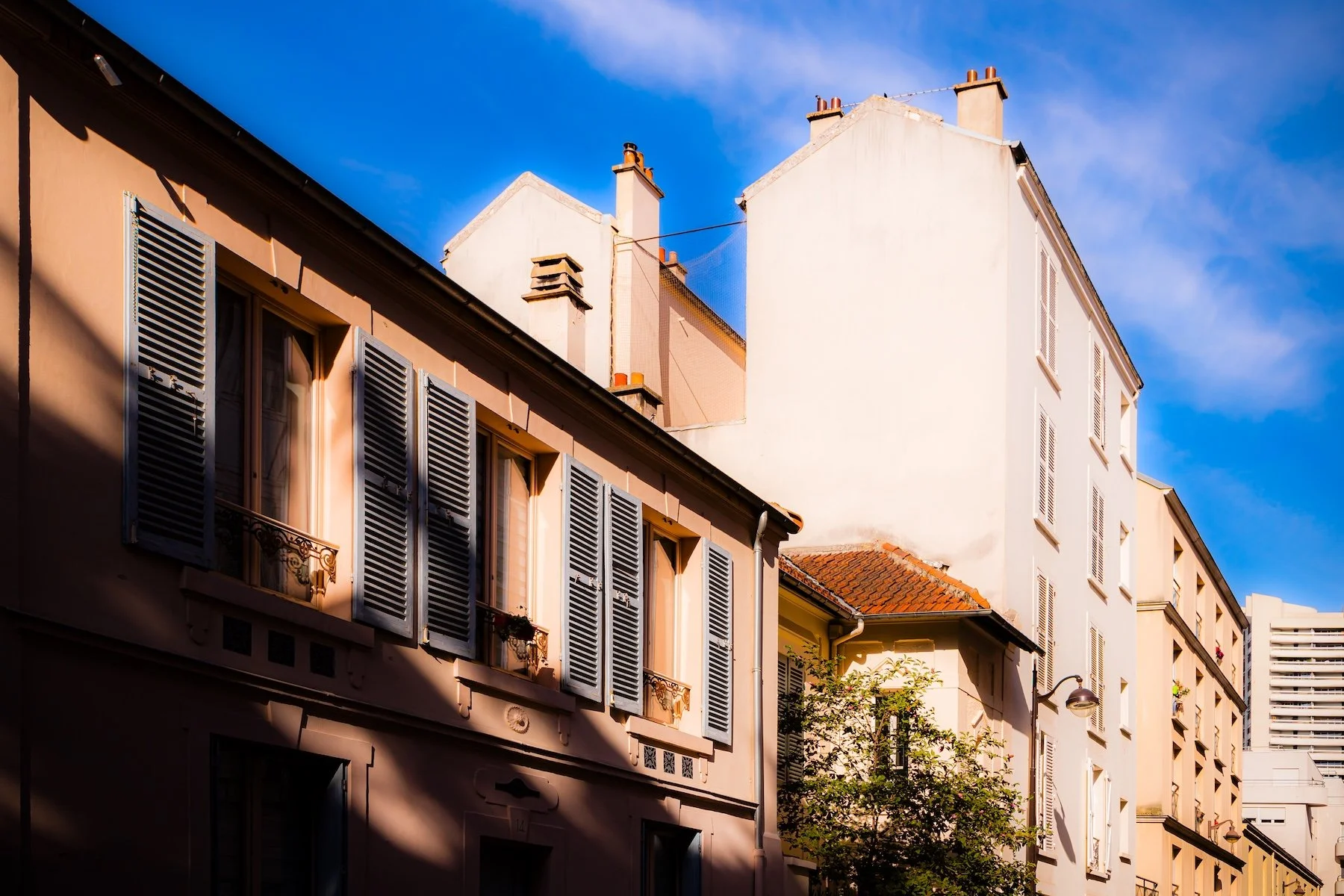
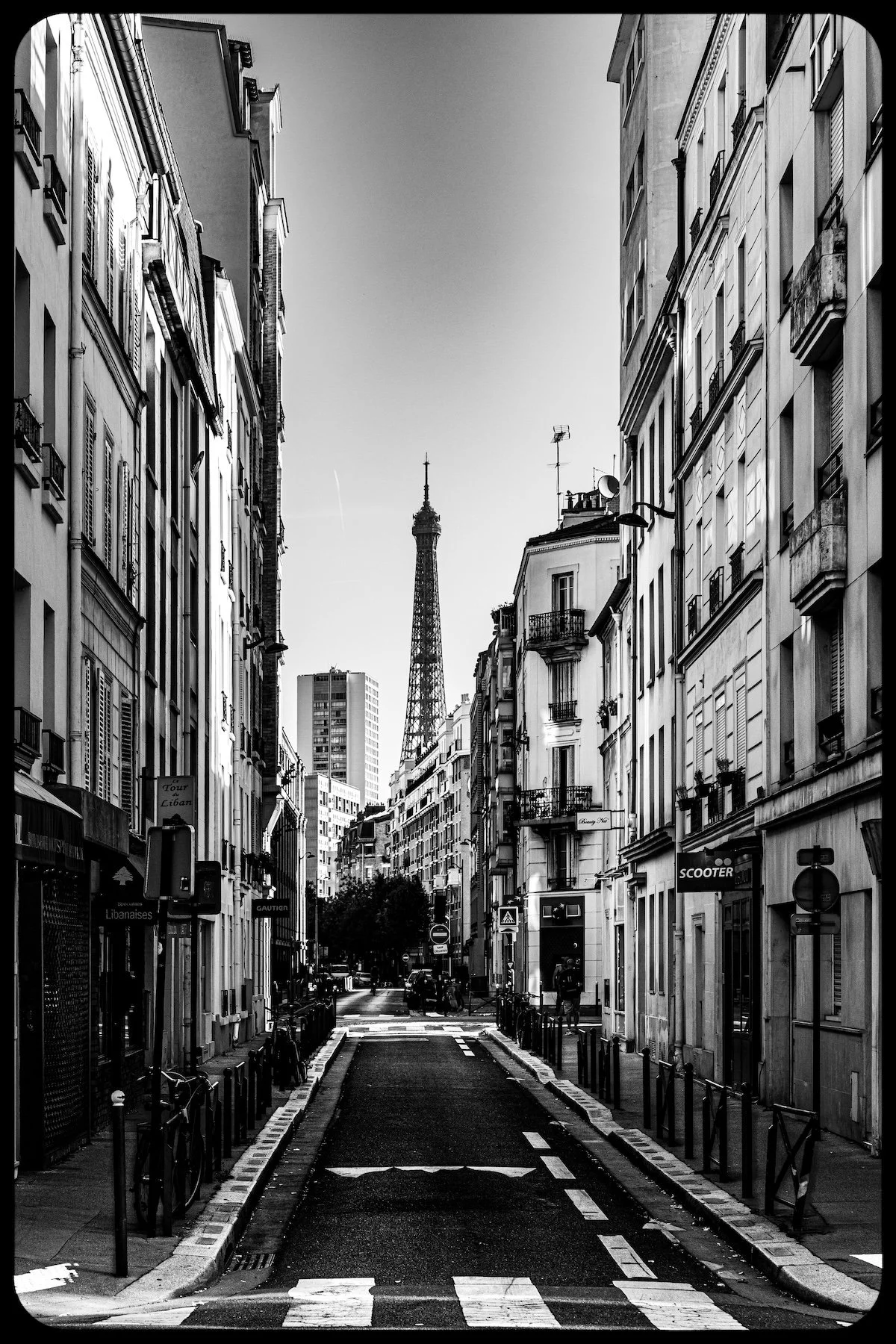
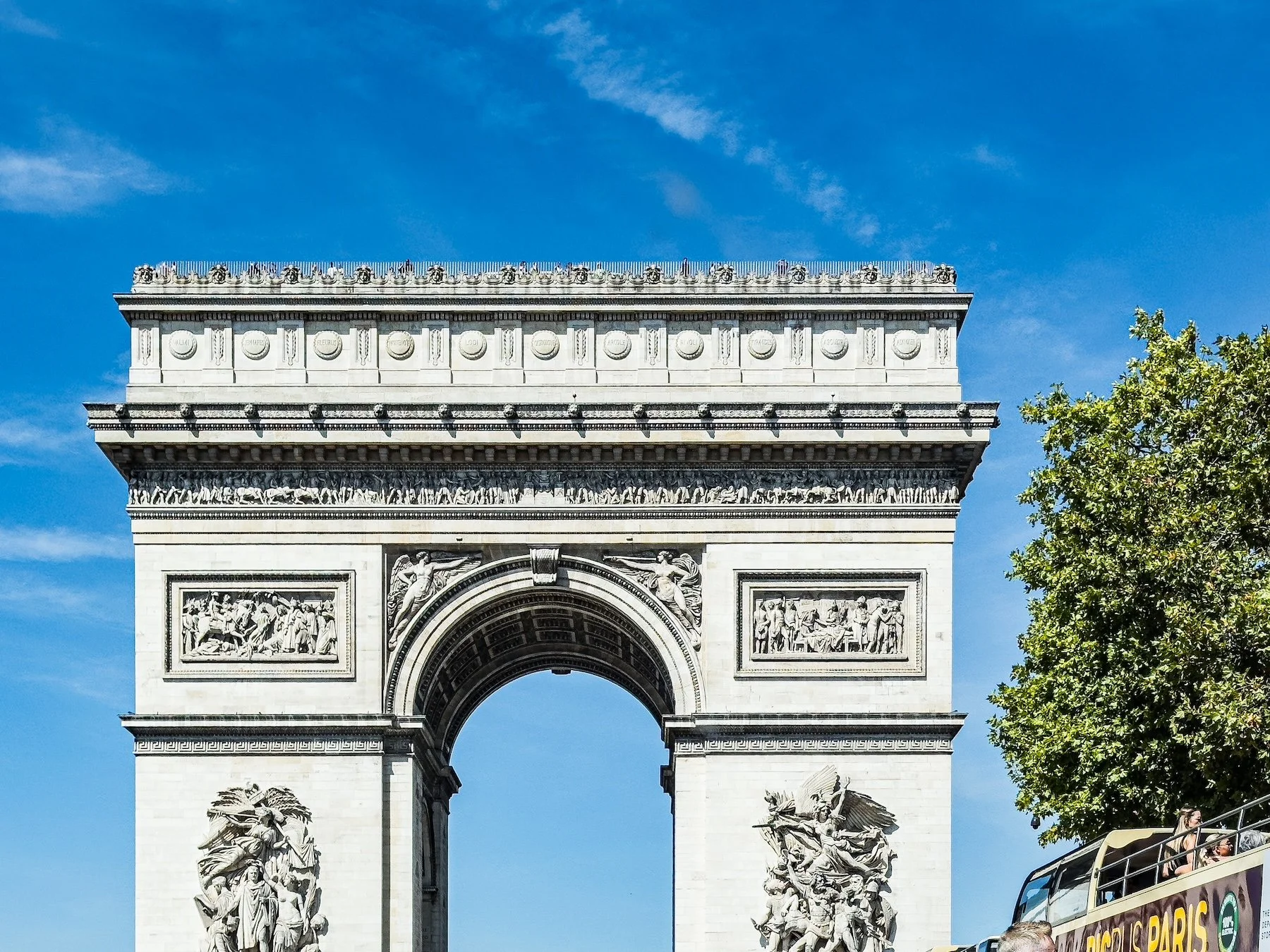
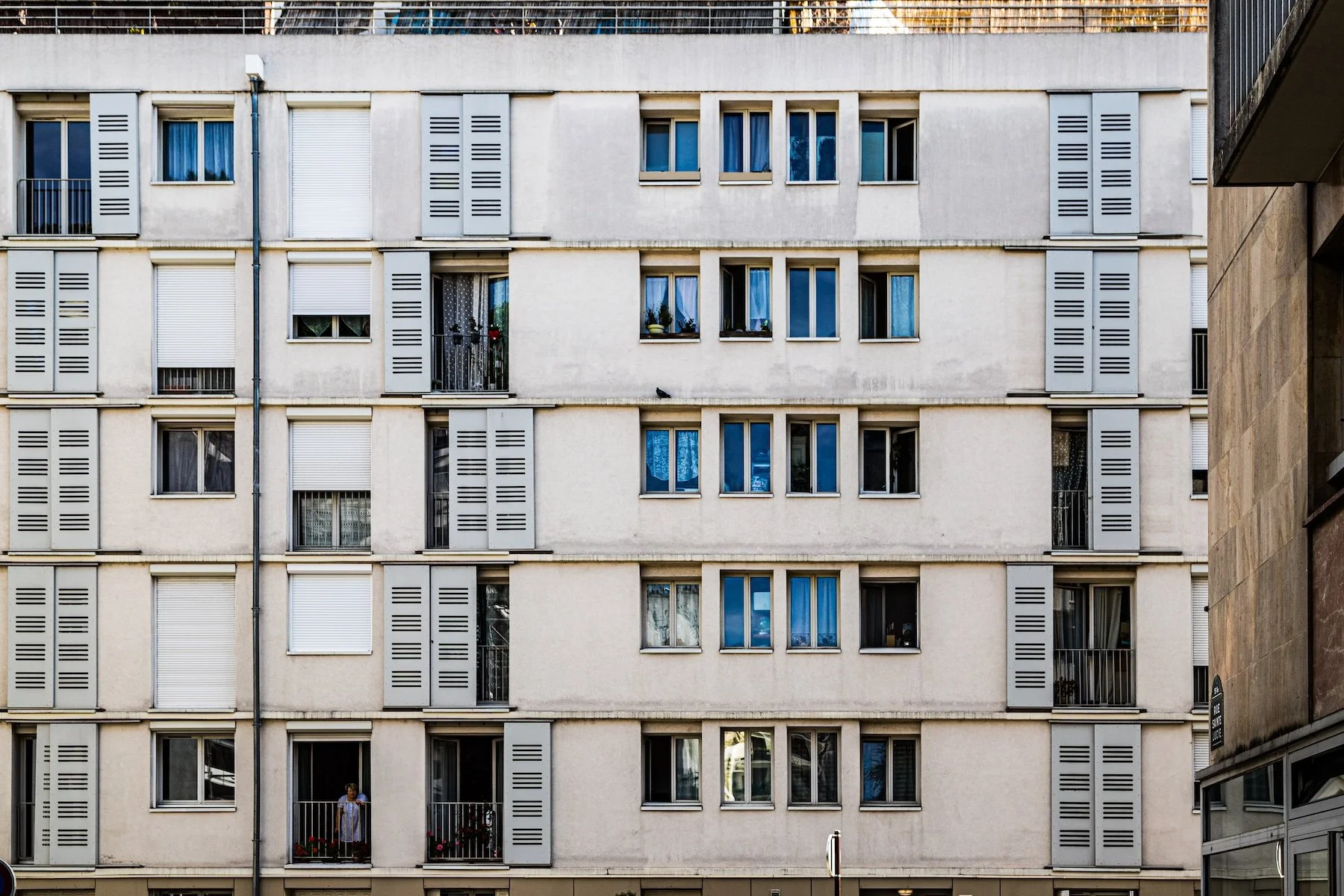
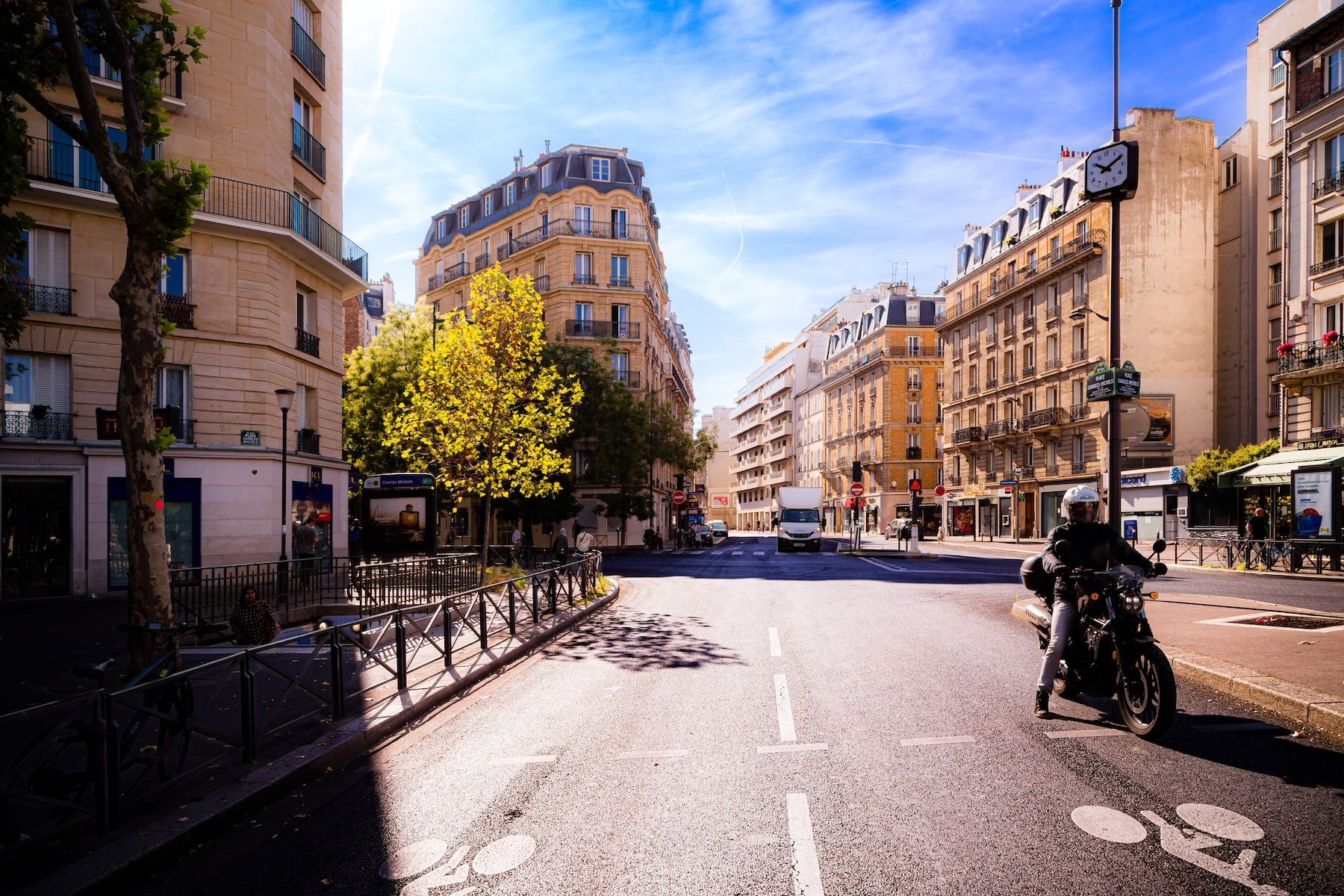
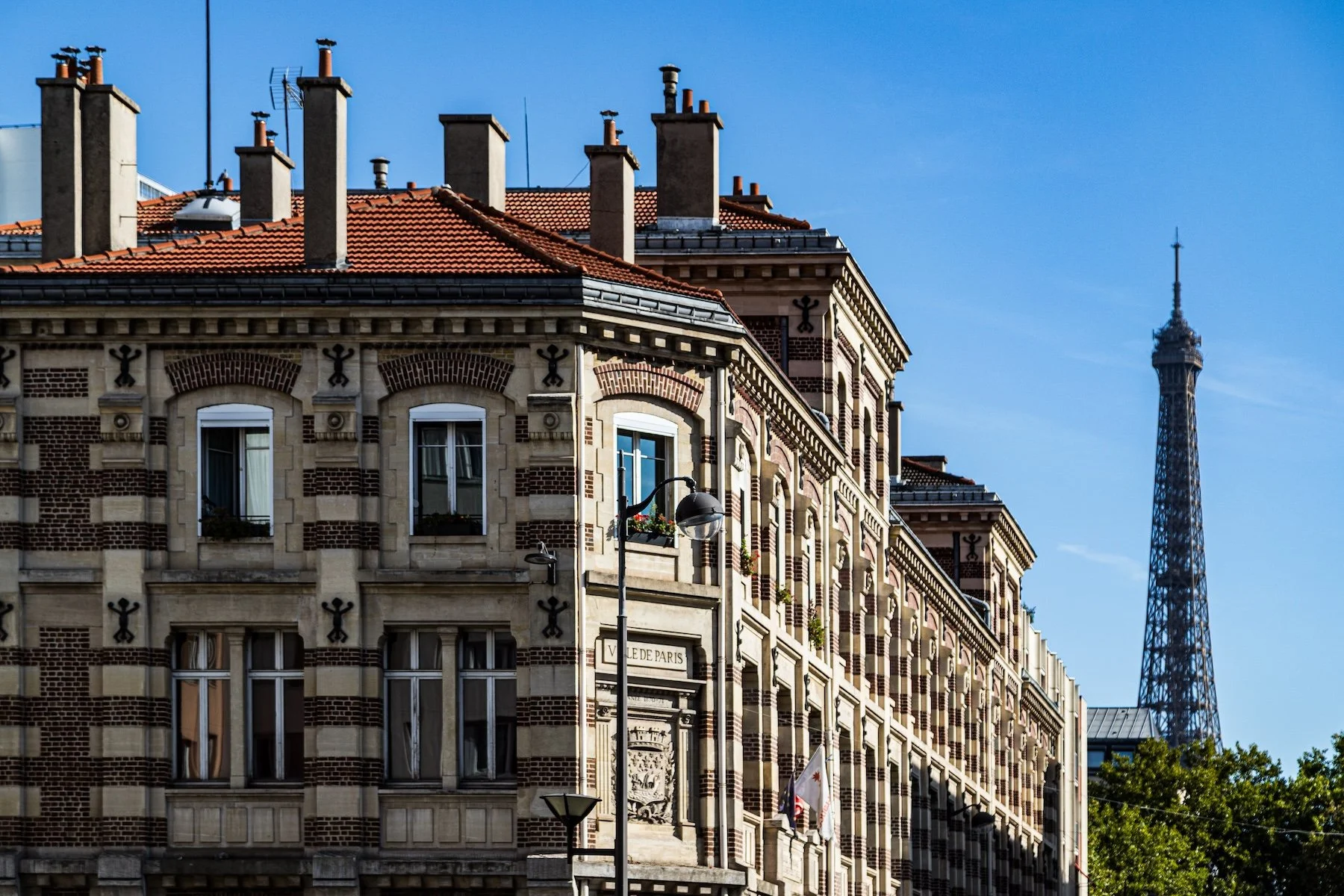
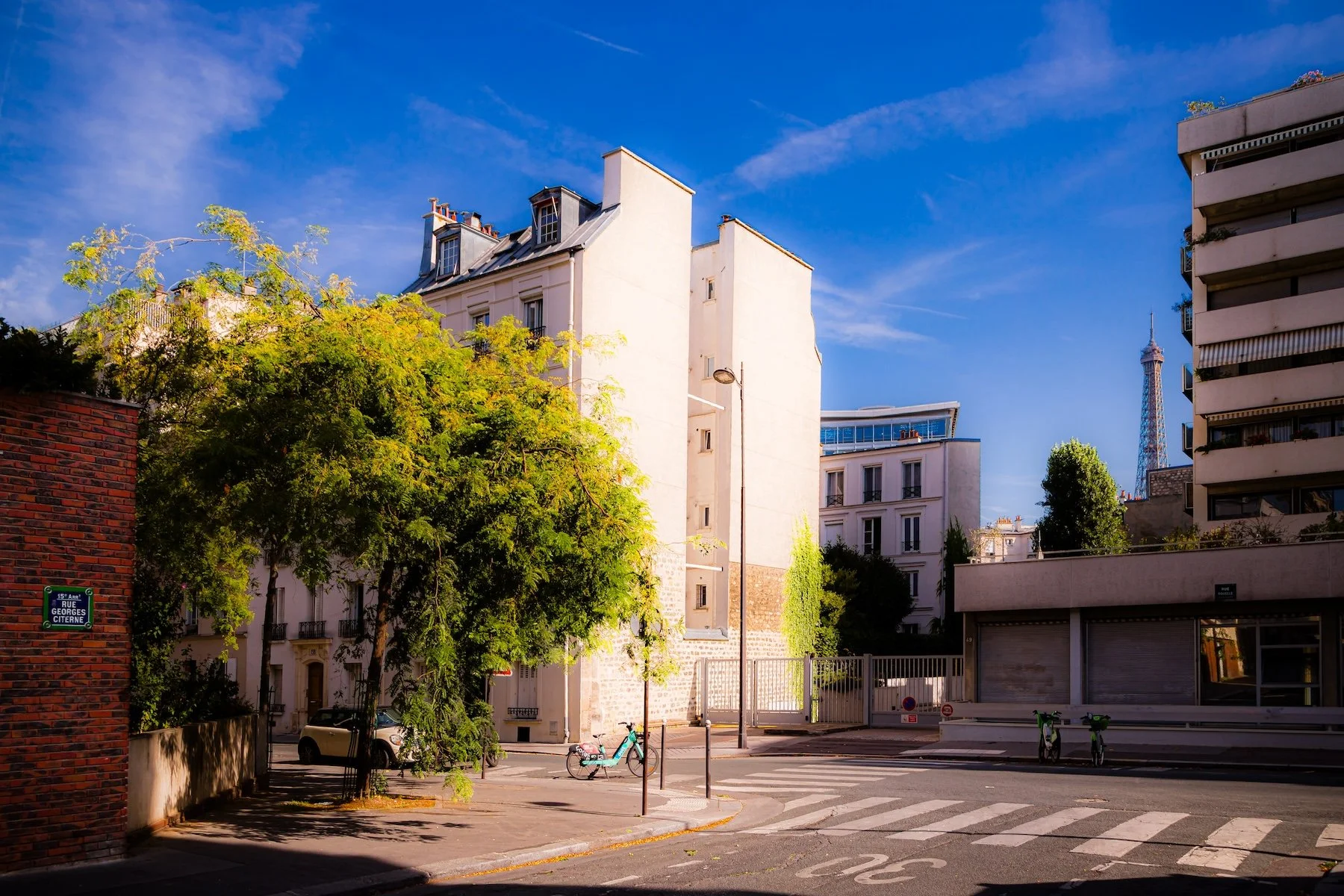
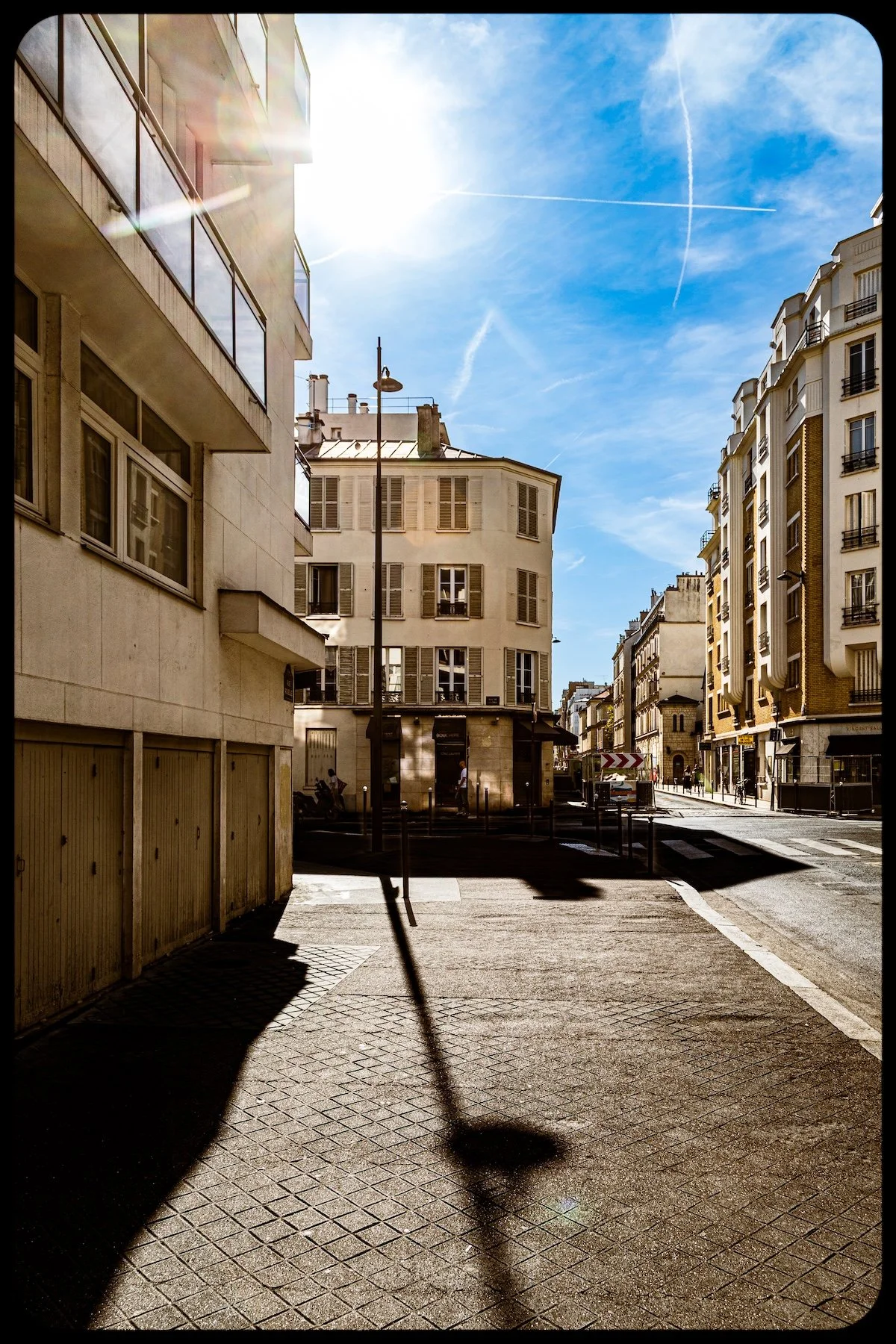
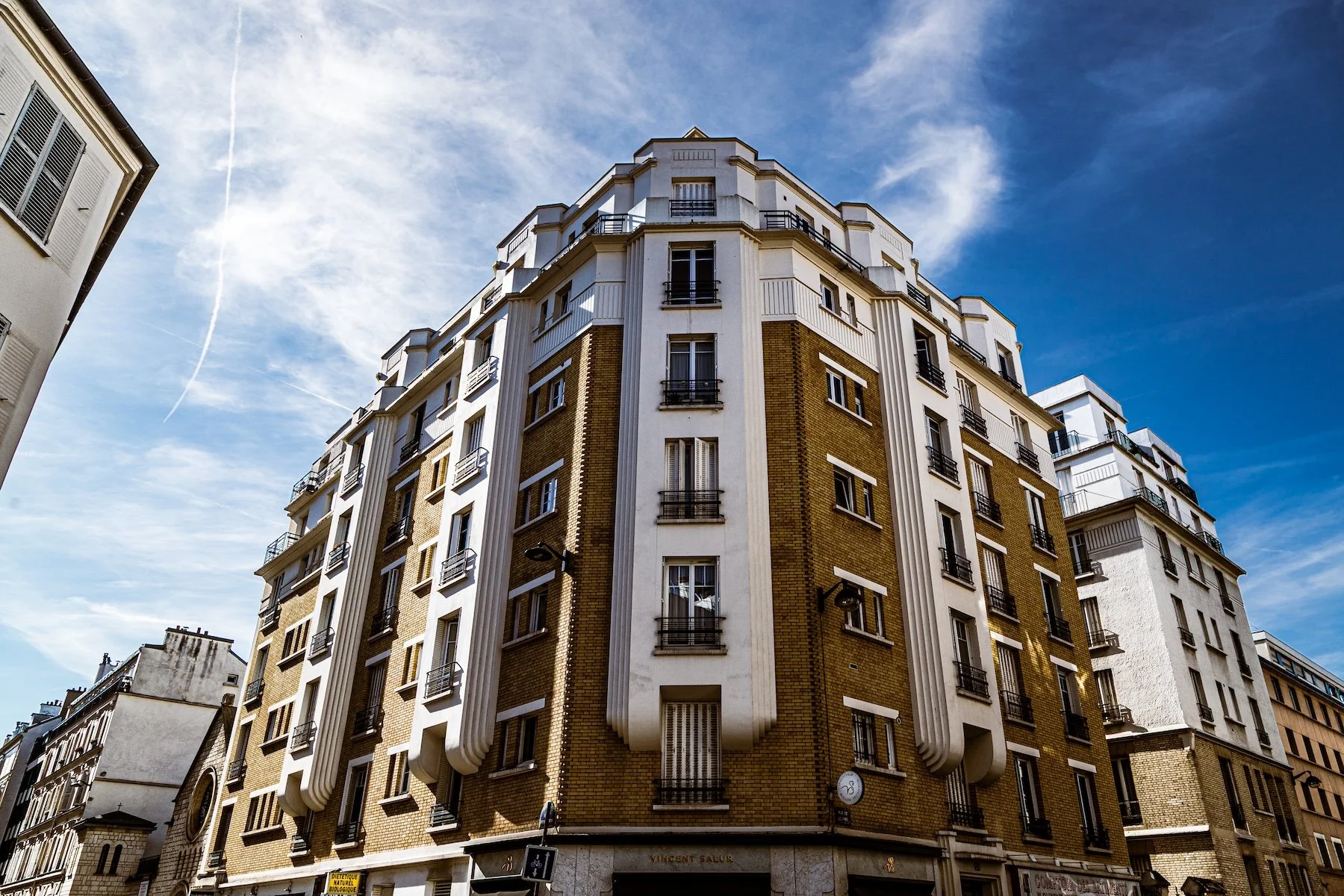
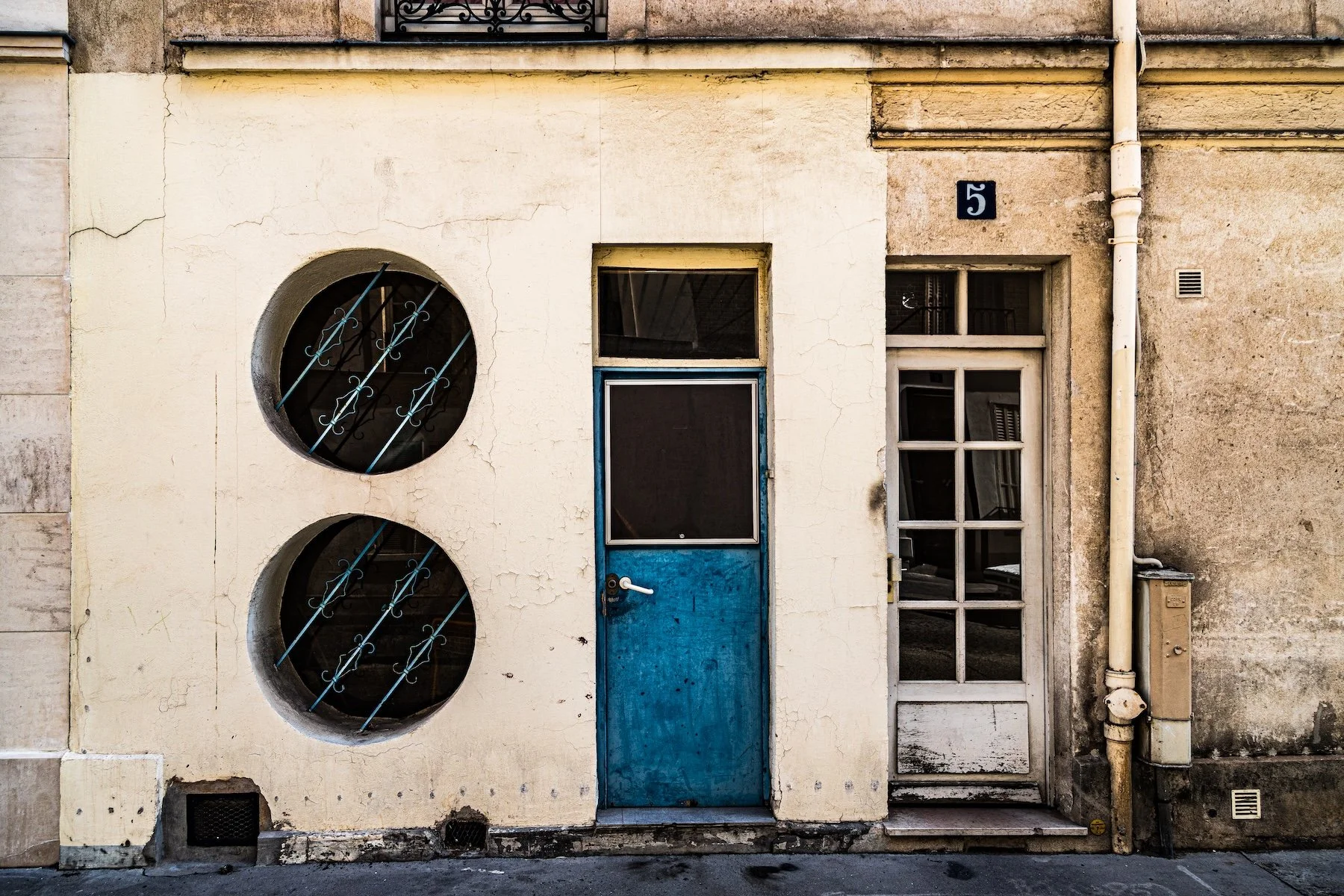
Explore Paris
-

The twenty arrondissements form the civic spiral of Paris, organizing the city into its broad local districts of government, identity, and daily life.
-

Each arrondissement is divided into four official administrative quarters, giving Paris a more precise civic and geographic framework.
-

The conseils de quartier bring participation to street level, giving residents a voice in neighborhood needs, public space, and local civic life.
-

Les Deux Rives trace Paris through the Seine’s two banks, revealing how the Rive Droite and Rive Gauche shaped the city’s civic power, commerce, learning, art, and cultural identity.
-

Cultural neighborhoods reveal the Paris people recognize through history, cafés, architecture, memory, atmosphere, and local belonging.