
8e - ÉLYSÉE
Arrondissements
Part of an ongoing project to walk and photograph every neighborhood in Paris, this page explores the 8th Arrondissement: Élysée through maps, district identity, history, and photography.
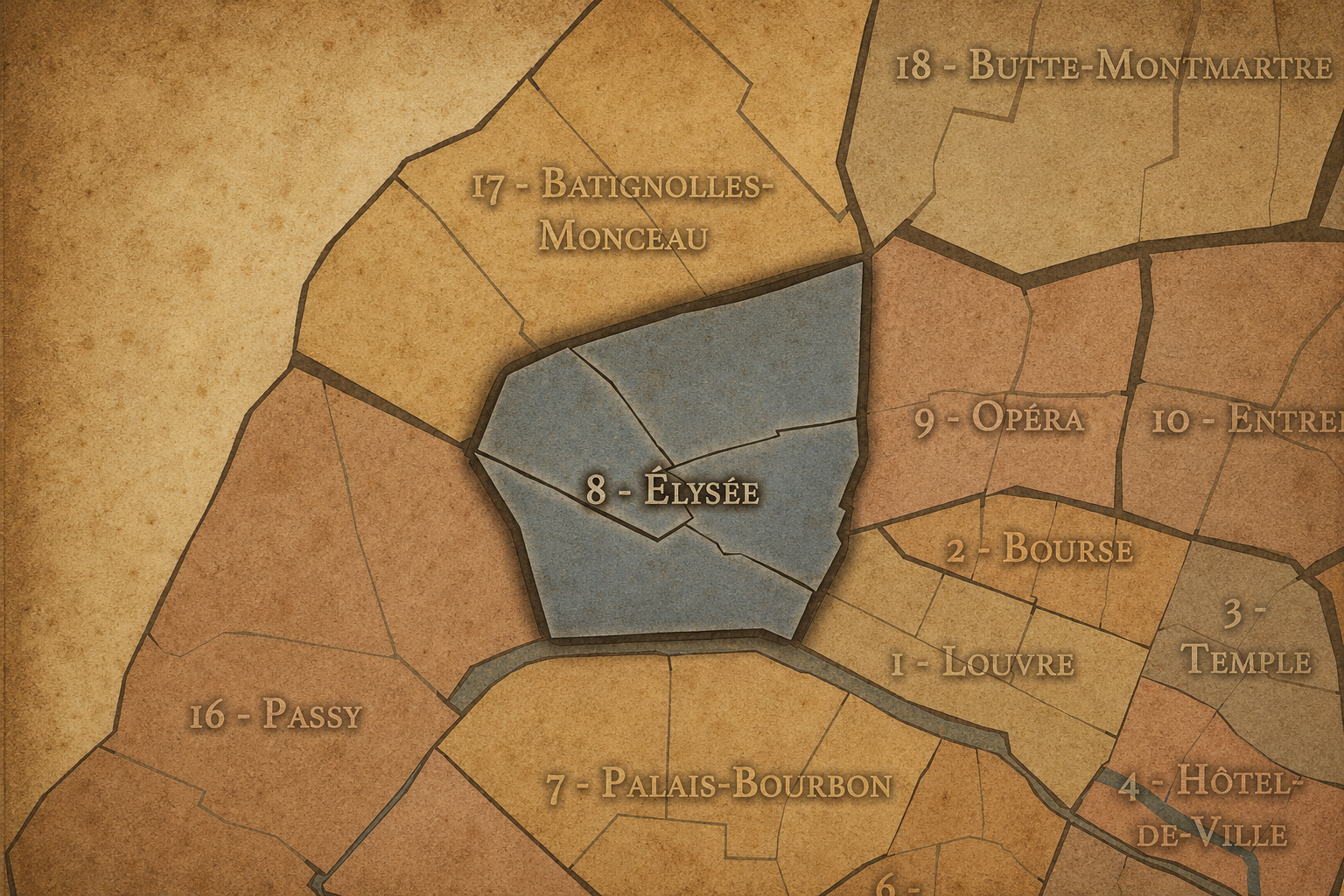
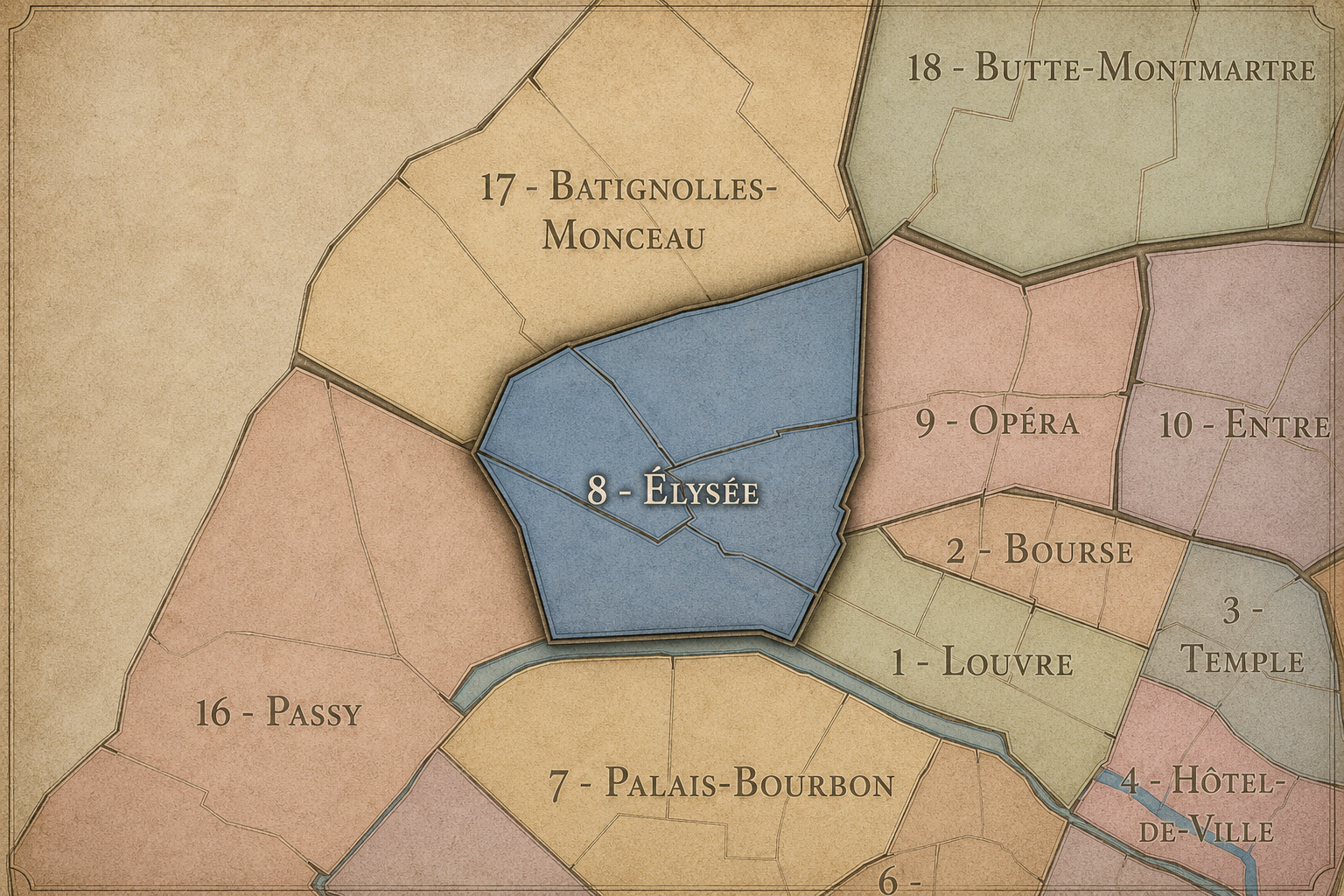
The Map
Download the Paris Arrondissements Map
Geographic Setting
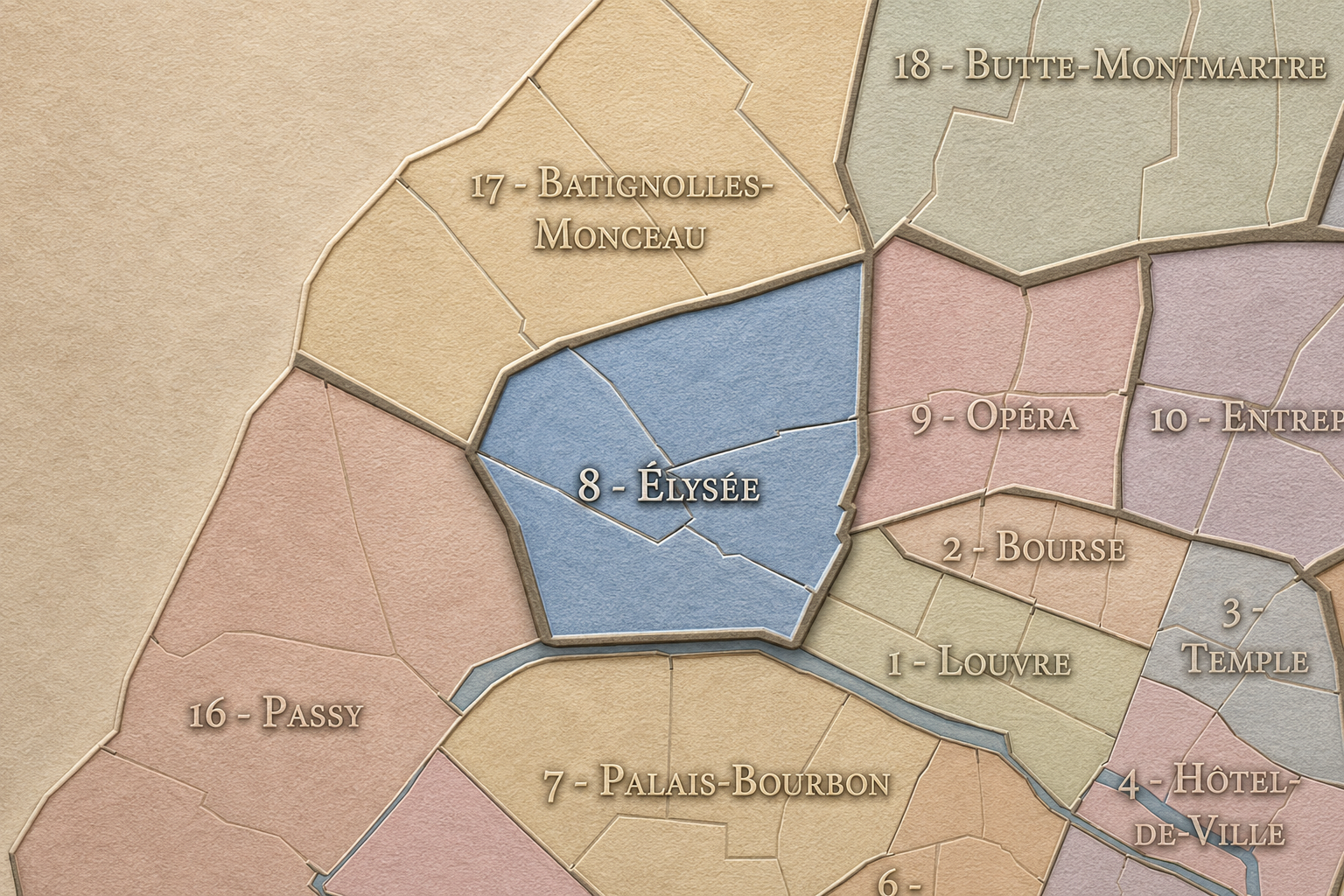
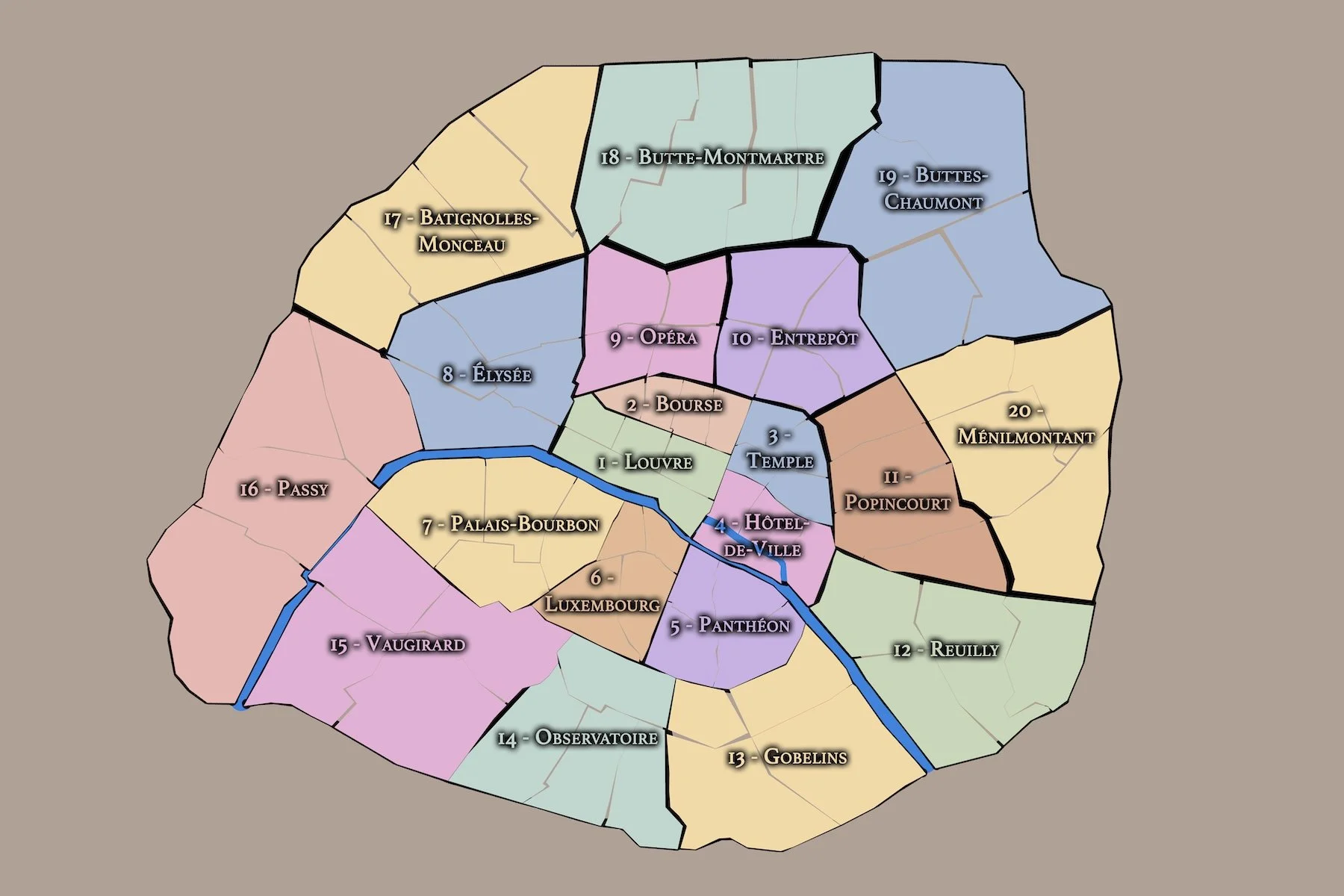
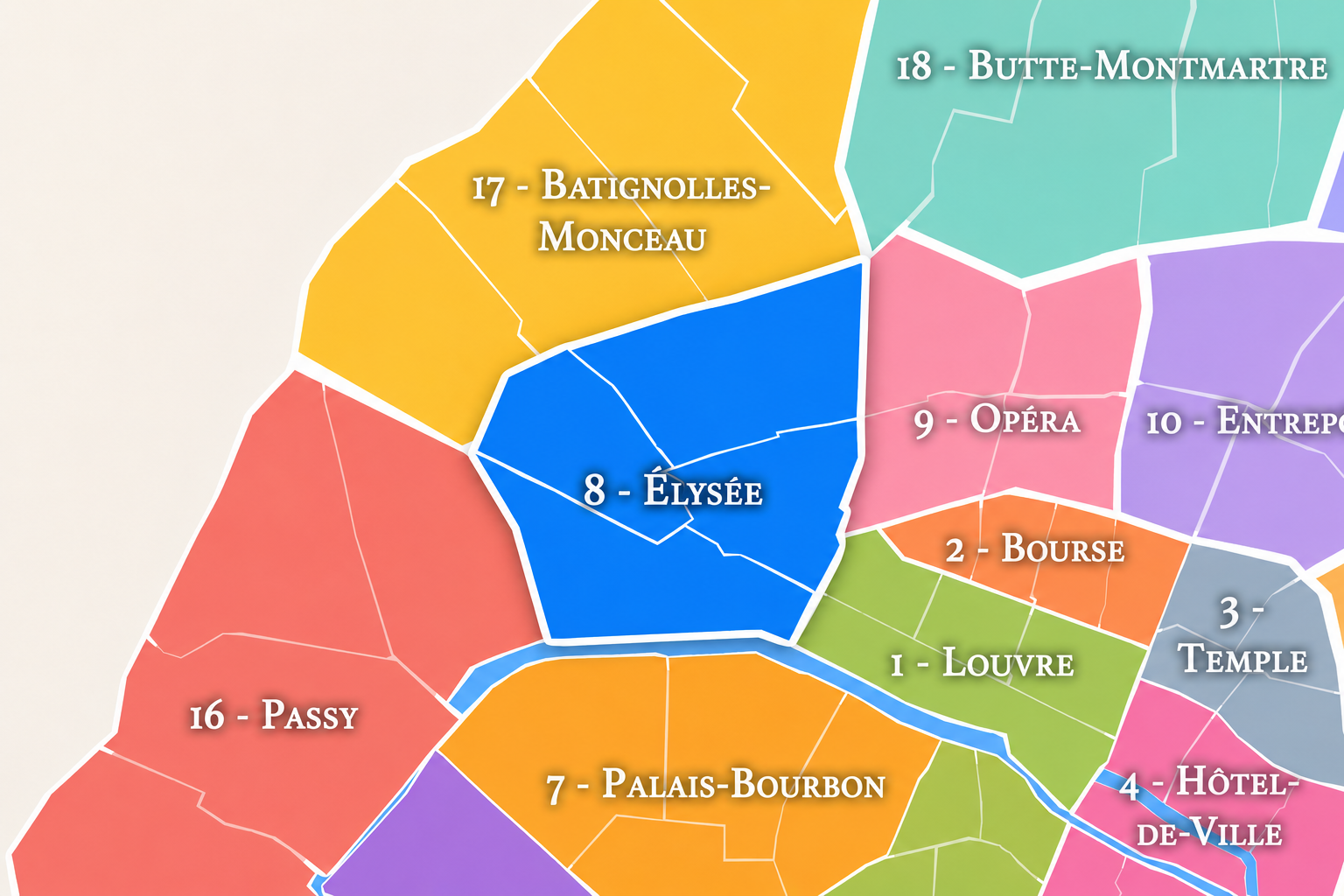
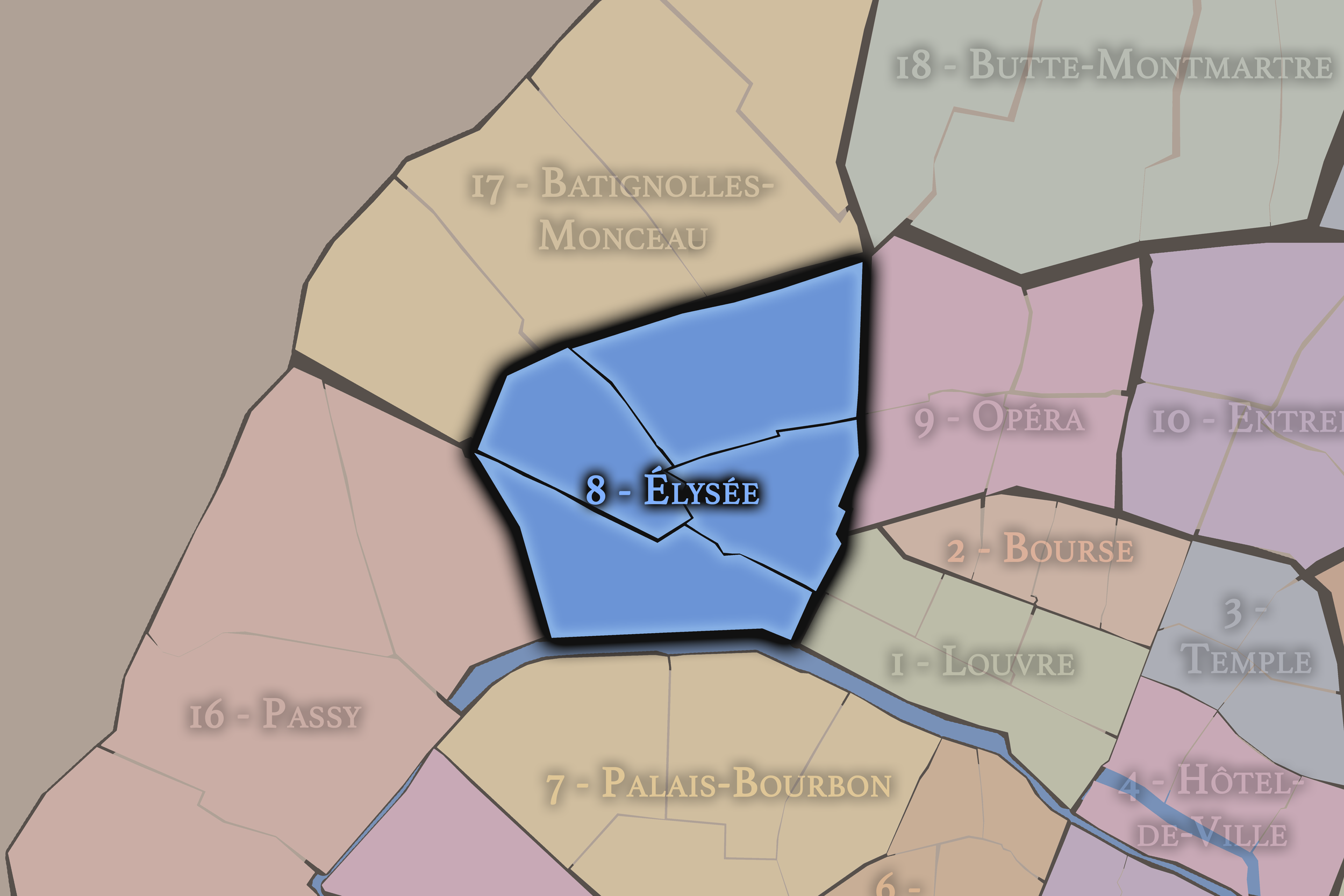
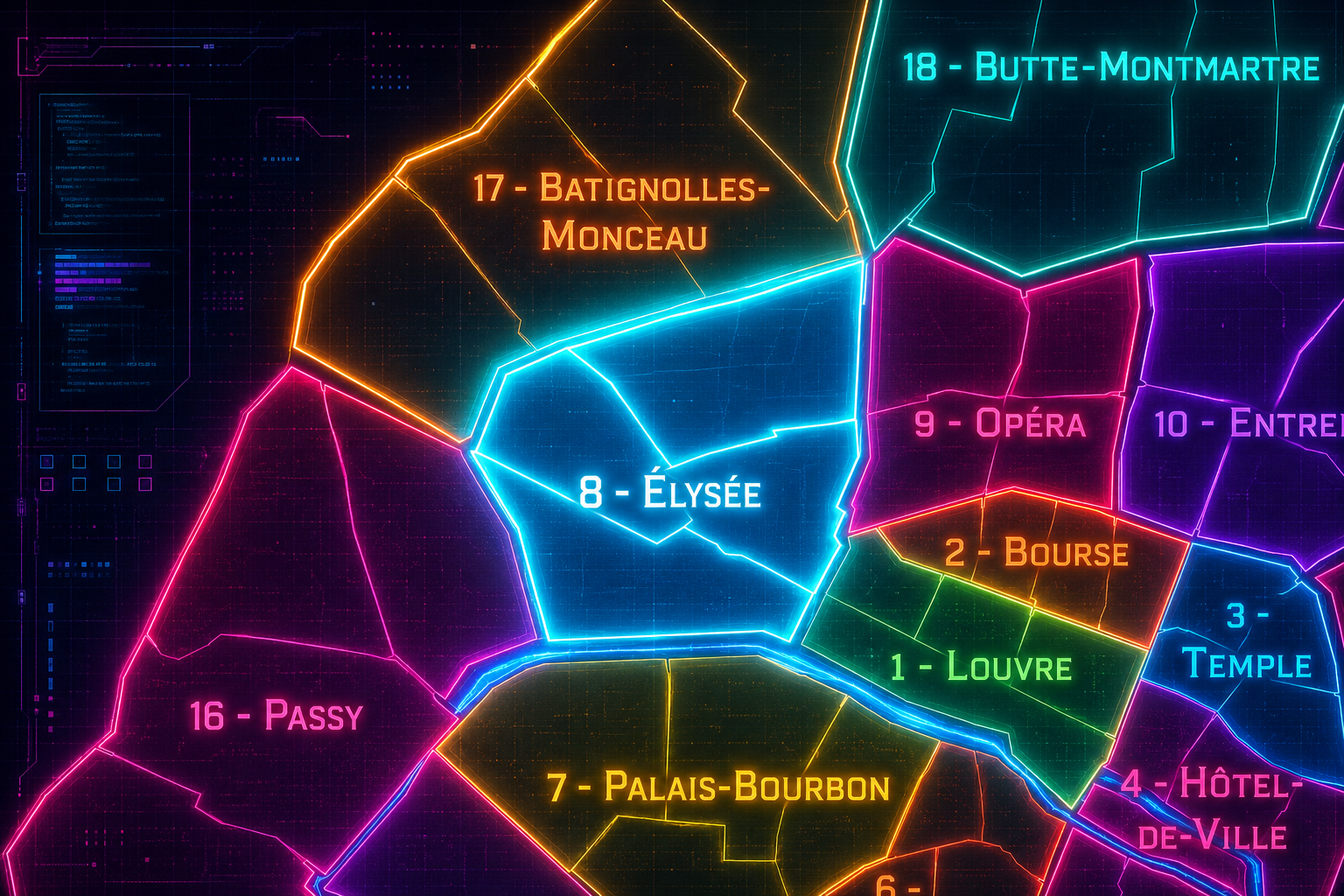
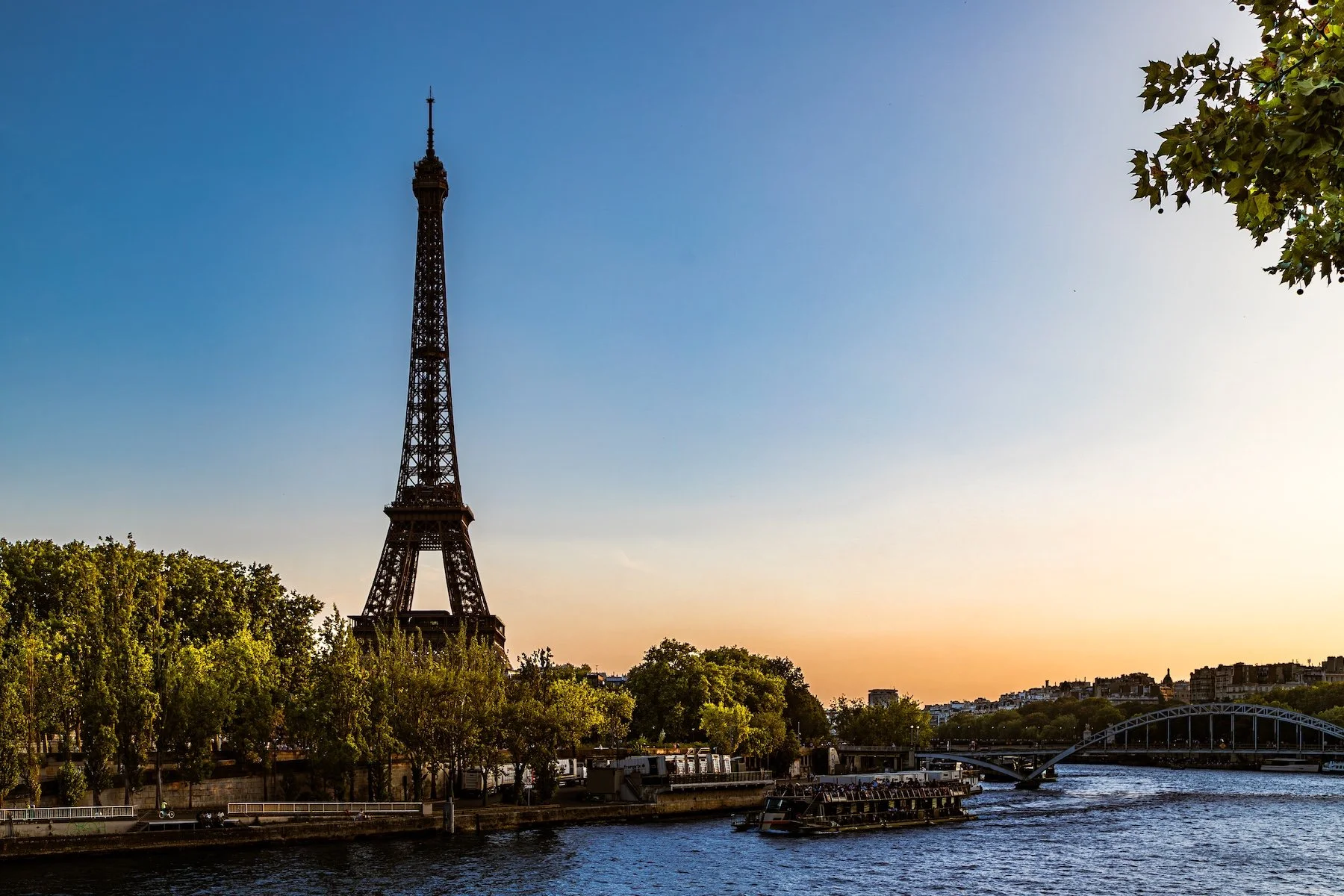
The 8e arrondissement occupies one of the most prominent ceremonial landscapes on the Right Bank of Paris. It stretches westward from the Place de la Concorde toward the Arc de Triomphe, with the Seine forming much of its southern edge and the 17e and 9e arrondissements bordering it to the north and east. To the west, it meets the 16e and 17e around the great radiating avenues of the Étoile, while to the south across the river lie the institutional landscapes of the 7e arrondissement.
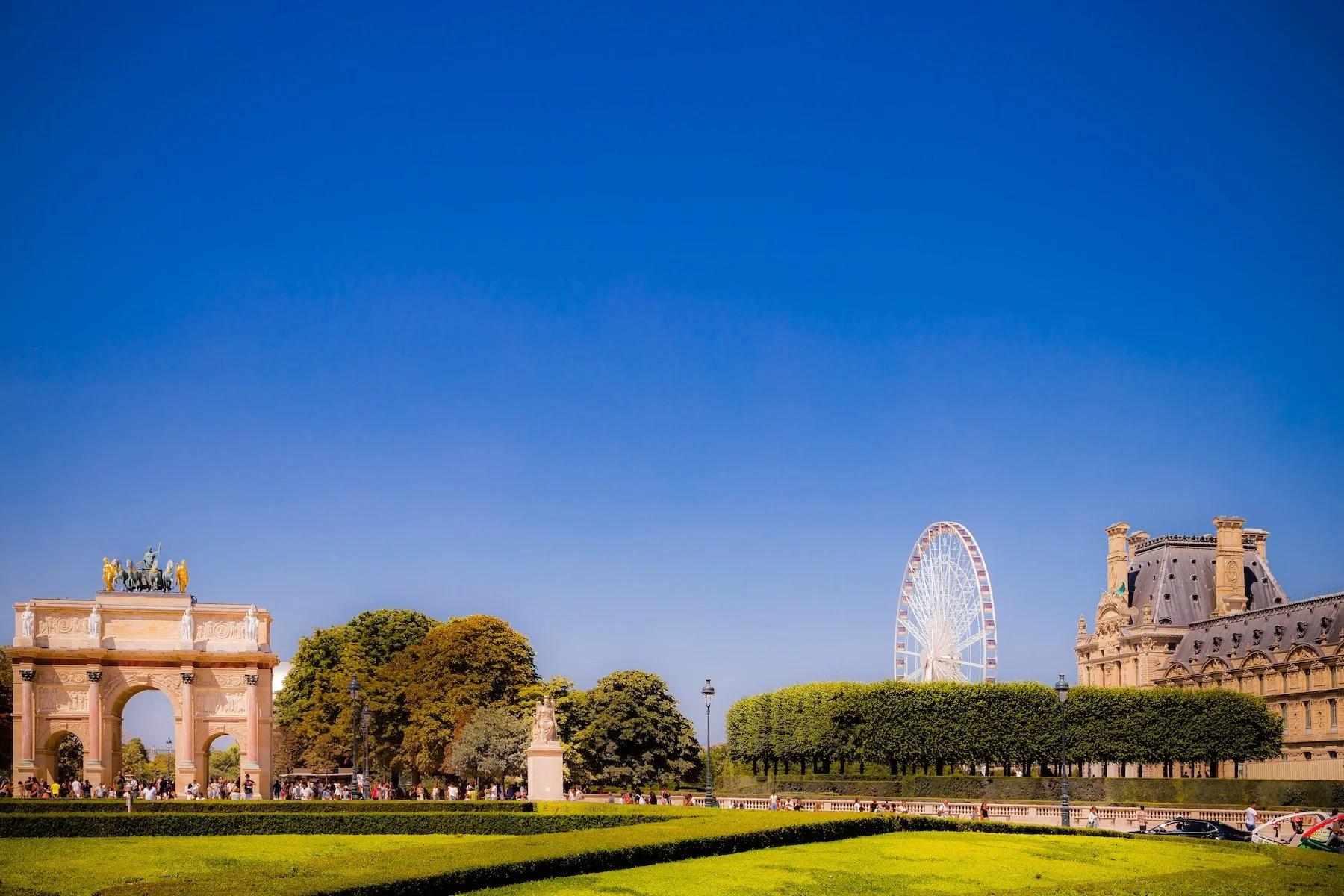
The geography of the 8e is defined by axes, avenues, squares, gardens, palaces, embassies, luxury commerce, theaters, and state power. Its most famous line is the great western axis of Paris: the Tuileries and Place de la Concorde opening into the Champs-Élysées, rising toward the Arc de Triomphe, and continuing beyond the arrondissement into the western extension of the city. This axis gives the 8e one of the most globally recognizable urban sequences in Paris.
The arrondissement is divided into four administrative quarters: Champs-Élysées, Faubourg-du-Roule, Madeleine, and Europe. Together, they form a district of unusual prestige and intensity. Champs-Élysées gives the arrondissement its ceremonial and touristic identity. Faubourg-du-Roule connects it to elite residential and commercial expansion westward. Madeleine gives it a strong religious, commercial, and boulevard identity. Europe, organized around rail infrastructure and named streets recalling European capitals, gives the 8e a more infrastructural and residential northern character.
The 8e is one of Paris’s clearest districts of display. It is not only a place people pass through; it is a place where the city presents itself through power, luxury, procession, commerce, diplomacy, theater, and spectacle. Yet behind its monumental avenues and famous addresses are quieter streets, offices, apartments, schools, churches, and neighborhood routines that complicate the arrondissement’s image as purely ceremonial.
Arrondissement Identity
Etymology and Origins
The arrondissement’s administrative name, Élysée, comes from the Élysée Palace, the official residence of the President of the French Republic. The palace gives the arrondissement one of its strongest associations with state authority, diplomacy, and executive power. In this sense, the name Élysée identifies the arrondissement not merely with a building, but with the symbolic center of French presidential life.
The word itself also carries older classical associations. “Élysée” evokes the Elysian Fields, a place of blessed afterlife in Greek mythology, a meaning that also echoes in the nearby Champs-Élysées. The district’s naming therefore holds an unusual mixture of myth, monarchy, republican power, and urban prestige. Its names suggest both paradise and authority: idealized landscape and official state residence.
The deeper origins of the arrondissement lie in the western expansion of Paris beyond the older Right Bank core. Much of this territory was once less densely urbanized than the medieval center, shaped by fields, gardens, religious lands, aristocratic estates, and routes leading westward. Over time, that openness allowed the area to become one of the great ceremonial landscapes of the capital, transformed by royal planning, elite residence, boulevards, theaters, commerce, and eventually republican institutions.
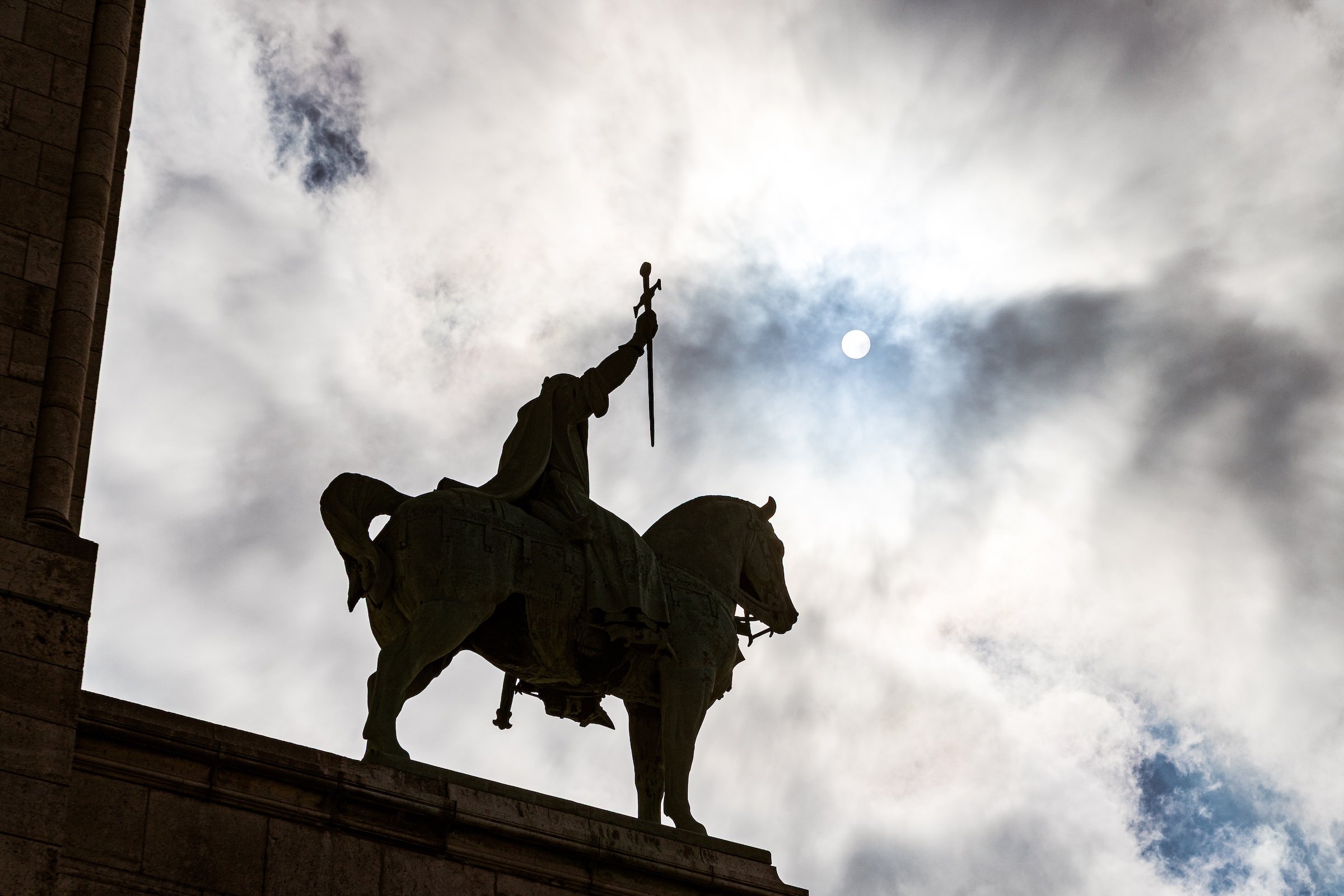
The 8e arrondissement is one of the twenty municipal arrondissements of Paris and remains a distinct local civic unit with its own mairie. It is not part of Paris Centre, which groups only the 1er, 2e, 3e, and 4e arrondissements. Its local civic identity exists alongside an unusually high concentration of national and international institutions.
The arrondissement’s four administrative quarters — Champs-Élysées, Faubourg-du-Roule, Madeleine, and Europe — provide its official internal structure. These quarters are especially important because the 8e is often reduced to a handful of famous symbols: the Champs-Élysées, the Arc de Triomphe, the Élysée Palace, luxury shopping, and grand hotels. The official quarters reveal a broader district that includes residential streets, office corridors, churches, rail infrastructure, theaters, embassies, and commercial neighborhoods.
For this project, the 8e is treated as both an official geographic layer and a cultural-historical district. Its civic framework helps distinguish the arrondissement from the wider idea of “western Paris” or from the touristic shorthand of the Champs-Élysées. The 8e contains one of the world’s most famous avenues, but it is also a district of administration, diplomacy, residence, finance, transport, performance, and urban expansion.
Civic Framework
Parisian Identity
The 8e arrondissement holds one of the most powerful public identities in Paris. It is the Paris of the Champs-Élysées, the Arc de Triomphe, the Élysée Palace, Place de la Concorde, Avenue Montaigne, the Madeleine, grand hotels, luxury storefronts, embassies, theaters, and ceremonial avenues. Few districts are so closely associated with the global image of Paris as spectacle, elegance, and power.
Its Parisian identity is built around display. The arrondissement contains some of the city’s great stages of public life: military parades, national ceremonies, presidential movement, diplomatic receptions, luxury commerce, theater premieres, demonstrations, festivals, tourist promenades, and everyday crowds. The 8e is where Paris often appears most formal and most theatrical, with broad avenues designed for procession, façades designed for prestige, and squares designed for symbolic visibility.
Yet the arrondissement is not only grand and public. It also has a working identity tied to offices, banks, headquarters, insurance firms, law, finance, retail, hospitality, and transport. Much of the 8e functions as a business district during the day, while its hotels, restaurants, theaters, shops, and nightlife extend its activity into the evening. Its Parisian identity therefore rests on a layered economy of power, spectacle, work, consumption, and movement.
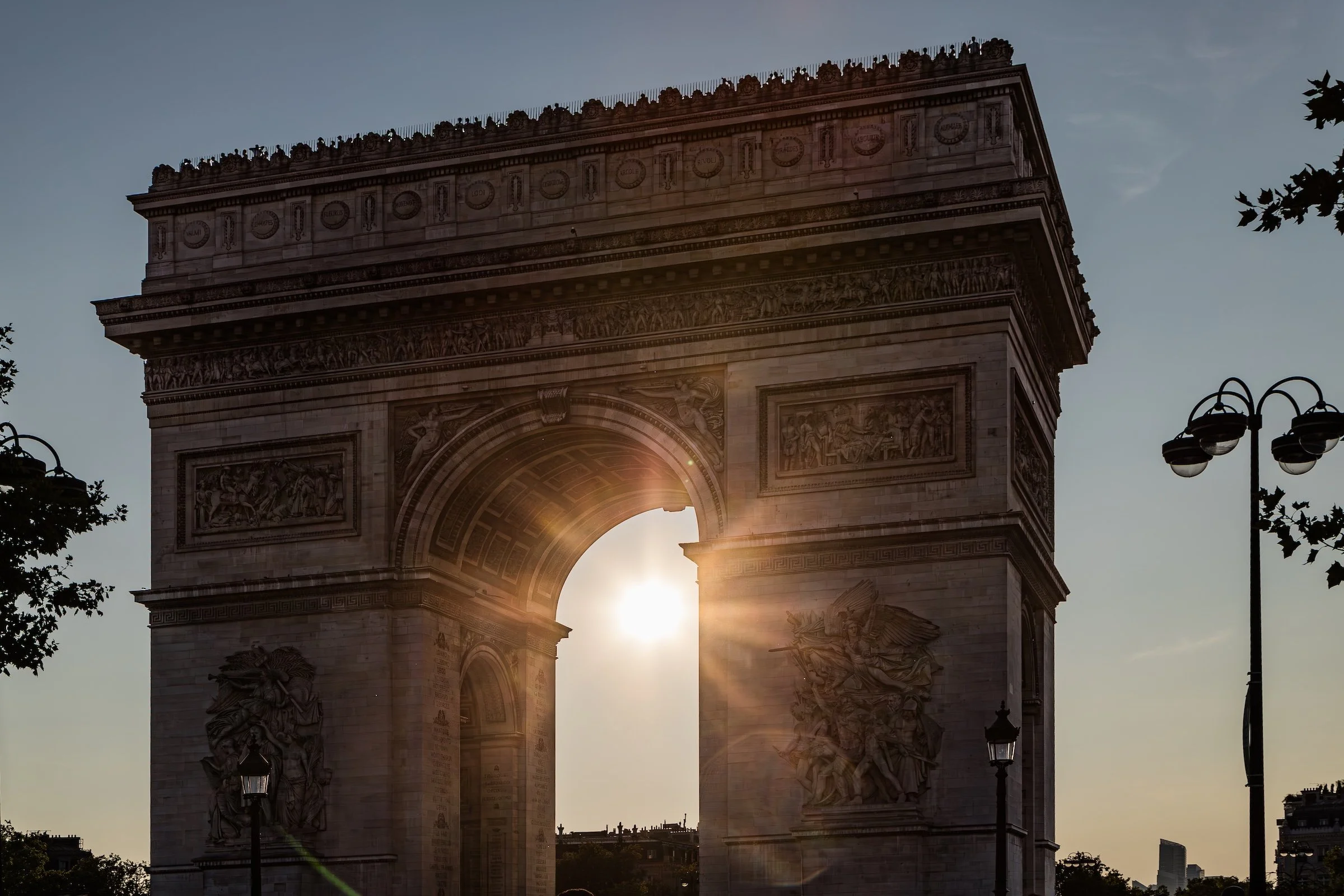
The 8e arrondissement is distinguished by the scale and intensity of its symbolic landscape. It is not a neighborhood in the intimate sense associated with older village-like quarters, nor is it simply a residential district. It is a formal urban stage where state power, luxury commerce, entertainment, transportation, and tourism meet.
Its four administrative quarters express this range. Champs-Élysées is the ceremonial and internationally recognized face of the arrondissement, shaped by the avenue, gardens, monuments, and luxury corridors around the Seine and Avenue Montaigne. Faubourg-du-Roule carries the westward expansion of elite Paris through residential streets, offices, churches, and commercial avenues. Madeleine connects the district to the Grands Boulevards, luxury food, department stores, churches, theaters, and the eastern edge of the 8e. Europe gives the arrondissement a more infrastructural and residential northern layer, shaped by the Gare Saint-Lazare area and streets named for European cities.
The arrondissement’s distinction also comes from contrast. It can feel vast and ceremonial along the Champs-Élysées or Place de la Concorde, discreet and guarded near the Élysée Palace, commercial and elegant around Madeleine, theatrical near the boulevards, and more everyday around Europe and the northern residential streets. The 8e is not a single mood. It is Paris at its most staged, but also Paris at work behind the stage.
Neighborhood Distinction
Les Quartiers Administratifs
Administrative Quarters
The Four Administrative Quarters
Each Paris arrondissement is divided into four official administrative quarters. These smaller districts reveal older place-names, local histories, civic boundaries, and neighborhood identities.
-
Champs-Élysées
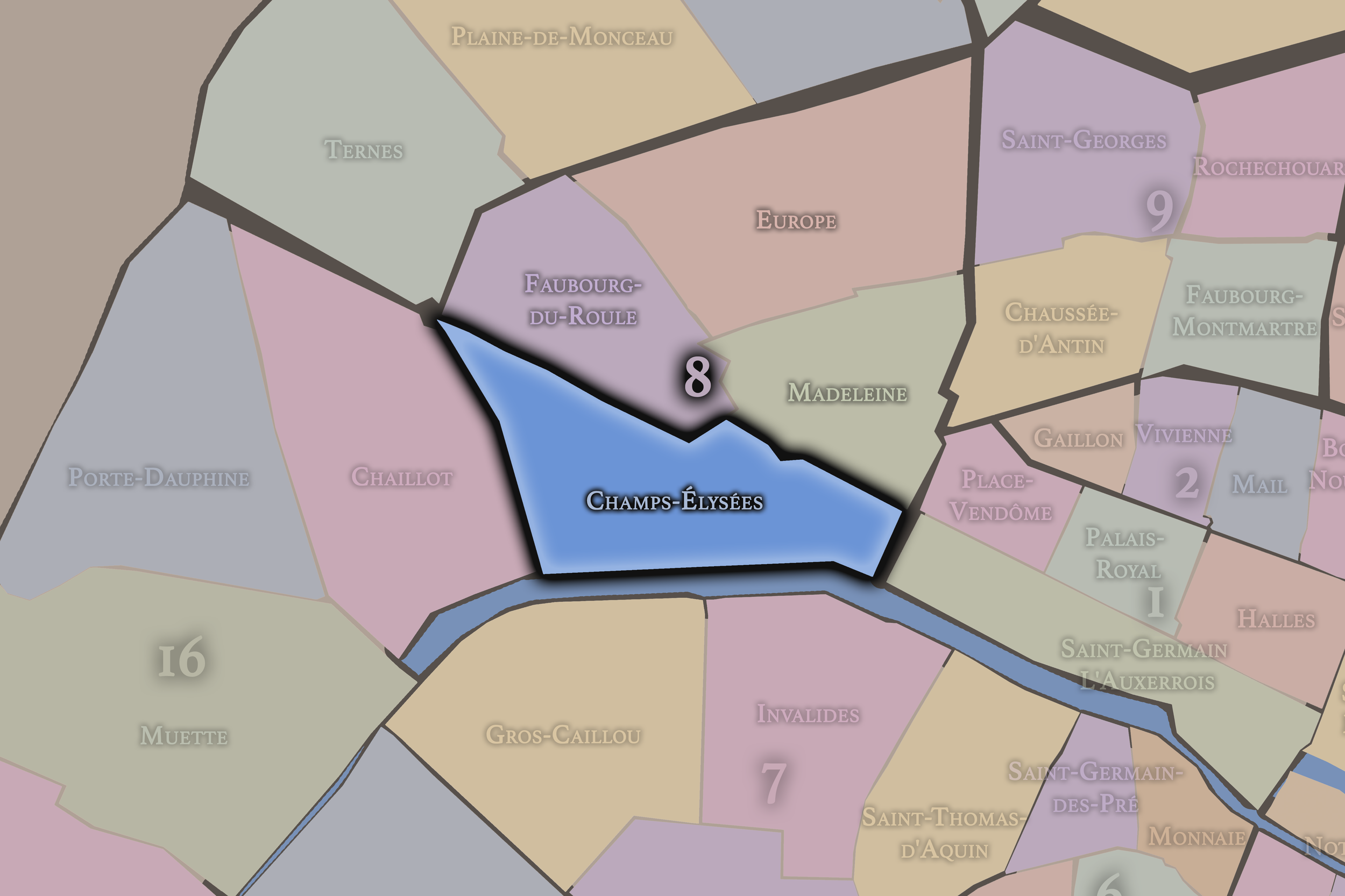
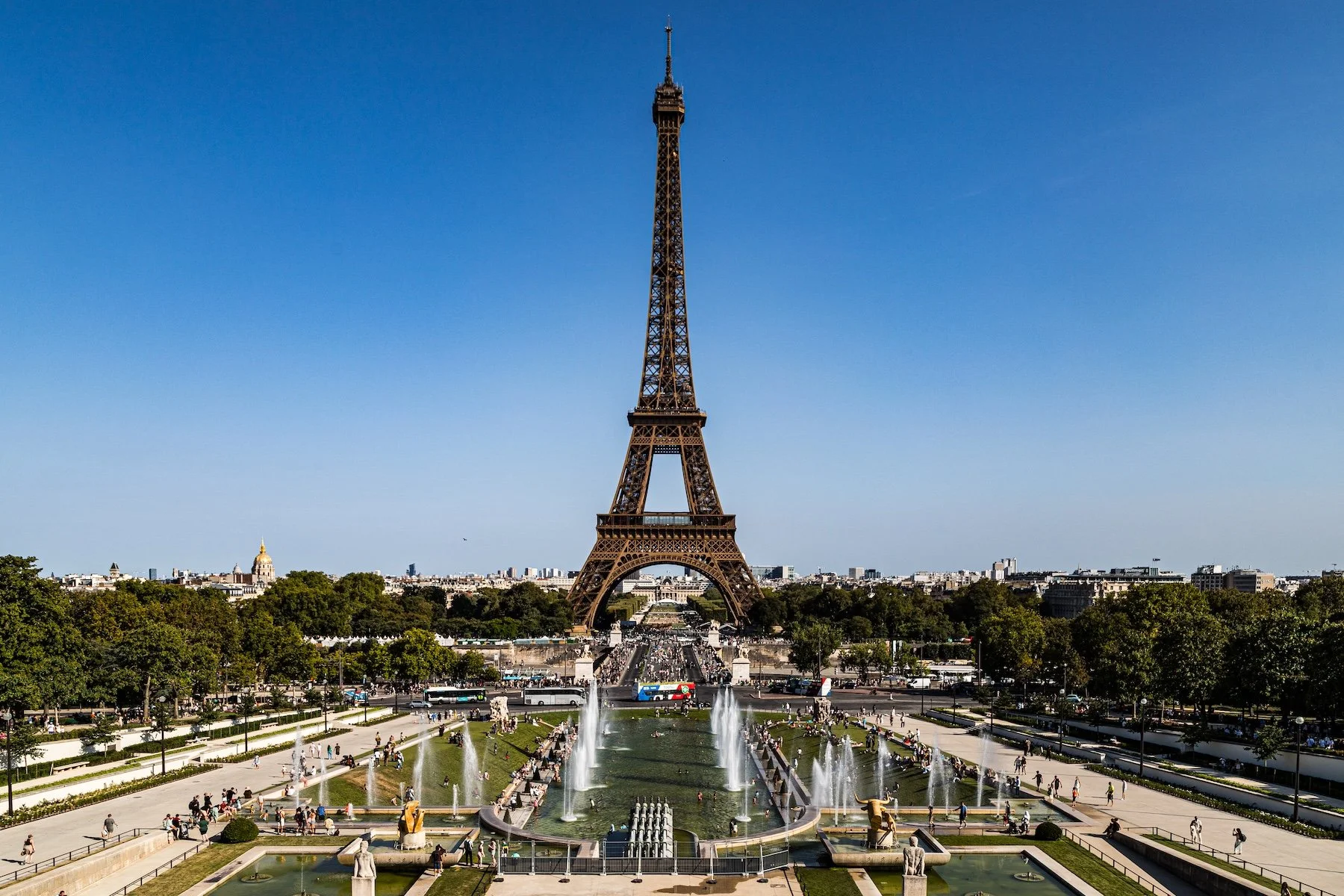
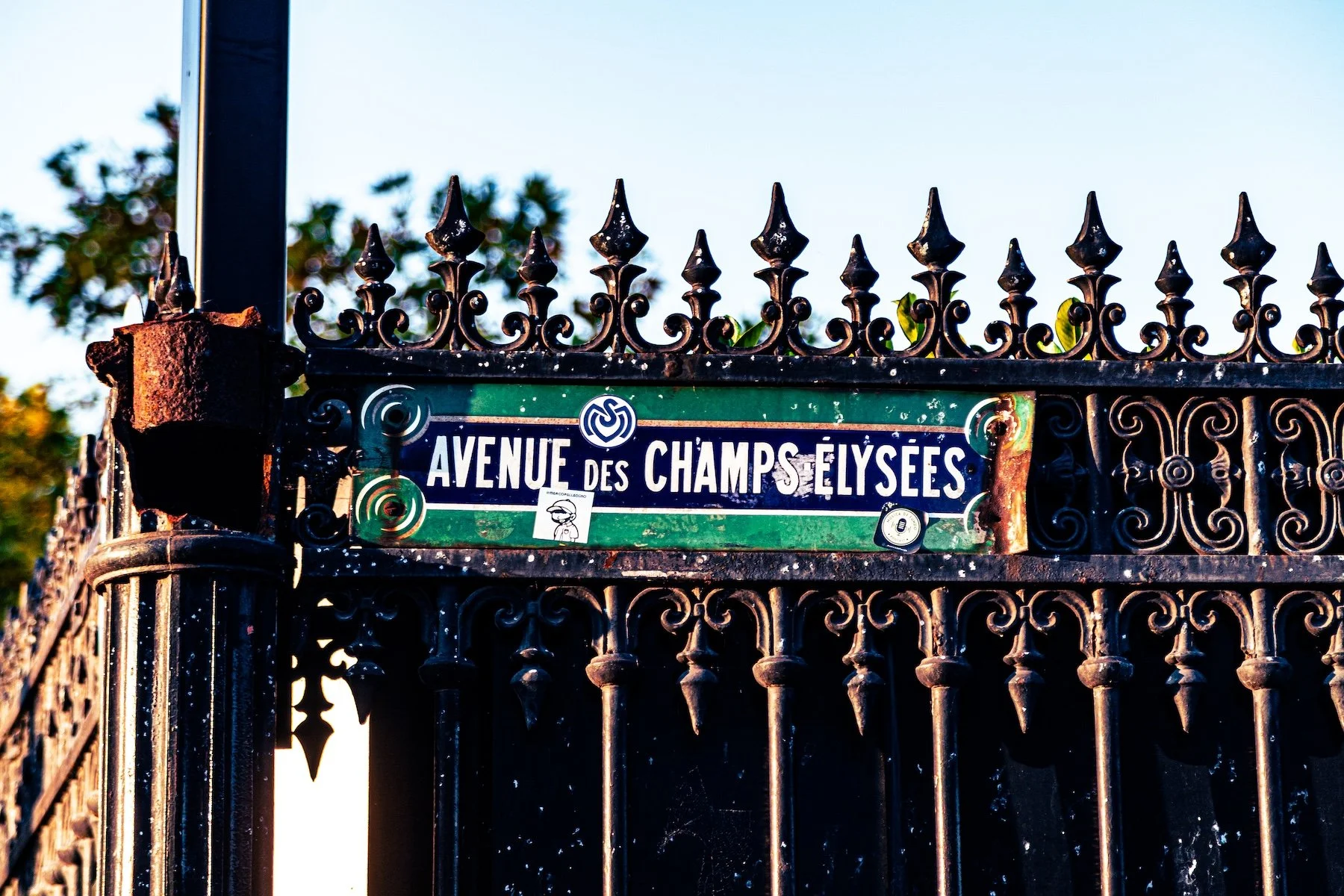
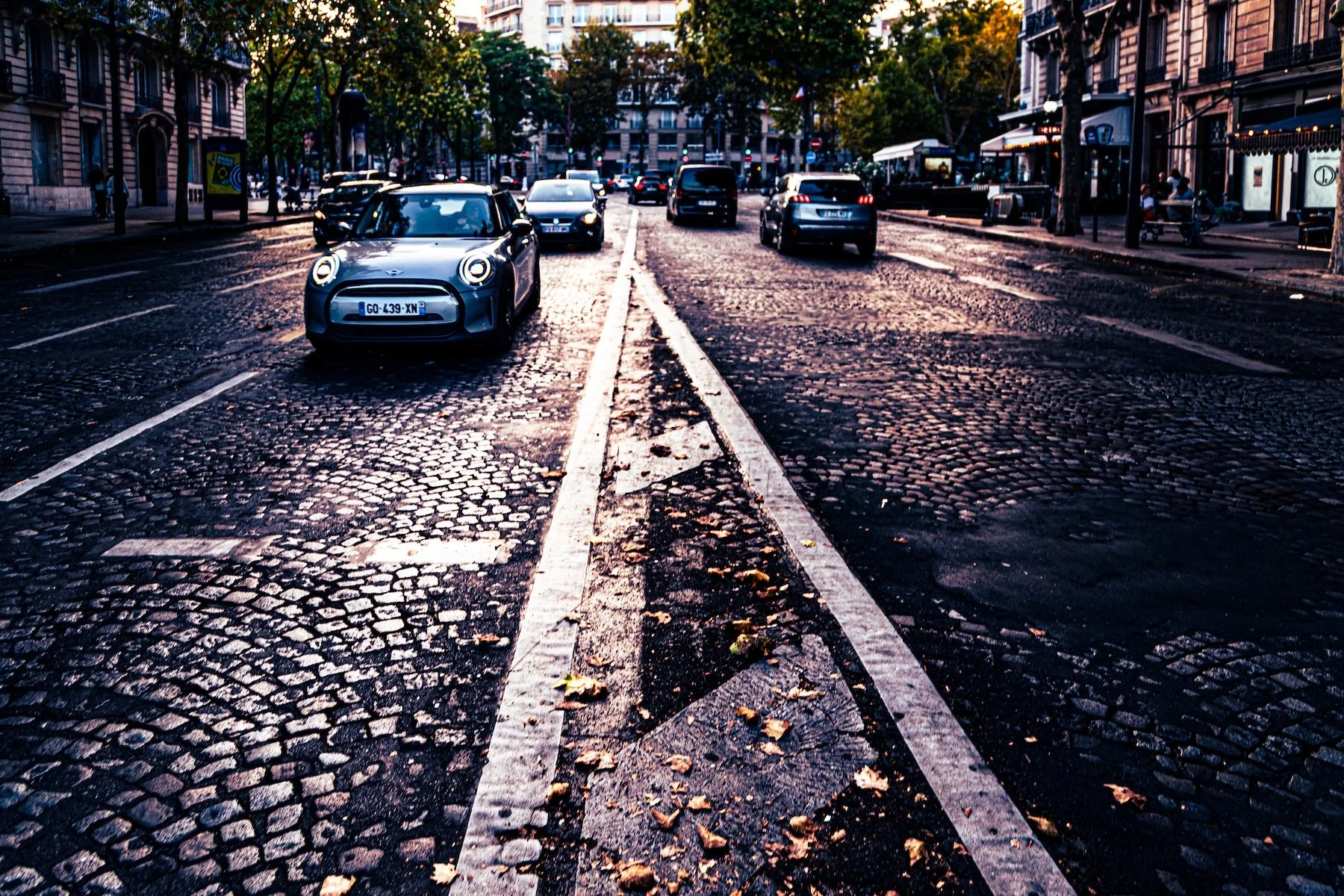
Champs-Élysées occupies the southern and western portion of the 8e arrondissement and contains some of the most globally recognized spaces in Paris. Its identity is shaped by the Avenue des Champs-Élysées, the Grand Palais and Petit Palais area, the Seine edge, Avenue Montaigne, and the monumental sequence between Place de la Concorde and the Arc de Triomphe.
This quarter gives the arrondissement its ceremonial and international image. It is a landscape of national parades, luxury commerce, museums, gardens, hotels, embassies, theaters, and major public gatherings. Champs-Élysées is not simply a shopping avenue; it is one of the great symbolic corridors of Paris, where leisure, consumption, state ceremony, tourism, and urban spectacle converge.
-
Europe
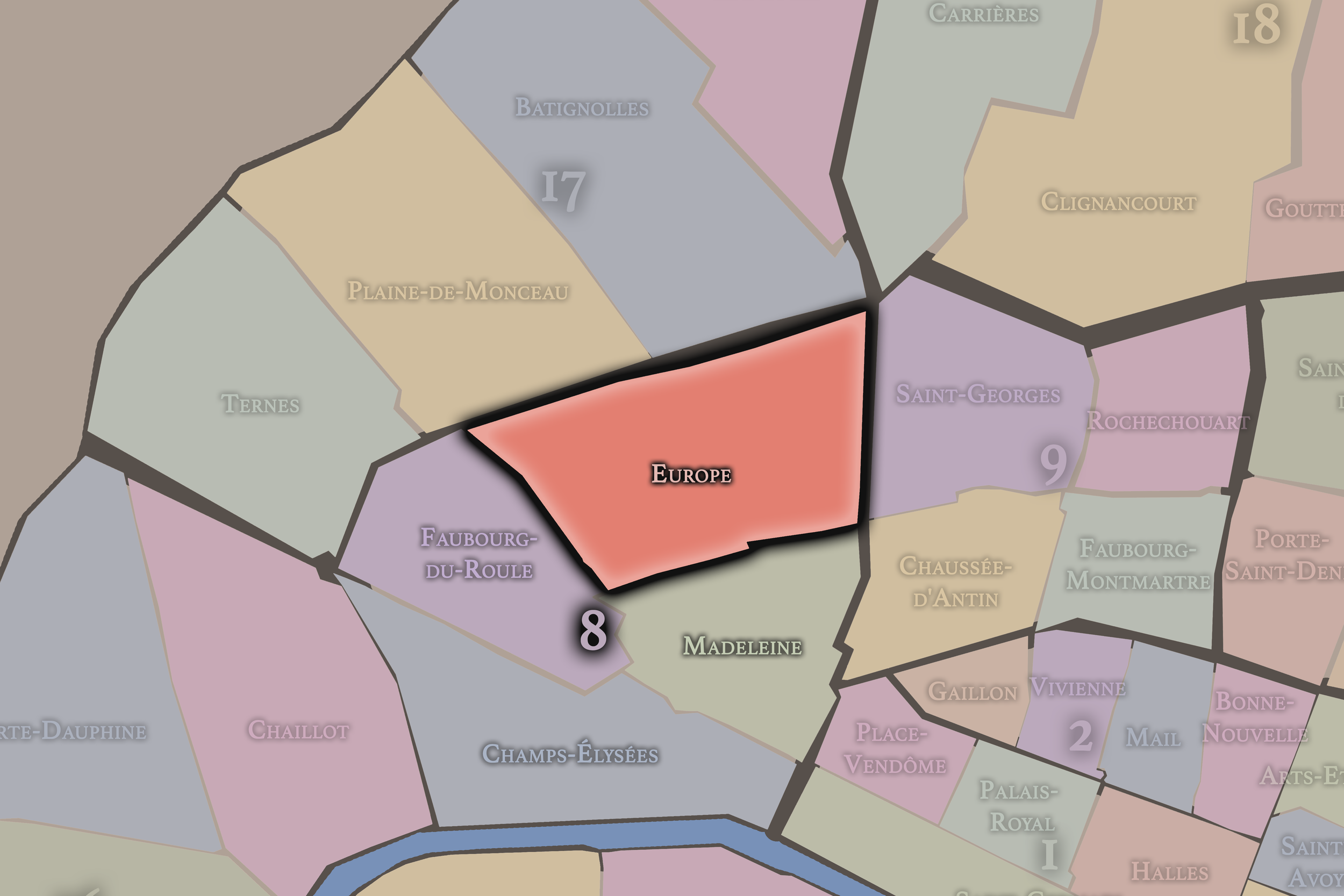
Europe occupies the northern portion of the 8e arrondissement, near the Gare Saint-Lazare area and the boundary with the 17e and 9e. Its streets are famously named after European cities and capitals, giving the quarter a distinct toponymic identity within Paris. This naming pattern reflects 19th-century urban planning and the expansion of the city around rail infrastructure and new residential streets.
This quarter gives the 8e a more infrastructural, residential, and transitional identity. Europe is less internationally symbolic than Champs-Élysées and less ceremonially prestigious than the area around the Élysée Palace, but it is essential to understanding the arrondissement as a lived and working district. Its streets connect railway movement, offices, apartments, shops, schools, and the northern edge of the central Right Bank.
-
Faubourg-du-Roule
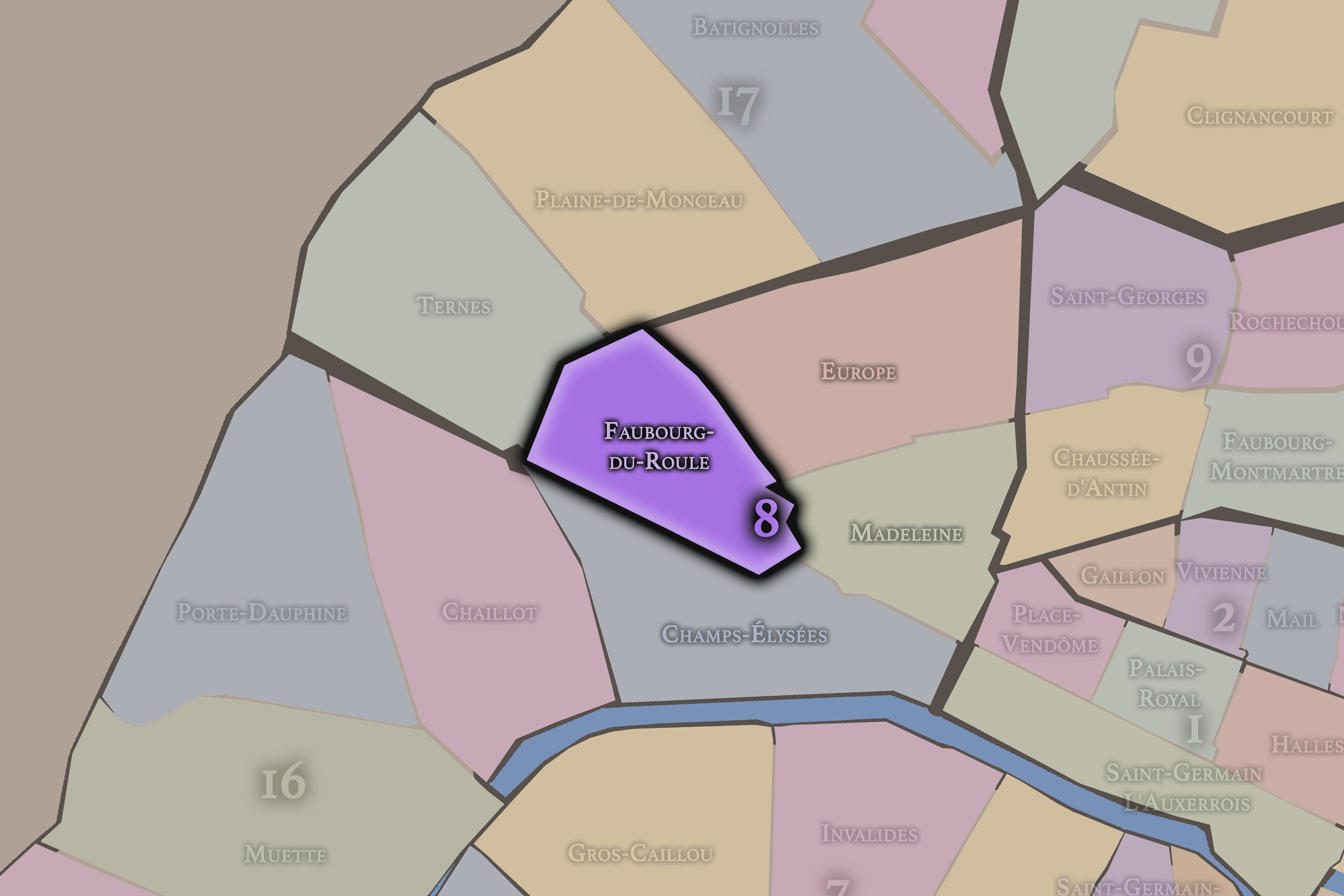
Faubourg-du-Roule occupies the western and northwestern portion of the arrondissement, extending around the area north of the Champs-Élysées and east of the Étoile. Its name recalls the old faubourg, or suburb, that developed along routes leading west from central Paris. As the city expanded, the area became increasingly urban, prestigious, and integrated into the grand avenues of western Paris.
This quarter gives the 8e a strong identity of expansion and transition. It is less defined by a single monument than by the growth of elite residential and commercial Paris beyond the older center. Faubourg-du-Roule includes formal streets, offices, apartment buildings, churches, and connections toward the Arc de Triomphe, showing how the arrondissement developed from outer approach to central prestige district.
-
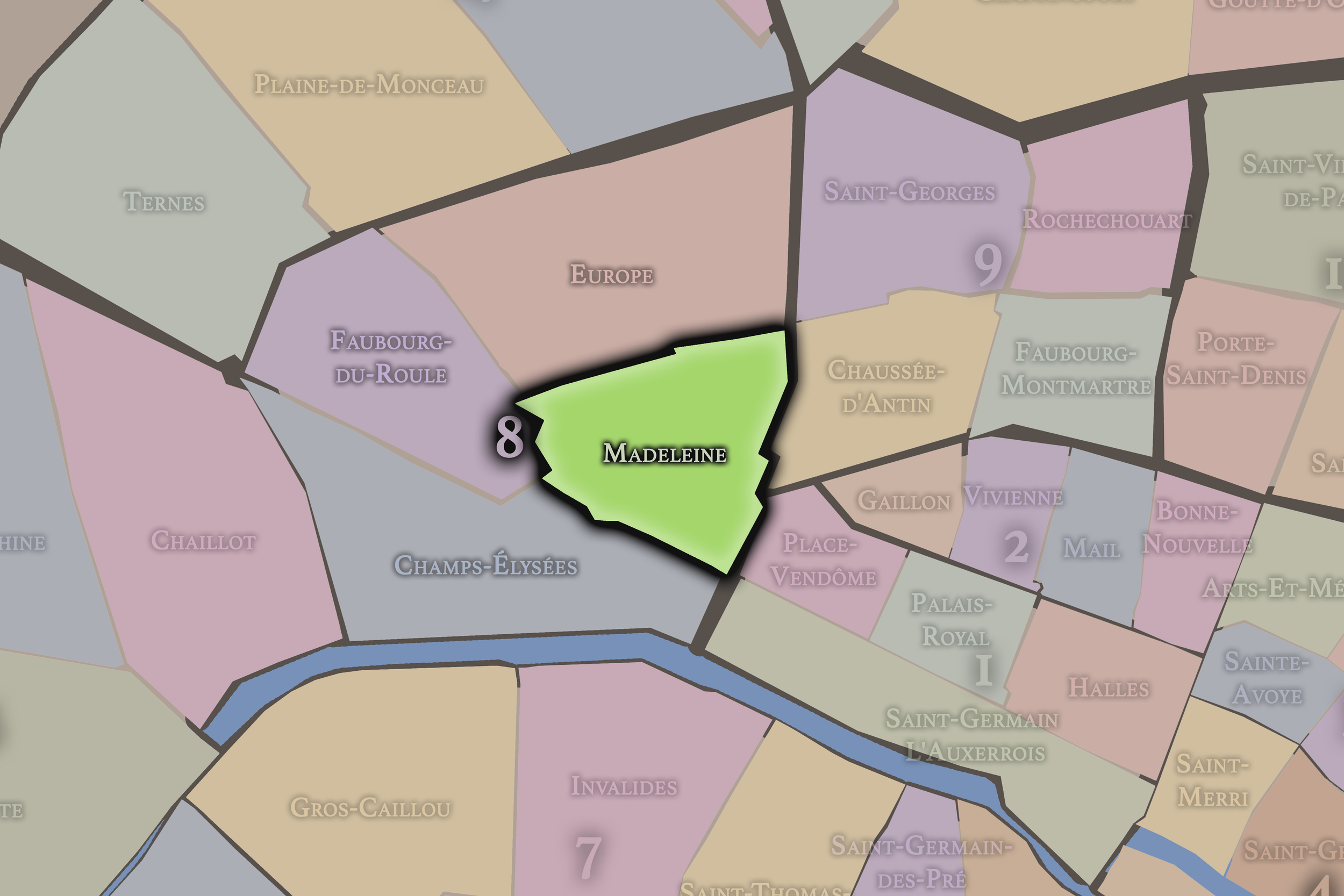
Madeleine
Madeleine occupies the eastern portion of the 8e arrondissement, centered around the church of La Madeleine and the streets leading toward Opéra, Place de la Concorde, and the Grands Boulevards. Its identity is strongly associated with religion, commerce, luxury food, theaters, department stores nearby, and the elegant urban fabric of the eastern 8e.
This quarter gives the arrondissement a more commercial and theatrical character. Around Madeleine, the 8e meets the world of boulevards, shopping, cafés, restaurants, concert halls, offices, and high-end retail. The church itself, with its temple-like form, gives the quarter a monumental center, while the surrounding streets connect it to the polished commercial life of central Paris.
The History
The origins of the 8e arrondissement lie in the western expansion of Paris beyond the dense medieval core of the Right Bank. For much of its early history, the land that would become the 8e was not a tightly built urban district but a more open landscape of fields, gardens, paths, religious properties, and aristocratic estates.
The Seine shaped the southern edge of the future arrondissement, while routes leading west from central Paris helped organize movement across the area. Its later development depended heavily on this openness. Unlike older districts formed through medieval street density, the 8e could become a landscape of long avenues, large estates, ceremonial squares, and planned urban extensions.
Before it was associated with the Champs-Élysées, the Élysée Palace, or the Arc de Triomphe, the future arrondissement was a western approach to Paris. Its identity began as edge and extension: a place beyond the older city, gradually drawn into the capital through royal planning, aristocratic residence, and the westward movement of prestige.
Origins
16th–17th Century
During the 16th and 17th centuries, the future 8e arrondissement began to take on greater importance as royal and elite Paris expanded westward. The area remained relatively open compared with the older city, but that openness made it attractive for gardens, promenades, and formal planning.
The development of the Champs-Élysées as a landscaped extension west of the Tuileries helped give the district its defining axis. What had been fields and marginal land began to be organized into a grand approach, connecting the royal landscape of the Tuileries to the open western edge of Paris. This early planning established one of the most important spatial ideas in the city: Paris as a sequence of vistas extending outward from the historic center.
By the end of the 17th century, the territory of the future 8e was beginning to shift from peripheral land to ceremonial extension. It was not yet the dense district of palaces, avenues, theaters, and luxury commerce that would emerge later, but the foundation of its monumental geography had been laid.
The 18th century was decisive in shaping the 8e arrondissement’s identity as a district of elite residence, formal landscape, and western prestige. The Champs-Élysées became increasingly established as a fashionable promenade, while the area around what would become Place de la Concorde acquired growing ceremonial importance.
The Élysée Palace was built in this period, originally as an aristocratic residence before later becoming associated with state power. Its presence helped define the district as a landscape of elite architecture, gardens, and political proximity. The palace’s later role as the presidential residence would transform its meaning, but its origins belonged to the aristocratic geography of 18th-century Paris.
The future arrondissement also became increasingly connected to the expansion of western Paris. Noble houses, gardens, avenues, and public spaces developed in relation to the royal and aristocratic city. By the end of the century, the 8e contained many of the elements that would define it in modern times: grand axes, elite residences, ceremonial squares, and the beginnings of a powerful public landscape.
18th Century
19th Century
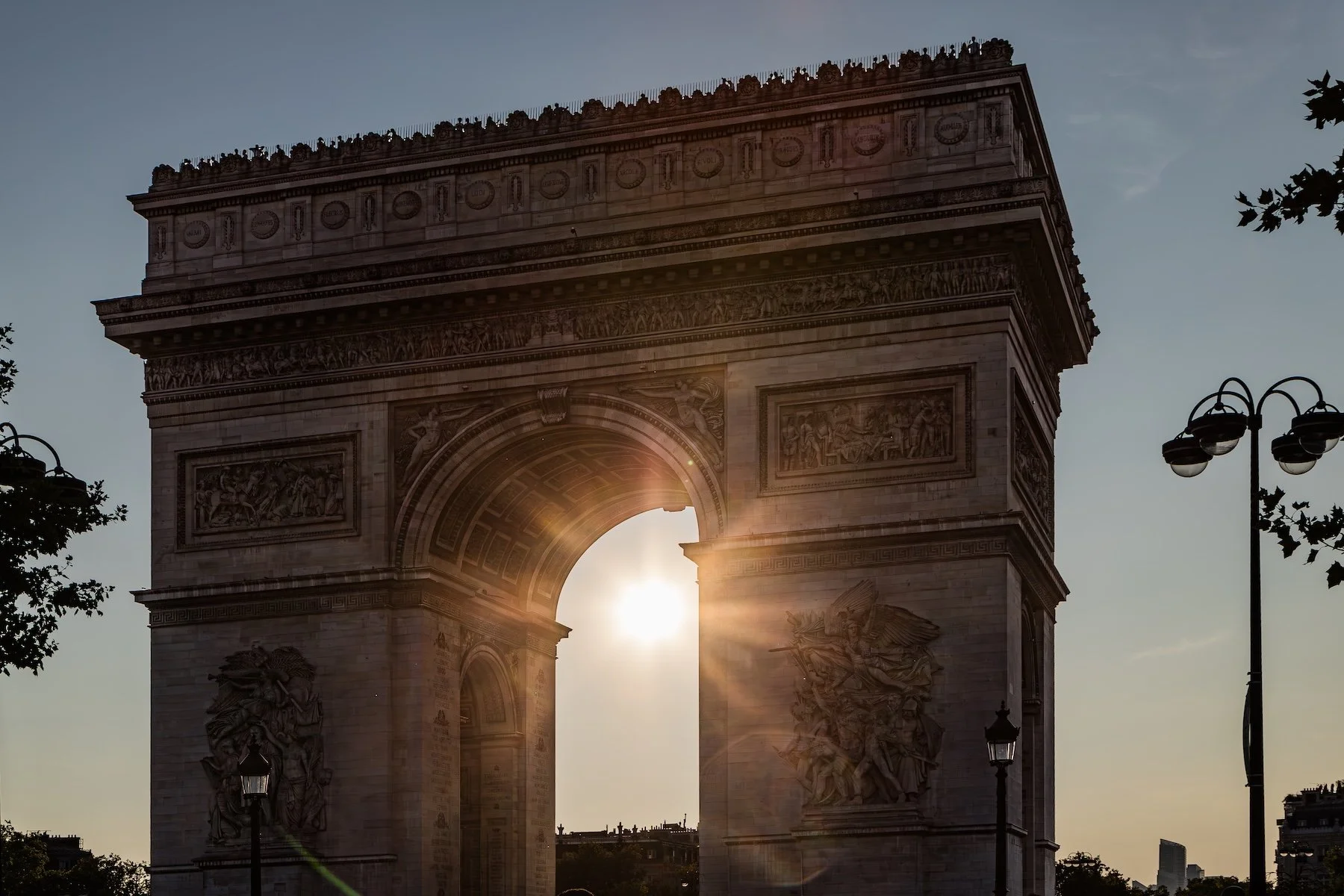
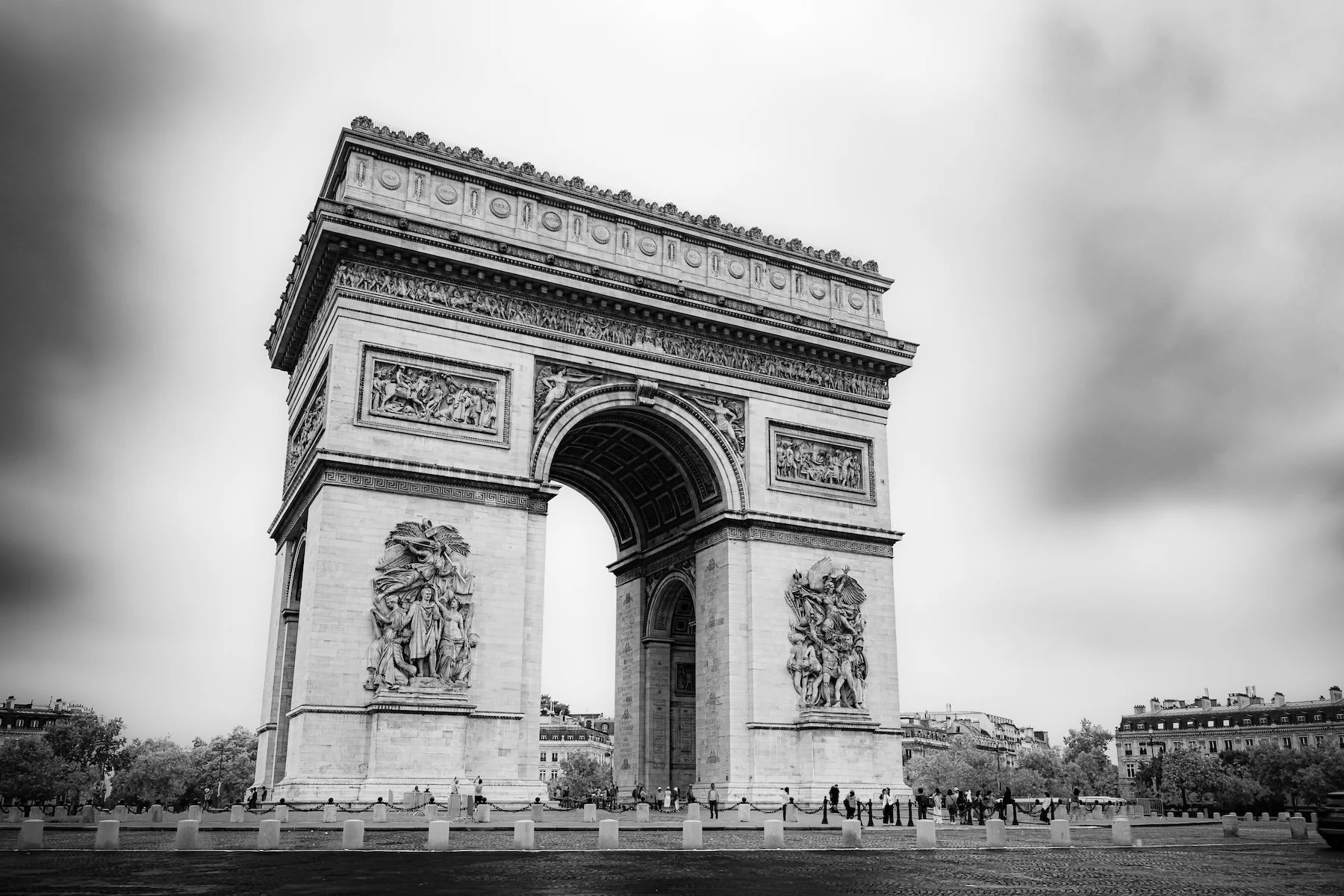
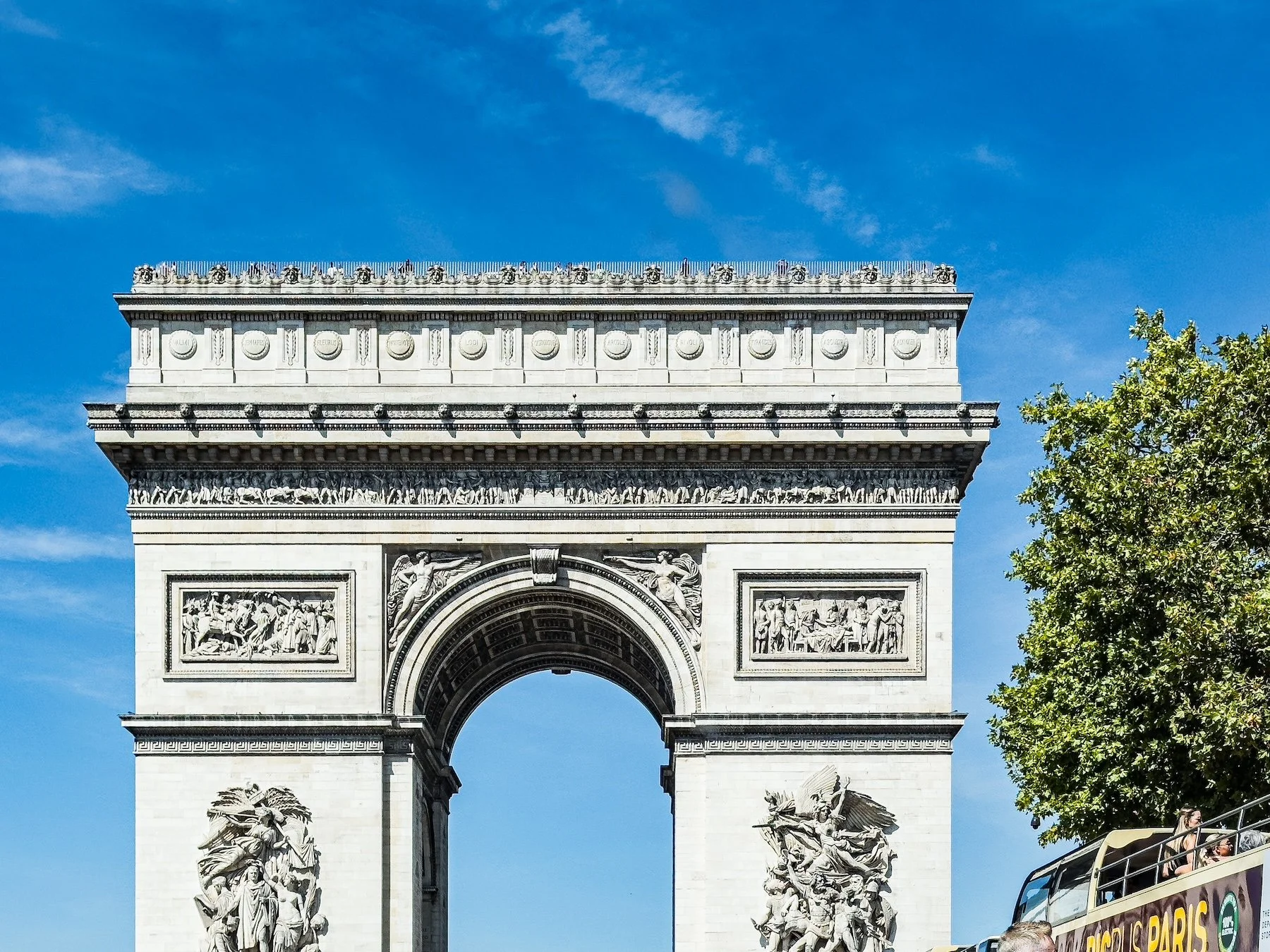
The 19th century transformed the 8e arrondissement into one of the great monumental and commercial districts of Paris. The Arc de Triomphe, begun under Napoleon and completed in the 19th century, gave the western end of the Champs-Élysées a powerful symbolic anchor. The avenue itself became one of the central ceremonial spaces of the capital.
Urban modernization intensified the arrondissement’s role in public life. The great avenues, squares, and boulevards of the 8e supported circulation, military parades, imperial display, fashionable promenading, and commercial expansion. The district became a place where the modern city staged itself in motion: carriages, pedestrians, theaters, cafés, shops, hotels, and later automobiles all contributed to its public identity.
The 19th century also shaped the northern and eastern quarters. The area around Saint-Lazare and the Europe quarter developed with the growth of rail infrastructure and new streets. Madeleine and the boulevard districts became increasingly commercial and theatrical. Avenue Montaigne and the areas near the Champs-Élysées grew in prestige. By the end of the century, the 8e had become a district of spectacle, transport, wealth, state symbolism, and urban modernity.
In the early and mid 20th century, the 8e arrondissement remained one of the central stages of Parisian public life. The Champs-Élysées became firmly established as a place of national ceremony, military parades, celebrations, demonstrations, cinemas, cafés, hotels, and tourism. Its image was increasingly tied to both French national identity and international perceptions of Paris.
The arrondissement also became more deeply associated with luxury commerce and business. Avenue Montaigne, the area around Madeleine, and the streets near the Champs-Élysées attracted fashion houses, hotels, offices, restaurants, theaters, and diplomatic institutions. The 8e became a district where prestige could be commercial, political, cultural, and social at once.
The Élysée Palace reinforced the arrondissement’s role in national power, especially as republican institutions developed and stabilized across the 20th century. The district’s public spaces carried the memory of war, occupation, liberation, and national ceremony, while its offices and residential streets continued the everyday functions of a central Parisian arrondissement.
Early–Mid 20th Century
Late 20th Century
The late 20th century intensified the 8e arrondissement’s global visibility. The Champs-Élysées became one of the world’s most famous avenues, associated with shopping, tourism, cinema, restaurants, national celebrations, and the symbolic approach to the Arc de Triomphe. Its image became almost inseparable from the global branding of Paris.
At the same time, the arrondissement’s luxury and business identities deepened. Avenue Montaigne became one of the city’s great fashion addresses, while the areas around Madeleine, Faubourg Saint-Honoré, and the Champs-Élysées supported high-end retail, corporate offices, hotels, and embassies. The 8e became increasingly international in its economic and cultural profile.
This period also brought new tensions. The avenue’s symbolic status and commercial success sometimes made it feel less local, more touristic, and more corporate. Yet the arrondissement remained layered: state institutions, residential streets, theaters, churches, rail-adjacent neighborhoods, and quieter northern quarters continued to give it a life beyond its most famous images.
In the 21st century, the 8e arrondissement remains one of Paris’s most visible and contested symbolic landscapes. The Champs-Élysées continues to attract visitors from around the world, while also serving as a site for national ceremonies, protests, celebrations, luxury retail, nightlife, and major urban debates about public space, traffic, greening, and the future of ceremonial avenues.
The Élysée Palace continues to anchor the arrondissement’s association with executive power, while embassies, ministries, luxury hotels, corporate offices, theaters, churches, and fashion houses maintain its role as a district of prestige and influence. The 8e is both highly public and highly controlled, open to spectacle but also shaped by security, protocol, and political symbolism.
Contemporary life in the arrondissement is marked by contrast. It is one of the city’s great tourist destinations, but also a business district. It is associated with wealth and luxury, but also with public protest and national gathering. It contains formal avenues and quiet residential streets, global brands and old churches, state power and railway movement. The 8e remains a district where Paris presents itself to the world — and where the tensions of that presentation are constantly visible.
21st Century
Spirit and Legacy
The 8e arrondissement is Paris as procession, prestige, and public theater. It contains some of the city’s most symbolic spaces: the Champs-Élysées, the Arc de Triomphe, the Élysée Palace, the Madeleine, Place de la Concorde, Avenue Montaigne, and the grand approaches of western Paris. Its legacy is inseparable from display.
Yet the 8e is more than spectacle. It is a district of governance, business, diplomacy, transport, residence, worship, performance, and commerce. It shows how Paris transformed western open land into one of the world’s most recognizable ceremonial landscapes, and how that landscape continues to change under the pressures of tourism, politics, luxury, security, and everyday work.
The arrondissement’s enduring character lies in its ability to function as both avenue and address, symbol and workplace, stage and neighborhood. In the 8e, Paris becomes visible as power and performance — a city that knows how to arrange space so that history, authority, commerce, and image move together.
The Photography
The arrondissements do not share a single visual identity. Instead, they organize Paris into twenty broad visual fields, each gathering its own combination of landmarks, streetscapes, institutions, residential districts, commercial corridors, parks, rail stations, markets, cemeteries, and riverfront edges.
Some arrondissements are defined by monumental scale: royal palaces, ceremonial avenues, government buildings, museums, formal gardens, and internationally recognized landmarks. Others are shaped by hills, canals, rail gateways, apartment-lined boulevards, neighborhood markets, former village streets, industrial remnants, parks, or the quieter rhythms of residential Paris. The arrondissement system gives these varied landscapes a civic frame, allowing the city to be read not as one visual language, but as a sequence of overlapping Parisian atmospheres.
Visual Identity
Through The Lens
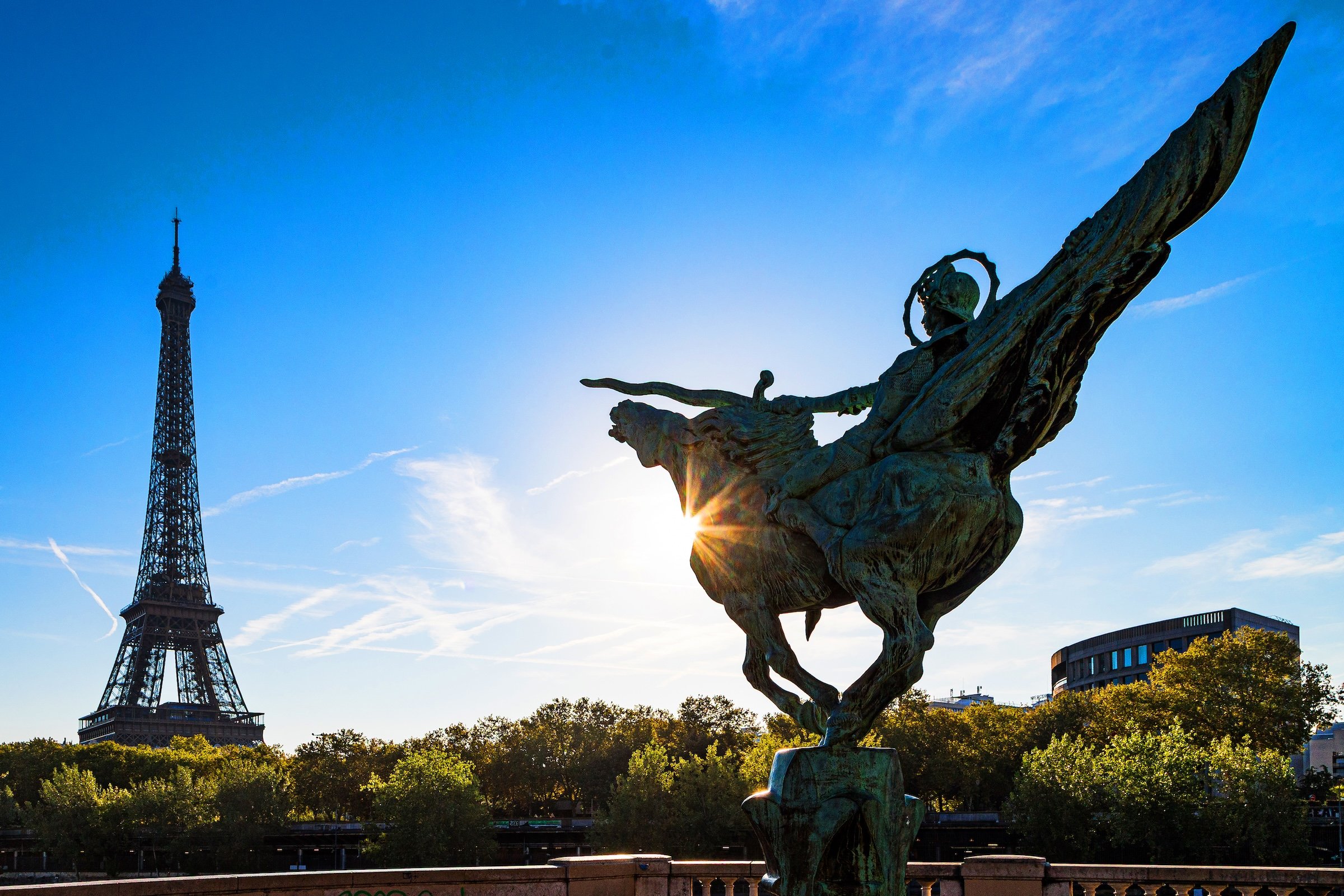
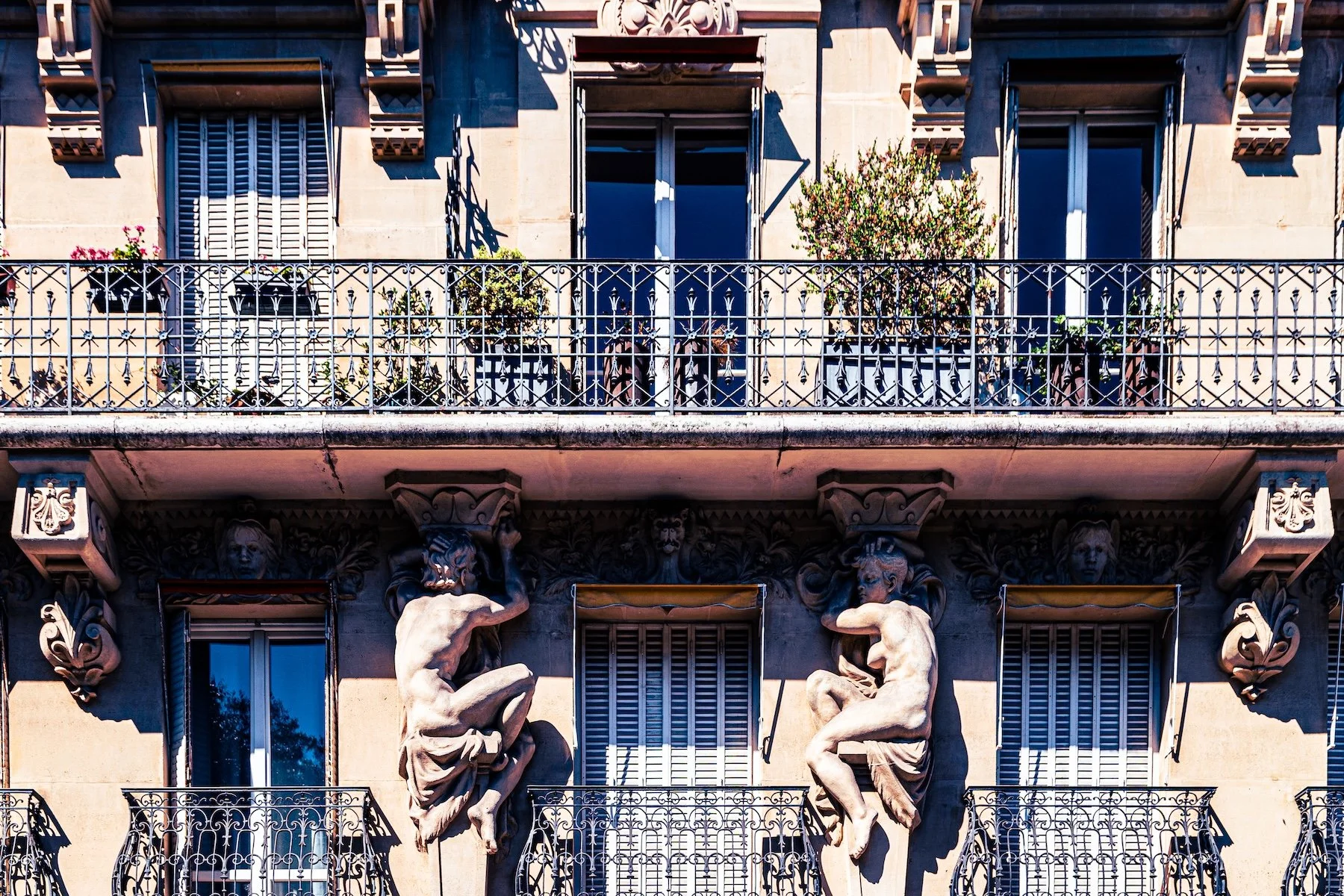
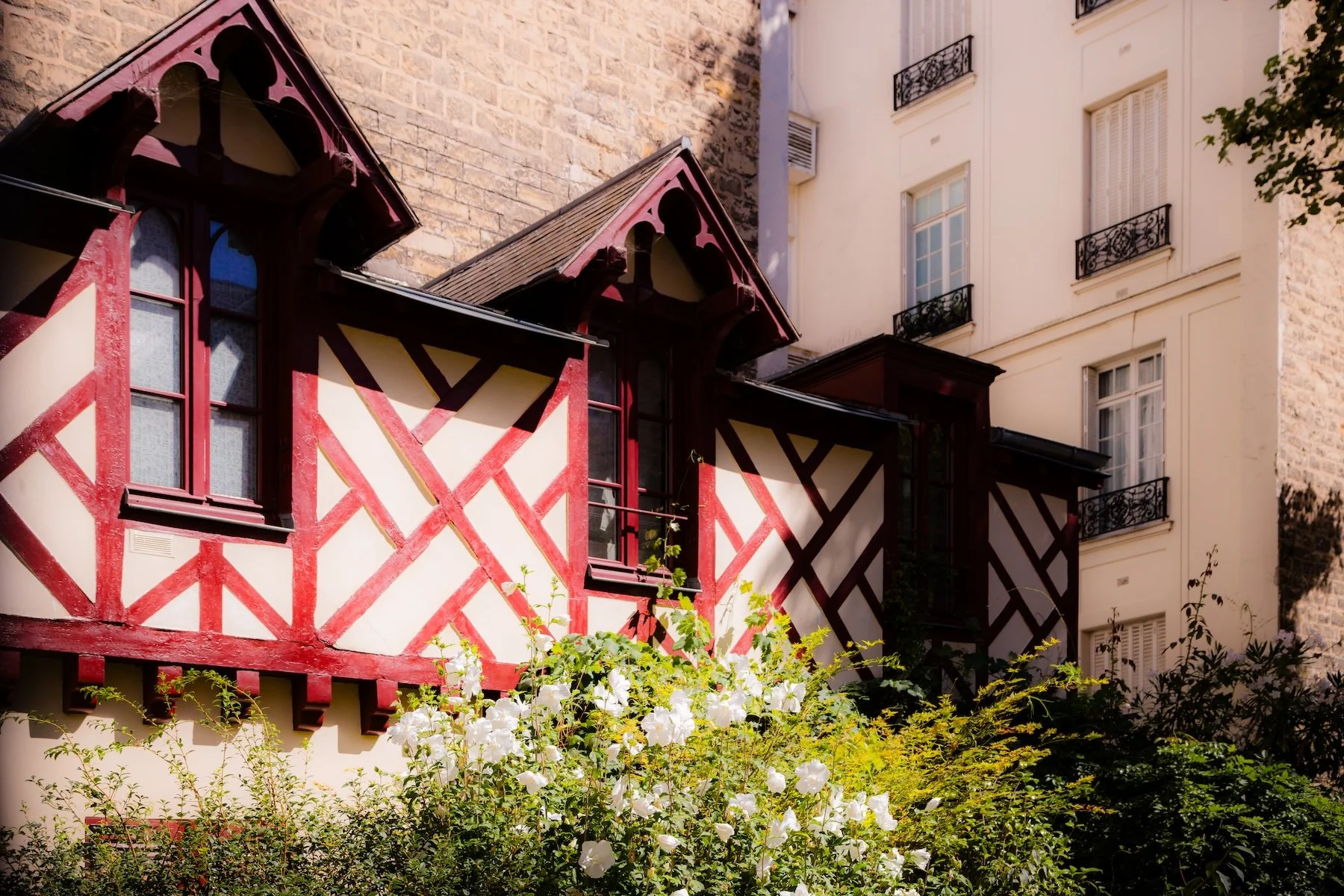
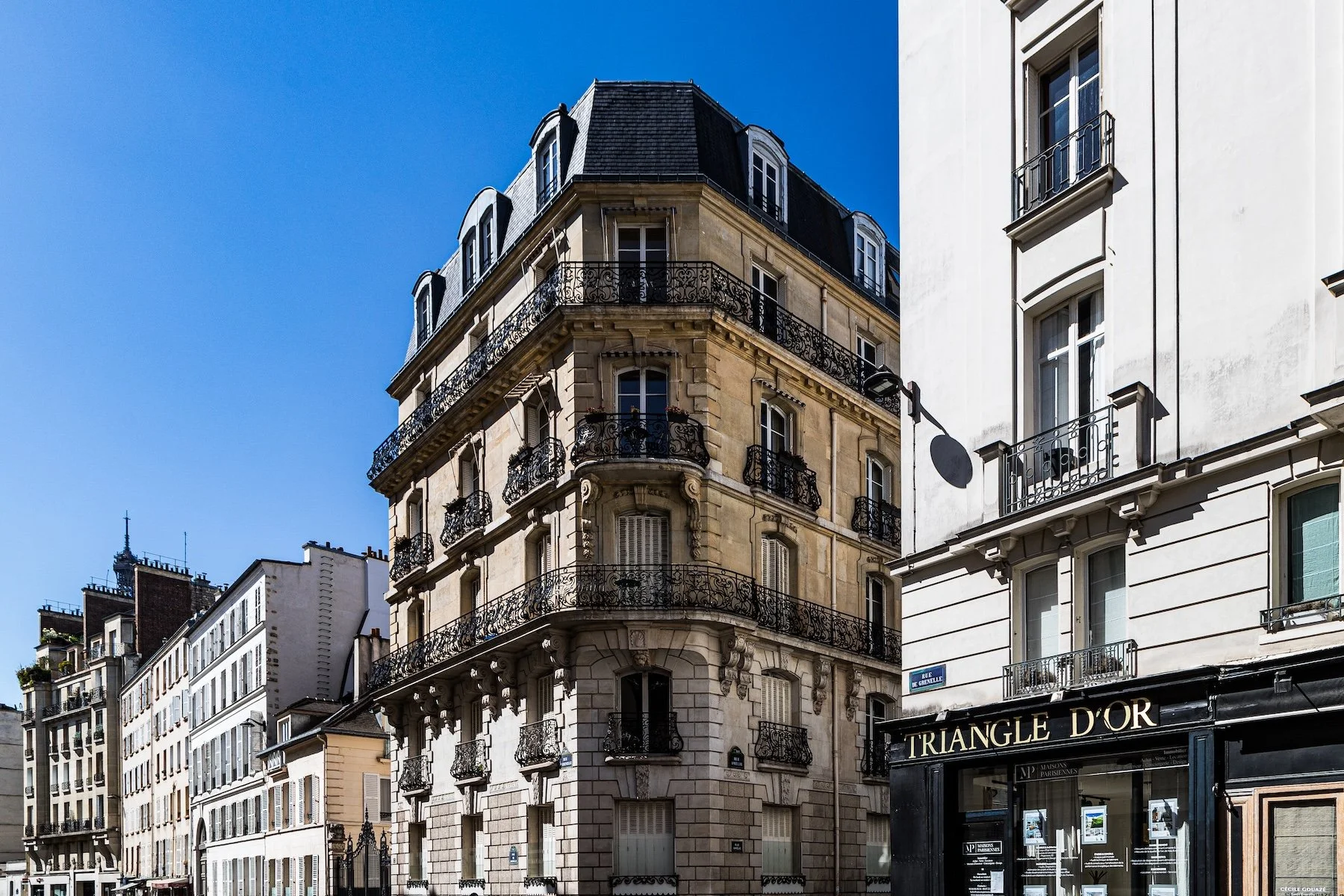
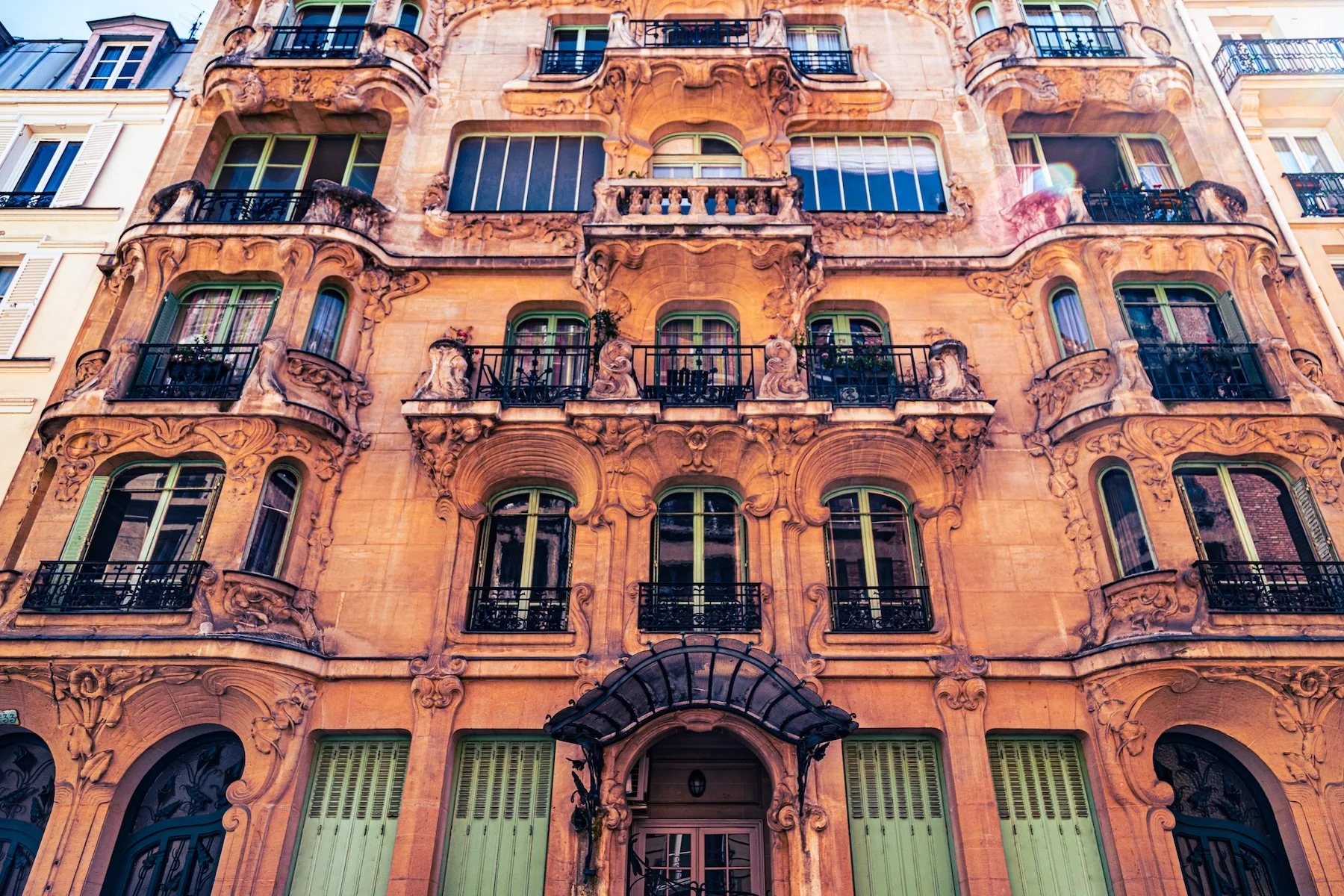
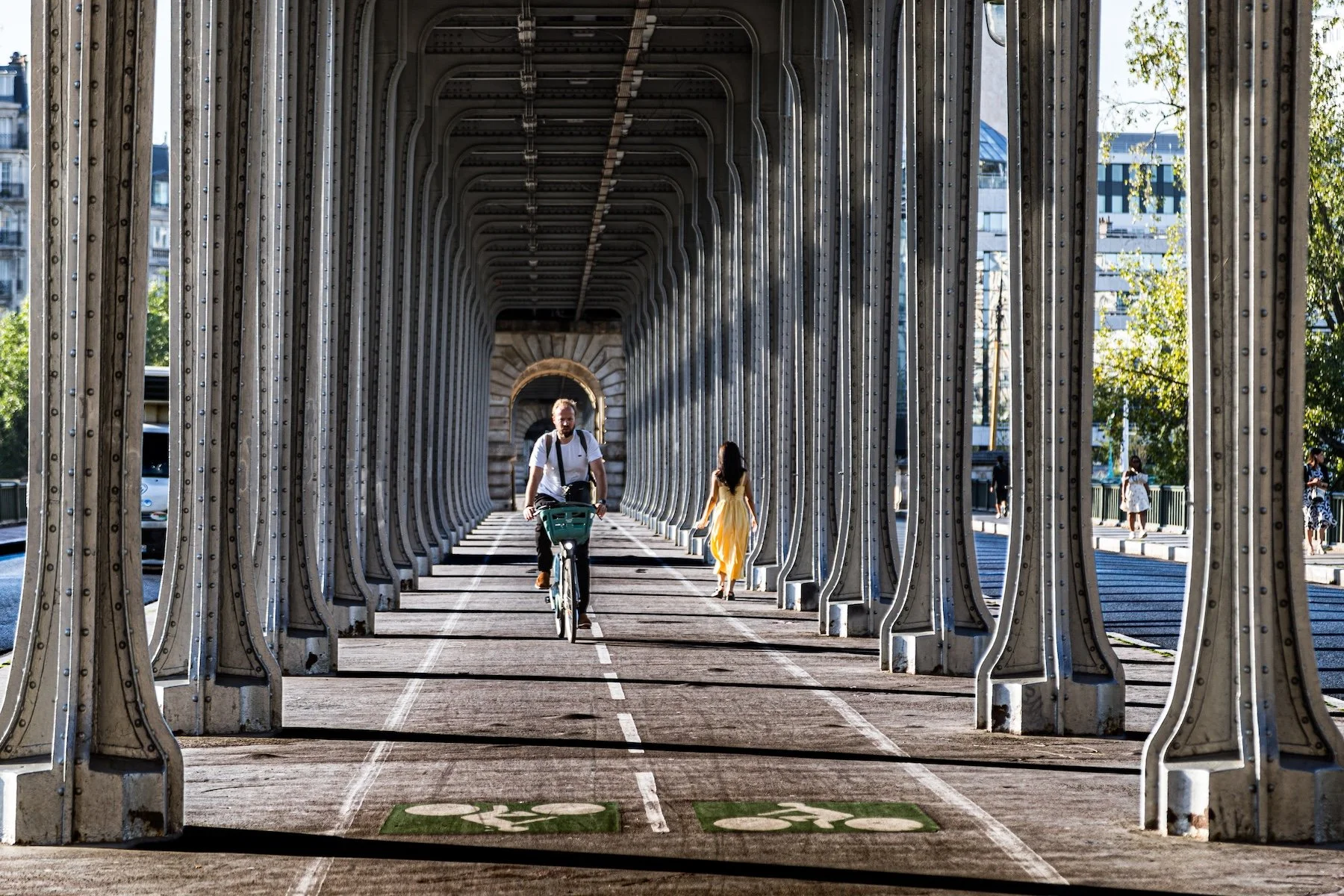
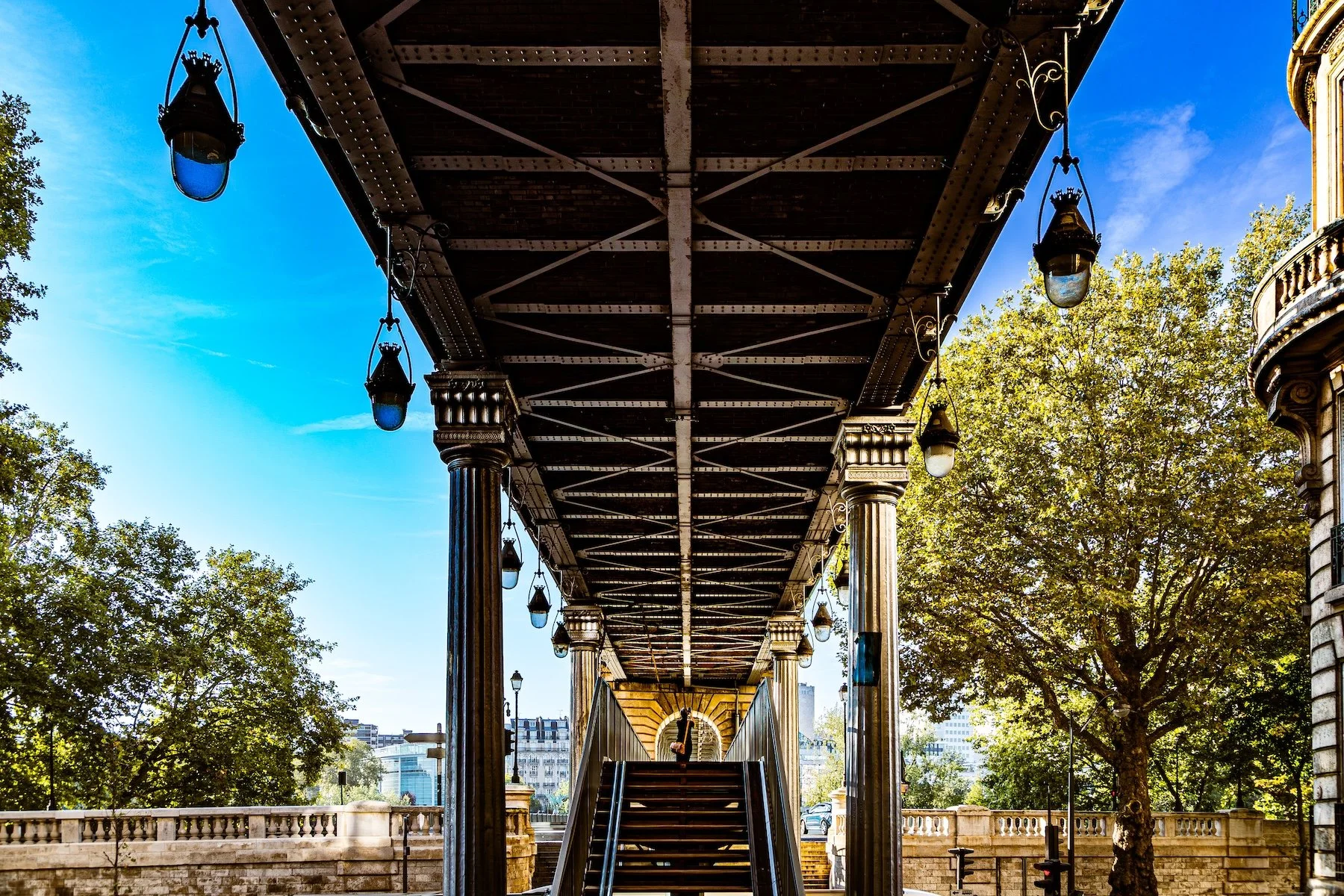
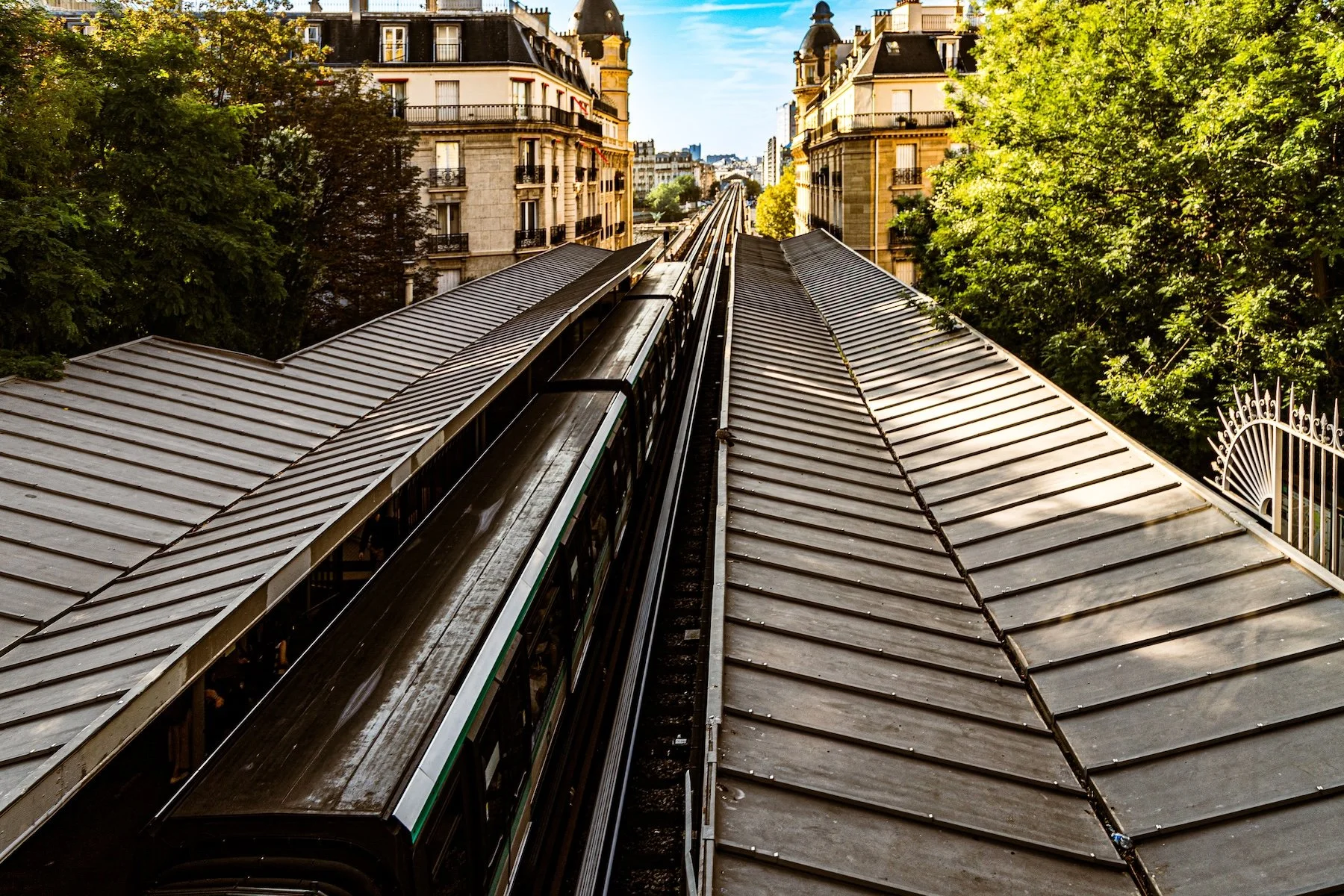
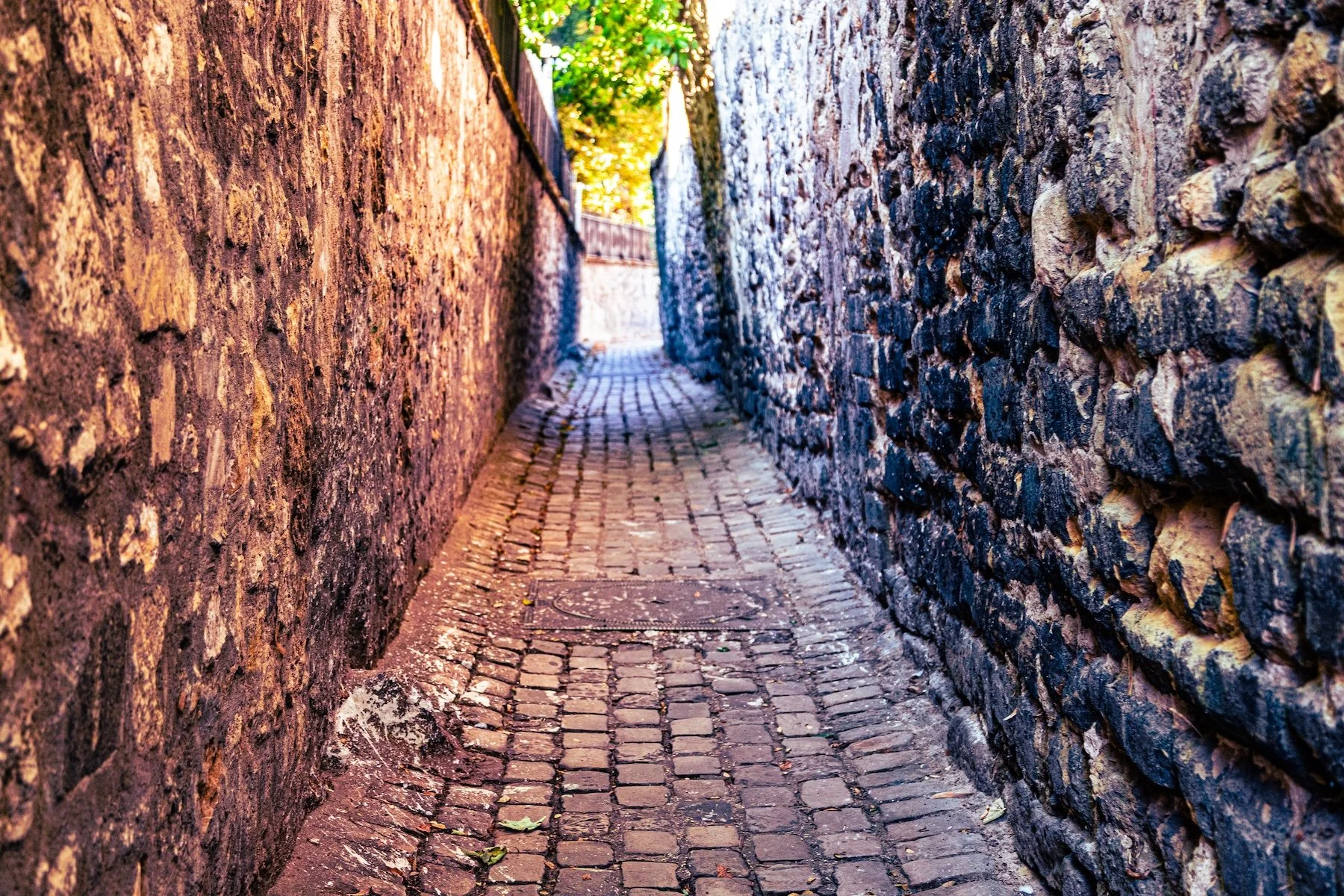
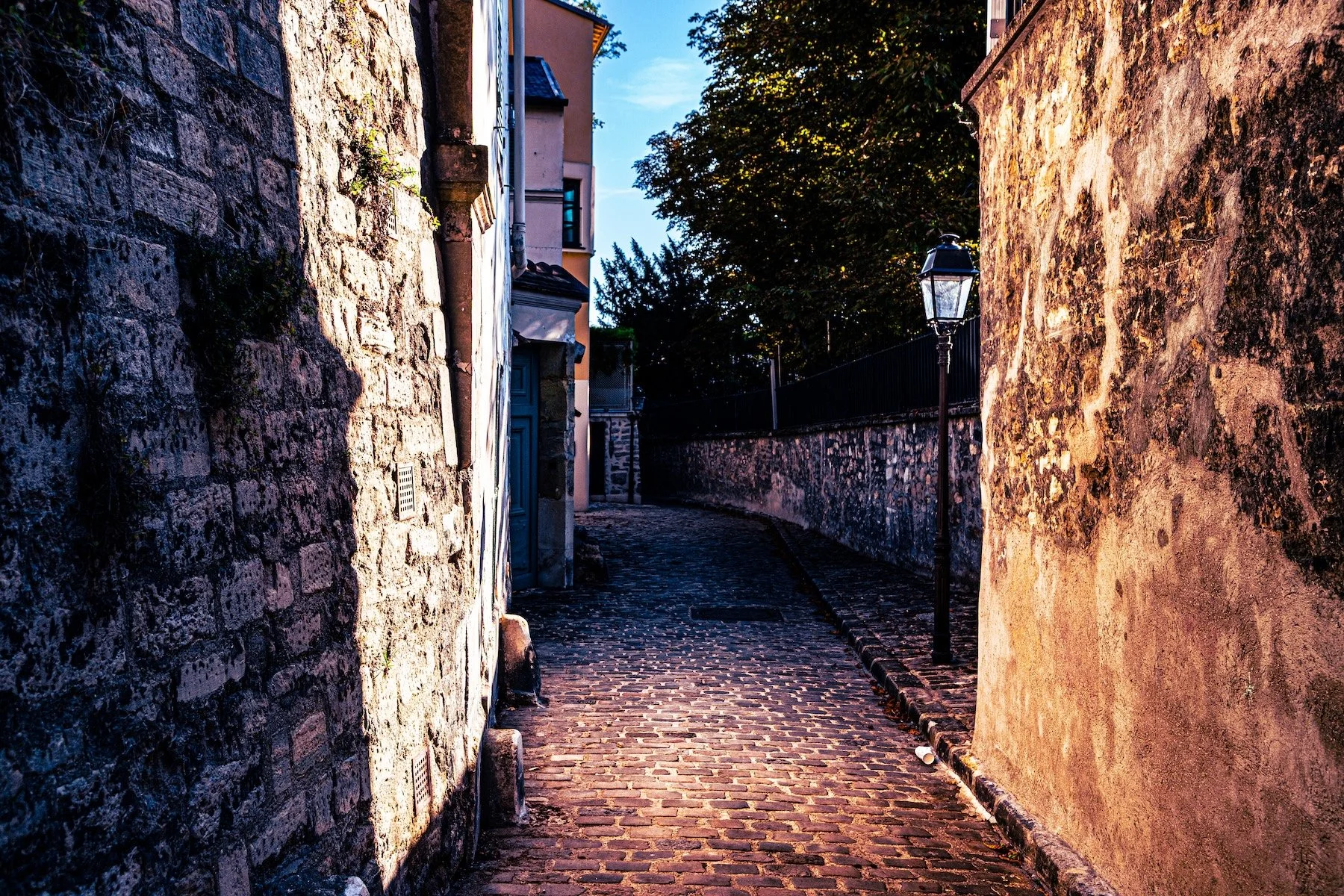
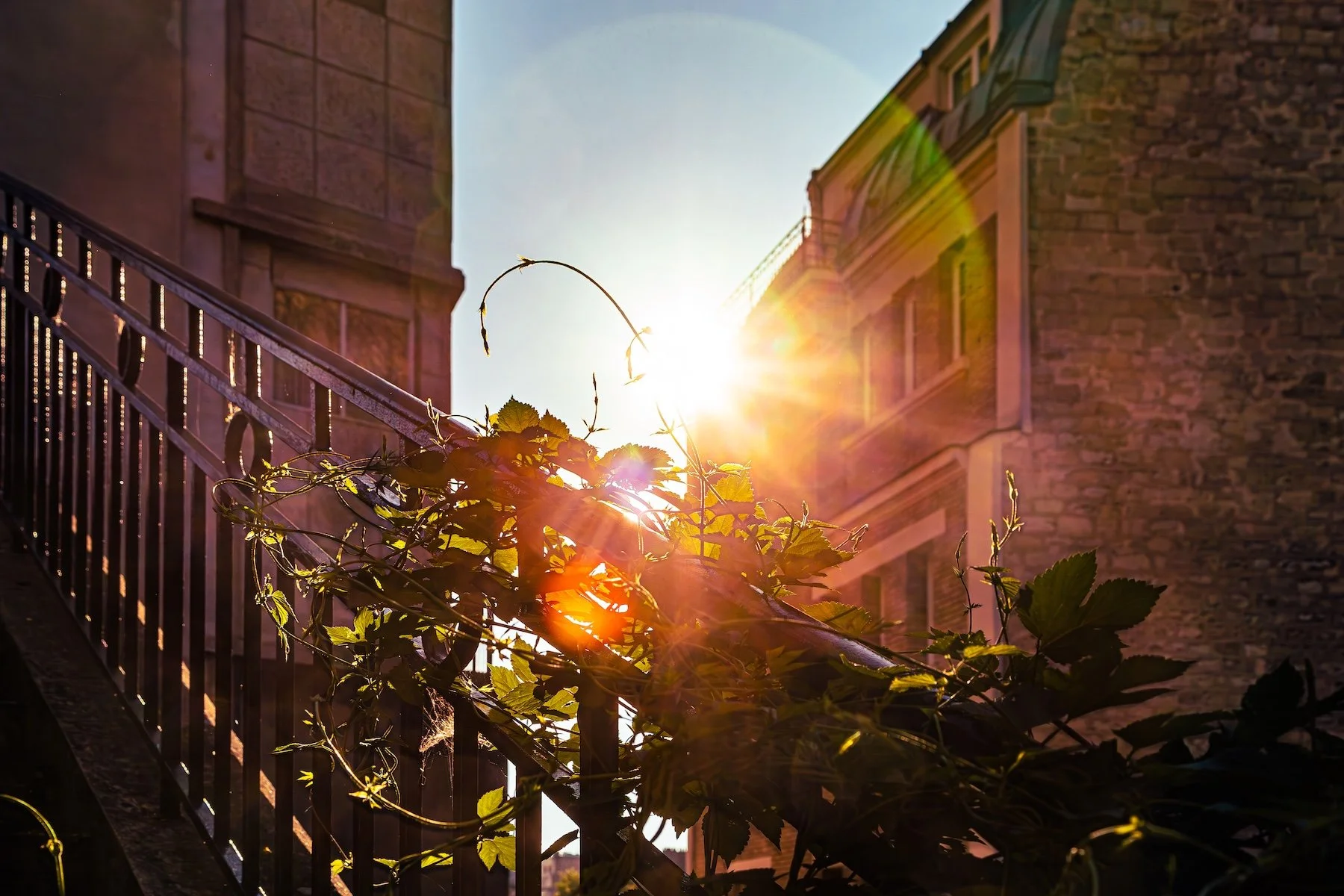
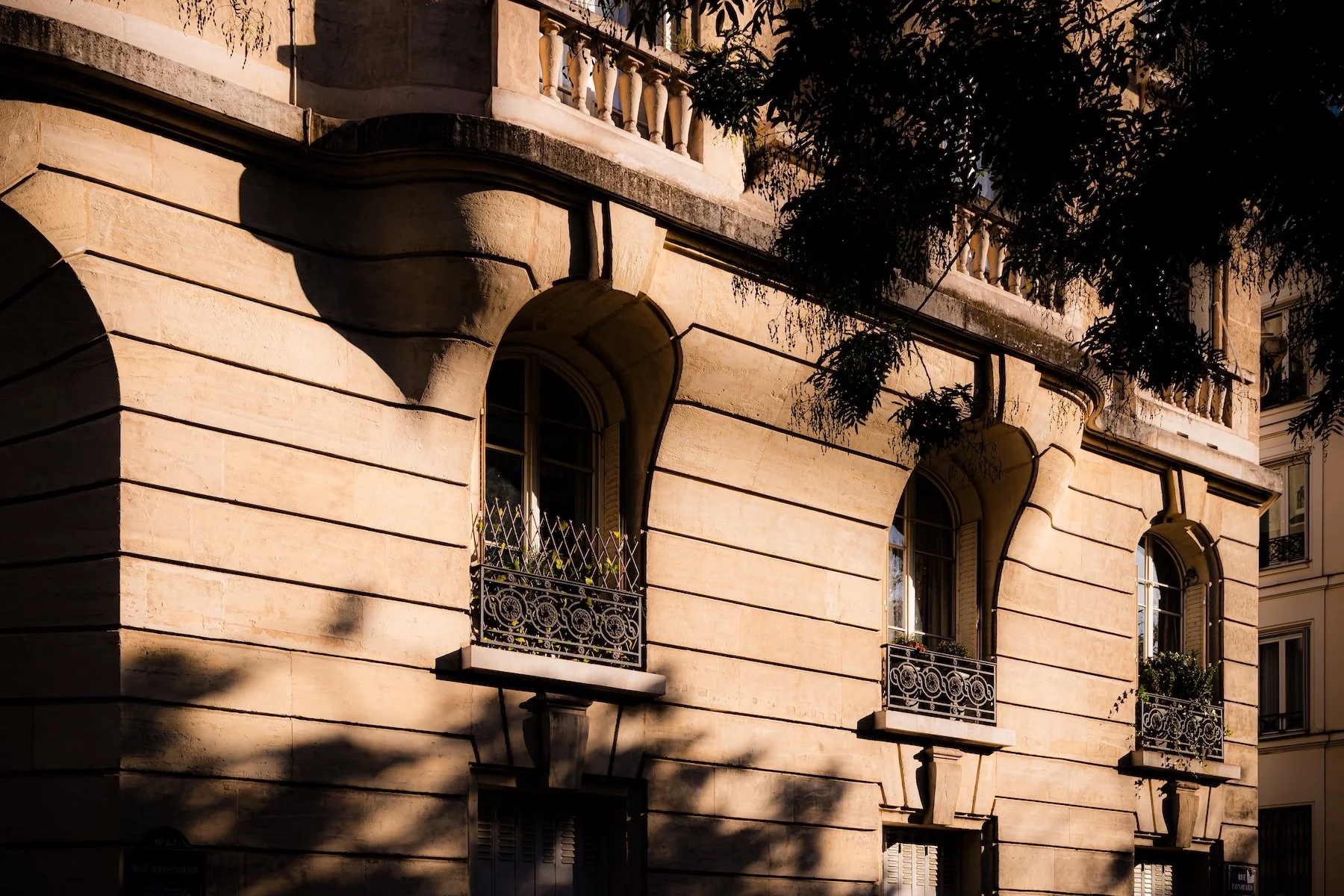
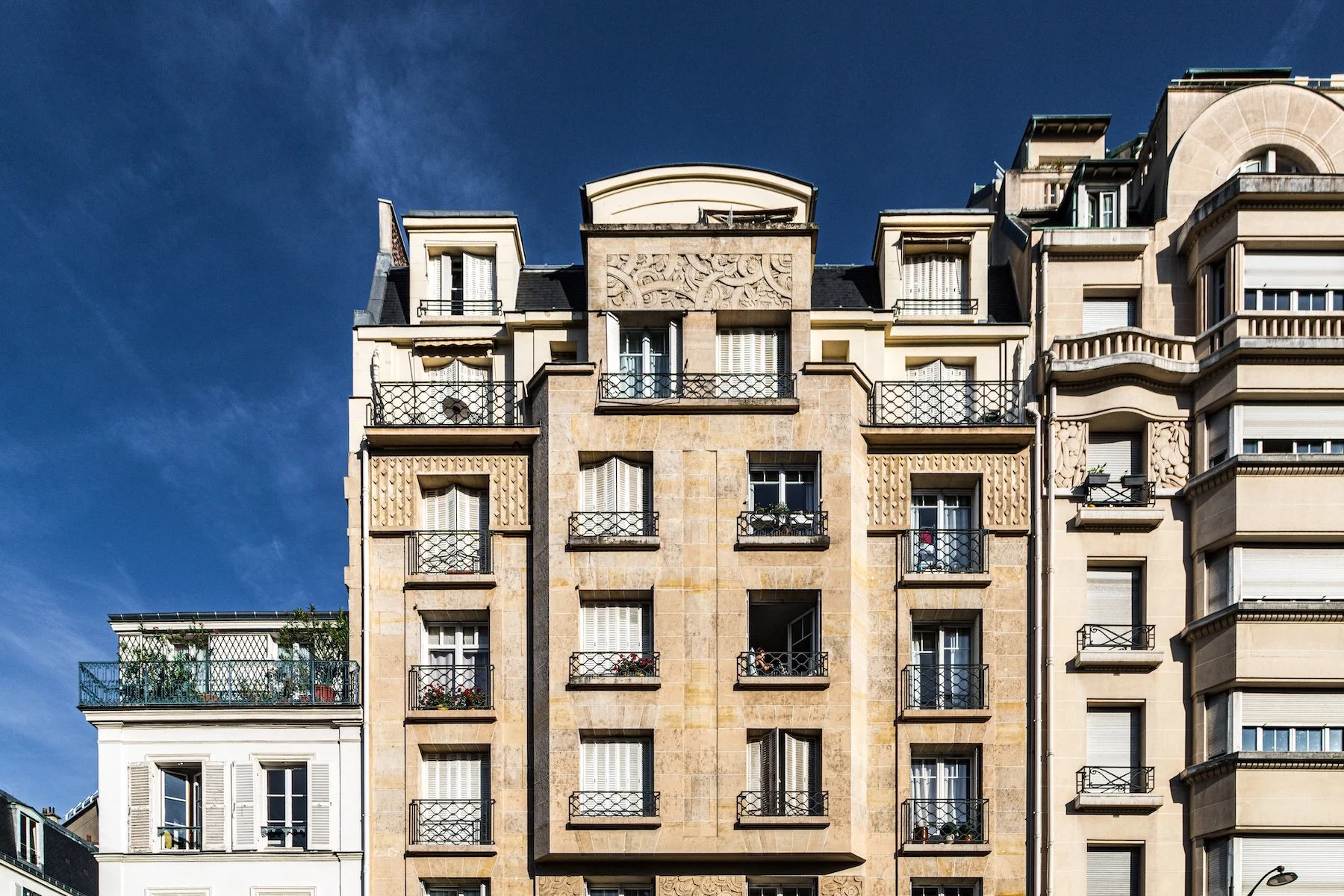
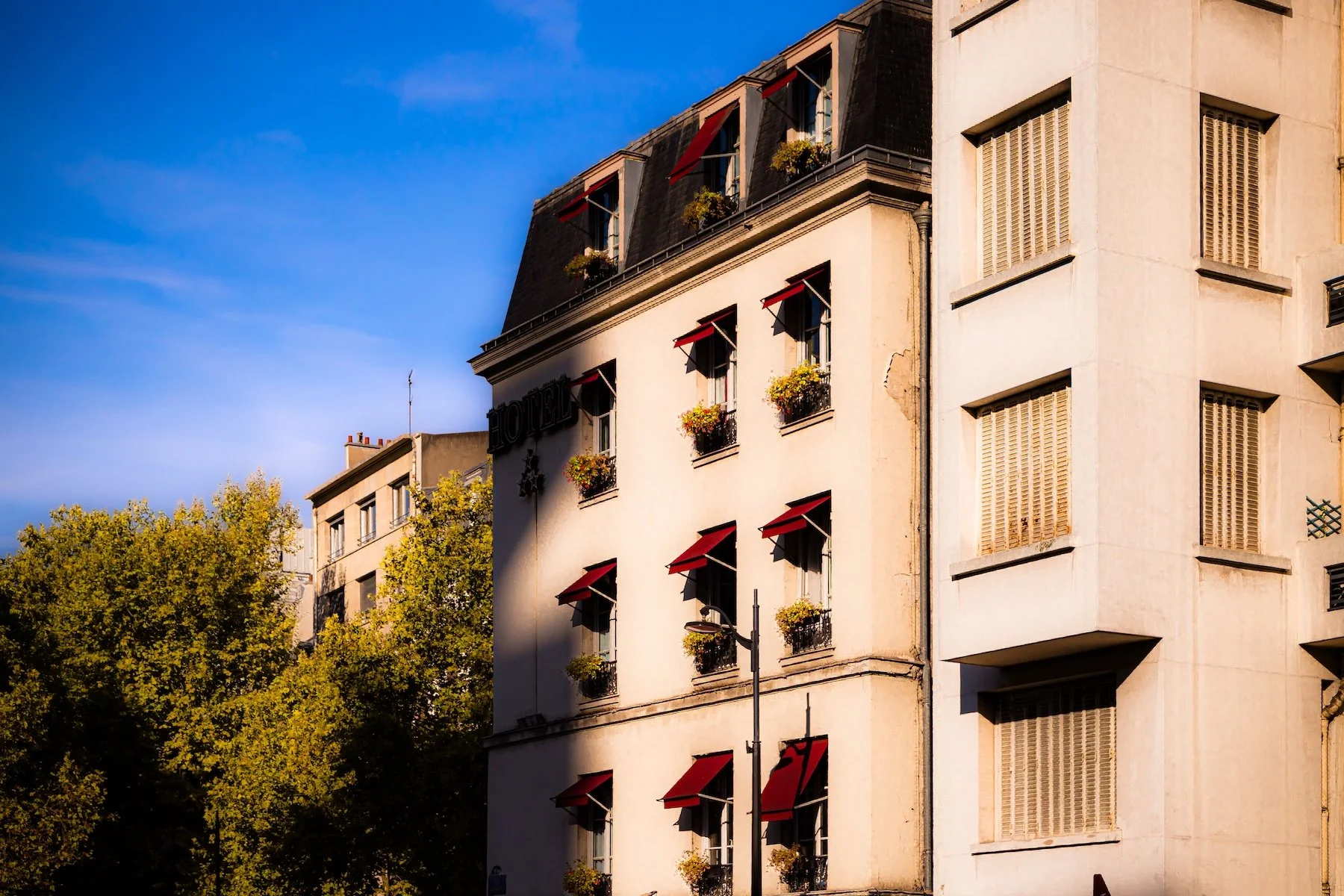
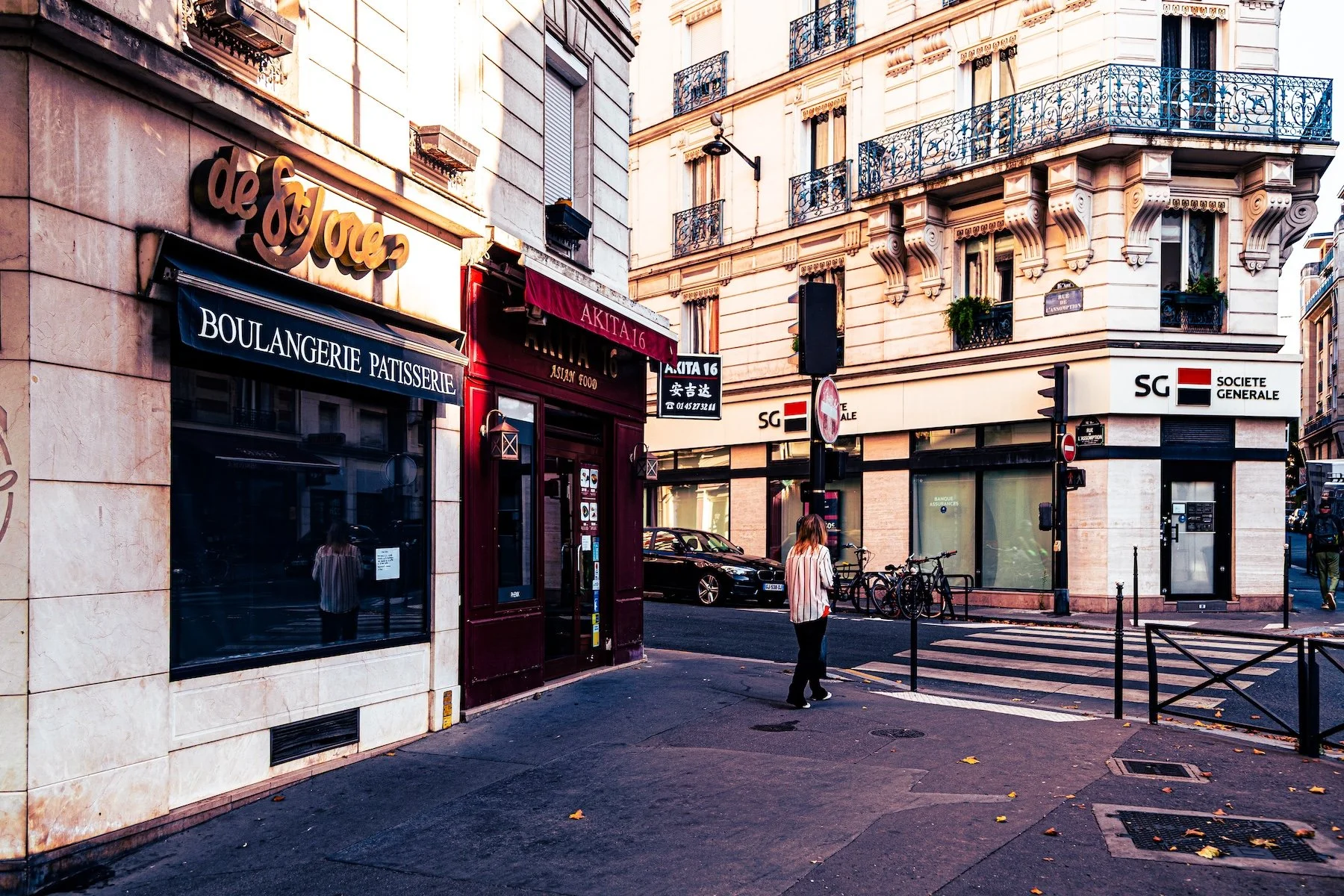
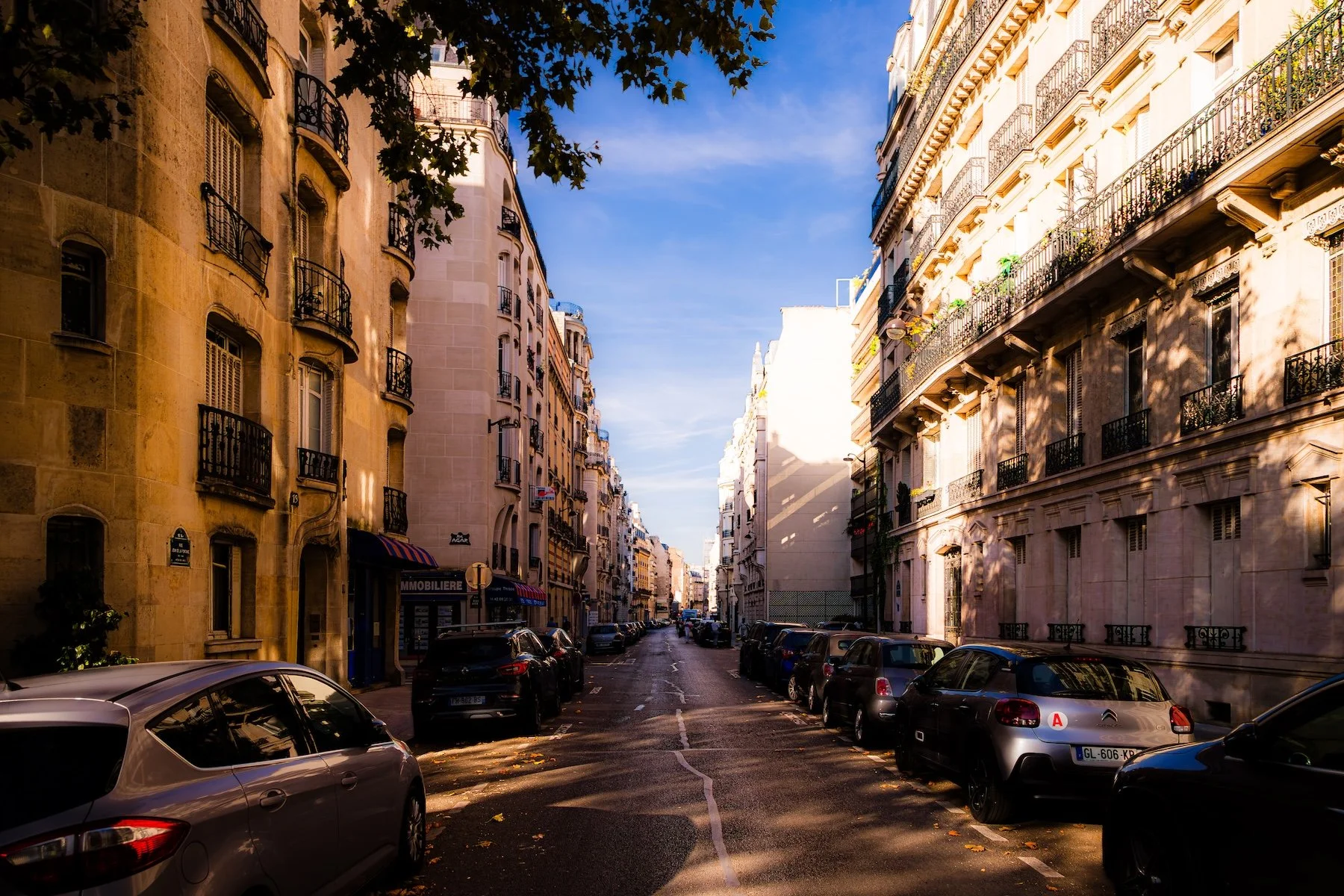
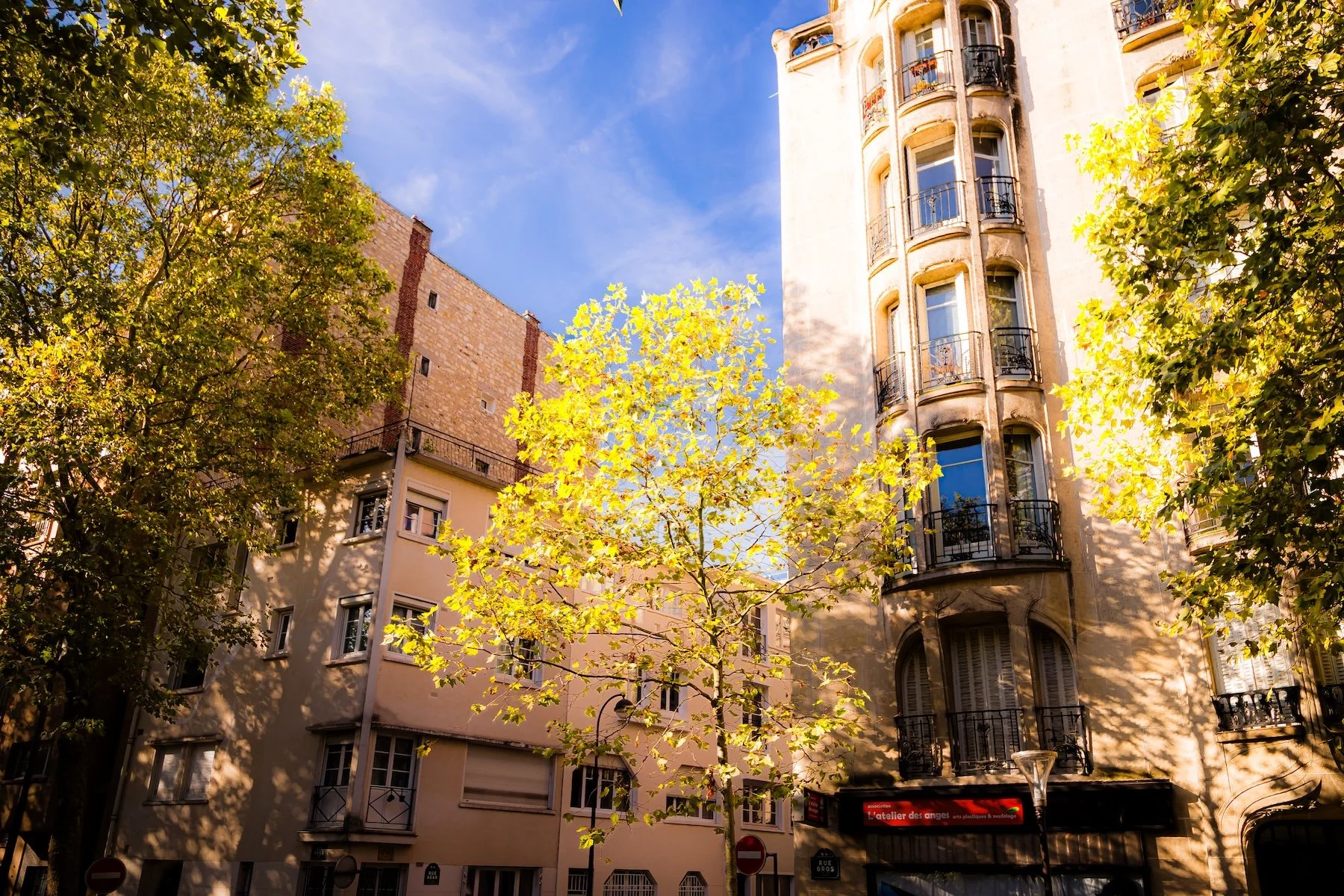
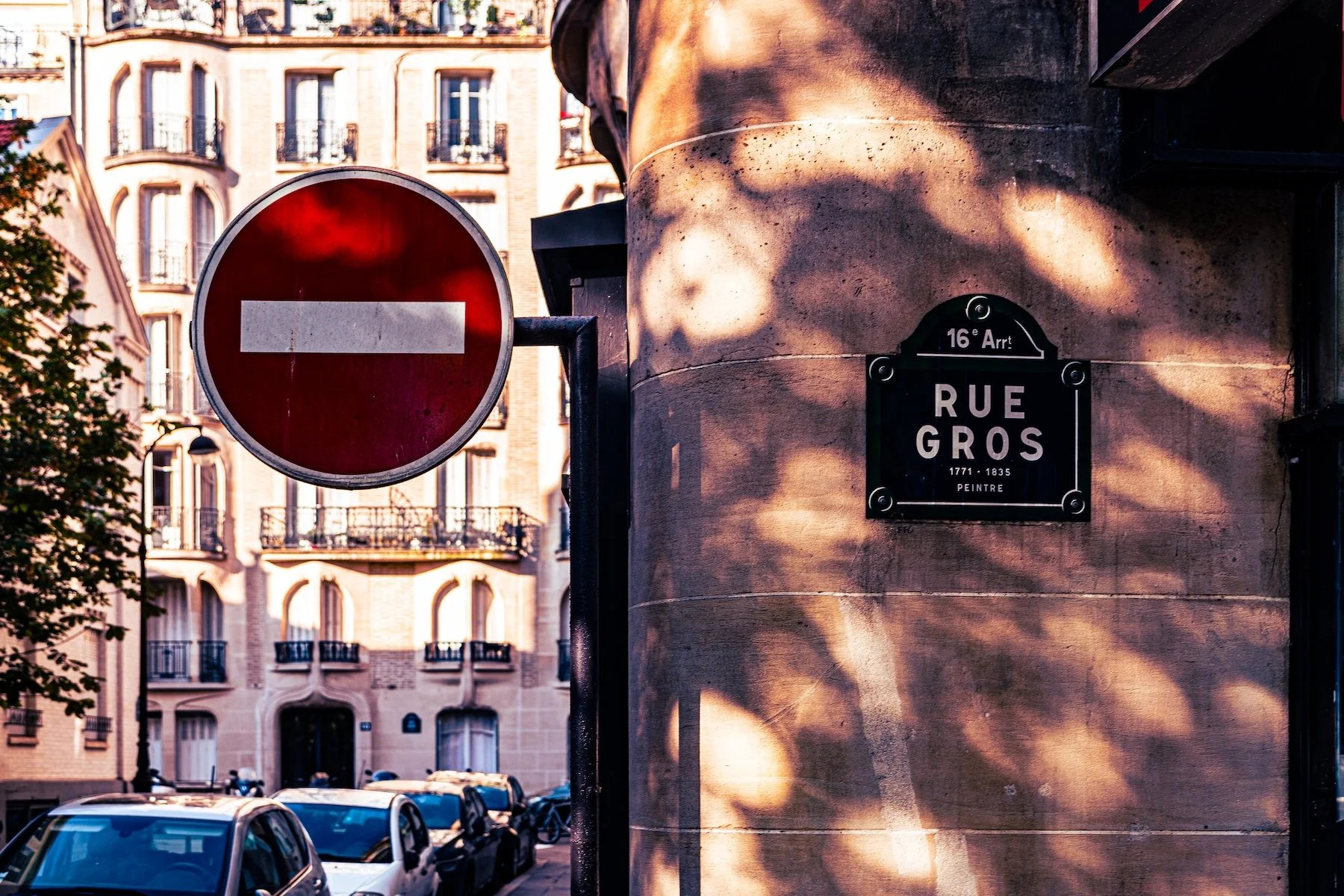
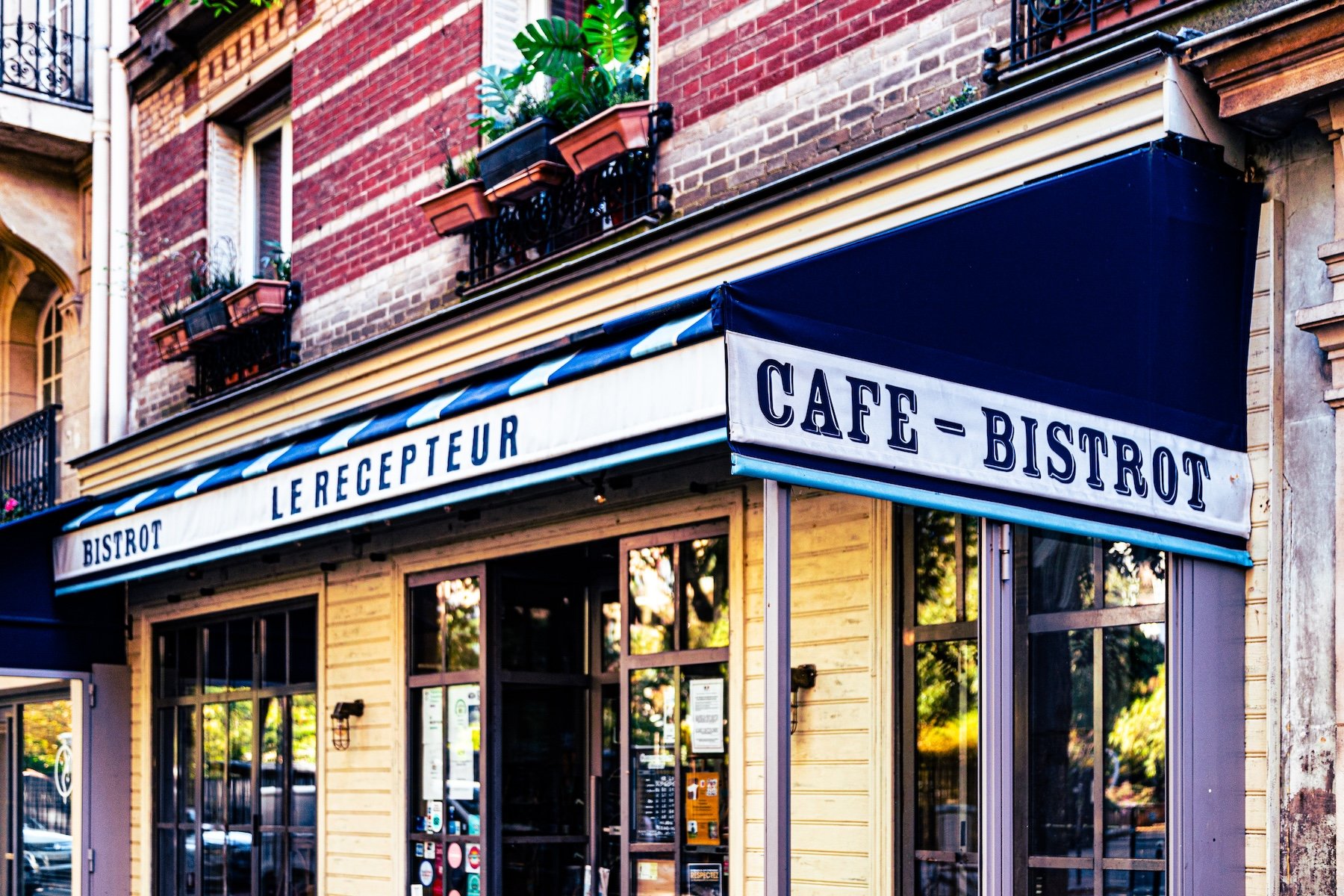
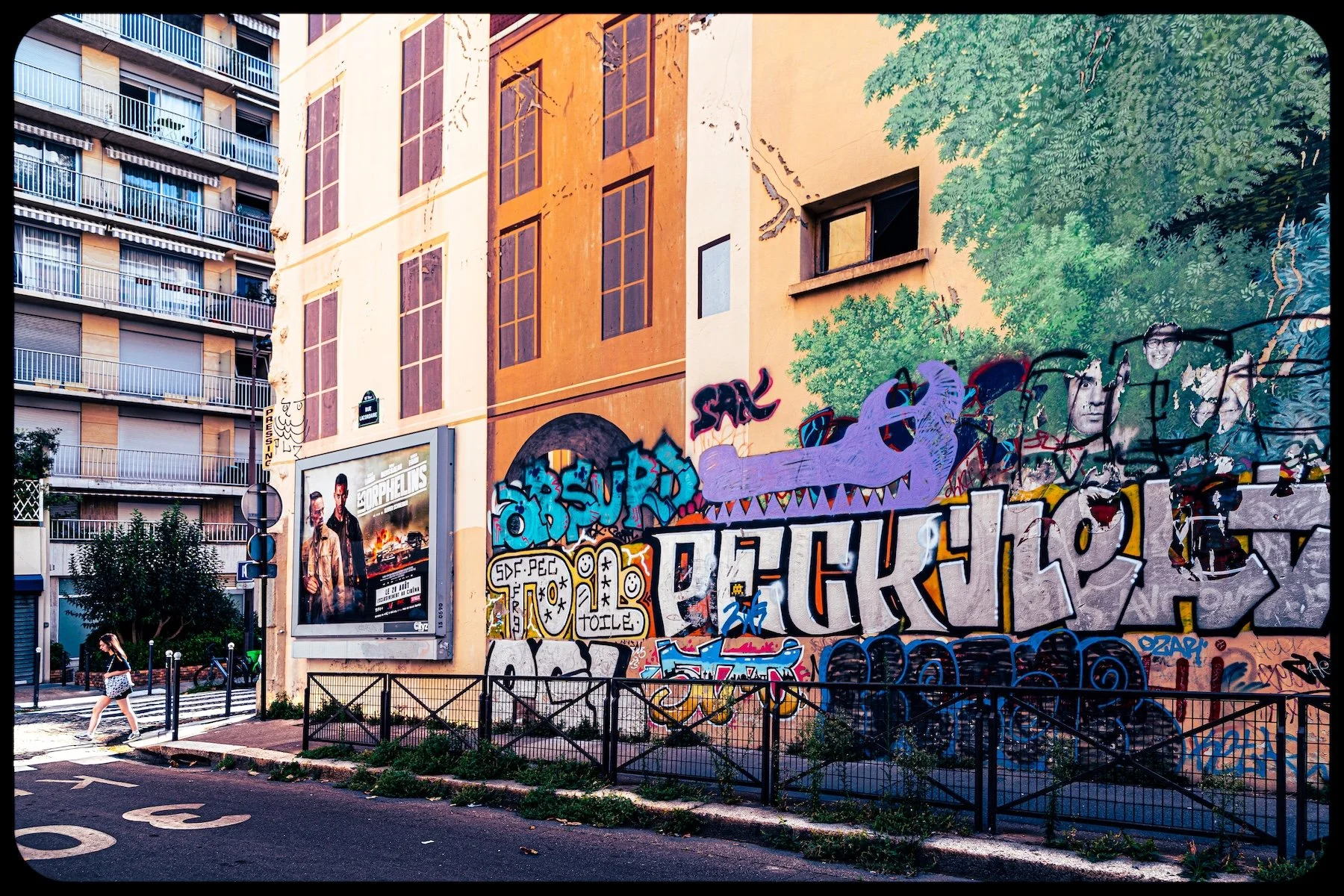
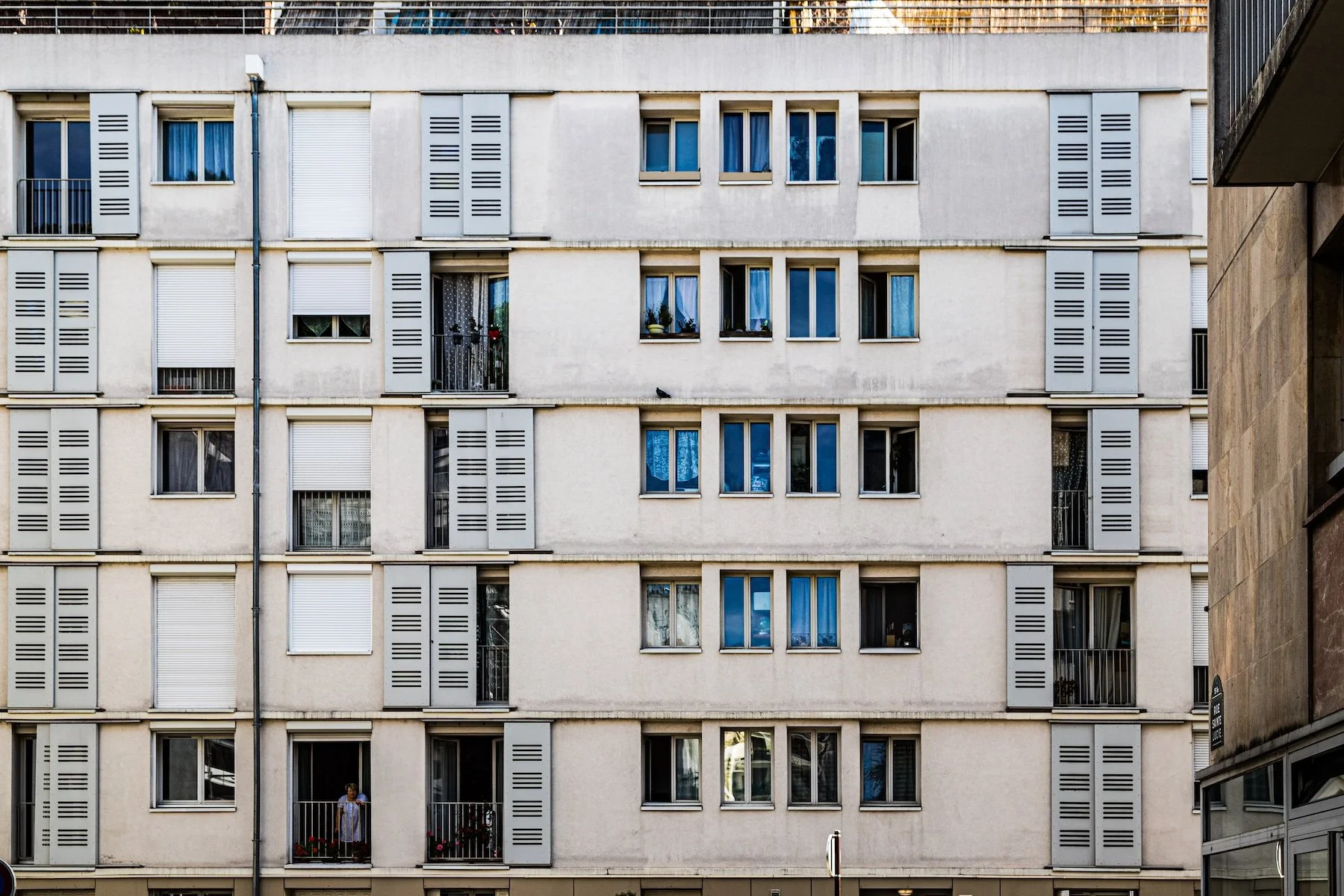
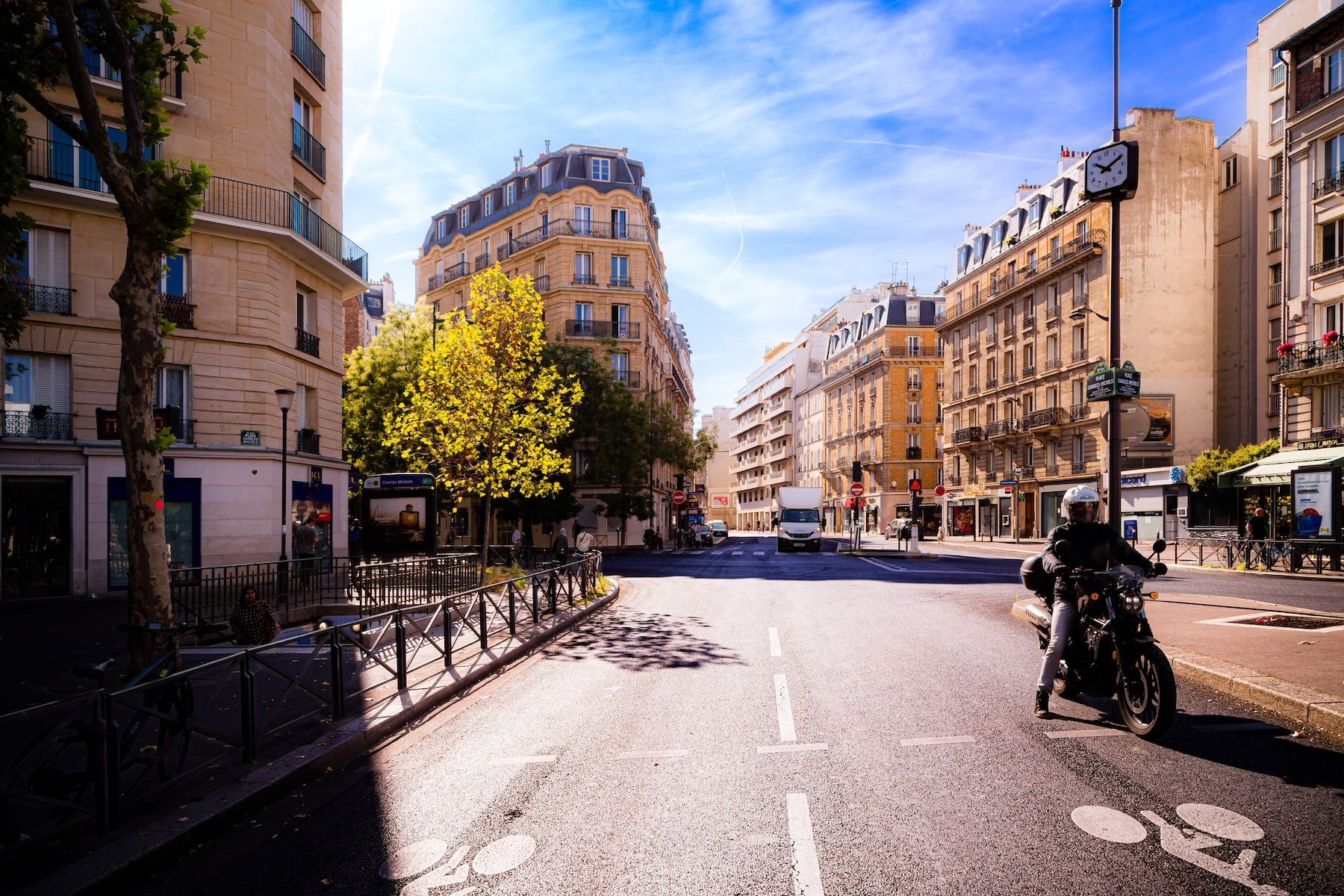
Photographing the arrondissements means moving between the official map and the street-level experience. The camera does not treat each arrondissement as visually uniform. Instead, it looks for the recurring forms, textures, transitions, and contrasts that make each district legible: the geometry of boulevards, the shade of plane trees, the repetition of balconies, the rise of stairways, the curve of canals, the presence of rail stations, the opening of parks, the weight of monuments, and the intimacy of side streets.
On CityNeighborhoods, the arrondissement provides the frame, but the photograph comes from the encounter between map, movement, light, and observation. As the Paris photography is processed, this section will connect each arrondissement more directly to the project’s Photographic Lexicon: the visual strategies, recurring motifs, and compositional patterns that shape how the city is seen through the lens.
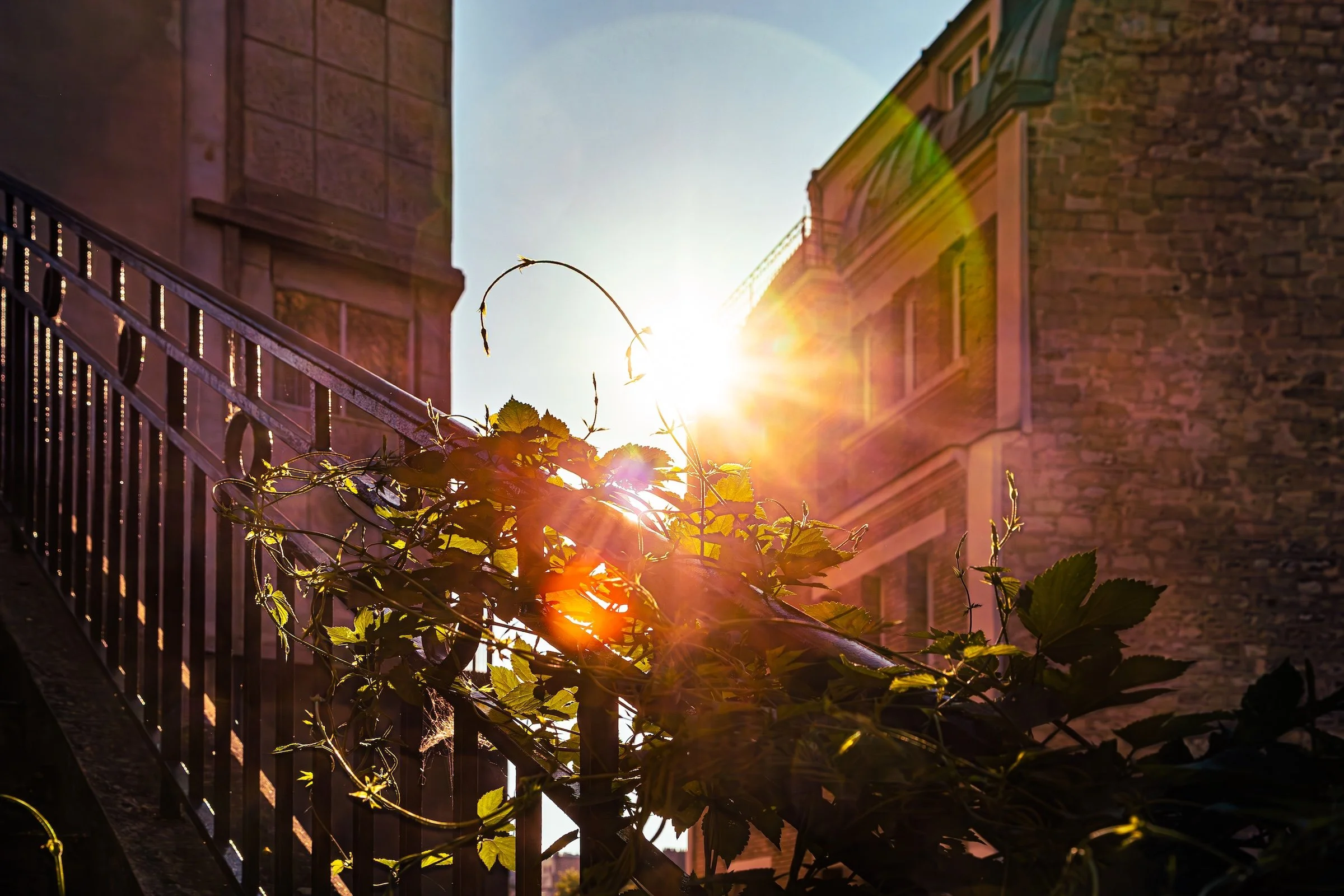
If you visit Paris, these ideas can help inspire your own photography.
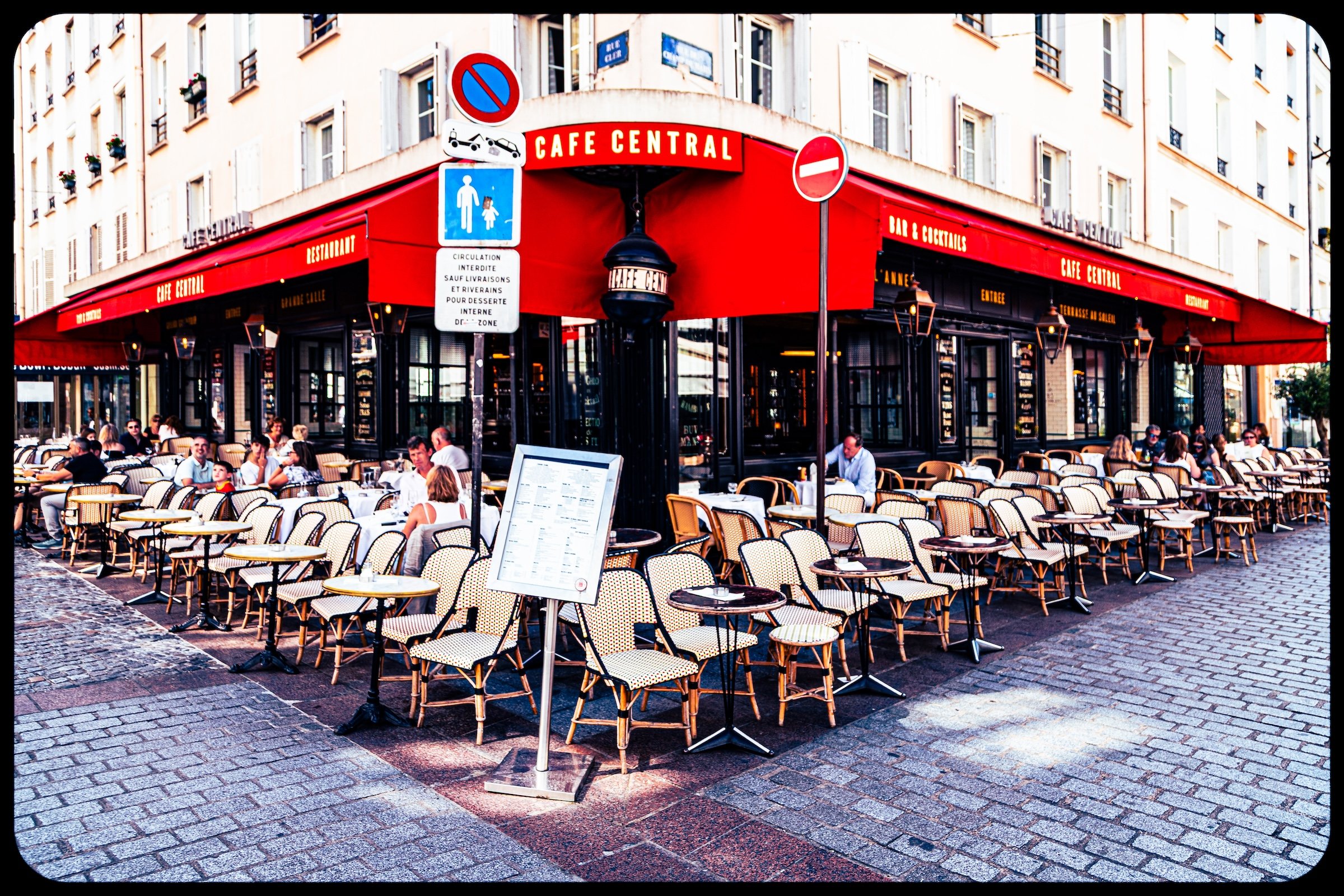
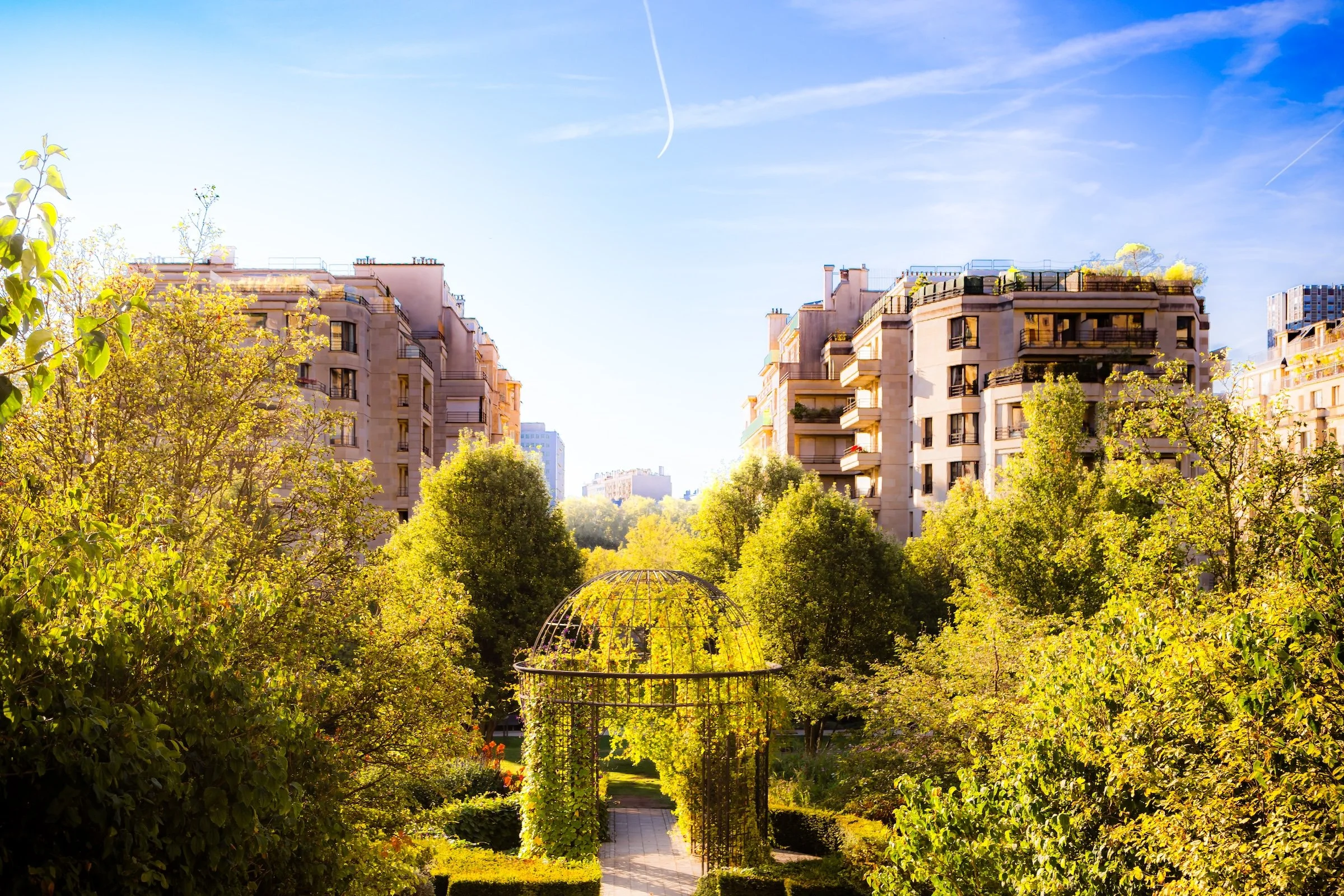
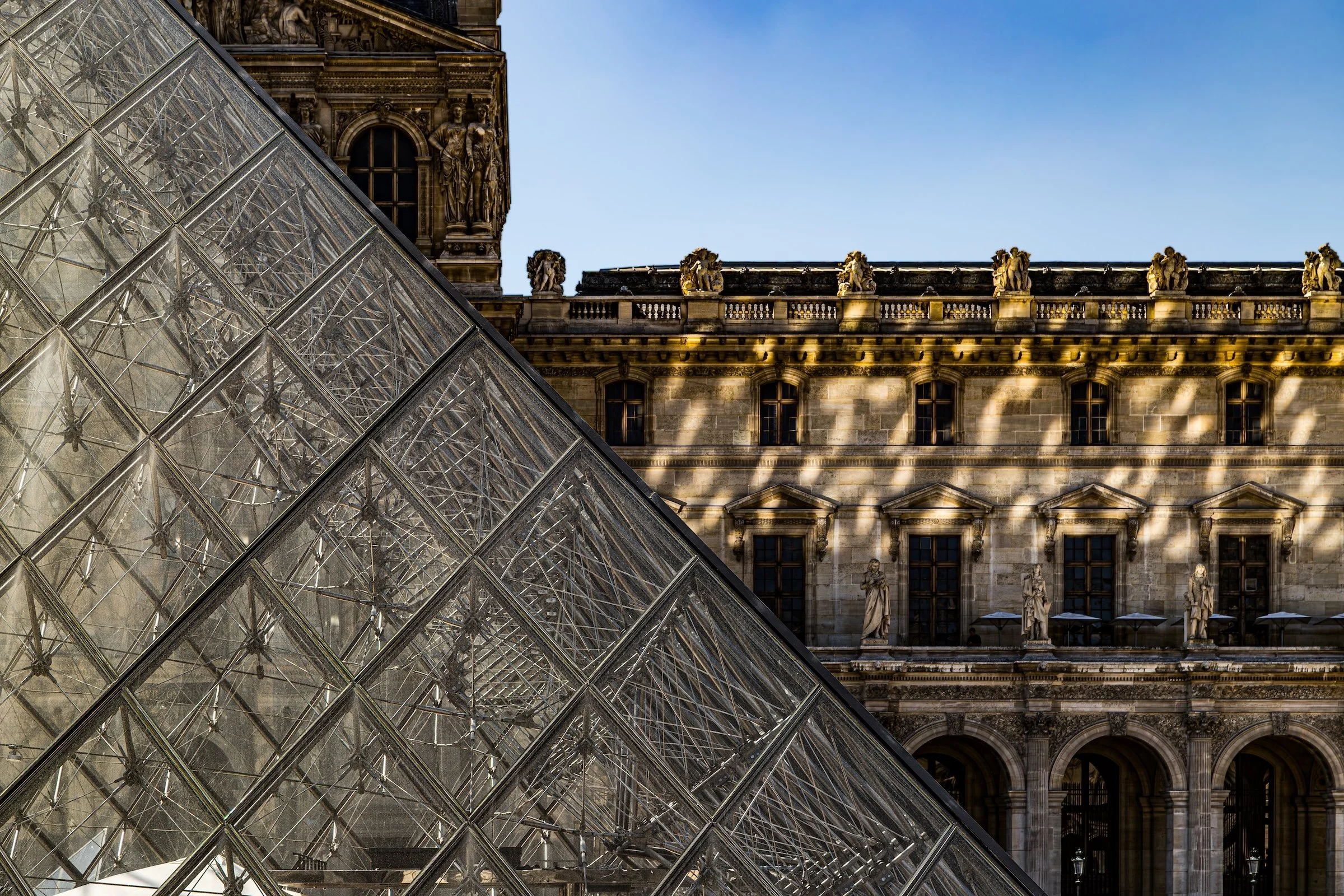
Paris: J’Espere, Je Rêve, Je Vive
Paris Photo Gallery
Paris Field Notes
-
Field Note: August 18, 2025 | 07:58 AM
Conditions: 73°F | Humidity: 72%.
Within the park's interior, the glacial kettle ponds acted as humidity traps, creating a soft, hazy light that filtered through the old-growth oaks. The transition from the park's dense shade to the sun-drenched edges of Oakland Gardens highlighted the day's exceptional "picture-perfect" clarity.
There is a fleeting window in Queens where the humidity of August hasn't yet heavy-set, and the morning sun hits the canopy of Alley Pond Park at a perfect oblique angle. Arriving just before 8:00 AM, I watched the light break through the oaks and tulip trees, casting long, dramatic shadows across the wet grass. It’s in these quiet, golden moments that the park feels less like a city escape and more like the ancient glacial valley it actually is.
Other neighborhoods visited:
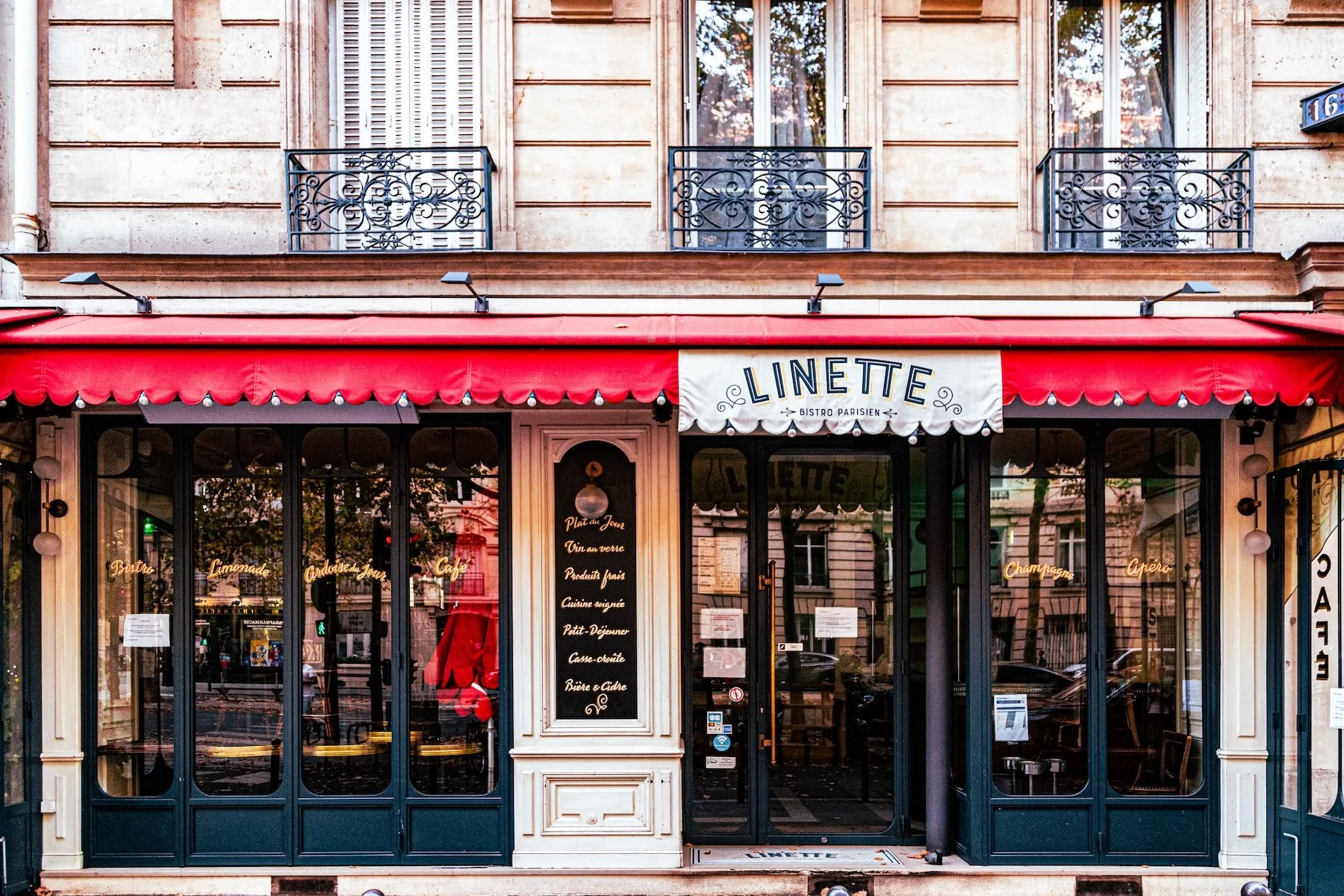
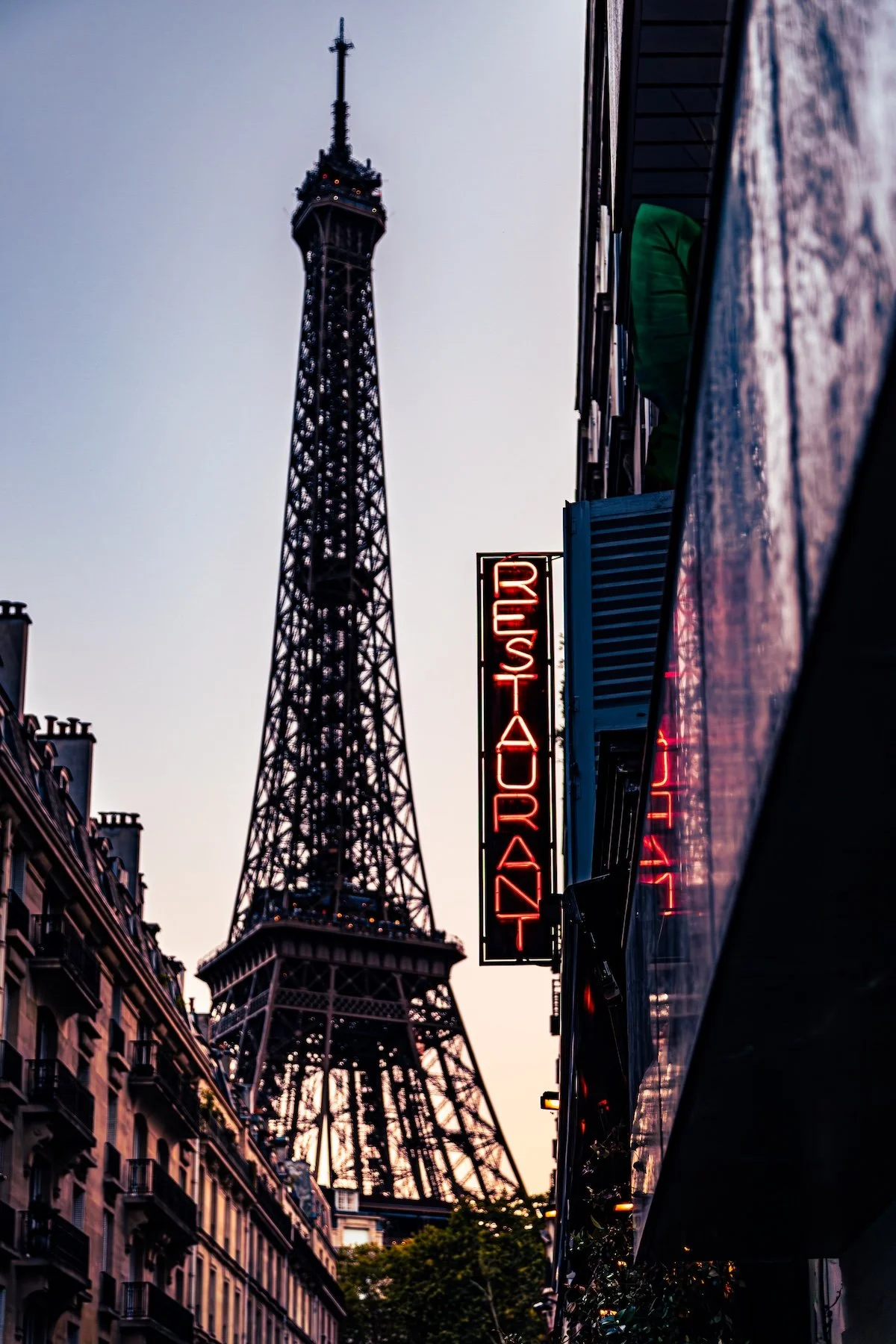
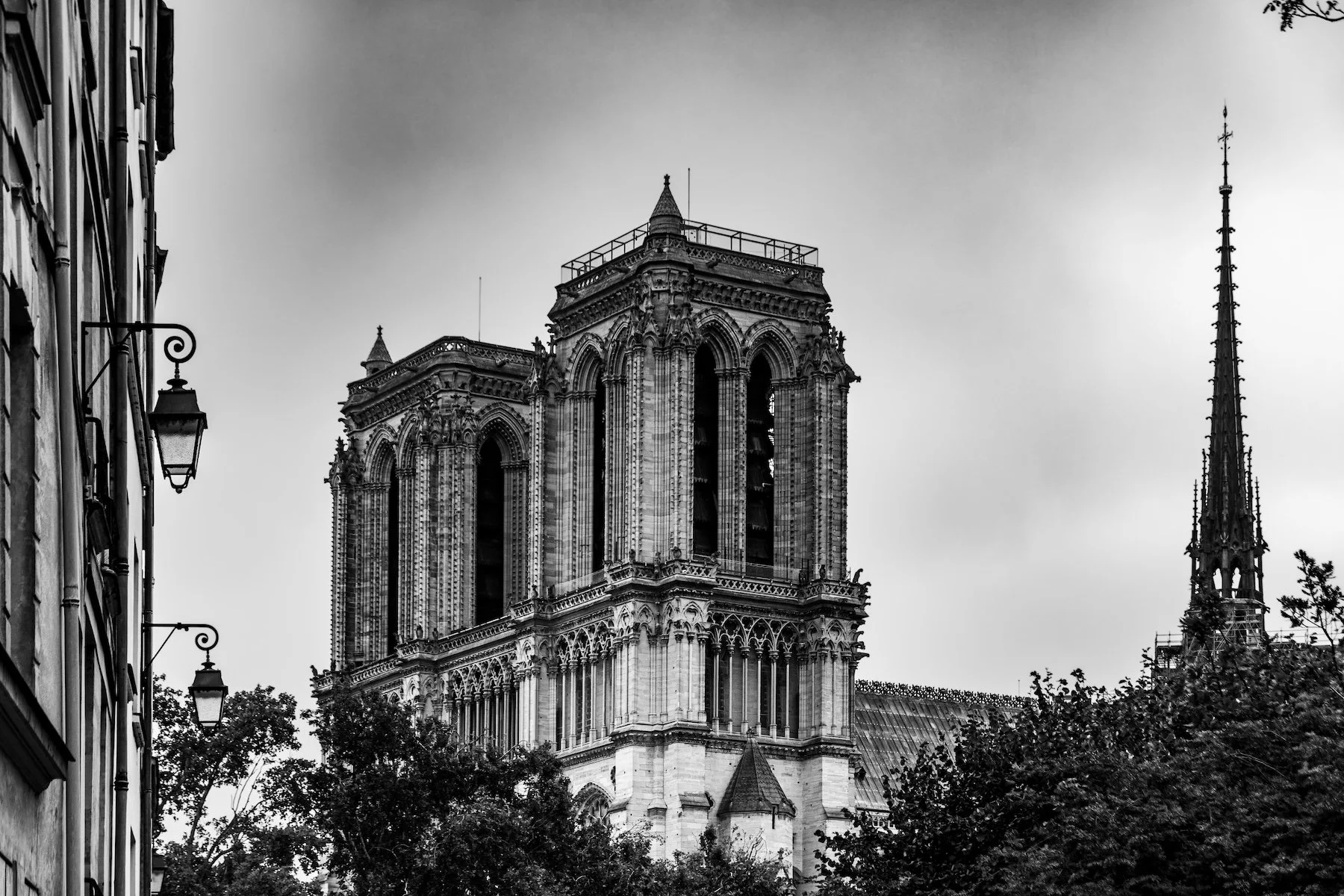
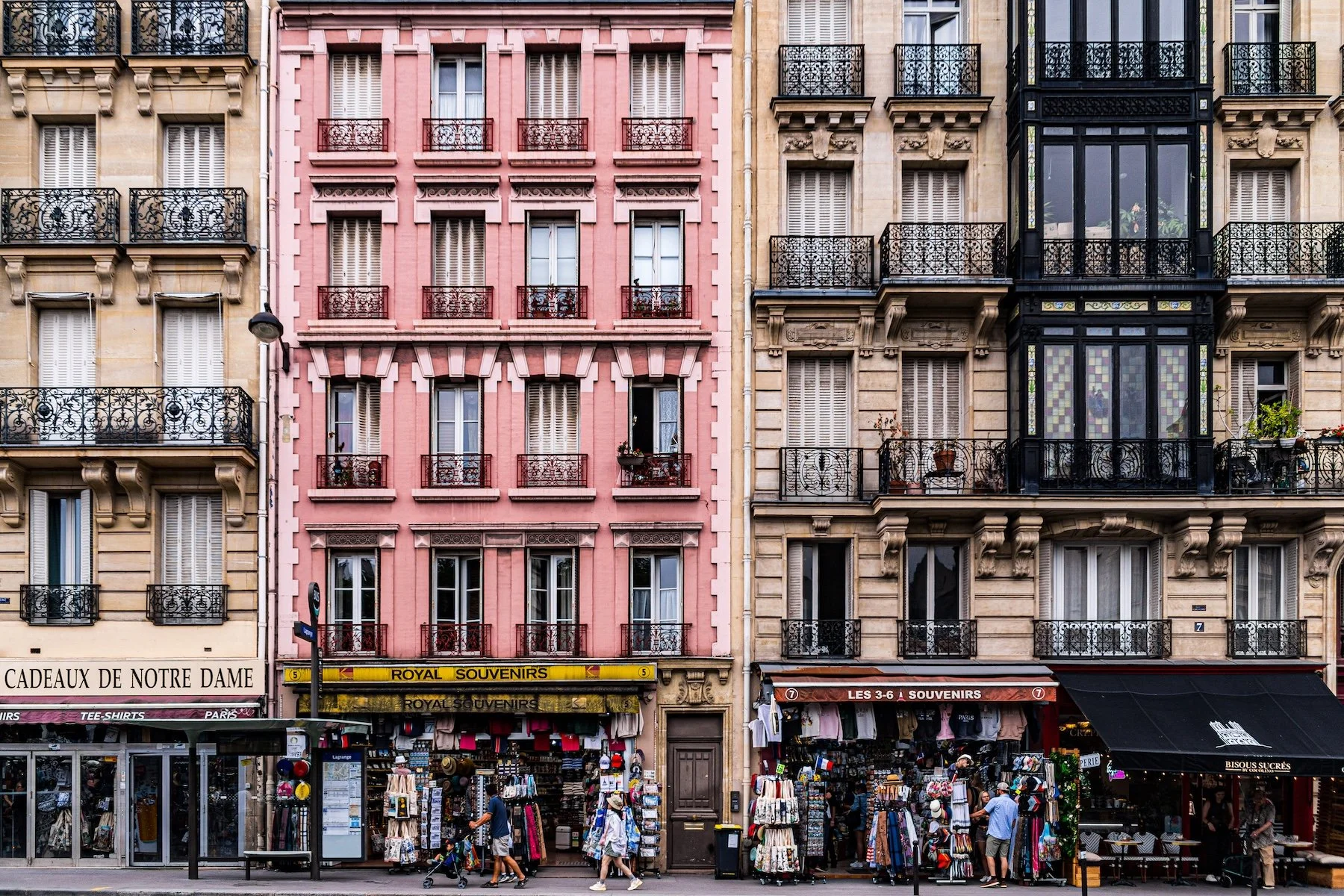
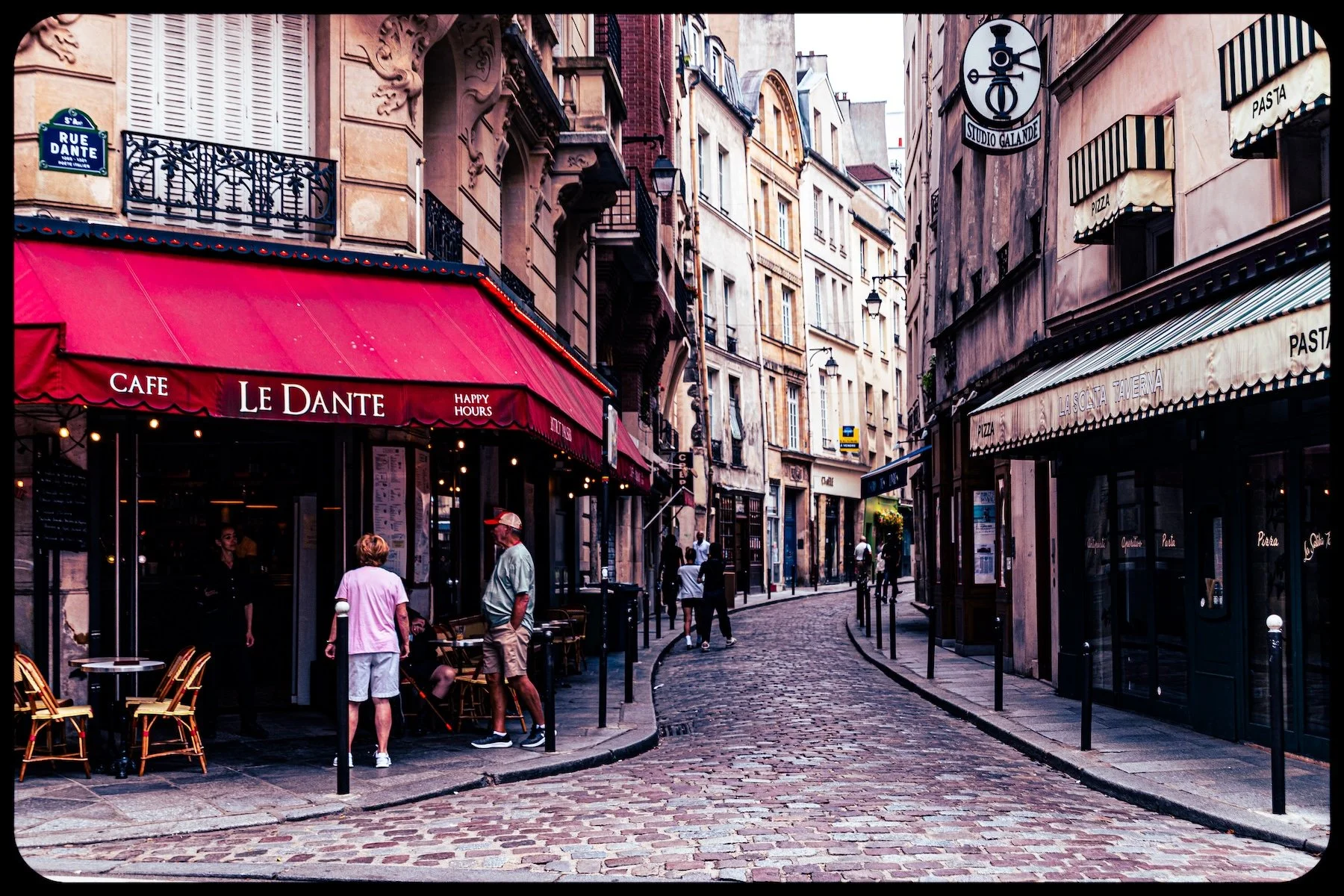
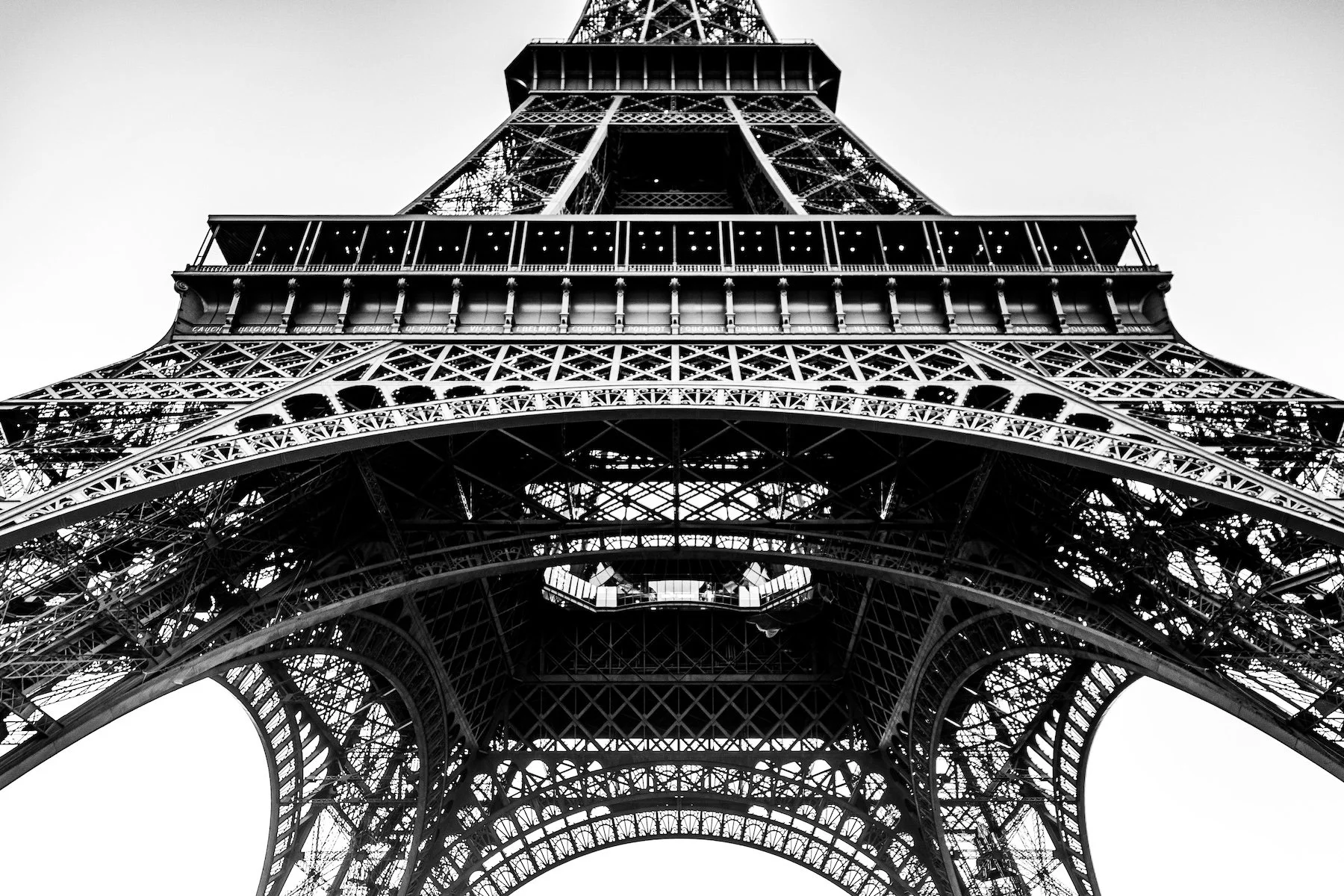
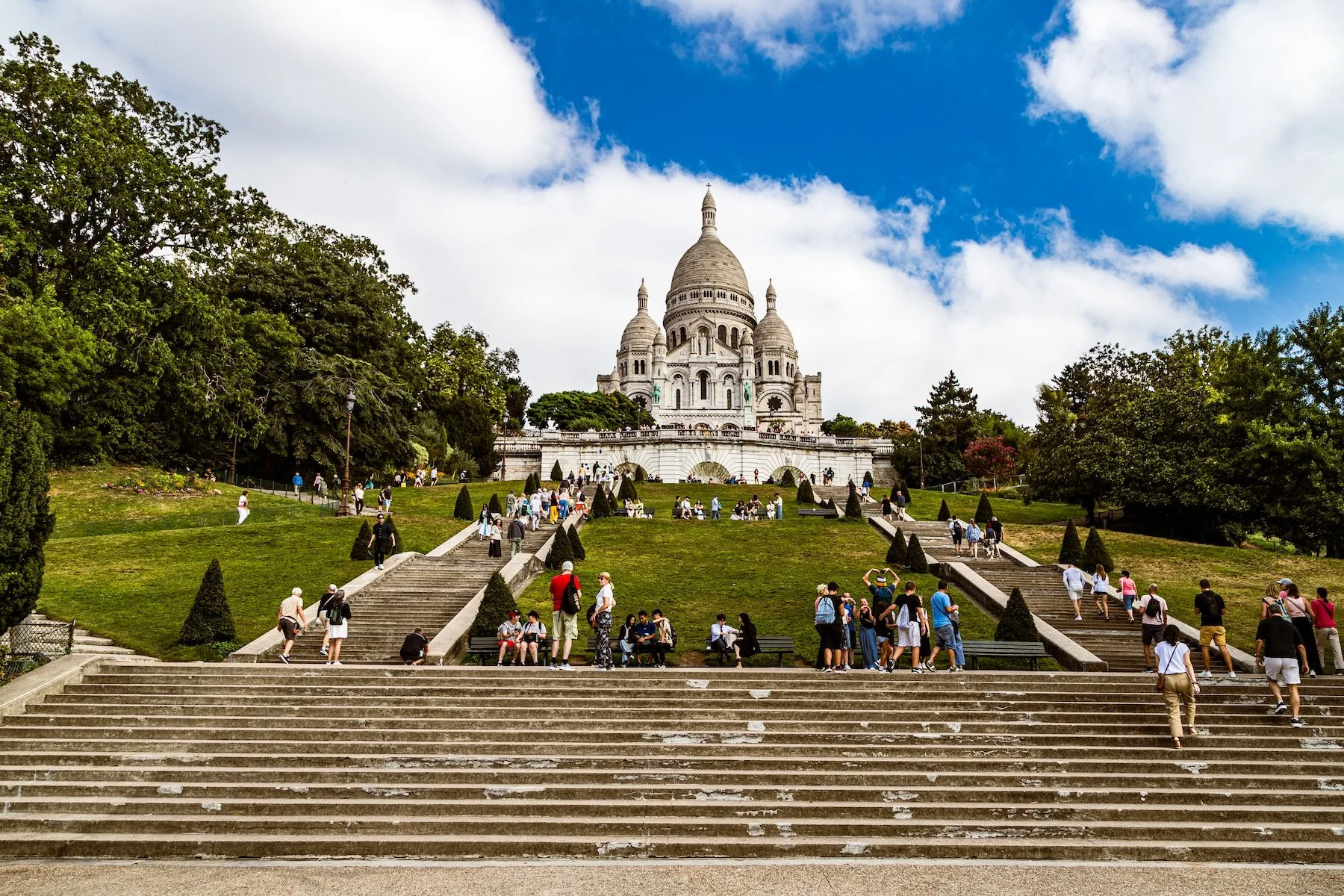
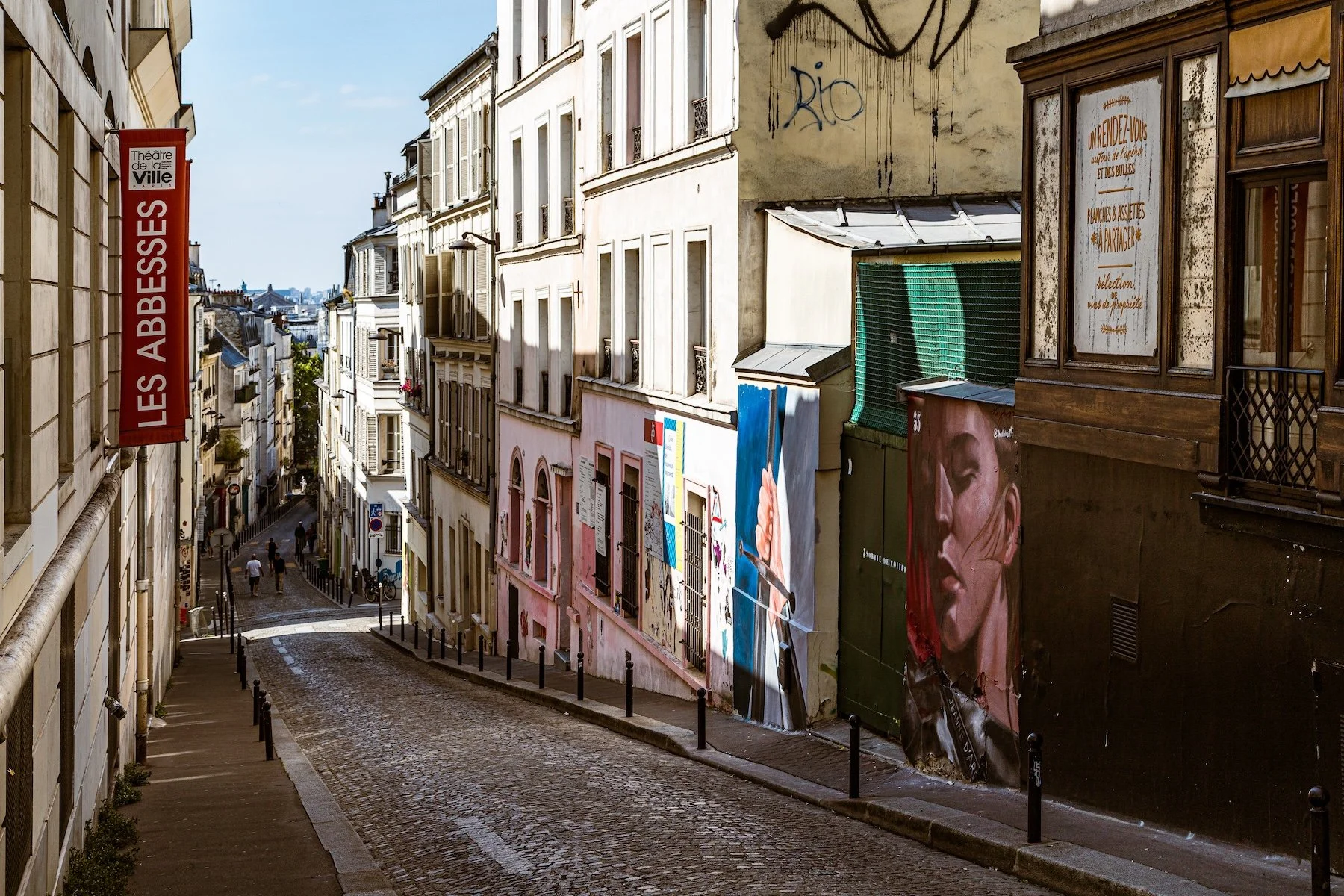
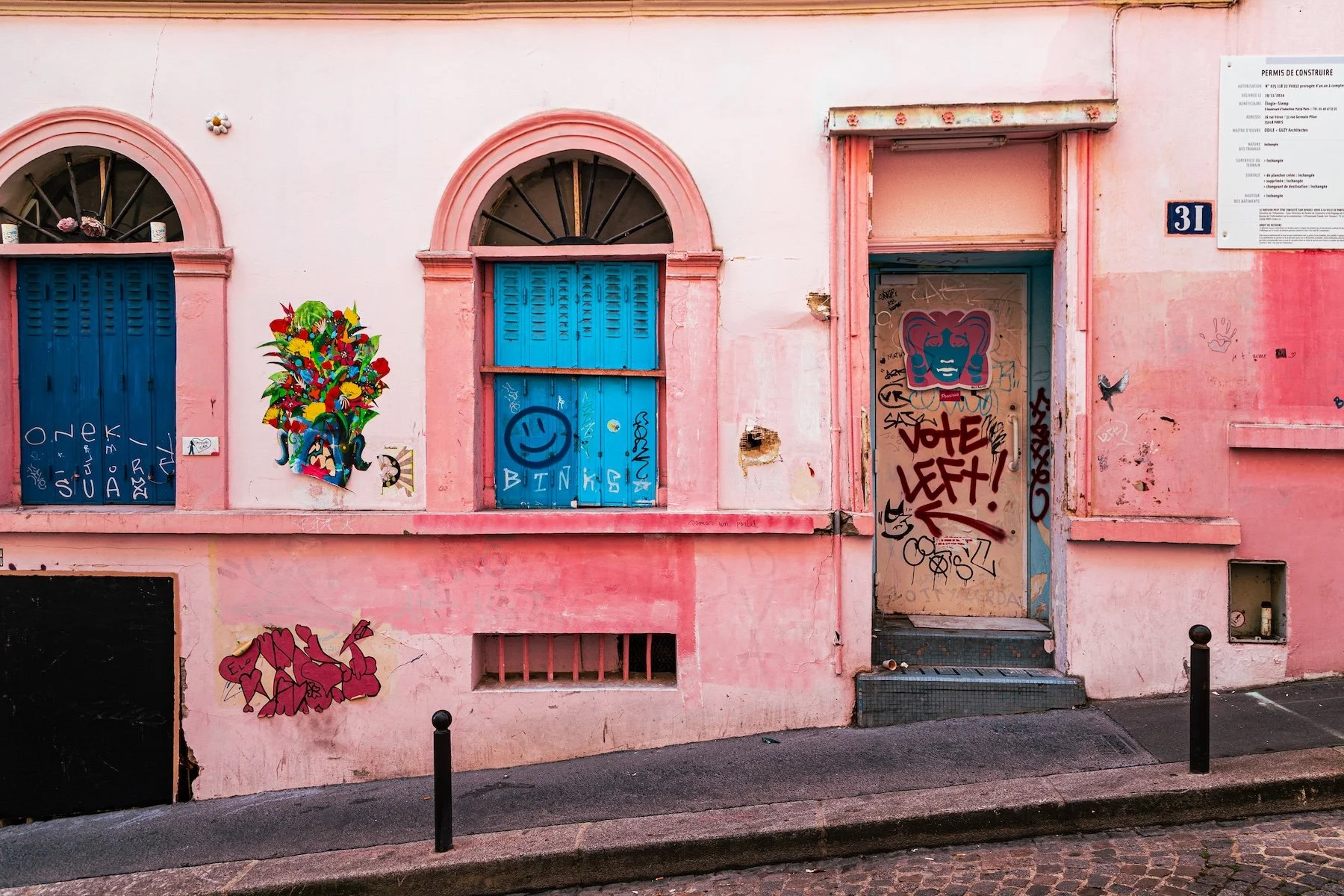
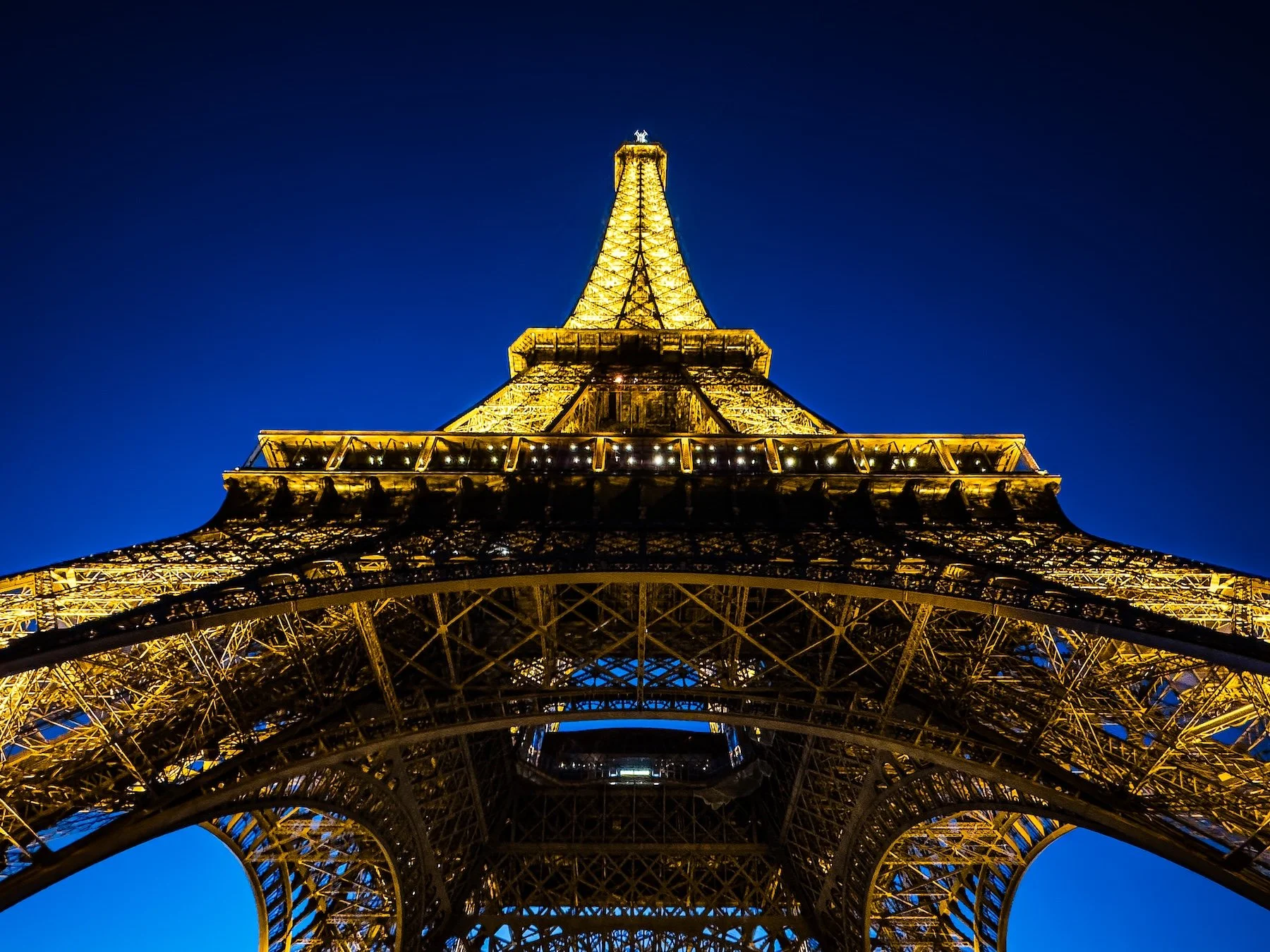
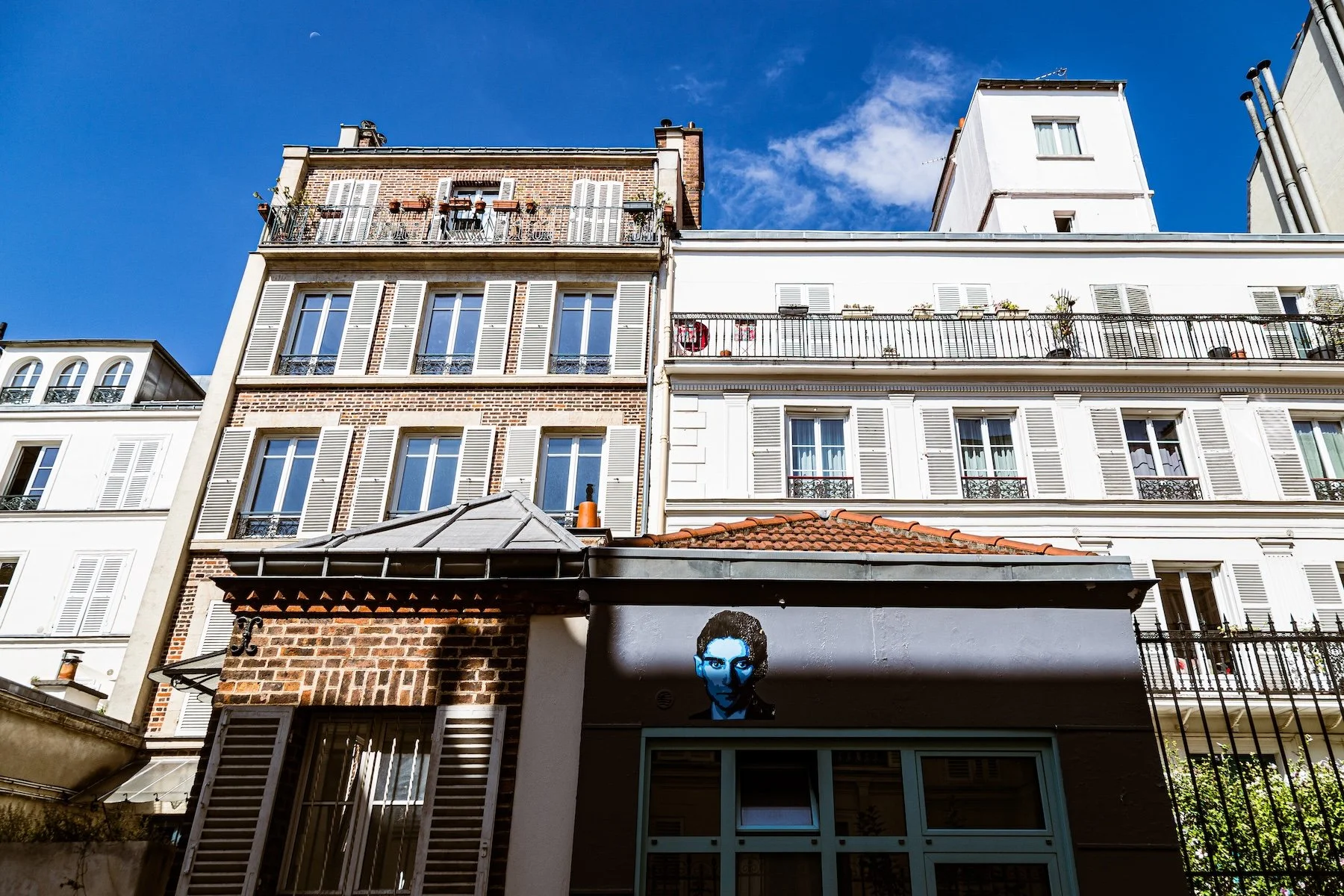
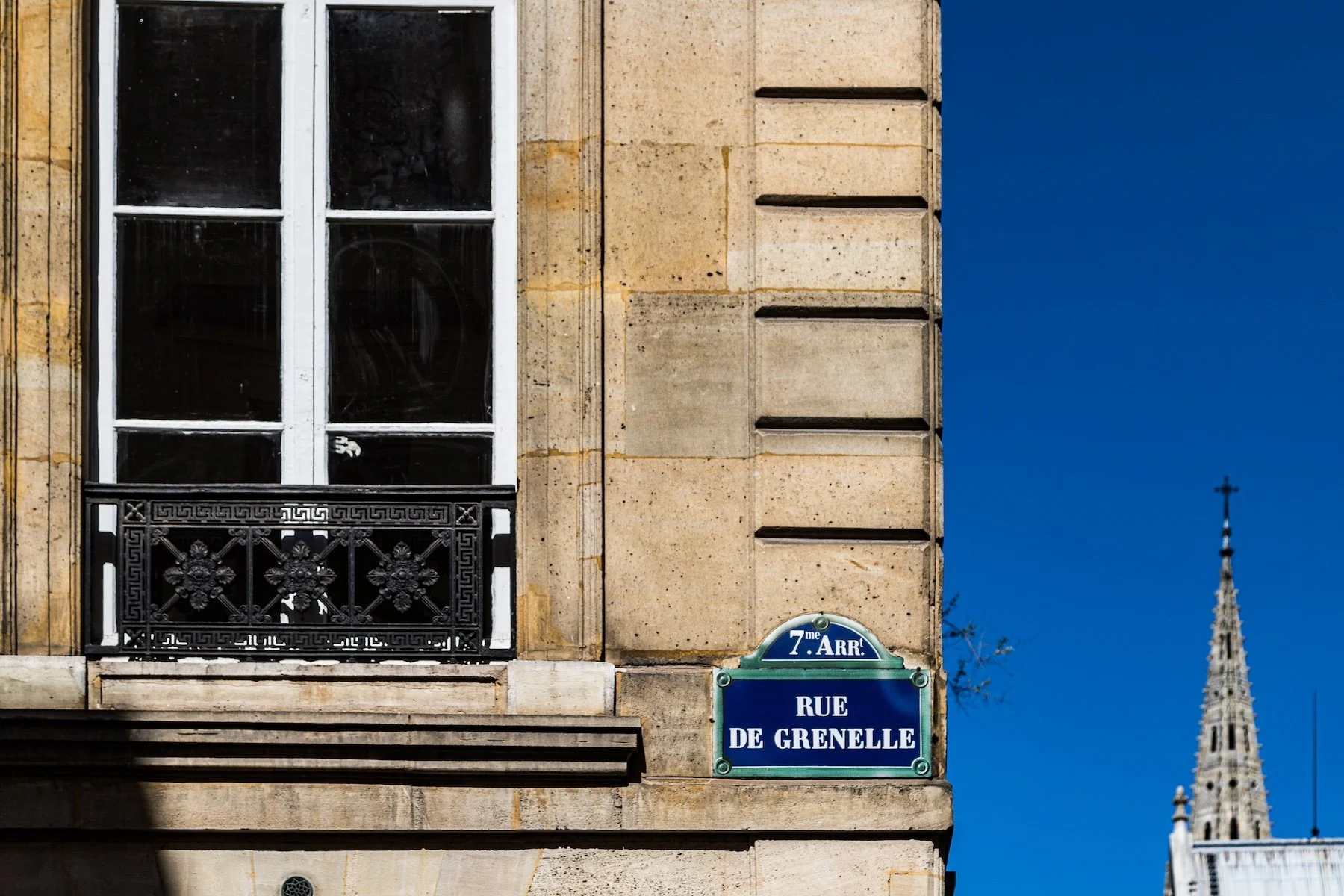
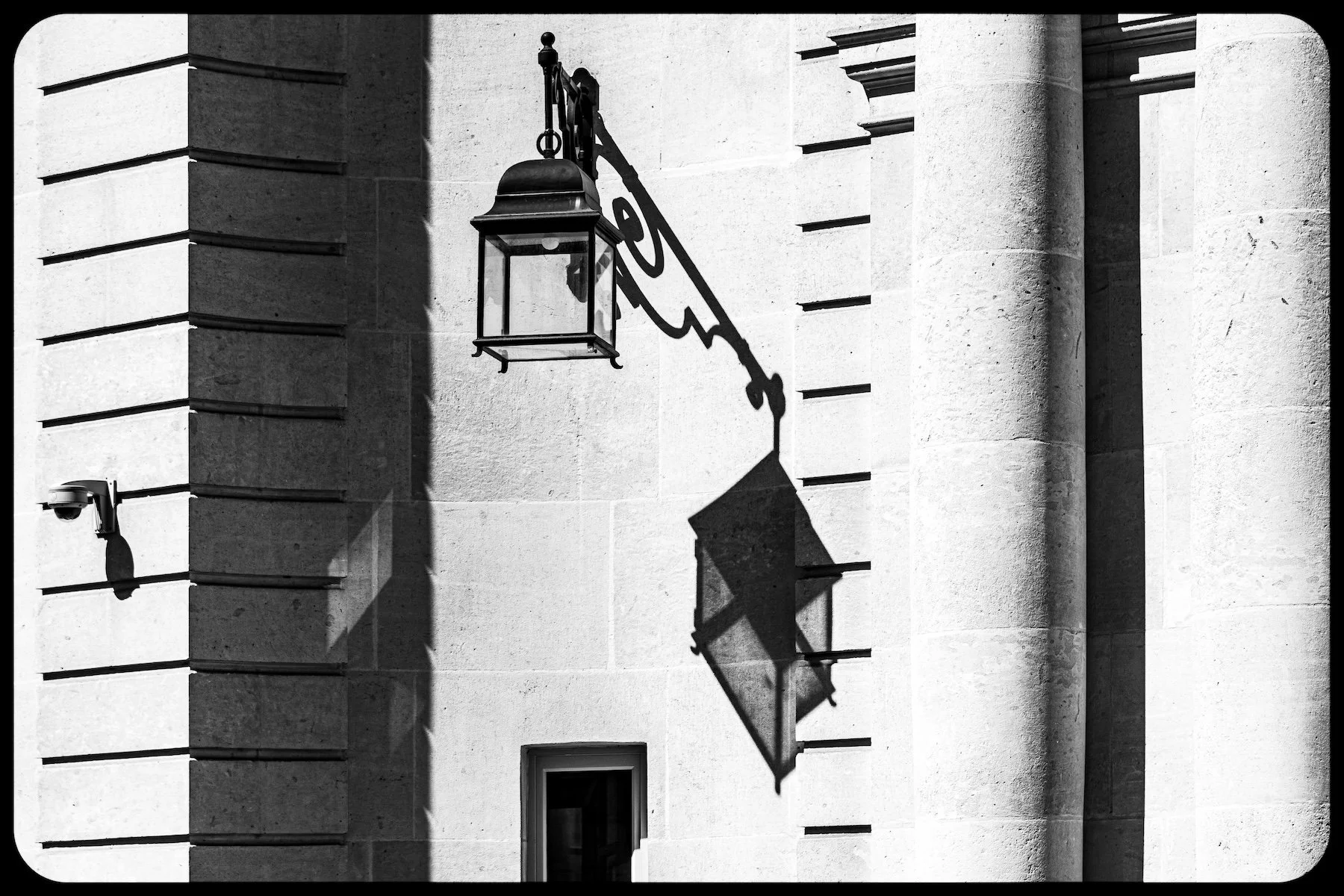
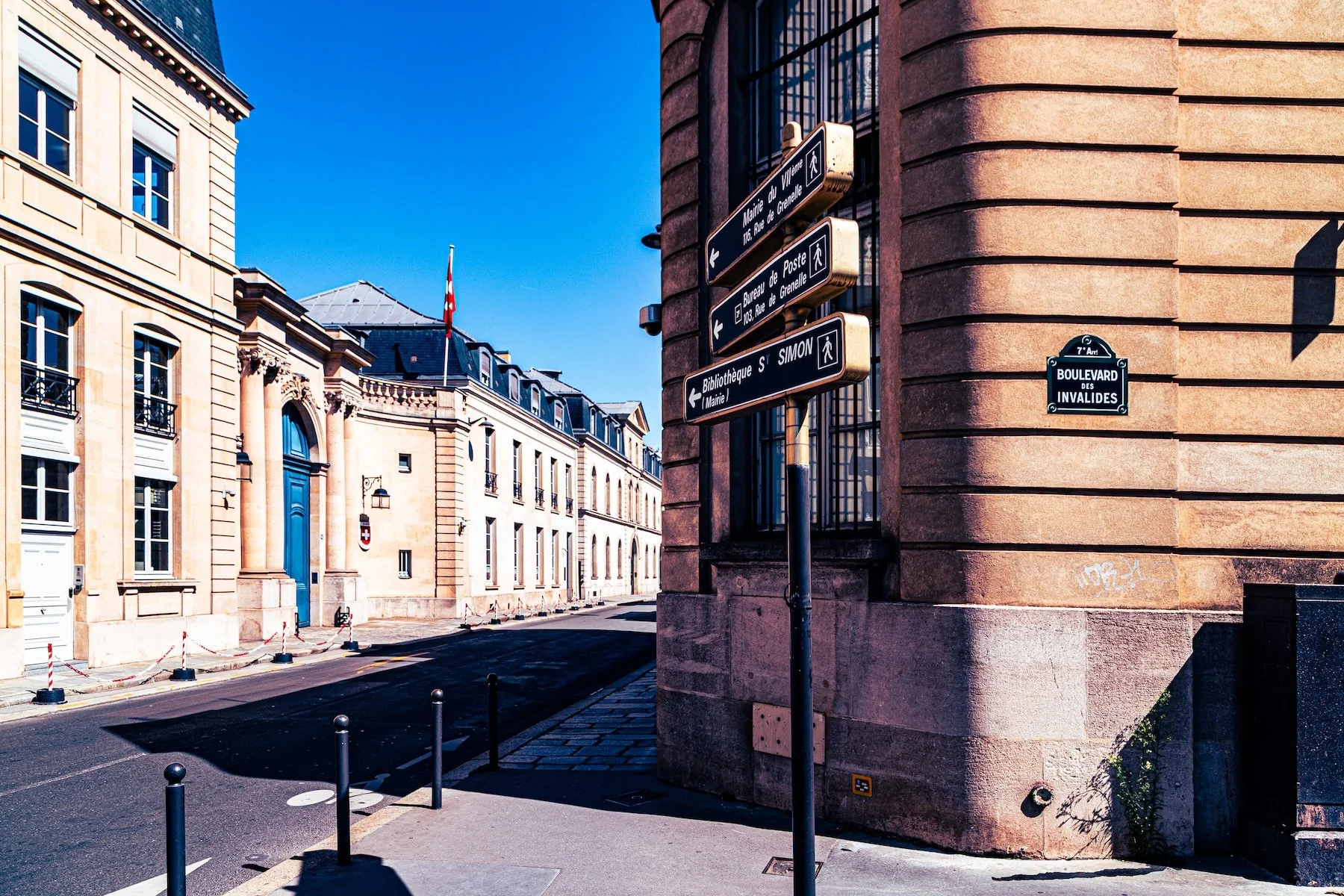
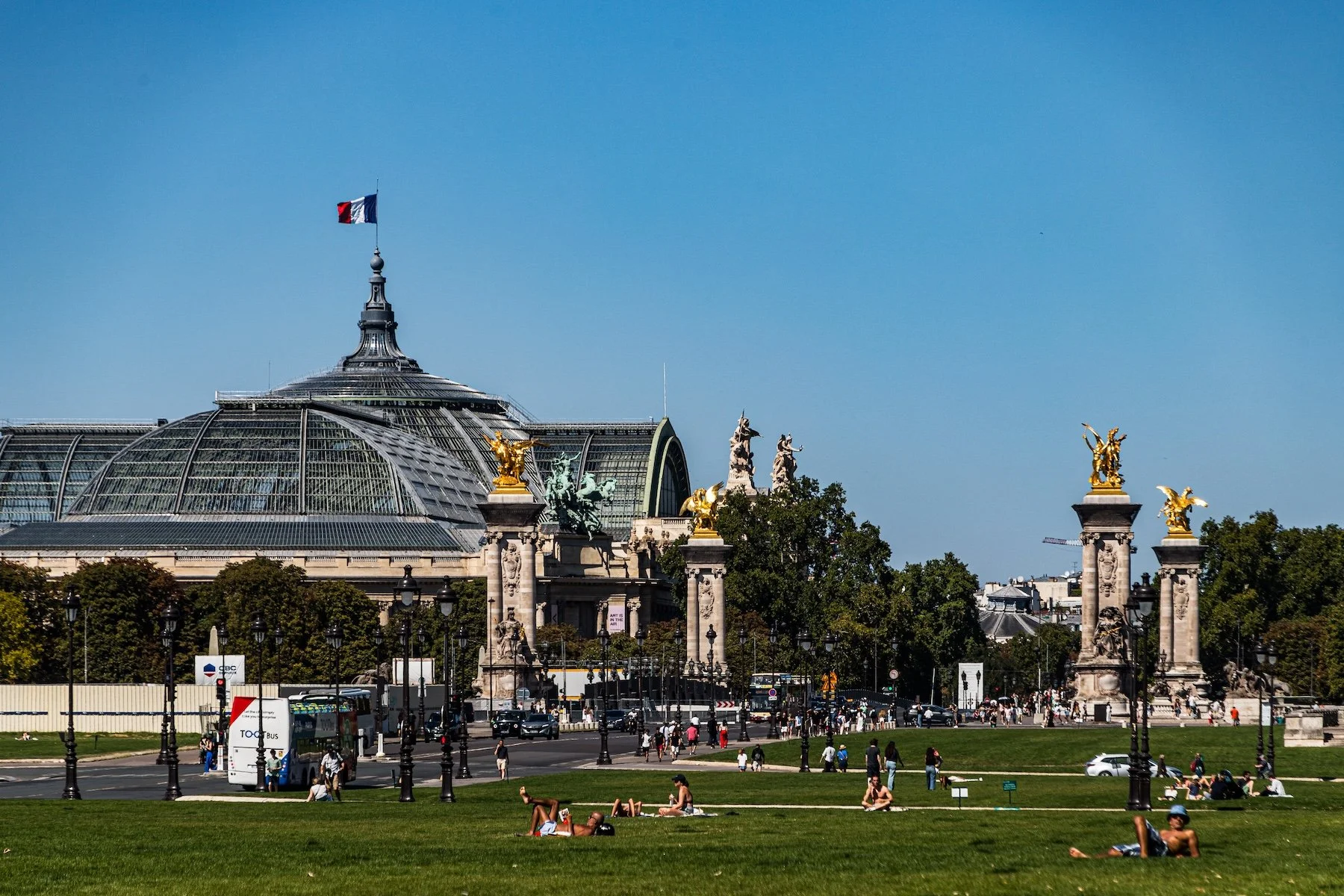
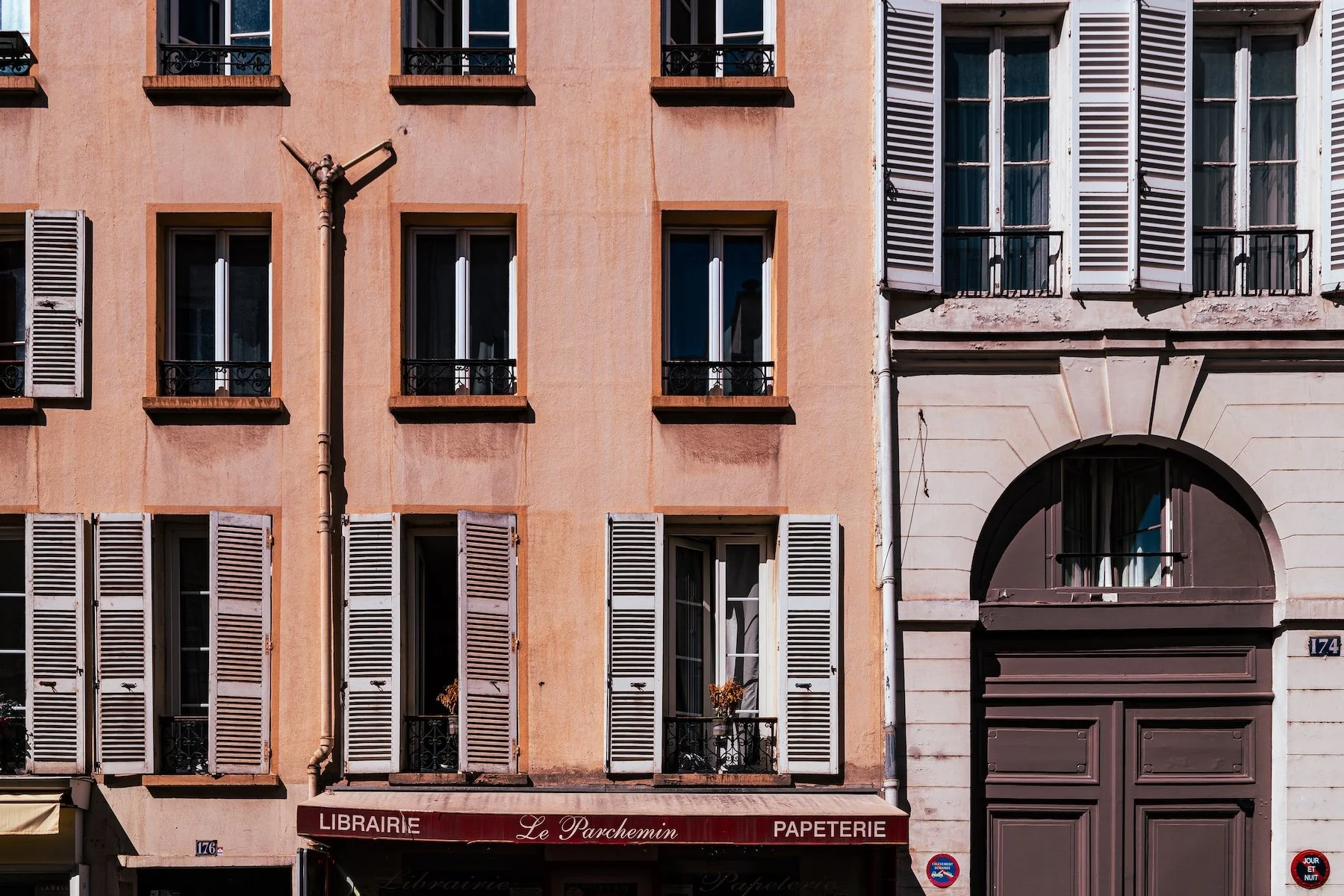
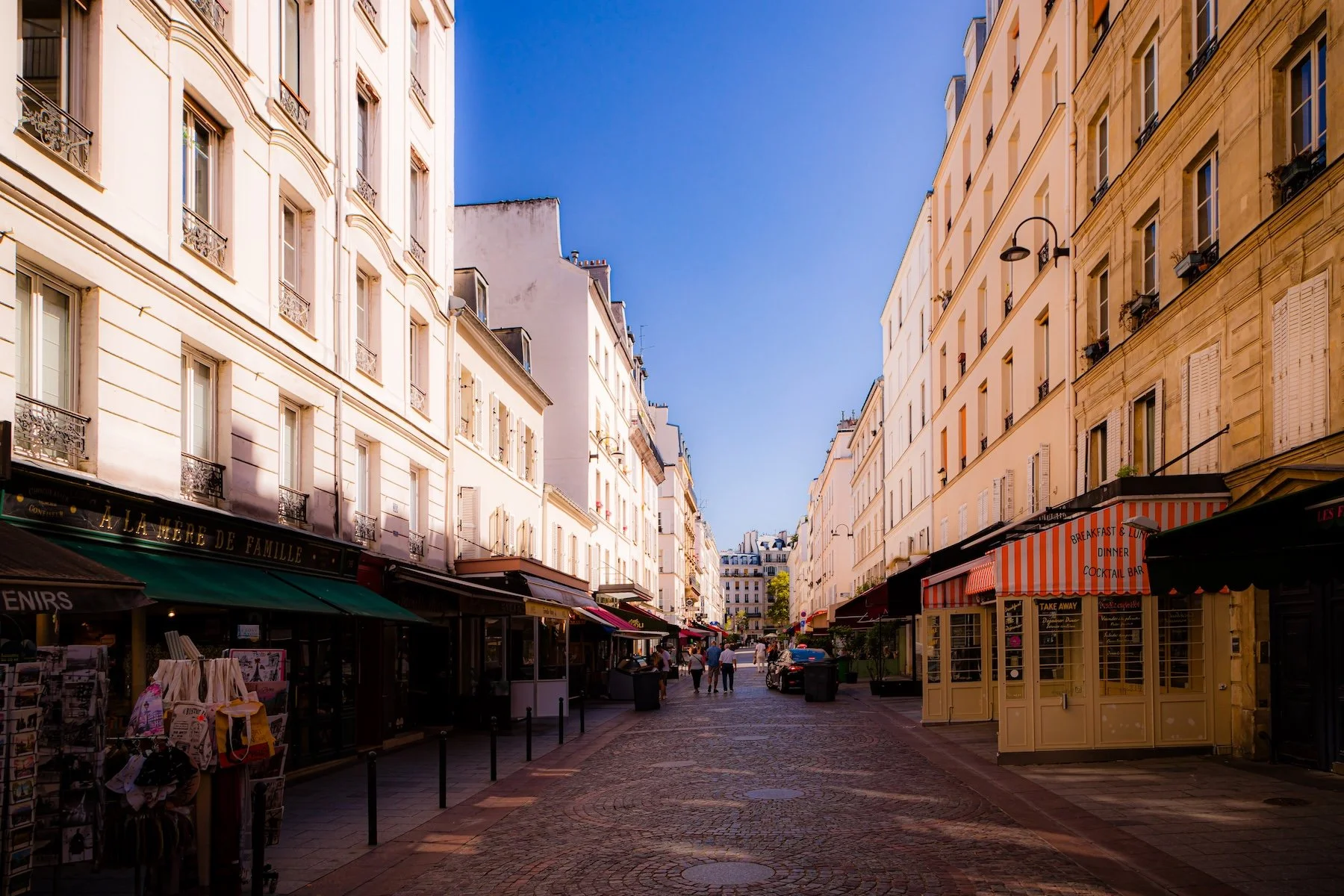
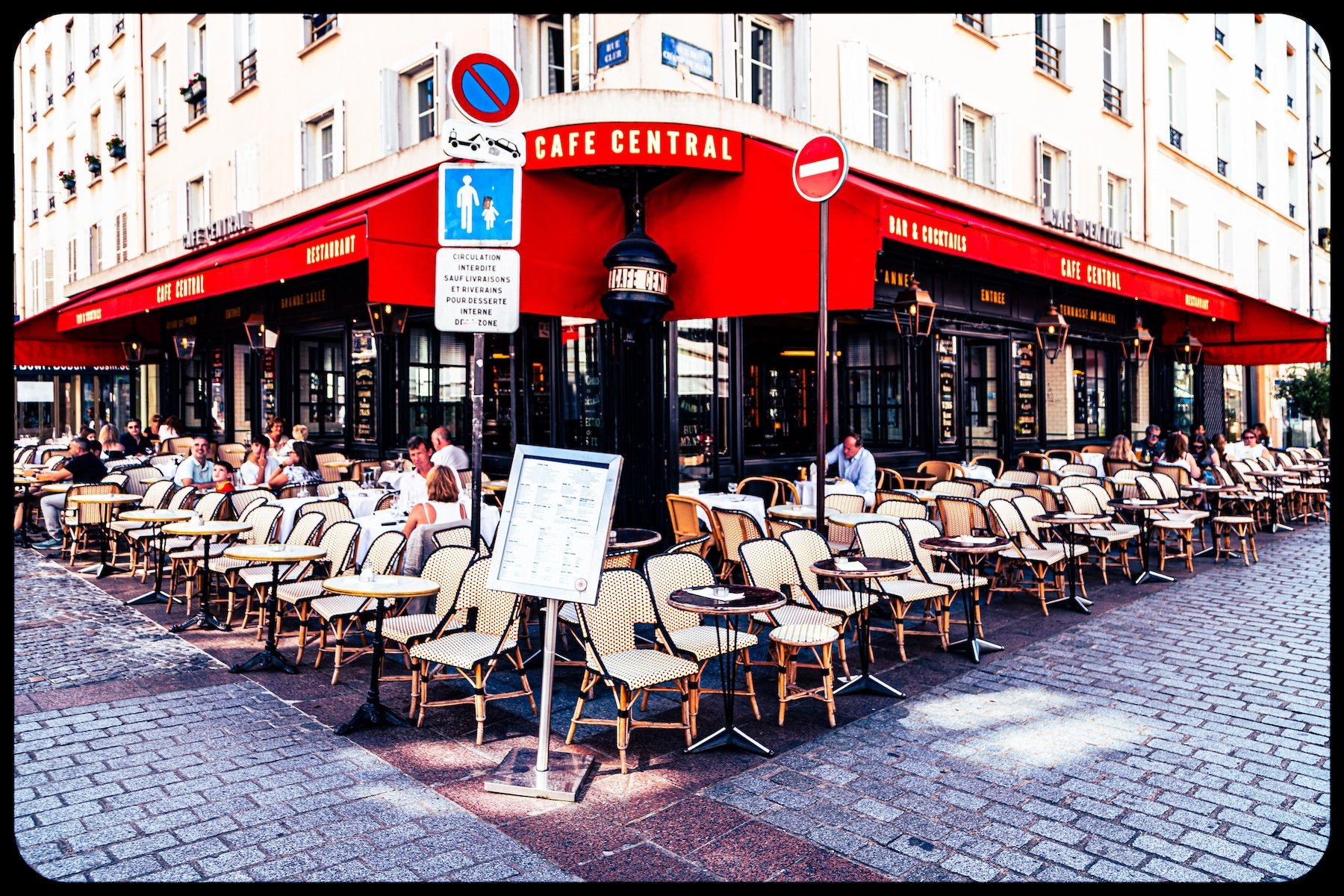
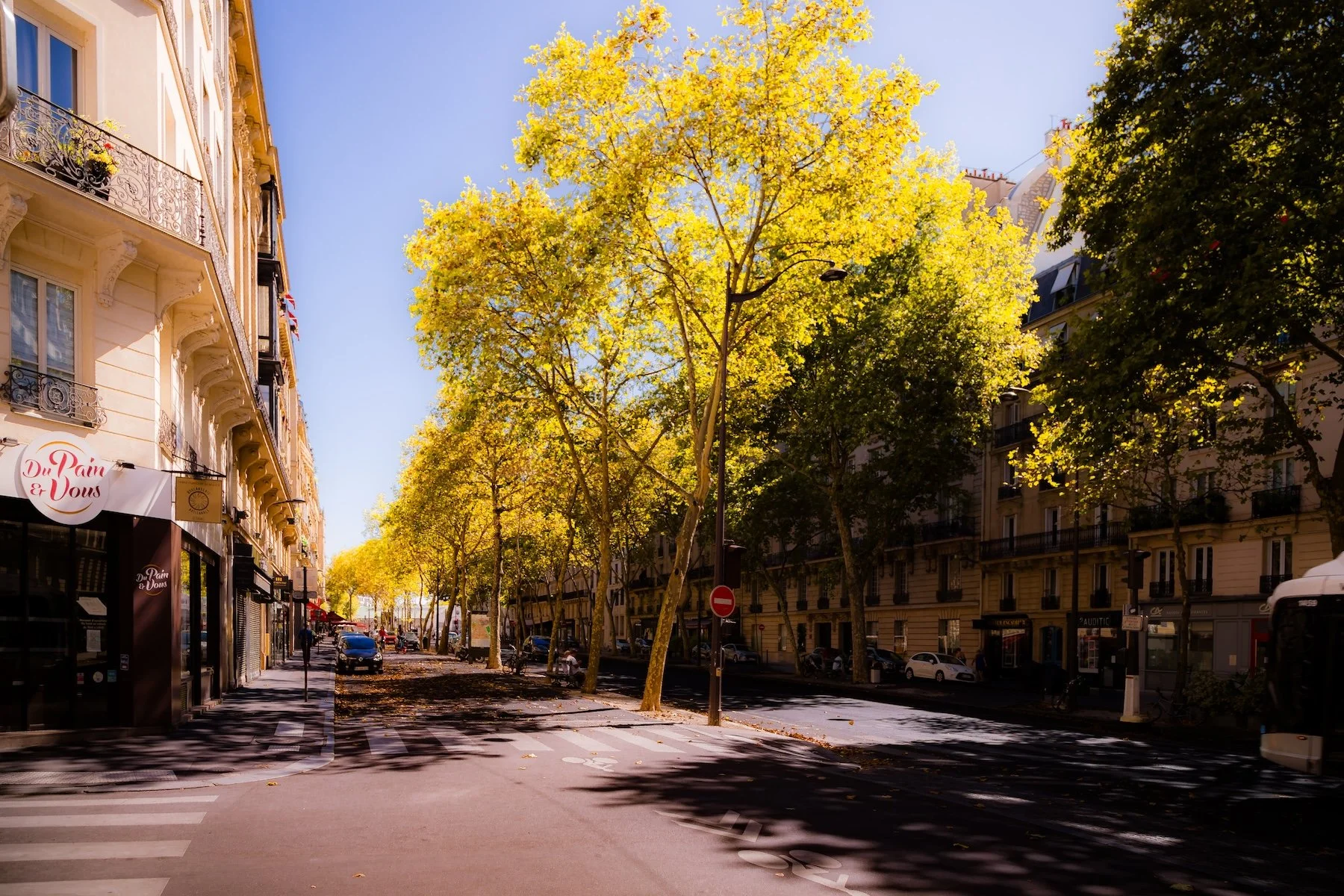
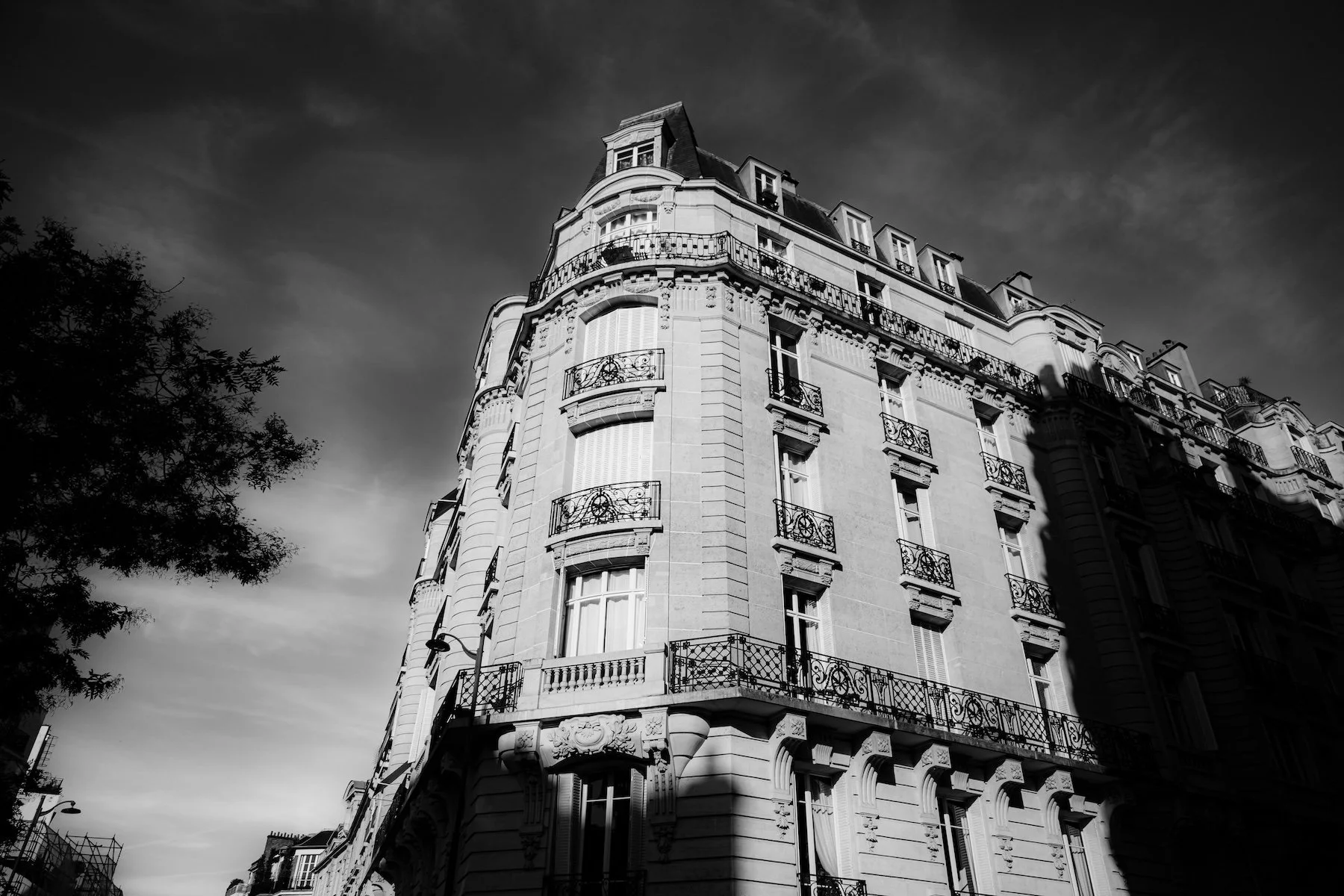
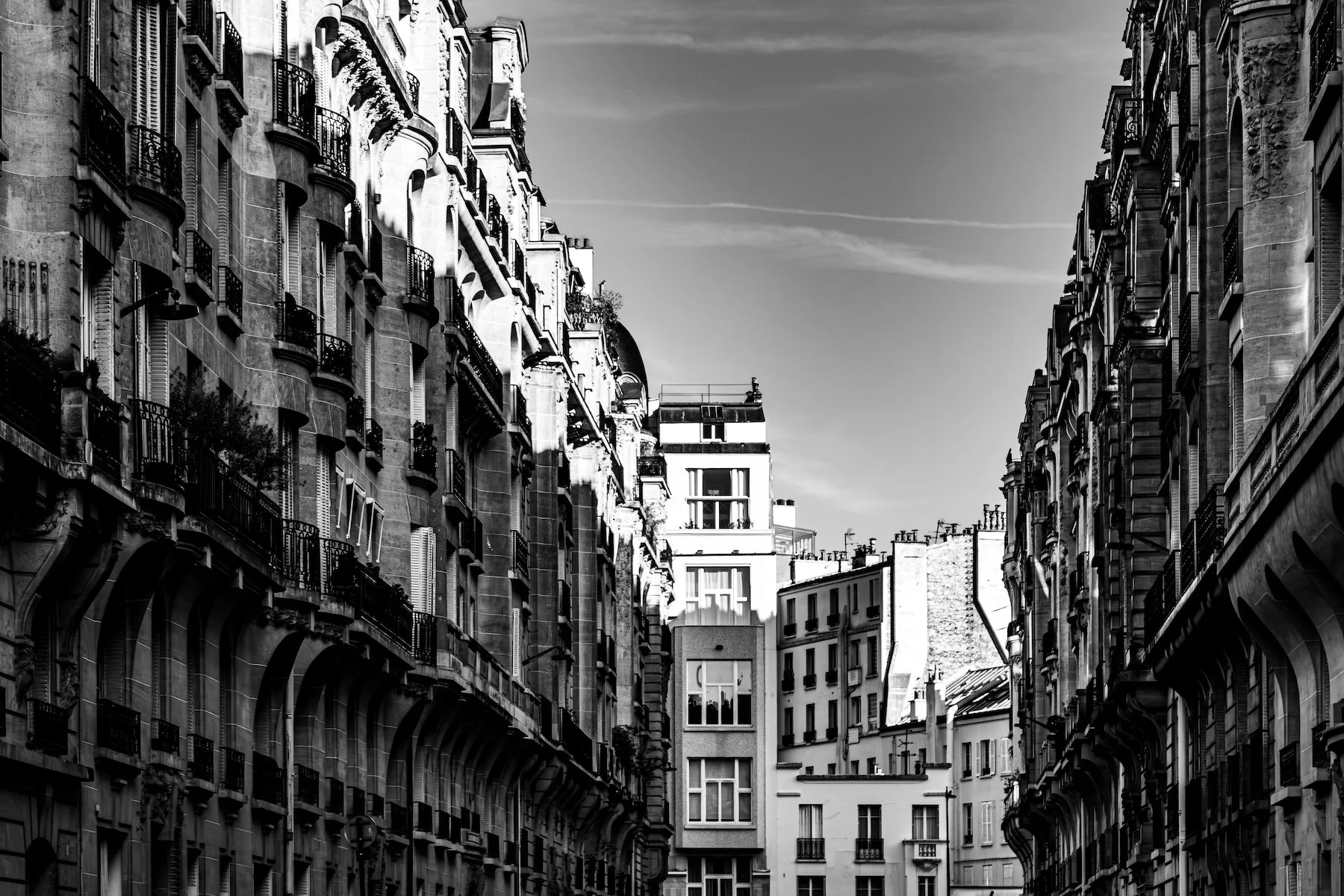
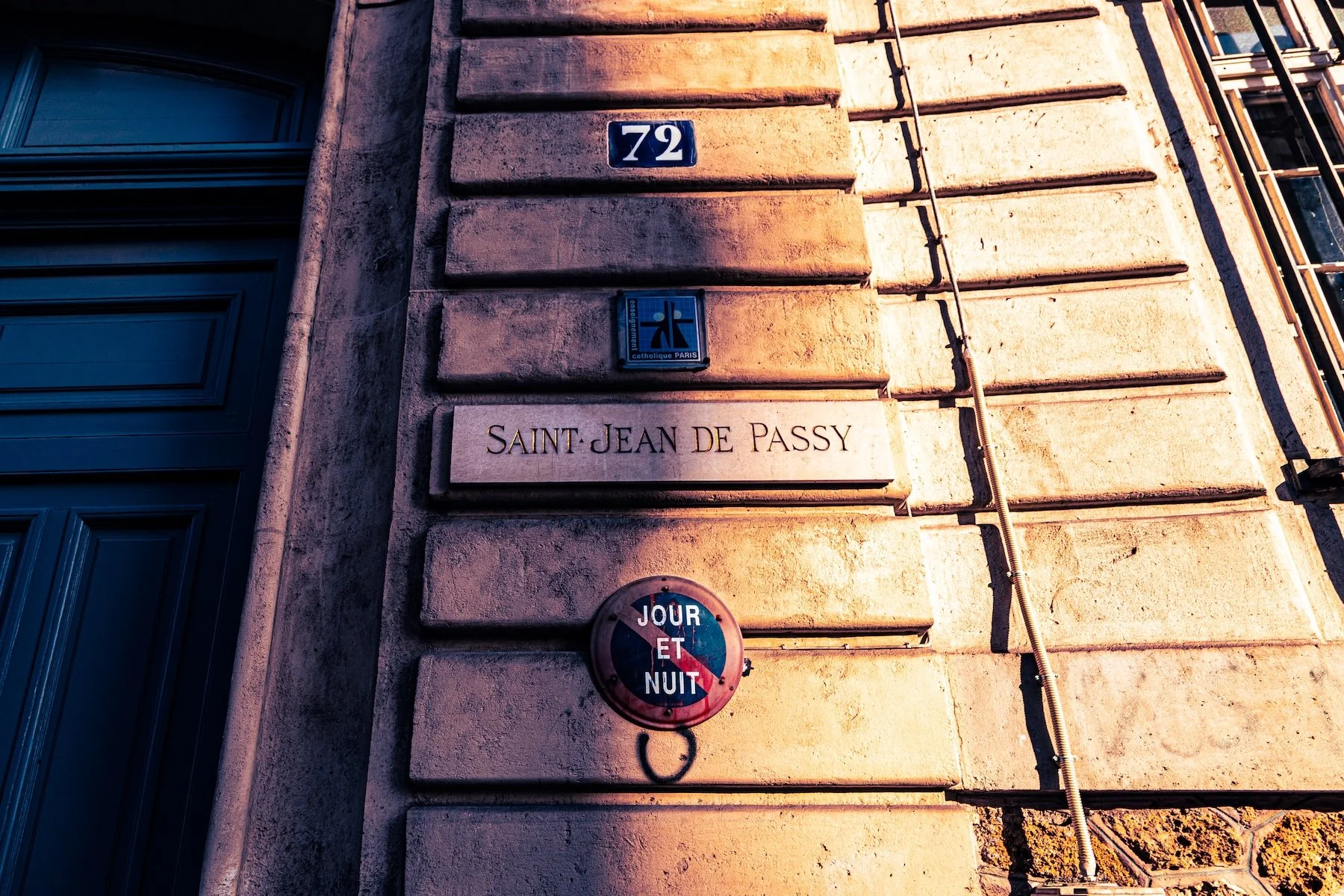
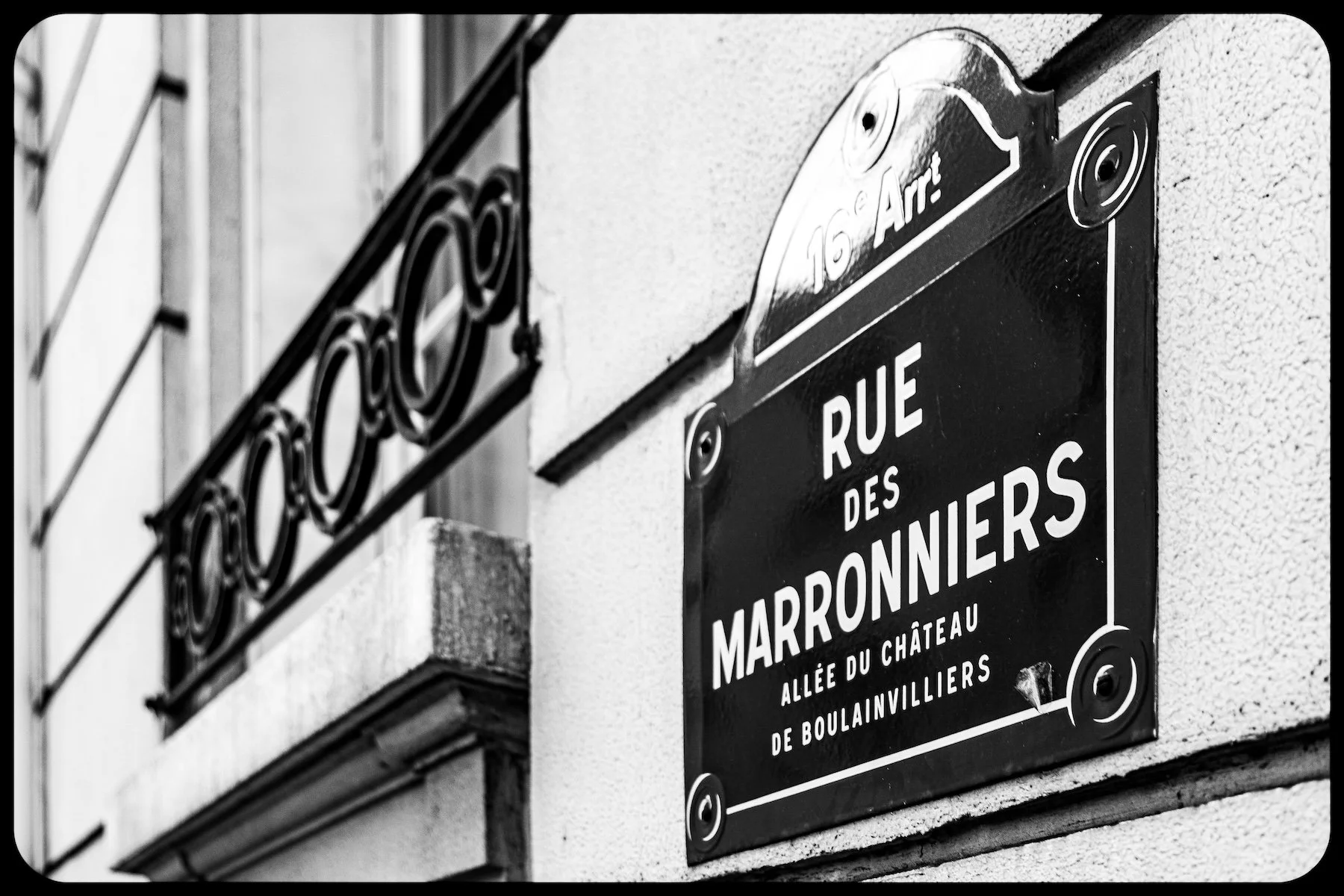
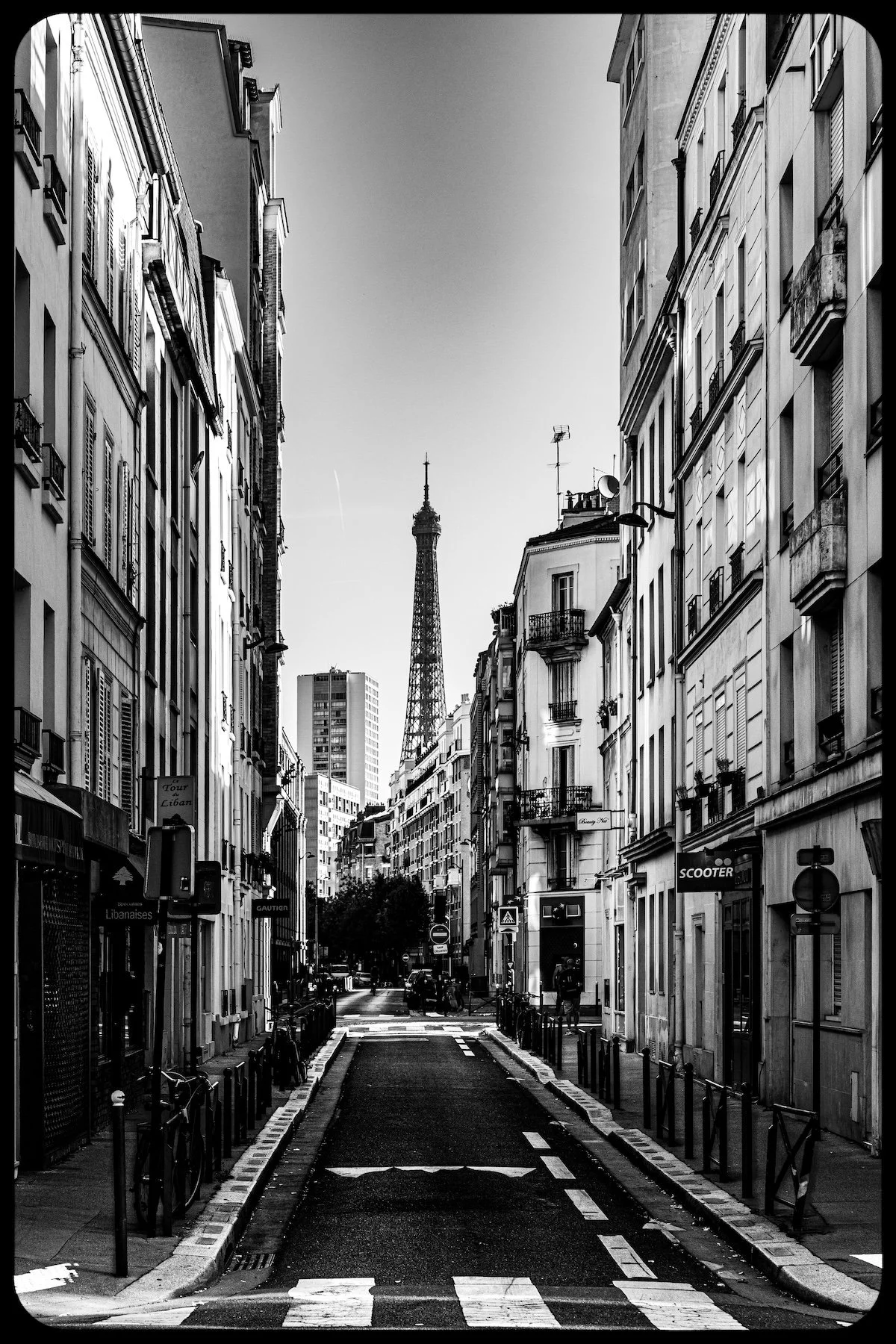
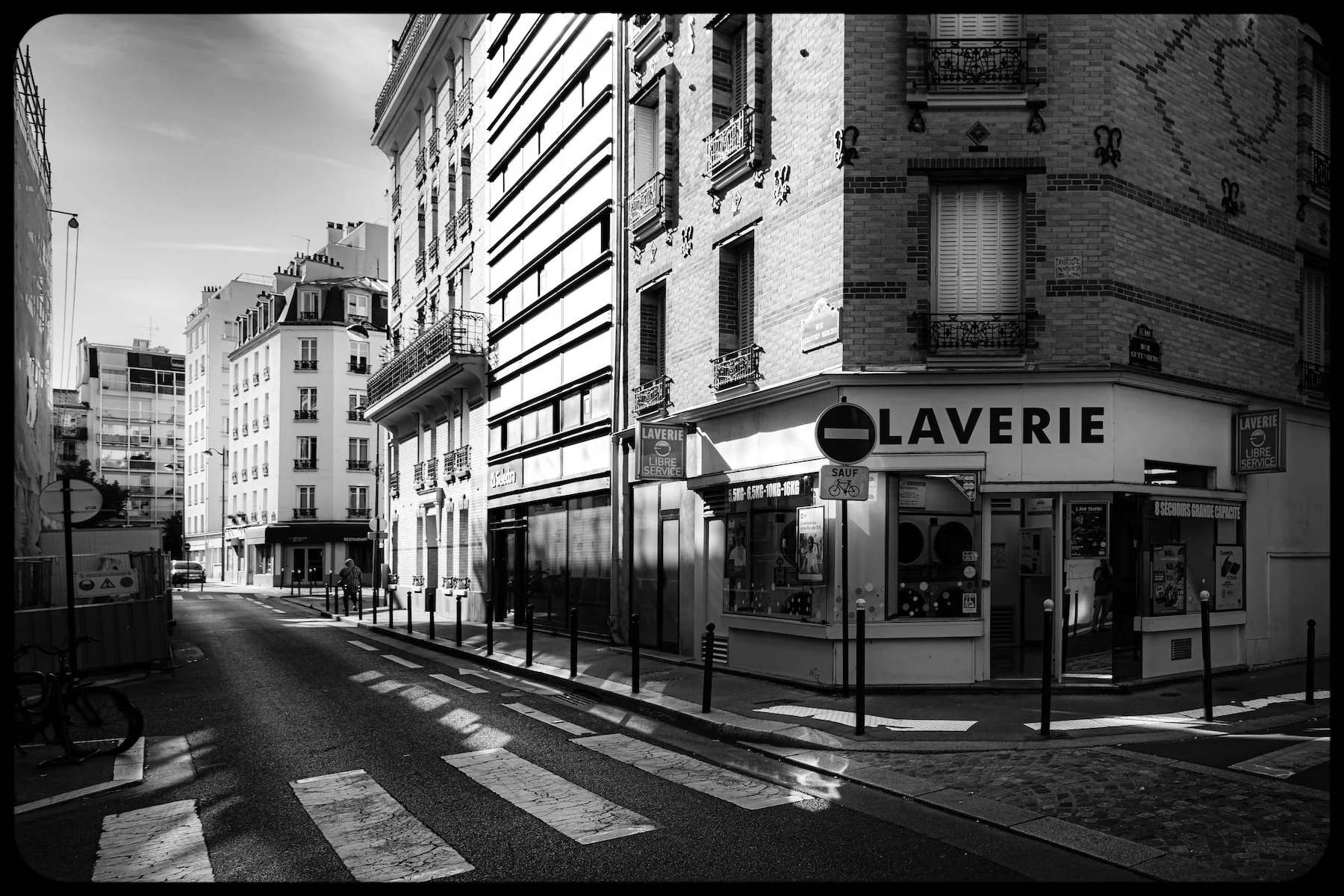
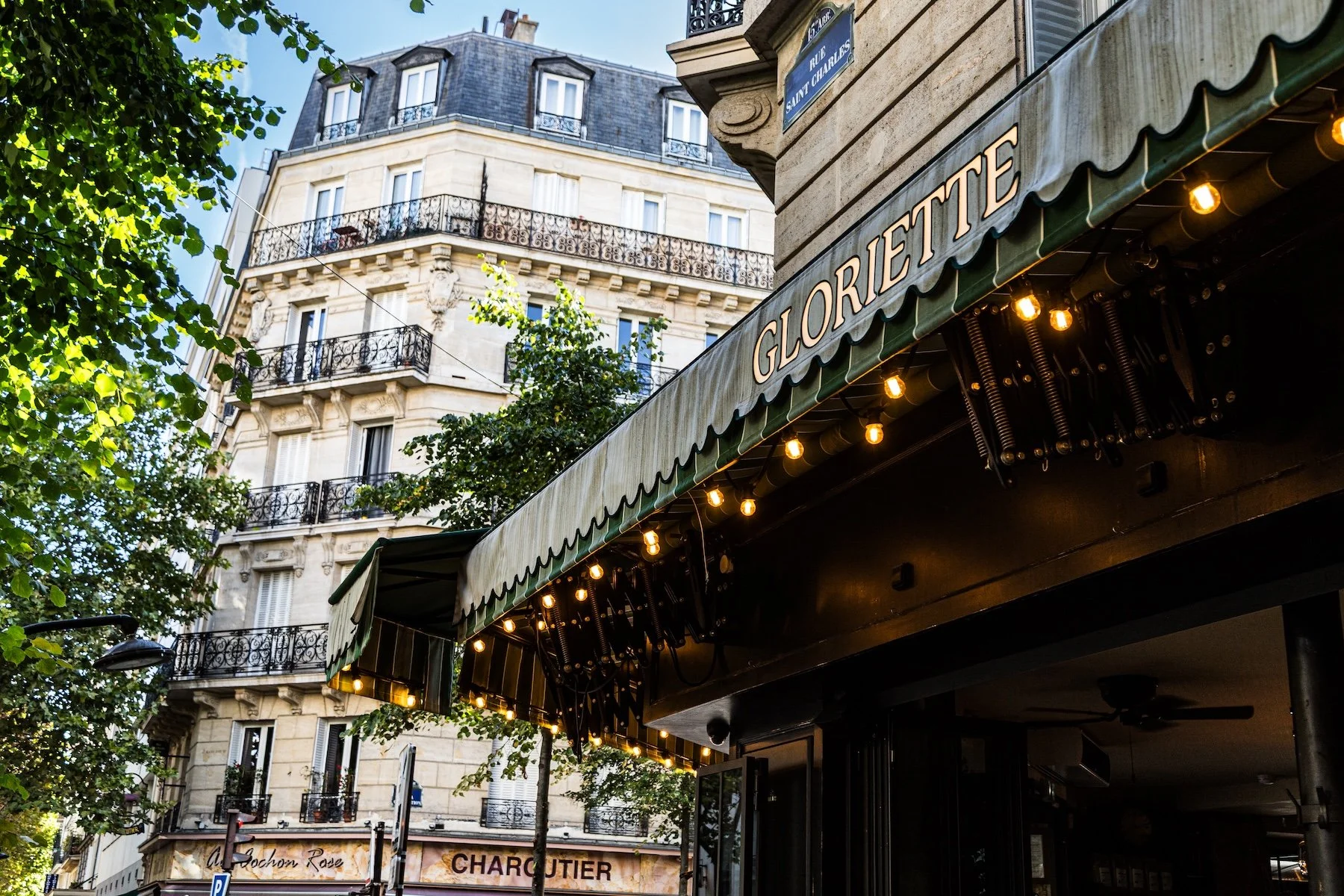
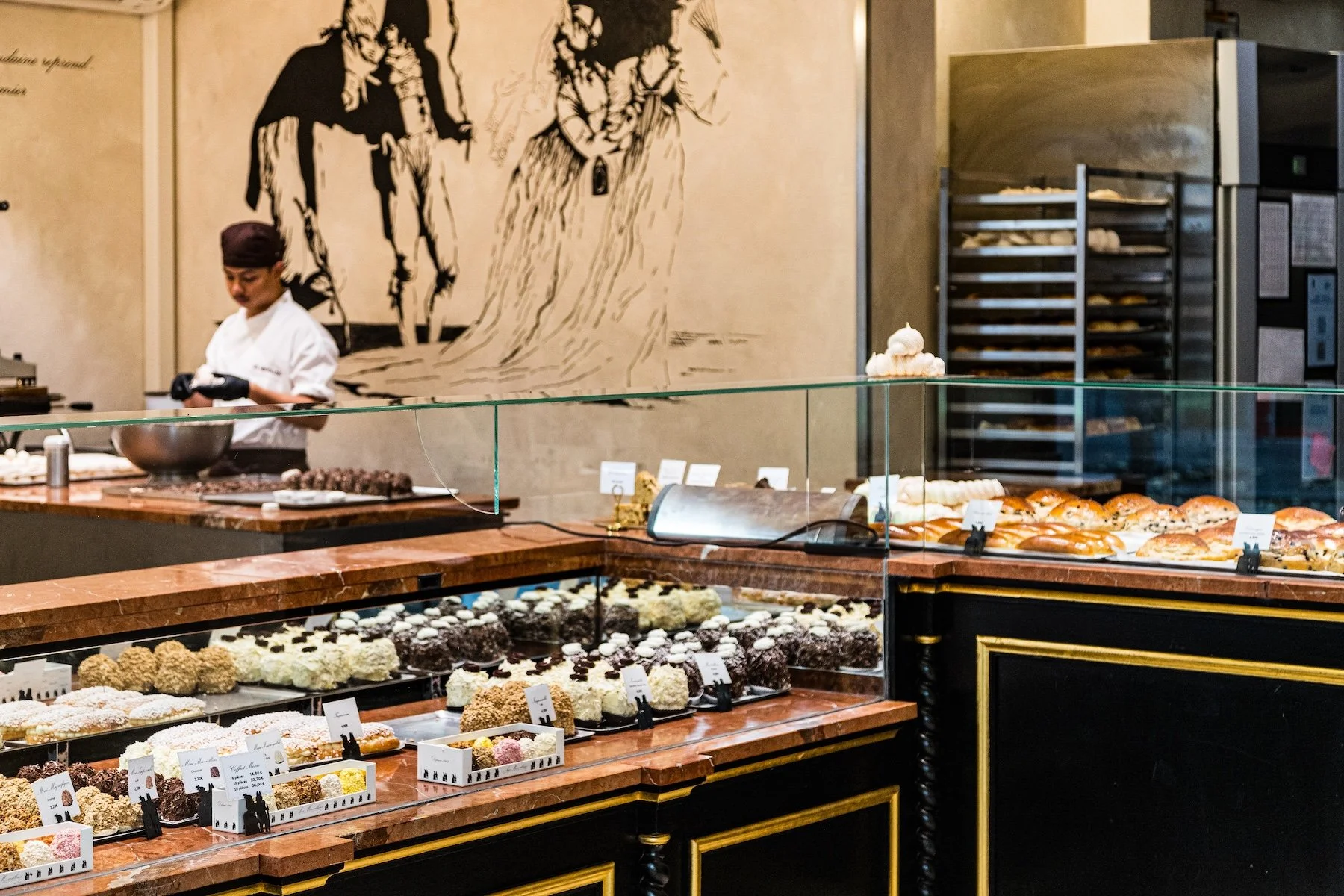
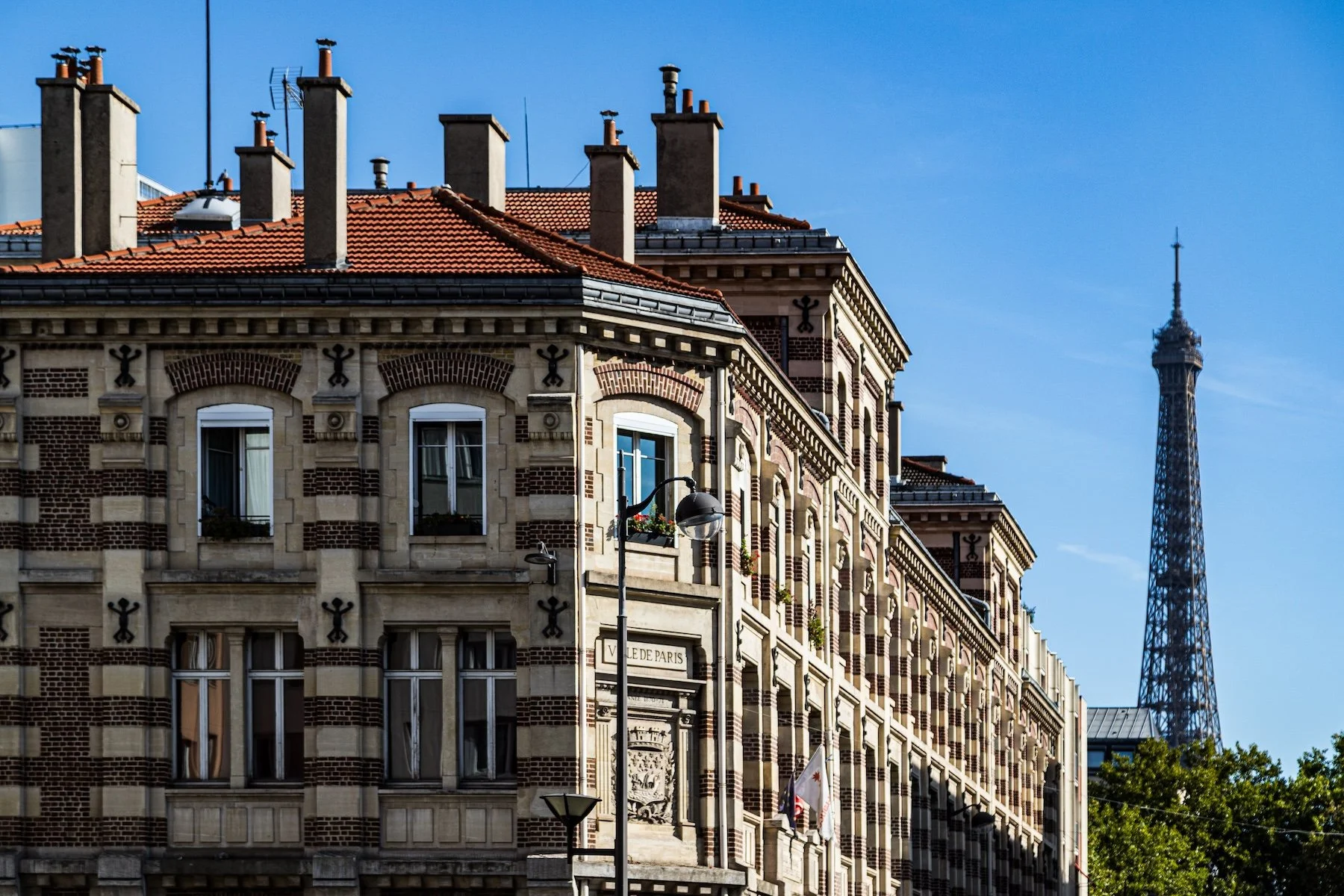
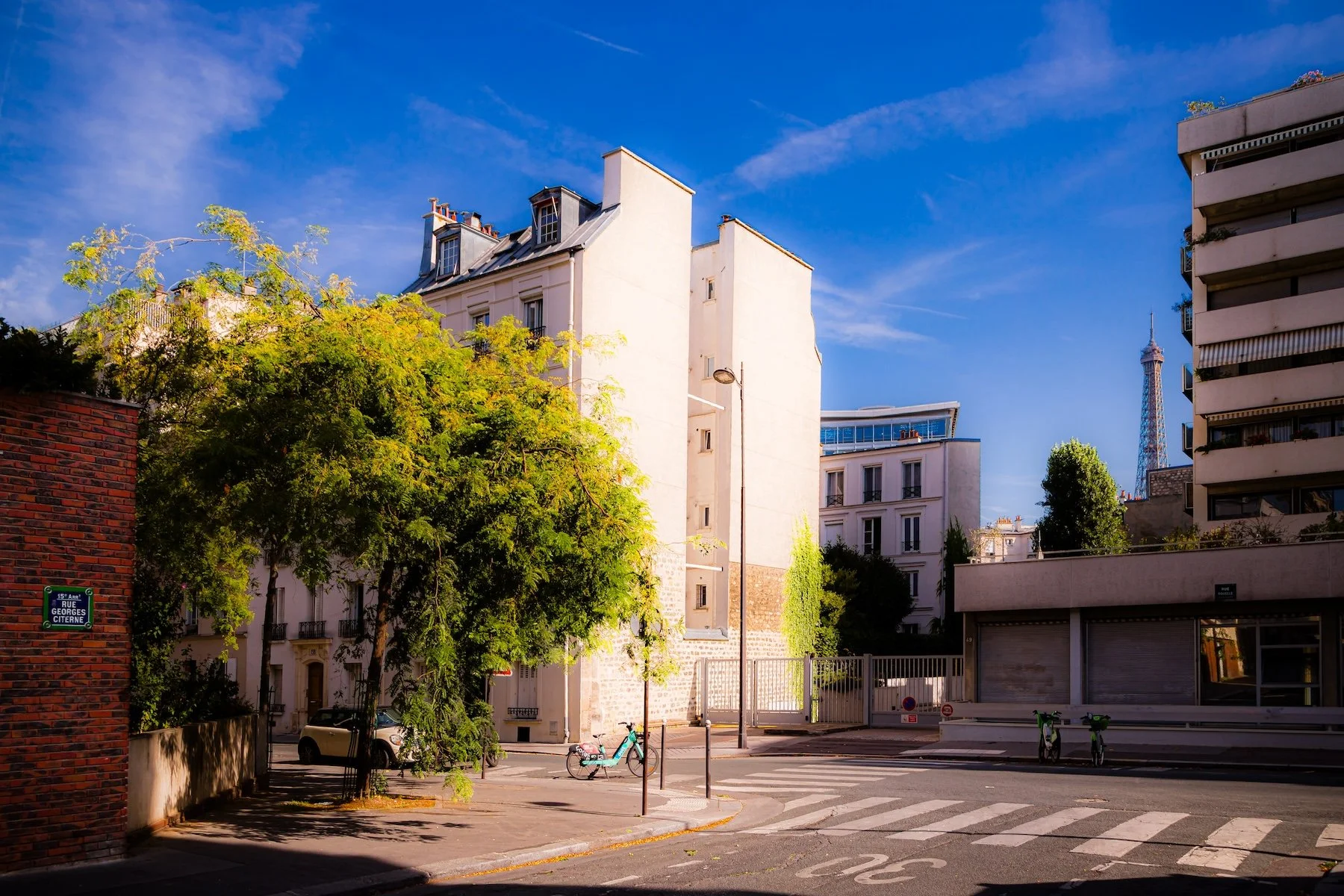
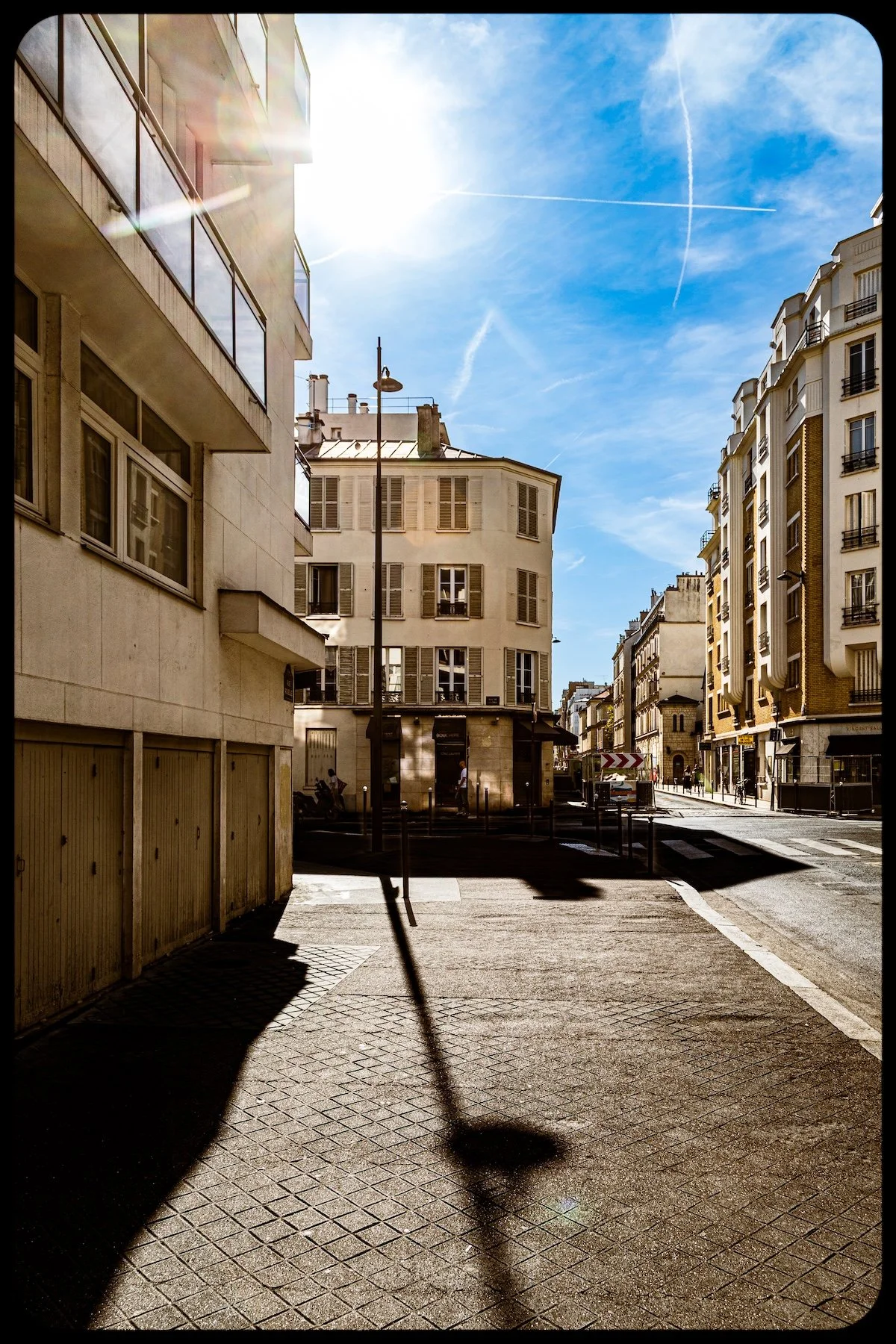
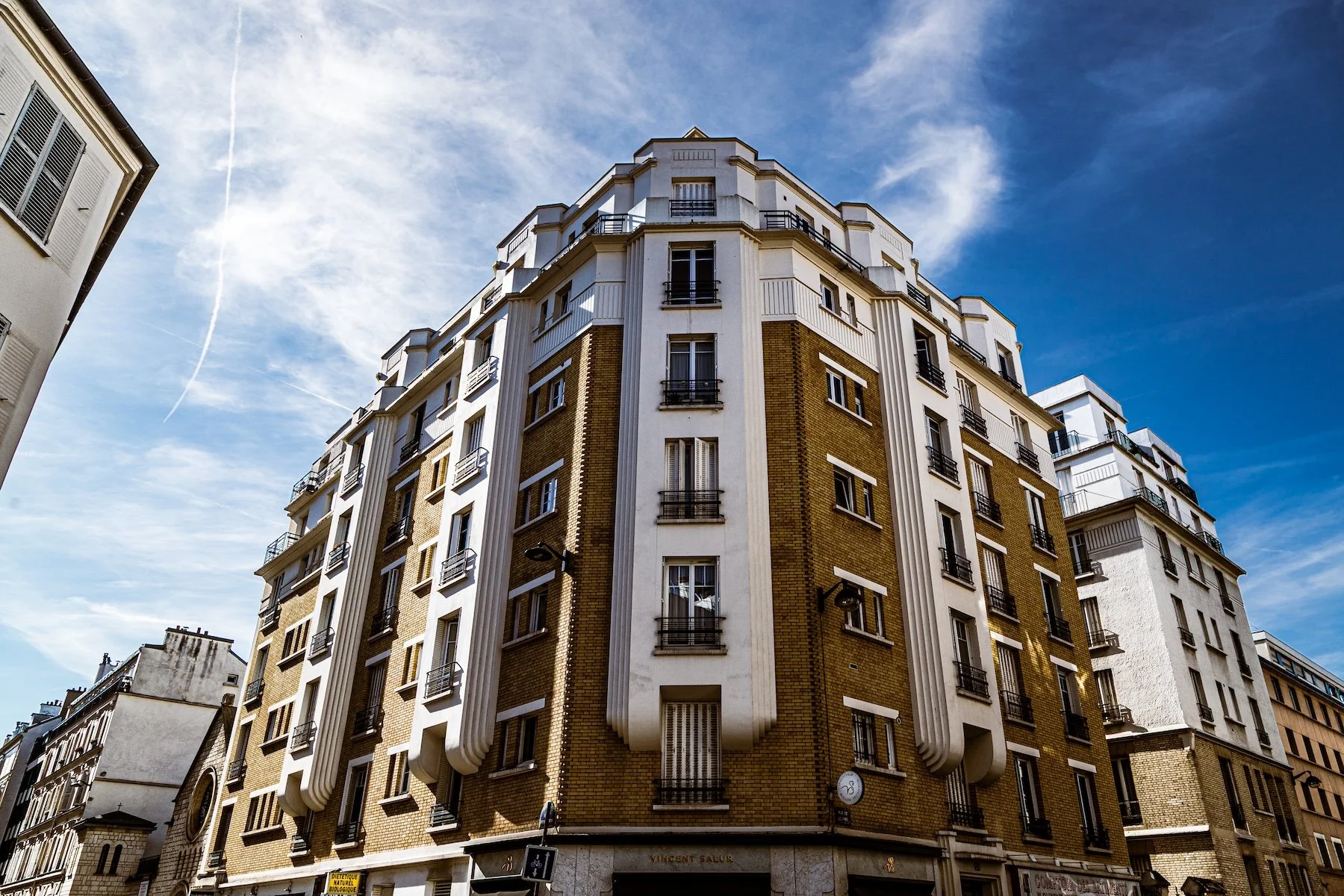
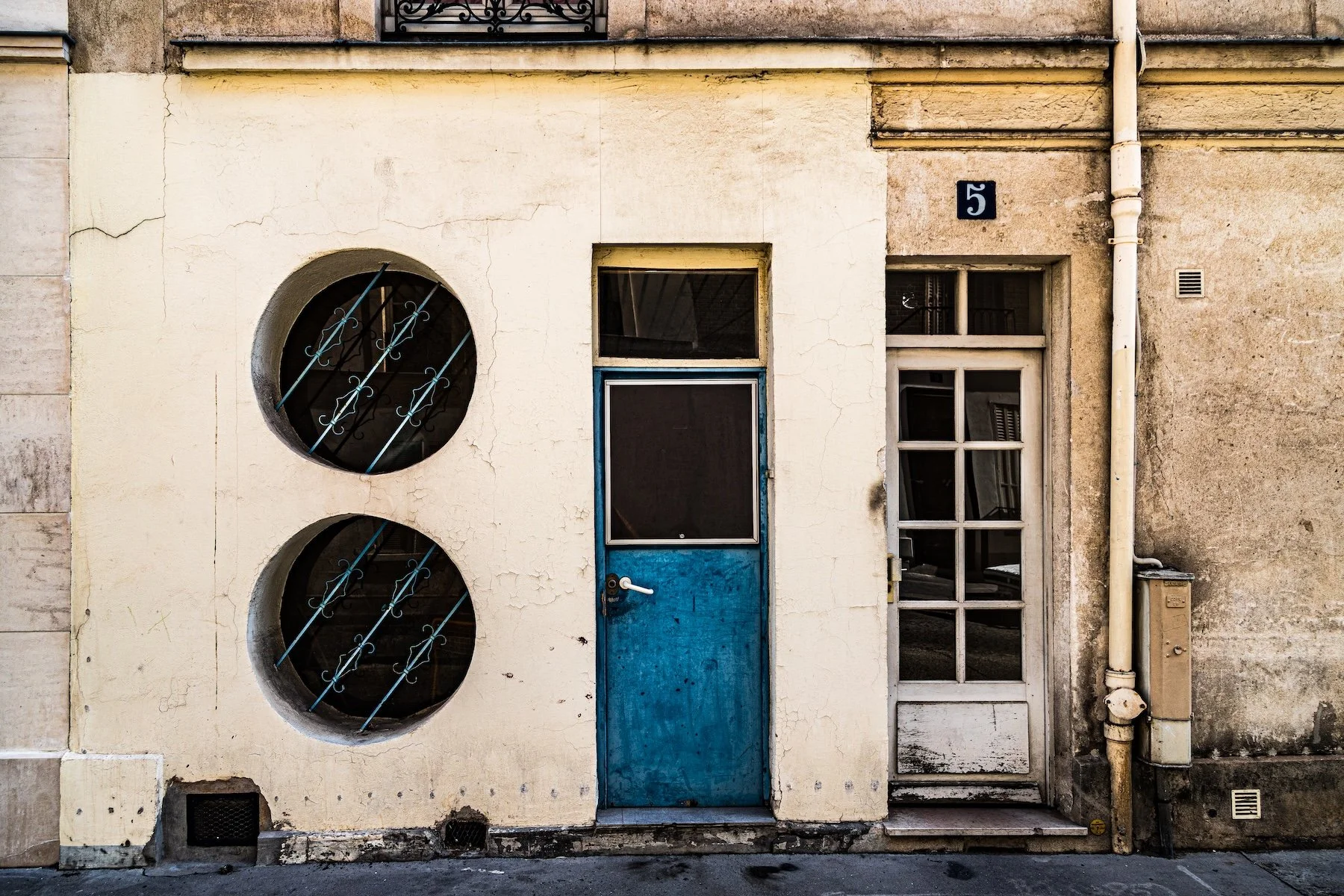
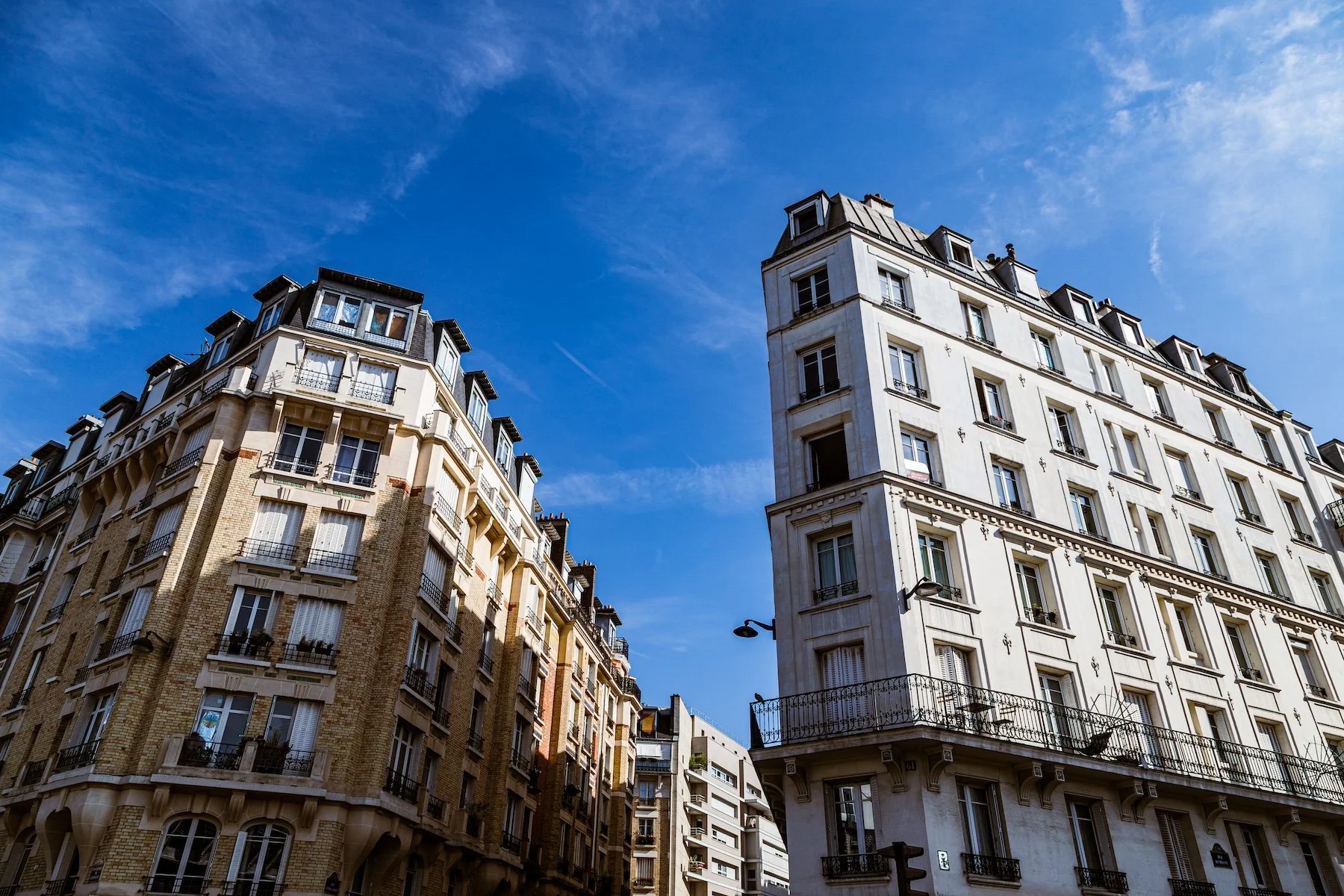
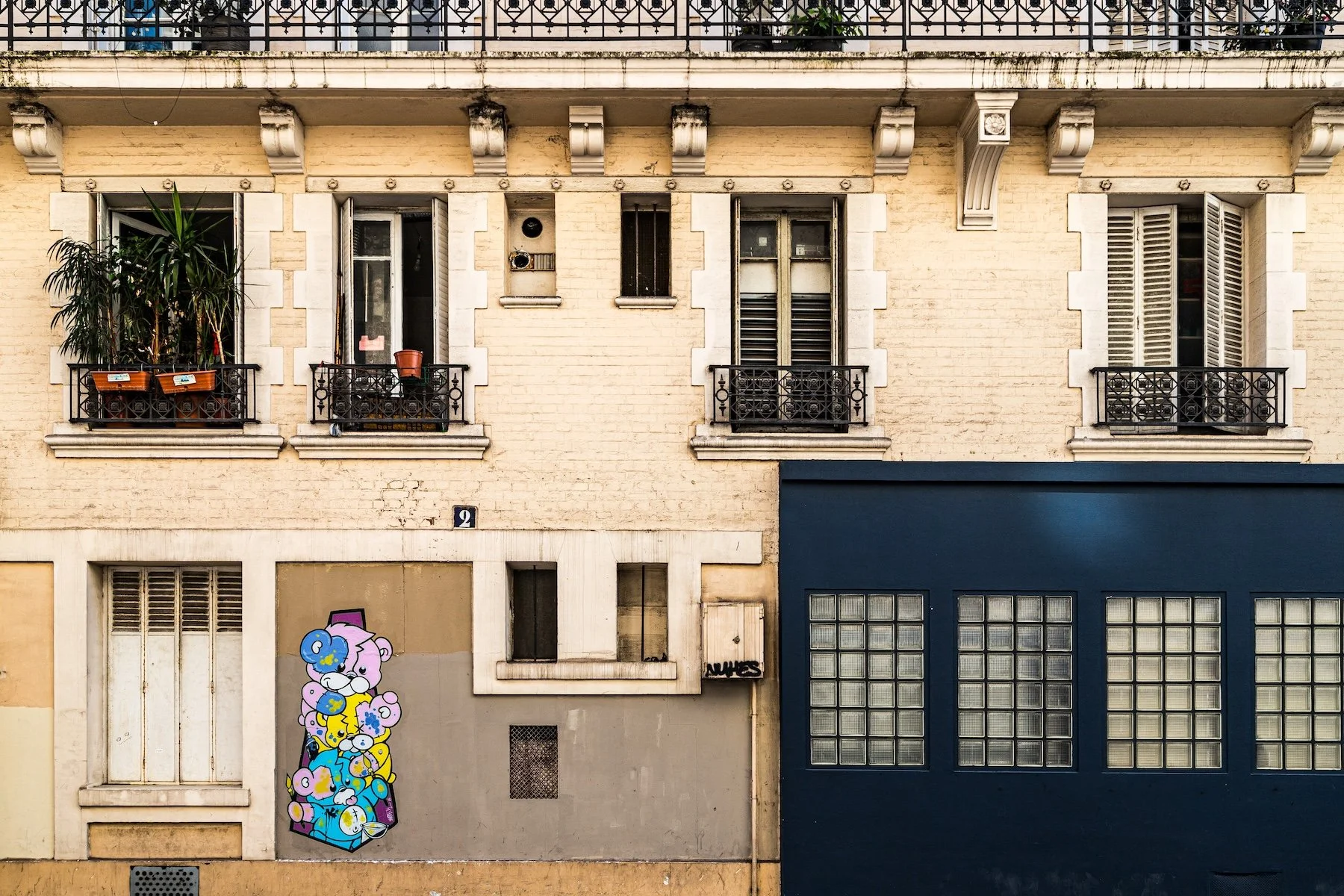
Explore Paris
-

The twenty arrondissements form the civic spiral of Paris, organizing the city into its broad local districts of government, identity, and daily life.
-

Each arrondissement is divided into four official administrative quarters, giving Paris a more precise civic and geographic framework.
-

The conseils de quartier bring participation to street level, giving residents a voice in neighborhood needs, public space, and local civic life.
-

Les Deux Rives trace Paris through the Seine’s two banks, revealing how the Rive Droite and Rive Gauche shaped the city’s civic power, commerce, learning, art, and cultural identity.
-
Cultural neighborhoods reveal the Paris people recognize through history, cafés, architecture, memory, atmosphere, and local belonging.