
MONTMARTRE
Milieux Culturels
Part of an ongoing project to walk and photograph every neighborhood in Paris, this page explores the Cultural Neighborhood: Montmartre through maps, district identity, history, and photography.
The Map
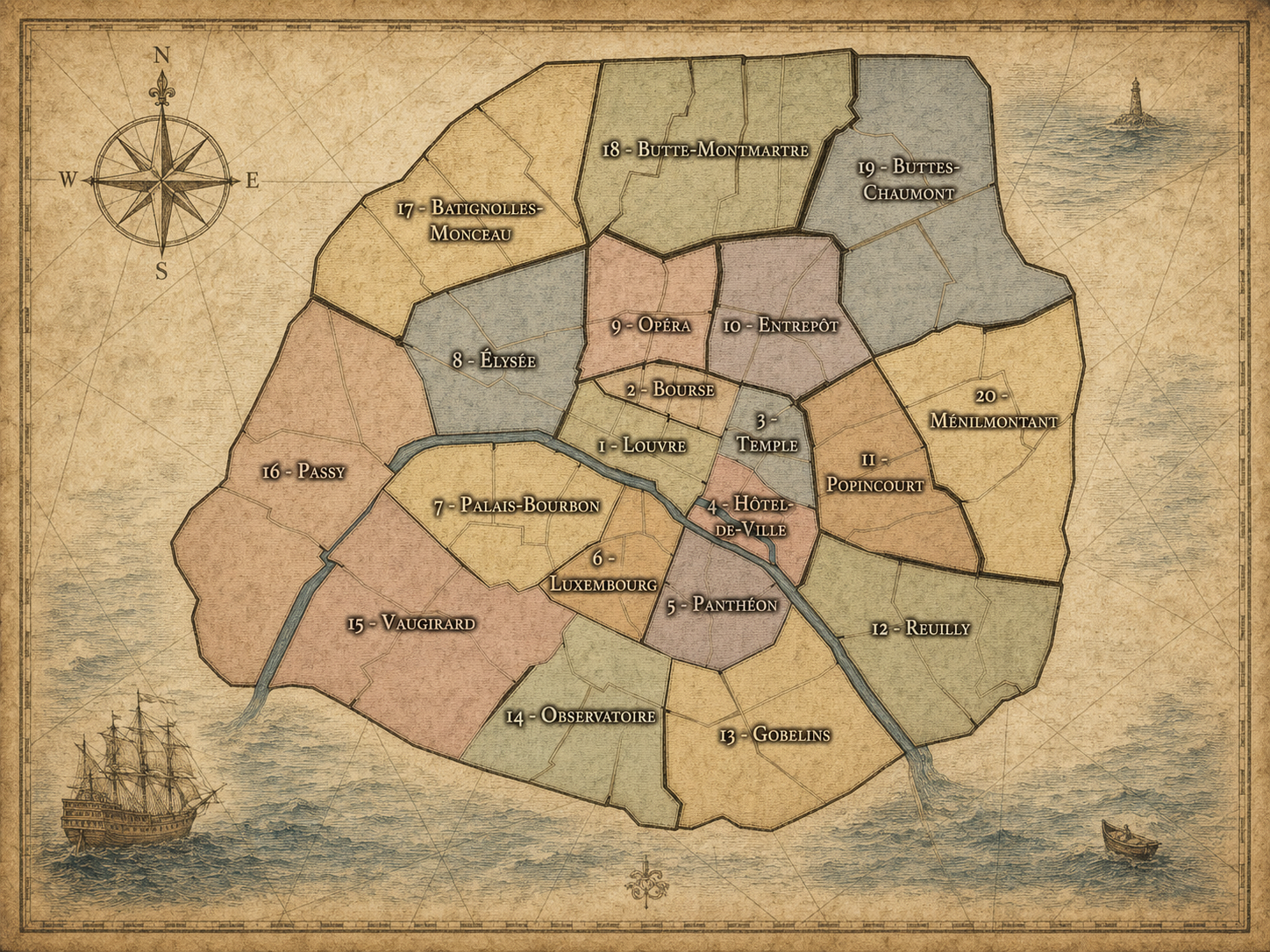
Download the Paris Arrondissements Map
Cultural Boundaries
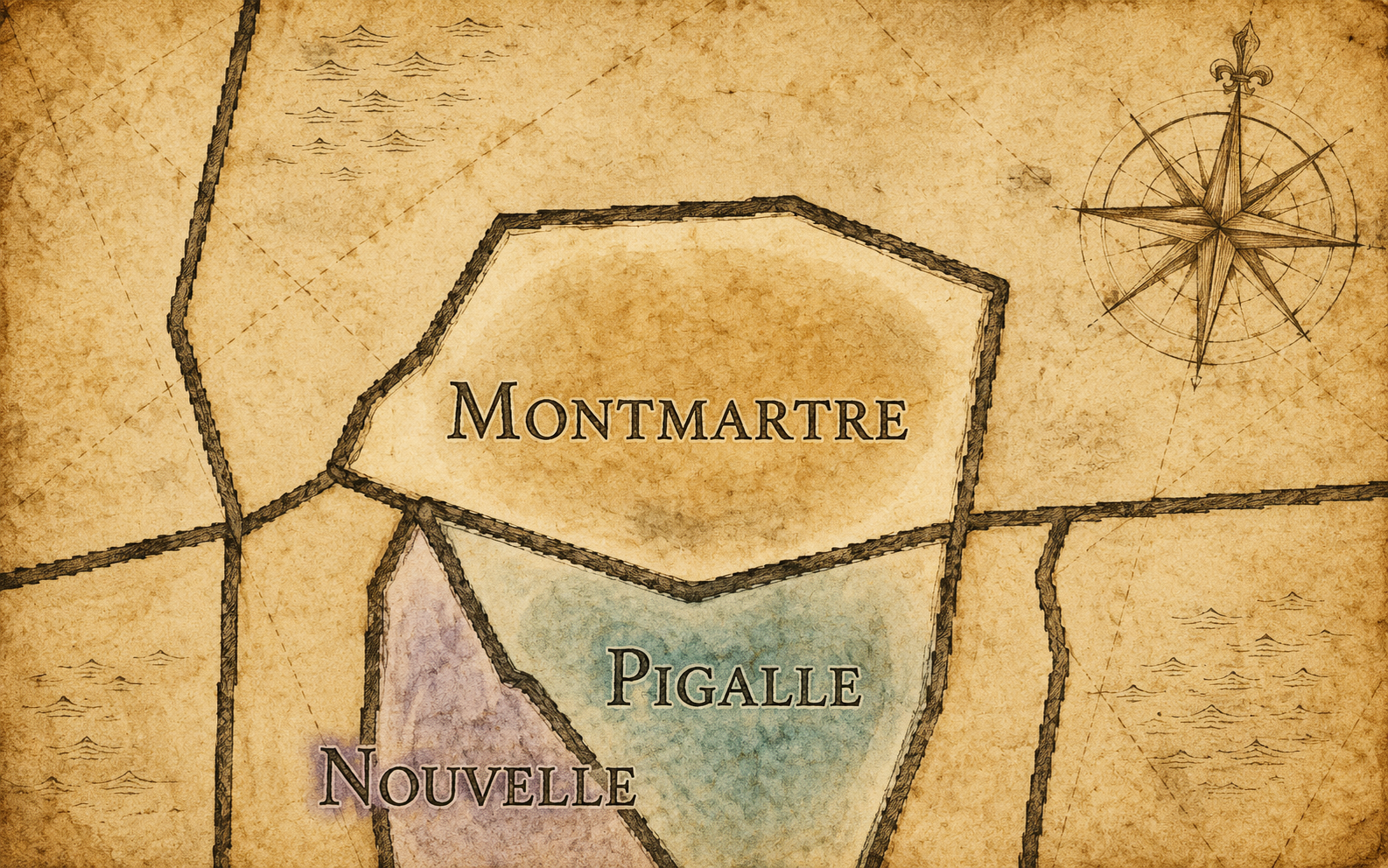
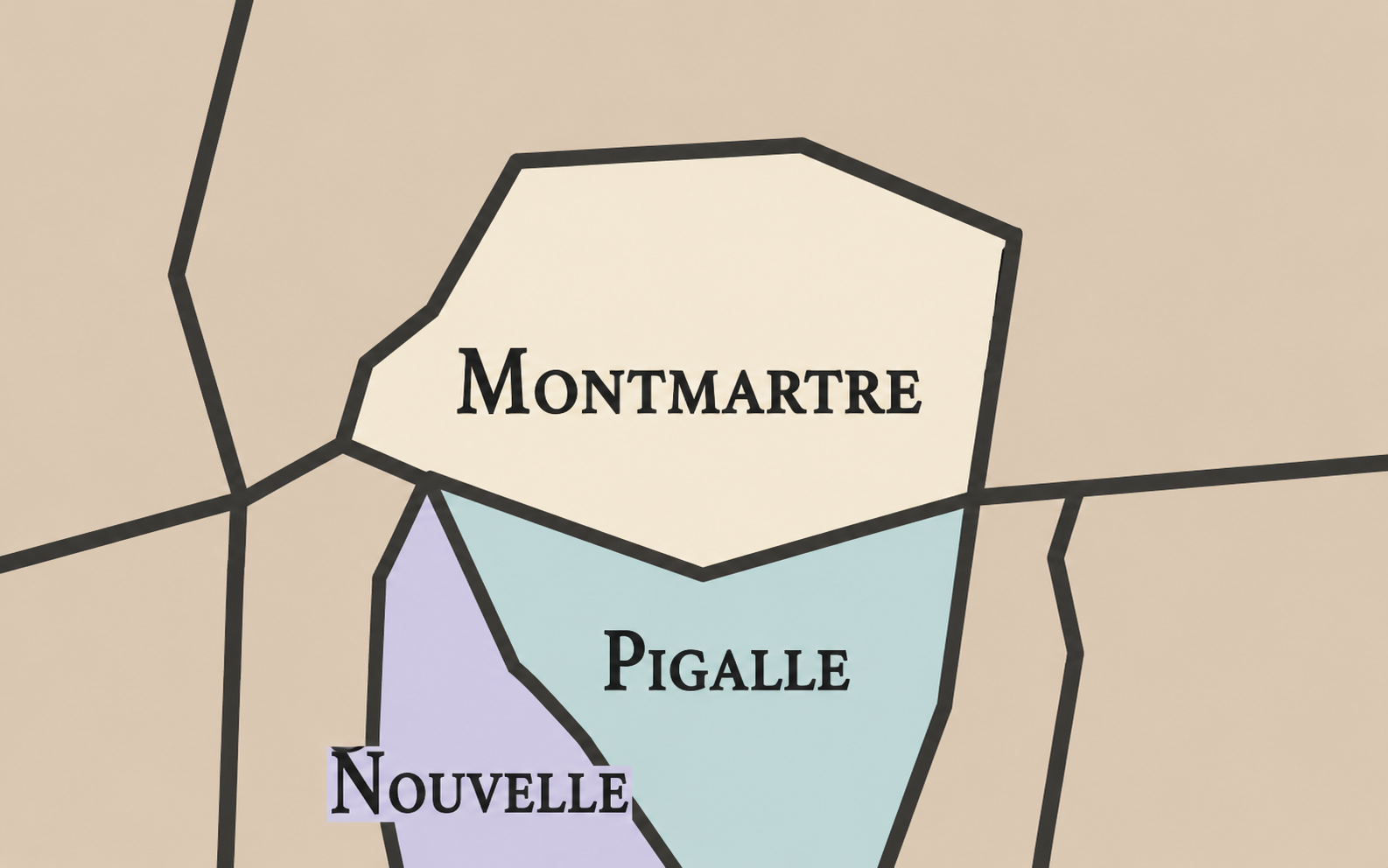
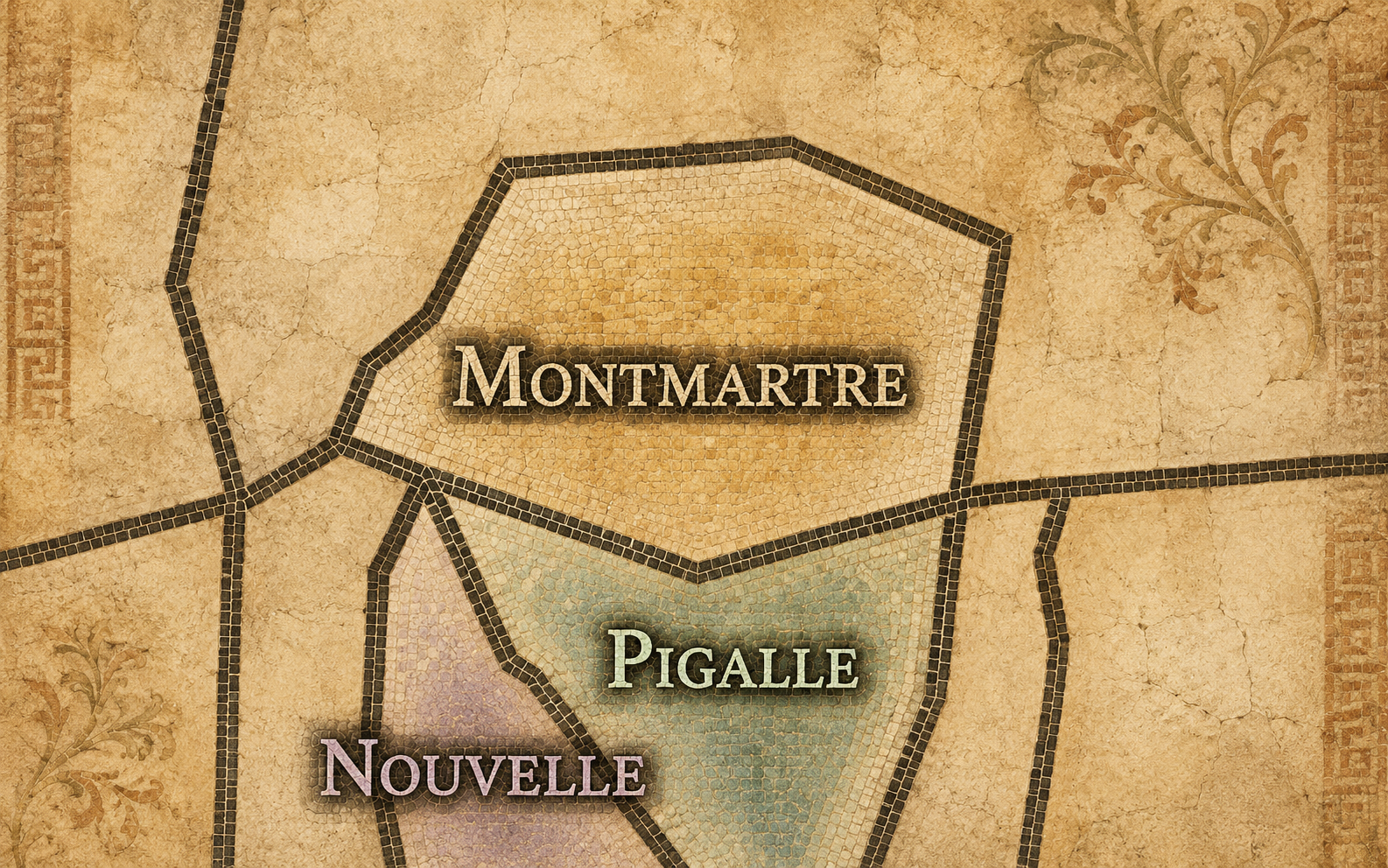
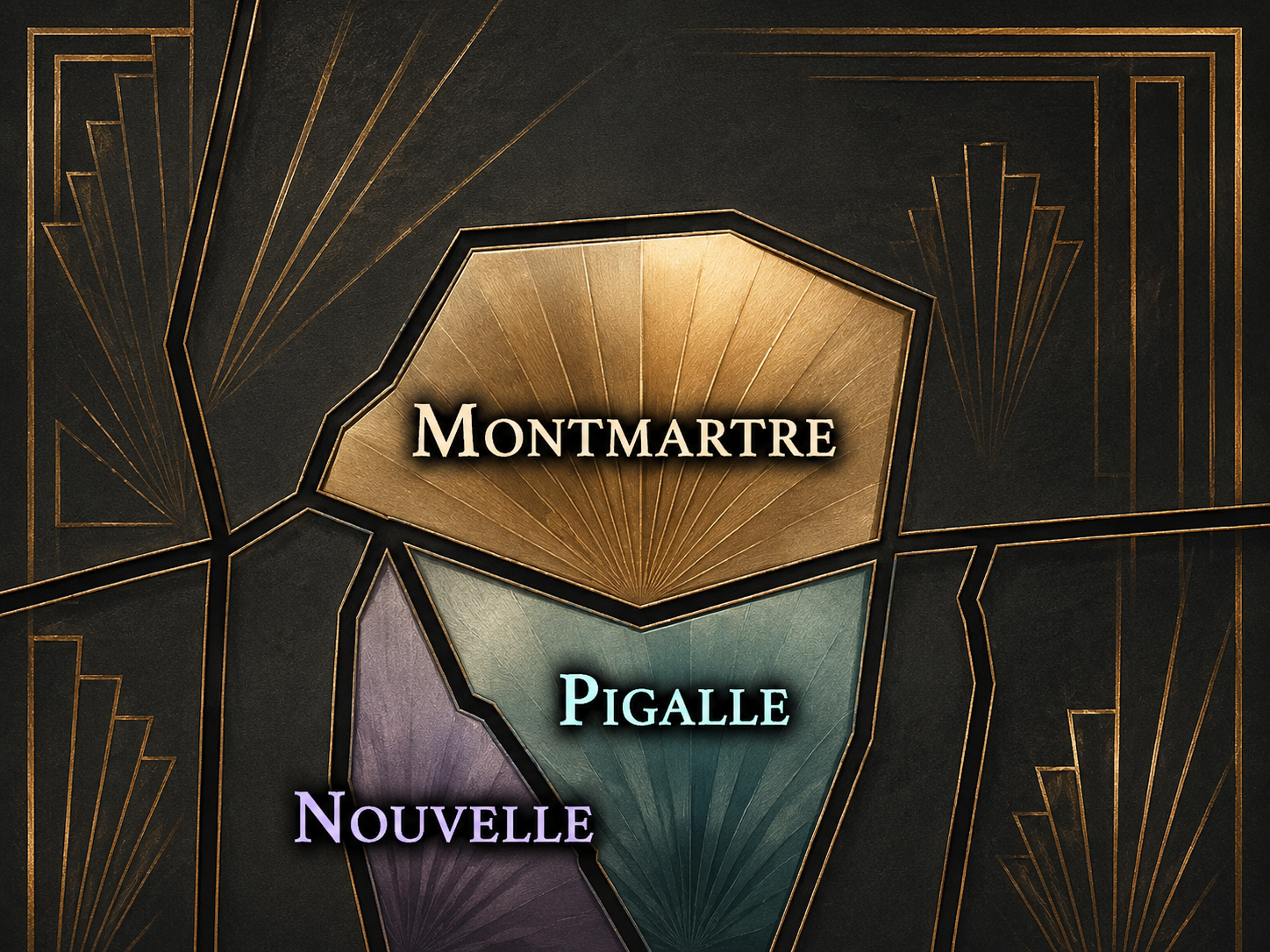
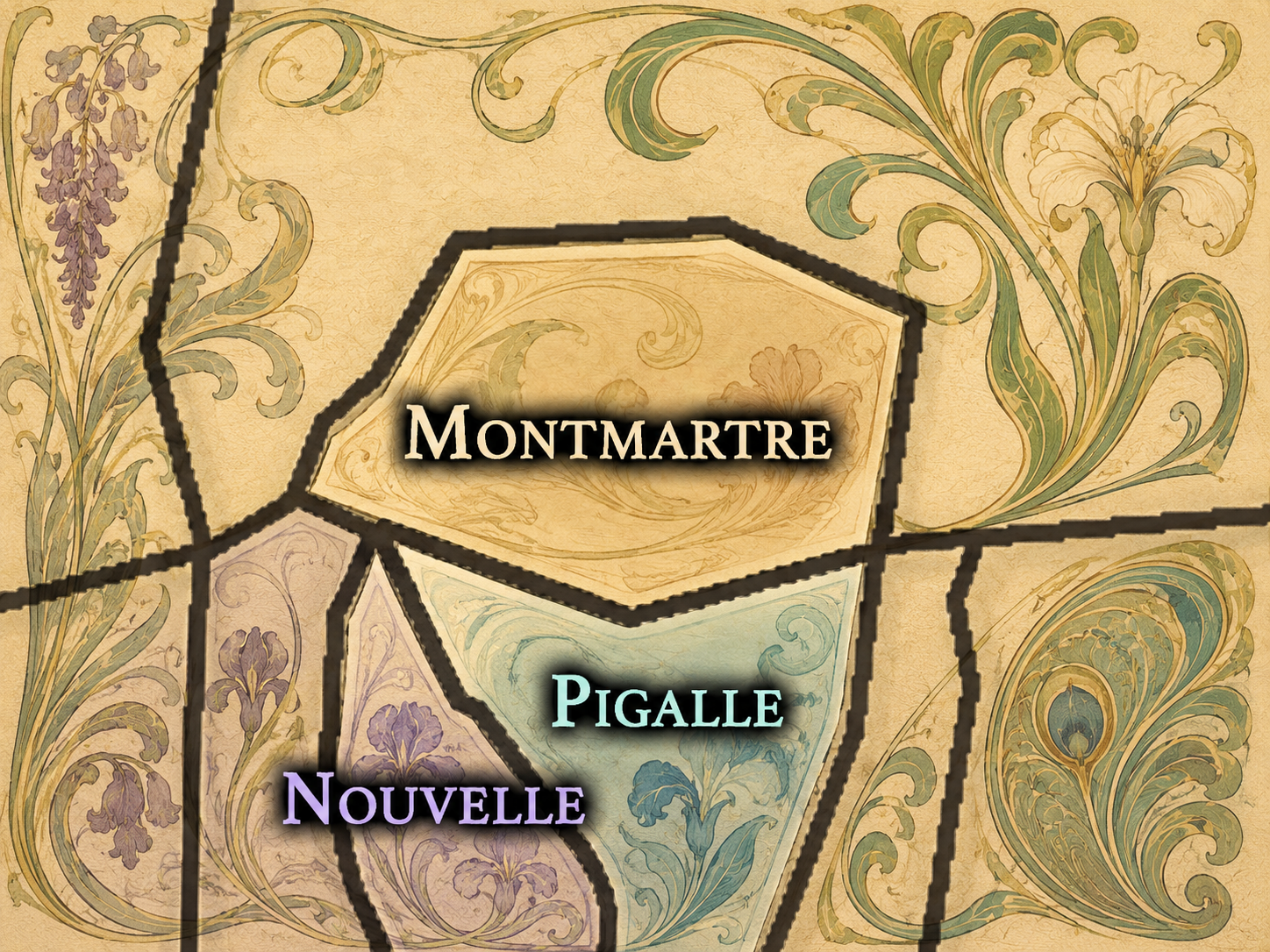
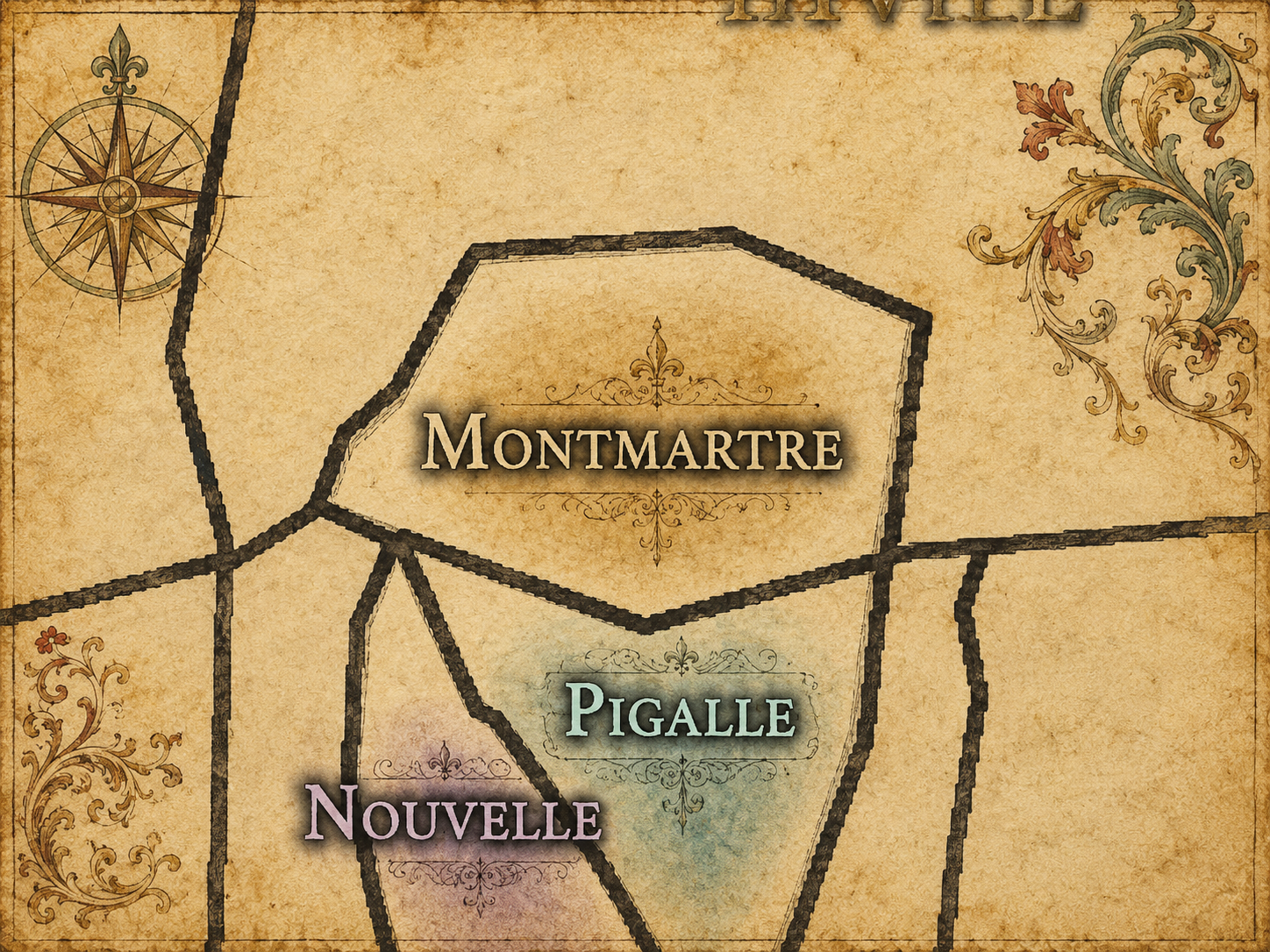
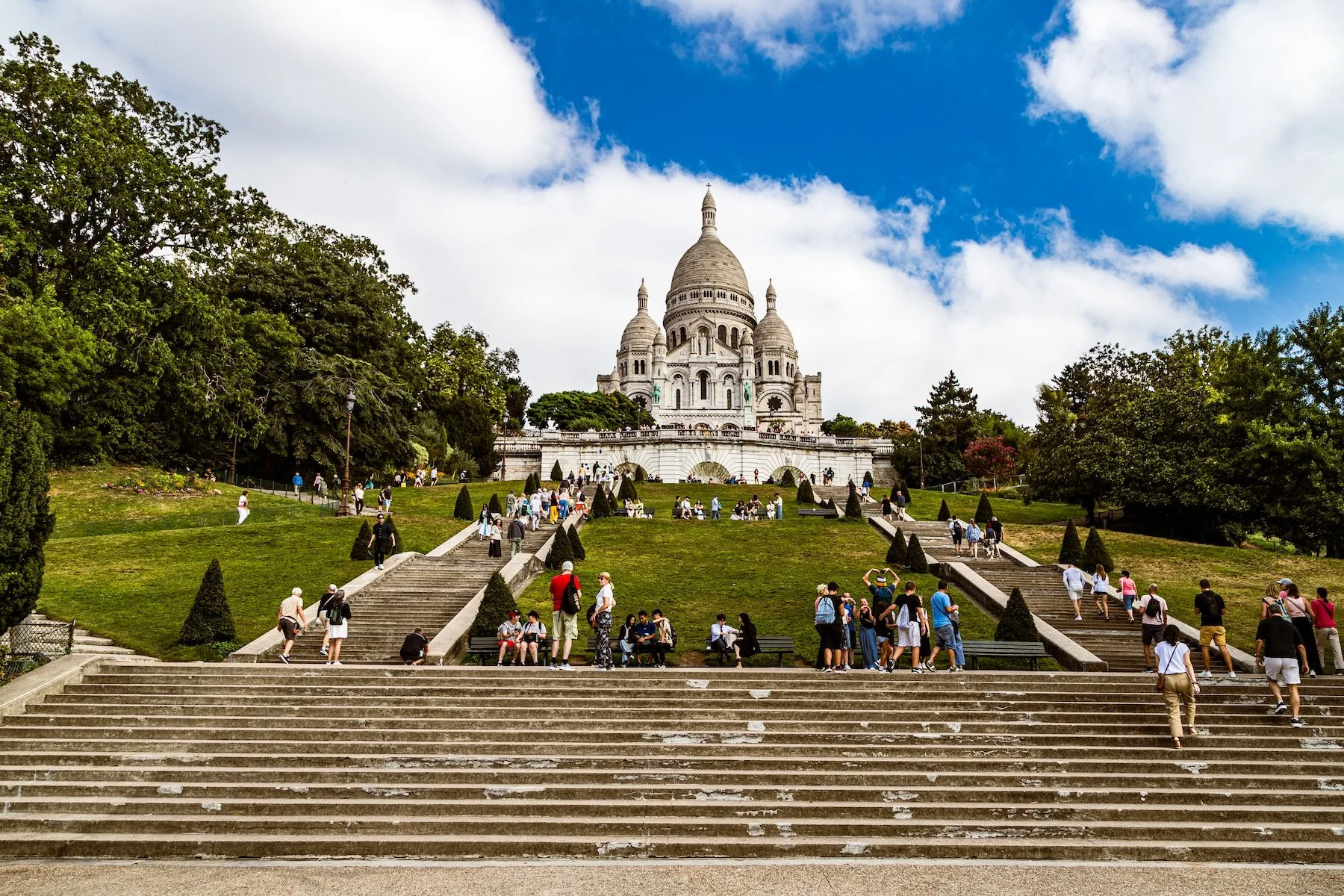
Montmartre occupies the high ground of northern Paris, centered on the Butte Montmartre in the 18th arrondissement. Its core is generally understood around the hill itself: the area surrounding Sacré-Cœur, place du Tertre, rue Lepic, rue Norvins, rue des Abbesses, place des Abbesses, the old village streets, the stairways climbing the butte, and the slopes that descend toward Pigalle, Barbès, Lamarck-Caulaincourt, and Jules Joffrin.
Its boundaries are cultural rather than absolute. Montmartre may be imagined narrowly as the historic village on the hill, especially around the upper butte, or more broadly as a wider northern Parisian world of artists, cabarets, workers, religious memory, nightlife, tourism, and village identity. It overlaps in atmosphere with Pigalle to the south, with the working-class and immigrant geographies around Barbès to the east, and with the more residential northern slopes of the 18th arrondissement.
For CityNeighborhoods, Montmartre is best understood as a Cultural Neighborhood shaped by elevation, village memory, sacred symbolism, artistic mythology, cabaret culture, revolutionary history, and tourism. Its borders matter, but its identity depends as much on ascent as on outline. Montmartre is a neighborhood one climbs into: a hilltop Paris that has long felt both inside the city and apart from it.
Cultural Neighborhood Identity
Etymology and Origins
The name Montmartre is traditionally linked to the “Mount of Martyrs,” associated with the martyrdom of Saint Denis and his companions. Another interpretation connects the name to an older “Mount of Mars,” suggesting a possible ancient sacred or Roman association. The layered uncertainty is fitting: Montmartre has always carried multiple meanings at once — sacred hill, rural village, revolutionary height, artistic refuge, cabaret district, tourist icon.
The name preserves the importance of the hill itself. Before Montmartre became a synonym for bohemian Paris, it was a place defined by topography. Its elevation made it visible from the city below and gave it a distinctive physical identity. Windmills, vineyards, quarries, religious institutions, village streets, and open land all shaped the neighborhood before its later artistic fame.
Montmartre’s origins therefore lie in a combination of geography and myth. It is not simply a district that became famous; it is a hill that gathered meanings over centuries.
Montmartre is one of Paris’s great neighborhoods of myth-making. Its cultural framework rests on the meeting of sacred history, village independence, working-class life, artistic poverty, cabaret performance, political radicalism, and mass tourism. Few neighborhoods in Paris have been so thoroughly transformed into an image — and yet the image grew from real historical conditions.
The hill mattered because it was marginal. For much of its history, Montmartre stood outside or at the edge of Paris. That separateness allowed it to develop a local character different from the central city. It had vineyards, mills, taverns, convents, workers, quarrymen, and eventually cheap lodgings that attracted artists and performers. The same geography that made it peripheral helped make it culturally fertile.
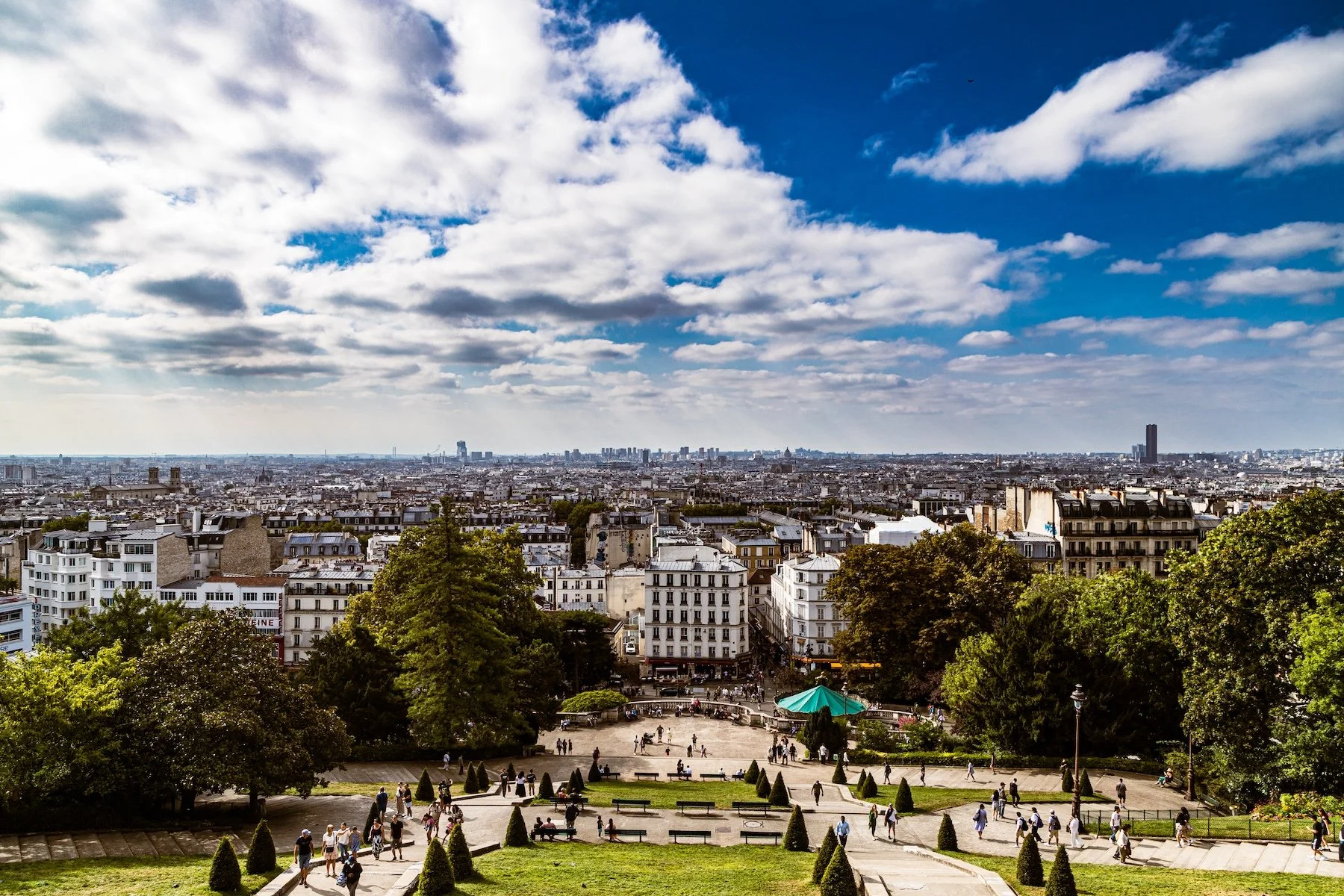
Montmartre’s identity is therefore both lived and performed. It was home to real communities, real poverty, real labor, real political struggle, and real artistic experimentation. But it also became a stage on which Paris imagined bohemia: the poor artist, the café table, the cabaret poster, the steep street, the glowing city below. The neighborhood’s cultural force lies in the tension between the real hill and the invented Montmartre.
Cultural Framework
Montmartre helps define Paris as a city of artistic romance, but also as a city of contradiction. It represents the dream of bohemian Paris: painters, poets, singers, cabarets, studios, garrets, and nocturnal life. Yet it also represents sacred Paris through Sacré-Cœur, popular Paris through its village and working-class histories, and political Paris through its association with radicalism and the Paris Commune.
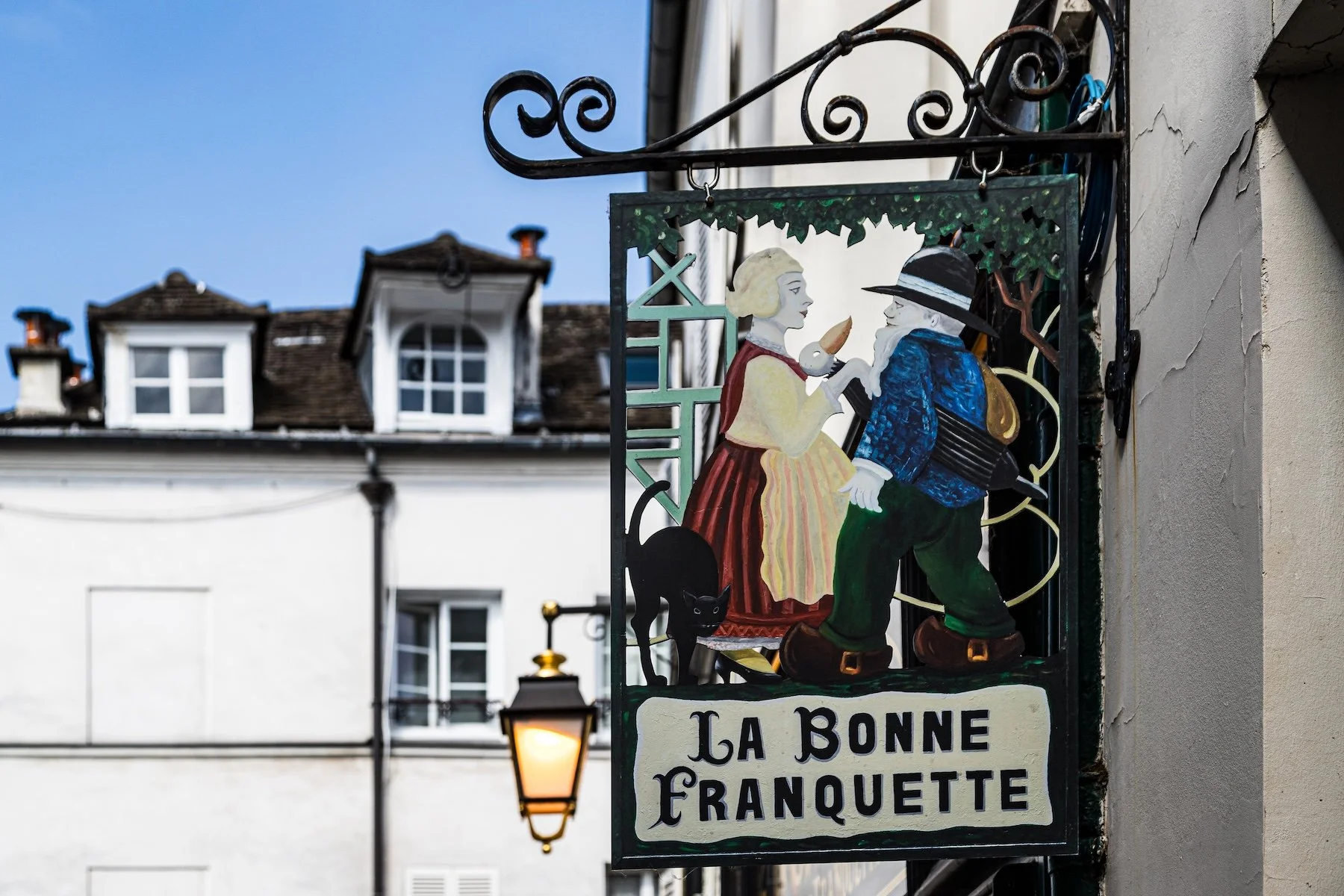
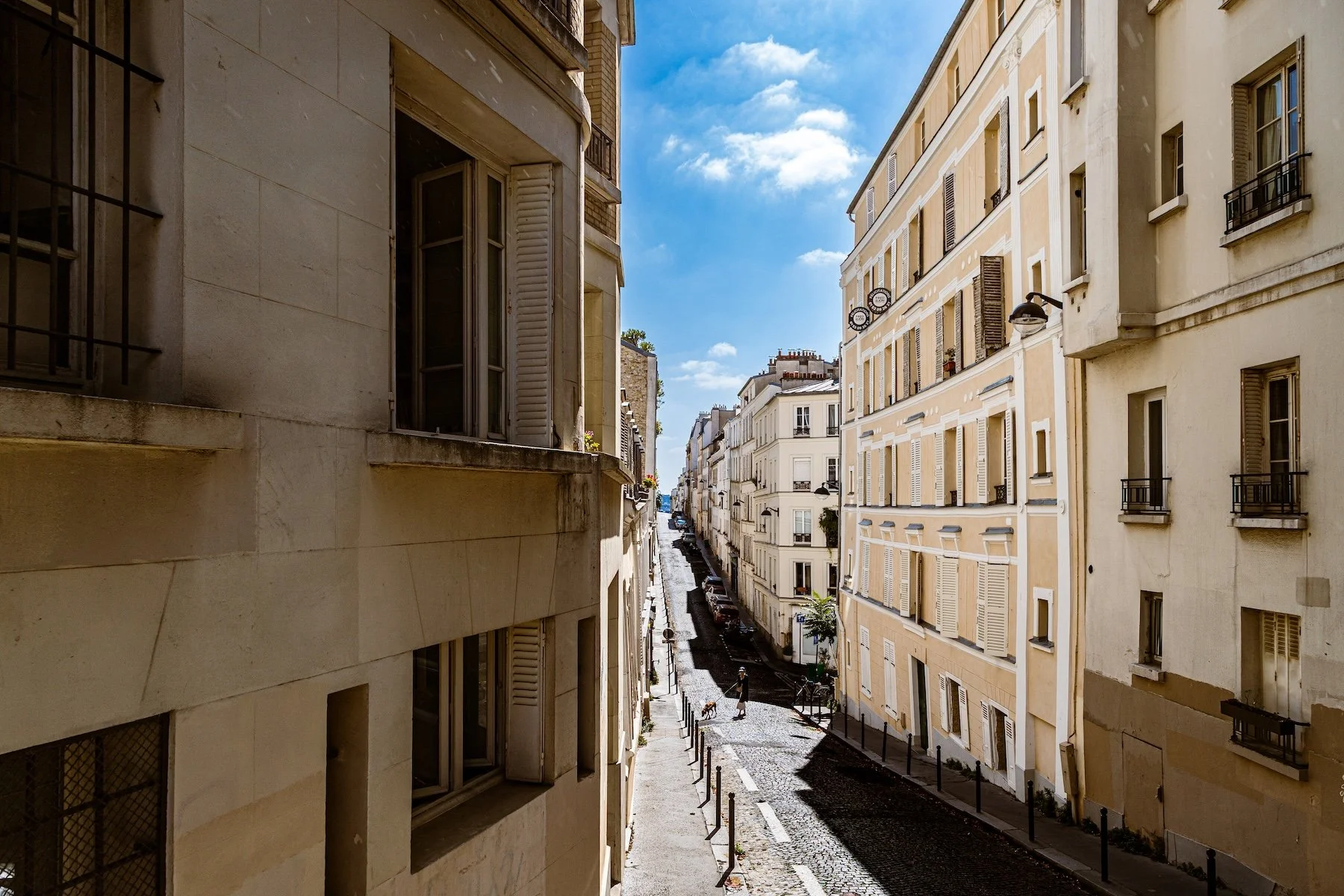
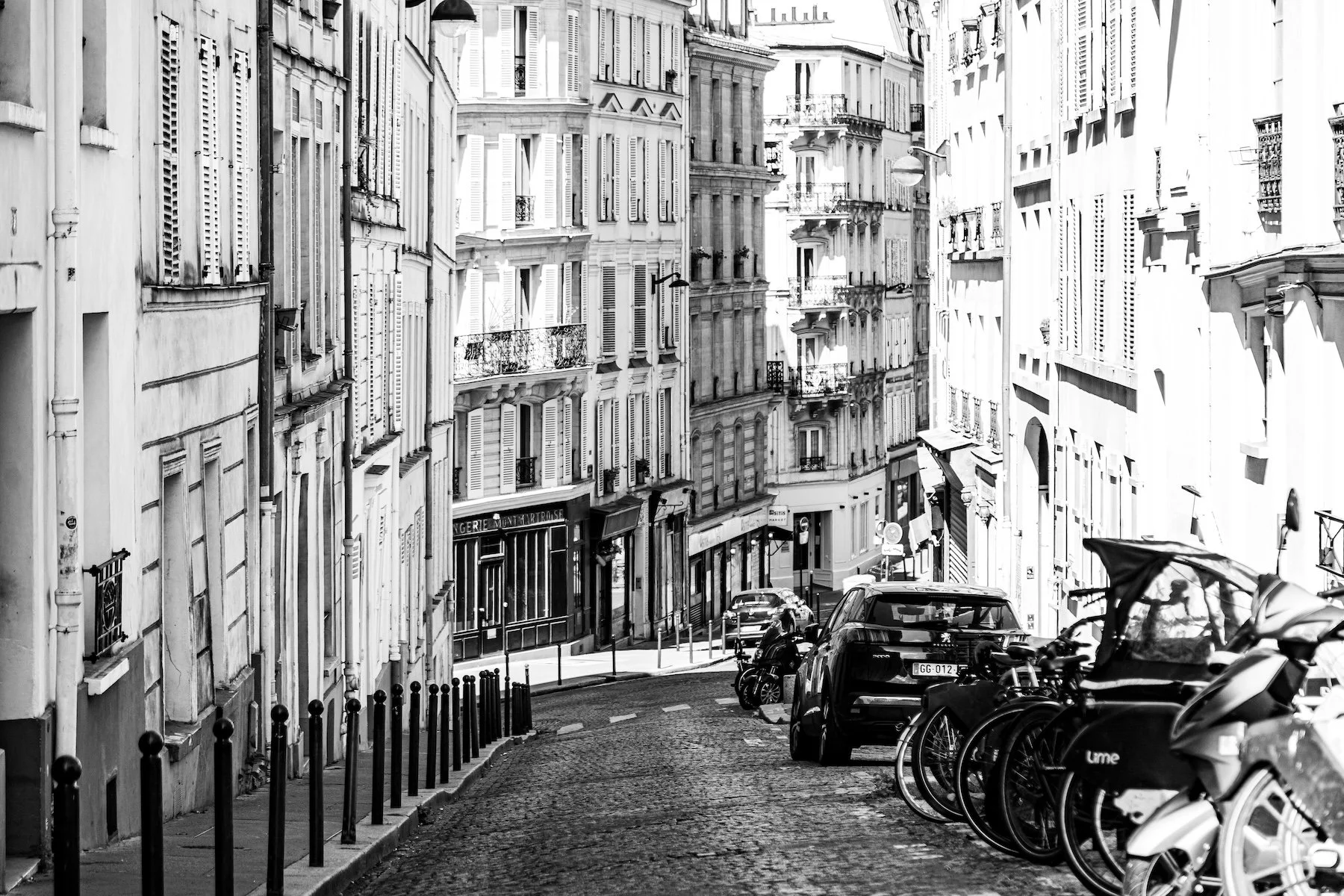
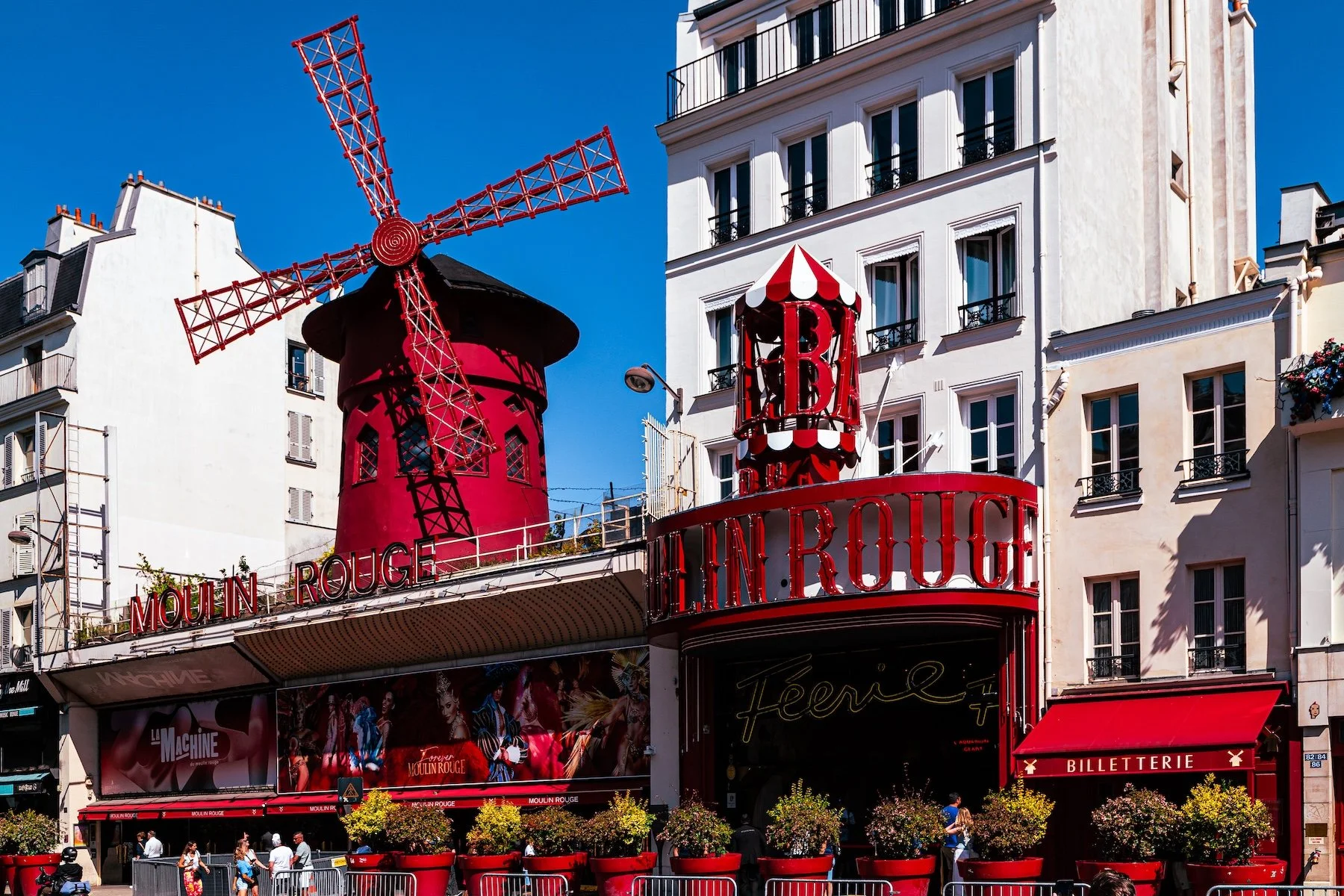
Its Parisian identity is unusually visual. Montmartre is one of the neighborhoods most easily pictured: stairways, lampposts, views, narrow lanes, artists in the square, the basilica rising above the city, the Moulin Rouge below the hill, cafés and façades staged by memory and tourism. It is Paris as seen from above and Paris as performed for the world.
But Montmartre is not only a postcard. Its importance lies in the way it preserves the idea that Paris contains other villages within itself. The hill remains a reminder that the capital was made by absorbing distinct local worlds — and that some of those worlds retained enough character to reshape the imagination of the whole city.
Parisian Identity
Neighborhood Distinction
Montmartre is distinct because no other Parisian Cultural Neighborhood combines topography, sacred symbolism, village memory, bohemian mythology, cabaret spectacle, and global tourism so powerfully. It is both a place and a legend, both a residential neighborhood and one of the world’s most recognizable images of Paris.
Its physical form is central to that distinction. Montmartre is not experienced like a flat district. It is climbed, approached, circled, descended, and viewed from afar. Its stairways and slopes create a sense of discovery. Its streets often feel detached from the regular order of the city below. Even when crowded, the hill carries the memory of separateness.
It is also distinct because its mythology has become part of its everyday reality. Artists still gather around place du Tertre, visitors still seek traces of bohemia, and the neighborhood continues to perform versions of itself. This can make Montmartre feel commercialized, but it also reveals how deeply its image has entered the cultural identity of Paris. Montmartre is one of the places where Paris remembers itself by staging itself.
Neighborhood Connections
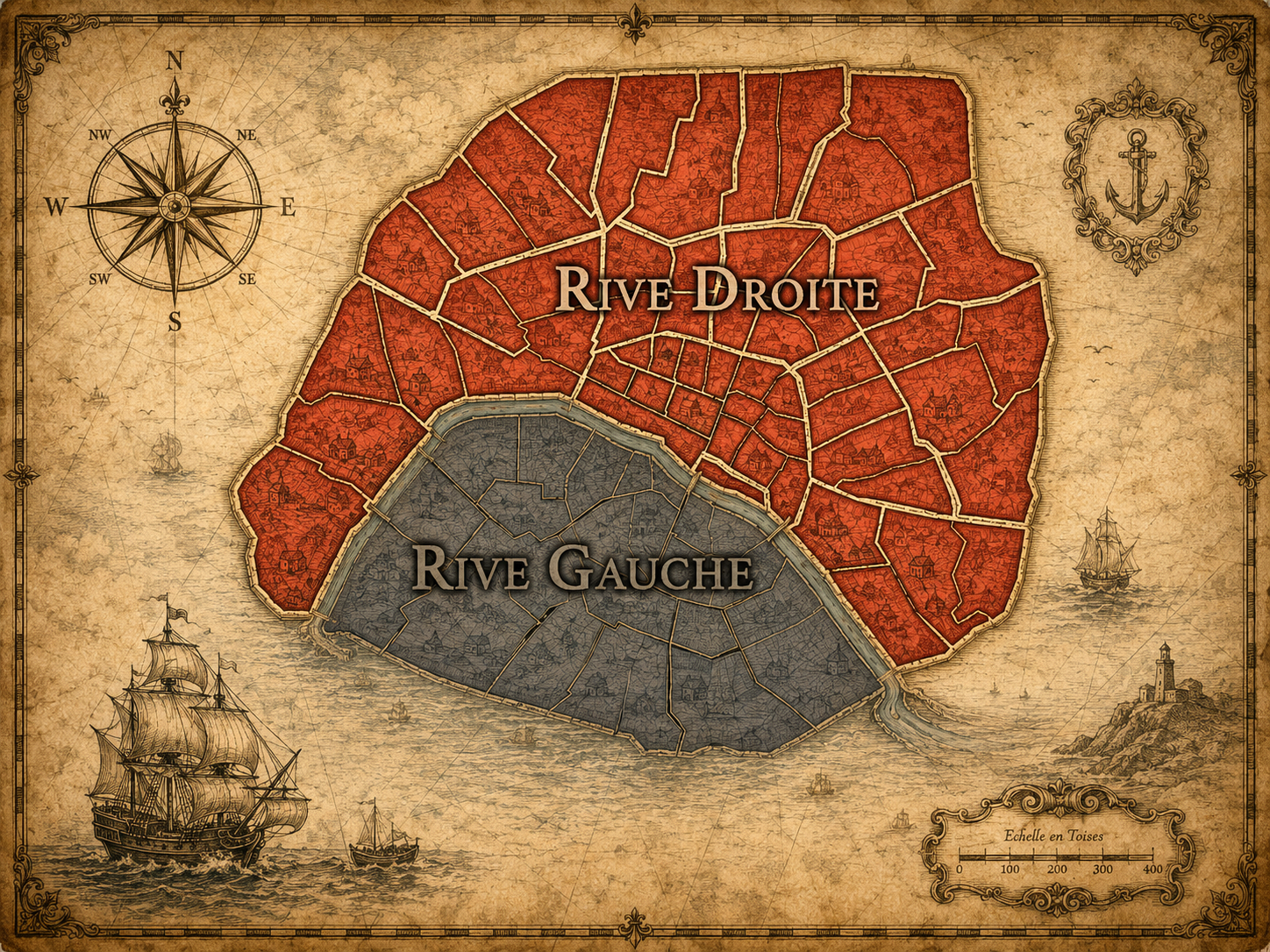
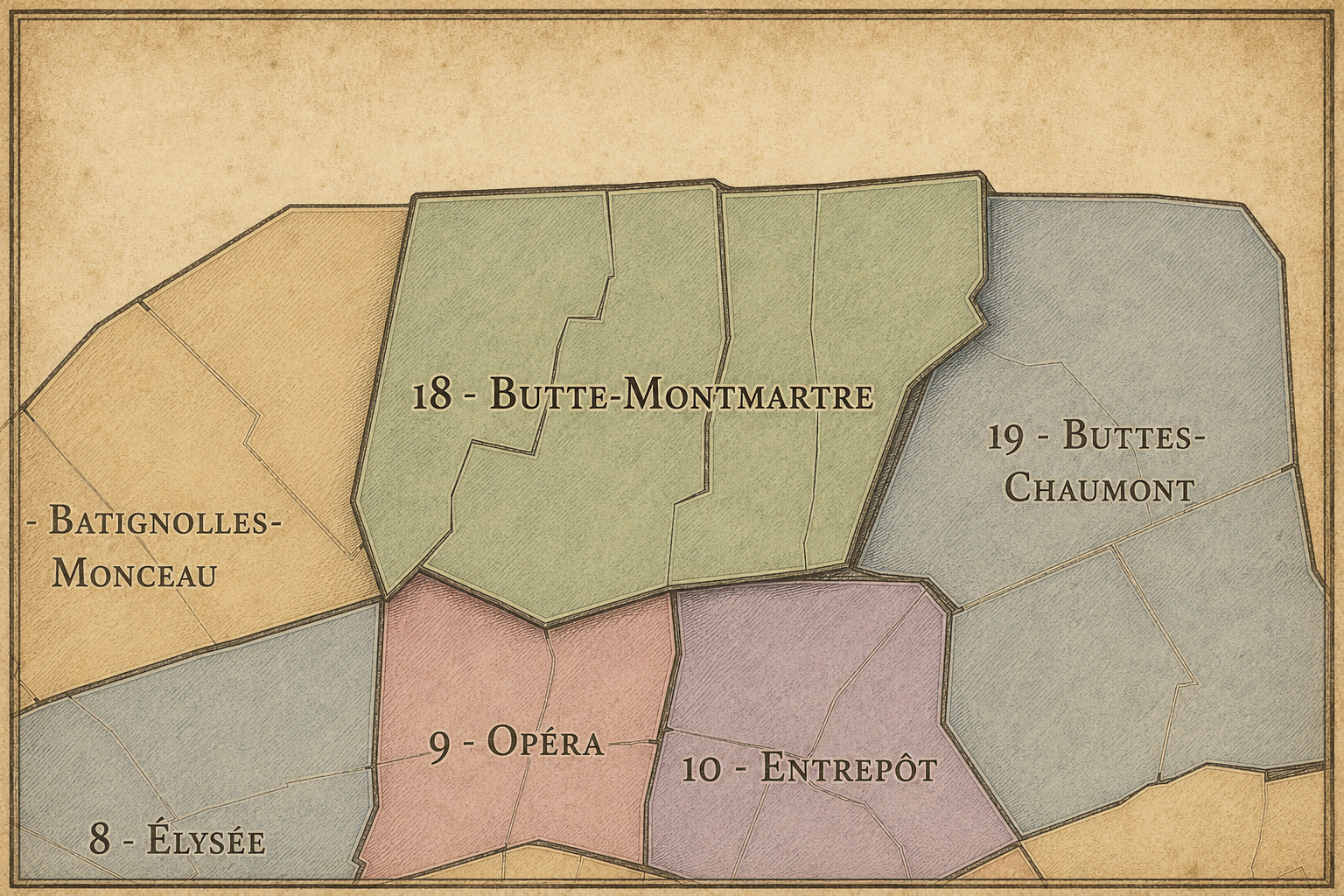
Paris neighborhoods are shaped by overlapping layers. This section shows how Passy connects to the broader CityNeighborhoodsParis map — through its rive, arrondissement, administrative quarters, conseils de quartier, and related Cultural Neighborhoods.
Civic & Cultural Foundations
-
Rive Droite
-
18e — Butte-Montmartre
Administrative Quarters
-
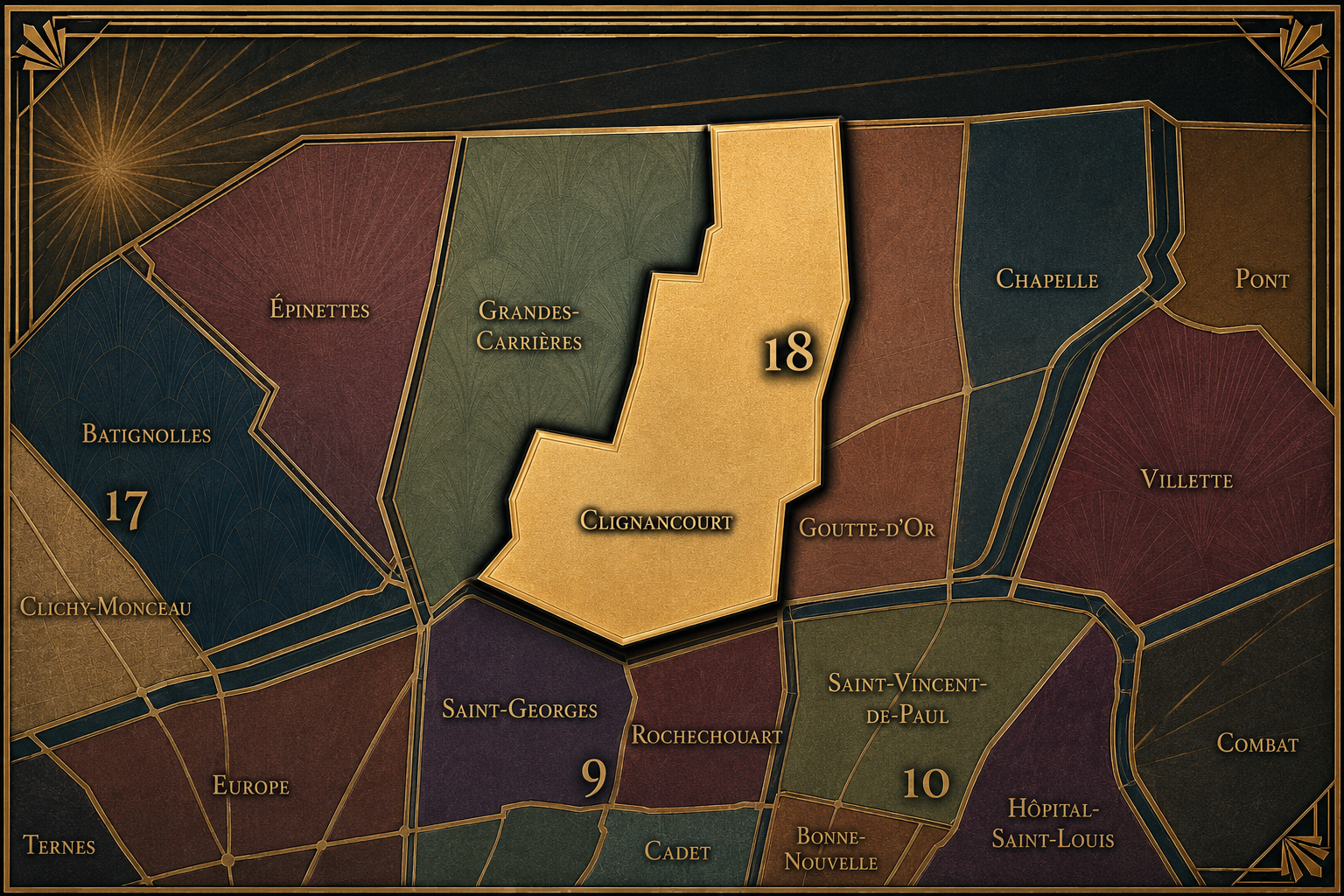
18e - Clignancourt
Conseils de Quartier
-
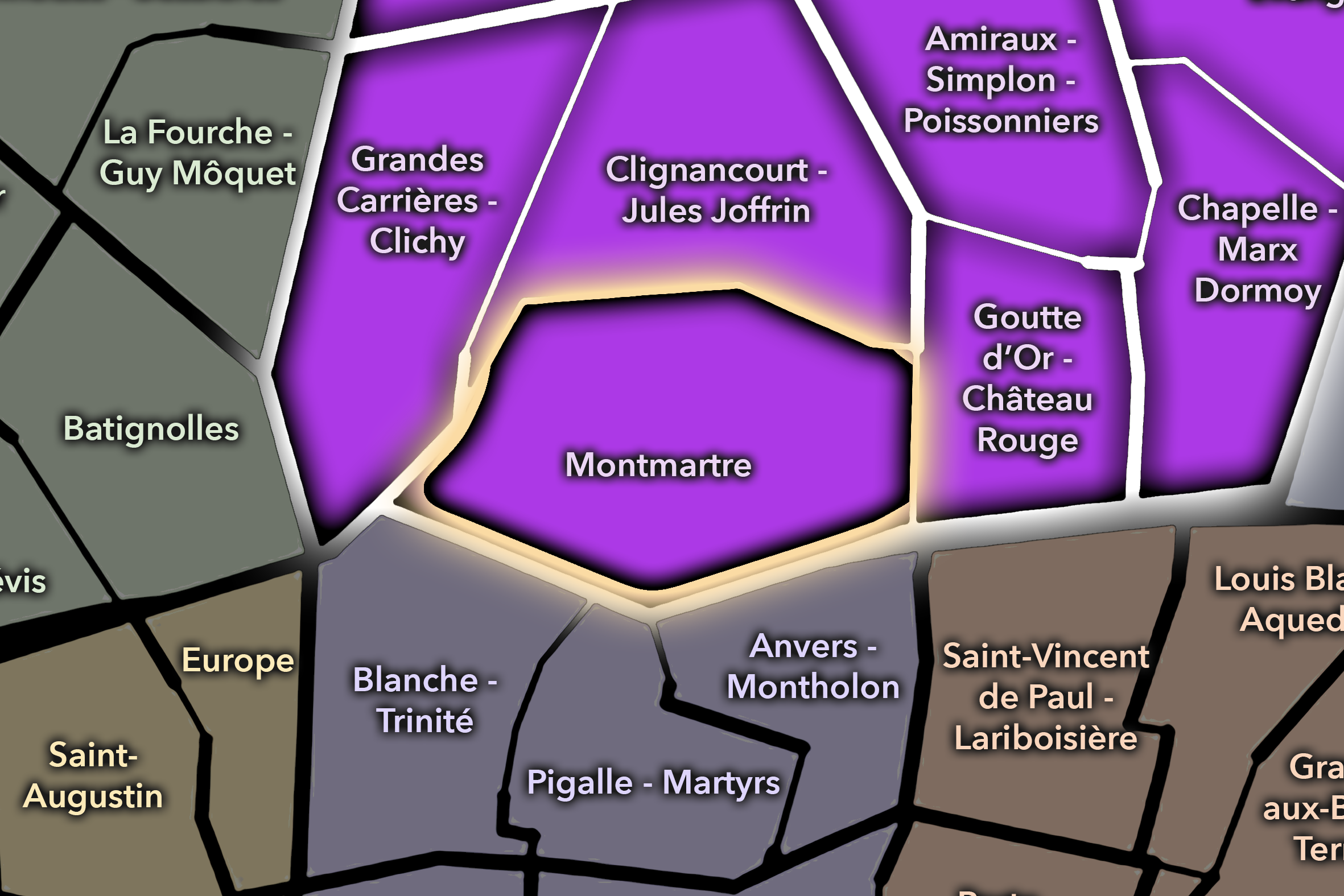
9e - Montmartre
The History
The origins of Montmartre lie in its hill. Long before its incorporation into Paris, the butte stood as a prominent feature north of the city, visible, elevated, and set apart. Its slopes and summit were shaped by religious memory, rural use, quarries, vineyards, mills, and scattered settlement.
The hill’s early identity was tied to both sacred association and physical separation. Its elevation made it a symbolic landscape as well as a practical one. The ground was worked, worshipped, quarried, cultivated, and traveled, but it remained distinct from the dense urban fabric of central Paris.
This separateness would become one of Montmartre’s enduring traits. Whether imagined as holy ground, village, radical stronghold, artistic refuge, or tourist spectacle, Montmartre has always been defined by its position above and apart.
Origins
Medieval / Early Formation
During the medieval period, Montmartre developed around religious institutions and rural life outside the main city. The hill was associated with the martyrdom of Saint Denis, helping establish its sacred importance. Monastic presence, especially the abbey of Montmartre, shaped the area for centuries, giving the hill religious authority and a structured local identity.
At the same time, Montmartre remained a village landscape. Vineyards, gardens, mills, paths, and agricultural activity defined much of its life. Its relationship to Paris was close but not absorbed. It supplied, overlooked, and neighbored the city without fully becoming part of it.
This medieval and early formation period created the deep dual identity of Montmartre: sacred and rural, connected and separate. Later artistic and bohemian mythology would build on this older sense of the hill as a world apart.
In the early modern period, Montmartre continued to exist as a village and religious landscape outside Paris. The abbey remained important, while the surrounding area retained its rural character through vineyards, windmills, quarries, and fields. The hill was part of the city’s outer world, not yet the dense urban neighborhood it would become.
Its mills and vineyards became part of the visual and cultural memory of Montmartre. Long before painters turned the butte into an artistic subject, its rural features made it distinctive. These elements later became central to the neighborhood’s nostalgic image: the windmill, the wine, the village street, the sense of old Paris surviving above the modern city.
The early modern period also preserved Montmartre’s distance from elite central Paris. It was neither a grand aristocratic district like the Marais nor an academic district like the Latin Quarter. Its identity remained more local, rural, and peripheral — qualities that would later attract those seeking cheaper, freer, less regulated spaces.
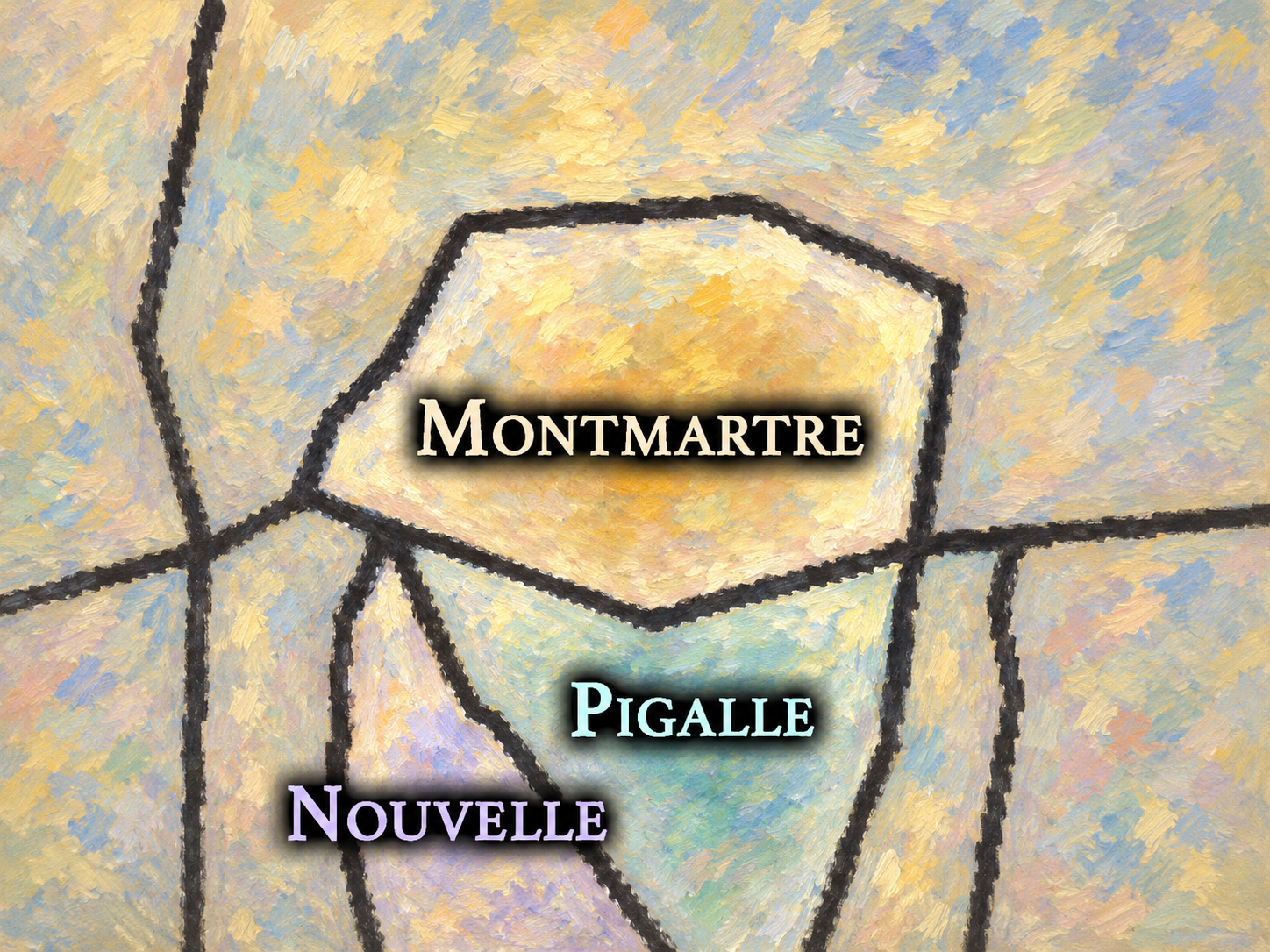
Early Modern Paris
18th Century
In the 18th century, Montmartre remained outside the densest life of Paris, but its relationship with the city intensified. Its taverns, guinguettes, mills, and open spaces made it part of the culture of popular recreation around the capital. Parisians could come to the hill for drinking, views, and leisure beyond the stricter conditions of the city center.
The neighborhood’s association with pleasure, informality, and edge-city freedom began to grow. Montmartre was not yet the bohemian capital it would become in the 19th century, but the conditions were forming: physical distance, cheaper land, a village atmosphere, and a culture of sociability less constrained by central Parisian respectability.
The revolutionary period also weakened the old religious order that had shaped the hill. Monastic lands and institutions were transformed, disrupted, or secularized, opening the way for Montmartre’s later reinvention as a popular and artistic neighborhood.
The 19th century was decisive for Montmartre. In 1860, the village was annexed into Paris as part of the expansion that created the modern twenty-arrondissement structure. Montmartre became part of the 18th arrondissement, but it retained a strong sense of local identity. It was now Paris, but still not quite like central Paris.
The neighborhood became closely associated with working-class life, cheap housing, cafés, cabarets, and political radicalism. During the Paris Commune of 1871, Montmartre played a central symbolic and practical role. The hill’s revolutionary memory became part of its identity, linking it to popular resistance and the politics of the Parisian people.
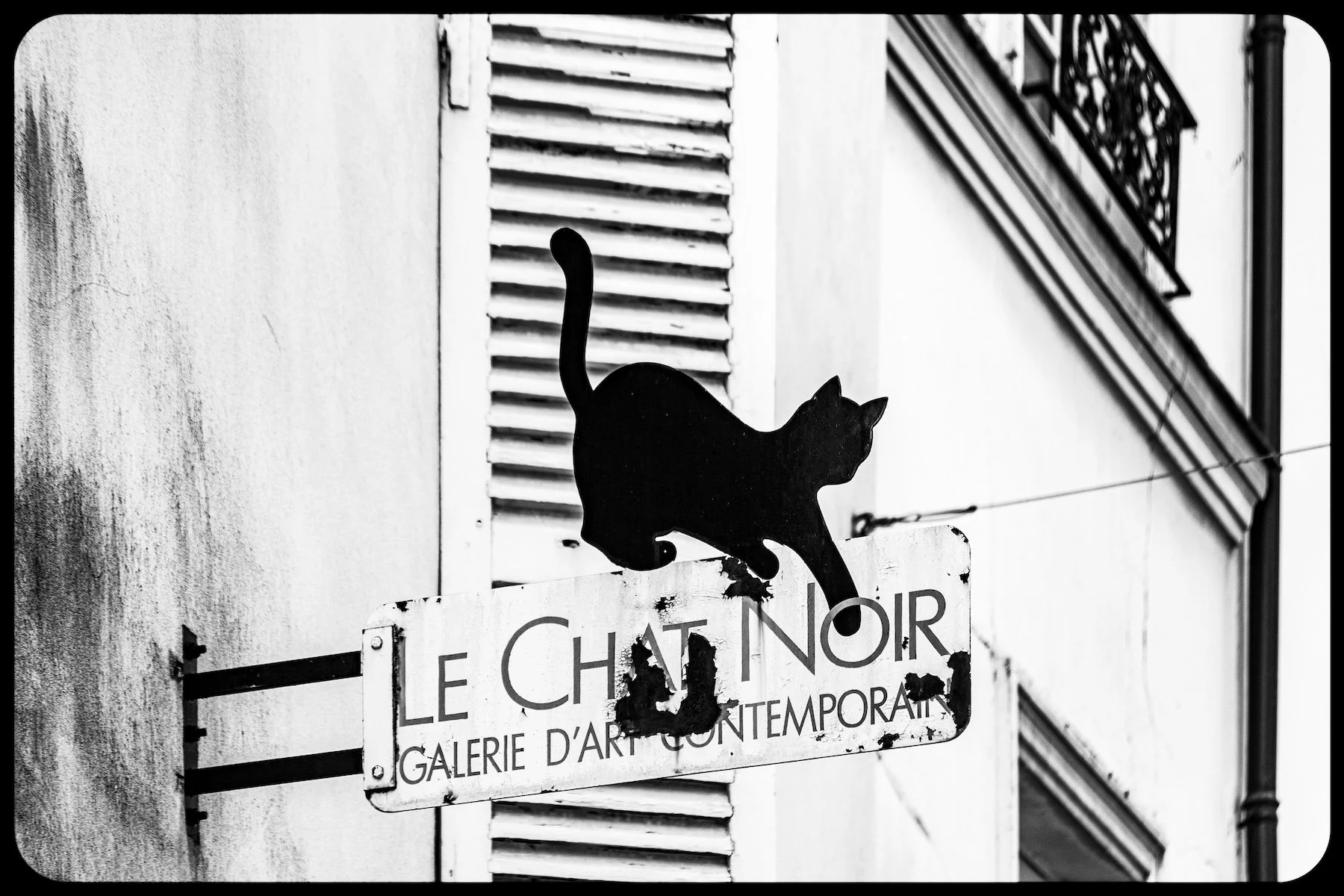
Later in the century, Montmartre became a center of artistic and bohemian life. Artists, writers, performers, and musicians were drawn by affordability, nightlife, and the freedom of the hill. Cabarets such as Le Chat Noir and performance spaces around the butte helped define a new urban culture of satire, song, poster art, spectacle, and bohemian self-invention. The Moulin Rouge, at the foot of the hill near Pigalle, added another dimension to the area’s global mythology.
By the end of the 19th century, Montmartre had become one of the great symbolic neighborhoods of modern Paris: working-class, rebellious, artistic, theatrical, and increasingly famous.
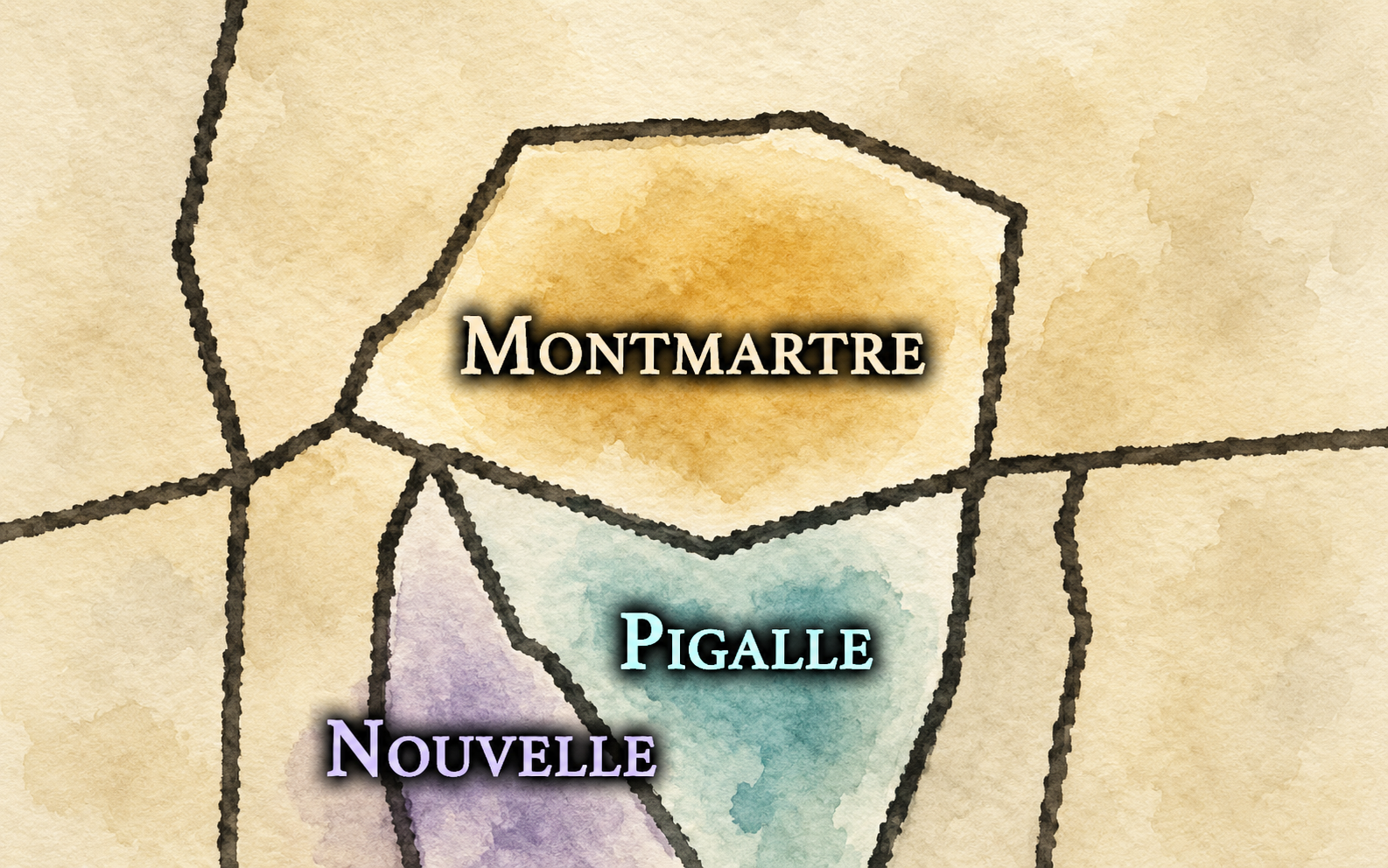
19th Century
Early–Mid 20th Century
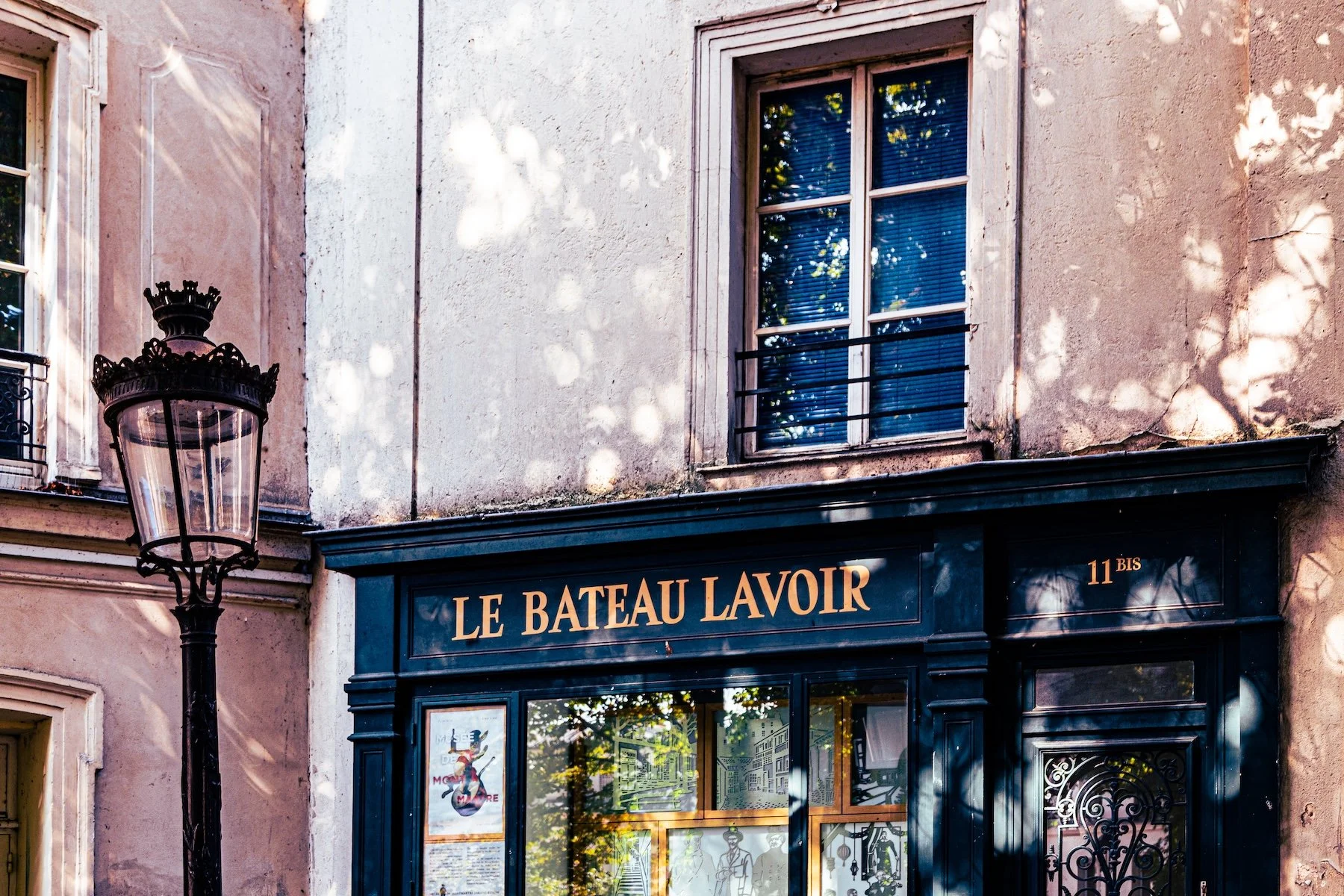
In the early 20th century, Montmartre remained a major center of artistic Paris. Painters, poets, performers, and writers lived and worked in the neighborhood, especially around studios, cafés, cabarets, and inexpensive lodgings. The Bateau-Lavoir became one of the most famous sites of modern art, associated with artists who would help transform European painting.
Yet Montmartre’s role changed as the artistic avant-garde gradually shifted toward Montparnasse and other districts. The hill retained its bohemian reputation, but its period as the primary laboratory of modern art began to give way to memory and myth. What had been a working artistic environment increasingly became a place associated with the legend of artistic Paris.
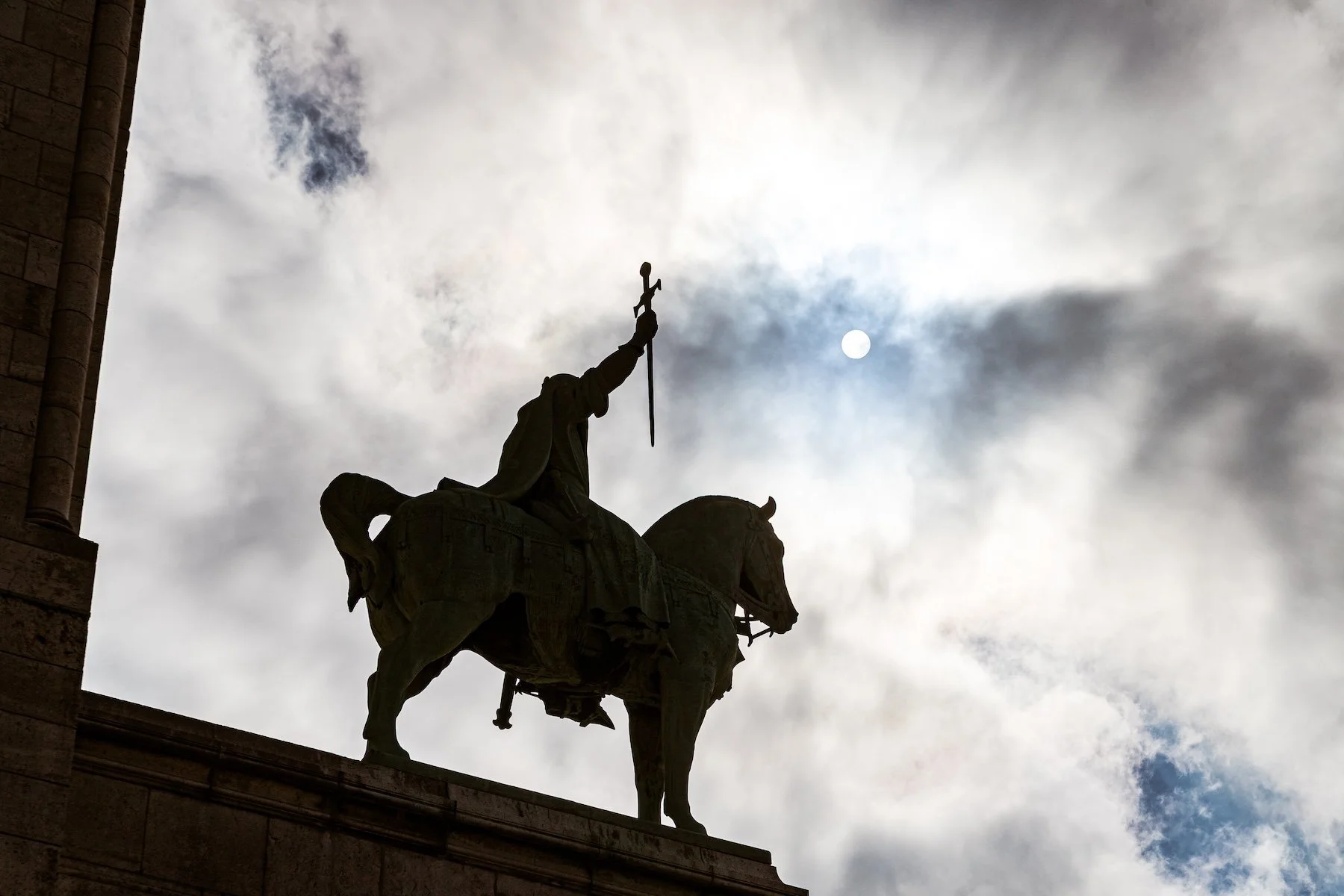
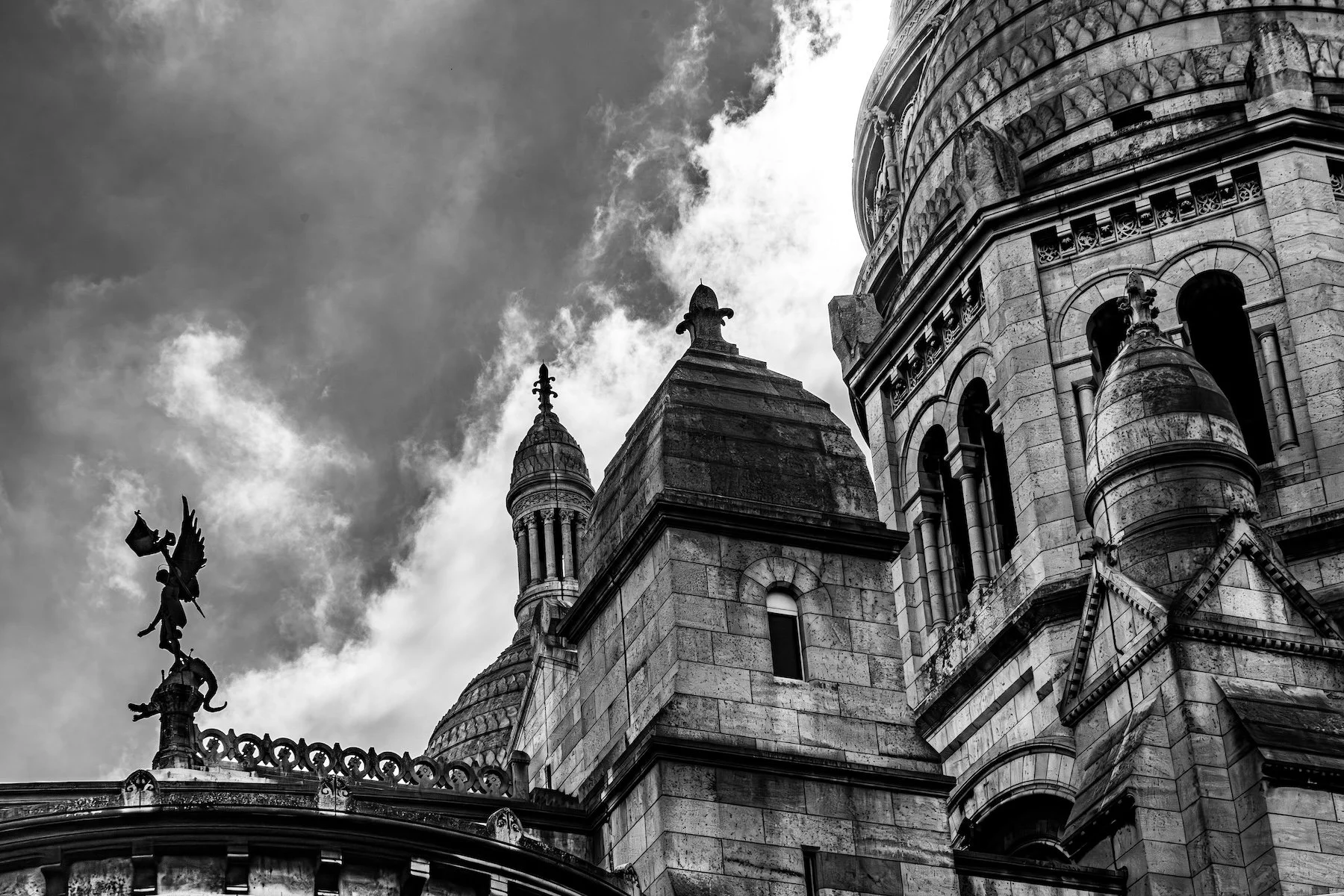
Sacré-Cœur, completed in the early 20th century, also transformed the visual identity of the hill. The basilica became one of the most prominent landmarks in Paris, giving Montmartre a monumental sacred presence that exists in tension with its cabaret, bohemian, and revolutionary histories. This tension is central to the neighborhood’s cultural identity: penitence and pleasure, basilica and boulevard, martyrdom and entertainment, sacred summit and nocturnal slope.
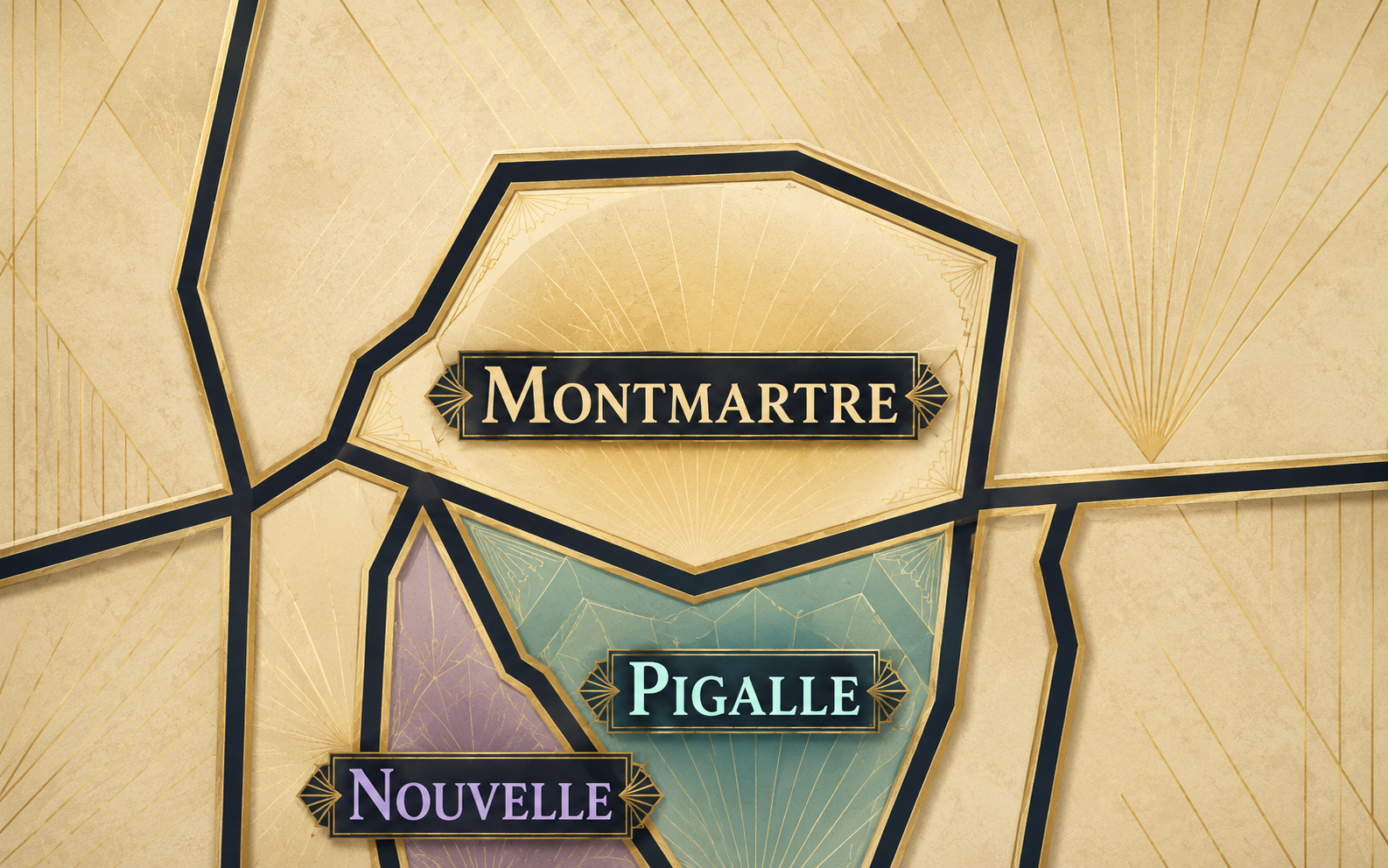
In the late 20th century, Montmartre became increasingly shaped by tourism, preservation, nostalgia, and the global circulation of its image. The hill’s narrow streets, views, cafés, artists, stairways, and village atmosphere made it one of the most visited areas of Paris. Its bohemian past became a powerful part of the city’s cultural marketing and collective memory.
At the same time, Montmartre remained residential. Behind the tourist image, local life continued in apartment buildings, schools, shops, markets, and quieter streets away from the main visitor corridors. This contrast between global image and lived neighborhood became increasingly important.
The late 20th century also reinforced the difference between Montmartre and neighboring Pigalle. The two are historically and culturally linked, especially through nightlife and performance, but Montmartre’s upper village identity and sacred-artistic mythology gave it a distinct character from the more explicitly nocturnal and entertainment-oriented world below.
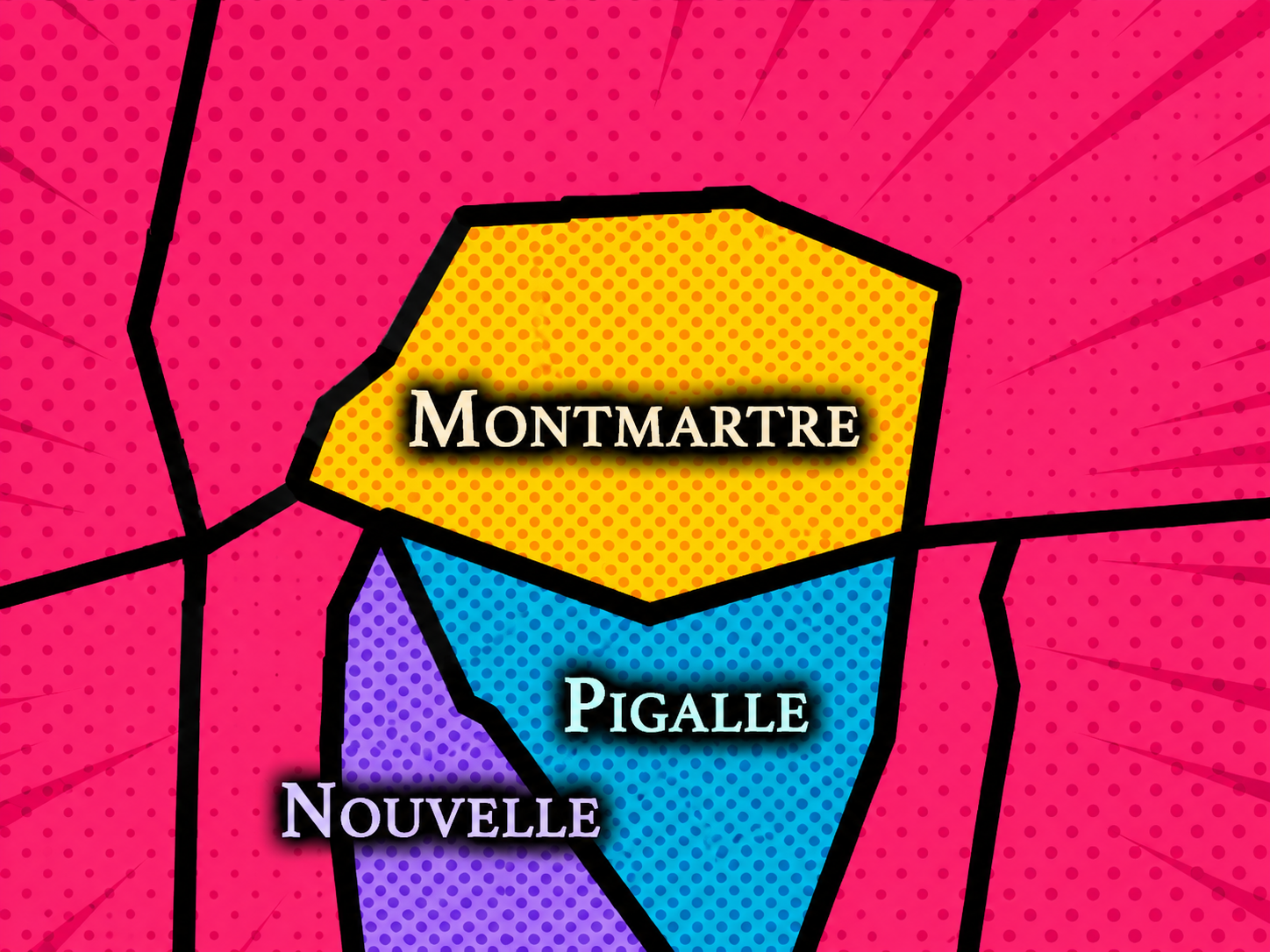
Late 20th Century
21st Century
In the 21st century, Montmartre remains one of Paris’s most famous Cultural Neighborhoods. It continues to attract visitors through Sacré-Cœur, place du Tertre, the stairways, viewpoints, cafés, cabaret associations, and the mythology of artists’ Paris. Its image is so strong that it can sometimes obscure the complexity of the real neighborhood.
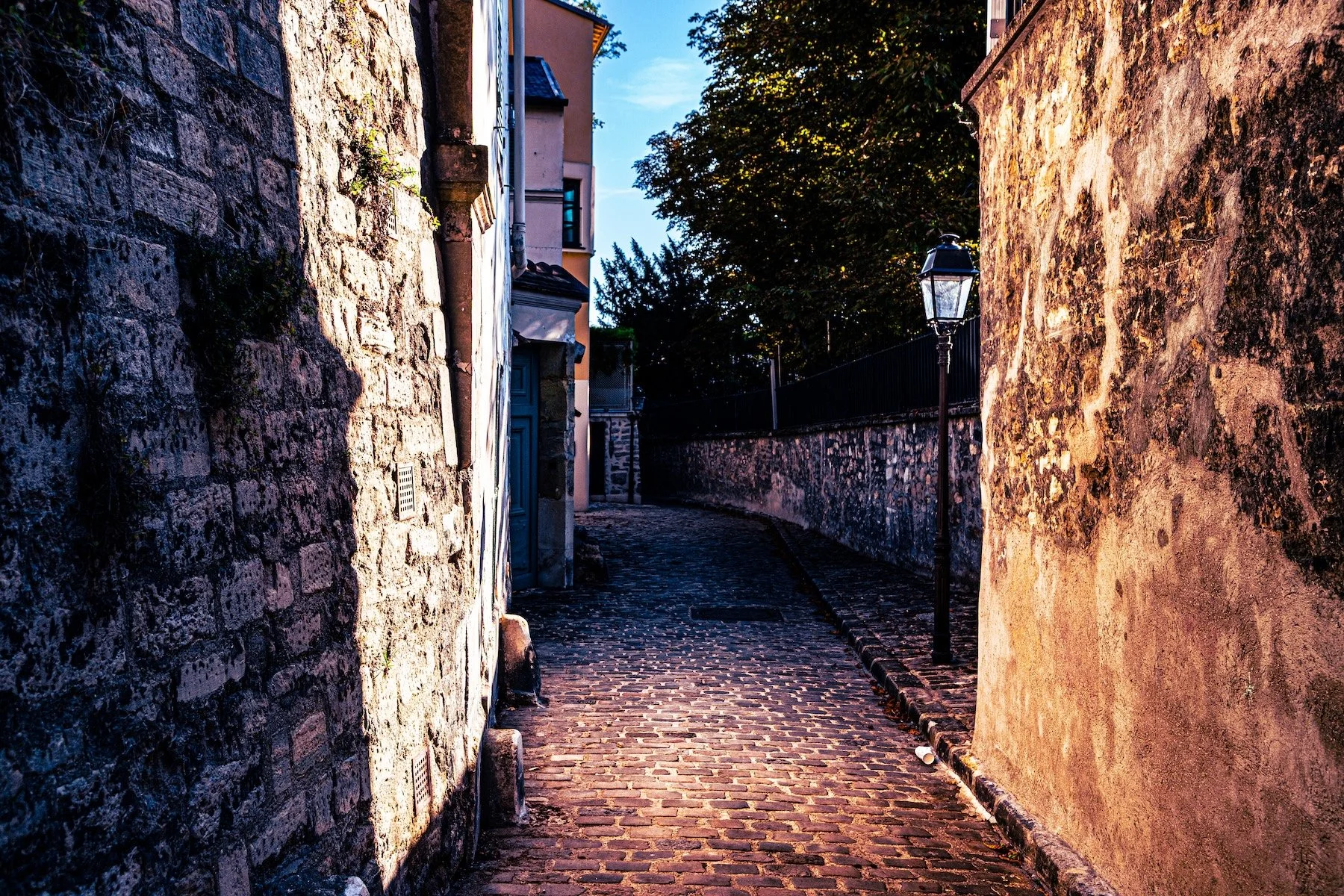
Contemporary Montmartre faces the challenges of popularity: tourism pressure, commercial repetition, rising costs, and the difficulty of preserving local life in a place that the world wants to consume as an image. Yet the neighborhood still retains powerful moments of intimacy, especially along quieter streets, hidden stairways, residential passages, local shops, and northern slopes away from the densest crowds.
For CityNeighborhoods, Montmartre is essential because it shows how a Cultural Neighborhood can become a global symbol without ceasing to be a real place. Its task is not to reject the myth, but to read through it — to see the village, the hill, the sacred ground, the Commune, the artists, the cabarets, the residents, and the visitors all occupying the same cultural landscape.
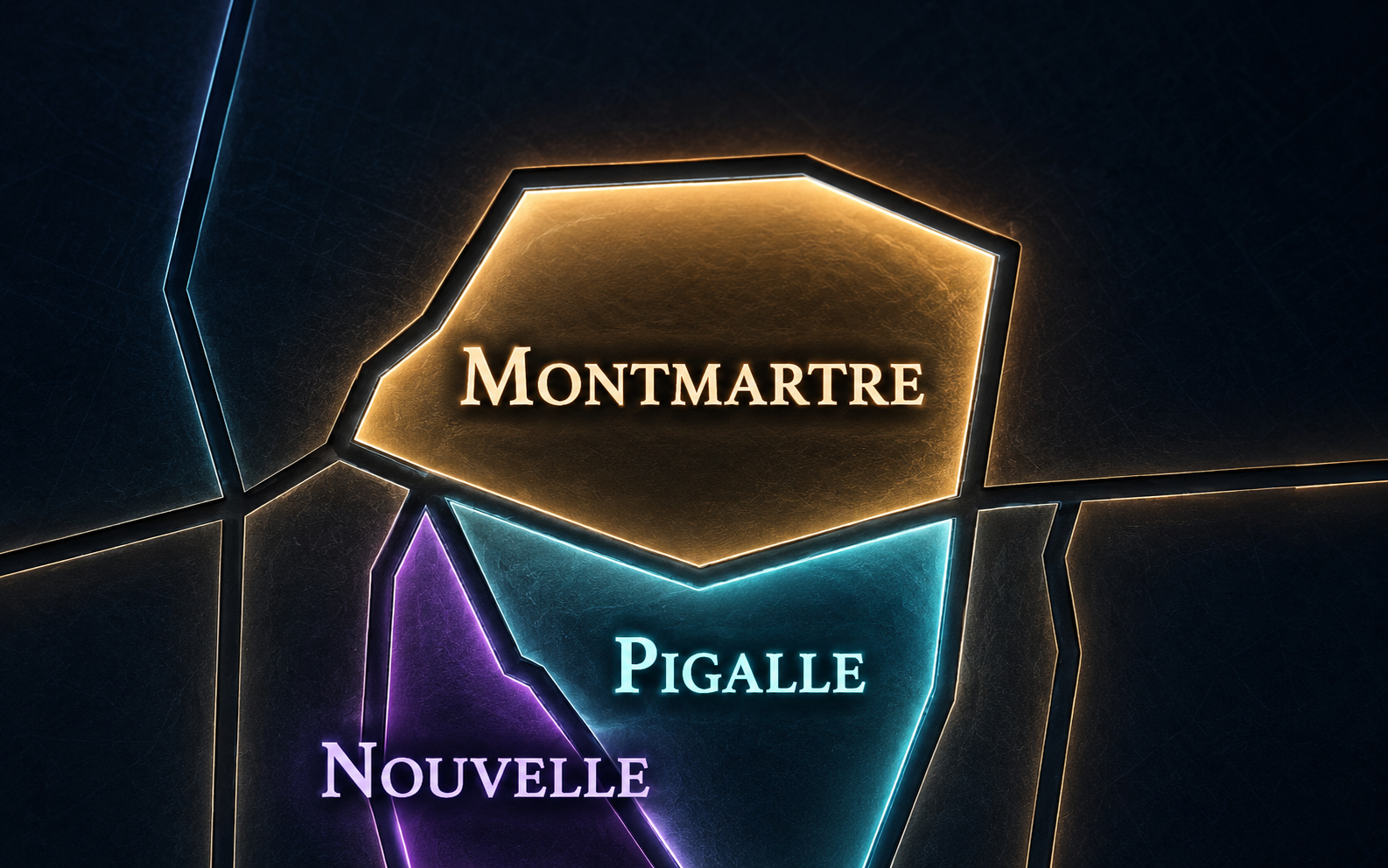
The spirit of Montmartre lies in its elevation and its contradiction. It is sacred and profane, village and metropolis, working-class and touristic, radical and commercial, artistic and performative. It is one of the places where Paris most openly turns itself into myth — but that myth remains rooted in real geography, real history, and real forms of life.
Its legacy is the invention of bohemian Paris as a walkable world. Montmartre gave the city one of its most enduring cultural images: the artist on the hill, the café at night, the song, the poster, the stairway, the view over Paris, the sense that poverty and freedom might somehow become beauty. That image can be sentimental, but it is not empty. It emerged from the neighborhood’s actual history of marginality, creativity, labor, and performance.
To walk Montmartre is to climb through layers of Parisian imagination. The hill holds martyrdom, monastic memory, rural village life, revolutionary politics, popular entertainment, modern art, religious monumentality, tourism, and everyday residence in a single steep geography. That is why Montmartre is not merely a famous scenic quarter. It is one of the essential Cultural Neighborhoods of Paris: a place where the city rises above itself and becomes legend.
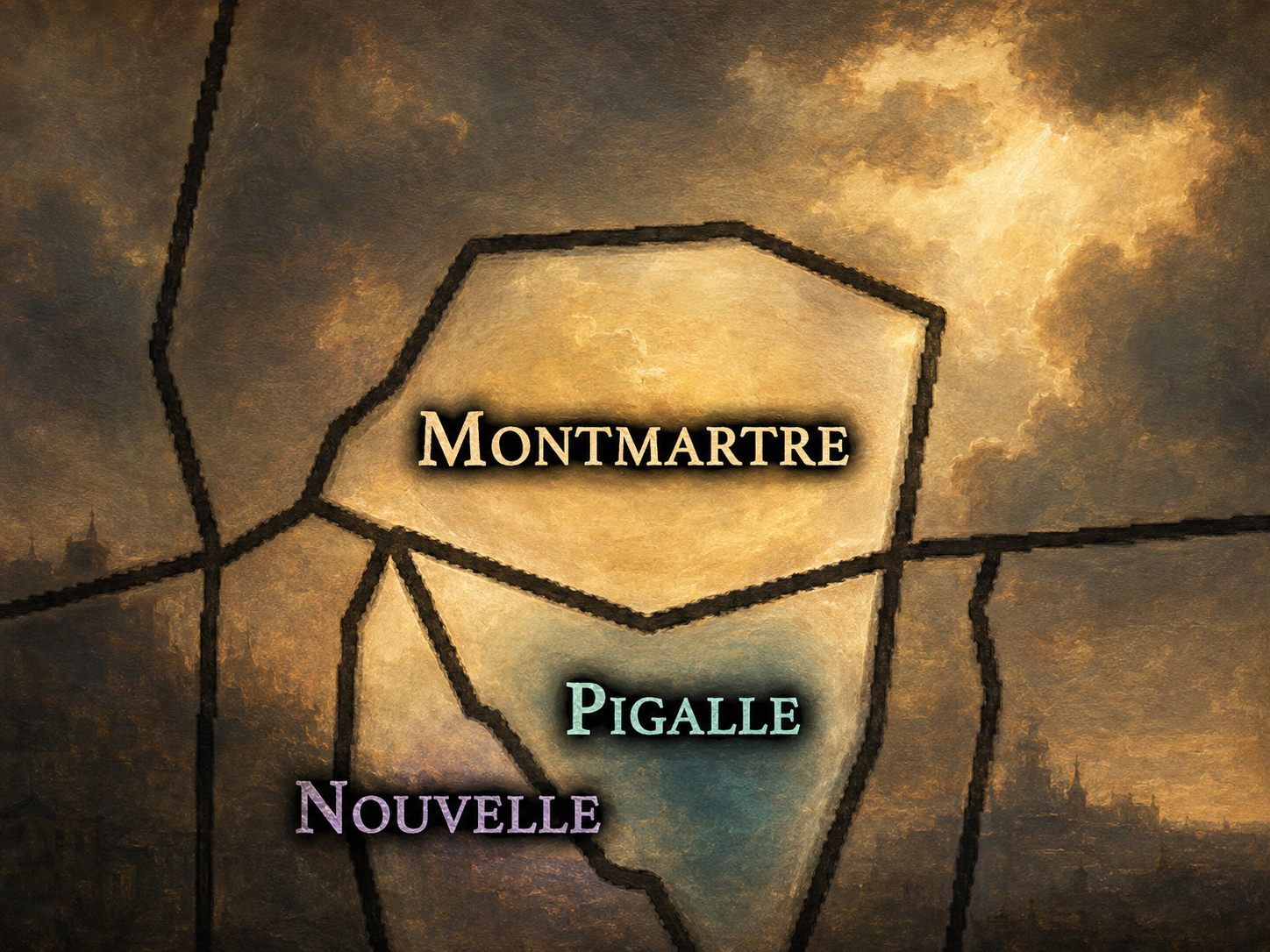
Spirit & Legacy
The Photography
The arrondissements do not share a single visual identity. Instead, they organize Paris into twenty broad visual fields, each gathering its own combination of landmarks, streetscapes, institutions, residential districts, commercial corridors, parks, rail stations, markets, cemeteries, and riverfront edges.
Some arrondissements are defined by monumental scale: royal palaces, ceremonial avenues, government buildings, museums, formal gardens, and internationally recognized landmarks. Others are shaped by hills, canals, rail gateways, apartment-lined boulevards, neighborhood markets, former village streets, industrial remnants, parks, or the quieter rhythms of residential Paris. The arrondissement system gives these varied landscapes a civic frame, allowing the city to be read not as one visual language, but as a sequence of overlapping Parisian atmospheres.
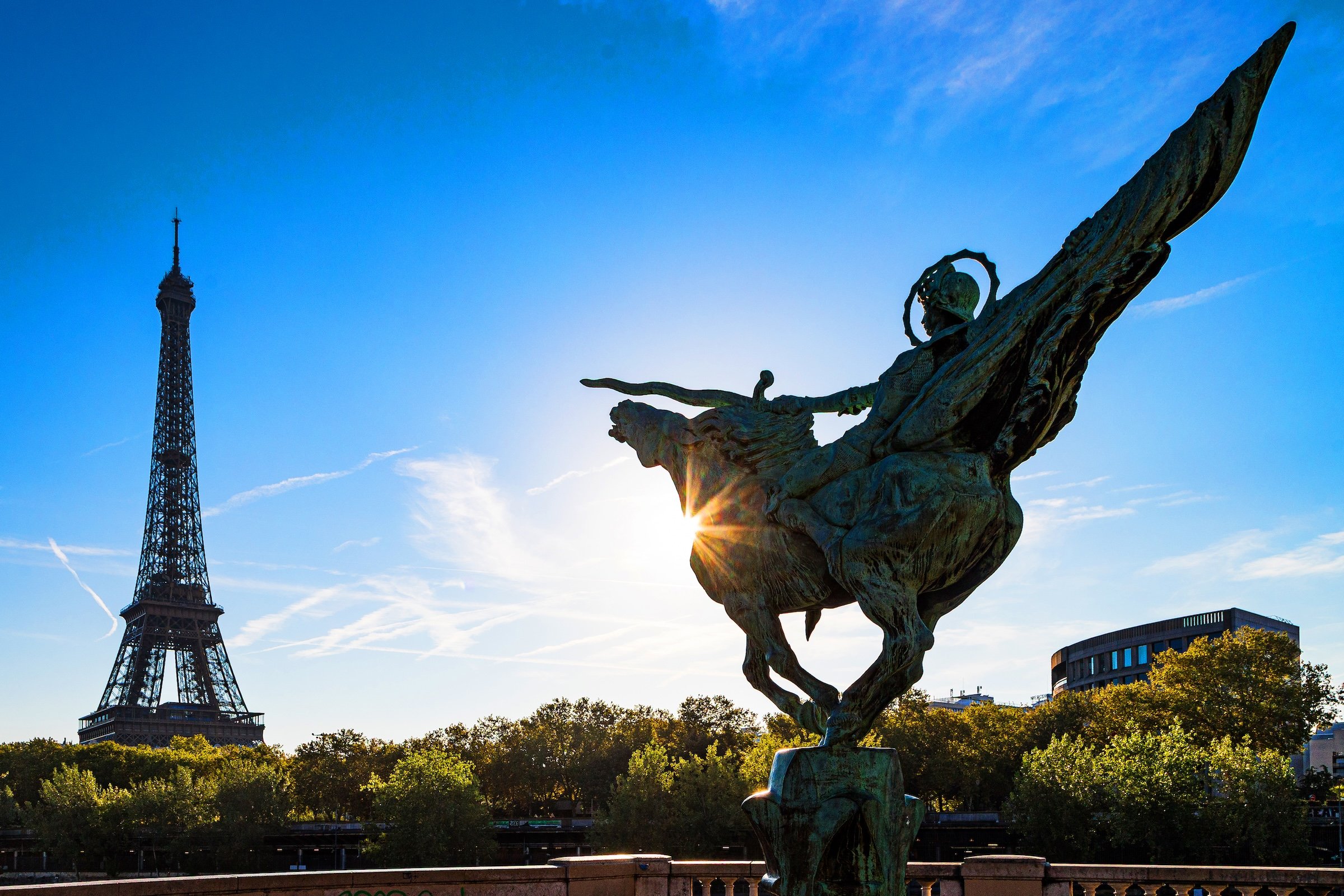
Visual Identity
Through The Lens
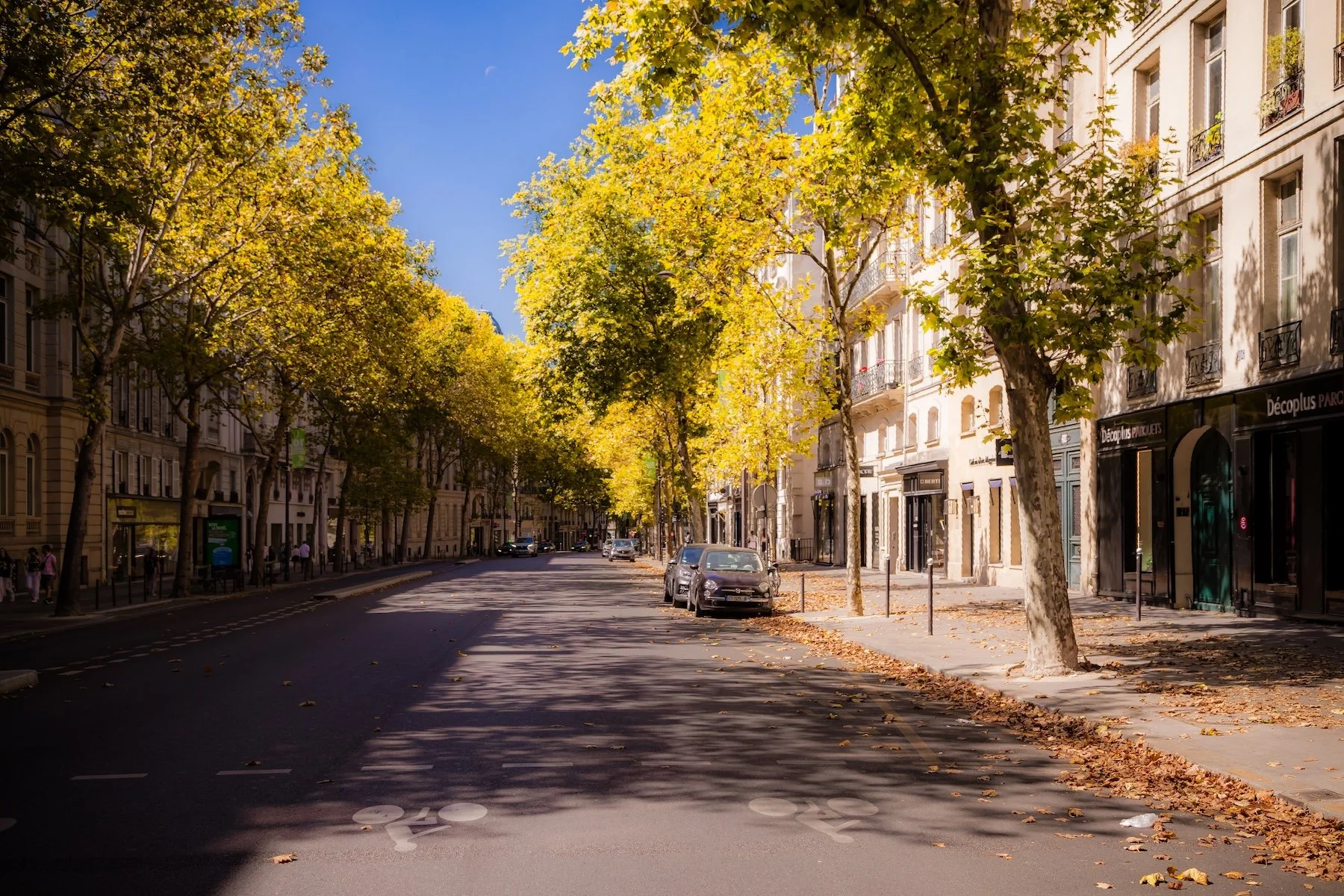
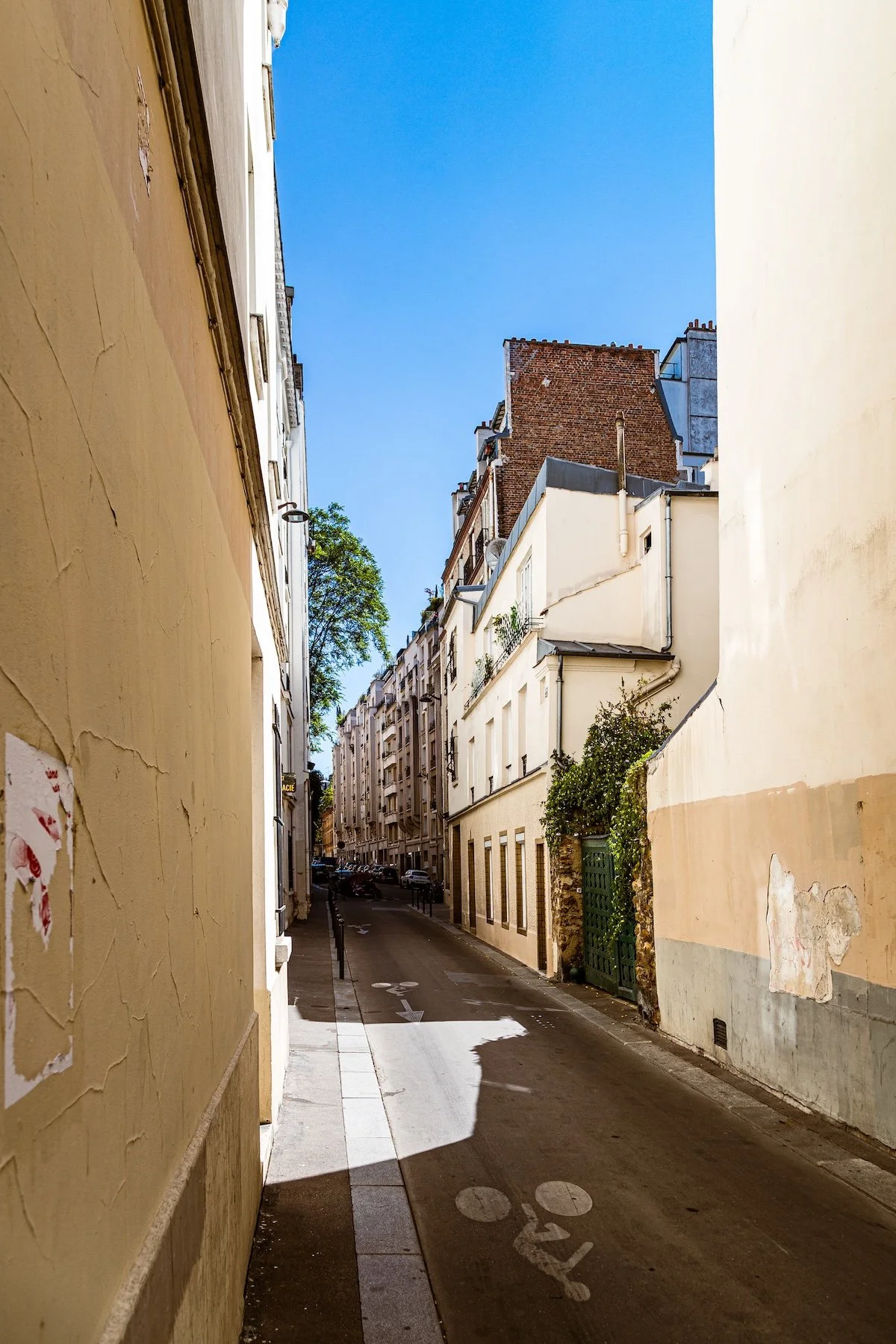
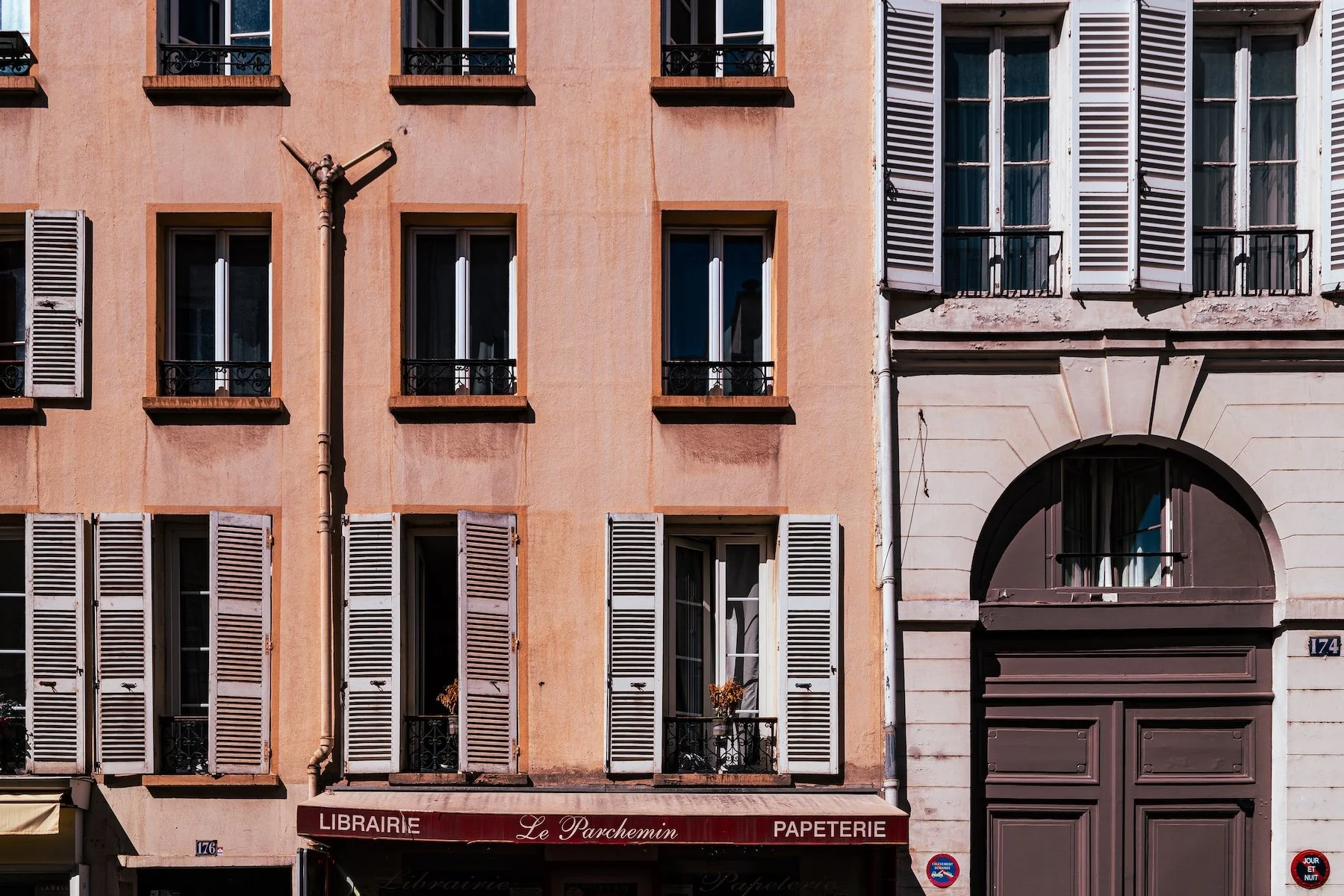
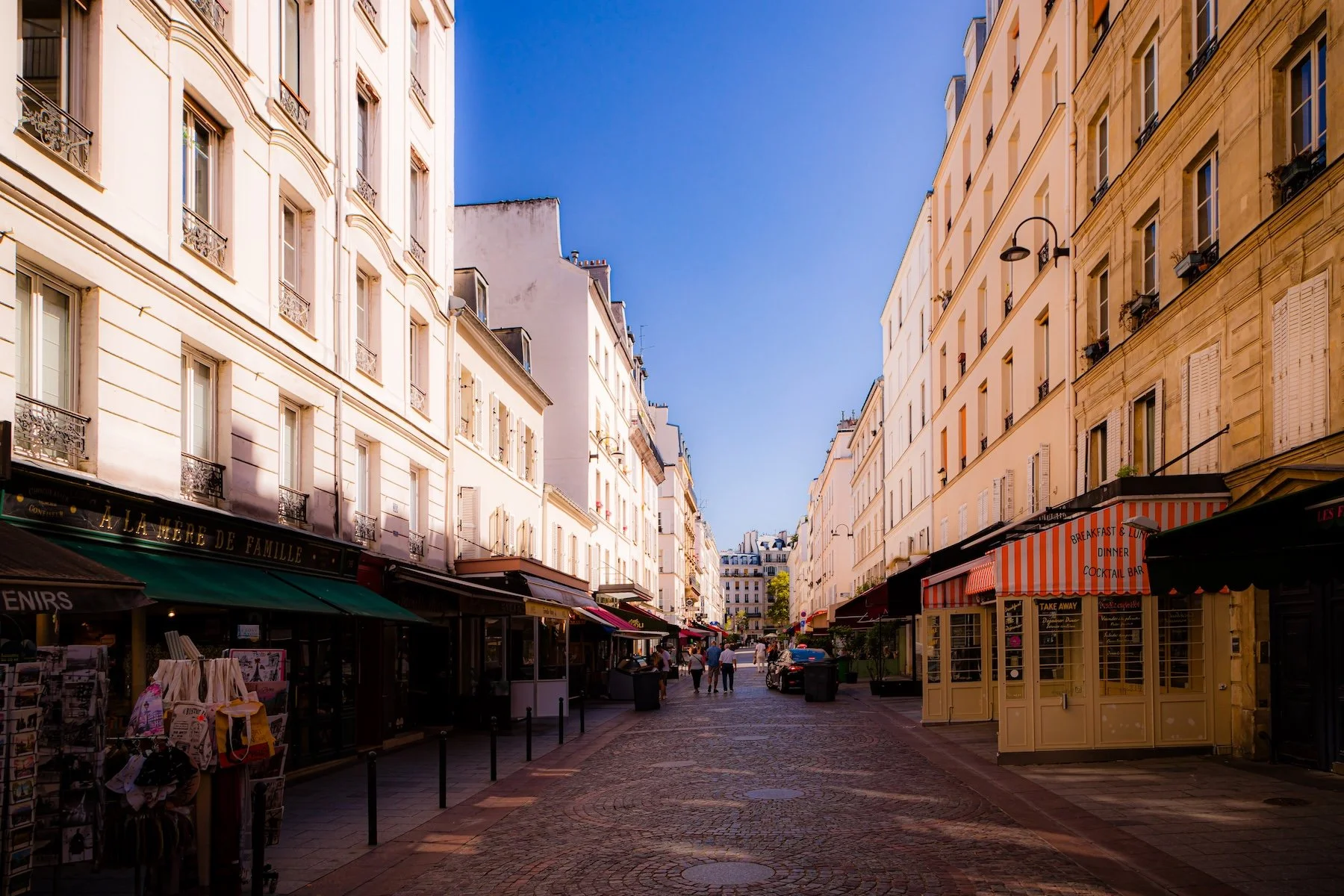
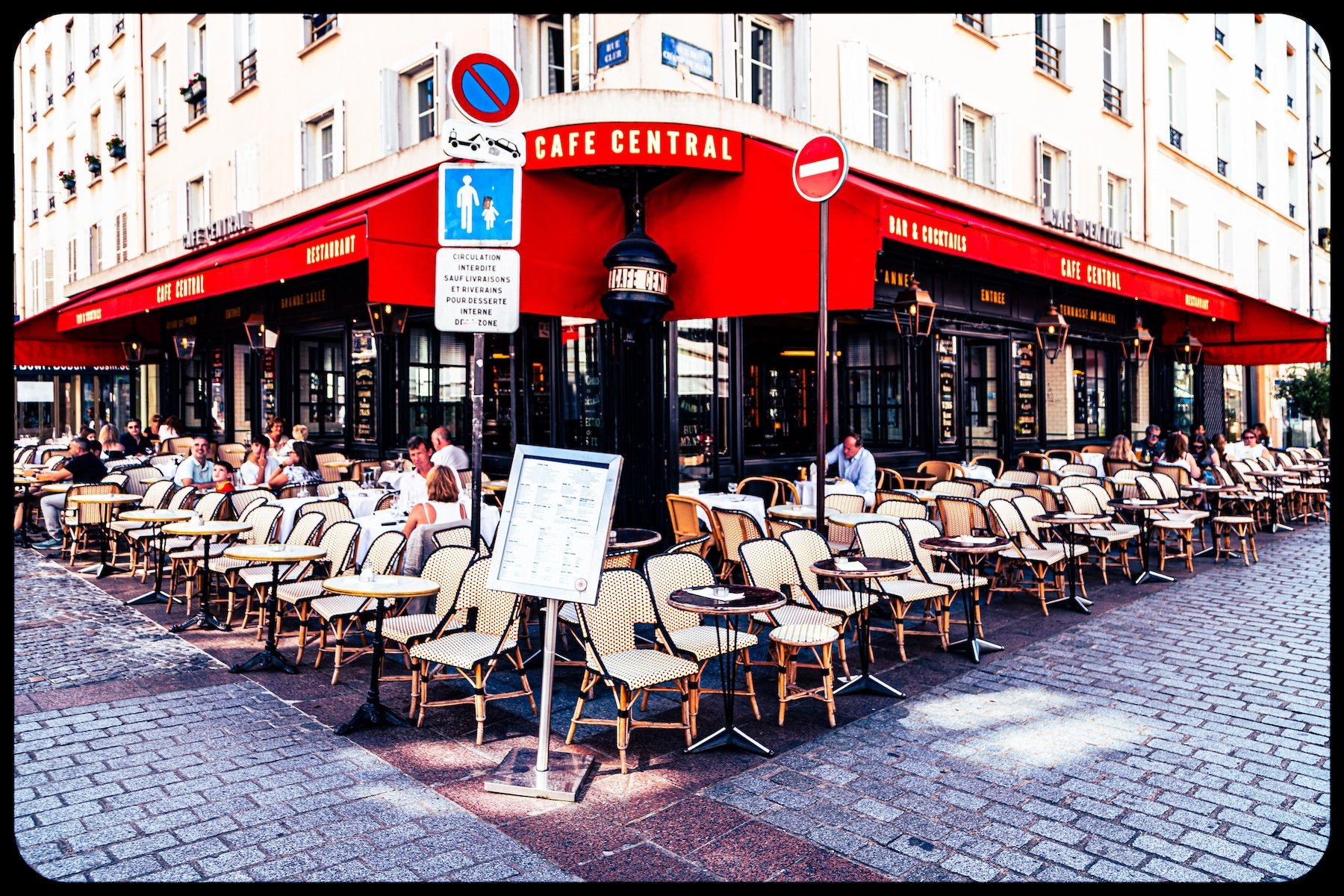
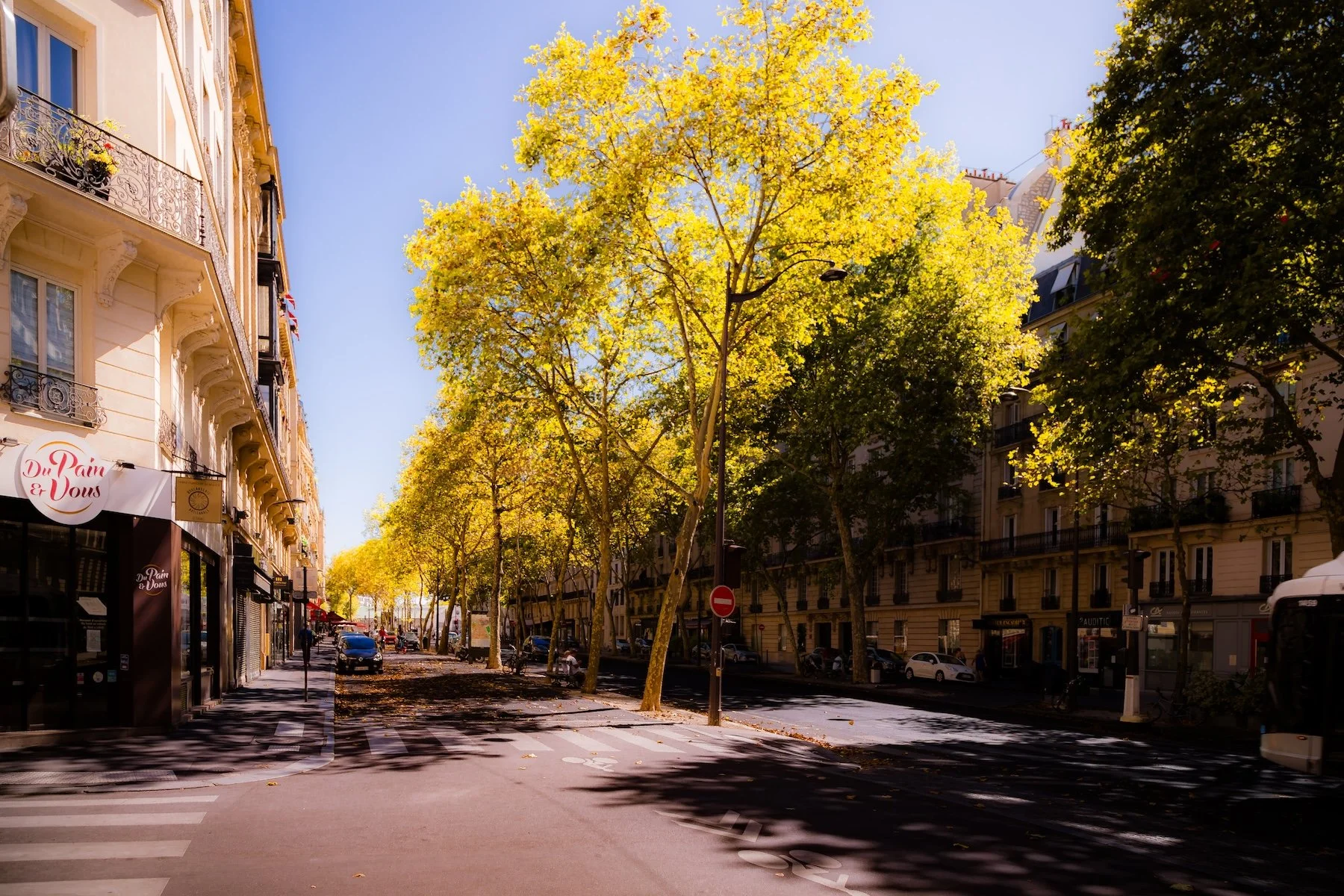
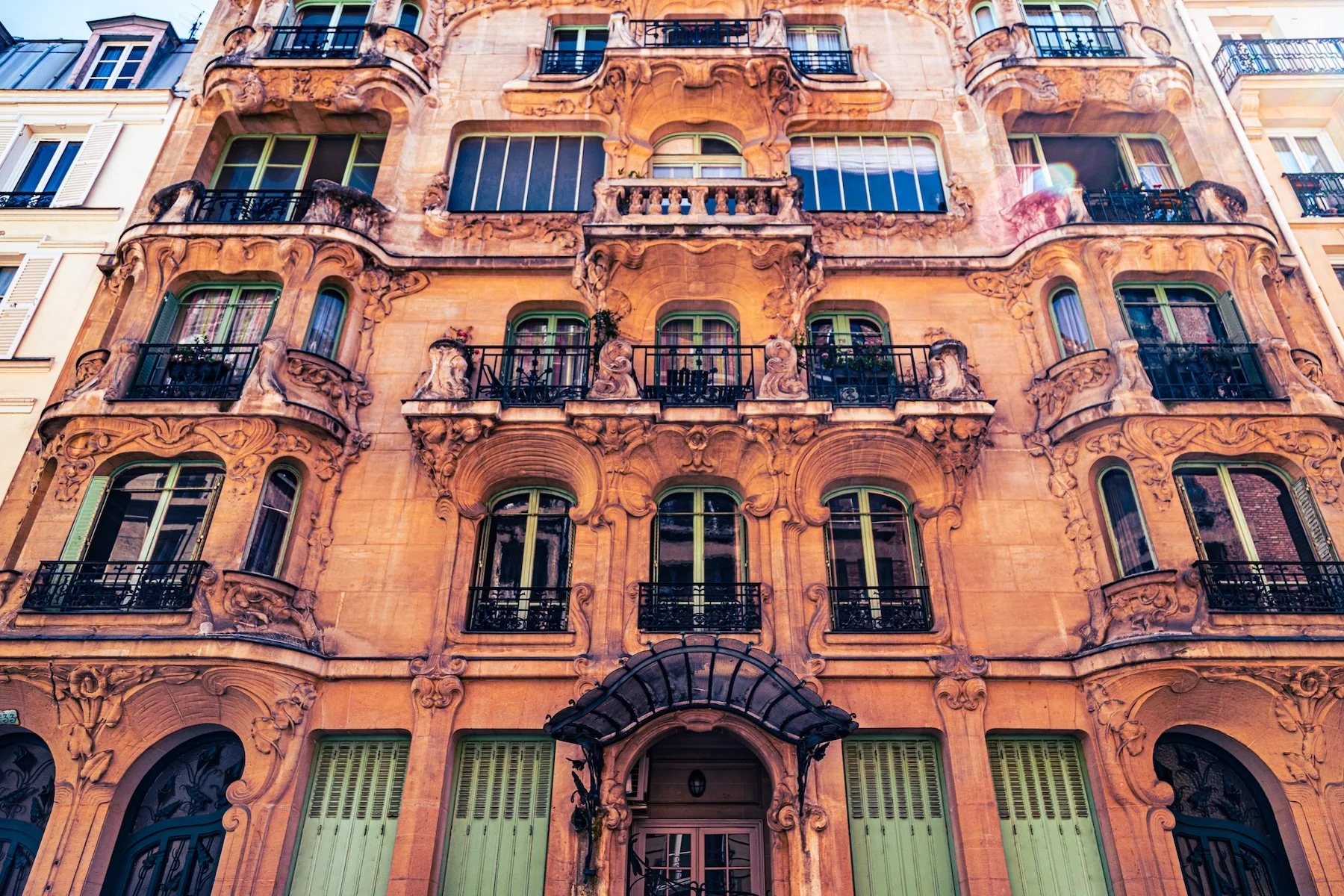
Photographing the arrondissements means moving between the official map and the street-level experience. The camera does not treat each arrondissement as visually uniform. Instead, it looks for the recurring forms, textures, transitions, and contrasts that make each district legible: the geometry of boulevards, the shade of plane trees, the repetition of balconies, the rise of stairways, the curve of canals, the presence of rail stations, the opening of parks, the weight of monuments, and the intimacy of side streets.
On CityNeighborhoods, the arrondissement provides the frame, but the photograph comes from the encounter between map, movement, light, and observation. As the Paris photography is processed, this section will connect each arrondissement more directly to the project’s Photographic Lexicon: the visual strategies, recurring motifs, and compositional patterns that shape how the city is seen through the lens.
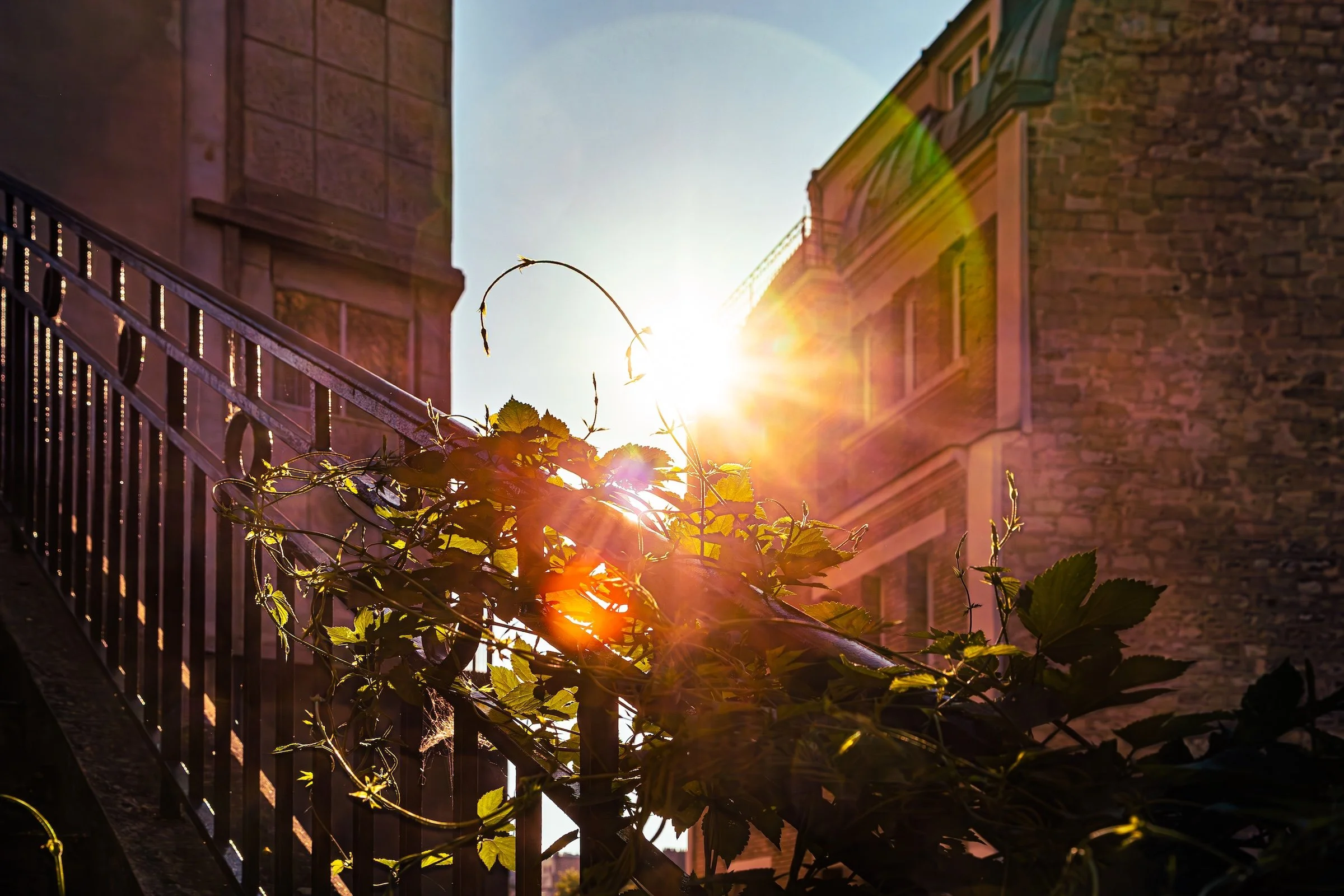
If you visit Paris, these ideas can help inspire your own photography.
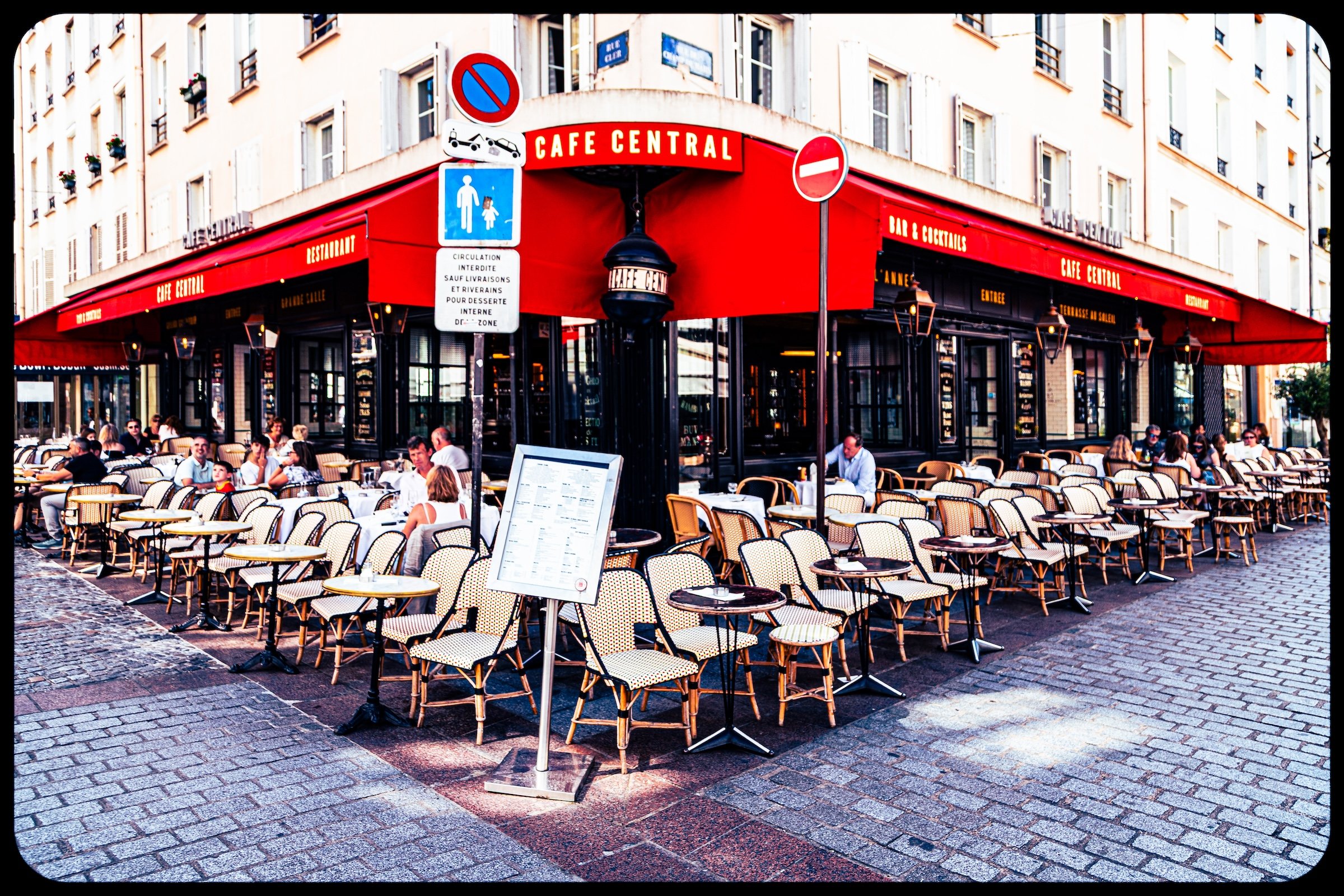
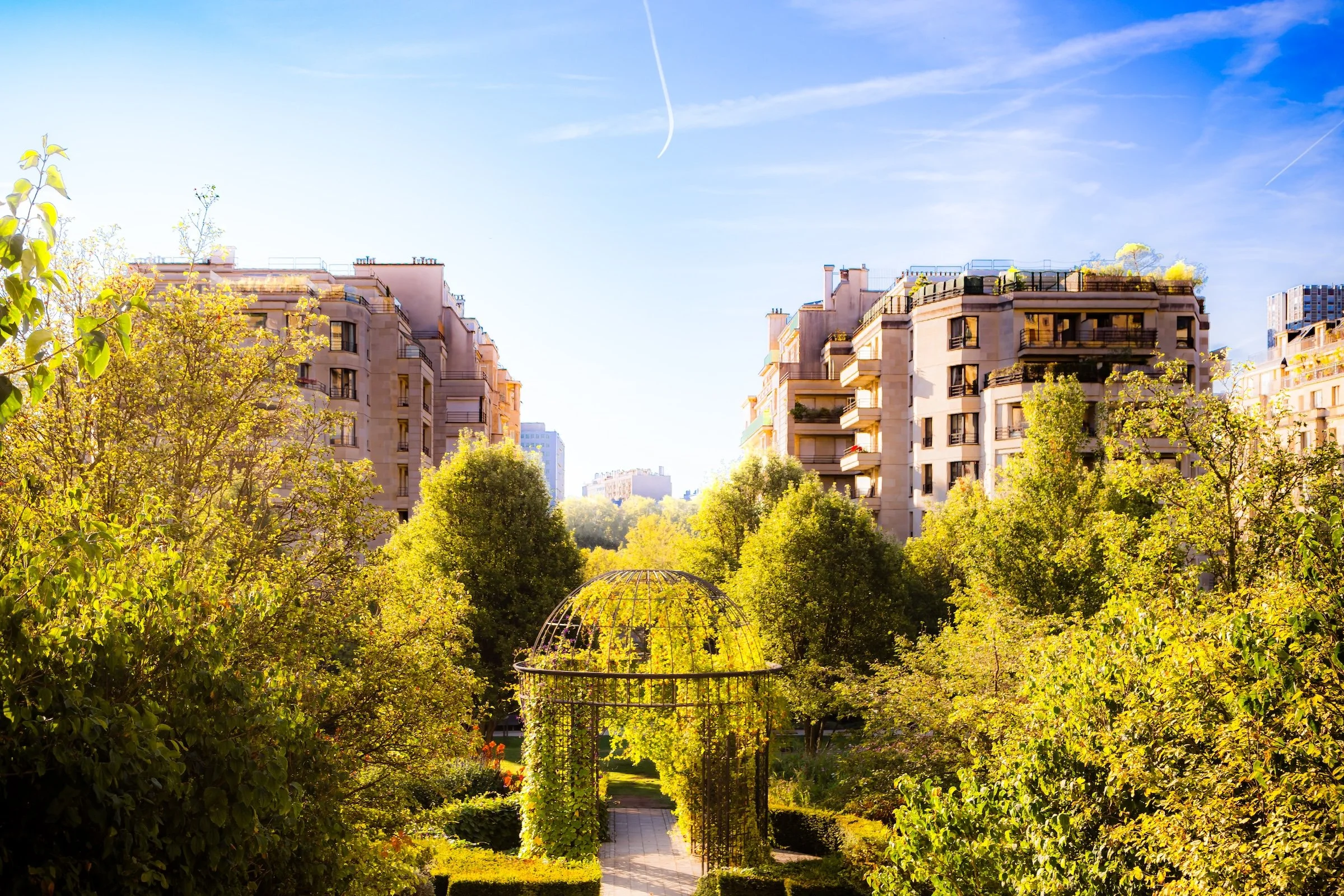
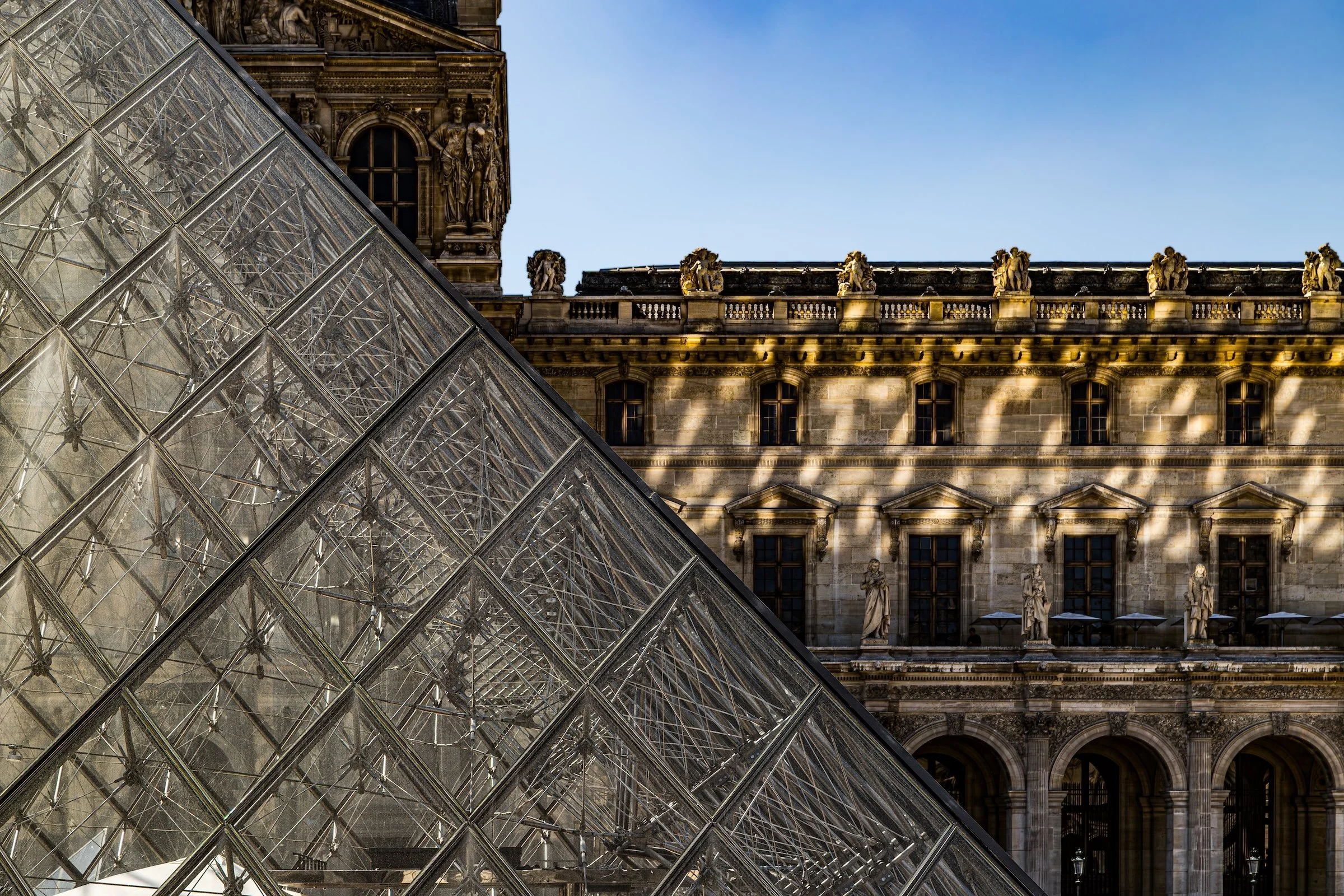
Paris: J’Espere, Je Rêve, Je Vive
Paris Photo Gallery
Paris Field Notes
-
Field Note: August 18, 2025 | 07:58 AM
Conditions: 73°F | Humidity: 72%.
Within the park's interior, the glacial kettle ponds acted as humidity traps, creating a soft, hazy light that filtered through the old-growth oaks. The transition from the park's dense shade to the sun-drenched edges of Oakland Gardens highlighted the day's exceptional "picture-perfect" clarity.
There is a fleeting window in Queens where the humidity of August hasn't yet heavy-set, and the morning sun hits the canopy of Alley Pond Park at a perfect oblique angle. Arriving just before 8:00 AM, I watched the light break through the oaks and tulip trees, casting long, dramatic shadows across the wet grass. It’s in these quiet, golden moments that the park feels less like a city escape and more like the ancient glacial valley it actually is.
Other neighborhoods visited:
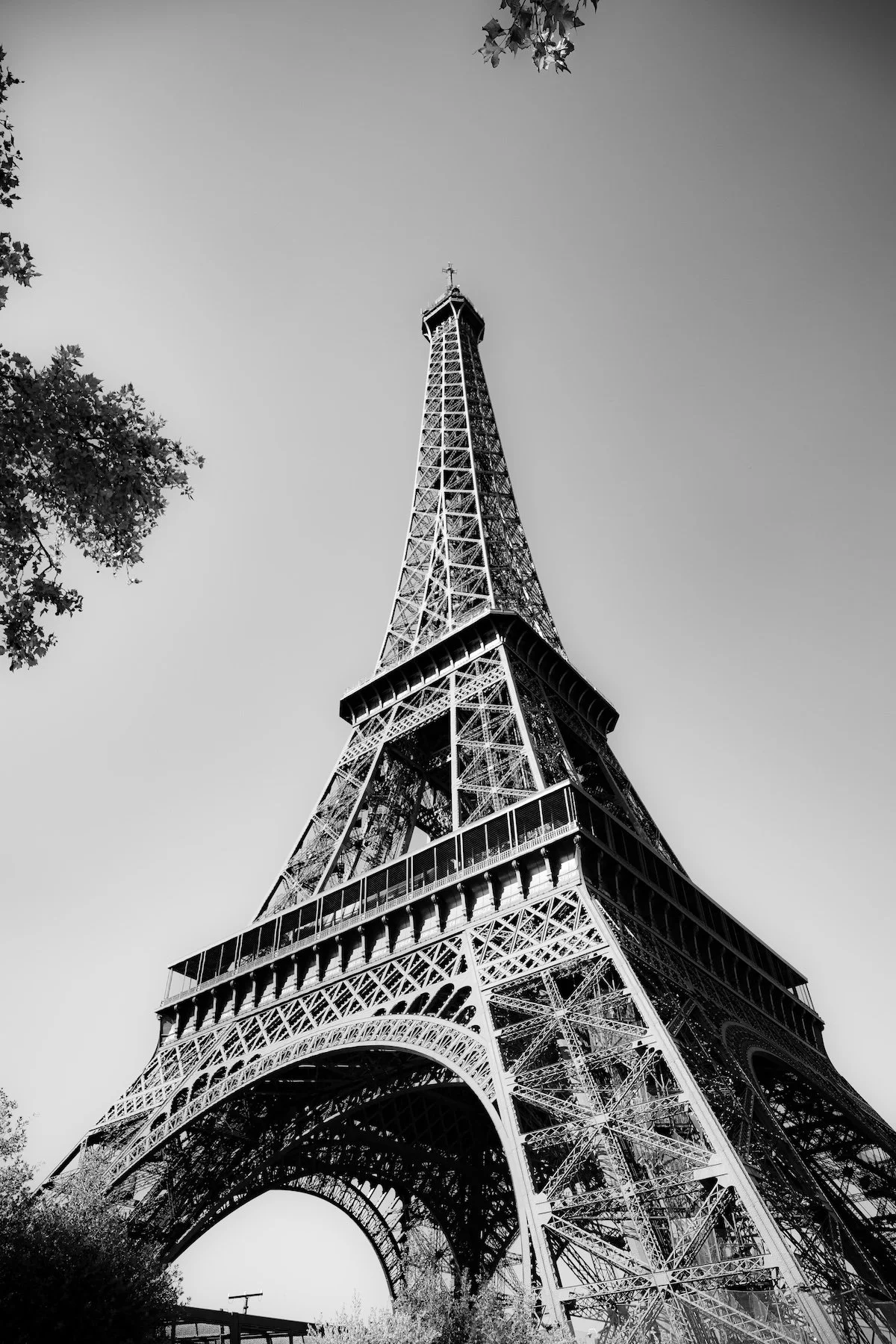
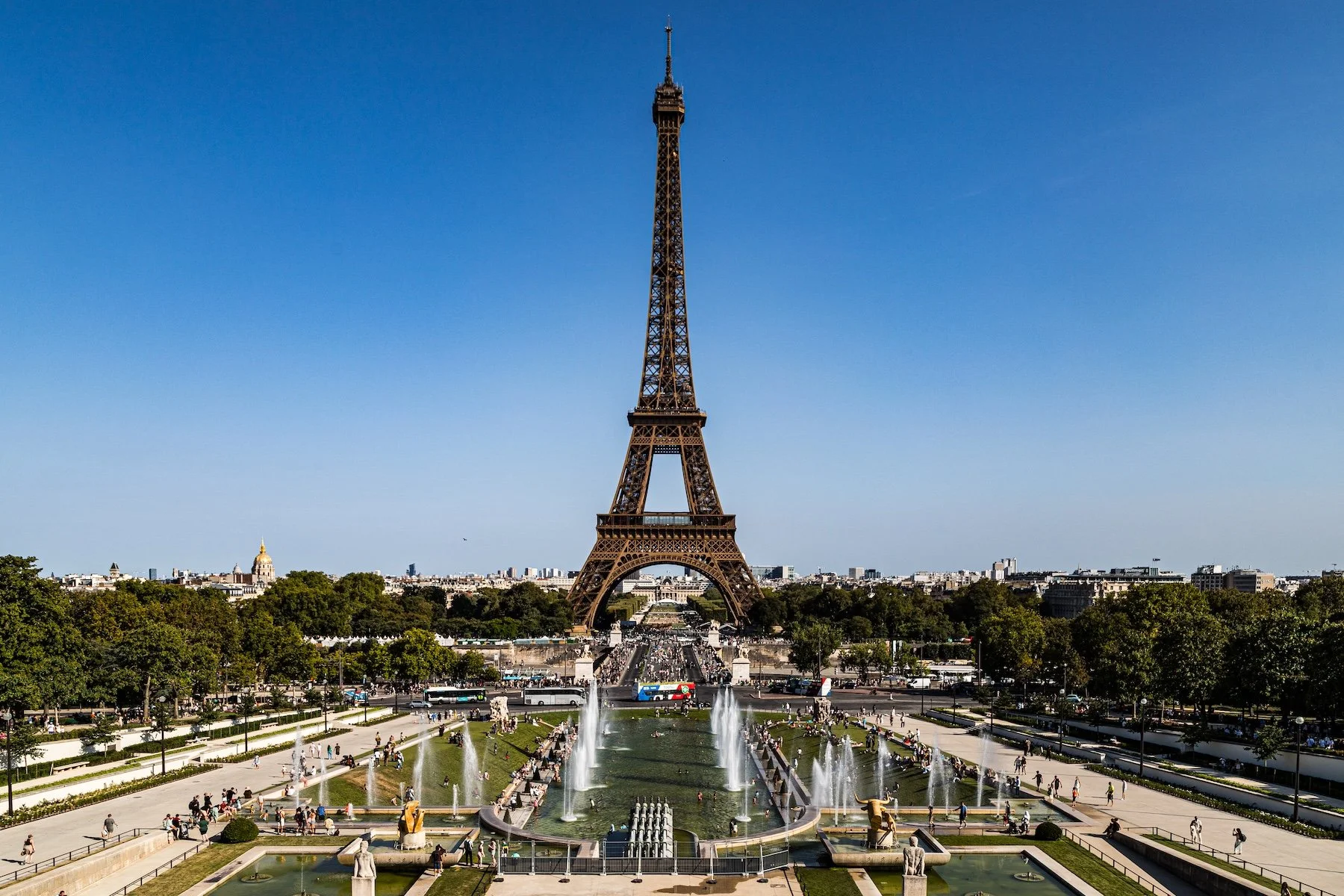
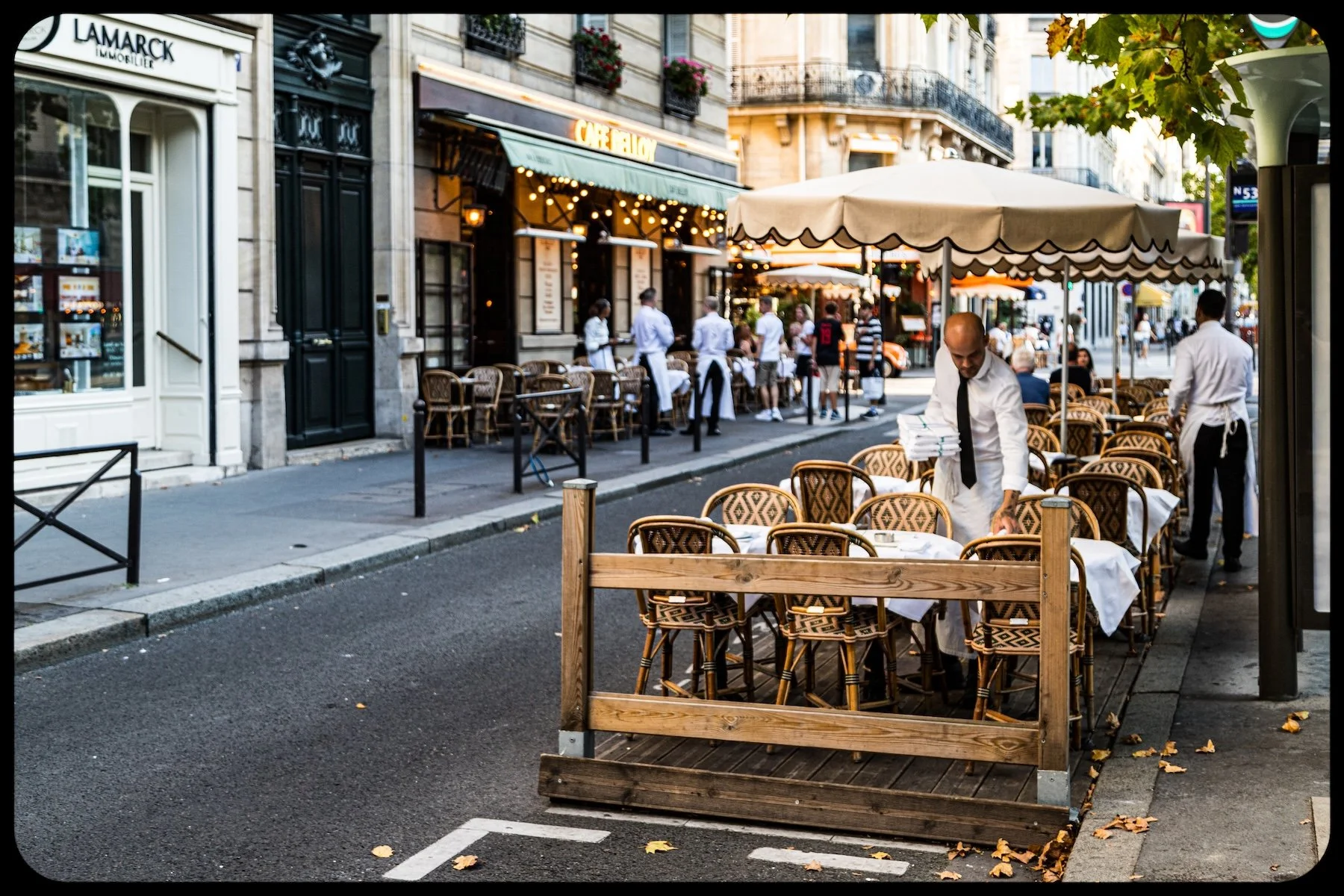
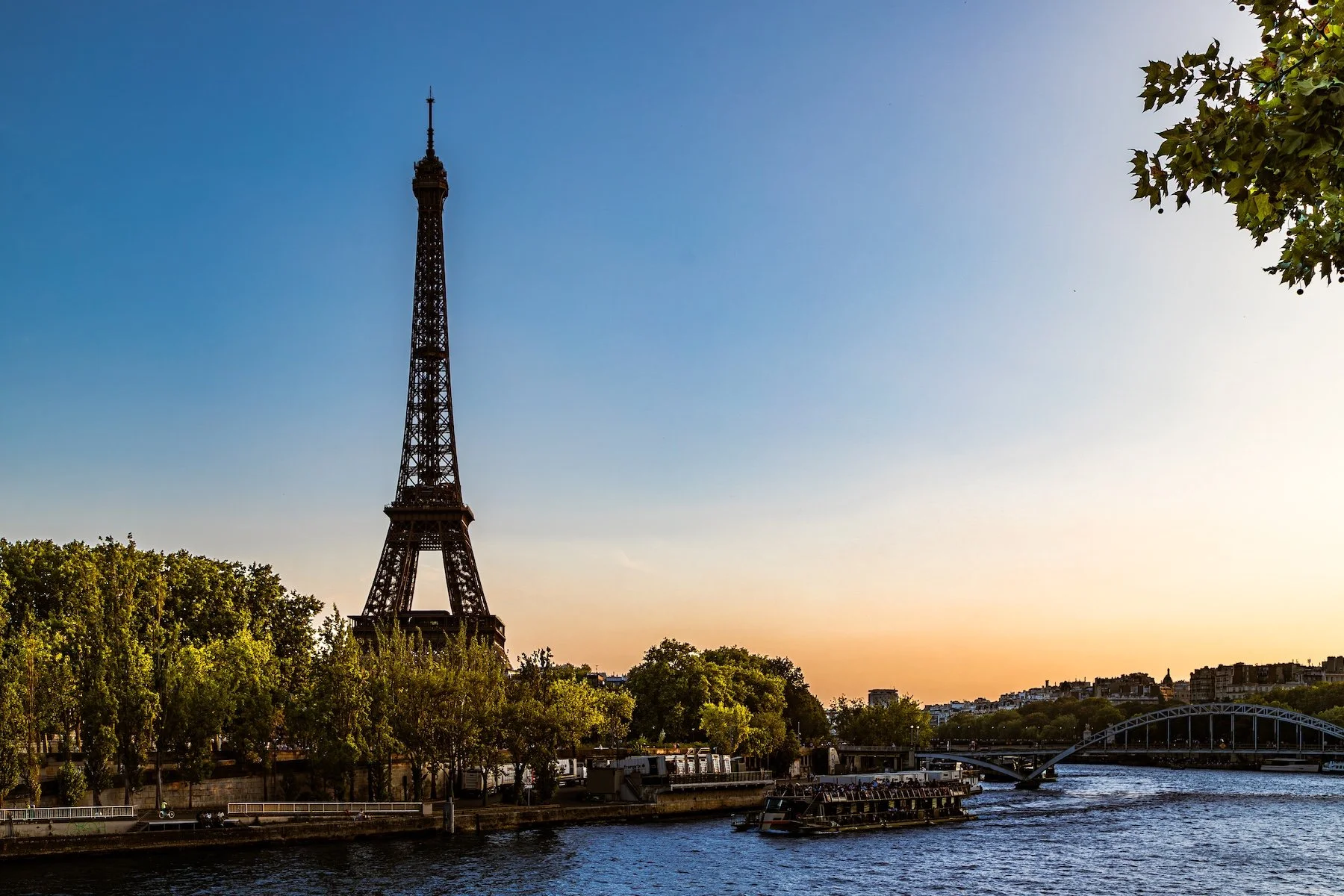
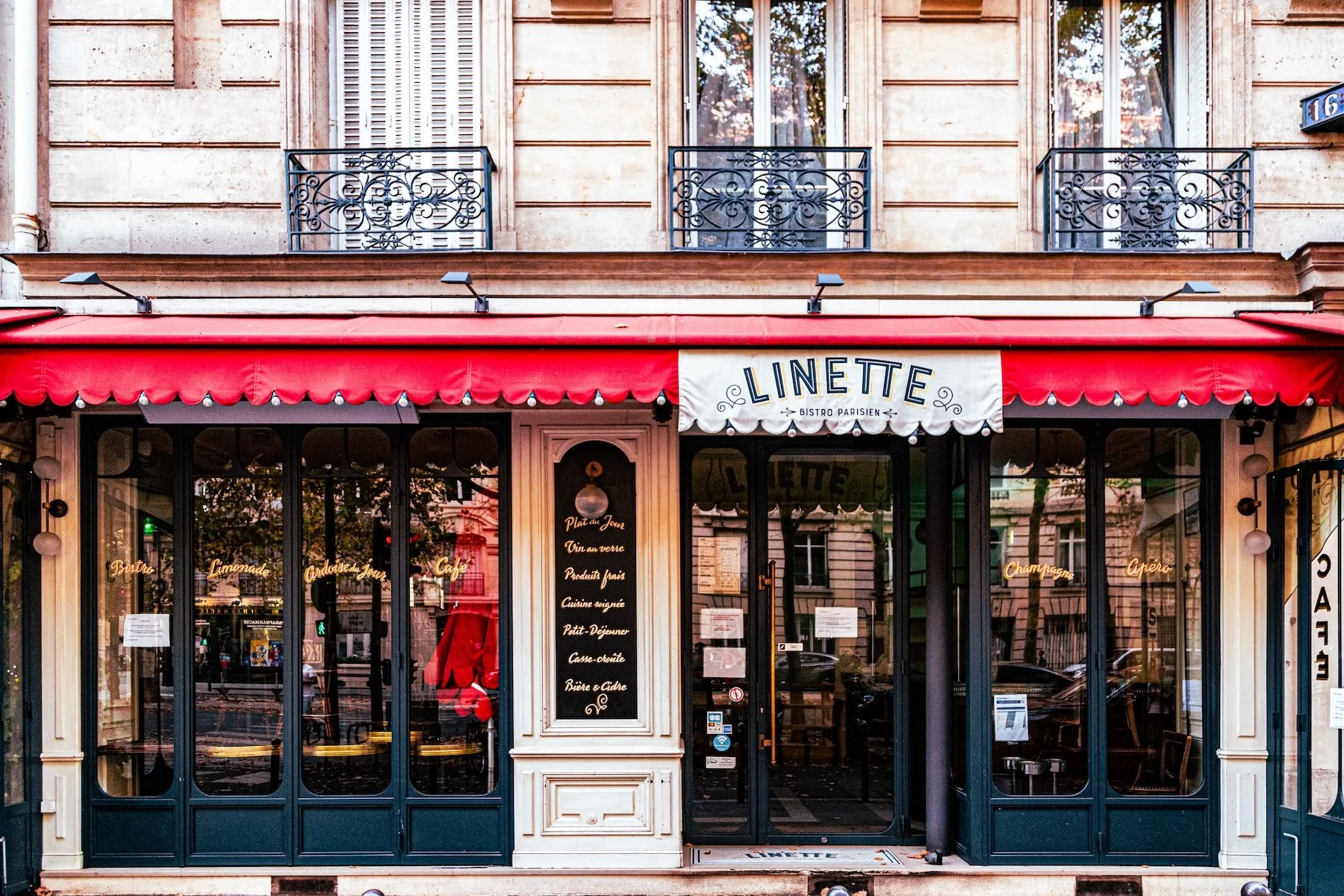
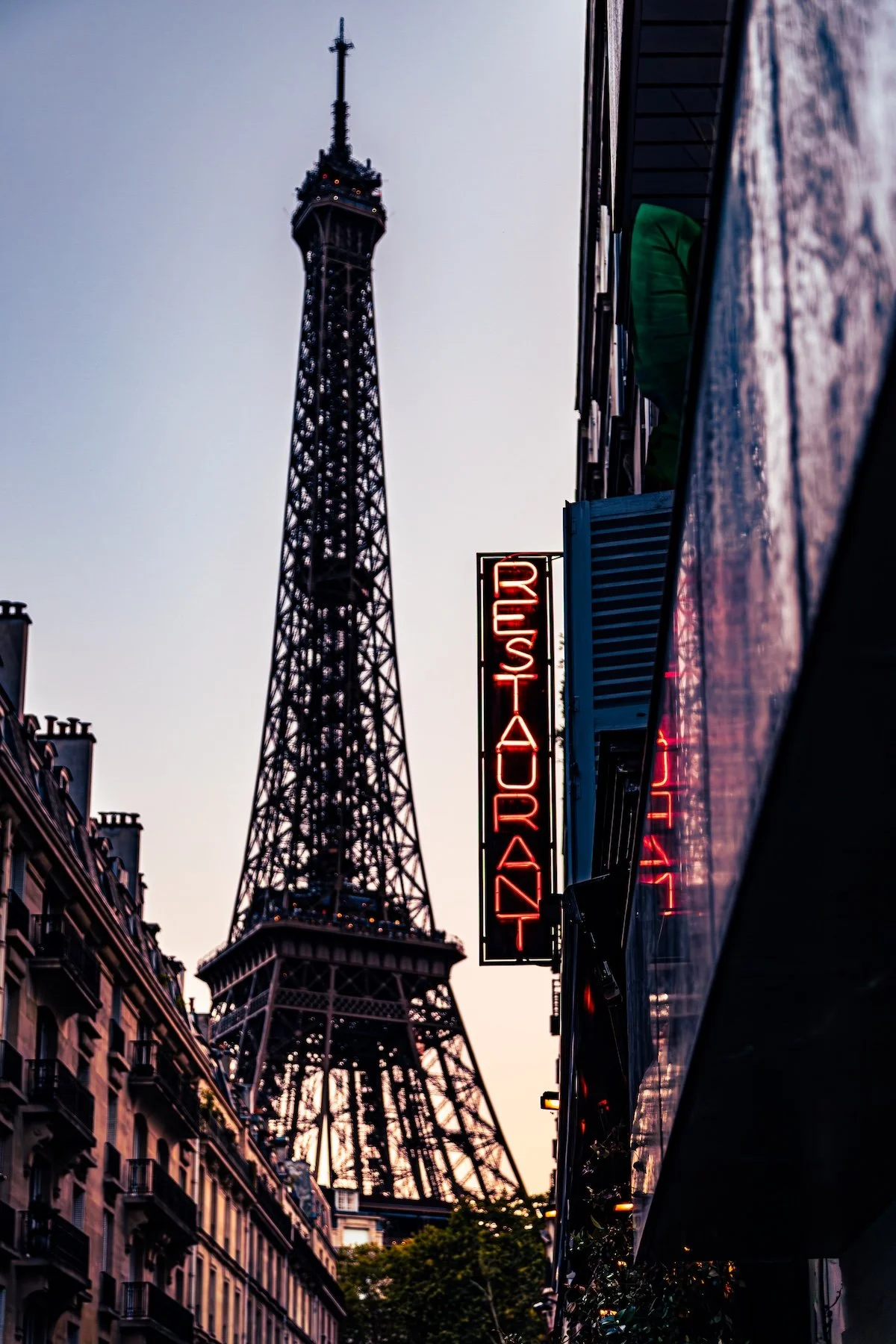
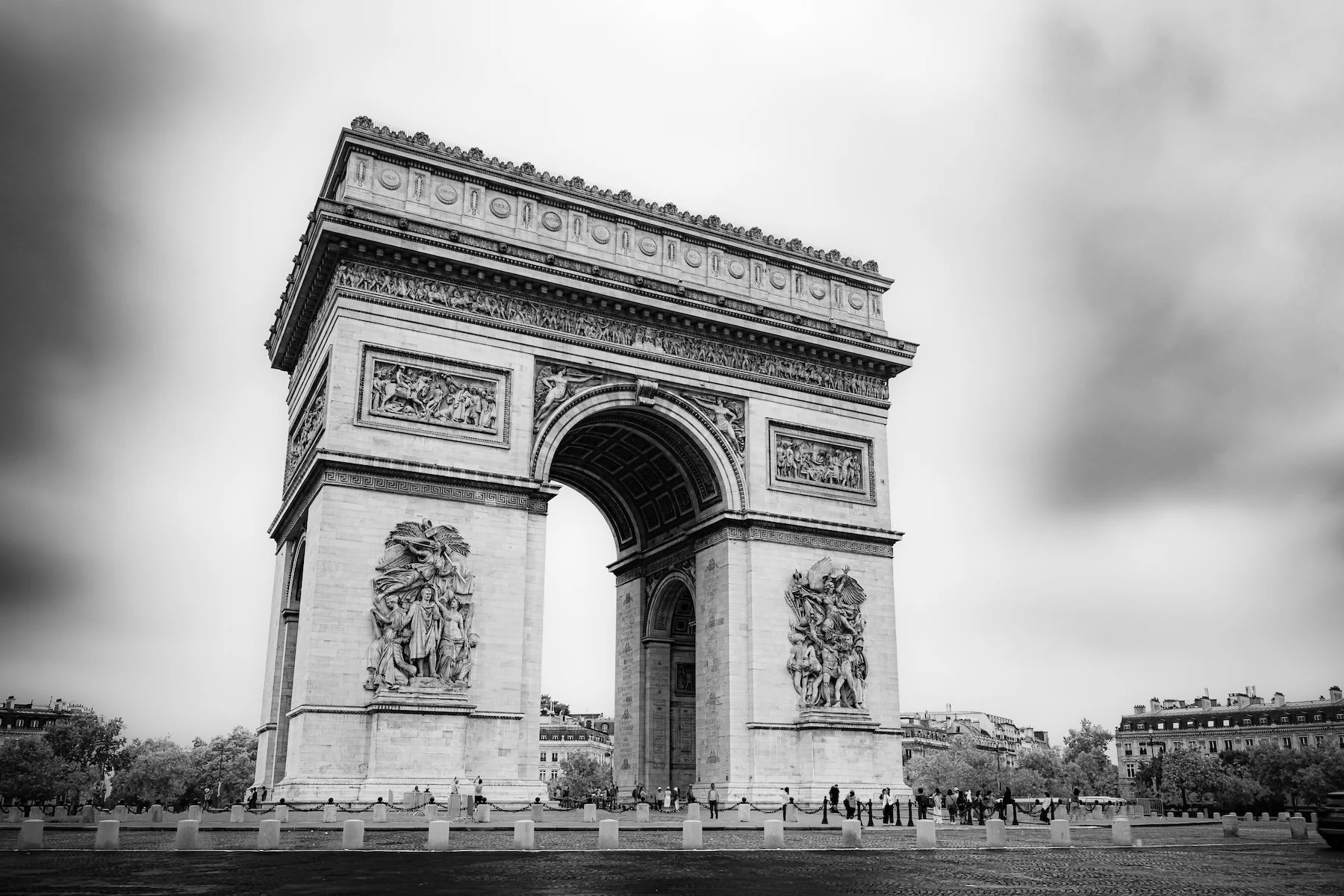
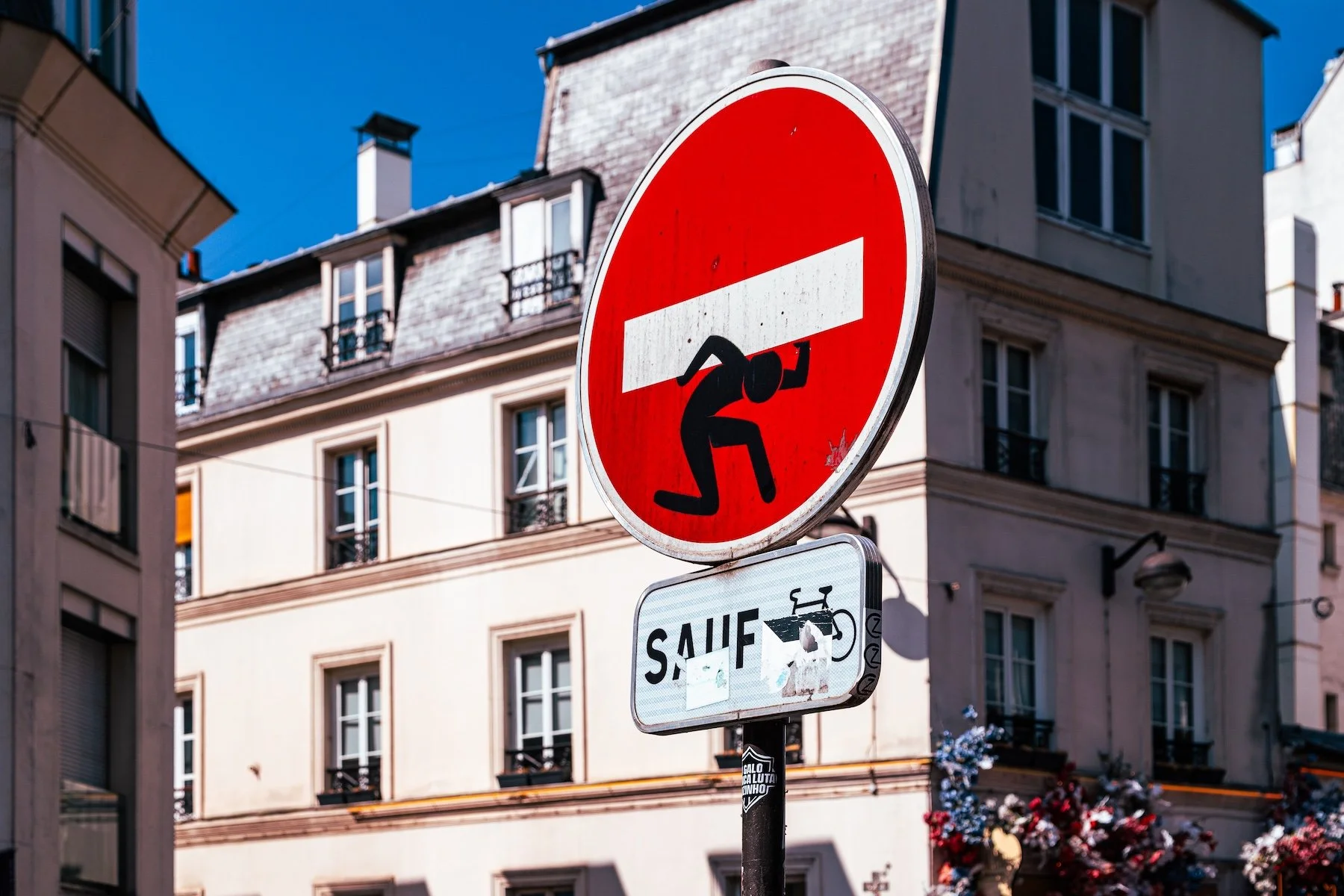
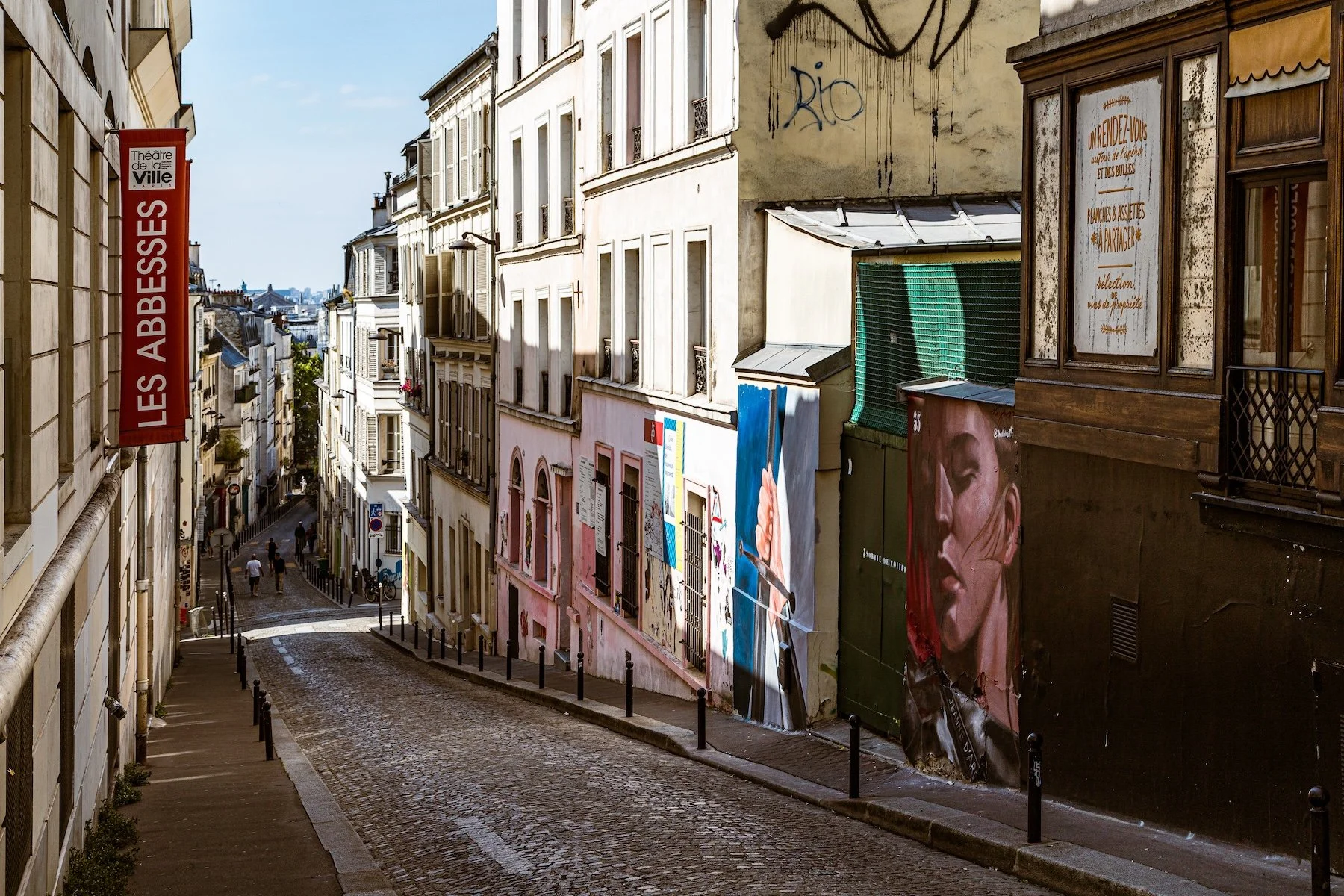
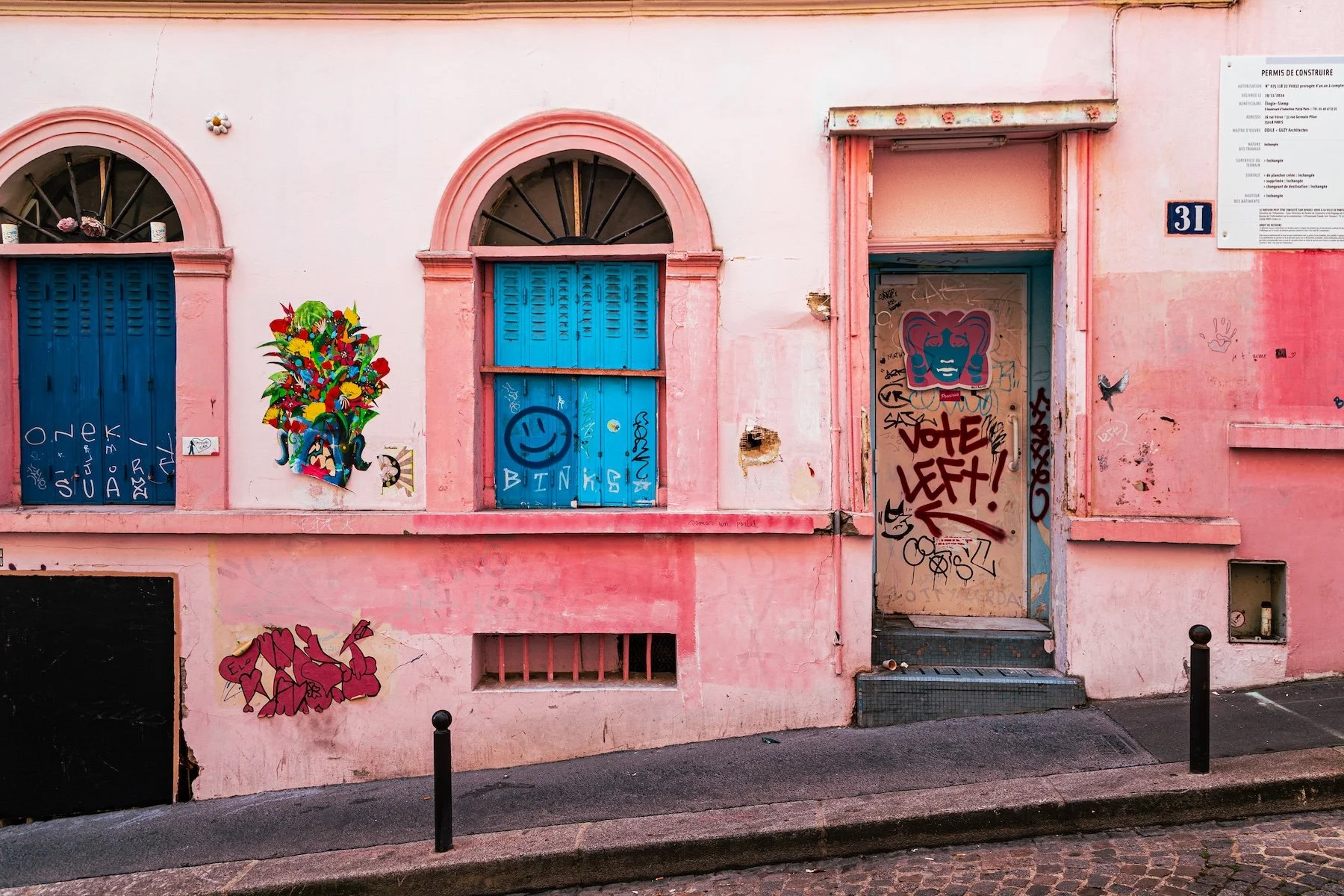
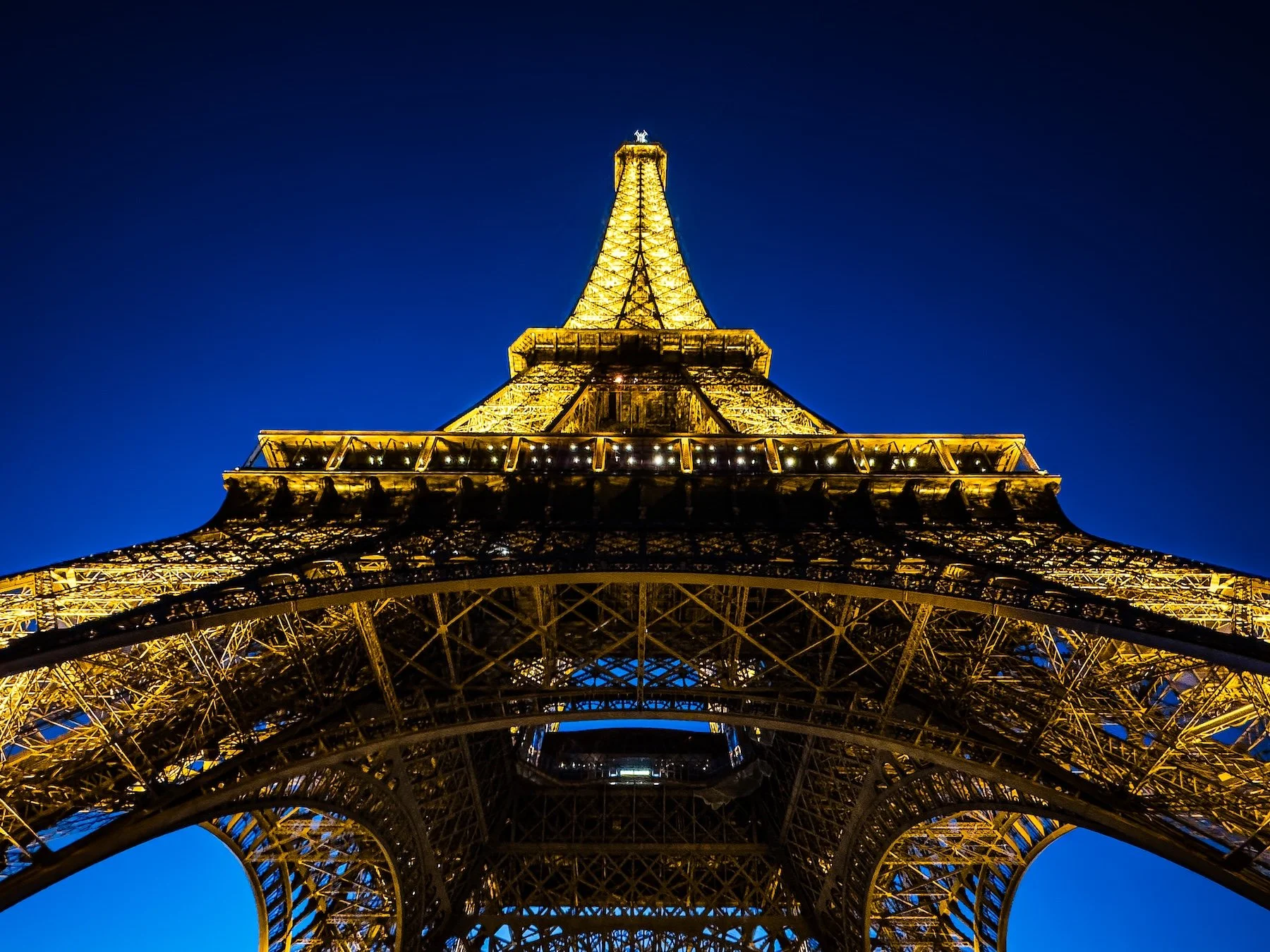
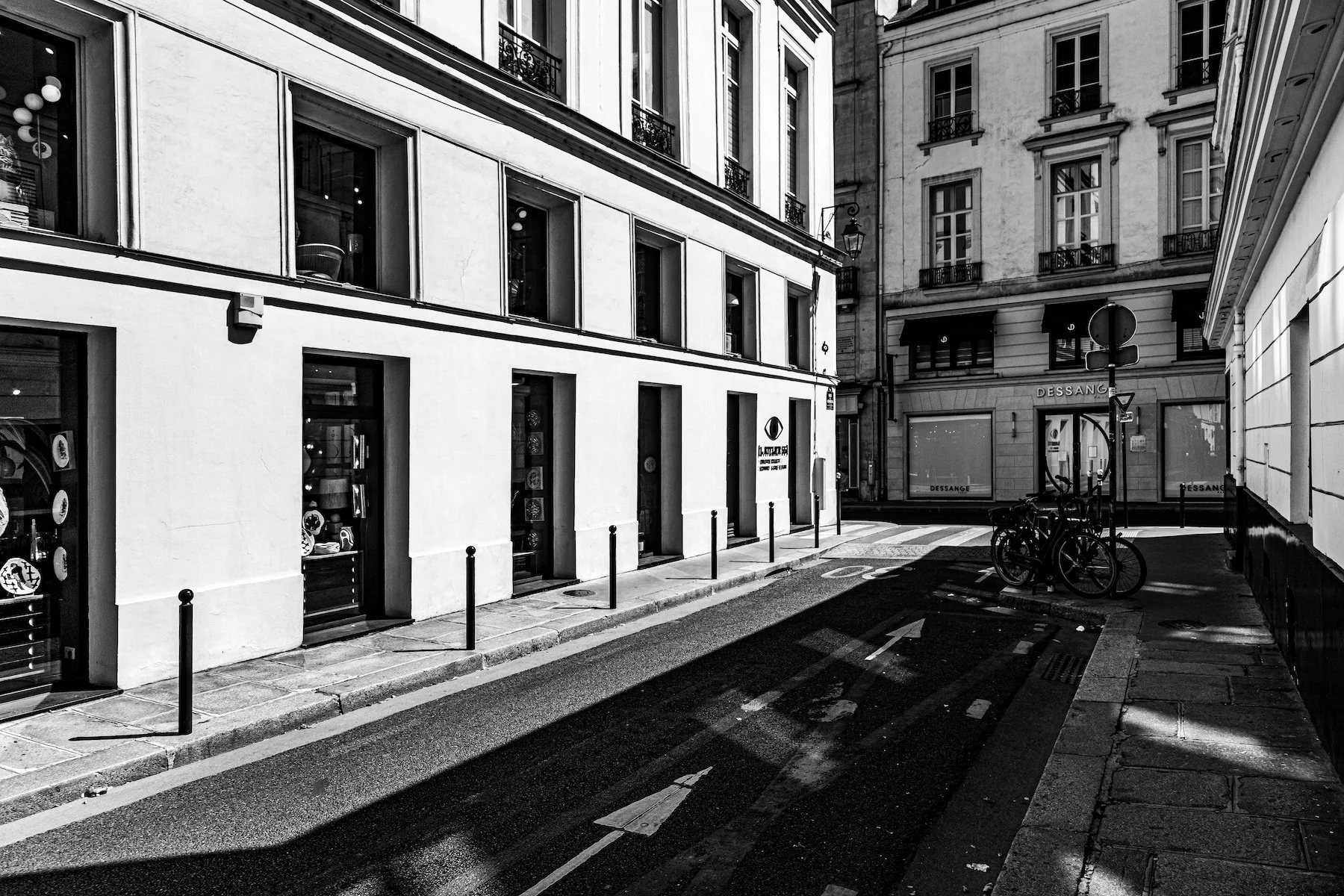
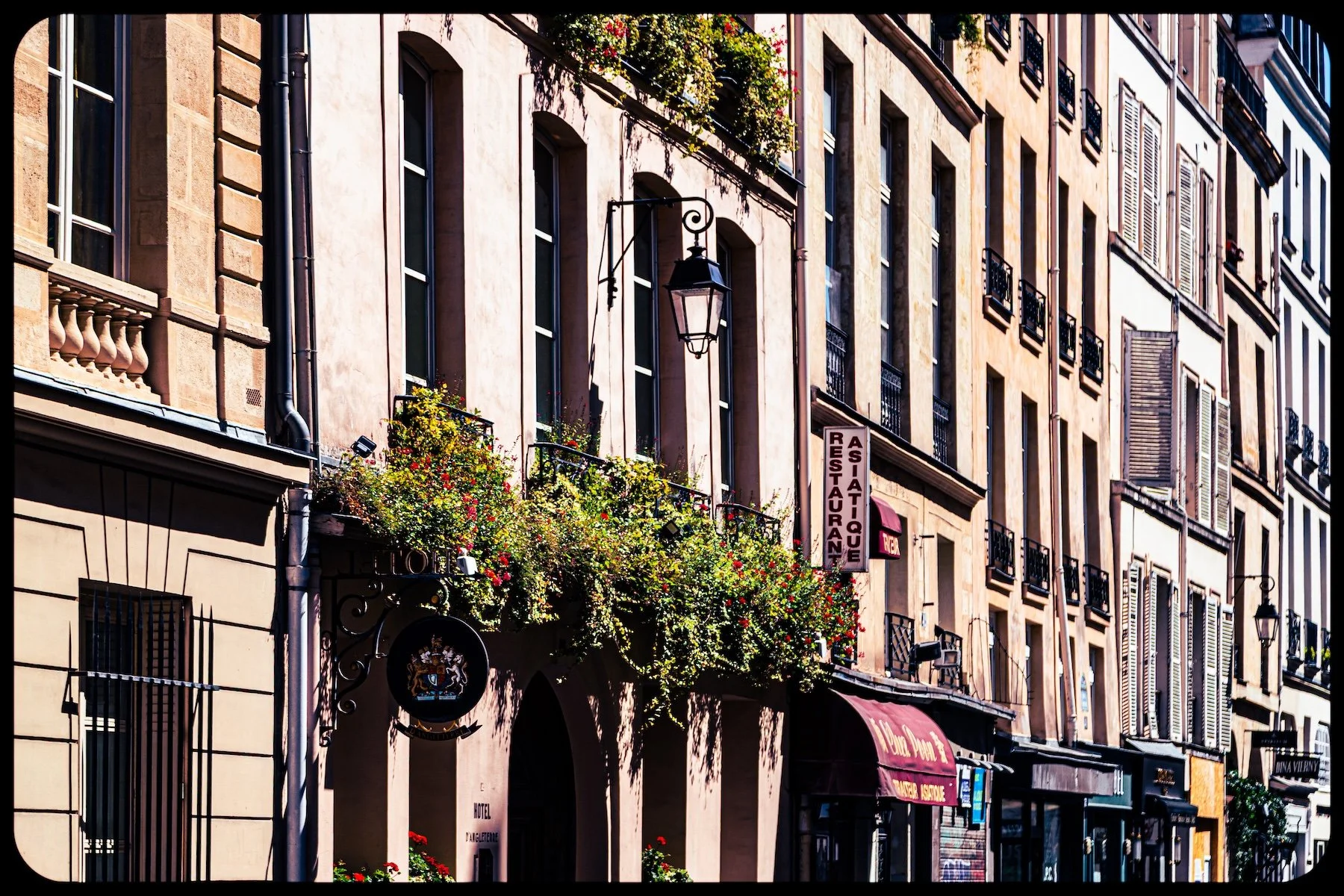
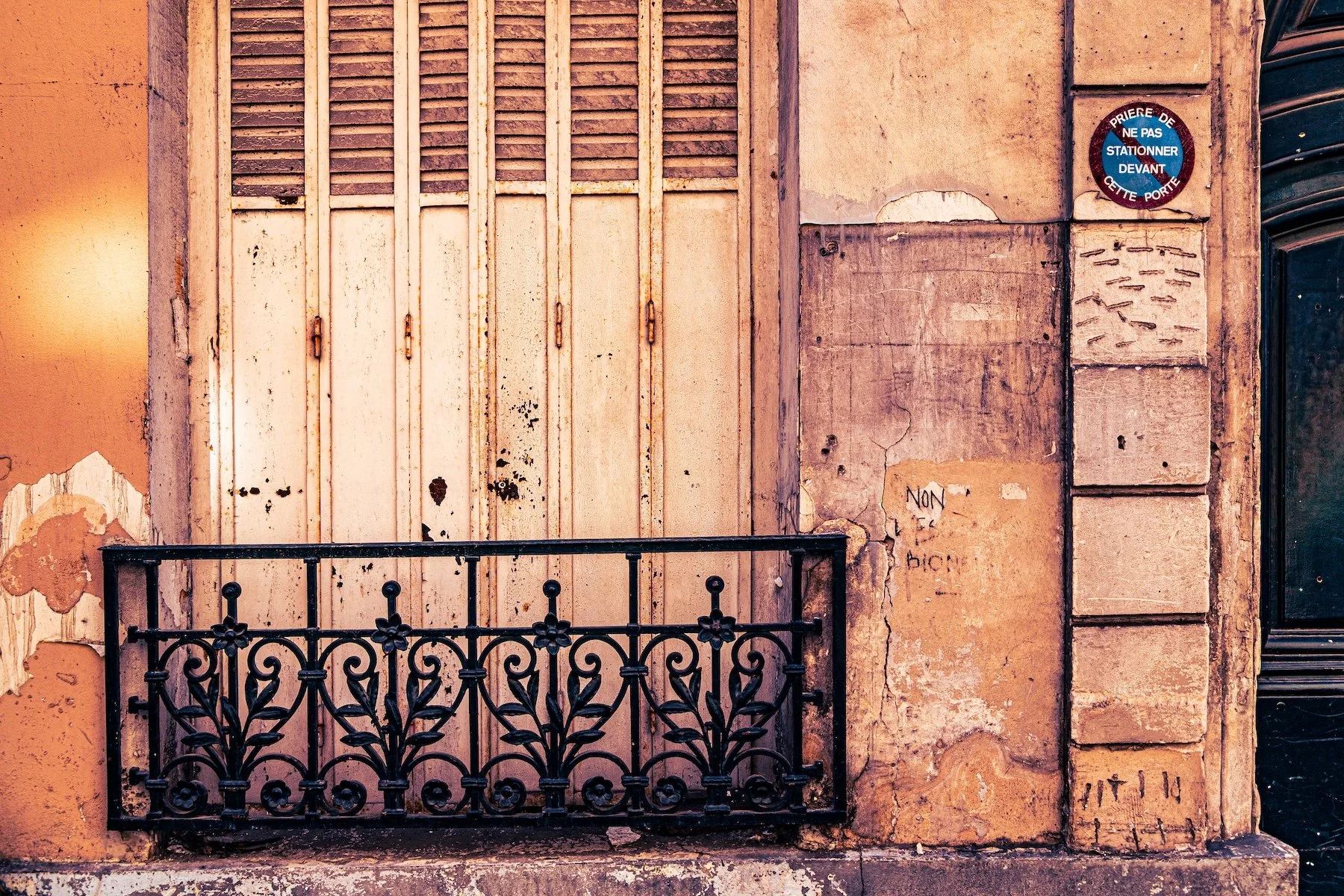
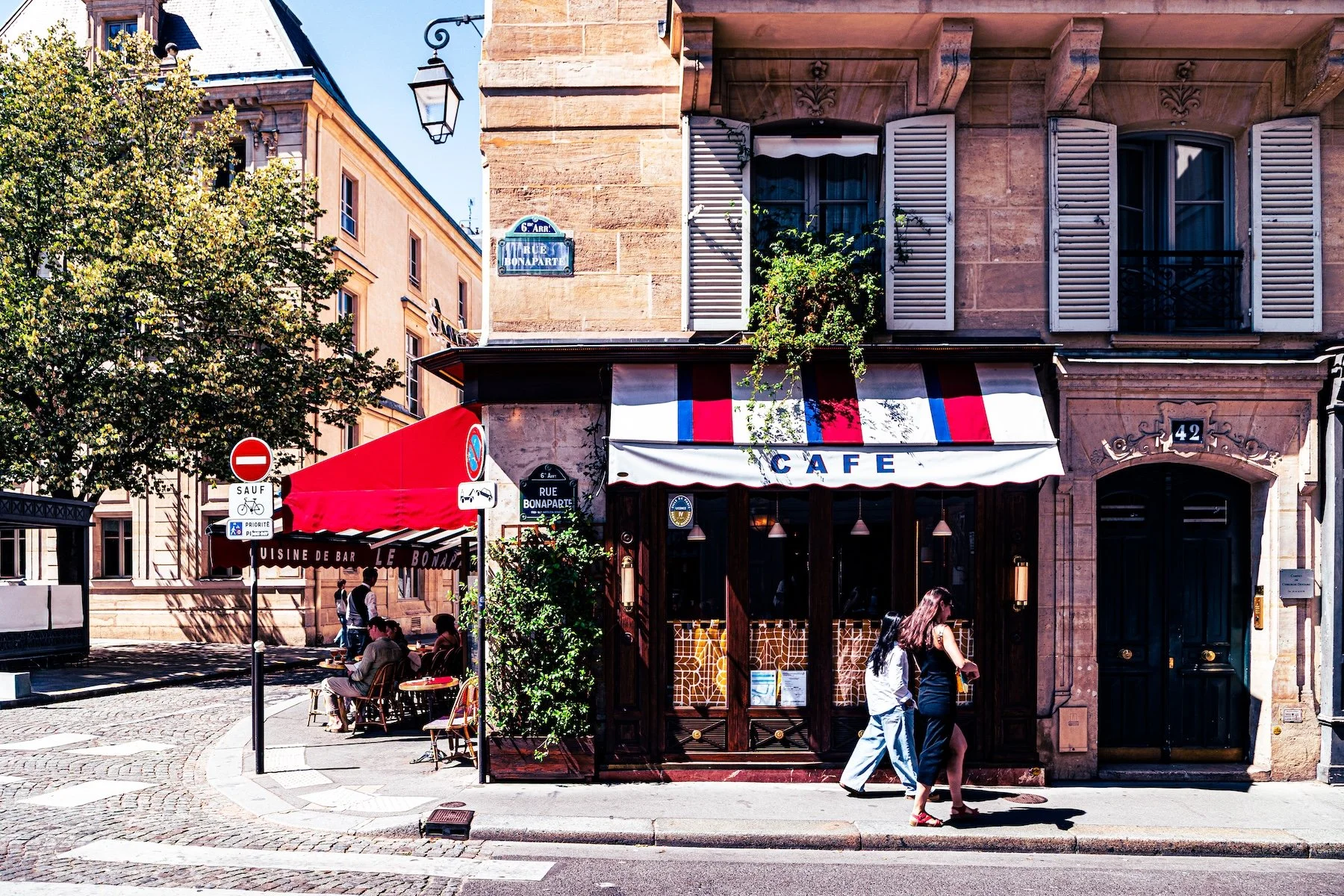
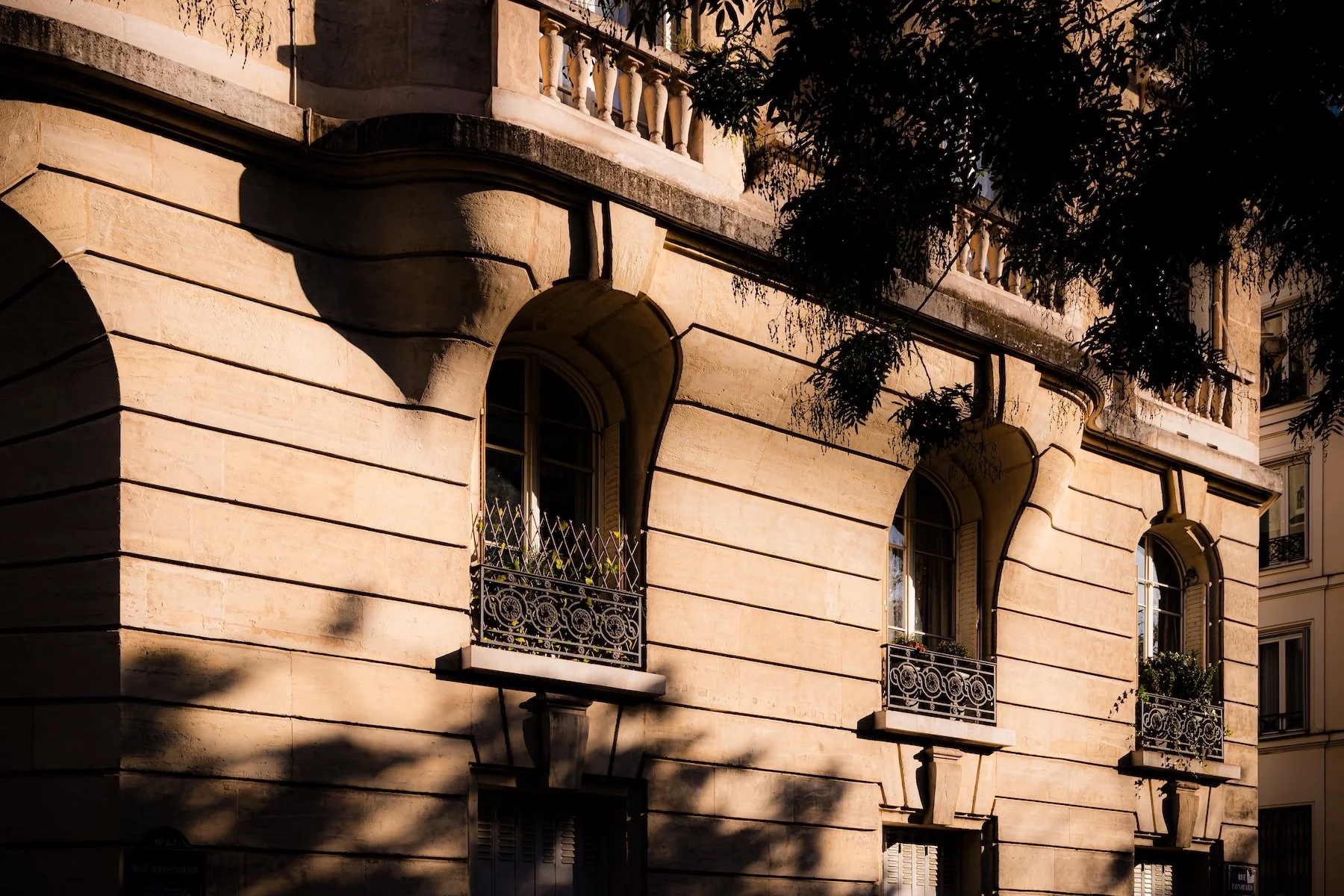
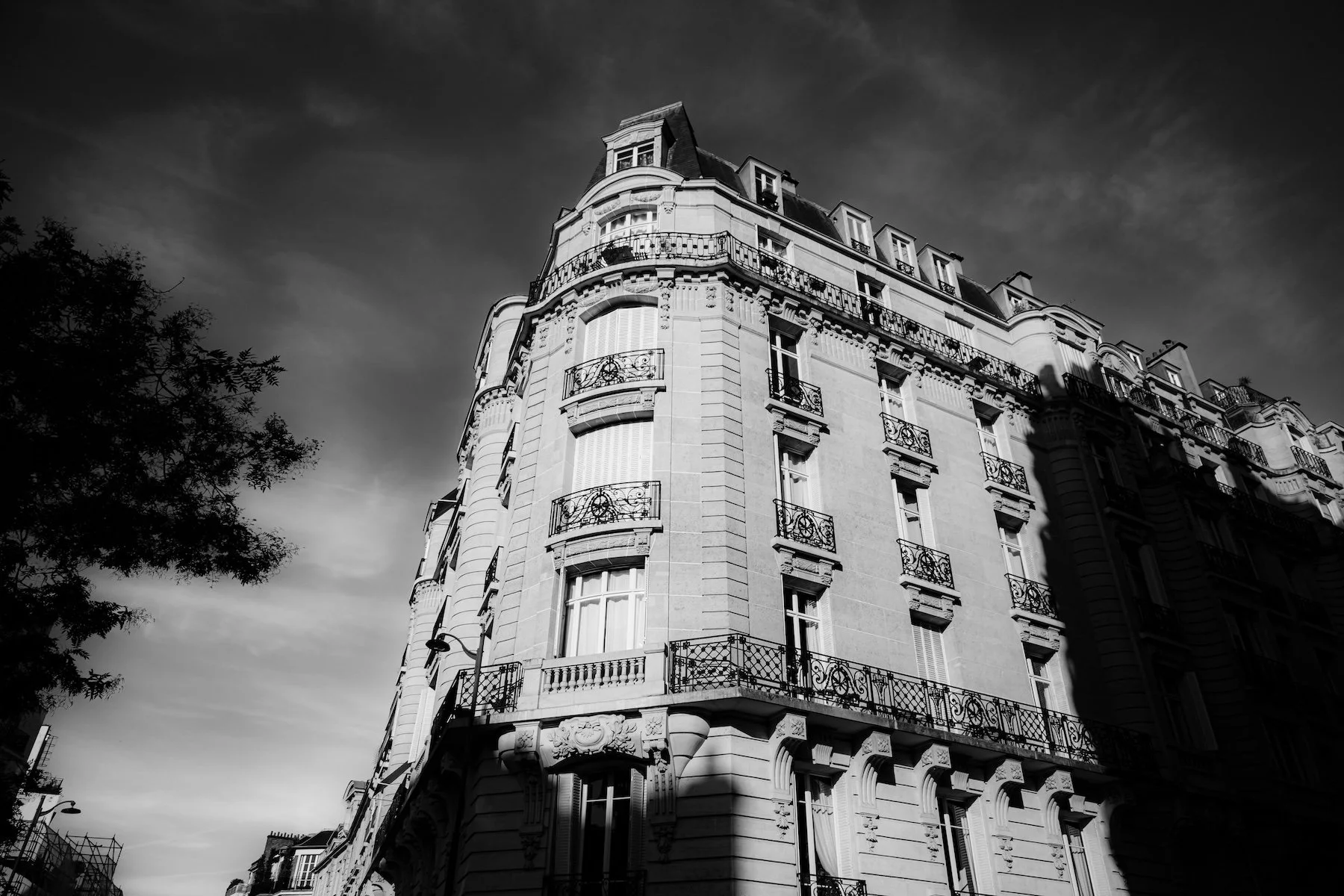
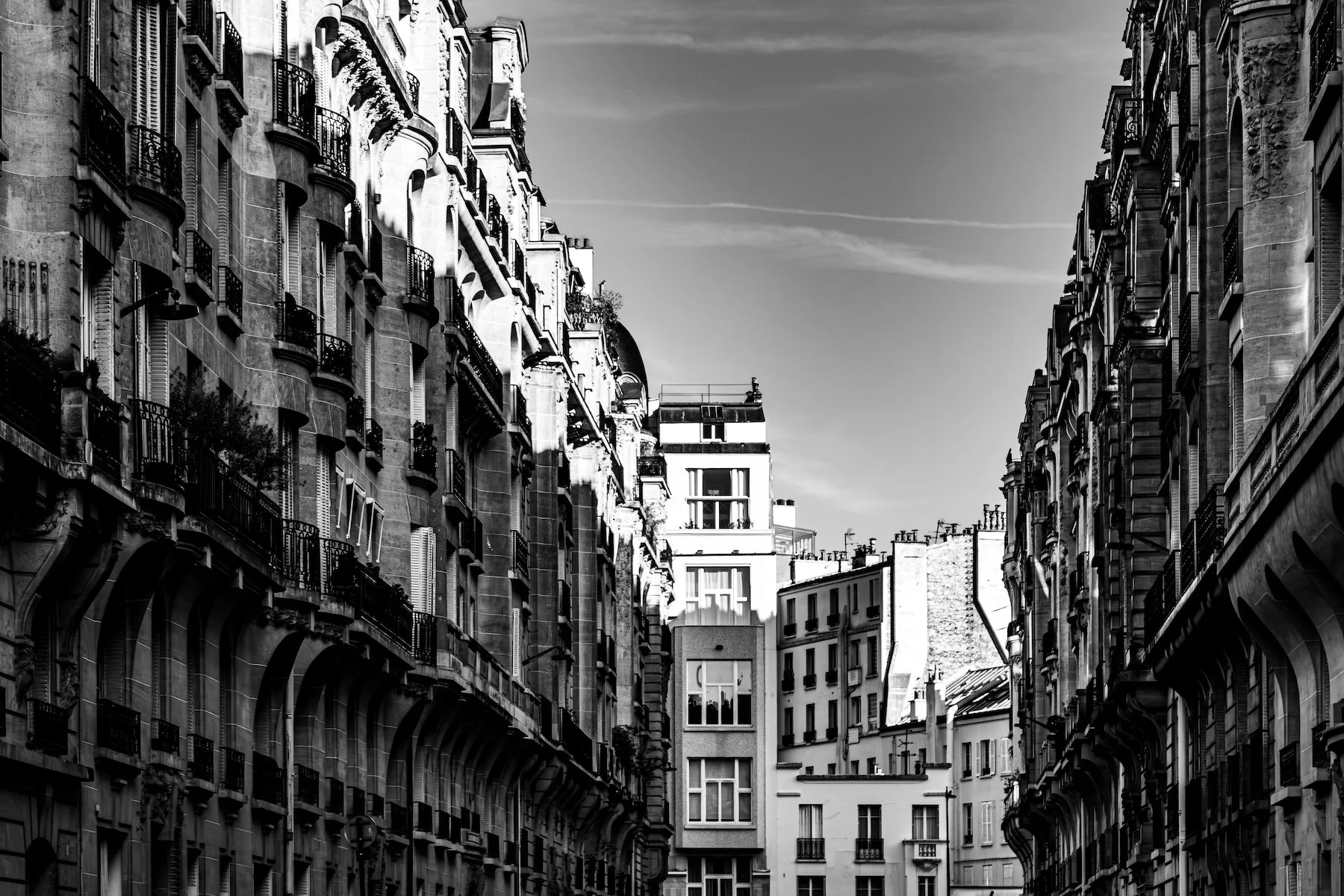
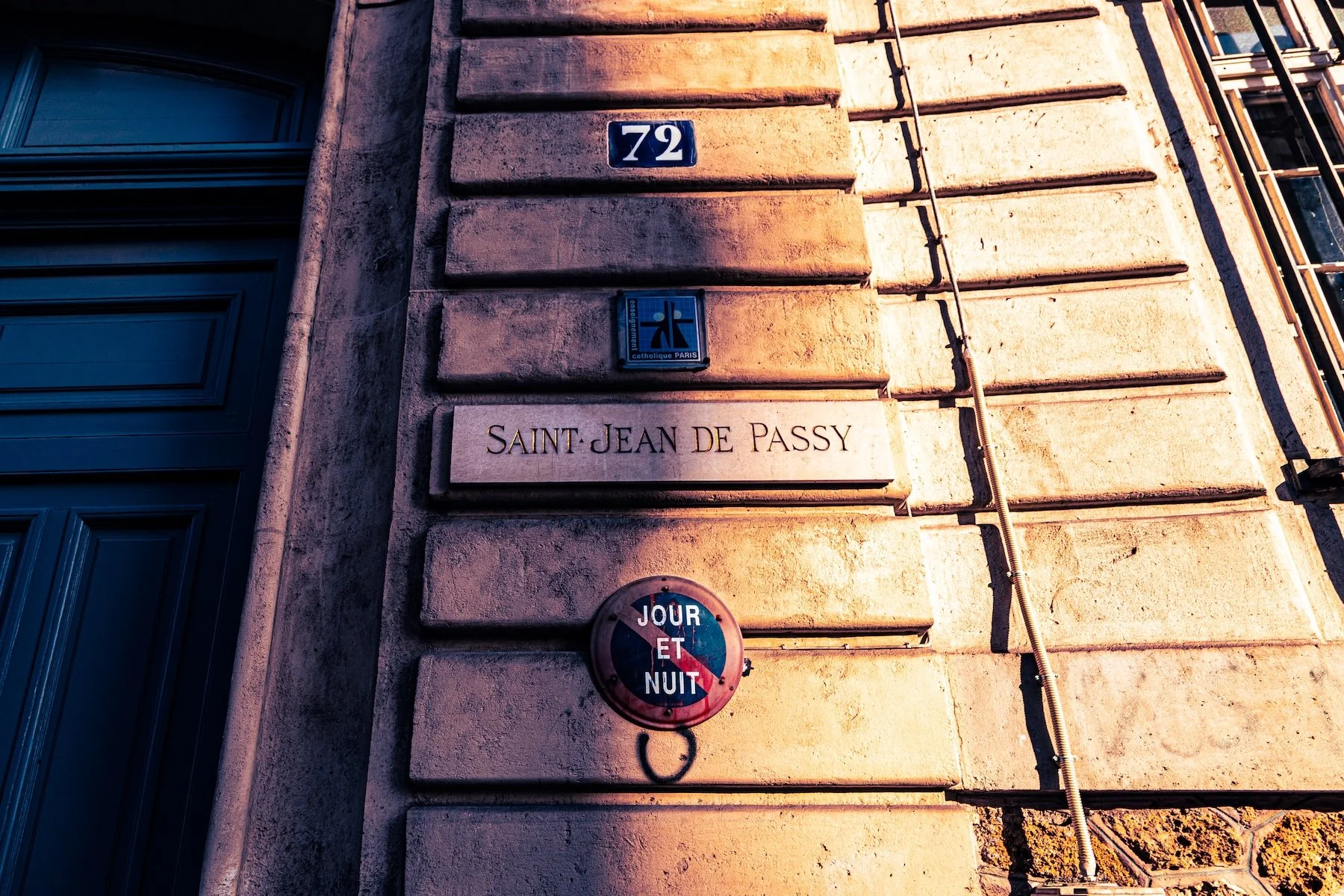

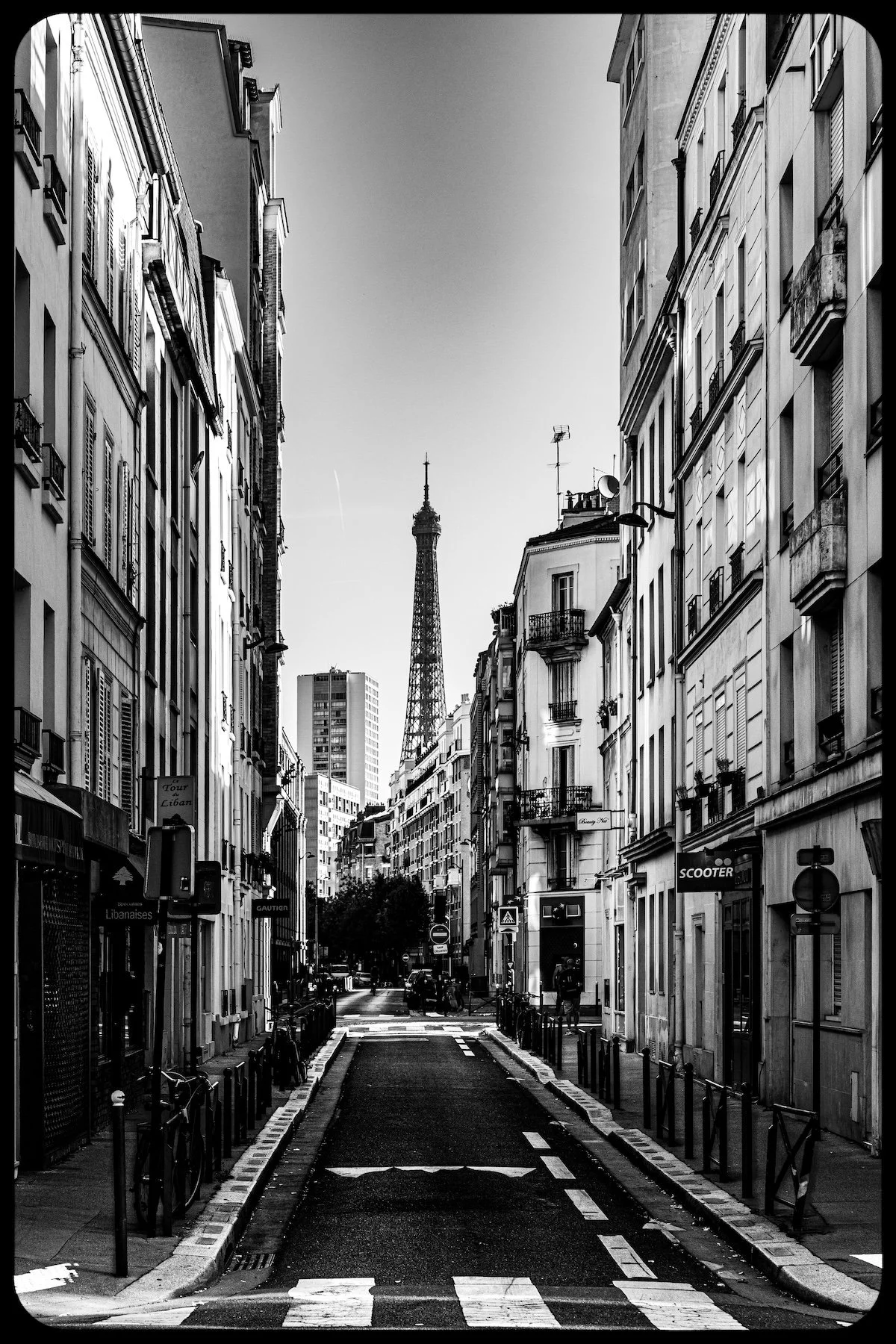
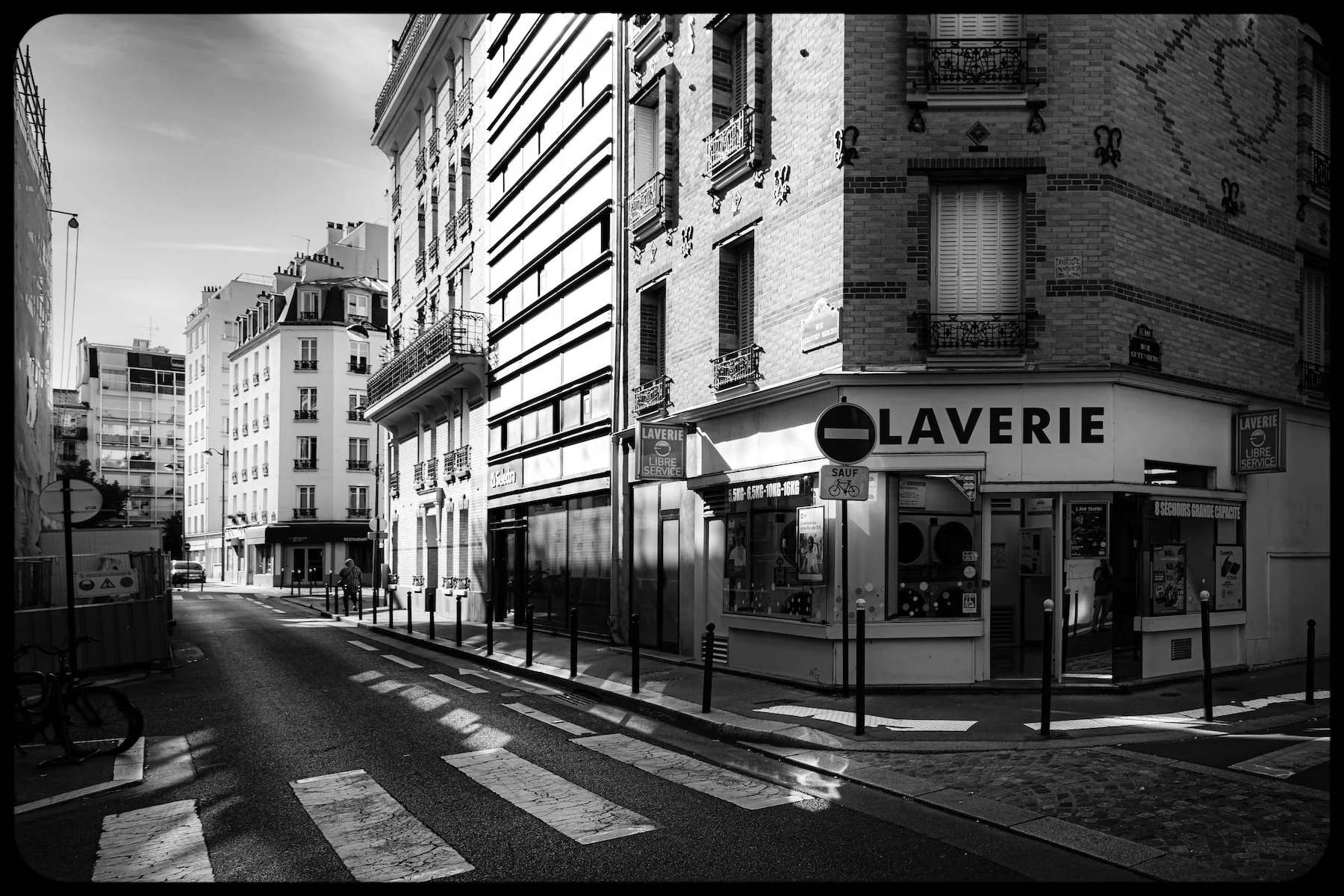
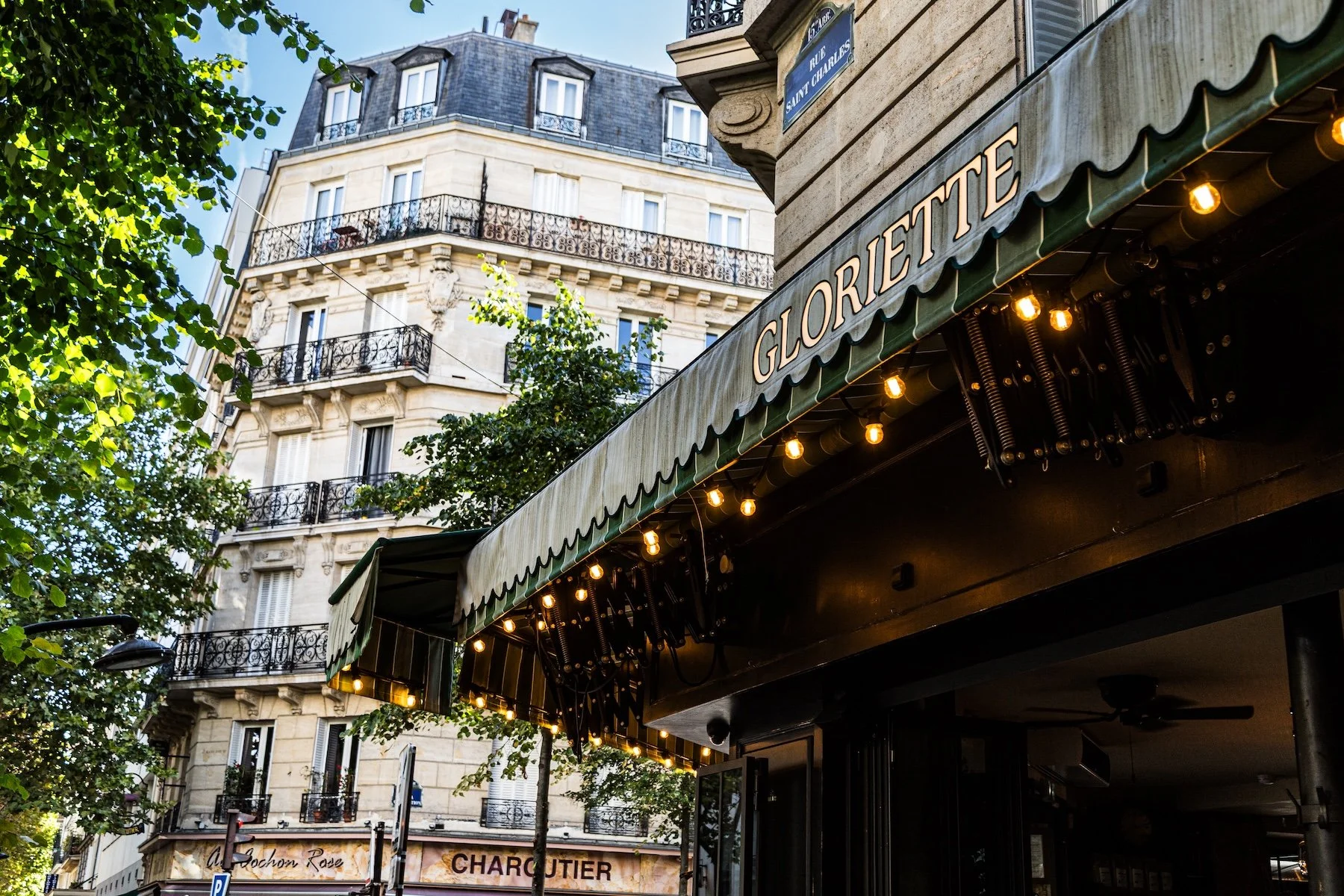
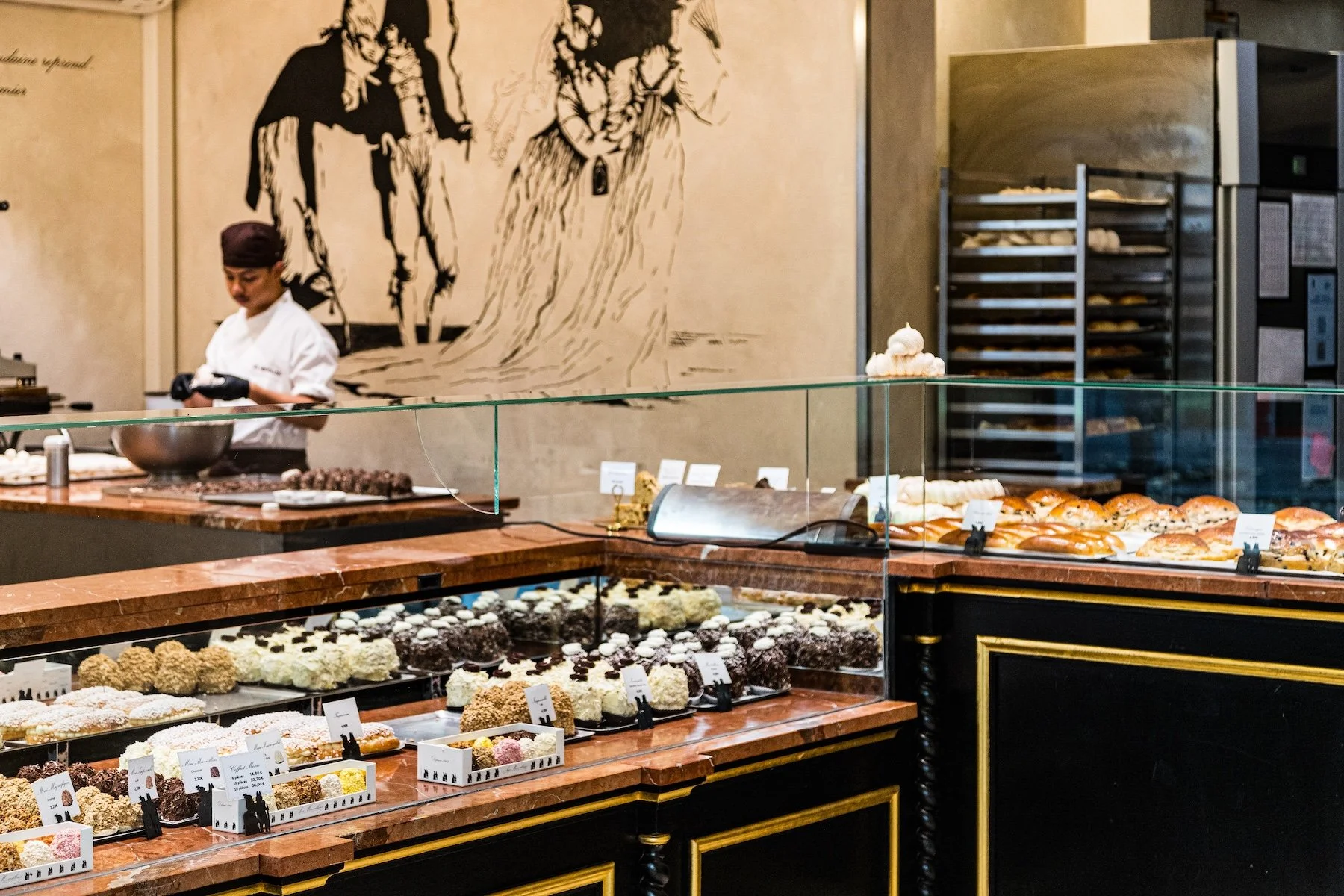
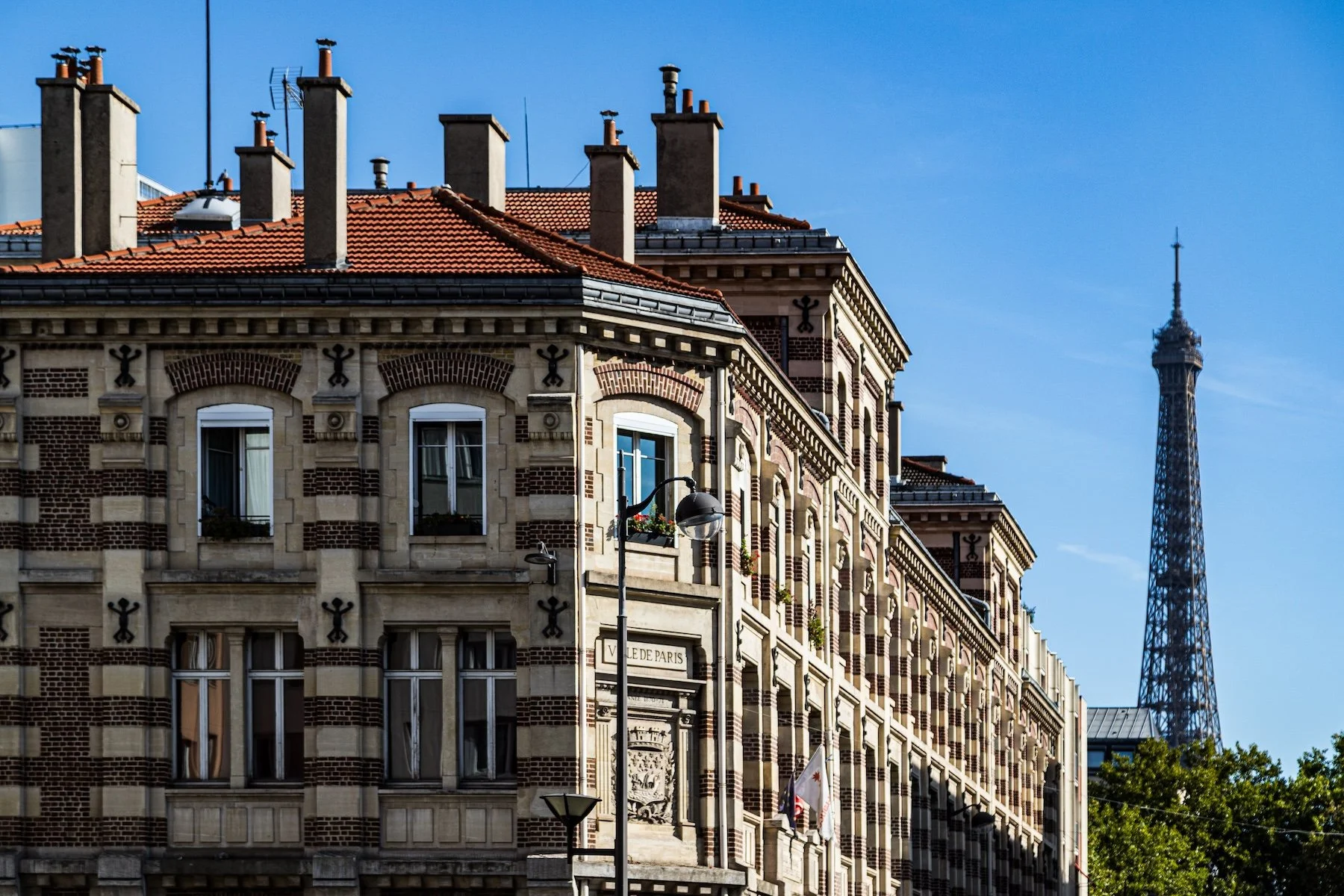
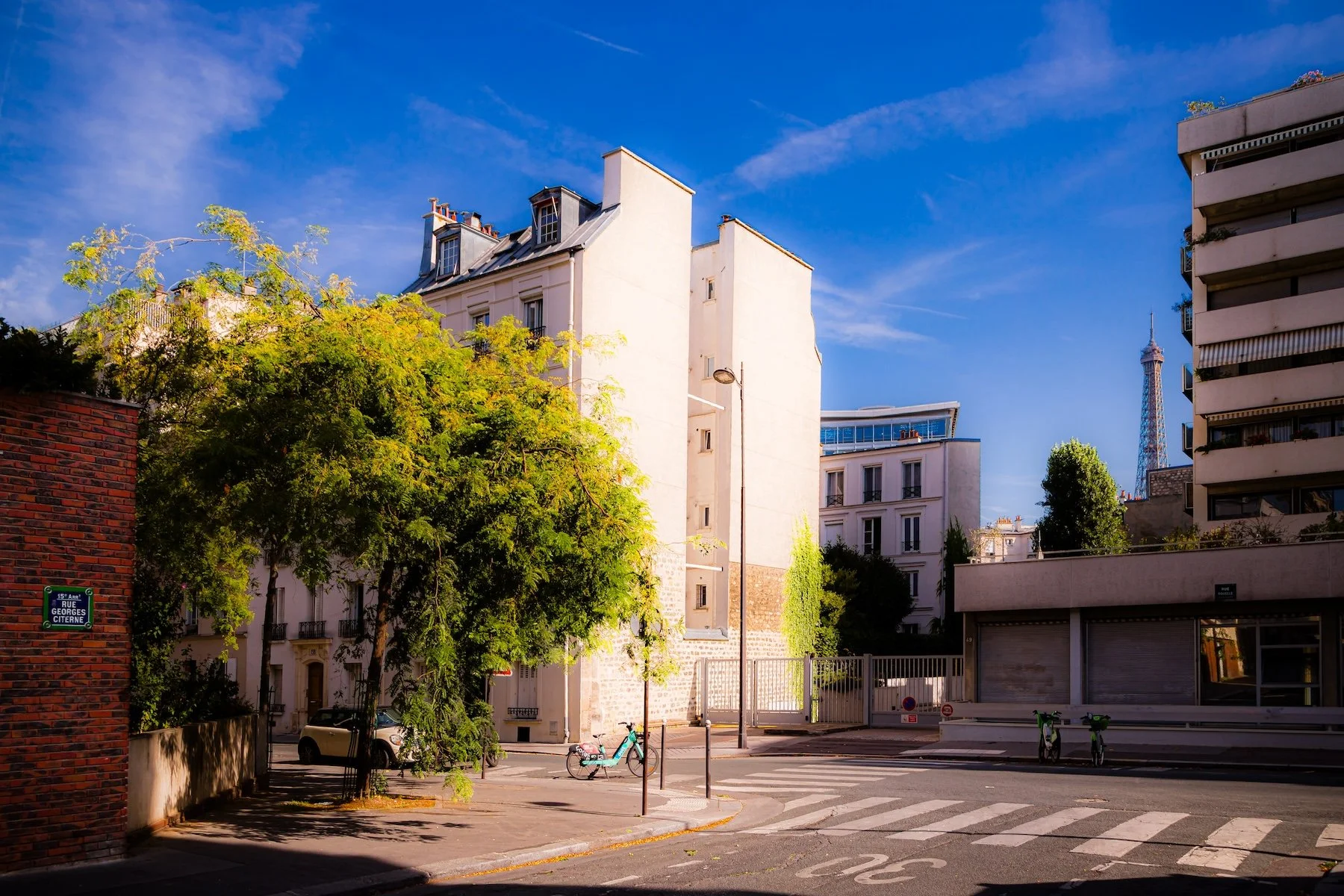
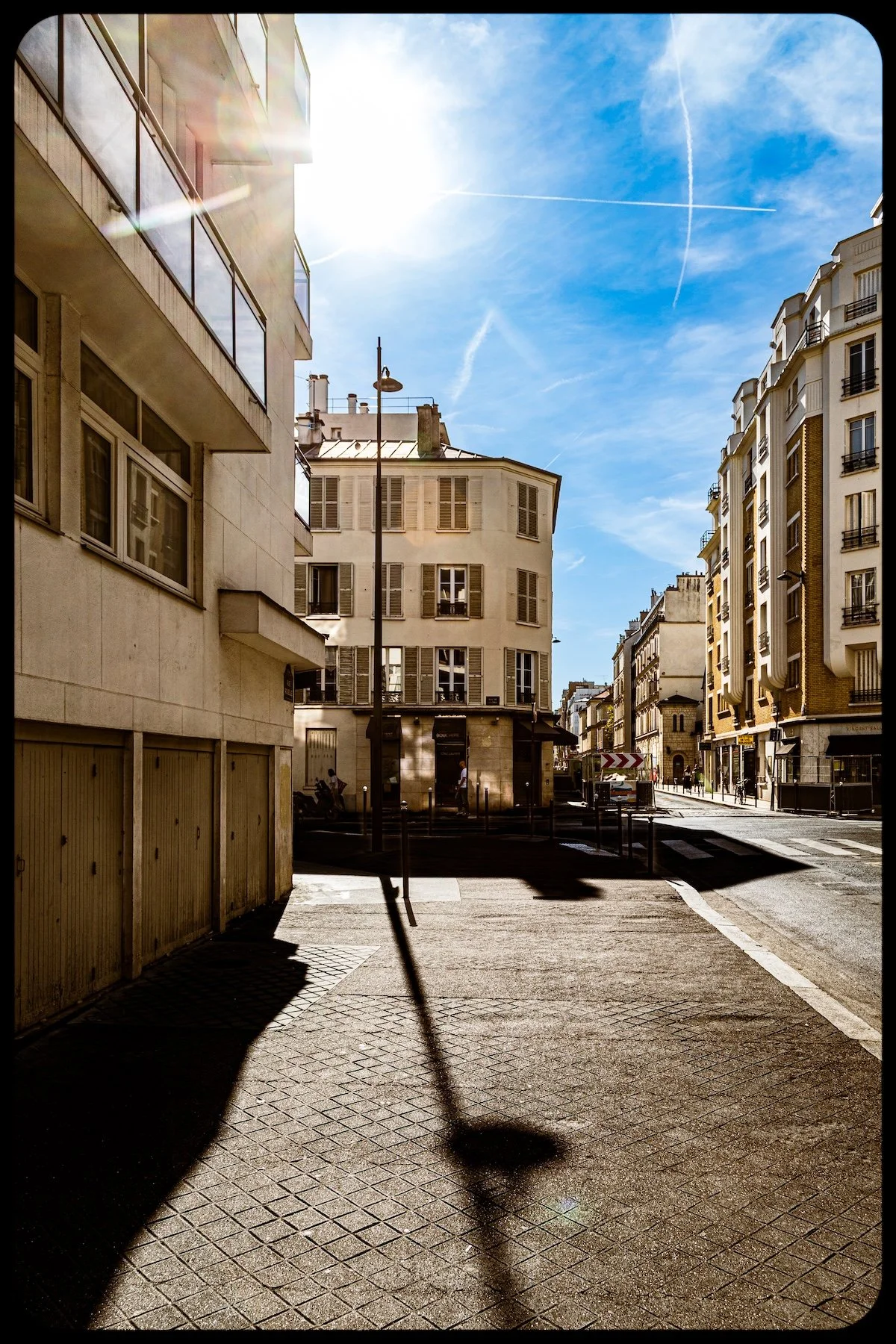
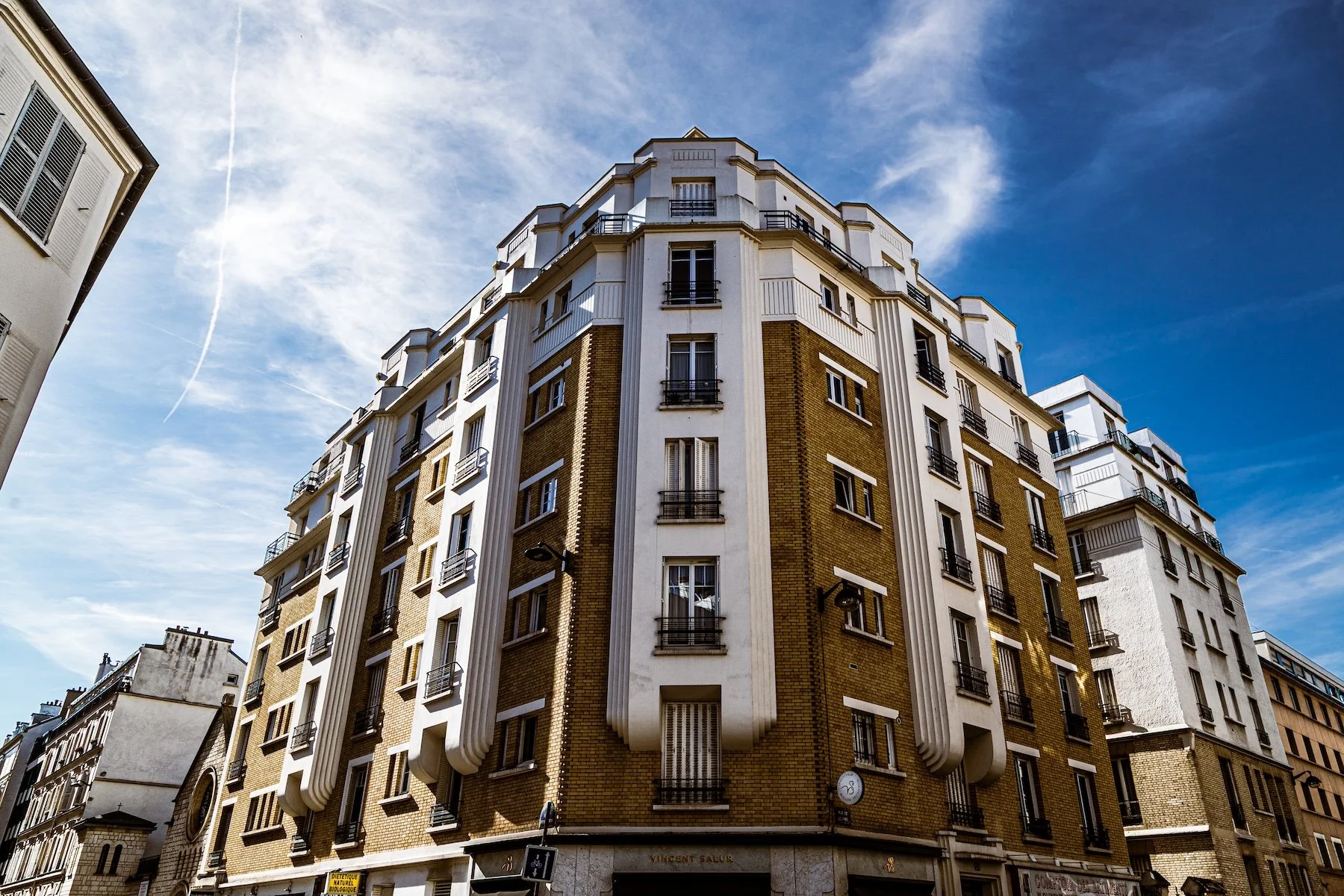
Explore Paris
-

The twenty arrondissements form the civic spiral of Paris, organizing the city into its broad local districts of government, identity, and daily life.
-

Each arrondissement is divided into four official administrative quarters, giving Paris a more precise civic and geographic framework.
-

The conseils de quartier bring participation to street level, giving residents a voice in neighborhood needs, public space, and local civic life.
-

Les Deux Rives trace Paris through the Seine’s two banks, revealing how the Rive Droite and Rive Gauche shaped the city’s civic power, commerce, learning, art, and cultural identity.
-

Cultural neighborhoods reveal the Paris people recognize through history, cafés, architecture, memory, atmosphere, and local belonging.