
PASSY
Milieux Culturels
Part of an ongoing project to walk and photograph every neighborhood in Paris, this page explores the Cultural Neighborhood: Passy through maps, district identity, history, and photography.
The Map
Download the Paris Arrondissements Map
Cultural Boundaries
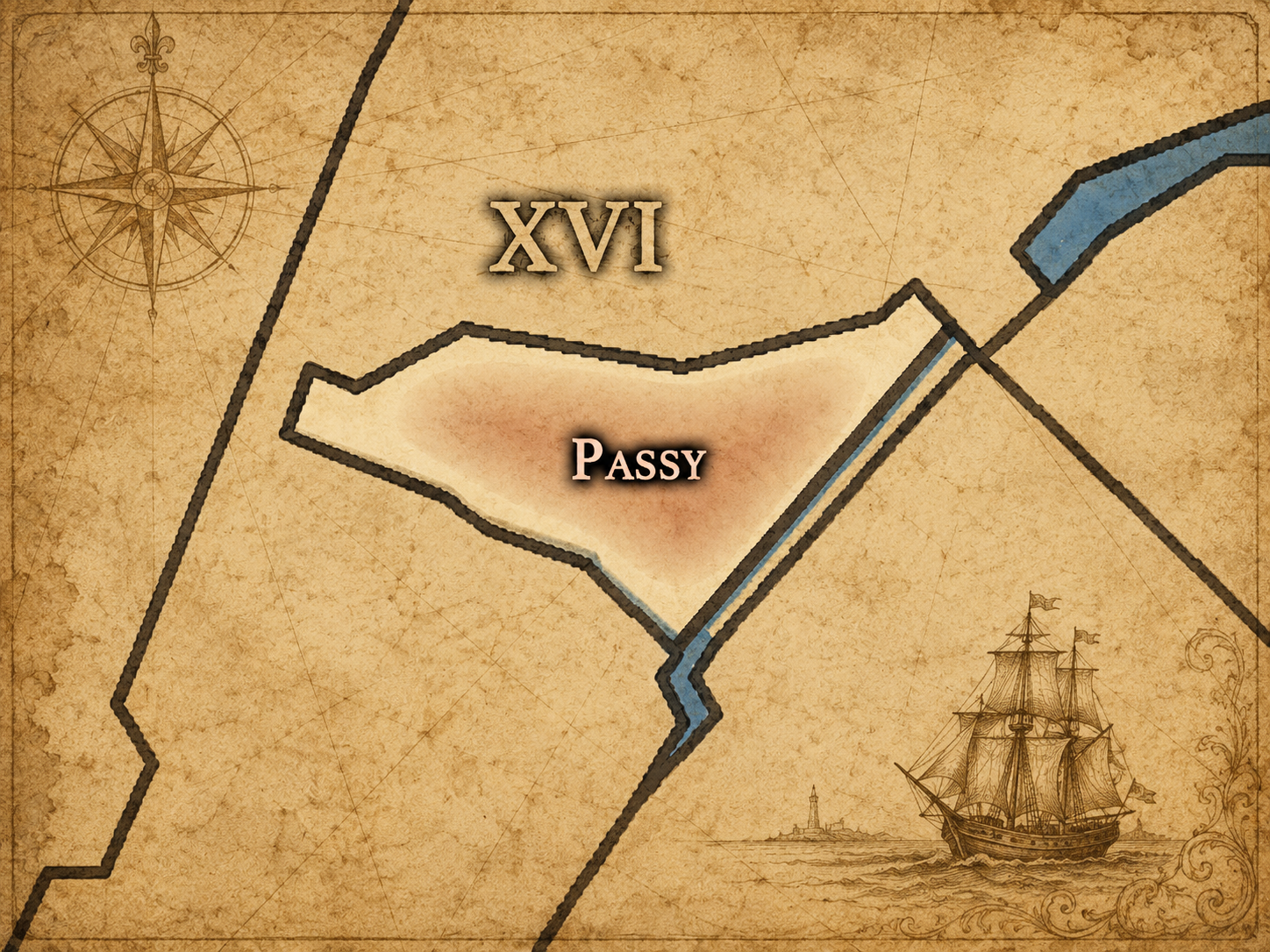
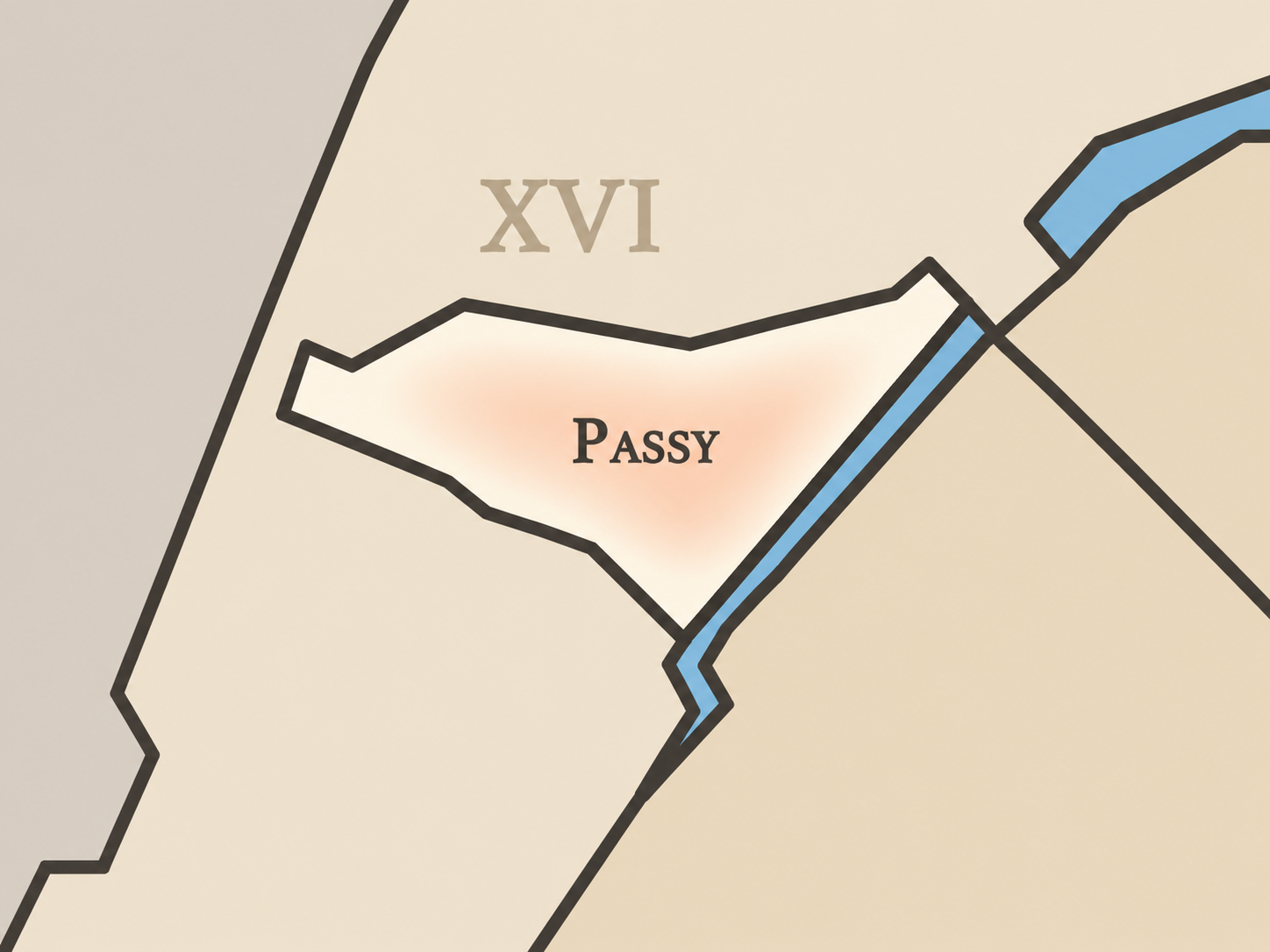
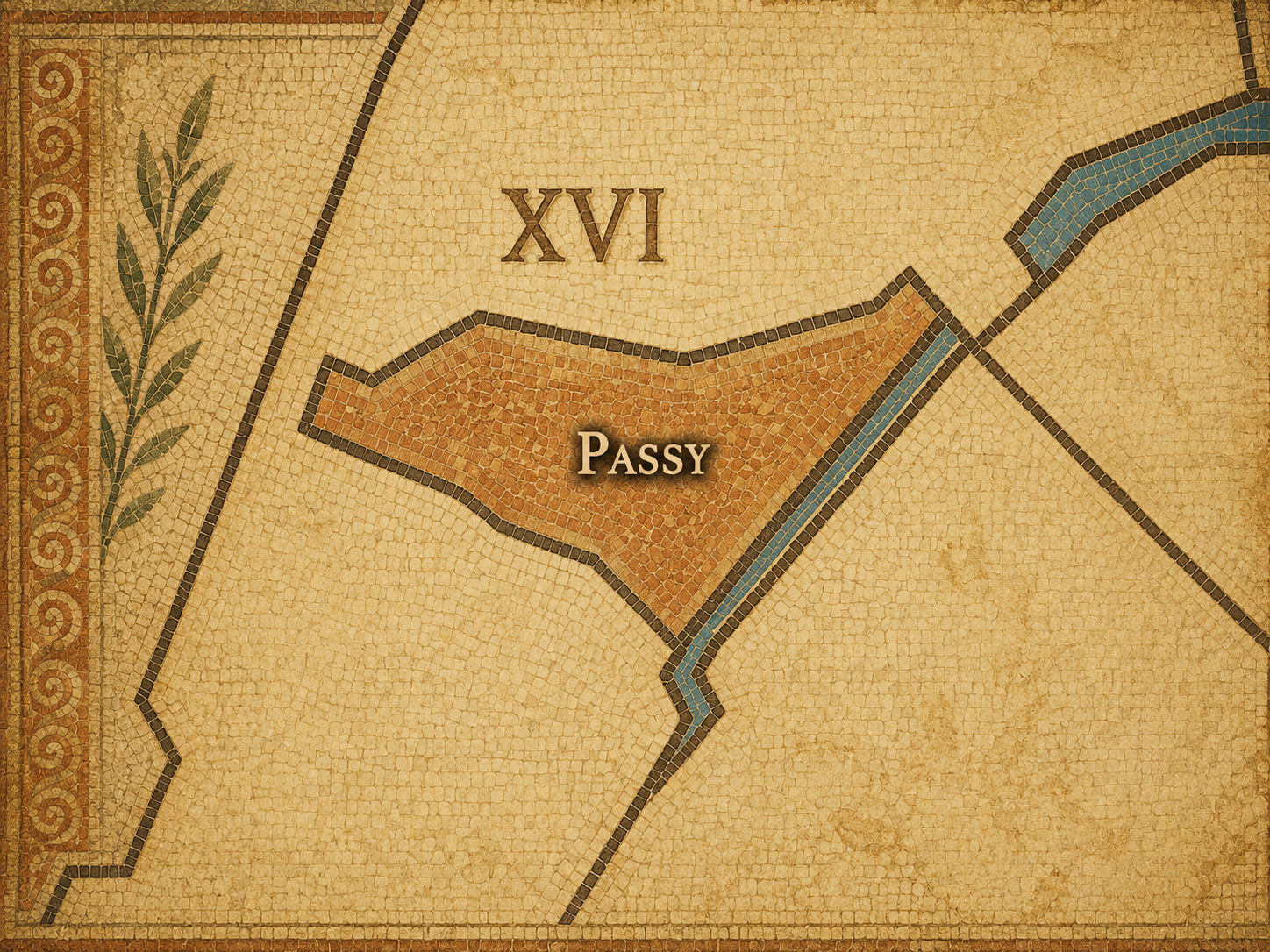
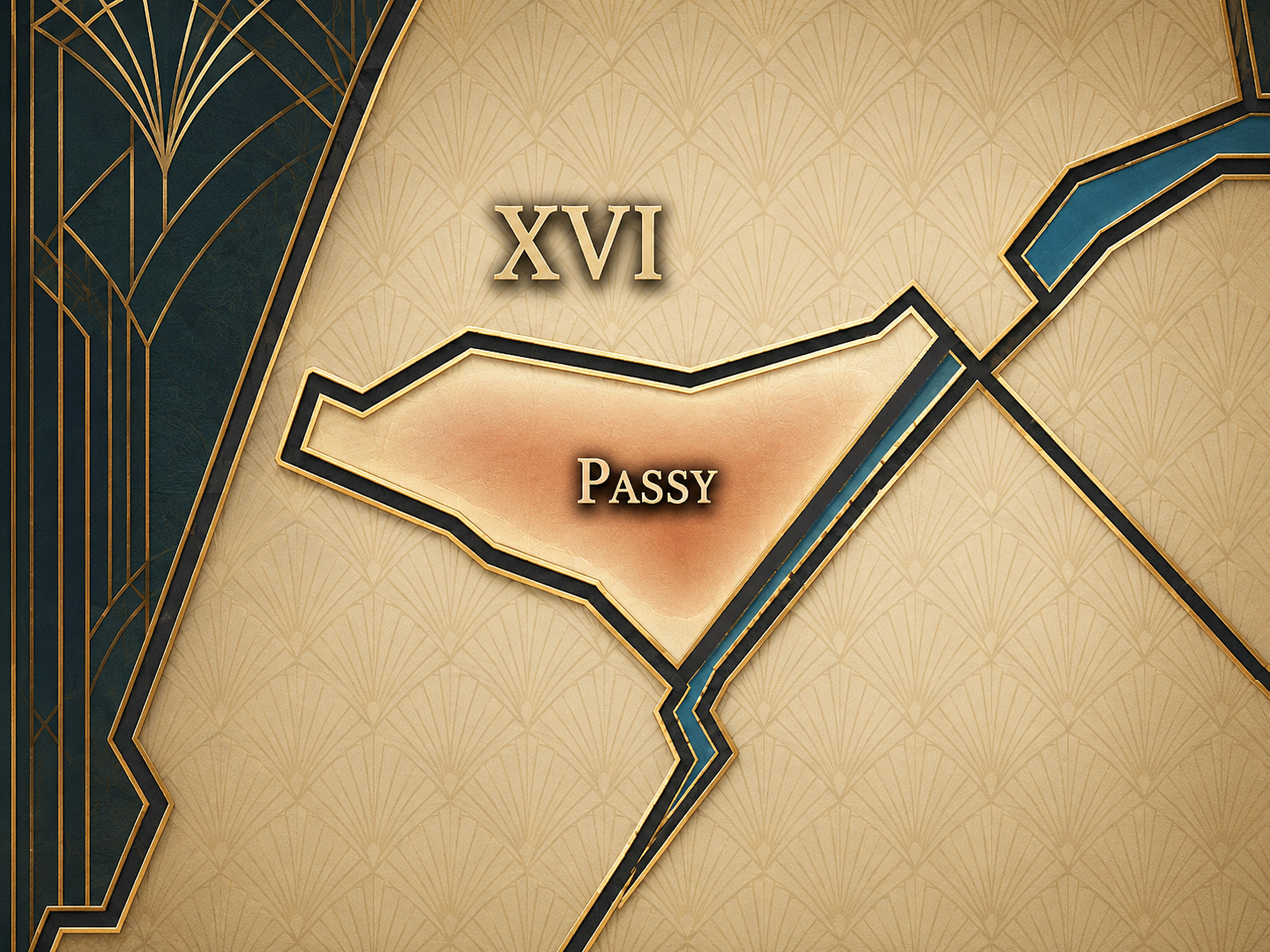
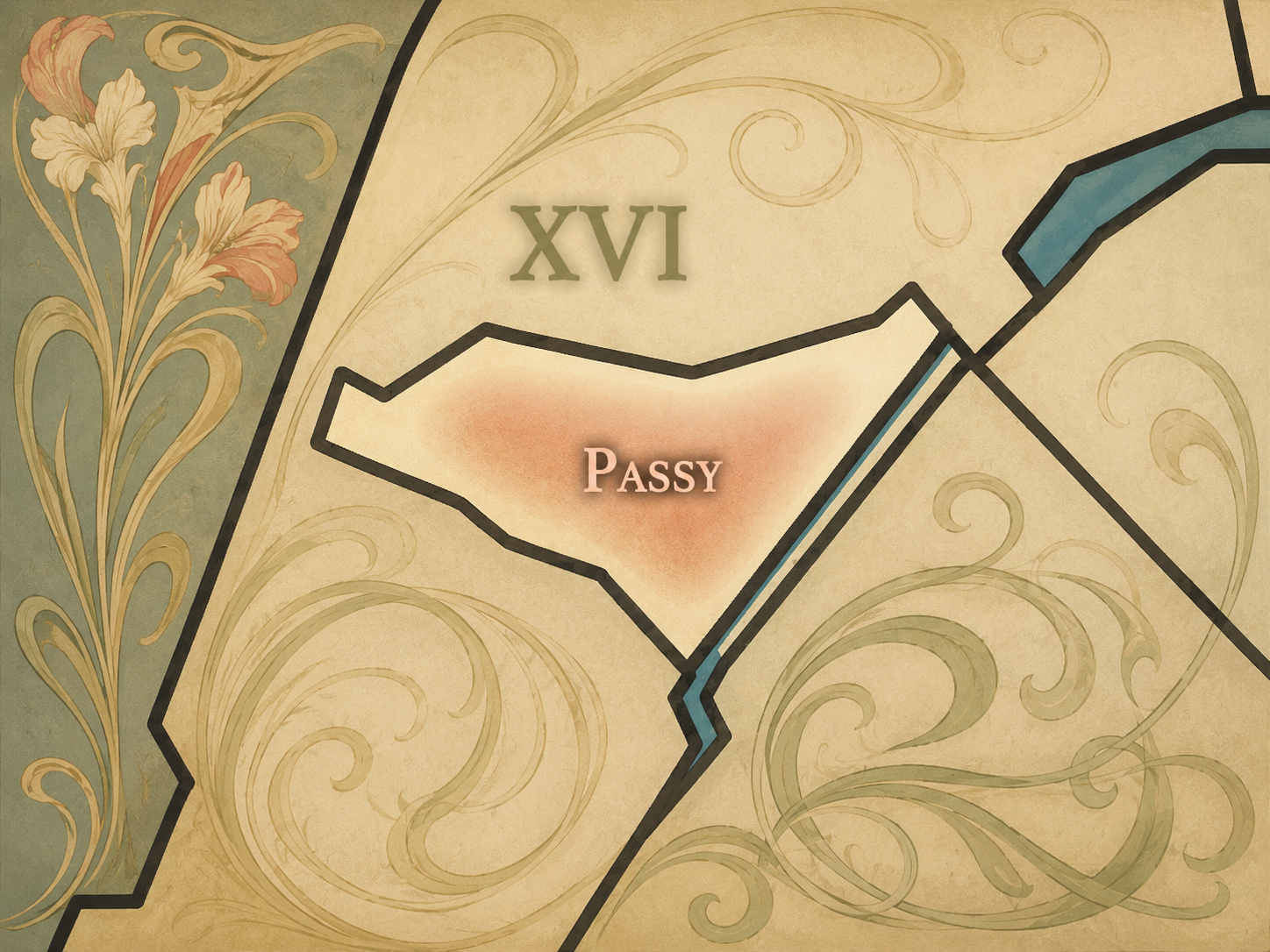
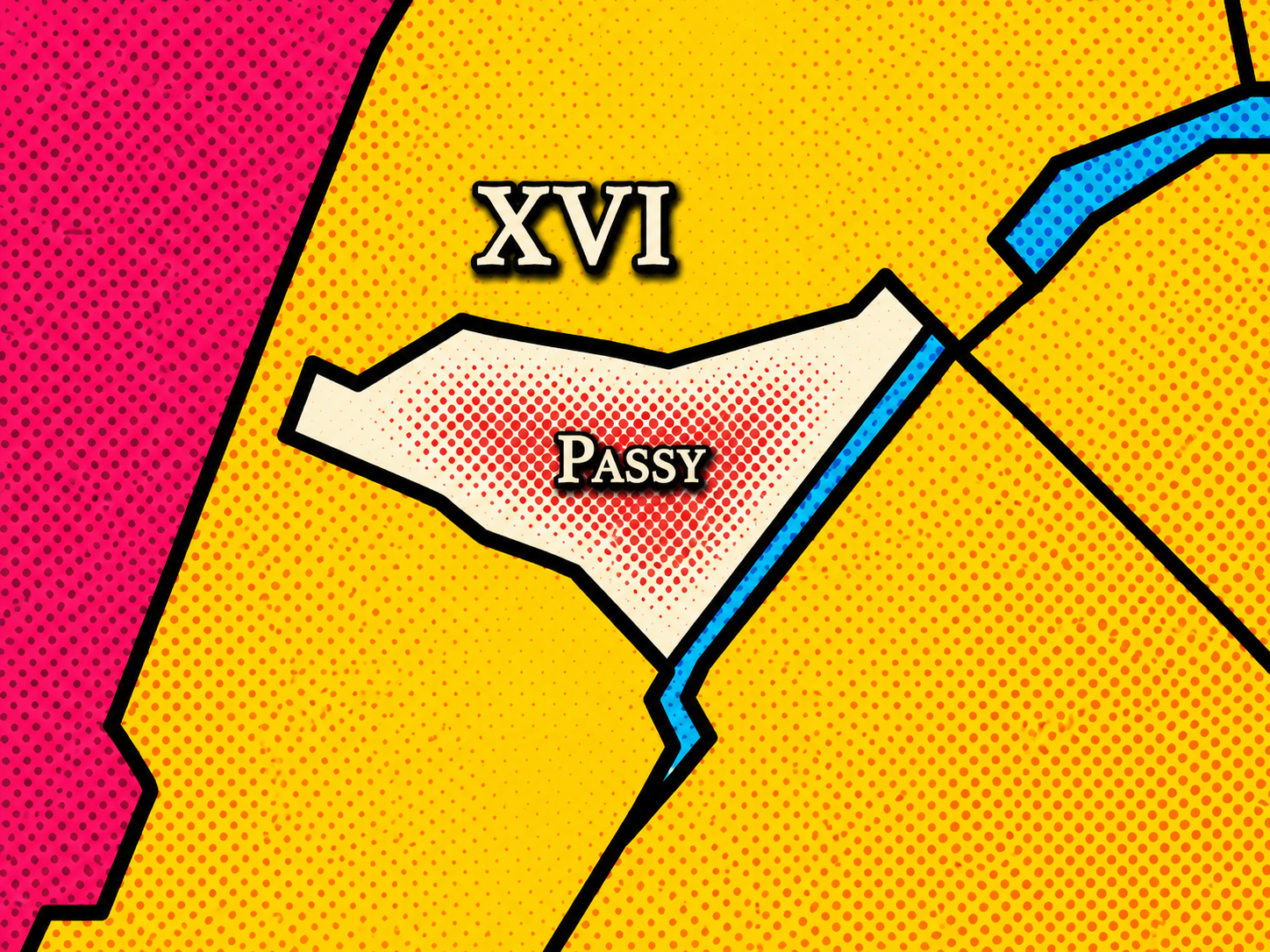
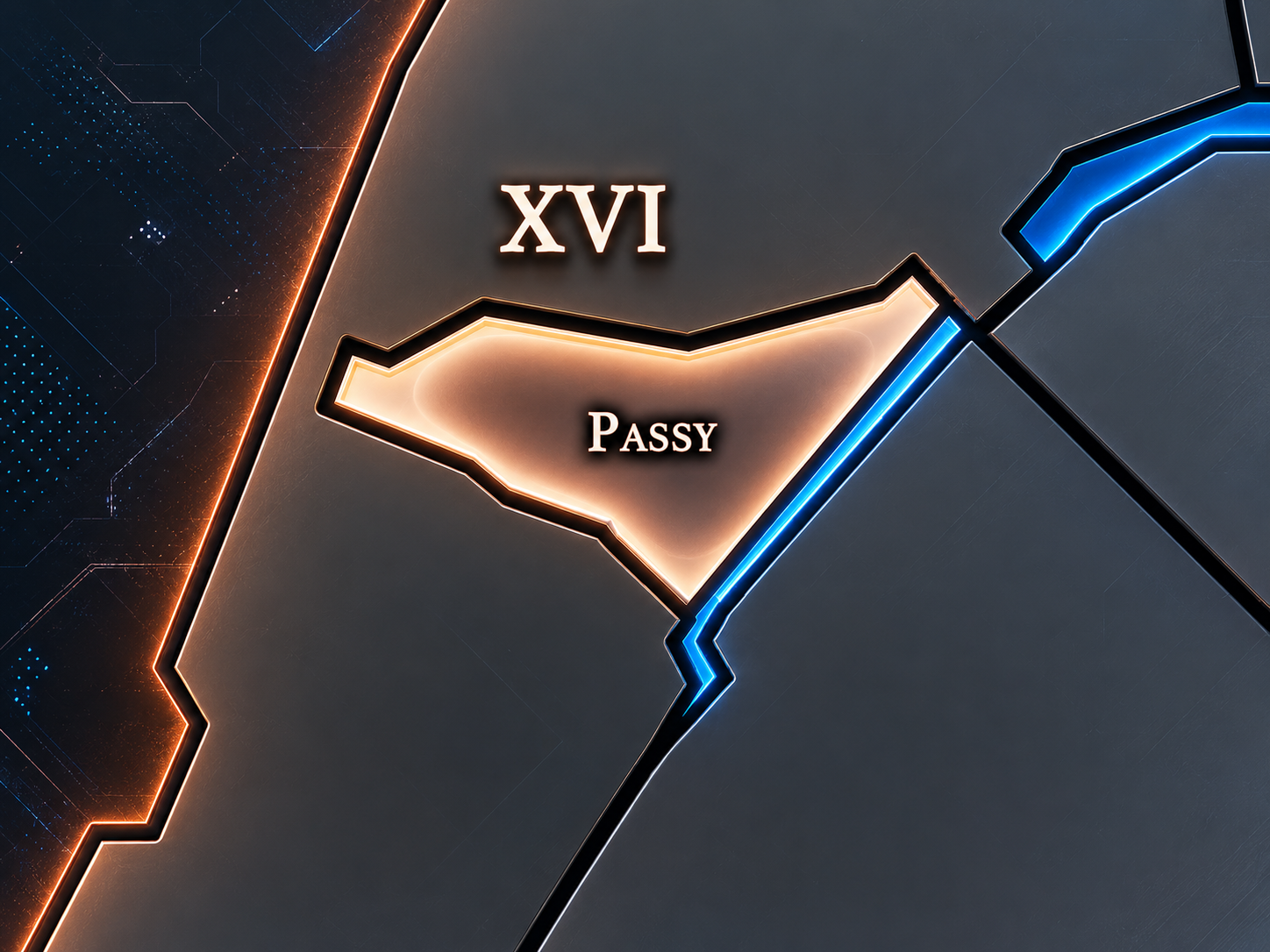
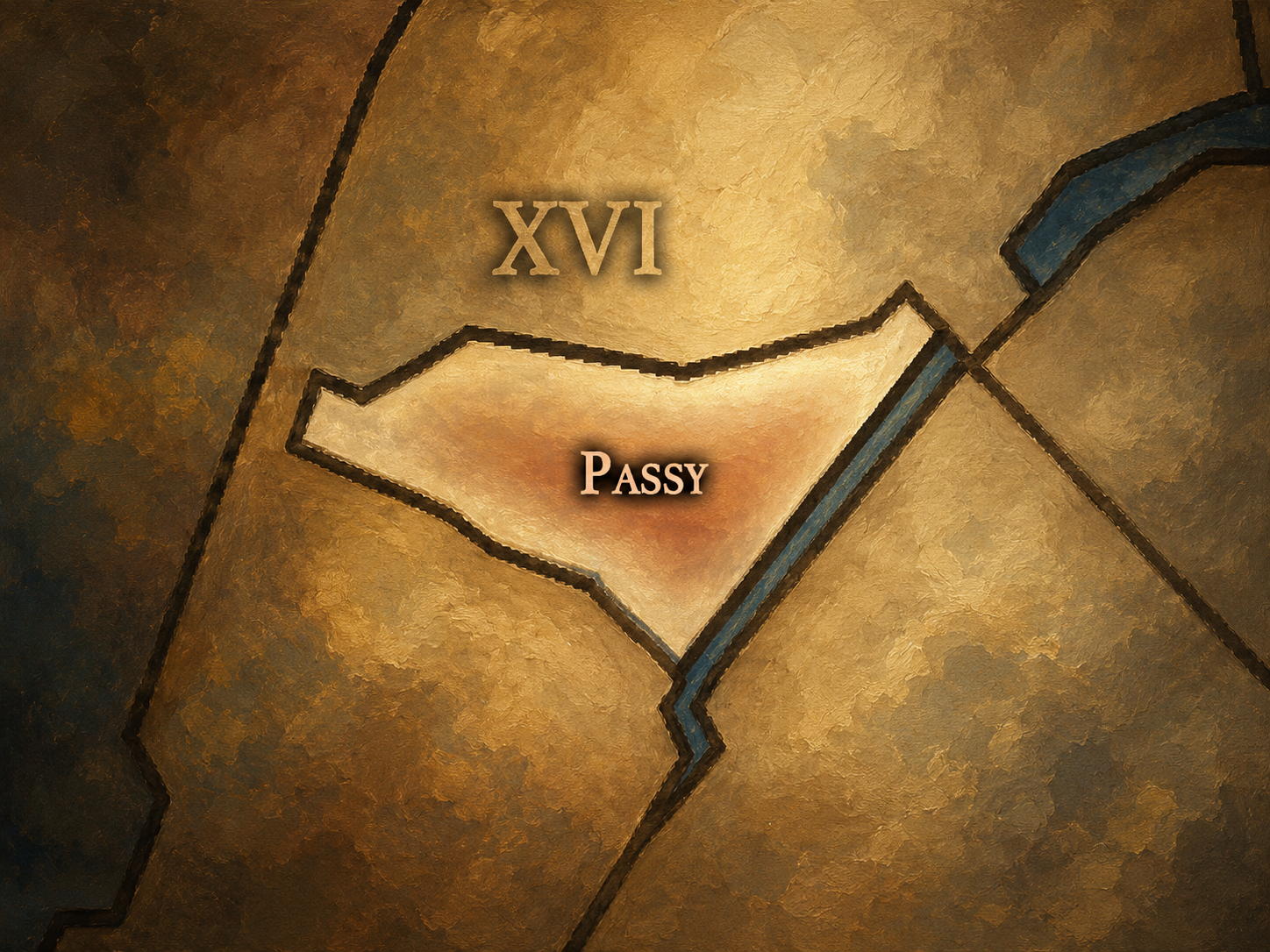
Passy occupies one of the defining cultural geographies of western Paris, centered in the 16th arrondissement along the slopes above the Seine. Its core is generally understood around rue de Passy, place de Passy, the streets leading toward La Muette, the hillside above the river, and the residential fabric between Trocadéro, Ranelagh, Auteuil, and the western edge of central Paris.
Its boundaries are cultural rather than absolute. Passy may be defined narrowly around the former village and commercial spine of rue de Passy, or more broadly as part of the western Parisian world of the 16th arrondissement: residential, bourgeois, elevated, discreet, green, and oriented toward domestic life rather than public spectacle. In some readings, it blends toward La Muette, Chaillot, Auteuil, the Bois de Boulogne, or the riverfront landscapes facing the Eiffel Tower.
For CityNeighborhoods, Passy is best understood as a Cultural Neighborhood shaped by village memory, bourgeois residence, hillside geography, literary association, diplomatic proximity, private comfort, and the quieter forms of Parisian prestige. Its identity is less theatrical than Montmartre, less intellectual than the Latin Quarter, and less layered in public mythology than Le Marais, but it is deeply neighborhood-like: a western Parisian world of homes, schools, shops, gardens, views, and cultivated restraint.
Cultural Neighborhood Identity
Etymology and Origins
The name Passy comes from the old village and commune that existed west of Paris before its annexation into the capital. Its origins are older than its modern association with the 16th arrondissement, preserving the memory of a settlement that once stood apart from the city. Before Passy became a neighborhood of Paris, it was a village on the heights above the Seine, known for its air, views, gardens, springs, and distance from the dense urban core.
That older identity remains important. Passy is not merely an administrative portion of the 16th arrondissement; it is one of the absorbed villages that still gives western Paris much of its local character. Its name carries the memory of a place that became Parisian without losing its sense of separation.
In the CityNeighborhoods framework, Passy’s etymology matters because it points toward one of the neighborhood’s defining tensions: it is fully Paris, yet it has long carried the atmosphere of a residential village, an elevated retreat, and a self-contained western quarter.
Passy is one of Paris’s great neighborhoods of bourgeois domesticity. Its cultural framework is built less around public monuments or bohemian mythology than around residence, respectability, privacy, family life, schools, commerce, gardens, diplomatic proximity, and the social geography of western Paris. It represents a Paris of apartments, courtyards, quiet streets, local shopping, understated wealth, and cultivated distance from the more crowded, theatrical, or politically volatile parts of the city.
This does not make Passy culturally empty. Quite the opposite: its cultural identity lies in forms of Parisian life that are less visible because they are often private. Passy expresses the culture of residential prestige, the village absorbed into the capital, the bourgeois household, the refined shopping street, the hillside view, and the neighborhood whose identity is maintained through habits of living rather than through public performance.
Passy also carries important literary and intellectual associations, especially through Honoré de Balzac, whose house in the neighborhood preserves a connection between western Paris and the social observation of 19th-century France. In this sense, Passy is not merely a comfortable district; it is also a place from which Parisian society has been watched, interpreted, and written.
Cultural Framework
Passy helps define Paris as a city not only of monuments, cafés, and revolutionary streets, but also of residential worlds. It reveals the quieter side of the capital: the Paris of private life, family continuity, schools, apartment buildings, local markets, embassies, gardens, and controlled elegance. It is one of the neighborhoods where Paris becomes less public theater and more domestic civilization.
Its Parisian identity is closely tied to the 16th arrondissement, but Passy remains more specific than the arrondissement as a whole. The 16th can suggest a broad image of western affluence; Passy gives that image neighborhood form. Rue de Passy, the covered market, hillside streets, local institutions, and the area’s proximity to both the Seine and the Bois de Boulogne create a more intimate cultural geography.
Through Passy, Paris appears as a city of reserve. It is not the reserve of emptiness, but of discretion — a way of inhabiting the city that values comfort, continuity, privacy, taste, and distance from the obvious drama of central Paris. That restraint is itself a recognizable Parisian identity.
Parisian Identity
Neighborhood Distinction
Passy is distinct because it offers a form of Parisian neighborhood identity that is neither bohemian nor monumental. Many of Paris’s famous Cultural Neighborhoods announce themselves through spectacle: Montmartre through artistic myth, Pigalle through nightlife, the Latin Quarter through student energy, Le Marais through dense historical layering. Passy is more subdued. Its distinction lies in being lived rather than staged.
The neighborhood’s geography reinforces this character. Its slopes above the Seine create elevation, views, and a sense of removal. Its streets are urban, but often calmer than those of central Paris. Its commercial life is active, especially around rue de Passy, but it is oriented toward local residents as much as visitors. Its identity is therefore less about crowds gathering from outside and more about a stable social world sustained from within.
This makes Passy especially valuable within the Cultural Neighborhoods layer. It broadens the meaning of “cultural” beyond the artistic, literary, radical, or touristic. Passy shows that domesticity, respectability, and bourgeois continuity are also cultural forces — shaping how a neighborhood looks, feels, and understands itself.
Neighborhood Connections
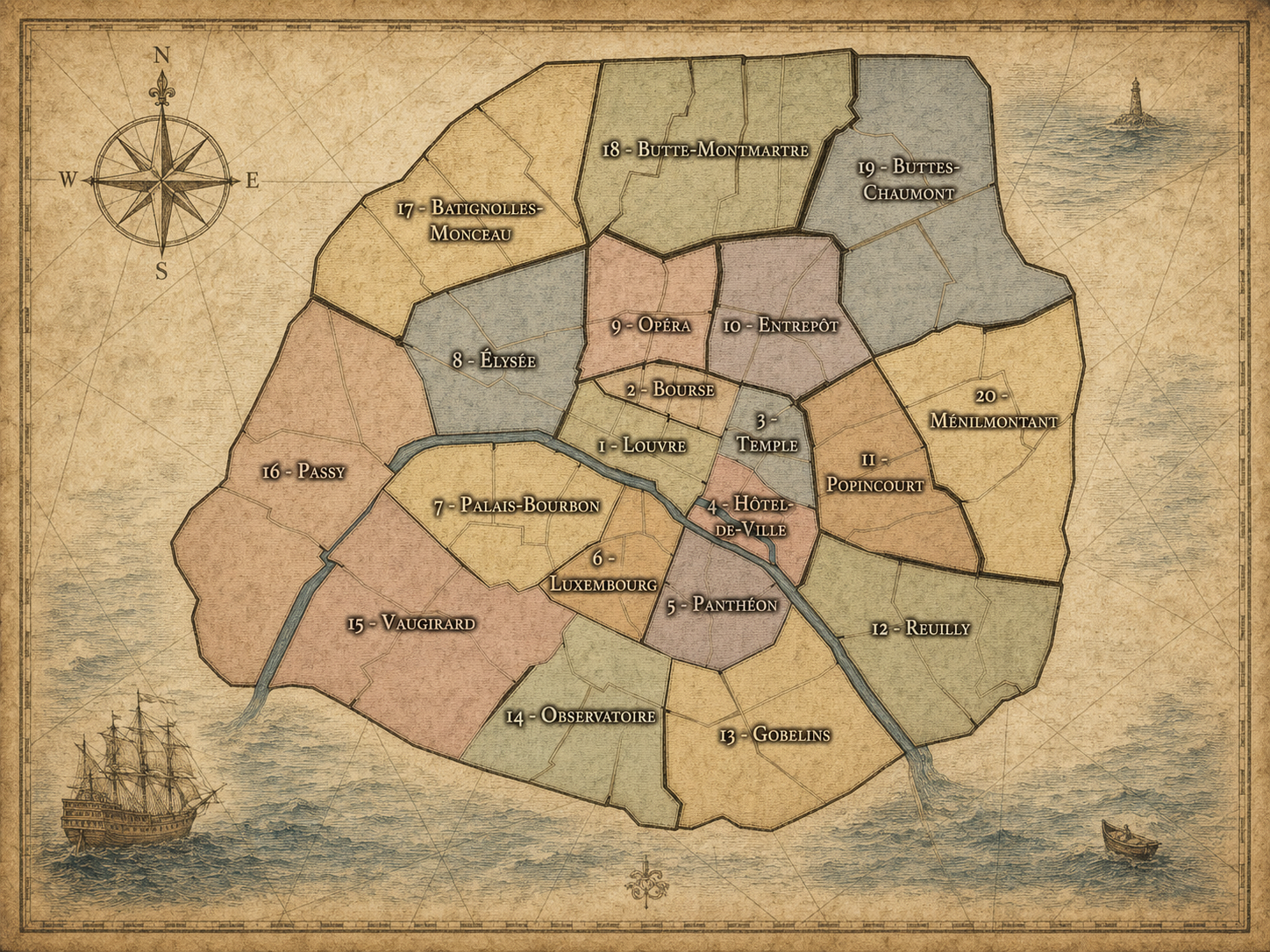
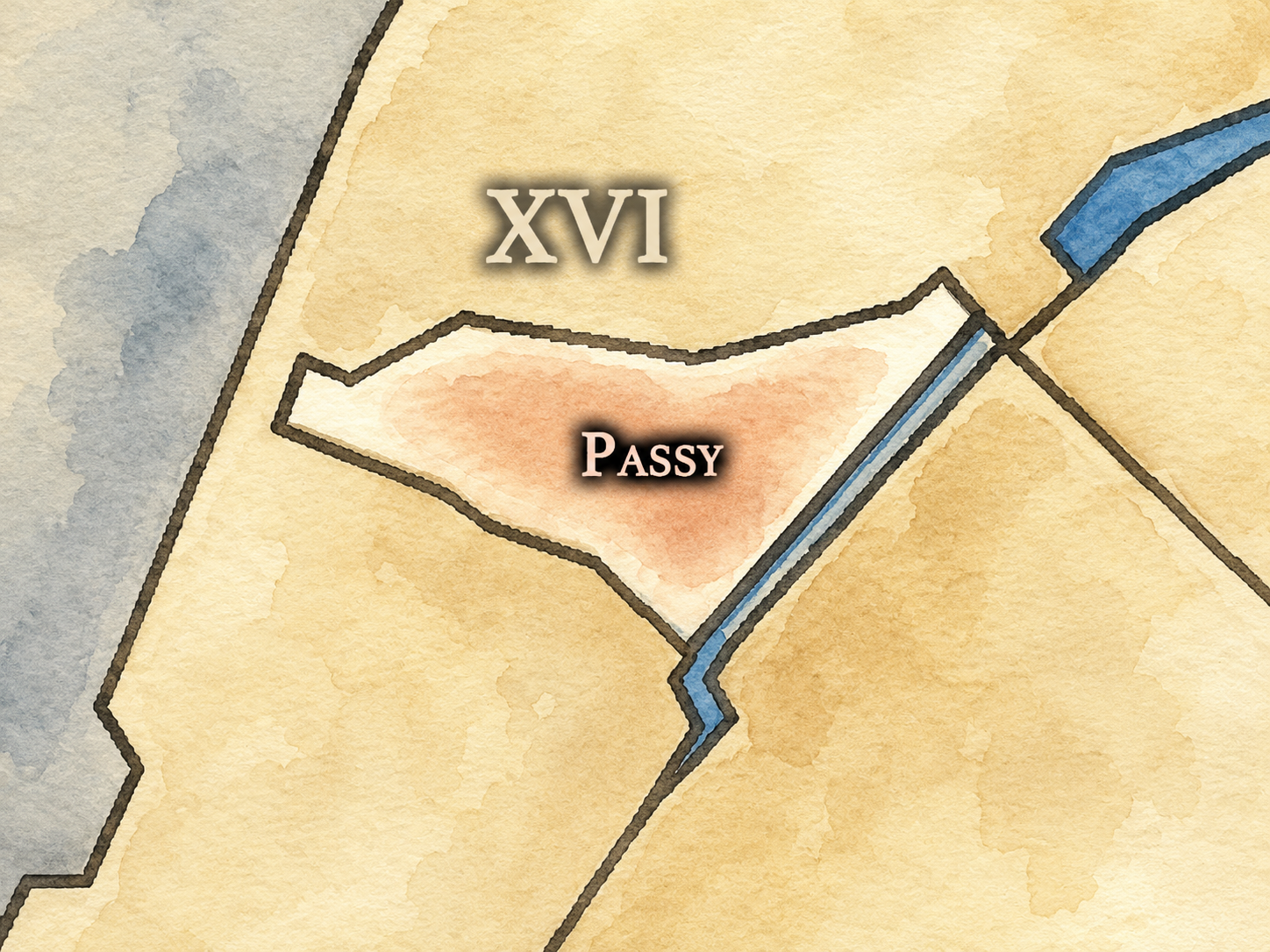
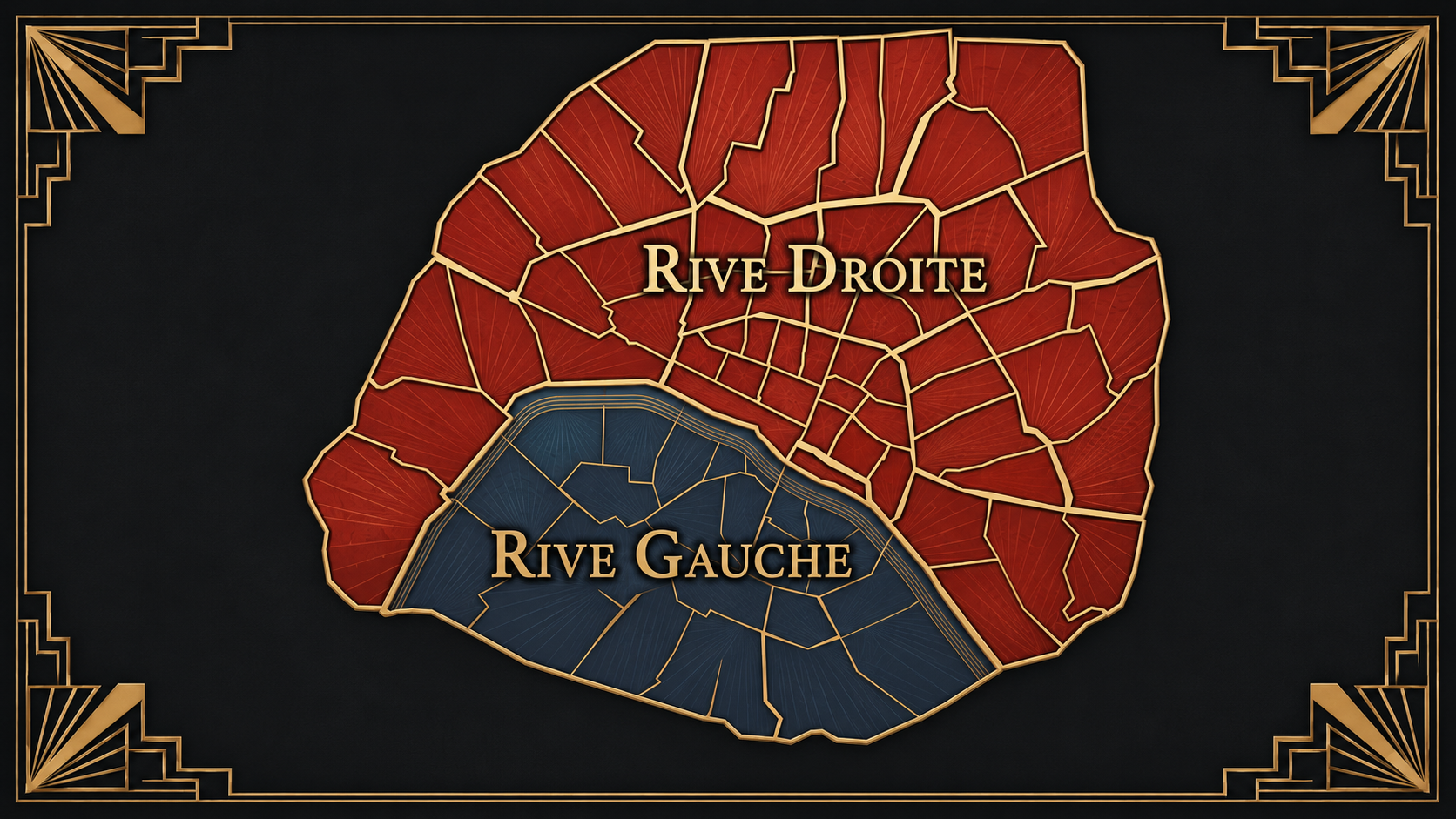
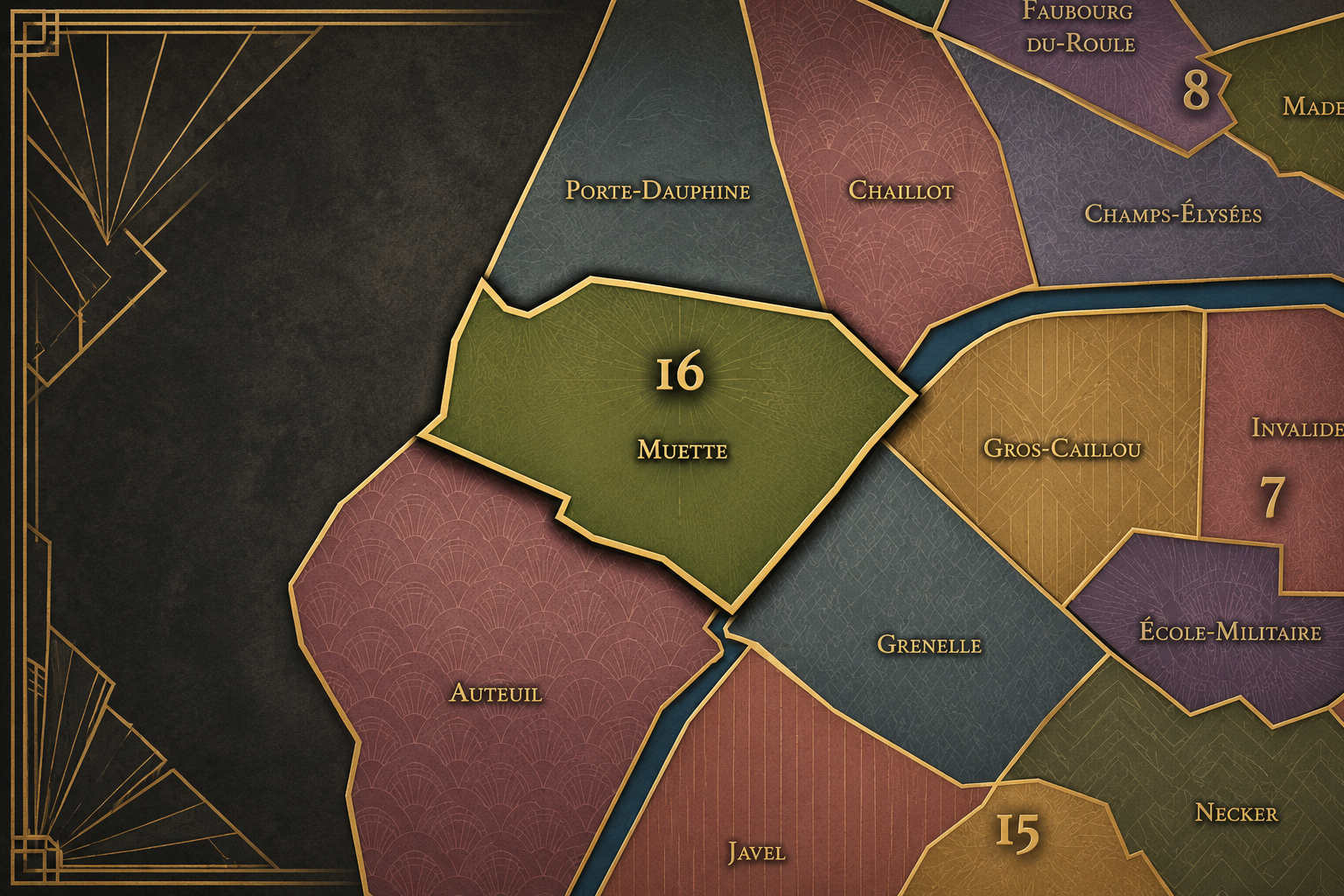
Paris neighborhoods are shaped by overlapping layers. This section shows how Passy connects to the broader CityNeighborhoodsParis map — through its rive, arrondissement, administrative quarters, conseils de quartier, and related Cultural Neighborhoods.
Civic & Cultural Foundations
-
Rive Droite
-
16e - Passy
Administrative Quarters
-
16e - Muette
Conseils de Quartier
-
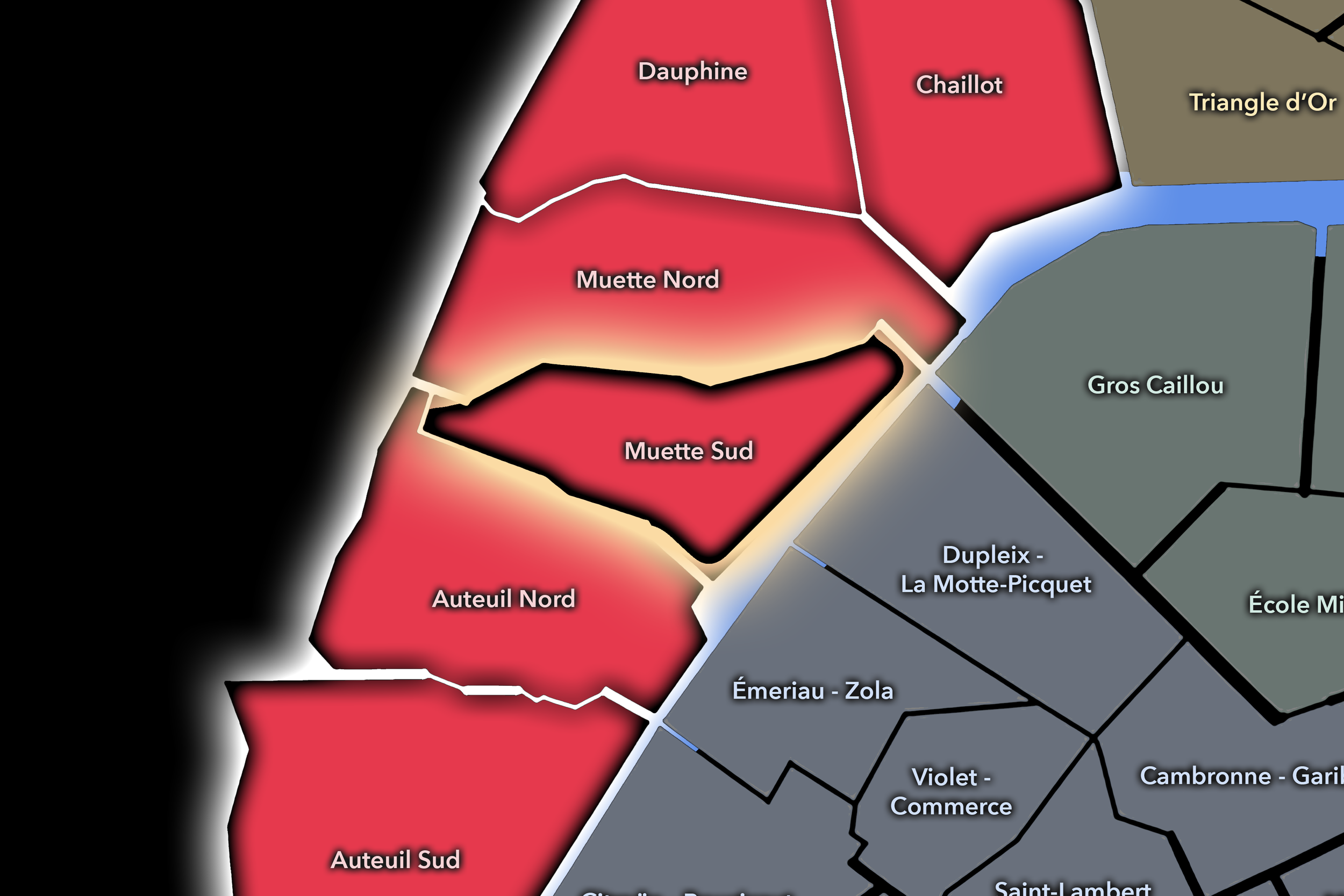
16e - Muette - Sud
The History
Passy’s origins lie outside the old city of Paris, on the western heights overlooking the Seine. Before its absorption into the capital, the area developed as a separate settlement shaped by slope, river proximity, open land, and distance from the dense urban center. Its location made it both connected to Paris and distinct from it.
The landscape was part of the wider western edge of the city, where villages, estates, gardens, and routes formed a different geography from the crowded medieval core. This early separateness would remain central to Passy’s identity even after urban expansion brought it within Paris.
Origins
Medieval / Early Formation
During the medieval and early formation periods, Passy remained largely outside the civic identity of Paris. It developed as a village and rural settlement rather than as an urban district. Its land was shaped by agriculture, religious or seigneurial holdings, local routes, and the gradual organization of life beyond the city walls.
Its distance from central Paris allowed it to maintain a distinct local character. Like other villages around the capital, Passy existed in relation to Paris without being fully absorbed by it. This position gave it the foundations of a later neighborhood identity: close to the city, but not identical to it; tied to Parisian life, but marked by village memory and western elevation.
In the early modern period, Passy became increasingly associated with retreat, gardens, country houses, and the pleasures of distance from central Paris. Its clean air, views, and relative quiet made it attractive to those who wanted proximity to the capital without full immersion in its density. The area developed as a semi-rural western refuge for elites, religious institutions, and residents seeking a more spacious environment.
This period helped establish one of Passy’s enduring cultural patterns: the neighborhood as a place of withdrawal without exile. It was near enough to Paris to remain socially connected, yet far enough to feel healthier, calmer, and more private. That combination of access and remove became part of its long-term appeal.
The early modern landscape of Passy also reflected the broader pattern of Paris’s surrounding villages: agricultural land, estates, religious properties, and local roads gradually becoming tied to the expanding capital. Passy’s later bourgeois identity grew from this older geography of retreat and cultivated separation.
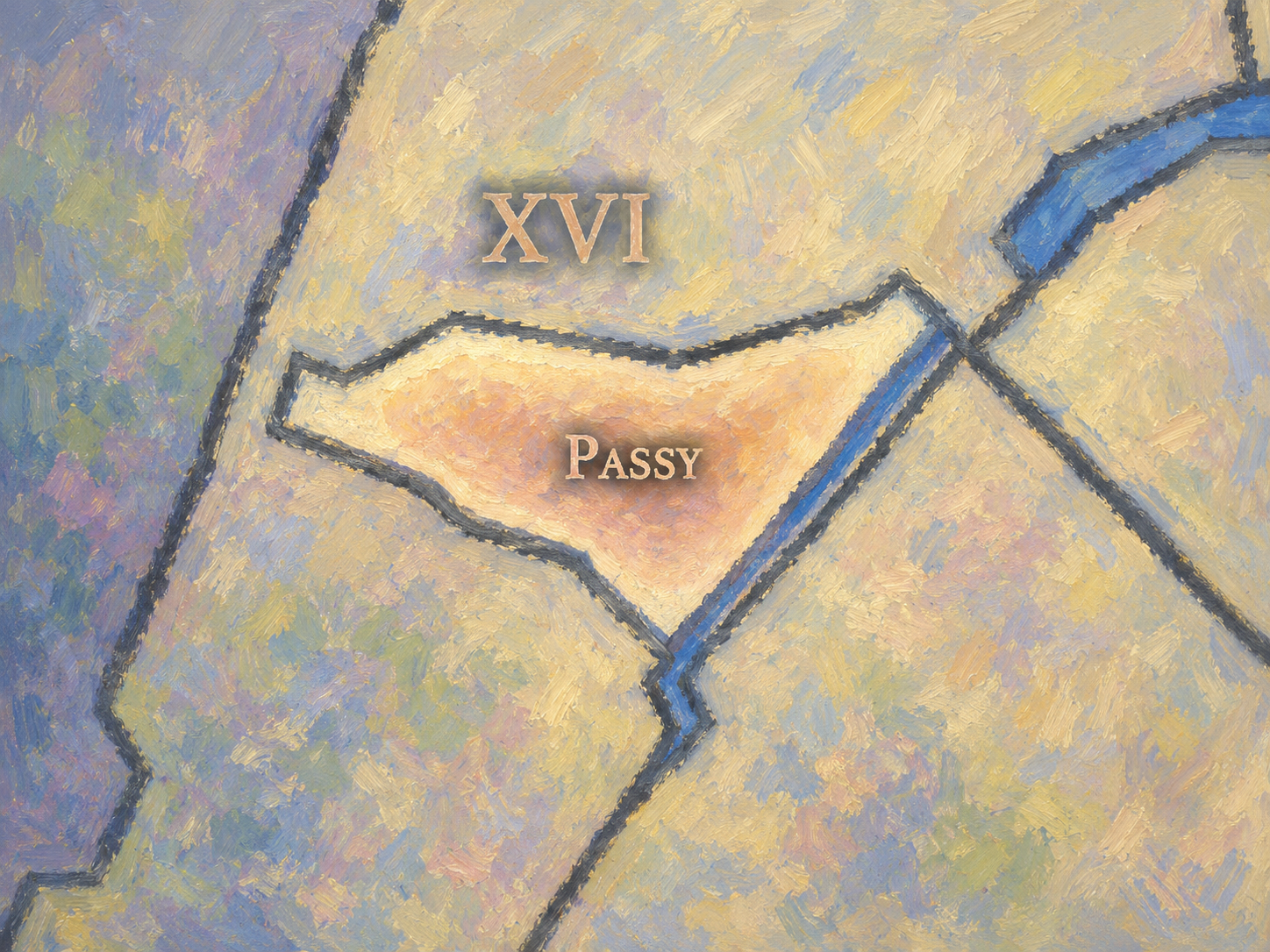
Early Modern Paris
18th Century
In the 18th century, Passy became more firmly associated with elite and intellectual residence beyond the crowded city. Its houses, gardens, and elevated setting attracted figures who valued both privacy and proximity to Paris. The neighborhood’s identity as a place of calm, health, and refinement strengthened during this period.
Passy also entered a wider intellectual and diplomatic geography. Its distance from the center did not mean isolation; rather, it allowed a different kind of sociability, one rooted in residences, salons, private houses, and retreats. The area could be both quiet and connected, removed from the busiest parts of Paris while still participating in the social and political life of the capital.
This balance of retreat and influence became one of Passy’s defining features. It was not a popular entertainment district or a student quarter, but a place where privacy, comfort, and cultivated society could flourish.
The 19th century transformed Passy from a separate commune into part of modern Paris. In 1860, Passy was annexed into the capital as part of the expansion that created the current twenty-arrondissement structure. Much of the former commune became part of the new 16th arrondissement, placing Passy within the official geography of Paris while preserving its older local name.
This annexation was decisive. Passy became Parisian administratively, but its identity remained tied to its village past and western residential character. As Paris modernized, the neighborhood developed into a bourgeois district of apartment buildings, private residences, schools, shops, and refined urban life.
The 19th century also gave Passy one of its most important literary associations: Honoré de Balzac lived and worked in the neighborhood, and his presence connects Passy to the great project of observing and describing French society. This link is especially fitting. Passy became one of the places where the social order of modern Paris could be both inhabited and examined.
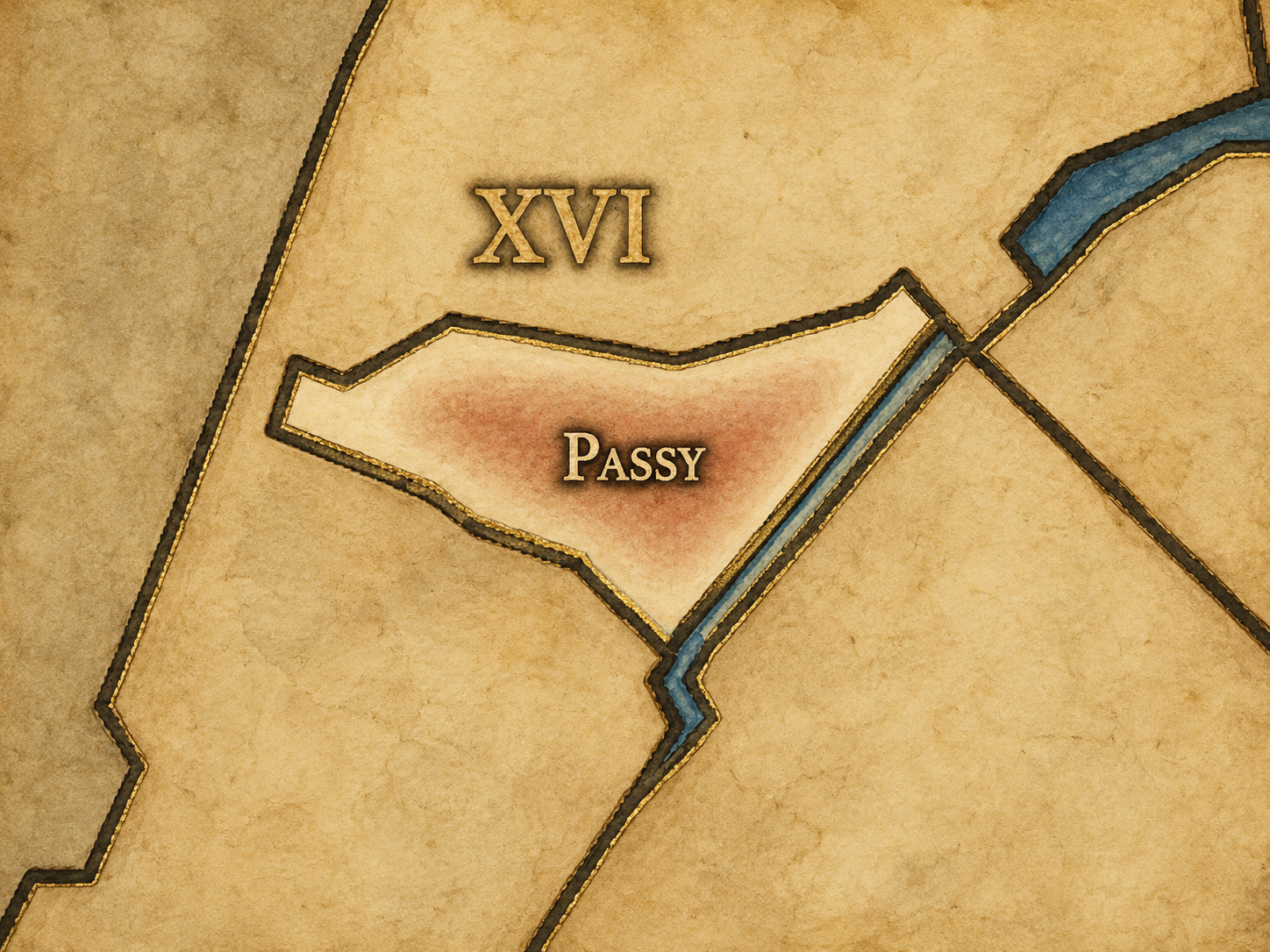
19th Century
Early–Mid 20th Century
In the early and mid 20th century, Passy continued to develop as a stable residential neighborhood of western Paris. Its identity was shaped by bourgeois families, schools, local commerce, apartment buildings, religious institutions, and proximity to diplomatic and elite social worlds. It represented a Paris of continuity, domestic order, and social respectability.
The neighborhood was not untouched by the upheavals of the period. War, occupation, social change, and the transformation of Paris affected Passy as they affected the rest of the city. Yet compared with more industrial, working-class, or bohemian neighborhoods, Passy retained a strong image of residential stability.
Its cultural identity during this period was not defined by avant-garde rupture, but by endurance. Passy remained a neighborhood of daily life, local shopping, education, family networks, and western Parisian reserve. That continuity became part of its meaning.
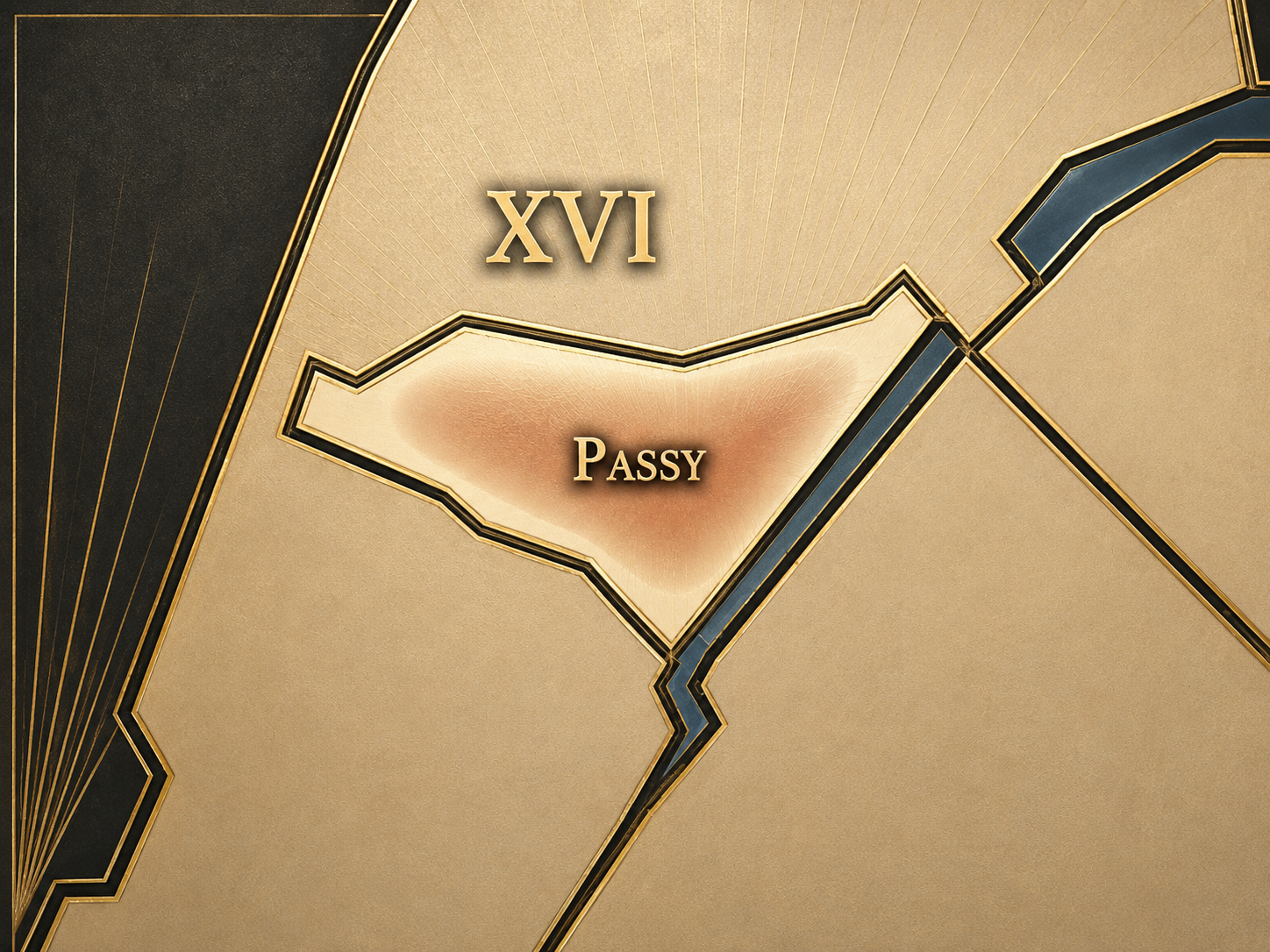
In the late 20th century, Passy’s association with affluence, domestic comfort, and western Parisian respectability became even more pronounced. The neighborhood continued to attract residents drawn to its schools, shops, calm streets, access to parks, and proximity to the Seine, Trocadéro, Auteuil, and the Bois de Boulogne. Its commercial heart around rue de Passy remained active, but in a manner oriented toward local consumption and established residential life.
This period also strengthened the broader image of the 16th arrondissement as one of the city’s most bourgeois and conservative districts. Passy contributed strongly to that image, though it remained more specific and village-rooted than the arrondissement stereotype alone. Its identity was not only wealth, but a particular form of western Parisian neighborhood life: discreet, local, orderly, and deeply residential.
At the same time, Paris’s changing economy and rising property values reinforced Passy’s exclusivity. What had once been an absorbed village became part of one of the capital’s most sought-after residential landscapes.
Late 20th Century
21st Century
In the 21st century, Passy remains a distinctive Cultural Neighborhood within western Paris. It is known for its residential calm, shopping streets, schools, market life, proximity to major cultural landmarks, and elevated views over the Seine and the city. It is not one of Paris’s loudest neighborhoods, but that quietness is central to its identity.
Passy today continues to embody the culture of the western Parisian residential quarter. Its streets are used by residents, families, students, shoppers, and visitors moving between Trocadéro, La Muette, Auteuil, and the river. It participates in tourism through nearby landmarks and views, yet it does not become purely touristic in the way some central districts do.
For CityNeighborhoods, Passy is important because it complicates the idea of the Cultural Neighborhood. It shows that neighborhood identity is not only created by nightlife, artistic myth, political upheaval, or immigrant street life. It can also be created by continuity, social tone, residential fabric, commercial habits, and the quieter cultural codes of everyday bourgeois Paris.
The spirit of Passy lies in its cultivated reserve. It is a neighborhood of elevation, privacy, comfort, and continuity — a place where Paris becomes domestic rather than theatrical. Its cultural force is quiet, but real: the force of houses, schools, shops, gardens, views, routines, and inherited social identity.
Its legacy is the preservation of the absorbed village within the modern capital. Passy reminds Paris that not all of its neighborhoods were born from the same urban logic. Some entered the city as villages, carrying local memory into the administrative structure of the metropolis. In Passy, that memory survives through name, geography, scale, and social atmosphere.
To walk Passy is to encounter a Paris of restraint rather than spectacle. It may not announce itself with the bohemian mythology of Montmartre or the intellectual drama of the Latin Quarter, but it reveals another essential Parisian world: residential, western, bourgeois, elevated, and quietly self-contained. That makes Passy one of the Cultural Neighborhoods through which Paris can be understood not only as a city of public brilliance, but as a city of private life.
Spirit & Legacy
The Photography
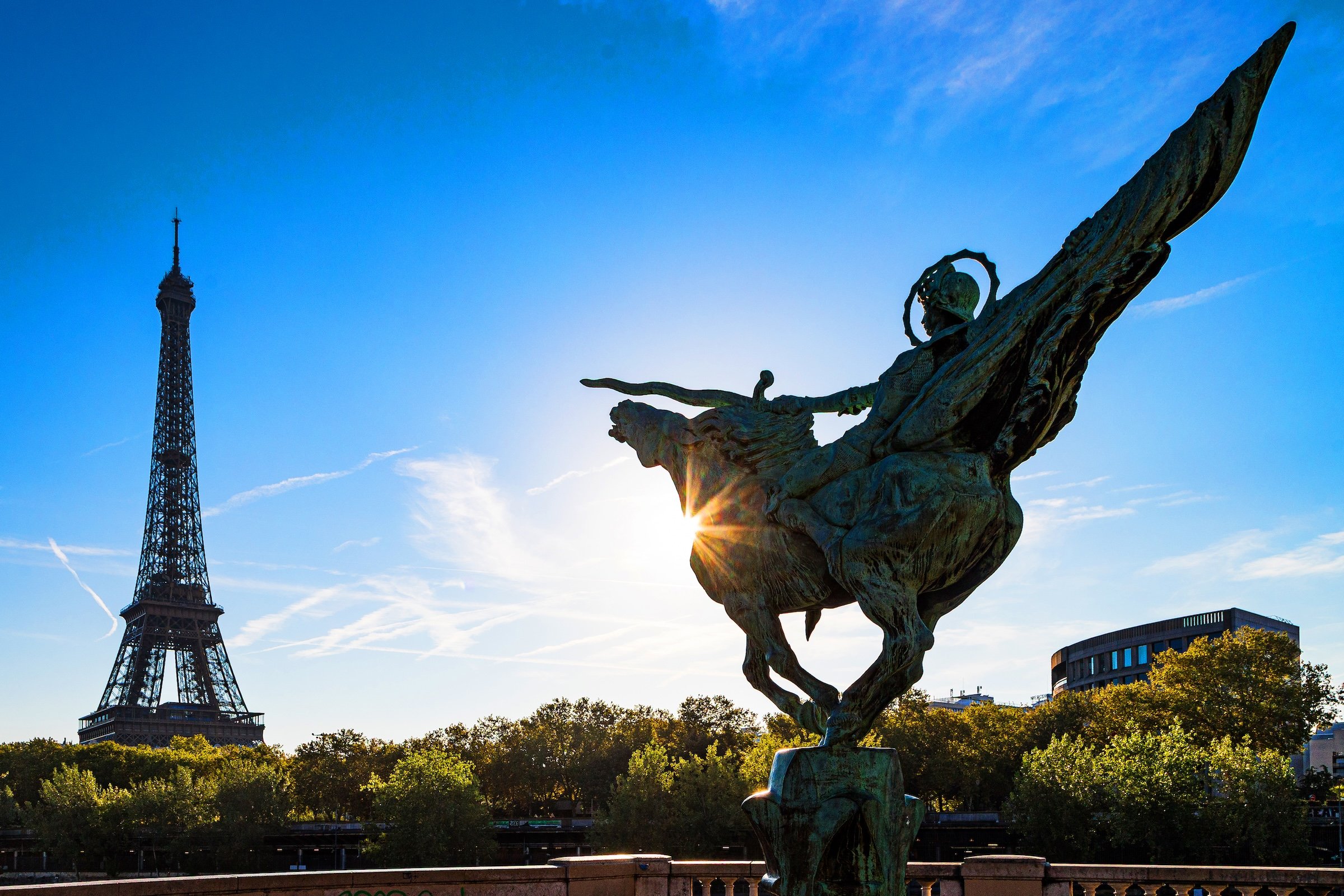
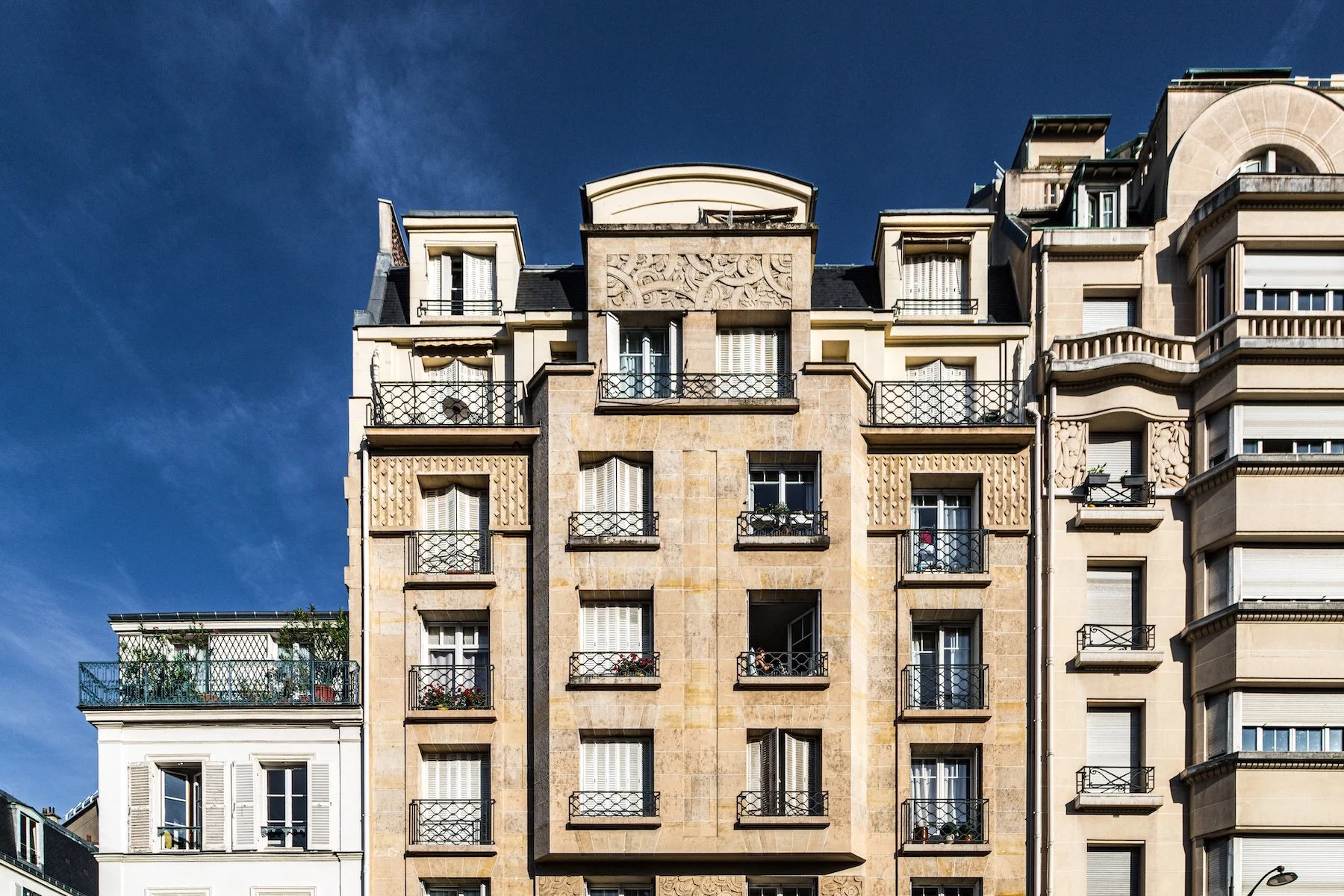
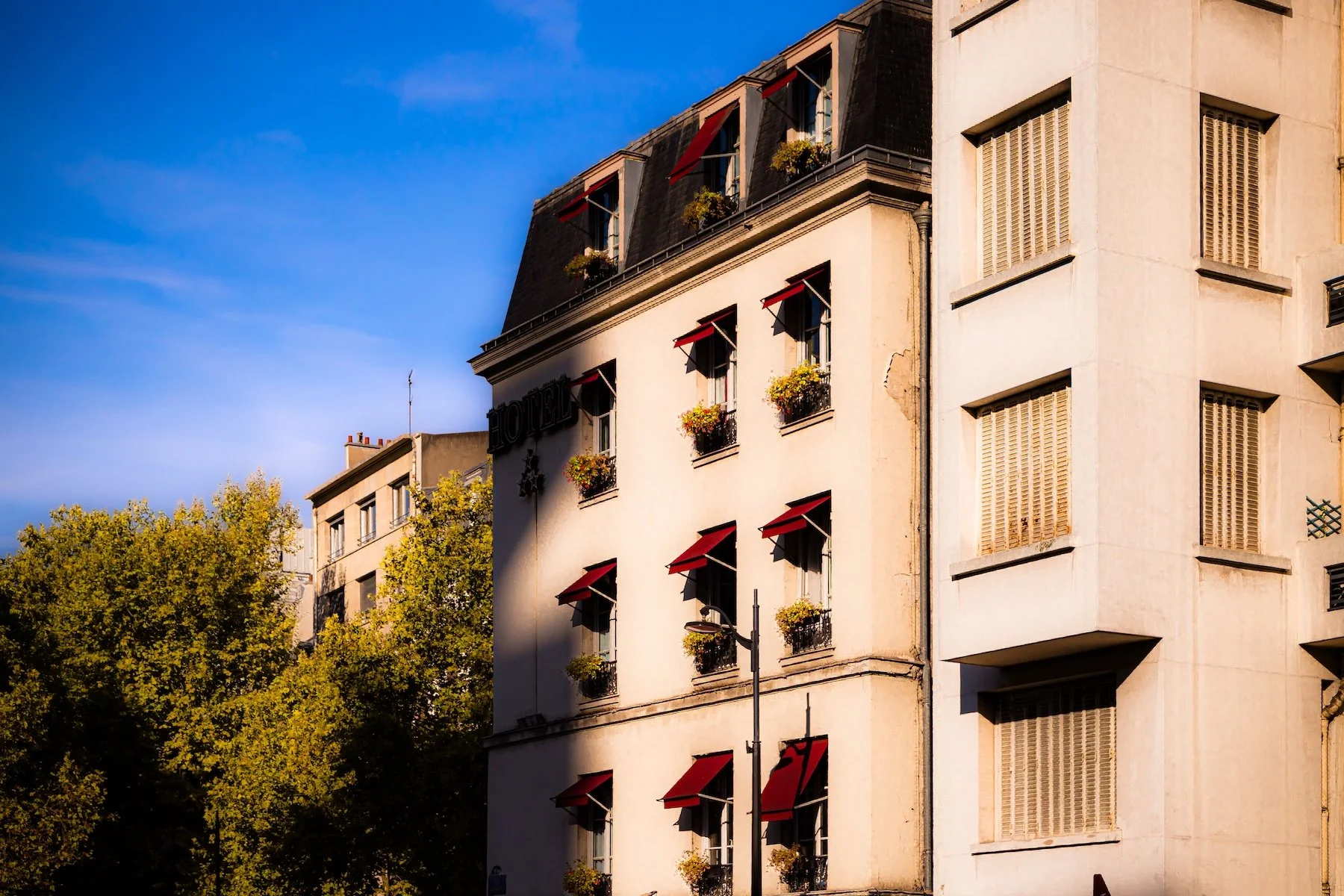
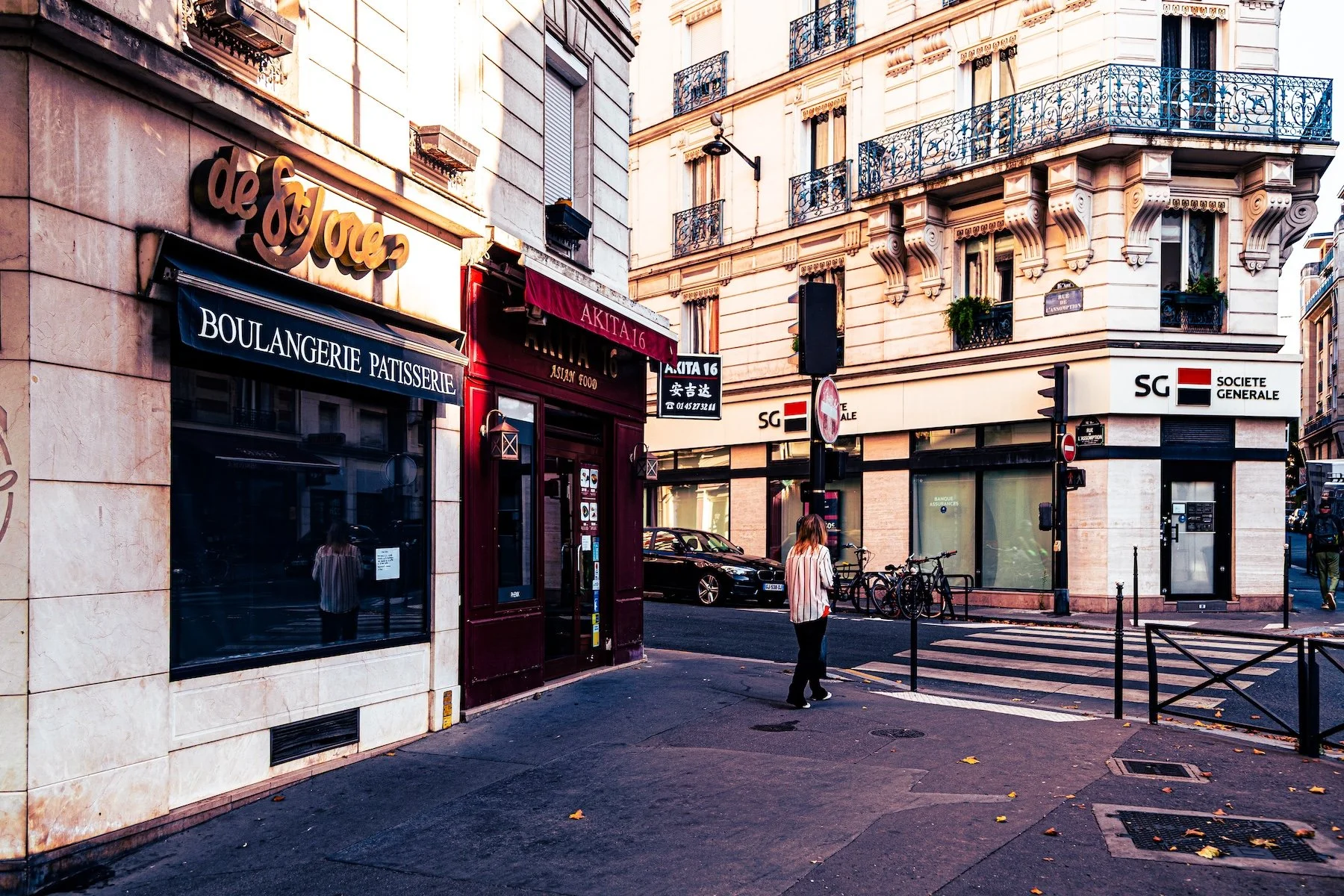
The arrondissements do not share a single visual identity. Instead, they organize Paris into twenty broad visual fields, each gathering its own combination of landmarks, streetscapes, institutions, residential districts, commercial corridors, parks, rail stations, markets, cemeteries, and riverfront edges.
Some arrondissements are defined by monumental scale: royal palaces, ceremonial avenues, government buildings, museums, formal gardens, and internationally recognized landmarks. Others are shaped by hills, canals, rail gateways, apartment-lined boulevards, neighborhood markets, former village streets, industrial remnants, parks, or the quieter rhythms of residential Paris. The arrondissement system gives these varied landscapes a civic frame, allowing the city to be read not as one visual language, but as a sequence of overlapping Parisian atmospheres.
Visual Identity
Through The Lens
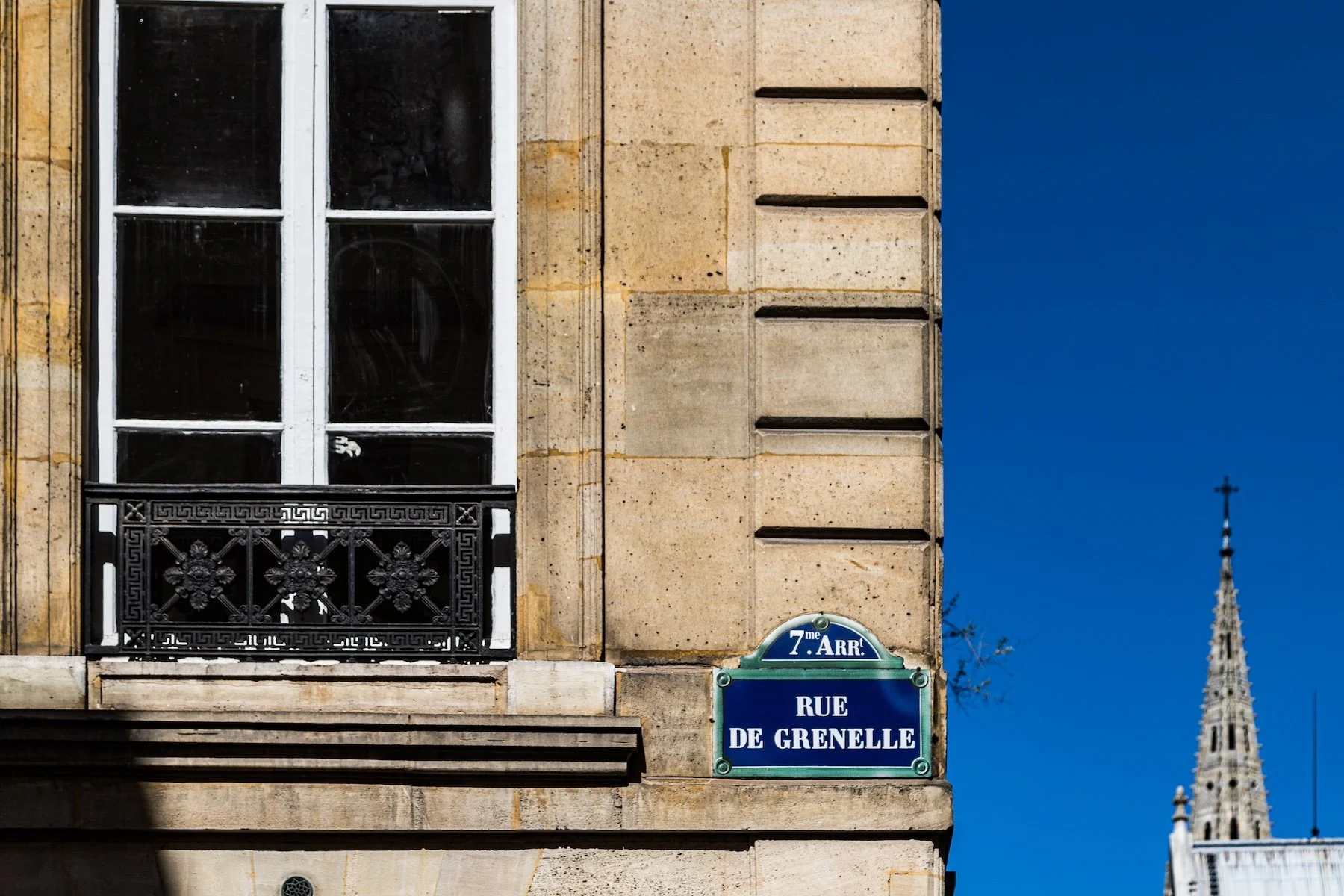
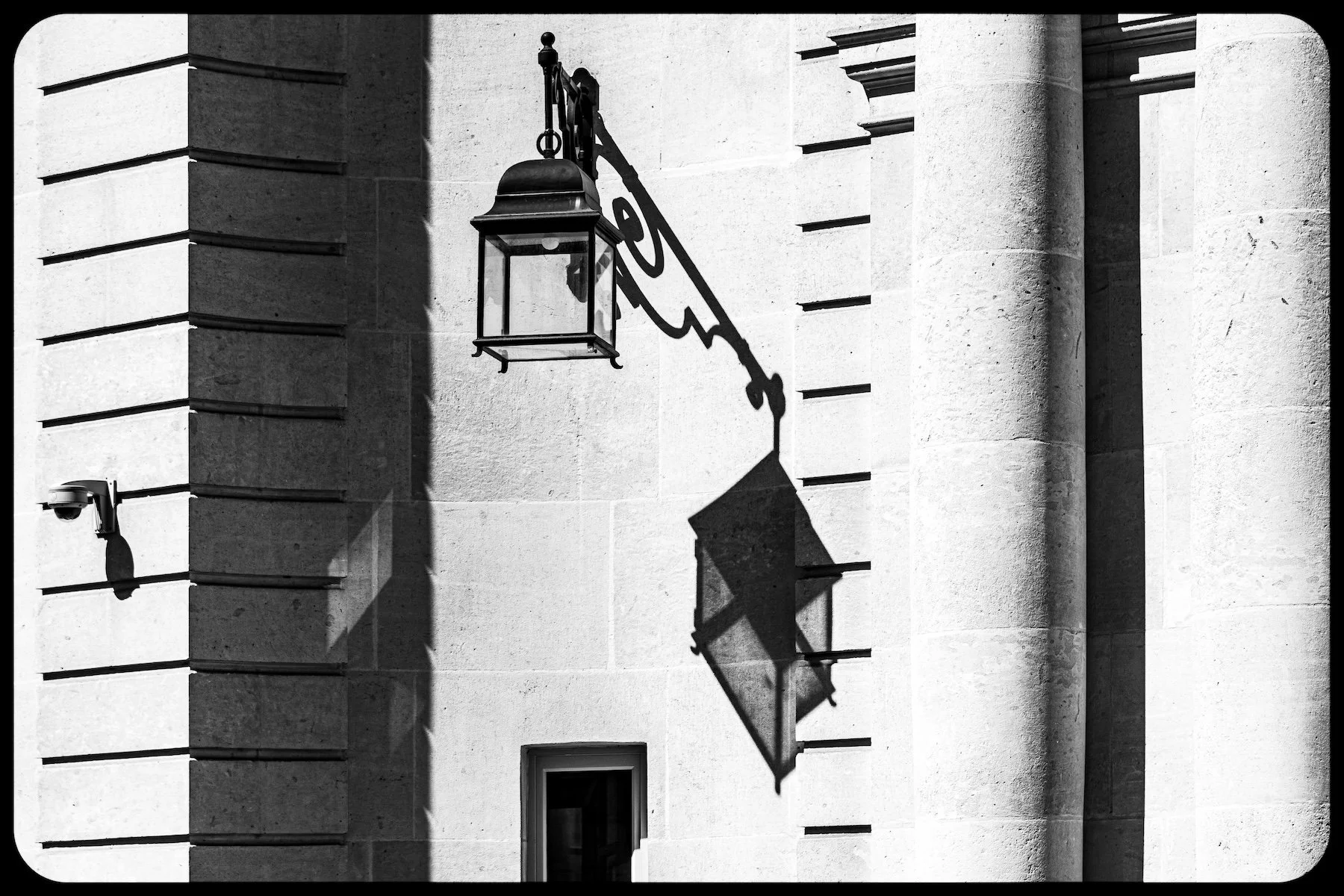
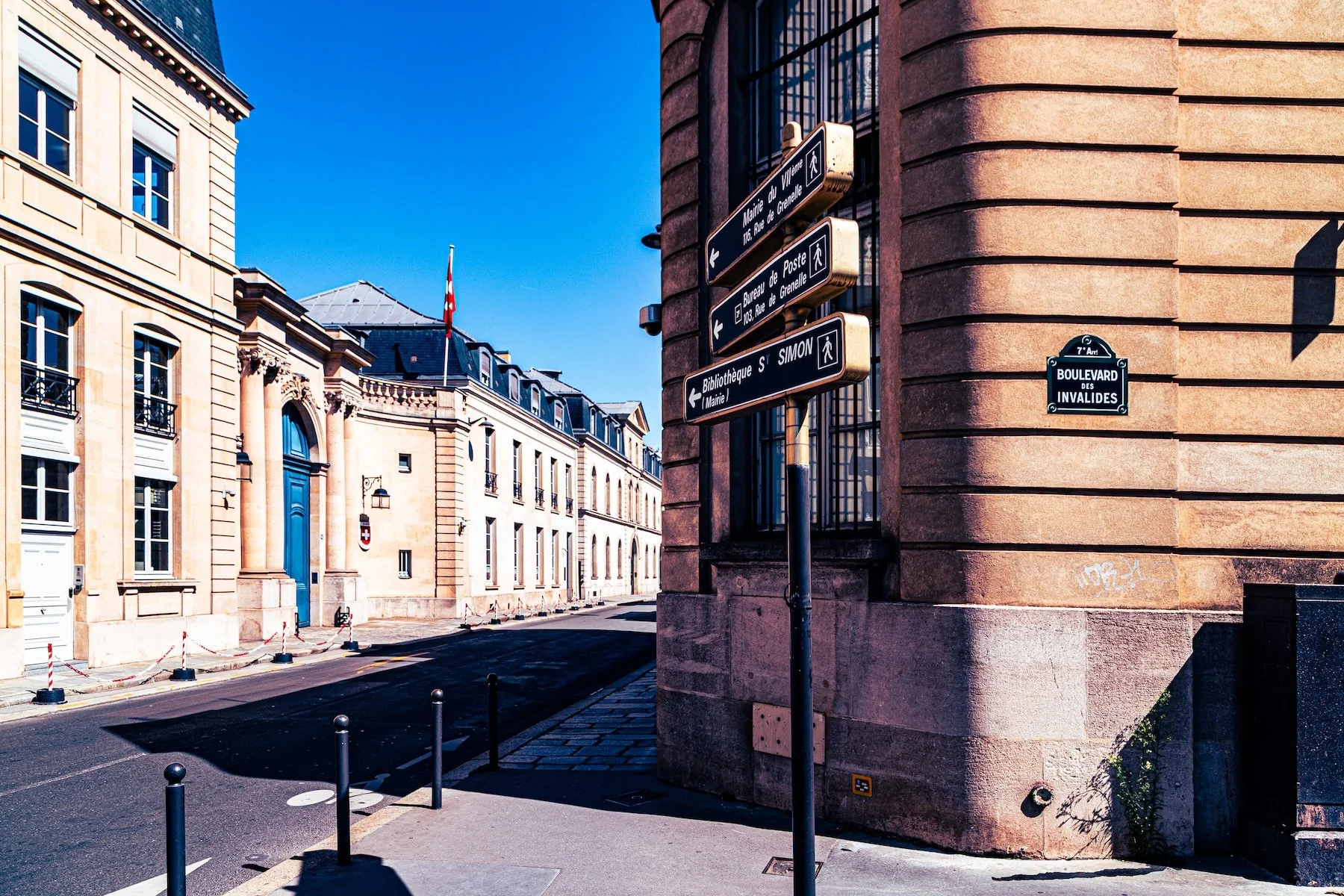
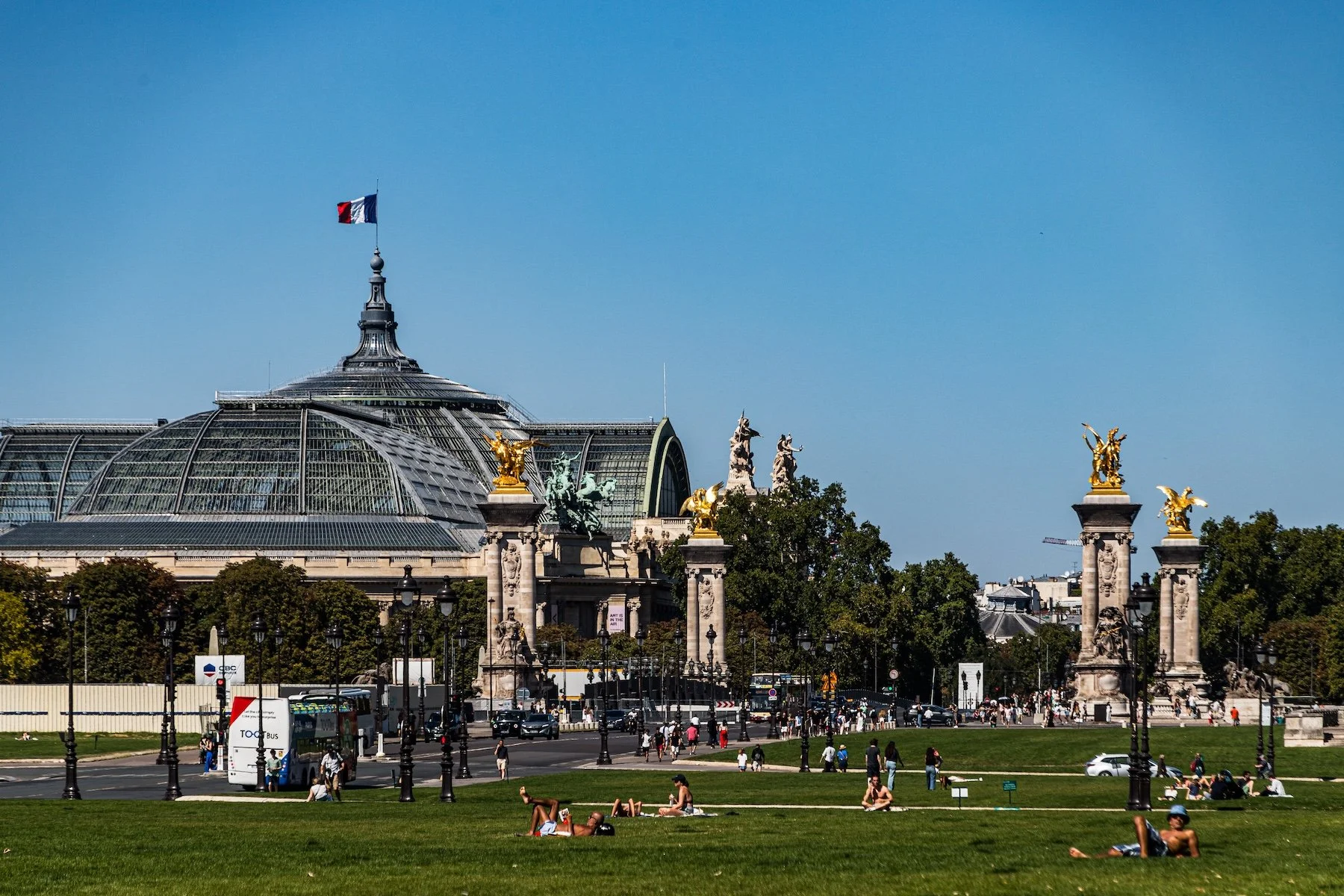
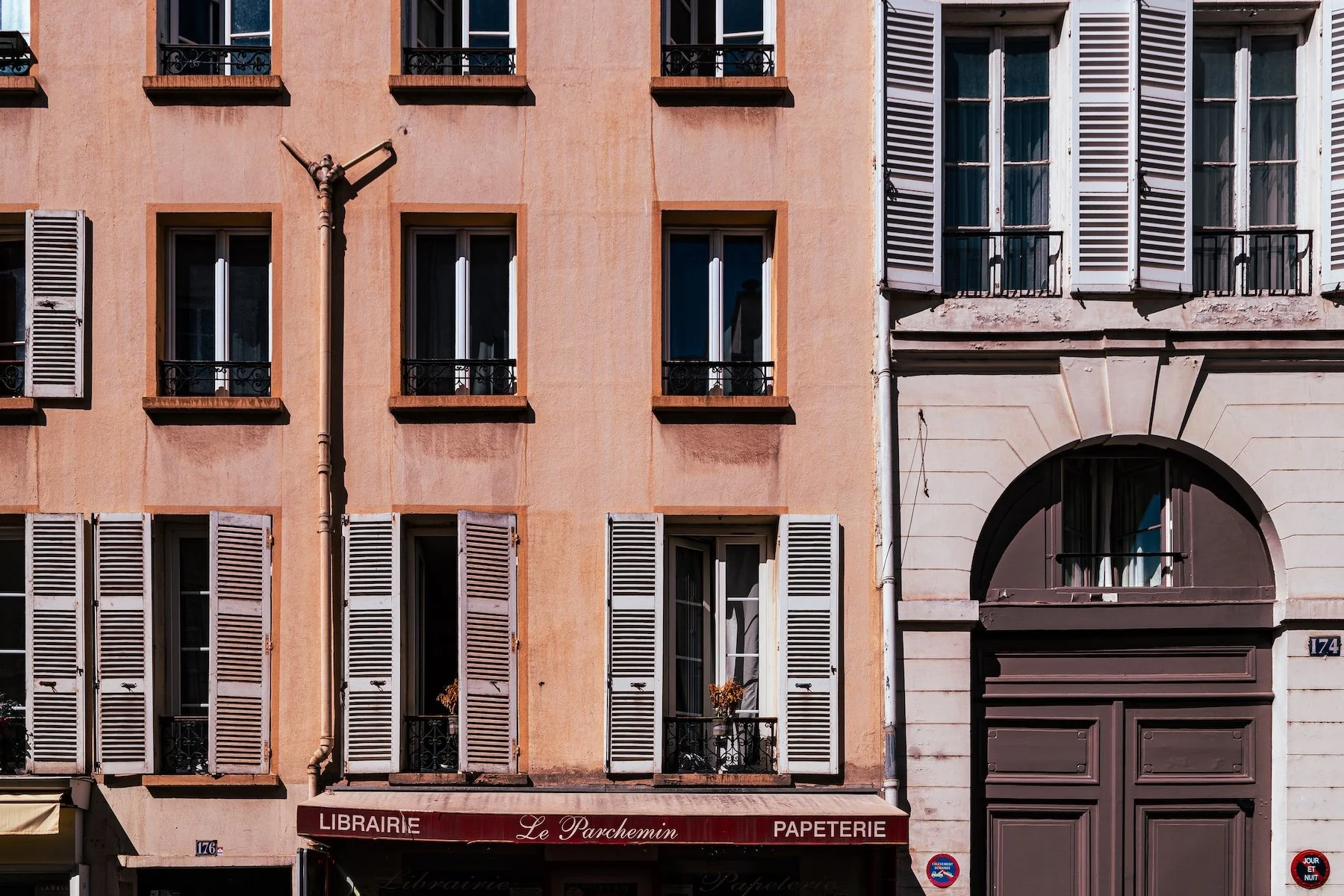
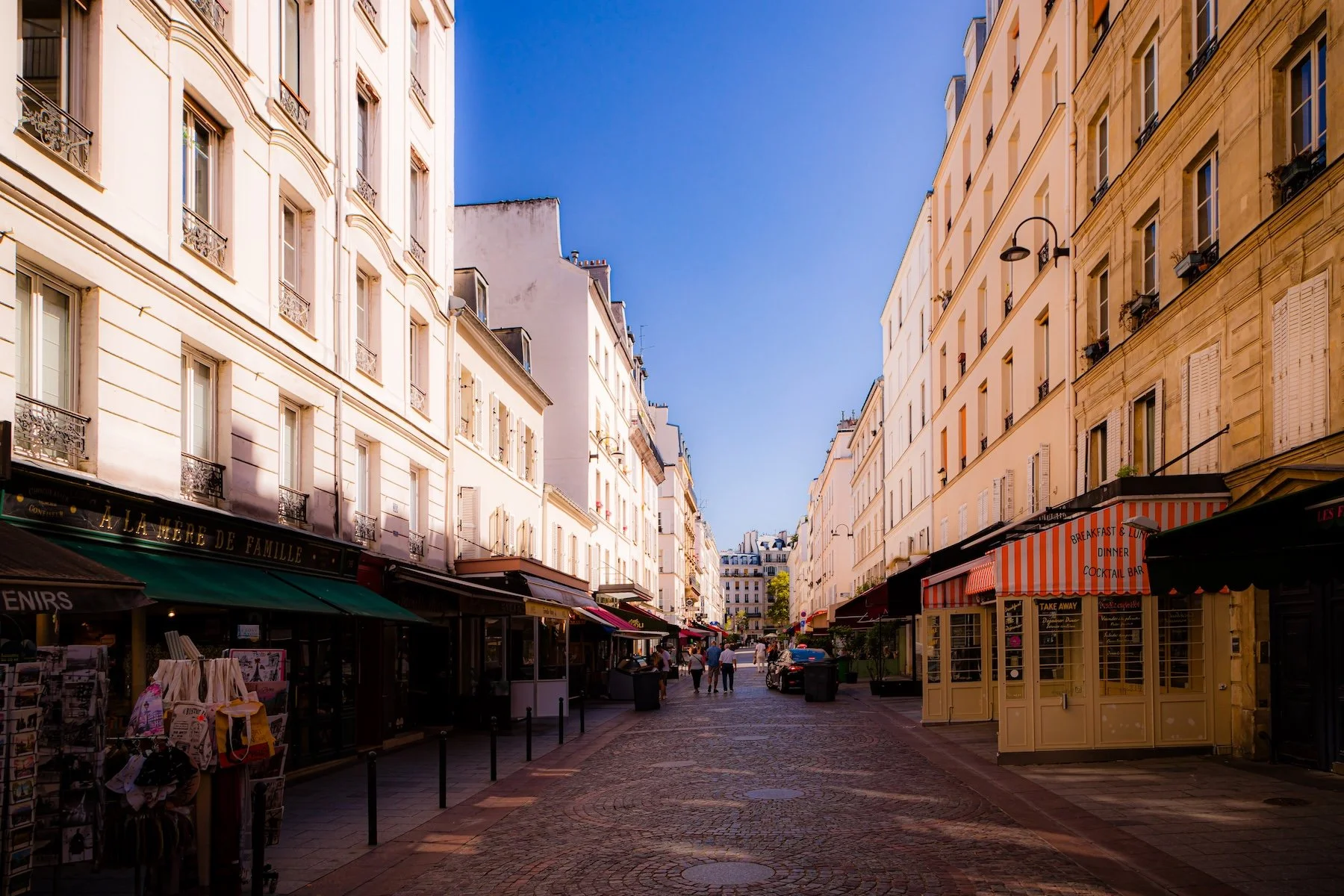
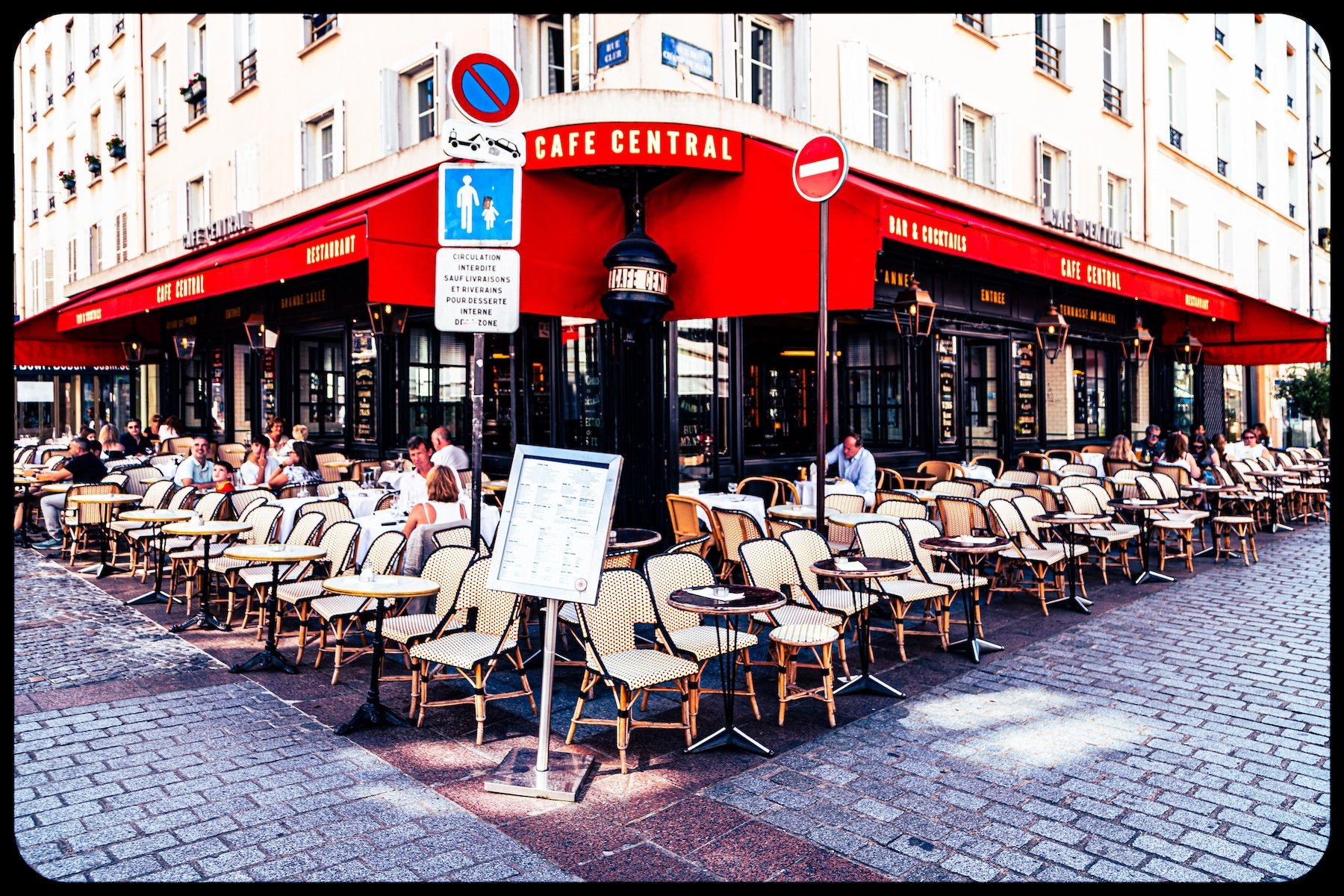
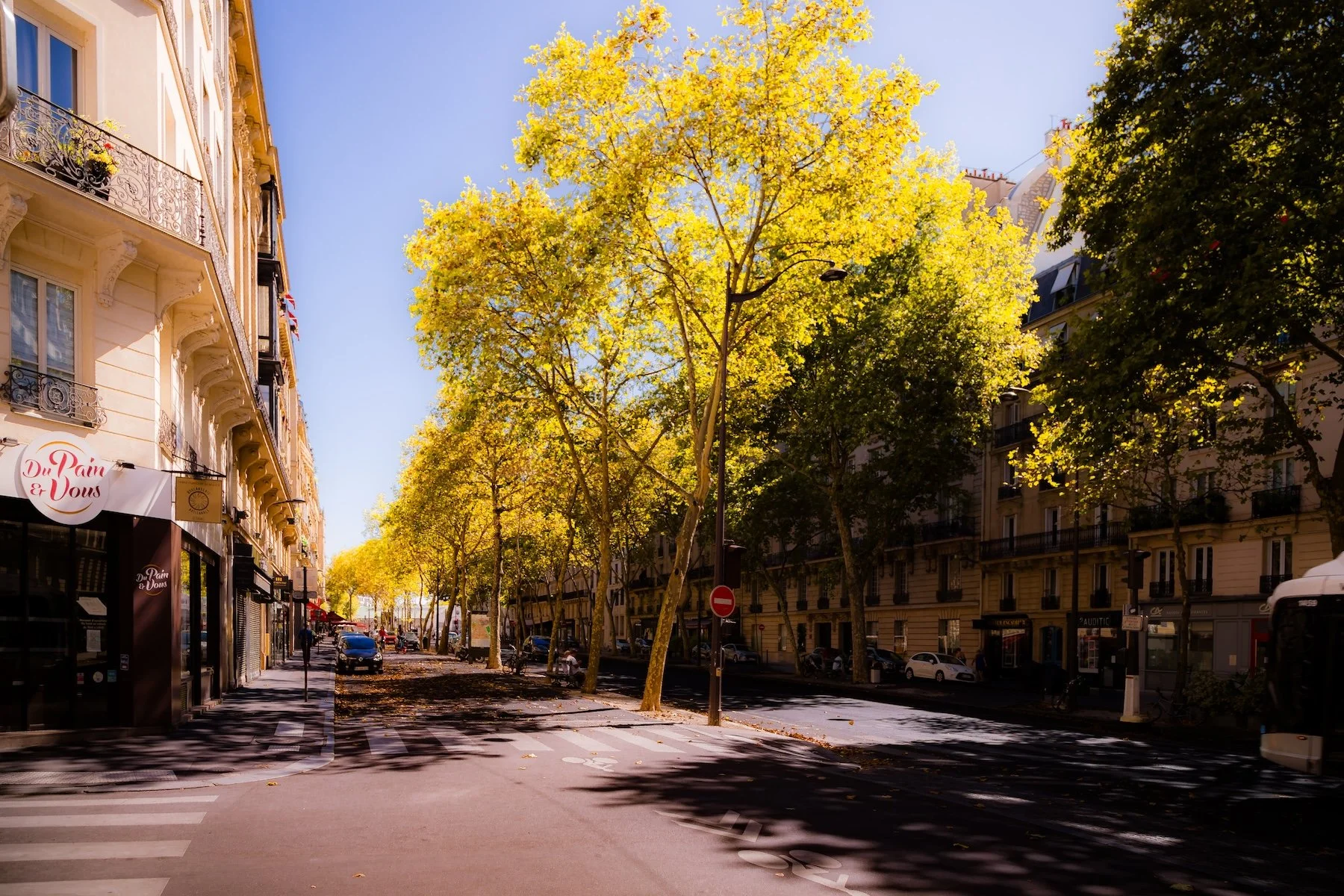
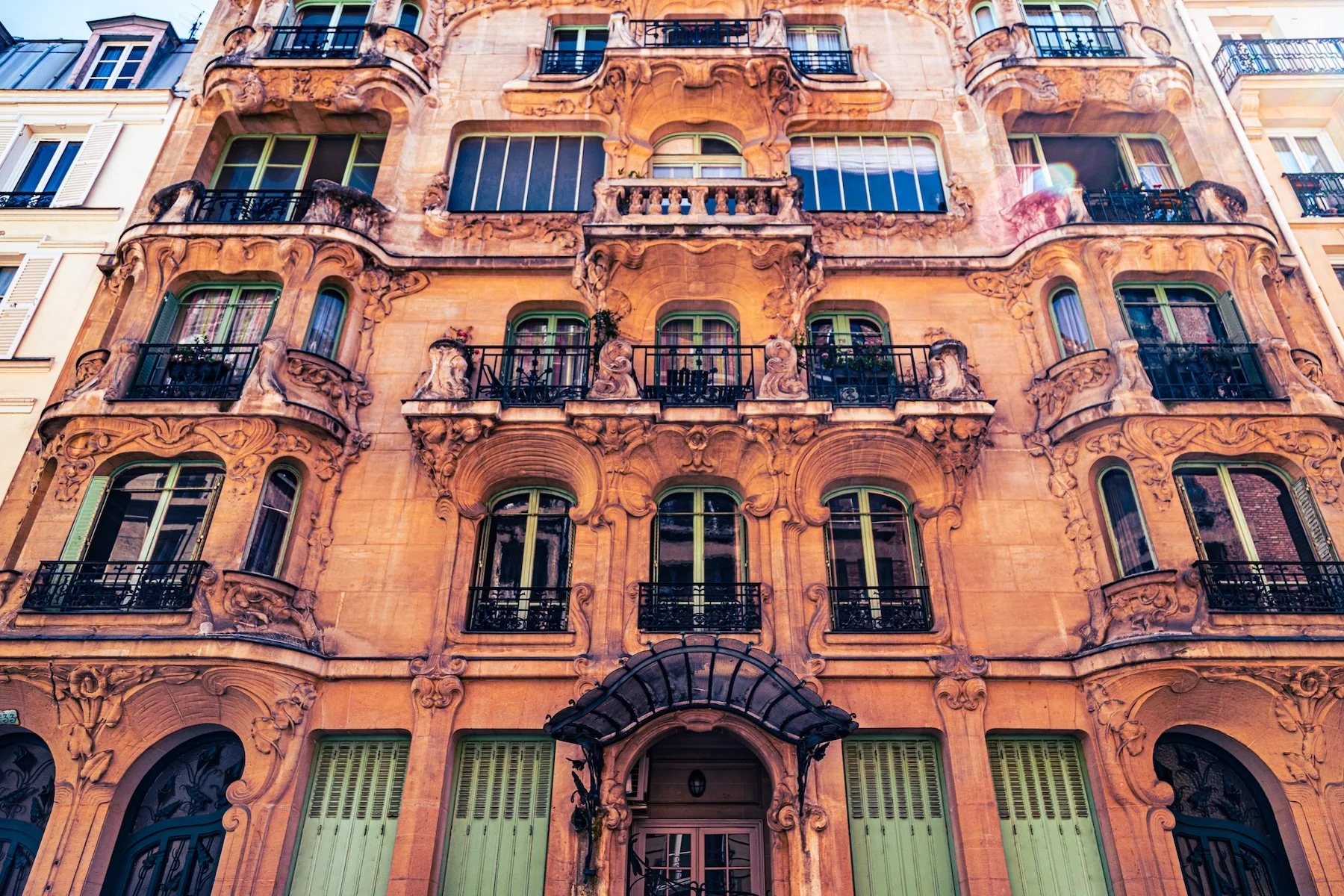
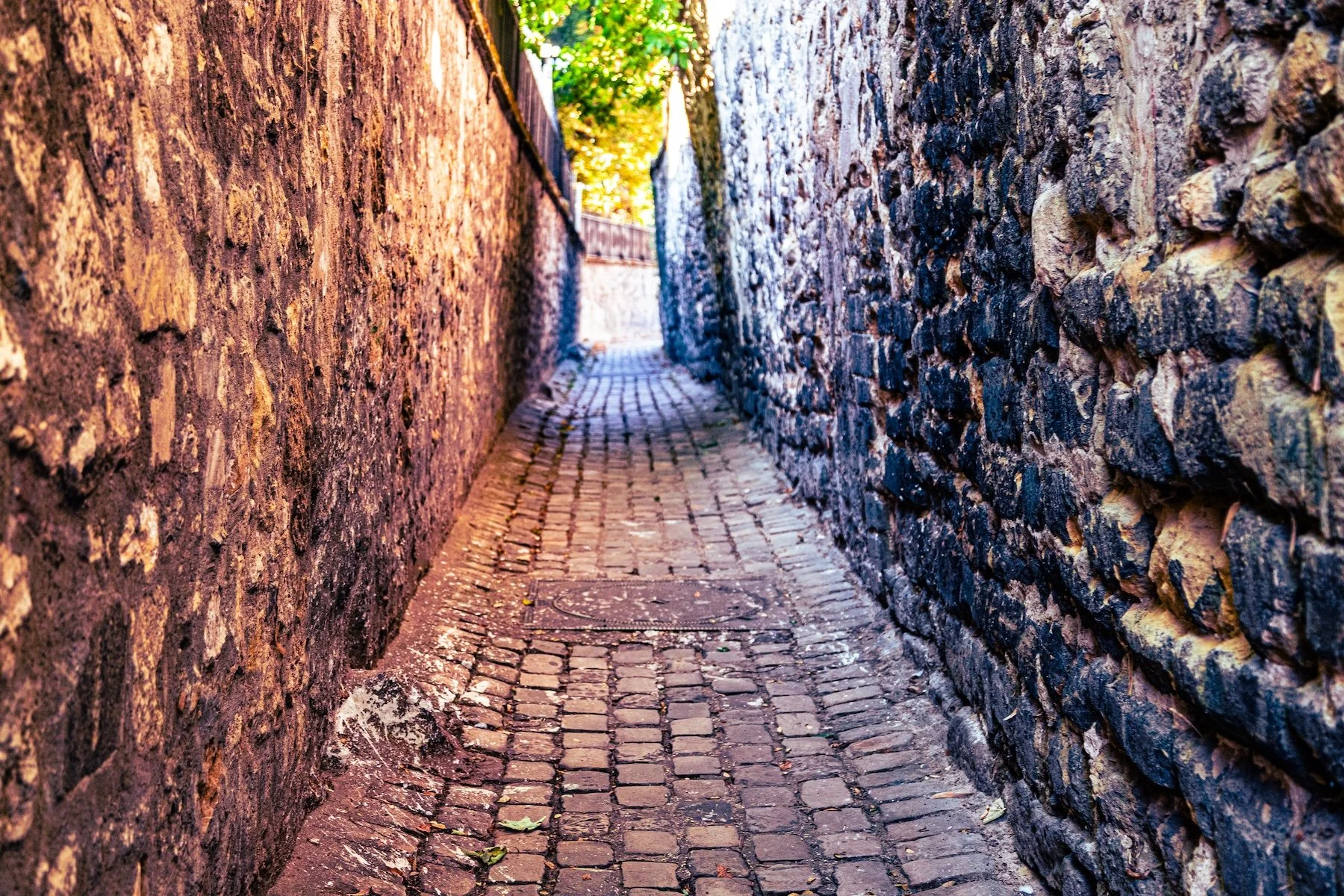
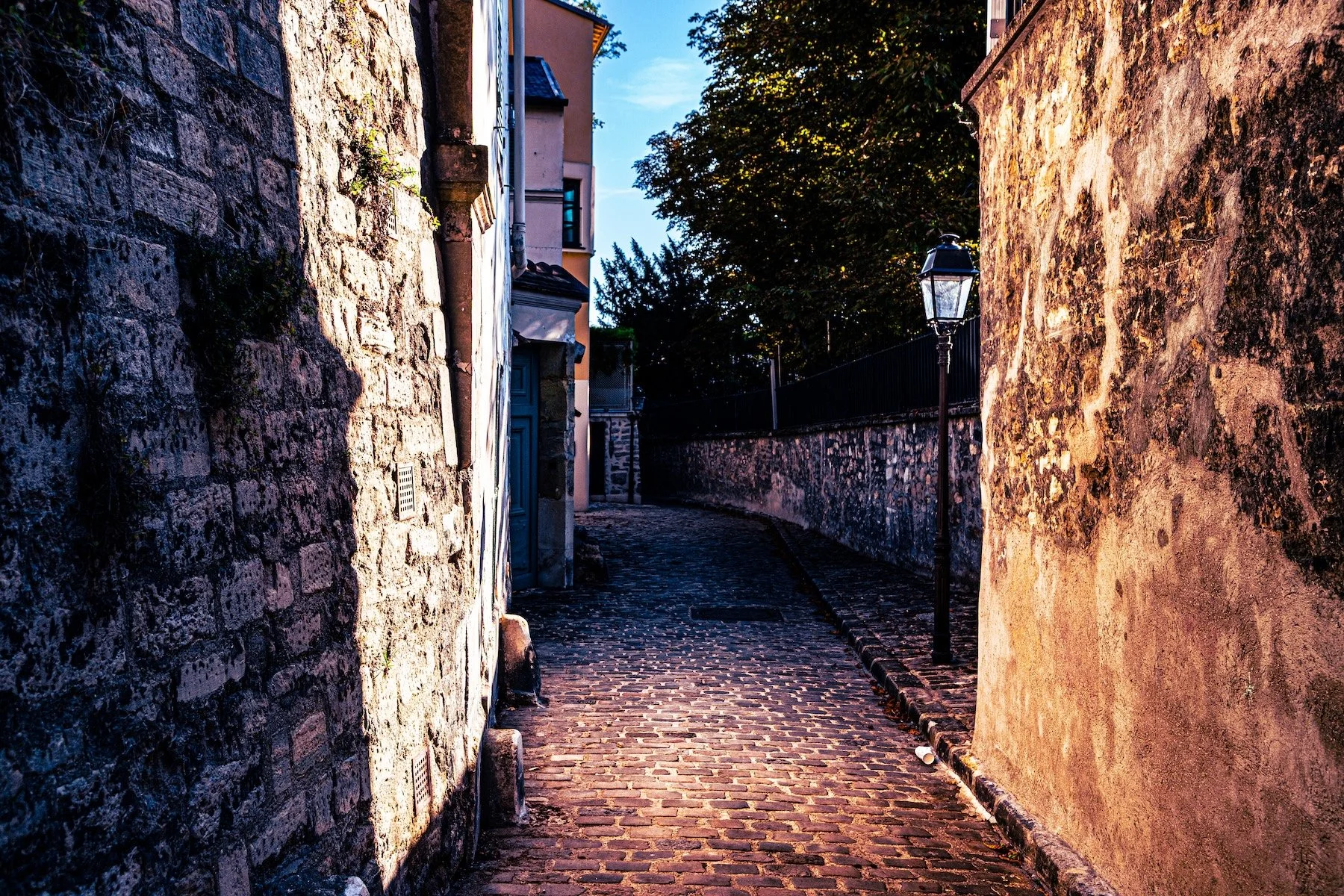
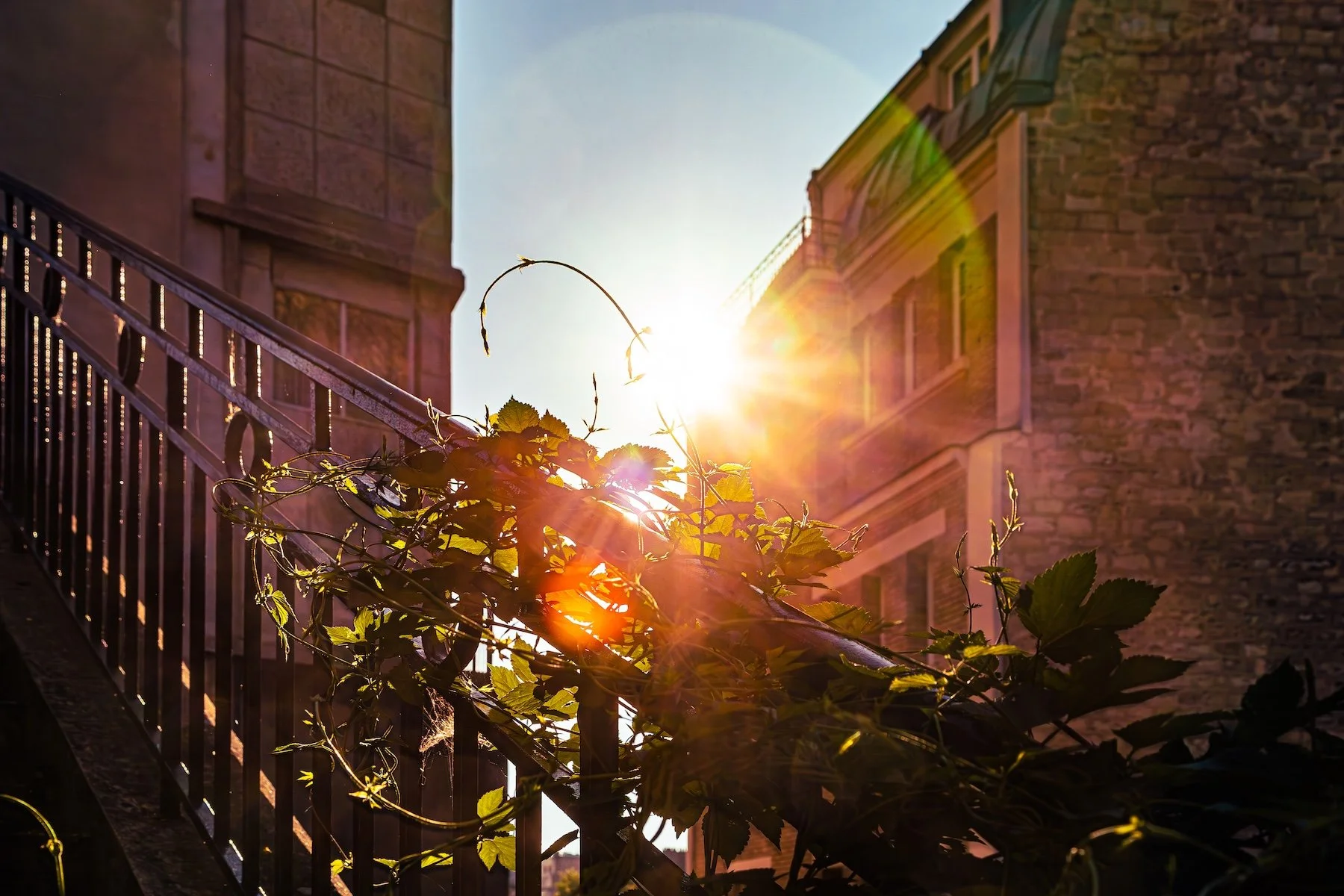
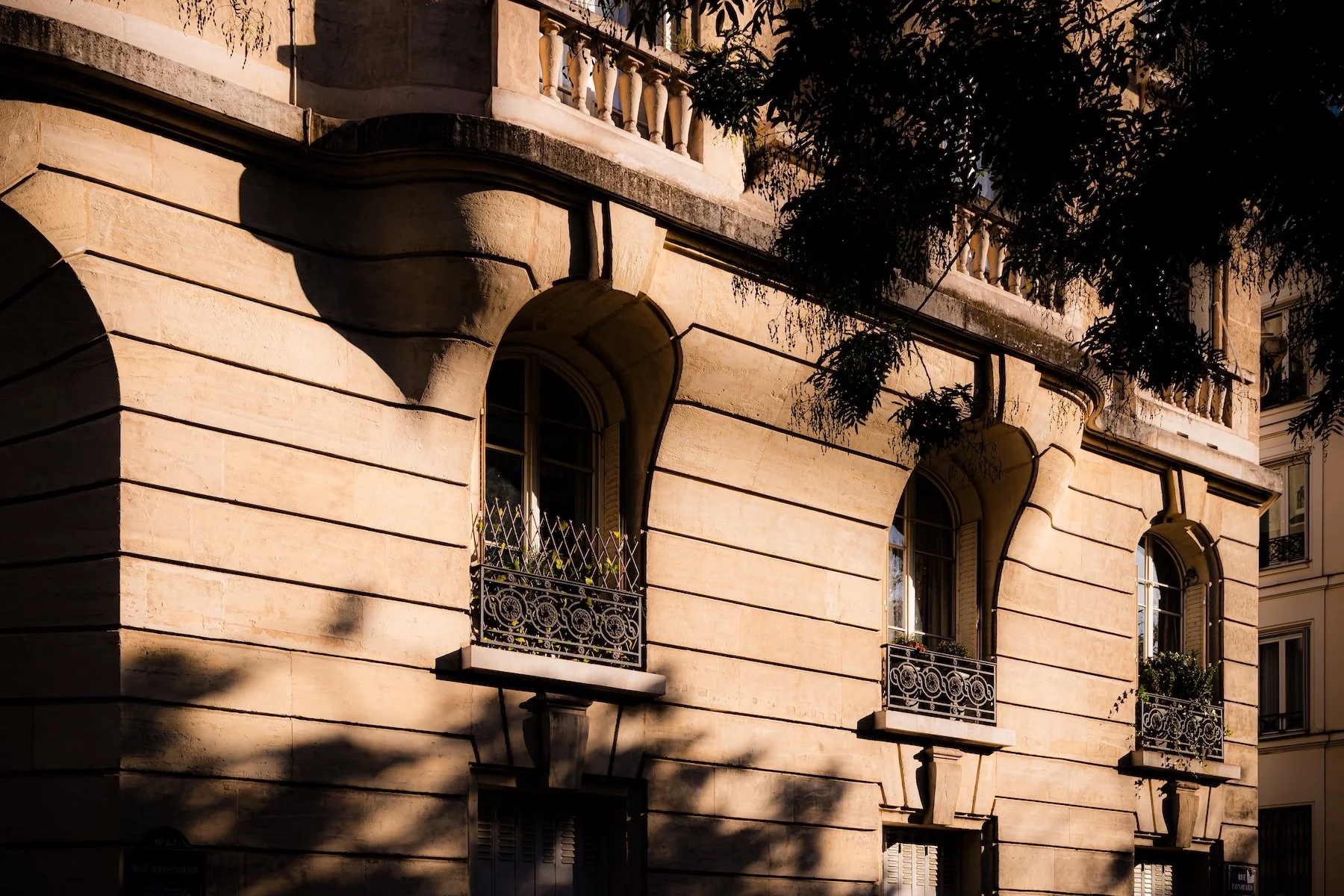
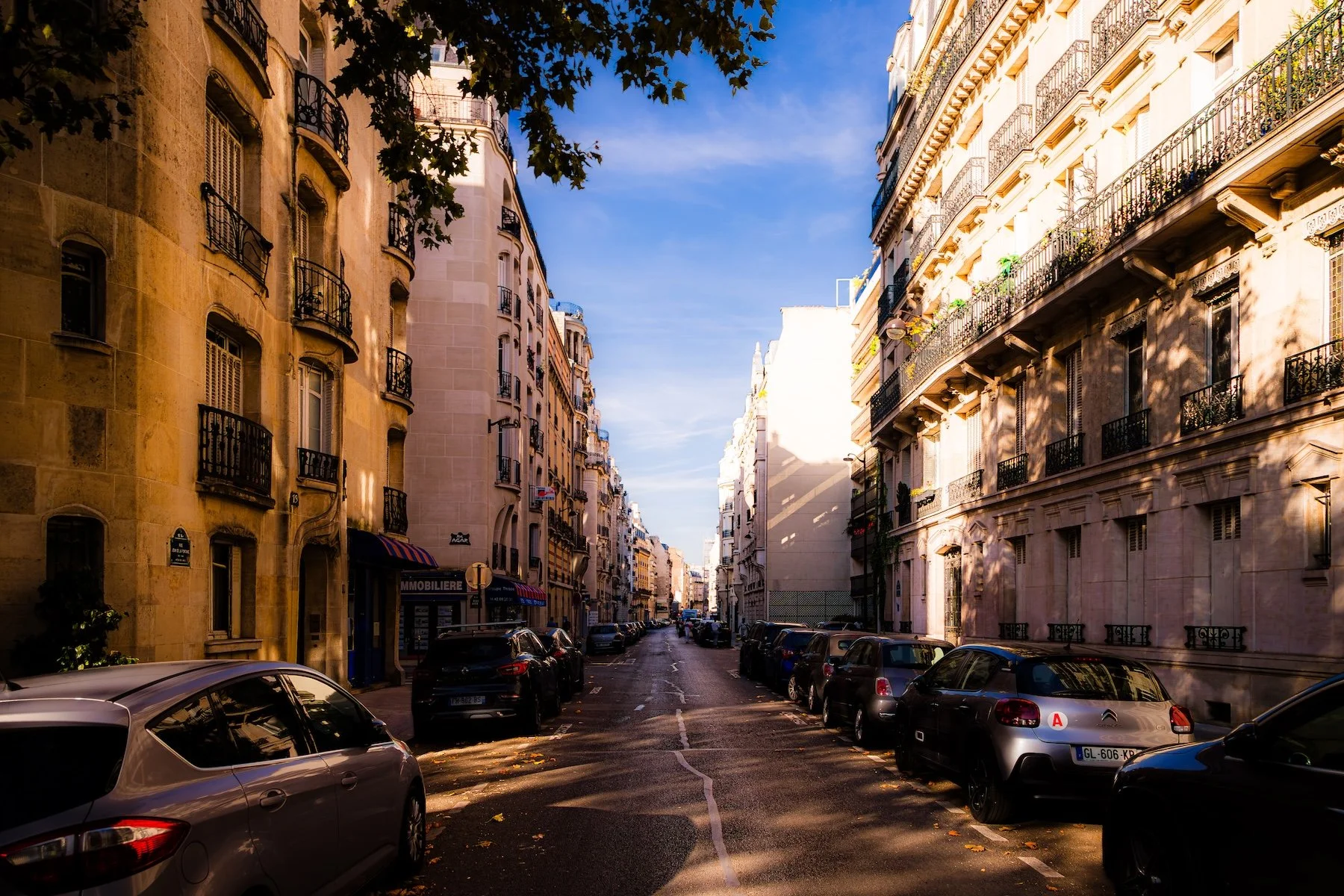
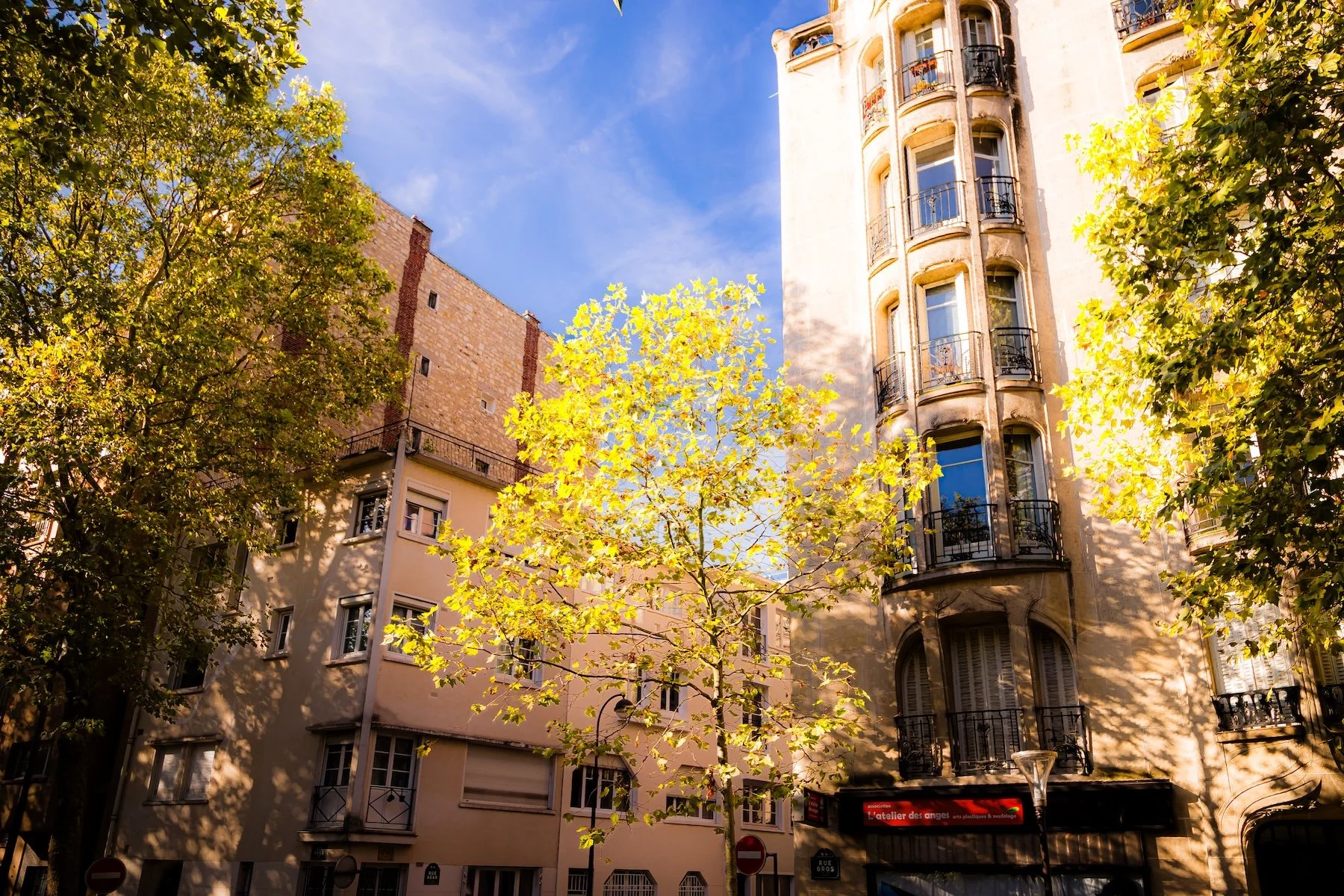
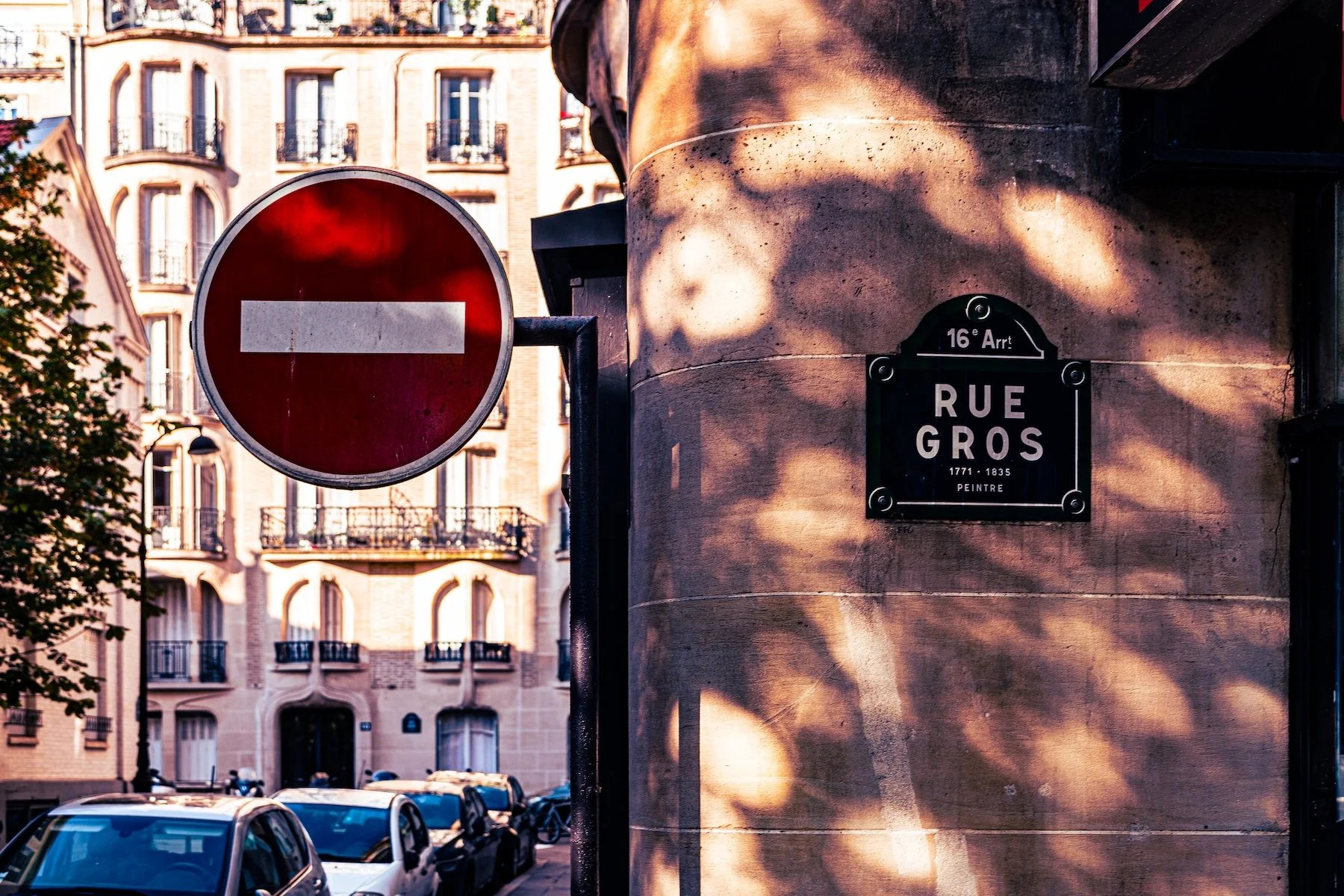
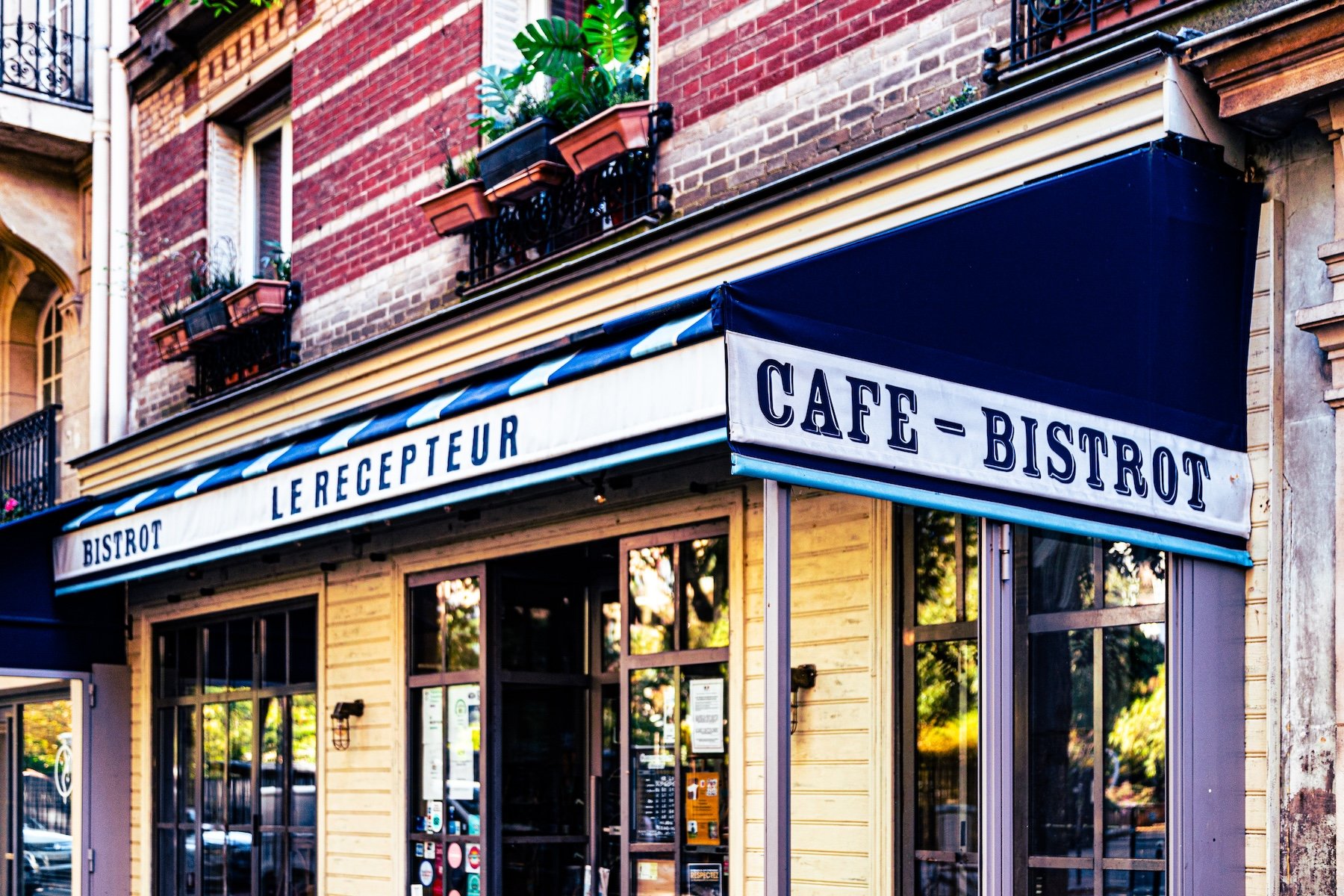
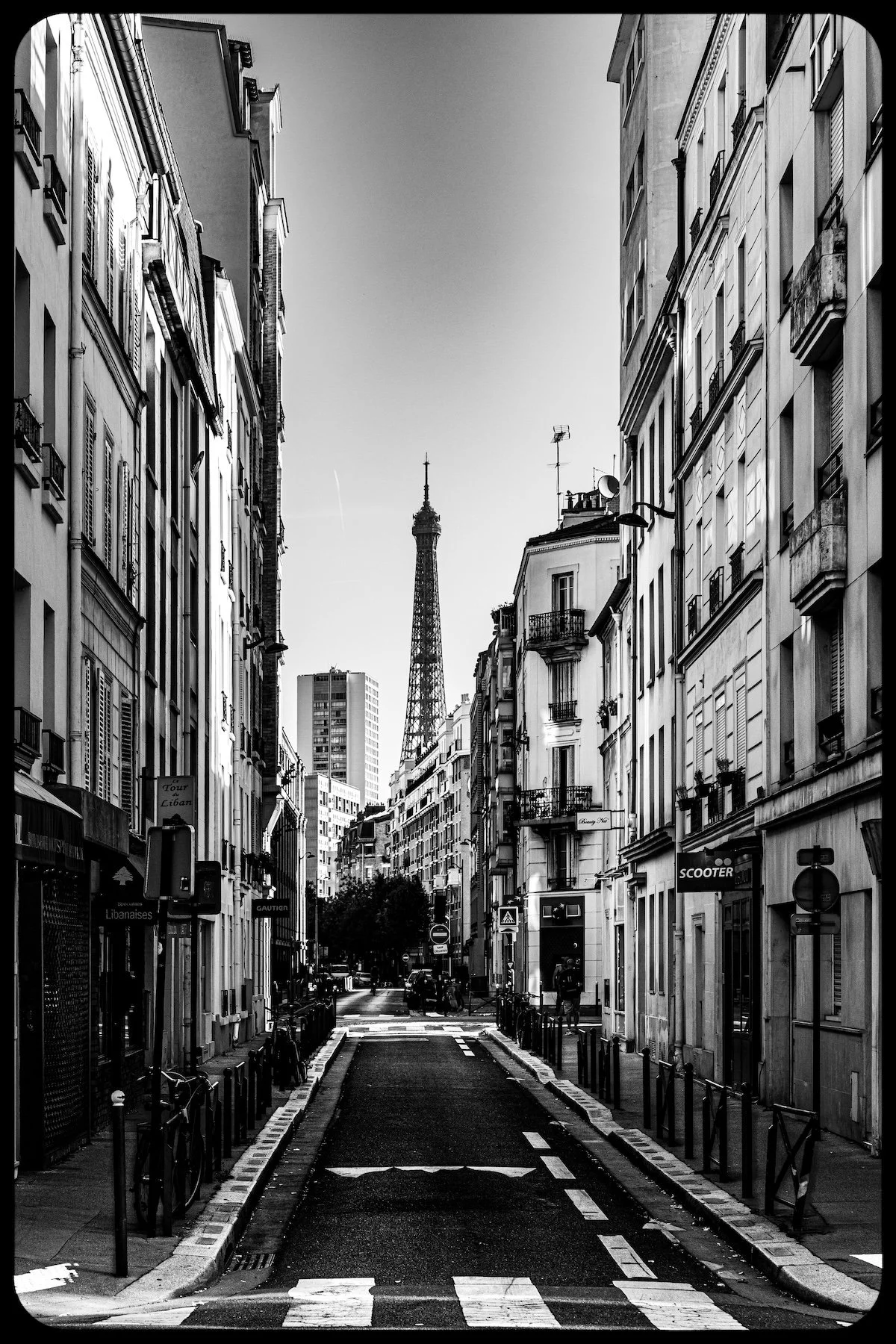
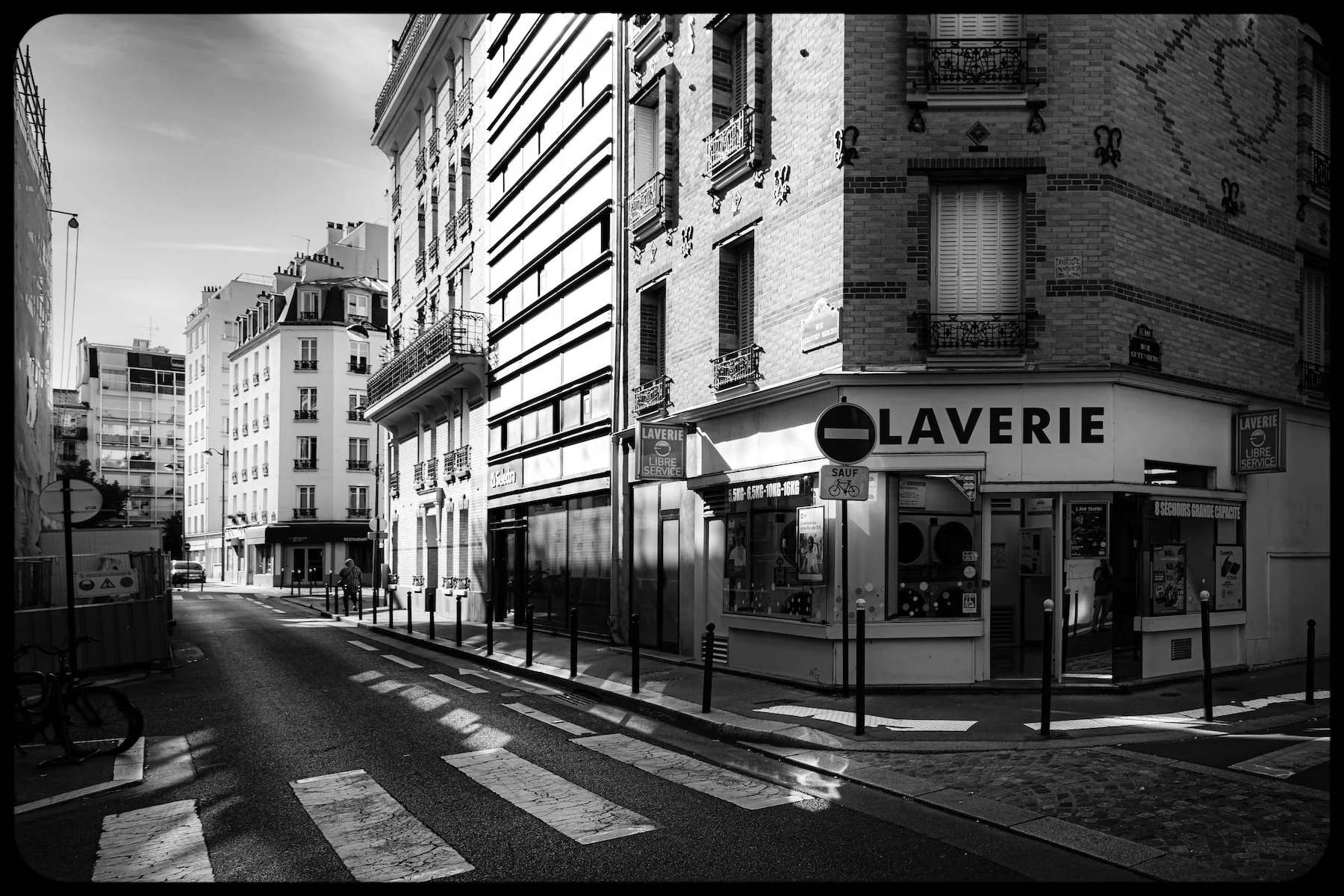
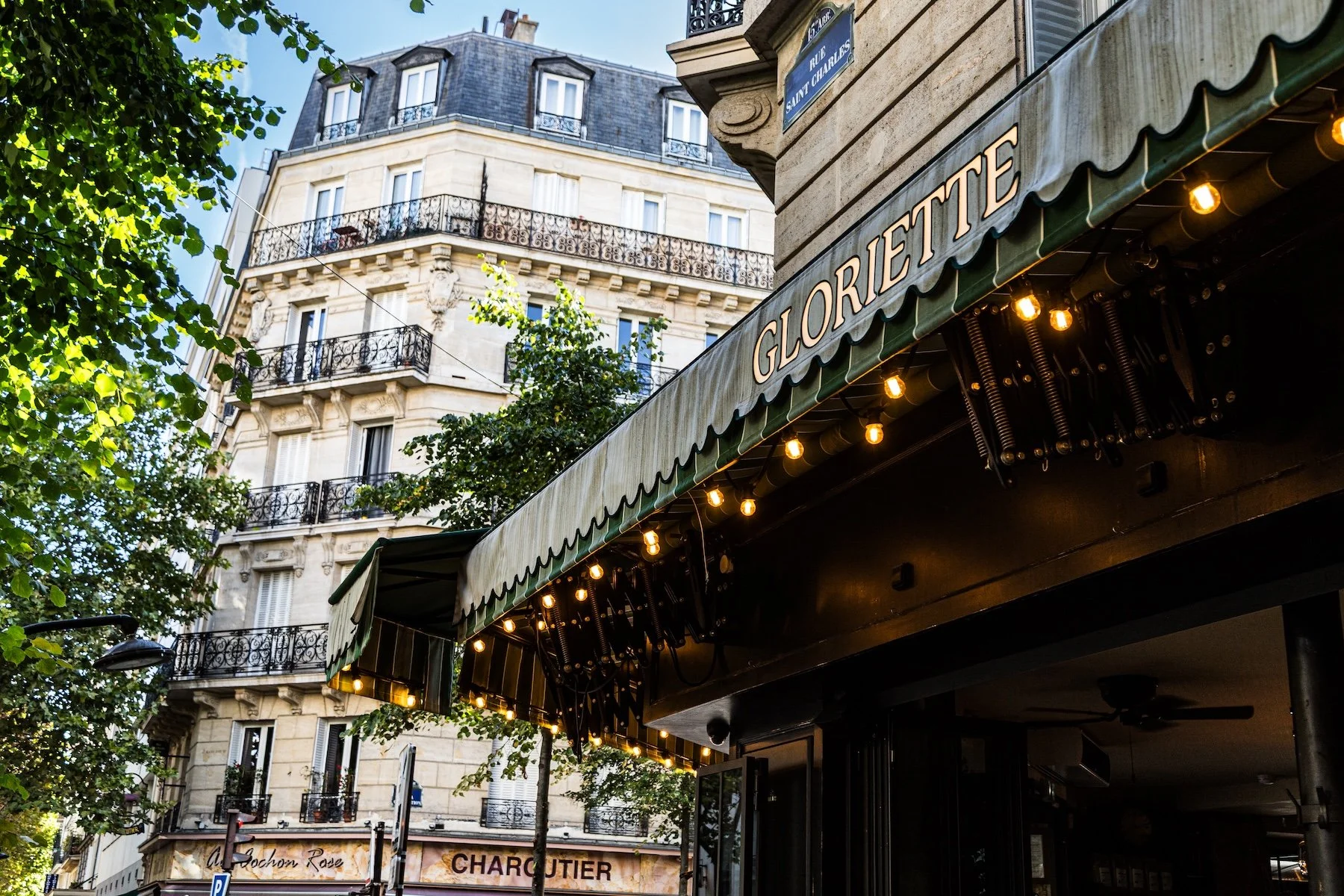
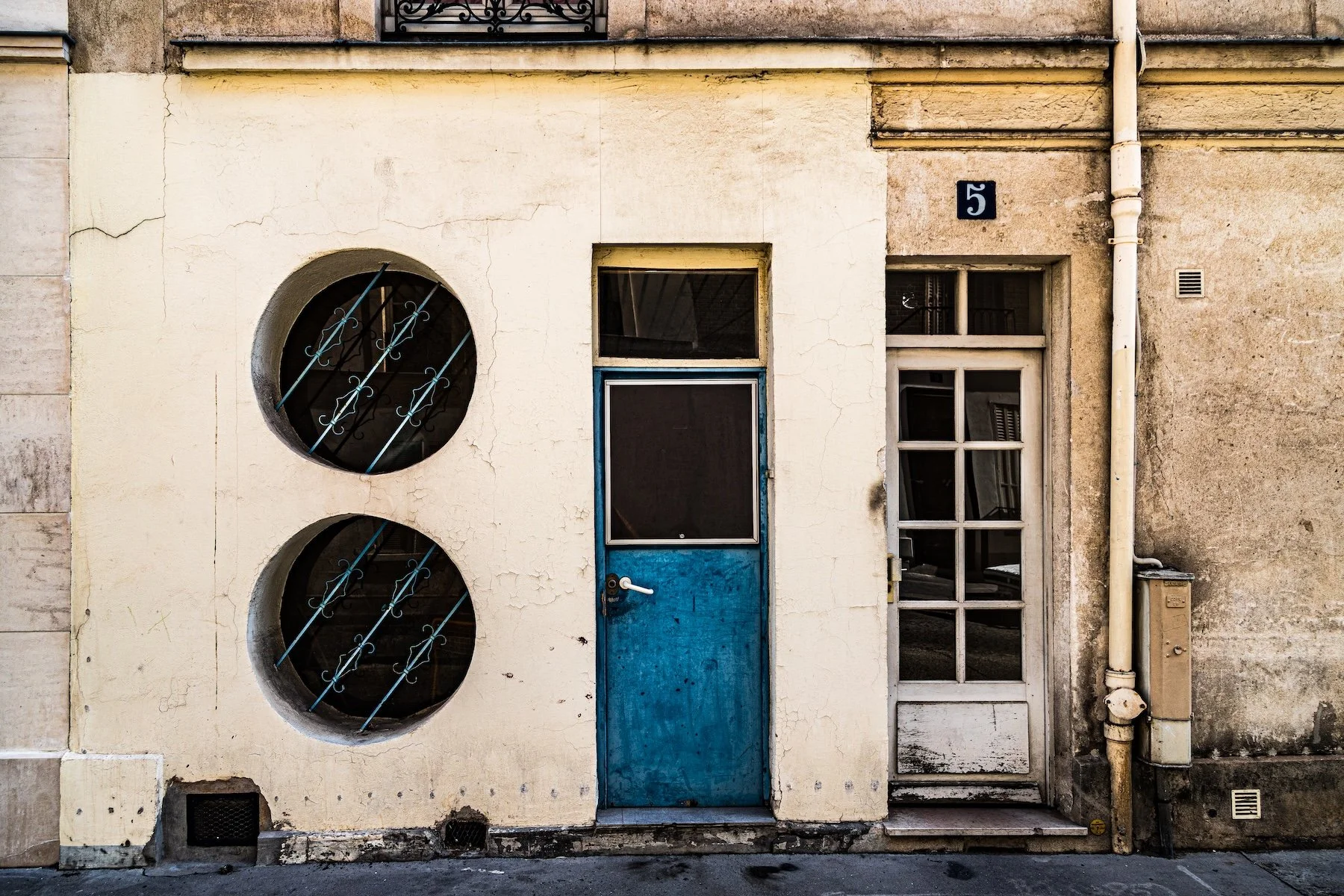
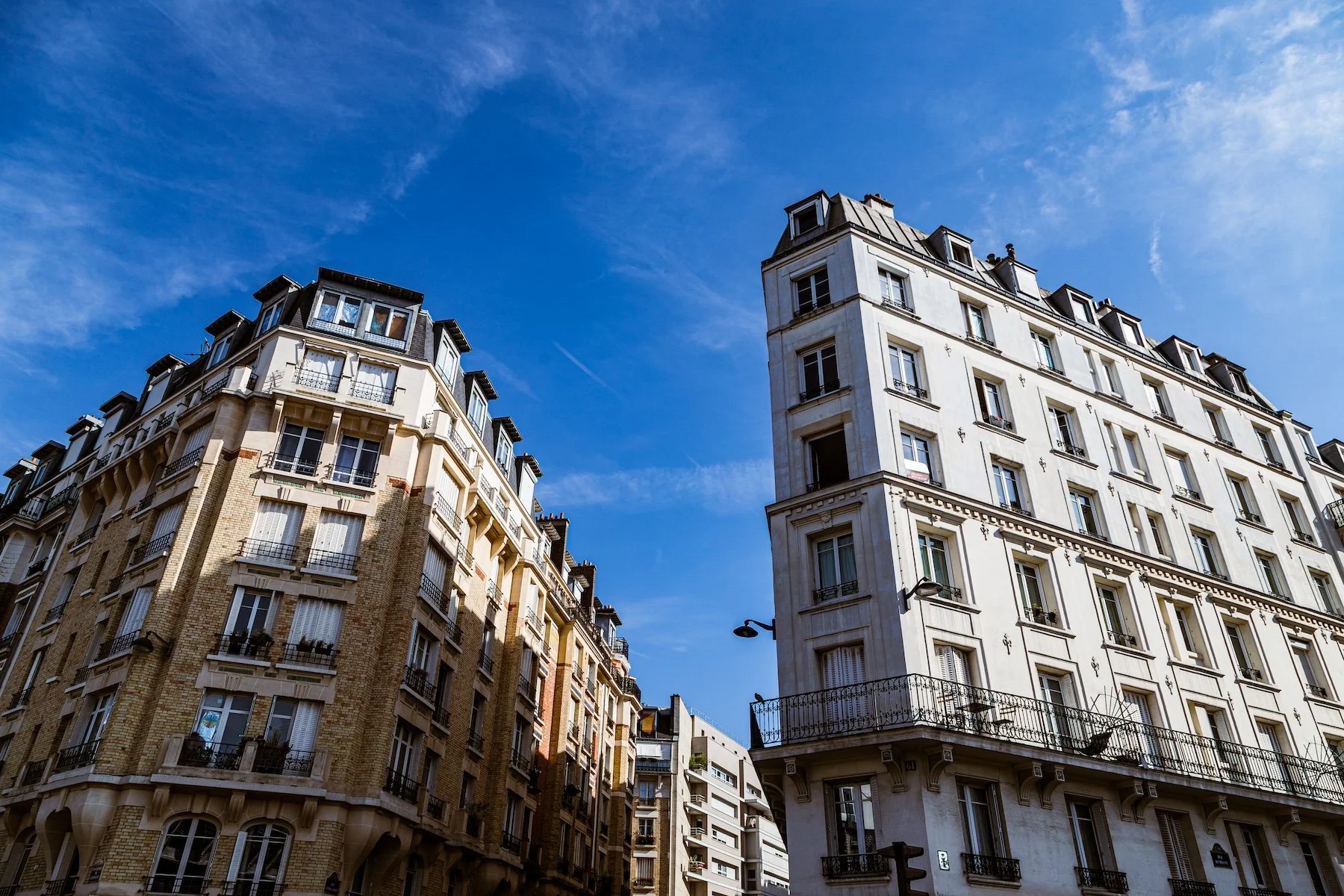
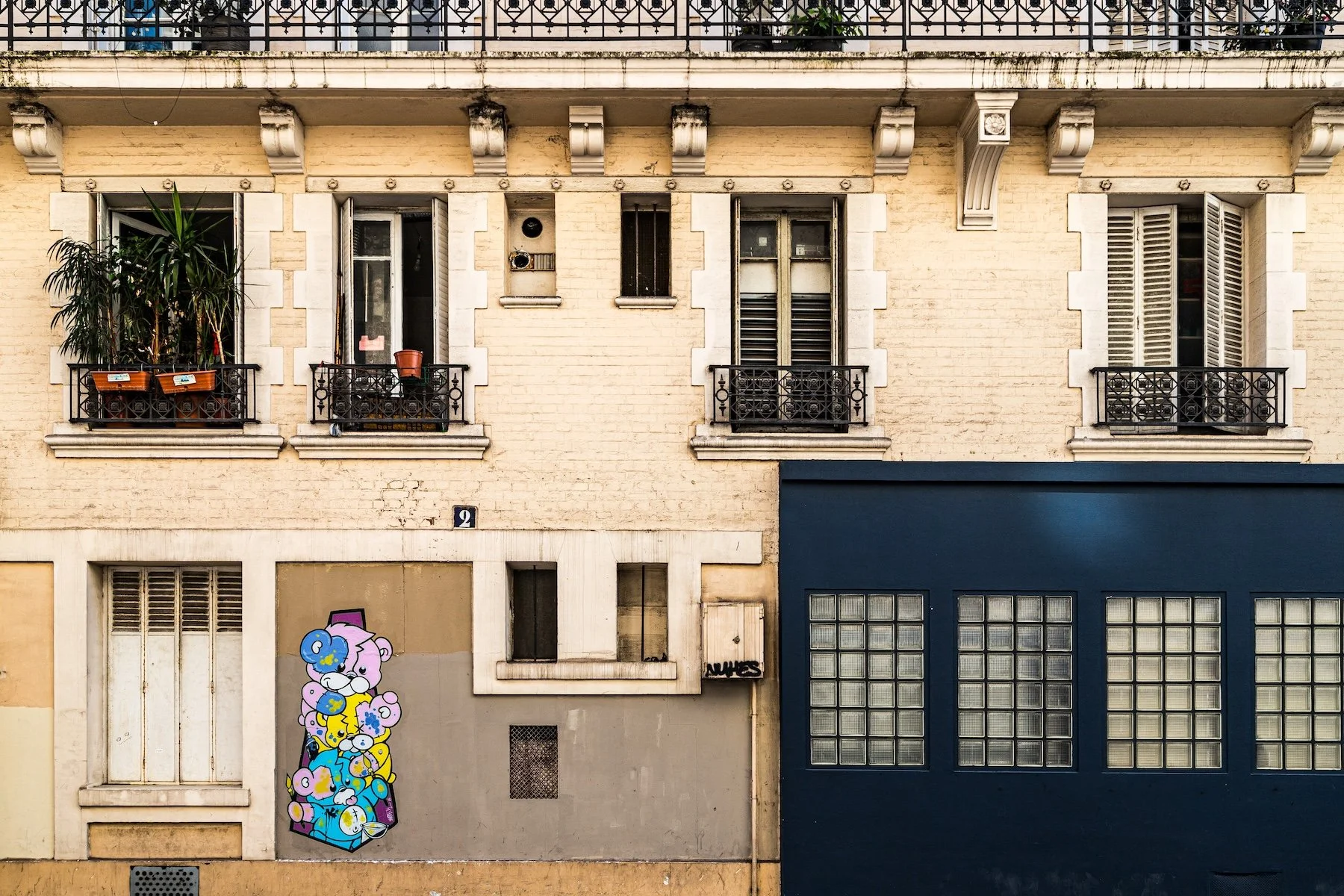
Photographing the arrondissements means moving between the official map and the street-level experience. The camera does not treat each arrondissement as visually uniform. Instead, it looks for the recurring forms, textures, transitions, and contrasts that make each district legible: the geometry of boulevards, the shade of plane trees, the repetition of balconies, the rise of stairways, the curve of canals, the presence of rail stations, the opening of parks, the weight of monuments, and the intimacy of side streets.
On CityNeighborhoods, the arrondissement provides the frame, but the photograph comes from the encounter between map, movement, light, and observation. As the Paris photography is processed, this section will connect each arrondissement more directly to the project’s Photographic Lexicon: the visual strategies, recurring motifs, and compositional patterns that shape how the city is seen through the lens.
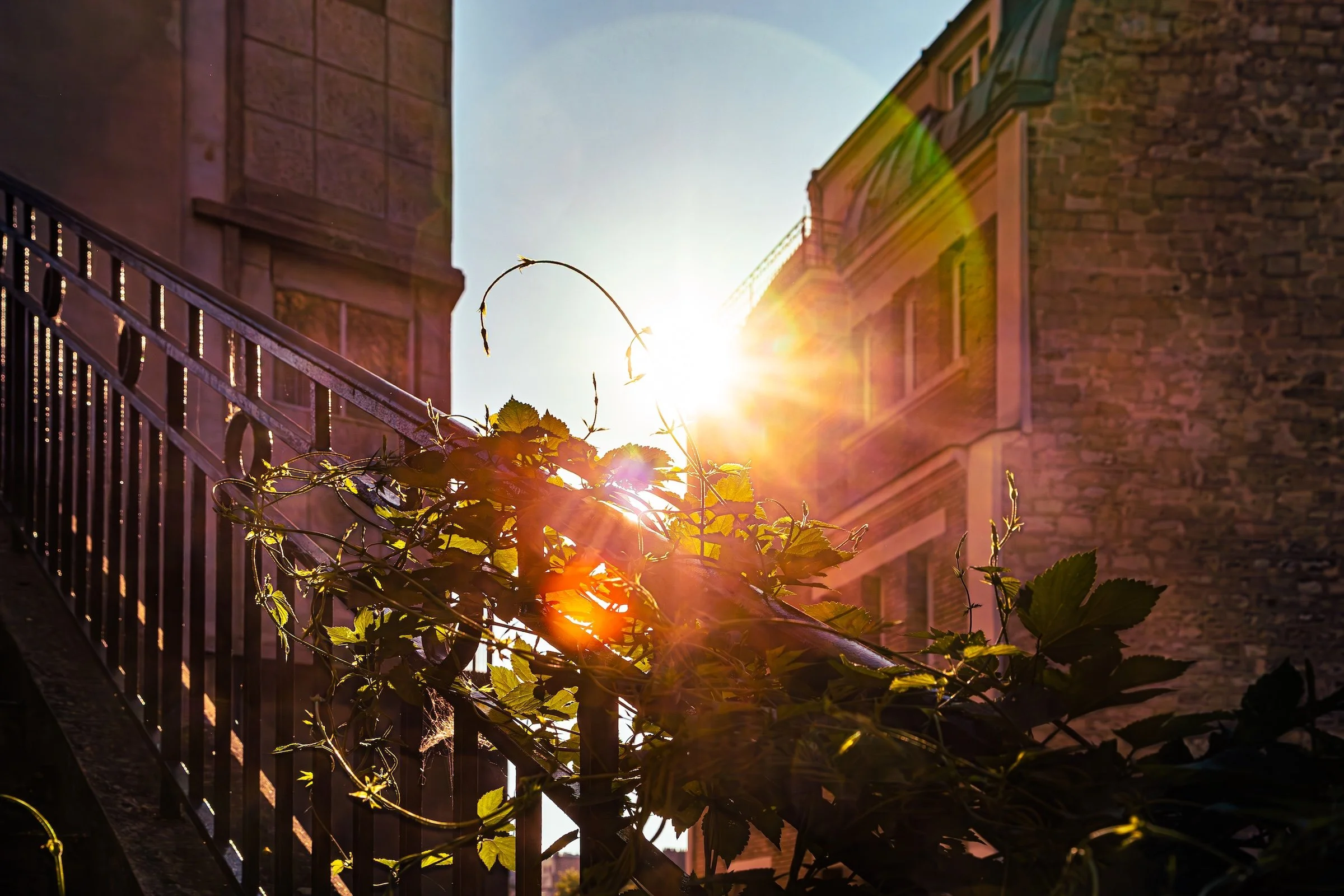
If you visit Paris, these ideas can help inspire your own photography.
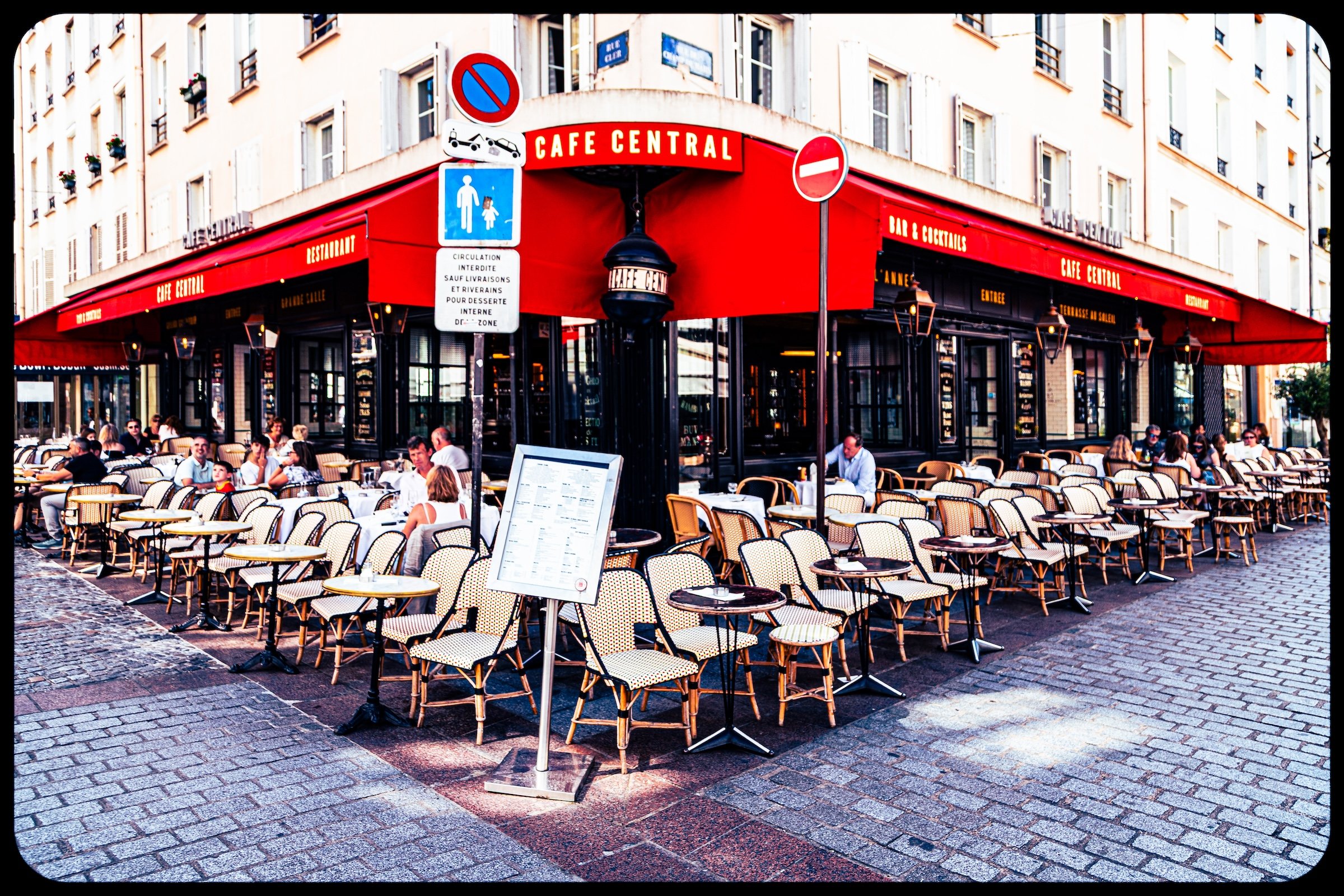
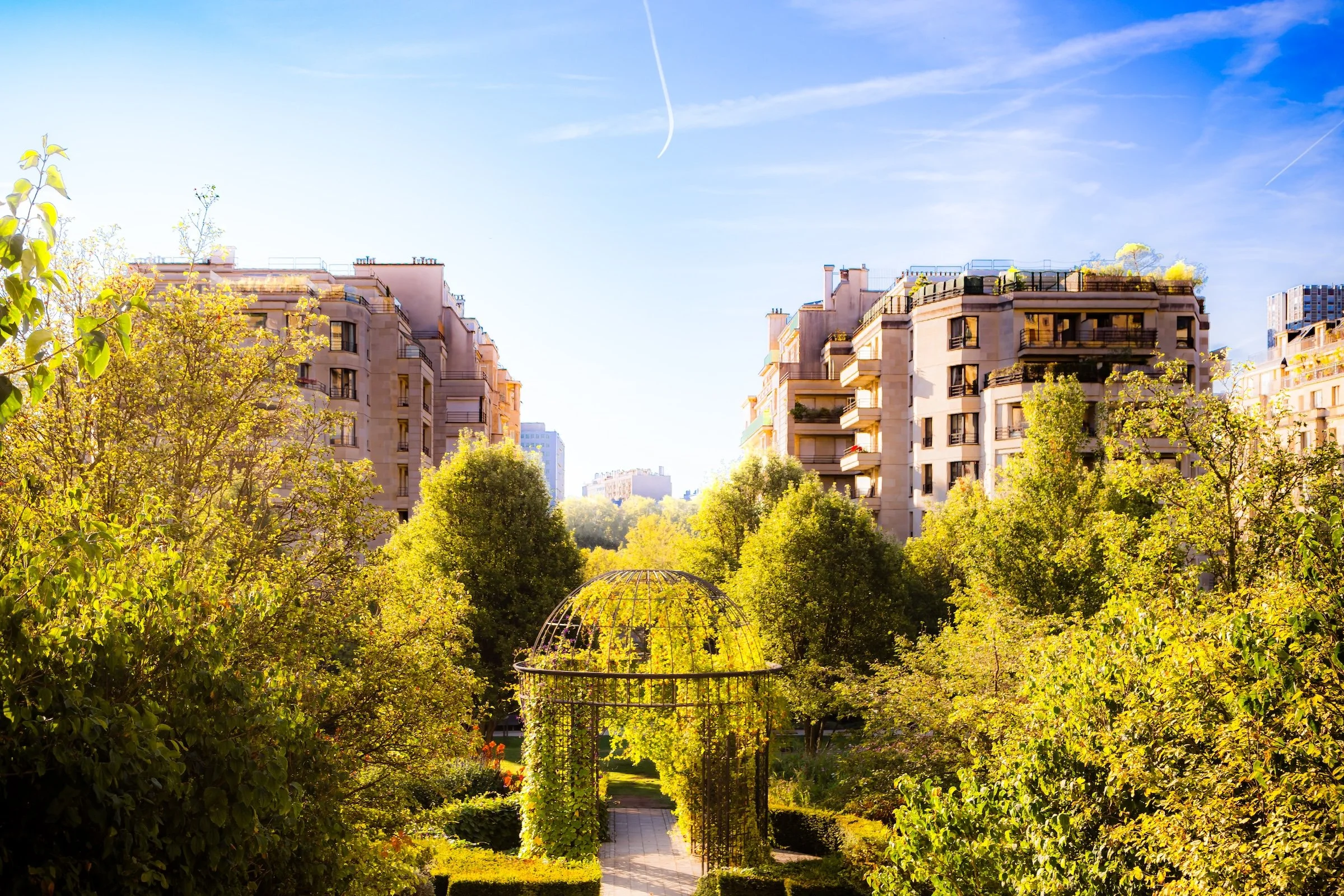
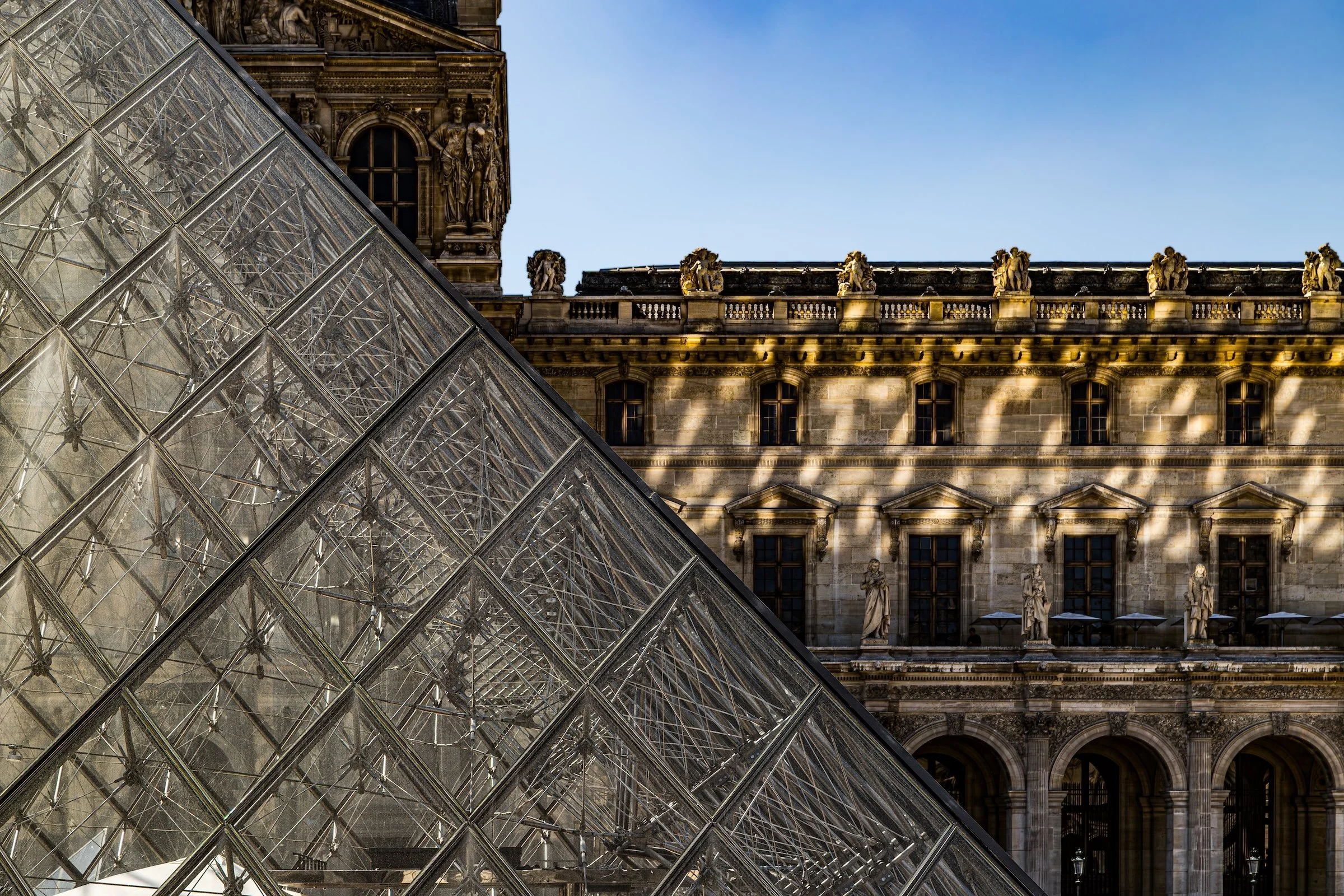
Paris: J’Espere, Je Rêve, Je Vive
Paris Photo Gallery
Paris Field Notes
-
Field Note: August 18, 2025 | 07:58 AM
Conditions: 73°F | Humidity: 72%.
Within the park's interior, the glacial kettle ponds acted as humidity traps, creating a soft, hazy light that filtered through the old-growth oaks. The transition from the park's dense shade to the sun-drenched edges of Oakland Gardens highlighted the day's exceptional "picture-perfect" clarity.
There is a fleeting window in Queens where the humidity of August hasn't yet heavy-set, and the morning sun hits the canopy of Alley Pond Park at a perfect oblique angle. Arriving just before 8:00 AM, I watched the light break through the oaks and tulip trees, casting long, dramatic shadows across the wet grass. It’s in these quiet, golden moments that the park feels less like a city escape and more like the ancient glacial valley it actually is.
Other neighborhoods visited:
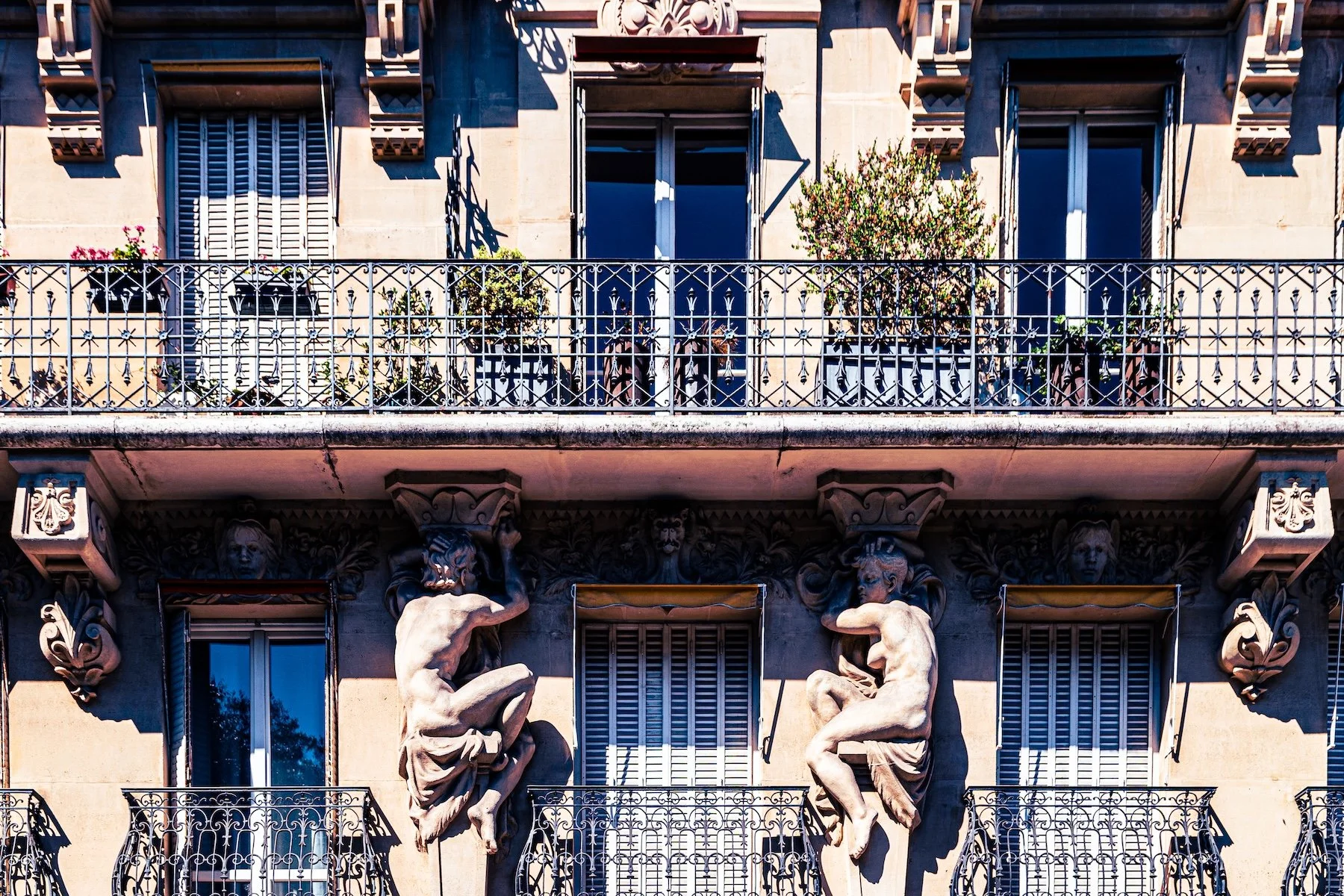
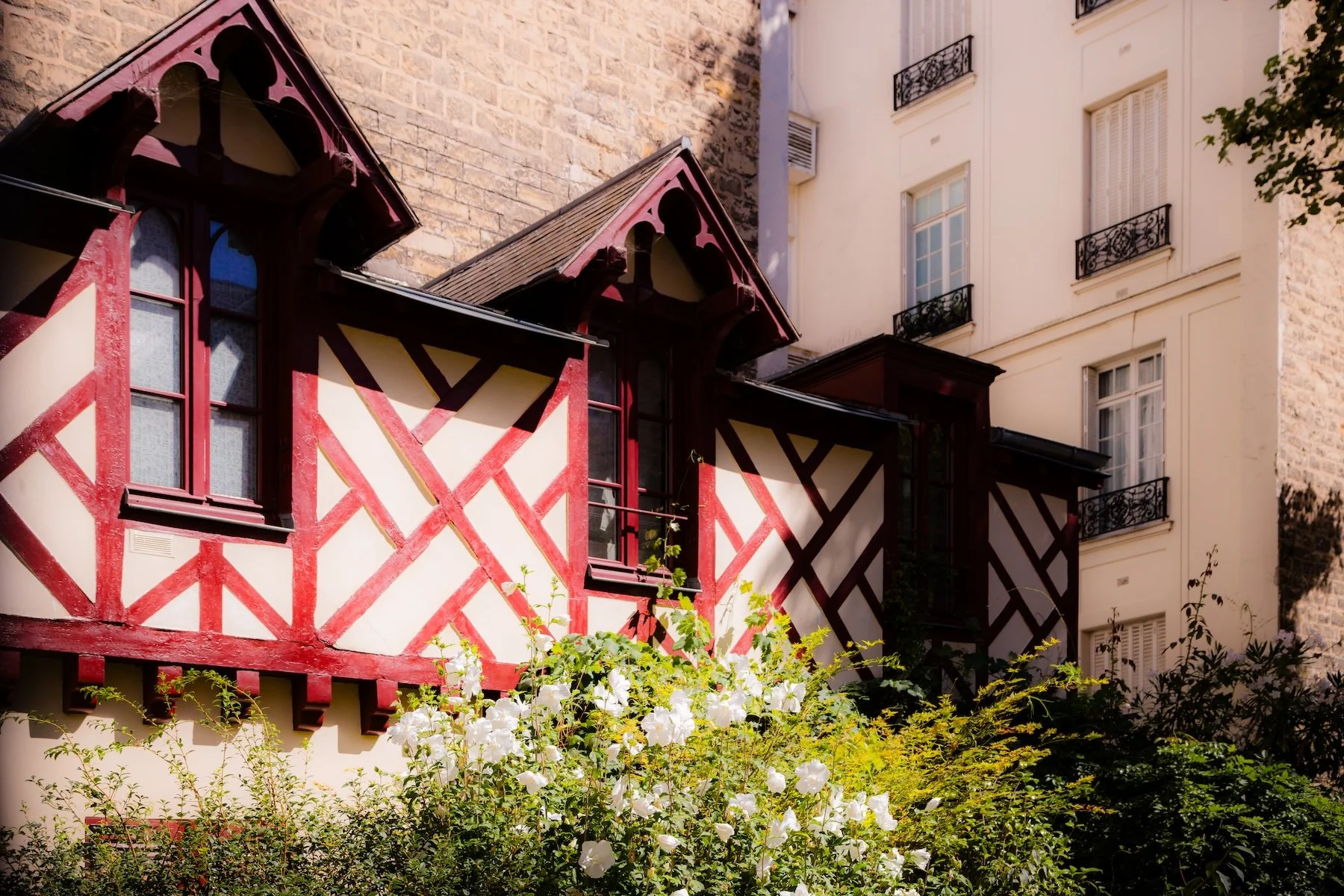
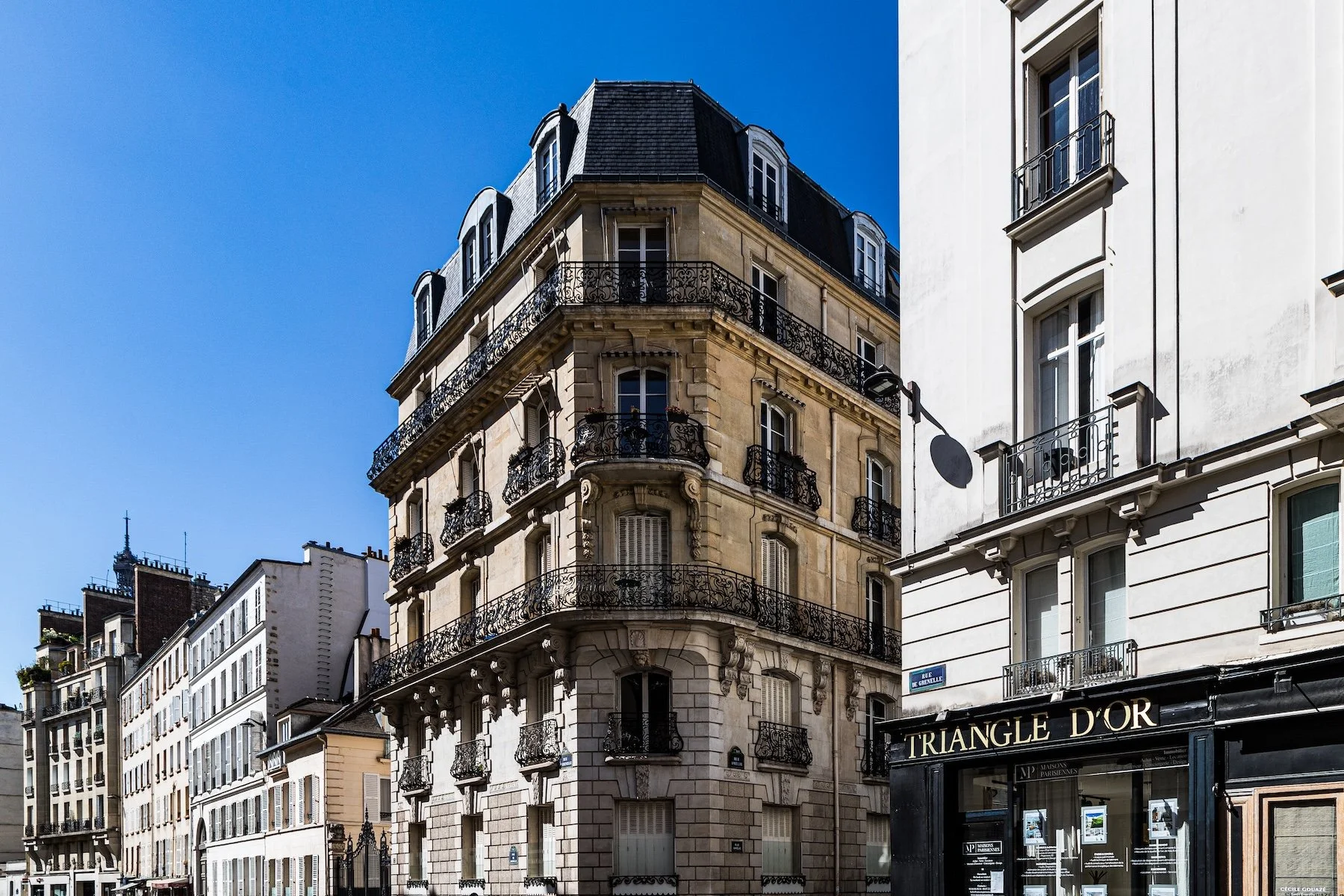
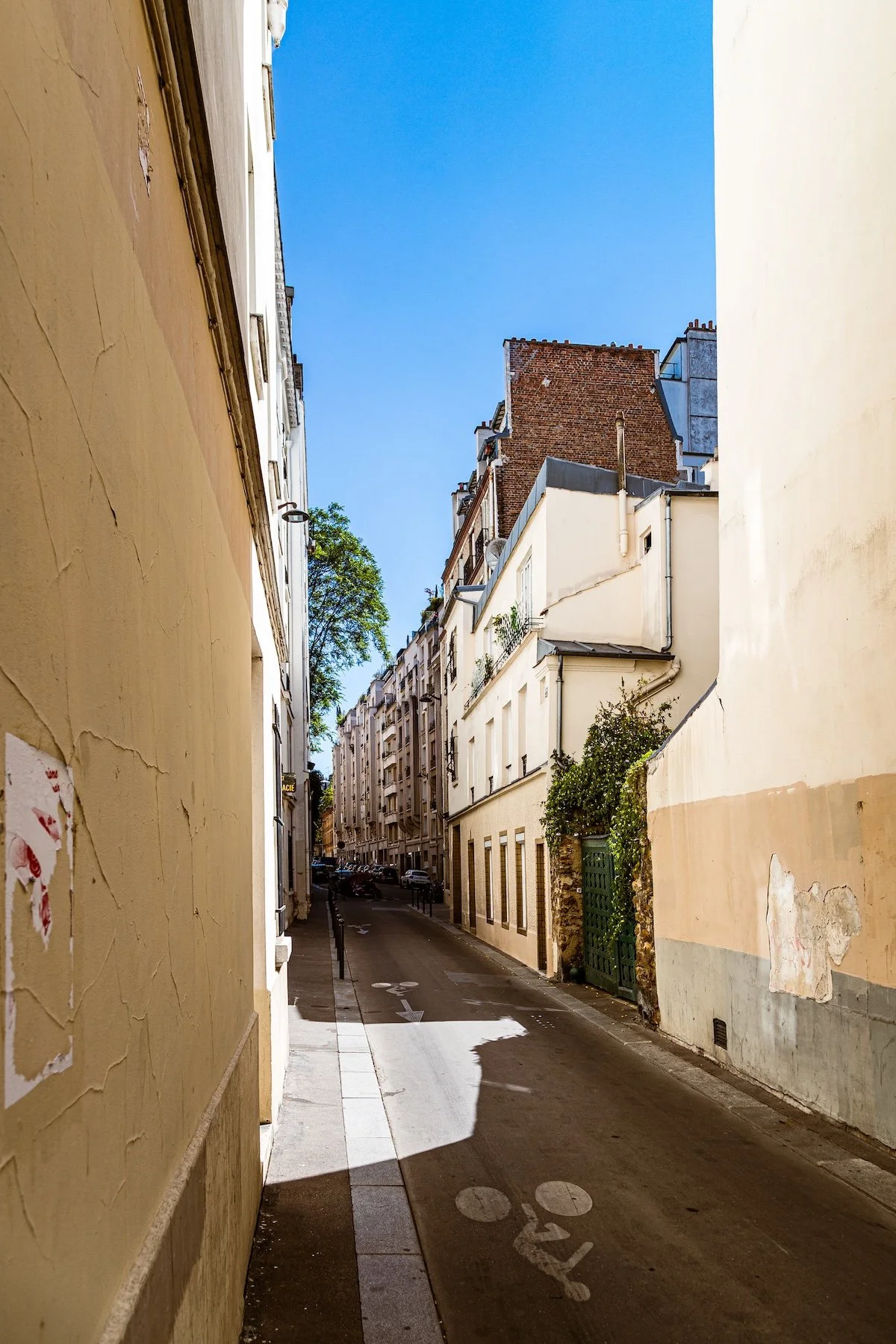
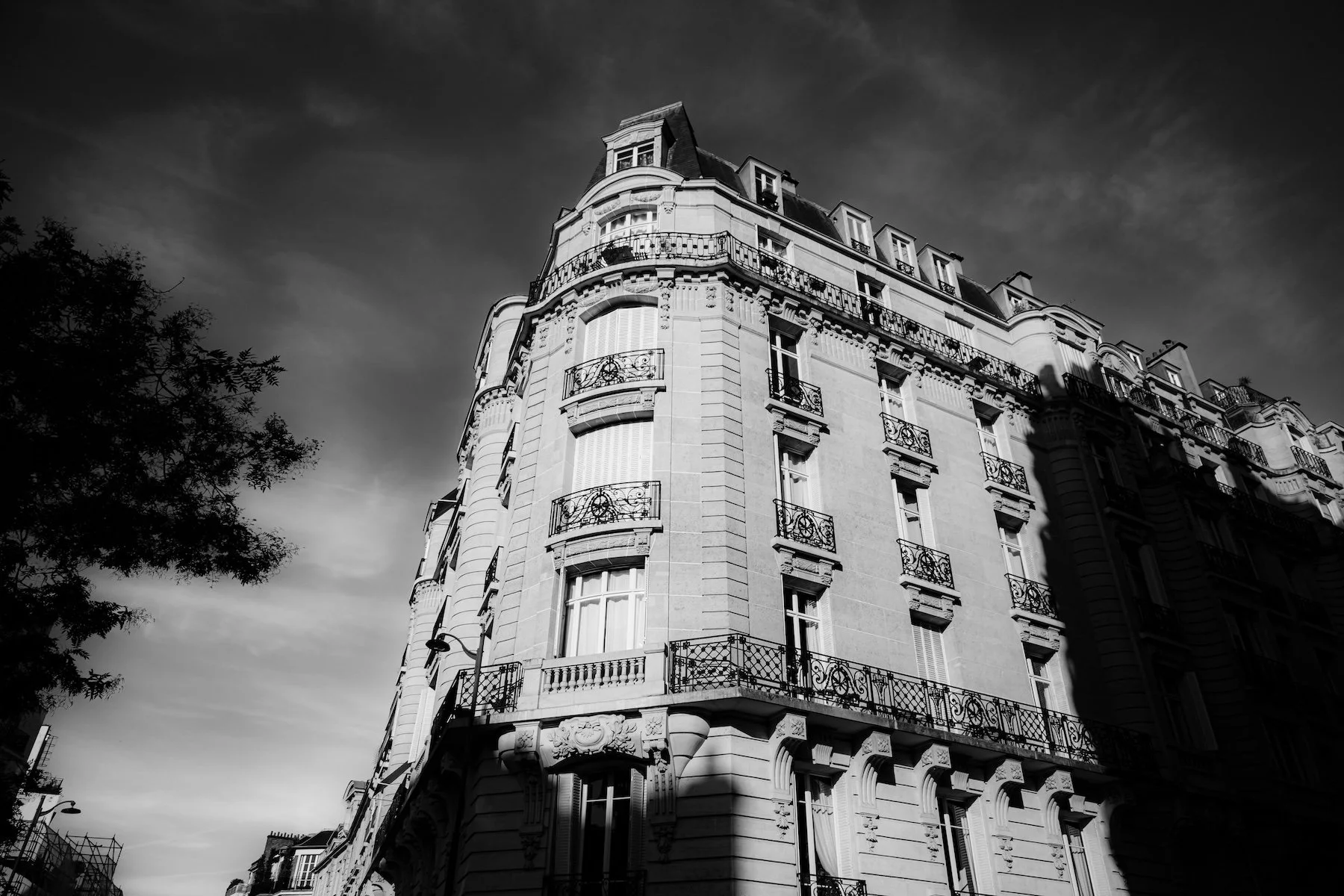
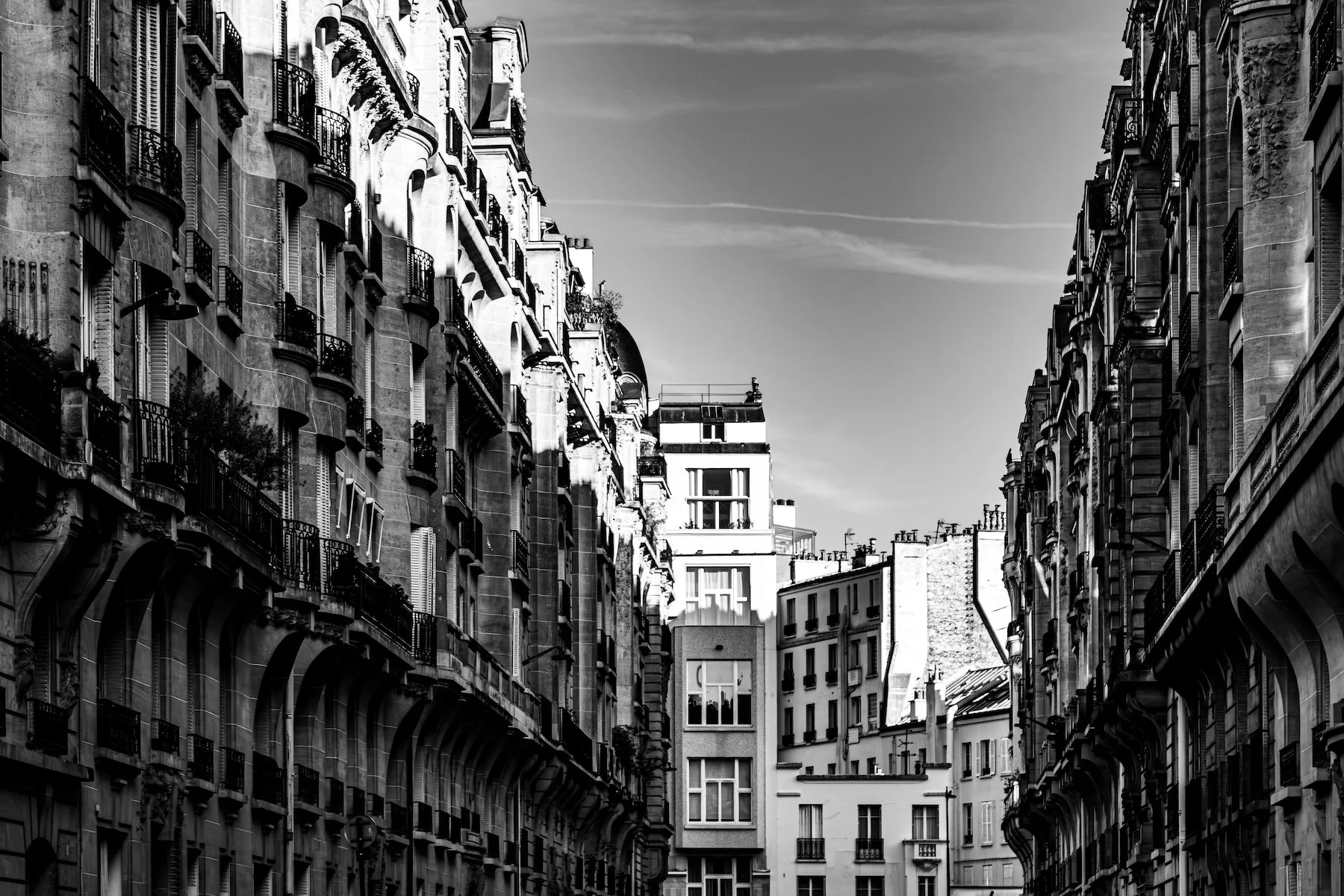
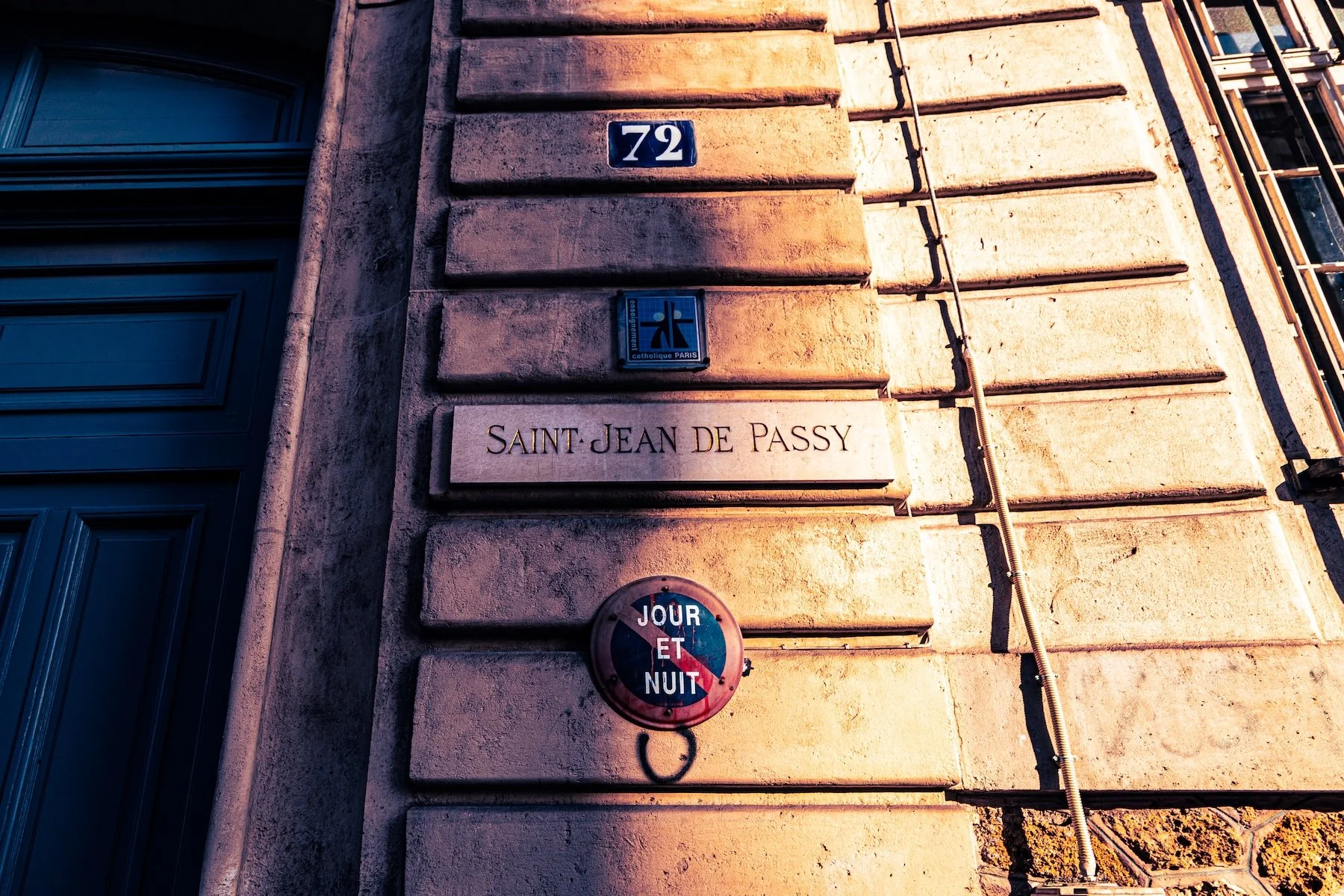
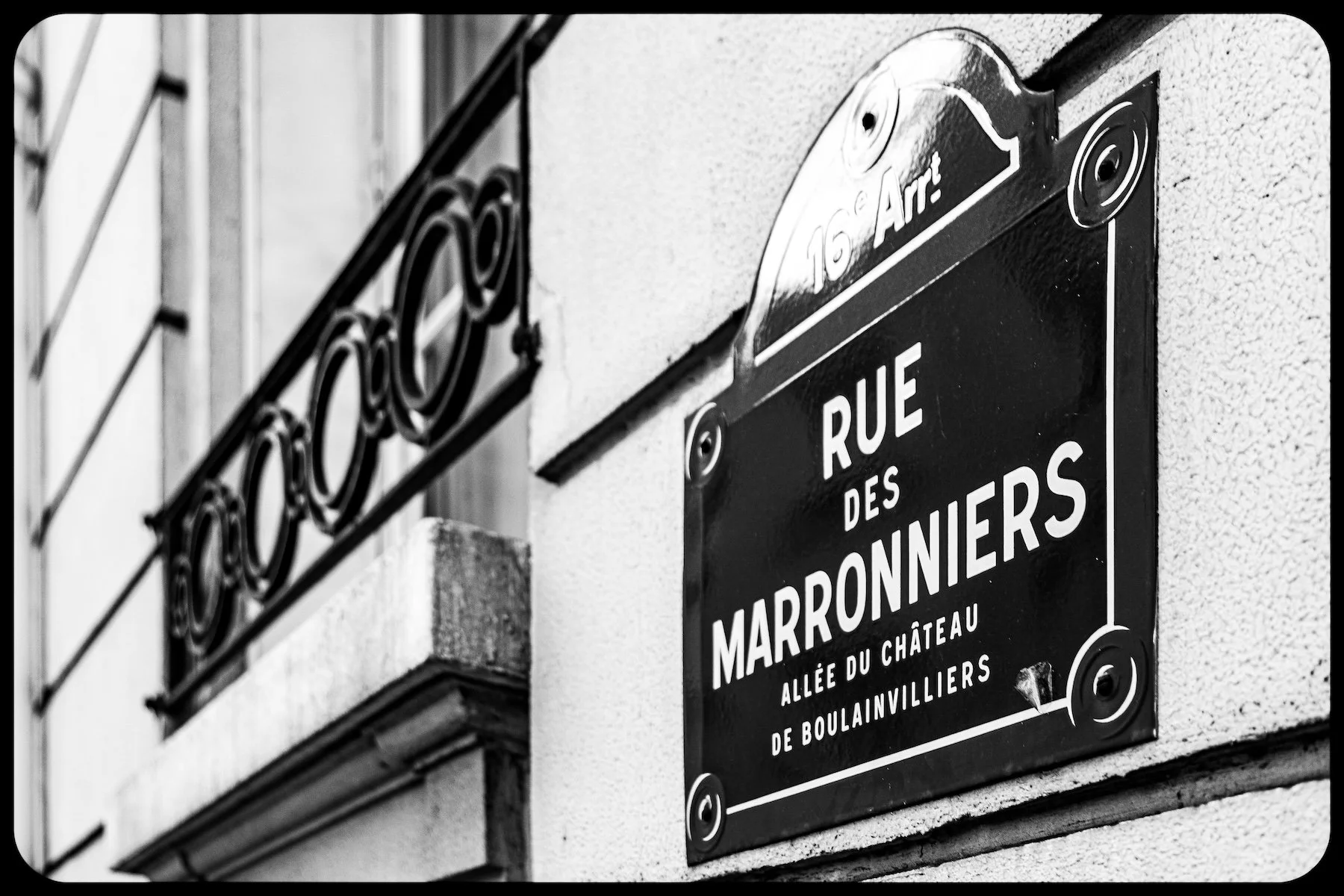
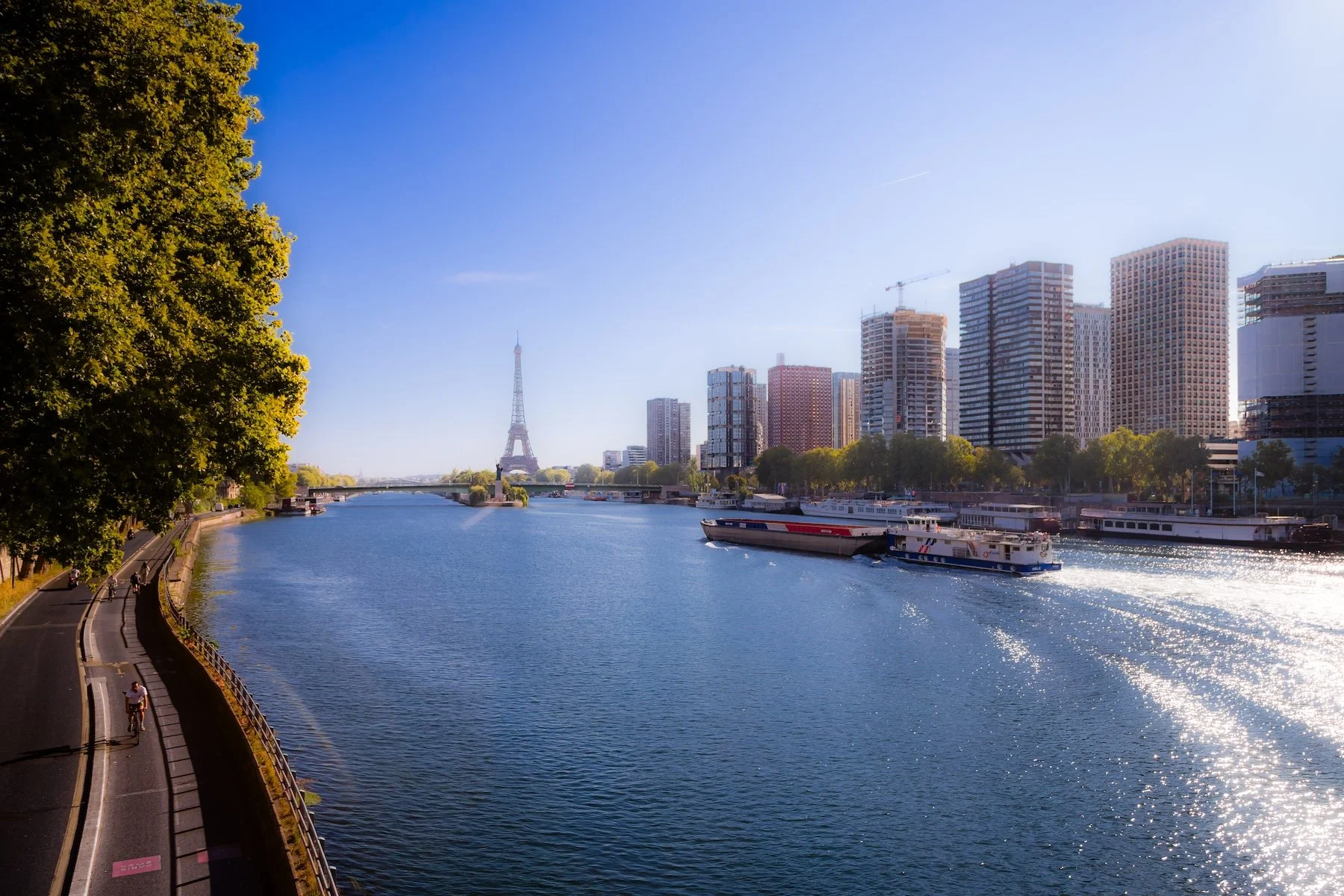
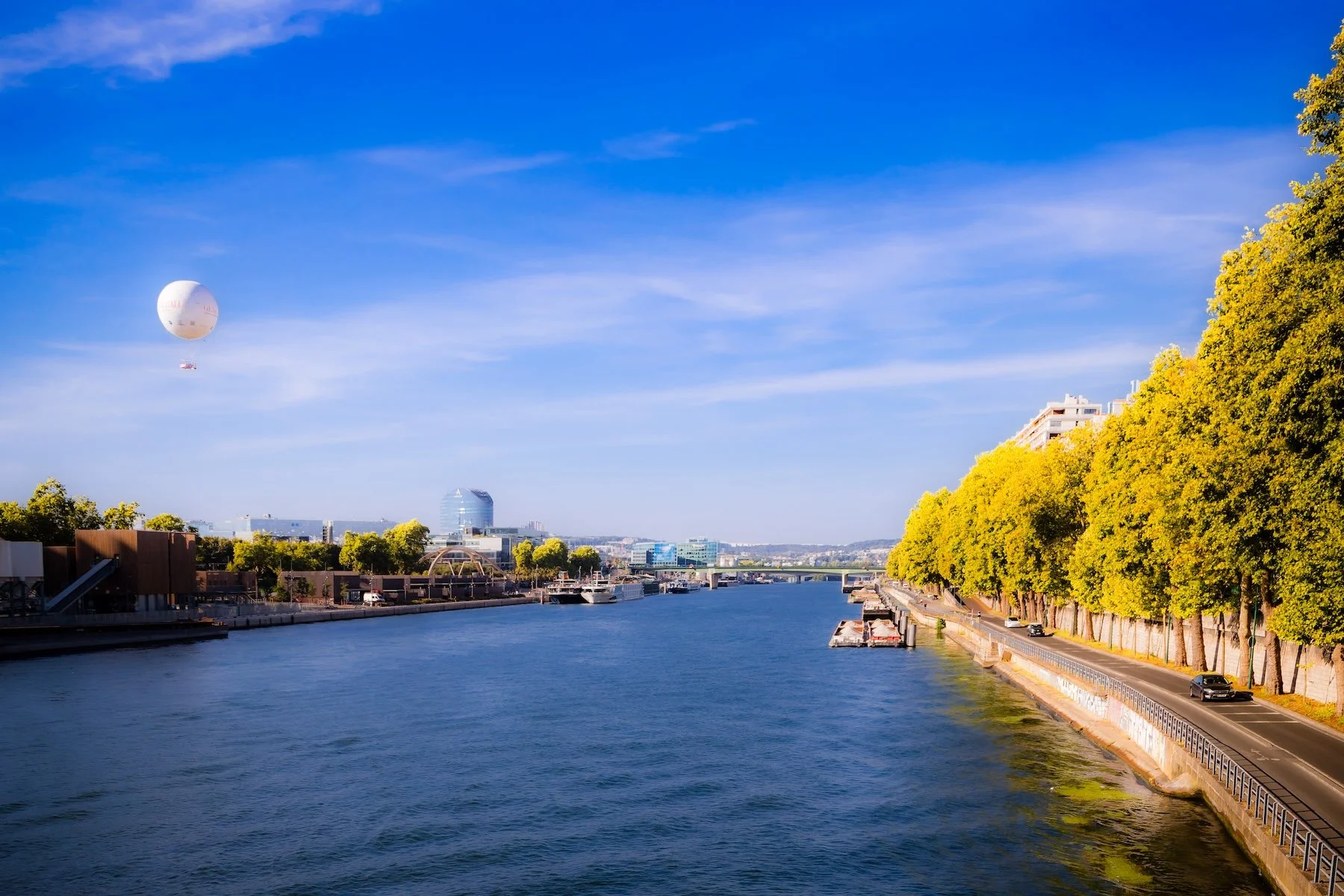
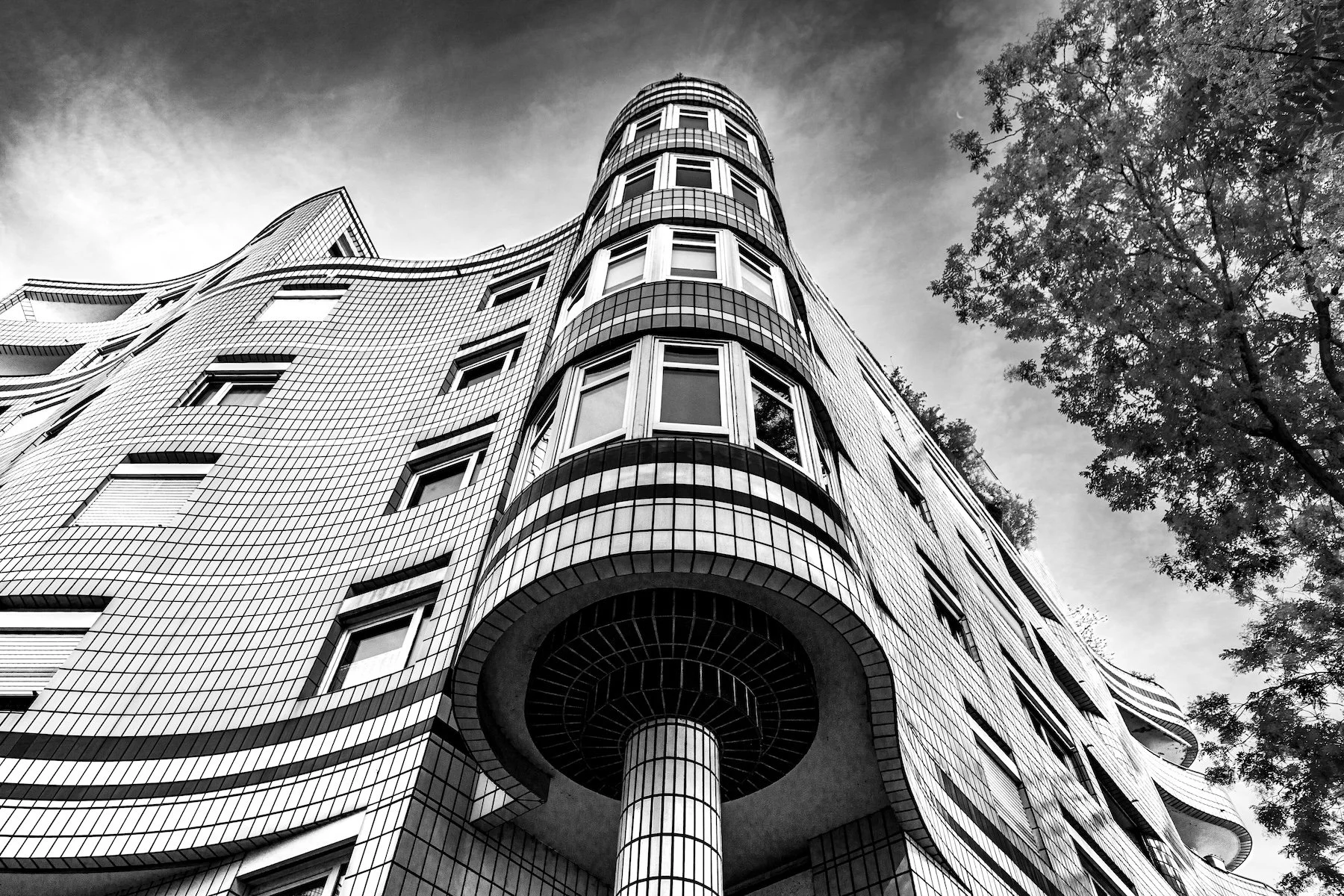
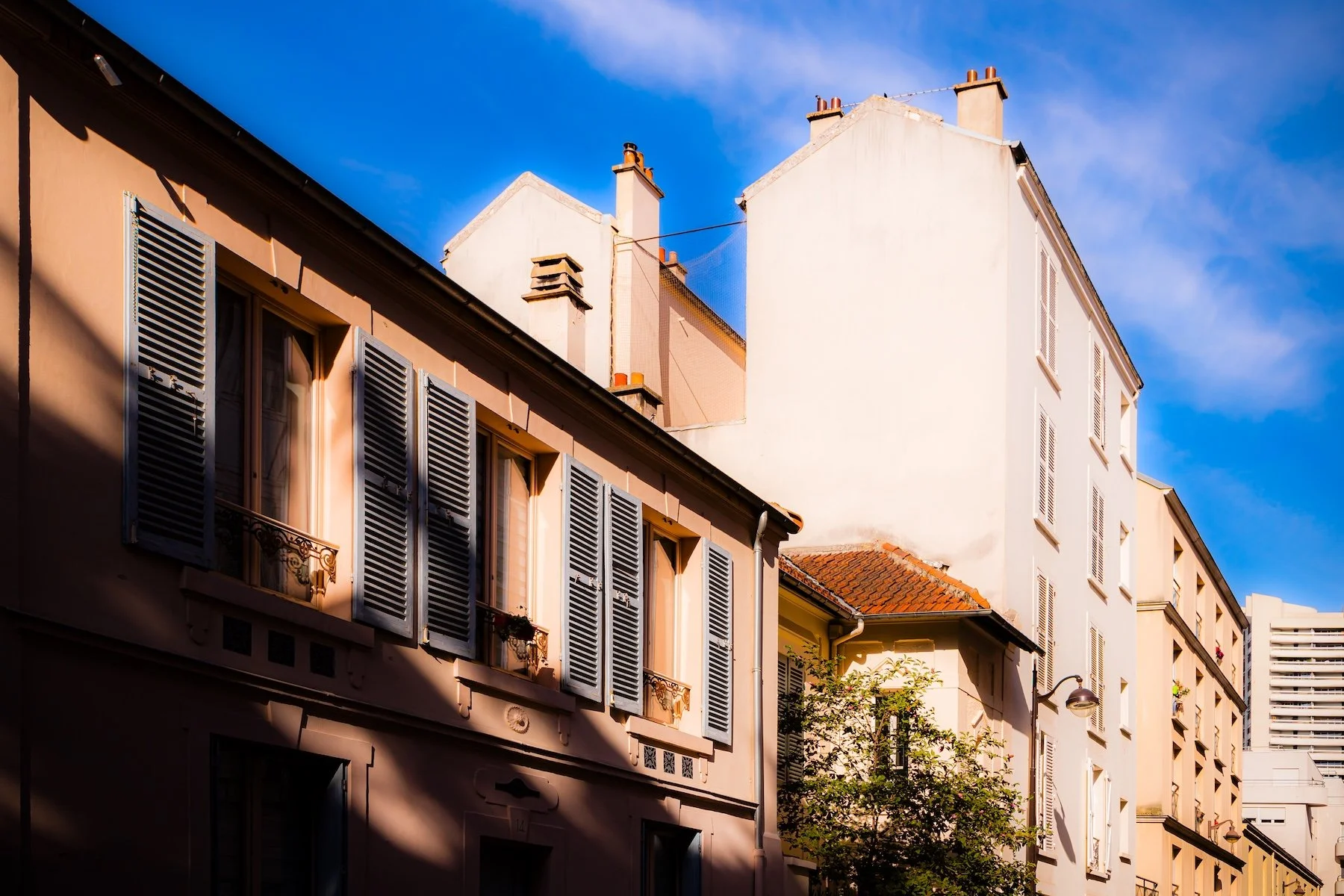
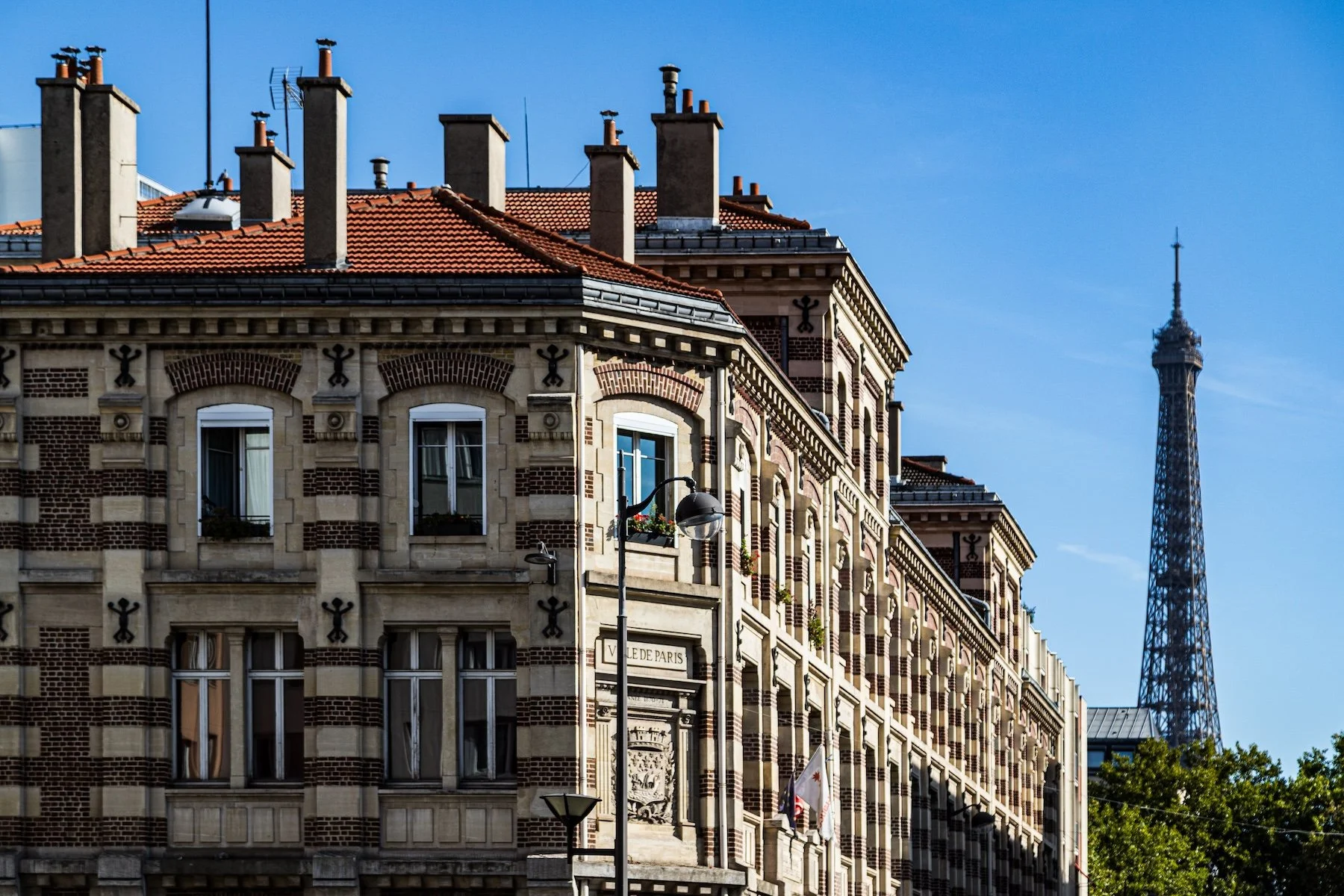
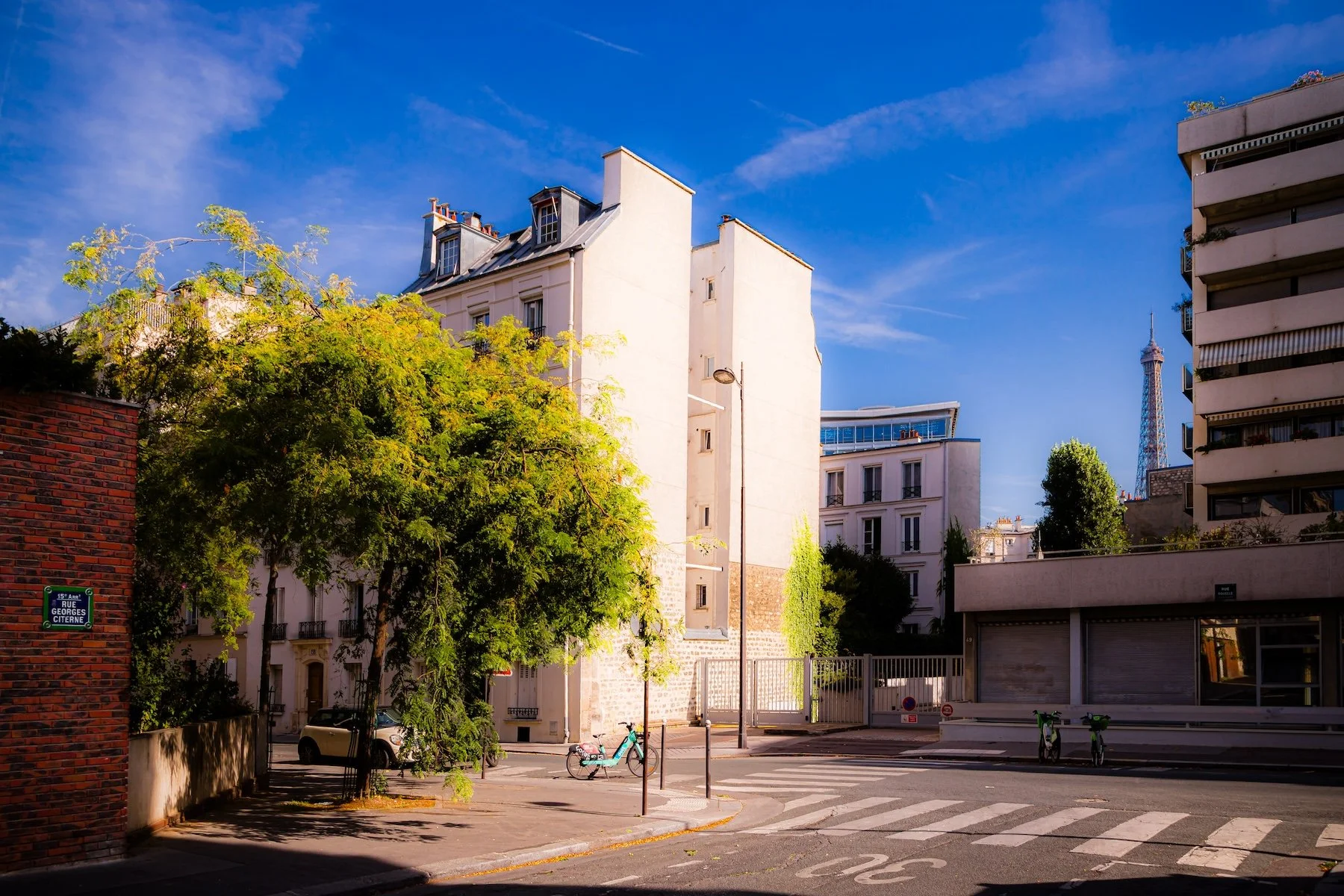
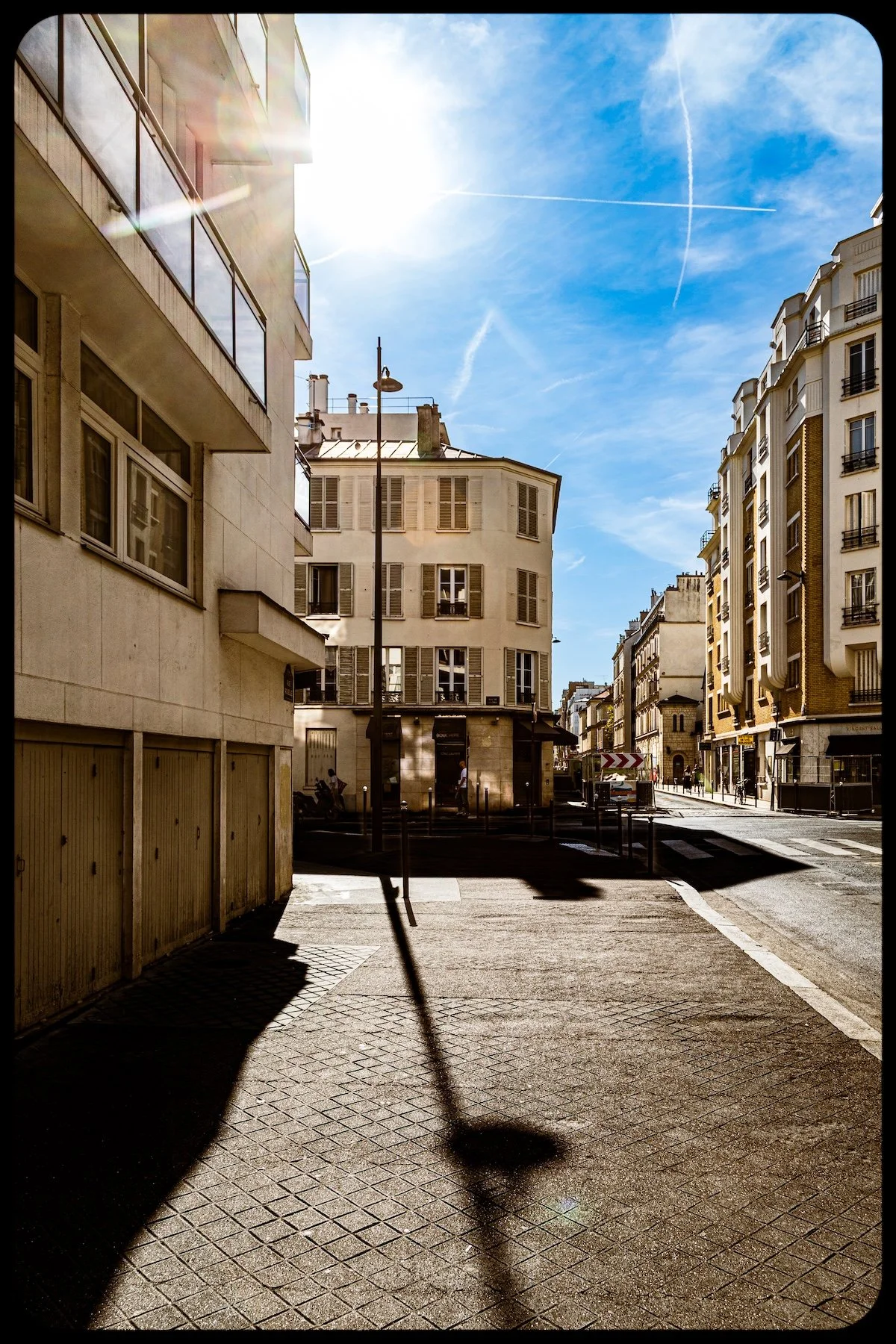
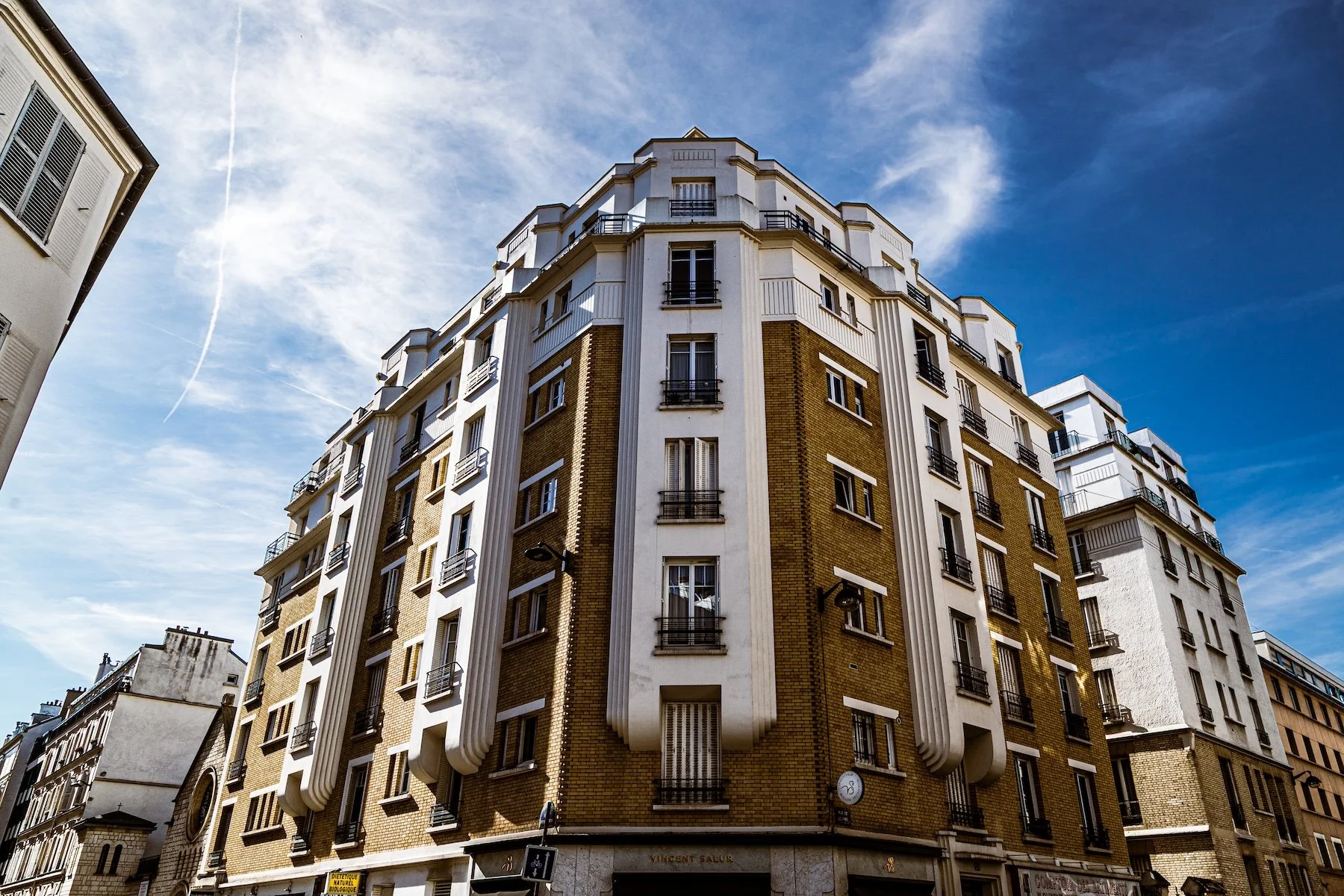
Explore Paris
-

The twenty arrondissements form the civic spiral of Paris, organizing the city into its broad local districts of government, identity, and daily life.
-

Each arrondissement is divided into four official administrative quarters, giving Paris a more precise civic and geographic framework.
-

The conseils de quartier bring participation to street level, giving residents a voice in neighborhood needs, public space, and local civic life.
-

Les Deux Rives trace Paris through the Seine’s two banks, revealing how the Rive Droite and Rive Gauche shaped the city’s civic power, commerce, learning, art, and cultural identity.
-

Cultural neighborhoods reveal the Paris people recognize through history, cafés, architecture, memory, atmosphere, and local belonging.