
PIGALLE
Milieux Culturels
Part of an ongoing project to walk and photograph every neighborhood in Paris, this page explores the Cultural Neighborhood: Pigalle through maps, district identity, history, and photography.
The Map
Download the Paris Arrondissements Map
Cultural Boundaries
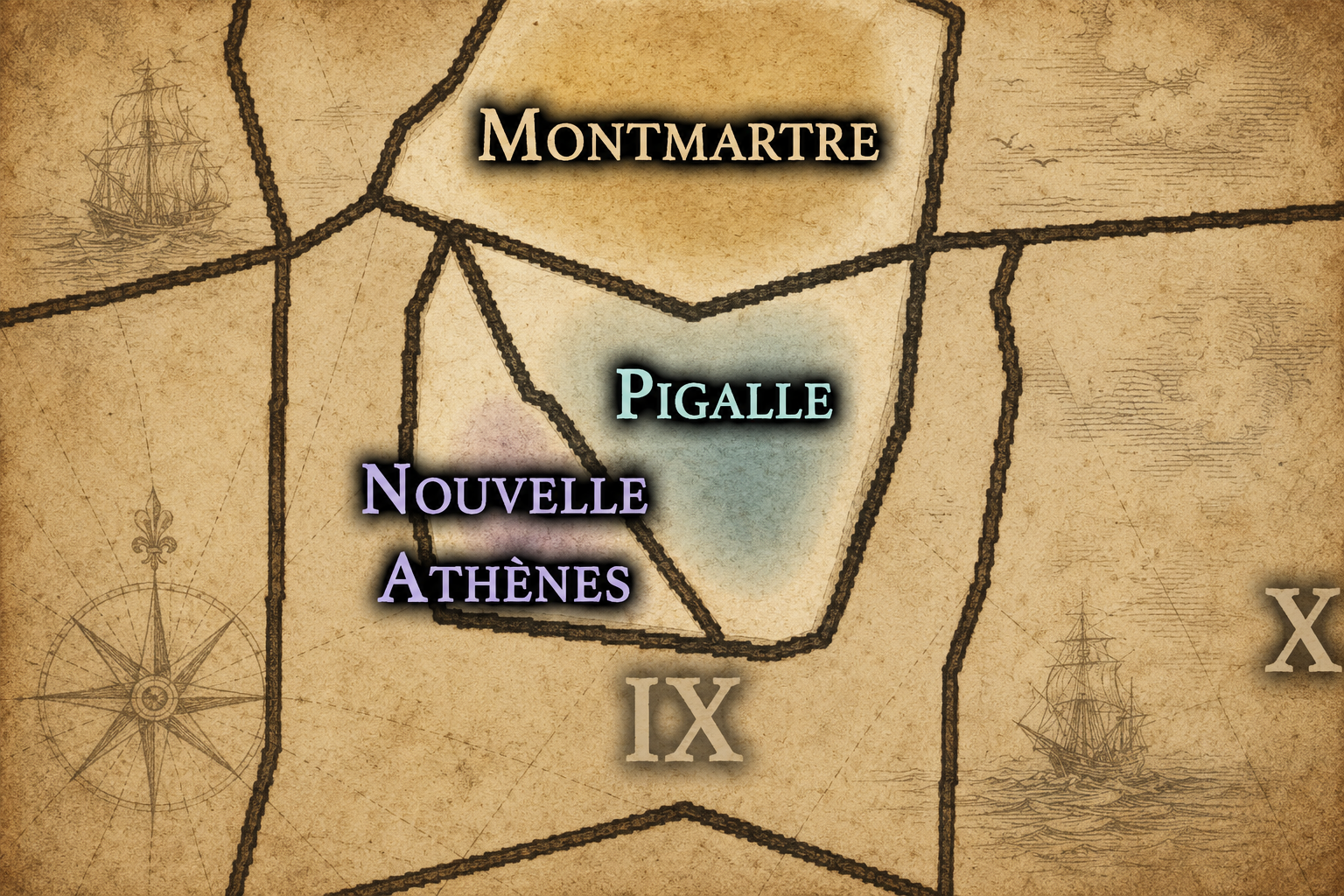
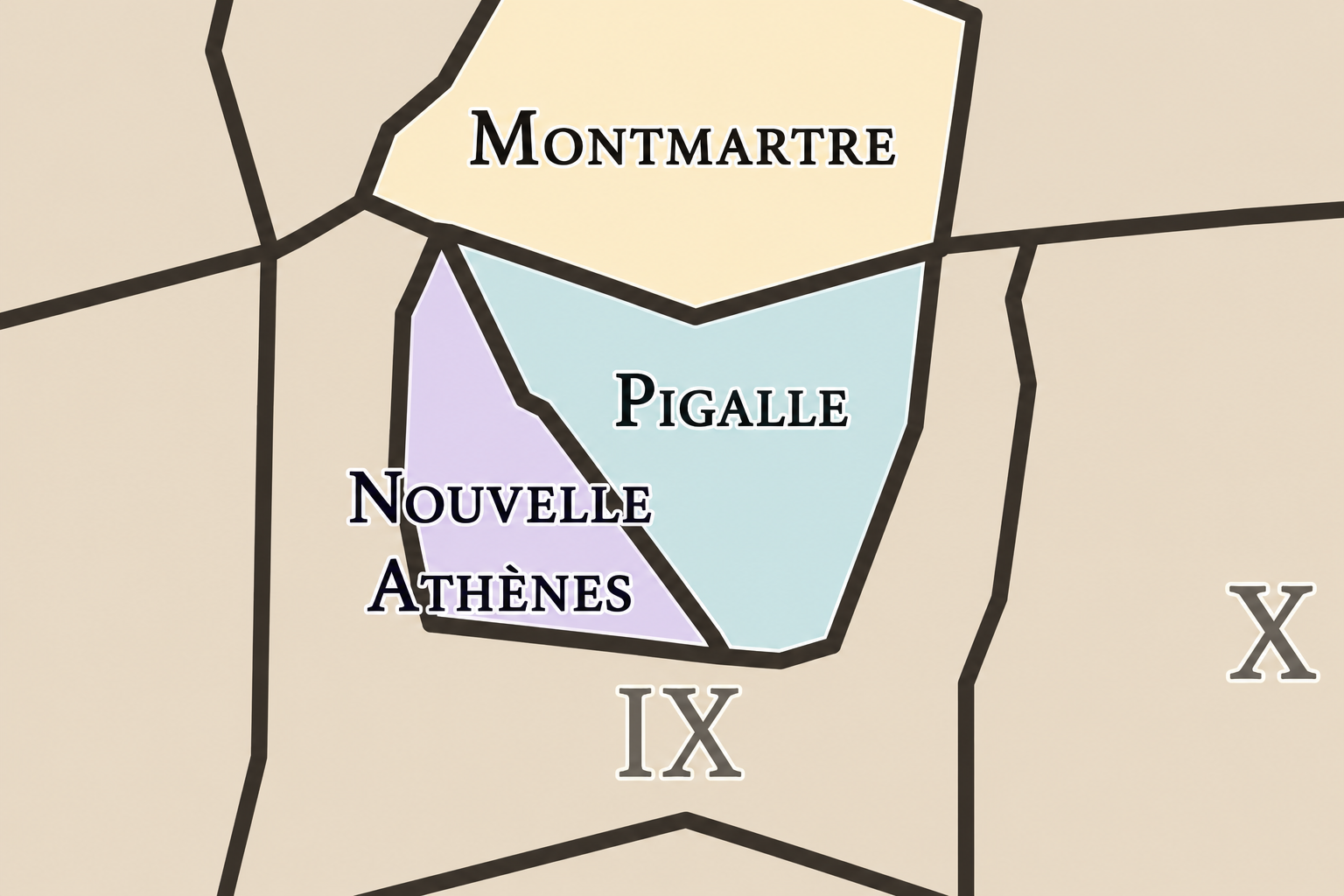
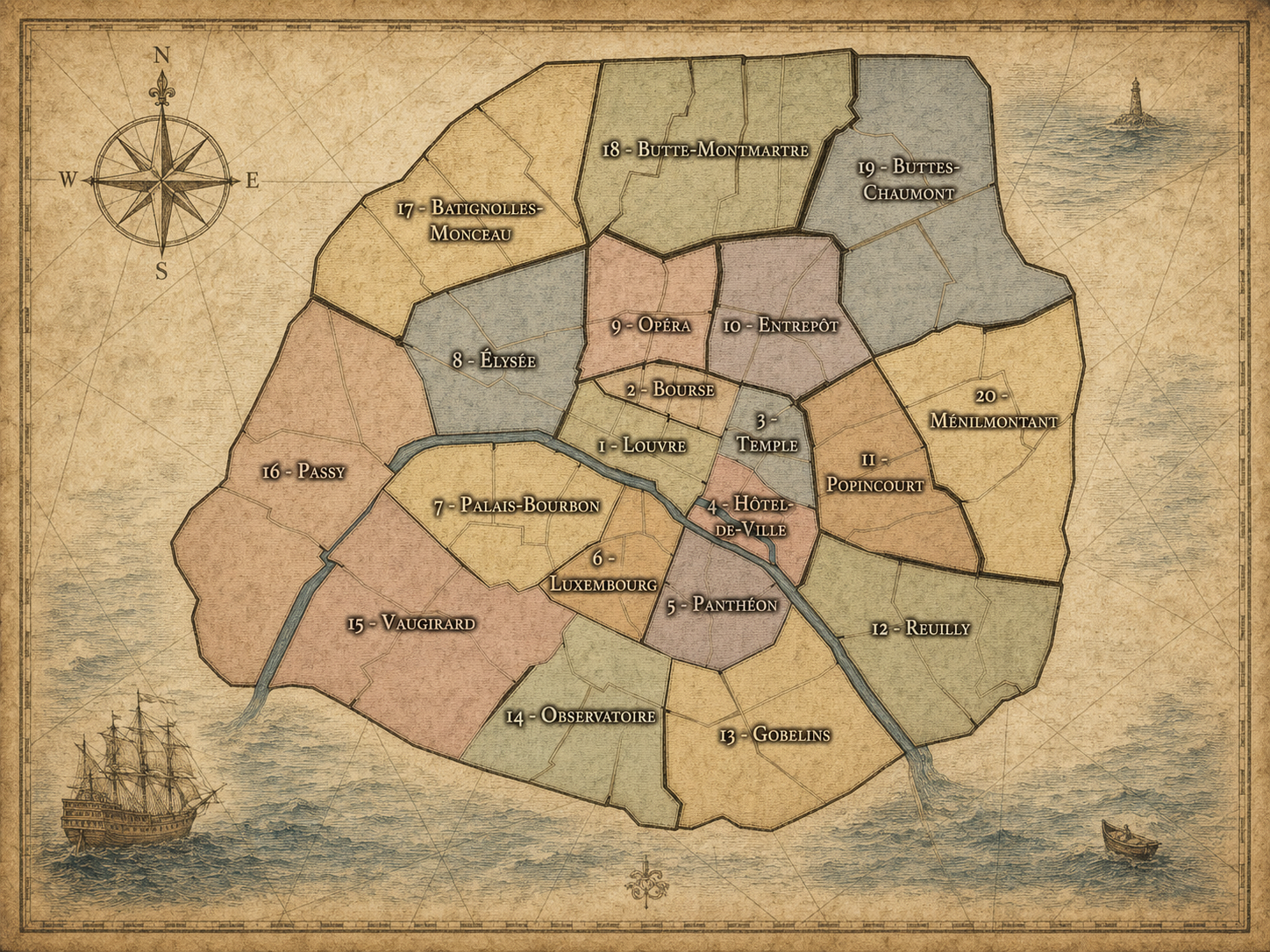
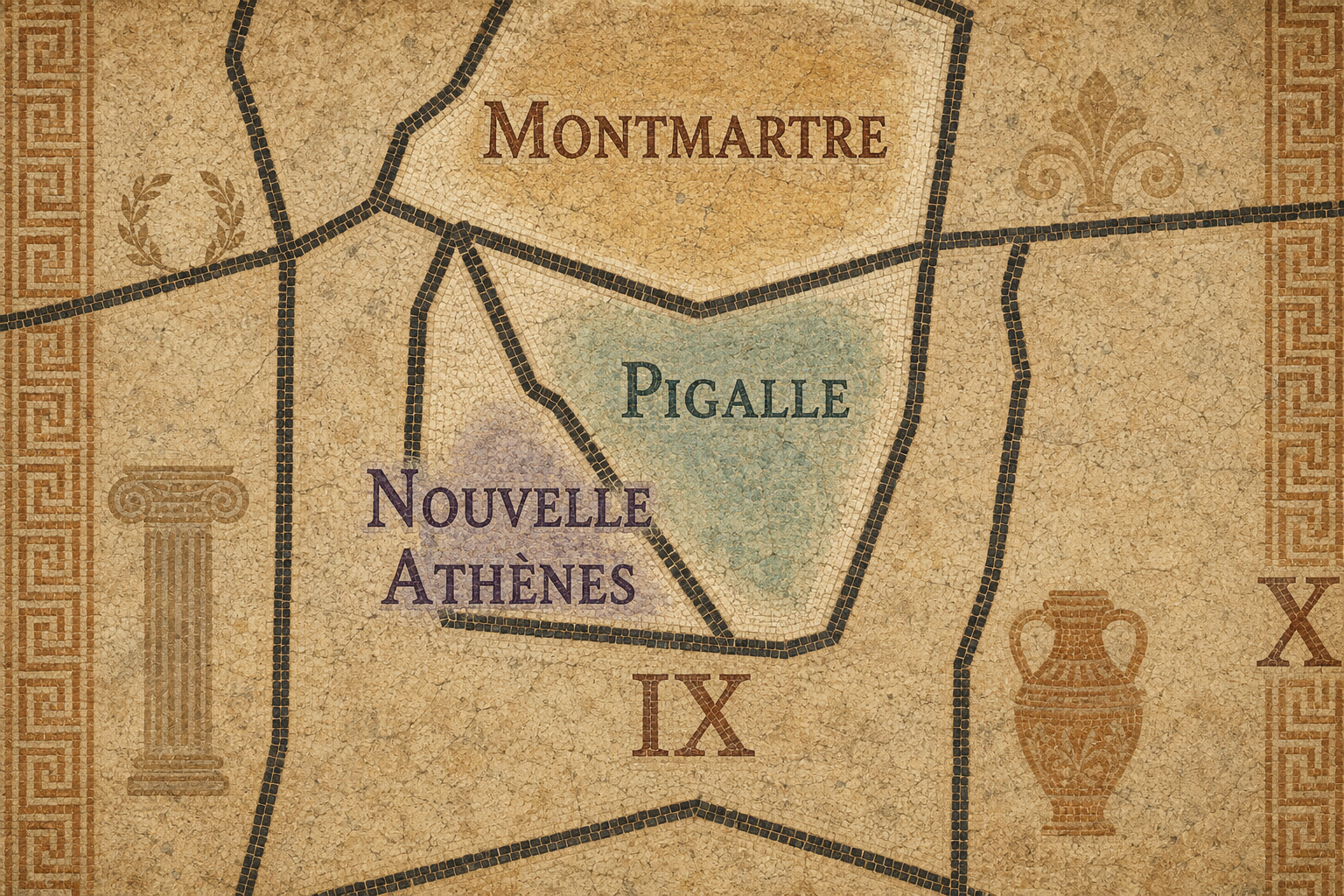
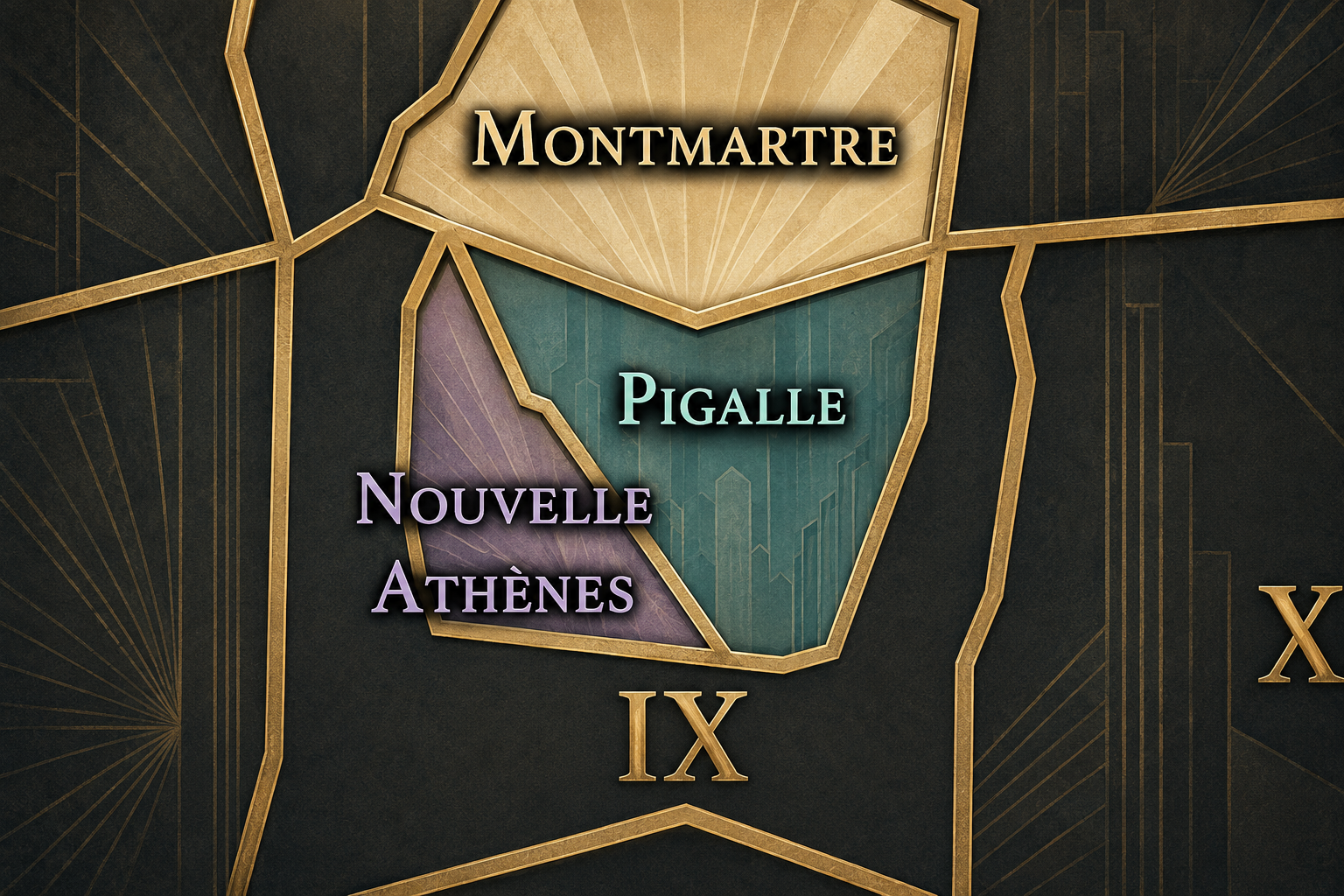
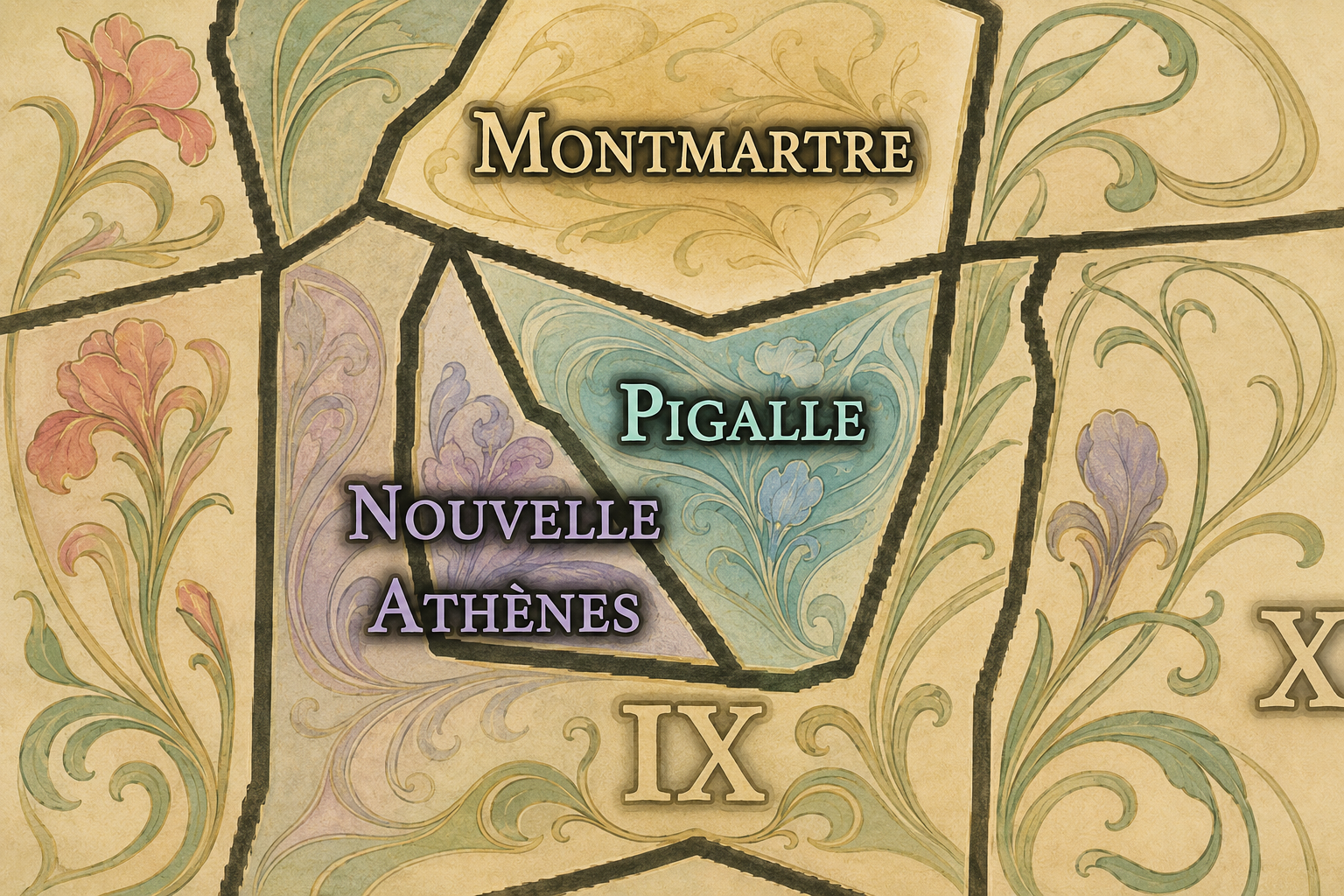
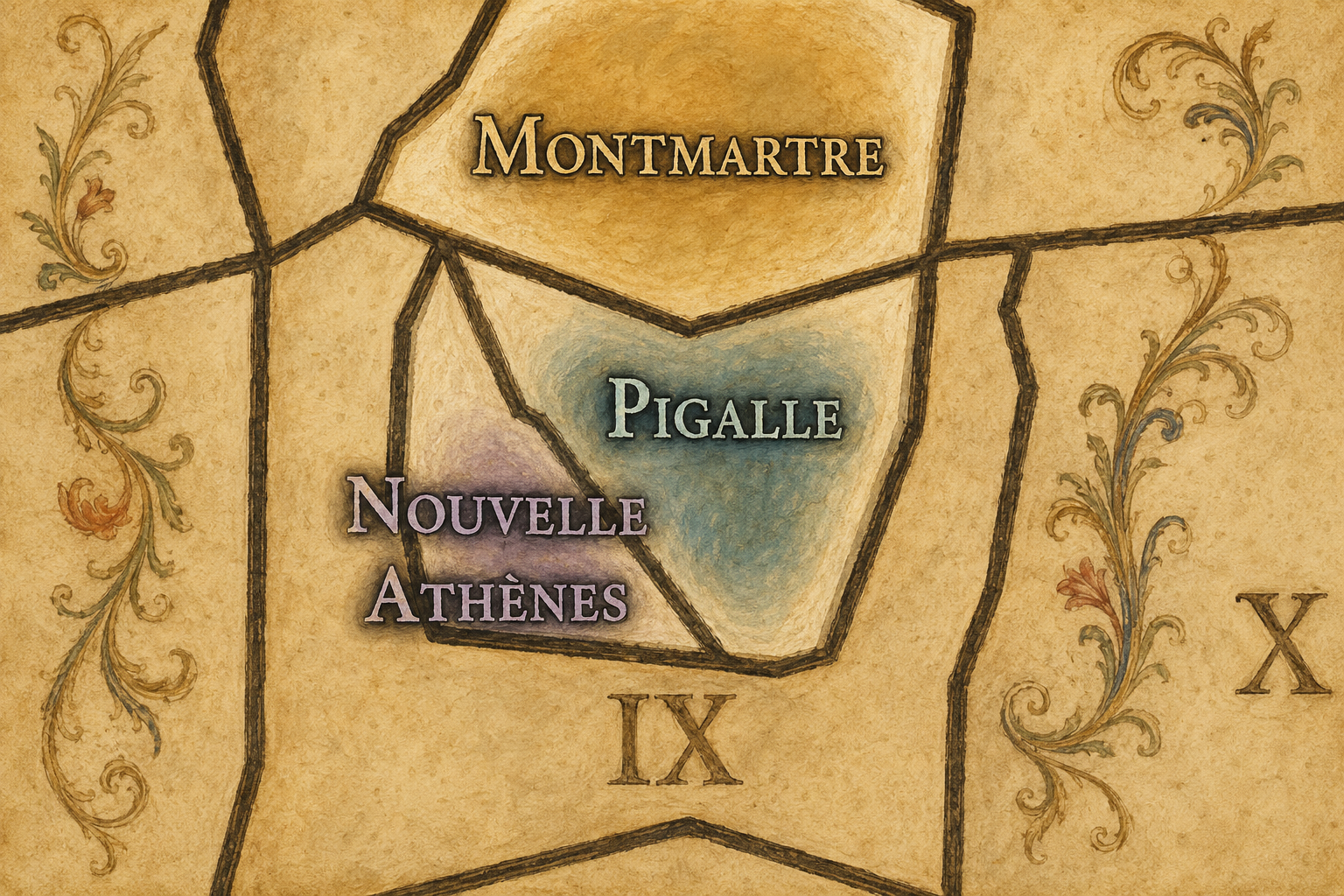
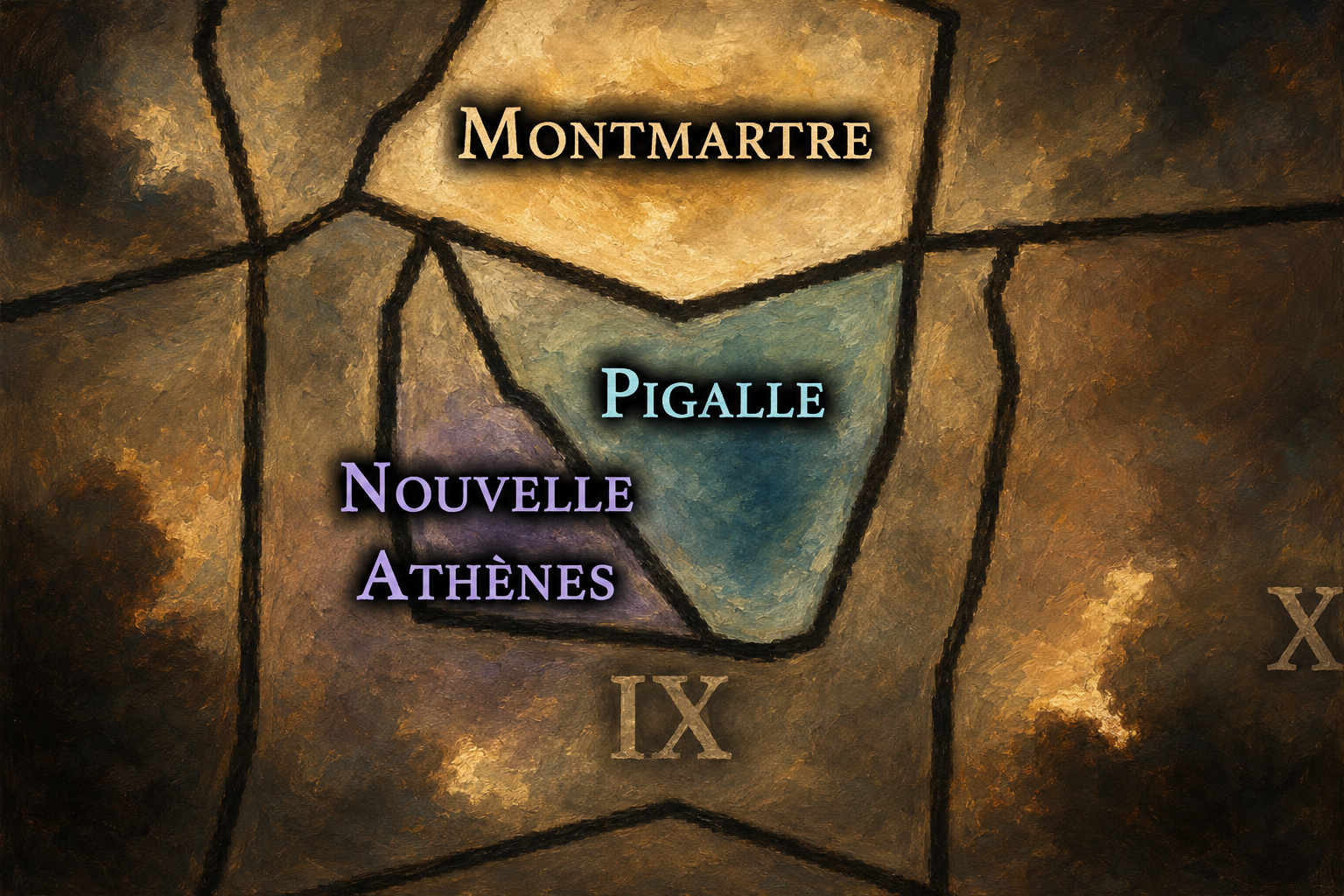
Pigalle occupies the lower slopes of northern Paris, where the 9th and 18th arrondissements meet beneath Montmartre. Its core is generally understood around place Pigalle, boulevard de Clichy, boulevard de Rochechouart, rue Frochot, rue Pigalle, rue Victor-Massé, rue de Douai, and the streets leading toward Blanche, Anvers, Saint-Georges, and the southern approaches to the Butte Montmartre.
Its boundaries are cultural rather than absolute. Pigalle overlaps with Montmartre to the north, especially through cabaret, music, nightlife, and the mythology of the artistic hill. It also touches the world of Nouvelle Athènes to the south and east, where 19th-century artistic and literary Paris shaped a more residential and studio-based identity. Depending on context, Pigalle may be imagined narrowly around place Pigalle and the sex shops of boulevard de Clichy, or more broadly as the nightlife, performance, and pleasure district at the foot of Montmartre.
For CityNeighborhoods, Pigalle is best understood as a Cultural Neighborhood shaped by threshold and transition. It is neither fully the village hill of Montmartre nor the refined artistic quarter below. It is the zone between them: a Paris of cabarets, theaters, music halls, bars, dance, sex work, neon, tourism, bohemia, vice, performance, and reinvention. Its identity lives in the meeting of spectacle and street life.
Cultural Neighborhood Identity
Etymology and Origins
The name Pigalle comes from the sculptor Jean-Baptiste Pigalle, for whom the place Pigalle was named. Unlike older neighborhood names that preserve vanished landscapes, former villages, or religious foundations, Pigalle’s name is tied to the artistic memory of Paris. This is fitting, because the neighborhood’s identity has long been shaped by the relationship between art, performance, display, and public reputation.
Yet the modern meaning of Pigalle extends far beyond the sculptor’s name. Over time, the area came to represent one of Paris’s most famous districts of nightlife and pleasure. The name now evokes cabaret signs, music venues, theaters, adult entertainment, late-night streets, and the southern edge of Montmartre’s bohemian mythology.
Pigalle’s origins as a cultural name therefore reveal a transformation: from artistic commemoration to urban atmosphere. The name marks a place where Parisian culture moved from studios and salons into the public theater of the street.
Pigalle is one of Paris’s great neighborhoods of performance. Its cultural framework rests on nightlife, cabaret, erotic commerce, music, theater, tourism, bohemian memory, and the edge between respectability and spectacle. It is a neighborhood where Paris has repeatedly staged its desires, anxieties, amusements, and fantasies.
Its identity is inseparable from Montmartre, but it is not the same as Montmartre. Montmartre rises toward village memory, artists’ studios, sacred symbolism, and hilltop romance. Pigalle belongs to the base of the hill: the boulevard, the illuminated façade, the ticket window, the bar, the club, the dance hall, the late-night encounter. Where Montmartre often becomes myth through nostalgia, Pigalle becomes myth through performance.
This does not make Pigalle shallow. Pleasure districts often reveal what cities prefer to hide. Pigalle has been shaped by labor, entertainment, gender, tourism, music, nightlife economies, moral policing, sexual commerce, and changing ideas of urban freedom. Its culture is not only what happens on stage; it is the social system that gathers around spectacle.
Cultural Framework
Pigalle helps define Paris as a city of nocturnal display. It is part of the Paris that glows after dark: cabarets, theaters, neon, posters, music, bodies, jokes, songs, drinks, and the promise that the city can become a stage. This Paris is less institutional than the Latin Quarter, less elegant than Saint-Germain-des-Prés, and less preserved than Le Marais, but it is no less culturally important.
The neighborhood also represents the tension between glamour and grime that has long shaped the Parisian imagination. Pigalle can be romanticized, moralized, mocked, consumed, feared, cleaned up, marketed, or rediscovered. Its identity depends on that instability. It is Paris at the edge of propriety: not outside the city’s culture, but central to one of its most enduring performances.
Through Pigalle, Paris acknowledges the power of entertainment as urban identity. The city is not only made by monuments, revolutions, scholarship, or art museums. It is also made by nightlife, popular music, dance, sex, laughter, spectacle, and the economies that gather people into the street after dark.
Parisian Identity
Neighborhood Distinction
Pigalle is distinct because it is a threshold neighborhood. It sits between the lower Right Bank and the Butte Montmartre, between the 9th and 18th arrondissements, between tourist Paris and local Paris, between art and commerce, between bohemia and vice, between performance and everyday life. Its identity comes from these crossings.
It is also distinct because it has never been only one thing. Pigalle has been an entertainment district, a red-light district, a music district, a cabaret district, a nightlife district, and increasingly a zone of reinvention associated with bars, restaurants, boutique hotels, and a more polished urban style. Yet traces of older Pigalle remain visible in its façades, signs, theaters, adult shops, and reputation.
Unlike neighborhoods whose prestige comes from stability, Pigalle’s cultural force comes from change. It continually absorbs new forms of pleasure and display. That makes it one of Paris’s most theatrical Cultural Neighborhoods: a place where the city watches itself being watched.
Neighborhood Connections
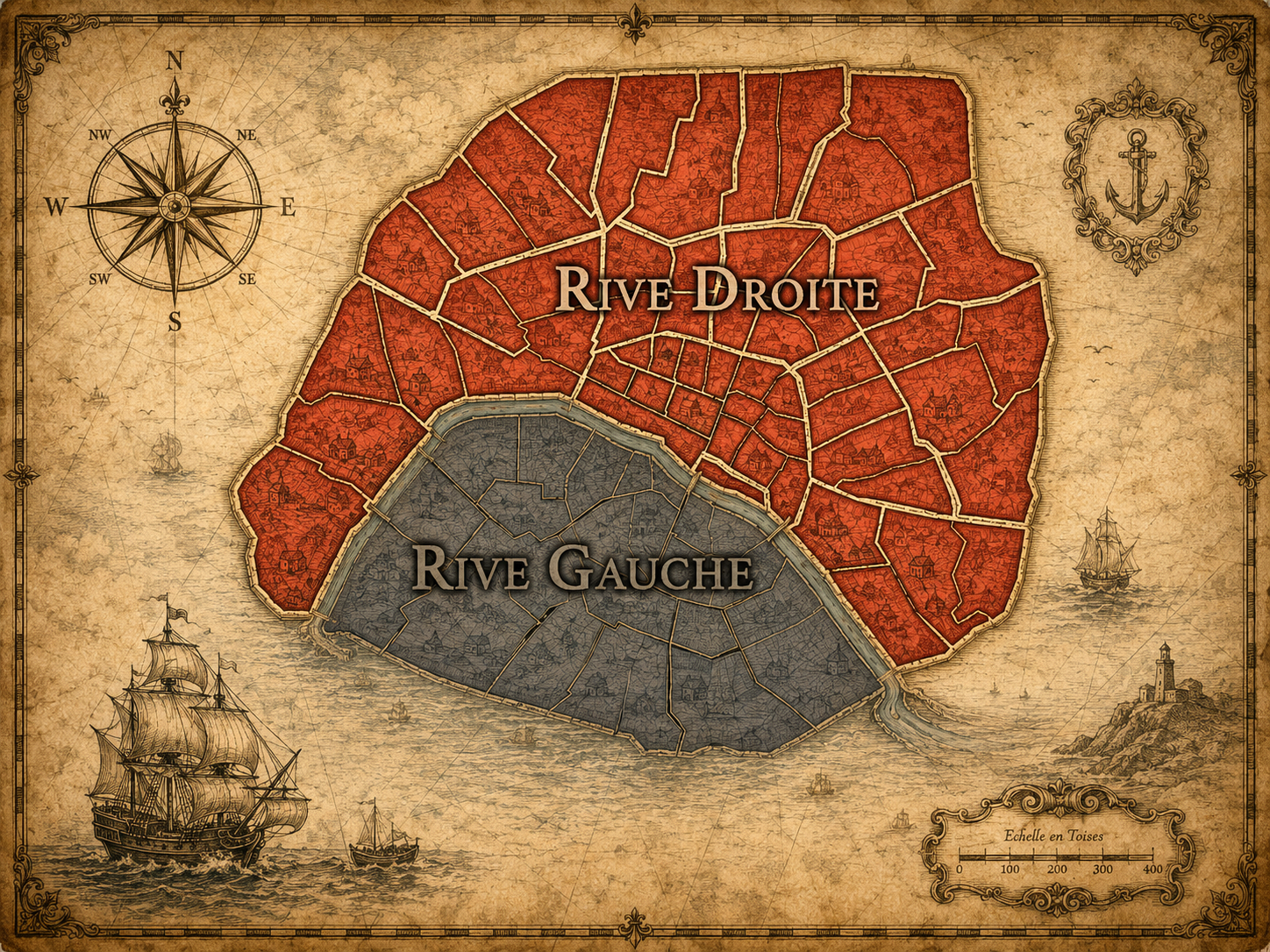
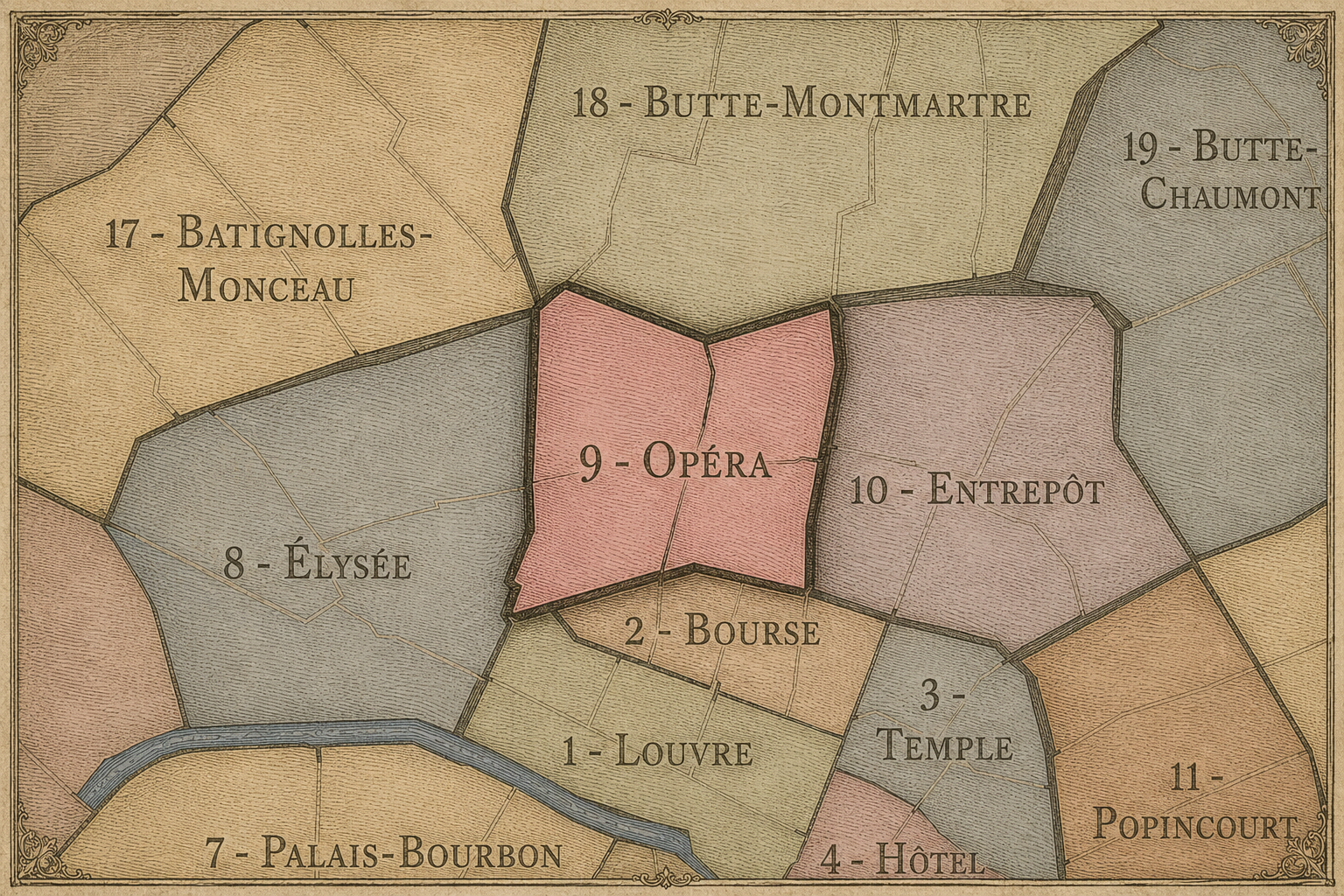
Paris neighborhoods are shaped by overlapping layers. This section shows how Passy connects to the broader CityNeighborhoodsParis map — through its rive, arrondissement, administrative quarters, conseils de quartier, and related Cultural Neighborhoods.
Civic & Cultural Foundations
-
Rive Droite
-
9e — Opéra
Administrative Quarters
-
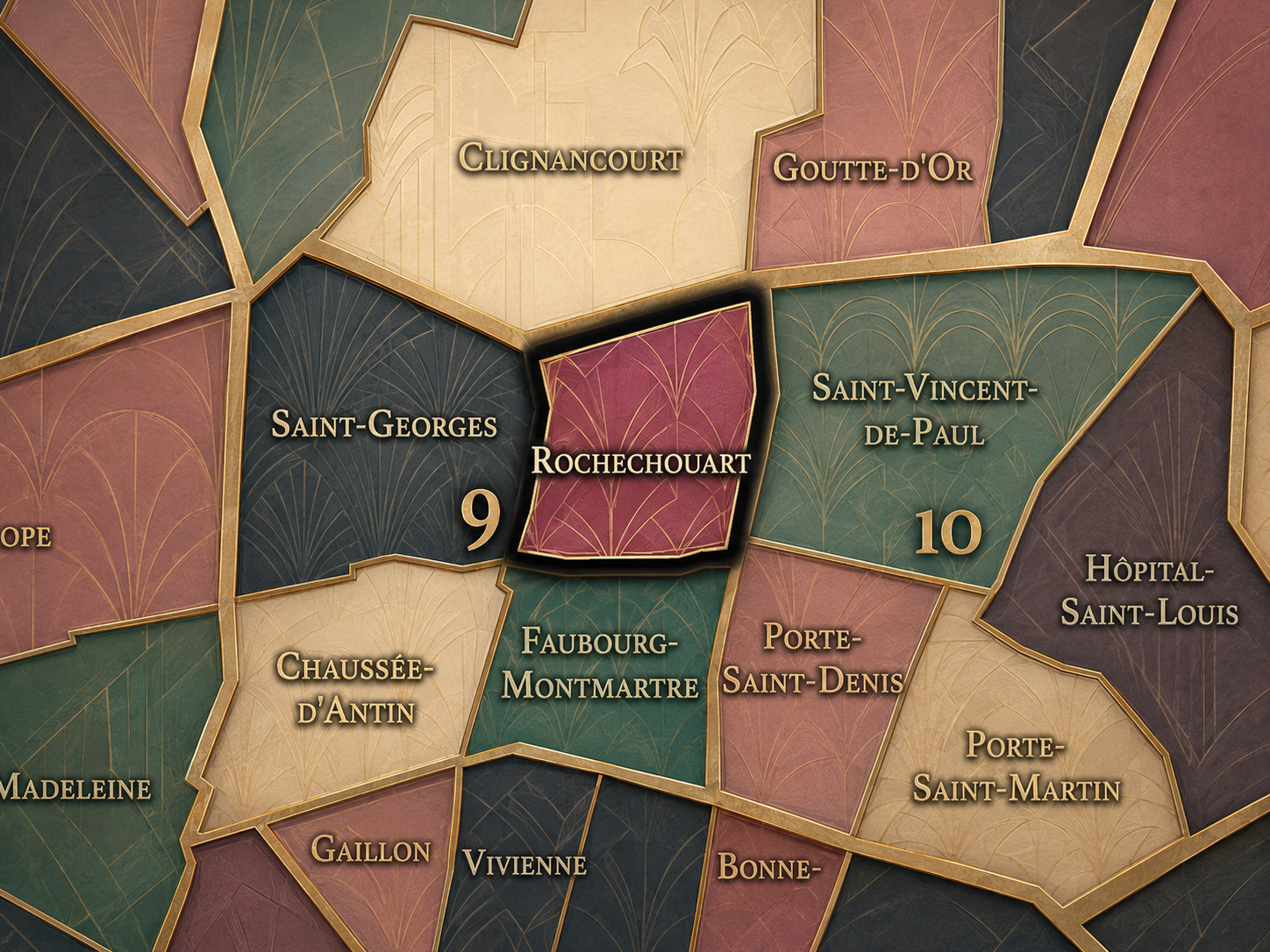
9e - Rochechouart
-
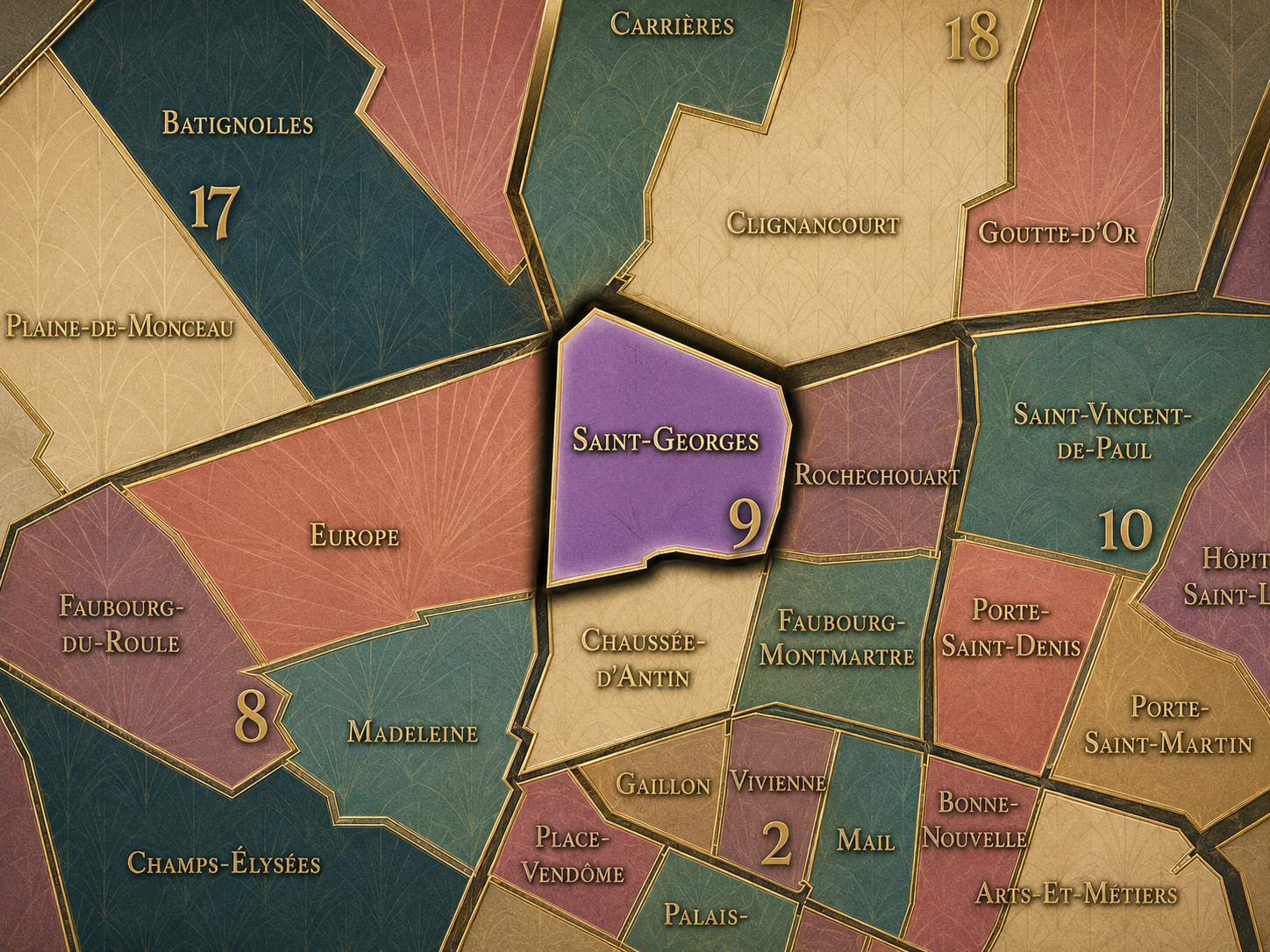
9e - Saint-Georges
Conseils de Quartier
-
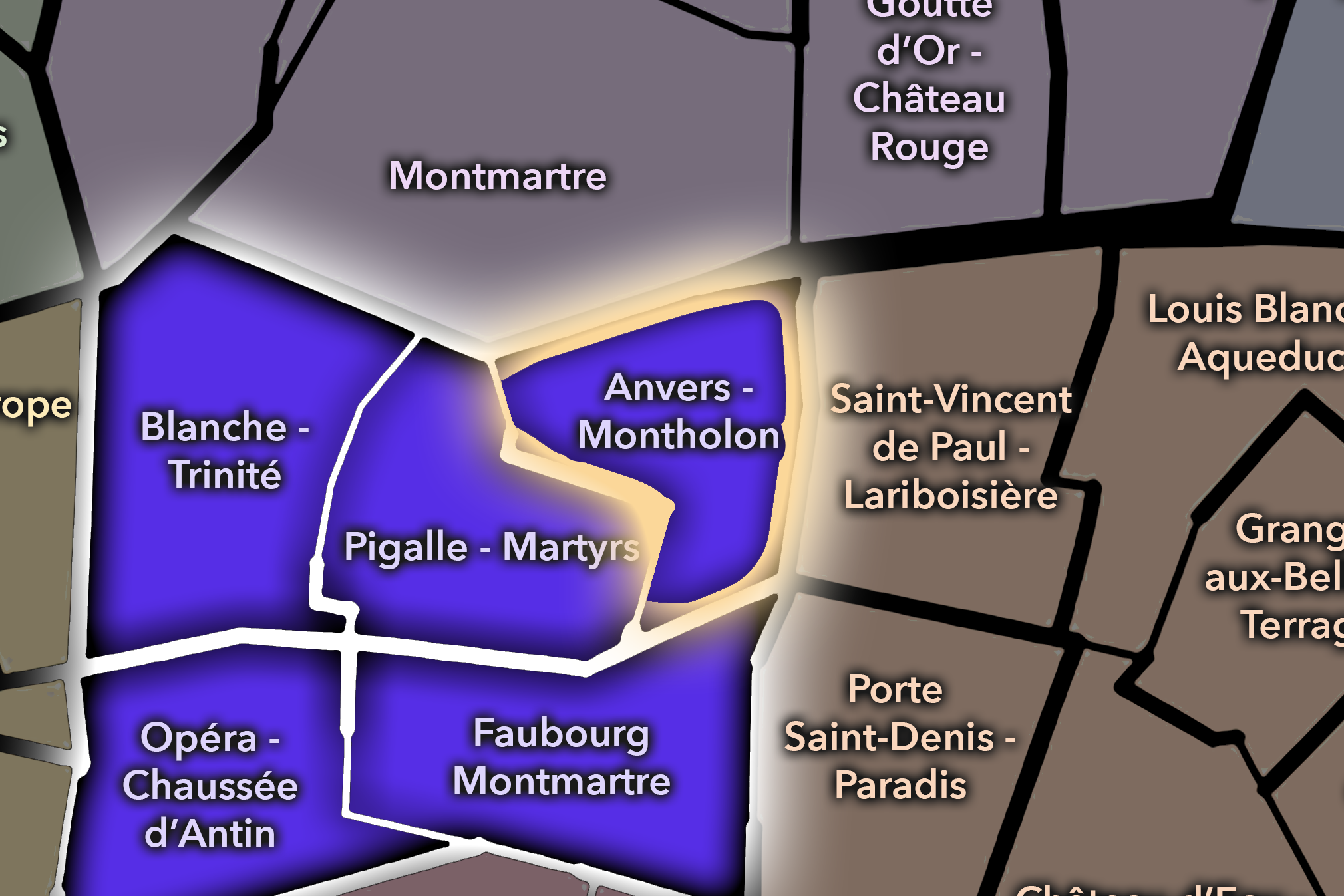
9e - Anvers-Montholon
-
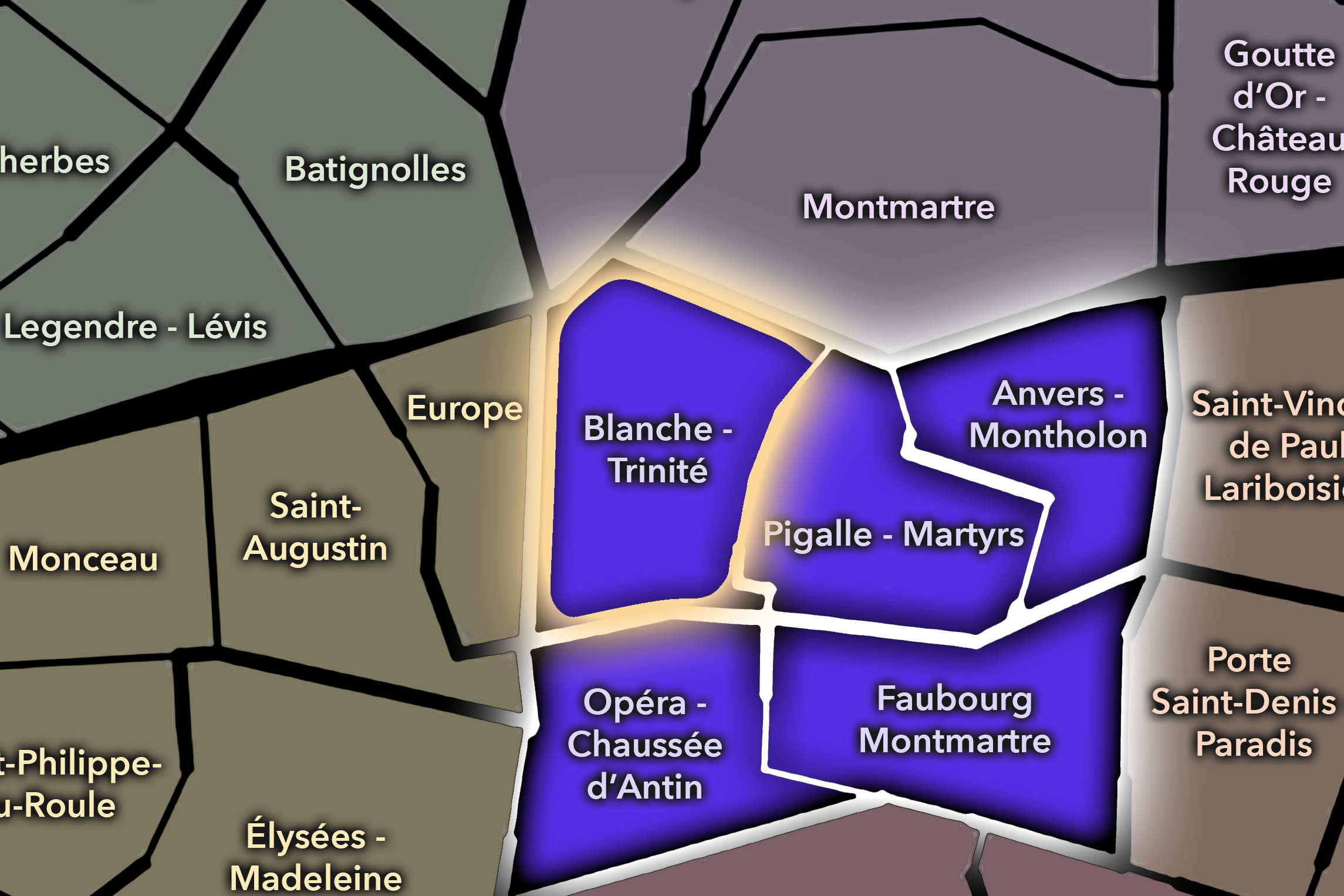
9e - Blanche-Trinité
-
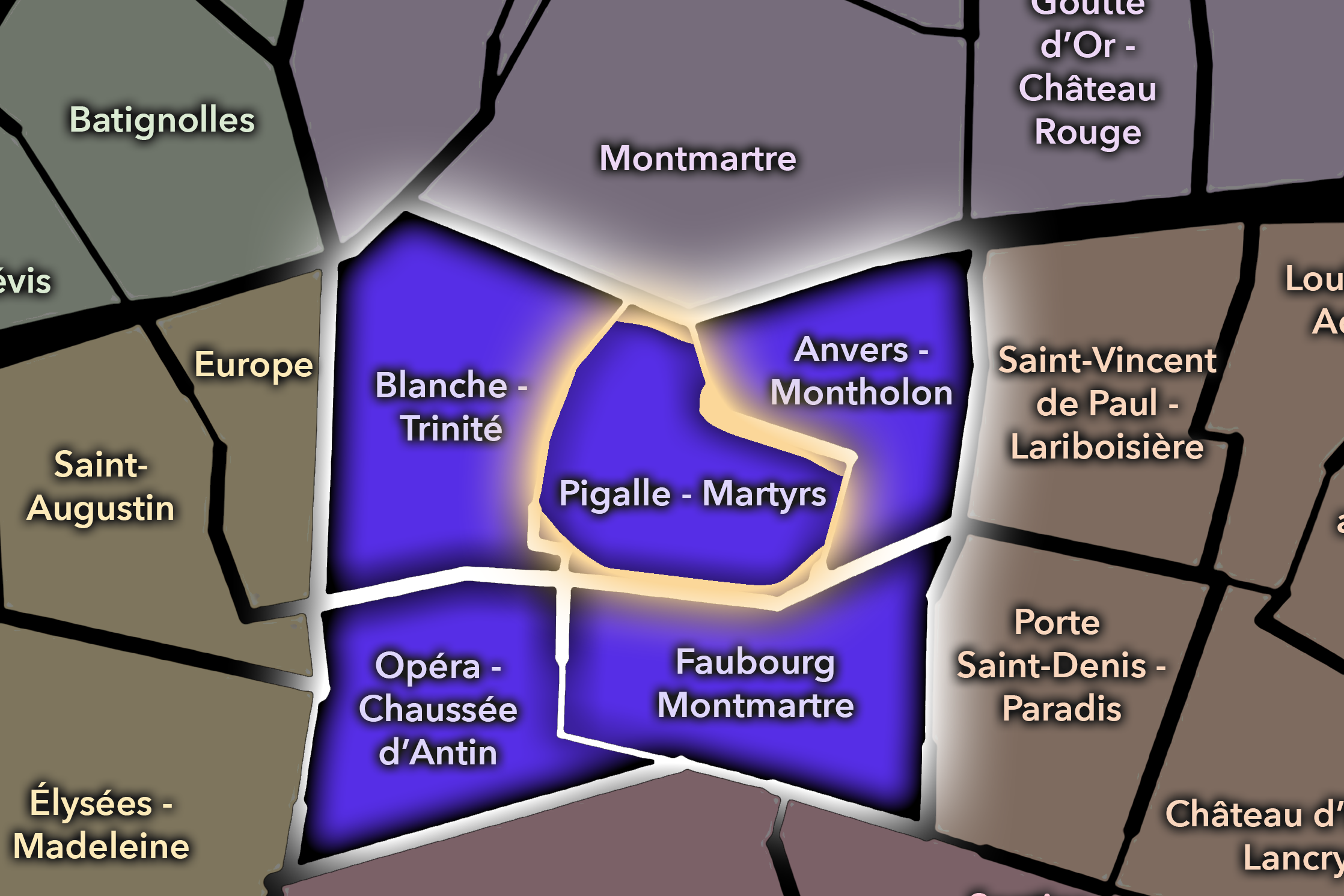
9e - Pigalle - Martyrs
The History
The origins of Pigalle lie in the urbanization of the land below Montmartre. Before it became a famous nightlife district, the area formed part of the northern edge of Paris, close to villages, barriers, roads, tax boundaries, taverns, and the routes leading toward the hill. Its later identity grew from its position at the foot of Montmartre, where movement between city and outer village created a natural zone of passage.
This geography mattered. The lower slopes were neither fully central nor fully rural. They were connected to the city’s expanding life while remaining close to the freer atmosphere of Montmartre and the outer boulevards. Such threshold spaces often attract entertainment, leisure, and commerce. Pigalle’s later role as a pleasure district emerged from this liminal position.
Origins
Medieval / Early Formation
During the medieval and early formation periods, the area around modern Pigalle was not yet a distinct cultural neighborhood. It belonged to the broader geography outside or near the northern limits of Paris, shaped by routes, religious lands, rural settlement, and the proximity of Montmartre. The hill above carried stronger sacred and village associations, while the lower ground remained part of the wider transition zone between city and countryside.
As Paris expanded, these northern approaches became increasingly important. Roads, barriers, and nearby settlements created patterns of movement that later allowed the area to develop a more defined urban identity. Pigalle’s earliest importance was therefore less as a named neighborhood than as a place of passage: a hinge between the dense city and the hill beyond.
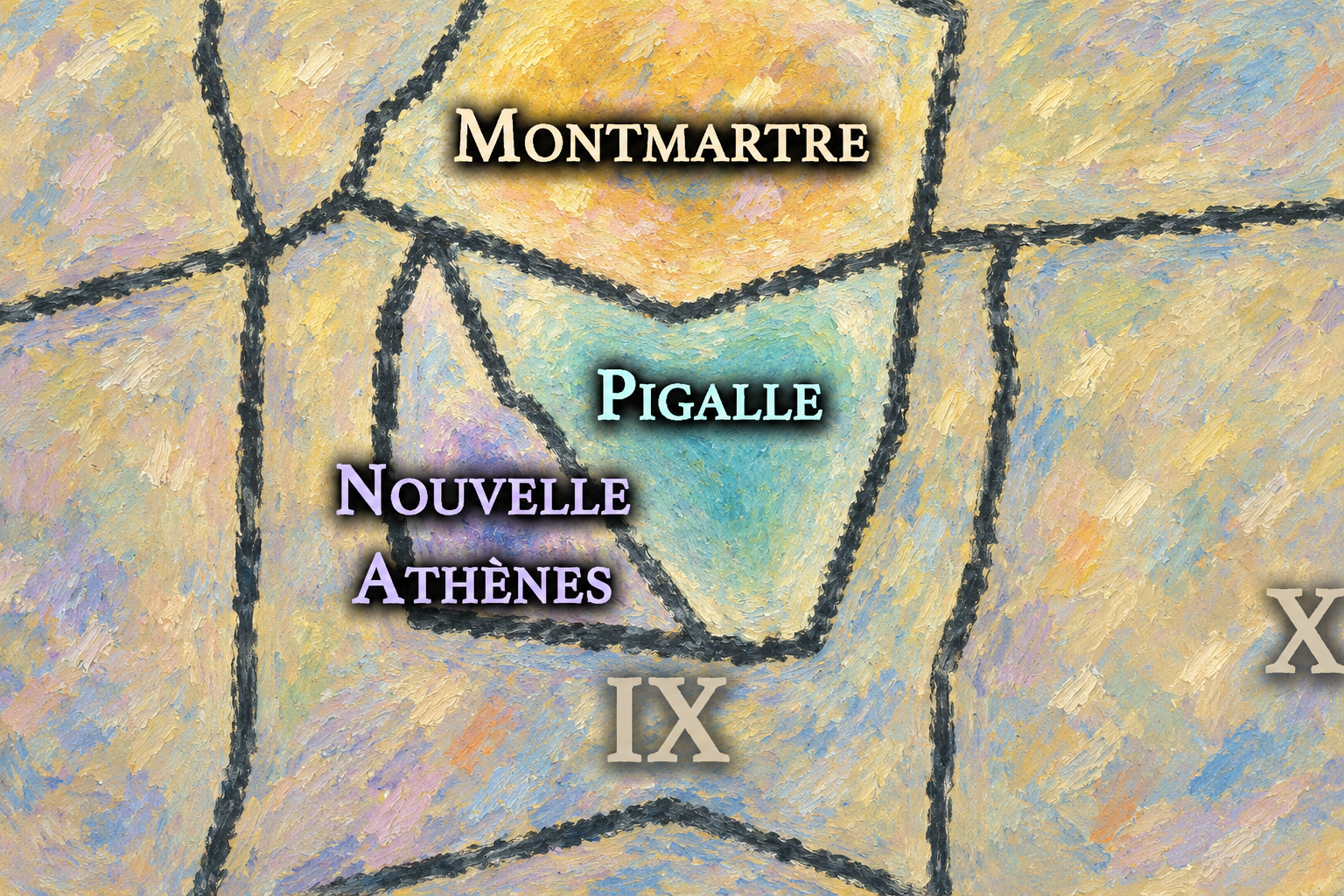
In the early modern period, the area below Montmartre remained tied to the outer-city world of roads, taverns, gardens, and popular recreation. The northern edge of Paris developed as a place where the city loosened, where leisure and informal sociability could flourish near but not entirely within the central urban order.
The future Pigalle did not yet possess its famous nightlife identity, but the conditions were forming. The relationship between Paris and Montmartre encouraged movement, gathering, and entertainment. As the capital grew, the lower slopes became more urban, while still retaining some of the permissive character associated with the city’s edges.
This early modern background helps explain Pigalle’s later role. It was not born as a monumental district or civic center. It emerged from the social energy of the borderland: people passing through, stopping, drinking, performing, and seeking amusement near the foot of the hill.
Early Modern Paris
18th Century
In the 18th century, the area around Pigalle became increasingly connected to the cultural and artistic geography north of central Paris. The naming of place Pigalle after Jean-Baptiste Pigalle tied the area to artistic memory, while the surrounding districts developed through residential expansion, workshops, theaters, and the gradual urbanization of the northern Right Bank.
The proximity of the city’s tax barriers and outer boulevards continued to matter. Areas near the edges of Paris often supported forms of leisure that depended on relative freedom, lower costs, and movement between urban and semi-rural worlds. Taverns, theaters, and popular amusements in the broader northern belt helped prepare the cultural ground for the 19th-century explosion of entertainment.
By the end of the century, revolutionary upheaval and the expansion of Parisian public life altered the social meaning of urban pleasure. The streets north of the center were becoming more fully part of the city’s cultural map.
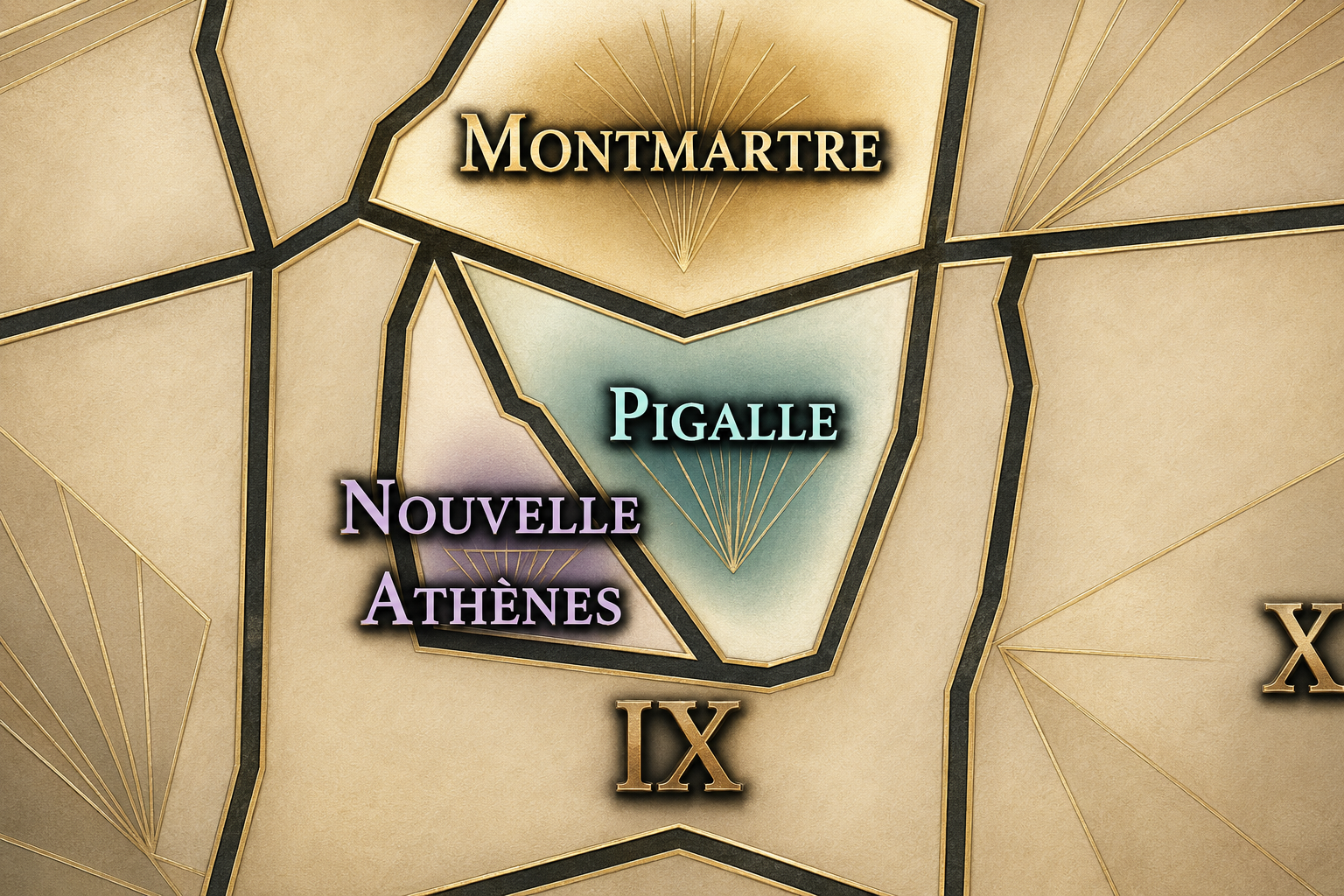
The 19th century was decisive for Pigalle. As Paris expanded and Montmartre became increasingly urbanized, the area around place Pigalle, boulevard de Clichy, and boulevard de Rochechouart developed into a major entertainment zone. The annexation of Montmartre into Paris in 1860 brought the hill and its lower slopes into the modern municipal structure, while preserving their reputation for informality, nightlife, and artistic freedom.
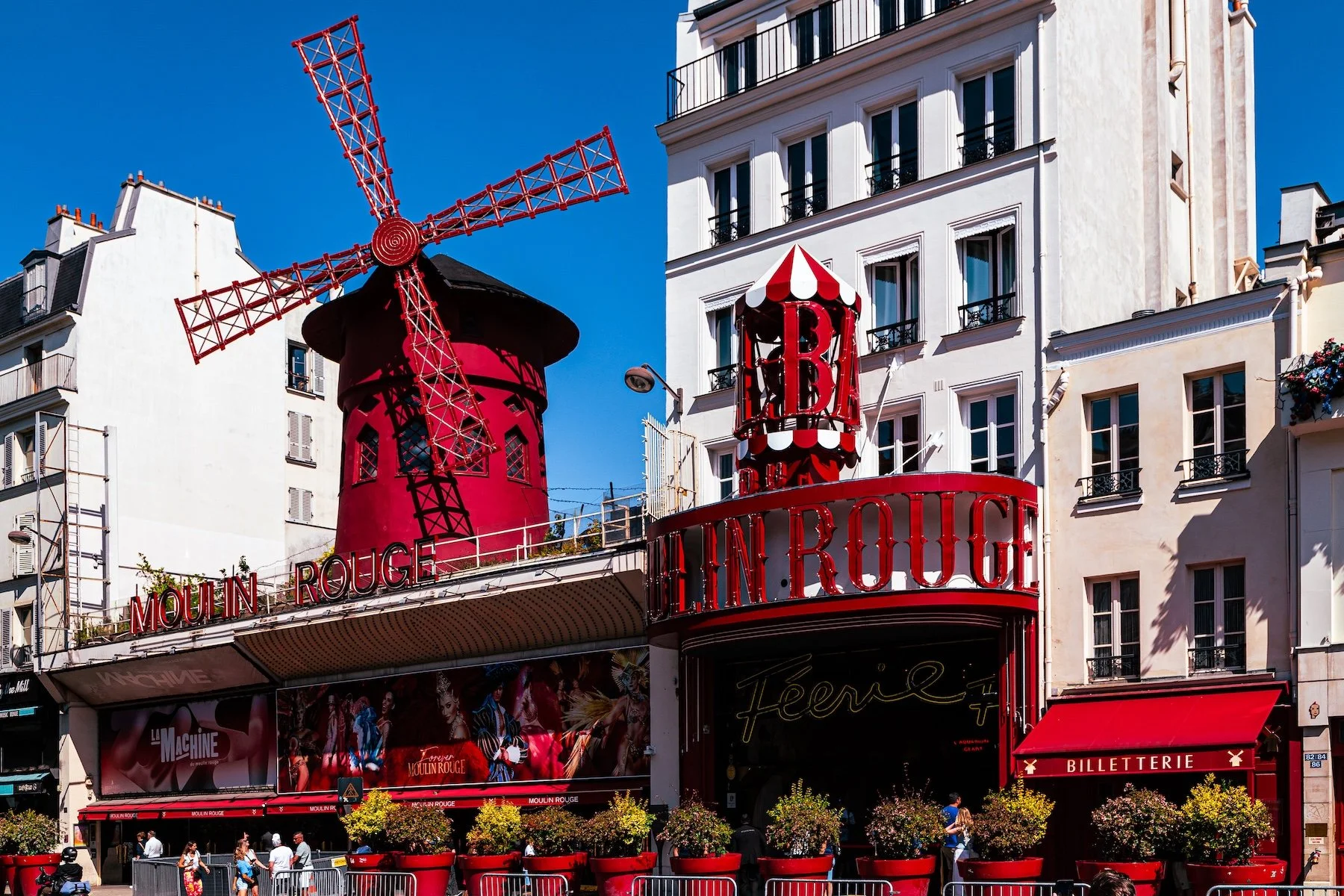
Cabarets, cafés-concerts, dance halls, theaters, and music venues flourished in the wider Pigalle-Montmartre area. The Moulin Rouge, opened in 1889 near place Blanche, became one of the great symbols of Parisian spectacle. Nearby, artists, performers, writers, bohemians, and visitors contributed to the district’s growing mythology.
Pigalle’s 19th-century identity was closely tied to the rise of modern mass entertainment. Posters, songs, cancan, satire, electric light, and the culture of the boulevard turned the neighborhood into a place where Paris displayed itself. It was not only a local nightlife district; it became part of the international image of the modern city.
19th Century
Early–Mid 20th Century
In the early and mid 20th century, Pigalle became even more strongly associated with nightlife, music, erotic entertainment, cabaret, and the underworld mythology of Paris. The district’s theaters, bars, clubs, and adult venues drew Parisians, tourists, soldiers, artists, and night wanderers. Its reputation grew as a place of pleasure, risk, jazz, sex, and performance.
The neighborhood was also linked to musical culture. The broader Pigalle-Montmartre zone supported chanson, jazz, dance halls, and later popular music venues. Nightlife here was not simply decoration; it was an important cultural industry, employing performers, musicians, servers, dancers, sex workers, impresarios, and many others who made the nocturnal city function.
During periods of war, occupation, liberation, and postwar change, Pigalle’s nightlife took on shifting meanings. It could be associated with escape, collaboration, survival, celebration, transgression, or moral anxiety depending on the moment and the observer. Its identity remained unstable, which is part of why it remained powerful.
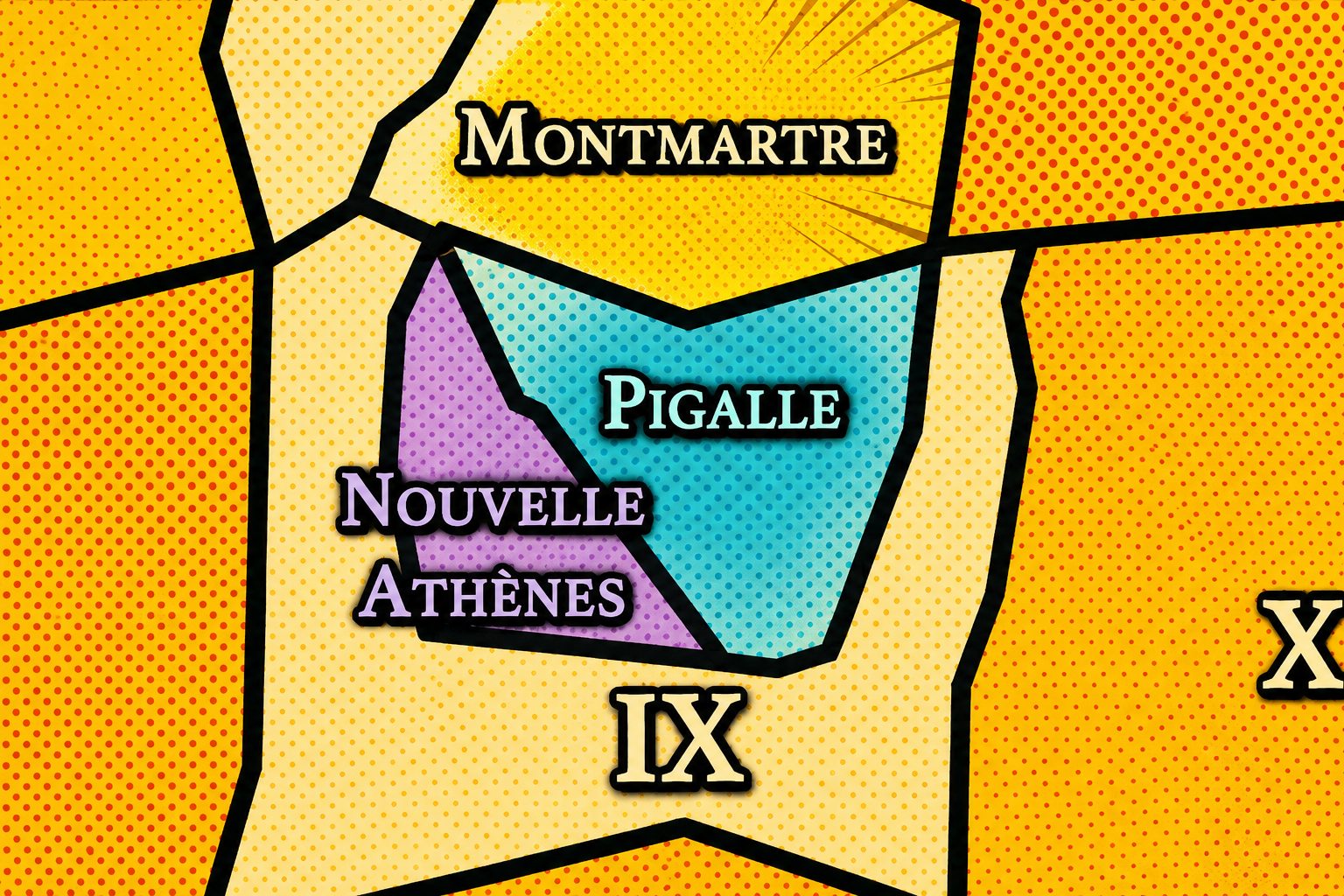
In the late 20th century, Pigalle became increasingly marked by the visible signs of the red-light district: adult cinemas, sex shops, neon signs, cabarets, bars, and tourist-oriented nightlife. Boulevard de Clichy and the streets around place Pigalle became known internationally as a district of erotic commerce and nocturnal spectacle.
At the same time, the neighborhood continued to hold music venues, theaters, local residents, ordinary shops, and links to the broader cultural life of northern Paris. Its reputation often reduced it to vice or tourism, but the actual district remained more complex. It was a working neighborhood as well as a performed one.
The late 20th century also began the process of reinvention that would become more visible in the 21st century. As parts of central and northern Paris changed, Pigalle’s older rough edges became both a challenge and an asset. Its notoriety became part of its cultural capital.
Late 20th Century
21st Century
In the 21st century, Pigalle remains one of Paris’s most recognizable nightlife districts, but its identity has been reshaped by gentrification, boutique hotels, cocktail bars, restaurants, music venues, design culture, and new forms of urban consumption. The phrase “South Pigalle,” or SoPi, reflects this more polished reinvention of parts of the neighborhood, especially toward the 9th arrondissement.
Yet older Pigalle has not disappeared. Cabaret signs, adult shops, theaters, music venues, and the nightlife economy still mark the area, especially along boulevard de Clichy and near place Pigalle. The neighborhood now exists in a state of visible overlap: old red-light Pigalle, tourist Pigalle, musical Pigalle, gentrified Pigalle, and residential Pigalle all occupying the same streets.
For CityNeighborhoods, Pigalle is essential because it shows how a Cultural Neighborhood can be built from spectacle, reputation, and transformation. It is not a tidy heritage district. It is a living performance district whose identity changes as Paris changes its relationship to pleasure, nightlife, sex, tourism, and style.

The spirit of Pigalle lies in the glow of the threshold. It is the Paris of the lower hill, the lit sign, the theater entrance, the bar door, the late-night street, the blurred border between entertainment and desire. Its cultural importance comes not from purity or refinement, but from exposure: Pigalle makes visible the pleasures, economies, performances, and contradictions that respectable cities often try to separate from their official image.
Its legacy is the recognition that nightlife is part of urban history. Cabaret, music, dance, sex work, tourism, vice, comedy, glamour, and reinvention have all shaped Paris as surely as monuments and museums. Pigalle belongs to the Paris that performs — not only for visitors, but for itself.
To walk Pigalle is to encounter a city that has always negotiated between freedom and commerce, art and appetite, myth and labor. It is one of the essential Cultural Neighborhoods of Paris because it reveals the capital after dark: theatrical, uneasy, seductive, changing, and unmistakably alive.
Spirit & Legacy
The Photography
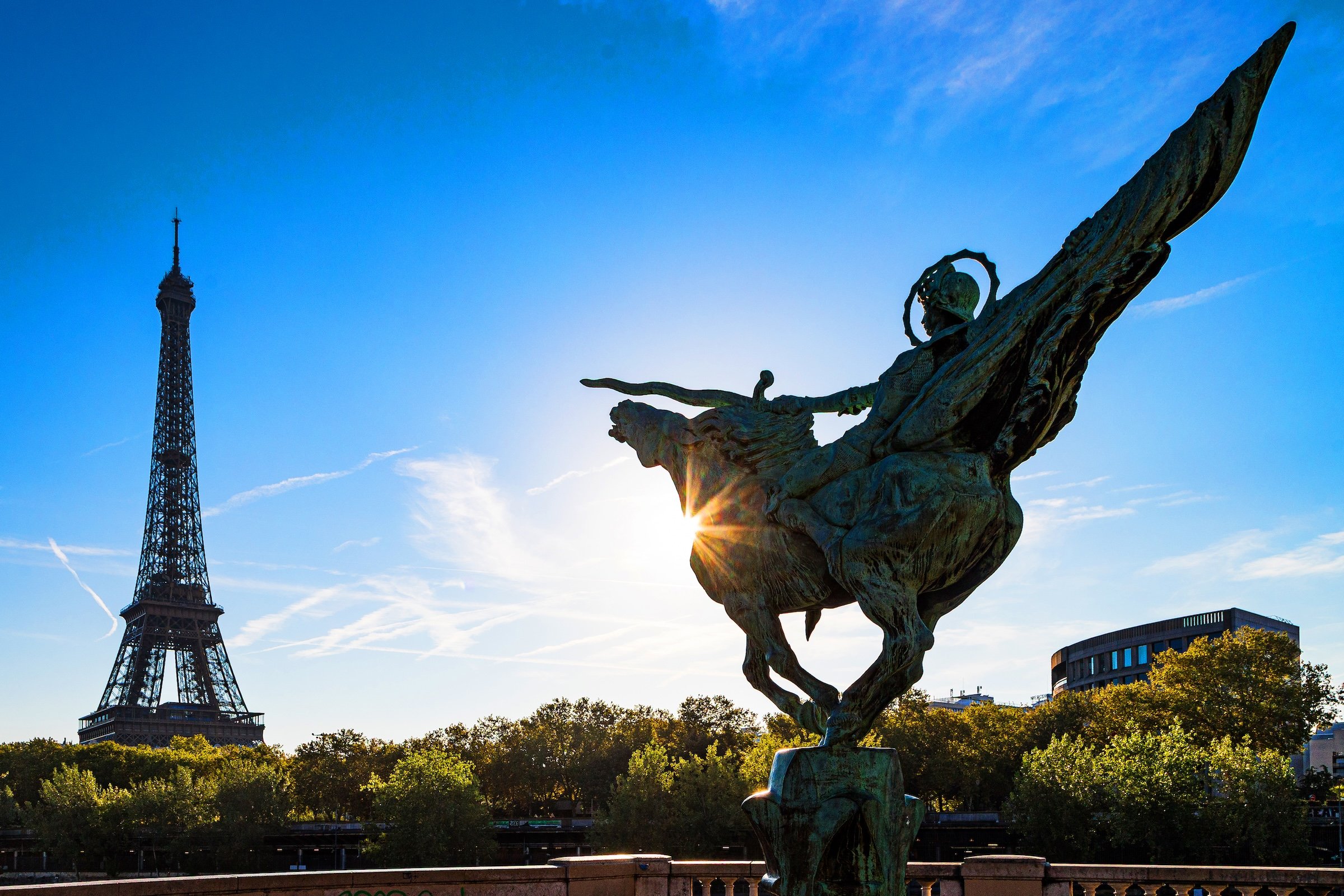
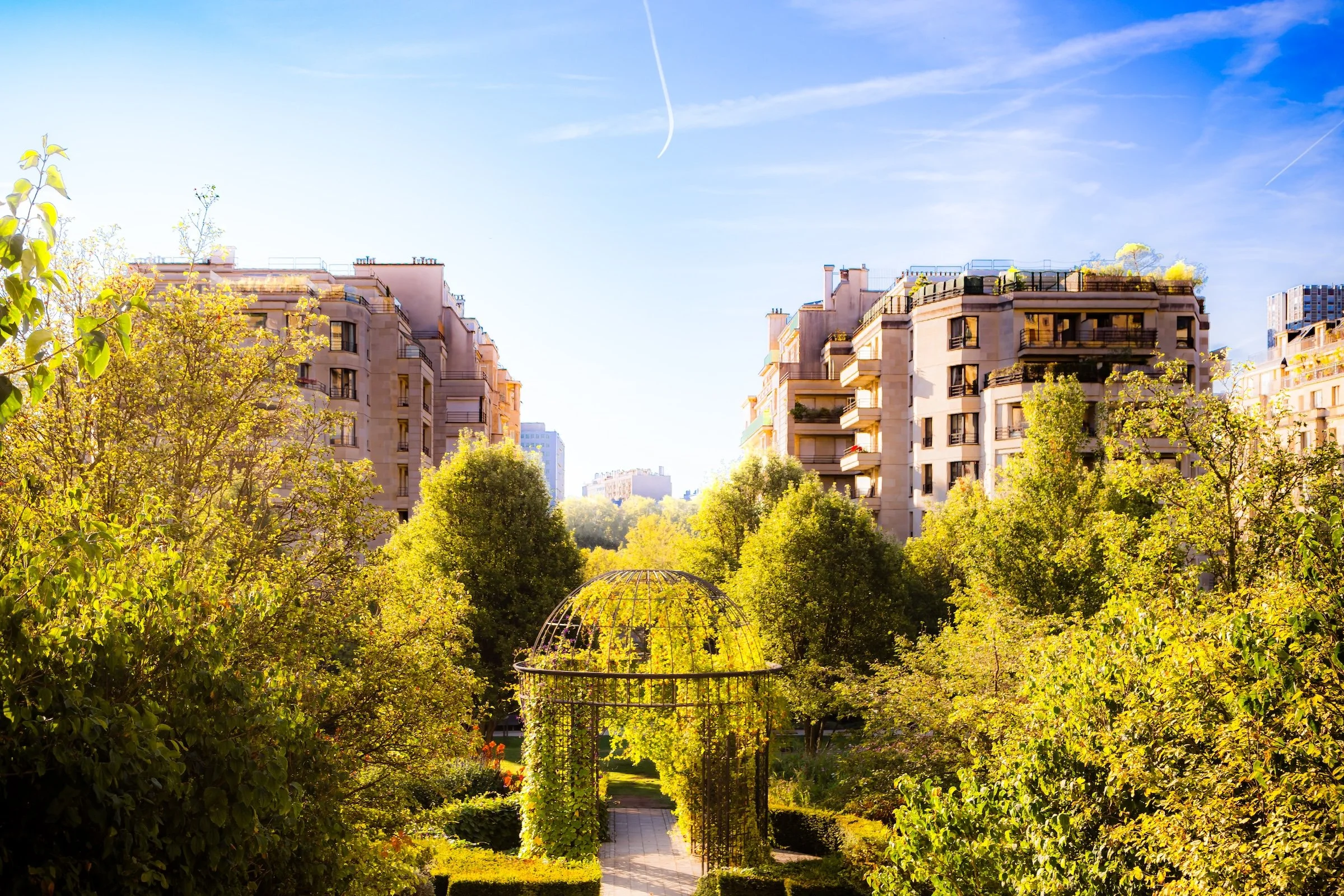
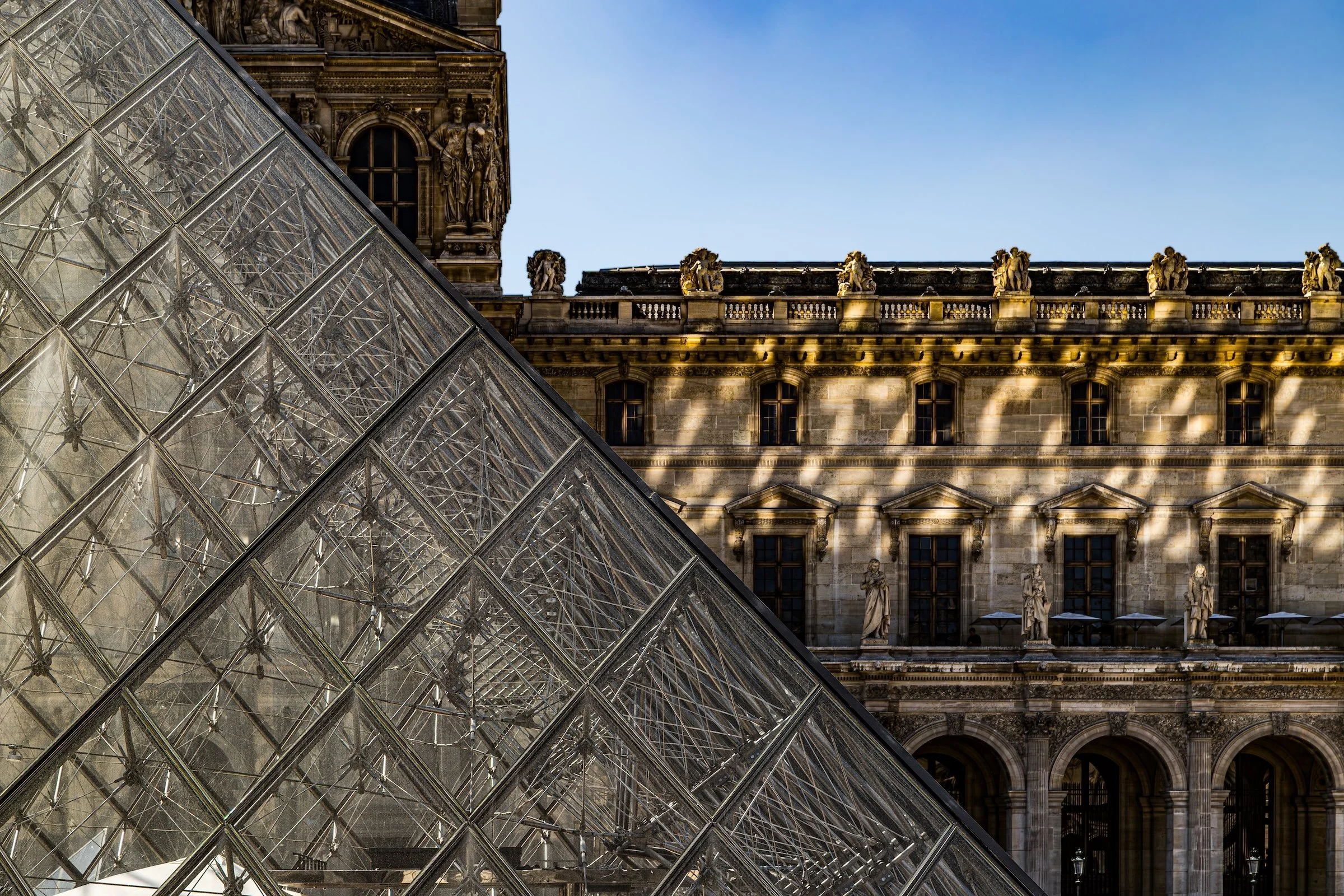
The arrondissements do not share a single visual identity. Instead, they organize Paris into twenty broad visual fields, each gathering its own combination of landmarks, streetscapes, institutions, residential districts, commercial corridors, parks, rail stations, markets, cemeteries, and riverfront edges.
Some arrondissements are defined by monumental scale: royal palaces, ceremonial avenues, government buildings, museums, formal gardens, and internationally recognized landmarks. Others are shaped by hills, canals, rail gateways, apartment-lined boulevards, neighborhood markets, former village streets, industrial remnants, parks, or the quieter rhythms of residential Paris. The arrondissement system gives these varied landscapes a civic frame, allowing the city to be read not as one visual language, but as a sequence of overlapping Parisian atmospheres.
Visual Identity
Through The Lens
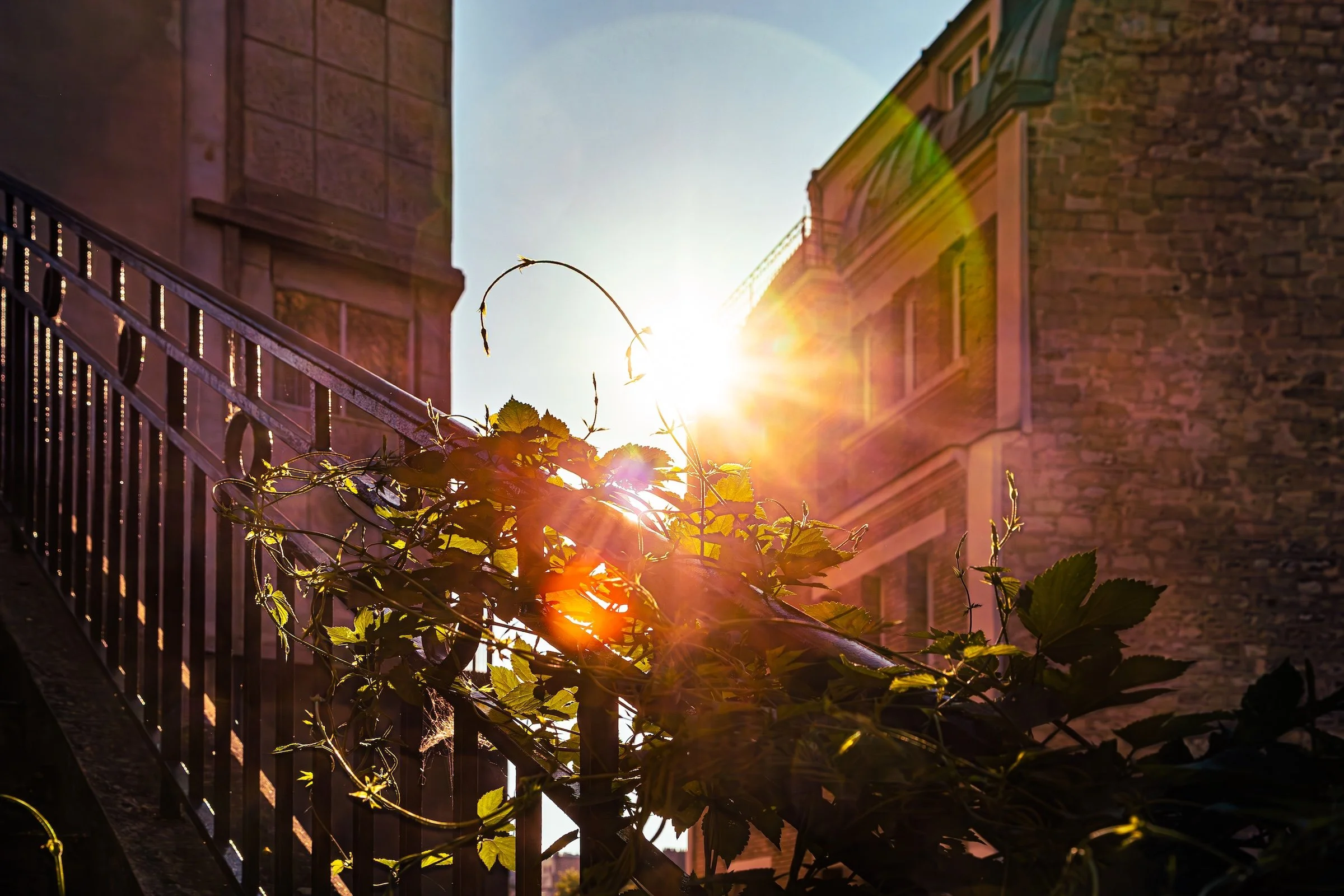
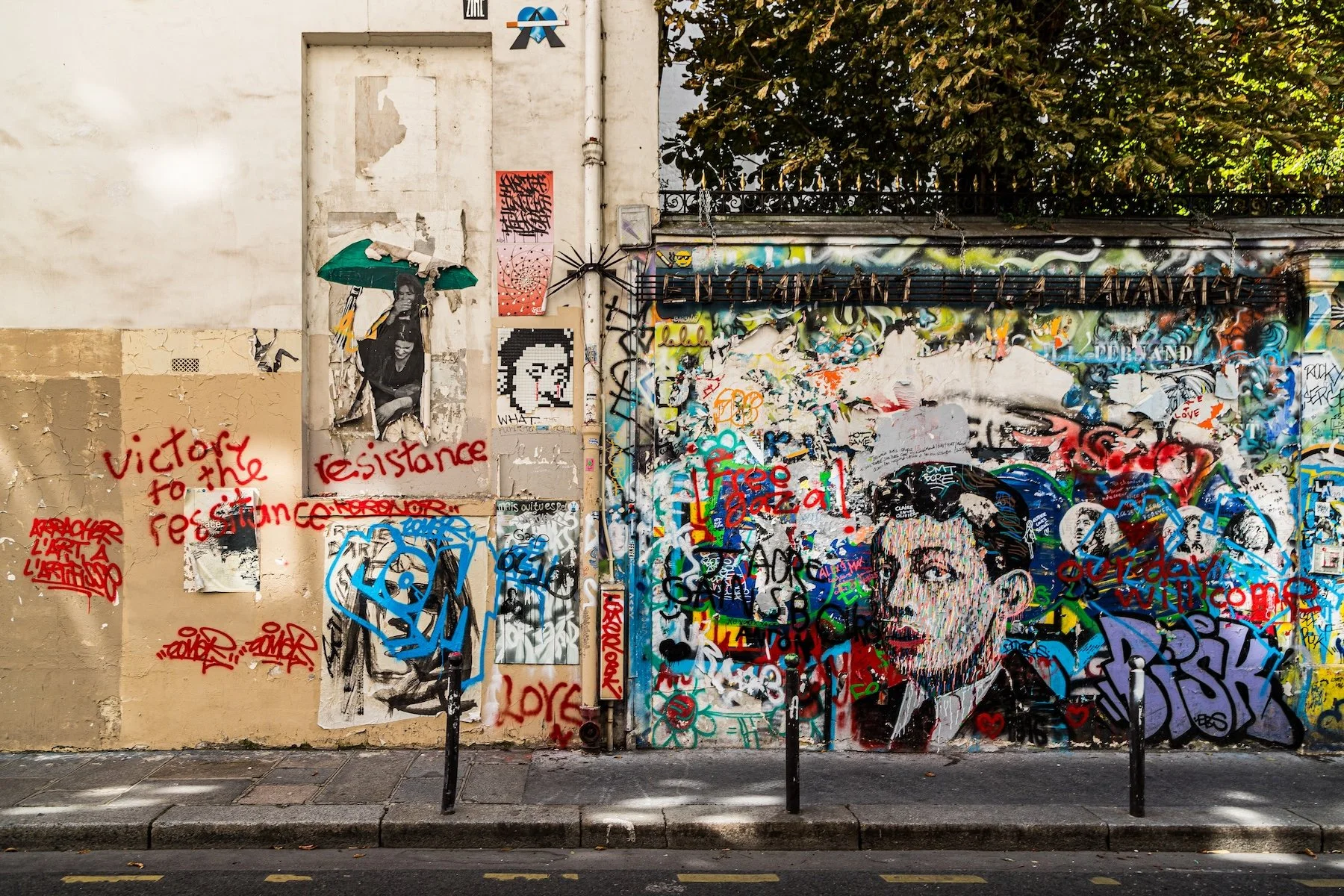
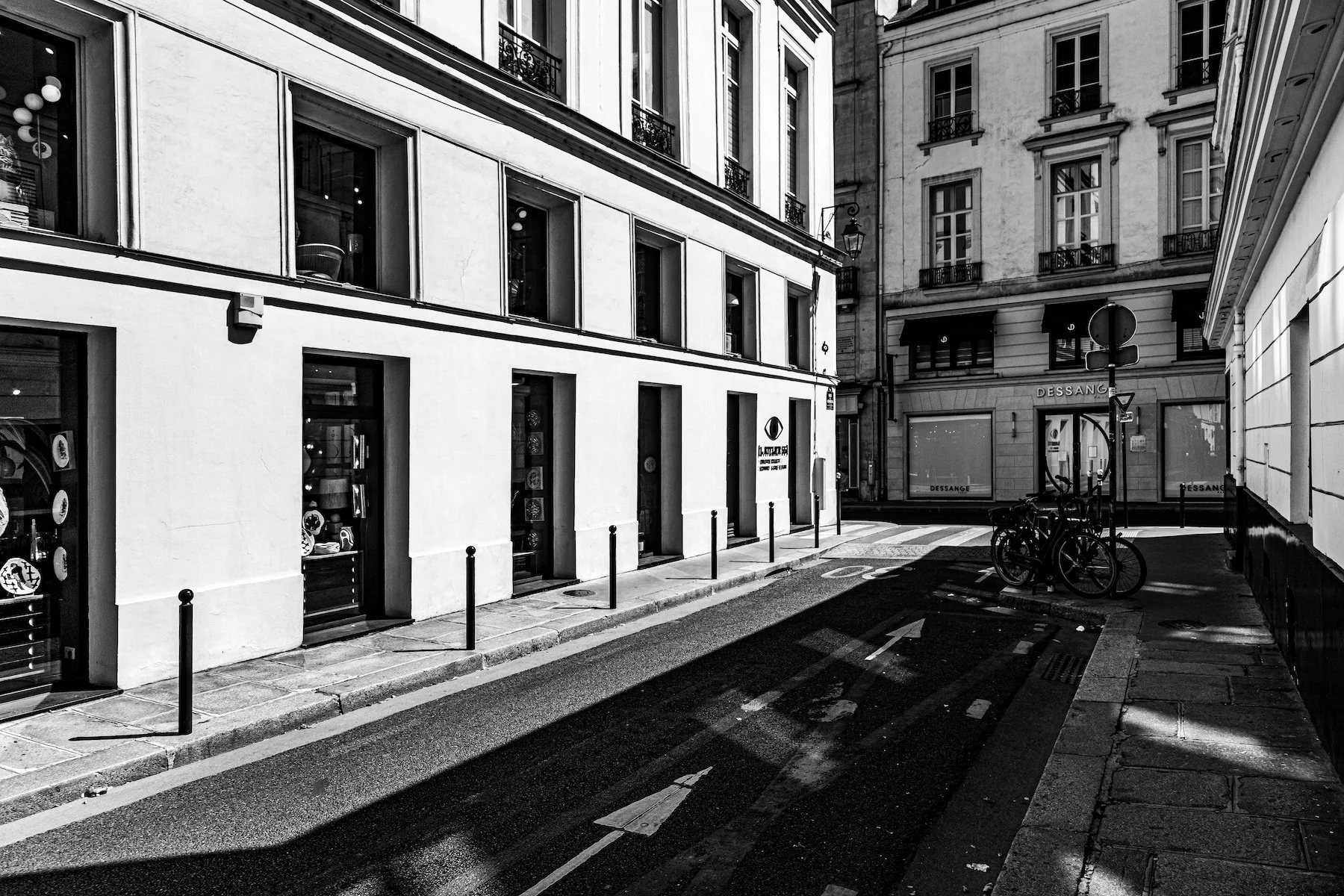
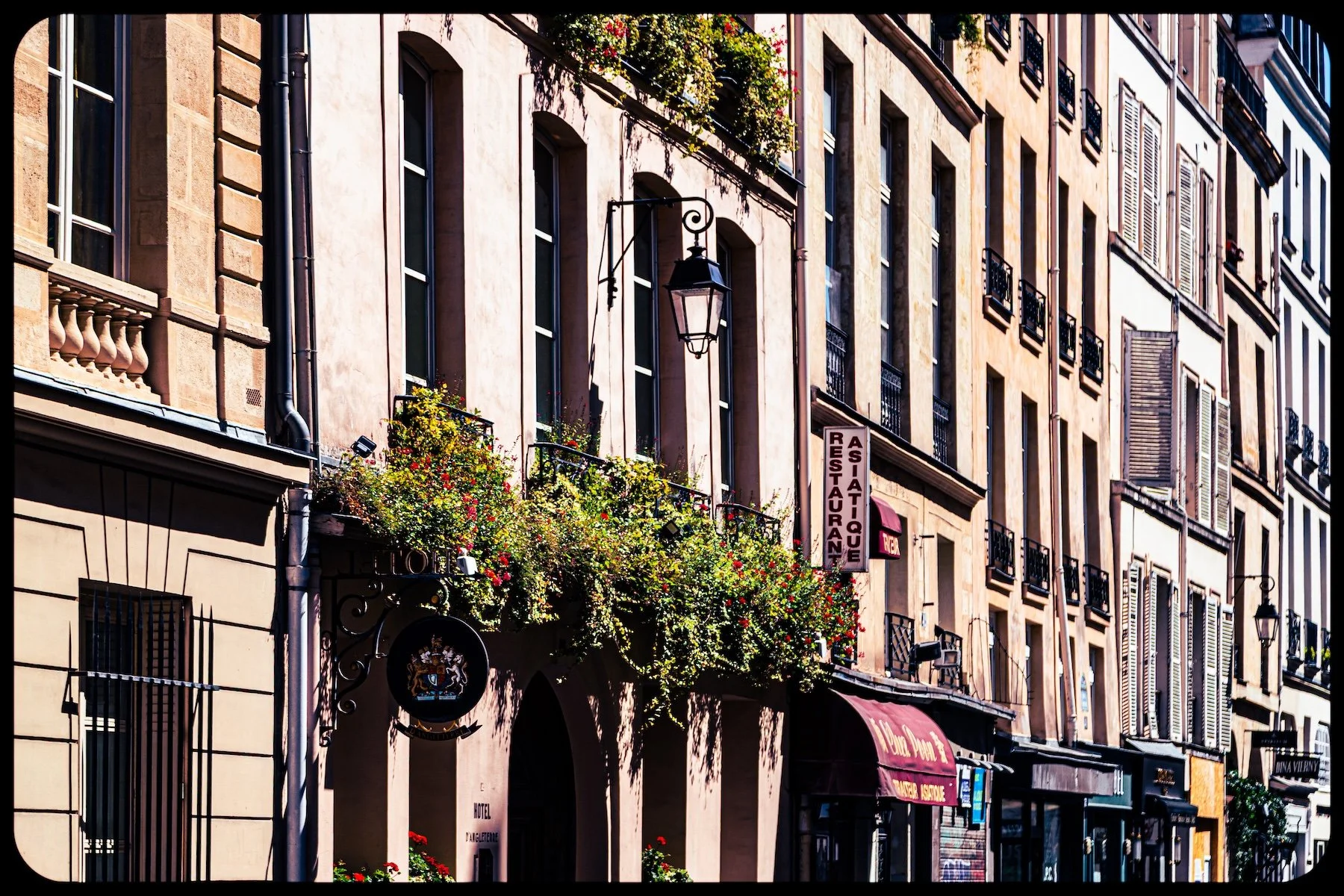
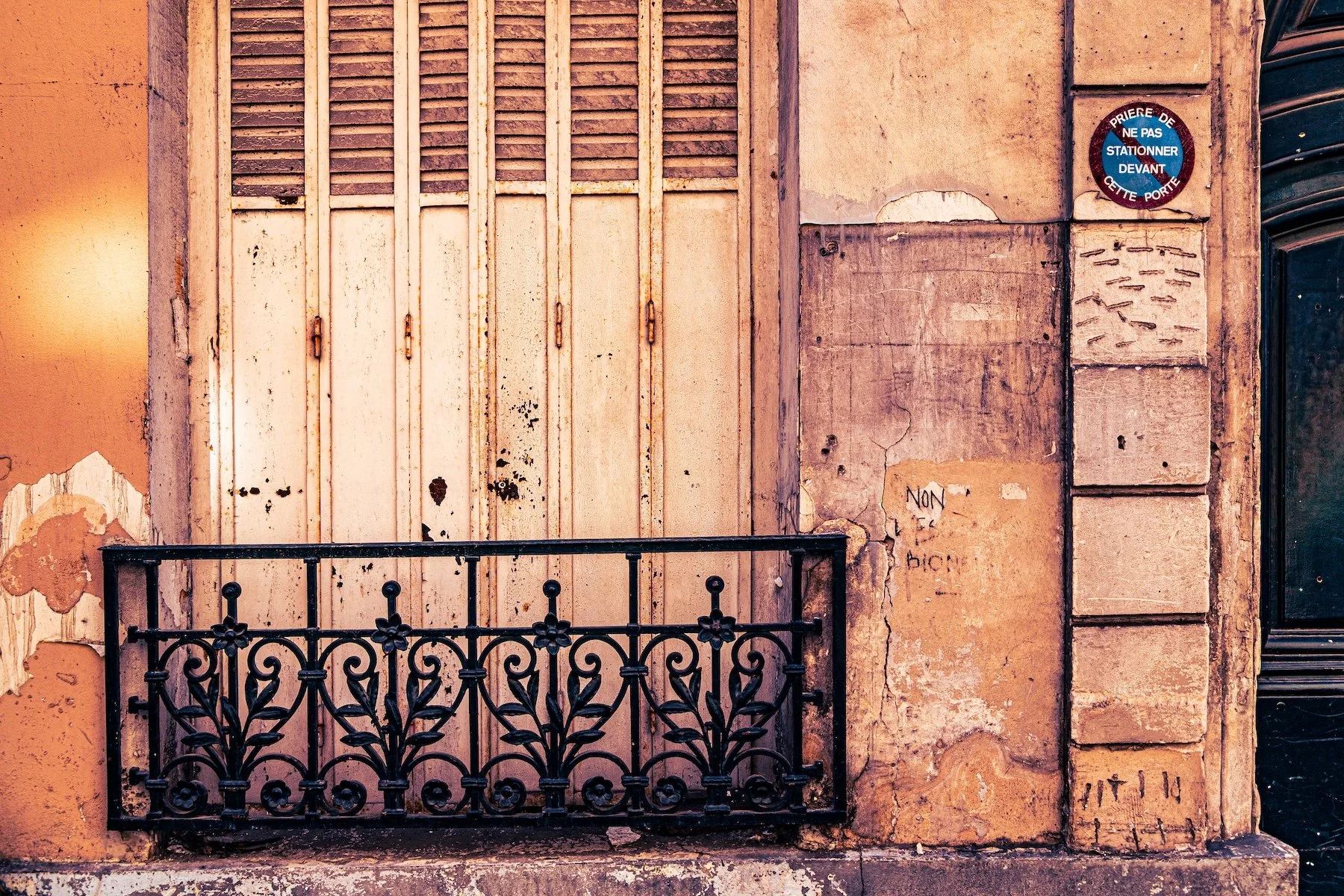
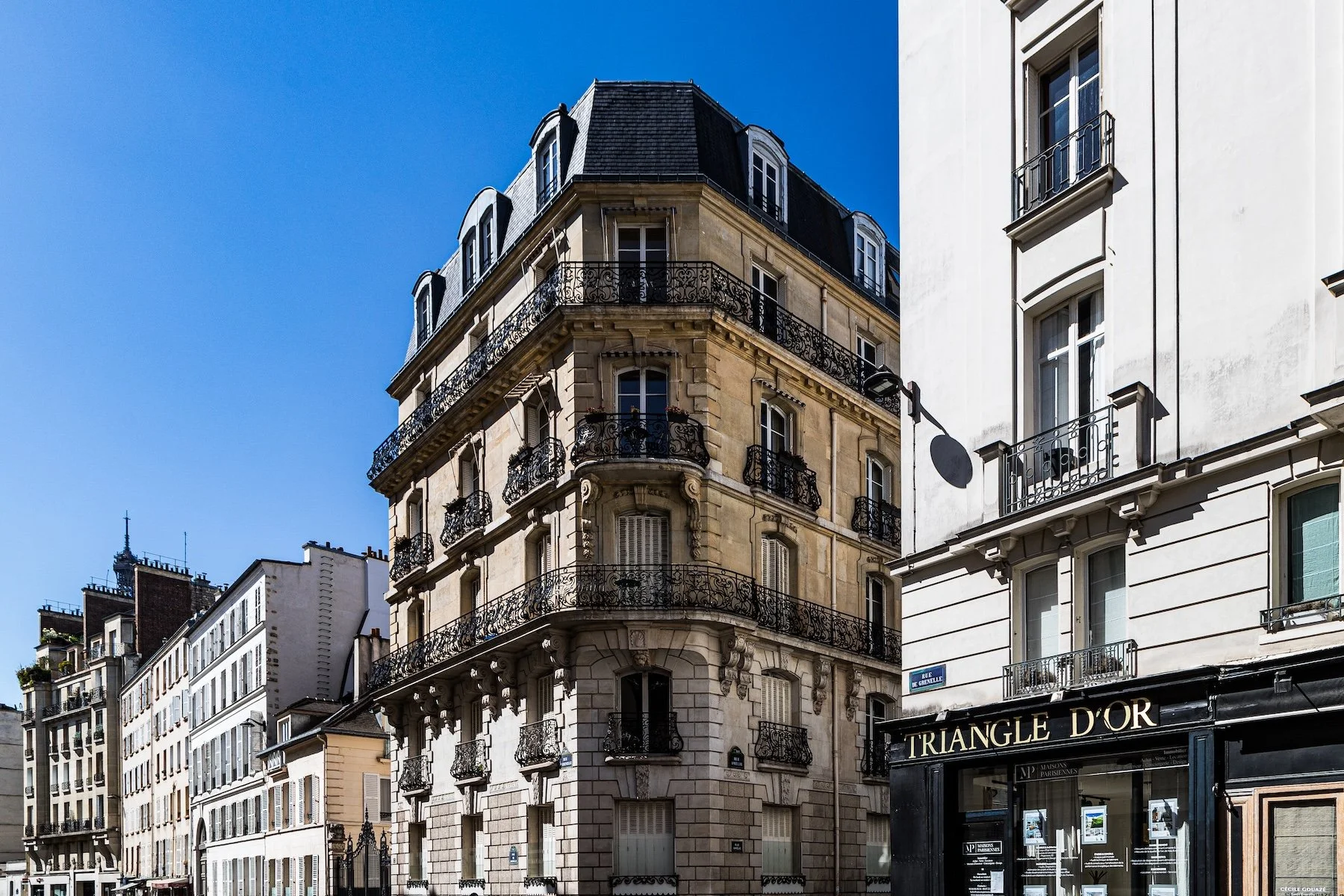
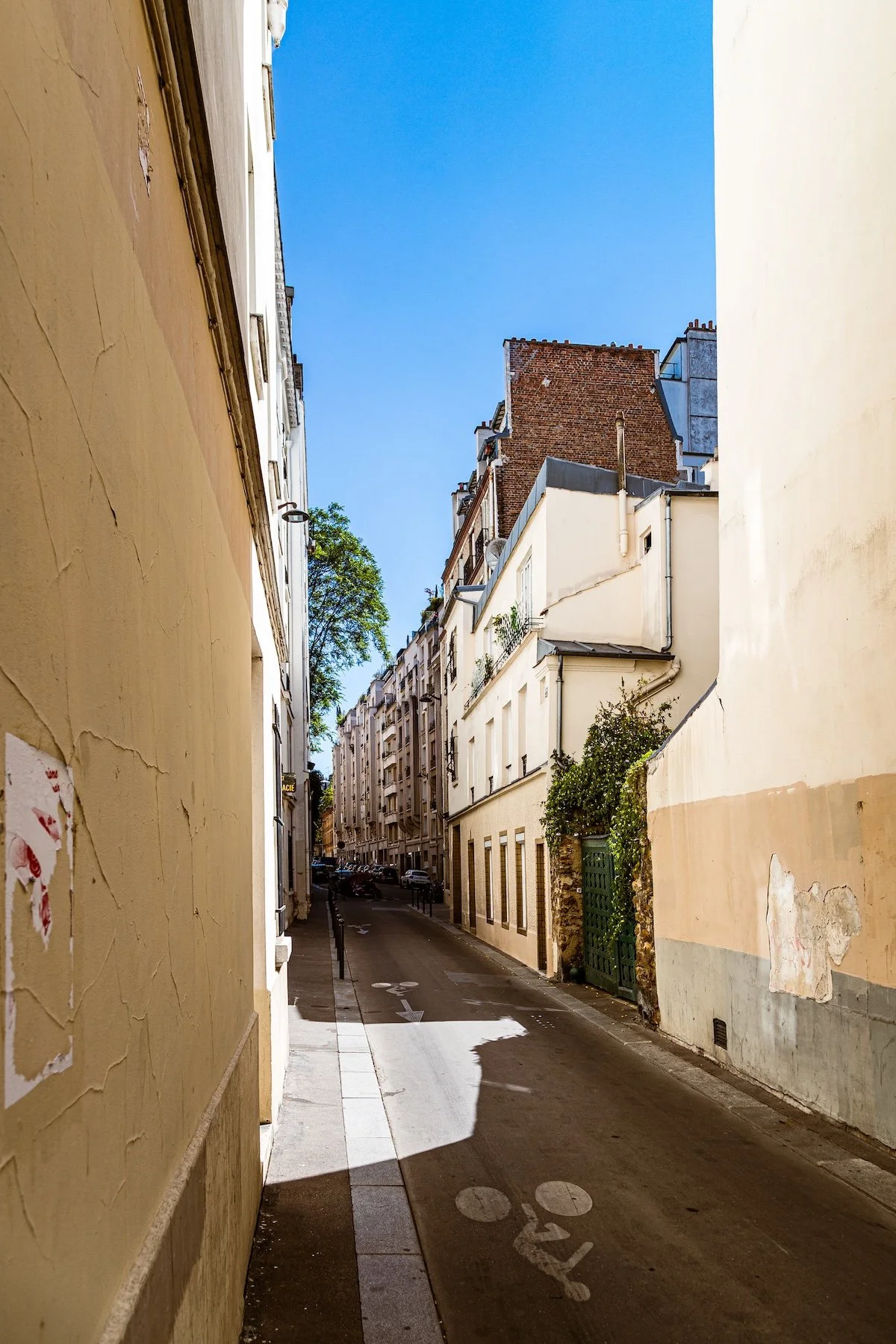
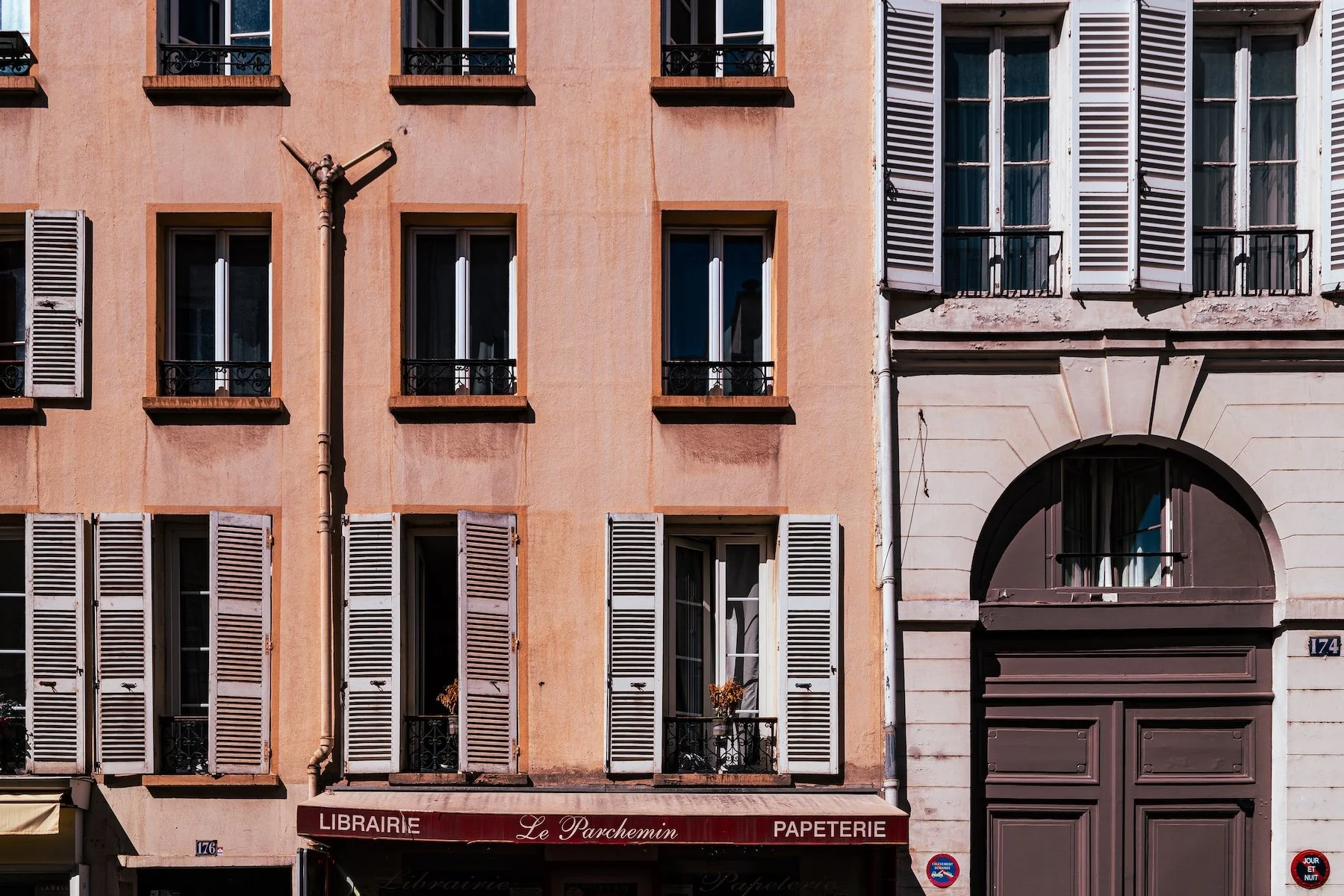
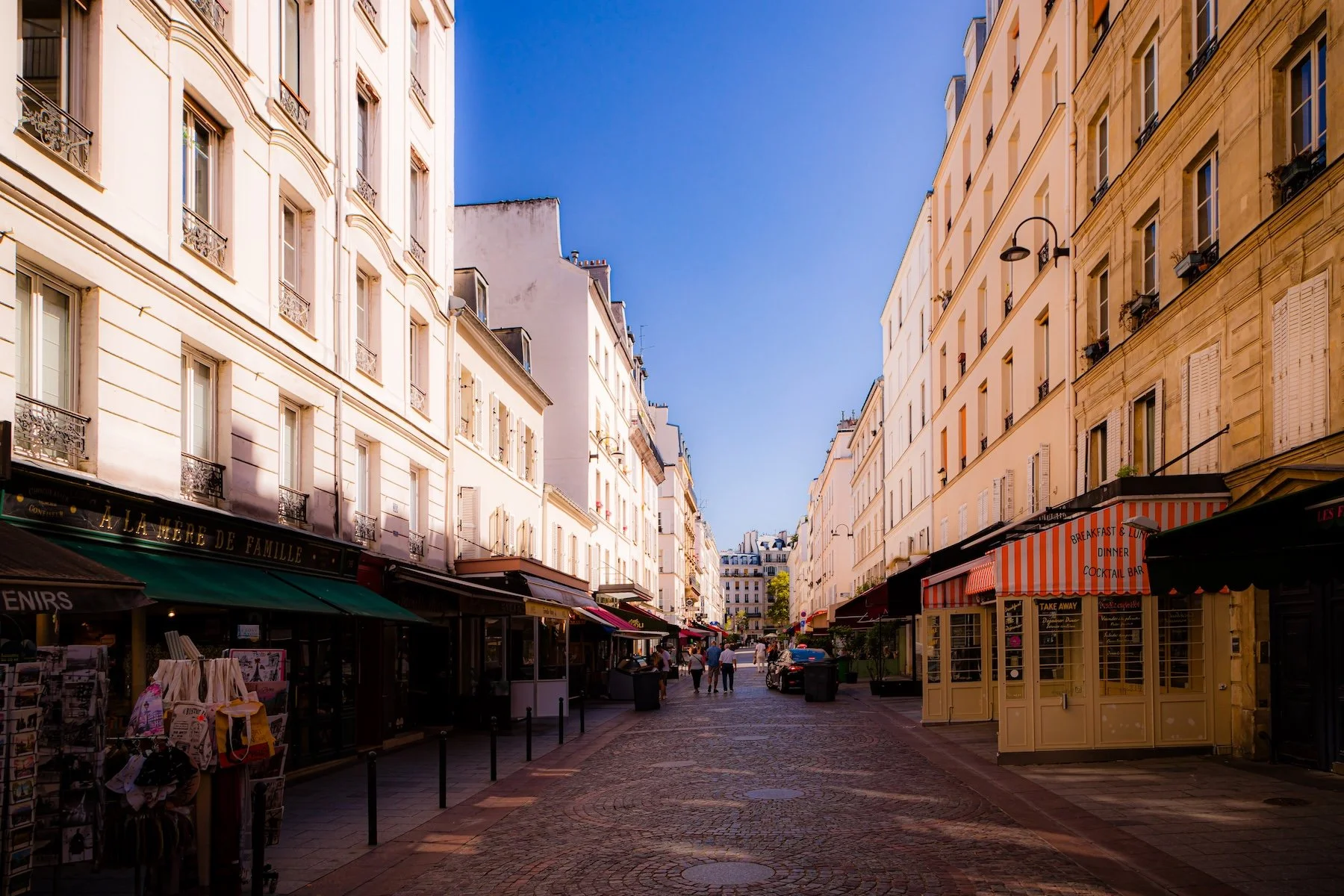
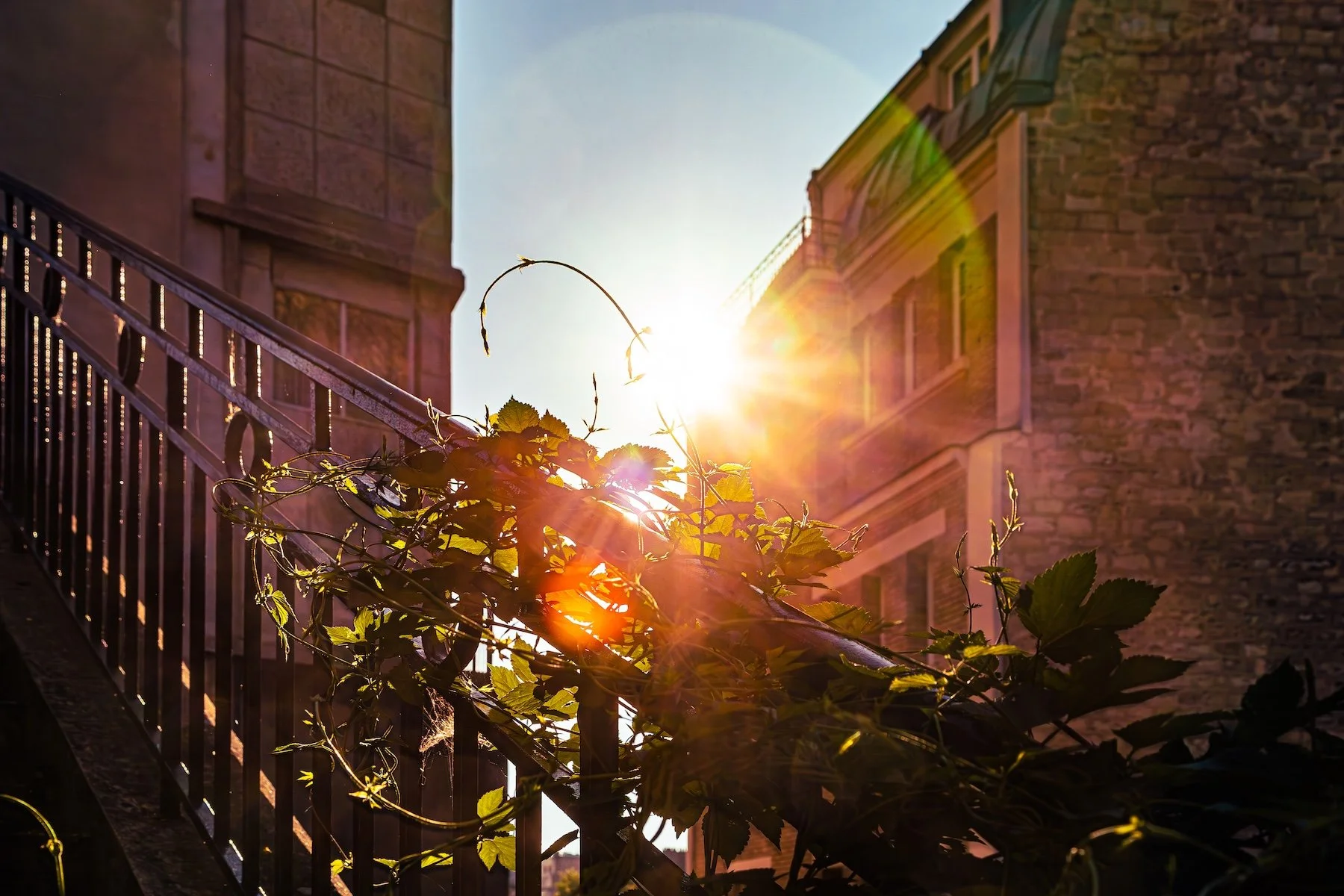
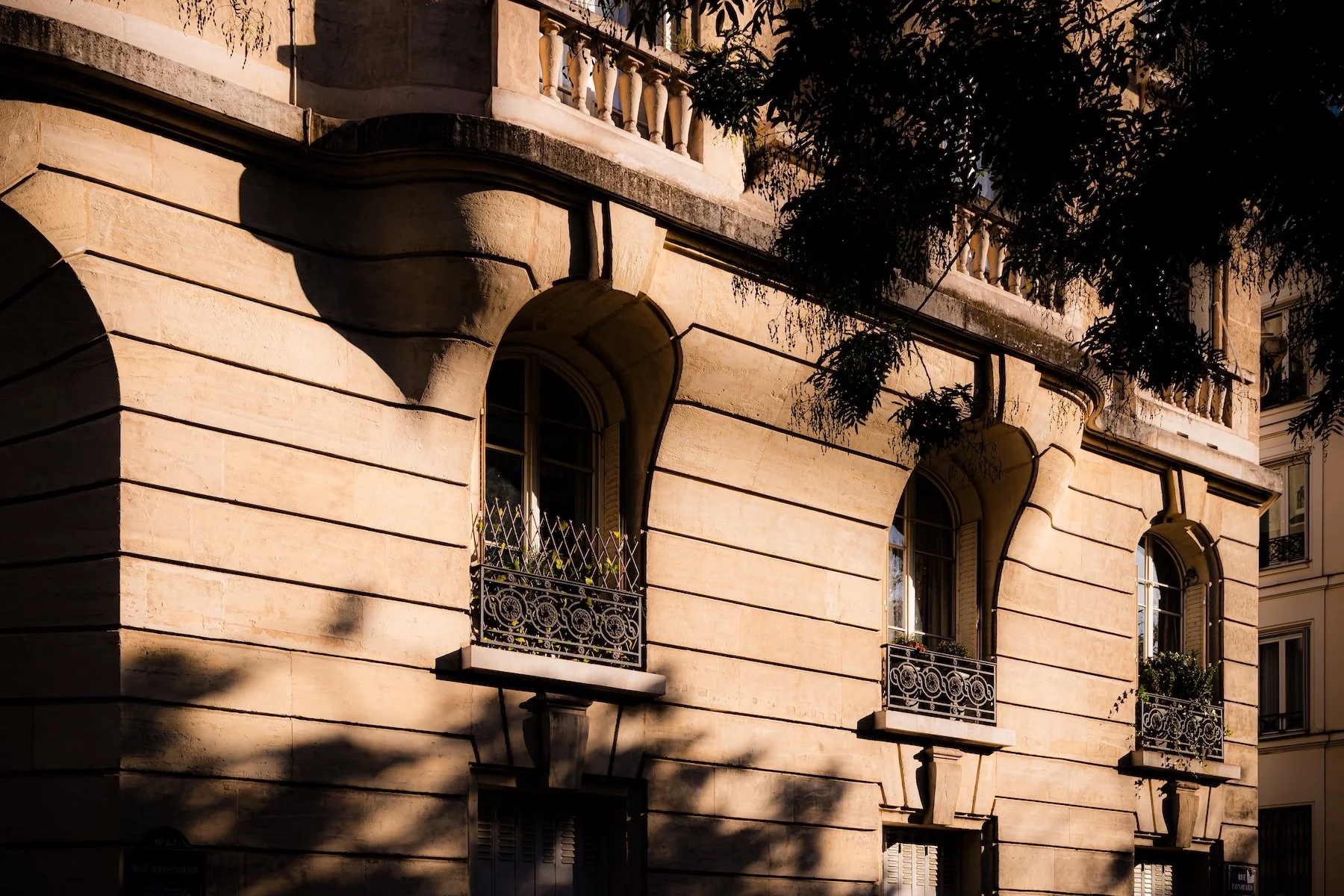
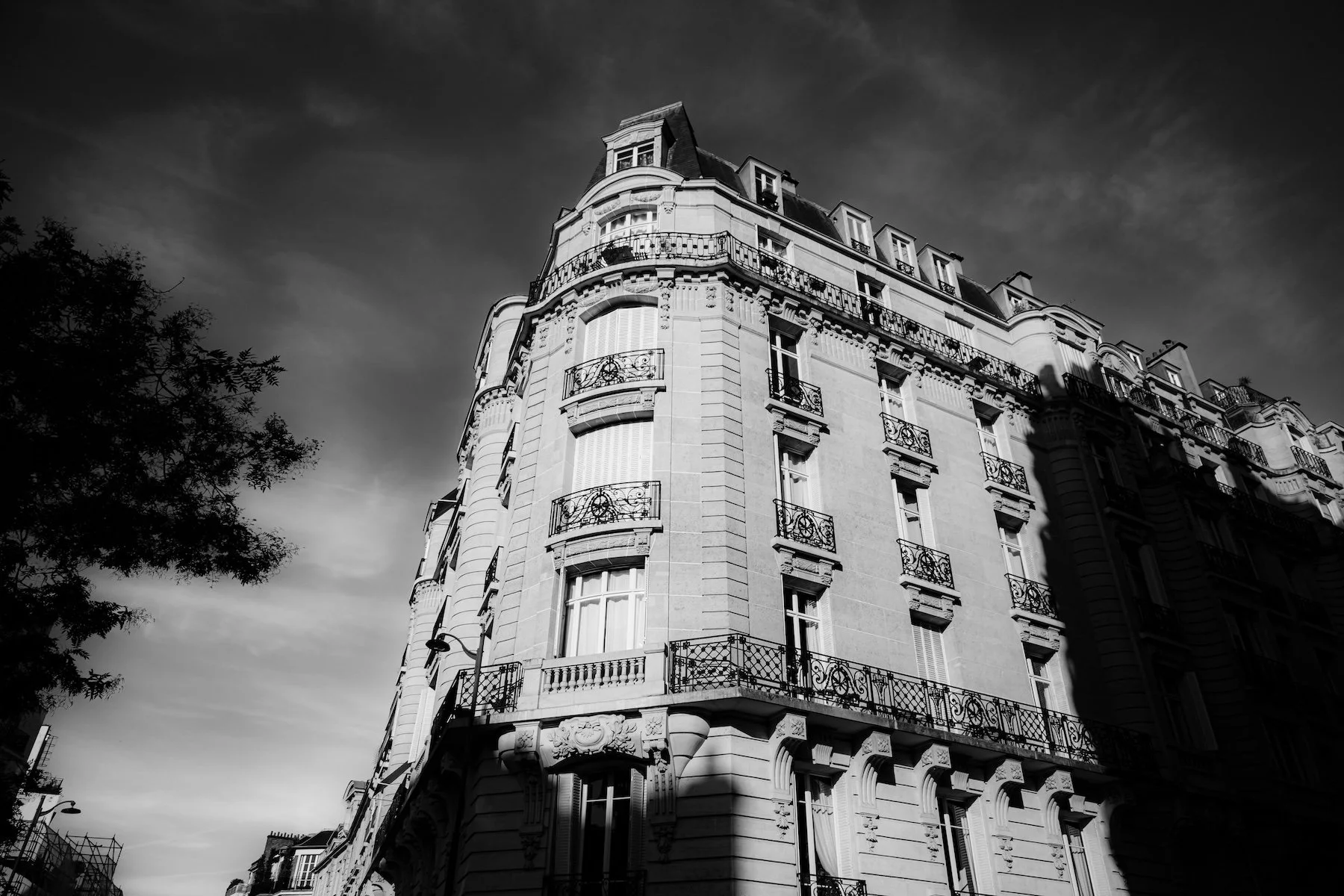
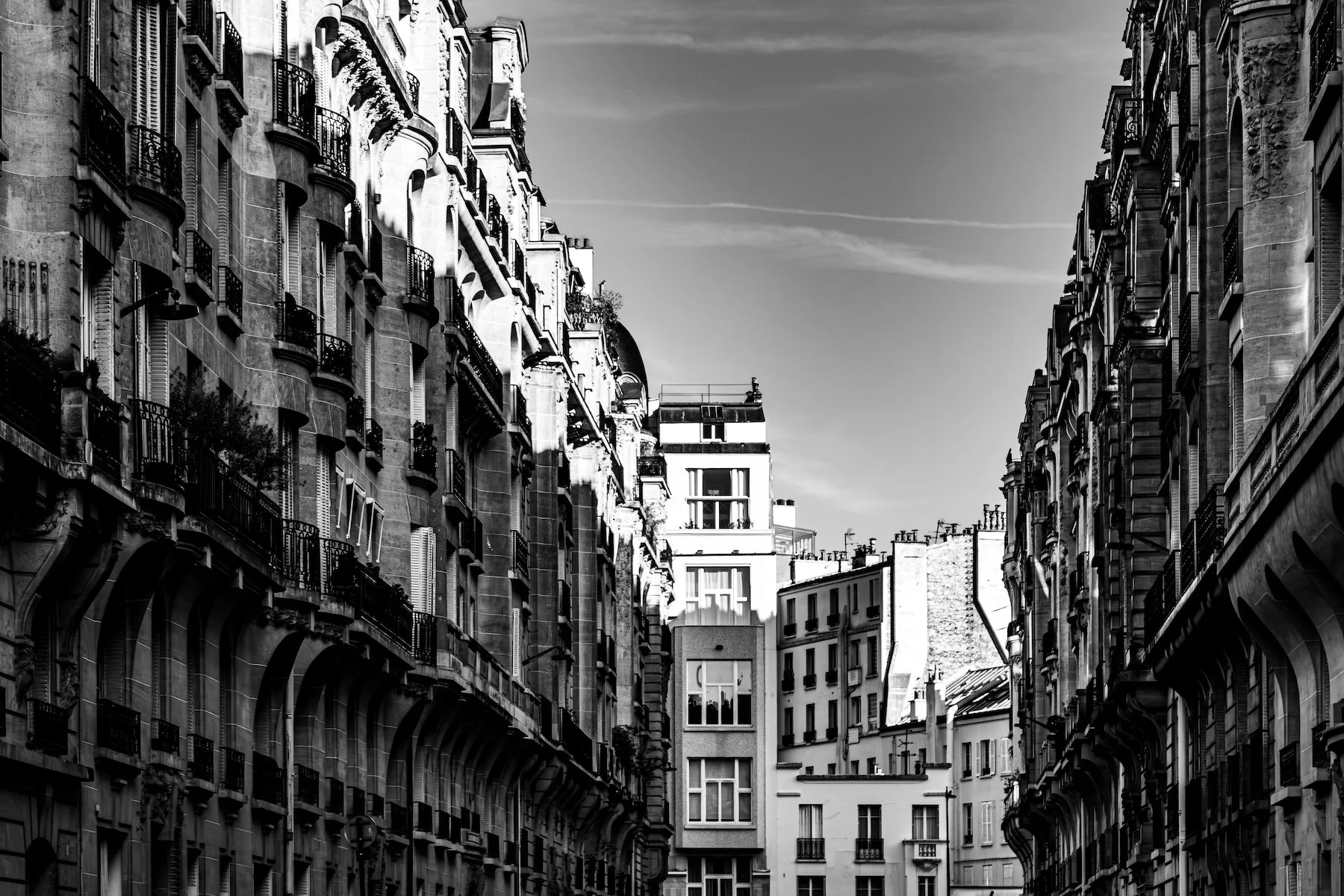
Photographing the arrondissements means moving between the official map and the street-level experience. The camera does not treat each arrondissement as visually uniform. Instead, it looks for the recurring forms, textures, transitions, and contrasts that make each district legible: the geometry of boulevards, the shade of plane trees, the repetition of balconies, the rise of stairways, the curve of canals, the presence of rail stations, the opening of parks, the weight of monuments, and the intimacy of side streets.
On CityNeighborhoods, the arrondissement provides the frame, but the photograph comes from the encounter between map, movement, light, and observation. As the Paris photography is processed, this section will connect each arrondissement more directly to the project’s Photographic Lexicon: the visual strategies, recurring motifs, and compositional patterns that shape how the city is seen through the lens.
If you visit Paris, these ideas can help inspire your own photography.
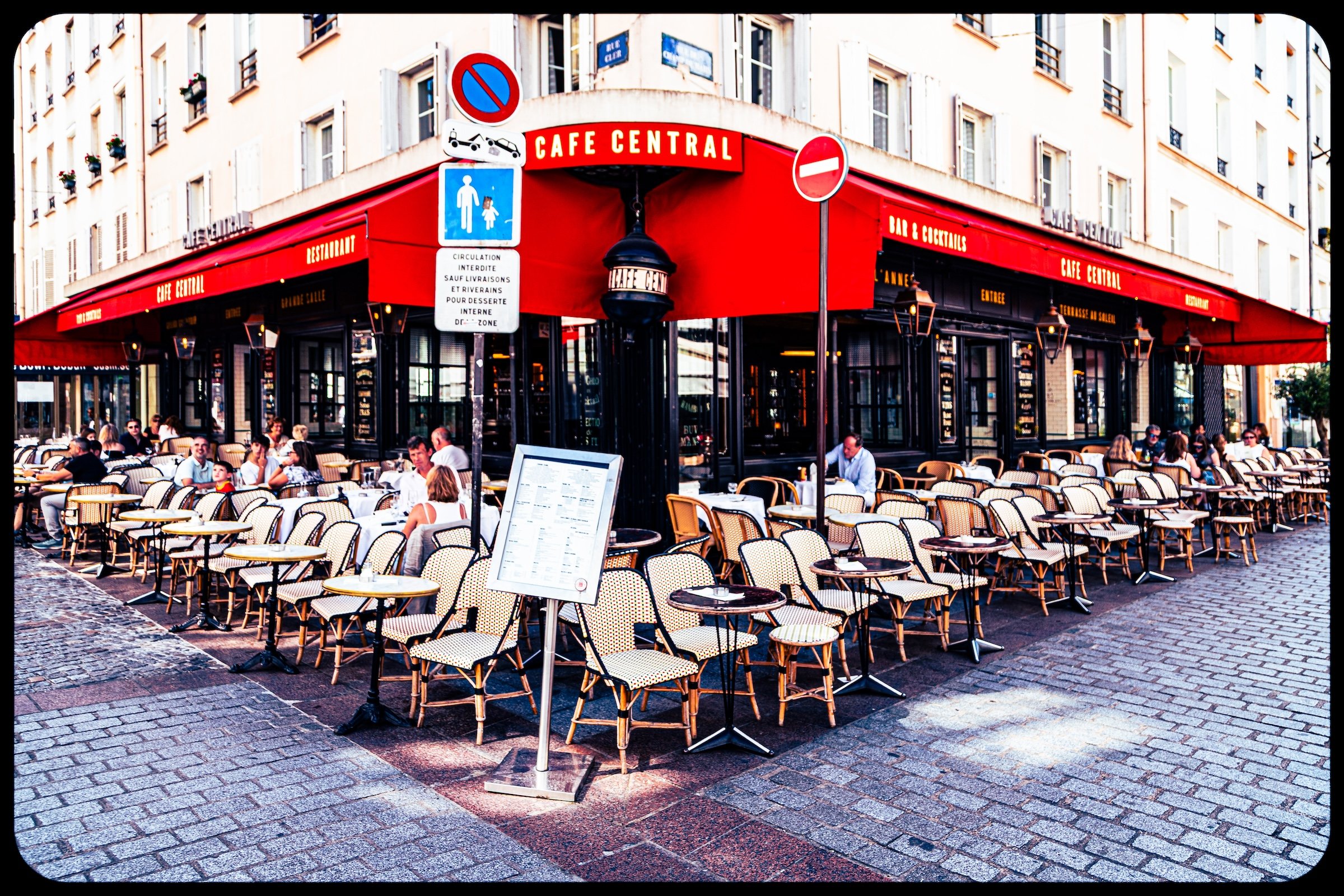
Paris: J’Espere, Je Rêve, Je Vive
Paris Photo Gallery
Paris Field Notes
-
Field Note: August 18, 2025 | 07:58 AM
Conditions: 73°F | Humidity: 72%.
Within the park's interior, the glacial kettle ponds acted as humidity traps, creating a soft, hazy light that filtered through the old-growth oaks. The transition from the park's dense shade to the sun-drenched edges of Oakland Gardens highlighted the day's exceptional "picture-perfect" clarity.
There is a fleeting window in Queens where the humidity of August hasn't yet heavy-set, and the morning sun hits the canopy of Alley Pond Park at a perfect oblique angle. Arriving just before 8:00 AM, I watched the light break through the oaks and tulip trees, casting long, dramatic shadows across the wet grass. It’s in these quiet, golden moments that the park feels less like a city escape and more like the ancient glacial valley it actually is.
Other neighborhoods visited:
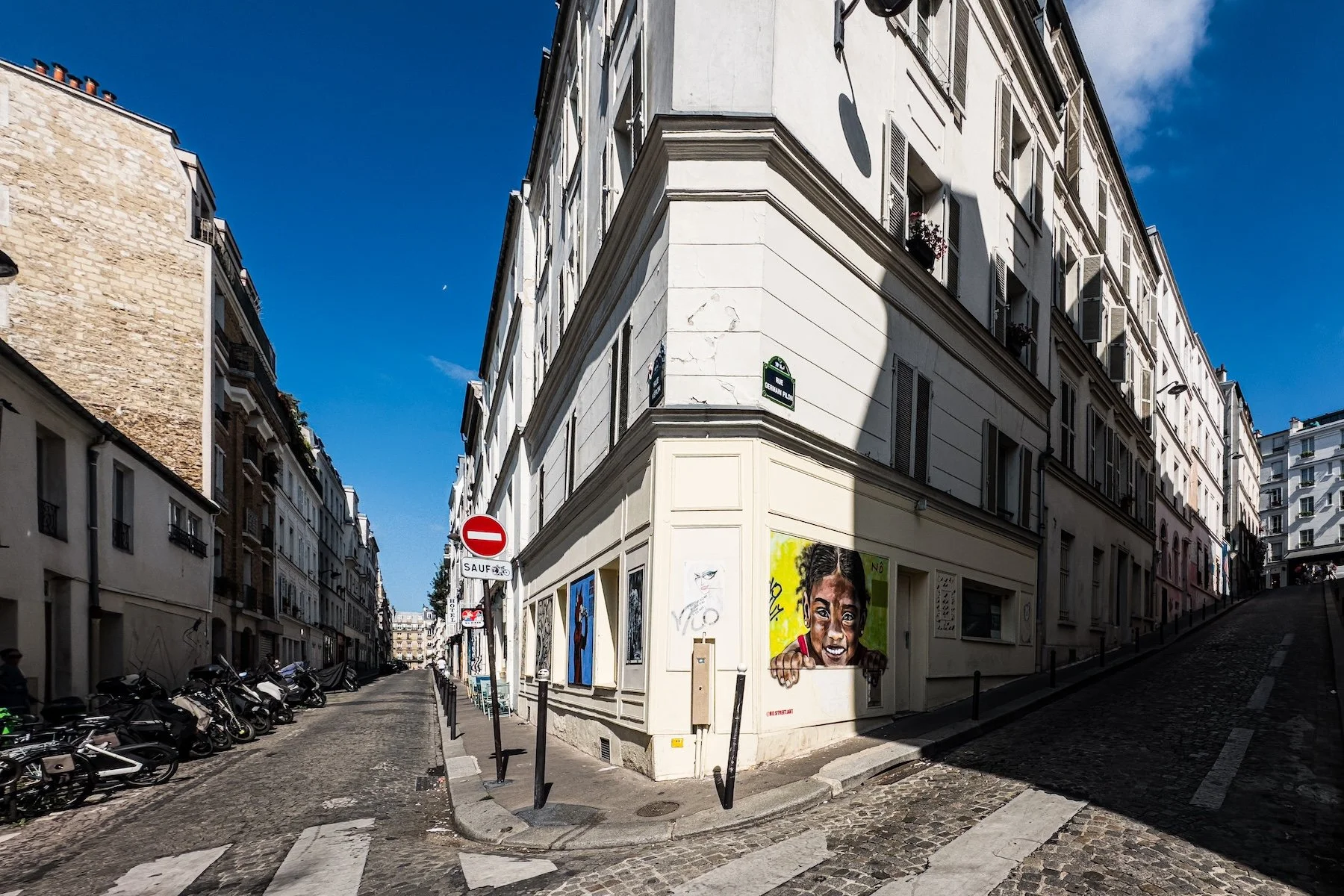
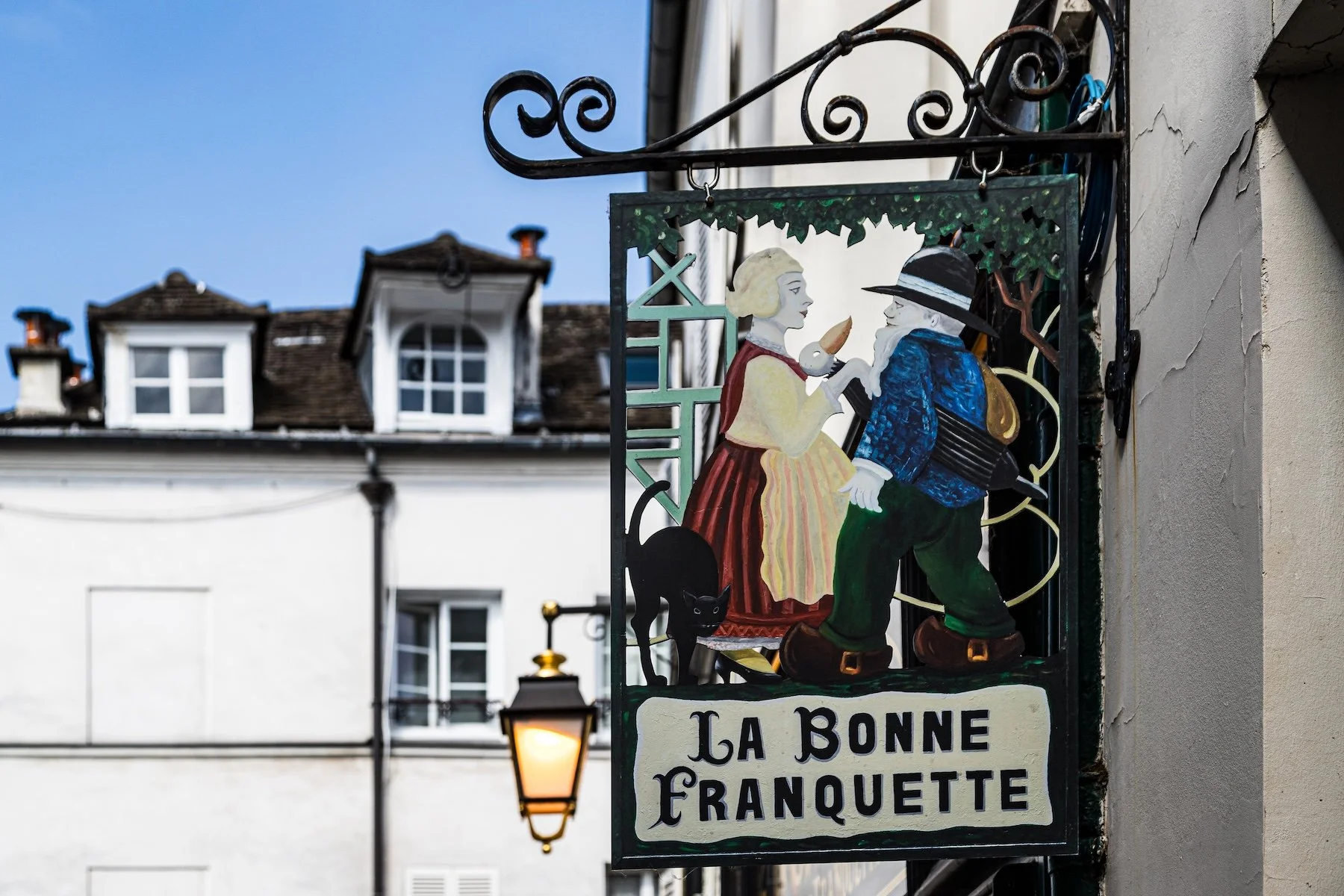
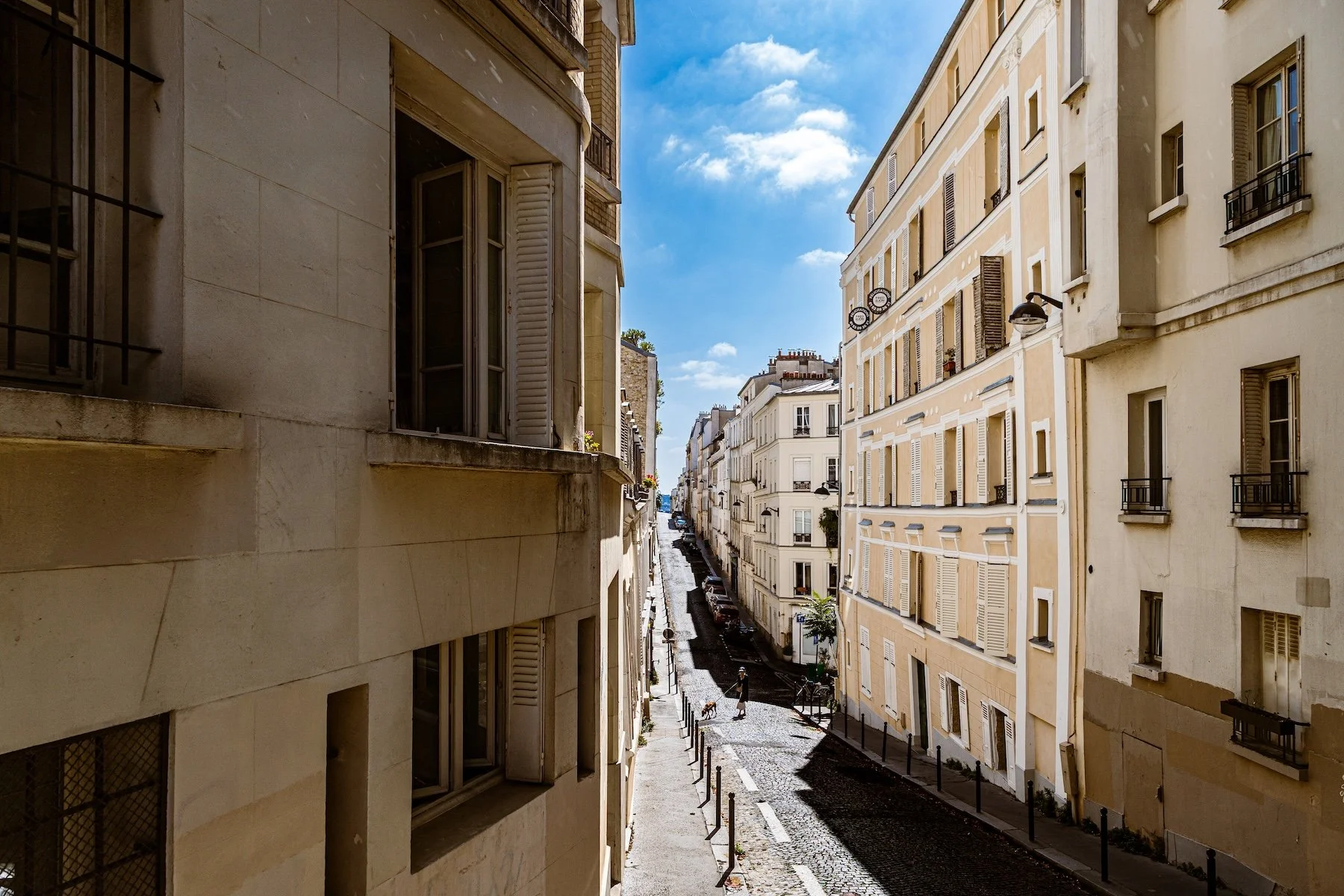
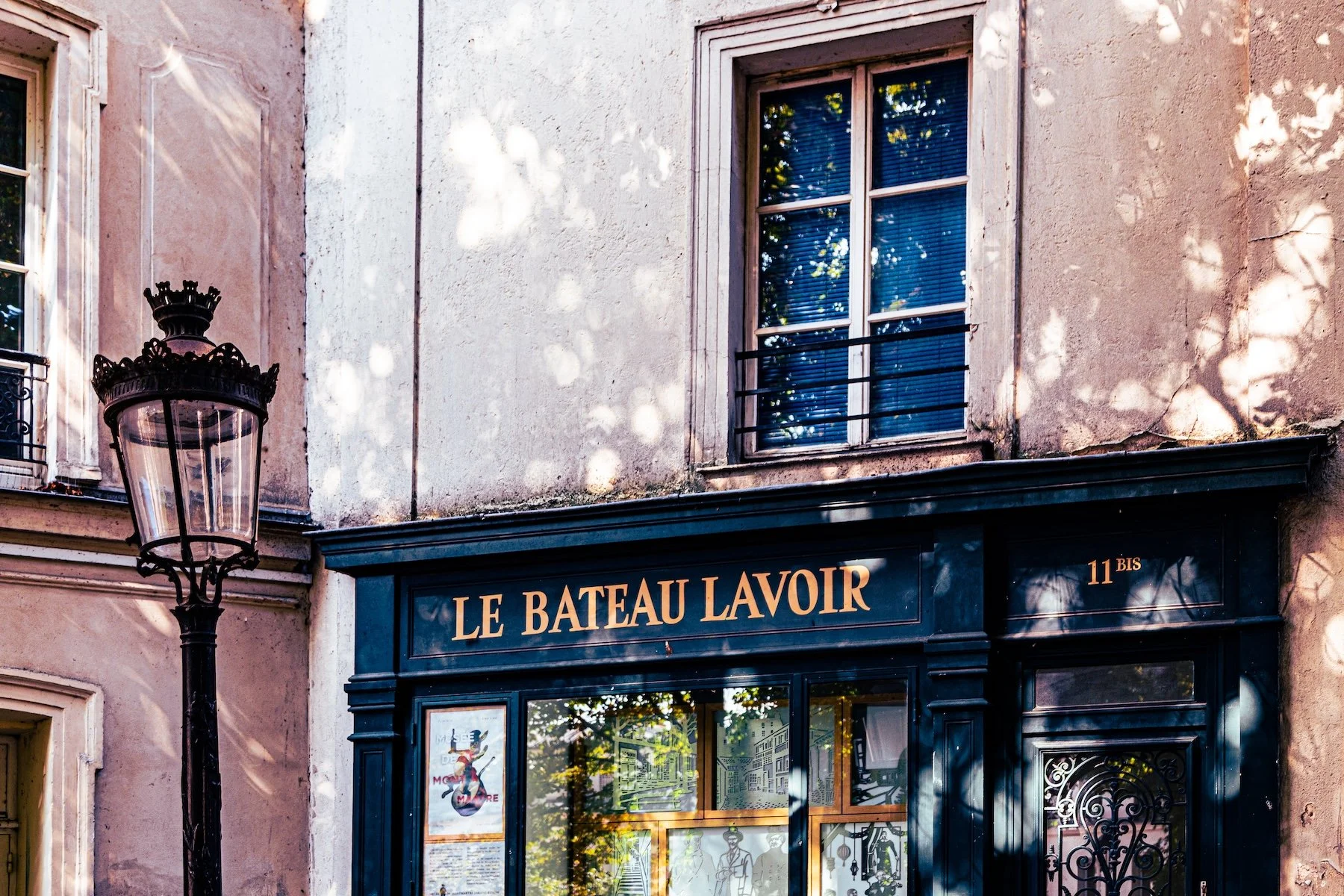
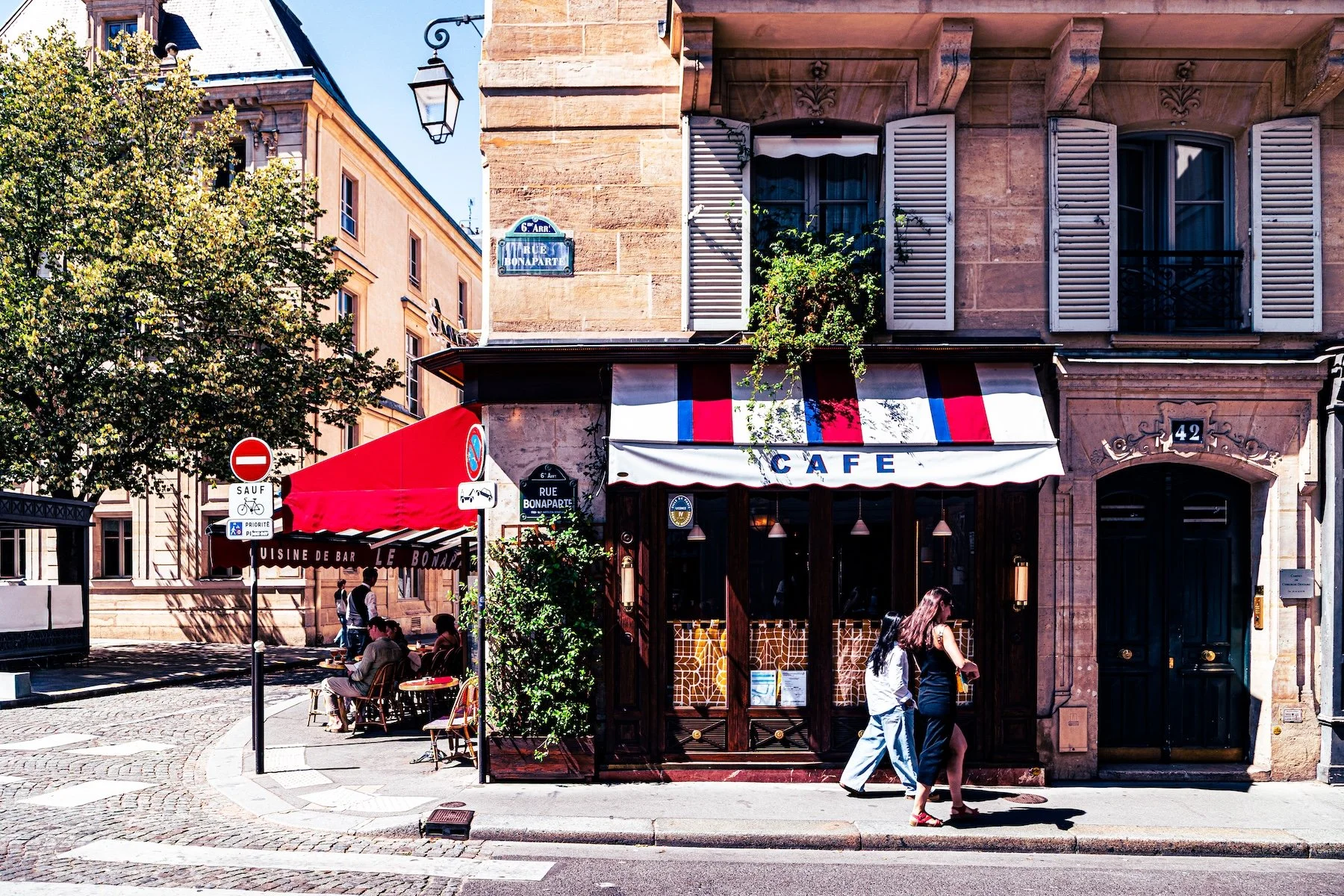
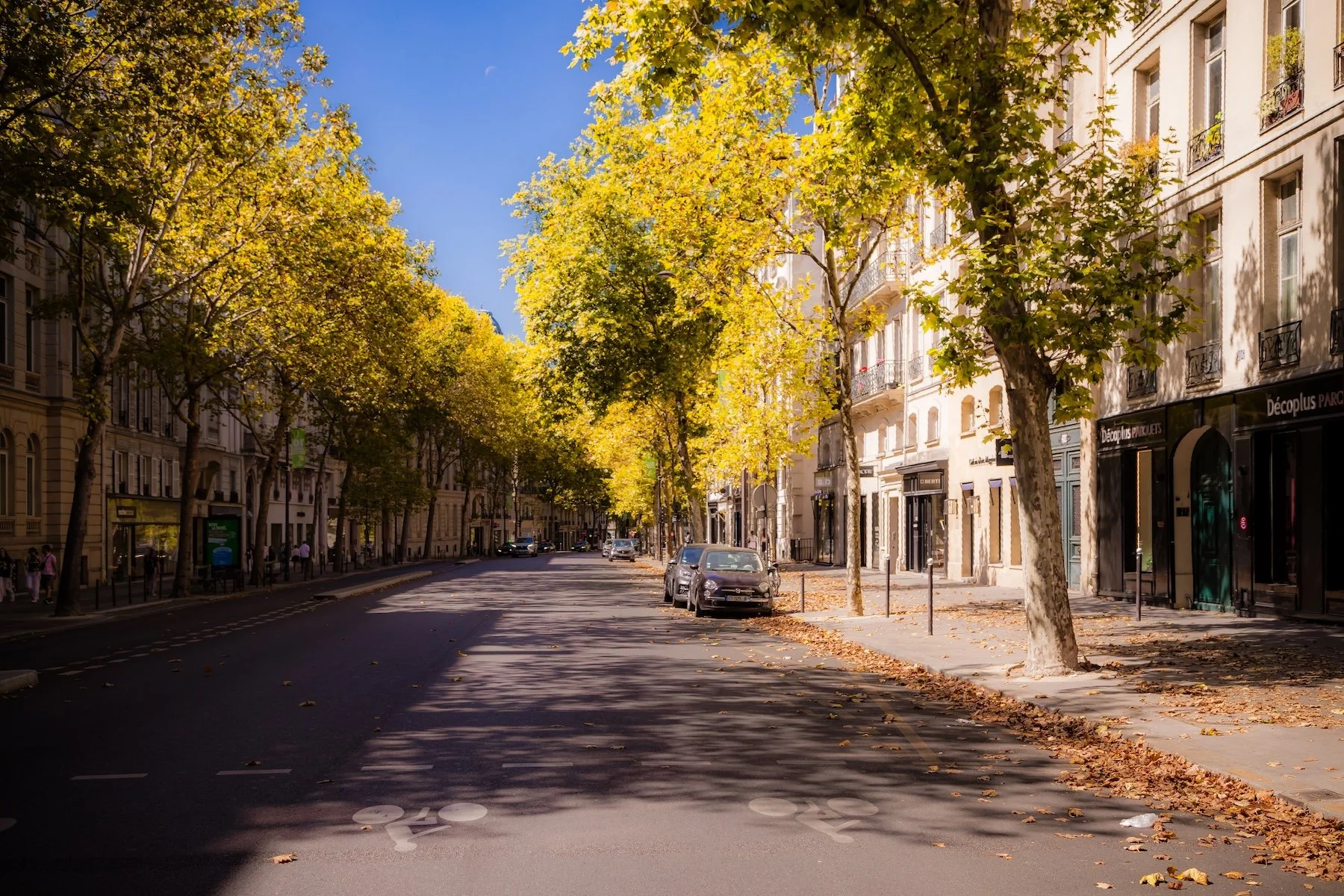
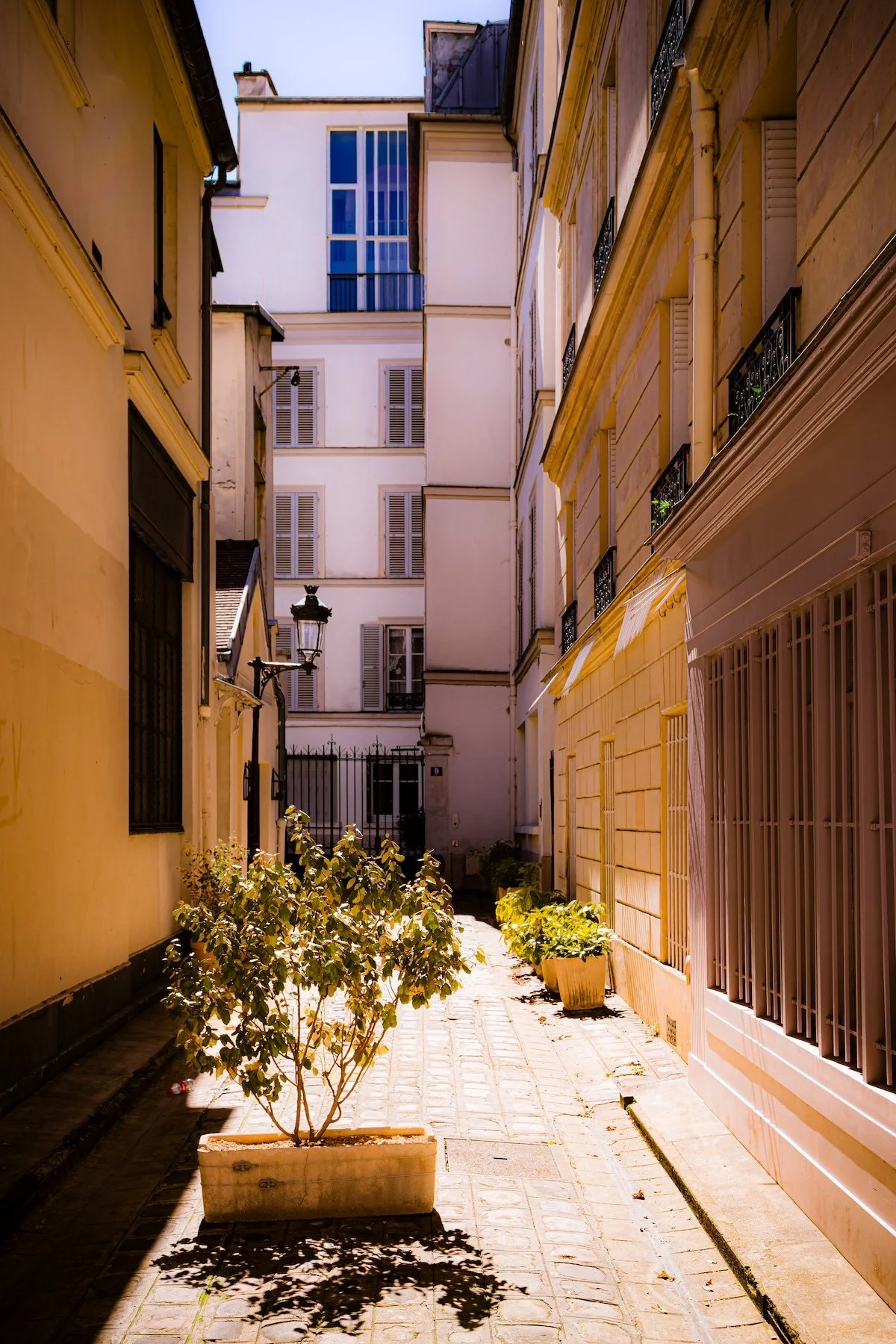
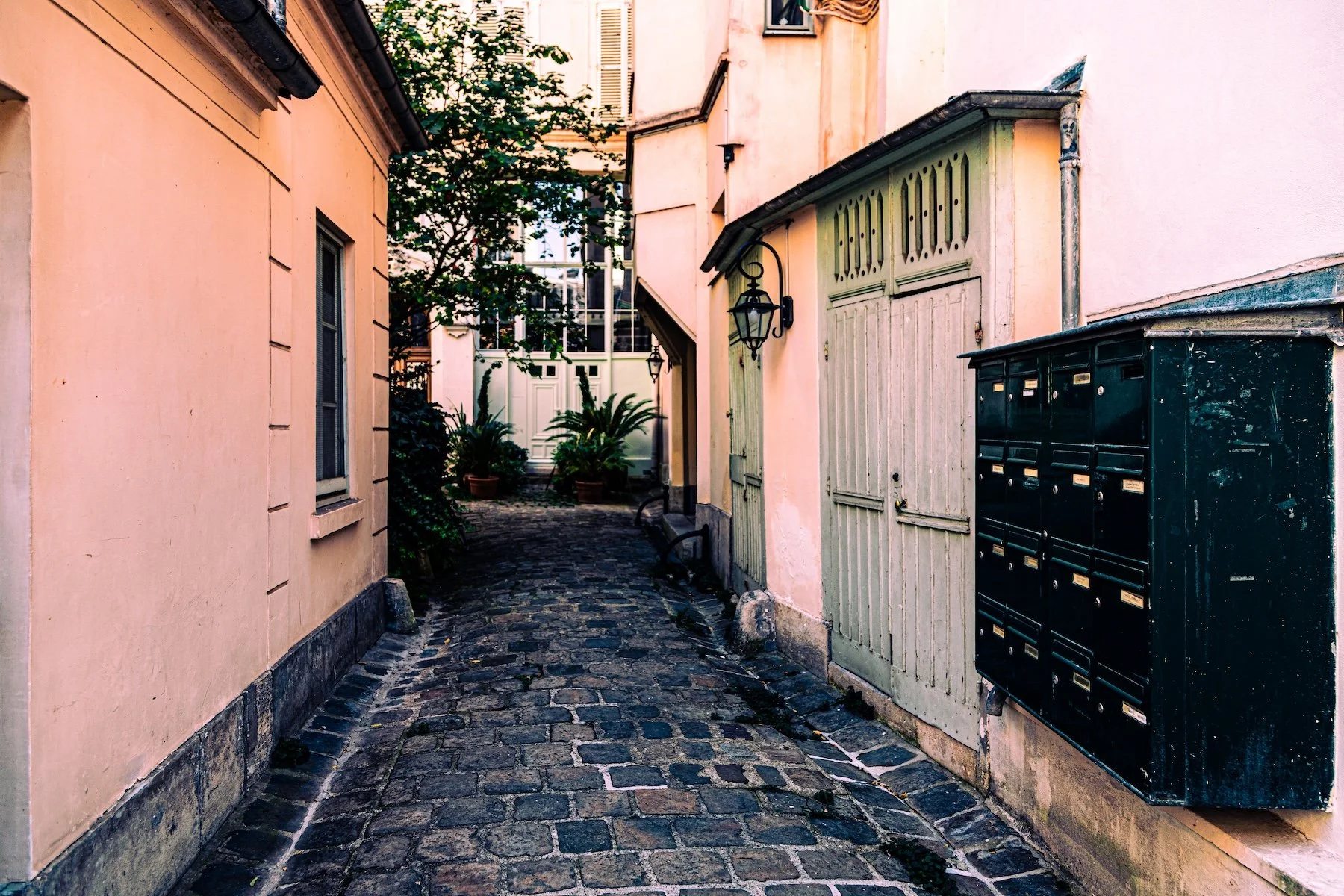
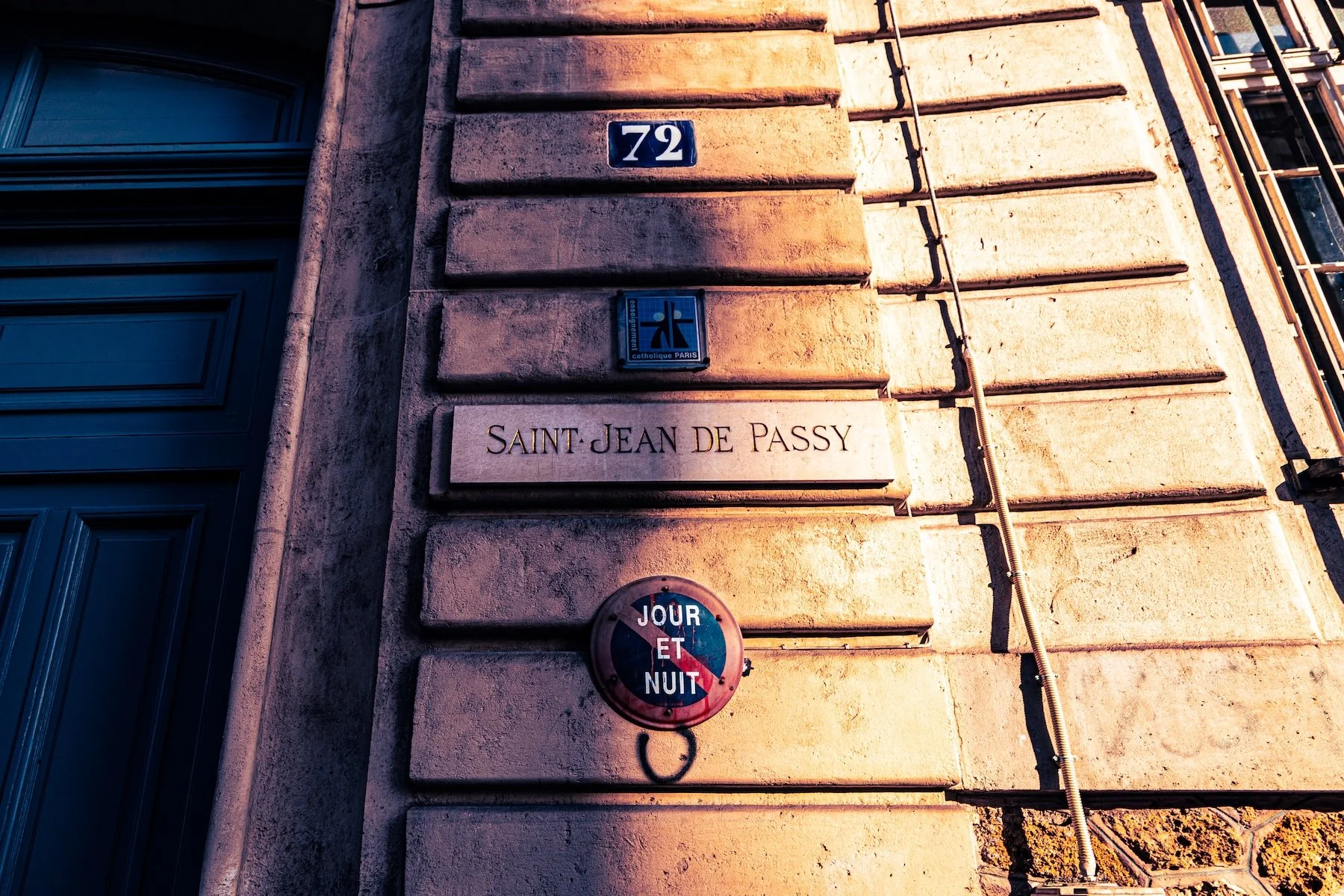
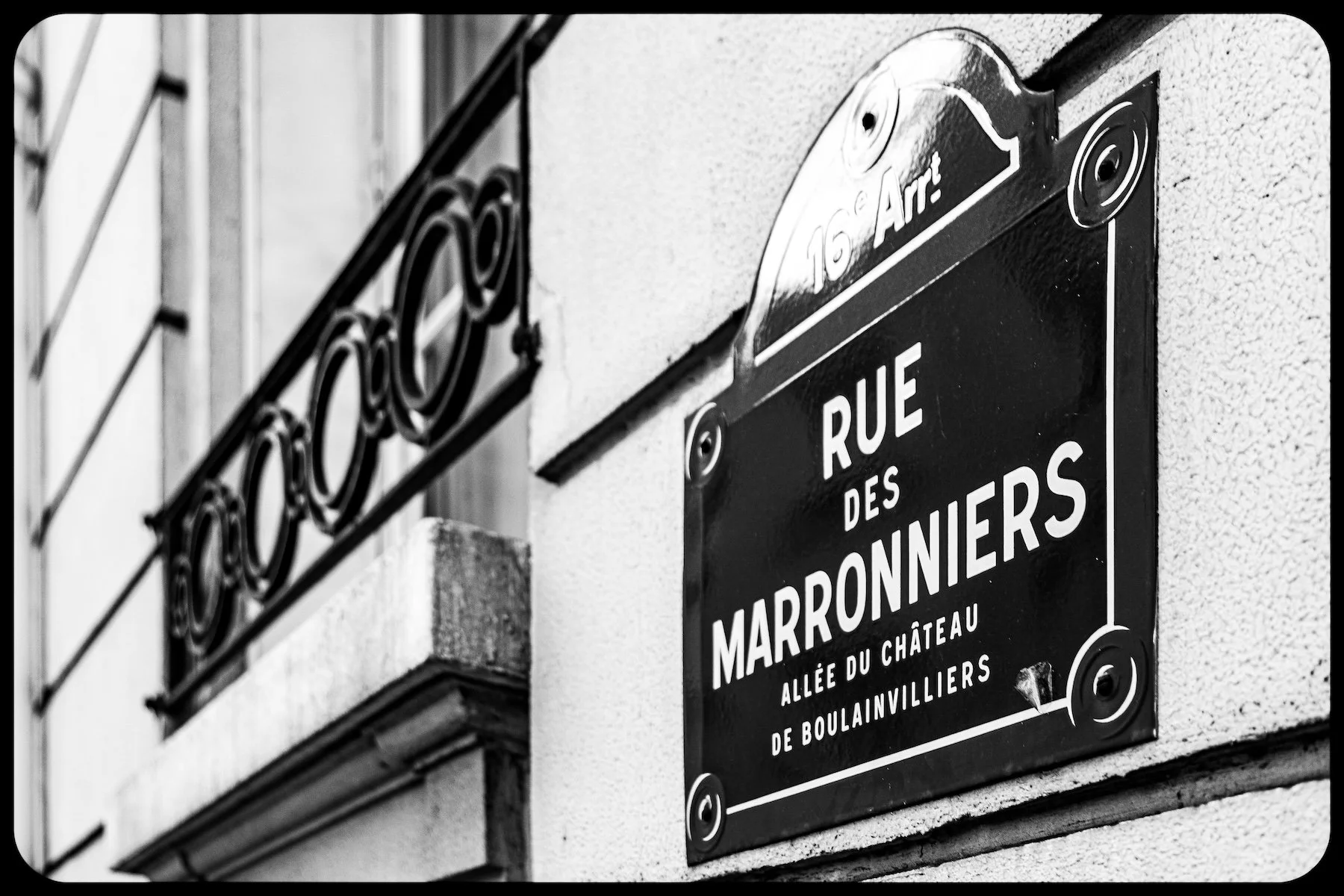
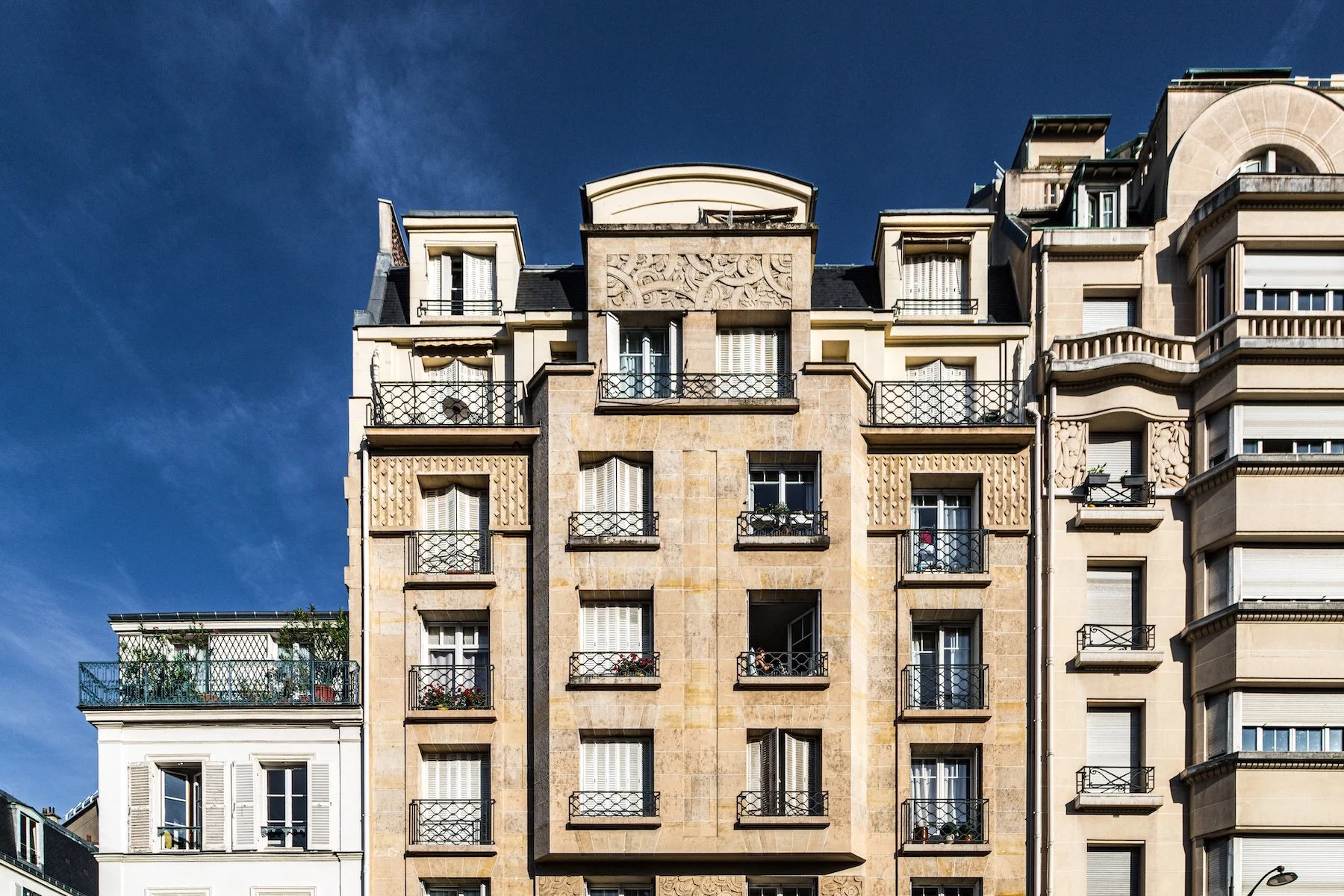
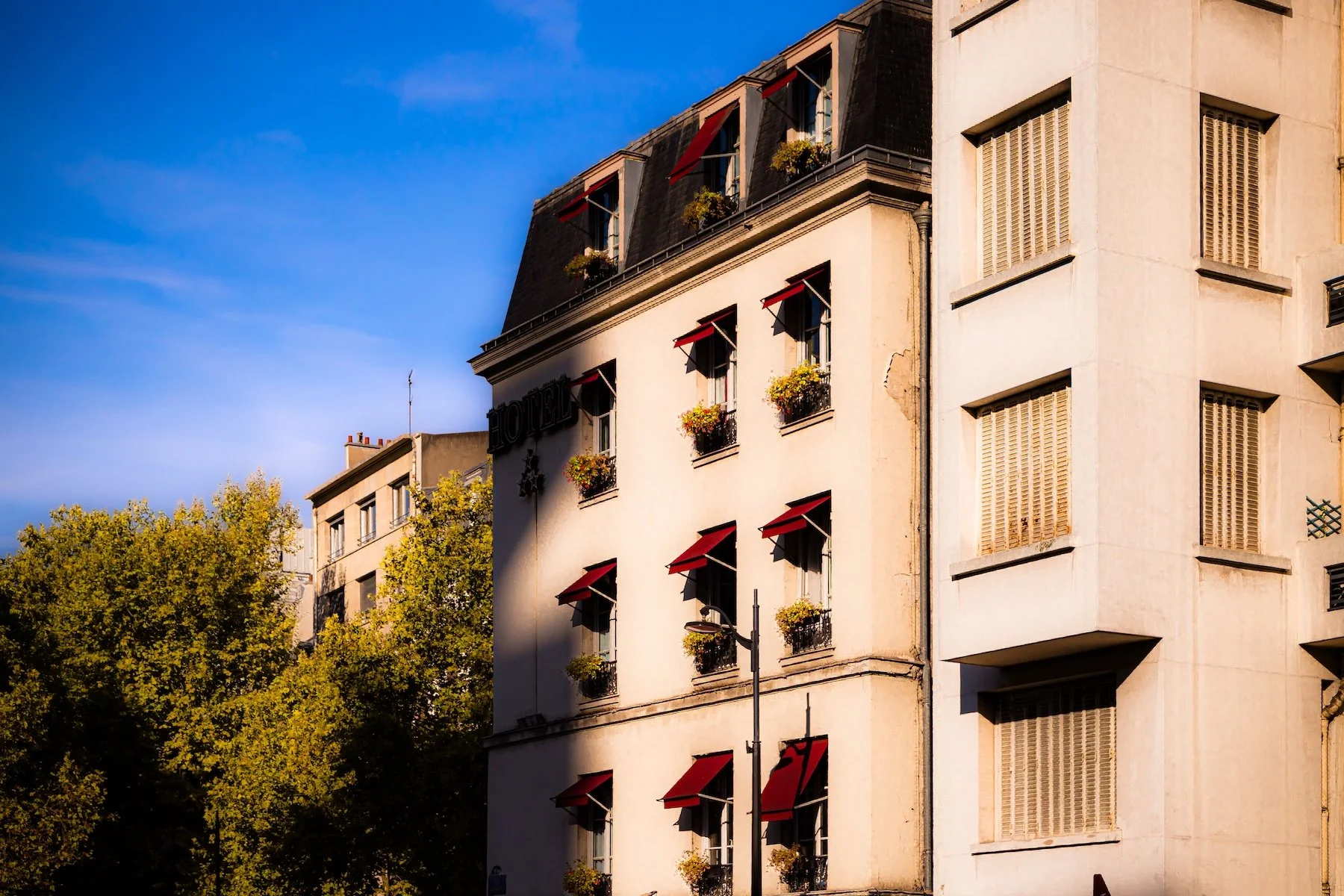

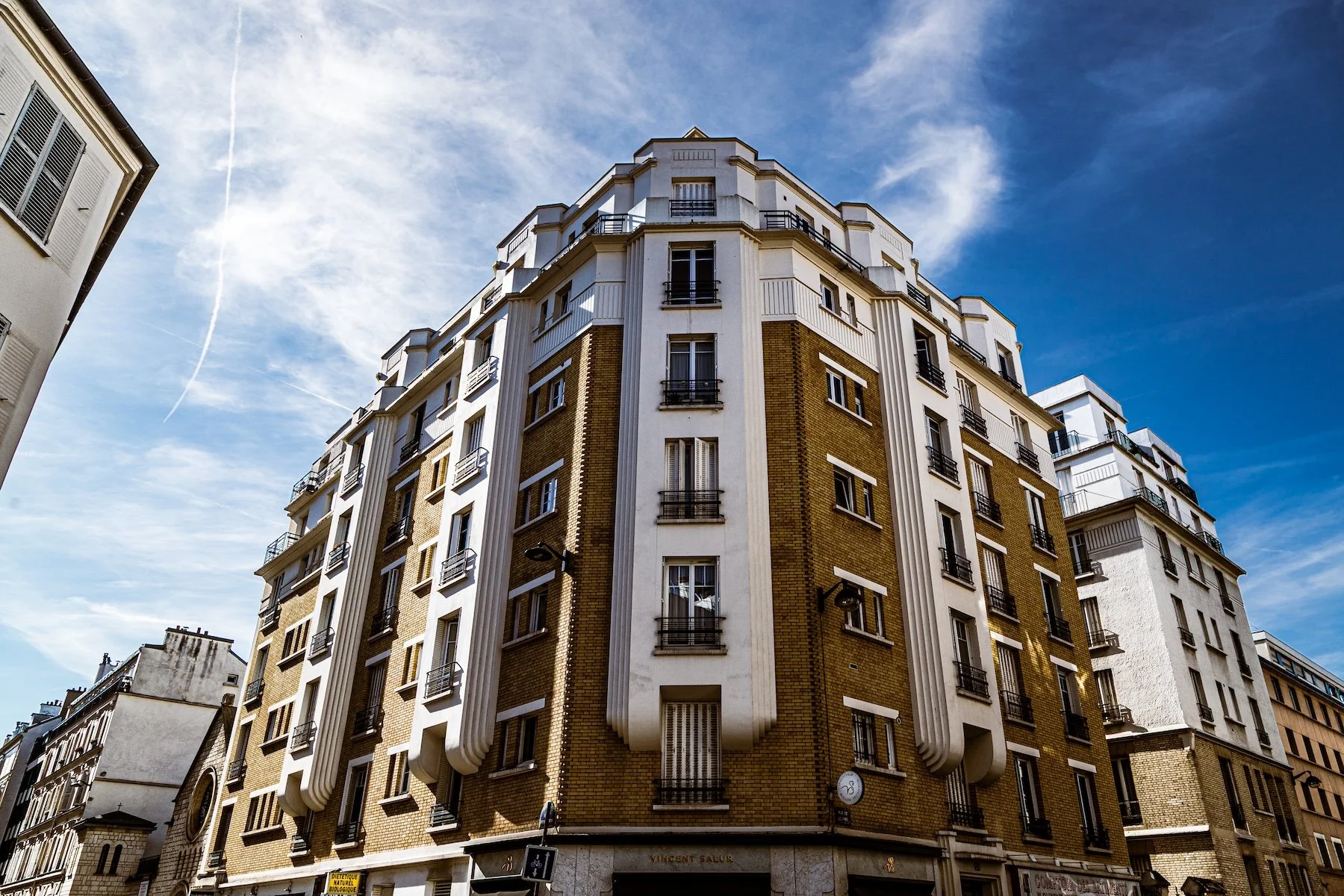
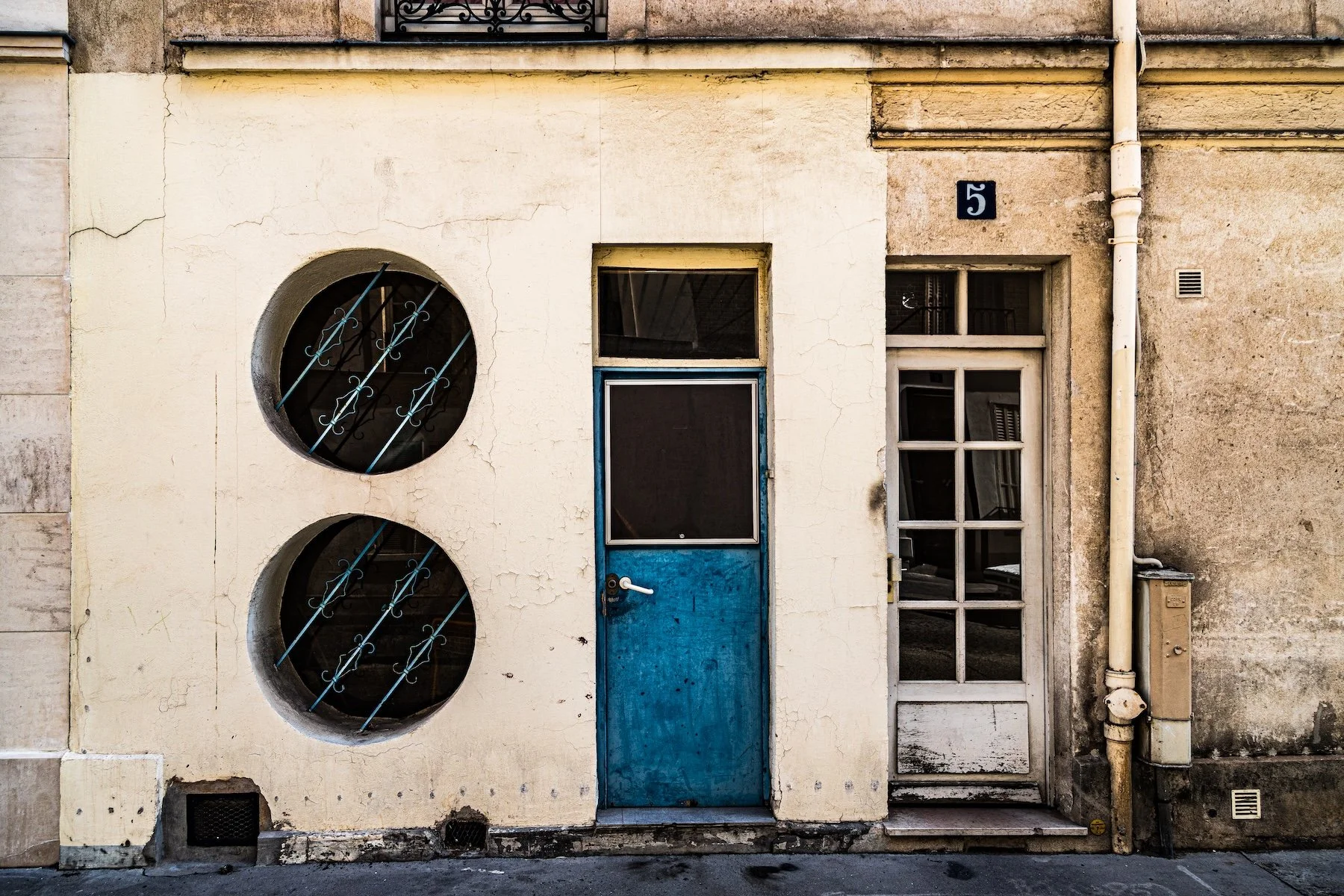
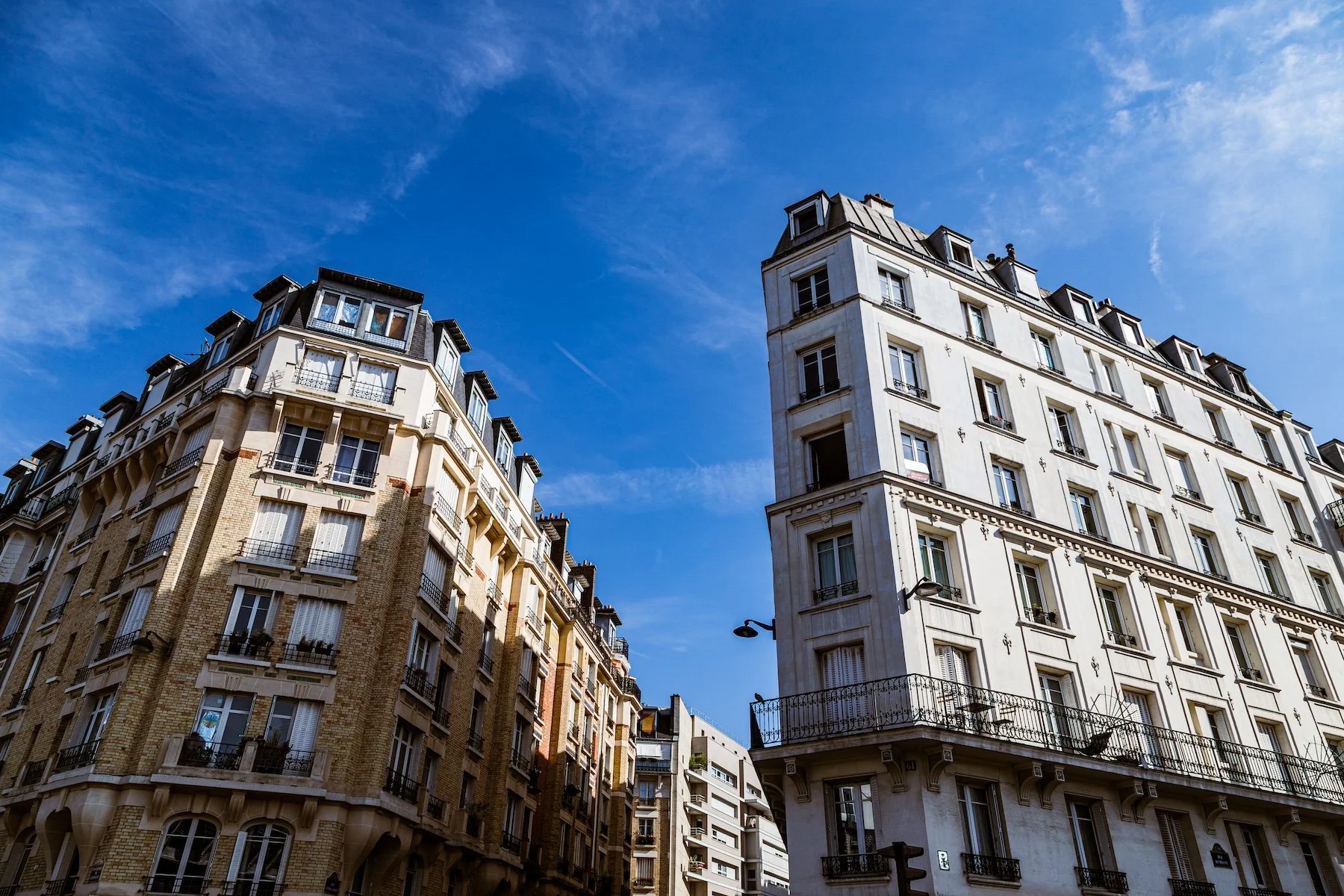
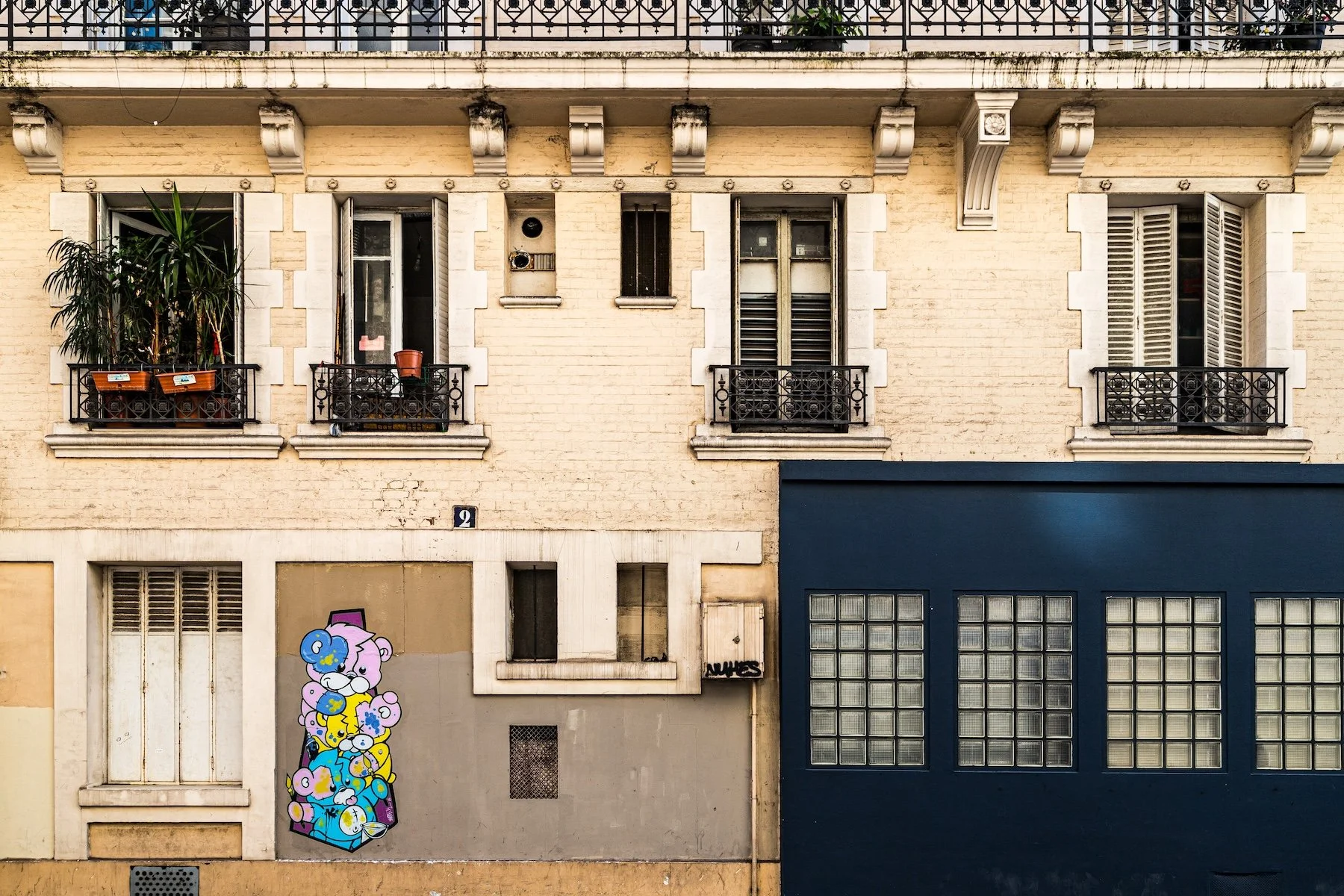
Explore Paris
-

The twenty arrondissements form the civic spiral of Paris, organizing the city into its broad local districts of government, identity, and daily life.
-

Each arrondissement is divided into four official administrative quarters, giving Paris a more precise civic and geographic framework.
-

The conseils de quartier bring participation to street level, giving residents a voice in neighborhood needs, public space, and local civic life.
-

Les Deux Rives trace Paris through the Seine’s two banks, revealing how the Rive Droite and Rive Gauche shaped the city’s civic power, commerce, learning, art, and cultural identity.
-

Cultural neighborhoods reveal the Paris people recognize through history, cafés, architecture, memory, atmosphere, and local belonging.