
SAINT GEREMAIN DE PRÈS
Milieux Culturels
Part of an ongoing project to walk and photograph every neighborhood in Paris, this page explores the Cultural Neighborhood of Saint Germain de Près through maps, district identity, history, and photography.
The Map
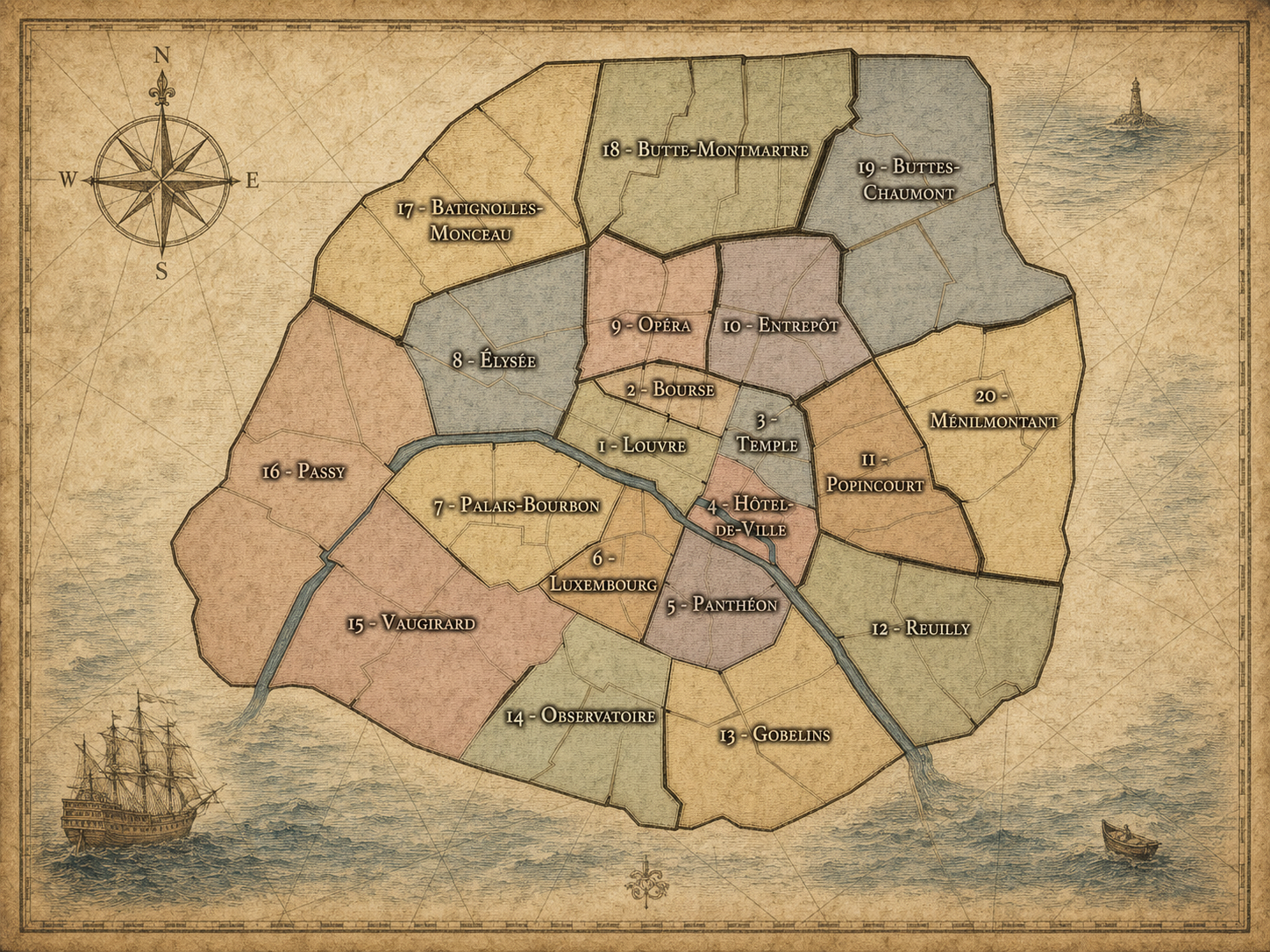
Download the Paris Arrondissements Map
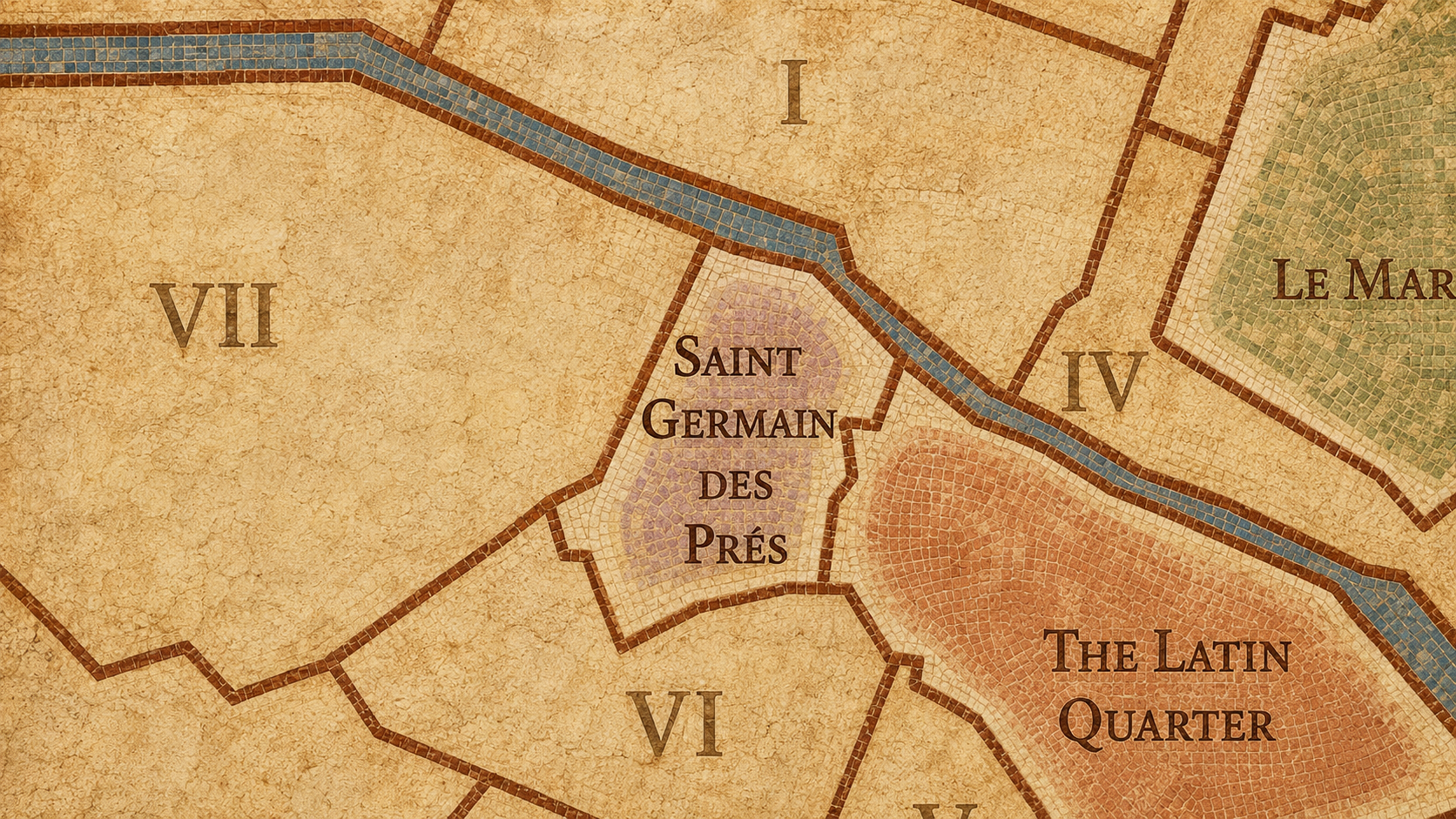
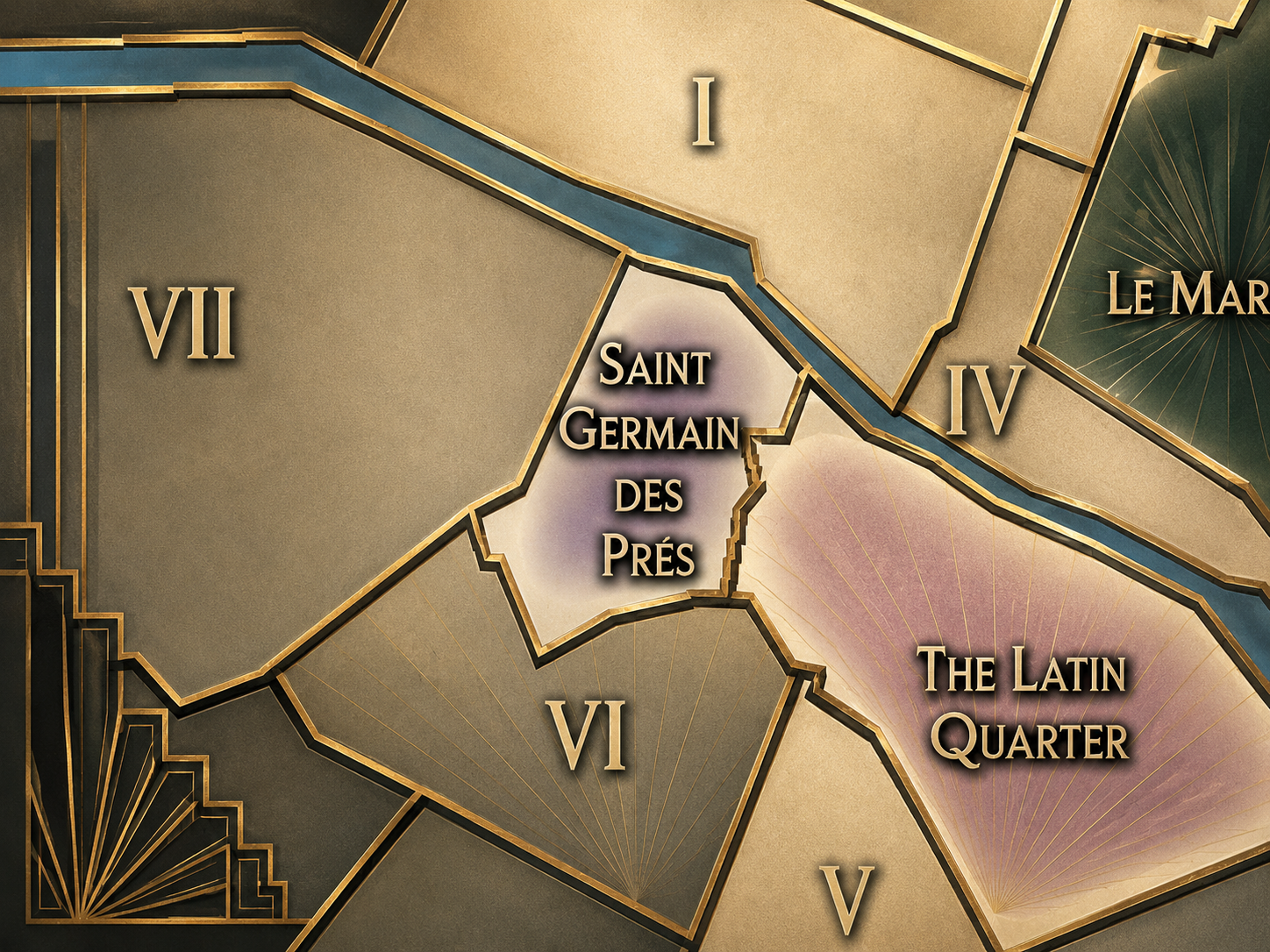
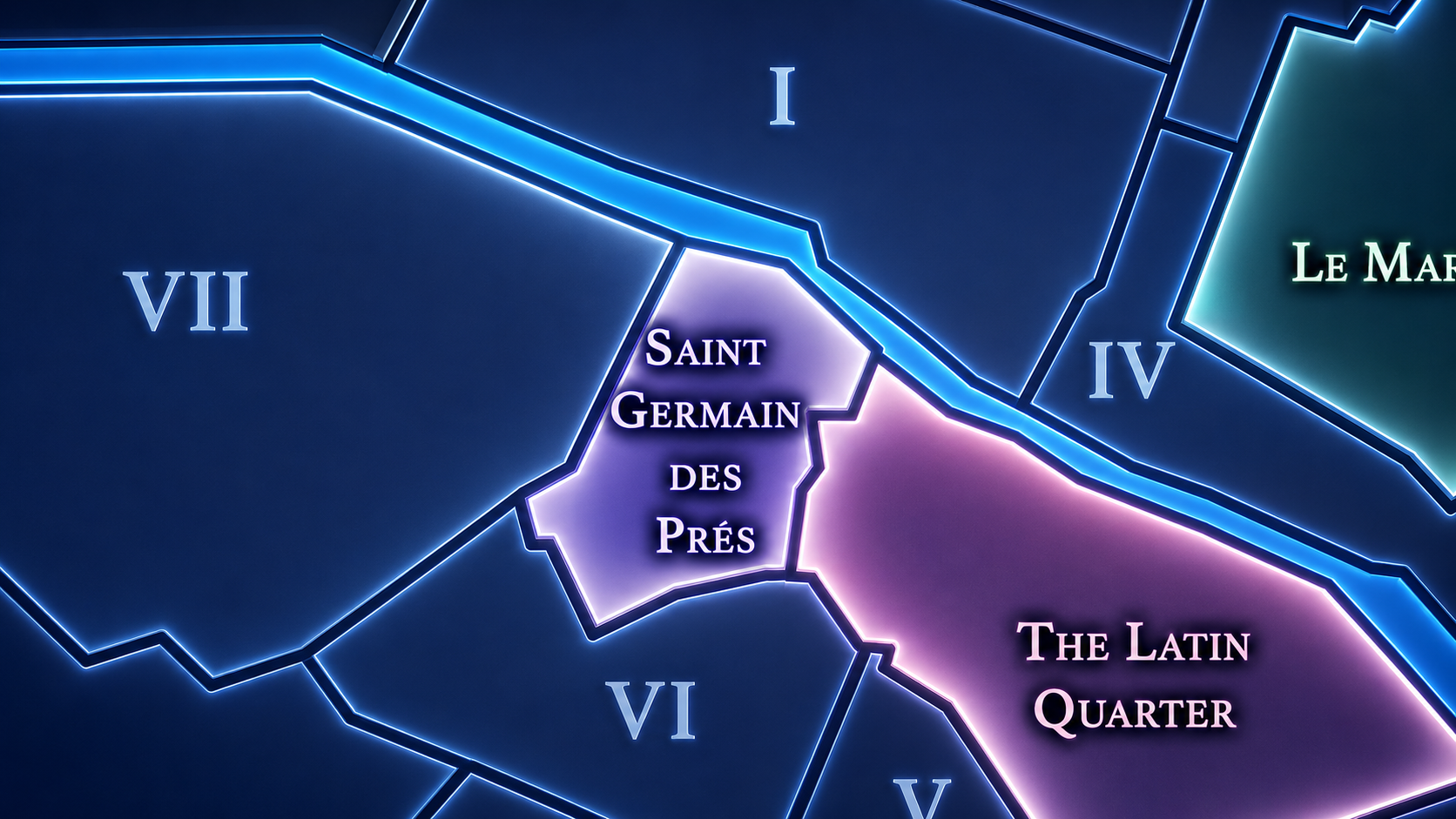
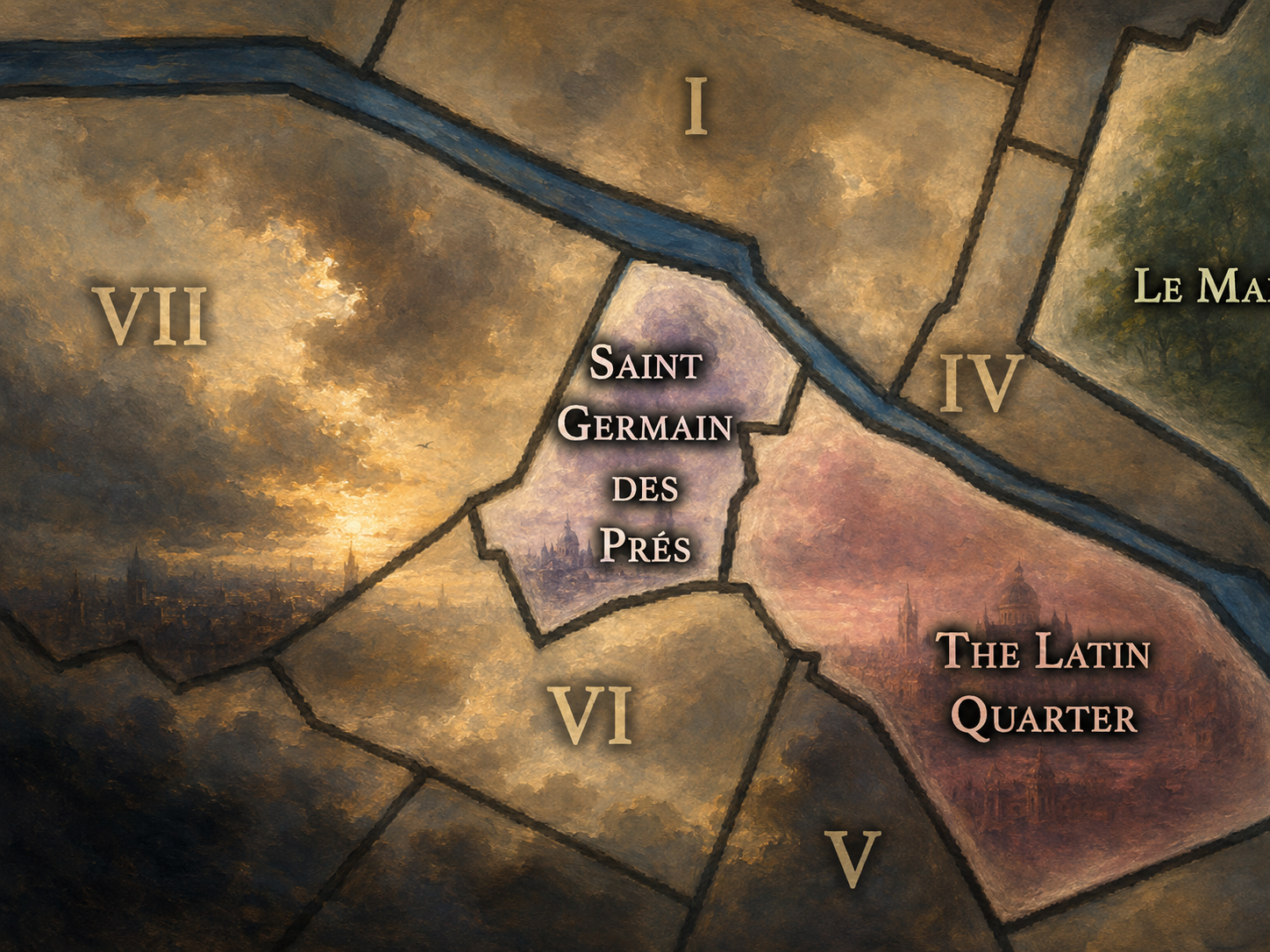
Cultural Boundaries
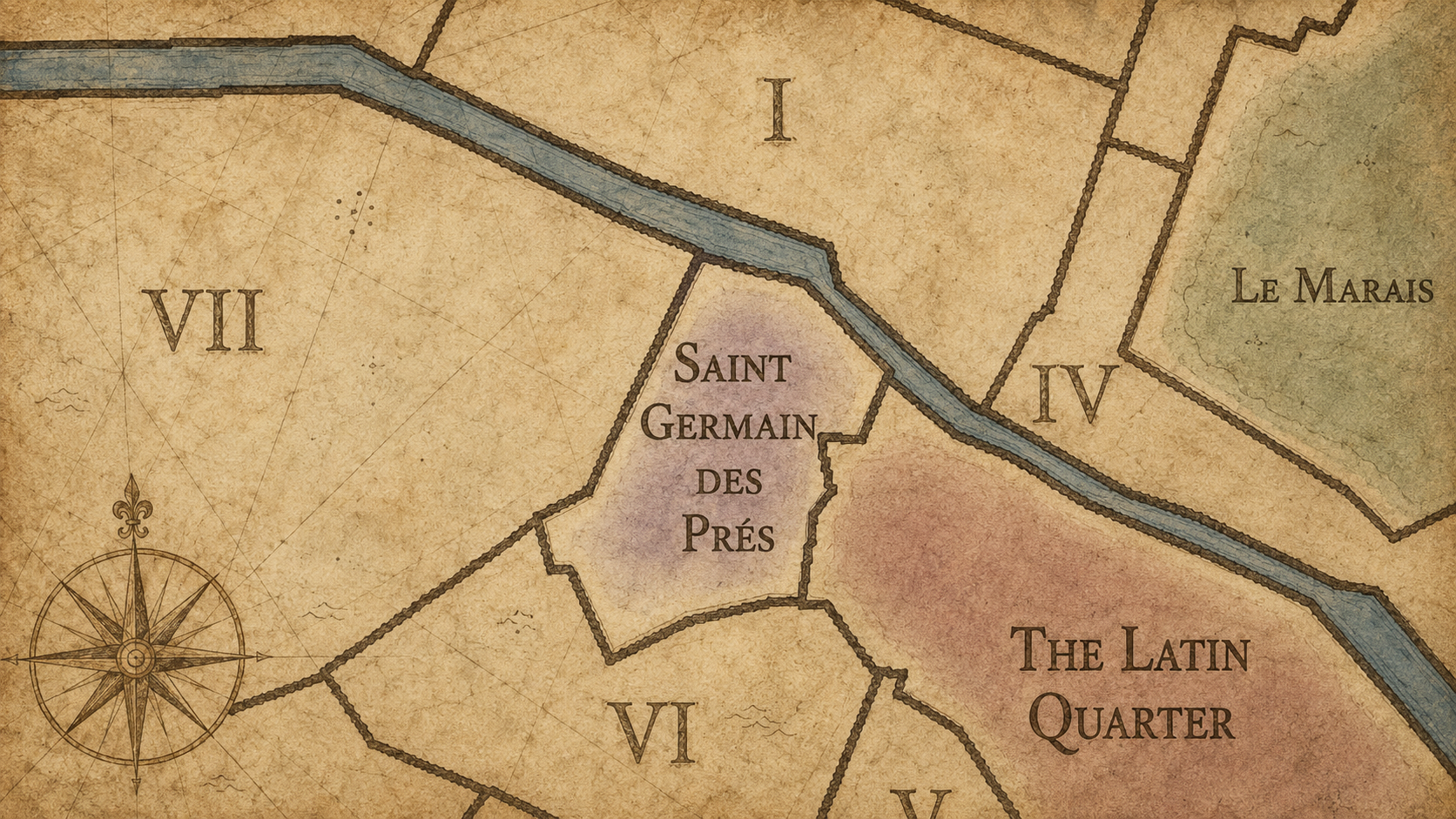
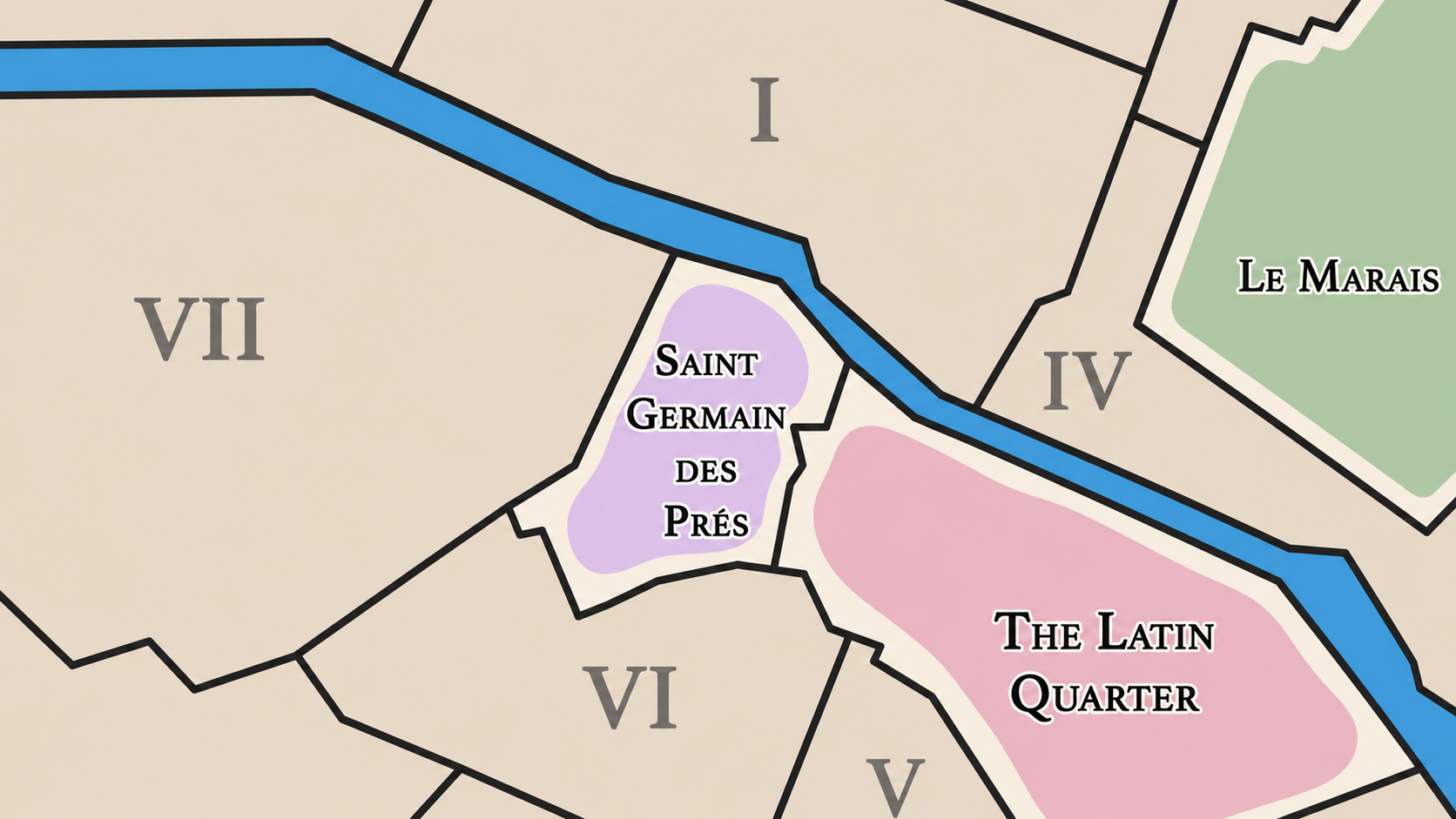
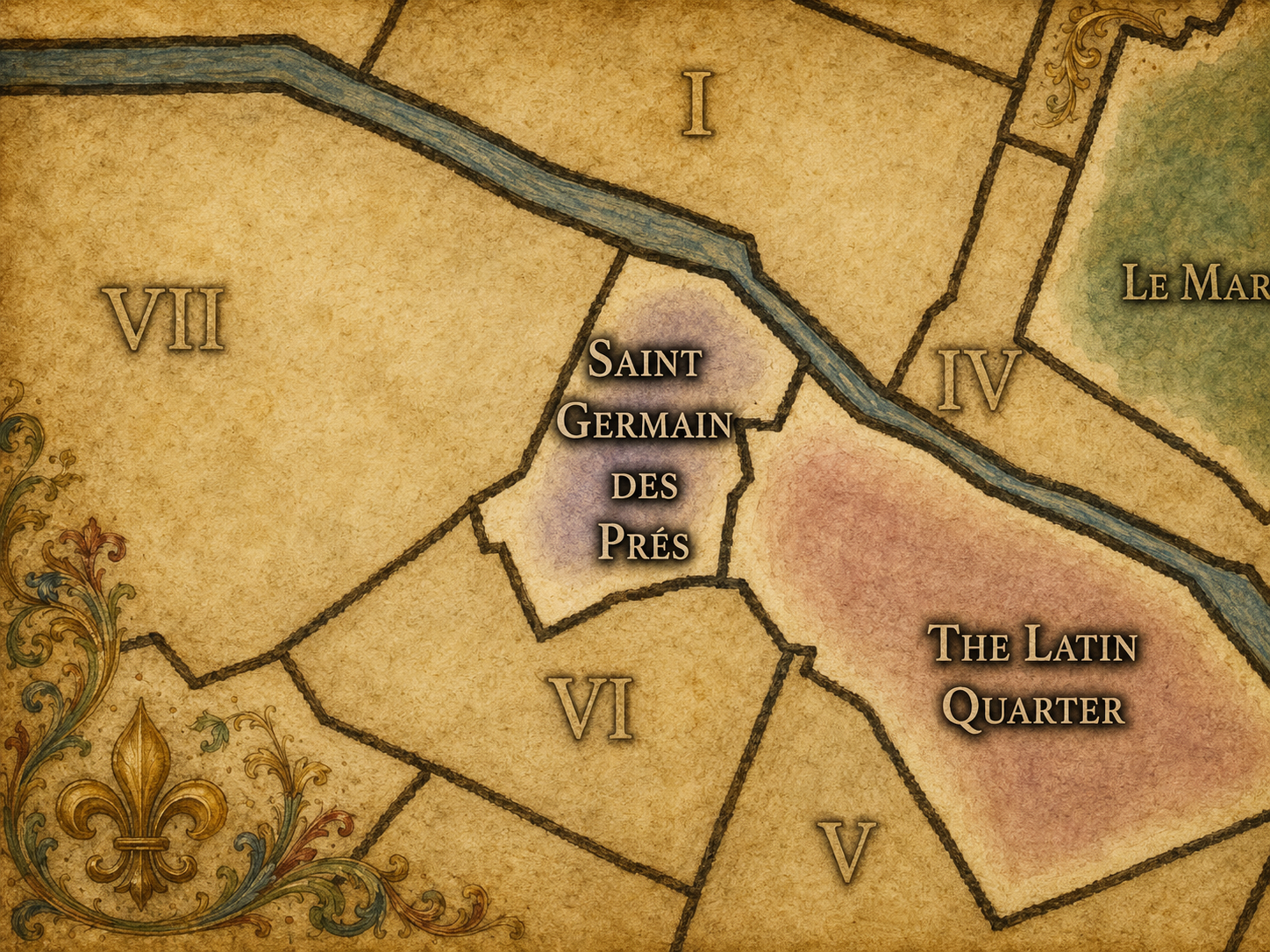
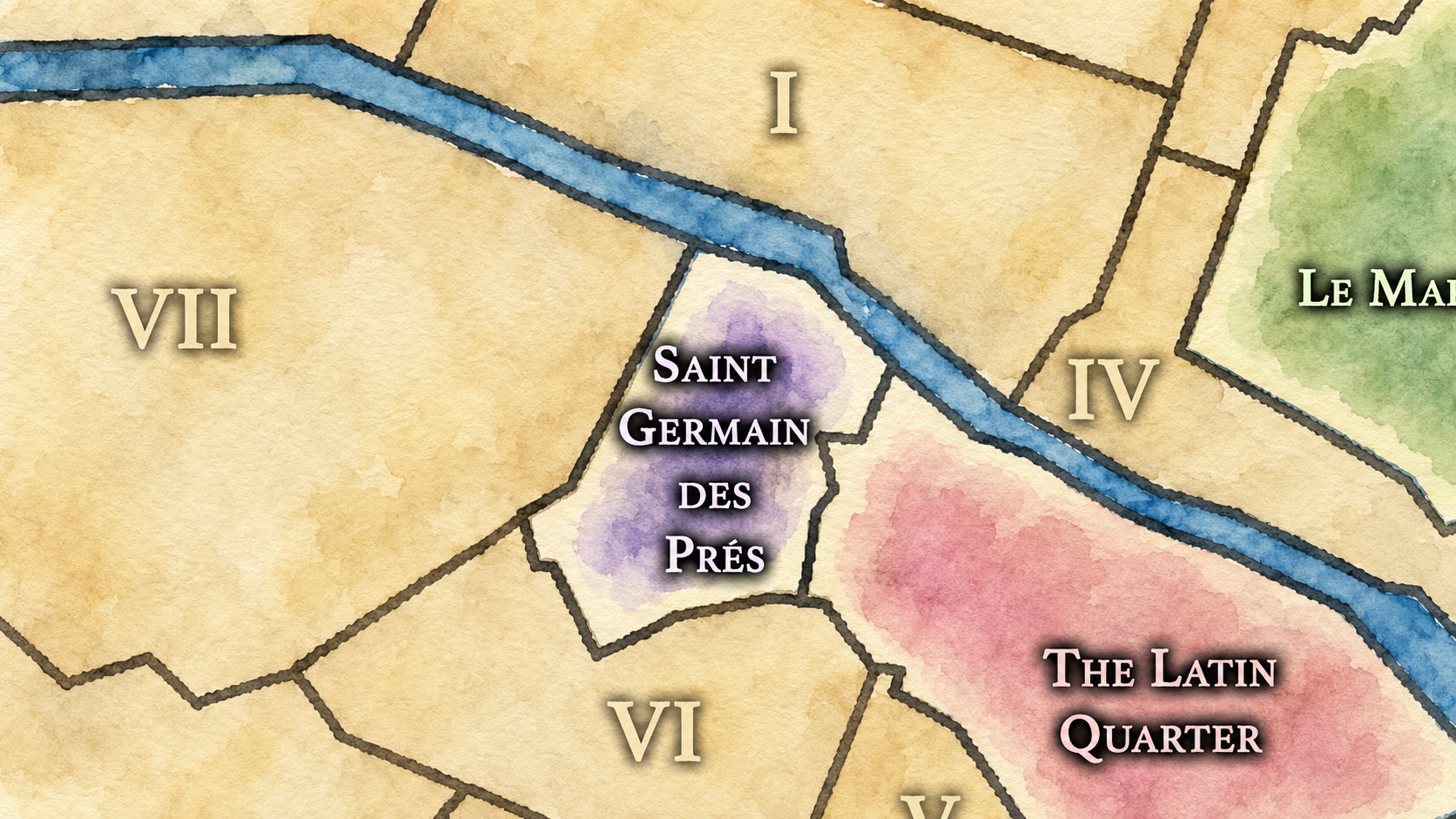
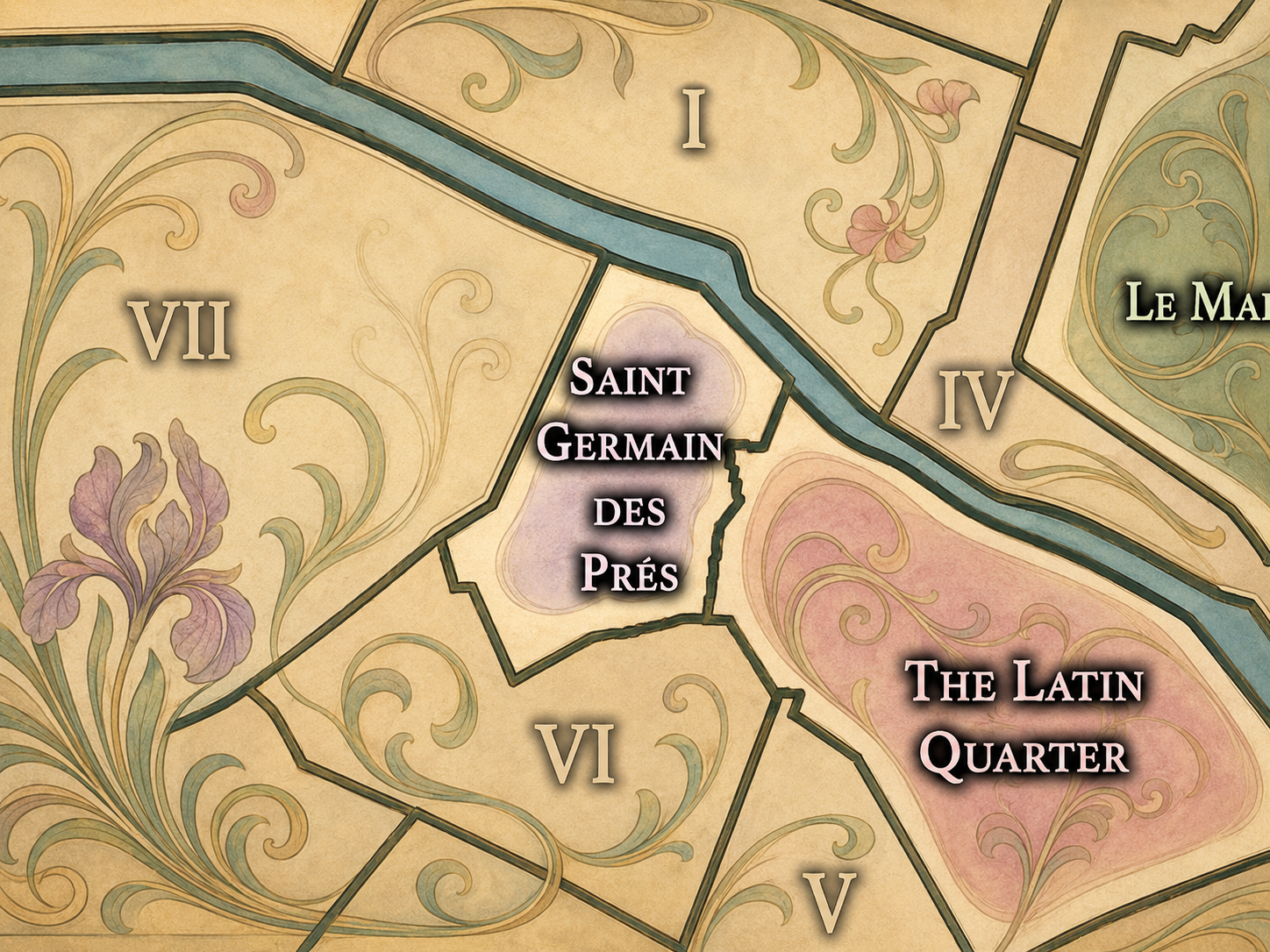
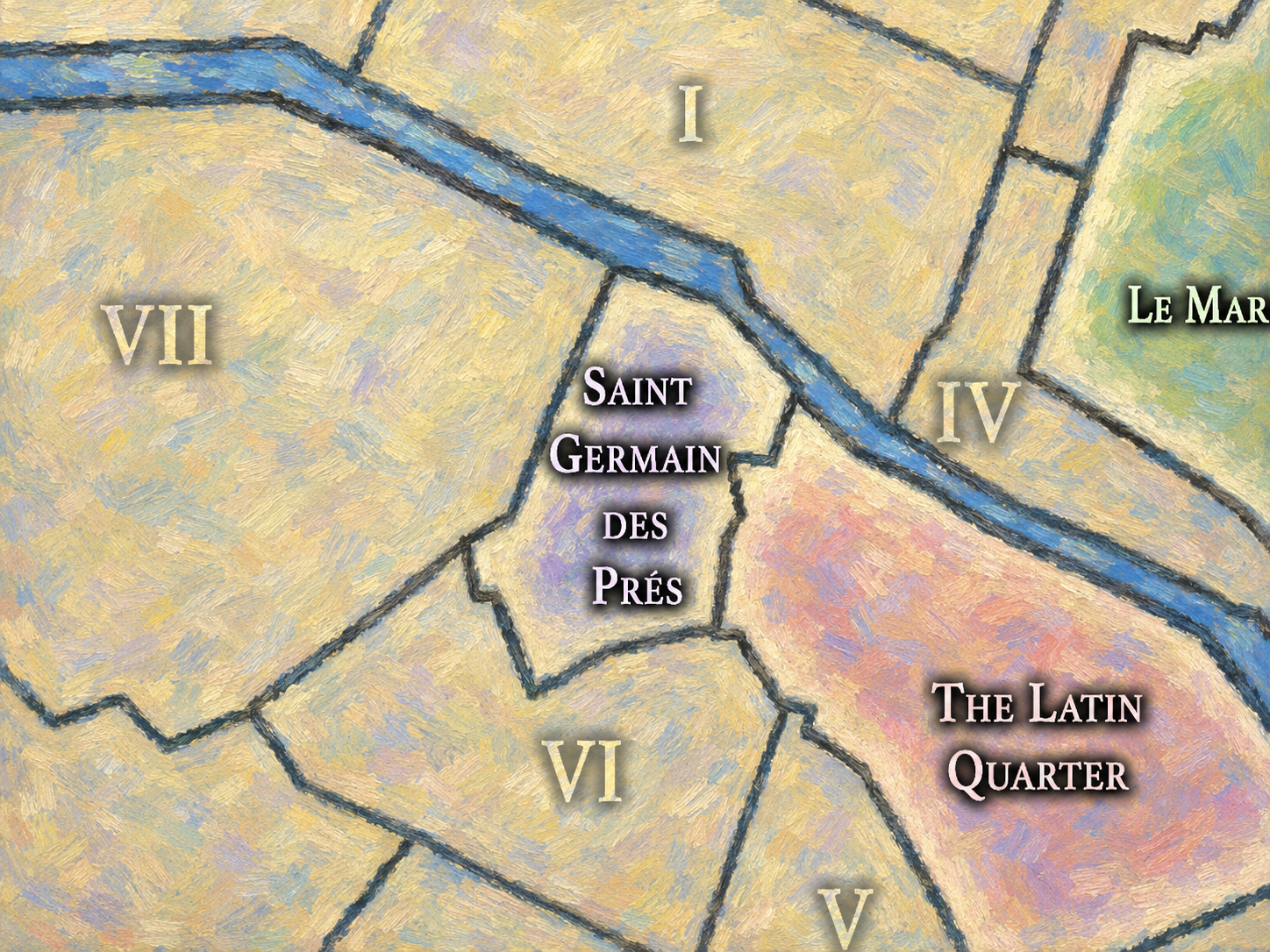
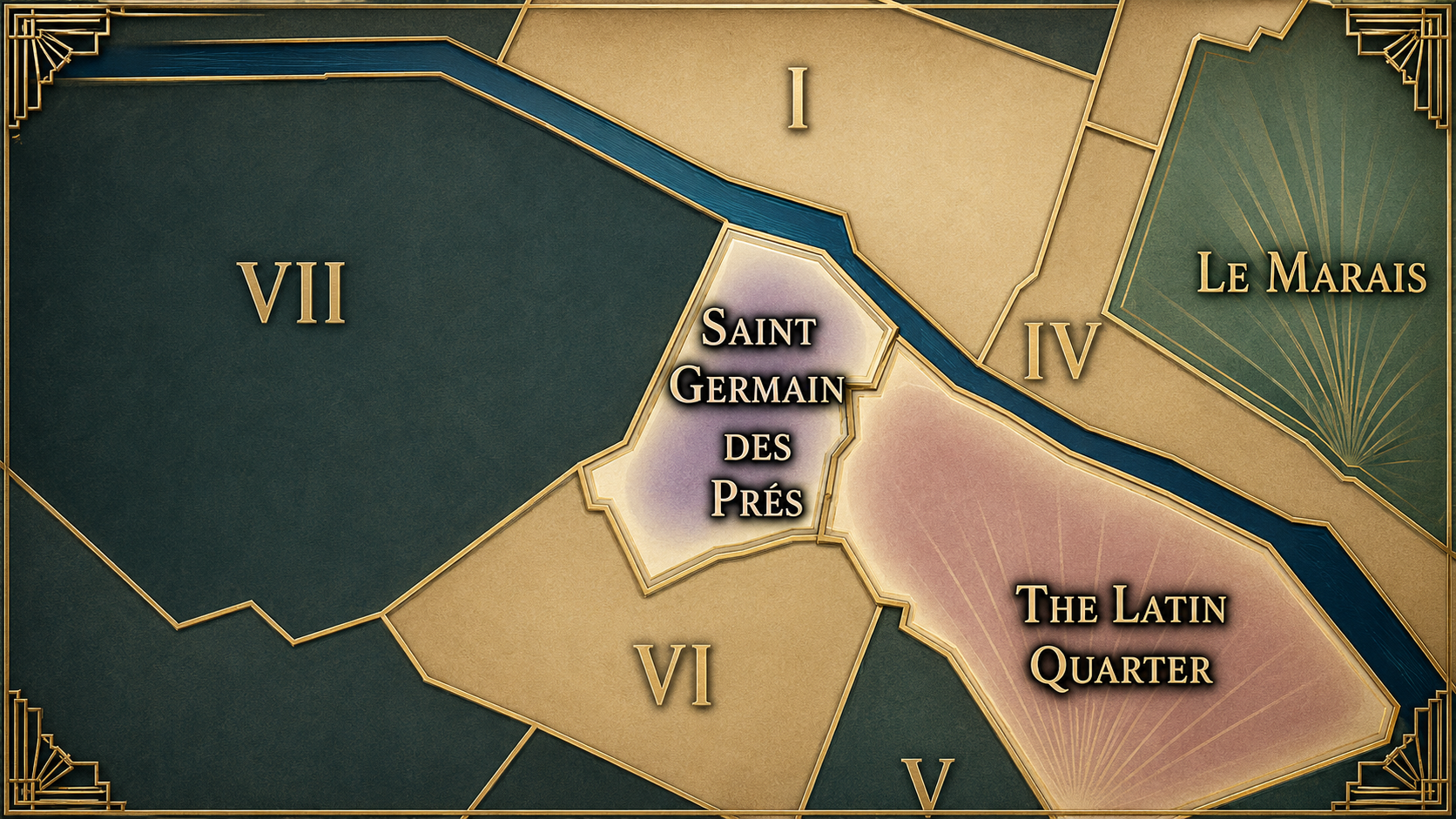
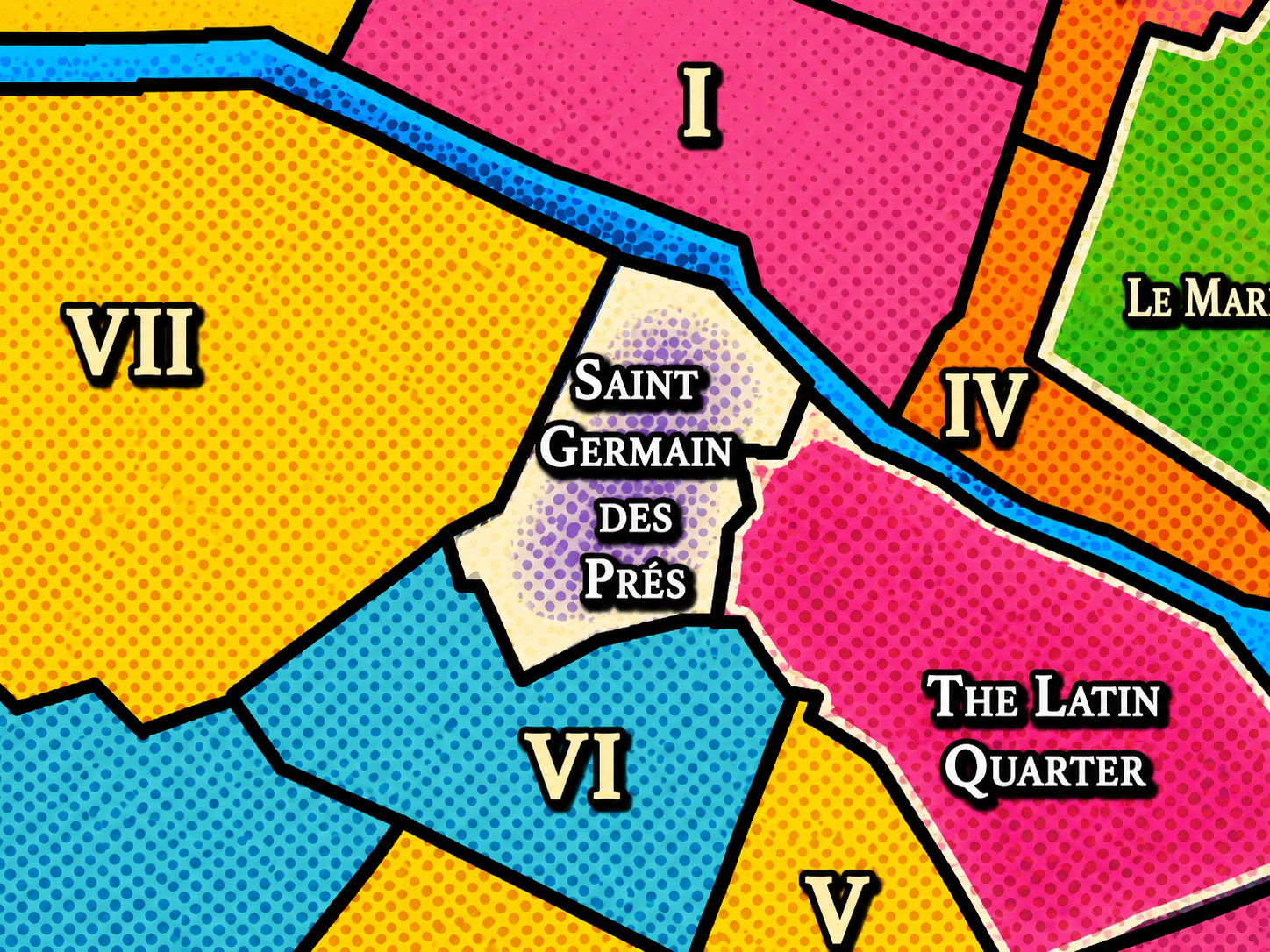
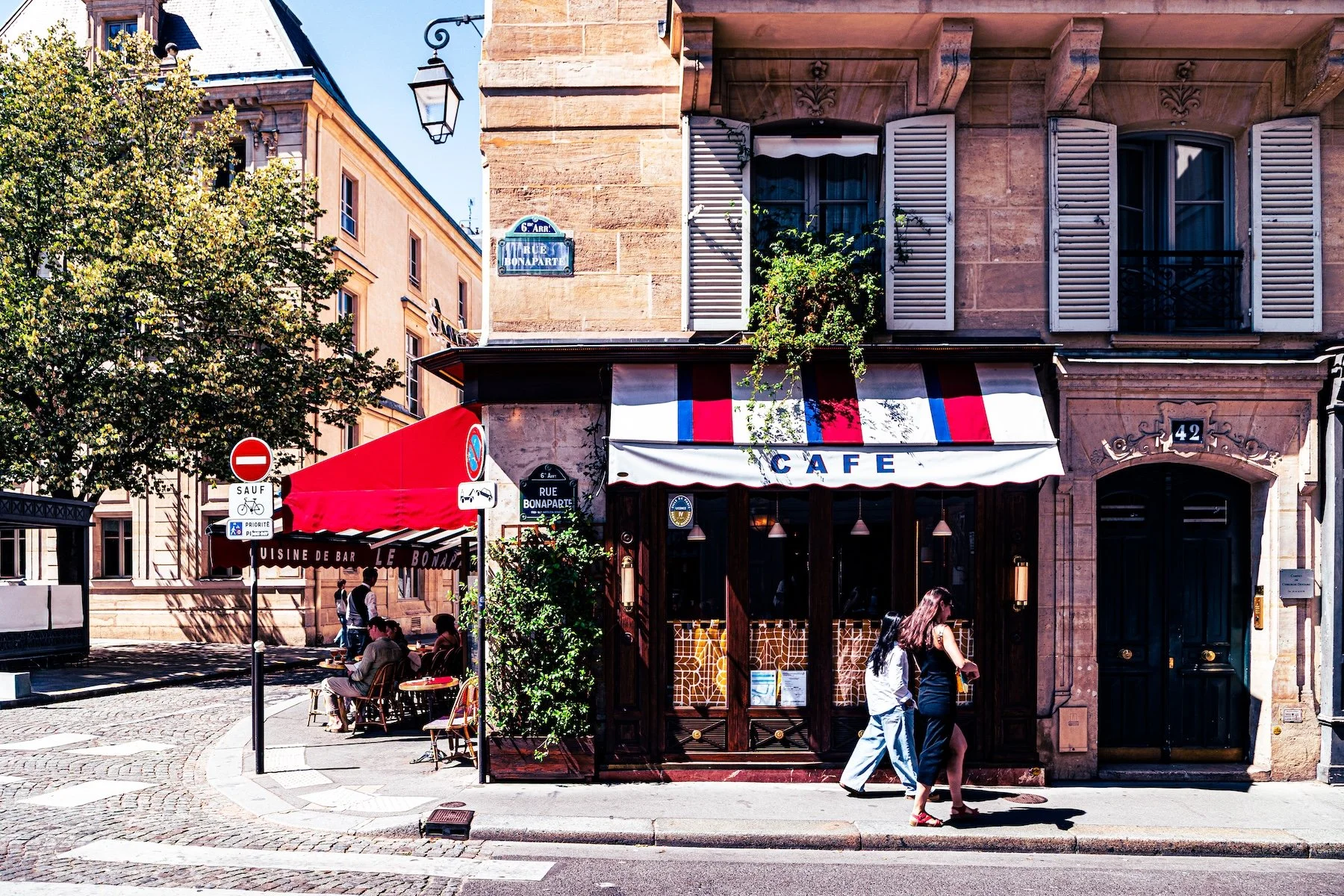
Saint-Germain-des-Prés occupies one of the most recognizable cultural geographies of the Left Bank, centered around the church of Saint-Germain-des-Prés and the surrounding streets of the 6th arrondissement. Its core is usually understood through the area around boulevard Saint-Germain, place Saint-Germain-des-Prés, rue Bonaparte, rue Jacob, rue de Seine, rue de l’Abbaye, rue de Rennes, and the café axis associated with Les Deux Magots, Café de Flore, and Brasserie Lipp.
Its boundaries, however, are cultural rather than absolute. Saint-Germain-des-Prés often overlaps in memory and association with neighboring Left Bank worlds: the Latin Quarter to the east, Odéon and the Luxembourg to the south, the Seine and the old publishing streets to the north, and the art galleries and antique shops that extend toward the École des Beaux-Arts and the river. Depending on context, the neighborhood may be imagined narrowly around the abbey and cafés, or more broadly as a literary, artistic, intellectual, and elegant Left Bank milieu.
For CityNeighborhoods, Saint-Germain-des-Prés is best understood as a Cultural Neighborhood shaped by monastery, publishing, art, cafés, philosophy, postwar intellectual life, fashion, and cultivated urban leisure. Its boundaries are not municipal lines, but lines of association: where the Left Bank becomes not only scholarly or residential, but literary, conversational, stylish, and self-consciously Parisian.
Cultural Neighborhood Identity
Etymology and Origins
The name Saint-Germain-des-Prés comes from the ancient abbey dedicated to Saint Germain, bishop of Paris, with des Prés meaning “of the meadows.” The phrase recalls a time when this area lay outside the dense medieval city, amid fields and open land beyond the early urban core. Before it became a synonym for cafés, literature, jazz, philosophy, and Left Bank elegance, Saint-Germain-des-Prés was defined by religious land, monastic authority, and the rural edge of Paris.
The name still carries that deep contrast: saint and city, abbey and boulevard, meadow and metropolis. Like many Parisian neighborhoods, Saint-Germain-des-Prés preserves in its name a landscape that has largely vanished. The meadows are gone, but the memory of an older geography survives beneath the streets, institutions, cafés, galleries, and bookshops that later gave the neighborhood its cultural identity.
Saint-Germain-des-Prés is one of Paris’s great neighborhoods of conversation. Its identity rests on the meeting of religious history, literary culture, publishing, art, cafés, music, philosophy, and social performance. It is not simply a place where famous writers and thinkers gathered; it is a neighborhood where thought, style, and public life became visible in the street.
The cultural framework of Saint-Germain-des-Prés is more intimate than monumental. Its power lies in cafés, tables, bookshops, galleries, small hotels, churches, courtyards, studios, and streets where people met, argued, wrote, watched, and were watched. The neighborhood became a theater of intellectual sociability: a place where ideas were not only produced in solitude, but performed through conversation and presence.
This is what distinguishes Saint-Germain-des-Prés from the neighboring Latin Quarter. The Latin Quarter is rooted in university, school, scholarship, and student life. Saint-Germain-des-Prés is rooted in literary and artistic sociability: the café as salon, the street as stage, the publisher as cultural force, the gallery as meeting place, and the neighborhood itself as a recognizable style of Parisian intelligence.
Cultural Framework
Saint-Germain-des-Prés helps define one of the most enduring images of Paris: the Left Bank as a place of writers, philosophers, artists, students, editors, musicians, and café life. It is one of the neighborhoods through which Paris presents itself as a city of intellect made elegant, and elegance made intellectual.
Its Parisian identity depends partly on myth, but the myth grew from real cultural density. The neighborhood gathered abbey history, literary institutions, publishing houses, art galleries, postwar existentialism, jazz cellars, cinemas, fashion, and café culture into a compact and highly legible urban world. Because of this, Saint-Germain-des-Prés became not merely a district of Paris, but an international shorthand for a certain kind of Parisian life: thoughtful, stylish, conversational, and slightly theatrical.
At the same time, its identity is not frozen in the postwar era. Saint-Germain-des-Prés continues to express Paris as a city where history and taste overlap — where a medieval church can stand near luxury boutiques, where old literary cafés serve tourists and regulars alike, and where cultural memory remains part of the neighborhood’s commercial and social fabric.
Parisian Identity
Neighborhood Distinction
Saint-Germain-des-Prés is distinct because it turns cultural life into atmosphere. Other neighborhoods may have grander monuments, older universities, more dramatic hills, or more visibly popular traditions, but Saint-Germain-des-Prés has a uniquely concentrated sense of cultivated urban identity. Its streets seem to preserve the idea that literature, art, conversation, and style can form a neighborhood.
It is also distinct for the way it bridges sacred, intellectual, artistic, and fashionable Paris. The abbey gives the neighborhood deep historical roots. The cafés give it public life. The galleries and bookshops connect it to art and publishing. The boutiques and design houses connect it to taste and luxury. The result is a neighborhood that feels refined without being purely aristocratic, intellectual without being purely academic, and historic without being only a museum district.
This makes Saint-Germain-des-Prés one of the most “performed” neighborhoods in Paris. People come here not only to see places, but to inhabit an idea of Paris — to sit at a café, walk the gallery streets, browse books, notice façades, and participate, even briefly, in the Left Bank’s long romance with culture.
Neighborhood Connections
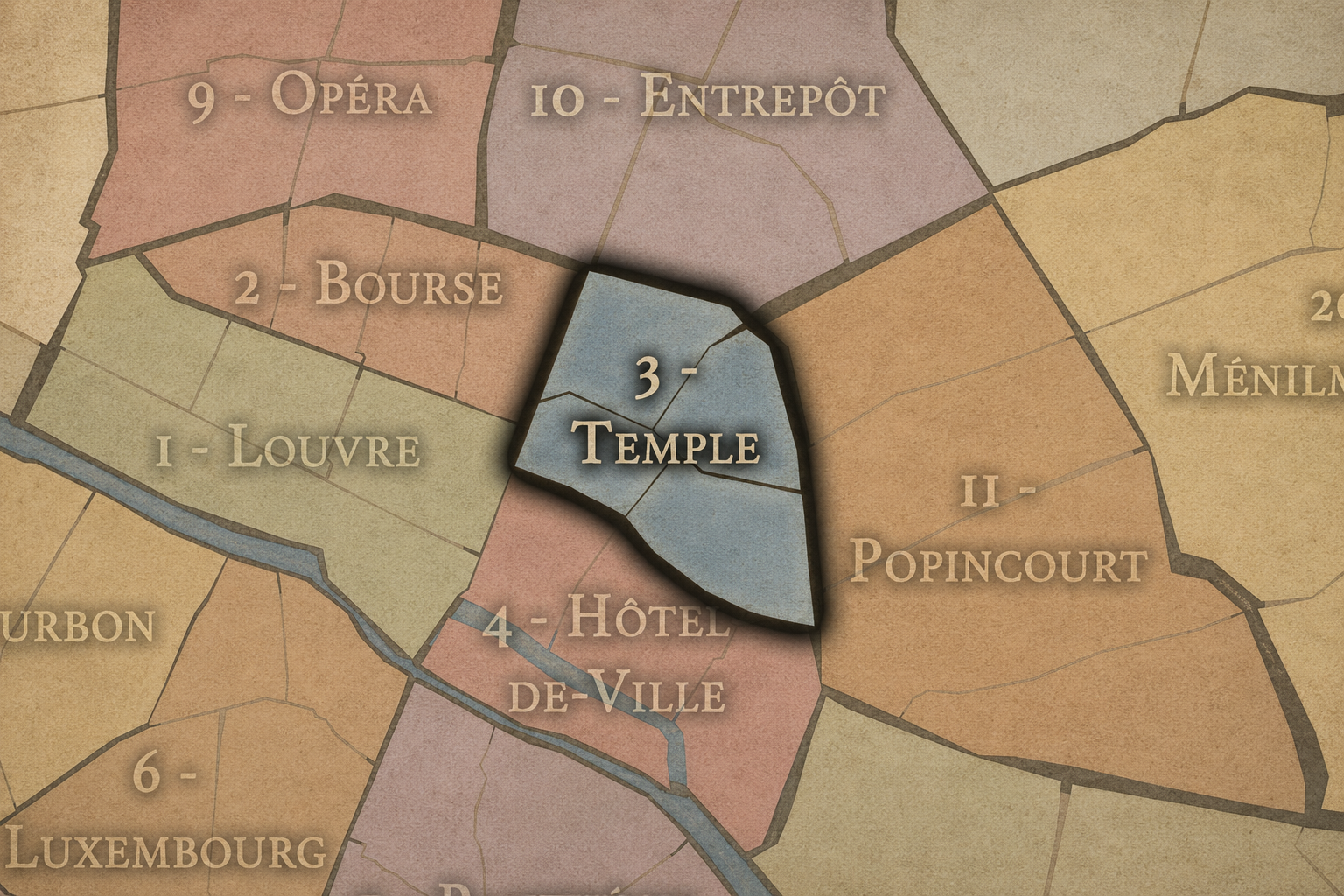
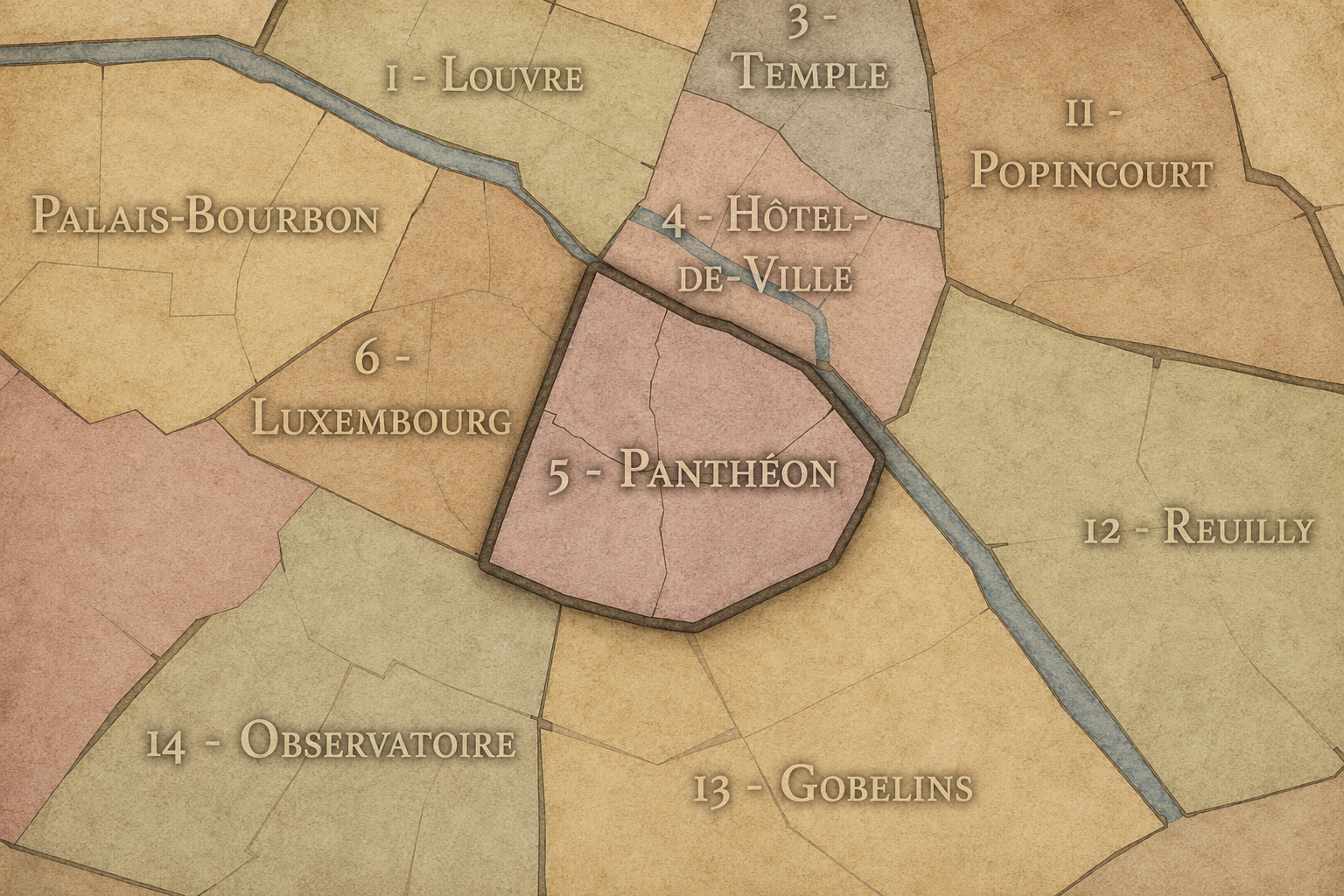
Paris neighborhoods are shaped by overlapping layers. This section shows how the Saint-Germain-des-Prés district connects to the broader CityNeighborhoodsParis map — through its rive, arrondissement, administrative quarters, conseils de quartier, and related Cultural Neighborhoods.
Civic & Cultural Foundations
-

Rive Gauche
-
5e — Panthéon
-
6e — Luxembourg
Administrative Quarters
-
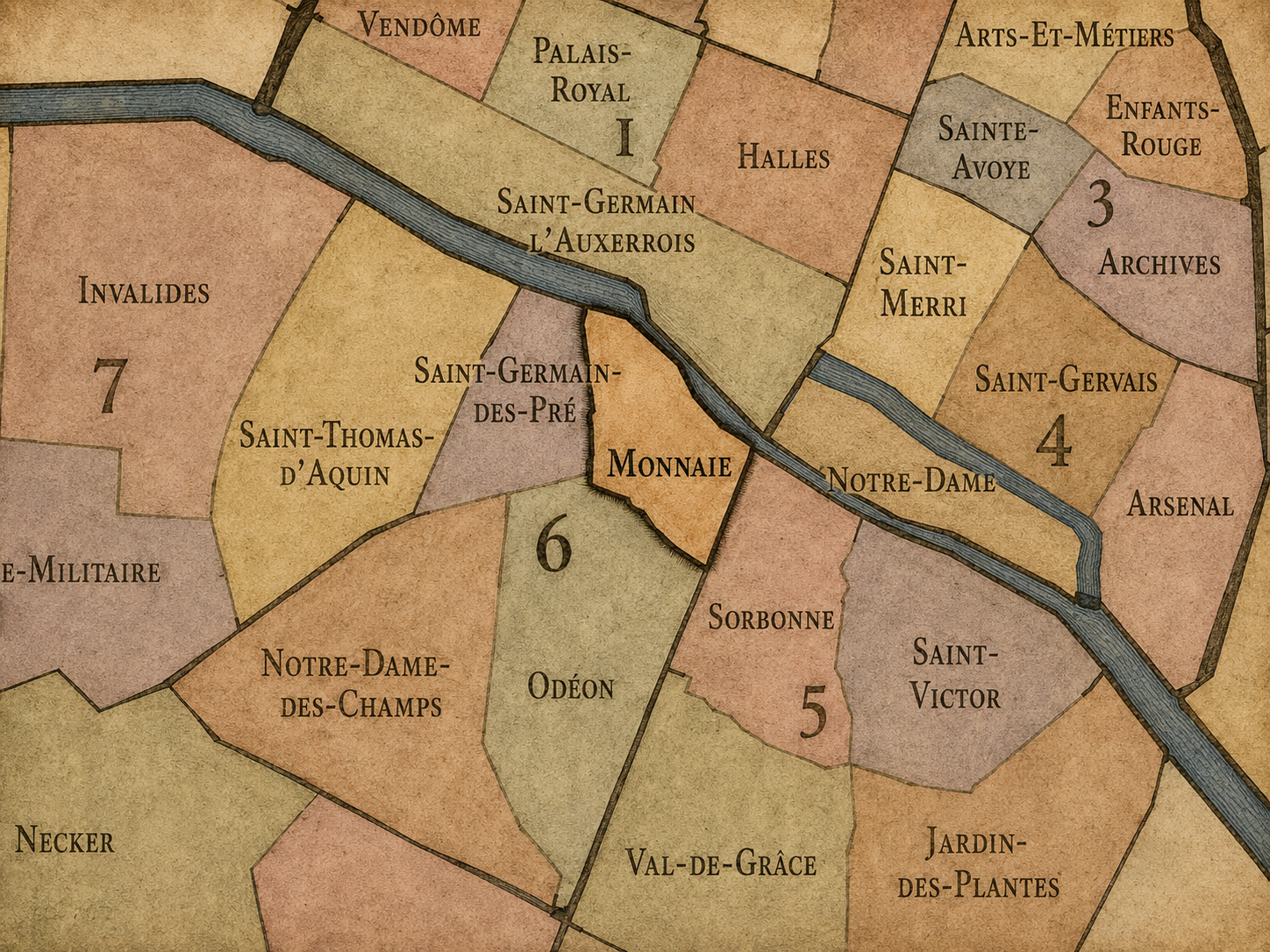
6e - Monnaie
-
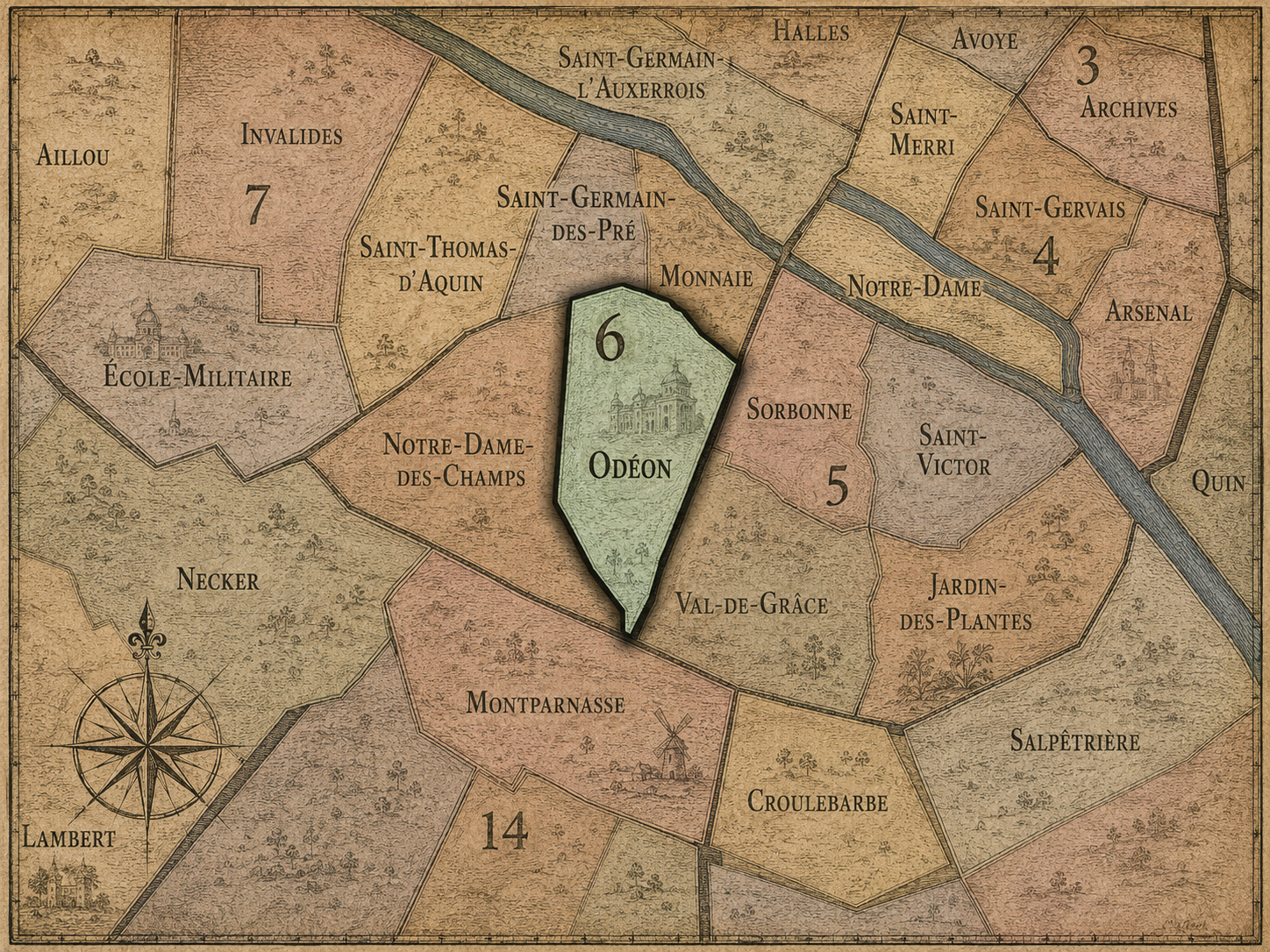
6e - Odéon
-
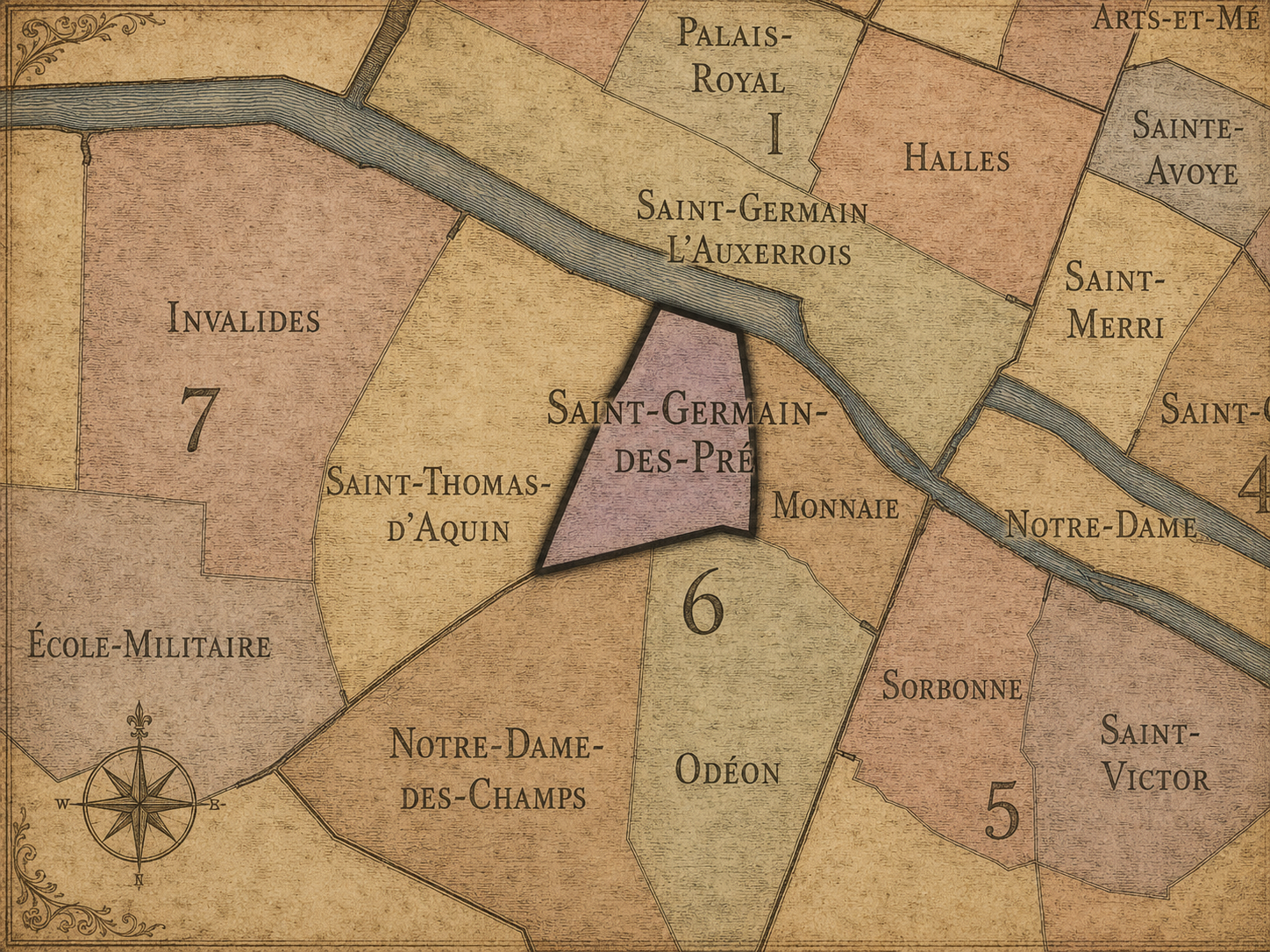
6e - Saint-Germain-des-Prés
-
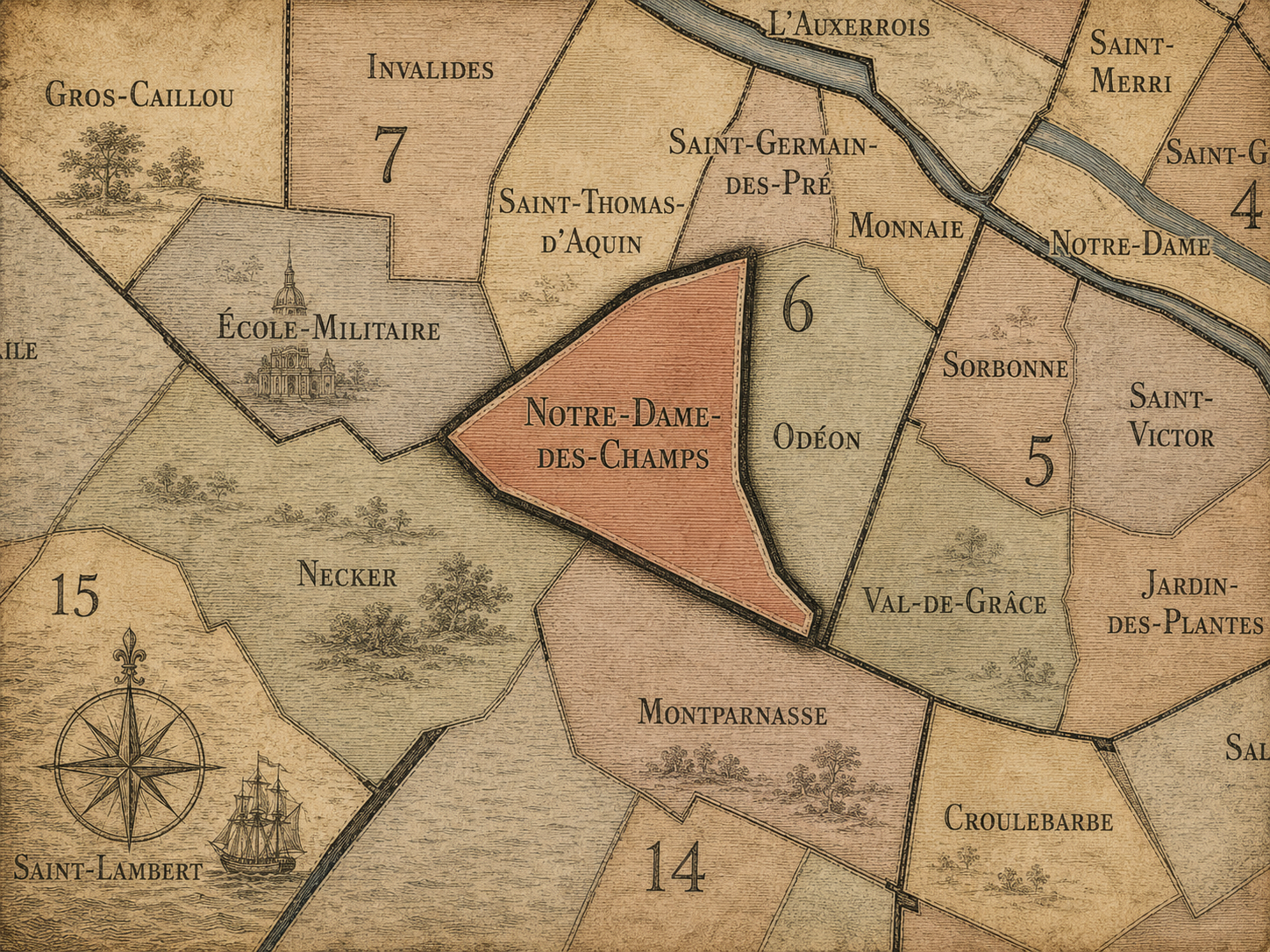
6e - Notre-Dame-des-Champs
Conseils de Quartier
-
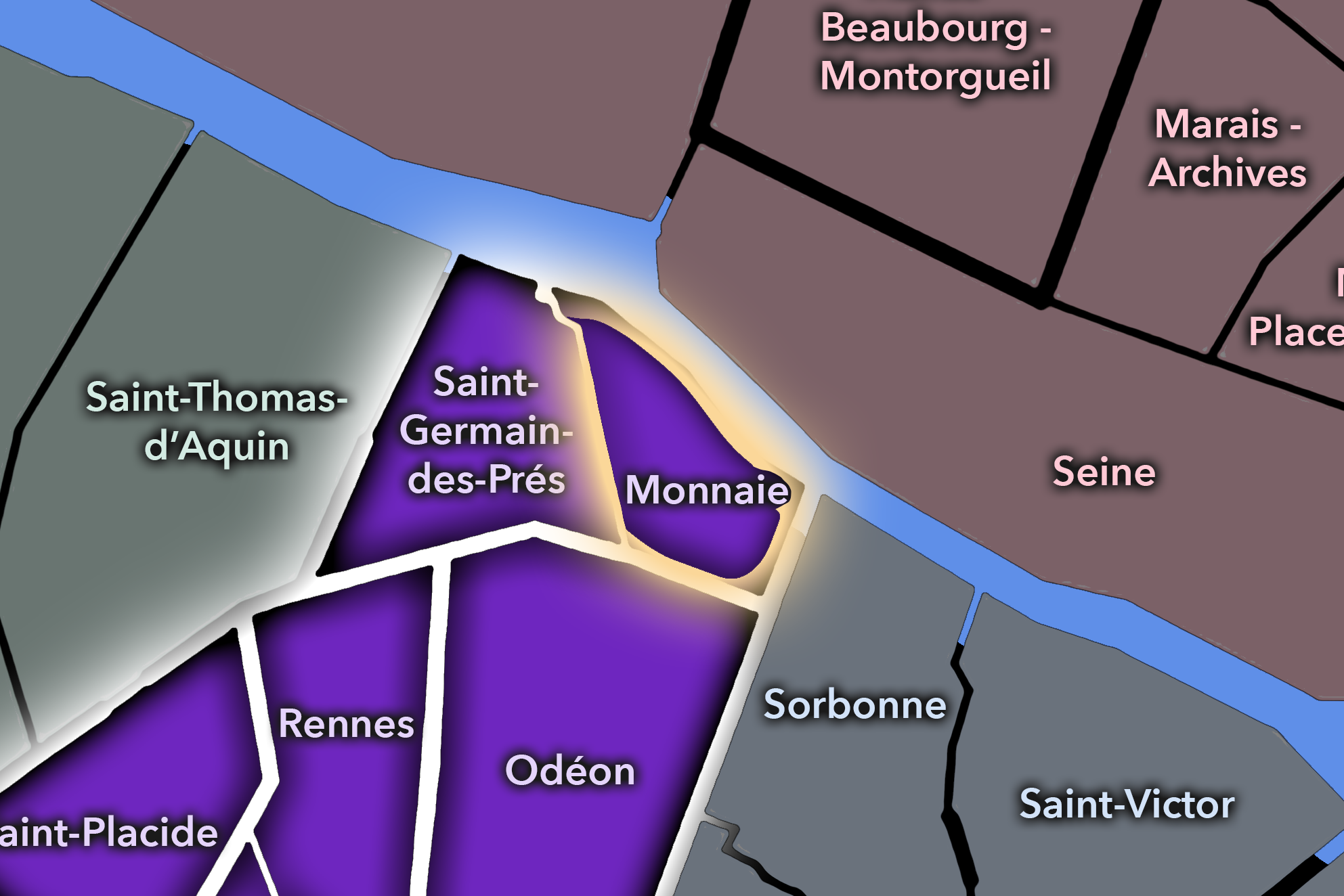
6e - Monnaie
-
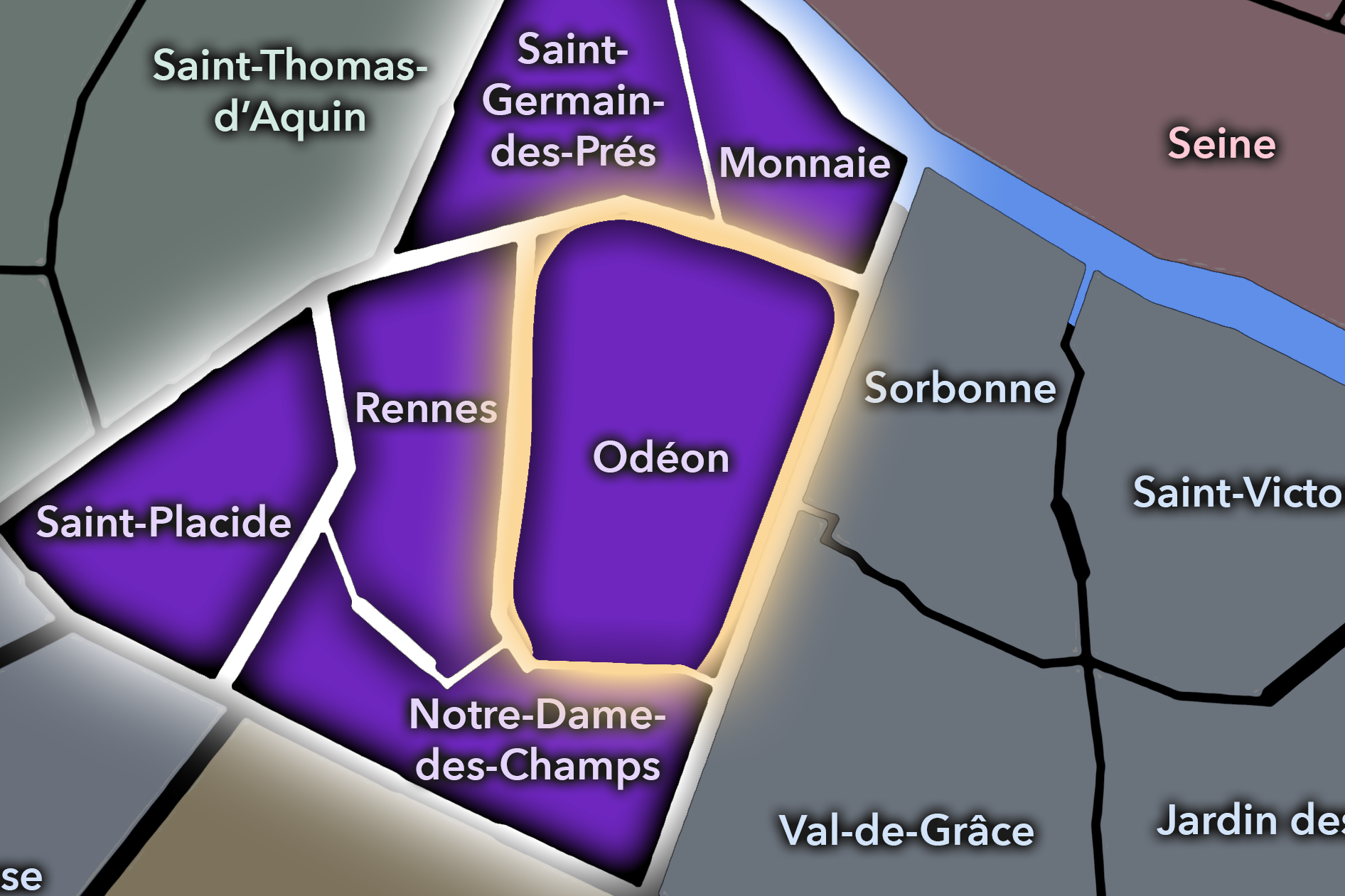
6e - Odéon
-
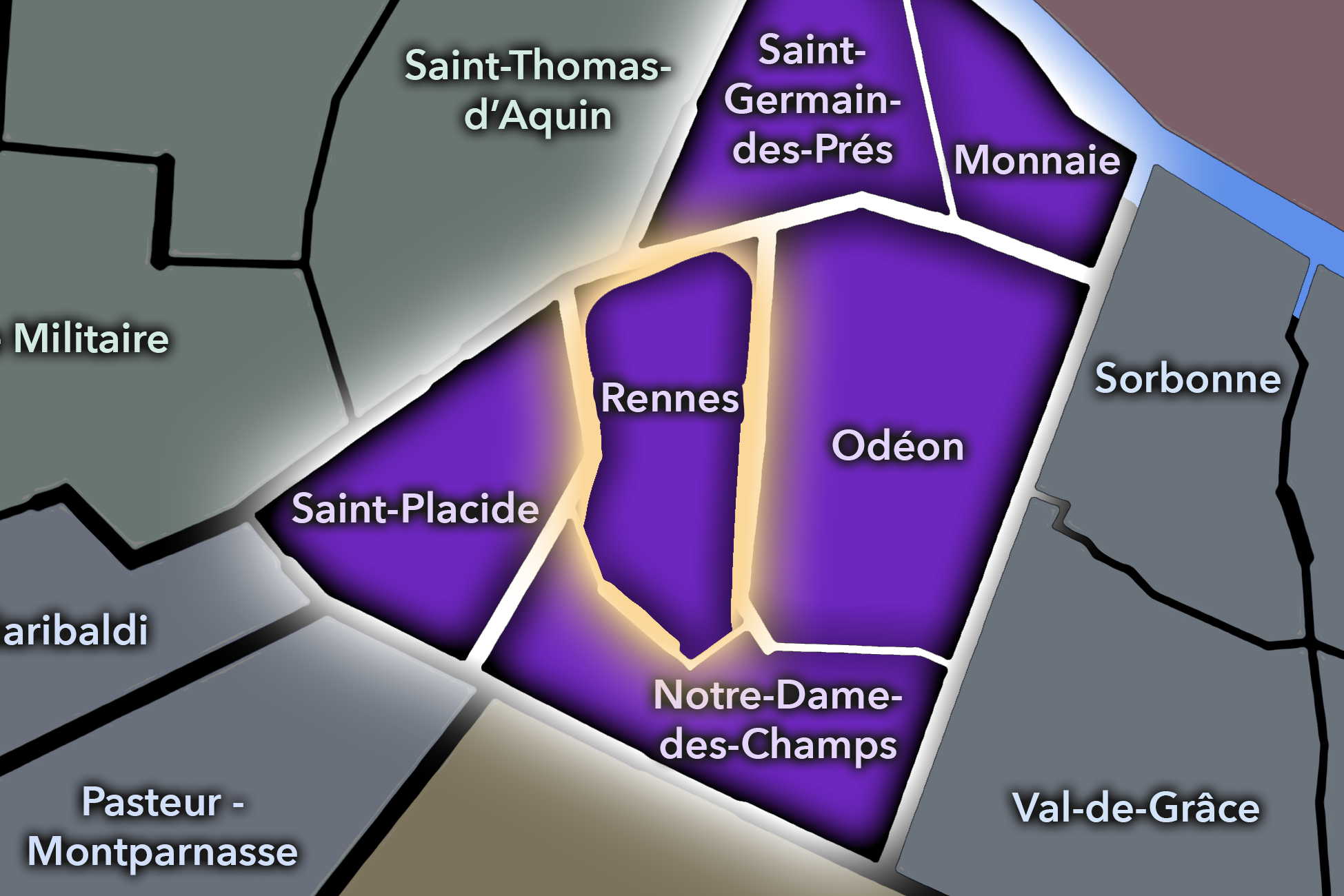
6e - Rennes
-
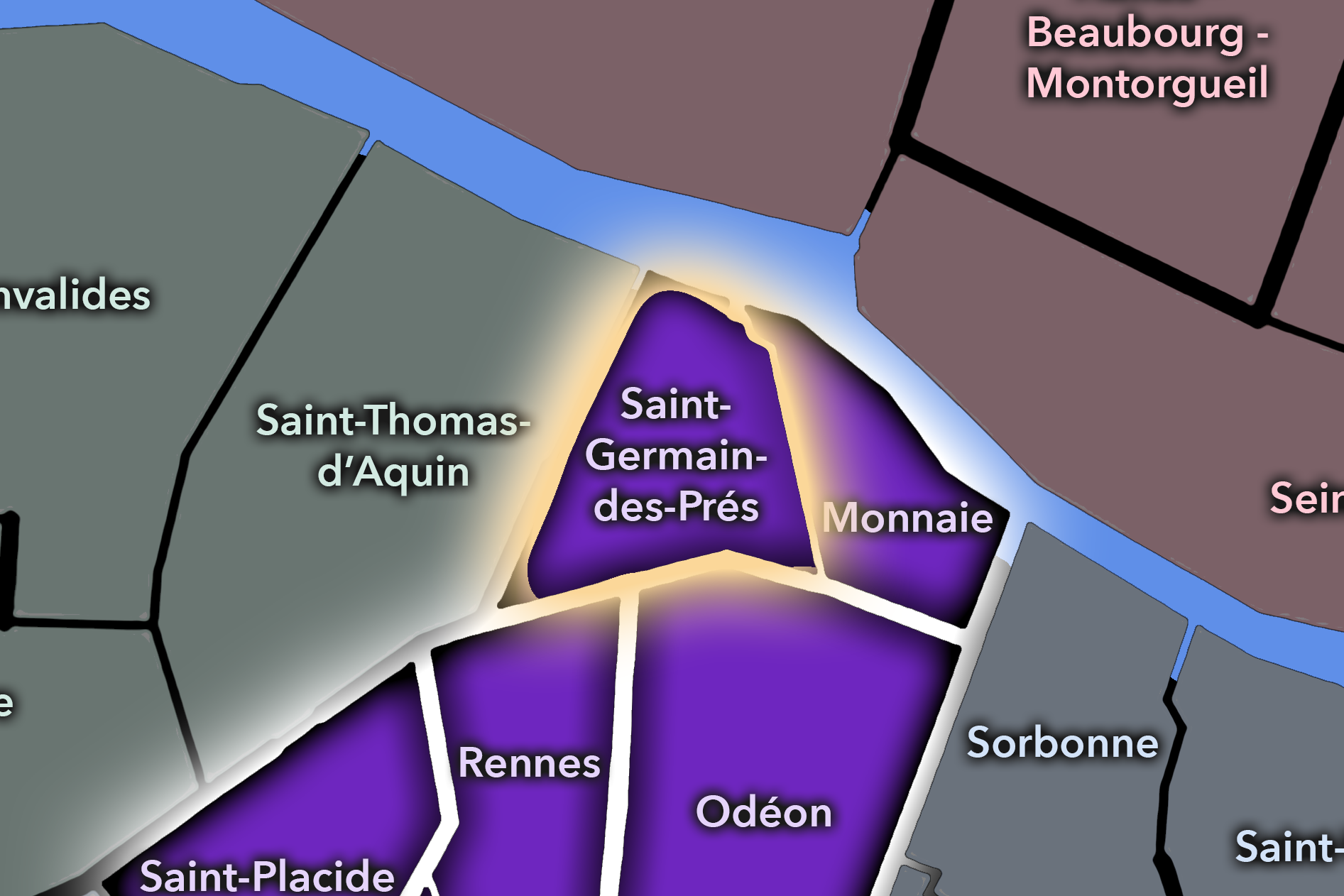
6e - Saint-Germain-des-Prés
The History
The origins of Saint-Germain-des-Prés lie outside the earliest dense city of Paris, in land that once stretched beyond the main urban settlement. The area’s identity formed around religious foundation, burial, cultivation, and the presence of the abbey that would become one of the most important institutions on the Left Bank.
Long before the neighborhood became literary or fashionable, it was tied to sacred geography. The abbey’s presence gave structure to the surrounding land and helped anchor the development of this part of the Left Bank. Its early identity was therefore not urban in the modern sense, but monastic and territorial: a place where religious authority shaped landscape before the city fully absorbed it.
Origins
Medieval / Early Formation
During the medieval period, the Abbey of Saint-Germain-des-Prés became a powerful religious and landholding institution. It stood outside the early walls of Paris, surrounded by fields and dependent lands, yet closely connected to the growing city. The abbey’s wealth, privileges, and spiritual importance gave the area a distinct identity before it became part of the continuous urban fabric.
The neighborhood’s medieval formation was therefore different from that of the Latin Quarter. While the Latin Quarter developed around schools, colleges, and scholastic life, Saint-Germain-des-Prés developed around monastic authority and the gradual urbanization of abbey lands. Streets, markets, residences, and religious dependencies emerged around this institutional core.
The abbey also helped give the neighborhood a long memory of separation and connection: close to Paris, but not entirely of it; sacred, but increasingly urban; rooted in meadows, yet destined to become one of the city’s most intensely cultural districts.
In the early modern period, Saint-Germain-des-Prés became increasingly integrated into the expanding city. The surrounding lands urbanized, streets developed, and the neighborhood’s proximity to both the Seine and the intellectual worlds of the Left Bank gave it growing importance. Religious institutions remained central, but the area also attracted residents, artisans, booksellers, and cultural activity.
The 17th century strengthened the neighborhood’s literary and social associations. The Left Bank became increasingly tied to scholarship, publishing, religious debate, and aristocratic or elite sociability. Saint-Germain-des-Prés did not yet possess the postwar café mythology that would later define it, but the groundwork was being laid for a neighborhood where religion, letters, and cultivated society could coexist.
The early modern neighborhood was also shaped by contrast. It contained abbey lands and old religious structures, but also streets of commerce and residence. It sat near the royal and ecclesiastical worlds of Paris while developing a more intimate local identity of its own.
Early Modern Paris
18th Century
In the 18th century, Saint-Germain-des-Prés participated in the broader intellectual and social life of the Left Bank. Cafés, salons, book culture, publishing, and philosophical debate helped shape Paris as a city of conversation and critique. While the Latin Quarter retained its academic identity, Saint-Germain-des-Prés increasingly belonged to the world of letters, sociability, and cultivated urban life.
The neighborhood’s religious inheritance remained visible, but the Enlightenment age shifted the balance of cultural power. Ideas circulated through books, pamphlets, conversation, and association. The streets around Saint-Germain-des-Prés became part of a Paris where intellectual life was increasingly public, social, and tied to the habits of urban encounter.
By the end of the century, revolutionary upheaval would transform the old religious order. The abbey’s world could not remain untouched by the political and social changes that remade France. Saint-Germain-des-Prés entered the modern era carrying both the memory of monastic power and the emerging identity of the secular cultural Left Bank.
The 19th century reshaped Saint-Germain-des-Prés into a more recognizably modern cultural neighborhood. The decline of the old abbey order, the transformation of Paris, and the growth of literary, artistic, and publishing life gave the area a new identity. Its streets became increasingly associated with writers, editors, artists, booksellers, and cultivated urban sociability.
Haussmann’s reconstruction altered nearby parts of the Left Bank, including the development and widening of major routes such as boulevard Saint-Germain. These changes made the neighborhood more accessible and more legible within modern Paris, while many smaller streets preserved the intimacy that would later become central to its charm.
The neighborhood also became closely linked to the art world. Its proximity to the École des Beaux-Arts, galleries, publishers, and literary cafés helped make it a meeting ground for artists and intellectuals. By the end of the century, Saint-Germain-des-Prés had become a district where cultural life was not merely institutional, but social and visible.
19th Century
Early–Mid 20th Century
The early and mid 20th century brought Saint-Germain-des-Prés to the height of its international cultural mythology. Writers, philosophers, artists, editors, musicians, students, performers, and political thinkers gathered in its cafés, hotels, bookstores, galleries, and clubs. The neighborhood became especially famous after the Second World War as a center of existentialism, literary debate, jazz, and Left Bank nightlife.
Cafés such as Les Deux Magots, Café de Flore, and Brasserie Lipp became symbols of this world. Their significance was not only culinary or social; they functioned as public rooms for intellectual life. Conversations, manuscripts, manifestos, friendships, rivalries, performances, and reputations circulated through the neighborhood’s tables and streets.
Saint-Germain-des-Prés also became associated with postwar freedom and experimentation. Jazz clubs and cellar venues contributed to the neighborhood’s nocturnal identity, while writers and philosophers helped turn it into a global symbol of intellectual Paris. The area’s mythology sometimes simplifies this period, but the cultural density was real. Saint-Germain-des-Prés became one of the places where Paris imagined itself thinking, arguing, dancing, and beginning again after catastrophe.
In the late 20th century, Saint-Germain-des-Prés became increasingly shaped by memory, fashion, tourism, publishing prestige, and commercial transformation. The neighborhood’s postwar intellectual aura remained powerful, but the social conditions that produced it changed. Rising rents, luxury retail, global tourism, and shifting literary institutions altered the everyday fabric of the area.
The cafés remained famous, but their role changed. They became heritage sites of cultural memory as much as active centers of avant-garde life. Galleries, boutiques, design shops, publishers, and restaurants helped maintain the neighborhood’s cultivated identity, even as some older forms of literary and artistic life became less dominant.
This transformation did not erase Saint-Germain-des-Prés. Instead, it turned the neighborhood into a place where Parisian culture was increasingly curated, remembered, and consumed. Its identity became both living and retrospective: a neighborhood still full of cultural institutions, but also aware of its own legend.
Late 20th Century
21st Century
In the 21st century, Saint-Germain-des-Prés remains one of the most recognizable Cultural Neighborhoods of Paris. It continues to draw visitors through its cafés, church, galleries, boutiques, bookshops, historic streets, and association with writers, artists, philosophers, and musicians. Its identity is now inseparable from both its real history and the global image of Left Bank Paris.
The neighborhood faces the pressures common to many central cultural districts: tourism, commercialization, luxury retail, rising costs, and the challenge of preserving local life amid international attention. Yet Saint-Germain-des-Prés still retains a distinctive atmosphere. Its streets remain walkable, dense, and culturally legible. The abbey still anchors the neighborhood. The cafés still mark the public imagination. The galleries and bookshops still connect it to art and letters.
For CityNeighborhoods, Saint-Germain-des-Prés shows how a Cultural Neighborhood can become both place and symbol. Its boundaries are not only drawn on a map; they are carried in memory, literature, photography, cinema, fashion, and the enduring desire to experience Paris as a city of conversation.
The spirit of Saint-Germain-des-Prés lies in the union of thought, style, and place. It is a neighborhood where the sacred memory of an abbey, the social life of cafés, the commerce of books, the refinement of galleries, and the mythology of writers and philosophers all gather into a single Left Bank identity.
Its legacy is not simply that famous people sat at famous tables. Its deeper importance is that it made intellectual and artistic life feel urban, visible, and social. Saint-Germain-des-Prés gave Paris one of its most enduring cultural images: the city as a place where ideas are lived in public, where conversation has geography, and where a neighborhood can become a stage for thought.
To walk Saint-Germain-des-Prés is to move through a Paris that is both real and imagined. Its streets hold monastic origins, literary memory, postwar myth, fashion, tourism, and everyday life in close contact. That layered quality is what makes it one of the essential Cultural Neighborhoods of Paris: not merely a historic district, but a cultural atmosphere made walkable.
Spirit & Legacy
The Photography
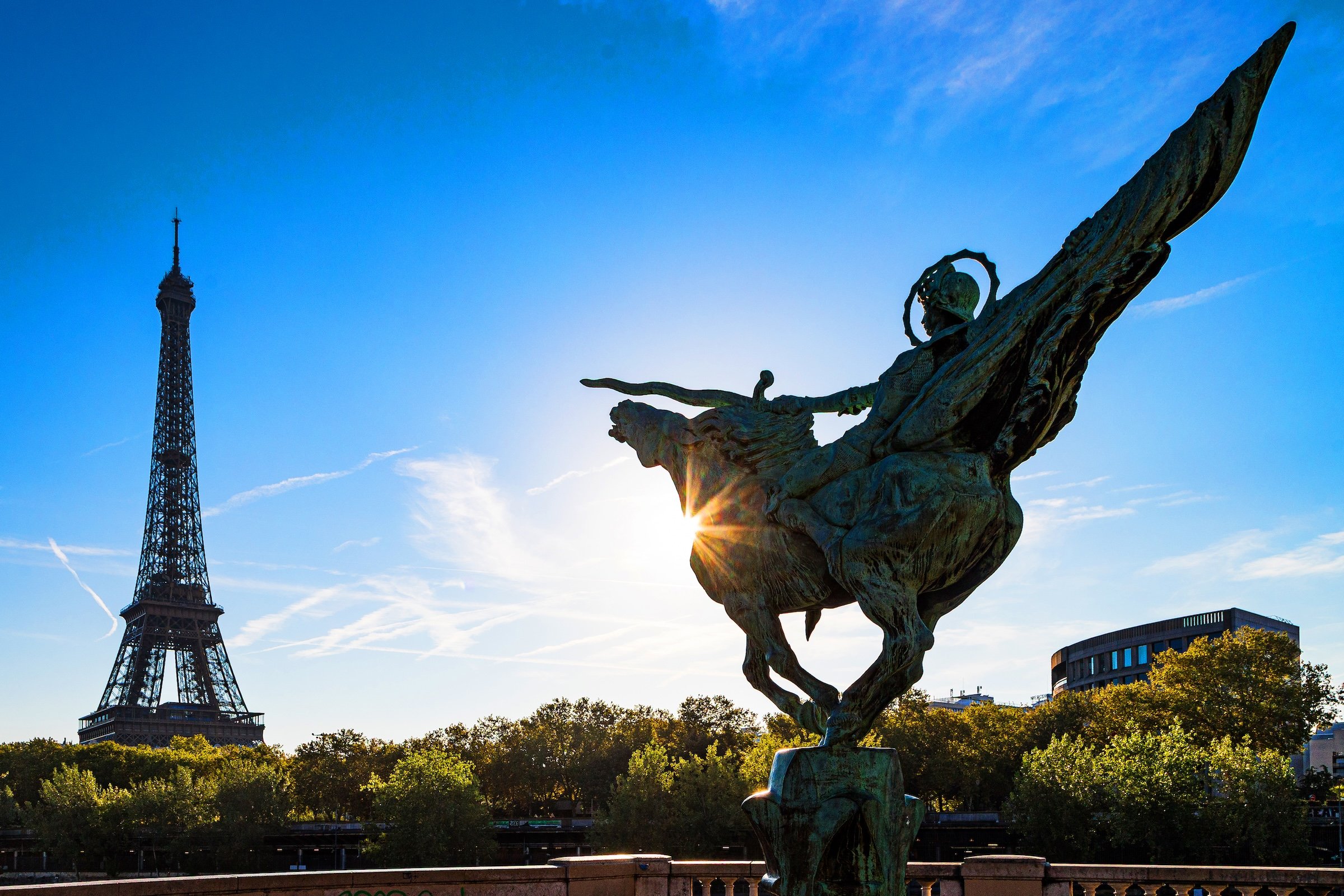
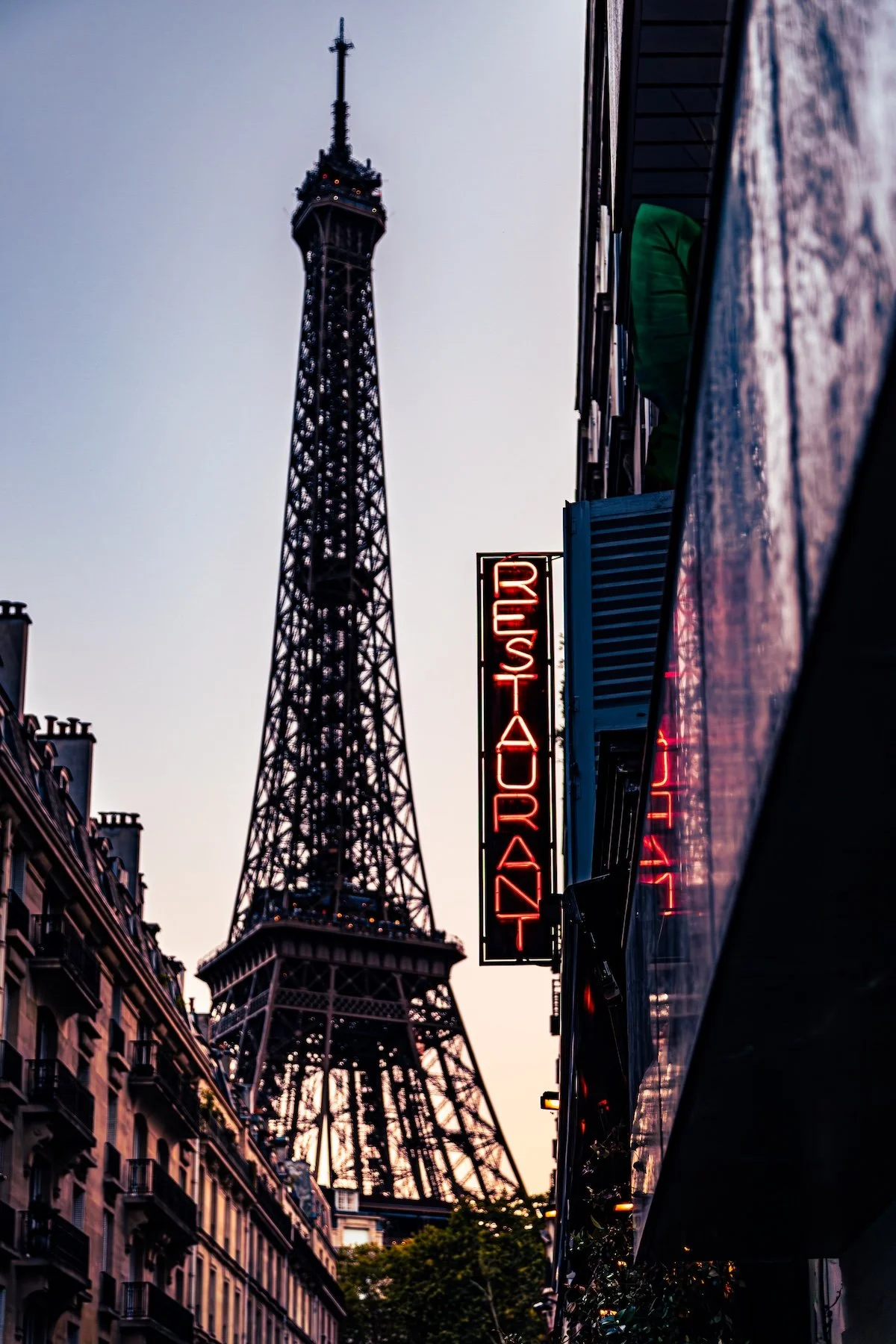
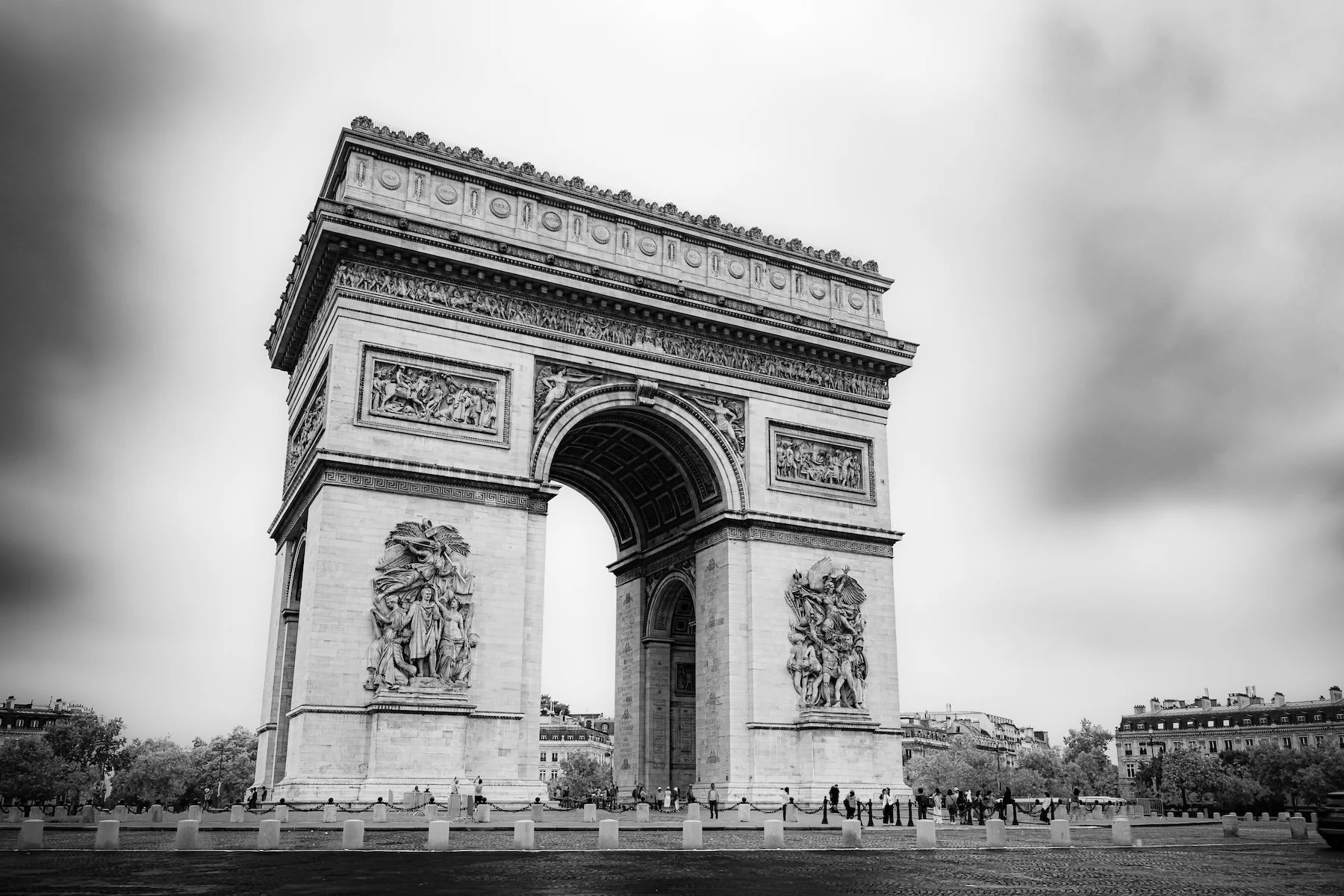
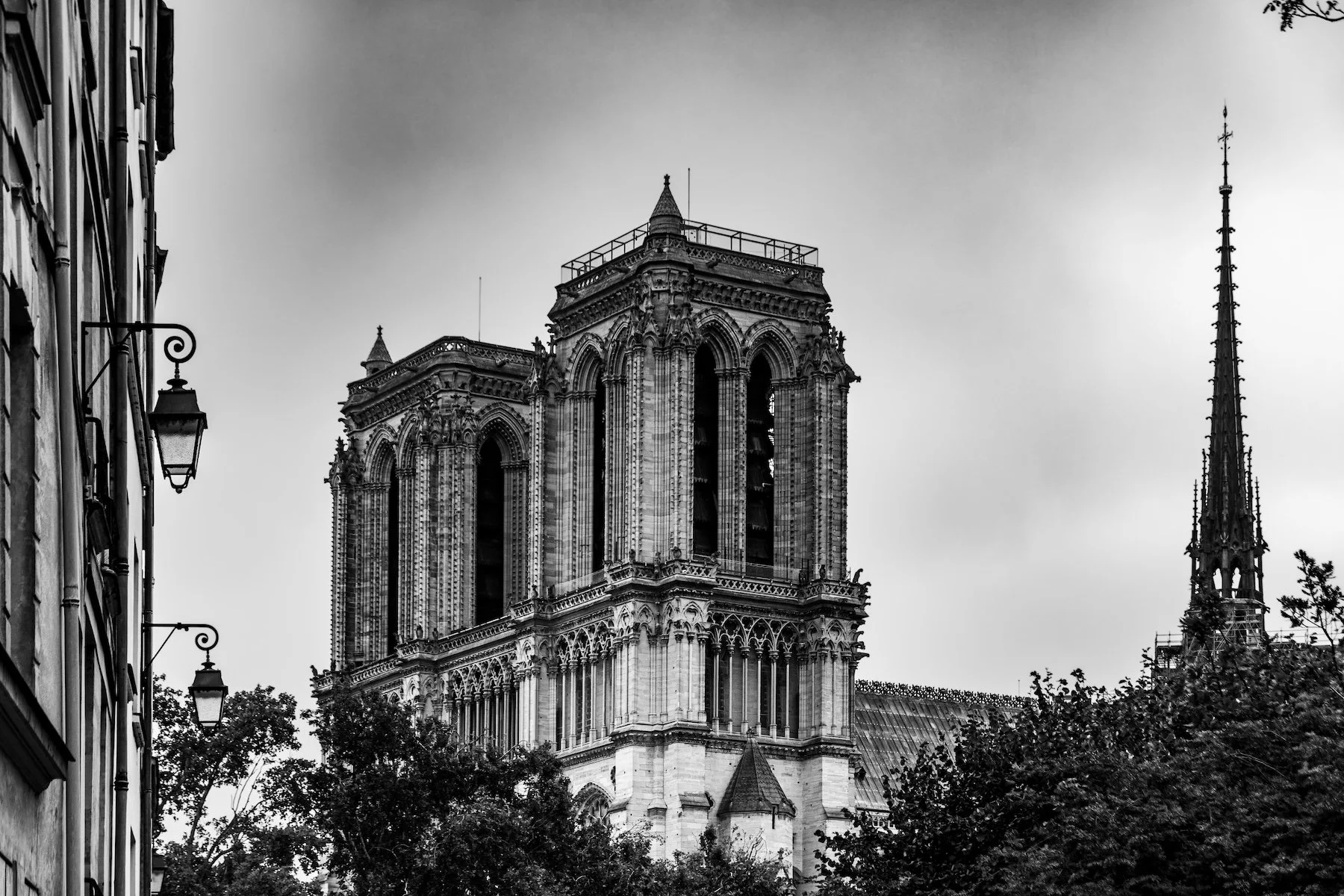
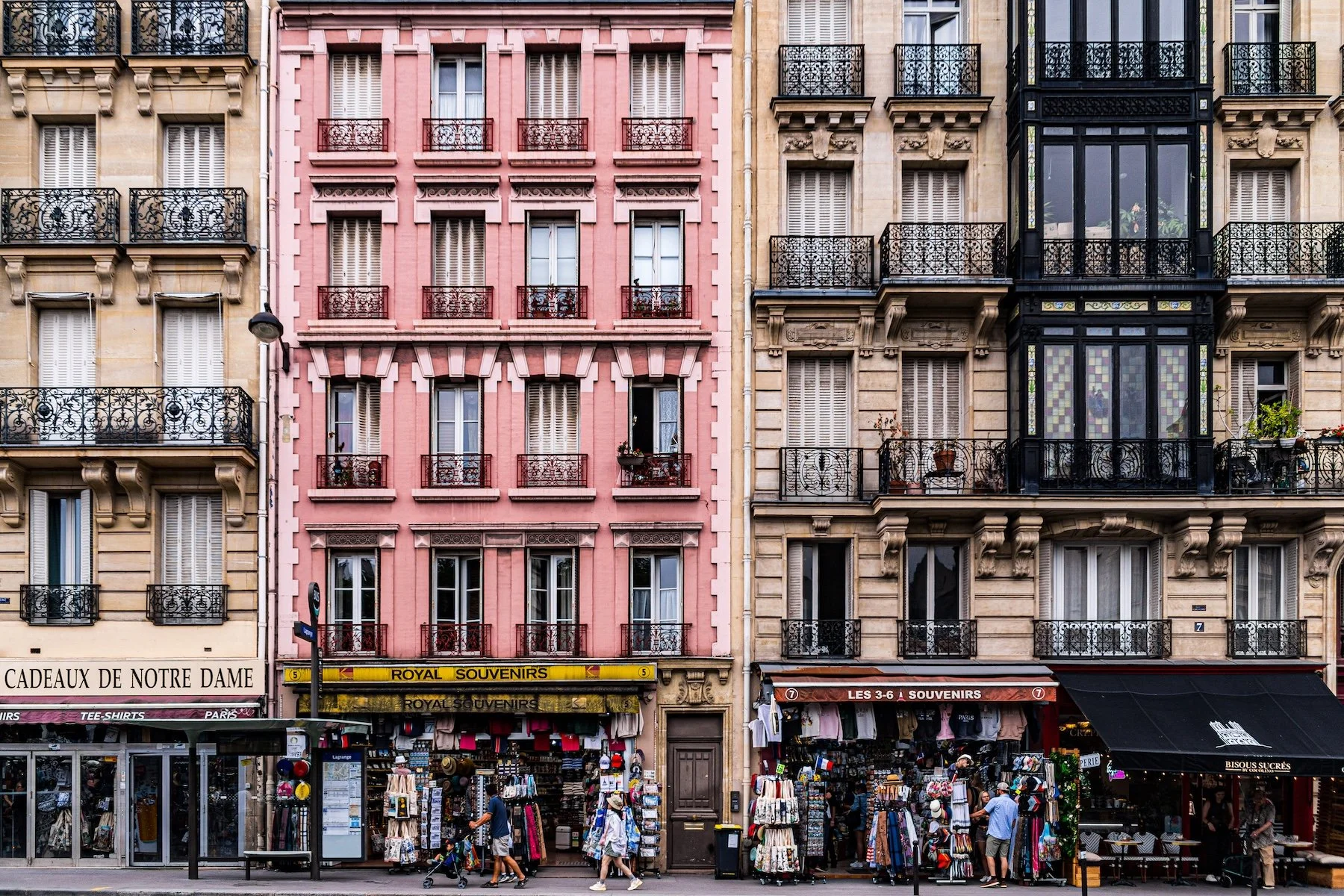
The arrondissements do not share a single visual identity. Instead, they organize Paris into twenty broad visual fields, each gathering its own combination of landmarks, streetscapes, institutions, residential districts, commercial corridors, parks, rail stations, markets, cemeteries, and riverfront edges.
Some arrondissements are defined by monumental scale: royal palaces, ceremonial avenues, government buildings, museums, formal gardens, and internationally recognized landmarks. Others are shaped by hills, canals, rail gateways, apartment-lined boulevards, neighborhood markets, former village streets, industrial remnants, parks, or the quieter rhythms of residential Paris. The arrondissement system gives these varied landscapes a civic frame, allowing the city to be read not as one visual language, but as a sequence of overlapping Parisian atmospheres.
Visual Identity
Through The Lens
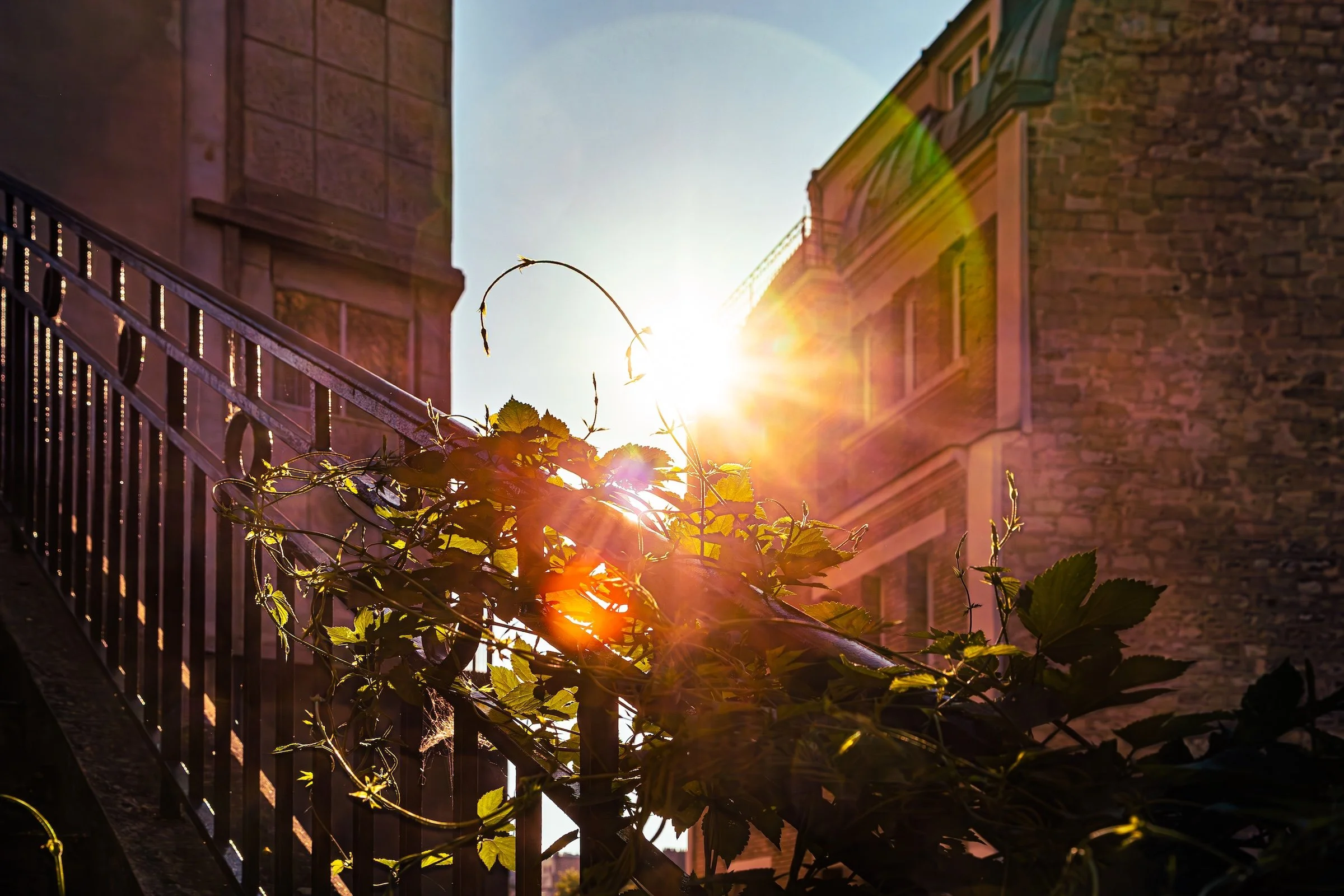
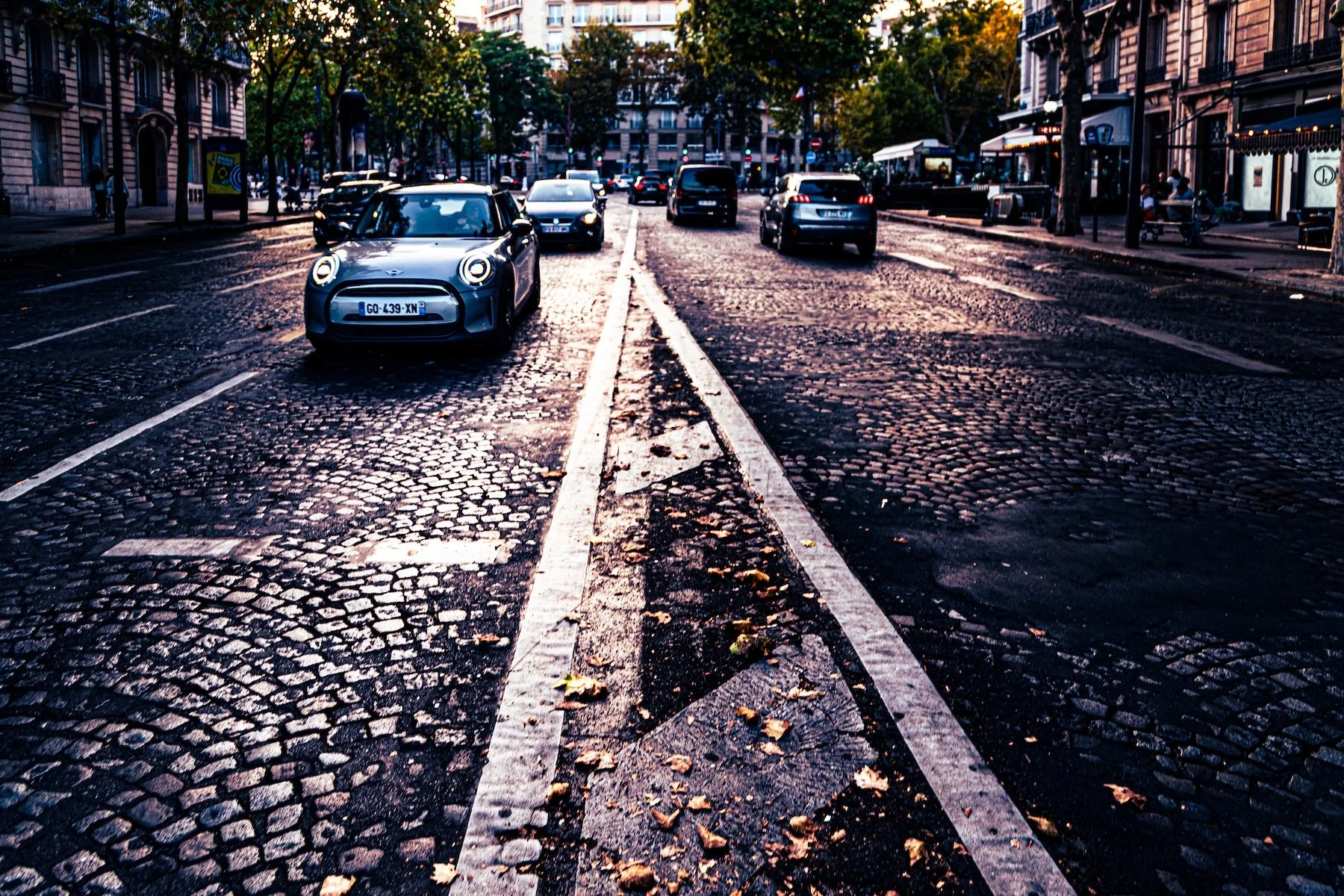
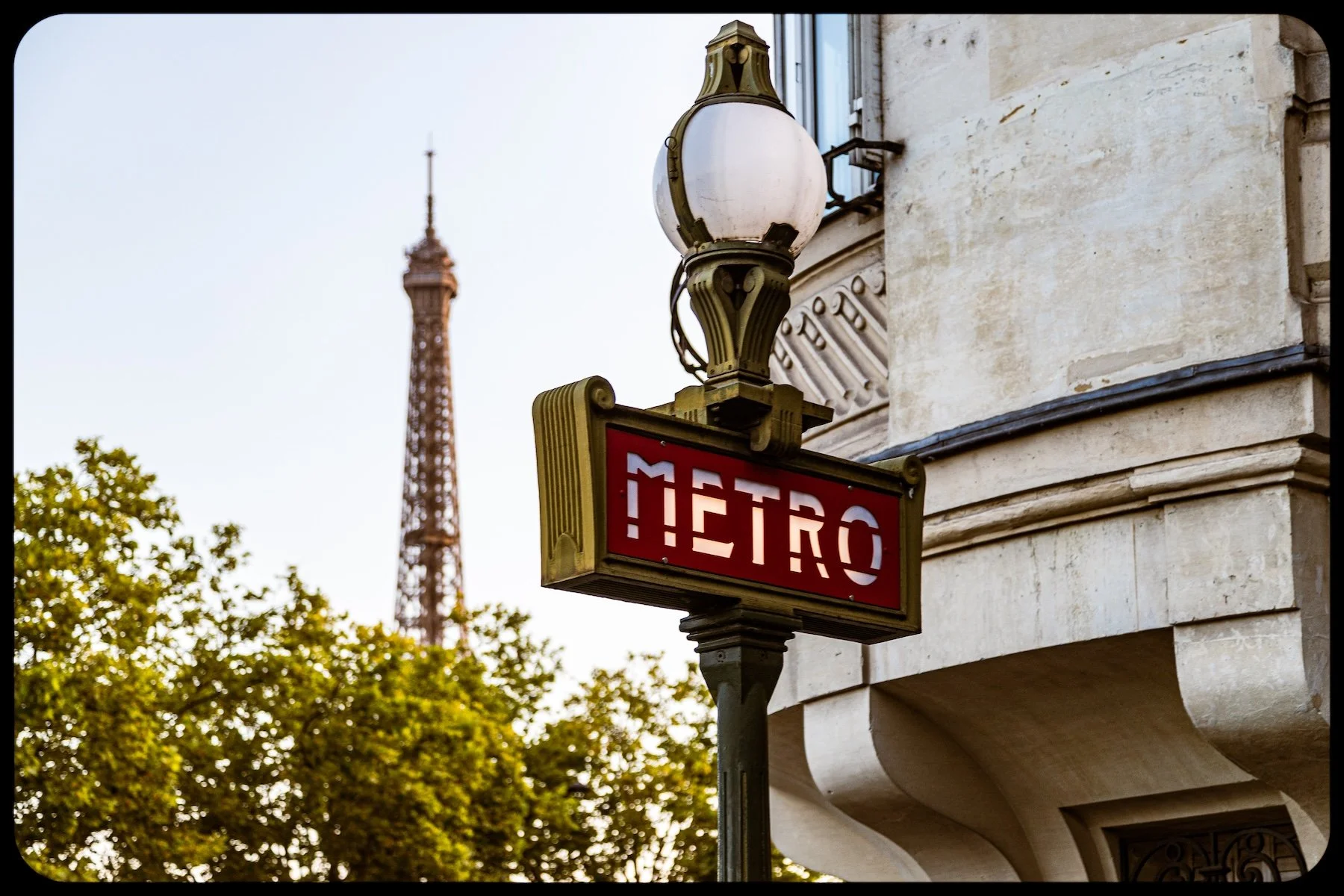
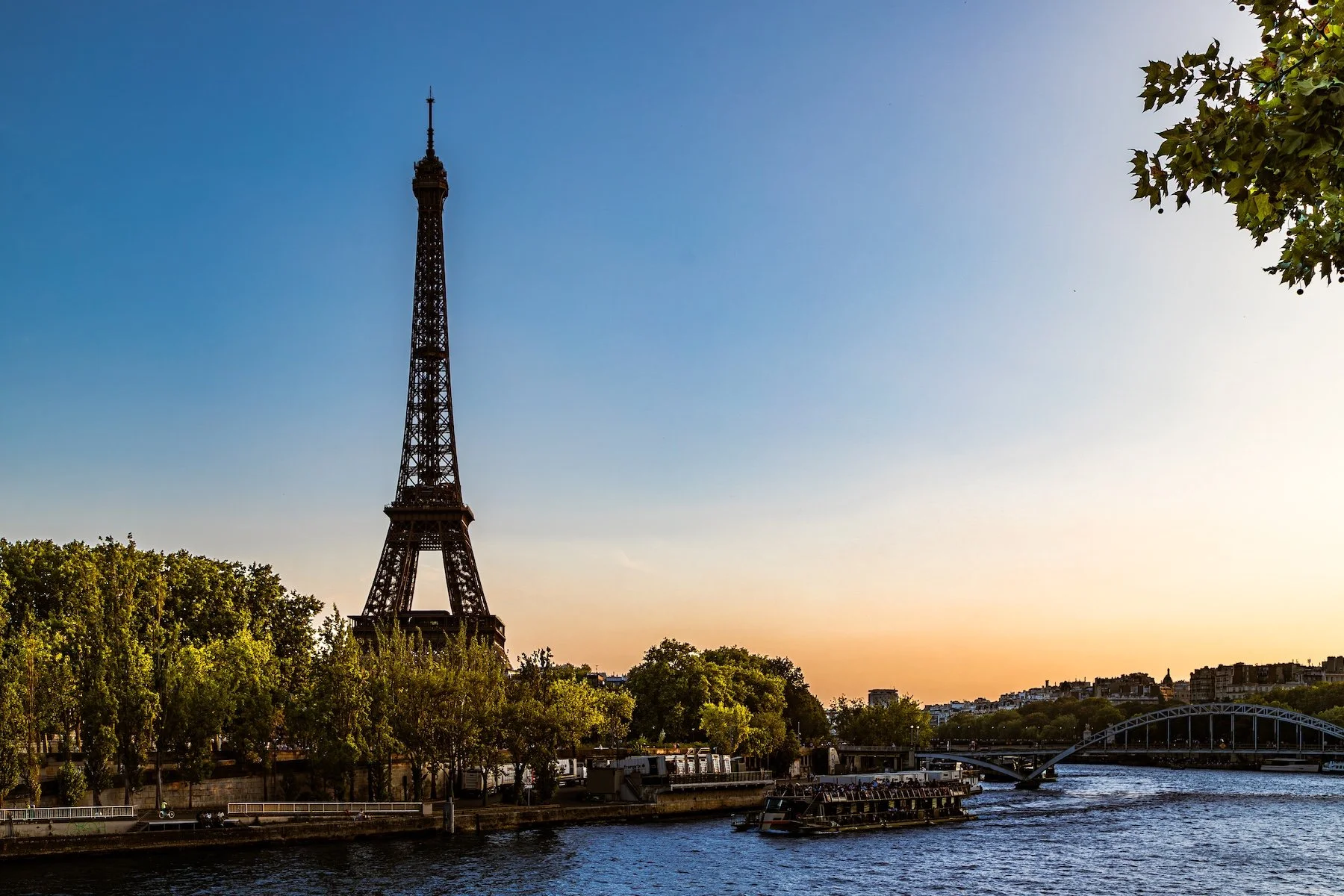
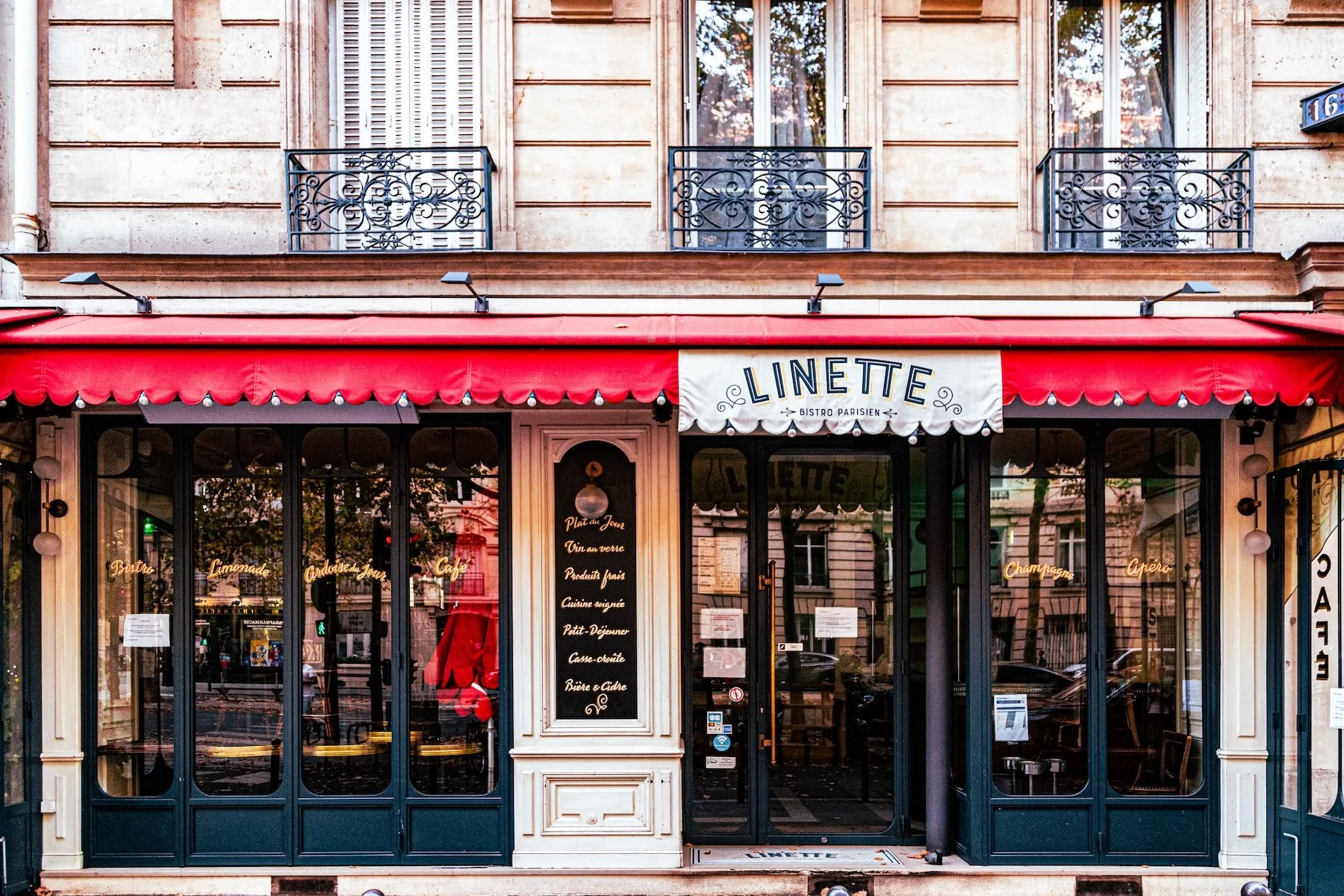
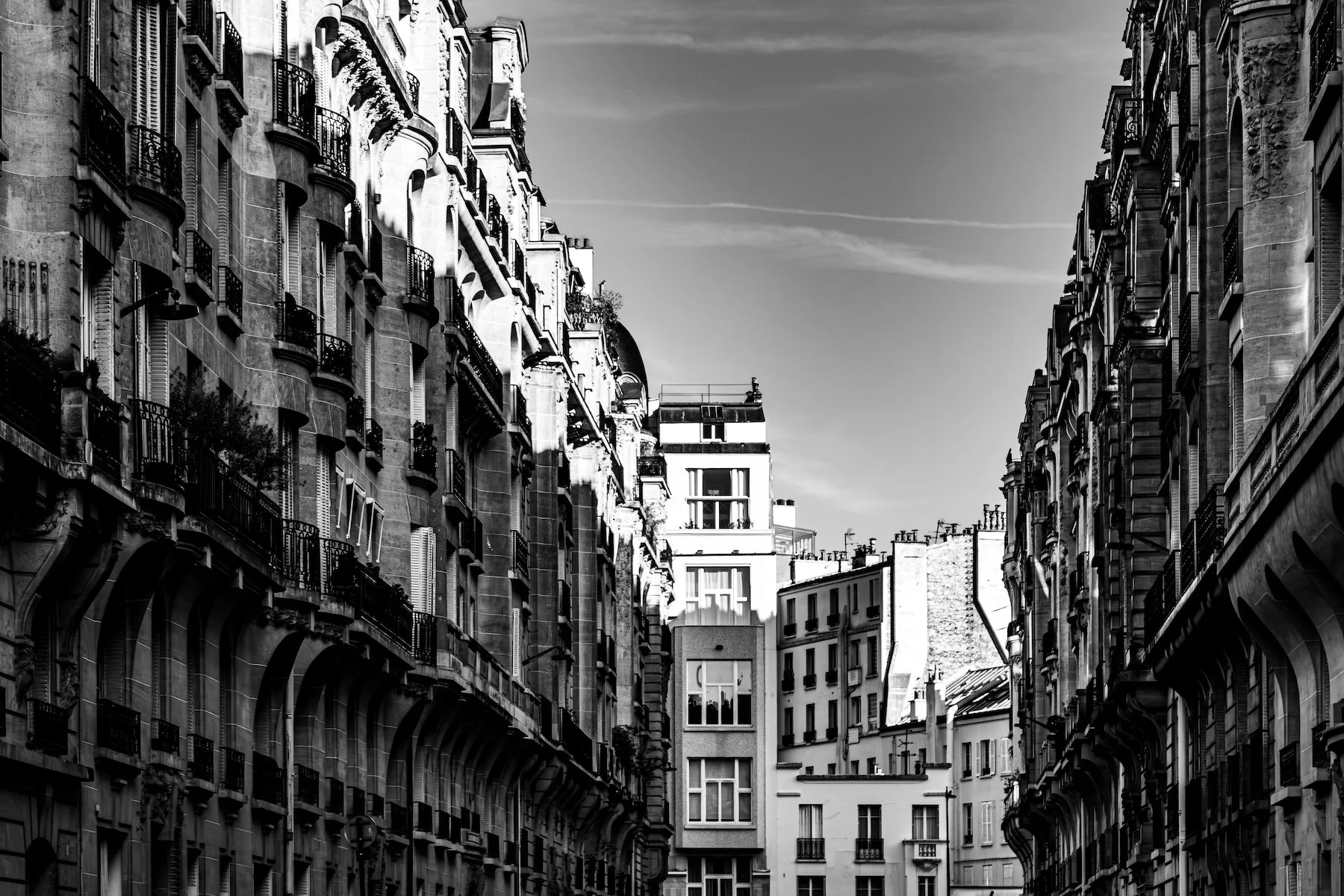
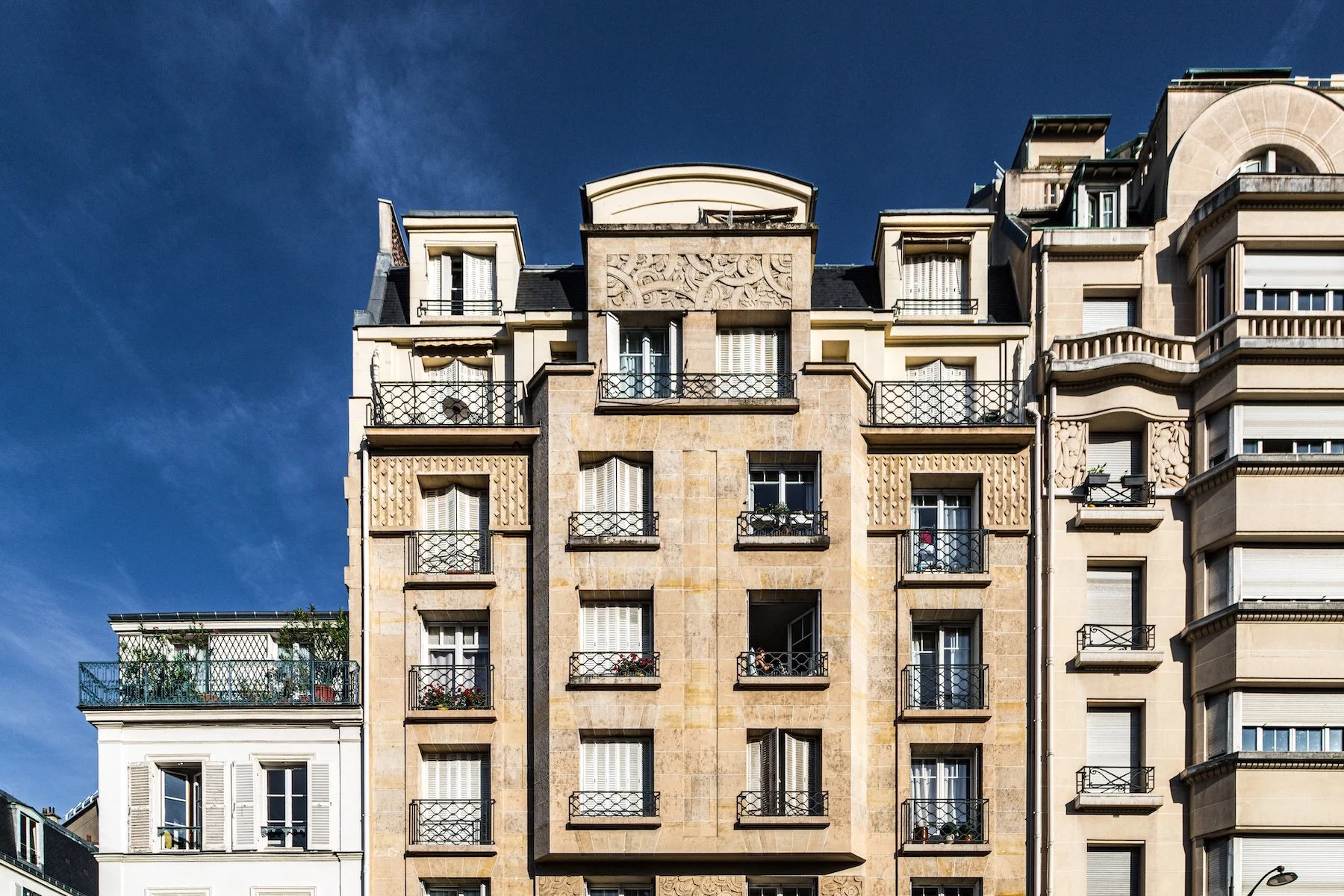
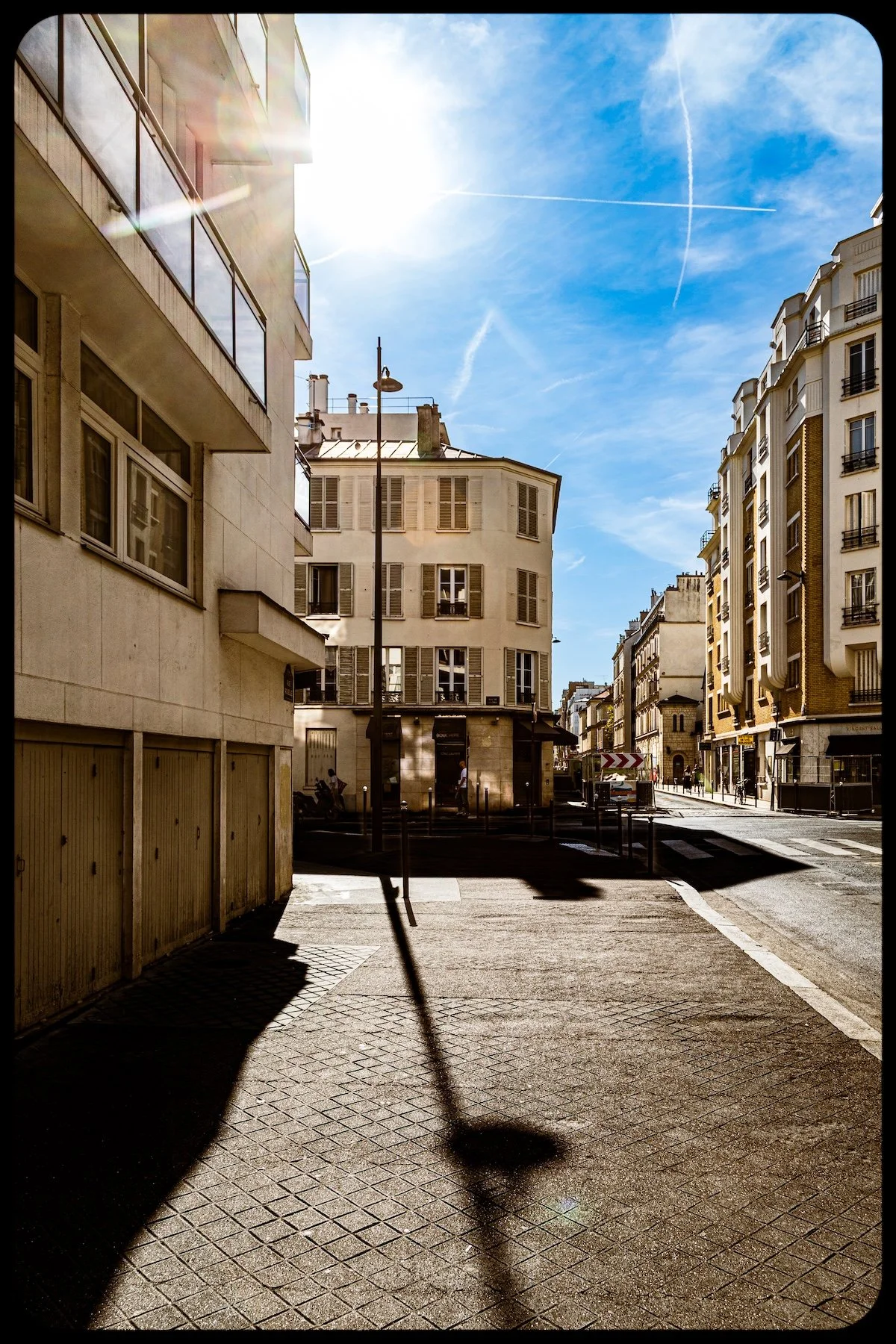
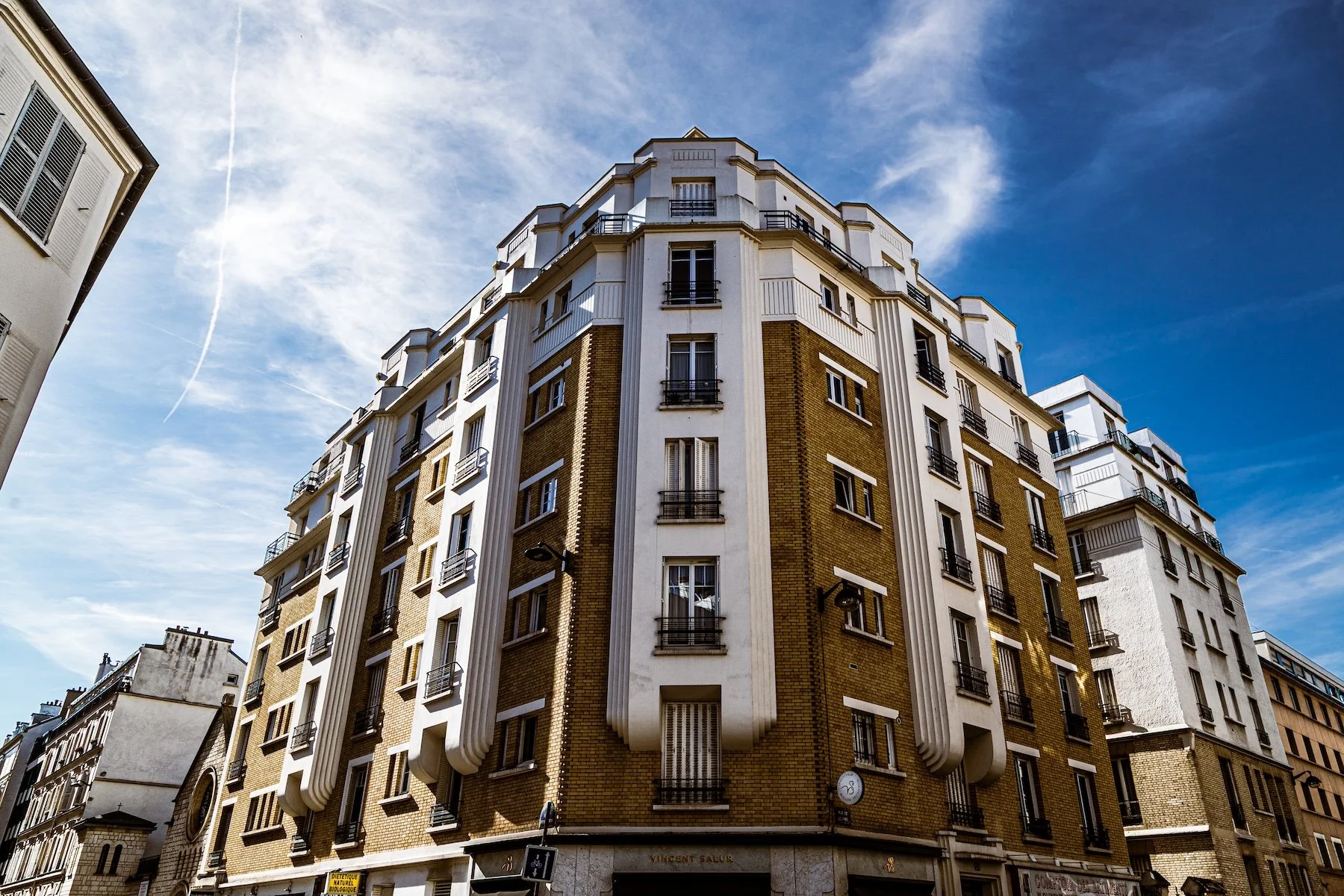
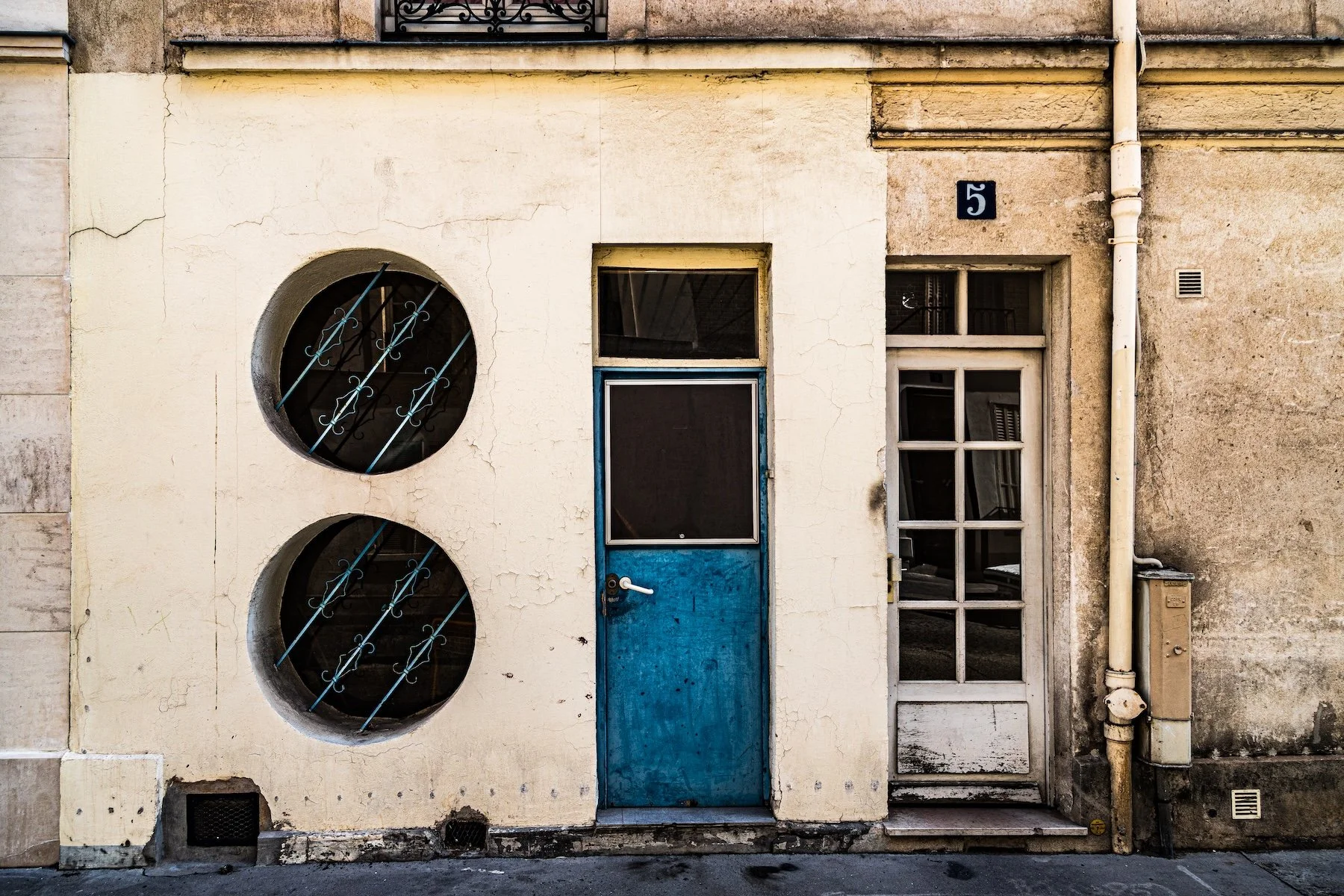
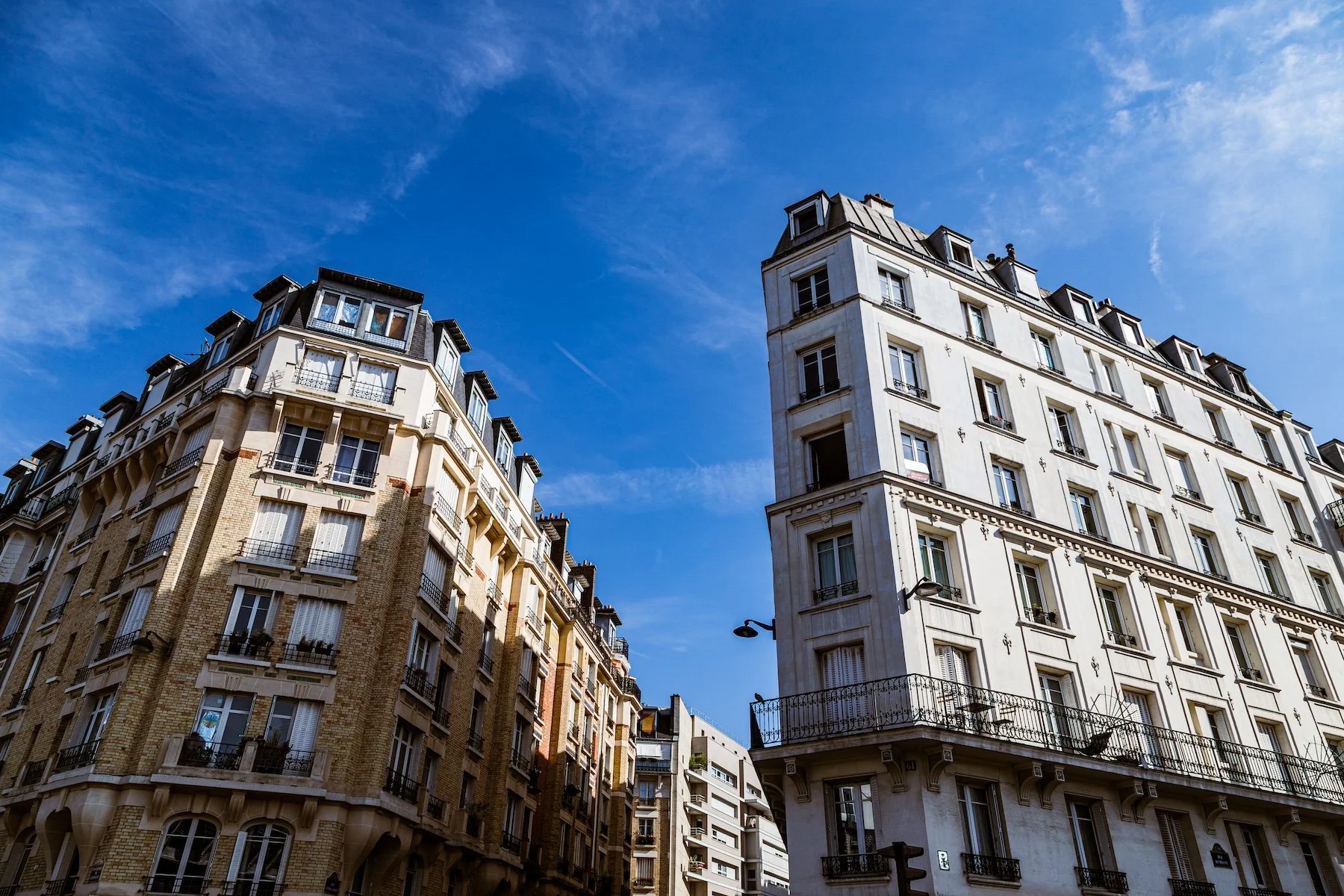
Photographing the arrondissements means moving between the official map and the street-level experience. The camera does not treat each arrondissement as visually uniform. Instead, it looks for the recurring forms, textures, transitions, and contrasts that make each district legible: the geometry of boulevards, the shade of plane trees, the repetition of balconies, the rise of stairways, the curve of canals, the presence of rail stations, the opening of parks, the weight of monuments, and the intimacy of side streets.
On CityNeighborhoods, the arrondissement provides the frame, but the photograph comes from the encounter between map, movement, light, and observation. As the Paris photography is processed, this section will connect each arrondissement more directly to the project’s Photographic Lexicon: the visual strategies, recurring motifs, and compositional patterns that shape how the city is seen through the lens.
If you visit Paris, these ideas can help inspire your own photography.
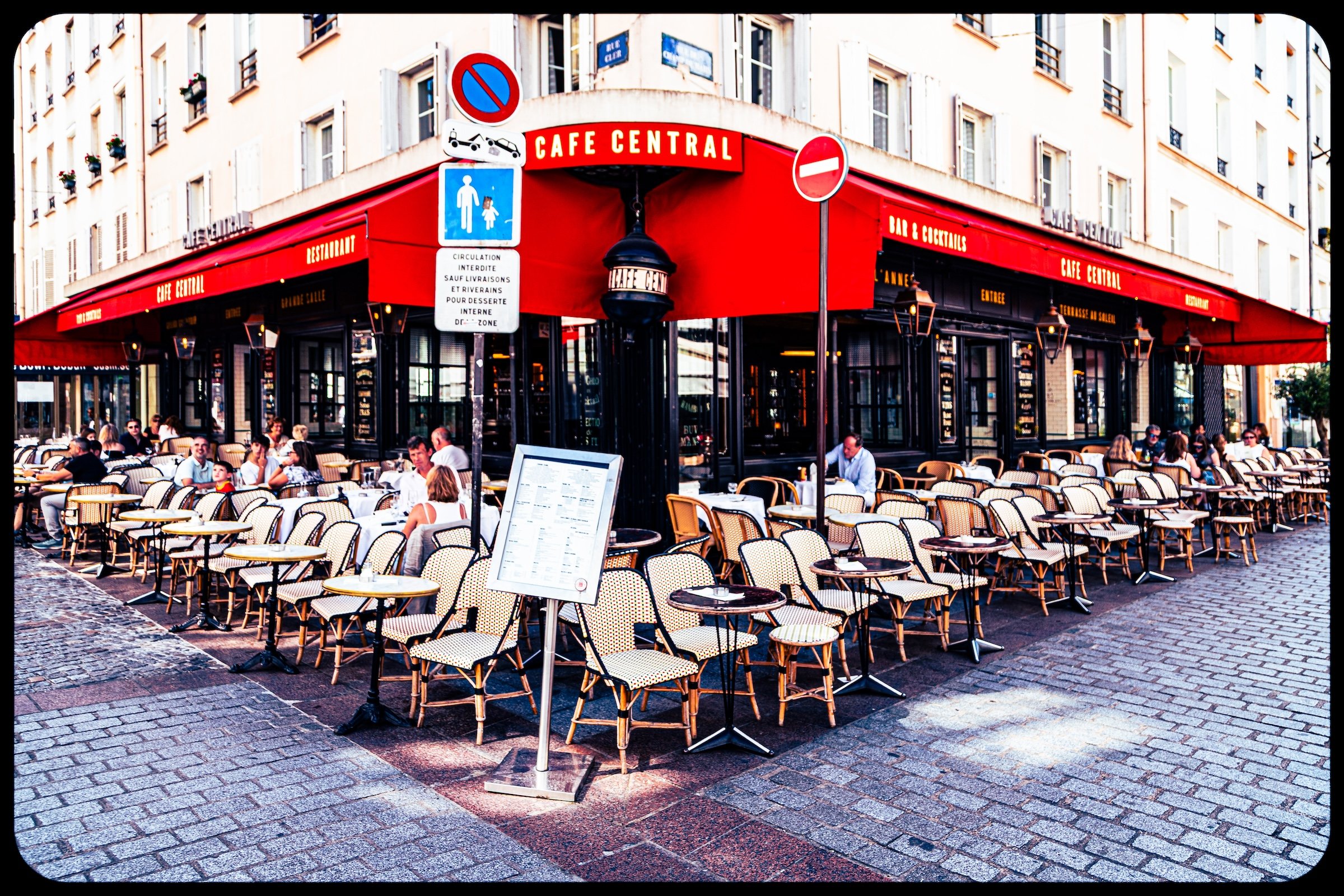
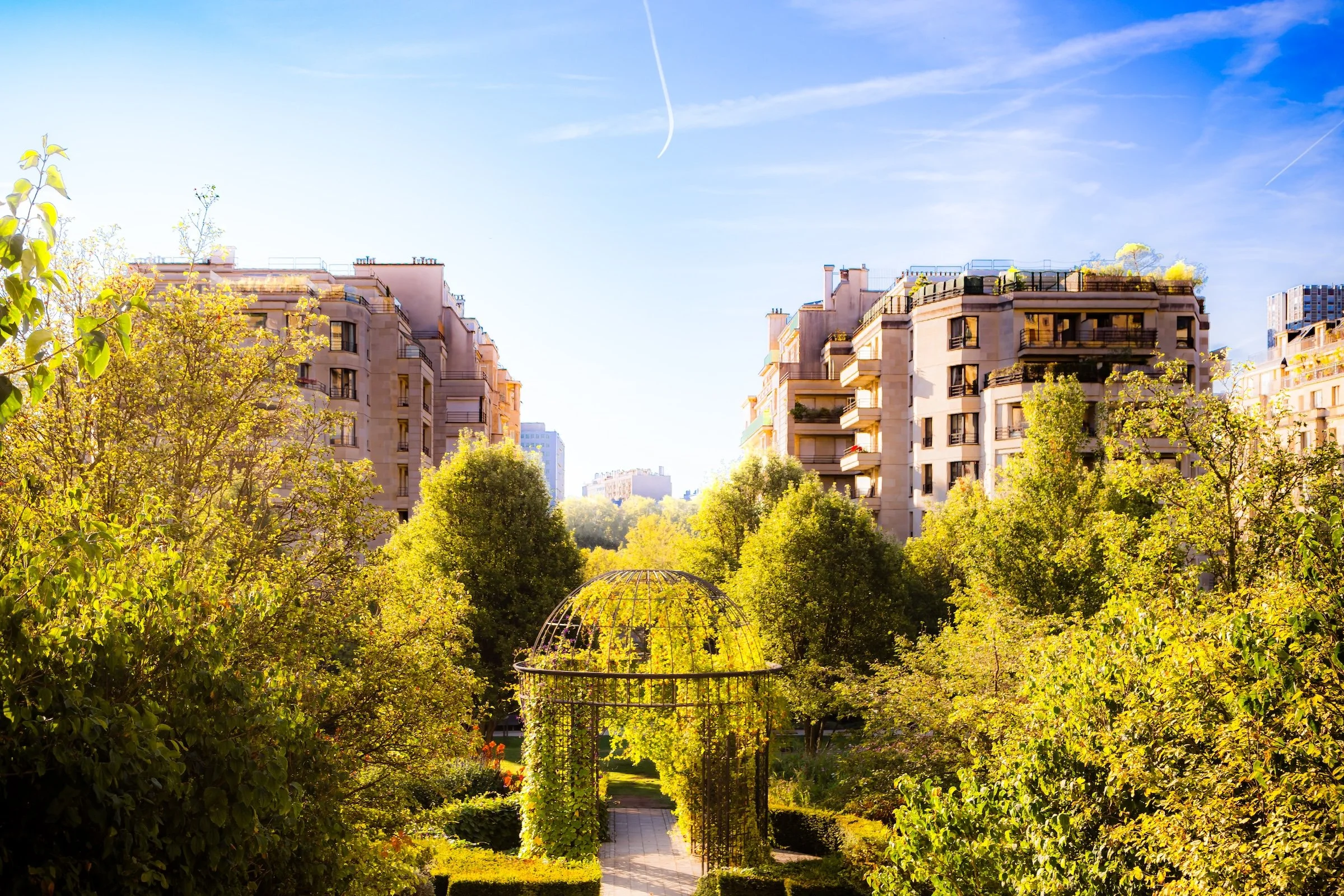
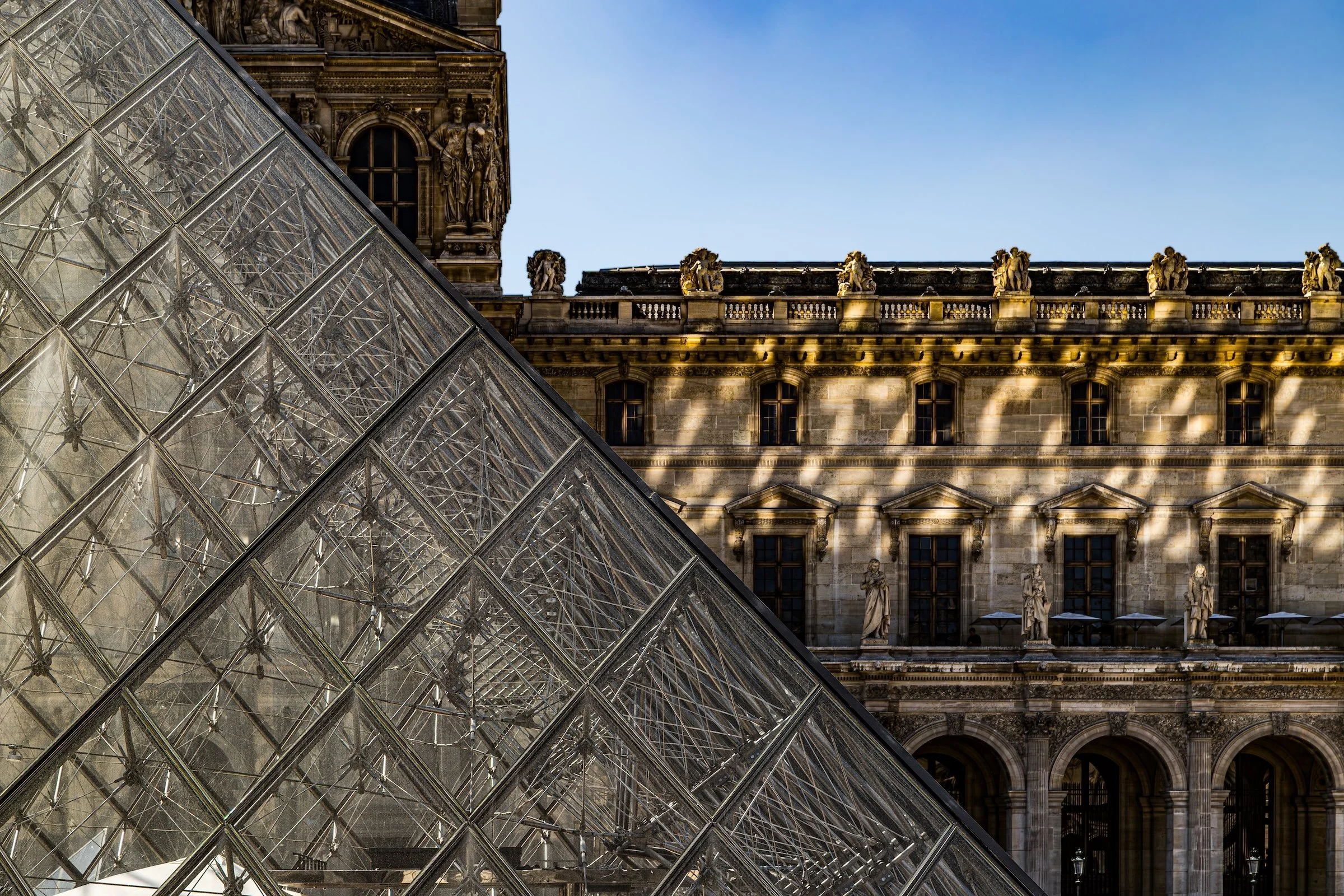
Paris: J’Espere, Je Rêve, Je Vive
Paris Photo Gallery
Paris Field Notes
-
Field Note: August 18, 2025 | 07:58 AM
Conditions: 73°F | Humidity: 72%.
Within the park's interior, the glacial kettle ponds acted as humidity traps, creating a soft, hazy light that filtered through the old-growth oaks. The transition from the park's dense shade to the sun-drenched edges of Oakland Gardens highlighted the day's exceptional "picture-perfect" clarity.
There is a fleeting window in Queens where the humidity of August hasn't yet heavy-set, and the morning sun hits the canopy of Alley Pond Park at a perfect oblique angle. Arriving just before 8:00 AM, I watched the light break through the oaks and tulip trees, casting long, dramatic shadows across the wet grass. It’s in these quiet, golden moments that the park feels less like a city escape and more like the ancient glacial valley it actually is.
Other neighborhoods visited:
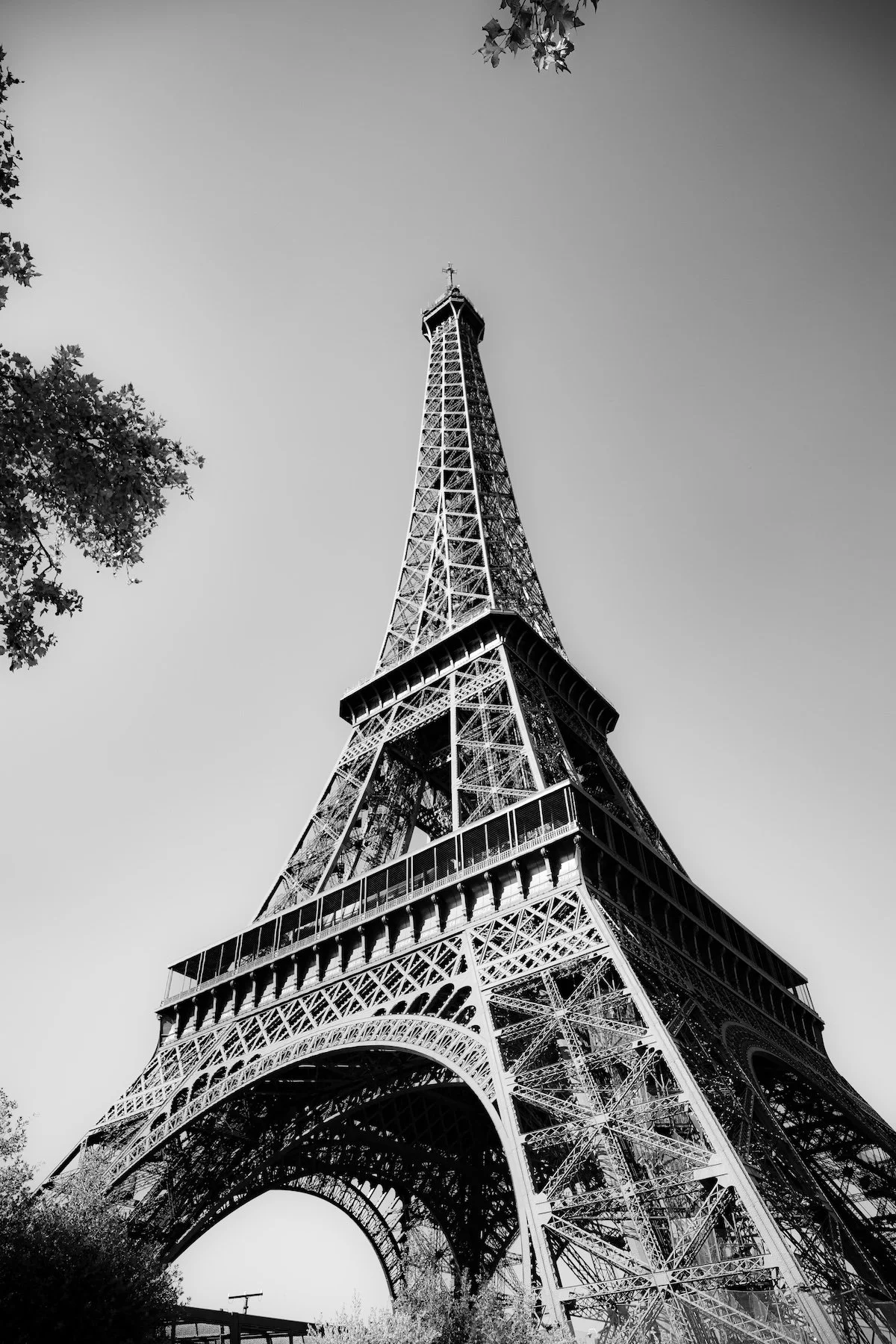
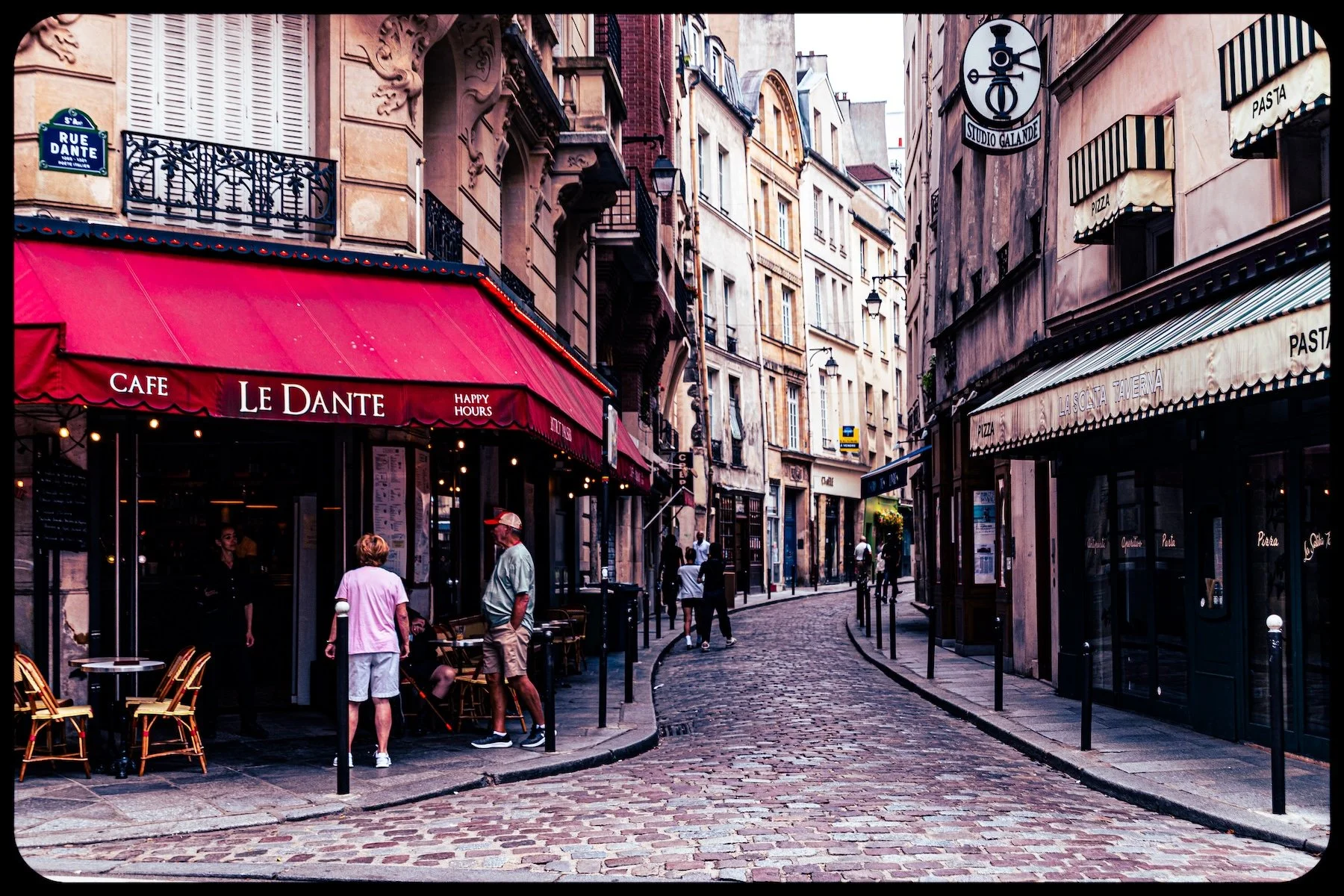
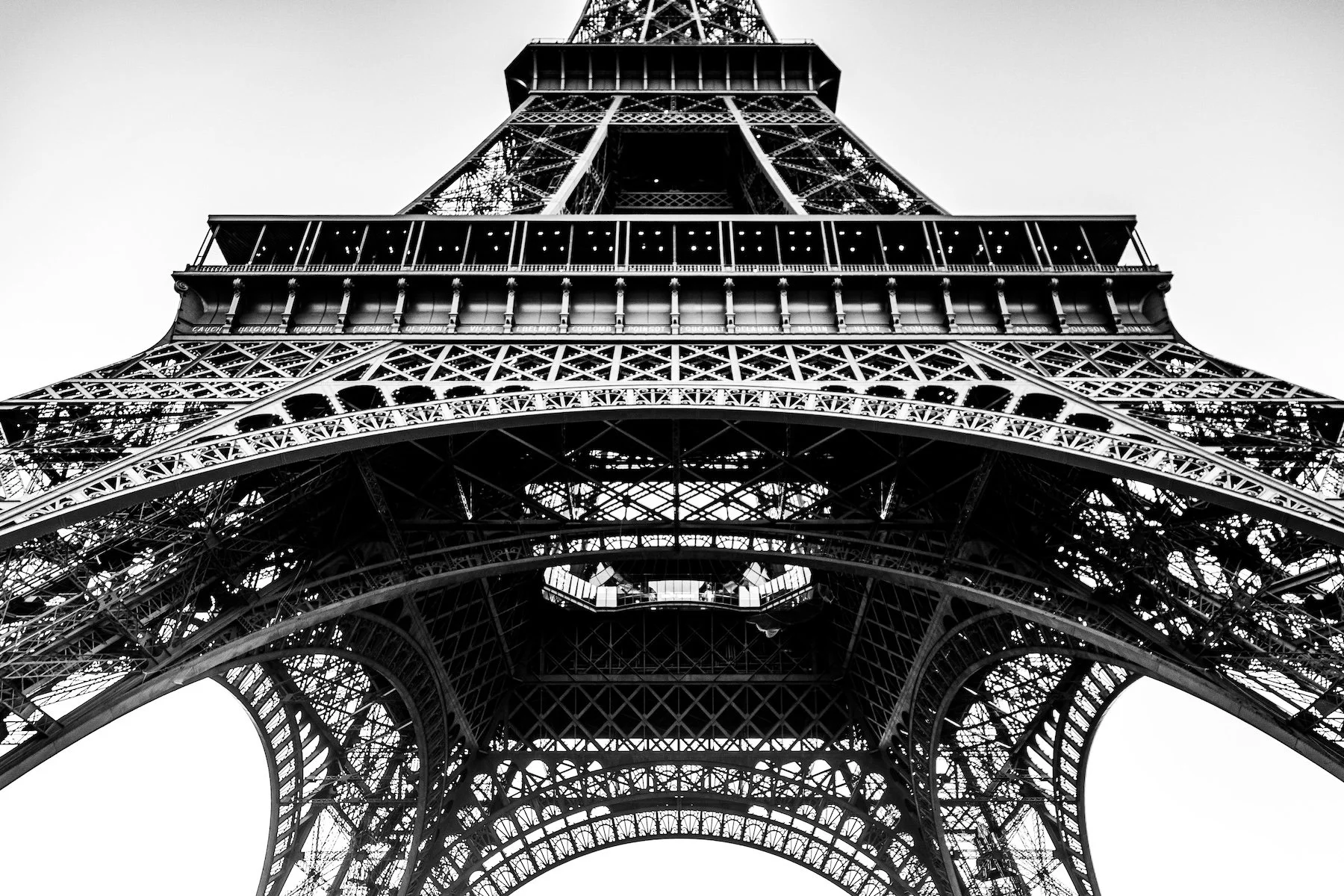
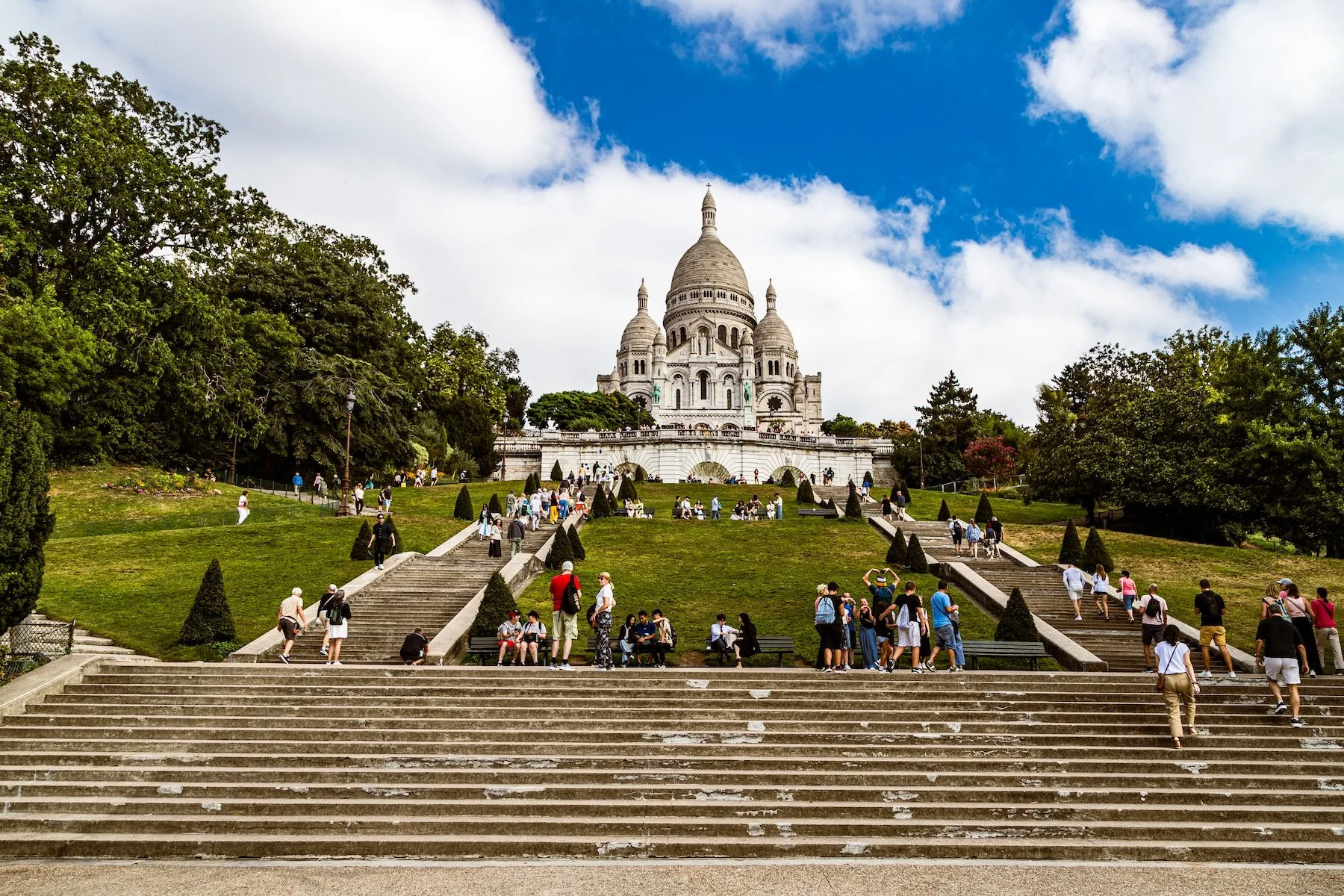
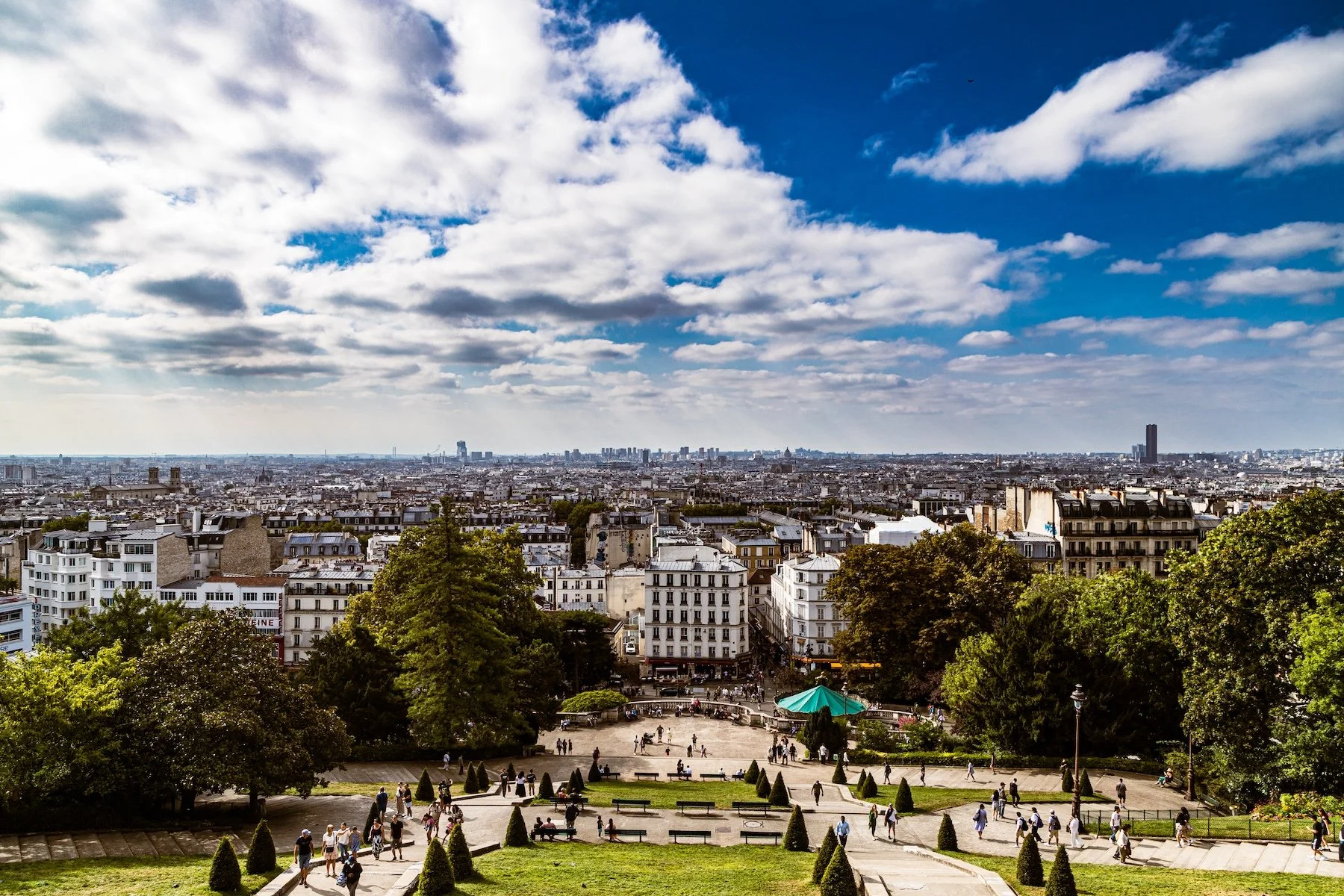
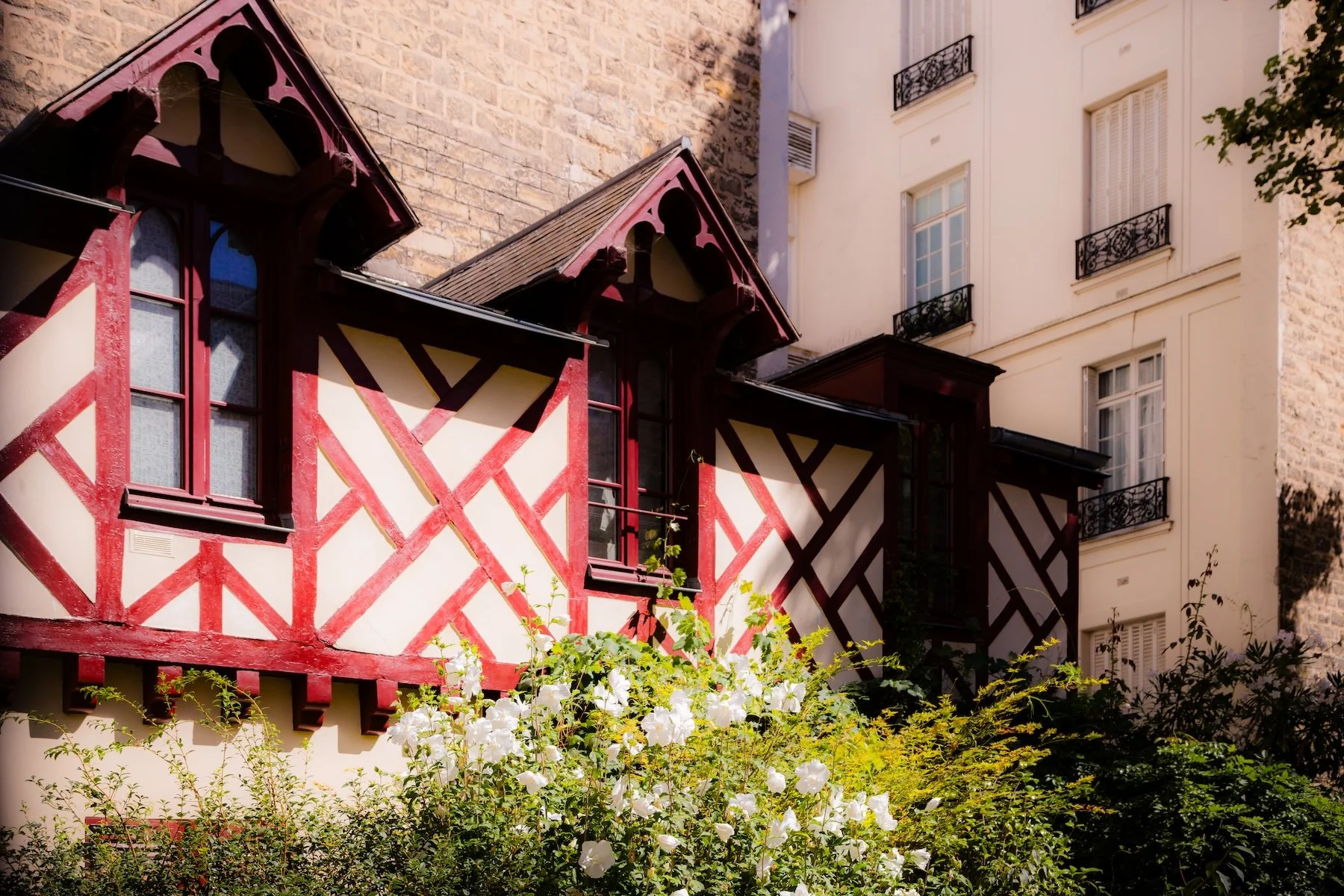
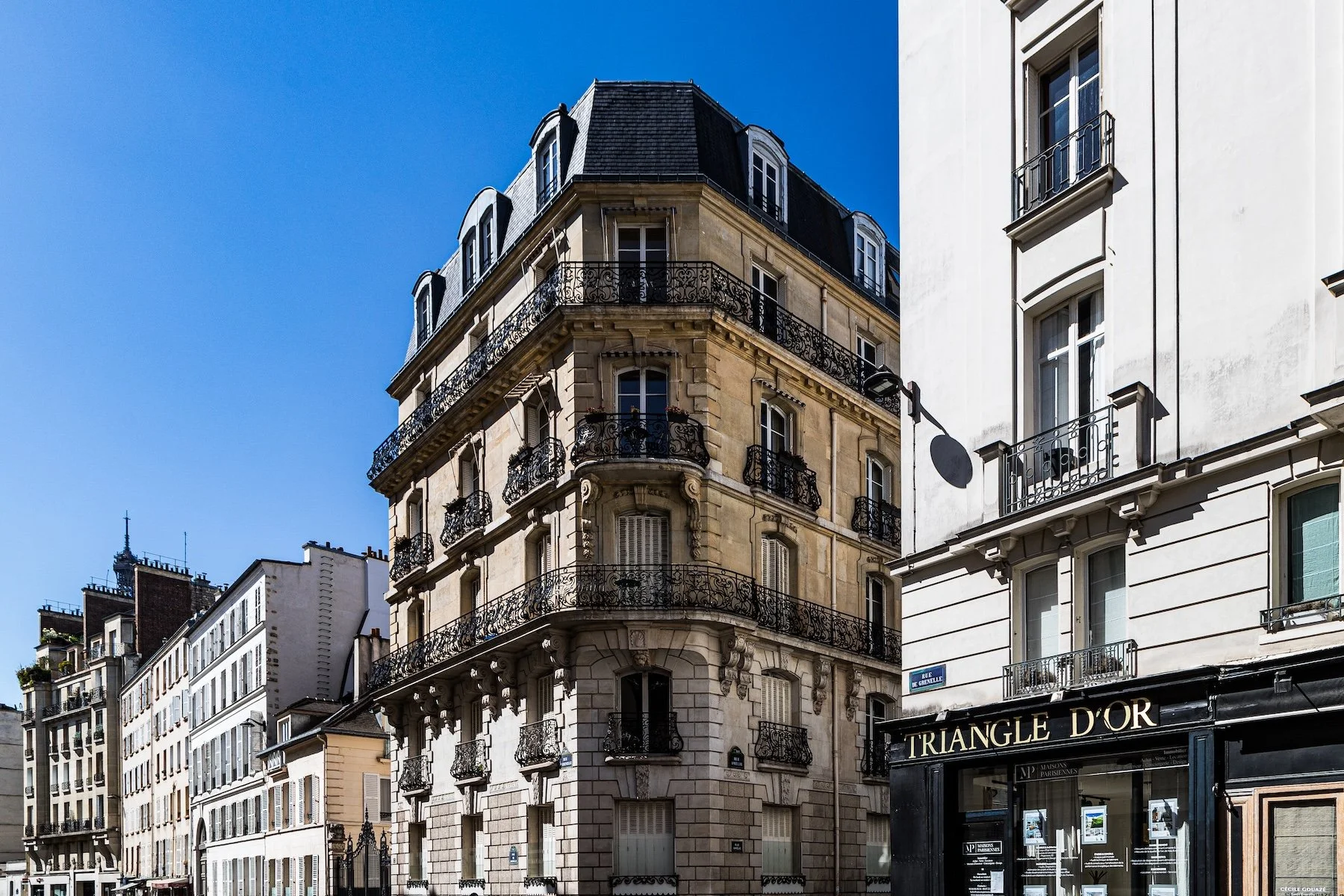
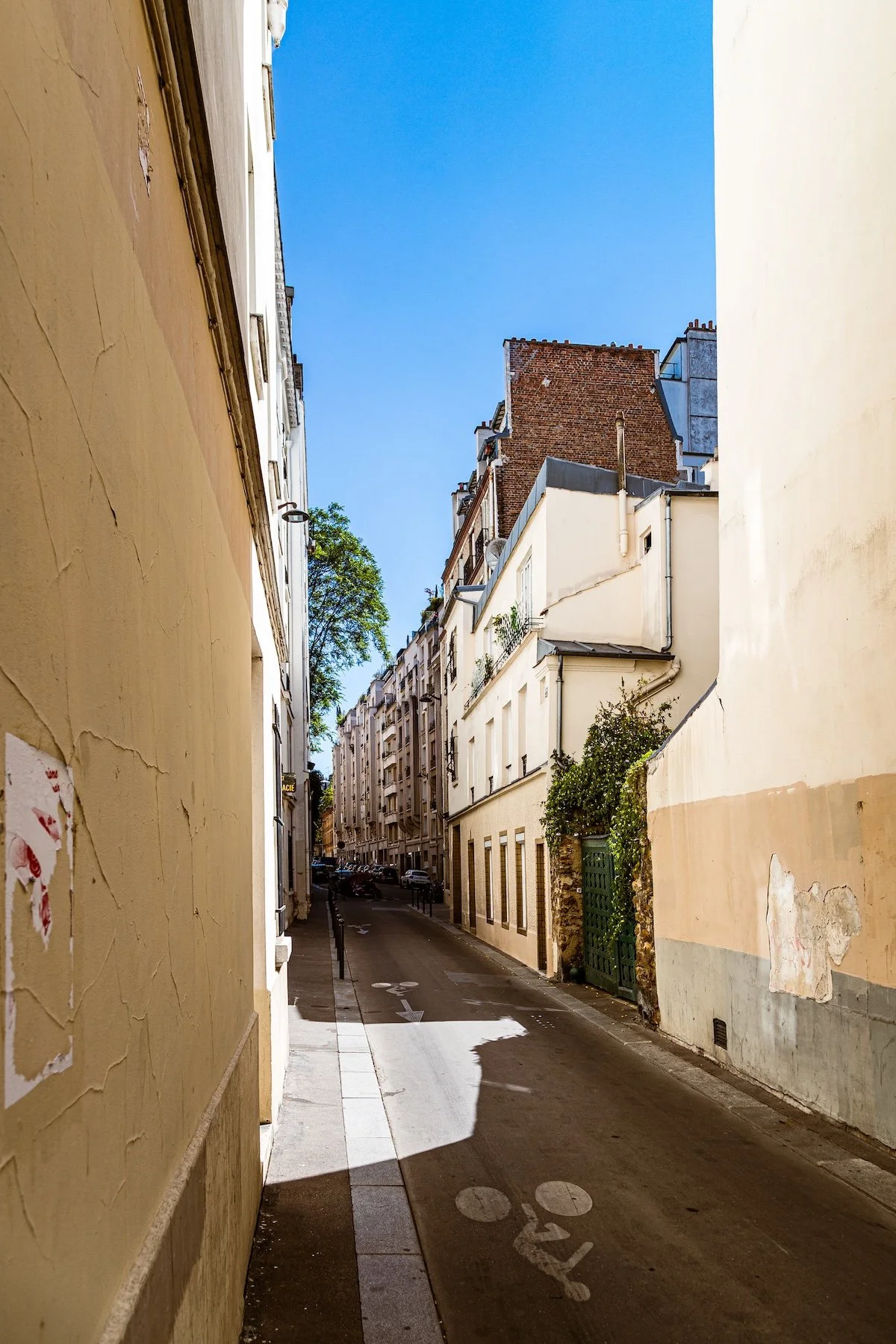
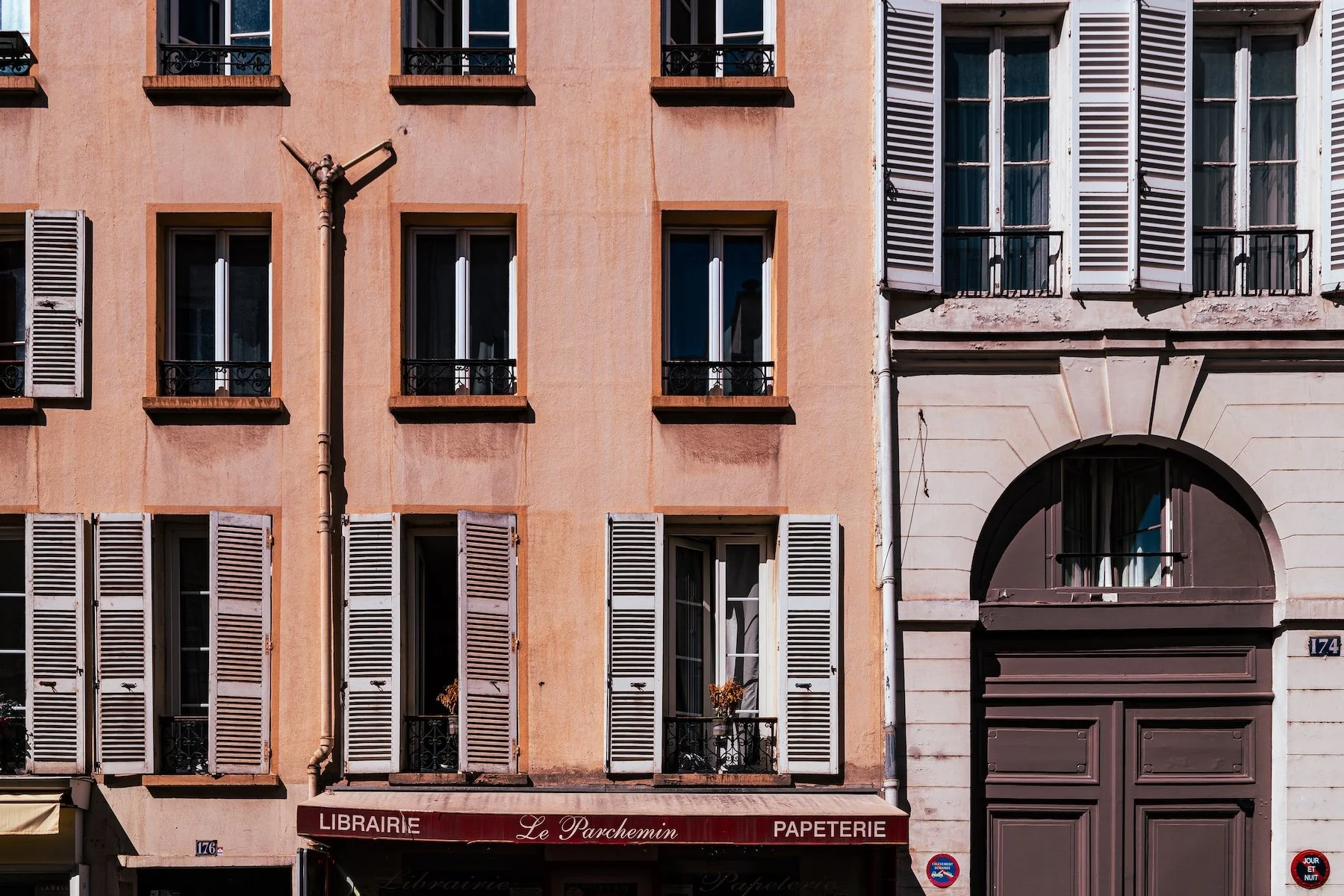
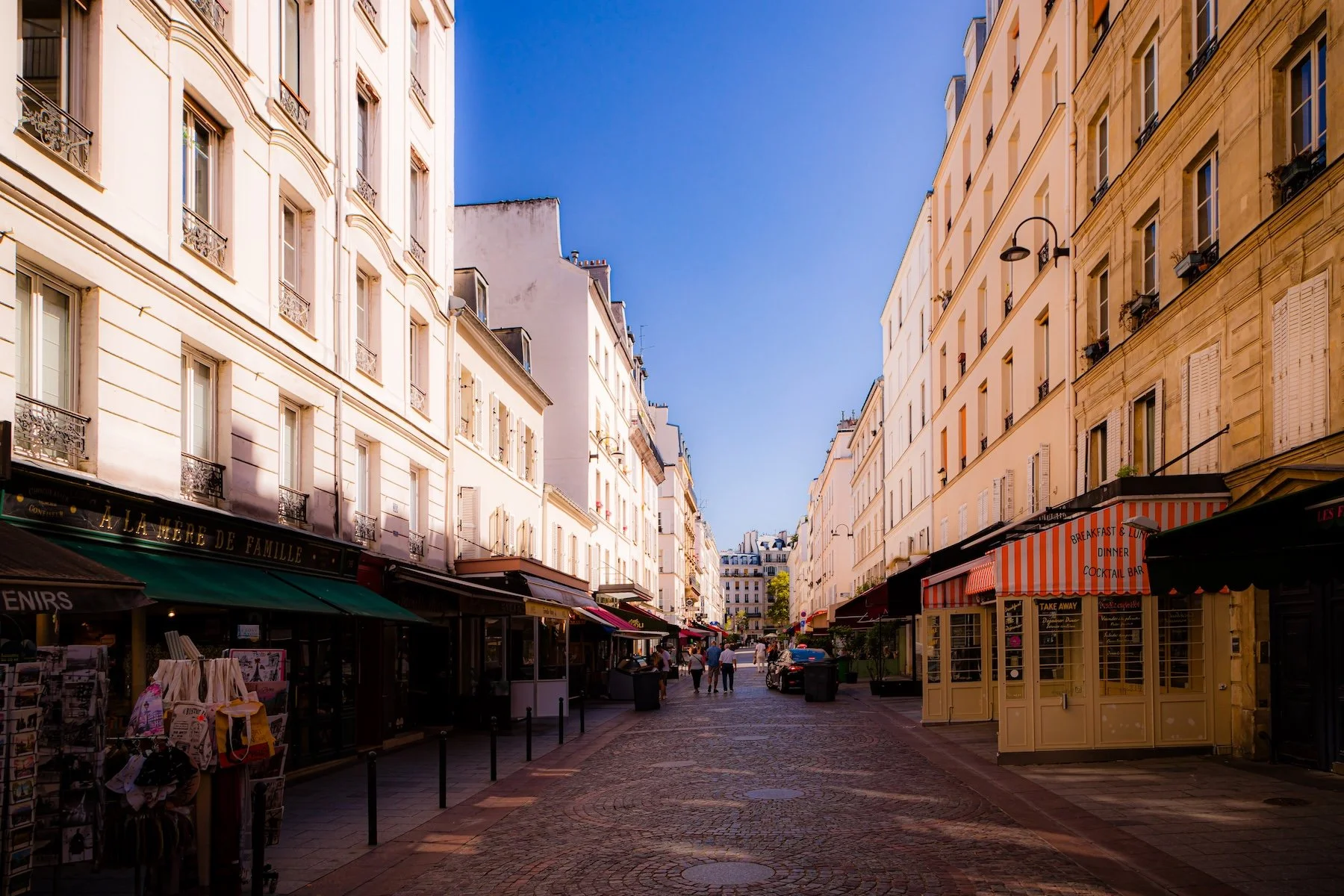
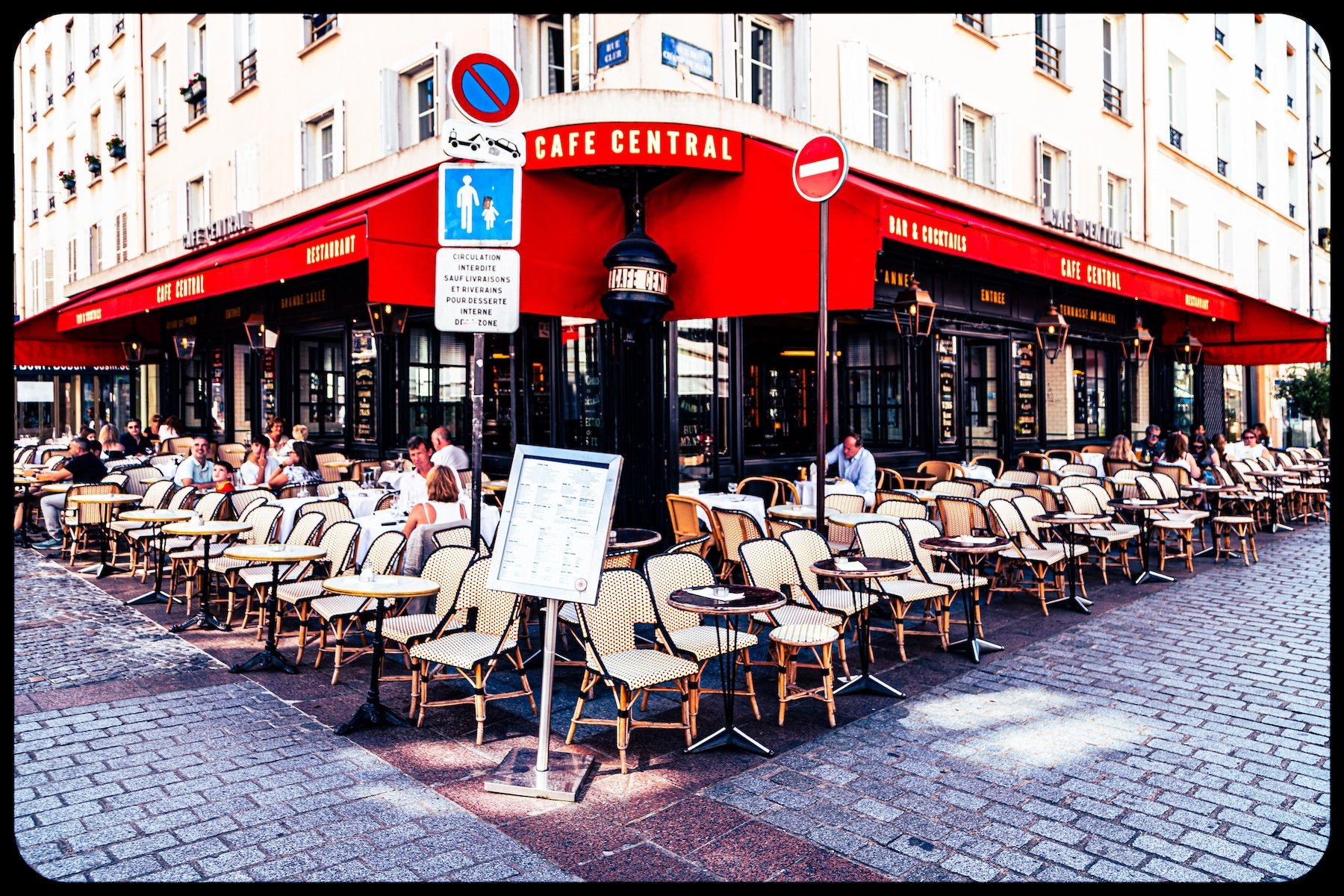
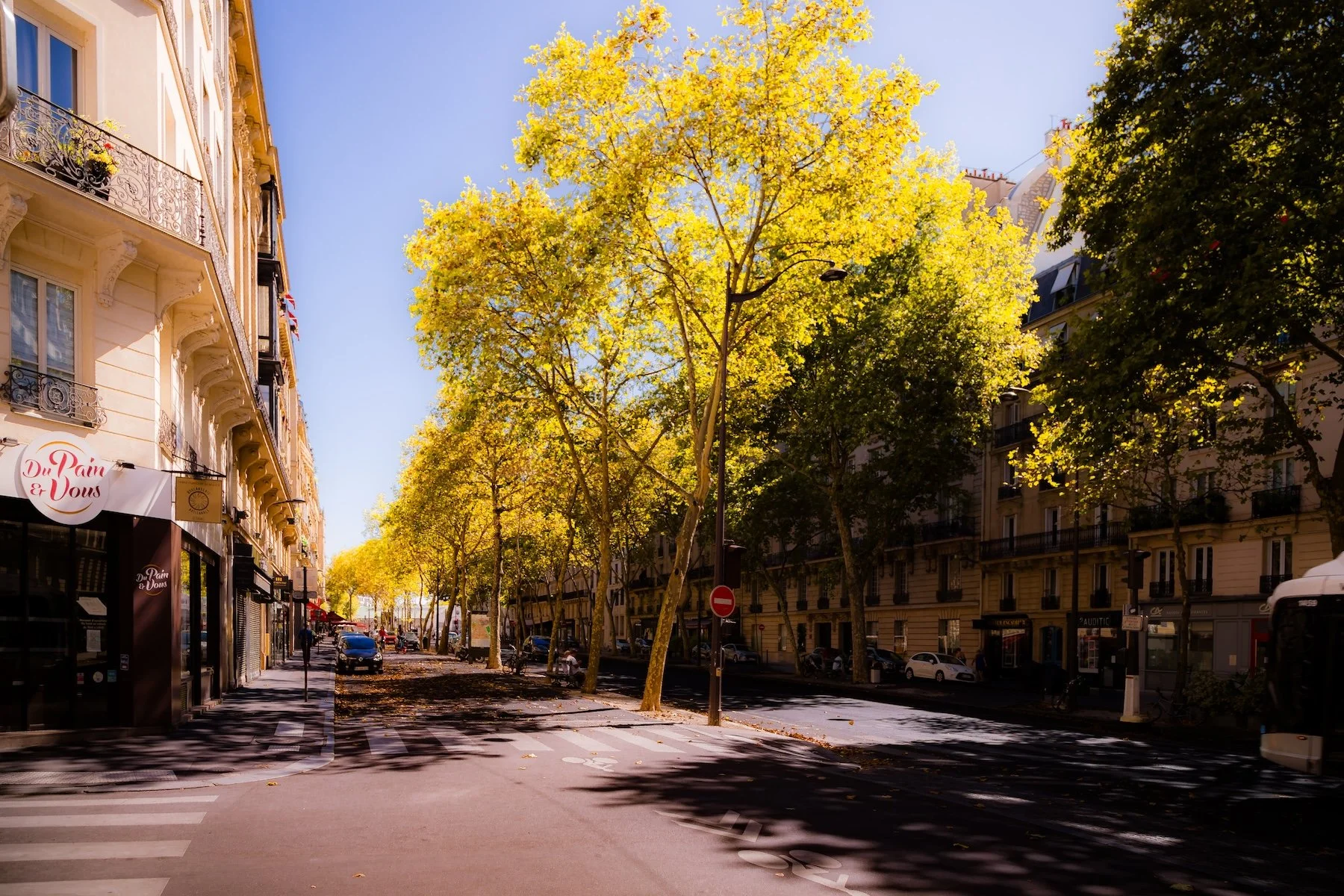
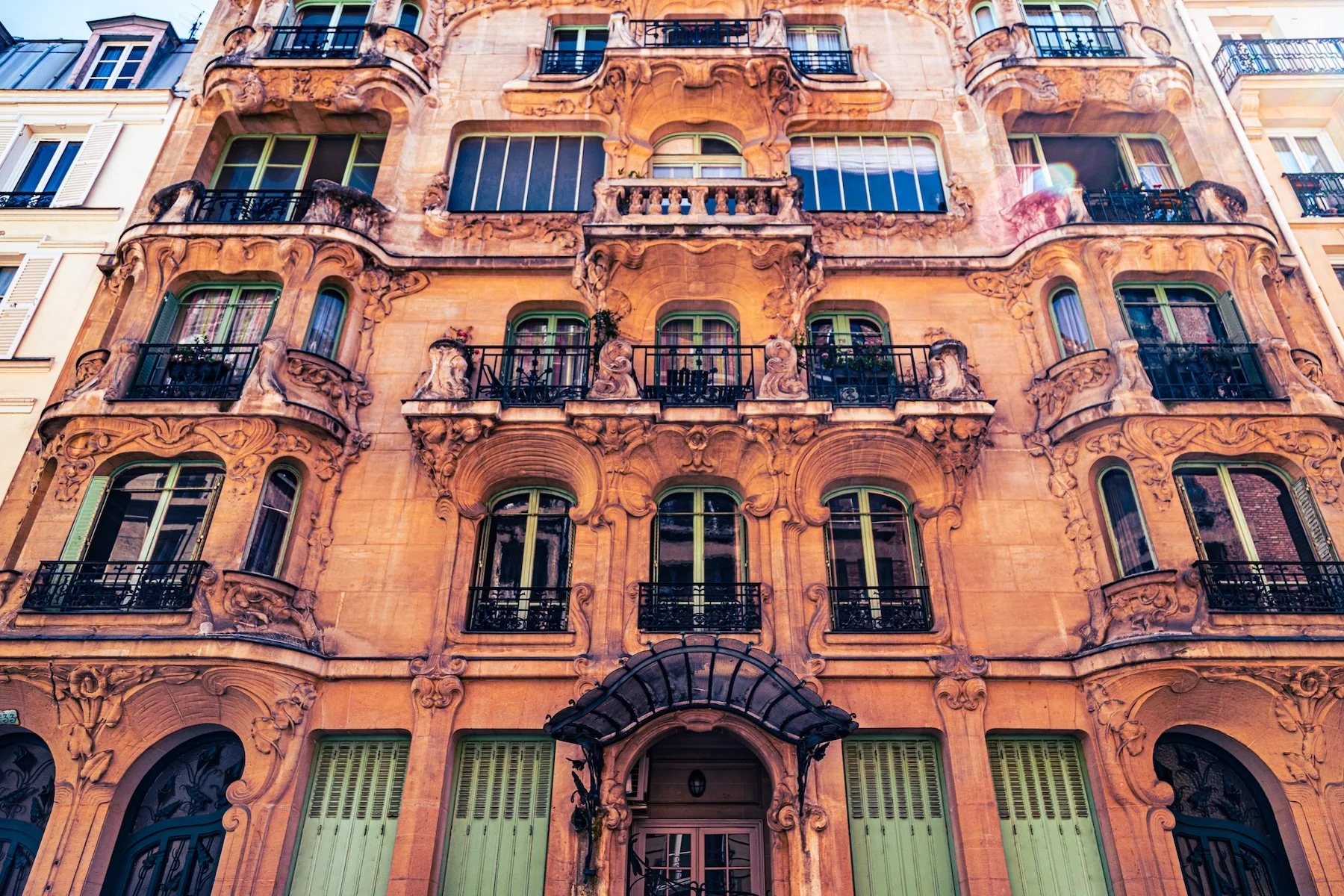
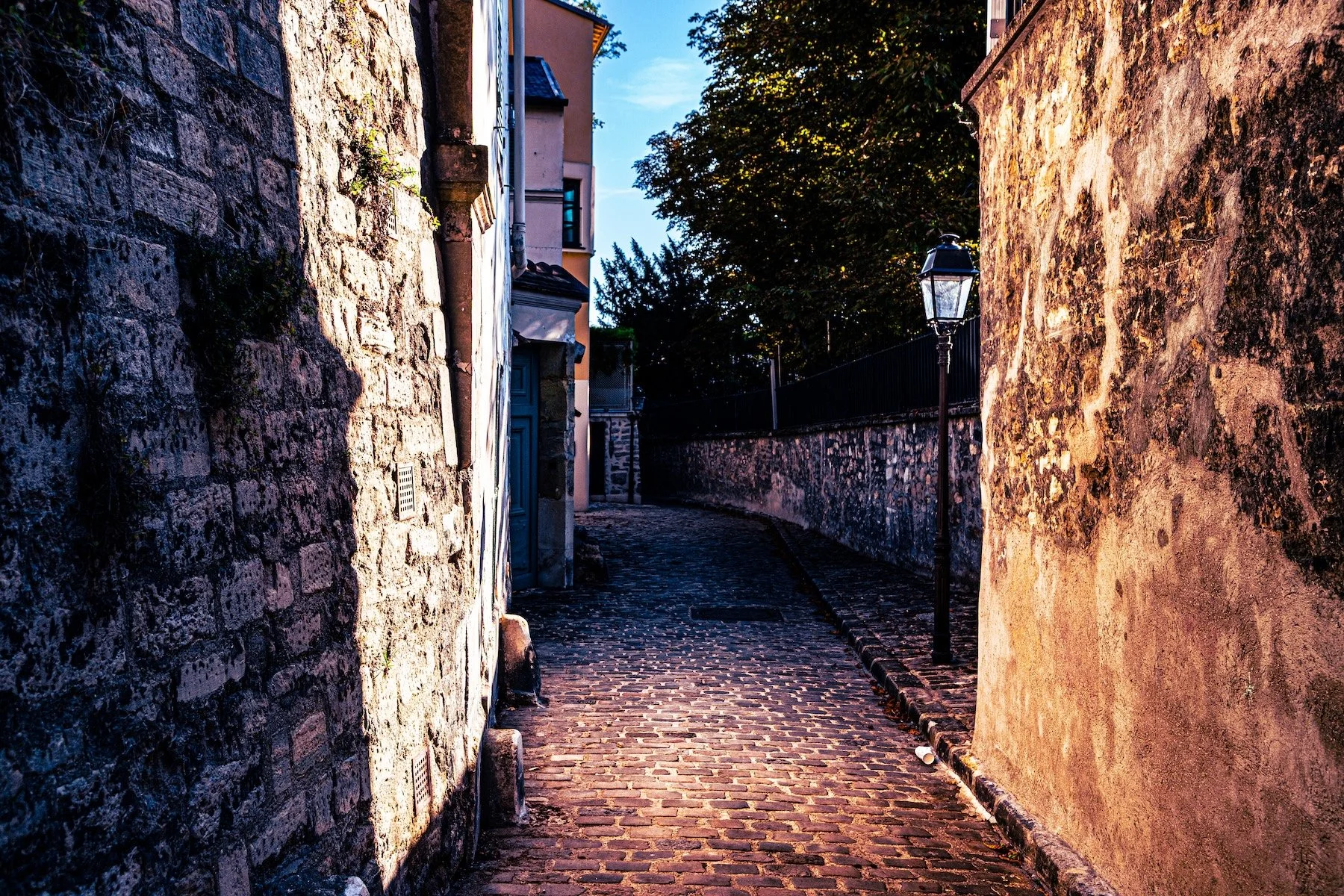
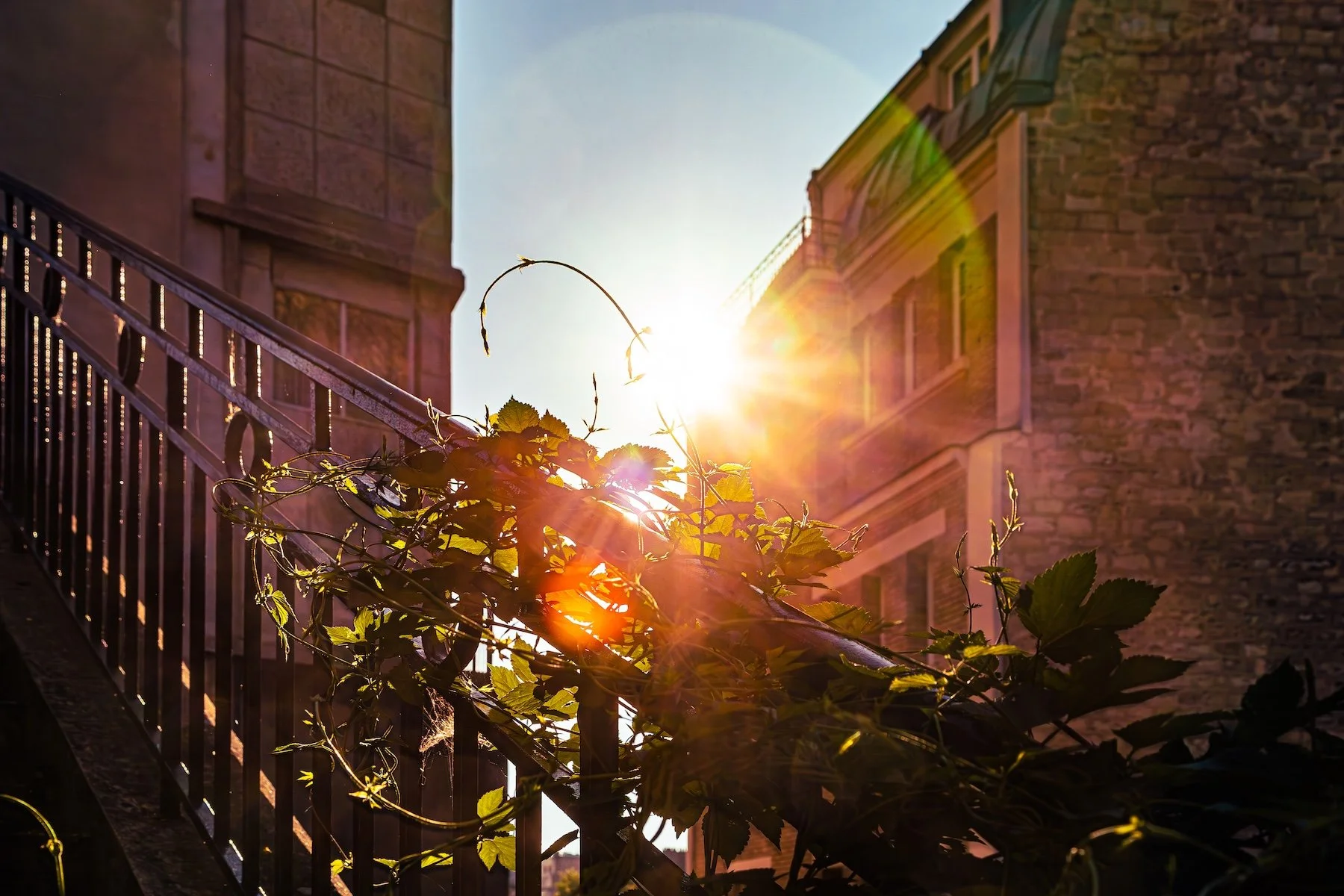
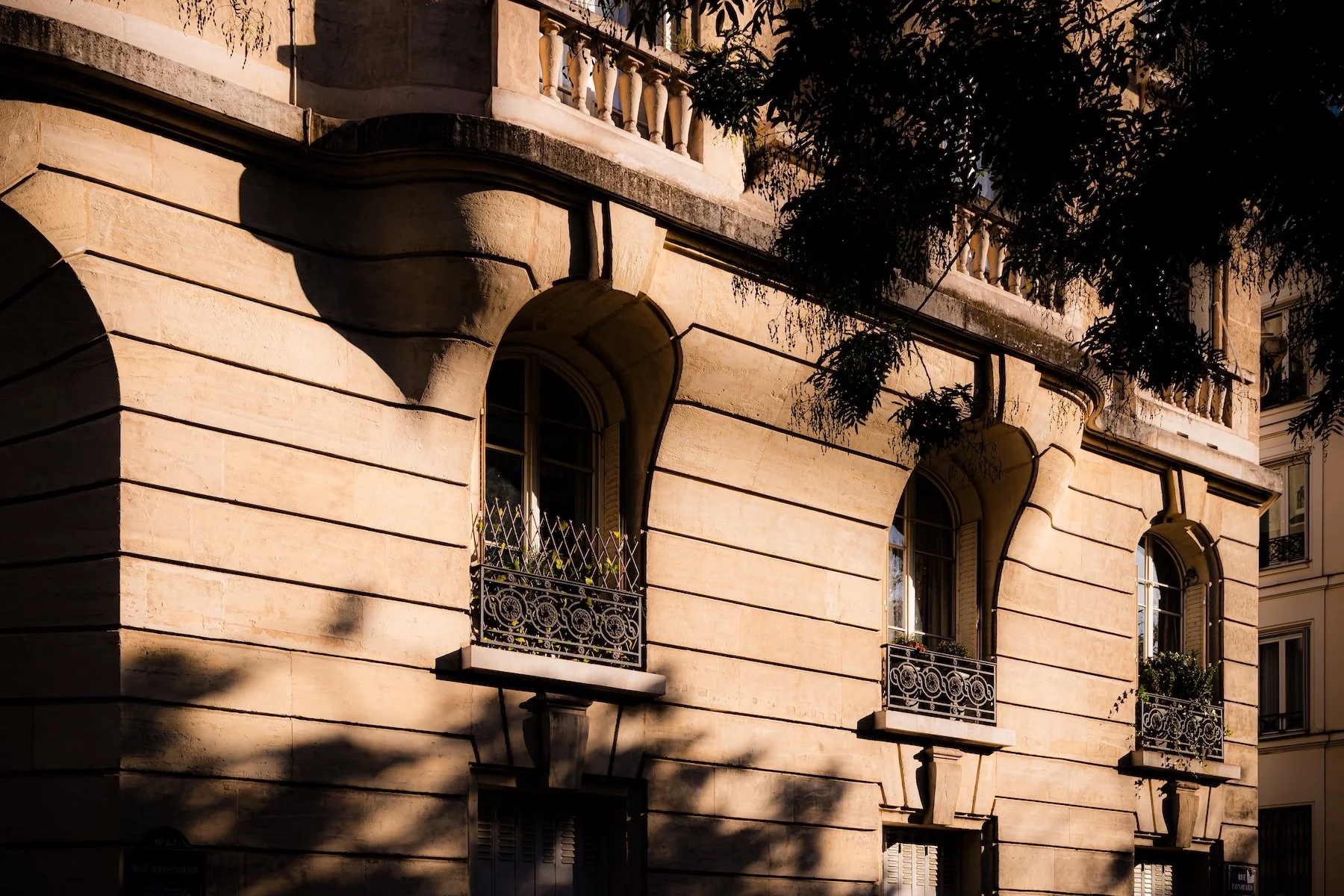
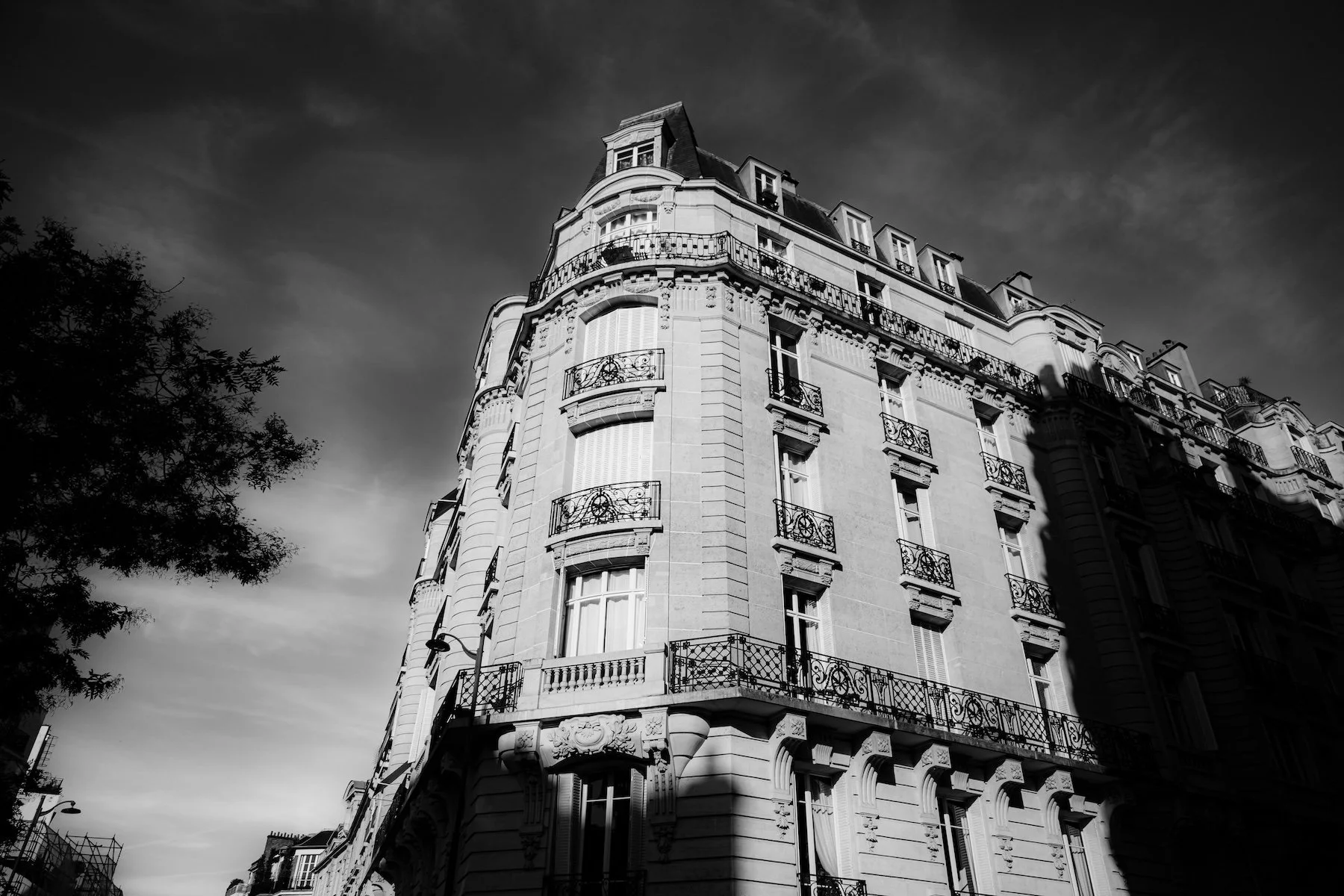
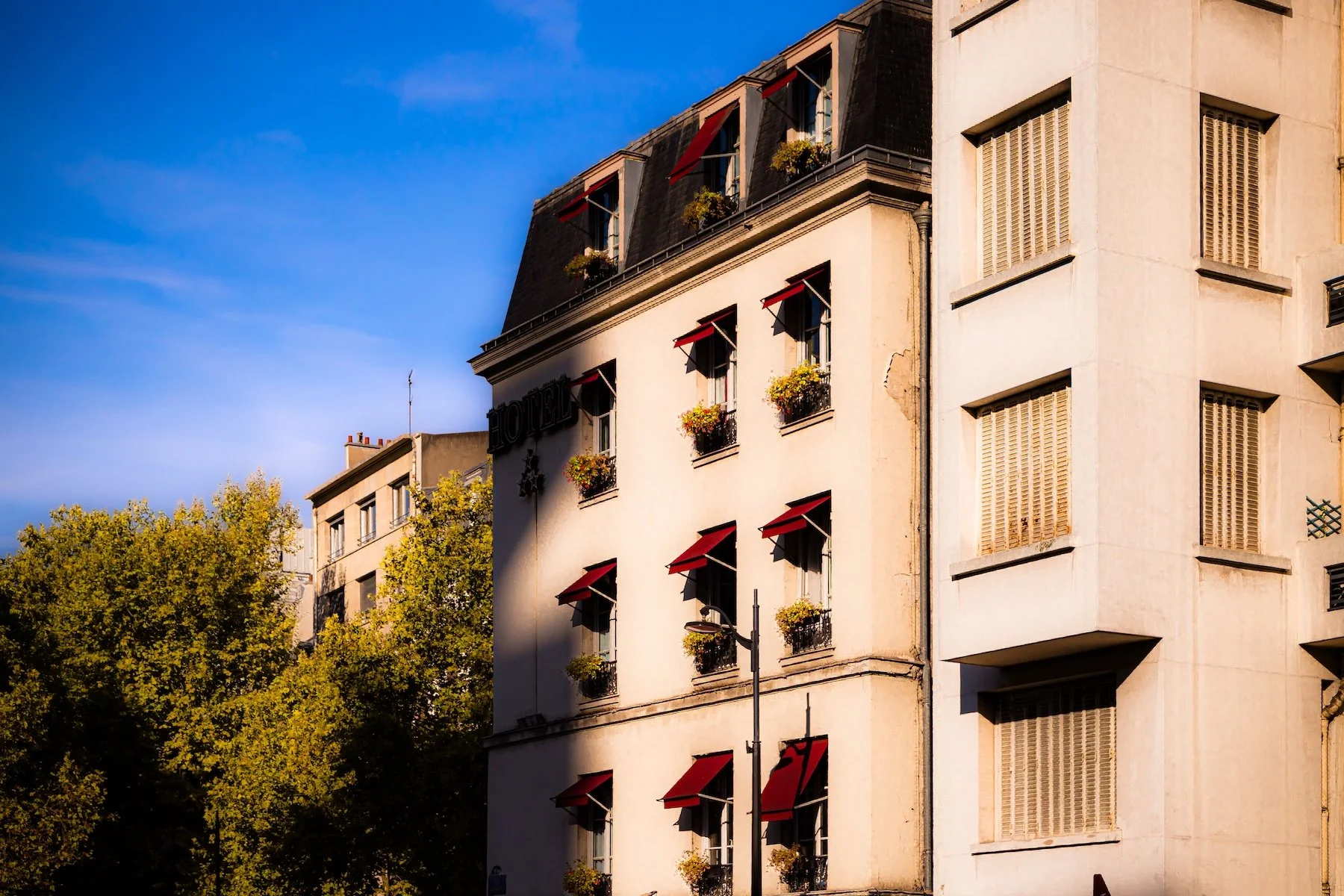
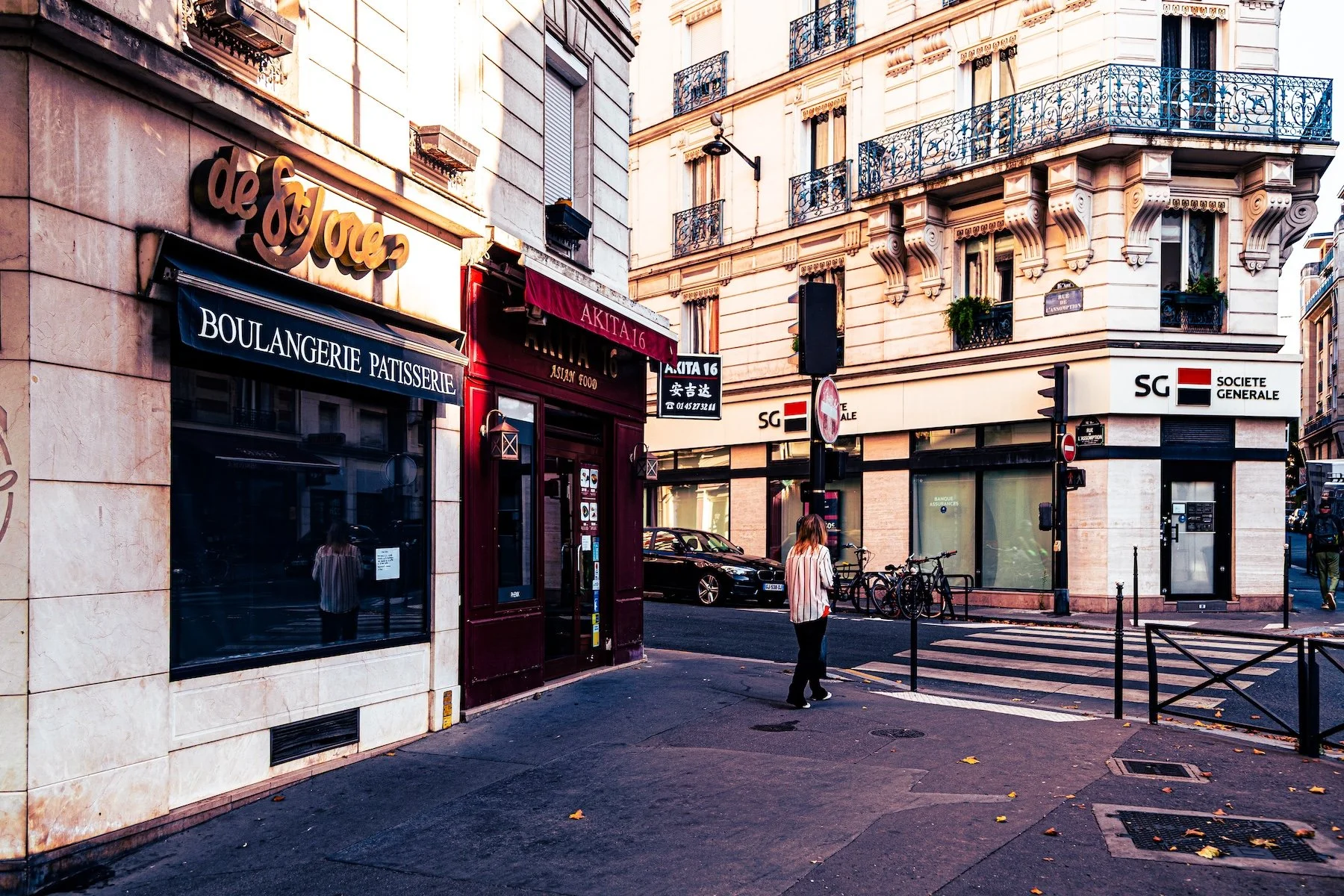

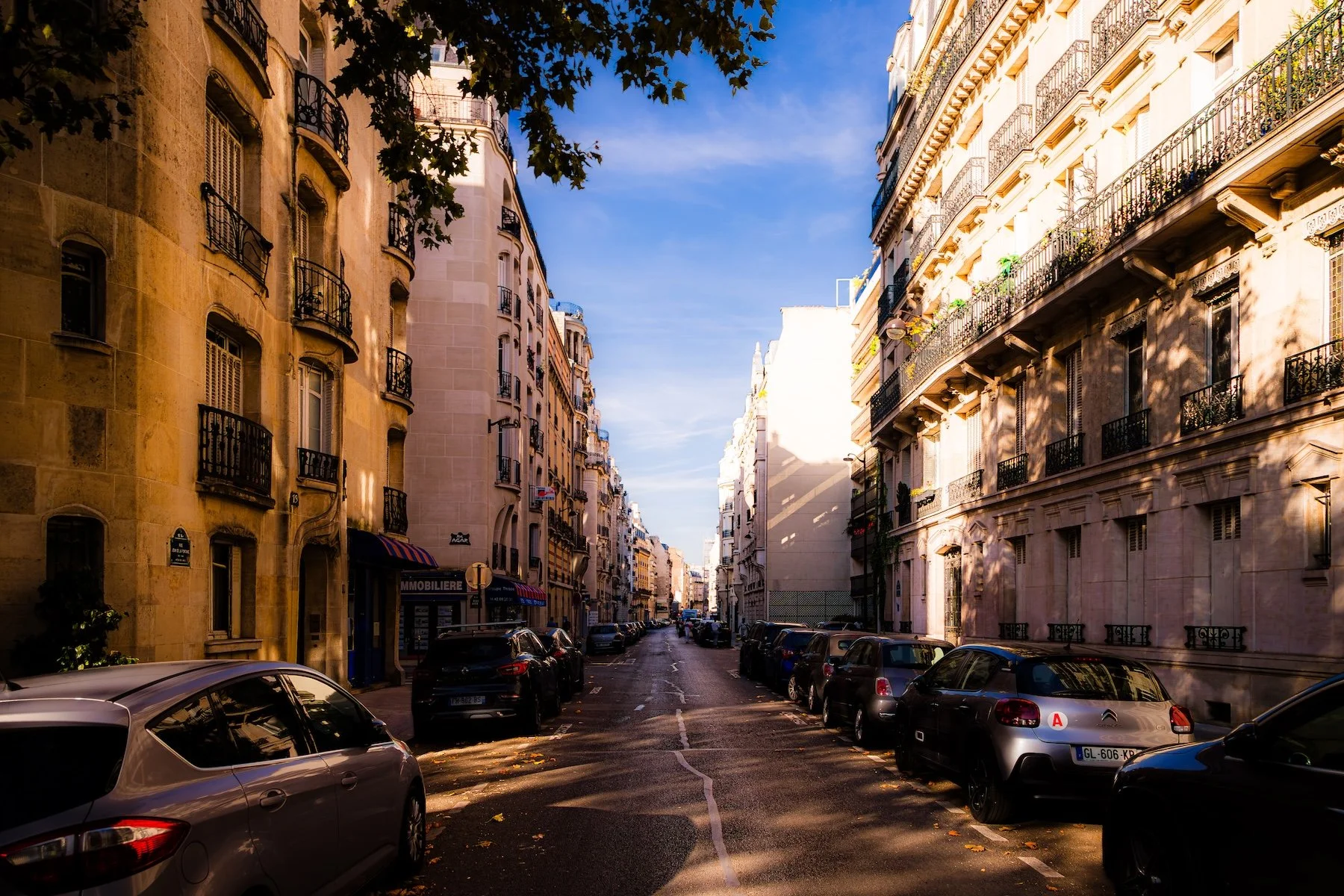
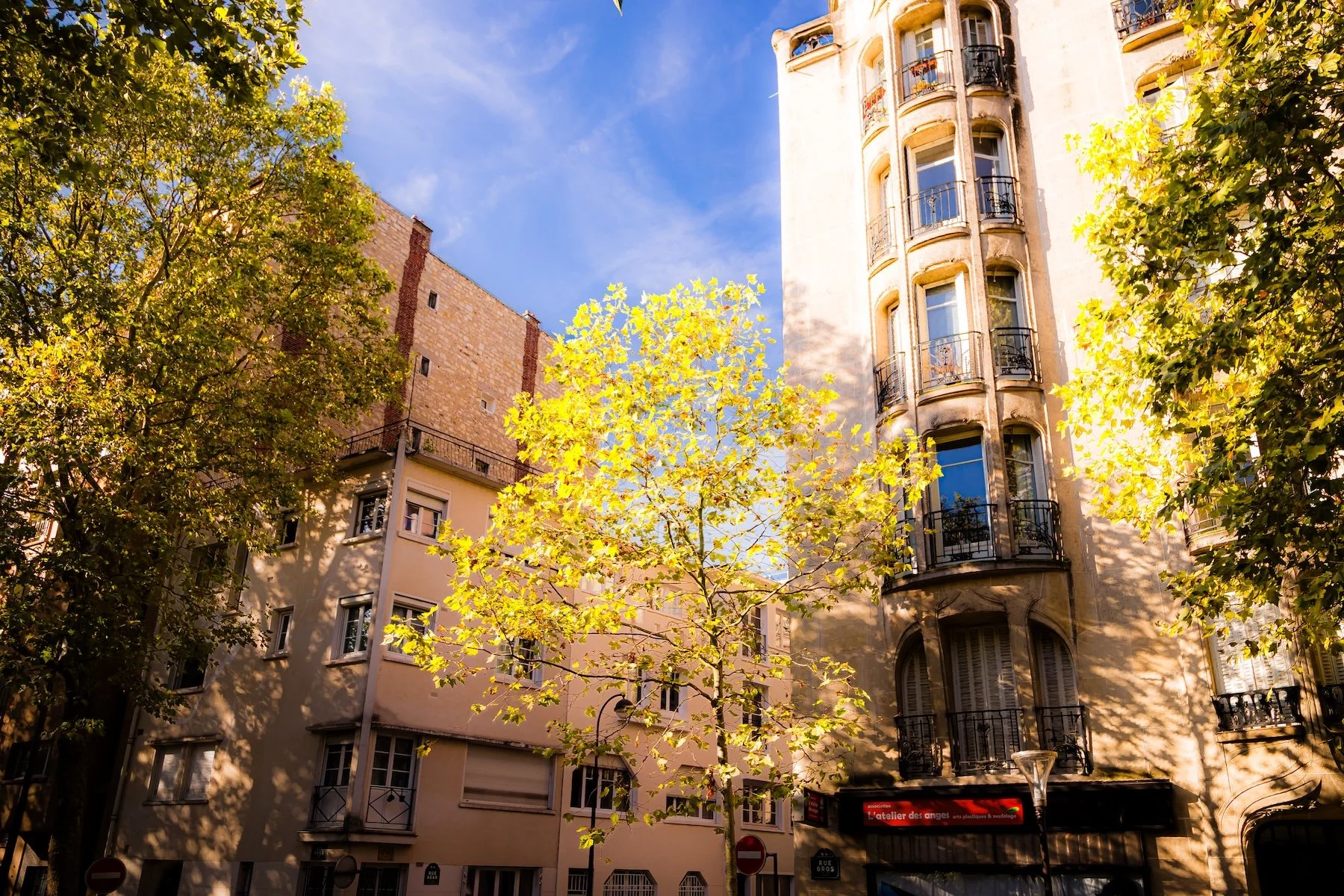
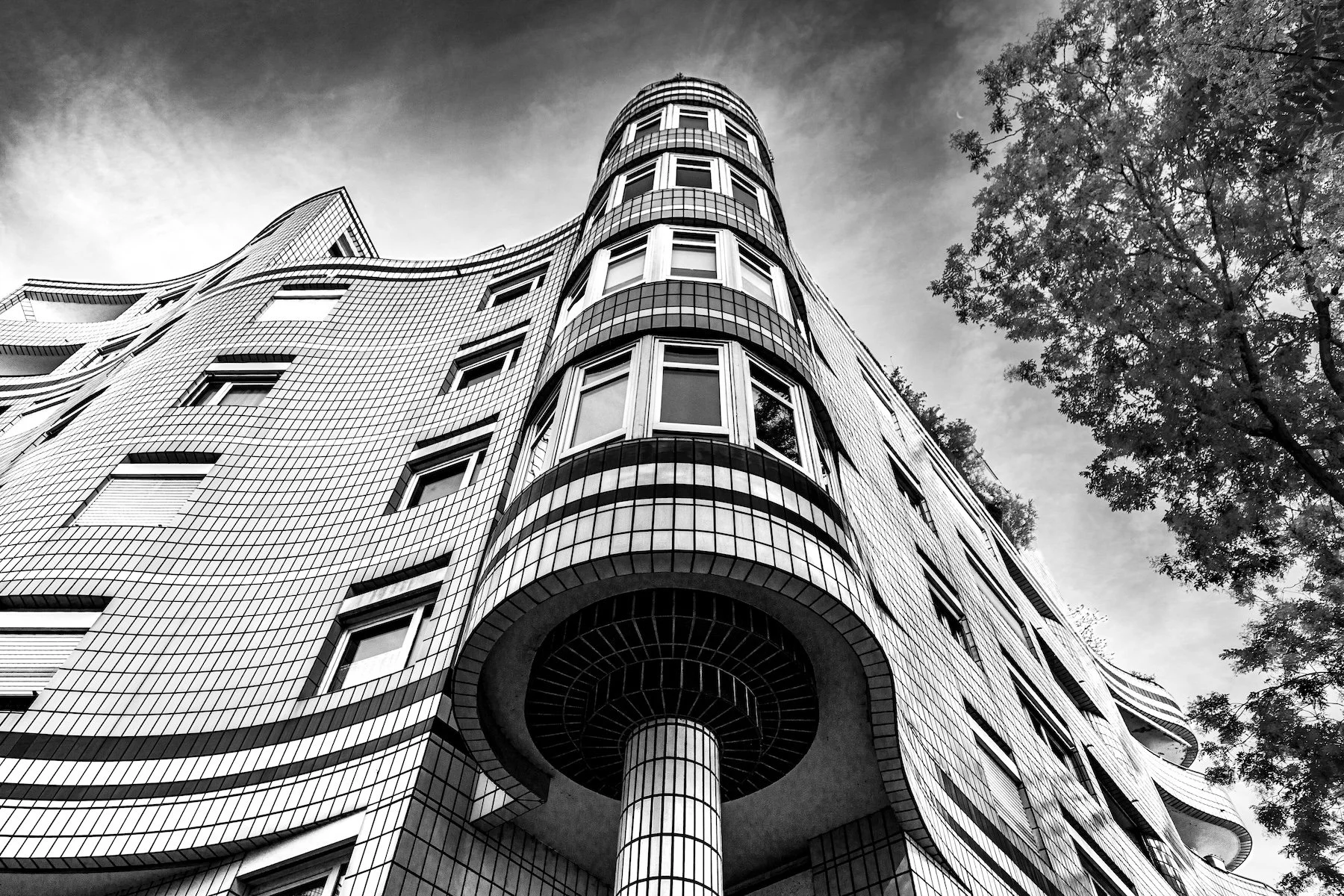
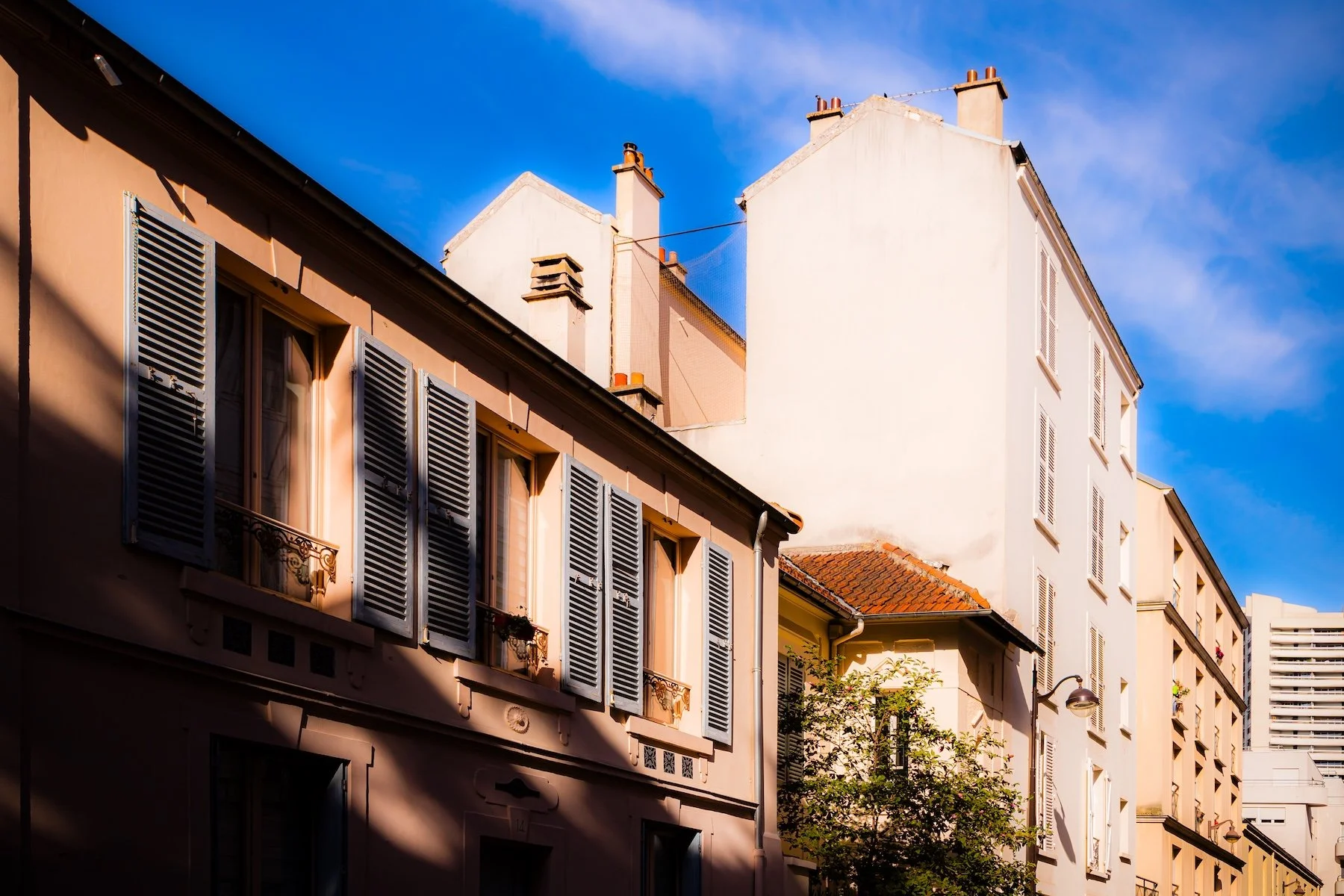
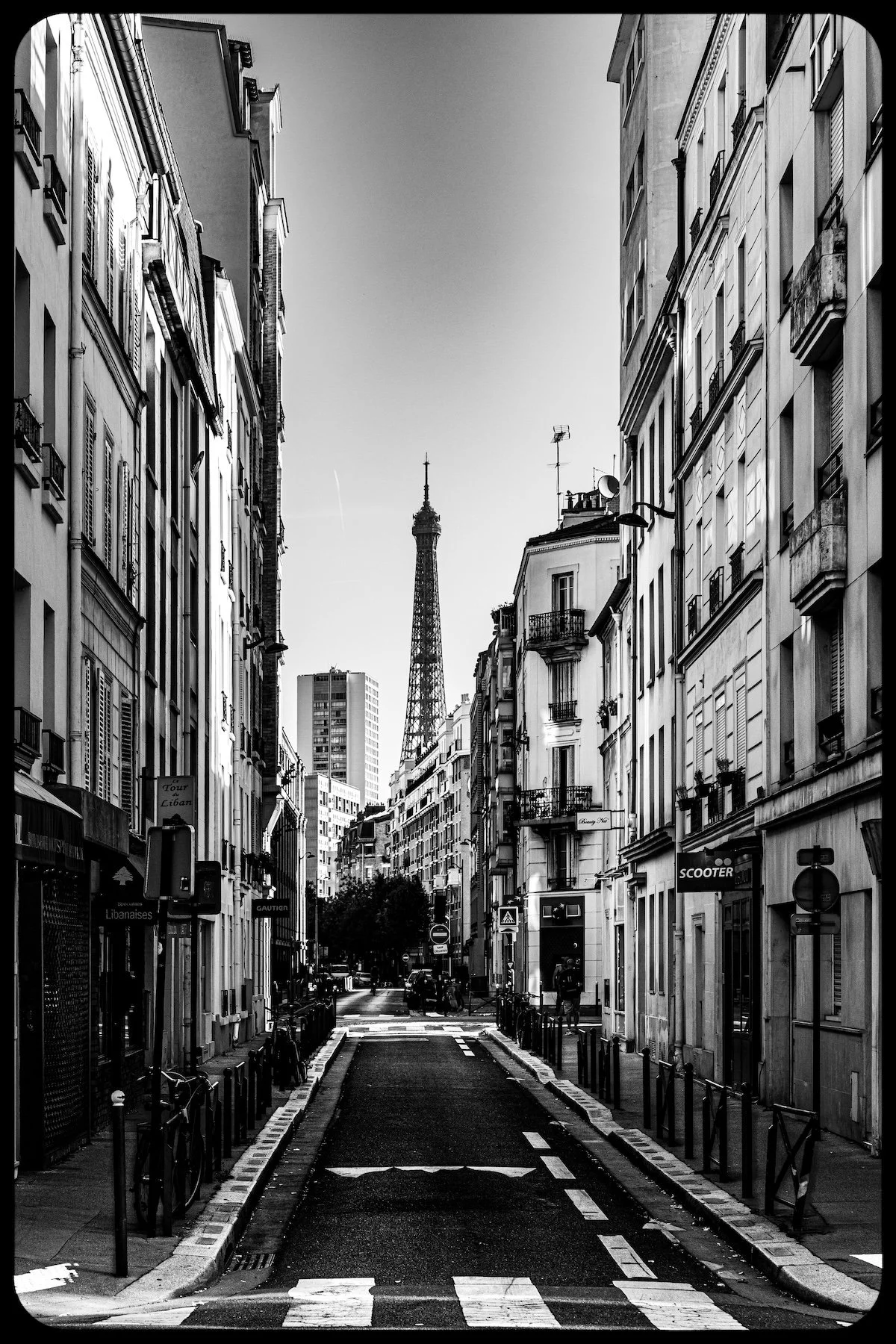
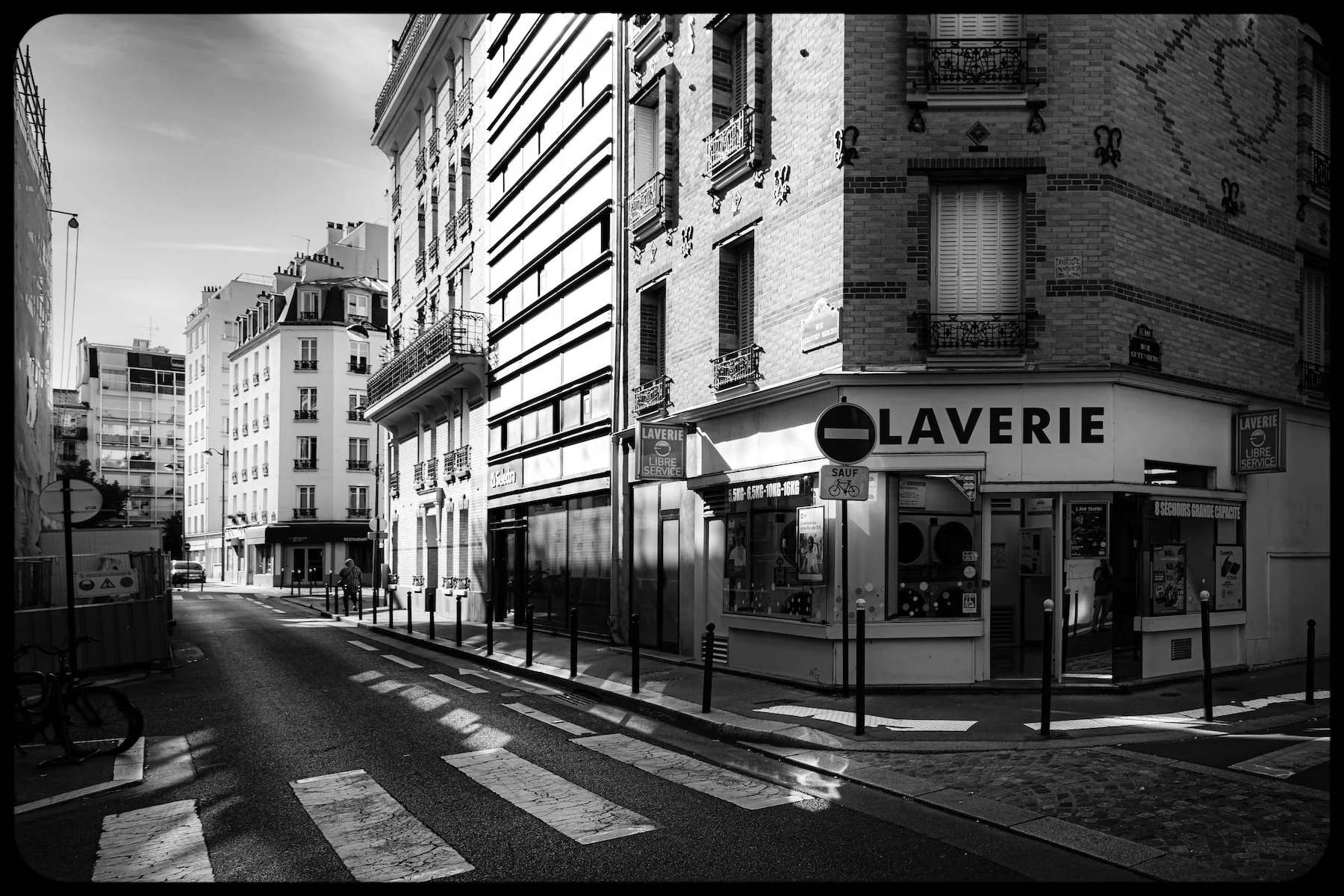
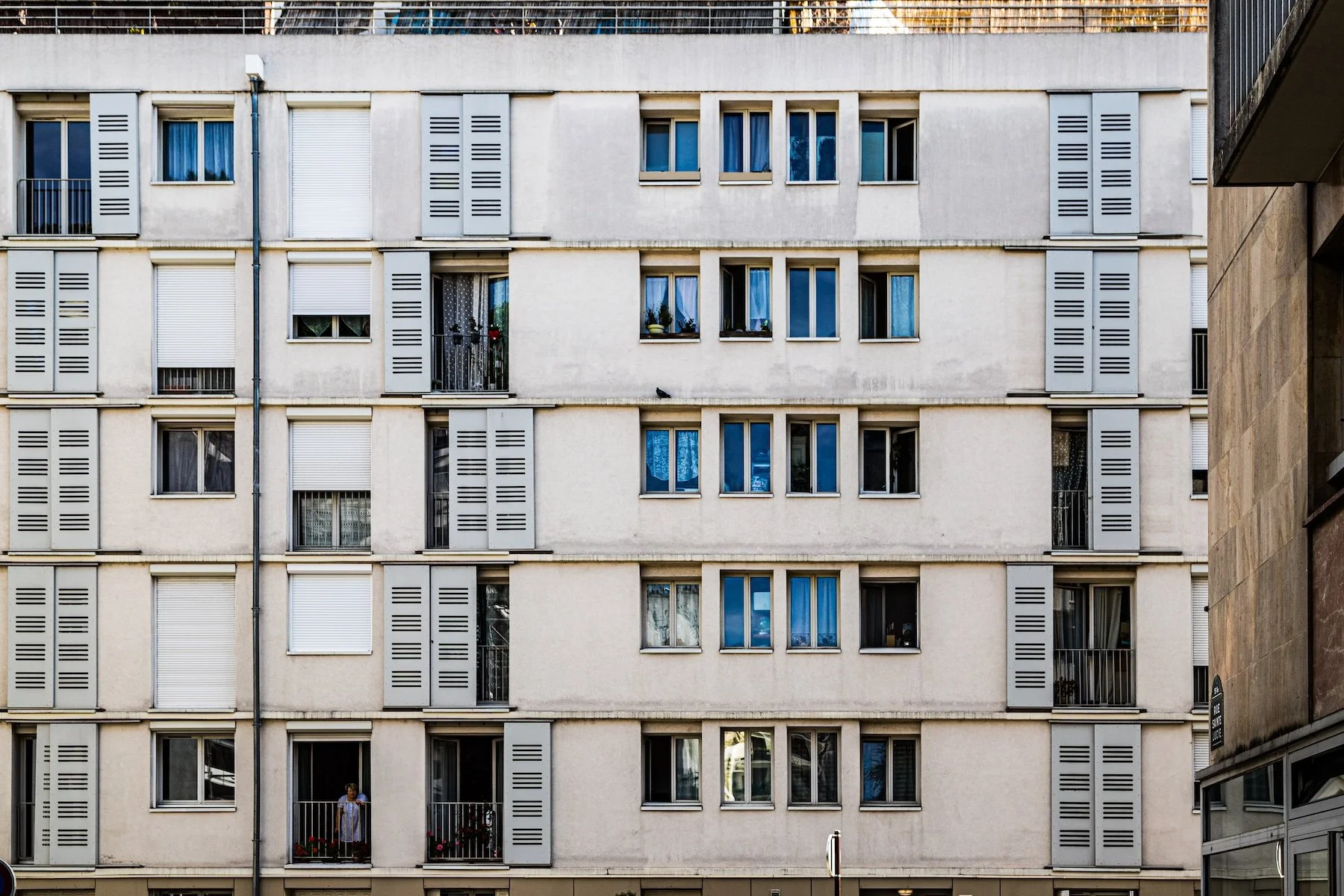
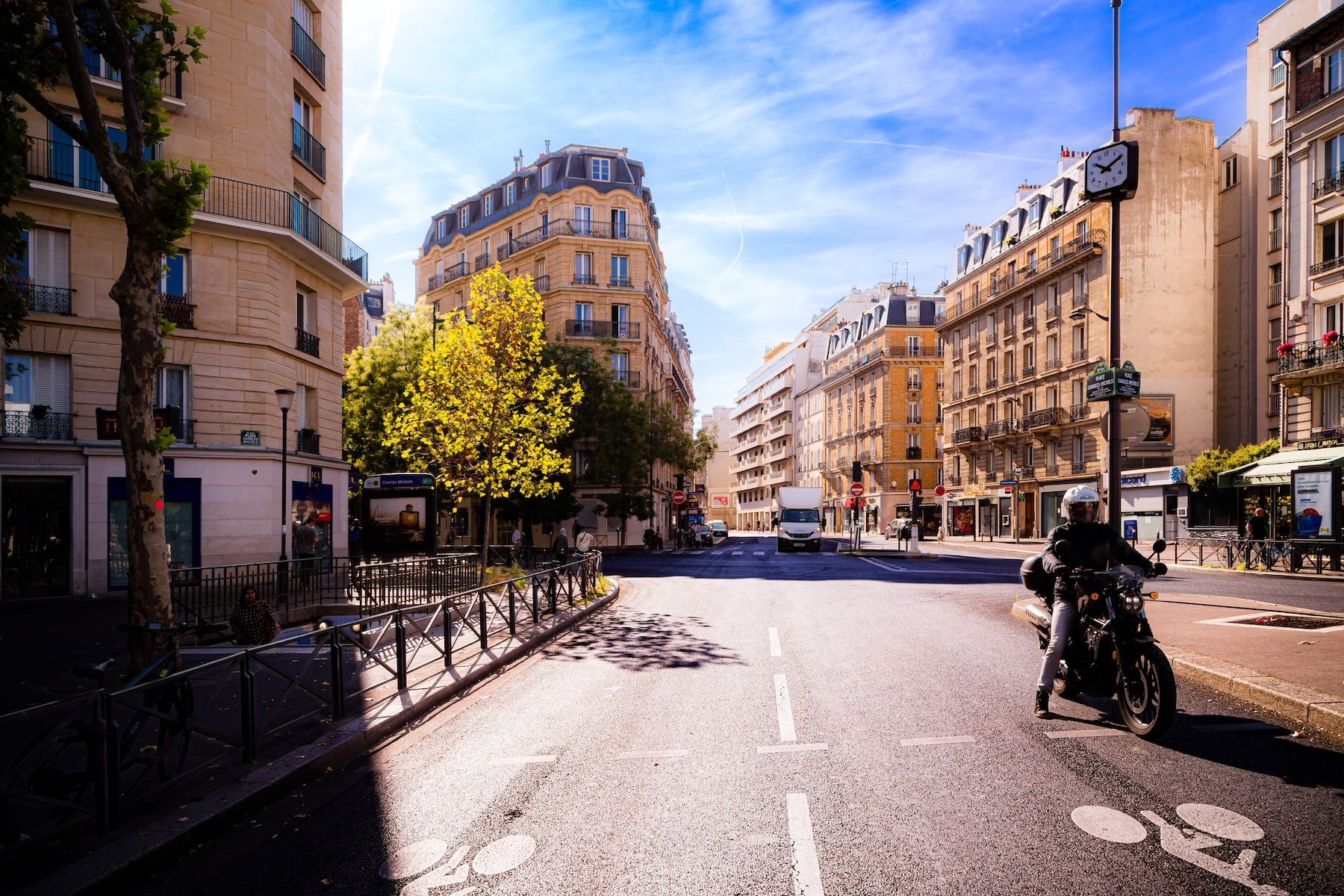
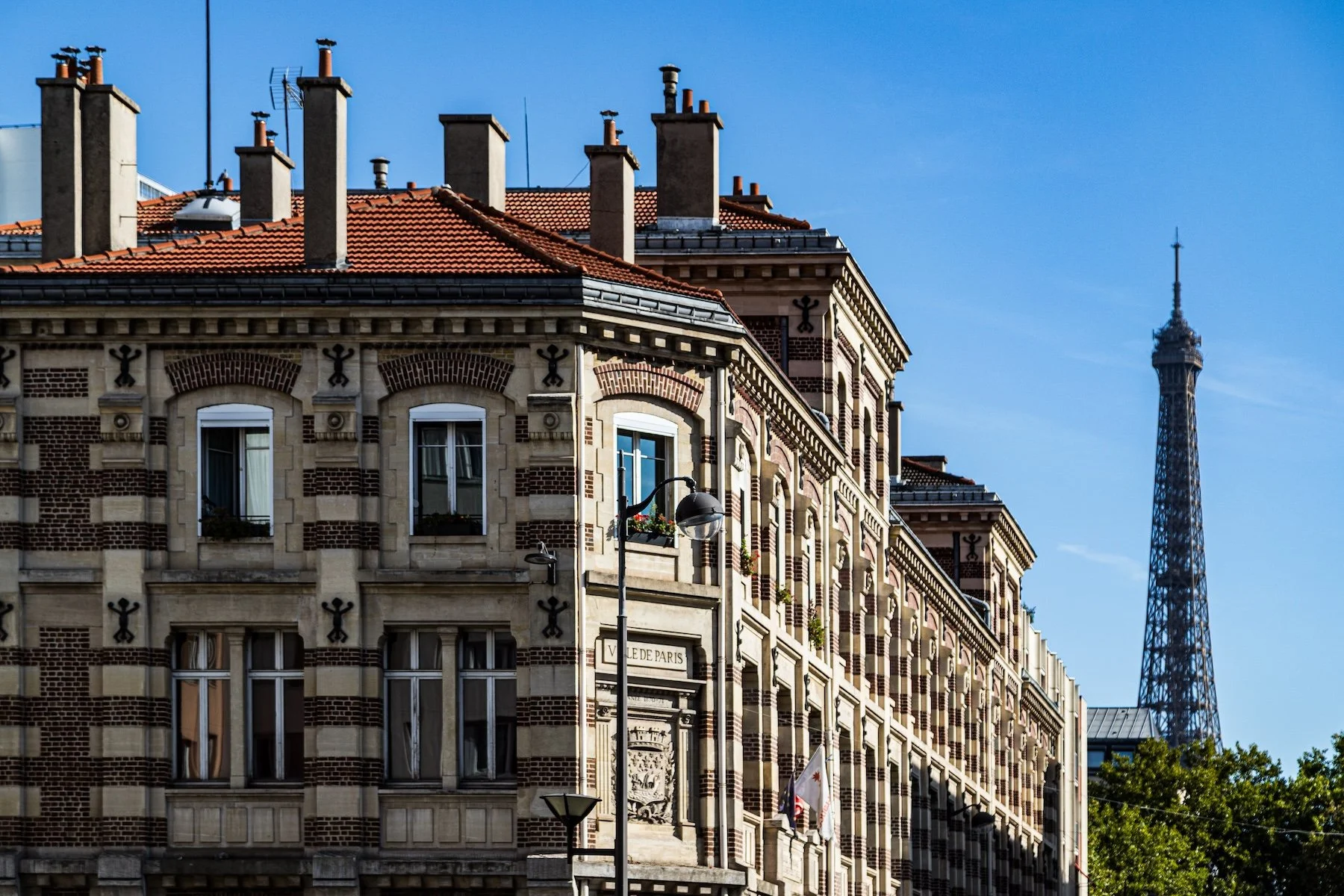
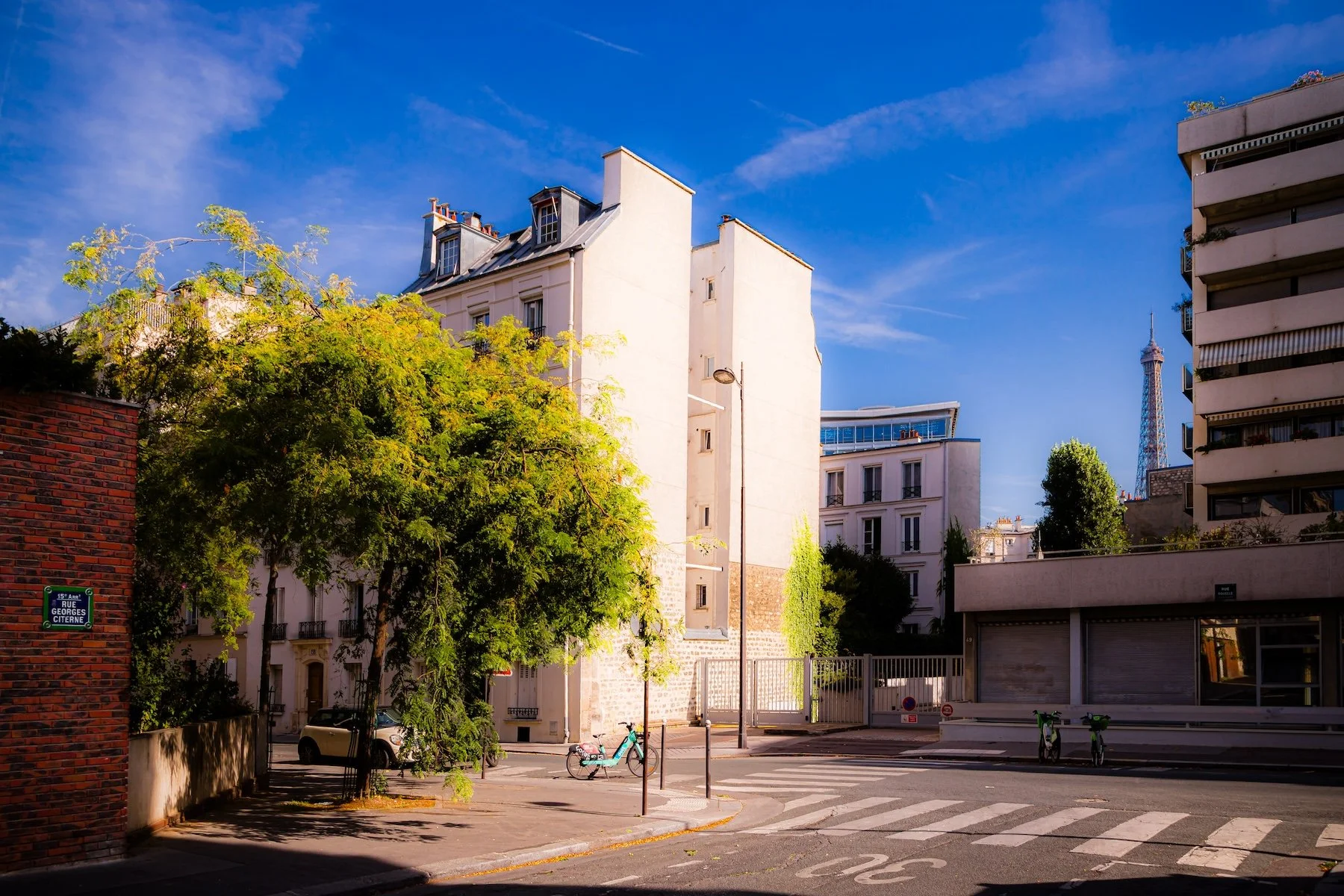
Explore Paris
-

The twenty arrondissements form the civic spiral of Paris, organizing the city into its broad local districts of government, identity, and daily life.
-

Each arrondissement is divided into four official administrative quarters, giving Paris a more precise civic and geographic framework.
-

The conseils de quartier bring participation to street level, giving residents a voice in neighborhood needs, public space, and local civic life.
-

Les Deux Rives trace Paris through the Seine’s two banks, revealing how the Rive Droite and Rive Gauche shaped the city’s civic power, commerce, learning, art, and cultural identity.
-

Cultural neighborhoods reveal the Paris people recognize through history, cafés, architecture, memory, atmosphere, and local belonging.