
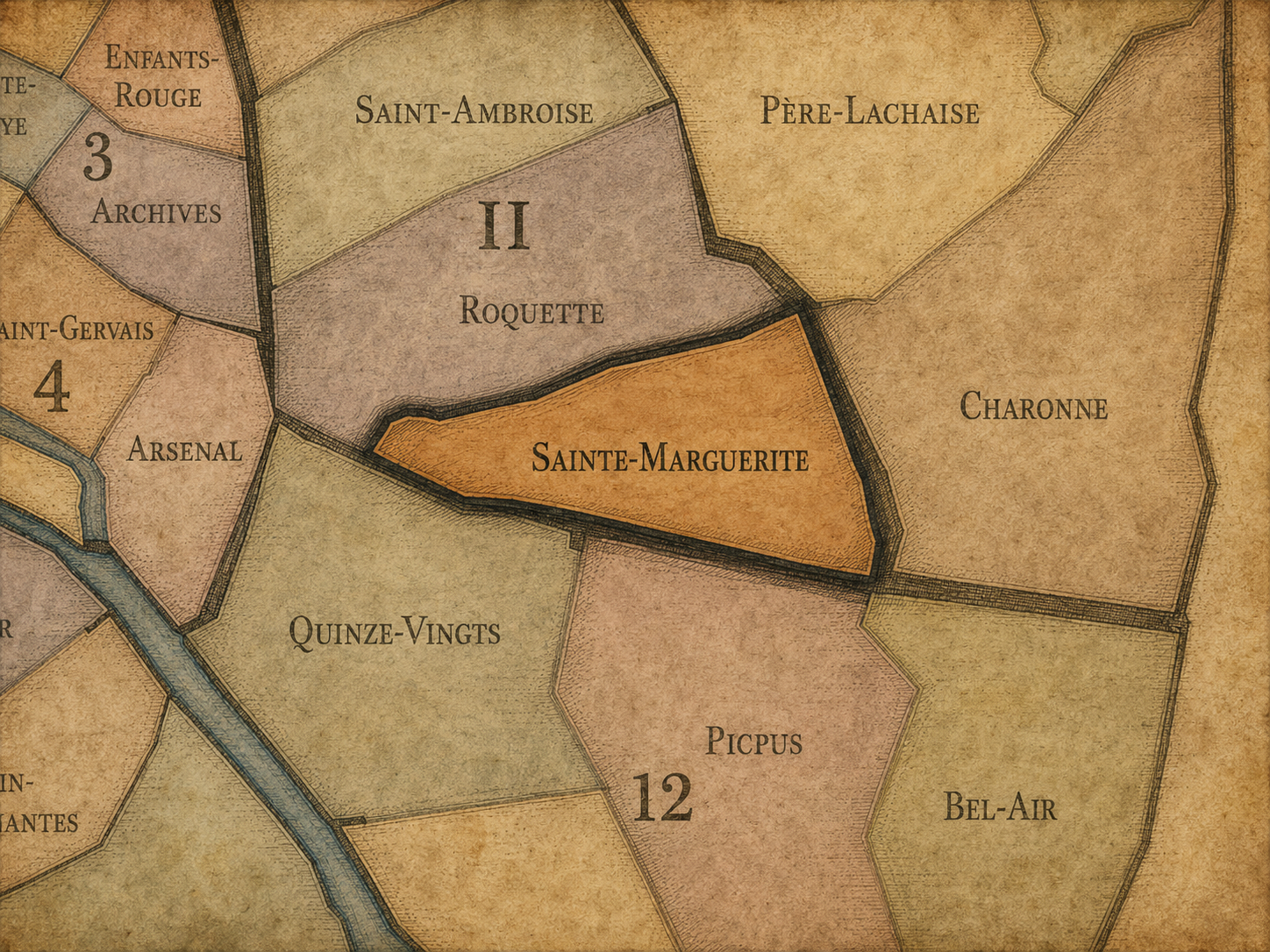
11e - SAINTE-MARGUERITE
Quartiers Administratifs
Part of an ongoing project to walk and photograph every neighborhood in Paris, this page explores the Administrative Quarter: 11e - Sainte-Marguerite through maps, district identity, history, and photography.
The Map
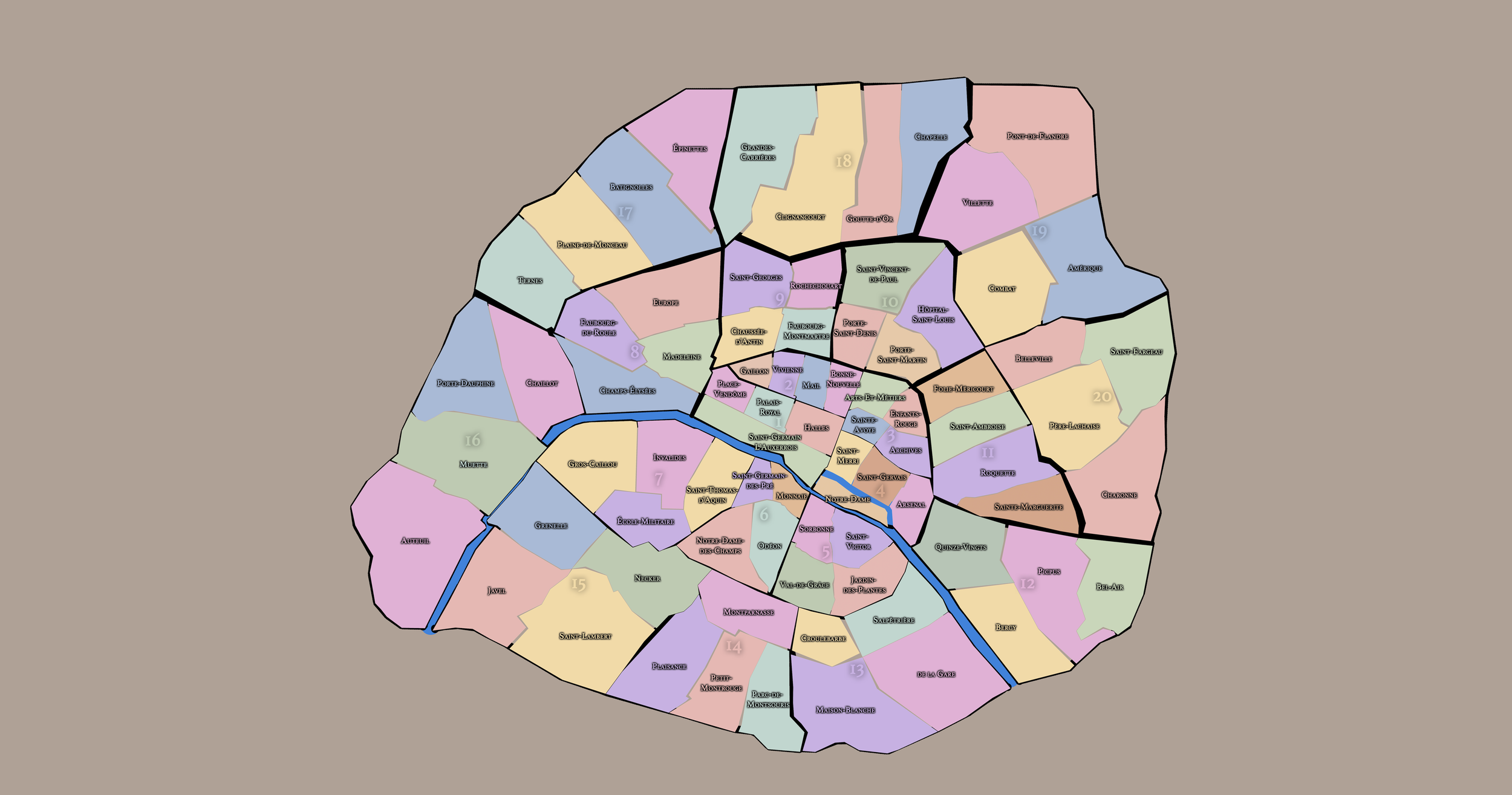
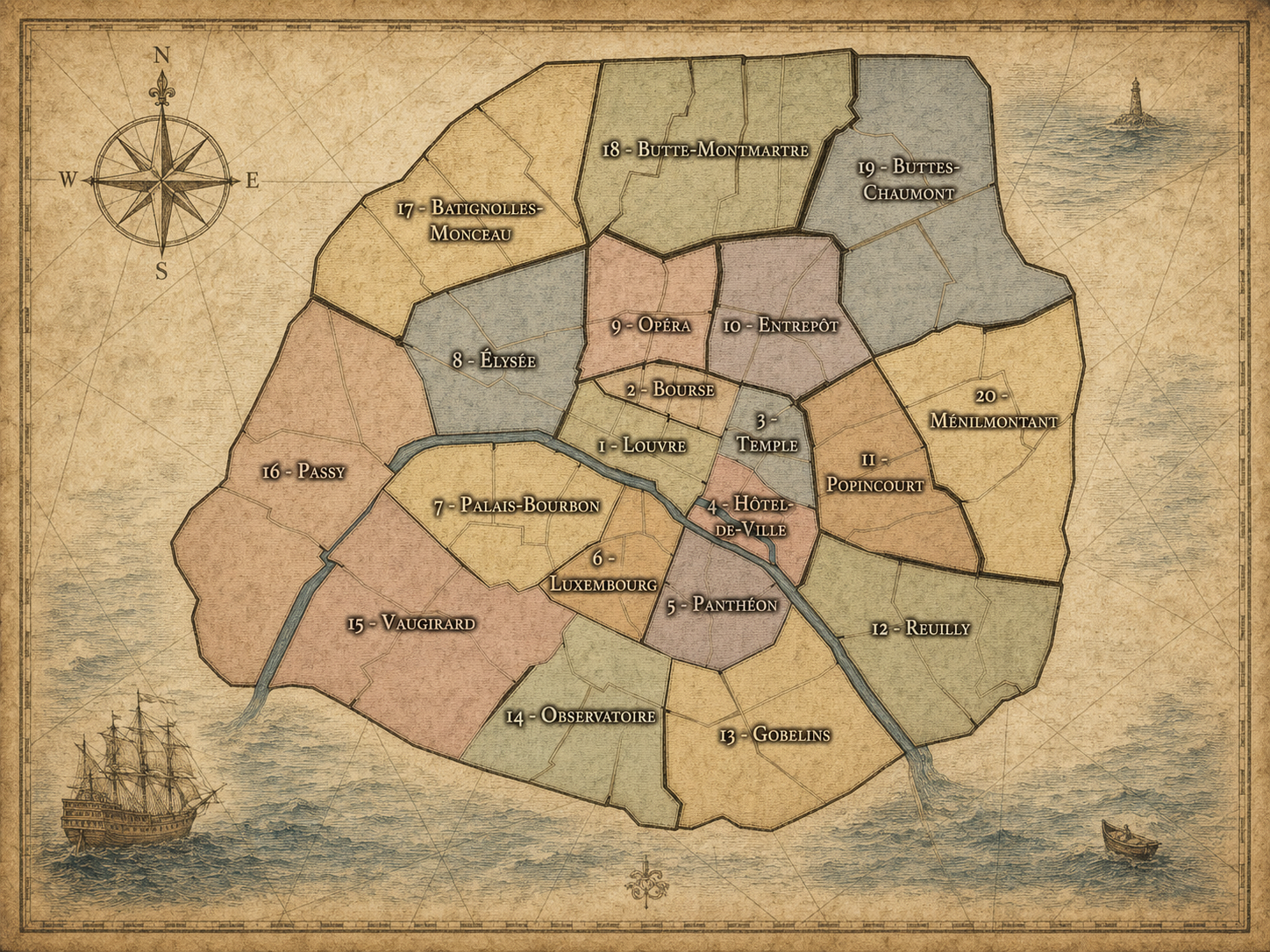
Download the Paris Arrondissements Map
Geographic Setting
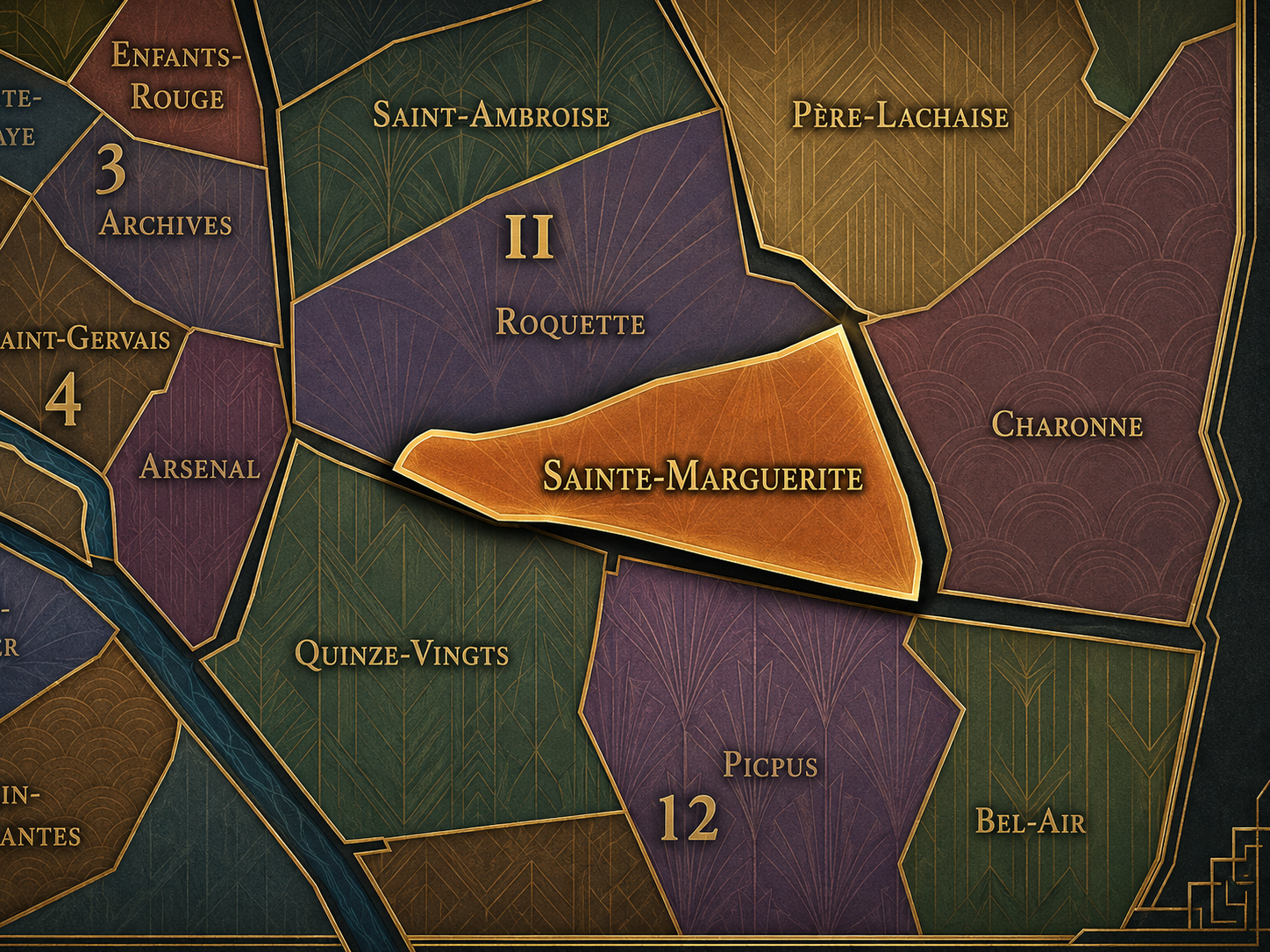
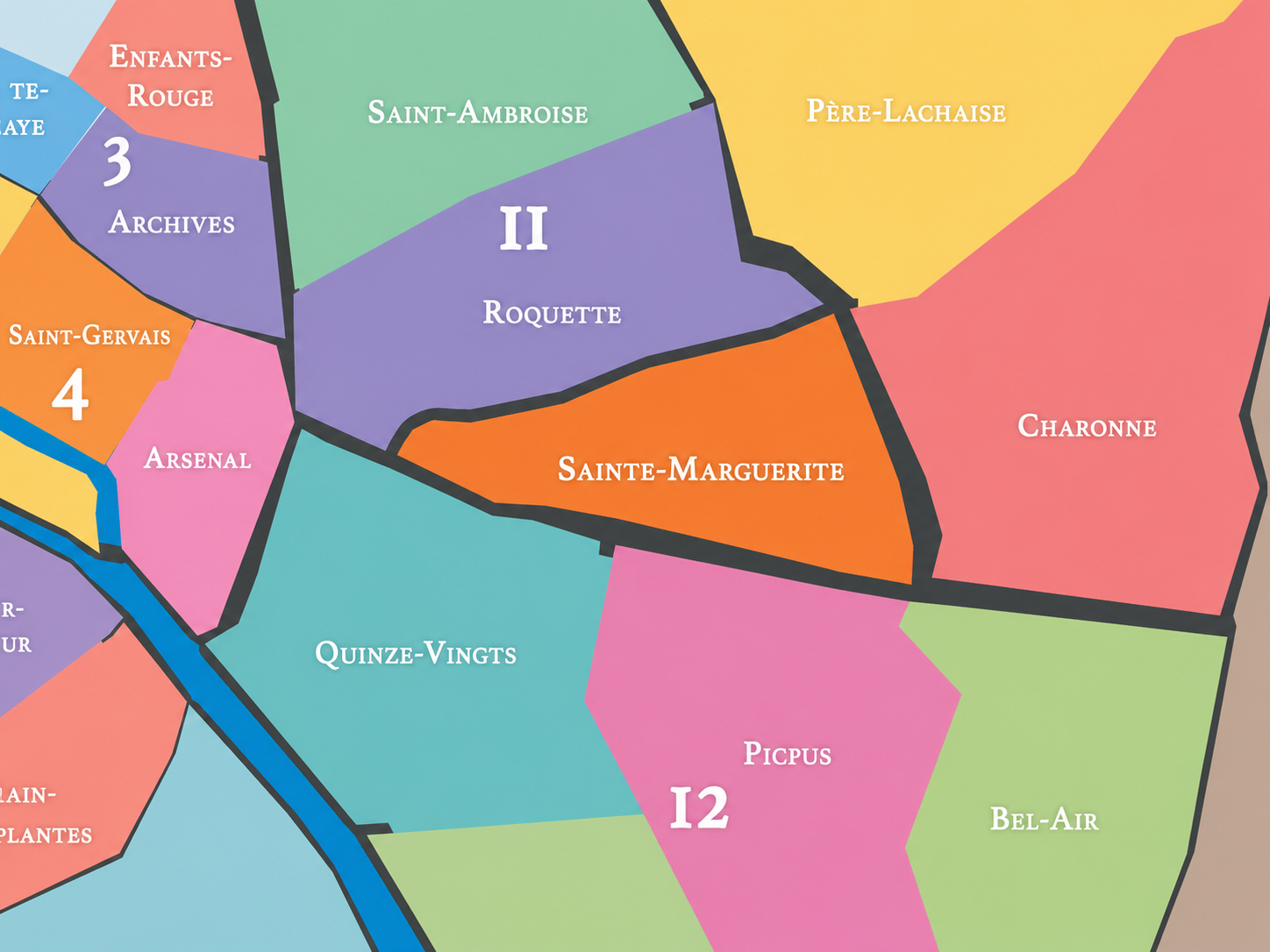
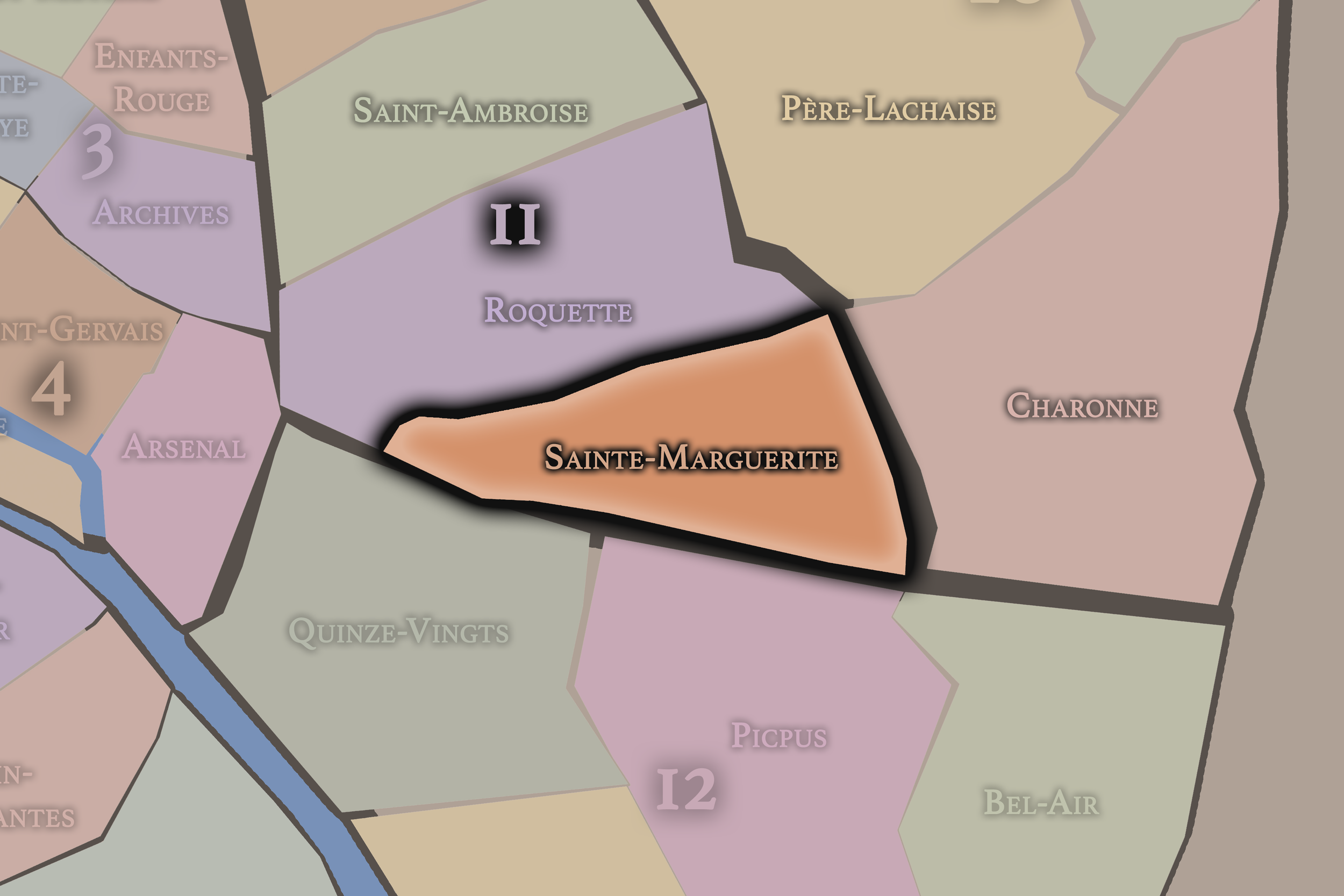
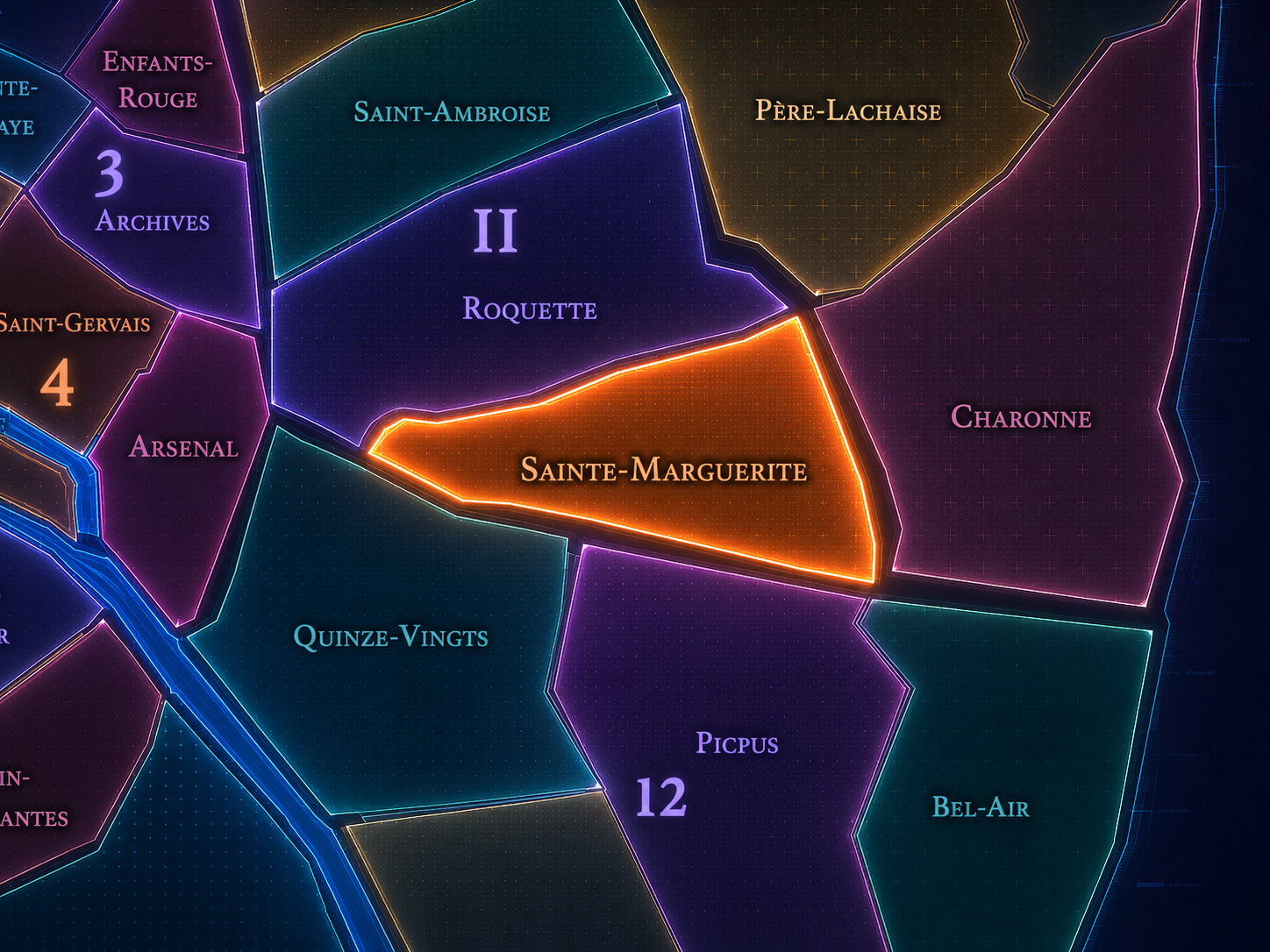
Sainte-Marguerite occupies the southeastern portion of the 11th arrondissement, where the old working world of the Faubourg Saint-Antoine extends eastward from Bastille toward Nation, Charonne, and the dense residential fabric of eastern Paris. It lies east of Roquette, south of Saint-Ambroise, north of the 12th arrondissement’s Quinze-Vingts and Picpus quarters, and west of the 20th arrondissement’s Charonne edge. It is one of the 11th arrondissement’s clearest expressions of the artisan and faubourg city: streets of workshops, courtyards, apartment blocks, former industrial passages, cafés, schools, and the long east-west pull of Rue du Faubourg-Saint-Antoine.
The quarter’s geography is strongly shaped by Rue du Faubourg-Saint-Antoine, Rue de Charonne, Rue de Montreuil, Rue de la Forge-Royale, Rue de la Folie-Régnault, Rue Saint-Bernard, Rue Chanzy, Avenue Ledru-Rollin, Boulevard Voltaire, and the approaches toward Place de la Nation. Its streets are less monumental than those of western Paris, but they are thick with urban memory. Here, the city was made through work: wood, furniture, metal, tools, small manufacturing, craft, repair, storage, trade, and the adaptable architecture of courtyards and passages.
Unlike Folie-Méricourt, whose identity is tied more strongly to Oberkampf, République, nightlife, and northern 11th energy, or Roquette, whose history is marked by Bastille, prisons, Rue de Lappe, and popular memory, Sainte-Marguerite is more deeply anchored in the craft inheritance of the Faubourg Saint-Antoine. It is the 11th arrondissement as workshop city — the eastern Paris of making, labor, solidarity, and reinvention.
Administrative Quarter Identity
Etymology and Origins
The name Sainte-Marguerite comes from the Église Sainte-Marguerite, the parish church that anchors the quarter’s official identity. Dedicated to Saint Margaret of Antioch, the church gives the district a religious name within a landscape more widely known for artisan labor and faubourg life. This is a common Parisian pattern: a quarter may be named for a church, while its lived identity develops through work, streets, trades, and social history.
The name is important because it gives formal continuity to a neighborhood whose strongest cultural identity is often expressed through the Faubourg Saint-Antoine. Sainte-Marguerite is the administrative quarter; Faubourg Saint-Antoine is the broader historical and cultural landscape. The two are deeply connected, but not identical. The church name provides the official civic frame, while the faubourg name carries the memory of craft, labor, and eastern Parisian popular life.
The dedication to Sainte-Marguerite also introduces a quieter spiritual layer into a district shaped by practical production. Behind the neighborhood’s associations with furniture workshops, revolutionary crowds, and working streets lies a parish landscape: bells, baptisms, funerals, schools, charity, processions, and the local rhythms through which older Parisian neighborhoods organized communal life.
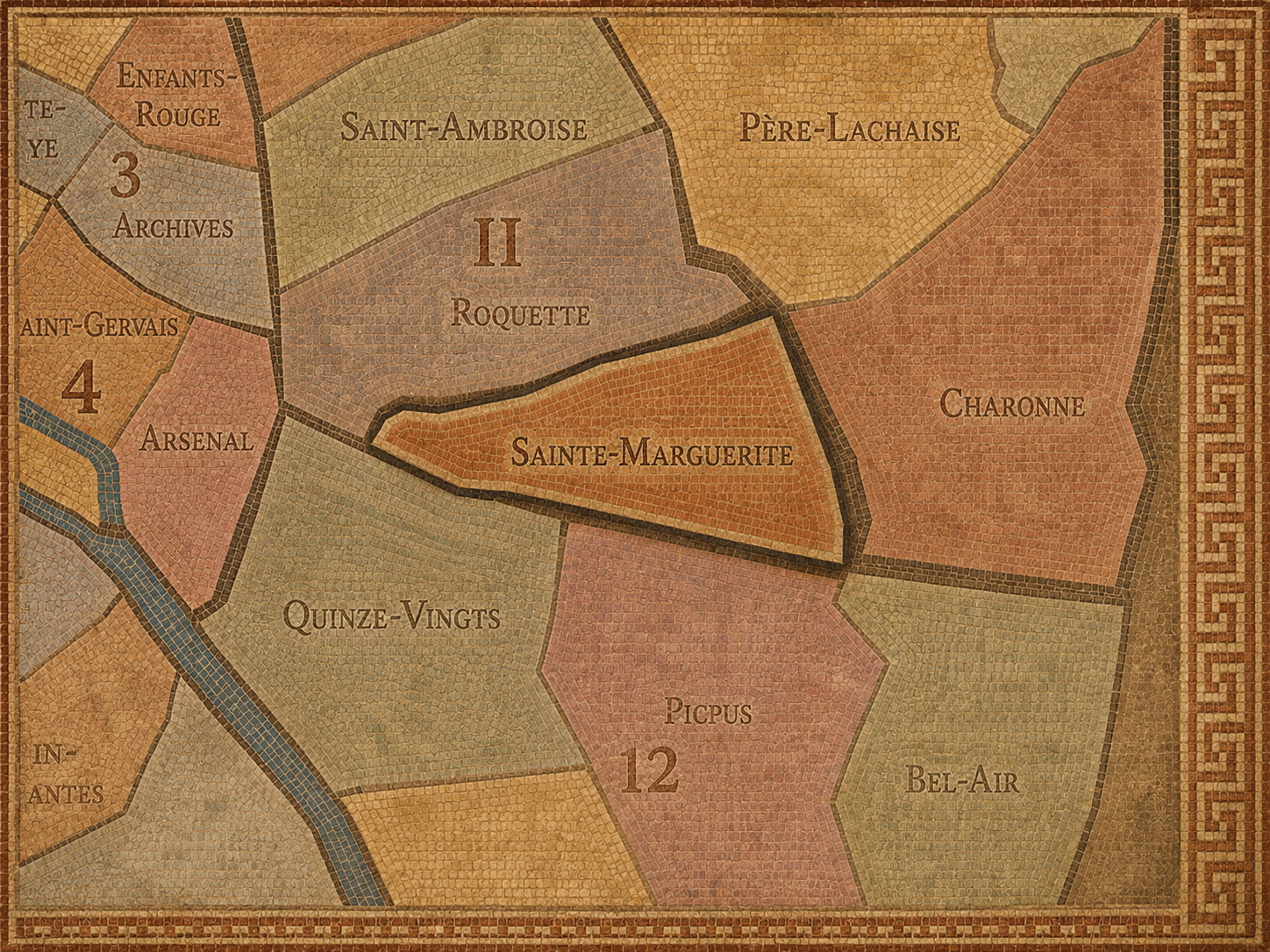
Within the official geography of Paris, Sainte-Marguerite is one of the four administrative quarters of the 11th arrondissement, alongside Folie-Méricourt, Saint-Ambroise, and Roquette. It occupies the arrondissement’s southeastern sector, giving formal civic shape to the part of the 11th most closely tied to the Faubourg Saint-Antoine and the routes toward Nation, Charonne, and the eastern edge of the old city.
As an administrative quarter, Sainte-Marguerite helps clarify a landscape that is often described through other names: Faubourg Saint-Antoine, Charonne, Faidherbe, Ledru-Rollin, Nation, or the lower eastern 11th. The official name gathers those overlapping identities into one mapped unit. It gives the district a civic structure while allowing its deeper historical meanings to remain visible.
This frame is especially useful because the Faubourg Saint-Antoine crosses administrative boundaries and historical eras. Its identity spills into the 12th arrondissement and reaches back before the modern arrondissement system. Sainte-Marguerite identifies the 11th arrondissement portion of that larger faubourg world, making the official map and cultural geography speak to one another.
Civic Framework
Sainte-Marguerite differs from the other quarters of the 11th arrondissement through its strong relationship to craft, workshops, furniture-making, and the eastern extension of the Faubourg Saint-Antoine. Folie-Méricourt is more tied to République, Oberkampf, bars, restaurants, and contemporary social energy. Saint-Ambroise is more central and residential, organized around Boulevard Voltaire, parish identity, and the everyday fabric of the arrondissement. Roquette is more dramatic, shaped by Bastille, former prisons, Rue de la Roquette, Rue de Lappe, and the popular memory of the lower 11th.
Sainte-Marguerite is more artisanal in origin and atmosphere. Its distinction lies in the persistence of workshop architecture: courtyards, passages, former ateliers, small industrial buildings, adapted ground floors, and streets where work once moved between private interiors and public commerce. It is a quarter where the built fabric still reveals the social and economic systems that produced it.
It should also be distinguished from Faubourg Saint-Antoine as a whole. The faubourg is a larger historical corridor, stretching from Bastille toward Nation and into the 12th arrondissement. Sainte-Marguerite is the official administrative quarter that holds an important part of that corridor within the 11th. The distinction matters because it allows the visitor to understand both layers: the official quarter and the older working district that exceeds it.
Neighborhood Distinction
Parisian Identity
Sainte-Marguerite expresses Paris as a city of making. Its identity is grounded in the hand, the tool, the workshop, the courtyard, and the street as a place of production. This is not the Paris of palace façades or monumental axes. It is the Paris of artisans, carpenters, cabinetmakers, upholsterers, metalworkers, finishers, apprentices, merchants, and workers whose labor shaped the material life of the city.
The quarter also carries the political identity of eastern Paris. The Faubourg Saint-Antoine was long associated with working people, craft independence, popular politics, and revolutionary energy. Its trades required skill, organization, and solidarity. Its streets could become political because the neighborhood itself was socially dense, economically interdependent, and accustomed to collective life.
This gives Sainte-Marguerite a deeply Parisian force. It reminds us that Paris was not only designed by rulers, planners, and architects. It was built, furnished, repaired, and sustained by workers. The quarter’s beauty is not only in façades or landmarks, but in the traces of labor embedded in its courtyards and passages. Sainte-Marguerite is Paris as workshop memory.
Neighborhood Connections
Every administrative quarter belongs to a wider Parisian fabric. These connections place Sainte-Marguerite within the city’s civic, participatory, and cultural geography:
-
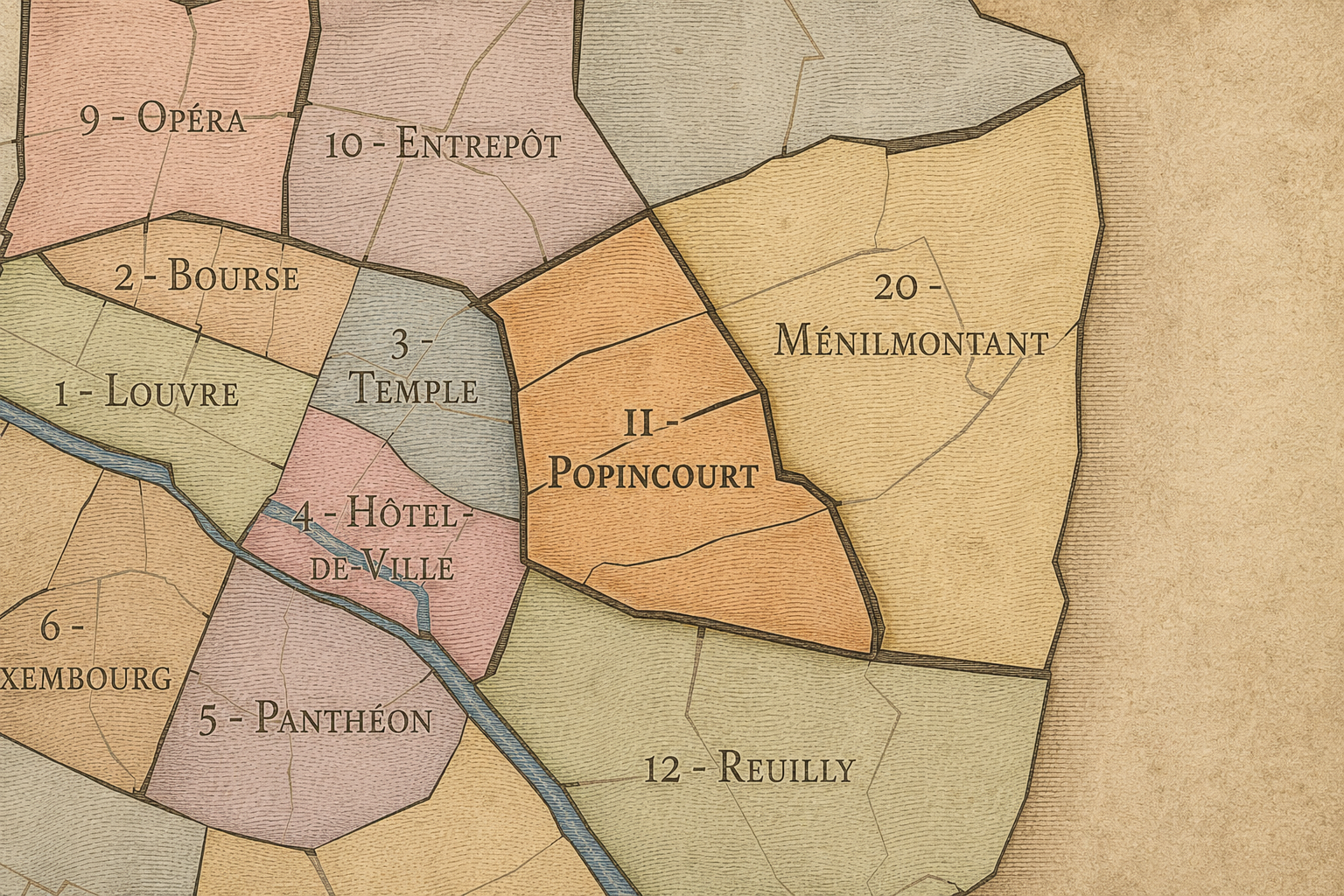
11e - Popincourt
-
Bastille - Popincourt • Nation - Alexandre-Dumas
The History
The origins of Sainte-Marguerite lie in the eastern faubourg beyond Bastille, along the routes leading toward Charonne, Montreuil, Vincennes, and the productive landscapes outside the old city. Before the area became fully urban, it contained roads, gardens, religious properties, small settlements, workshops, and land that could support trades requiring space and flexibility.
The Faubourg Saint-Antoine became especially important because of its location outside certain guild restrictions and near major routes into and out of Paris. Artisans and furniture-makers found conditions there that allowed craft production to flourish. Over time, this created one of the most important working districts in the city, where skill, commerce, and political life were closely linked.
Sainte-Marguerite emerged from this world. Its parish name gave the quarter a local religious anchor, but its deeper identity grew from the faubourg’s labor system. The neighborhood was shaped not by a single royal project or grand monument, but by accumulated work: shop by shop, courtyard by courtyard, street by street.
Origins
16th–17th Century
In the 16th and 17th centuries, the future Sainte-Marguerite quarter belonged to the developing eastern outskirts of Paris. The area beyond Bastille was still less dense than the old central city, but it was increasingly important as a landscape of roads, trades, gardens, and settlement. The route toward Saint-Antoine, Charonne, and Vincennes drew activity eastward, gradually turning the former edge into a productive urban corridor.
The craft identity of the Faubourg Saint-Antoine strengthened during this period. Woodworkers, furniture-makers, and related trades became increasingly associated with the district, benefiting from space, access, and the faubourg’s distinct regulatory environment. The neighborhood’s later reputation for cabinetmaking and furniture production did not appear suddenly; it grew from these early modern conditions.
The parish landscape also developed as the population increased. As working and residential life thickened, churches and local institutions became essential to neighborhood structure. Sainte-Marguerite’s eventual role as an administrative quarter name reflects this parish-based layer within the larger faubourg world.
In the 18th century, Sainte-Marguerite and the surrounding Faubourg Saint-Antoine became one of the great working landscapes of Paris. Furniture-making, cabinetmaking, carpentry, upholstery, and related trades gave the district a strong artisanal identity. The faubourg was not merely a place of manual labor; it was a place of skill, specialization, and economic importance.
This working identity also carried political significance. Artisans and workers in the eastern faubourgs were deeply connected to the social tensions of the late ancien régime. The Faubourg Saint-Antoine’s population, trades, and collective street life helped make the area one of the most politically charged districts of Paris as the Revolution approached. Its proximity to Bastille only intensified that role.
The French Revolution placed the broader faubourg landscape at the center of popular history. The fall of the Bastille and the mobilization of eastern Paris gave the district lasting symbolic importance. Sainte-Marguerite, as part of that eastern working world, inherited the identity of a neighborhood where labor and politics could not be easily separated.
18th Century
19th Century
The 19th century transformed Sainte-Marguerite into a dense urban quarter while preserving its craft identity. The furniture trades remained powerful, and the streets east of Bastille continued to support workshops, warehouses, showrooms, artisans, workers, and merchants. Courtyards and passages became crucial architectural forms, allowing workspaces to exist behind street-facing buildings and within the depth of the block.
The quarter also became part of the modern 11th arrondissement, shaped by new streets, apartment buildings, industrial activity, and the political memory of eastern Paris. Boulevard Voltaire and nearby axes gave the arrondissement a stronger civic structure, while older streets such as Rue du Faubourg-Saint-Antoine and Rue de Charonne preserved the inherited logic of the faubourg.
The revolutions and uprisings of the 19th century reinforced the quarter’s popular and political character. Eastern Paris repeatedly served as a landscape of barricades, labor unrest, republican energy, and social demand. Sainte-Marguerite’s working streets were part of that broader geography. Its history was not only economic, but civic and political.
In the early and mid 20th century, Sainte-Marguerite remained closely tied to workshops, small manufacturing, furniture trades, and the dense residential life of the eastern arrondissements. Its streets and courtyards held the practical rhythm of working Paris: deliveries, apprenticeships, sawdust, tools, small firms, cafés, family apartments, and the social infrastructure of a neighborhood built around labor.
The quarter’s working-class and artisan identity continued through periods of upheaval. The First World War, interwar economic changes, occupation, liberation, and postwar reconstruction all affected the district, but its craft and workshop fabric remained central. The neighborhood was not static; businesses changed, buildings adapted, and industrial methods evolved. Yet Sainte-Marguerite continued to carry the memory and reality of production.
During this period, the quarter also belonged to the political culture of eastern Paris. Labor movements, neighborhood solidarities, resistance memory, and postwar social struggles all shaped the wider 11th arrondissement. Sainte-Marguerite’s identity rested in the connection between work and collective life.
Early–Mid 20th Century
Late 20th Century
In the late 20th century, Sainte-Marguerite underwent major changes as many traditional workshops declined, relocated, or were converted to other uses. The furniture district around the Faubourg Saint-Antoine remained an important memory and commercial identity, but the economic life of the quarter began to shift toward galleries, offices, residential conversions, restaurants, design businesses, and new forms of urban consumption.
This transformation brought both preservation and loss. Former ateliers and courtyards gained new value as architectural heritage, while the working communities that had animated them became less visible. The quarter’s old industrial interiors were often repurposed into desirable spaces, turning labor architecture into aesthetic capital. Sainte-Marguerite became increasingly attractive, but also increasingly separated from some of the working conditions that had formed it.
At the same time, the district’s craft identity did not disappear entirely. Design, furniture, restoration, and artisanal memory continued to shape the area’s reputation. The challenge became how to honor the working inheritance of the faubourg while allowing the quarter to adapt to contemporary Paris.
In the 21st century, Sainte-Marguerite remains one of the most historically grounded quarters of the 11th arrondissement. Its streets mix residences, cafés, restaurants, shops, schools, converted workshops, design spaces, remnants of the furniture trade, and the deep structural memory of the Faubourg Saint-Antoine. The neighborhood is lively and increasingly desirable, but it remains more grounded in craft history than many more purely nightlife-driven parts of eastern Paris.
Today, the quarter’s identity is especially visible in its courtyards and passages. Behind street façades, older workshop spaces reveal how the neighborhood functioned for generations. Some still hold production or design uses; others have been converted into housing, offices, galleries, or creative spaces. These interiors are essential to understanding Sainte-Marguerite. The neighborhood’s real history often lies behind the door.
For CityNeighborhoods: Paris, Sainte-Marguerite is essential because it shows how an administrative quarter can preserve the memory of work inside the contemporary city. It is not only a residential district, not only a piece of the 11th, and not only an extension of Bastille or Nation. It is a quarter where Paris’s material culture — furniture, craft, labor, tools, and workshop space — remains one of the deepest layers of neighborhood identity.
21st Century
Spirit and Legacy
Sainte-Marguerite is the quarter where eastern Paris remembers the hand. Its spirit is practical, skilled, social, and resilient. It belongs to parish bells and workshop courtyards, cabinetmakers and apprentices, sawdust and stone, furniture showrooms and hidden passages, working families and contemporary residents who now move through spaces shaped by generations of labor.
Its legacy is the transformation of craft into urban memory. A faubourg beyond Bastille became a working district. A working district became a center of furniture-making and artisan skill. Workshops became residences, galleries, offices, and design spaces. Yet beneath those changes, the older identity remains legible in the plan of the streets and the depth of the blocks.
To walk Sainte-Marguerite is to encounter Paris as a city made by hands. The quarter reminds us that beauty is not only displayed in museums or monuments; it is produced in workshops, repaired in courtyards, carried through trades, and embedded in daily skill. In Sainte-Marguerite, neighborhood identity is not abstract. It is crafted — patiently, materially, and across generations.
The Photography
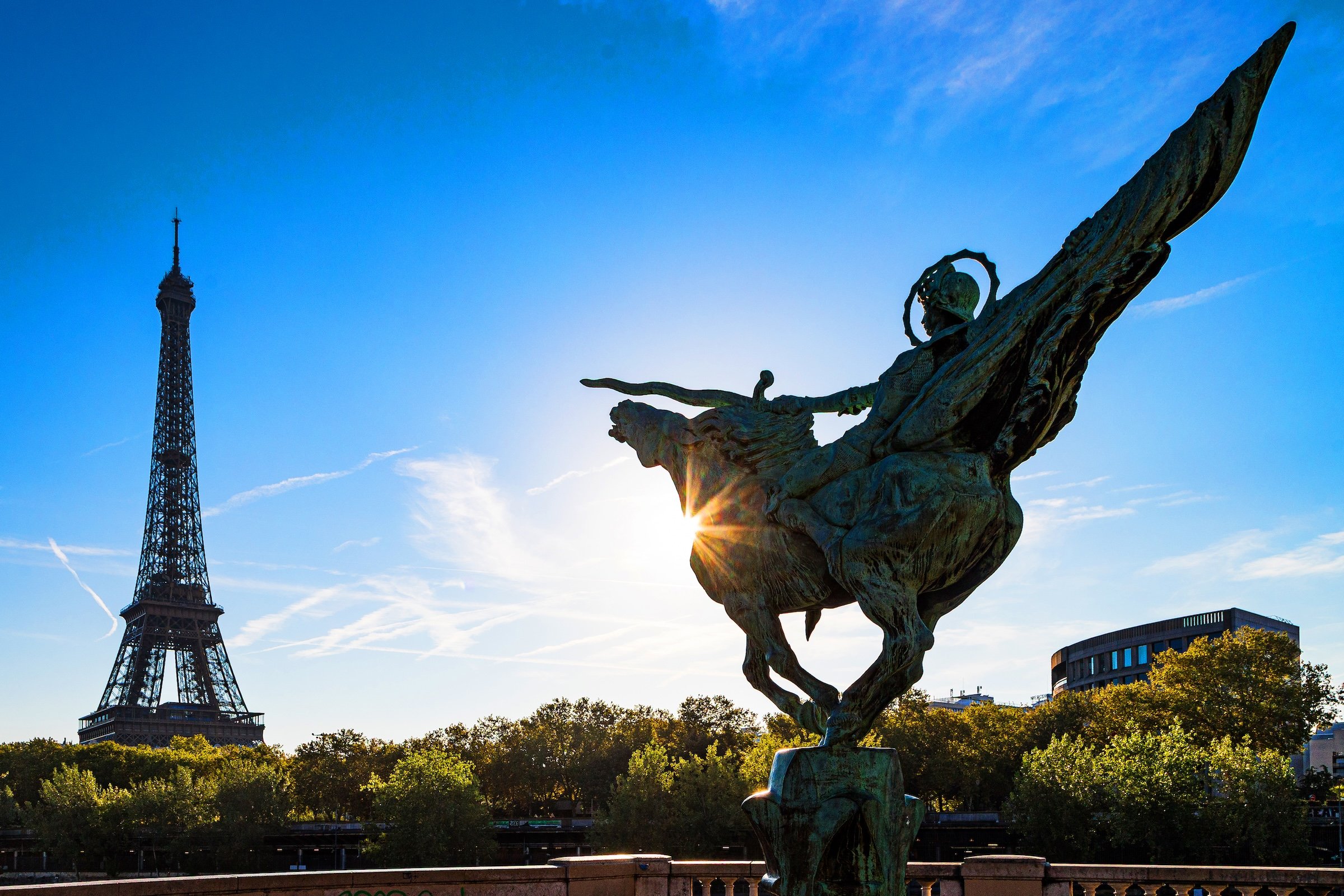
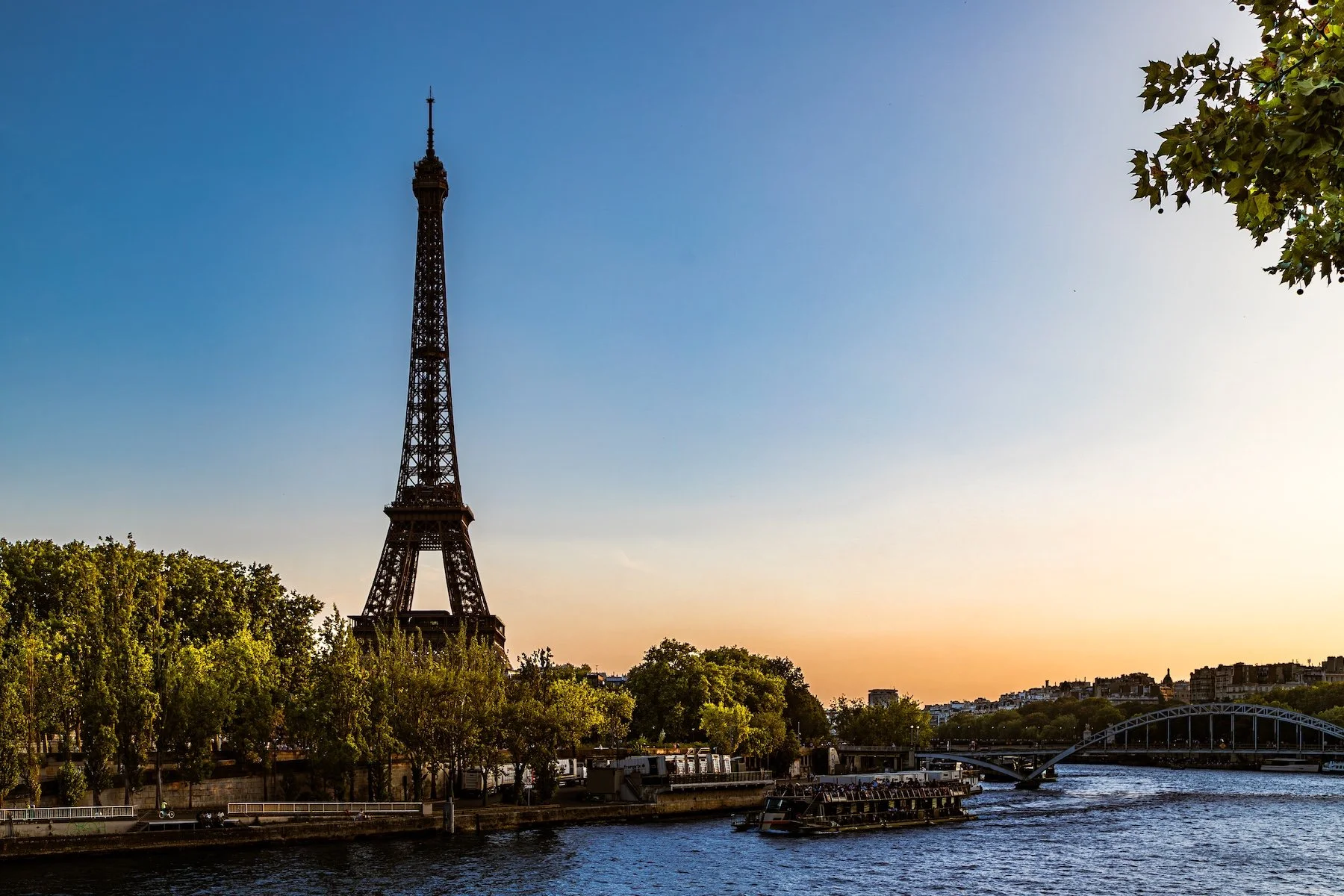
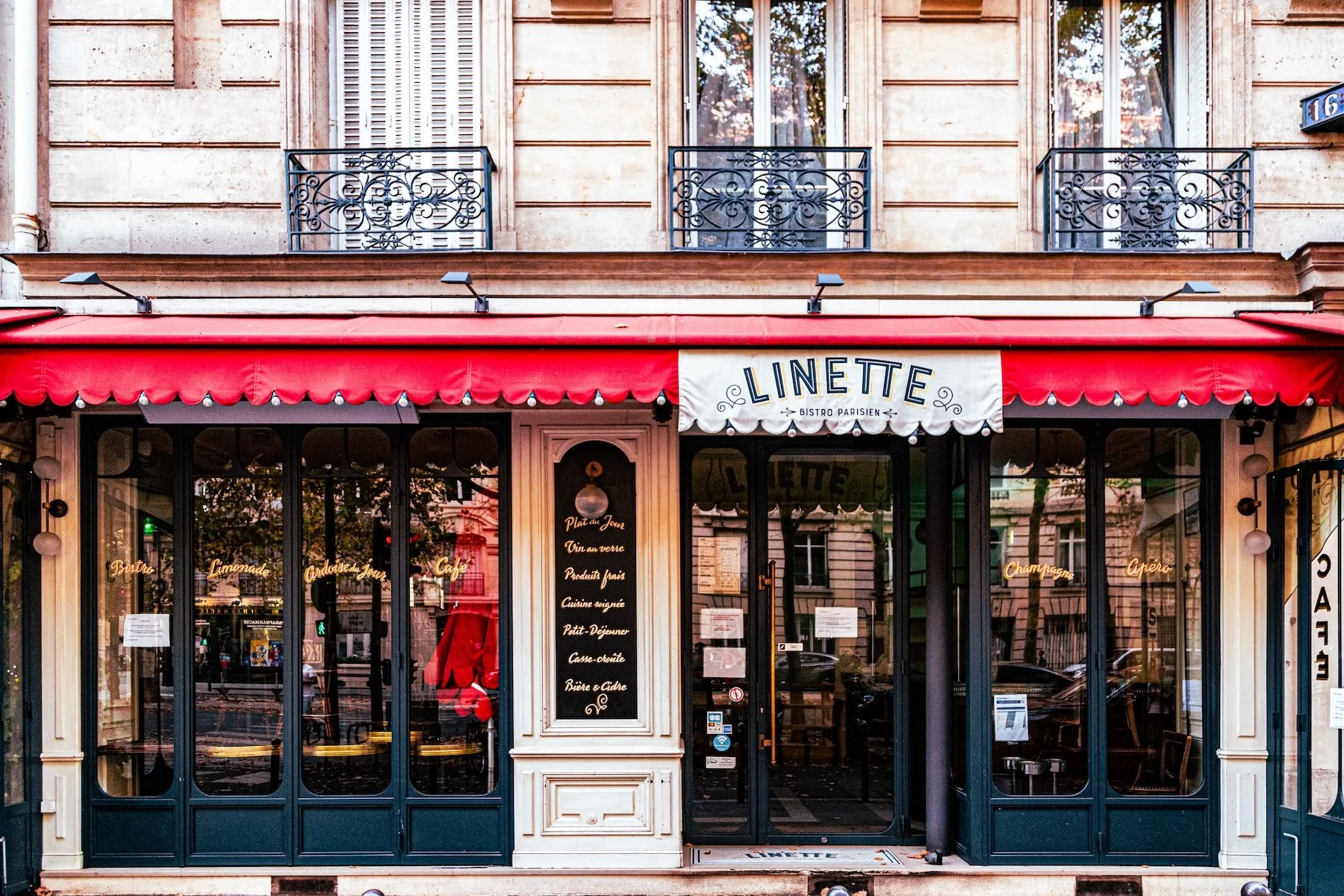
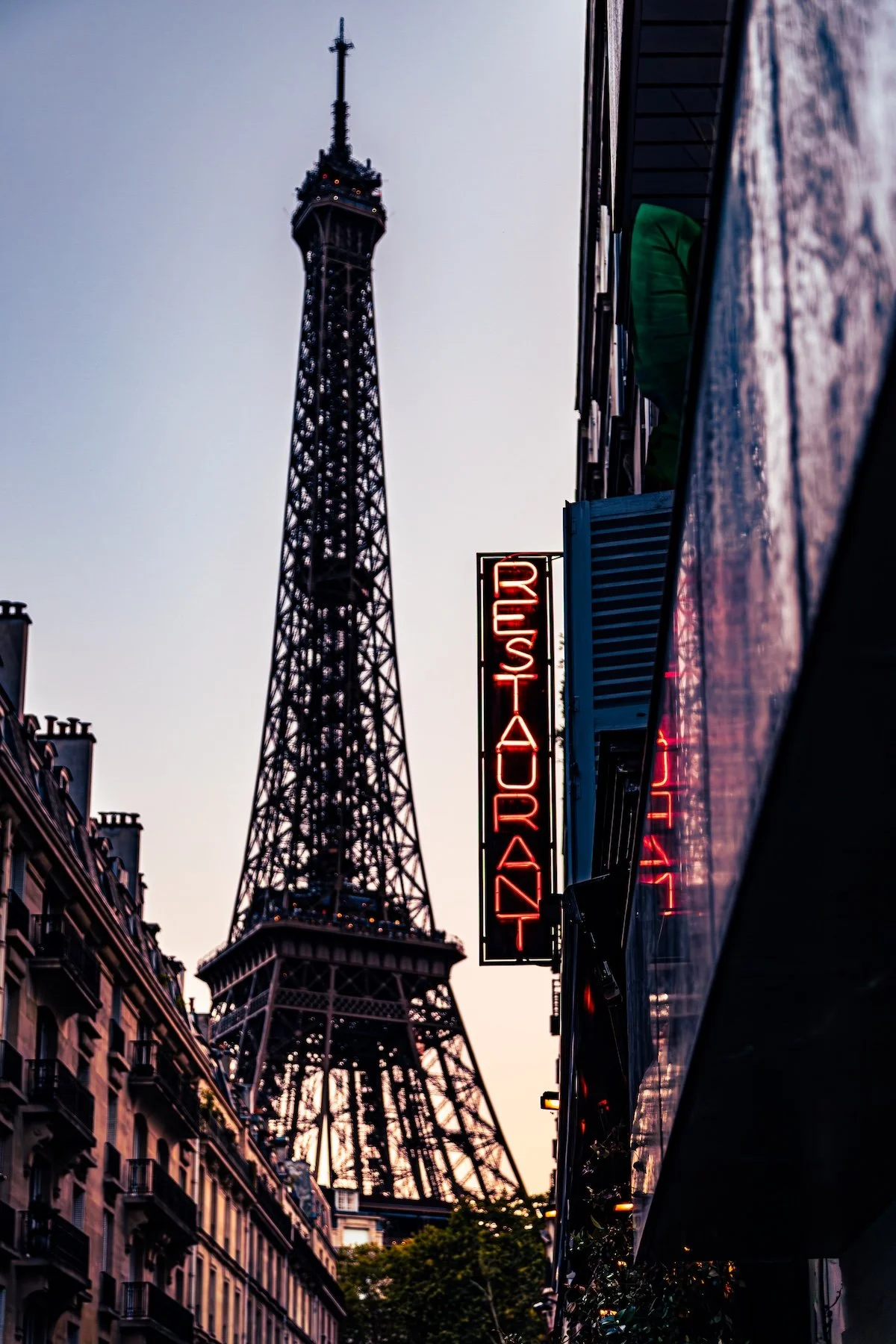
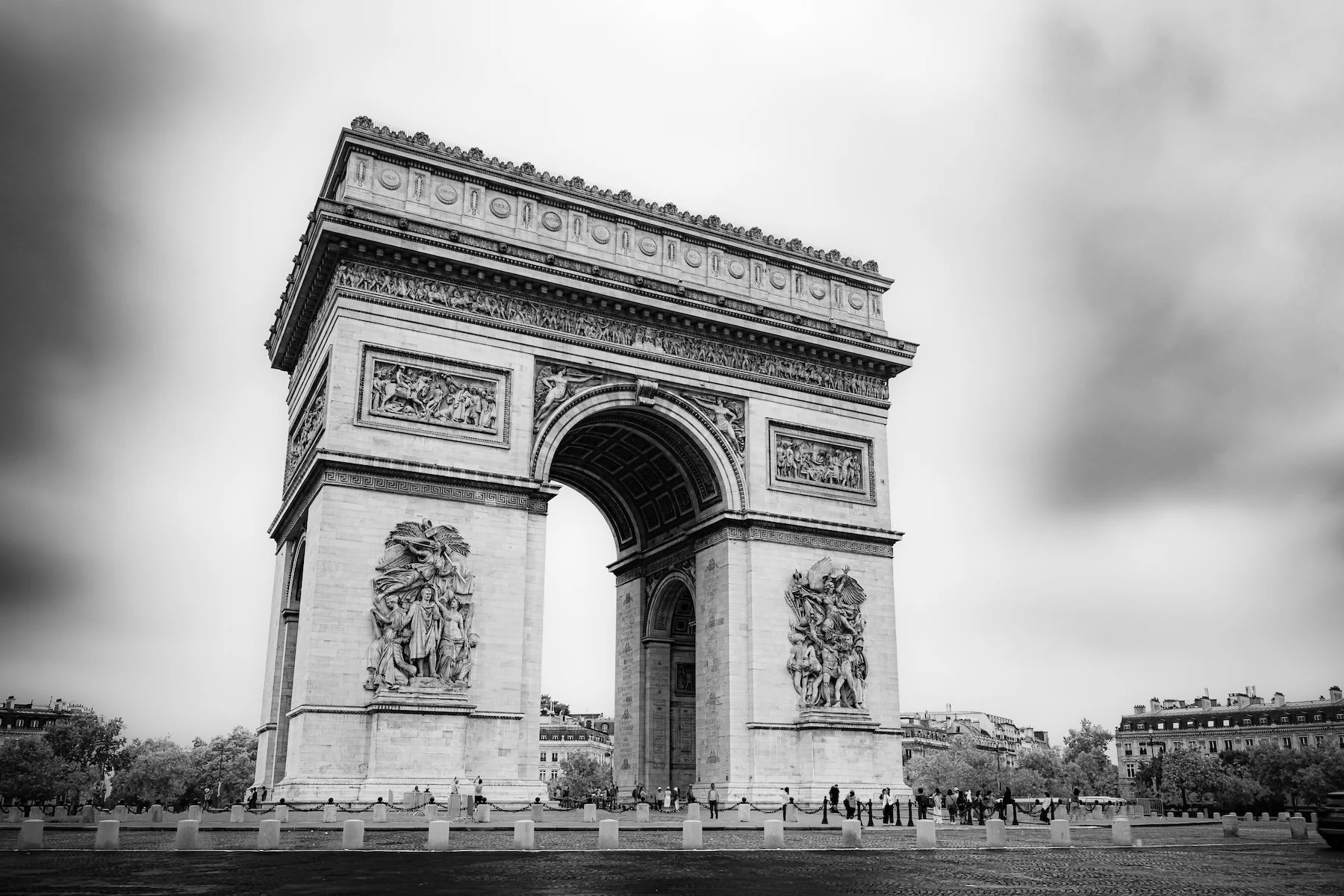
The arrondissements do not share a single visual identity. Instead, they organize Paris into twenty broad visual fields, each gathering its own combination of landmarks, streetscapes, institutions, residential districts, commercial corridors, parks, rail stations, markets, cemeteries, and riverfront edges.
Some arrondissements are defined by monumental scale: royal palaces, ceremonial avenues, government buildings, museums, formal gardens, and internationally recognized landmarks. Others are shaped by hills, canals, rail gateways, apartment-lined boulevards, neighborhood markets, former village streets, industrial remnants, parks, or the quieter rhythms of residential Paris. The arrondissement system gives these varied landscapes a civic frame, allowing the city to be read not as one visual language, but as a sequence of overlapping Parisian atmospheres.
Visual Identity
Through The Lens
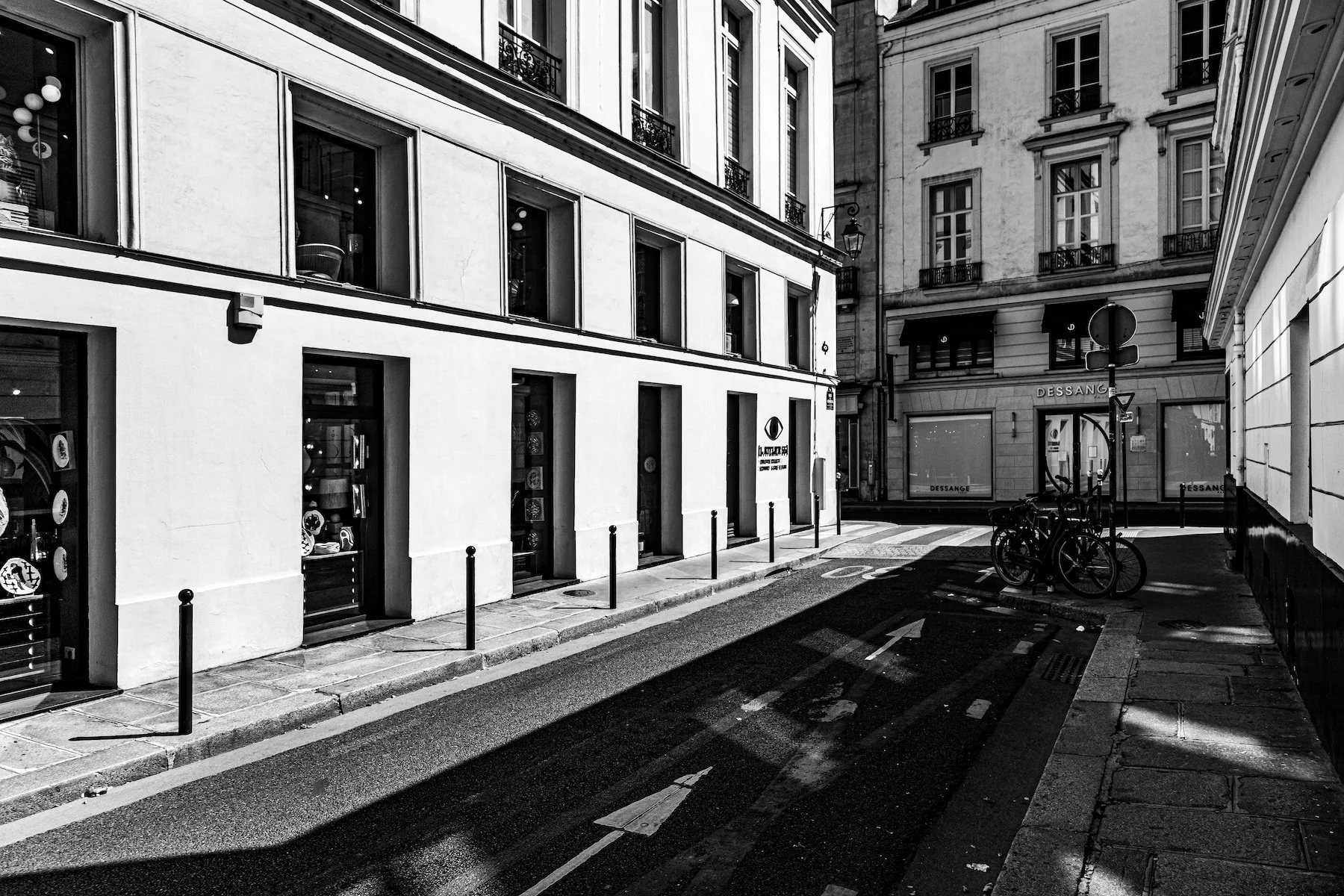
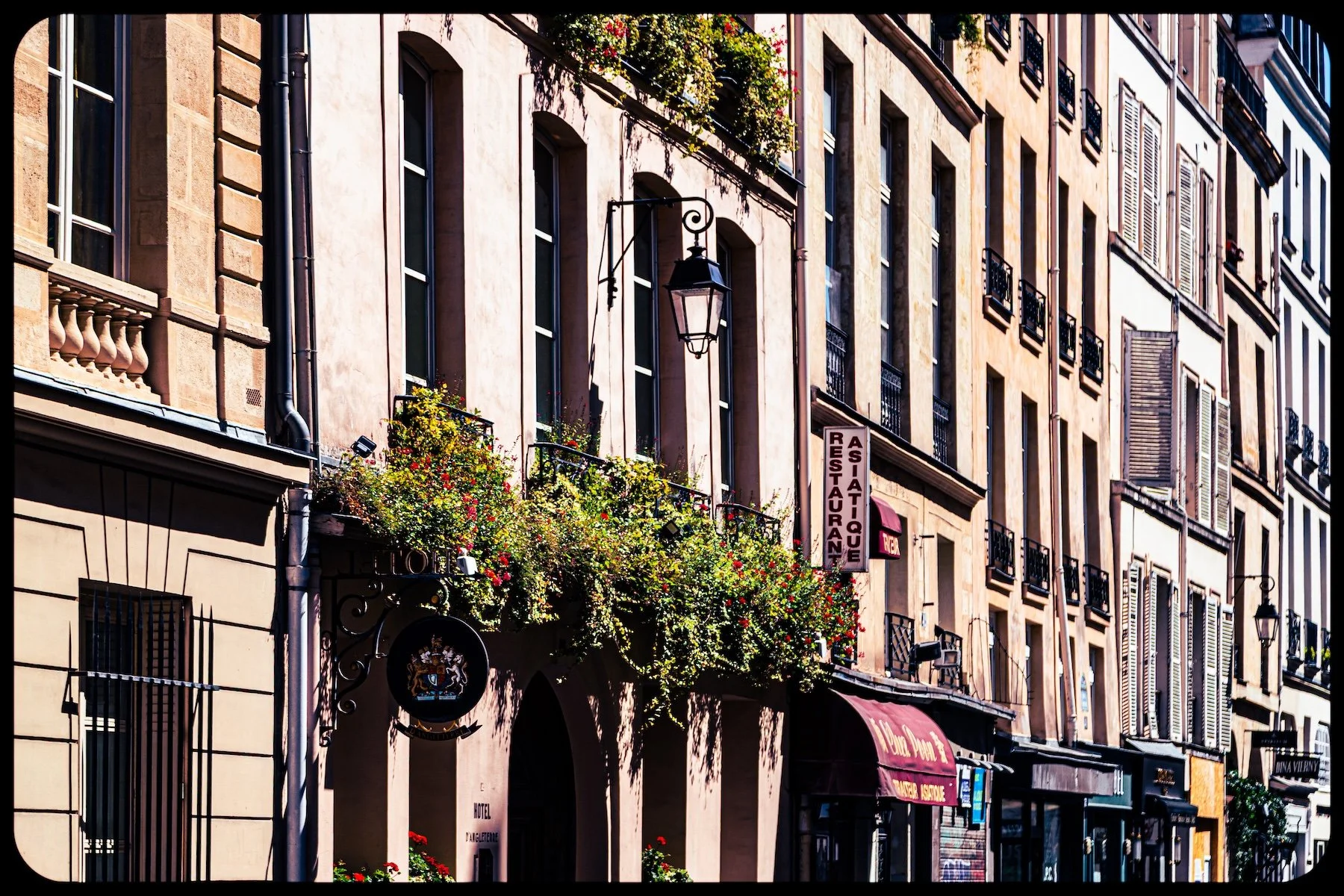
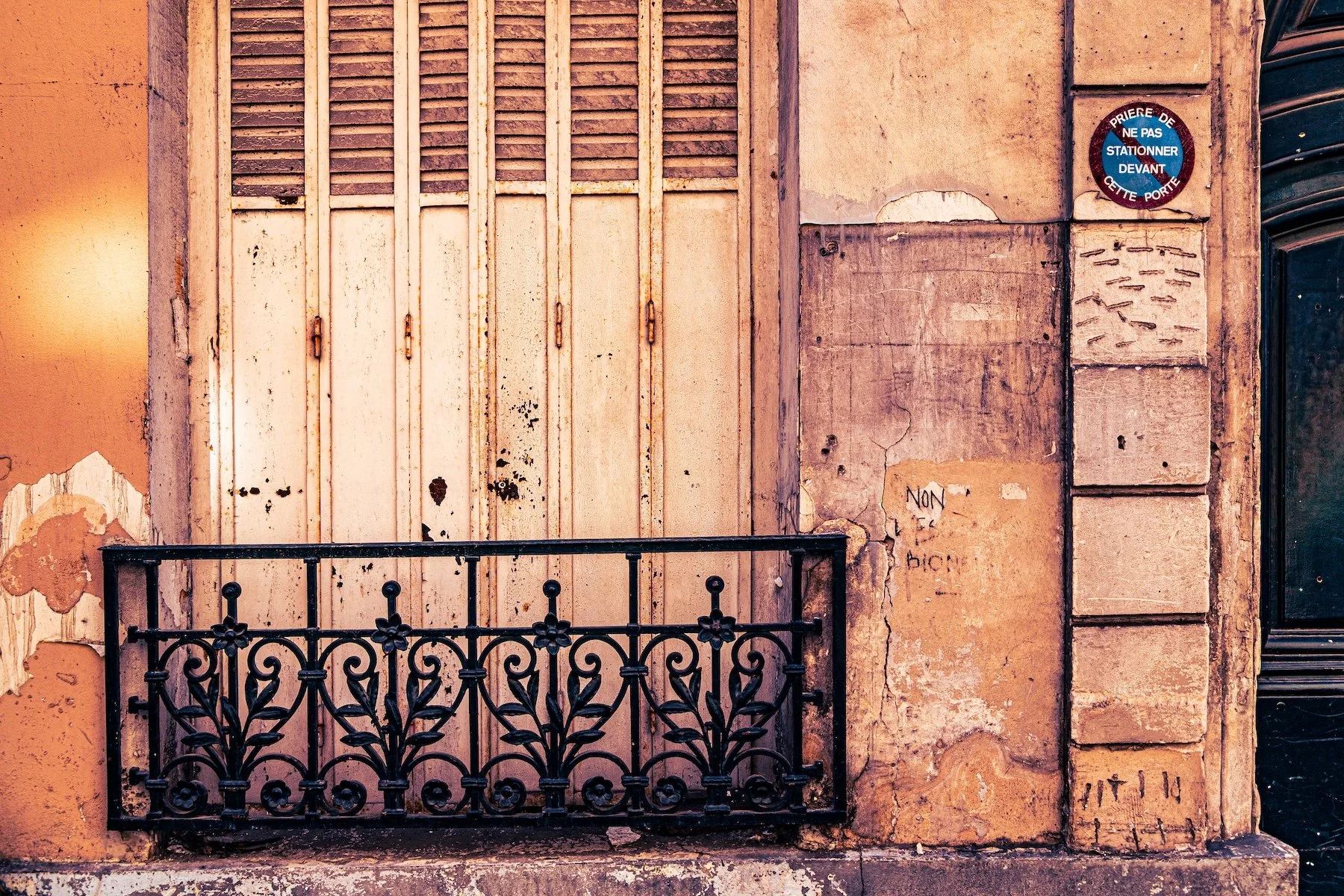
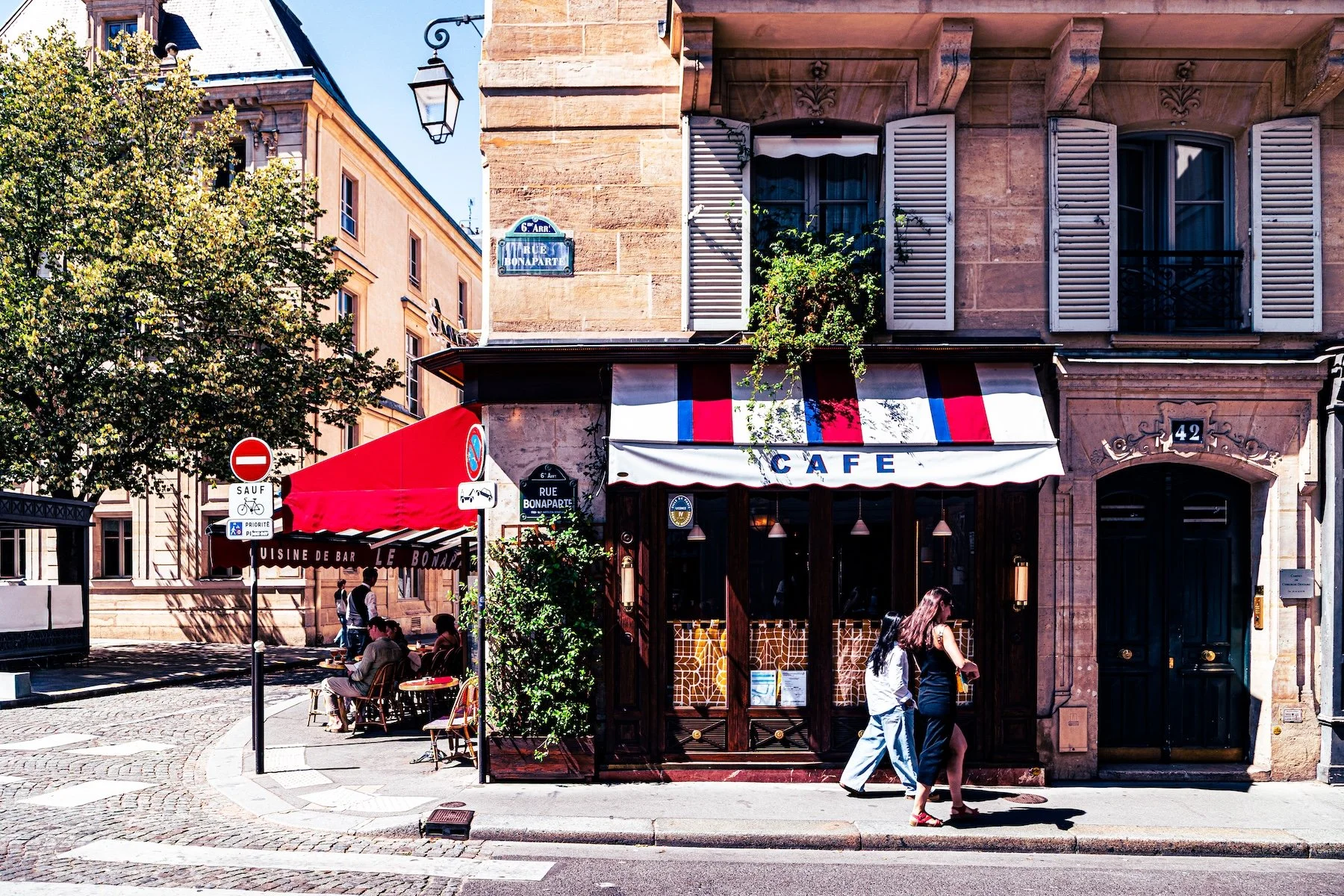
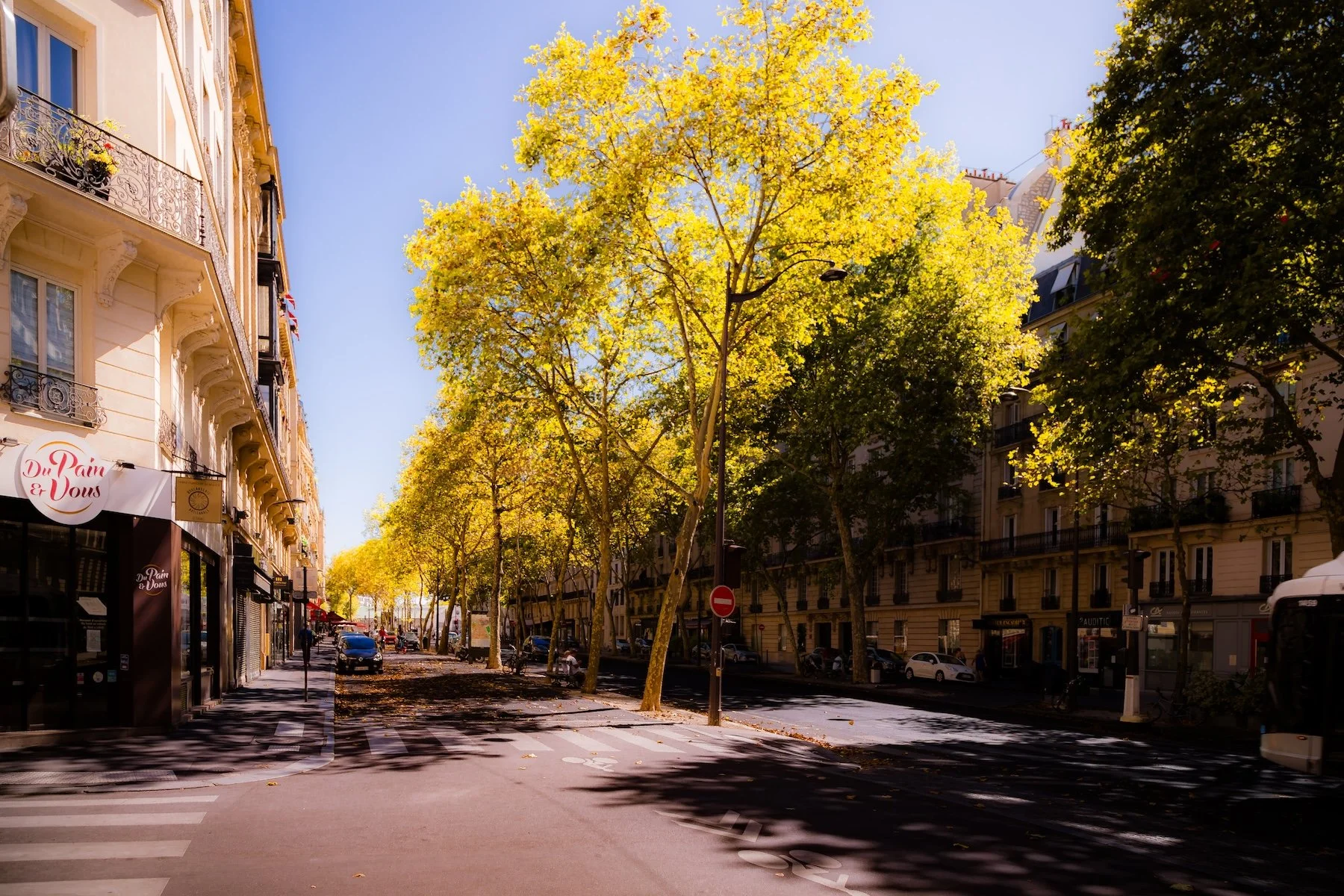
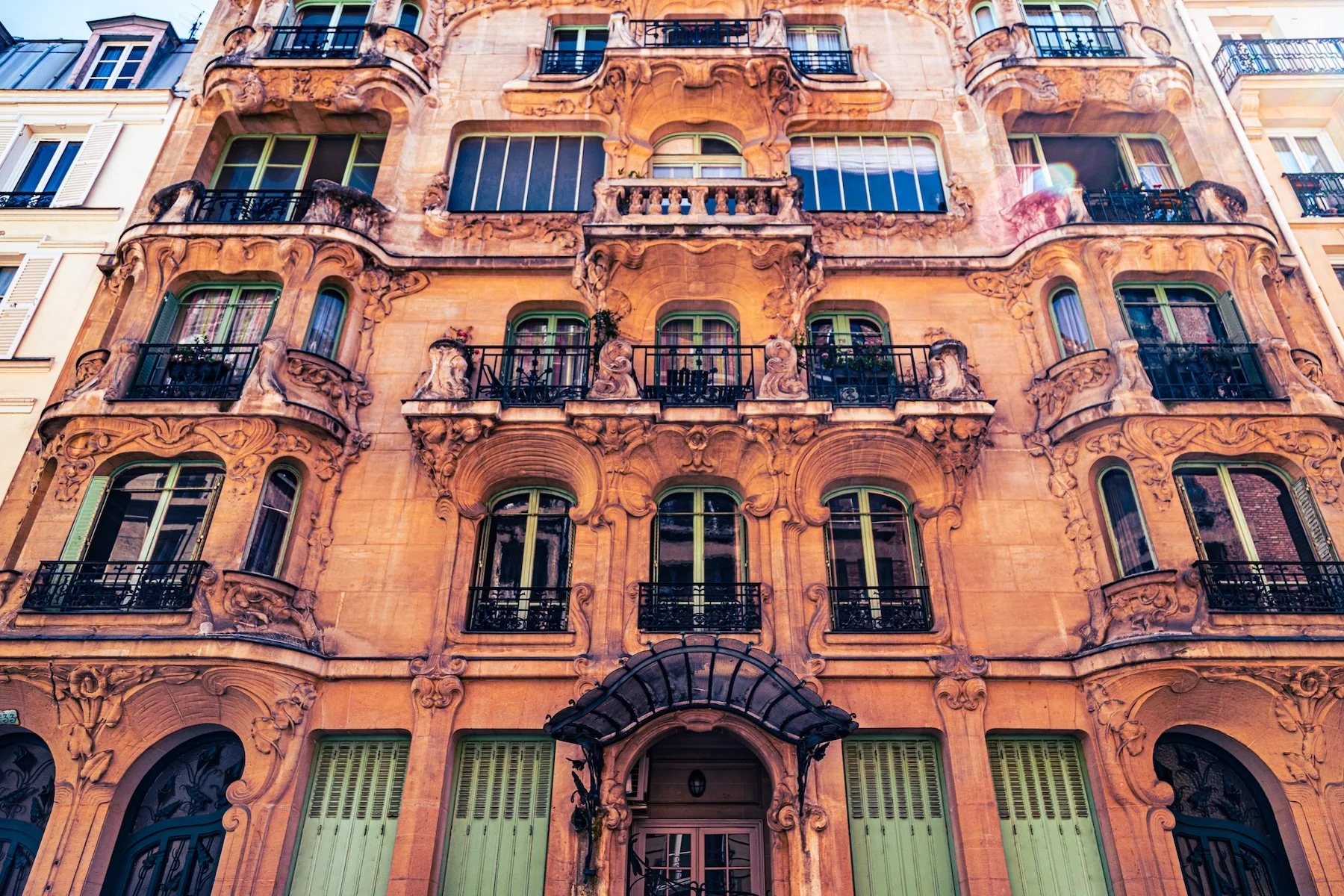
Photographing the arrondissements means moving between the official map and the street-level experience. The camera does not treat each arrondissement as visually uniform. Instead, it looks for the recurring forms, textures, transitions, and contrasts that make each district legible: the geometry of boulevards, the shade of plane trees, the repetition of balconies, the rise of stairways, the curve of canals, the presence of rail stations, the opening of parks, the weight of monuments, and the intimacy of side streets.
On CityNeighborhoods, the arrondissement provides the frame, but the photograph comes from the encounter between map, movement, light, and observation. As the Paris photography is processed, this section will connect each arrondissement more directly to the project’s Photographic Lexicon: the visual strategies, recurring motifs, and compositional patterns that shape how the city is seen through the lens.
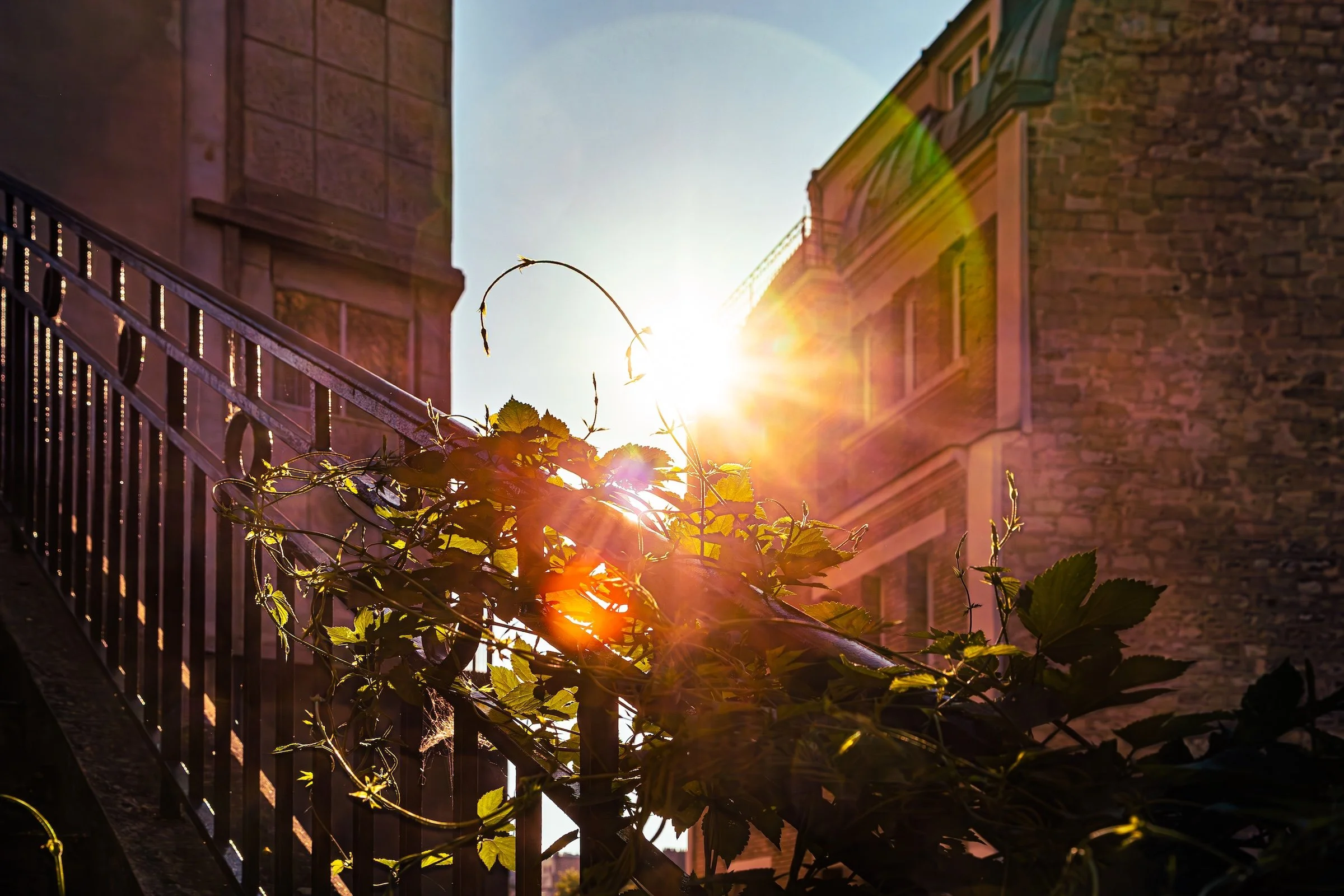
If you visit Paris, these ideas can help inspire your own photography.
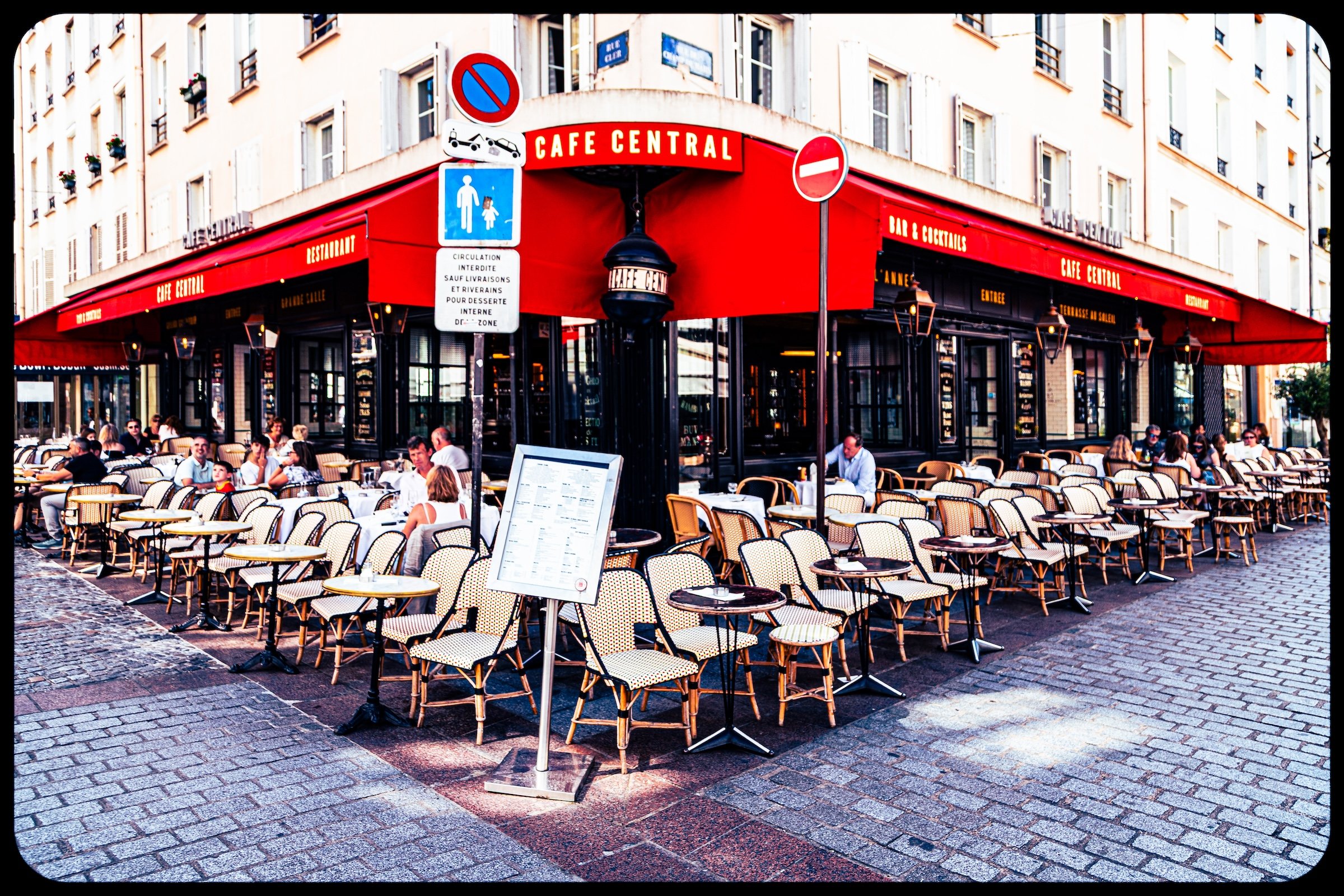
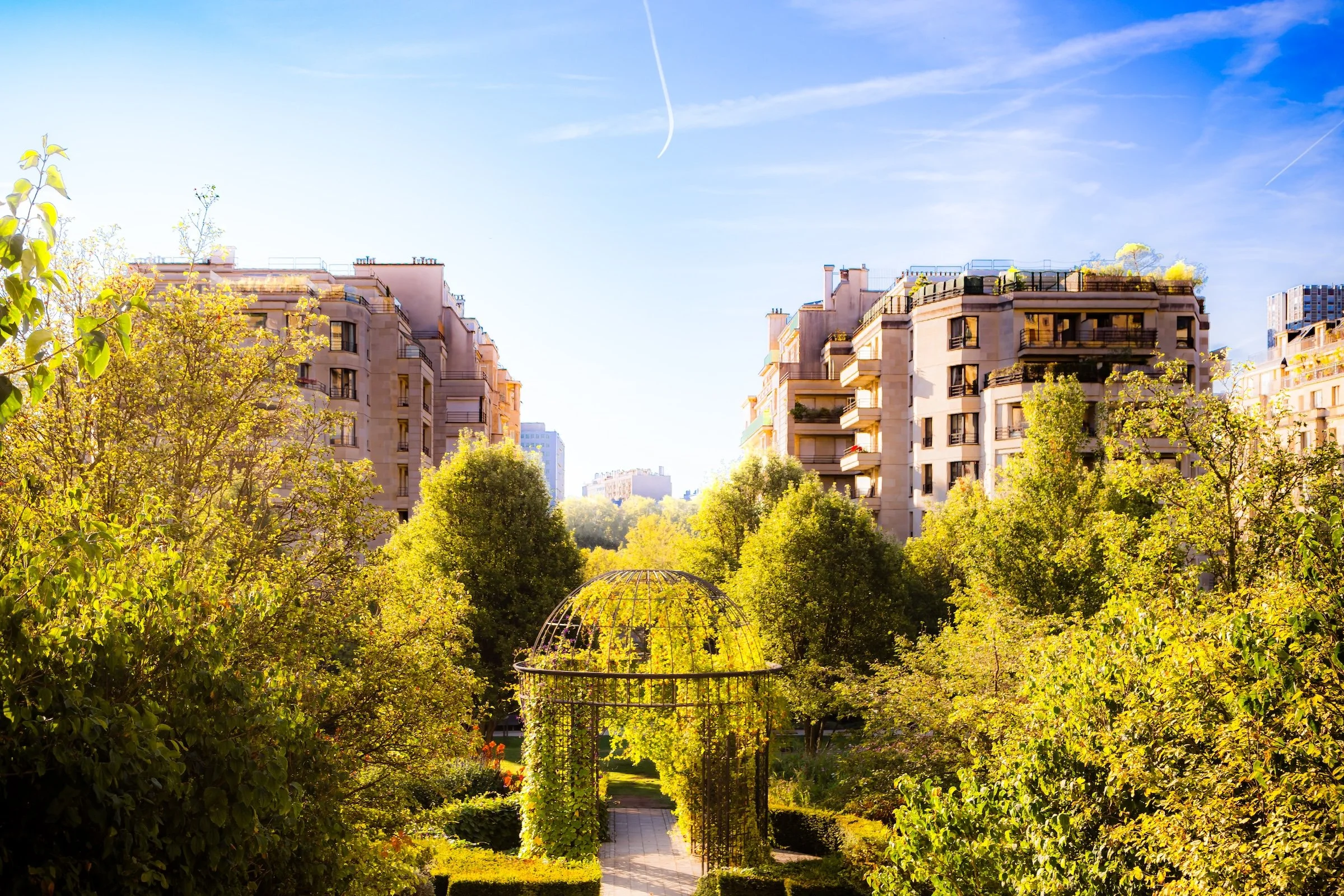
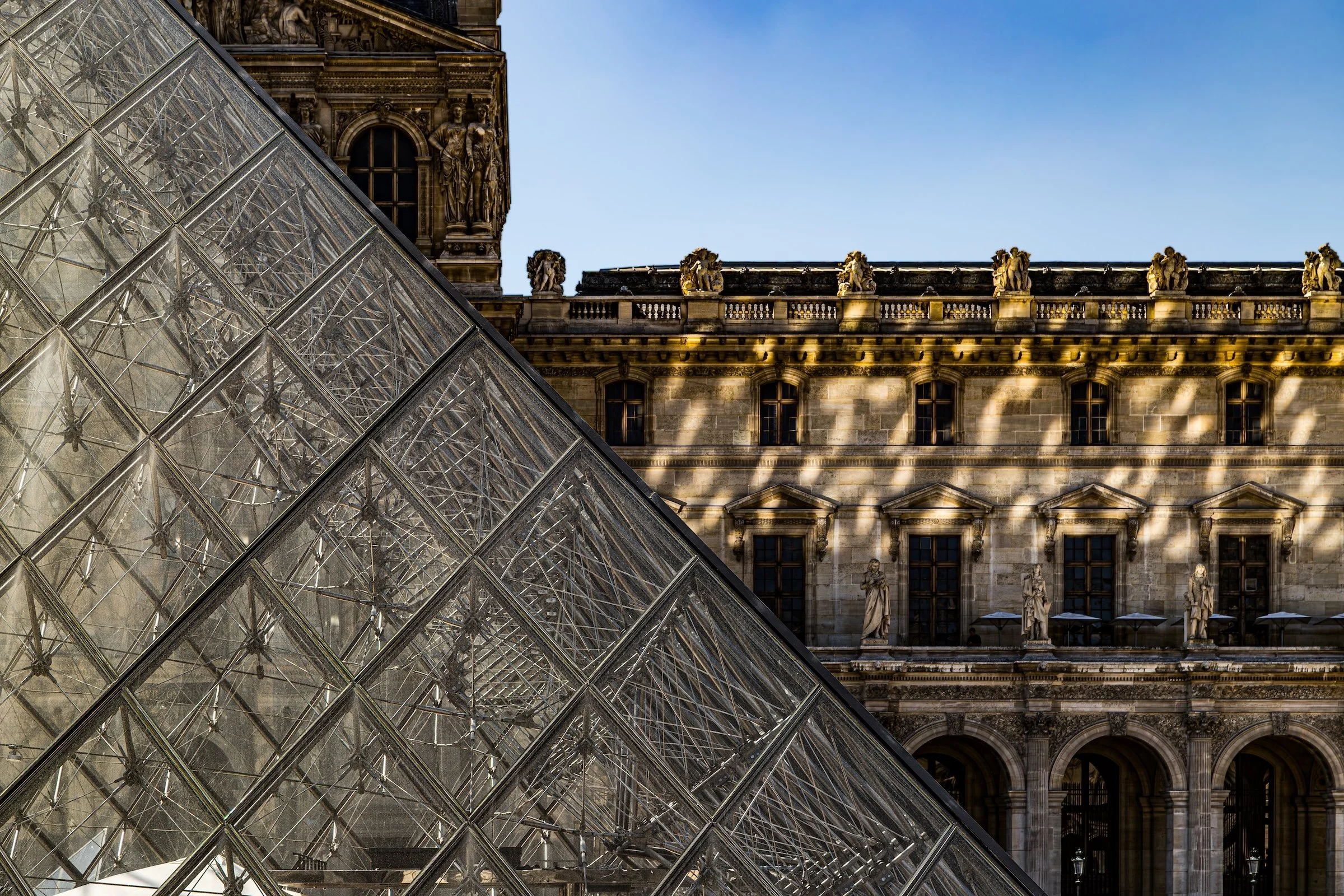
Paris: J’Espere, Je Rêve, Je Vive
Paris Photo Gallery
Paris Field Notes
-
Field Note: August 18, 2025 | 07:58 AM
Conditions: 73°F | Humidity: 72%.
Within the park's interior, the glacial kettle ponds acted as humidity traps, creating a soft, hazy light that filtered through the old-growth oaks. The transition from the park's dense shade to the sun-drenched edges of Oakland Gardens highlighted the day's exceptional "picture-perfect" clarity.
There is a fleeting window in Queens where the humidity of August hasn't yet heavy-set, and the morning sun hits the canopy of Alley Pond Park at a perfect oblique angle. Arriving just before 8:00 AM, I watched the light break through the oaks and tulip trees, casting long, dramatic shadows across the wet grass. It’s in these quiet, golden moments that the park feels less like a city escape and more like the ancient glacial valley it actually is.
Other neighborhoods visited:
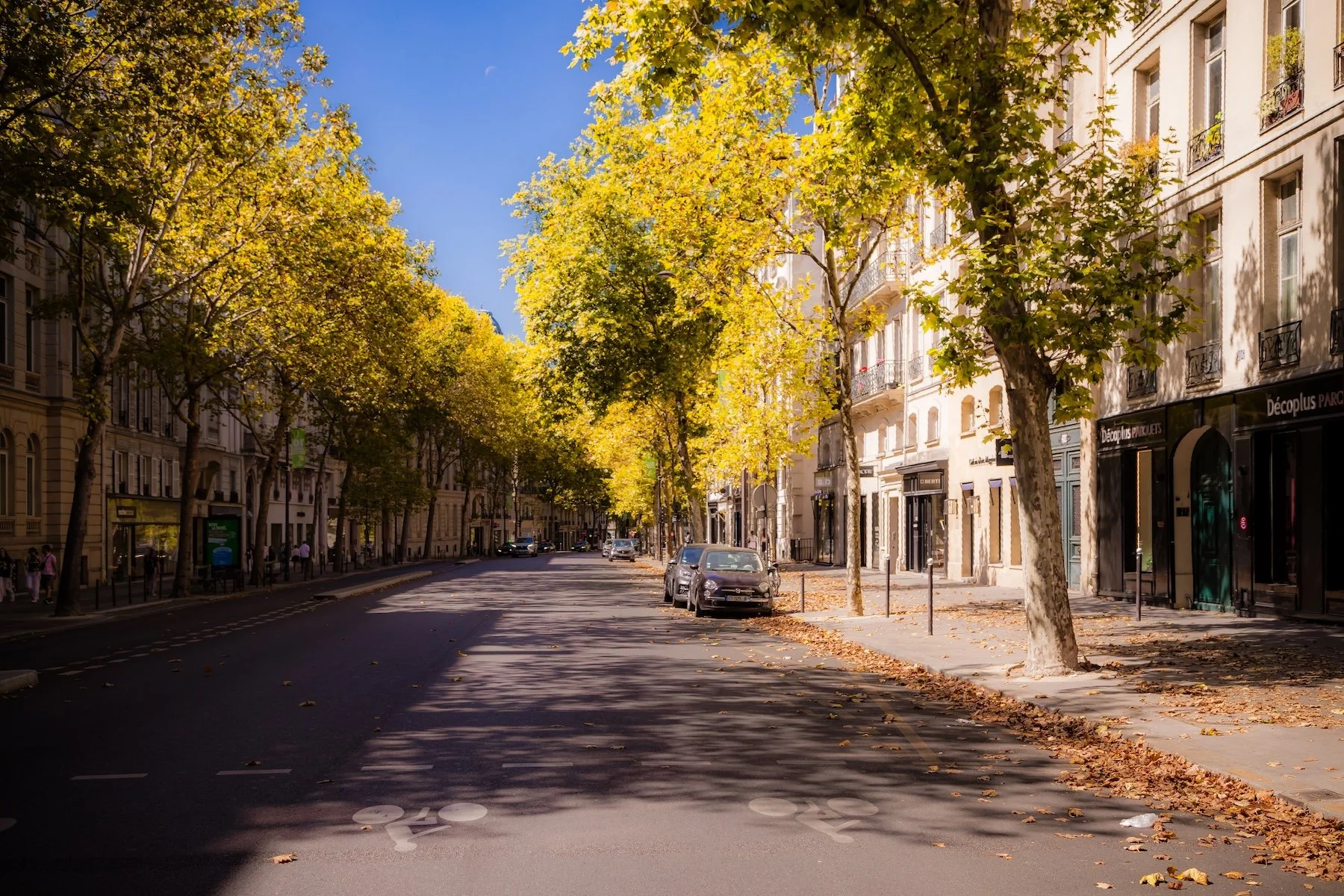
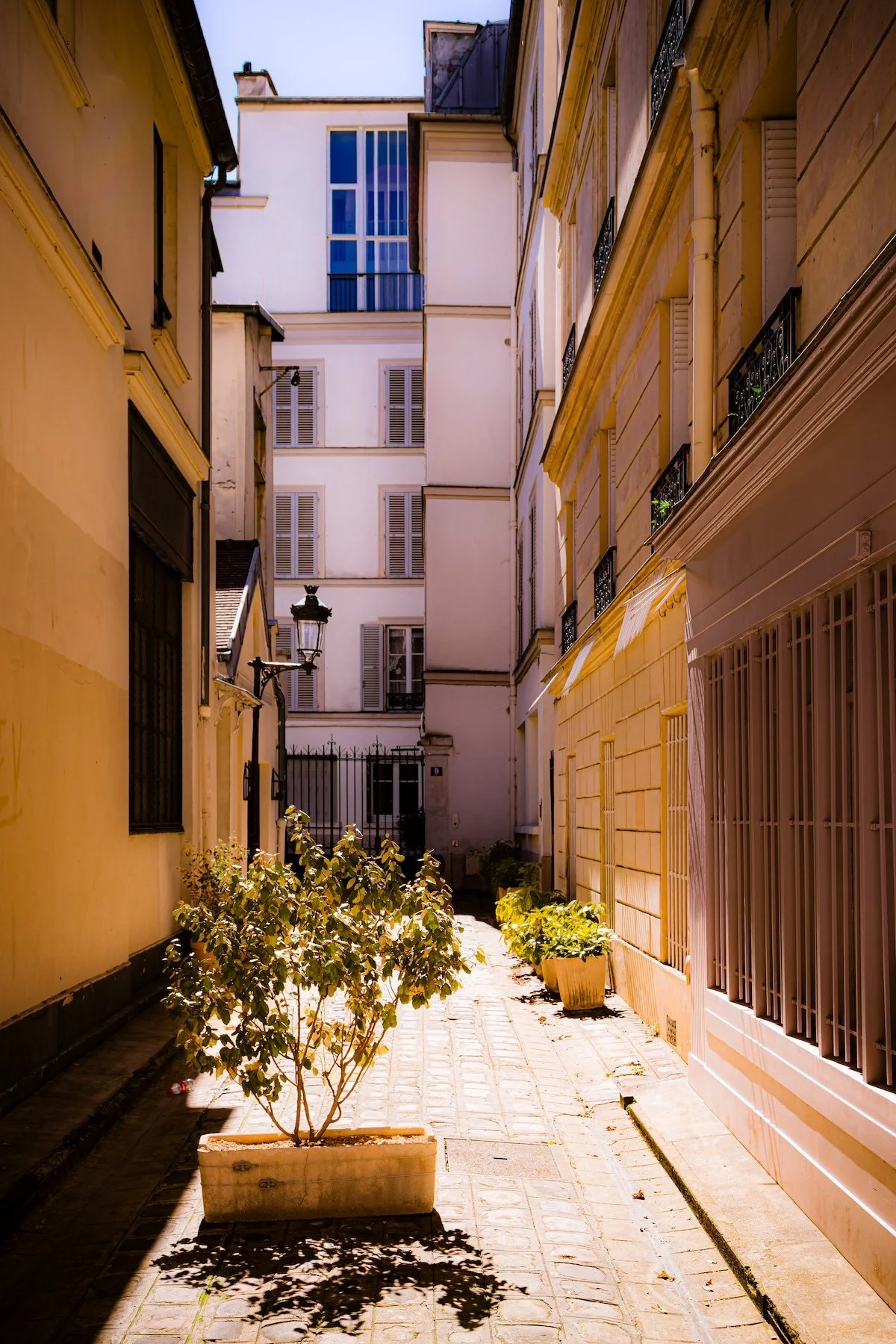
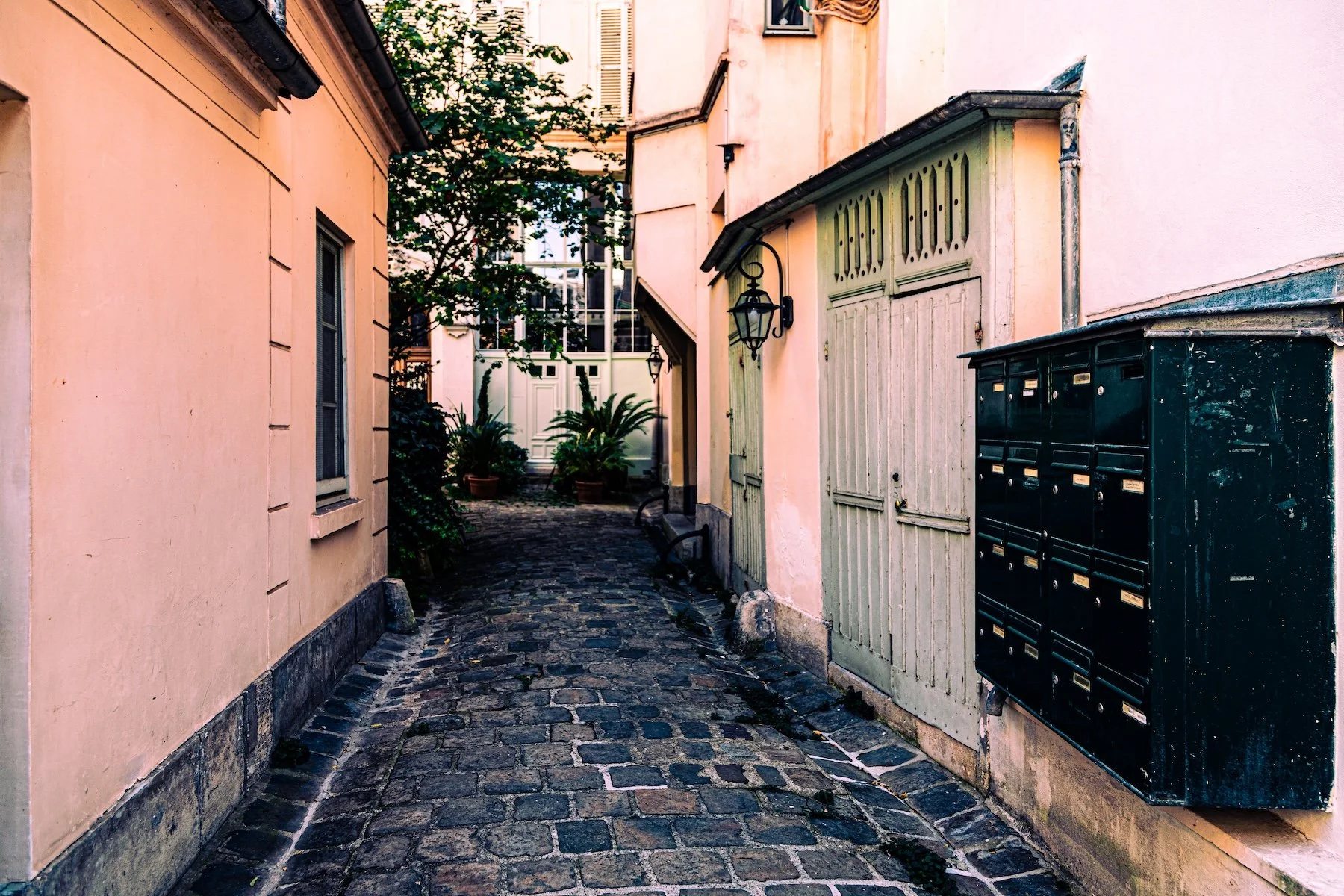
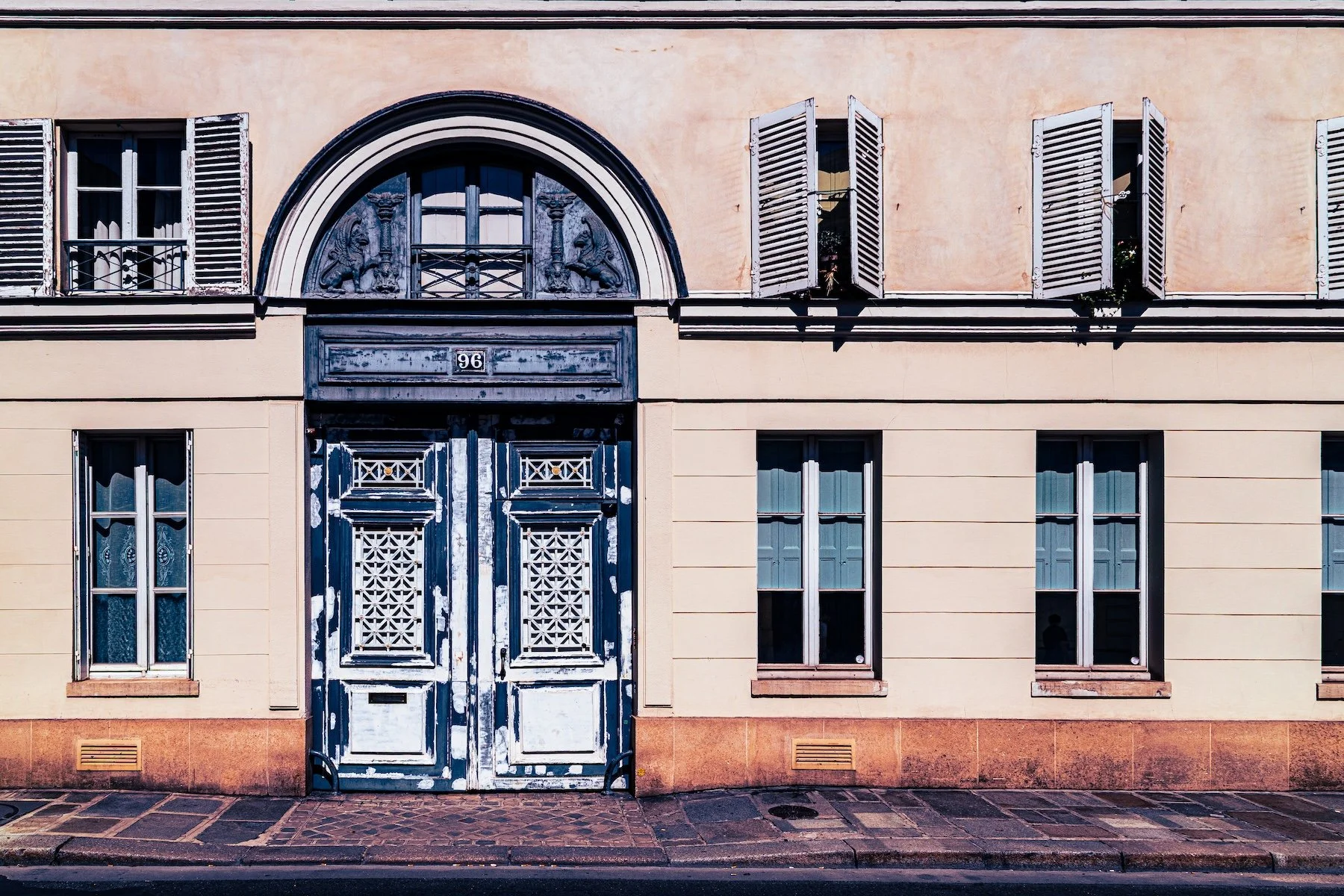
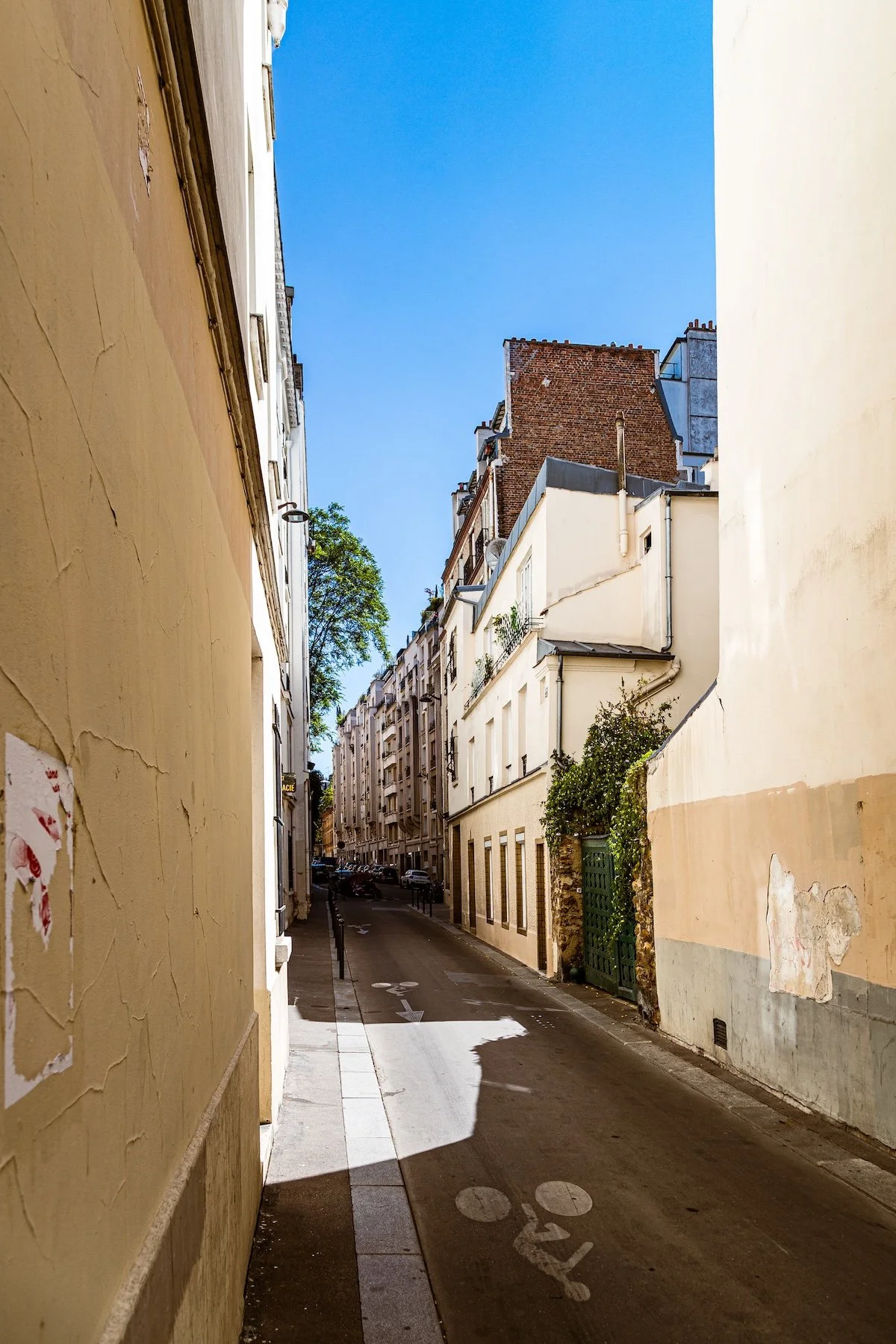
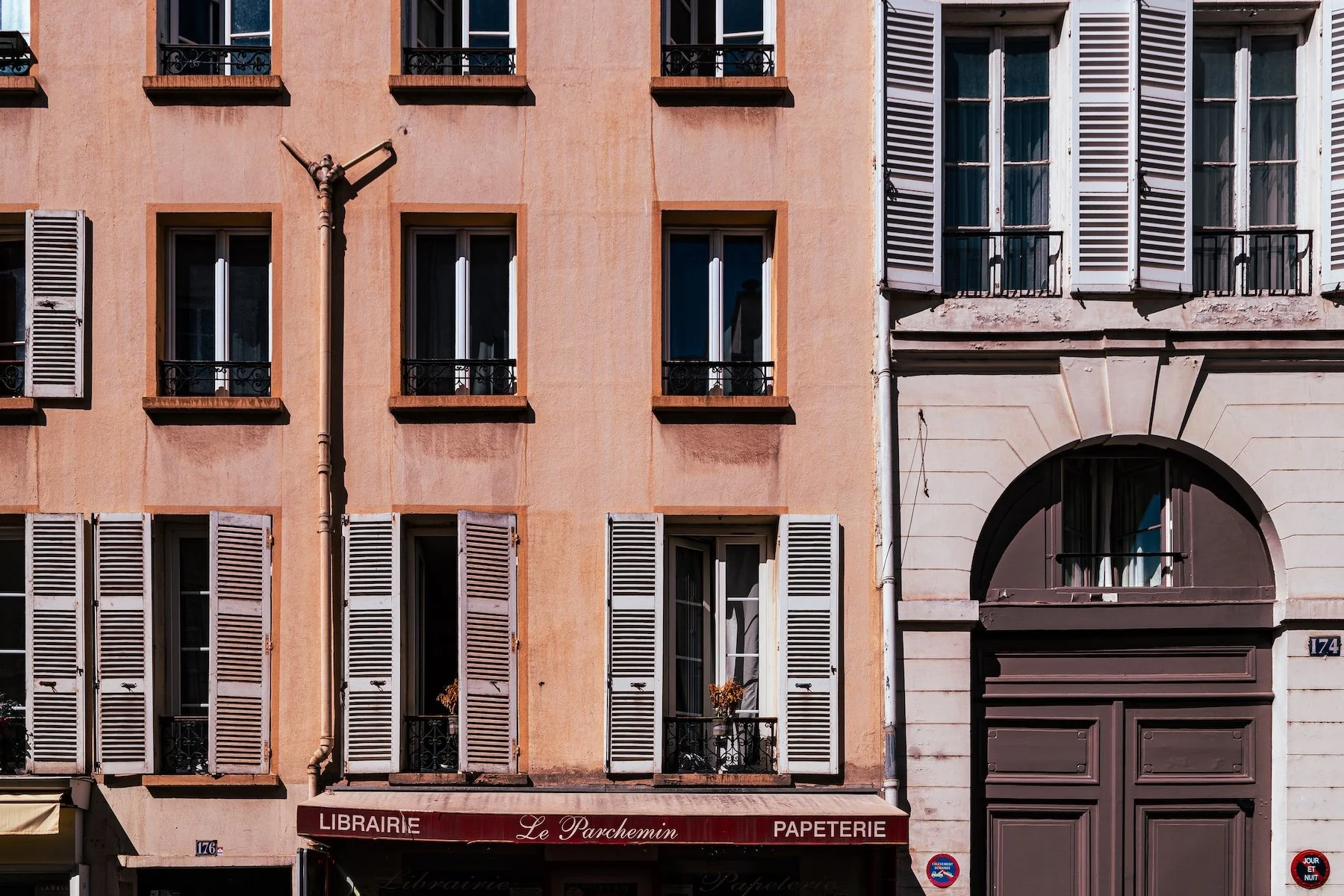
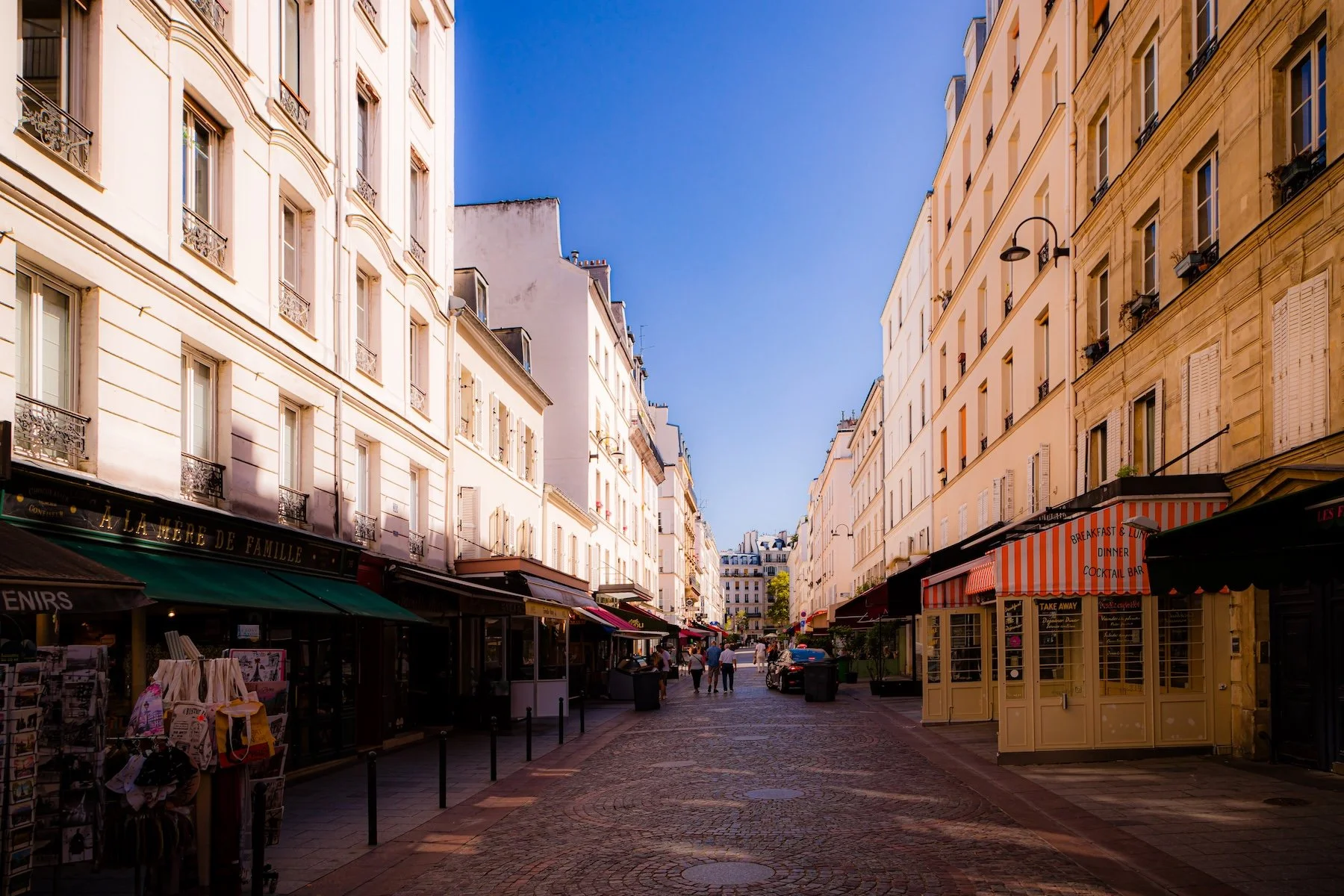
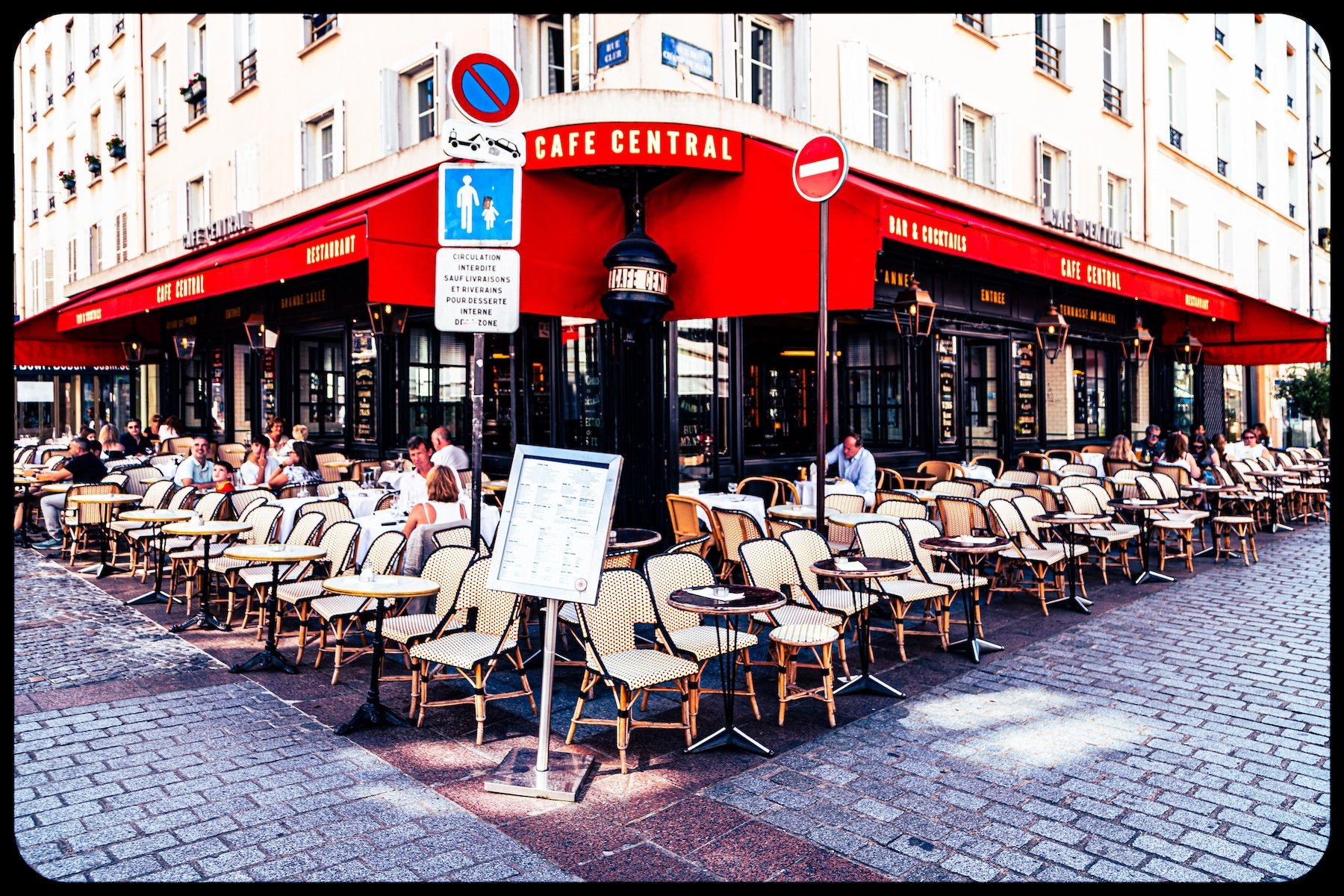
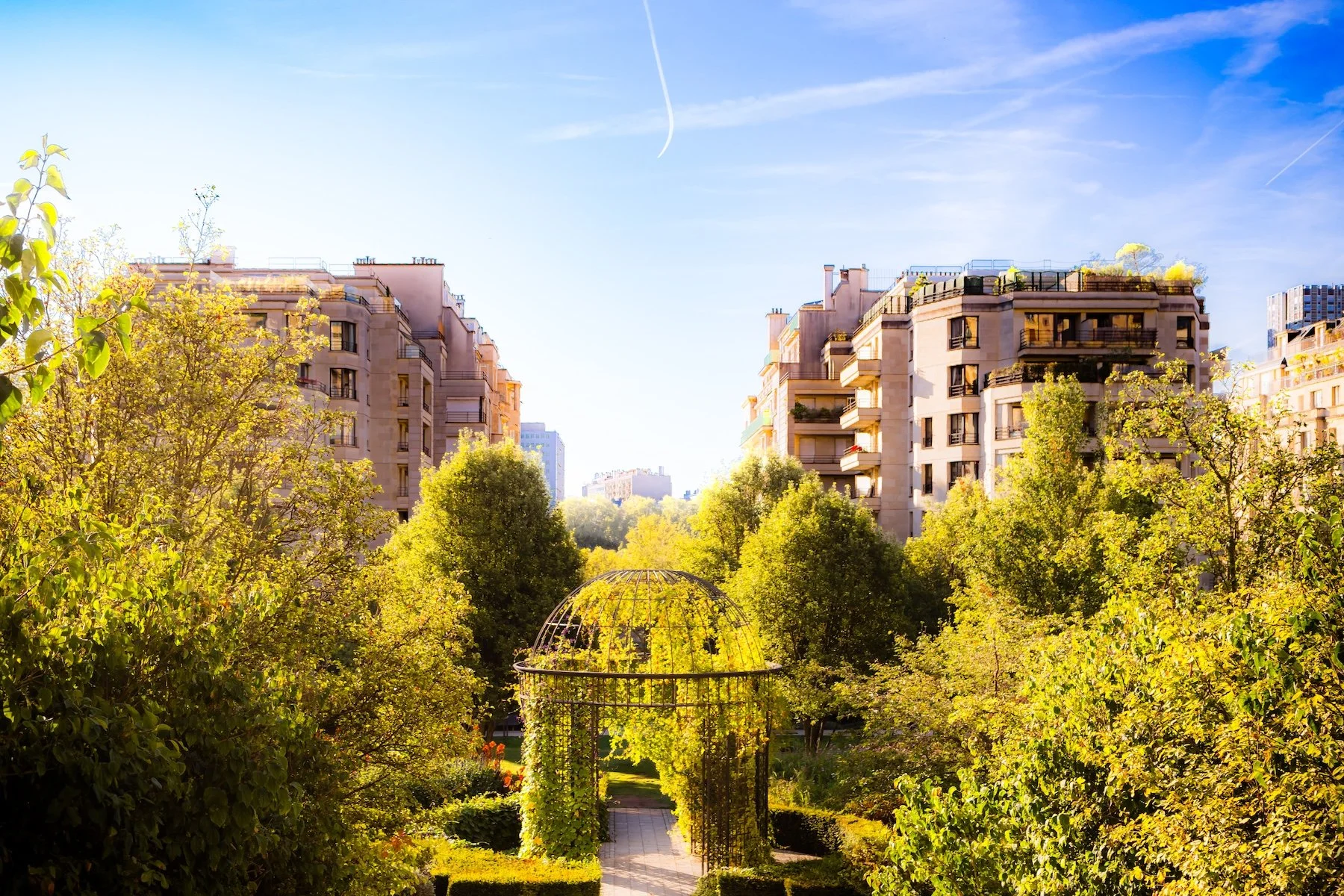
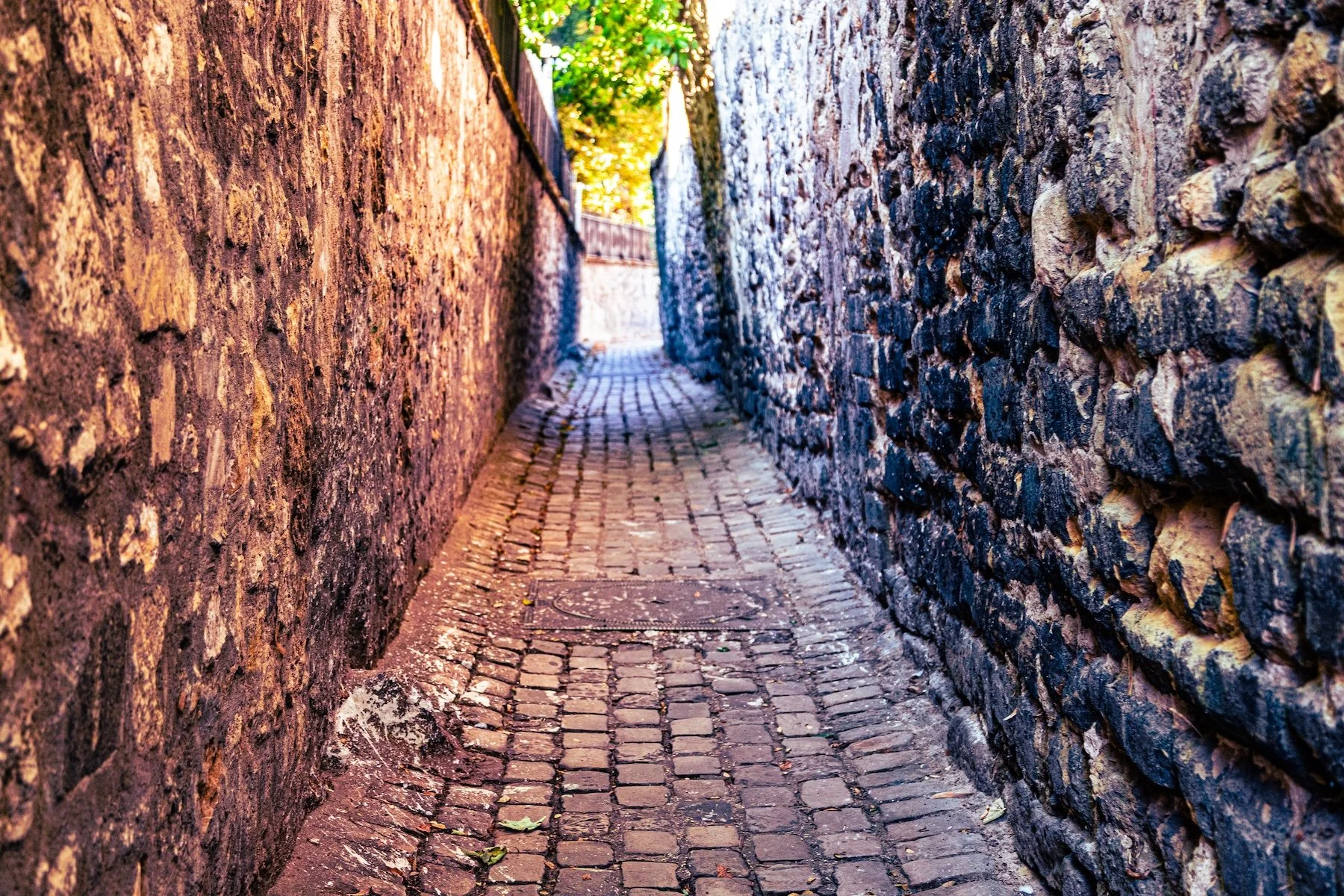
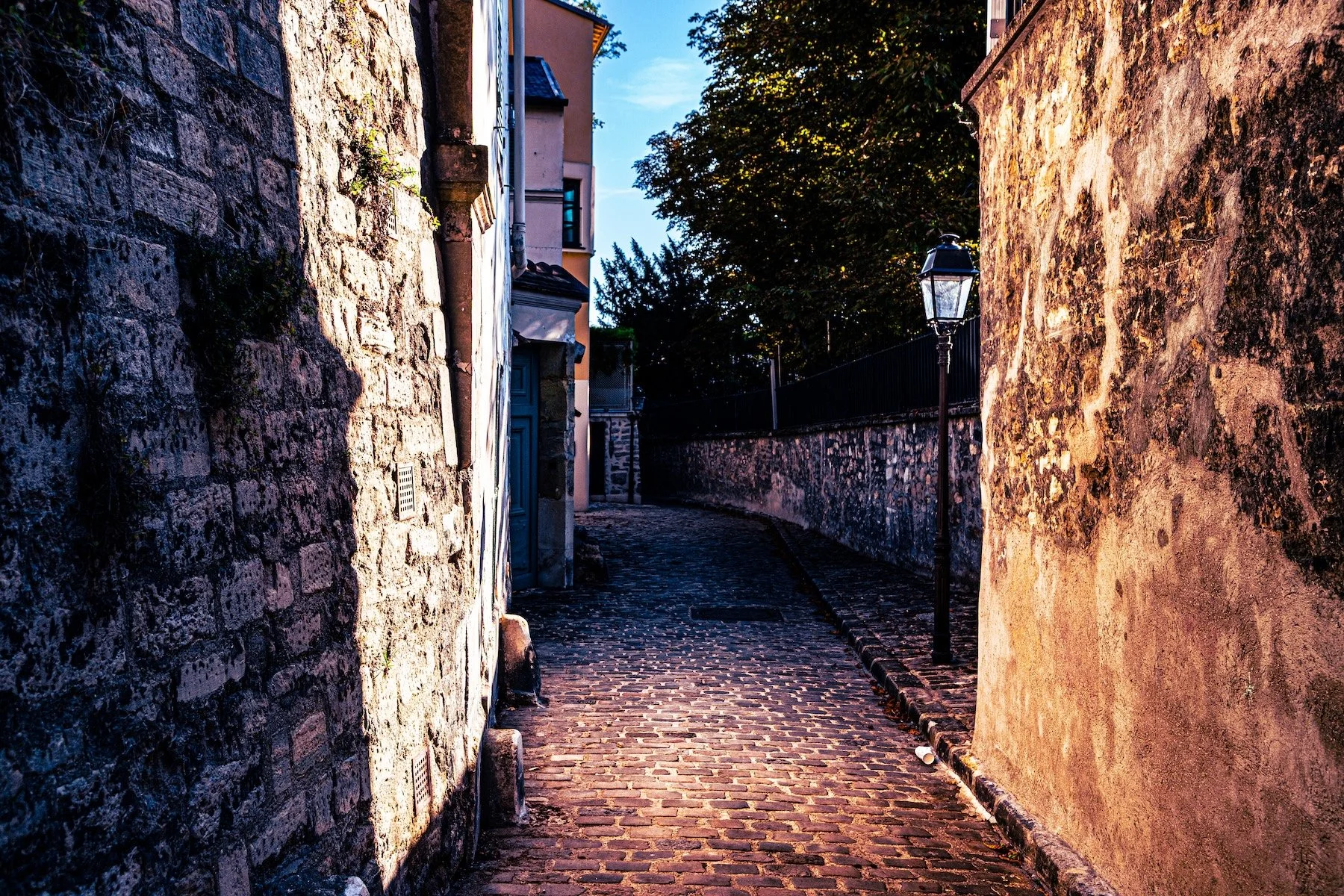
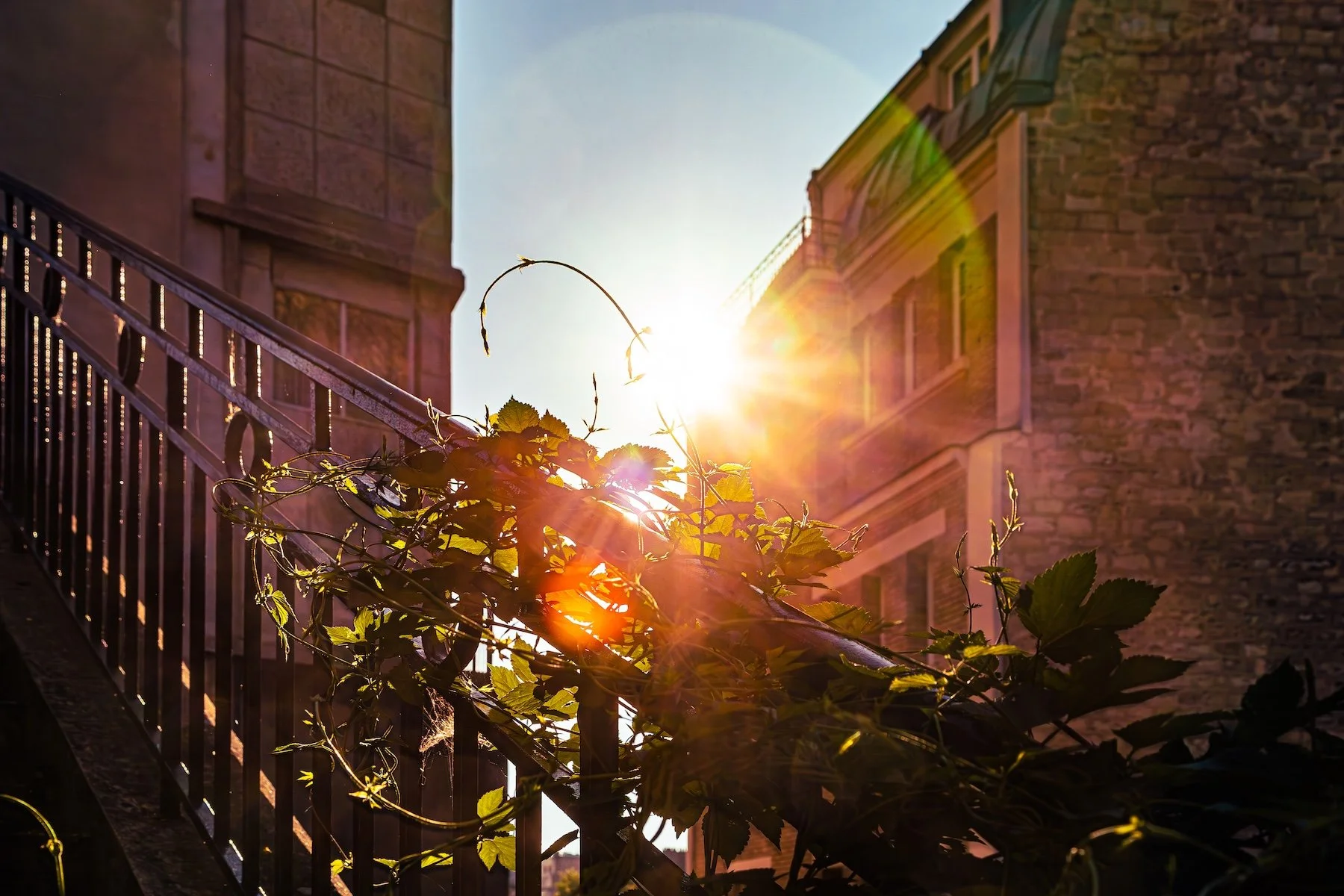
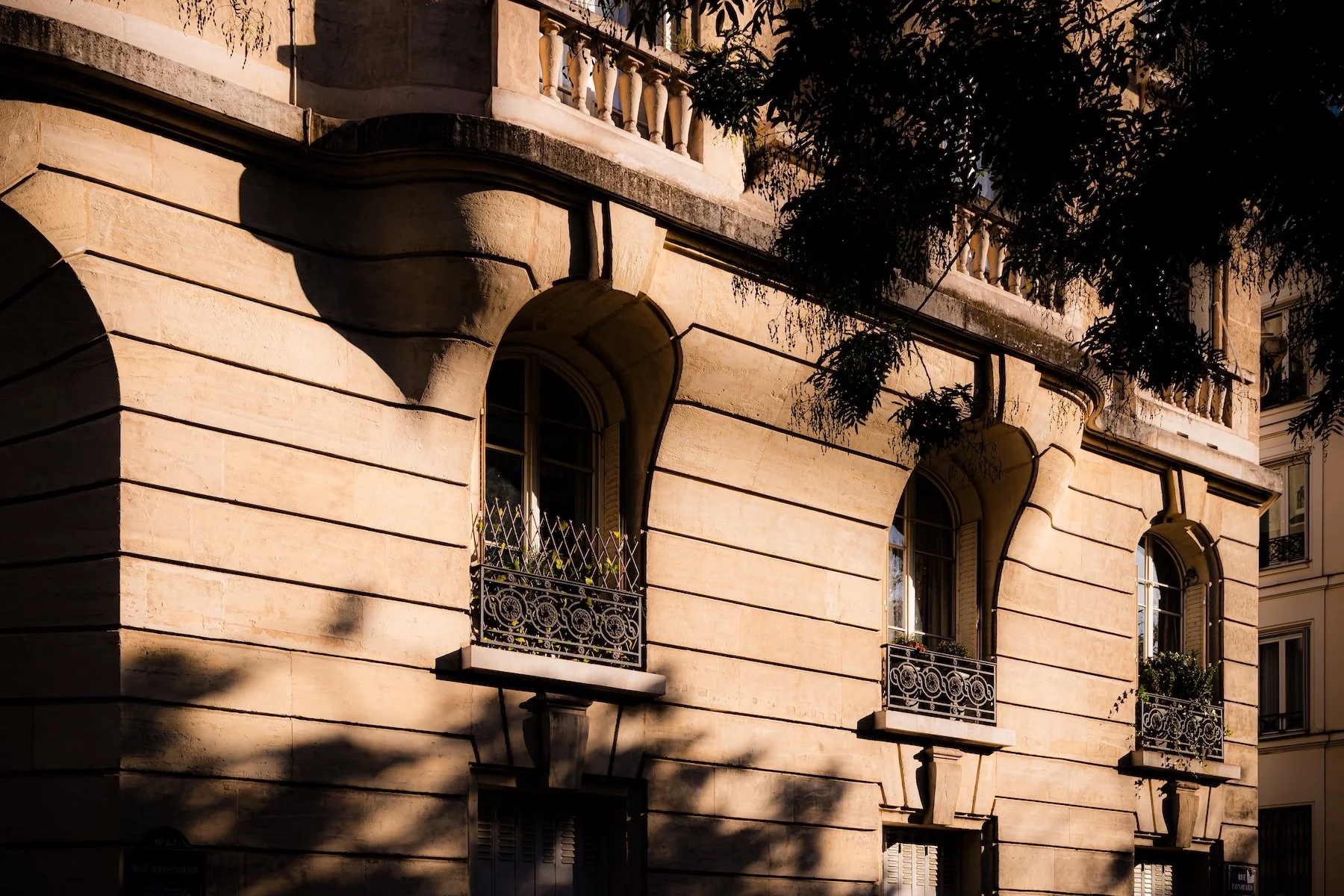
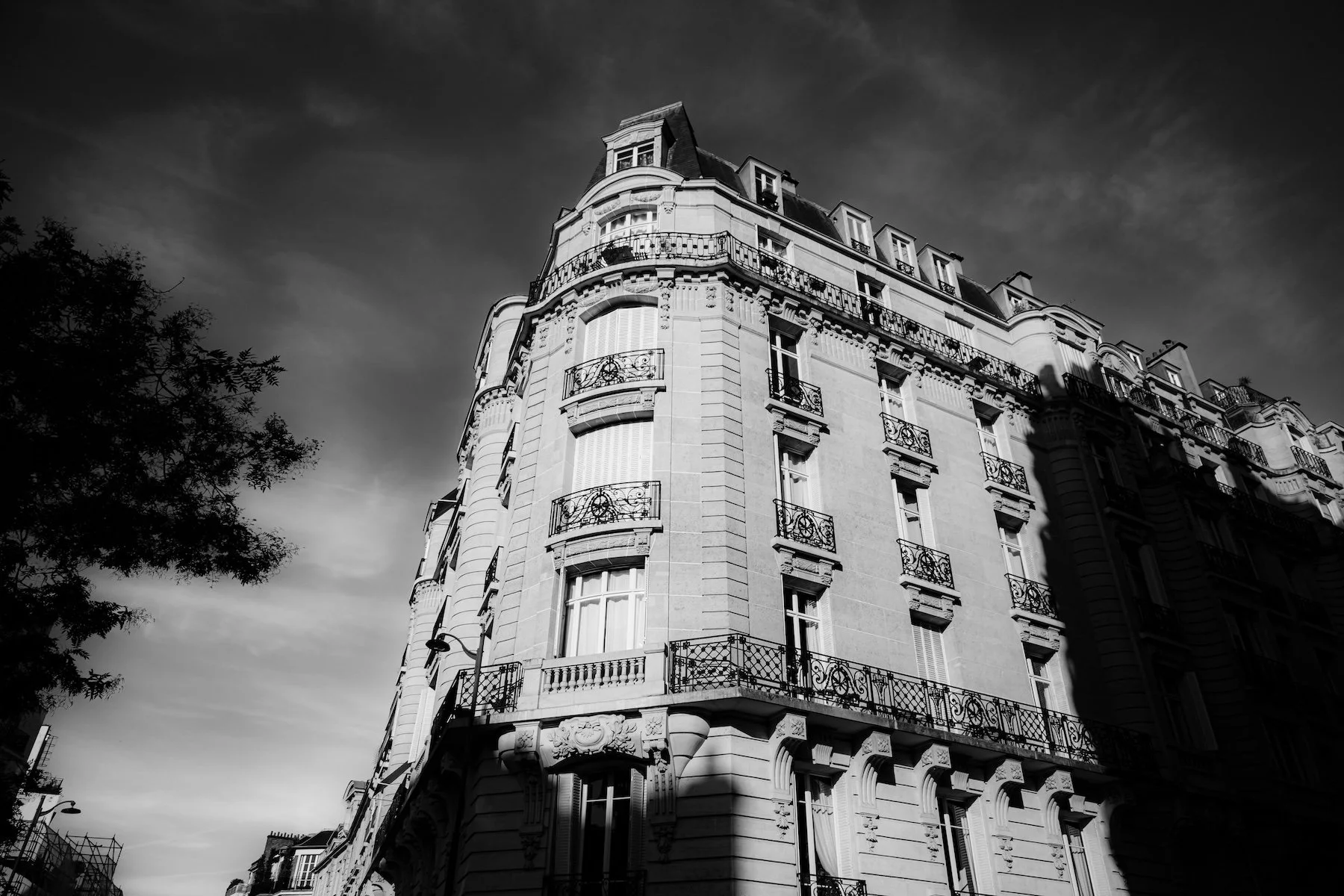
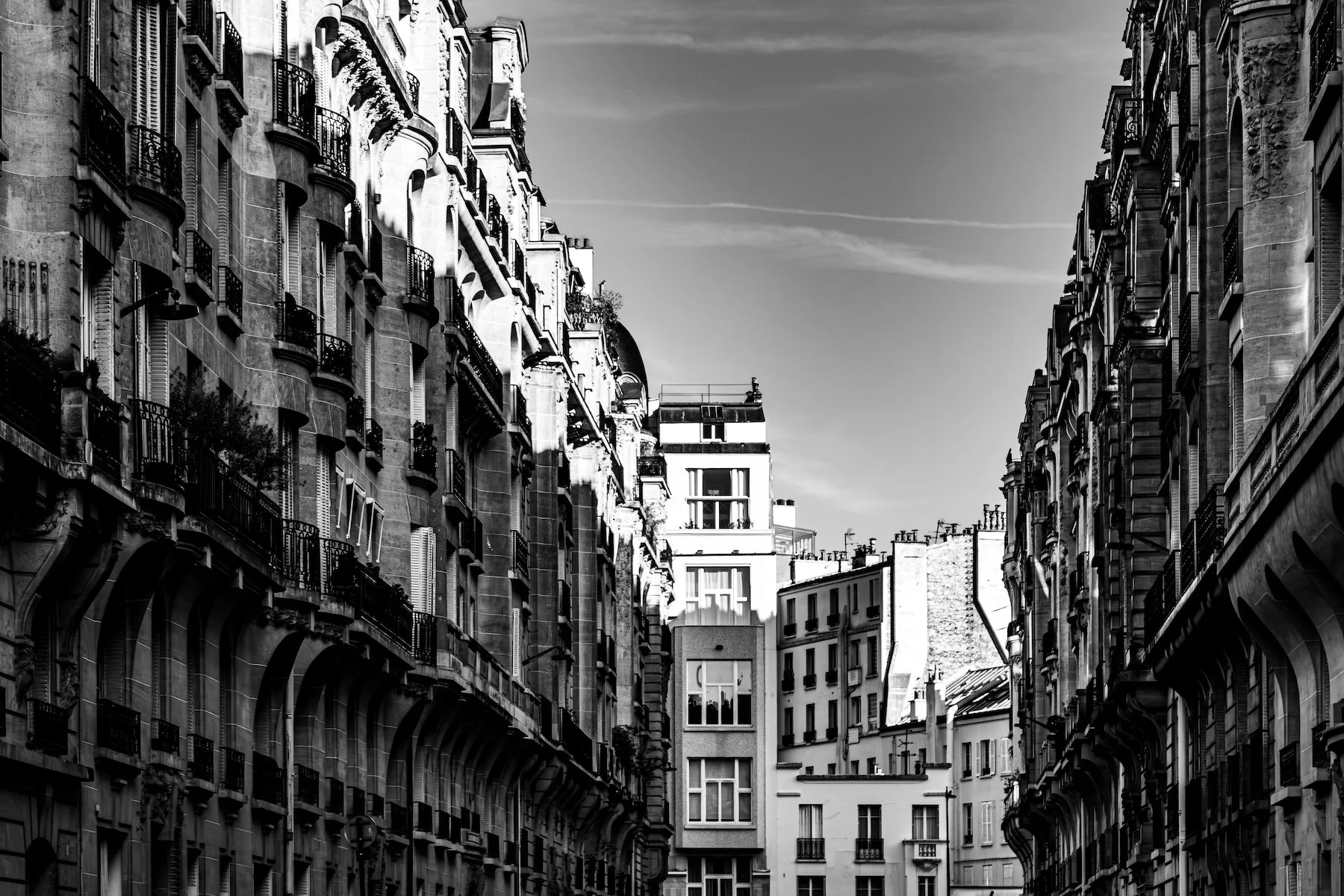
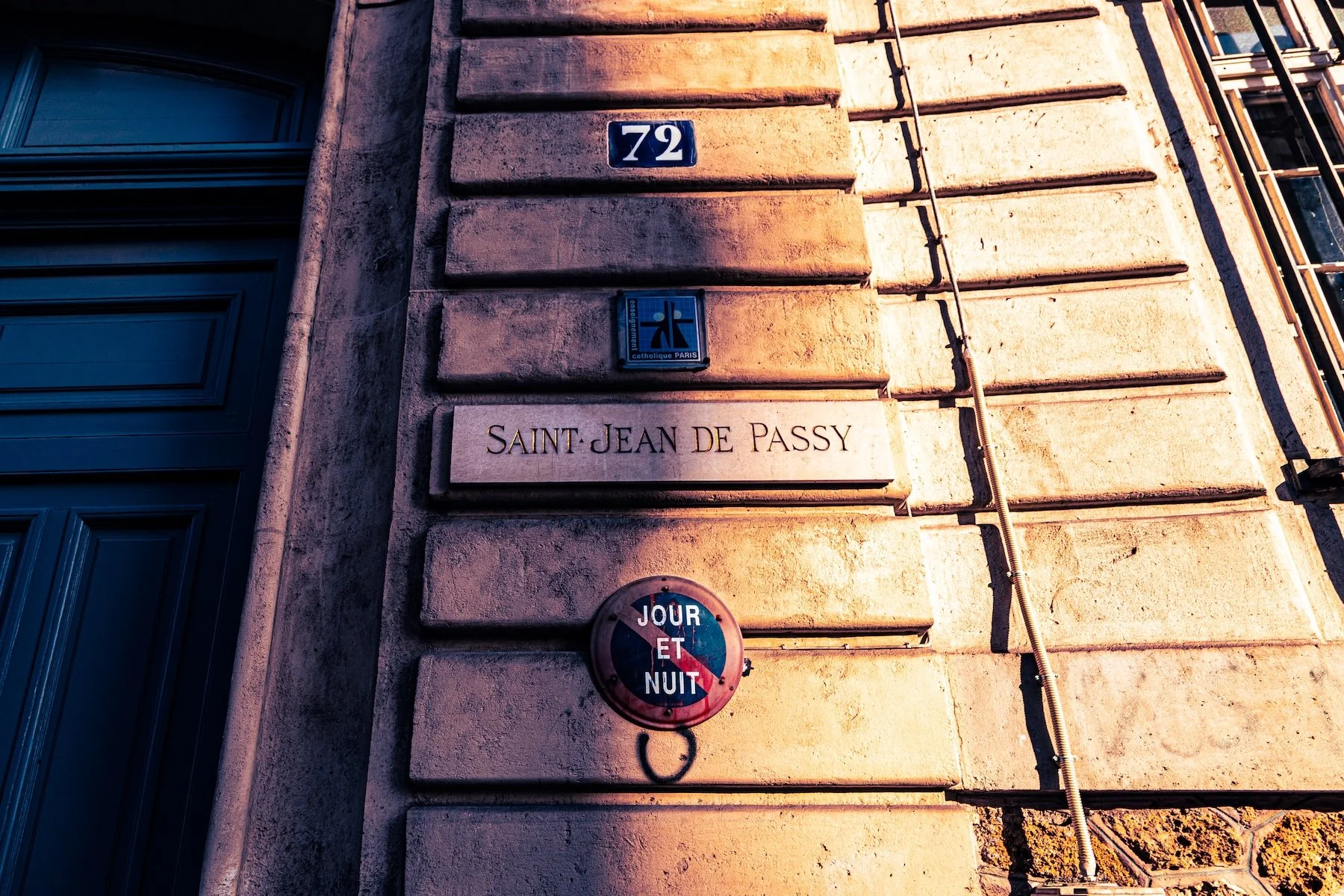

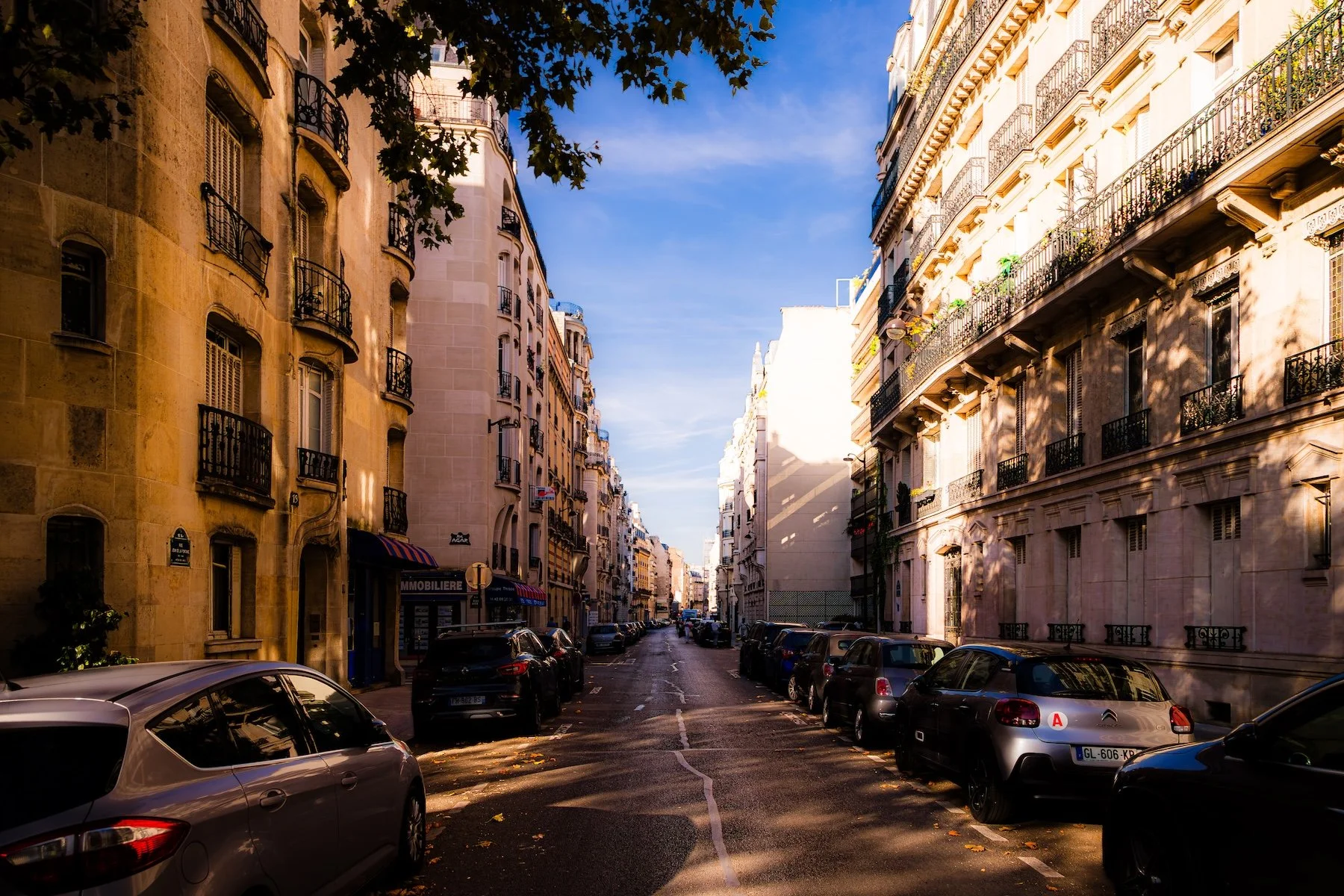
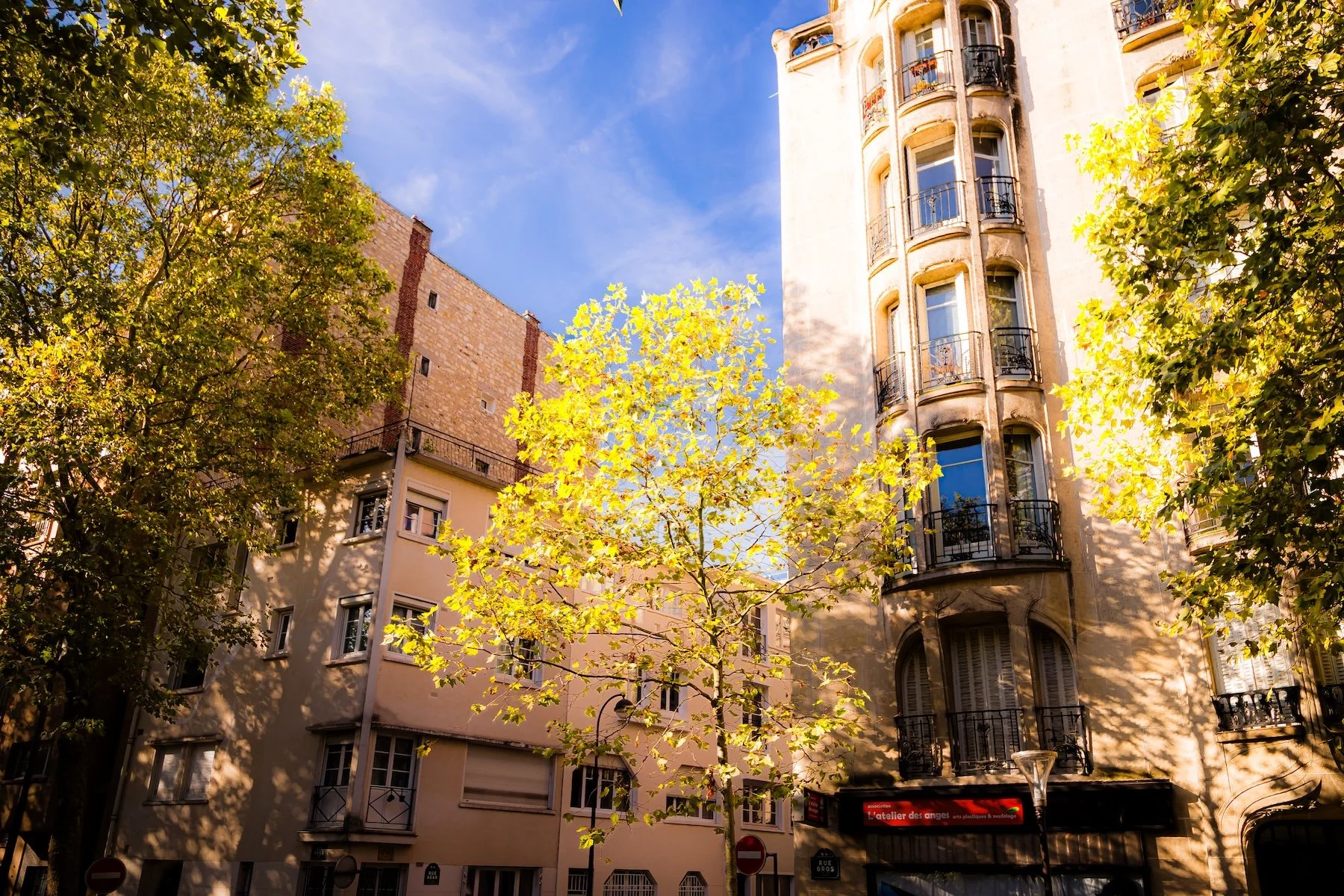
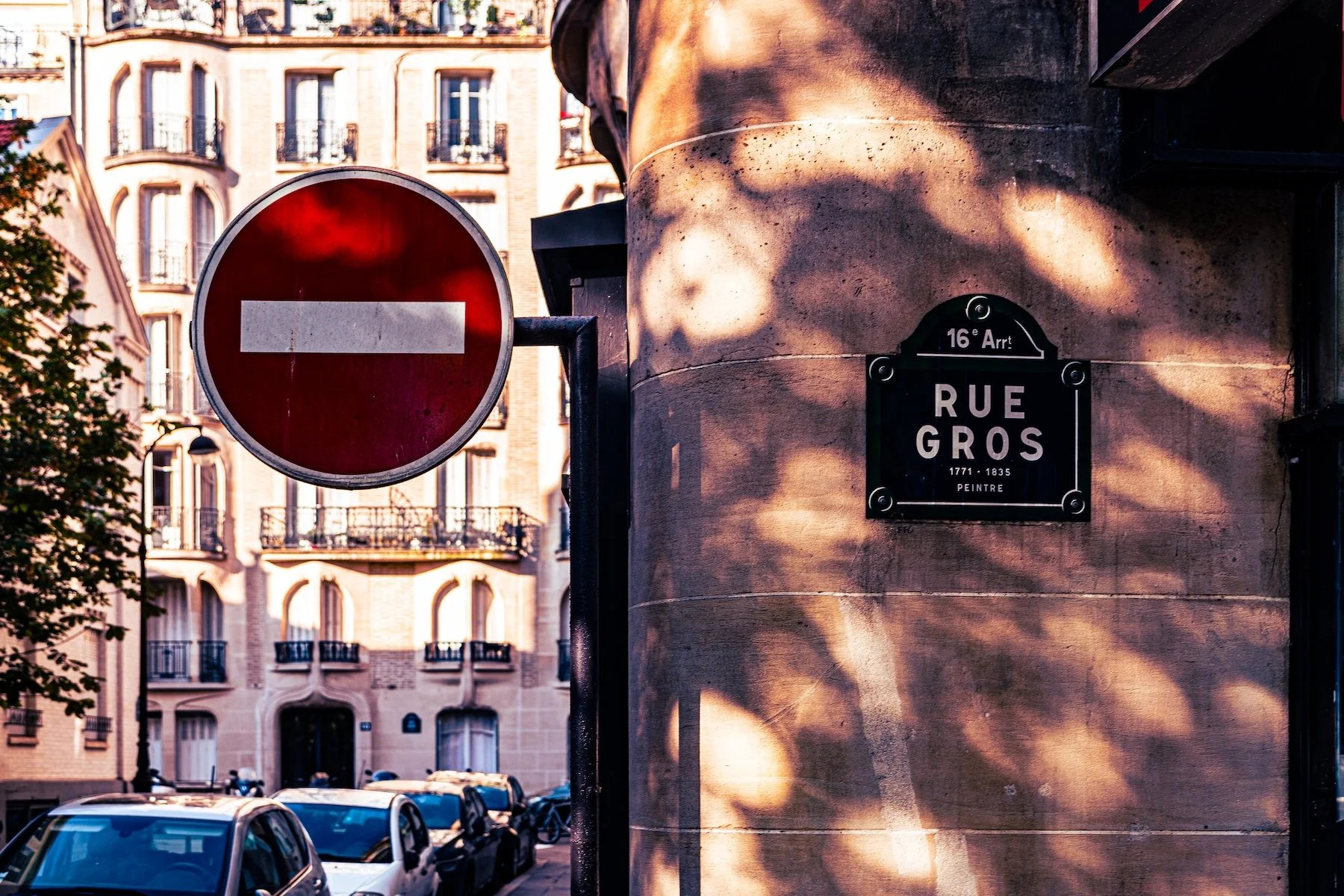
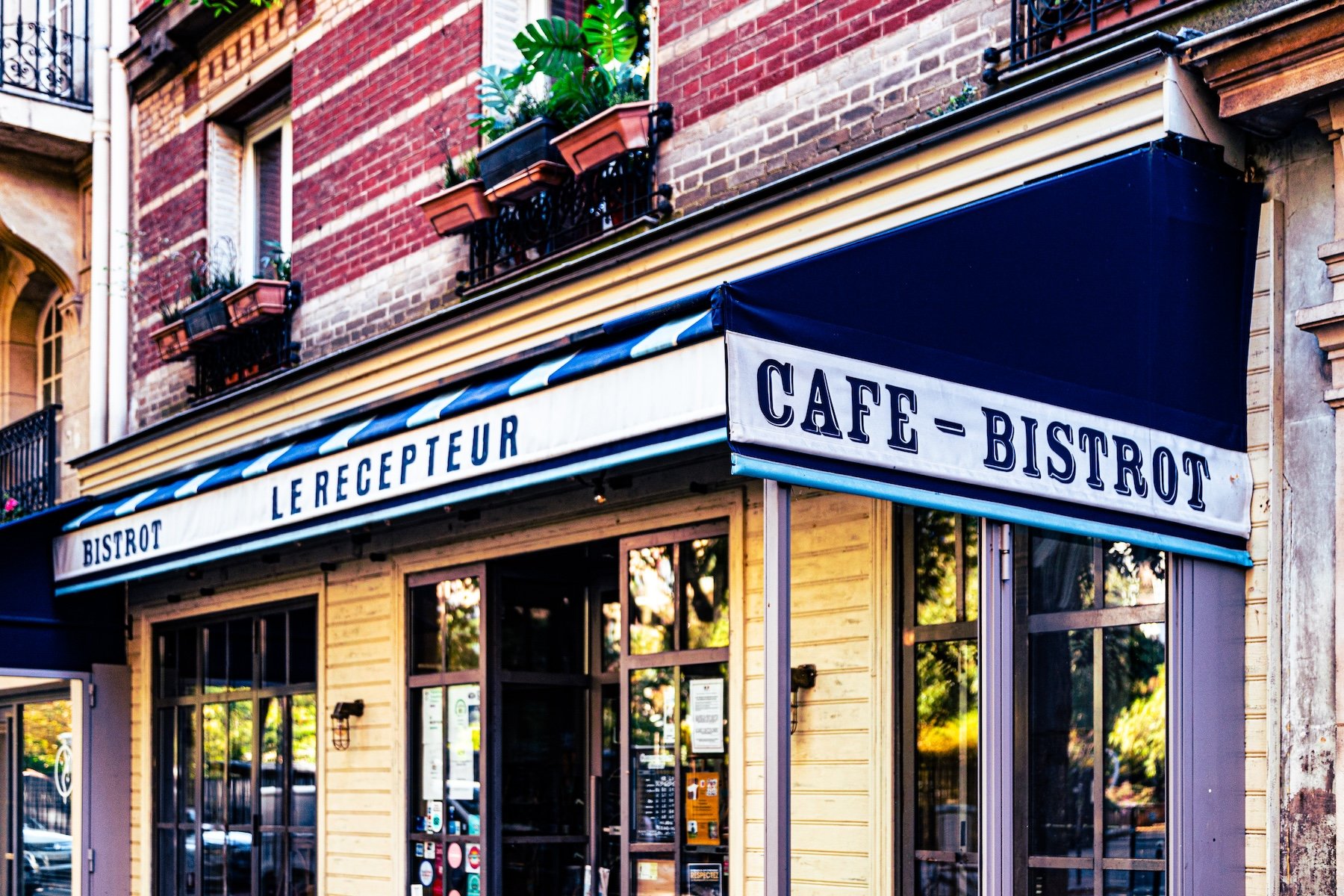
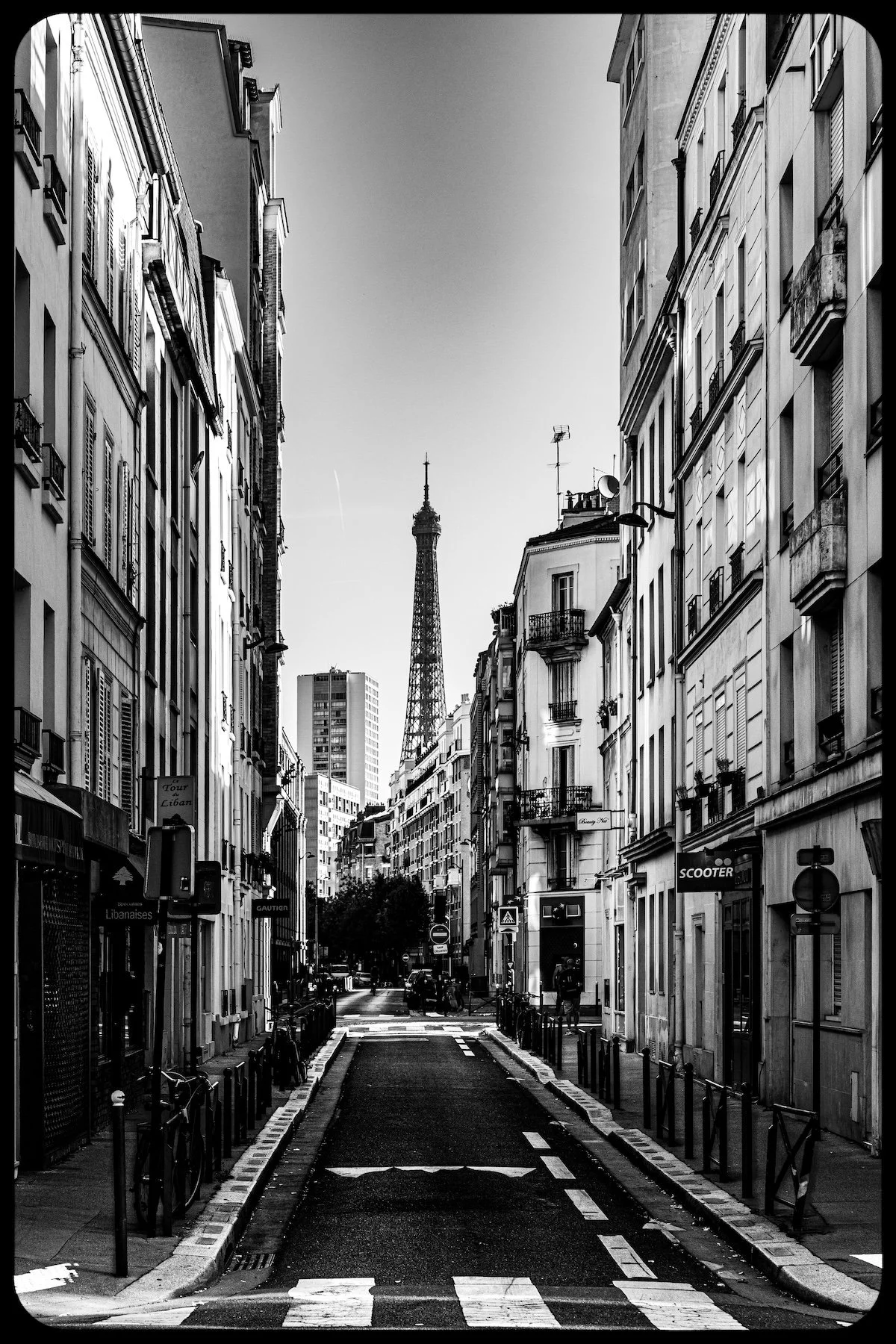
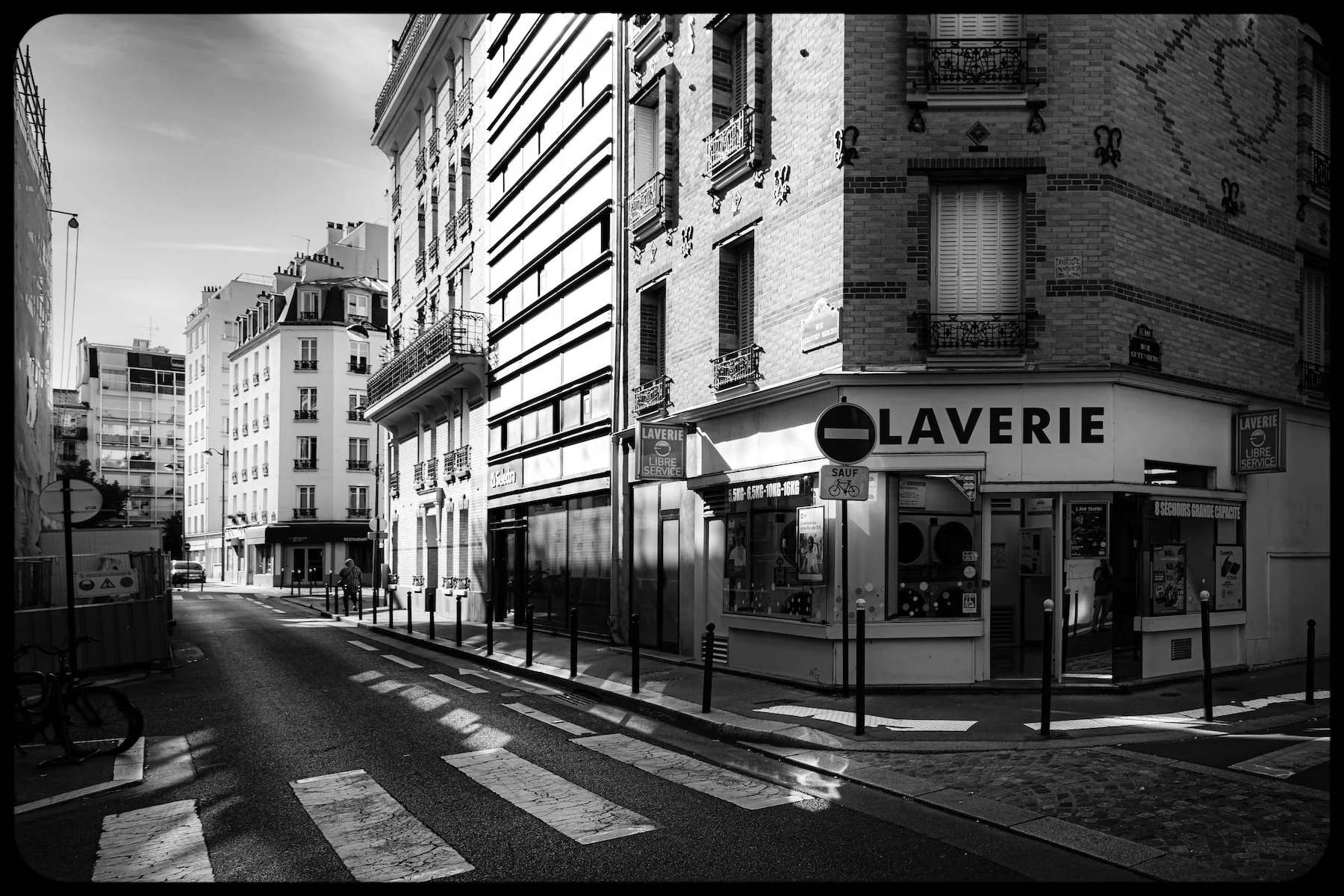
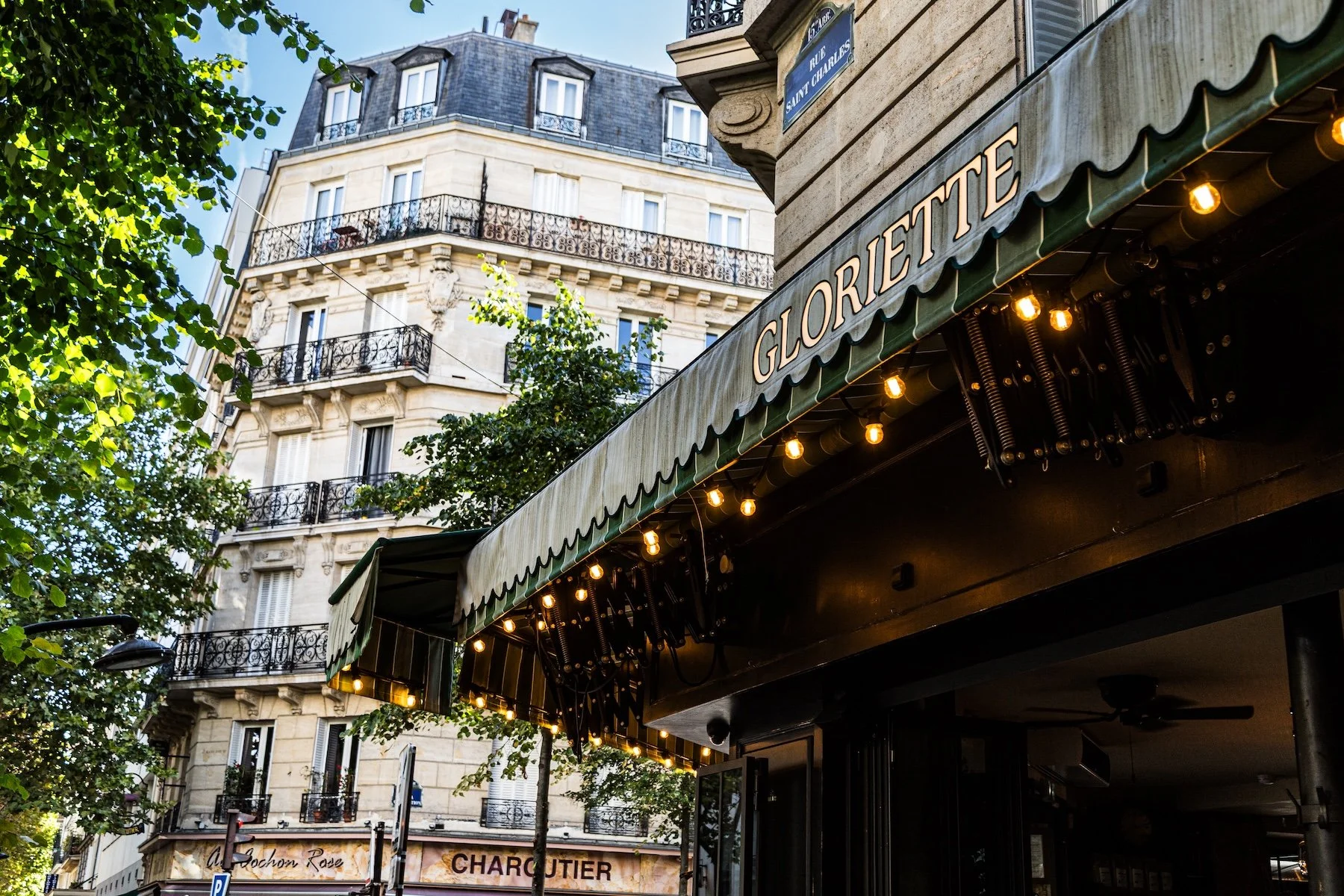
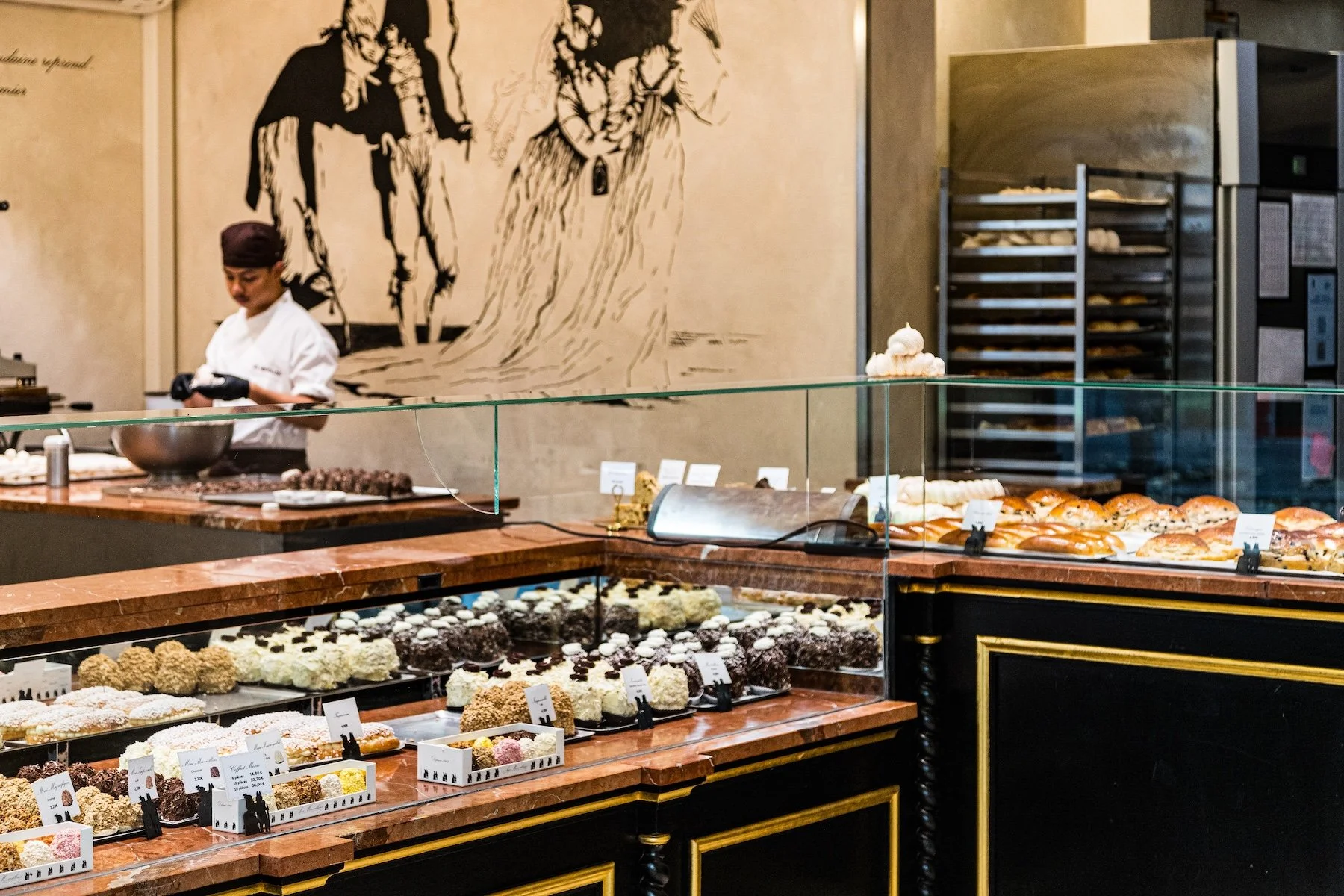
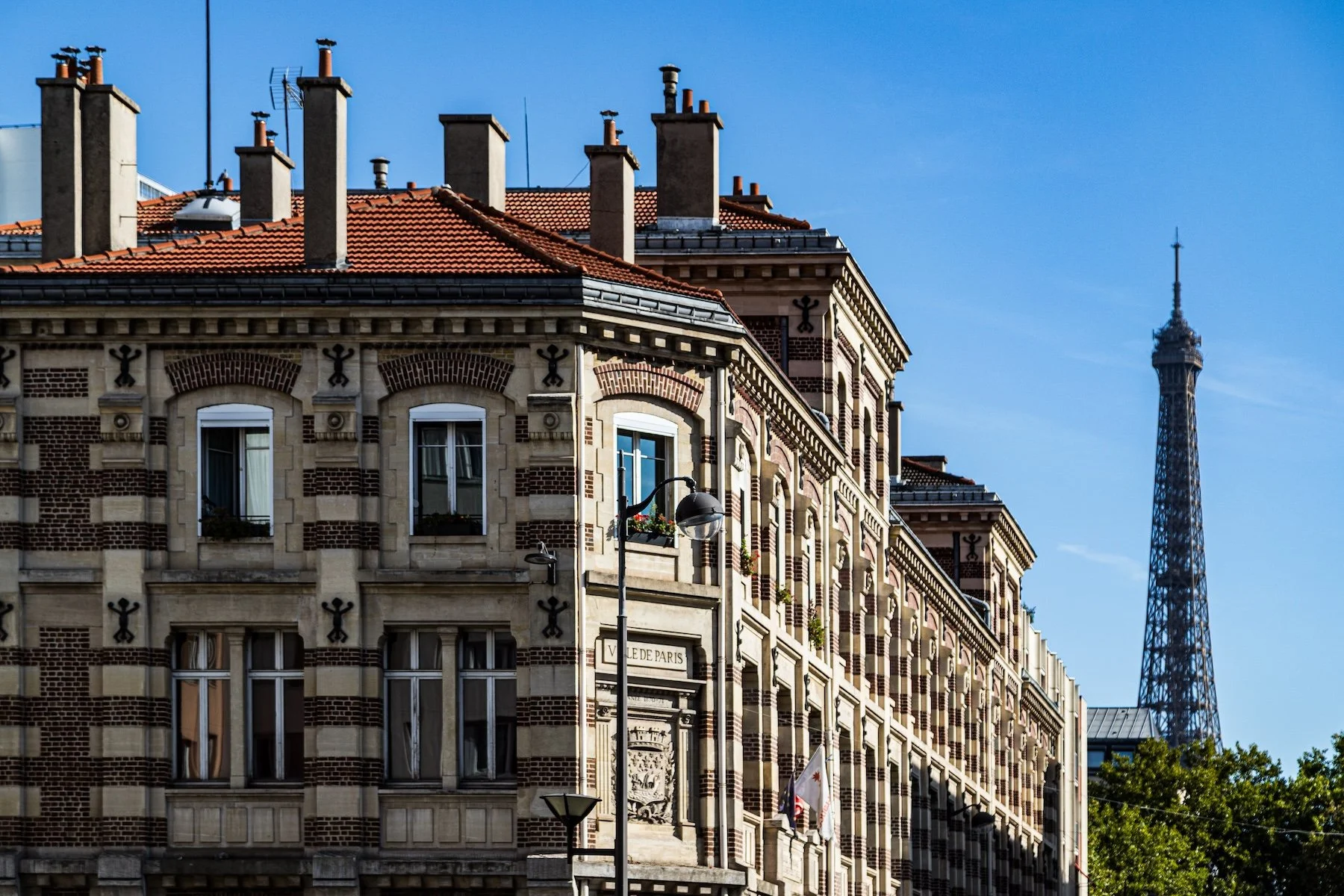
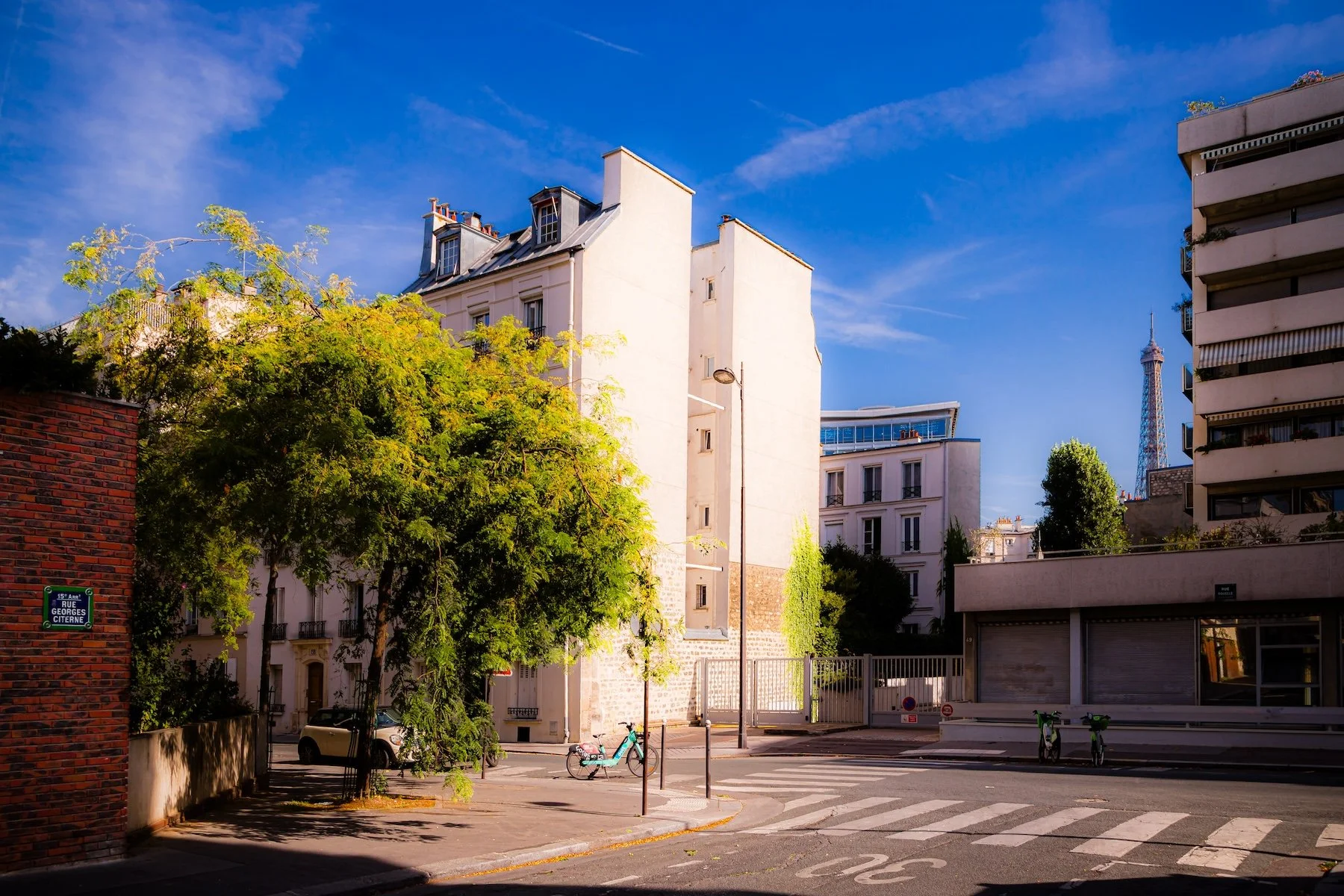
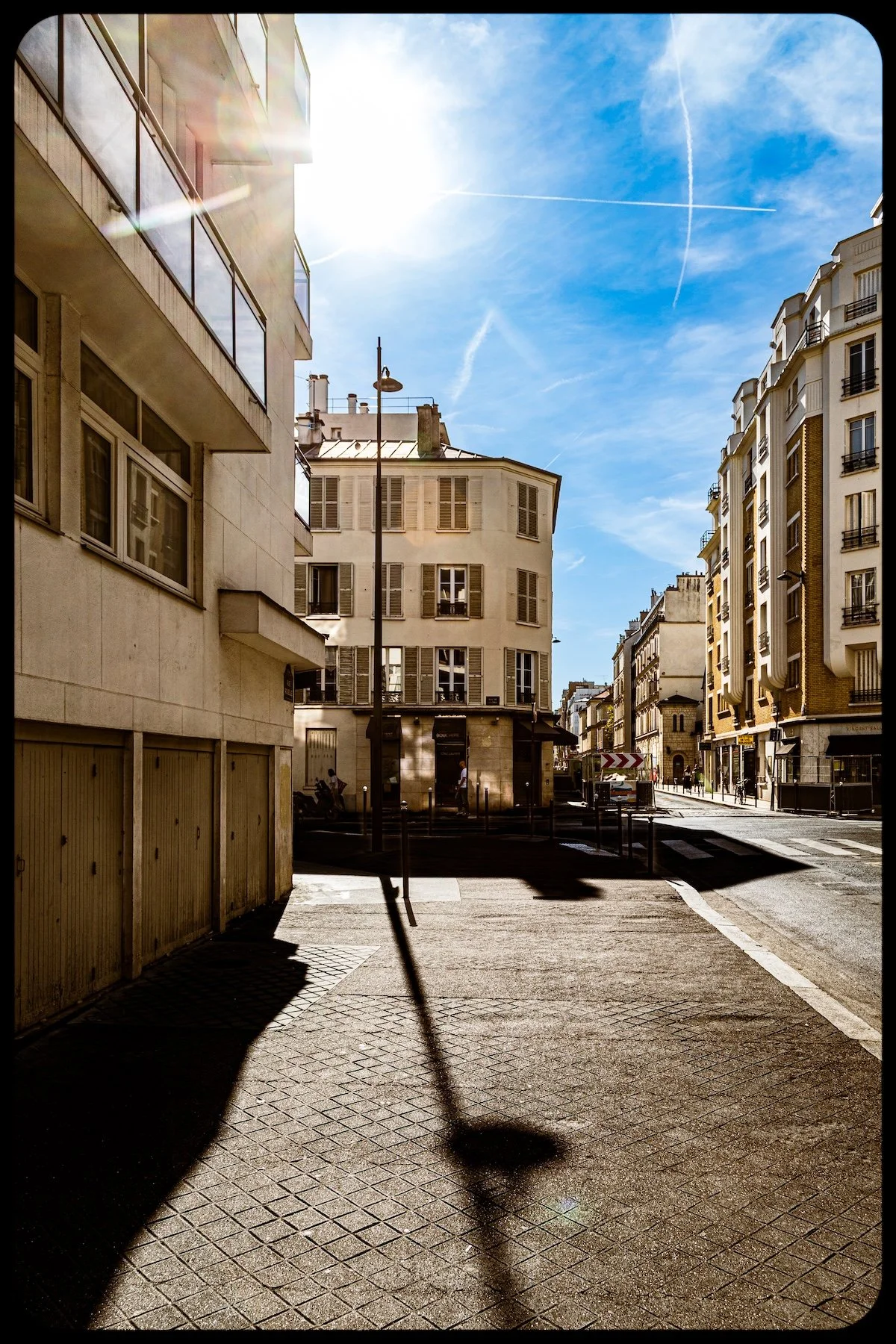
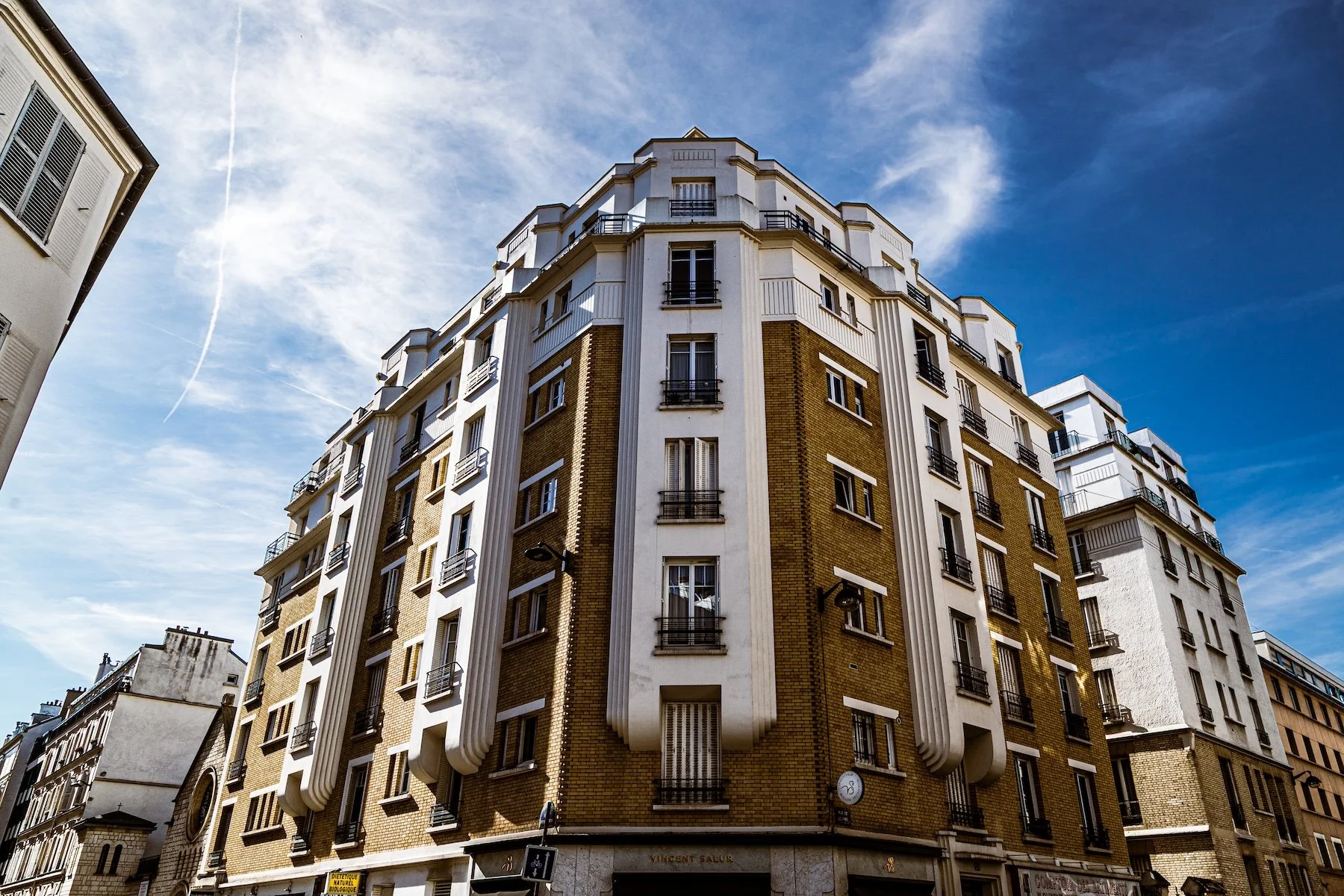
Explore Paris
-

The twenty arrondissements form the civic spiral of Paris, organizing the city into its broad local districts of government, identity, and daily life.
-

Each arrondissement is divided into four official administrative quarters, giving Paris a more precise civic and geographic framework.
-

The conseils de quartier bring participation to street level, giving residents a voice in neighborhood needs, public space, and local civic life.
-

Les Deux Rives trace Paris through the Seine’s two banks, revealing how the Rive Droite and Rive Gauche shaped the city’s civic power, commerce, learning, art, and cultural identity.
-

Cultural neighborhoods reveal the Paris people recognize through history, cafés, architecture, memory, atmosphere, and local belonging.