
12e - PICPUS
Quartiers Administratifs
Part of an ongoing project to walk and photograph every neighborhood in Paris, this page explores the Administrative Quarter: 12e - Picpus through maps, district identity, history, and photography.
The Map
Download the Paris Arrondissements Map
Geographic Setting
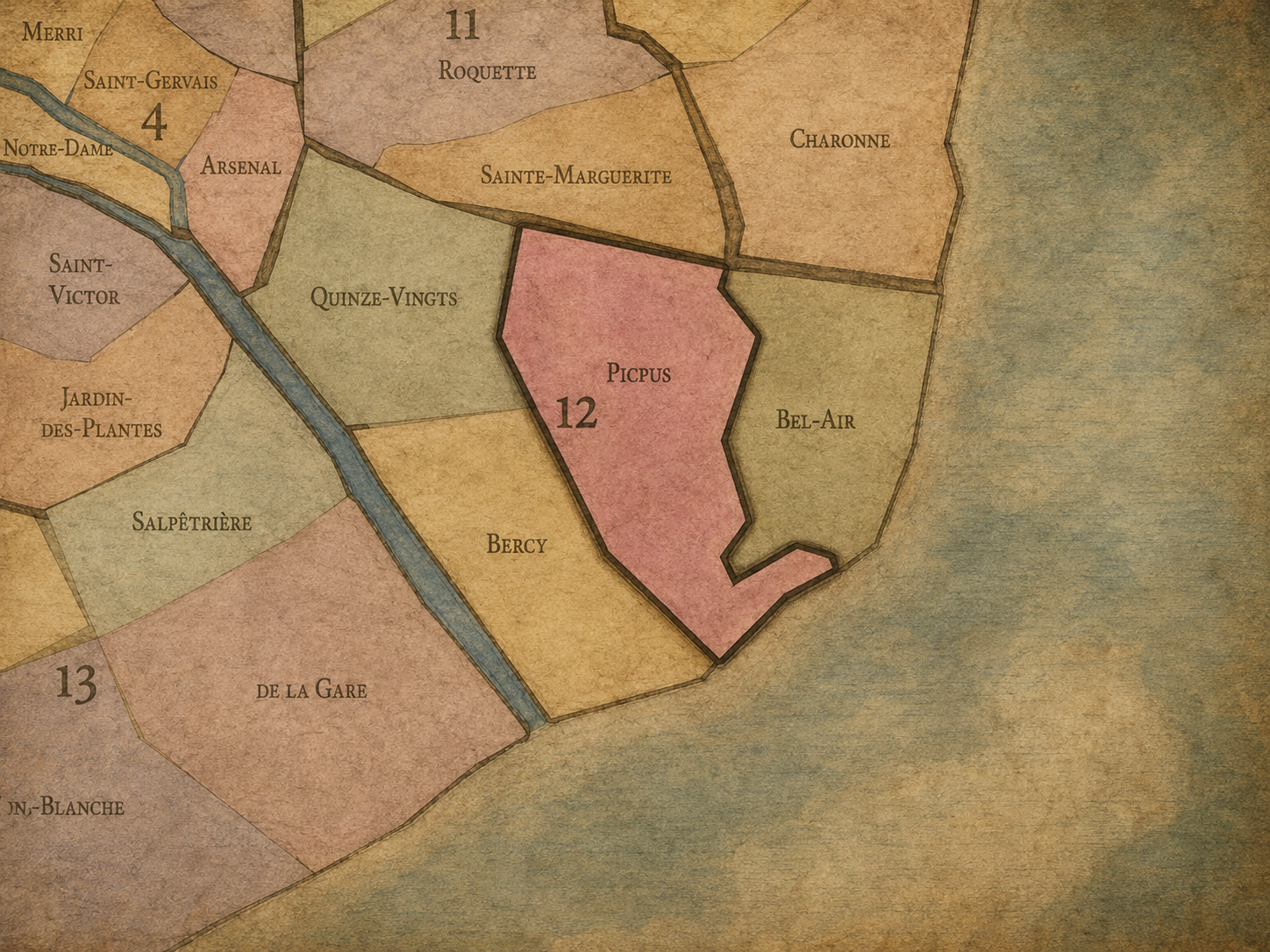
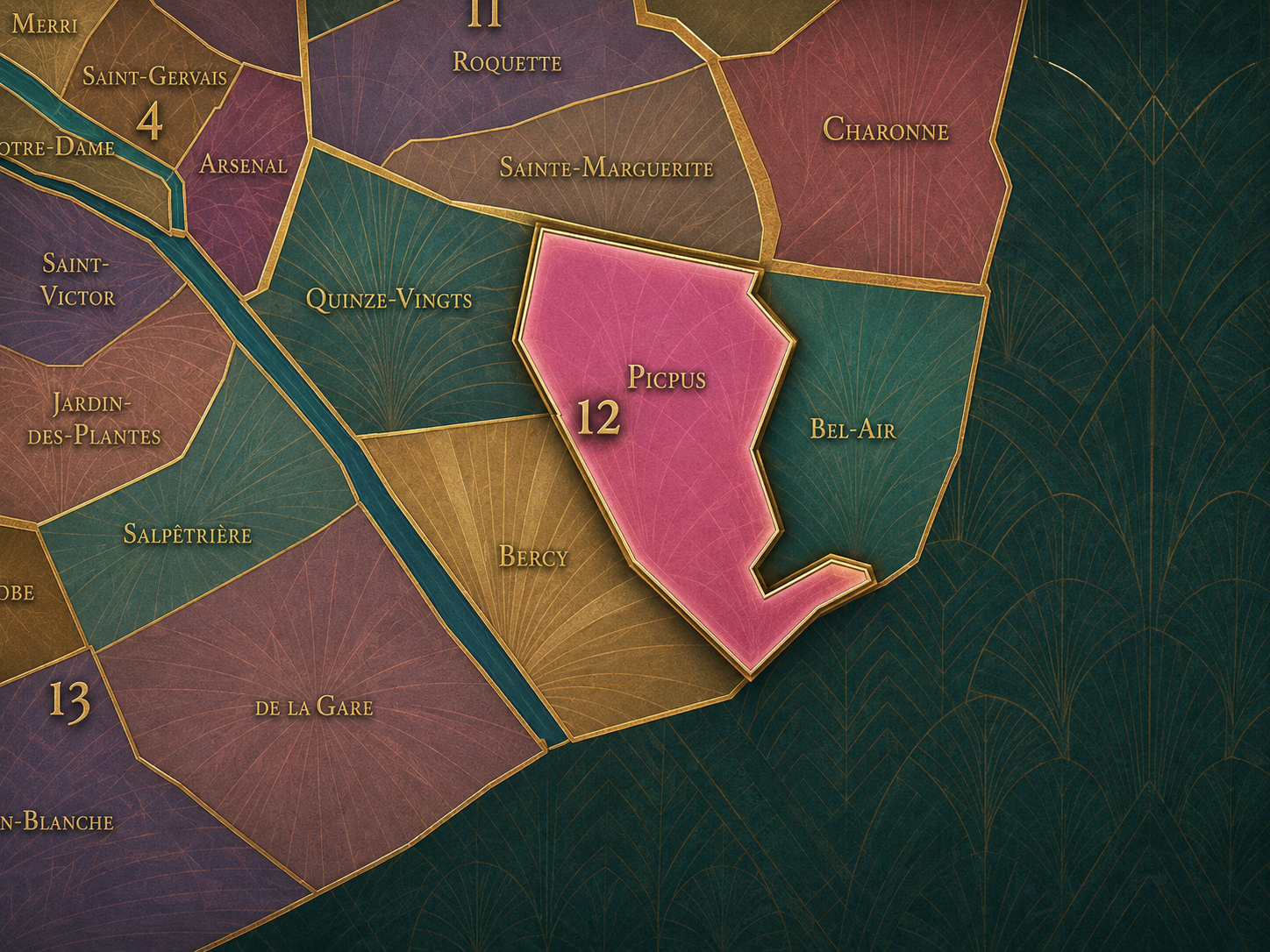
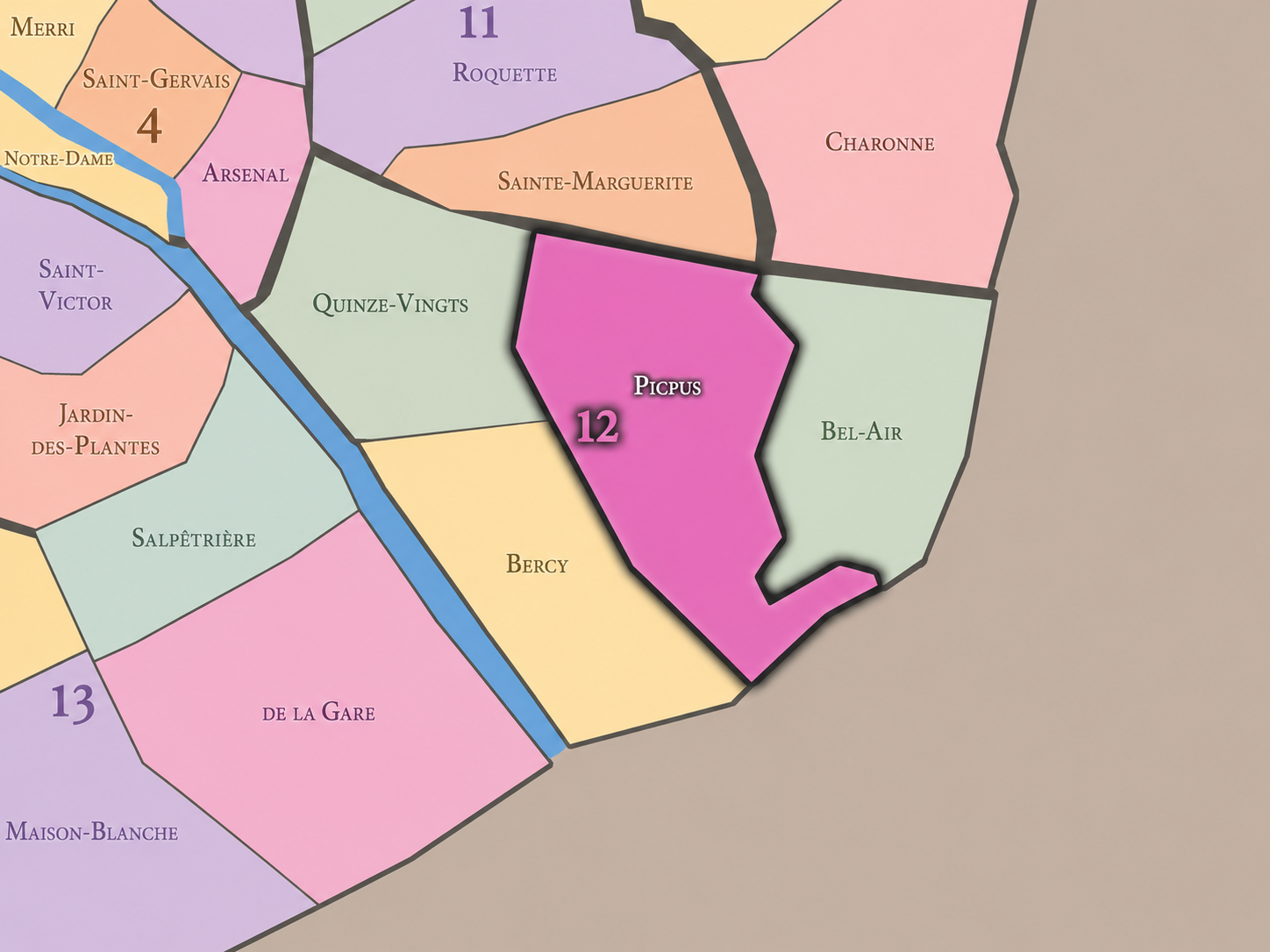
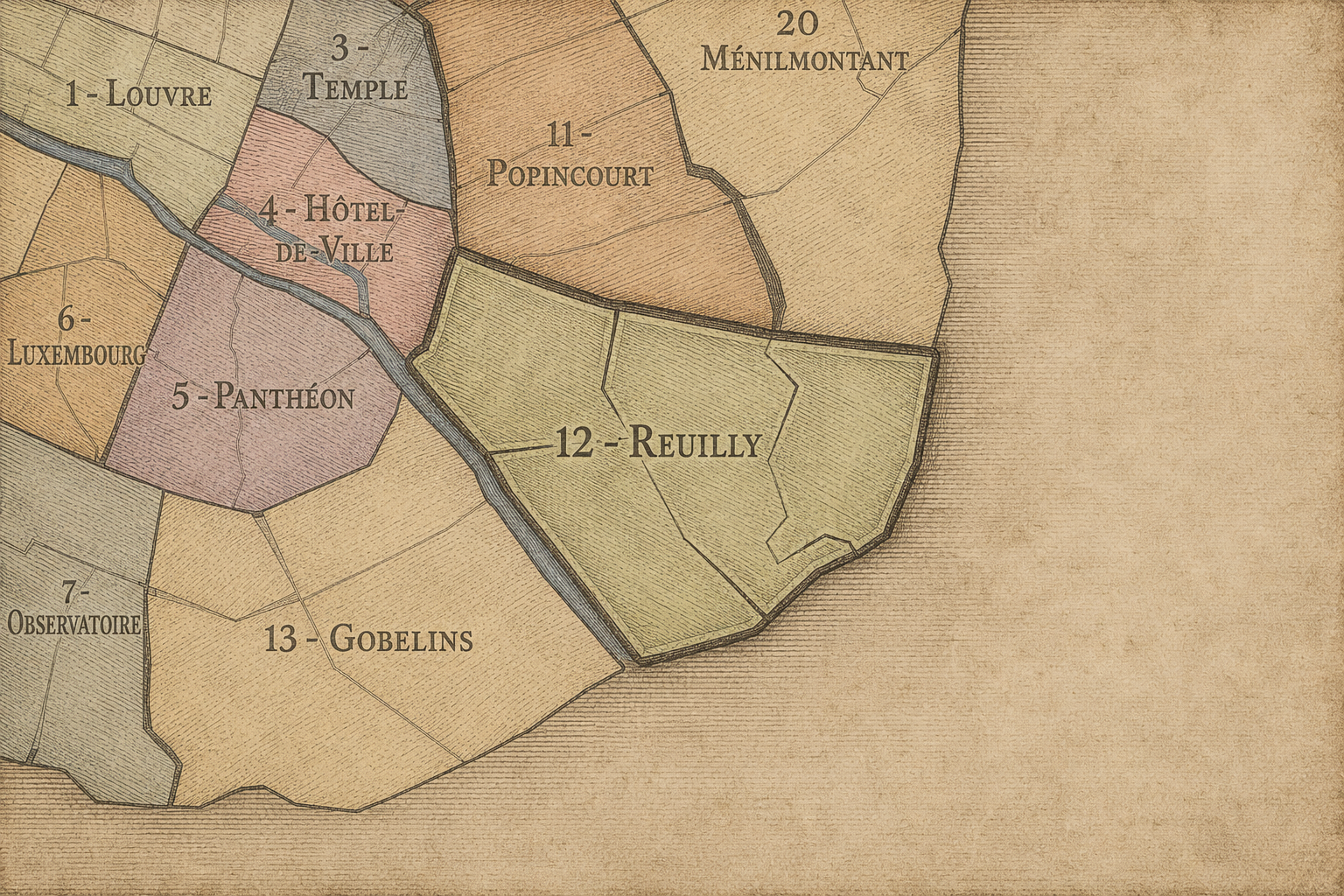
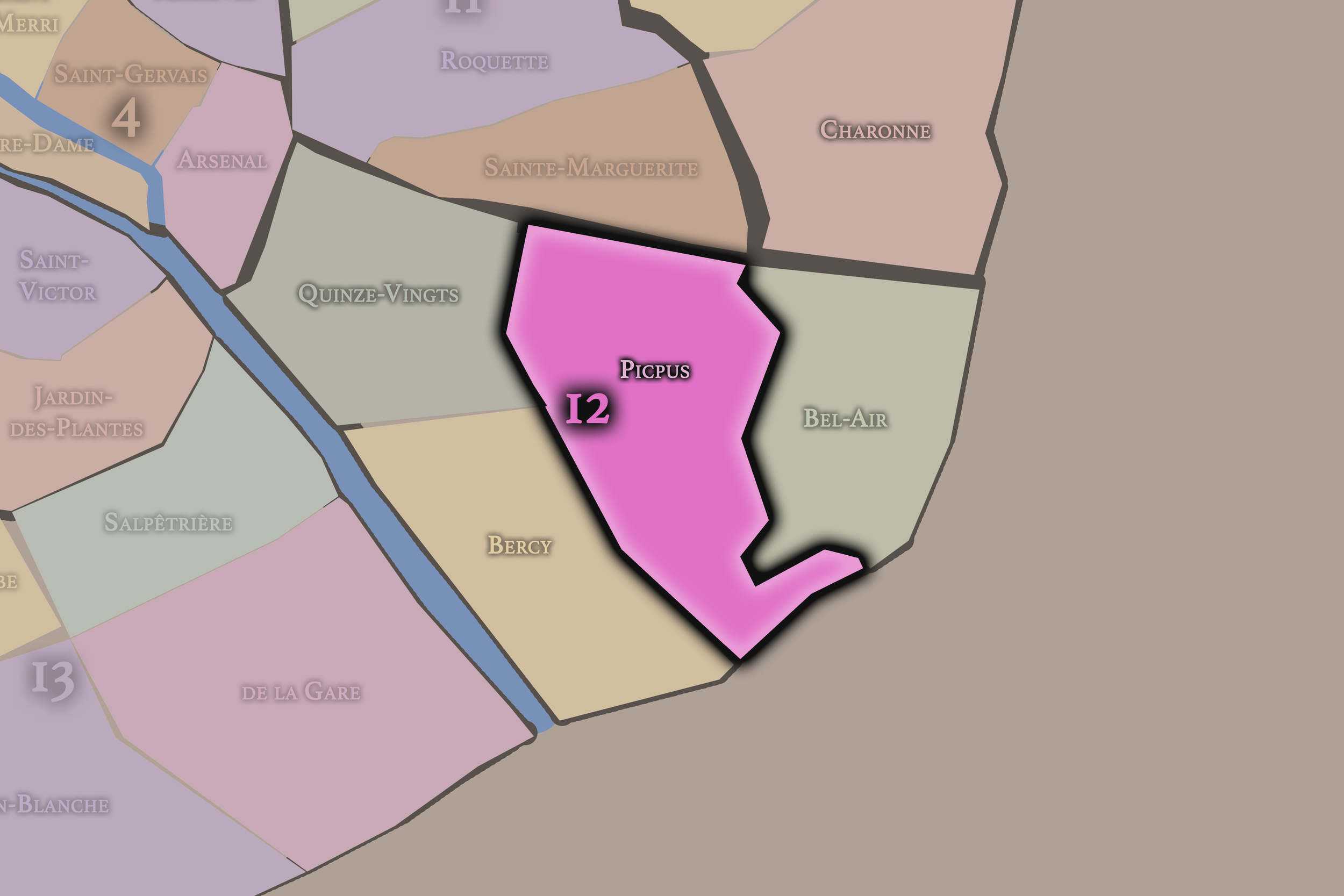
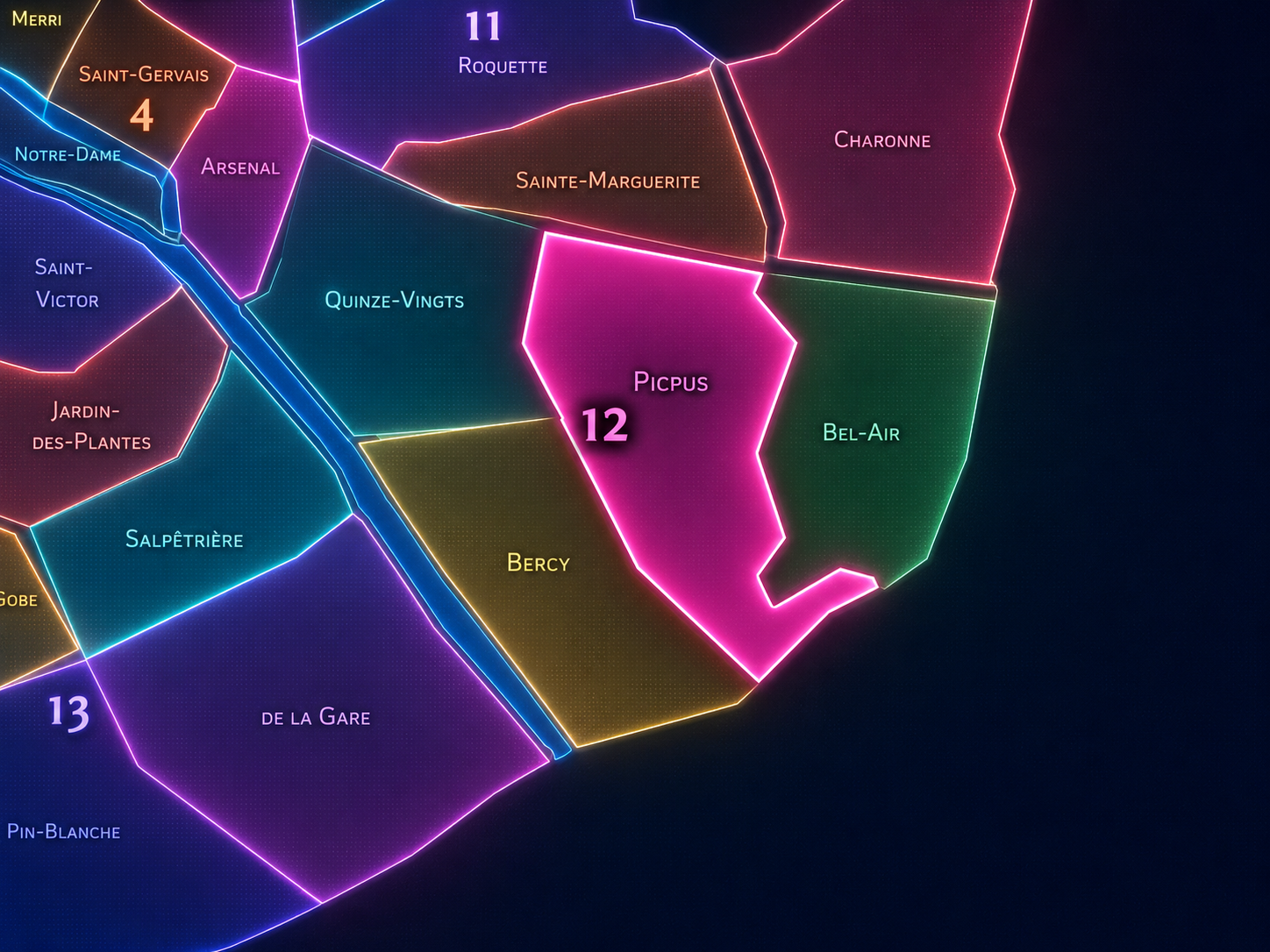
Picpus occupies the north-central and eastern interior of the 12th arrondissement, where the older faubourg landscapes of eastern Paris meet the residential streets, institutions, gardens, hospitals, schools, and transit corridors between Nation, Daumesnil, Bel-Air, Bercy, and the western approaches to the Bois de Vincennes. It lies east of Quinze-Vingts, north of Bercy, west of Bel-Air, and south of the 11th arrondissement’s Sainte-Marguerite quarter, giving it one of the 12th’s most connective positions.
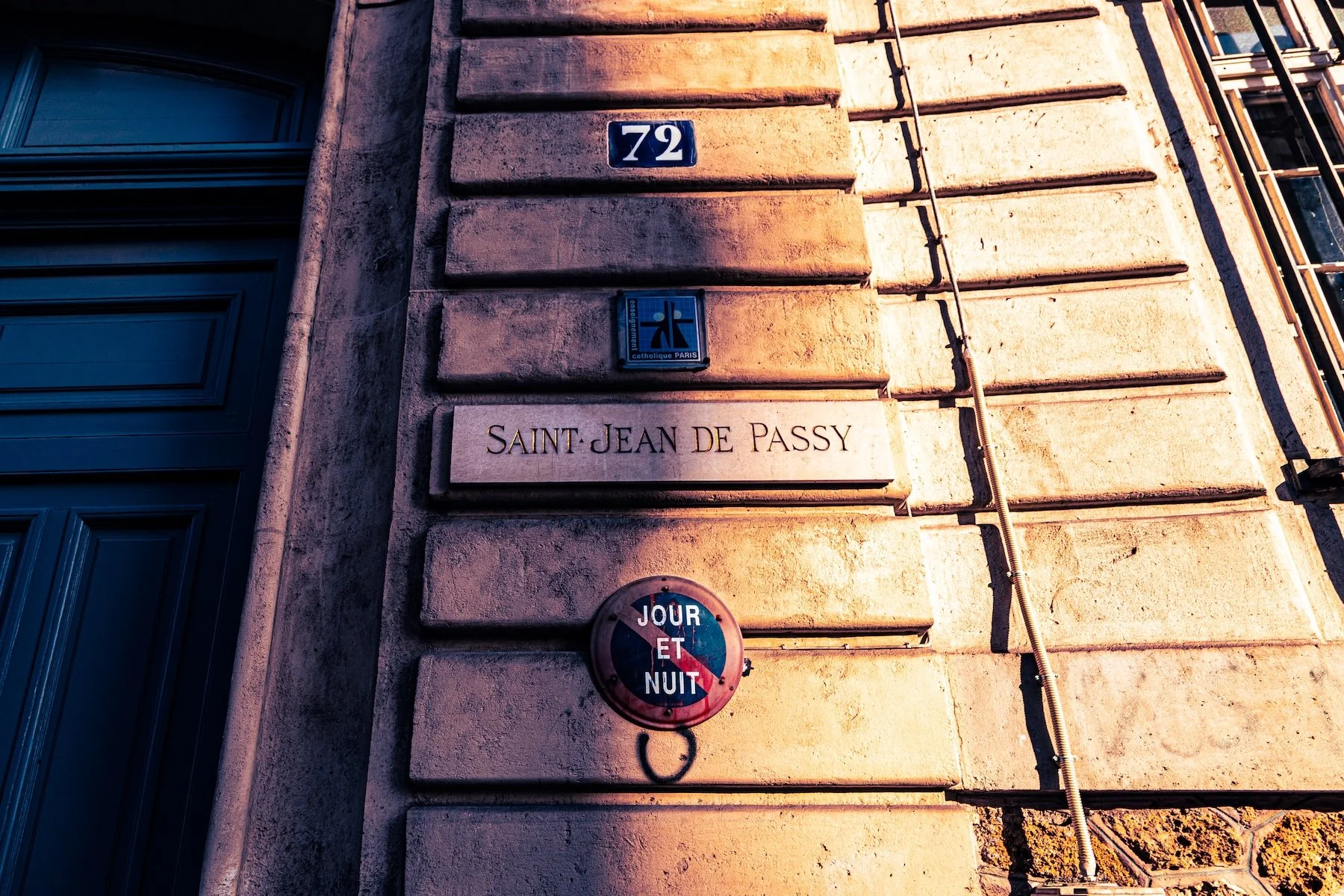
The quarter’s geography is shaped by Boulevard de Picpus, Rue de Picpus, Avenue de Saint-Mandé, Avenue Daumesnil, Boulevard de Reuilly, Rue de Charenton, Cours de Vincennes, Place de la Nation, and the residential streets that link the 12th’s historic, working, and green-edge identities. It includes the quiet but deeply significant Cimetière de Picpus, the religious and institutional landscapes around Rue de Picpus, and the everyday neighborhood fabric that extends between Nation, Daumesnil, Bel-Air, and Bercy.
Unlike Bercy, whose identity is strongly tied to the Seine, warehouses, wine trade, and modern redevelopment, or Bel-Air, whose name and position look toward the Bois de Vincennes and the eastern openness of Paris, Picpus is more interior and historically layered. It is a quarter of concealed memory: convents, cemeteries, revolutionary trauma, residential calm, and streets whose quiet surfaces can obscure some of the most emotionally charged history in the arrondissement.
Administrative Quarter Identity
Etymology and Origins
The name Picpus comes from Rue de Picpus and is often explained as a deformation of the older name “Pique-Puce,” an old village or locality once associated with this area. District references describe the quarter as taking its name from Rue de Picpus and probably from the altered form of the old village name “Pique-Puce.”
The name has a peculiar texture. It does not sound monumental, royal, ecclesiastical, or formally urban. It feels local, almost folkloric, preserving the memory of a small place-name before the city fully absorbed the area. That makes Picpus one of those Parisian quarter names that carries an older, humbler geography beneath the modern map.
Over time, however, Picpus acquired far heavier meanings. The name became associated with religious houses, the Revolution, mass burial, aristocratic memory, Lafayette’s grave, and the hidden cemetery behind Rue de Picpus. A name that may have begun as a local or village-derived expression now carries some of the deepest memorial weight in eastern Paris.
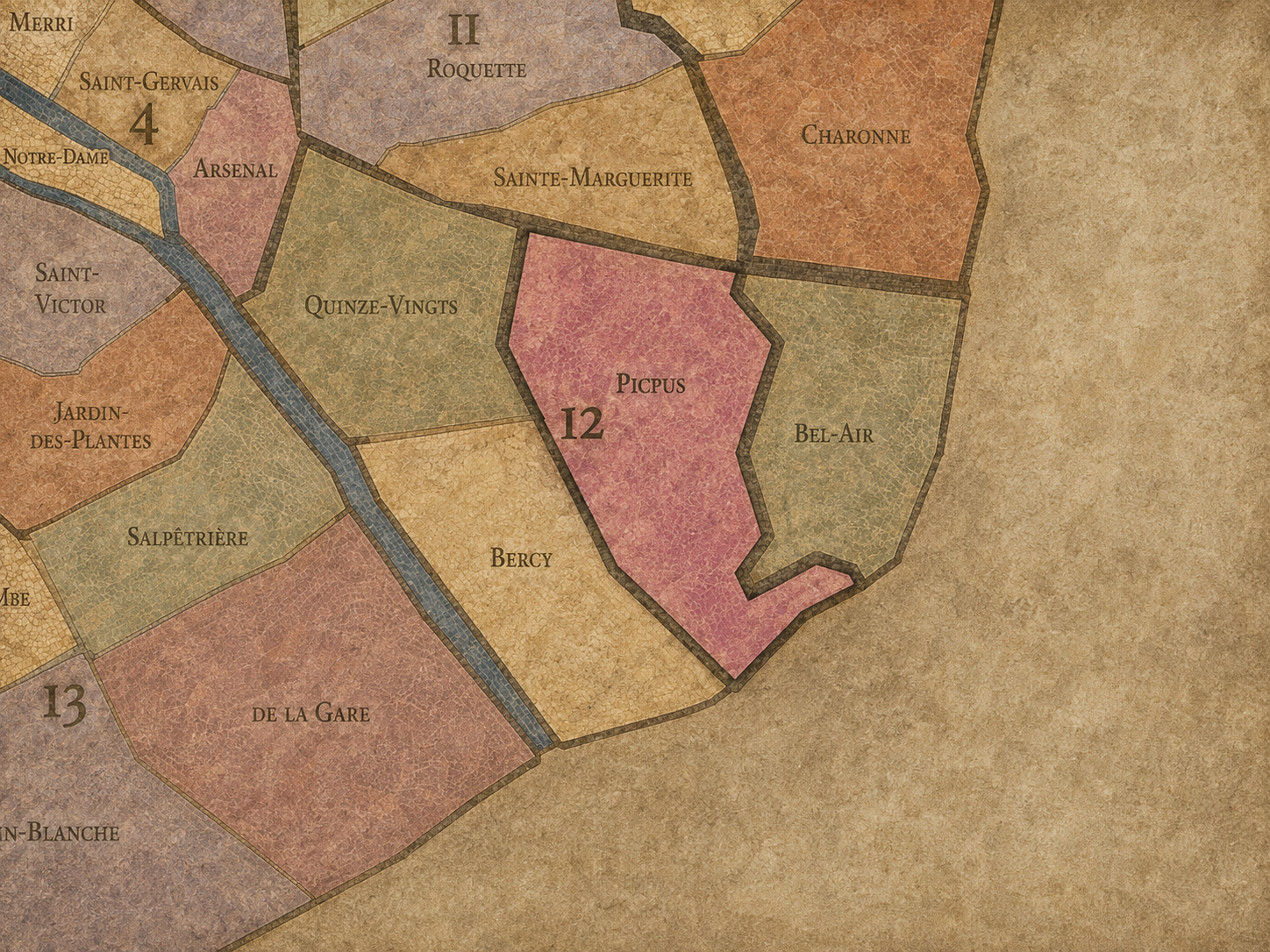
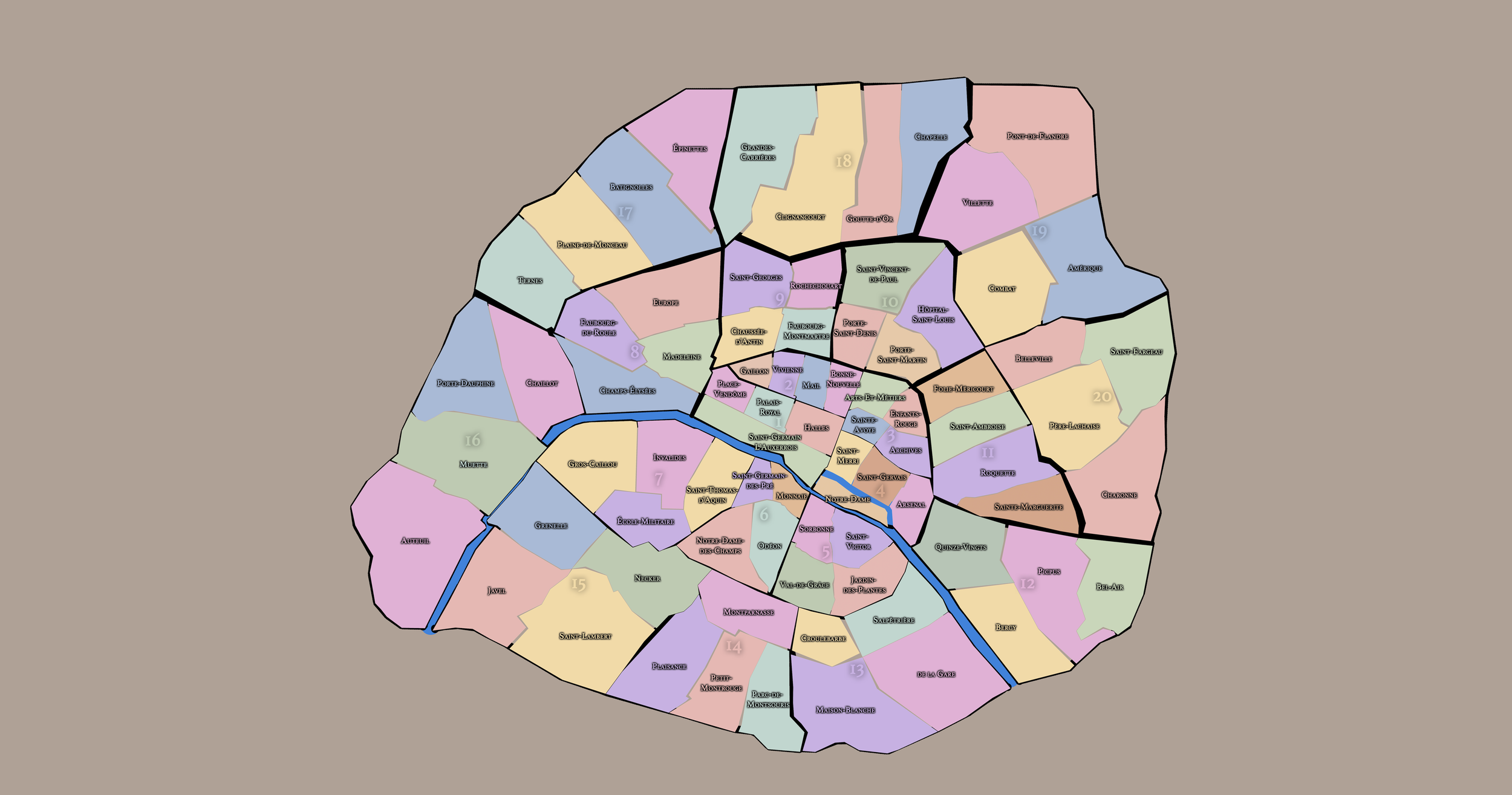
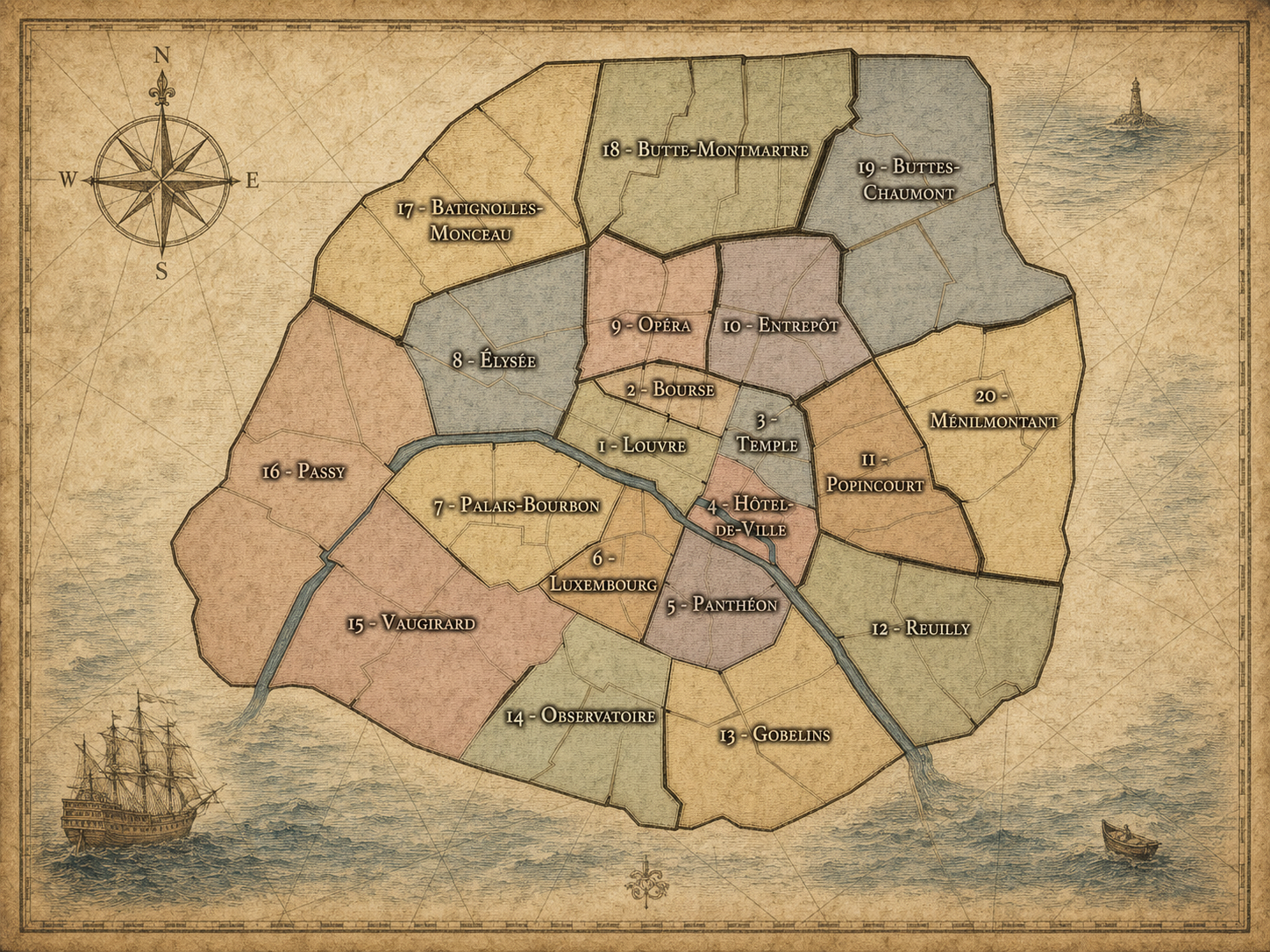
Within the official geography of Paris, Picpus is one of the four administrative quarters of the 12th arrondissement, alongside Quinze-Vingts, Bercy, and Bel-Air. It is traditionally counted as the 46th administrative quarter of Paris, and district references identify it as one of the four official quarters that form the 12th arrondissement.
As an administrative quarter, Picpus gives civic shape to an area that is often described through neighboring or overlapping names: Nation, Daumesnil, Reuilly, Bel-Air, Porte de Vincennes, or the eastern 12th. The official name gathers these residential, institutional, and memorial landscapes into one mapped unit. It prevents the quarter from disappearing into surrounding transit nodes and broader district labels.
This civic frame is especially useful because Picpus is not always immediately legible to visitors. Nation is the more visible landmark. Daumesnil is a stronger transit and avenue name. Bercy and Bel-Air carry more obvious spatial associations. Picpus, by contrast, asks for historical attention. The administrative quarter allows this quieter name to remain visible within the city’s official structure.
Civic Framework
Picpus differs from the other quarters of the 12th arrondissement through its combination of residential calm, religious memory, revolutionary burial, and interior eastern-Paris identity. Quinze-Vingts is shaped by Bastille, Gare de Lyon, the old hospital foundation, the Viaduc des Arts, and the western gateway into the arrondissement. Bercy is defined by the Seine, wine warehouses, rail infrastructure, parkland, and large-scale contemporary redevelopment. Bel-Air is more residential and edge-oriented, looking toward the Bois de Vincennes, Porte de Vincennes, and the eastern boundary of Paris.
Picpus is quieter and more inward. Its identity does not rely on a grand avenue, a famous park, a major station, or a redevelopment spectacle. Instead, it rests in the subtle layering of streets, religious institutions, residential blocks, and hidden memorial sites. The Cimetière de Picpus gives the quarter a historical gravity that is easy to miss from the surrounding streets, but impossible to ignore once understood.
It should also be distinguished from Nation. Place de la Nation is one of the great civic spaces of eastern Paris and forms a powerful nearby reference point, but Picpus is not simply “the area around Nation.” The quarter extends into a broader neighborhood fabric whose history includes convents, revolutionary burial, residential development, and the long absorption of eastern outskirts into the city.
Neighborhood Distinction
Parisian Identity
Picpus expresses Paris as a city of hidden memory. It is one of the places where the quietest streets hold the most difficult histories. Behind a discreet façade on Rue de Picpus lies the Cimetière de Picpus, a private cemetery created around the mass graves of people guillotined during the Reign of Terror. Paris’s official city site describes the cemetery as one of only two private cemeteries in Paris, hidden behind a discreet façade at 35 Rue de Picpus.
The quarter’s Parisian identity therefore depends on contrast. Picpus is residential, calm, and often understated, yet it contains one of the most poignant memorial landscapes of the Revolution. Paris je t’aime notes that two mass graves at Picpus contain the bodies of 1,306 people guillotined at Place du Trône, now Place de la Nation, between June 14 and July 27, 1794.
This gives Picpus a powerful role in the layered reading of Paris. The quarter reminds us that history does not always stand in monumental view. Sometimes it is enclosed, private, gardened, and nearly silent. Picpus is Paris as remembrance behind walls.
Neighborhood Connections
Every administrative quarter belongs to a wider Parisian fabric. These connections place Picpus within the city’s civic, participatory, and cultural geography:
-
12e - Reuilly
-
Bel-Air Sud • Jardin de Reuilly • Nation-Picpus • Vallée de Fécamp
The History
The origins of Picpus lie in the eastern outskirts of Paris, beyond the older central city and near the roads, villages, religious properties, and working landscapes that connected the capital to Vincennes, Saint-Mandé, Charonne, and the surrounding countryside. Before the modern 12th arrondissement existed, this area was part of the broader outer belt of eastern Paris: gardens, convents, small settlements, fields, roads, and gradually urbanizing land.
The older “Pique-Puce” name associated with Picpus suggests this pre-urban layer, when local names and small settlements mattered more than formal Parisian administration. The quarter’s identity began in a landscape that was near Paris but not yet fully absorbed by it — a place close enough to be drawn into the city’s growth, but distant enough to preserve a local character.
Religious institutions also shaped the area early. Convents and enclosed communities found space in the eastern outskirts, where land was more available than in the dense center. This religious and semi-rural origin would later become tragically important during the Revolution, when one such enclosed site became part of the burial history of the guillotine.
Origins
16th–17th Century
In the 16th and 17th centuries, the future Picpus quarter remained outside the densest built fabric of Paris. The area was shaped by roads, small settlements, cultivated land, religious houses, and the gradual expansion of the city eastward. It belonged to the same broad geography that connected the Faubourg Saint-Antoine, Charonne, Reuilly, and Vincennes, but it retained a quieter and more open character than the working streets closer to Bastille.
This peripheral position made Picpus suitable for religious communities and institutions that required enclosure, gardens, and distance from the crowded city. Such places were not isolated from Paris; they were part of the city’s spiritual and social landscape, even when they stood beyond its densest neighborhoods.
By the end of the 17th century, eastern Paris was becoming more urban, but Picpus still carried the atmosphere of an outer district. The quarter’s later identity would grow from this combination of religious enclosure, local settlement, and gradual absorption into the expanding capital.
In the 18th century, Picpus became increasingly connected to the developing eastern city while retaining its religious and semi-enclosed character. The roads around Nation, Reuilly, Picpus, and Saint-Mandé grew more active, and the surrounding area became more closely tied to the life of the capital. Yet convents, gardens, and institutional properties remained important features of the landscape.
The French Revolution transformed Picpus more profoundly than almost any other period. During the final weeks of the Reign of Terror, the guillotine was moved to Place du Trône-Renversé, now Place de la Nation. The bodies of those executed there were buried in mass graves on the grounds of a former religious community on Rue de Picpus. Paris je t’aime identifies the period as June 14 to July 27, 1794, and gives the number of victims buried there as 1,306.
This history permanently changed the quarter’s meaning. Picpus became a place where revolutionary violence, aristocratic memory, religious enclosure, and private mourning converged. The surrounding streets continued to urbanize, but behind the walls, the cemetery preserved one of the Revolution’s most concentrated sites of grief.
18th Century
19th Century
The 19th century brought Picpus fully into the expanding city while preserving its memorial identity. After the Revolution, families connected to those buried in the mass graves organized the cemetery as a private memorial site. The cemetery became a place of remembrance for descendants of those executed during the Terror, creating an unusually intimate memorial landscape within Paris.
The burial of the Marquis de Lafayette at Picpus gave the cemetery an additional international resonance. Lafayette’s grave, beside that of his wife Adrienne de Noailles, connects the quarter not only to the French Revolution, but also to the American Revolution and the transatlantic memory of liberty. Picpus therefore holds a remarkable paradox: a private cemetery of revolutionary victims also shelters one of the most famous figures associated with revolutionary freedom.
At the same time, the surrounding quarter urbanized through streets, housing, institutions, and the broader development of the 12th arrondissement. Picpus became less peripheral, but its quiet memorial core remained. The 19th century turned the former outer district into a Parisian neighborhood while preserving a hidden landscape of grief beneath the growing city.
In the early and mid 20th century, Picpus remained a residential and institutional quarter of the eastern 12th arrondissement. Its streets carried schools, religious institutions, apartment buildings, local shops, and the daily routines of a neighborhood somewhat removed from the major tourist circuits of Paris. The cemetery remained discreet, its history known to those who sought it out rather than loudly announced in the urban landscape.
The quarter’s memorial identity gained additional resonance during the upheavals of the 20th century. War, occupation, liberation, and postwar recovery gave Paris new layers of trauma and remembrance. In that context, Picpus’s Revolutionary burial ground stood as an older reminder of political violence, mourning, and the fragility of civic life.
The Lafayette connection also continued to matter, especially in Franco-American memory. The cemetery’s association with Lafayette helped keep Picpus connected to a broader international historical imagination, even as the surrounding quarter remained calm, residential, and deeply local in feeling.
Early–Mid 20th Century
Late 20th Century
In the late 20th century, Picpus retained its identity as one of the quieter residential quarters of the 12th arrondissement while the surrounding east of Paris changed significantly. Bercy underwent major redevelopment, Bastille became more visibly cultural and nightlife-oriented, and the eastern edges near Bel-Air and Nation became increasingly valued for everyday livability and transit access.
Picpus did not transform as dramatically as Bercy, nor did it acquire the same cultural branding as Bastille or the Viaduc des Arts. Its strength lay in steadiness. It remained a district of residences, institutions, local shops, and hidden heritage, with the Cimetière de Picpus preserving a profound but understated historical presence.
This period also brought renewed interest in lesser-known Parisian histories. As visitors and researchers looked beyond the most famous monuments, Picpus’s cemetery gained recognition as one of the city’s most moving and unusual memorial sites. The quarter’s quietness became part of its appeal: history here is not consumed as spectacle, but encountered almost privately.
In the 21st century, Picpus remains one of the 12th arrondissement’s most quietly layered quarters. It is residential, well-connected, and close to major eastern Paris landmarks such as Nation, Daumesnil, Bercy, Bel-Air, and the Bois de Vincennes approaches. Its streets support daily life more than tourism: schools, shops, apartments, religious institutions, medical and social services, and neighborhood routines.
The Cimetière de Picpus continues to give the quarter a depth that exceeds its surface appearance. Paris je t’aime describes it as the only private necropolis in Paris still in operation, organized around the mass graves of victims of the Terror. That survival makes Picpus one of the city’s most intimate memorial landscapes, a place where private mourning and public history remain inseparable.
For CityNeighborhoods: Paris, Picpus is essential because it shows how an administrative quarter can reveal history hidden behind ordinary streets. The quarter is not a grand destination in the conventional sense. It is more subtle and, in some ways, more haunting. It reminds us that Paris’s deepest layers are not always the ones with the largest monuments.
21st Century
Spirit and Legacy
Picpus is the quarter where eastern Paris keeps grief behind a quiet wall. Its spirit is residential, discreet, and deeply memorial. It belongs to old local names and religious enclosures, to Revolution and burial, to Lafayette’s grave and the anonymous dead, to apartment streets and the soft continuity of daily life surrounding a hidden cemetery.
Its legacy is the transformation of outer ground into private remembrance. A former locality beyond the city became a Parisian quarter. A religious enclosure became a burial site for victims of political violence. A cemetery became a place where families, nations, and histories continue to meet in silence. Picpus’s importance lies precisely in its restraint.
To walk Picpus is to encounter Paris as memory folded into the everyday. The quarter does not announce itself with spectacle. It asks the visitor to understand that ordinary streets can hold extraordinary histories, and that a city’s moral depth often survives not in grand squares, but behind gates, in gardens, among names, graves, and the quiet persistence of remembrance.
The Photography
The arrondissements do not share a single visual identity. Instead, they organize Paris into twenty broad visual fields, each gathering its own combination of landmarks, streetscapes, institutions, residential districts, commercial corridors, parks, rail stations, markets, cemeteries, and riverfront edges.
Some arrondissements are defined by monumental scale: royal palaces, ceremonial avenues, government buildings, museums, formal gardens, and internationally recognized landmarks. Others are shaped by hills, canals, rail gateways, apartment-lined boulevards, neighborhood markets, former village streets, industrial remnants, parks, or the quieter rhythms of residential Paris. The arrondissement system gives these varied landscapes a civic frame, allowing the city to be read not as one visual language, but as a sequence of overlapping Parisian atmospheres.
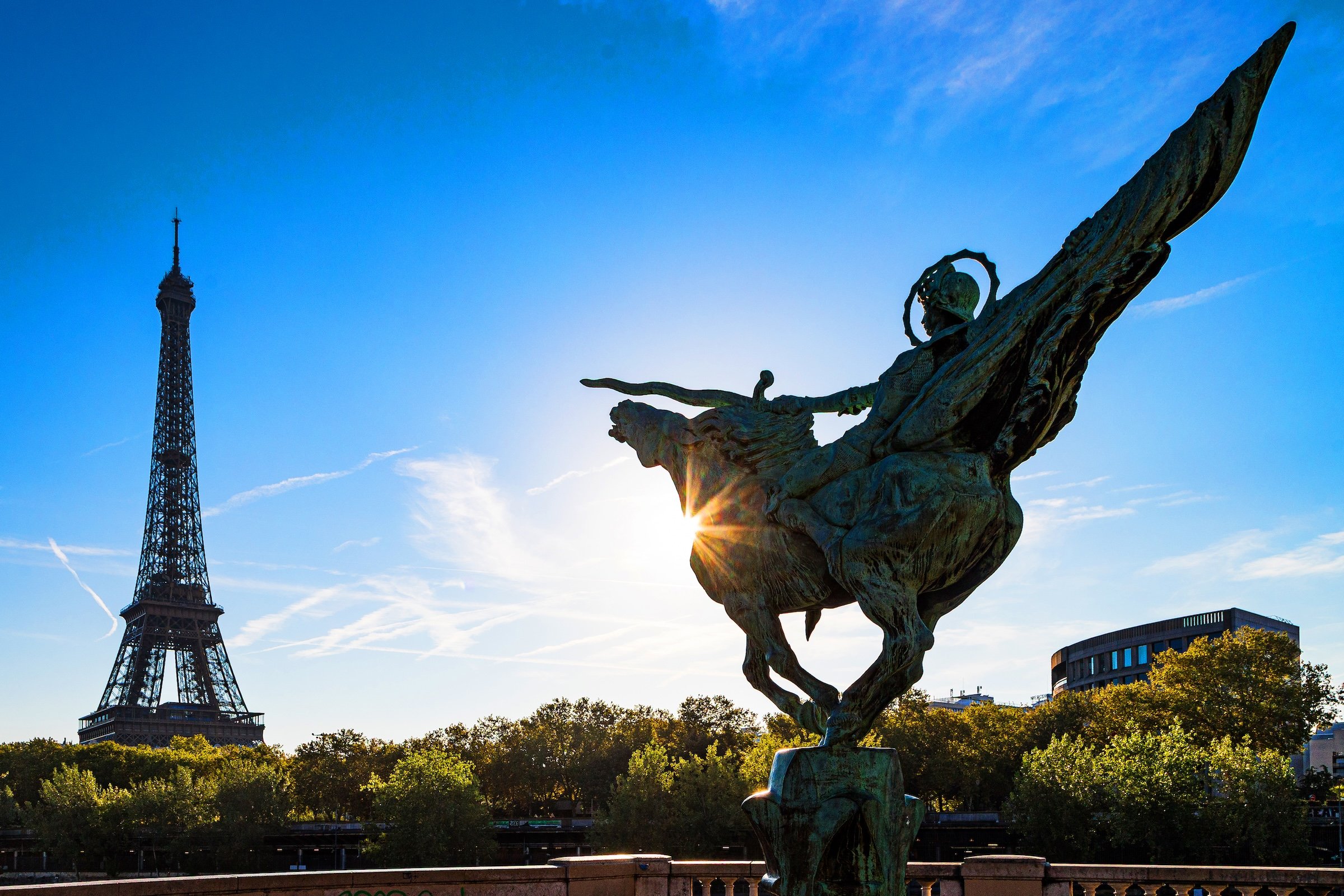
Visual Identity
Through The Lens
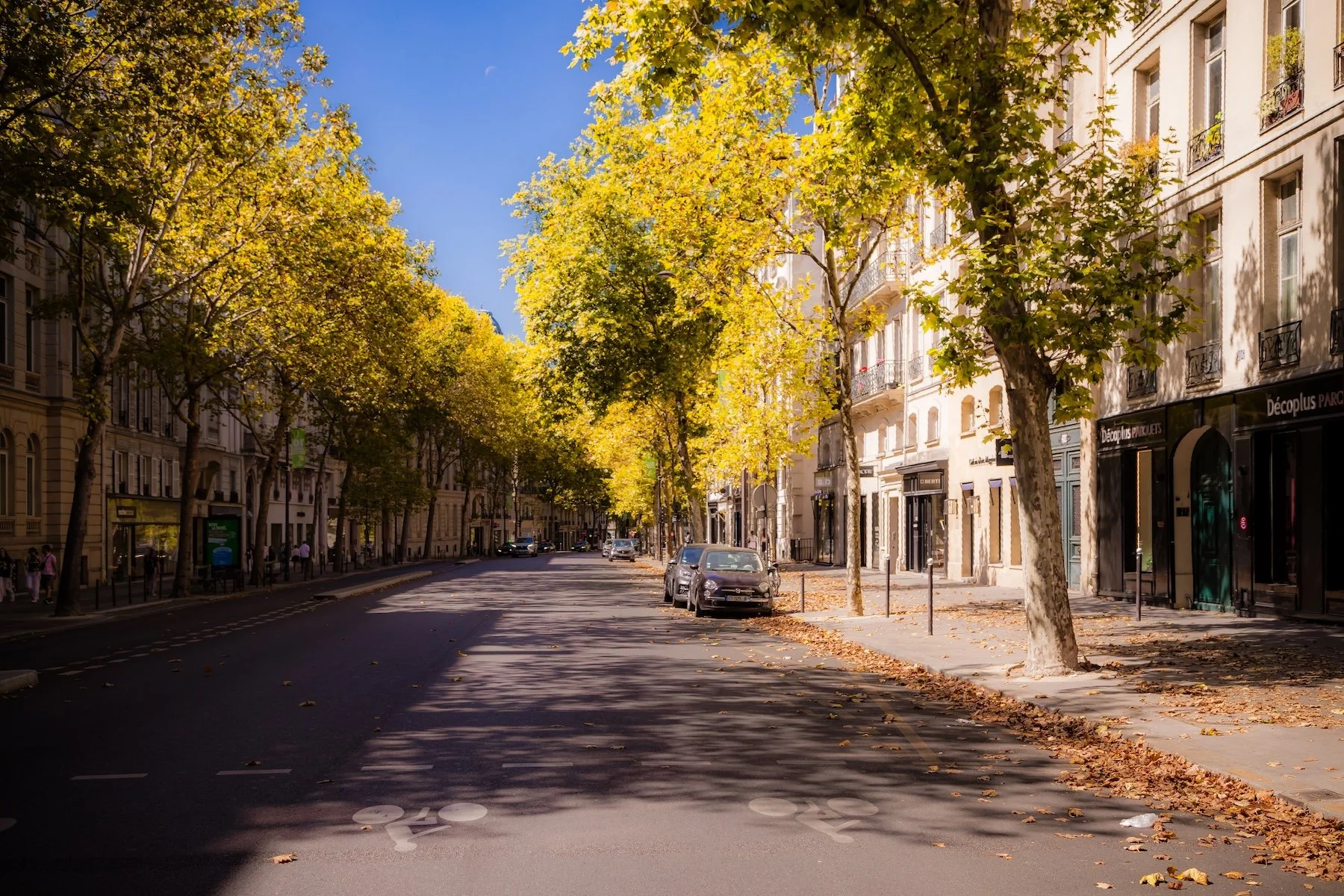
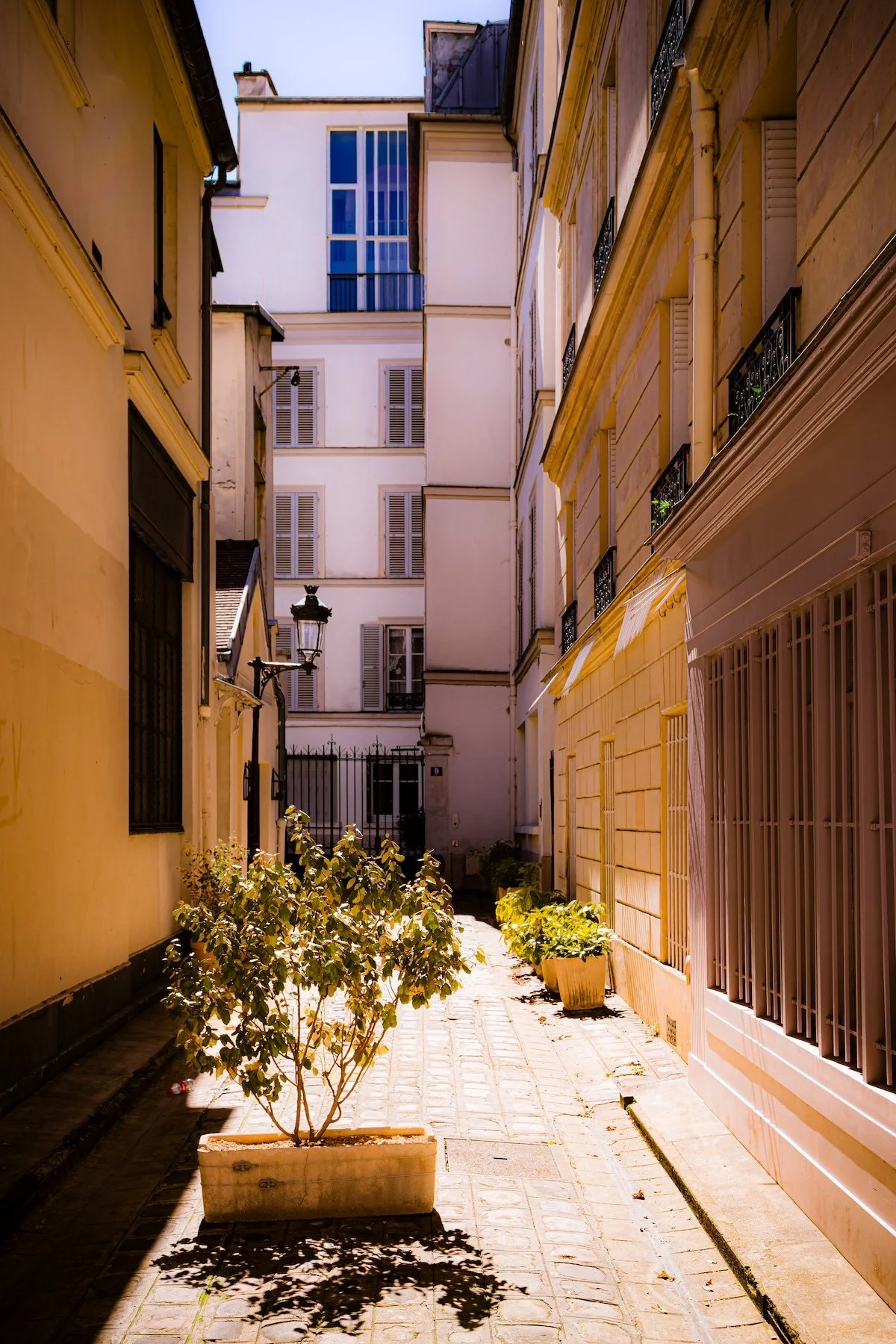
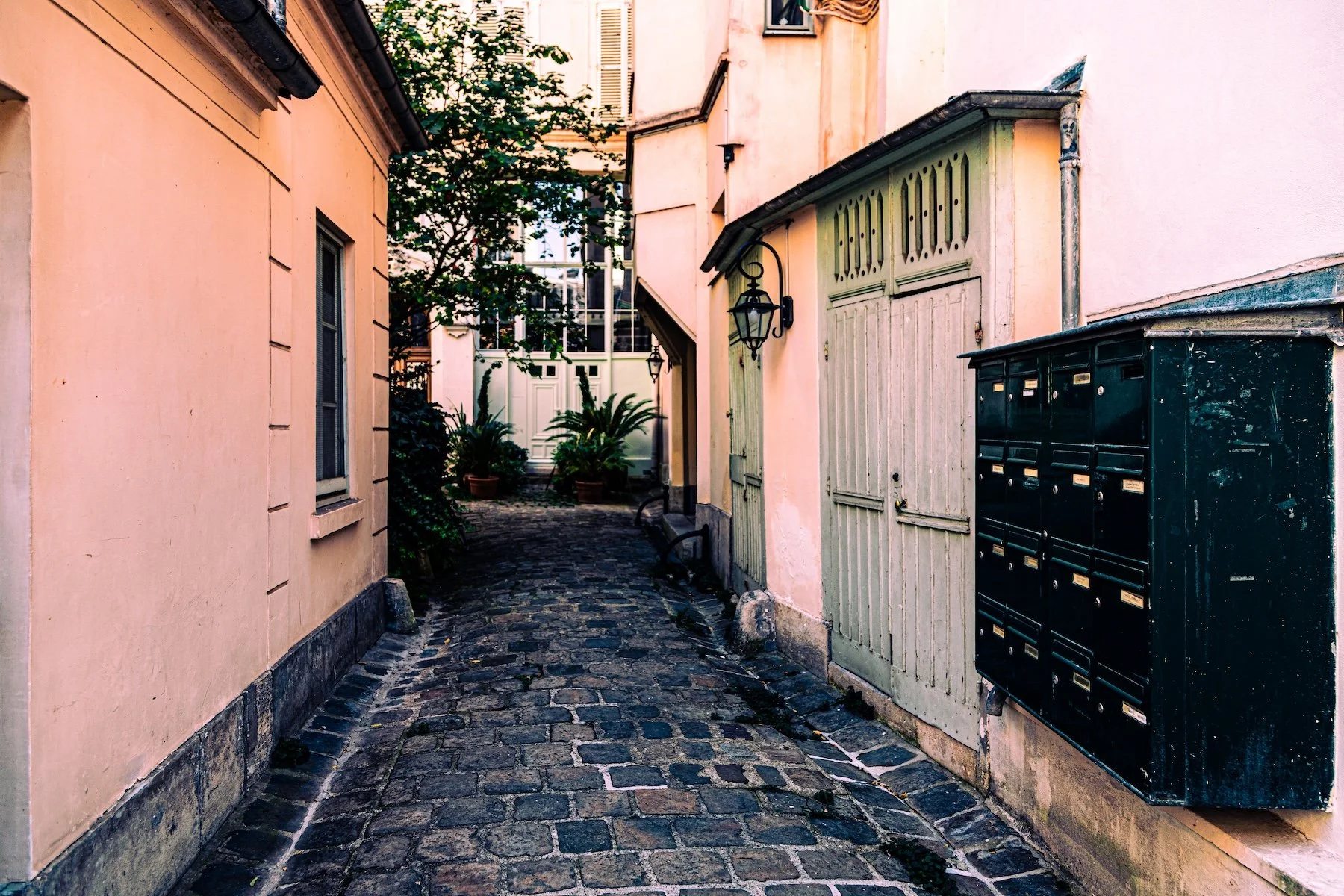
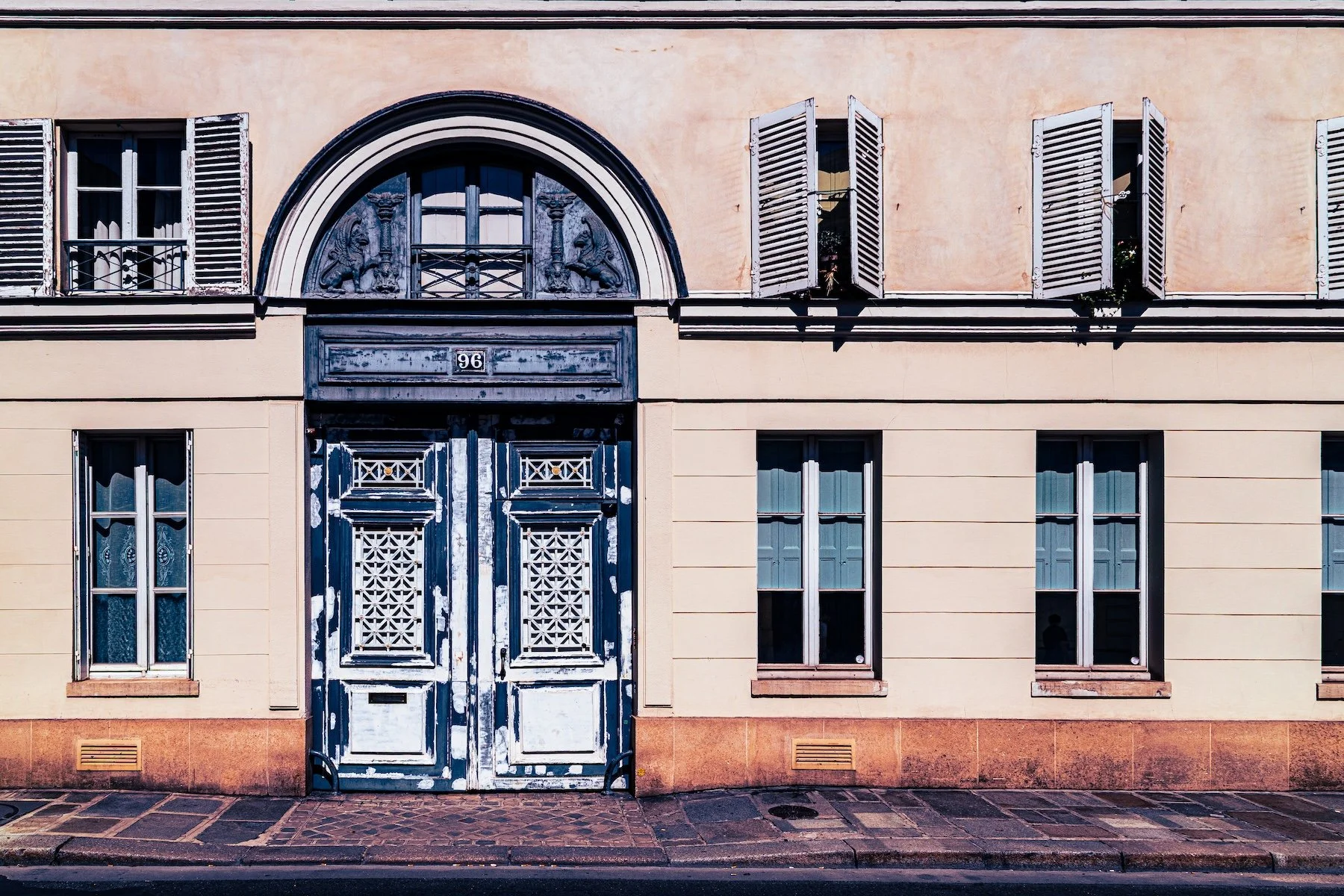
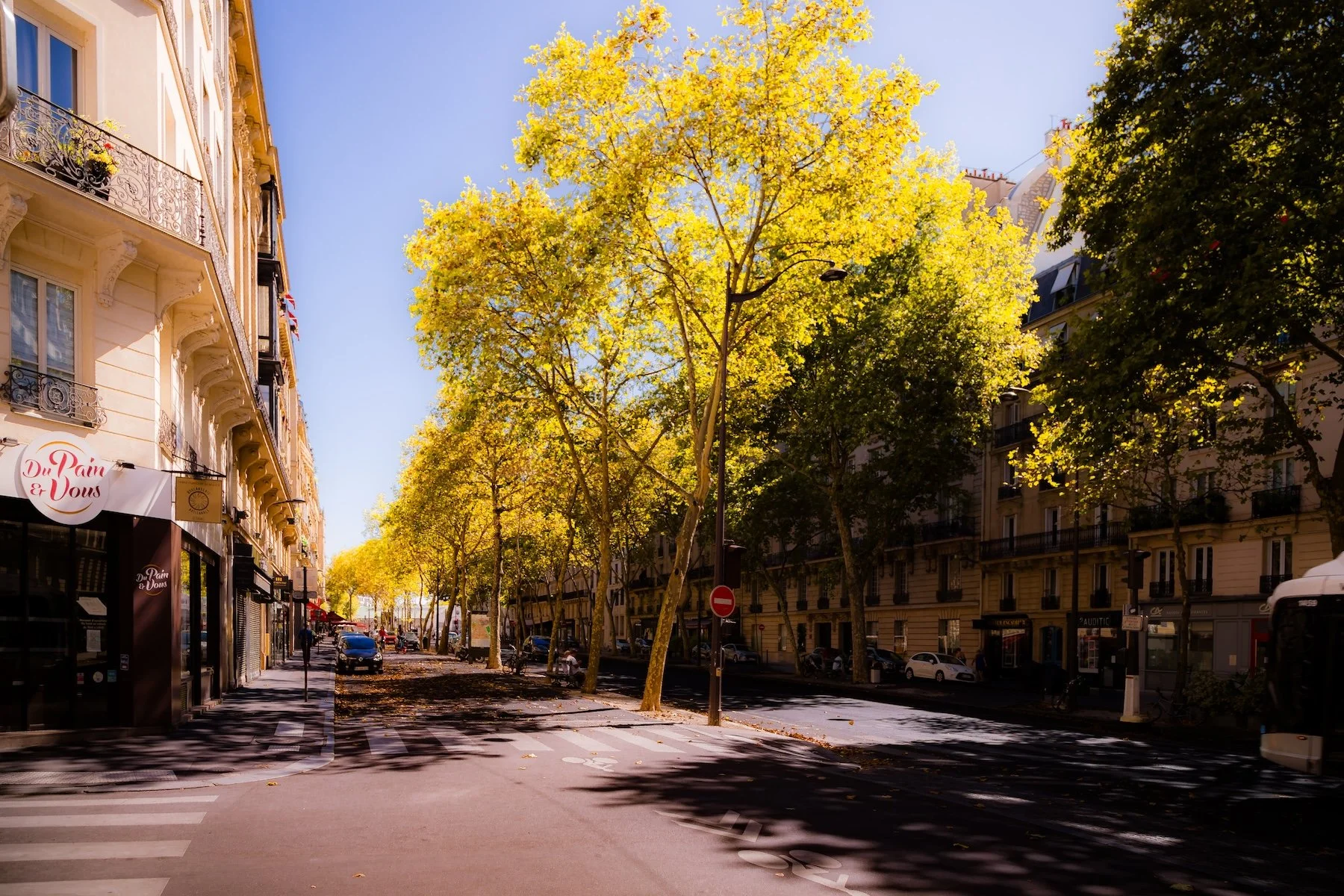
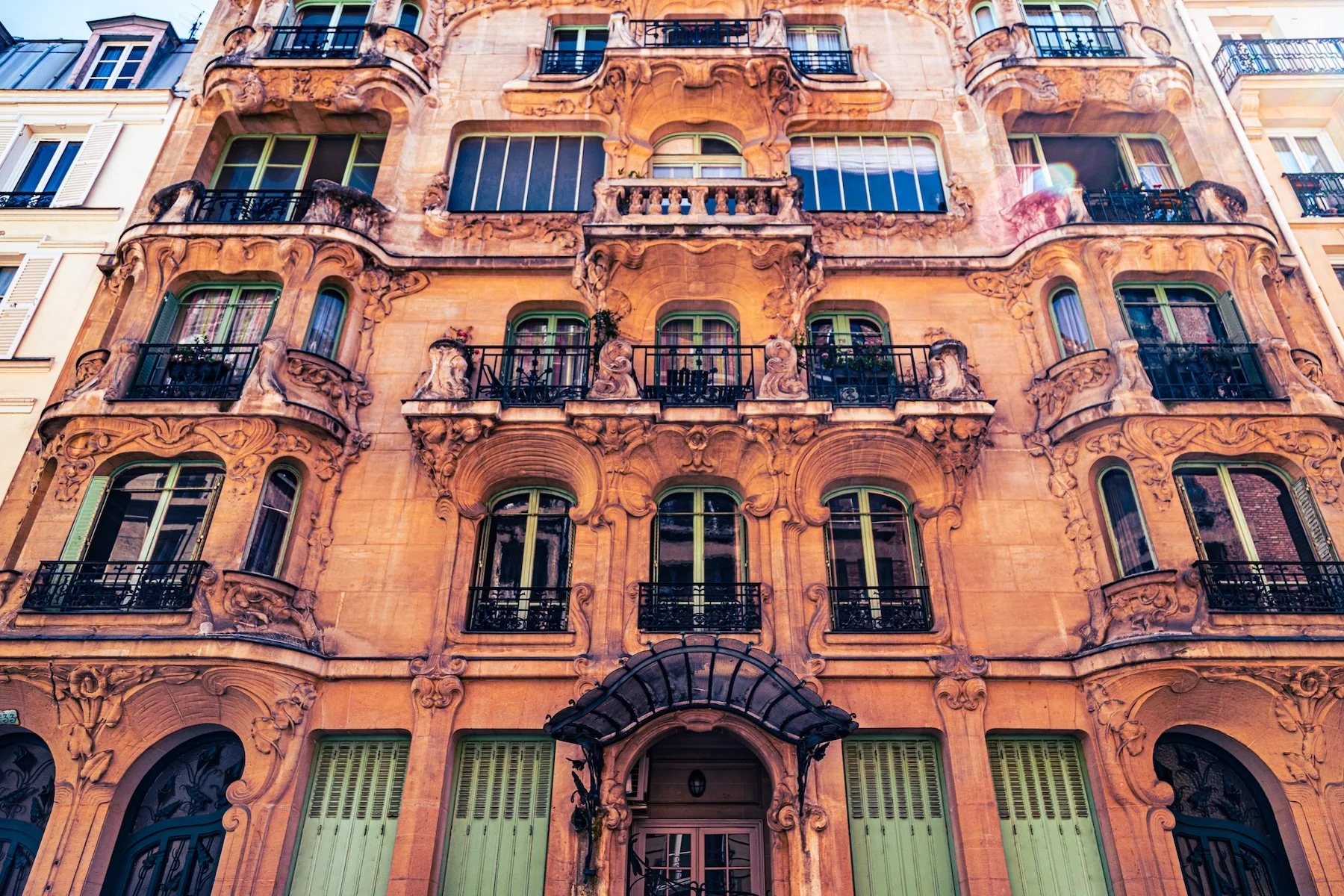
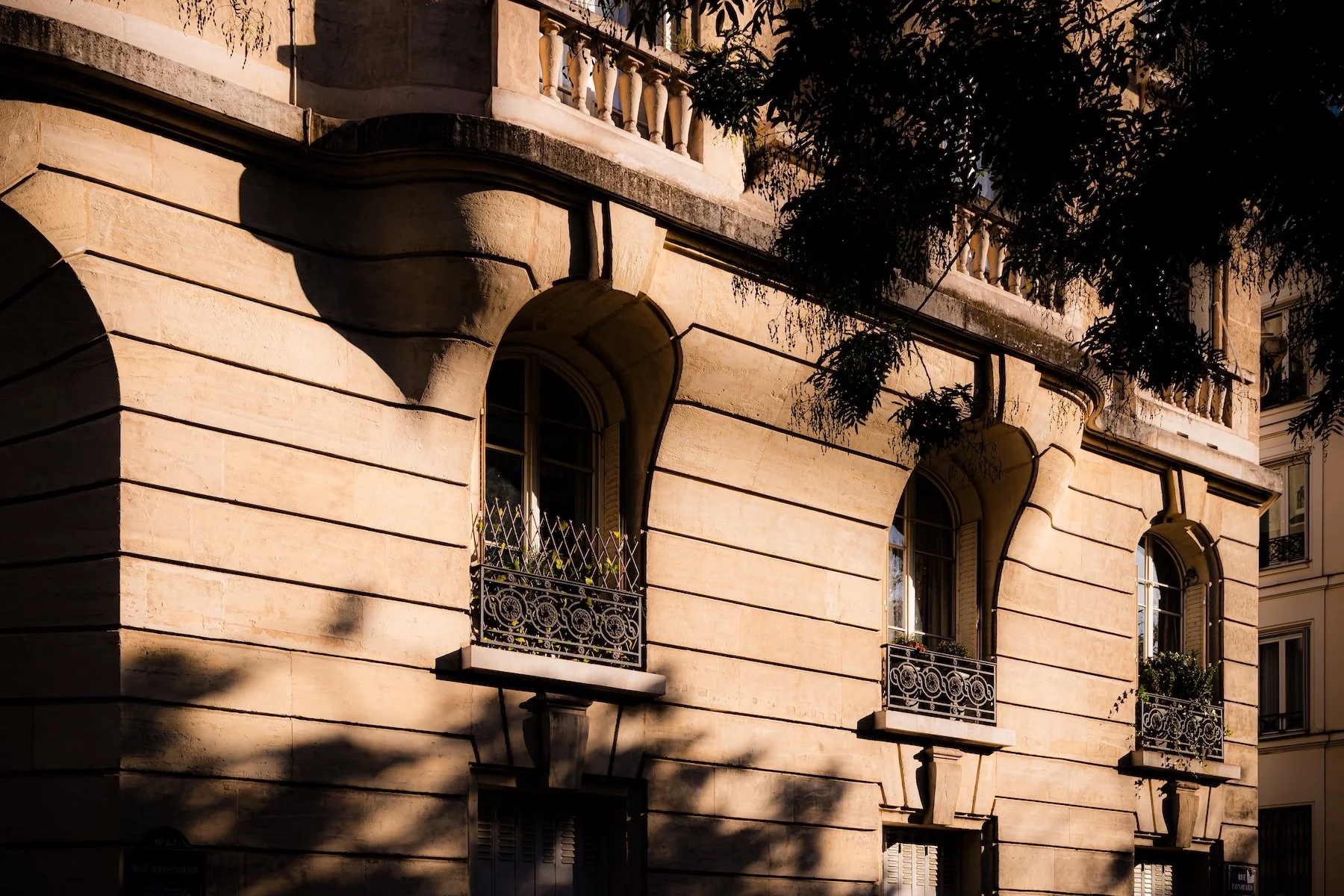
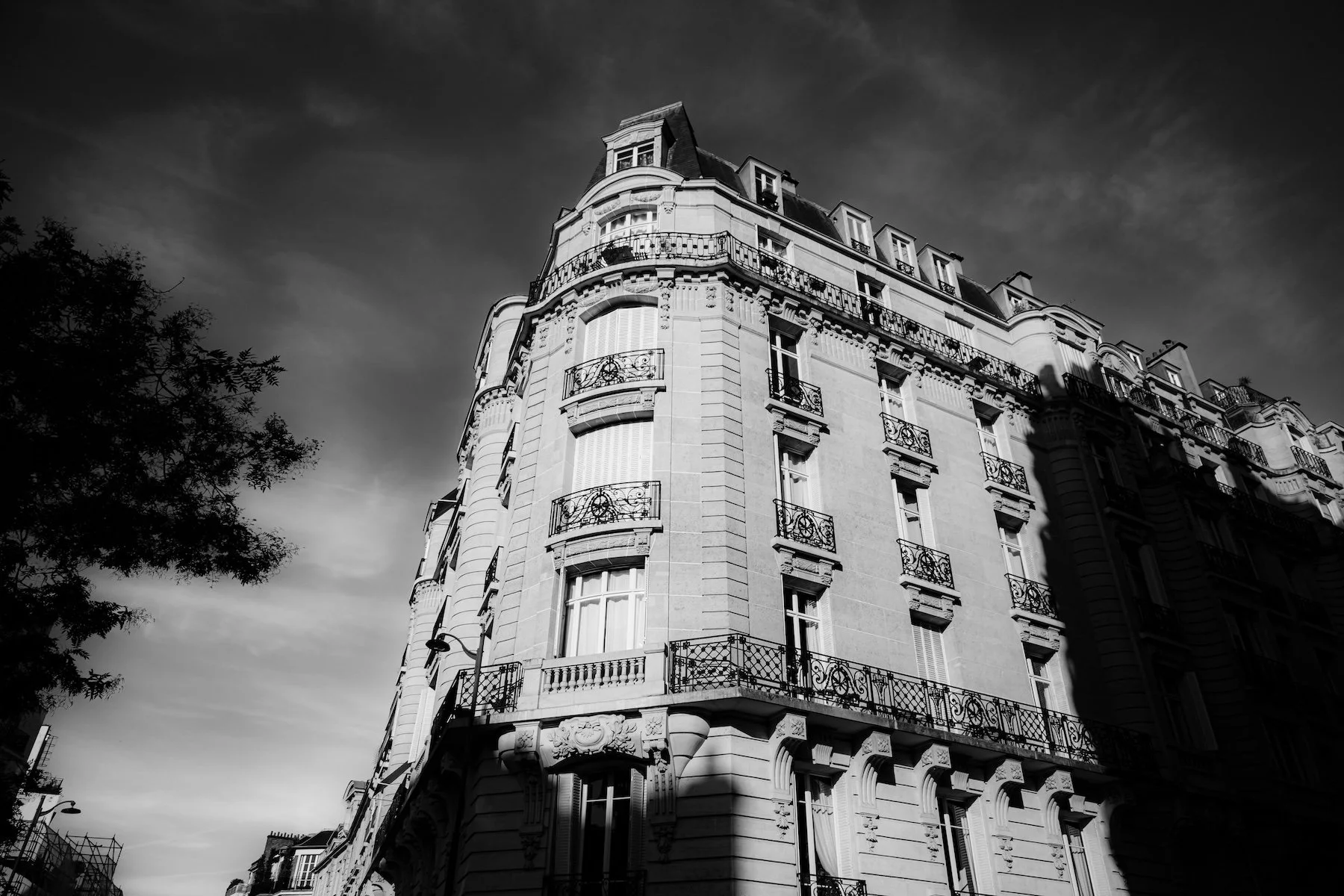
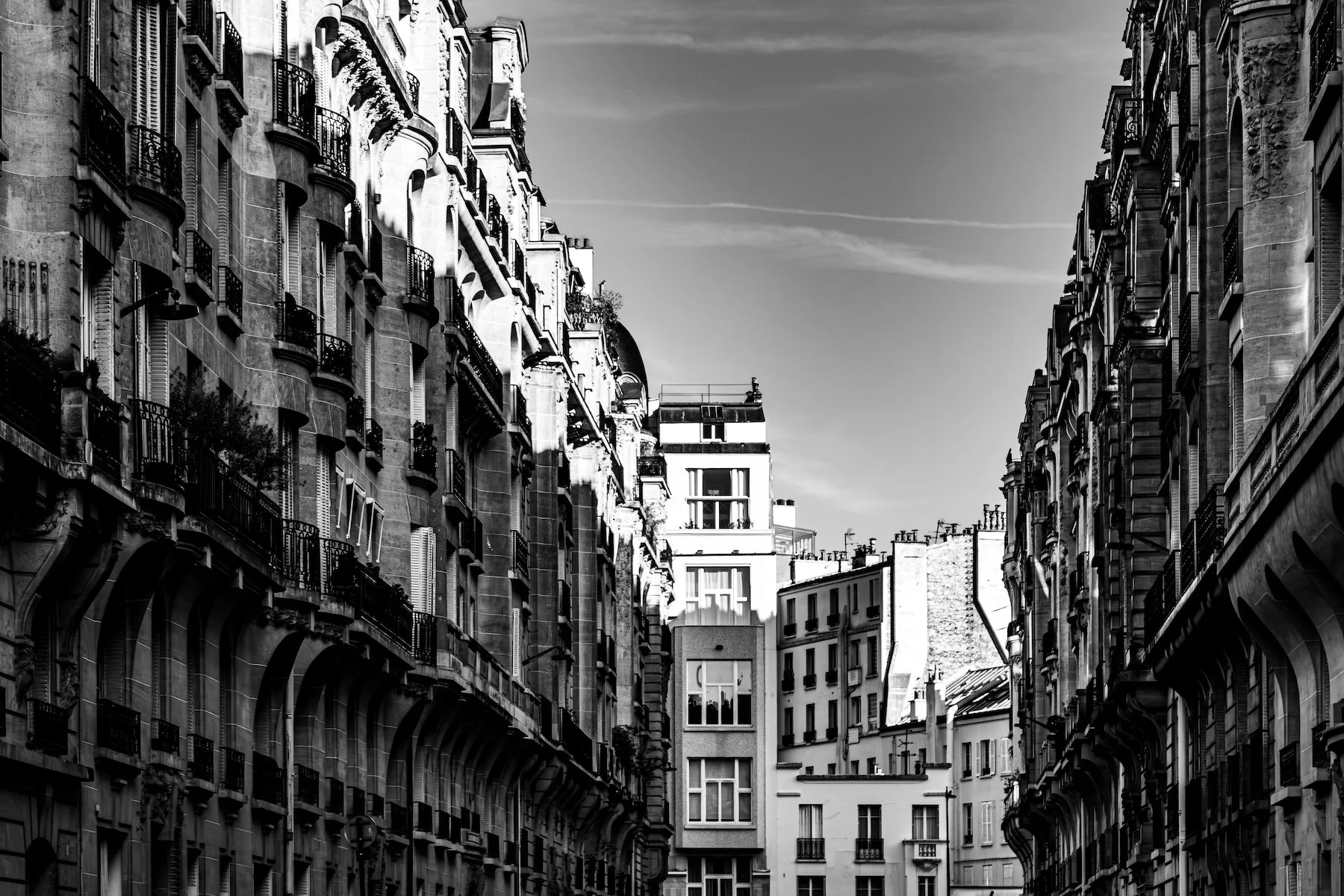
Photographing the arrondissements means moving between the official map and the street-level experience. The camera does not treat each arrondissement as visually uniform. Instead, it looks for the recurring forms, textures, transitions, and contrasts that make each district legible: the geometry of boulevards, the shade of plane trees, the repetition of balconies, the rise of stairways, the curve of canals, the presence of rail stations, the opening of parks, the weight of monuments, and the intimacy of side streets.
On CityNeighborhoods, the arrondissement provides the frame, but the photograph comes from the encounter between map, movement, light, and observation. As the Paris photography is processed, this section will connect each arrondissement more directly to the project’s Photographic Lexicon: the visual strategies, recurring motifs, and compositional patterns that shape how the city is seen through the lens.
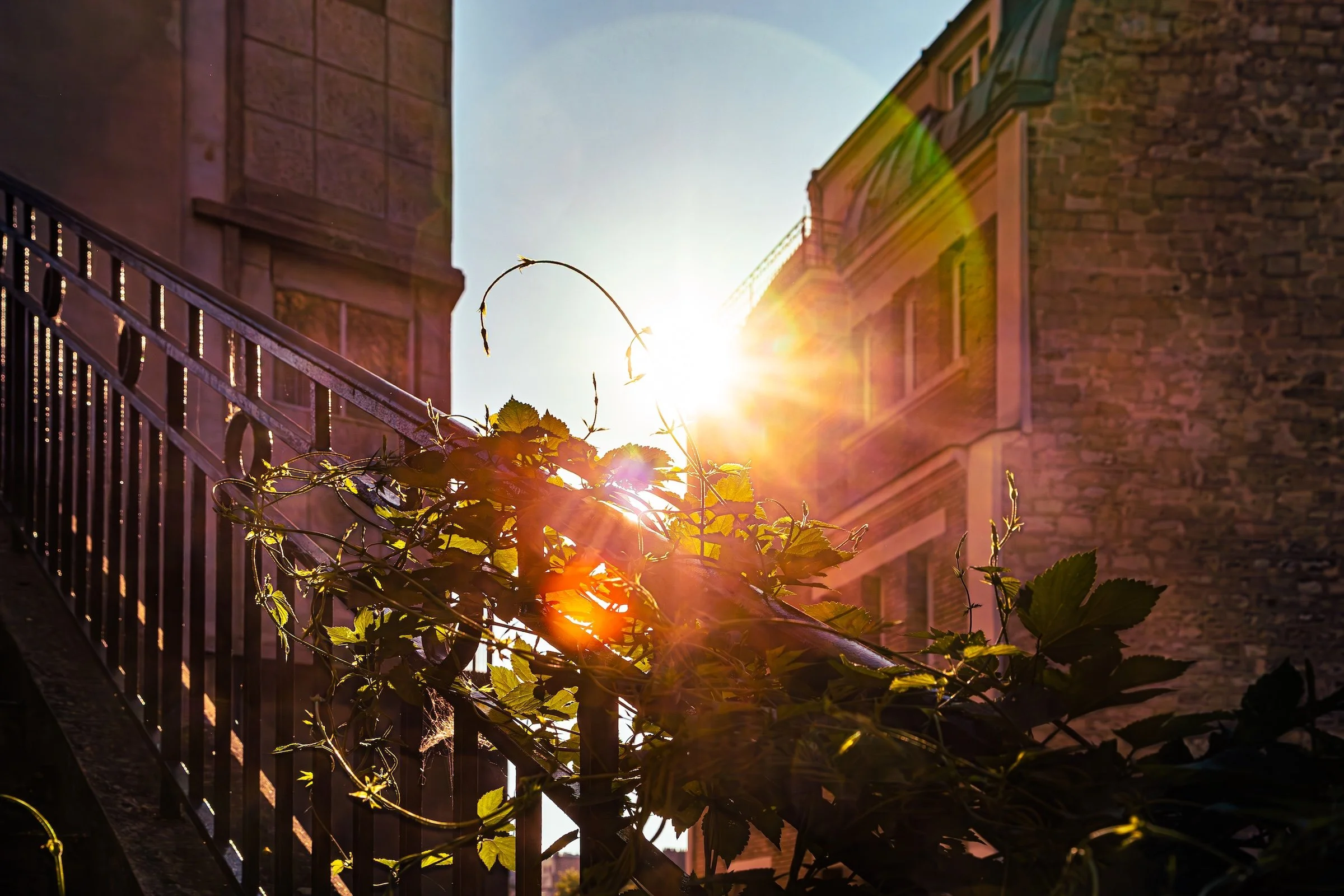
If you visit Paris, these ideas can help inspire your own photography.
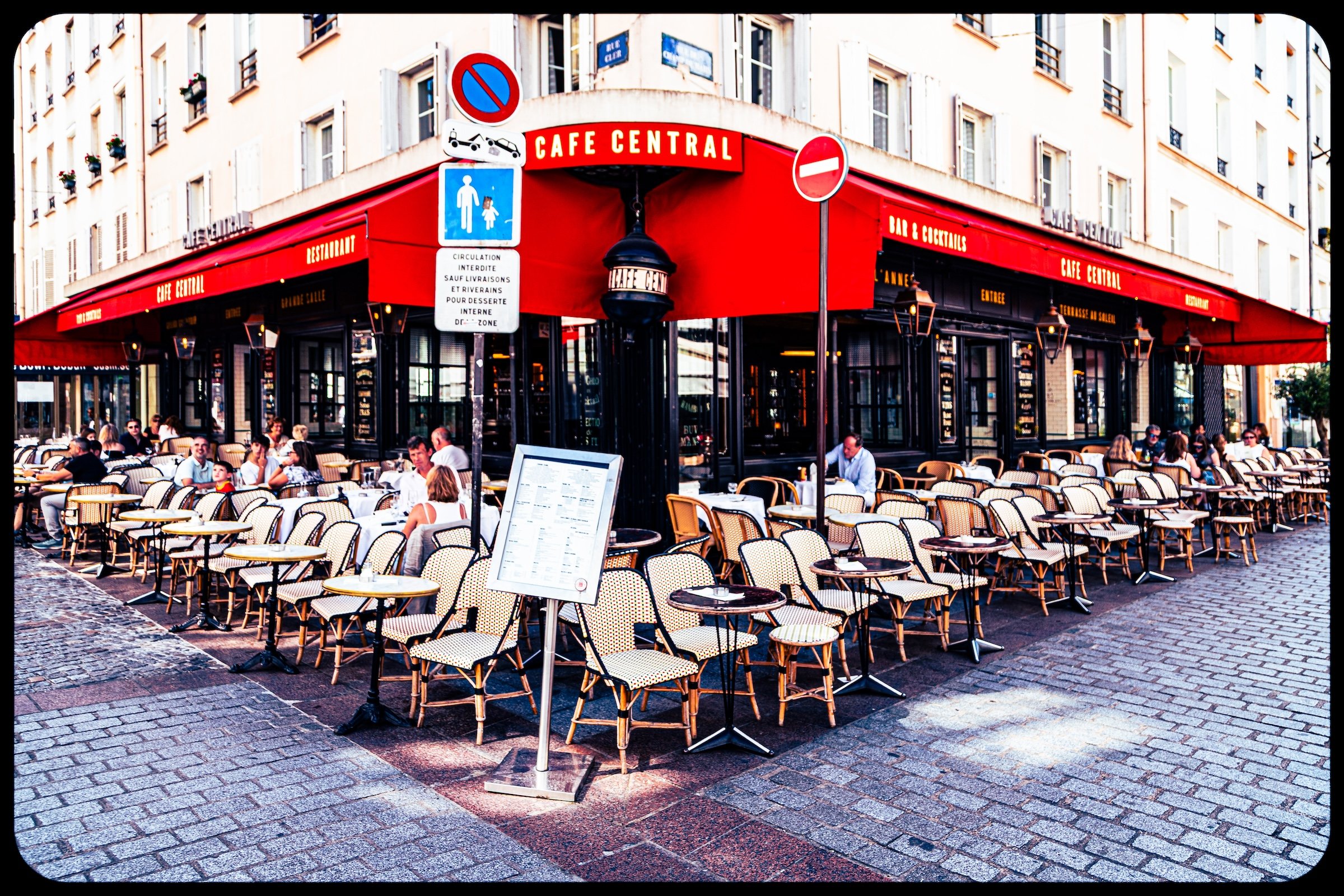
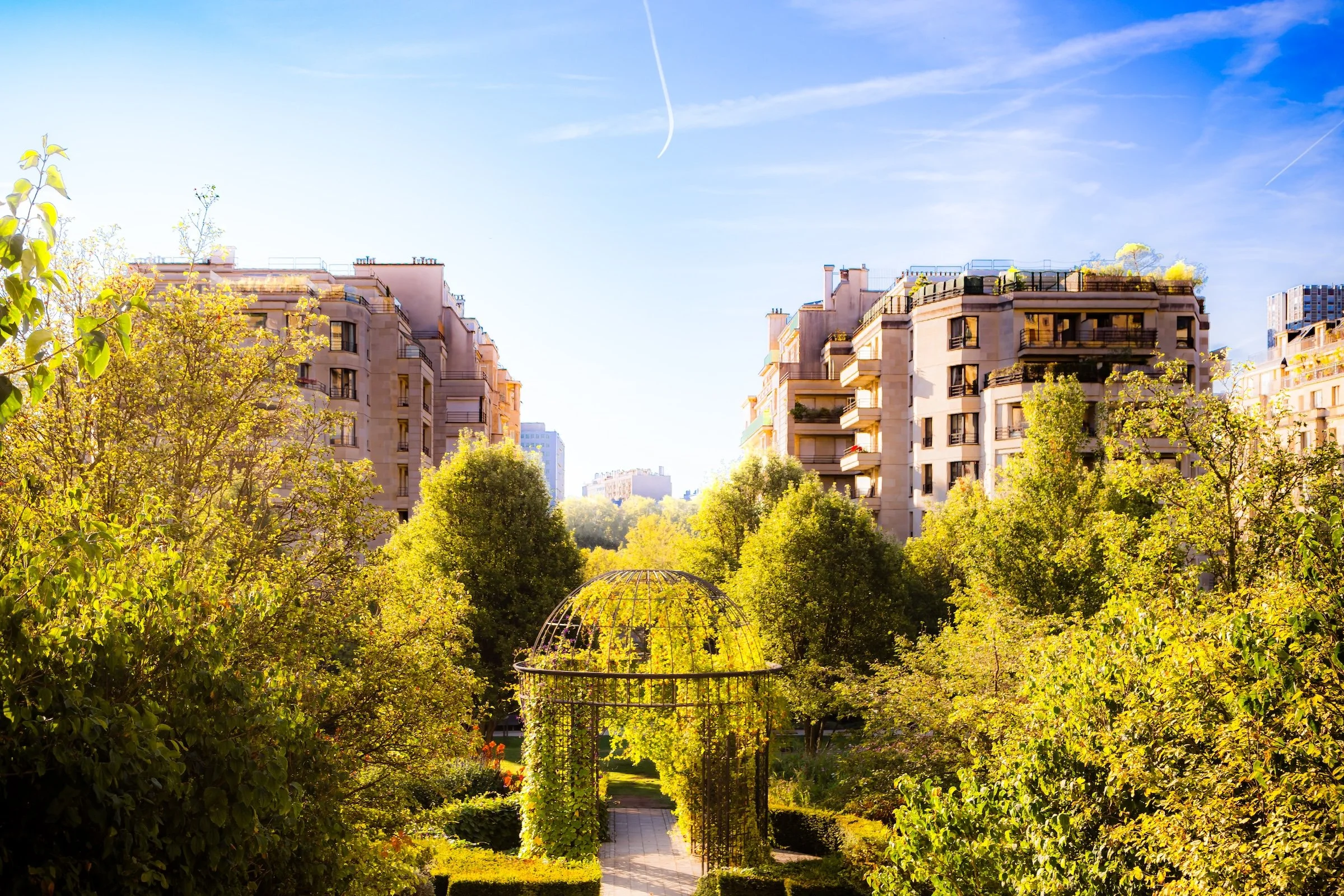
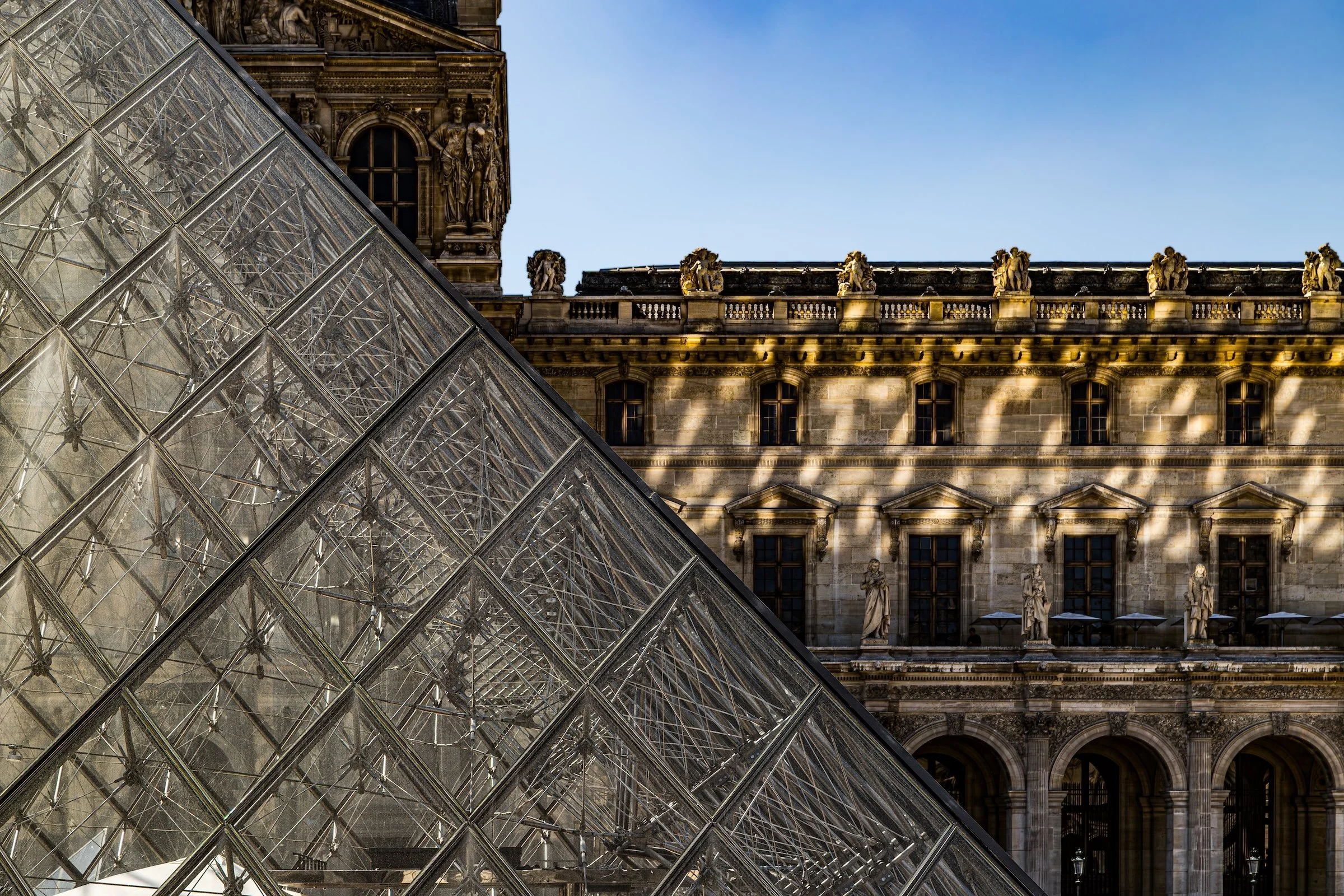
Paris: J’Espere, Je Rêve, Je Vive
Paris Photo Gallery
Paris Field Notes
-
Field Note: August 18, 2025 | 07:58 AM
Conditions: 73°F | Humidity: 72%.
Within the park's interior, the glacial kettle ponds acted as humidity traps, creating a soft, hazy light that filtered through the old-growth oaks. The transition from the park's dense shade to the sun-drenched edges of Oakland Gardens highlighted the day's exceptional "picture-perfect" clarity.
There is a fleeting window in Queens where the humidity of August hasn't yet heavy-set, and the morning sun hits the canopy of Alley Pond Park at a perfect oblique angle. Arriving just before 8:00 AM, I watched the light break through the oaks and tulip trees, casting long, dramatic shadows across the wet grass. It’s in these quiet, golden moments that the park feels less like a city escape and more like the ancient glacial valley it actually is.
Other neighborhoods visited:

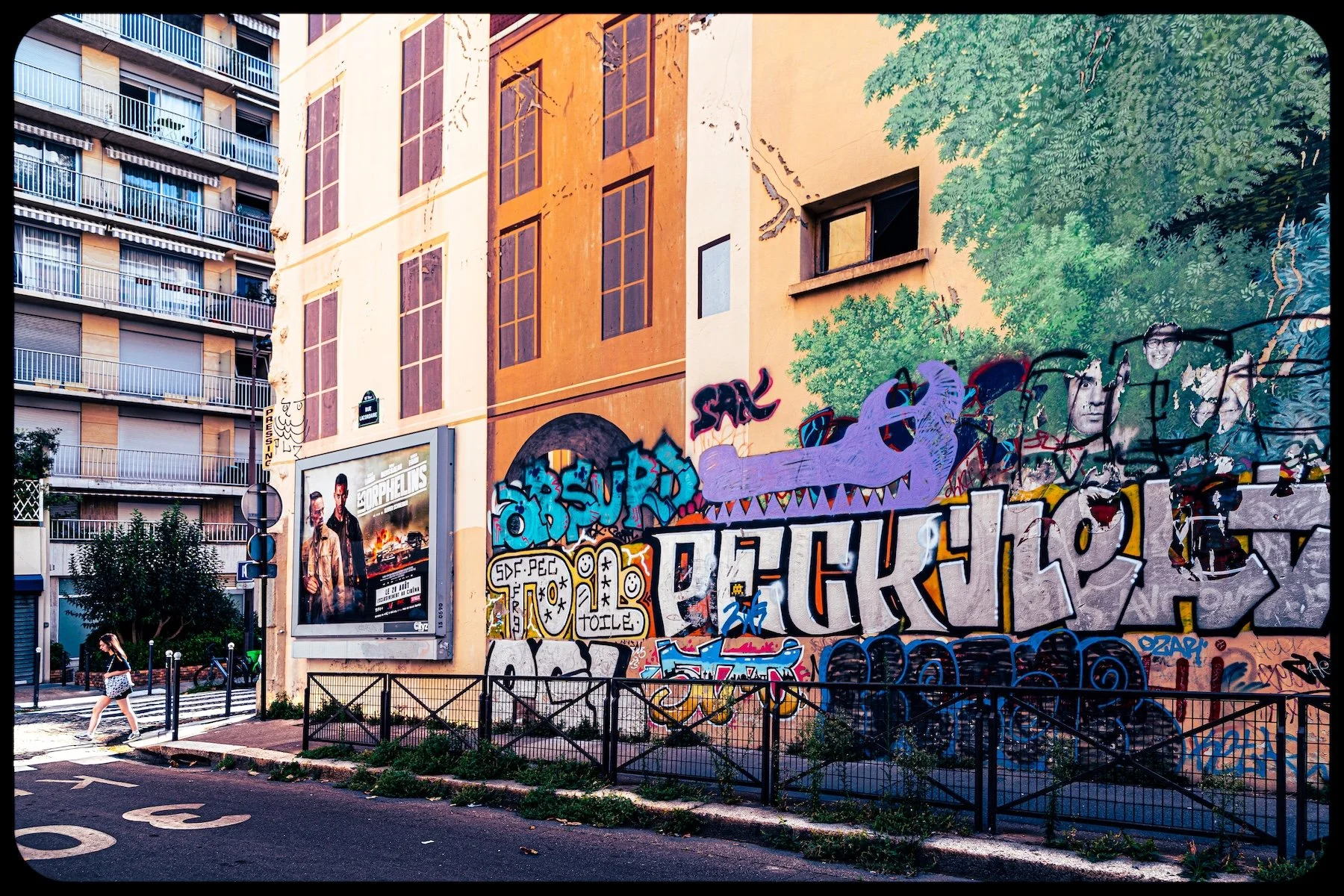
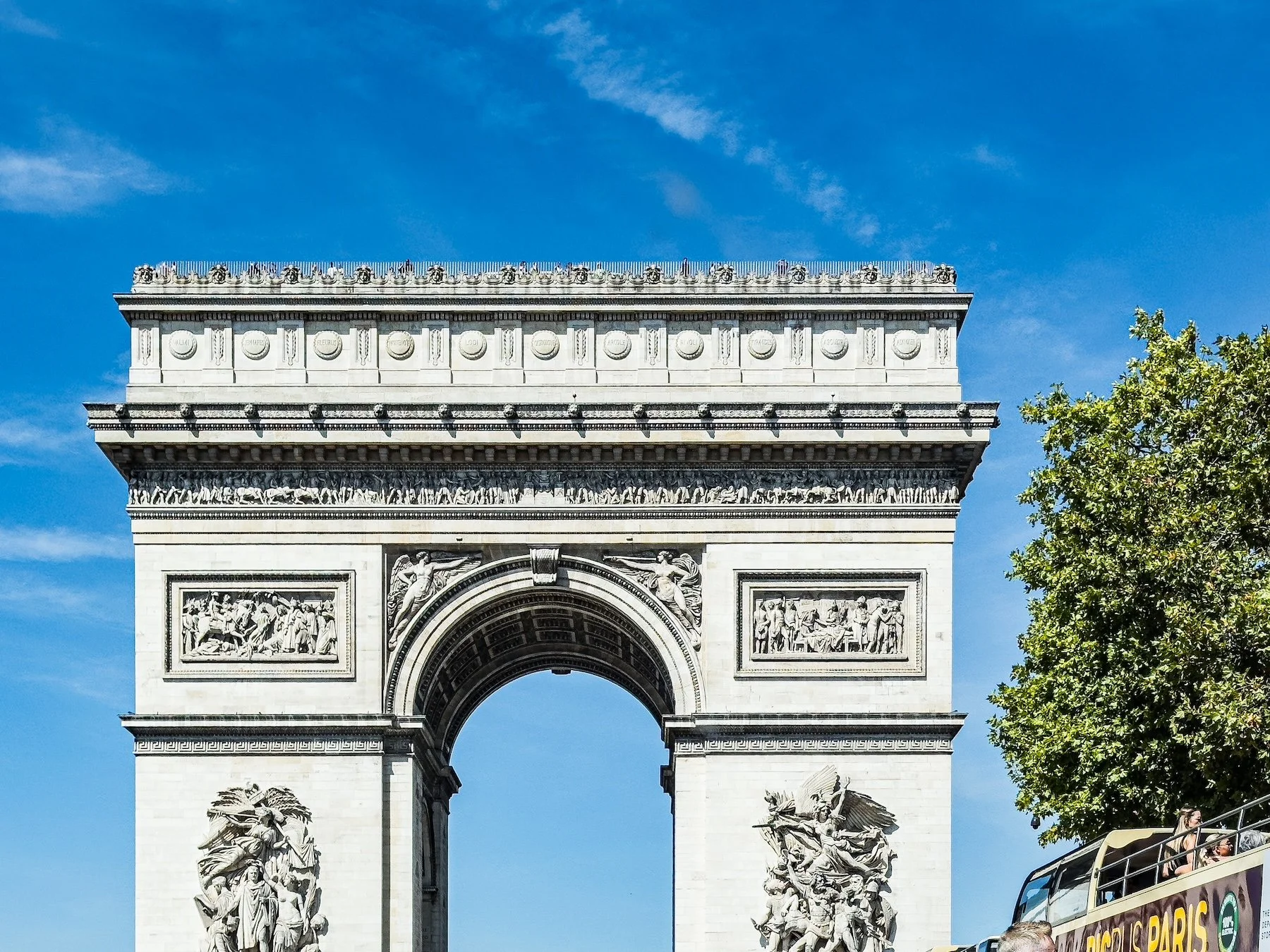
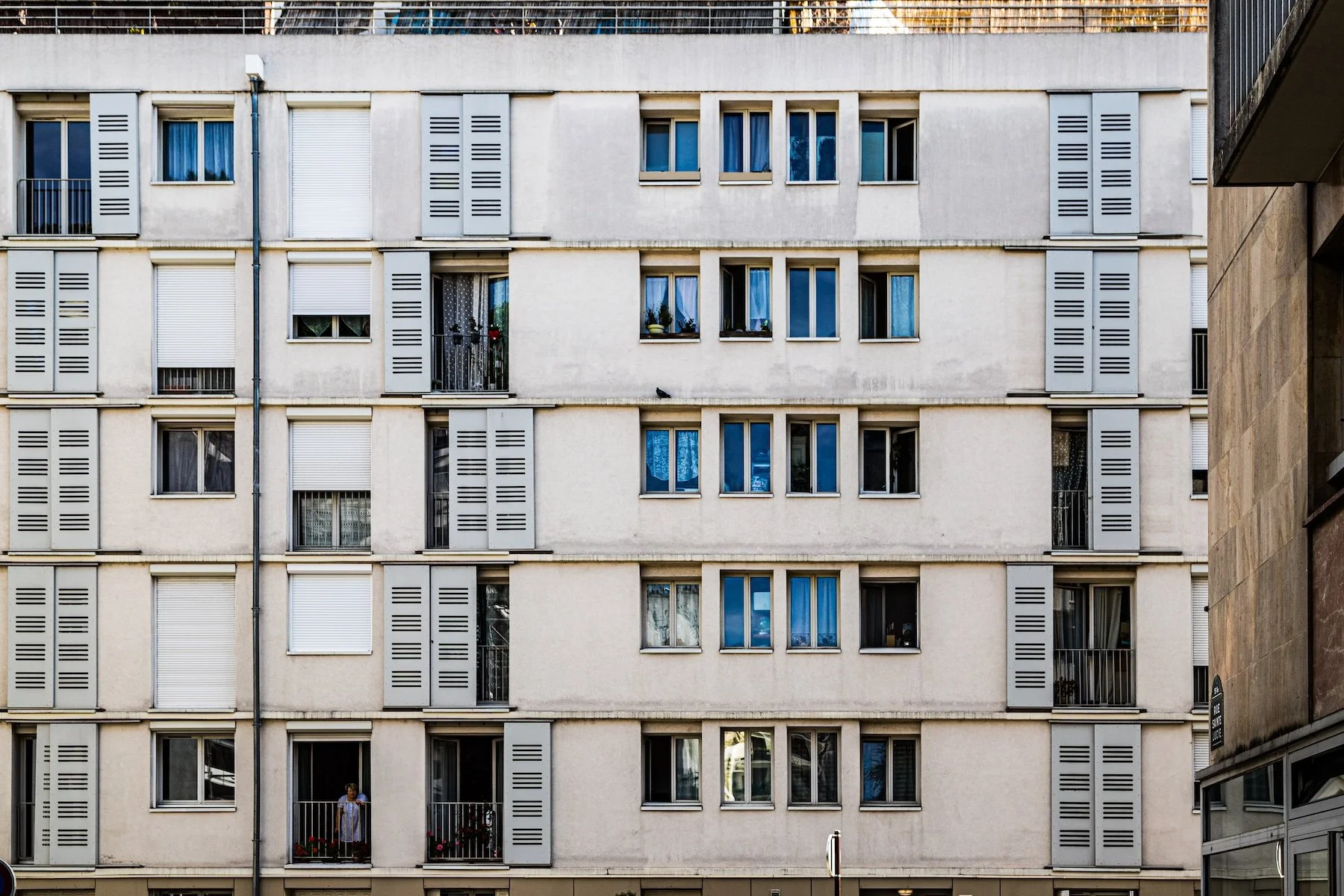
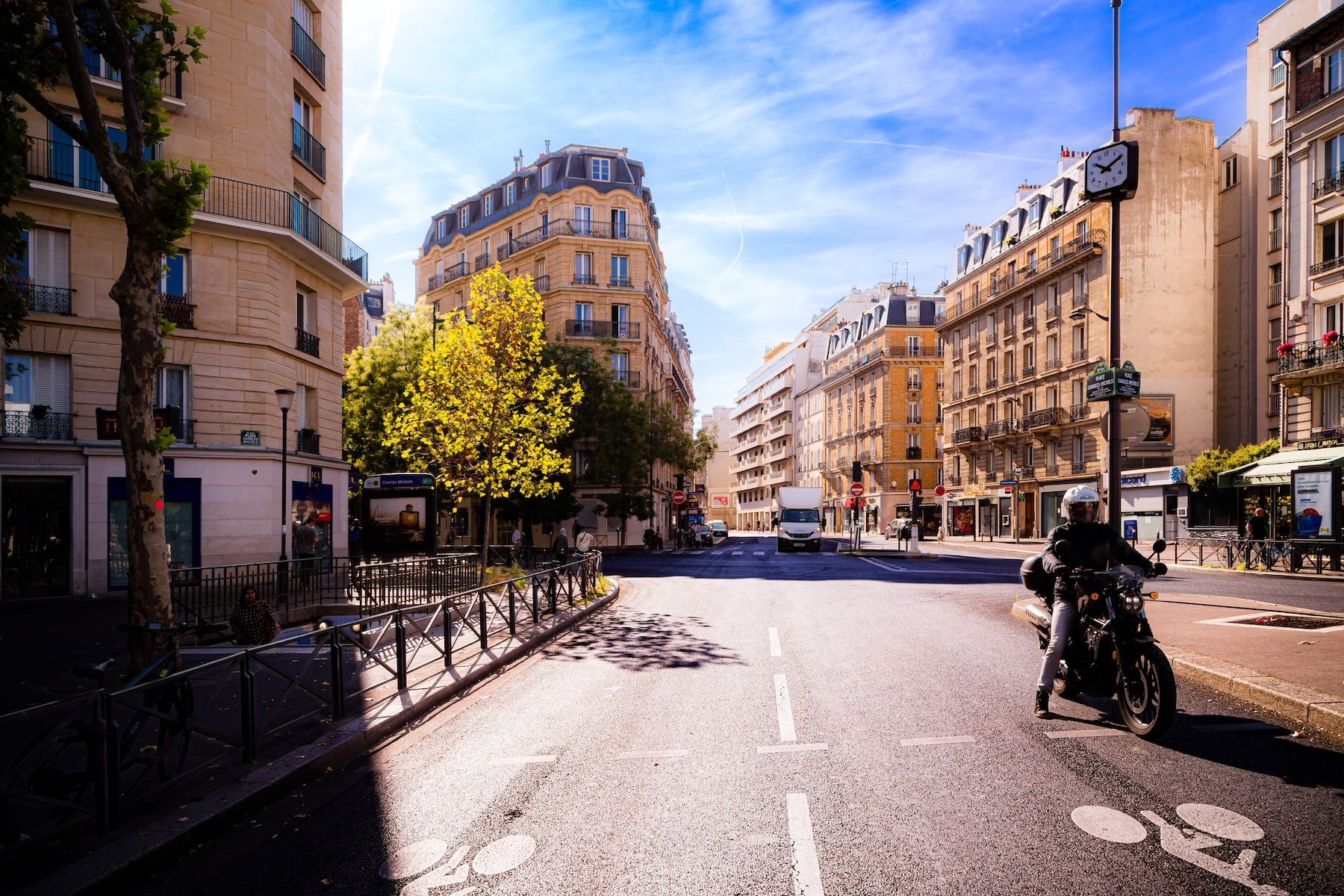
Explore Paris
-

The twenty arrondissements form the civic spiral of Paris, organizing the city into its broad local districts of government, identity, and daily life.
-

Each arrondissement is divided into four official administrative quarters, giving Paris a more precise civic and geographic framework.
-

The conseils de quartier bring participation to street level, giving residents a voice in neighborhood needs, public space, and local civic life.
-

Les Deux Rives trace Paris through the Seine’s two banks, revealing how the Rive Droite and Rive Gauche shaped the city’s civic power, commerce, learning, art, and cultural identity.
-

Cultural neighborhoods reveal the Paris people recognize through history, cafés, architecture, memory, atmosphere, and local belonging.