
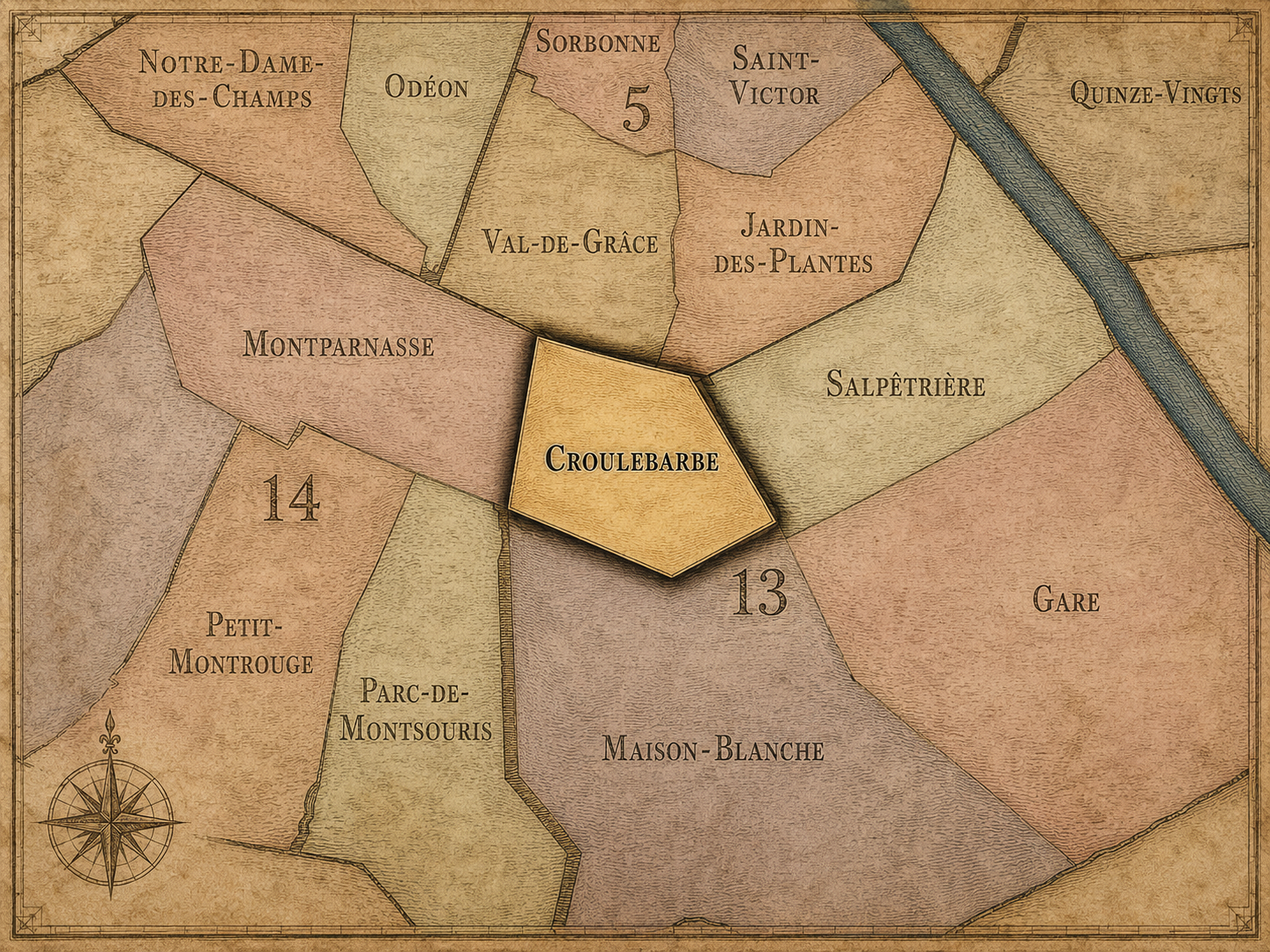
13e - CROULEBARBE
Quartiers Administratifs
Part of an ongoing project to walk and photograph every neighborhood in Paris, this page explores the Administrative Quarter: 13e - Croulebarbe through maps, district identity, history, and photography.
The Map
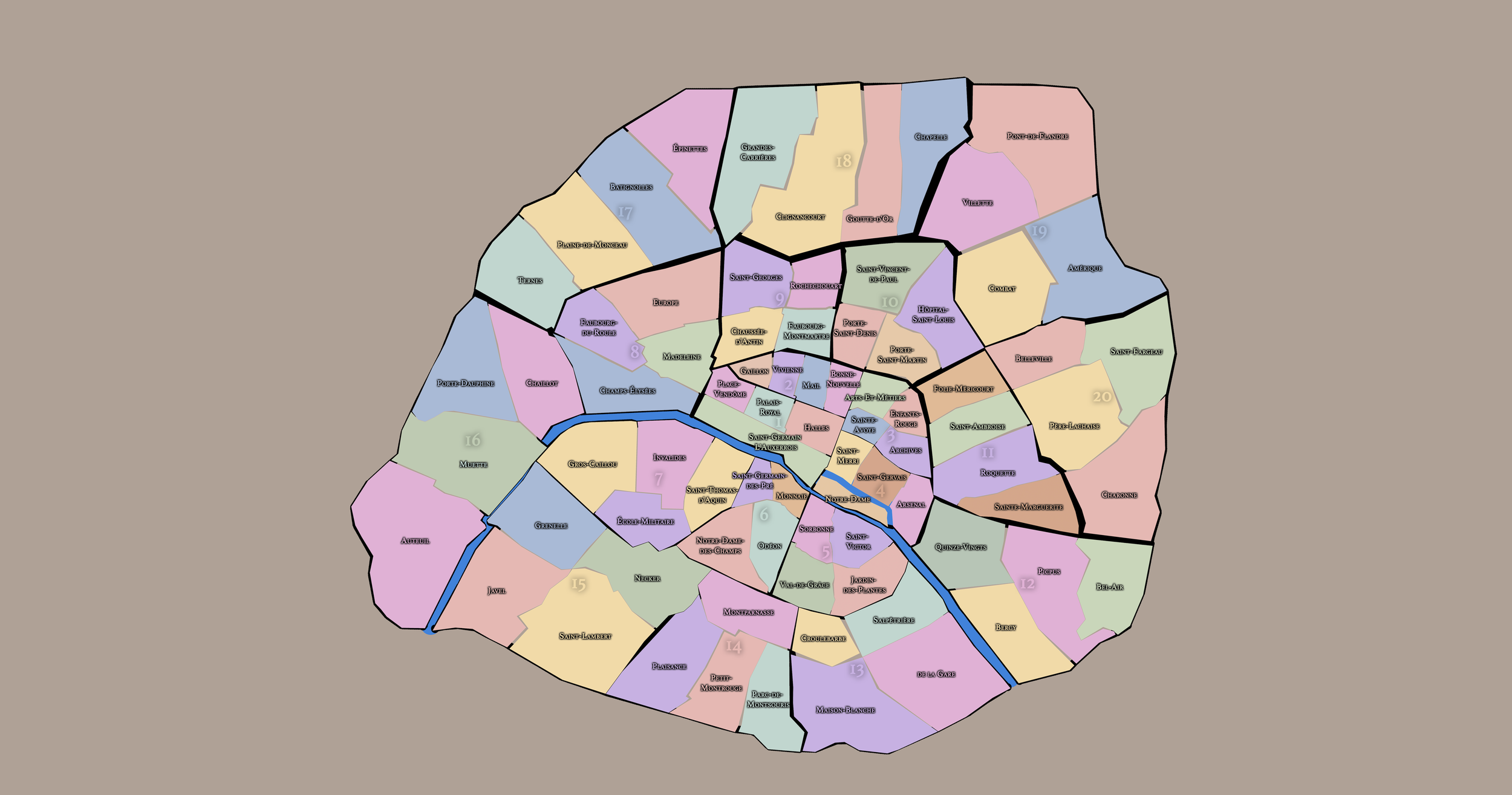
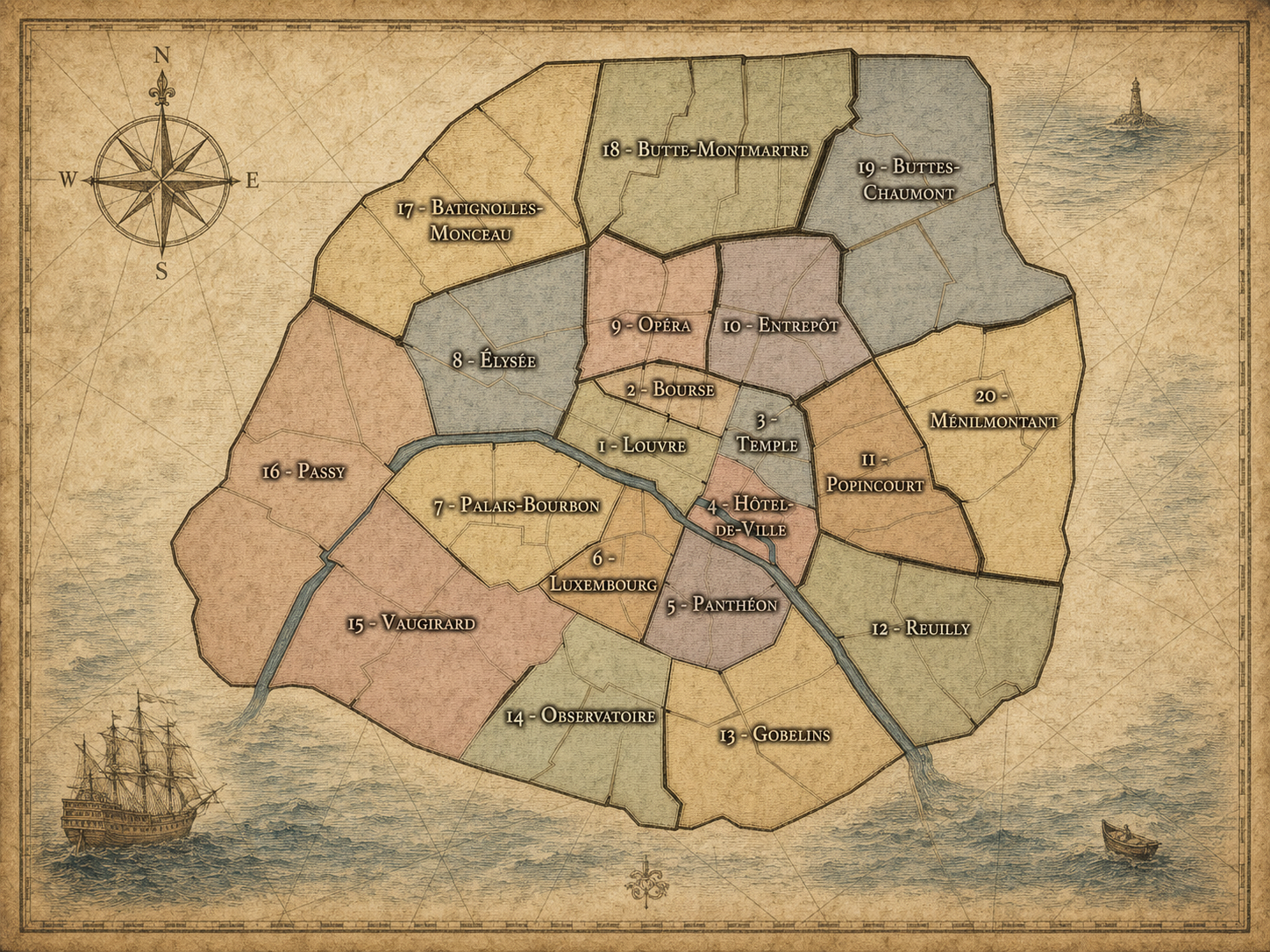
Download the Paris Arrondissements Map
Geographic Setting
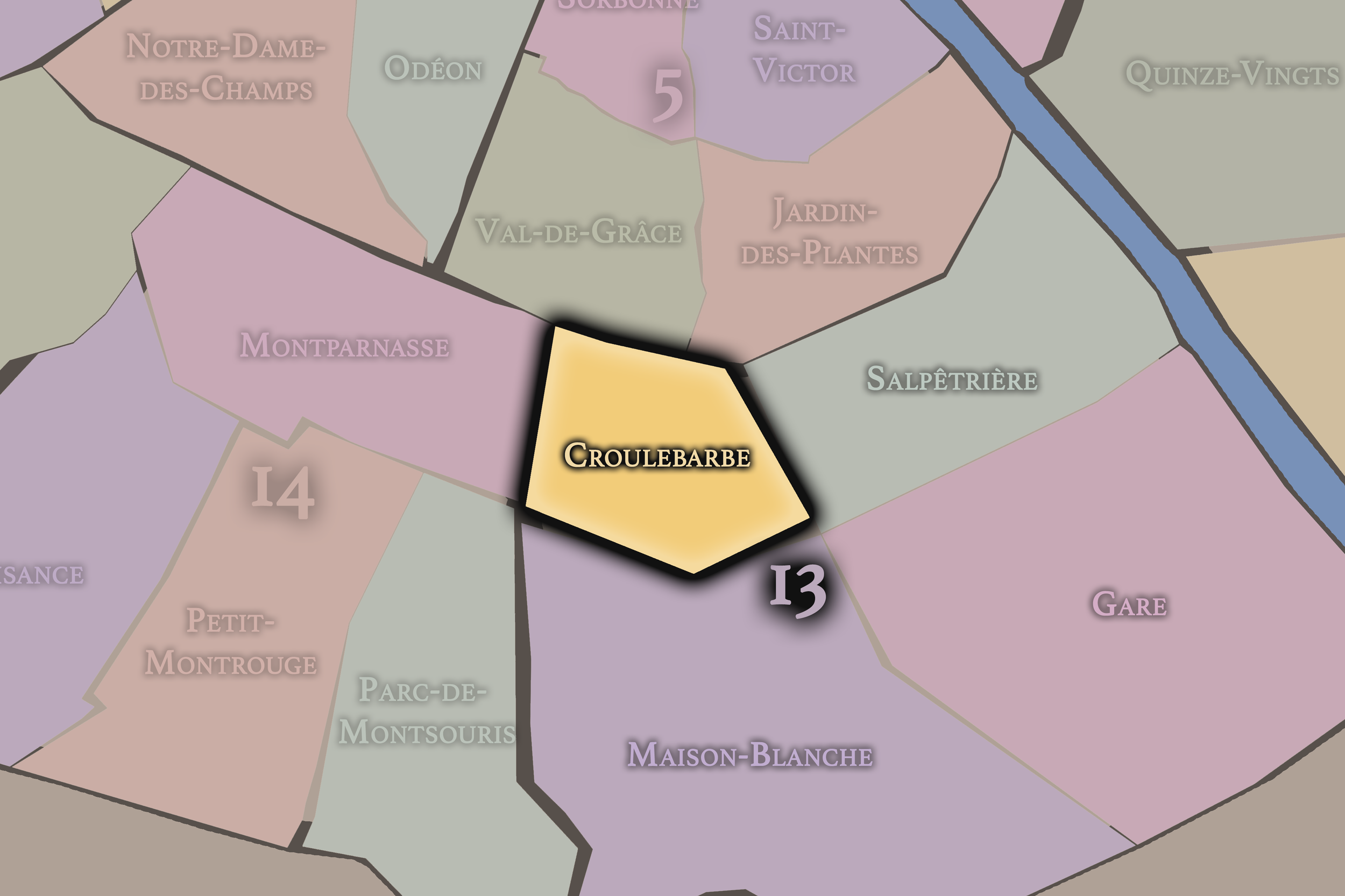
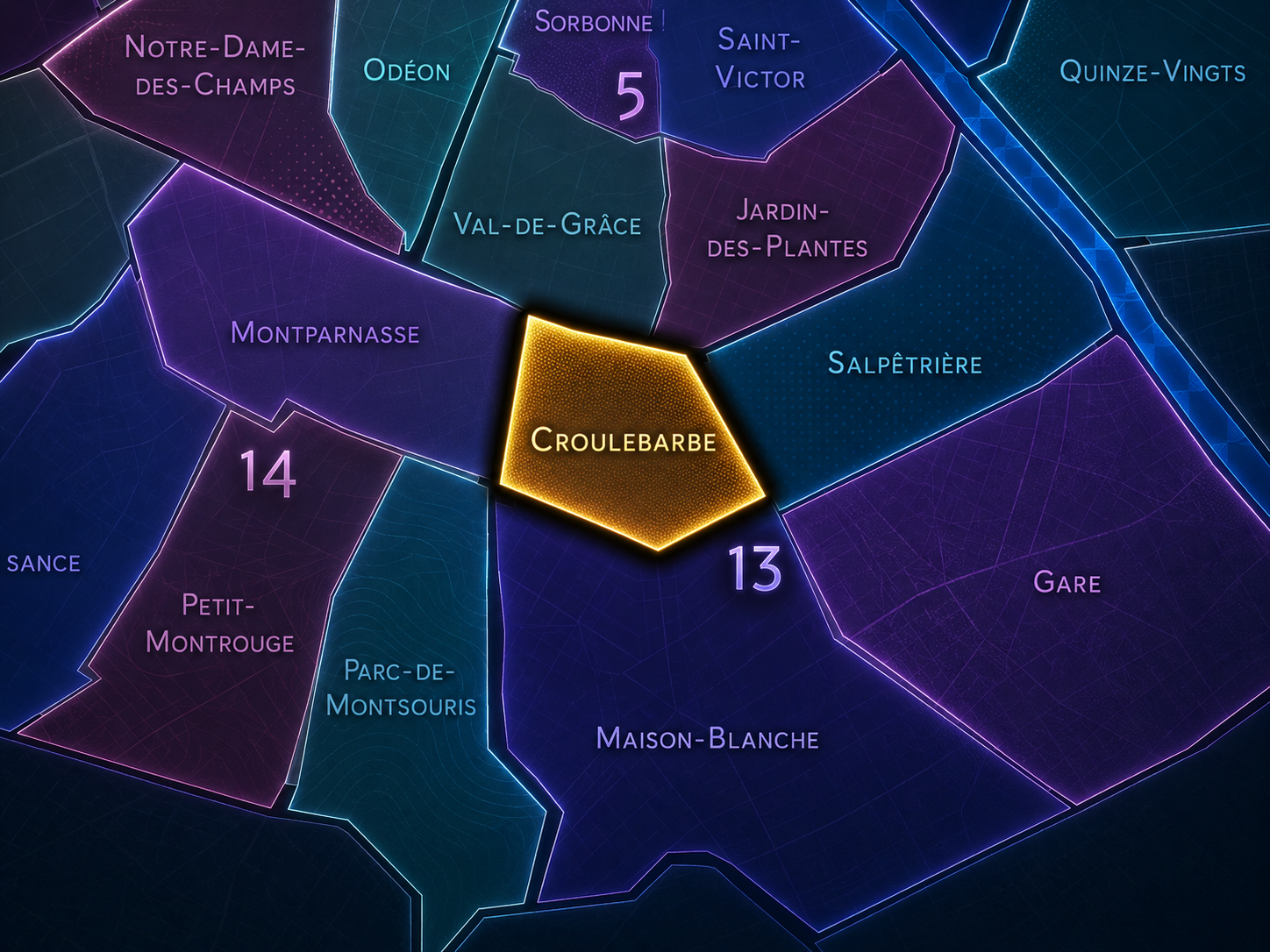
Croulebarbe occupies the northwestern portion of the 13th arrondissement, where the Left Bank descends from the Latin Quarter and Port-Royal toward the Gobelins, the former Bièvre valley, Boulevard Auguste-Blanqui, and the older industrial-residential landscapes of southeastern Paris. It lies south of the 5th arrondissement’s Val-de-Grâce and Jardin-des-Plantes quarters, west of Salpêtrière, north of Maison-Blanche, and near the eastern edge of the 14th arrondissement. It is one of the smallest and most historically concentrated quarters of the 13th, but also one of the richest in urban memory.
The quarter’s geography is shaped by Avenue des Gobelins, Boulevard de Port-Royal, Boulevard Arago, Boulevard Auguste-Blanqui, Rue Croulebarbe, Rue Corvisart, Rue des Gobelins, Rue Berbier-du-Mets, Rue Pascal, Rue de la Glacière, and the gardened hollow of Square René-Le Gall. Its defining landmarks include the Manufacture des Gobelins, the former Bièvre landscape, the Mobilier national nearby, and the residential streets that preserve the quiet transition between institutional Paris, workshop Paris, and the older valley floor.
Unlike Salpêtrière, whose identity is strongly tied to hospital, rail, and institutional scale, or Maison-Blanche, whose character reaches southward toward Butte-aux-Cailles, Tolbiac, and the broader residential plateau of the 13th, Croulebarbe is more compact and historically enclosed. It is the 13th arrondissement at the point where water, craft, dye, tapestry, labor, and hidden topography shaped the city from beneath the surface.
Administrative Quarter Identity
Etymology and Origins
The name Croulebarbe comes from an old local name associated with the Bièvre valley and the mills that once stood along the small river. It is usually linked to a watermill or property known as the Moulin de Croulebarbe, whose name passed into the surrounding geography. Like many old Parisian names, it preserves a pre-modern landscape that is no longer visible in ordinary street life.
The name is wonderfully particular. It does not sound like the Paris of monuments, saints, royal squares, or boulevards. It sounds older, more local, more earthbound — a name from a valley of water, mills, gardens, workshops, and trades before the modern city covered and regularized the ground. Croulebarbe is one of those quarter names that feels almost hidden in plain sight, as though it belongs to a Paris that still runs underneath the present one.
That hidden quality suits the quarter. The Bièvre has largely disappeared from view, covered and absorbed into the urban fabric, but it remains central to the area’s history. The name Croulebarbe keeps that older landscape alive. It tells us that this quarter began not with a grand monument, but with waterpower, land use, and the practical geography of a small river valley.
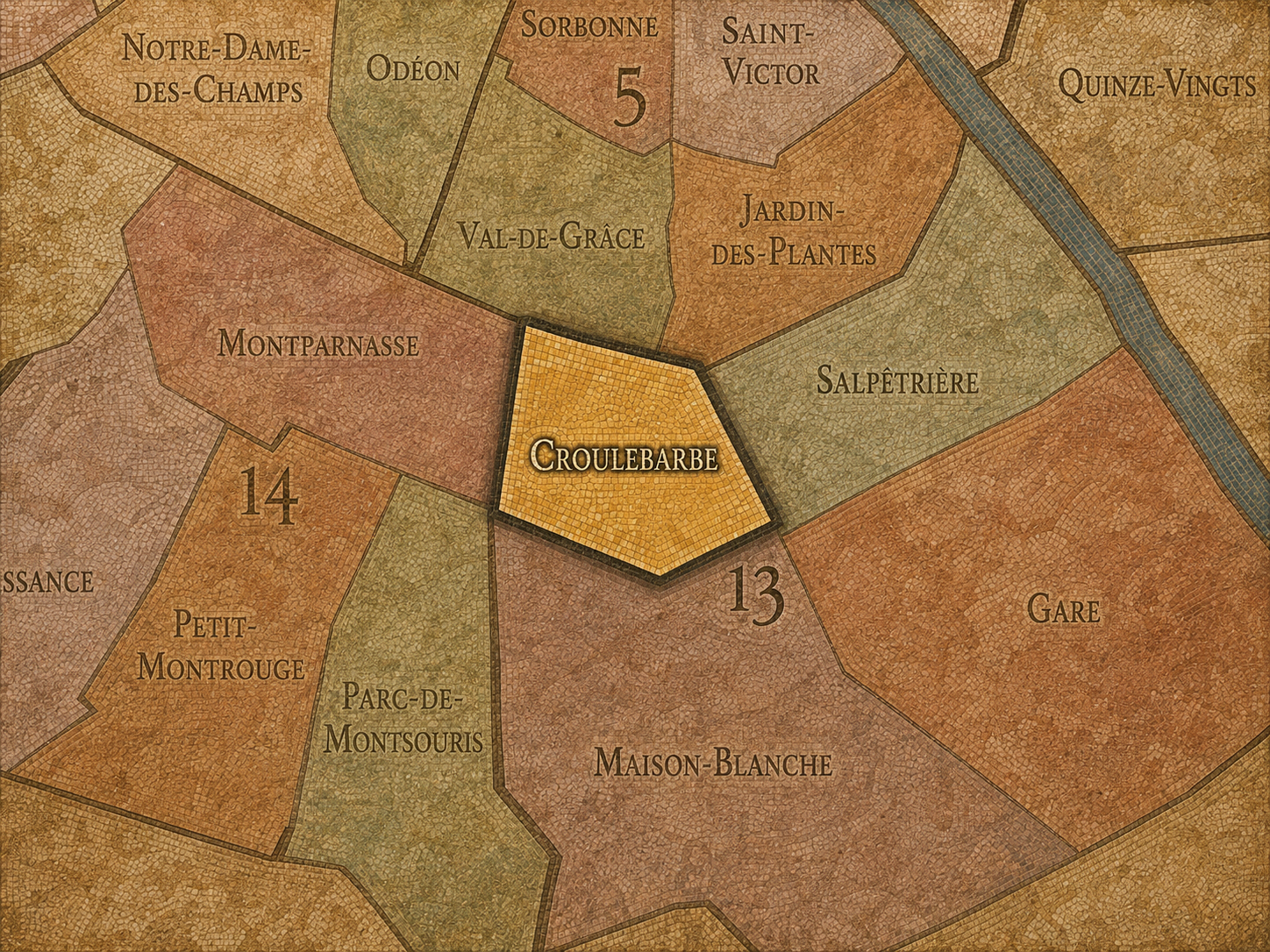
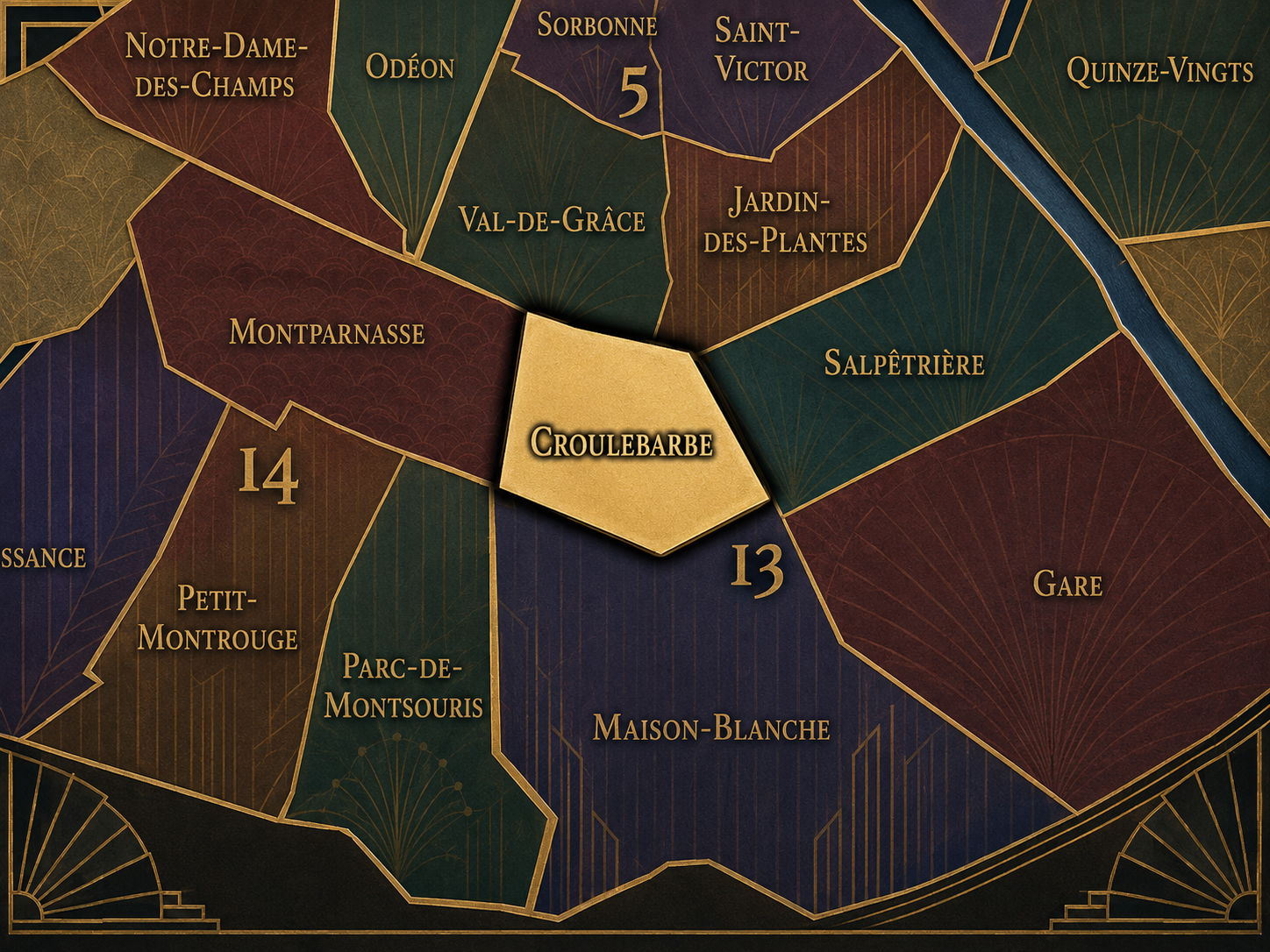
Within the official geography of Paris, Croulebarbe is one of the four administrative quarters of the 13th arrondissement, alongside Salpêtrière, Gare, and Maison-Blanche. It occupies the arrondissement’s northwestern sector, giving formal civic shape to the area around the Gobelins, the former Bièvre valley, and the residential streets between Port-Royal, Glacière, Gobelins, and Boulevard Auguste-Blanqui.
As an administrative quarter, Croulebarbe helps clarify a part of Paris that is often described through neighboring names: Gobelins, Port-Royal, Glacière, Butte-aux-Cailles edge, or the northern 13th. The official quarter name gathers these fragments into one mapped unit and restores the older valley identity beneath the stronger landmark names around it.
This civic frame is especially useful because Croulebarbe can otherwise be overshadowed. The 13th arrondissement is often imagined through the towers of Olympiades, the Bibliothèque François-Mitterrand, Chinatown, Butte-aux-Cailles, Salpêtrière, or the Seine-side redevelopment zones. Croulebarbe offers another layer: the small, older, craft-and-water quarter from which part of the arrondissement’s deeper history can be read.
Civic Framework
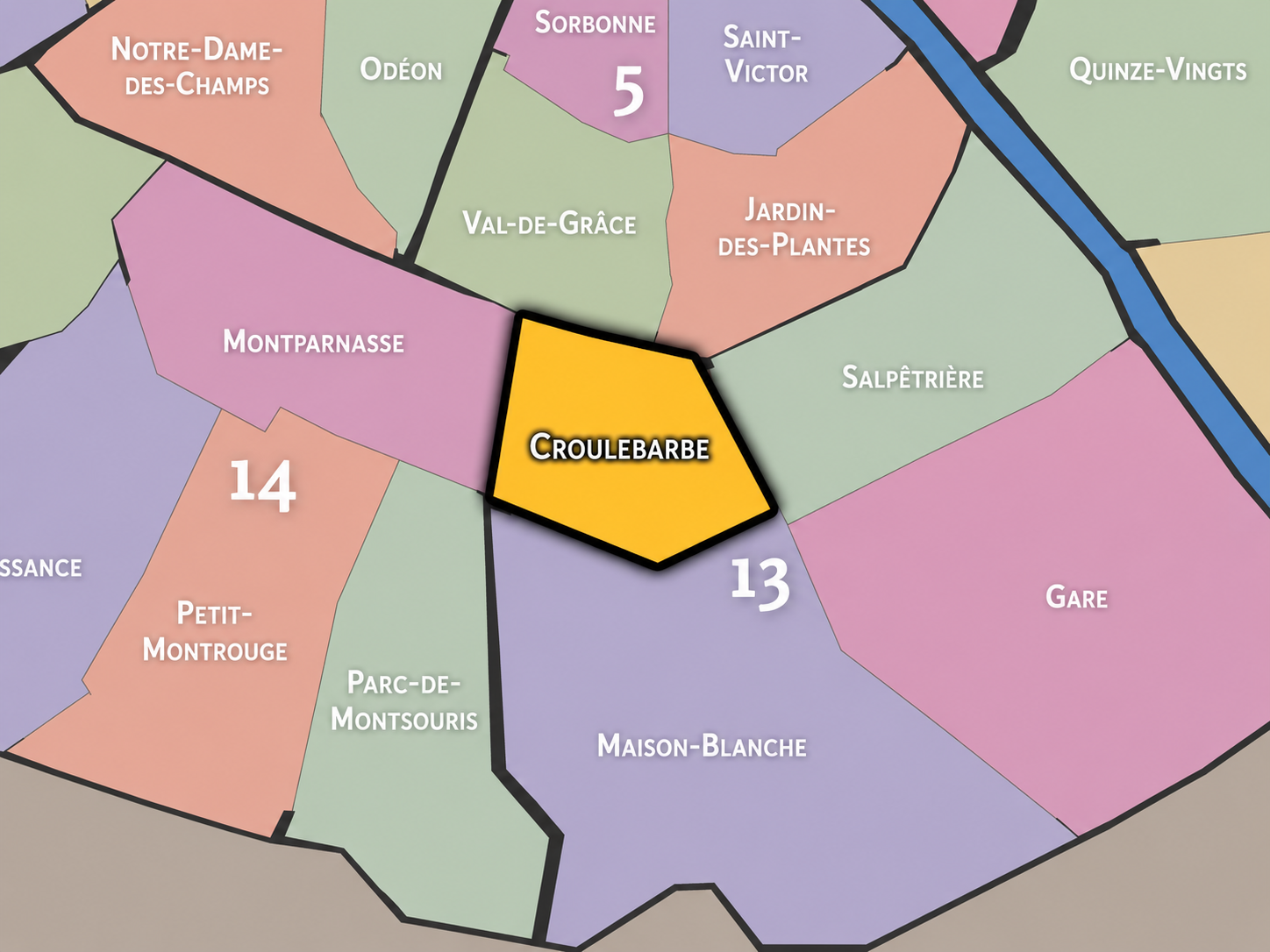
Croulebarbe differs from the other quarters of the 13th arrondissement through its intimate scale, Bièvre memory, and connection to the Gobelins textile tradition. Salpêtrière is more institutional and infrastructural, shaped by the hospital complex, Gare d’Austerlitz, and the northeastern edge of the arrondissement. Gare is more strongly tied to rail, riverfront, modern redevelopment, and the Seine-side transformation of eastern Paris. Maison-Blanche is larger, more residential, and more strongly associated with Butte-aux-Cailles, Tolbiac, and the southern interior of the arrondissement.
Croulebarbe is older in texture and more hidden in historical logic. Its distinction lies in the way it preserves traces of a vanished environmental and industrial geography. The Bièvre once shaped the area’s trades, especially dyeing, tanning, washing, and textile work. The Manufacture des Gobelins transformed that practical valley economy into one of the great artistic and state-supported craft institutions of France.
It should also be distinguished from Gobelins as a cultural name. Gobelins is one of the quarter’s strongest identities, especially because of the famous tapestry manufactory and Avenue des Gobelins. Croulebarbe is the official administrative quarter; Gobelins is the craft, institutional, and street identity that gives much of the quarter its public recognition. The two belong together, but they are not the same layer.
Neighborhood Distinction
Parisian Identity
Croulebarbe expresses Paris as a city shaped by hidden water and visible craft. It is one of the places where the capital’s elegance depends on a more practical, less glamorous history beneath it: river channels, mills, dye works, textile production, workshops, industrial smells, labor, and the transformation of raw materials into finished beauty.
The Manufacture des Gobelins is central to this identity. Paris is often celebrated for art, monarchy, museums, fashion, and decorative refinement, but Croulebarbe reminds us that refinement has a material base. Tapestries, textiles, colors, patterns, and royal interiors were not abstract symbols of prestige; they were made by skilled workers in specific places, shaped by water, chemistry, labor, and institutional control.
The quarter’s Parisian identity is therefore both humble and magnificent. The old Bièvre valley belonged to work and necessity. The Gobelins elevated that work into national art. Croulebarbe holds both truths: Paris as laboring city and Paris as city of exquisite surface. In this quarter, the surface and the underside are part of the same story.
Neighborhood Connections
Every administrative quarter belongs to a wider Parisian fabric. These connections place Croulebarbe within the city’s civic, participatory, and cultural geography:
-
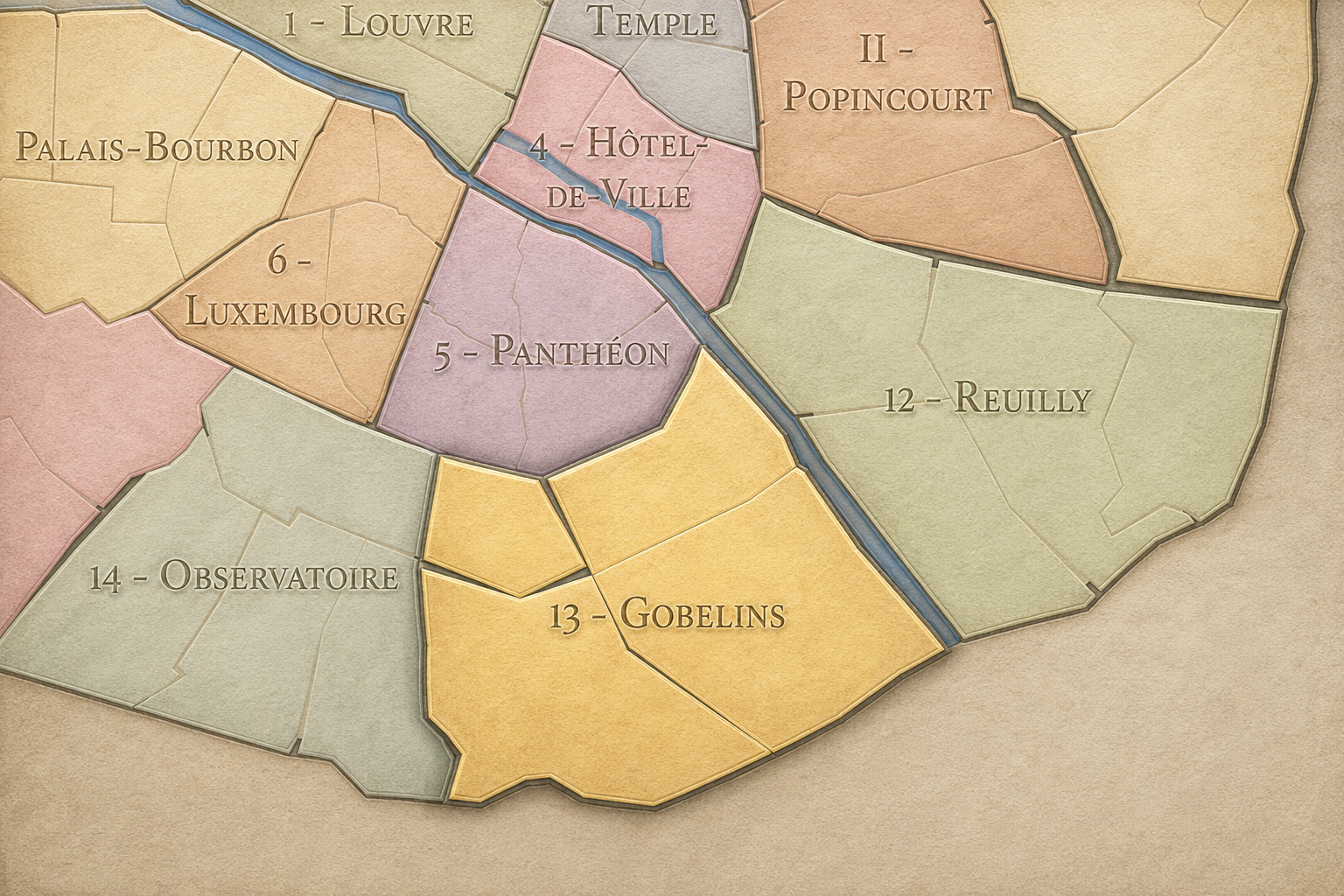
13e - Gobelins
-
Croulebarbe
The History
The origins of Croulebarbe lie in the valley of the Bièvre, the small river that once flowed through southeastern Paris before joining the Seine. Before the area became part of the dense modern city, the Bièvre created a landscape of watercourses, banks, gardens, mills, and productive land. Its water made the area useful for trades that depended on washing, soaking, dyeing, and processing materials.
This geography attracted activities that were essential but often undesirable near the most prestigious parts of the city. The Bièvre valley became associated with tanners, dyers, butchers, washers, and other trades that used water intensively and often produced strong smells or pollution. Croulebarbe’s origins are therefore tied to the working underside of Paris: not the ceremonial city, but the city that processed, made, cleaned, colored, and supplied.
The old Croulebarbe name, linked to mill and valley, belongs to this world. It preserves the memory of a landscape before the river was hidden and before the 13th arrondissement became known through modern housing, institutions, and redevelopment. The quarter began with water.
Origins
16th–17th Century
In the 16th and 17th centuries, Croulebarbe and the surrounding Bièvre valley became increasingly important to the textile and dyeing trades. The Gobelin family, dyers whose name became attached to the area, helped establish the district’s association with fine color and textile production. The Bièvre’s water supported dyeing and related activities, making the valley a practical setting for the production of luxury materials.
The 17th century was especially decisive. Under royal patronage, the Gobelins site was transformed into a state-supported manufactory associated with tapestries and furnishings for the crown. This connected the working valley to the highest levels of French artistic and political display. A district of water and dye became part of the machinery of royal magnificence.
This period established one of Croulebarbe’s defining contrasts. The quarter remained physically modest compared with grand royal landscapes, yet it helped produce the objects that furnished and glorified them. The labor of the Bièvre valley entered palaces, embassies, and ceremonial interiors. Croulebarbe became a quiet source of visible power.
In the 18th century, the Gobelins manufactory continued to shape the identity of Croulebarbe and the surrounding district. Tapestry, dyeing, and decorative arts linked the quarter to royal taste, state production, and the prestige of French craftsmanship. The Bièvre valley remained essential to the area’s trades, even as the growth of Paris made the environmental consequences more severe.
The river’s usefulness also became its burden. Industrial and artisanal activity along the Bièvre brought pollution, odors, and public-health concerns. The same water that made the quarter productive also marked it as less refined than the city’s ceremonial and aristocratic districts. Croulebarbe belonged to a Paris where beauty and contamination could be intimately connected.
The French Revolution disrupted royal institutions and the systems of patronage that had supported luxury production. Yet the skills, workshops, and material culture of the district did not simply vanish. The quarter entered the modern era carrying both the legacy of royal craft and the social realities of a working valley increasingly pressed by urban growth.
18th Century
19th Century
The 19th century transformed Croulebarbe through urban expansion, industrial pressure, and the gradual covering and regulation of the Bièvre. As Paris grew, the river became increasingly associated with pollution and unsanitary conditions. What had once been a productive watercourse became a public-health problem. The city began to control, cover, and eventually erase much of the river from view.
At the same time, the quarter became more fully integrated into the modern city. Streets, apartment buildings, institutions, and workshops filled the landscape. The Gobelins remained a major cultural and craft anchor, while the surrounding district developed as part of the working and residential 13th arrondissement. Croulebarbe became urban not by losing its history, but by burying much of it beneath streets.
The 19th century also produced one of the quarter’s central modern conditions: hidden topography. The Bièvre valley still shaped the ground, the street pattern, and the memory of the area, even as the river itself disappeared. Croulebarbe became a place where the city’s past could no longer always be seen directly, but could still be sensed through names, slopes, institutions, and historical traces.
In the early and mid 20th century, Croulebarbe remained a residential and institutional quarter shaped by the afterlife of the Bièvre and the continued presence of the Gobelins. The river was increasingly covered and absent from daily view, but its former course still haunted the urban landscape. Streets, buildings, gardens, and public spaces occupied ground once shaped by water and work.
The quarter’s social identity was quieter than the major industrial or railway zones of eastern Paris, but it retained connections to craft, modest residence, and institutional life. The Manufacture des Gobelins continued to represent the deep continuity of French decorative arts, while the surrounding streets absorbed the everyday routines of the modern 13th arrondissement.
During the upheavals of war, occupation, liberation, and postwar recovery, Croulebarbe remained one of those Parisian quarters whose importance lay in continuity rather than spectacle. It held craft memory, local life, and the layered inheritance of a river valley now mostly concealed beneath the city.
Early–Mid 20th Century
Late 20th Century
In the late 20th century, Croulebarbe gained renewed significance as interest grew in hidden urban histories, industrial heritage, and the rediscovery of the Bièvre. Across Paris, the covered river became the subject of historical study, ecological curiosity, and local memory. Croulebarbe, with its name, street pattern, Gobelins heritage, and valley geography, became one of the places where that lost river story could be most meaningfully explored.
The quarter also remained distinct from the large-scale redevelopment and tower landscapes elsewhere in the 13th. While parts of the arrondissement became associated with modernist housing, high-rises, and new urban planning, Croulebarbe retained a more intimate scale. Its streets and institutions held a different version of the 13th: older, smaller, and more closely tied to pre-industrial and early industrial Paris.
This period also reinforced the heritage value of the Manufacture des Gobelins and its surrounding district. Decorative arts, state craft, textile history, and the memory of royal production became increasingly important to understanding the neighborhood not just as a local quarter, but as part of France’s cultural infrastructure.
In the 21st century, Croulebarbe remains one of the 13th arrondissement’s most quietly distinctive quarters. It is residential, walkable, historically dense, and connected to several powerful Parisian layers: the Gobelins, the hidden Bièvre, Port-Royal, Glacière, the northern edge of the 13th, and the approach toward Butte-aux-Cailles and Maison-Blanche to the south. It does not advertise itself as loudly as some neighboring districts, but it rewards careful reading.
Today, the quarter’s identity is especially relevant because of renewed interest in urban ecology, buried waterways, and the environmental histories of cities. The Bièvre, once polluted and covered, has become a symbol of what modern urbanism concealed in the name of sanitation and progress. Croulebarbe helps tell that story at neighborhood scale. It shows how natural systems, labor systems, and urban systems became entwined.
For CityNeighborhoods: Paris, Croulebarbe is essential because it reveals the 13th arrondissement before the towers, before the redevelopment zones, and before the modern image of the southeastern city. It is the quarter of river memory, craft prestige, and hidden ground — a place where Paris’s elegance and its working underside meet.
21st Century
Spirit and Legacy
Croulebarbe is the quarter where Paris remembers the river it buried. Its spirit is quiet, craft-bound, and subterranean. It belongs to the Bièvre’s hidden course, to mills and dye works, to Gobelins tapestries, to shaded streets and garden hollows, to the labor that colored and furnished the city from the valley below.
Its legacy is the transformation of water into craft, craft into prestige, and river valley into neighborhood. The Bièvre made work possible. Work made the Gobelins famous. The city covered the river, but kept the names. Croulebarbe remains as a reminder that Paris is not only built upward in stone and monument, but downward into layers of water, labor, pollution, beauty, and concealment.
To walk Croulebarbe is to encounter Paris beneath the surface. The quarter does not announce itself through grand spectacle. It asks to be read through traces: a street name, a slope, a manufactory wall, a garden hollow, the memory of water under pavement. In Croulebarbe, neighborhood identity becomes an act of recovery — bringing the buried river and the working valley back into the visible story of the city.
The Photography
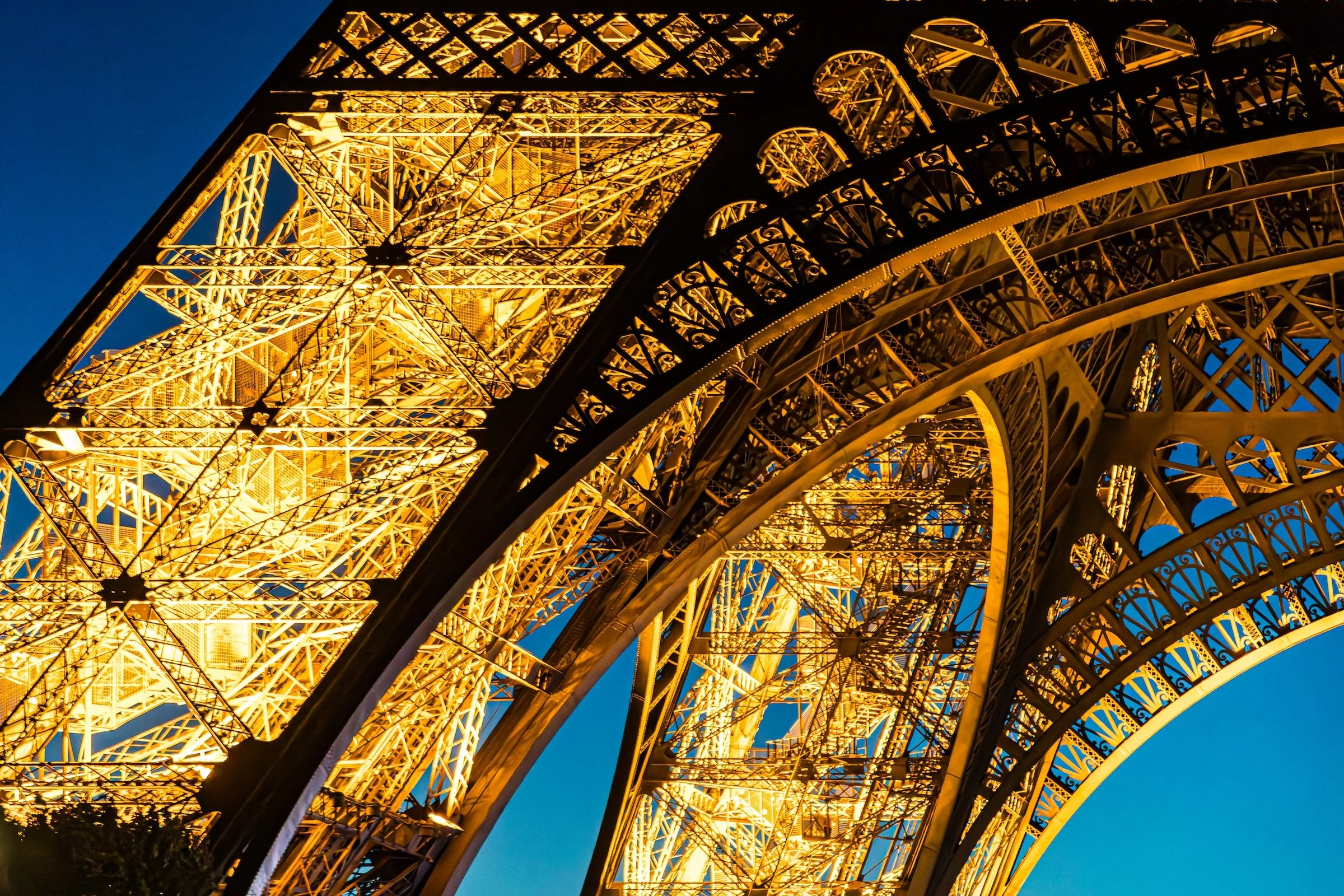
The arrondissements do not share a single visual identity. Instead, they organize Paris into twenty broad visual fields, each gathering its own combination of landmarks, streetscapes, institutions, residential districts, commercial corridors, parks, rail stations, markets, cemeteries, and riverfront edges.
Some arrondissements are defined by monumental scale: royal palaces, ceremonial avenues, government buildings, museums, formal gardens, and internationally recognized landmarks. Others are shaped by hills, canals, rail gateways, apartment-lined boulevards, neighborhood markets, former village streets, industrial remnants, parks, or the quieter rhythms of residential Paris. The arrondissement system gives these varied landscapes a civic frame, allowing the city to be read not as one visual language, but as a sequence of overlapping Parisian atmospheres.
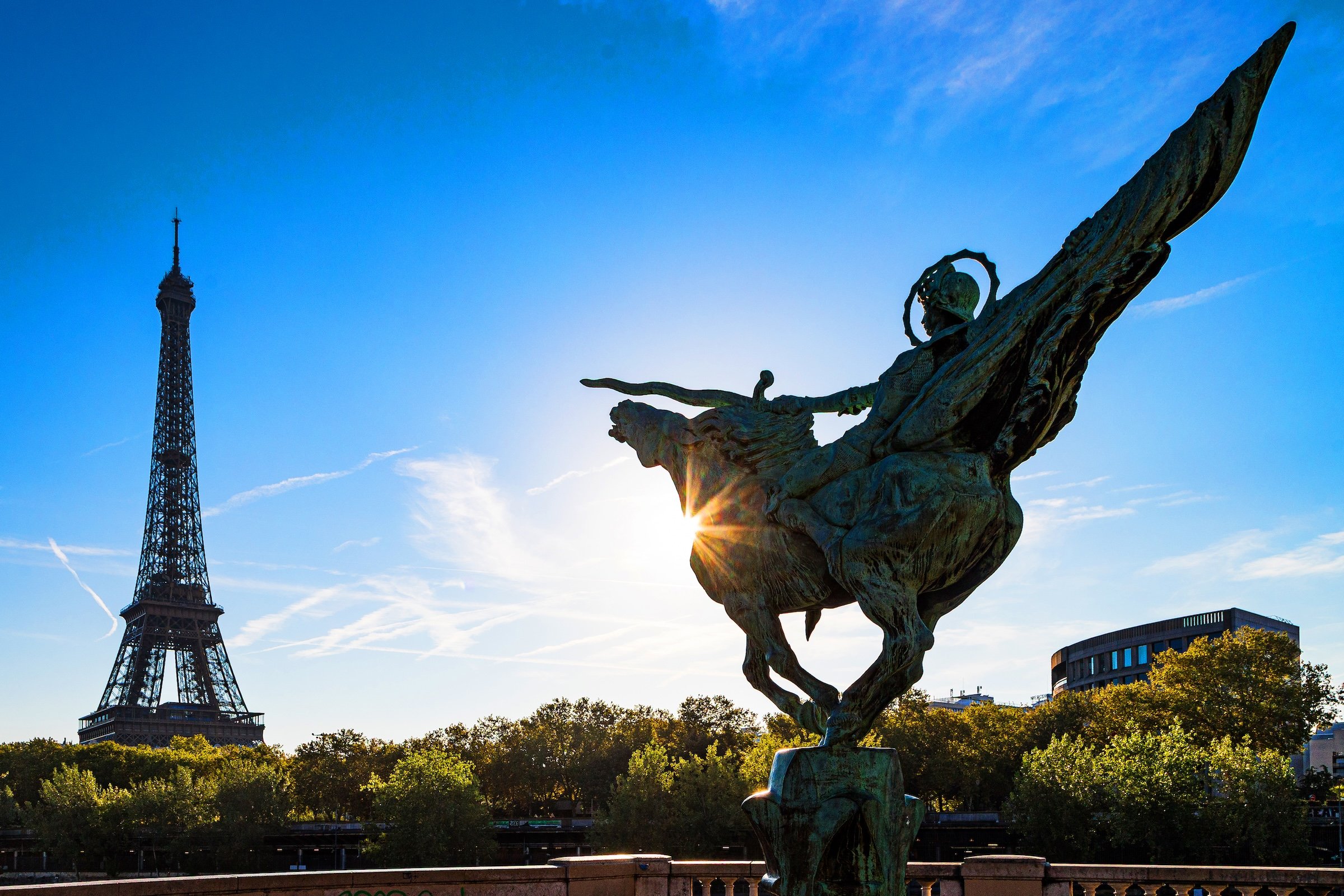
Visual Identity
Through The Lens
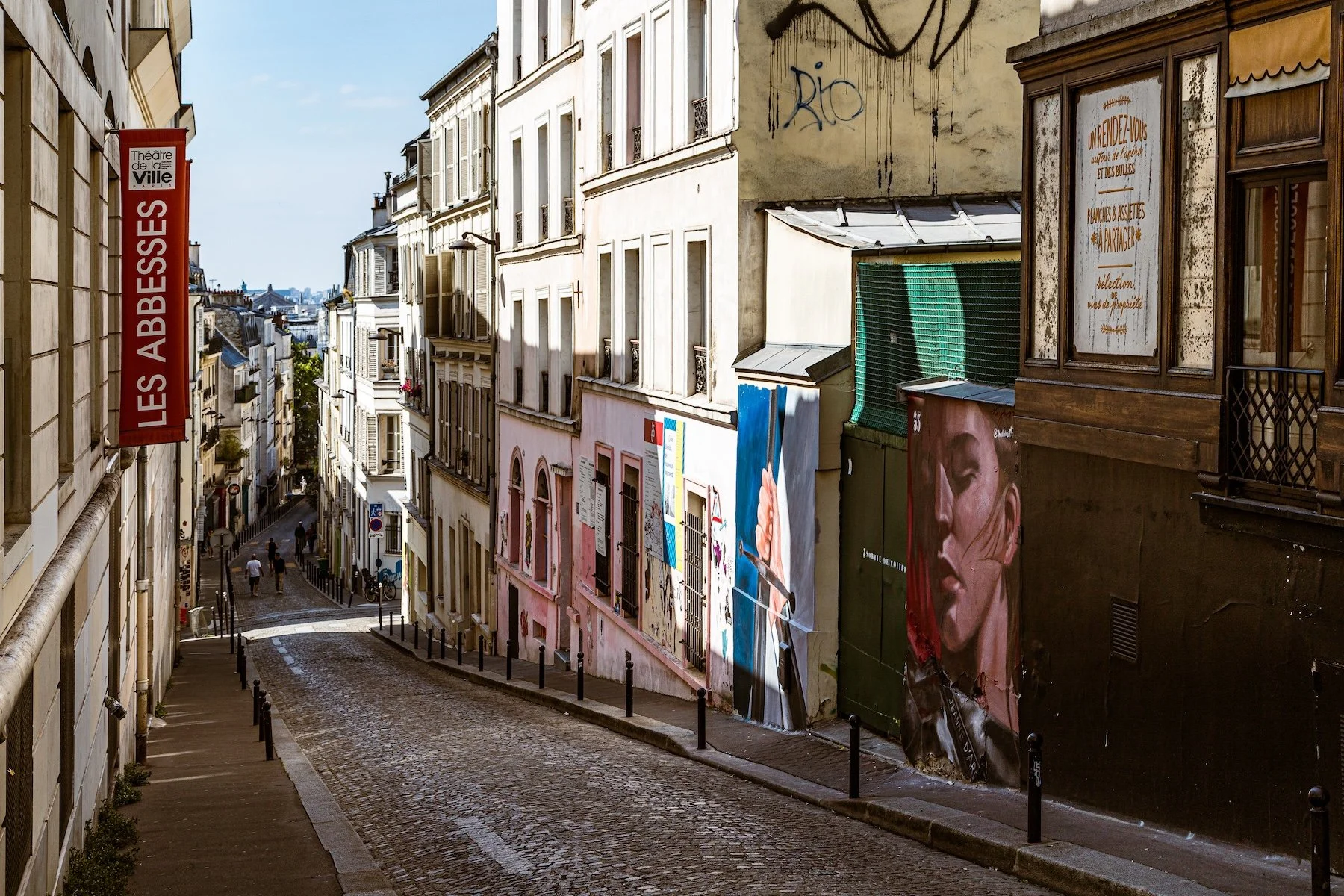
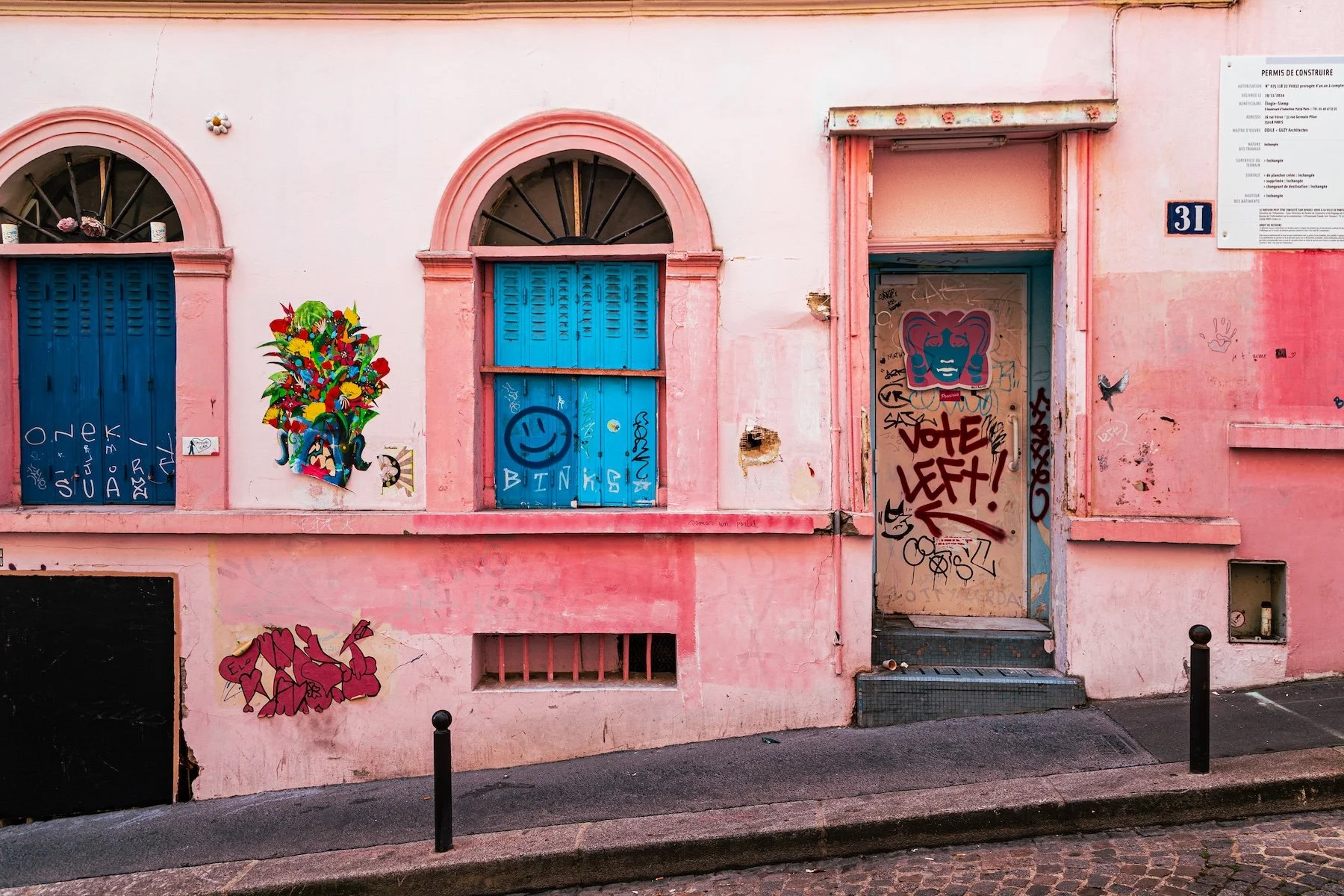
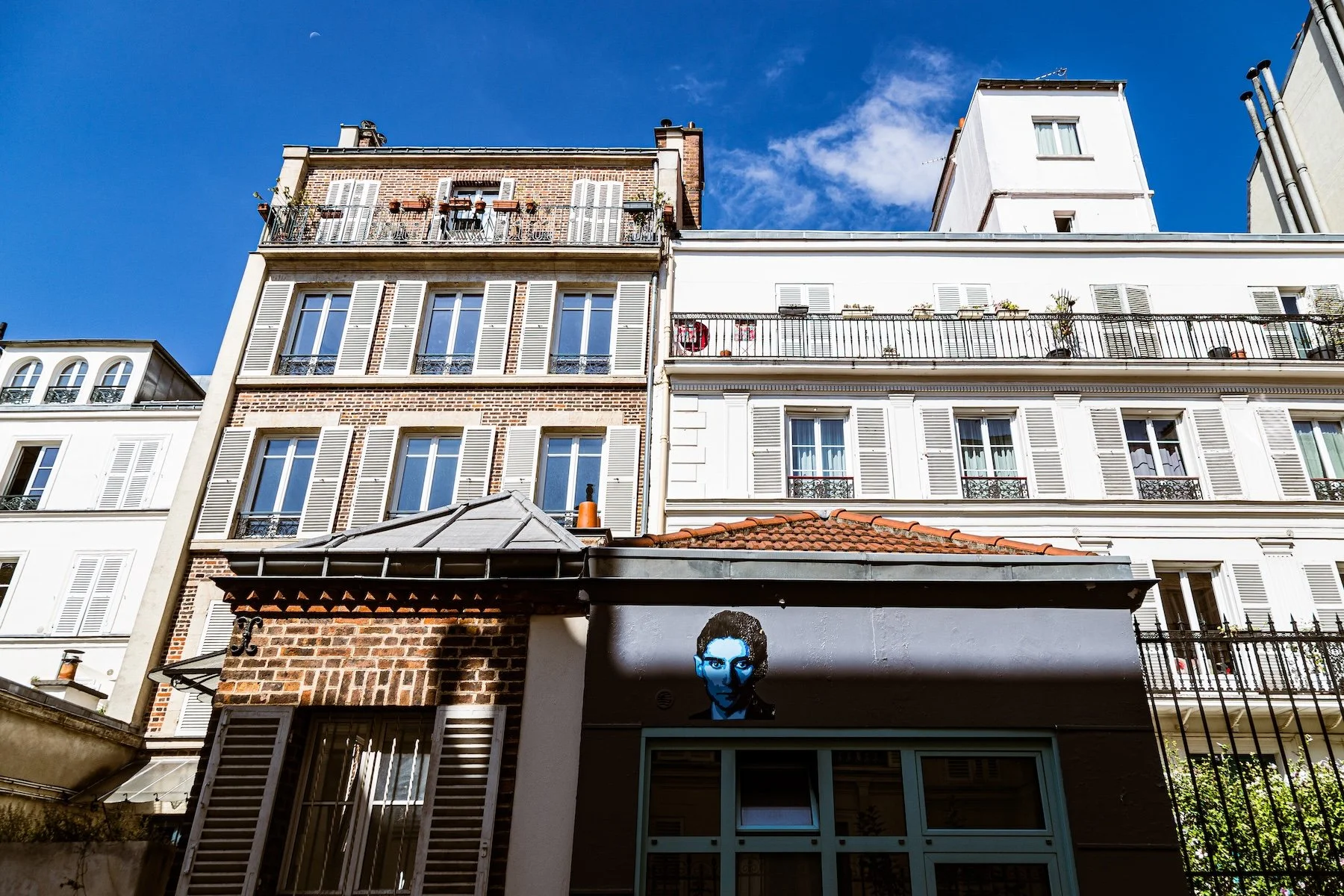
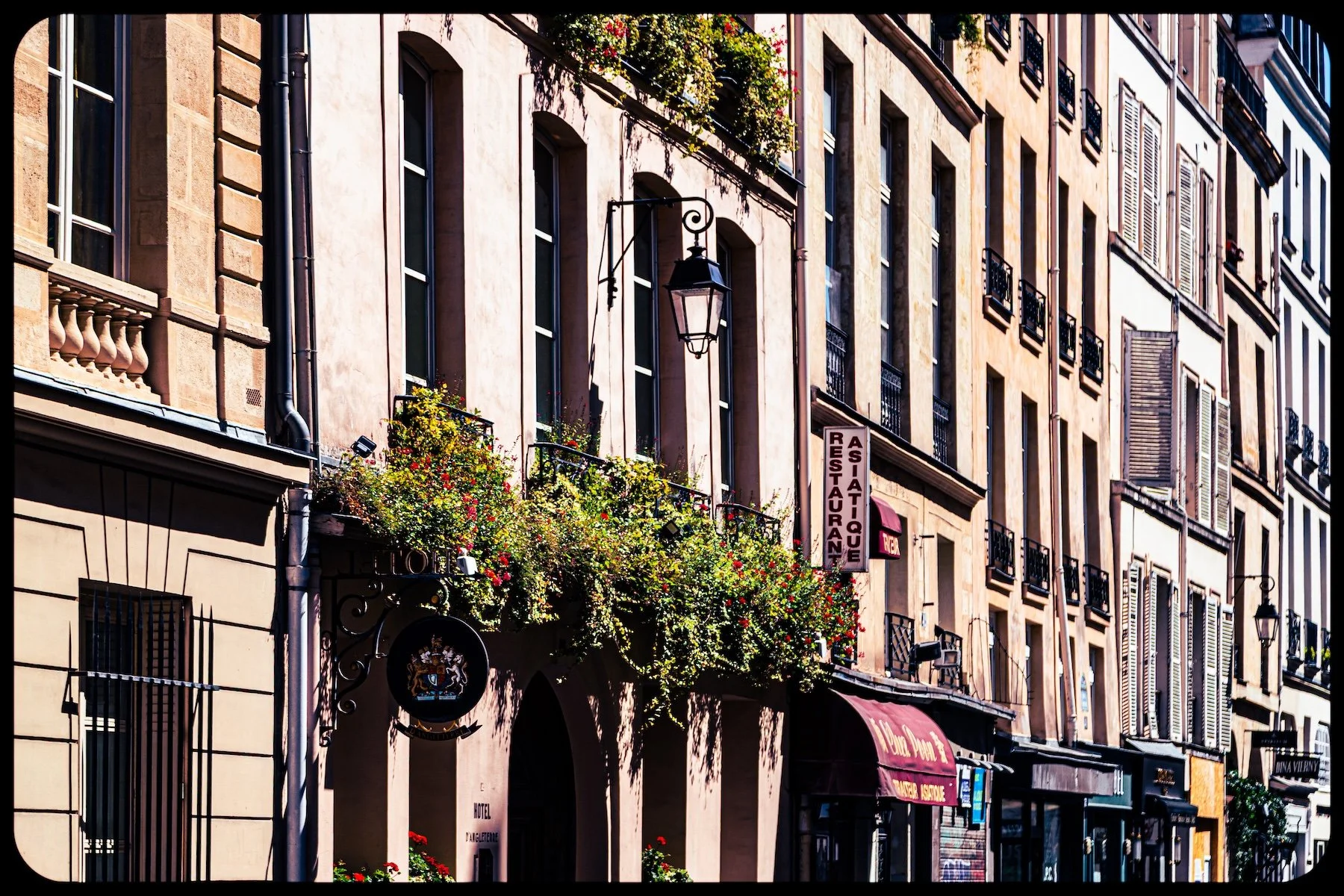
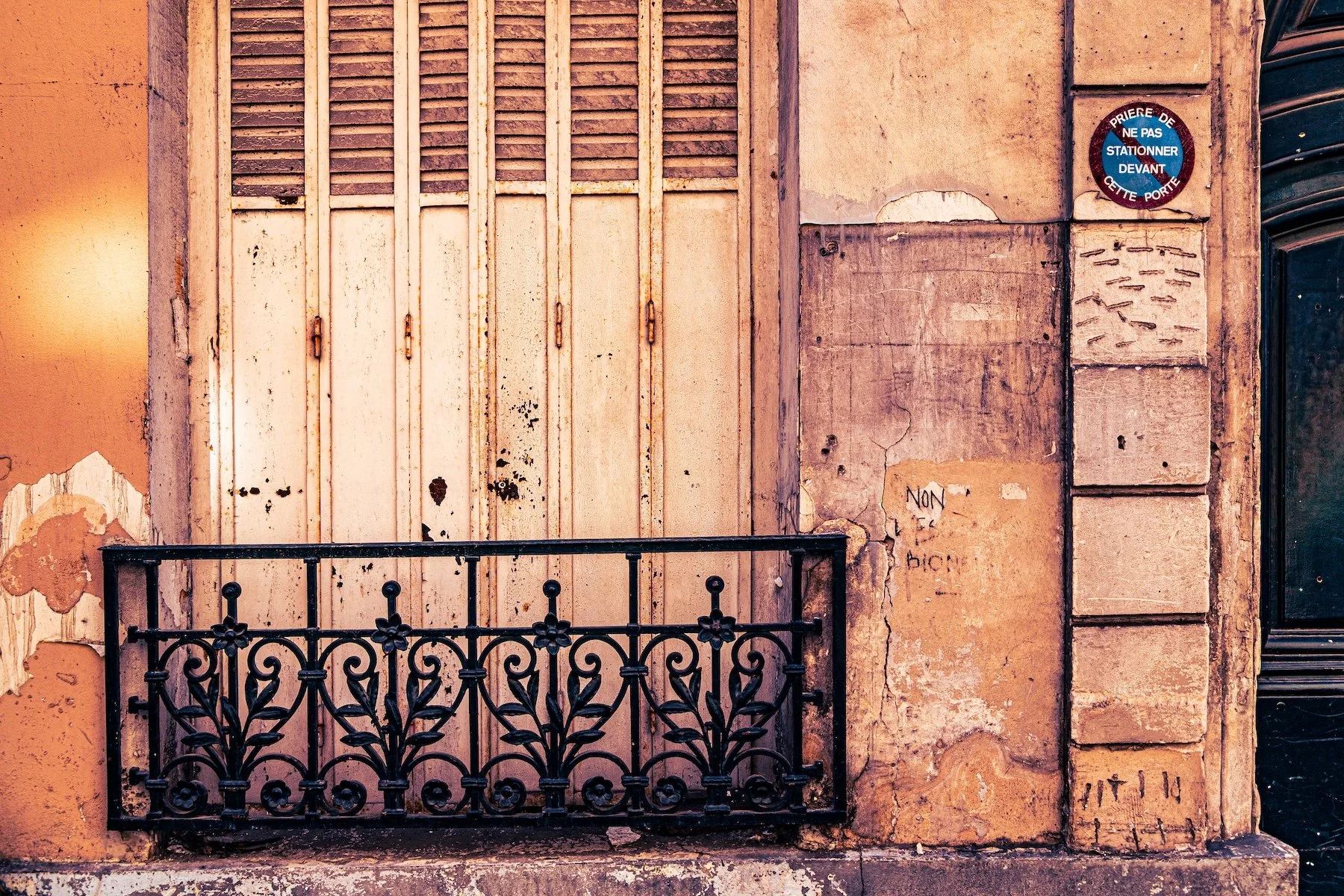
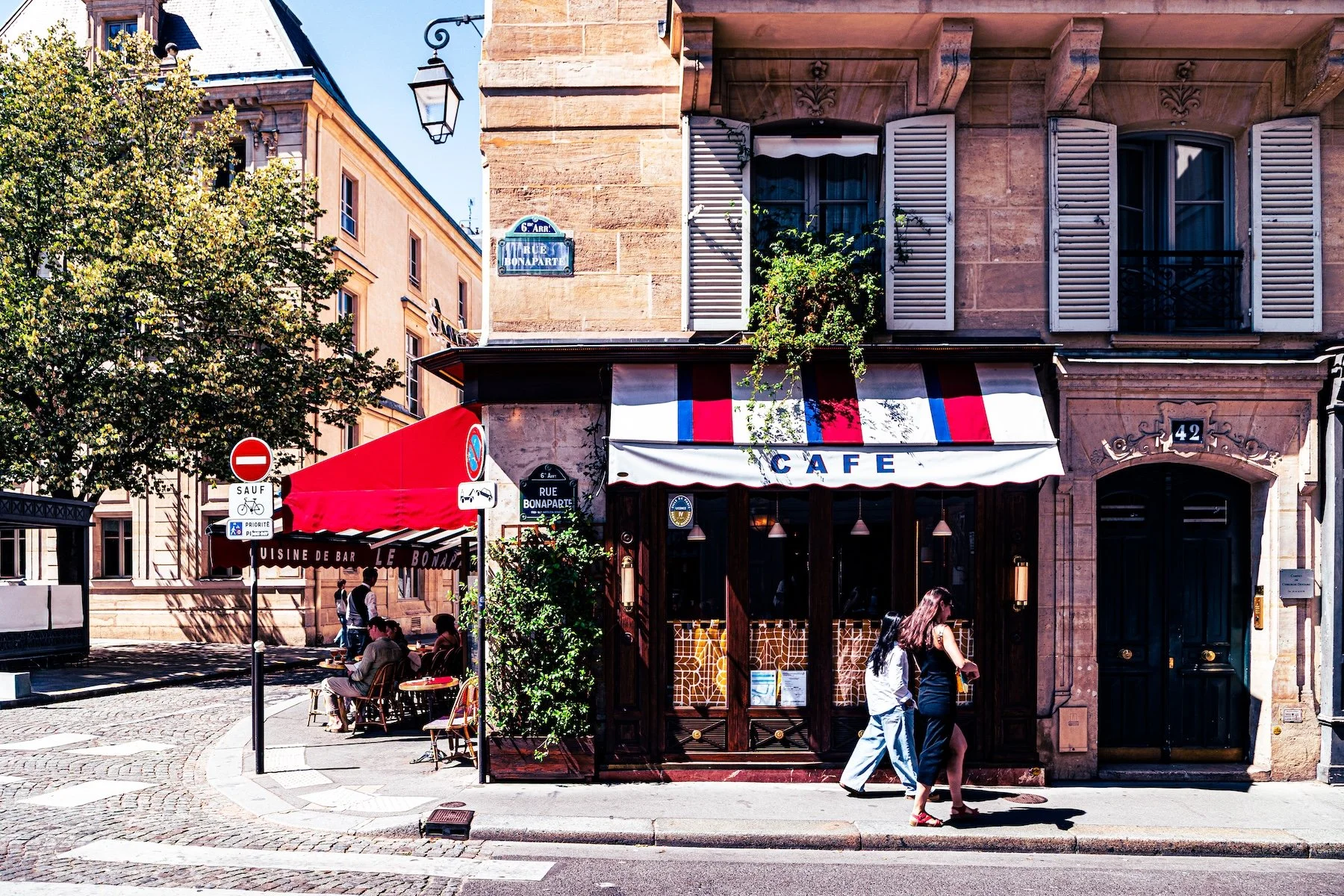
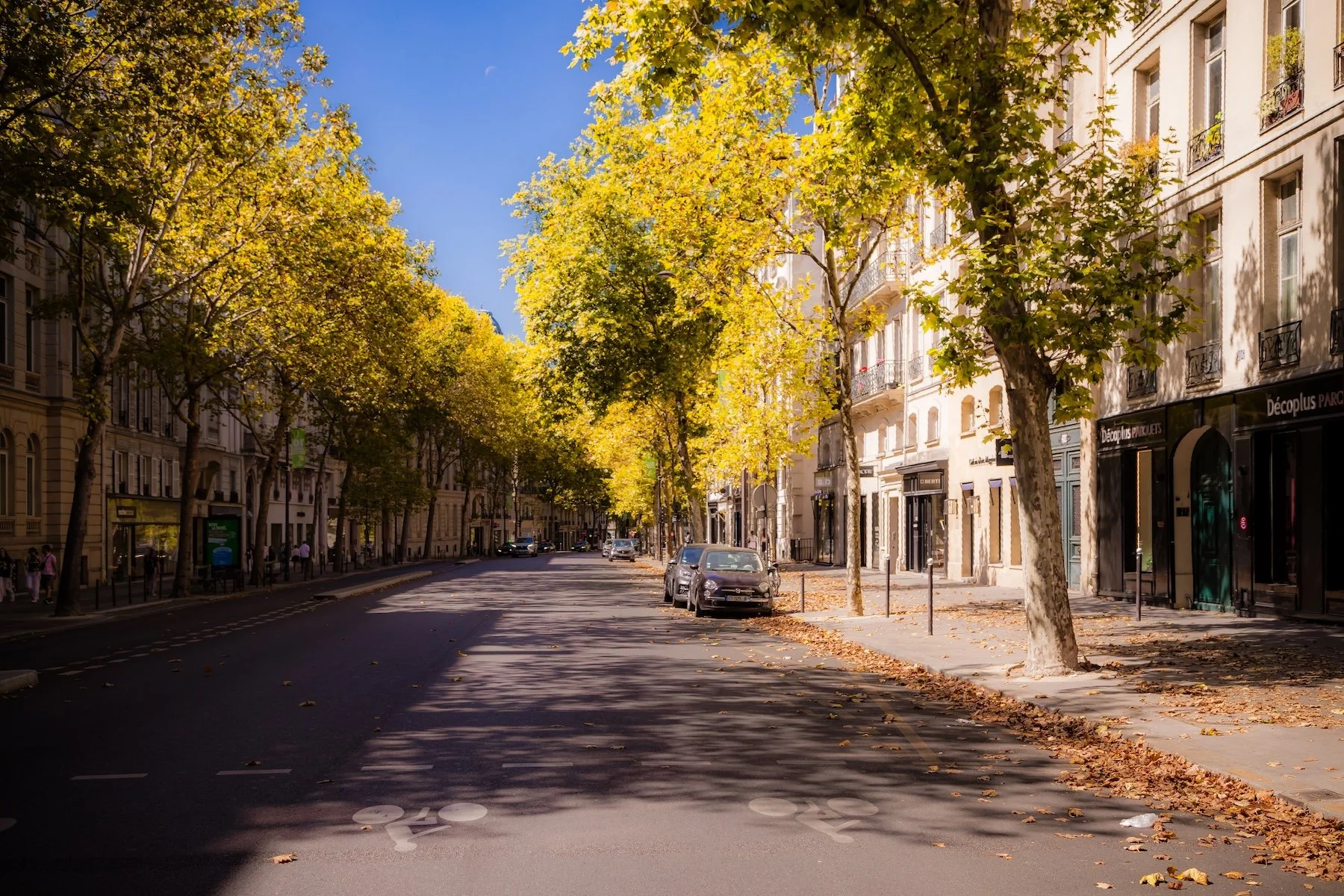
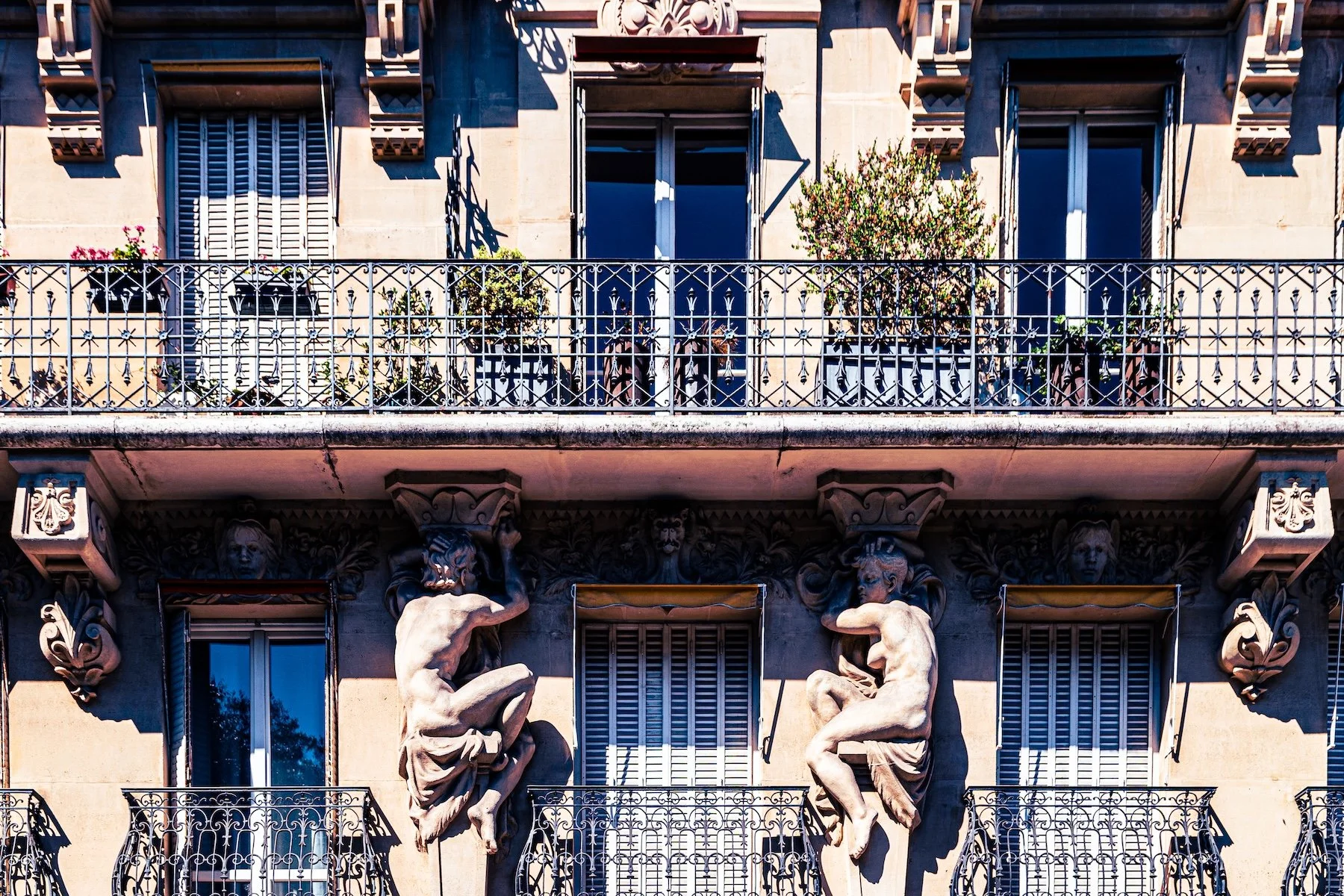
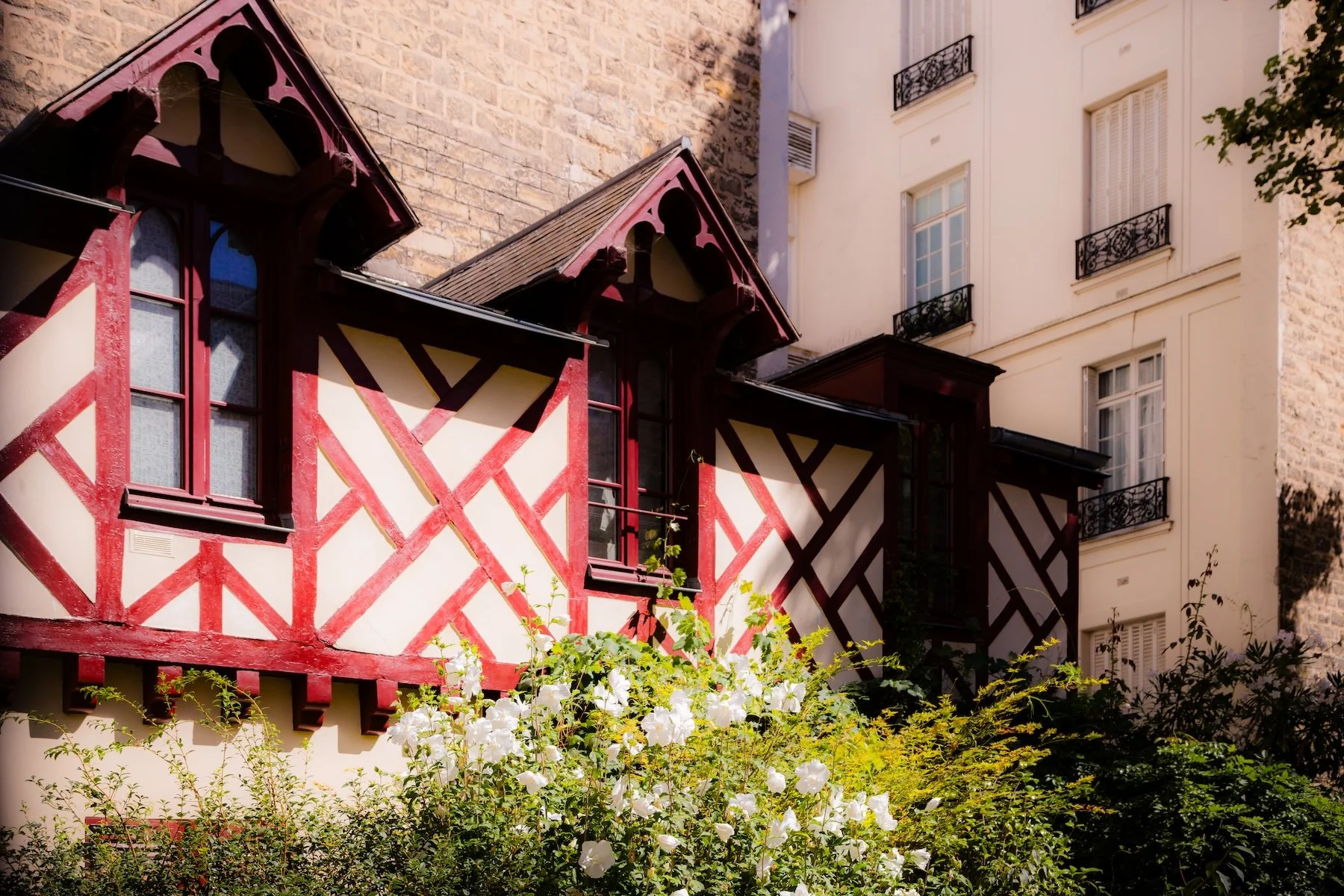
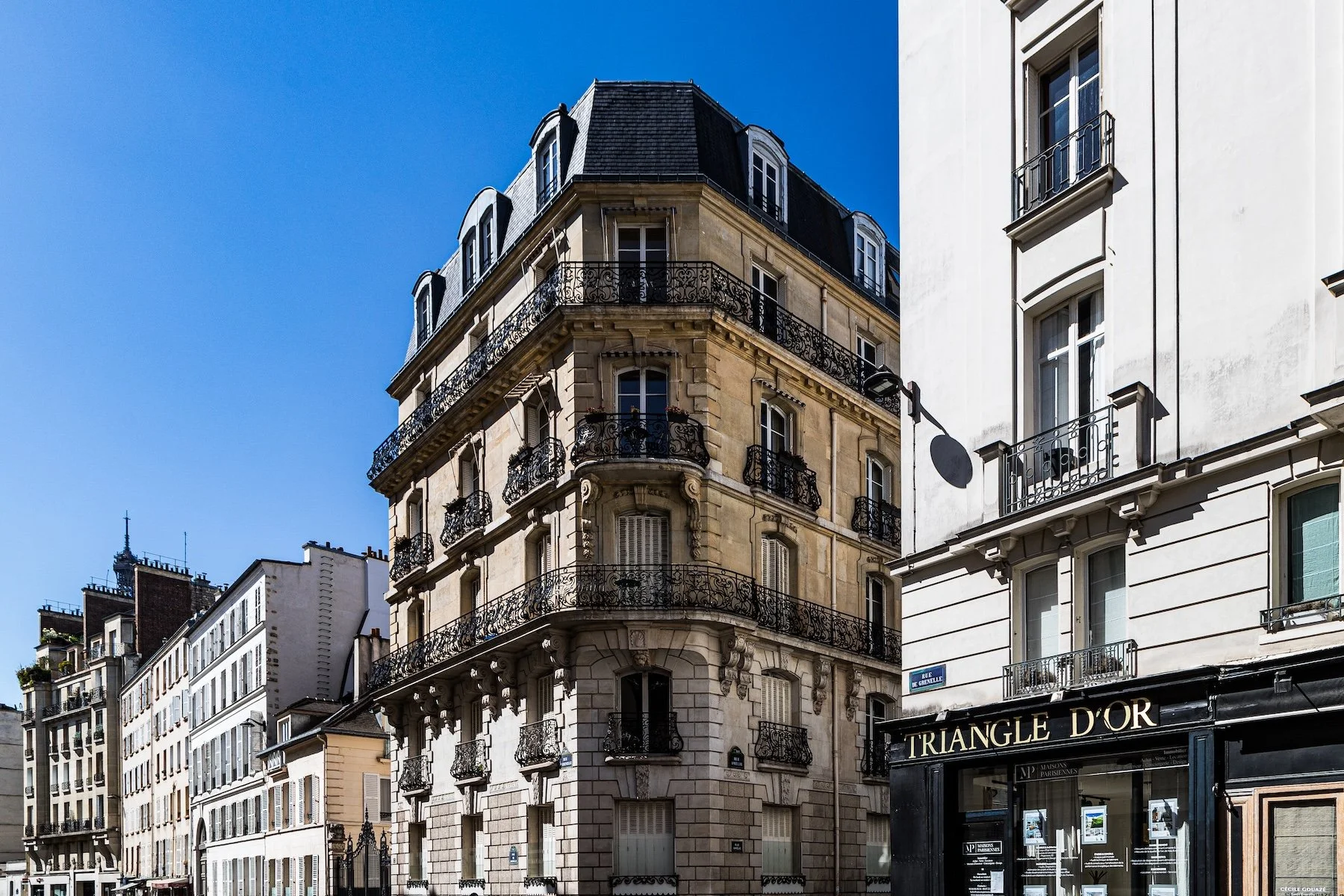
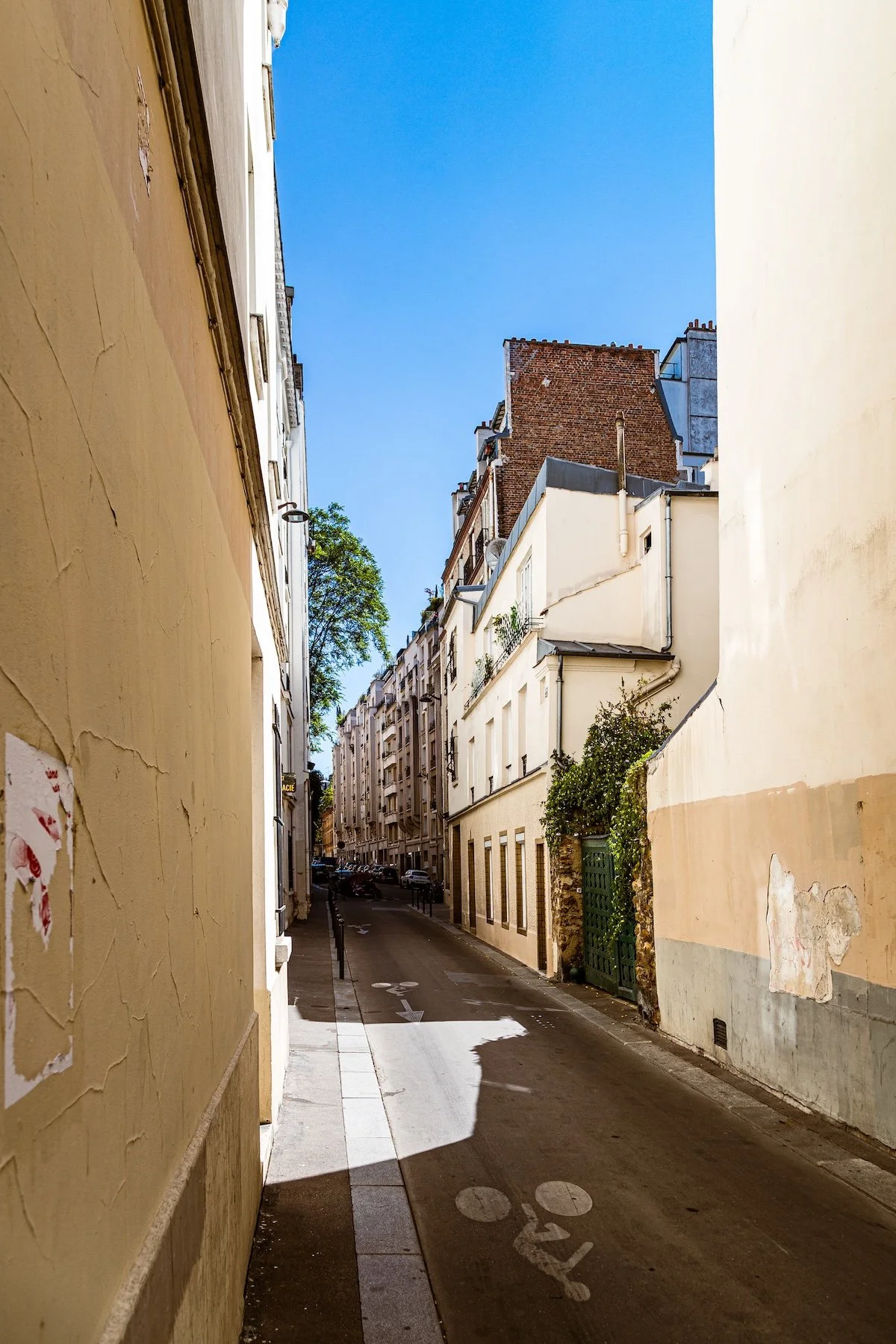
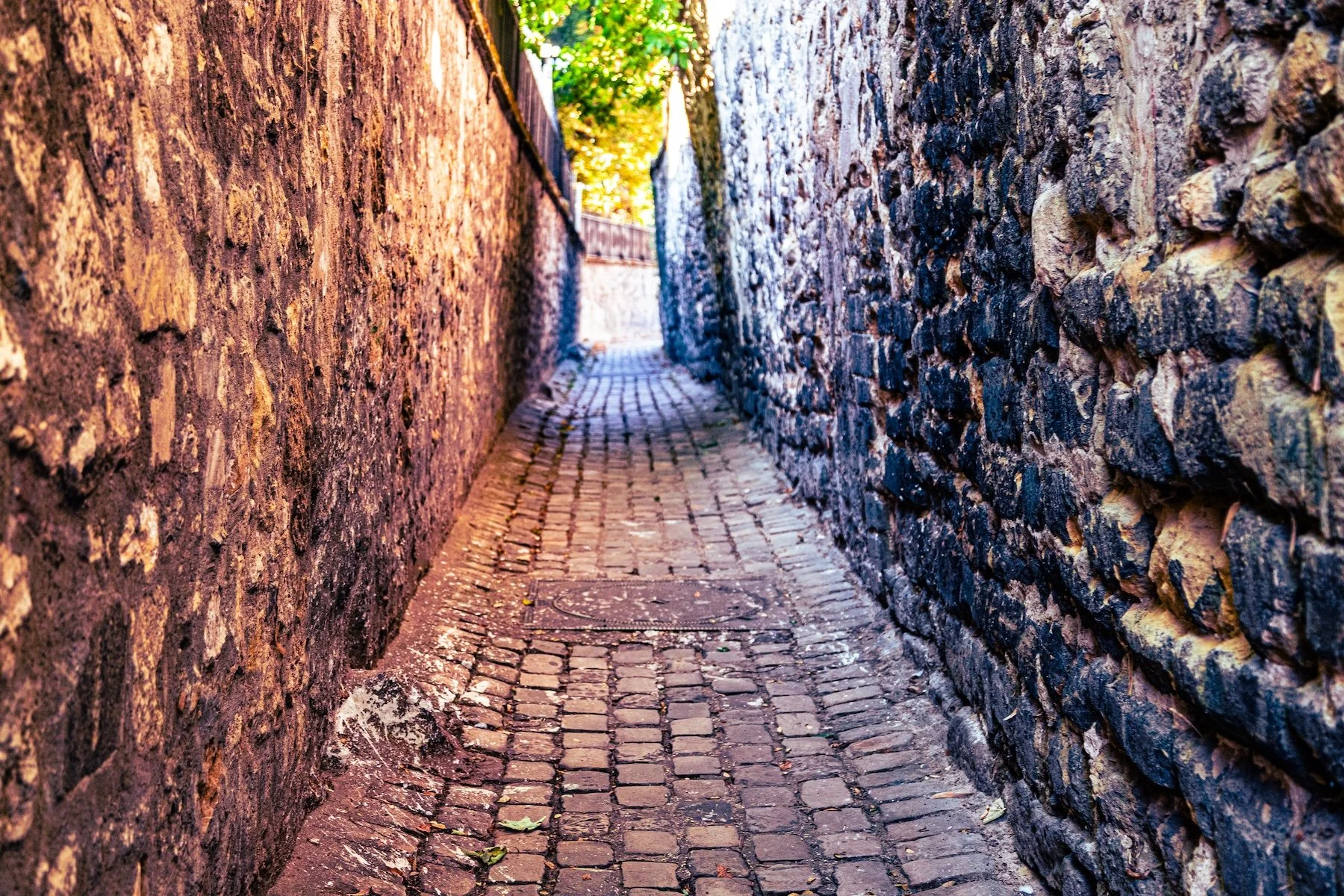
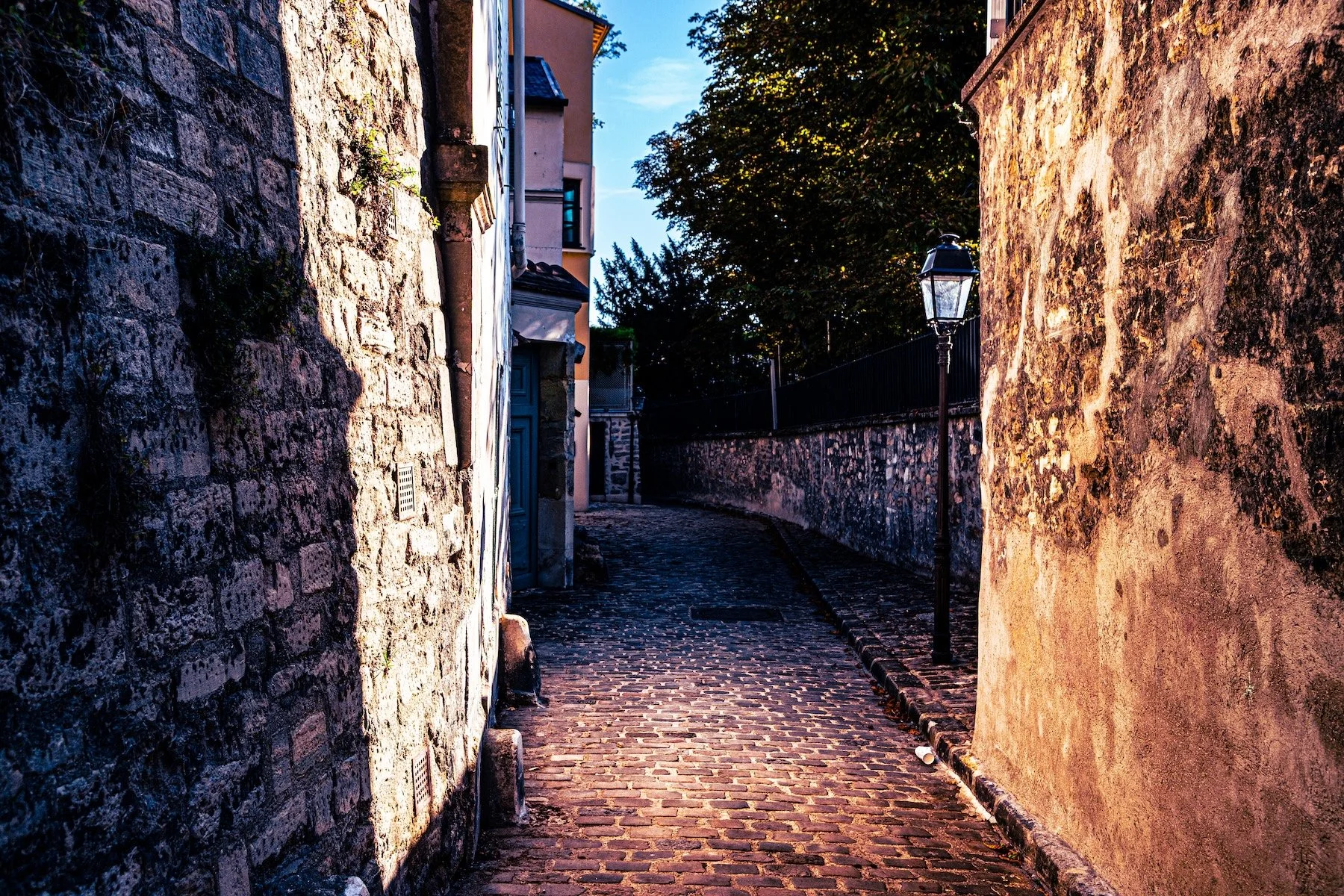
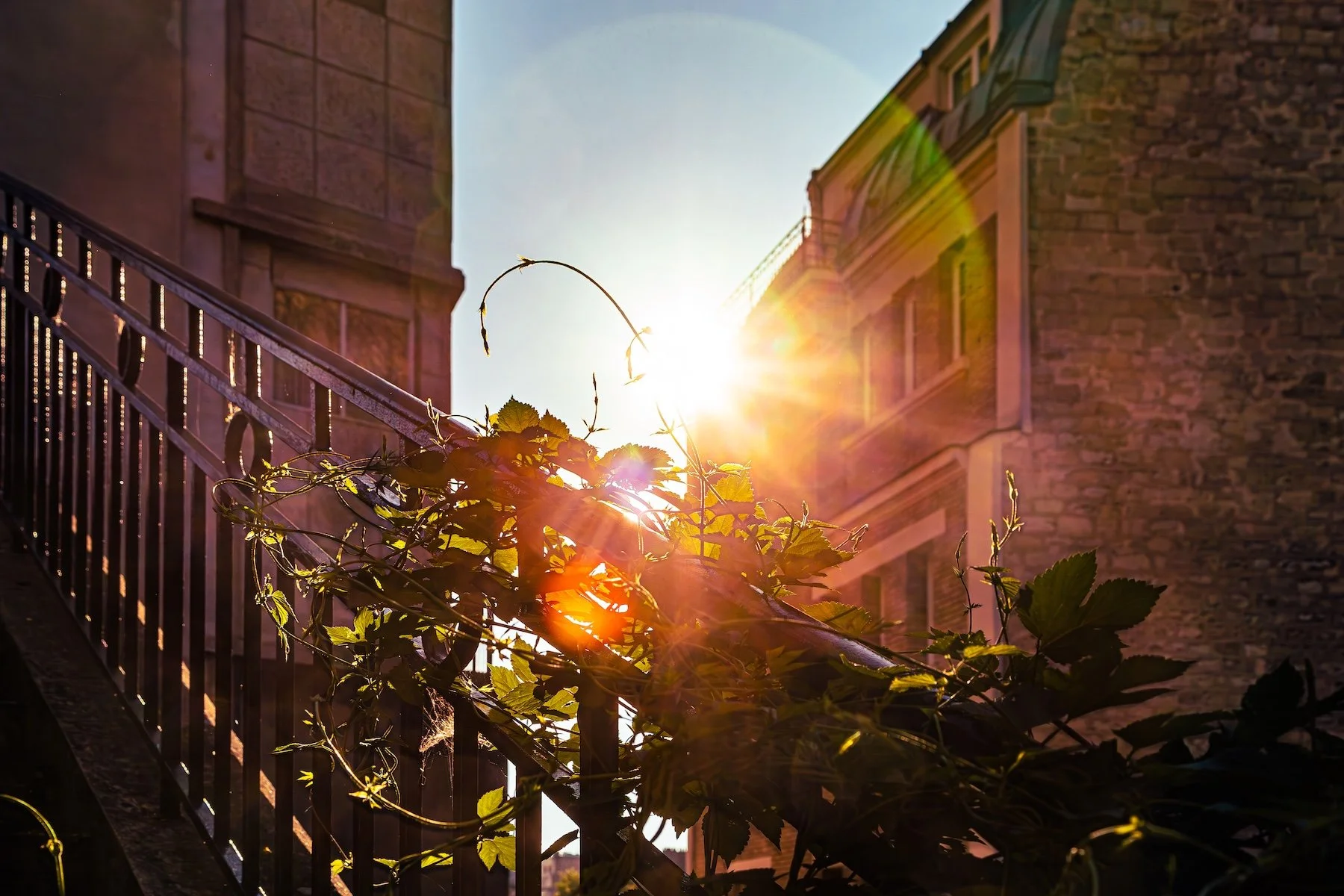
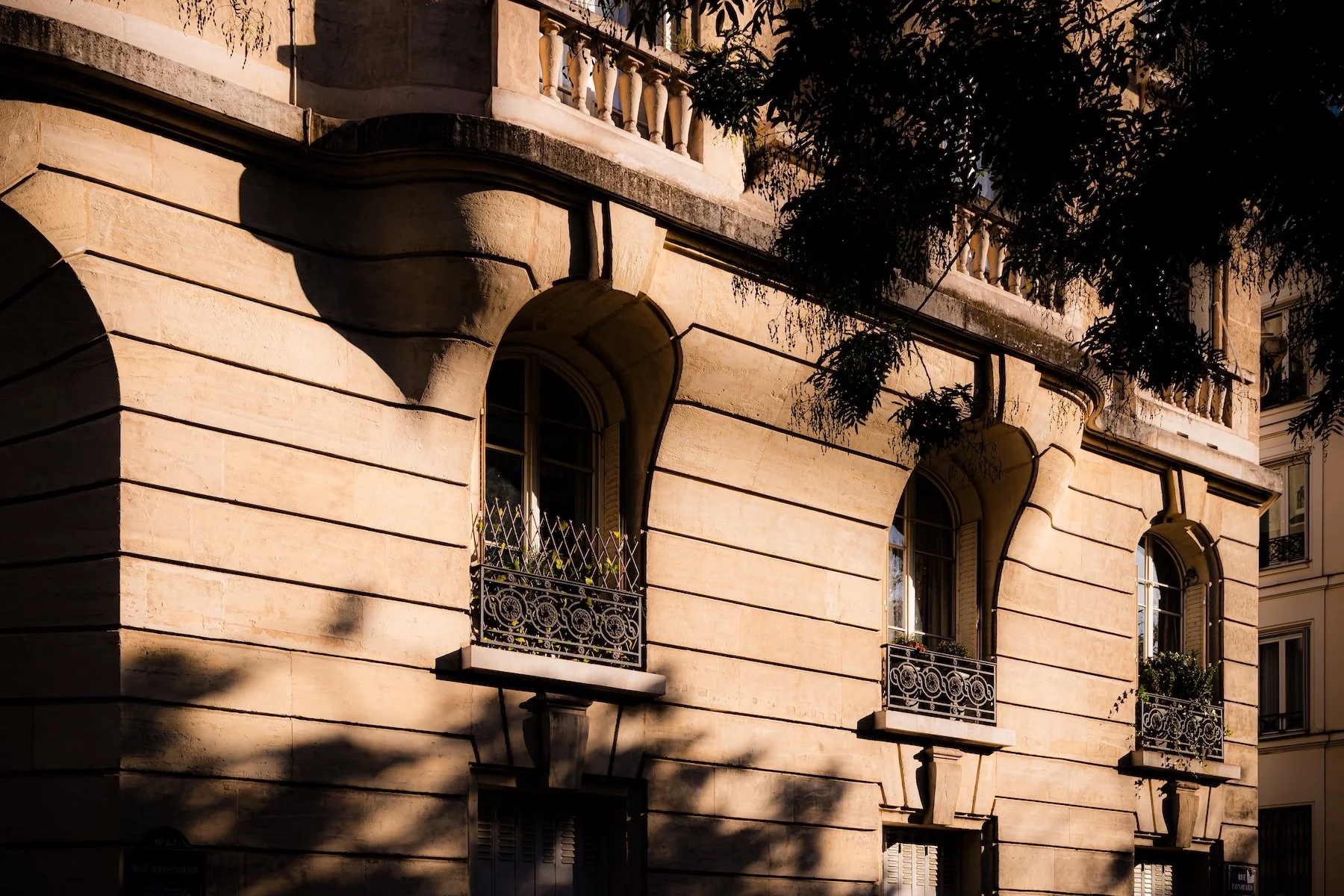
Photographing the arrondissements means moving between the official map and the street-level experience. The camera does not treat each arrondissement as visually uniform. Instead, it looks for the recurring forms, textures, transitions, and contrasts that make each district legible: the geometry of boulevards, the shade of plane trees, the repetition of balconies, the rise of stairways, the curve of canals, the presence of rail stations, the opening of parks, the weight of monuments, and the intimacy of side streets.
On CityNeighborhoods, the arrondissement provides the frame, but the photograph comes from the encounter between map, movement, light, and observation. As the Paris photography is processed, this section will connect each arrondissement more directly to the project’s Photographic Lexicon: the visual strategies, recurring motifs, and compositional patterns that shape how the city is seen through the lens.
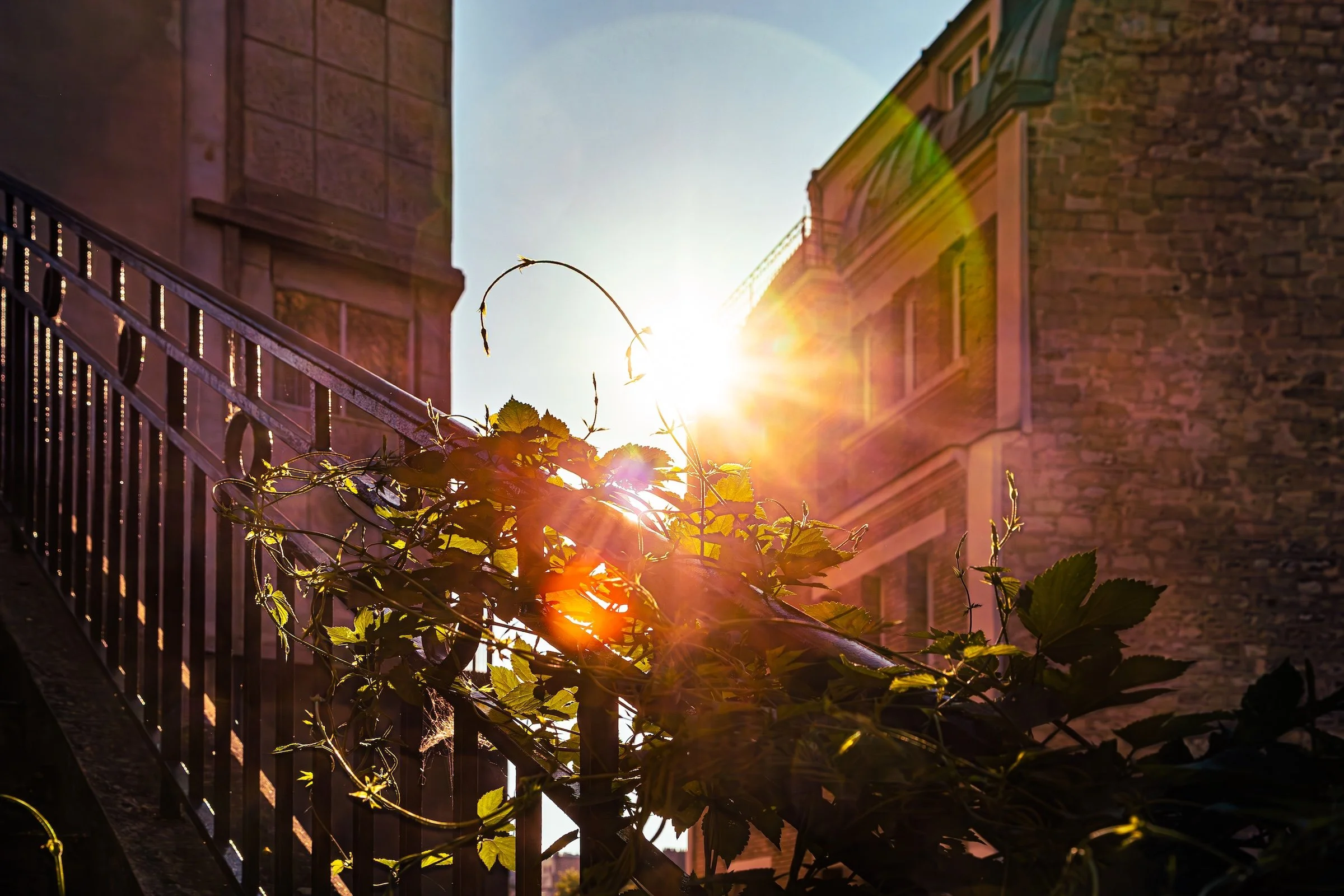
If you visit Paris, these ideas can help inspire your own photography.
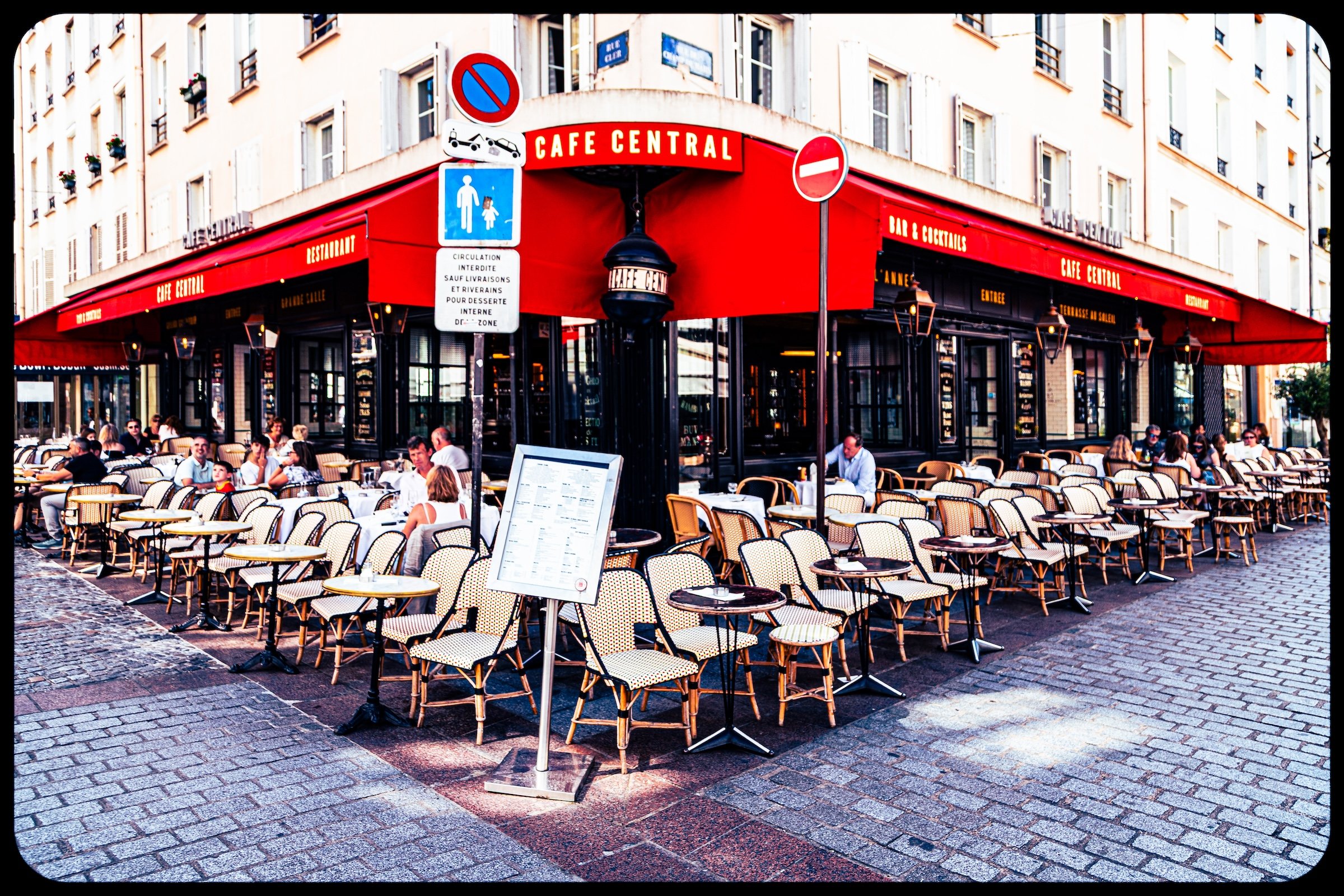
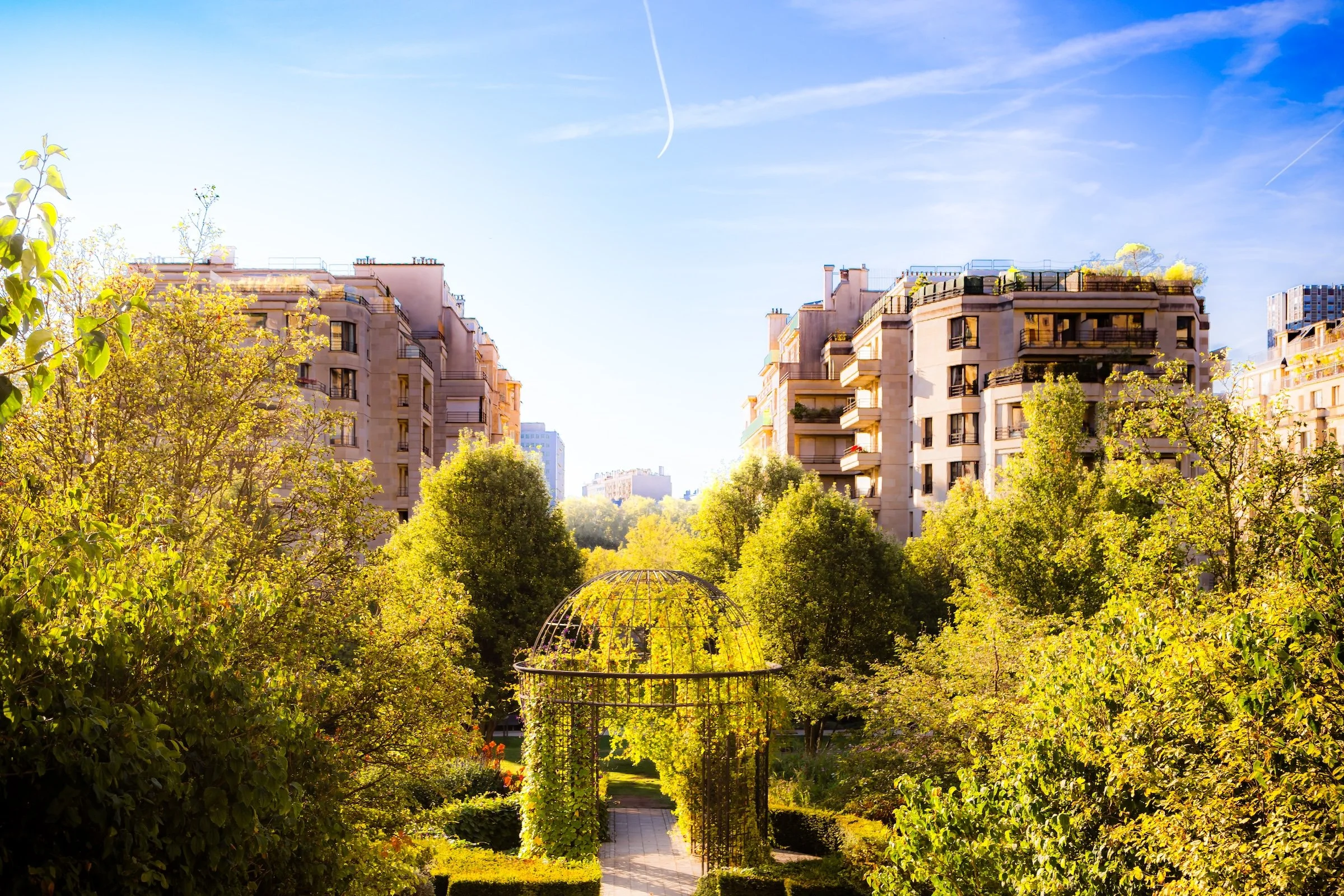
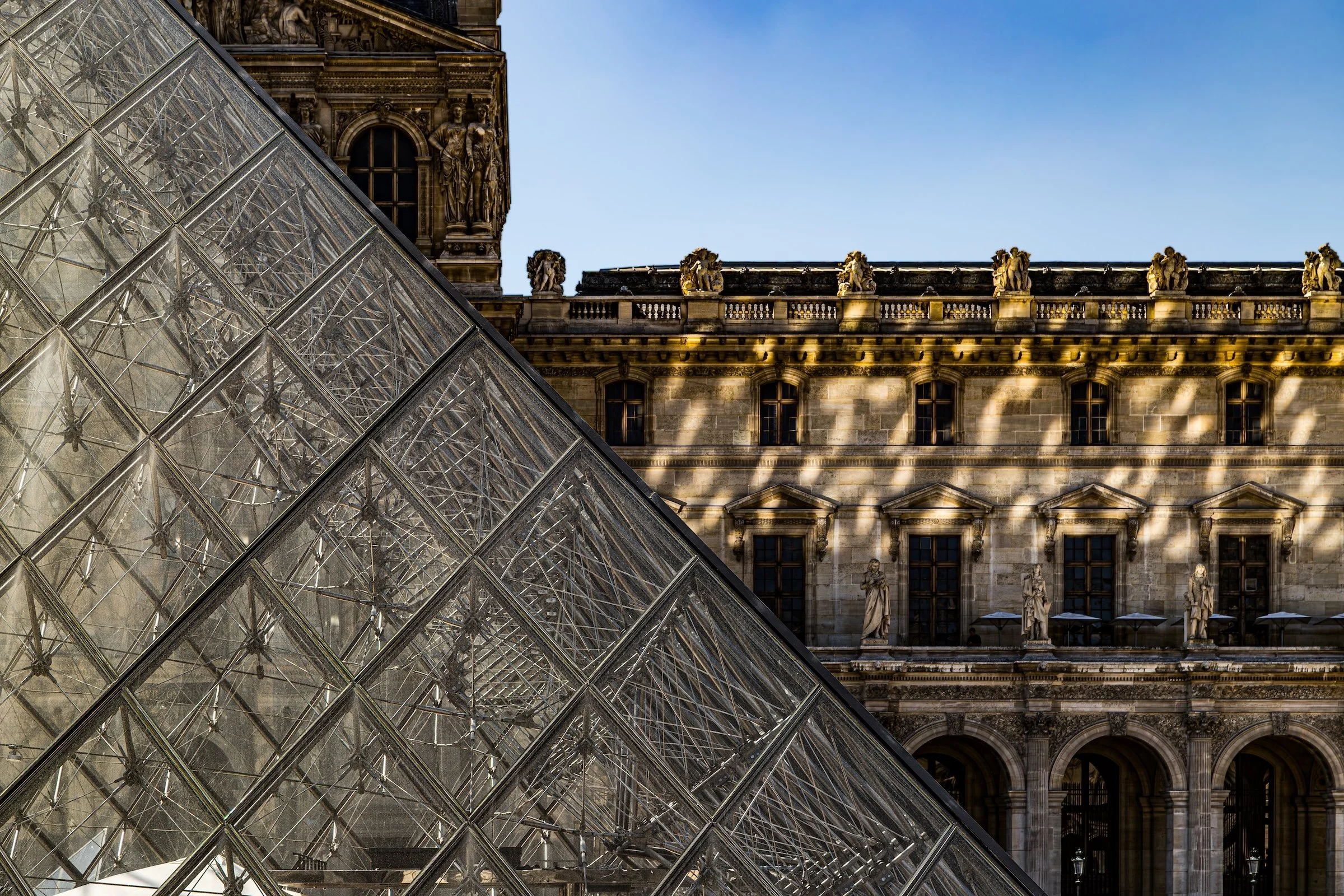
Paris: J’Espere, Je Rêve, Je Vive
Paris Photo Gallery
Paris Field Notes
-
Field Note: August 18, 2025 | 07:58 AM
Conditions: 73°F | Humidity: 72%.
Within the park's interior, the glacial kettle ponds acted as humidity traps, creating a soft, hazy light that filtered through the old-growth oaks. The transition from the park's dense shade to the sun-drenched edges of Oakland Gardens highlighted the day's exceptional "picture-perfect" clarity.
There is a fleeting window in Queens where the humidity of August hasn't yet heavy-set, and the morning sun hits the canopy of Alley Pond Park at a perfect oblique angle. Arriving just before 8:00 AM, I watched the light break through the oaks and tulip trees, casting long, dramatic shadows across the wet grass. It’s in these quiet, golden moments that the park feels less like a city escape and more like the ancient glacial valley it actually is.
Other neighborhoods visited:


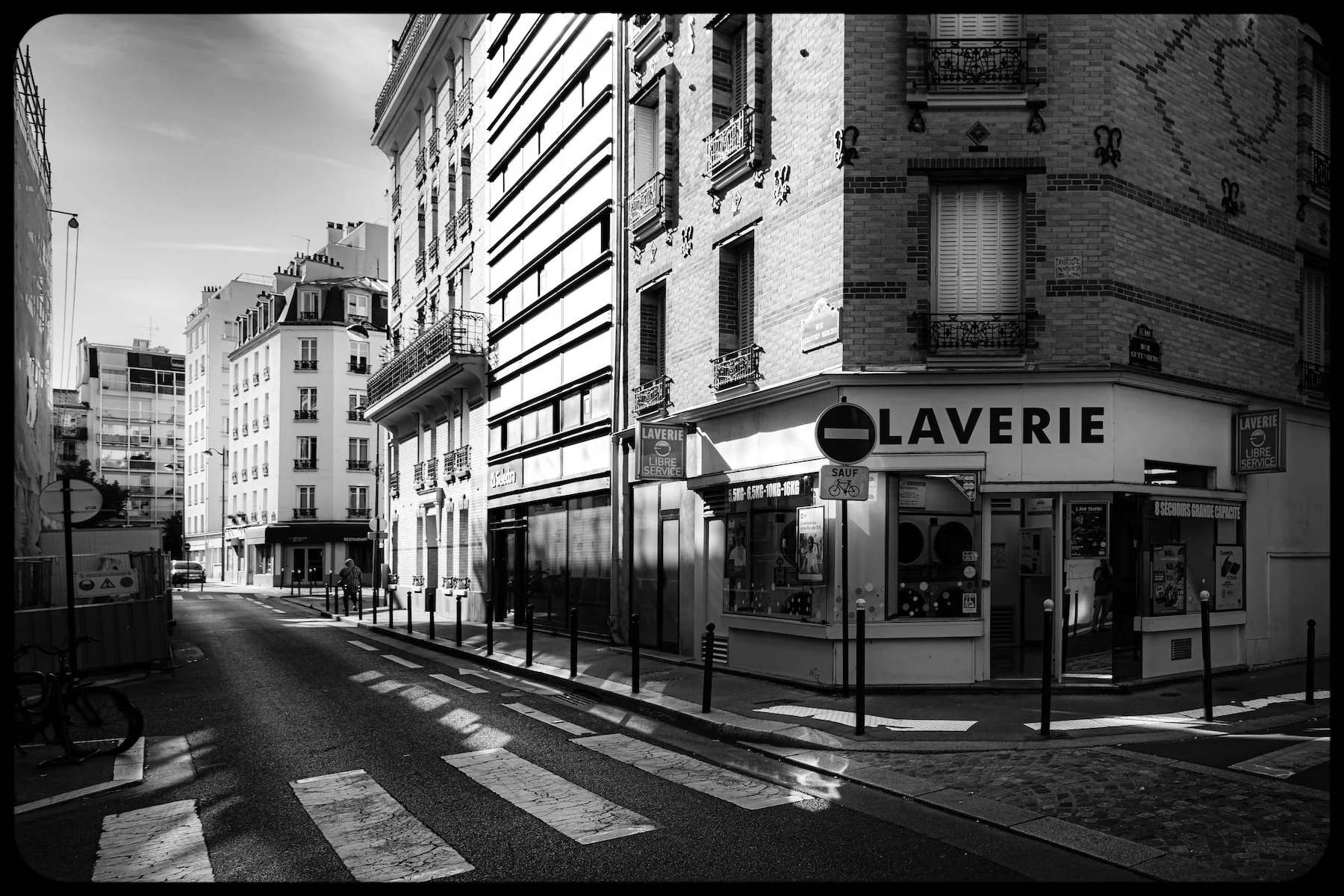
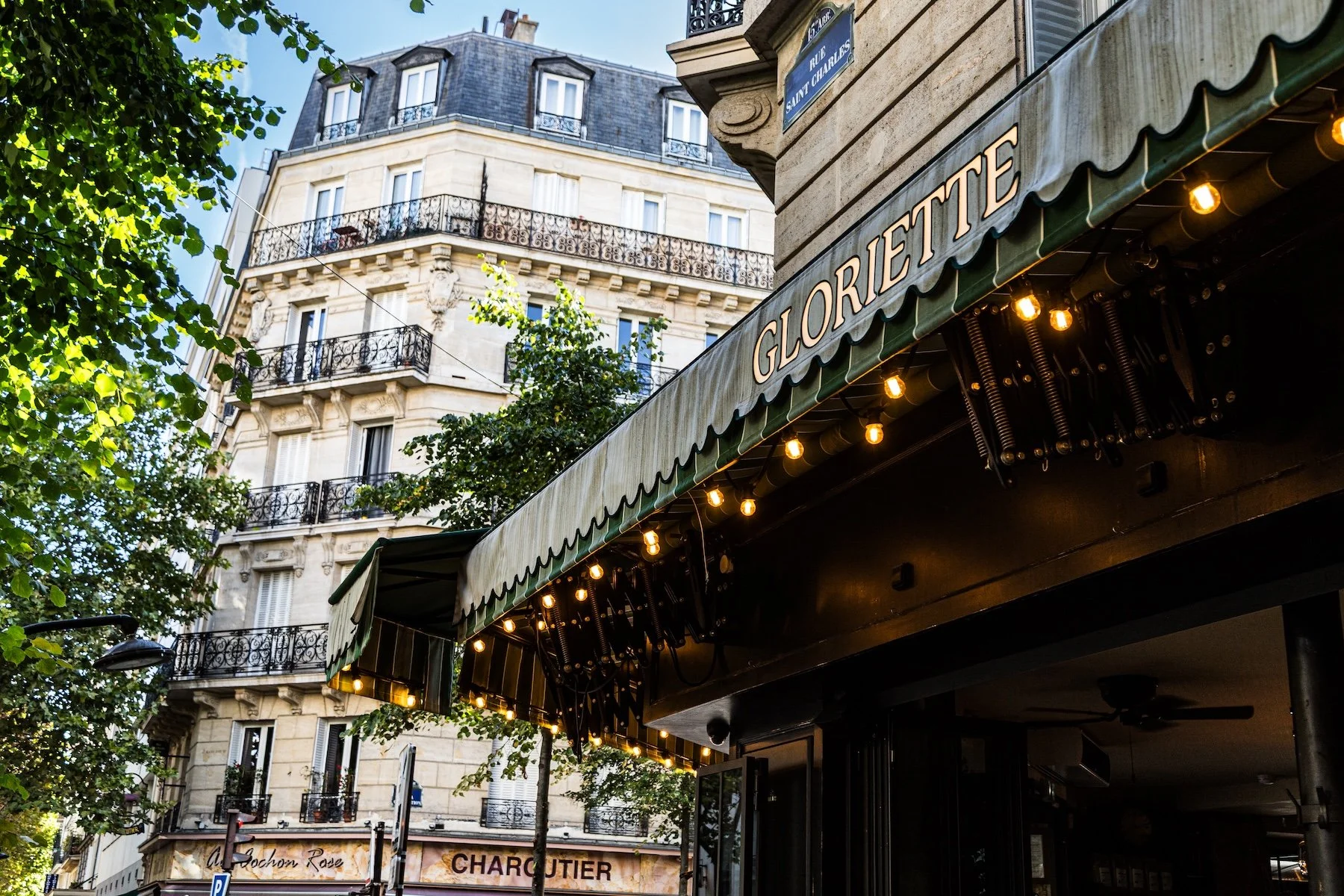
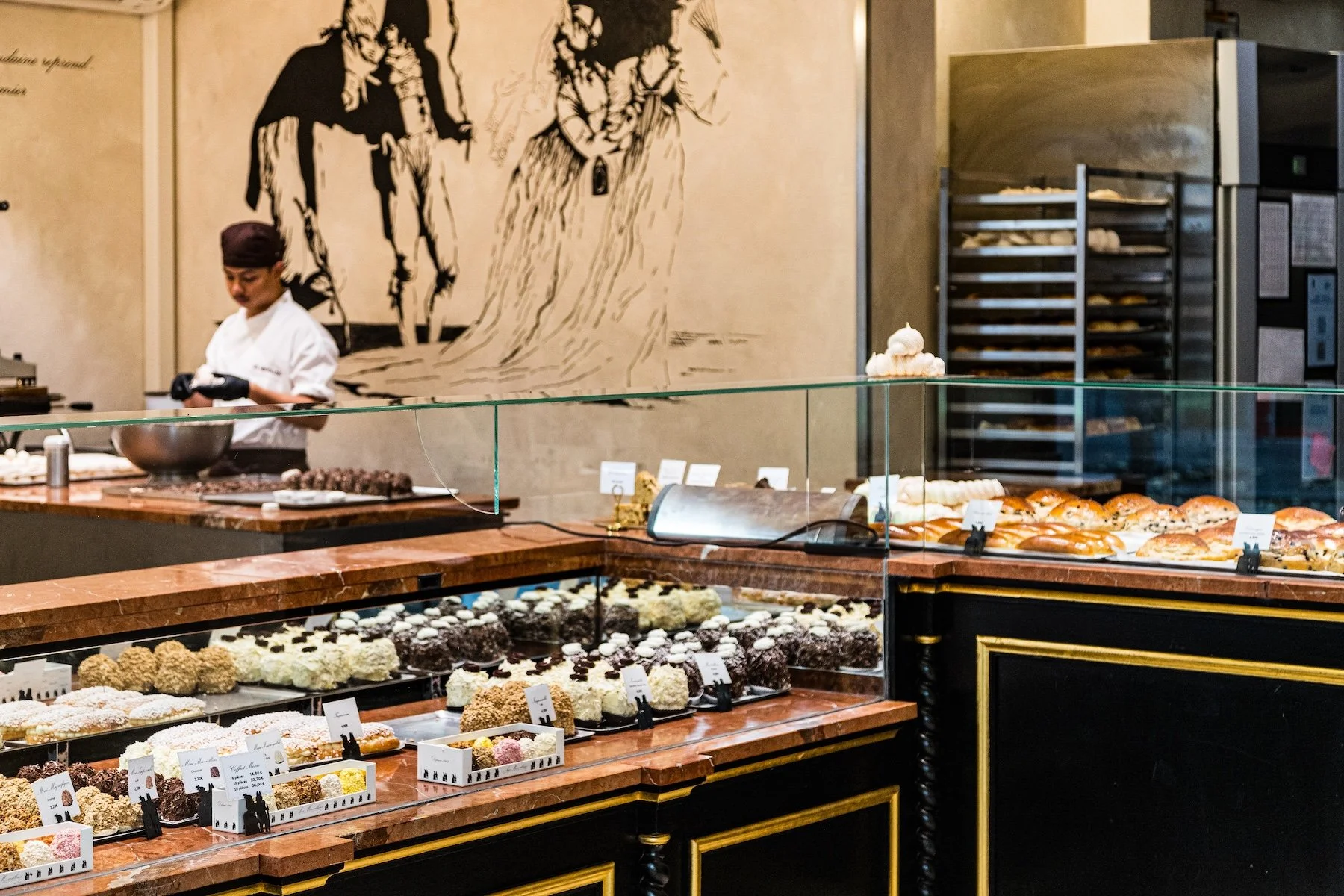
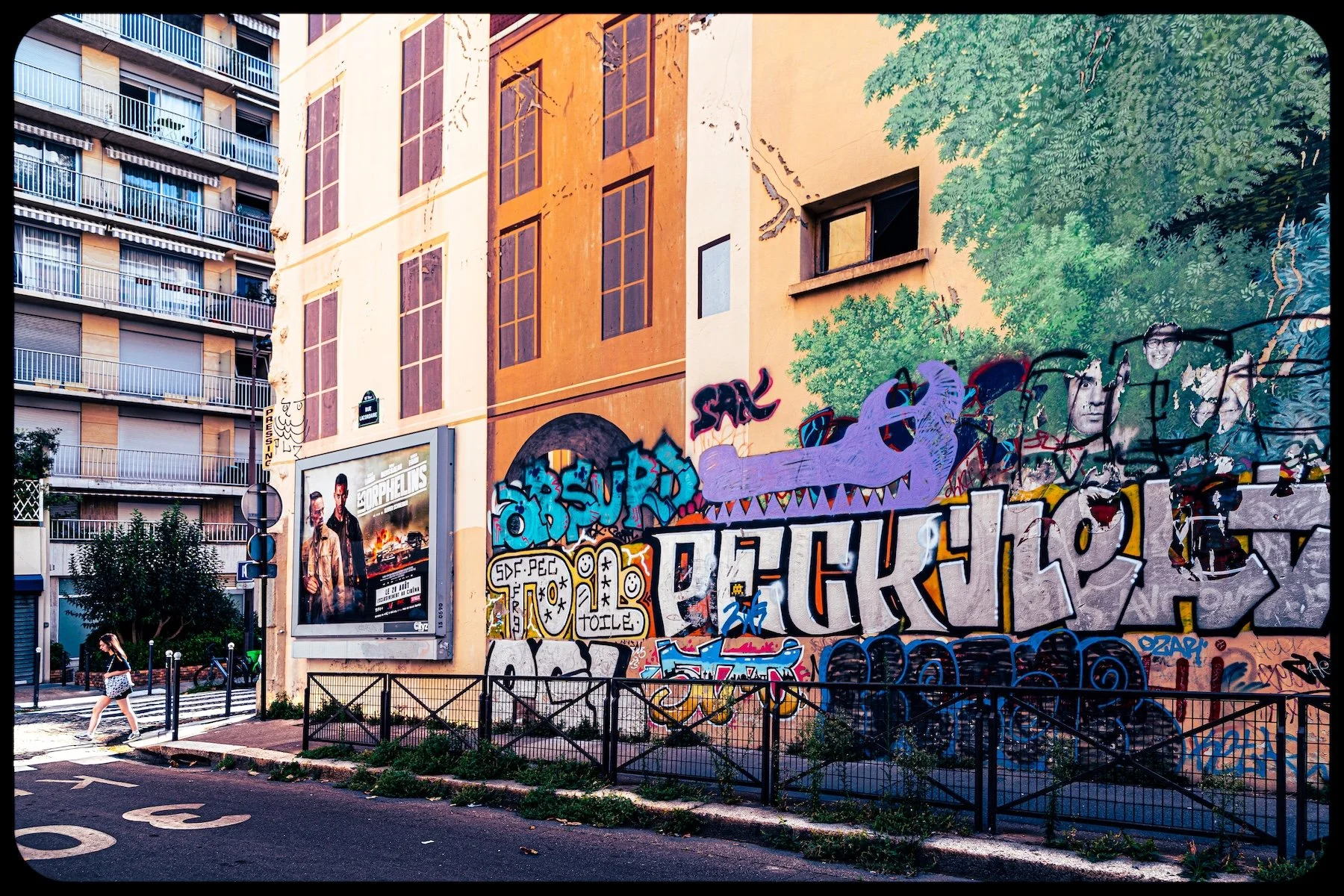
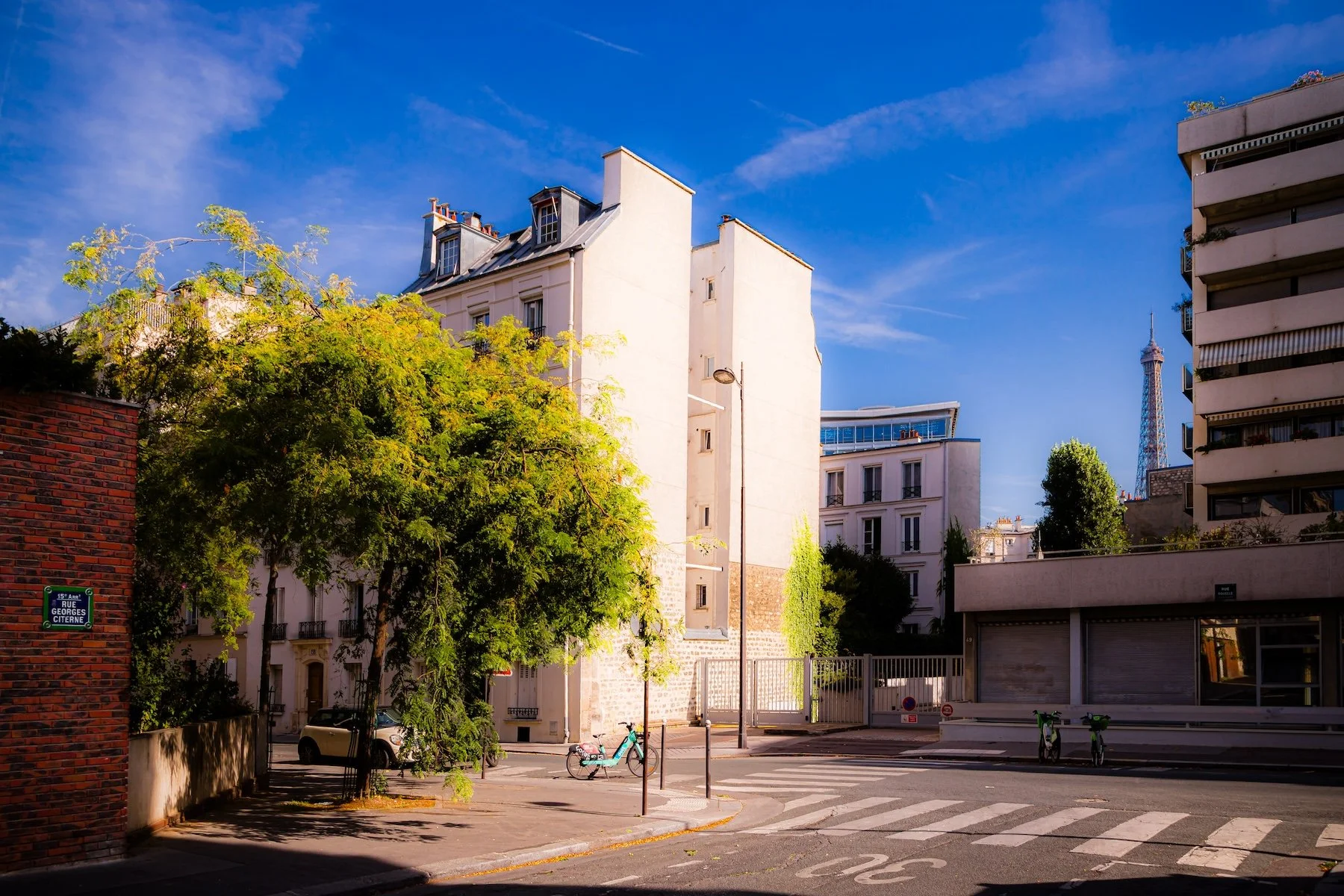
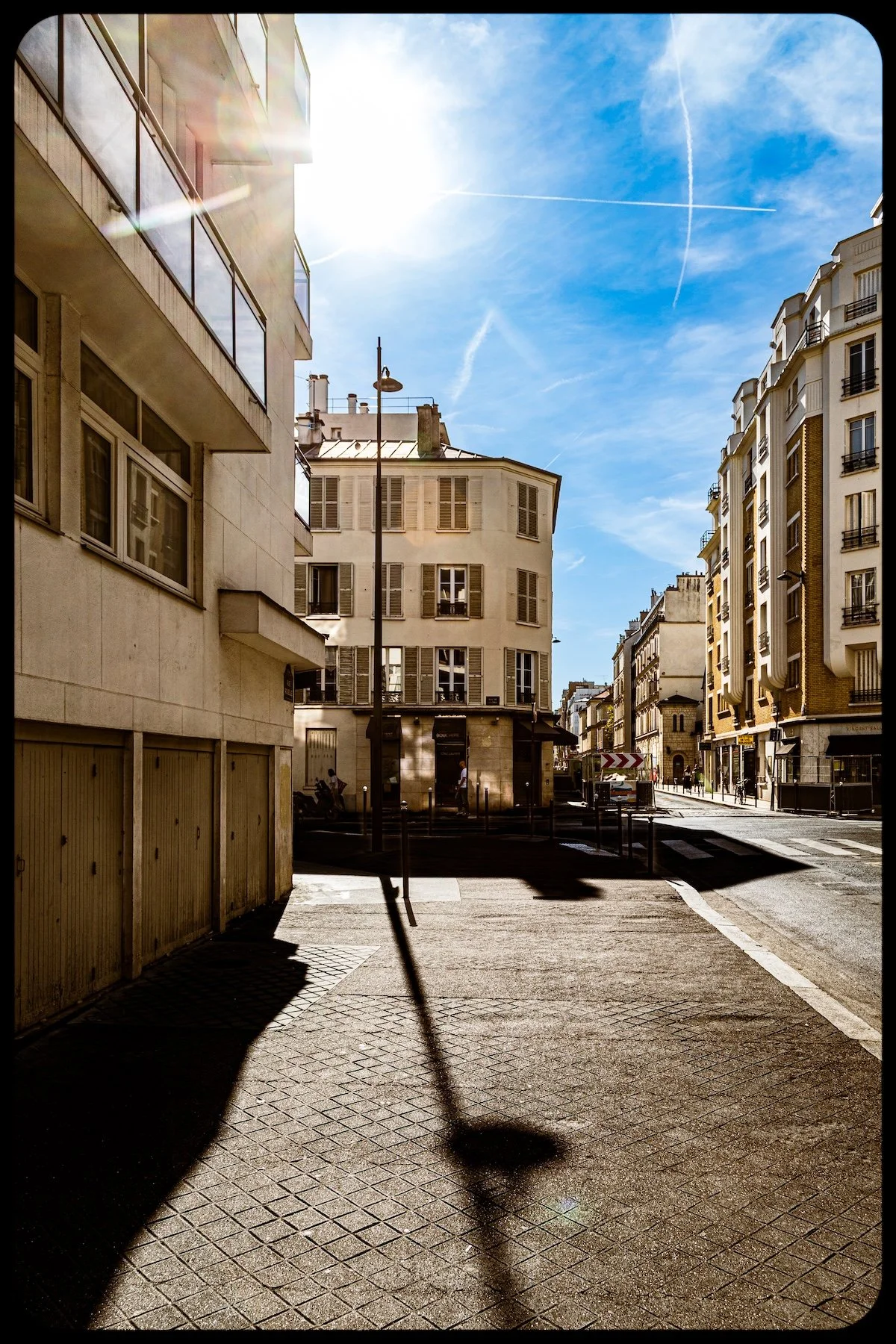
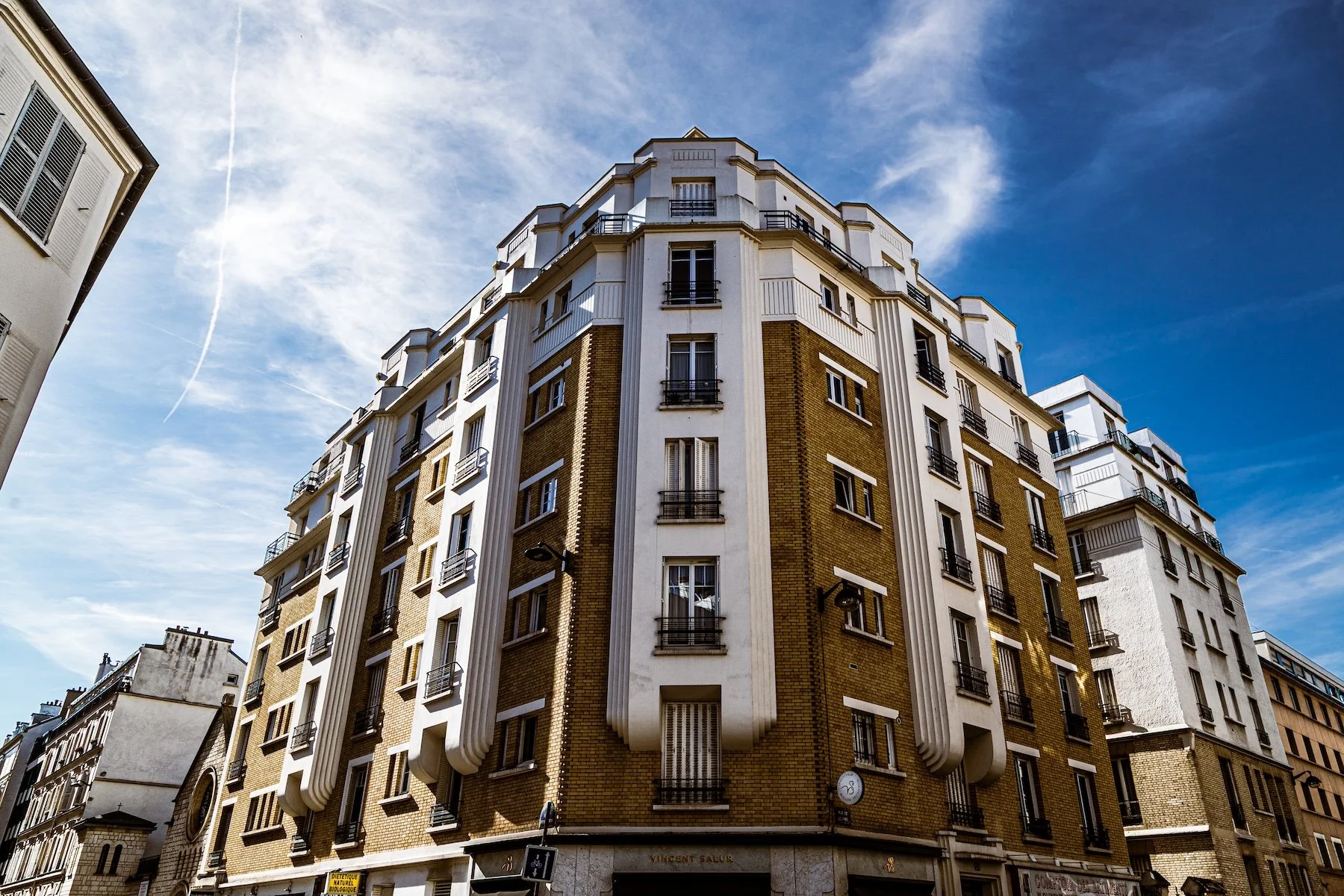
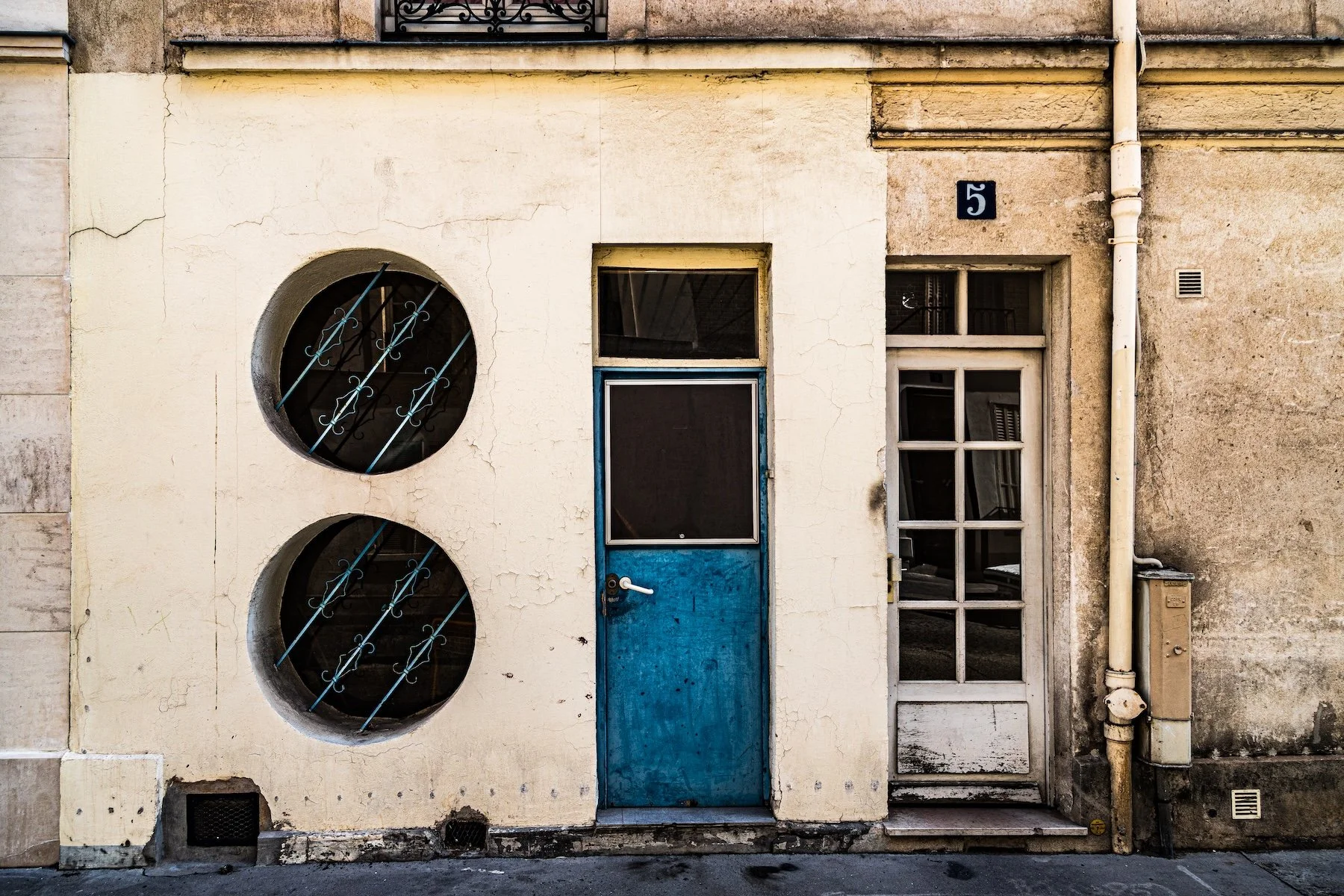
Explore Paris
-

The twenty arrondissements form the civic spiral of Paris, organizing the city into its broad local districts of government, identity, and daily life.
-
Each arrondissement is divided into four official administrative quarters, giving Paris a more precise civic and geographic framework.
-

The conseils de quartier bring participation to street level, giving residents a voice in neighborhood needs, public space, and local civic life.
-

Les Deux Rives trace Paris through the Seine’s two banks, revealing how the Rive Droite and Rive Gauche shaped the city’s civic power, commerce, learning, art, and cultural identity.
-
Cultural neighborhoods reveal the Paris people recognize through history, cafés, architecture, memory, atmosphere, and local belonging.