
13e - MAISON-BLANCHE
Quartiers Administratifs
Part of an ongoing project to walk and photograph every neighborhood in Paris, this page explores the Administrative Quarter: 13e - Maison-Blanche through maps, district identity, history, and photography.
The Map
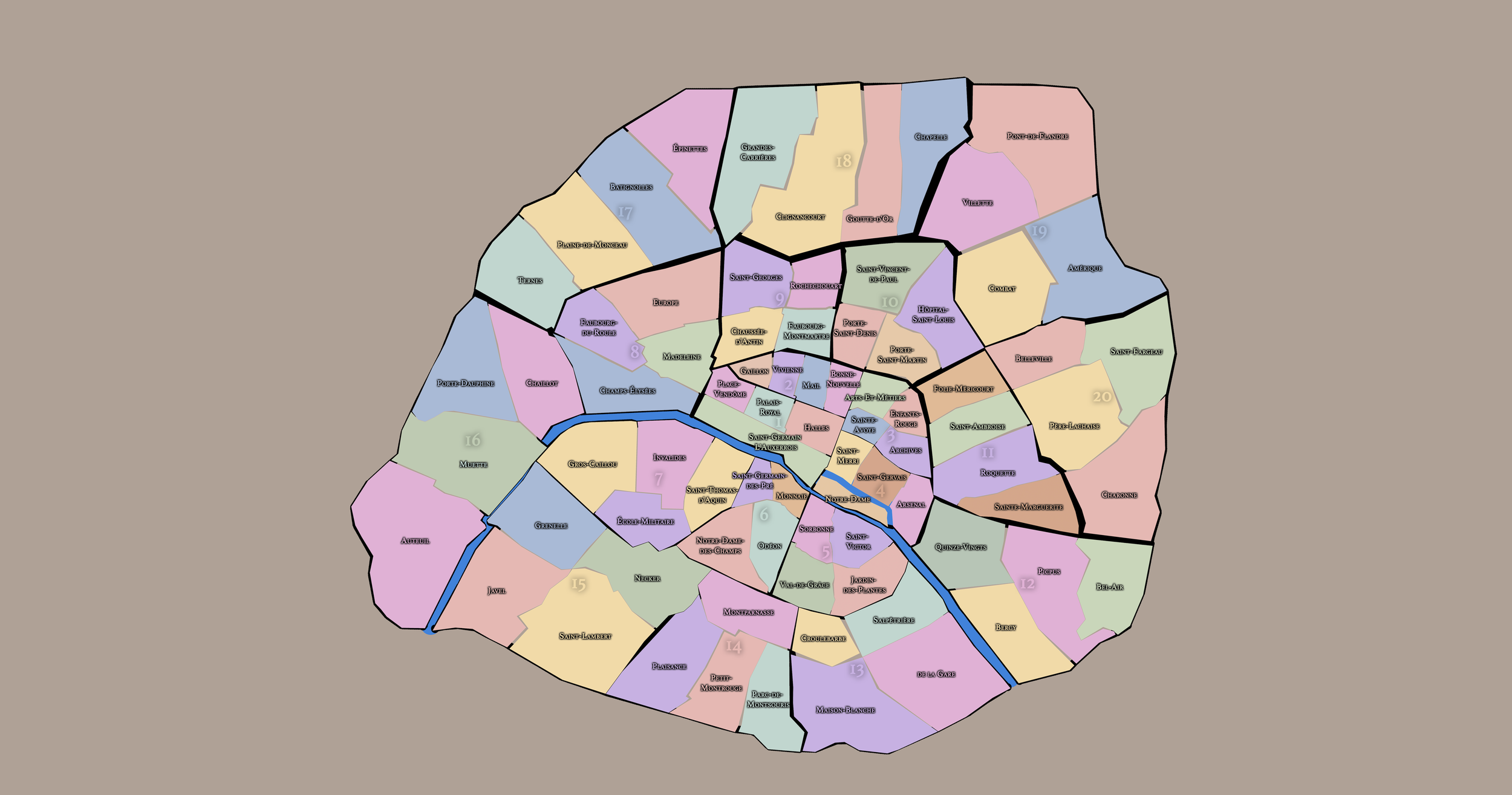
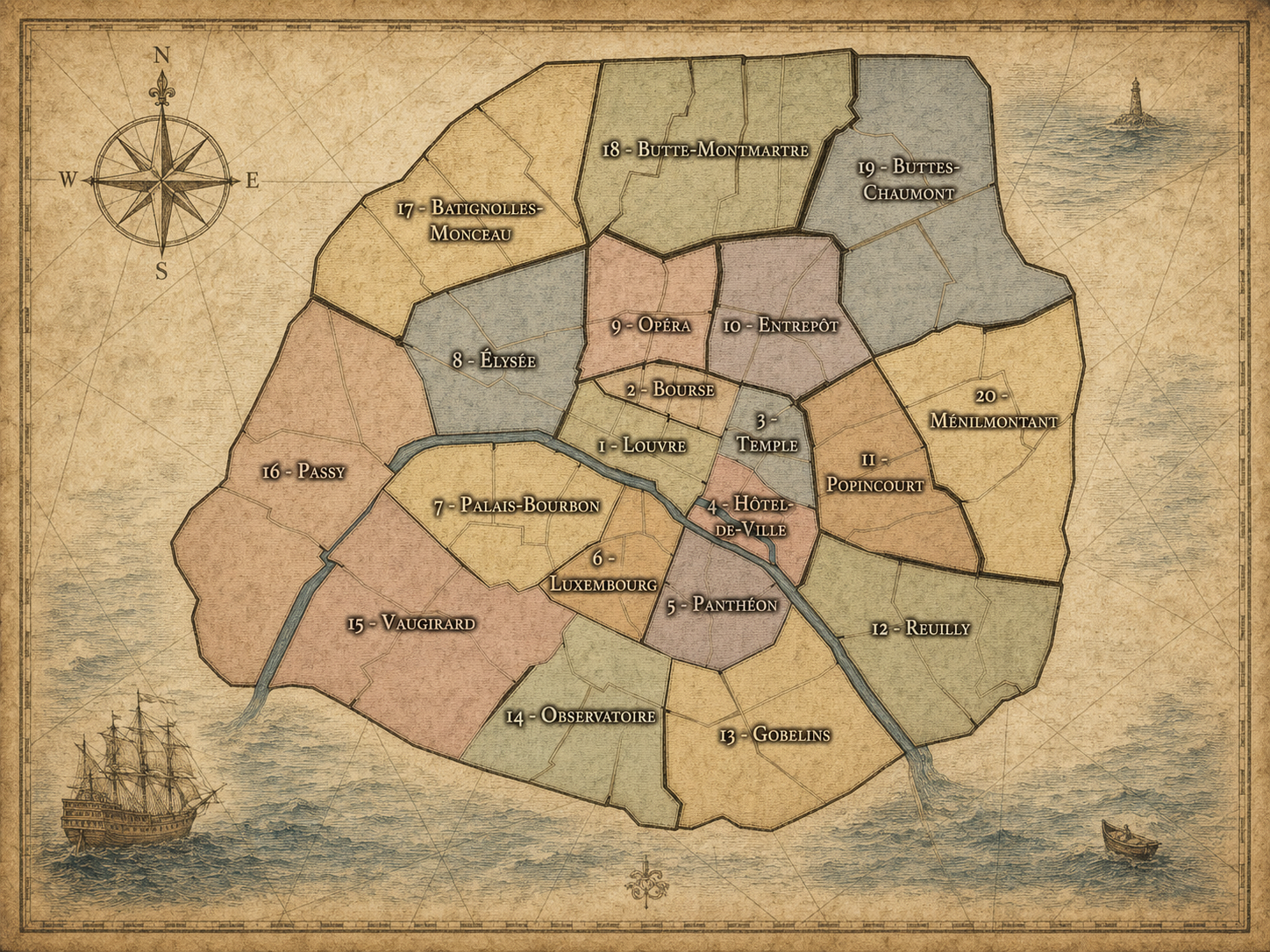
Download the Paris Arrondissements Map
Geographic Setting
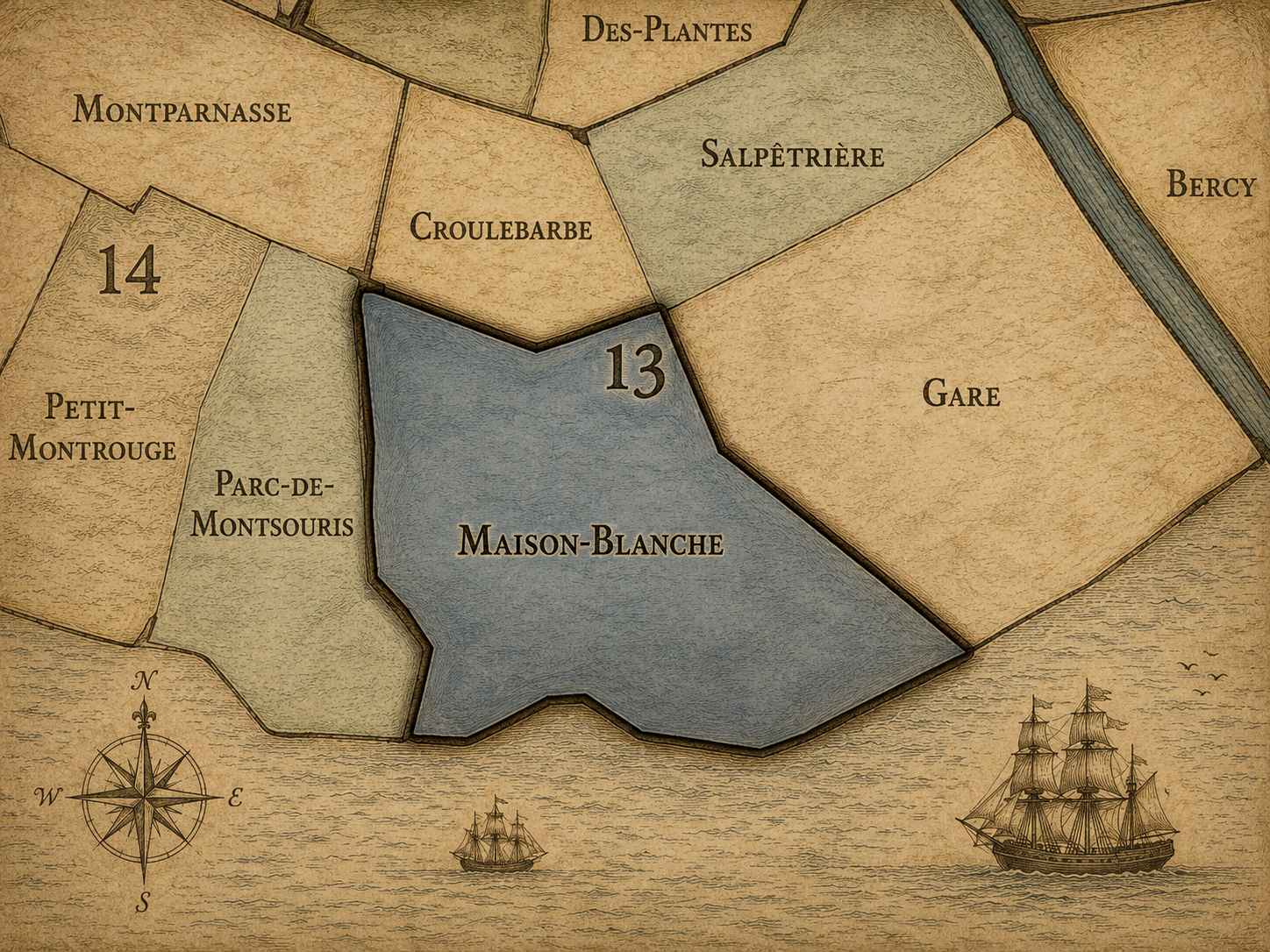
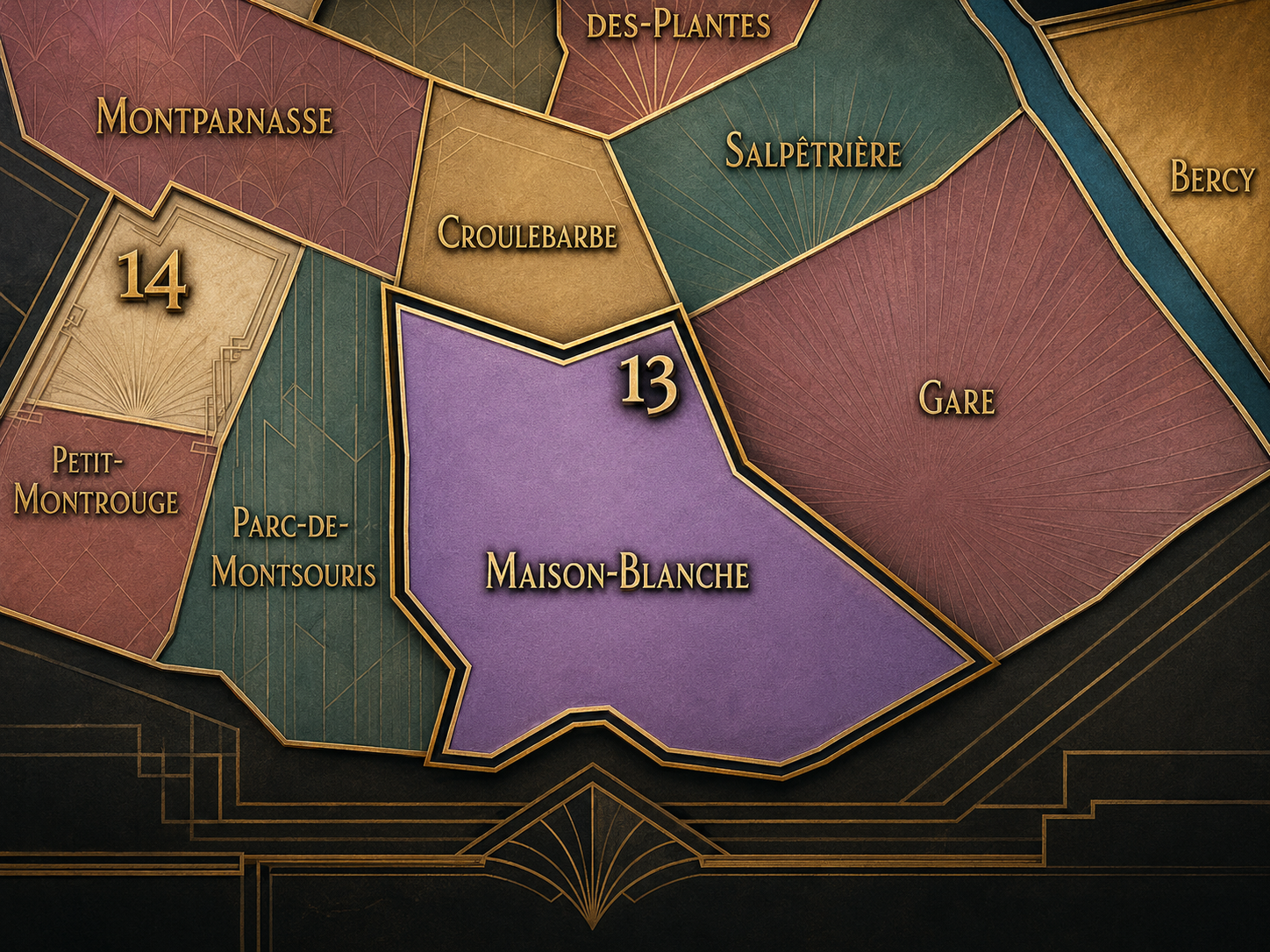
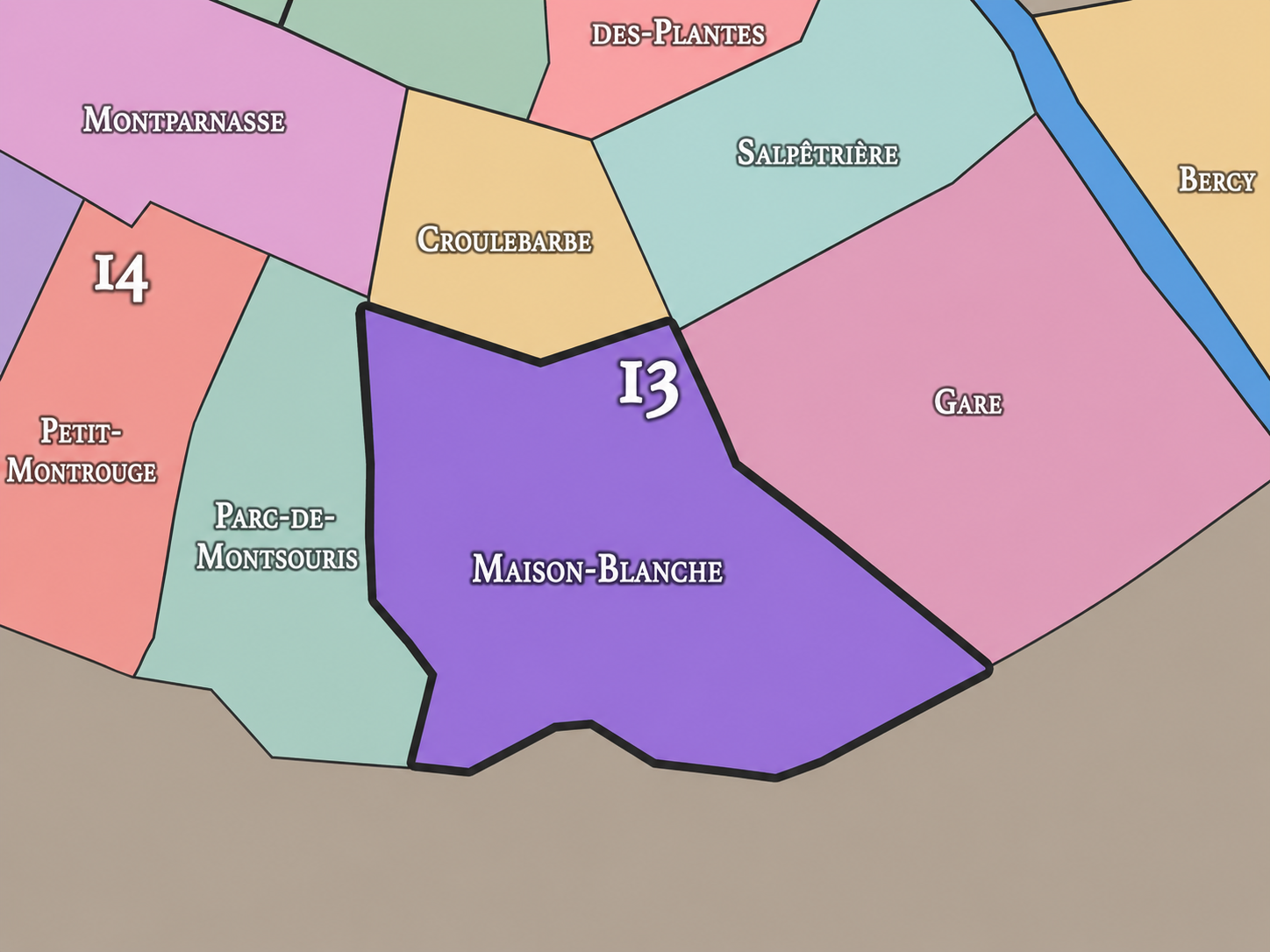
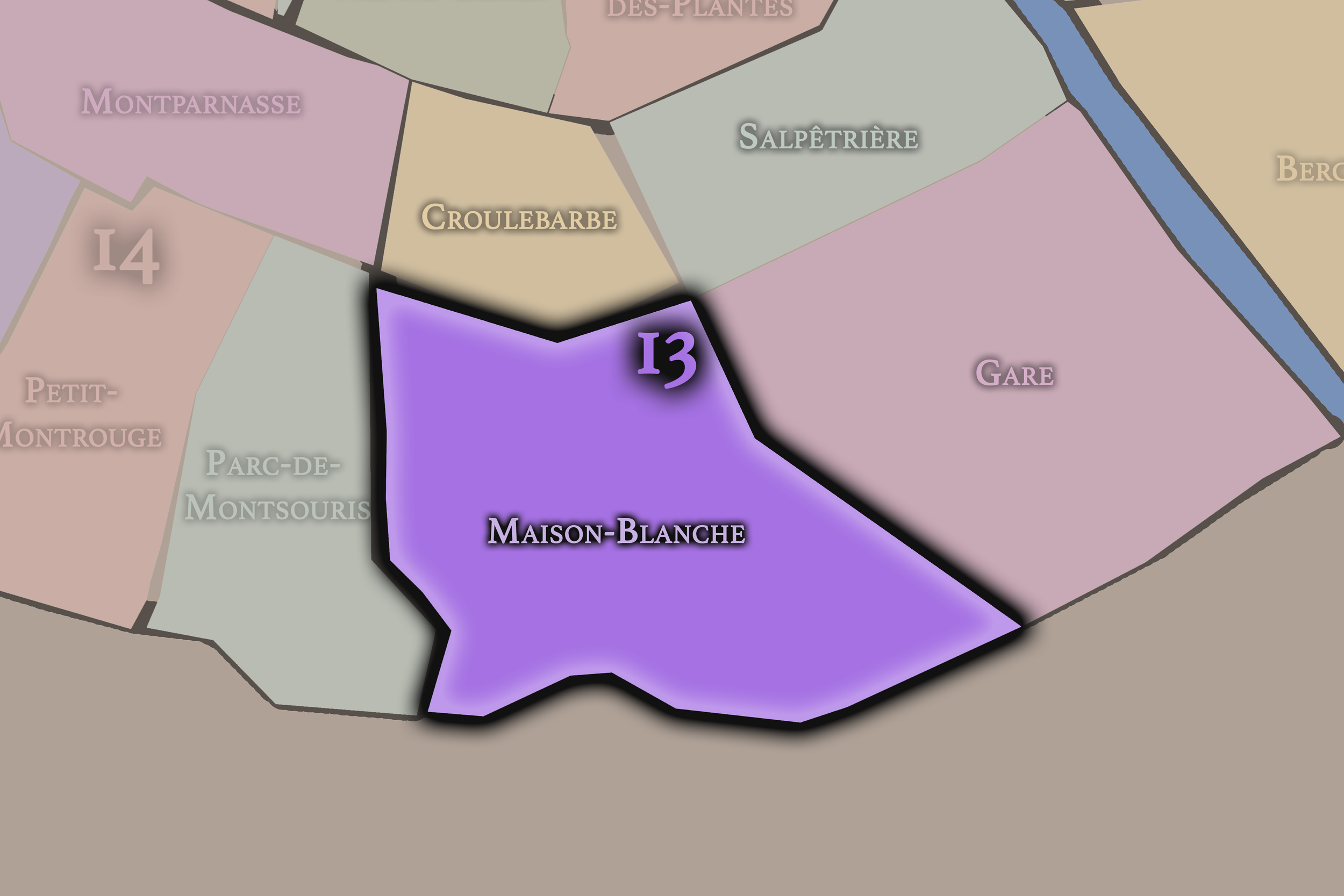
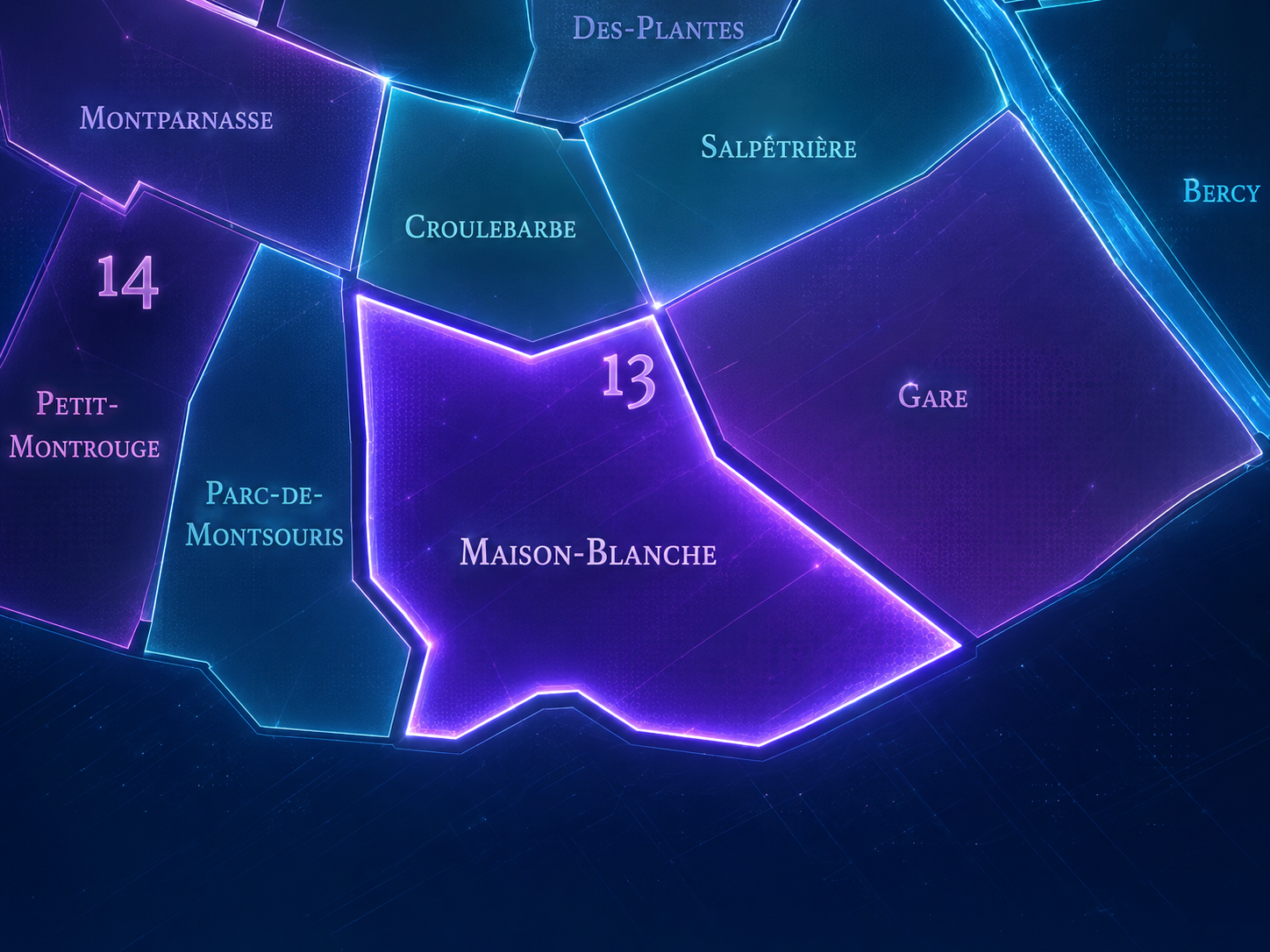
Maison-Blanche occupies the southwestern and southern portion of the 13th arrondissement, where the older valley and industrial landscapes of the arrondissement rise toward Butte-aux-Cailles, Place d’Italie, Tolbiac, and the southern edge of Paris near Gentilly, Le Kremlin-Bicêtre, and Ivry-sur-Seine. It lies south of Croulebarbe, west and southwest of Gare, and south of Salpêtrière, forming one of the broadest and most varied quarters of the 13th. Its geography is shaped by slope, avenue, tower, village memory, residential streets, and the long transition from old outer Paris to the modern southern city.
The quarter’s major streets and places include Place d’Italie, Avenue d’Italie, Avenue de Choisy, Rue de Tolbiac, Boulevard Auguste-Blanqui, Rue de la Butte-aux-Cailles, Rue Bobillot, Rue de la Maison-Blanche, Rue de l’Espérance, Rue des Cinq-Diamants, Rue du Moulin-des-Prés, and the southern boulevards near Porte d’Italie and Porte de Choisy. Within this broad quarter are some of the 13th arrondissement’s most distinctive lived geographies: the village-like slopes of Butte-aux-Cailles, the modern commercial and residential corridors of Italie and Choisy, the Asian commercial landscapes around Avenue de Choisy and Avenue d’Ivry, and the residential zones that stretch toward the city’s southern boundary.
Unlike Croulebarbe, whose identity is compact and tied to the hidden Bièvre and Gobelins tradition, or Gare, whose landscape is defined by rail, river, towers, and redevelopment, Maison-Blanche is more expansive and socially varied. It is the 13th arrondissement as everyday city: hillside lanes, high-rises, immigrant commerce, street art, schools, cafés, apartment blocks, old village traces, and modern urban density all held within one official quarter.
Administrative Quarter Identity
Etymology and Origins
The name Maison-Blanche means “White House,” and it comes from an older locality or inn / house name associated with the southern outskirts of Paris. Like many administrative quarter names, it preserves a modest pre-urban marker rather than a grand monument. Before this part of the city became fully absorbed into Paris, such names often helped identify crossroads, properties, roadside establishments, or small settlements along routes leading outward from the capital.
The name has a quiet, almost domestic quality. It does not announce a church, a palace, a gate, or a famous institution. It suggests a recognizable house on the edge of the city — a place known by appearance and local memory. That makes Maison-Blanche one of those Parisian names that still carries the atmosphere of the former outskirts, when orientation depended on roads, slopes, mills, fields, quarries, and houses rather than on the formal map of arrondissements.
Over time, however, Maison-Blanche became attached to one of the most complex quarters of the 13th arrondissement. The name’s simplicity now sits over a landscape of striking contrasts: Butte-aux-Cailles and its village memory, Place d’Italie and its traffic, high-rise housing and commercial towers, Asian markets and restaurants, modern avenues, and the southern boundary of Paris. A name that began with a single house now frames a district of many urban worlds.
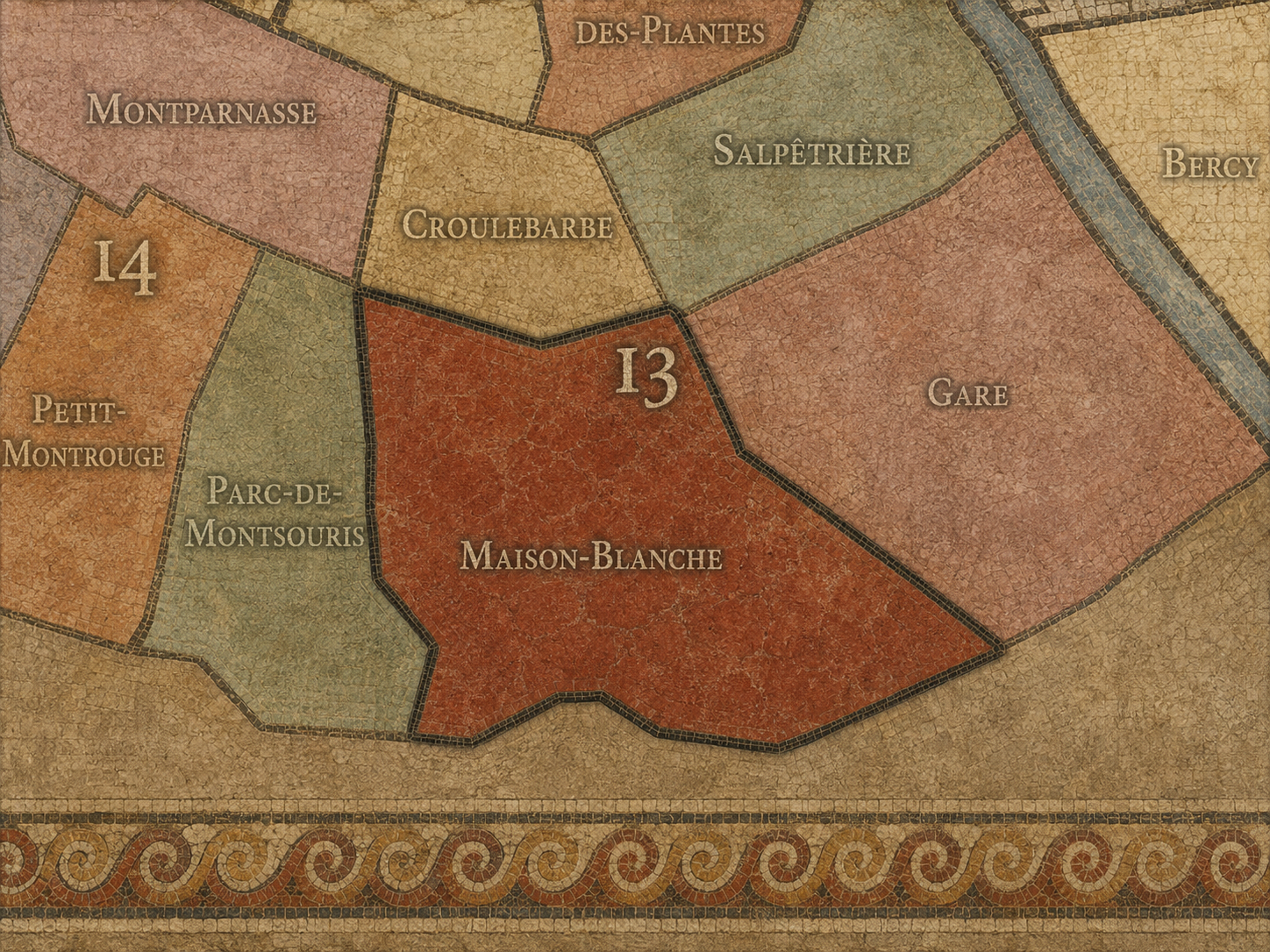
Within the official geography of Paris, Maison-Blanche is one of the four administrative quarters of the 13th arrondissement, alongside Croulebarbe, Salpêtrière, and Gare. It occupies the arrondissement’s southern and southwestern sector, making it the quarter most strongly associated with Place d’Italie, Butte-aux-Cailles, Tolbiac, the southern boulevards, and the city’s approaches toward Gentilly, Le Kremlin-Bicêtre, and Ivry.
As an administrative quarter, Maison-Blanche helps clarify a part of Paris often described through other names: Butte-aux-Cailles, Place d’Italie, Tolbiac, Italie, Choisy, Chinatown, or the southern 13th. Those names are powerful and useful, but each captures only part of the quarter. Maison-Blanche is the official civic frame that holds them together.
This is especially important because the quarter contains several identities that might otherwise seem unrelated. Butte-aux-Cailles feels intimate, sloped, and village-like. The Italie / Choisy corridors feel commercial, modern, and metropolitan. The Asian commercial district gives the area one of Paris’s strongest immigrant and diasporic landscapes. The southern boulevards and towers speak to planning, density, and the city’s modern edge. The administrative quarter allows these layers to be read as one broad southern field of the 13th arrondissement.
Civic Framework
Maison-Blanche differs from the other quarters of the 13th arrondissement through its breadth, its strong residential identity, its village-modern contrast, and its role as the arrondissement’s southern interior. Croulebarbe is more historically compact, shaped by the Bièvre valley and Gobelins craft memory. Salpêtrière is more institutional and northern, anchored by the hospital and the Austerlitz rail landscape. Gare is more infrastructural and redevelopment-oriented, tied to rail yards, the Seine, Olympiades, the Bibliothèque François-Mitterrand, and Paris Rive Gauche.
Maison-Blanche is less singular. Its distinction lies precisely in its plurality. It contains the intimate older fabric of Butte-aux-Cailles, one of the most beloved village-like landscapes in southeastern Paris, but it also contains major modern avenues, high-rise housing, immigrant commerce, and broad residential streets. It is a quarter where the 13th arrondissement’s reputation for contrast becomes especially visible.
It should also be distinguished from Butte-aux-Cailles. Butte-aux-Cailles is one of the strongest cultural neighborhoods within Maison-Blanche, but it is not the whole administrative quarter. Butte-aux-Cailles names the hill, village atmosphere, cafés, street art, and older street fabric. Maison-Blanche names the larger official quarter that includes that hill and extends into the wider southern 13th. This distinction is exactly the kind of layered Parisian geography the CityNeighborhoods project is built to reveal.
Neighborhood Distinction
Parisian Identity
Maison-Blanche expresses Paris as a city of contrasts made livable. The quarter does not conform to one single image of Paris. It is not only old stone, not only tower blocks, not only immigrant commerce, not only village charm, and not only modern planning. It is all of these at once. Its identity comes from the coexistence of atmospheres that, in another city, might feel like separate districts entirely.
This makes Maison-Blanche one of the essential quarters for understanding the 13th arrondissement. The quarter shows Paris beyond the postcard center: Paris of social housing and high-rises, Paris of Asian supermarkets and restaurants, Paris of steep little streets and mural-covered walls, Paris of quiet residential blocks, Paris of traffic circles and transit nodes, Paris of southern gateways, and Paris of older topographies still visible beneath modern density.
The quarter’s Parisian identity is therefore not polished into a single myth. It is lived, layered, and sometimes uneven. That is its strength. Maison-Blanche reveals that Paris is not only a city of preserved historic cores; it is also a city of migrations, planning experiments, neighborhood reinvention, and everyday residential continuity. It is Paris as a real metropolis.
Neighborhood Connections
Every administrative quarter belongs to a wider Parisian fabric. These connections place Maison-Blanche within the city’s civic, participatory, and cultural geography:
-
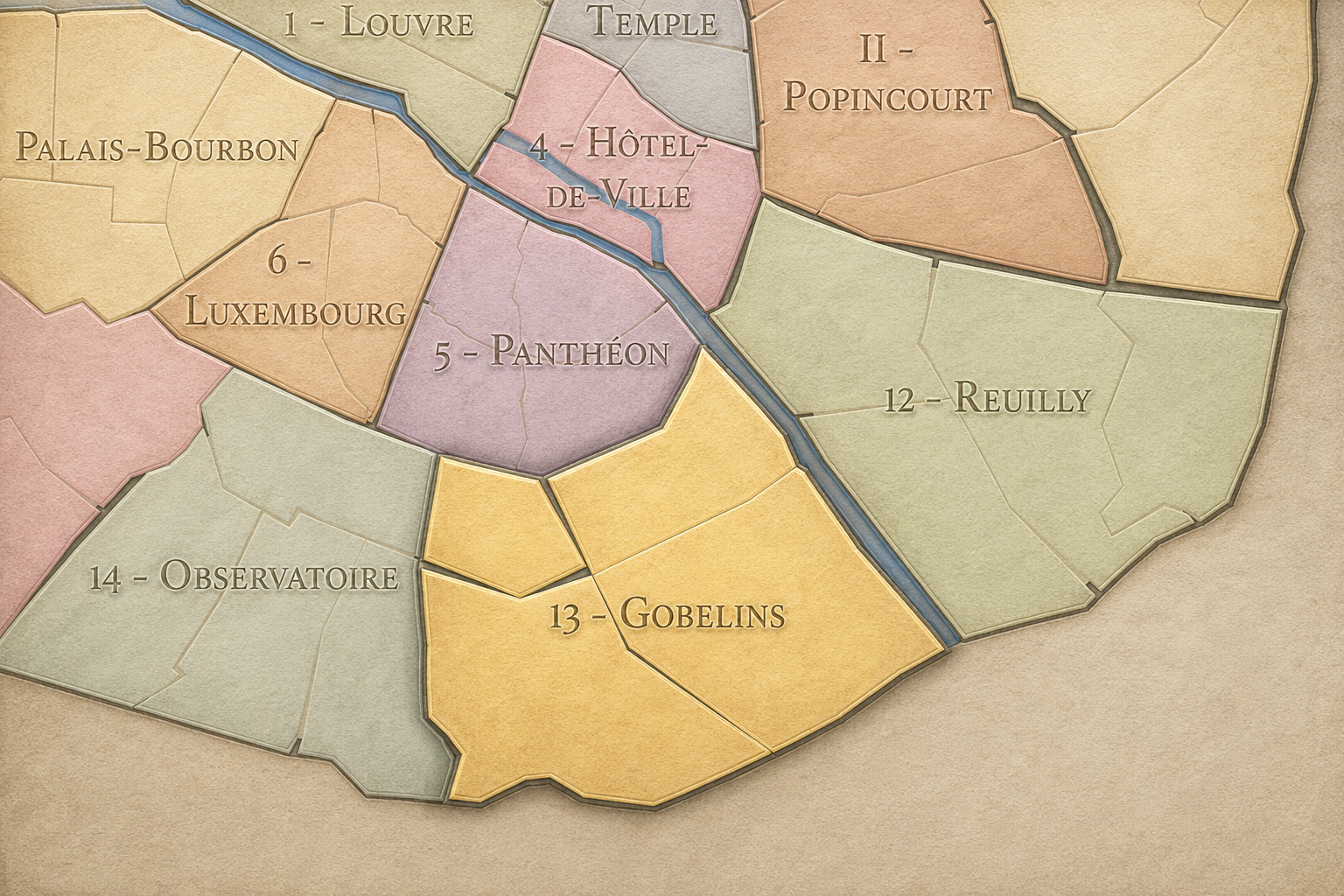
13e - Gobelins
-
Butte-aux-Cailles - Daviel / Boussingault • Italie / Peupliers / Rungis • Olympiades Choisy
The History
The origins of Maison-Blanche lie in the southern outskirts of Paris, beyond the older Left Bank and outside the dense medieval city. Before this area became part of the modern 13th arrondissement, it belonged to a landscape of roads, fields, vineyards, quarries, mills, gardens, and small settlements near the villages and localities of Gentilly, Ivry, and the Bièvre valley. The land was close to Paris, but not yet fully Parisian in the central urban sense.
The quarter’s topography mattered from the beginning. The Butte-aux-Cailles rose above the surrounding land, while the Bièvre and its tributary landscapes shaped nearby valleys and productive uses. This southern edge was not flat, formal, or monumental. It was irregular, useful, and locally distinct — a place of slopes, water, stone, and roads leading outward.
Maison-Blanche’s origin story is therefore one of absorption. A landscape of outer houses, roads, and working ground gradually became part of the city. Its older place-name survived the transformation, allowing the modern quarter to retain a trace of the time when this part of Paris was still approached as an edge rather than inhabited as an interior.
Origins
16th–17th Century
In the 16th and 17th centuries, the future Maison-Blanche quarter remained outside the dense built fabric of Paris. The area was shaped by cultivated land, roads toward the south, quarrying, mills, and scattered settlement connected to Gentilly, Ivry, and the southeastern approaches of the city. The Butte-aux-Cailles and surrounding slopes preserved a more rural and working character than the central Left Bank.
This peripheral position gave the area a different rhythm from the older Latin Quarter and the riverfront districts to the north. Rather than universities, churches, or aristocratic houses, the landscape was shaped by practical uses: stone extraction, agriculture, water, movement, and small local communities. The future Maison-Blanche quarter belonged to the useful outskirts of Paris.
By the end of the 17th century, the capital’s growth was beginning to draw these outer landscapes closer, but the area still retained a distinct identity beyond the formal city. Its later contrasts — village street beside modern avenue, old slope beneath tower landscape — are rooted in this long history as ground just outside the older Parisian core.
In the 18th century, Maison-Blanche and the surrounding southern edge of Paris became more closely connected to the growing city while retaining a semi-rural and working identity. Roads toward Italy, Fontainebleau, Gentilly, and Ivry gained importance, and the southern outskirts developed through gardens, quarries, modest housing, and small industries. The area’s relationship to the Bièvre and to the working landscapes of the 13th remained important.
The future Place d’Italie area began to gain stronger urban significance as a southern gateway. Long before the modern traffic circle and commercial hub took shape, this part of Paris functioned as a threshold between the capital and roads leading south and southeast. Maison-Blanche’s later role as a boundary and approach quarter was already forming.
The French Revolution and subsequent administrative changes altered the relationship between Paris and its surrounding villages, but the decisive incorporation of much of this area into the capital would come later. In the 18th century, Maison-Blanche remained part of the expanding fringe — close to the city’s pressures, but still shaped by older local landscapes and uses.
18th Century
19th Century
The 19th century transformed Maison-Blanche from outer landscape into Parisian quarter. The 1860 expansion of Paris formally incorporated surrounding territories into the capital and created the modern 13th arrondissement. Former village edges, working lands, quarries, roads, and semi-rural settlements became part of the city’s administrative map.
Place d’Italie became one of the great organizing spaces of the arrondissement, linking major avenues and routes through the southern city. Avenue d’Italie, Avenue de Choisy, Boulevard Auguste-Blanqui, and nearby streets helped structure the quarter’s modern geography. At the same time, Butte-aux-Cailles retained a distinctive local character because of its slope, smaller streets, and slightly separated topography.
The 19th century also strengthened the working and modest residential identity of the area. Maison-Blanche was not transformed into a prestige district like western Paris. It became part of the southeastern working city: a landscape of apartment buildings, workshops, small businesses, local streets, and populations connected to the practical growth of Paris. Its urbanization was real, but it did not erase the older unevenness of the ground.
In the early and mid 20th century, Maison-Blanche remained a largely residential and working quarter, with strong contrasts between the intimate fabric of Butte-aux-Cailles, the broader avenues around Italie and Choisy, and the southern-edge streets near the city boundary. It was a Paris of modest apartment buildings, local cafés, schools, shops, workshops, and neighborhood life away from the capital’s grand tourist circuits.
Butte-aux-Cailles became especially important as a pocket of local identity within the quarter. Its older houses, sloping streets, small-scale buildings, and relative separation from the surrounding avenues gave it a village-like atmosphere that contrasted with the more regularized and modernizing city around it. This made Maison-Blanche a quarter of internal contrast long before the high-rise transformations of the later century.
During the wars, occupation, liberation, and postwar reconstruction, the quarter shared in the experiences of working and residential Paris: hardship, scarcity, local solidarity, rebuilding, and demographic change. Its history in this period was less about grand monuments than about the endurance of ordinary neighborhood life on the southern edge of the capital.
Early–Mid 20th Century
Late 20th Century
In the late 20th century, Maison-Blanche became one of the central landscapes of modern transformation in the 13th arrondissement. The Italie 13 urban renewal projects, high-rise housing, slab developments, and new commercial structures changed the skyline and social geography around Place d’Italie, Avenue de Choisy, Avenue d’Ivry, and the broader southern 13th. Modernist planning left a strong mark on the quarter and its surroundings.
This period also saw the growth of one of Paris’s most important Asian commercial and residential geographies. Chinese, Vietnamese, Cambodian, Laotian, and other Southeast and East Asian communities contributed to the development of restaurants, supermarkets, shops, associations, and cultural life around Avenue de Choisy, Avenue d’Ivry, and nearby streets. While this landscape crosses administrative and cultural boundaries, Maison-Blanche is one of the official quarters most closely tied to its identity.
At the same time, Butte-aux-Cailles preserved and renewed its contrasting character. As towers and modern avenues reshaped nearby areas, the butte became increasingly valued for its human scale, street art, cafés, and older village texture. The late 20th century therefore intensified the quarter’s central contrast: high-rise modern Paris beside intimate local Paris, immigrant metropolis beside older hillside village.
In the 21st century, Maison-Blanche remains one of the most complex and revealing quarters of the 13th arrondissement. It includes residential towers, older streets, Asian commercial corridors, Butte-aux-Cailles cafés and murals, schools, apartment blocks, transit hubs, local markets, and the southern edge of the city near Porte d’Italie and Porte de Choisy. It is one of the quarters where Paris most clearly departs from the expected postcard image and becomes visibly metropolitan.
Today, the quarter’s identity is shaped by multiplicity. Butte-aux-Cailles attracts walkers, photographers, diners, and street-art admirers. The Italie / Choisy / Ivry corridors serve residents, shoppers, and diasporic communities. The towers and slab landscapes preserve the ambitions and controversies of late-20th-century planning. The quieter residential streets continue the ordinary life of the southern 13th. Maison-Blanche holds all of these together without reducing them to one story.
For CityNeighborhoods: Paris, Maison-Blanche is essential because it shows how administrative quarters can contain cultural neighborhoods, immigrant geographies, planning histories, and older local landscapes at once. It is not only Butte-aux-Cailles, not only Chinatown, not only Place d’Italie, and not only the southern edge. It is the official quarter in which these layers meet, overlap, and define one of the most diverse forms of Parisian neighborhood identity.
21st Century
Spirit and Legacy
Maison-Blanche is the quarter where southern Paris gathers its contrasts. Its spirit is mixed, sloped, residential, modern, and deeply lived. It belongs to hillside lanes and tower blocks, Asian markets and old cafés, broad avenues and mural-covered walls, city gates and local streets, village memory and metropolitan density.
Its legacy is the transformation of outer ground into layered urban life. Fields, roads, quarries, and local houses became part of Paris. A southern edge became an arrondissement quarter. A village-like hill survived beside modern towers. Immigrant communities reshaped commercial and cultural life. Planning experiments altered the skyline, while older streets kept their human scale.
To walk Maison-Blanche is to encounter Paris without a single mask. The quarter asks to be understood through difference: old and new, low and high, local and diasporic, intimate and metropolitan. In Maison-Blanche, neighborhood identity becomes coexistence — the southern 13th holding many versions of Paris in the same civic frame.
The Photography
The arrondissements do not share a single visual identity. Instead, they organize Paris into twenty broad visual fields, each gathering its own combination of landmarks, streetscapes, institutions, residential districts, commercial corridors, parks, rail stations, markets, cemeteries, and riverfront edges.
Some arrondissements are defined by monumental scale: royal palaces, ceremonial avenues, government buildings, museums, formal gardens, and internationally recognized landmarks. Others are shaped by hills, canals, rail gateways, apartment-lined boulevards, neighborhood markets, former village streets, industrial remnants, parks, or the quieter rhythms of residential Paris. The arrondissement system gives these varied landscapes a civic frame, allowing the city to be read not as one visual language, but as a sequence of overlapping Parisian atmospheres.
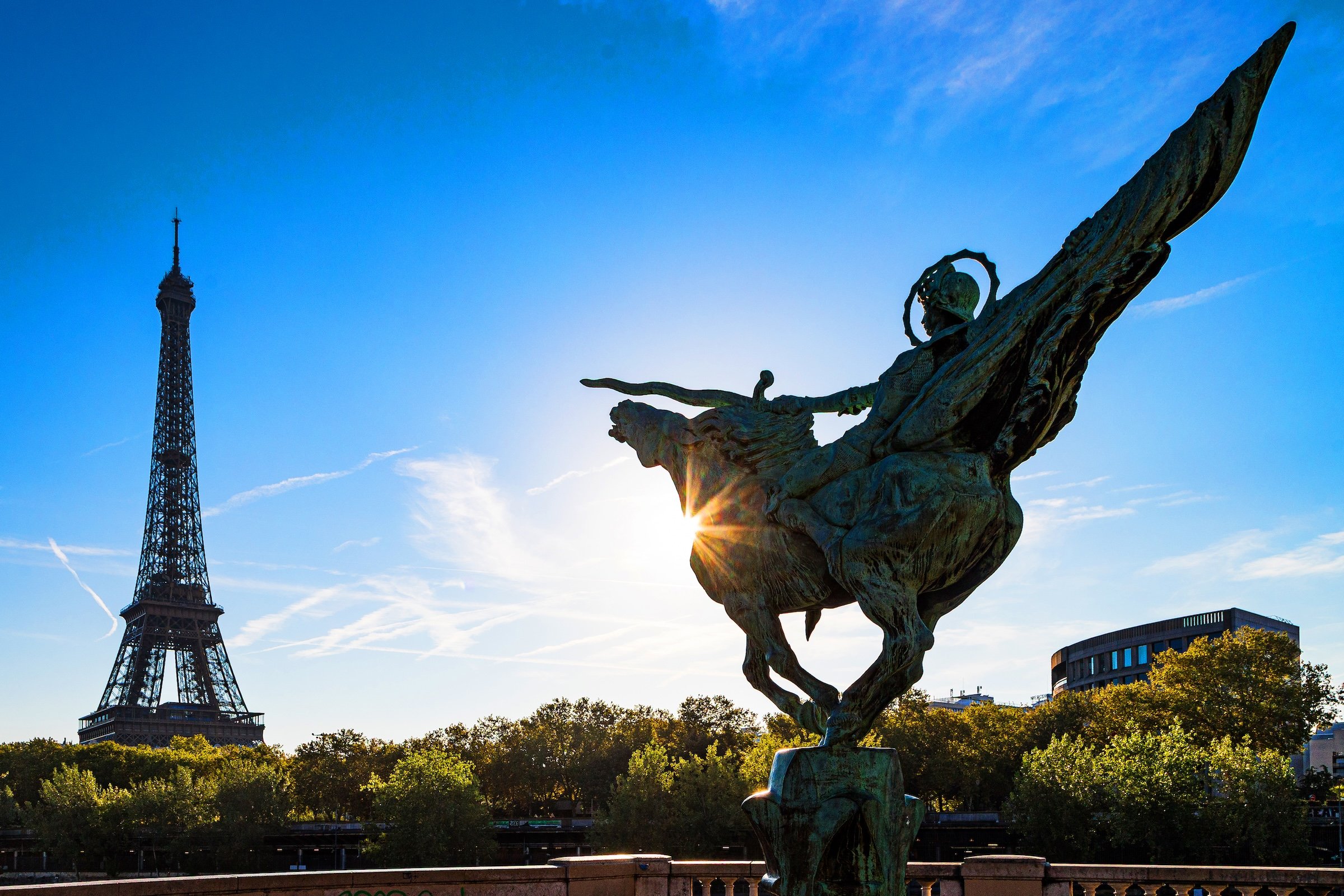
Visual Identity
Through The Lens
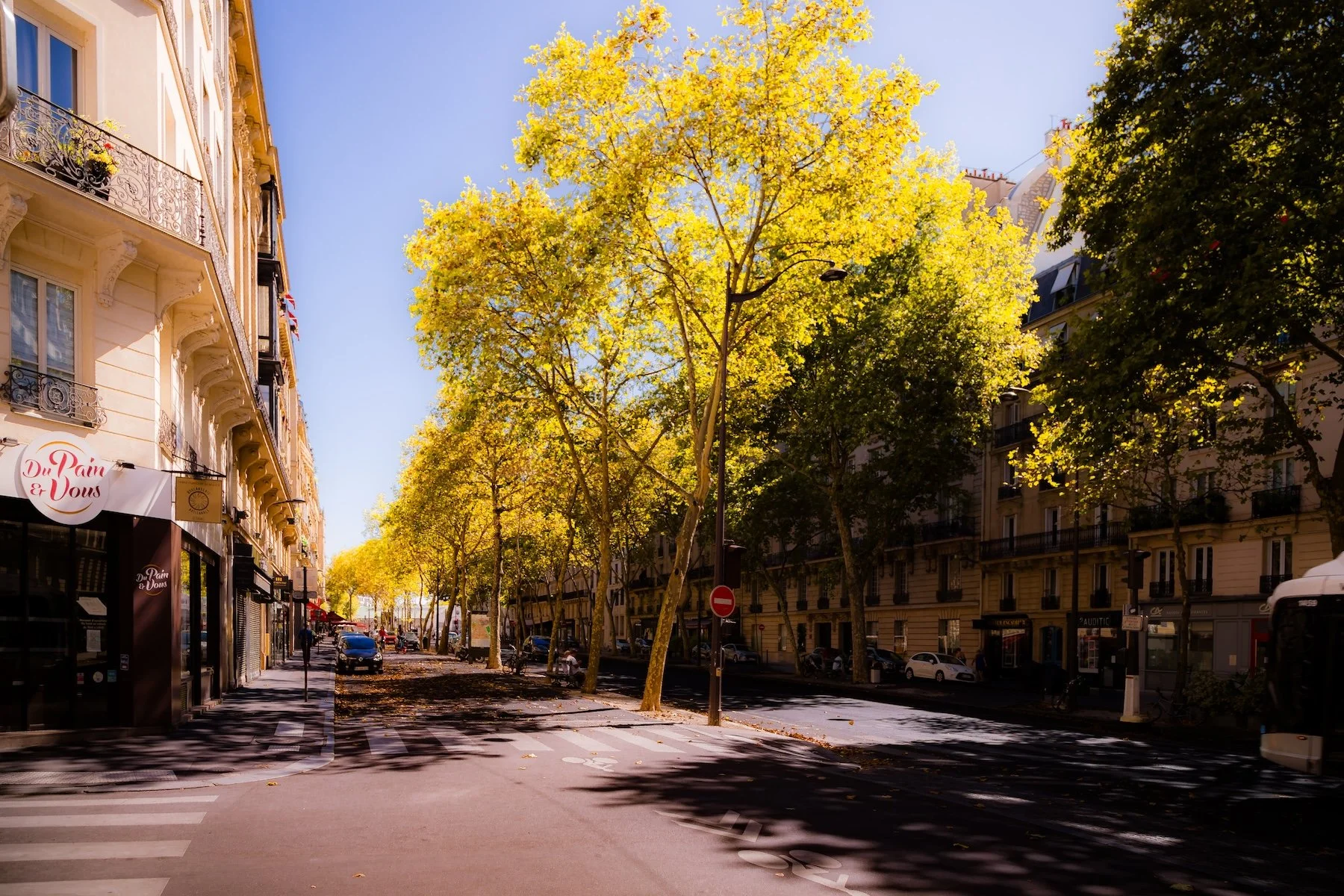
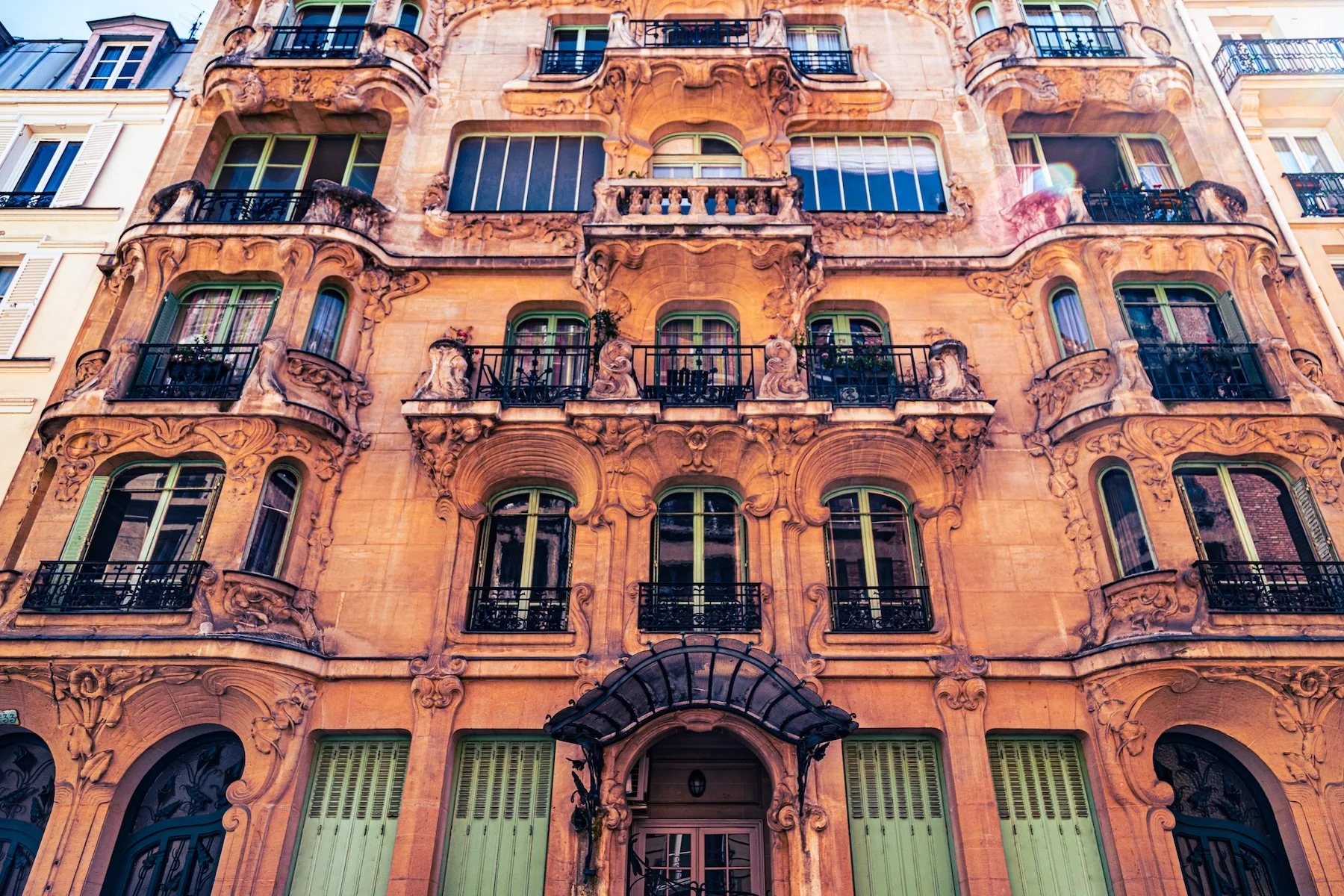
Photographing the arrondissements means moving between the official map and the street-level experience. The camera does not treat each arrondissement as visually uniform. Instead, it looks for the recurring forms, textures, transitions, and contrasts that make each district legible: the geometry of boulevards, the shade of plane trees, the repetition of balconies, the rise of stairways, the curve of canals, the presence of rail stations, the opening of parks, the weight of monuments, and the intimacy of side streets.
On CityNeighborhoods, the arrondissement provides the frame, but the photograph comes from the encounter between map, movement, light, and observation. As the Paris photography is processed, this section will connect each arrondissement more directly to the project’s Photographic Lexicon: the visual strategies, recurring motifs, and compositional patterns that shape how the city is seen through the lens.
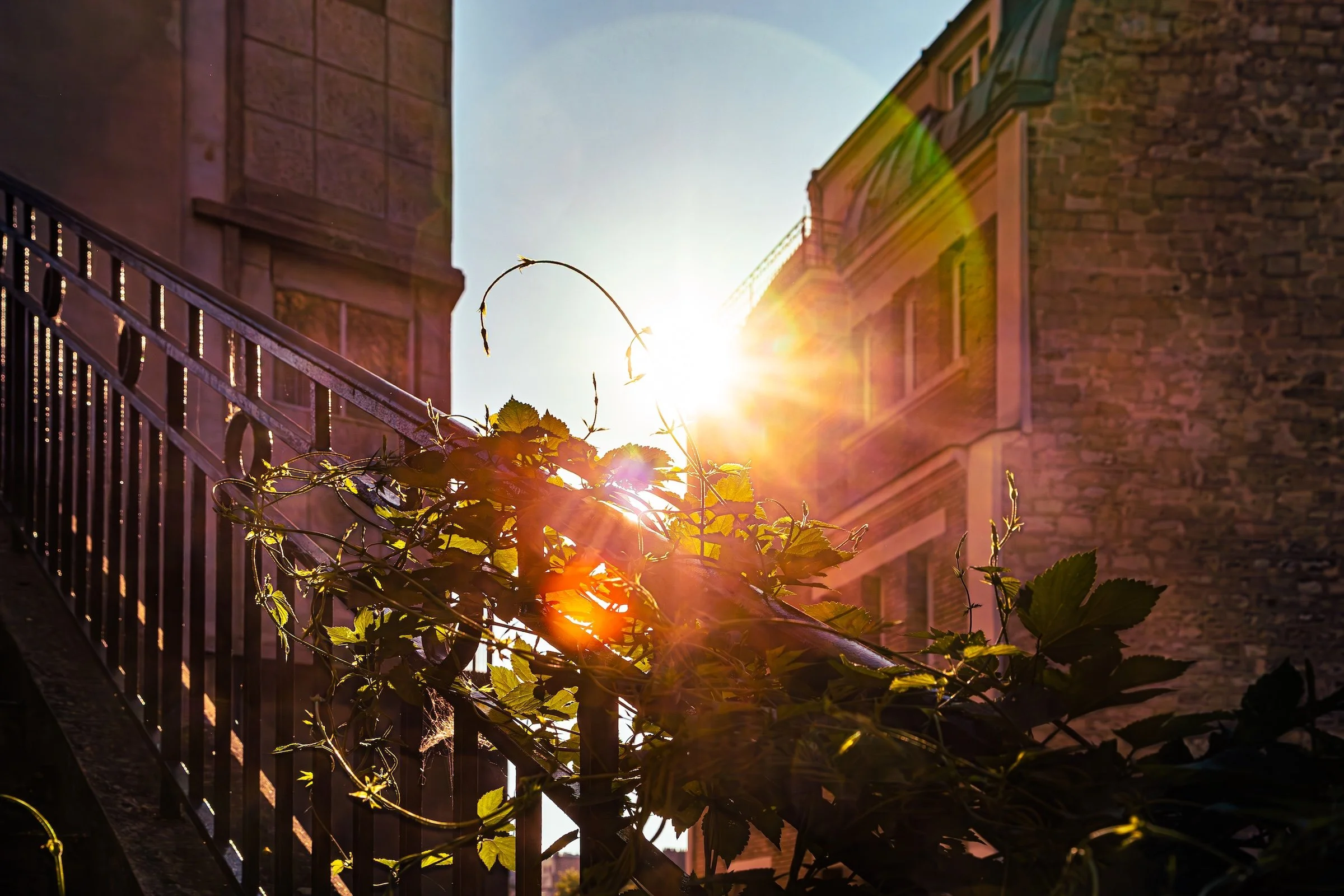
If you visit Paris, these ideas can help inspire your own photography.
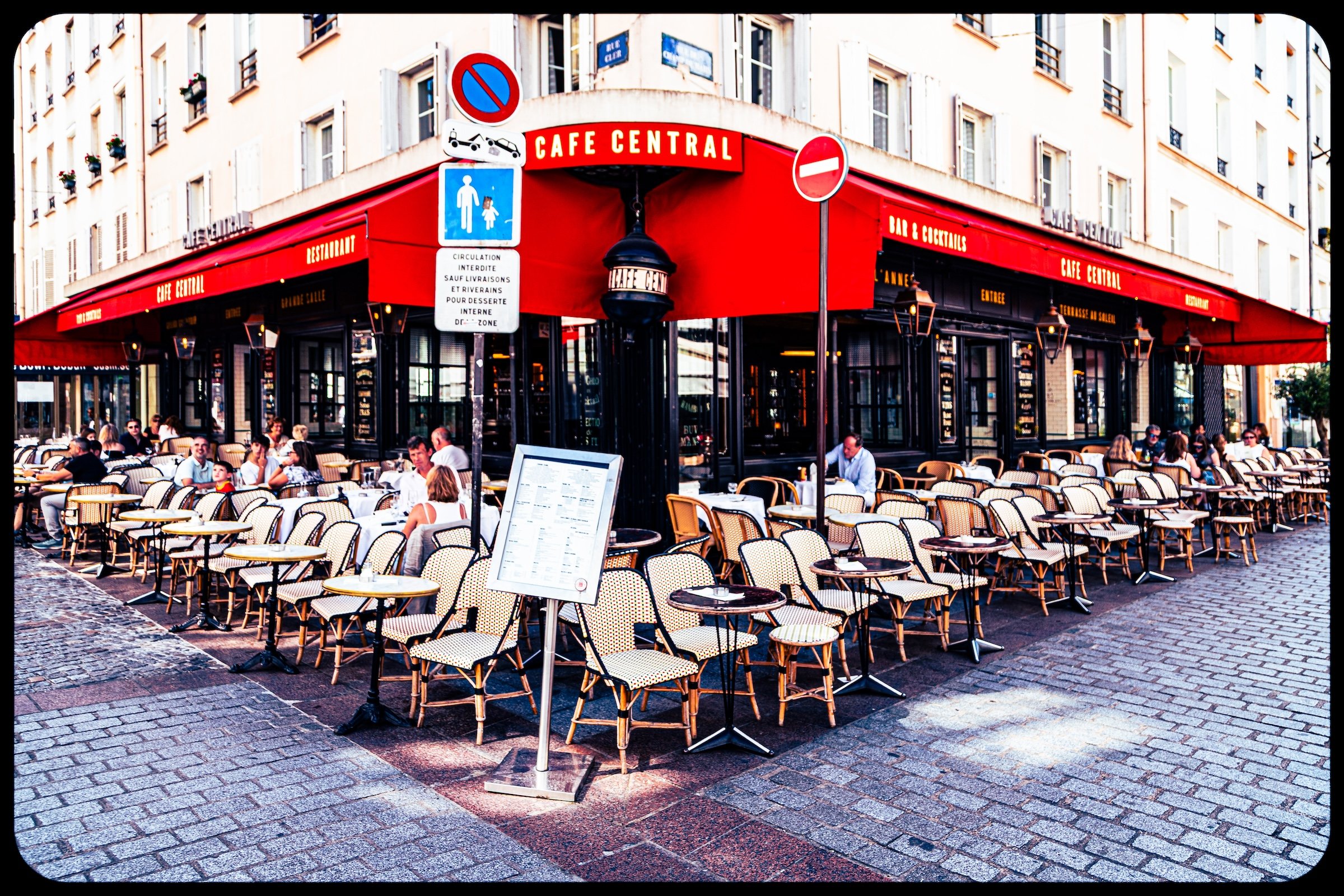
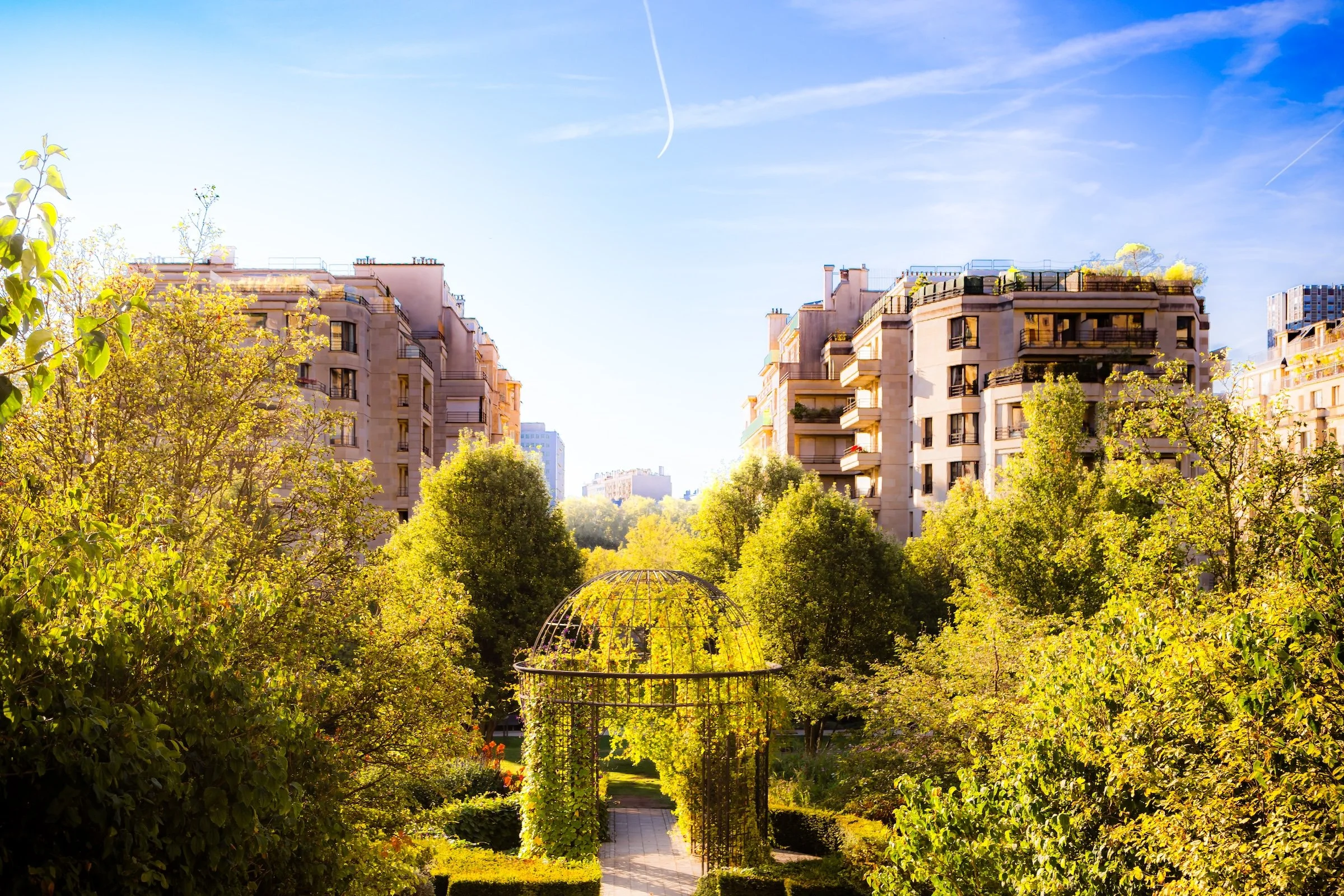
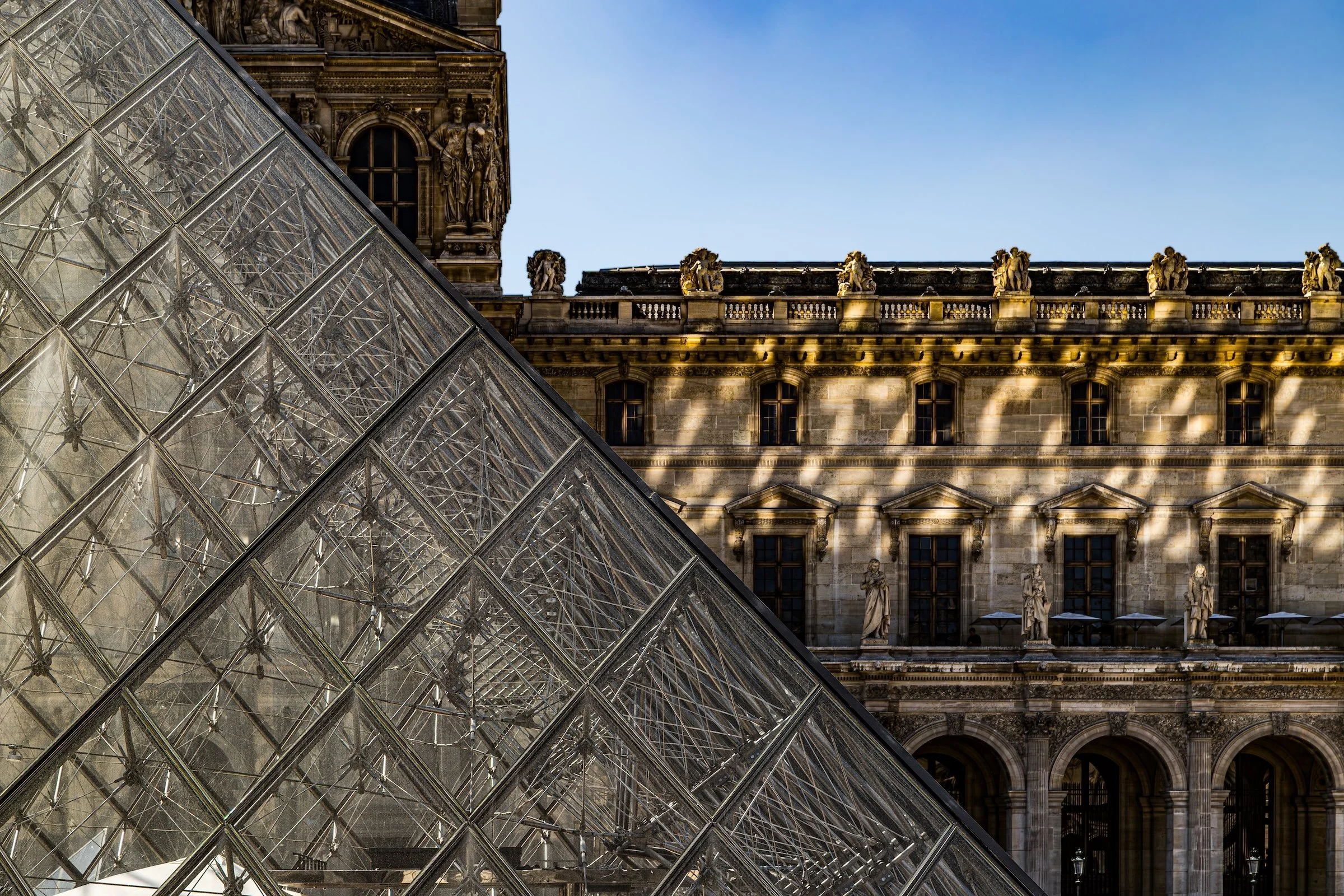
Paris: J’Espere, Je Rêve, Je Vive
Paris Photo Gallery
Paris Field Notes
-
Field Note: August 18, 2025 | 07:58 AM
Conditions: 73°F | Humidity: 72%.
Within the park's interior, the glacial kettle ponds acted as humidity traps, creating a soft, hazy light that filtered through the old-growth oaks. The transition from the park's dense shade to the sun-drenched edges of Oakland Gardens highlighted the day's exceptional "picture-perfect" clarity.
There is a fleeting window in Queens where the humidity of August hasn't yet heavy-set, and the morning sun hits the canopy of Alley Pond Park at a perfect oblique angle. Arriving just before 8:00 AM, I watched the light break through the oaks and tulip trees, casting long, dramatic shadows across the wet grass. It’s in these quiet, golden moments that the park feels less like a city escape and more like the ancient glacial valley it actually is.
Other neighborhoods visited:
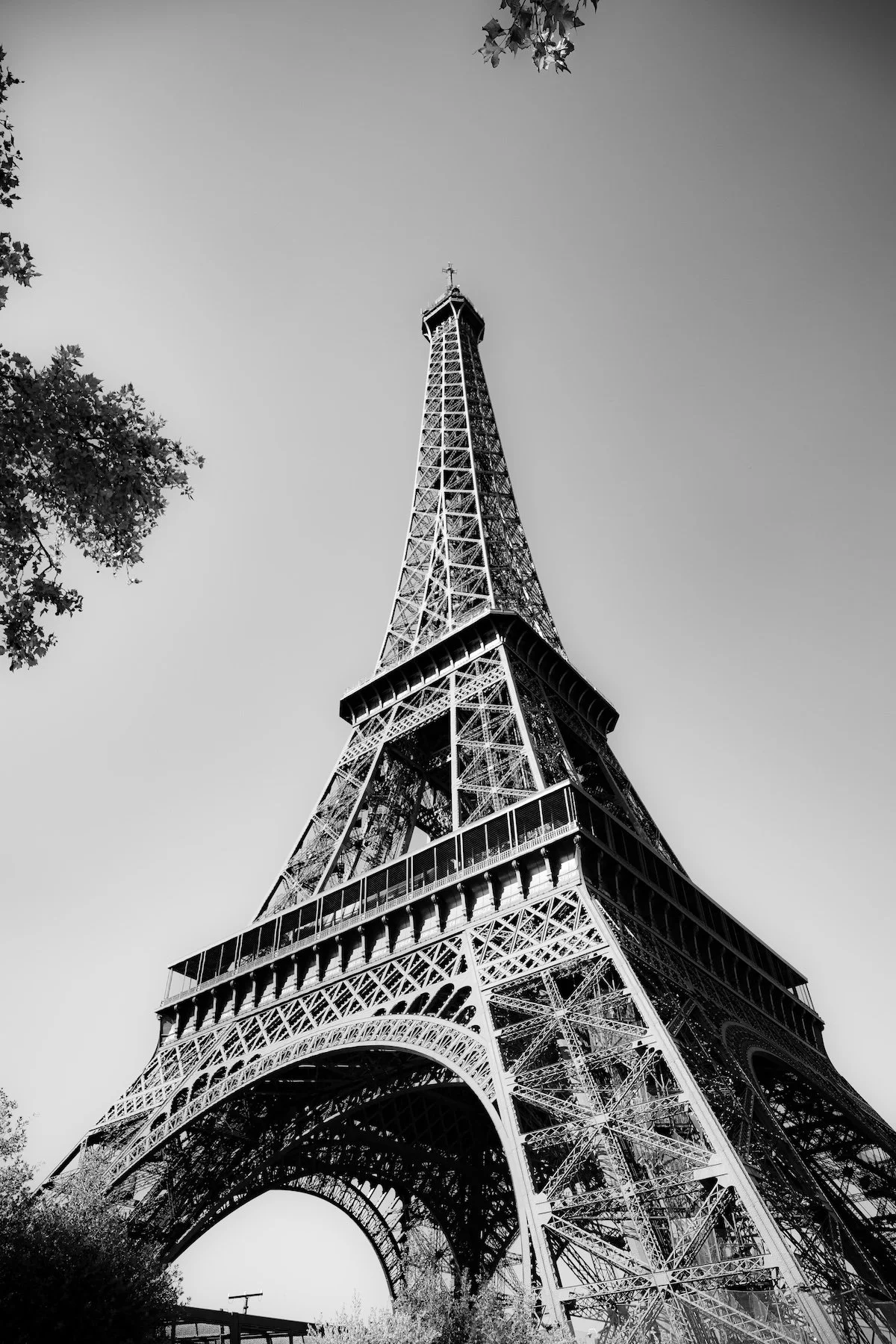
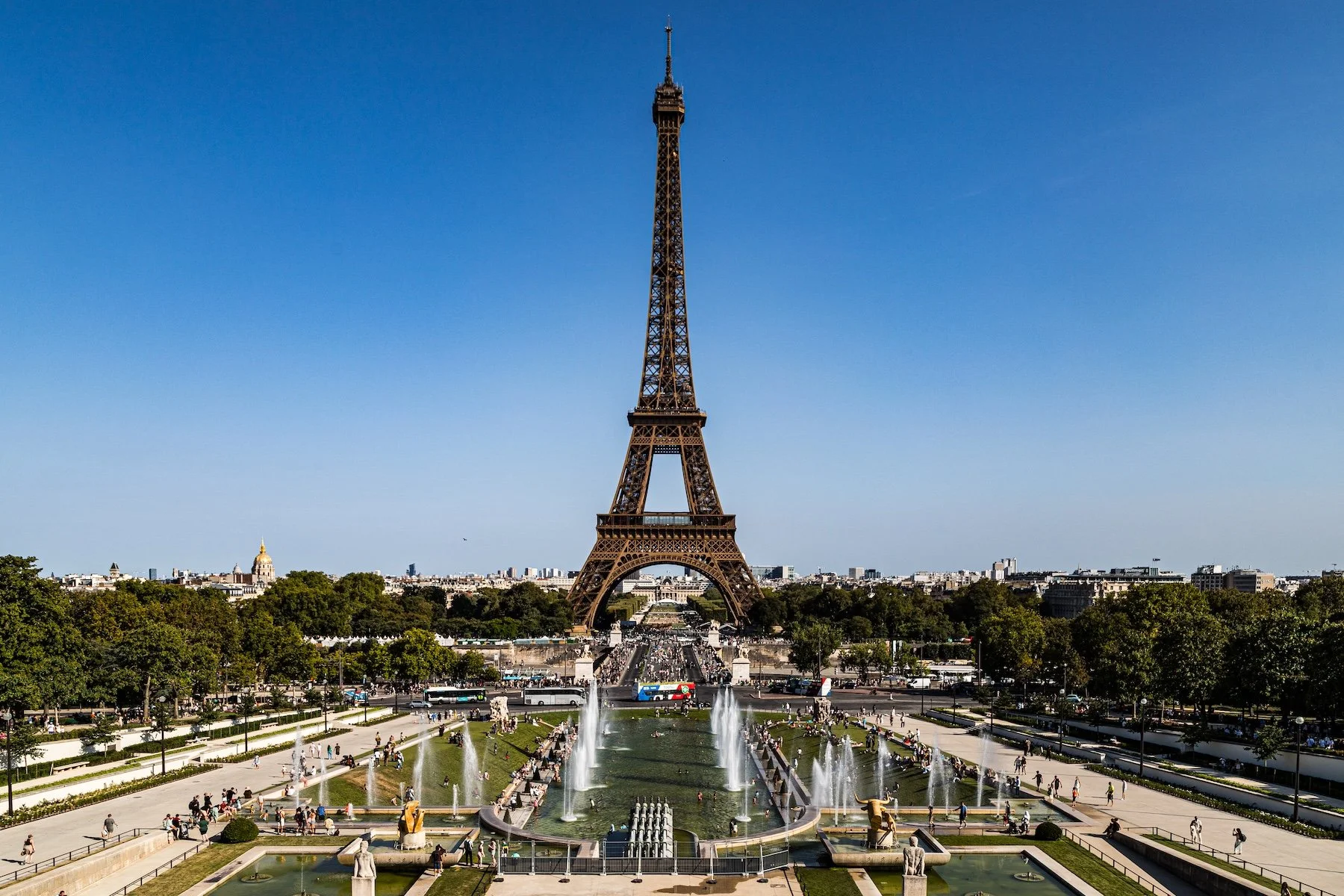
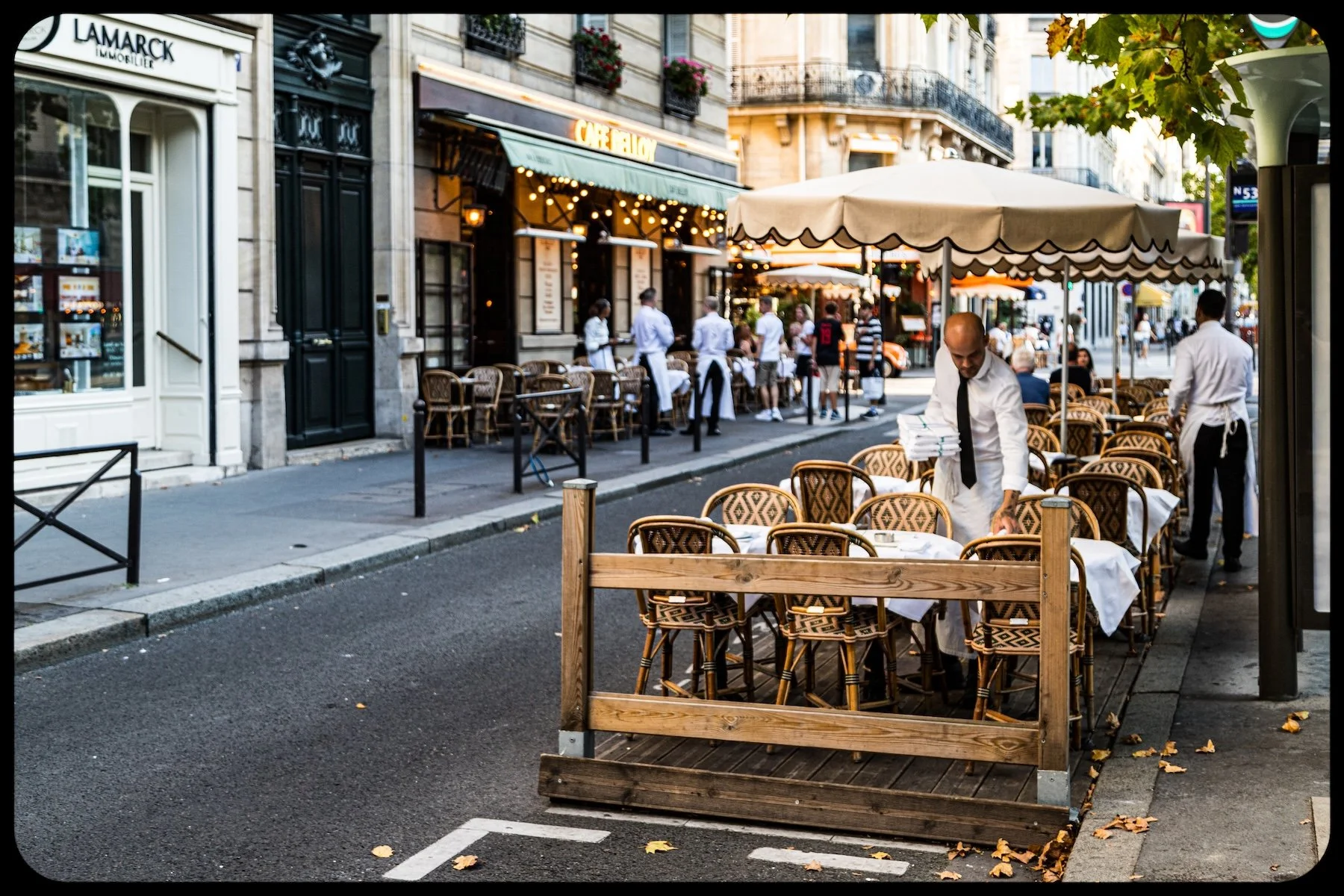
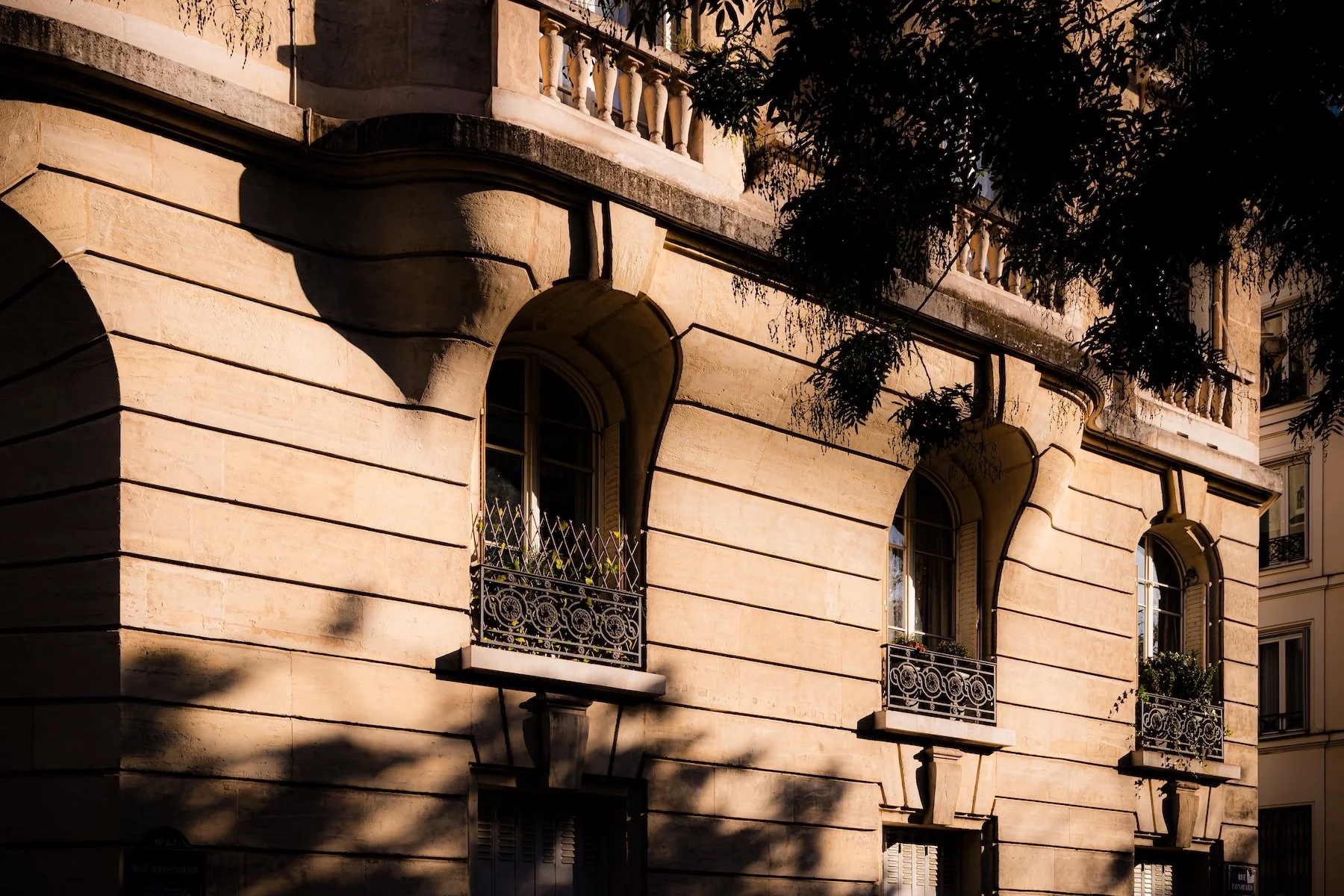
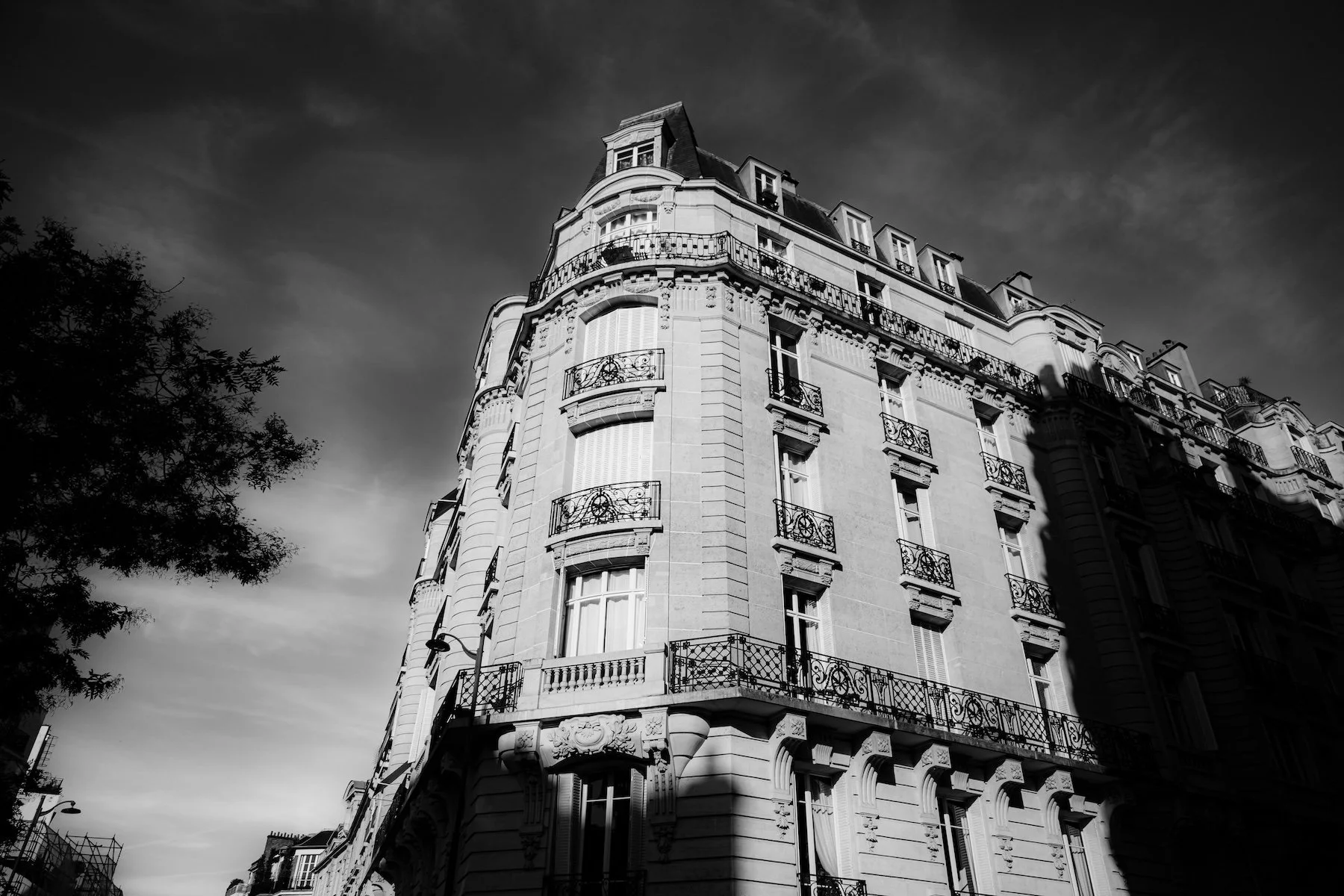
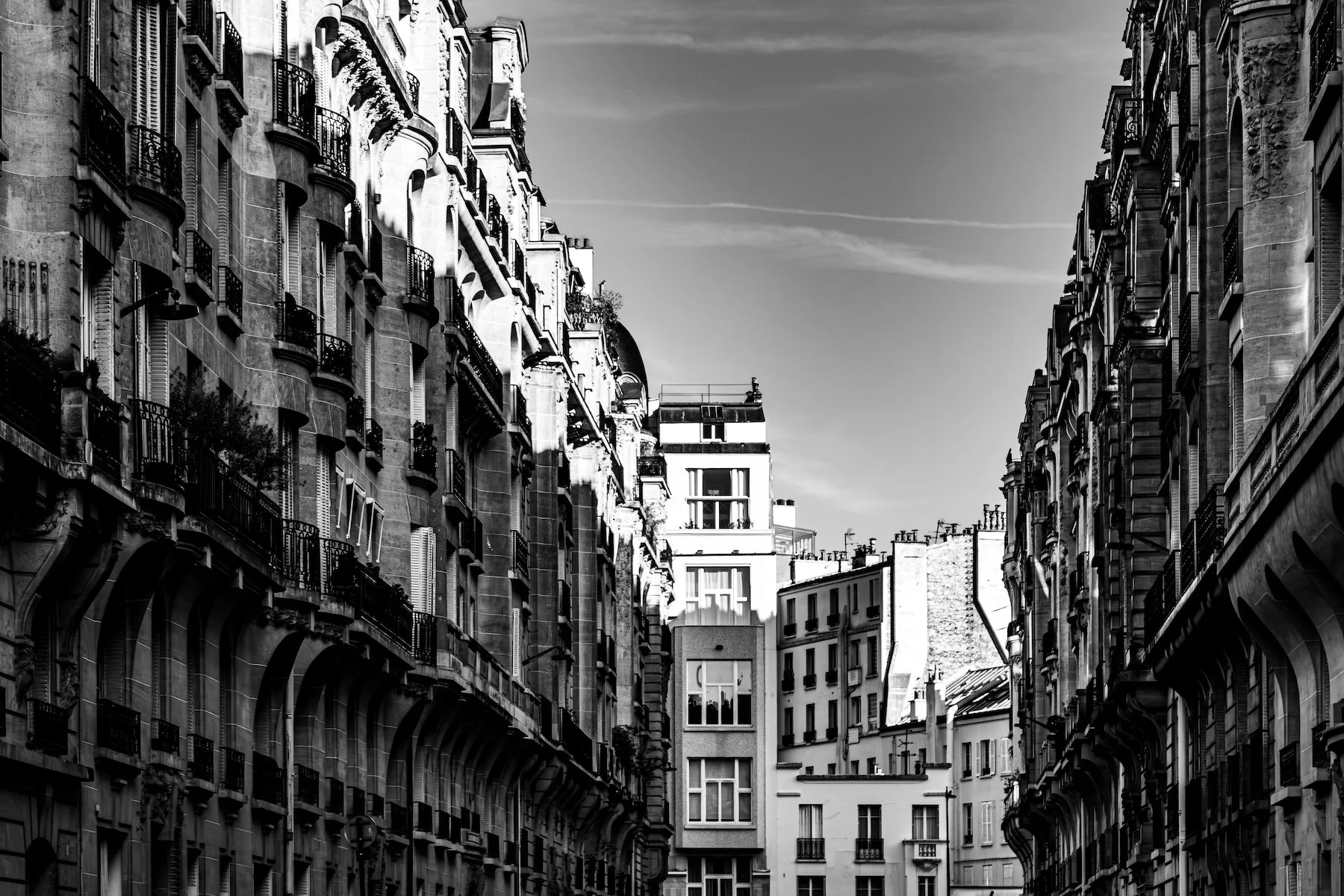
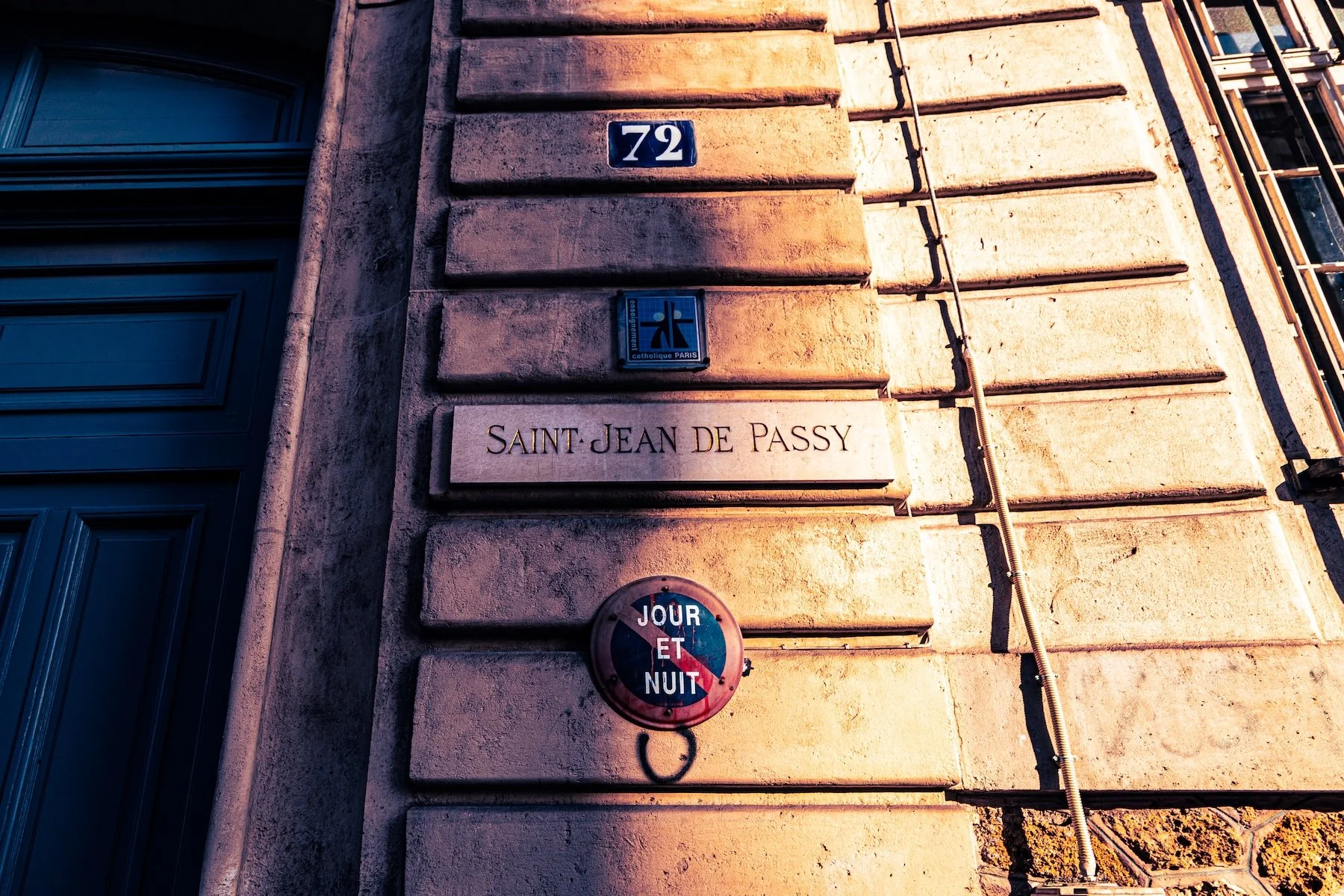

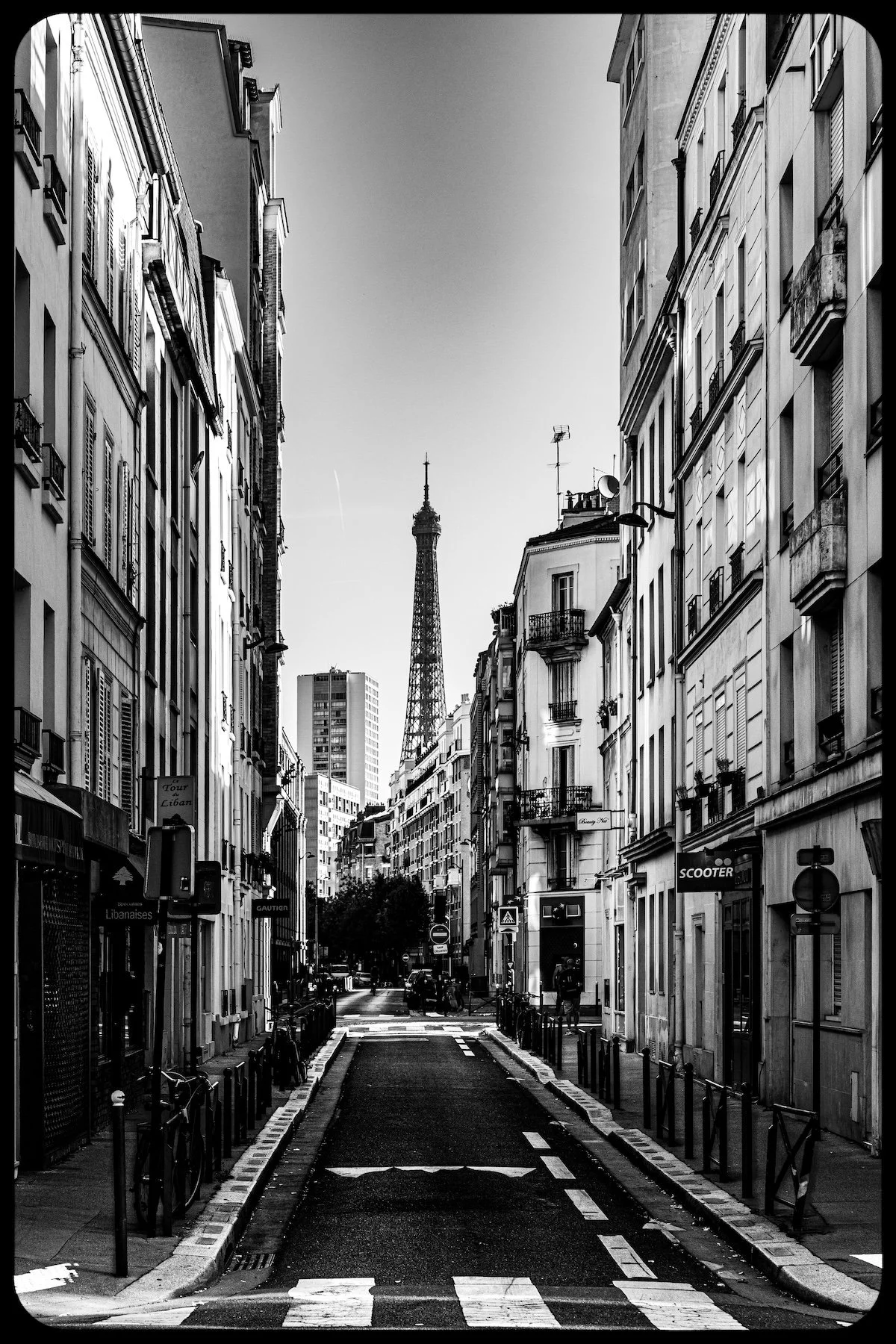
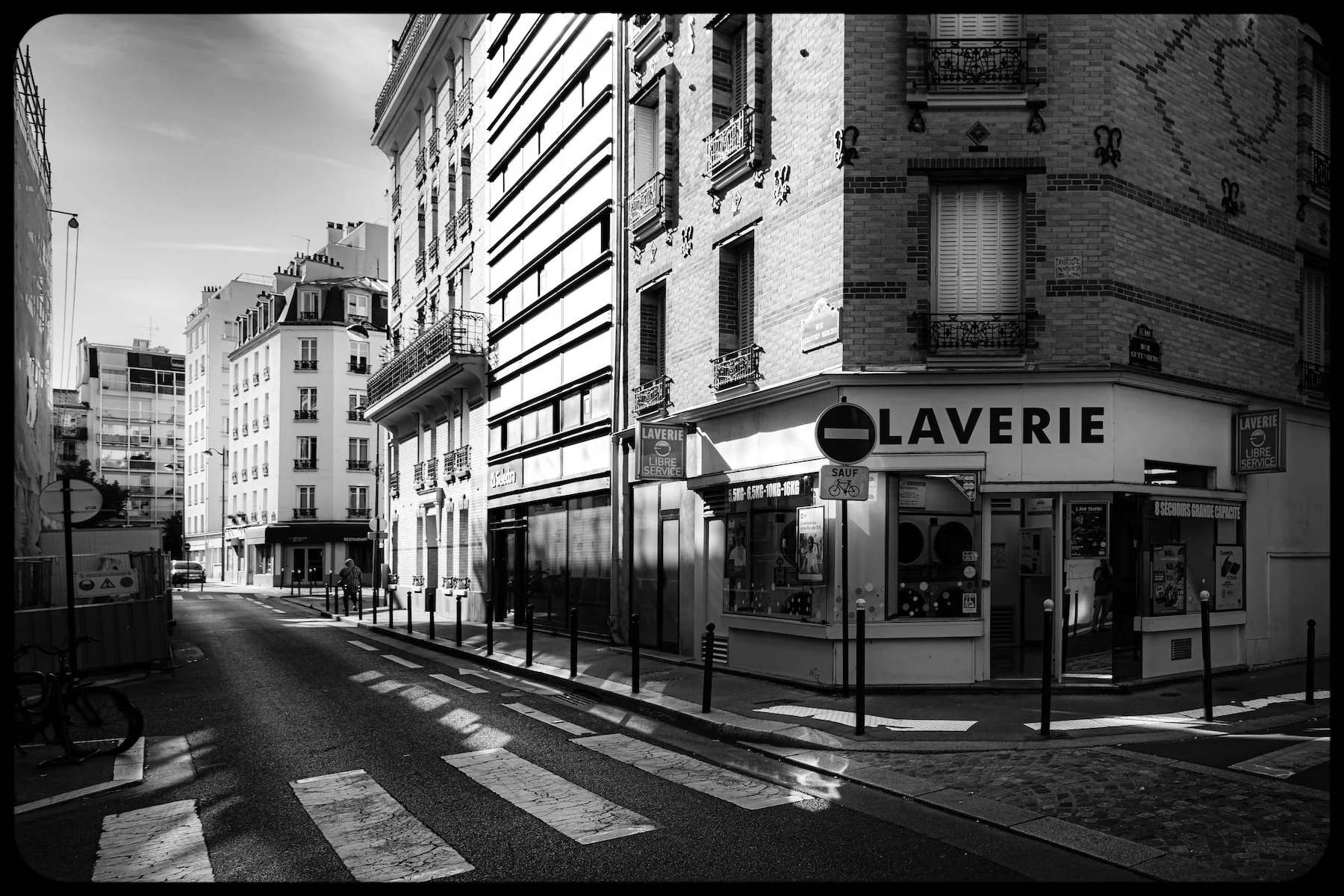
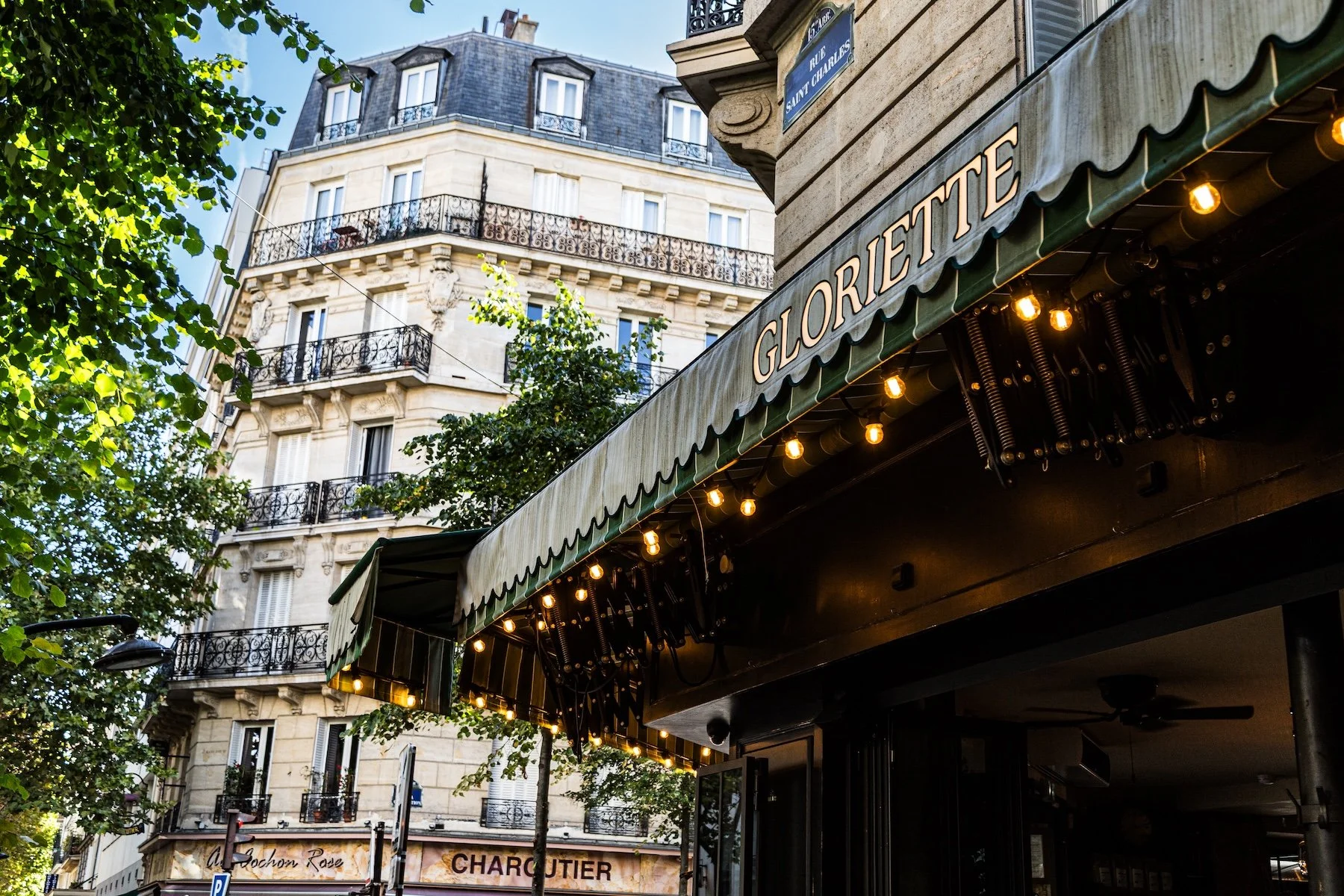
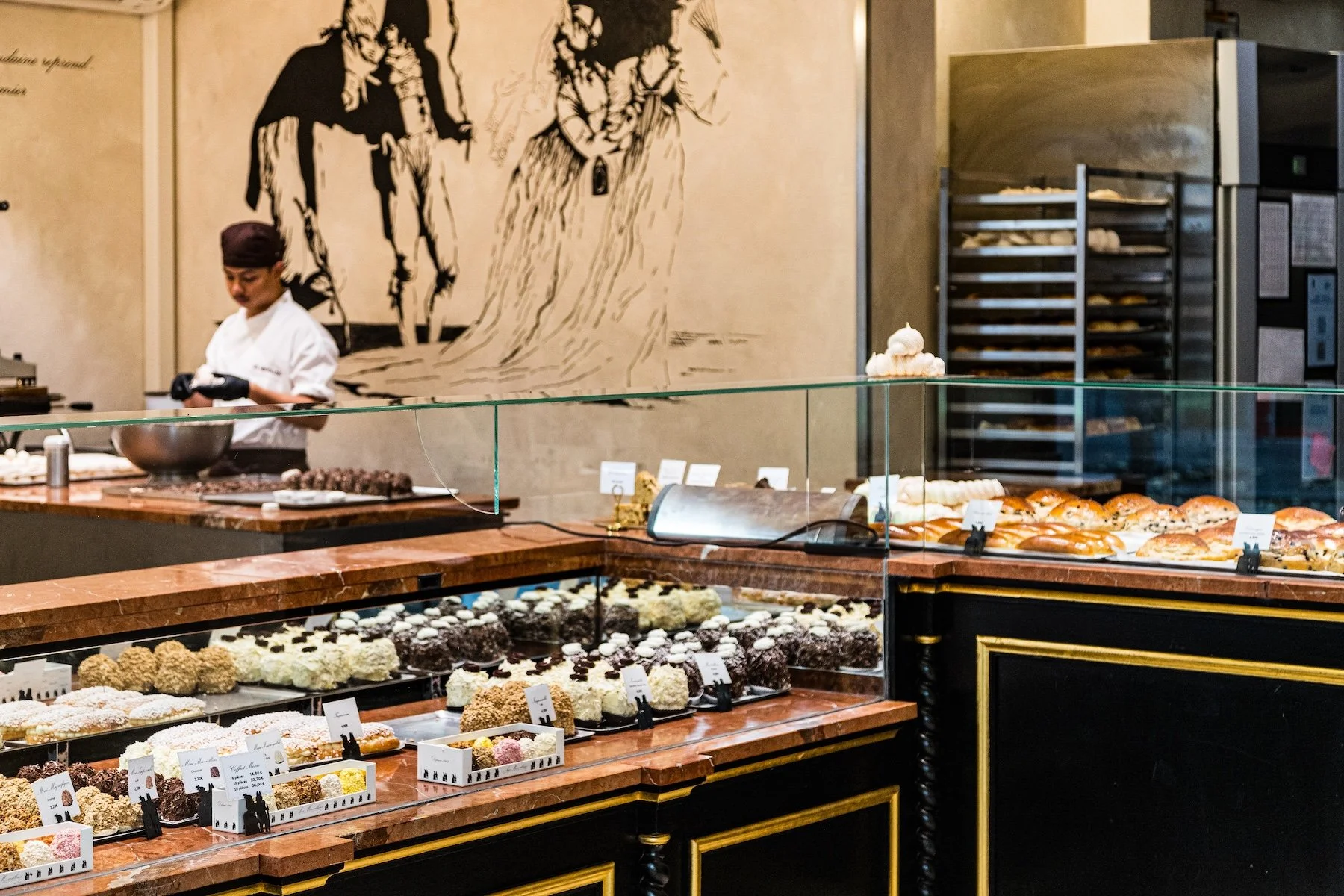
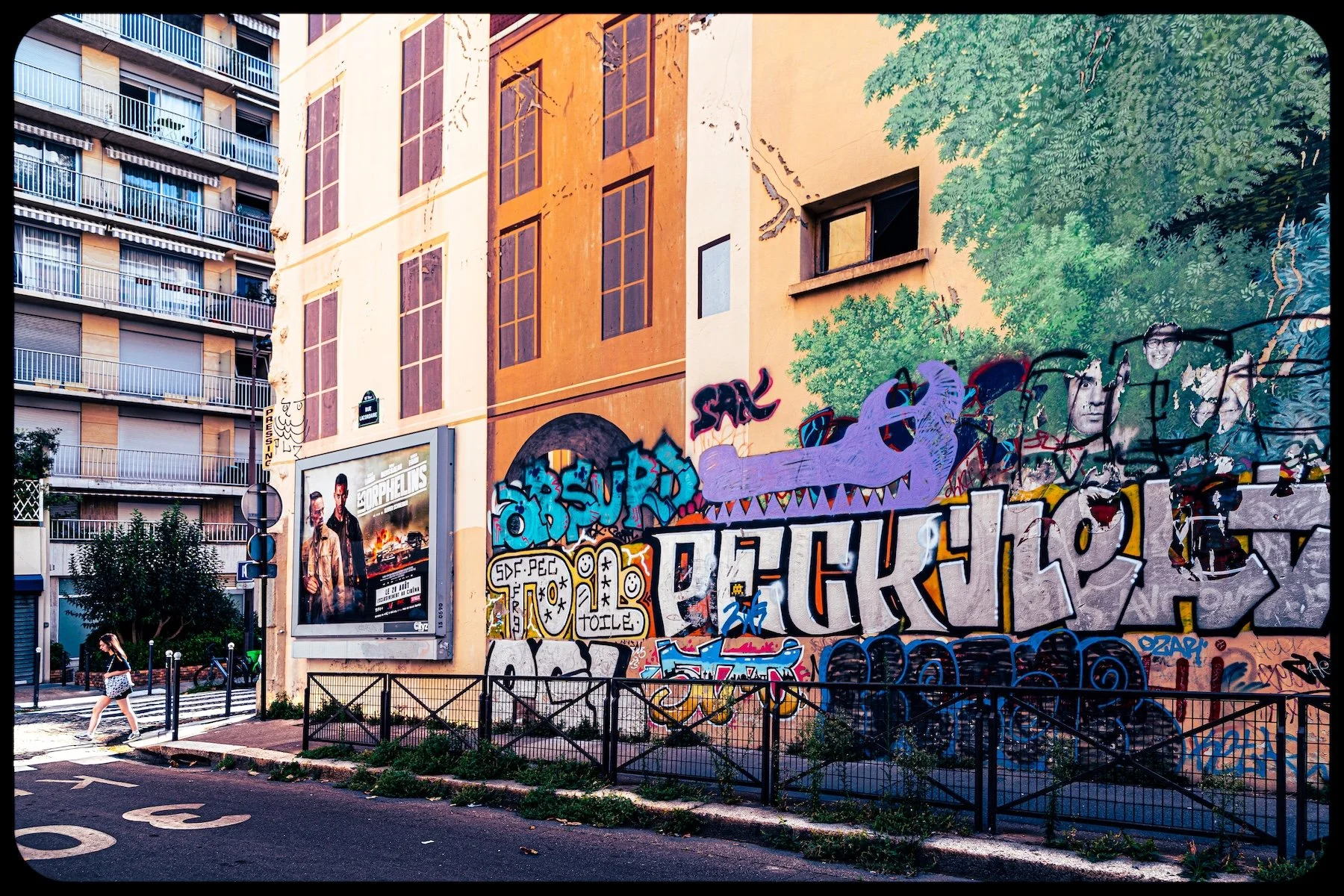
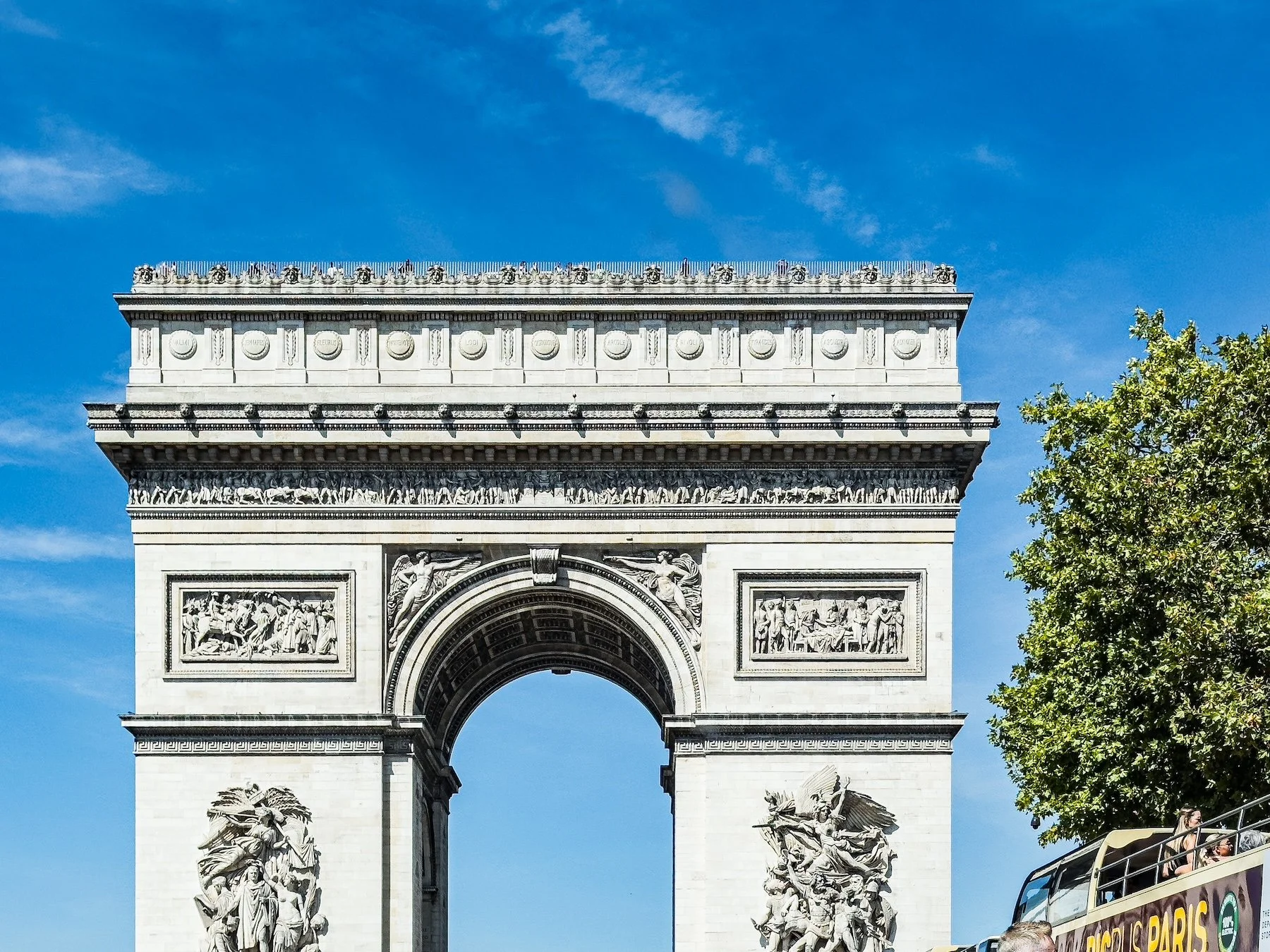
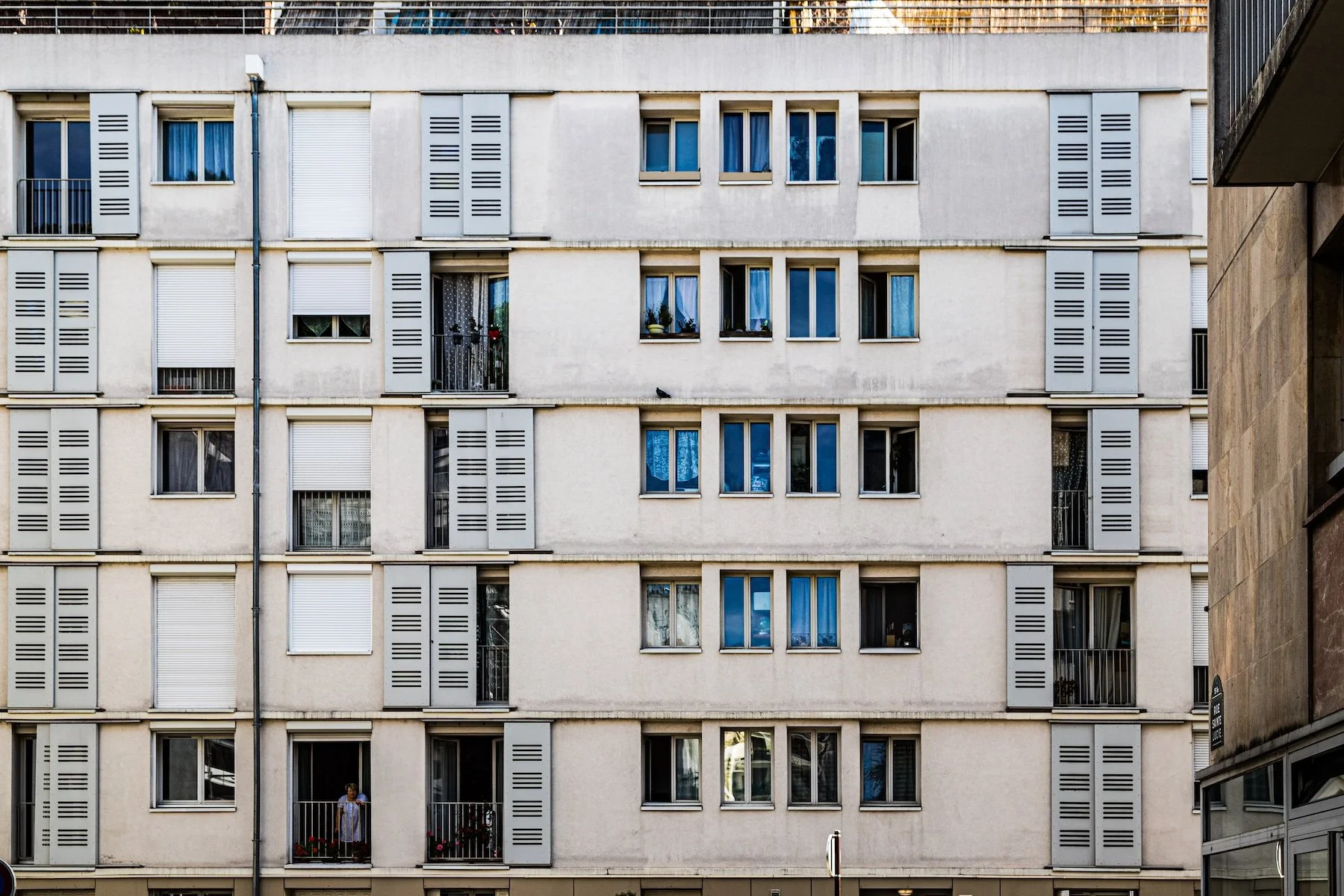
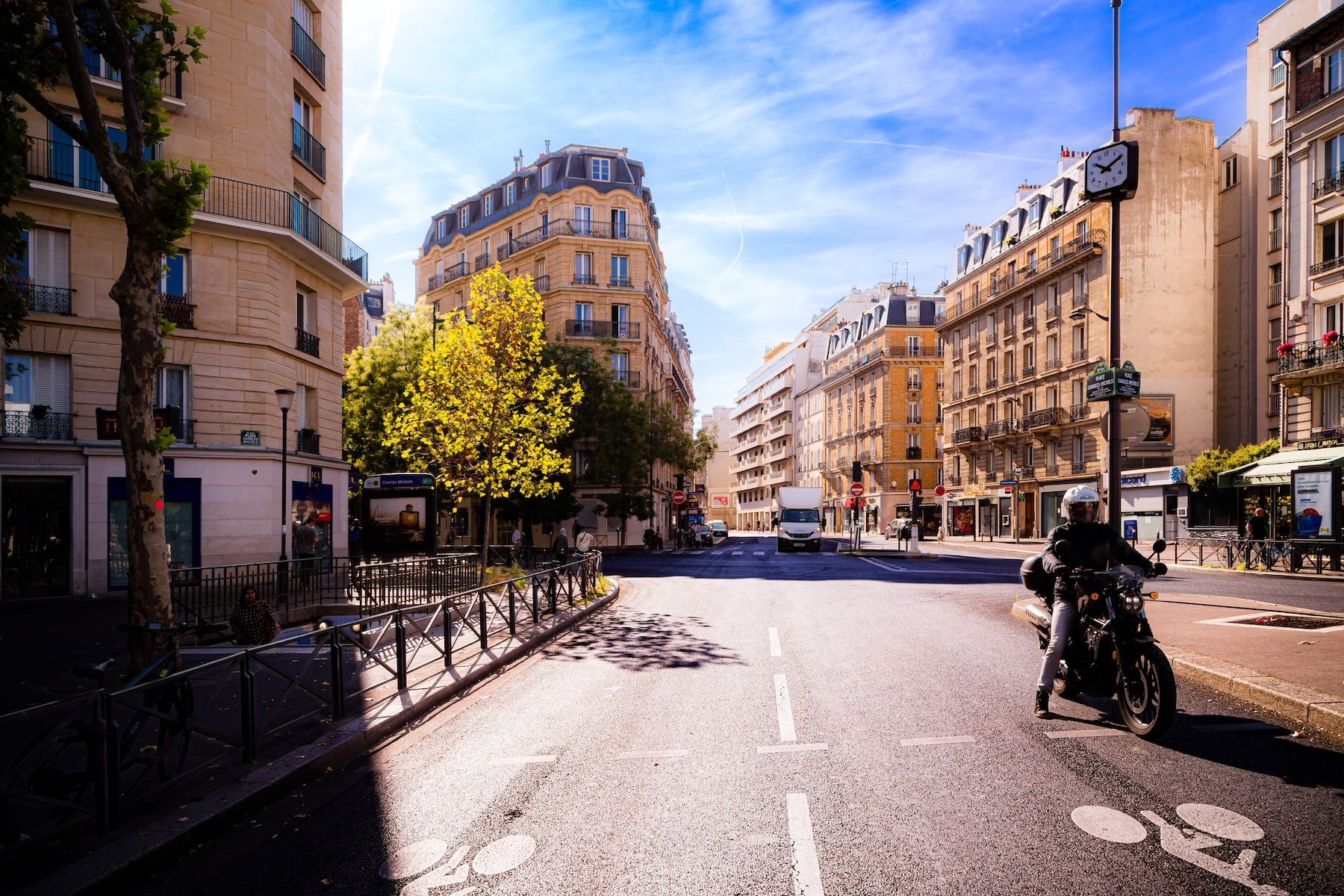
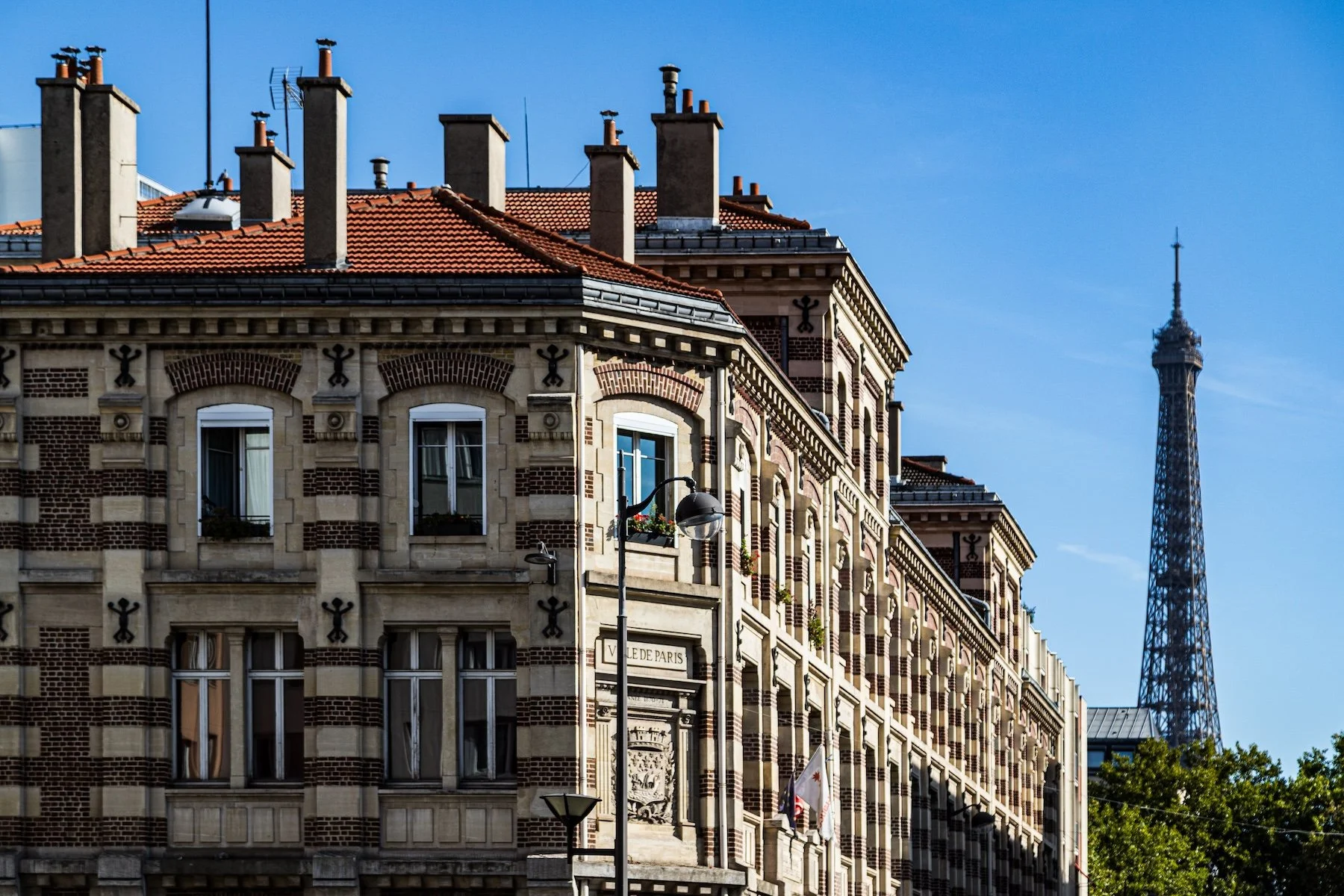
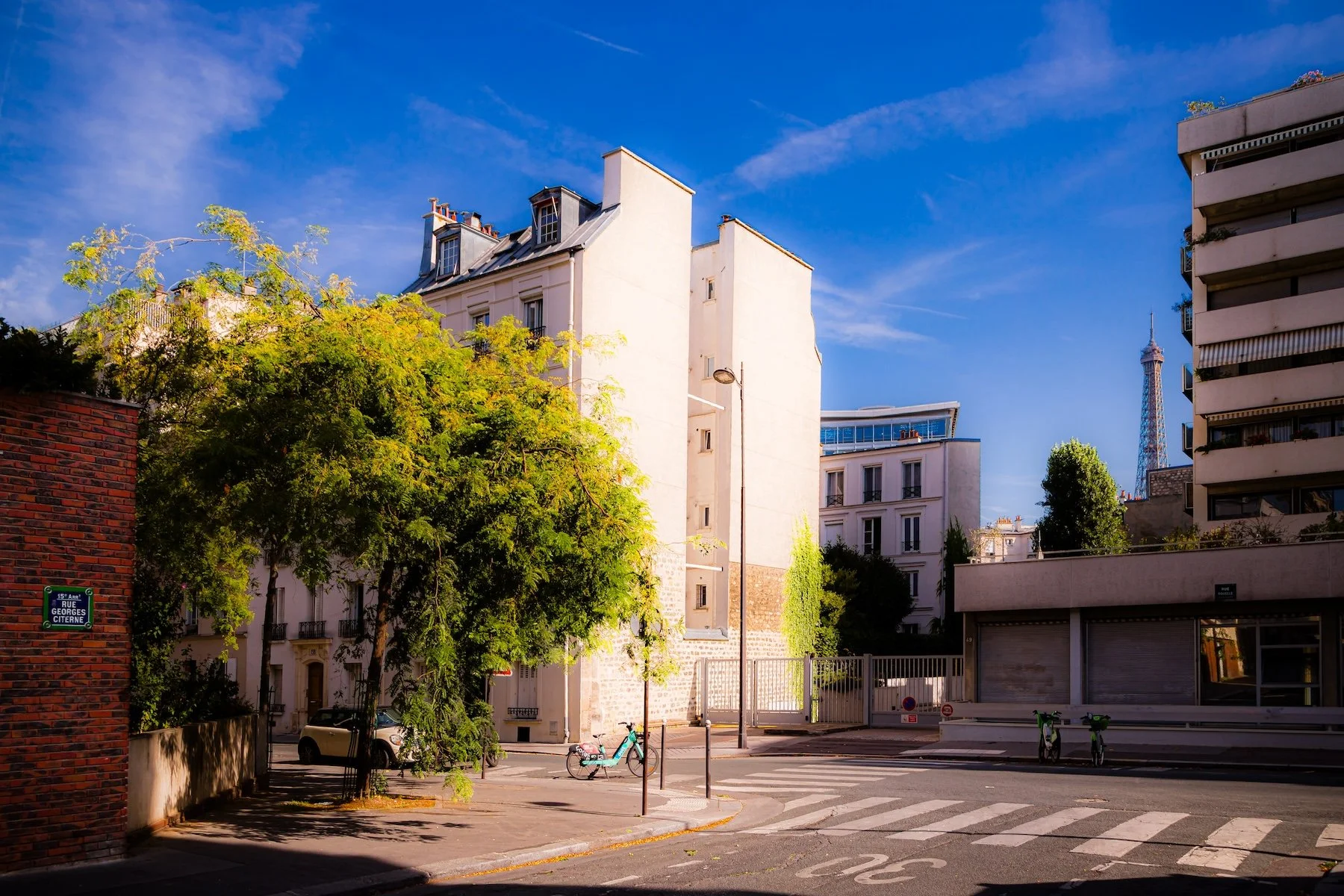
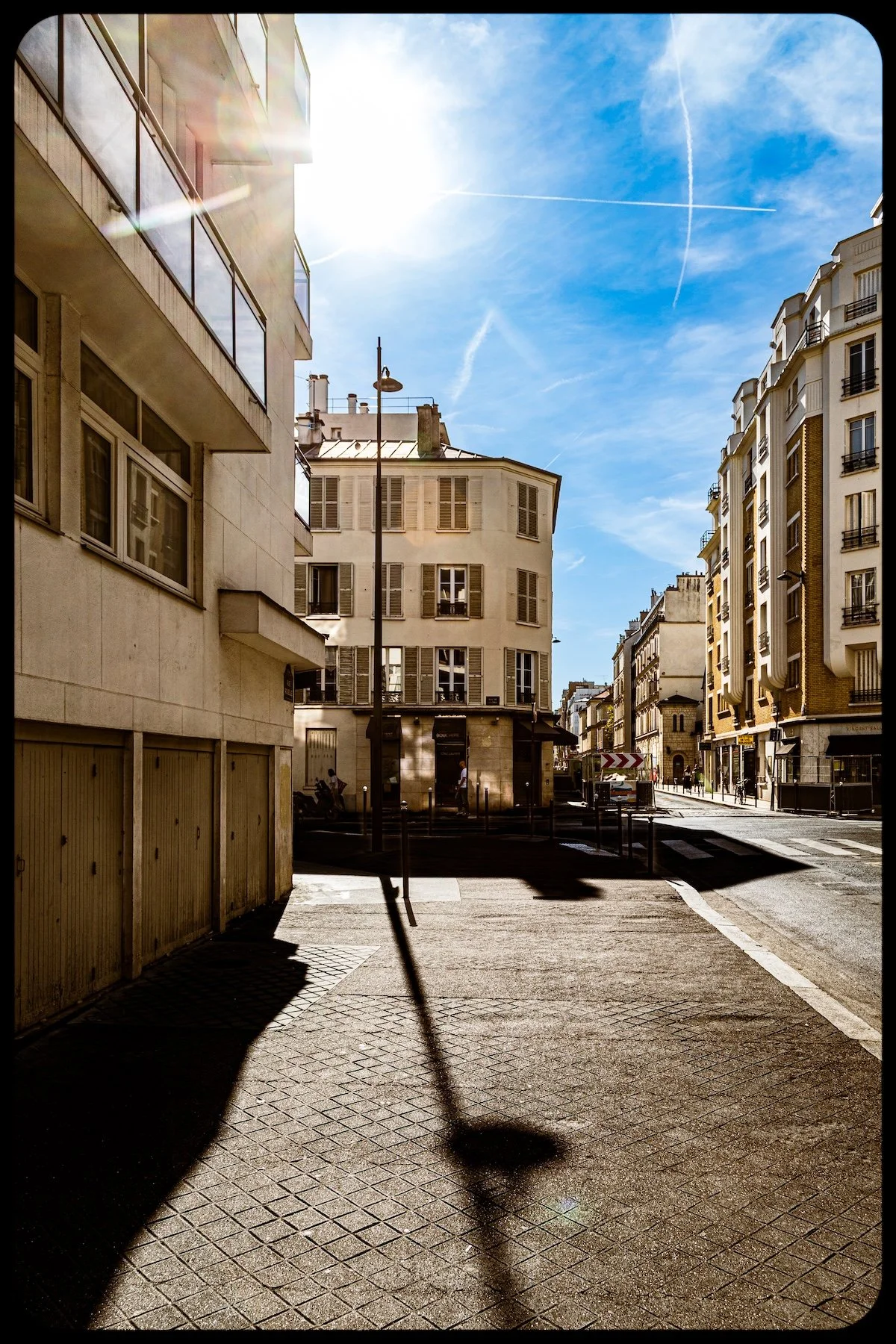
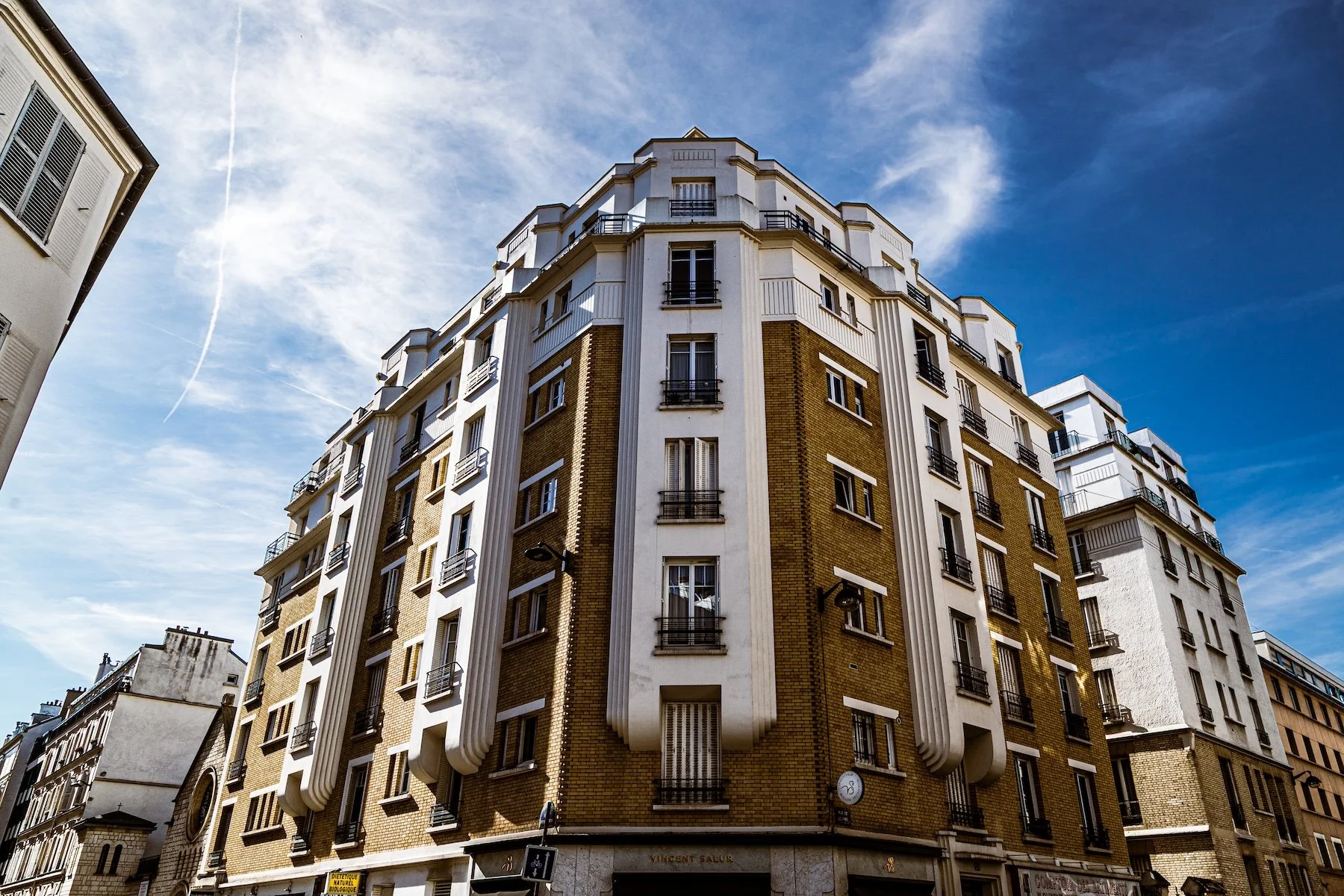
Explore Paris
-

The twenty arrondissements form the civic spiral of Paris, organizing the city into its broad local districts of government, identity, and daily life.
-
Each arrondissement is divided into four official administrative quarters, giving Paris a more precise civic and geographic framework.
-

The conseils de quartier bring participation to street level, giving residents a voice in neighborhood needs, public space, and local civic life.
-

Les Deux Rives trace Paris through the Seine’s two banks, revealing how the Rive Droite and Rive Gauche shaped the city’s civic power, commerce, learning, art, and cultural identity.
-

Cultural neighborhoods reveal the Paris people recognize through history, cafés, architecture, memory, atmosphere, and local belonging.