
14e - MONTPARNASSE
Quartiers Administratifs
Part of an ongoing project to walk and photograph every neighborhood in Paris, this page explores the Administrative Quarter: 14e - Montparnasse through maps, district identity, history, and photography.
The Map
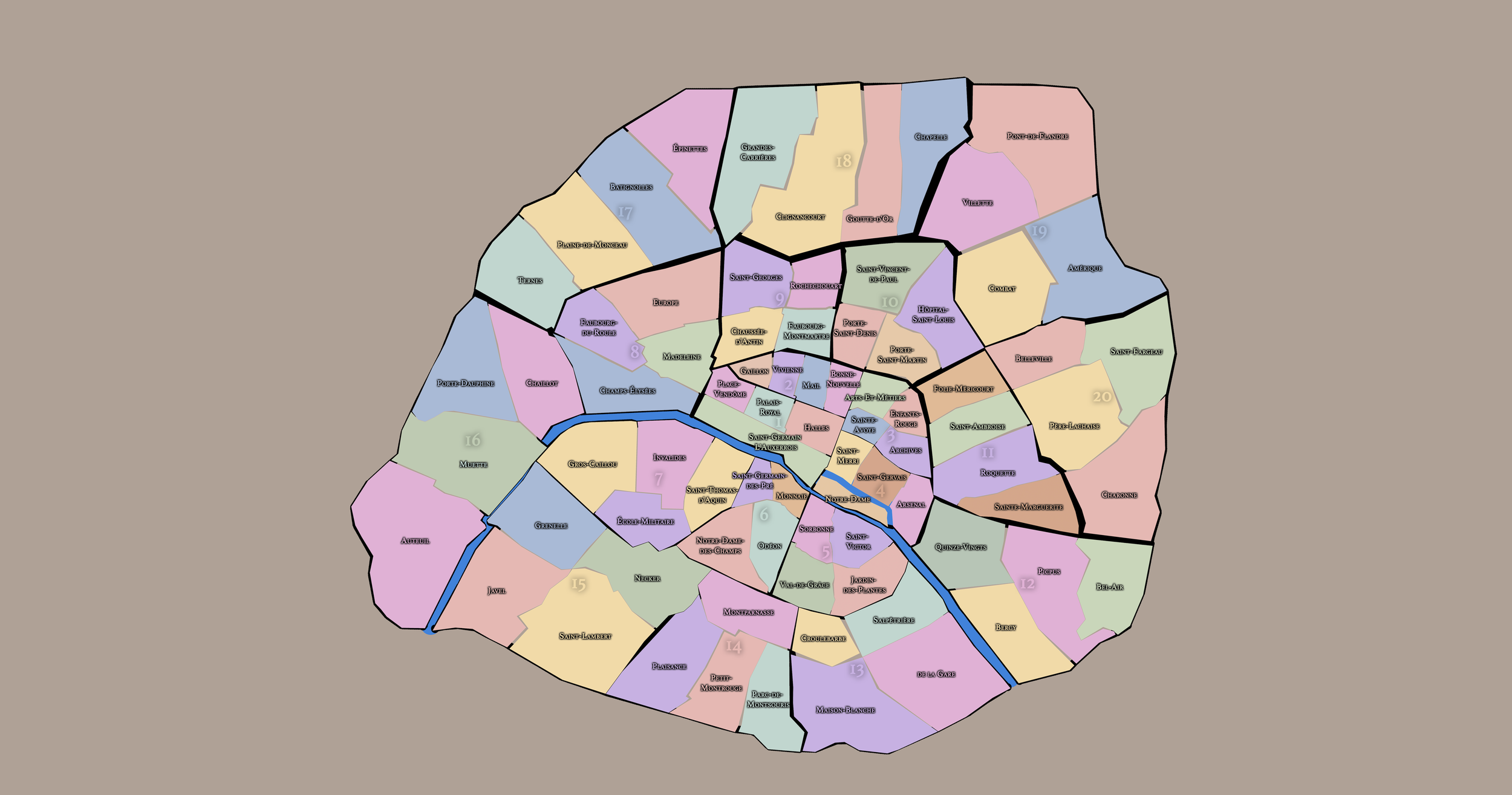
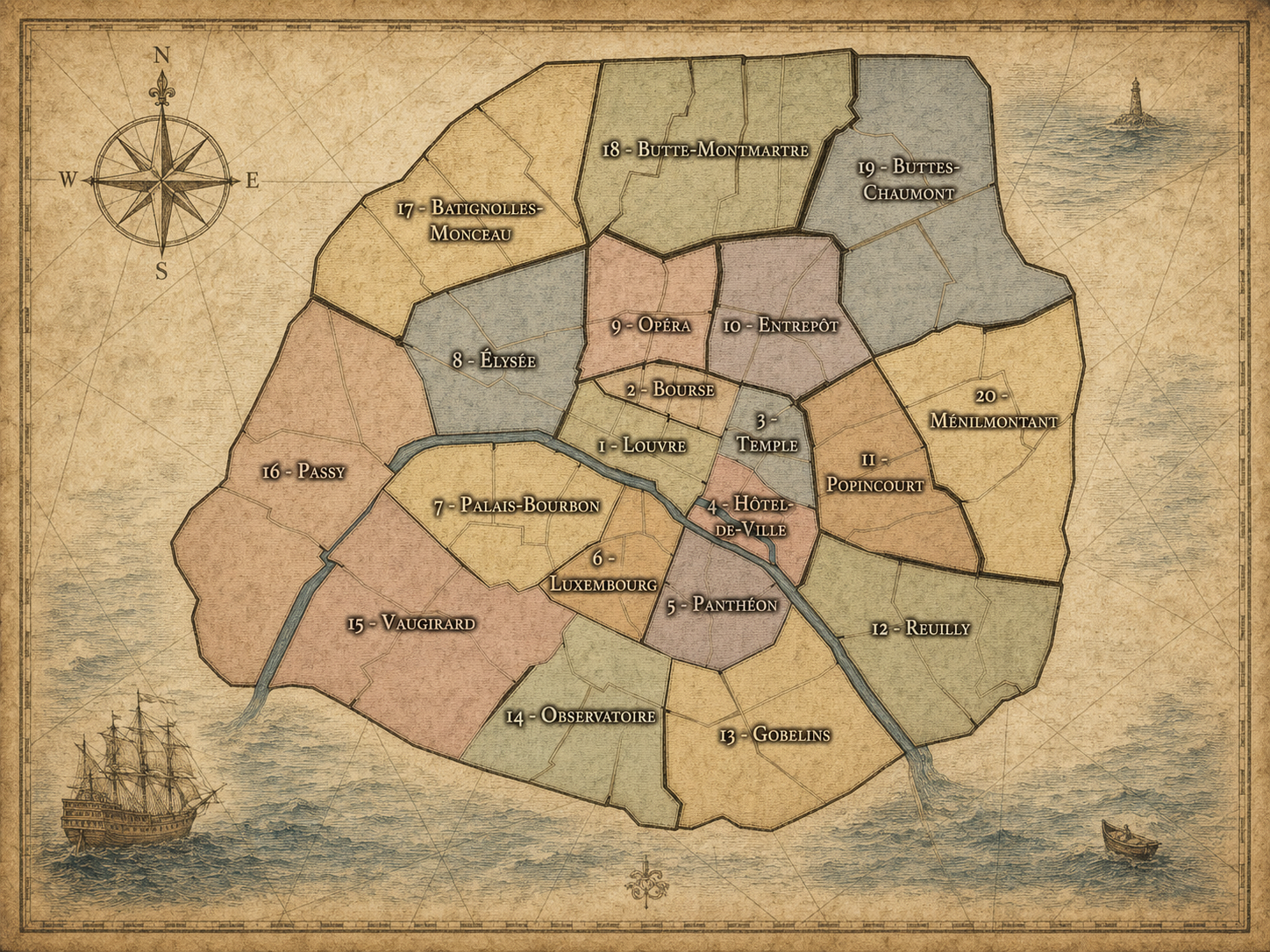
Download the Paris Arrondissements Map
Geographic Setting
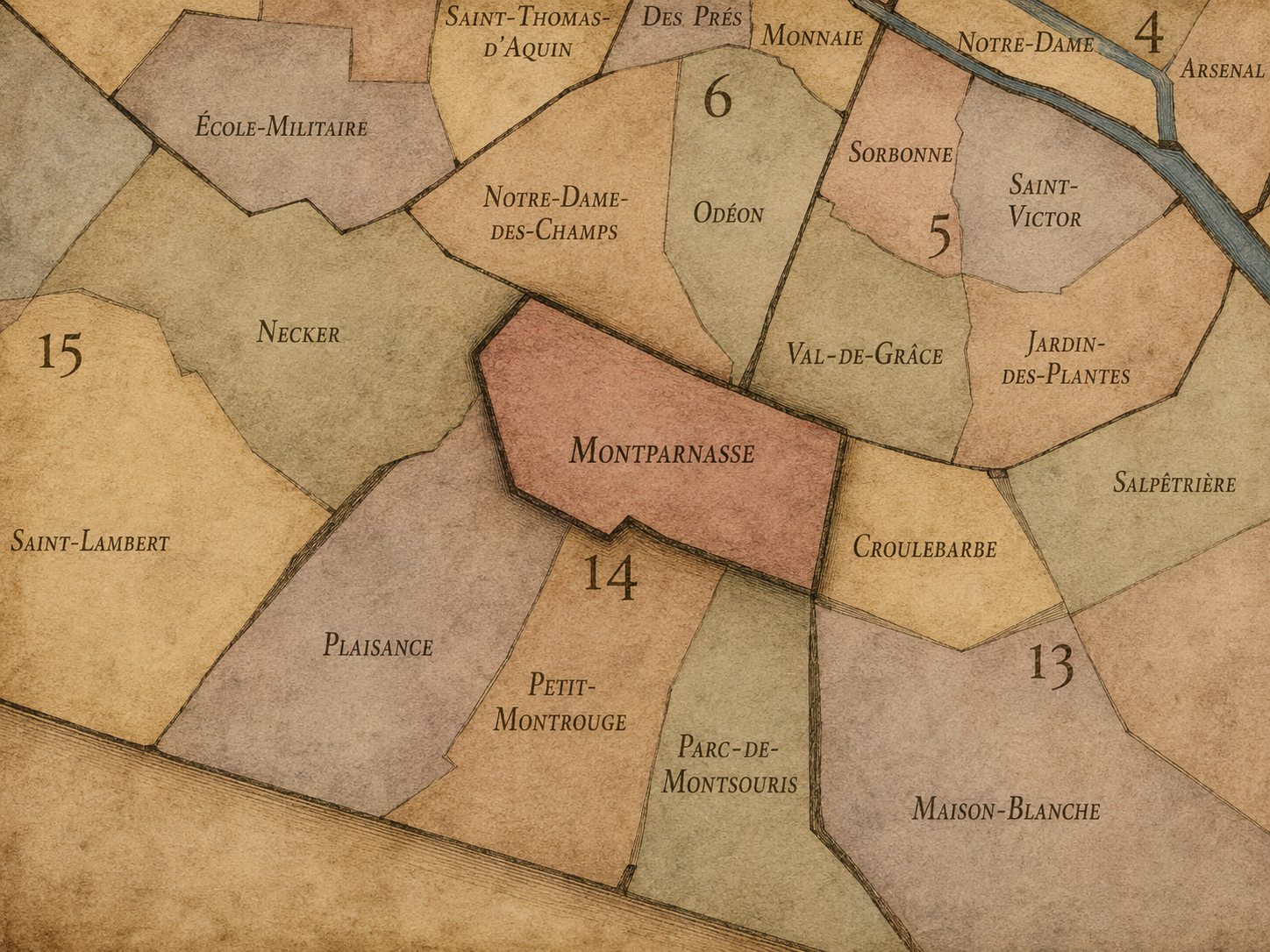
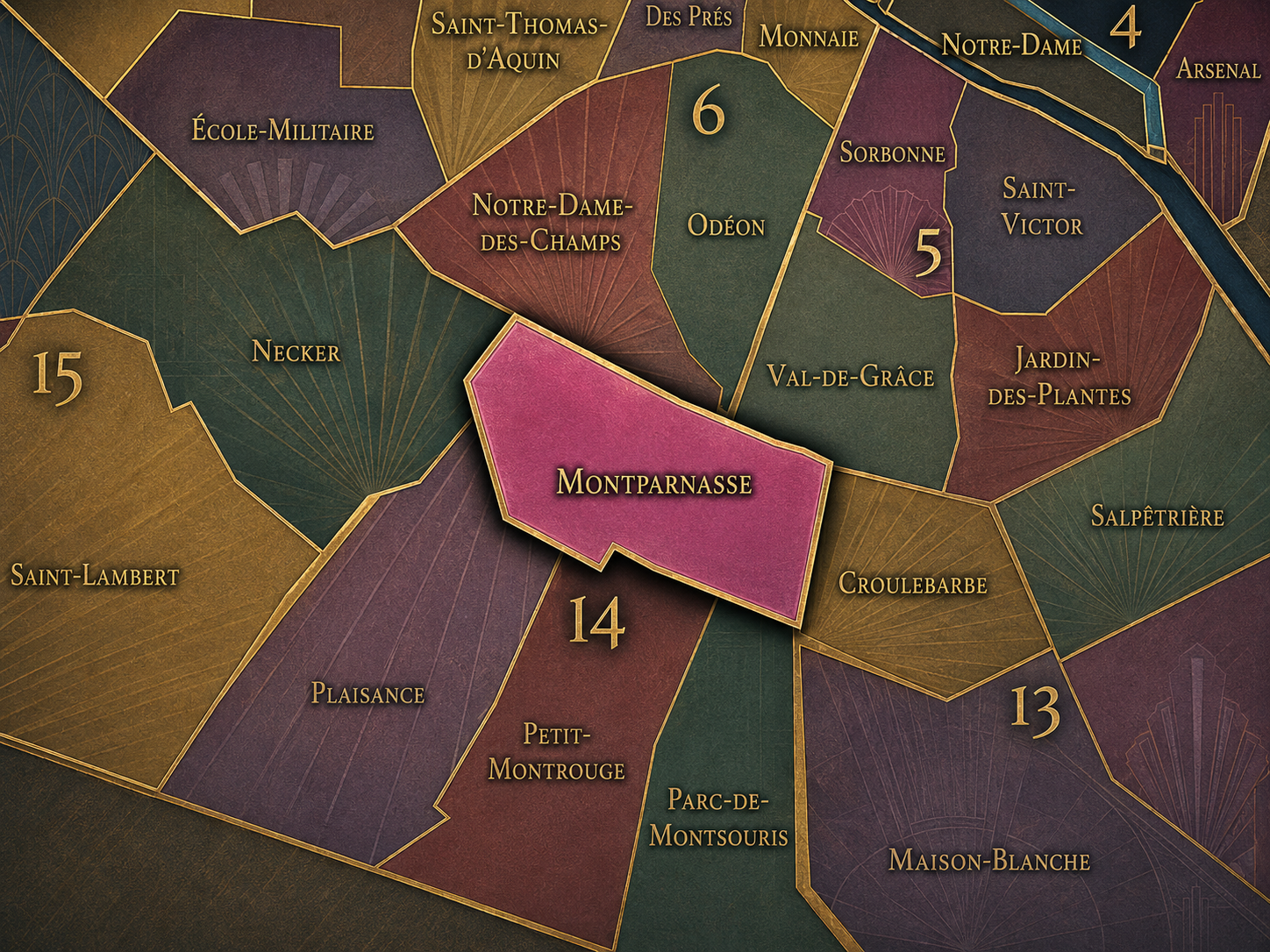
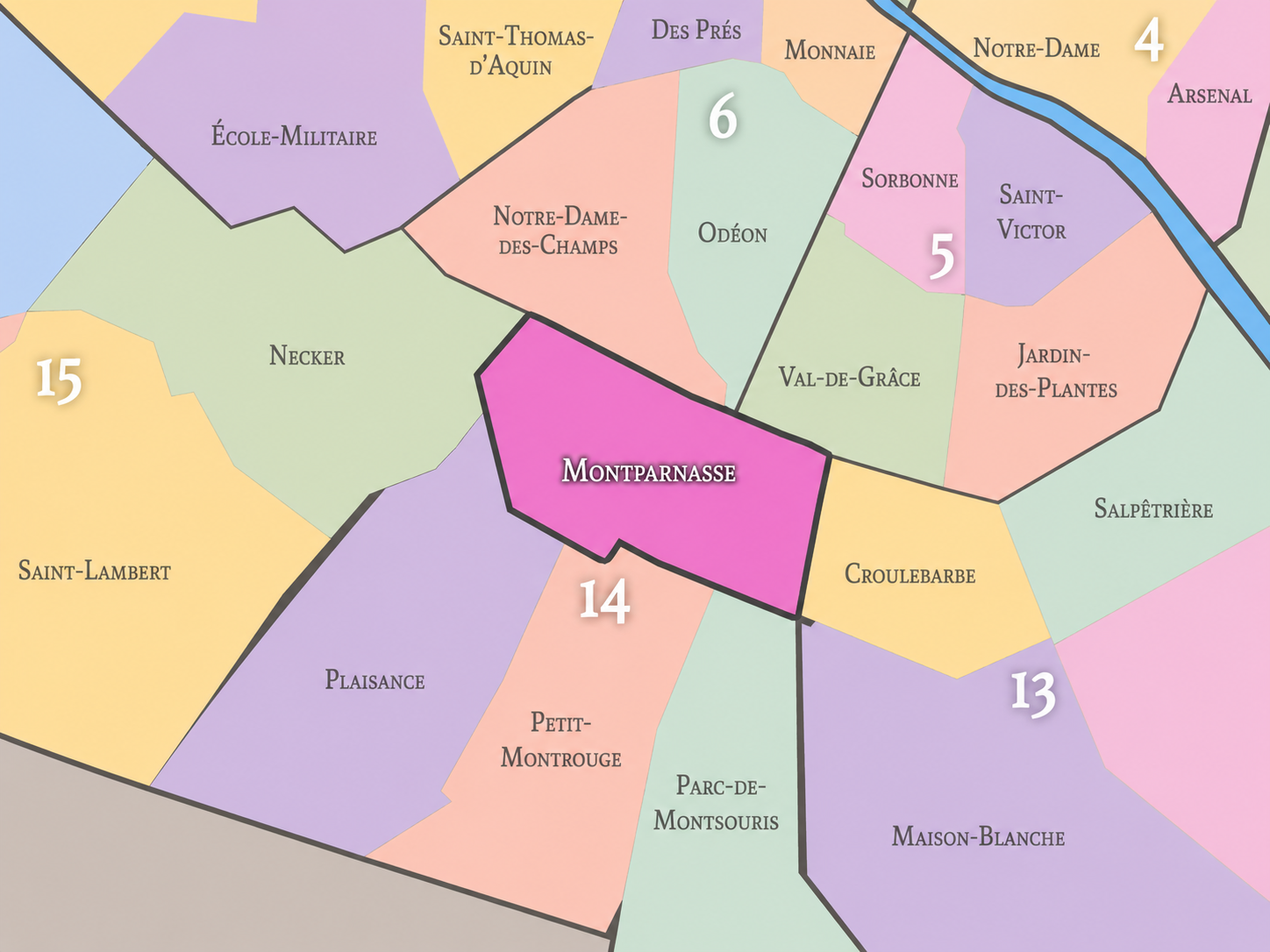
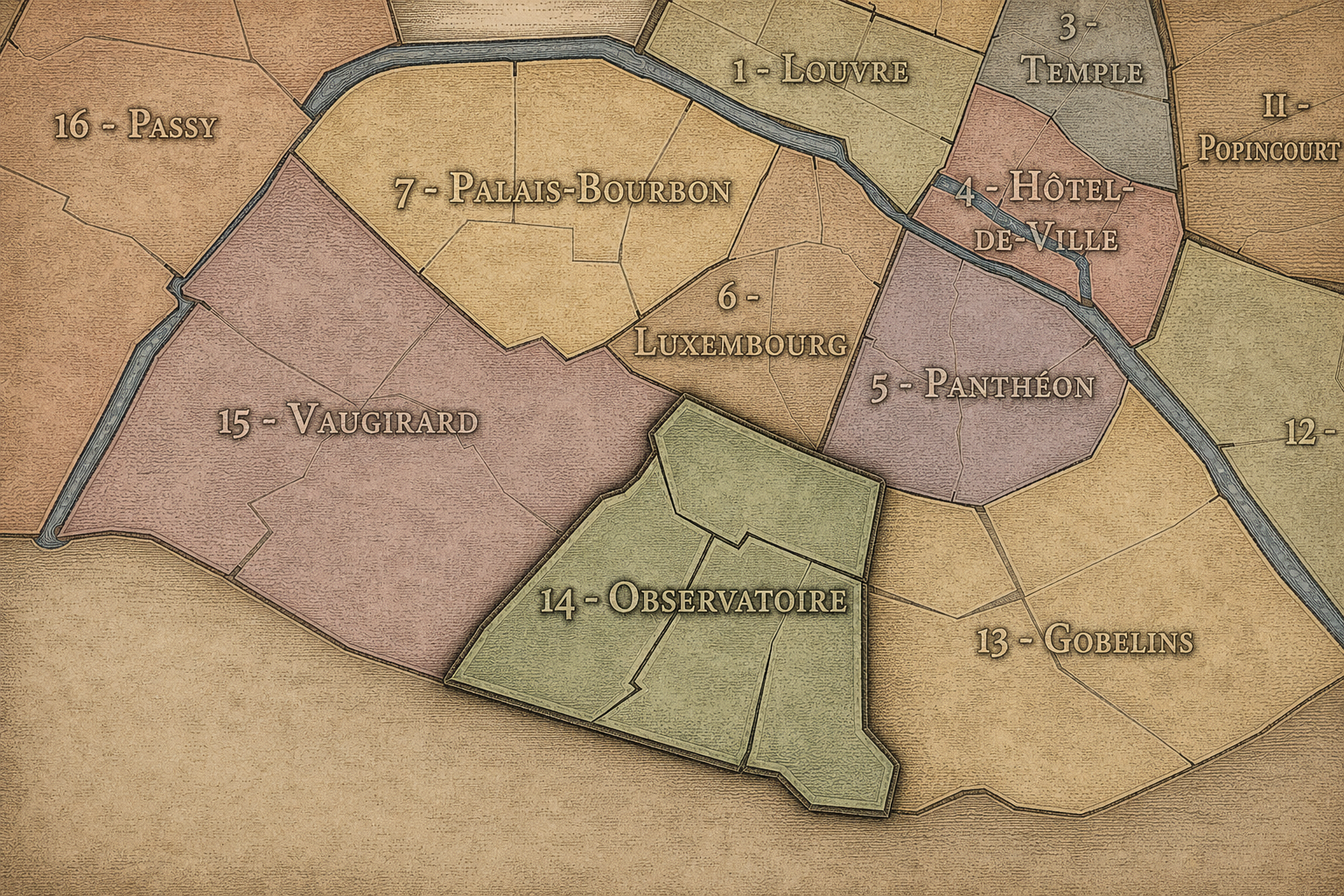
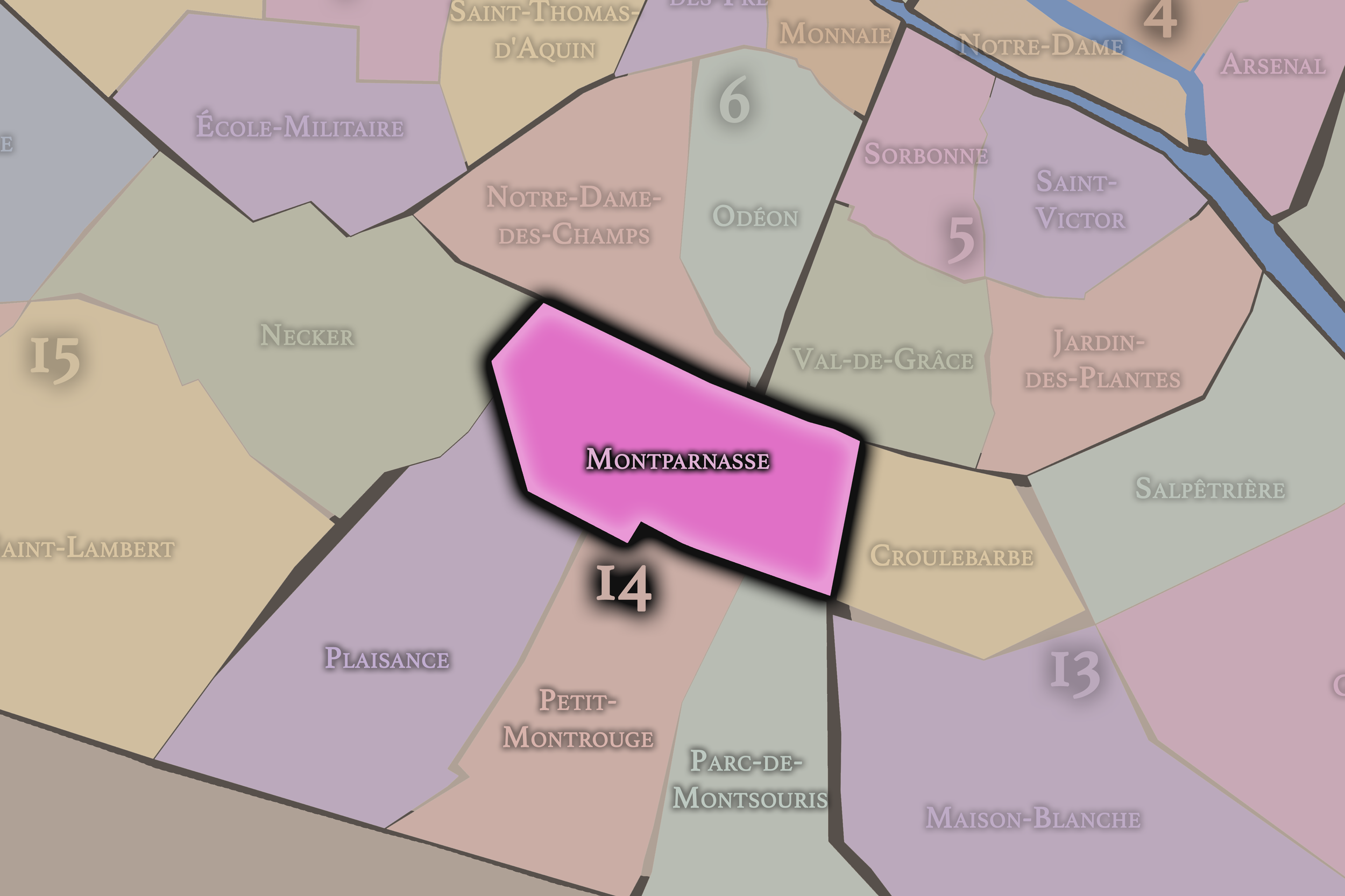
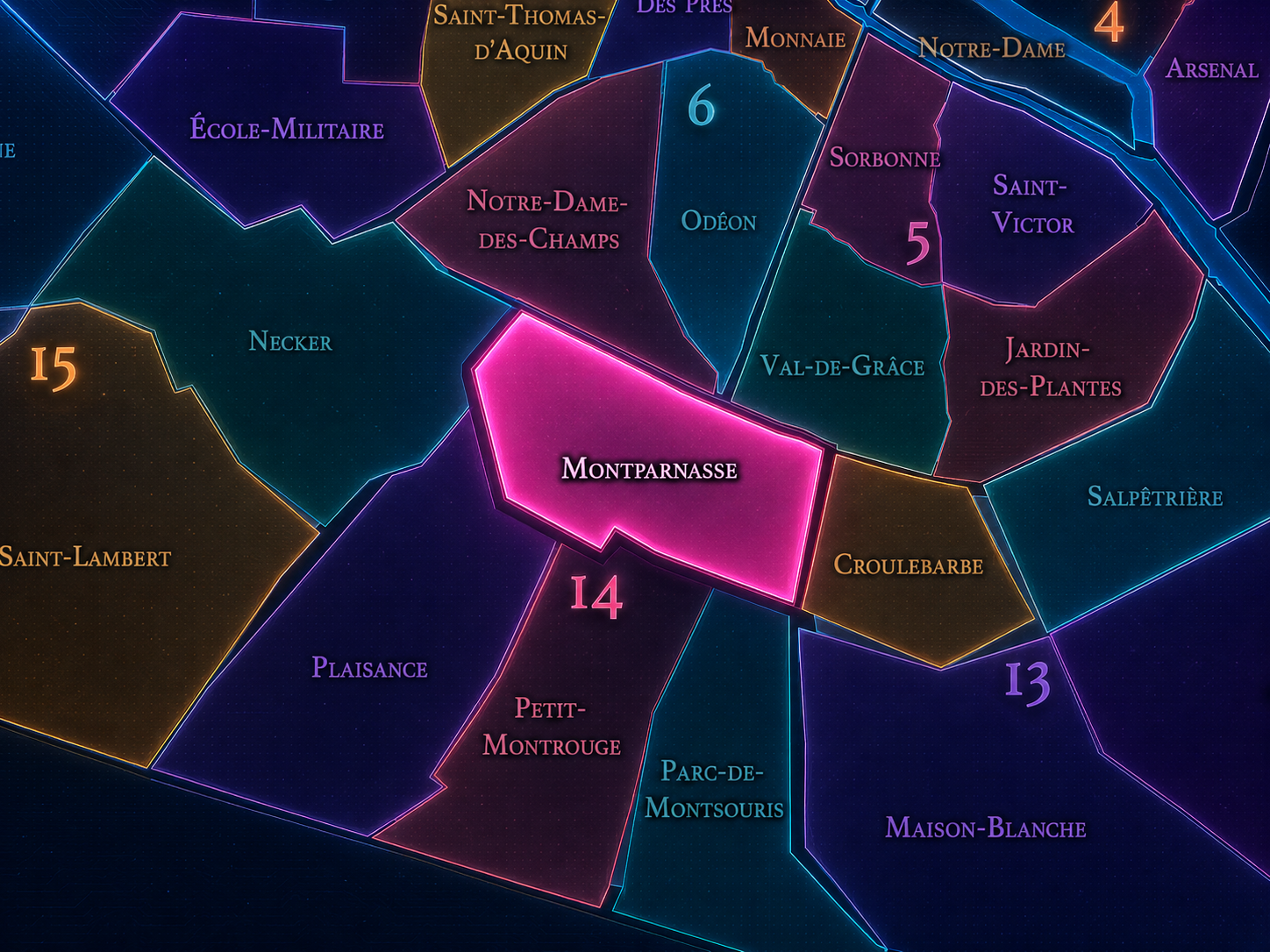
Montparnasse occupies the northeastern portion of the 14th arrondissement, where the southern Left Bank gathers around Boulevard du Montparnasse, Boulevard Raspail, the cemetery, the station district, and the long cultural threshold between the 6th, 14th, and 15th arrondissements. It lies south of Notre-Dame-des-Champs in the 6th arrondissement, east of the 15th arrondissement’s Necker / Gare-Montparnasse edge, north of Plaisance, and west of the Observatory / Port-Royal landscapes. It is one of those Parisian quarters whose cultural identity extends beyond its official administrative boundaries, but whose 14th-arrondissement portion gives the name one of its strongest civic anchors.
The quarter’s geography is shaped by Boulevard du Montparnasse, Boulevard Raspail, Avenue du Maine, Rue de la Gaité, Rue Delambre, Rue Campagne-Première, Rue du Départ, Rue d’Odessa, Rue Froidevaux, and the streets surrounding the Cimetière du Montparnasse. Nearby landmarks and thresholds include the Gare Montparnasse, Tour Montparnasse, the great cafés and brasseries of the boulevard, the theaters of Rue de la Gaité, and the cemetery where many of the quarter’s artistic, literary, and intellectual histories return to rest. The official Montparnasse quarter is the 53rd administrative quarter of Paris and one of the four quarters of the 14th arrondissement, alongside Parc-de-Montsouris, Petit-Montrouge, and Plaisance.
Unlike Plaisance, whose identity is more residential, working-class, and tied to the southern expansion of the 14th, or Parc-de-Montsouris, whose character is shaped by green space, institutions, and the city’s southern edge, Montparnasse is more cultural and metropolitan. It is the 14th arrondissement as arrival, café, studio, cemetery, station, theater, and tower — a quarter where Paris repeatedly reinvented the idea of modern artistic life.
Administrative Quarter Identity
Etymology and Origins
The name Montparnasse comes from Mount Parnassus, the mountain in Greek mythology associated with Apollo and the Muses. The name was applied playfully to a local mound or rise where students and poets once gathered, turning a modest Parisian topography into an allusion to classical inspiration. That irony is important: Montparnasse began as a humorous or affectionate literary naming, not as a royal, religious, or administrative title.
The older hill itself was eventually leveled during the making of Boulevard du Montparnasse in the 18th century, but the name survived and expanded. A small local reference became a neighborhood identity, then a cultural myth. What began as a joke of learned comparison — Parisian students giving their own “Parnassus” to the city — eventually became one of the most famous names in modern art and literature.
That origin gives Montparnasse an unusually self-conscious identity. The quarter is named for inspiration, performance, and artistic ambition before it ever becomes famous for actual artists. In Montparnasse, the name almost foretells the future: a made-up mountain of the Muses becoming, in the early 20th century, one of the great creative capitals of the world.
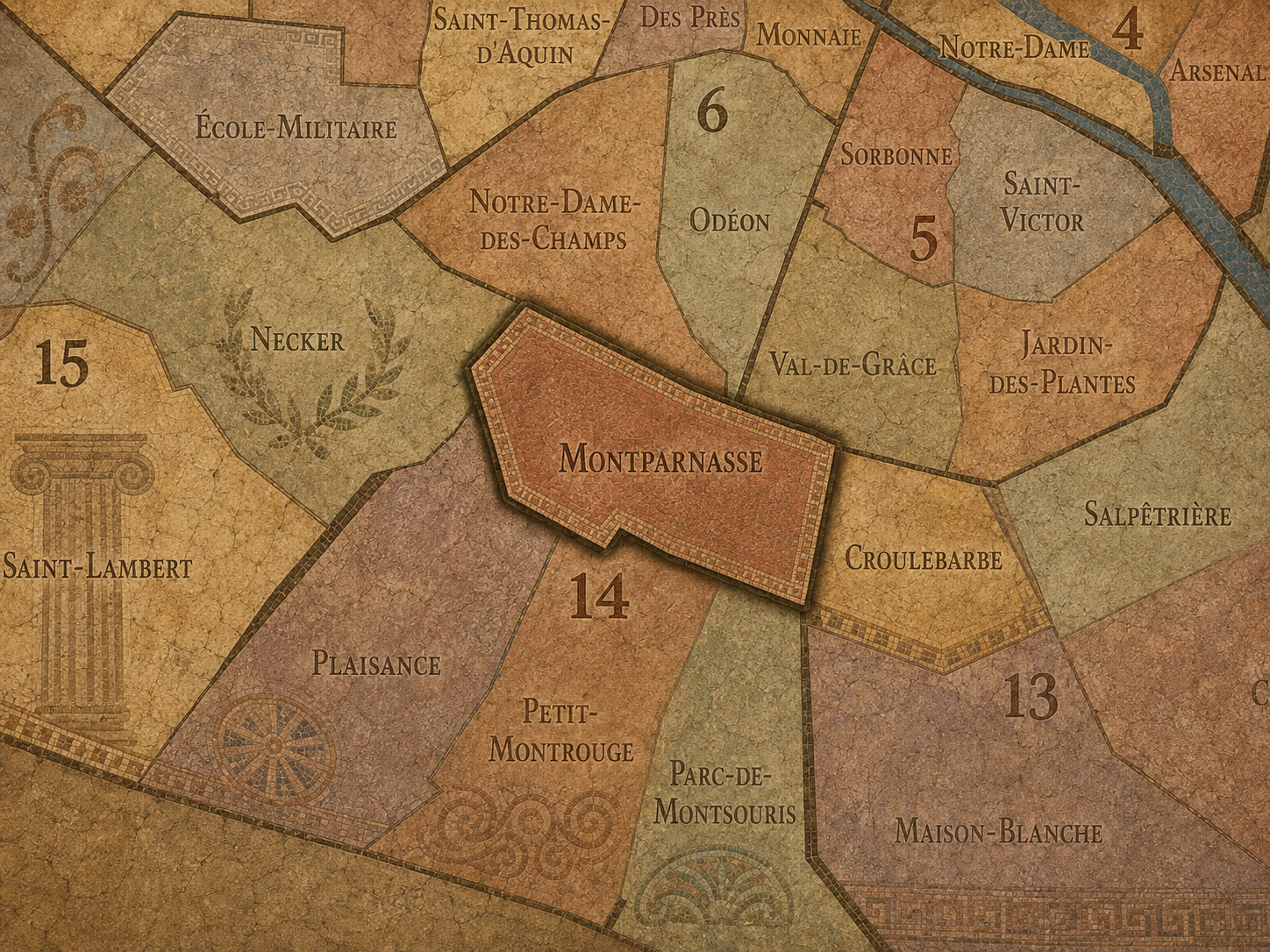
Within the official geography of Paris, Montparnasse is one of the four administrative quarters of the 14th arrondissement. It occupies the arrondissement’s northeastern sector, bordering the 6th arrondissement to the north and the 15th to the west. Its official boundaries give civic form to a name that is culturally much larger than the administrative quarter itself.
As an administrative quarter, Montparnasse helps clarify an area that is often described through overlapping identities: Vavin, Edgar-Quinet, Gaité, Gare Montparnasse, Raspail, Denfert-Rochereau edge, or the broader Montparnasse district shared across arrondissement lines. The official quarter name gathers the 14th arrondissement portion of that wider world into a mapped unit. It is not all of cultural Montparnasse, but it is one of its essential civic cores.
This distinction matters because Montparnasse is one of Paris’s great examples of layered naming. There is Montparnasse as an administrative quarter of the 14th. There is Montparnasse as a cultural district extending into the 6th and 15th. There is Montparnasse as a station identity. There is Montparnasse as an artistic myth. The official quarter is one layer in that system, not the whole story — and that makes it especially useful for the CityNeighborhoods Paris framework.
Civic Framework
Montparnasse differs from the other quarters of the 14th arrondissement through its international artistic mythology, its café culture, its station identity, and its strong relationship to modern urban transformation. Plaisance is more deeply associated with the working and residential southern 14th, former village and faubourg expansion, and everyday neighborhood life beyond the famous boulevard. Petit-Montrouge is more residential and parish-centered, tied to Alésia, local commerce, and the absorption of the former commune of Montrouge. Parc-de-Montsouris is more green-edged and institutional, shaped by the park, Cité Universitaire, and the city’s southern boundary.
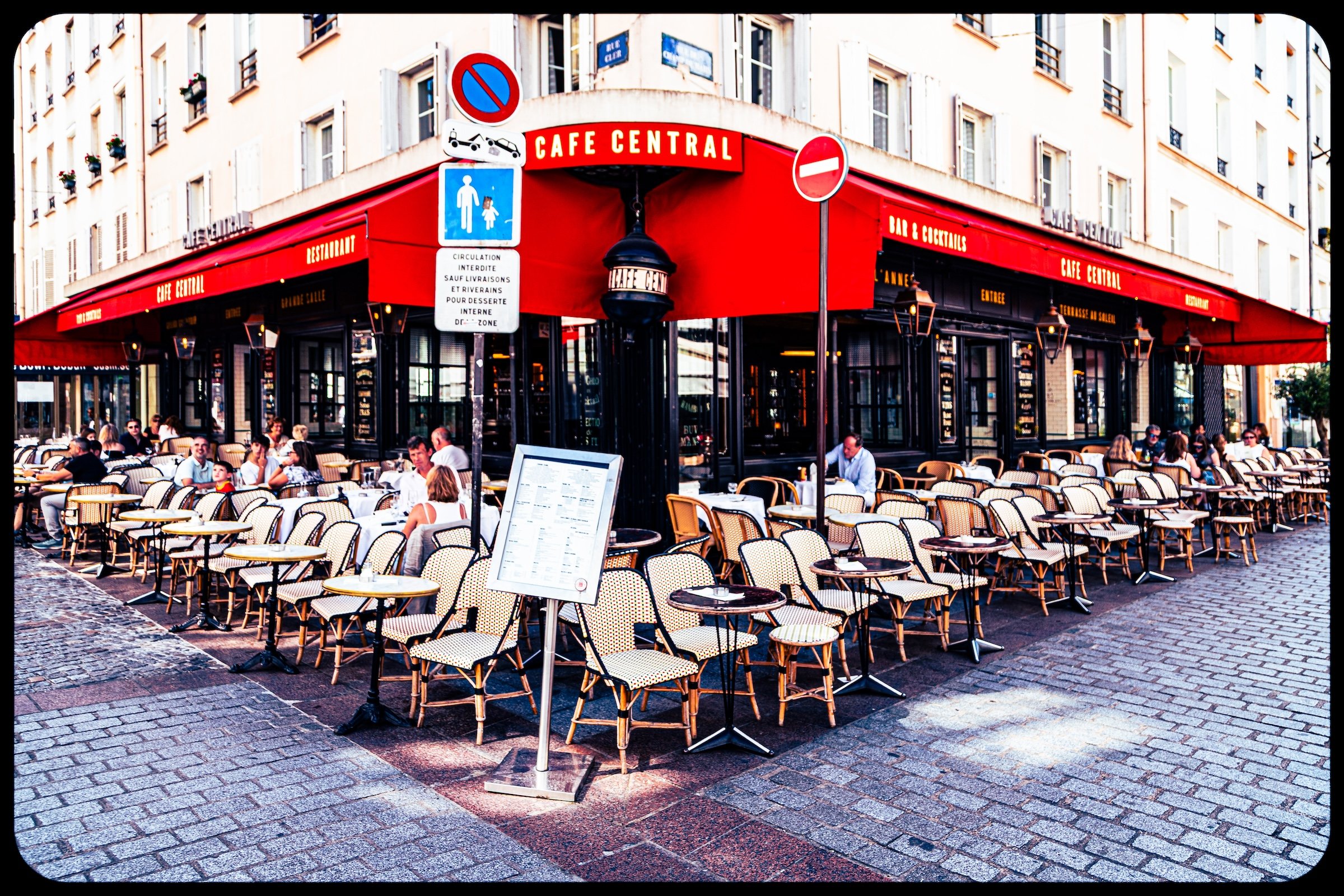
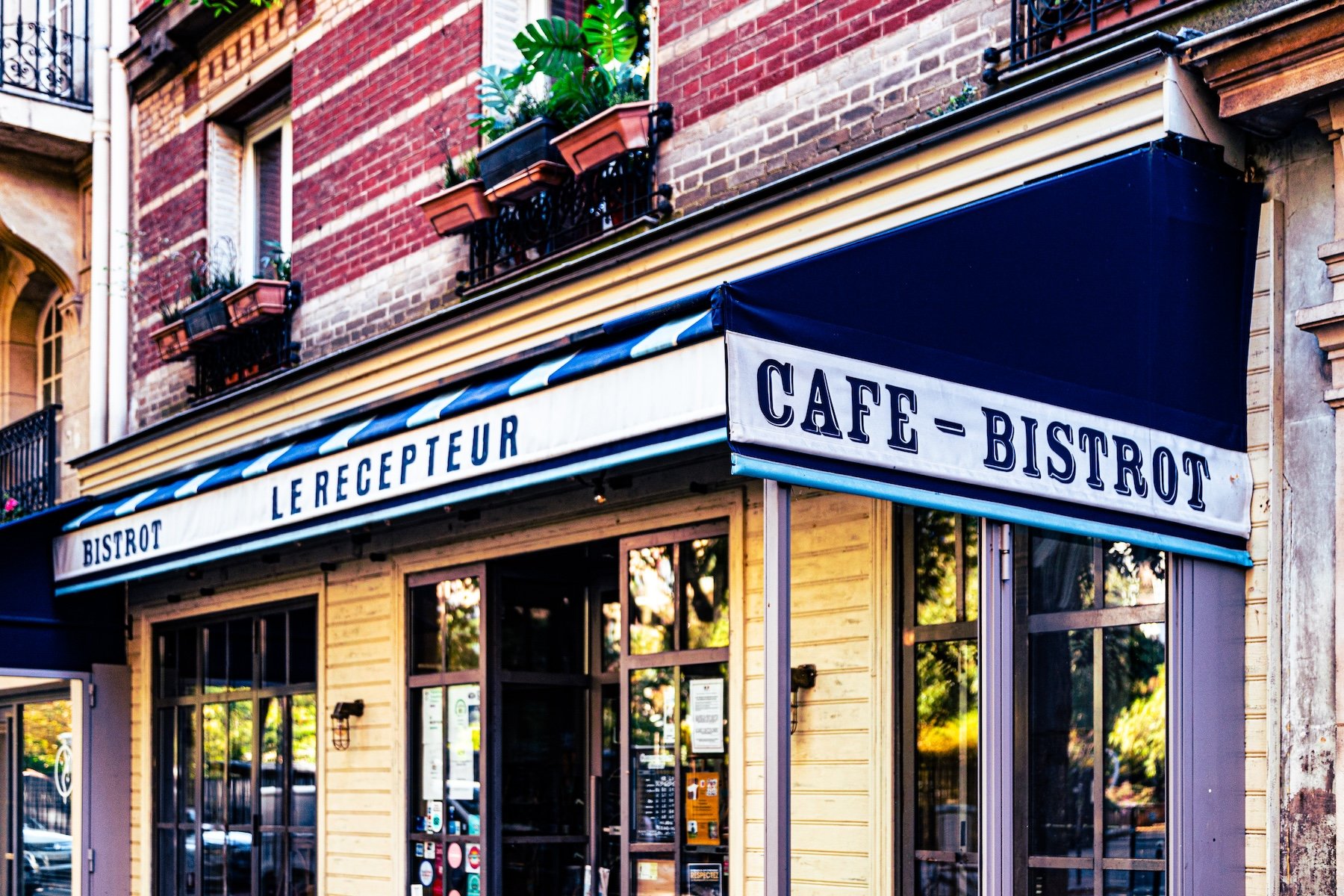
Montparnasse is more outward-facing. It attracted artists, writers, performers, expatriates, students, printers, photographers, and political exiles. It became known not because it was the most polished part of Paris, but because it offered space, cafés, studios, cheap rooms, and social permission. Its great cafés — including La Coupole, Le Dôme, La Rotonde, Le Select, and nearby Closerie des Lilas — became gathering places for the international artistic and literary community of the early 20th century.
It should also be distinguished from Saint-Germain-des-Prés. Saint-Germain became the postwar emblem of literary cafés, existentialism, publishing, galleries, and Left Bank polish. Montparnasse was earlier, rougher, more international, more studio-driven, and more closely associated with the avant-garde before and between the wars. Saint-Germain is conversation turned into myth; Montparnasse is hunger, studio work, exile, and modern art becoming public life.
Neighborhood Distinction
Parisian Identity
Montparnasse expresses Paris as a city of chosen belonging. Many of the people who gave the quarter its legend were not born in Paris, or even in France. They arrived from elsewhere — from Europe, Russia, the United States, Latin America, Japan, and beyond — and made the quarter a place of creative exchange. Painters, sculptors, writers, composers, dancers, photographers, and printers found in Montparnasse a city within the city: cheap enough to enter, dense enough to matter, and open enough to transform.
This gives Montparnasse a Parisian identity different from older inherited quarters. It is not primarily a parish, village, market, royal axis, or aristocratic district. It is a neighborhood made through encounter. Its cafés functioned as studios without walls, its streets as corridors of exchange, its cheap hotels and ateliers as points of entry into artistic life. The quarter became famous because people came there to become themselves in public.
But Montparnasse is also Paris as reinvention under pressure. The station, the tower, and postwar redevelopment changed the district’s physical identity dramatically. The old artistic quarter did not remain untouched. Much of its mythology now exists beside traffic, offices, rail infrastructure, commercial buildings, and a skyline-altering tower. That tension is part of its Parisian truth: the city remembers the avant-garde while continuing to rebuild the ground beneath it.
Neighborhood Connections
Every administrative quarter belongs to a wider Parisian fabric. These connections place Montparnasse within the city’s civic, participatory, and cultural geography:
-
14e - Observatoire
-
Montparnasse - Raspail • Mouton-Duvernet
The History
The origins of Montparnasse lie in the southern Left Bank outside the older city, along routes, fields, quarries, gardens, religious lands, and semi-rural ground that connected Paris to the villages and roads beyond it. Before it became a cultural district, this area was part of the outer landscape south of the Luxembourg and Saint-Germain worlds, closer to open ground than to the dense urban core.
The name’s student origin points to this threshold status. A modest mound could become “Mont Parnasse” precisely because it stood outside the tight control of the older city, available for gathering, joking, reciting, drinking, and imagining. The landscape was not yet fixed into the later boulevard and station geography. It was still a loose edge where students and walkers could give place a name.
Montparnasse therefore began as a peripheral field of possibility. Its later artistic identity grew from the same condition: being close to the city’s intellectual and cultural centers, but not fully absorbed by their rules. The quarter’s creative force begins in the freedom of the edge.
Origins
16th–17th Century
In the 16th and 17th centuries, the future Montparnasse quarter remained outside the densest built fabric of Paris. The area south of the Luxembourg and beyond the older Left Bank neighborhoods was shaped by roads, open land, quarries, gardens, and scattered development. It was connected to Paris, but not yet central in the urban or symbolic sense.
The student and poetic associations that later gave the name Montparnasse to the area reflect the relationship between the Latin Quarter and this southern edge. Students from the university world could move outward into less formal ground, where classical jokes, drinking, recitation, and sociability helped transform a small local feature into a named place of cultural imagination.
During this period, Montparnasse had not yet become the district of cafés and artists. But the early pattern was present: the Left Bank’s intellectual life spilling southward into more open urban margins. The quarter’s future as a place of creative gathering rested on that connection between study, informality, and edge.
In the 18th century, the physical landscape of Montparnasse began to change more decisively. The mound associated with the name was leveled as Boulevard du Montparnasse was created, transforming the old informal rise into part of a broader urban corridor. The name survived the alteration of the landscape, one of those Parisian cases where memory outlasted topography.
The boulevard helped connect the southern Left Bank more clearly to the expanding city. What had been peripheral ground gradually became a district of movement, leisure, and development. The area did not yet possess the intense artistic mythology of the 20th century, but the spatial conditions were forming: a boulevard, open edges, routes southward, and proximity to the older intellectual districts.
By the revolutionary era, the southern Left Bank was increasingly part of Paris’s larger civic and social geography. Montparnasse entered the modern age no longer merely as an outer slope or student nickname, but as a named district beginning to take shape within the expanding city.
18th Century
19th Century
The 19th century transformed Montparnasse into a more recognizably urban district. The development of boulevards, theaters, cafés, cemeteries, railway facilities, and residential streets brought the quarter into the modern city. The Cimetière du Montparnasse, opened in the 19th century, became one of the great burial landscapes of Paris, later holding the graves of writers, artists, intellectuals, actors, and public figures who deepened the quarter’s cultural memory.
The railway also began reshaping the area. The Gare Montparnasse developed as a major western and southwestern railway terminal, tying the district to Brittany, western France, and the practical movement of modern Paris. This station identity gave the quarter a very different kind of importance from its café mythology: Montparnasse was not only a place to linger, but a place to depart.
The late 19th century also prepared the artistic explosion of the next era. Studios, cafés, print shops, inexpensive lodgings, theaters, and the southern Left Bank’s relative openness made Montparnasse increasingly attractive to artists and writers. By the end of the century, the quarter stood ready to inherit the role that Montmartre had played earlier for bohemian Paris.
In the early and mid 20th century, Montparnasse became one of the great artistic centers of the world. Artists and writers gathered around Vavin, Boulevard du Montparnasse, Rue Campagne-Première, Rue Delambre, Rue de la Gaité, and the surrounding cafés, studios, hotels, print shops, and restaurants. The quarter’s creative community included figures associated with modernism, the École de Paris, the Lost Generation, and the wider international avant-garde.
Its cafés became legendary because they were more than places to drink. They were social infrastructure. La Rotonde, Le Dôme, La Coupole, Le Select, and other cafés provided warmth, visibility, credit, gossip, introductions, arguments, and a place to be seen. Accounts of the era often emphasize that café owners tolerated or supported poor artists, sometimes allowing long stays for little money or accepting artworks as payment.
Montparnasse was also deeply international. Artists such as Modigliani, Soutine, Chagall, Foujita, Brancusi, Man Ray, Picasso, and many others moved through its wider cultural geography, alongside writers, composers, photographers, models, publishers, and political exiles. The quarter was not simply French art in neighborhood form. It was Paris as an international workshop.
Early–Mid 20th Century
Late 20th Century
In the late 20th century, Montparnasse was transformed by redevelopment, rail modernization, and the construction of Tour Montparnasse. The tower, completed in the 1970s, altered the skyline and became one of the most controversial modern landmarks in Paris. Its presence changed the quarter’s visual identity: the old café and studio mythology now stood beside a vertical symbol of office modernity that many Parisians viewed with ambivalence or disapproval.
The station district also changed significantly. Older railway facilities were reorganized, and the Gare Montparnasse became a modern transport hub serving western France and suburban connections. This reinforced the quarter’s role as a place of movement, though in a more corporate and infrastructural form than the romantic image of artistic arrival.
At the same time, Montparnasse’s cultural memory became increasingly historicized. The cafés survived, but the world that made them legendary had largely passed. What had once been bohemian became heritage, brand, and nostalgia. The quarter’s challenge became how to live with a myth powerful enough to attract the world, but too old to describe the district completely.
In the 21st century, Montparnasse remains one of the most recognizable quarters of the southern Left Bank. It is a station district, a cemetery district, a theater district, a café district, an office district, a residential district, and a heritage landscape of modern art and literature. Its identity is dense because it has never been only one thing.
Today, the quarter continues to balance memory and use. Visitors come for the cafés, the cemetery, the tower view, the station, the theaters, and the trace of the old artistic Paris. Residents and workers experience the area through errands, trains, offices, schools, restaurants, traffic, and daily movement. The artistic myth remains present, but the living quarter is broader, busier, and more contemporary than the myth alone suggests.
For CityNeighborhoods: Paris, Montparnasse is essential because it shows how an administrative quarter can contain a cultural district that exceeds its borders and a mythology that exceeds the present. It is not simply the place where artists once gathered. It is the place where Paris reveals how artistic memory, railway modernity, redevelopment, and everyday life can coexist uneasily but powerfully.
21st Century
Spirit and Legacy
Montparnasse is the quarter where Paris made room for the modern imagination. Its spirit is restless, international, hungry, conversational, and haunted by genius. It belongs to cafés and studios, station platforms and cemetery paths, theater lights and tower shadows, exile and reinvention, cheap rooms and great ambitions.
Its legacy is the transformation of edge into myth. A student nickname became a boulevard. A boulevard became a gathering place. A gathering place became the creative capital of modern art. Later, that myth was challenged by station redevelopment, office towers, traffic, and the changing economics of Paris. But the name still carries the old charge: a mountain of the Muses remade as a neighborhood.
To walk Montparnasse is to encounter Paris as arrival and aspiration. The quarter reminds us that neighborhoods are not only inherited; they are made by those who come seeking a life they cannot yet name. In Montparnasse, neighborhood identity becomes creative passage — the place where strangers, artists, students, travelers, and dreamers once gathered at the edge of the city and made that edge unforgettable.
The Photography
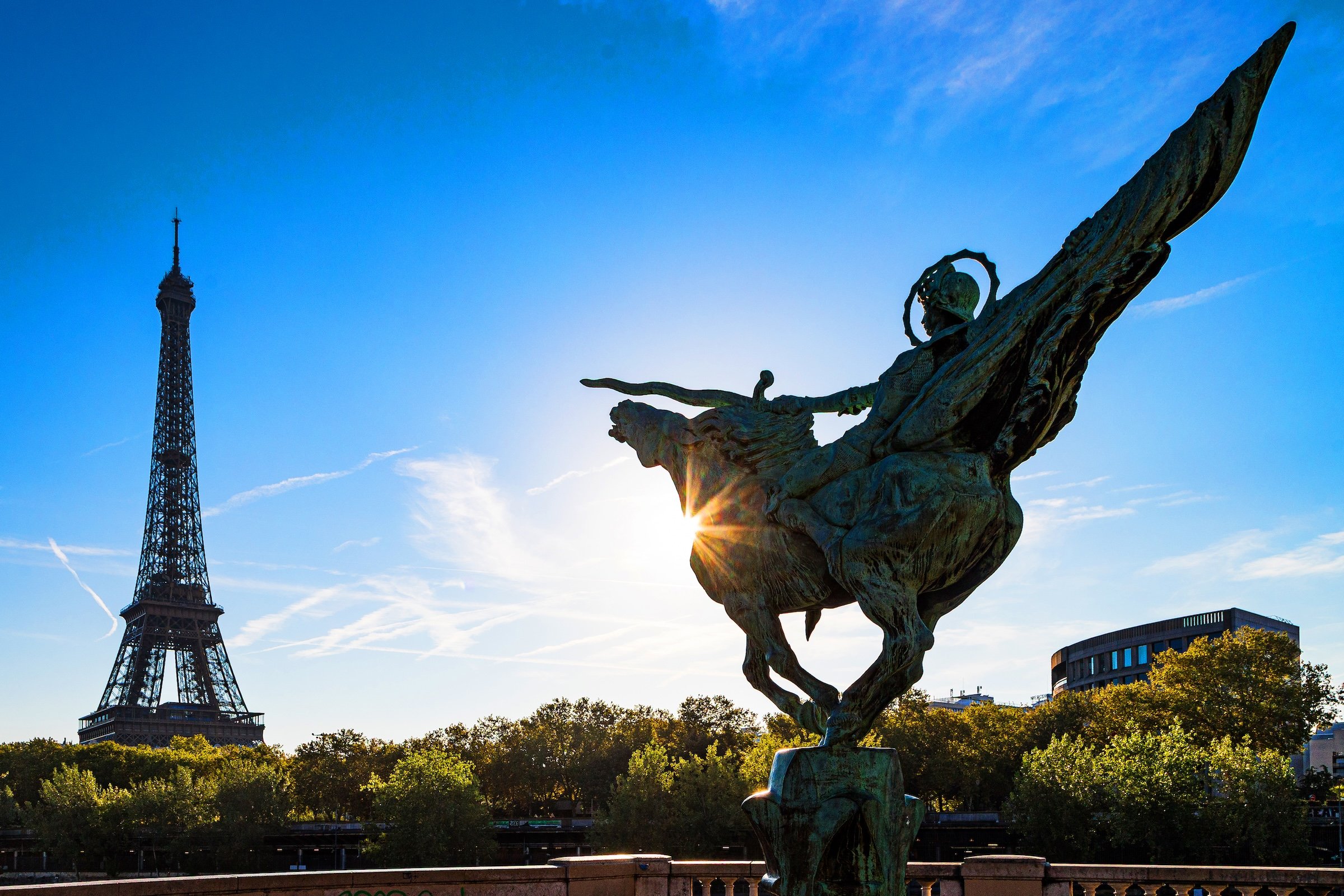
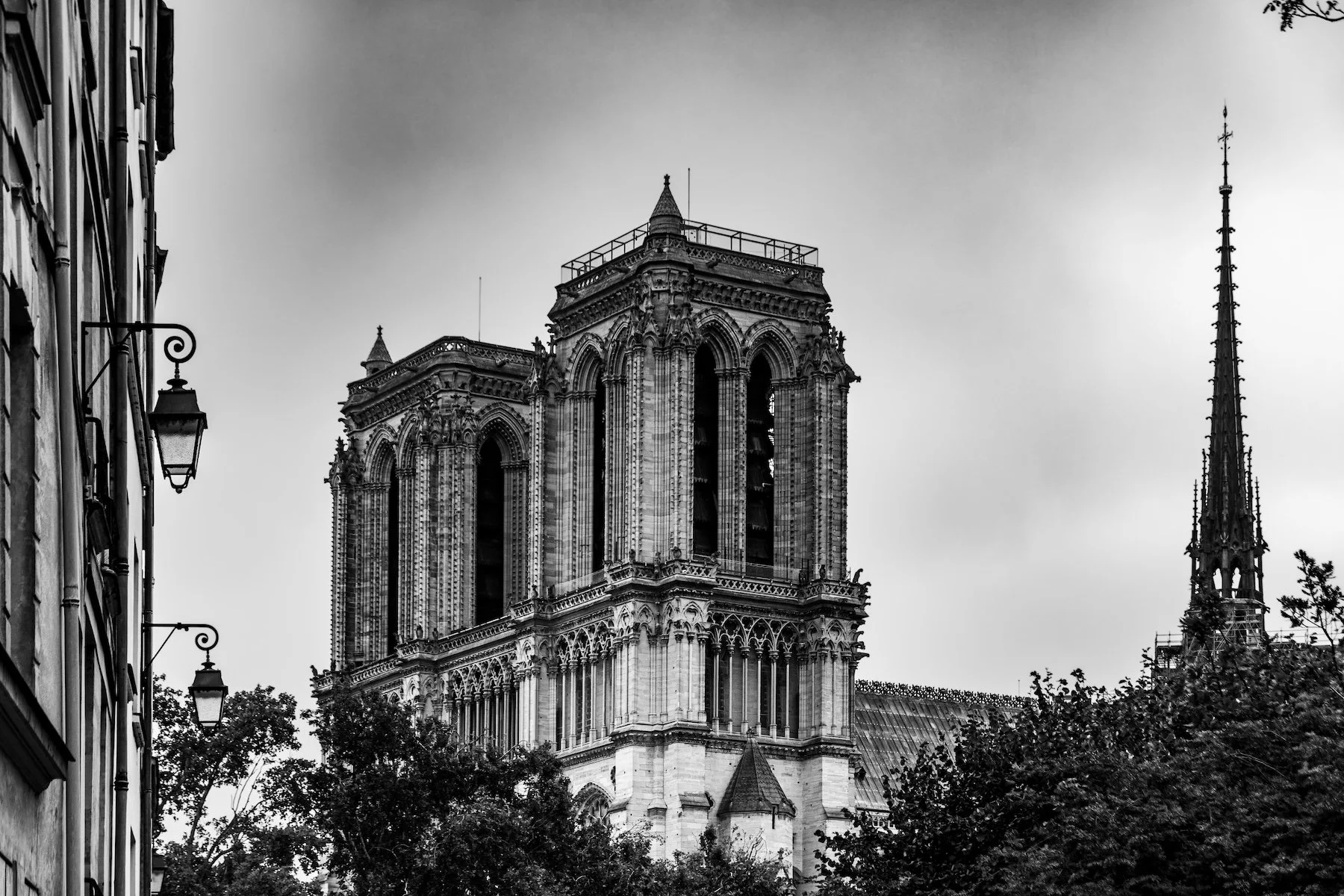
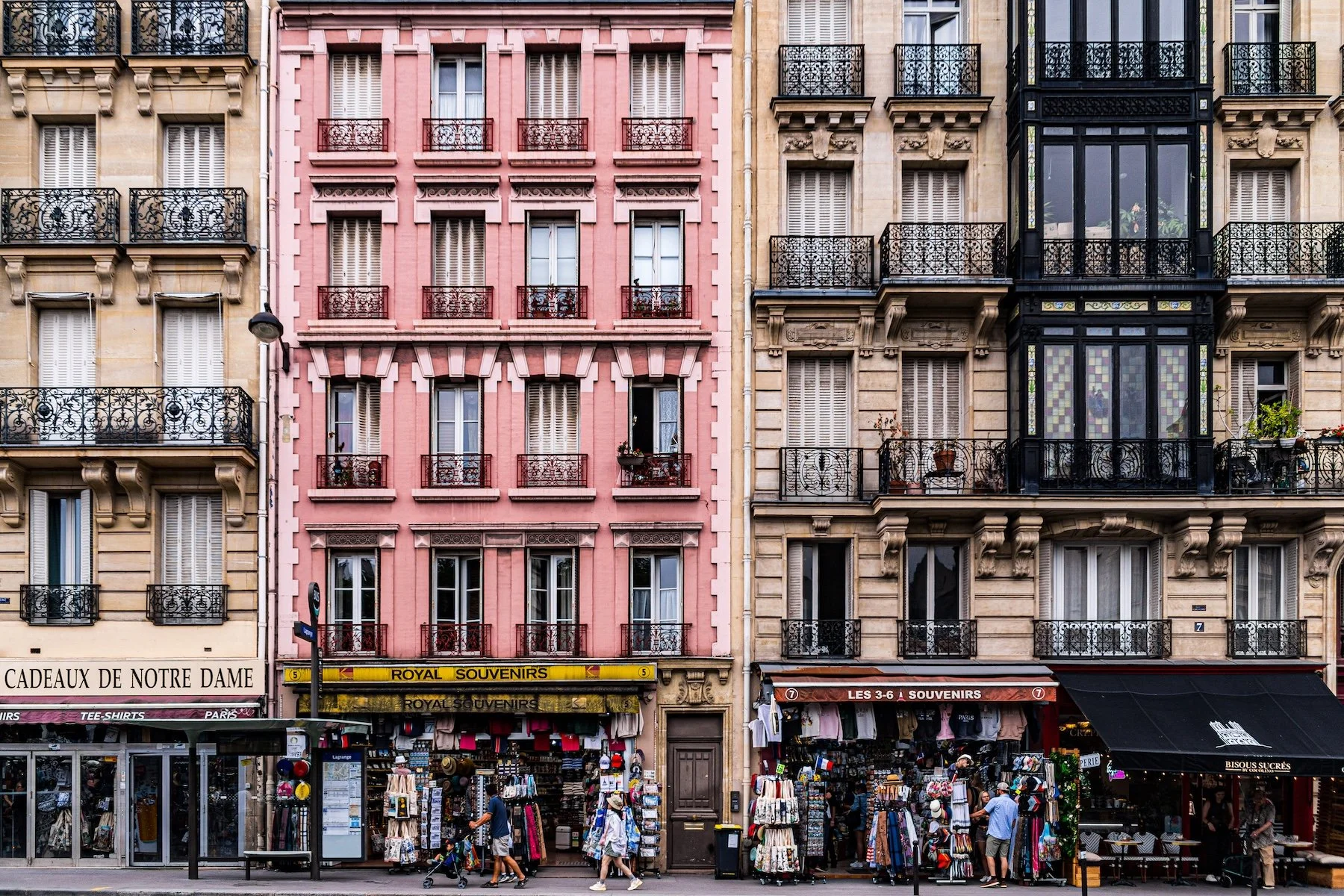
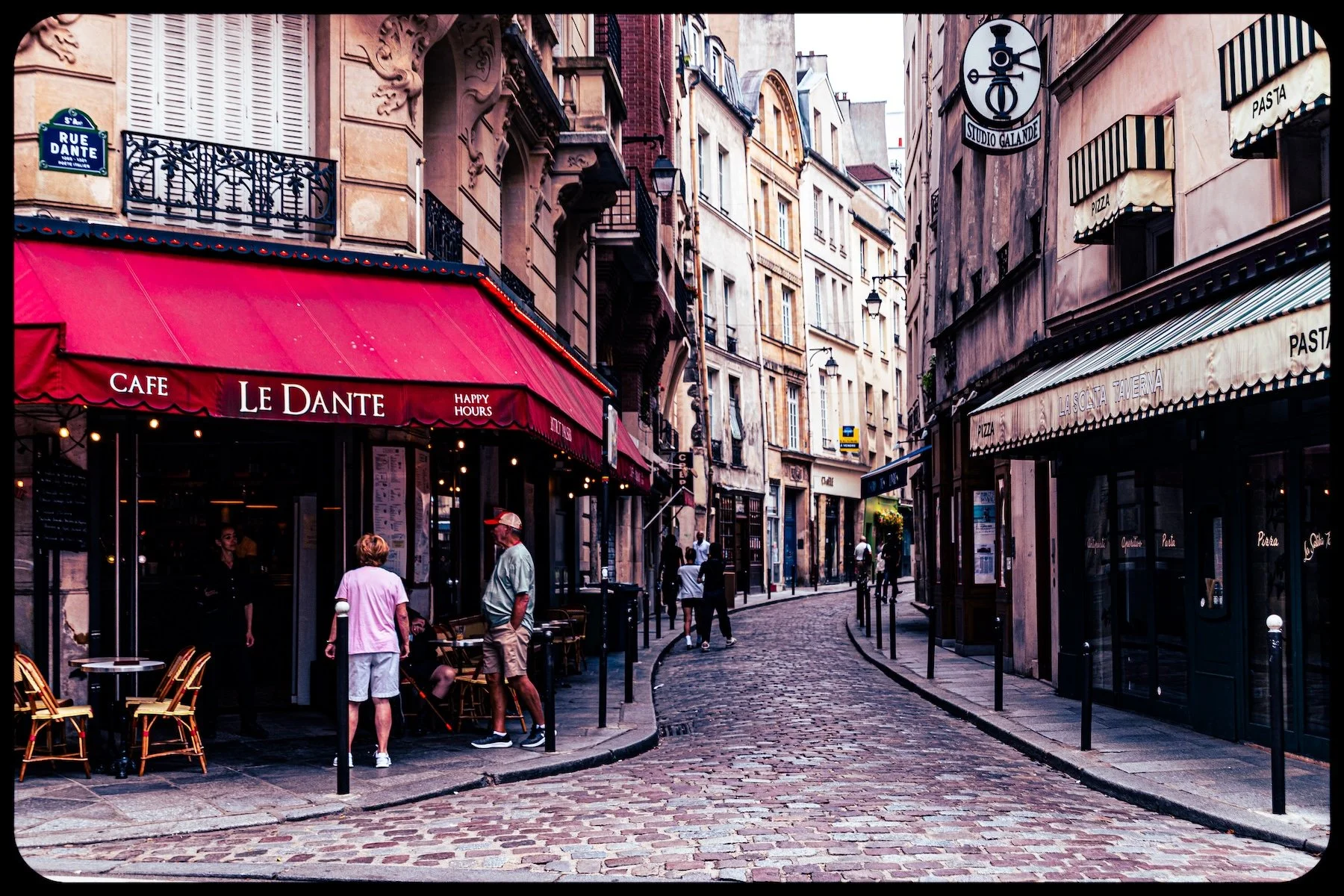
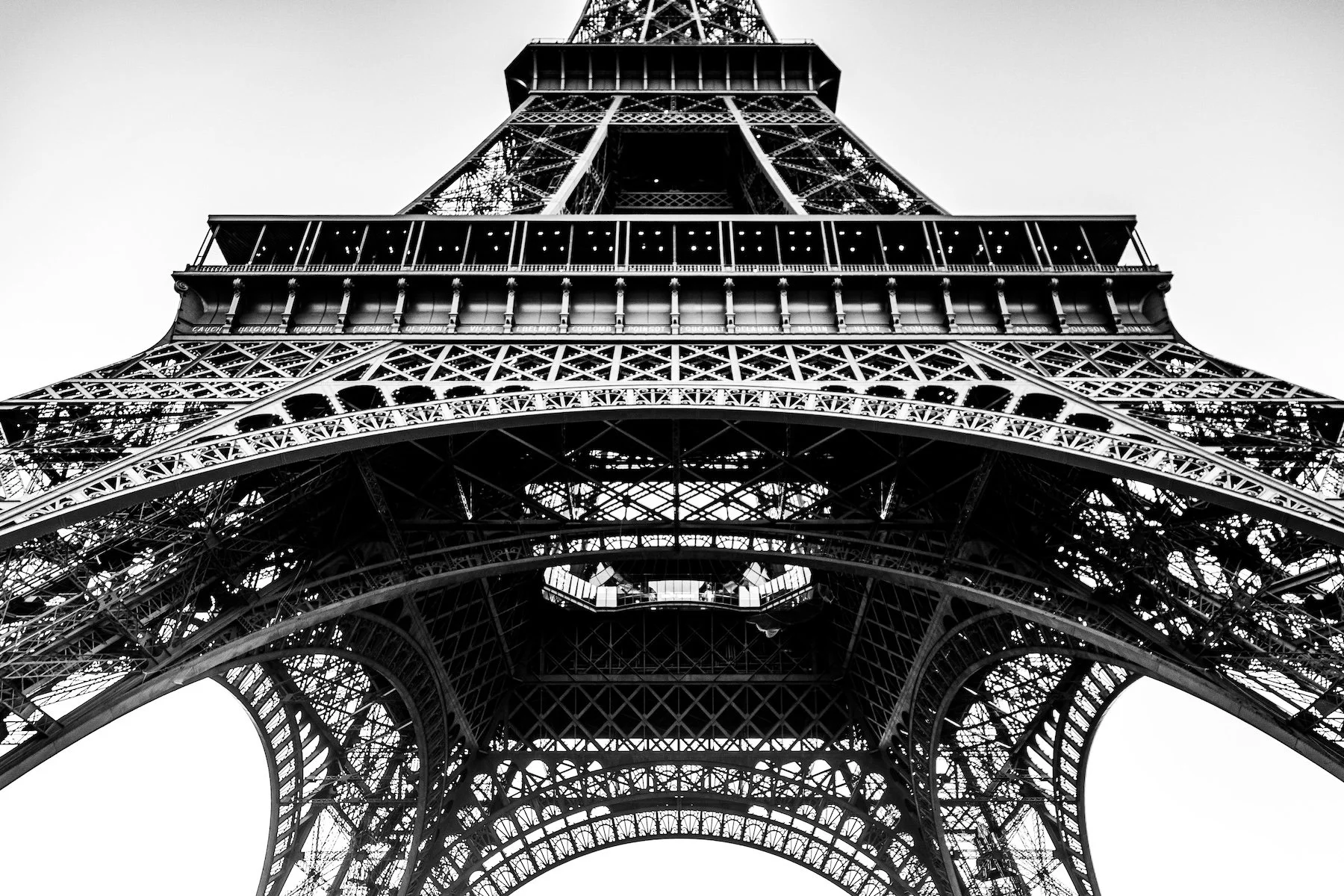
The arrondissements do not share a single visual identity. Instead, they organize Paris into twenty broad visual fields, each gathering its own combination of landmarks, streetscapes, institutions, residential districts, commercial corridors, parks, rail stations, markets, cemeteries, and riverfront edges.
Some arrondissements are defined by monumental scale: royal palaces, ceremonial avenues, government buildings, museums, formal gardens, and internationally recognized landmarks. Others are shaped by hills, canals, rail gateways, apartment-lined boulevards, neighborhood markets, former village streets, industrial remnants, parks, or the quieter rhythms of residential Paris. The arrondissement system gives these varied landscapes a civic frame, allowing the city to be read not as one visual language, but as a sequence of overlapping Parisian atmospheres.
Visual Identity
Through The Lens
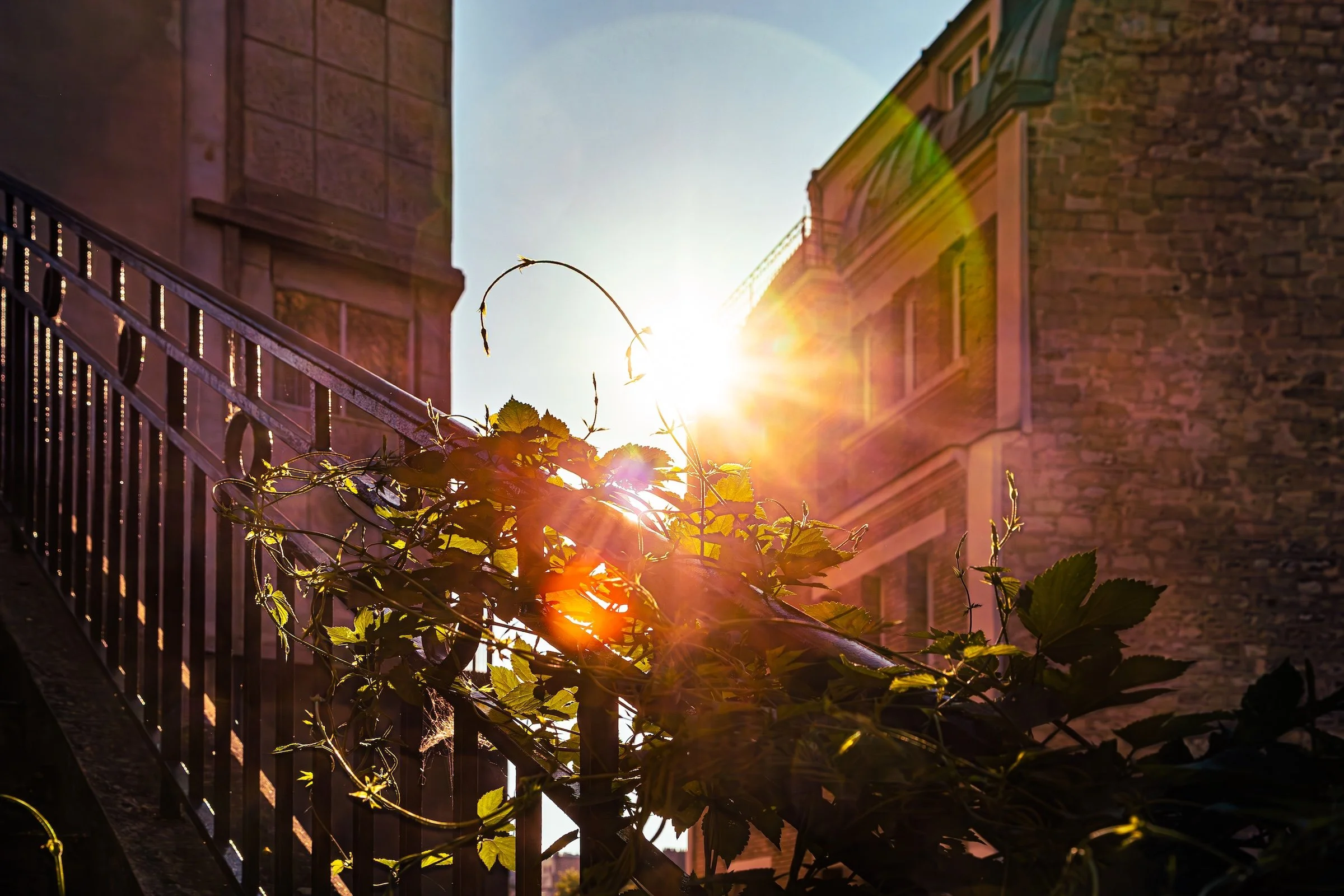
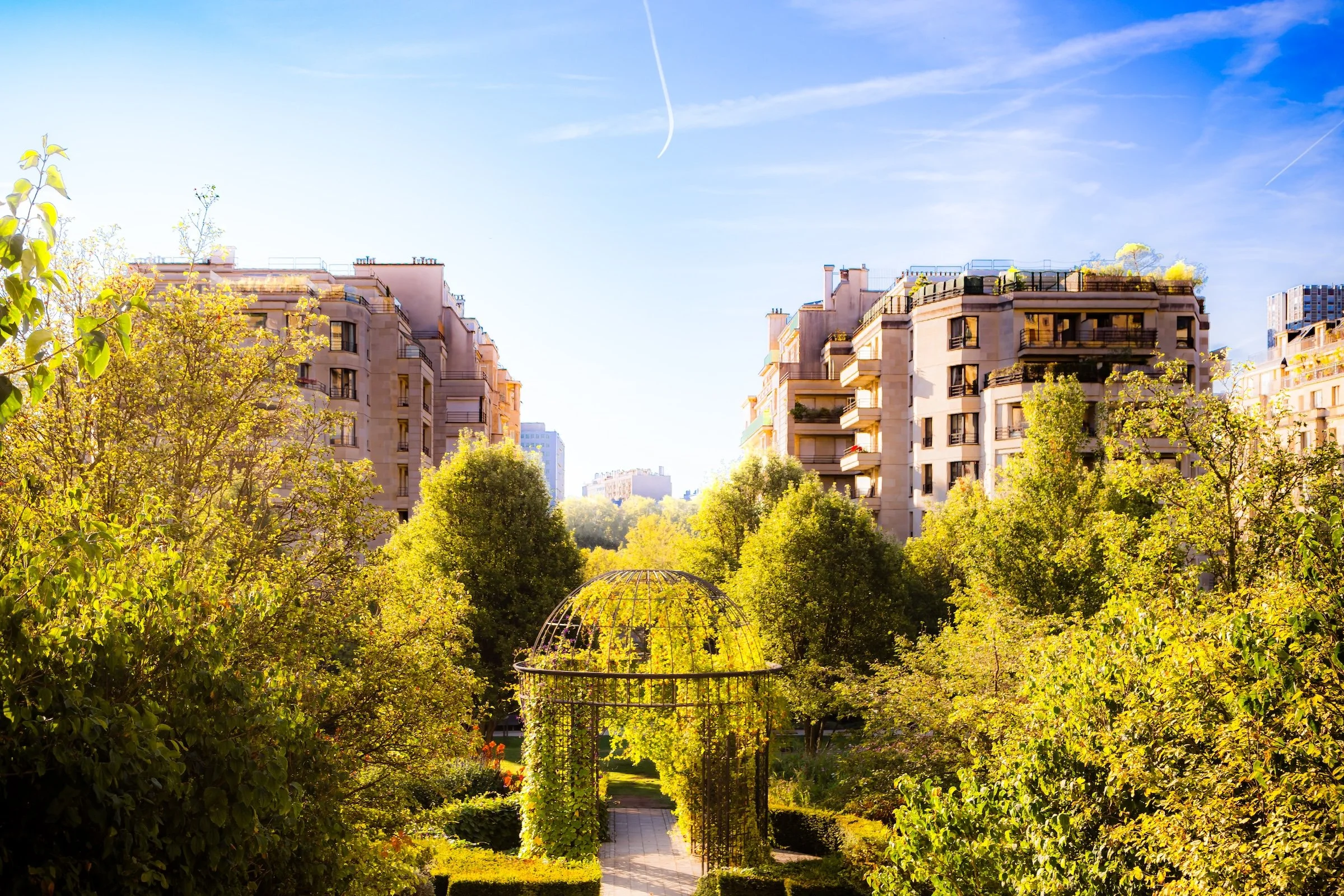
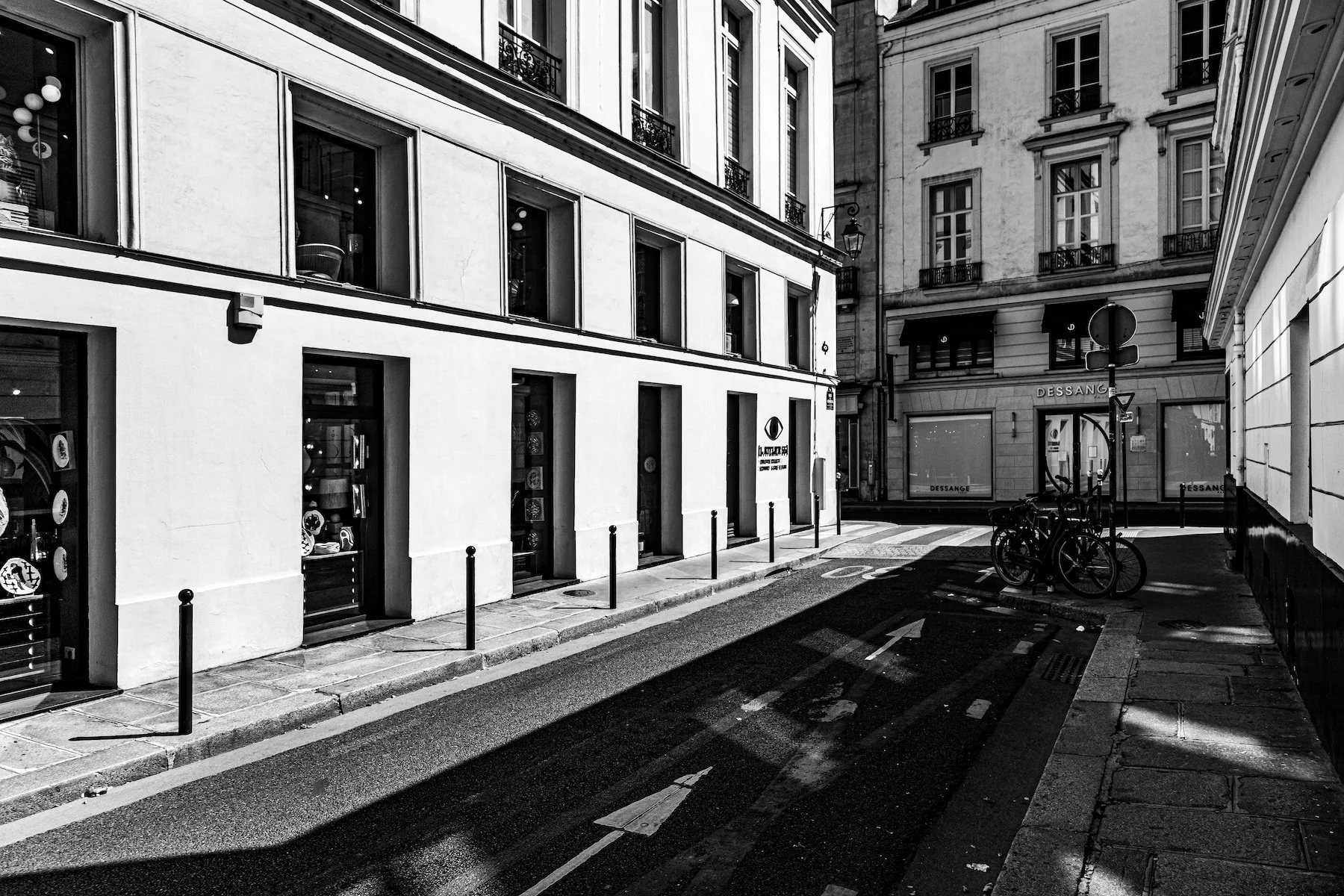
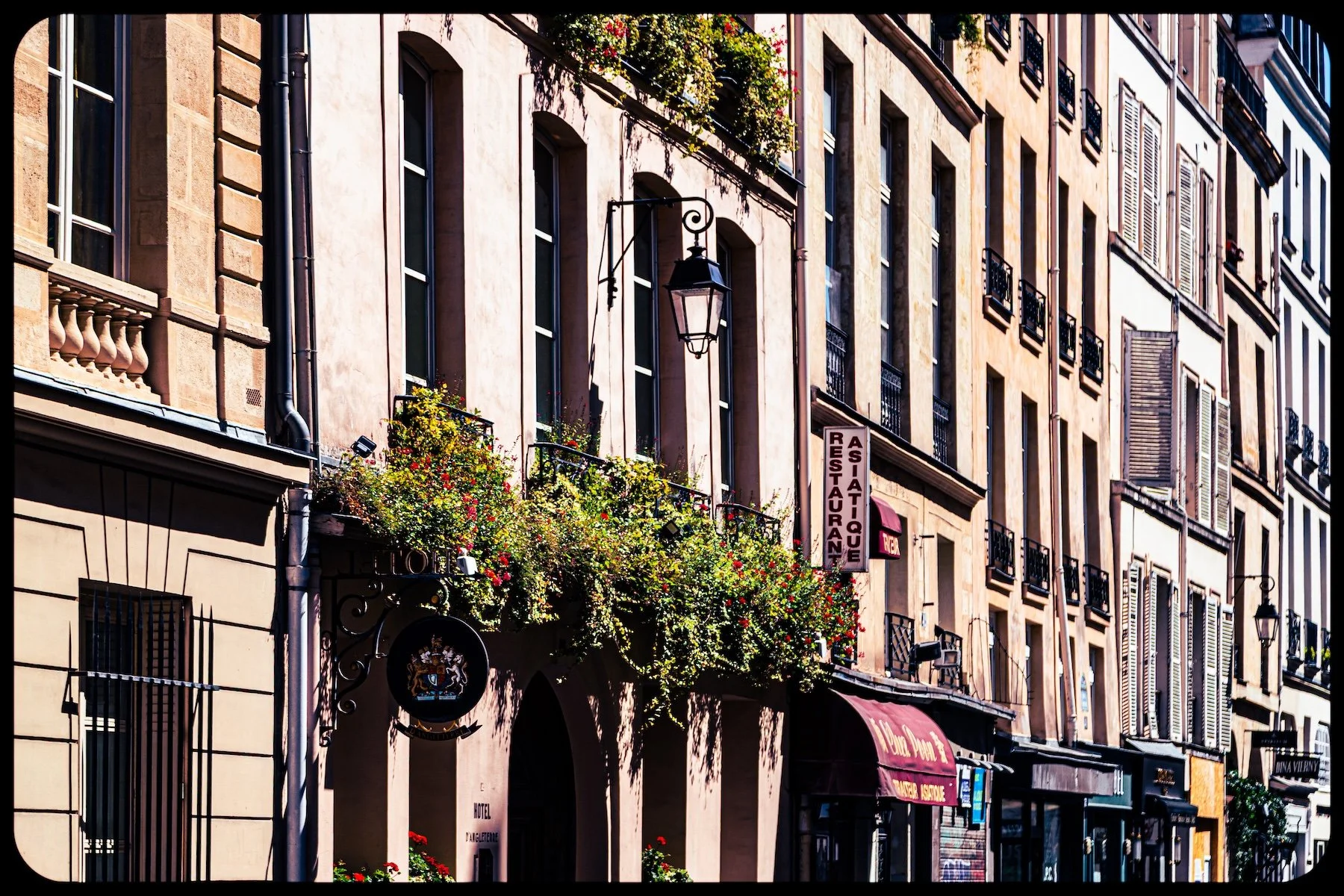
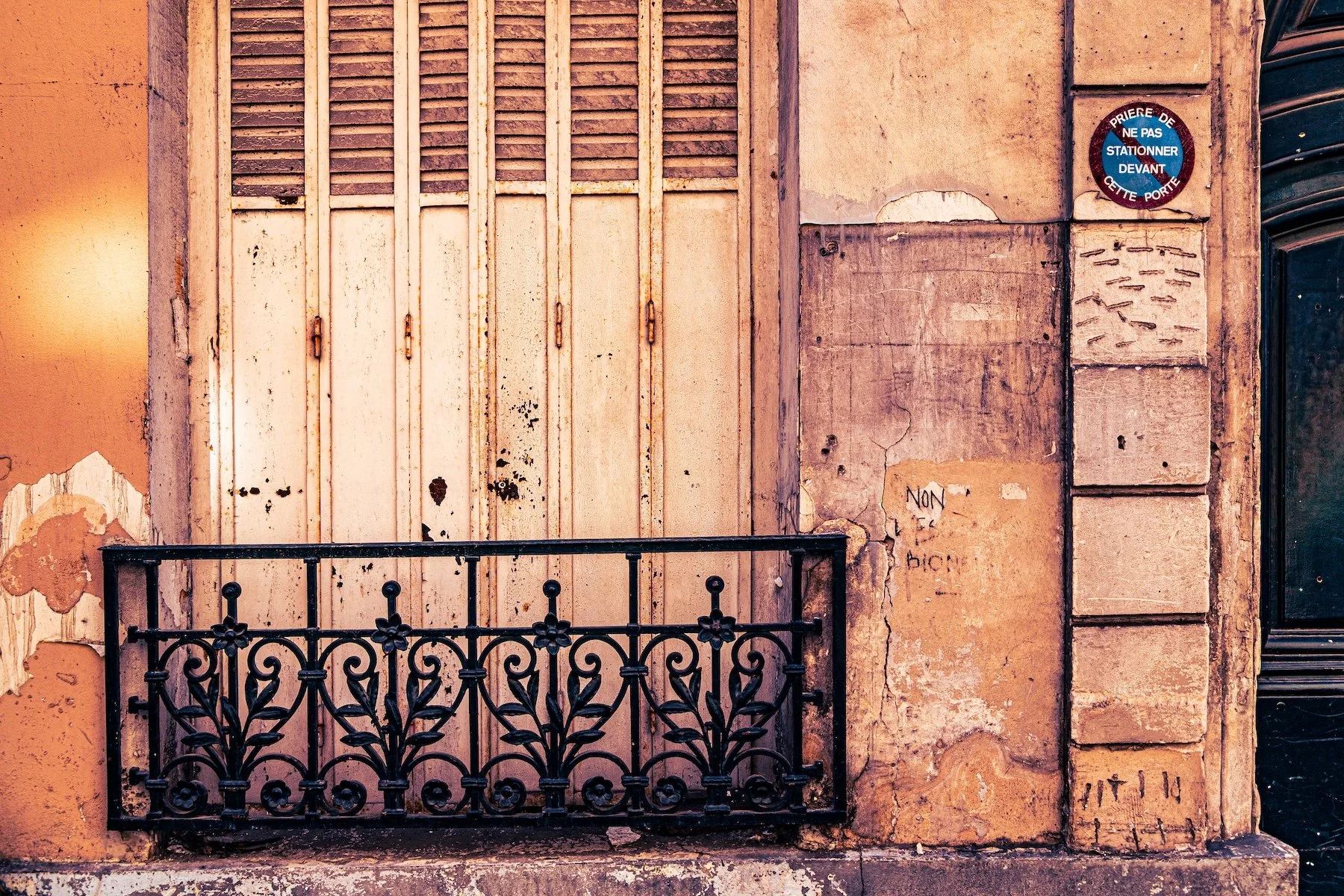
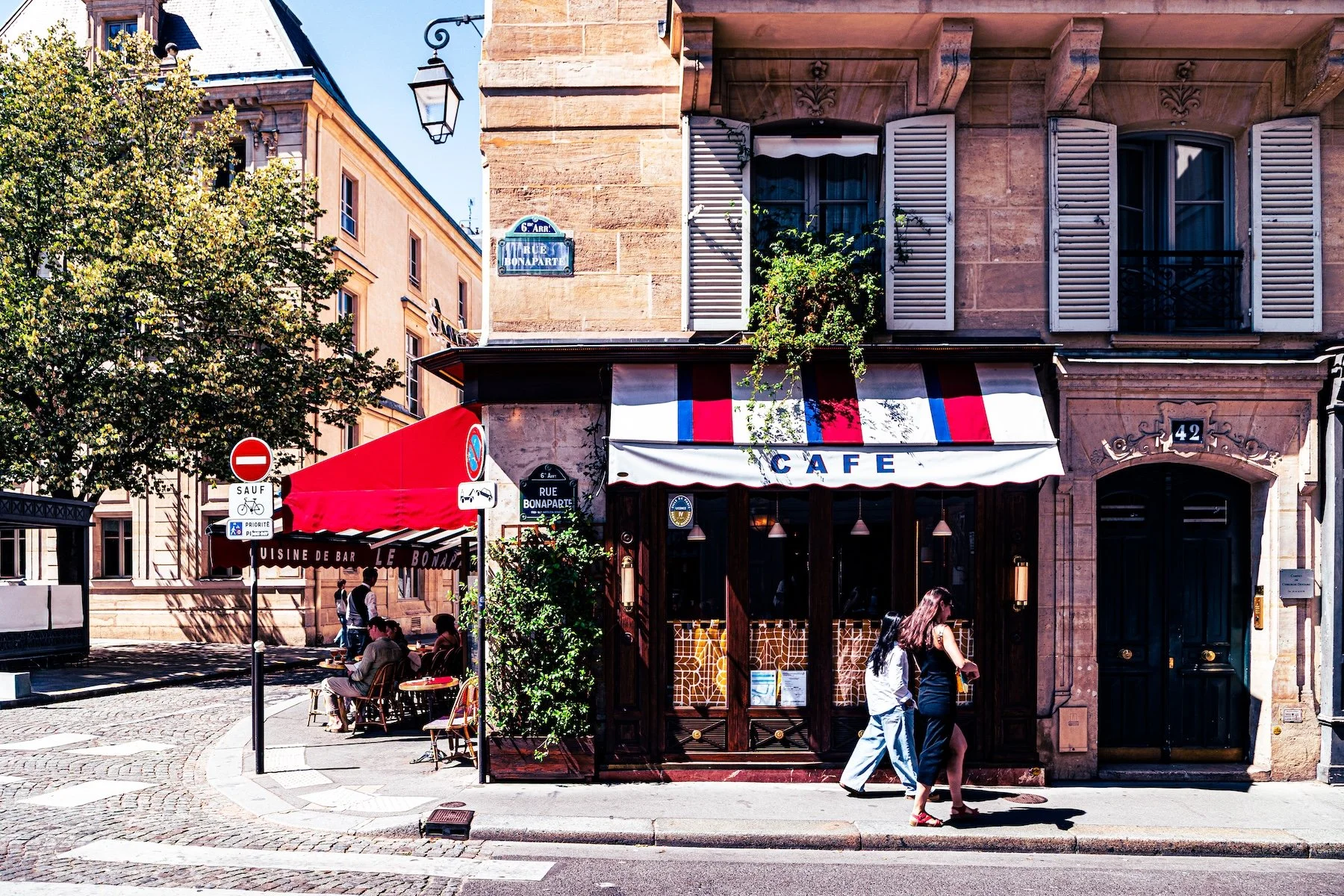
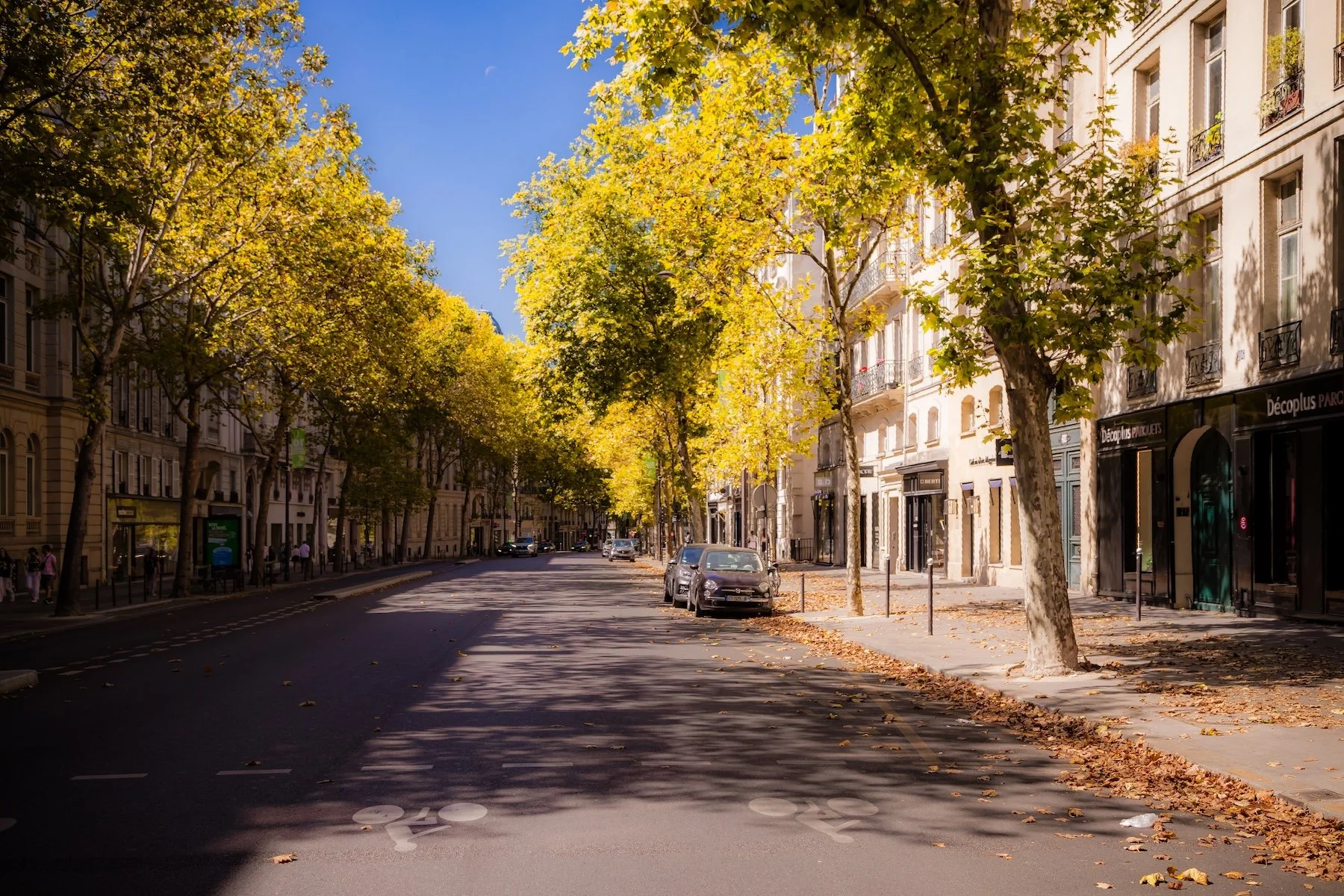
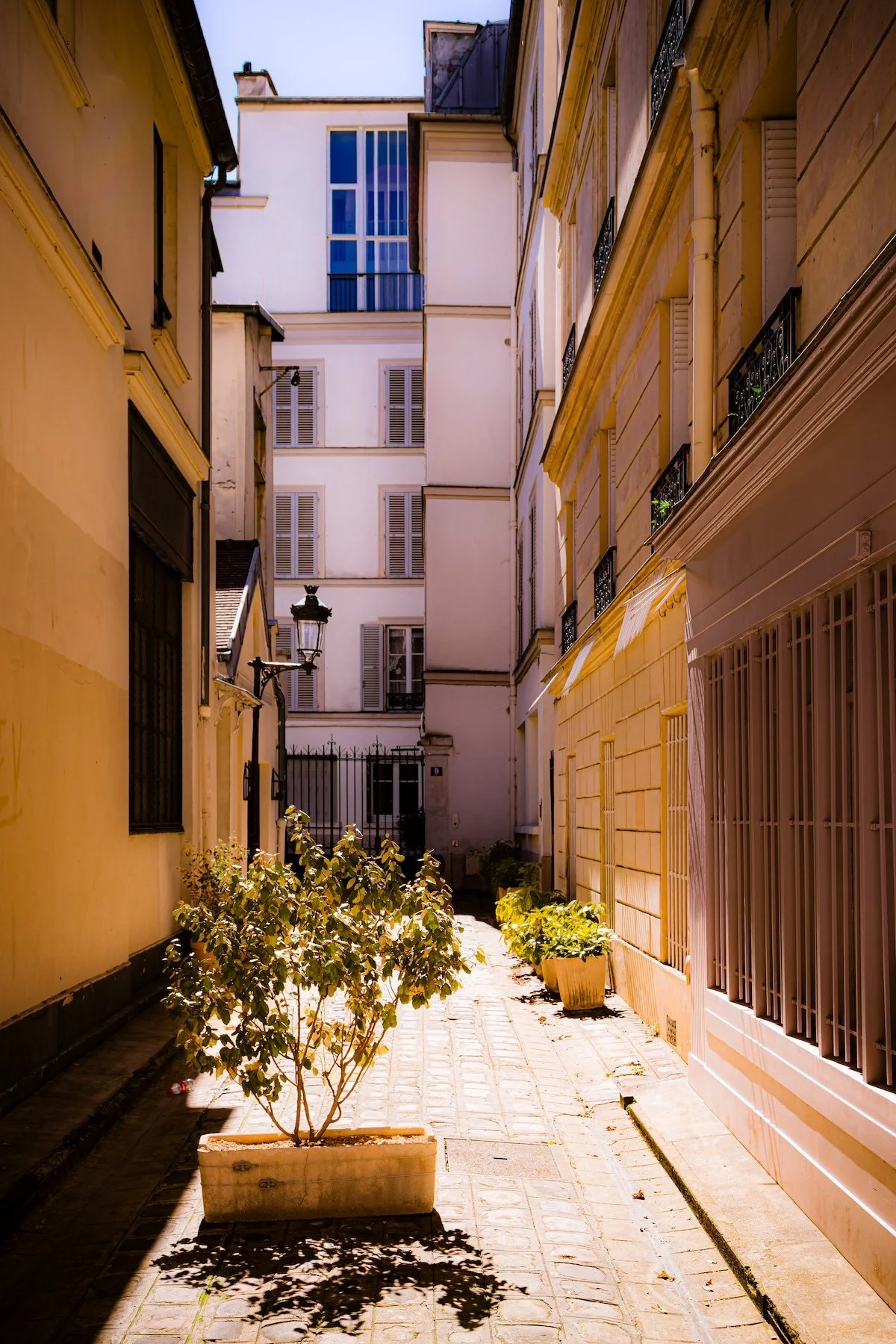
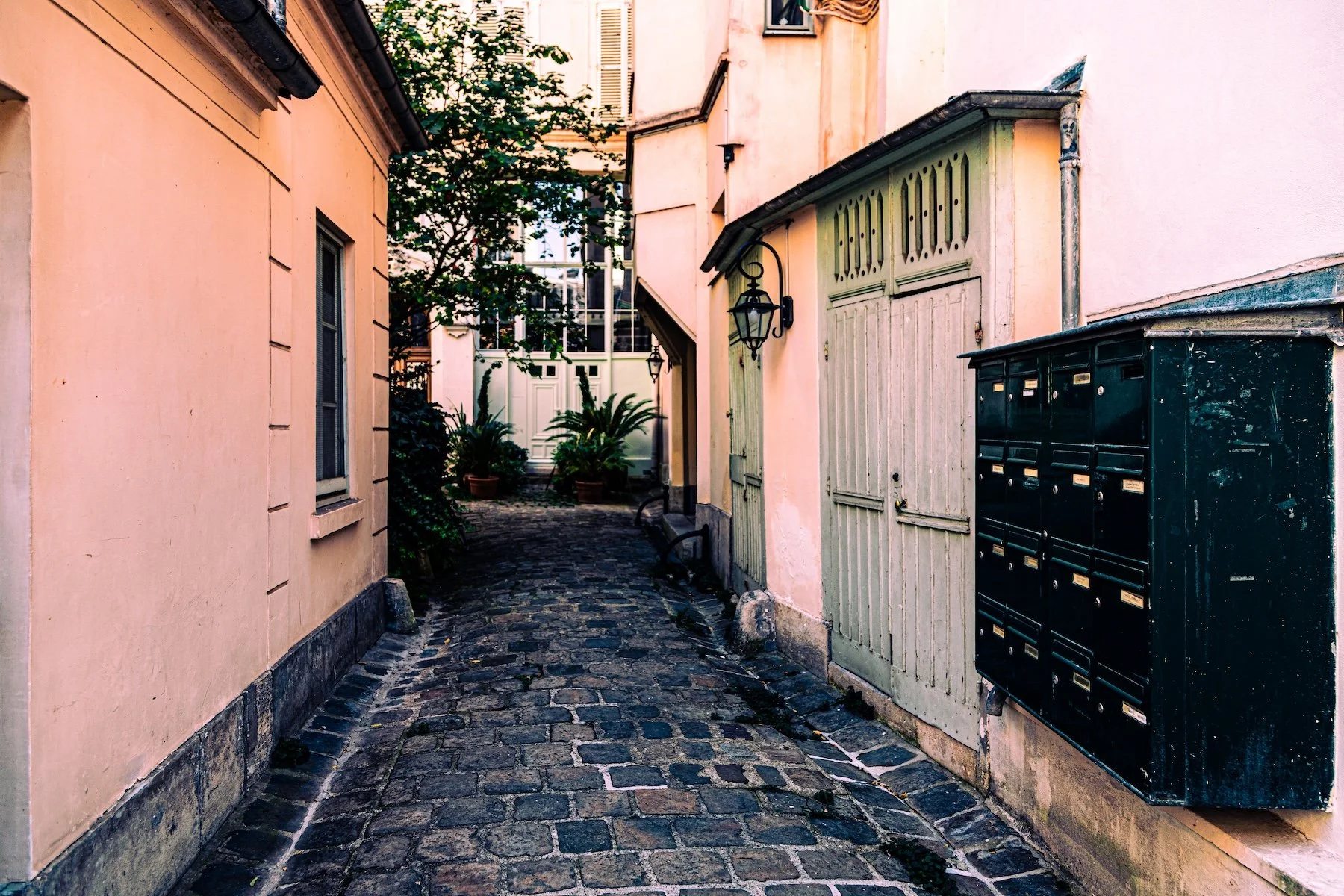
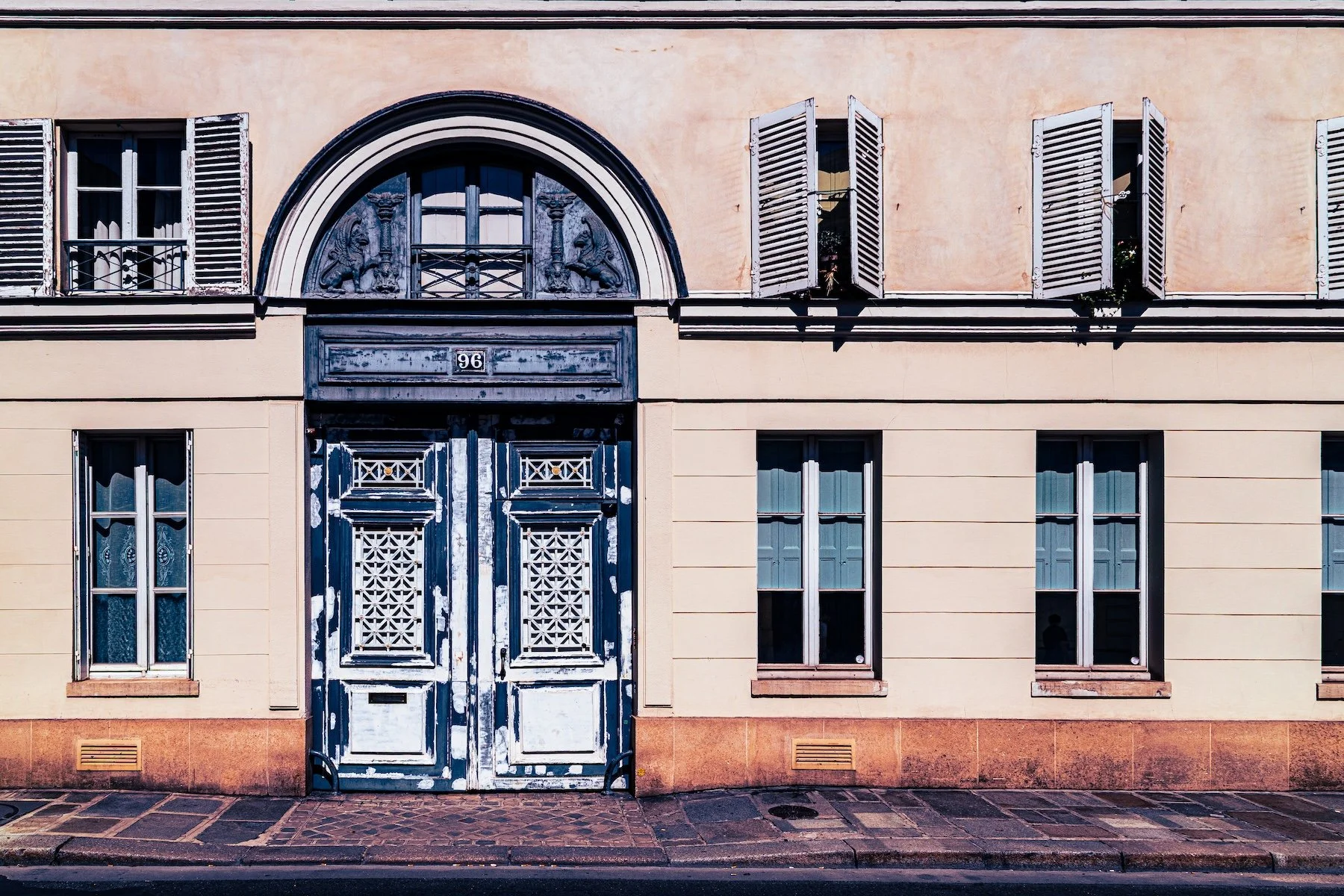
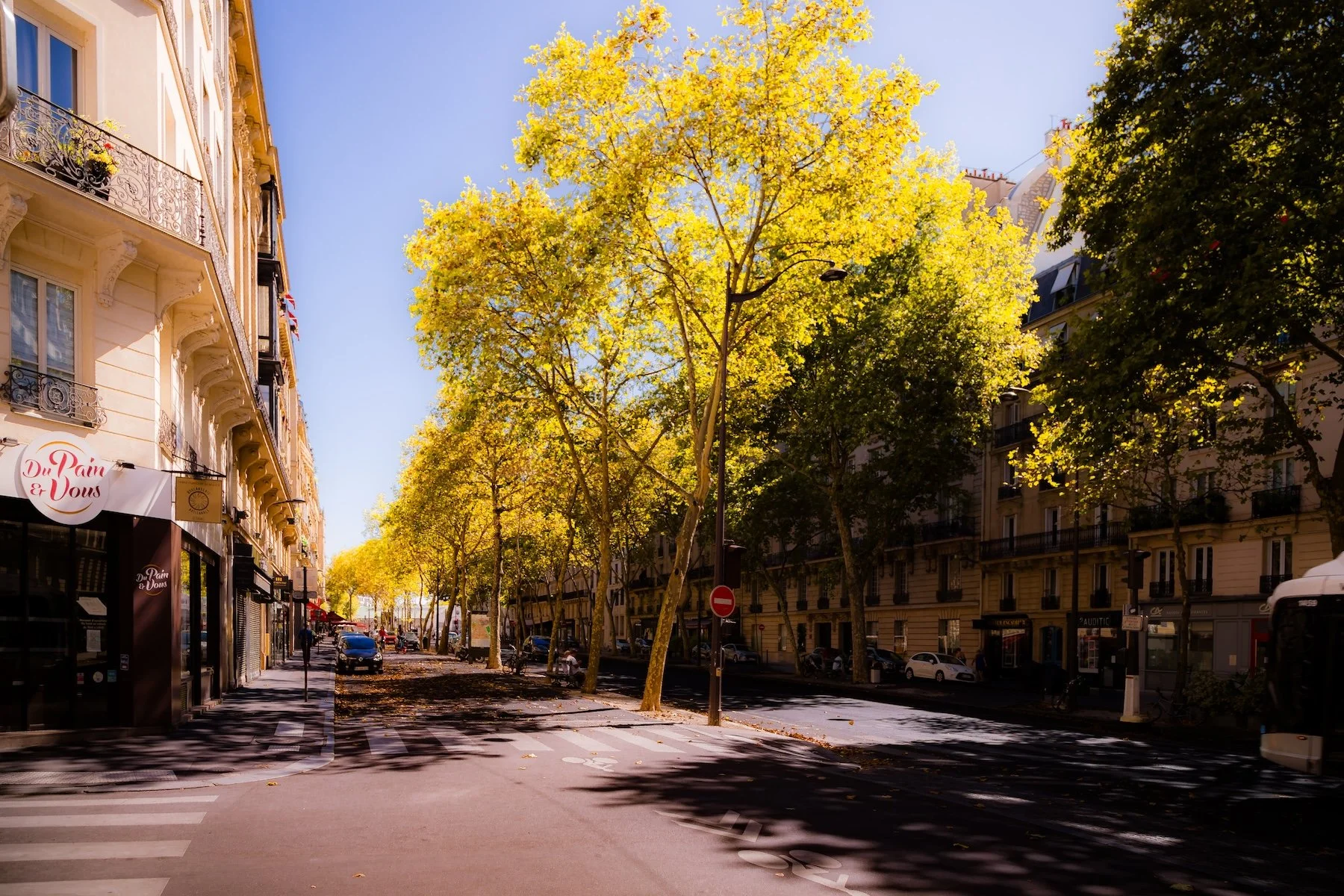
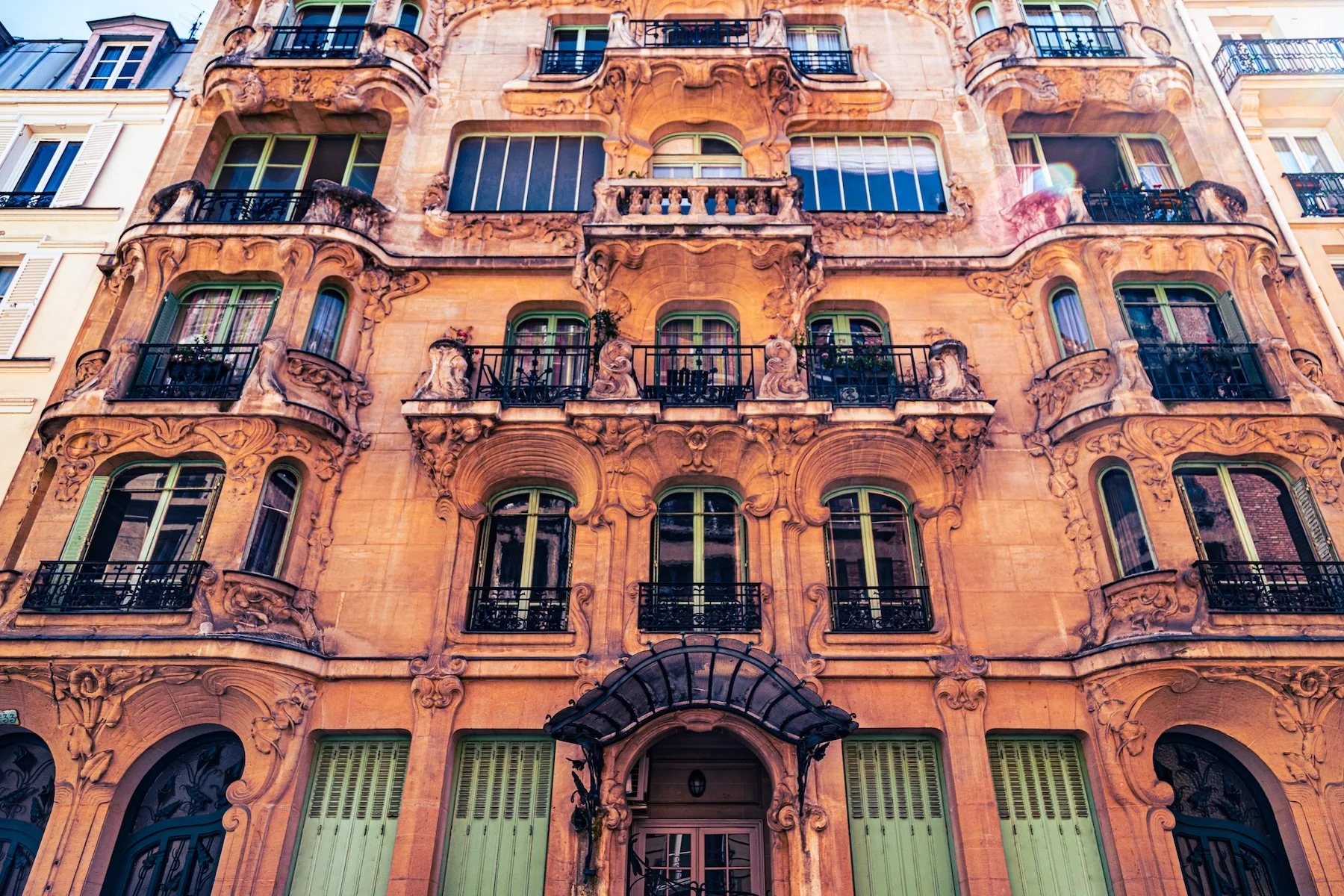
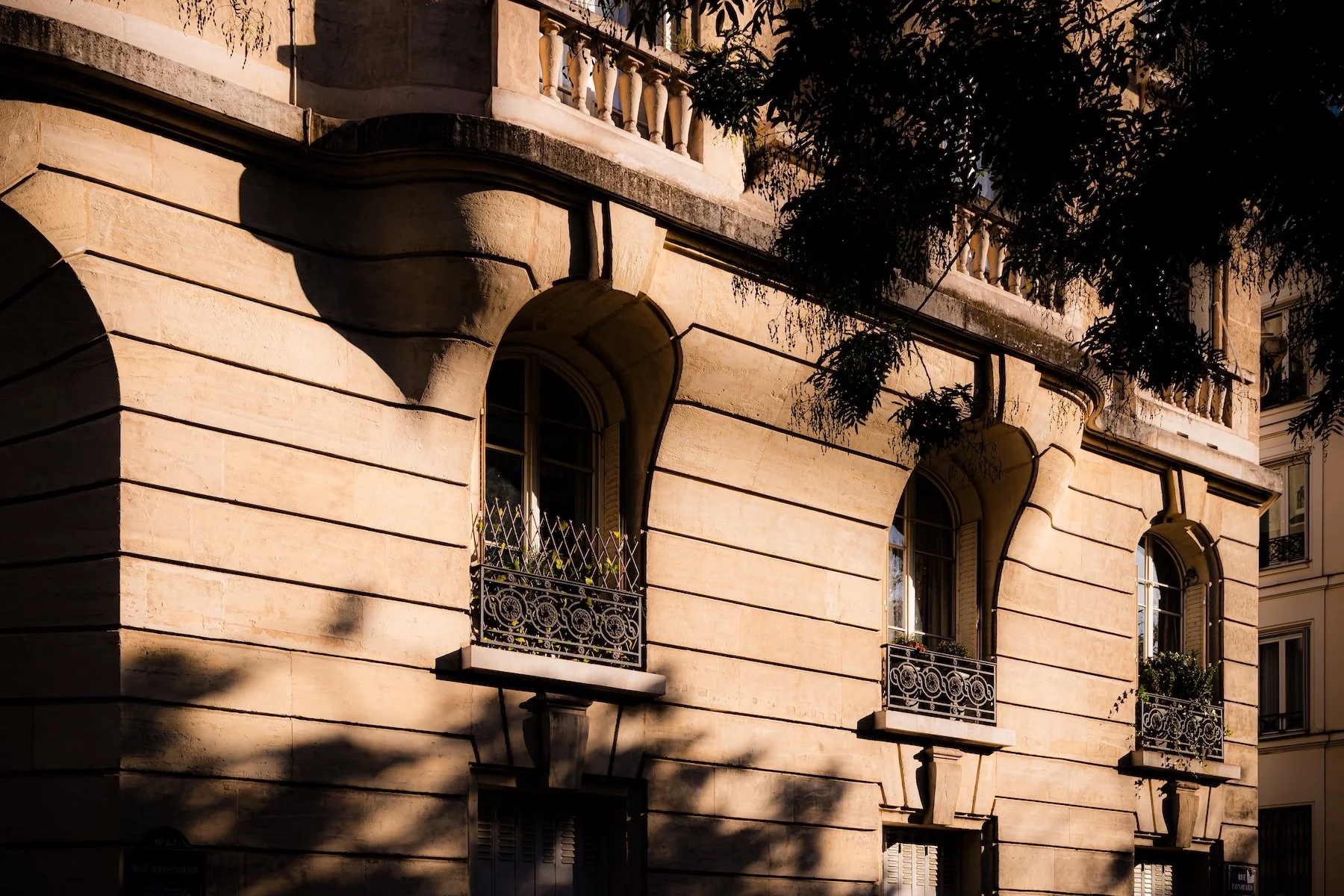
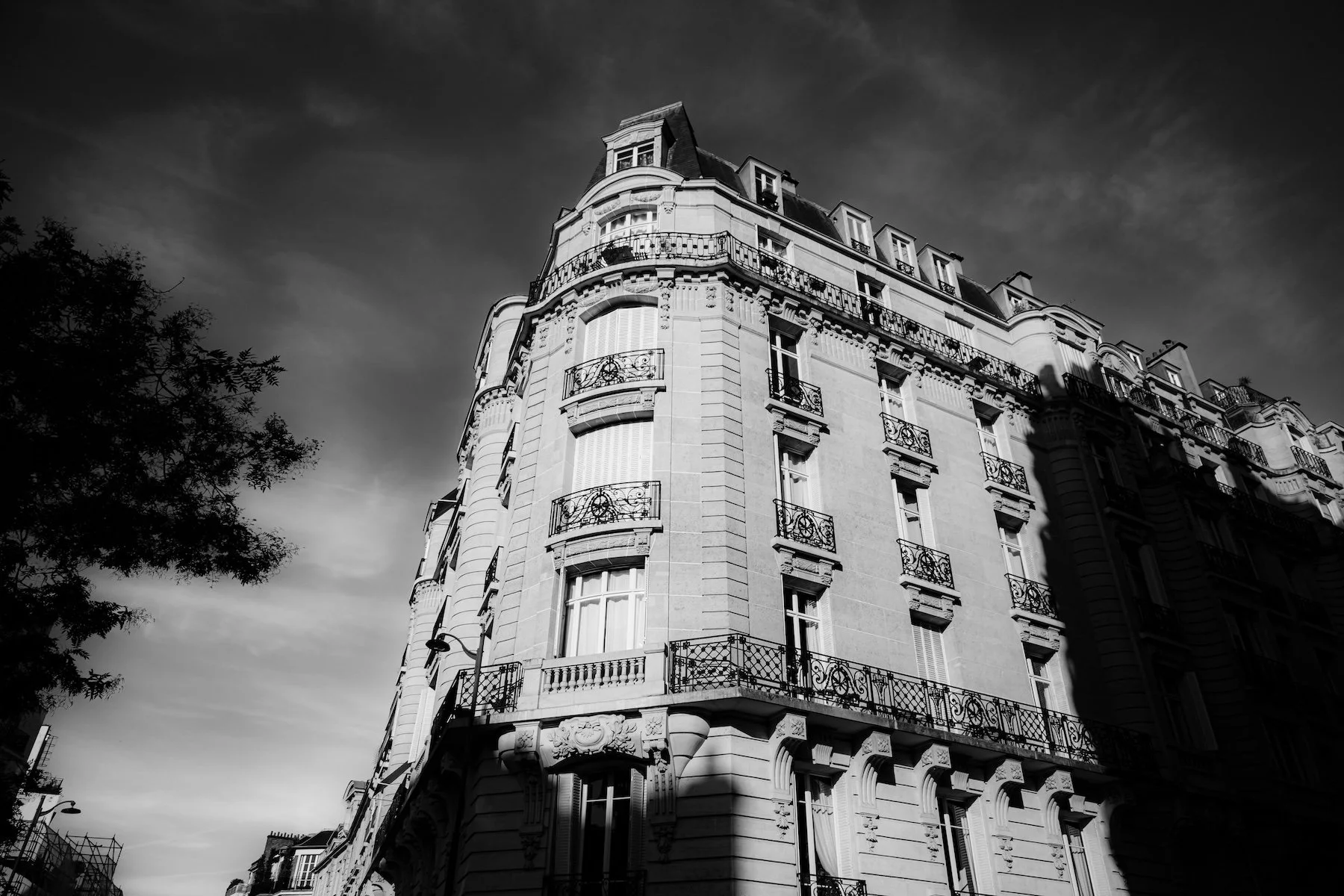
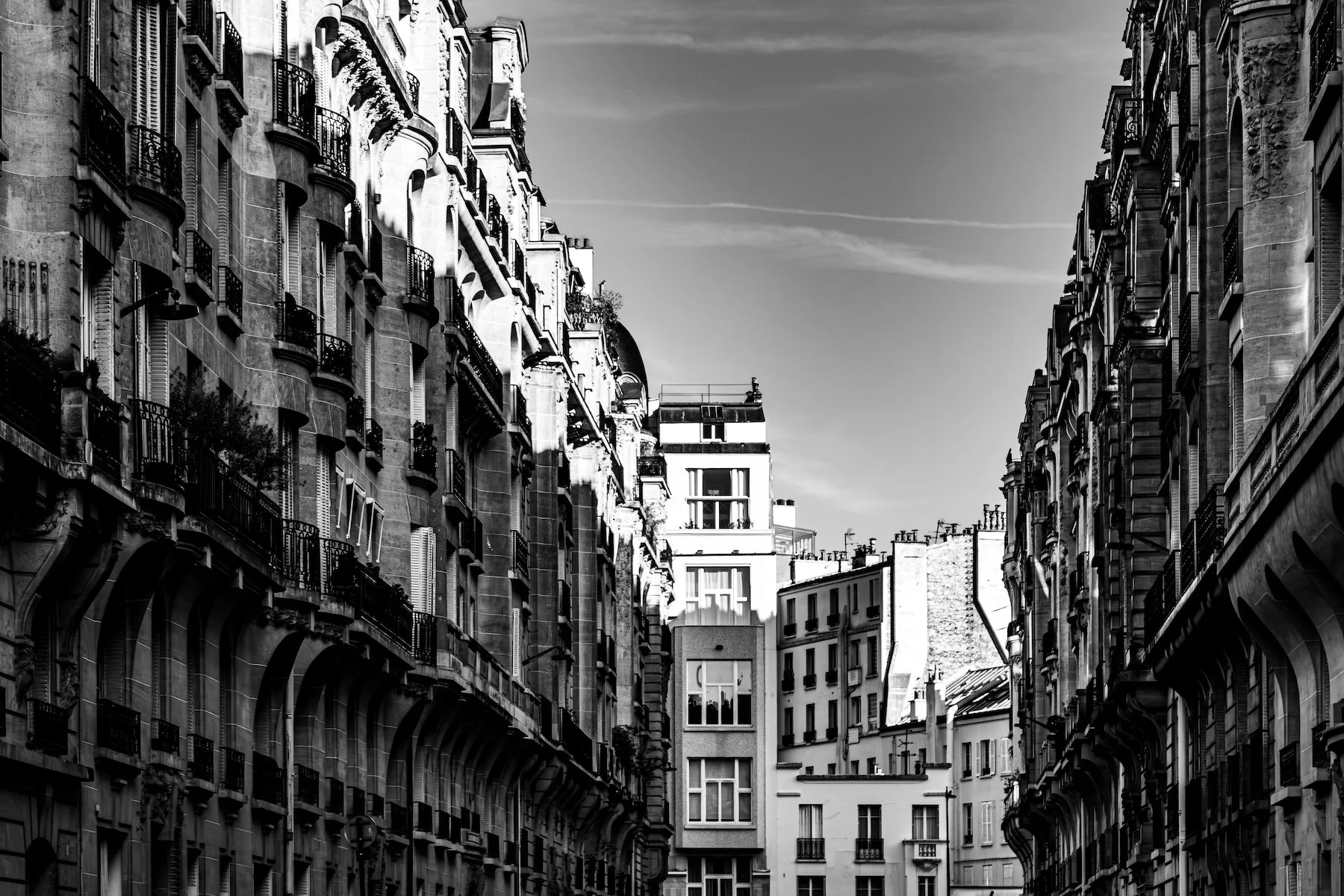
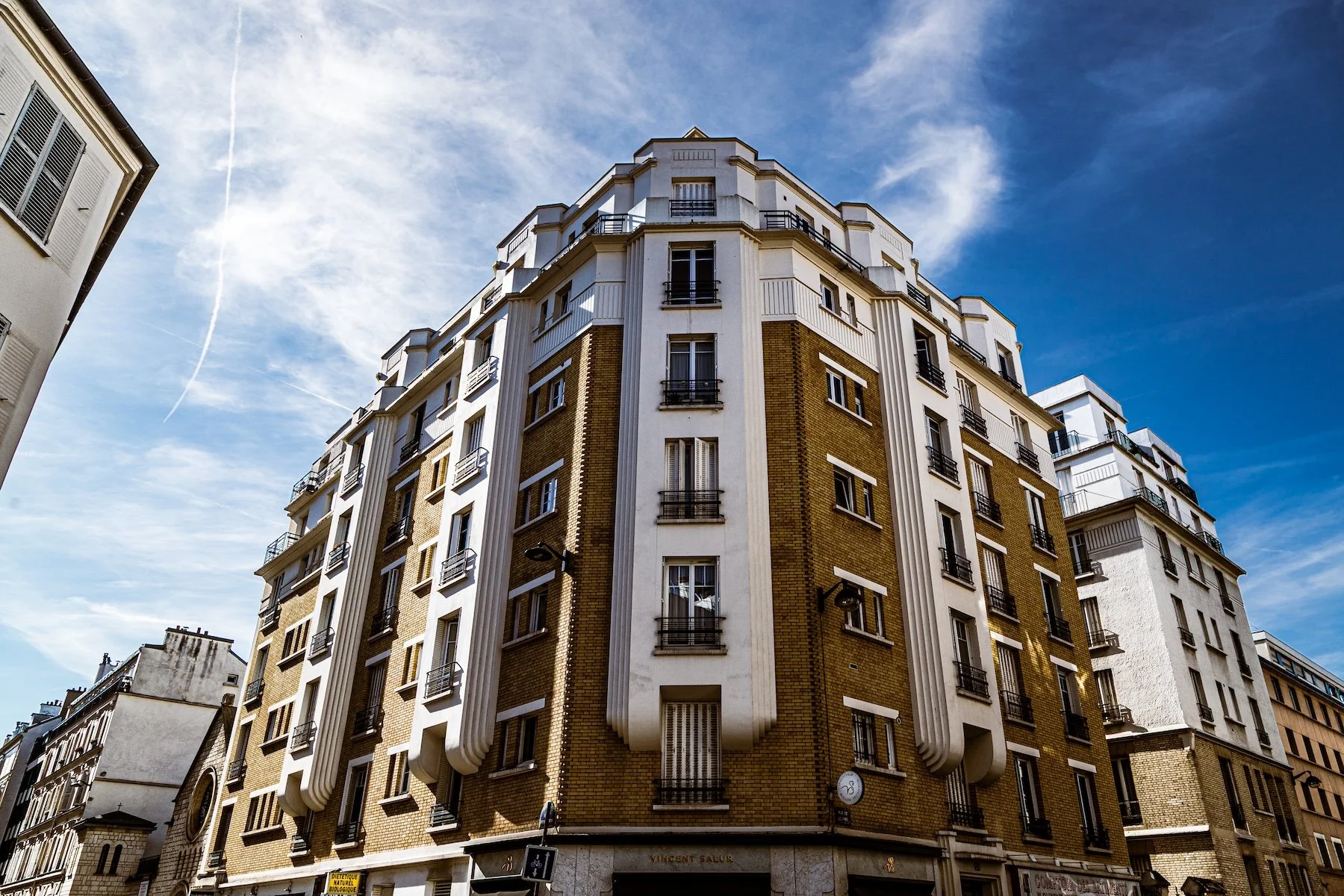
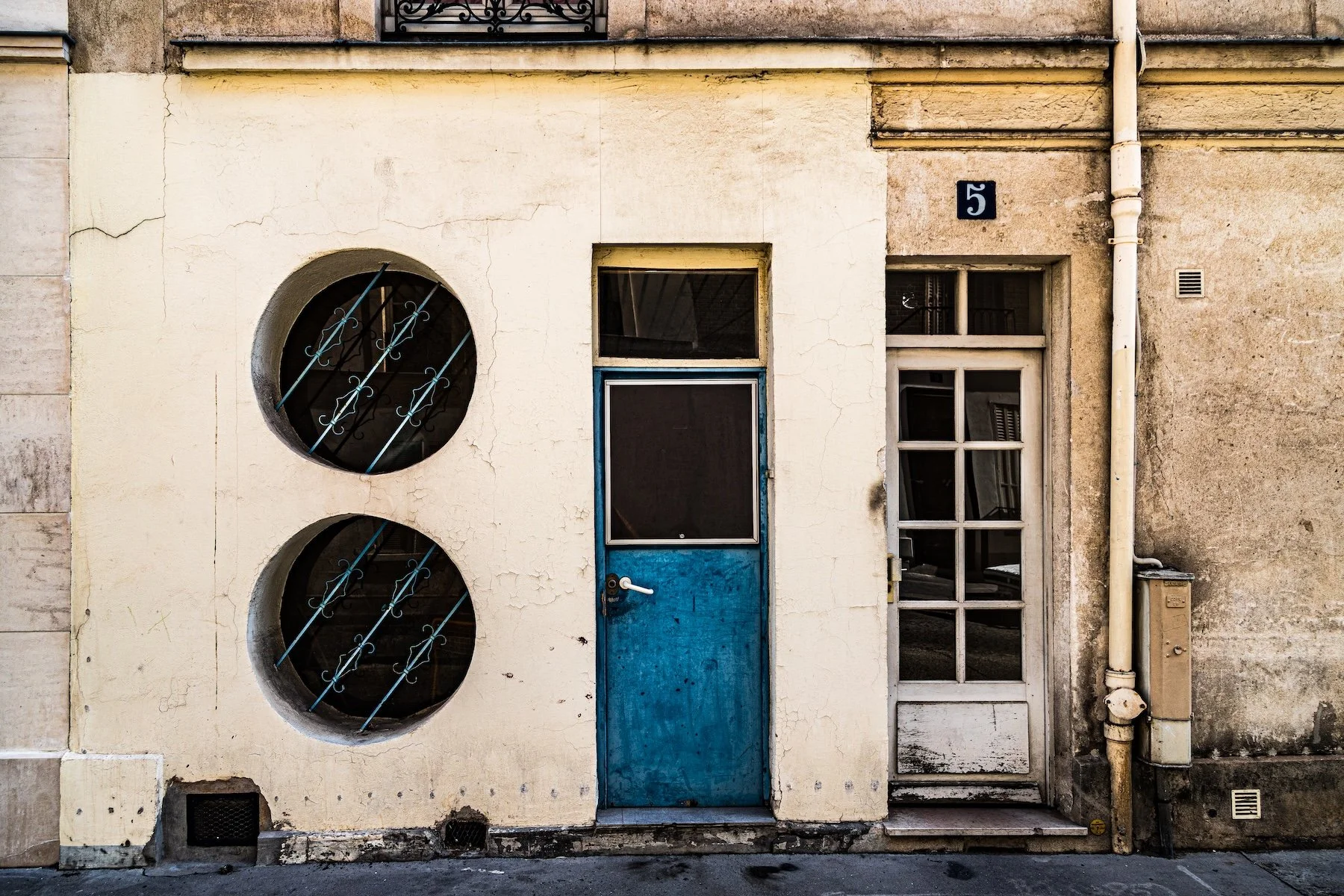
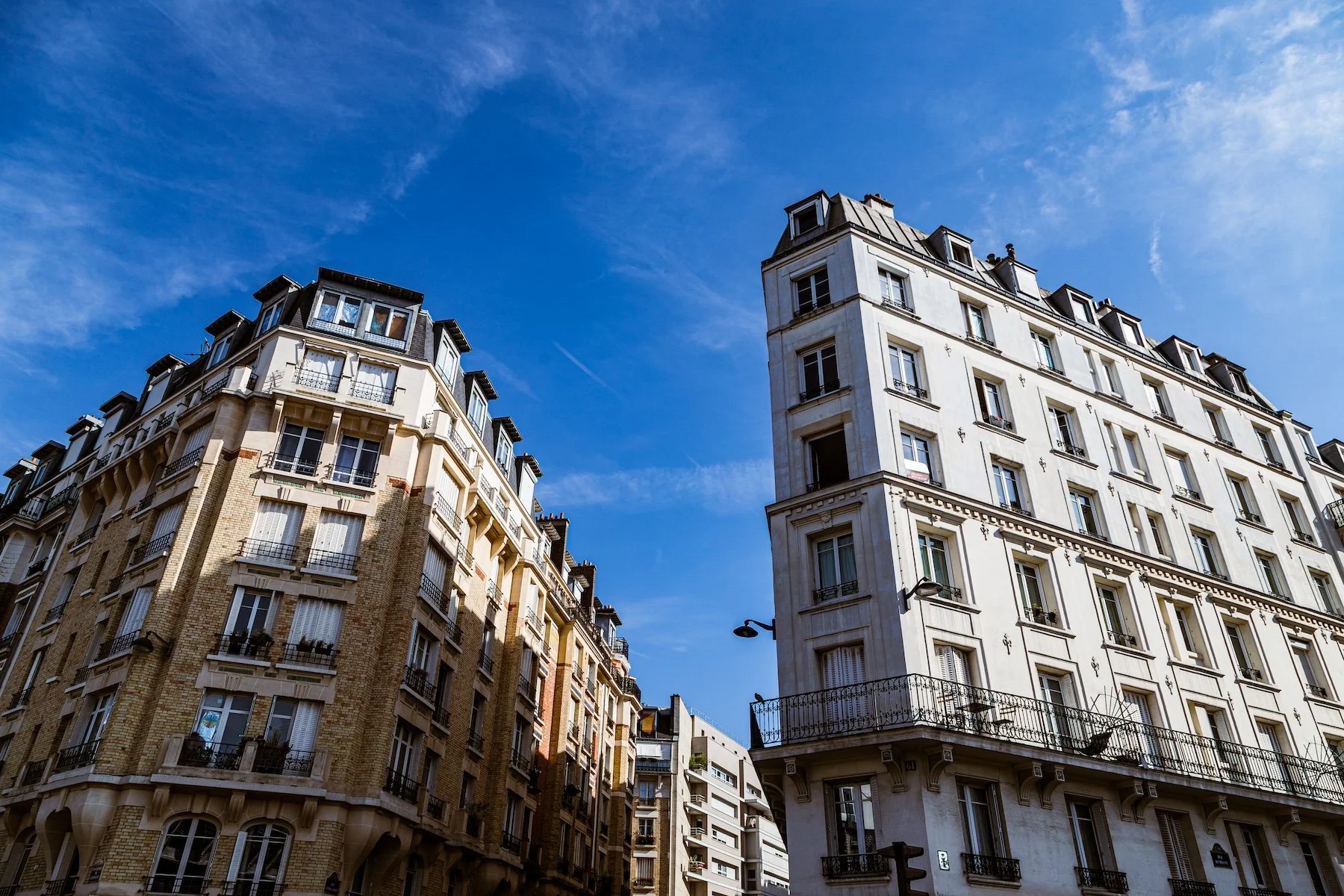
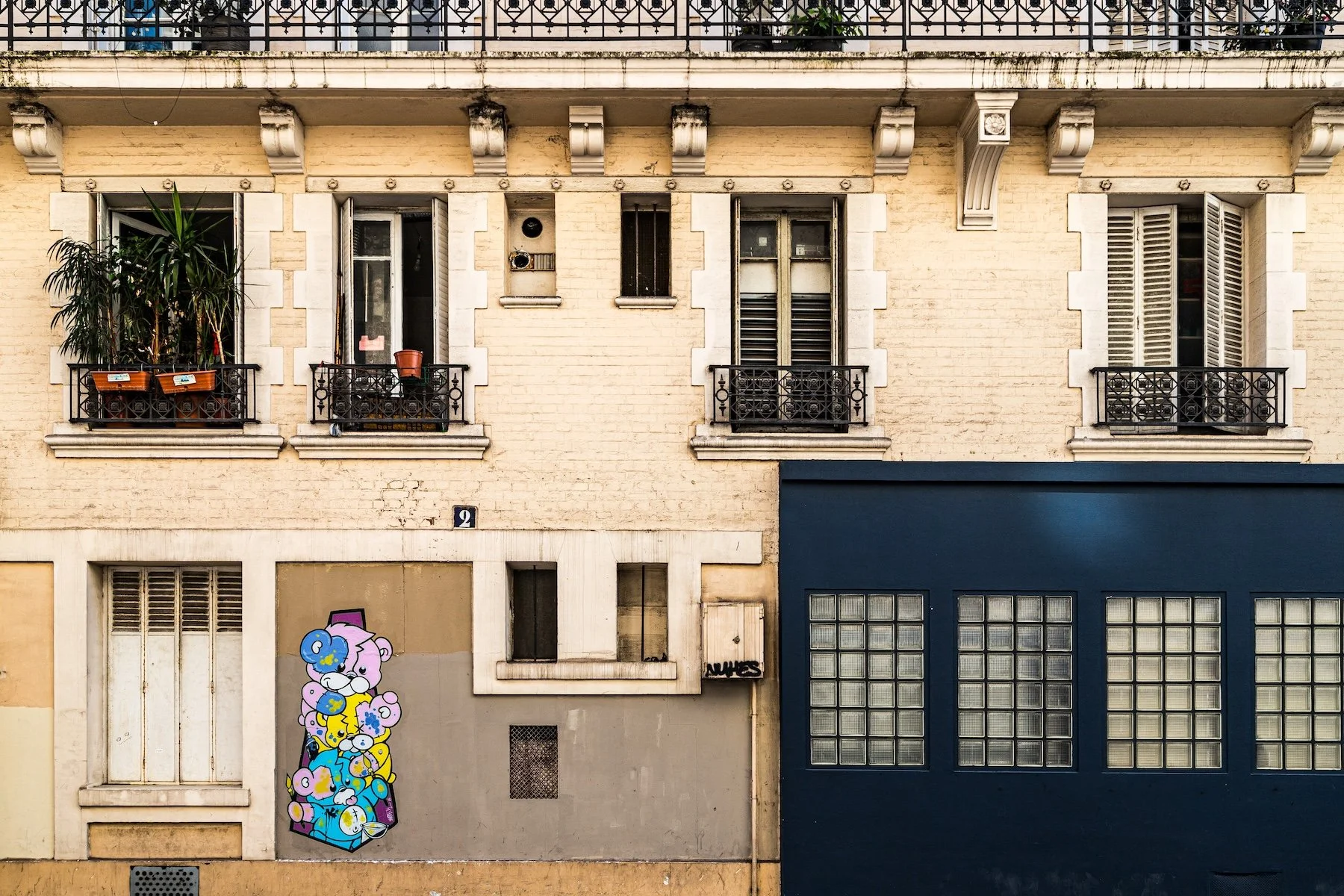
Photographing the arrondissements means moving between the official map and the street-level experience. The camera does not treat each arrondissement as visually uniform. Instead, it looks for the recurring forms, textures, transitions, and contrasts that make each district legible: the geometry of boulevards, the shade of plane trees, the repetition of balconies, the rise of stairways, the curve of canals, the presence of rail stations, the opening of parks, the weight of monuments, and the intimacy of side streets.
On CityNeighborhoods, the arrondissement provides the frame, but the photograph comes from the encounter between map, movement, light, and observation. As the Paris photography is processed, this section will connect each arrondissement more directly to the project’s Photographic Lexicon: the visual strategies, recurring motifs, and compositional patterns that shape how the city is seen through the lens.
If you visit Paris, these ideas can help inspire your own photography.
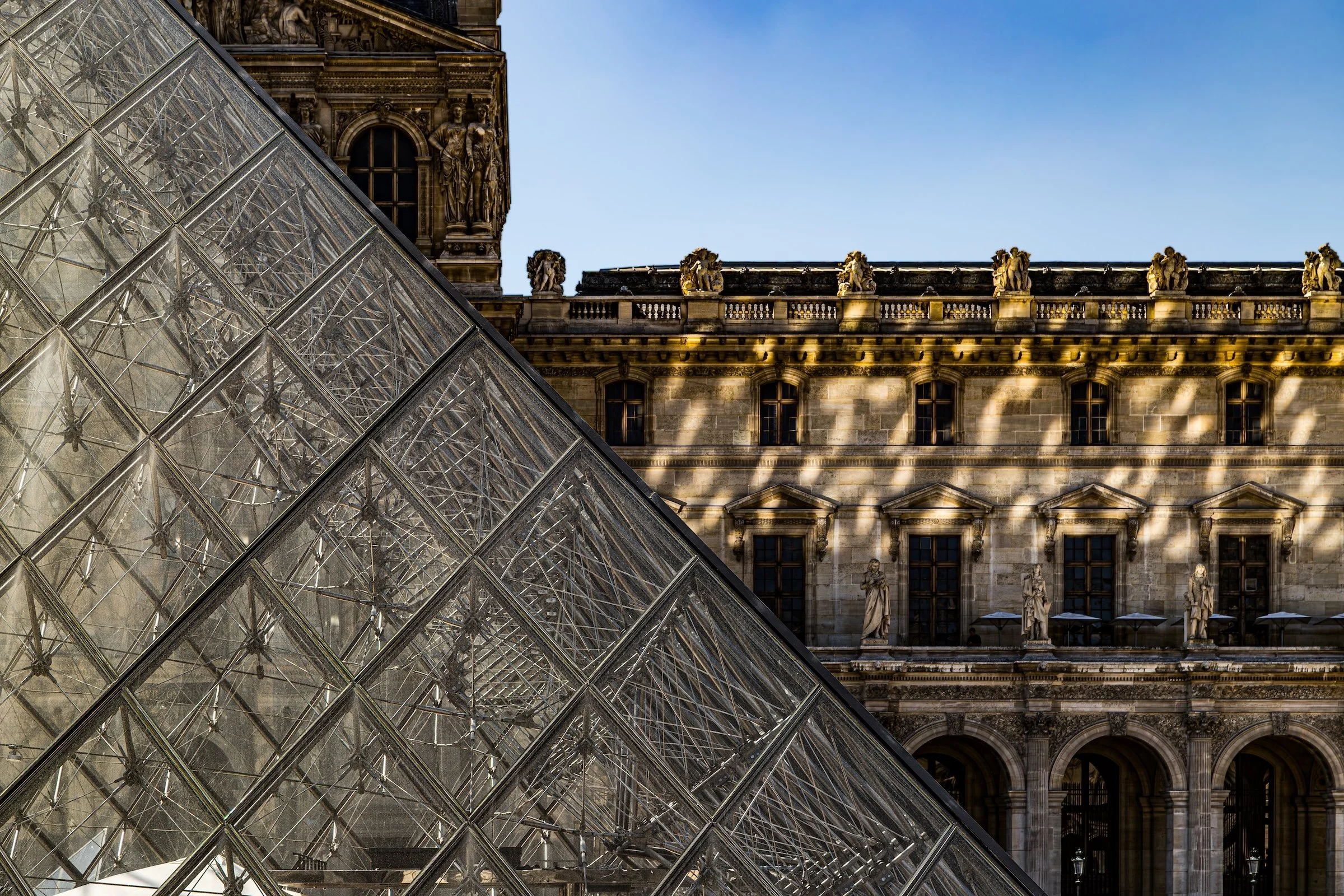
Paris: J’Espere, Je Rêve, Je Vive
Paris Photo Gallery
Paris Field Notes
-
Field Note: August 18, 2025 | 07:58 AM
Conditions: 73°F | Humidity: 72%.
Within the park's interior, the glacial kettle ponds acted as humidity traps, creating a soft, hazy light that filtered through the old-growth oaks. The transition from the park's dense shade to the sun-drenched edges of Oakland Gardens highlighted the day's exceptional "picture-perfect" clarity.
There is a fleeting window in Queens where the humidity of August hasn't yet heavy-set, and the morning sun hits the canopy of Alley Pond Park at a perfect oblique angle. Arriving just before 8:00 AM, I watched the light break through the oaks and tulip trees, casting long, dramatic shadows across the wet grass. It’s in these quiet, golden moments that the park feels less like a city escape and more like the ancient glacial valley it actually is.
Other neighborhoods visited:
Explore Paris
-

The twenty arrondissements form the civic spiral of Paris, organizing the city into its broad local districts of government, identity, and daily life.
-
Each arrondissement is divided into four official administrative quarters, giving Paris a more precise civic and geographic framework.
-

The conseils de quartier bring participation to street level, giving residents a voice in neighborhood needs, public space, and local civic life.
-

Les Deux Rives trace Paris through the Seine’s two banks, revealing how the Rive Droite and Rive Gauche shaped the city’s civic power, commerce, learning, art, and cultural identity.
-
Cultural neighborhoods reveal the Paris people recognize through history, cafés, architecture, memory, atmosphere, and local belonging.