
16e - AUTEUIL
Quartiers Administratifs
Part of an ongoing project to walk and photograph every neighborhood in Paris, this page 16e - Auteuil through maps, district identity, history, and photography.
The Map
Download the Paris Arrondissements Map
Geographic Setting
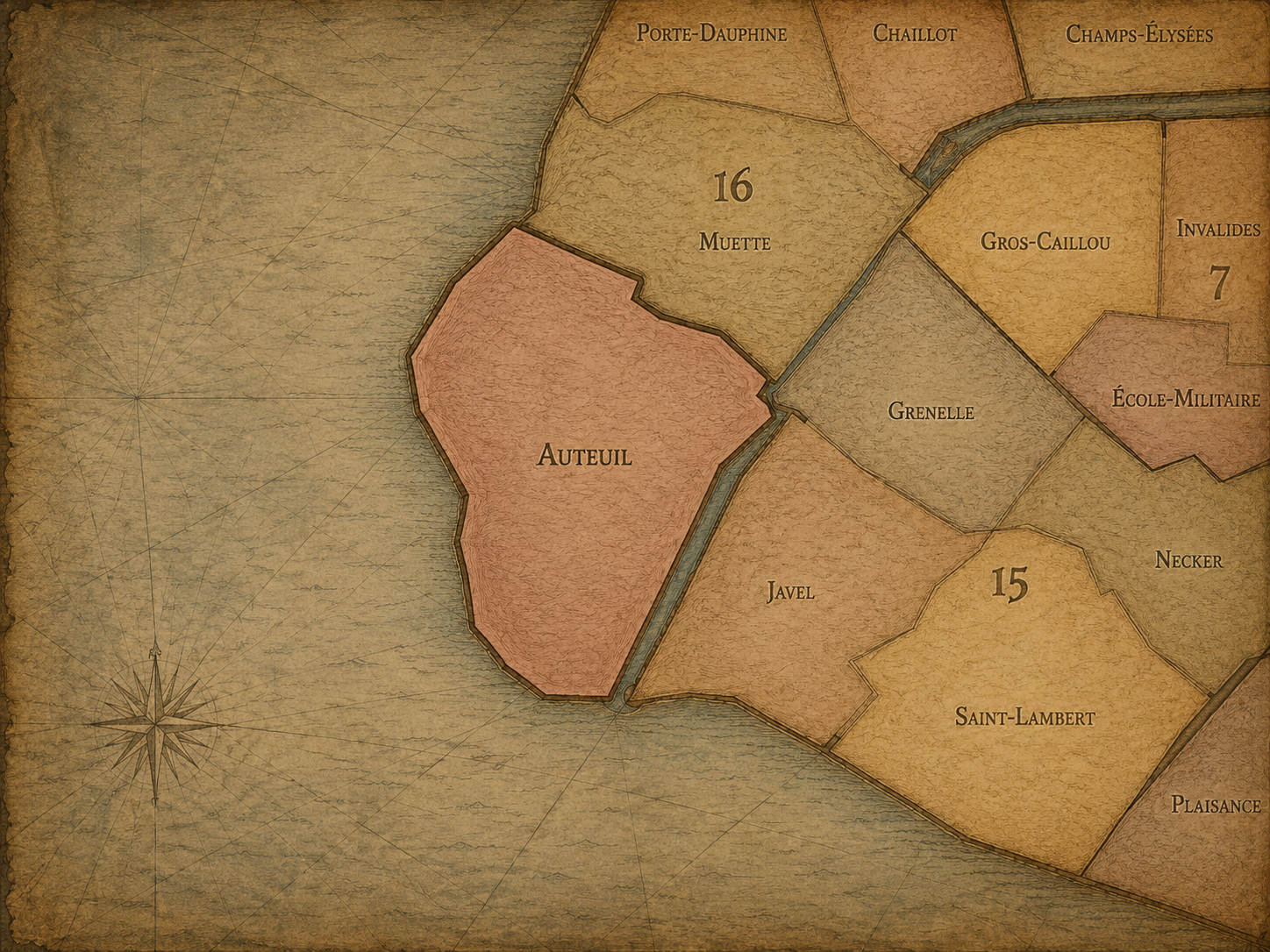
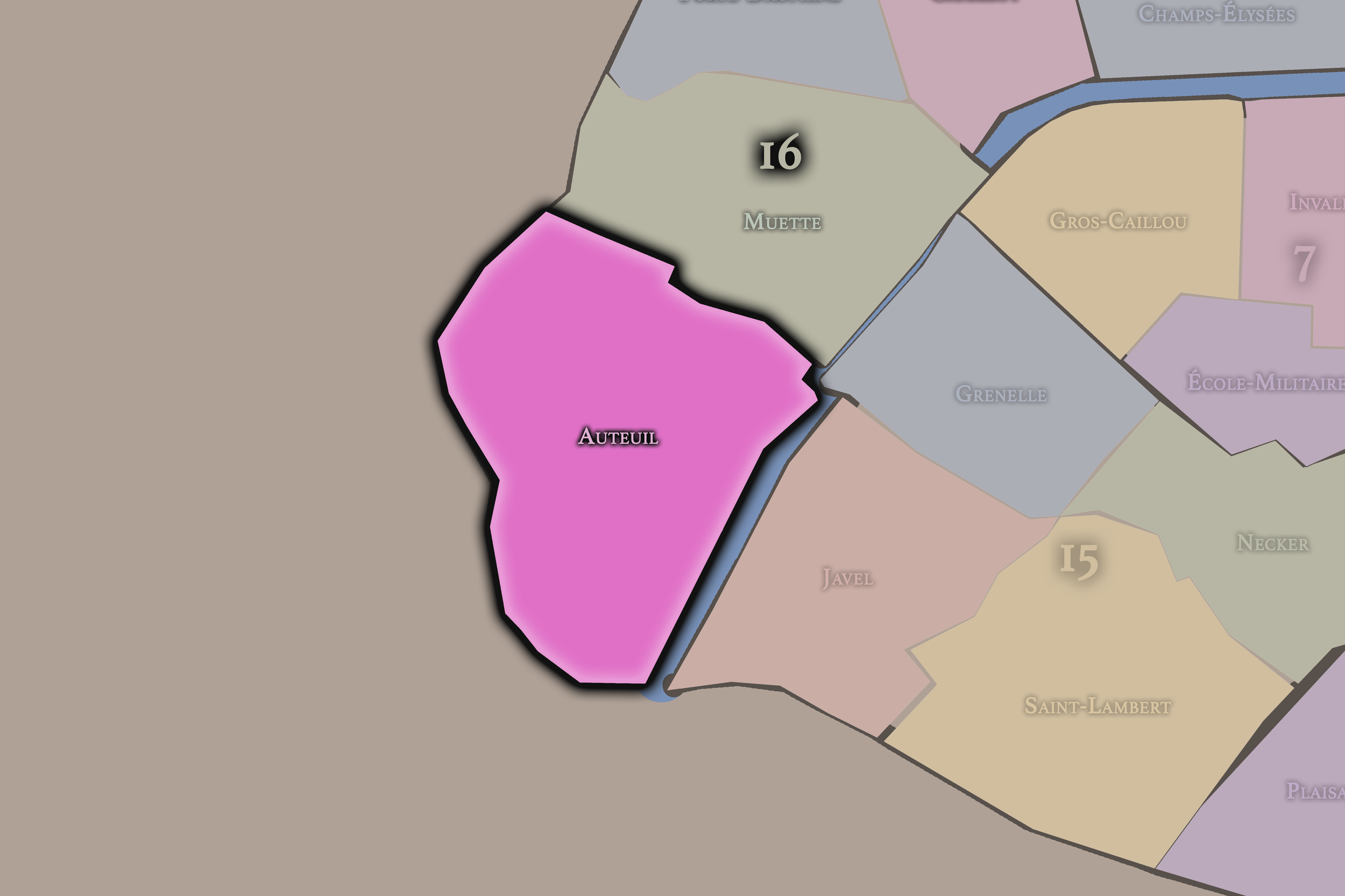
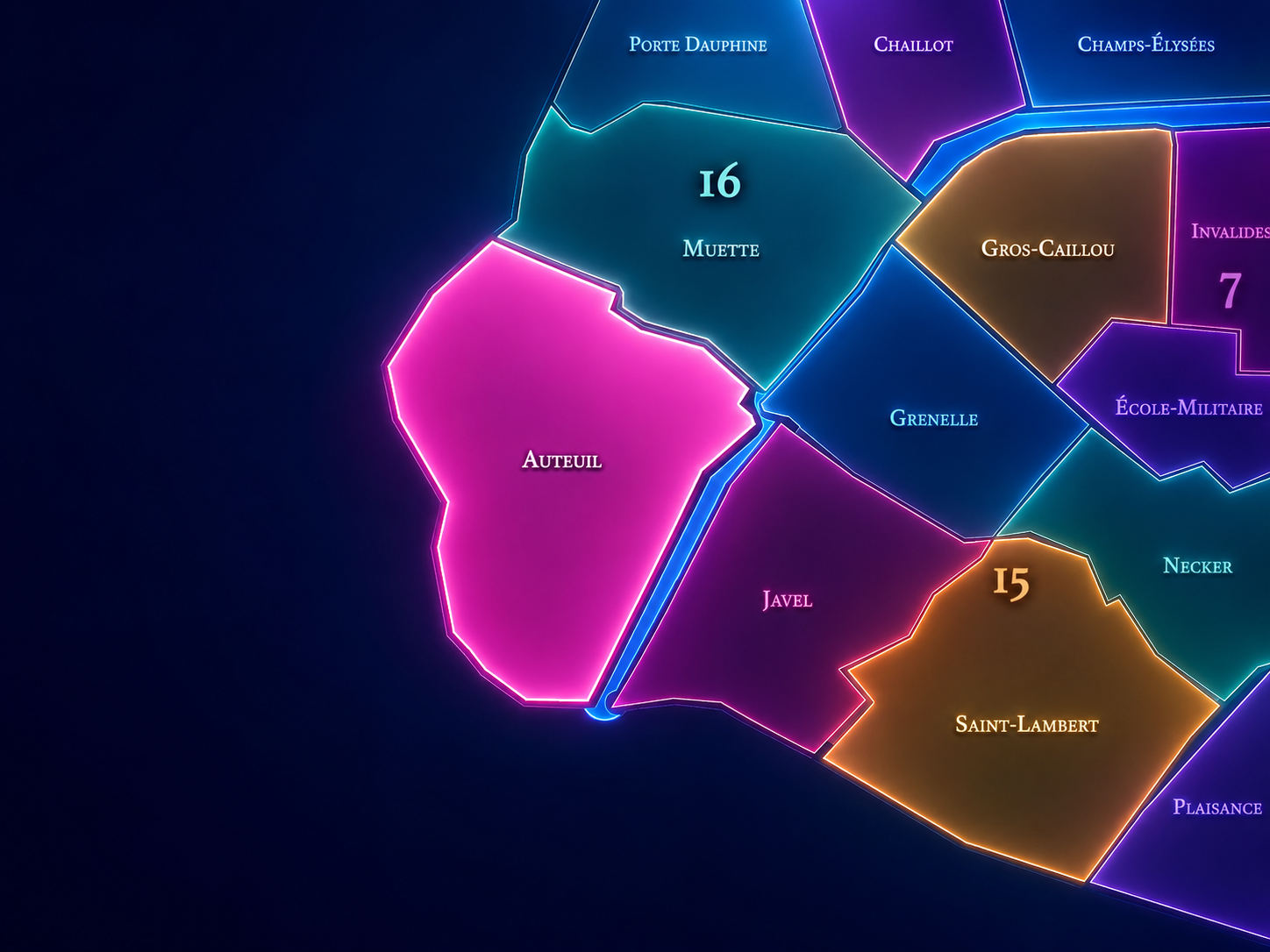
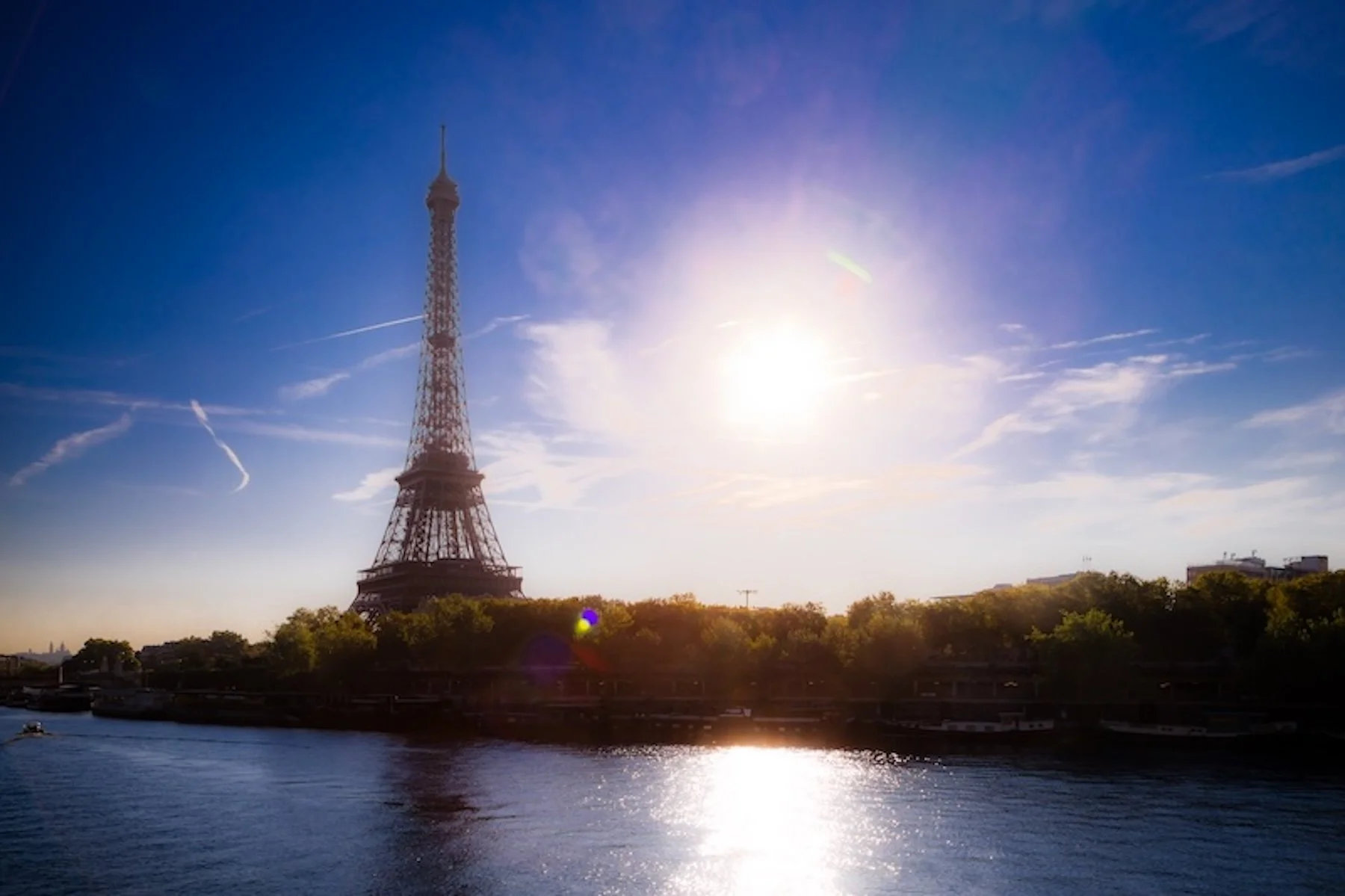
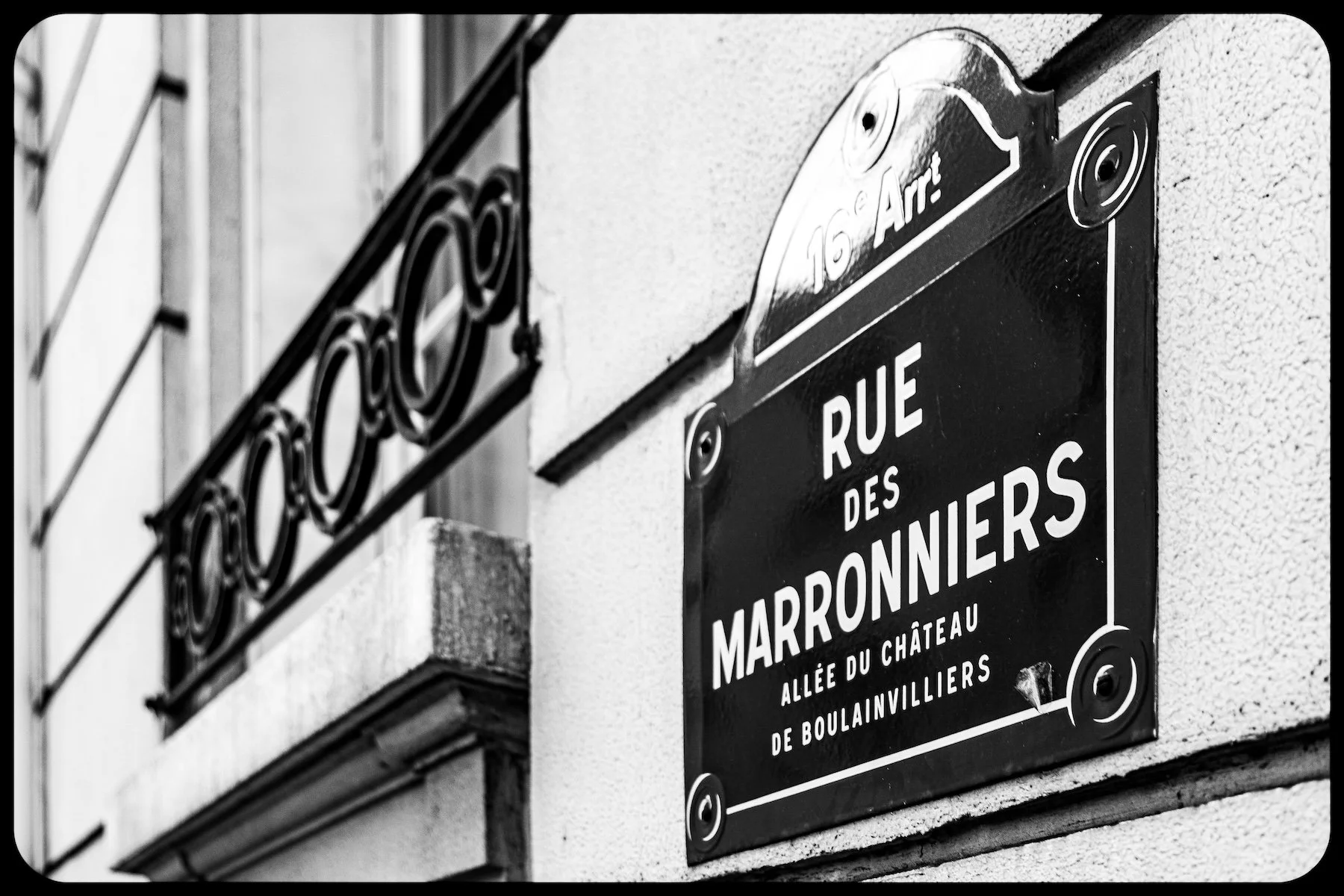
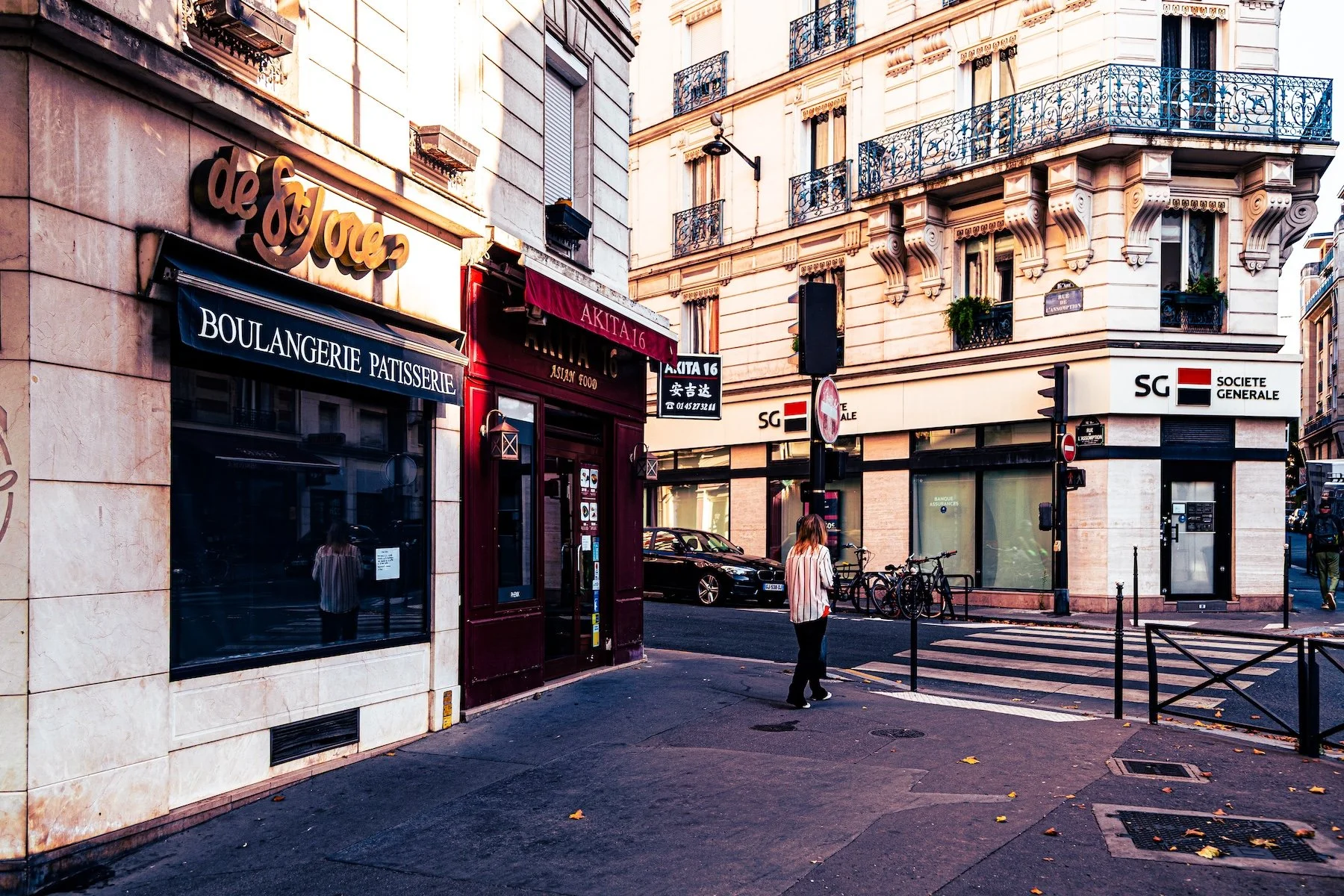
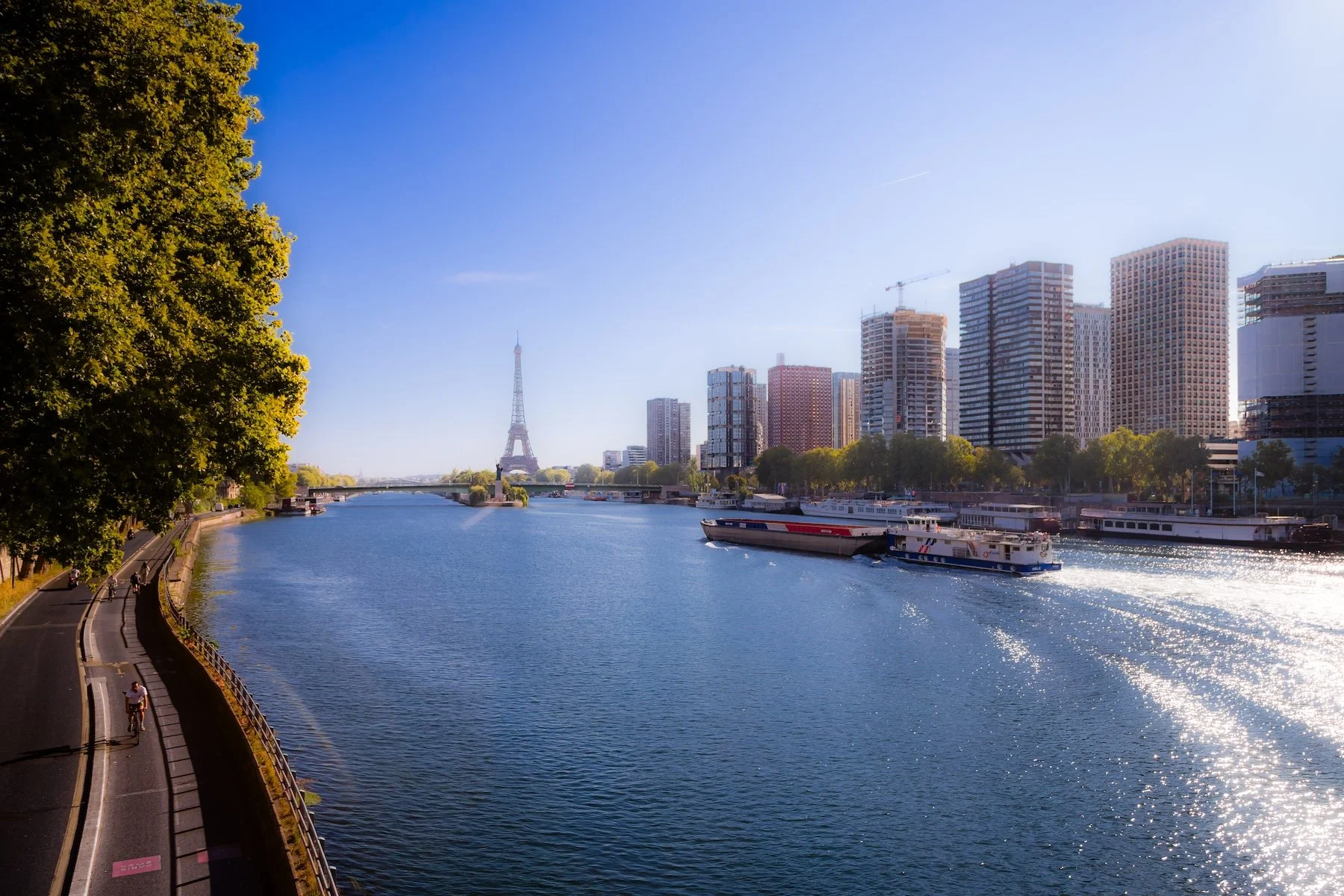
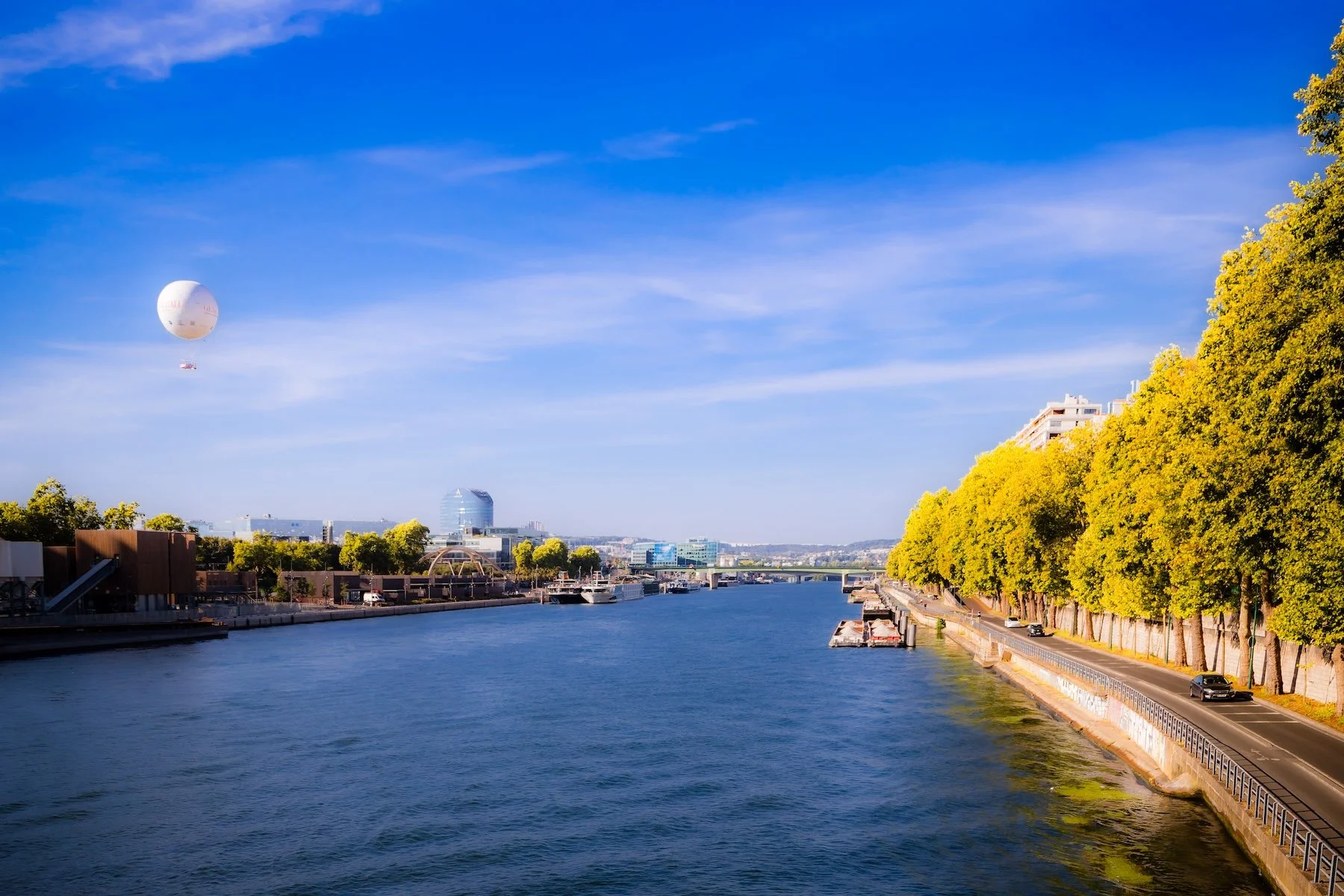
Auteuil occupies the southwestern portion of the 16th arrondissement, where Paris stretches between the Seine, the Bois de Boulogne, the edge of Boulogne-Billancourt, and the quieter residential fabric south of Passy and La Muette. It is one of the most spacious-feeling quarters of western Paris, shaped by garden streets, private villas, stadium landscapes, river curves, old village memory, and the green mass of the Bois de Boulogne. District references identify Auteuil as the 61st administrative quarter of Paris, bounded in part by Avenue de l’Hippodrome, Rue de l’Assomption, Rue de Boulainvilliers, Boulevard Murat, Avenue de la Porte d’Auteuil, and the Seine.
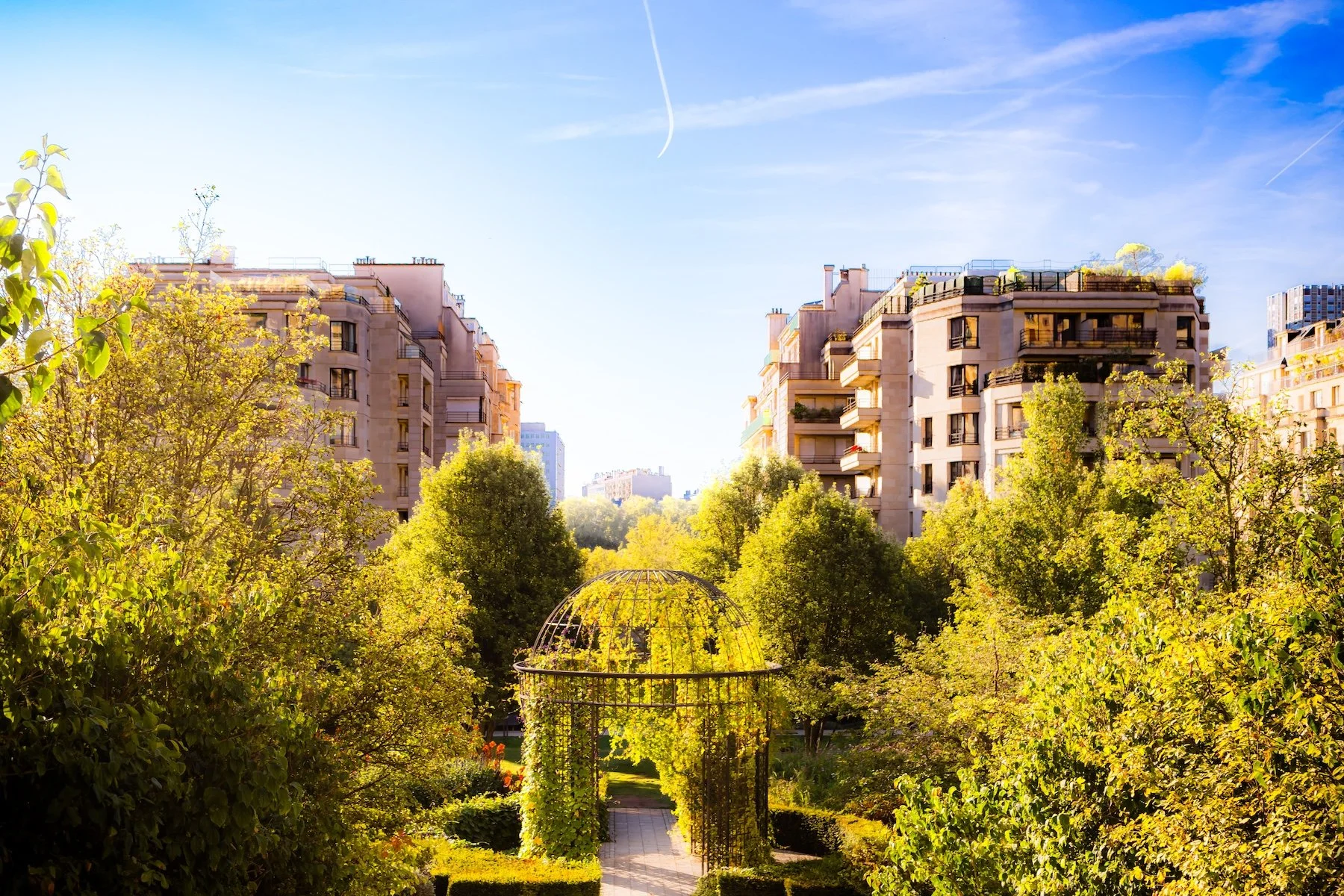
The quarter’s geography is unusually varied. It includes the old village core around Rue d’Auteuil, the villas and gardened residential streets that give the area its quiet bourgeois character, the sports landscapes around Roland-Garros and the Parc des Princes edge, the Jardin des Serres d’Auteuil, the riverfront near Pont Mirabeau and Pont du Garigliano, and the wooded western expanse of the Bois de Boulogne. The Bois itself covers a very large portion of the administrative quarter, giving Auteuil an exceptional relationship to green space within the Paris map.
Administrative Quarter Identity
Etymology and Origins
The name Auteuil is ancient and local, usually connected to older forms of the settlement name that preceded its incorporation into Paris. Unlike quarter names drawn from a church, gate, market, or modern institution, Auteuil preserves the identity of a former village. It is one of the names that reminds us that western Paris was not always continuous urban fabric, but a constellation of villages, estates, roads, gardens, and country retreats gradually absorbed by the expanding capital.
That village origin matters deeply. Auteuil was not merely a development district created by Haussmannian expansion. It had its own local history before becoming part of Paris in 1860, when the former villages and communes of Auteuil, Passy, and Chaillot were incorporated into the new 16th arrondissement. The name Auteuil therefore carries a pre-Parisian identity inside Paris itself.
Over time, Auteuil became associated with quiet prestige, gardens, villas, writers, collectors, sports, and western residential life. Its name now suggests one of the classic components of the expression “Auteuil-Neuilly-Passy,” a shorthand for affluent western Paris and its nearby suburbs. But beneath that social reputation lies an older place-name: a village by the Seine, drawn into the city while retaining a strong sense of local separateness.
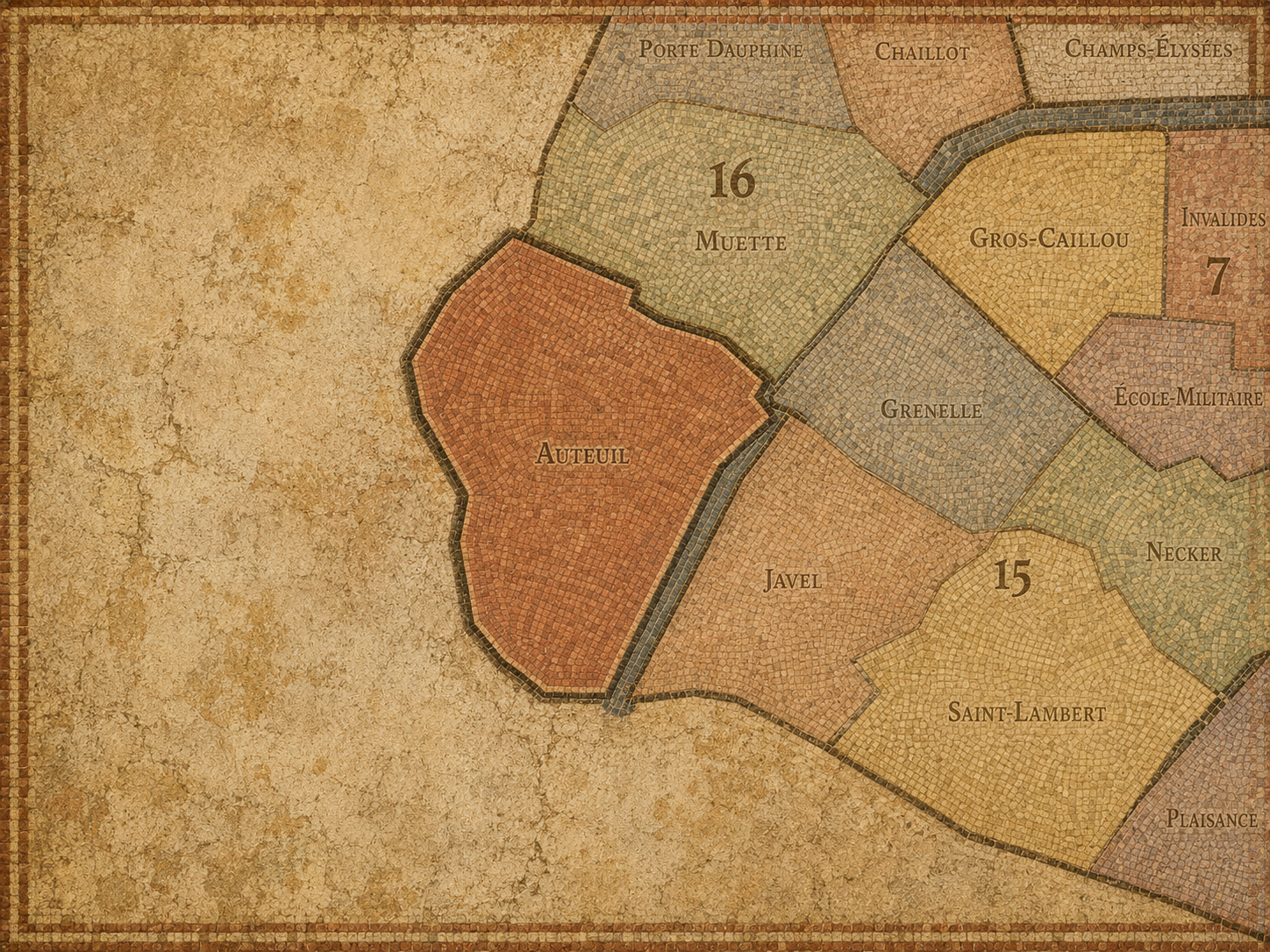
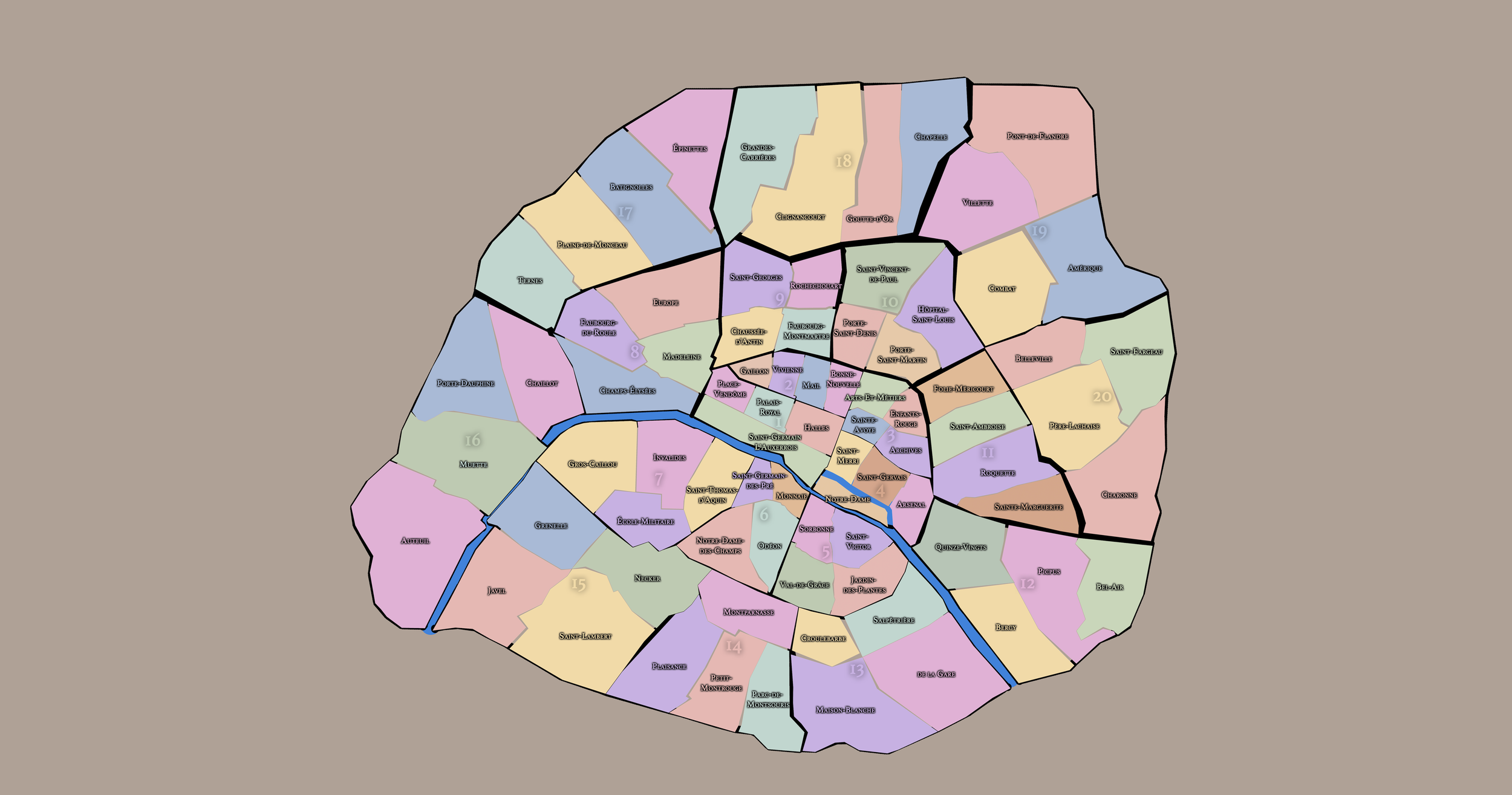
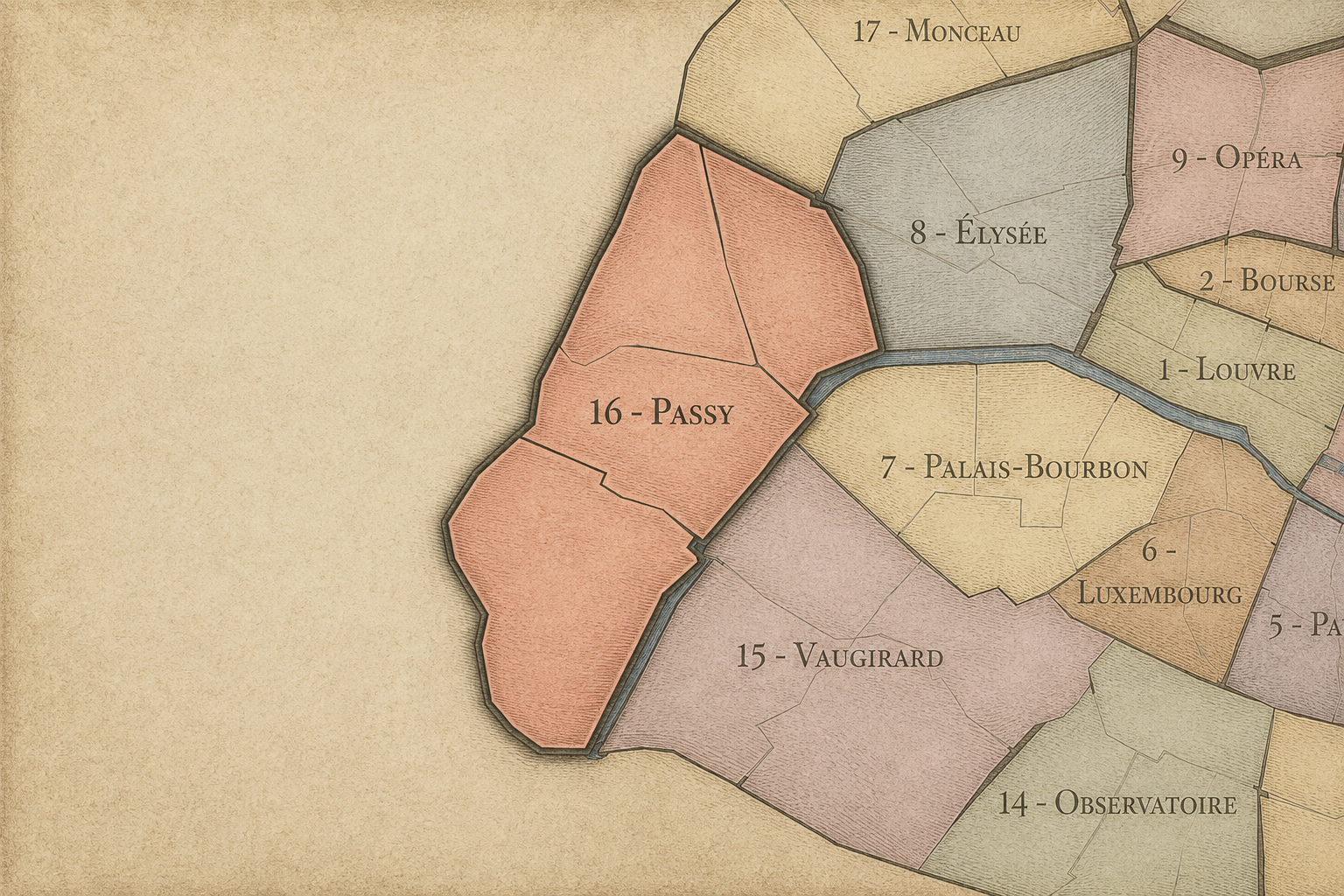
Within the official geography of Paris, Auteuil is one of the four administrative quarters of the 16th arrondissement, alongside La Muette, Porte-Dauphine, and Chaillot. It occupies the arrondissement’s southwestern sector and gives civic shape to a broad landscape that includes the old Auteuil village, the Porte d’Auteuil edge, parts of the Seine riverfront, and the great green mass of the Bois de Boulogne.
As an administrative quarter, Auteuil helps clarify a landscape often described through more specific or overlapping names: Village d’Auteuil, Porte d’Auteuil, Michel-Ange, Exelmans, Jasmin, Roland-Garros, Molitor, Parc des Princes, or the southern 16th. Those names remain useful, but Auteuil is the official frame that holds them together. It gathers village memory, residential prestige, sports infrastructure, river edge, and parkland into one mapped civic unit.
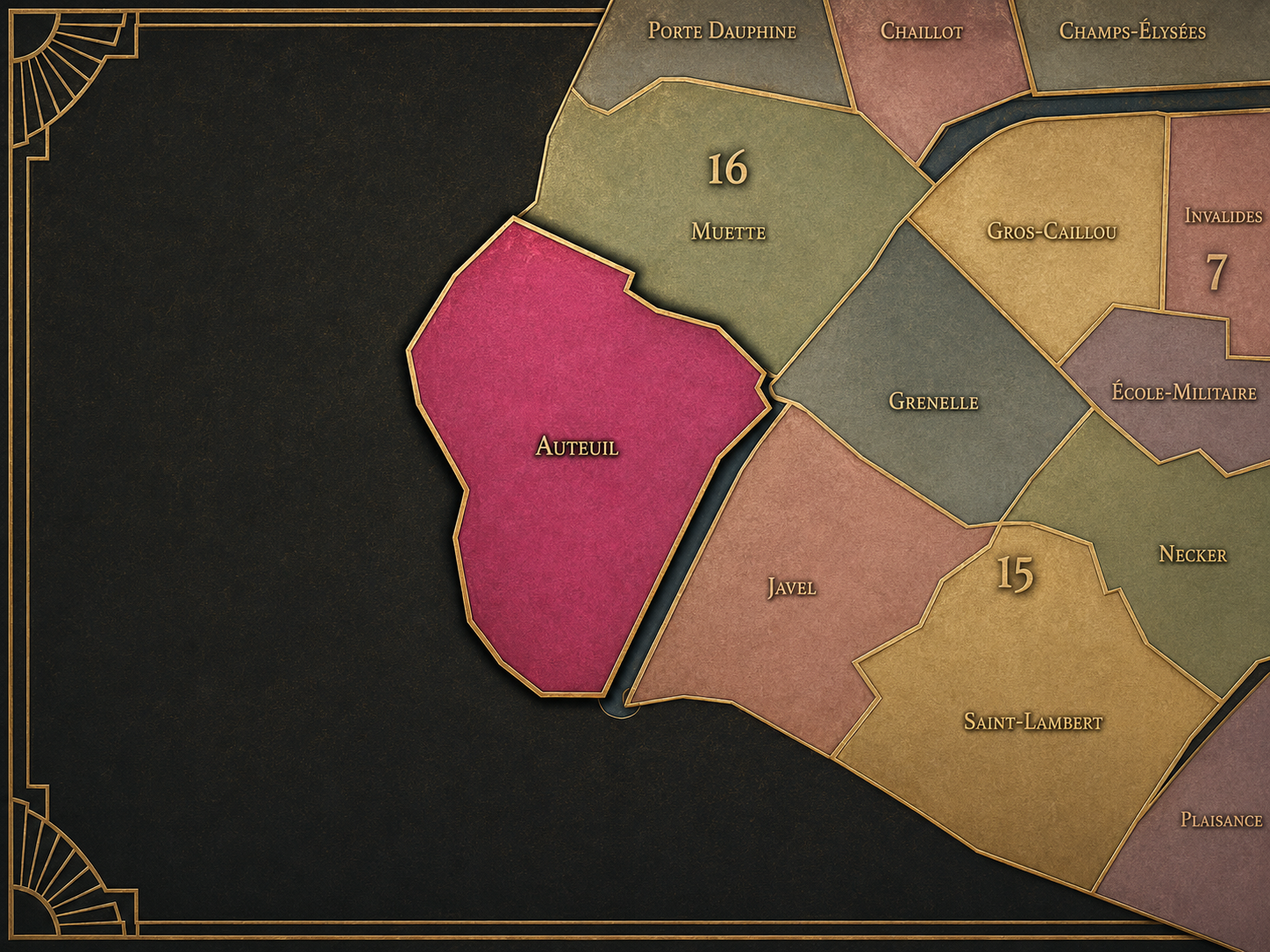
This frame is especially useful because the 16th arrondissement is large and internally varied. Chaillot belongs to monumental Paris; La Muette to Passy, Trocadéro-adjacent residence, and the eastern edge of the Bois; Porte-Dauphine to the northern western threshold; Auteuil to the village-gardened south. The administrative quarter allows Auteuil’s quieter identity to remain legible within an arrondissement often generalized as simply wealthy western Paris.
Civic Framework
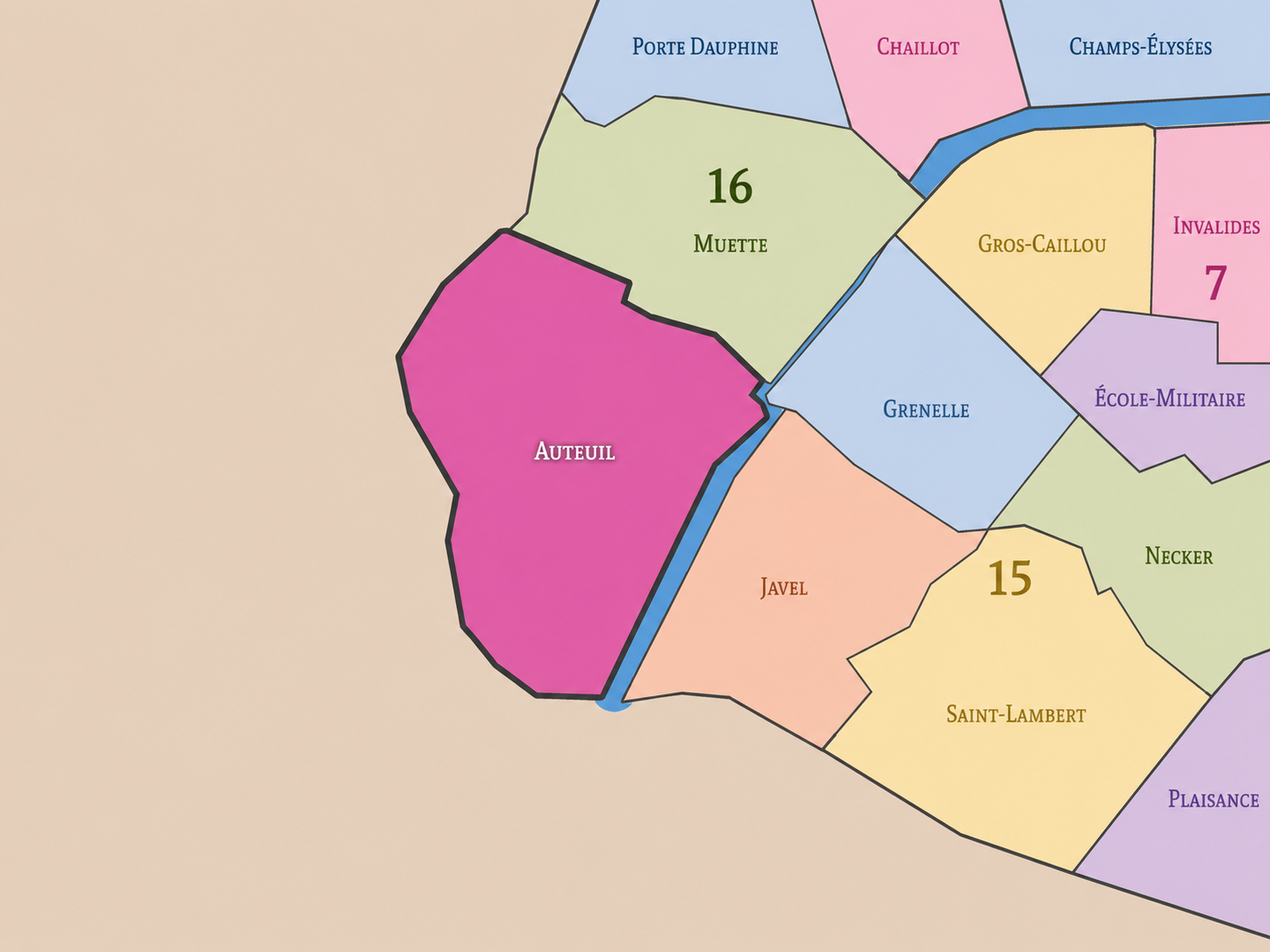
Auteuil differs from the other quarters of the 16th arrondissement through its former village identity, its unusually strong relationship to gardens and private residential enclaves, and its association with sports and the southern Bois de Boulogne. Chaillot is the most monumental and internationally visible quarter, shaped by Trocadéro, Palais de Chaillot, Avenue Kléber, and the ceremonial view toward the Eiffel Tower. La Muette is more closely tied to Passy, Ranelagh, residential refinement, and the eastern approaches to the Bois. Porte-Dauphine is more northern and edge-oriented, with the Bois, university, ring-road, and Neuilly relationships.
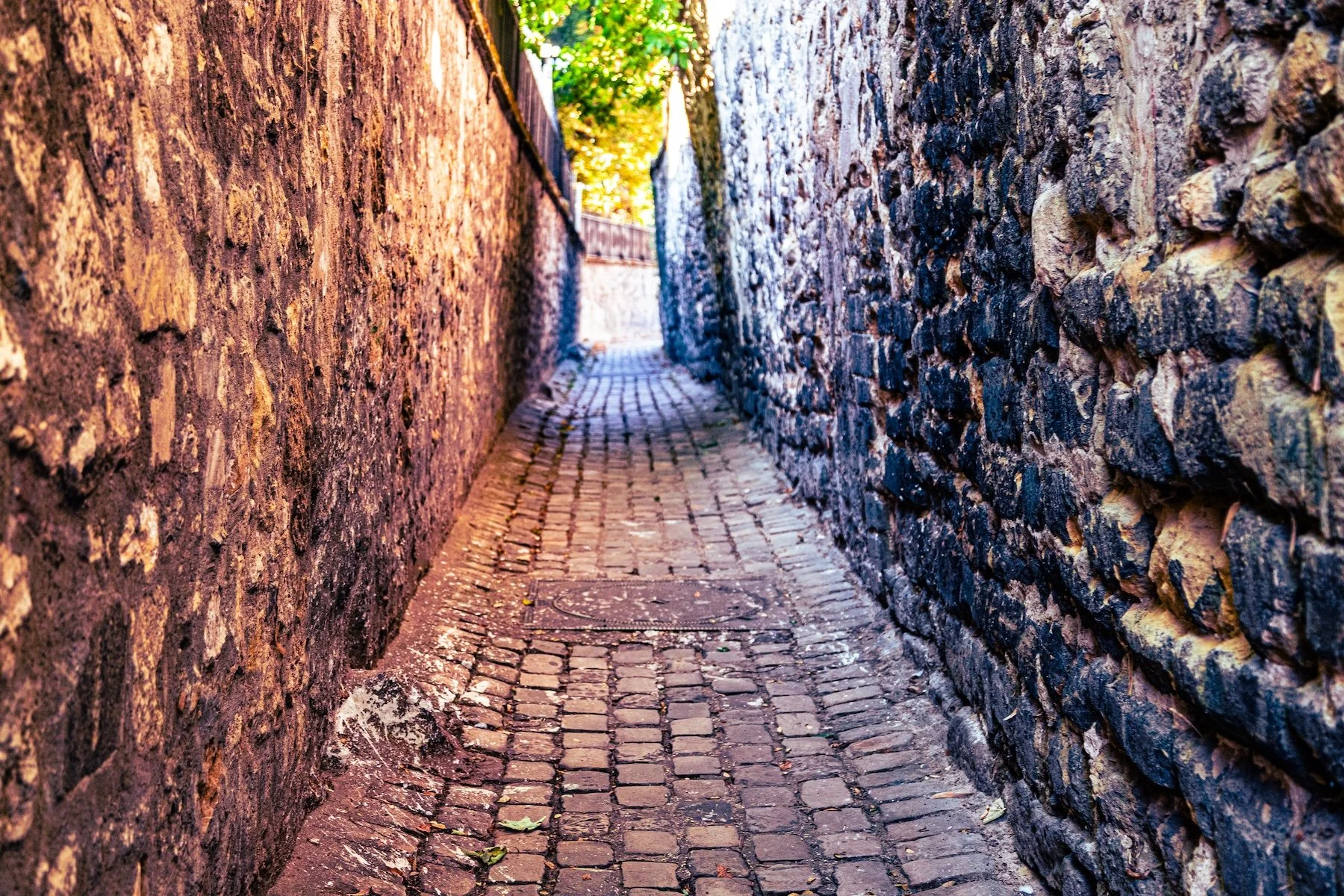
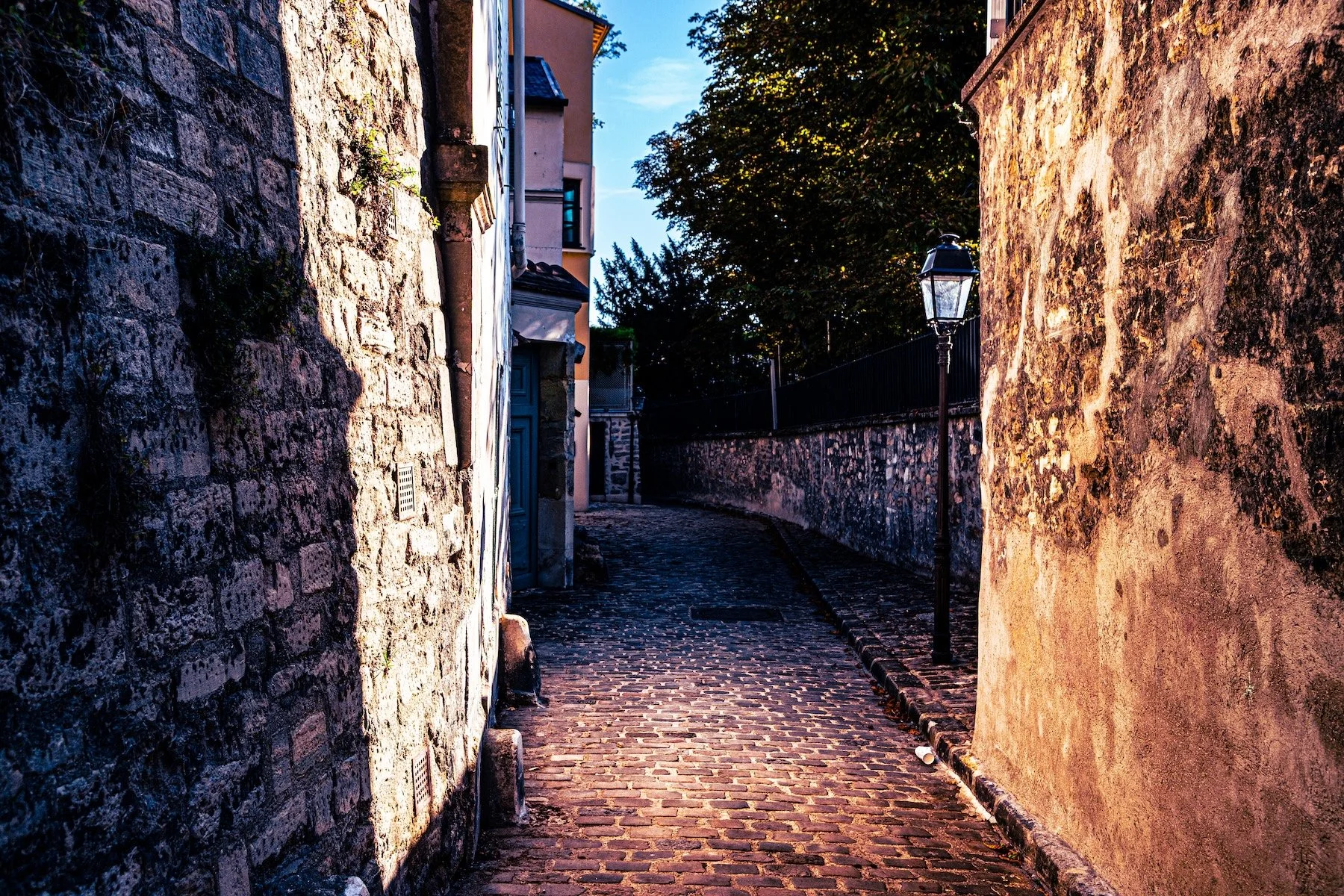
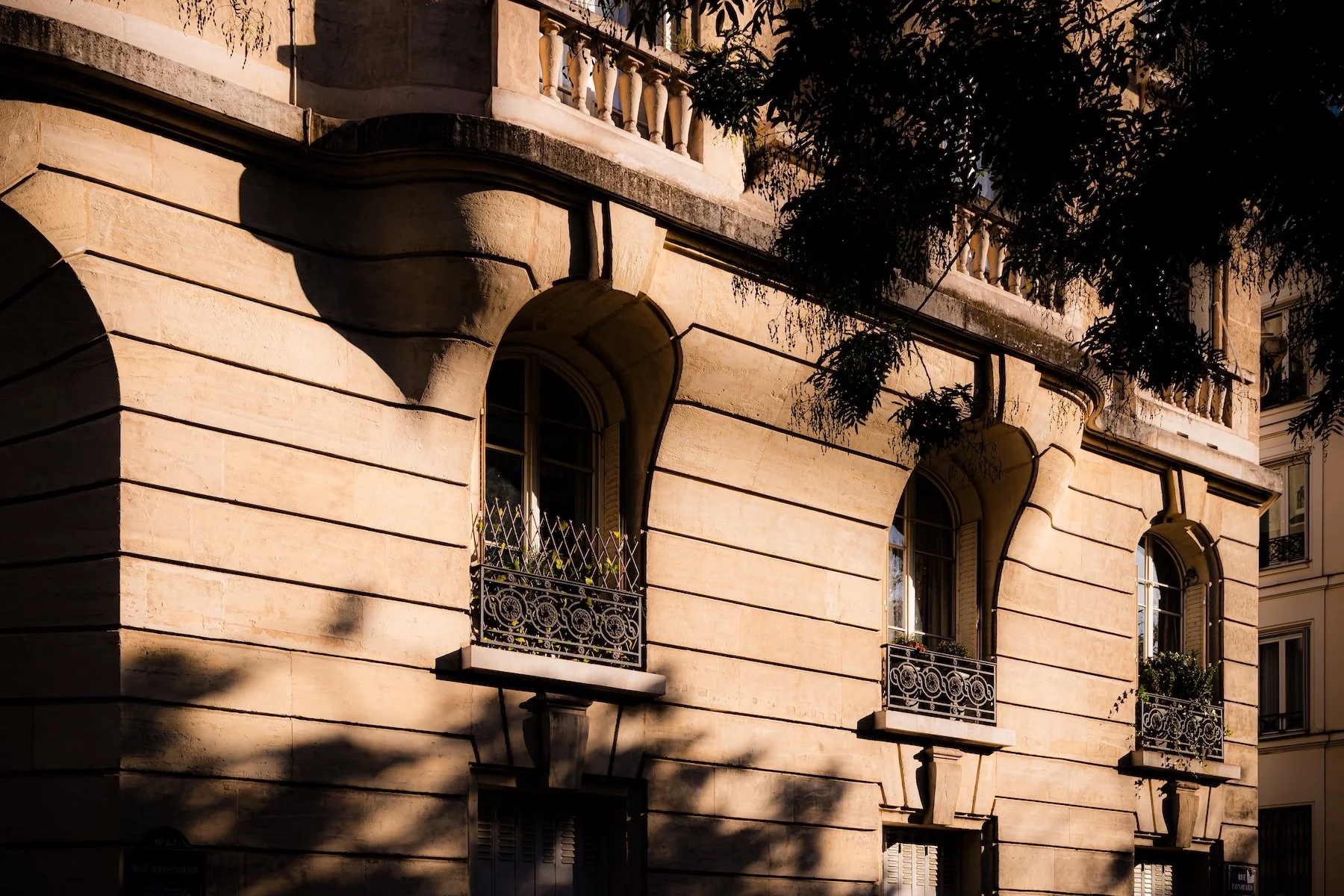
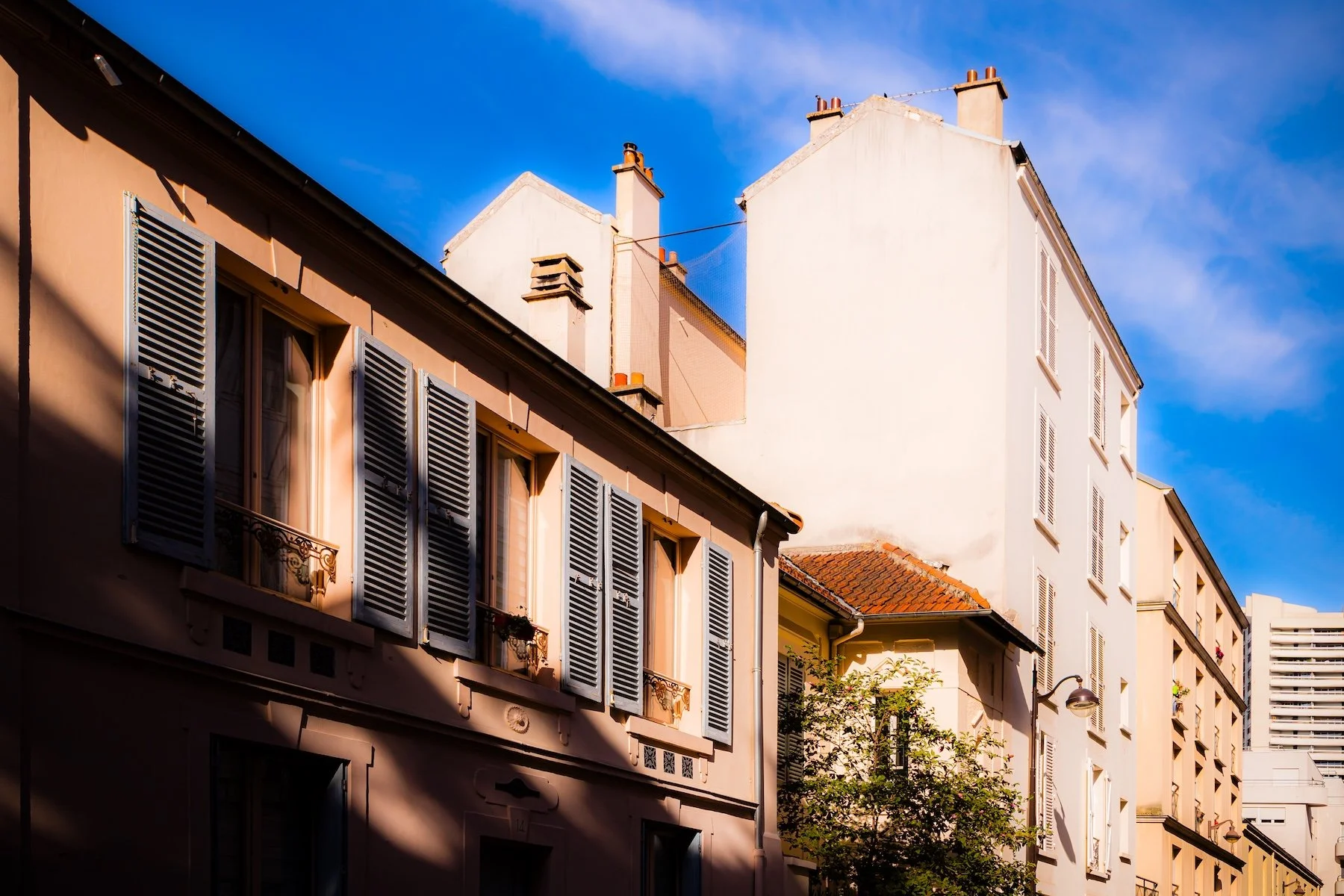
Auteuil is more intimate, greener, and more self-contained. It is not the 16th as public spectacle, but the 16th as village retreat. The old Rue d’Auteuil area, the Jardin des Serres d’Auteuil, the quiet villas, and the pockets of architecturally distinctive houses give the quarter a calmer and more enclosed atmosphere than the grander axes farther east. Its identity is often hidden behind walls, gates, tree cover, and residential discretion.
It should also be distinguished from Boulogne-Billancourt, which borders it to the southwest and shares some of the broader western Paris atmosphere. Auteuil is inside Paris, with all the symbolic and administrative weight that implies, but it often feels closer in mood to a gardened western suburb than to the dense inner city. That tension — Parisian but almost suburban in breath — is central to its character.
Neighborhood Distinction
Parisian Identity
Auteuil expresses Paris as a city of retreat within the city. It belongs to the Parisian tradition of places that offered distance without departure: villages, country houses, gardens, villas, and leafy residential streets where the pressures of the capital could be softened without fully leaving its orbit. Auteuil’s identity is not anti-urban, but it is urban in a quieter key.
This makes the quarter especially important within the 16th arrondissement. Western Paris is often described through wealth, but Auteuil’s identity is more specific than affluence. It is about seclusion, continuity, and the preservation of village atmosphere inside a capital city. Its streets do not perform grandeur in the same way as the Champs-Élysées or Trocadéro. They withhold. They turn inward toward courtyards, gardens, schools, villas, and residential memory.
Auteuil is also one of the places where Paris’s relationship to leisure becomes visible. The Bois de Boulogne, the Serres d’Auteuil, Roland-Garros, and nearby stadium landscapes turn the quarter into a western field of sport, garden, and open air. The district’s Parisian identity therefore combines residence with recreation, privilege with greenery, and old village quiet with globally watched events.
Neighborhood Connections
Every administrative quarter belongs to a wider Parisian fabric. These connections place Auteuil within the city’s civic, participatory, and cultural geography:
-
16e - Passy
-
Auteuil - Nord • Auteuil - Sud
The History
The origins of Auteuil lie in a village outside Paris, set near the Seine and the western woods long before the area became part of the capital. Its position placed it within the outer landscapes that surrounded old Paris: roads, riverbanks, vineyards, gardens, estates, religious lands, and country retreats. It was close enough to Paris to be connected to its social and economic life, but distant enough to preserve a separate local identity.
The wider historical geography of Auteuil is tied to the old forest and village landscapes west of Paris. The Historical Society of Auteuil and Passy notes that in 1343 the hamlet of Menuls, located in the Forest of Rouvray, separated from Auteuil and became the village of Boulogne, showing how deeply Auteuil belongs to the pre-modern village geography of western Paris.
Its origin story is therefore one of proximity and distinction. Auteuil was never far from Paris, but it was not originally Paris in the administrative sense. It was one of the places where the city’s elites, religious institutions, and residents could imagine a different rhythm: greener, quieter, more open, and more removed from the crowded center.
Origins
16th–17th Century
In the 16th and 17th centuries, Auteuil remained a village outside the dense urban fabric of Paris. Its landscape was shaped by rural settlement, roads, gardens, religious properties, and country houses associated with the western outskirts. The Seine and the woods helped define the area’s geography, giving it a sense of distance and access at once.
This period strengthened Auteuil’s role as a place of retreat. As Paris grew more crowded, outer villages like Auteuil offered space, air, and relative calm. They were not isolated countryside; they were connected to the capital and increasingly shaped by it. But they retained a slower and more spacious pattern of life than the central city.
By the end of the 17th century, western Paris was becoming increasingly important through royal, aristocratic, and residential expansion. Auteuil remained distinct from the formal grandeur of central and western monuments, but its desirability as a residential and retreat landscape was becoming part of its identity.
In the 18th century, Auteuil became more closely associated with country houses, intellectual life, literary sociability, and the refined retreat culture of western Paris. The village attracted residents and visitors who sought proximity to the capital without the density of the inner city. It offered gardens, views, quiet streets, and a setting where domestic and social life could unfold at a gentler pace.
The quarter’s later reputation for cultivated privacy has roots in this period. Auteuil was not a working faubourg in the eastern sense, nor a monumental royal axis, nor a dense commercial district. It belonged to the geography of villas, estates, and village life near Paris — a place for retreat, conversation, and residence.
The French Revolution altered the political and property structures around Paris, but Auteuil’s basic character as a western residential village persisted. It entered the modern age with a strong local identity, shaped by its relationship to the city but not yet absorbed into it.
18th Century
19th Century
The 19th century transformed Auteuil from village into Parisian quarter. The area was incorporated into Paris in 1860 as part of the creation of the modern 16th arrondissement, along with Passy and Chaillot. This annexation changed Auteuil’s administrative status, but it did not erase the village identity that continued to distinguish the area from more densely urban parts of the capital.
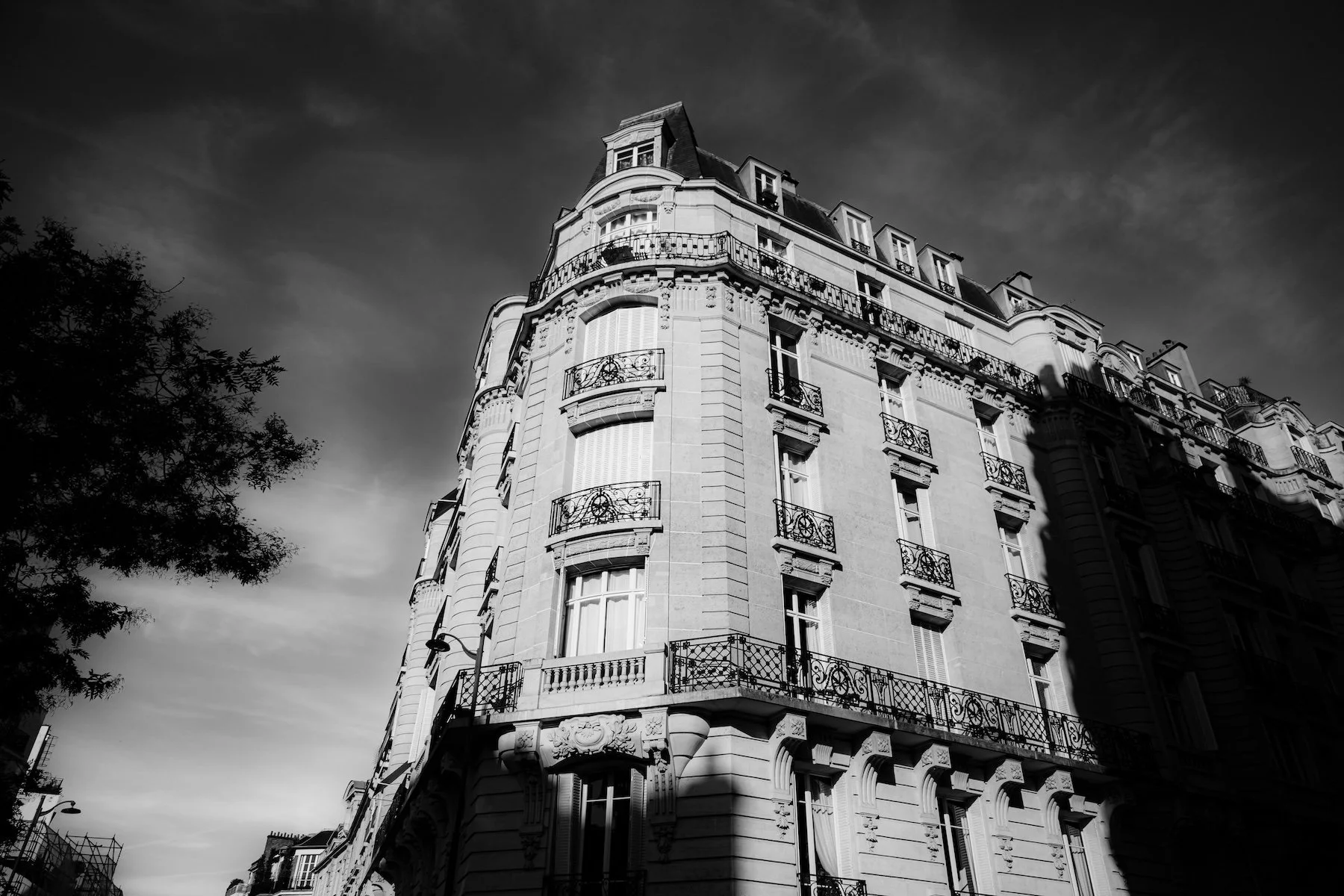
The 19th century also gave Auteuil much of its bourgeois residential character. Villas, private houses, gardened streets, and refined apartment buildings made the quarter attractive to wealthy residents seeking a quieter Parisian address. Bonjour Paris notes that after incorporation in 1860, Auteuil gained and retained a reputation as an area favored by the nouveau riche bourgeoisie.
The Bois de Boulogne and the western leisure landscapes also became increasingly important. As Paris modernized, Auteuil’s proximity to gardens, woods, and later sporting grounds gave it a distinctive place in the city: residential, green, and socially elevated, but still attached to a former village core.
In the early and mid 20th century, Auteuil became one of the defining landscapes of affluent western Paris. Its villas, residential streets, private gardens, schools, and proximity to the Bois gave it a strong atmosphere of quiet privilege. At the same time, the quarter developed important connections to sport, architecture, and modern leisure.
The Jardin des Serres d’Auteuil and the nearby Bois reinforced the quarter’s garden identity, while Roland-Garros and the broader sports landscape around Porte d’Auteuil gave it international visibility. The Auteuil Hippodrome and nearby parklands also tied the area to the recreational life of western Paris; equestrian events for the 1924 Summer Olympics took place at the Auteuil Hippodrome.
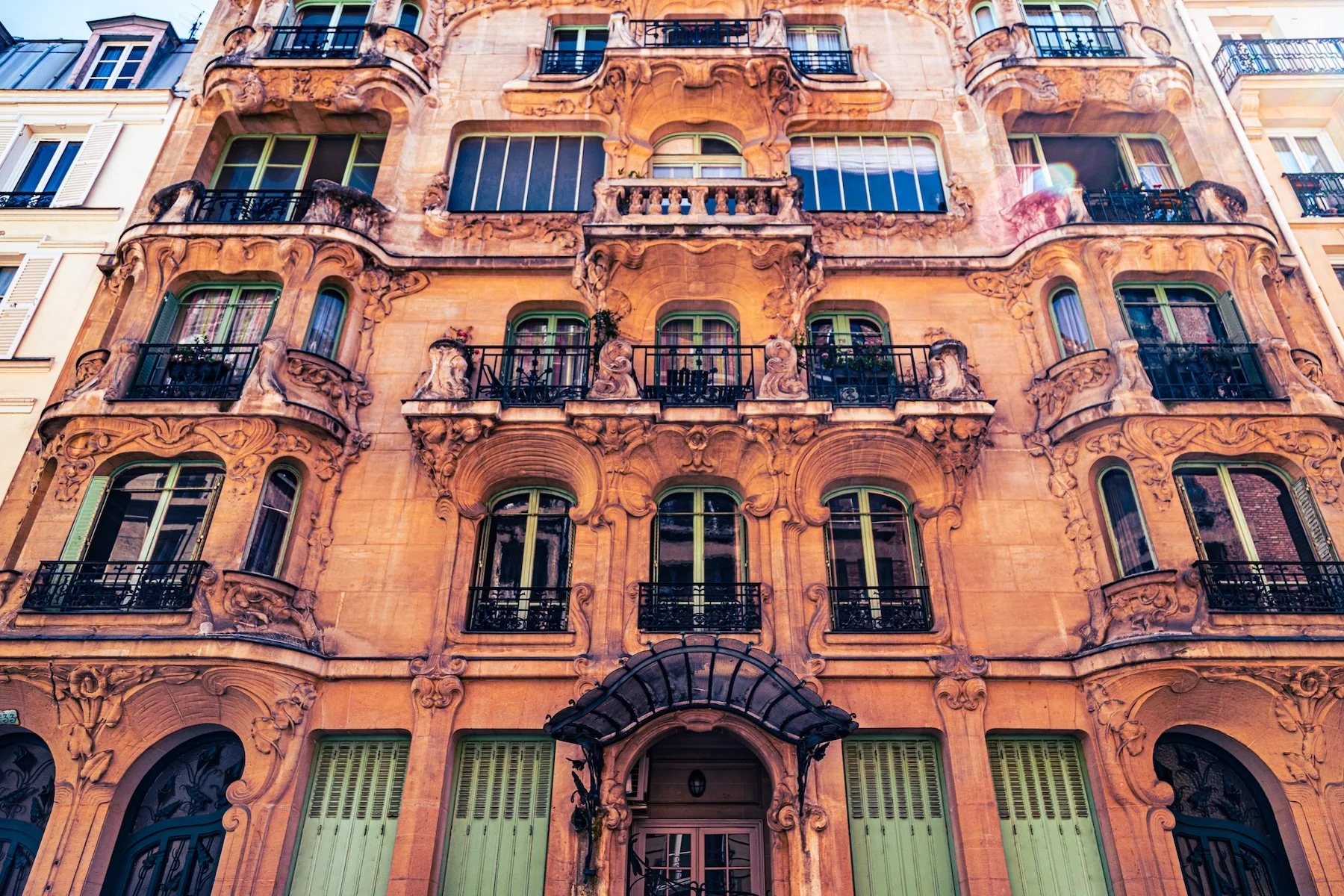
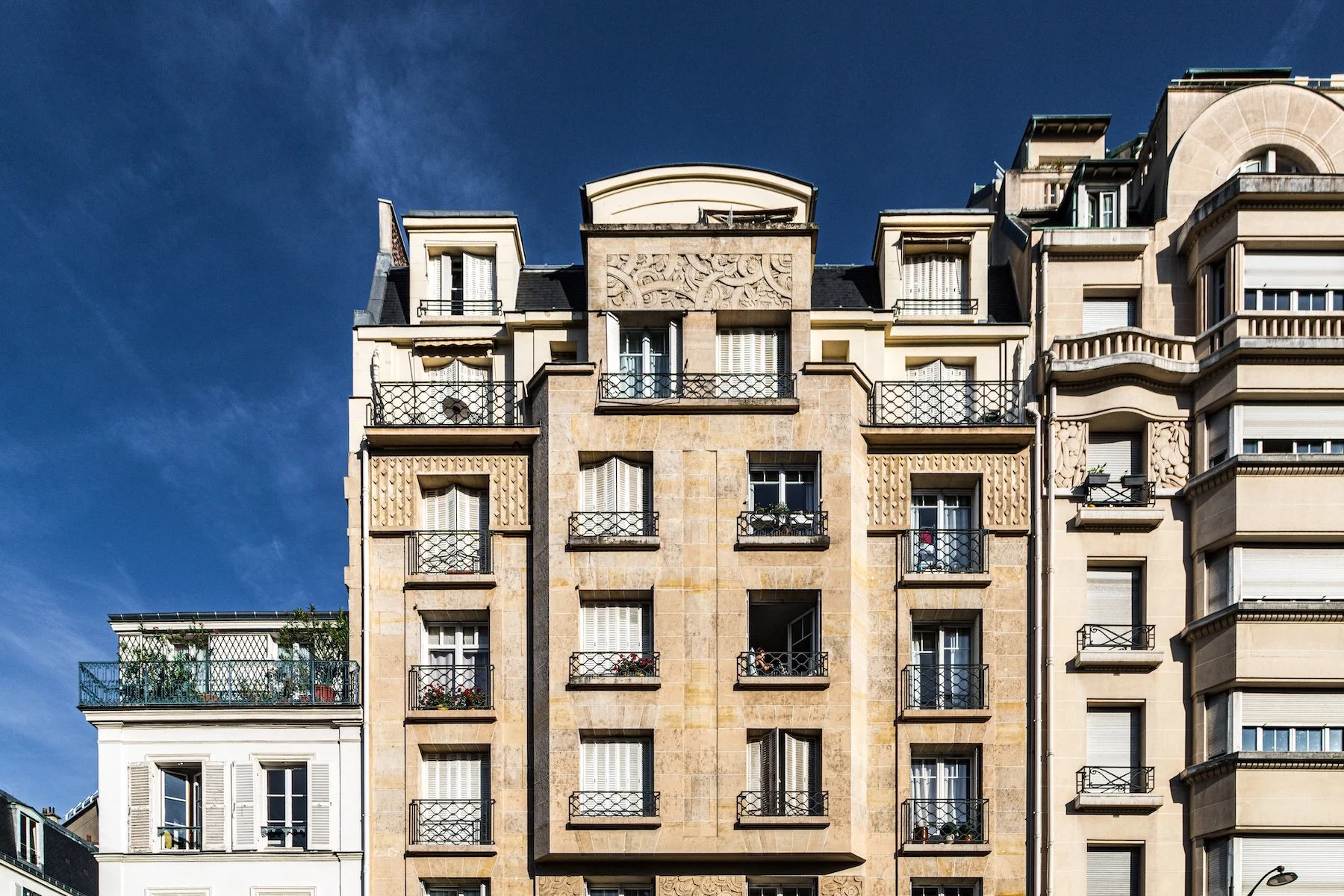
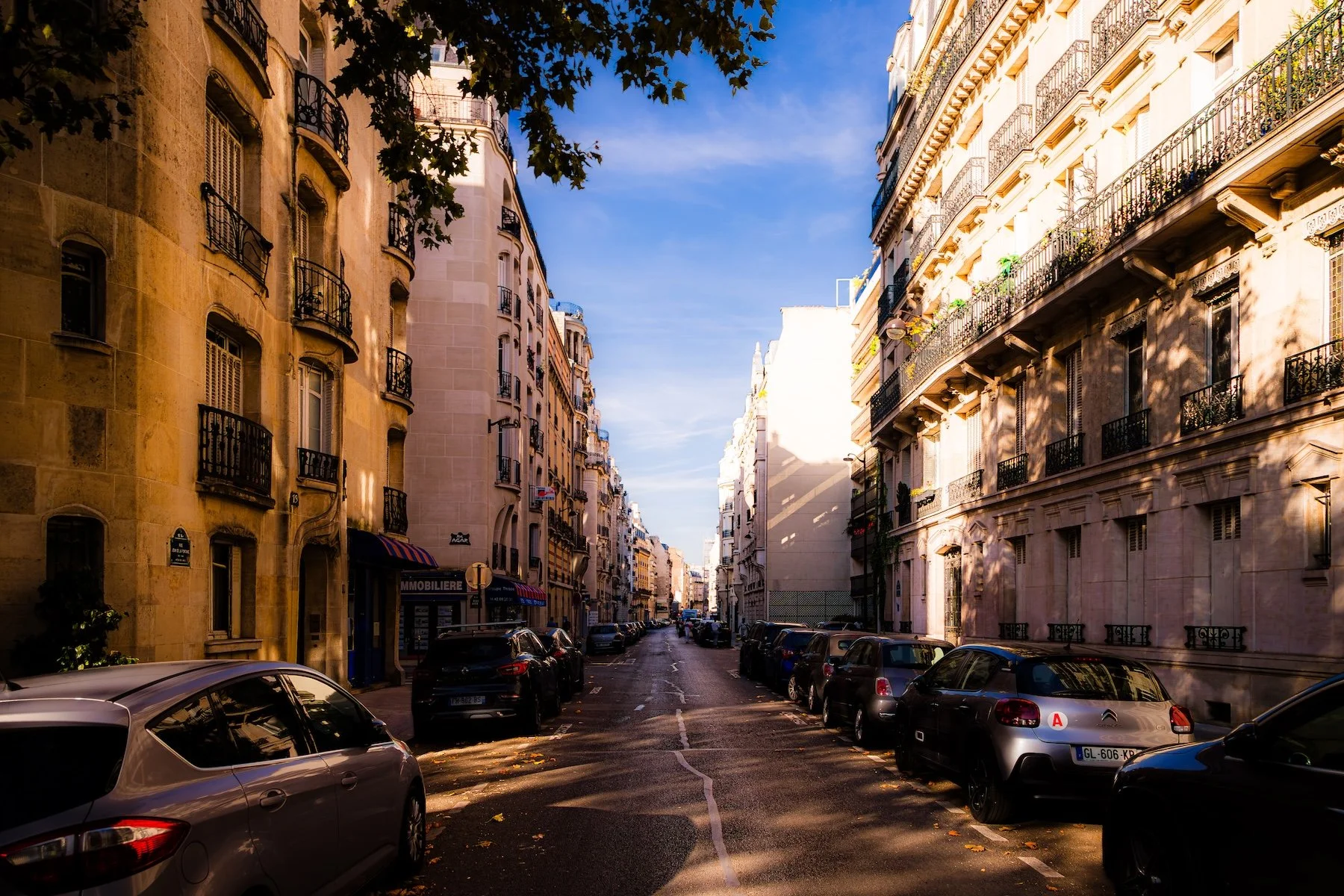
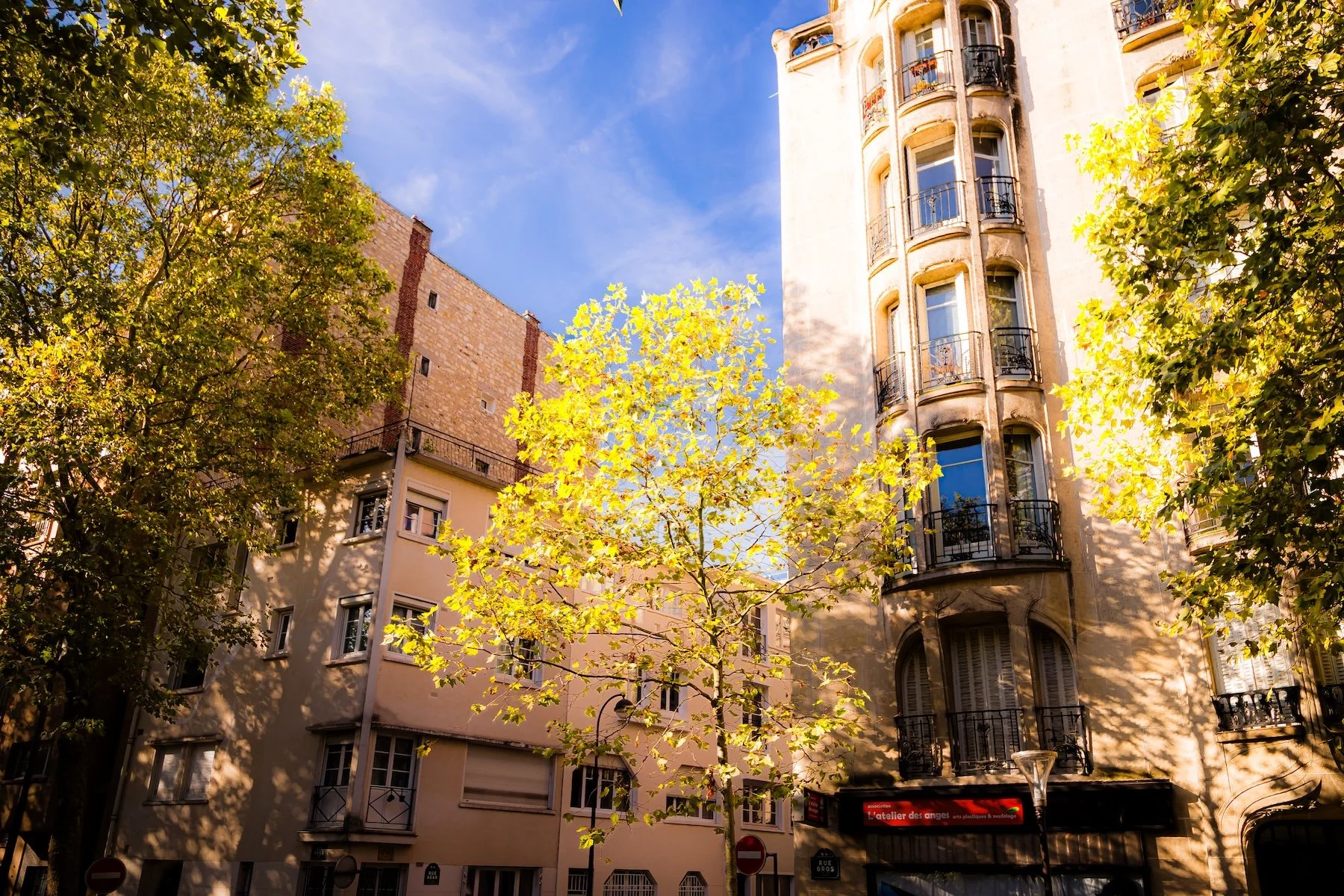
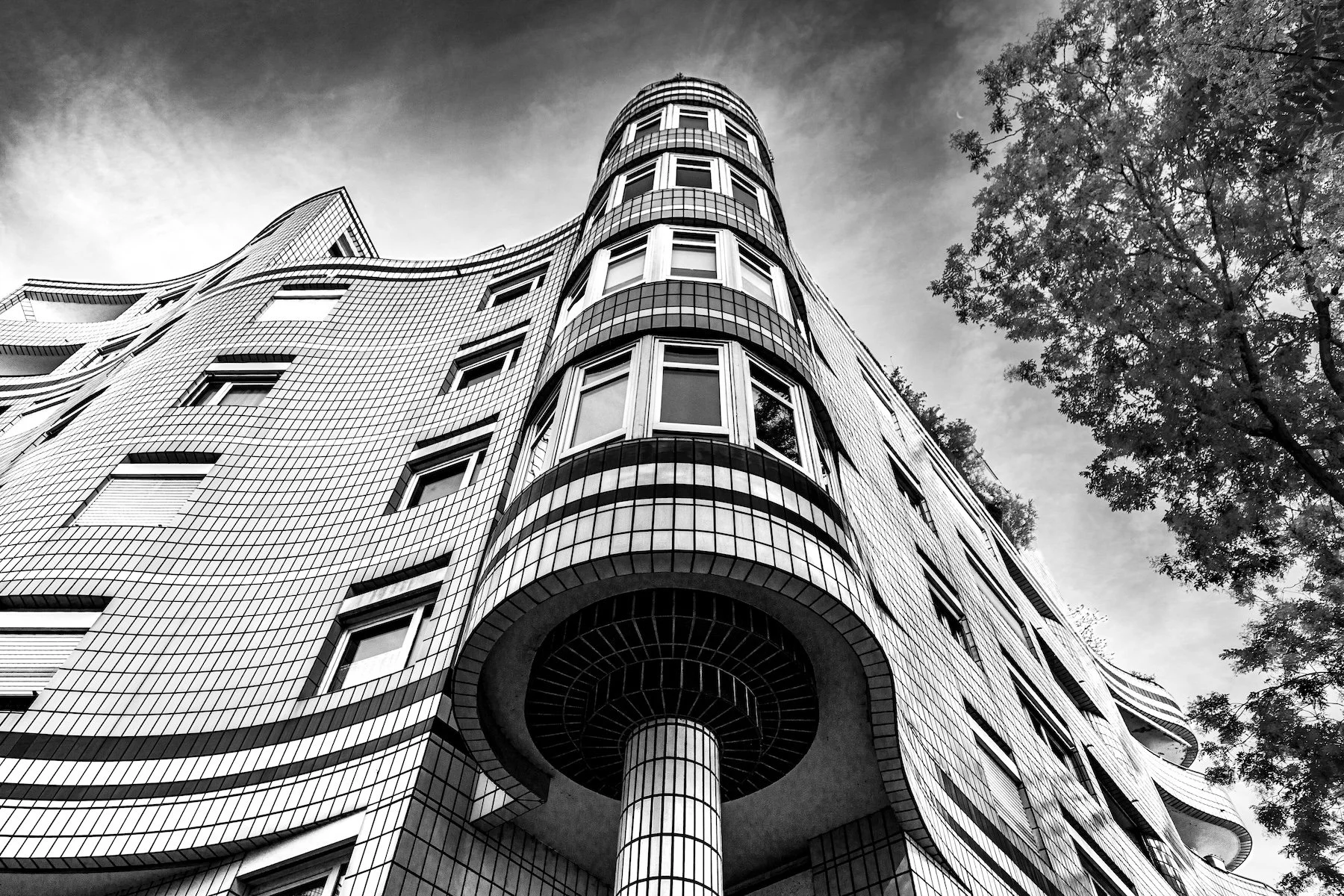
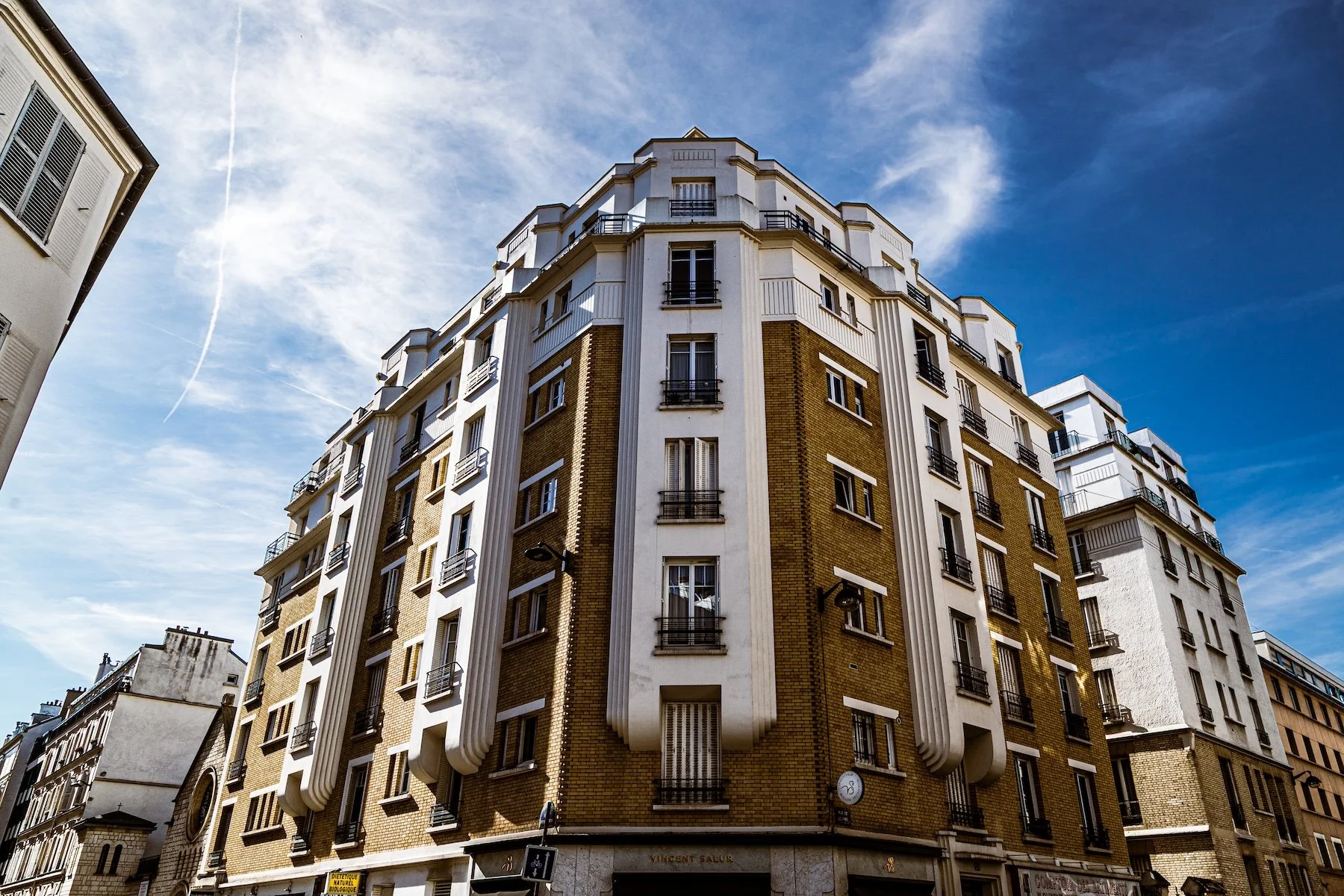
Architecturally, Auteuil and the surrounding 16th became important for Art Nouveau, Art Deco, and modern residential design. The quarter’s quiet streets allowed experimental houses and apartment buildings to exist within a generally conservative residential setting. That contrast — formal social restraint with architectural moments of surprise — remains one of the pleasures of walking Auteuil.
Early–Mid 20th Century
Late 20th Century
In the late 20th century, Auteuil retained its reputation as one of Paris’s most discreet and affluent residential quarters while adapting to the changing city around it. The broader phrase “Auteuil-Neuilly-Passy” became a cultural shorthand for bourgeois western Paris, sometimes used admiringly, sometimes satirically, and sometimes critically. That reputation attached Auteuil to a social image larger than the quarter itself.
The quarter’s built environment continued to emphasize privacy and residential stability. Its villas, gated streets, schools, gardens, and quiet apartment blocks distinguished it from more commercial or touristic parts of the city. While other districts underwent deindustrialization, nightlife reinvention, or large-scale redevelopment, Auteuil’s change was more subtle: property values, institutional modernization, traffic pressures, and the preservation of a cultivated residential atmosphere.
The late 20th century also brought greater attention to heritage, particularly the architectural and garden landscapes of the 16th. Auteuil’s old village fabric, distinctive houses, and green spaces became increasingly valued as part of Paris’s quieter patrimony — not the monumental heritage of the center, but the residential and landscape heritage of the western edge.
In the 21st century, Auteuil remains one of the most distinctive quarters of western Paris. It is affluent, green, residential, and relatively calm, yet it also contains major public and international-facing landscapes: Roland-Garros, the Serres d’Auteuil, the Bois de Boulogne, stadium edges, river crossings, and routes toward Boulogne-Billancourt. Its identity is therefore both enclosed and visible: private in daily life, but public in moments of sport, garden visitation, and park use.
Today, Auteuil’s value lies partly in its continuity. It has remained one of the places where the old village layer of Paris can still be sensed inside the modern city. Streets around the former village core retain a different rhythm from the grand avenues and monumental quarters of central Paris. The neighborhood’s quiet should not be mistaken for emptiness; it is a cultivated form of urban restraint.
For CityNeighborhoods: Paris, Auteuil is essential because it shows how administrative quarters can preserve former village identity within a wealthy modern district. It is not simply “the rich 16th.” It is a layered geography of village, river, woods, villas, gardens, sport, architecture, and annexation. Its identity is subtle but strong: Paris that has chosen to remain partly apart from itself.
21st Century
Spirit and Legacy
Auteuil is the quarter where western Paris keeps the memory of village retreat. Its spirit is green, discreet, residential, and inwardly composed. It belongs to garden walls and quiet villas, old village streets and wooded edges, tennis courts and greenhouses, river bends and private gates, the cultivated calm of a district that rarely needs to announce its status.
Its legacy is the transformation of a village into a Parisian enclave without the complete loss of village atmosphere. Auteuil was outside Paris, then absorbed by Paris, then reshaped into one of the capital’s most refined residential quarters. Yet the older sense of separateness endured. That persistence is the heart of the neighborhood.
To walk Auteuil is to encounter Paris in retreat. The quarter does not offer the open spectacle of Chaillot or the dense commercial life of central arrondissements. It offers a quieter lesson: that Paris is also made of withheld spaces, green thresholds, old village names, and residential worlds that preserve distance inside the city. In Auteuil, neighborhood identity becomes discretion — a Paris of gardens, memory, and measured calm.
The Photography
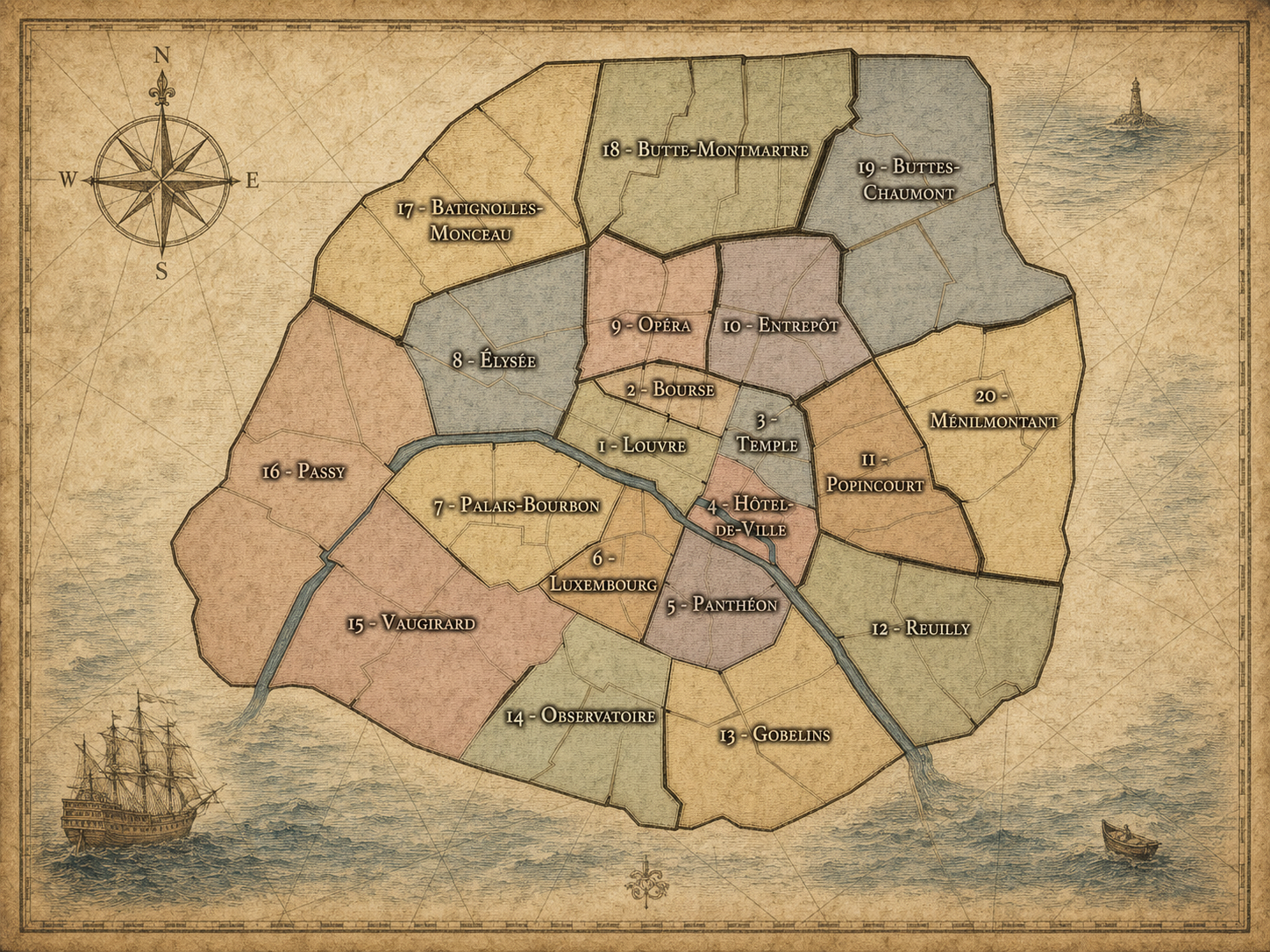
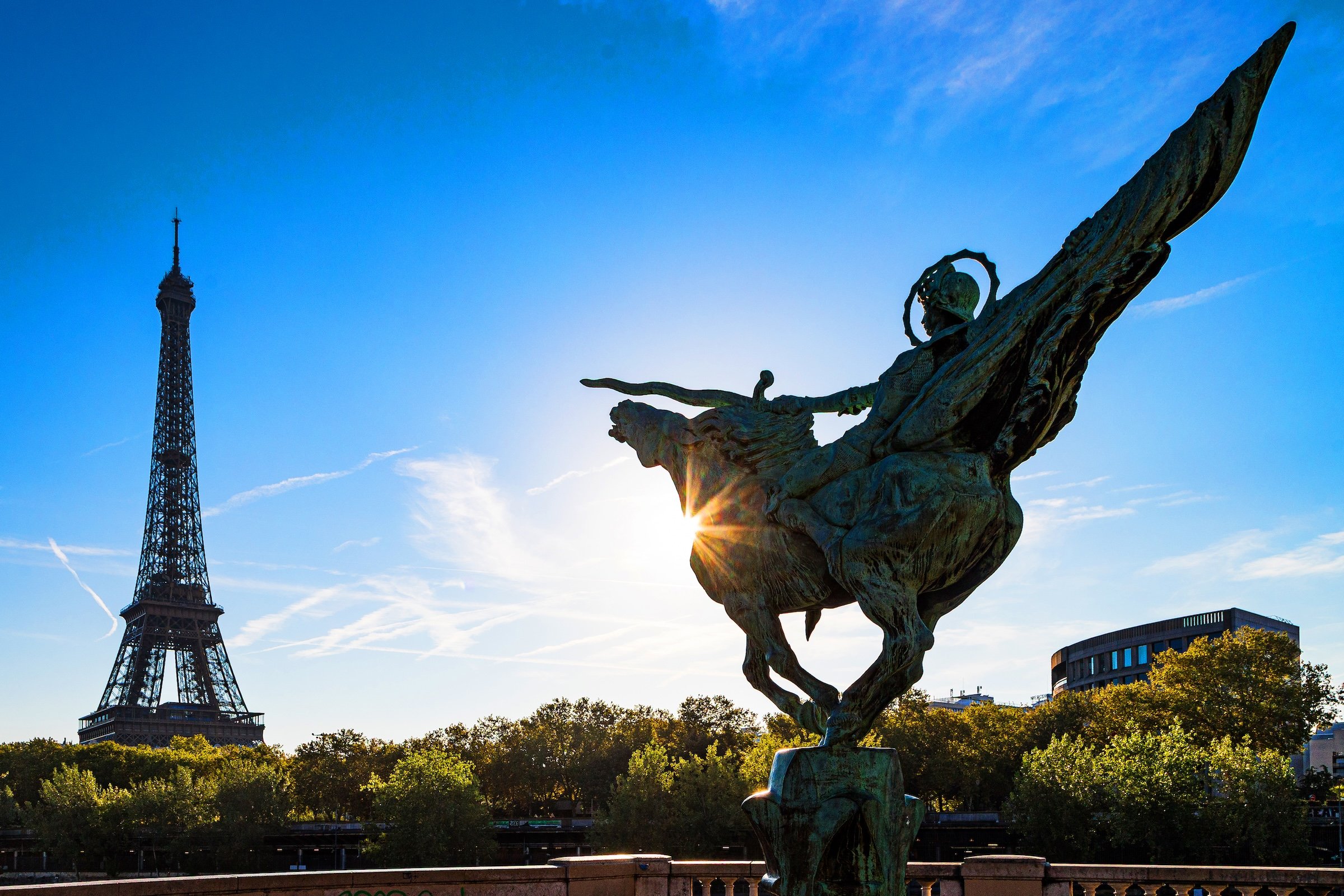
The arrondissements do not share a single visual identity. Instead, they organize Paris into twenty broad visual fields, each gathering its own combination of landmarks, streetscapes, institutions, residential districts, commercial corridors, parks, rail stations, markets, cemeteries, and riverfront edges.
Some arrondissements are defined by monumental scale: royal palaces, ceremonial avenues, government buildings, museums, formal gardens, and internationally recognized landmarks. Others are shaped by hills, canals, rail gateways, apartment-lined boulevards, neighborhood markets, former village streets, industrial remnants, parks, or the quieter rhythms of residential Paris. The arrondissement system gives these varied landscapes a civic frame, allowing the city to be read not as one visual language, but as a sequence of overlapping Parisian atmospheres.
Visual Identity
Through The Lens
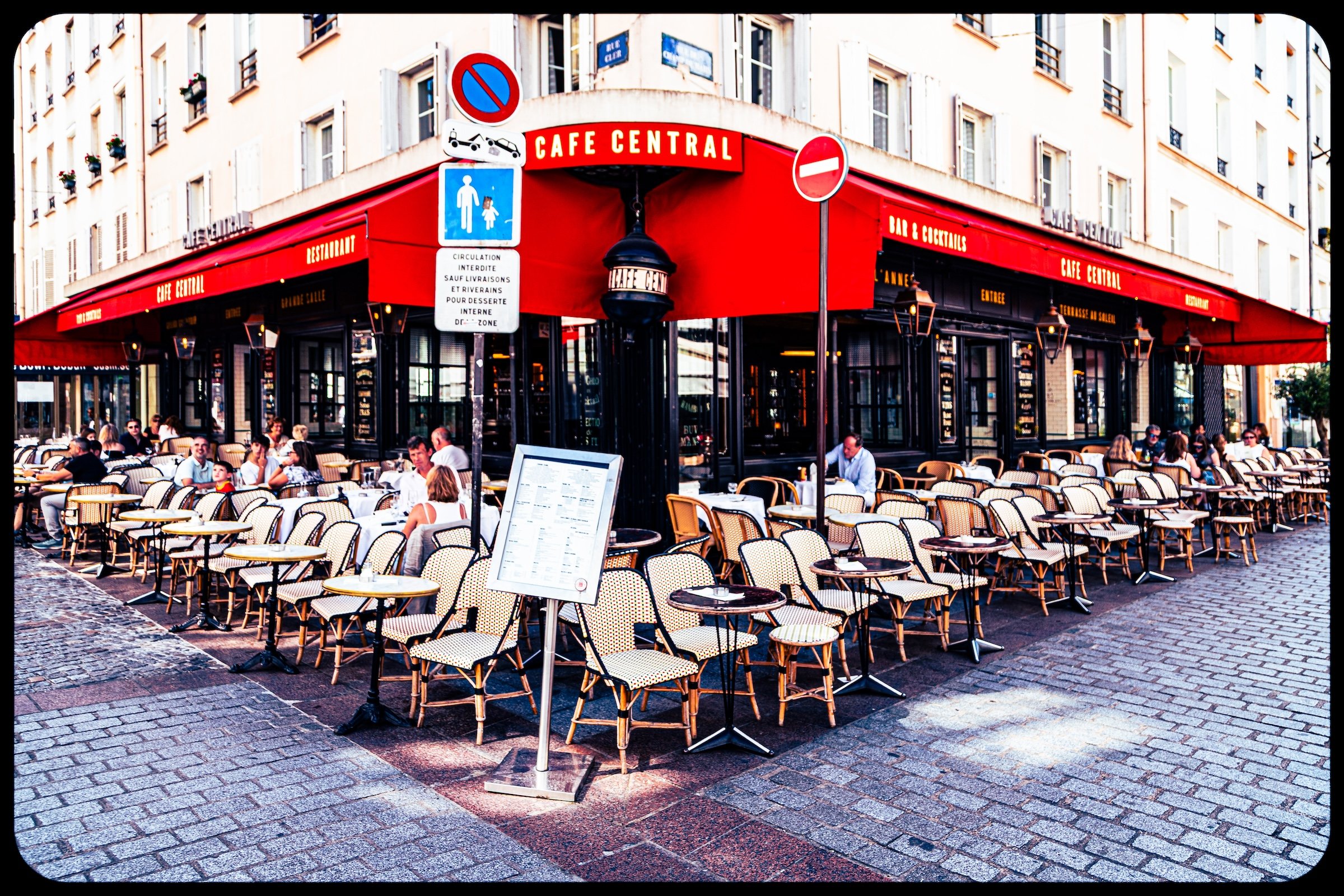
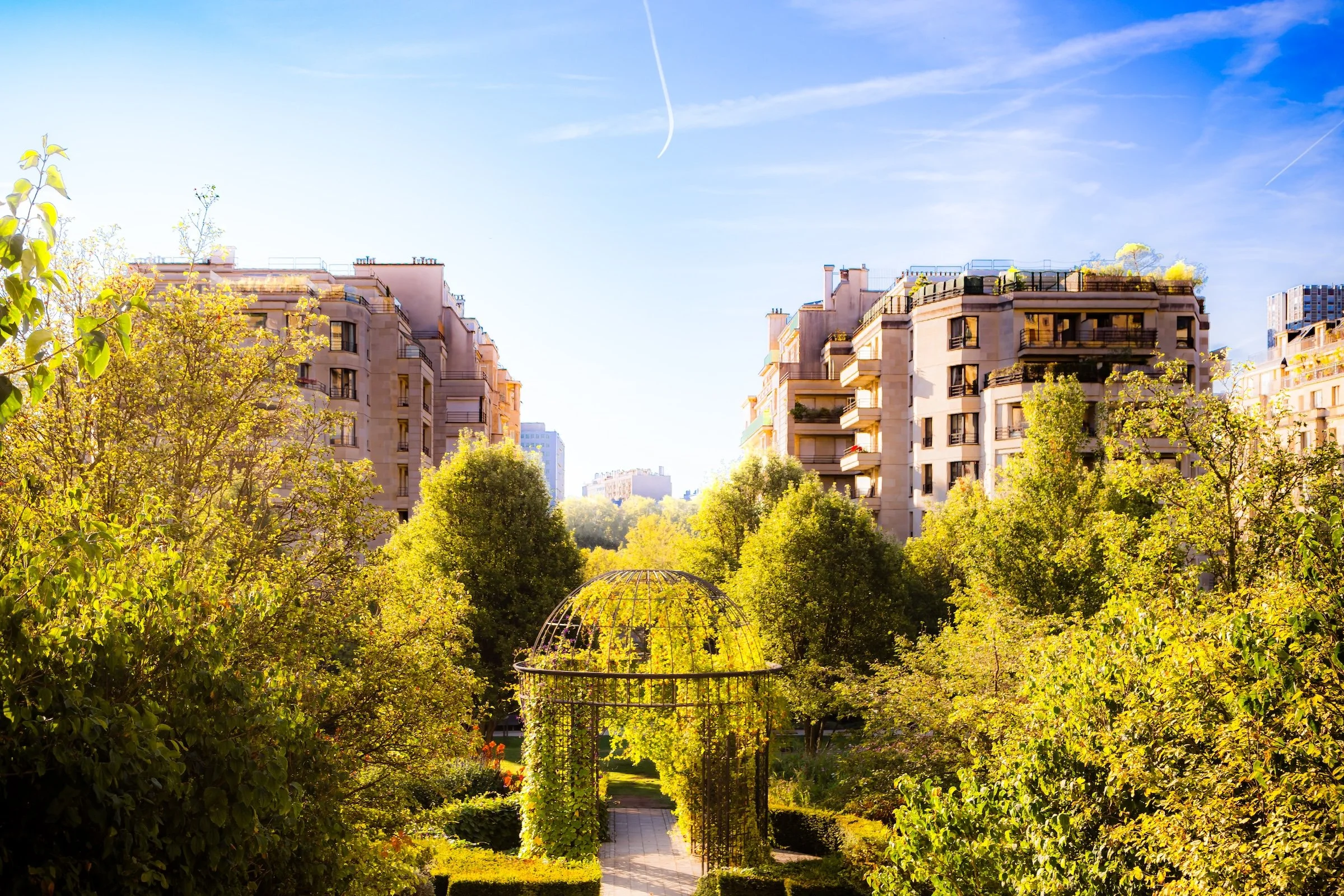
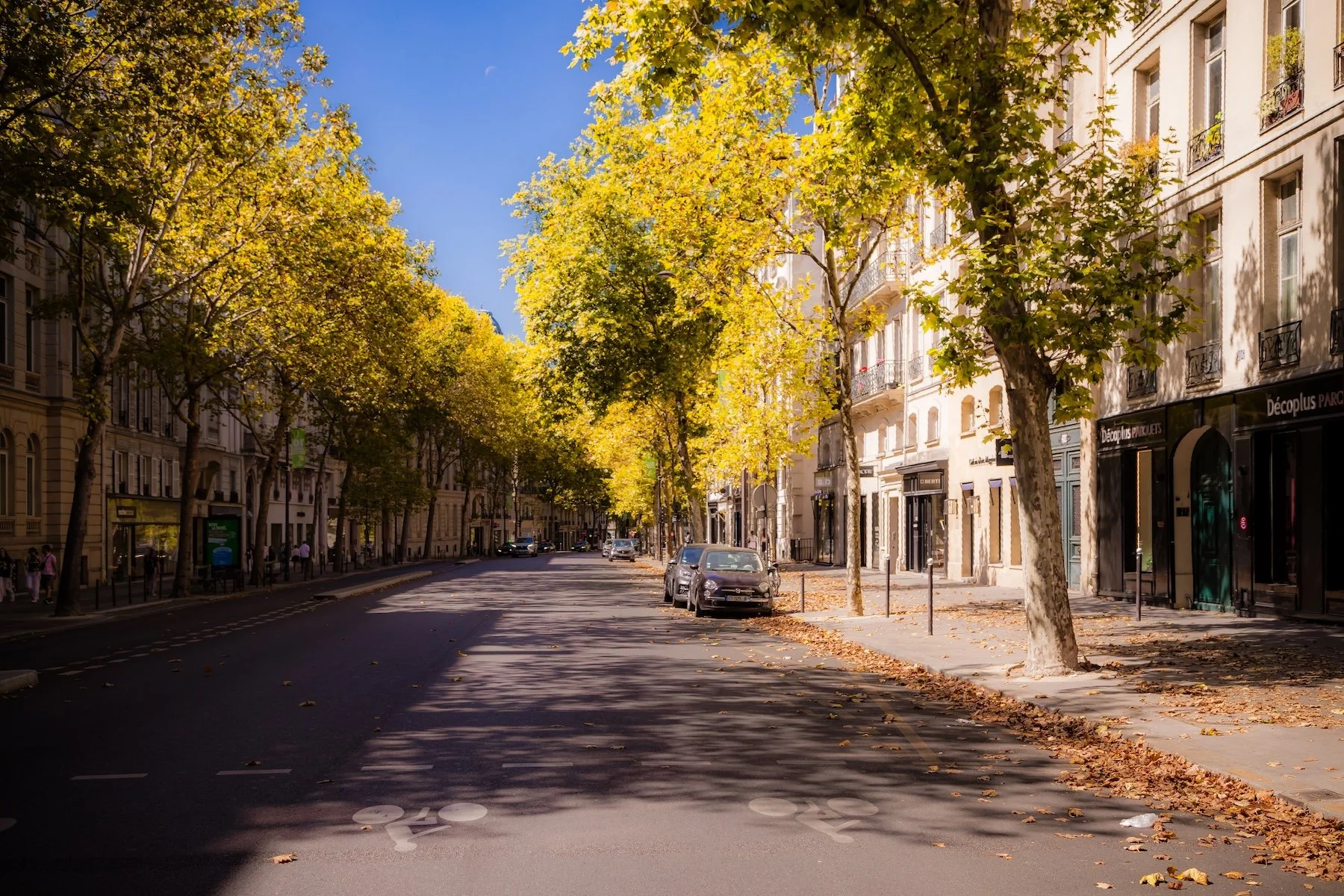
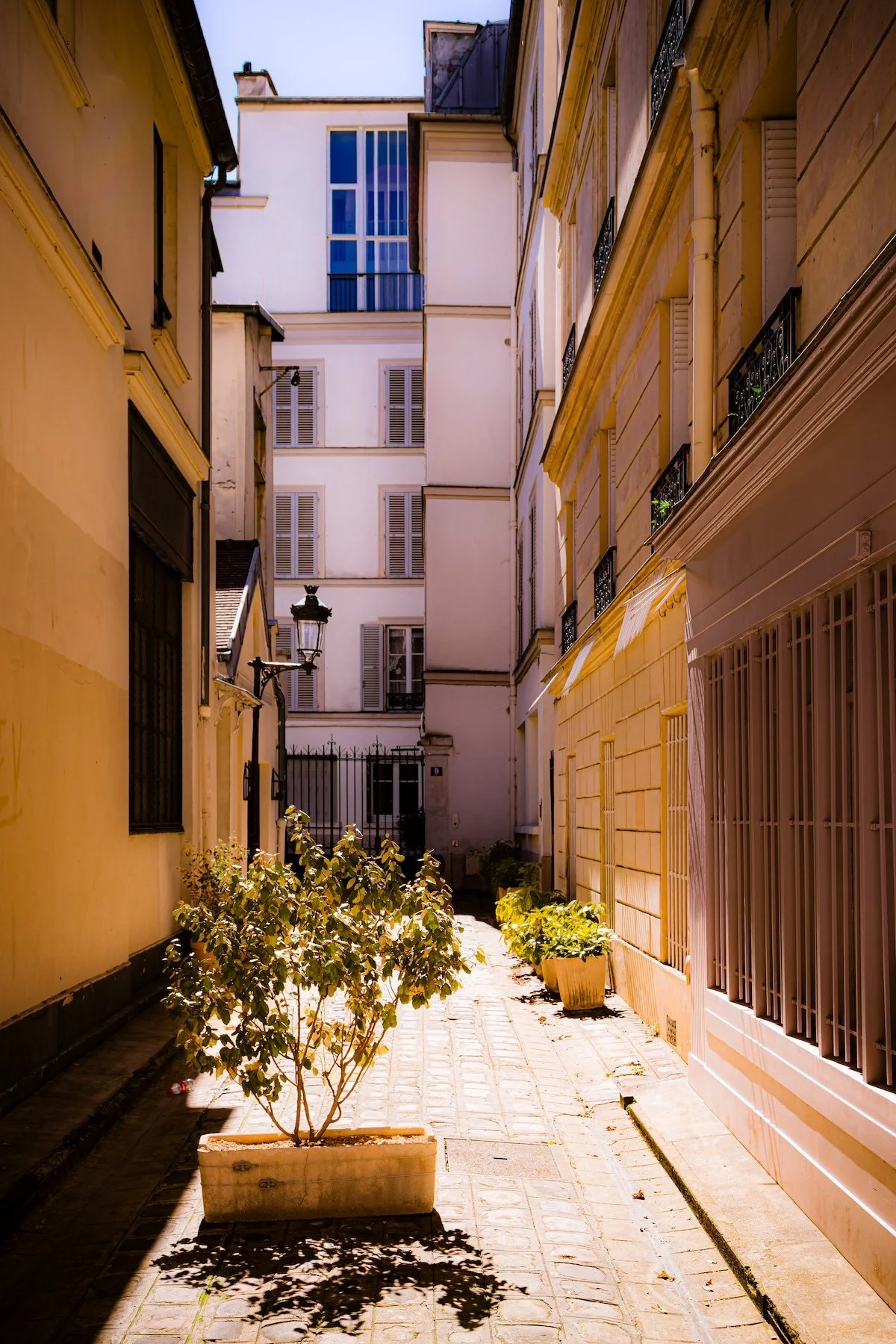
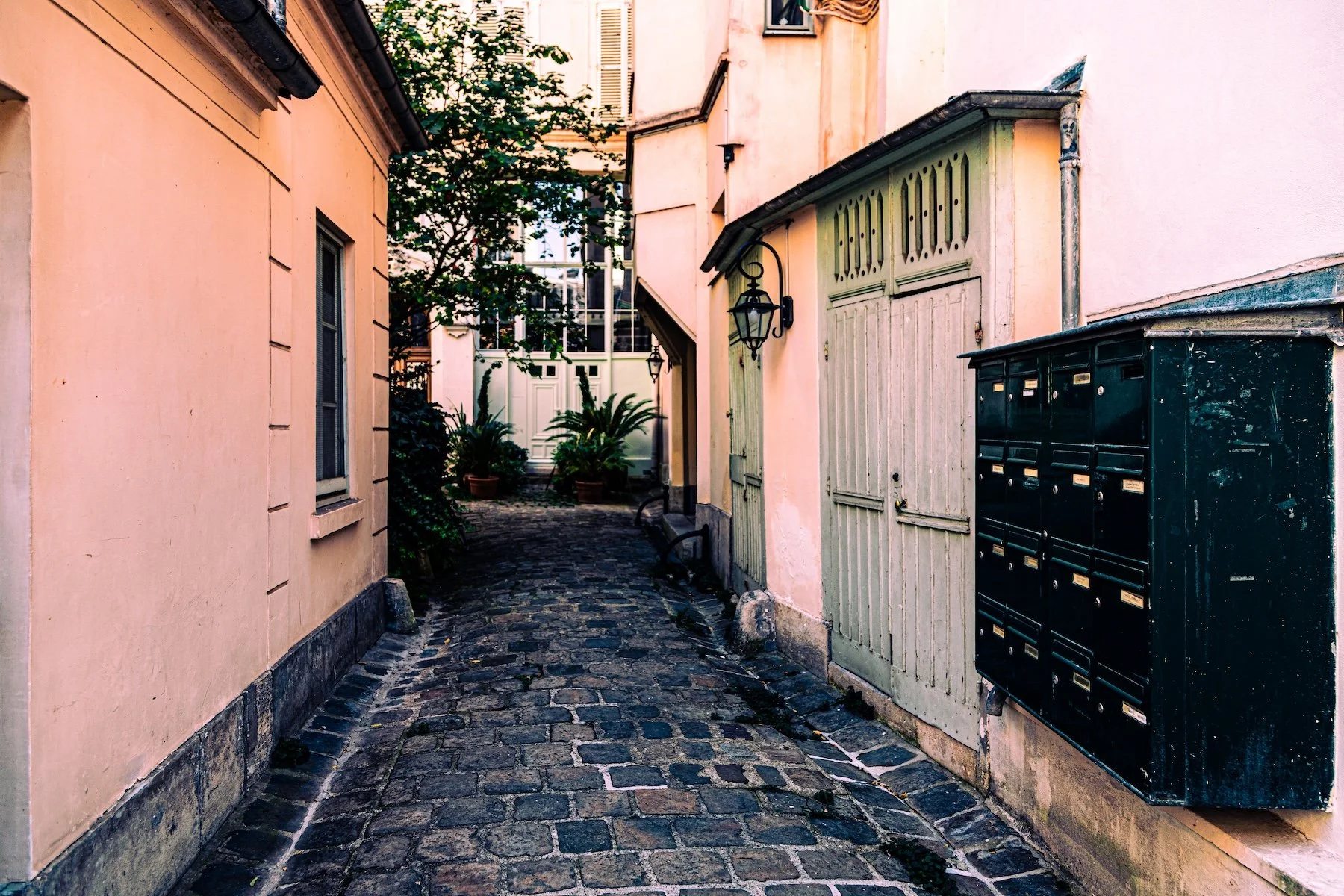
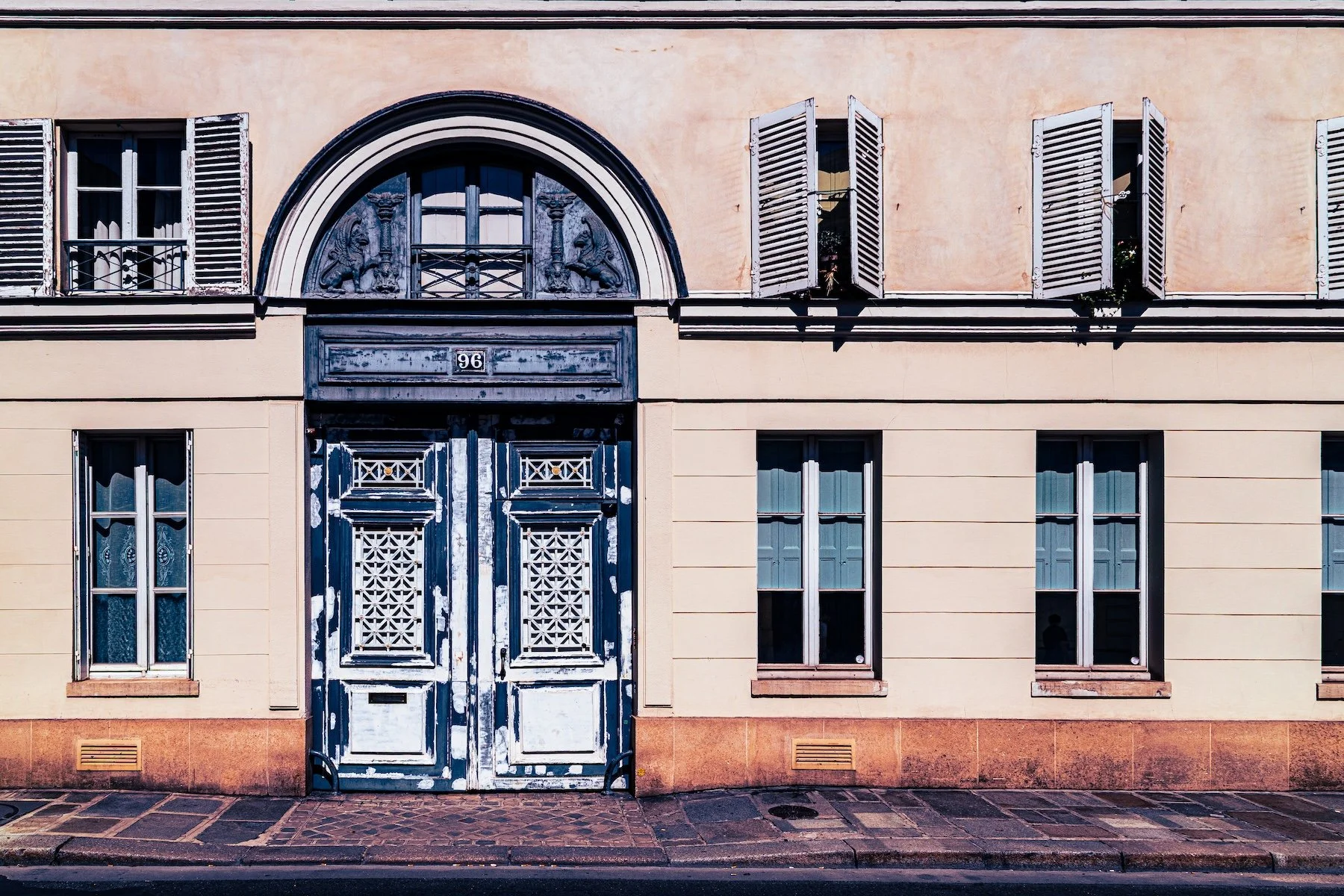
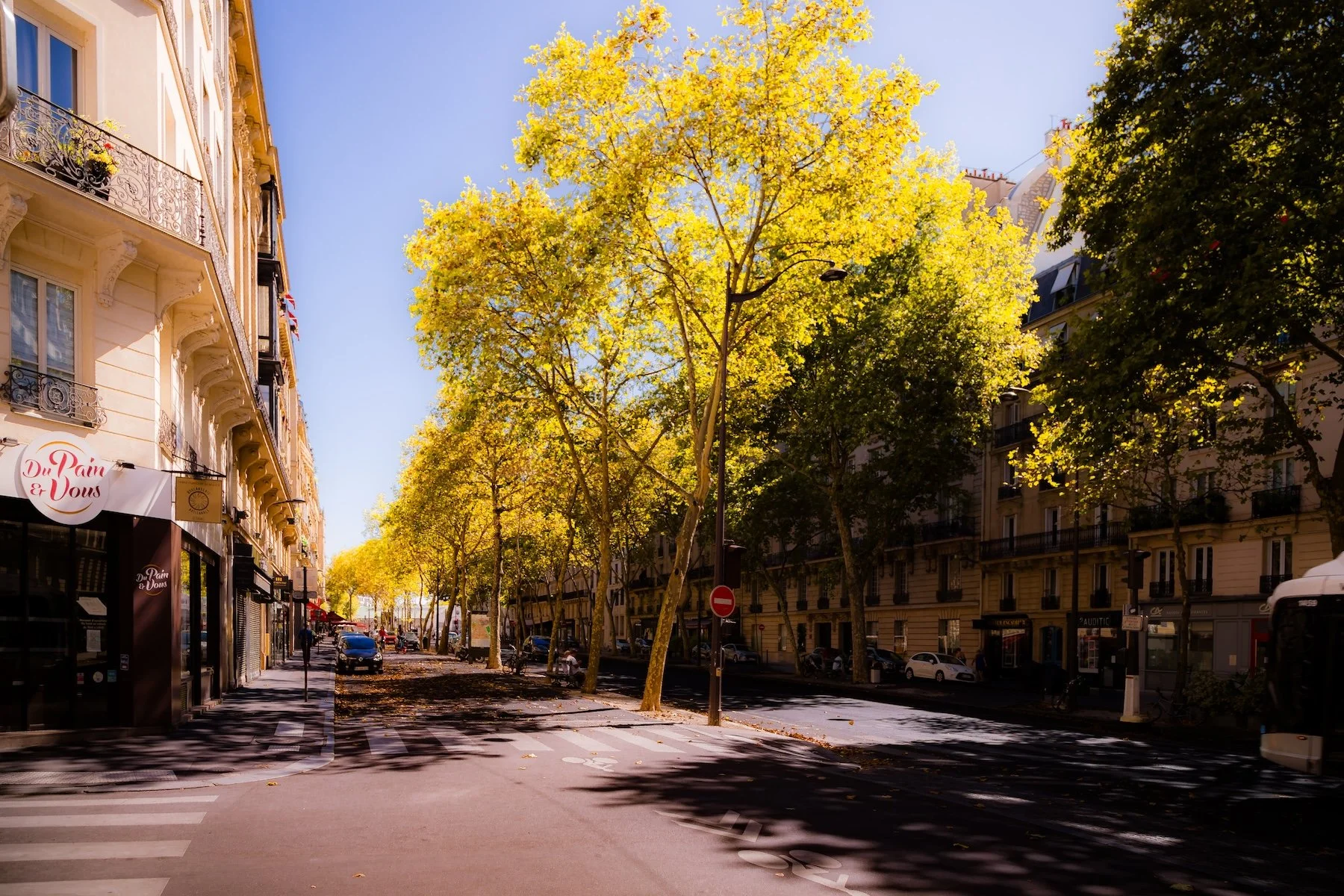
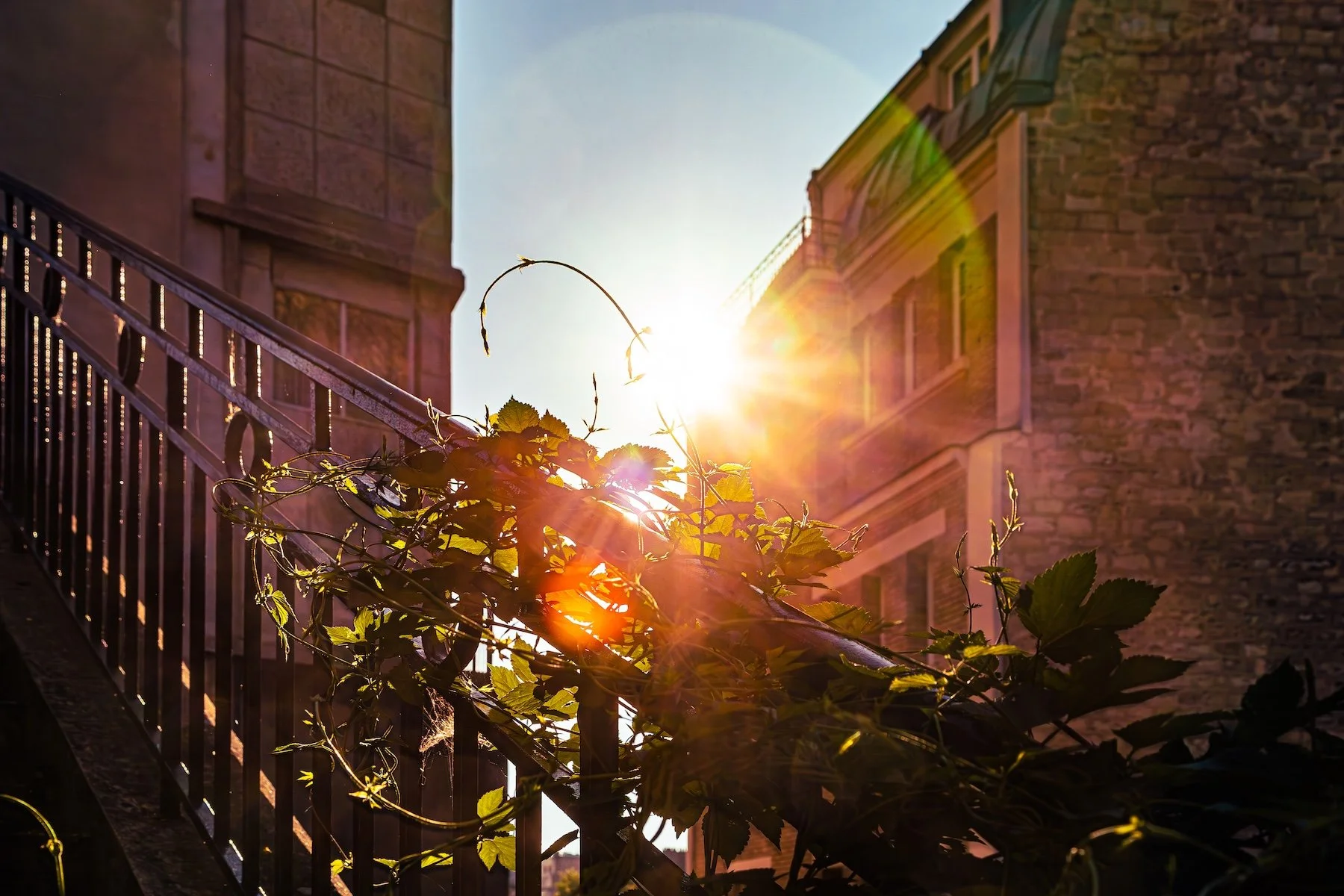
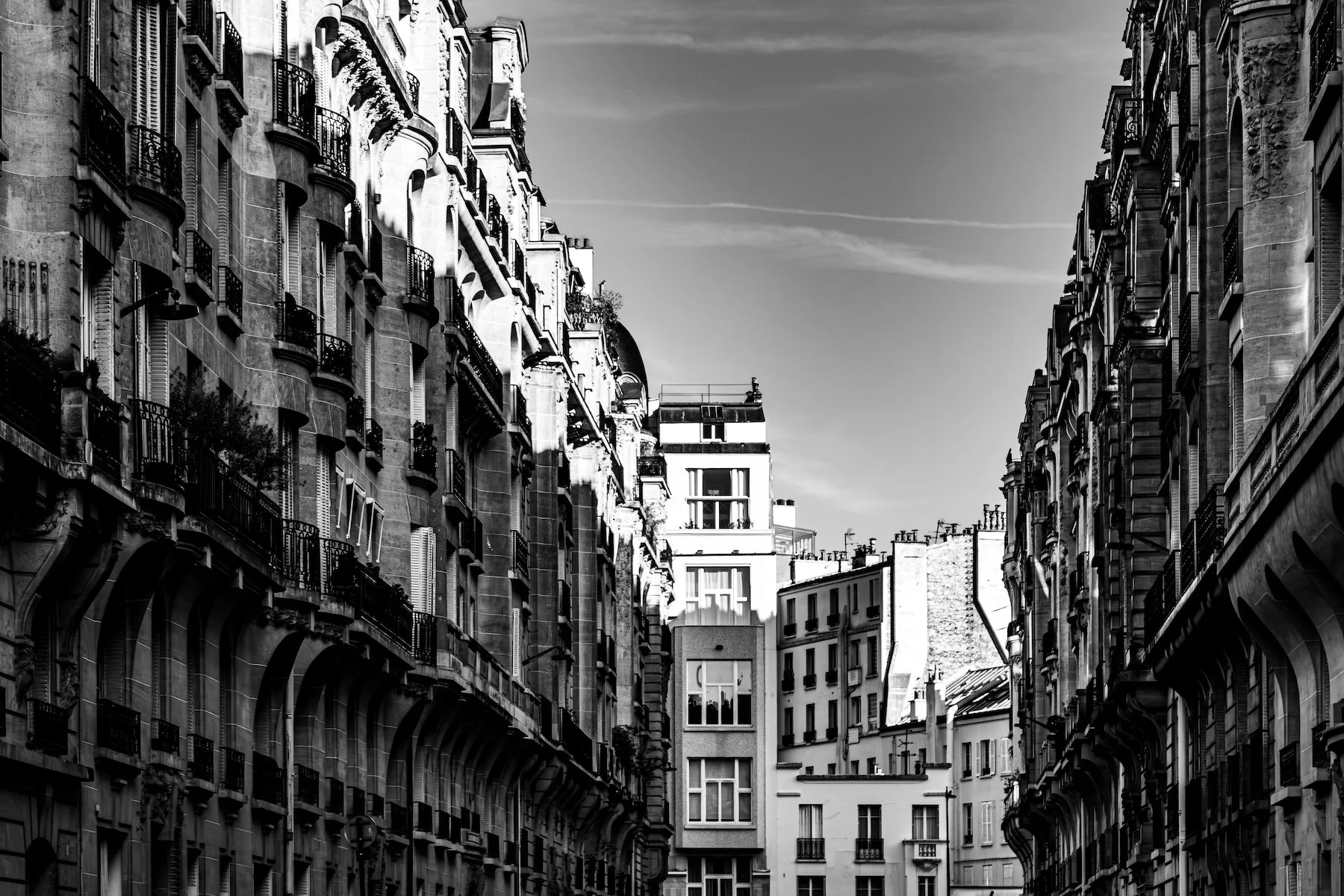
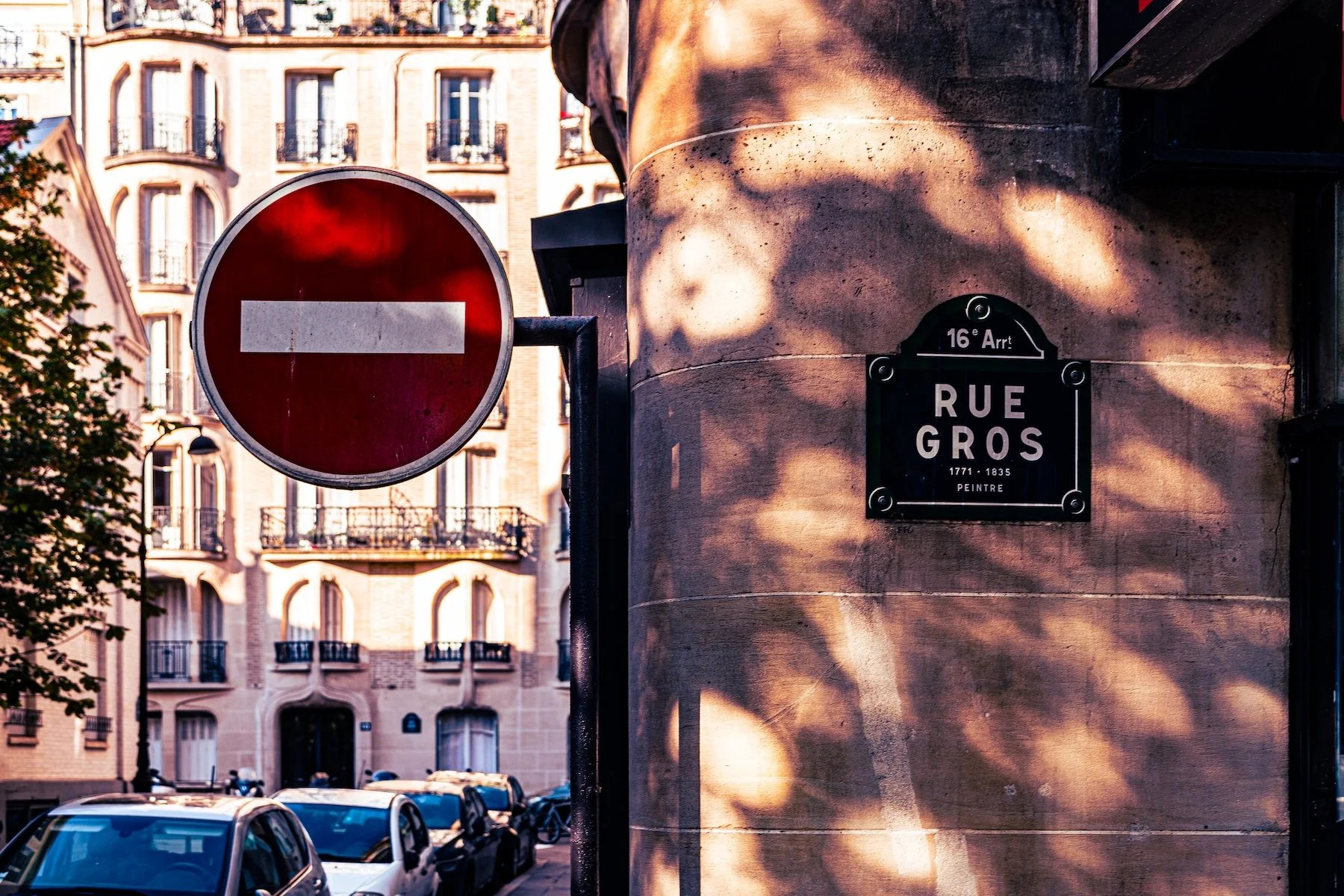
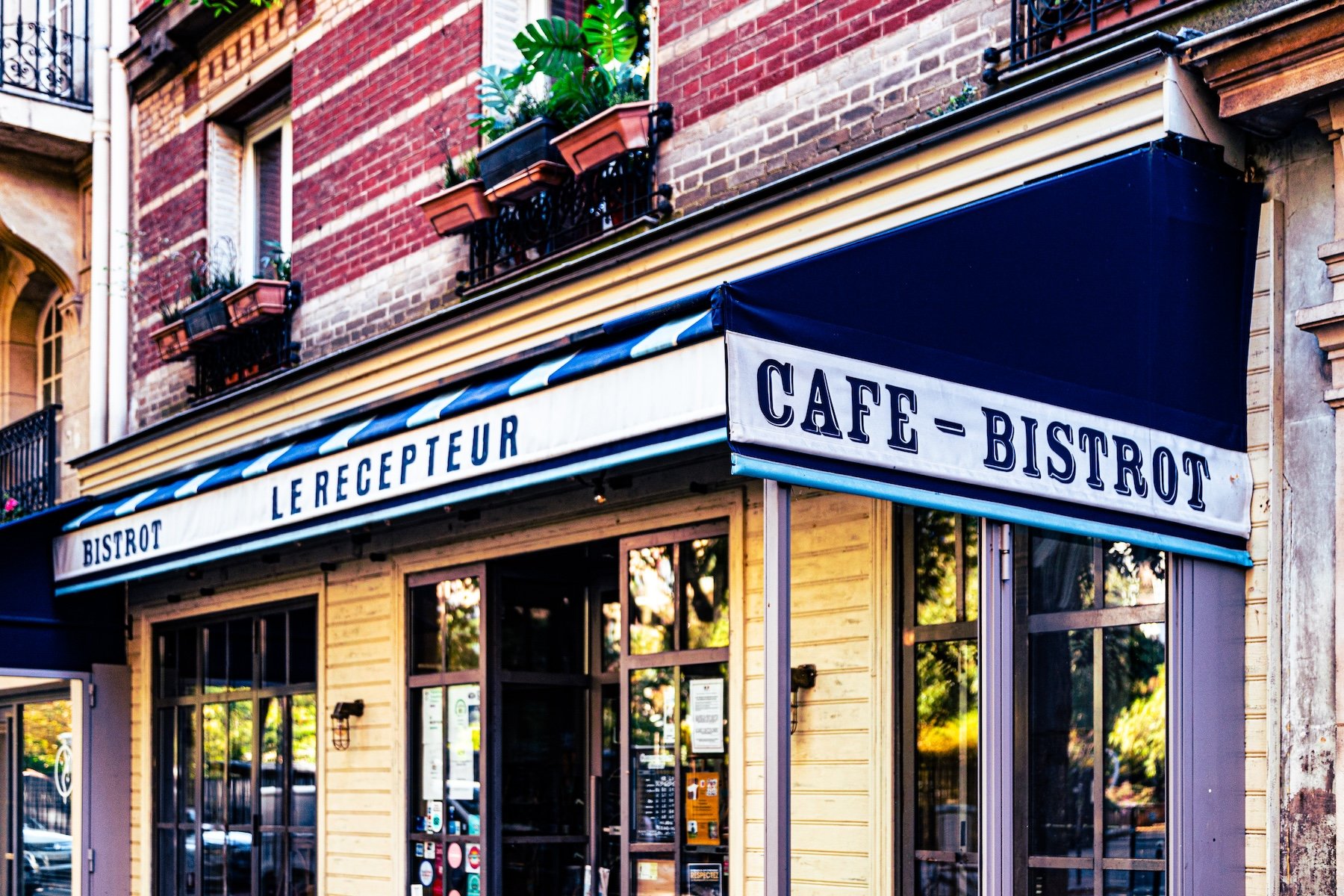
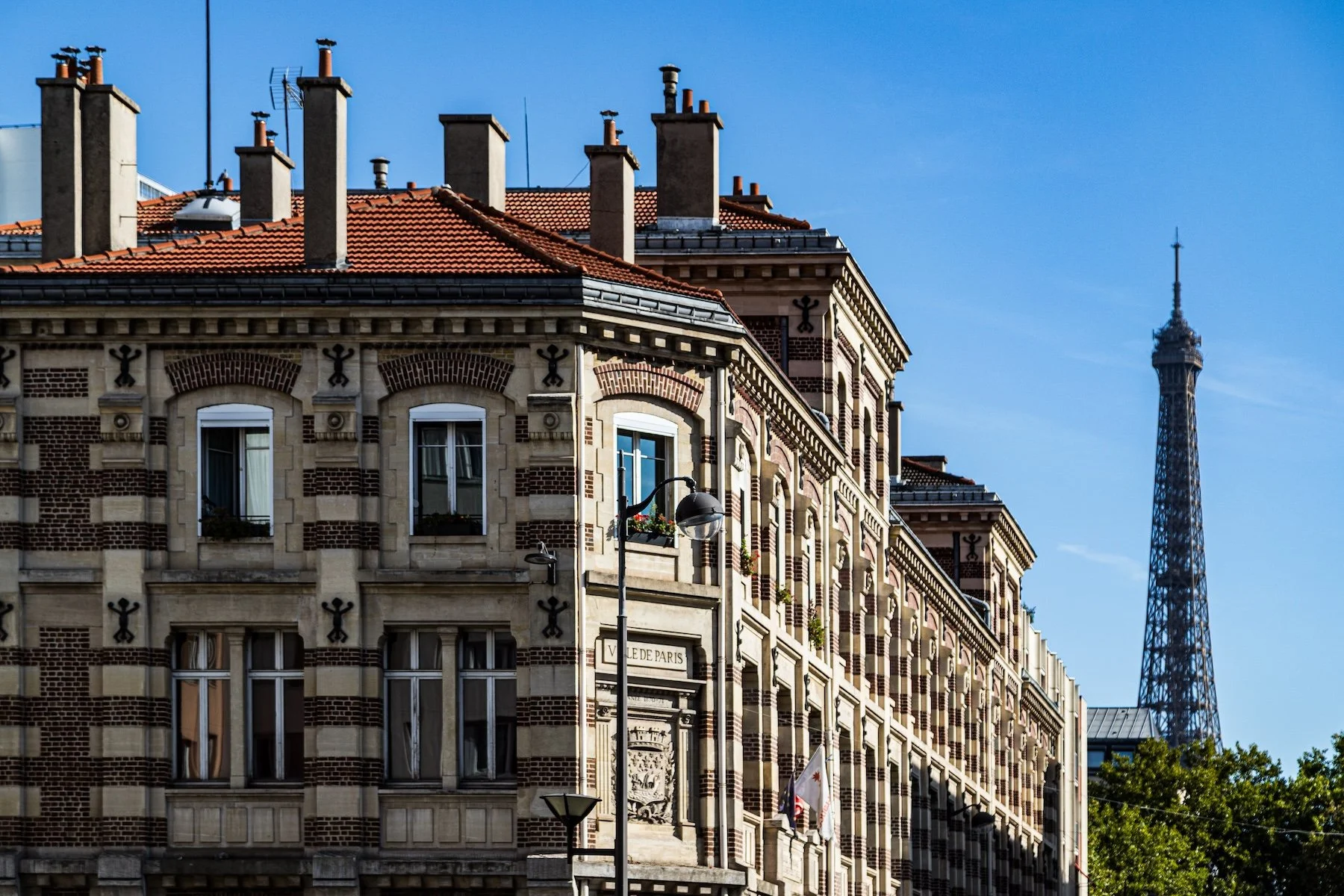
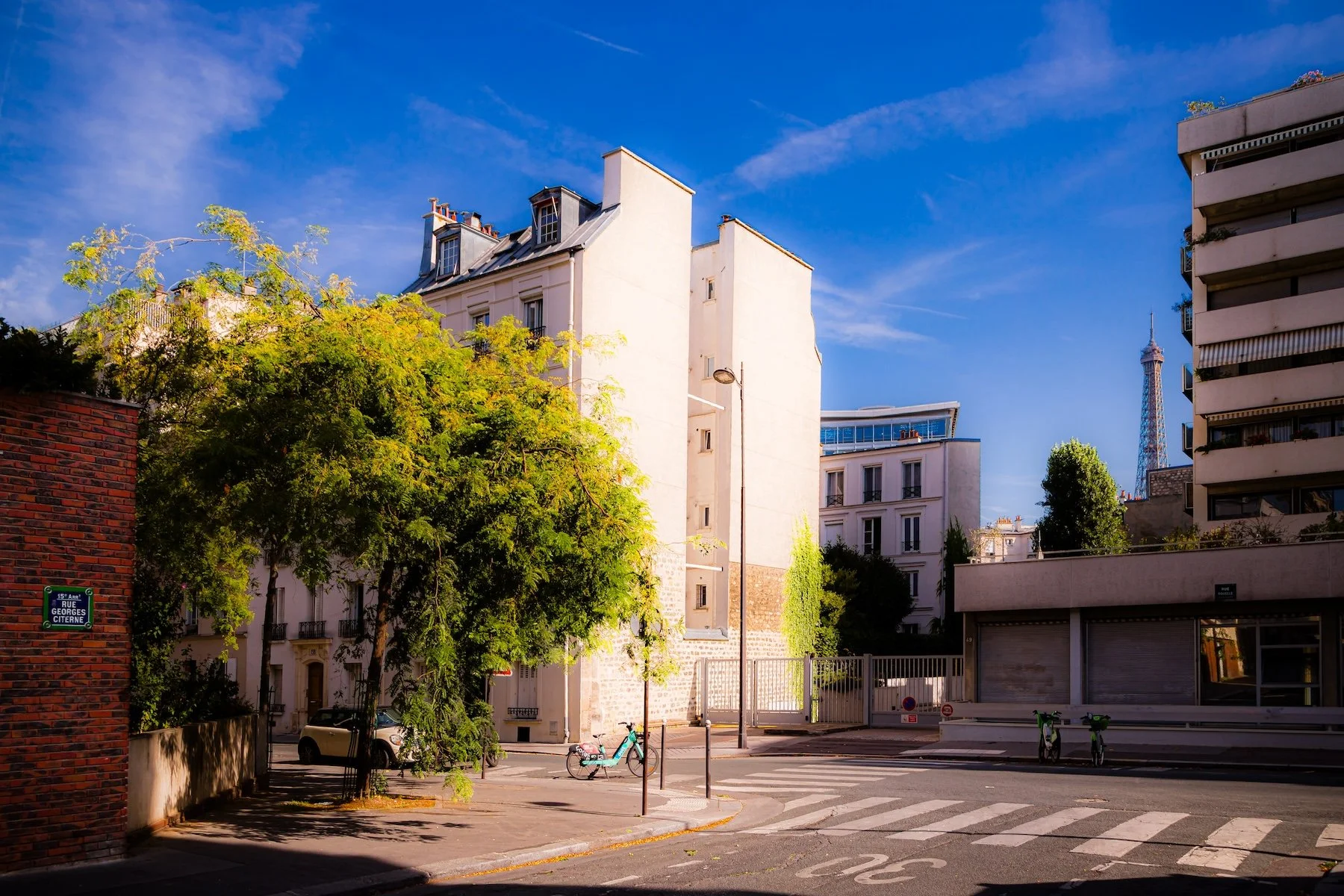
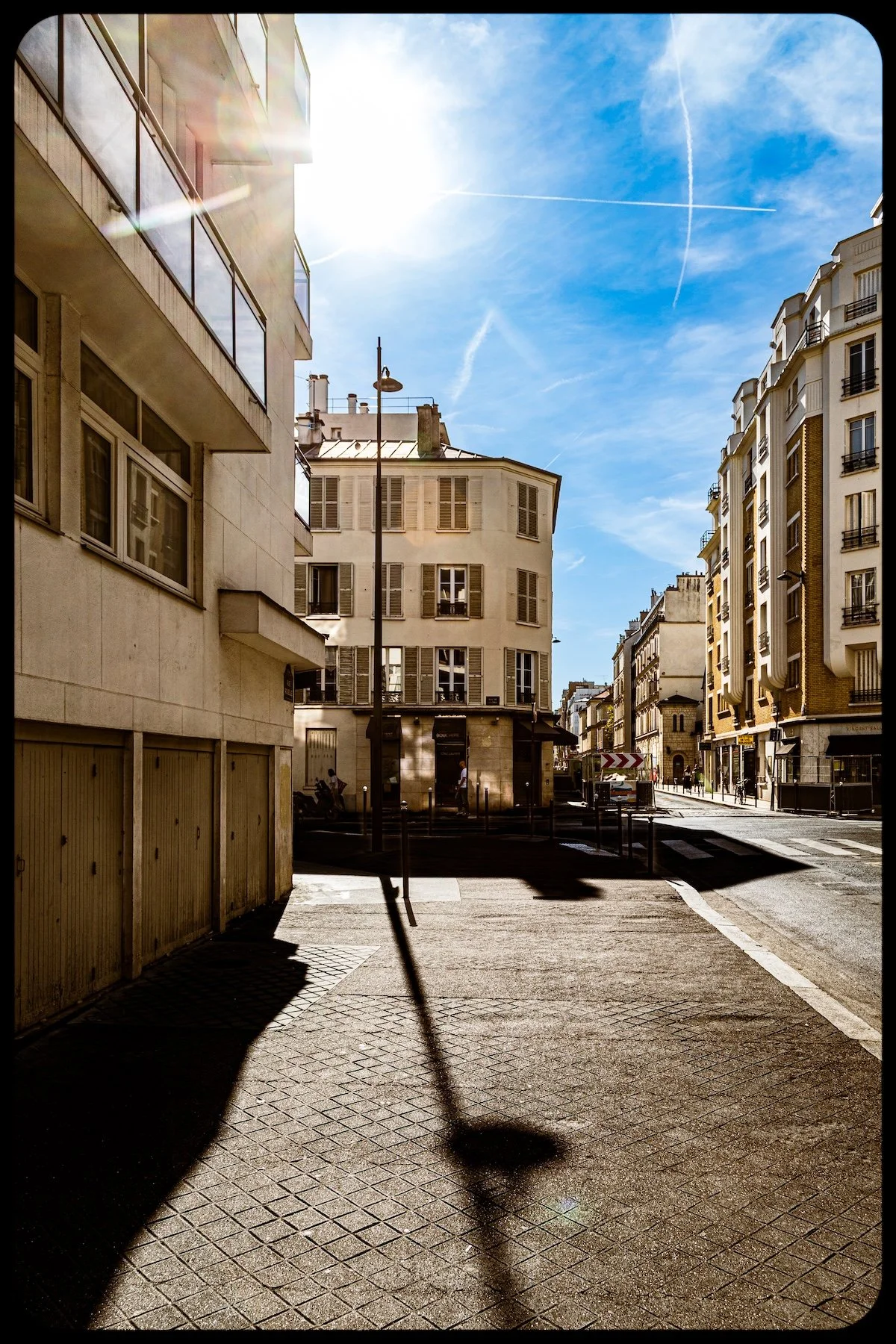
Photographing the arrondissements means moving between the official map and the street-level experience. The camera does not treat each arrondissement as visually uniform. Instead, it looks for the recurring forms, textures, transitions, and contrasts that make each district legible: the geometry of boulevards, the shade of plane trees, the repetition of balconies, the rise of stairways, the curve of canals, the presence of rail stations, the opening of parks, the weight of monuments, and the intimacy of side streets.
On CityNeighborhoods, the arrondissement provides the frame, but the photograph comes from the encounter between map, movement, light, and observation. As the Paris photography is processed, this section will connect each arrondissement more directly to the project’s Photographic Lexicon: the visual strategies, recurring motifs, and compositional patterns that shape how the city is seen through the lens.
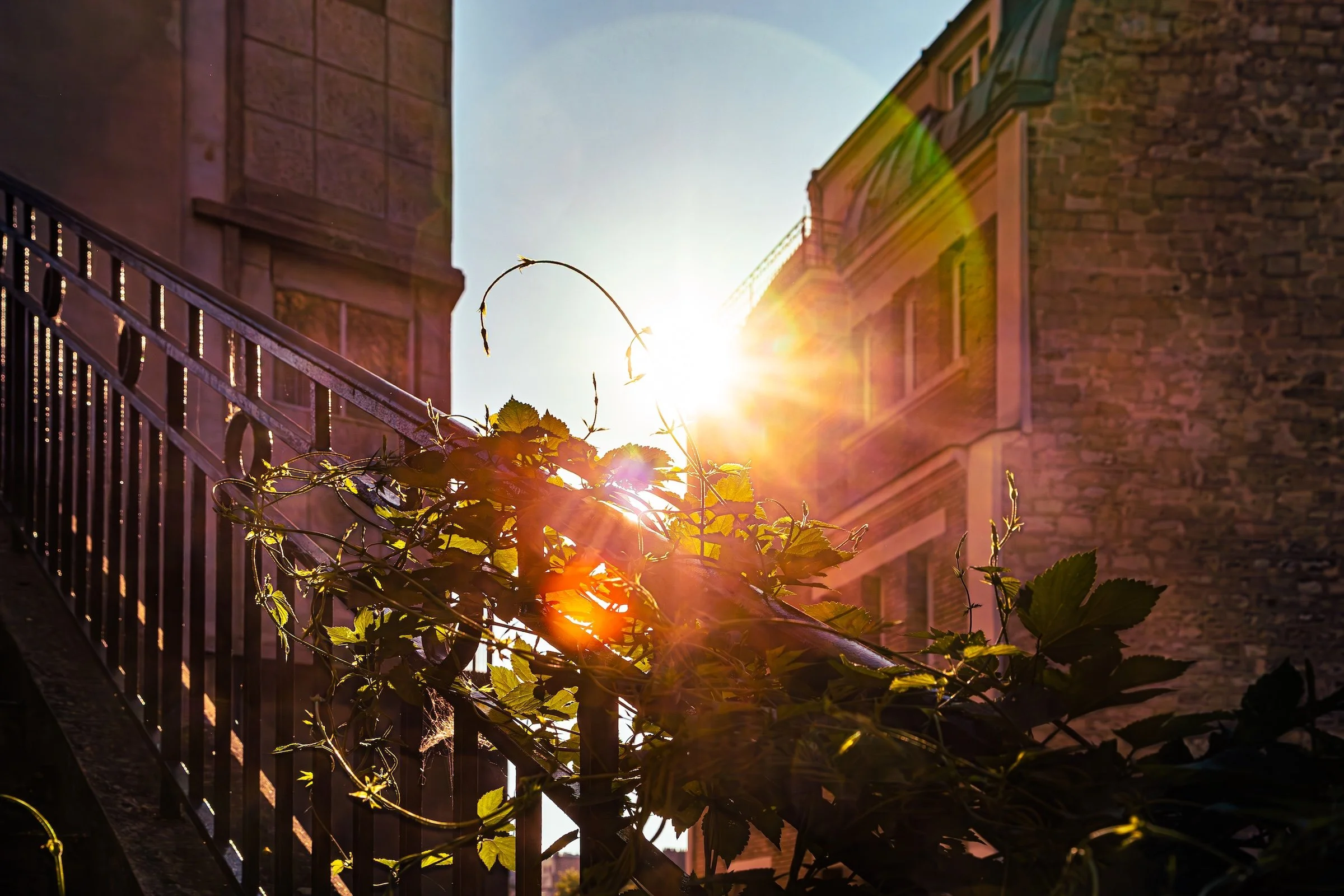
If you visit Paris, these ideas can help inspire your own photography.
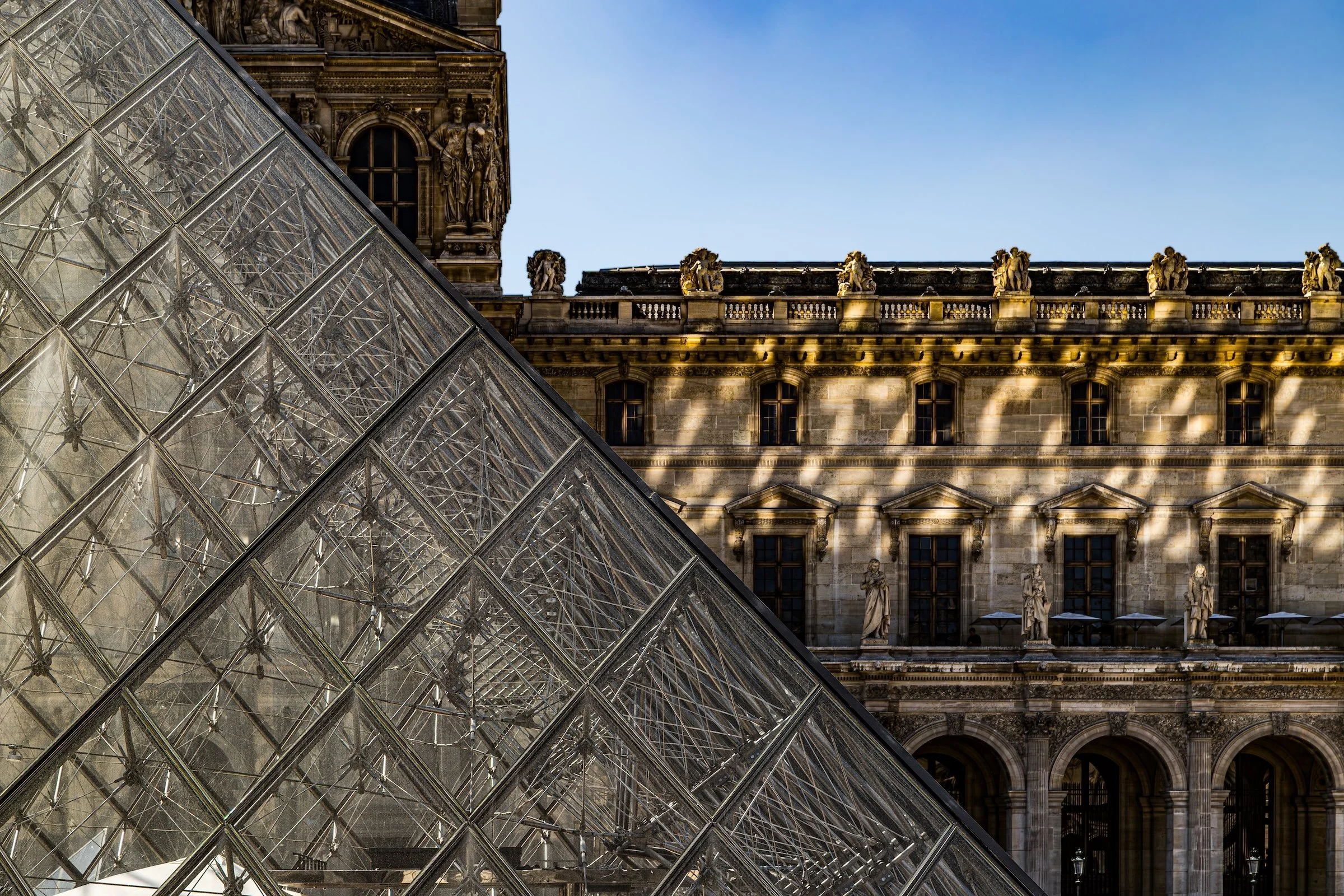
Paris: J’Espere, Je Rêve, Je Vive
Paris Photo Gallery
Paris Field Notes
-
Field Note: August 18, 2025 | 07:58 AM
Conditions: 73°F | Humidity: 72%.
Within the park's interior, the glacial kettle ponds acted as humidity traps, creating a soft, hazy light that filtered through the old-growth oaks. The transition from the park's dense shade to the sun-drenched edges of Oakland Gardens highlighted the day's exceptional "picture-perfect" clarity.
There is a fleeting window in Queens where the humidity of August hasn't yet heavy-set, and the morning sun hits the canopy of Alley Pond Park at a perfect oblique angle. Arriving just before 8:00 AM, I watched the light break through the oaks and tulip trees, casting long, dramatic shadows across the wet grass. It’s in these quiet, golden moments that the park feels less like a city escape and more like the ancient glacial valley it actually is.
Other neighborhoods visited:
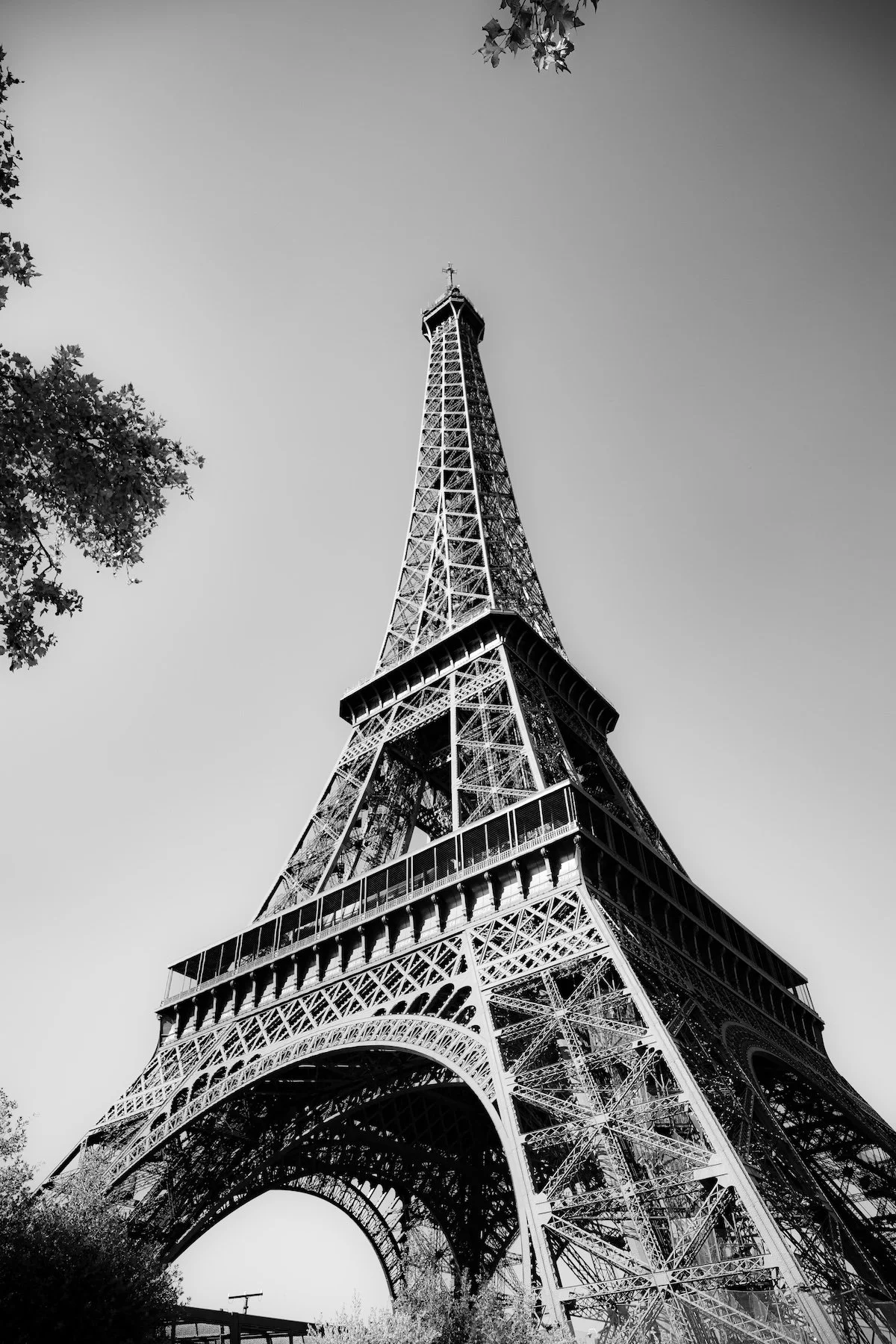
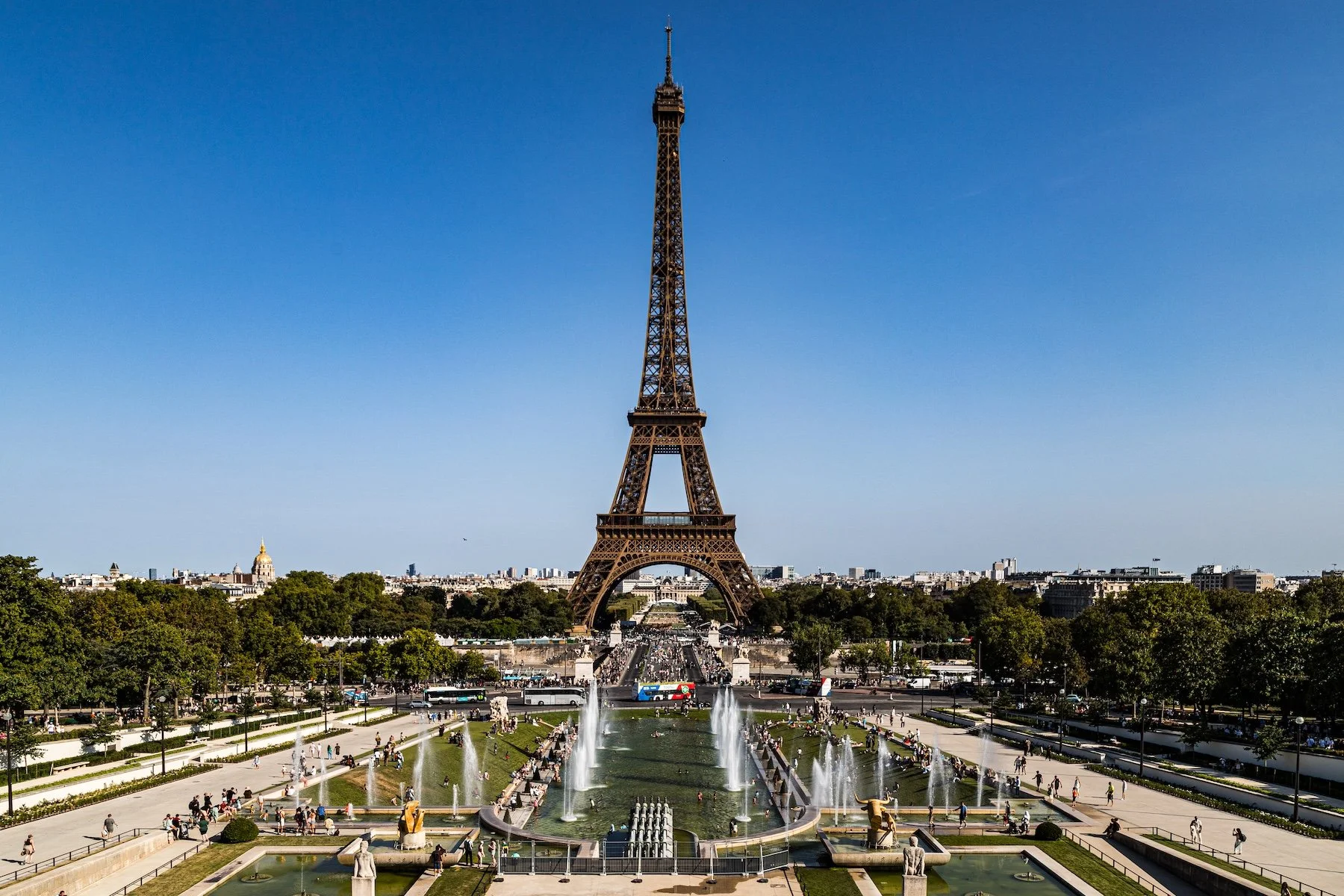
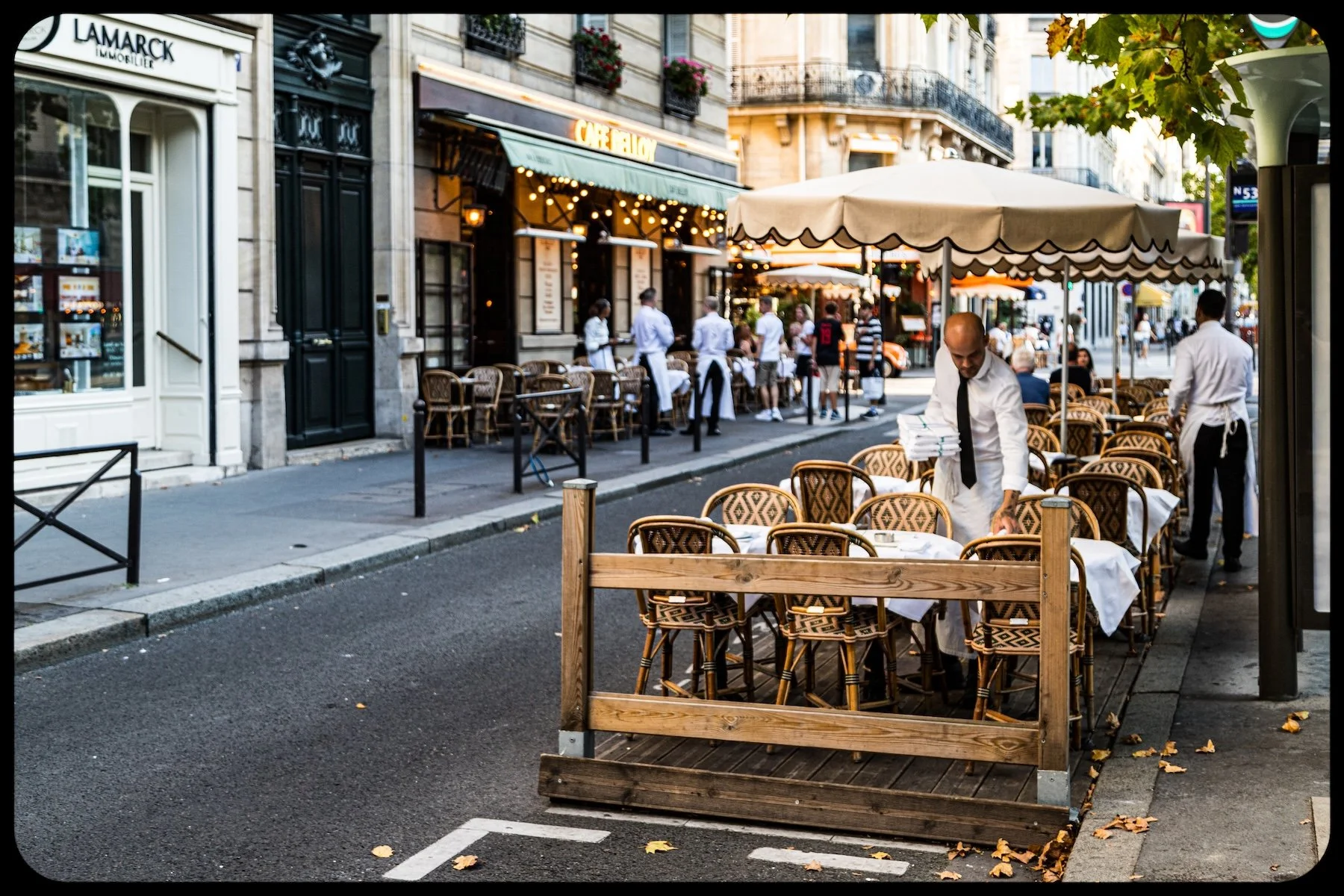

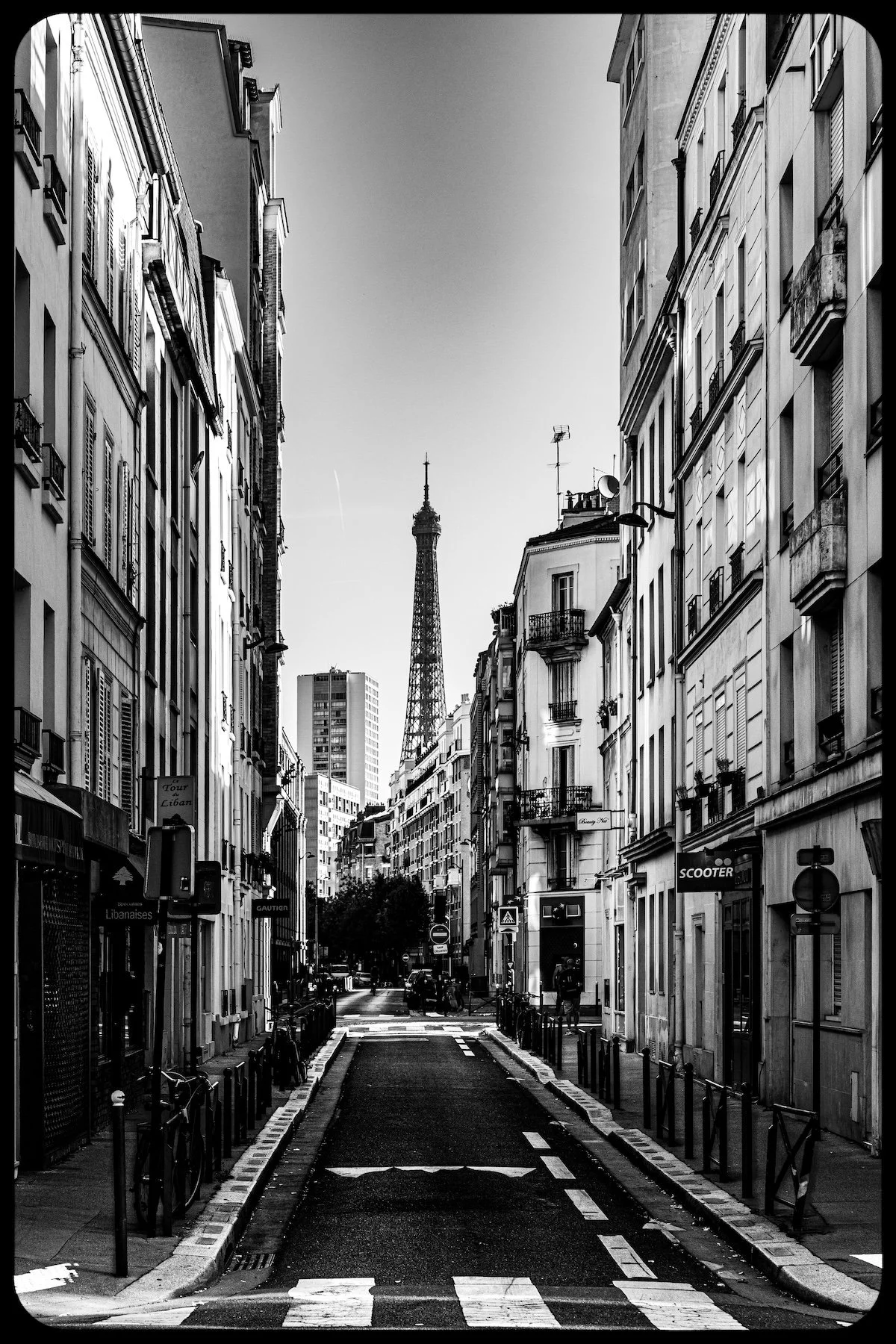
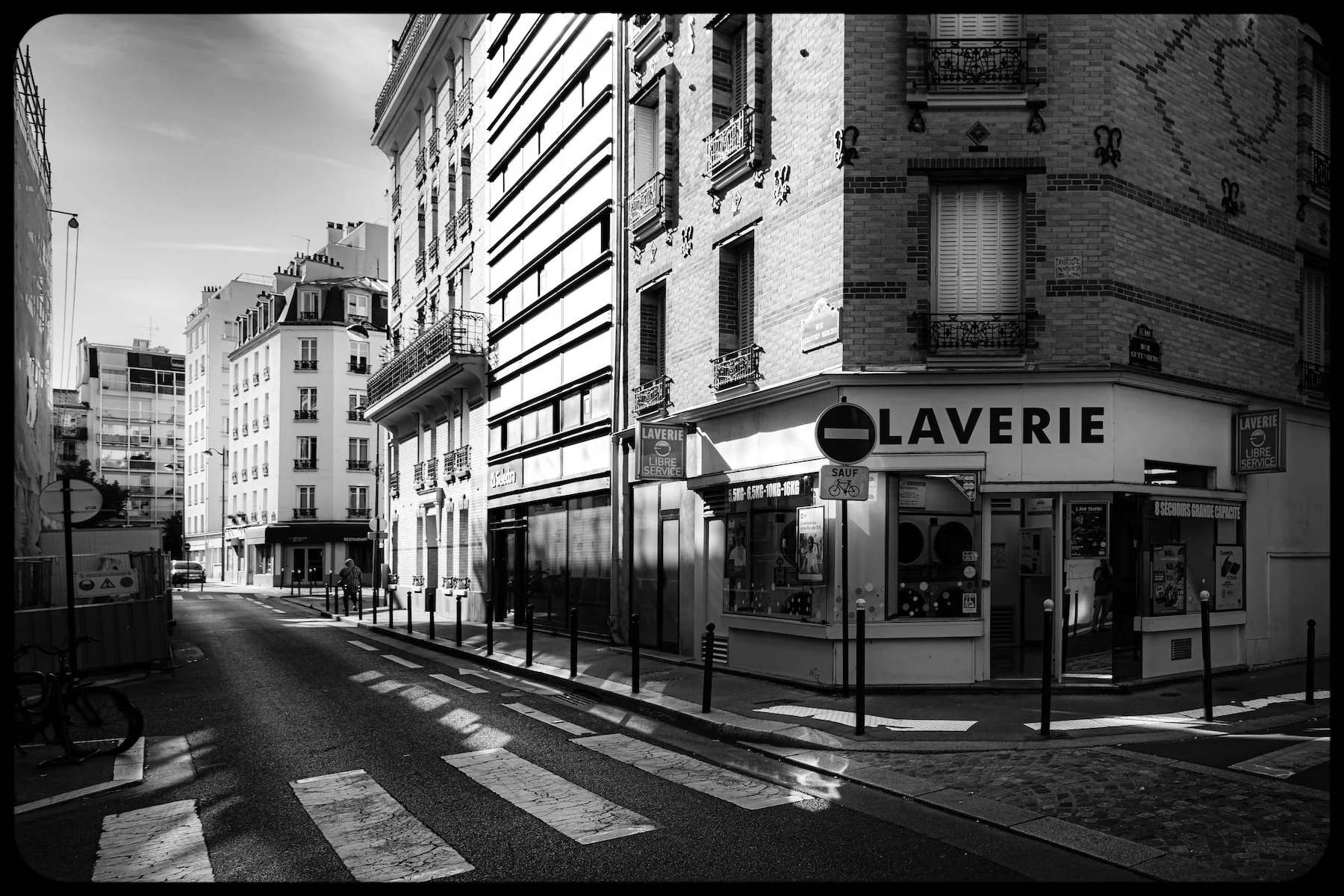
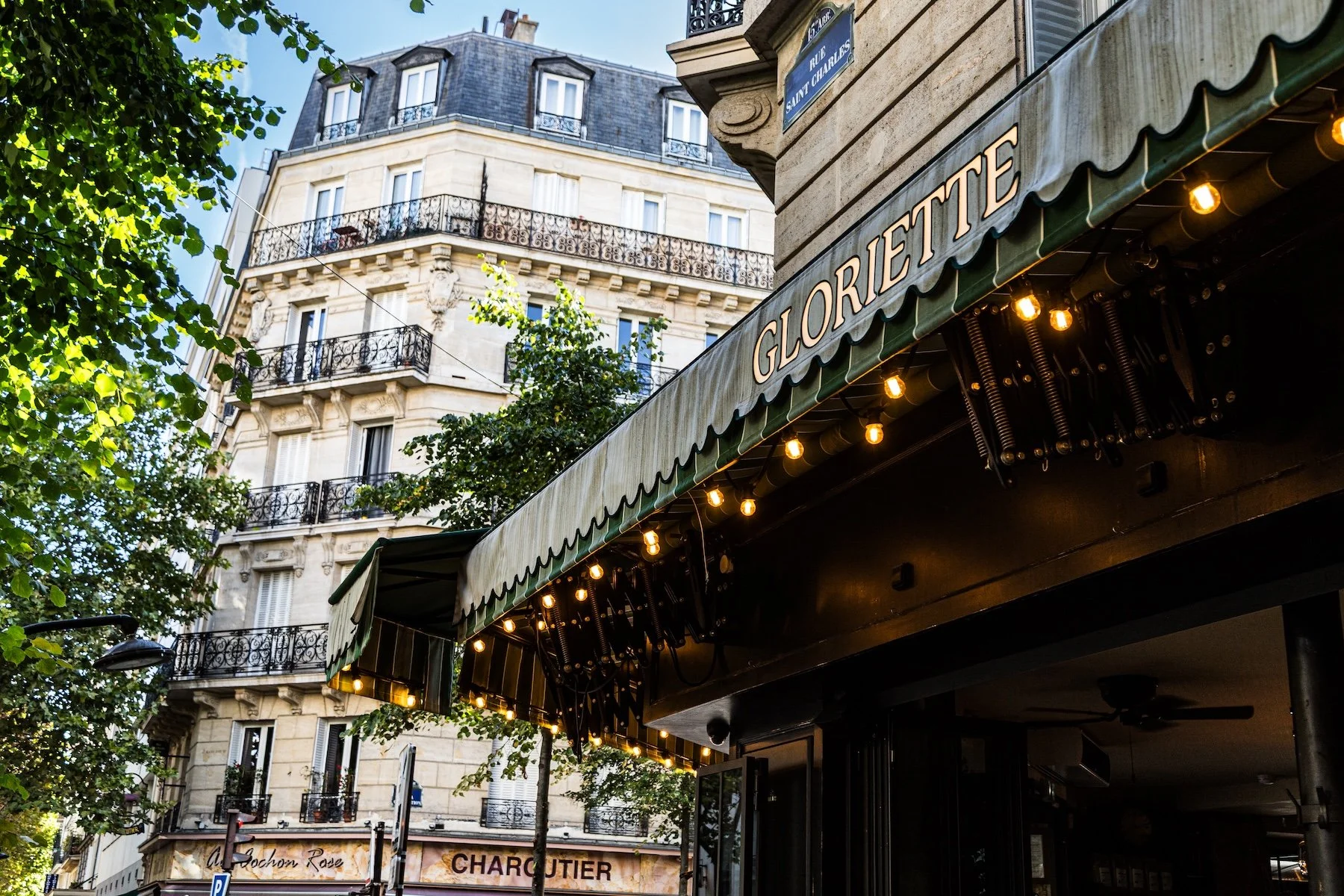
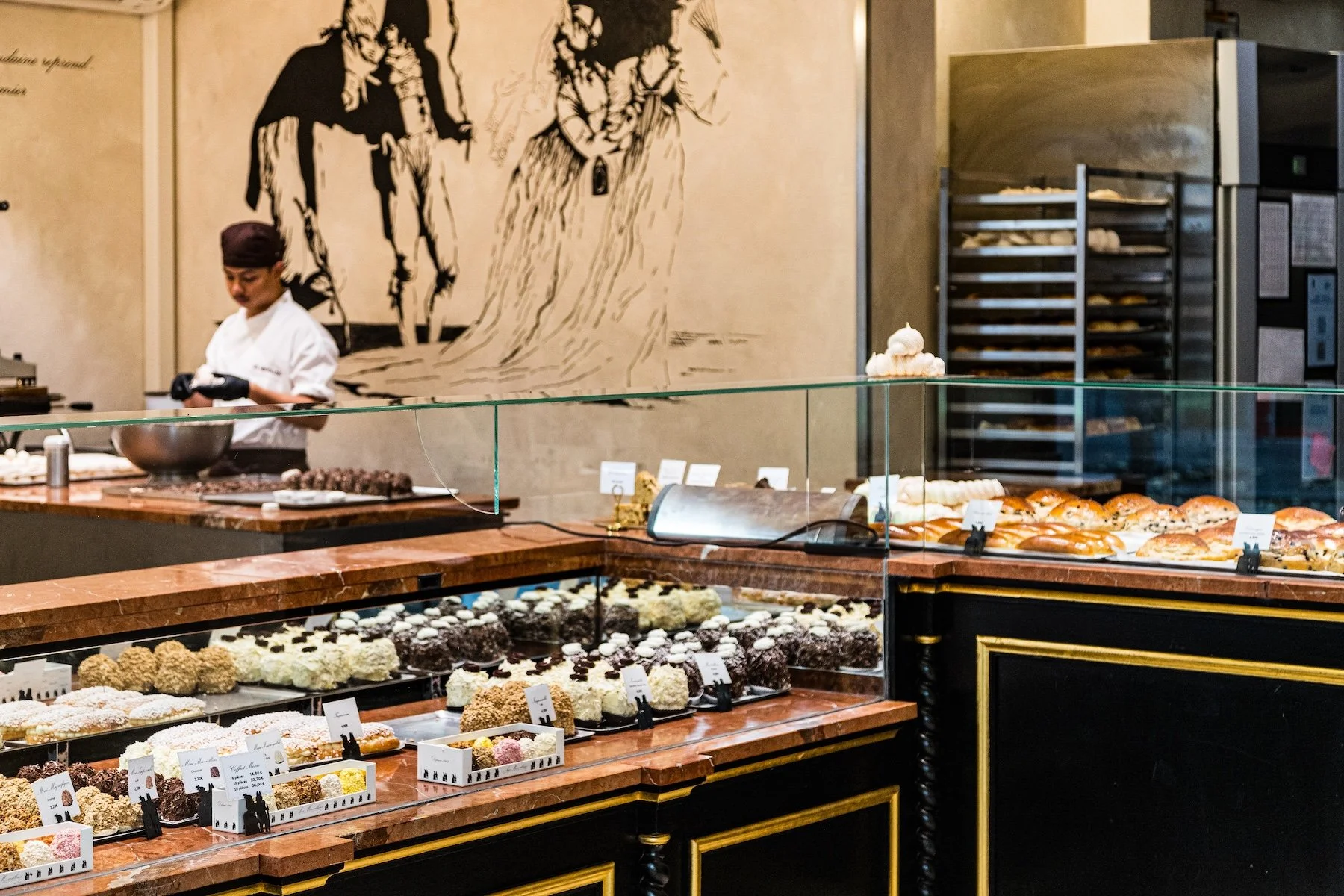
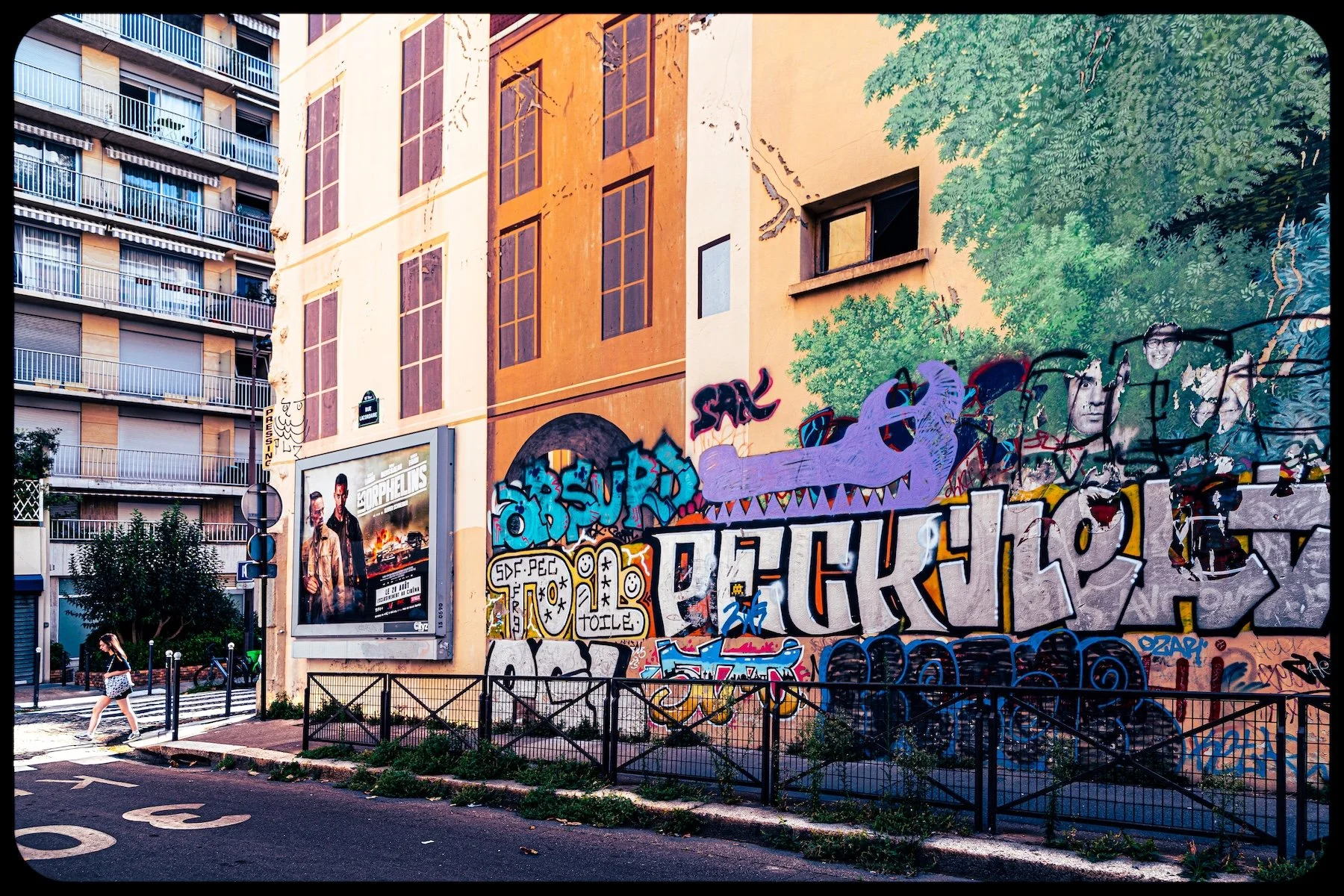
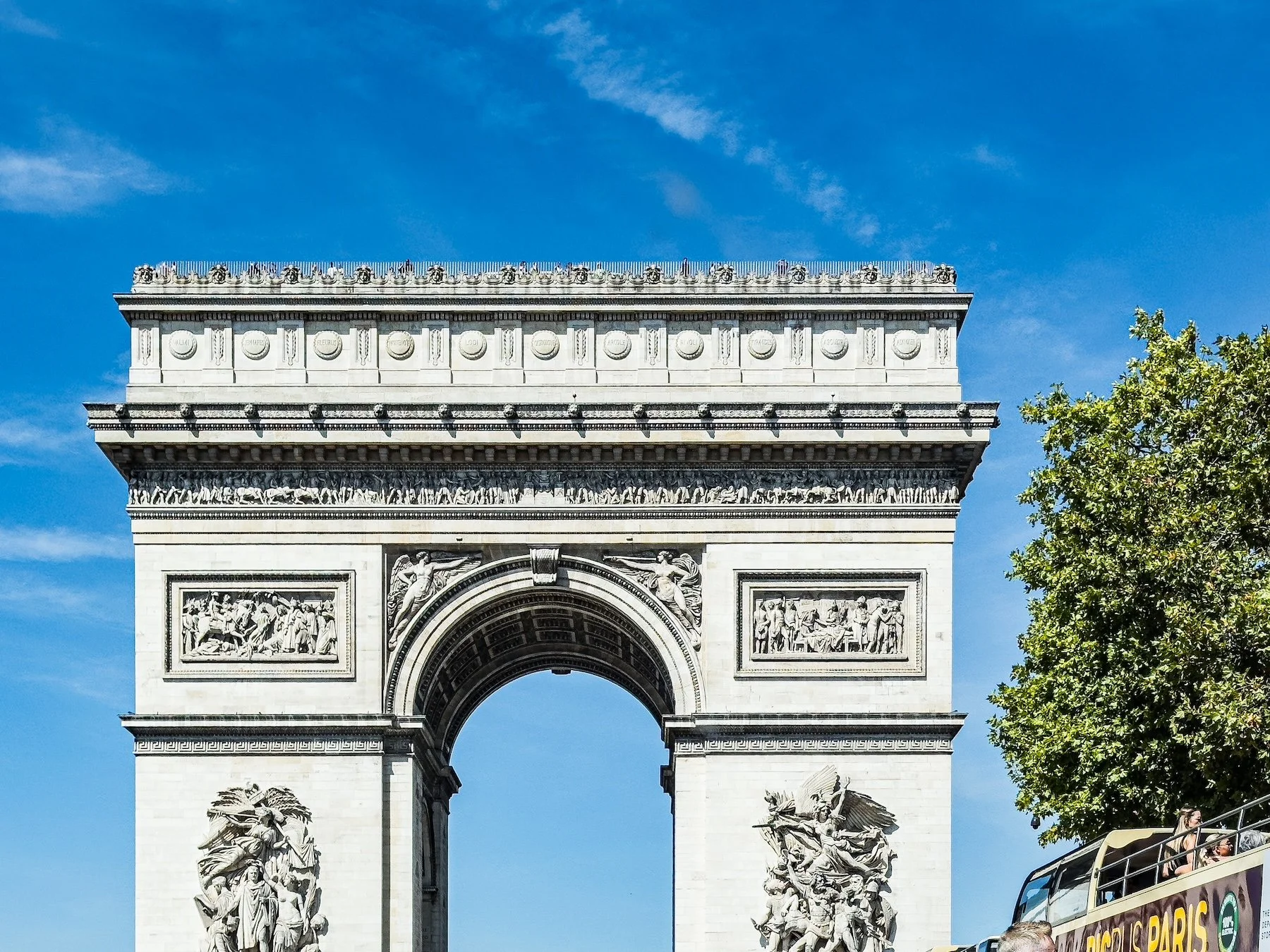
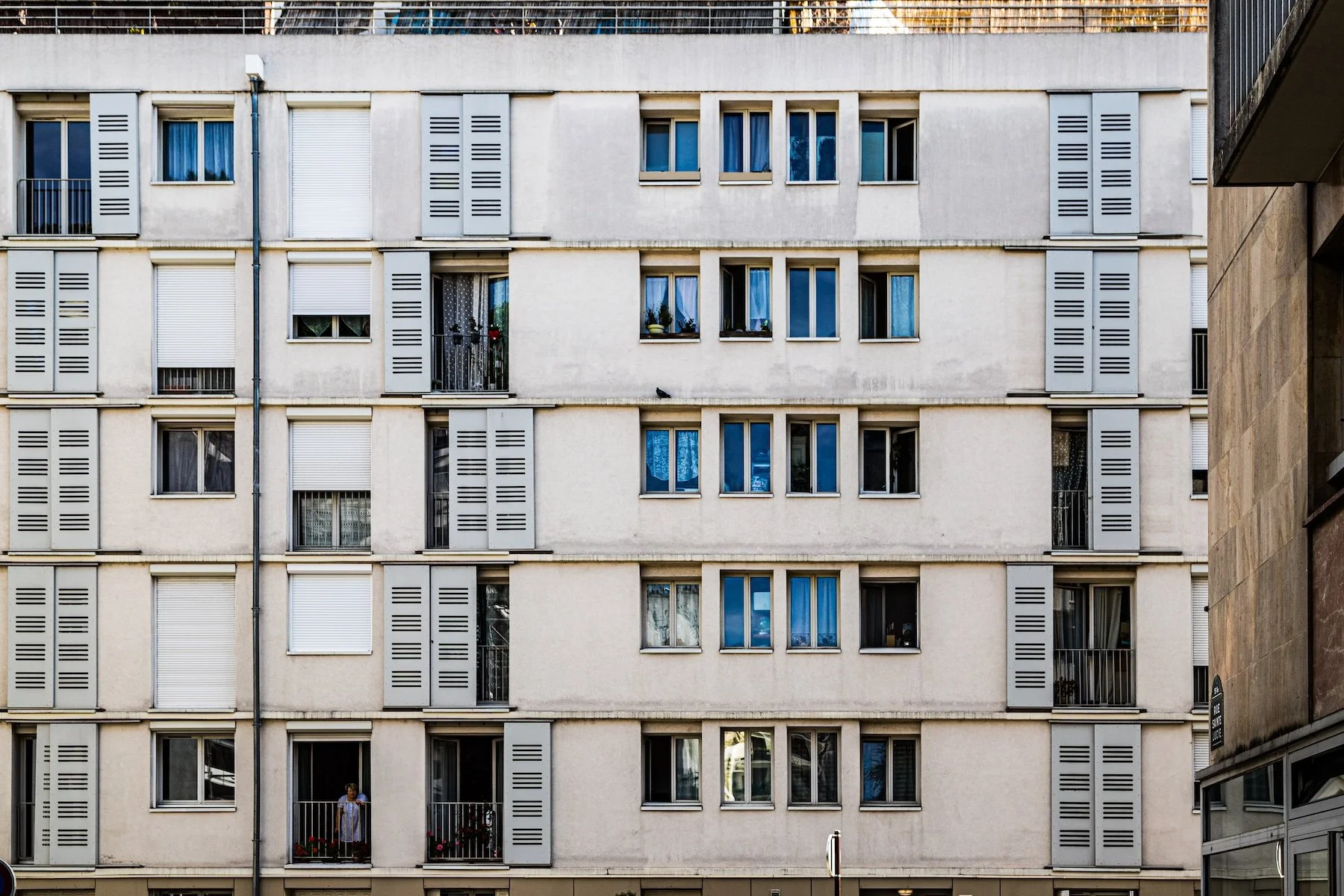
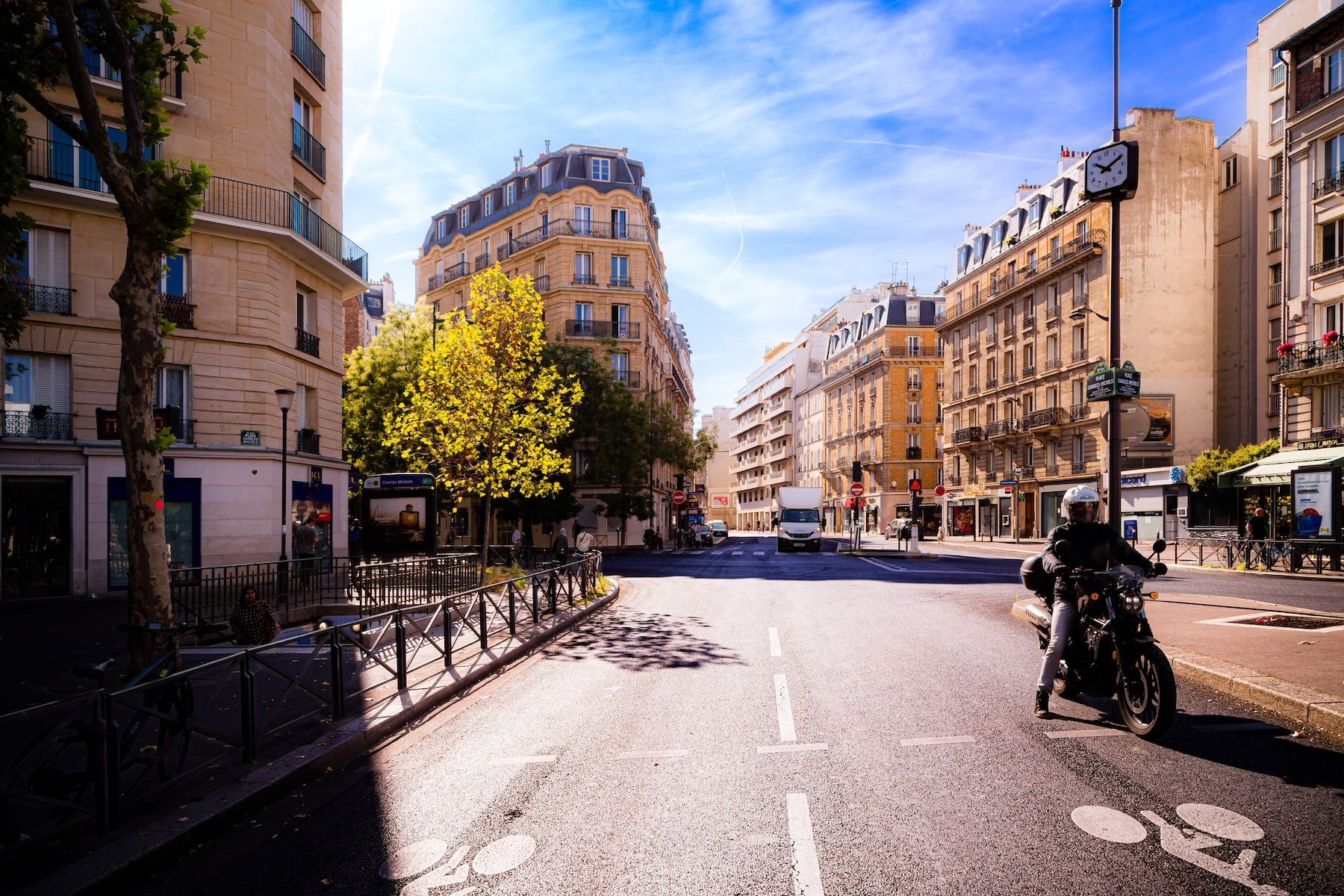
Explore Paris
-

The twenty arrondissements form the civic spiral of Paris, organizing the city into its broad local districts of government, identity, and daily life.
-

Each arrondissement is divided into four official administrative quarters, giving Paris a more precise civic and geographic framework.
-

The conseils de quartier bring participation to street level, giving residents a voice in neighborhood needs, public space, and local civic life.
-

Les Deux Rives trace Paris through the Seine’s two banks, revealing how the Rive Droite and Rive Gauche shaped the city’s civic power, commerce, learning, art, and cultural identity.
-

Cultural neighborhoods reveal the Paris people recognize through history, cafés, architecture, memory, atmosphere, and local belonging.