
16e - CHAILLOT
Quartiers Administratifs
Part of an ongoing project to walk and photograph every neighborhood in Paris, this page 16e - Chaillot through maps, district identity, history, and photography.
The Map
Download the Paris Arrondissements Map
Geographic Setting
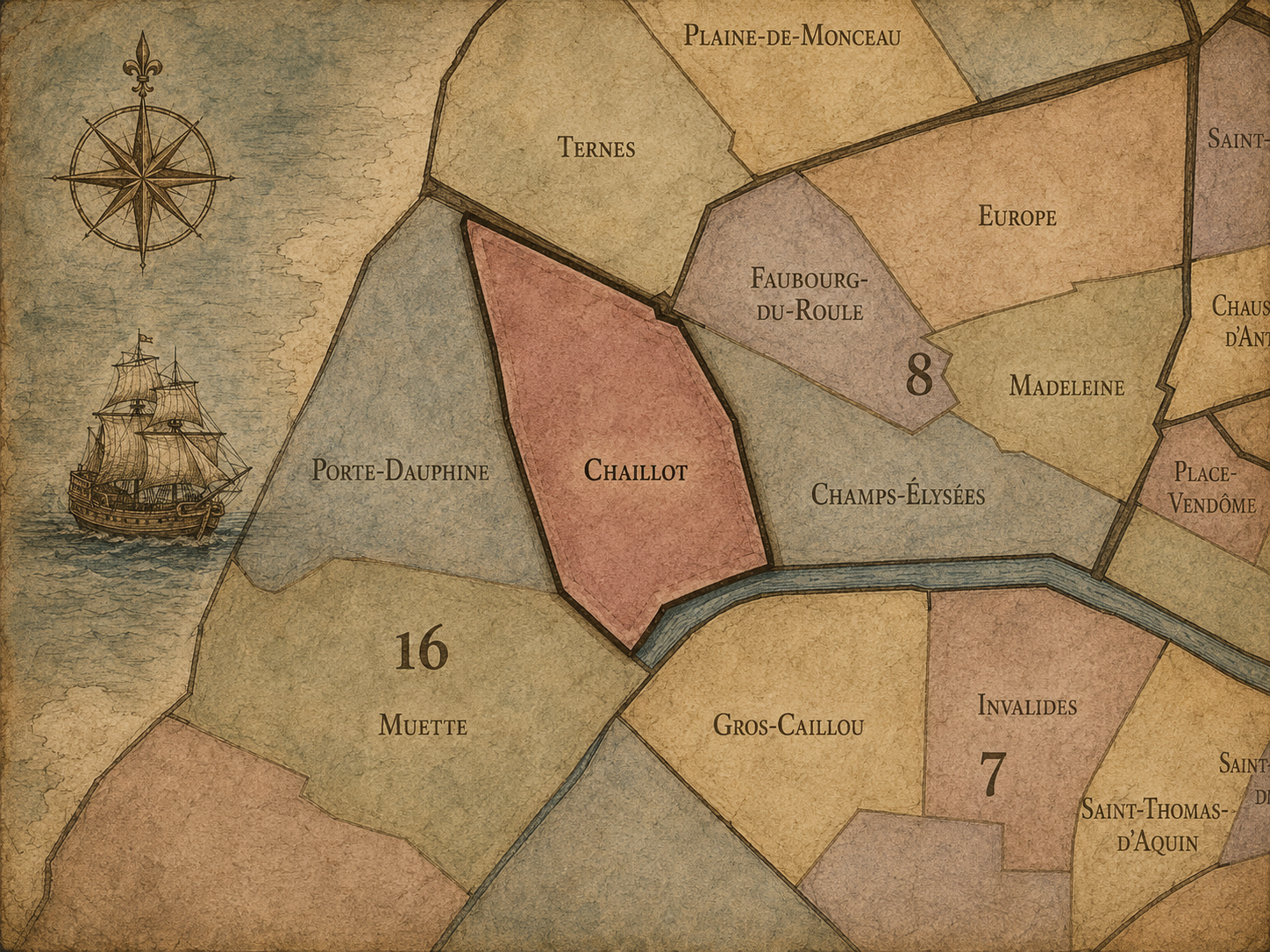
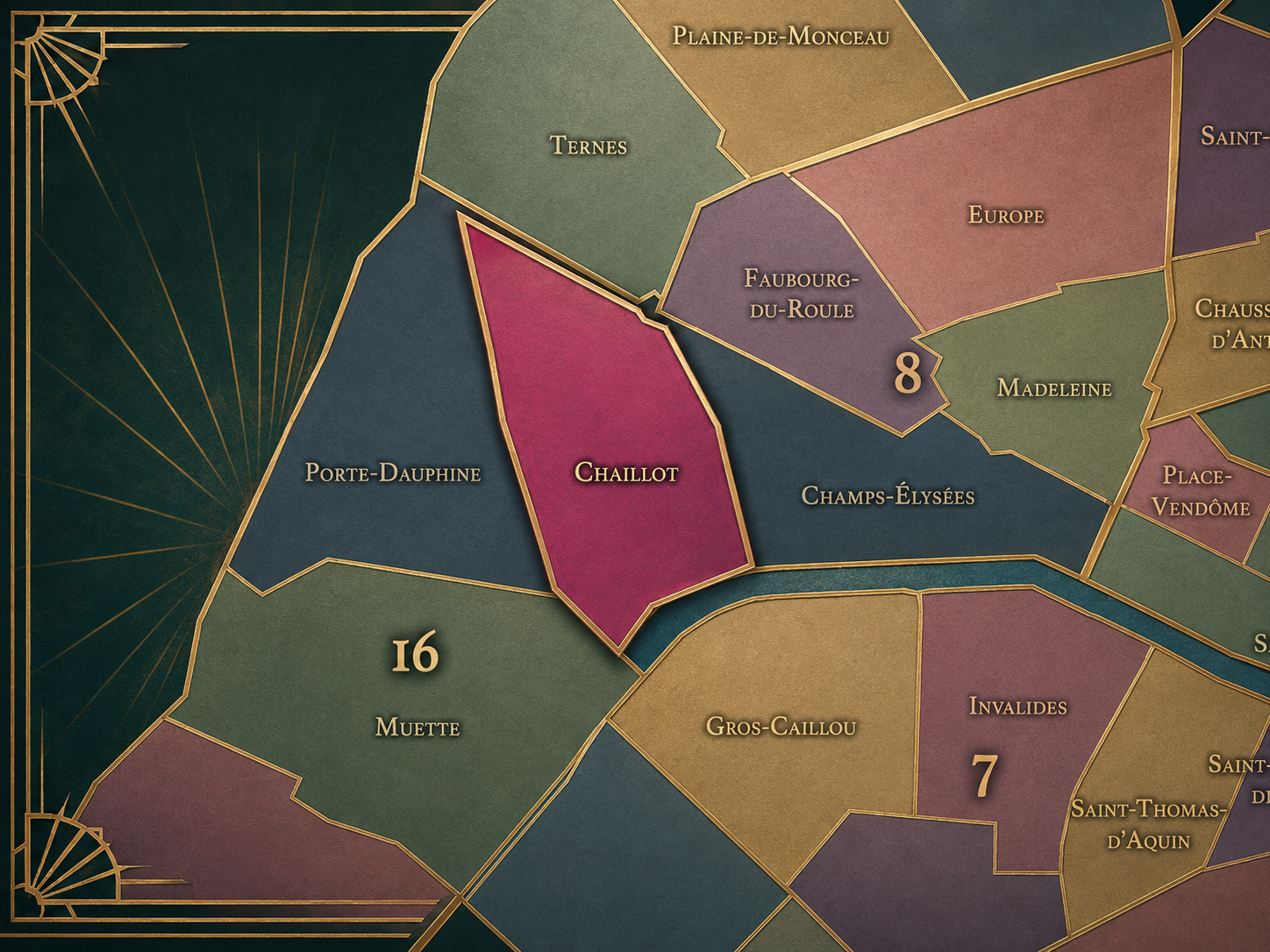
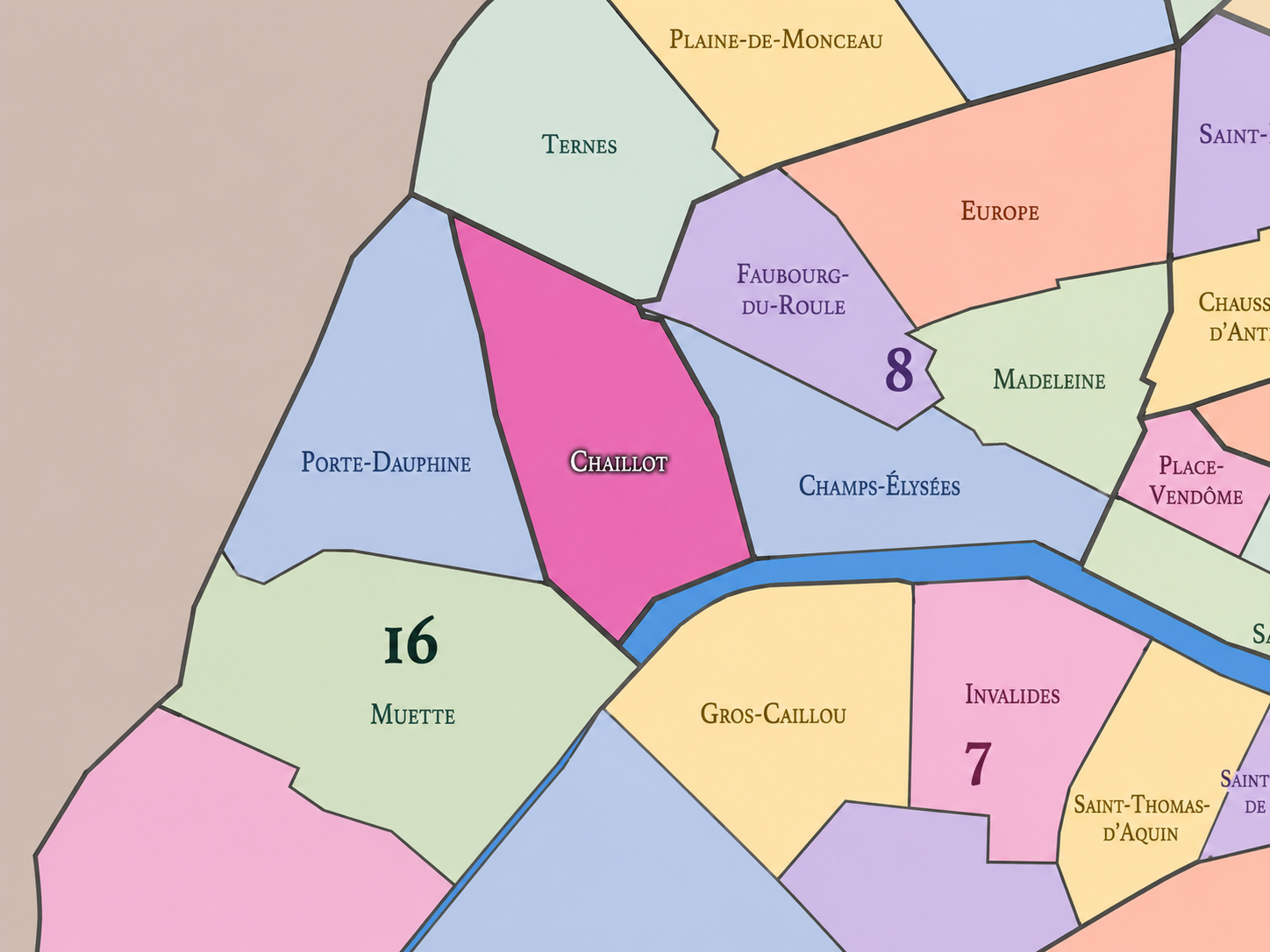
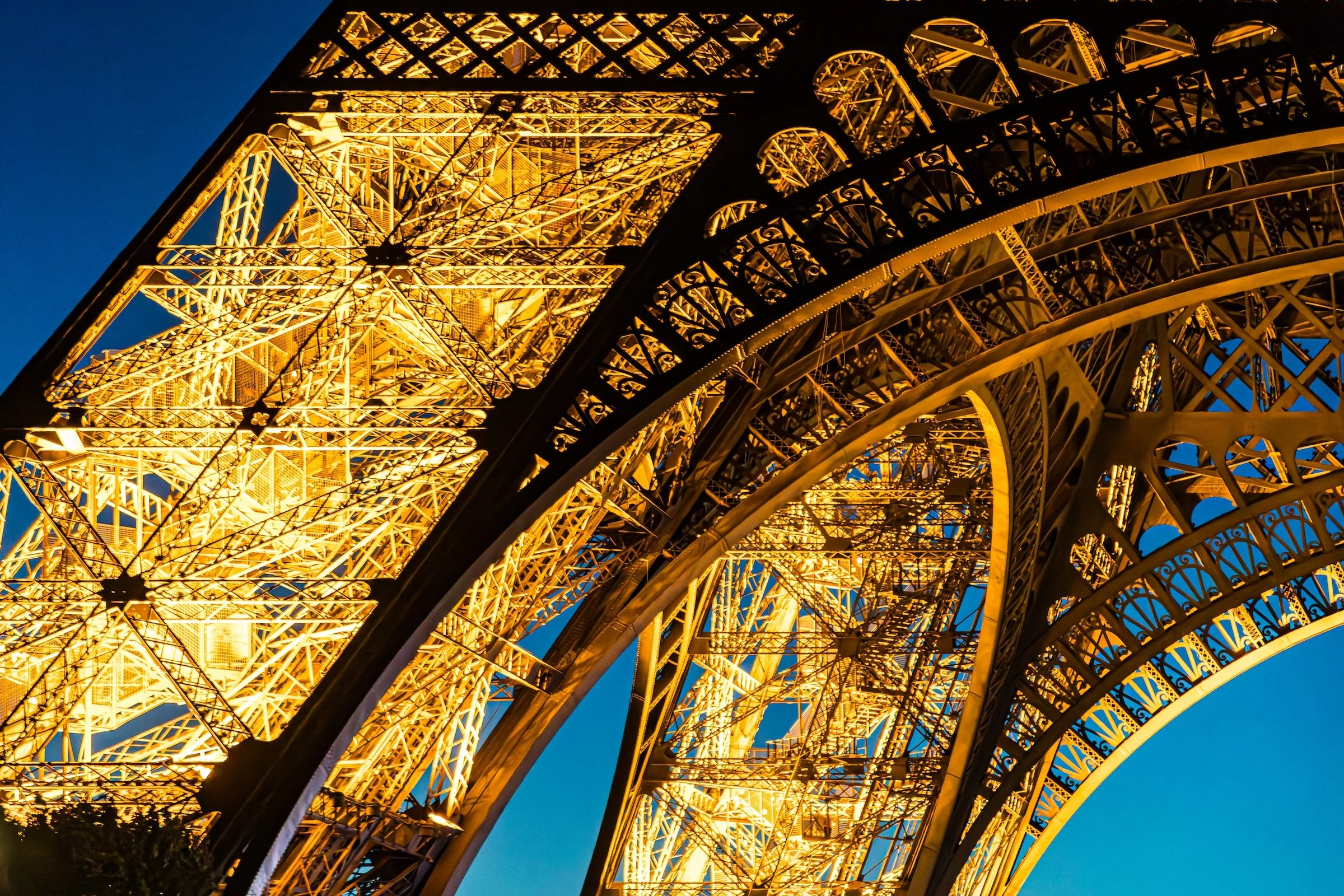
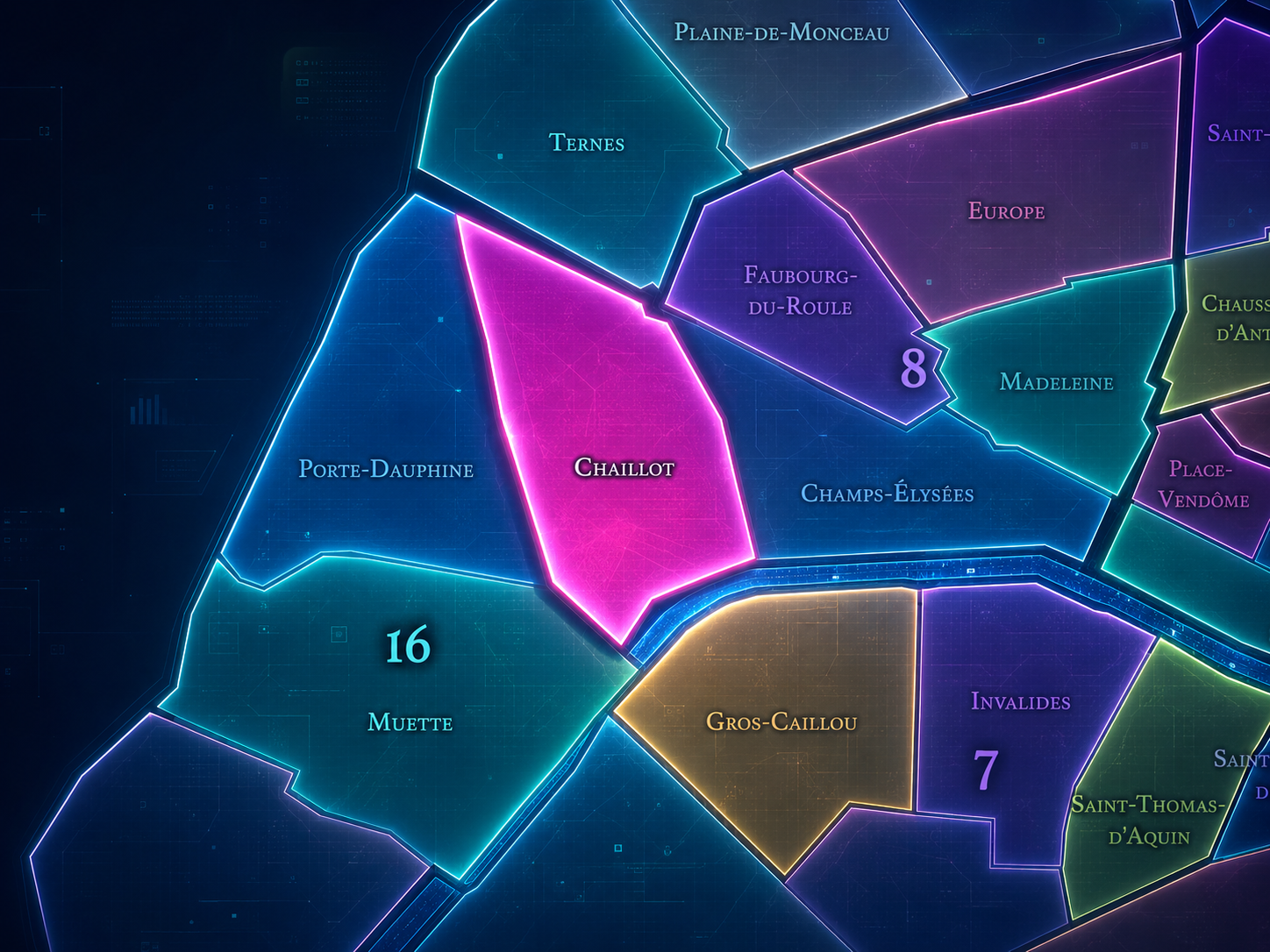
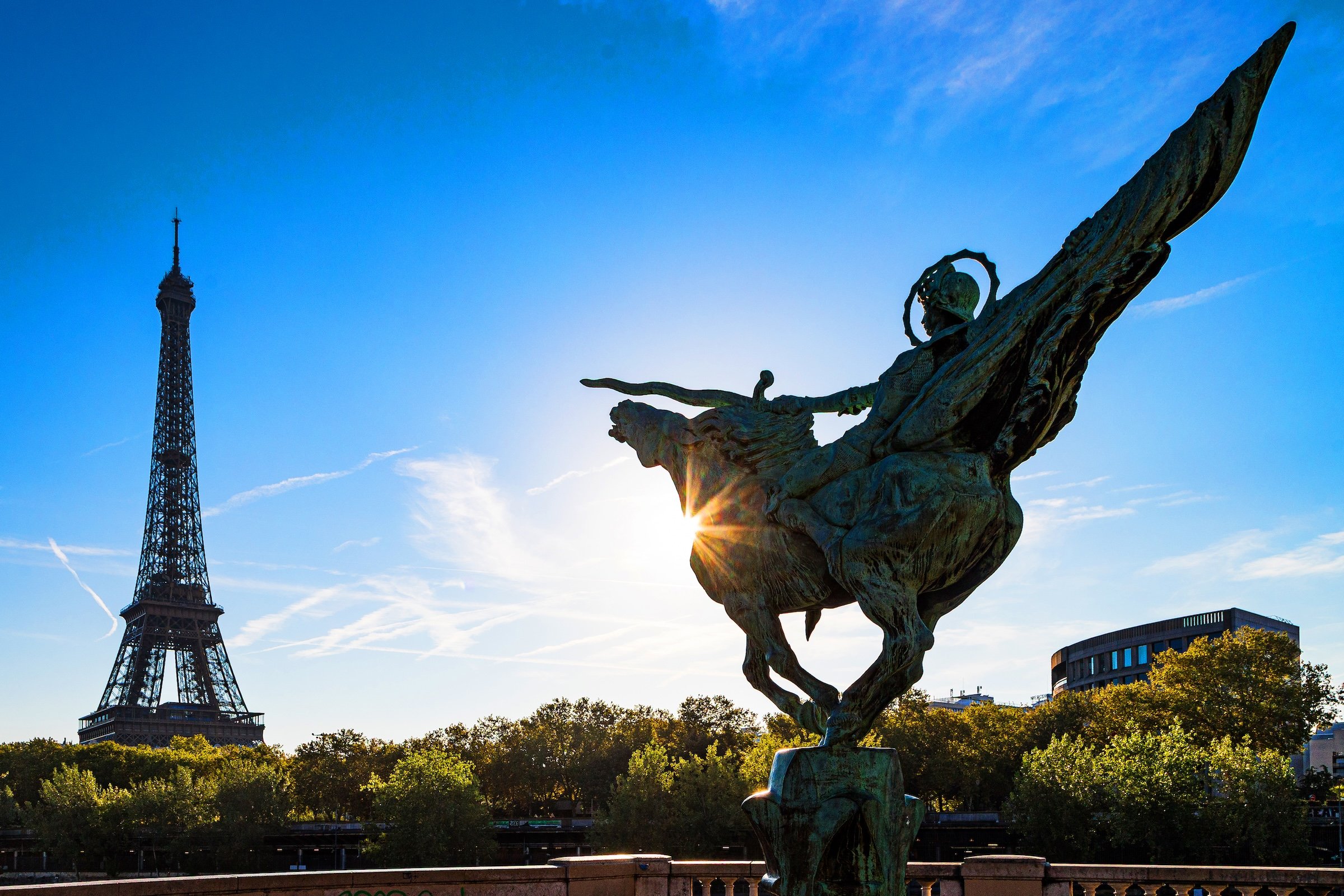
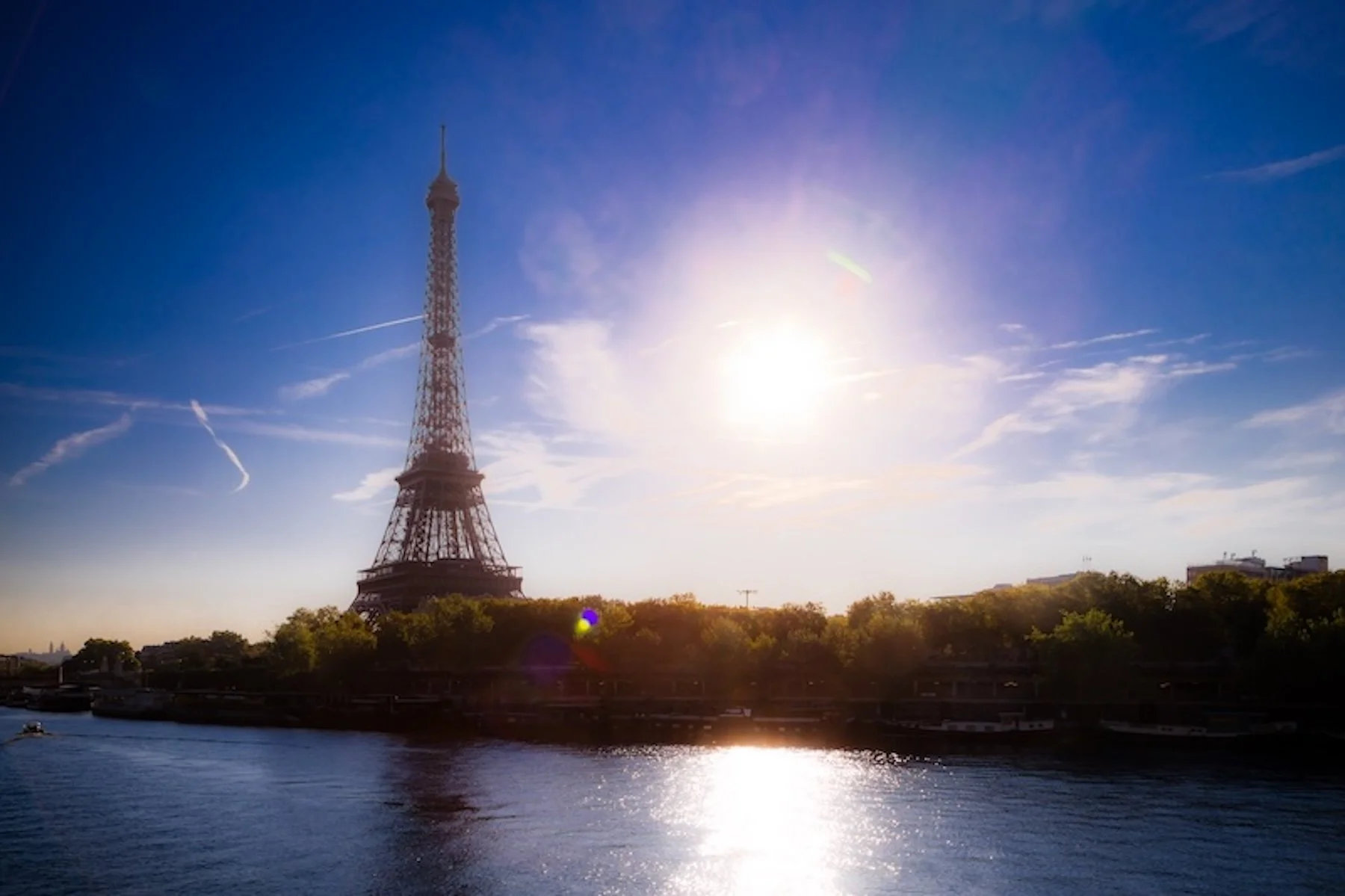
Chaillot occupies the southeastern portion of the 16th arrondissement, where western Paris rises above the Seine and opens toward one of the most commanding views in the city: the axis from the Trocadéro across the river to the Eiffel Tower and Champ-de-Mars. It lies east of La Muette, southeast of Porte-Dauphine, north and northeast of Auteuil, and directly across the Seine from the 7th arrondissement’s Gros-Caillou and Invalides landscapes. This is the 16th arrondissement at its most monumental and outward-facing — a quarter of palaces, museums, embassies, grand avenues, river terraces, diplomatic addresses, and ceremonial views.
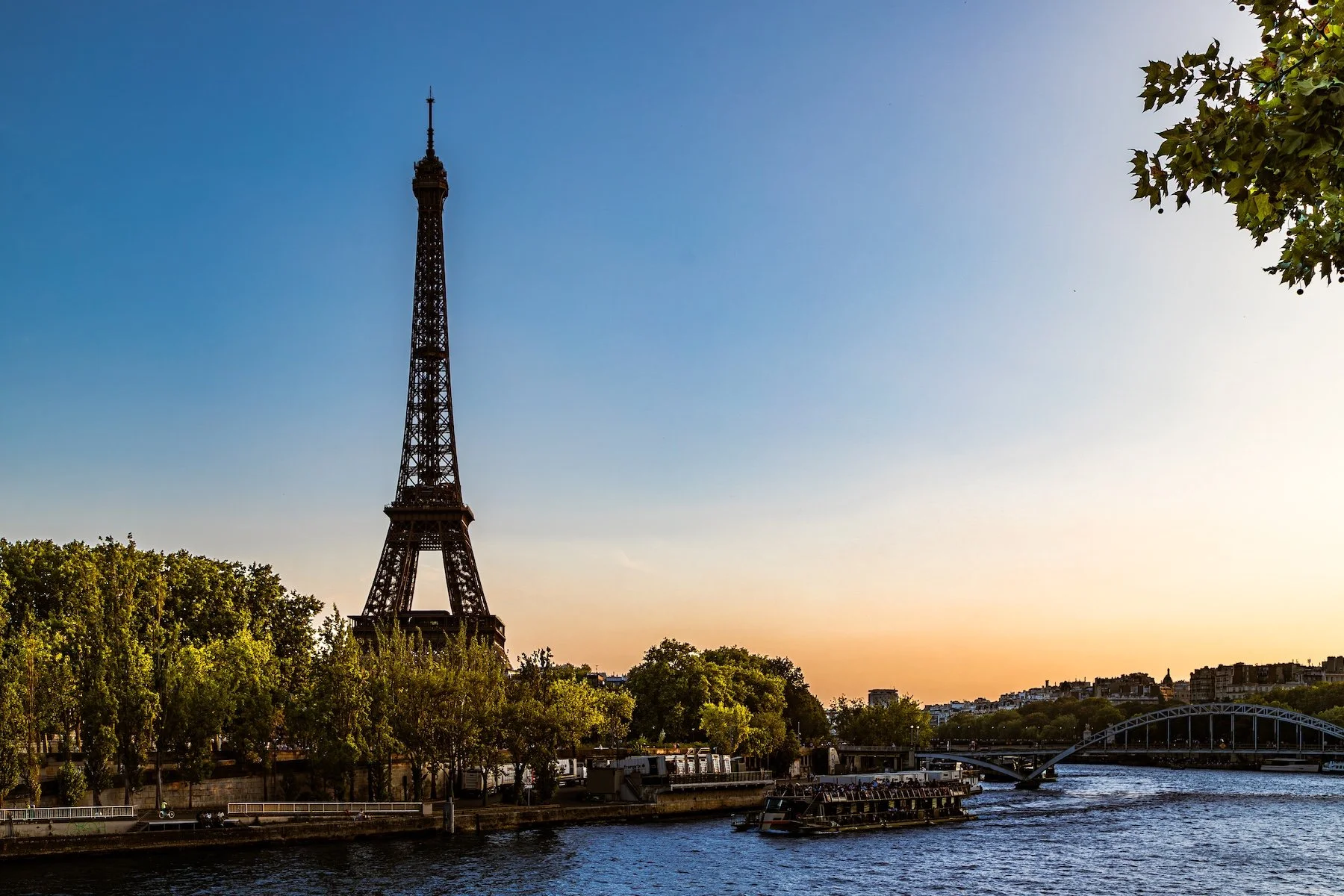
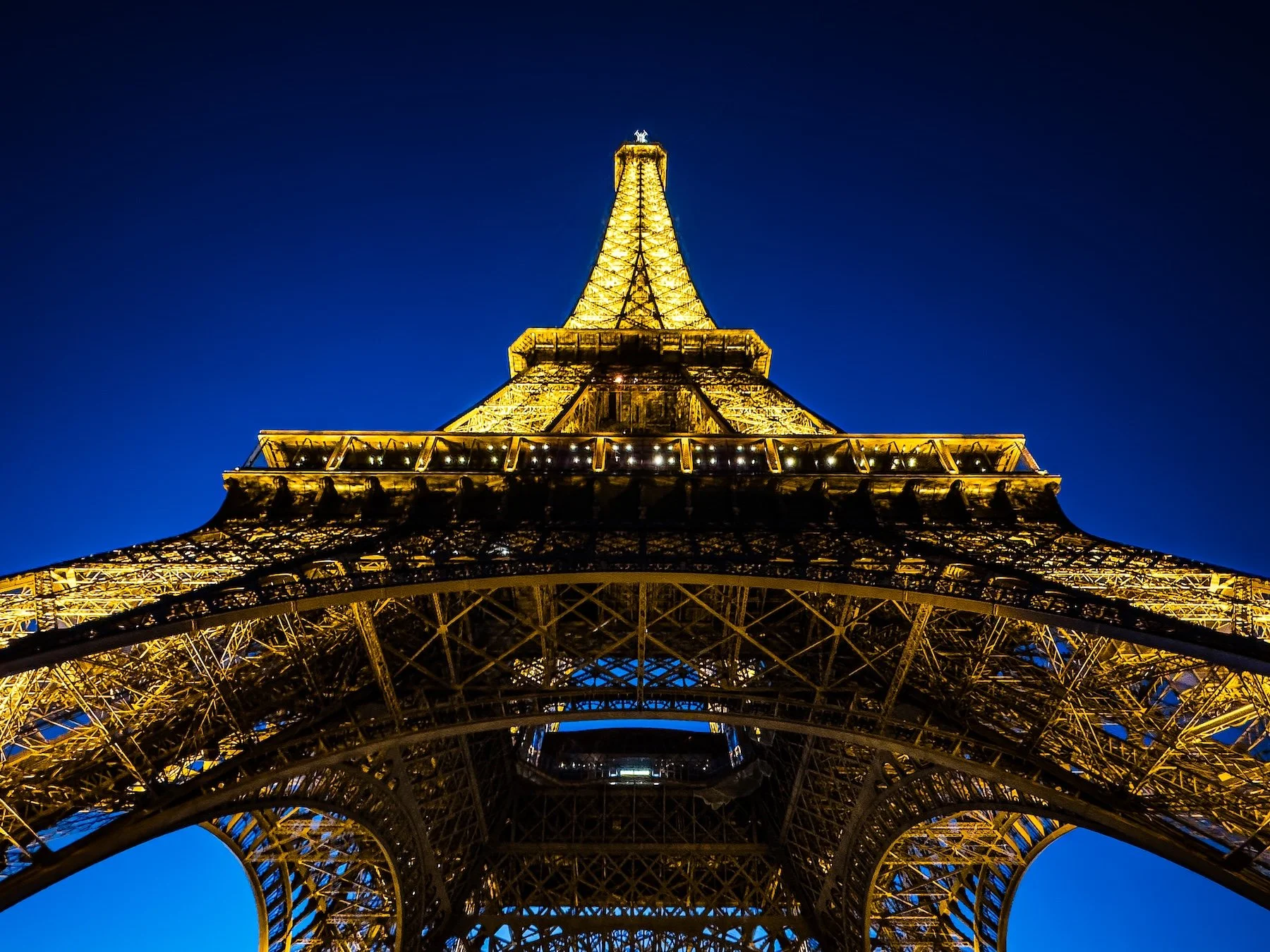
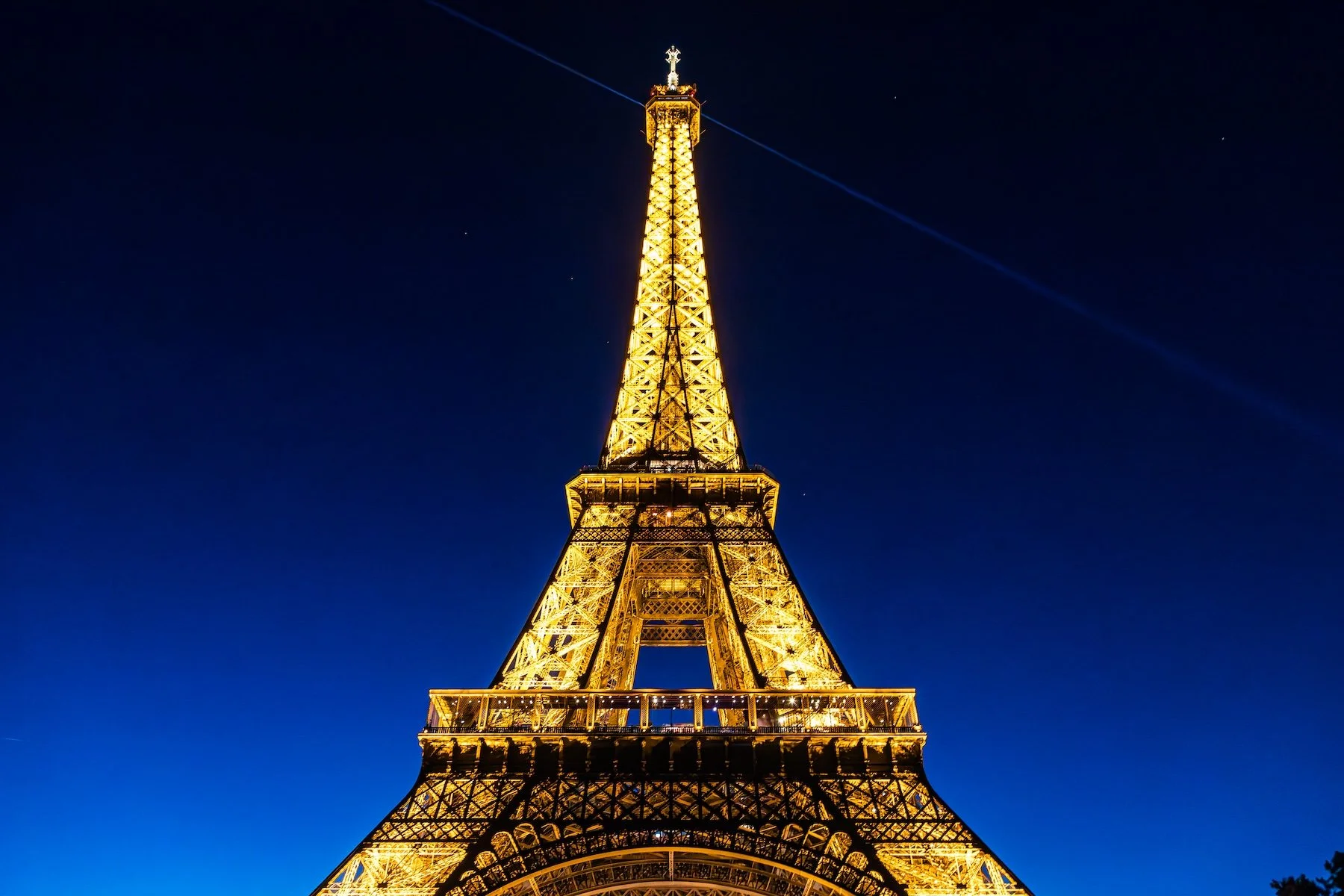
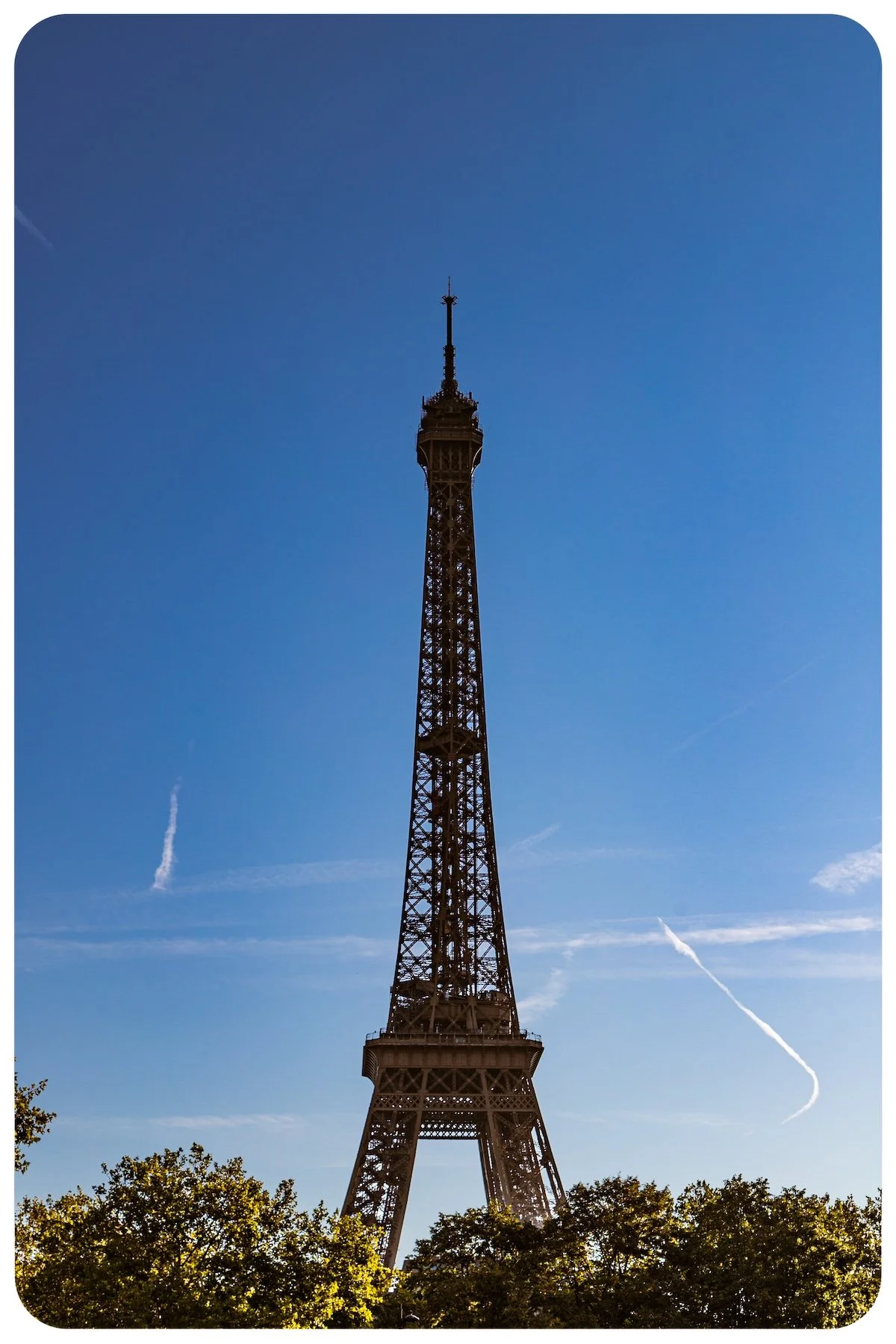
The quarter’s geography is shaped by Place du Trocadéro-et-du-11-Novembre, the Jardins du Trocadéro, Palais de Chaillot, Avenue Kléber, Avenue d’Iéna, Avenue Marceau, Avenue du Président-Wilson, Rue Boissière, Rue de Longchamp, Rue de Chaillot, and the Seine-facing quays near Pont d’Iéna and Pont de l’Alma. It gathers some of the most photographed and symbolically charged spaces in western Paris, especially the Trocadéro platform, where the Eiffel Tower appears not as an isolated monument, but as part of a dramatic cross-river composition.
Unlike Auteuil, whose identity is village-like, residential, green, and discreet, or La Muette, whose character is more connected to Passy, Ranelagh, and the eastern Bois de Boulogne, Chaillot is more public and ceremonial. It is the 16th arrondissement as spectacle and state presence: grand façades, cultural institutions, international organizations, ambassadorial streets, and one of the city’s great theaters of visibility.
Administrative Quarter Identity
Etymology and Origins
The name Chaillot comes from the former village of Chaillot, an old settlement on the hill above the Seine west of central Paris. Before it became part of the modern 16th arrondissement, Chaillot was its own locality, positioned between the river, the roads westward, and the rising ground that would later become one of the capital’s most prestigious viewing platforms. Like Auteuil and Passy, Chaillot preserves the memory of a village absorbed into Paris.
The name is older and more local than the monumental identity now associated with the quarter. Today, Chaillot often evokes the Palais de Chaillot, the Trocadéro, embassies, museums, and the Eiffel Tower view. But beneath that official and touristic layer lies the older village name — a reminder that this high western ground once had a local identity before it became a stage for national and international display.
Chaillot’s etymological importance lies in this transformation. A village name became the name of a quarter; the quarter became associated with palaces and world exhibitions; and the Trocadéro view became one of the defining images of Paris. The name Chaillot therefore carries both intimacy and grandeur: the memory of a former settlement beneath the ceremonial face of western Paris.
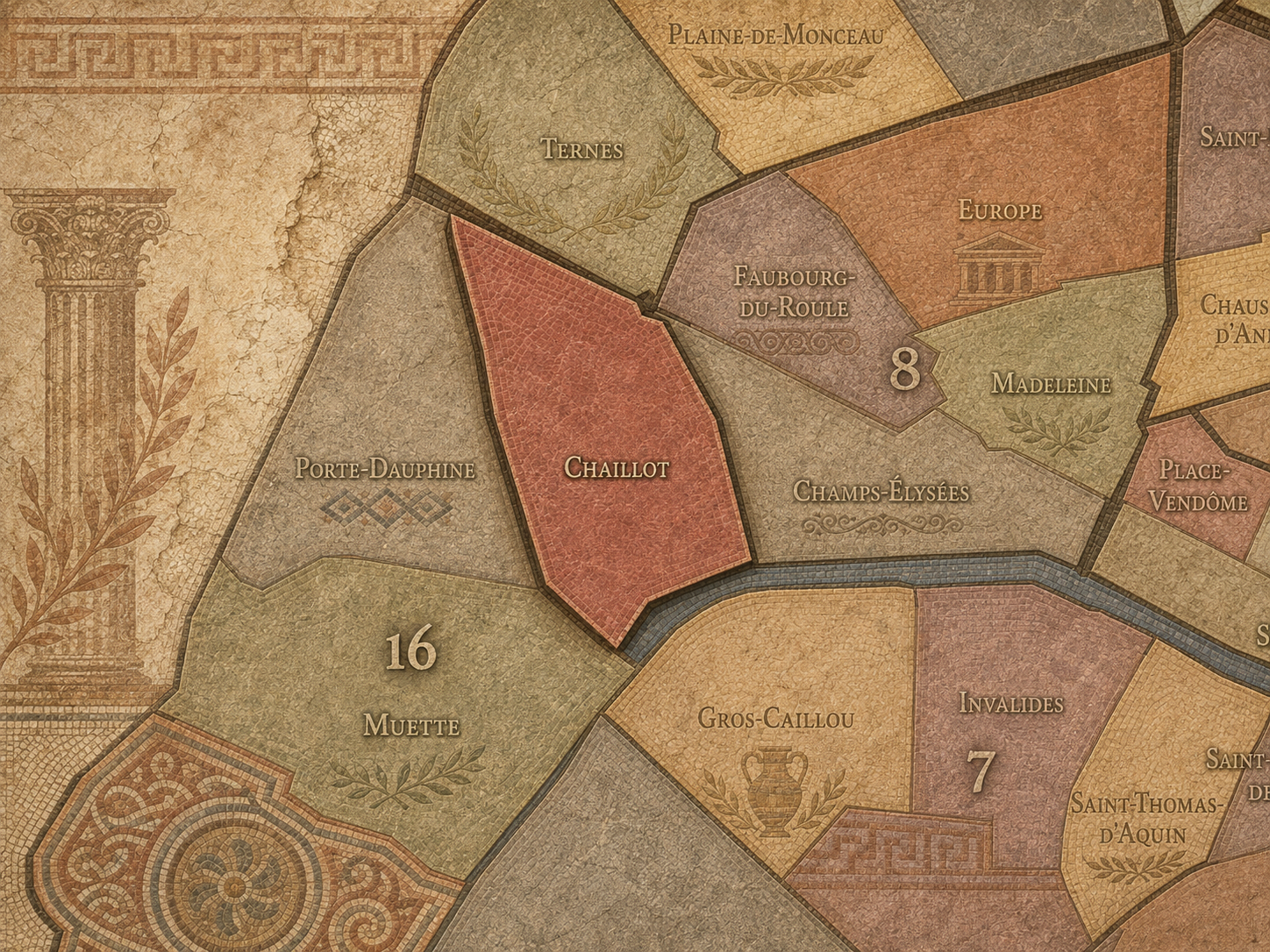
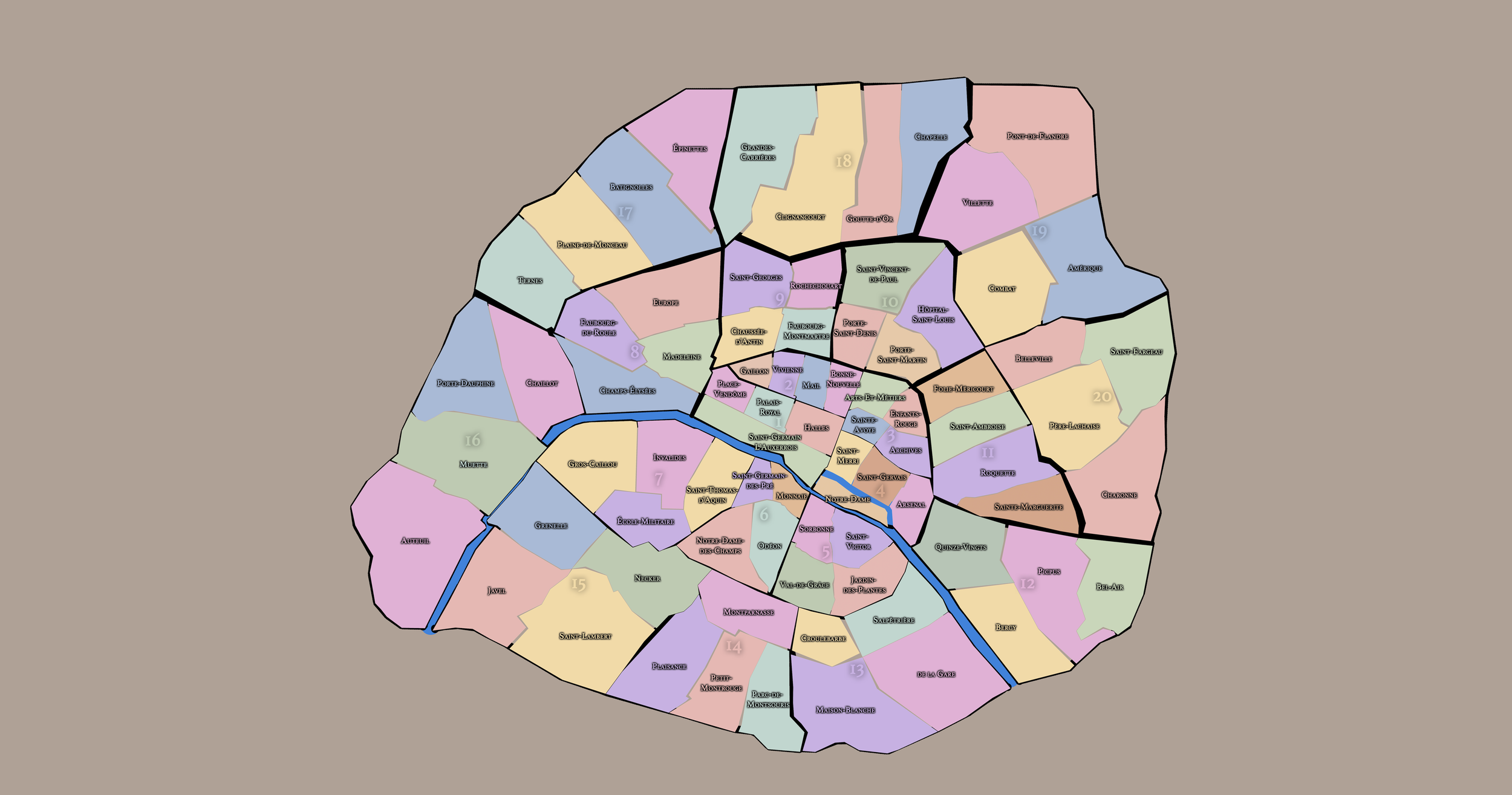
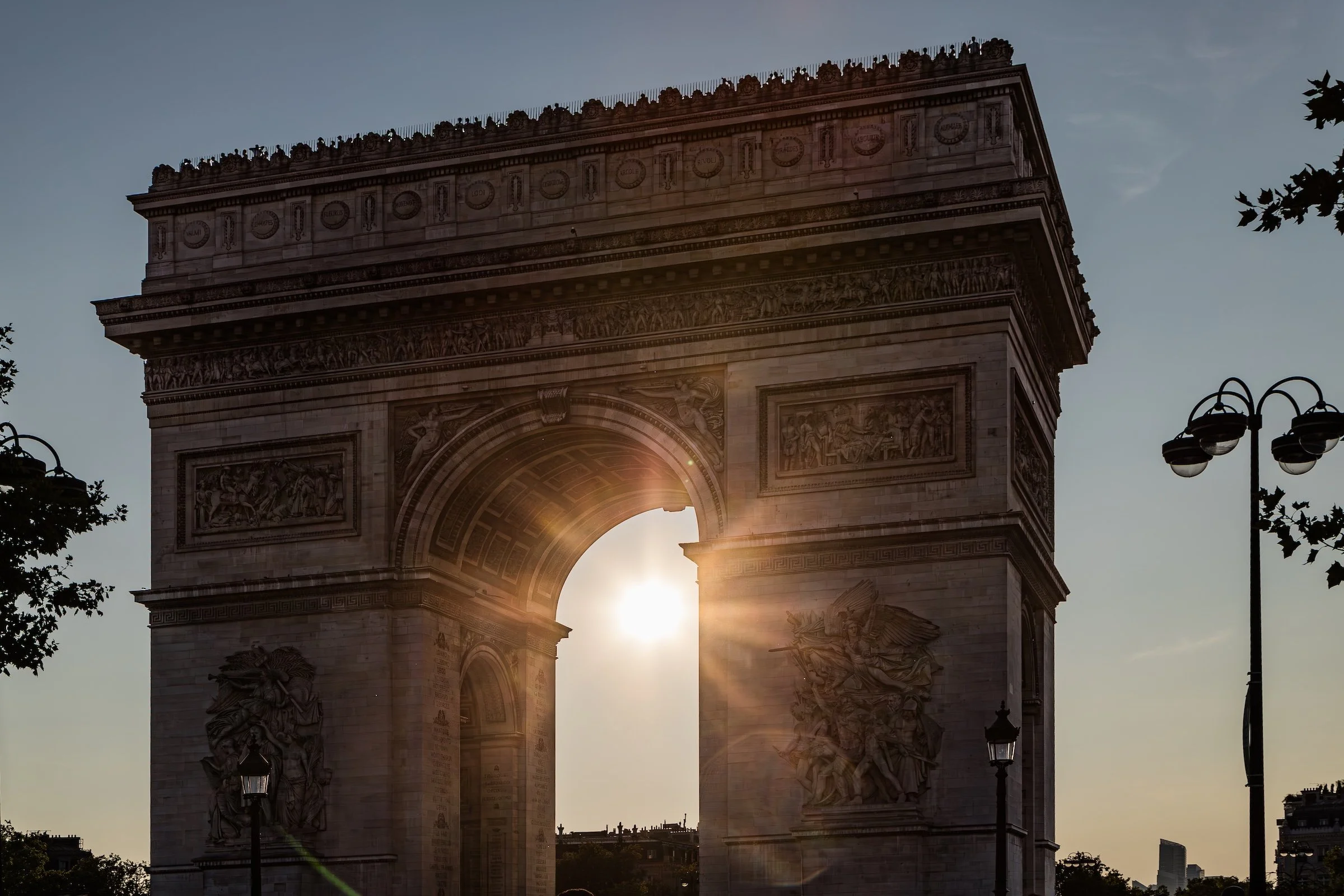
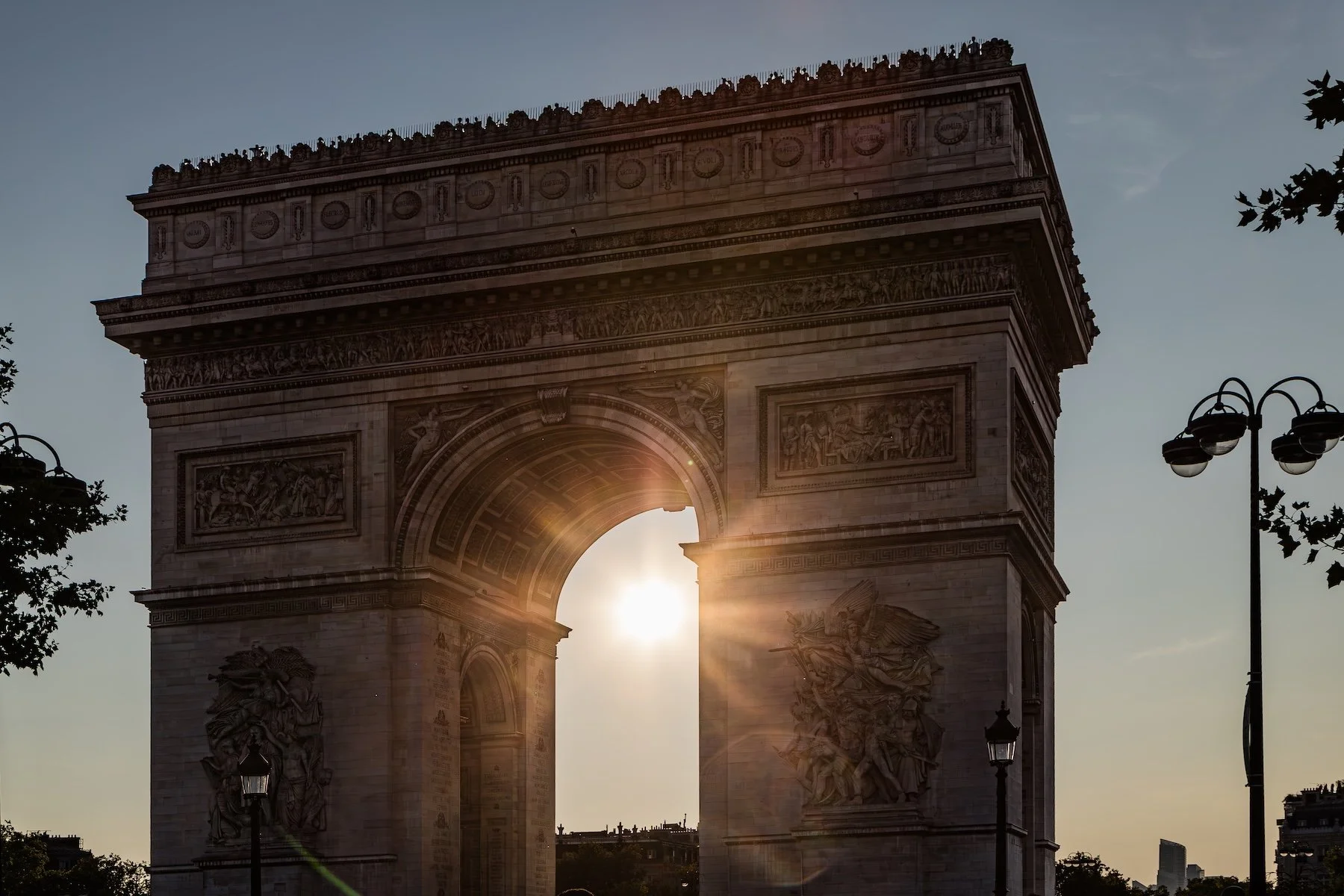
Within the official geography of Paris, Chaillot is one of the four administrative quarters of the 16th arrondissement, alongside Auteuil, La Muette, and Porte-Dauphine. It occupies the arrondissement’s southeastern sector and gives formal civic shape to the Trocadéro, the Palais de Chaillot, the avenues leading toward the Arc de Triomphe, and the Seine-facing institutional landscape opposite the Eiffel Tower.
As an administrative quarter, Chaillot clarifies a district often described through more famous or more specific names: Trocadéro, Iéna, Kléber, Alma, Passy-adjacent Paris, or the area “across from the Eiffel Tower.” Those names are useful, but each describes only one layer. Chaillot is the official civic frame that gathers the former village, the monumental terraces, the museum quarter, the diplomatic streets, and the grand residential avenues into one mapped unit.
This frame is especially useful because Chaillot is often experienced visually rather than territorially. Visitors come for the Eiffel Tower view, the museums, or the Trocadéro gardens without necessarily understanding that they are moving through one of the administrative quarters of Paris. The official name restores the neighborhood beneath the panorama.
Civic Framework
Chaillot differs from the other quarters of the 16th arrondissement through its monumentality, its Seine-facing visibility, and its role as one of Paris’s great ceremonial viewing landscapes. Auteuil is quieter, greener, more village-like, and more residential, tied to villas, gardens, sports, and the southern Bois. La Muette is more associated with Passy, Ranelagh, residential refinement, the OECD, and the eastern edge of the Bois de Boulogne. Porte-Dauphine is more northern and western, connected to the Bois, the university landscape, Avenue Foch, and the threshold toward Neuilly.
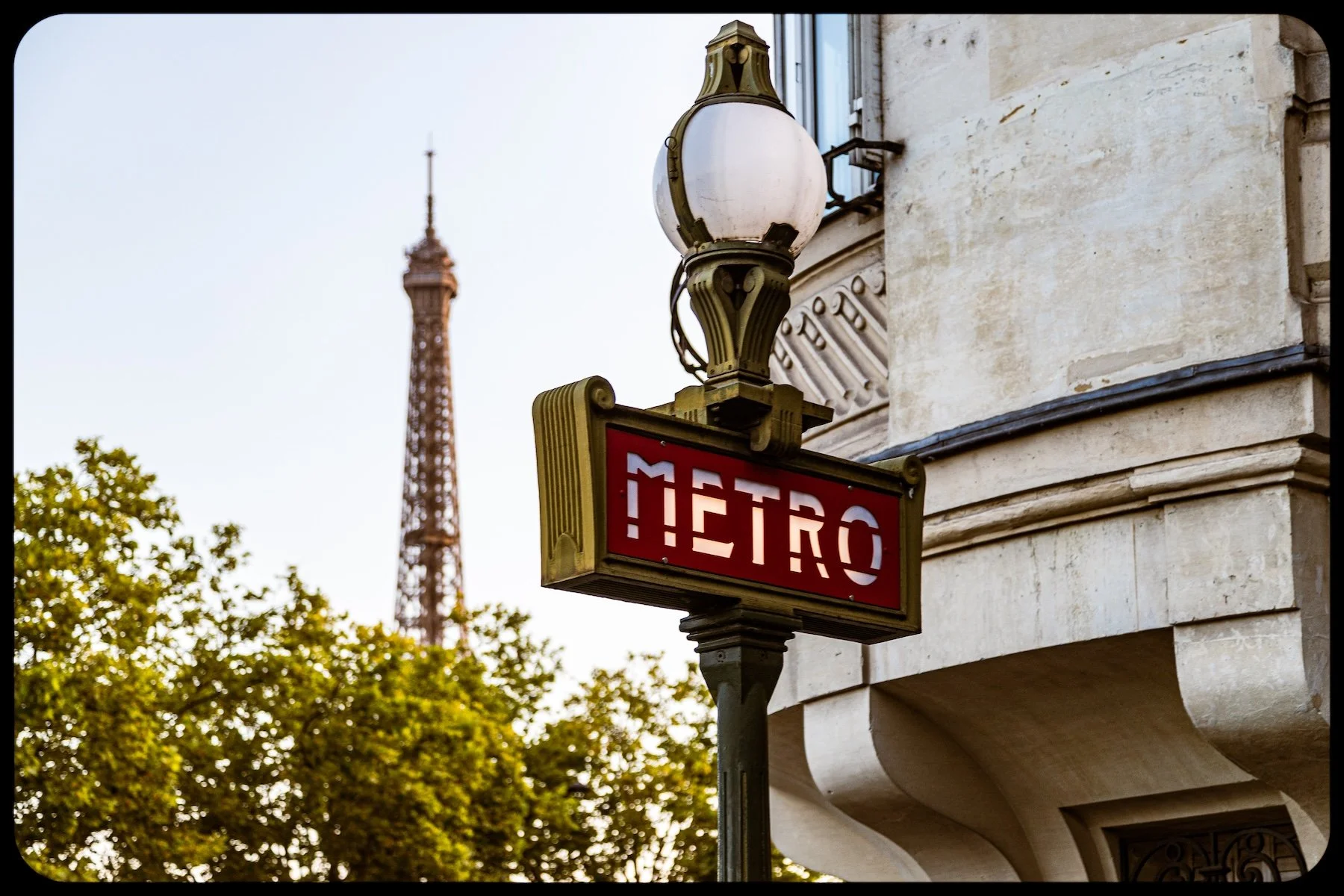
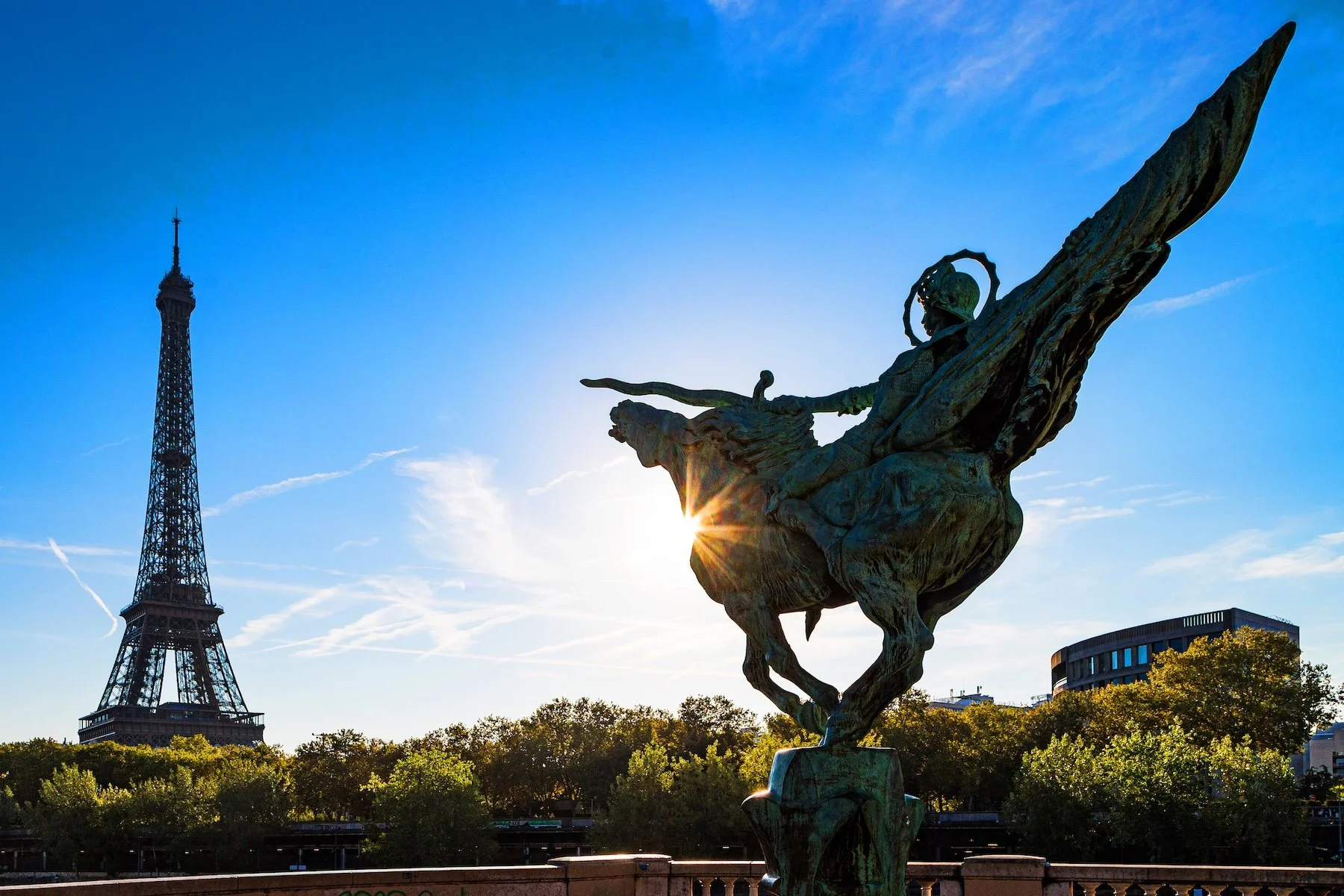
Chaillot is different because it faces the city. It looks outward across the Seine and, in doing so, becomes part of the image of Paris itself. The Trocadéro terrace does not merely offer a view; it constructs a relationship between the western hill and the Eiffel Tower. The quarter’s distinction lies in this visual authority. It is one of the places from which Paris is most often seen, photographed, remembered, and performed.
It should also be distinguished from Trocadéro. Trocadéro is the strongest everyday and touristic name within the quarter, tied to the square, gardens, and Palais de Chaillot. Chaillot is broader and older. Trocadéro is the monumental stage; Chaillot is the administrative quarter and former village landscape that contains it.
Neighborhood Distinction
Parisian Identity
Chaillot expresses Paris as a city of display, diplomacy, and controlled grandeur. It is one of the quarters where the capital arranges itself for the world’s gaze. The Eiffel Tower may stand across the river, but Chaillot helps create its most famous image. Without the Trocadéro terrace, the tower would still be iconic; with Chaillot, it becomes a staged urban revelation.
The quarter also expresses Paris as a city of cultural institutions. The Palais de Chaillot and its museums, theaters, and public spaces give the neighborhood a civic and educational function beyond the postcard view. The district gathers architecture, anthropology, maritime history, architecture and heritage collections, performance, and memory within one of the city’s most visible sites. Chaillot is therefore not simply a viewing platform. It is a cultural platform.
At the same time, Chaillot’s Parisian identity is marked by privilege and international presence. Embassies, grand apartments, diplomatic residences, luxury hotels, and prestigious avenues give the quarter an atmosphere of power held at a distance. It is not the intimate Paris of street markets or the rougher Paris of working faubourgs. It is the Paris of representation — elegant, guarded, visible, and deliberately composed.
Neighborhood Connections
Every administrative quarter belongs to a wider Parisian fabric. These connections place Chaillot within the city’s civic, participatory, and cultural geography:
-
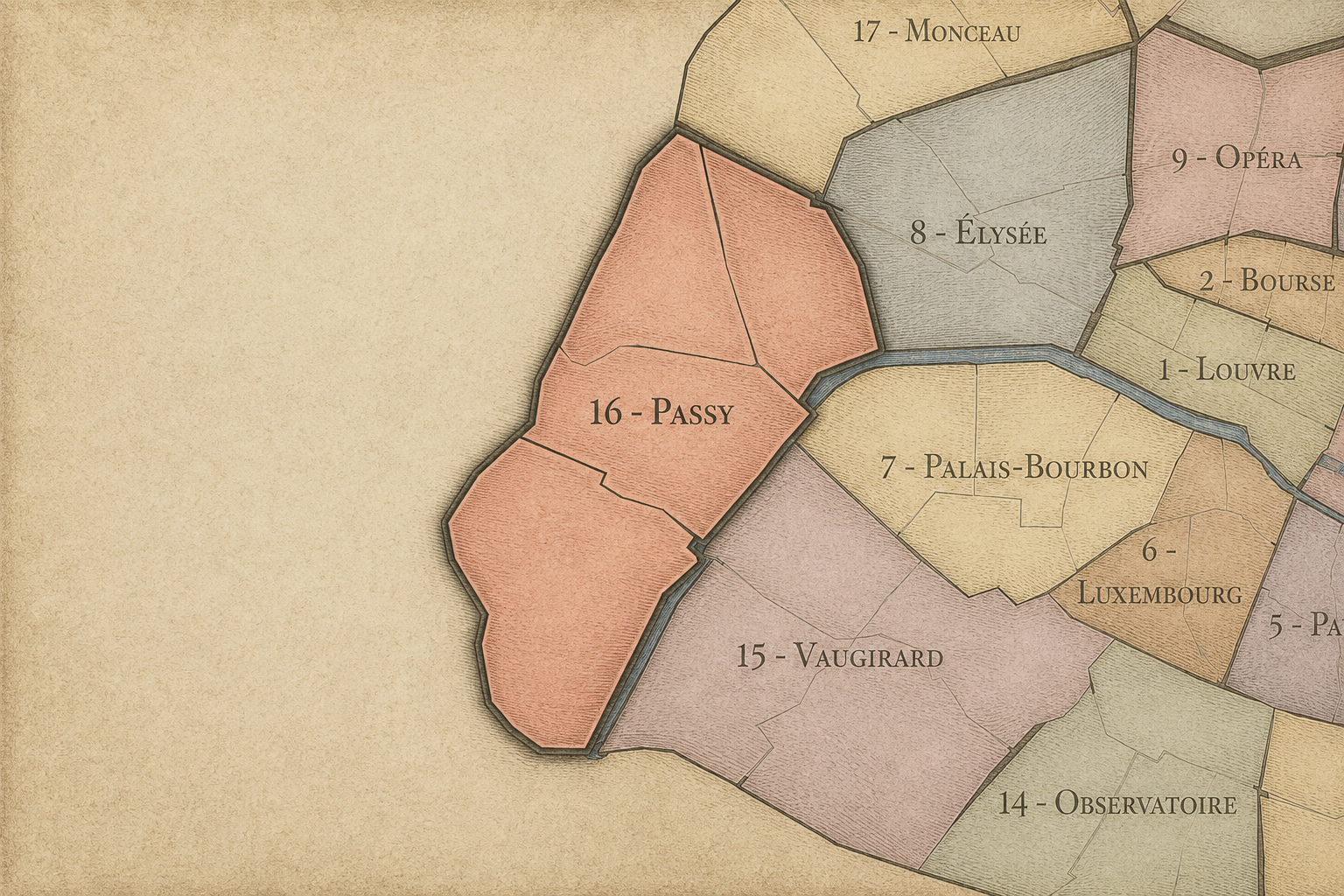
16e - Passy
-
Chaillot
The History
The origins of Chaillot lie in a village on the western heights above the Seine, outside the older center of Paris. Before the modern city absorbed it, Chaillot existed as part of the outer landscape west of the capital: roads, river slopes, gardens, religious houses, estates, vineyards, and scattered residences. Its elevation above the Seine gave it both practical and symbolic distinction long before it became a monumental viewing platform.
The village’s location was crucial. It stood close enough to Paris to be tied to its social and economic orbit, but far enough west to retain a different rhythm. Like Auteuil and Passy, it belonged to the ring of settlements that later became the 16th arrondissement — places that were not originally extensions of dense Paris, but neighboring communities gradually drawn into the capital’s expansion.
Chaillot’s origin story is therefore one of transformation from local height to civic stage. The same elevated ground that once supported village life would later support palaces, exhibition buildings, museums, gardens, and one of the most famous urban views in the world.
Origins
16th–17th Century
In the 16th and 17th centuries, Chaillot remained outside the dense urban fabric of Paris, though increasingly connected to the capital’s western growth. The village and its surrounding slopes were shaped by gardens, religious establishments, estates, and roads along the Seine and toward the western countryside. The area had a quieter and more spacious character than the crowded central city.
The 17th century brought greater aristocratic and institutional attention to the western approaches of Paris. As royal and elite landscapes expanded westward, villages like Chaillot gained importance as places of residence, retreat, and view. The district was still not monumental in the modern sense, but its position above the river made it increasingly desirable.
This period established Chaillot’s long association with elevation and perspective. Before the Trocadéro, before the Palais de Chaillot, before the Eiffel Tower, the hill itself mattered. The geography of looking — from height toward the river and city — was already part of the place’s identity.
In the 18th century, Chaillot became more closely tied to aristocratic, religious, and residential life on the western edge of Paris. The village and surrounding slopes continued to attract estates, gardens, convents, and houses that benefited from proximity to the capital without the density of its center. It remained outside the formal core, but its connection to elite western Paris grew stronger.
The quarter’s future relationship to spectacle had not yet fully emerged, but the stage was being prepared. The western side of Paris was increasingly important, with avenues, promenades, and ceremonial landscapes expanding toward the Seine and beyond. Chaillot’s hill stood in a position that would later be crucial to the great visual axes of the city.
The French Revolution disrupted religious and aristocratic properties across Paris and its outskirts, including the western villages that would later be annexed. Chaillot entered the modern era with older structures of property and authority transformed, but with its geographic advantage intact. Its future monumentality would be built on this elevated inheritance.
18th Century
19th Century
The 19th century transformed Chaillot from village landscape into Parisian quarter. In 1860, the former village areas of Chaillot, Passy, and Auteuil were incorporated into the modern 16th arrondissement. This annexation formally brought Chaillot into Paris, but the quarter’s symbolic transformation accelerated through the age of universal exhibitions and the construction of monumental buildings on the Trocadéro hill.
The Palais du Trocadéro, built for the 1878 Exposition Universelle, gave the hill a new identity as an exhibition and ceremonial site. Its architecture and gardens turned the elevated ground into a public stage facing the Seine. With the later construction of the Eiffel Tower for the 1889 Exposition Universelle across the river, Chaillot gained one of the most important visual relationships in Paris. The hill and tower became part of a single urban composition.
The 19th century also strengthened the quarter’s prestige through avenues, residences, diplomatic presence, and the development of the western bourgeois city. Chaillot became more than a former village. It became part of the grand western face of Paris — residential, institutional, and increasingly international in tone.
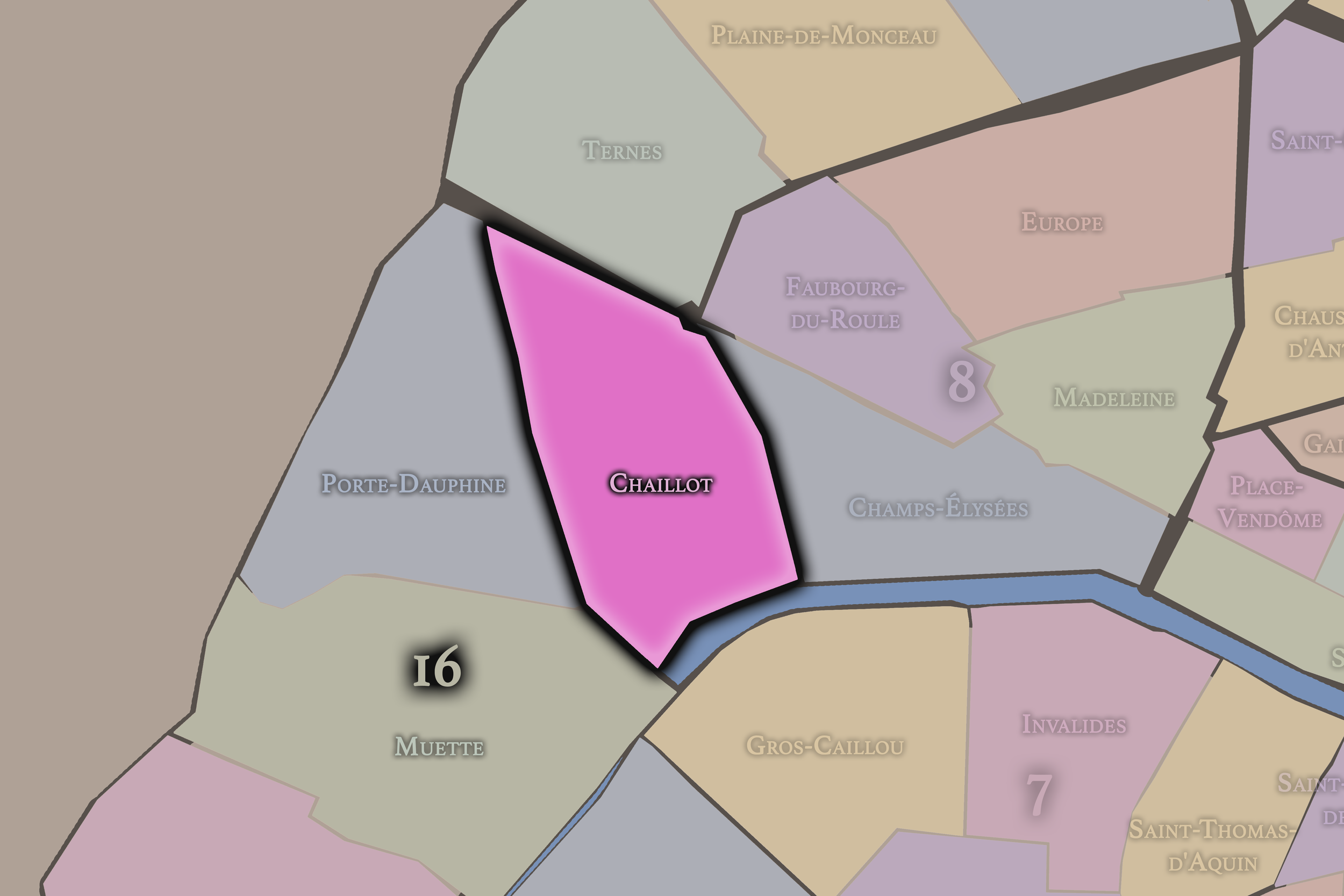
In the early and mid 20th century, Chaillot acquired much of its present monumental identity. The older Palais du Trocadéro was replaced by the Palais de Chaillot for the 1937 Exposition Internationale, creating the open wings and central esplanade that now frame the Eiffel Tower view. This architectural transformation made Chaillot one of the clearest examples of Paris as staged perspective: architecture arranged to create an unforgettable act of looking.
The quarter also became a place of cultural and political memory. The Palais de Chaillot has housed major museums and theaters, and it has been associated with significant international events and civic gatherings. Its terraces and halls gave the district an identity beyond residential prestige. Chaillot became a public interior of the nation and a platform for the international city.
During the wars, occupation, liberation, and postwar decades, the quarter’s symbolic landscape carried enormous weight. The Eiffel Tower view, the Trocadéro, diplomatic addresses, and the monumental architecture of Chaillot all became part of the visual and political history of Paris in the 20th century. The quarter was not simply beautiful; it was charged with representation.
Early–Mid 20th Century
Late 20th Century
In the late 20th century, Chaillot remained one of Paris’s most prestigious and internationally visible quarters. The Trocadéro became a major tourist destination, while the museums and cultural institutions of the Palais de Chaillot continued to shape the district’s civic role. The quarter’s avenues and residential streets retained an atmosphere of wealth, diplomacy, and formal urban elegance.
At the same time, the quarter became increasingly shaped by global image. The Trocadéro view of the Eiffel Tower became one of the most reproduced photographic compositions in the world. Visitors, wedding photographers, filmmakers, fashion shoots, news cameras, and tourists all used Chaillot as a visual platform. The neighborhood became not only a place in Paris, but a machine for making images of Paris.
This period also sharpened the contrast between public and private Chaillot. The terrace and gardens were open, crowded, and globally visible; the surrounding residential and diplomatic streets remained controlled, quiet, and often inaccessible. The quarter’s identity depended on that contrast: public spectacle at the center, private prestige around it.
In the 21st century, Chaillot remains one of the most important symbolic quarters of Paris. The Trocadéro continues to serve as a principal viewing point for the Eiffel Tower, while the Palais de Chaillot and its cultural institutions preserve the quarter’s role as a museum, performance, and civic landscape. The surrounding streets maintain the district’s diplomatic and residential prestige, with embassies, international organizations, luxury hotels, grand apartment buildings, and carefully composed avenues.
Today, the quarter’s identity is also shaped by questions of crowding, security, tourism, public space, and the future of ceremonial urban landscapes. Chaillot must serve Parisians, global visitors, cultural institutions, diplomatic functions, and the constant production of images. It is both neighborhood and icon, and the balance between those roles is not always simple.
For CityNeighborhoods: Paris, Chaillot is essential because it shows how an administrative quarter can contain a former village, a monumental stage, a cultural district, a diplomatic landscape, and one of the world’s most powerful urban views. It is not only “Trocadéro” and not only “the Eiffel Tower view.” It is a layered quarter where Paris turns geography into image.
21st Century
Spirit and Legacy
Chaillot is the quarter where Paris faces itself across the Seine. Its spirit is elevated, ceremonial, diplomatic, and intensely visual. It belongs to the old village hill and the Trocadéro terrace, to palace wings and museum halls, to embassies and grand avenues, to the river crossing and the unforgettable sight of the Eiffel Tower rising beyond the gardens.
Its legacy is the transformation of height into spectacle. A village above the Seine became a Parisian quarter. A hill became an exhibition ground. An exhibition ground became a palace, then another palace, then one of the great viewing platforms of the modern world. Through each transformation, Chaillot kept its essential power: the power to look outward and make the city visible.
To walk Chaillot is to encounter Paris as presentation. The quarter reminds us that views are not accidental; they are made by geography, planning, architecture, and repeated human attention. In Chaillot, neighborhood identity becomes perspective — the city arranged before the eye, framed by stone, gardens, river, and sky.
The Photography
The arrondissements do not share a single visual identity. Instead, they organize Paris into twenty broad visual fields, each gathering its own combination of landmarks, streetscapes, institutions, residential districts, commercial corridors, parks, rail stations, markets, cemeteries, and riverfront edges.
Some arrondissements are defined by monumental scale: royal palaces, ceremonial avenues, government buildings, museums, formal gardens, and internationally recognized landmarks. Others are shaped by hills, canals, rail gateways, apartment-lined boulevards, neighborhood markets, former village streets, industrial remnants, parks, or the quieter rhythms of residential Paris. The arrondissement system gives these varied landscapes a civic frame, allowing the city to be read not as one visual language, but as a sequence of overlapping Parisian atmospheres.
Visual Identity
Through The Lens
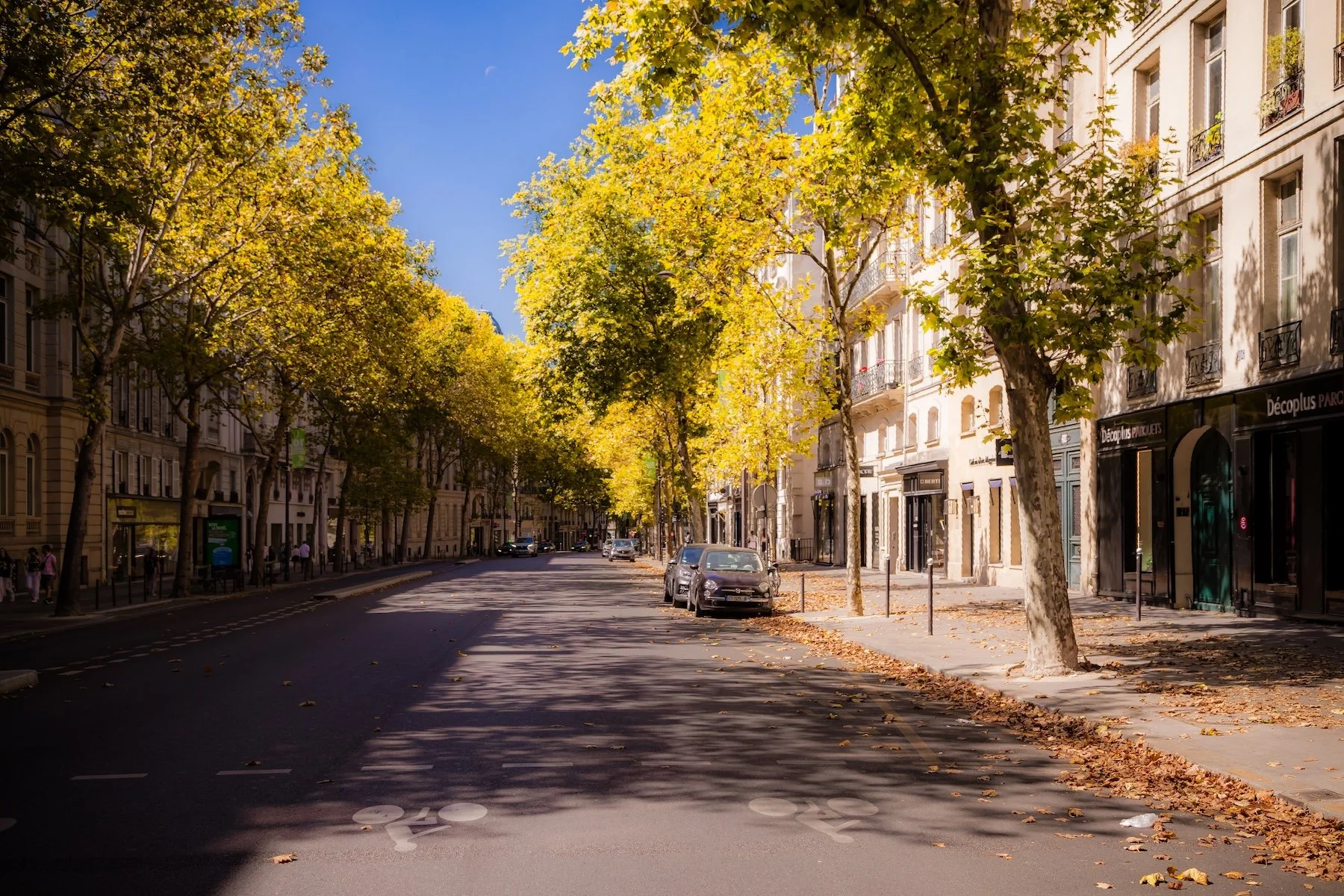
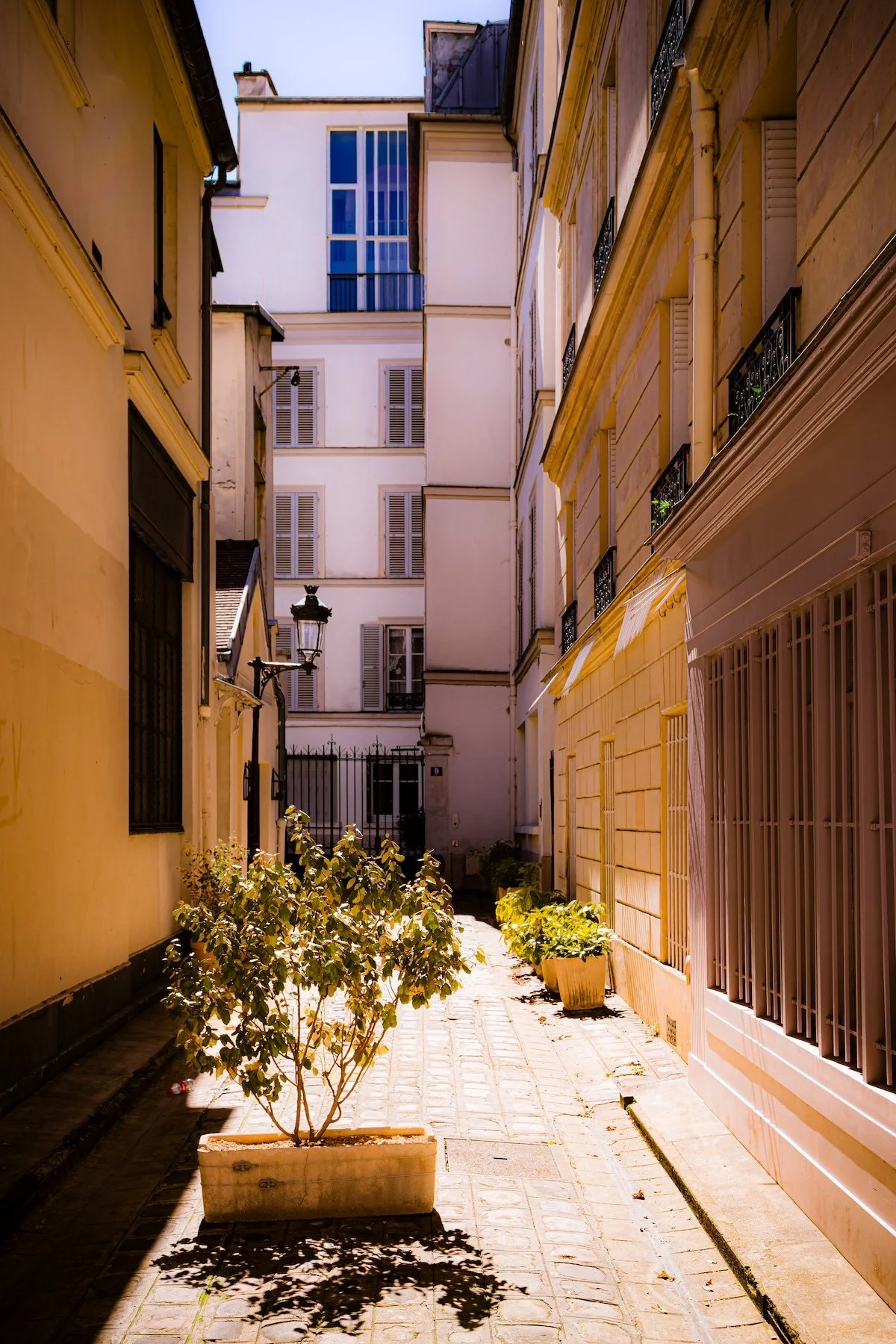
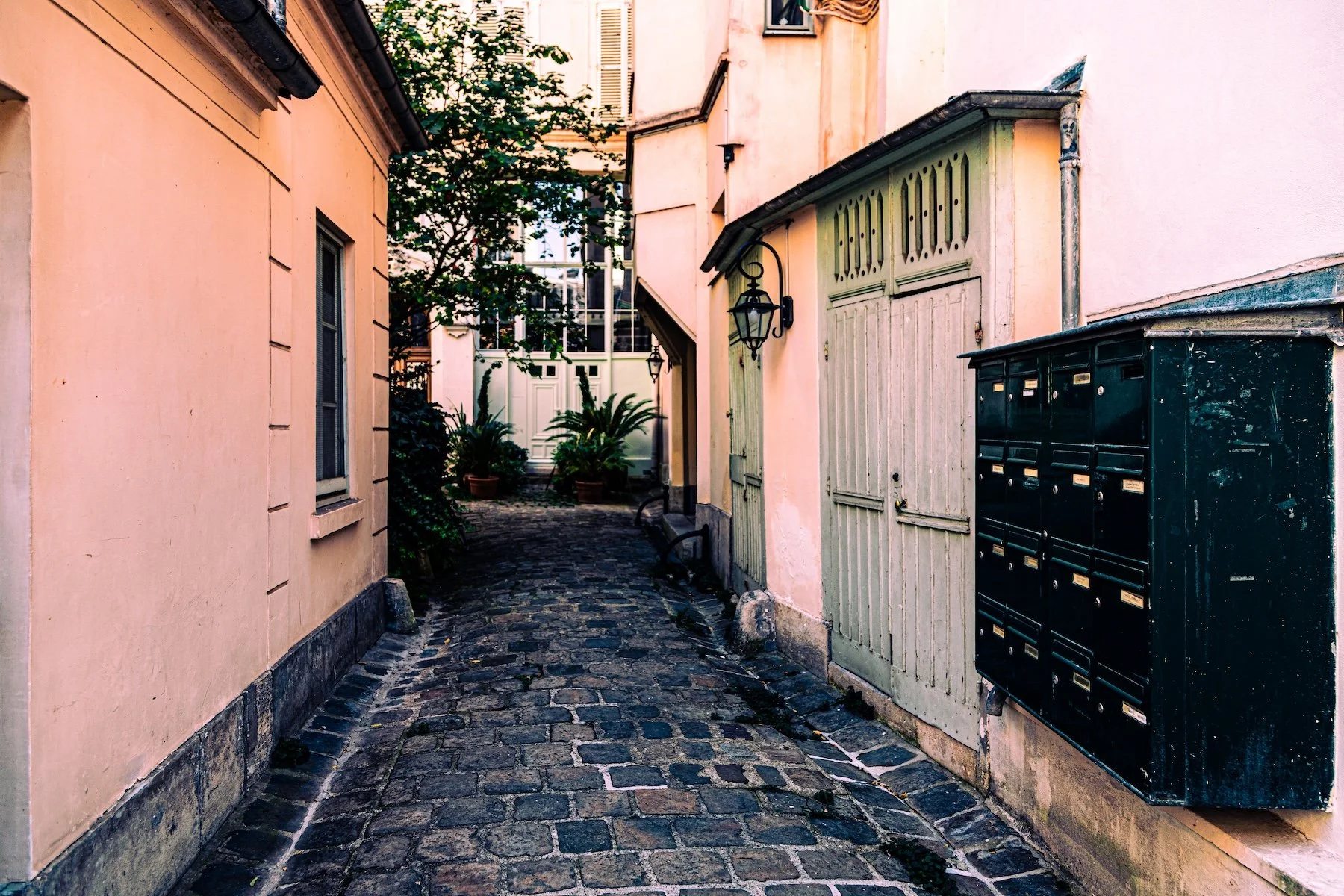
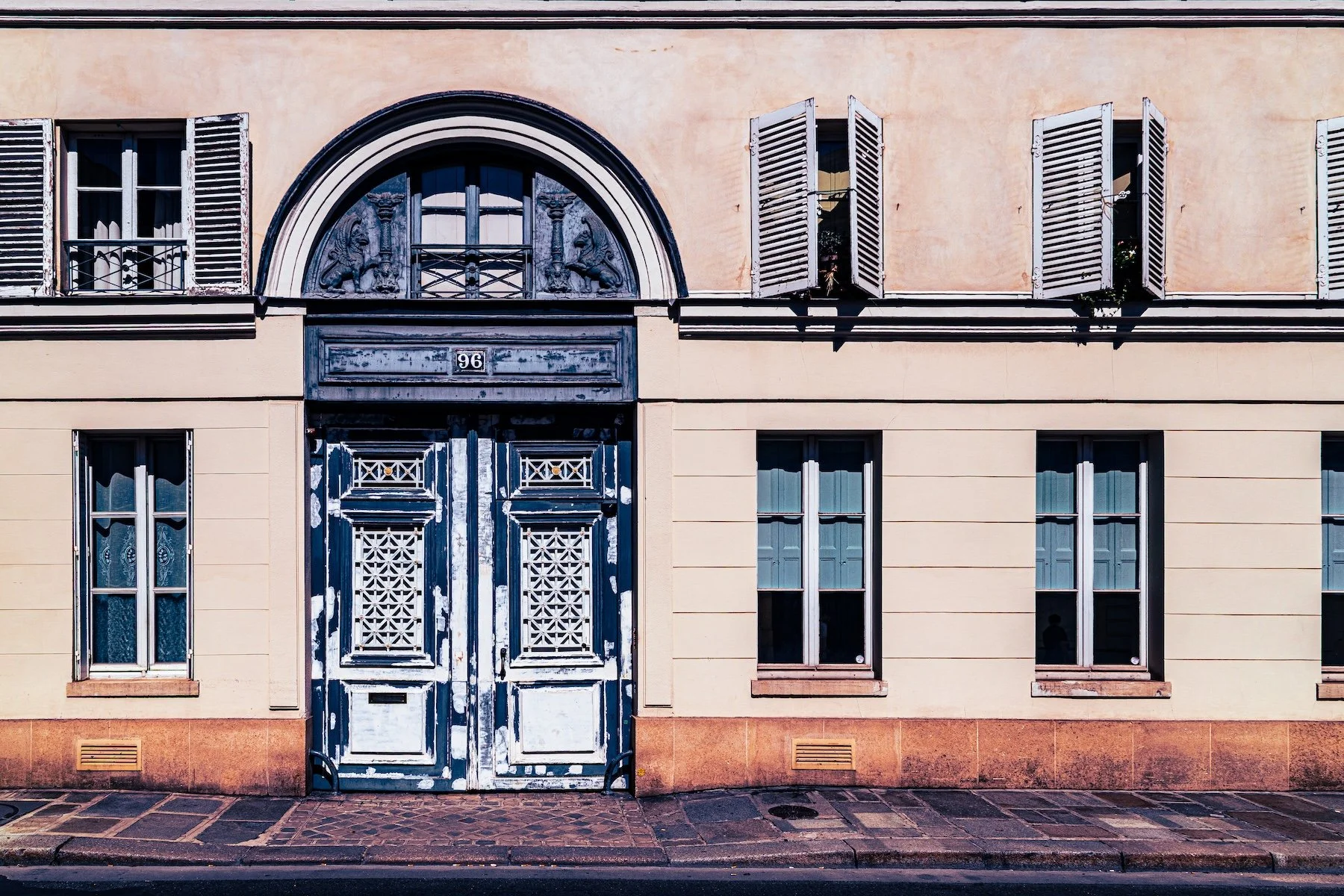
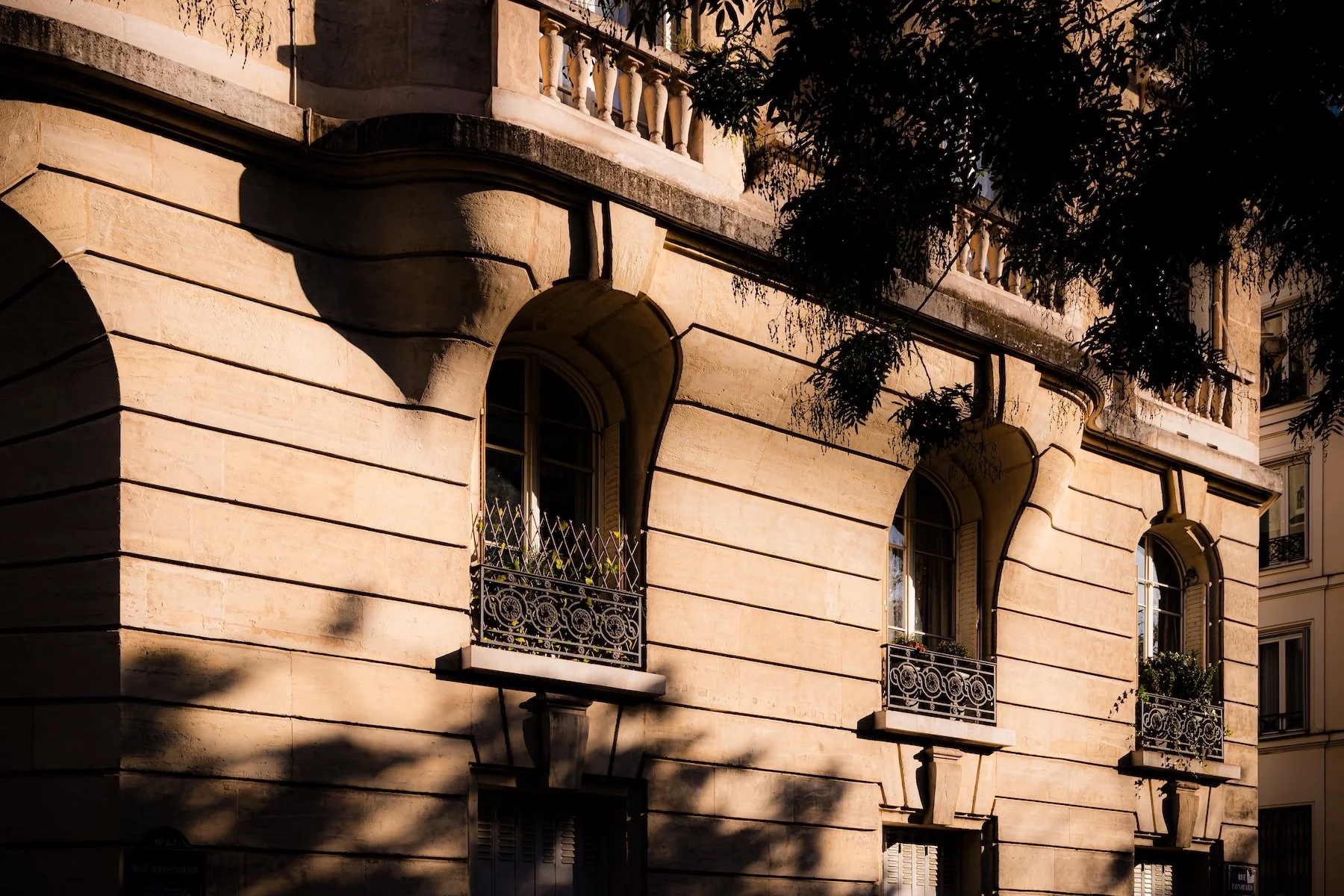
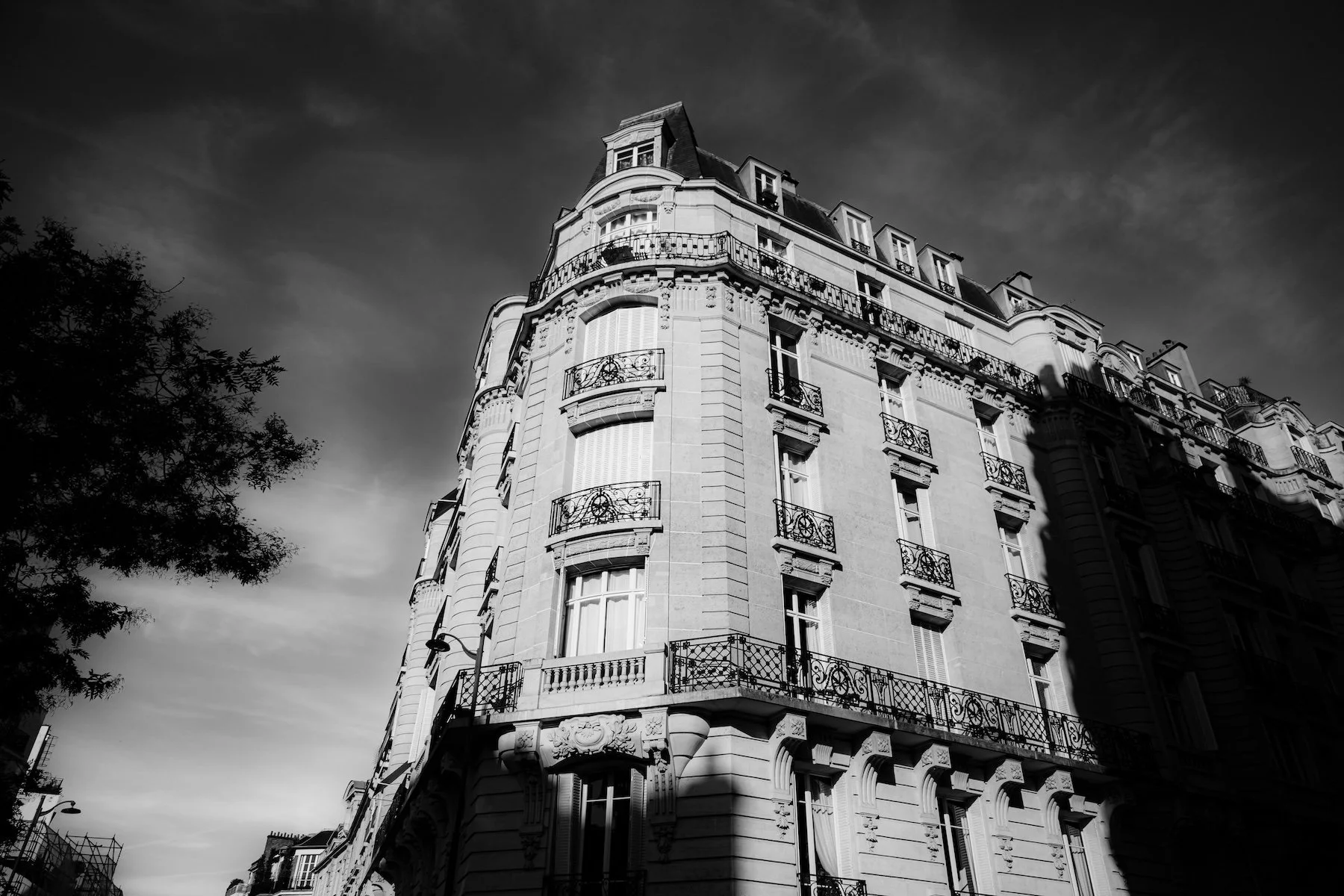
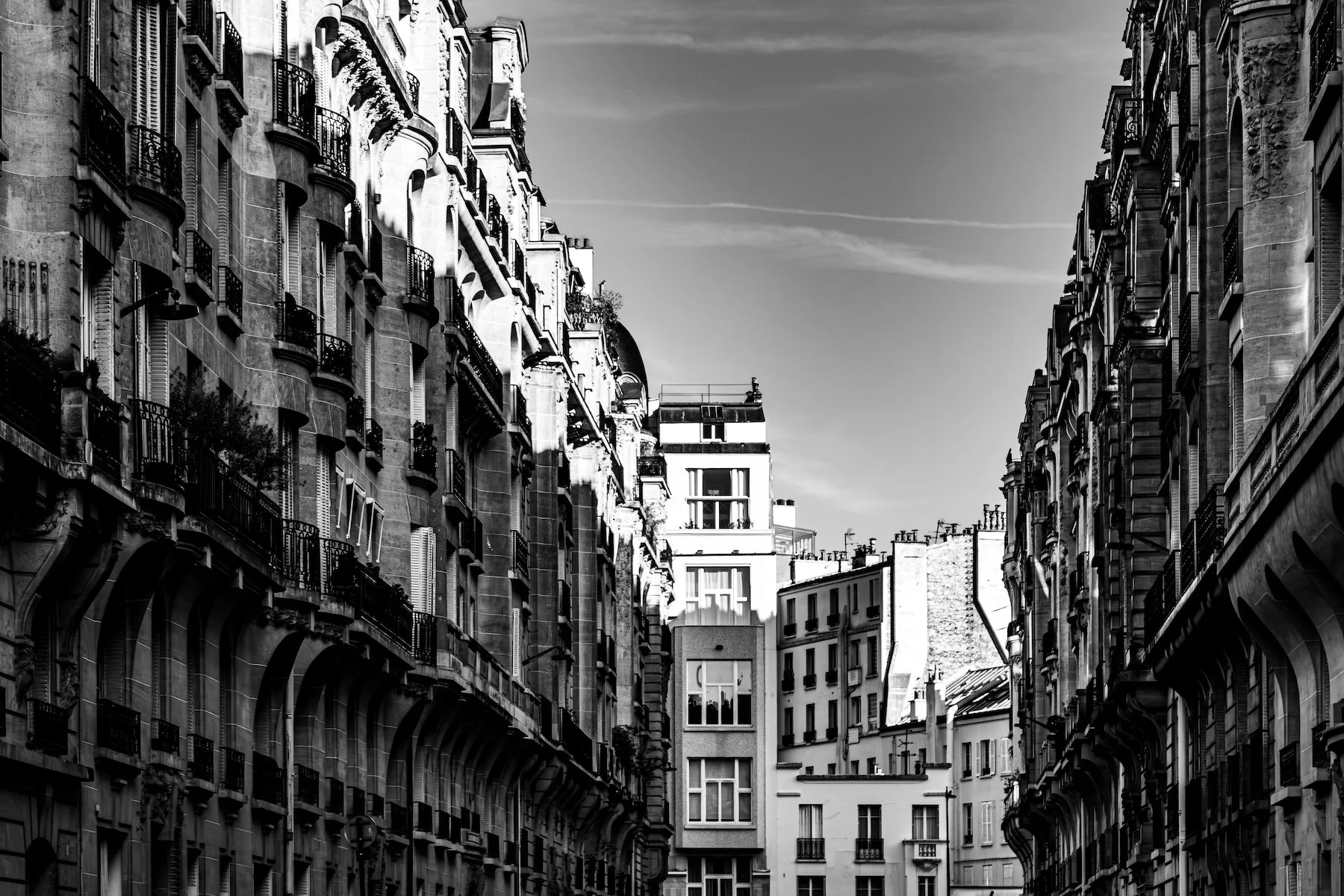
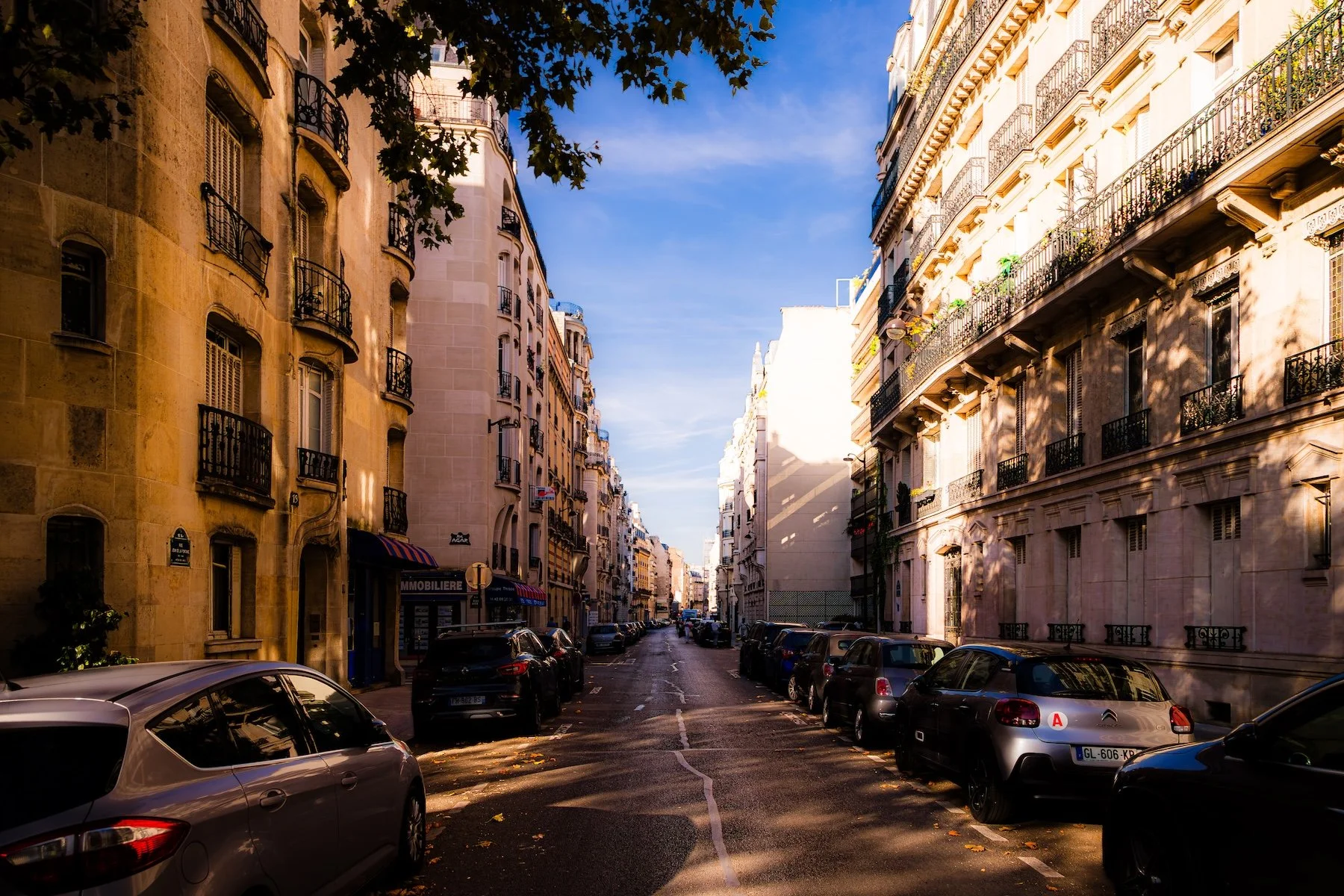
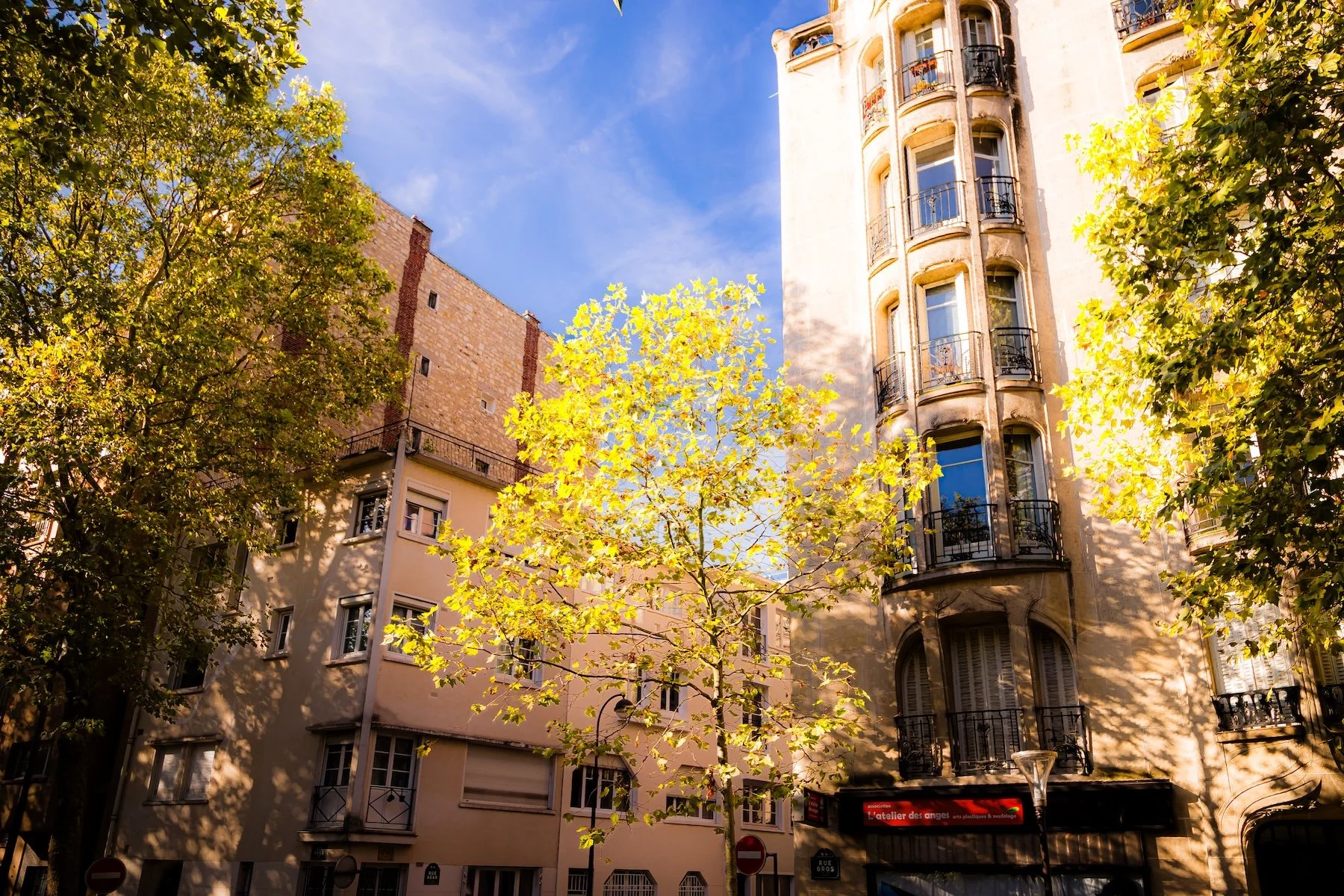
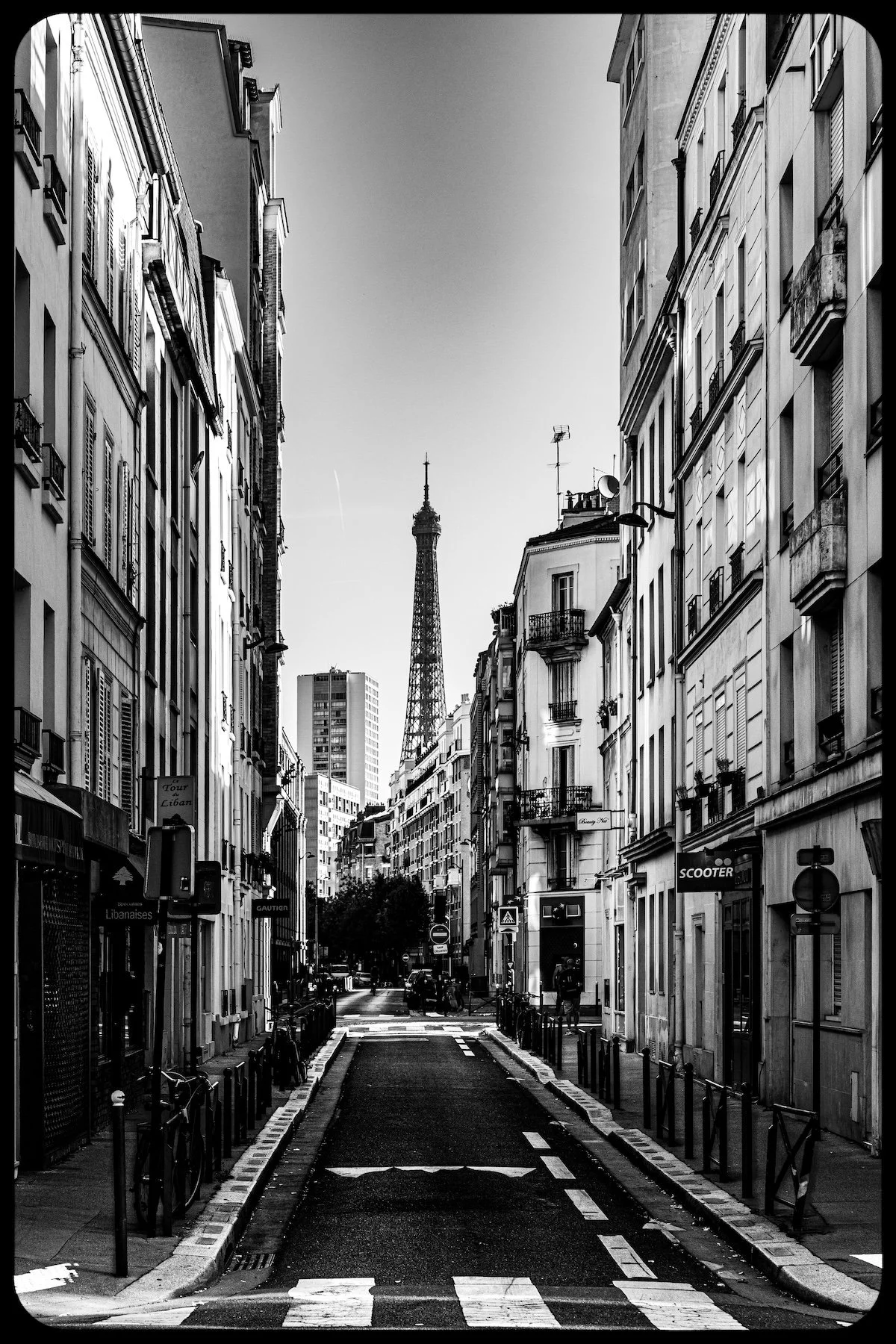
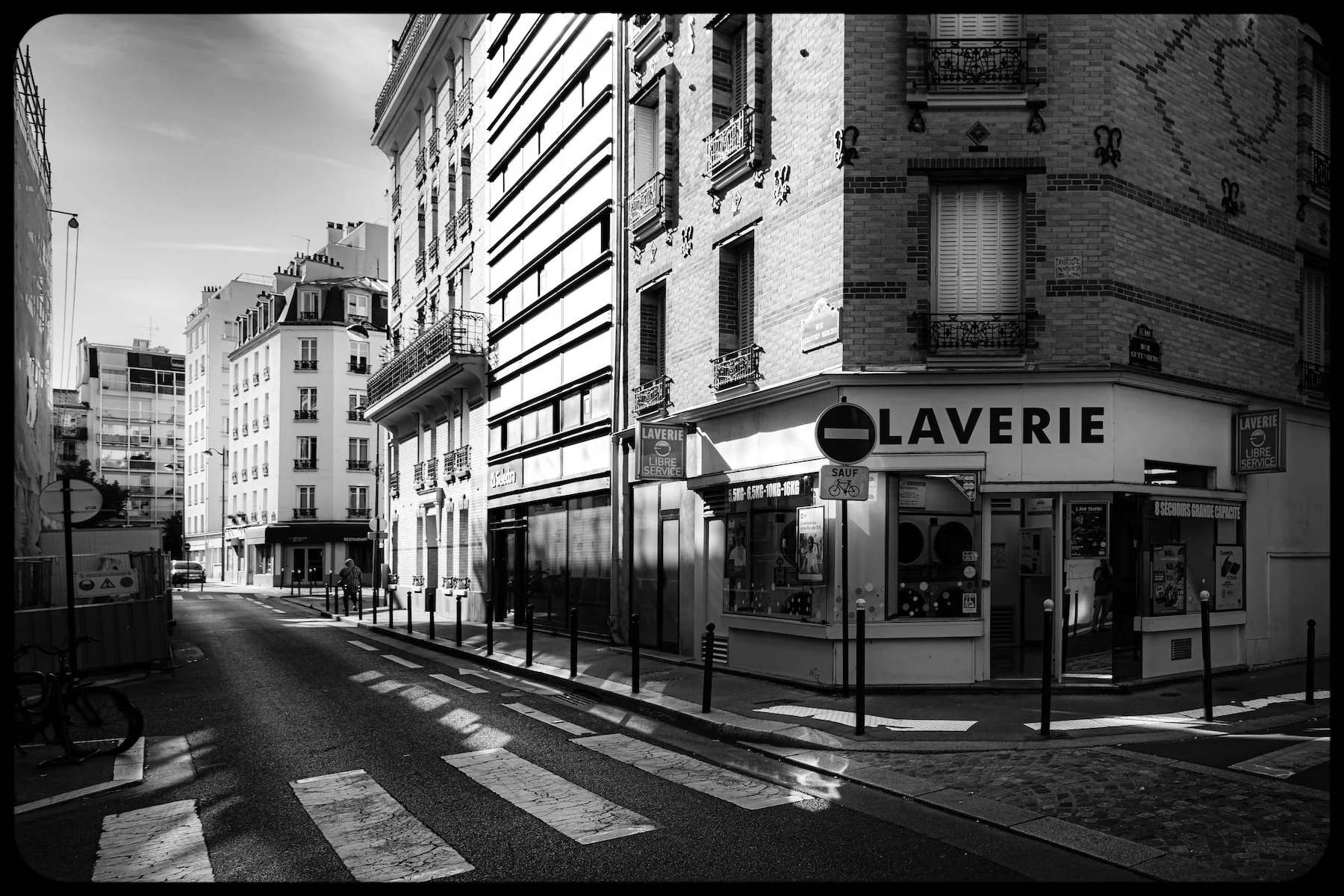
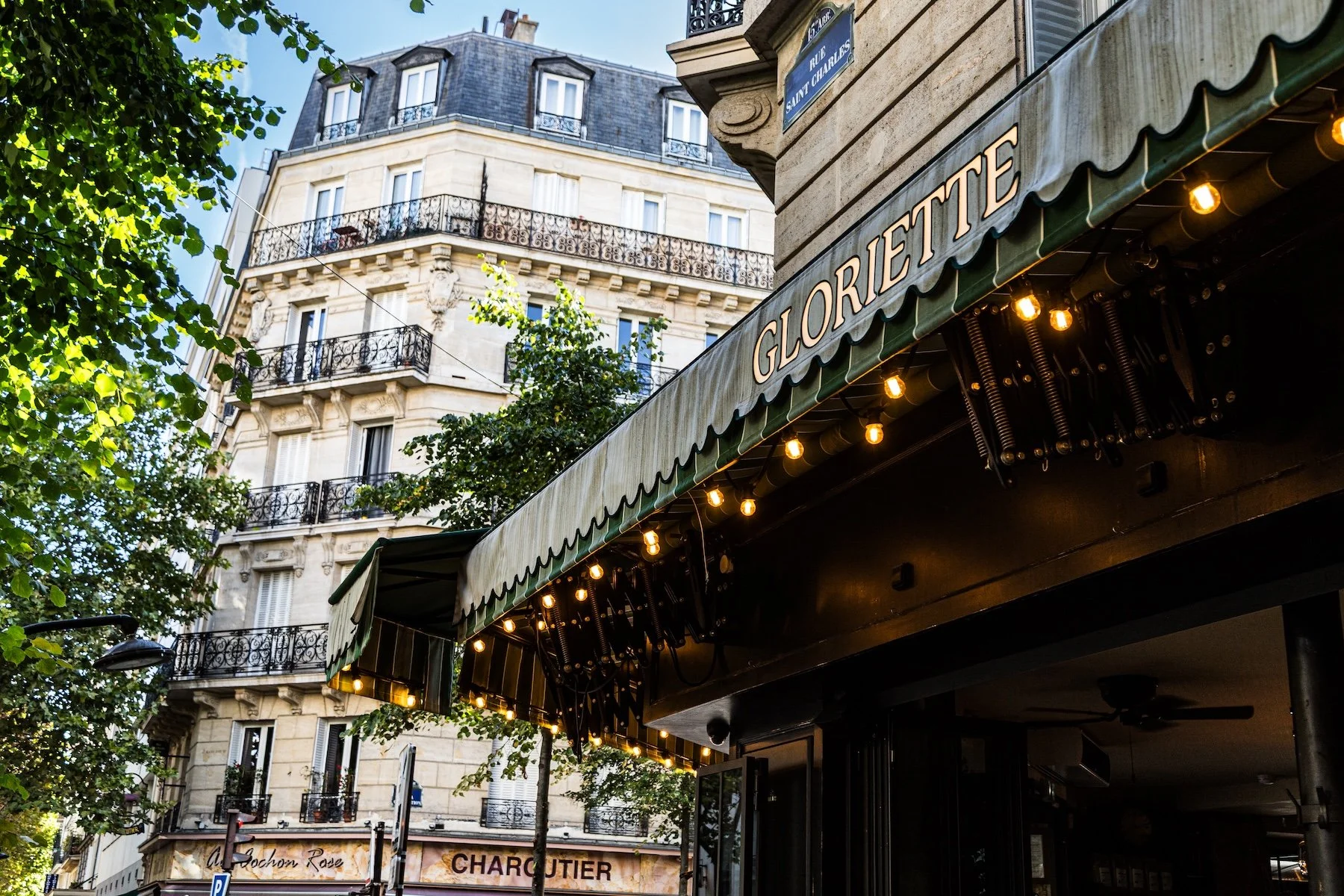
Photographing the arrondissements means moving between the official map and the street-level experience. The camera does not treat each arrondissement as visually uniform. Instead, it looks for the recurring forms, textures, transitions, and contrasts that make each district legible: the geometry of boulevards, the shade of plane trees, the repetition of balconies, the rise of stairways, the curve of canals, the presence of rail stations, the opening of parks, the weight of monuments, and the intimacy of side streets.
On CityNeighborhoods, the arrondissement provides the frame, but the photograph comes from the encounter between map, movement, light, and observation. As the Paris photography is processed, this section will connect each arrondissement more directly to the project’s Photographic Lexicon: the visual strategies, recurring motifs, and compositional patterns that shape how the city is seen through the lens.
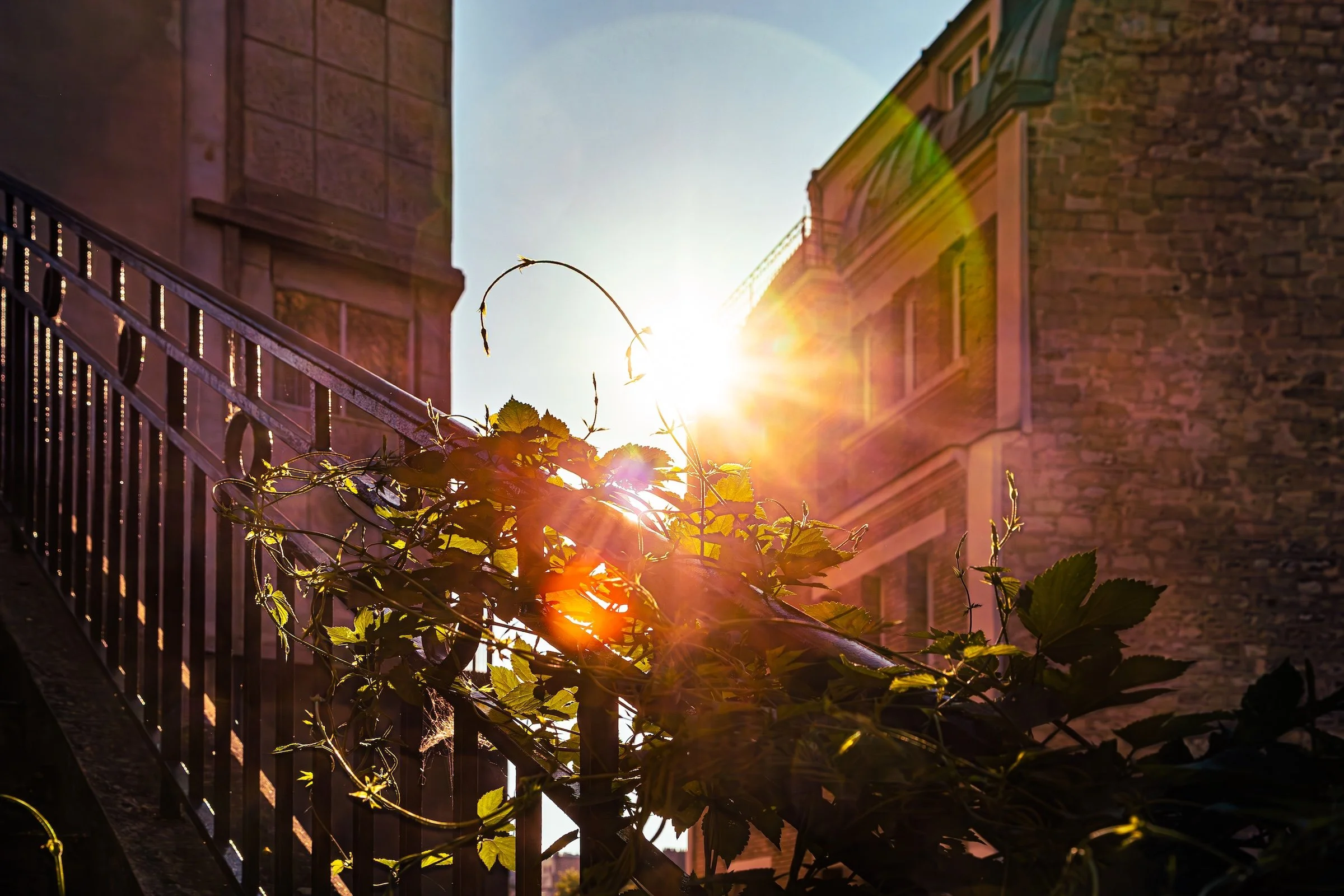
If you visit Paris, these ideas can help inspire your own photography.
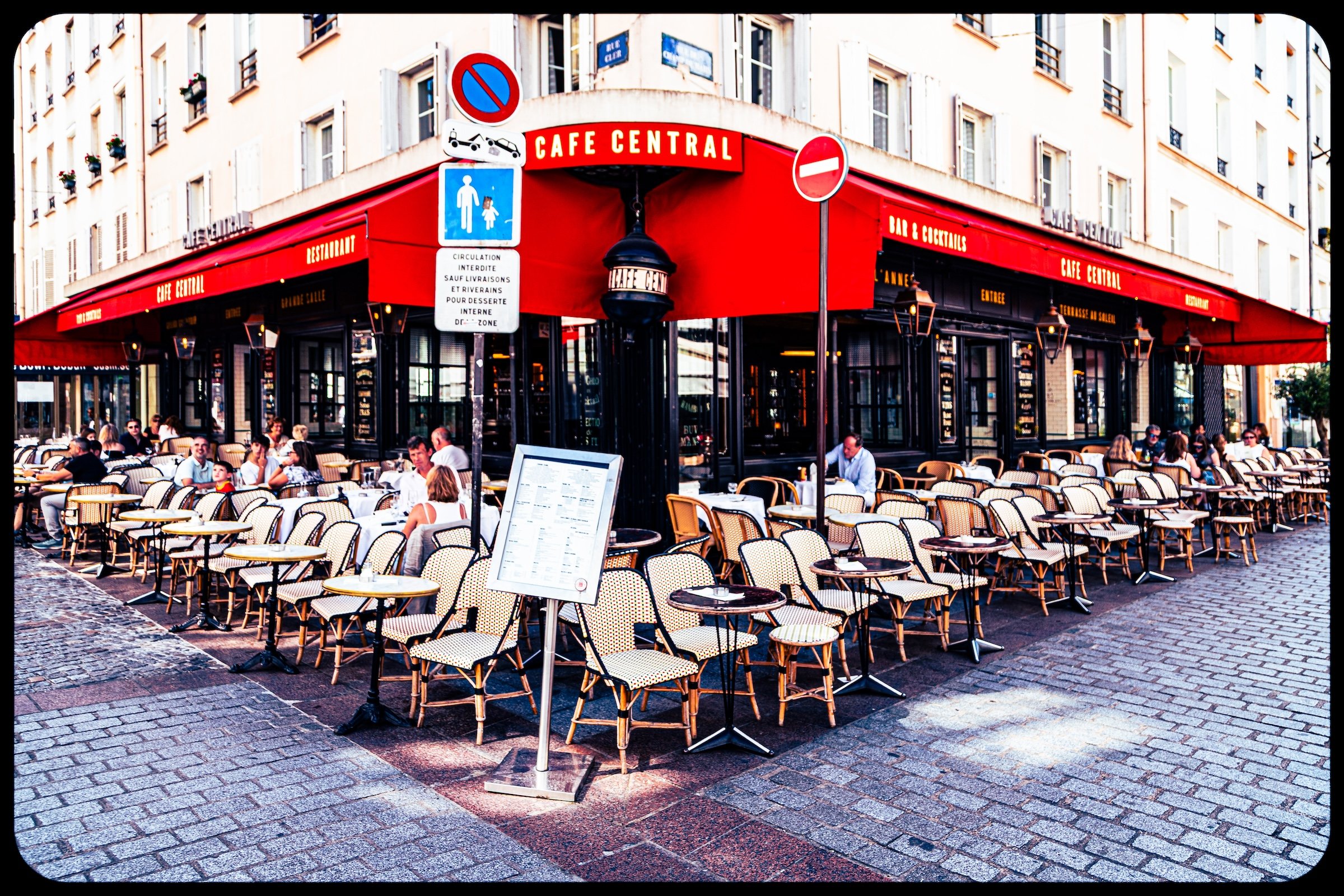
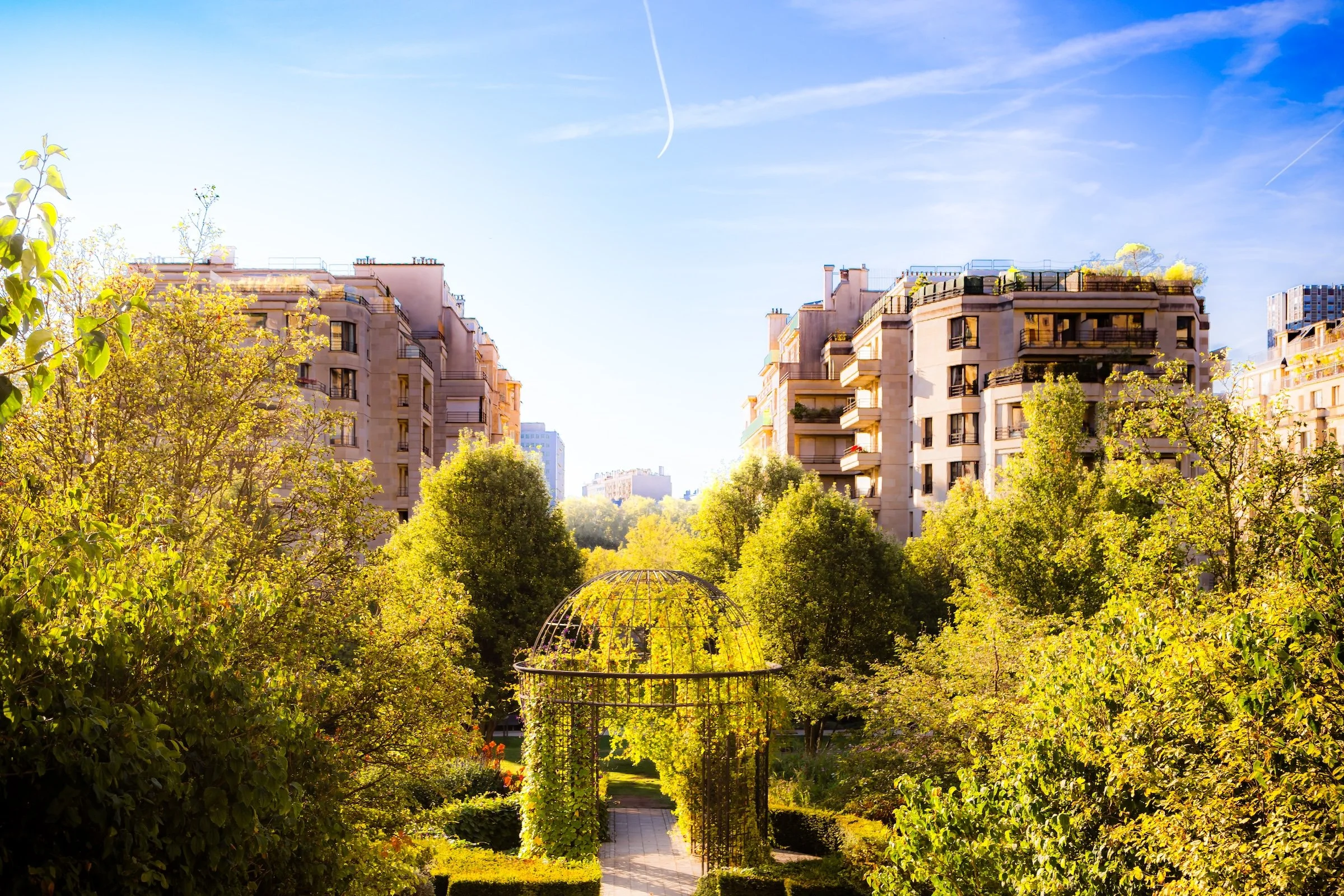
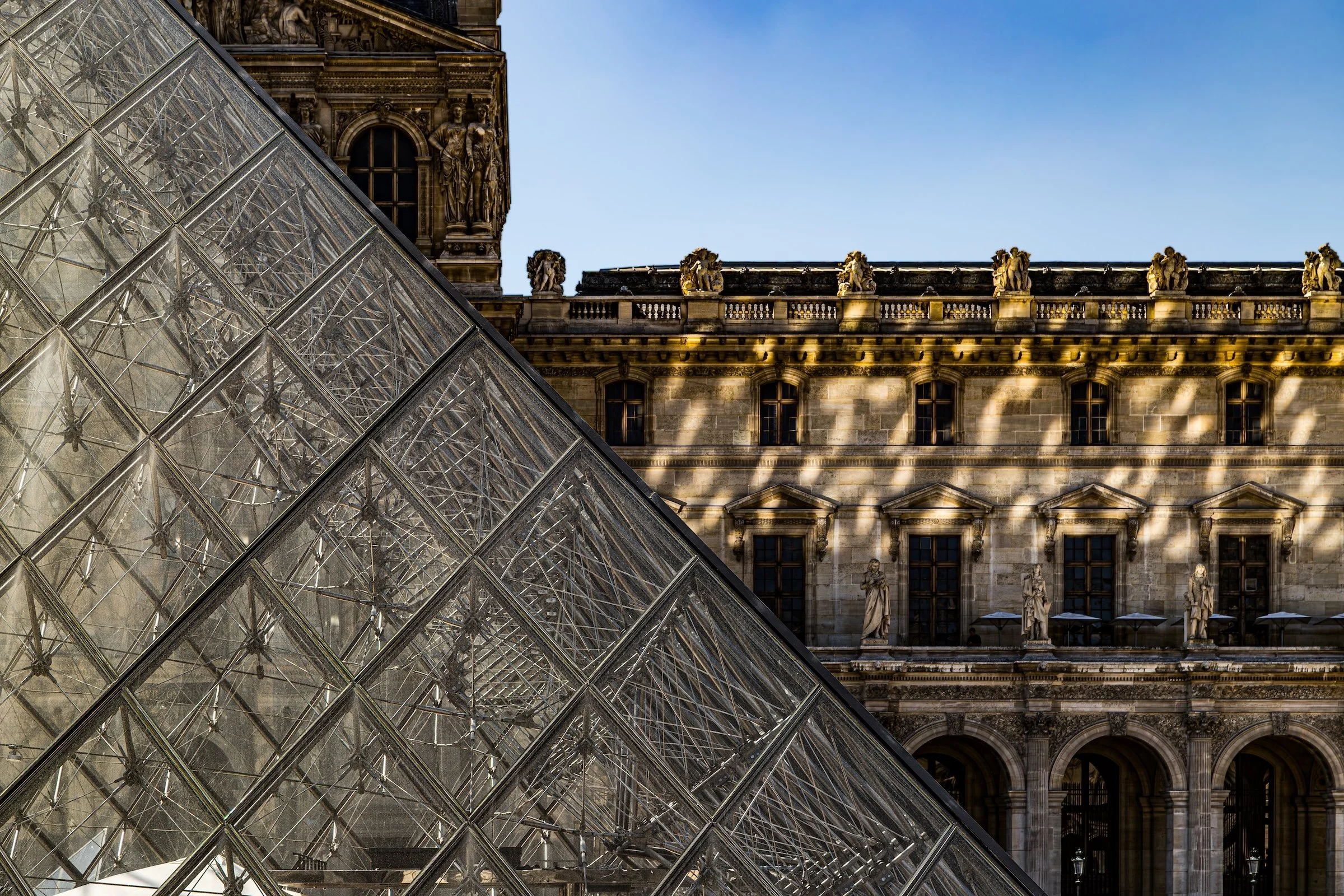
Paris: J’Espere, Je Rêve, Je Vive
Paris Photo Gallery
Paris Field Notes
-
Field Note: August 18, 2025 | 07:58 AM
Conditions: 73°F | Humidity: 72%.
Within the park's interior, the glacial kettle ponds acted as humidity traps, creating a soft, hazy light that filtered through the old-growth oaks. The transition from the park's dense shade to the sun-drenched edges of Oakland Gardens highlighted the day's exceptional "picture-perfect" clarity.
There is a fleeting window in Queens where the humidity of August hasn't yet heavy-set, and the morning sun hits the canopy of Alley Pond Park at a perfect oblique angle. Arriving just before 8:00 AM, I watched the light break through the oaks and tulip trees, casting long, dramatic shadows across the wet grass. It’s in these quiet, golden moments that the park feels less like a city escape and more like the ancient glacial valley it actually is.
Other neighborhoods visited:
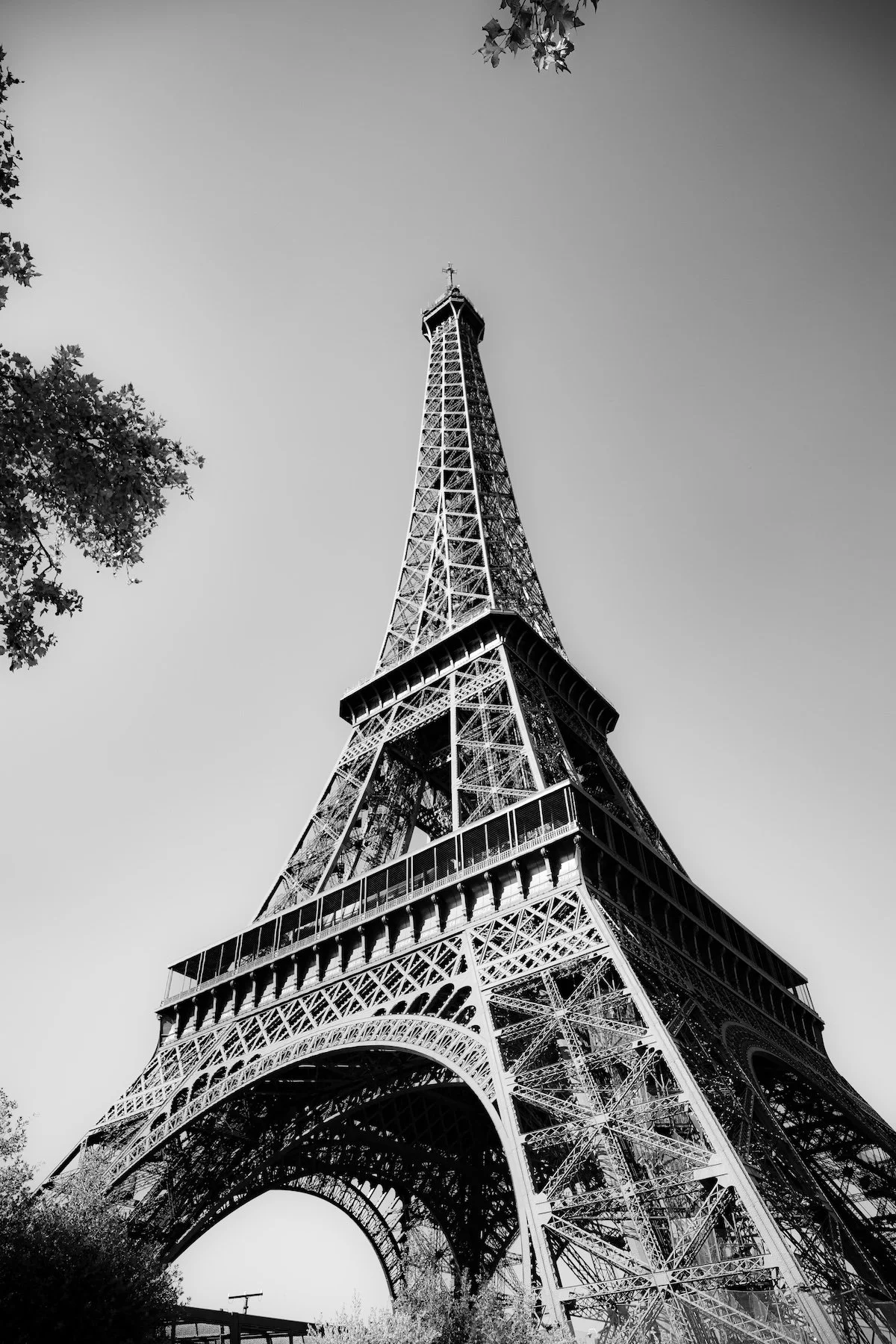
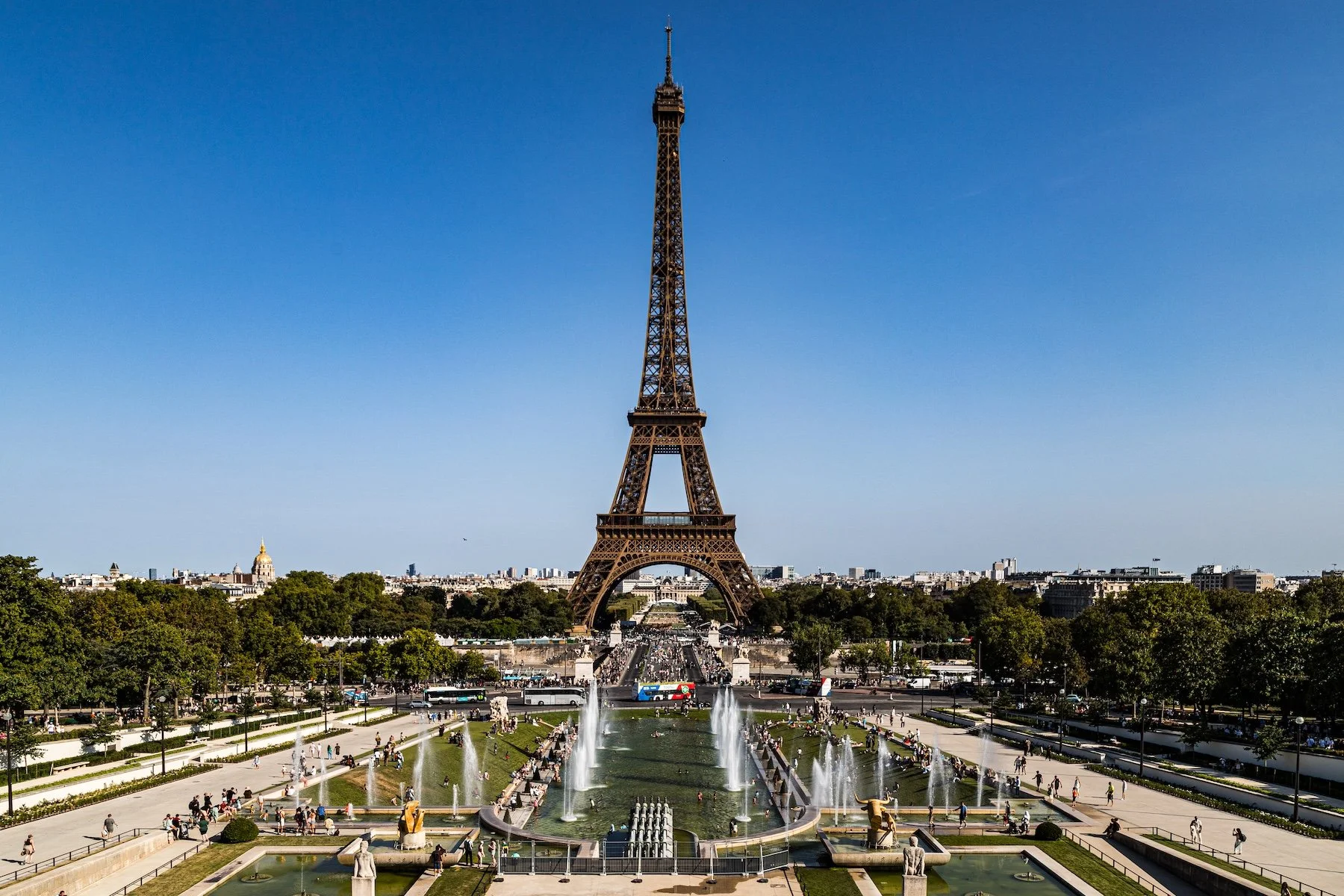
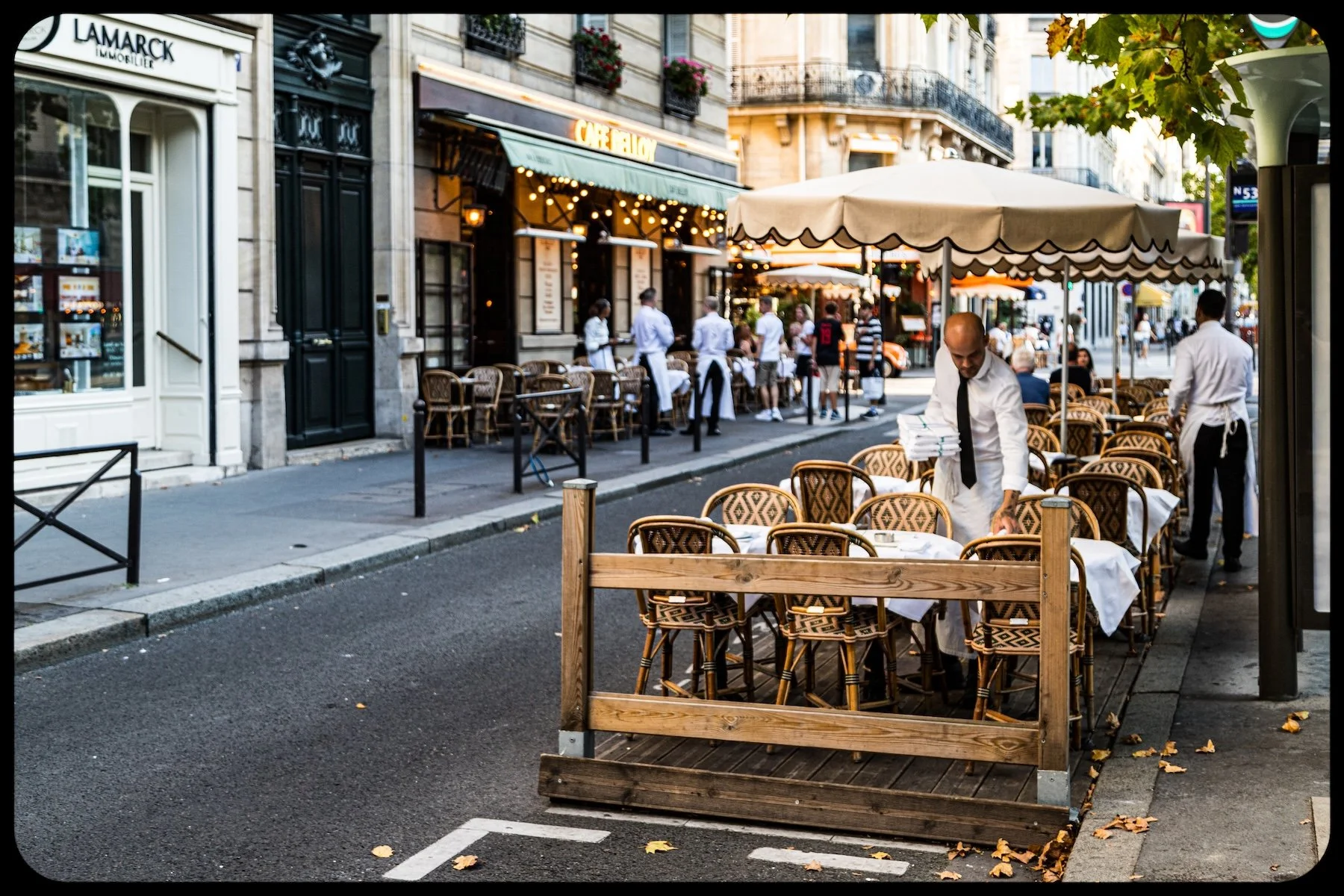

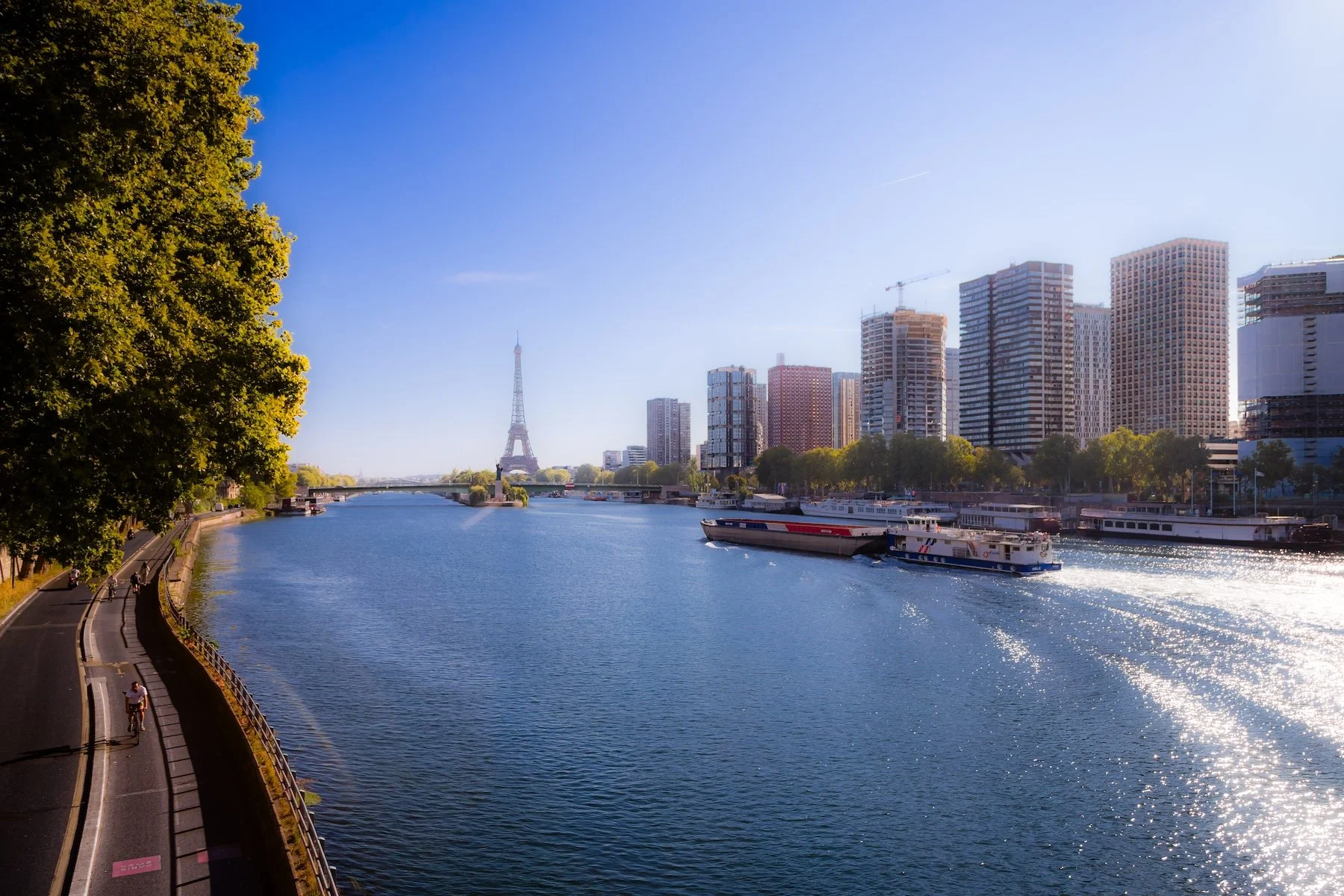
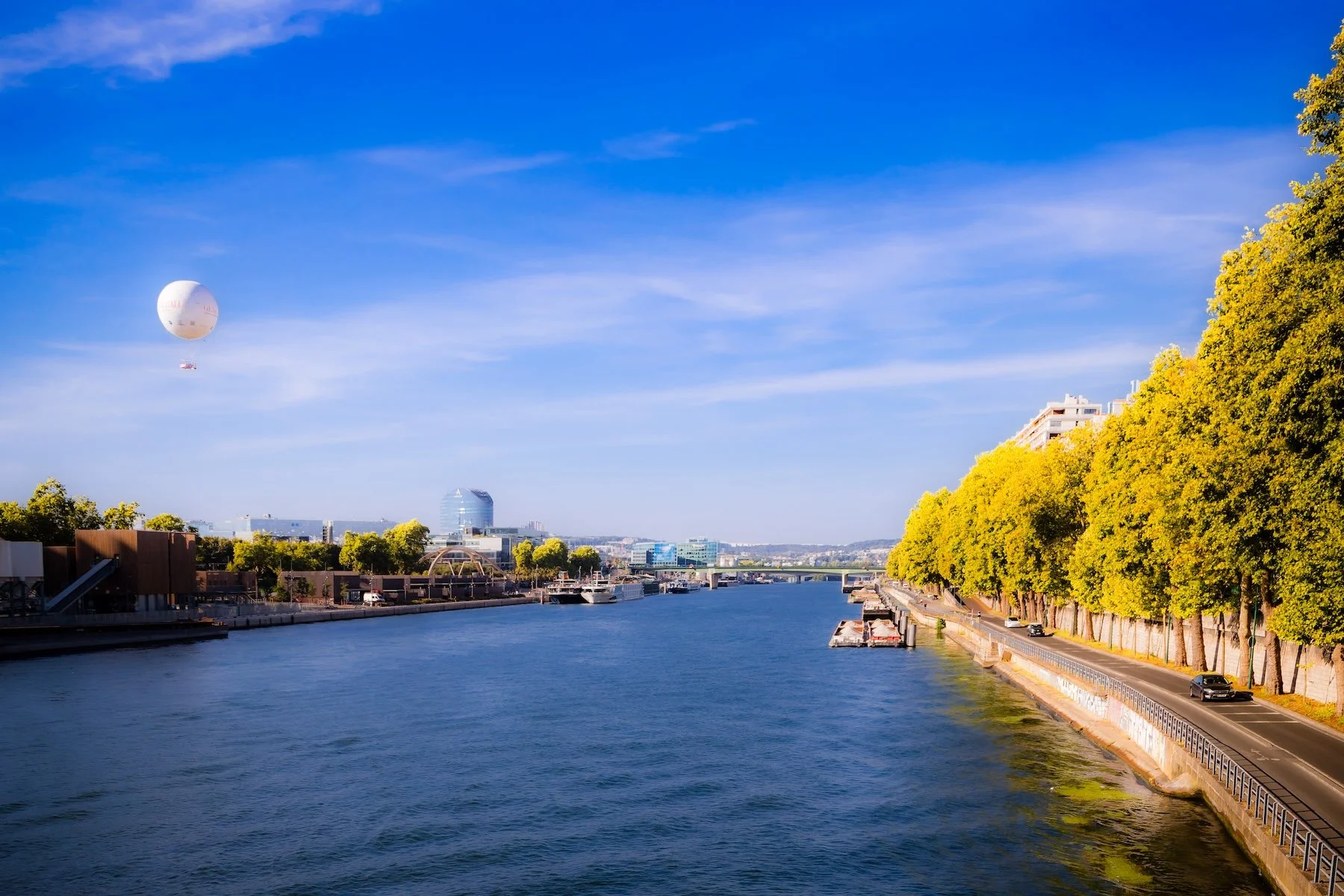
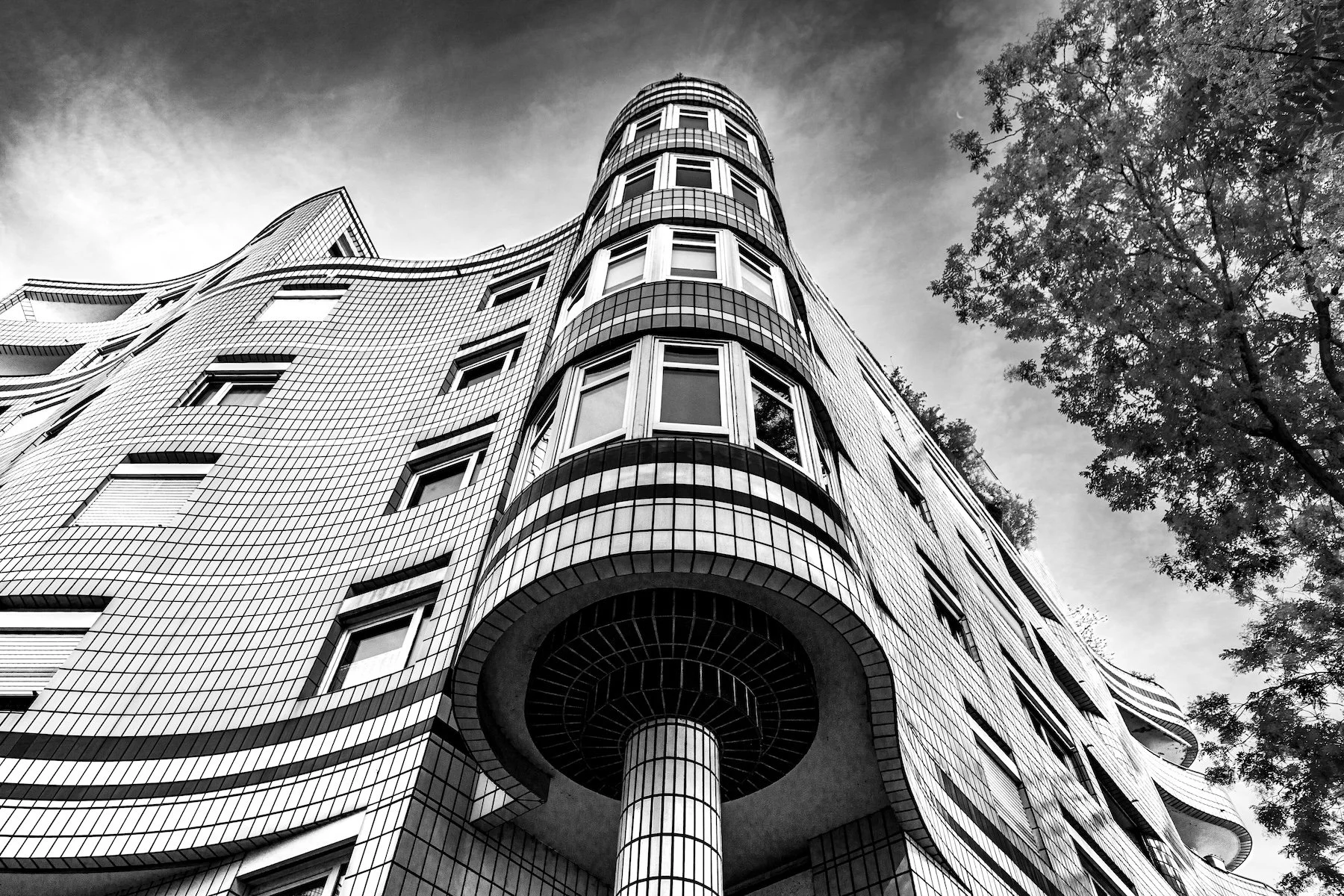
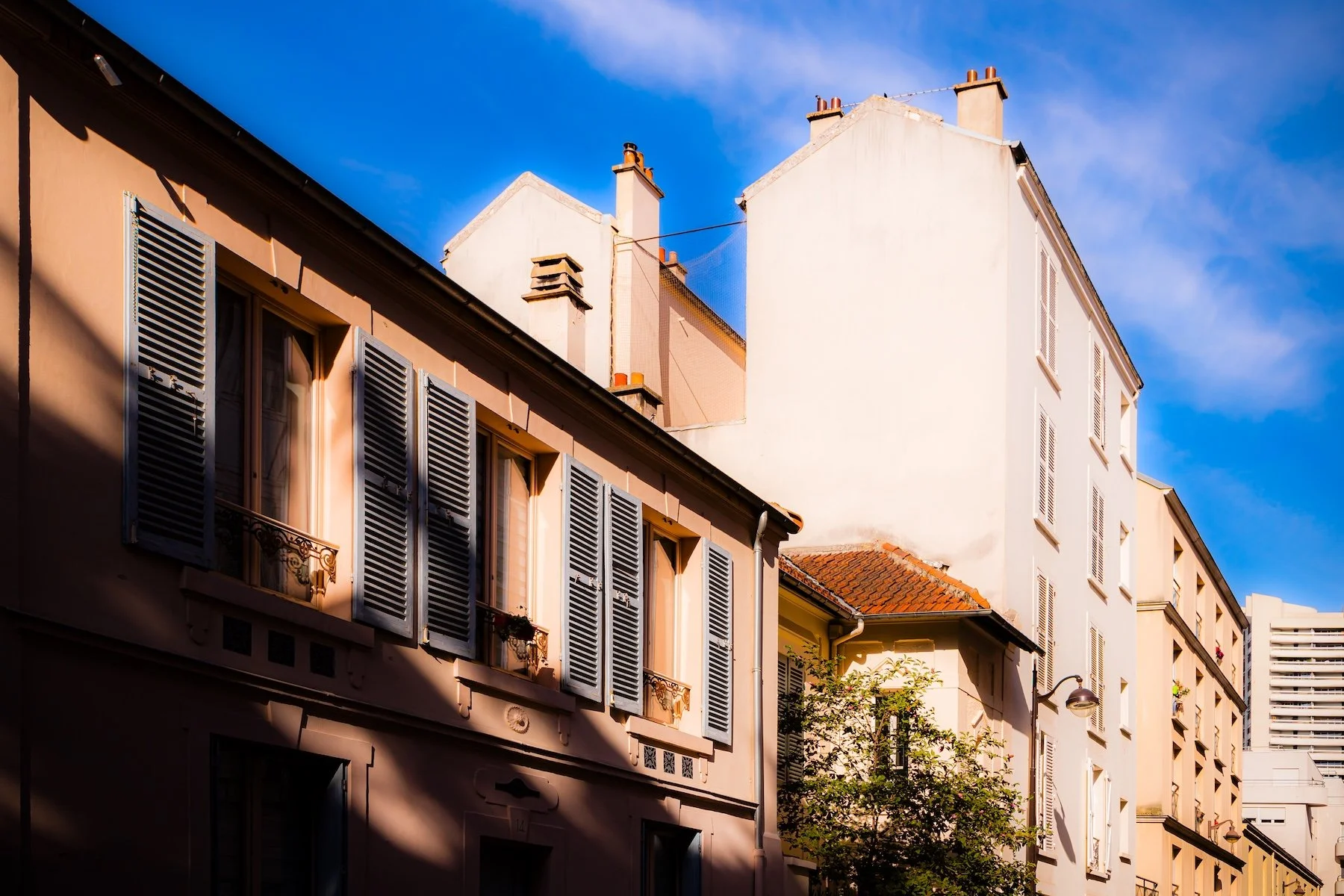
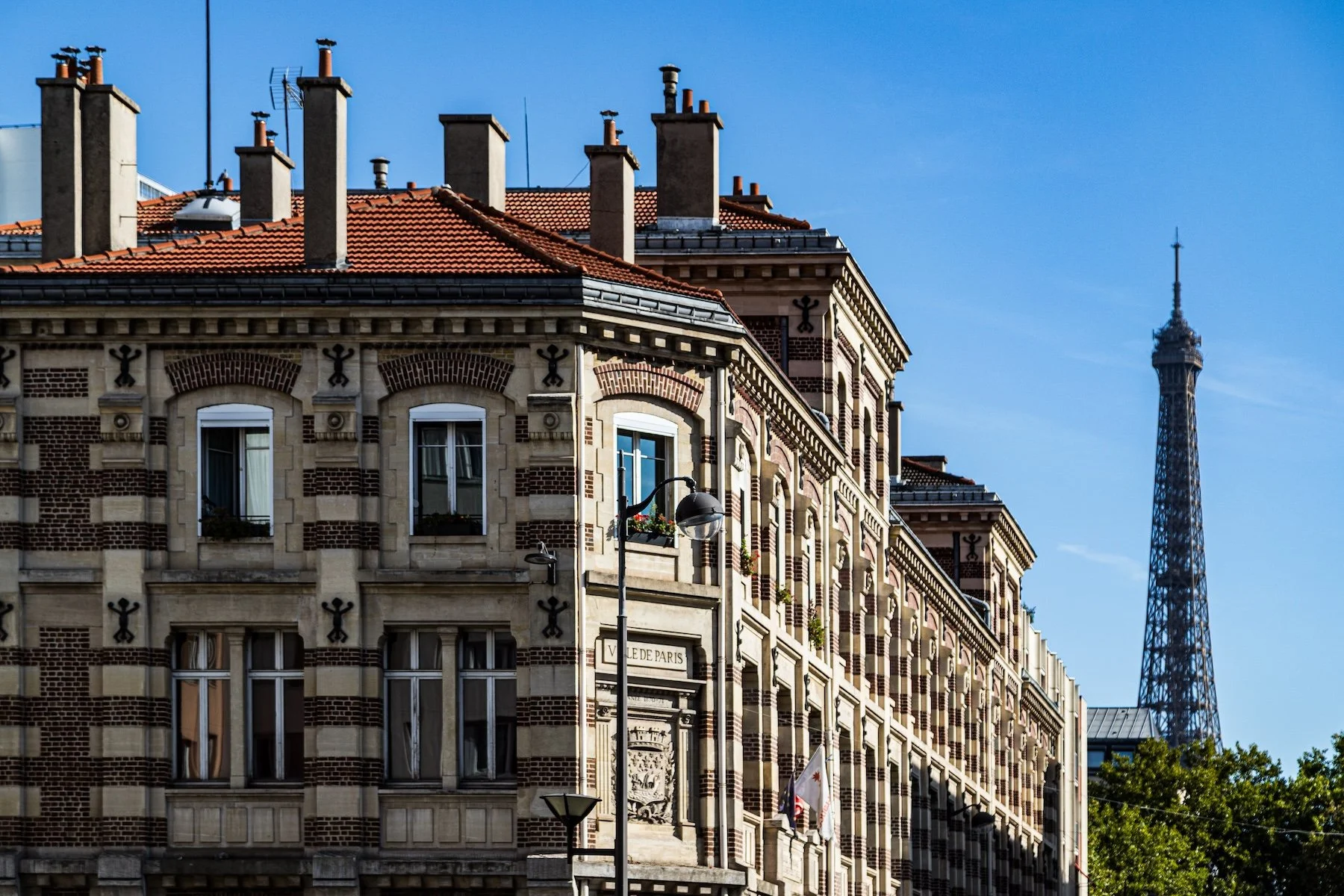
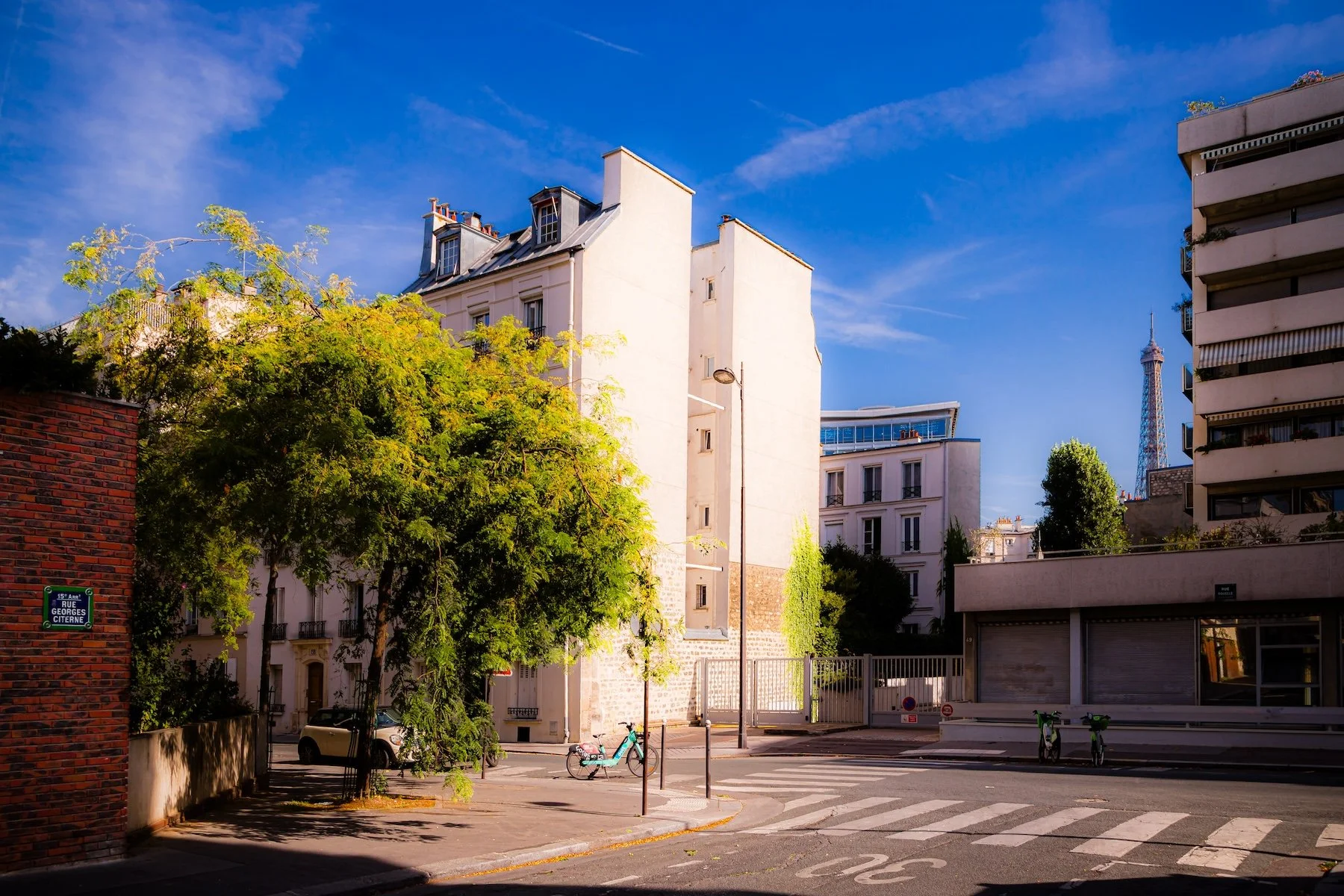
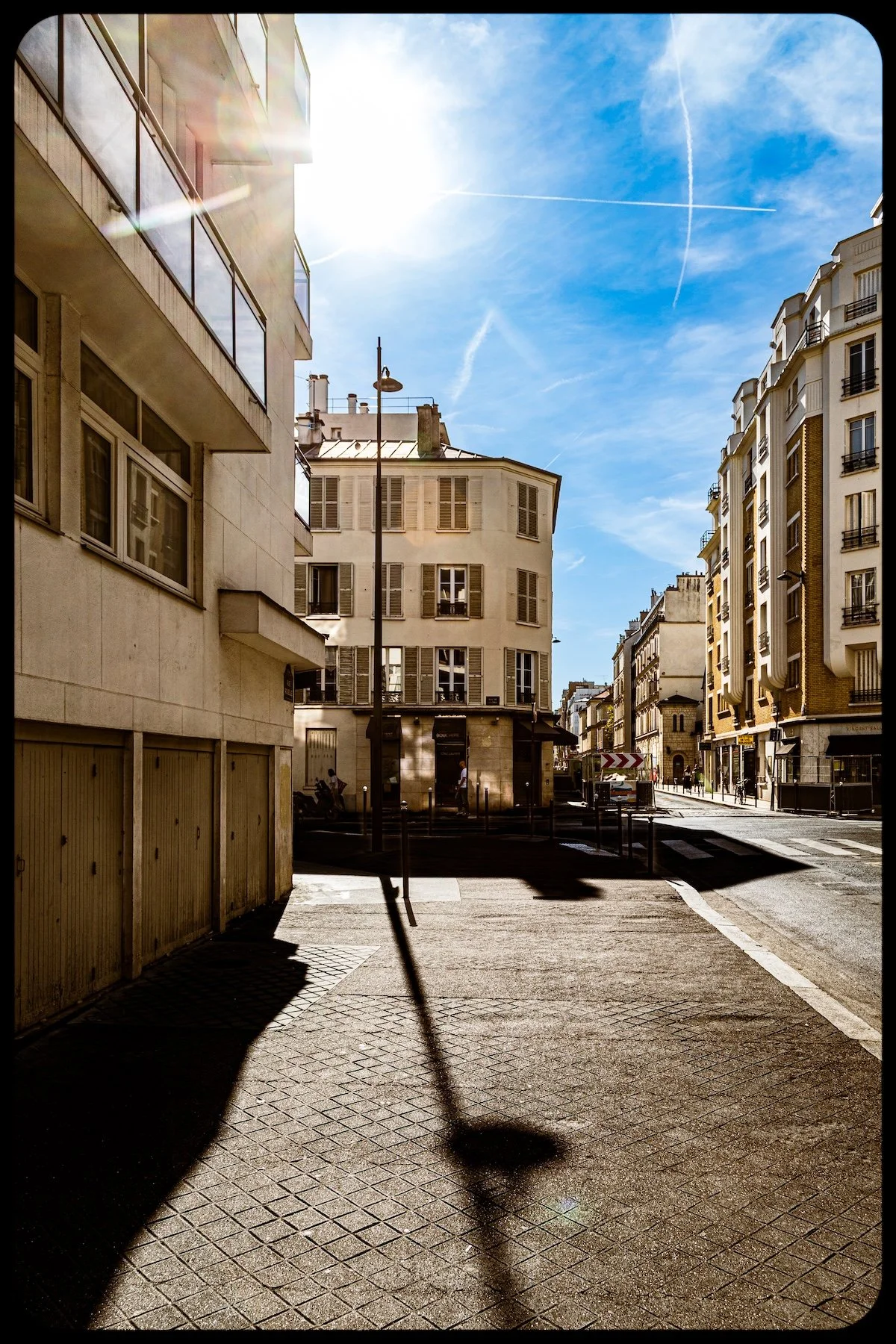
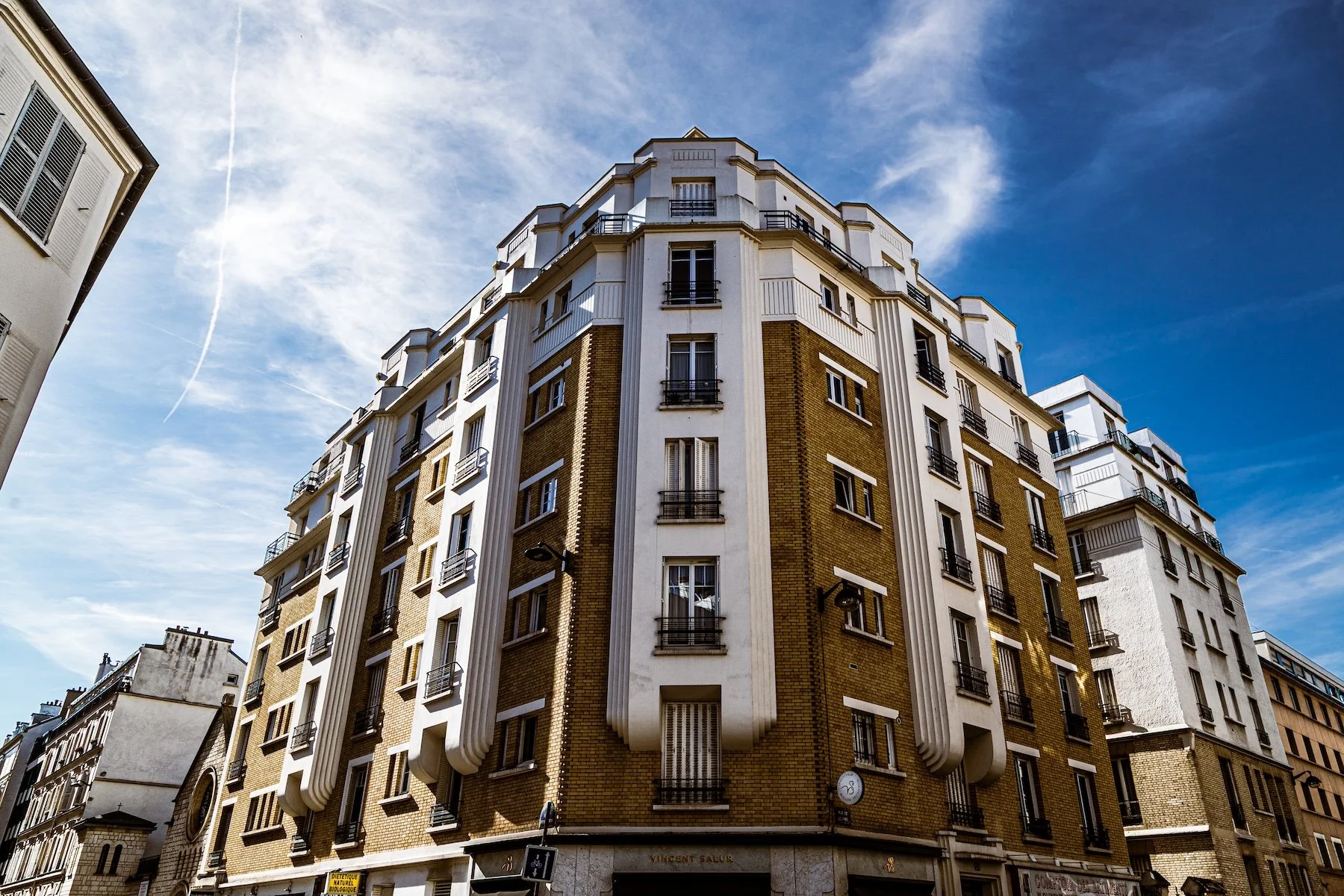
Explore Paris
-

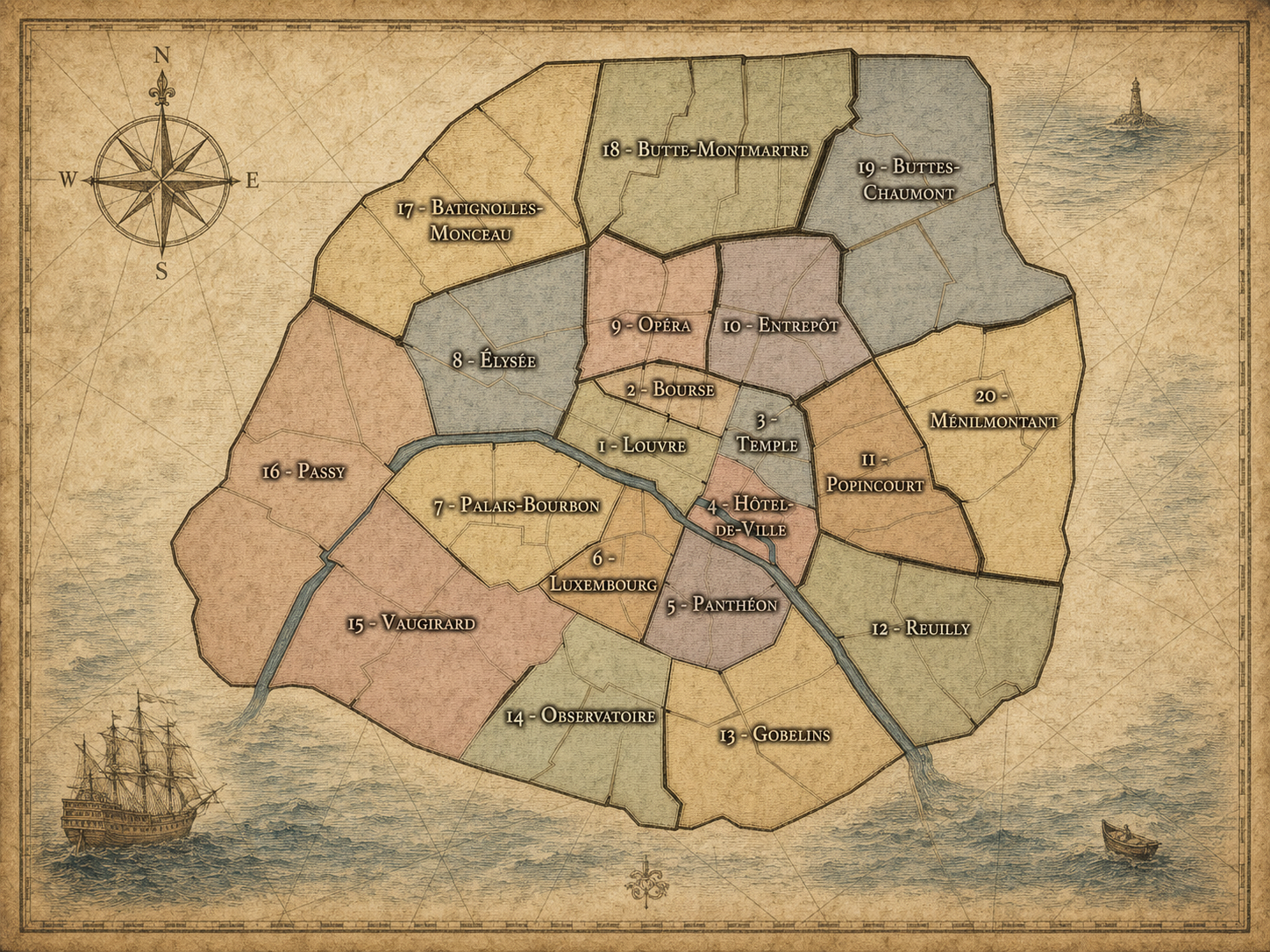
The twenty arrondissements form the civic spiral of Paris, organizing the city into its broad local districts of government, identity, and daily life.
-

Each arrondissement is divided into four official administrative quarters, giving Paris a more precise civic and geographic framework.
-

The conseils de quartier bring participation to street level, giving residents a voice in neighborhood needs, public space, and local civic life.
-

Les Deux Rives trace Paris through the Seine’s two banks, revealing how the Rive Droite and Rive Gauche shaped the city’s civic power, commerce, learning, art, and cultural identity.
-
Cultural neighborhoods reveal the Paris people recognize through history, cafés, architecture, memory, atmosphere, and local belonging.