
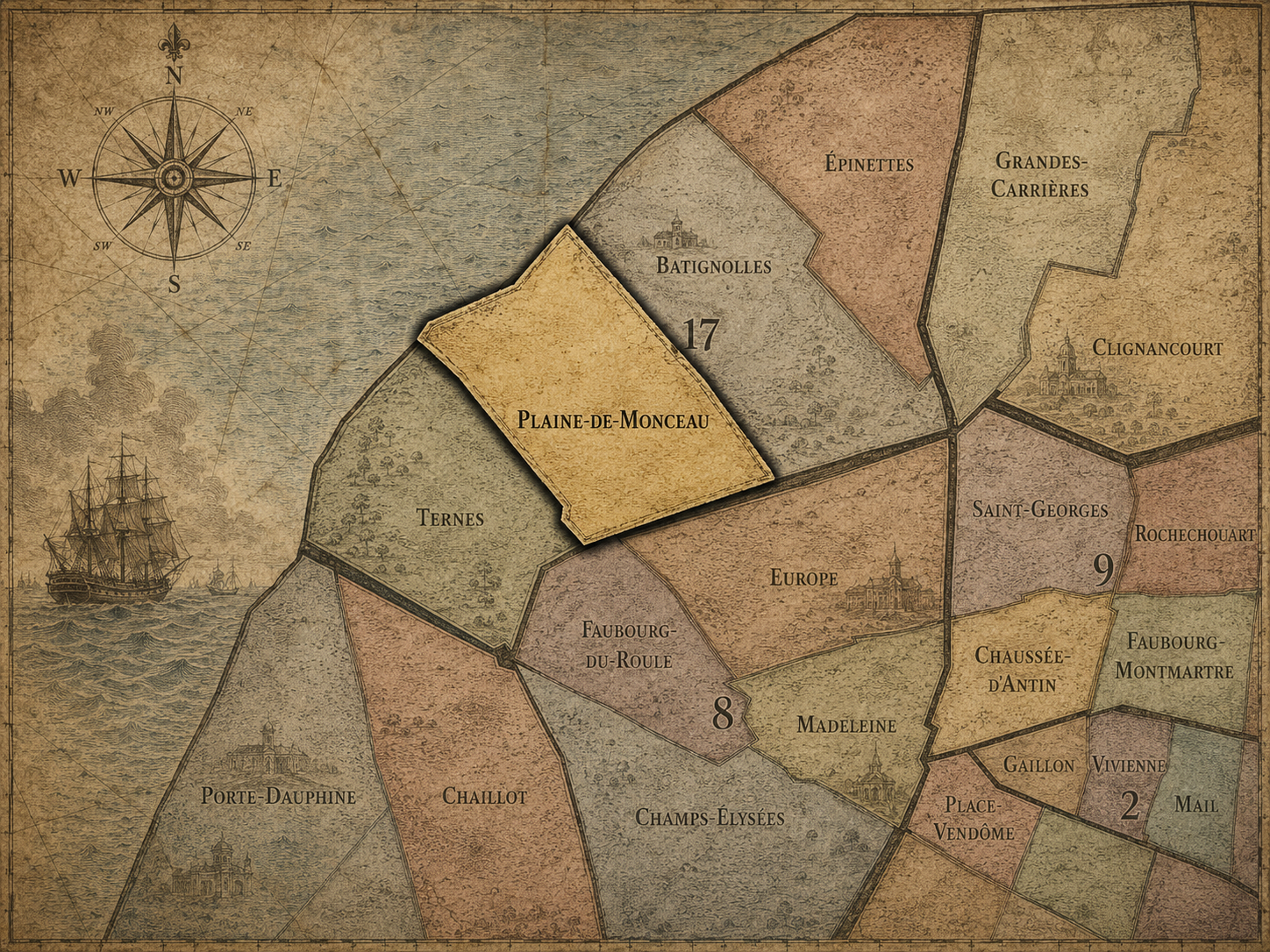
17e - PLAINE-DE-MONCEAU
Quartiers Administratifs
Part of an ongoing project to walk and photograph every neighborhood in Paris, this page 17e - Plaine-de-Monceau through maps, district identity, history, and photography.
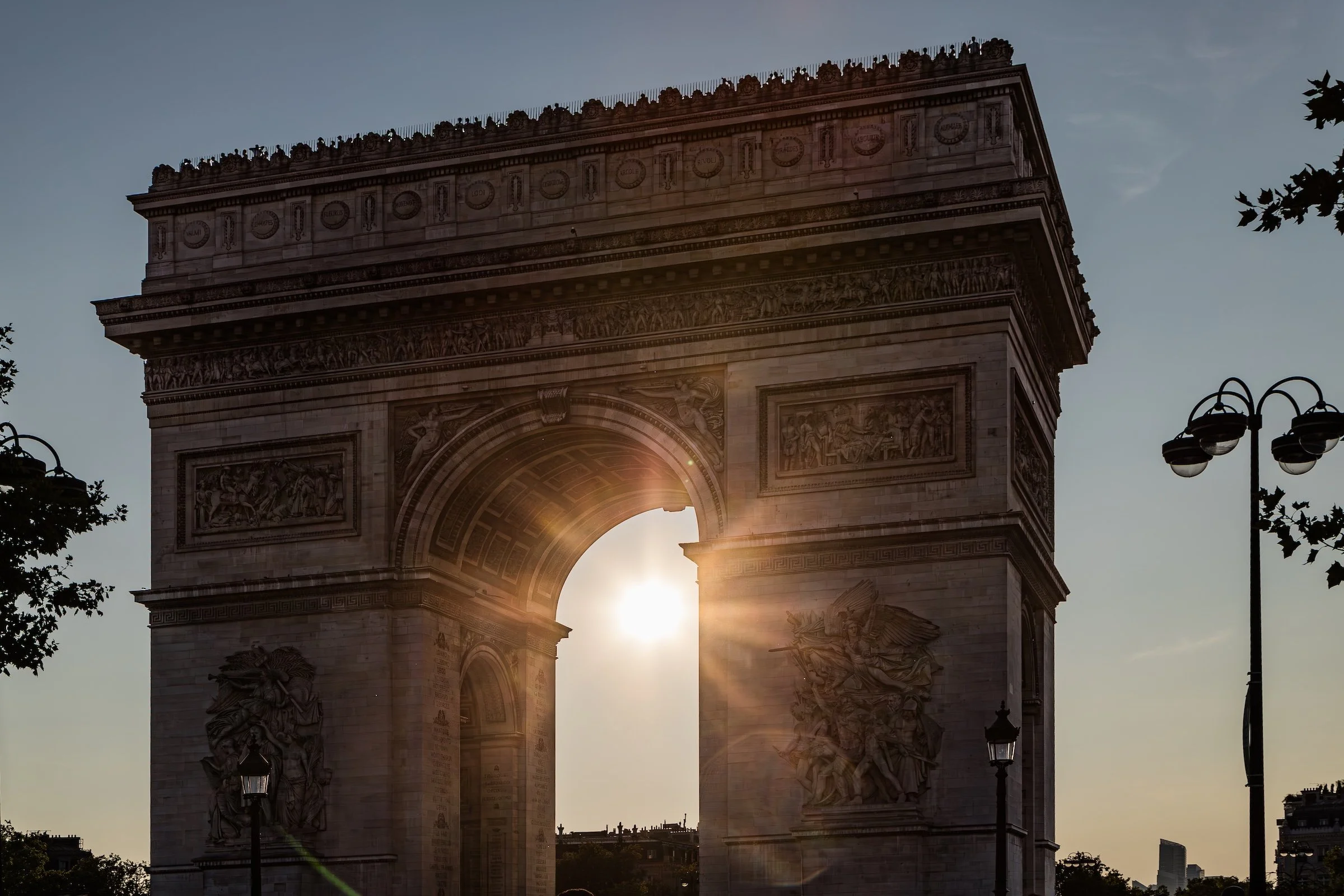
The Map
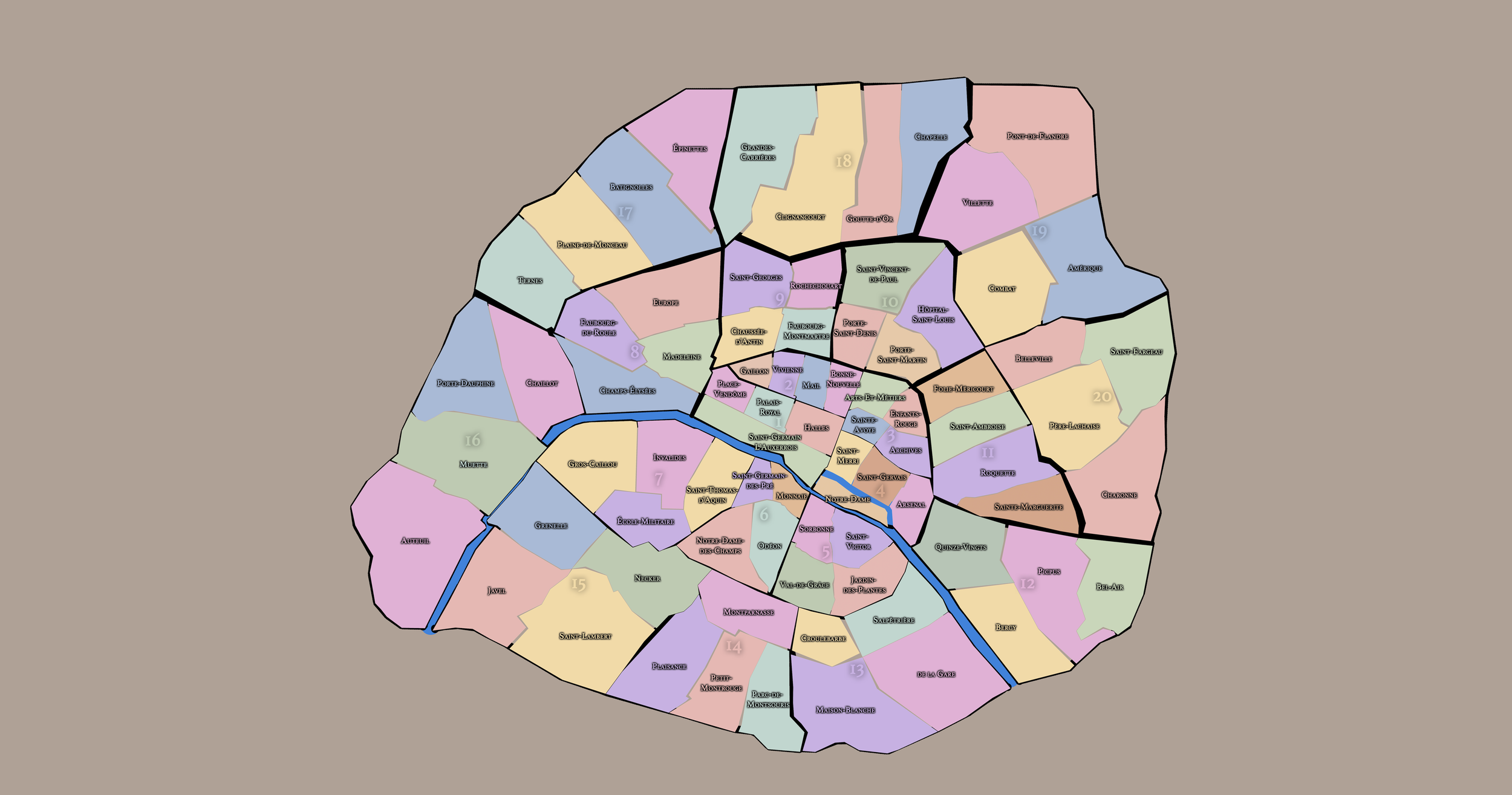
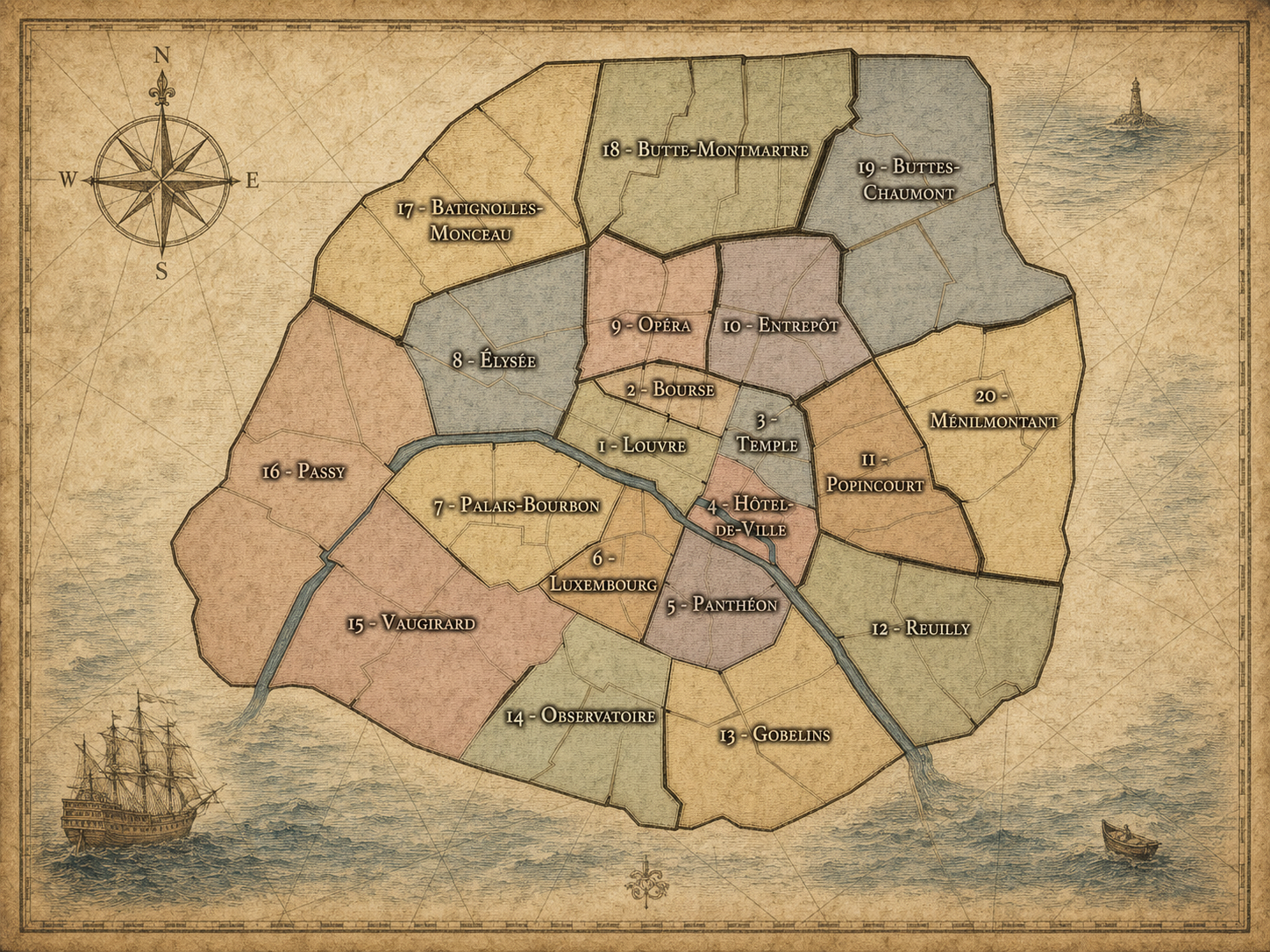
Download the Paris Arrondissements Map
Geographic Setting
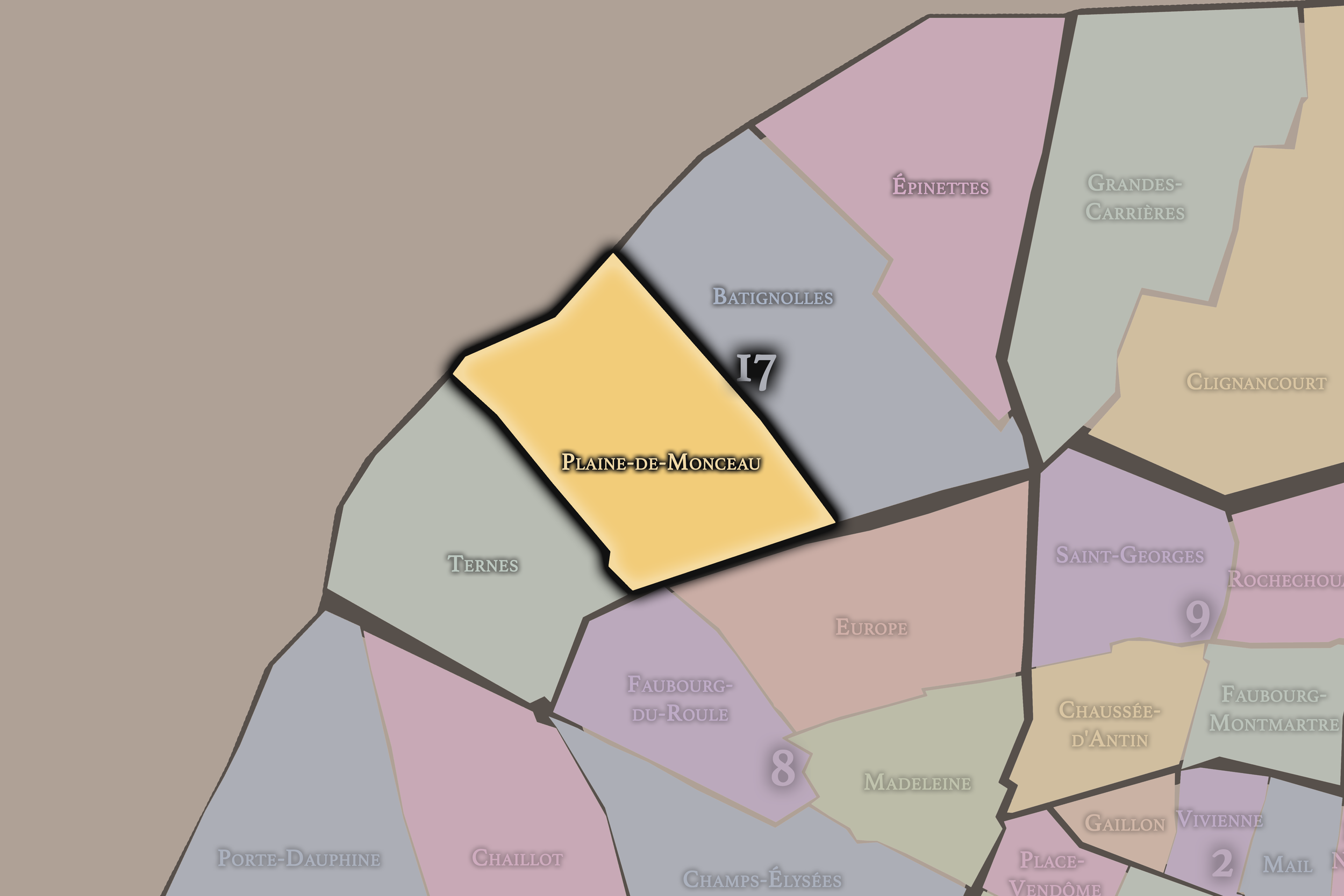
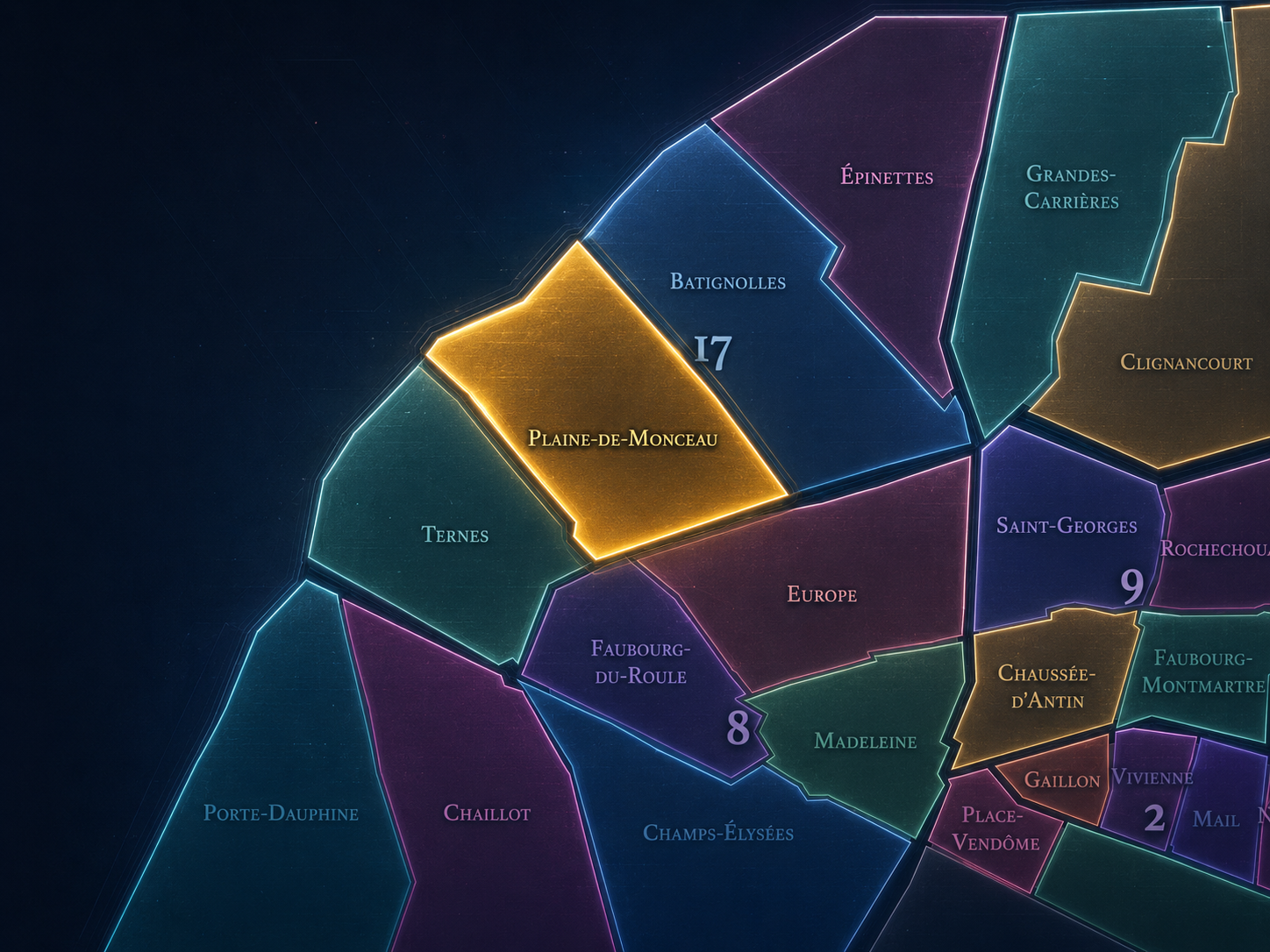
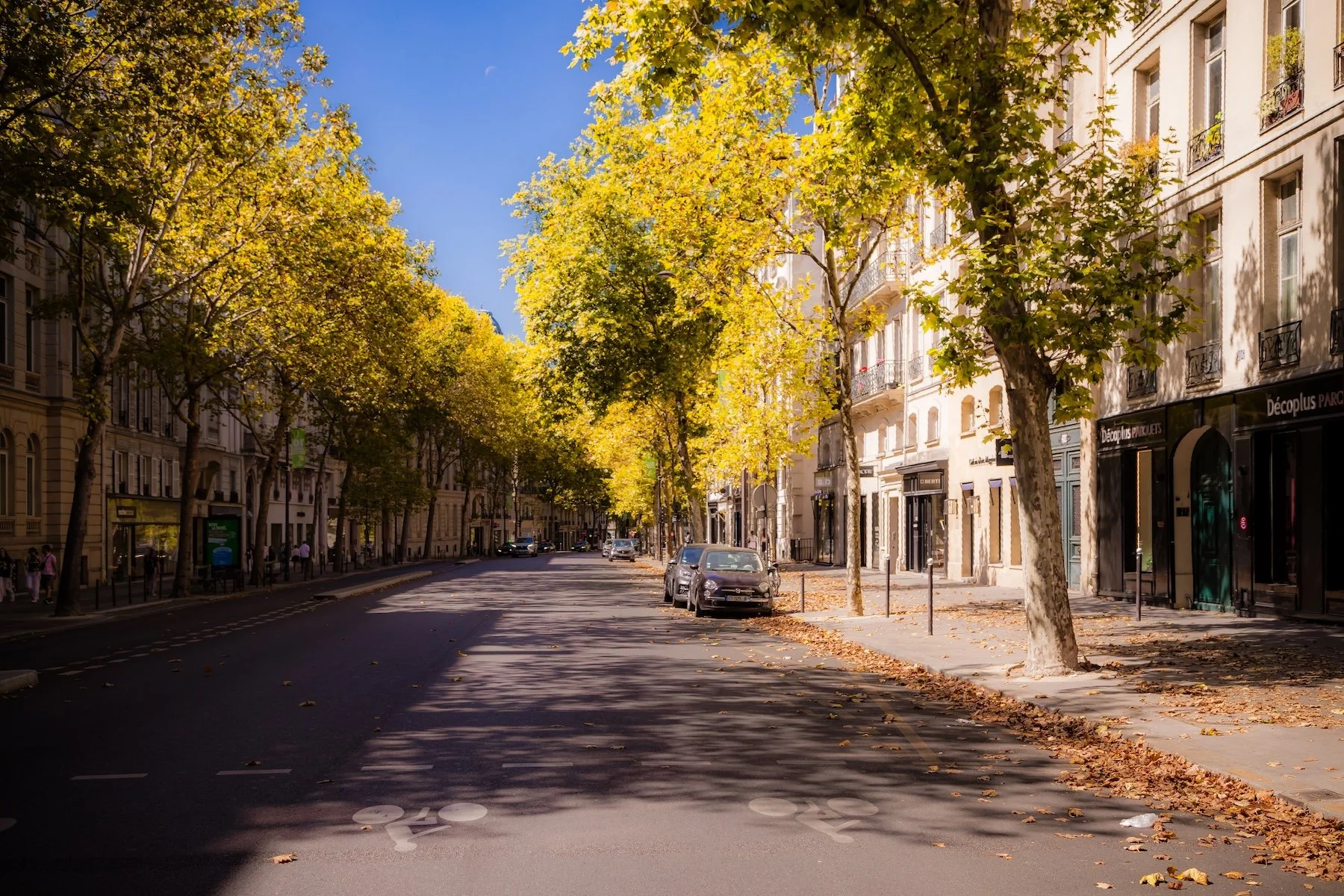
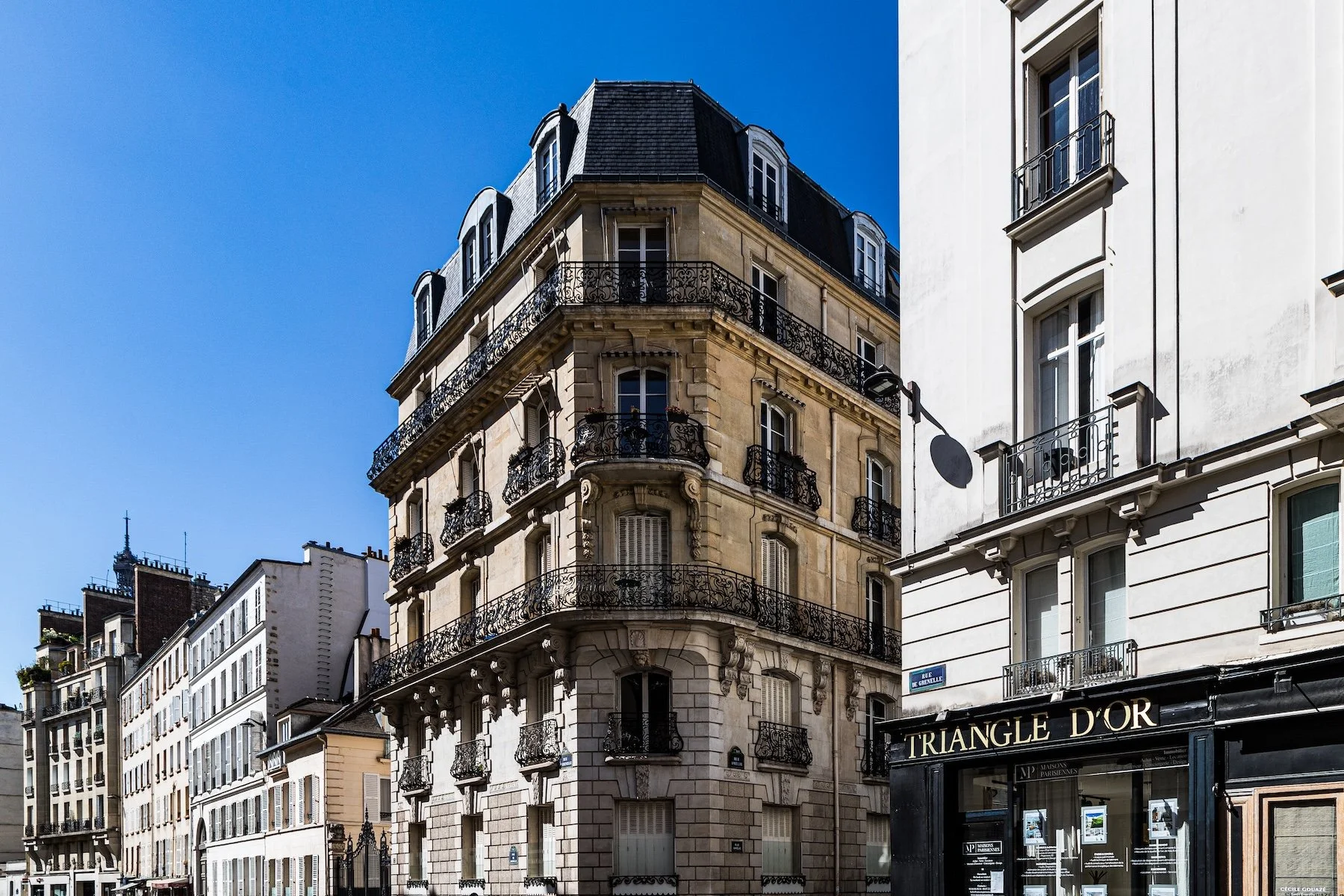
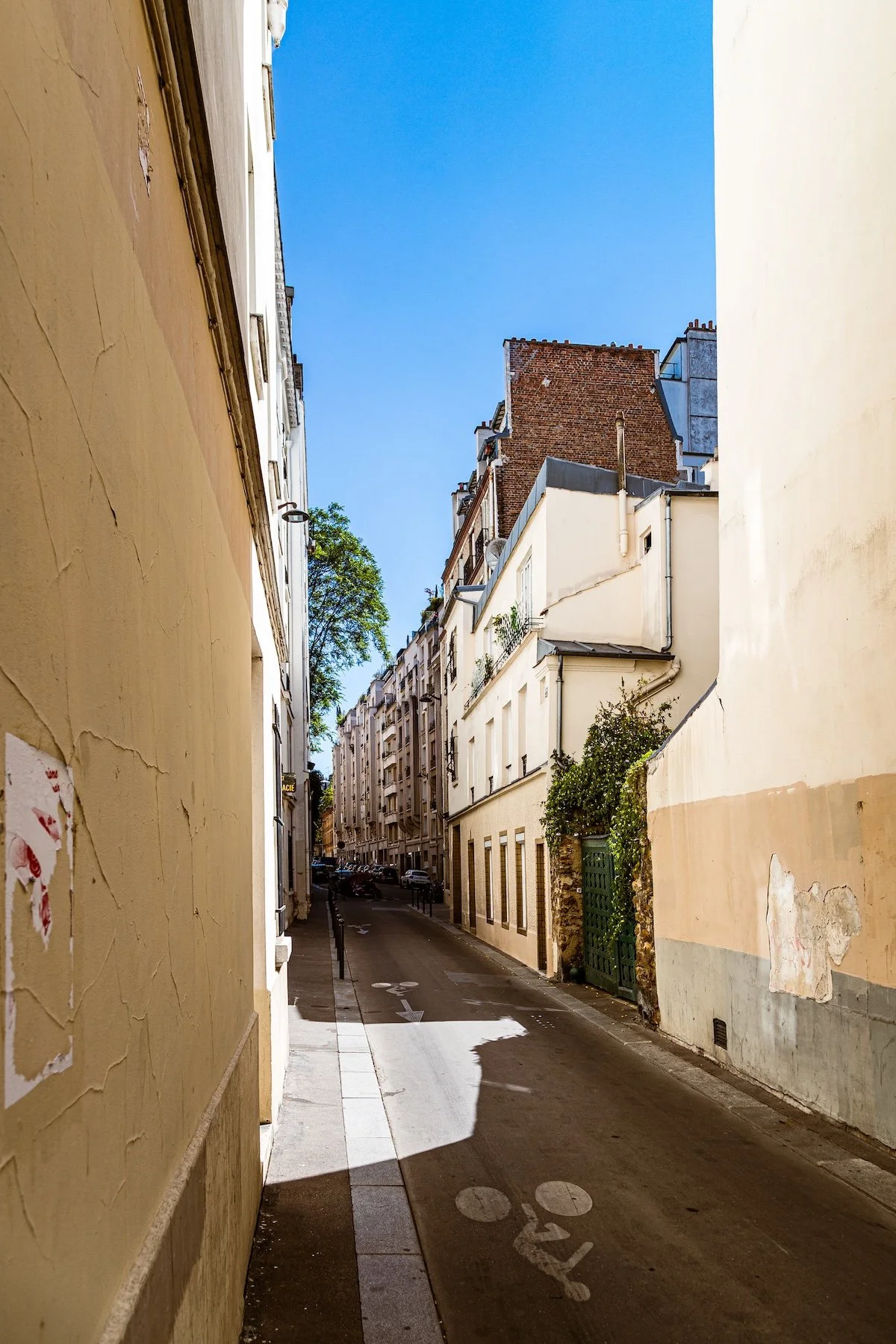
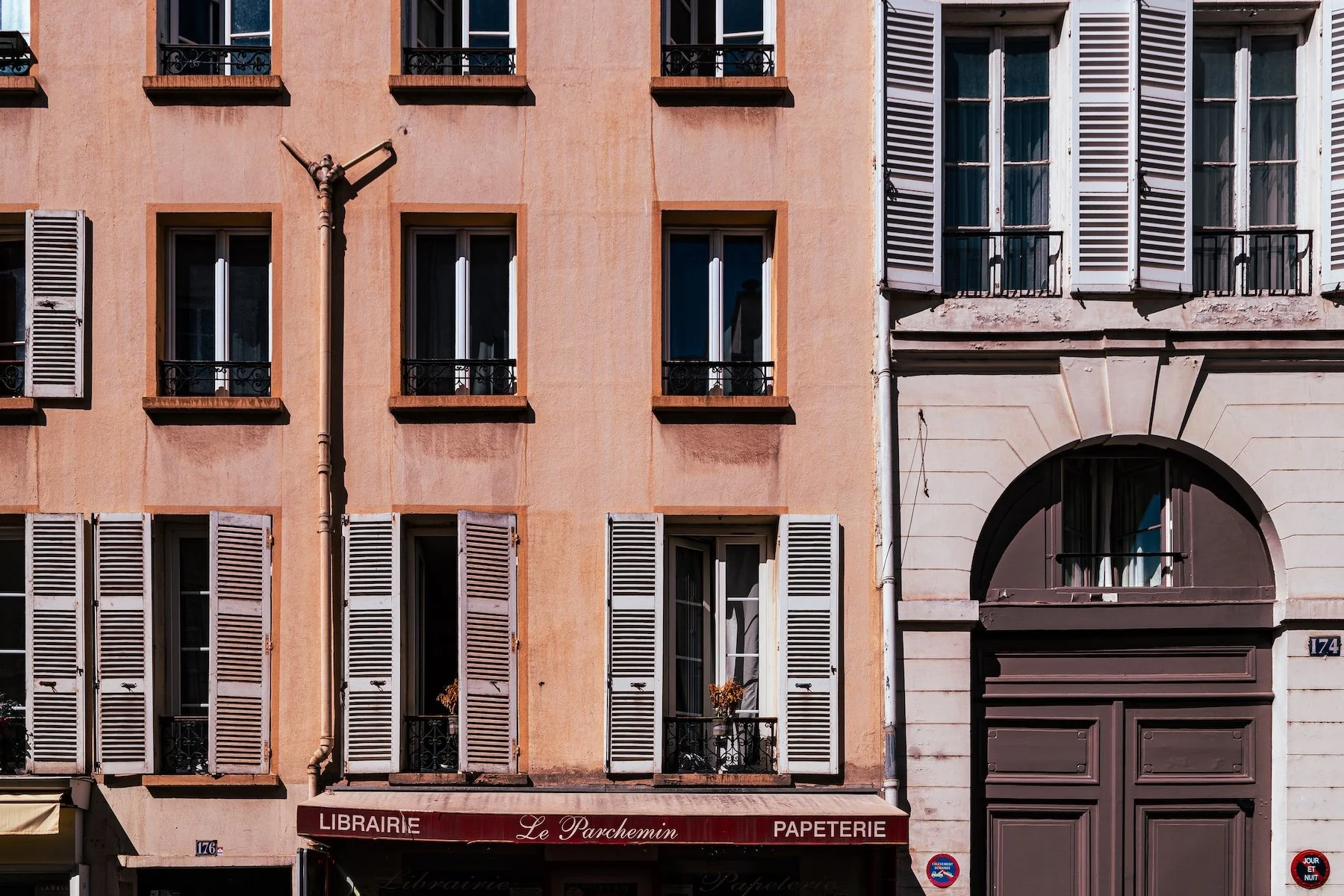
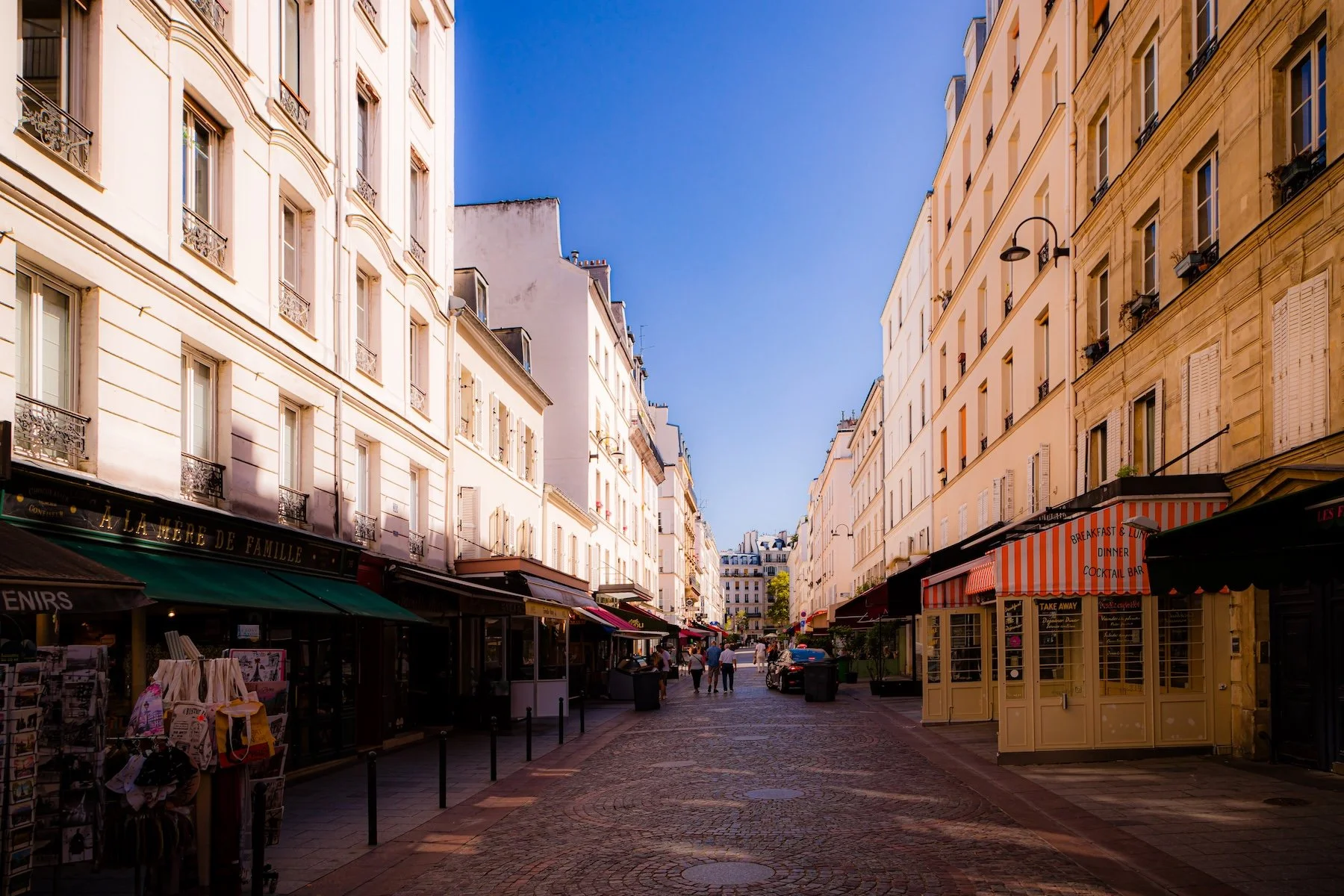
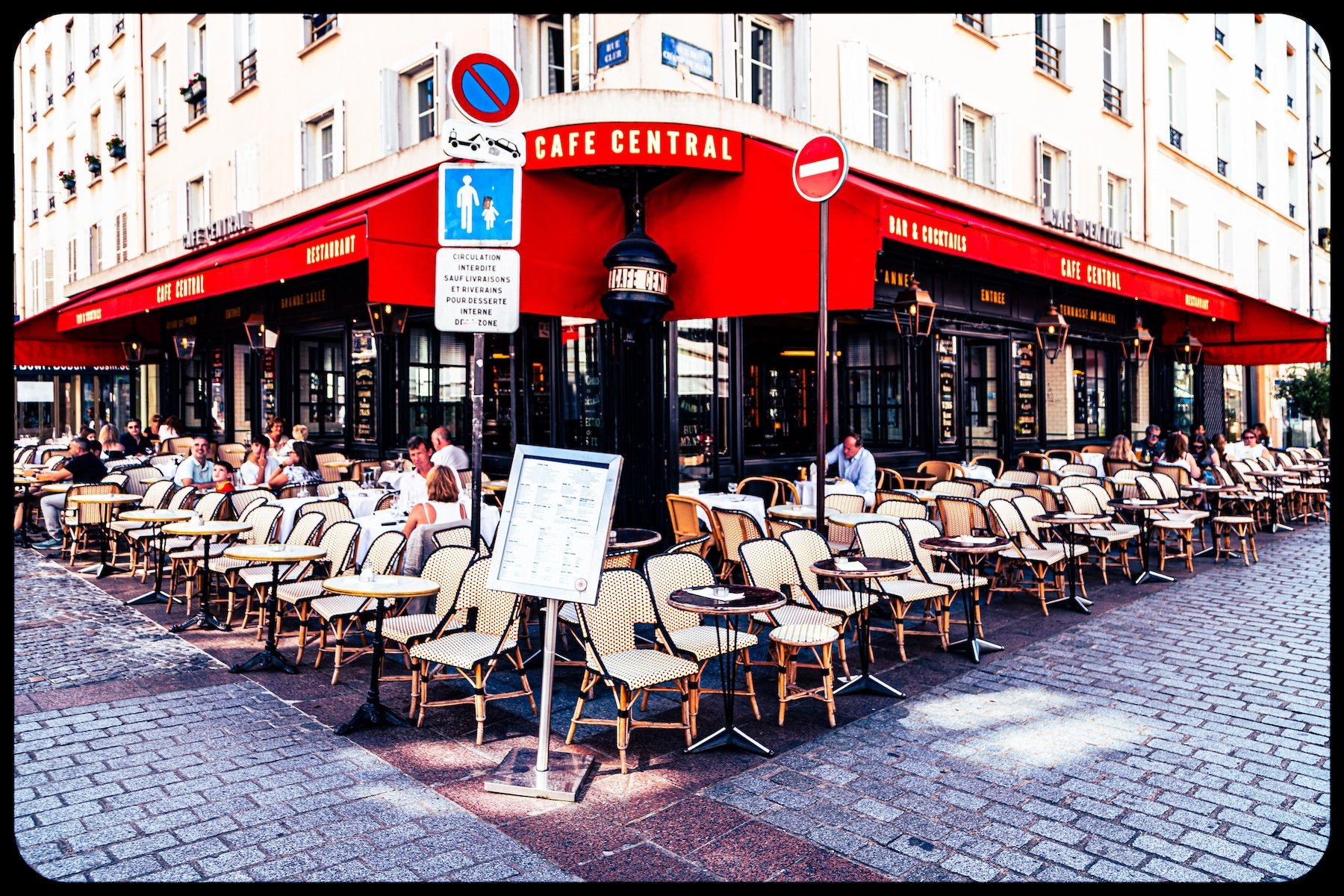
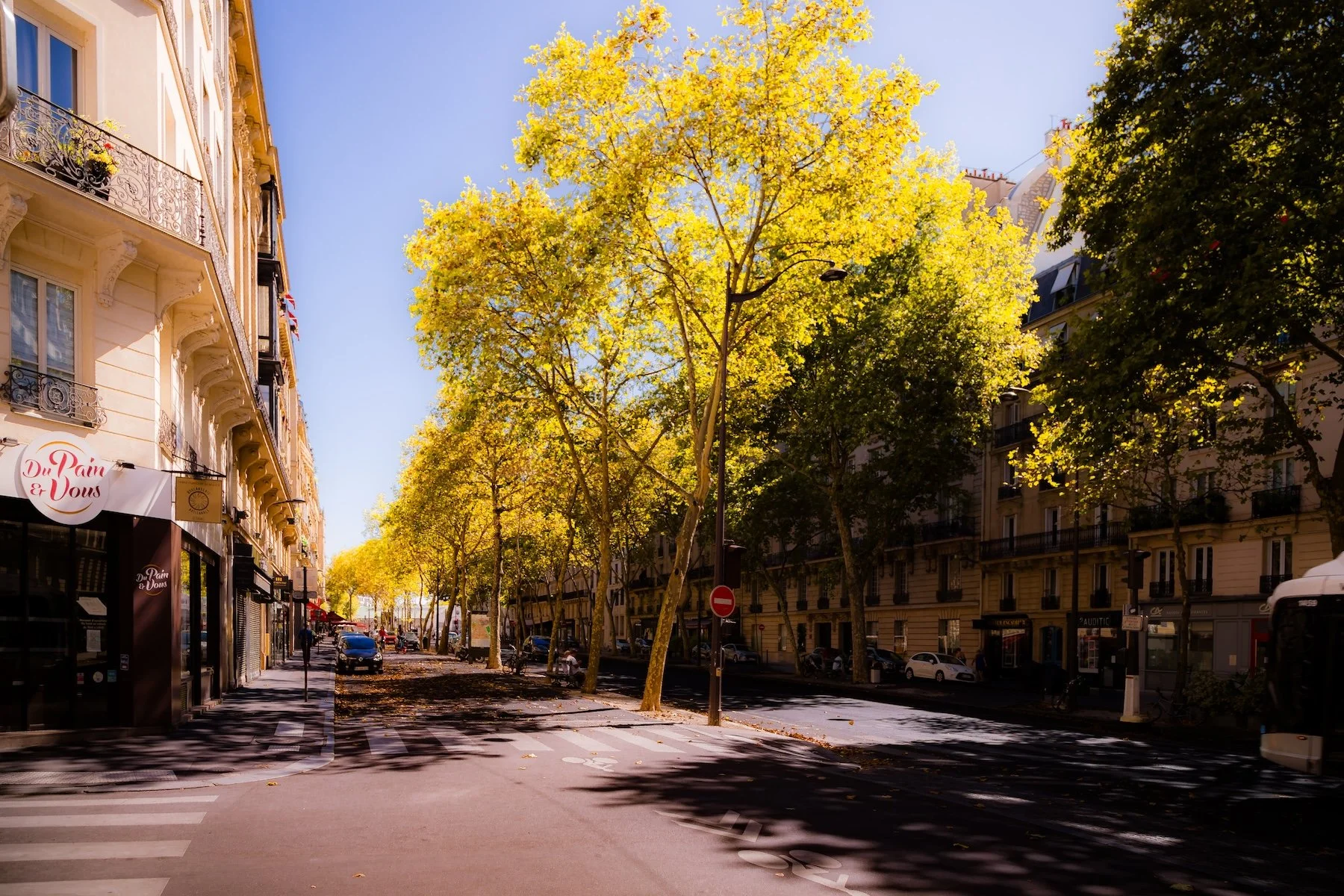
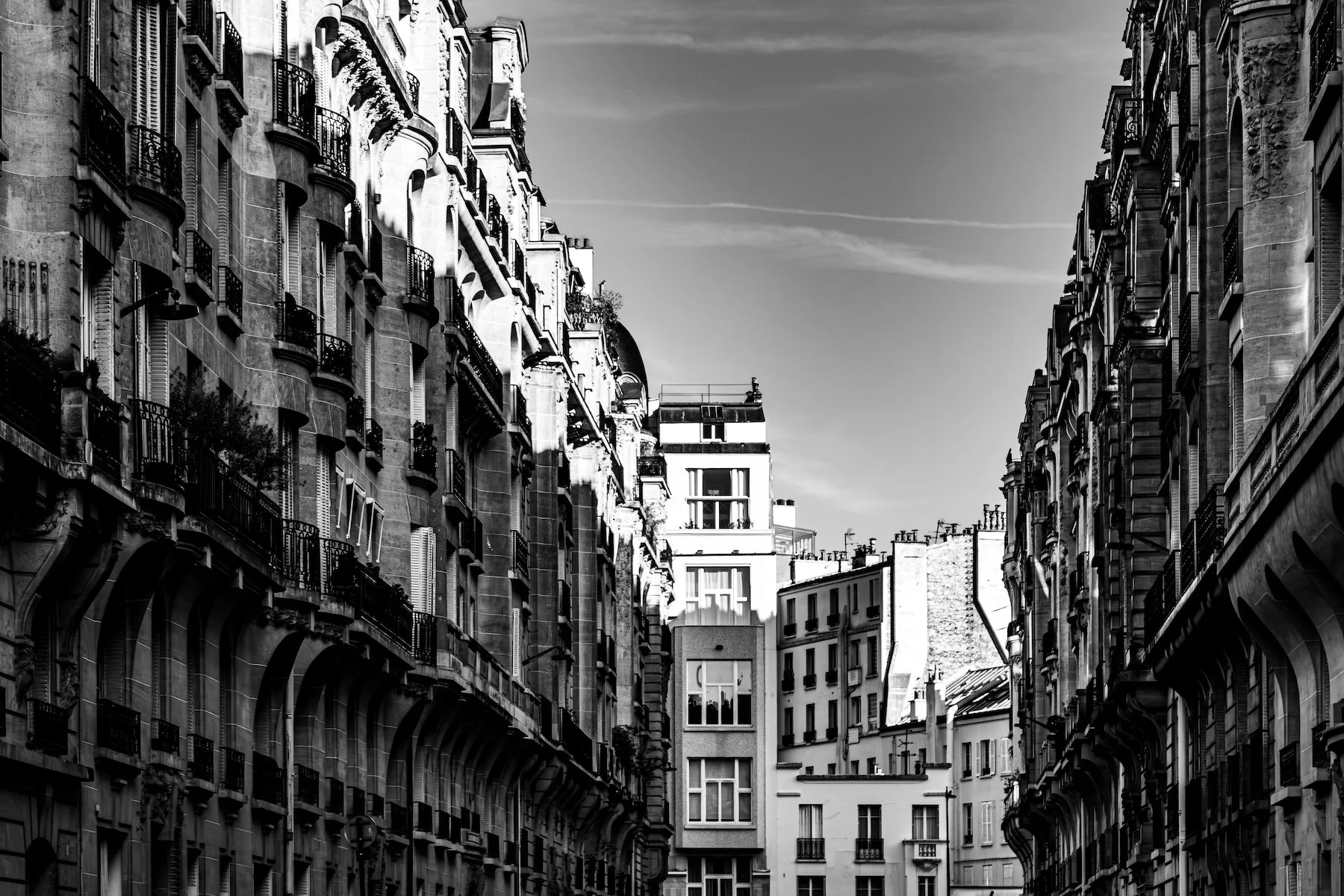
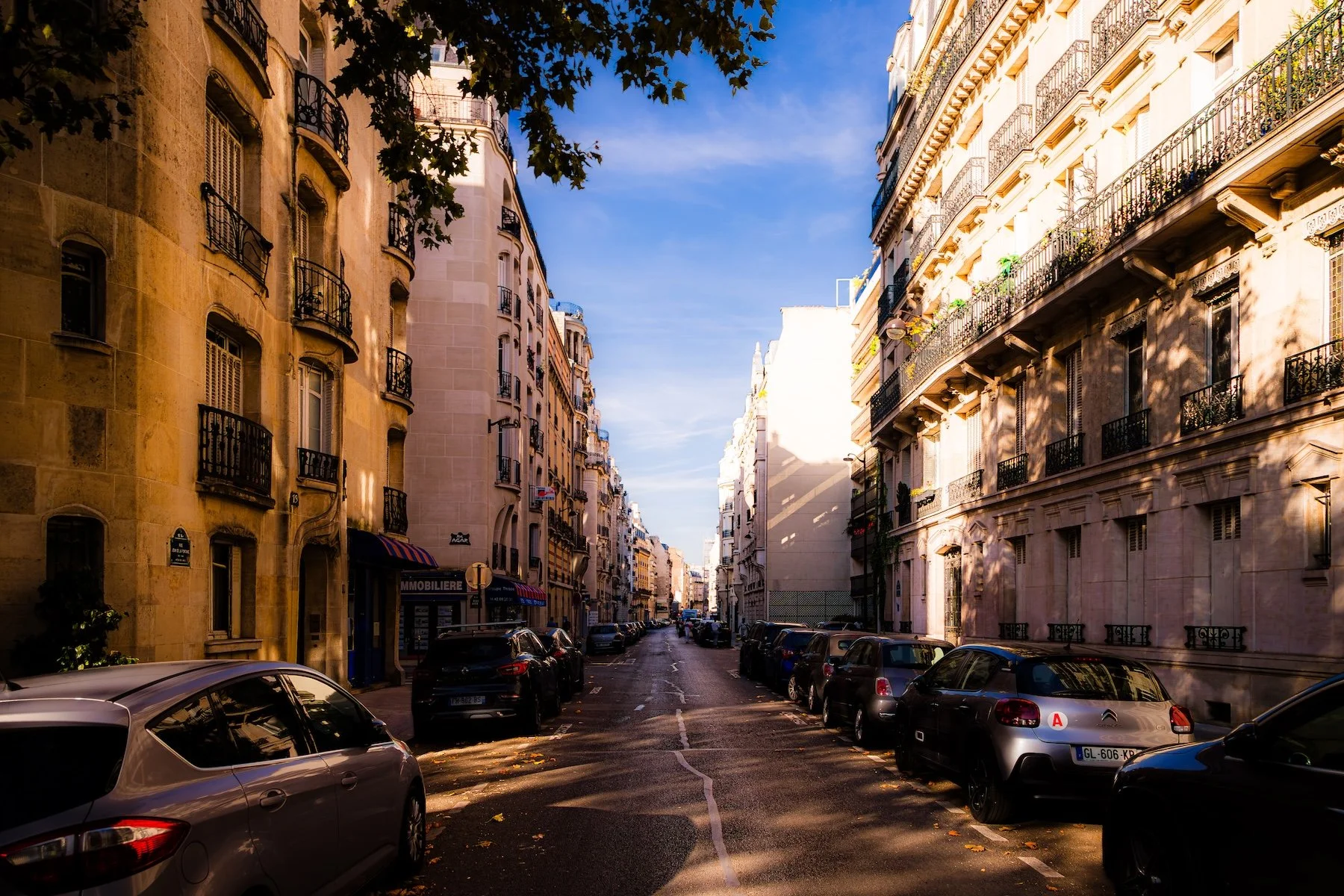
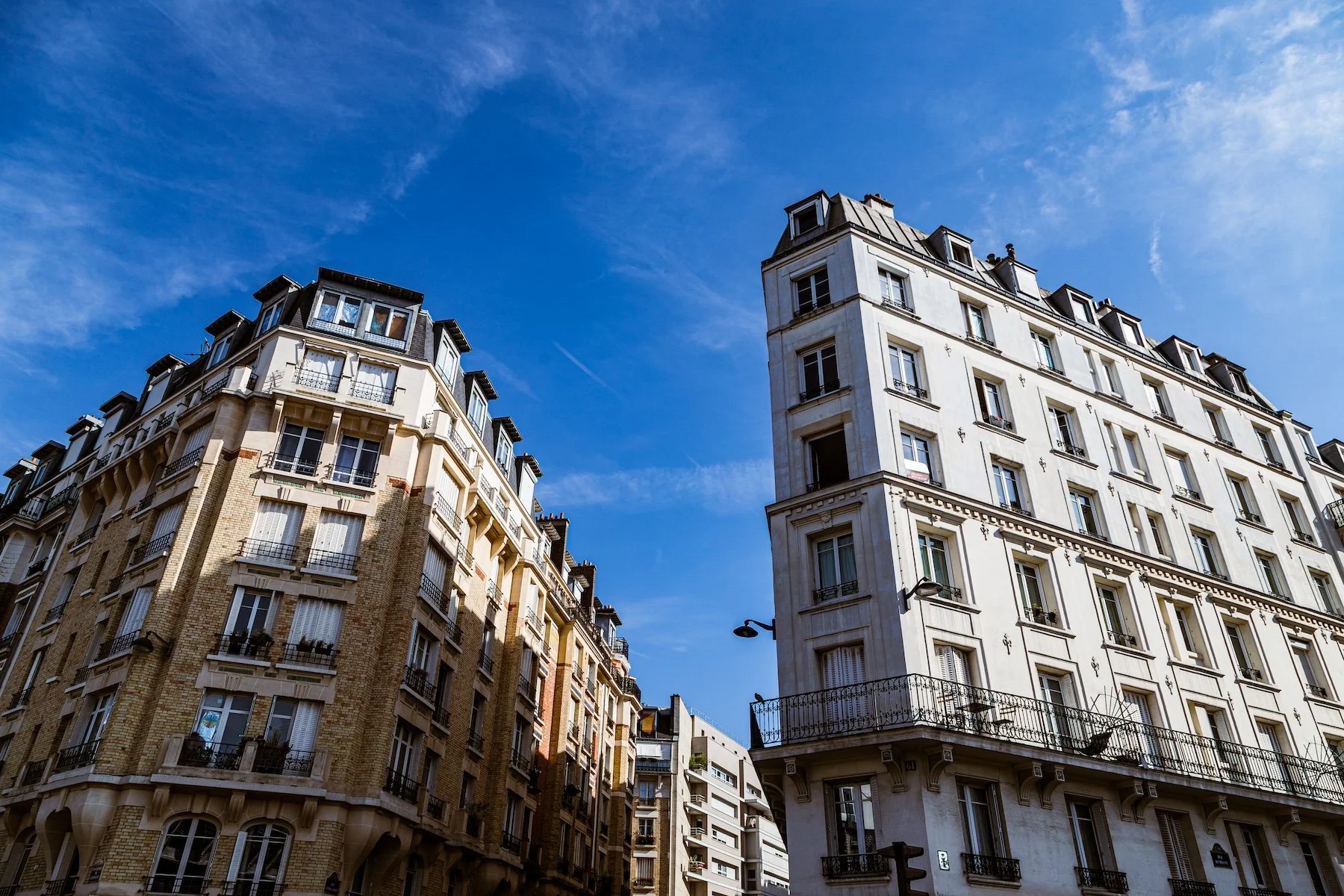
Plaine-de-Monceau occupies the central and western interior of the 17th arrondissement, where the refined residential landscapes around Parc Monceau, Avenue de Villiers, Boulevard Malesherbes, Wagram, Courcelles, and Pereire form one of the most classically bourgeois quarters of northwestern Paris. It lies west of Batignolles, south and southwest of Épinettes, east of Ternes, and north of the 8th arrondissement’s Europe and Faubourg-du-Roule quarters. This is the 17th arrondissement at its most Haussmannian and residentially elegant: broad streets, stone façades, private mansions, apartment buildings, tree-lined avenues, schools, embassies, and the quiet prestige of western Paris away from the more theatrical center.
The quarter’s geography is shaped by Avenue de Villiers, Boulevard Malesherbes, Rue de Courcelles, Avenue de Wagram, Boulevard Pereire, Rue de Prony, Rue de Tocqueville, Rue Jouffroy-d’Abbans, Rue de Chazelles, Rue Fortuny, Rue Cardinet, and the streets leading toward Parc Monceau. Its name refers to the old plain of Monceau / Monceau, once open land beyond the denser city, later transformed into one of the great residential expansion zones of the 19th century. In modern experience, the quarter often feels like a composed extension of Parc Monceau’s world: quieter than the Champs-Élysées, less village-like than Batignolles, but deeply shaped by refinement, domestic architecture, and the westward spread of bourgeois Paris.
Unlike Batignolles, whose identity retains a stronger former-village and café-neighborhood atmosphere, or Épinettes, whose history is more working-class and edge-oriented, Plaine-de-Monceau is more formal, spacious, and socially elevated. It is the 17th arrondissement as residential prestige — the Paris of family apartments, professional households, grand staircases, stone balconies, and measured urban calm.
Administrative Quarter Identity
Etymology and Origins
The name Plaine-de-Monceau means the “plain of Monceau,” referring to the old open ground associated with Monceau / Monceau before the area became densely urbanized. The spelling is important: the official administrative quarter is generally rendered Plaine-de-Monceau, with the final “x,” while Parc Monceau is usually written without it. This small variation reflects the way older place-names can survive differently across administrative, park, street, and neighborhood usage.
“Monceau” itself likely derives from an older term connected to small mounds, rises, or heaps of ground. The name suggests topography before urban identity: a plain or open landscape marked by subtle relief, fields, and outer land beyond central Paris. Before it became one of the most elegant residential quarters of the 17th arrondissement, Plaine-de-Monceau was part of the northern and northwestern fringe of the capital.
The name therefore holds a transformation in miniature. A plain became a residential district. An outer landscape became Paris. A place once defined by open ground became associated with stone façades, private hotels, wide avenues, and the controlled elegance of bourgeois urbanism. Plaine-de-Monceau is a name that remembers the land before it was composed into city.
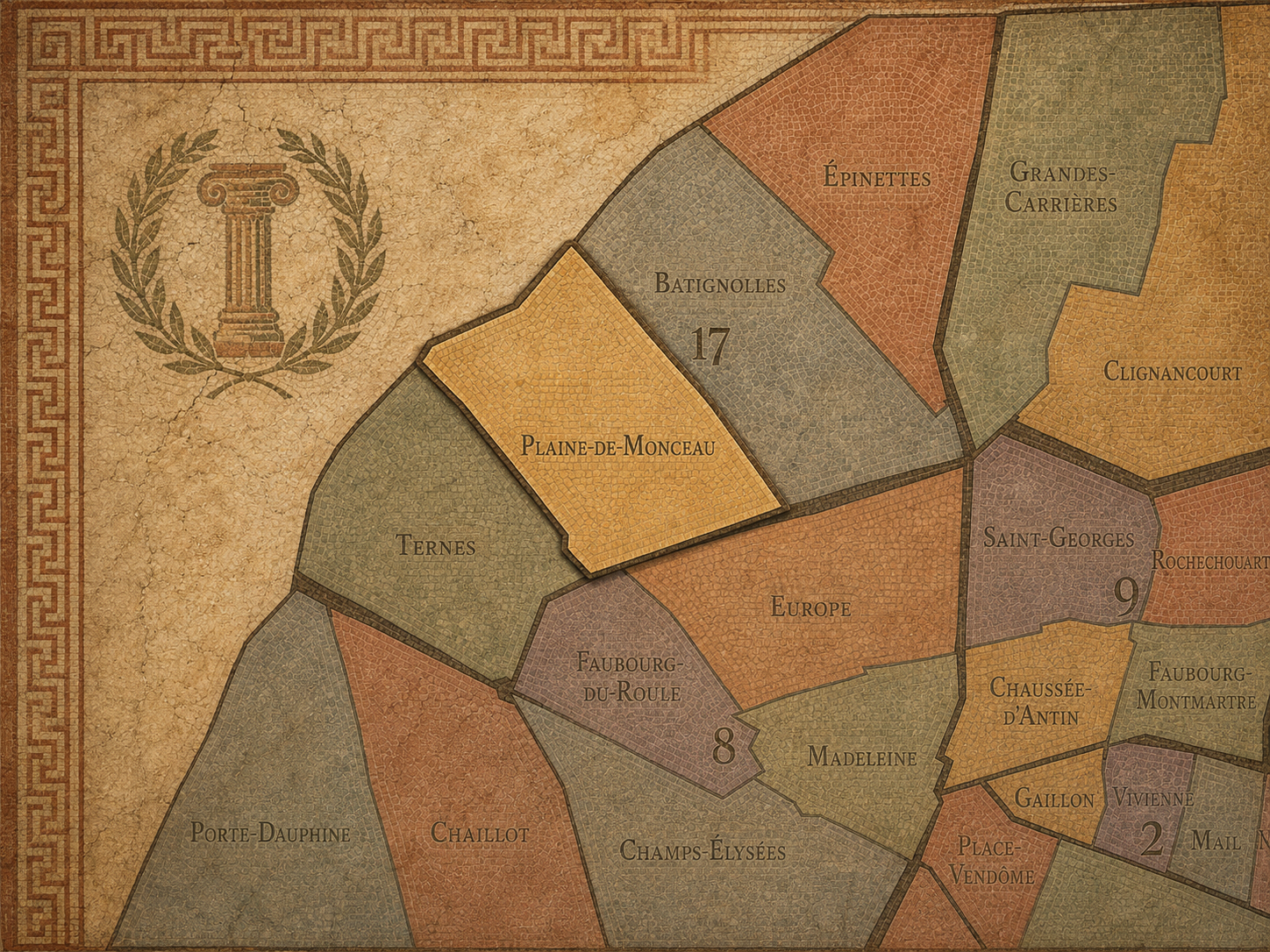
Within the official geography of Paris, Plaine-de-Monceau is one of the four administrative quarters of the 17th arrondissement, alongside Batignolles, Épinettes, and Ternes. It occupies the arrondissement’s central-western sector, giving civic shape to the residential district between Parc Monceau, Wagram, Pereire, Malesherbes, Courcelles, and the western approaches toward Ternes.
As an administrative quarter, Plaine-de-Monceau clarifies an area that is often described through several neighboring or more specific names: Monceau, Courcelles, Wagram, Malesherbes, Pereire, Villiers, or the western 17th. Those names are all useful, but each captures one part of the quarter. Plaine-de-Monceau is the official frame that gathers the old plain, the Haussmannian residential grid, the Parc Monceau-adjacent prestige, and the interior streets of the 17th into one mapped unit.
This civic frame is especially valuable because the quarter is often understood atmospherically rather than administratively. People may know Parc Monceau, Avenue de Villiers, or Boulevard Malesherbes without necessarily thinking of Plaine-de-Monceau as a formal Parisian quarter. The administrative name restores the larger geography behind the elegance.
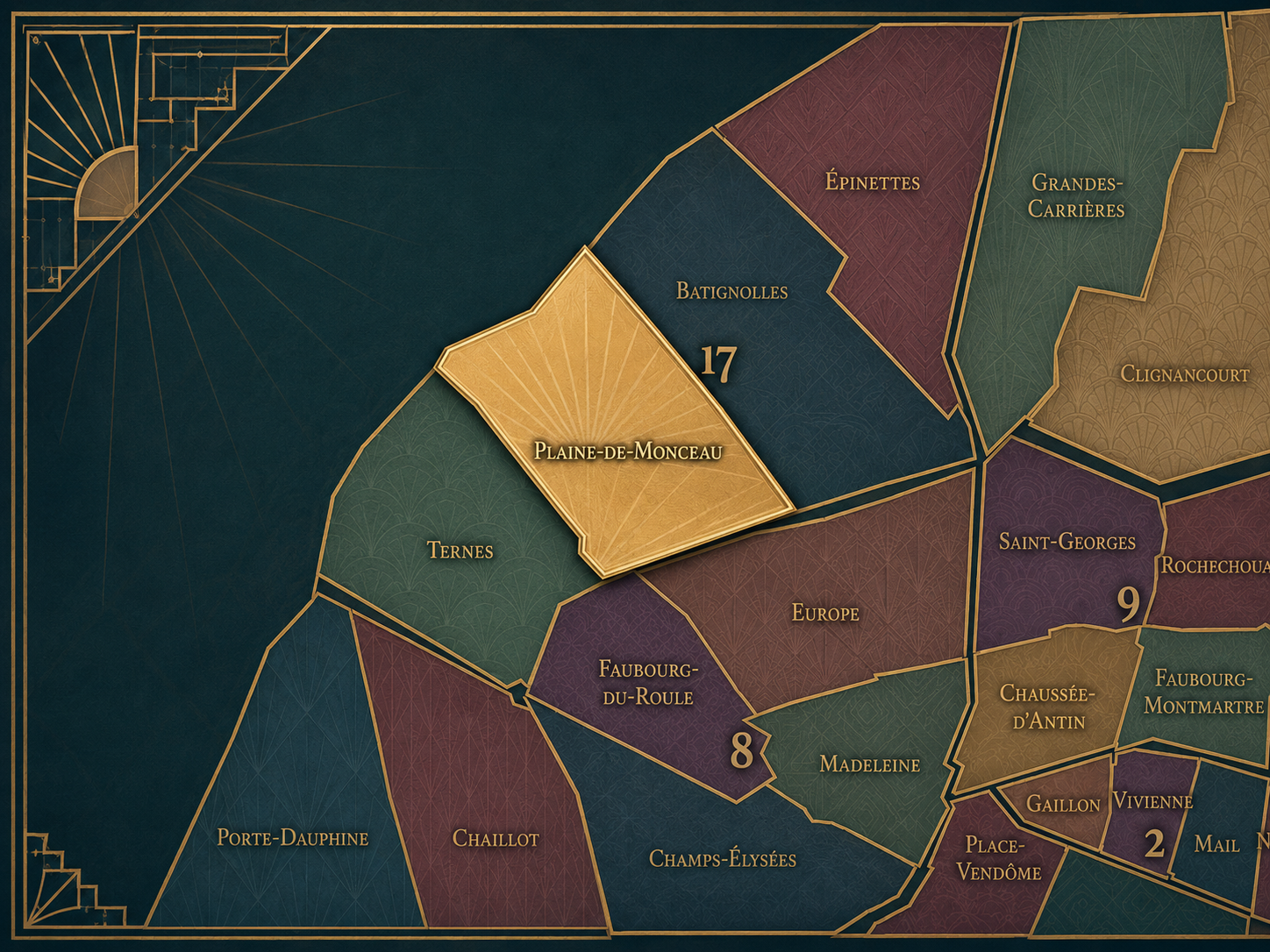
Civic Framework
Plaine-de-Monceau differs from the other quarters of the 17th arrondissement through its Haussmannian refinement, its connection to Parc Monceau, and its strong bourgeois residential identity. Batignolles is more village-like, sociable, and increasingly associated with cafés, family life, and contemporary redevelopment. Épinettes is denser, more northern, more working-class in memory, and more connected to the city’s industrial and boundary landscapes near Clichy and Saint-Ouen. Ternes is more western and commercial-prestige oriented, tied to Avenue des Ternes, Porte Maillot, the Arc de Triomphe edge, and the routes toward Neuilly.
Plaine-de-Monceau is calmer and more interior than Ternes, more formal than Batignolles, and more affluent in atmosphere than Épinettes. Its distinction lies in residential architecture and social tone: large apartments, elegant façades, private mansions, embassies, professional households, quiet side streets, and the sense of an ordered city designed for comfort, status, and domestic stability.
It should also be distinguished from Parc Monceau itself. Parc Monceau is a park and cultural landmark crossing the imaginative boundary between the 8th and 17th arrondissement worlds. Plaine-de-Monceau is the official quarter whose identity is deeply influenced by that park, but broader than it. The park gives the area its prestige and green anchor; the quarter gives that prestige a residential and civic frame.
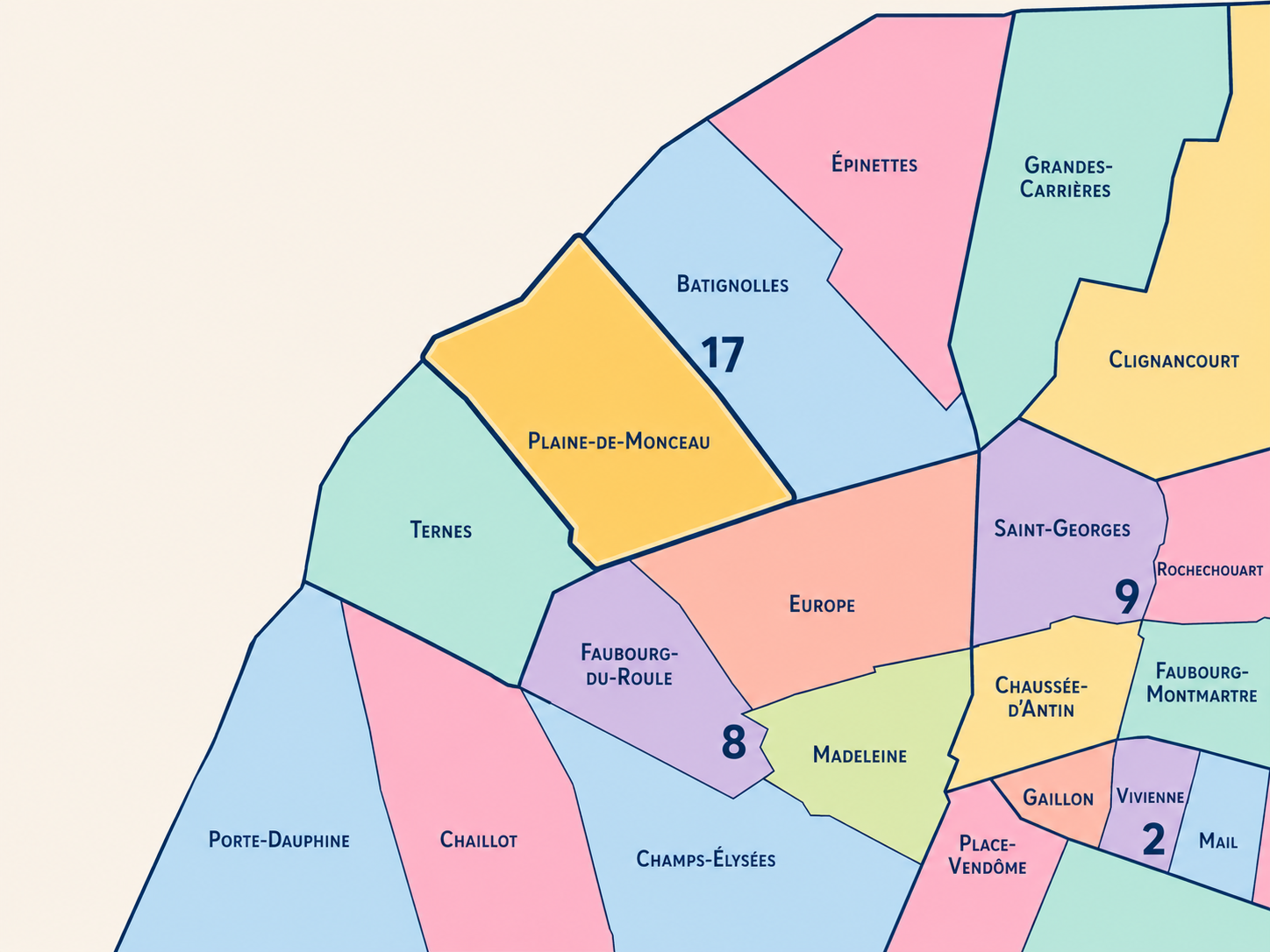
Neighborhood Distinction
Parisian Identity
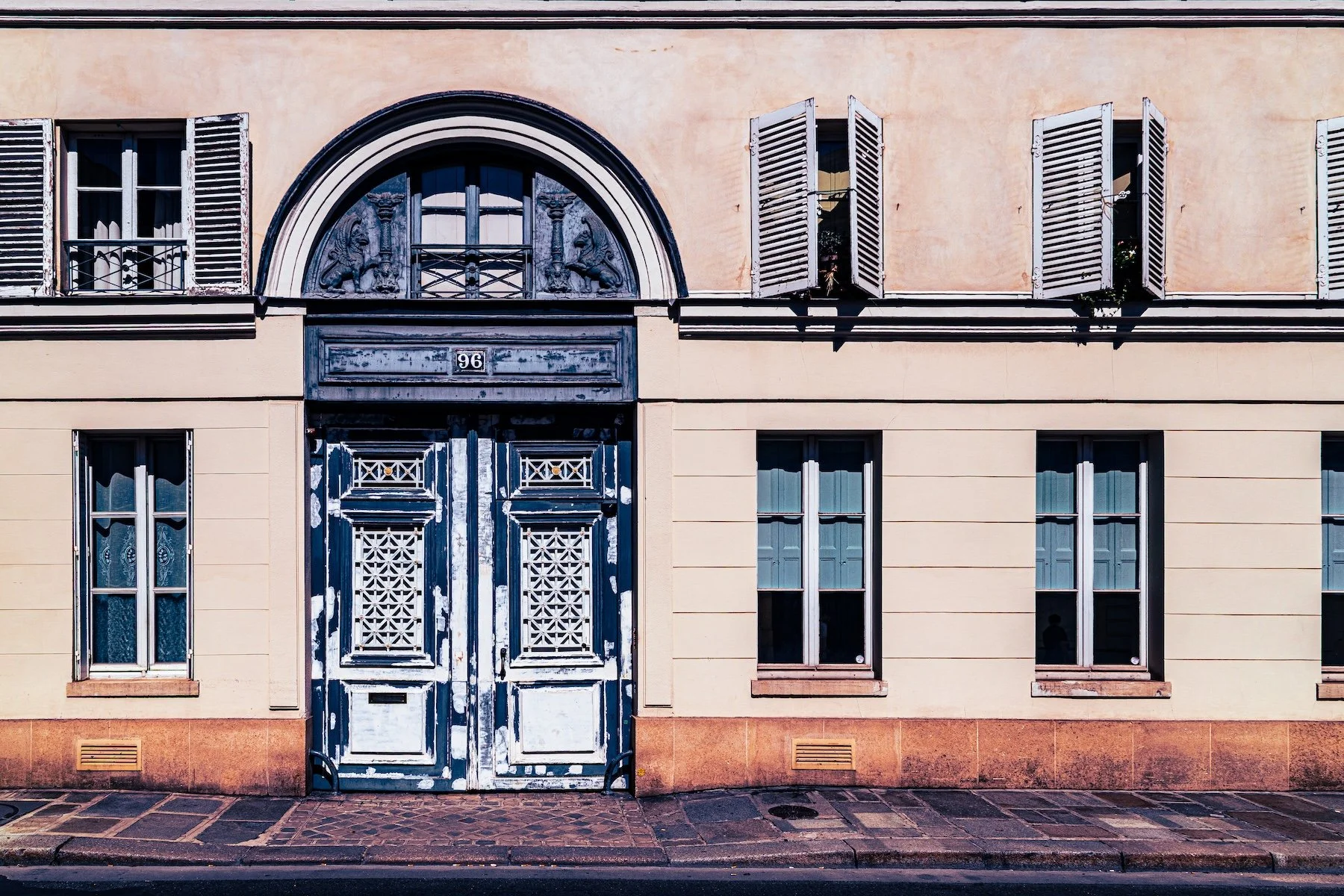
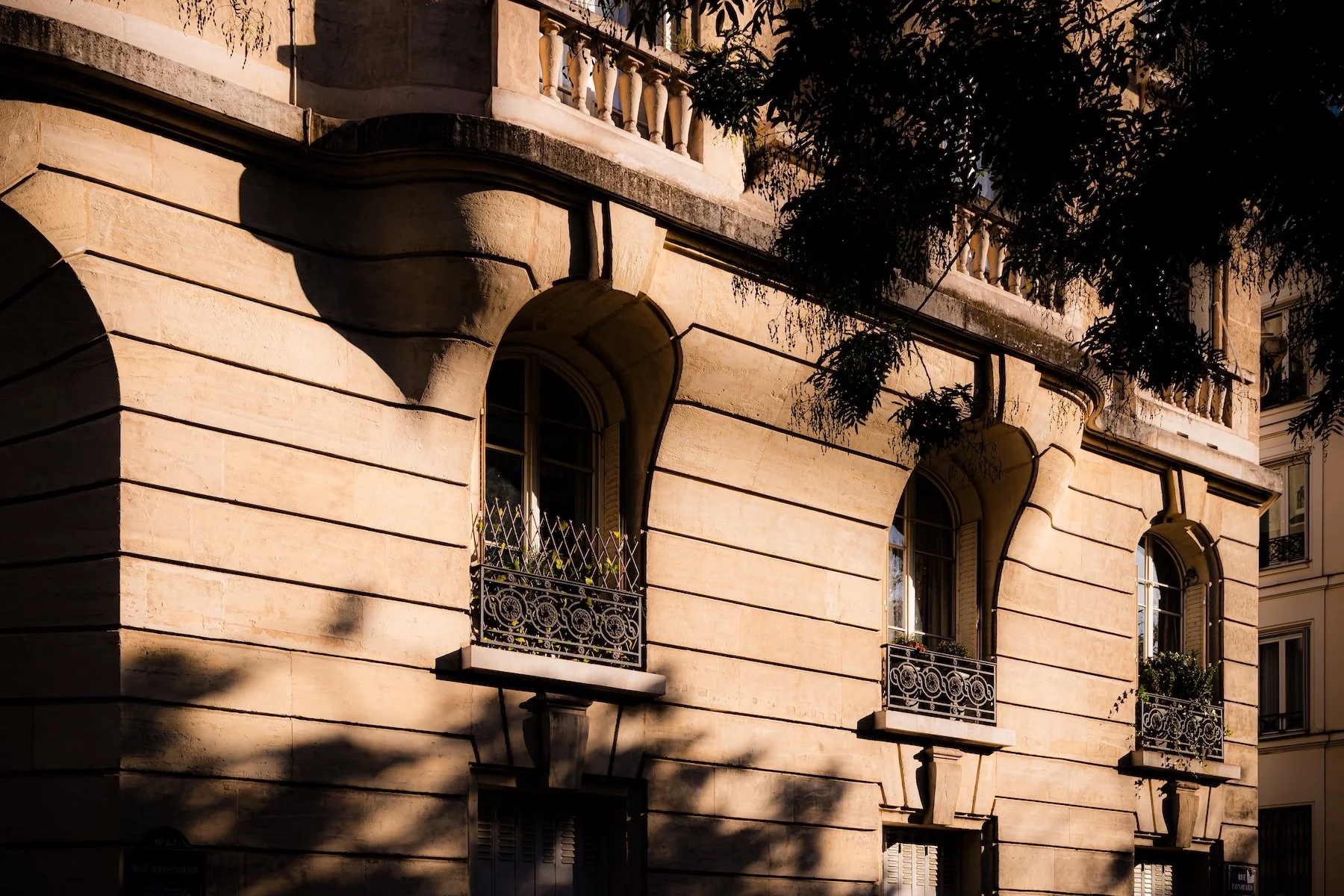
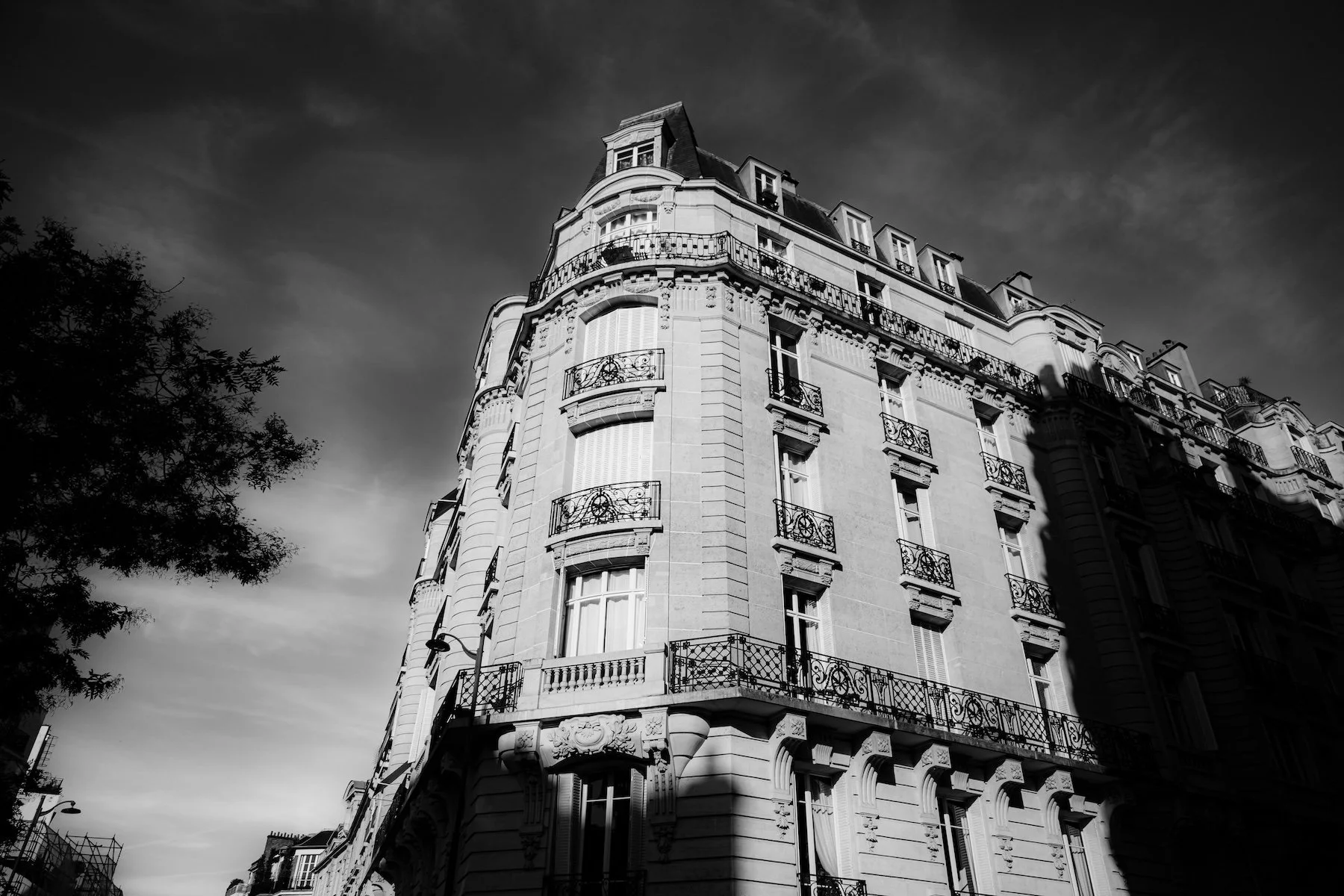
Plaine-de-Monceau expresses Paris as a city of bourgeois composition. Its identity is not made through revolutionary drama, working-class density, artistic bohemia, or tourist spectacle. It is made through the architecture of settled status: symmetrical façades, wide streets, carefully proportioned apartment buildings, domestic interiors, formal entrances, and the urban confidence of the 19th-century westward expansion.
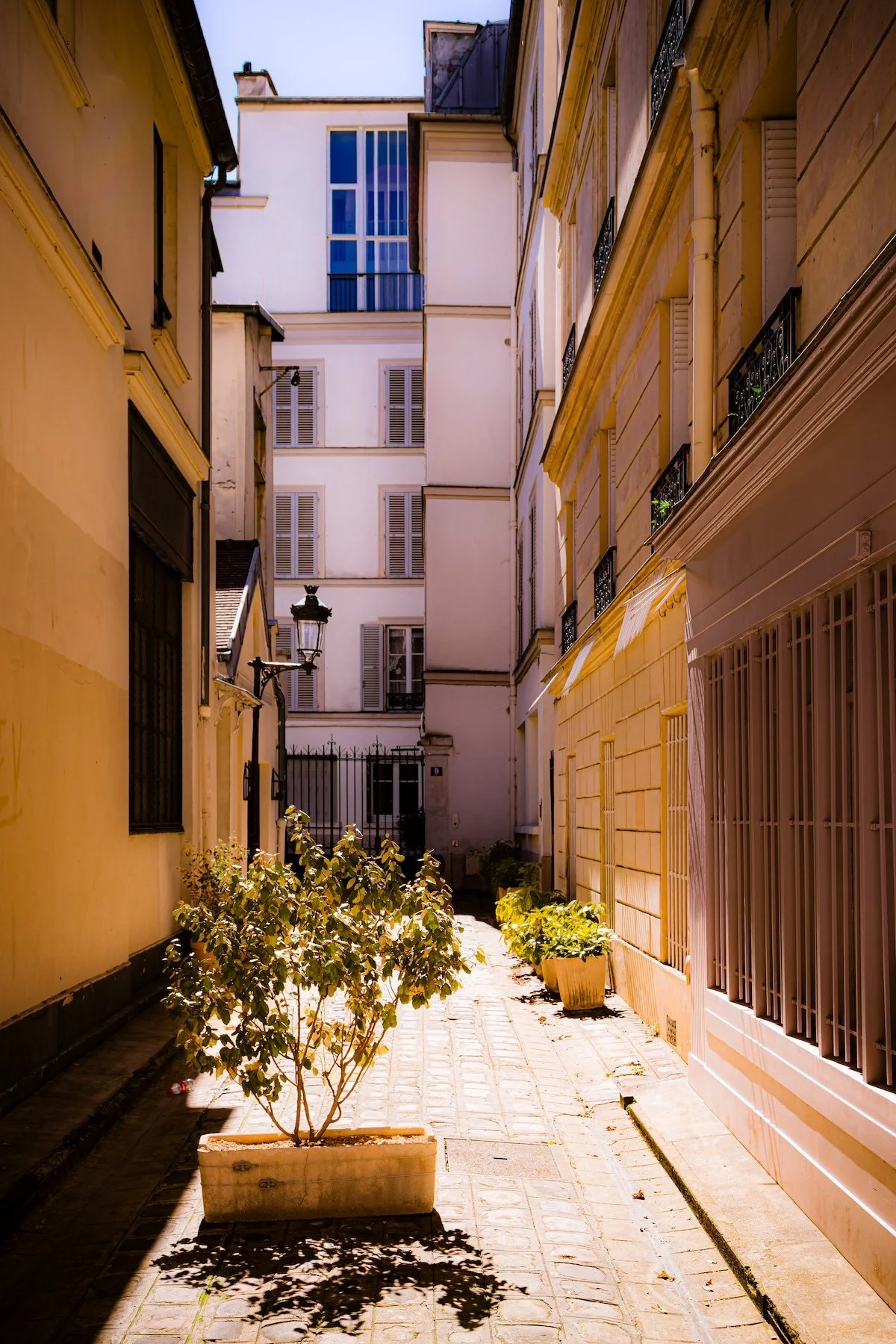
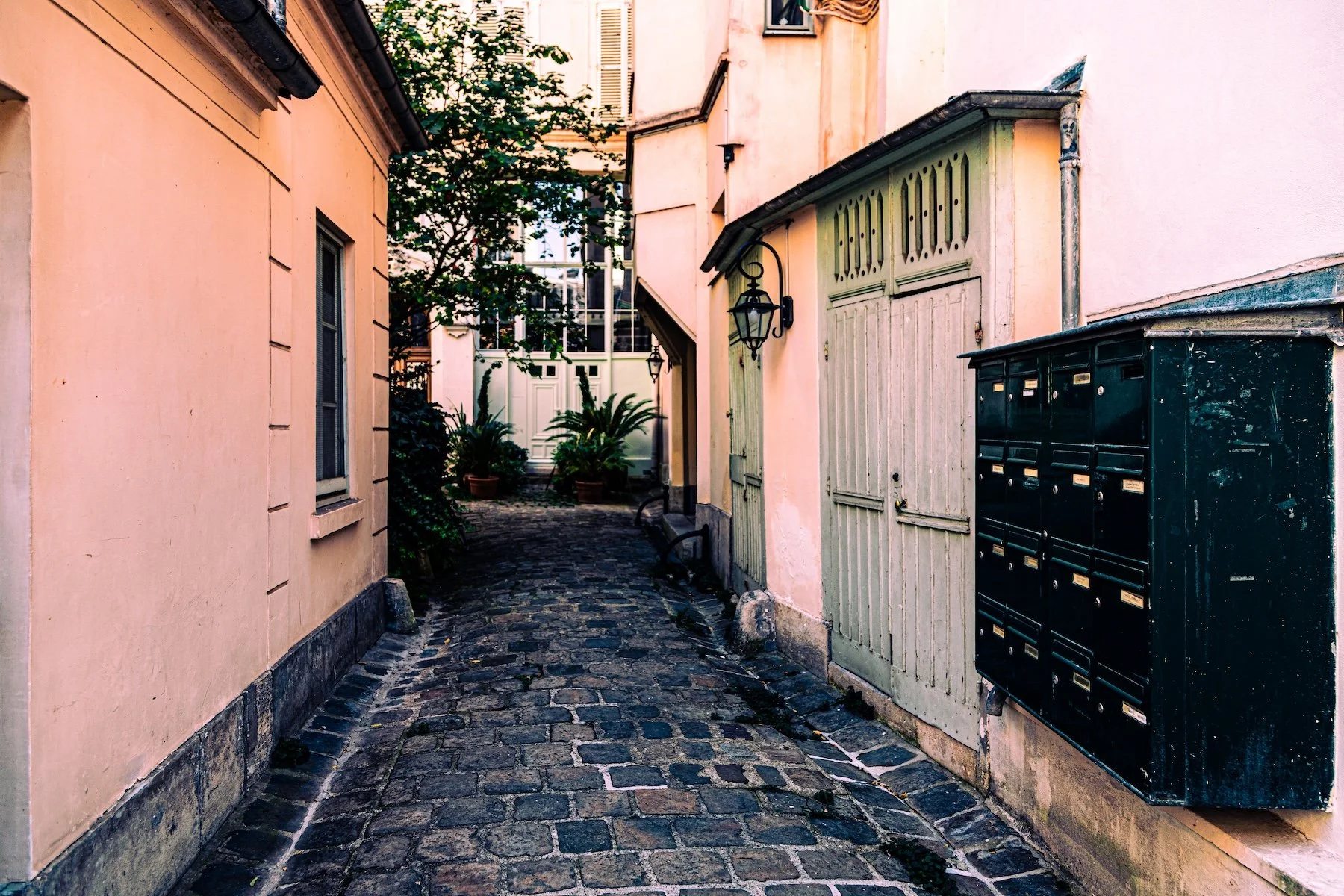
This is Paris as residence rather than performance. The quarter is elegant, but not always theatrical. Its streets speak in quieter tones: stone, balcony, cornice, school door, embassy plaque, family apartment, garden proximity, tree-lined avenue. It is a Paris of long-term inhabitation and social continuity, where prestige is often expressed through restraint rather than display.
At the same time, Plaine-de-Monceau reveals how modern Paris created new forms of urban privilege. Unlike older aristocratic quarters whose status emerged from centuries of inherited power, this district was shaped strongly by 19th-century development, finance, professional wealth, and the bourgeois residential ideal. The quarter is a map of the city’s social transformation: from old landed prestige to modern urban respectability.
Neighborhood Connections
Every administrative quarter belongs to a wider Parisian fabric. These connections place Plaine-de-Monceau within the city’s civic, participatory, and cultural geography:
-
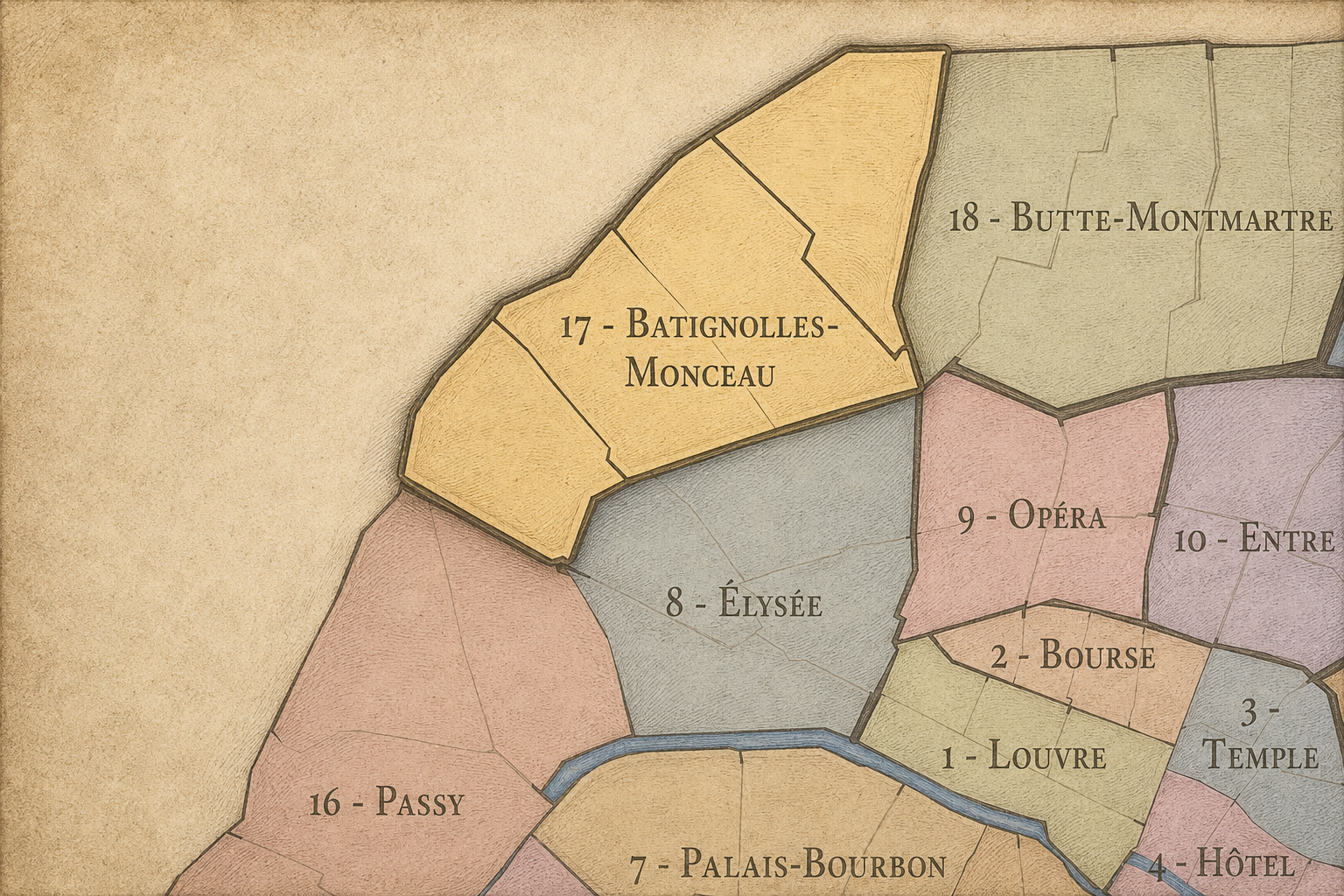
17e - Batignolles-Monceau
-
Champerret-Berthier • Courcelles-Wagram • Legendre-Lévis • Pereire-Malesherbes
The History
The origins of Plaine-de-Monceau lie in the open ground north and northwest of old Paris, beyond the dense central city and outside the earlier urban walls. Before it became a Parisian residential quarter, the area was part of a broader outer landscape of fields, roads, scattered settlement, gardens, and rural or semi-rural land associated with Monceau and the surrounding villages and plains.
This peripheral position gave the area its future potential. Because it was not already densely built, it could be reorganized through 19th-century planning and development into broad streets, residential lots, and a new urban fabric. Like much of western and northwestern Paris, Plaine-de-Monceau became desirable when the city’s growth, wealth, and infrastructure moved outward.
Its origin story is therefore one of planned transformation. The quarter did not emerge from a medieval village center in the same way as some older districts. It grew from land made urban by expansion, speculation, road-building, and the social ambitions of the modern city. The plain became a canvas for bourgeois Paris.
Origins
16th–17th Century
In the 16th and 17th centuries, the future Plaine-de-Monceau quarter lay outside the dense urban core of Paris. The area was part of the northern and northwestern fringe, a landscape of fields, paths, rural properties, and roads connecting the capital to surrounding settlements. It had not yet acquired the architectural identity that would later define it.
This outer condition matters because the quarter’s later elegance was built on former openness. The land was not originally prestigious in the same way as the old aristocratic center or the royal west. Its value increased as Paris expanded, as roads improved, and as wealthy residents sought new residential districts beyond the crowded inner city.
By the end of the 17th century, the western and northwestern approaches to Paris were becoming more important, but the Plaine-de-Monceau still remained largely outside the built city. Its future identity rested in that gap between nearness and openness.
In the 18th century, the Monceau landscape began to gain greater social and spatial significance. The development of pleasure grounds, country houses, and the wider attraction of the northwestern outskirts gave the area a new prestige. Parc Monceau’s origins in the 18th-century Folie de Chartres helped introduce an aristocratic and picturesque layer to the surrounding geography, even before the wider quarter became fully urbanized.
The area remained outside the dense city, but it was no longer simply rural edge. It became part of the belt of suburban retreats, estates, gardens, and speculative possibilities that surrounded Paris. The northern and western outskirts offered air, space, and the opportunity to build new forms of elite residence and leisure.
The French Revolution disrupted aristocratic property and the social world that had shaped parts of the Monceau landscape. But the geographic advantage remained. The land was still close to Paris, still open enough for development, and increasingly positioned to become part of the city’s westward and northwestern expansion.
18th Century
19th Century
The 19th century was the defining age of Plaine-de-Monceau. As Paris expanded and the 17th arrondissement took shape, the former plain was transformed into a residential district of broad streets, elegant apartment buildings, private mansions, and bourgeois domestic architecture. The annexation of Batignolles-Monceau into Paris in 1860 brought the area fully into the capital and helped formalize its modern identity.
Haussmannian and post-Haussmannian development gave the quarter its visual language. Boulevard Malesherbes, Avenue de Villiers, Rue de Prony, Rue Fortuny, Boulevard Pereire, and nearby streets became part of a refined urban fabric designed for an affluent public. Parc Monceau and the surrounding private mansions attracted bankers, industrialists, artists, collectors, professionals, and members of the new urban elite.
This period established Plaine-de-Monceau as one of the clearest landscapes of bourgeois Paris. Its architecture was not merely functional; it expressed status, stability, and modern domestic prestige. The quarter became a place where the wealth of the 19th century found urban form.
In the early and mid 20th century, Plaine-de-Monceau remained a prestigious residential quarter, known for its elegant streets, large apartments, private mansions, and proximity to Parc Monceau. Its social identity was quieter than the entertainment districts of the 9th or the bohemian Left Bank, but it carried a strong sense of cultivated respectability. Families, professionals, diplomats, artists, and members of the bourgeoisie helped sustain its atmosphere of controlled urban elegance.
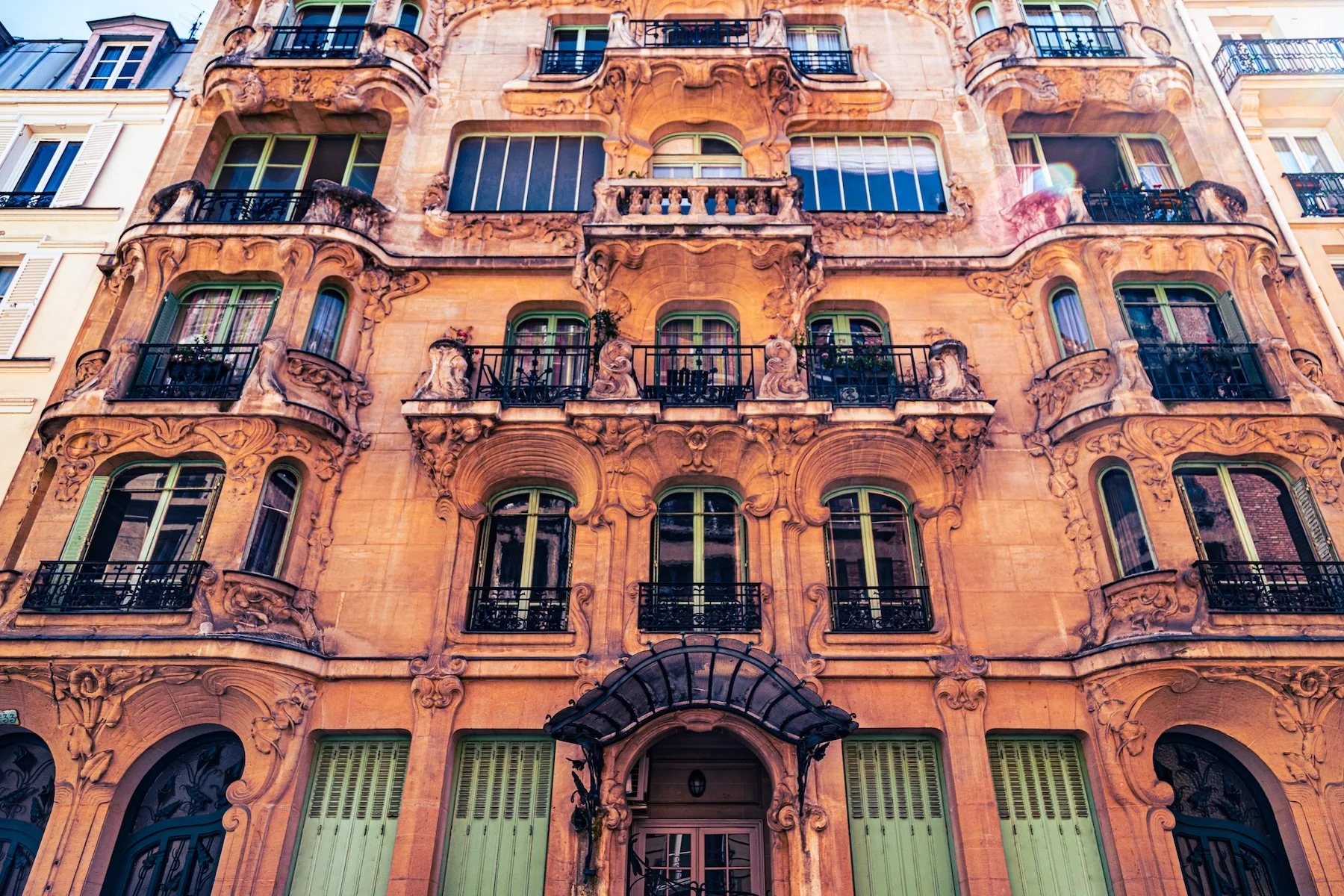
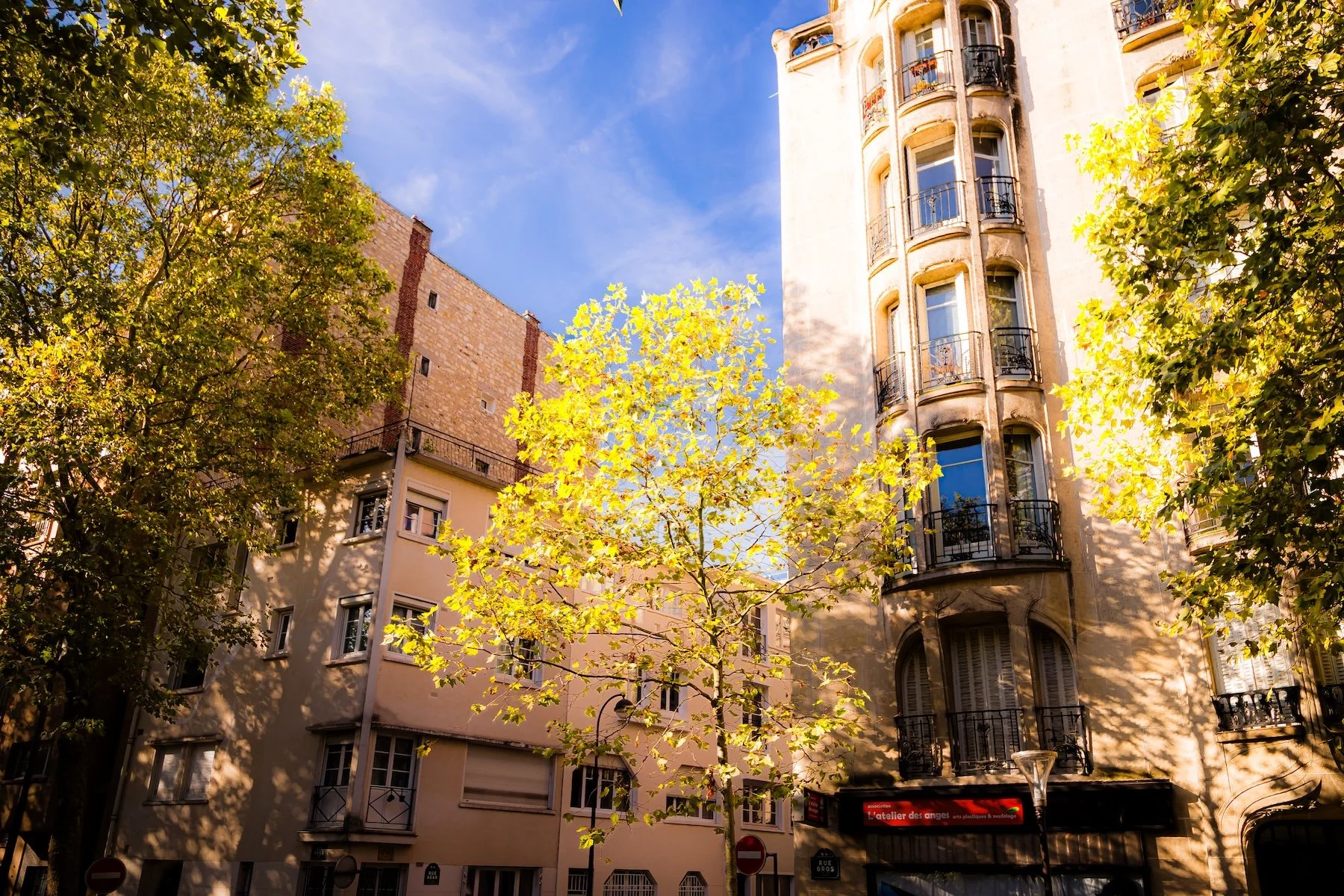
The quarter’s architecture also gained new layers. Art Nouveau, Art Deco, and early modern residential buildings appeared alongside the 19th-century stone fabric, adding subtle variation to the streetscape. The area did not become an avant-garde district in the same way as Montparnasse, but it absorbed modern design within a framework of residential prestige.
During the wars, occupation, liberation, and postwar recovery, Plaine-de-Monceau shared the complex history of affluent western and northwestern Paris. Behind calm façades were stories of displacement, requisition, continuity, social change, and postwar restoration. The quarter’s quiet should not be mistaken for historical absence.
Early–Mid 20th Century
Late 20th Century
In the late 20th century, Plaine-de-Monceau retained its status as one of the most desirable residential quarters of the 17th arrondissement. Its broad streets, handsome buildings, schools, proximity to Parc Monceau, and access to central and western Paris made it attractive to families and professionals seeking elegance without the intensity of more touristic districts. The quarter’s identity remained strongly residential, stable, and affluent.
At the same time, the broader social image of western Paris continued to evolve. The quarter became part of the larger imagination of comfortable bourgeois Paris: not as internationally symbolic as the 16th, not as commercial as the Champs-Élysées, but deeply associated with cultivated domestic life. Its prestige was embedded in everyday form rather than dramatic landmark.
The late 20th century also brought increased heritage awareness. The private mansions, Haussmannian façades, decorative details, and urban ensemble around Monceau became more consciously valued as part of Paris’s architectural patrimony. Plaine-de-Monceau came to be appreciated not only as a wealthy district, but as a preserved example of 19th-century residential ambition.
In the 21st century, Plaine-de-Monceau remains one of the 17th arrondissement’s most elegant and stable quarters. Its streets continue to support a largely residential and professional life: families, schools, embassies, local shops, cafés, medical offices, law offices, cultural institutions, and the calm routines of a district whose appeal rests in continuity. It is central enough to feel fully Parisian, but composed enough to feel protected from the city’s more frenetic circuits.
Today, the quarter’s identity is shaped by the enduring value of urban quality: light, width, trees, architecture, schools, proximity to green space, and access to transportation. In a dense city, these qualities make Plaine-de-Monceau especially desirable. Its history as a planned bourgeois district continues to shape its contemporary social geography.
For CityNeighborhoods: Paris, Plaine-de-Monceau is essential because it shows how administrative quarters can reveal the social architecture of modern Paris. It is not only a beautiful residential district. It is a quarter where land, wealth, planning, park proximity, and 19th-century urban ambition created a durable model of western Parisian life. Its identity is written in façades, avenues, and the quiet confidence of long-settled streets.
21st Century
Spirit and Legacy
Plaine-de-Monceau is the quarter where northwestern Paris turned open ground into bourgeois elegance. Its spirit is composed, residential, and quietly assured. It belongs to wide avenues and stone balconies, Parc Monceau’s green influence and private mansion façades, school routes and formal entrances, domestic continuity and the restrained prestige of the western city.
Its legacy is the transformation of plain into address. Fields and outer land became a district of apartments, mansions, and avenues. A former fringe became one of the 17th arrondissement’s most refined interiors. The old openness of the plain was translated into the breadth of streets and the calm of residential space.
To walk Plaine-de-Monceau is to encounter Paris as composed domestic order. The quarter does not dramatize itself in the manner of Chaillot or Montparnasse, nor does it carry the working-edge intensity of Épinettes. It speaks through proportion, continuity, and quiet status. In Plaine-de-Monceau, neighborhood identity becomes residence — the city arranged for settled life, with history held in stone and shade.
The Photography
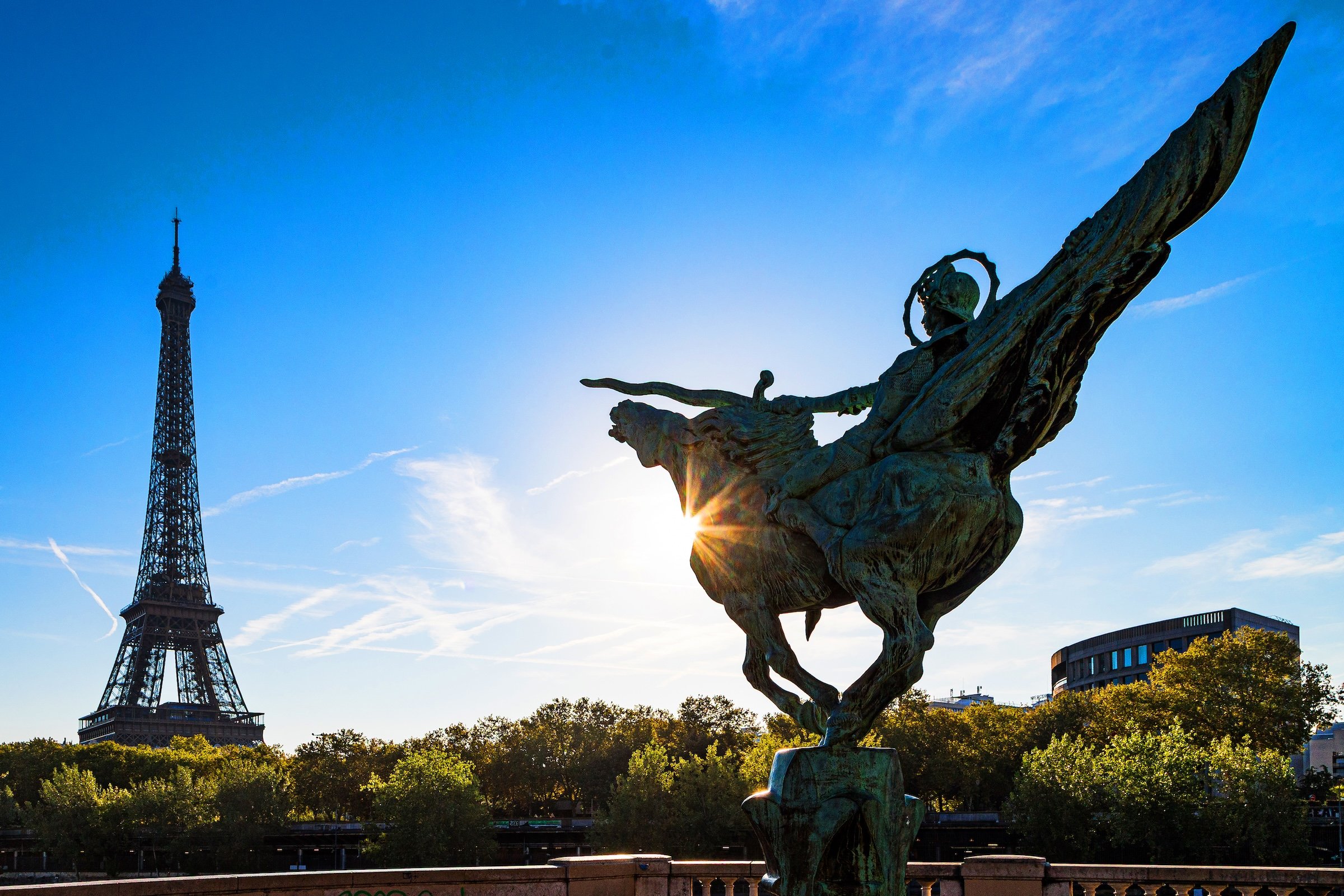
The arrondissements do not share a single visual identity. Instead, they organize Paris into twenty broad visual fields, each gathering its own combination of landmarks, streetscapes, institutions, residential districts, commercial corridors, parks, rail stations, markets, cemeteries, and riverfront edges.
Some arrondissements are defined by monumental scale: royal palaces, ceremonial avenues, government buildings, museums, formal gardens, and internationally recognized landmarks. Others are shaped by hills, canals, rail gateways, apartment-lined boulevards, neighborhood markets, former village streets, industrial remnants, parks, or the quieter rhythms of residential Paris. The arrondissement system gives these varied landscapes a civic frame, allowing the city to be read not as one visual language, but as a sequence of overlapping Parisian atmospheres.
Visual Identity
Through The Lens
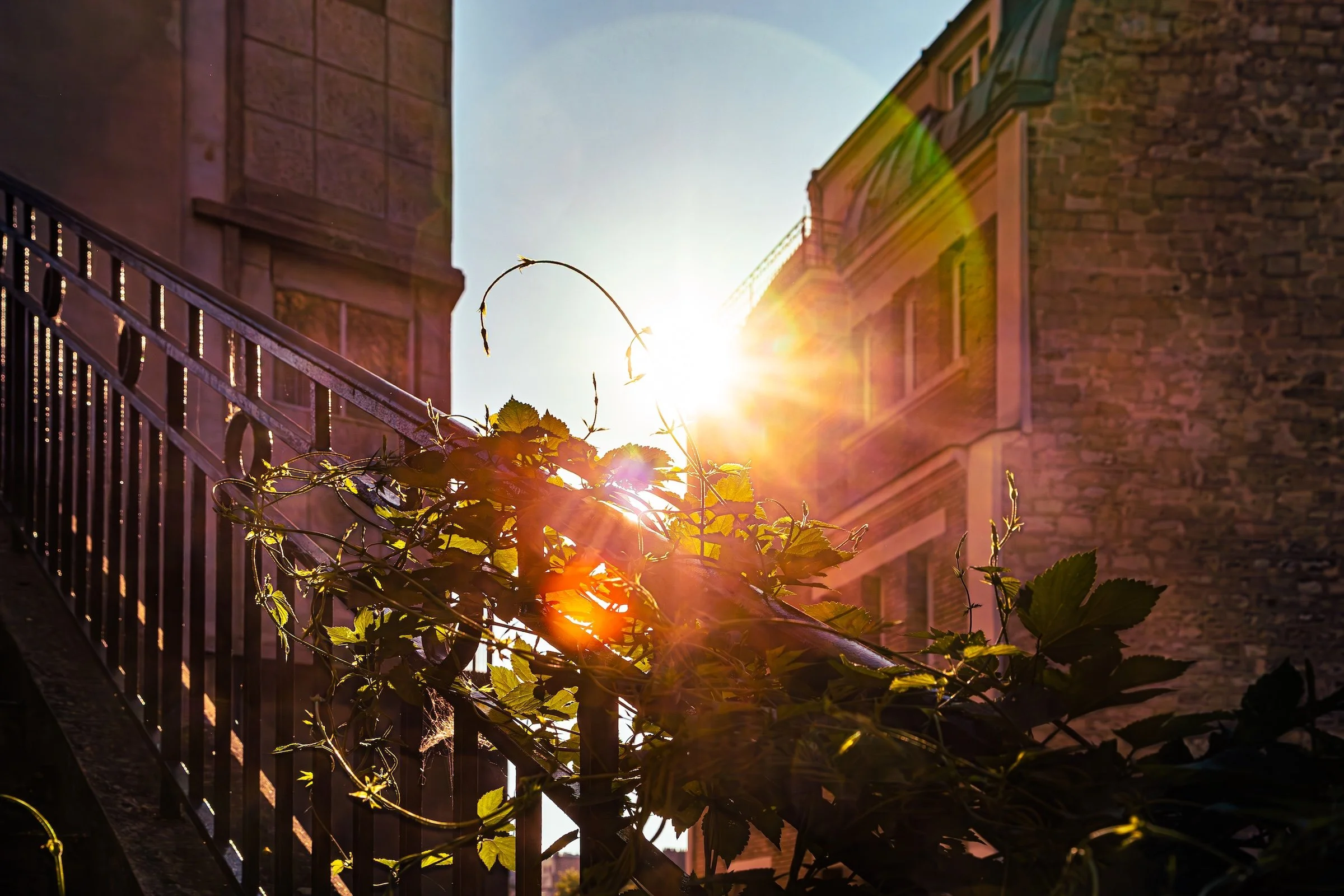
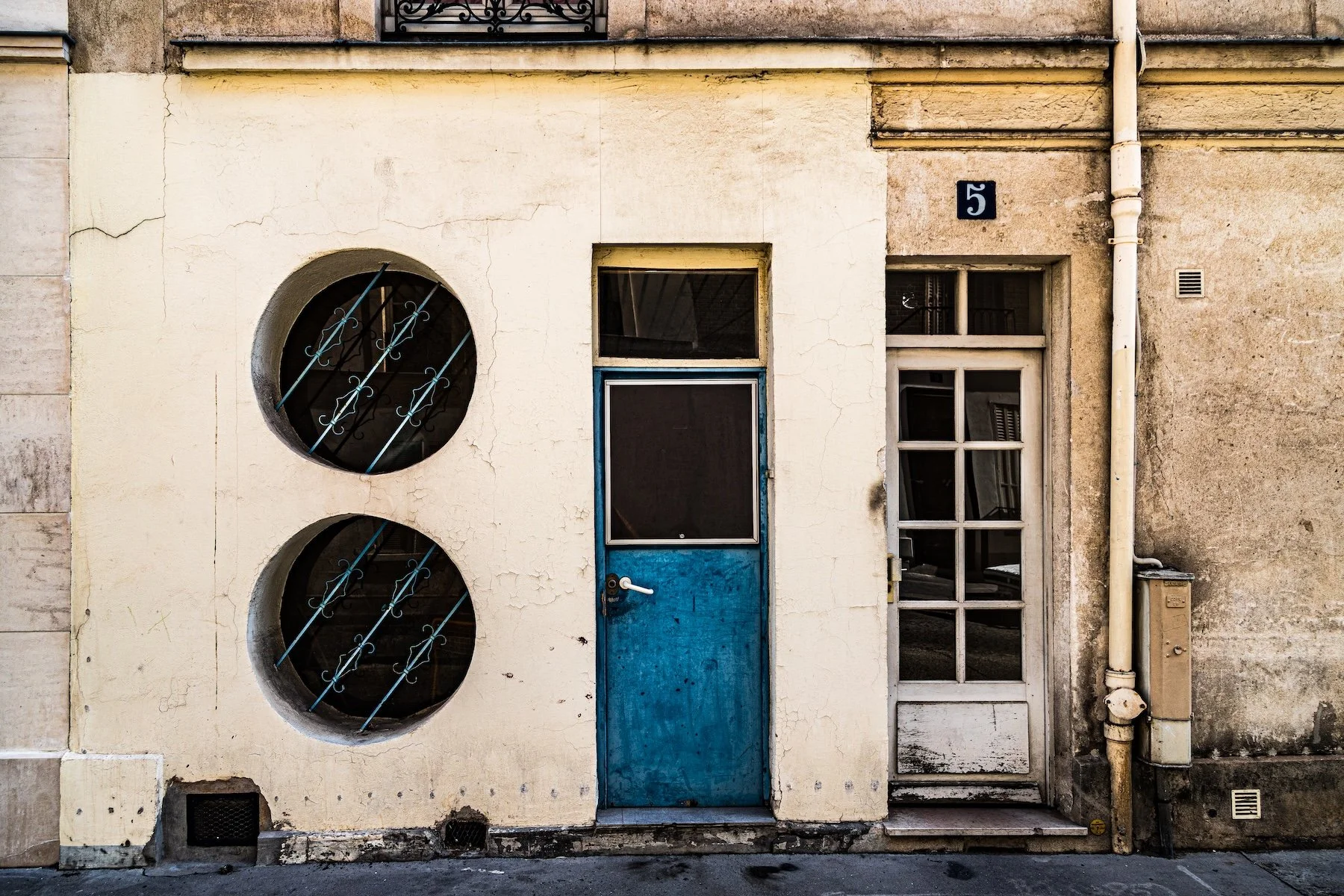
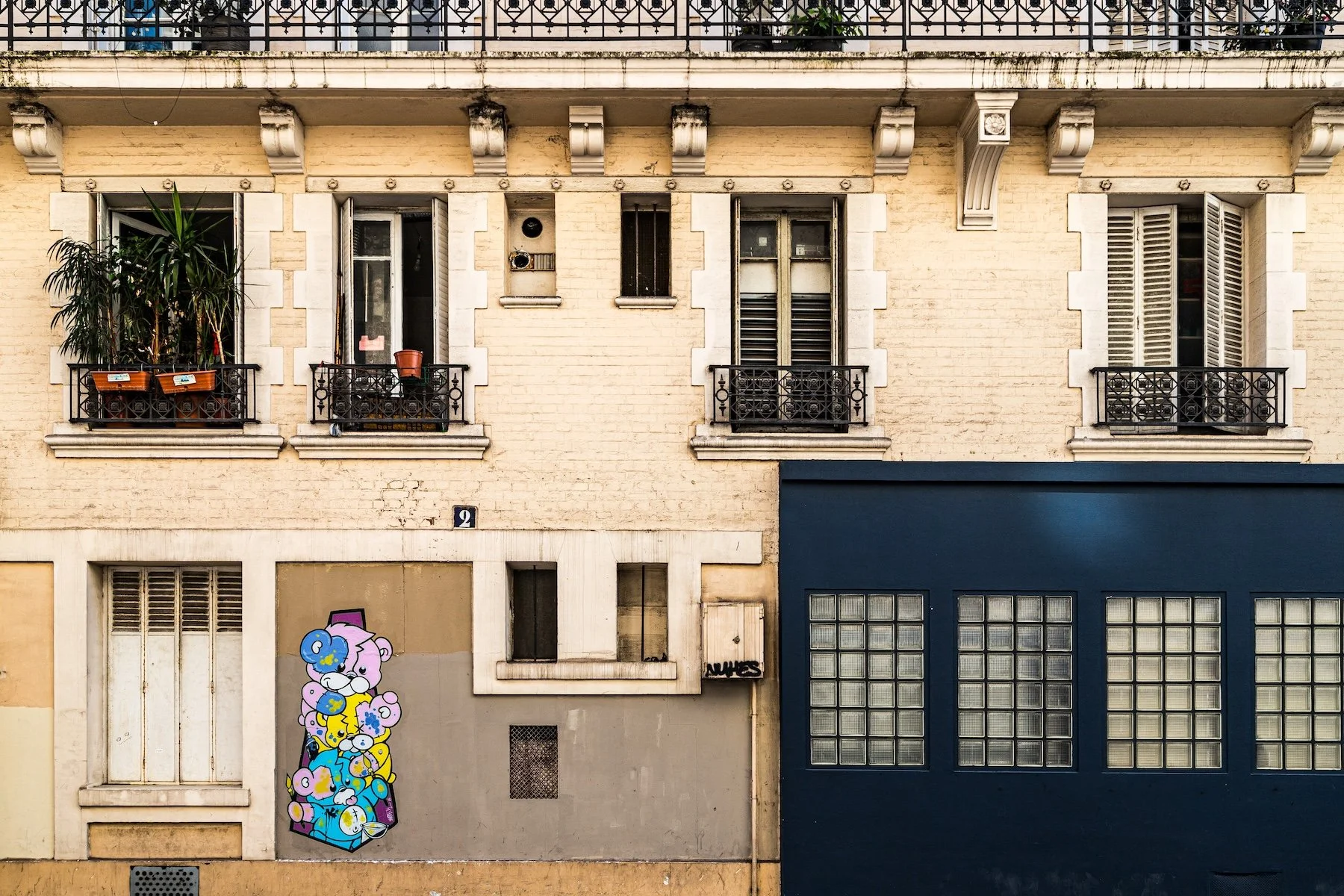
Photographing the arrondissements means moving between the official map and the street-level experience. The camera does not treat each arrondissement as visually uniform. Instead, it looks for the recurring forms, textures, transitions, and contrasts that make each district legible: the geometry of boulevards, the shade of plane trees, the repetition of balconies, the rise of stairways, the curve of canals, the presence of rail stations, the opening of parks, the weight of monuments, and the intimacy of side streets.
On CityNeighborhoods, the arrondissement provides the frame, but the photograph comes from the encounter between map, movement, light, and observation. As the Paris photography is processed, this section will connect each arrondissement more directly to the project’s Photographic Lexicon: the visual strategies, recurring motifs, and compositional patterns that shape how the city is seen through the lens.
If you visit Paris, these ideas can help inspire your own photography.
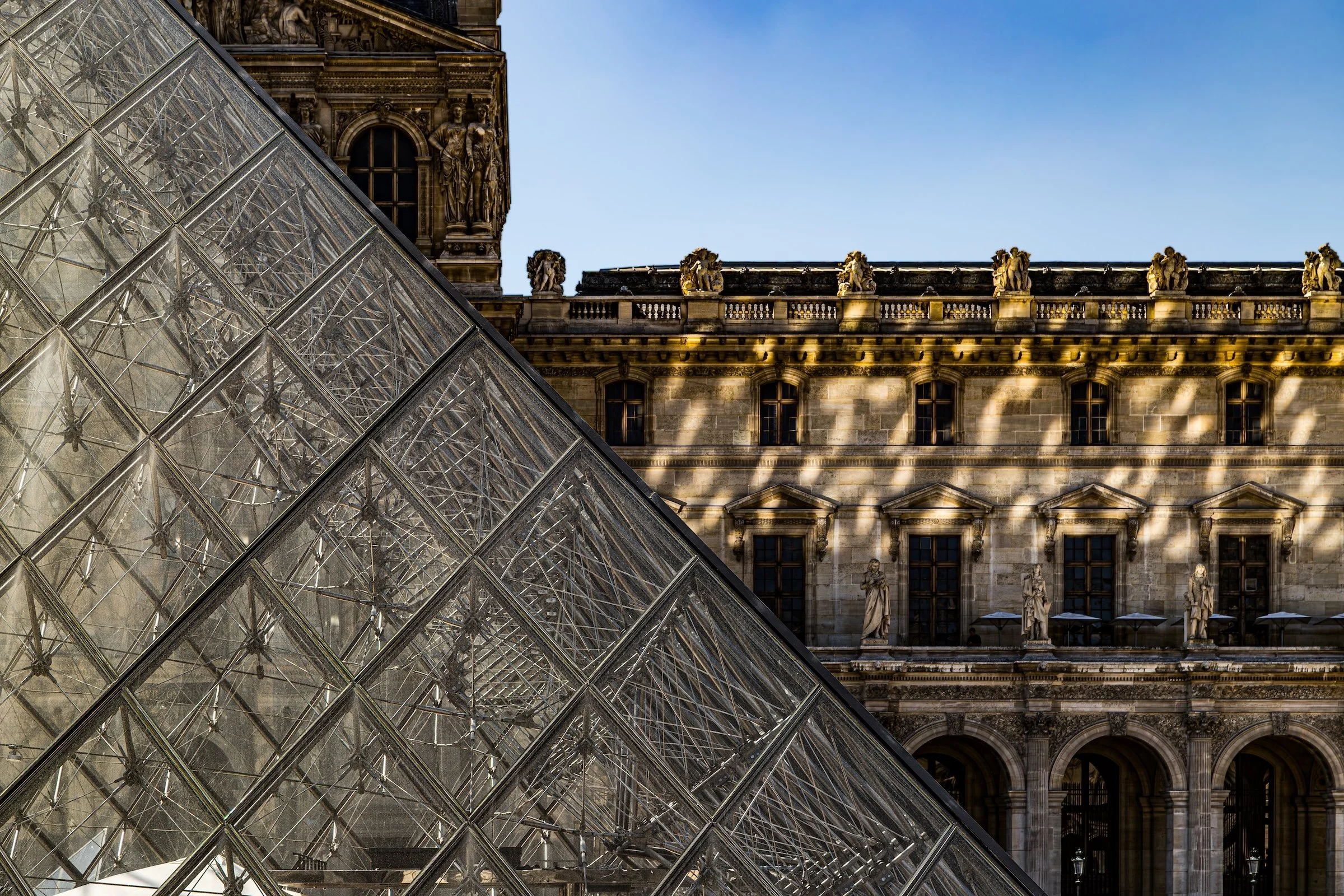
Paris: J’Espere, Je Rêve, Je Vive
Paris Photo Gallery
Paris Field Notes
-
Field Note: August 18, 2025 | 07:58 AM
Conditions: 73°F | Humidity: 72%.
Within the park's interior, the glacial kettle ponds acted as humidity traps, creating a soft, hazy light that filtered through the old-growth oaks. The transition from the park's dense shade to the sun-drenched edges of Oakland Gardens highlighted the day's exceptional "picture-perfect" clarity.
There is a fleeting window in Queens where the humidity of August hasn't yet heavy-set, and the morning sun hits the canopy of Alley Pond Park at a perfect oblique angle. Arriving just before 8:00 AM, I watched the light break through the oaks and tulip trees, casting long, dramatic shadows across the wet grass. It’s in these quiet, golden moments that the park feels less like a city escape and more like the ancient glacial valley it actually is.
Other neighborhoods visited:
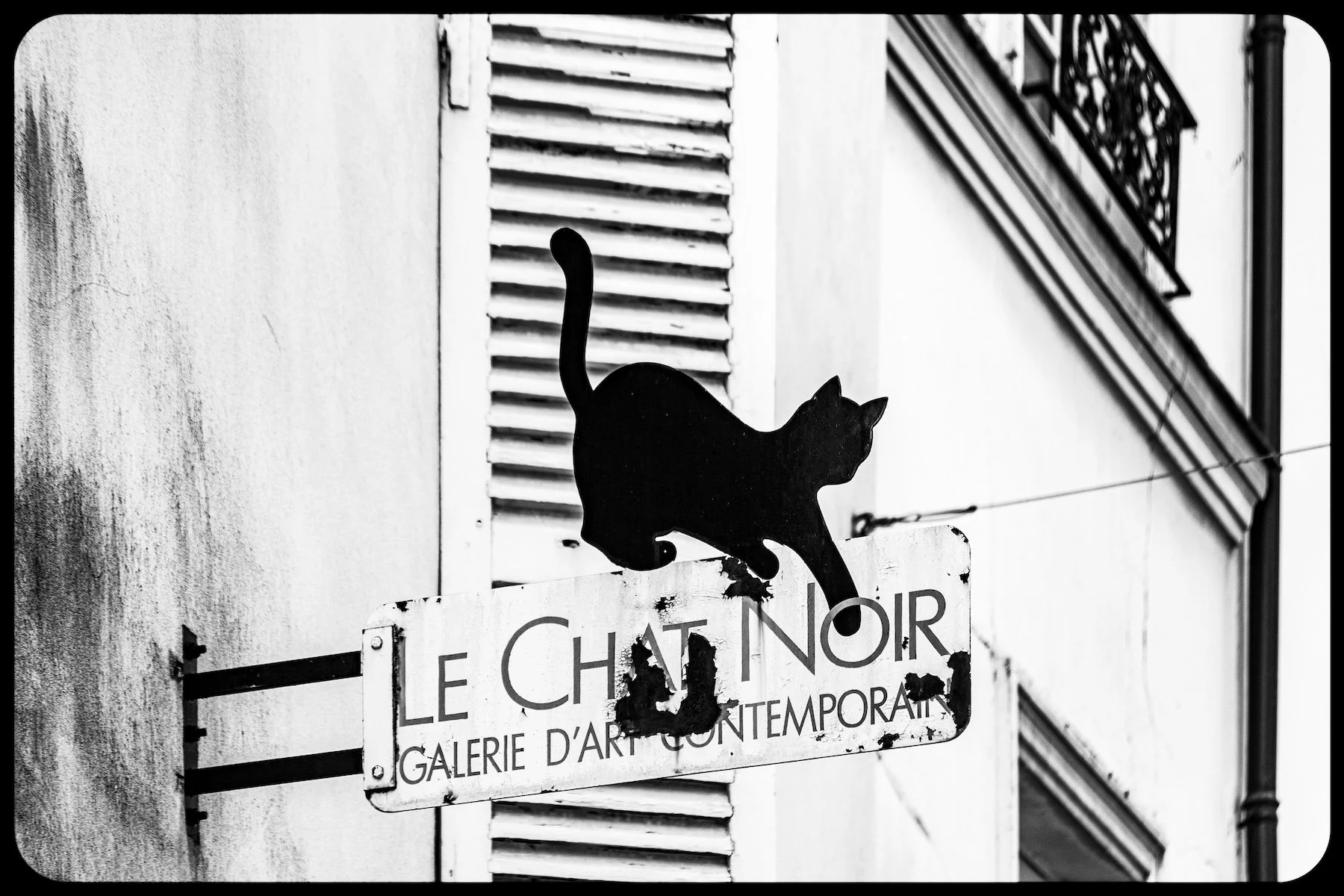
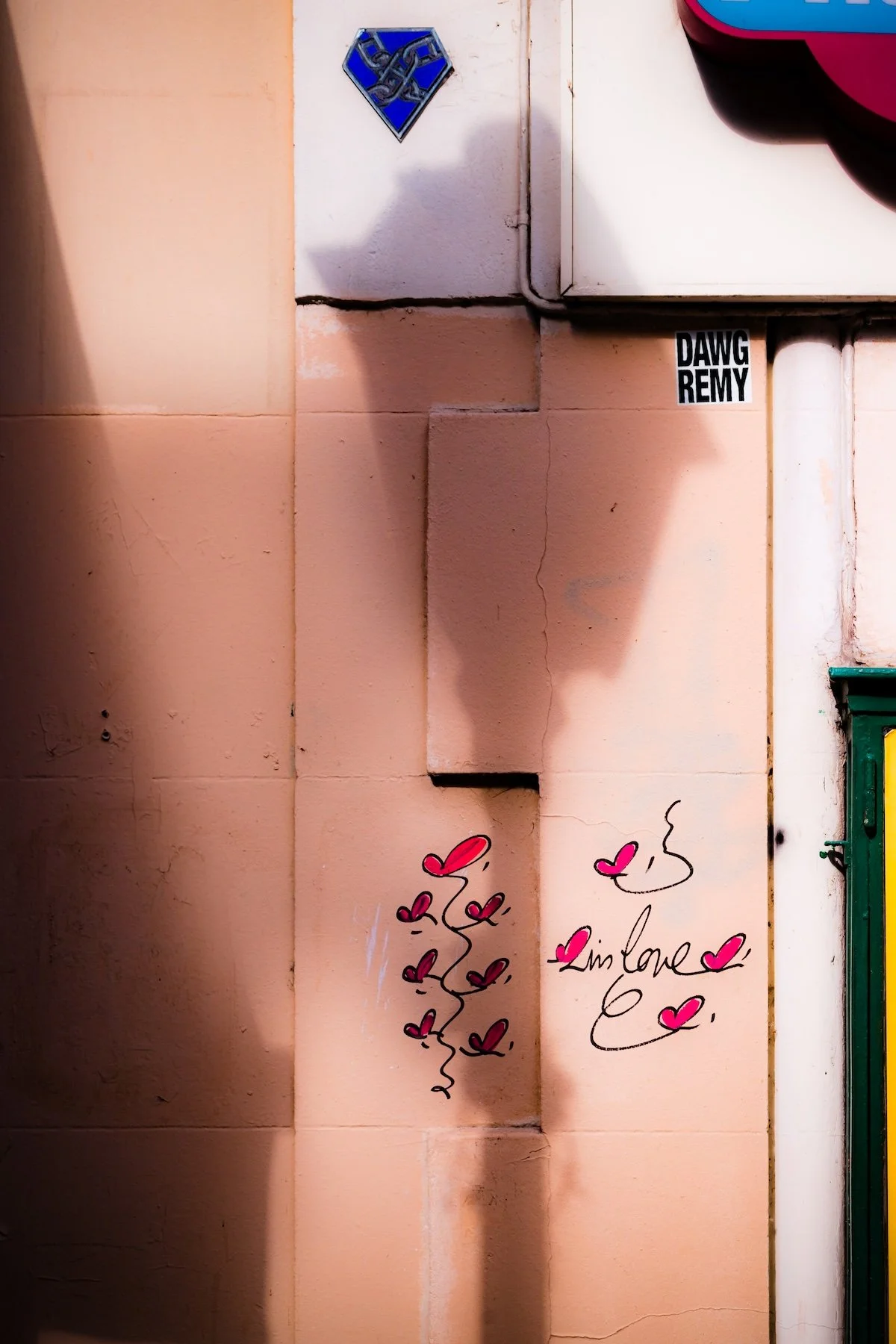
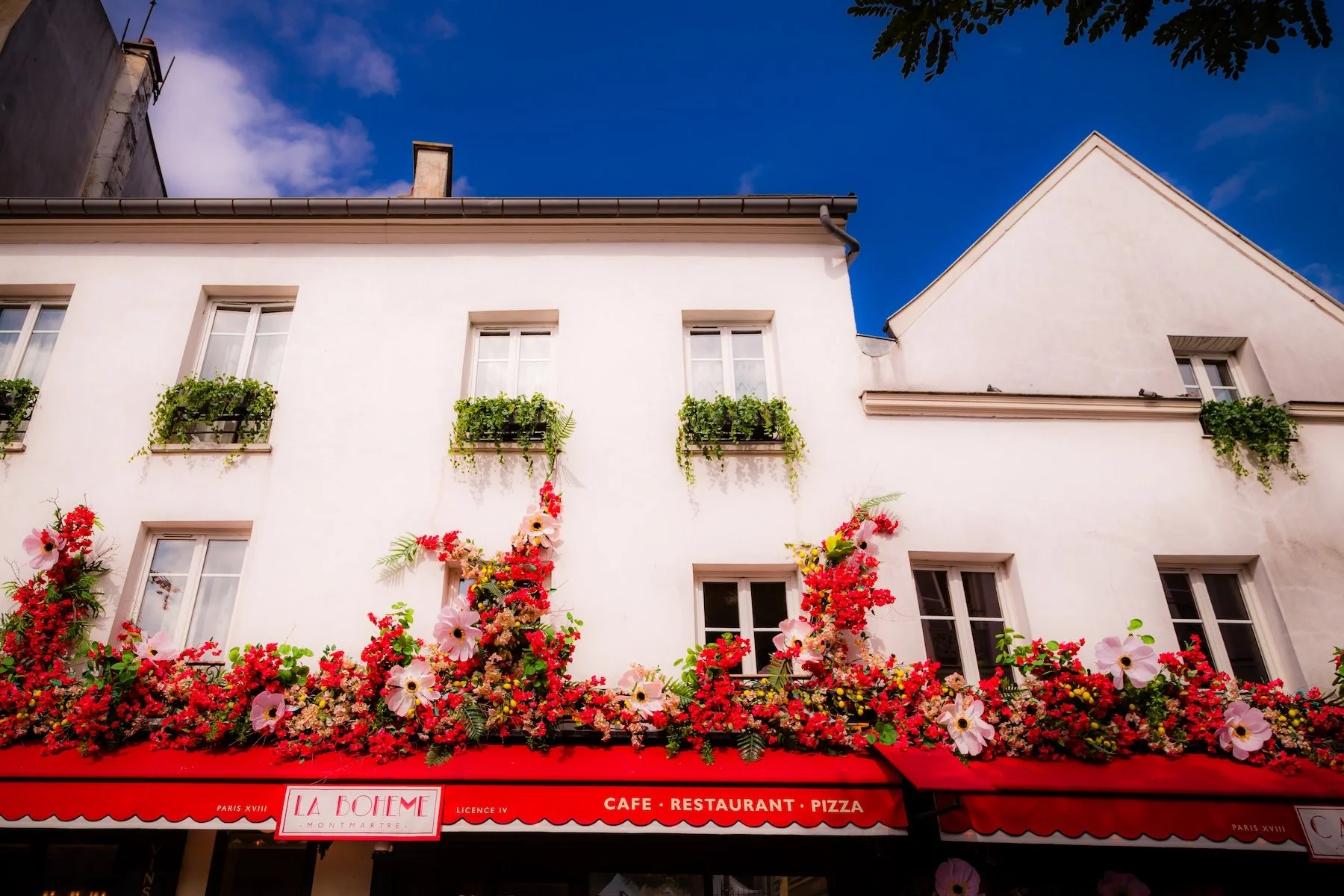
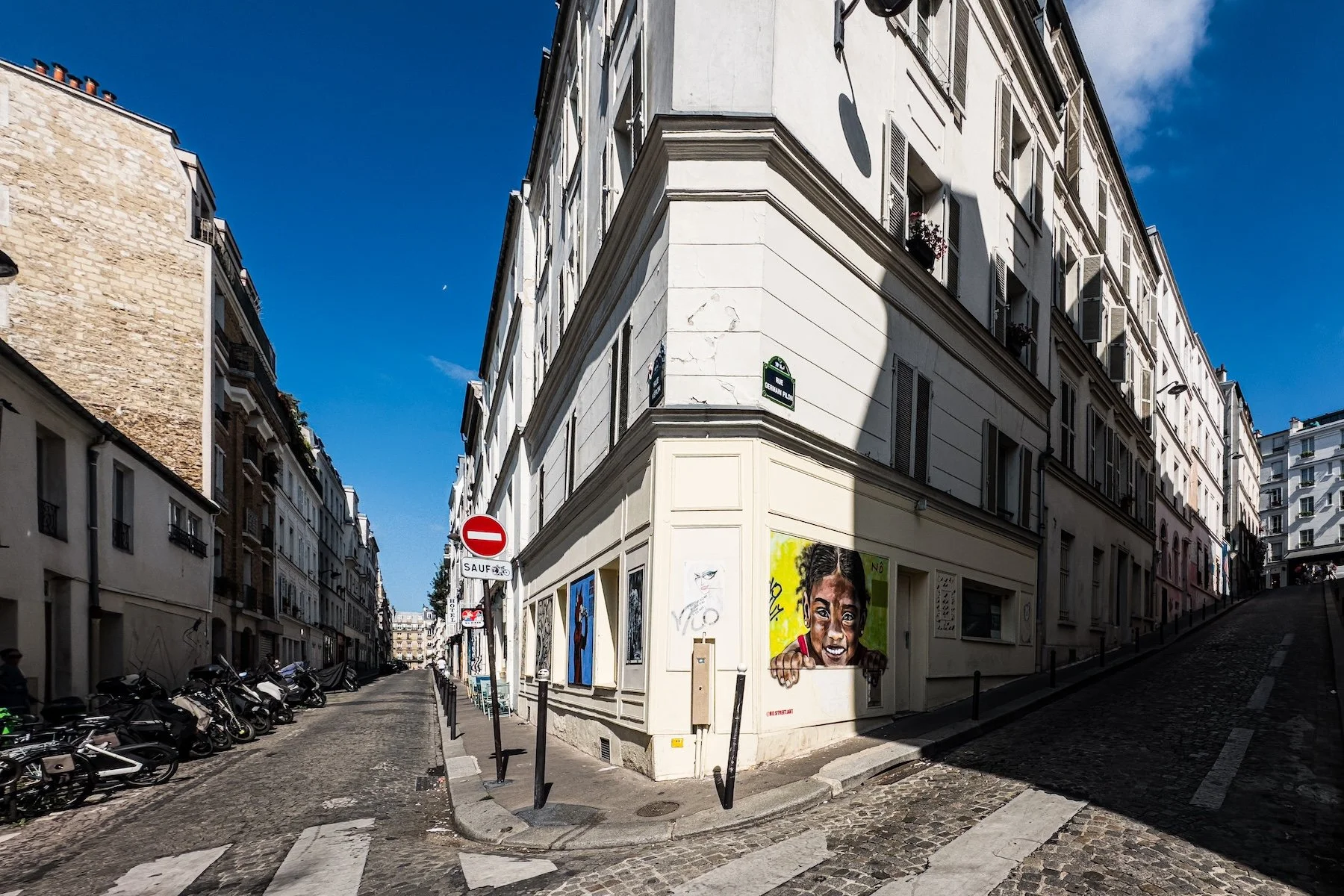
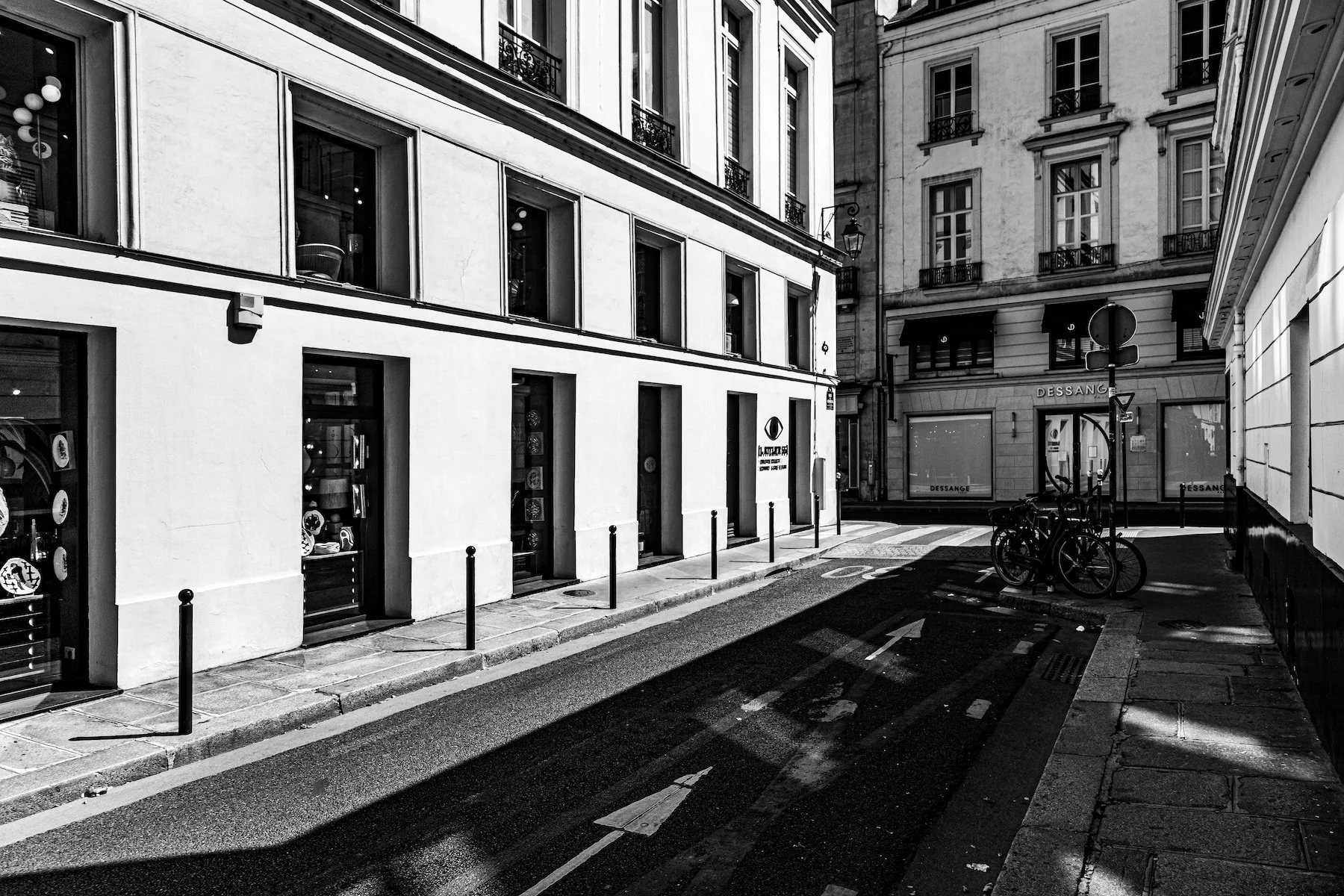
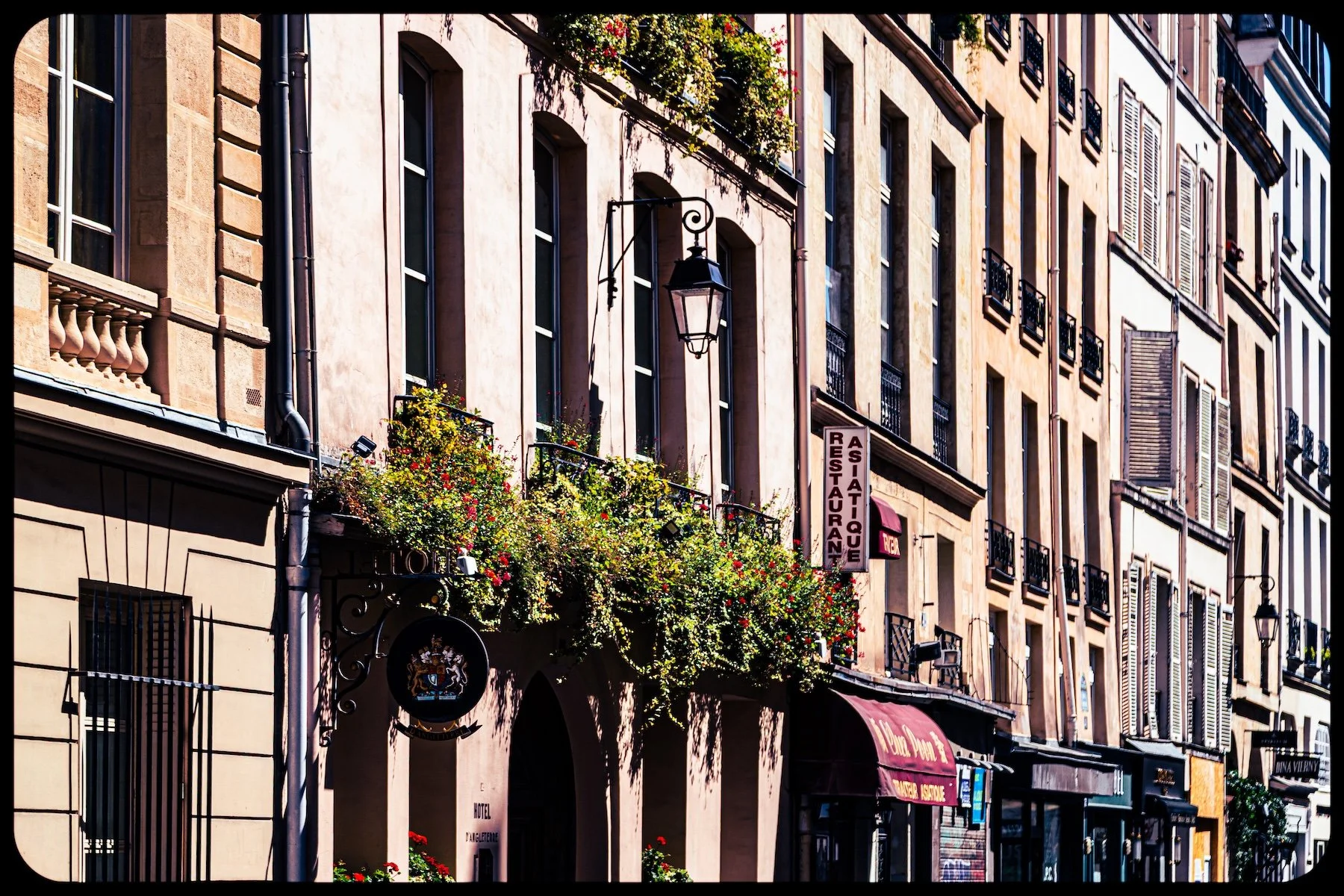
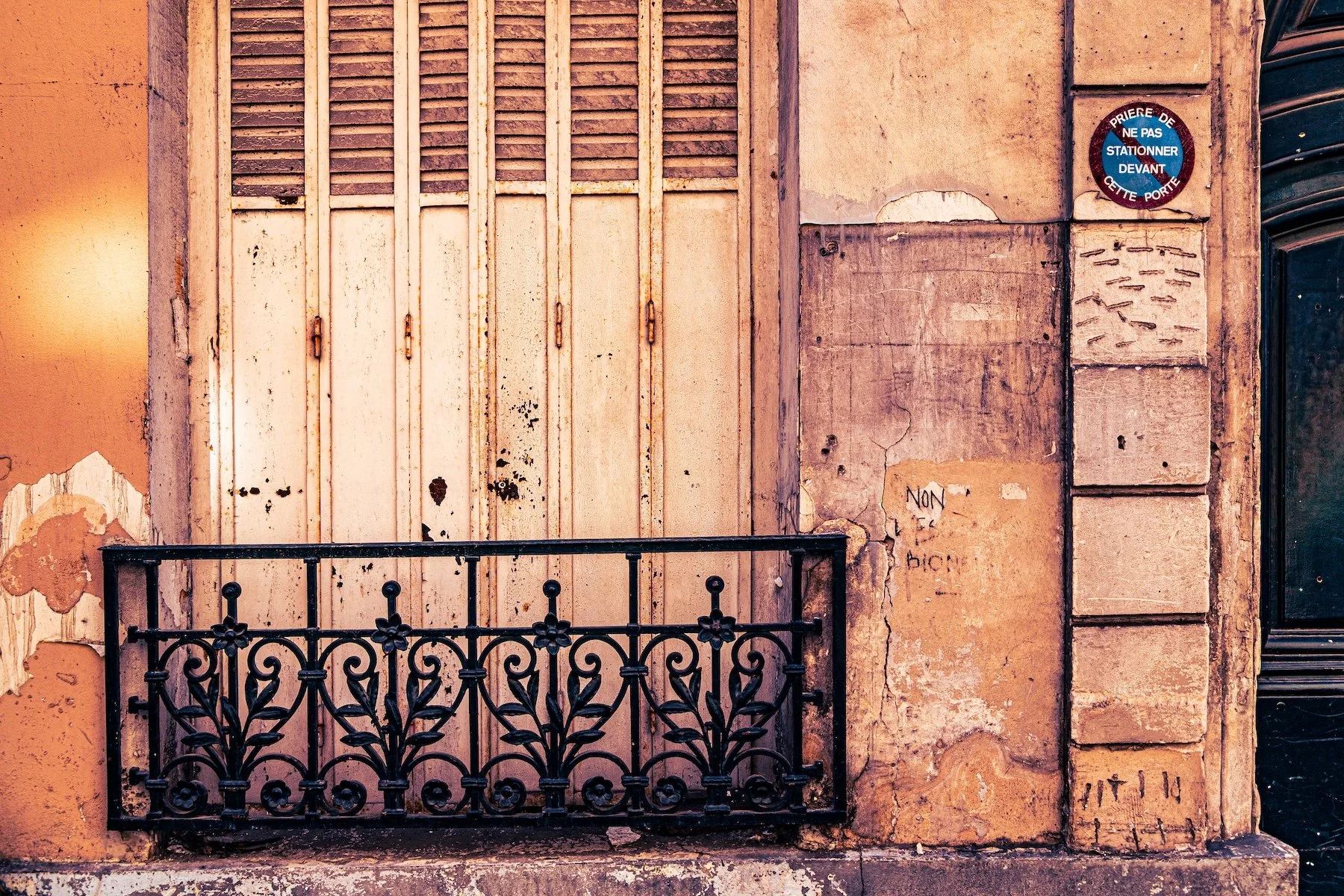
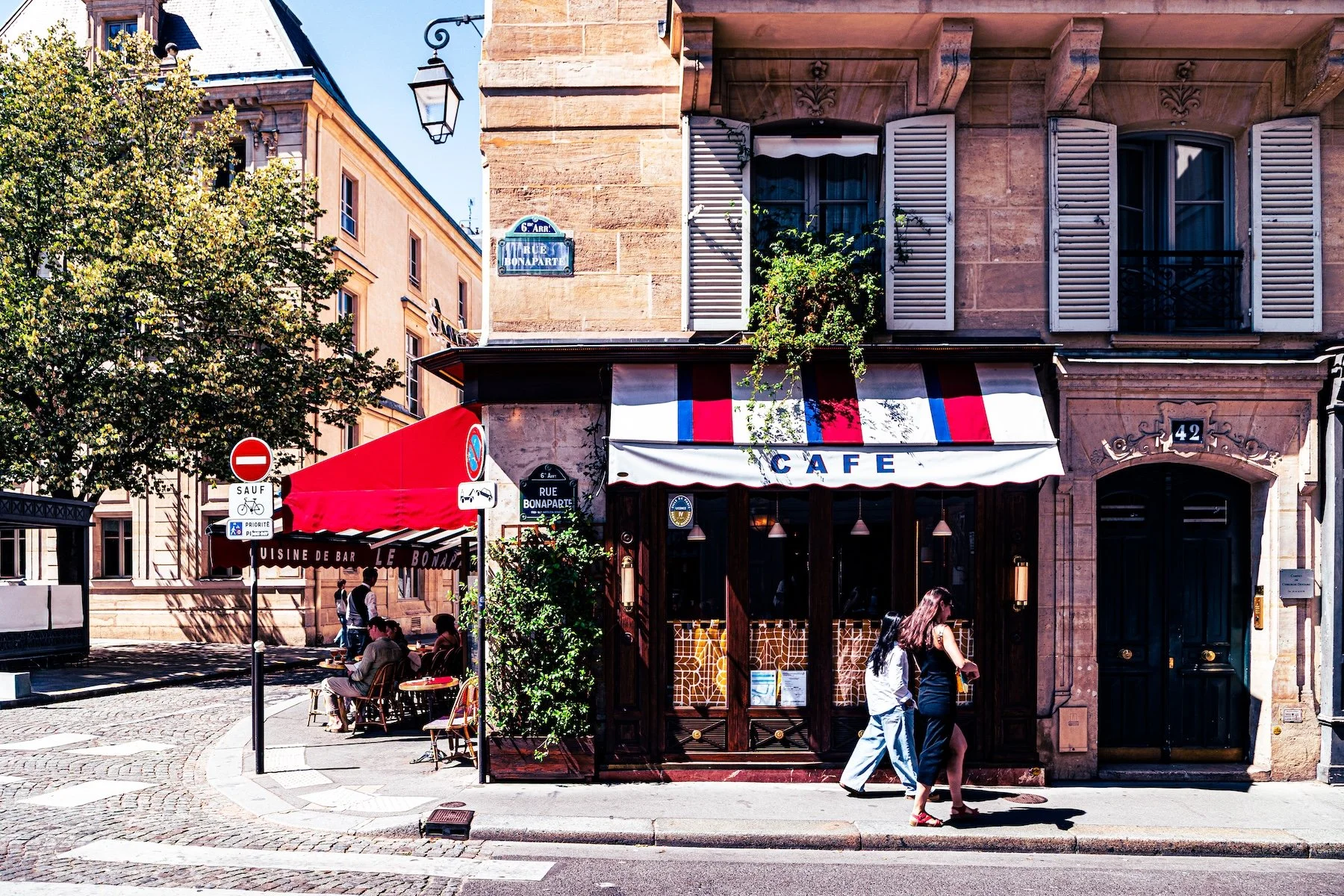
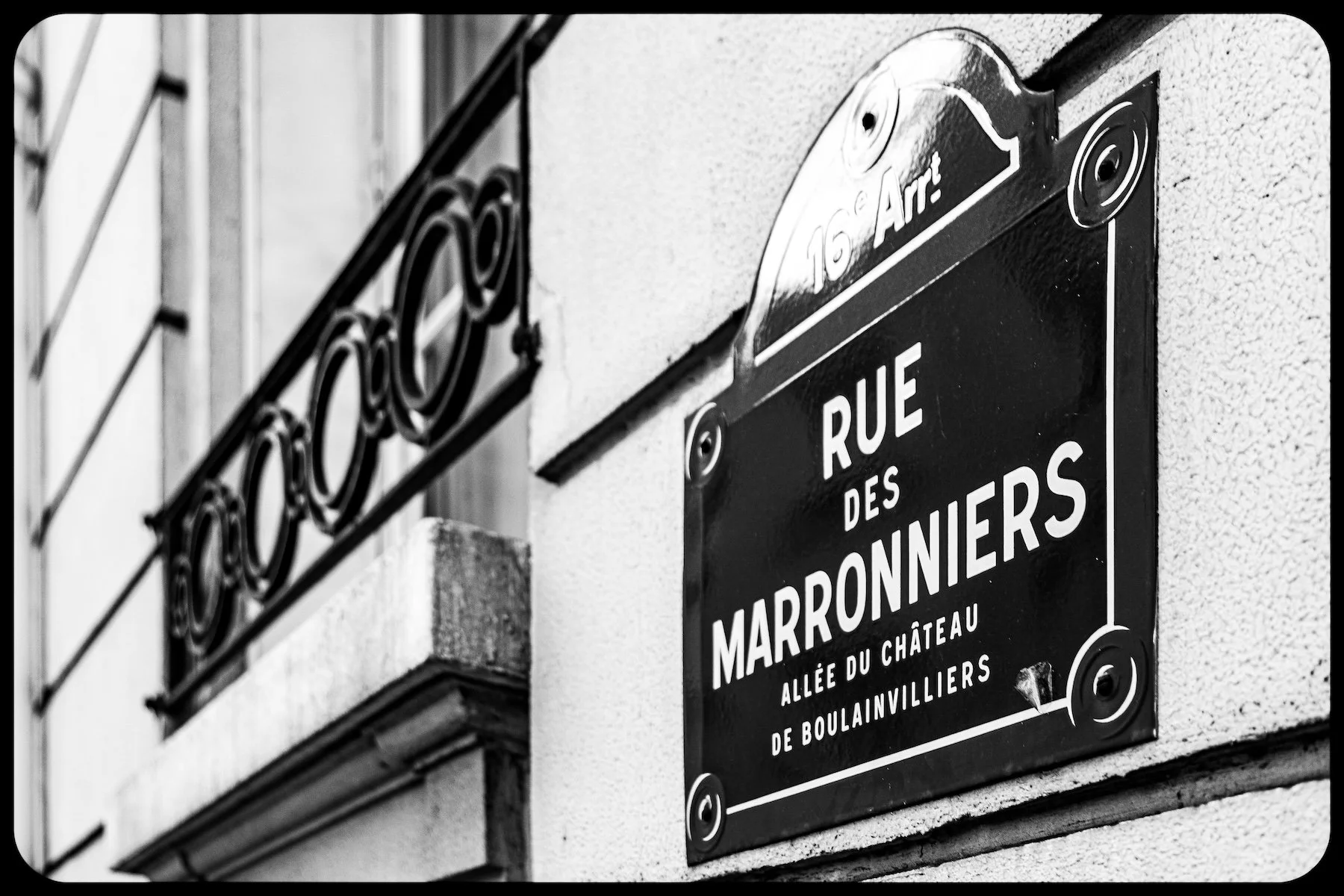
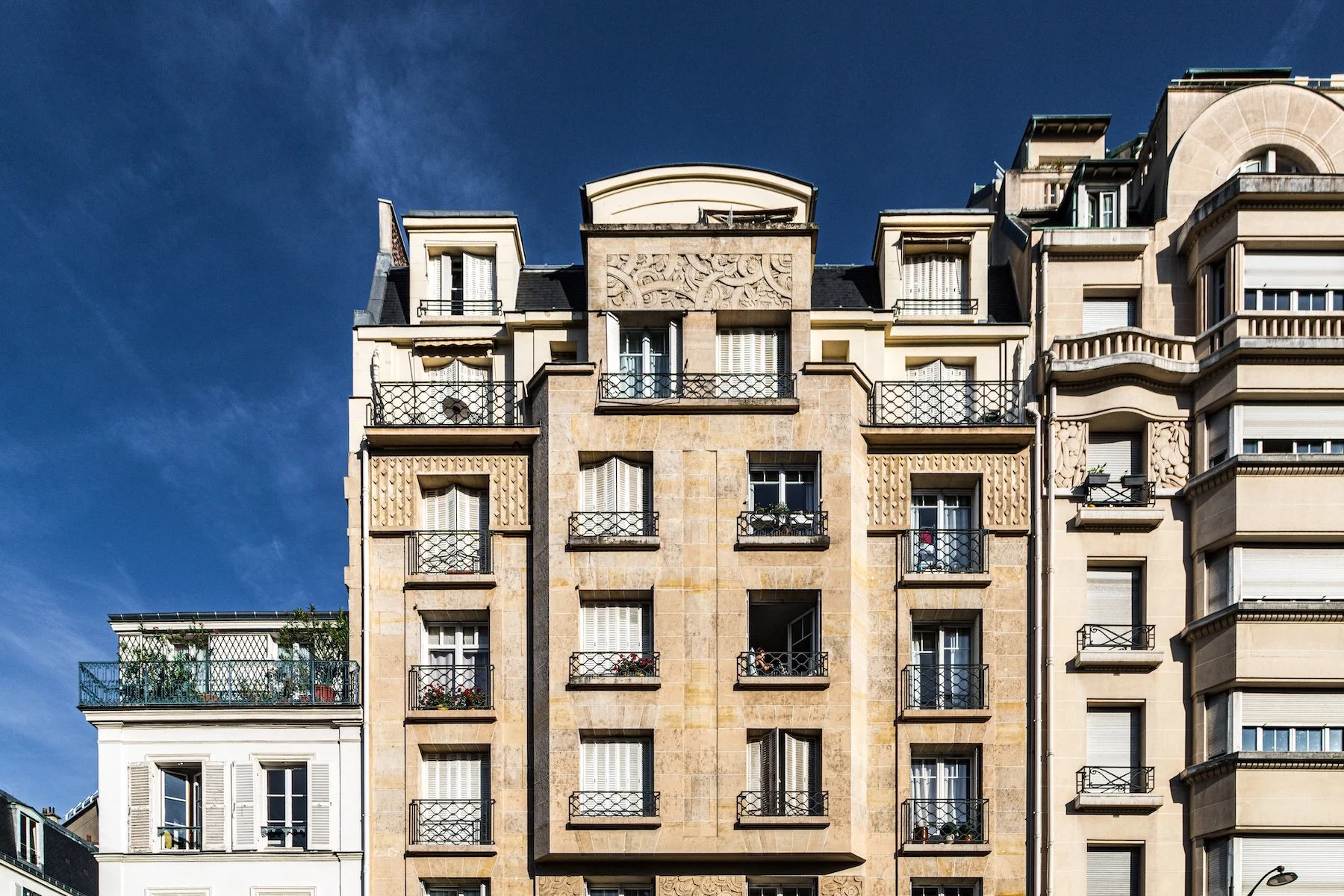
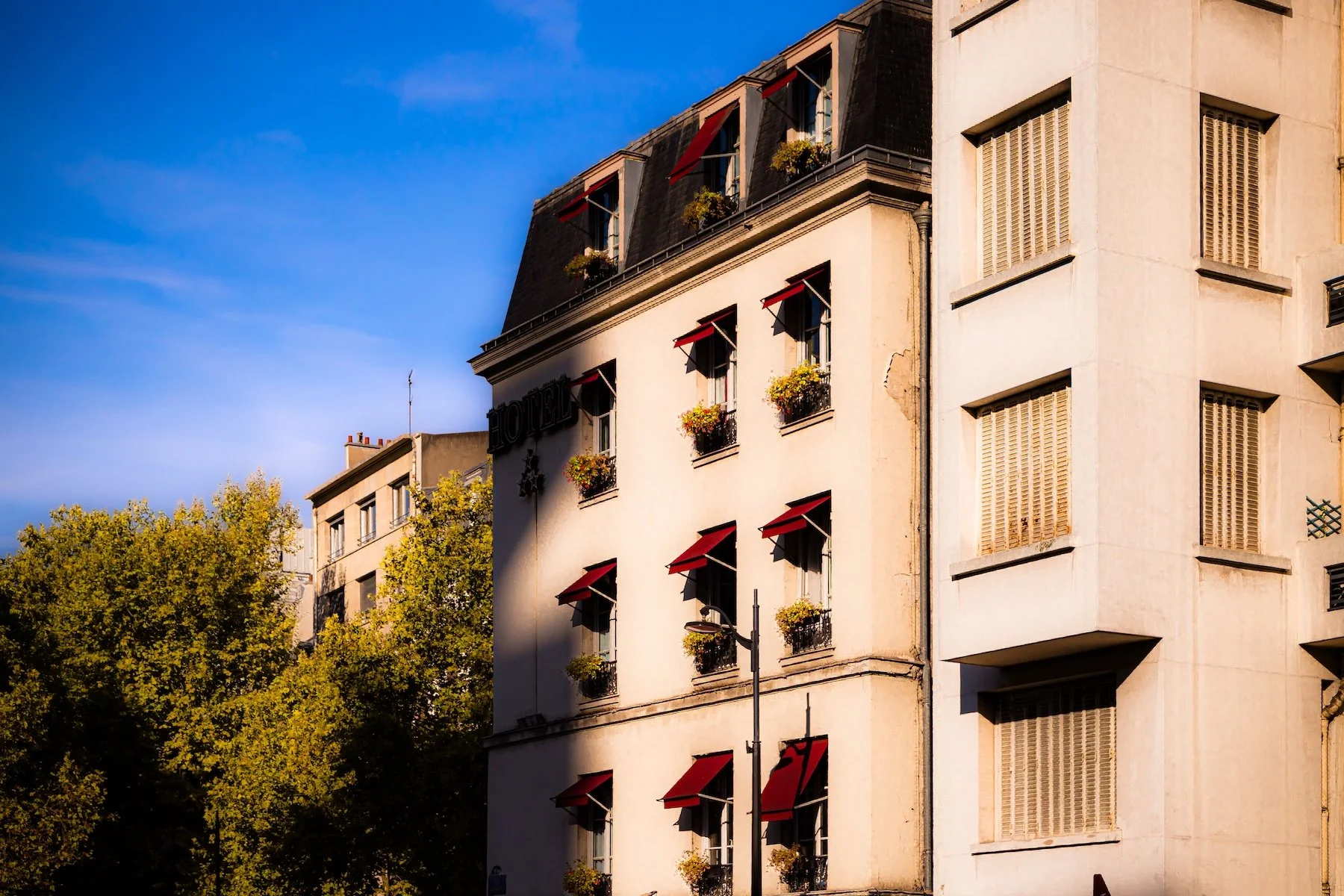
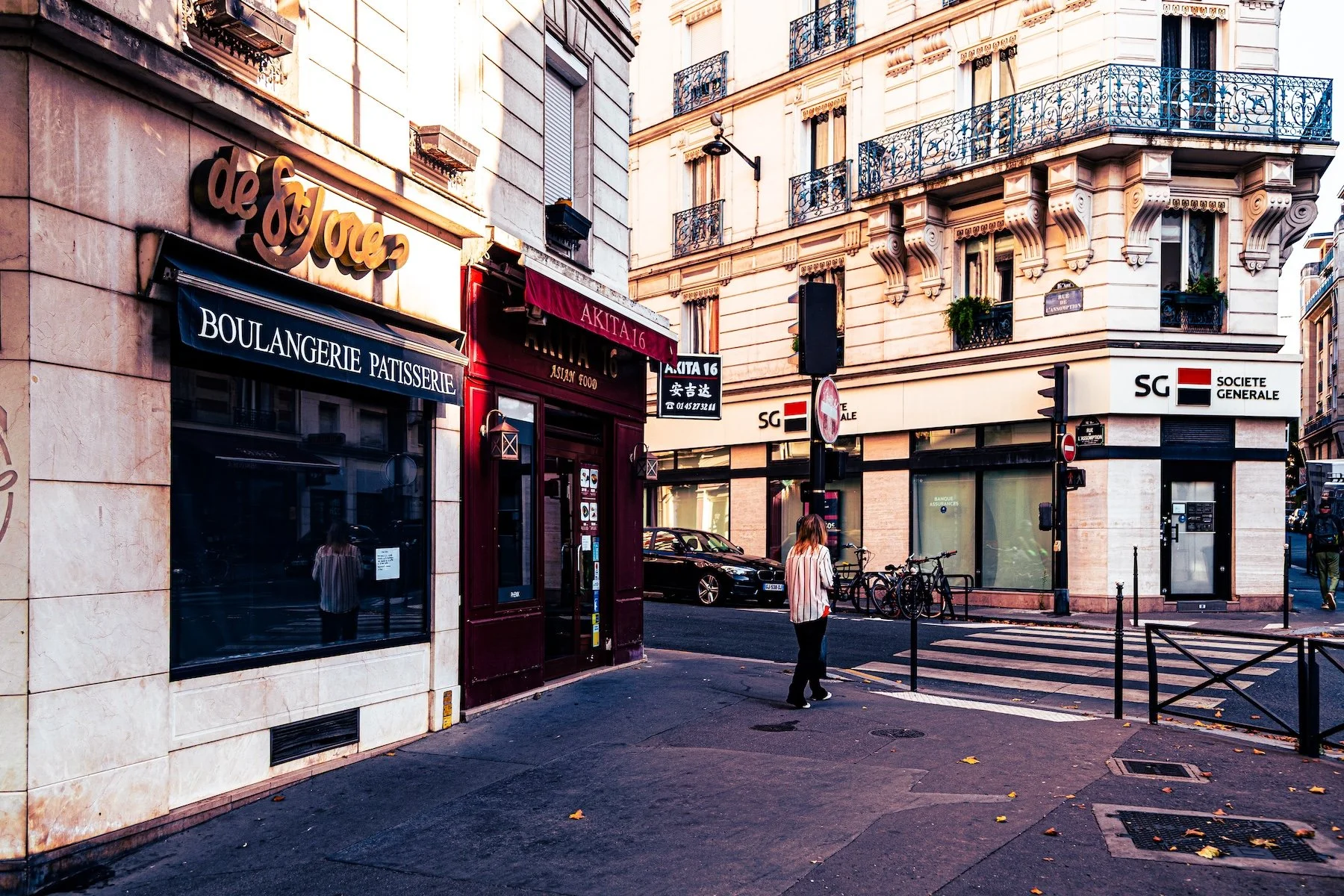

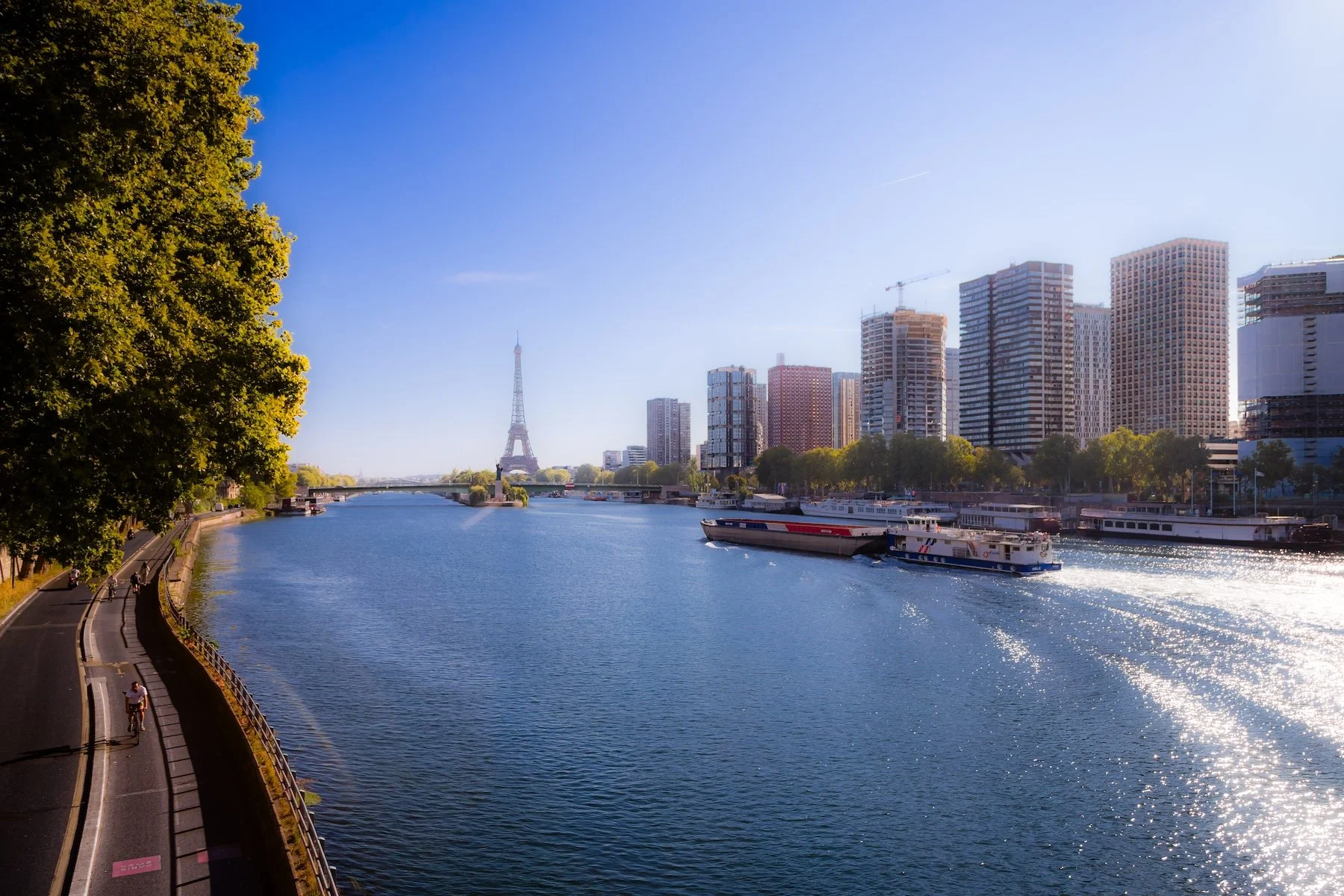
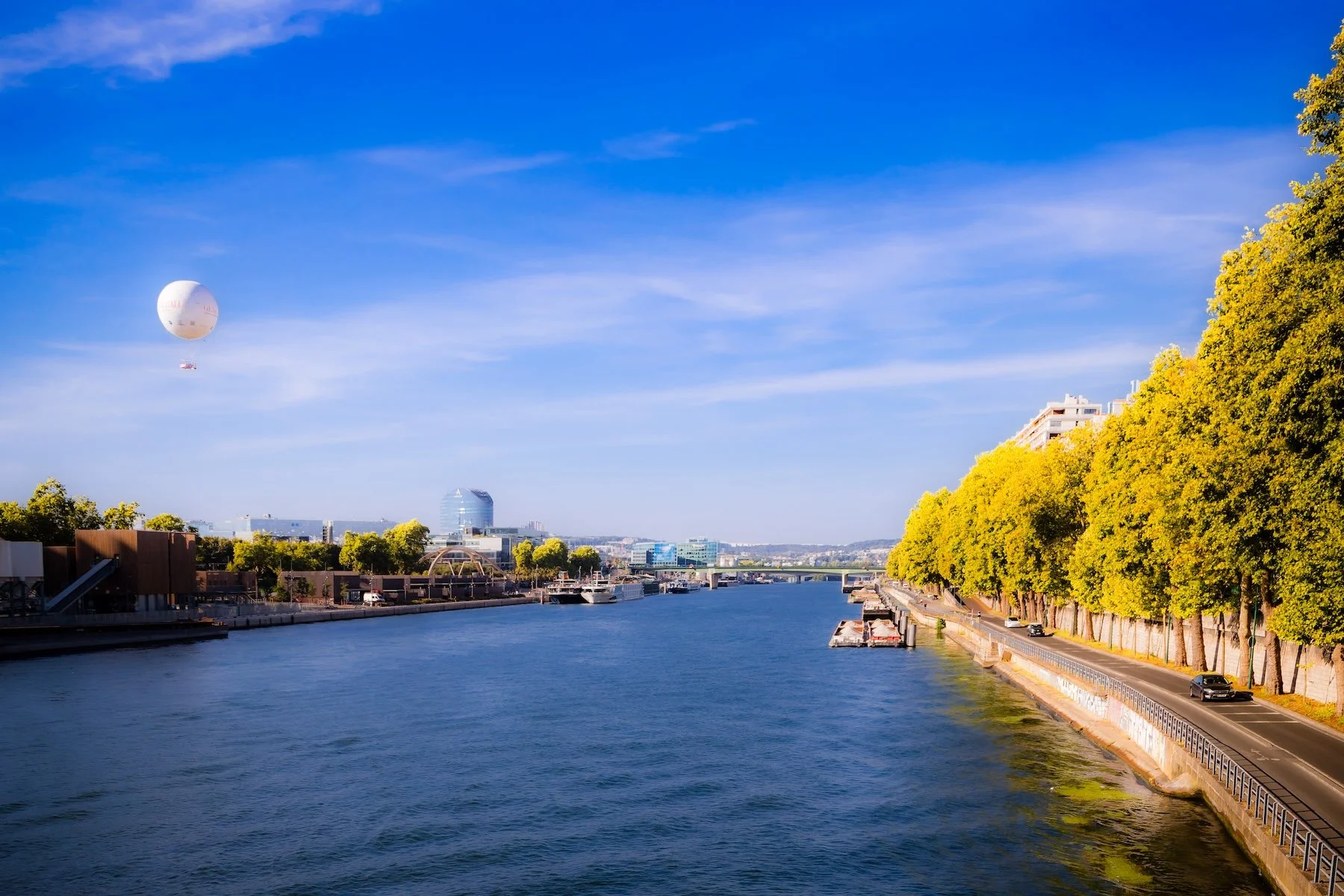
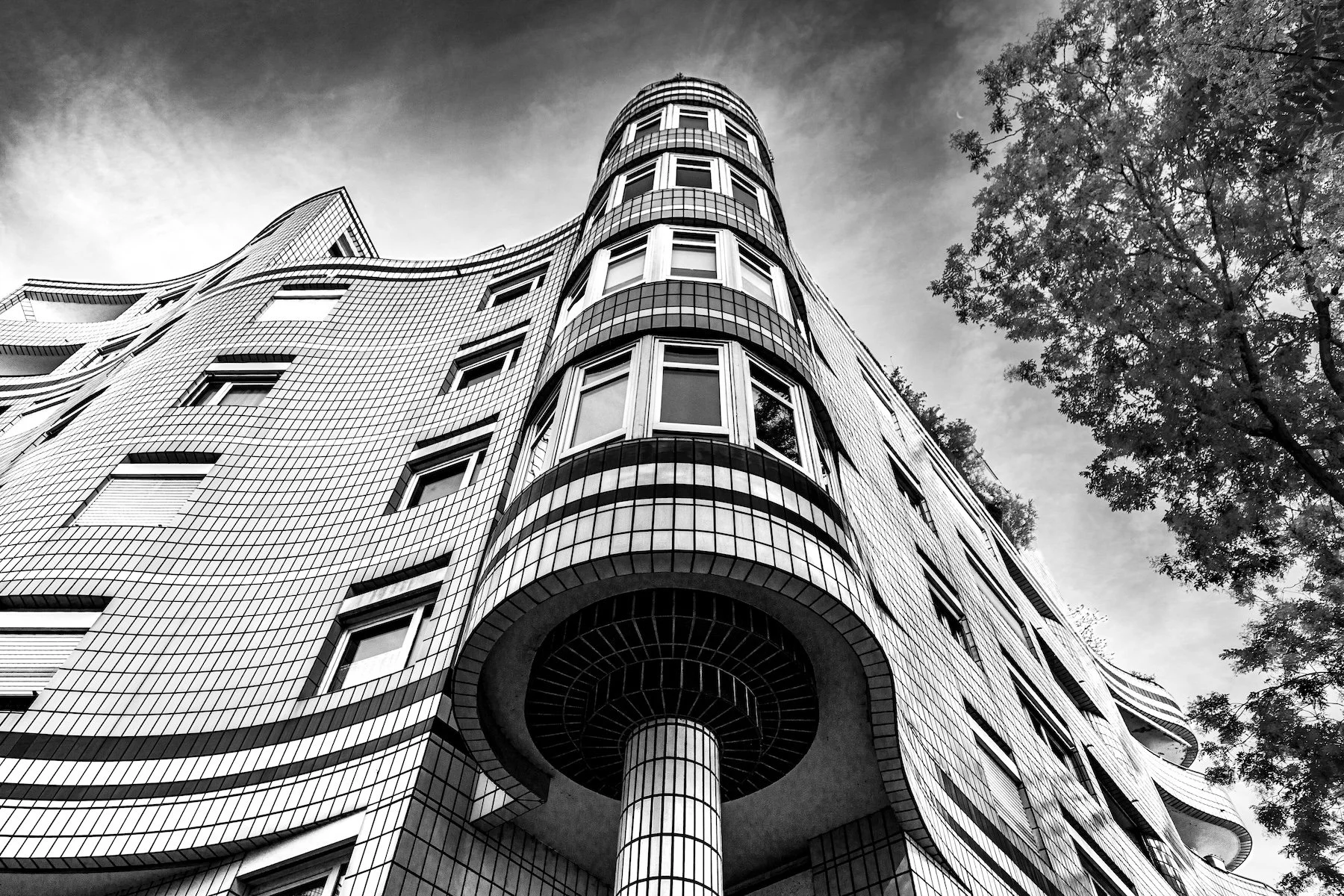
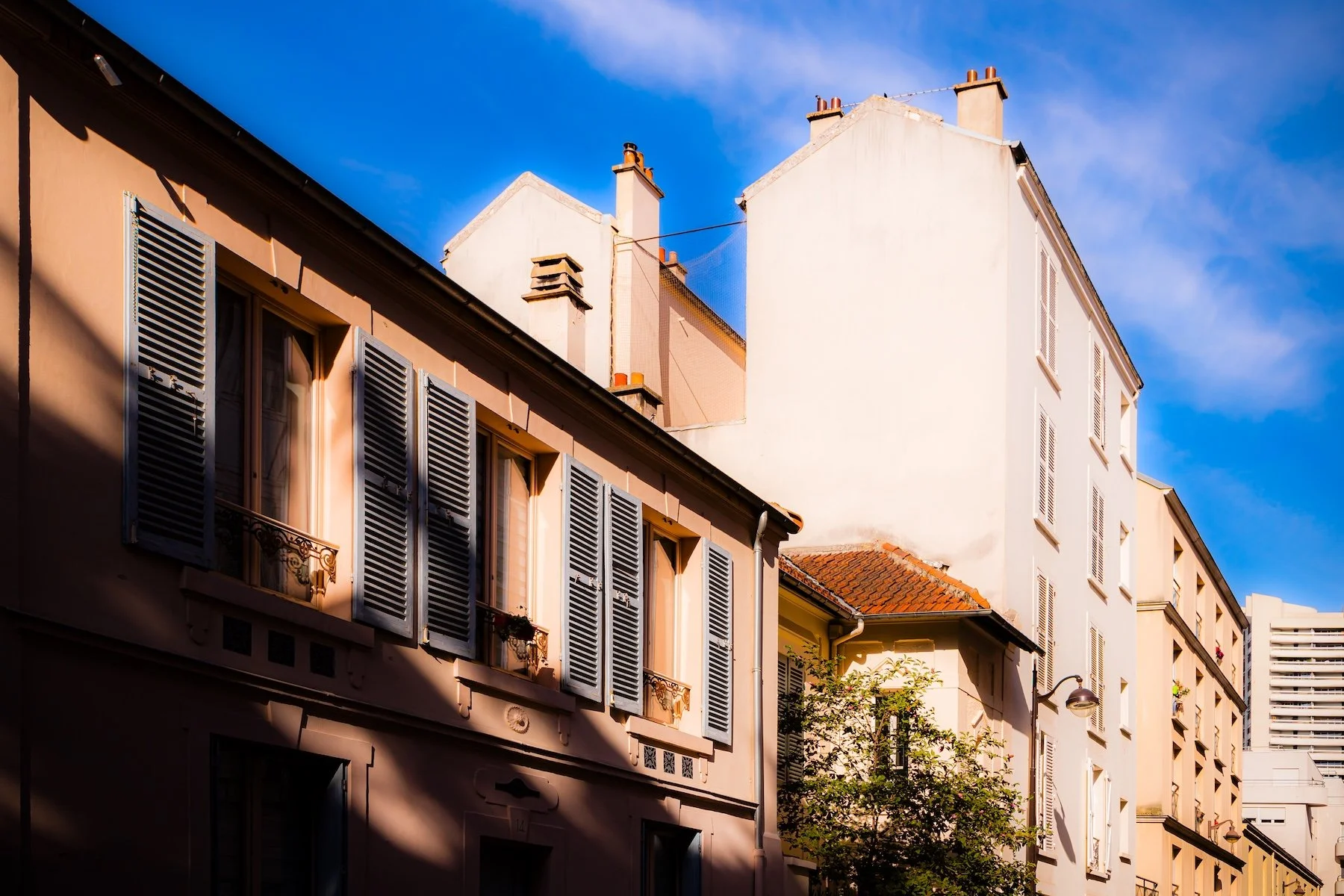
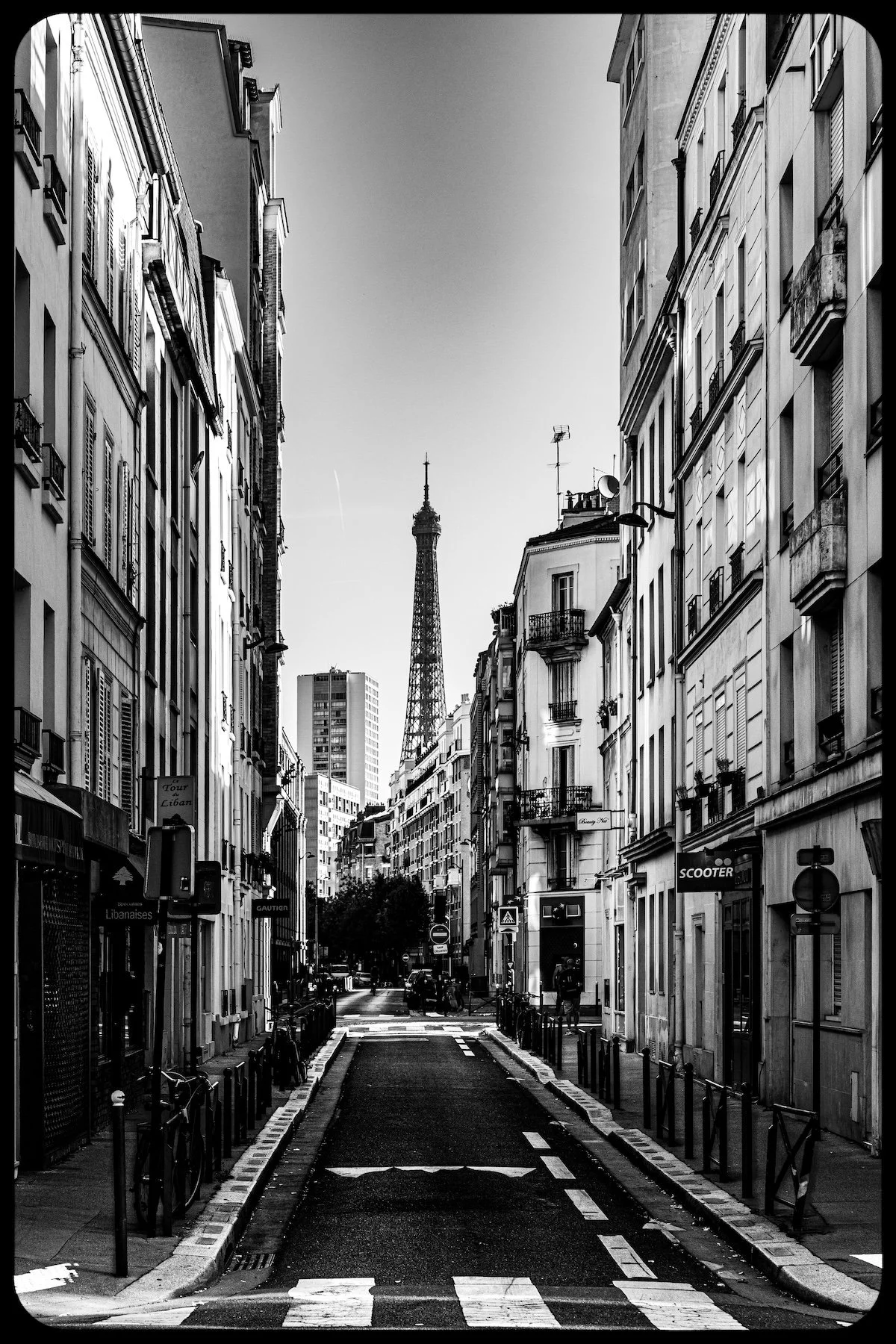
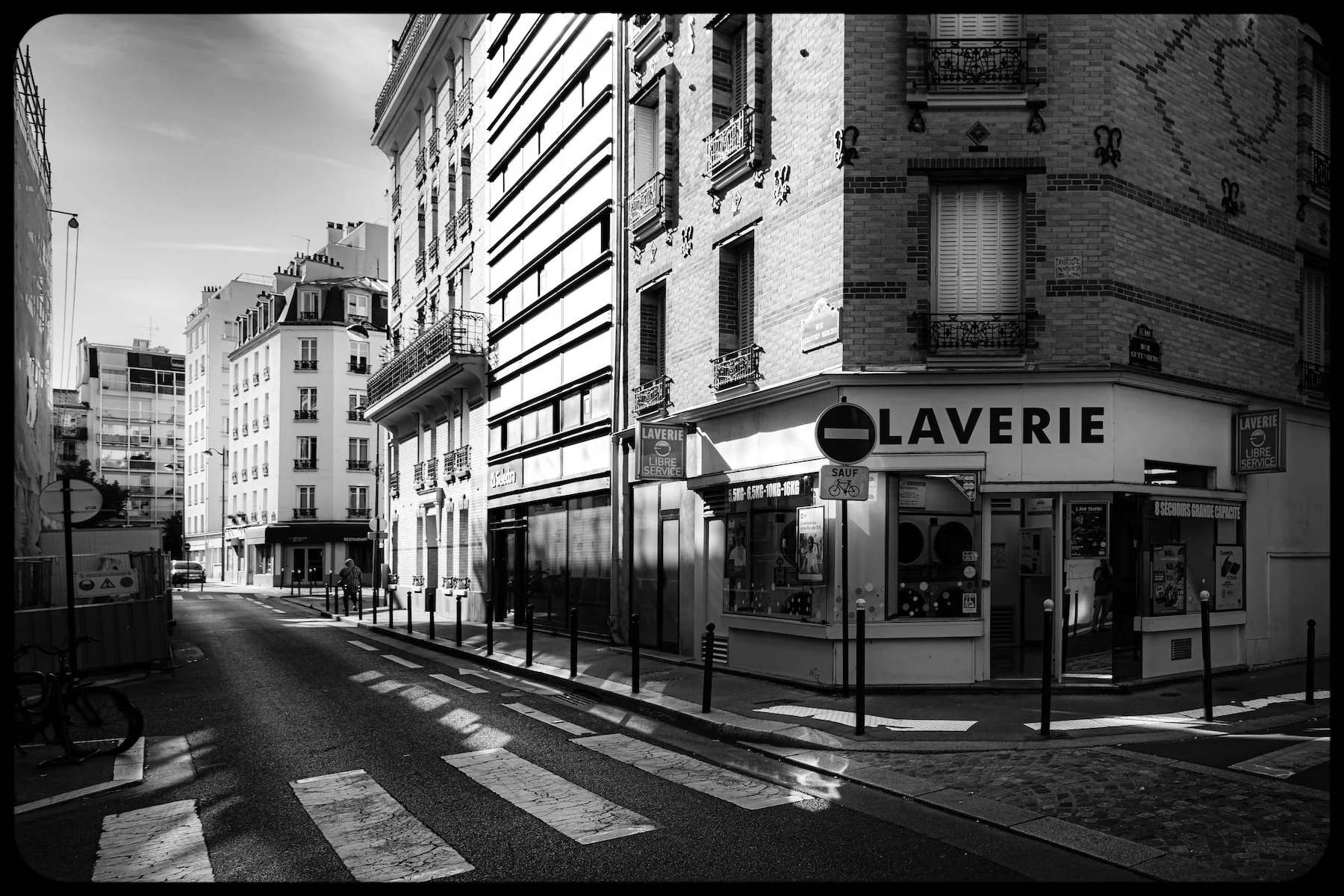
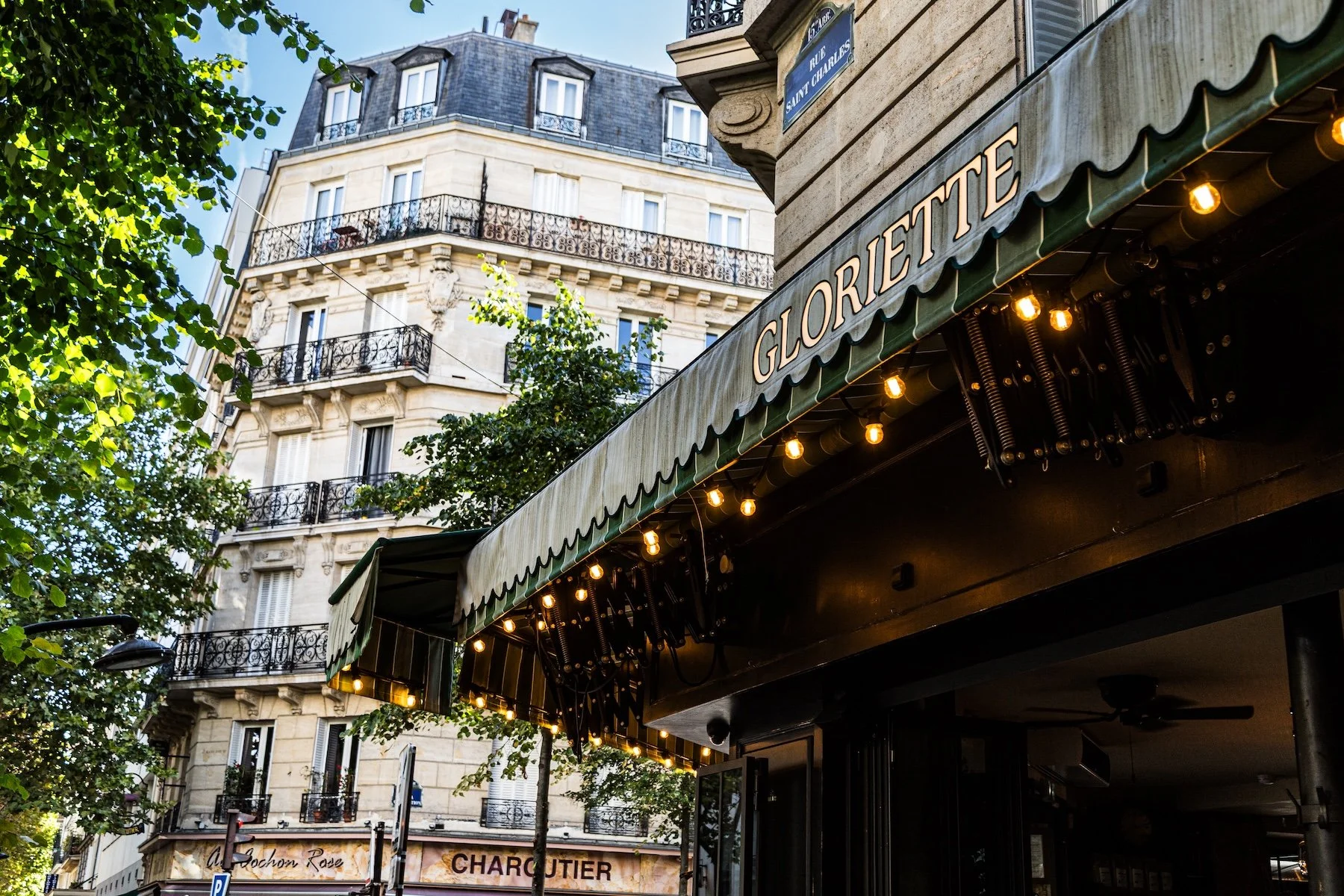
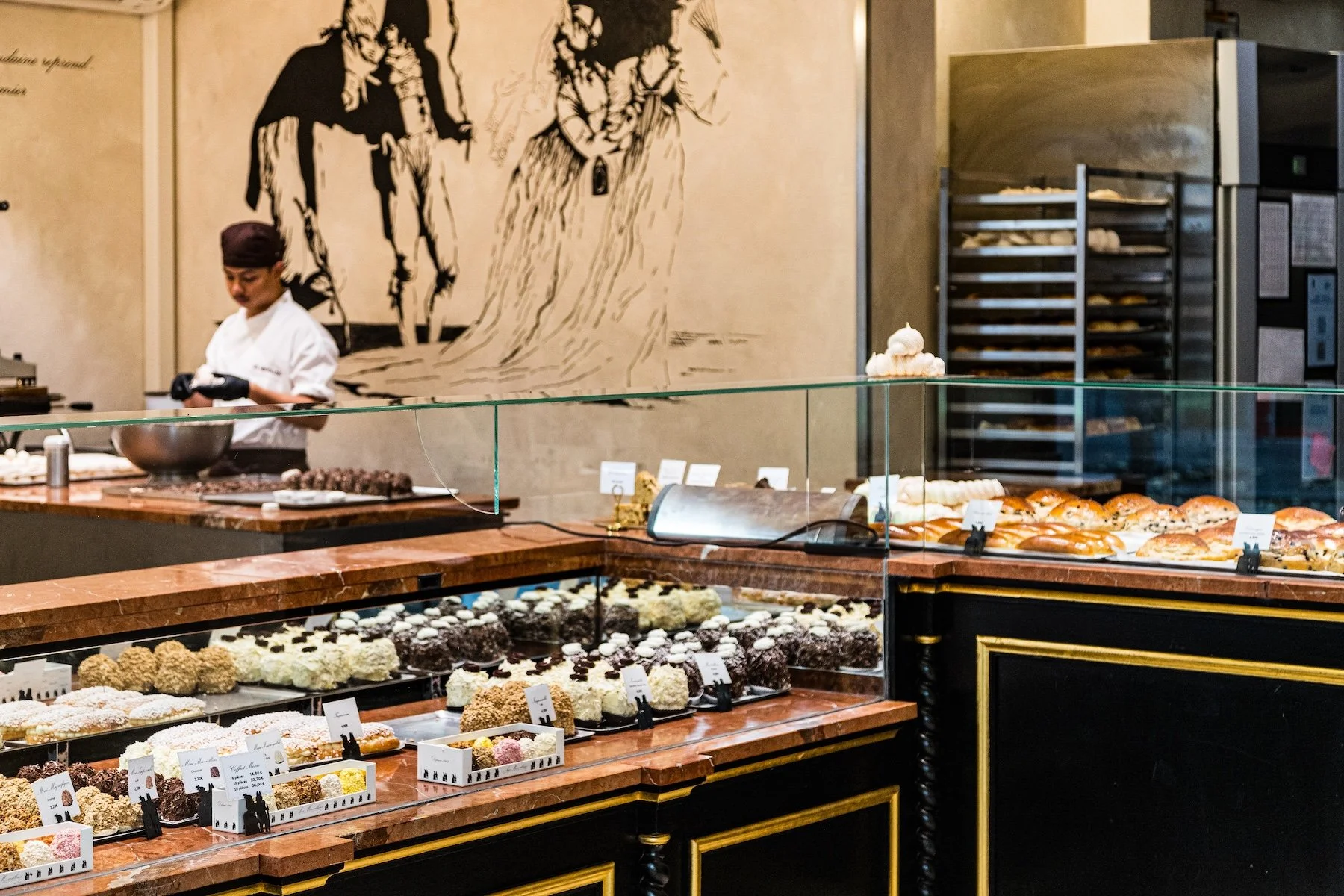
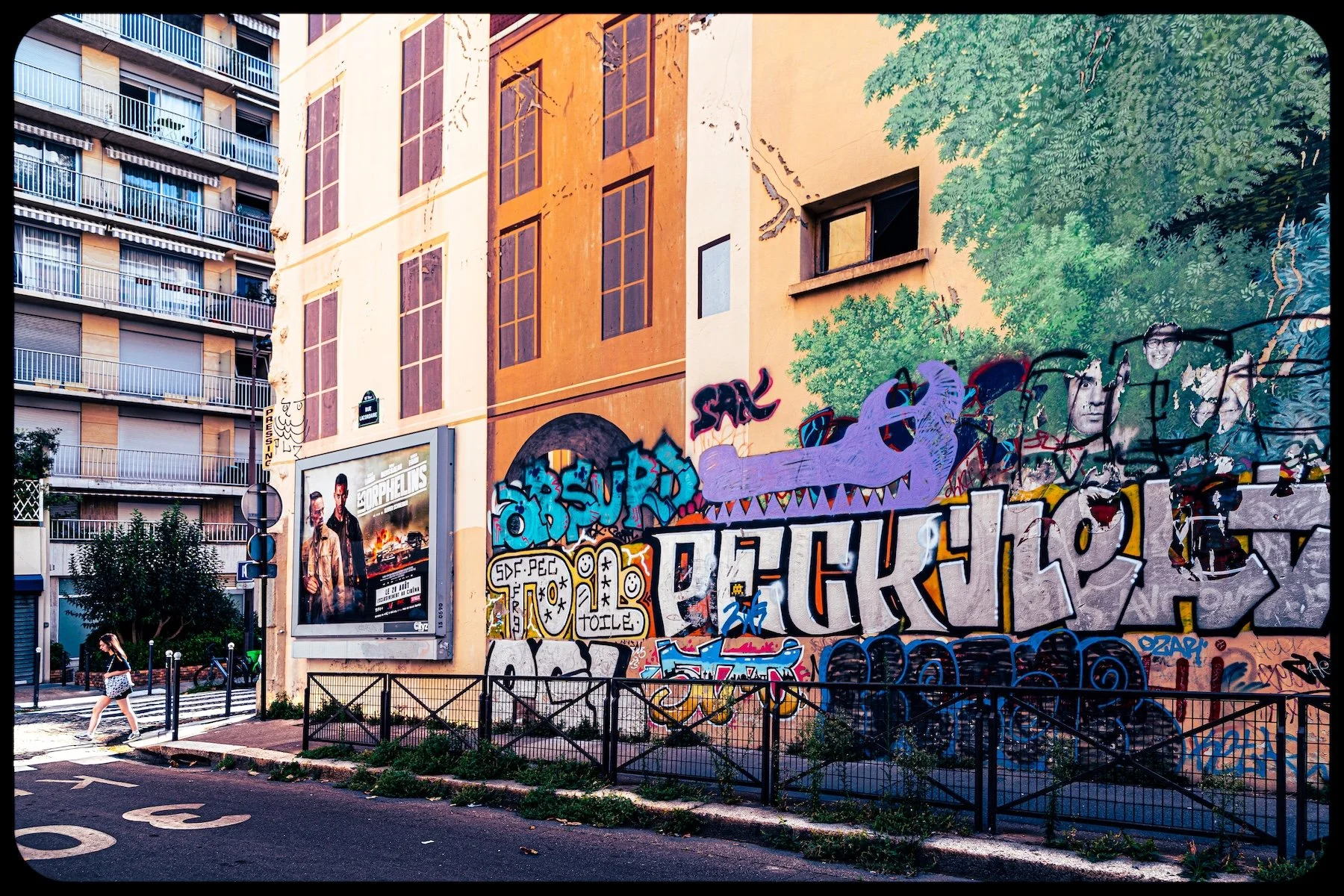
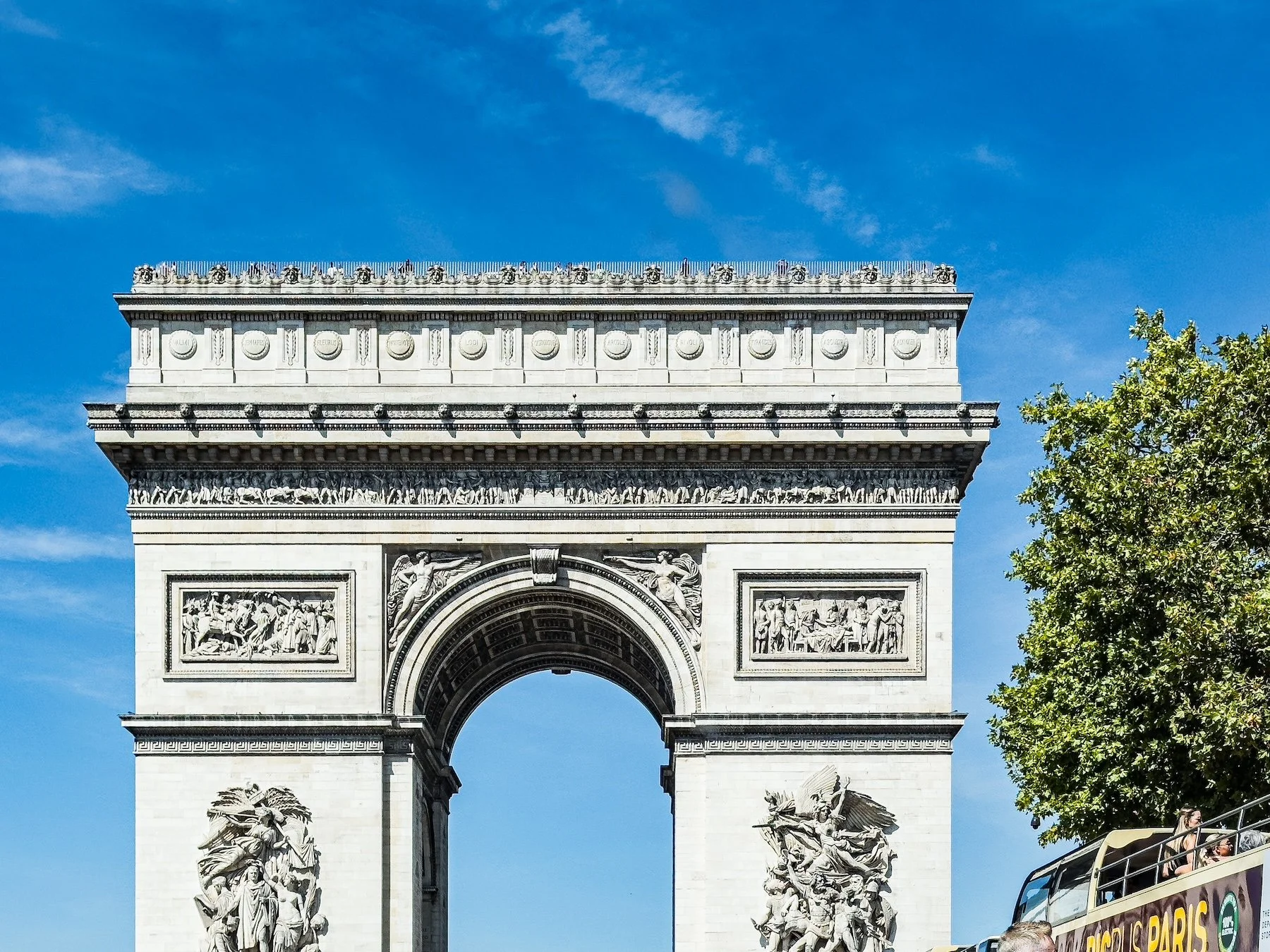
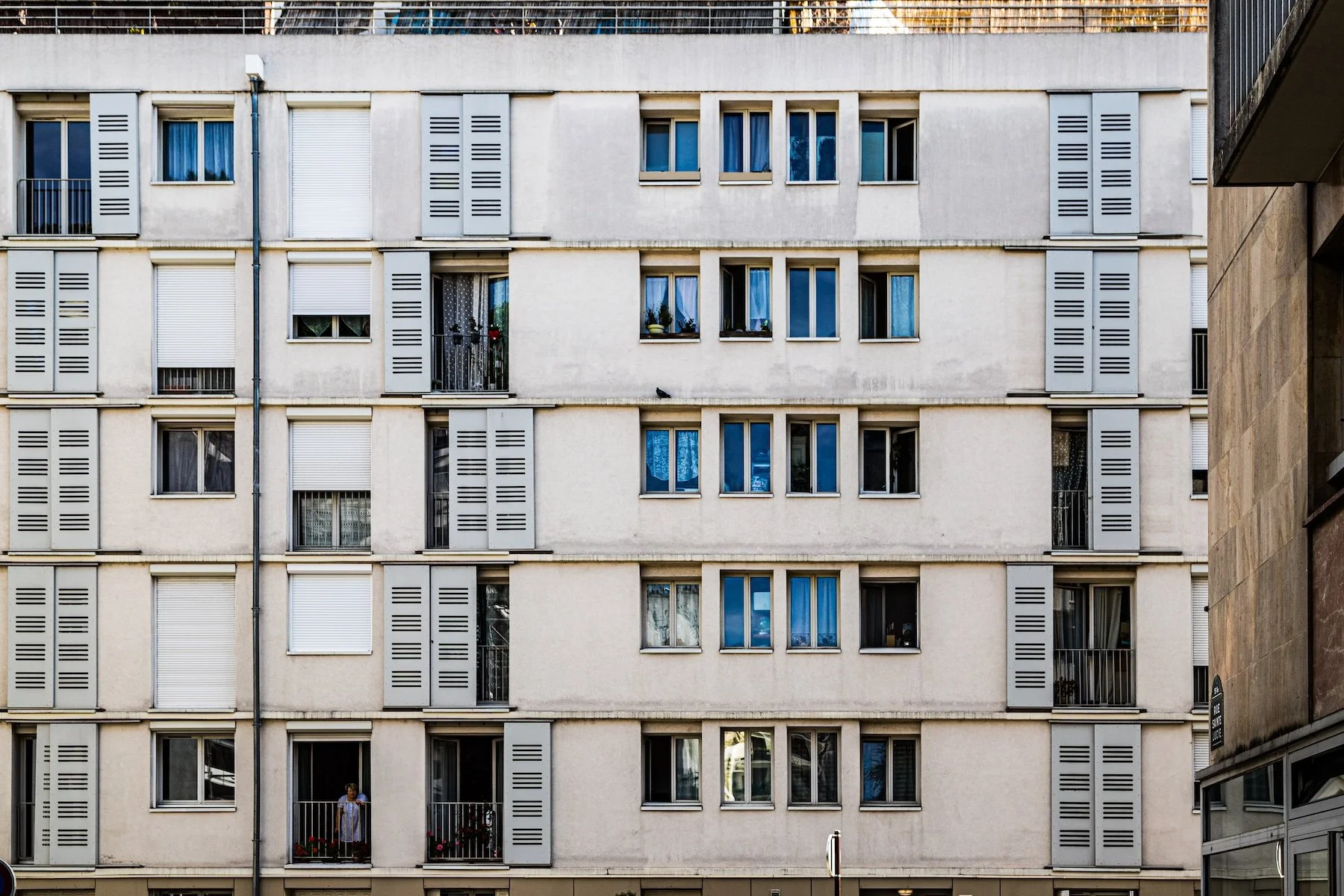
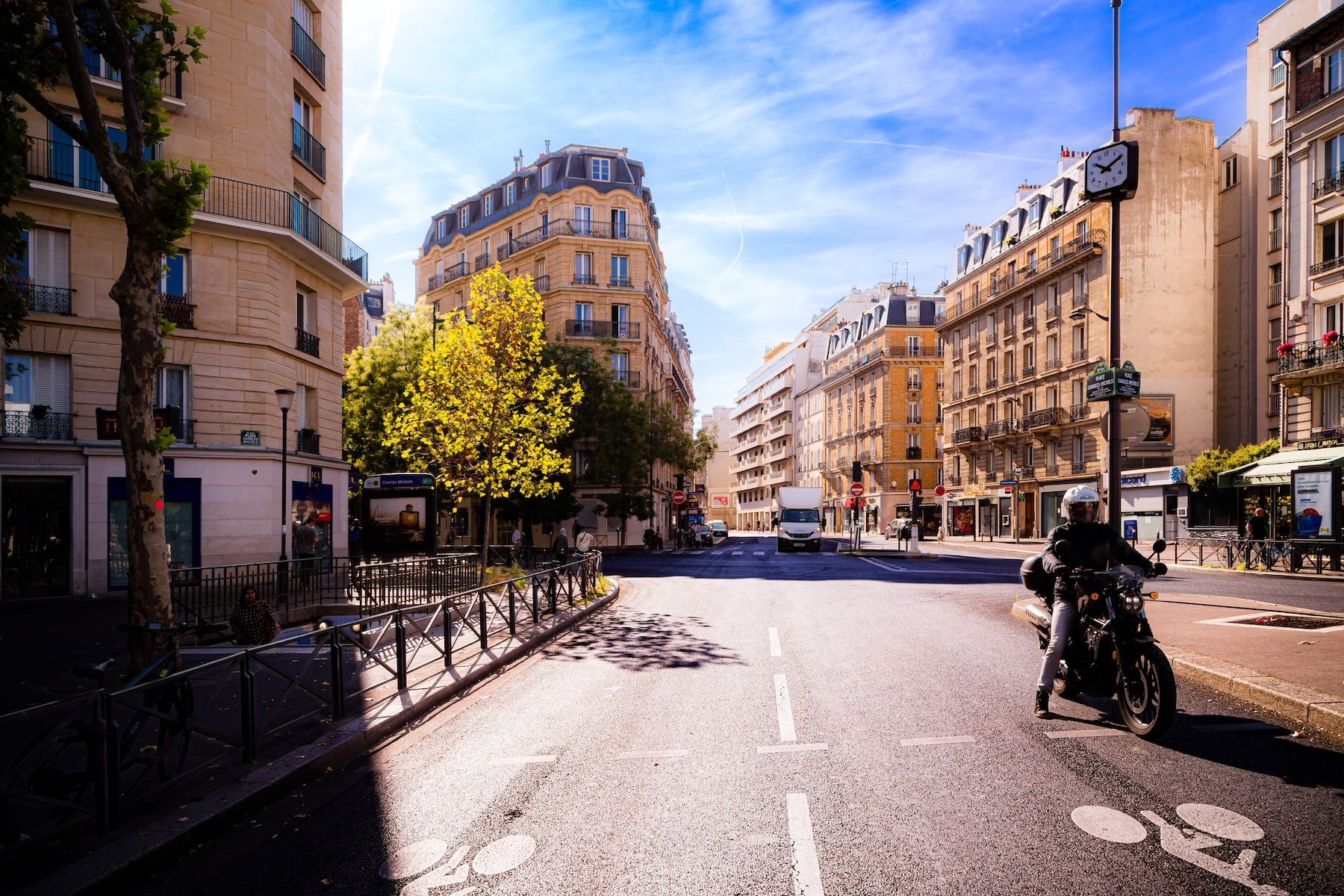
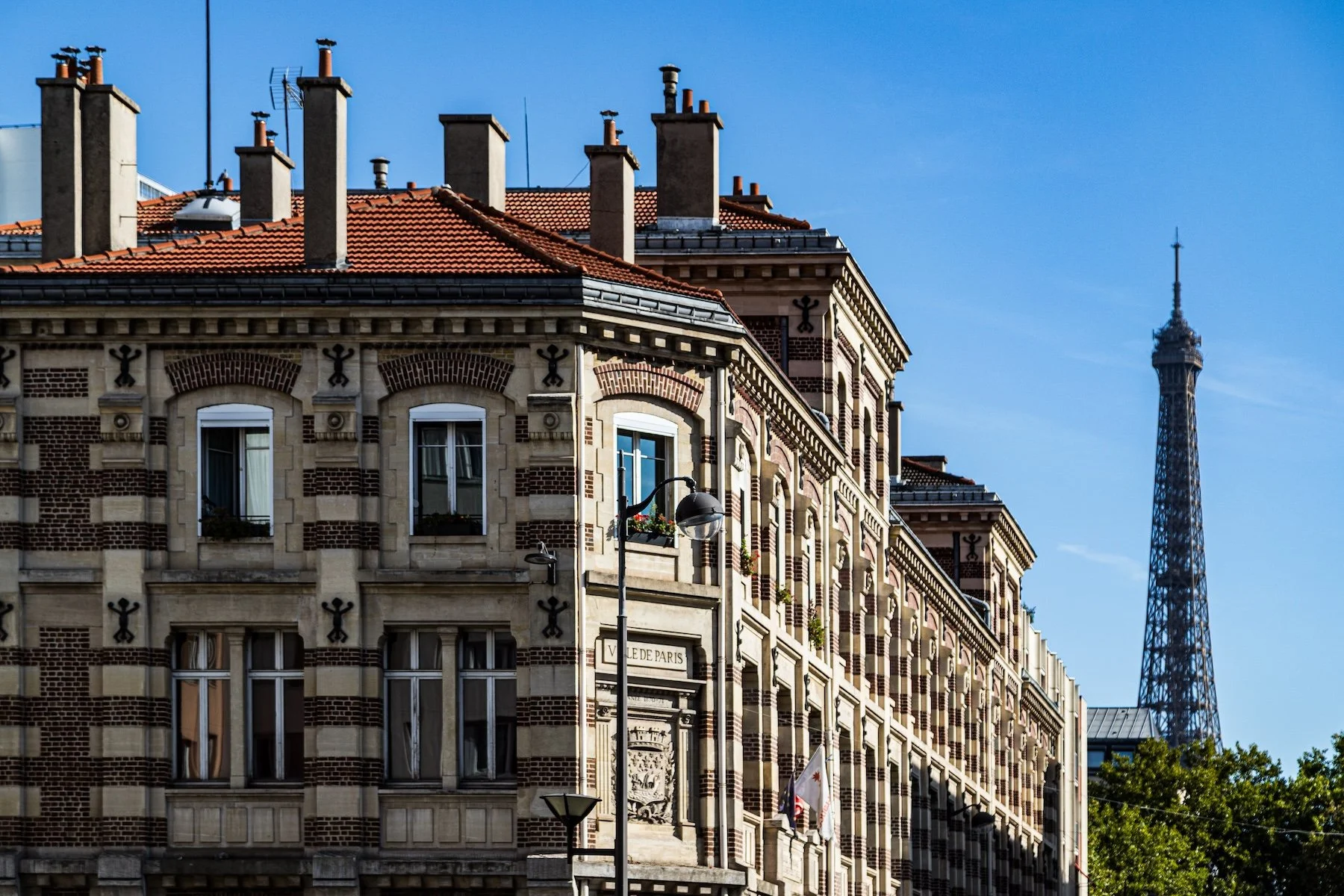
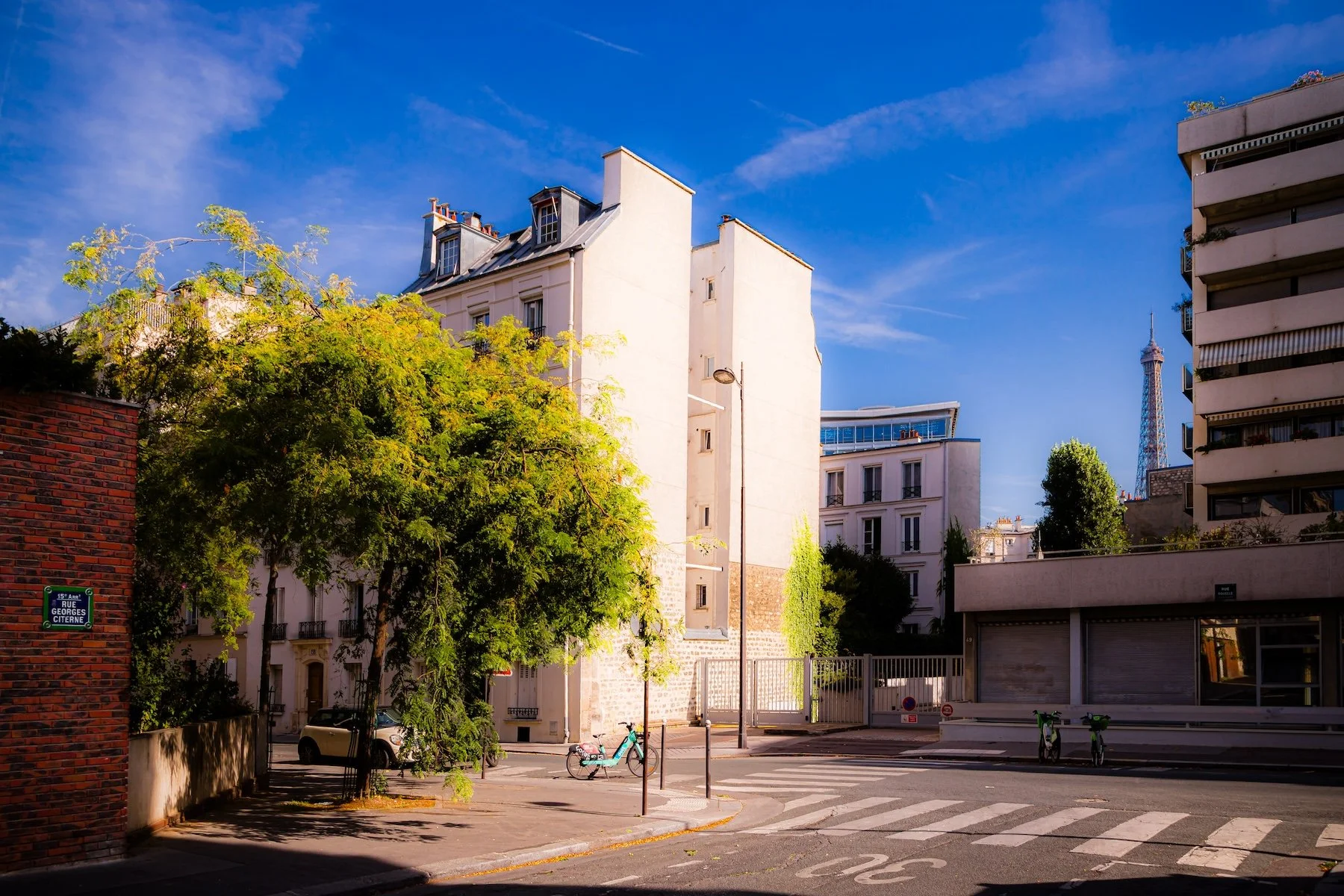
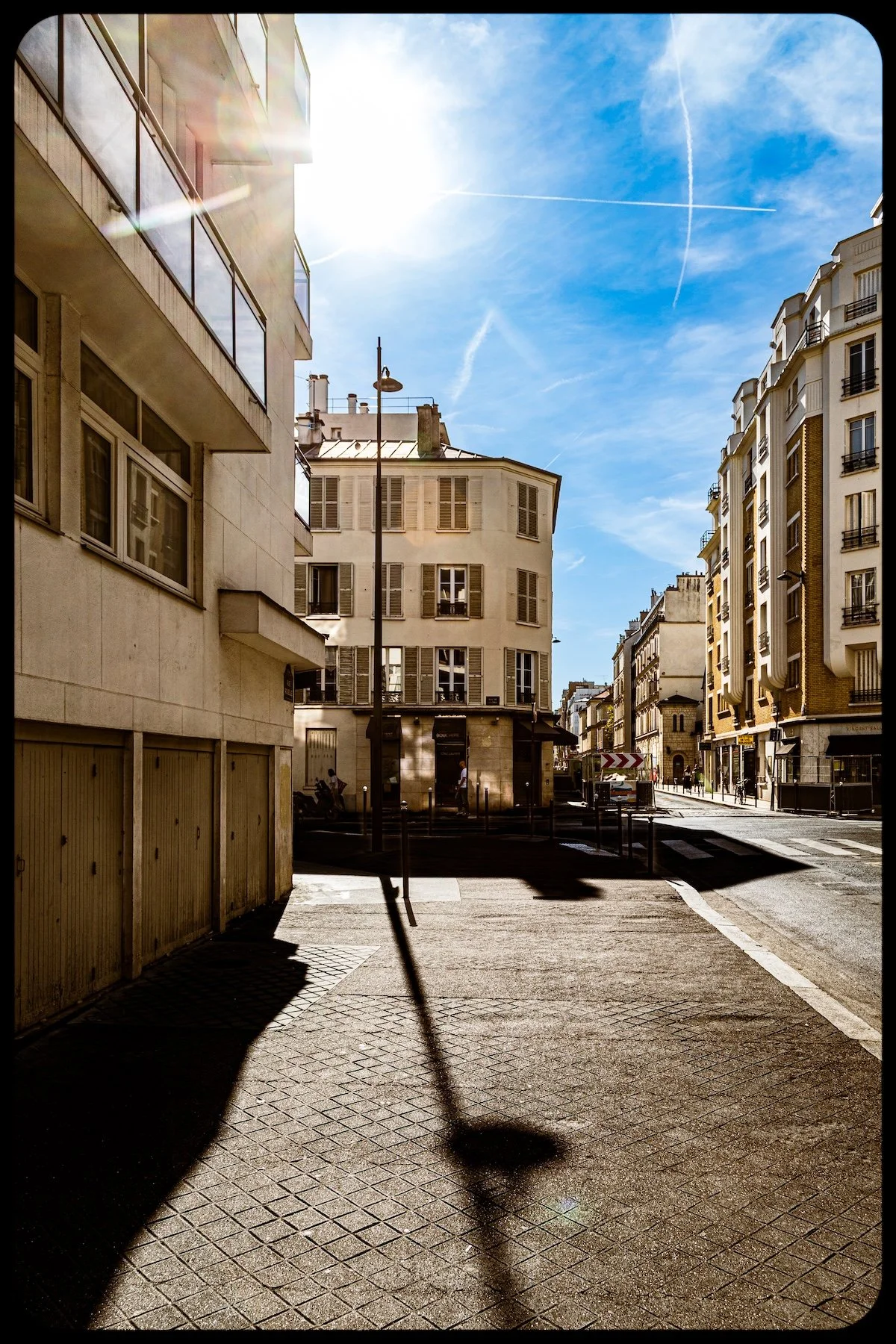
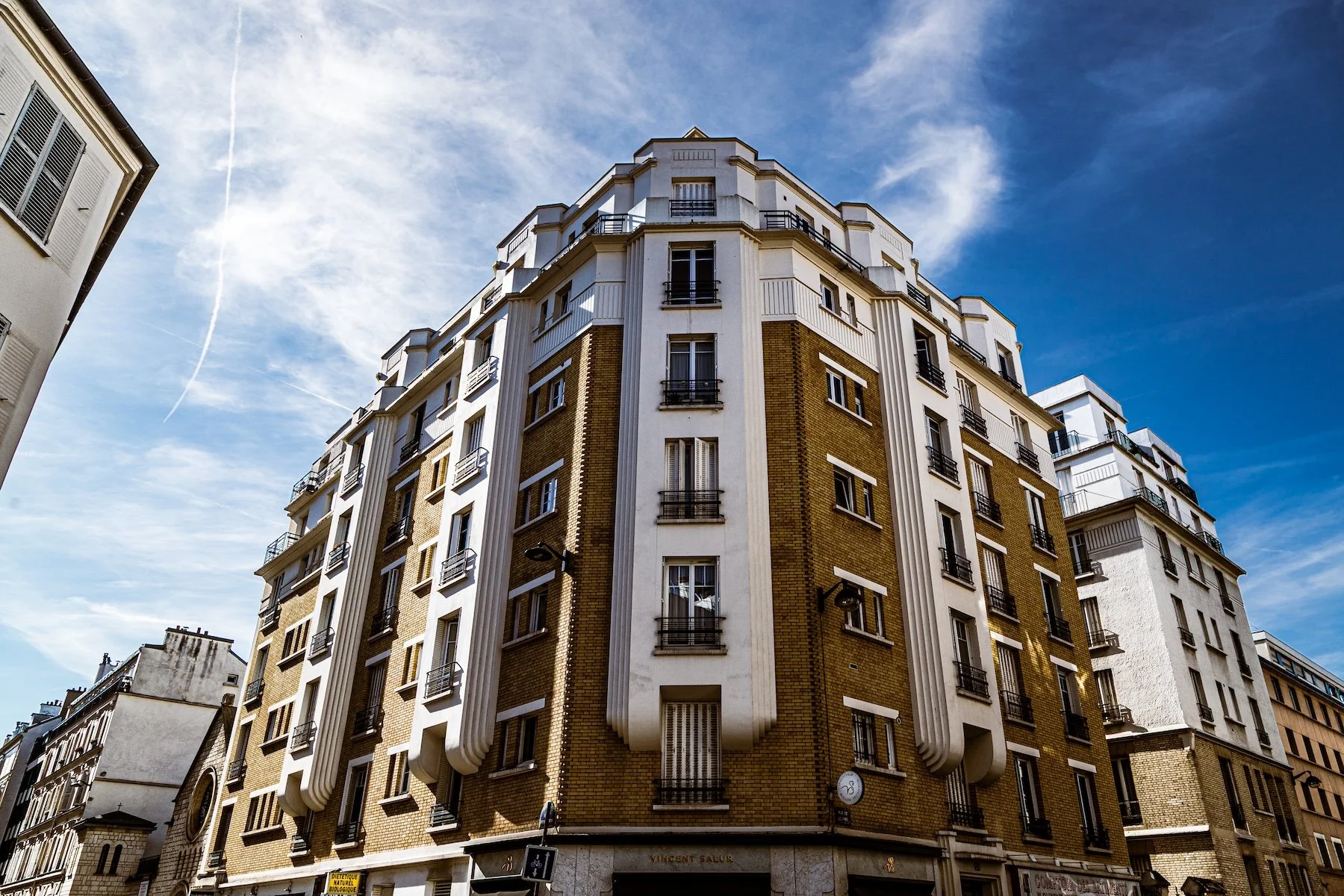
Explore Paris
-

The twenty arrondissements form the civic spiral of Paris, organizing the city into its broad local districts of government, identity, and daily life.
-

Each arrondissement is divided into four official administrative quarters, giving Paris a more precise civic and geographic framework.
-

The conseils de quartier bring participation to street level, giving residents a voice in neighborhood needs, public space, and local civic life.
-

Les Deux Rives trace Paris through the Seine’s two banks, revealing how the Rive Droite and Rive Gauche shaped the city’s civic power, commerce, learning, art, and cultural identity.
-
Cultural neighborhoods reveal the Paris people recognize through history, cafés, architecture, memory, atmosphere, and local belonging.