
18e - GRANDES-CARRIÈRES
Quartiers Administratifs
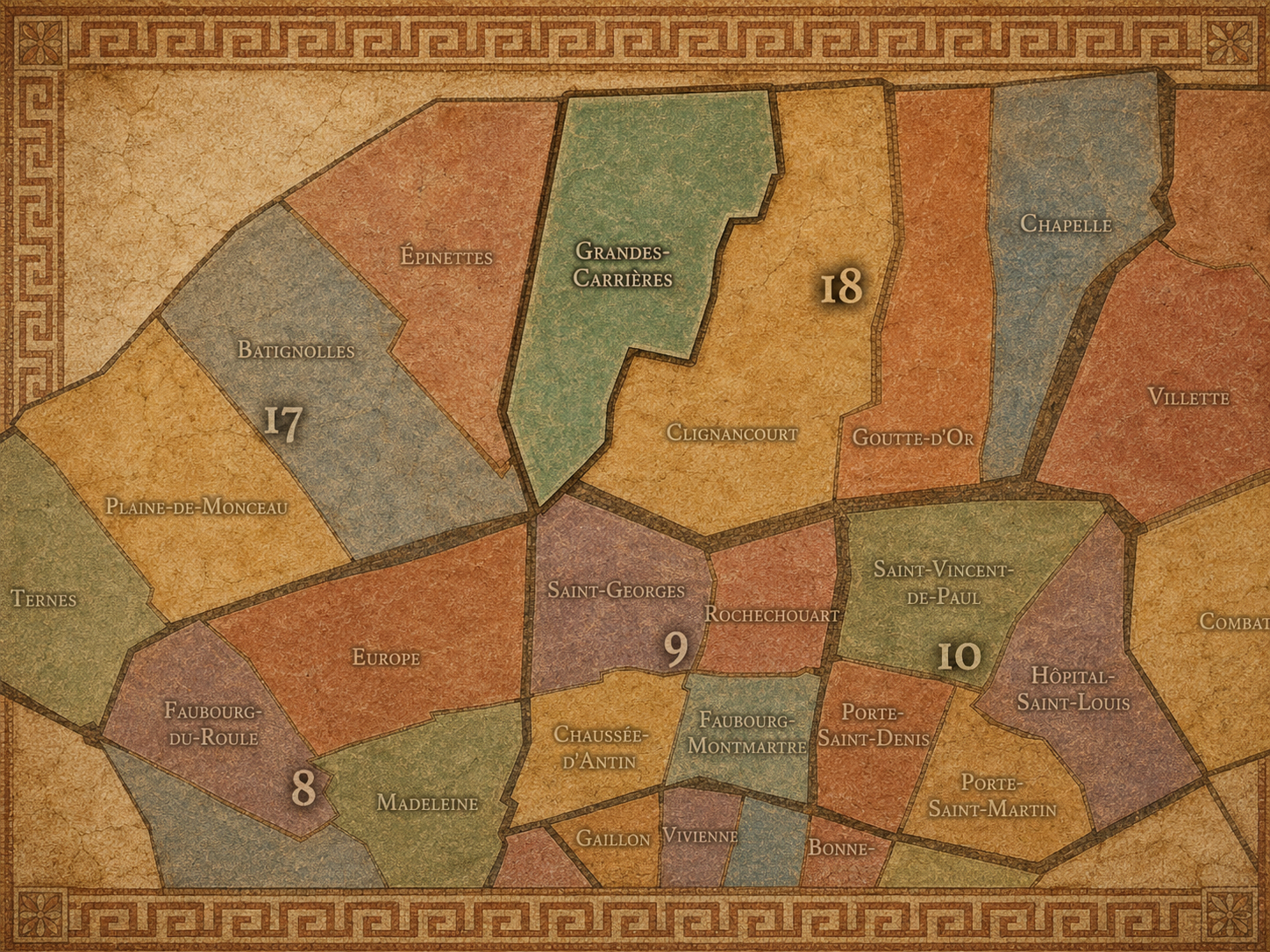
Part of an ongoing project to walk and photograph every neighborhood in Paris, this page 18e - Grandes-Carrières through maps, district identity, history, and photography.
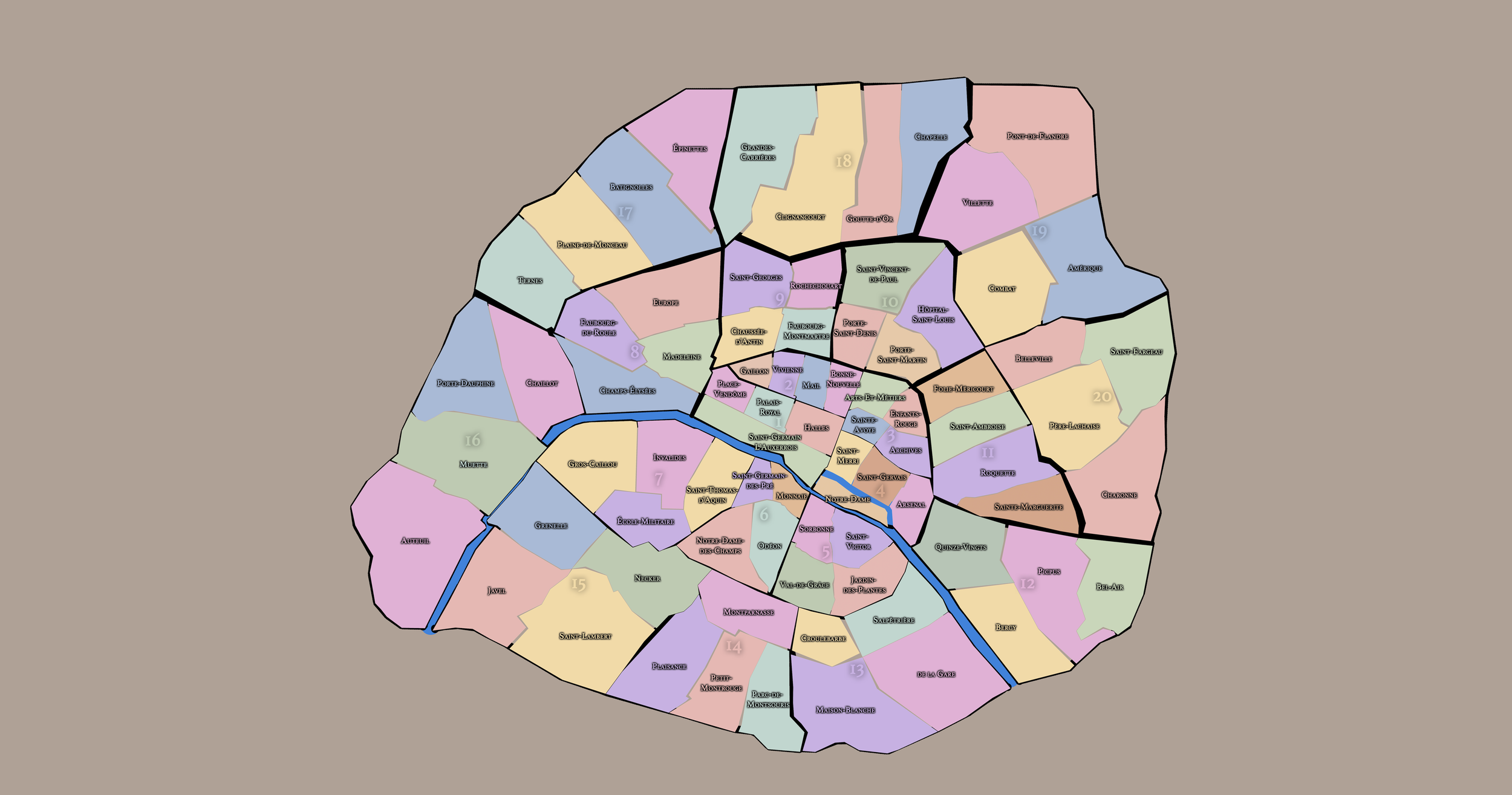
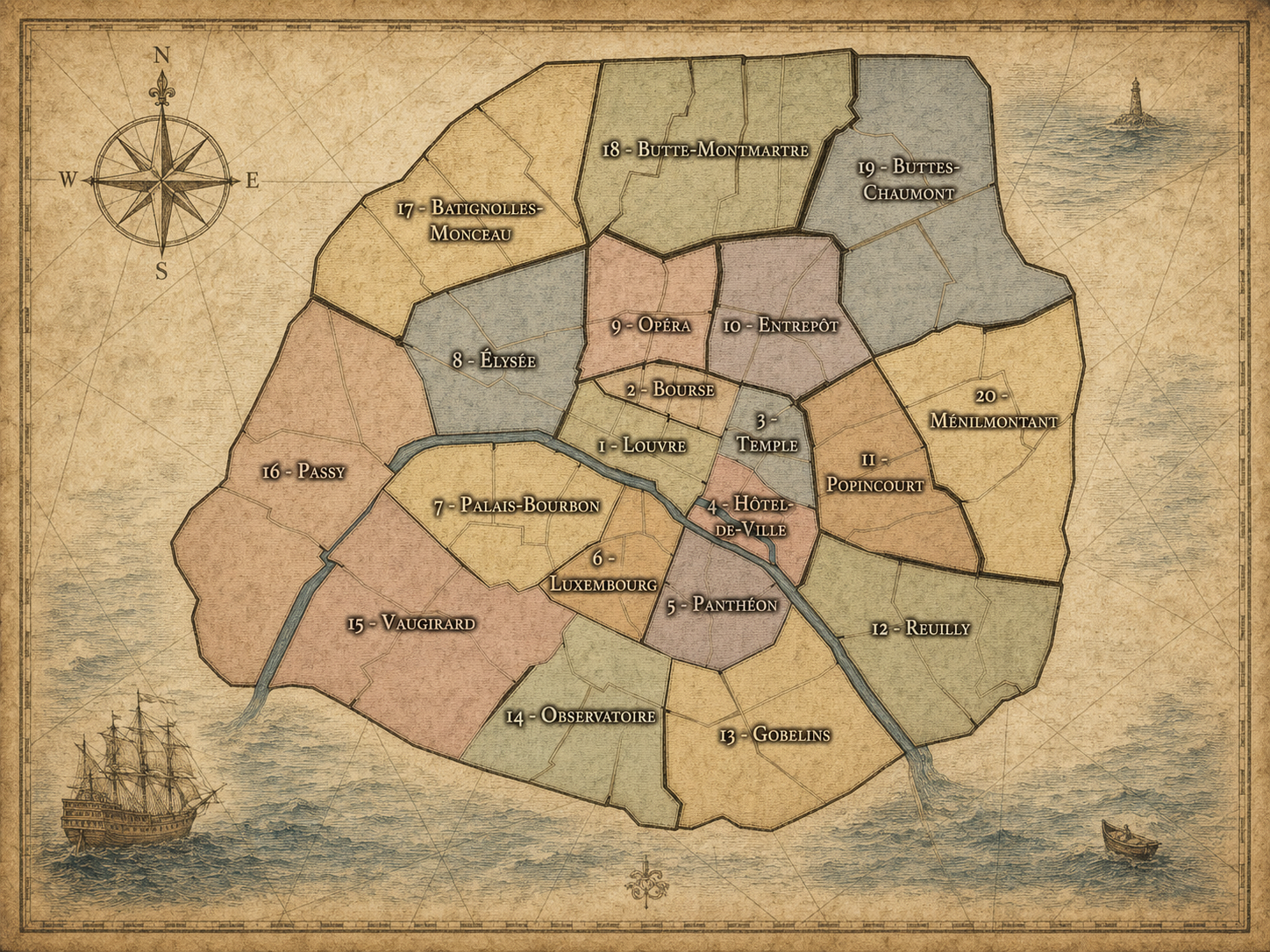
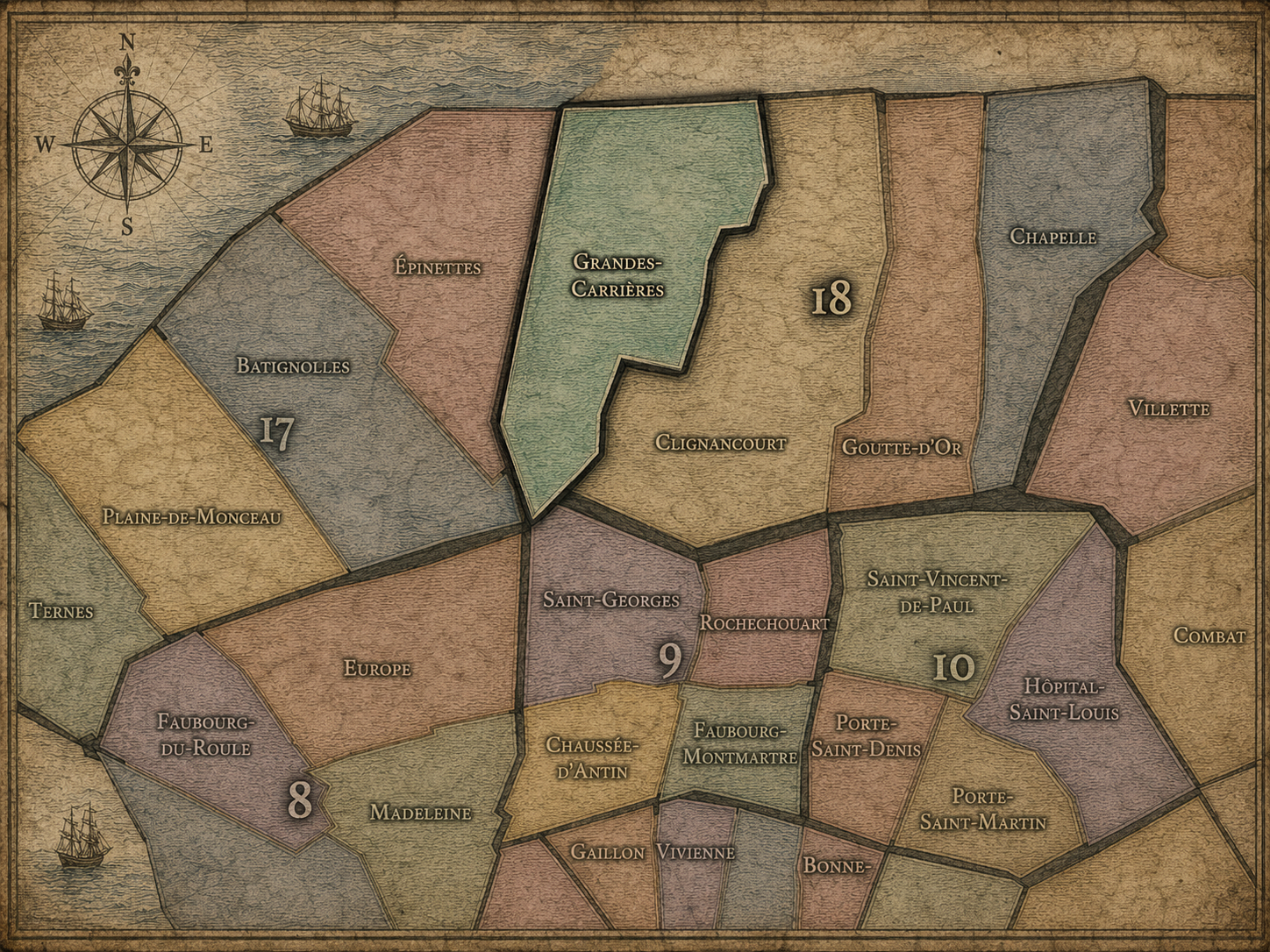
The Map
Download the Paris Arrondissements Map
Geographic Setting
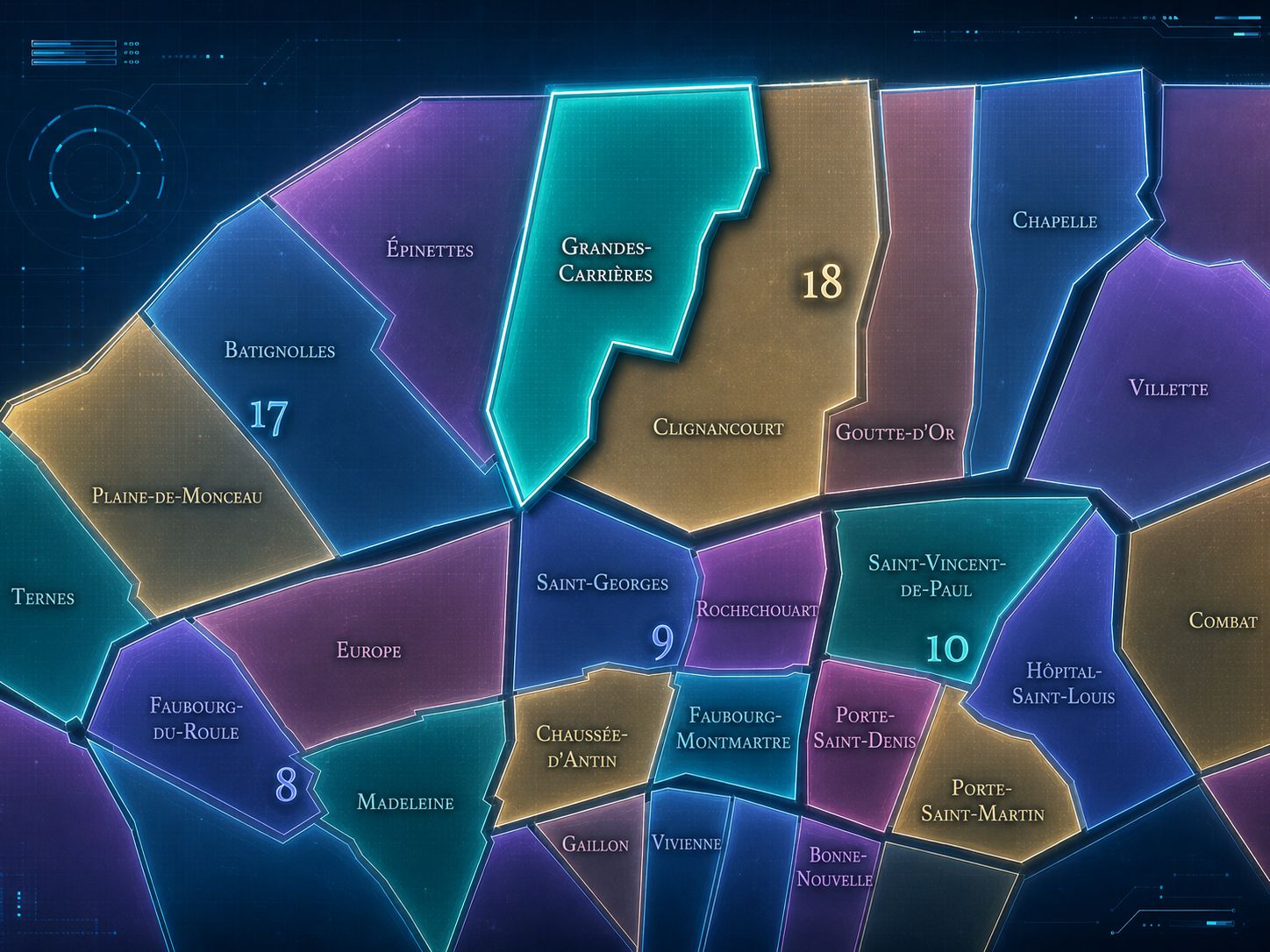
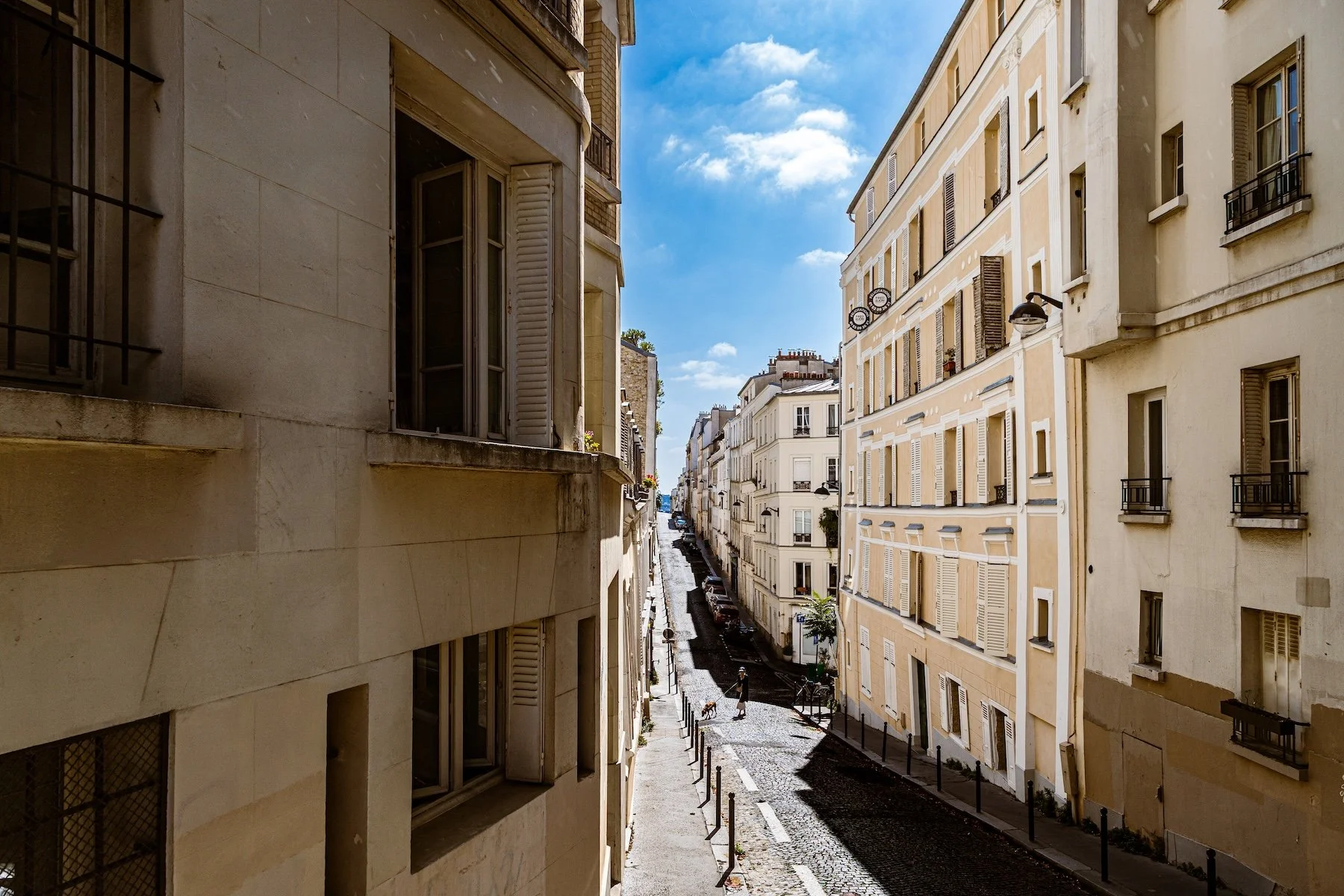
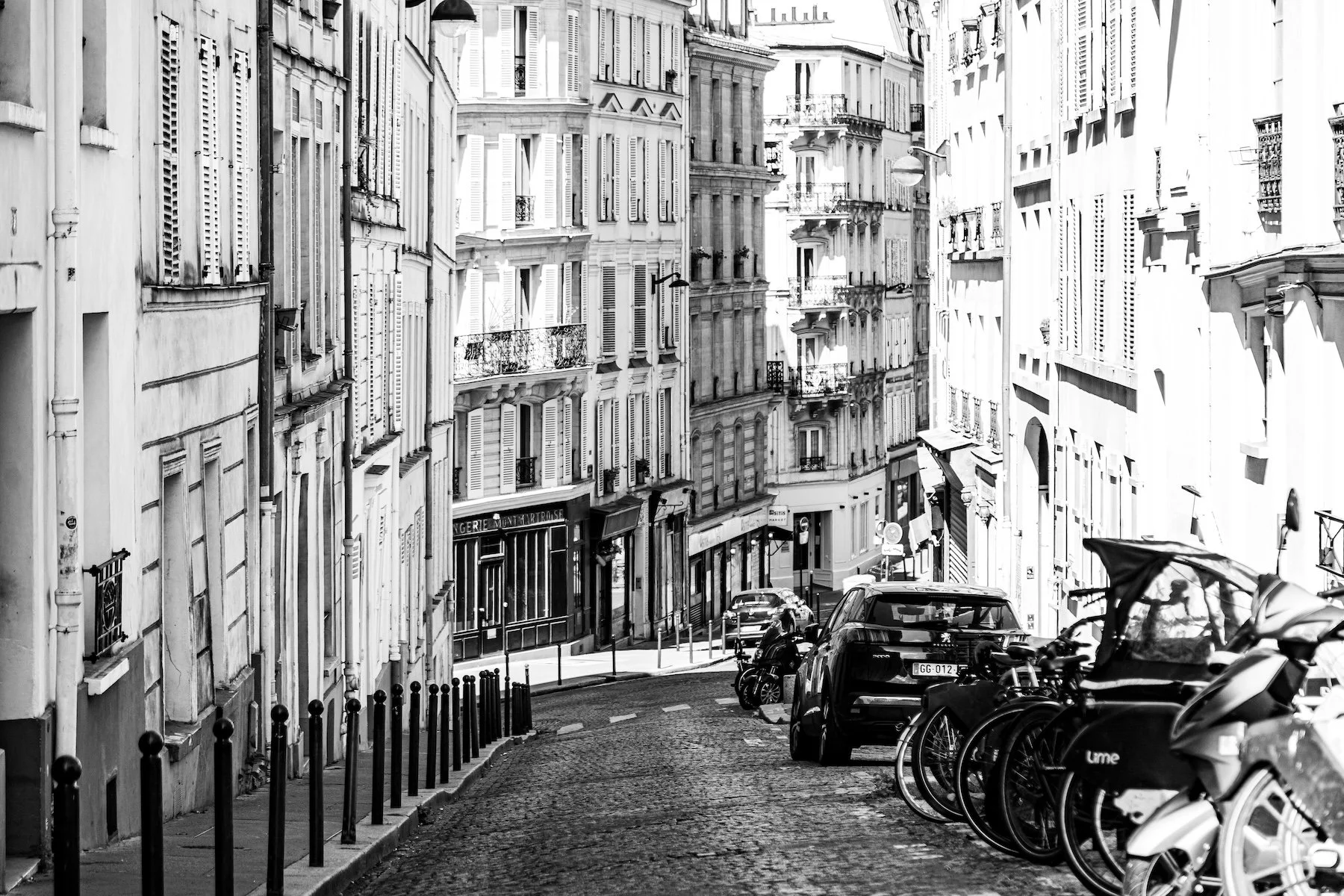
Grandes-Carrières occupies the western and southwestern portion of the 18th arrondissement, where the slopes of Montmartre descend toward Place de Clichy, the 17th arrondissement, the Batignolles edge, and the northern boulevards. It lies west of Montmartre, south of Clignancourt, northwest of Goutte-d’Or, and along the seam where the hill’s older village world gives way to the denser residential and commercial fabric of western northern Paris. It is a quarter shaped by stone, slope, cemetery, boulevard, theater, apartment streets, and the long afterlife of Montmartre’s buried geology.
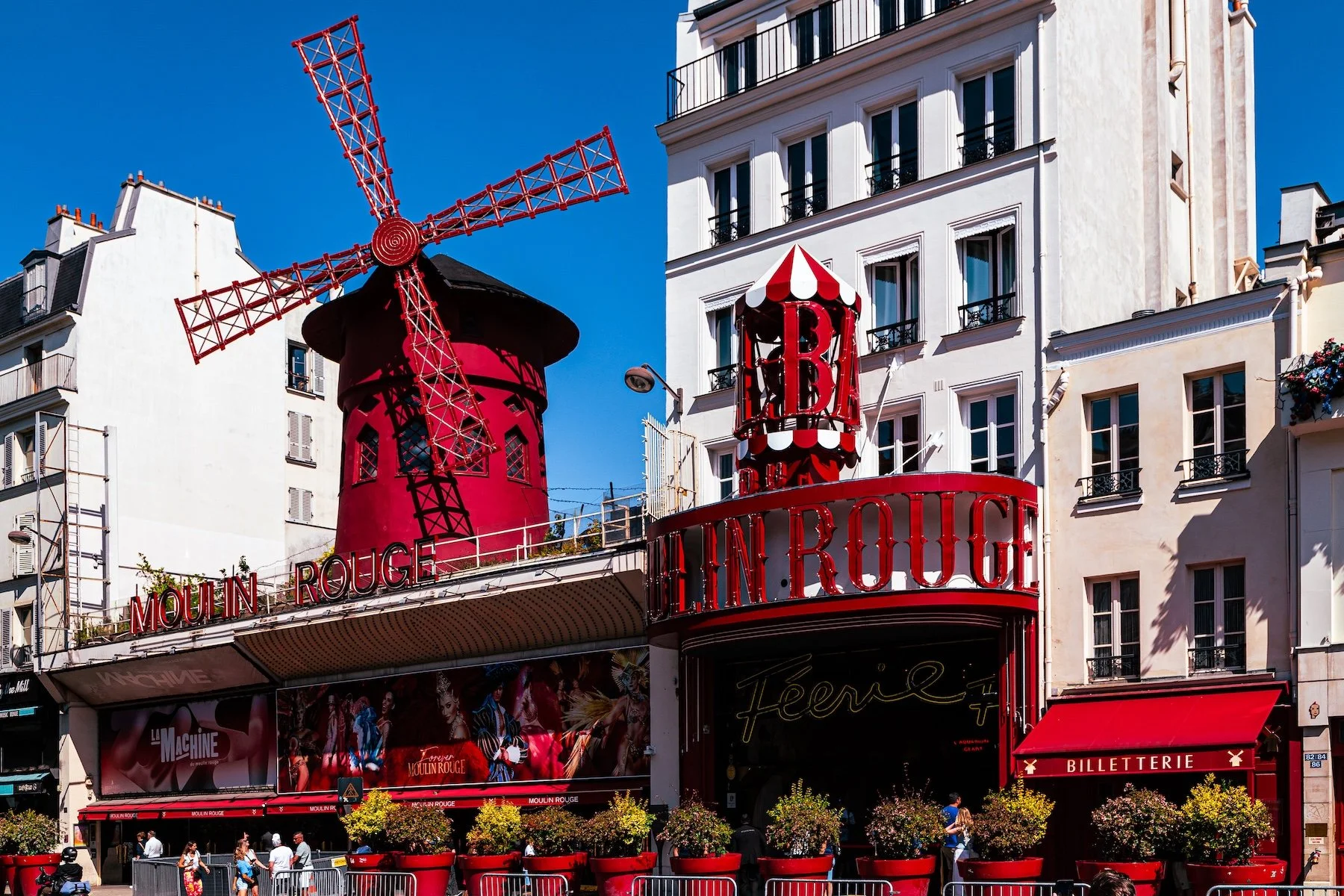
The quarter’s geography is strongly influenced by Rue Caulaincourt, Avenue de Saint-Ouen, Rue Lamarck, Rue Damrémont, Rue Marcadet, Rue Joseph-de-Maistre, Rue des Abbesses, Boulevard de Clichy, Boulevard des Batignolles, and the western approaches to the Montmartre hill. Its most important landscape is the Cimetière de Montmartre, set in a former quarry hollow below the surrounding streets. Nearby, the Moulin Rouge and the entertainment geography of Pigalle and Place Blanche sit at the southern edge of the quarter, while the residential streets above and around the cemetery carry a quieter, more local tone.
Unlike Montmartre, whose identity is globally mythologized through Sacré-Cœur, artists, cabarets, and village imagery, Grandes-Carrières is more geological and transitional. It is the Montmartre-adjacent quarter of excavation and descent: the place where the hill’s stone was cut, where the slopes were urbanized, where cemetery ground replaced quarry ground, and where the spectacle of the boulevards meets the residential fabric of the western 18th.
Administrative Quarter Identity
Etymology and Origins
The name Grandes-Carrières means “large quarries,” and it refers to the extensive quarrying that once took place around Montmartre. The hill and surrounding slopes provided gypsum and other building materials used in construction, plasterwork, and the physical making of Paris. The name is unusually direct: it does not hide the quarter’s origin behind a saint, gate, village, or monument. It names the ground as worked ground.
This gives Grandes-Carrières one of the most materially honest names among the administrative quarters of Paris. The quarter’s identity begins beneath the surface, in stone cut from the earth, in cavities opened below the hill, in labor that transformed geology into city. Before Montmartre became one of the great symbolic landscapes of Paris, its slopes were also places of extraction.
The name also distinguishes the quarter from the more romanticized image of Montmartre. The hill is often remembered for artists, cafés, windmills, cabarets, and views. Grandes-Carrières reminds us that Montmartre was also a working landscape. Its beauty and mythology were built over quarries, labor, unstable ground, and the industrial use of the hill itself.
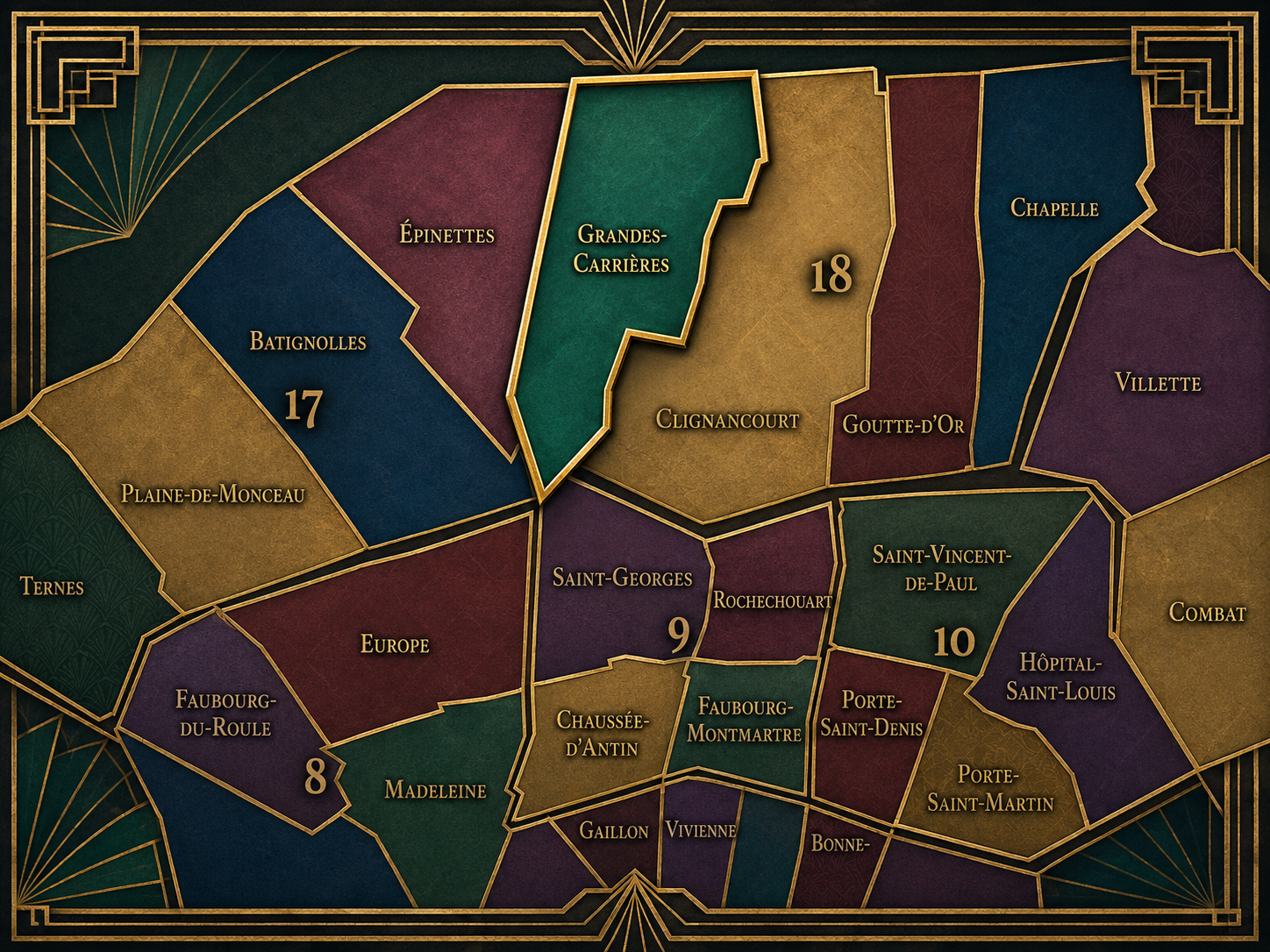
Within the official geography of Paris, Grandes-Carrières is one of the four administrative quarters of the 18th arrondissement, alongside Montmartre, Clignancourt, and La Chapelle. It occupies the arrondissement’s western sector, giving civic shape to the area between the western slopes of Montmartre, the cemetery, the Clichy / Place Blanche entertainment edge, and the boundary with the 17th arrondissement.
As an administrative quarter, Grandes-Carrières helps clarify a district often described through other names: western Montmartre, Caulaincourt, Lamarck, Guy-Môquet edge, Place de Clichy, Pigalle edge, or Montmartre Cemetery. These names are all useful, but each describes only part of the landscape. Grandes-Carrières is the official frame that gathers the quarry memory, the cemetery, the residential slopes, the boulevard entertainment zone, and the western edge of the 18th into one mapped unit.
This civic frame is especially valuable because the quarter is easily overshadowed by Montmartre. Visitors may pass through it as “near Montmartre” or “below Montmartre” without recognizing that Grandes-Carrières has its own identity: less hilltop myth, more excavated ground; less postcard village, more built fabric shaped by geology, burial, entertainment, and residential life.
Civic Framework
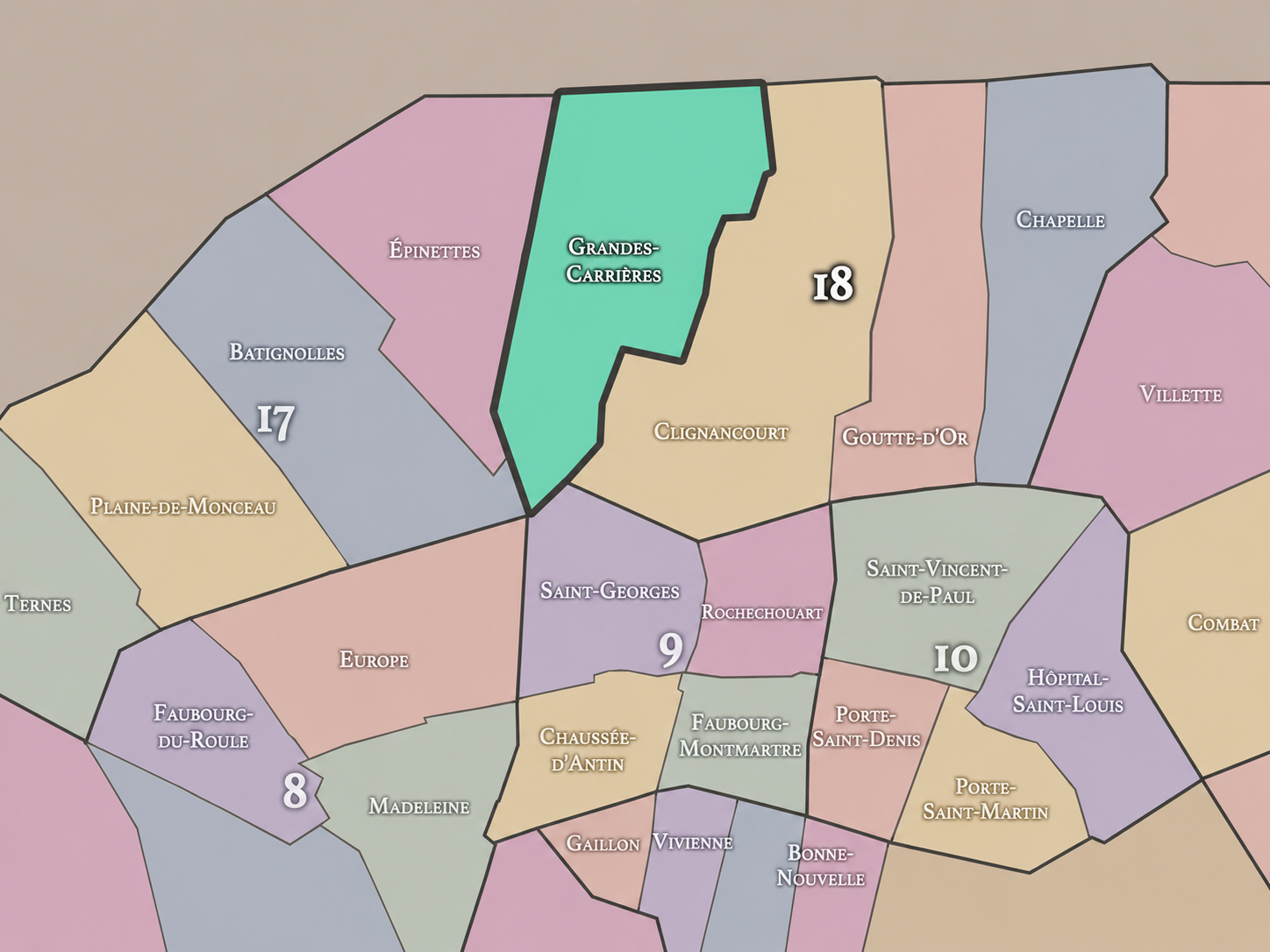
Grandes-Carrières differs from the other quarters of the 18th arrondissement through its quarry origin, its western slope geography, and its strong association with the Cimetière de Montmartre and the Clichy / Pigalle edge. Montmartre is the symbolic and touristic heart of the arrondissement, defined by the hill, Sacré-Cœur, artists, stairways, Place du Tertre, and village mythology. Clignancourt is more northern and boundary-facing, tied to Porte de Clignancourt, Jules Joffrin, and the Saint-Ouen edge. La Chapelle is more eastern and infrastructural, shaped by rail corridors, the old Saint-Denis road, Porte de la Chapelle, and the Paris-north metropolitan seam.
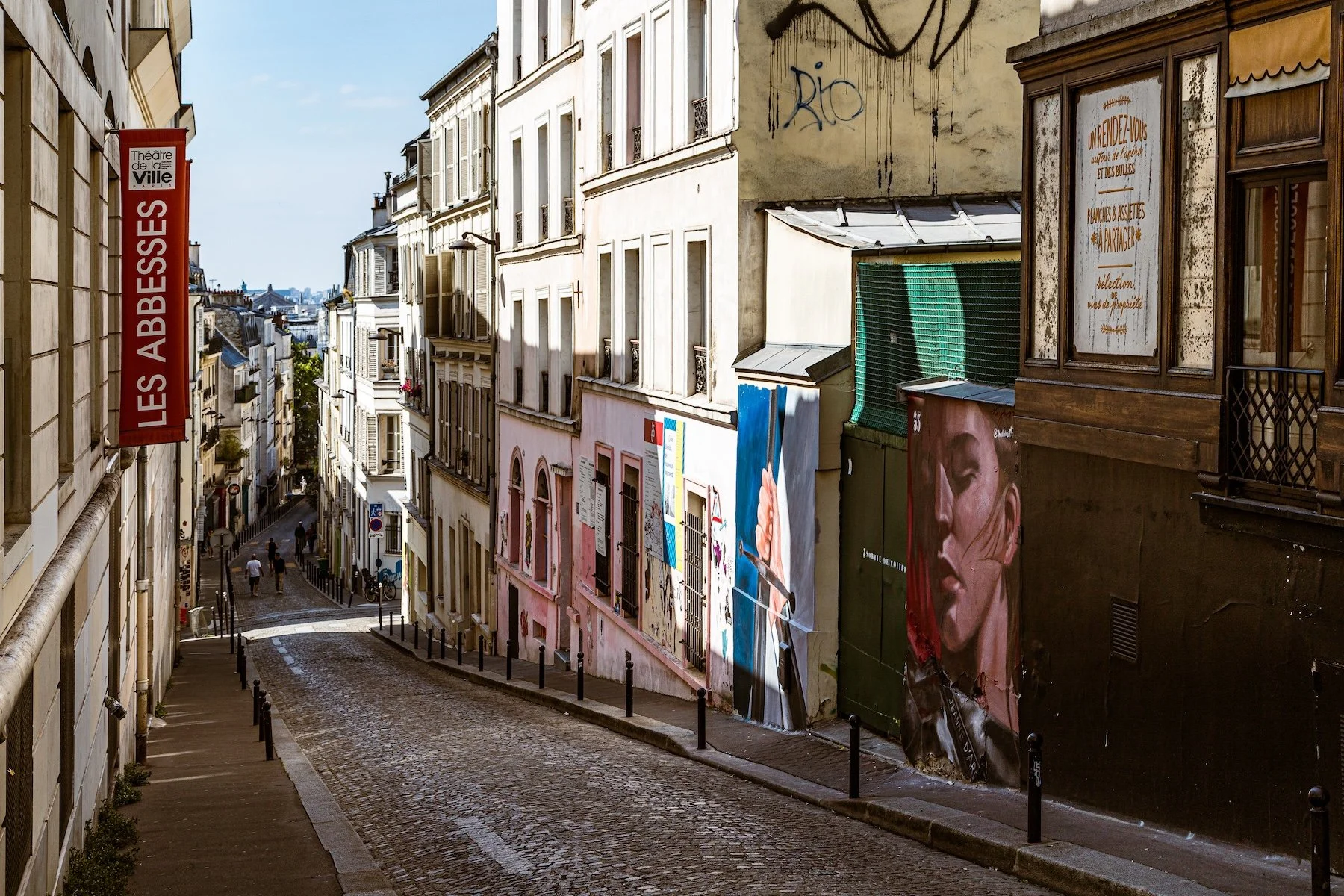
Grandes-Carrières is more transitional. It sits between the mythic hill and the flatter northern city, between cemetery and boulevard, between residential calm and nightlife spectacle. Its southern edge near Boulevard de Clichy and Place Blanche belongs to the world of cabarets, theaters, sex shops, tourist nightlife, and the long entertainment history of Pigalle and Montmartre’s lower slopes. Its upper and western streets, by contrast, can feel more residential, local, and neighborhood-scaled.
It should also be distinguished from Montmartre as a cultural district. Cultural Montmartre often spills into Grandes-Carrières, especially around the cemetery, Caulaincourt, Pigalle, and the western slopes. But the official Montmartre quarter and the Grandes-Carrières quarter are separate layers. Montmartre is the hill’s mythic core; Grandes-Carrières is the working, buried, western, and boulevard-facing counterpart that helps explain what the hill was made from.
Neighborhood Distinction
Parisian Identity
Grandes-Carrières expresses Paris as a city built from its own ground. Its identity begins with extraction: stone and gypsum removed from the hill, processed, sold, and used in the making of buildings, walls, plaster, and ornament across the city. The quarter reminds us that Paris’s architectural beauty did not appear abstractly. It came from labor, material, dust, tools, transport, and the reshaping of land.
The quarter also expresses Paris as a city that repeatedly transforms difficult ground into cultural memory. The former quarry landscape became cemetery space. The cemetery became one of the great burial grounds of artistic, literary, musical, theatrical, and intellectual Paris. The lower boulevards became entertainment corridors. The slopes became apartment streets. Grandes-Carrières is therefore not only about what was removed from the earth, but about what Paris placed there afterward.
This gives the quarter a layered Parisian identity: underground labor, above-ground spectacle, and quiet remembrance. It is the city as excavation and performance, cemetery and cabaret, residential street and historical hollow. Grandes-Carrières is one of the places where Paris’s surface charm depends on a much deeper relationship with ground and memory.
Neighborhood Connections
Every administrative quarter belongs to a wider Parisian fabric. These connections place Grandes-Carrières within the city’s civic, participatory, and cultural geography:
-
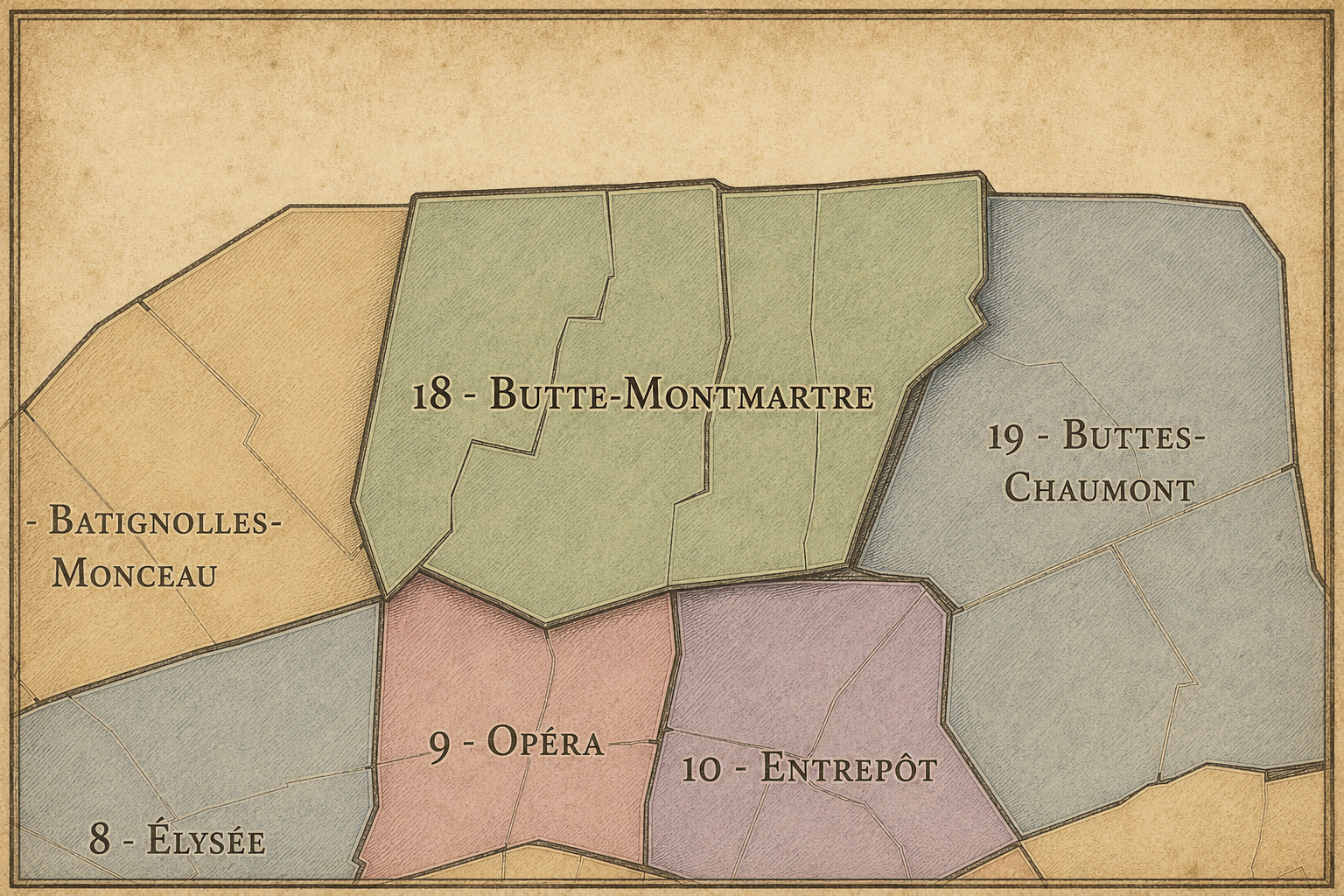
18e - Butte-Montmartre
-
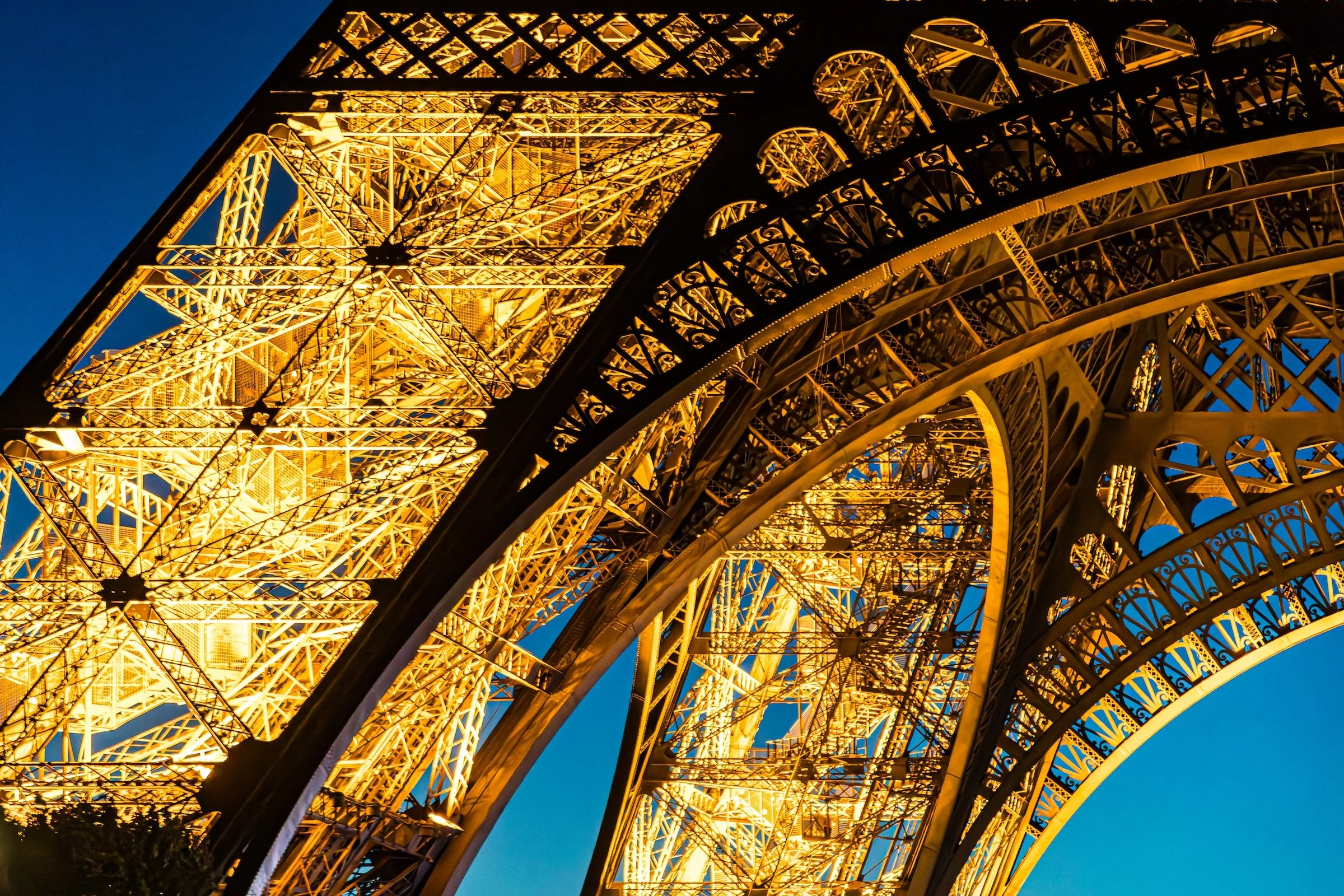
Clignancourt - Jules Joffrin • Grandes Carrières - Clichy • Moskova - Pte Montmartre - Pte des Poissonniers
The History
The origins of Grandes-Carrières lie in the geology of Montmartre and the practical needs of a growing city. The hill and its surroundings contained deposits that could be quarried and used in construction, especially gypsum for plaster. Long before the area became a dense Parisian quarter, the land was valued for what could be taken from it.
The wider Montmartre landscape also included vineyards, windmills, religious properties, roads, and village settlement. Grandes-Carrières belonged to this outer world north of old Paris, but its particular identity grew from the quarries. These were not decorative landscapes. They were working grounds, shaped by extraction and by the physical demands of urban growth.
The quarter’s origin story is therefore deeply material. Before the streets, cemetery, theaters, and apartments, there was the hill and the labor of cutting into it. Grandes-Carrières began as a place where Paris’s future buildings were literally drawn from the earth.
Origins
16th–17th Century
In the 16th and 17th centuries, the future Grandes-Carrières quarter lay outside the dense urban core of Paris, within the broader Montmartre landscape of slopes, roads, mills, vineyards, religious lands, and quarrying activity. The area was close to the city but not yet part of it, serving the capital from beyond its limits.
Quarrying gave the district a practical importance. As Paris grew, demand for building materials increased, and the quarries around Montmartre became part of the city’s material supply system. The work was physical, local, and often dangerous, but it connected the outer hill directly to the making of the capital.
During this period, the contrast that would later define the quarter was already present. Montmartre could be seen from Paris as a hill, a village, and a religious or rural edge, but beneath and around that visible identity was a working landscape of extraction. Grandes-Carrières preserves that less romantic layer.
In the 18th century, the quarries and western slopes of Montmartre remained part of the working outskirts of Paris. The city’s growth continued to draw materials, labor, and settlement from the surrounding villages and outer districts. Quarrying, roads, modest houses, workshops, and the gradual thickening of urban life shaped the future quarter.
At the same time, the lower slopes and boulevards around Clichy and Montmartre became increasingly connected to leisure, taverns, popular entertainment, and the looser social world outside the old city’s denser regulations. The area was not yet the modern entertainment district of Pigalle, but the conditions were forming: edge space, movement, pleasure, and a relationship between the hill and the boulevards below.
The French Revolution and the administrative changes that followed altered the relationship between Paris and its surrounding communes, but Montmartre and its quarry landscapes remained outside the capital until the 19th century. Grandes-Carrières entered the modern era as a worked and increasingly urbanized edge, ready to be absorbed into the city.
18th Century
19th Century
The 19th century transformed Grandes-Carrières into a Parisian quarter. The annexation of Montmartre and surrounding northern territories in 1860 brought the area into the capital as part of the new 18th arrondissement. Former quarry ground, village edges, roads, and outer settlements became part of official Paris.
The Cimetière de Montmartre became one of the quarter’s defining landscapes. Set in a former quarry, the cemetery turned excavated ground into a place of burial and memory. Its sunken position, bridges, retaining walls, and unusual topography still reveal the older quarry landscape beneath the cemetery’s quiet paths. The dead now occupy ground once cut open for the materials of the living city.
The 19th century also intensified the entertainment identity of the lower slopes. Boulevard de Clichy, Place Blanche, and the broader Pigalle / Montmartre edge became increasingly associated with theaters, cafés-concerts, cabarets, dance halls, nightlife, and popular spectacle. Grandes-Carrières thus developed a dual identity: cemetery and cabaret, stone memory and urban performance.
In the early and mid 20th century, Grandes-Carrières stood within the wider cultural orbit of Montmartre, but with its own distinct atmosphere. The southern edge around Boulevard de Clichy and Place Blanche remained tied to nightlife, performance, music halls, cabarets, and the sometimes transgressive energy of the lower Montmartre entertainment district. The Moulin Rouge and surrounding venues helped fix the area in the global imagination of Parisian spectacle.
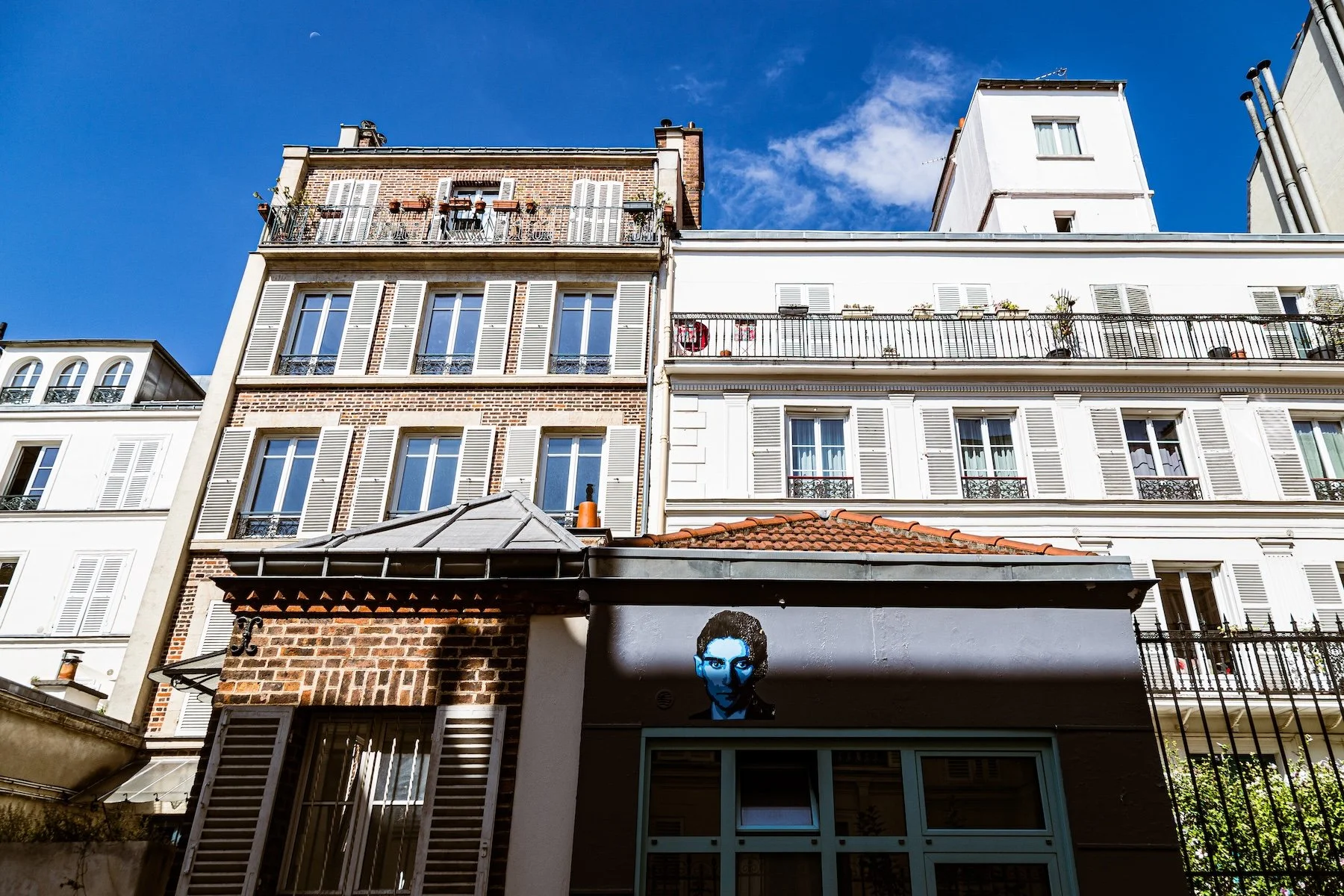
At the same time, the residential streets above and west of the boulevard carried a quieter everyday life: apartment buildings, schools, local shops, cafés, families, workers, artists, and residents navigating the slopes between Montmartre and the 17th arrondissement. Grandes-Carrières was not only nightlife. It was also neighborhood.
The cemetery deepened the quarter’s cultural memory. Writers, artists, composers, performers, and public figures buried there made the Cimetière de Montmartre one of the great landscapes of Parisian remembrance. In this period, the quarter held the living and the dead of artistic Paris in close proximity: cabaret lights below, cemetery paths nearby, apartments and studios above.
Early–Mid 20th Century
Late 20th Century
In the late 20th century, Grandes-Carrières changed along with the broader Montmartre and Pigalle landscapes. Tourism, nightlife, adult entertainment, music venues, neighborhood gentrification, and residential desirability all reshaped the quarter. The lower boulevard retained a reputation for spectacle, but its forms changed with the city: cabarets, theaters, bars, cinemas, sex shops, souvenir economies, and tourist circuits overlapped.
The residential portions of the quarter became increasingly attractive because of their proximity to Montmartre, their views, their neighborhood streets, and their relative calm compared with the crowded hilltop. Streets around Caulaincourt, Lamarck, and Damrémont developed a more settled and desirable identity, balancing the energy of the lower boulevards with a local upper-slope atmosphere.
The cemetery and quarry memory also gained renewed interpretive importance. As more attention turned toward hidden histories, urban geology, and the layered making of Paris, Grandes-Carrières became legible not only as “near Montmartre,” but as a quarter whose name, topography, and cemetery preserve the material history of the hill.
In the 21st century, Grandes-Carrières remains one of the 18th arrondissement’s most layered quarters. It includes tourist-facing nightlife around the lower Montmartre edge, residential streets on the western slopes, the Cimetière de Montmartre, local commerce around Caulaincourt and Marcadet, and the continuing influence of Montmartre’s cultural mythology. It is at once famous and overlooked: famous through Pigalle and Montmartre, overlooked as an official quarter with its own history.
Today, the quarter’s identity depends on contrast. It is animated by visitors at the boulevard edge, yet lived quietly by residents on the slopes. It carries the memory of quarries beneath streets and cemetery paths, yet also the bright signs of entertainment and commerce. It belongs to the myth of Montmartre, but it also complicates that myth by grounding it in labor, burial, and geology.
For CityNeighborhoods: Paris, Grandes-Carrières is essential because it reveals the underside of Montmartre. The hill is not only a picturesque village or artistic symbol. It is also quarried stone, altered ground, cemetery hollow, working slope, and entertainment edge. Grandes-Carrières gives the Montmartre story depth beneath the surface.
21st Century
Spirit and Legacy
Grandes-Carrières is the quarter where Montmartre’s ground speaks. Its spirit is excavated, theatrical, residential, and quietly haunted. It belongs to quarry stone and cemetery paths, boulevard lights and apartment windows, old slopes and buried hollows, cabaret music and the silence of graves, the labor that cut the hill and the city that later mythologized it.
Its legacy is the transformation of extraction into memory. Quarries gave Paris material. Quarry hollows became burial ground. Lower slopes became entertainment streets. Residential blocks grew across worked land. The quarter’s name keeps the first layer visible: this was a place where the city took from the earth before it turned the site into neighborhood, spectacle, and remembrance.
To walk Grandes-Carrières is to encounter Paris beneath Montmartre’s legend. The quarter asks us to see the hill not only as romance, but as material history. In Grandes-Carrières, neighborhood identity becomes excavation — the act of reading stone, slope, cemetery, and street as part of one long transformation from working ground into Parisian memory.
The Photography
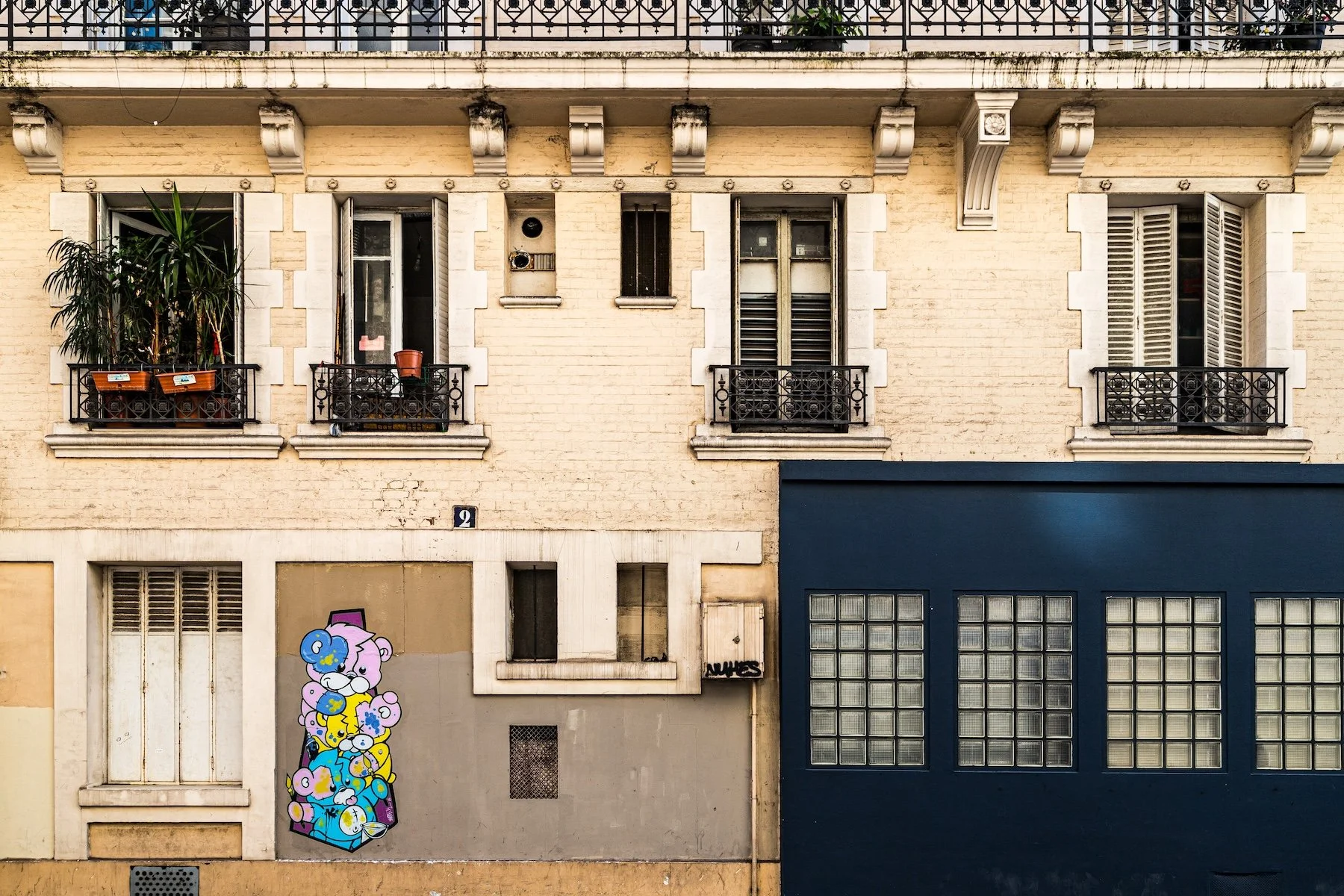
The arrondissements do not share a single visual identity. Instead, they organize Paris into twenty broad visual fields, each gathering its own combination of landmarks, streetscapes, institutions, residential districts, commercial corridors, parks, rail stations, markets, cemeteries, and riverfront edges.
Some arrondissements are defined by monumental scale: royal palaces, ceremonial avenues, government buildings, museums, formal gardens, and internationally recognized landmarks. Others are shaped by hills, canals, rail gateways, apartment-lined boulevards, neighborhood markets, former village streets, industrial remnants, parks, or the quieter rhythms of residential Paris. The arrondissement system gives these varied landscapes a civic frame, allowing the city to be read not as one visual language, but as a sequence of overlapping Parisian atmospheres.
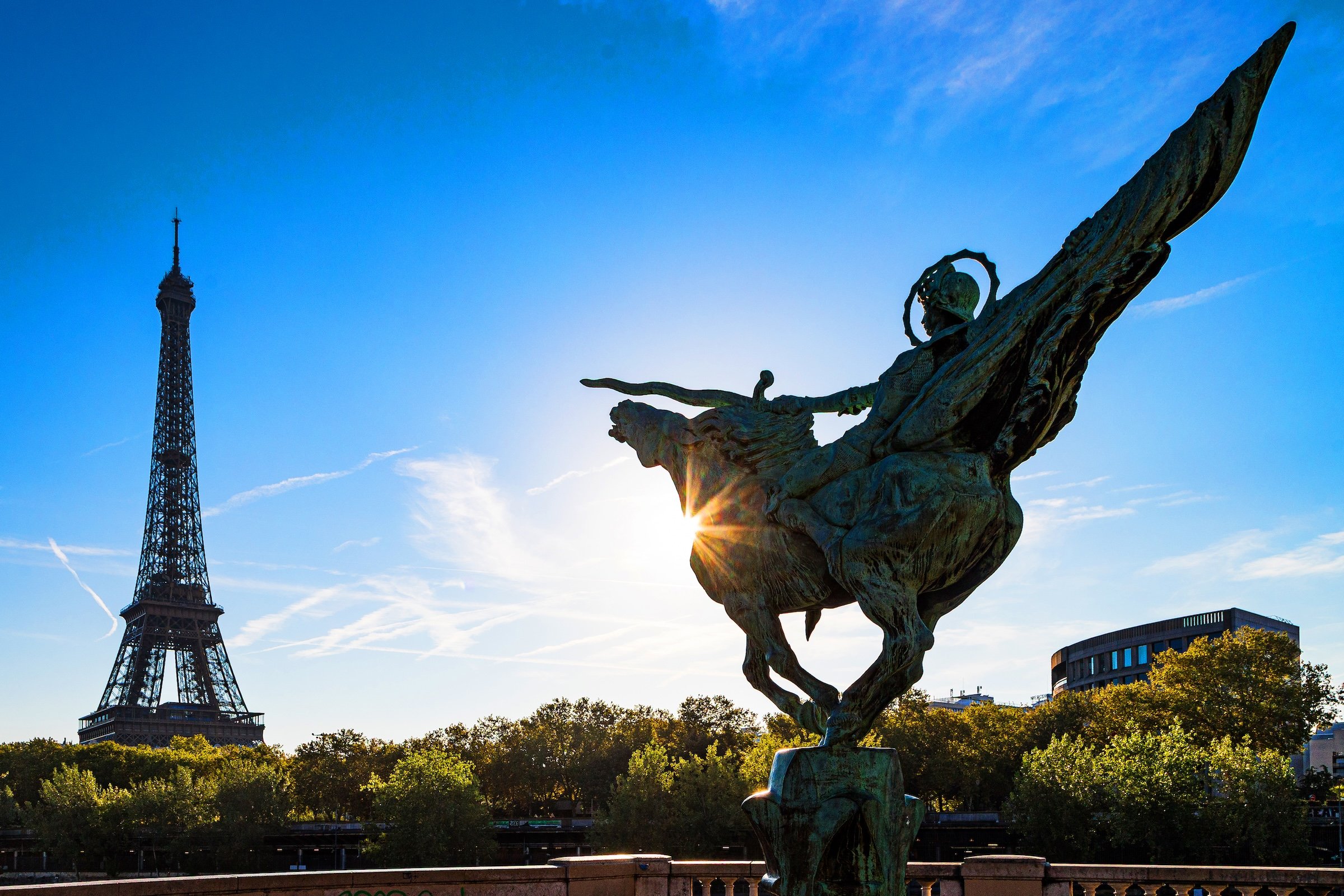
Visual Identity
Through The Lens
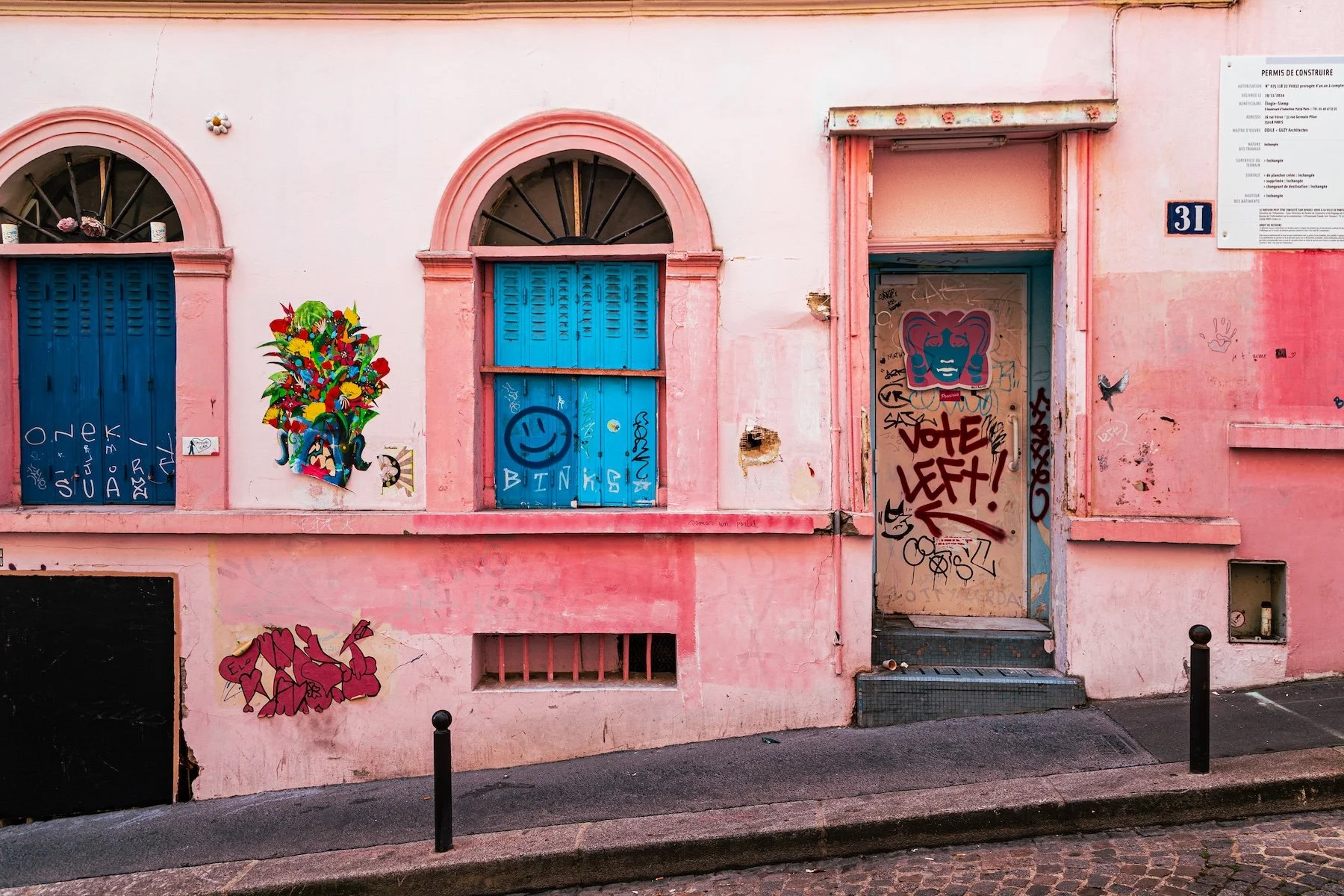
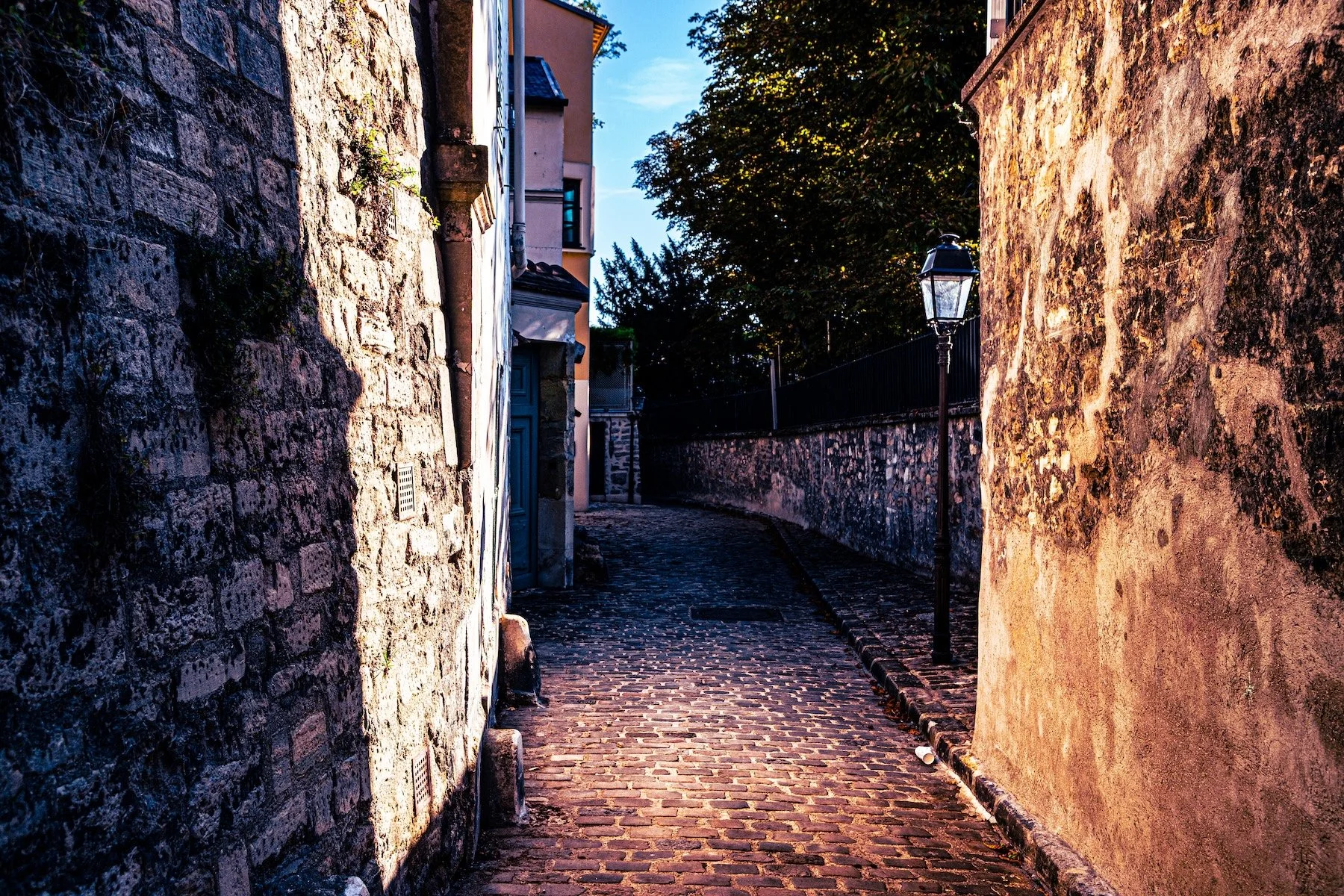
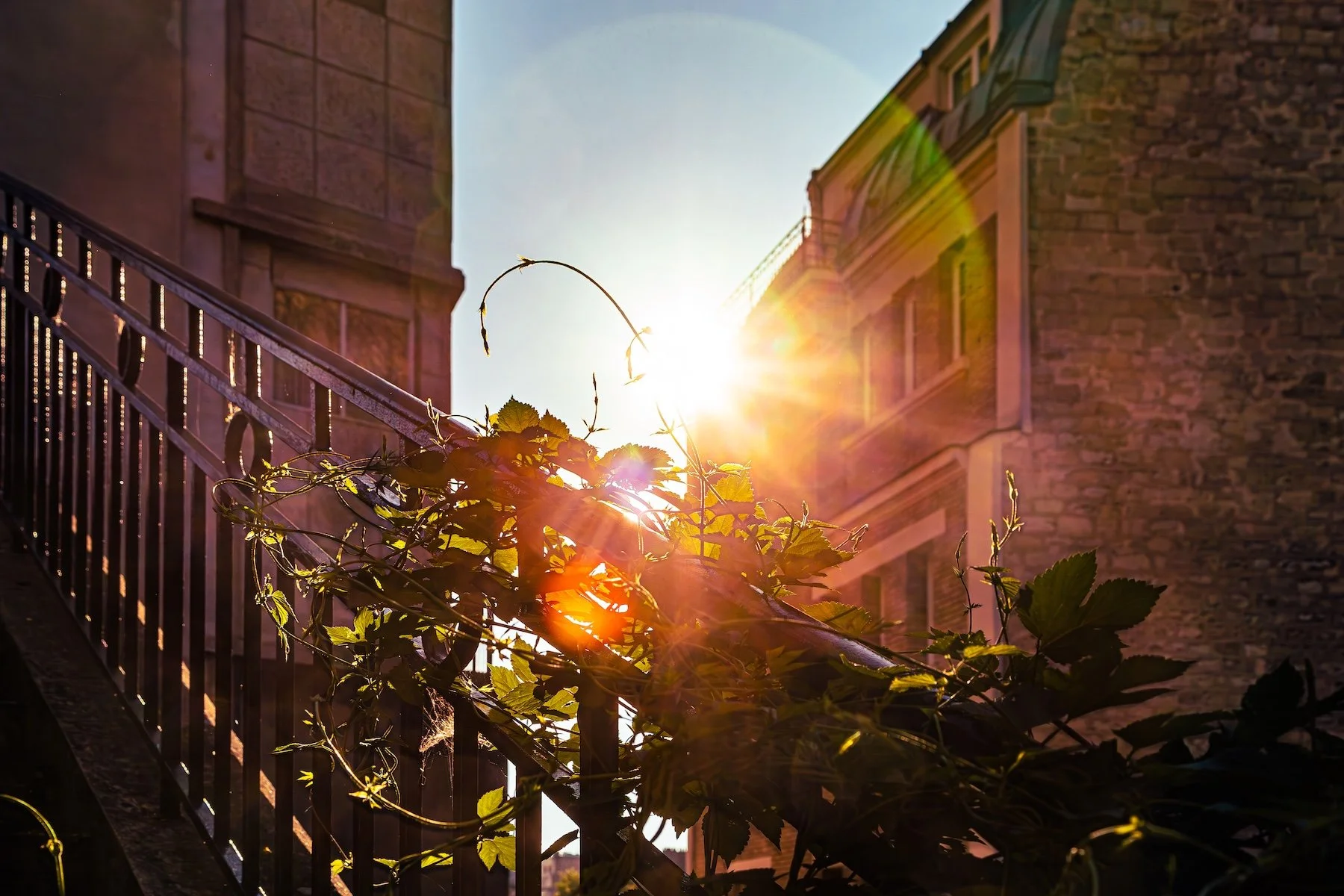
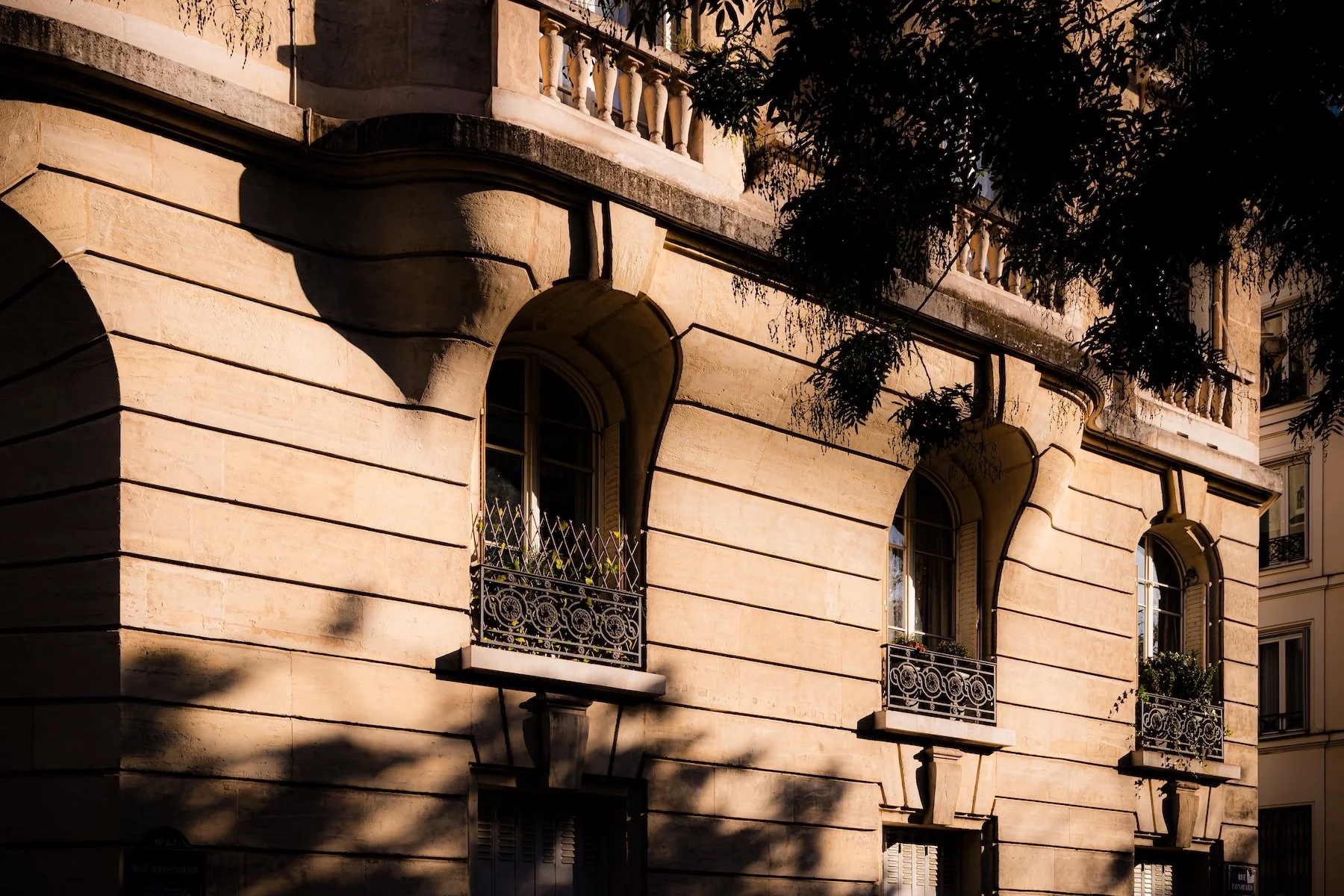
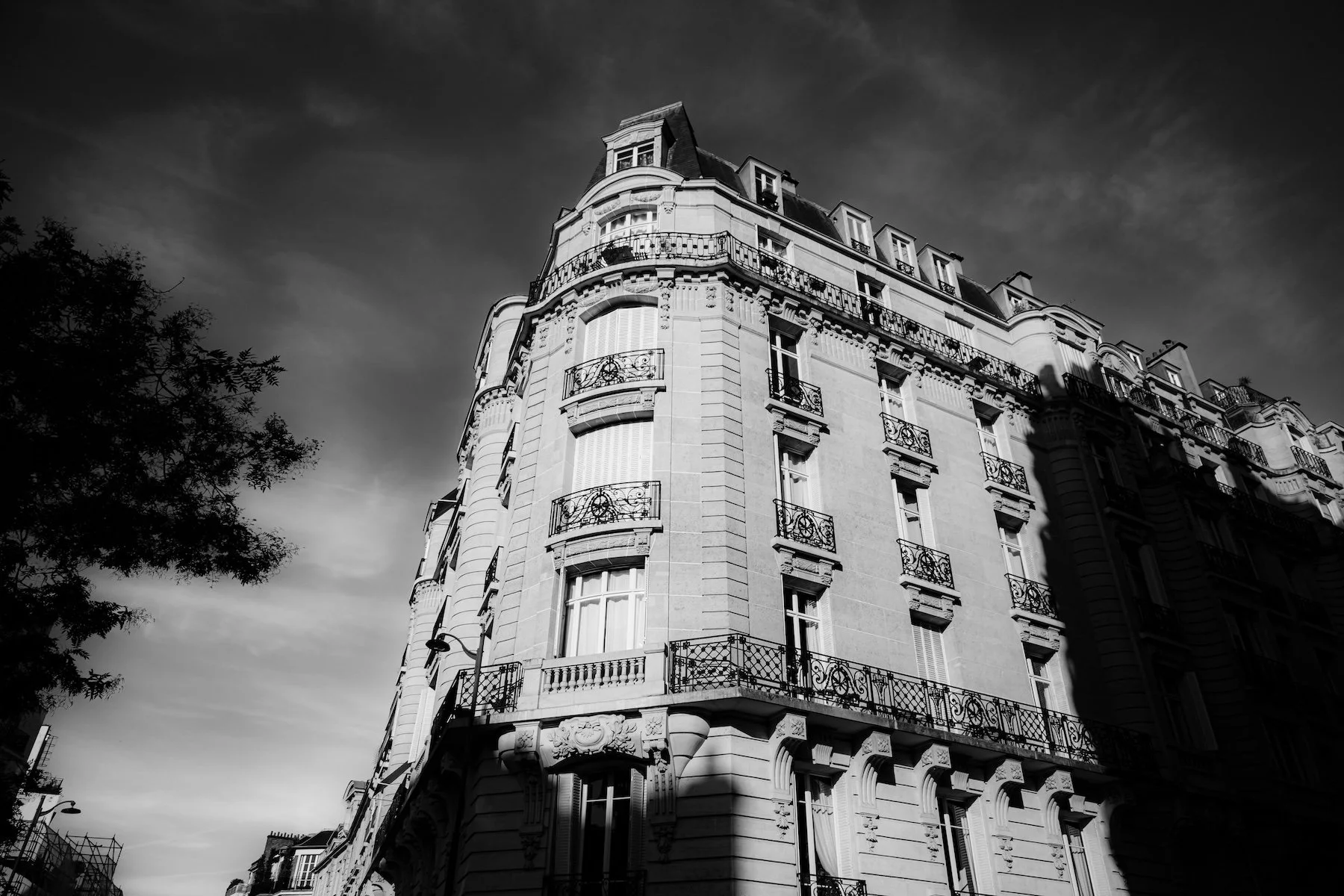
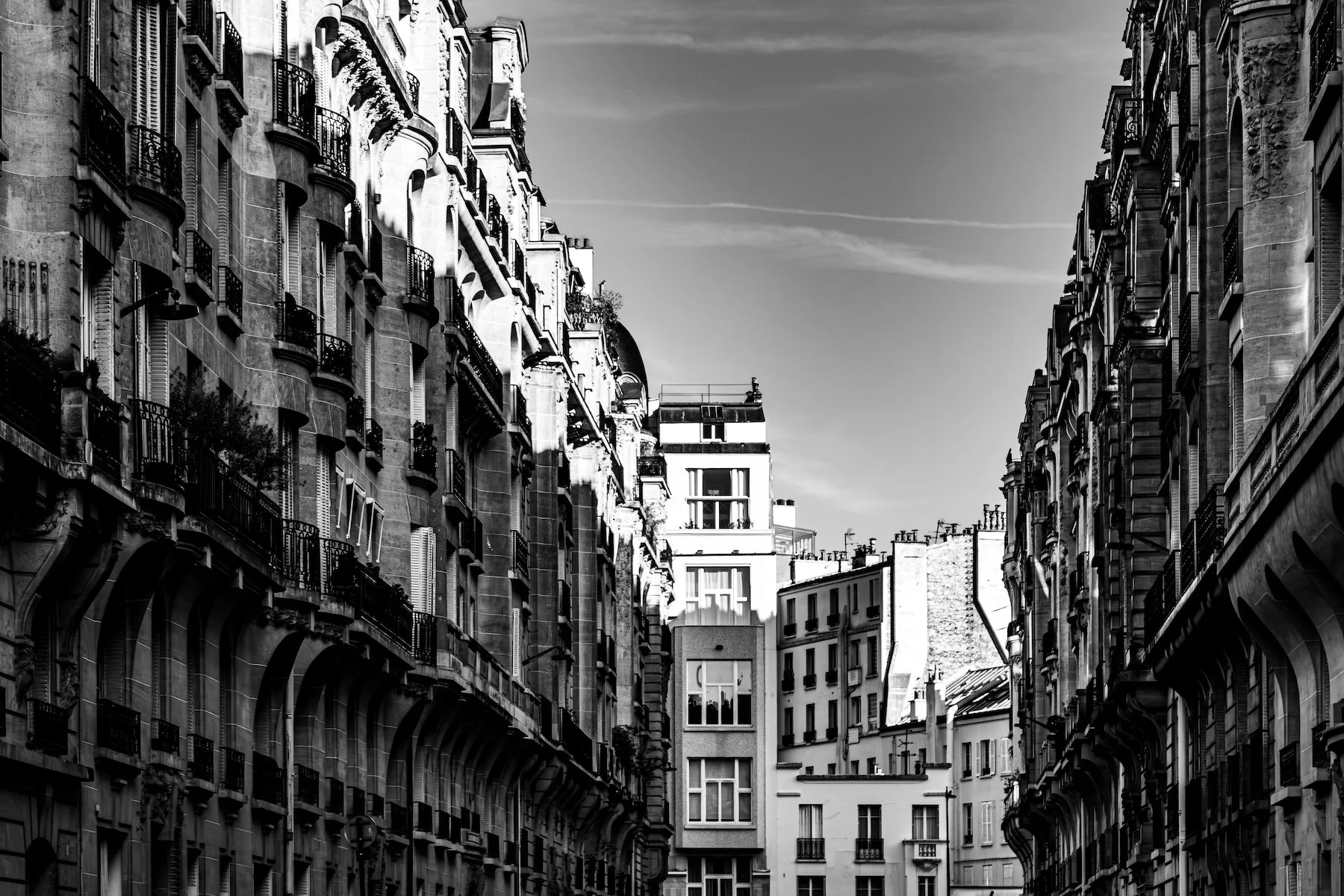
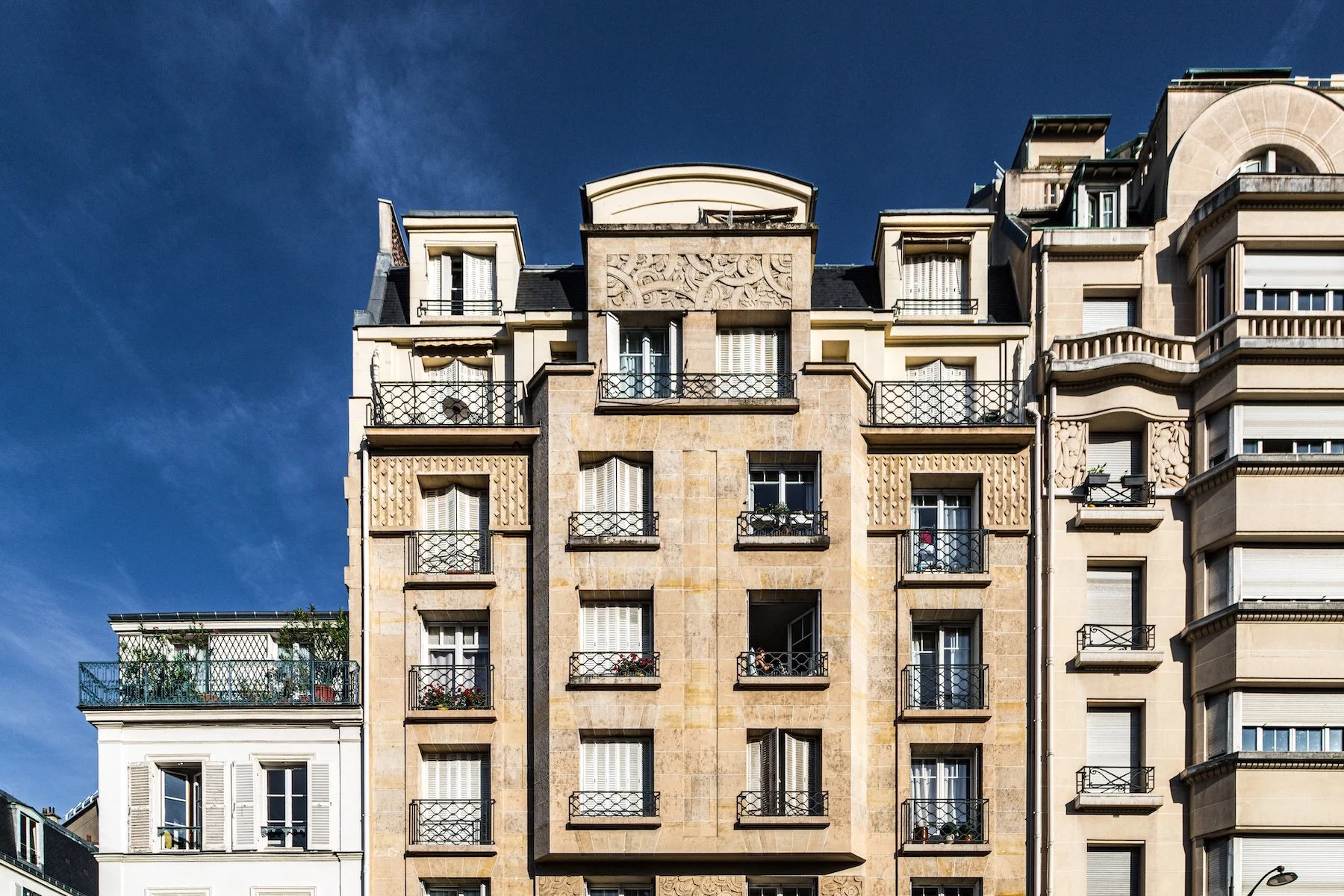
Photographing the arrondissements means moving between the official map and the street-level experience. The camera does not treat each arrondissement as visually uniform. Instead, it looks for the recurring forms, textures, transitions, and contrasts that make each district legible: the geometry of boulevards, the shade of plane trees, the repetition of balconies, the rise of stairways, the curve of canals, the presence of rail stations, the opening of parks, the weight of monuments, and the intimacy of side streets.
On CityNeighborhoods, the arrondissement provides the frame, but the photograph comes from the encounter between map, movement, light, and observation. As the Paris photography is processed, this section will connect each arrondissement more directly to the project’s Photographic Lexicon: the visual strategies, recurring motifs, and compositional patterns that shape how the city is seen through the lens.
If you visit Paris, these ideas can help inspire your own photography.
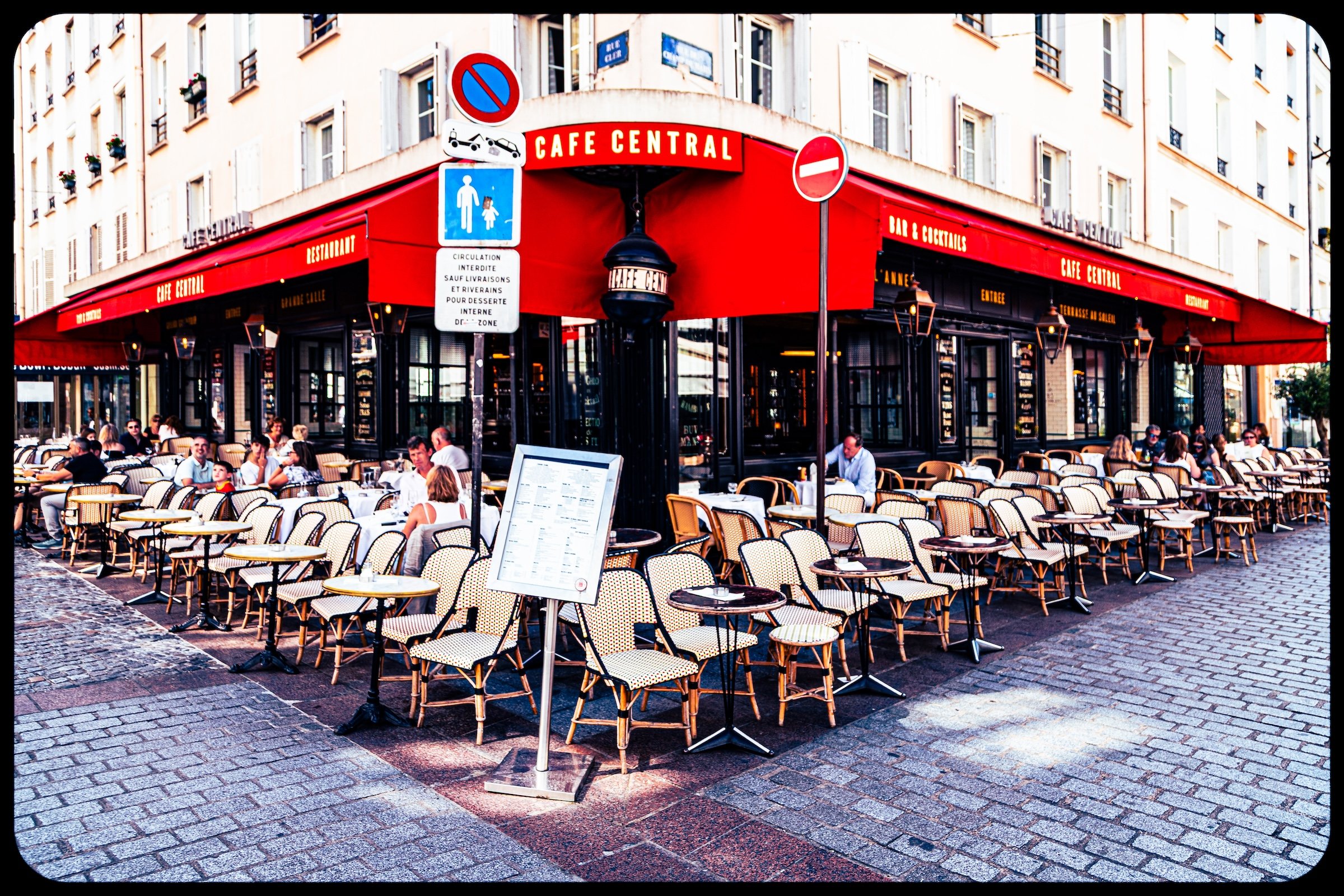
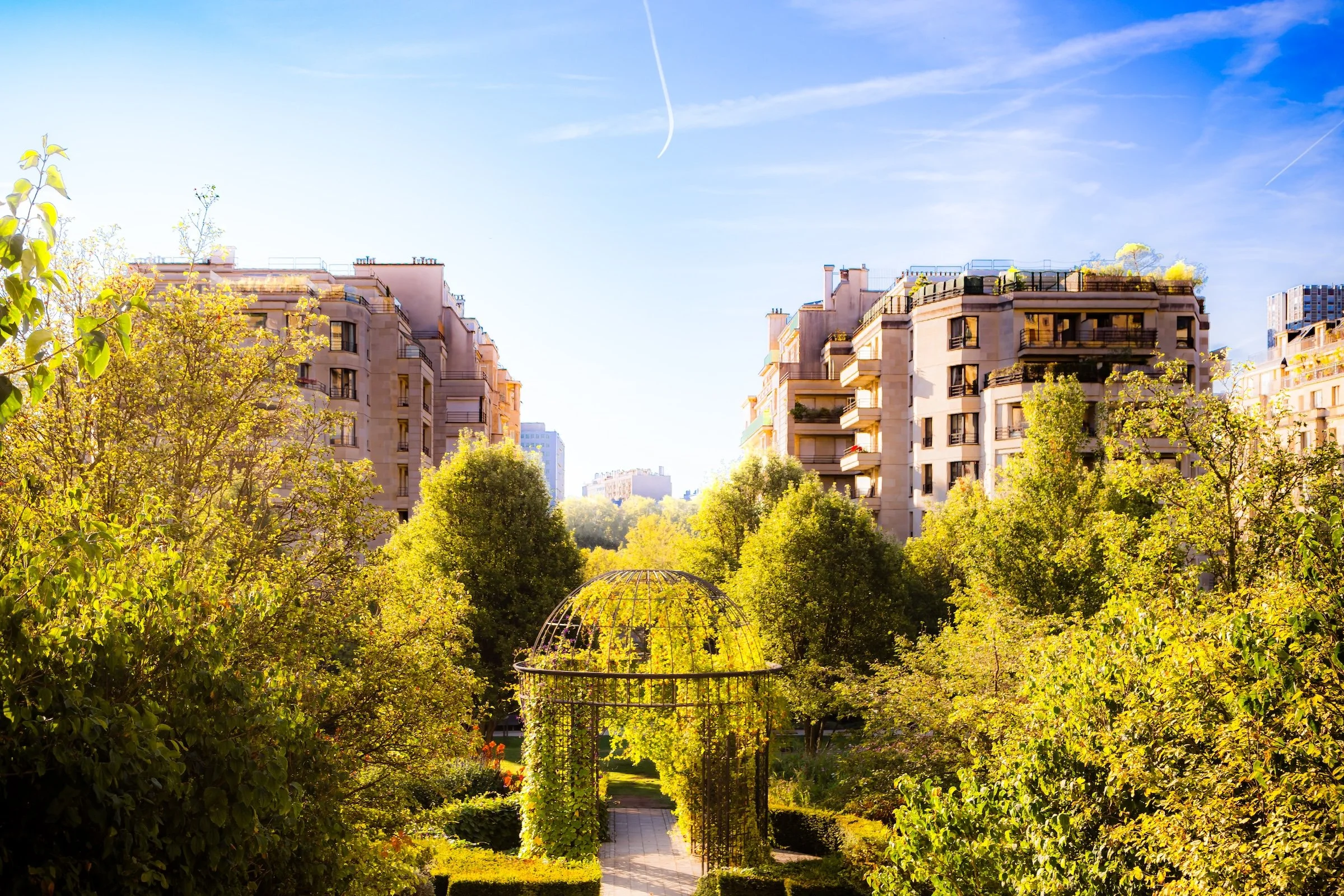
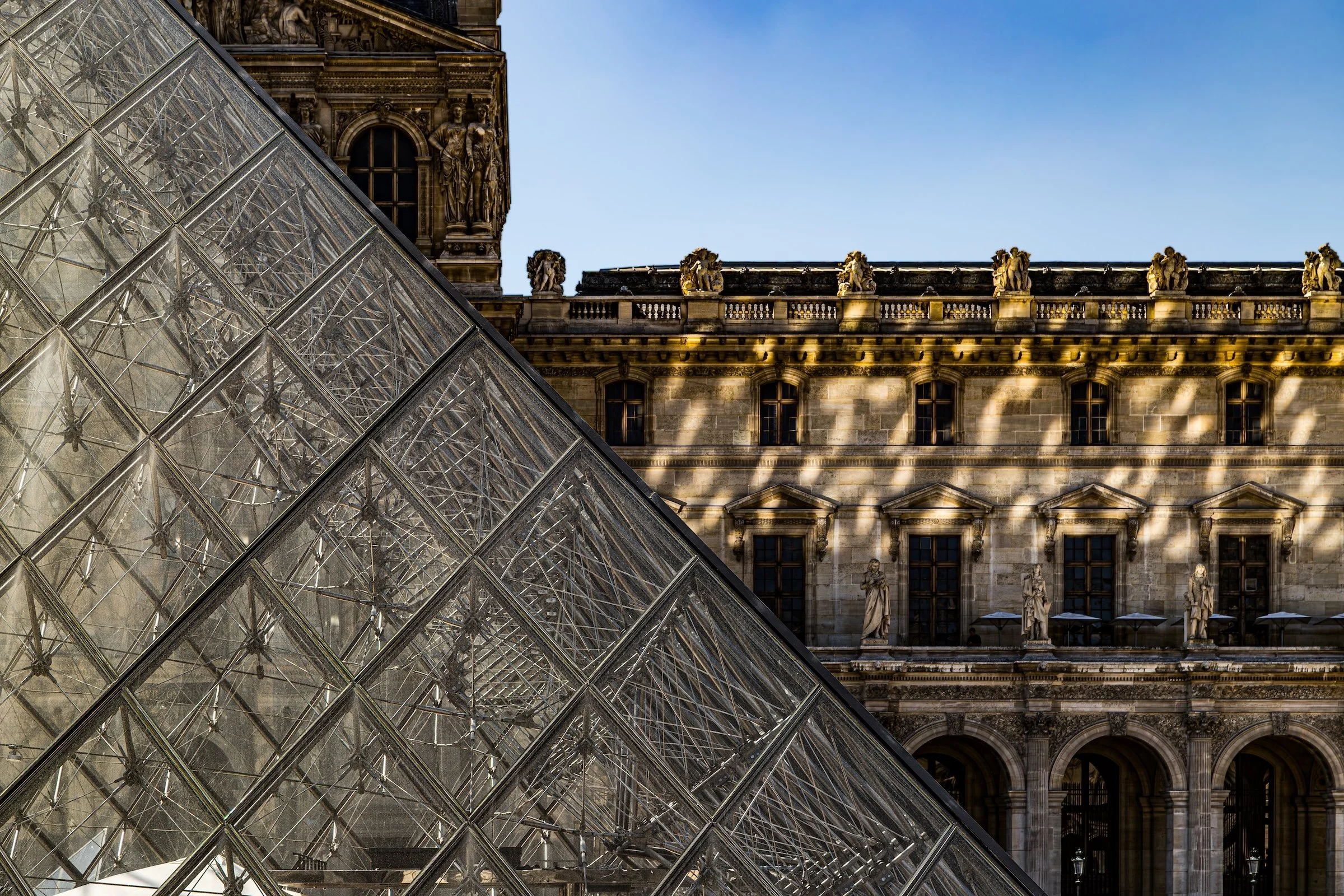
Paris: J’Espere, Je Rêve, Je Vive
Paris Photo Gallery
Paris Field Notes
-
Field Note: August 18, 2025 | 07:58 AM
Conditions: 73°F | Humidity: 72%.
Within the park's interior, the glacial kettle ponds acted as humidity traps, creating a soft, hazy light that filtered through the old-growth oaks. The transition from the park's dense shade to the sun-drenched edges of Oakland Gardens highlighted the day's exceptional "picture-perfect" clarity.
There is a fleeting window in Queens where the humidity of August hasn't yet heavy-set, and the morning sun hits the canopy of Alley Pond Park at a perfect oblique angle. Arriving just before 8:00 AM, I watched the light break through the oaks and tulip trees, casting long, dramatic shadows across the wet grass. It’s in these quiet, golden moments that the park feels less like a city escape and more like the ancient glacial valley it actually is.
Other neighborhoods visited:
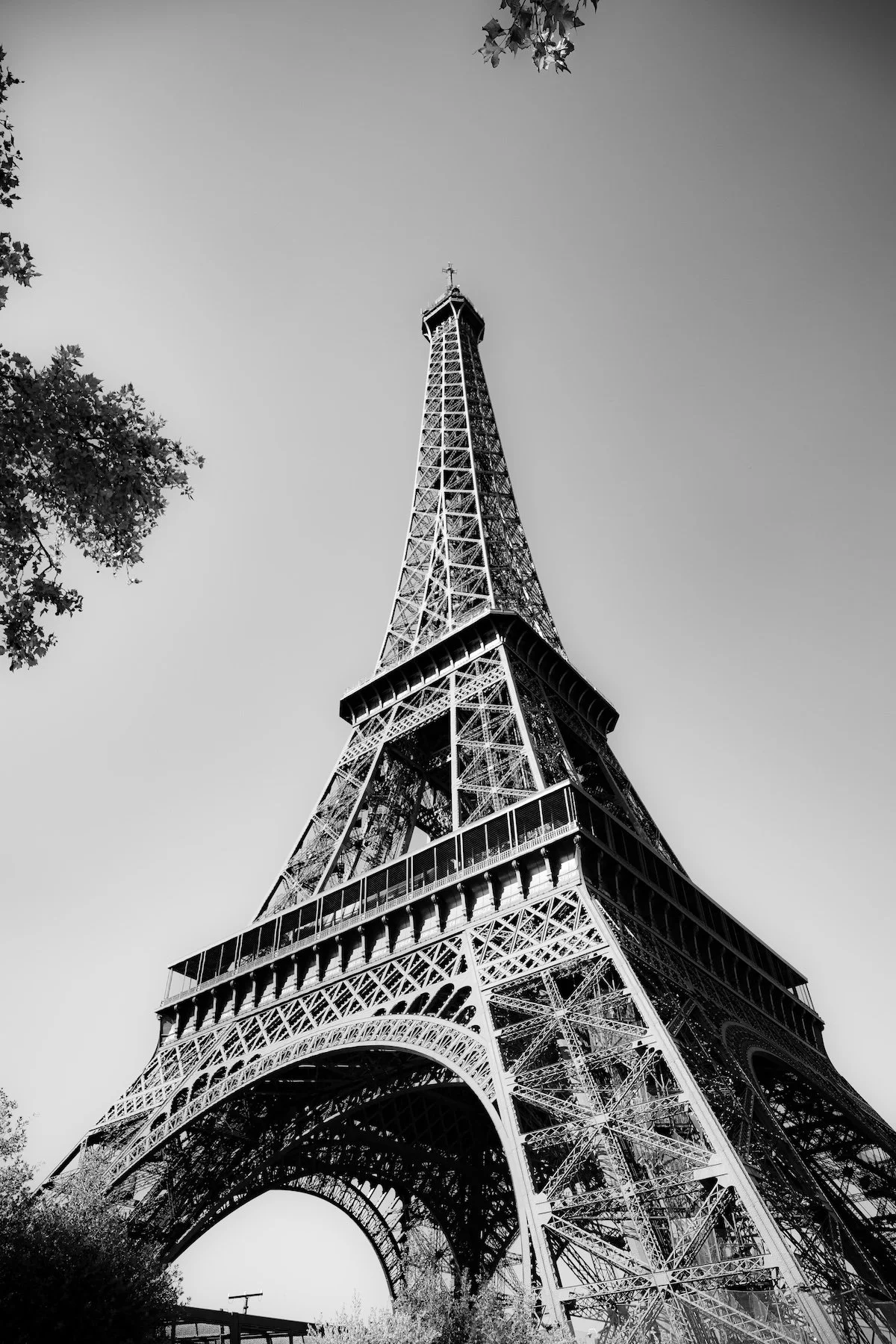
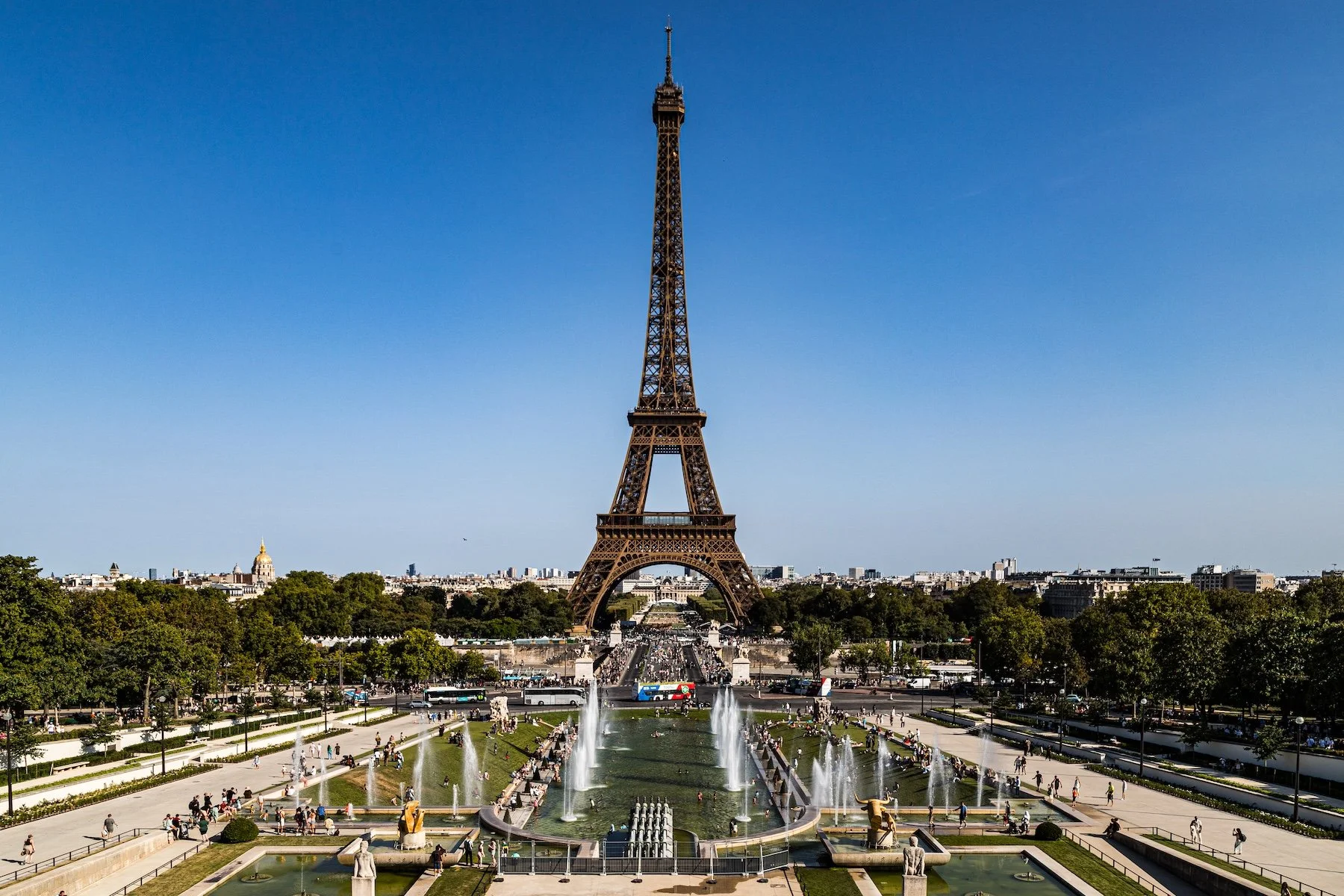
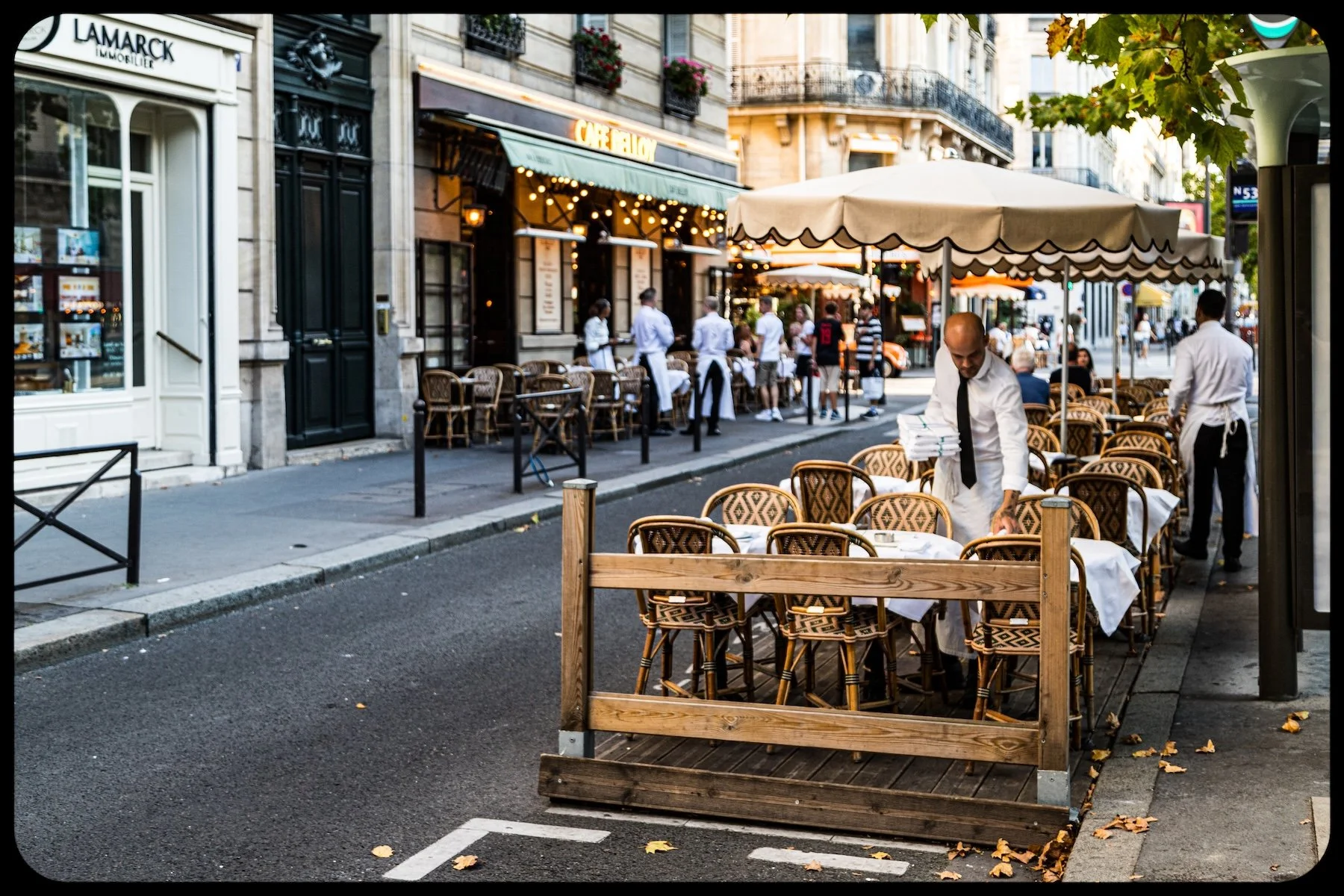
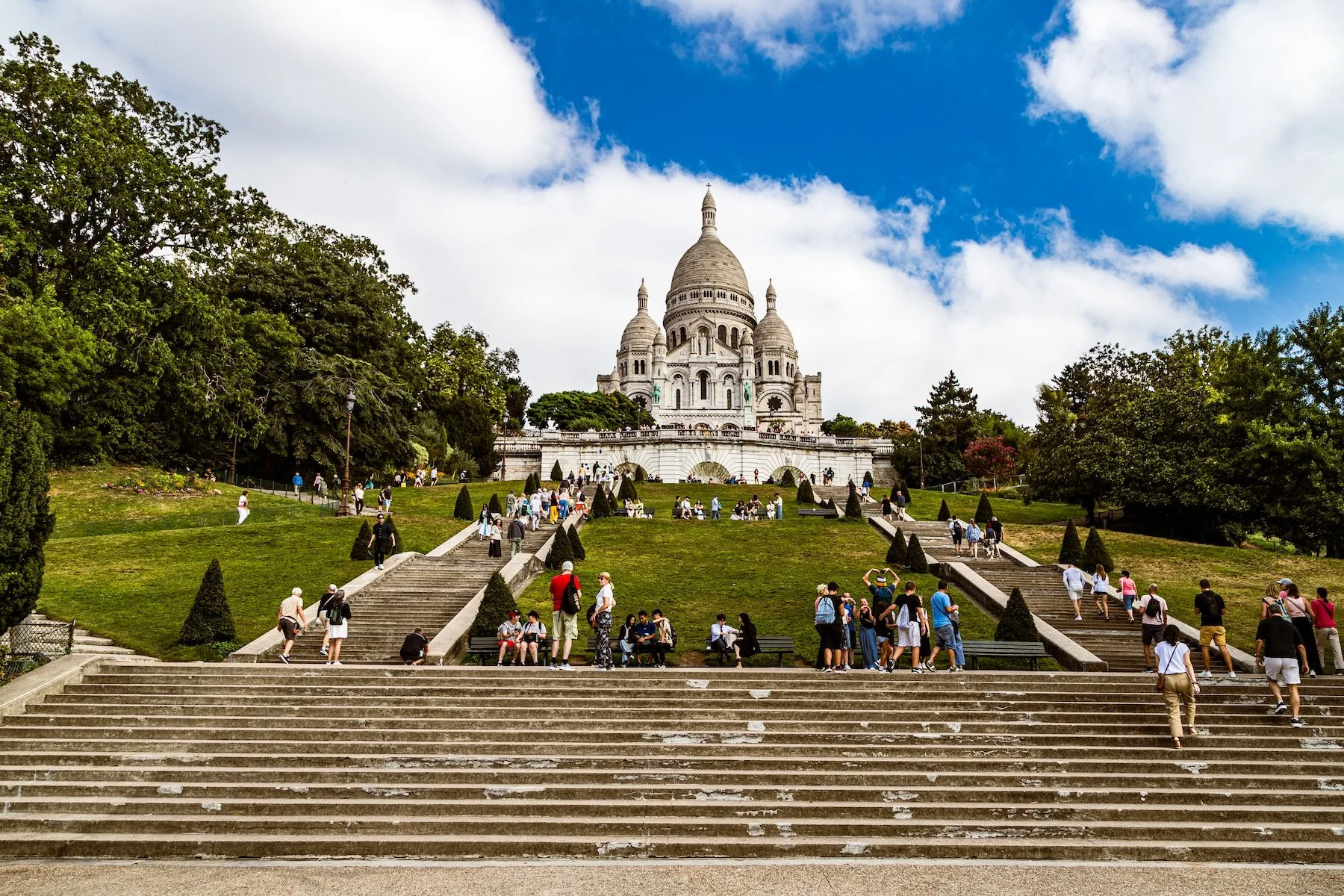
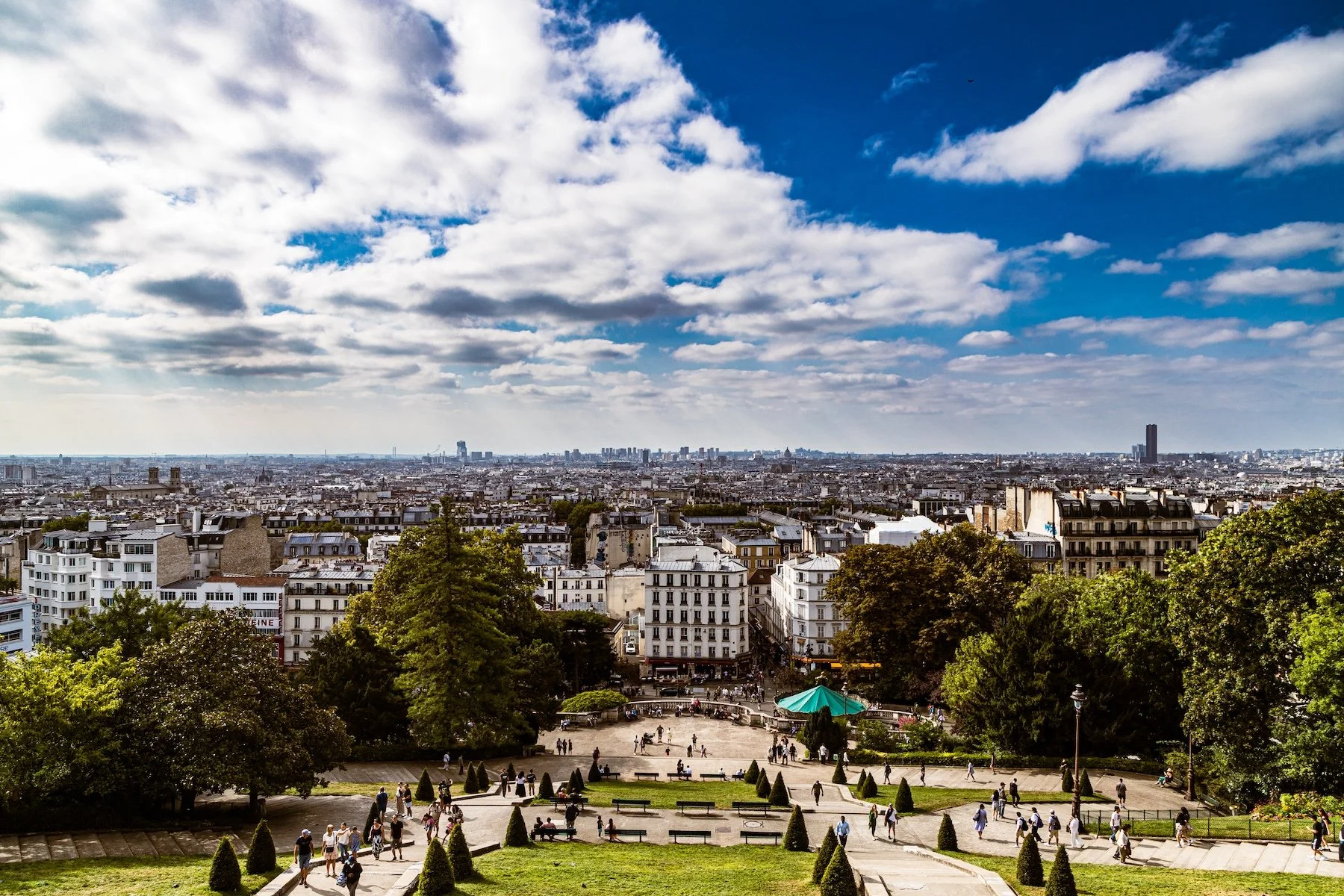
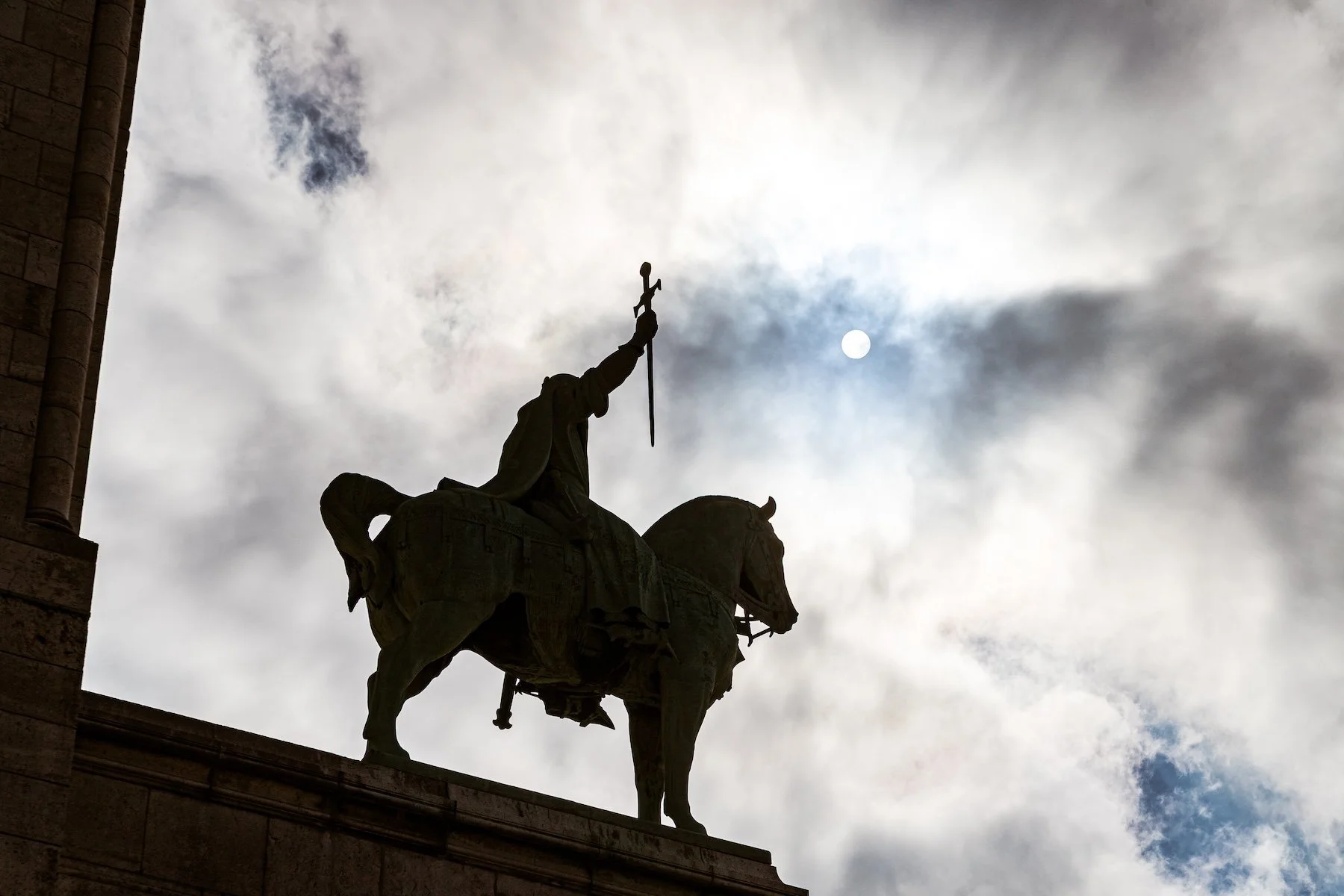
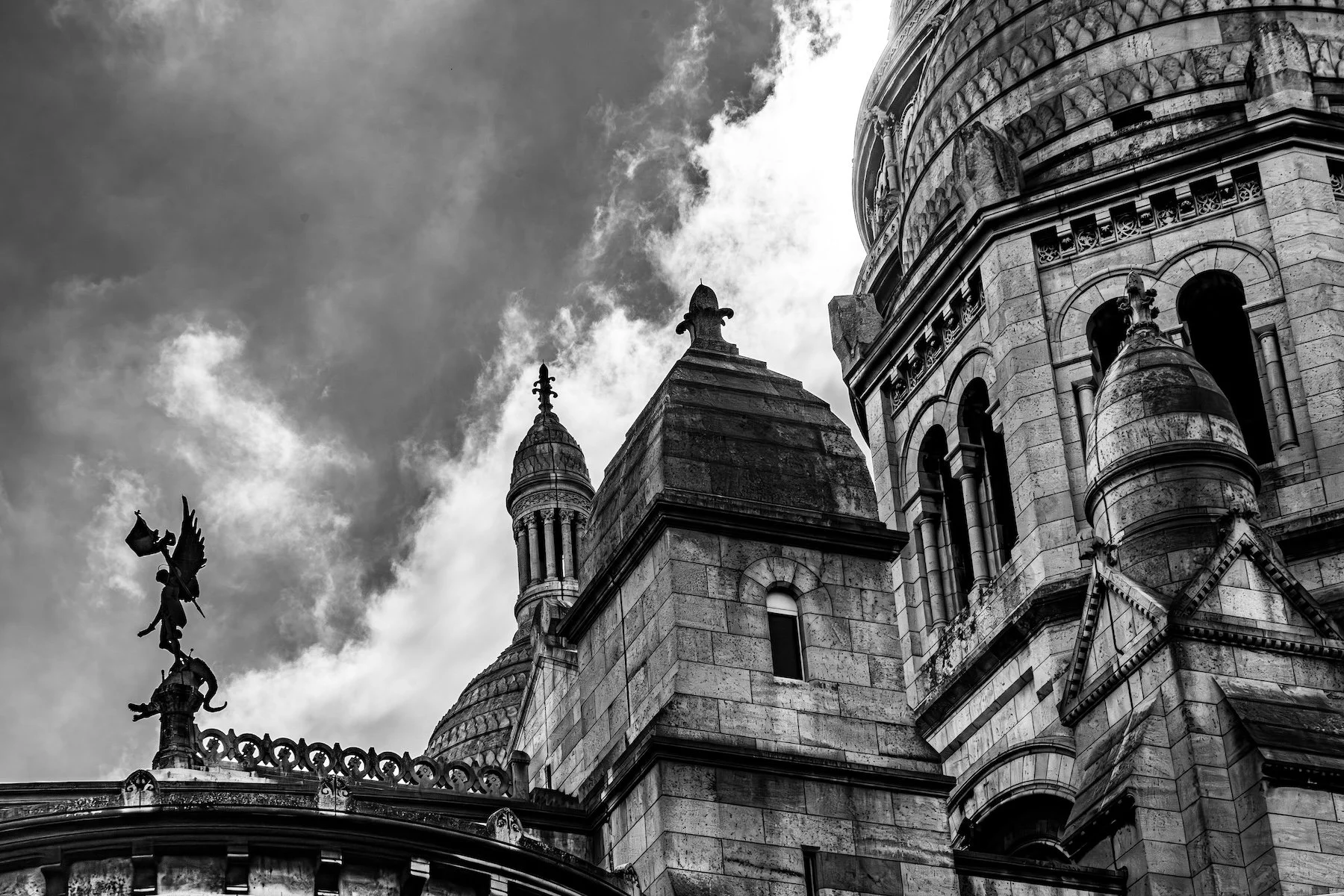
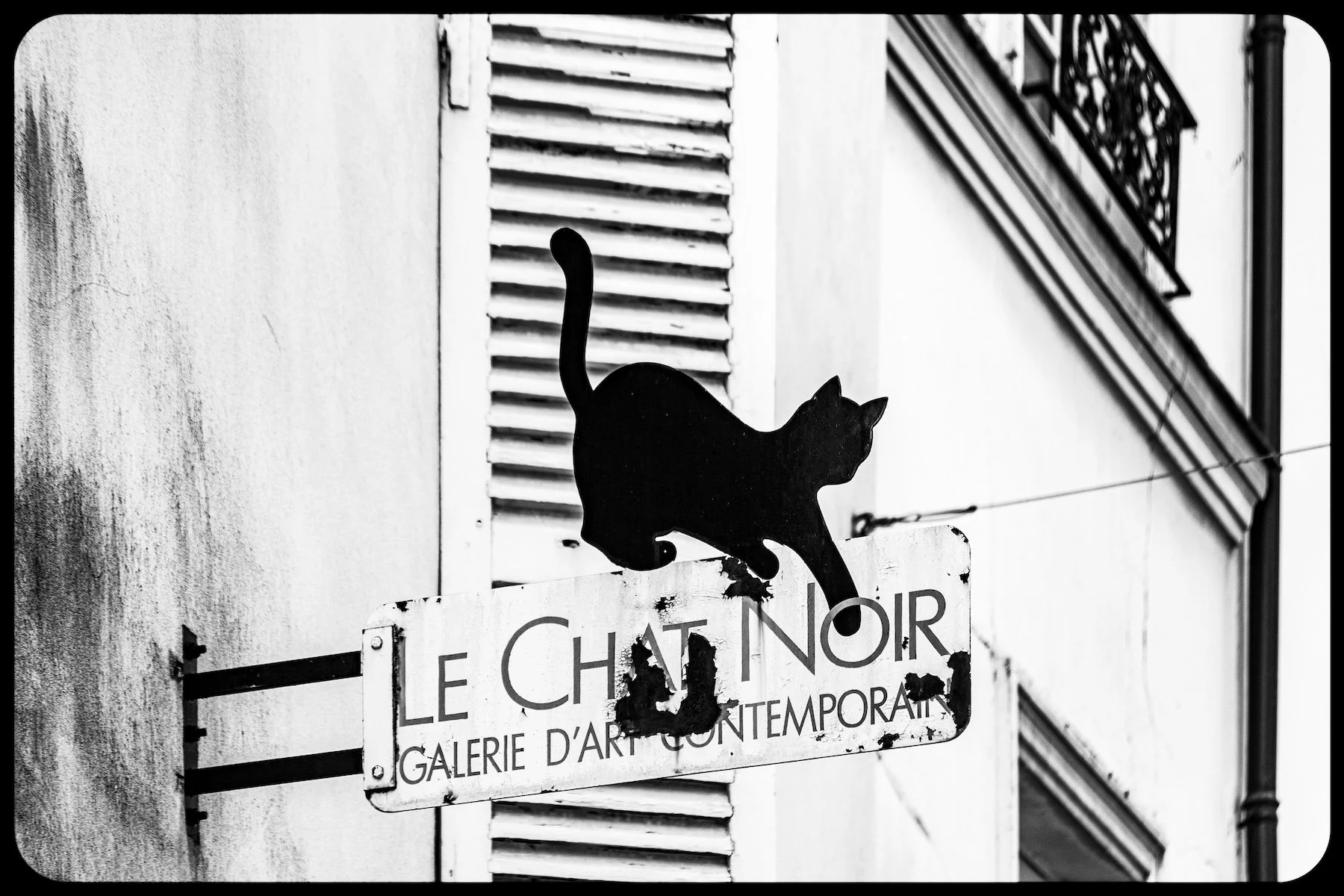

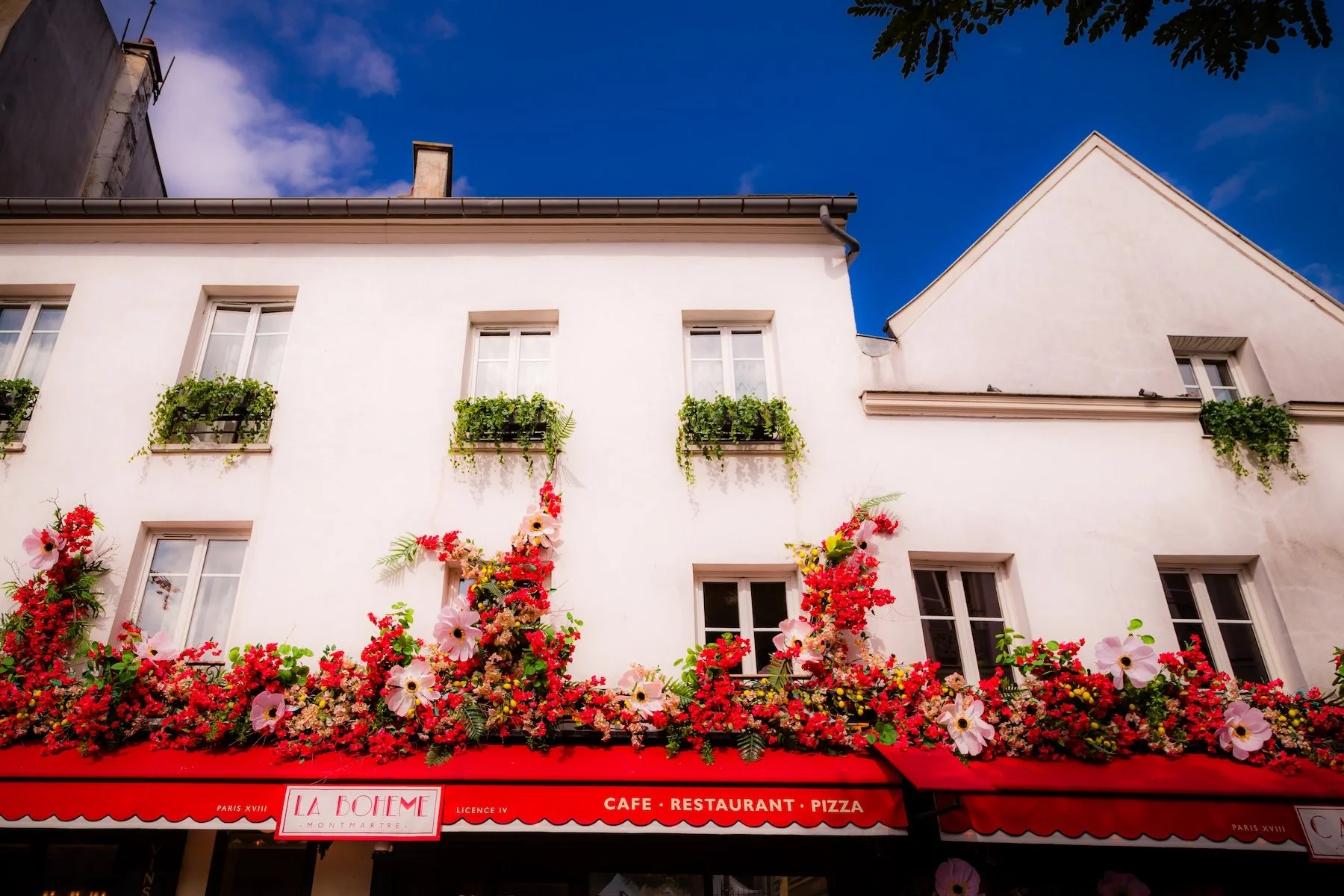
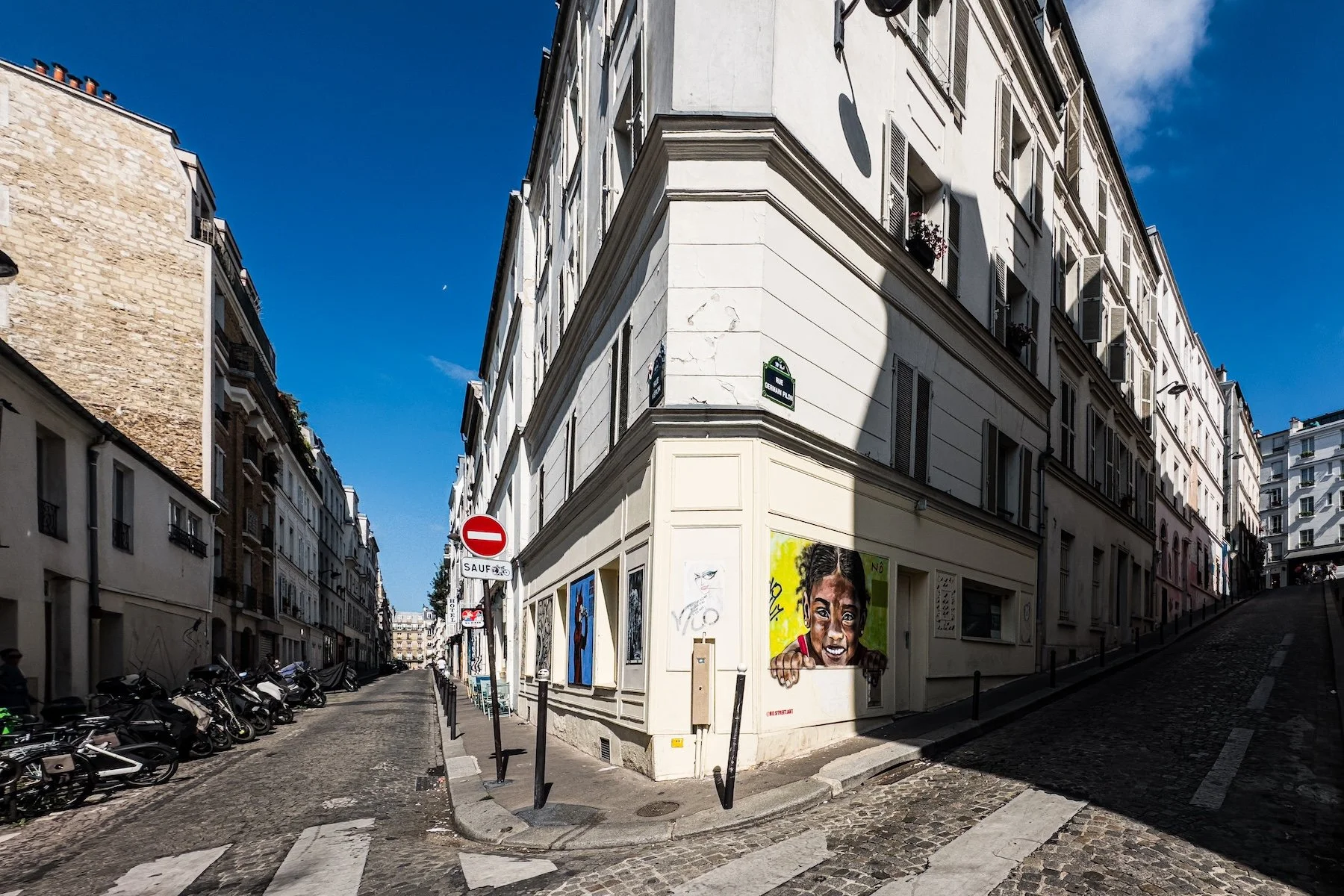
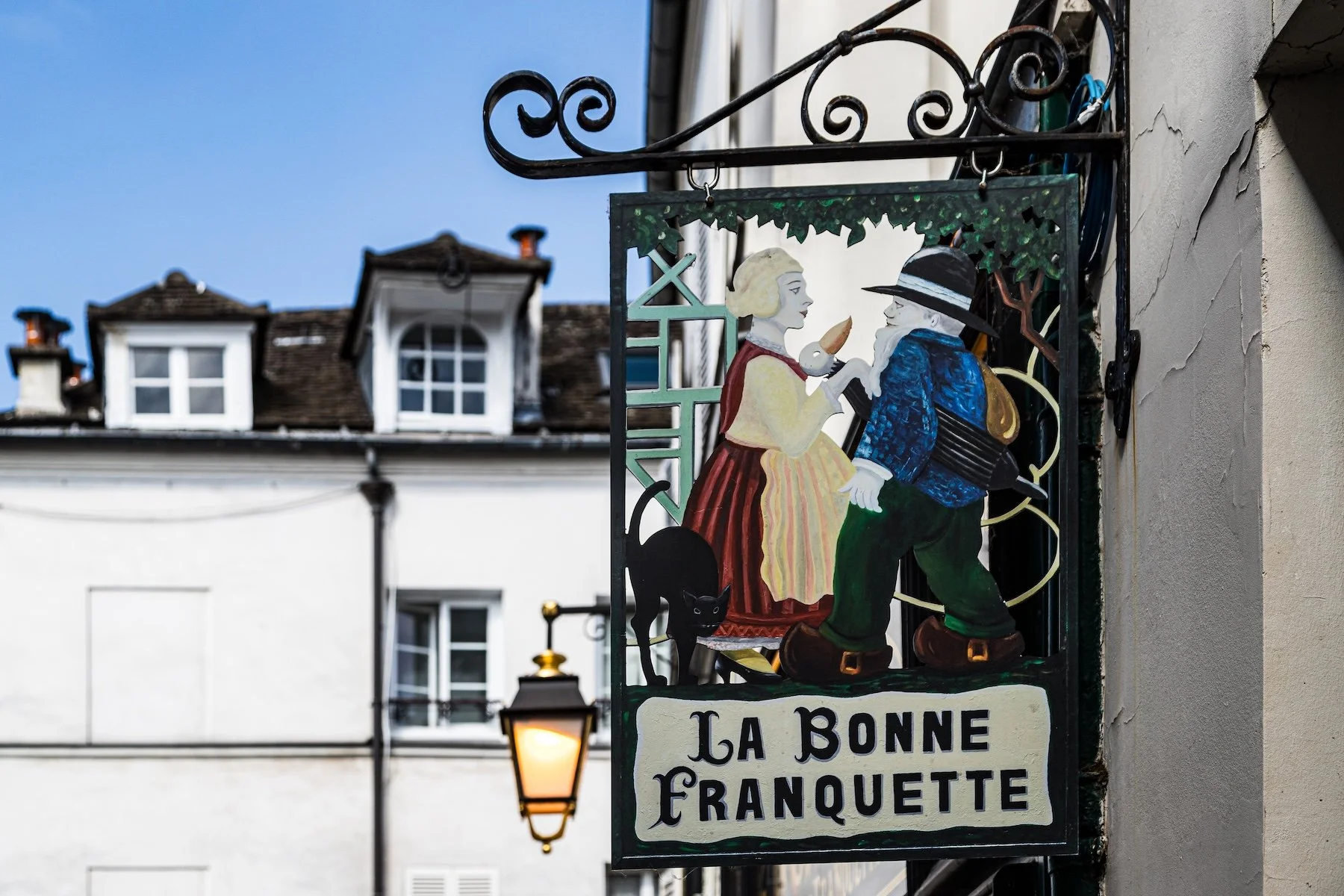

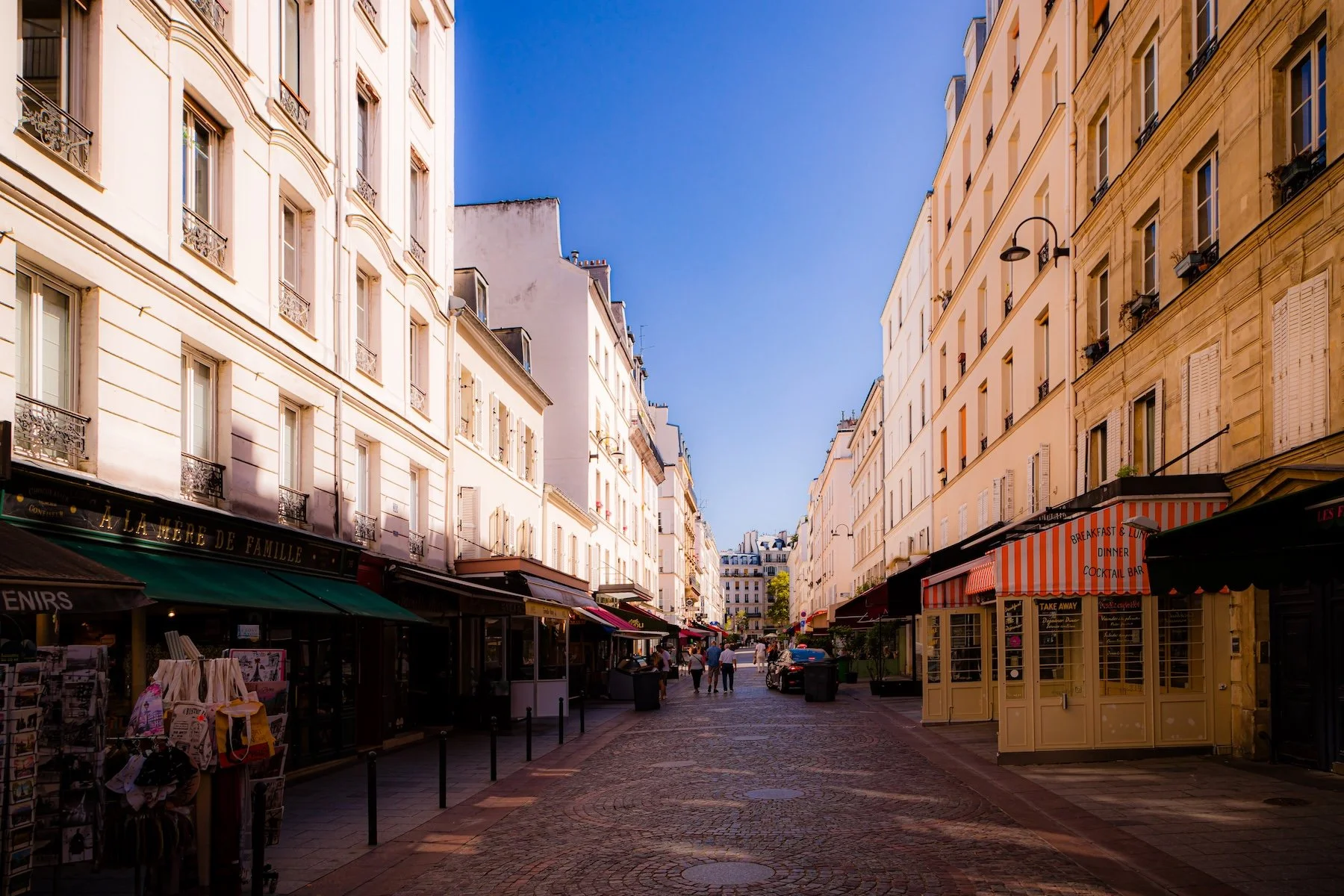
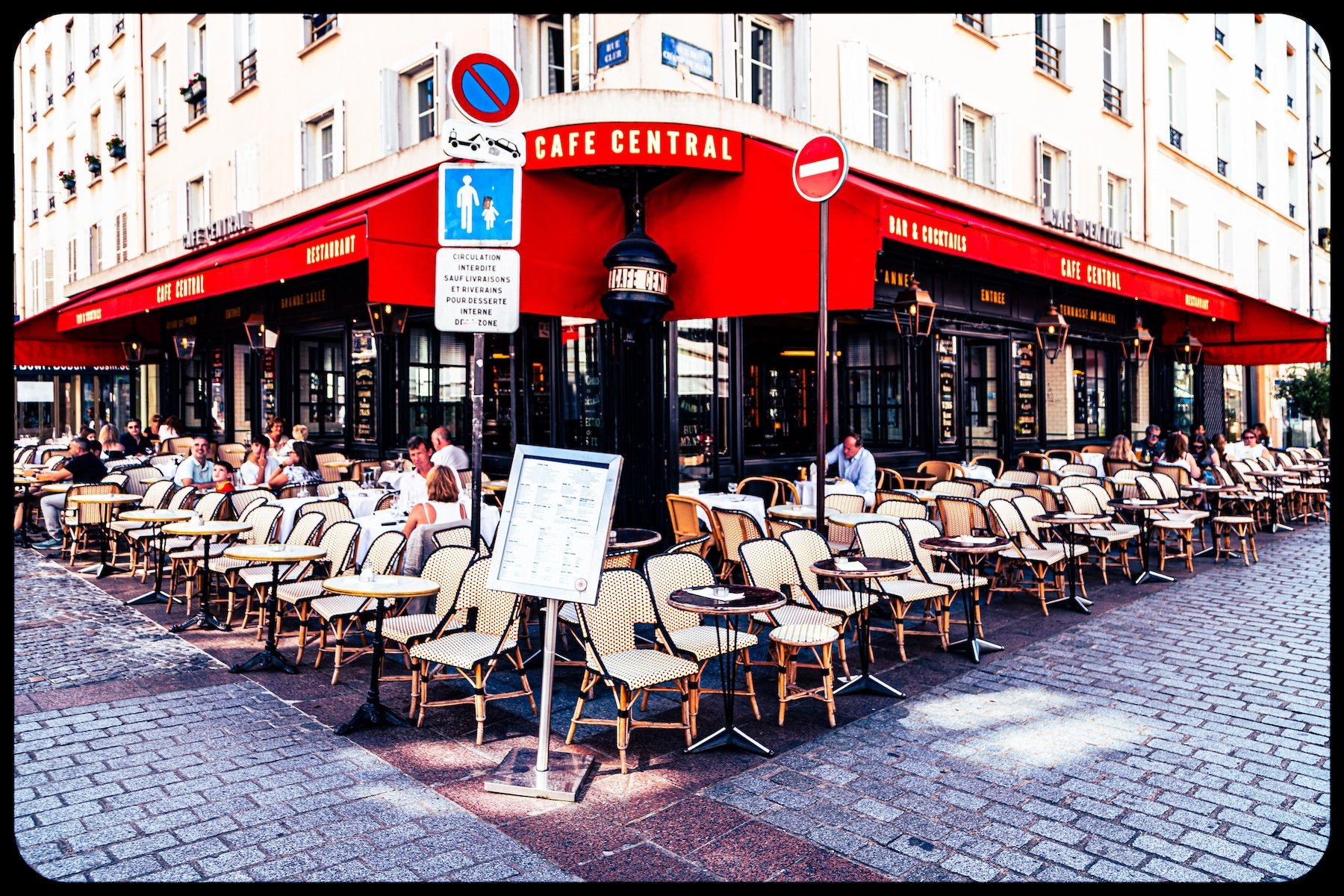
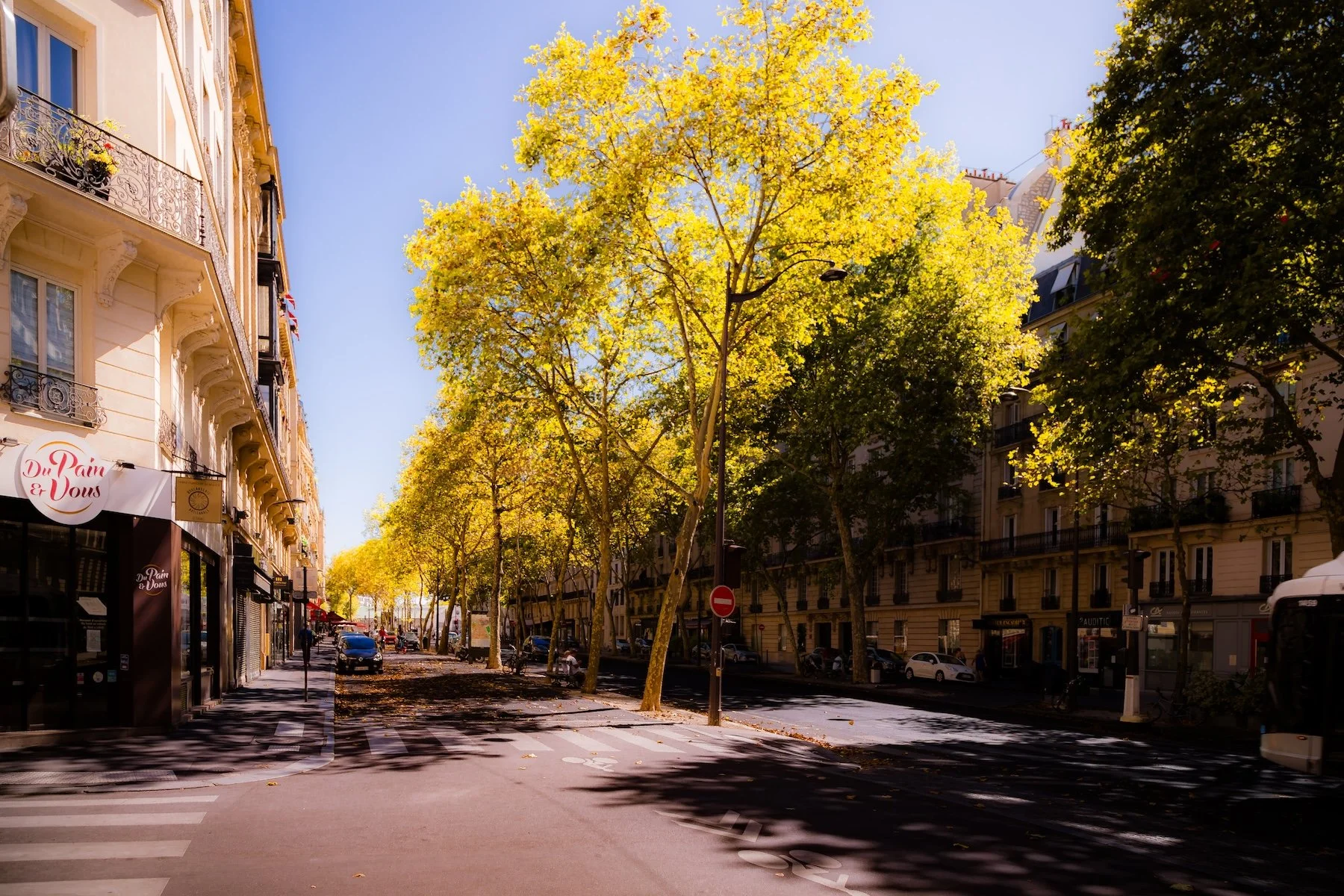
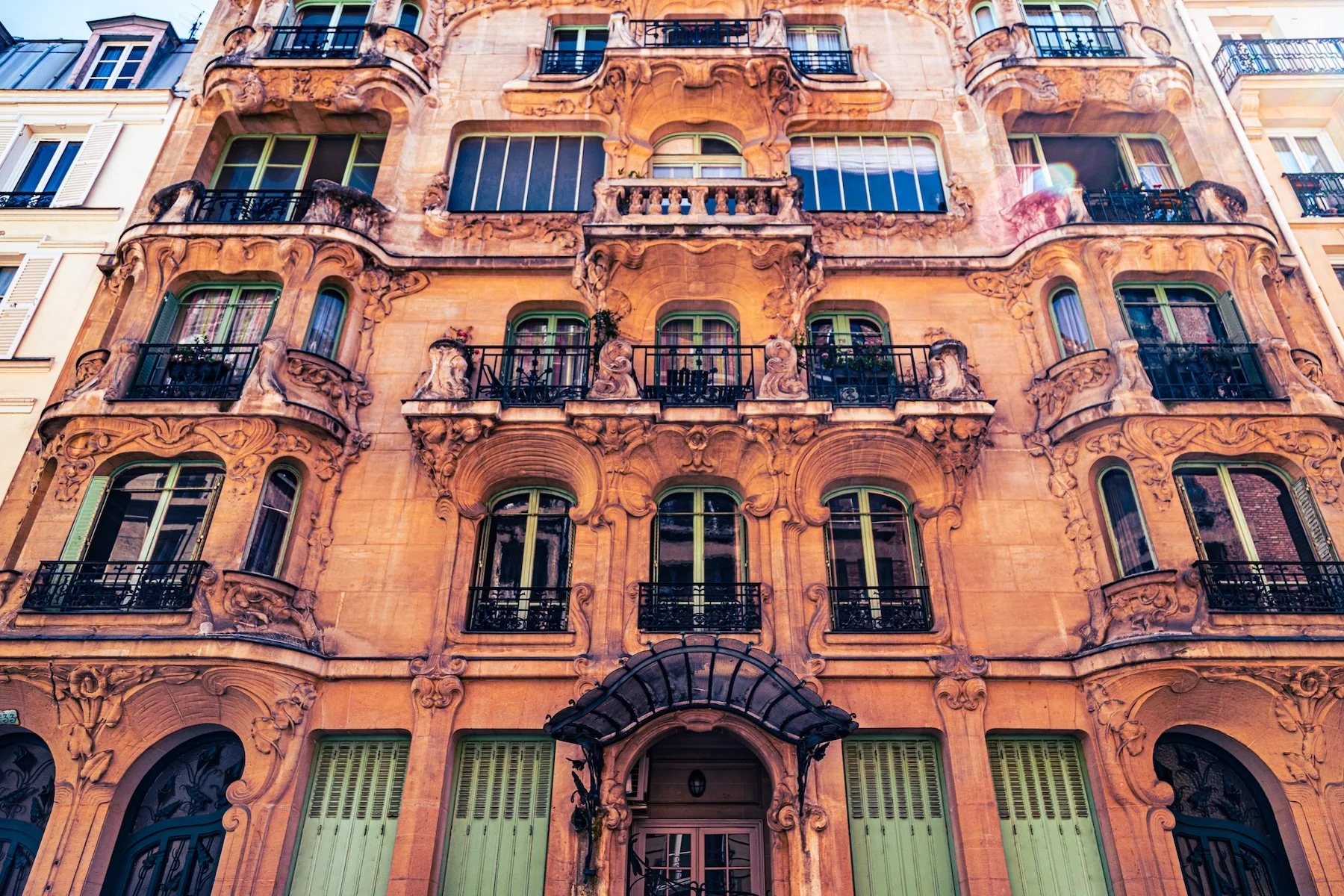

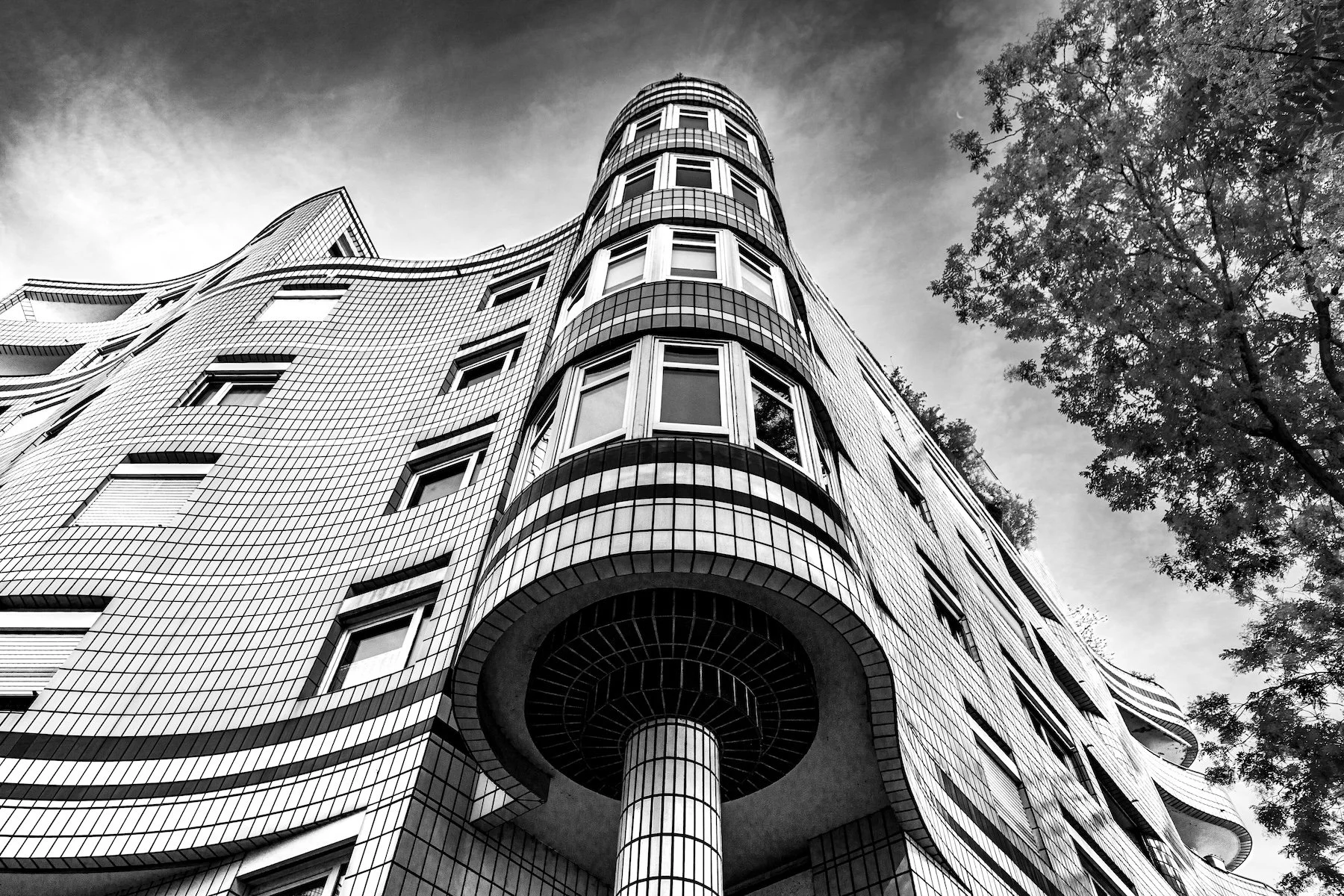
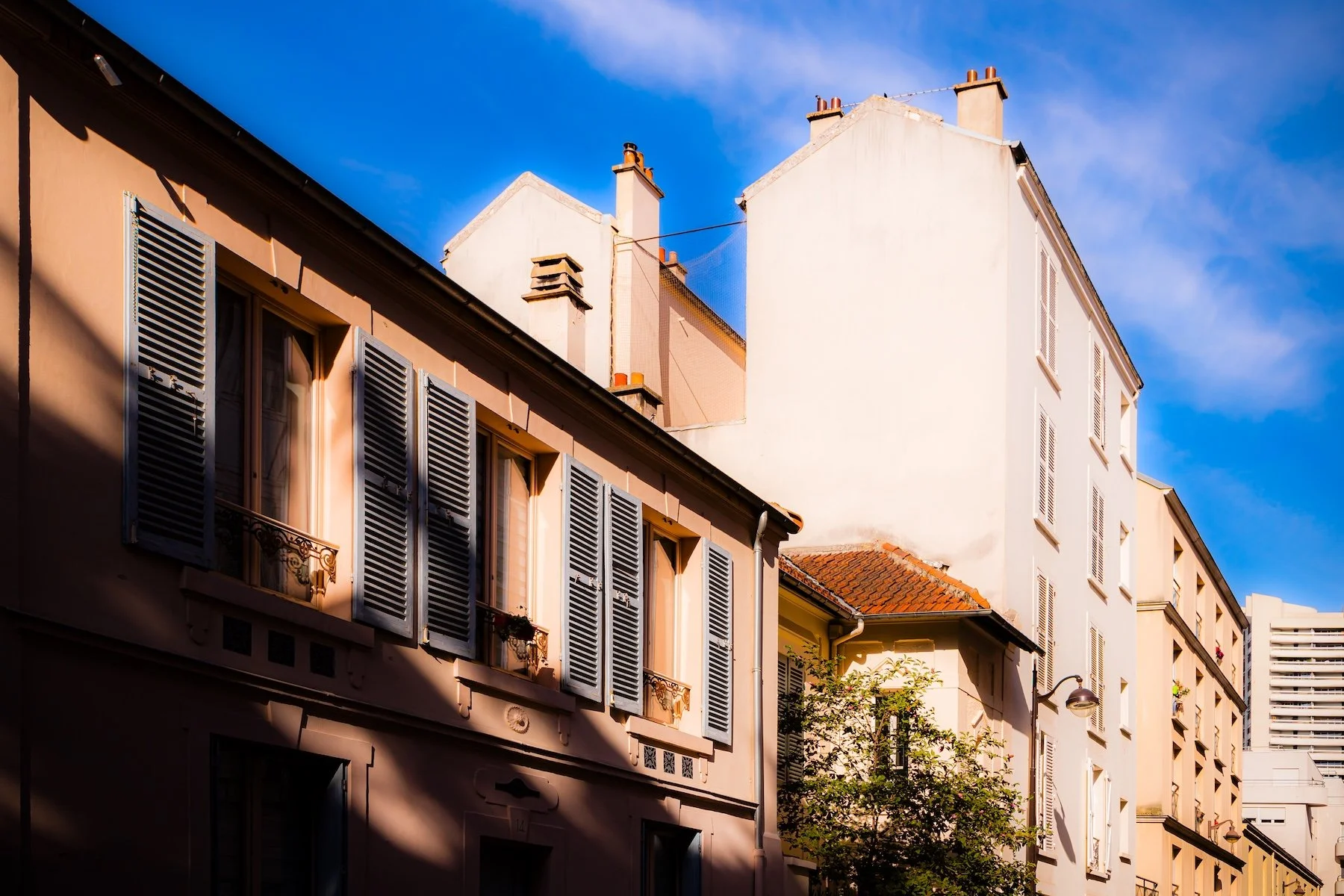
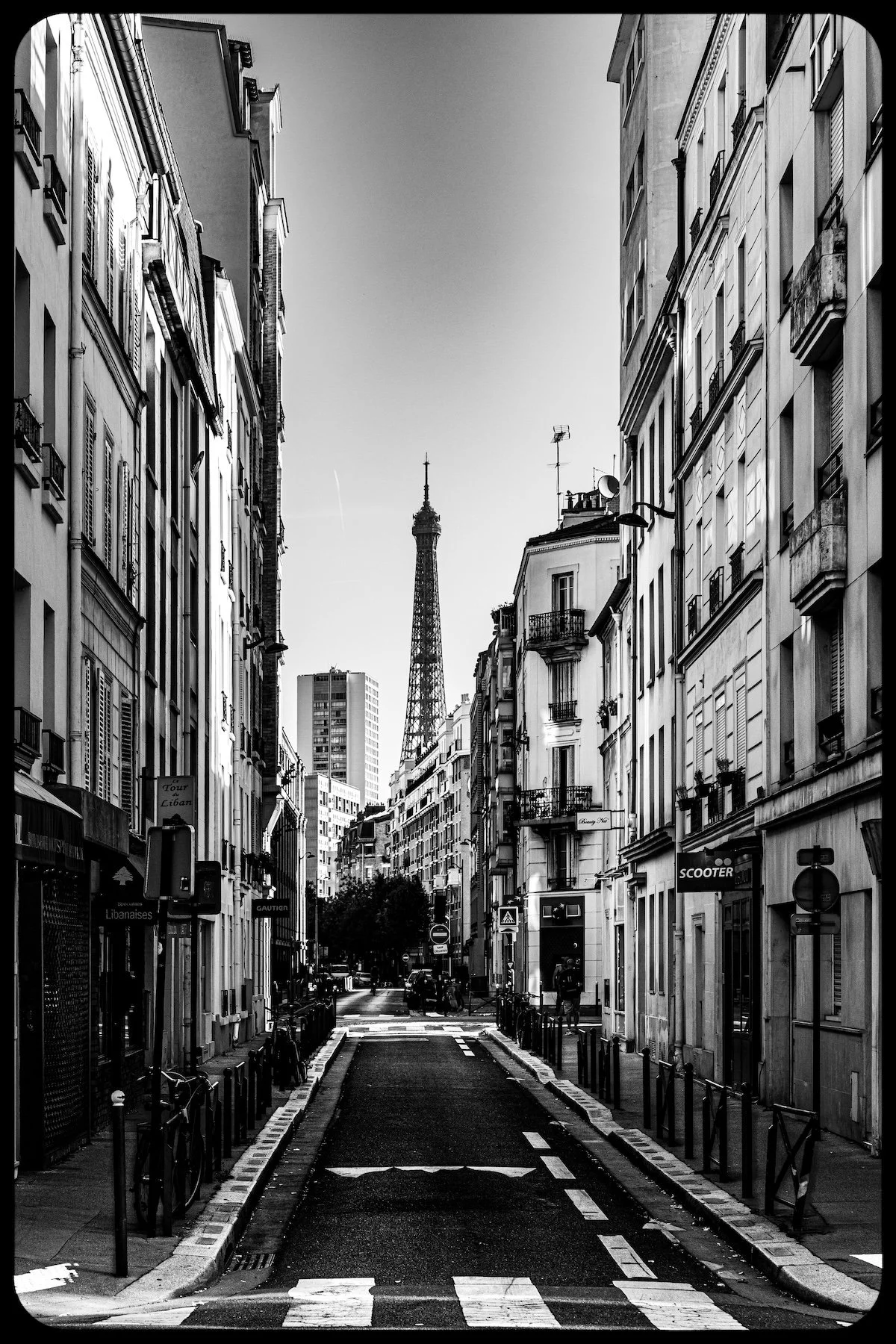
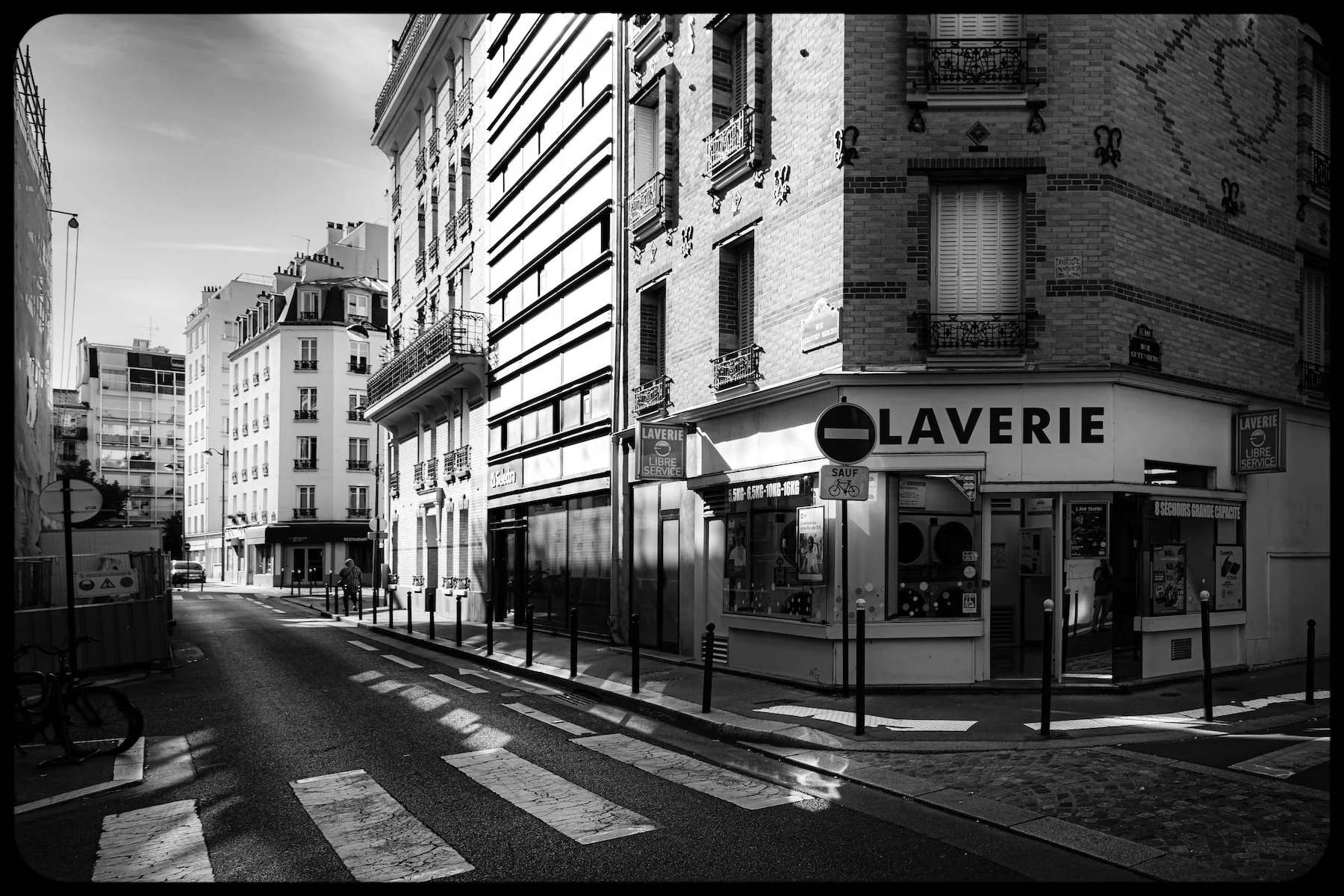
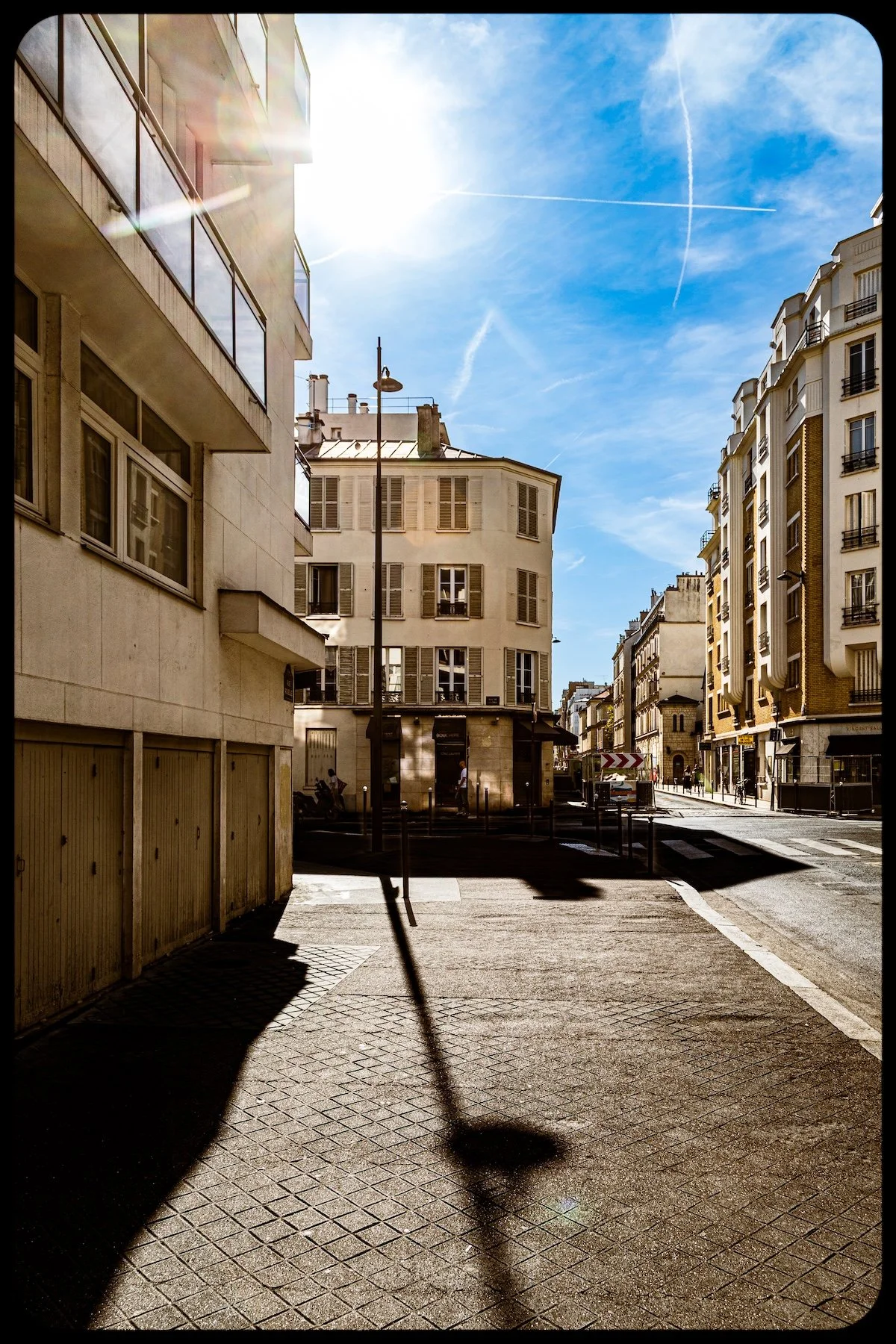
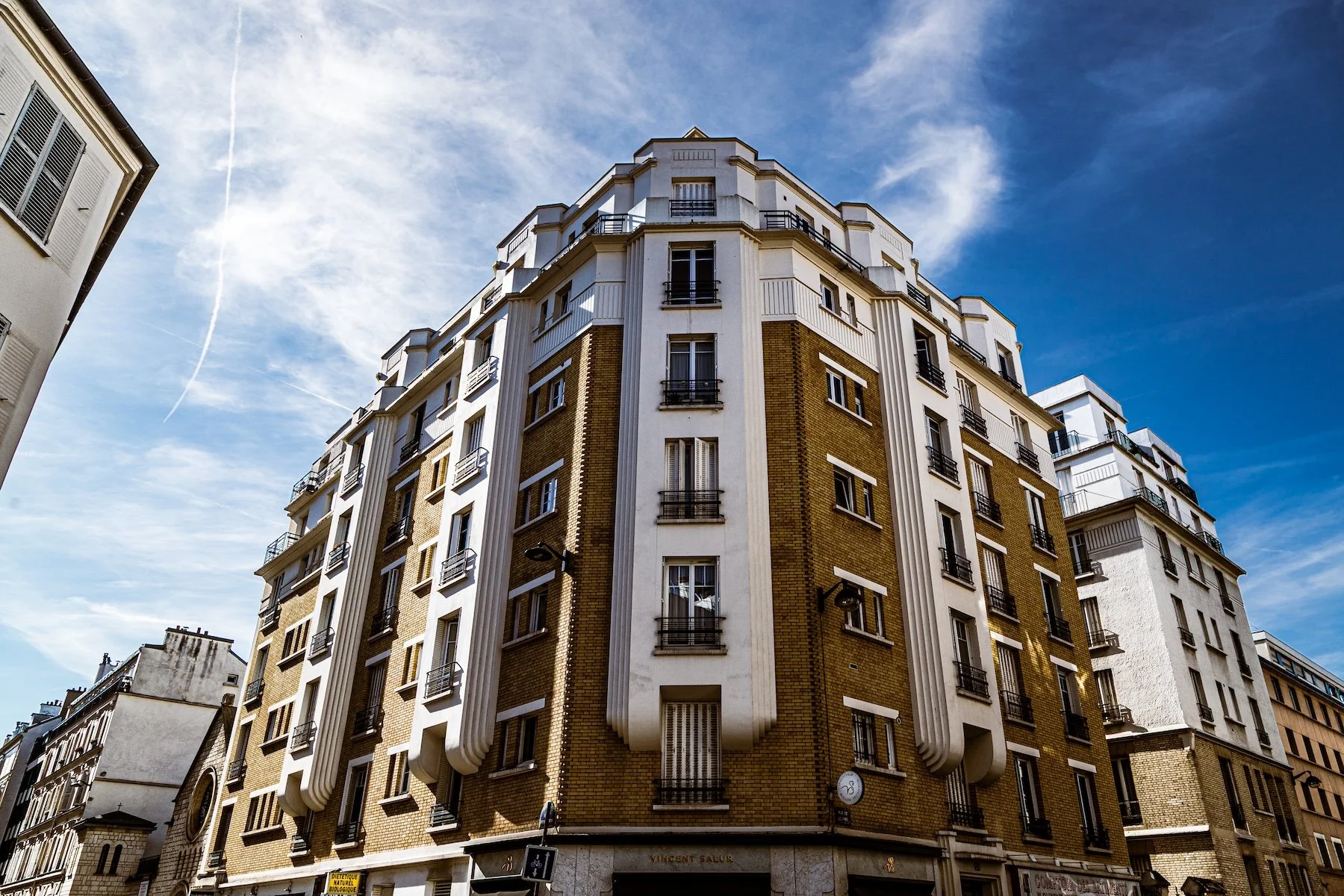
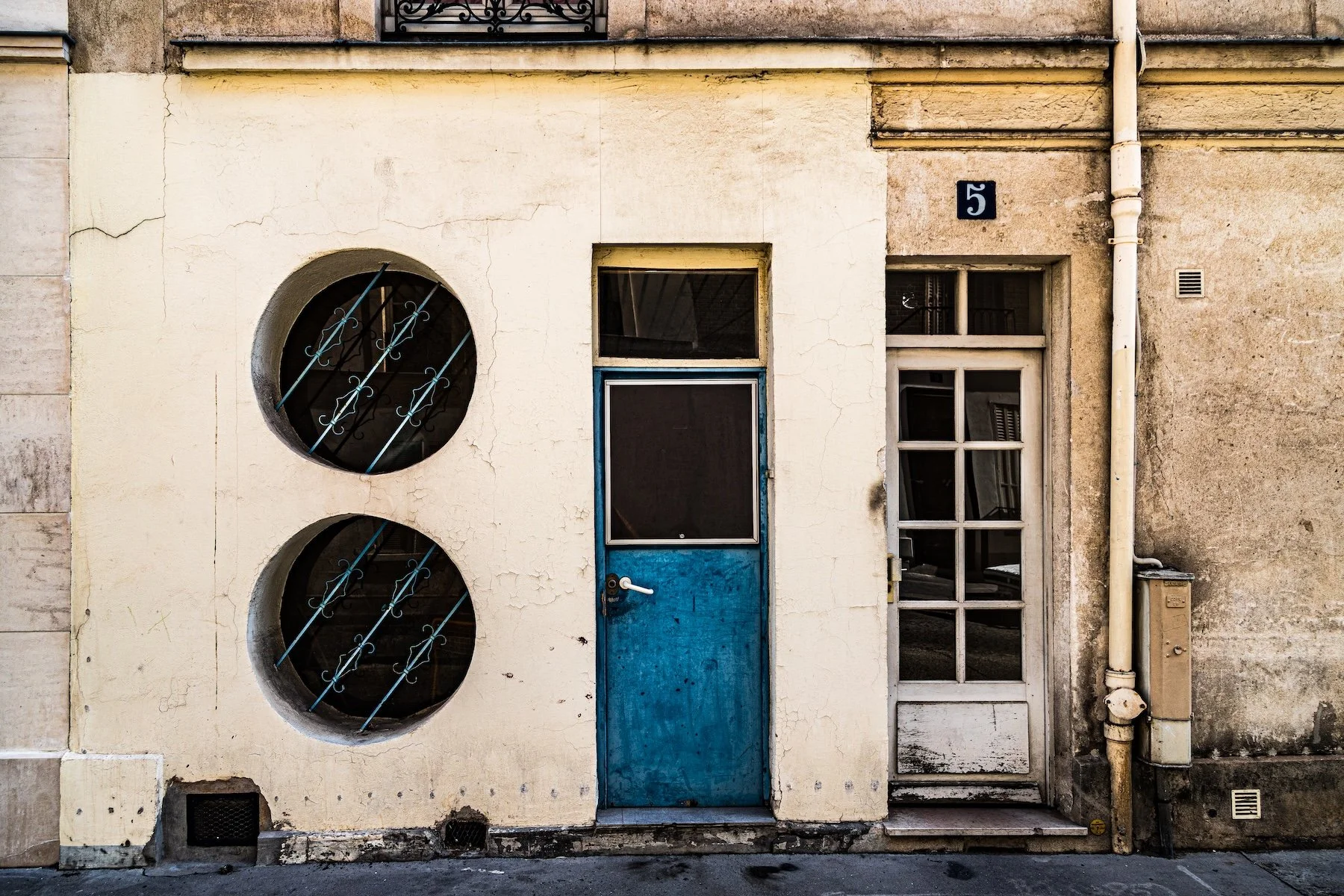
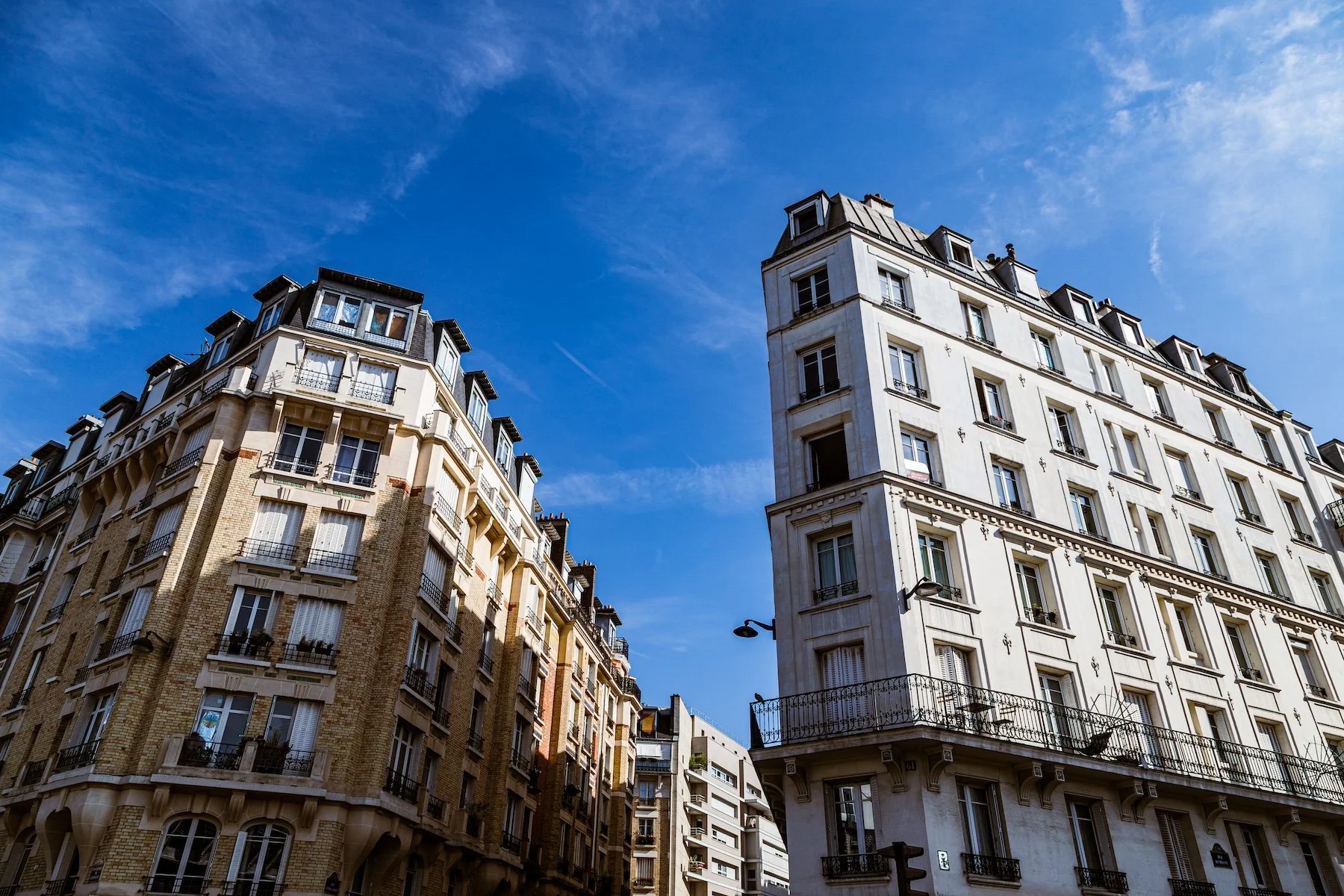
Explore Paris
-

The twenty arrondissements form the civic spiral of Paris, organizing the city into its broad local districts of government, identity, and daily life.
-

Each arrondissement is divided into four official administrative quarters, giving Paris a more precise civic and geographic framework.
-

The conseils de quartier bring participation to street level, giving residents a voice in neighborhood needs, public space, and local civic life.
-

Les Deux Rives trace Paris through the Seine’s two banks, revealing how the Rive Droite and Rive Gauche shaped the city’s civic power, commerce, learning, art, and cultural identity.
-

Cultural neighborhoods reveal the Paris people recognize through history, cafés, architecture, memory, atmosphere, and local belonging.