
1er - PLACE-VENDÔME
Quartiers Administratifs
Part of an ongoing project to walk and photograph every neighborhood in Paris, this page explores the Administrative Quarter: 1er - Place-Vendôme through maps, district identity, history, and photography.
The Map
Download the Paris Arrondissements Map
Geographic Setting
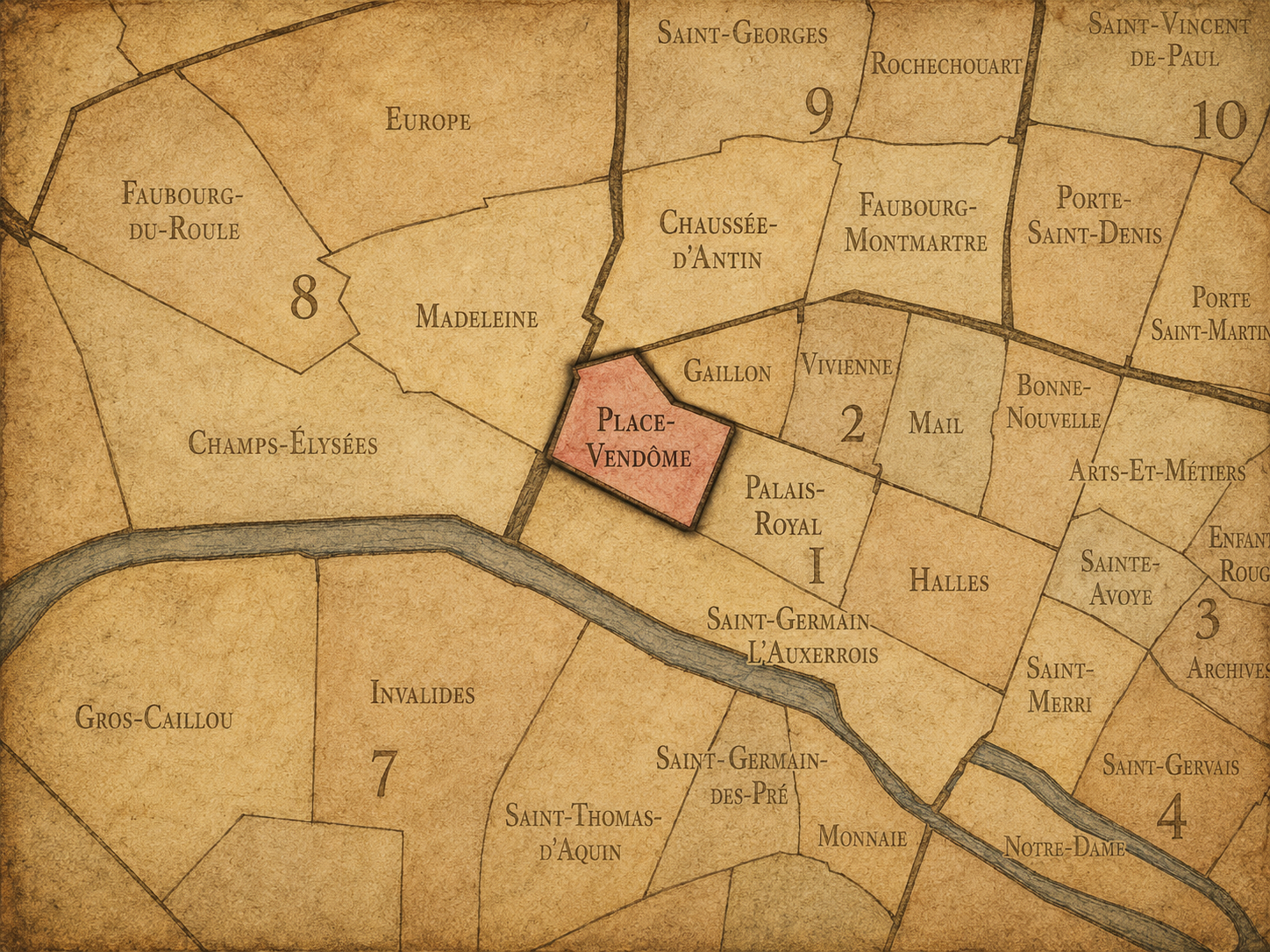
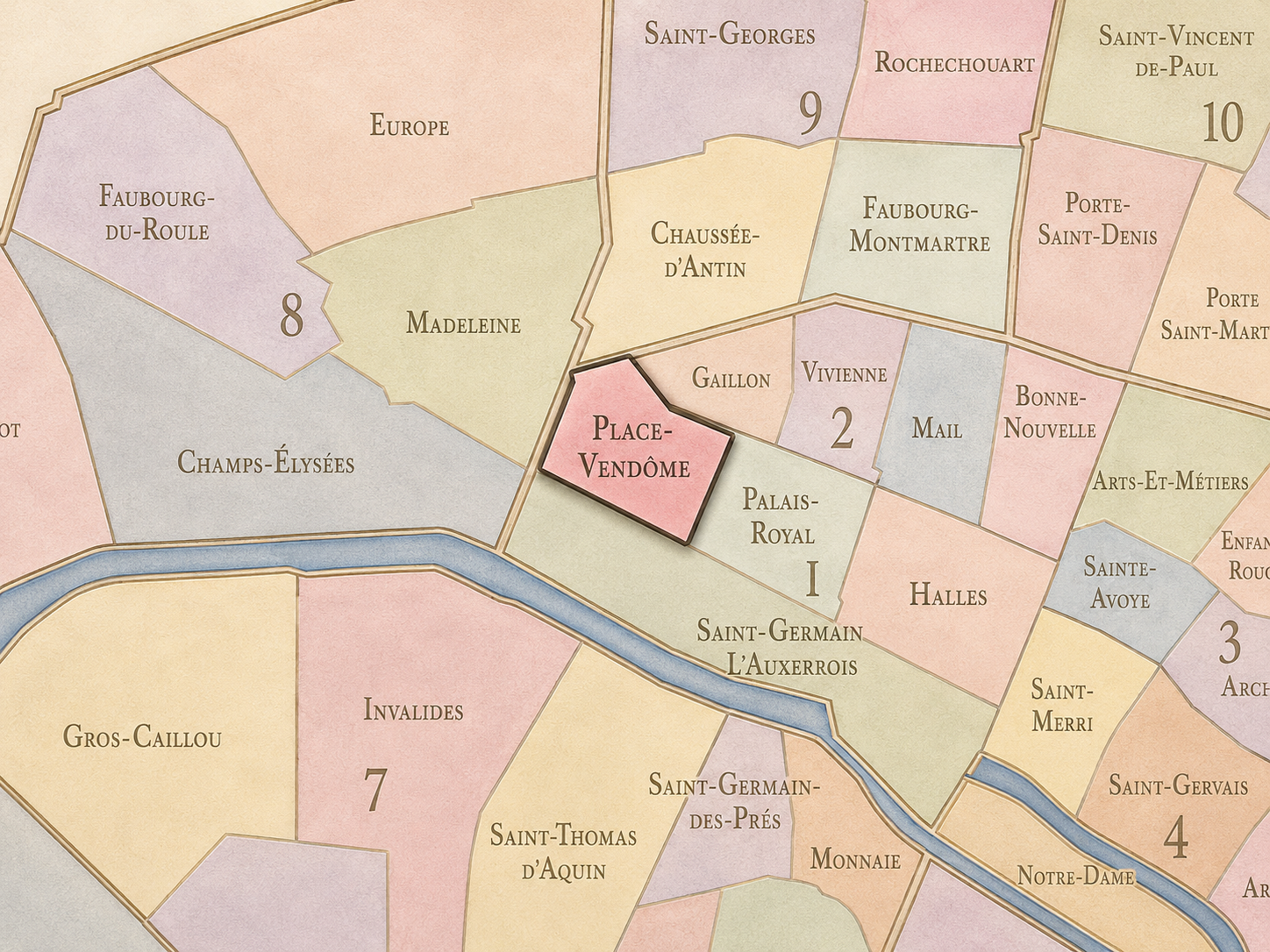
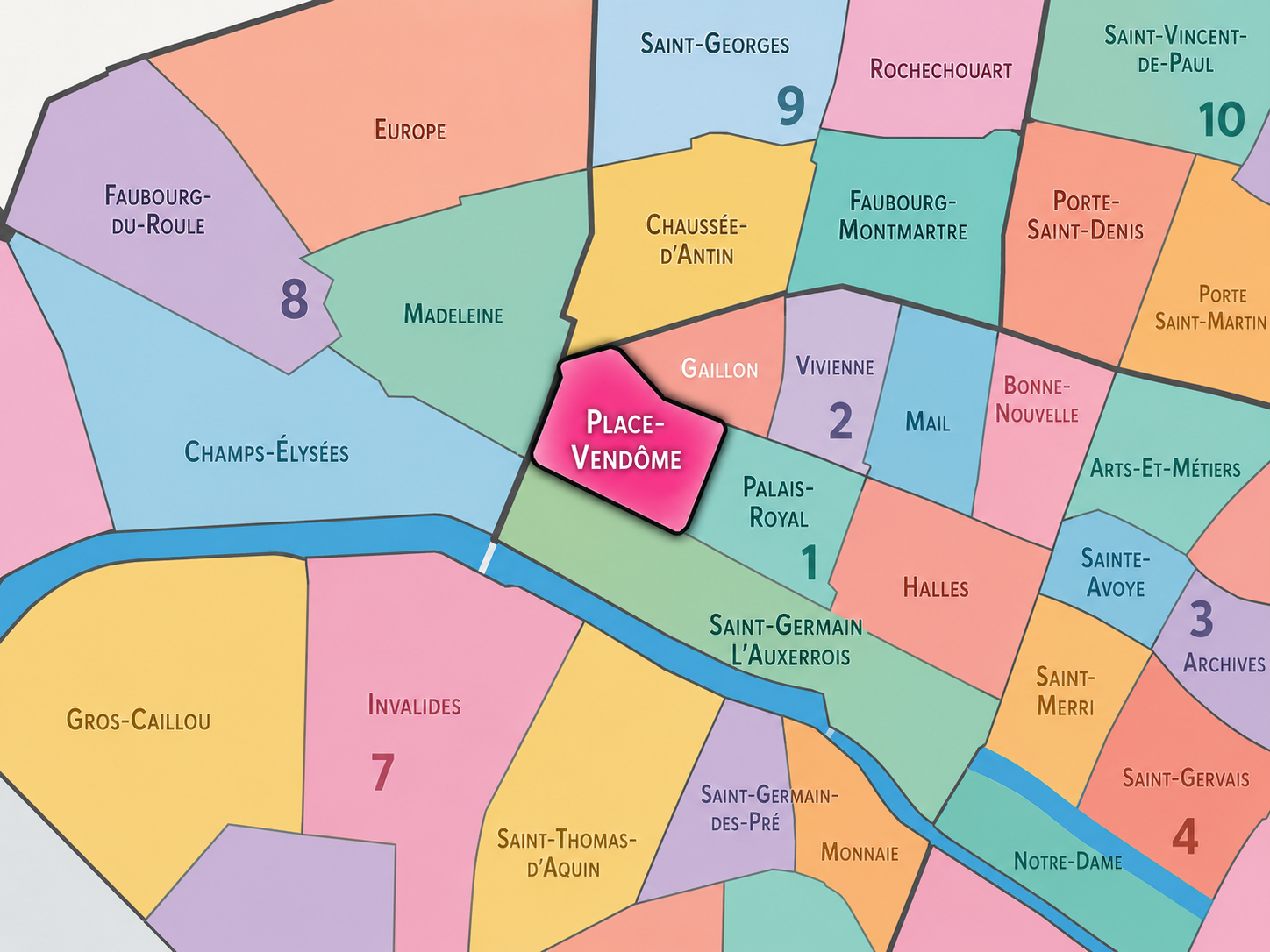
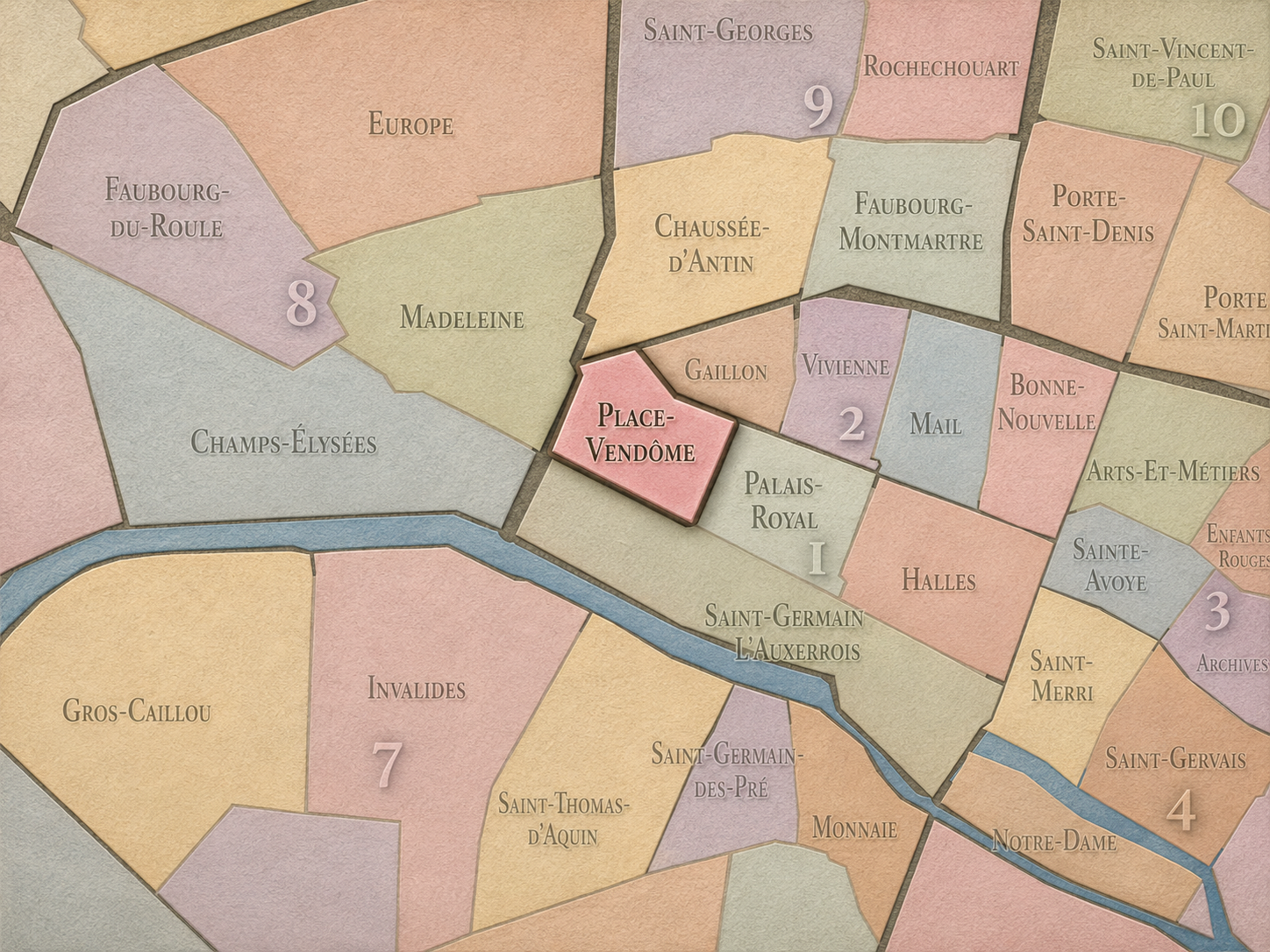
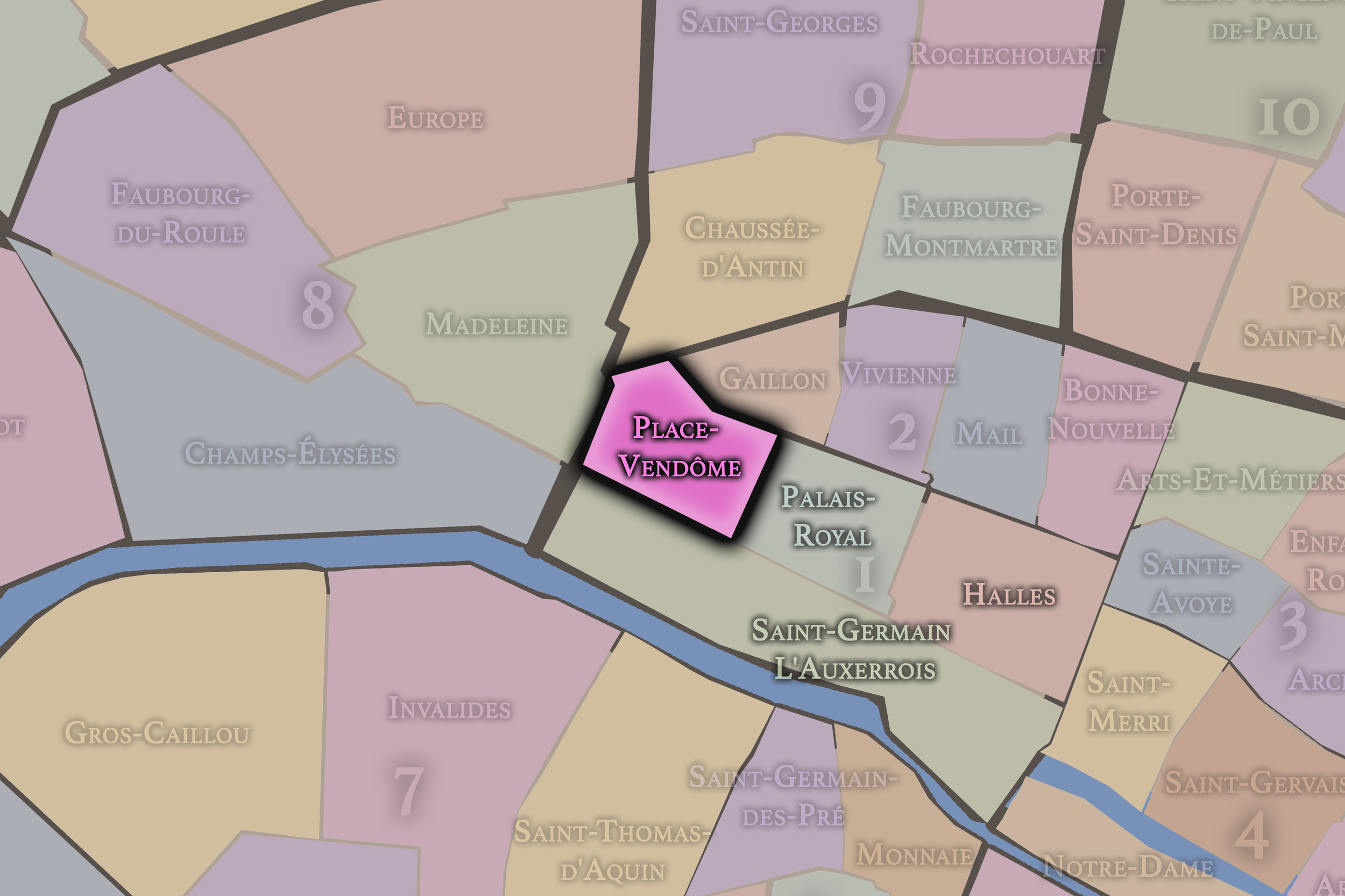
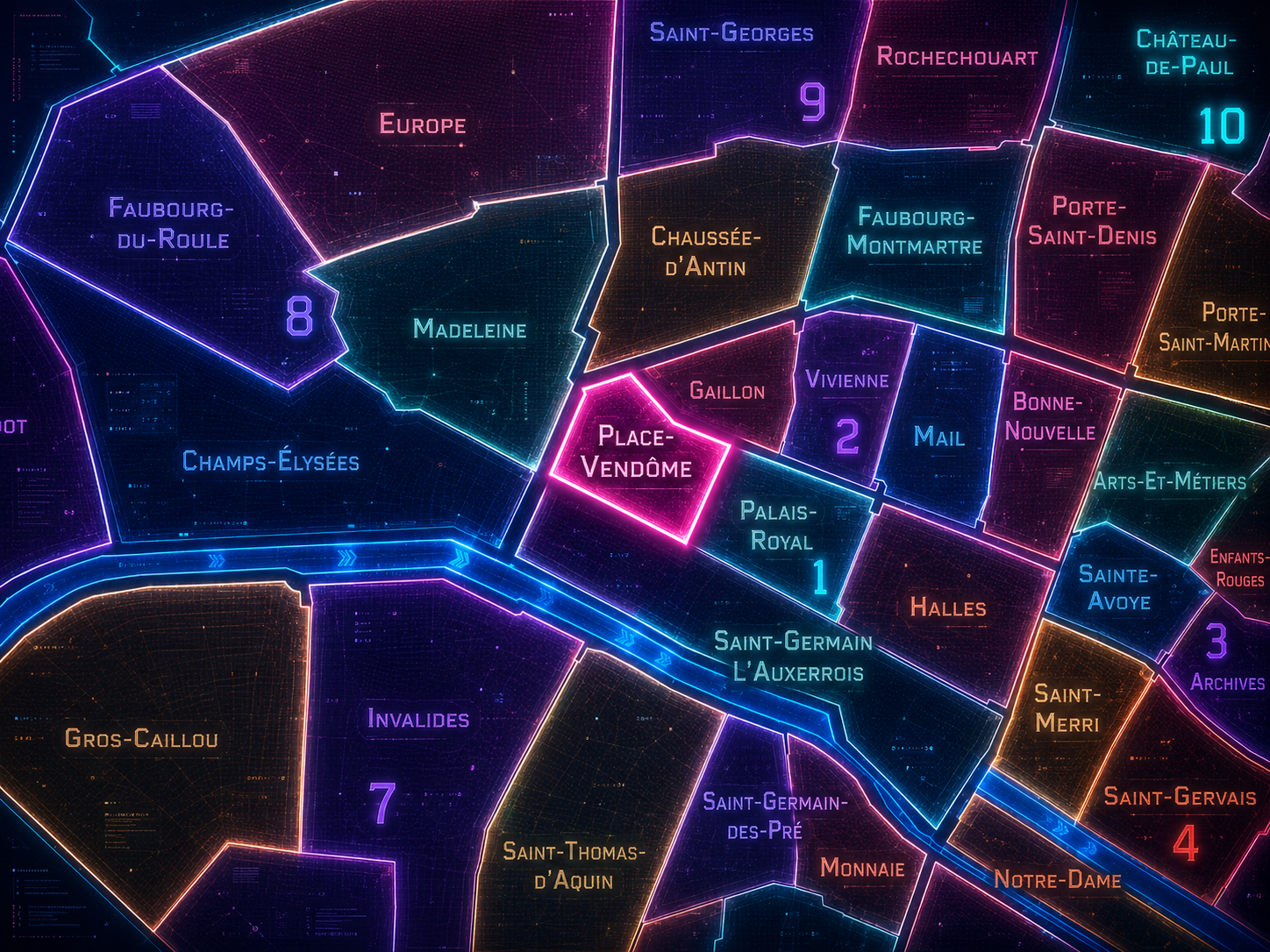
Place-Vendôme occupies the northwestern portion of the 1st arrondissement, where the monumental order of royal Paris meets the polished elegance of the Right Bank’s luxury, hotel, and administrative districts. The quarter lies between the formal axis of the Tuileries and Rue de Rivoli to the south, the Opéra district to the north, Palais-Royal to the east, and the Madeleine / Concorde landscape to the west. At its center stands Place Vendôme itself: one of Paris’s most carefully composed urban spaces, framed by unified façades, luxury houses, grand hotels, and the vertical presence of the Vendôme Column.
Unlike Saint-Germain-l’Auxerrois, whose identity opens toward the Seine and the medieval-royal heart of Paris, or Palais-Royal, whose character is shaped by enclosure, arcades, and garden life, Place-Vendôme is defined by formal urban theater. Its streets are ceremonial, commercial, and exacting. Rue de la Paix connects it northward toward the Opéra. Rue Saint-Honoré and Rue de Rivoli tie it to the historic and fashionable Right Bank. The quarter is compact, but its symbolic reach is immense: royalty, empire, luxury, diplomacy, finance, fashion, jewelry, and hotel culture all converge within its polished architectural frame.
Administrative Quarter Identity
Etymology and Origins
The name Place-Vendôme comes from the square that gives the quarter its identity. Before the creation of the present plaza, the site was associated with the Hôtel de Vendôme, a noble residence connected to the Dukes of Vendôme. When the square was developed under Louis XIV, the older aristocratic name was preserved, even as the site was transformed into one of the great expressions of royal urban planning.
This layered naming is important. The quarter’s identity is not simply “royal,” though royal ambition shaped its form. Nor is it only “luxury,” though luxury now defines much of its global reputation. The name Vendôme carries the memory of aristocratic Paris beneath the formal geometry of the Bourbon monarchy and the imperial symbolism later placed at its center. Like many Parisian names, it preserves an older lineage while allowing the city to remake the site through power, architecture, and display.
Place-Vendôme is therefore a name of inheritance and reinvention. It began as a noble reference, became a royal urban project, was reinterpreted through empire, and eventually became one of the world’s most recognizable addresses of luxury and prestige.
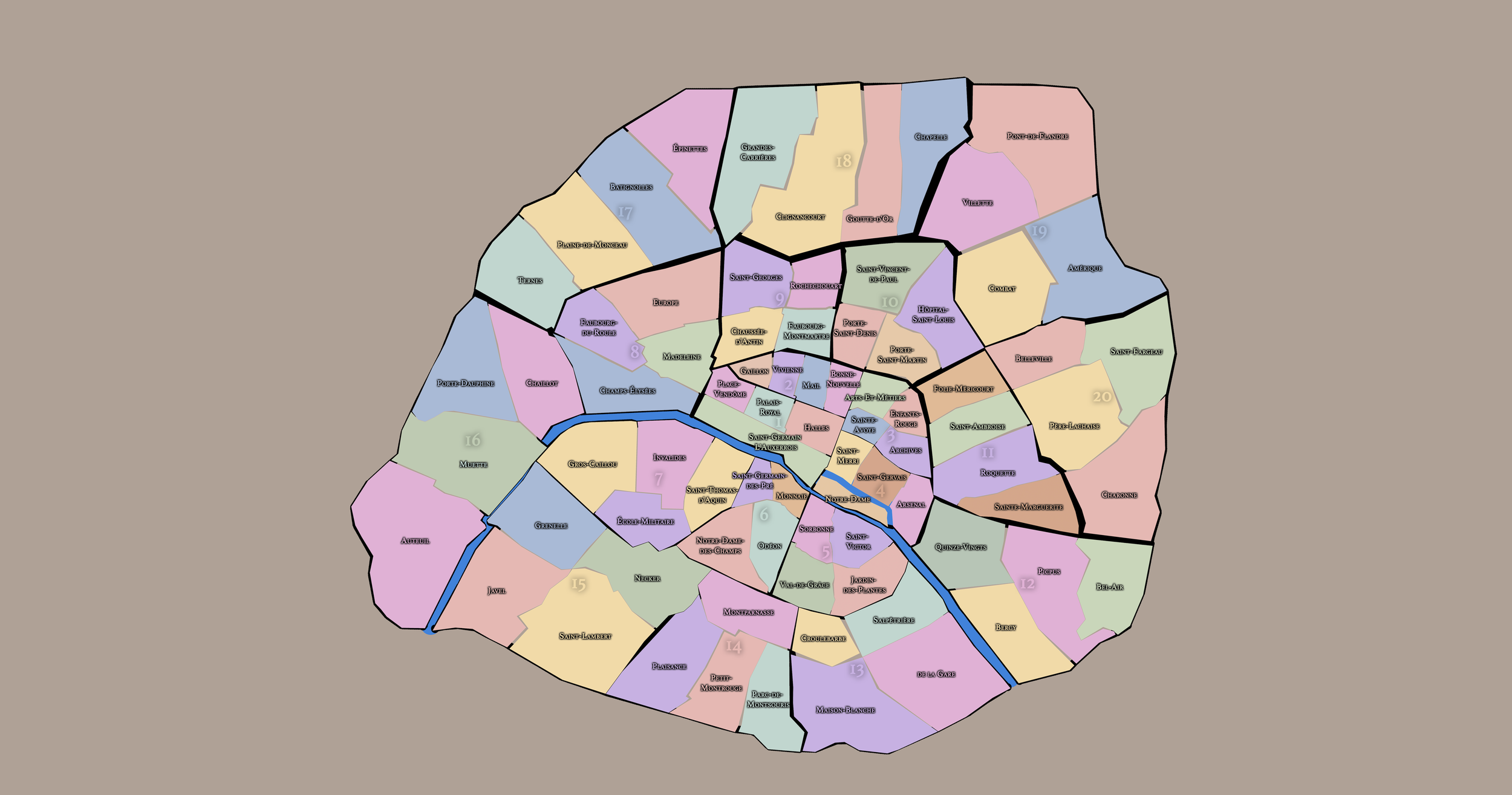
Within the official geography of Paris, Place-Vendôme is one of the four administrative quarters of the 1st arrondissement, alongside Saint-Germain-l’Auxerrois, Halles, and Palais-Royal. This placement gives the quarter a distinct role within the civic structure of central Paris. Saint-Germain-l’Auxerrois gathers church, palace, bridge, river, and island memory. Halles carries the old commercial stomach of Paris and its modern infrastructural energy. Palais-Royal combines garden, arcade, theater, and state institutions. Place-Vendôme represents the formal, ceremonial, and prestige-driven face of the arrondissement.
As an administrative quarter, Place-Vendôme includes more than the square alone. It is a mapped civic district shaped by the relationship between formal public space and surrounding streets: luxury corridors, grand hotels, government buildings, historic townhouses, commercial addresses, and the urban approaches between the Louvre, Opéra, Concorde, and the fashionable Right Bank.
Its civic identity rests in this balance. It is both highly specific — anchored by one unmistakable square — and part of a larger administrative system that situates it within the 1st arrondissement and the broader structure of Paris.
Civic Framework
Place-Vendôme should be distinguished from nearby but different landscapes of the 1st arrondissement and central Right Bank. It is not the Louvre, though it belongs to the same royal and governmental orbit. It is not Palais-Royal, whose identity is enclosed, theatrical, and garden-centered. It is not Halles, whose energy is commercial, infrastructural, and crowded with the memory of markets and movement. It is not the Opéra district, though Rue de la Paix connects it directly to that world of performance, department stores, and 19th-century metropolitan spectacle.
Its distinction lies in the way it concentrates prestige. Place-Vendôme is more than an elegant quarter; it is one of the city’s great symbolic interiors turned outward. Its square is open to the sky, yet controlled by architecture. Its façades are public, yet guarded by exclusivity. Its history is political, yet its contemporary identity is strongly tied to luxury, jewelry, high fashion, grand hotels, and ceremonial urbanism.
As a neighborhood, it is therefore unusual. It is not primarily residential, not primarily bohemian, not primarily commercial in the ordinary sense, and not primarily civic in the everyday municipal sense. It is a quarter of prestige infrastructure — the Parisian landscape of power refined into address.
Neighborhood Distinction
Parisian Identity
Place-Vendôme expresses a Parisian identity built on precision, polish, and symbolic power. It is Paris as composed image: stone façades aligned with careful discipline, arcades and rooflines held in balance, luxury displayed through restraint, and history staged through architecture. The quarter does not feel spontaneous in the manner of a market district or intimate in the manner of a former village. Its identity is formal, almost choreographed.
Yet its formality is part of its fascination. Place-Vendôme shows how Paris uses urban space to communicate authority. The square was designed not merely to contain buildings, but to express a political and aesthetic order. Later, the Vendôme Column added imperial memory to that royal framework. Jewelry houses, couture, grand hotels, and elite institutions then gave the quarter a modern language of prestige.
This is Paris as address, image, and symbol. The quarter’s streets are walked, photographed, shopped, occupied, secured, and admired; but they are also read. Place-Vendôme teaches the visitor how power becomes geometry, how luxury becomes architecture, and how a city can turn a square into an emblem.
Neighborhood Connections
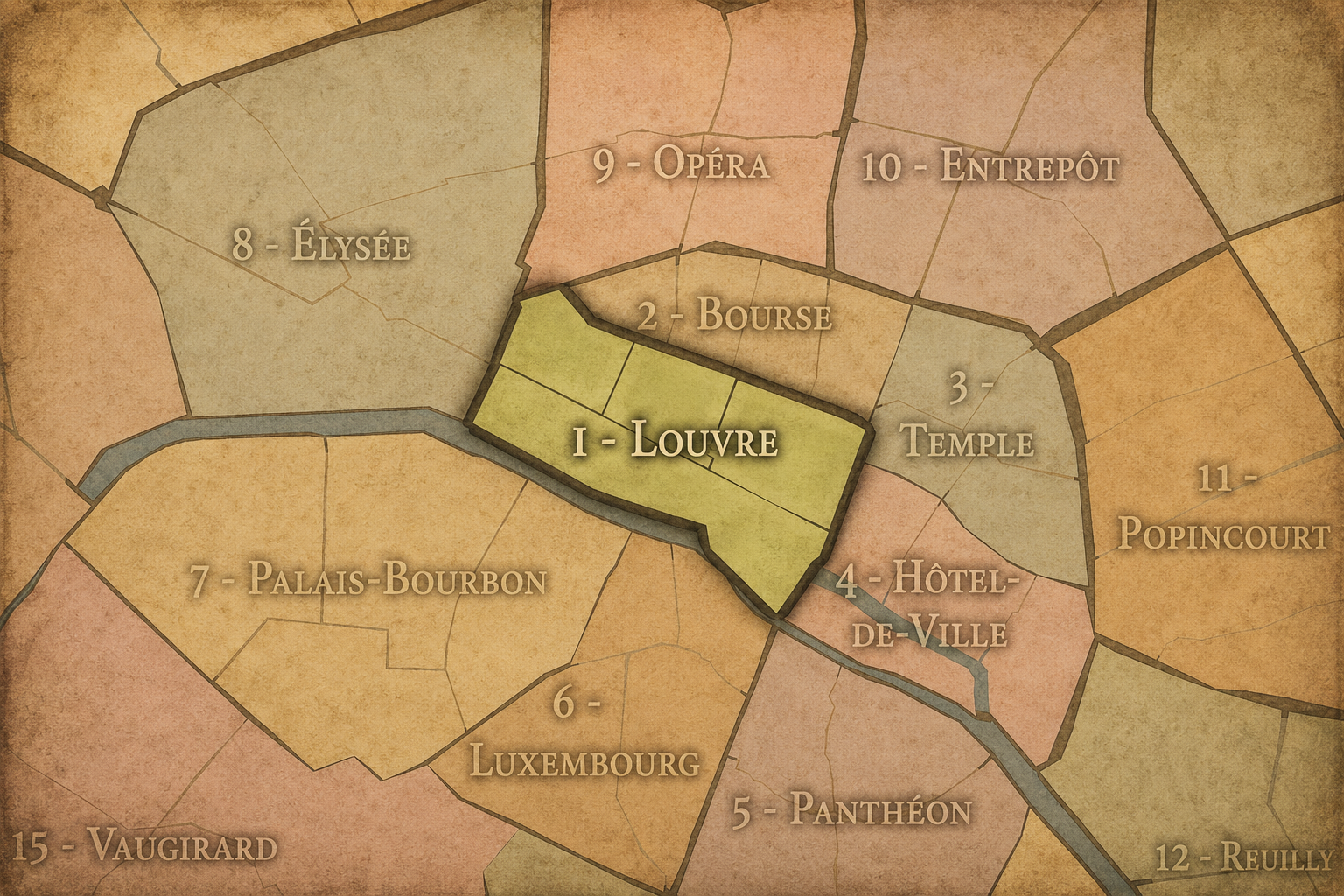
Every administrative quarter belongs to a wider Parisian fabric. These connections locate Place-Vendôme within the city’s civic, participatory, and cultural geography:
-
1er Arrondissement — Louvre
-
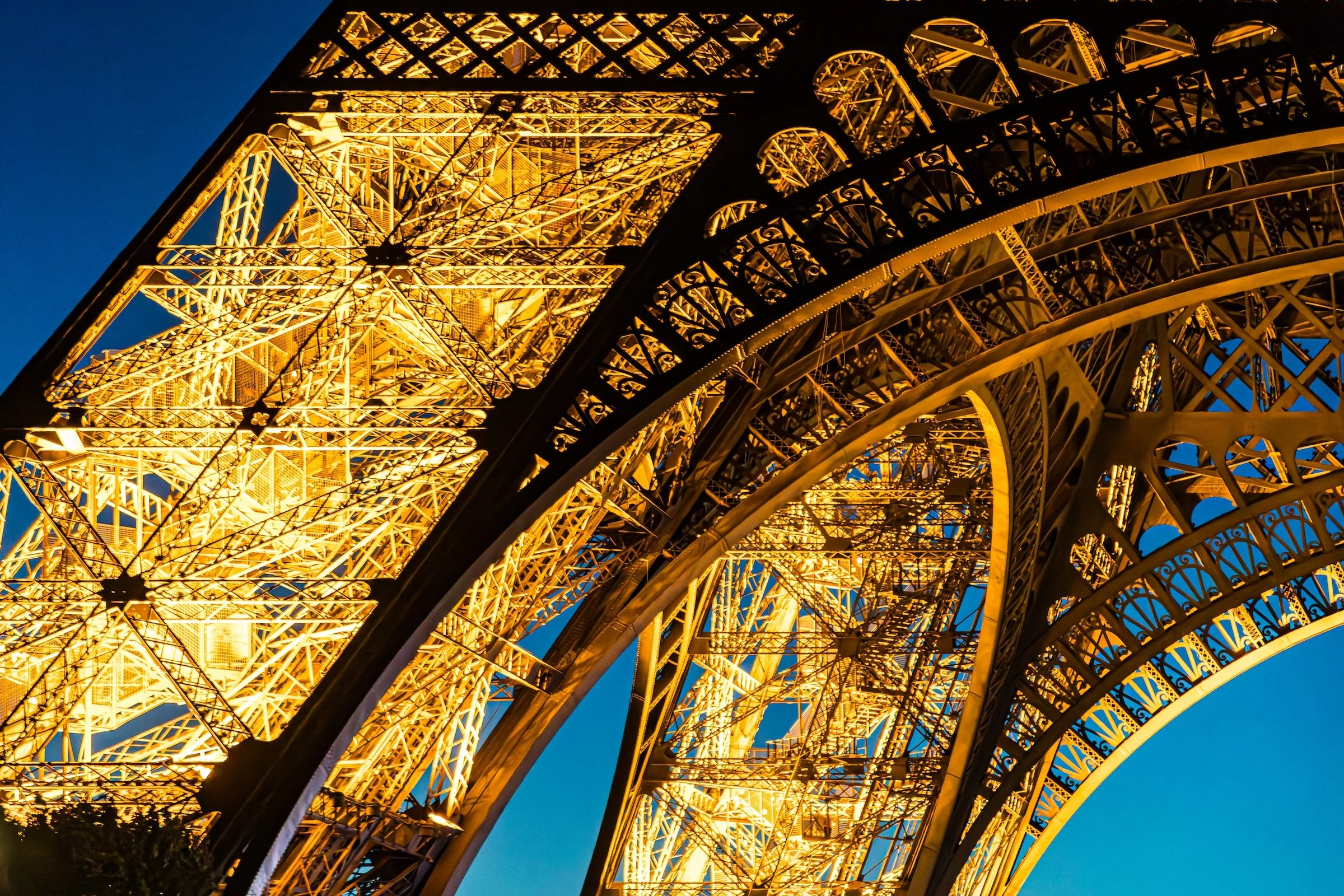
Louvre-Opéra
The History
Before Place Vendôme became one of Paris’s most formal squares, the area belonged to the expanding Right Bank world north of the Louvre and west of the medieval city’s dense commercial core. Noble residences, convent lands, gardens, and streets developed in proximity to the royal center, gradually preparing the ground for the planned urban spaces of the early modern monarchy.
The origins of the present quarter are tied to the transformation of aristocratic land into royal urban design. The site of the Hôtel de Vendôme offered both name and opportunity. Under Louis XIV, Paris was reshaped not only through palaces and institutions, but through urban squares that could embody royal authority. Place Vendôme belonged to this tradition: a space designed to impress, organize, and communicate.
From its beginnings, then, the quarter was never merely local. It was conceived through a wider language of power. Its origins lie in the passage from noble property to royal stage — a shift that would define the quarter for centuries.
Origins
16th–17th Century
The 16th and 17th centuries prepared and then transformed the landscape that would become Place-Vendôme. In the 16th century, the Right Bank west of the old commercial core continued to develop through aristocratic residences, religious properties, and urban expansion tied to the growing importance of the Louvre and the court. The future quarter was close enough to royal Paris to attract elite occupation, but not yet fixed into the formal geometry that would later define it.
The decisive change came in the late 17th century under Louis XIV. The crown pursued the creation of a grand royal square, first associated with the glorification of the king. Architect Jules Hardouin-Mansart developed the unified architectural design that would give the square its disciplined façades and monumental coherence. The result was not an accidental plaza, but a carefully staged composition: architecture as political order.
Although the square’s later meaning would shift, its 17th-century origins remained visible in its form. Place Vendôme was born from absolutist urbanism — a belief that the city itself could be shaped into an image of authority. Its symmetry, enclosure, and architectural unity remain among the clearest expressions of that ambition.
In the 18th century, Place Vendôme matured as one of the refined urban spaces of aristocratic and administrative Paris. The square’s hôtels particuliers, formal façades, and proximity to the courtly and governmental landscapes of the Right Bank gave it an elite character. It became part of the polished geography that linked monarchy, nobility, finance, law, and urban prestige.
The quarter’s streets also participated in the changing social world of pre-revolutionary Paris. Luxury trades, high-status residences, and administrative functions gathered near the square, while nearby corridors connected it to the Tuileries, the Louvre, the developing boulevards, and the fashionable districts to the west. Place Vendôme belonged to a Paris of ceremony and hierarchy, but also to a city increasingly shaped by commerce, display, and public visibility.
The French Revolution altered the symbolic meaning of this landscape. Royal and aristocratic signs were challenged, renamed, removed, or reinterpreted. Like other spaces tied to monarchy, Place Vendôme was forced into a new political language. The square’s formal geometry remained, but the authority it represented could no longer be taken for granted.
18th Century
19th Century
The 19th century remade Place Vendôme through imperial symbolism, luxury commerce, and the rise of modern prestige. The Vendôme Column, erected under Napoleon I, transformed the square into a site of military and imperial memory. Modeled in spirit on ancient triumphal columns, it placed Napoleonic victory at the center of a space originally shaped by royal monarchy. The result was a striking overlay: Bourbon urban form crowned by imperial commemoration.
The square also became increasingly associated with elite commerce, hotels, jewelers, and the refined economy of the central Right Bank. Rue de la Paix, opened in the early 19th century, strengthened the quarter’s connection to the Opéra and became one of Paris’s great luxury streets. As the century progressed, the quarter’s identity shifted from royal-administrative grandeur toward the modern urban language of fashion, jewelry, high society, and international prestige.
The political meanings of the square remained contested. During the Paris Commune in 1871, the Vendôme Column was famously pulled down as a symbol of militarism and imperial power, then later rebuilt. This episode reveals the quarter’s deeper tension: its beauty and polish cannot be separated from the authority it has represented. Place-Vendôme is elegant, but never politically neutral.
In the early and mid 20th century, Place-Vendôme consolidated its identity as one of Paris’s premier landscapes of luxury, diplomacy, and high society. Its grand hotels, jewelry houses, and elite addresses made it a stage for international visitors, aristocrats, financiers, artists, designers, and political figures. The quarter’s association with prestige became global.
The Ritz Paris, opened in 1898, played a major role in this identity, bringing hotel culture, cosmopolitan luxury, and literary-social mythology into the square. Around it, jewelers and high-fashion houses reinforced Place-Vendôme’s connection to refinement and display. The quarter became a place where Paris sold not only objects, but atmosphere: discretion, elegance, service, and symbolic proximity to power.
Through the upheavals of war, occupation, liberation, and postwar recovery, Place-Vendôme remained one of the city’s most recognizable elite addresses. Its architecture offered continuity, even as the meanings of luxury, nationality, and public memory shifted dramatically across the first half of the century.
Early–Mid 20th Century
Late 20th Century
n the late 20th century, Place-Vendôme became increasingly globalized while retaining its Parisian aura. The square and surrounding streets drew luxury brands, international clientele, couture houses, jewelers, and hotels into a concentrated district of prestige. The quarter’s identity was no longer only French aristocratic or imperial memory; it had become part of a worldwide language of luxury.
At the same time, heritage preservation and urban image-making strengthened the quarter’s role as a visual emblem of Paris. The unified façades, the Vendôme Column, the refined storefronts, and the nearby connections to the Tuileries, Opéra, and Rue Saint-Honoré made the district a frequent setting for photography, fashion, cinema, and cultural representation.
The late 20th century also sharpened the contrast between public space and exclusive commerce. Place Vendôme could be walked by anyone, photographed by anyone, and admired from the street; yet much of its identity was tied to spaces of selective access. This tension became part of its modern character: open square, closed doors; public history, private luxury.
In the 21st century, Place-Vendôme remains one of Paris’s most powerful prestige landscapes. Luxury jewelry houses, haute couture, grand hotels, financial institutions, and state-linked memory continue to shape the quarter’s identity. The square is both historic monument and global brand environment, a place where heritage and commerce reinforce each other through architecture, reputation, and spectacle.
The quarter has also become deeply photographic. Its surfaces invite attention: the warm stone of the façades, the column rising at the center, the rhythm of windows and arcades, the polished storefronts, the narrow approaches that suddenly open into the square. Place-Vendôme is made for the framed view. It is Paris as composition — restrained, luxurious, formal, and unmistakable.
For CityNeighborhoods: Paris, Place-Vendôme offers an essential lesson in how neighborhood identity can be built from symbolism as much as daily life. It may not be a neighborhood of ordinary intimacy, but it is unquestionably a neighborhood of meaning. Its streets reveal how power, memory, luxury, and urban form can become inseparable.
21st Century
Spirit and Legacy
Place-Vendôme is the quarter where Paris turns prestige into architecture. Its spirit is formal, polished, and deliberate. It does not ask to be discovered through disorder or surprise. It announces itself through proportion, symmetry, address, and the long echo of power.
Its legacy lies in accumulation. Noble residence became royal square. Royal square became imperial stage. Imperial stage became luxury address. Luxury address became global emblem. Through each transformation, the quarter retained the architectural discipline that made it legible: façades arranged as ceremony, streets drawn toward display, the column rising as memory and argument.
To walk Place-Vendôme is to encounter one of the city’s clearest statements about image and authority. Paris is often praised for beauty, but here beauty is not incidental. It is organized. It is curated. It is made to signify. Place-Vendôme reminds us that neighborhoods can be lived, worked, contested, performed, and consumed — and that in Paris, even a square of polished stone can hold centuries of ambition beneath its surface.
The Photography
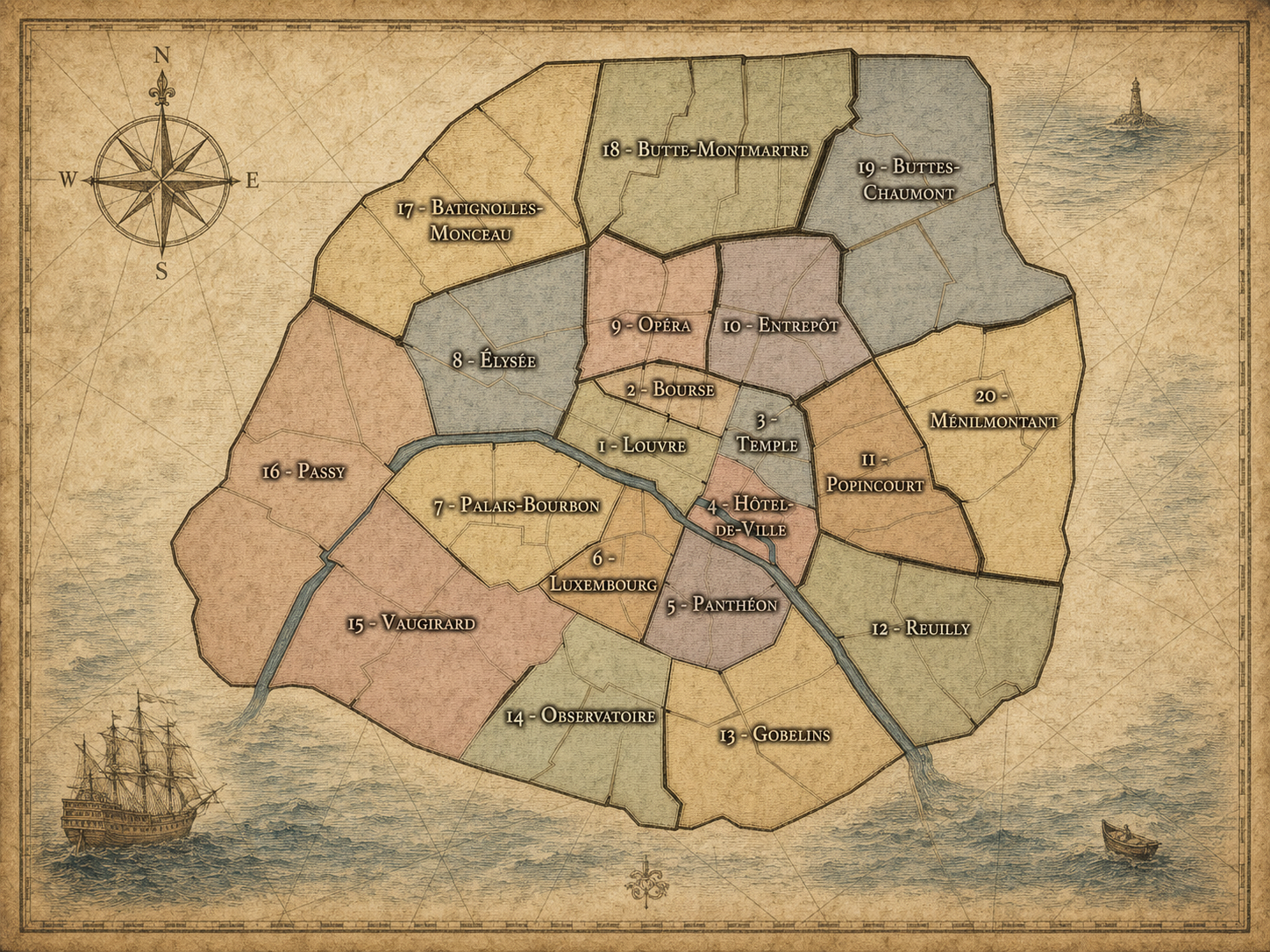
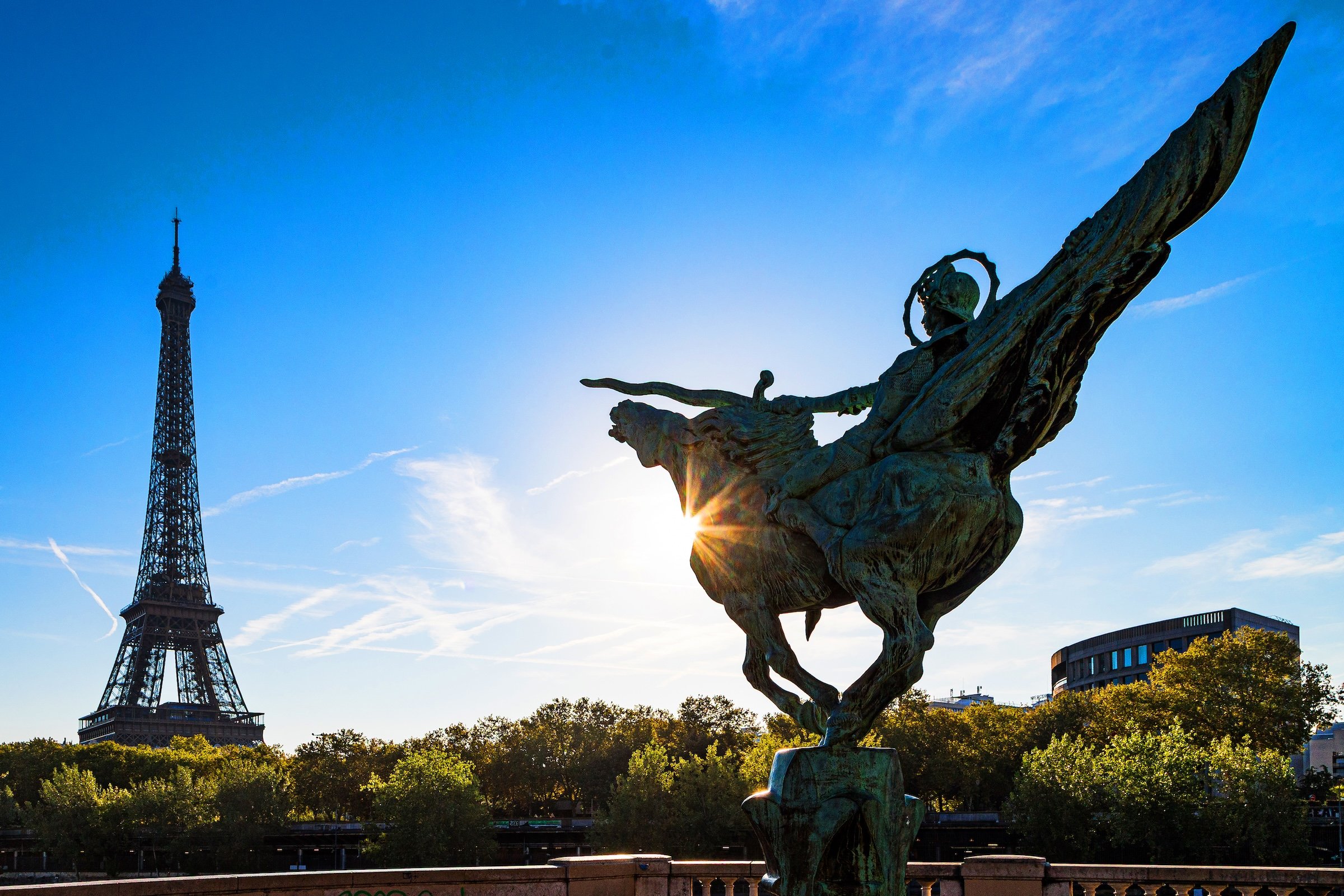
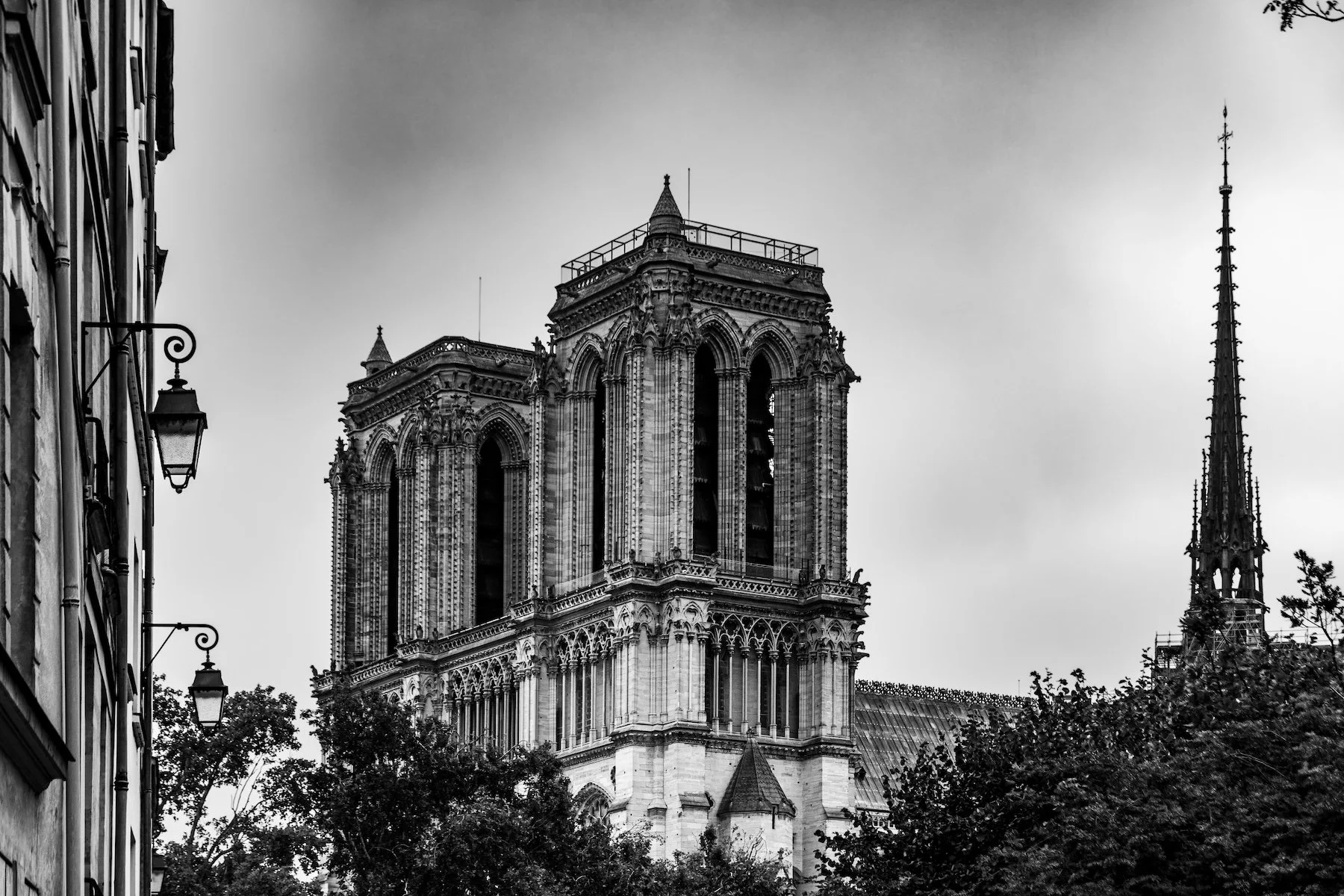
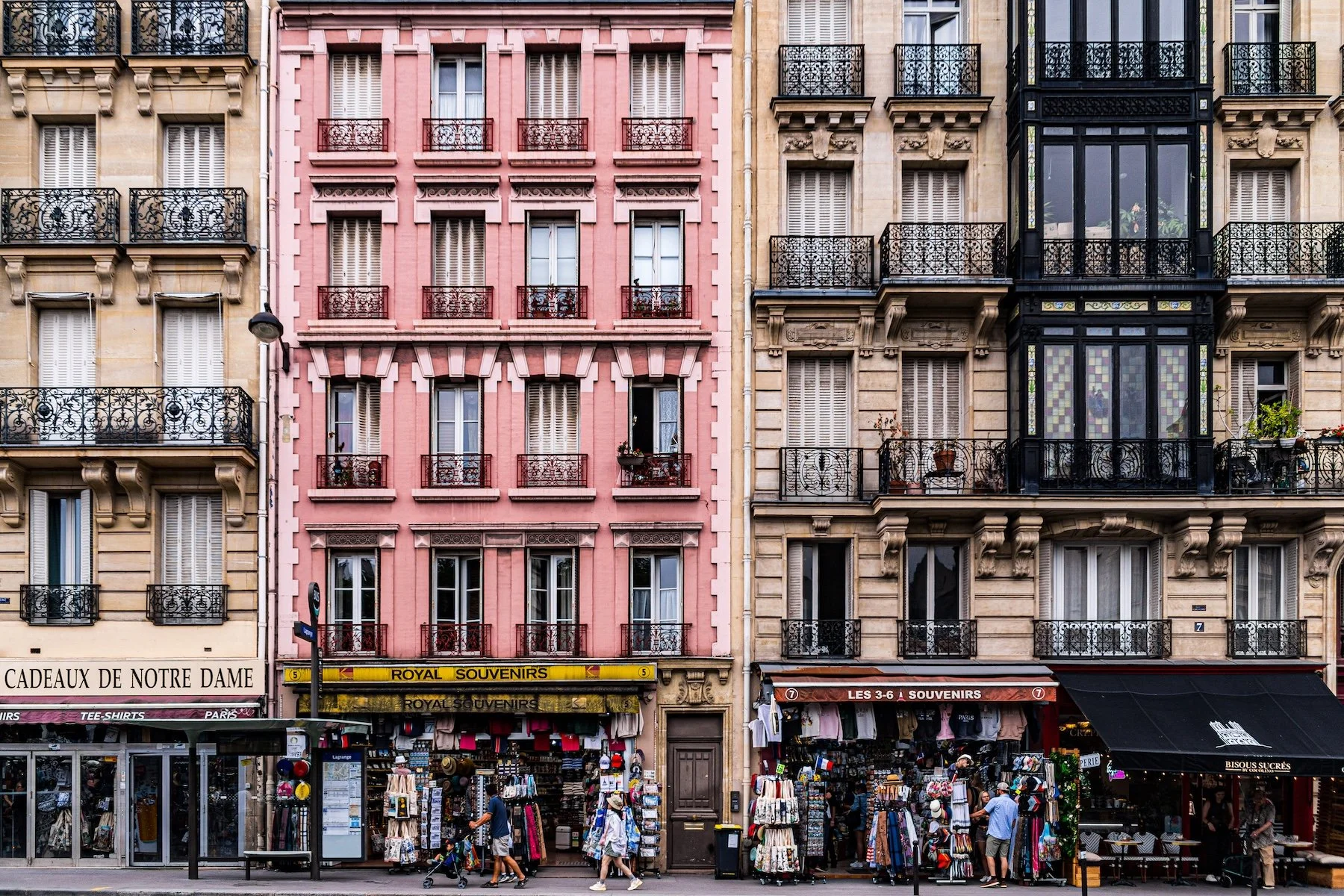
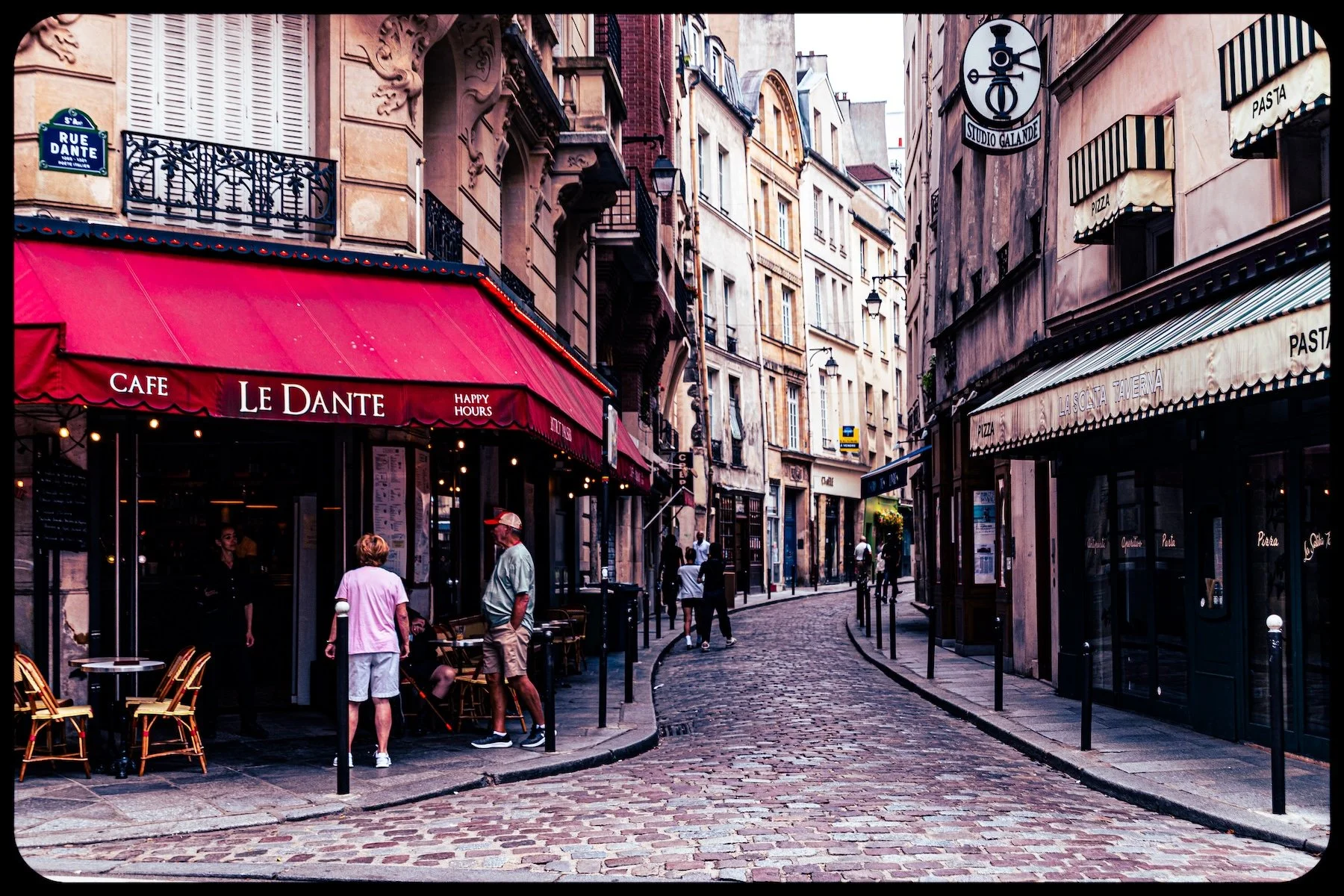
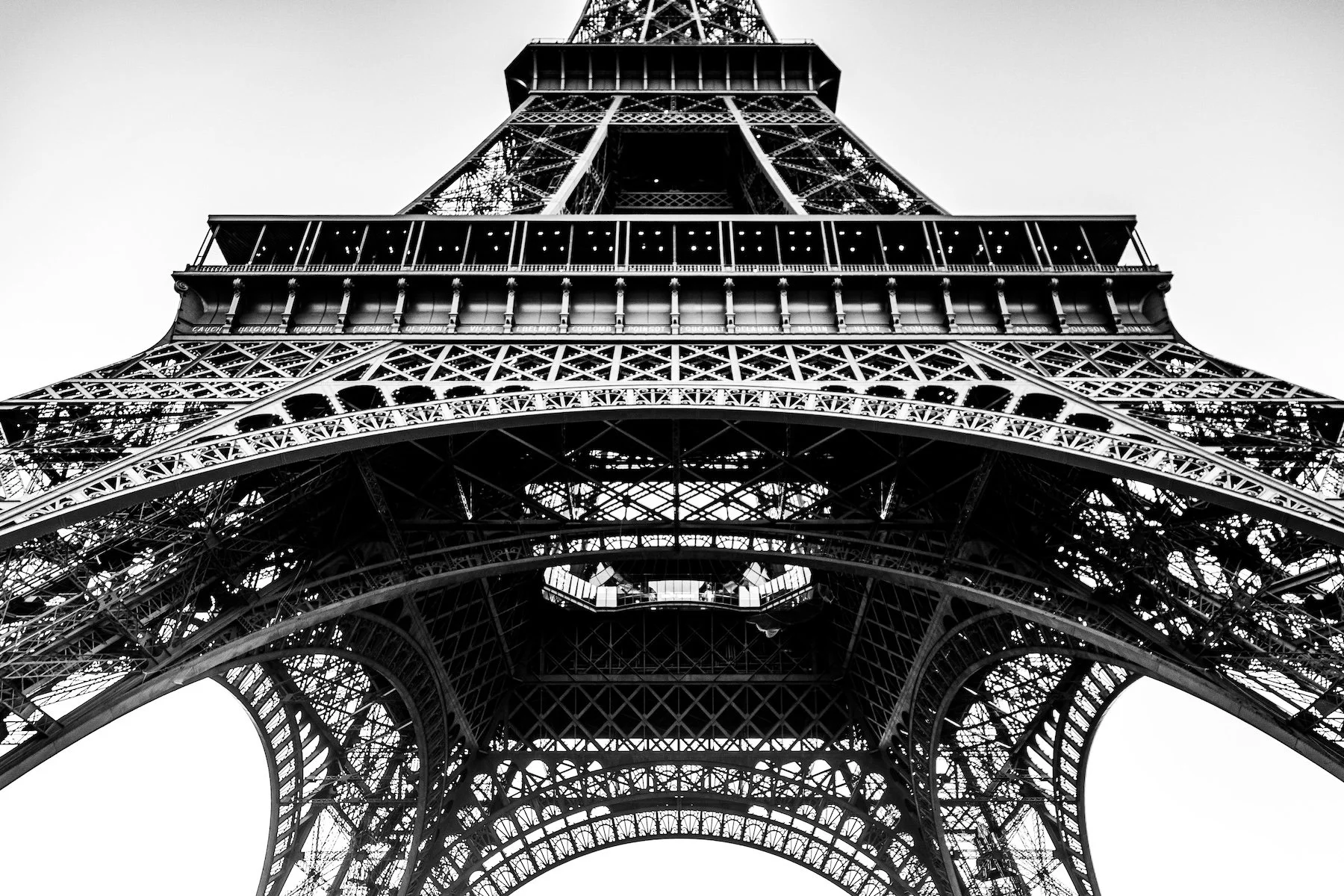
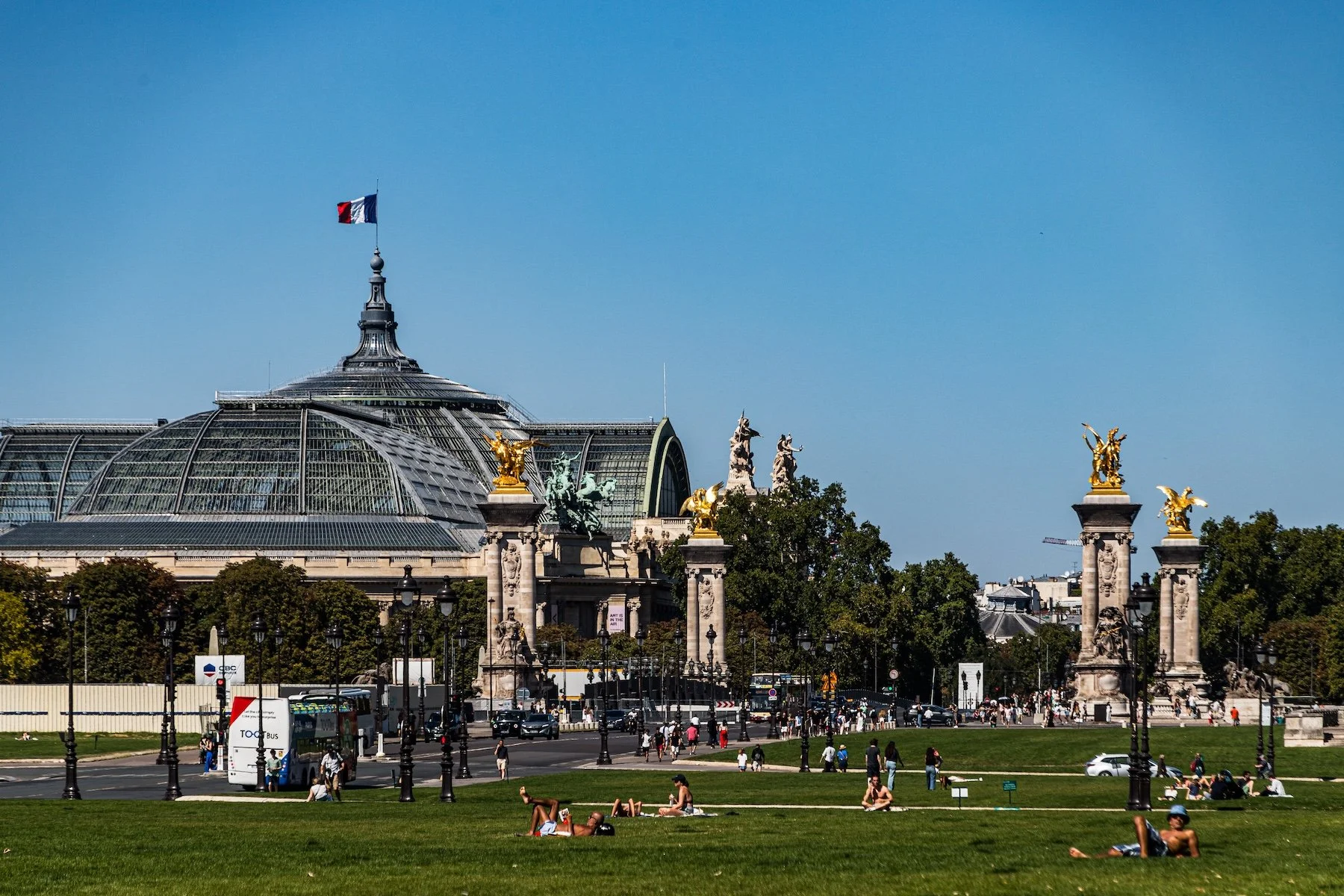
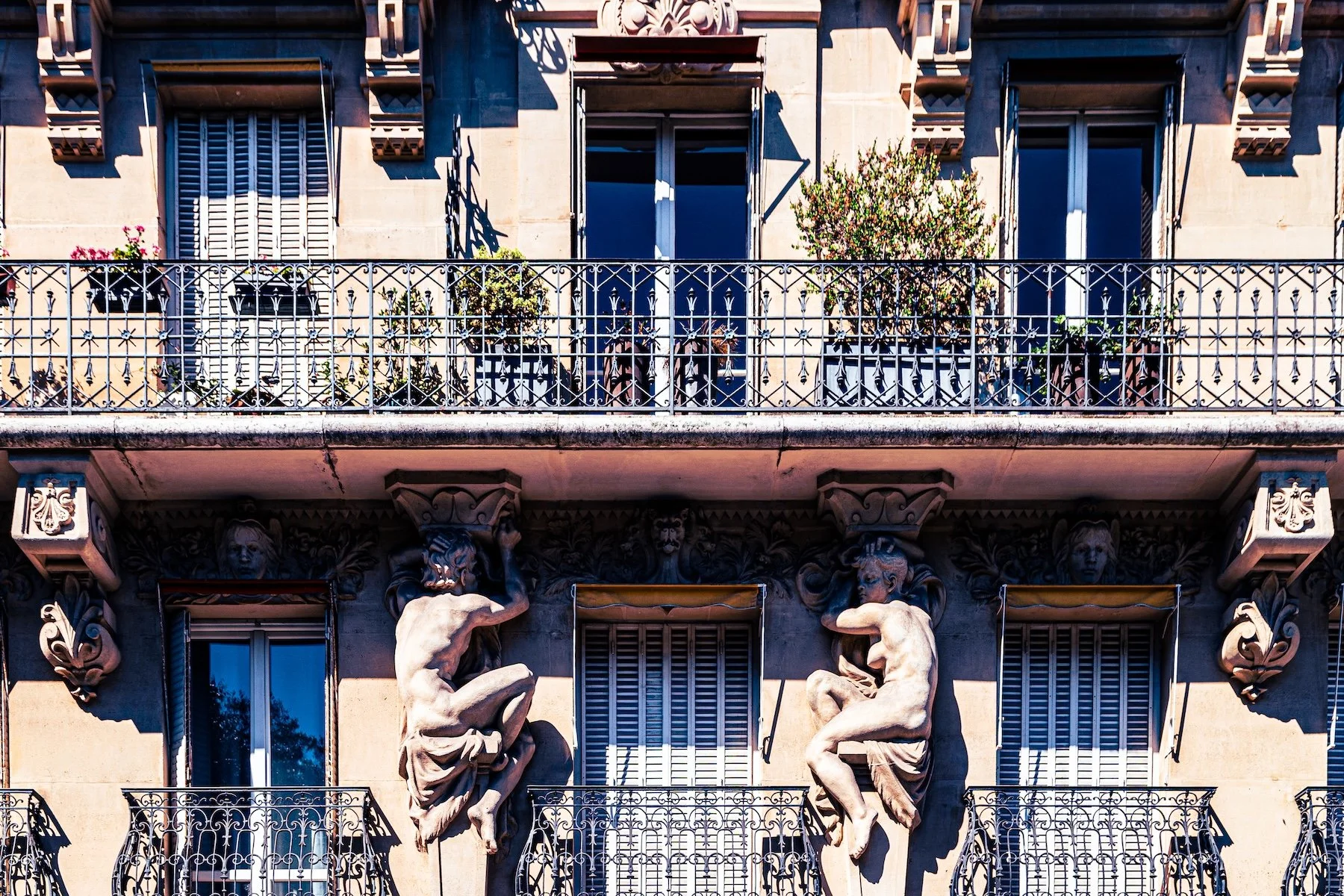
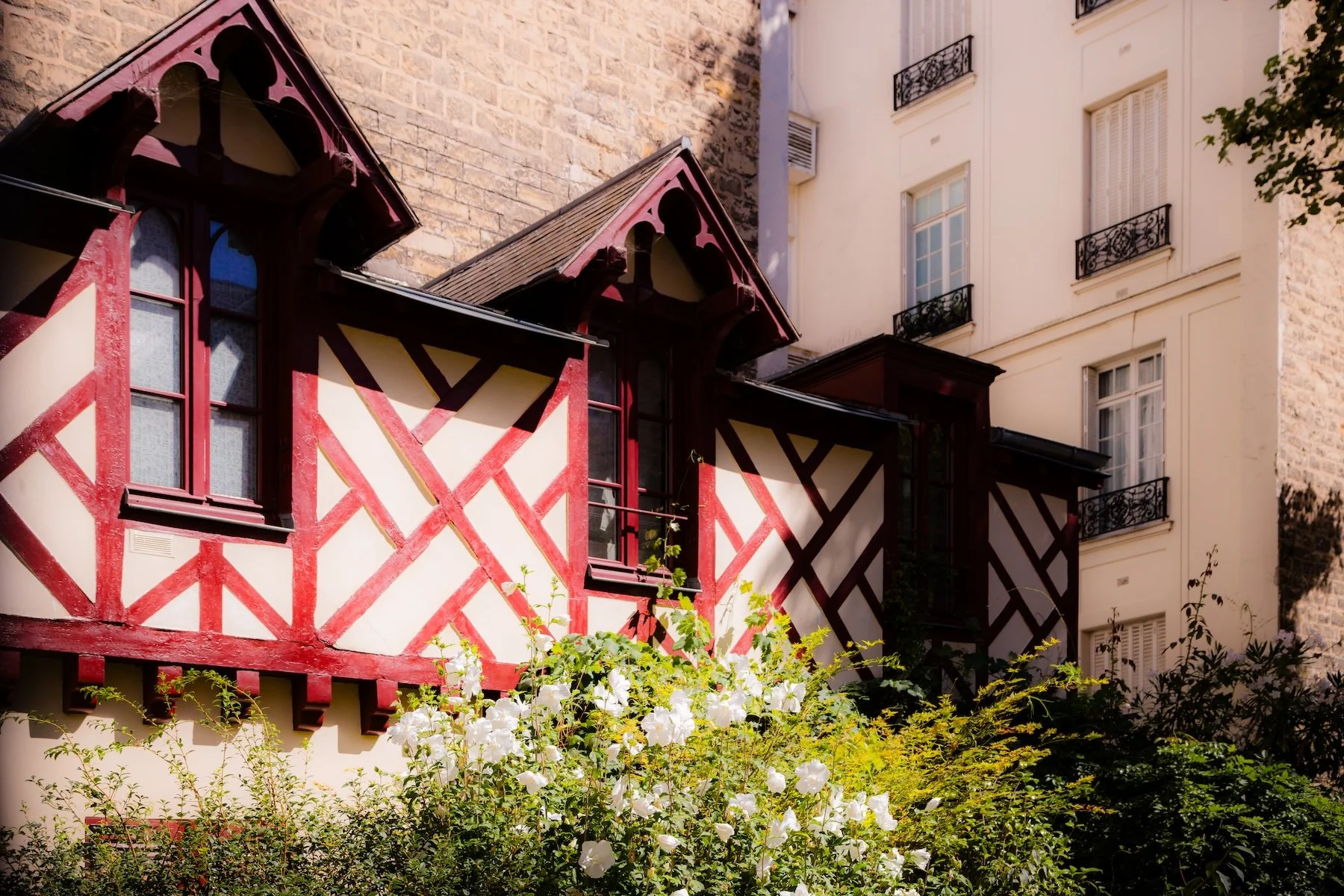
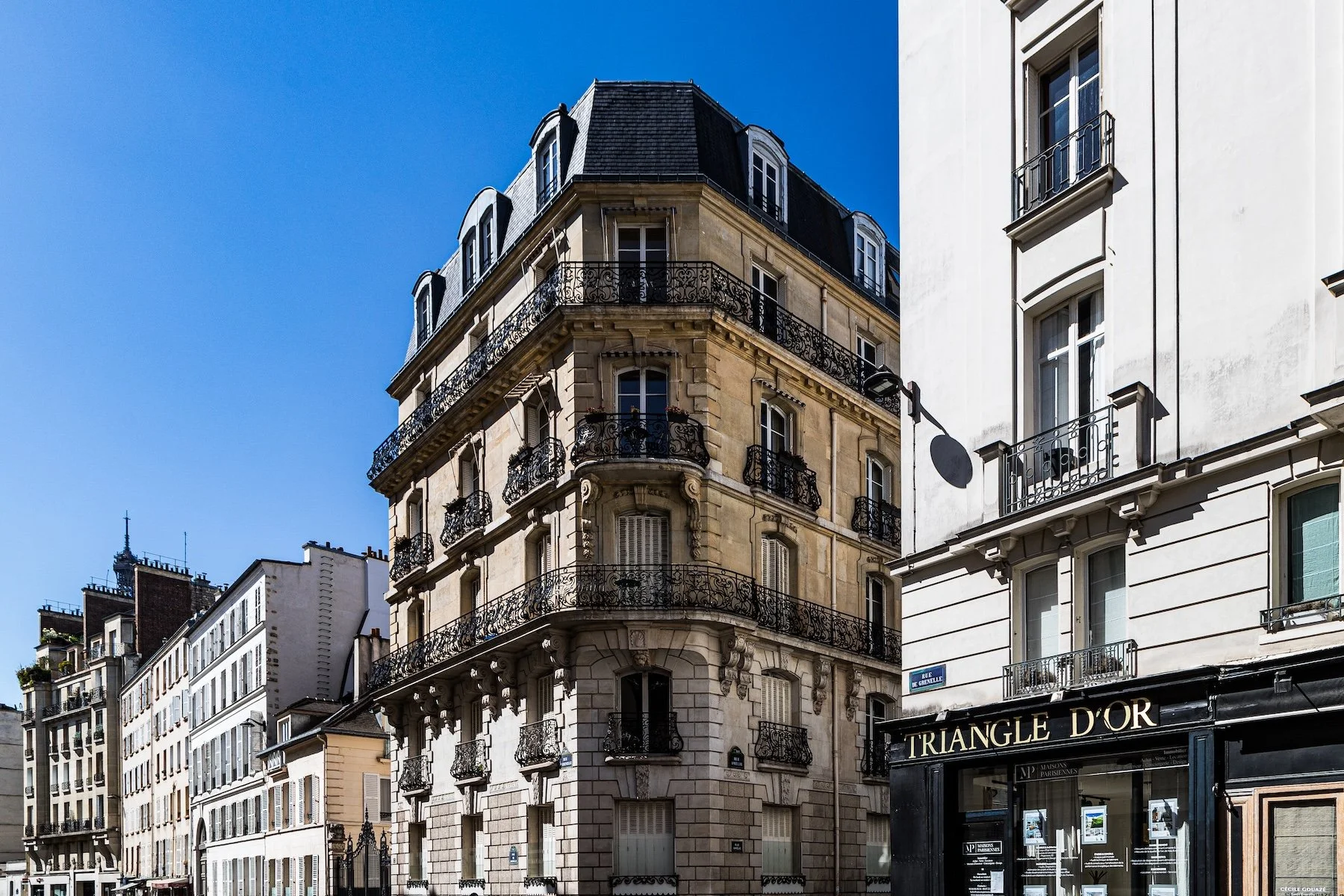
The arrondissements do not share a single visual identity. Instead, they organize Paris into twenty broad visual fields, each gathering its own combination of landmarks, streetscapes, institutions, residential districts, commercial corridors, parks, rail stations, markets, cemeteries, and riverfront edges.
Some arrondissements are defined by monumental scale: royal palaces, ceremonial avenues, government buildings, museums, formal gardens, and internationally recognized landmarks. Others are shaped by hills, canals, rail gateways, apartment-lined boulevards, neighborhood markets, former village streets, industrial remnants, parks, or the quieter rhythms of residential Paris. The arrondissement system gives these varied landscapes a civic frame, allowing the city to be read not as one visual language, but as a sequence of overlapping Parisian atmospheres.
Visual Identity
Through The Lens
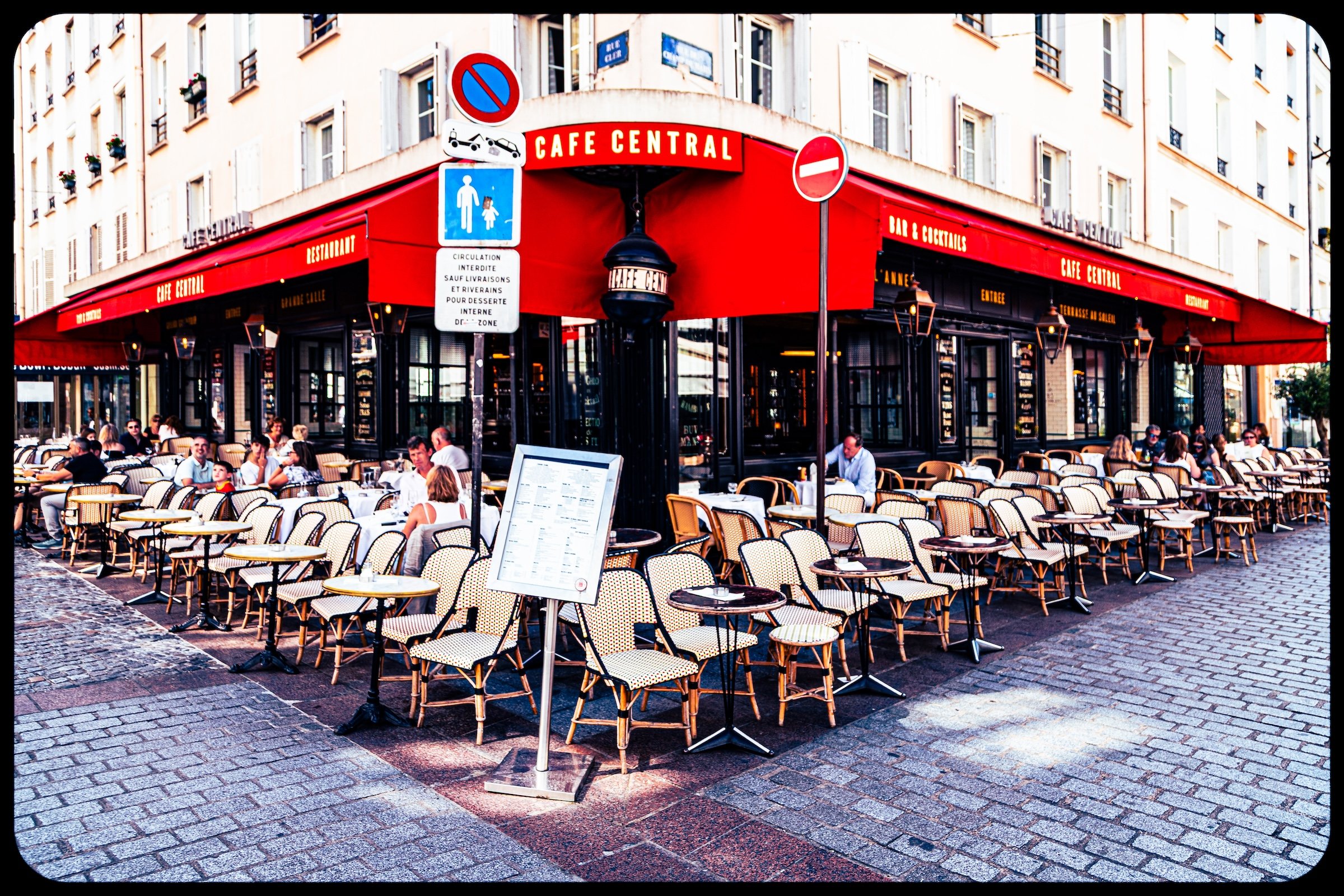
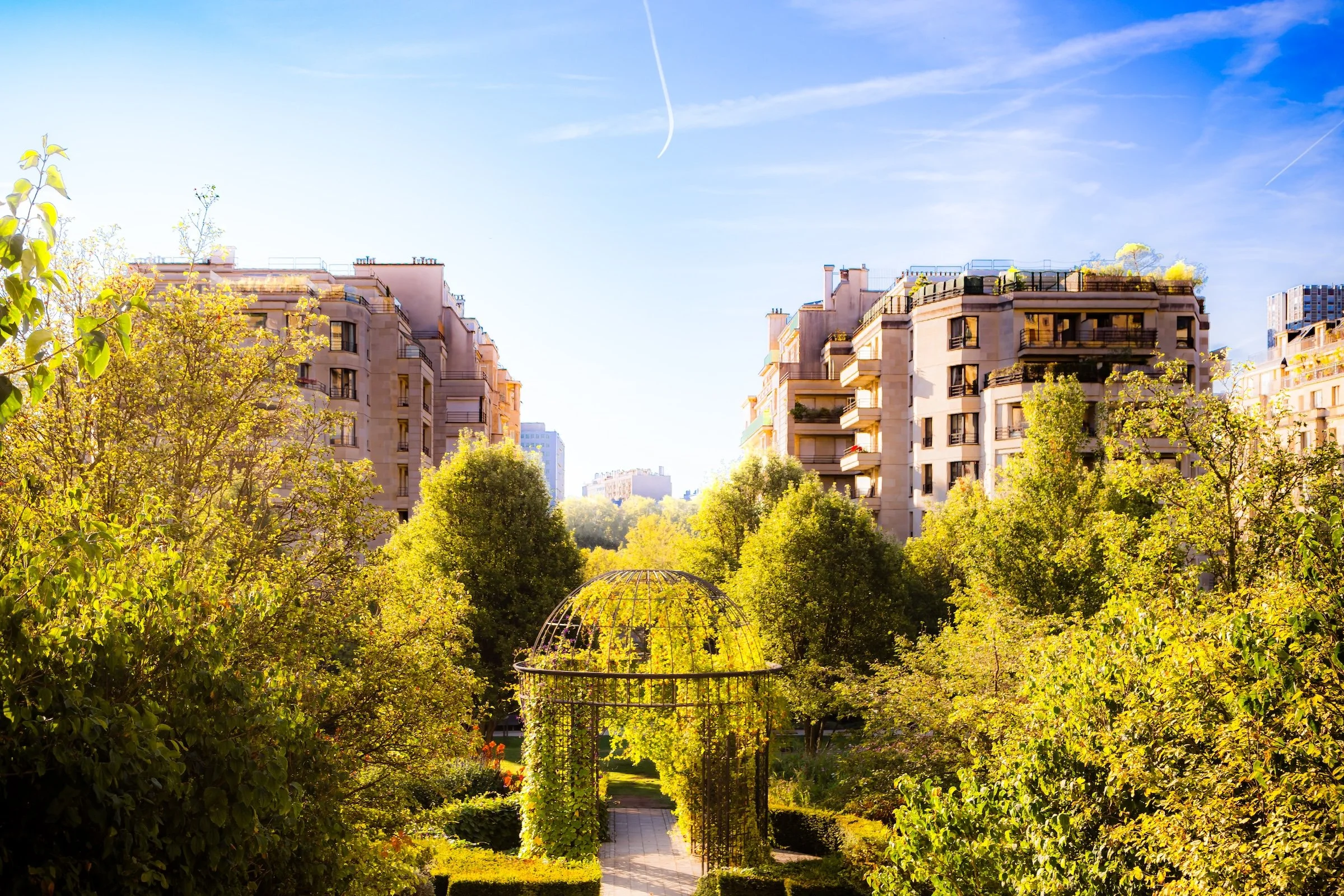
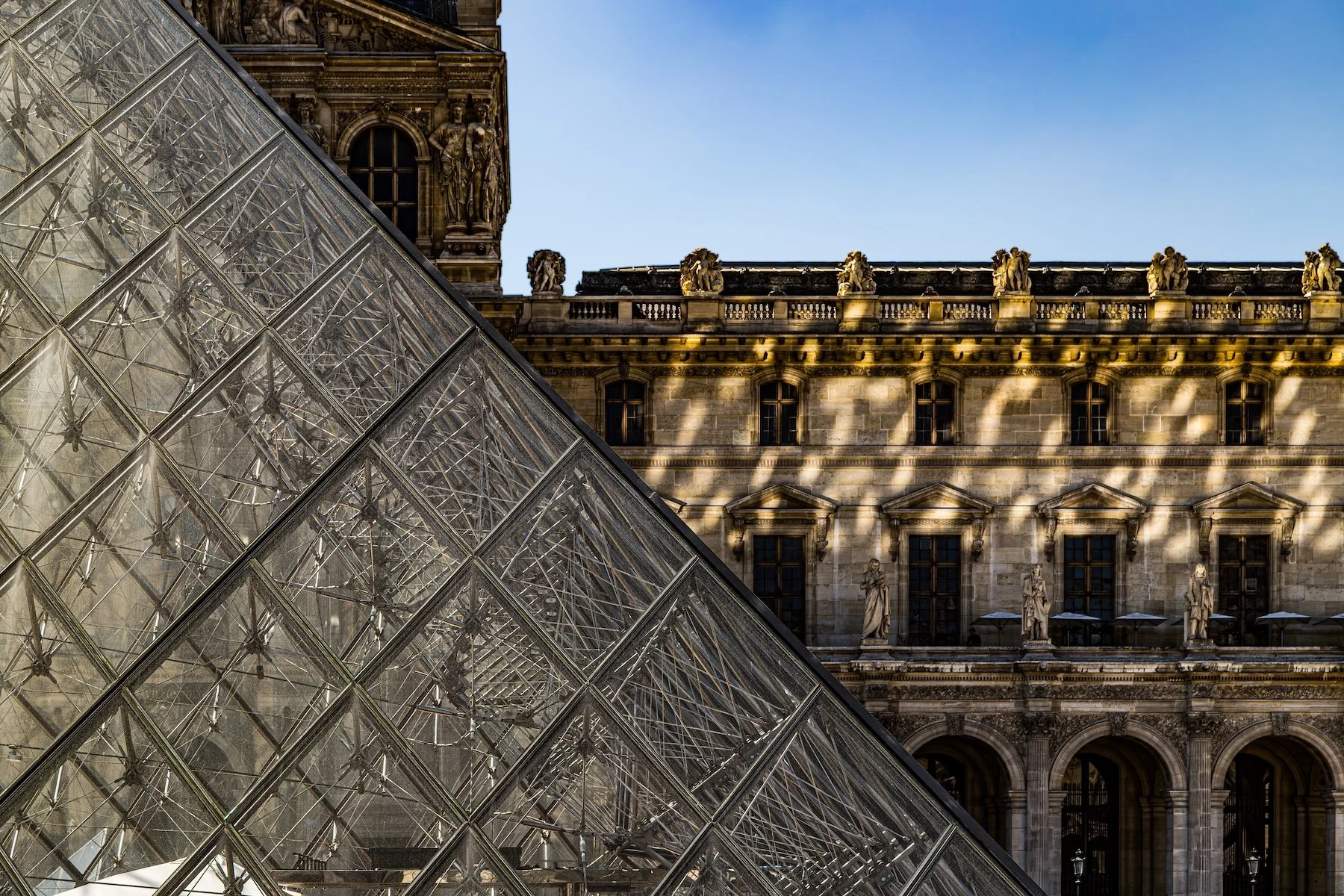
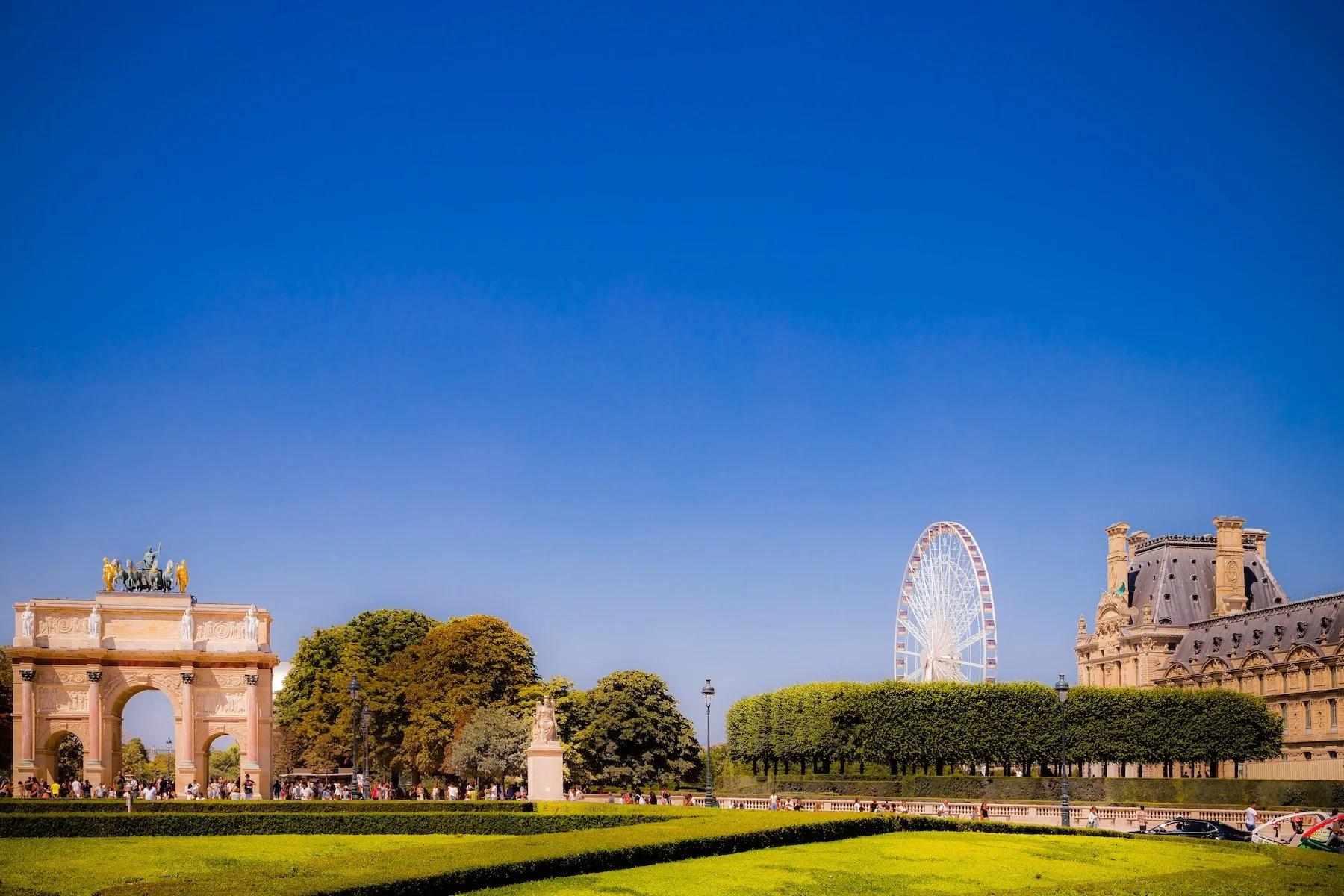
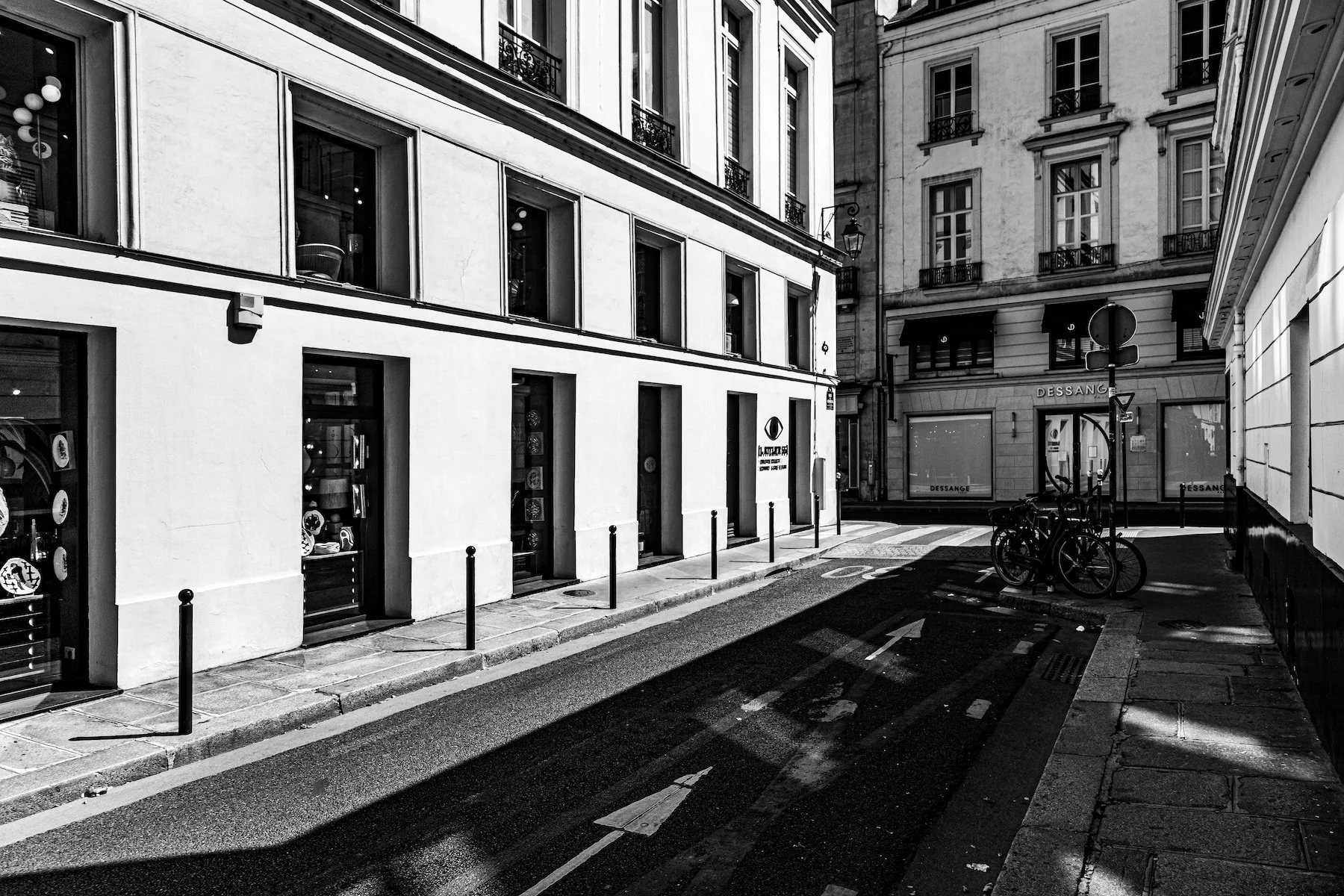
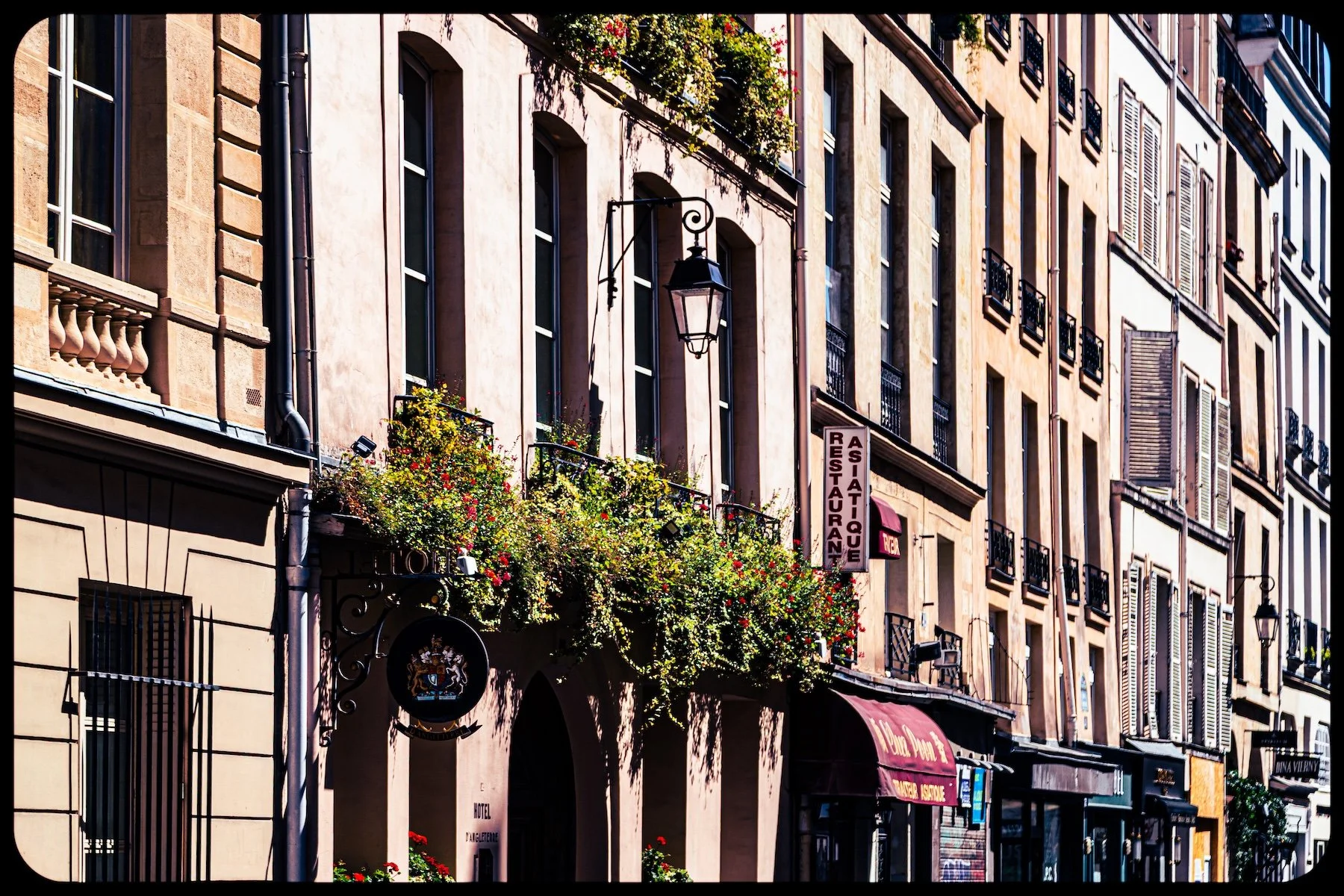
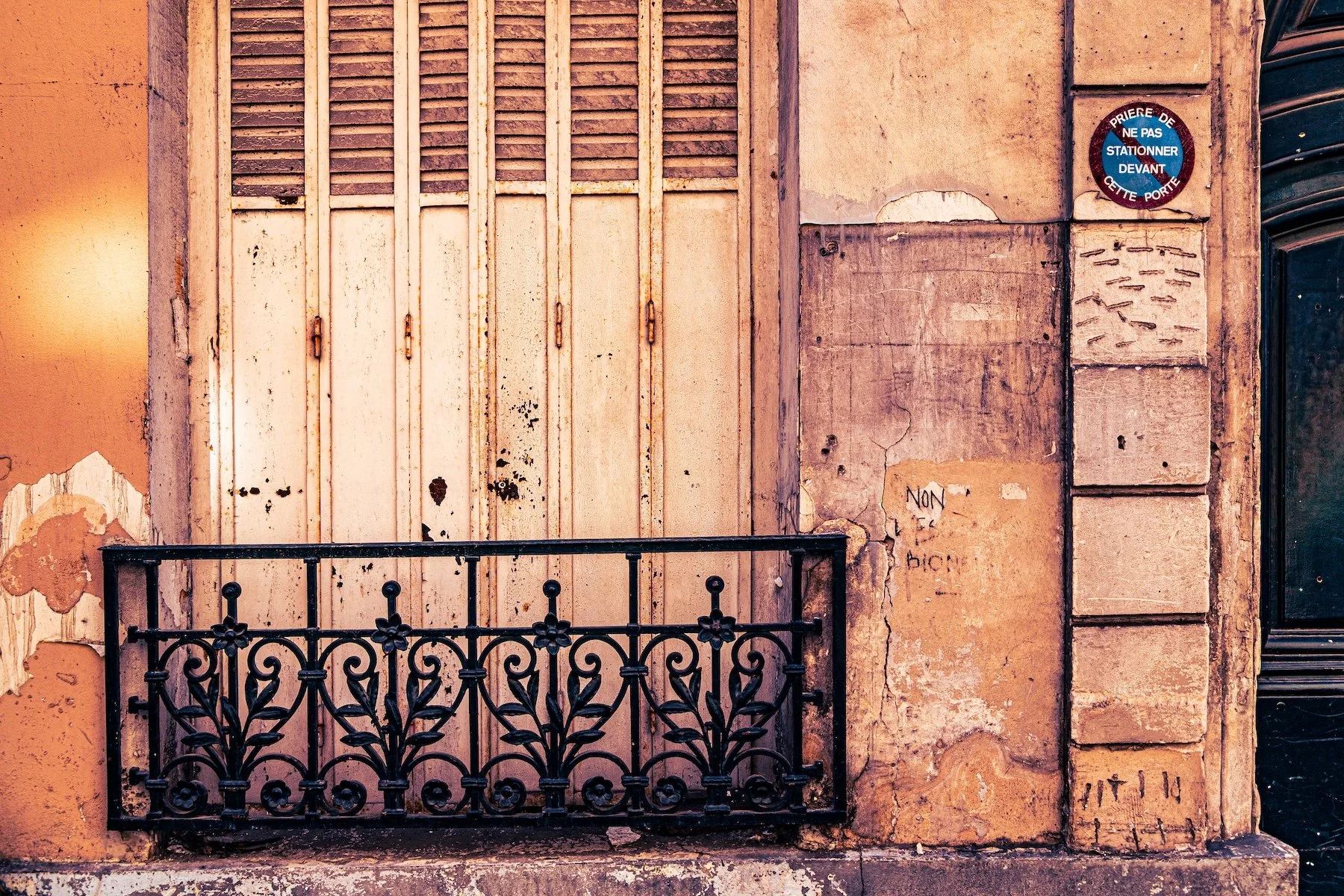
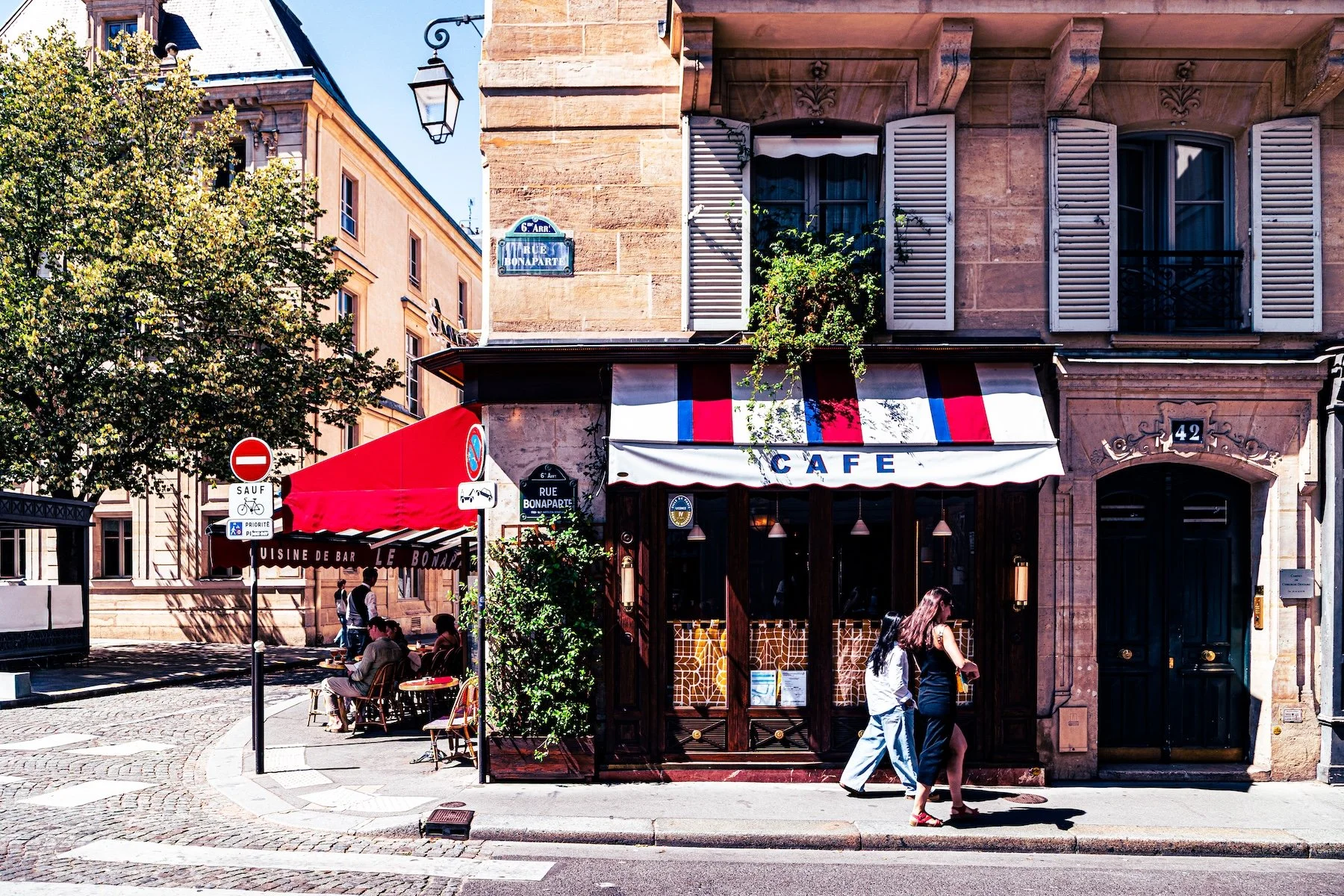
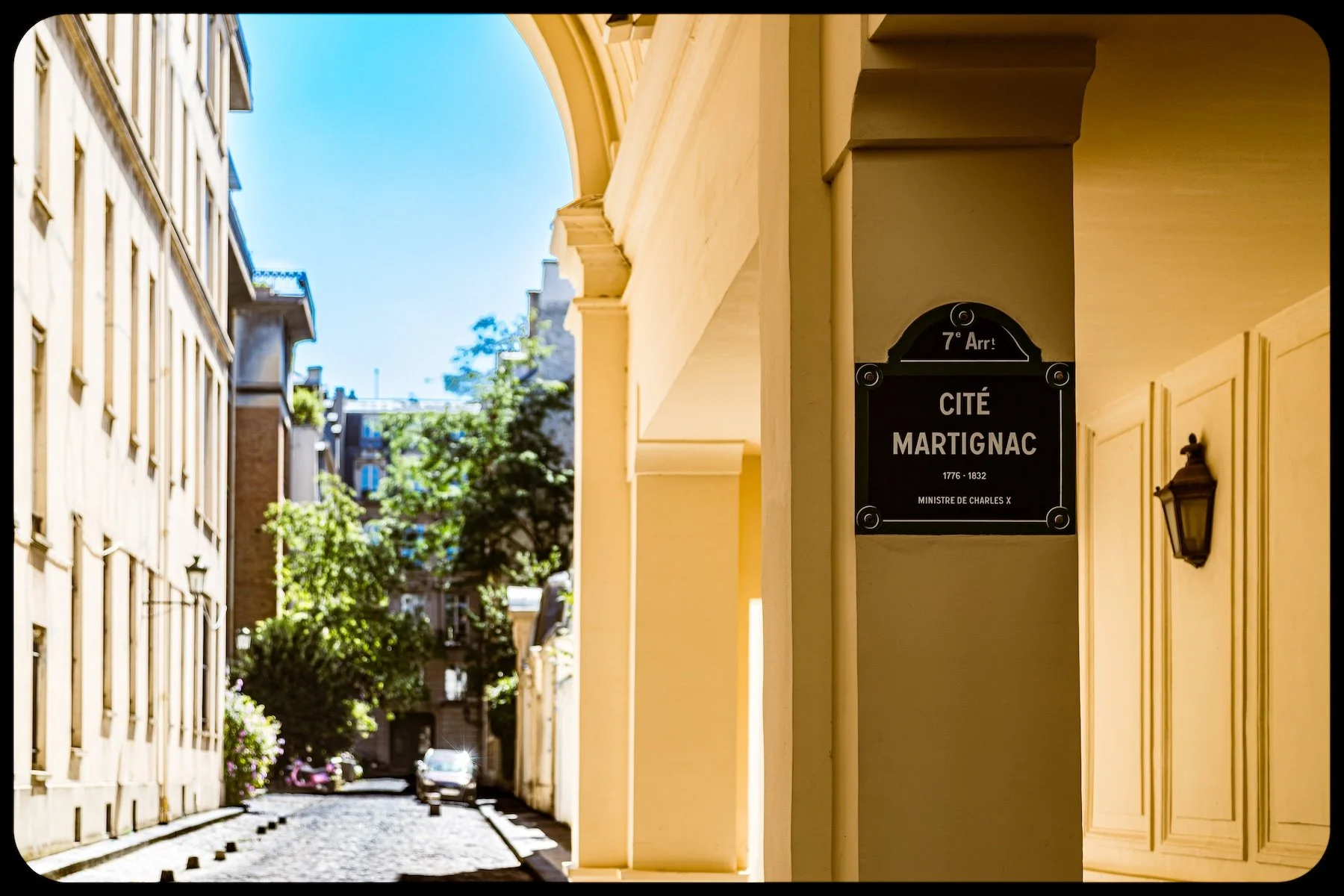
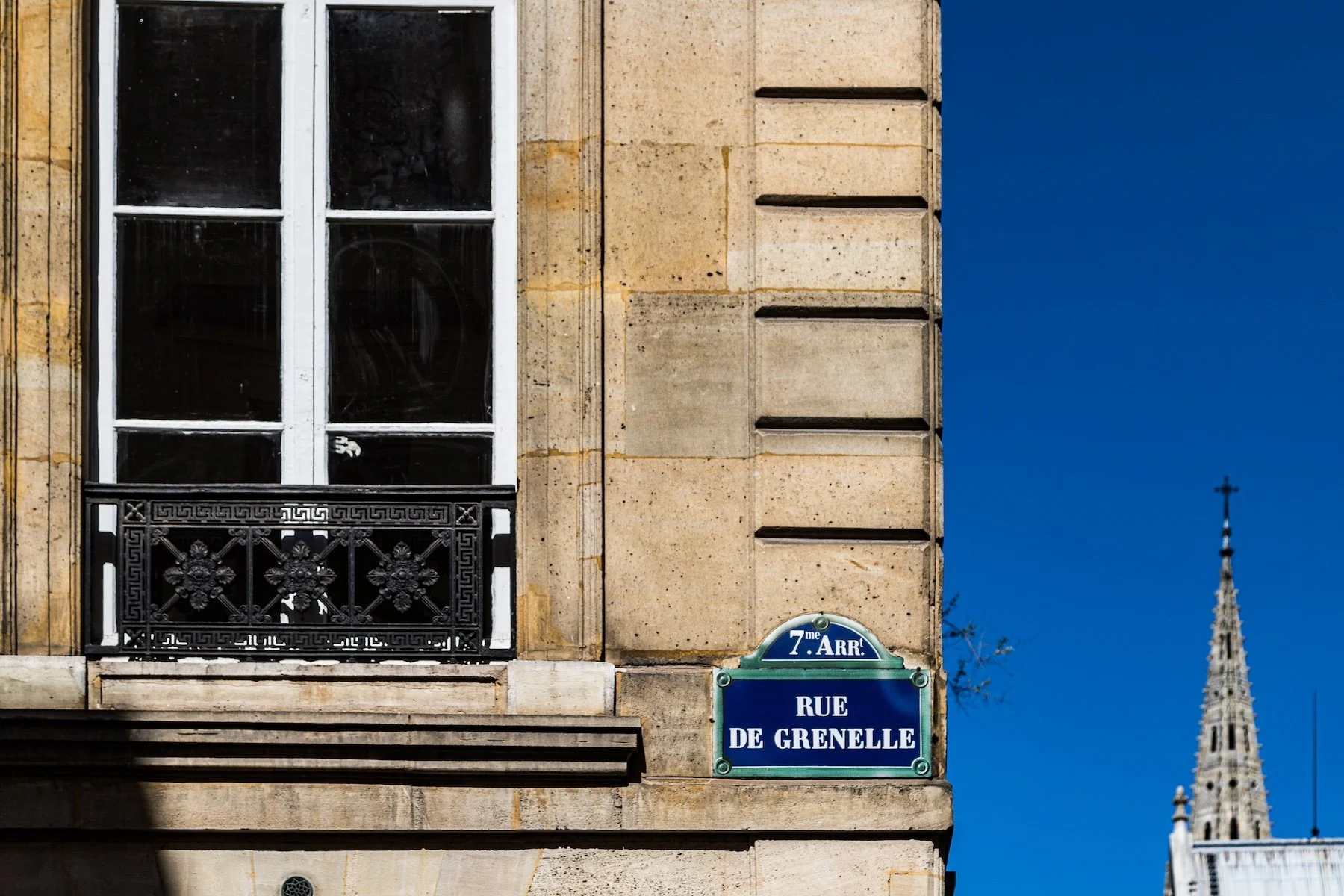
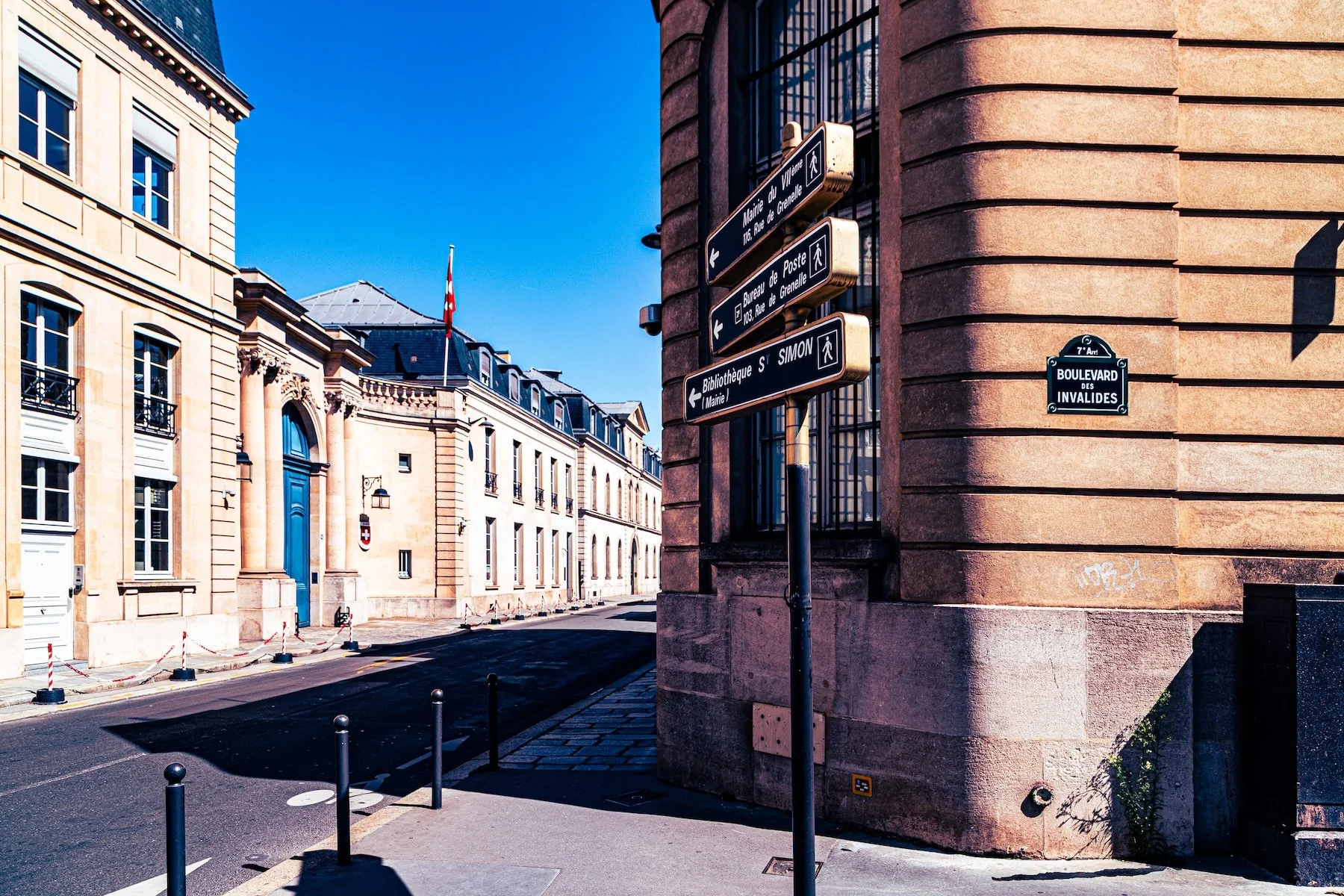
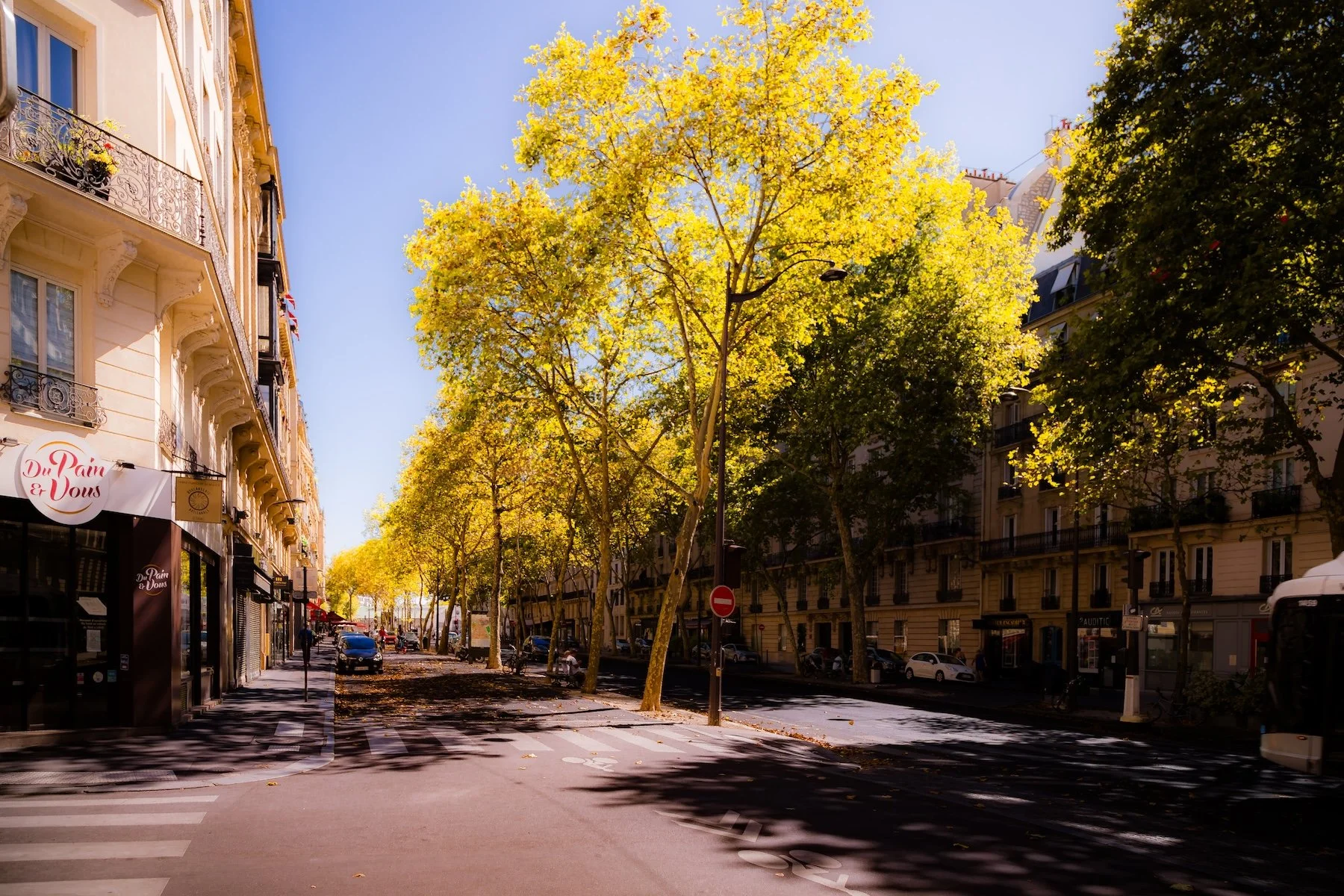
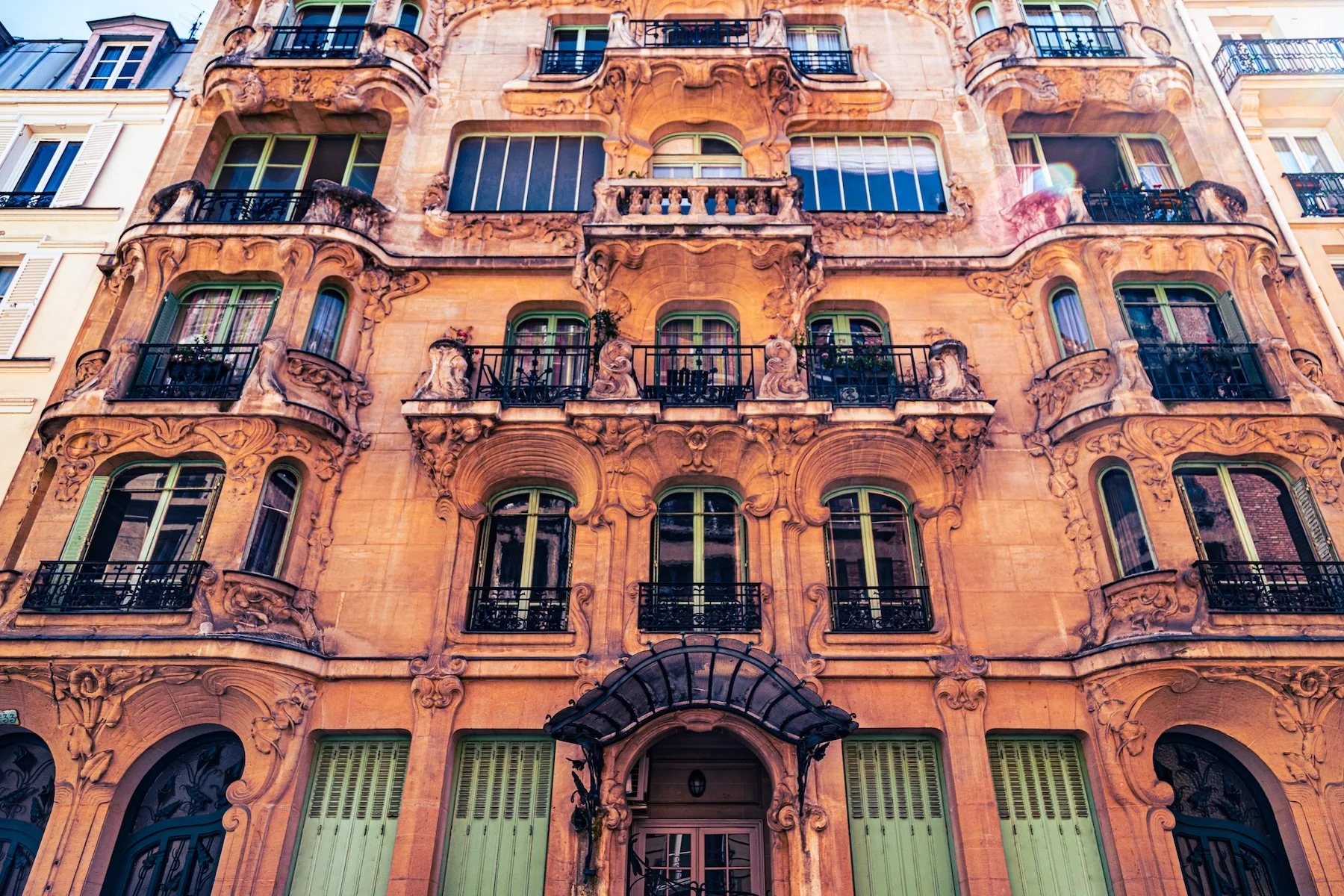
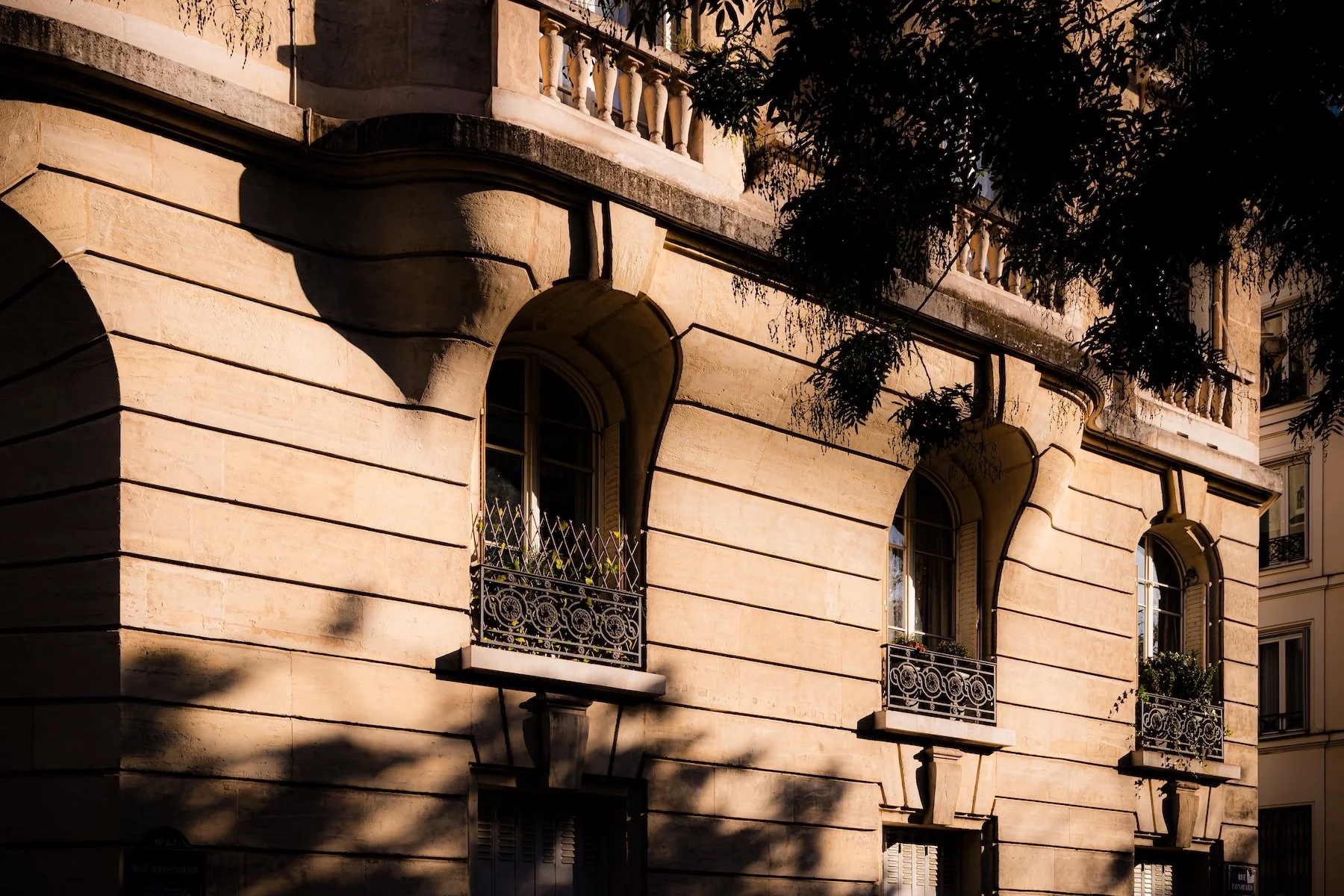
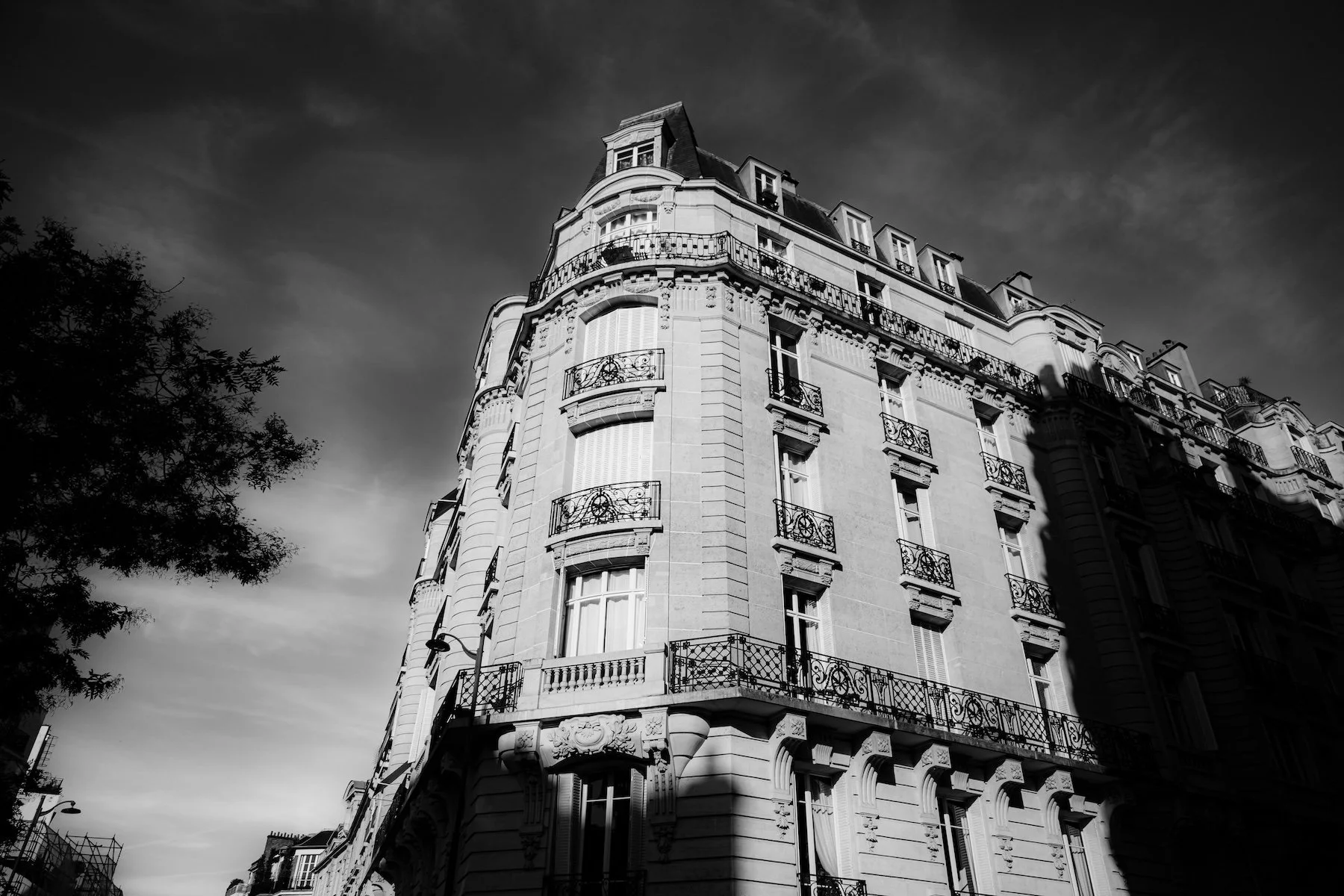
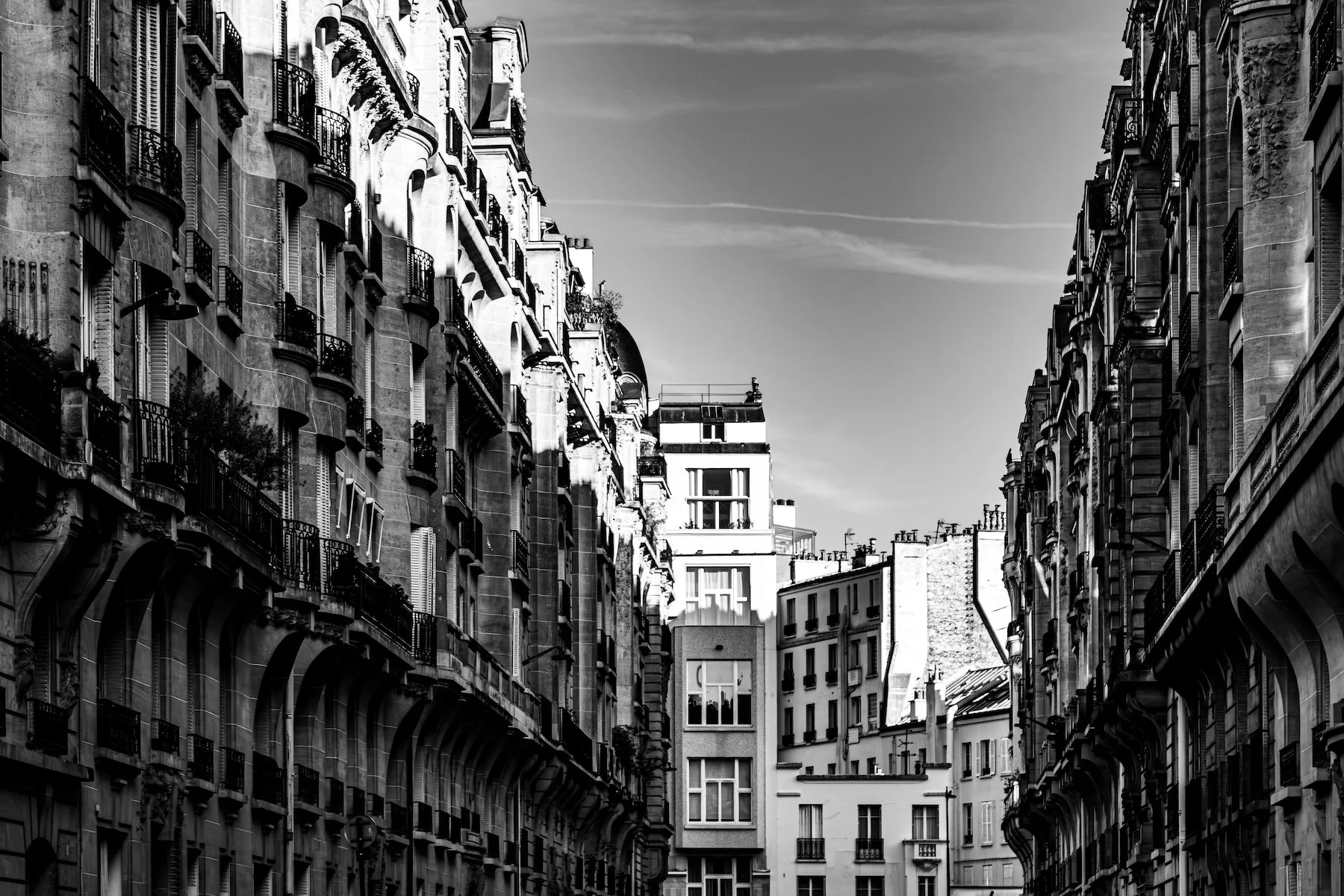
Photographing the arrondissements means moving between the official map and the street-level experience. The camera does not treat each arrondissement as visually uniform. Instead, it looks for the recurring forms, textures, transitions, and contrasts that make each district legible: the geometry of boulevards, the shade of plane trees, the repetition of balconies, the rise of stairways, the curve of canals, the presence of rail stations, the opening of parks, the weight of monuments, and the intimacy of side streets.
On CityNeighborhoods, the arrondissement provides the frame, but the photograph comes from the encounter between map, movement, light, and observation. As the Paris photography is processed, this section will connect each arrondissement more directly to the project’s Photographic Lexicon: the visual strategies, recurring motifs, and compositional patterns that shape how the city is seen through the lens.
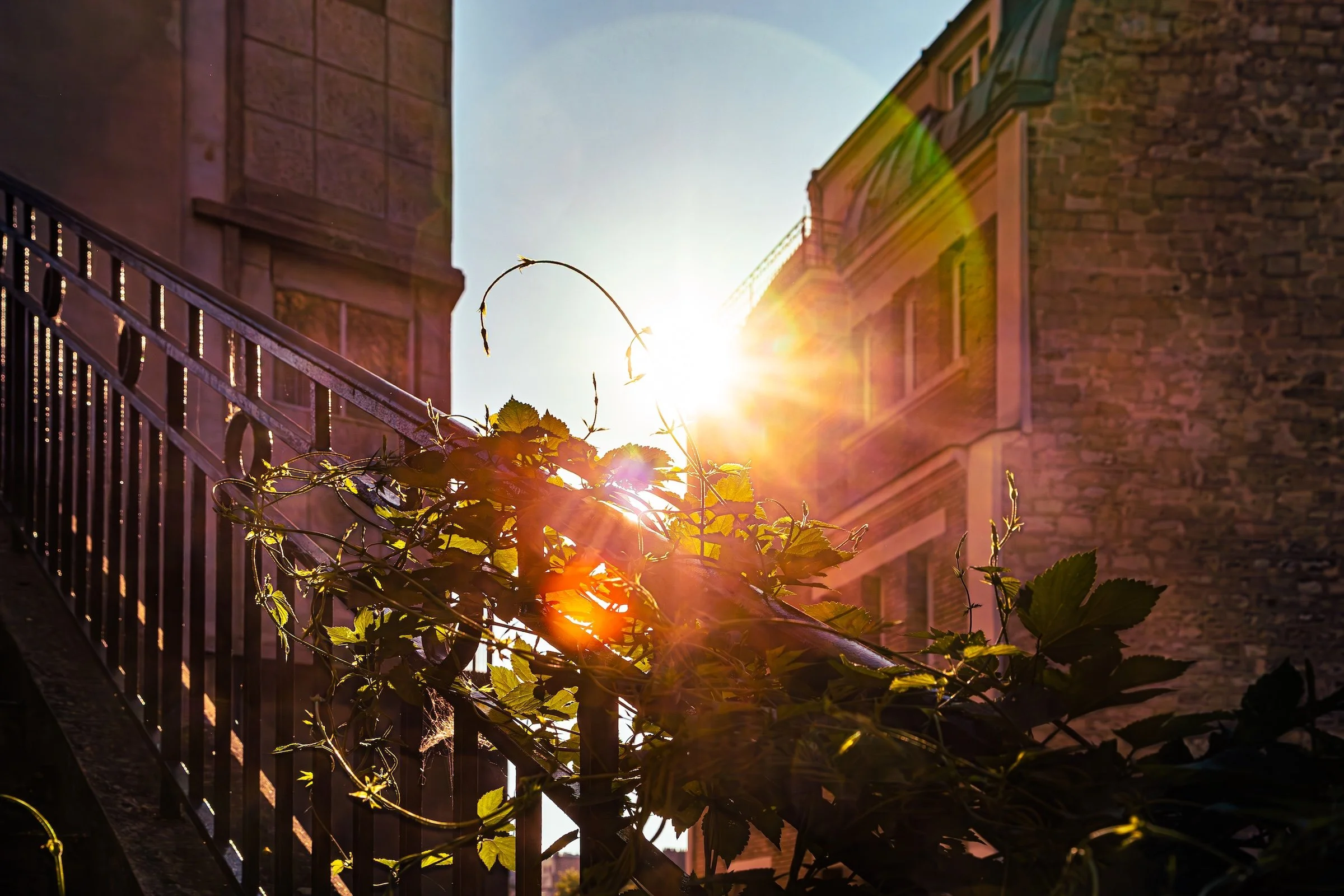
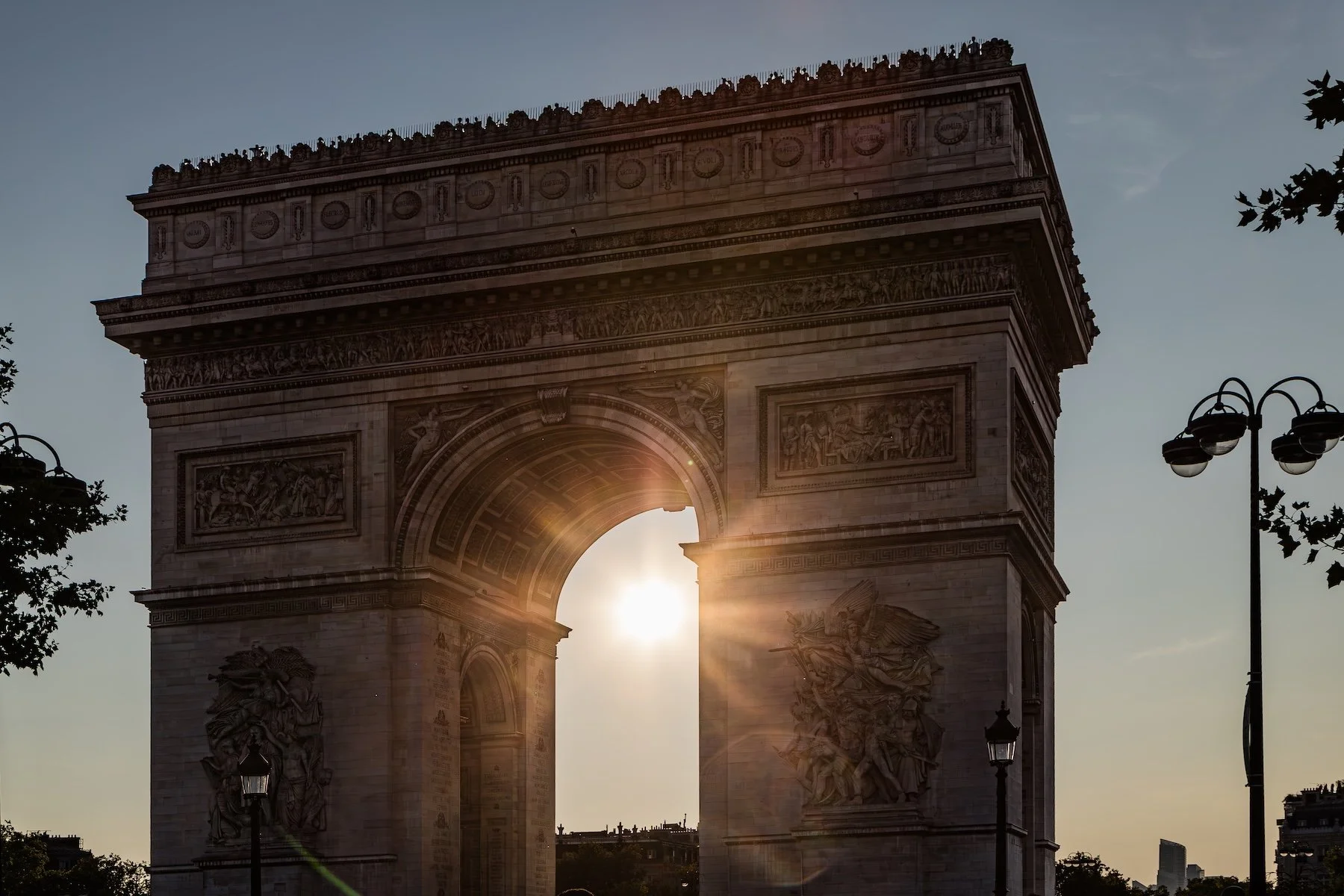
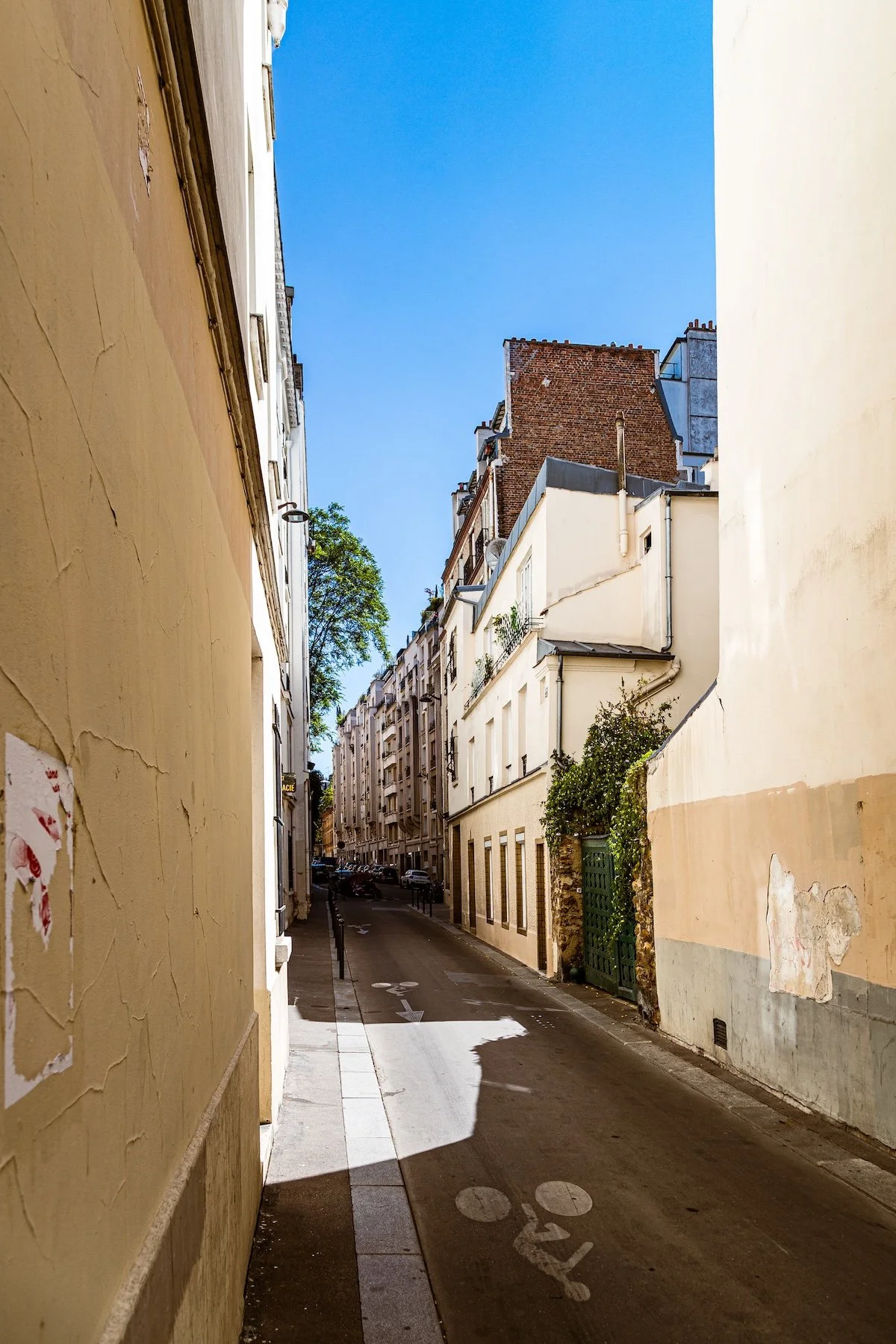
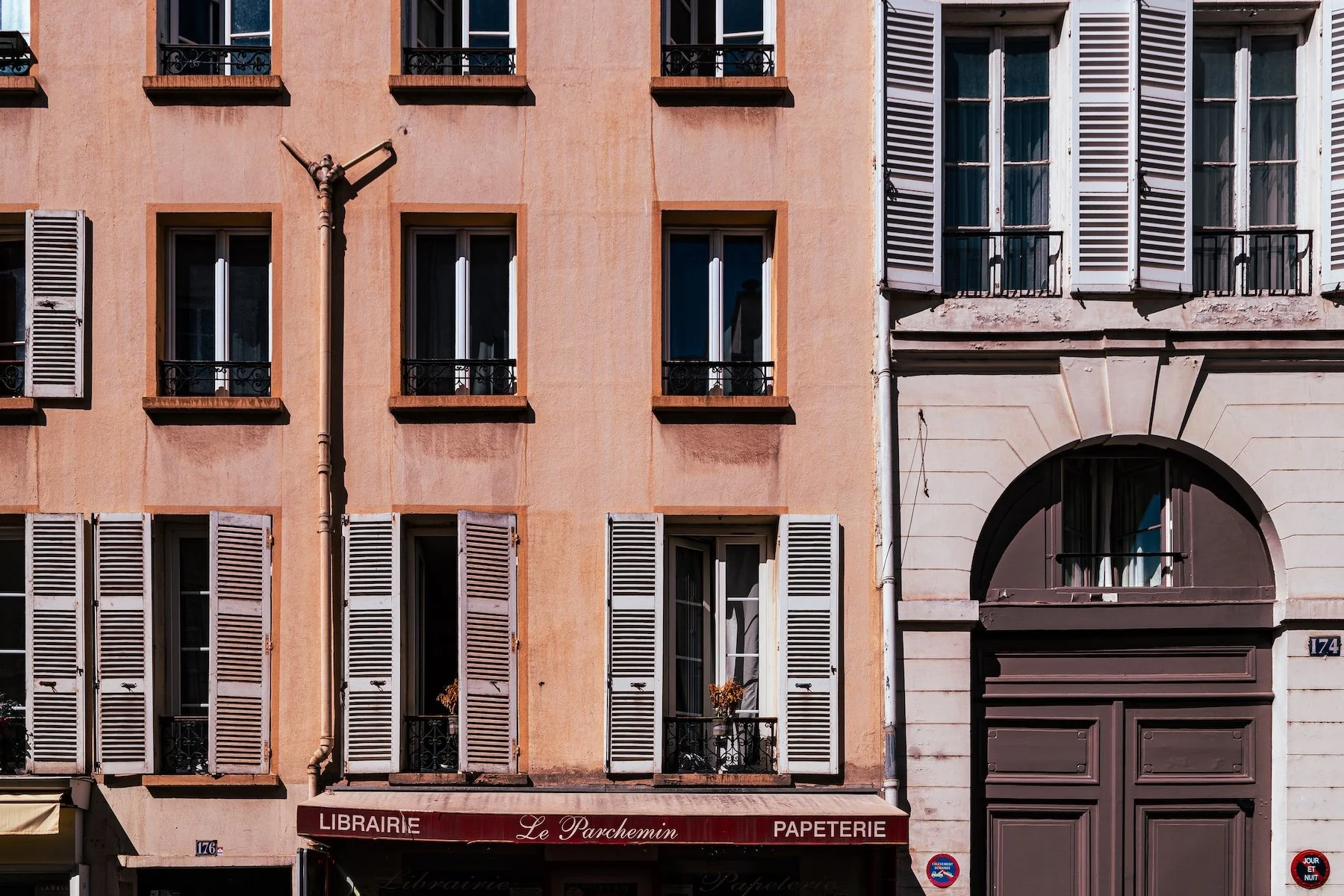
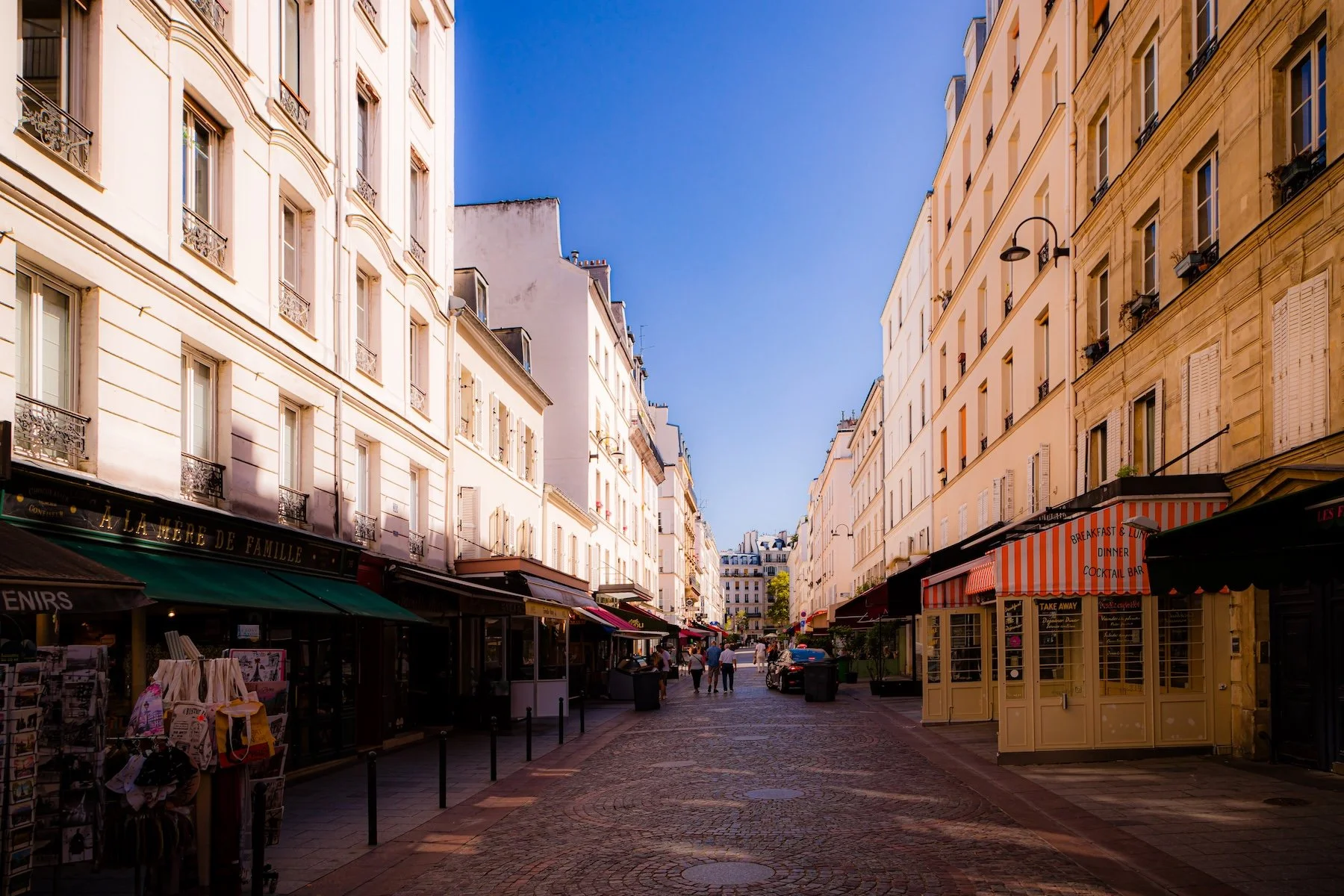
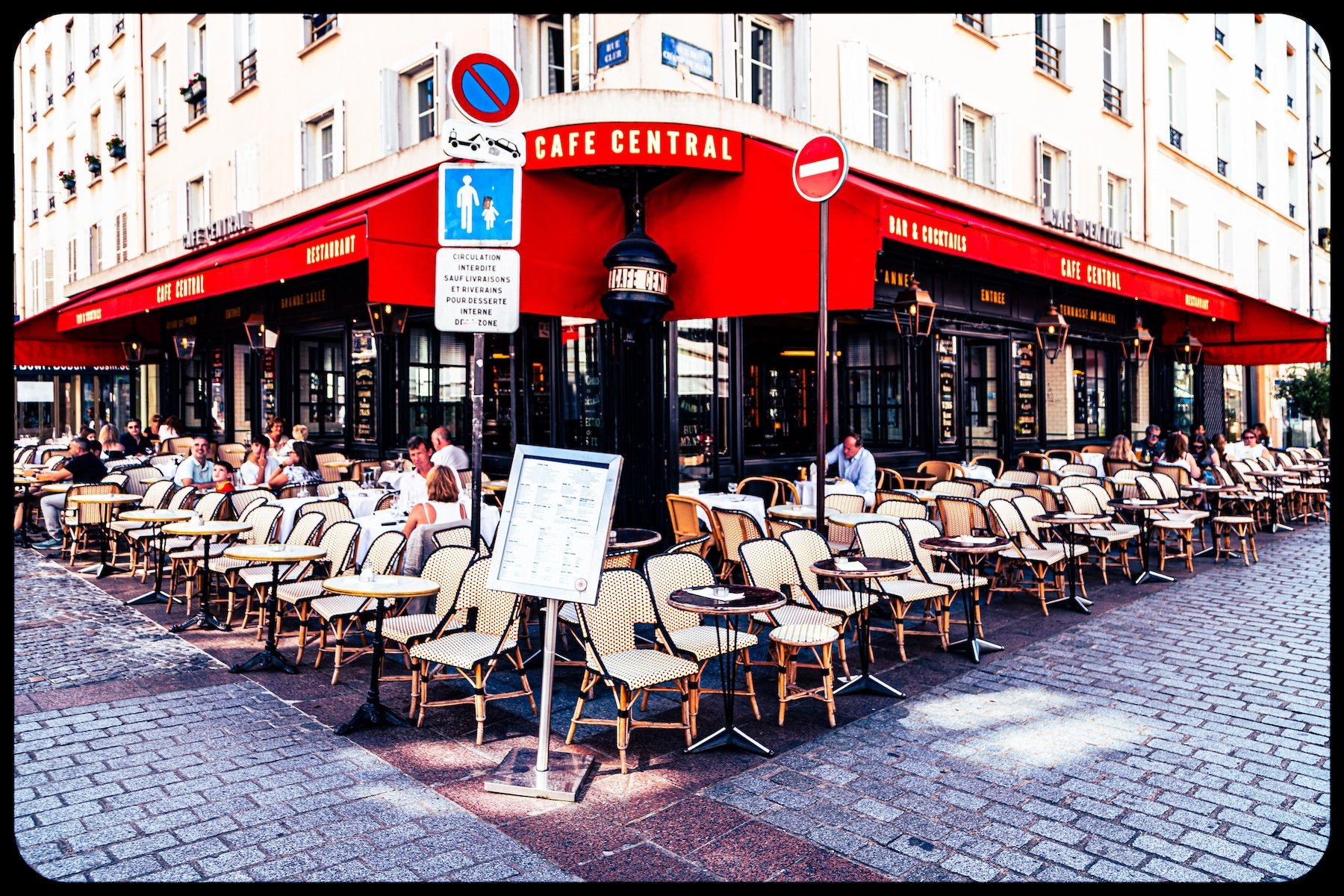
If you visit Paris, these ideas can help inspire your own photography.
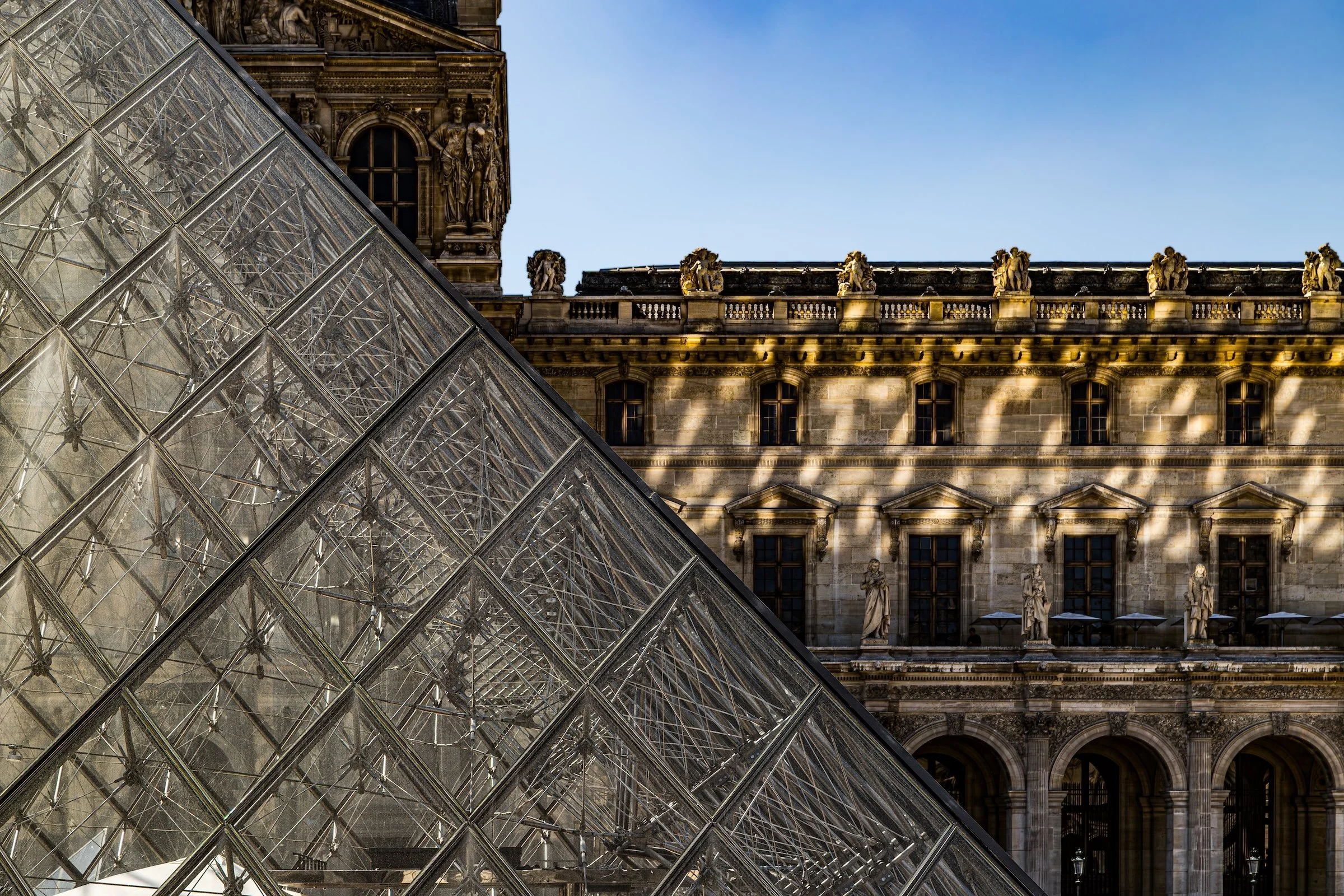
Paris: J’Espere, Je Rêve, Je Vive
Paris Photo Gallery
Paris Field Notes
-
Field Note: August 18, 2025 | 07:58 AM
Conditions: 73°F | Humidity: 72%.
Within the park's interior, the glacial kettle ponds acted as humidity traps, creating a soft, hazy light that filtered through the old-growth oaks. The transition from the park's dense shade to the sun-drenched edges of Oakland Gardens highlighted the day's exceptional "picture-perfect" clarity.
There is a fleeting window in Queens where the humidity of August hasn't yet heavy-set, and the morning sun hits the canopy of Alley Pond Park at a perfect oblique angle. Arriving just before 8:00 AM, I watched the light break through the oaks and tulip trees, casting long, dramatic shadows across the wet grass. It’s in these quiet, golden moments that the park feels less like a city escape and more like the ancient glacial valley it actually is.
Other neighborhoods visited:
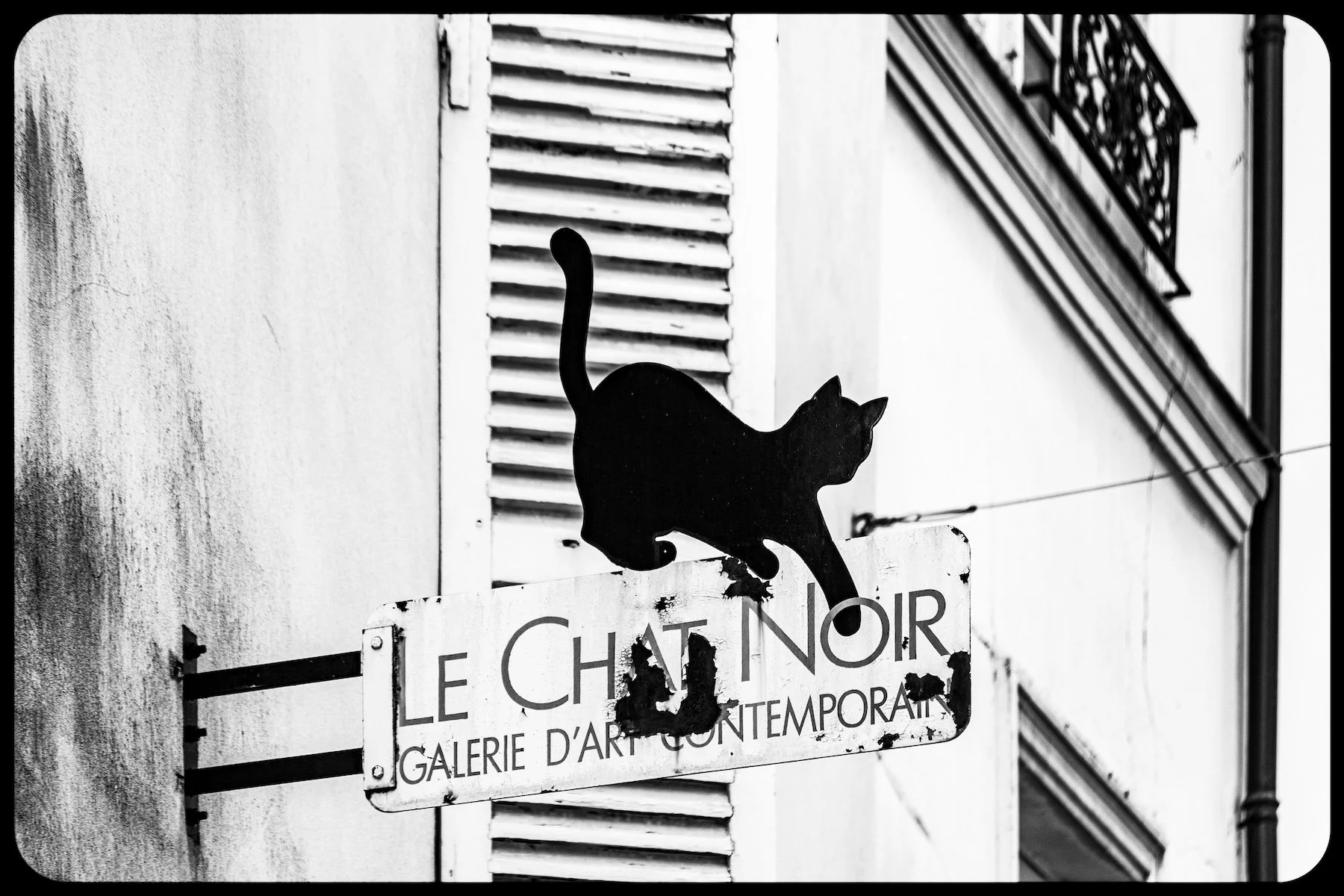
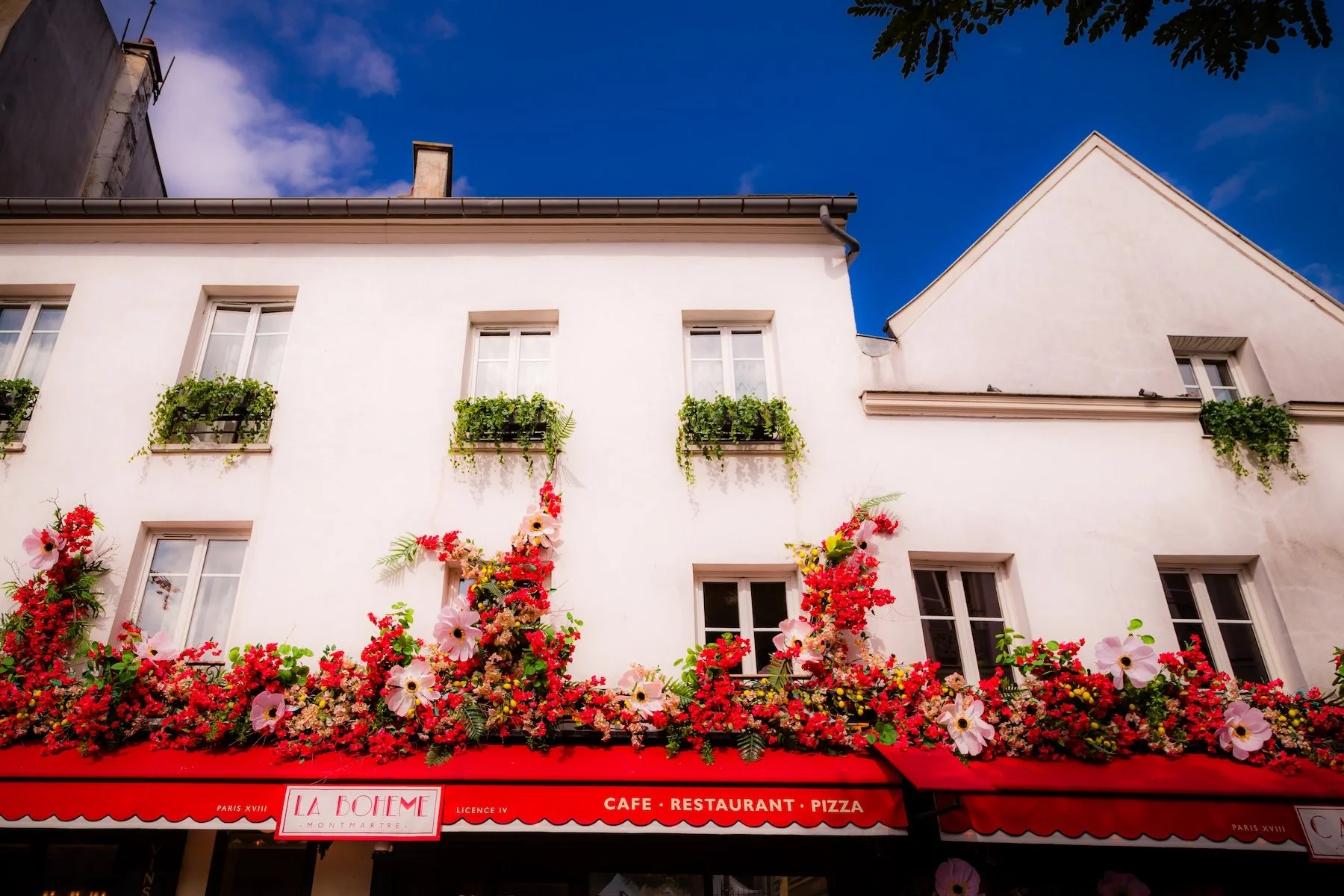
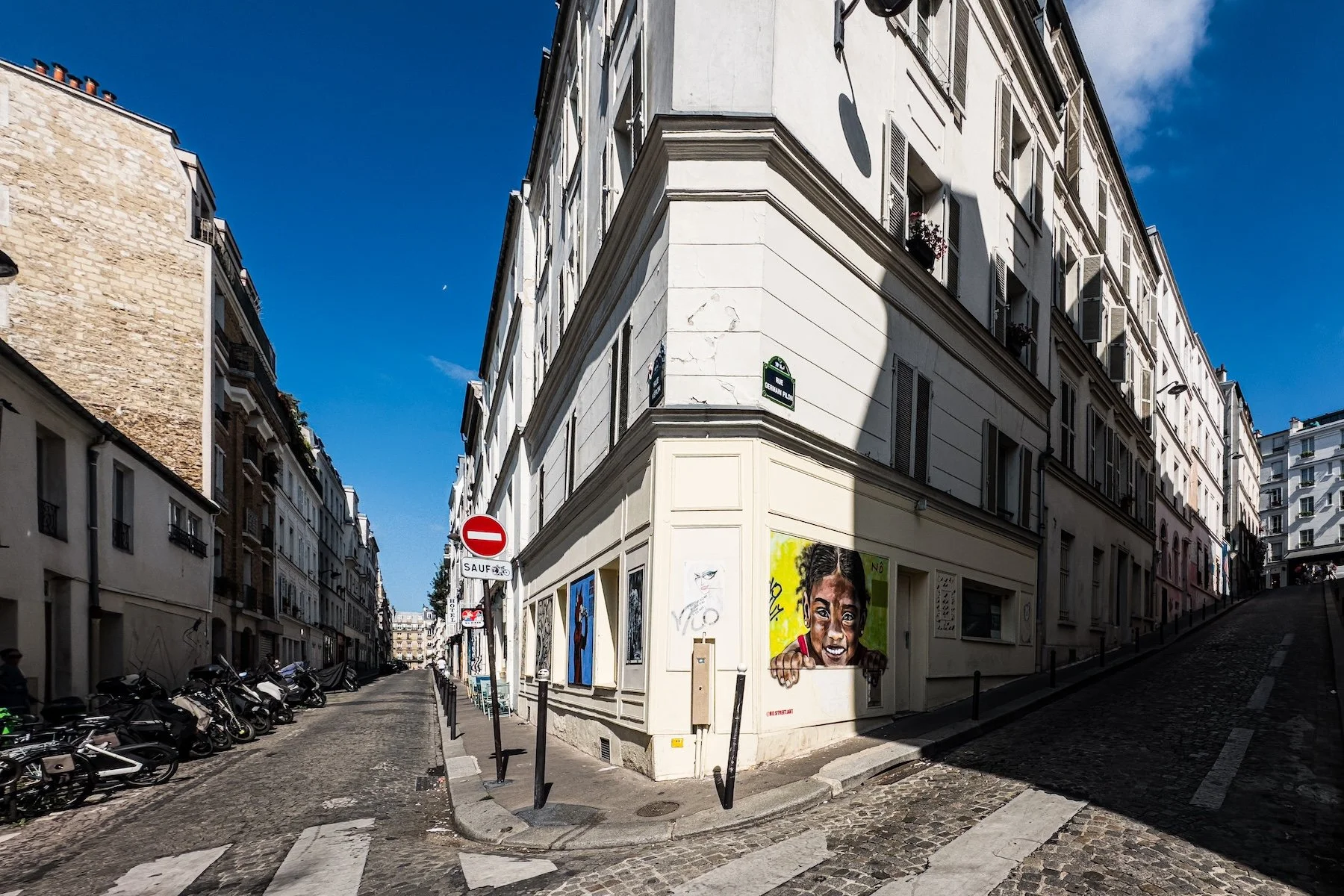
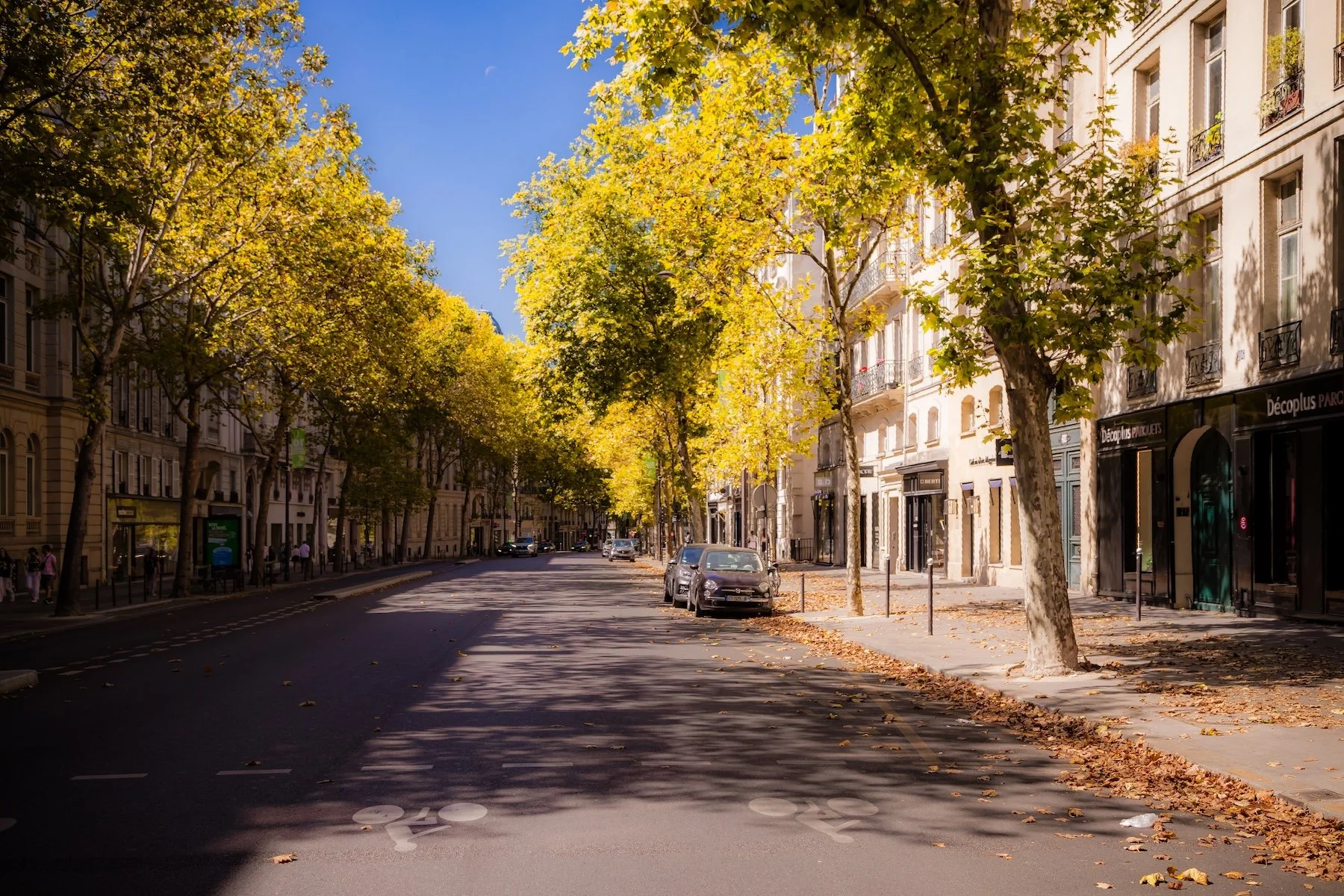
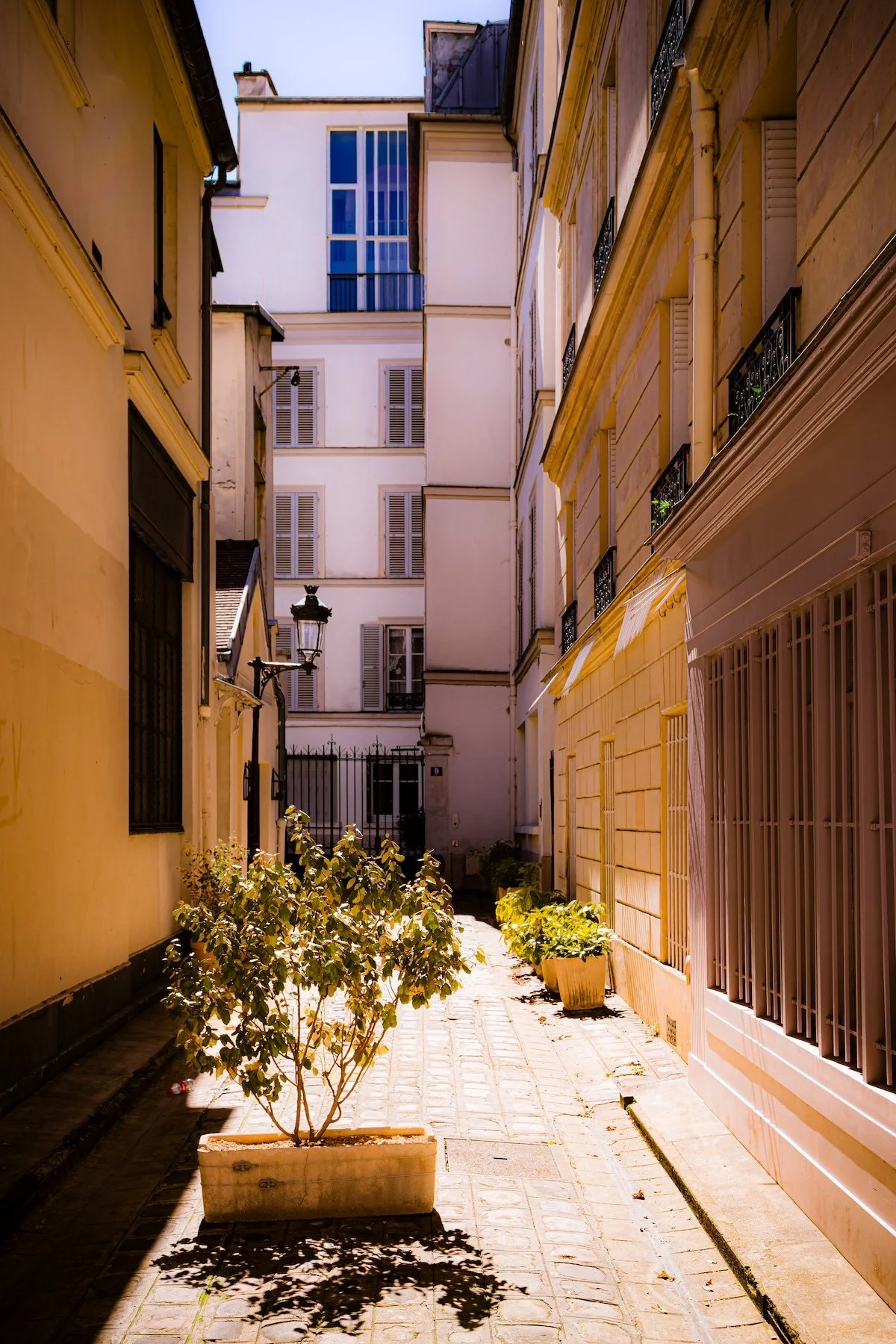
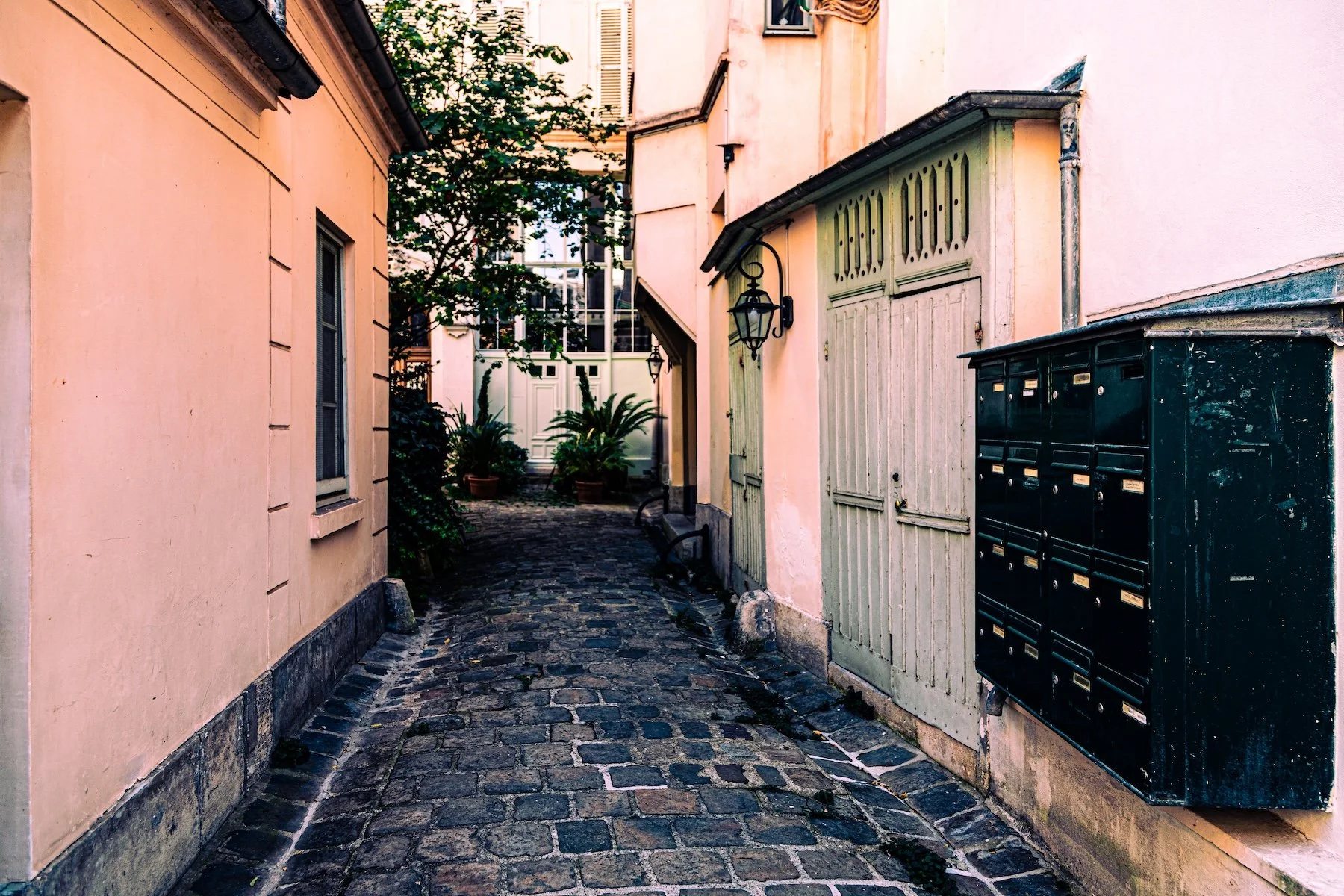
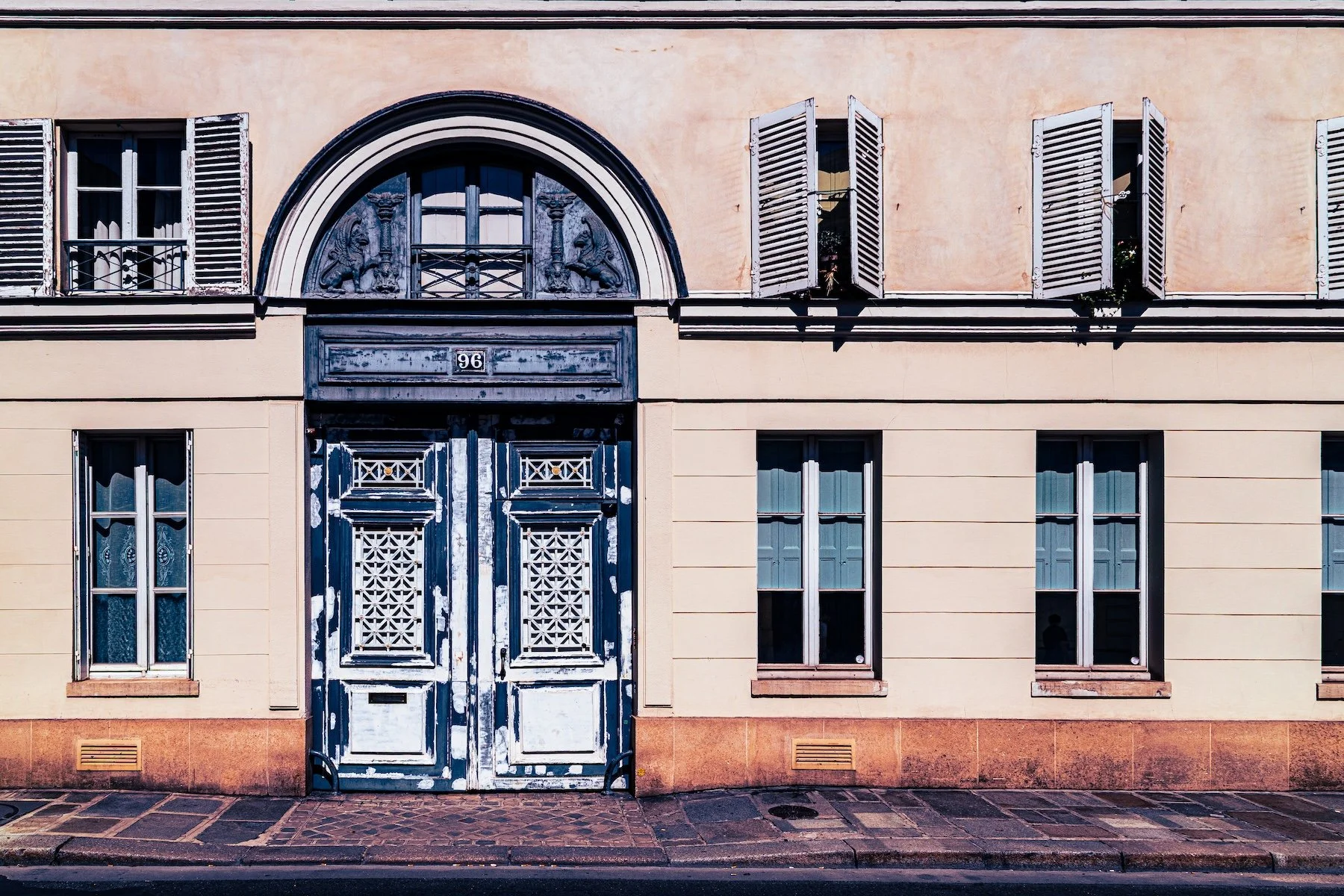
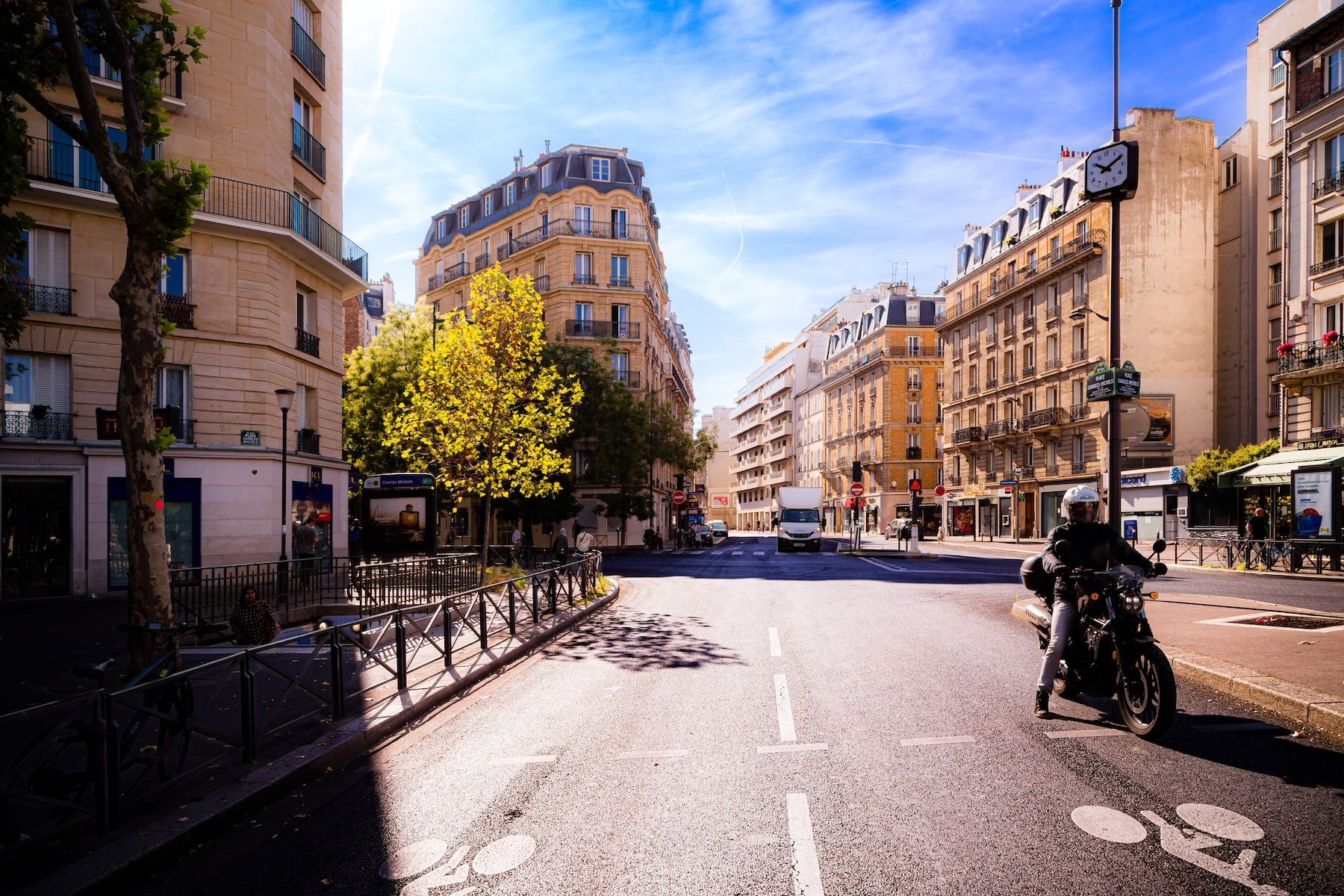
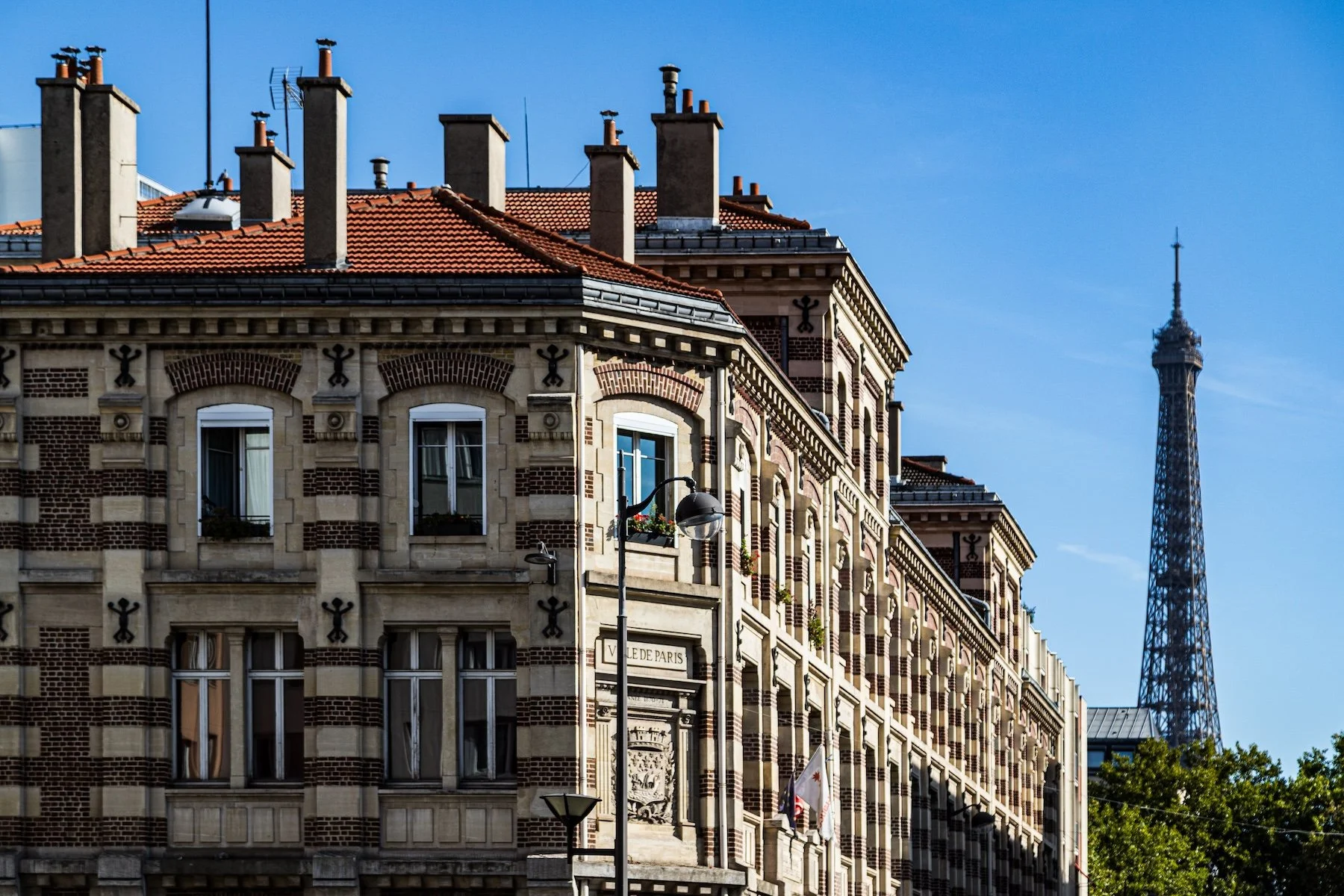
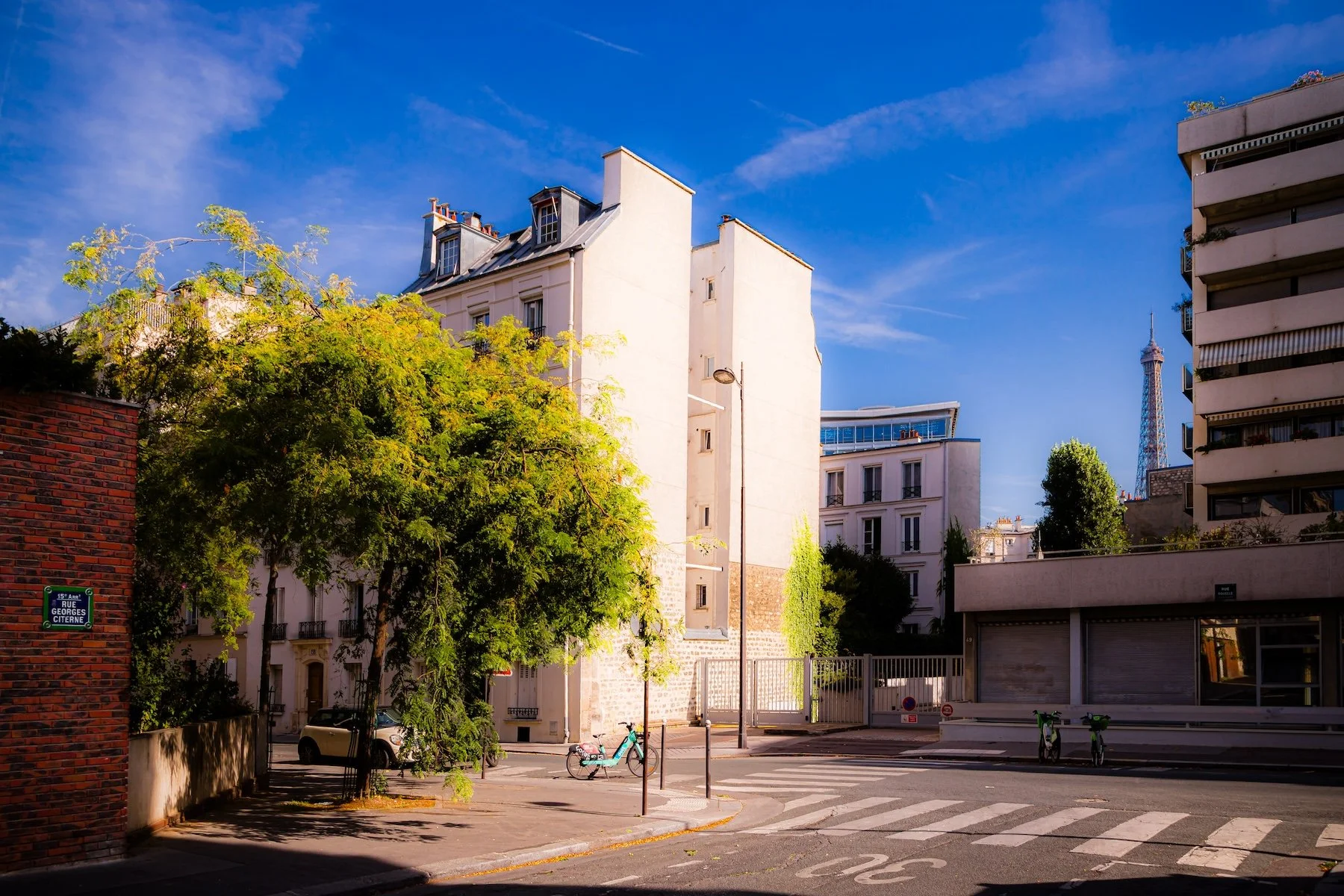
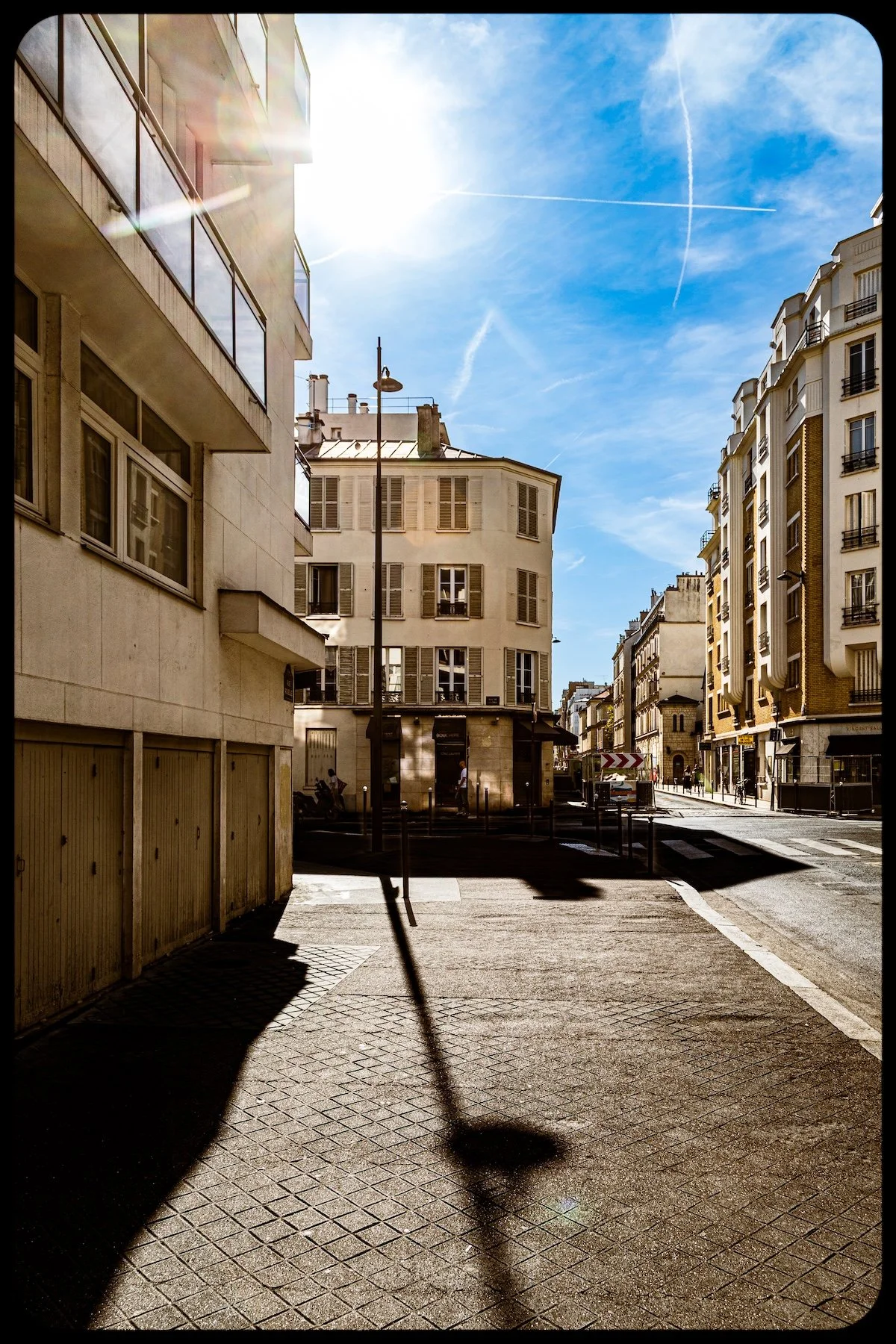
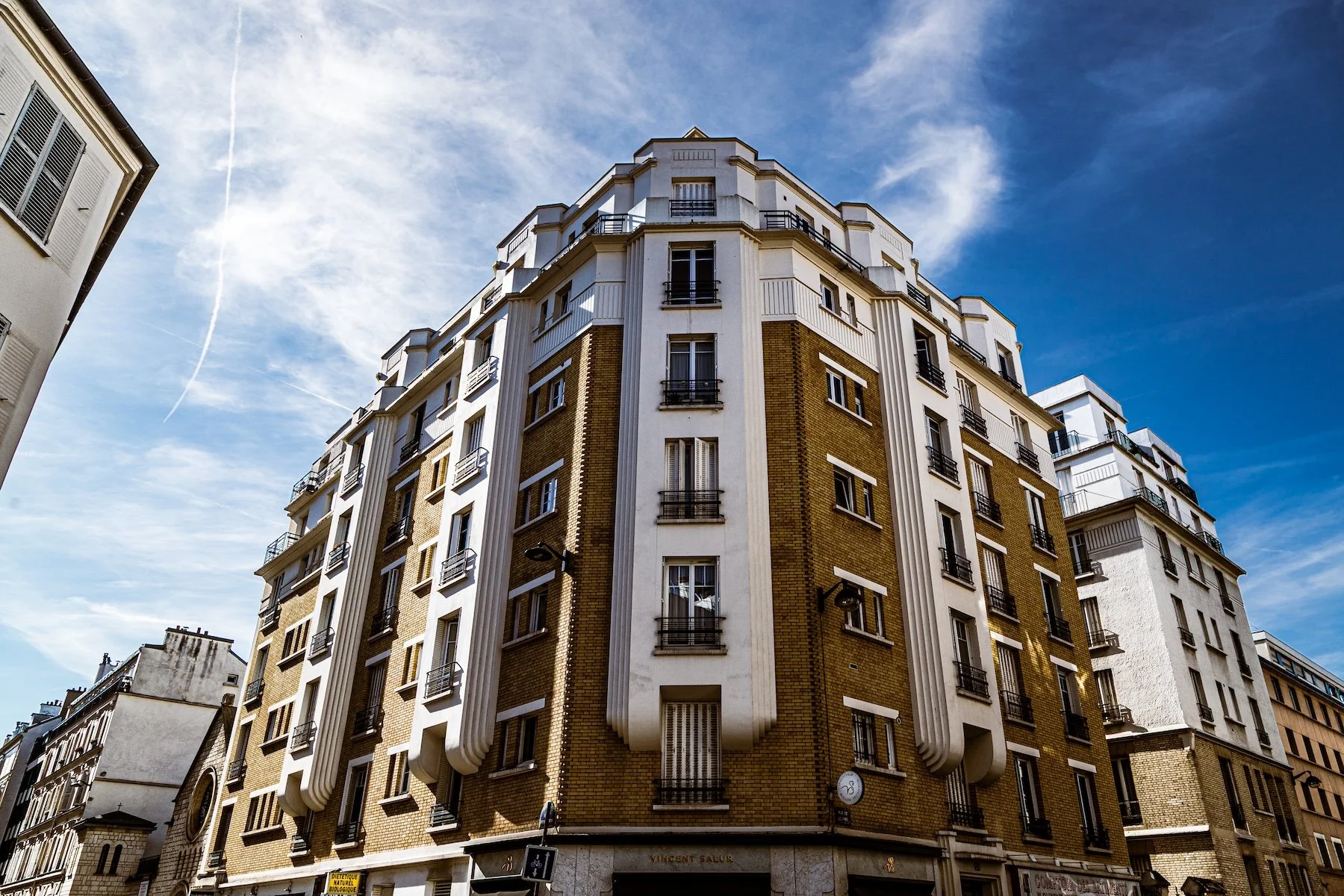
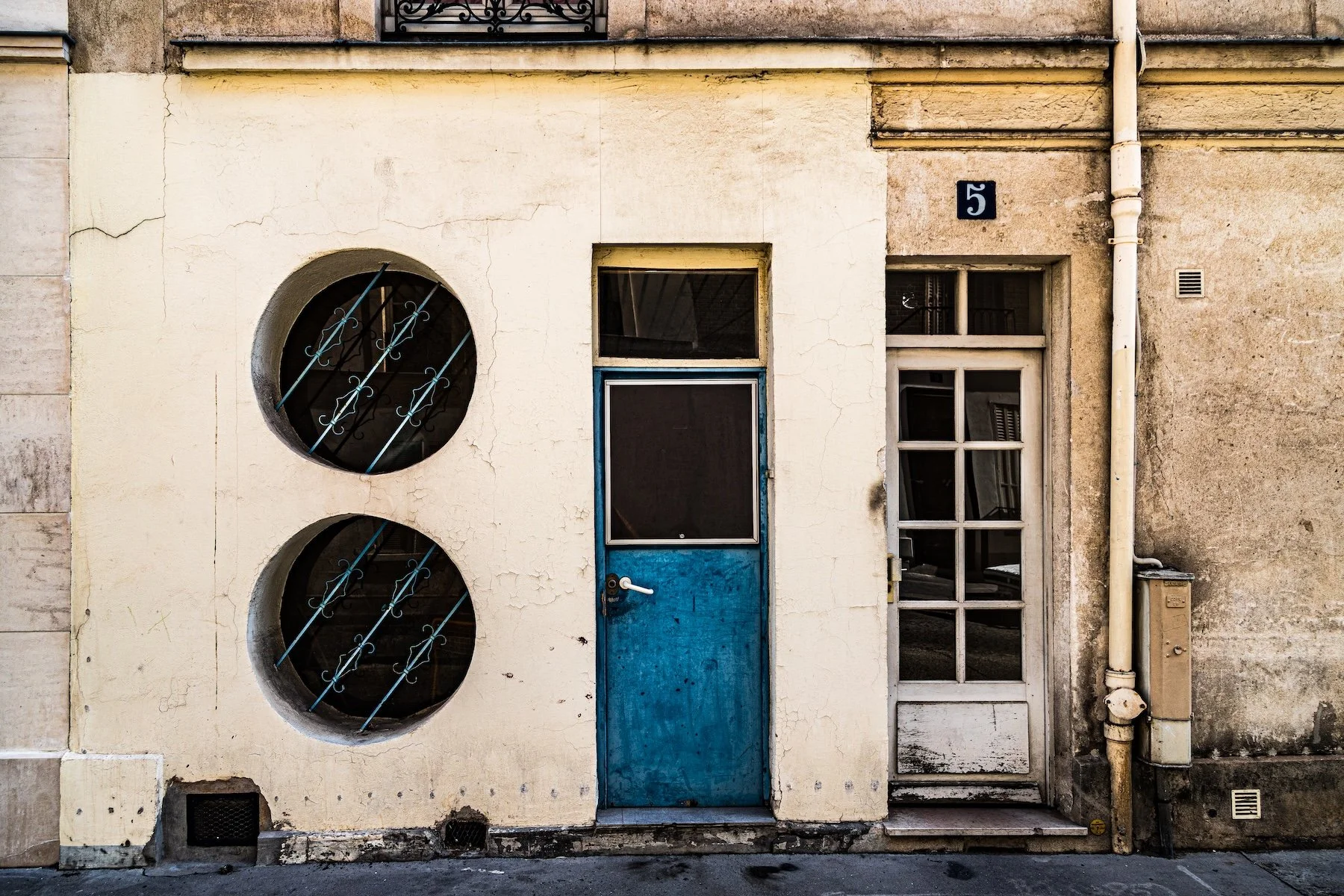
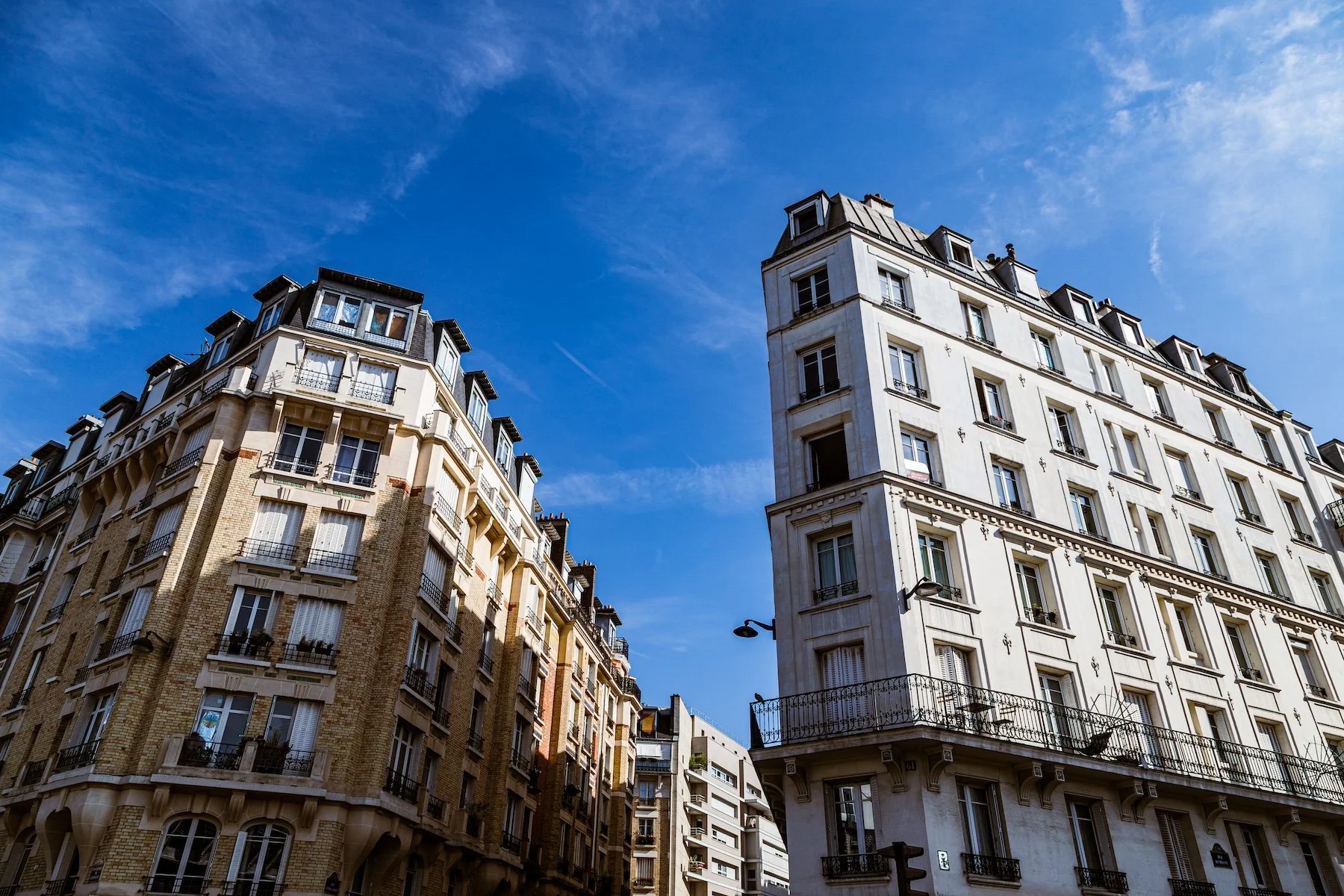
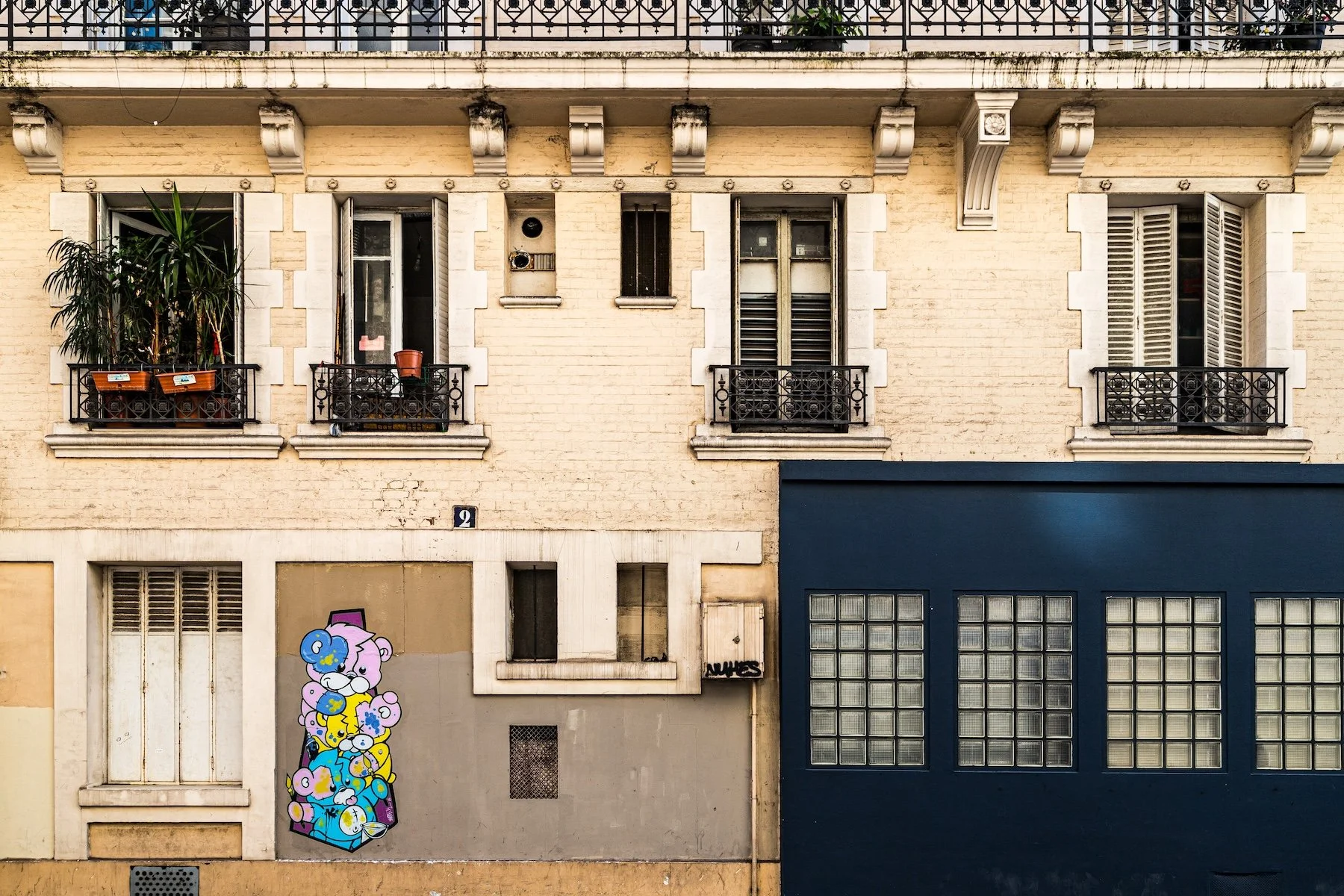
Explore Paris
-

The twenty arrondissements form the civic spiral of Paris, organizing the city into its broad local districts of government, identity, and daily life.
-

Each arrondissement is divided into four official administrative quarters, giving Paris a more precise civic and geographic framework.
-

The conseils de quartier bring participation to street level, giving residents a voice in neighborhood needs, public space, and local civic life.
-

Les Deux Rives trace Paris through the Seine’s two banks, revealing how the Rive Droite and Rive Gauche shaped the city’s civic power, commerce, learning, art, and cultural identity.
-

Cultural neighborhoods reveal the Paris people recognize through history, cafés, architecture, memory, atmosphere, and local belonging.