
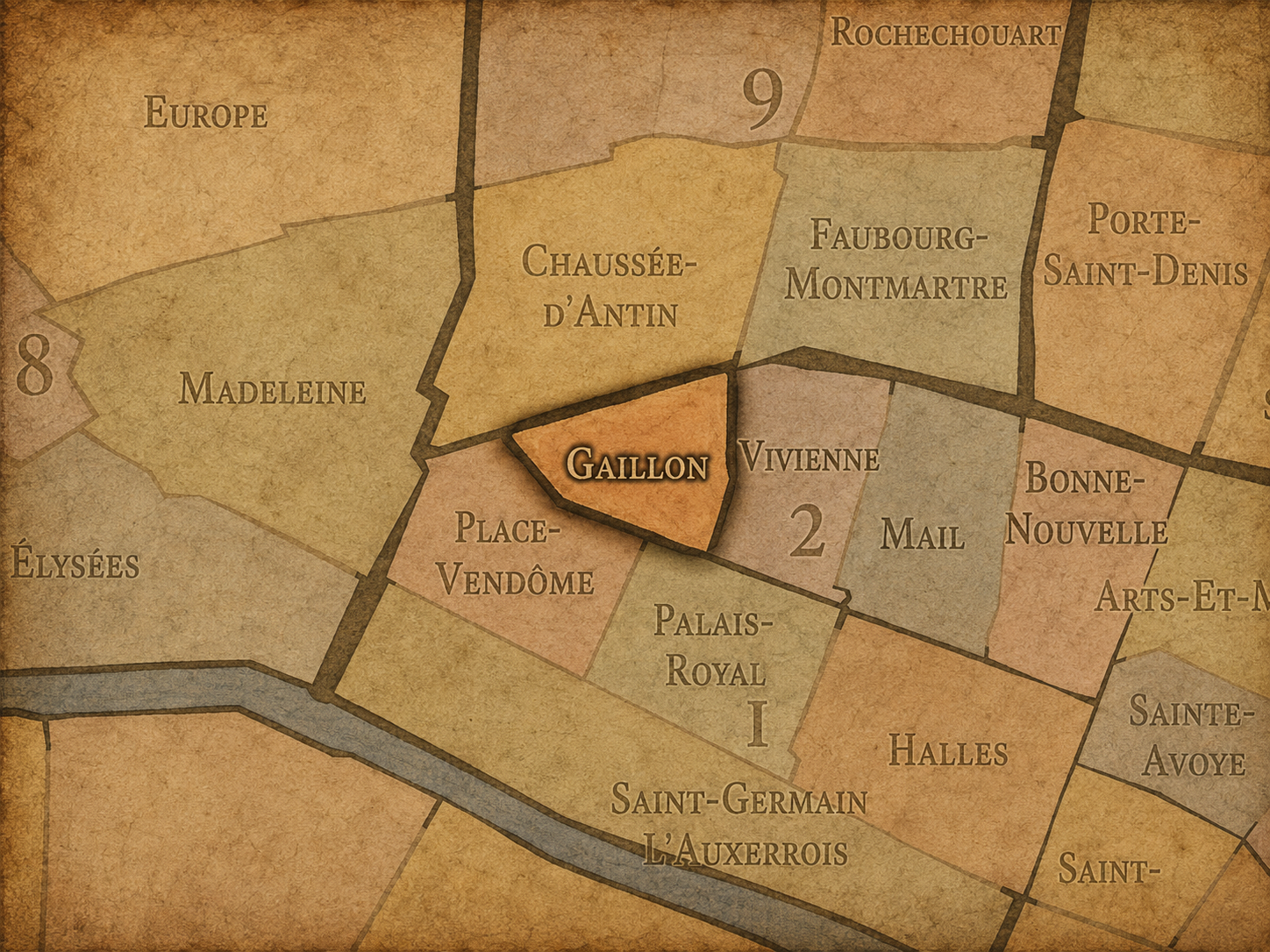
2e - GAILLON
Quartiers Administratifs
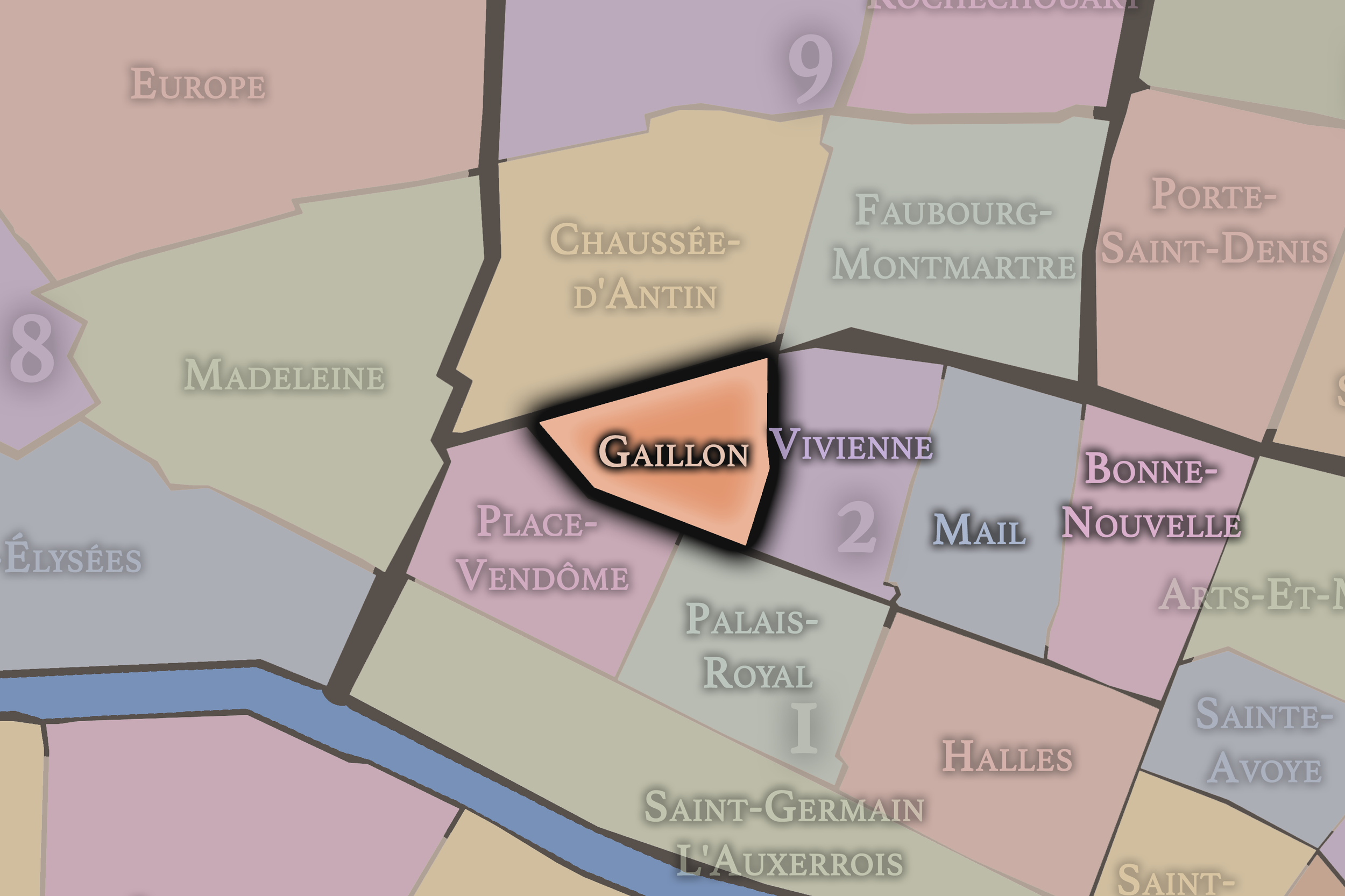
Part of an ongoing project to walk and photograph every neighborhood in Paris, this page explores the Administrative Quarter: 2e - Gaillon through maps, district identity, history, and photography.
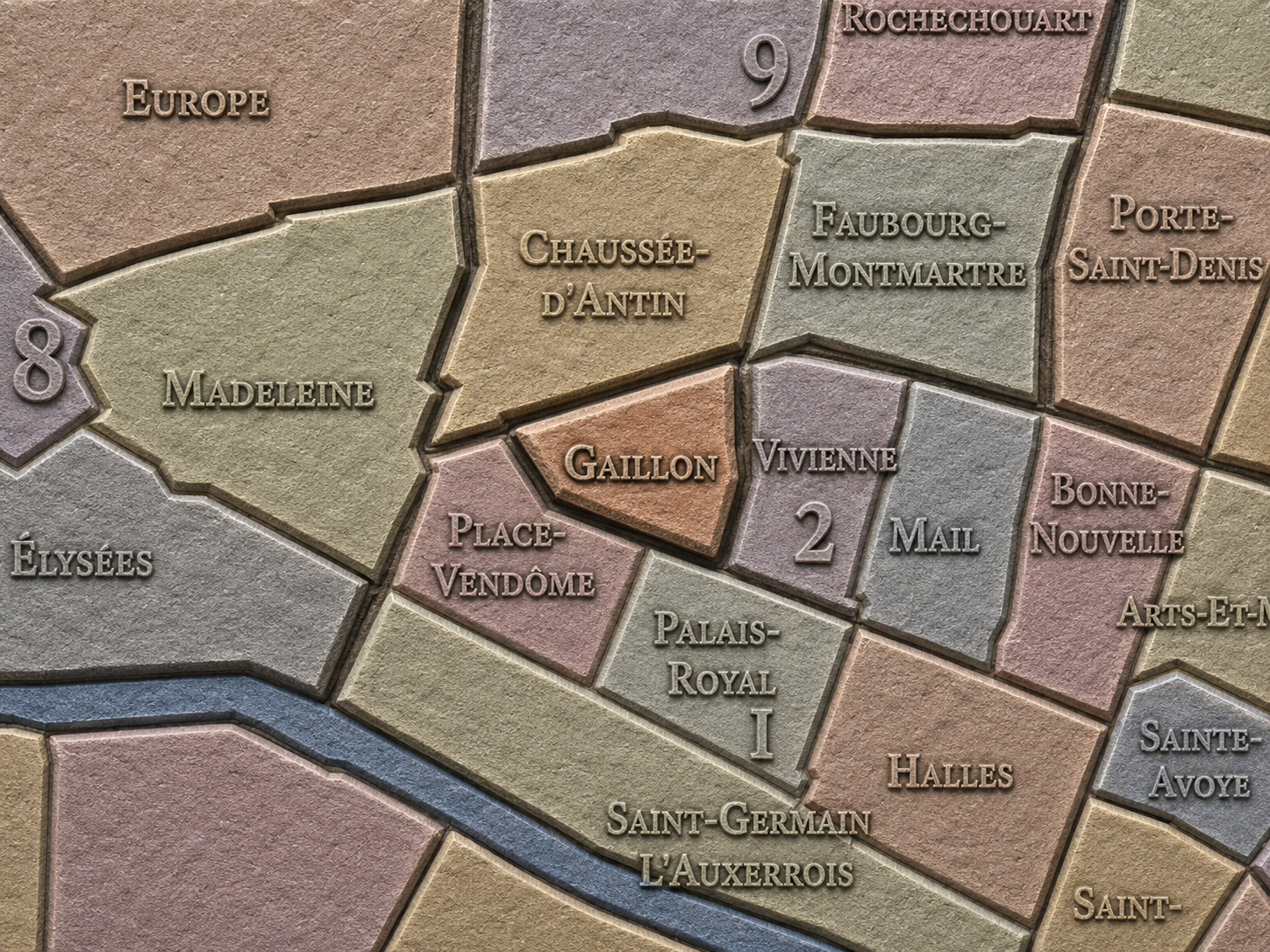
The Map
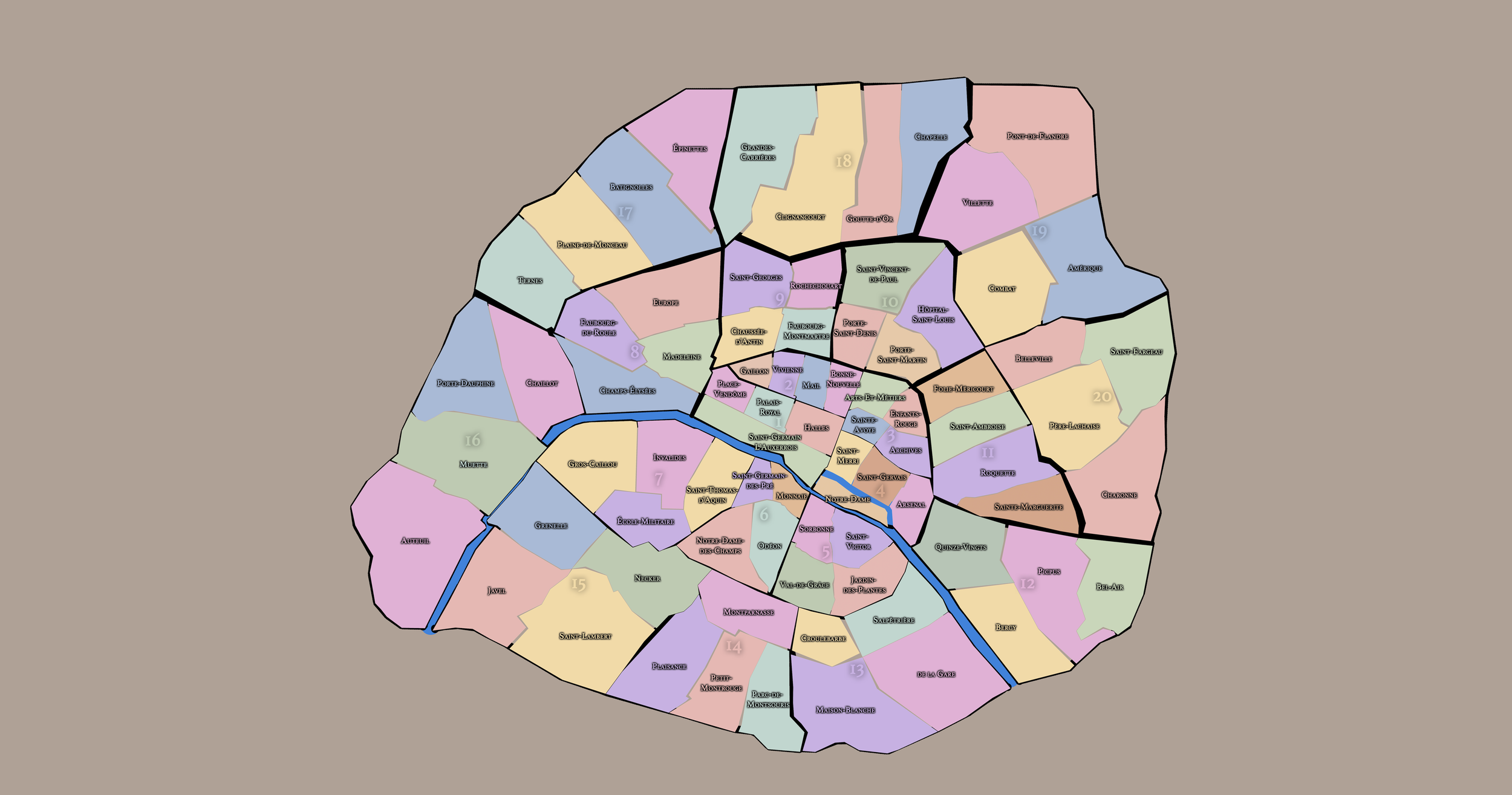
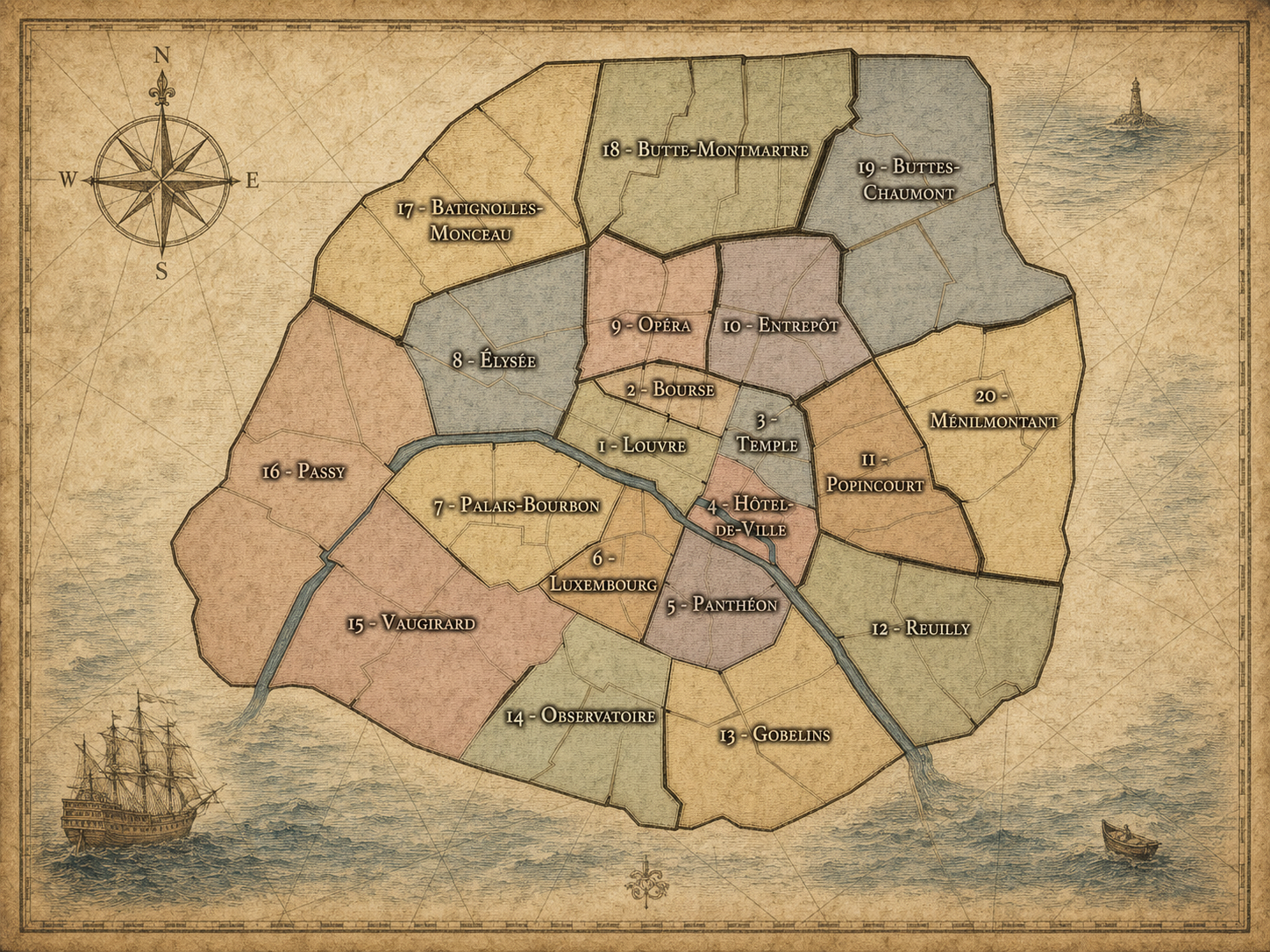
Download the Paris Arrondissements Map
Geographic Setting
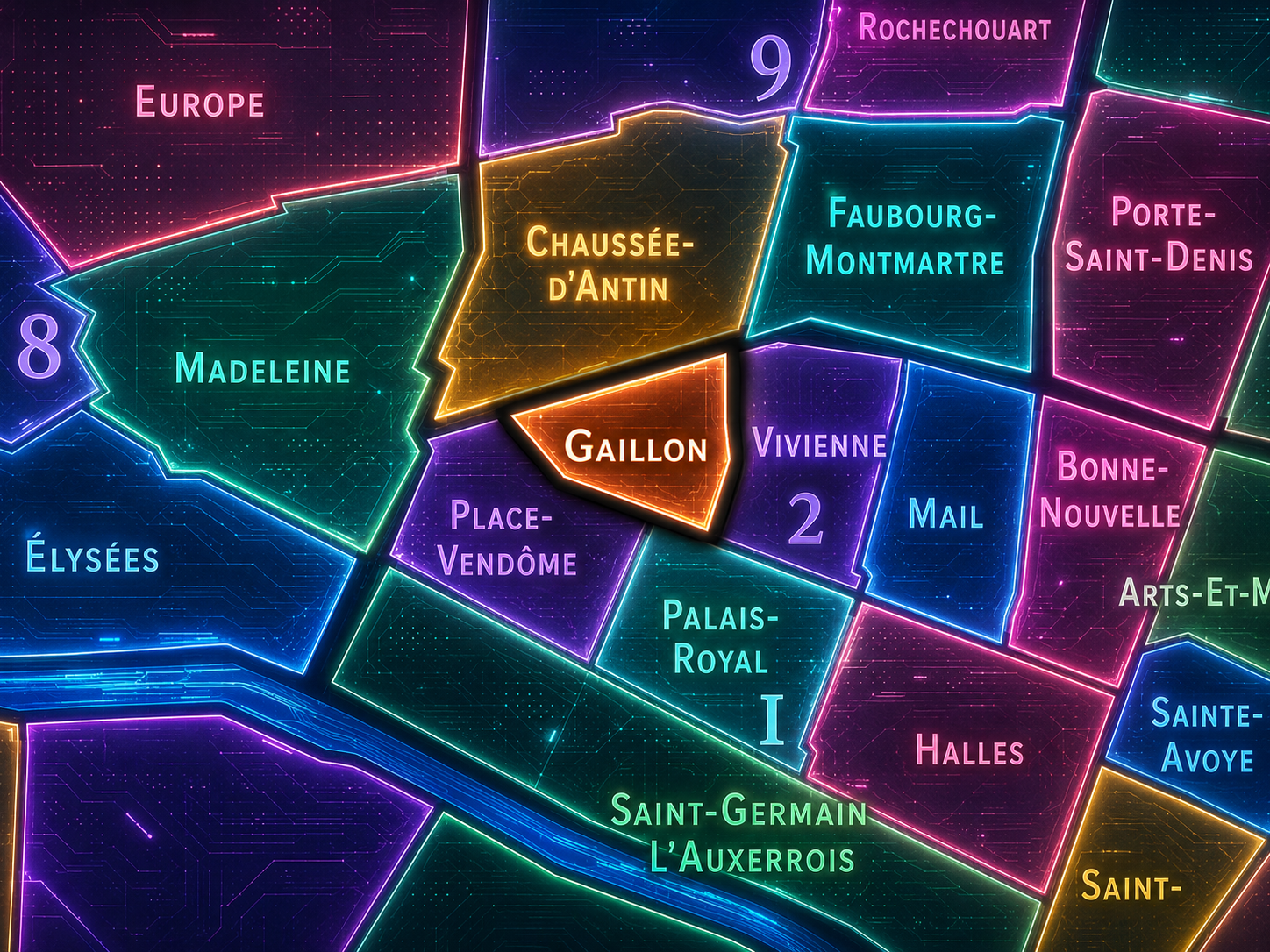
Gaillon occupies the western portion of the 2nd arrondissement, where the compact fabric of central Paris opens toward the Opéra, Place Vendôme, the Grands Boulevards, and the polished commercial corridors of the Right Bank. It is a small but strategically placed administrative quarter, bordered by the 9th arrondissement to the north, the 1st arrondissement to the south, Vivienne to the east, and the Opéra / Vendôme landscape to the west. Its geography is often described as triangular, with its position between Boulevard des Italiens and Boulevard des Capucines, Rue Sainte-Anne and Rue de Gramont, and the southern streets near Rue des Petits-Champs and Rue Danielle-Casanova shaping its compact outline.
This is a quarter of edges and thresholds. Gaillon sits between the older commercial density of the 2nd arrondissement and the grander theatrical, luxury, and boulevard culture of western central Paris. It is close to the Opéra-Comique at Place Boieldieu, the Japanese restaurant corridor around Rue Sainte-Anne, the luxury axis of Rue de la Paix, and the offices, hotels, restaurants, and theaters that gather between the Bourse, Opéra, and Palais-Royal districts. Its identity is not monumental in the way of Place-Vendôme, nor market-driven like Halles, but finely grained: a neighborhood of transition, elegance, performance, and urban passage.
Administrative Quarter Identity
Etymology and Origins
The name Gaillon comes from Rue Gaillon and Place Gaillon, themselves tied to the historical memory of the Hôtel de Gaillon. Several street-history sources associate Rue Gaillon with the Hôtel de Gaillon, a former seigneurial property later displaced by the construction of Saint-Roch. The name therefore preserves an older aristocratic layer within a district now more readily associated with theaters, restaurants, offices, and the Opéra corridor.
That is one of the quiet pleasures of Parisian administrative names. Gaillon is not the most famous name in the 2nd arrondissement, and it does not immediately announce itself to a casual visitor the way Opéra, Bourse, or Place Vendôme might. Yet the name carries the memory of a vanished property, a local street, and a small square that help anchor the quarter in the older geography of central Paris.
The name also has a modesty that suits the place. Gaillon is not a broad symbolic title. It is local, inherited, and somewhat hidden — a name that rewards attention. It reflects a Paris where the official map often preserves details that the visitor may pass through without noticing.
Within the official geography of Paris, Gaillon is one of the four administrative quarters of the 2nd arrondissement, alongside Vivienne, Mail, and Bonne-Nouvelle. It is traditionally counted as the 5th administrative quarter of Paris, following the four quarters of the 1st arrondissement.
That placement gives Gaillon an important transitional role. The 2nd arrondissement is the smallest arrondissement in Paris, but its four quarters contain an unusually dense mixture of financial, theatrical, commercial, textile, culinary, and boulevard histories. Gaillon forms the western gateway of this compact arrondissement, standing closest to the Opéra, Place Vendôme, Rue de la Paix, and the prestige landscapes of the western Right Bank.
As an administrative quarter, Gaillon gives civic form to an area that might otherwise dissolve into neighboring identities: Opéra, Bourse, Japanese quarter, Grands Boulevards, Rue de la Paix, or Palais-Royal. The official name gathers these overlapping urban influences into one mapped district.
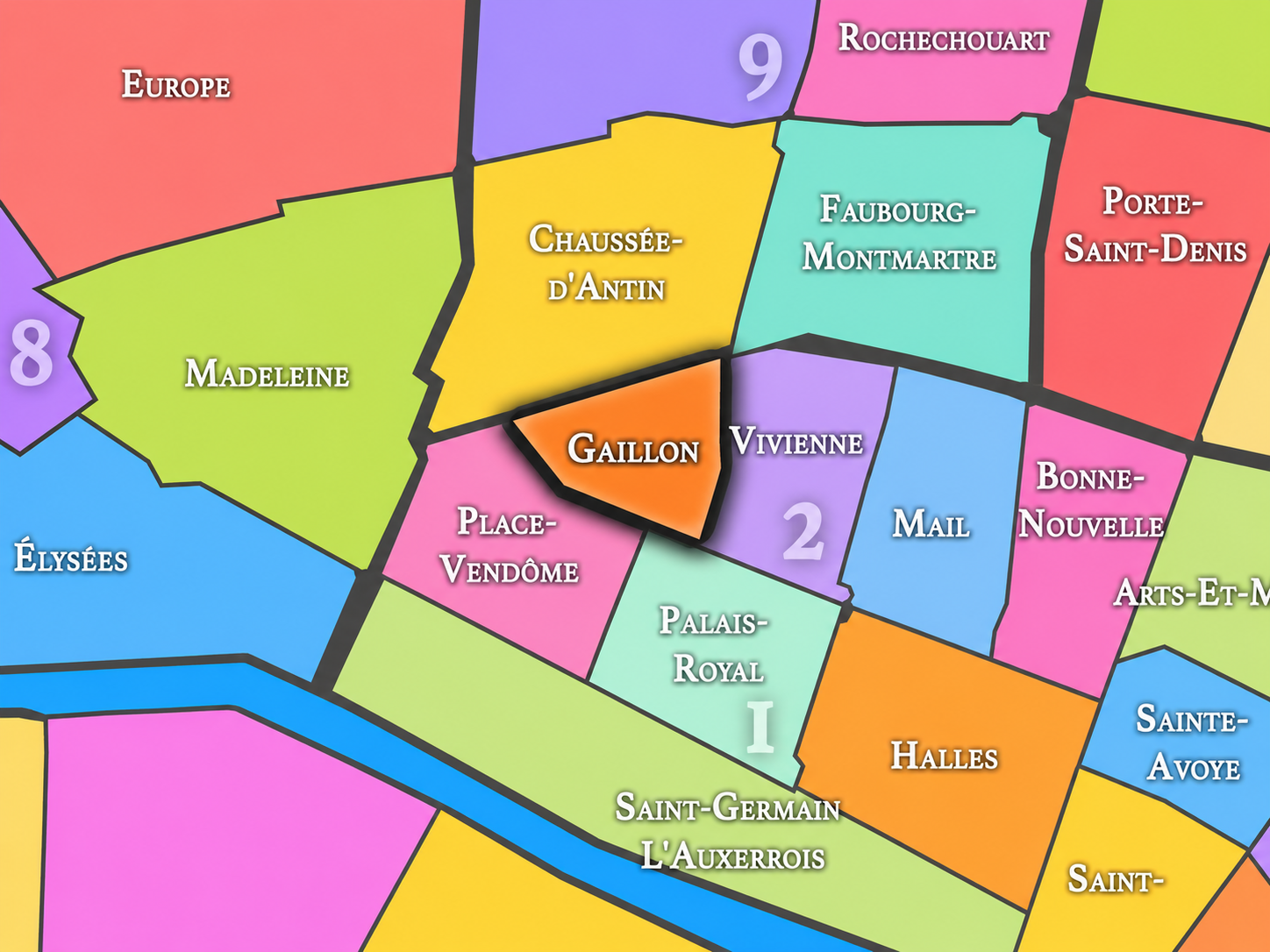
Civic Framework
Gaillon differs from the other quarters of the 2nd arrondissement by its orientation toward the Opéra and the refined western edge of central Paris. Vivienne carries the memory of the Bourse, covered passages, financial institutions, and elegant commercial interiors. Mail is more tied to the old textile and press districts of the Sentier and the dense street life of central Right Bank commerce. Bonne-Nouvelle belongs more strongly to the Grands Boulevards, theaters, and the popular entertainment spine of northern central Paris.
Gaillon, by contrast, feels like a hinge. It touches the theatrical world of the Opéra-Comique, the restaurant culture of Rue Gaillon and its surroundings, the Japanese dining corridor of Rue Sainte-Anne, and the luxury axis that leads between Place Vendôme and the Opéra. Its distinction lies less in one dominant landmark than in the way it collects several refined central-Paris identities within a very small area.
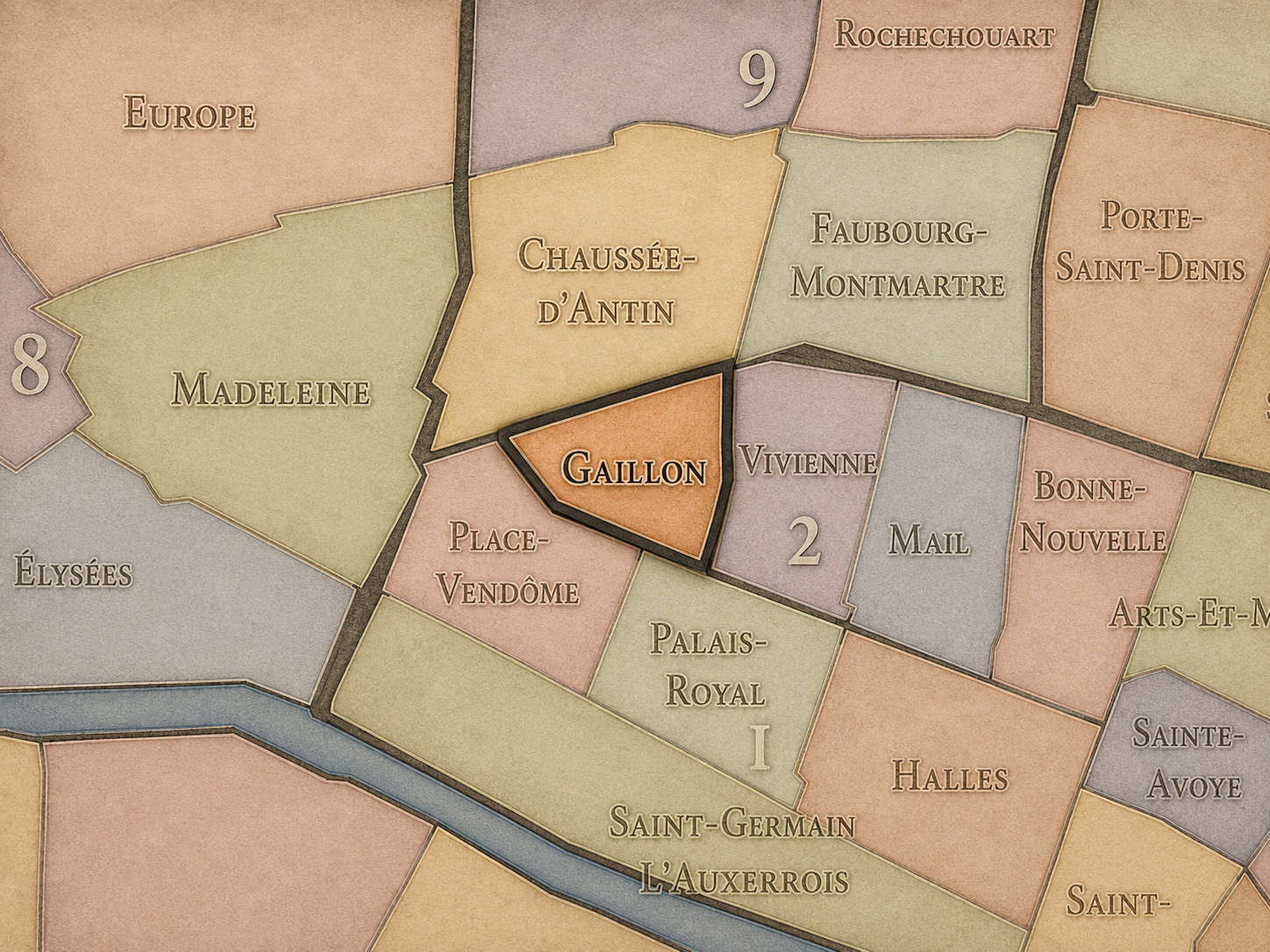
It is also distinct from Place-Vendôme, despite their proximity. Place-Vendôme is formal, monumental, and luxury-driven. Gaillon is more transitional, more intimate, and more mixed. It has elegance, but not the same ceremonial rigidity. It belongs to the working and cultural machinery around luxury Paris, rather than to the square of luxury itself.
Neighborhood Distinction
Parisian Identity
Gaillon expresses Paris as a city of passage, performance, dining, and refined proximity. It is a quarter where central Paris shifts registers quickly: from the Opéra corridor to old streets, from grand boulevards to smaller restaurant-lined passages, from office addresses to theaters, from formal prestige to daily urban movement. It is not one of Paris’s mythic neighborhood names, but it belongs to the hidden grammar that makes those larger identities work.
The quarter’s identity is theatrical in the broadest sense. The Opéra-Comique, also known as Salle Favart, is located at Place Boieldieu in the 2nd arrondissement and remains one of the area’s major cultural anchors. France’s Ministry of Culture identifies the Opéra-Comique as a national theater with a mission of producing and presenting lyrical works, from historical repertoire to contemporary creation.
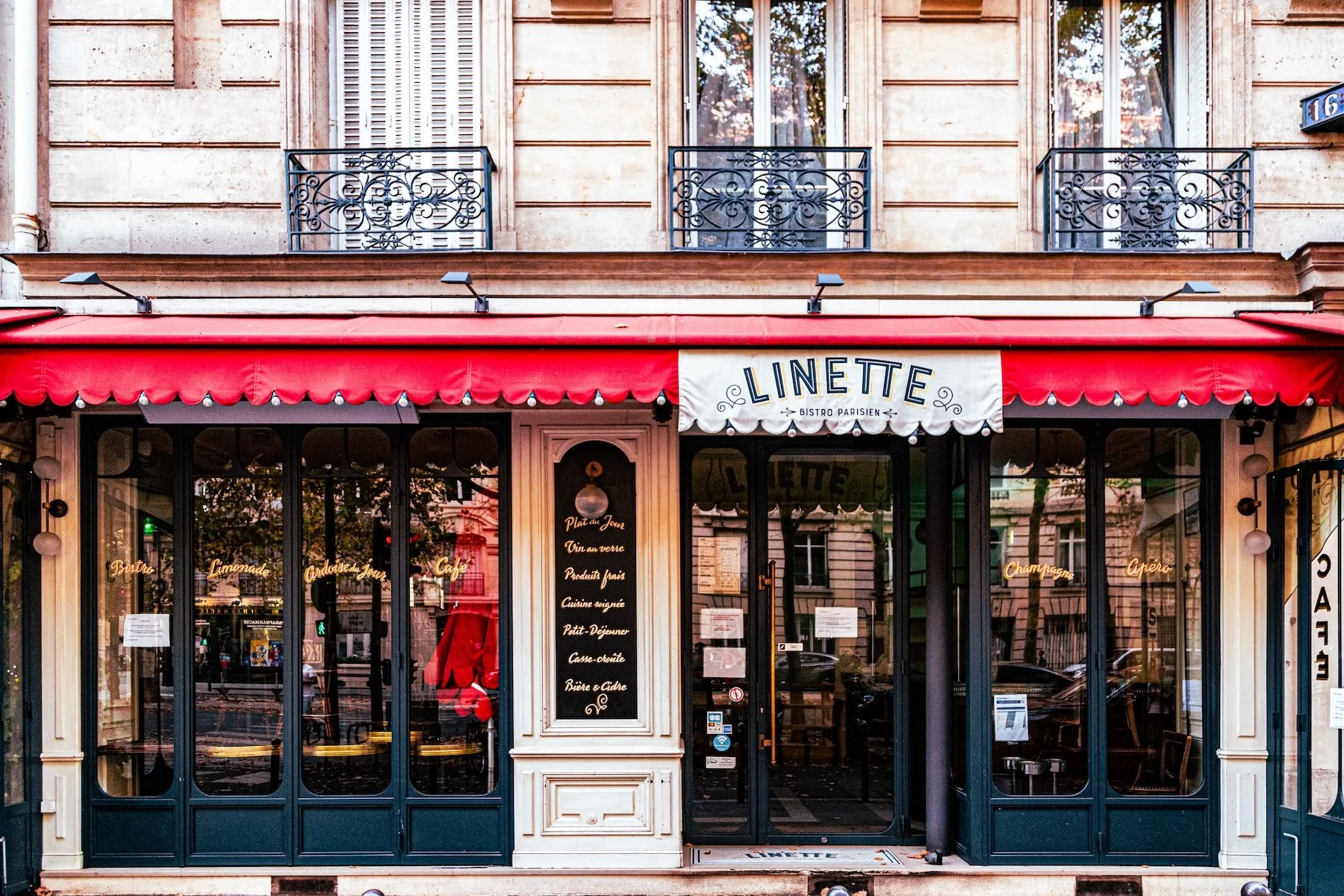
Gaillon also carries a culinary and social identity. Its restaurants, hotels, side streets, and proximity to the Opéra make it a place of before-and-after: before a performance, after work, between appointments, between neighborhoods. It is Paris as intermission and corridor — not empty space between destinations, but the elegant connective tissue of the city.
Neighborhood Connections
Every administrative quarter belongs to a wider Parisian fabric. These connections place Gaillon within the city’s civic, participatory, and cultural geography:
-
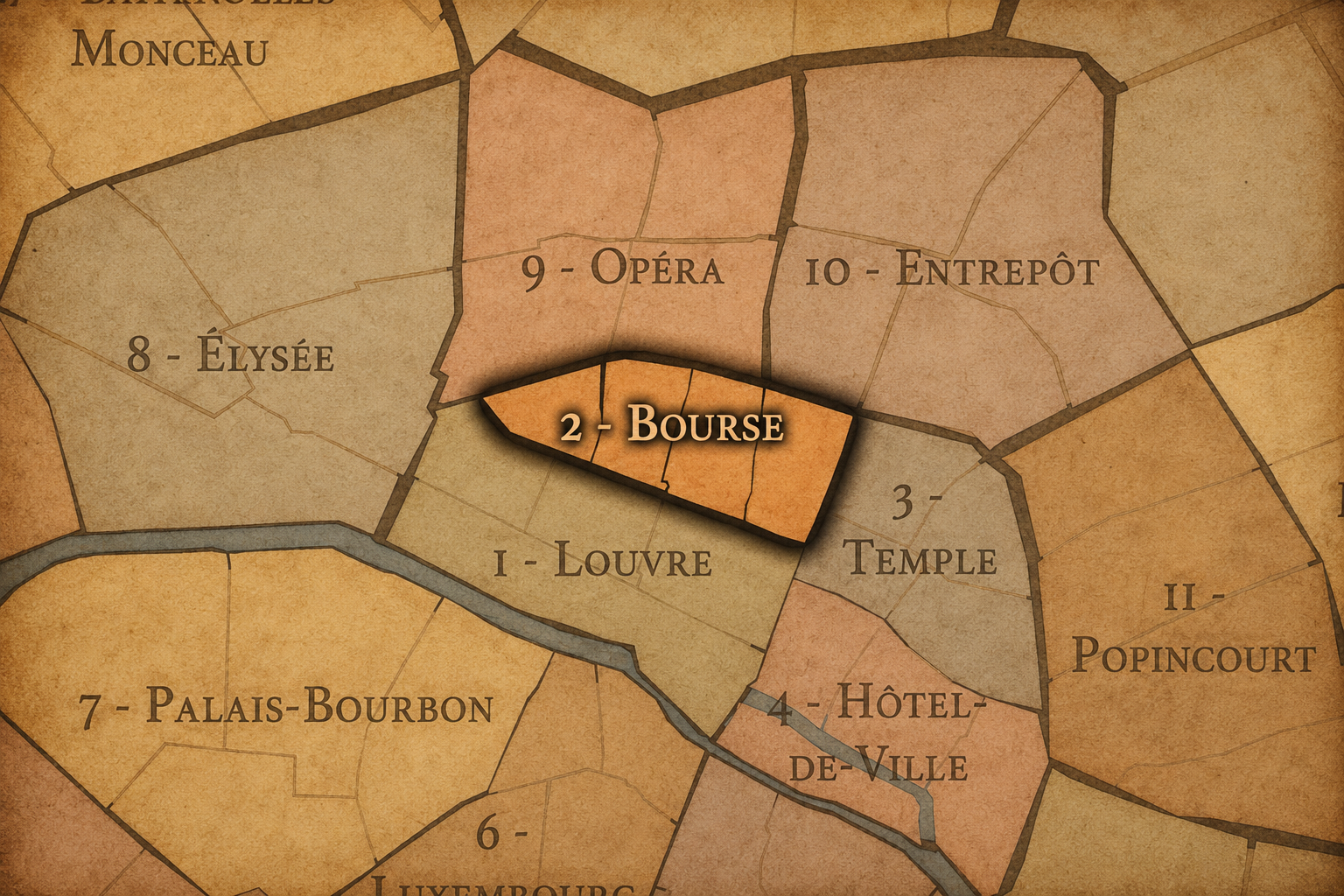
2e - Bourse
-
Louvre-Opéra
The History
The deeper origins of Gaillon lie in the gradual urbanization of the Right Bank north of the Louvre and west of the medieval commercial center. Before the neighborhood became part of the compact 2nd arrondissement, this area developed through aristocratic properties, convent lands, theaters, streets, and the expanding commercial geography of early modern Paris.
The historical Hôtel de Gaillon gave the name a local anchor, though much of that earlier fabric has been replaced or transformed. The survival of the name in Rue Gaillon, Place Gaillon, and the administrative quarter shows how Paris often preserves vanished properties as civic memory. The buildings may change, the uses may shift, but the name remains embedded in the map.
From its origins, then, Gaillon was shaped by proximity rather than isolation. It grew near the royal and aristocratic centers to the south and west, the commercial Right Bank to the east, and the boulevard world to the north. That in-between character has remained one of its defining traits.
Origins
16th–17th Century
During the 16th and 17th centuries, the area that would become Gaillon belonged to a Paris expanding beyond medieval constraints into a more aristocratic, theatrical, and commercially active Right Bank. The streets north of the Louvre and Palais-Royal became increasingly important as elite residences, religious properties, and urban services spread through the district.
The name Gaillon itself points back to a world of hôtels particuliers and seigneurial properties. Although later transformations altered the fabric, the memory of the Hôtel de Gaillon remained attached to the street and quarter. This was a Paris where local identity often came from private houses, religious establishments, and noble ownership before later administrative boundaries gave those names official form.
The 17th century also deepened the connection between this part of Paris and courtly culture. The nearby Palais-Royal, Louvre, and emerging boulevard districts made the surrounding area more visible and more desirable. Gaillon’s future identity as a quarter of proximity — close to power, entertainment, commerce, and refined urban life — began to take shape in this period.
In the 18th century, Gaillon became part of a central Right Bank landscape increasingly shaped by theaters, shops, cafés, aristocratic residences, and urban refinement. The Opéra-Comique, whose later home at Salle Favart would become a defining cultural anchor nearby, belongs to the broader history of Parisian performance and lyric theater that helped give this sector of the city its theatrical identity.
This was also the era in which the area around Rue Gaillon, Rue Sainte-Anne, and the nearby boulevards participated in the growth of a more sociable Paris. The city’s public life was no longer confined to royal squares and church parishes. It gathered in theaters, restaurants, promenades, salons, passages, and commercial streets. Gaillon’s intimacy made it well suited to this kind of urban identity.
The century’s end brought revolutionary disruption to the older structures of aristocratic and theatrical Paris. Like many central districts, Gaillon entered the modern era carrying both the memory of old regime properties and the new pressures of a city reorganized by revolution, administration, and commerce.
18th Century
19th Century
The 19th century gave Gaillon much of its modern setting. The opening and development of Rue de la Paix, just to the west, connected Place Vendôme northward toward the Opéra and helped shift fashionable Paris along the corridor between royal luxury and theatrical spectacle. Sources on Rue de la Paix note that the street was opened in 1806 by order of Napoleon and later became closely associated with jewelers, luxury houses, and the route between Place Vendôme and the Opéra.
Gaillon benefited from this transformation without becoming identical to Rue de la Paix. It stood beside that luxury axis, absorbing its elegance while retaining a finer-grained neighborhood character. The quarter’s streets, restaurants, and theaters became part of the Paris that grew around opera, leisure, business, and the new metropolitan culture of the boulevards.
The Opéra-Comique’s Salle Favart also reinforced the quarter’s theatrical identity. The current theater at Place Boieldieu is tied to the long history of the Opéra-Comique, whose repertoire and institutional presence helped make this part of the 2nd arrondissement a cultural landscape as well as a commercial one.
In the early and mid 20th century, Gaillon continued to function as a compact quarter of theaters, hotels, restaurants, offices, and refined central-Paris movement. Its proximity to the Opéra, the Bourse, Place Vendôme, and the Grands Boulevards placed it within a dense network of business, evening entertainment, and metropolitan leisure.
The quarter was not defined by mass monumentality, but by the daily rituals of central Paris: meals before performances, office life, hotel stays, commercial appointments, and movement through narrow streets between larger landmarks. Its identity remained somewhat discreet. Unlike the grand squares and boulevards nearby, Gaillon’s atmosphere came from adjacency and texture.
This period also strengthened the quarter’s reputation as a place of dining and literary-social life. Institutions such as Drouant, historically associated with major French literary prizes, contributed to the broader identity of the area around Rue Gaillon as a place where restaurant culture and cultural prestige intersected.
Early–Mid 20th Century
Late 20th Century
In the late 20th century, Gaillon became increasingly shaped by the changing uses of central Paris. Offices, restaurants, hotels, theaters, luxury corridors, and international visitors transformed the neighborhood’s rhythms. The quarter remained central and elegant, but also increasingly specialized: less residential in the ordinary sense, more tied to cultural consumption, business, tourism, and dining.
Rue Sainte-Anne and the surrounding streets also became more strongly associated with Japanese restaurants and shops, giving the quarter and its eastern edge a distinct contemporary culinary identity. This added another layer to Gaillon’s older theatrical and prestige geography. The neighborhood became a place where Parisian elegance, business life, and international food culture overlapped in a very small area.
The late 20th century therefore did not erase Gaillon’s old identity. It added to it. The quarter remained a hinge between Opéra, Bourse, Palais-Royal, and Place Vendôme, but its local street life became more varied and more globally inflected.
In the 21st century, Gaillon remains one of the most compact yet layered quarters of central Paris. Its location continues to give it unusual reach: Opéra to the north and west, Place Vendôme and Rue de la Paix nearby, Vivienne and the Bourse district to the east, Palais-Royal and the Louvre landscape to the south. It is a small administrative quarter surrounded by some of the most recognizable systems of central Parisian identity.
Today, Gaillon is a quarter of elegant friction. It holds office workers, theatergoers, diners, tourists, hotel guests, Japanese food culture, luxury adjacency, and the memory of old aristocratic Paris. The result is not a single mythic identity, but a layered centrality. It is a place where many Parises touch without one fully absorbing the others.
For CityNeighborhoods: Paris, Gaillon is valuable precisely because it is easy to overlook. It teaches that not every administrative quarter announces itself through a world-famous monument. Some are important because they connect larger worlds: the boulevard, the Opéra, the Bourse, the restaurant, the side street, the vanished hôtel, the small square, the official map.
21st Century
Spirit and Legacy
Gaillon is the quarter of the elegant hinge. Its spirit lies in connection: between Opéra and Bourse, between Place Vendôme and the Grands Boulevards, between old aristocratic memory and modern restaurant culture, between theater and office, between Parisian refinement and international street life.
Its legacy is subtle but durable. The name preserves a vanished property. The streets preserve the scale of central Paris. The theaters and restaurants preserve habits of gathering. The proximity to Rue de la Paix and the Opéra preserves a connection to prestige without making the quarter a mere extension of luxury Paris.
To walk Gaillon is to move through one of the city’s connective interiors. It is not the most famous quarter of the 2nd arrondissement, and that is part of its charm. It reveals Paris not as a series of isolated landmarks, but as a fabric of adjoining worlds — each named, each shaped by history, and each carrying its own quiet role in the life of the city.
The Photography
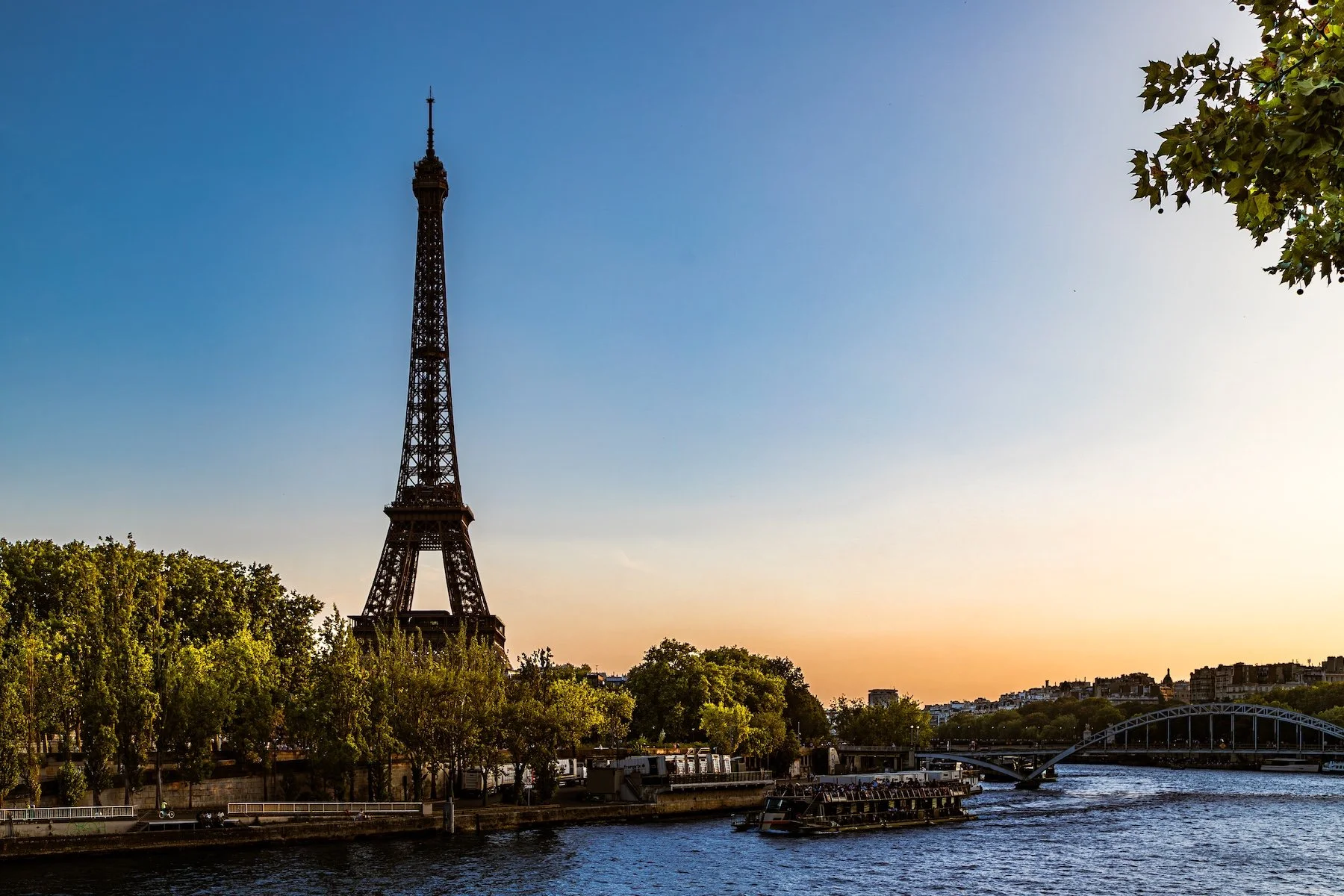
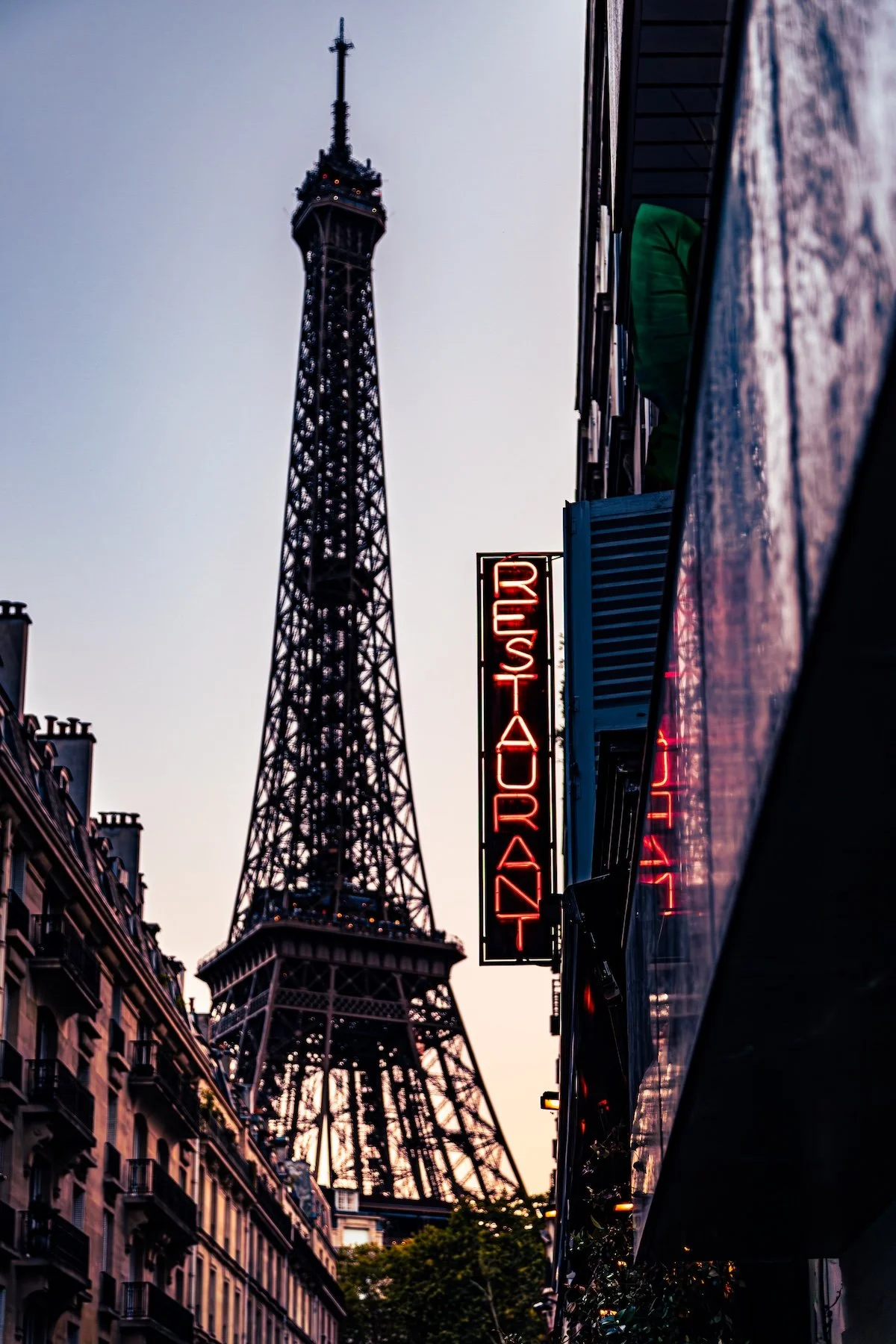
The arrondissements do not share a single visual identity. Instead, they organize Paris into twenty broad visual fields, each gathering its own combination of landmarks, streetscapes, institutions, residential districts, commercial corridors, parks, rail stations, markets, cemeteries, and riverfront edges.
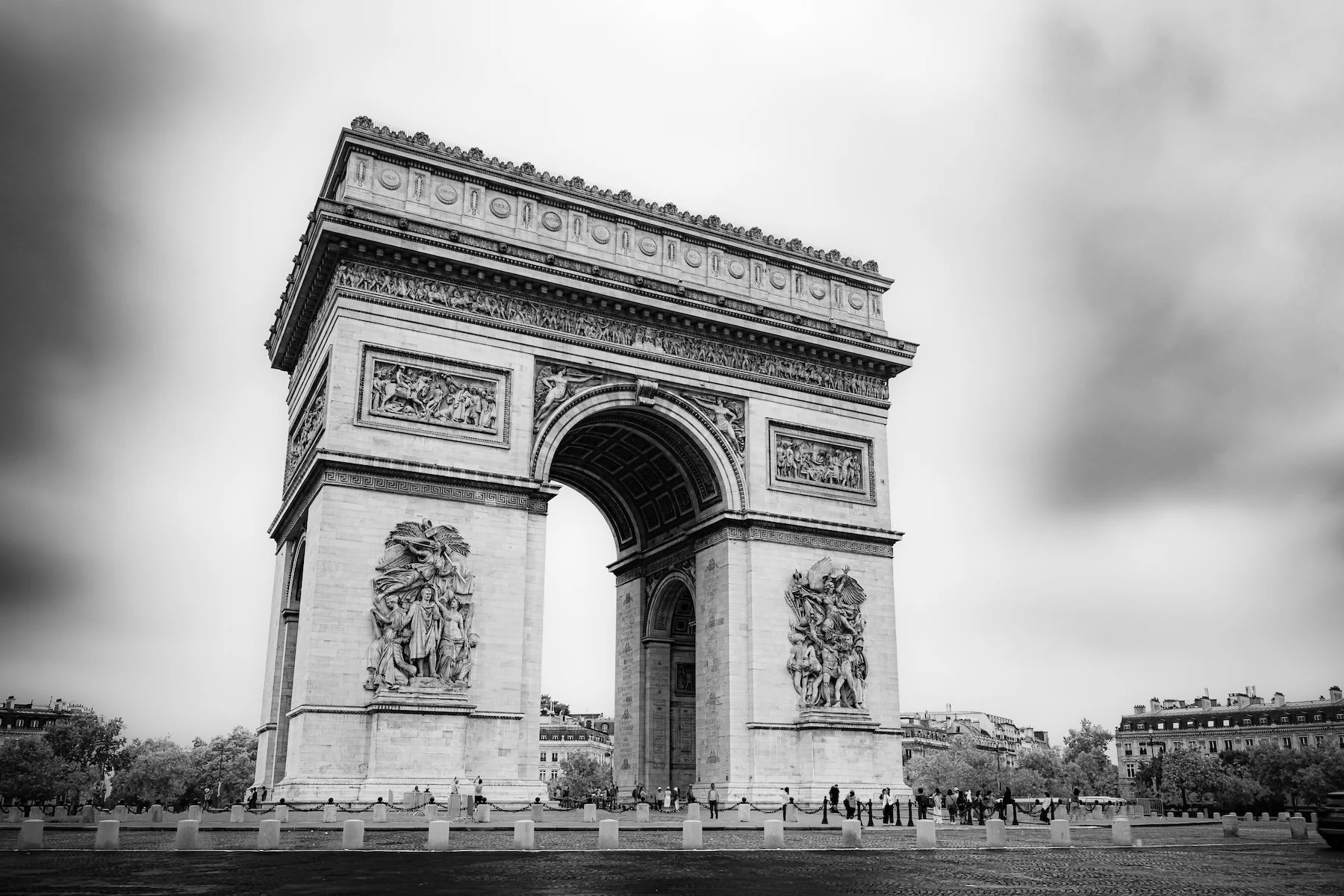
Some arrondissements are defined by monumental scale: royal palaces, ceremonial avenues, government buildings, museums, formal gardens, and internationally recognized landmarks. Others are shaped by hills, canals, rail gateways, apartment-lined boulevards, neighborhood markets, former village streets, industrial remnants, parks, or the quieter rhythms of residential Paris. The arrondissement system gives these varied landscapes a civic frame, allowing the city to be read not as one visual language, but as a sequence of overlapping Parisian atmospheres.
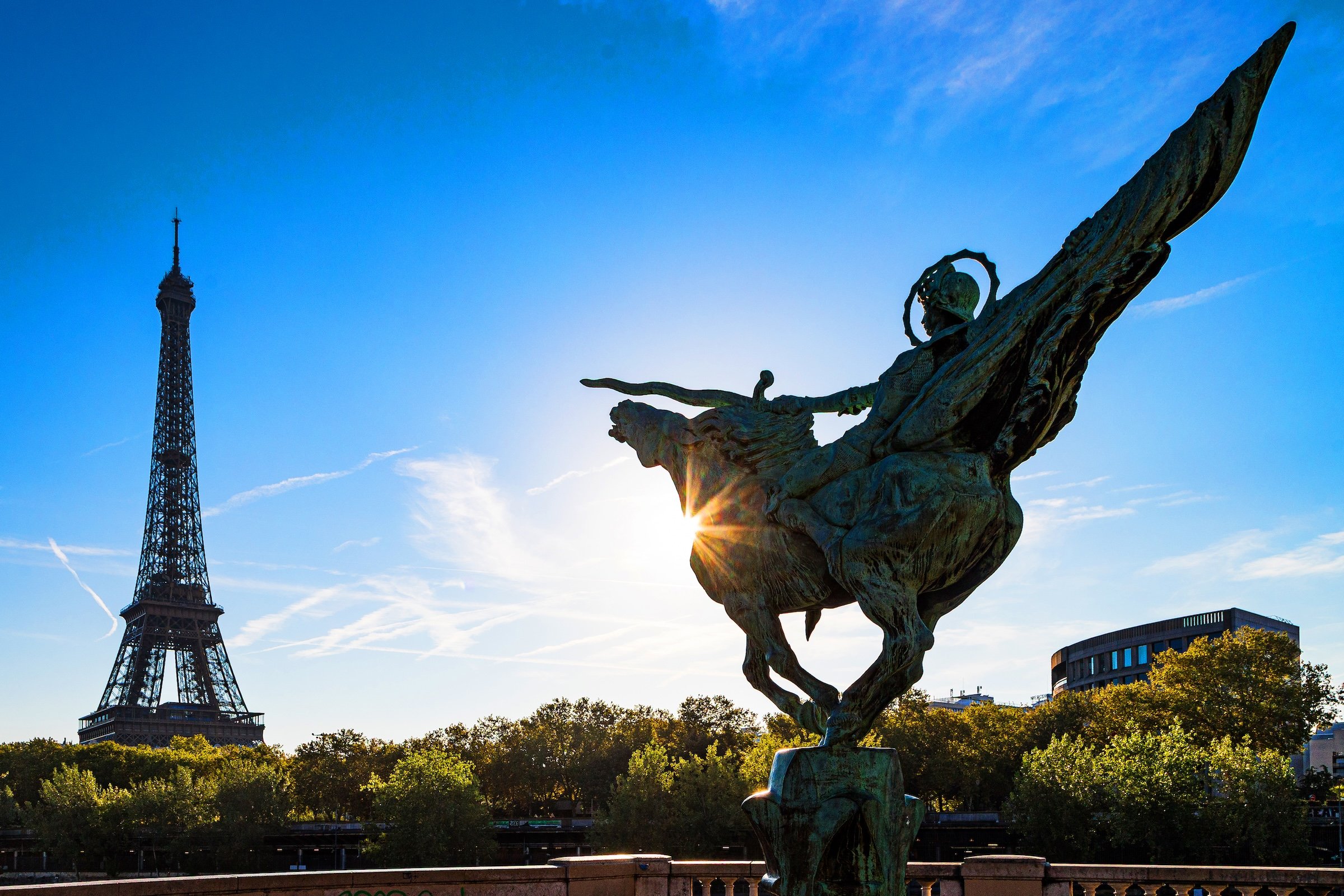
Visual Identity
Through The Lens
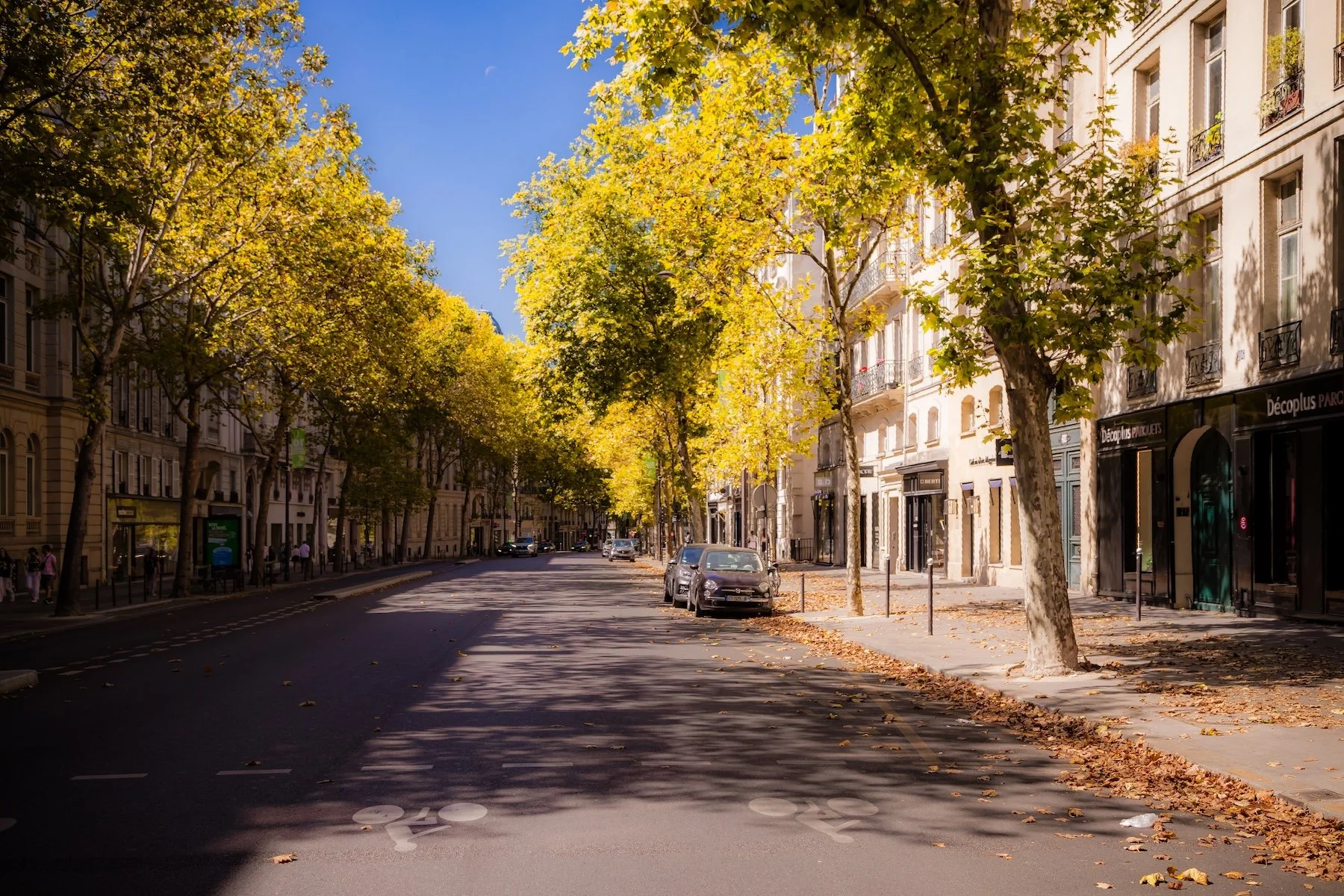
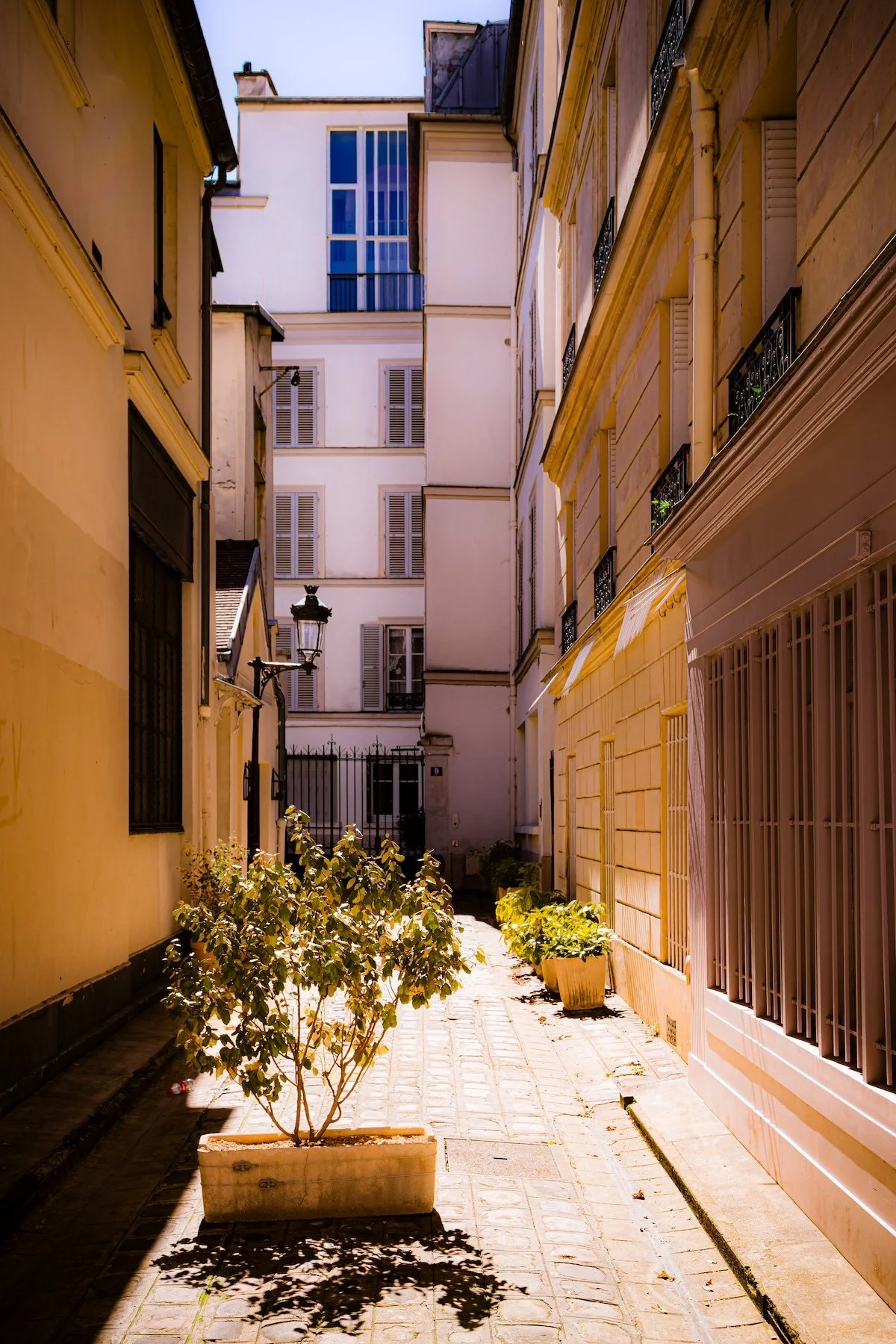
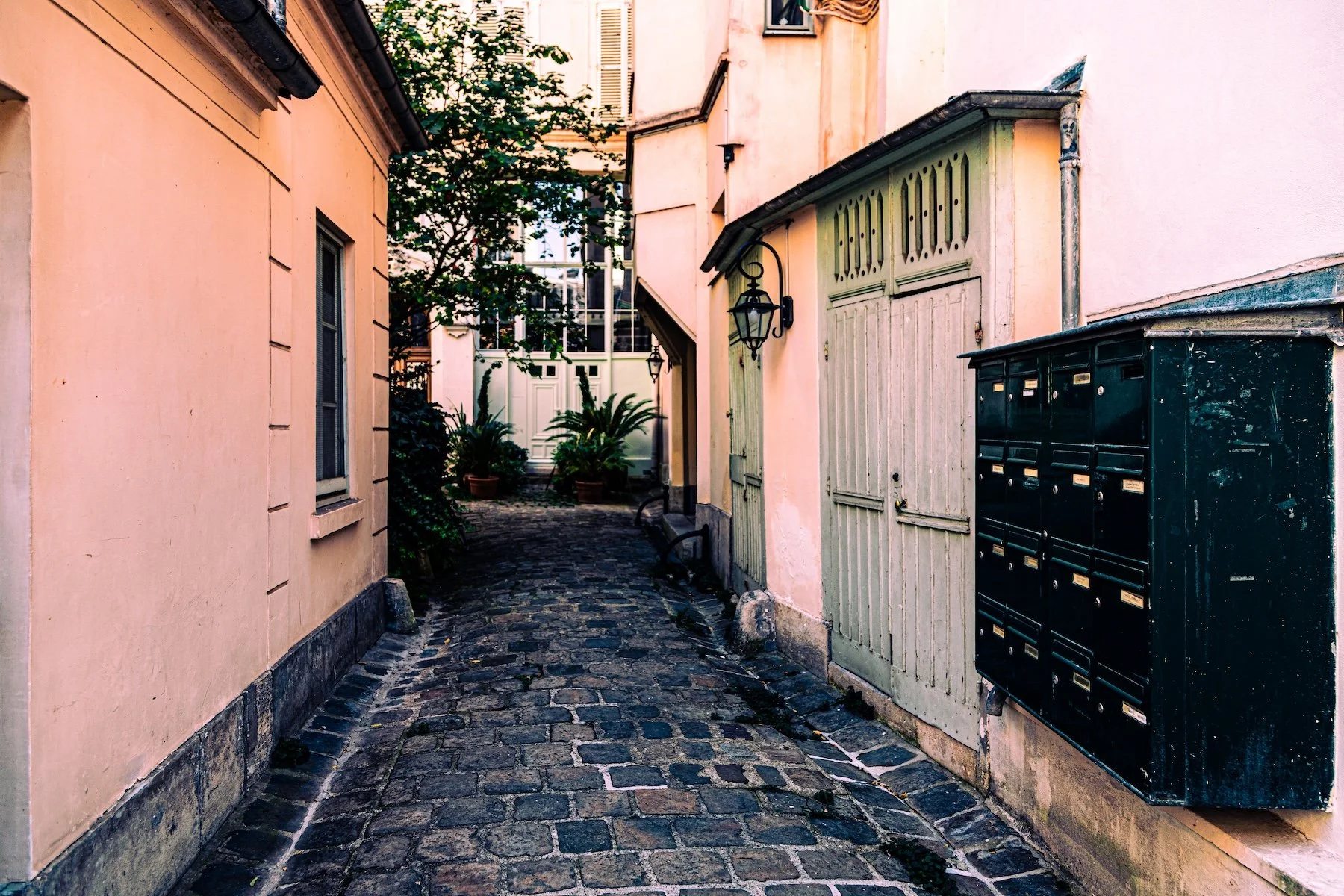
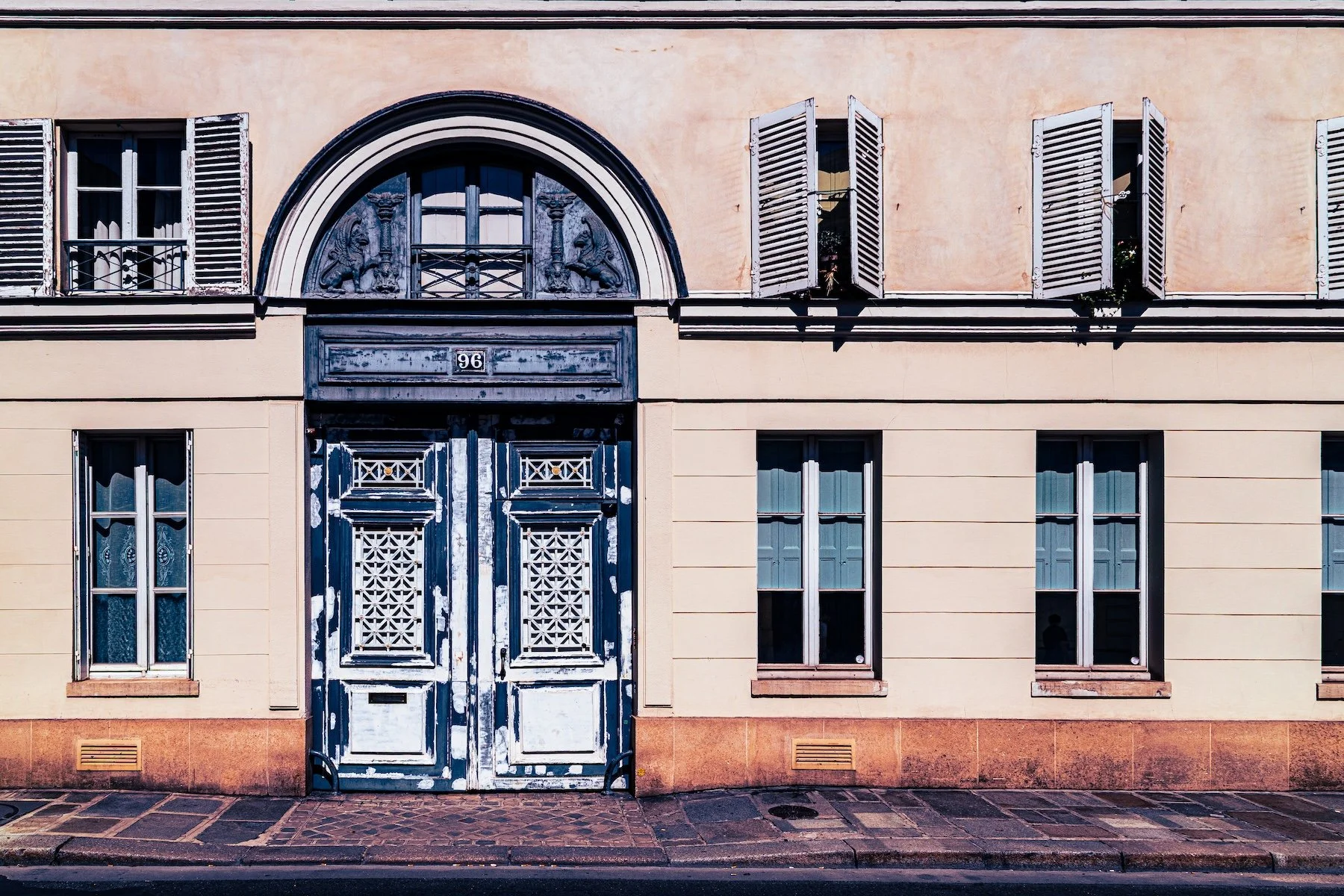
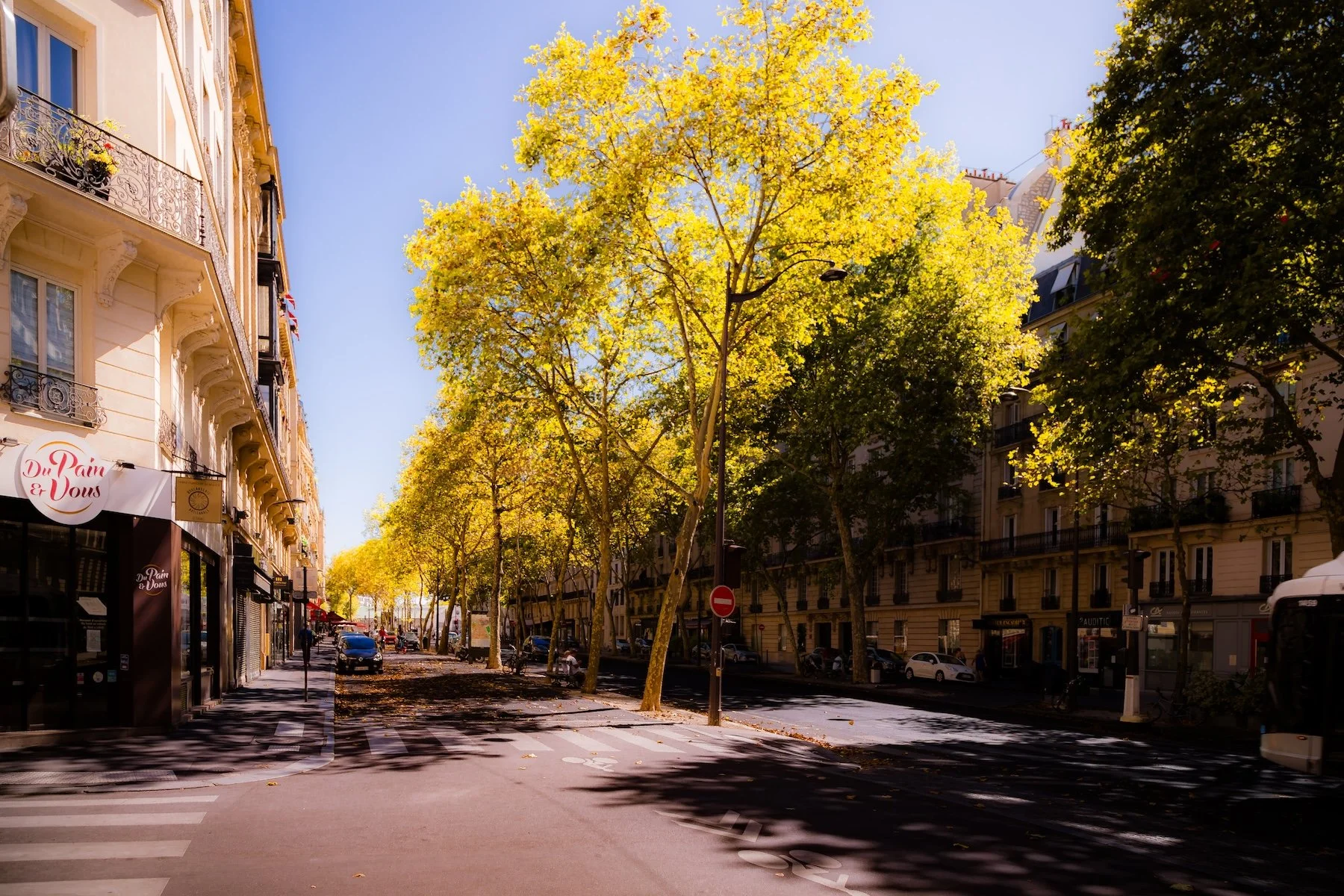
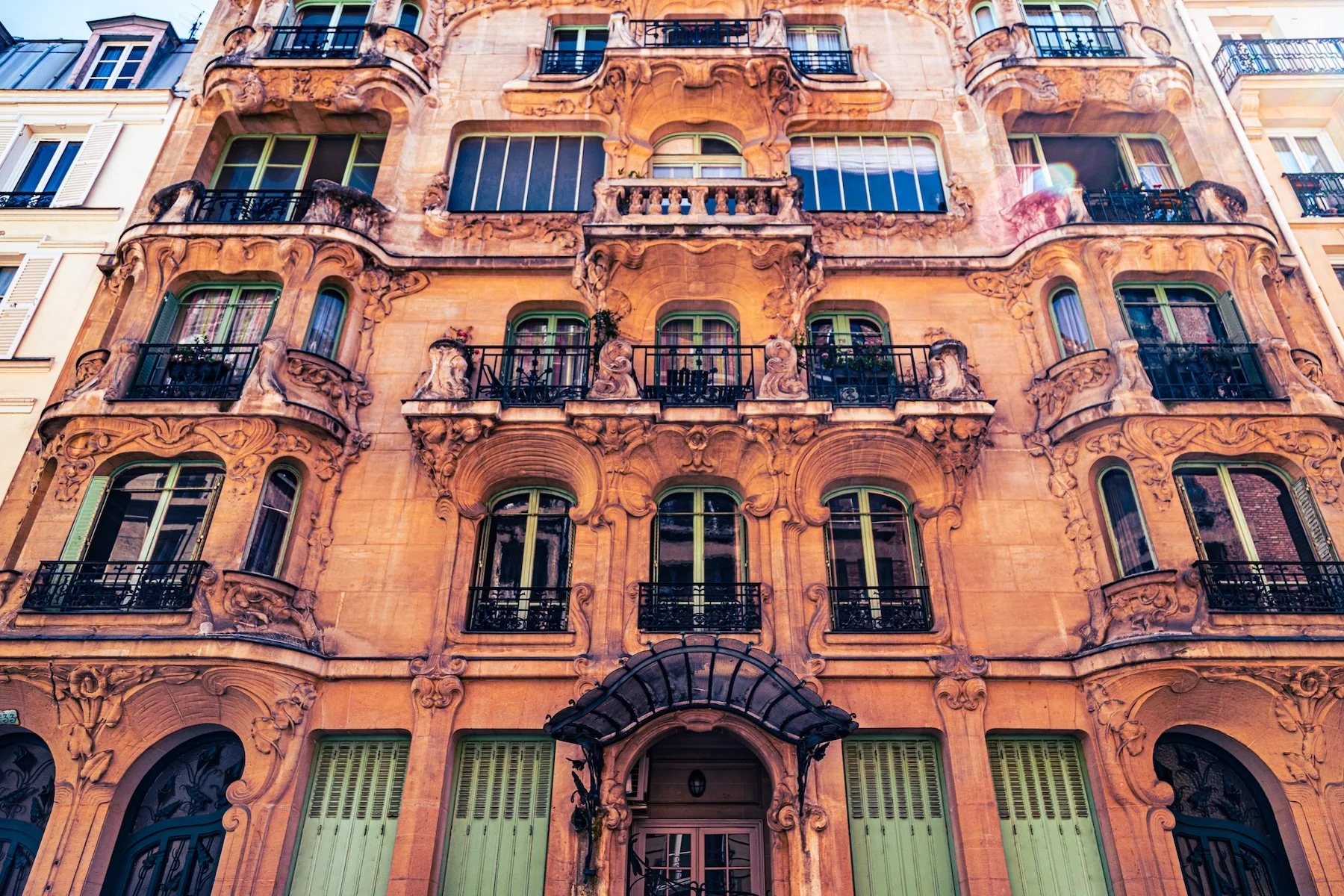
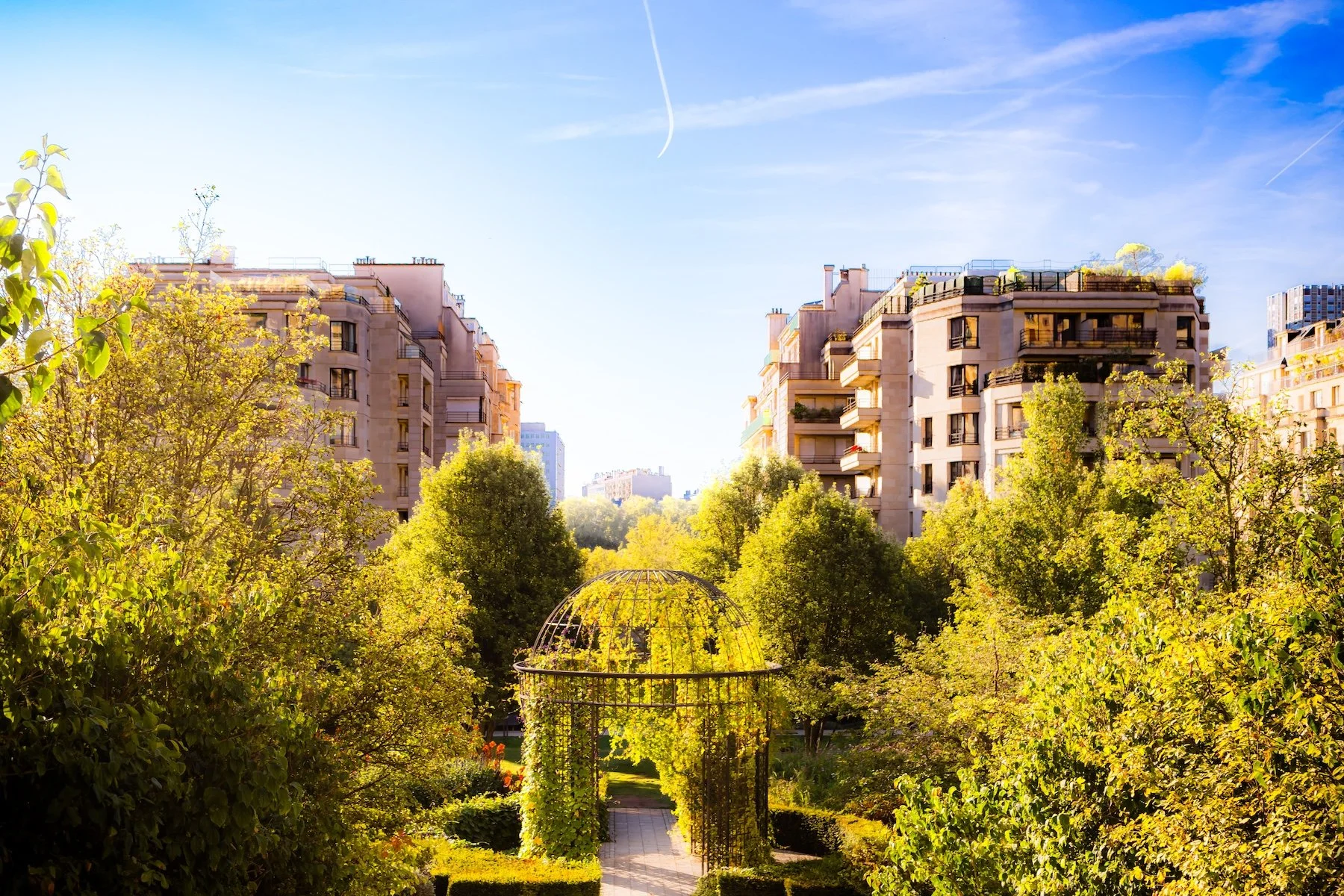
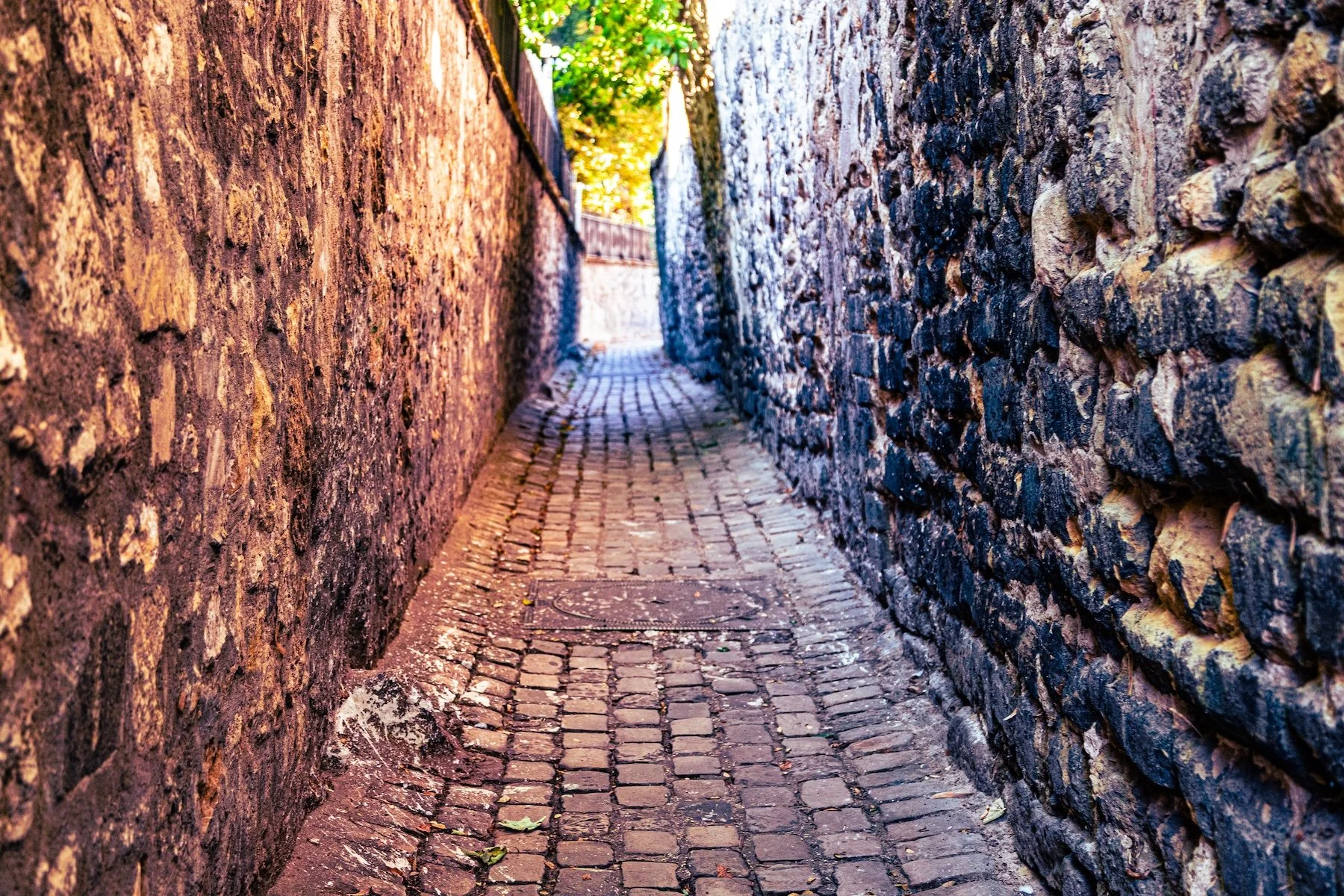
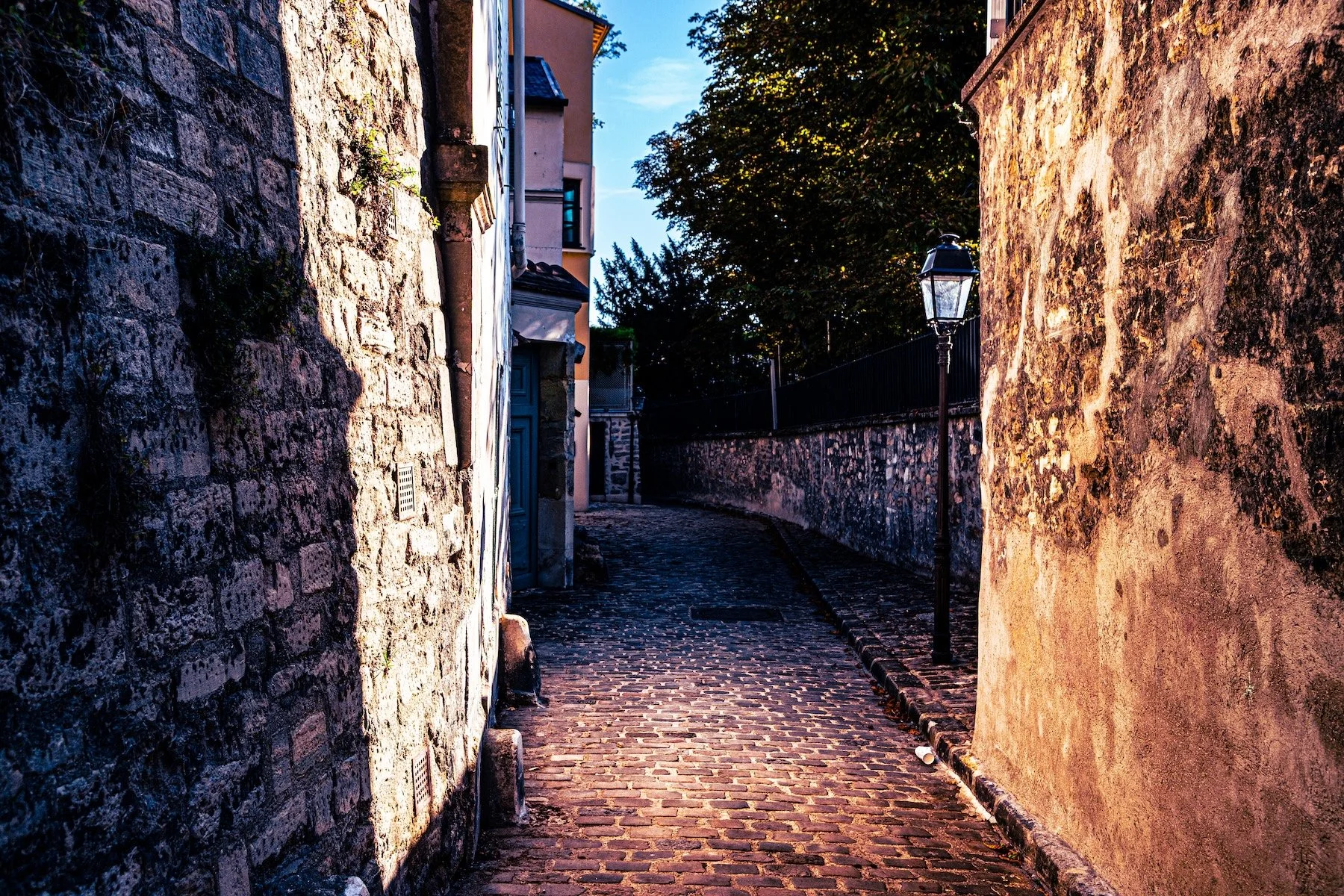
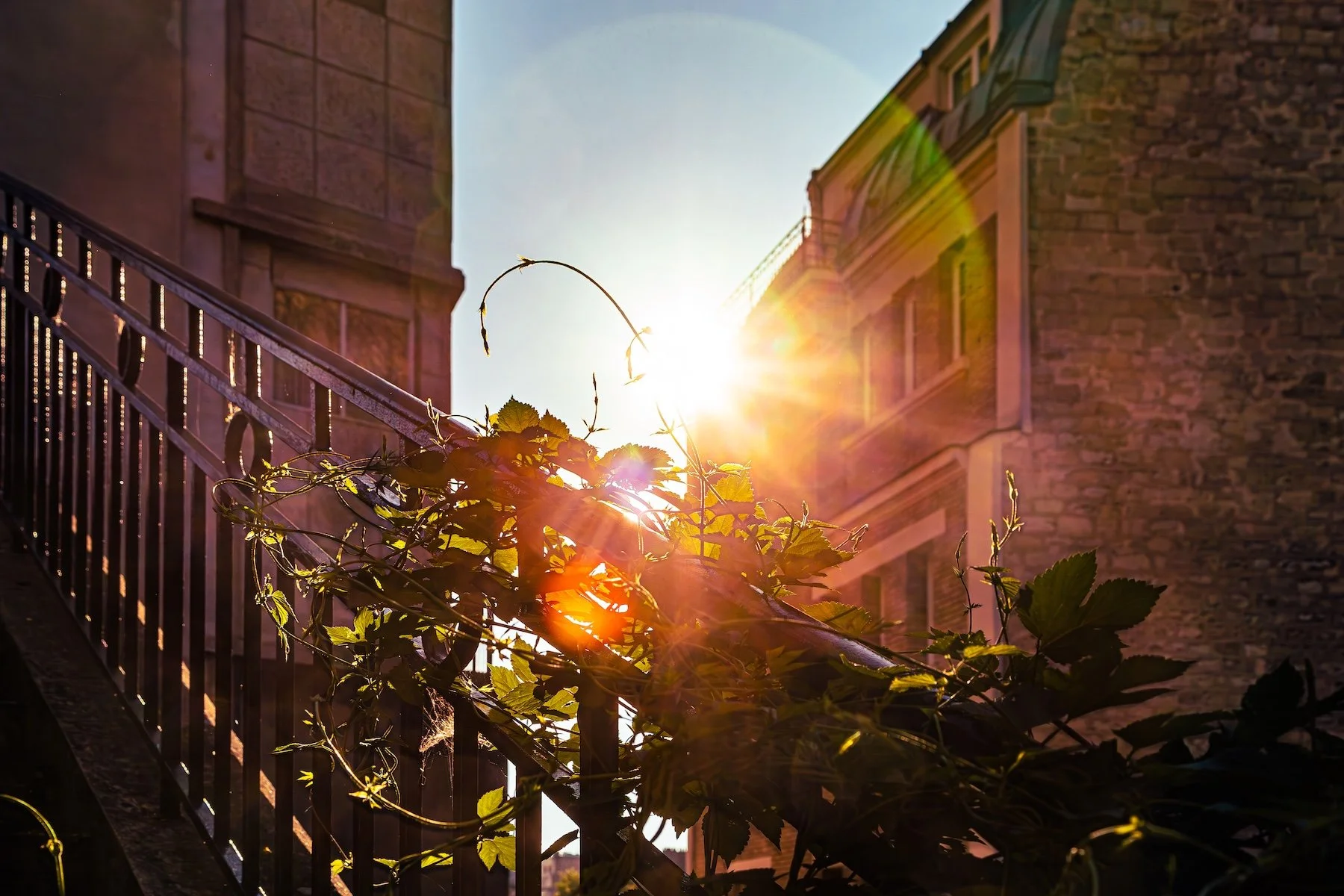
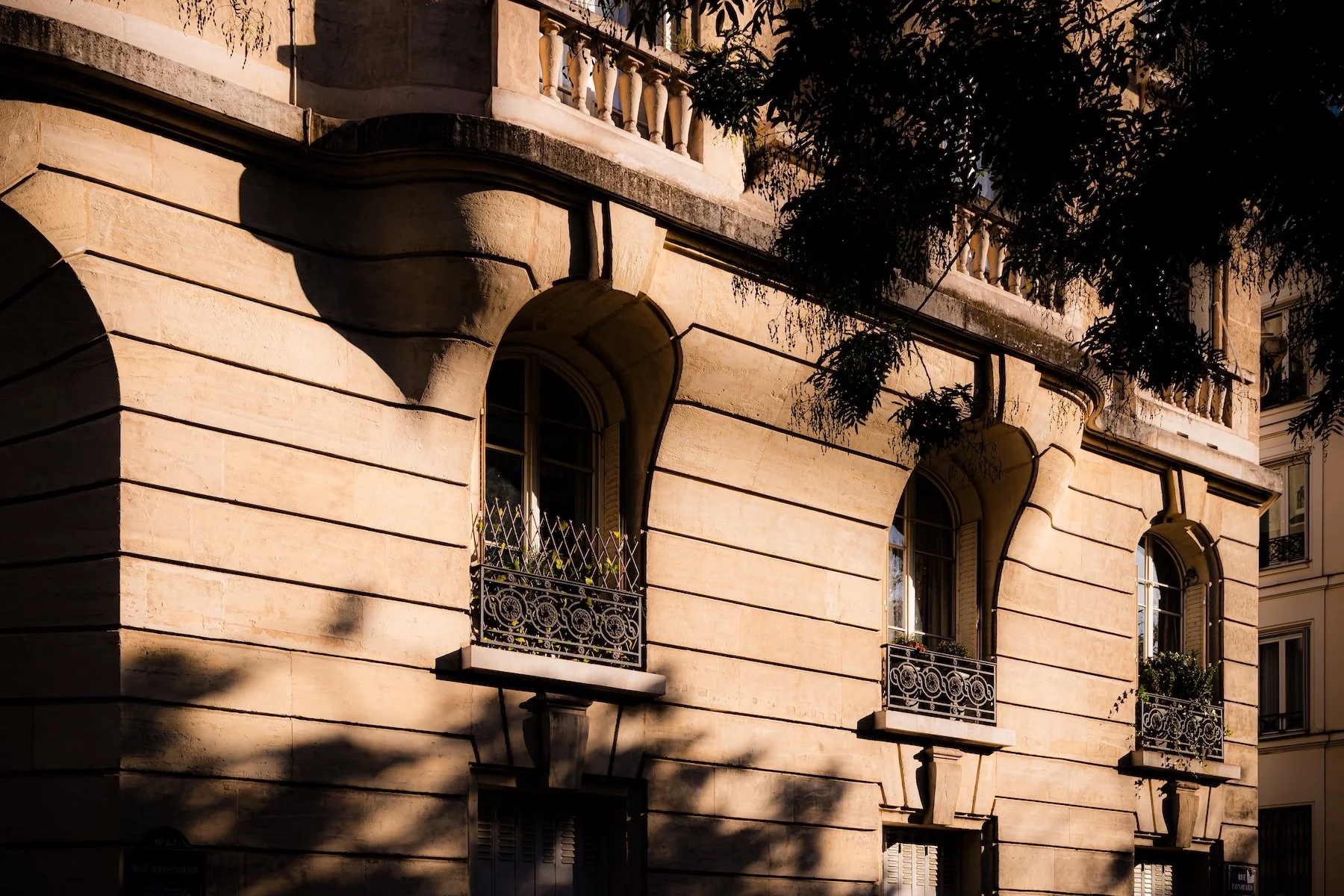
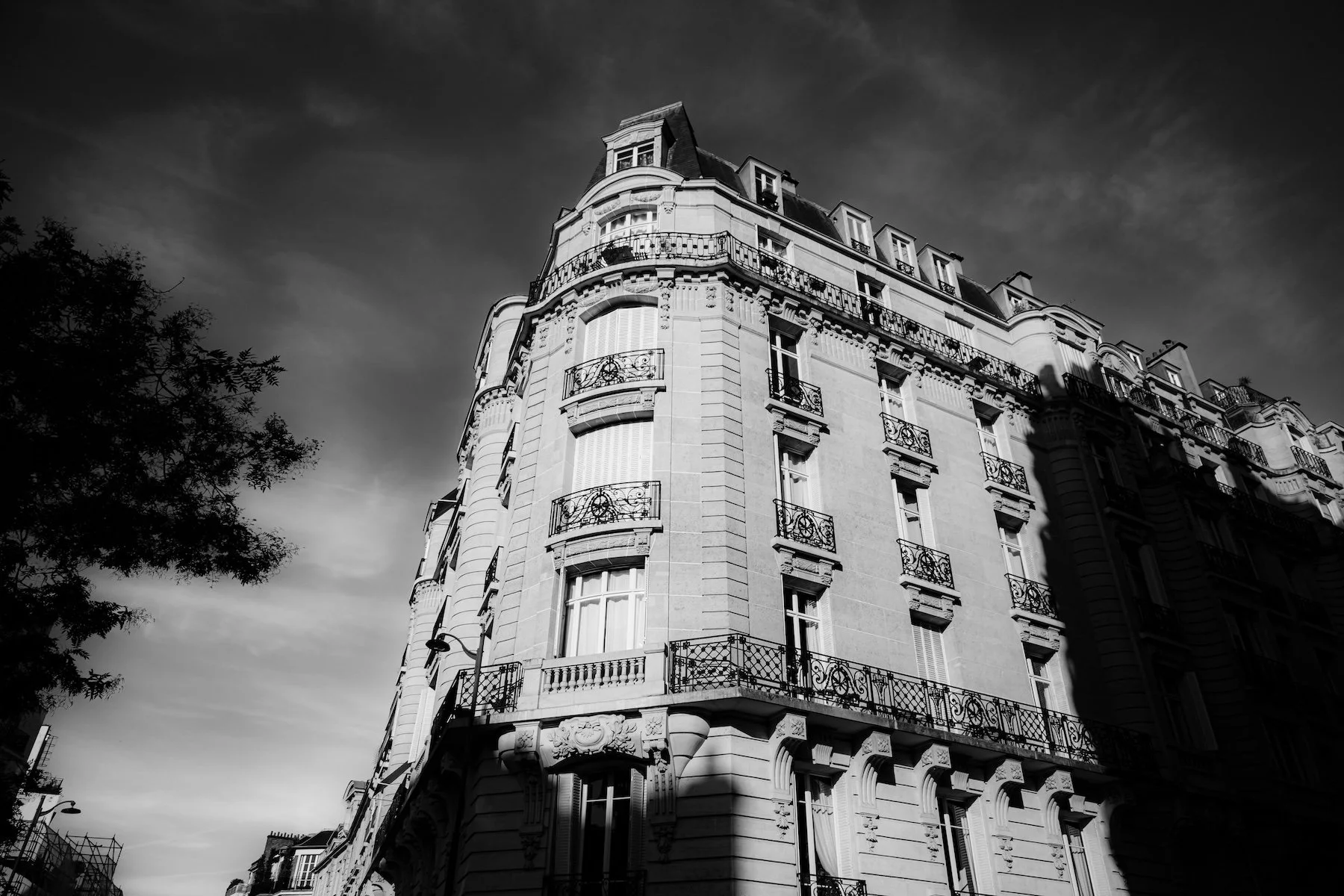
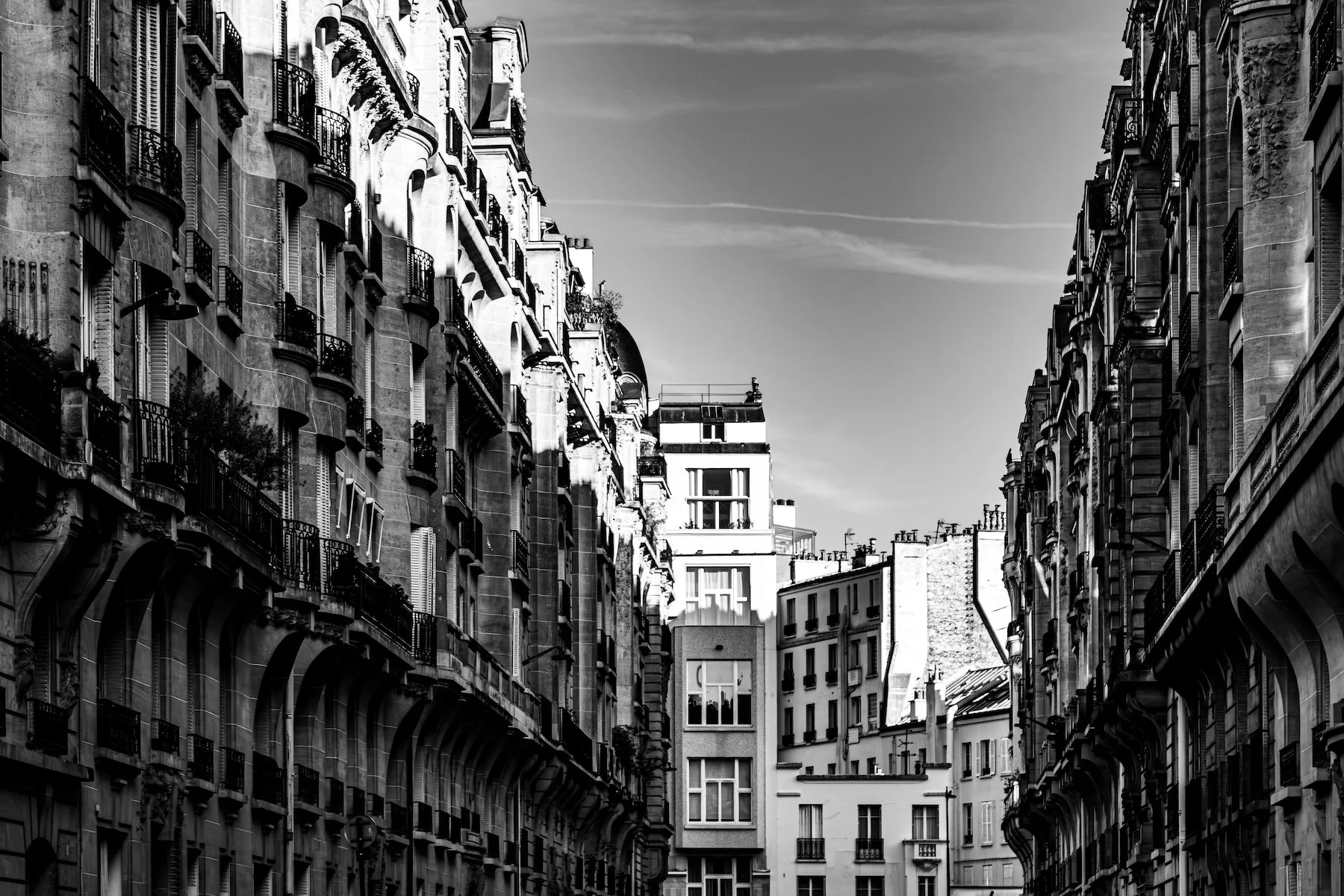
Photographing the arrondissements means moving between the official map and the street-level experience. The camera does not treat each arrondissement as visually uniform. Instead, it looks for the recurring forms, textures, transitions, and contrasts that make each district legible: the geometry of boulevards, the shade of plane trees, the repetition of balconies, the rise of stairways, the curve of canals, the presence of rail stations, the opening of parks, the weight of monuments, and the intimacy of side streets.
On CityNeighborhoods, the arrondissement provides the frame, but the photograph comes from the encounter between map, movement, light, and observation. As the Paris photography is processed, this section will connect each arrondissement more directly to the project’s Photographic Lexicon: the visual strategies, recurring motifs, and compositional patterns that shape how the city is seen through the lens.
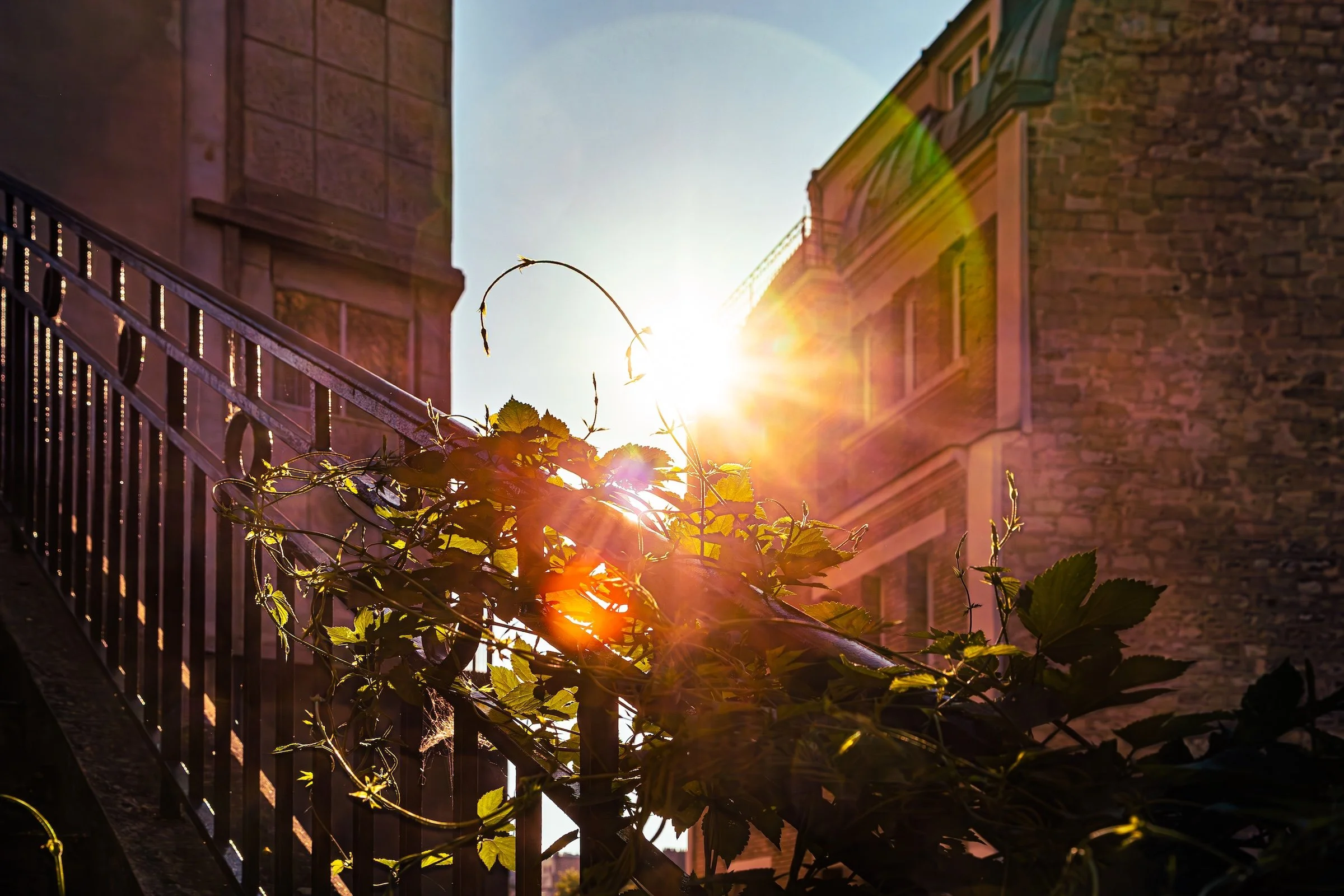
If you visit Paris, these ideas can help inspire your own photography.
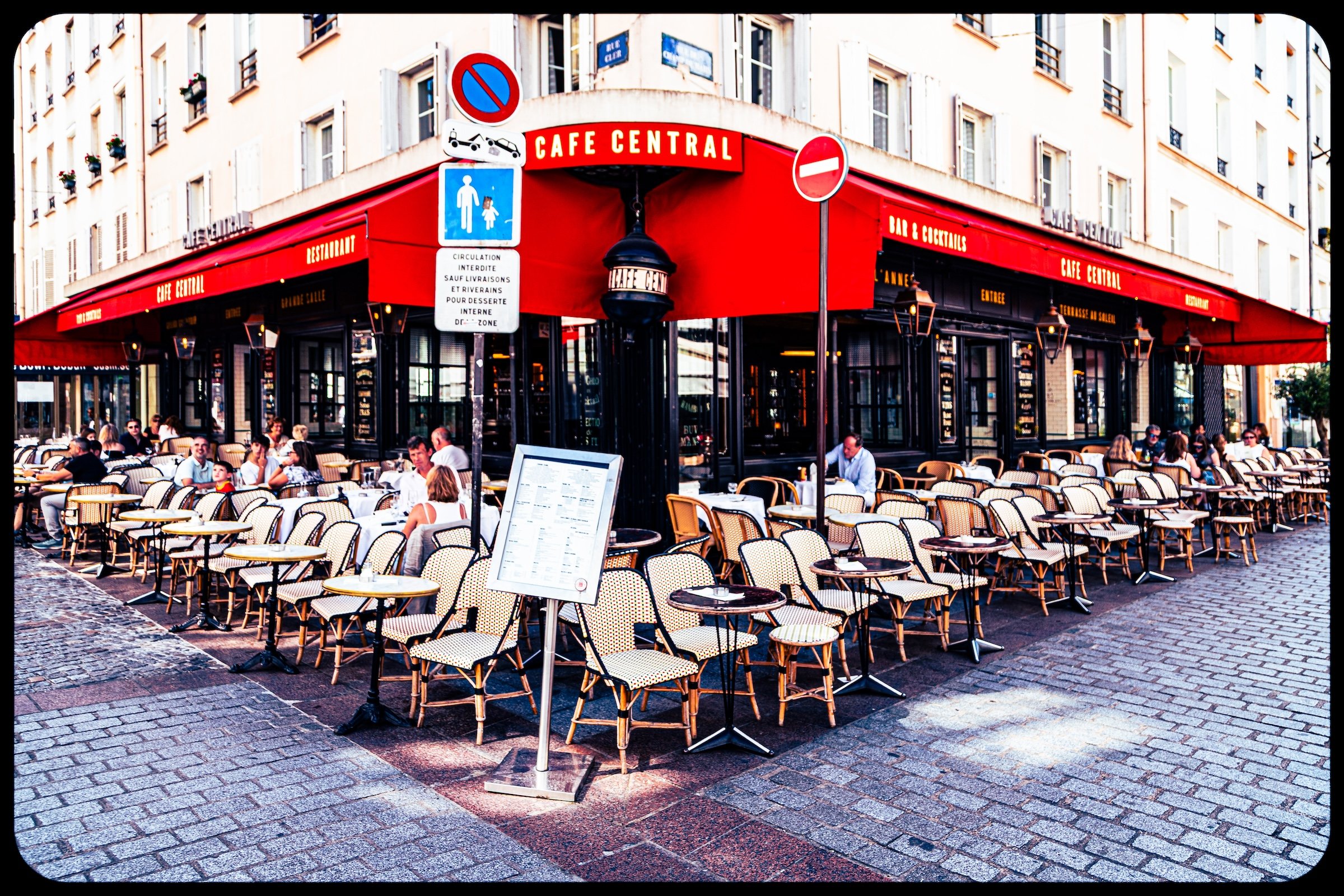
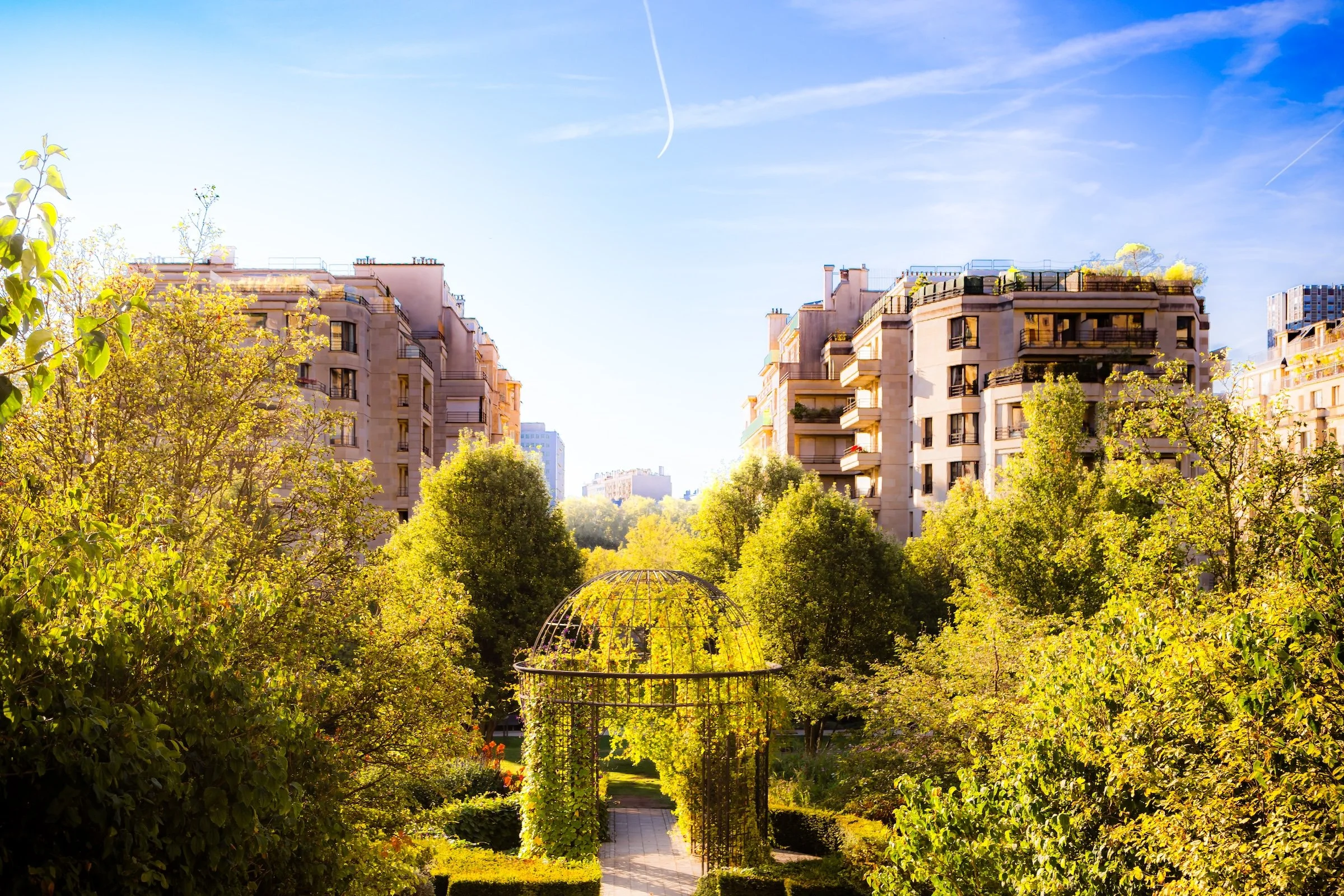
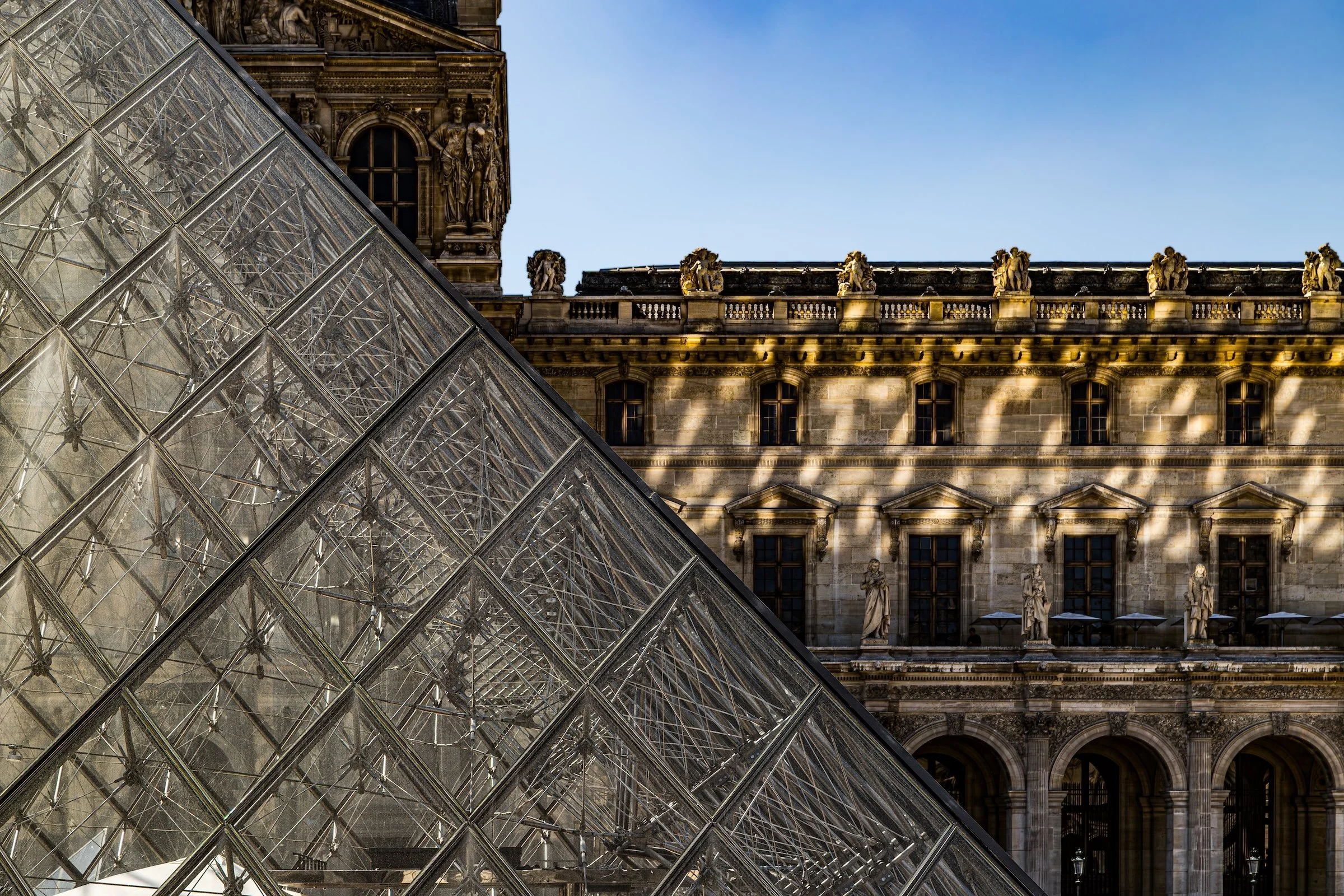
Paris: J’Espere, Je Rêve, Je Vive
Paris Photo Gallery
Paris Field Notes
-
Field Note: August 18, 2025 | 07:58 AM
Conditions: 73°F | Humidity: 72%.
Within the park's interior, the glacial kettle ponds acted as humidity traps, creating a soft, hazy light that filtered through the old-growth oaks. The transition from the park's dense shade to the sun-drenched edges of Oakland Gardens highlighted the day's exceptional "picture-perfect" clarity.
There is a fleeting window in Queens where the humidity of August hasn't yet heavy-set, and the morning sun hits the canopy of Alley Pond Park at a perfect oblique angle. Arriving just before 8:00 AM, I watched the light break through the oaks and tulip trees, casting long, dramatic shadows across the wet grass. It’s in these quiet, golden moments that the park feels less like a city escape and more like the ancient glacial valley it actually is.
Other neighborhoods visited:
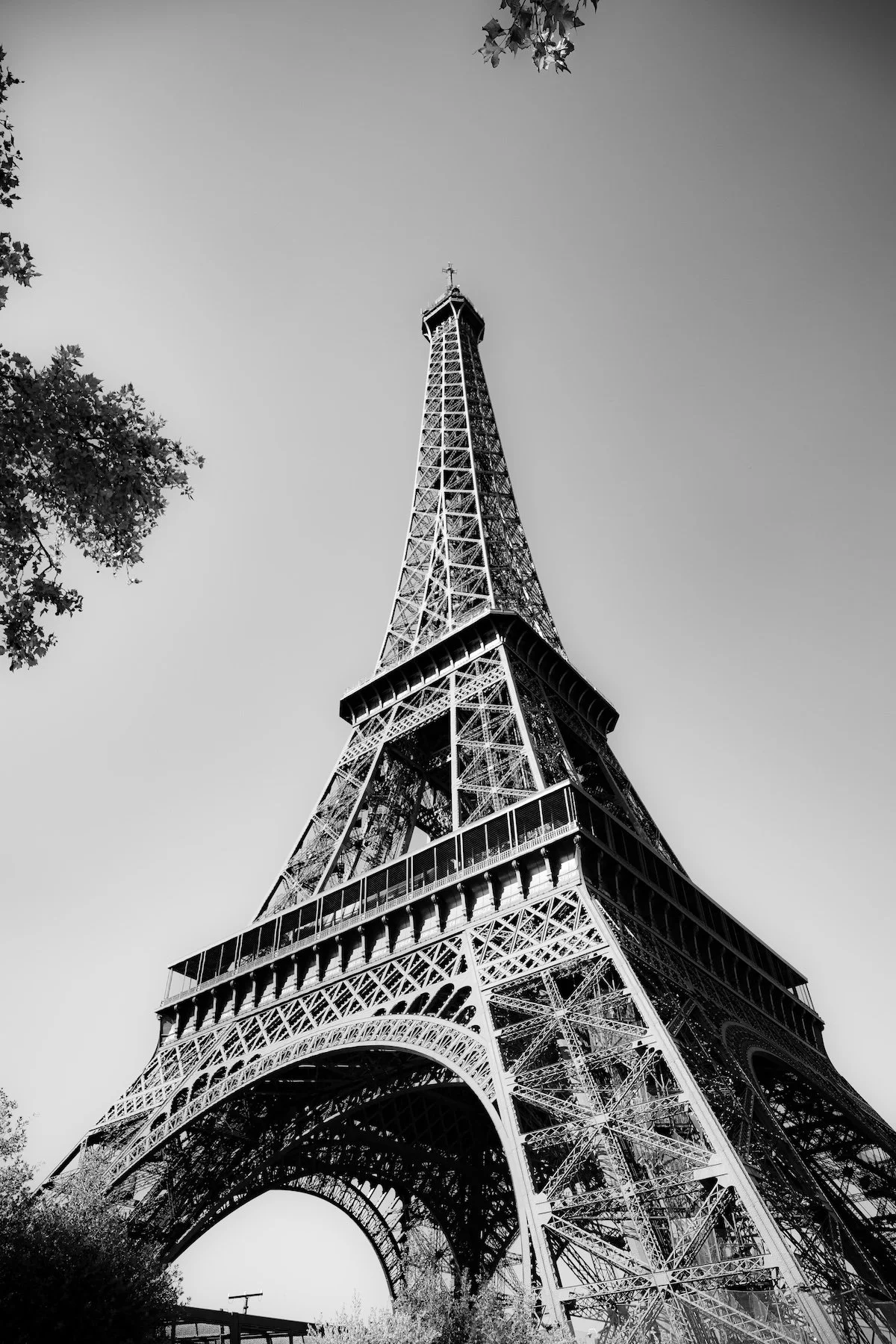
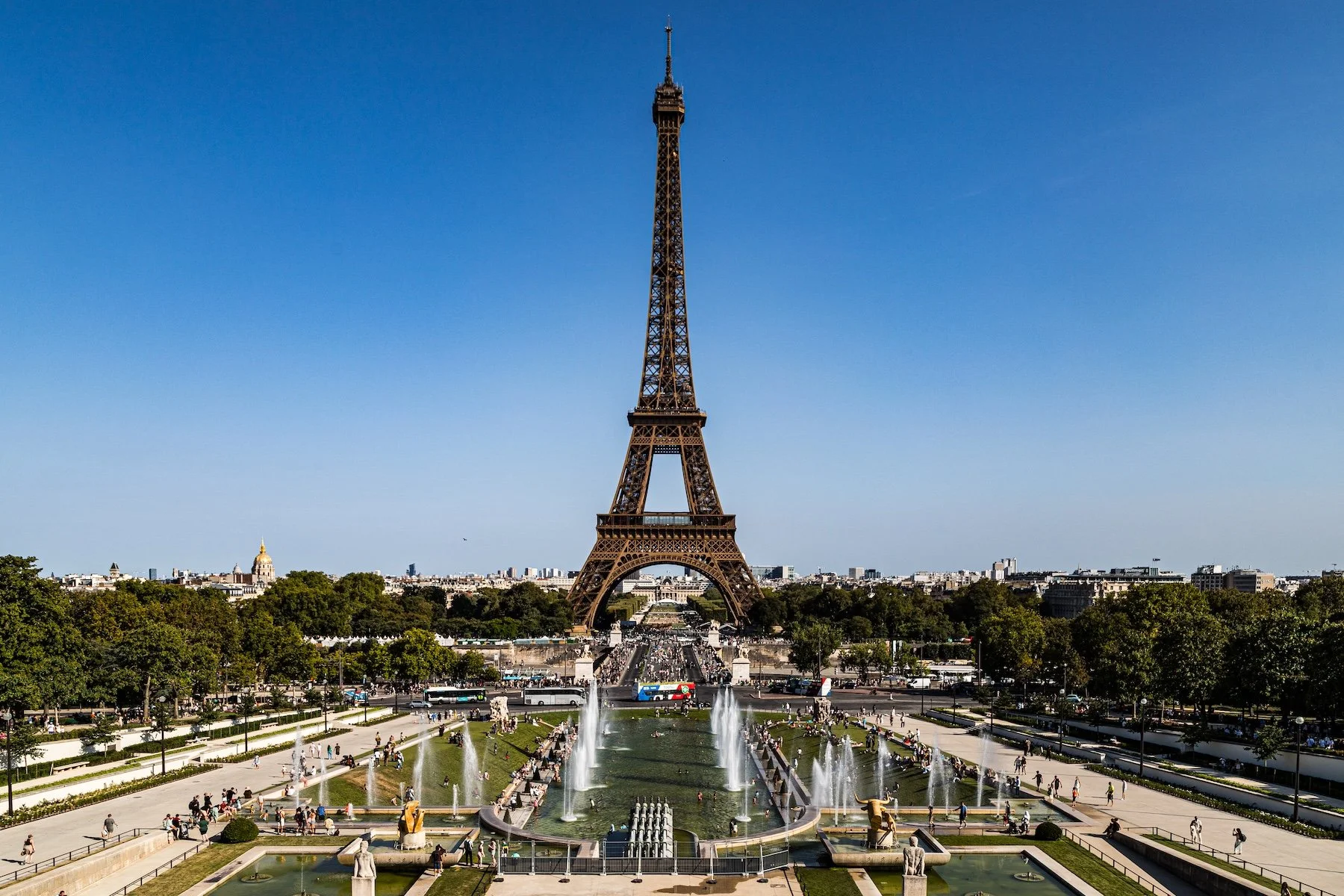
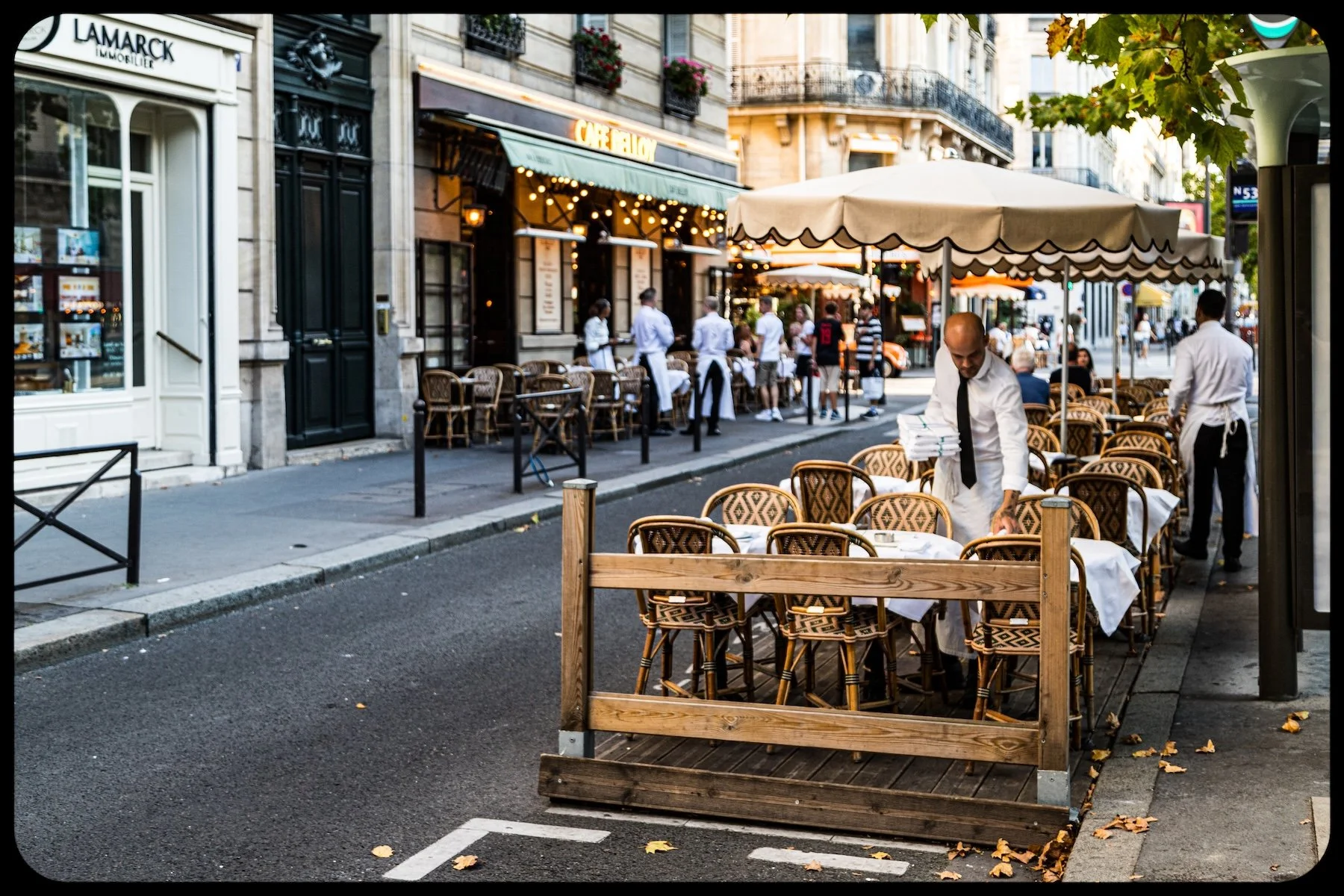
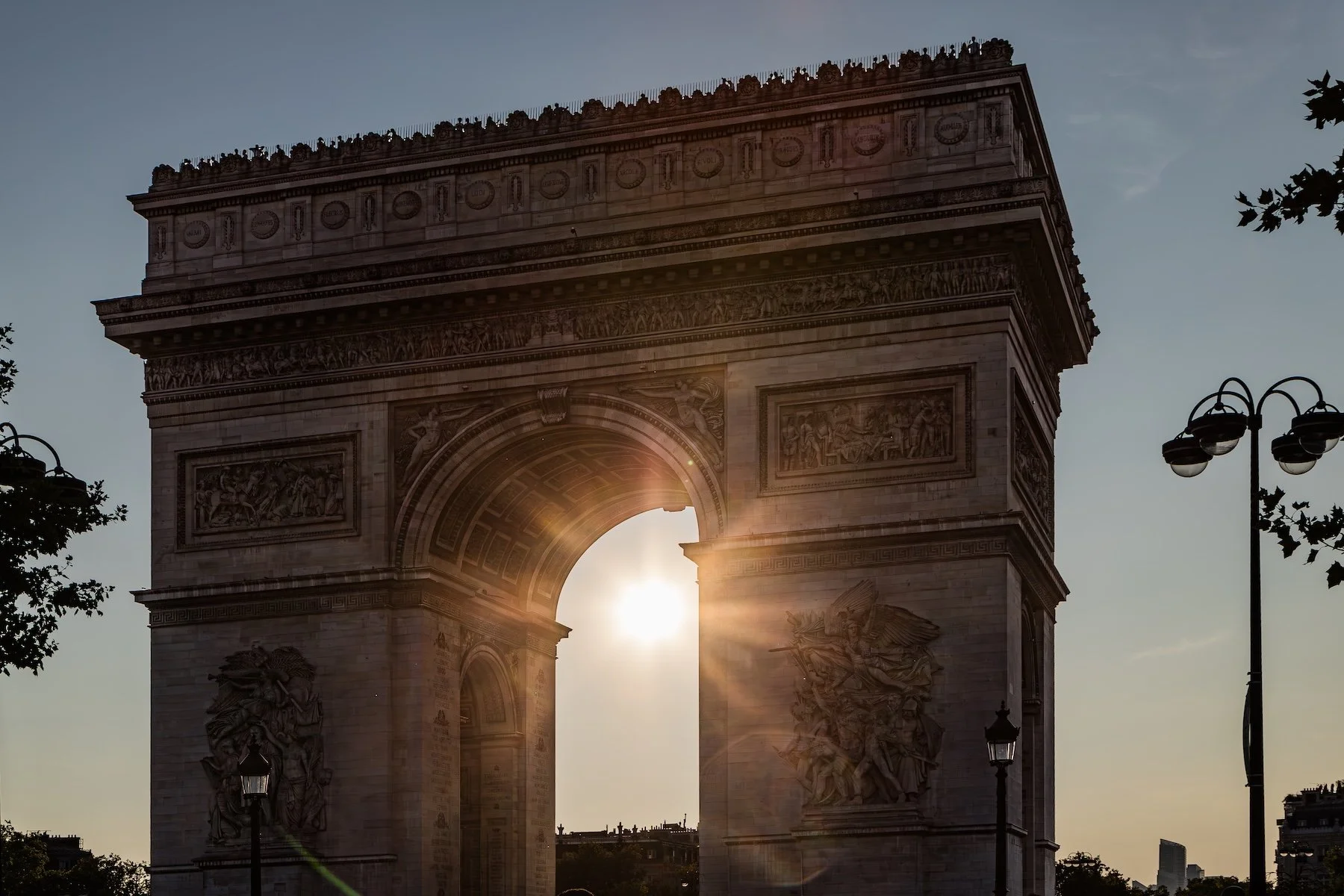
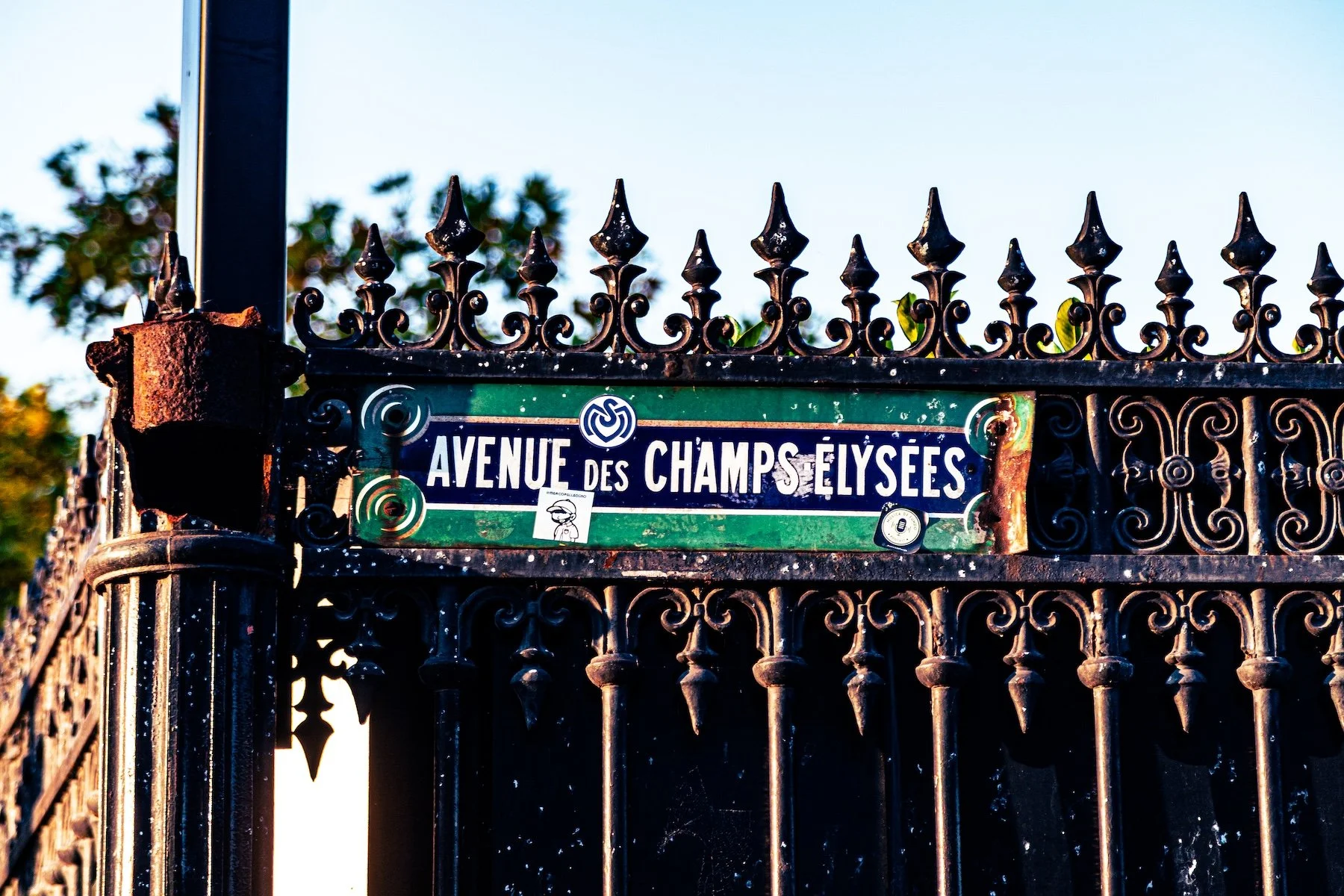
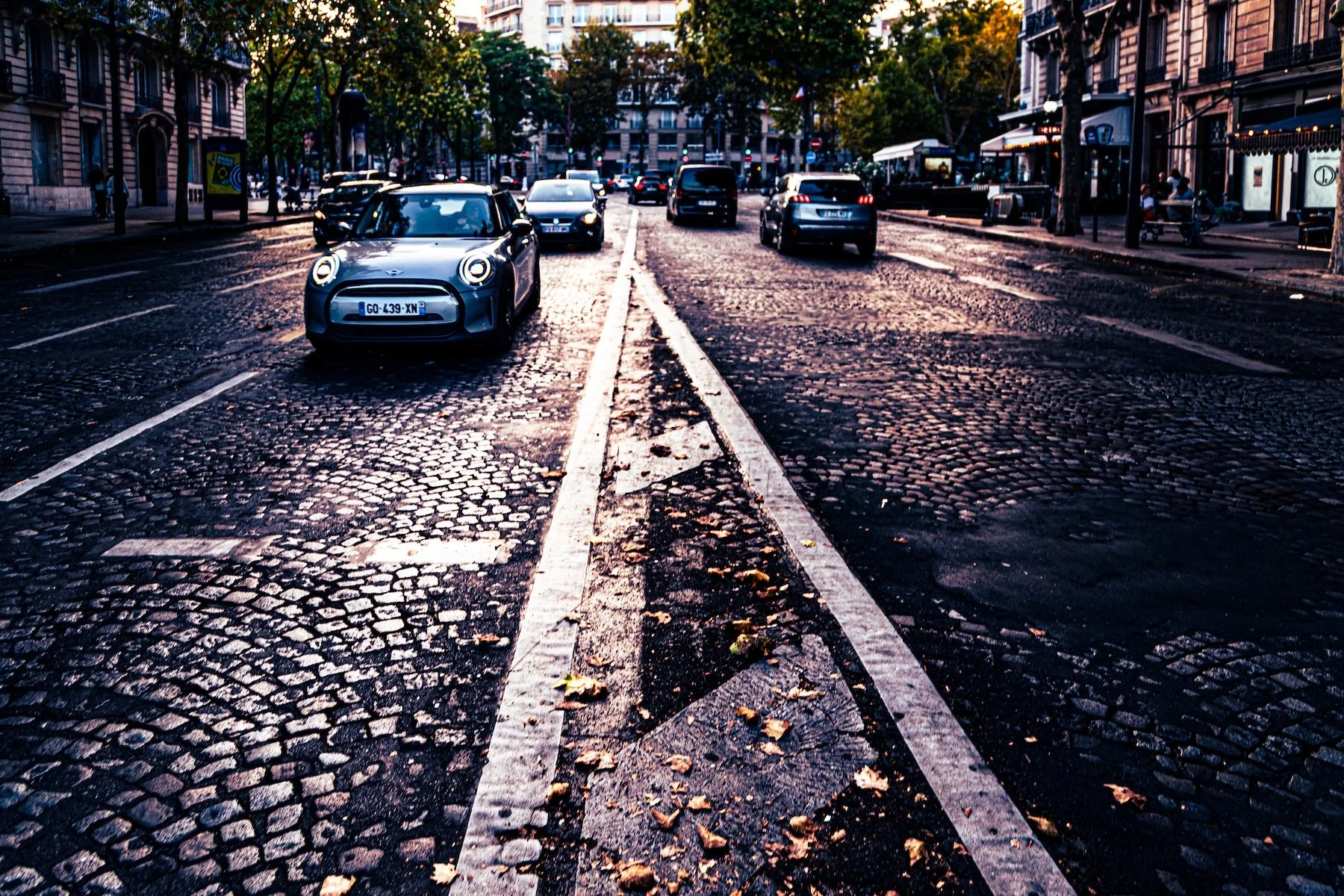
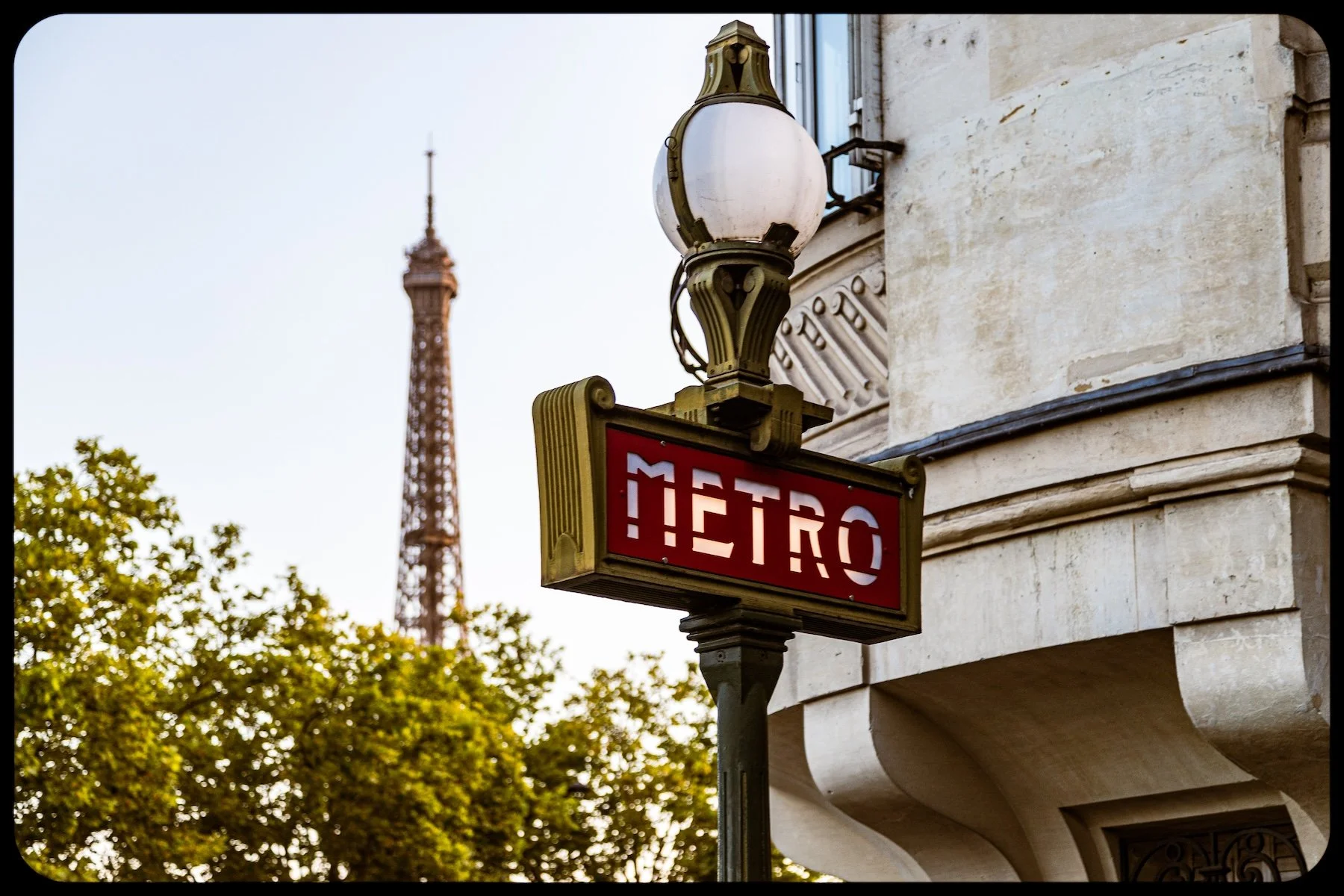
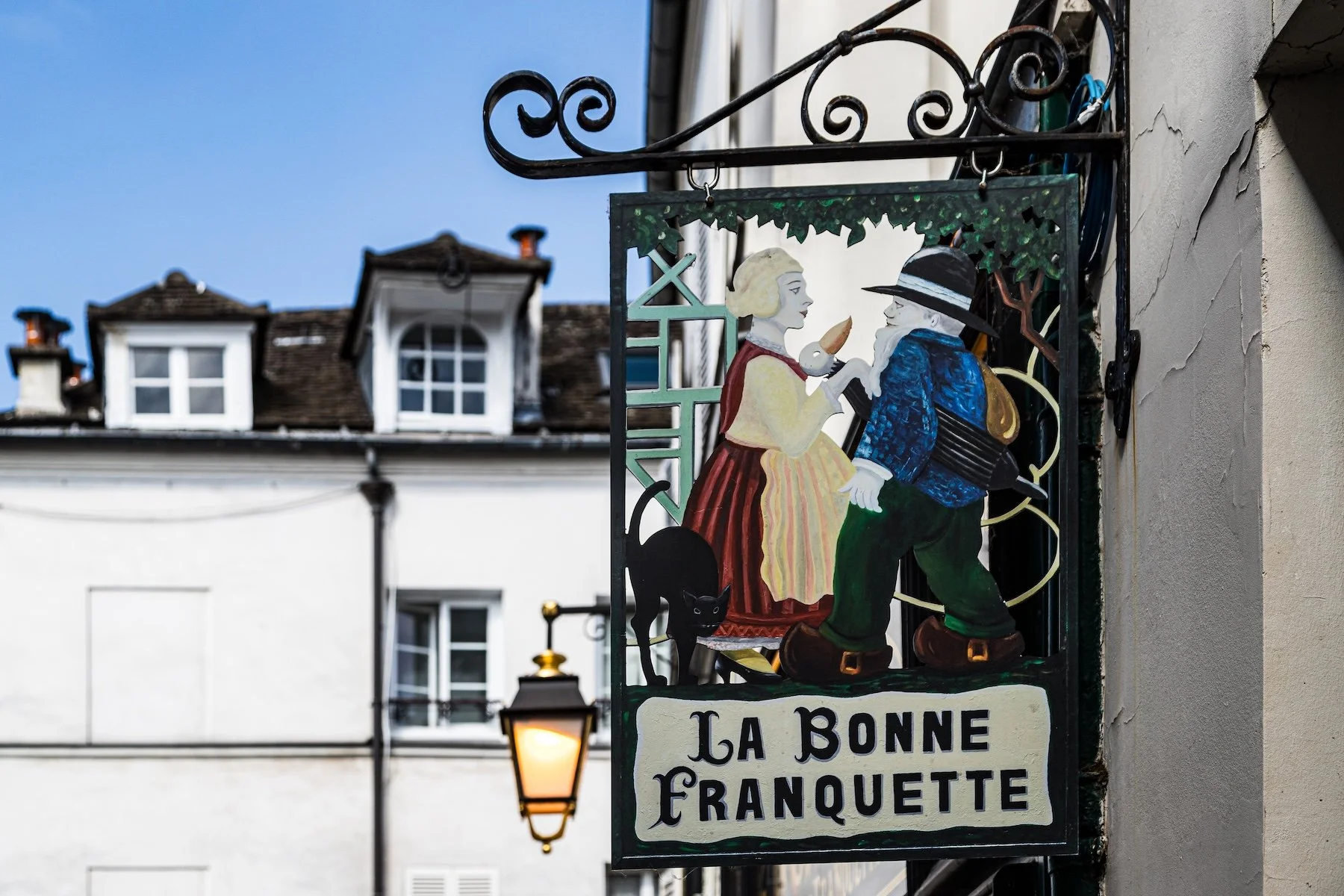
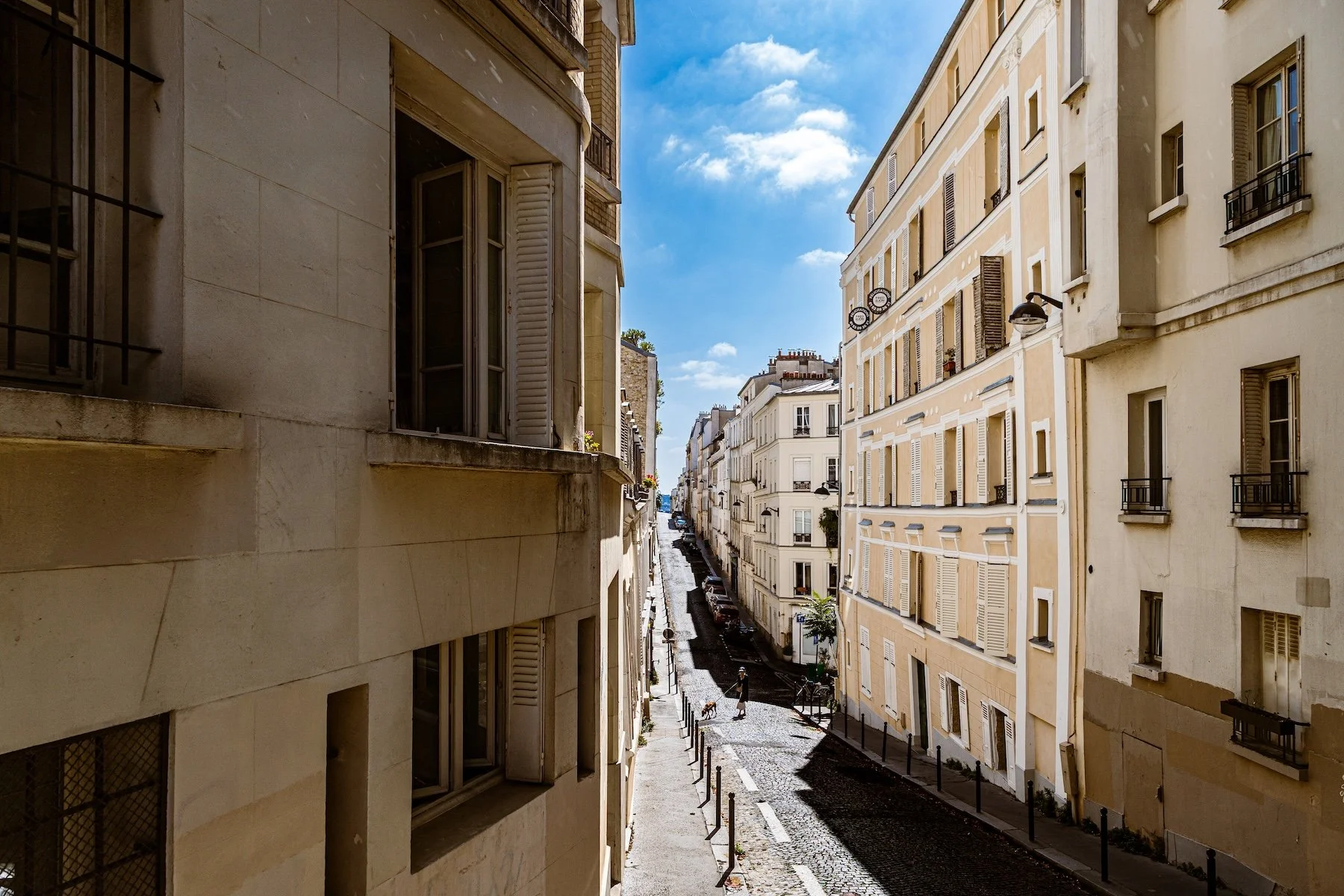
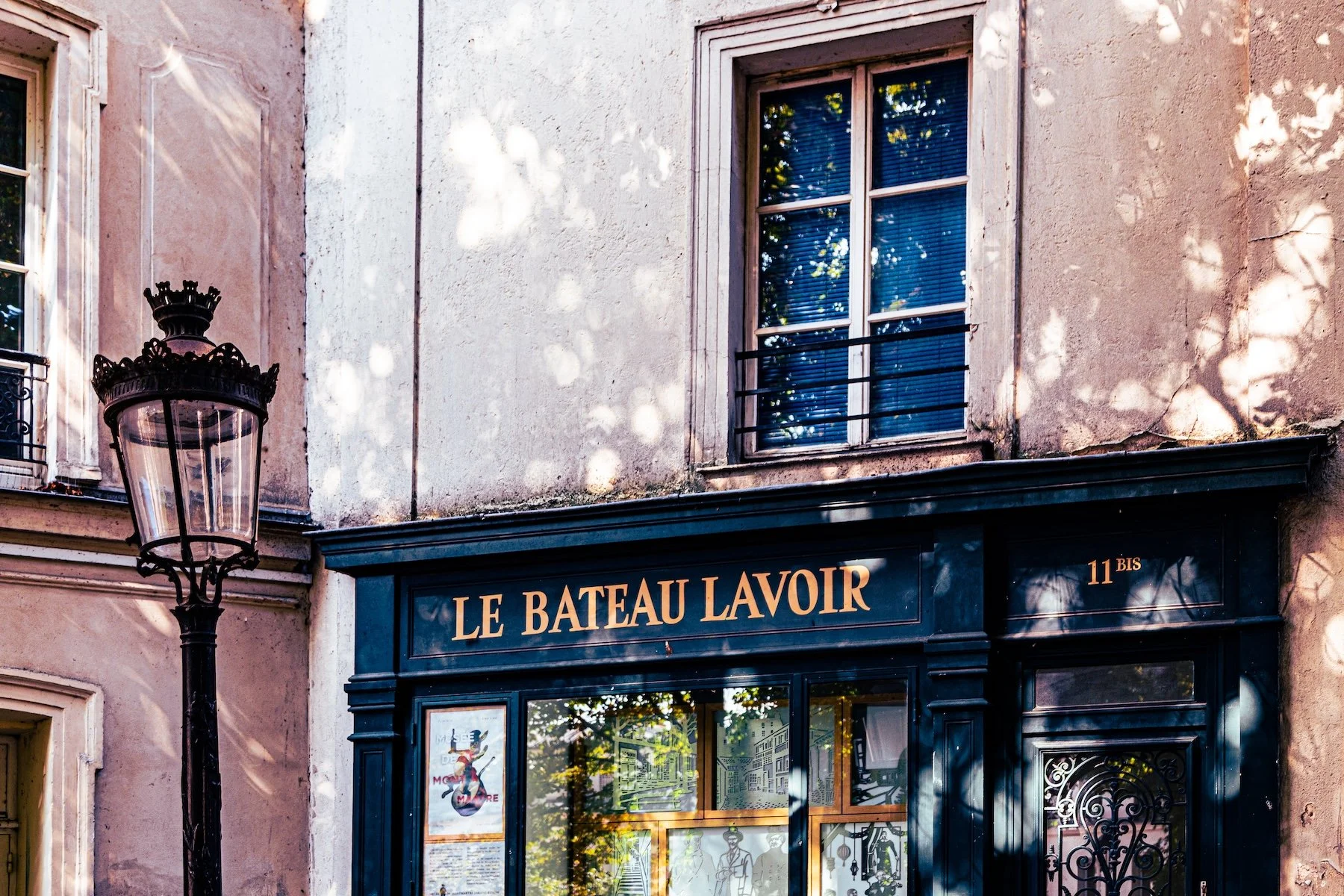
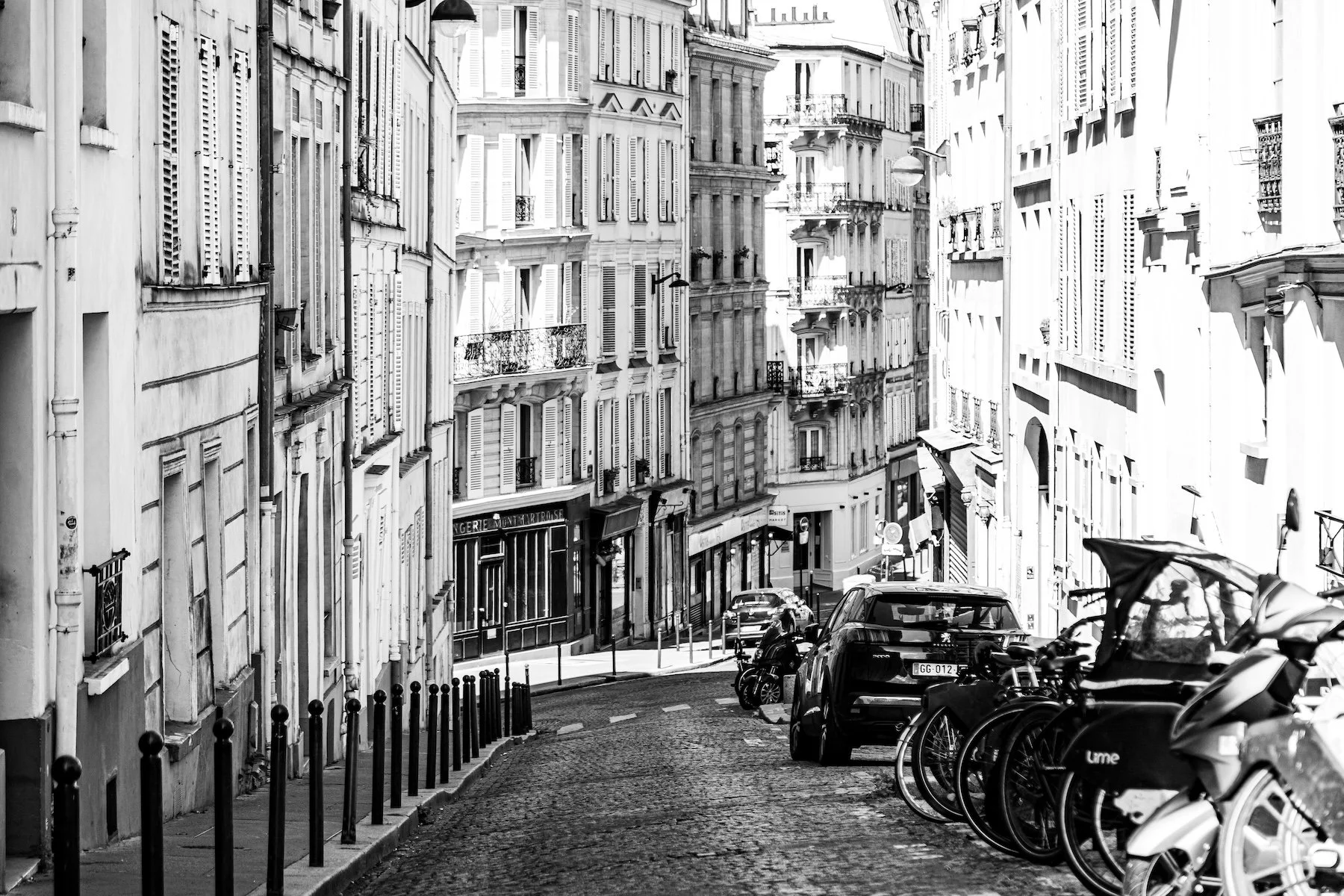
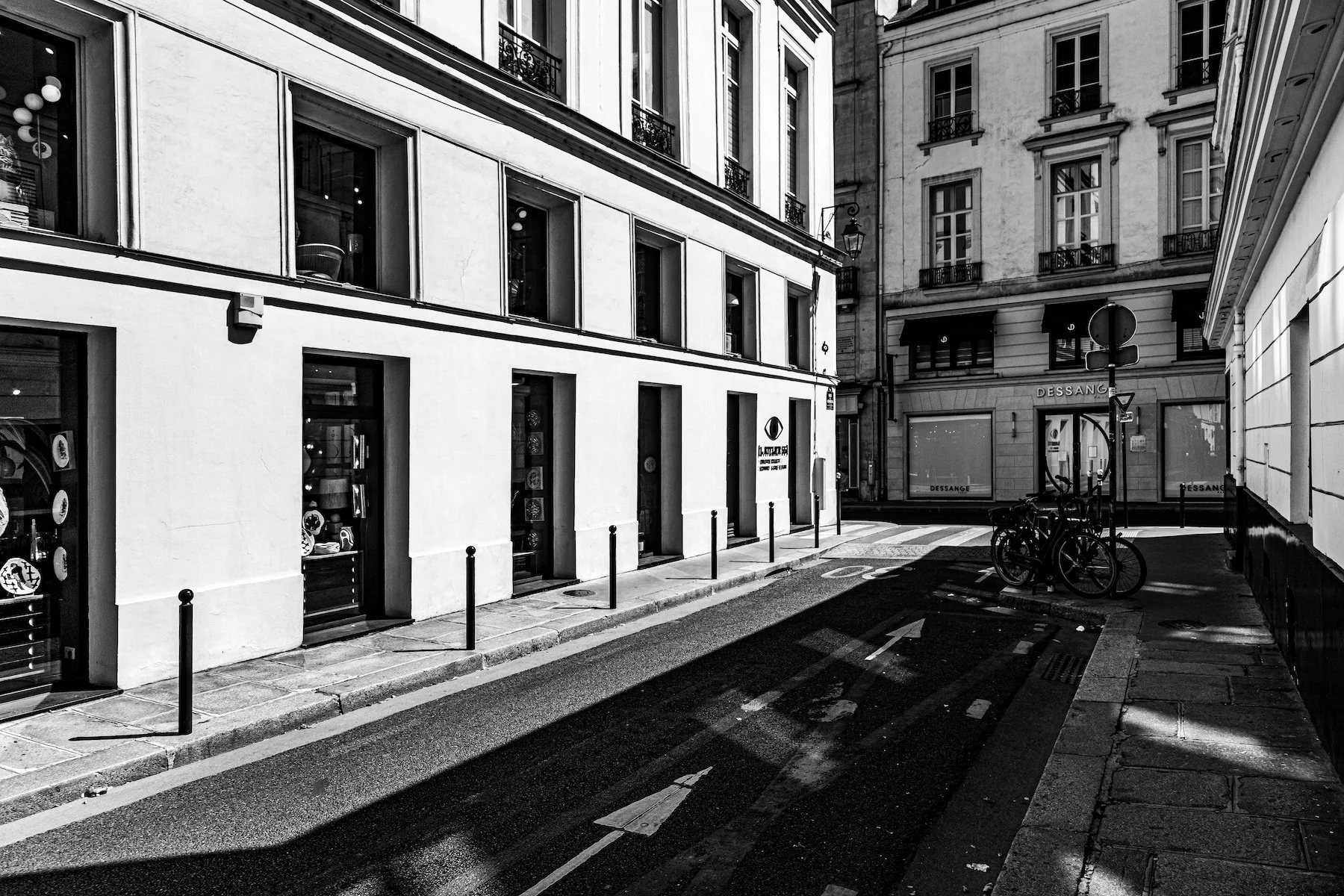
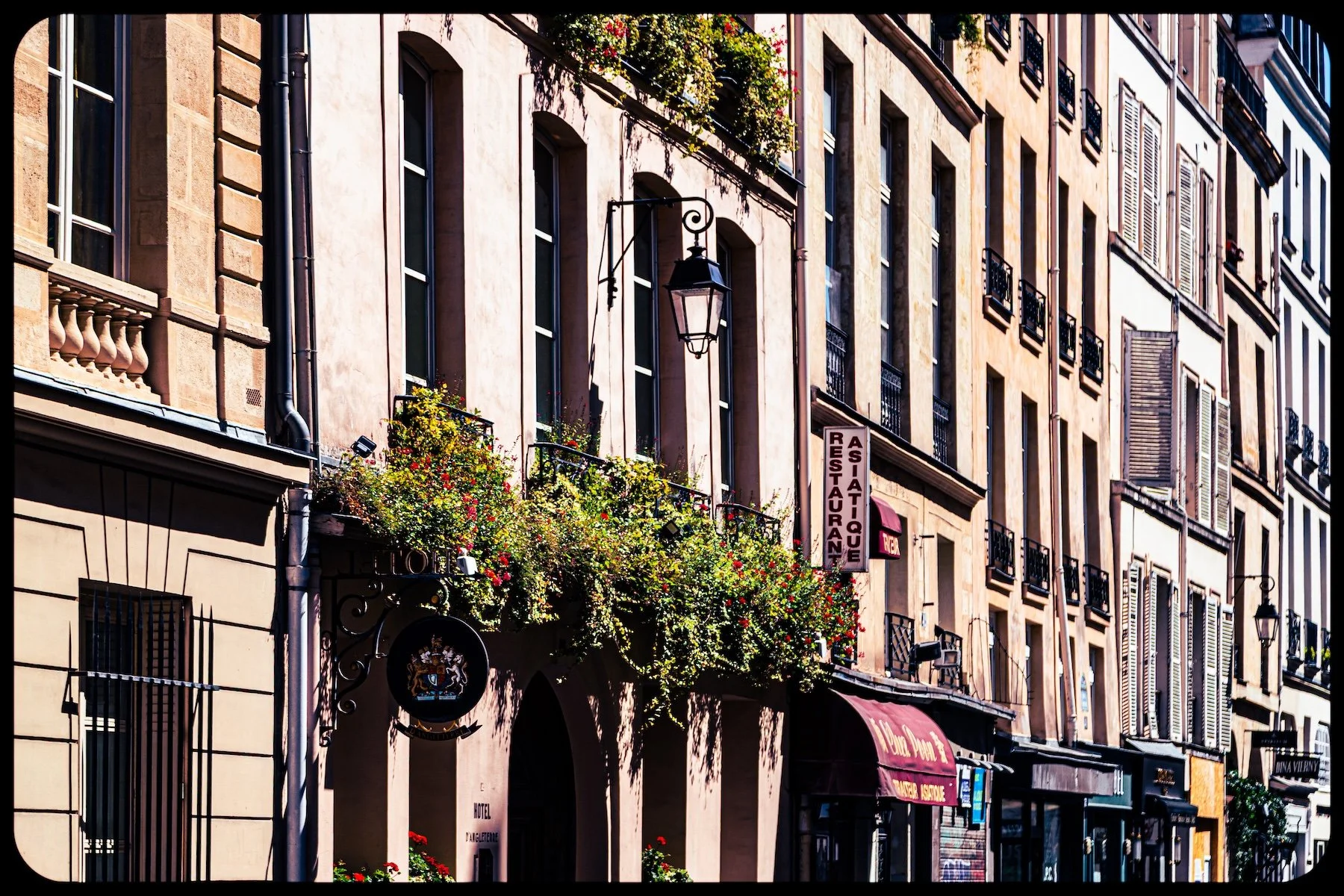
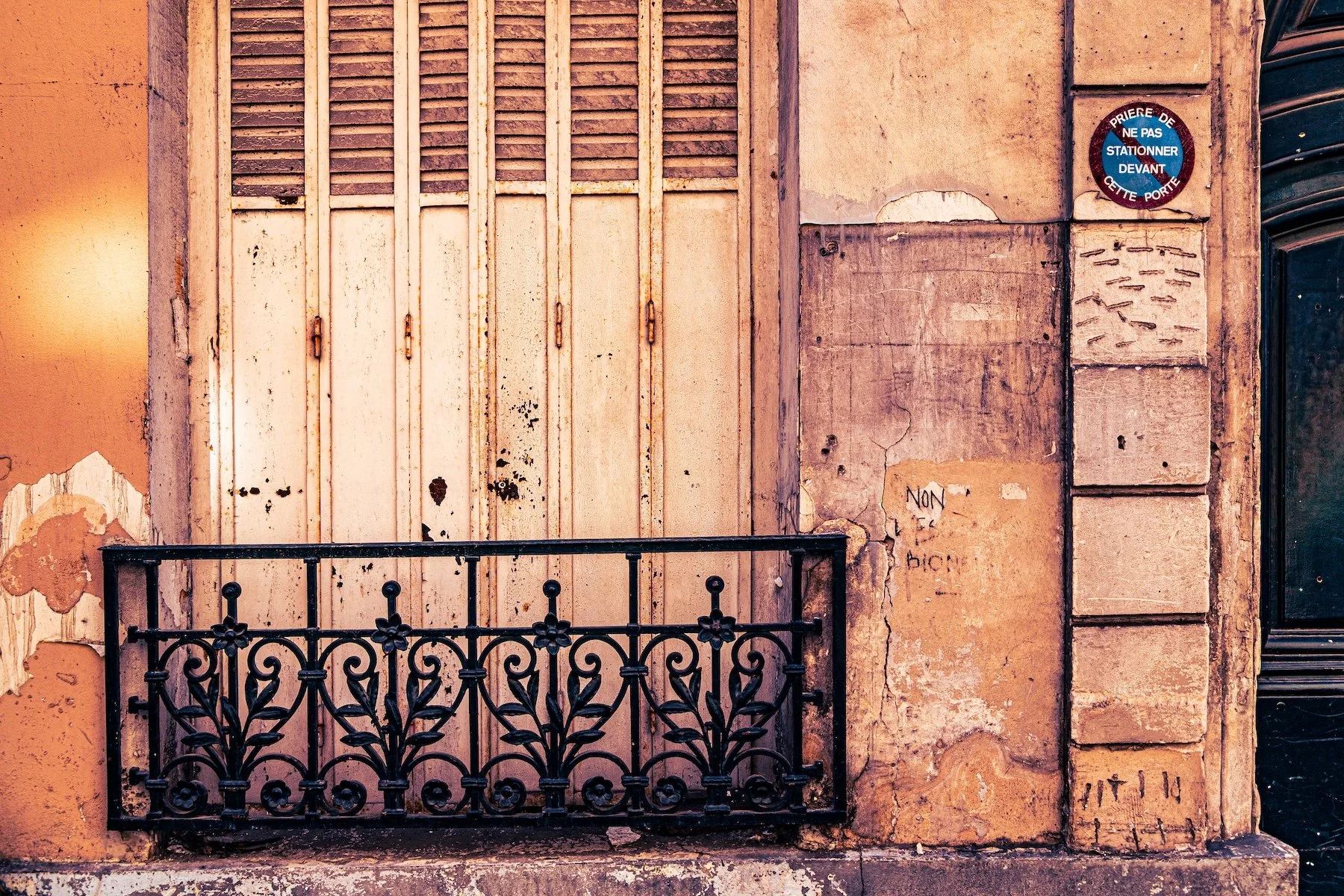
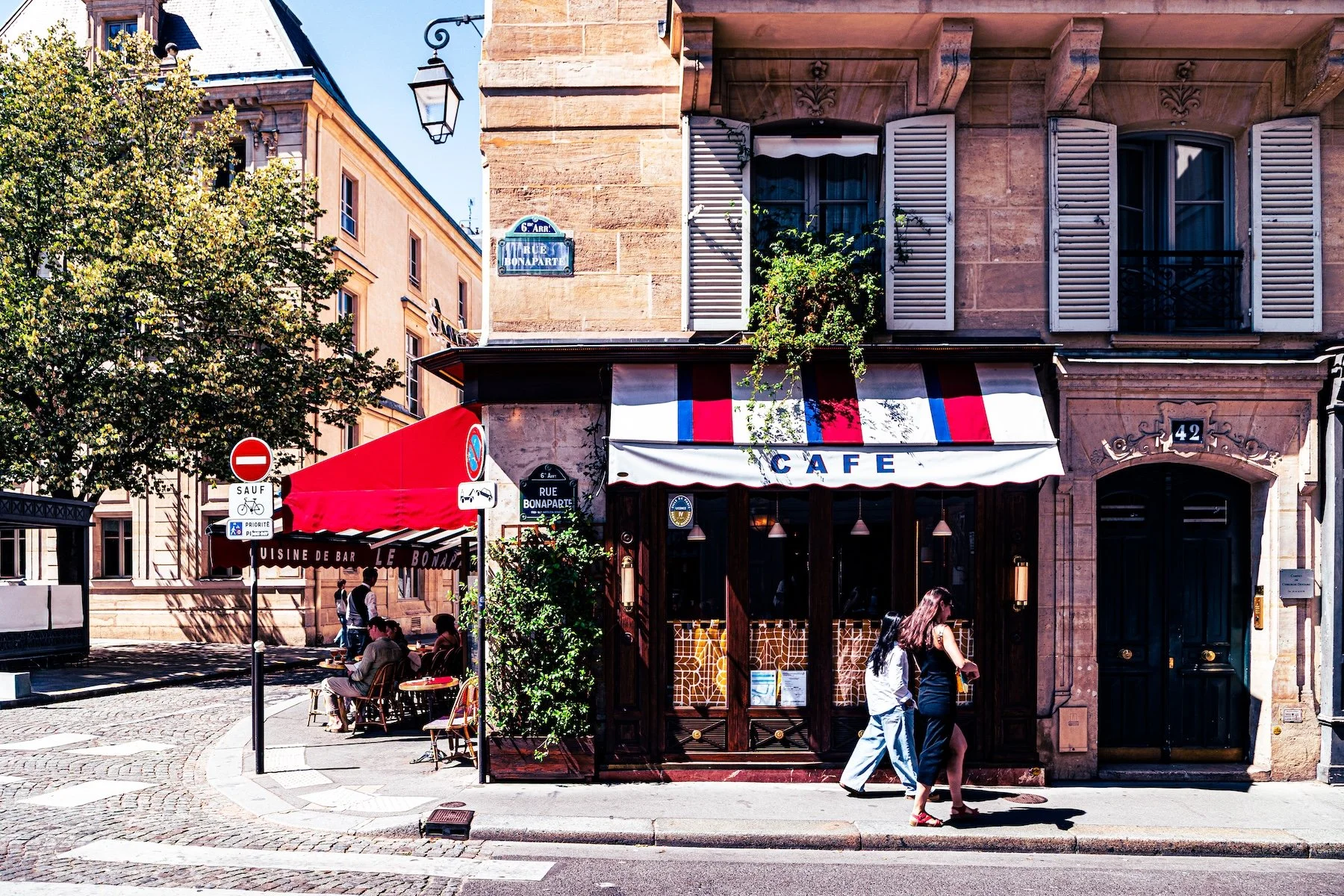
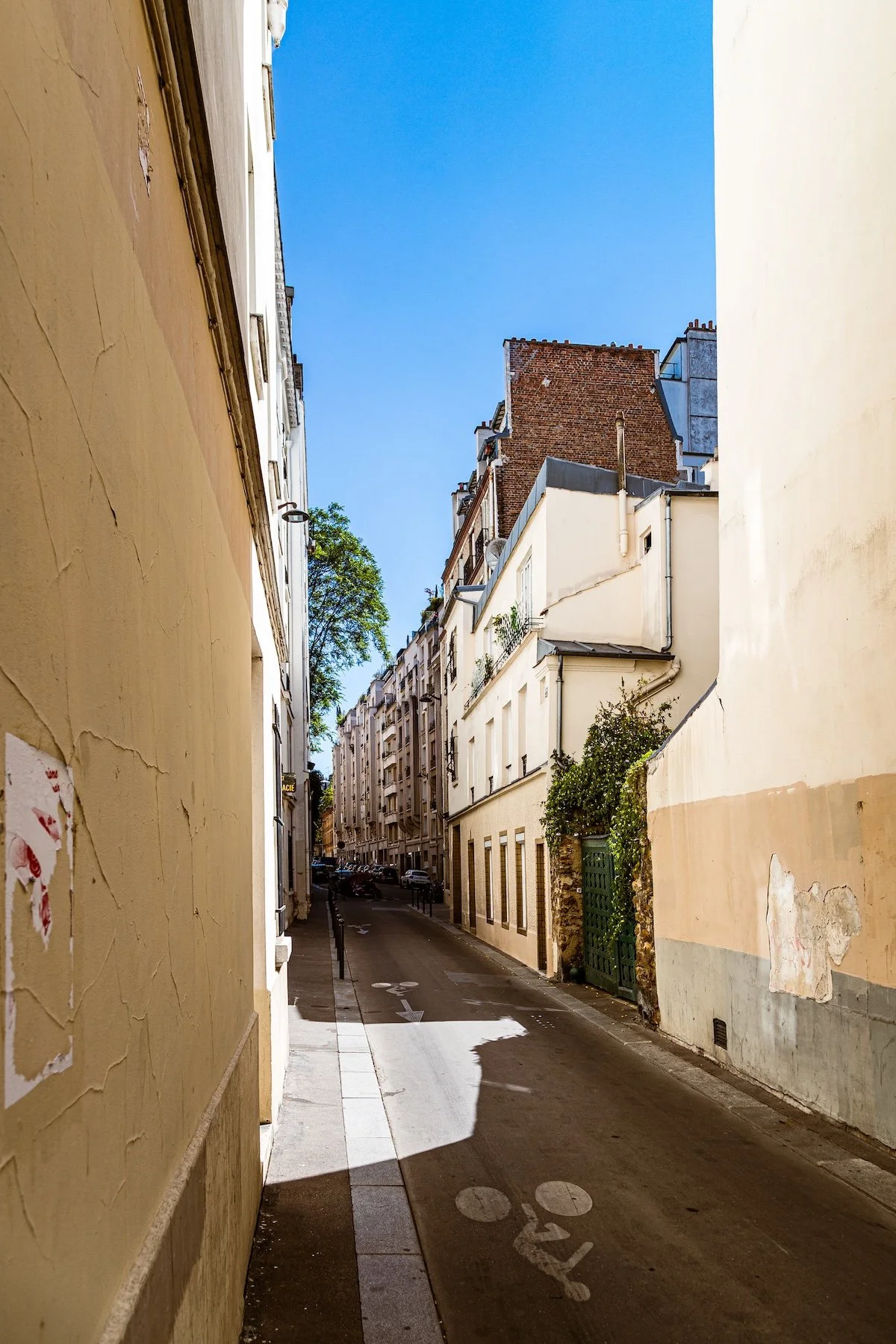
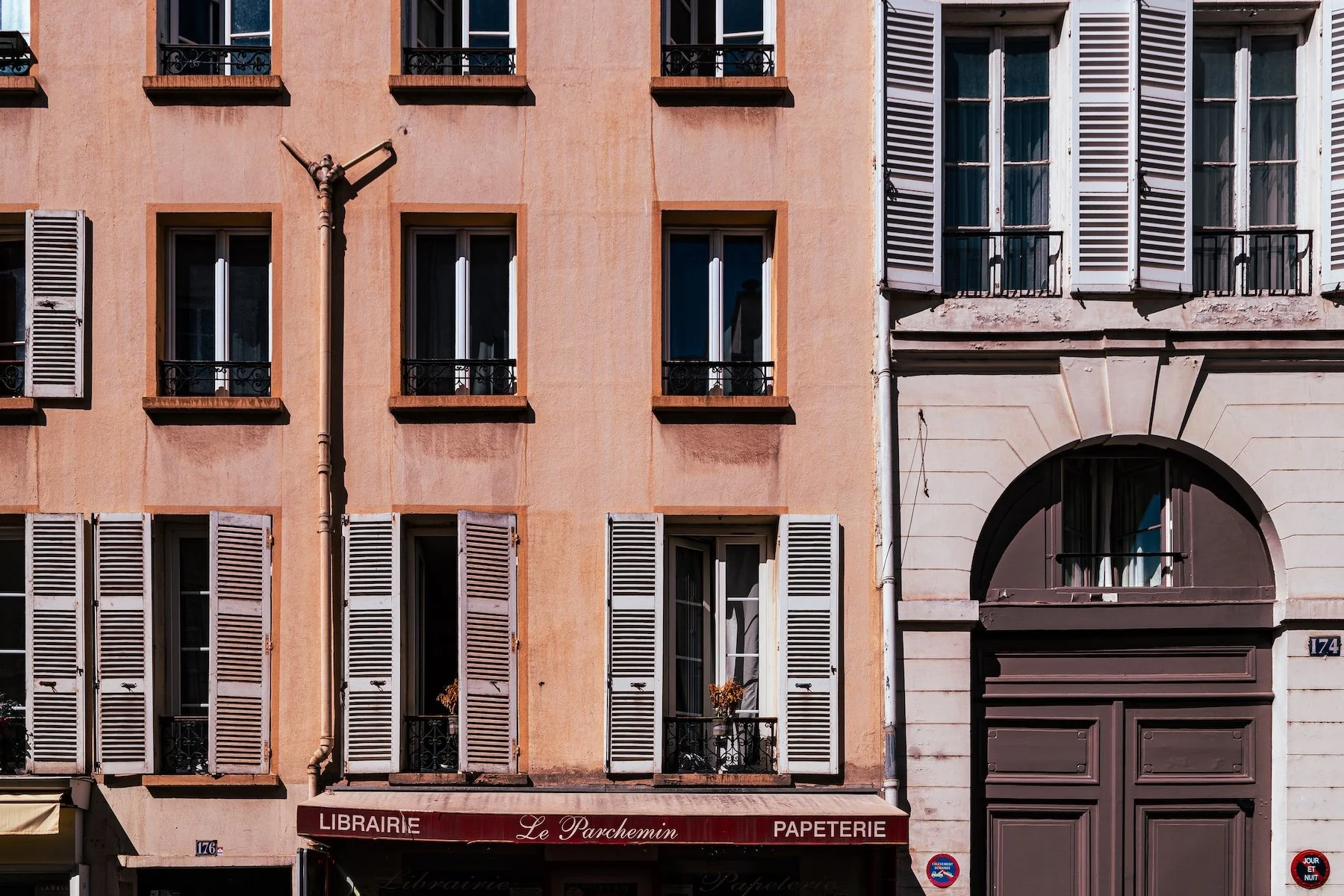
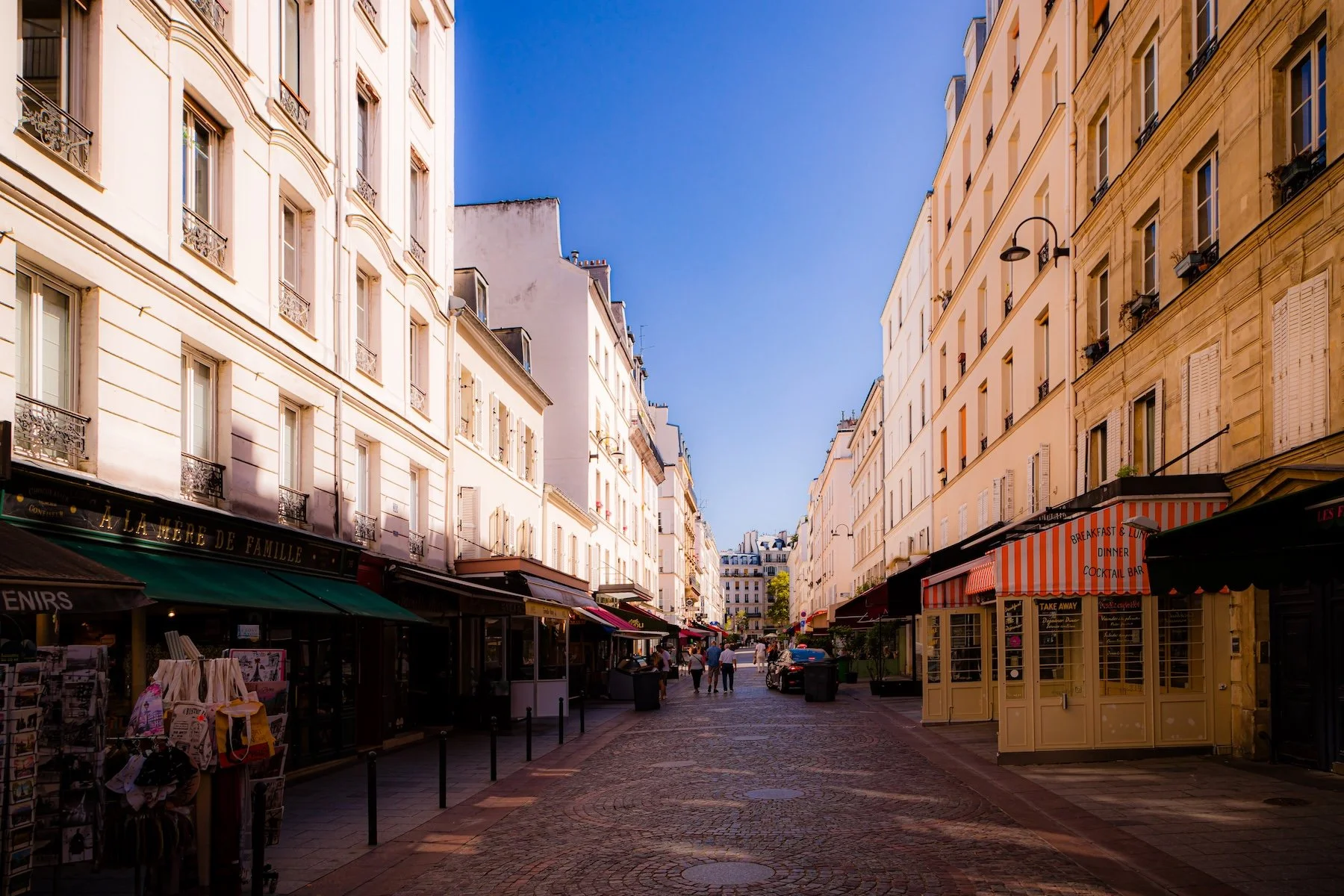
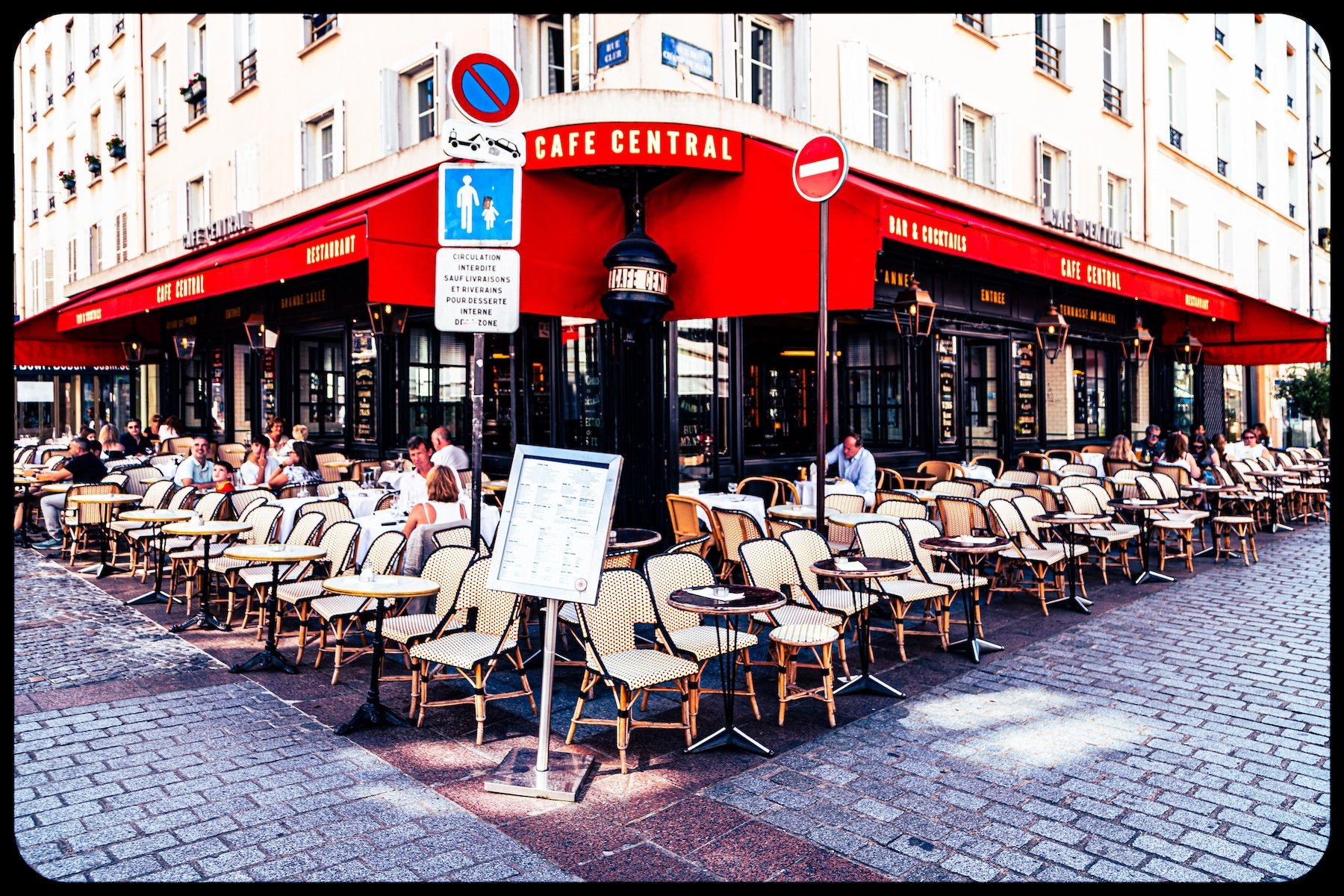
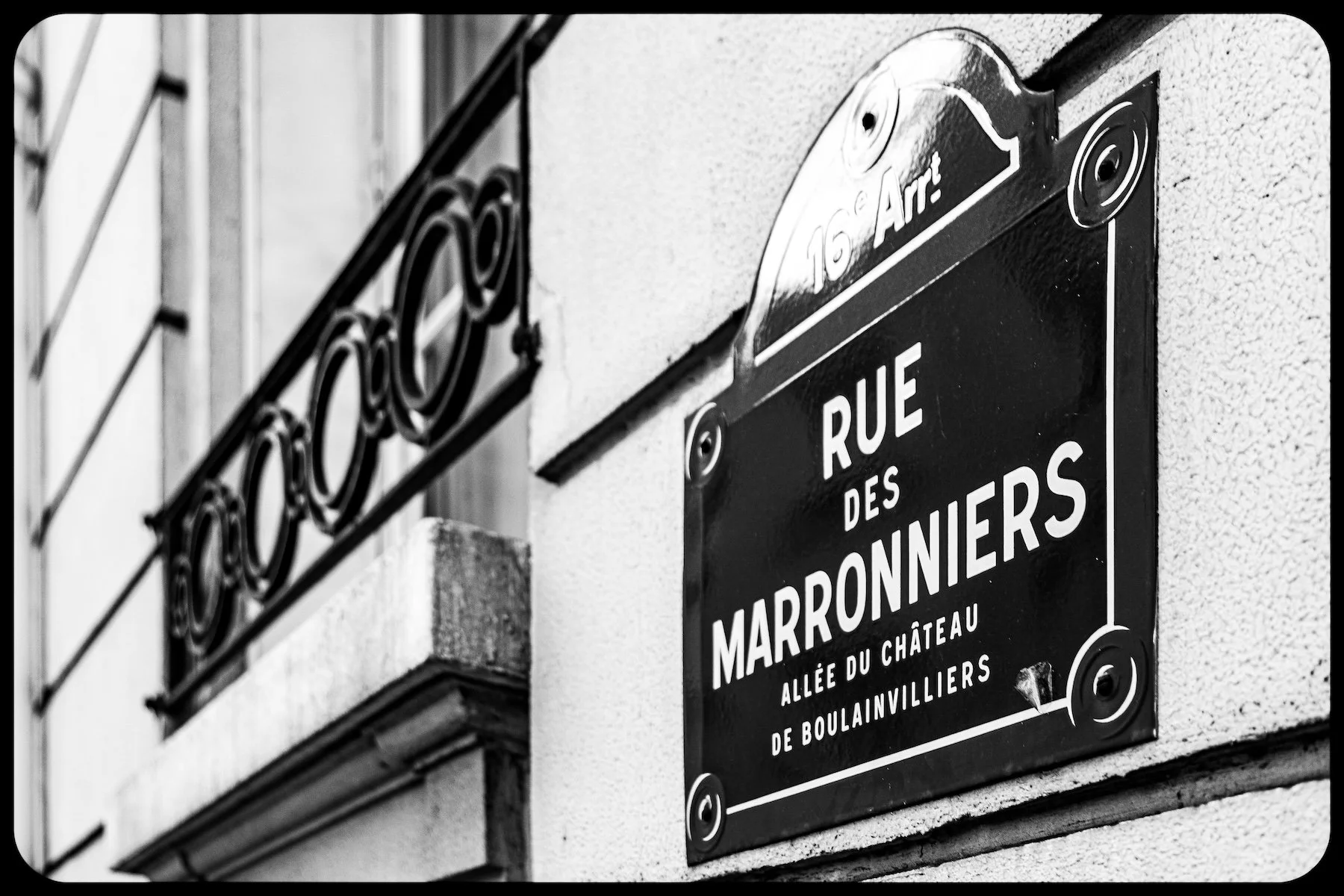
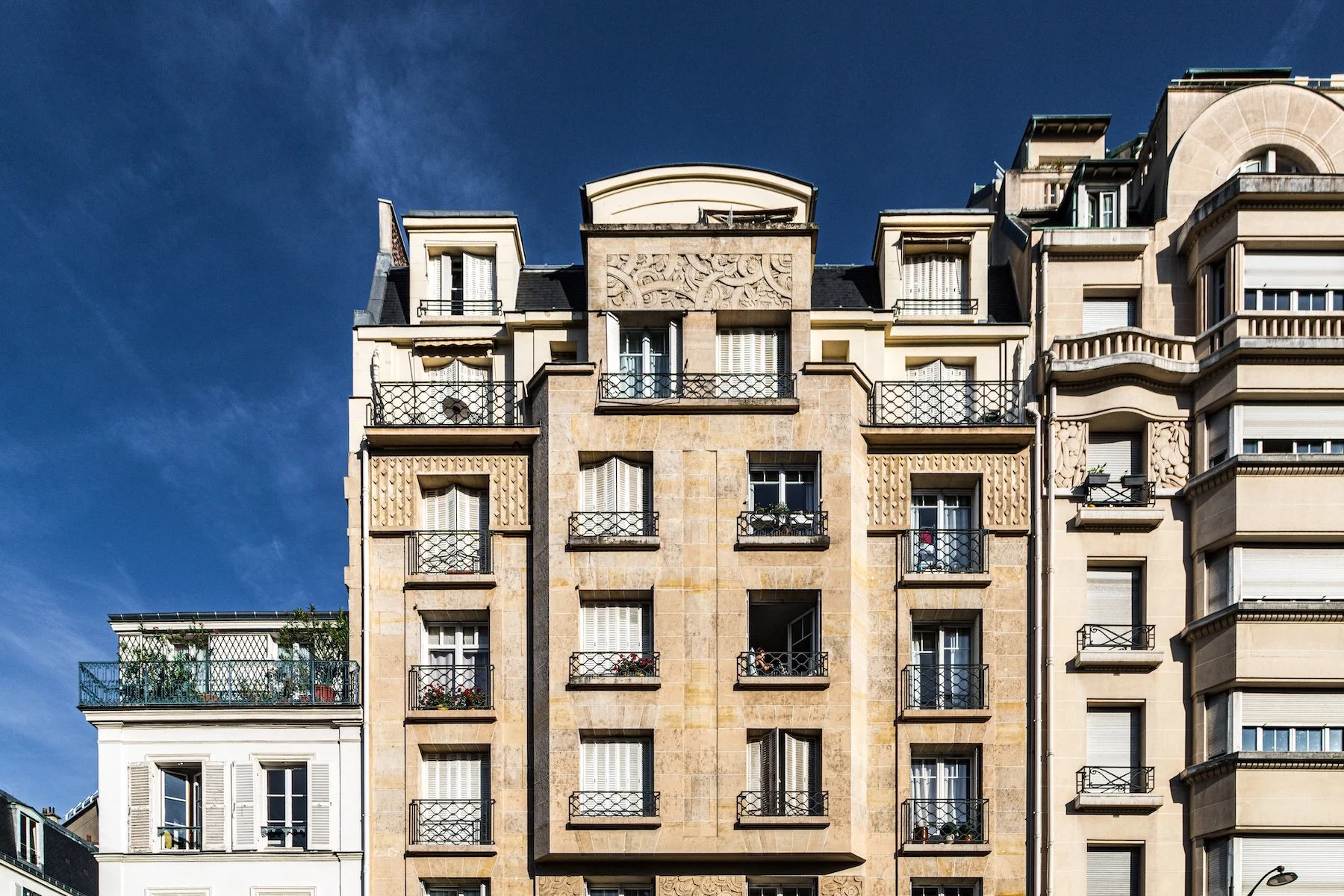
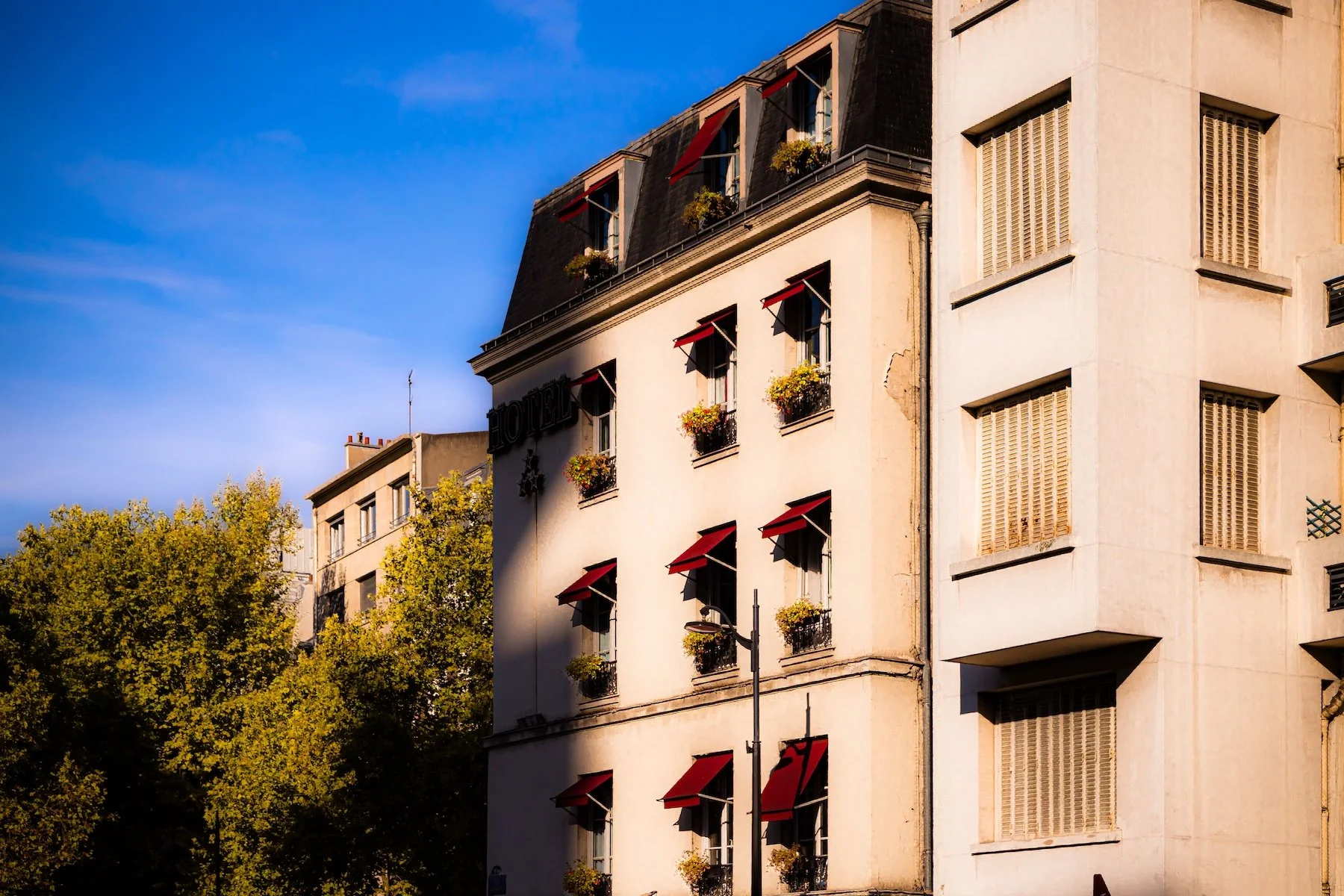
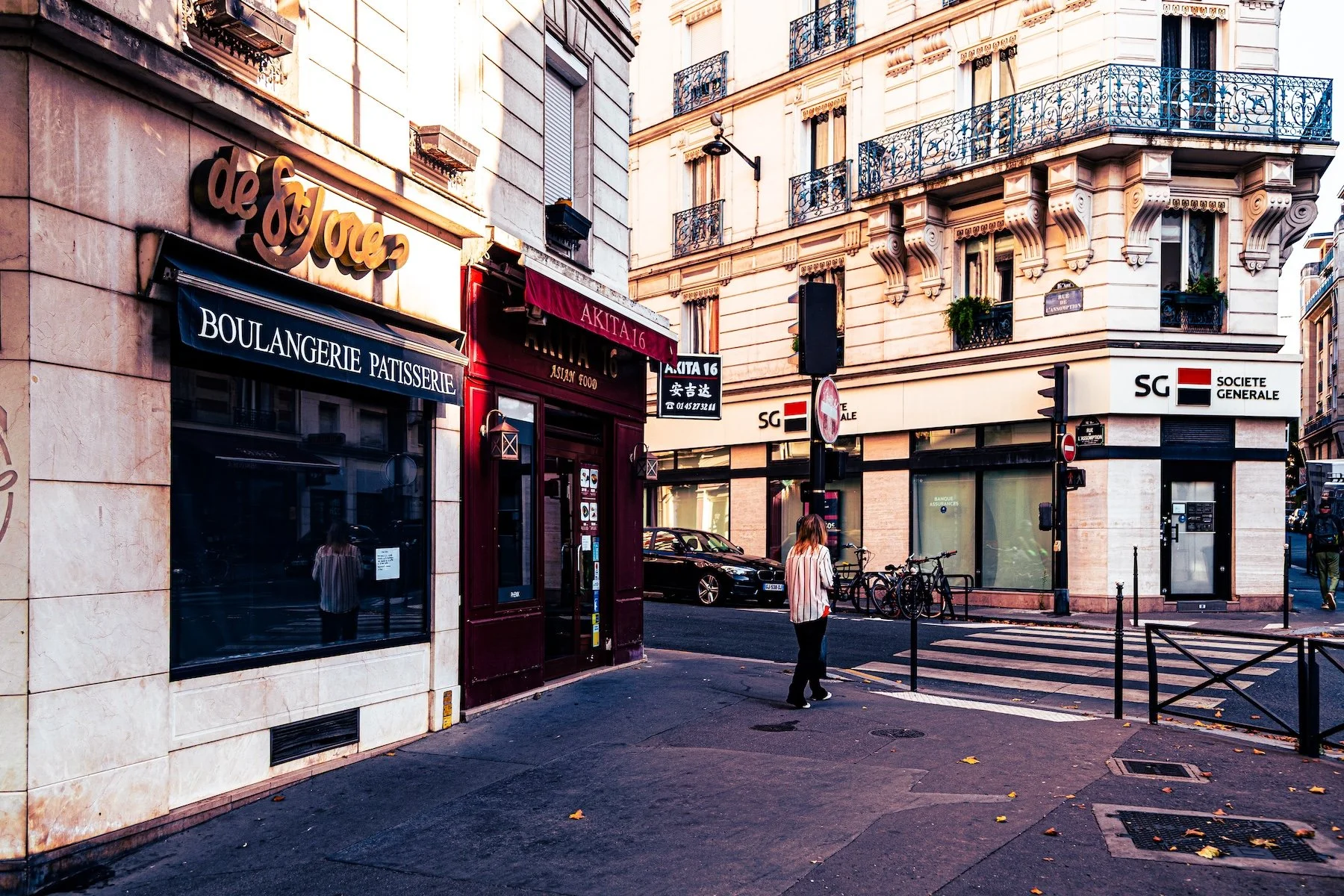
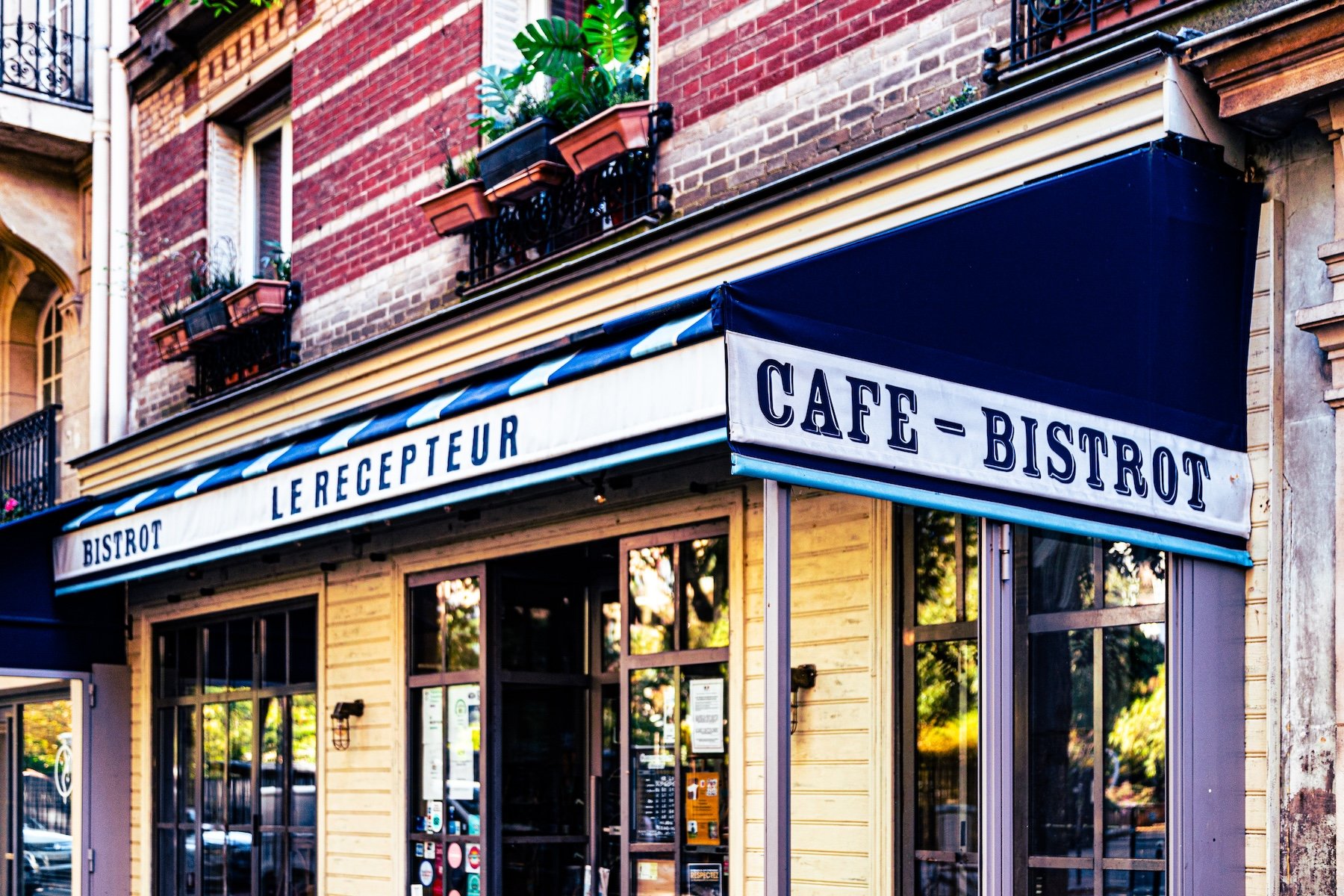
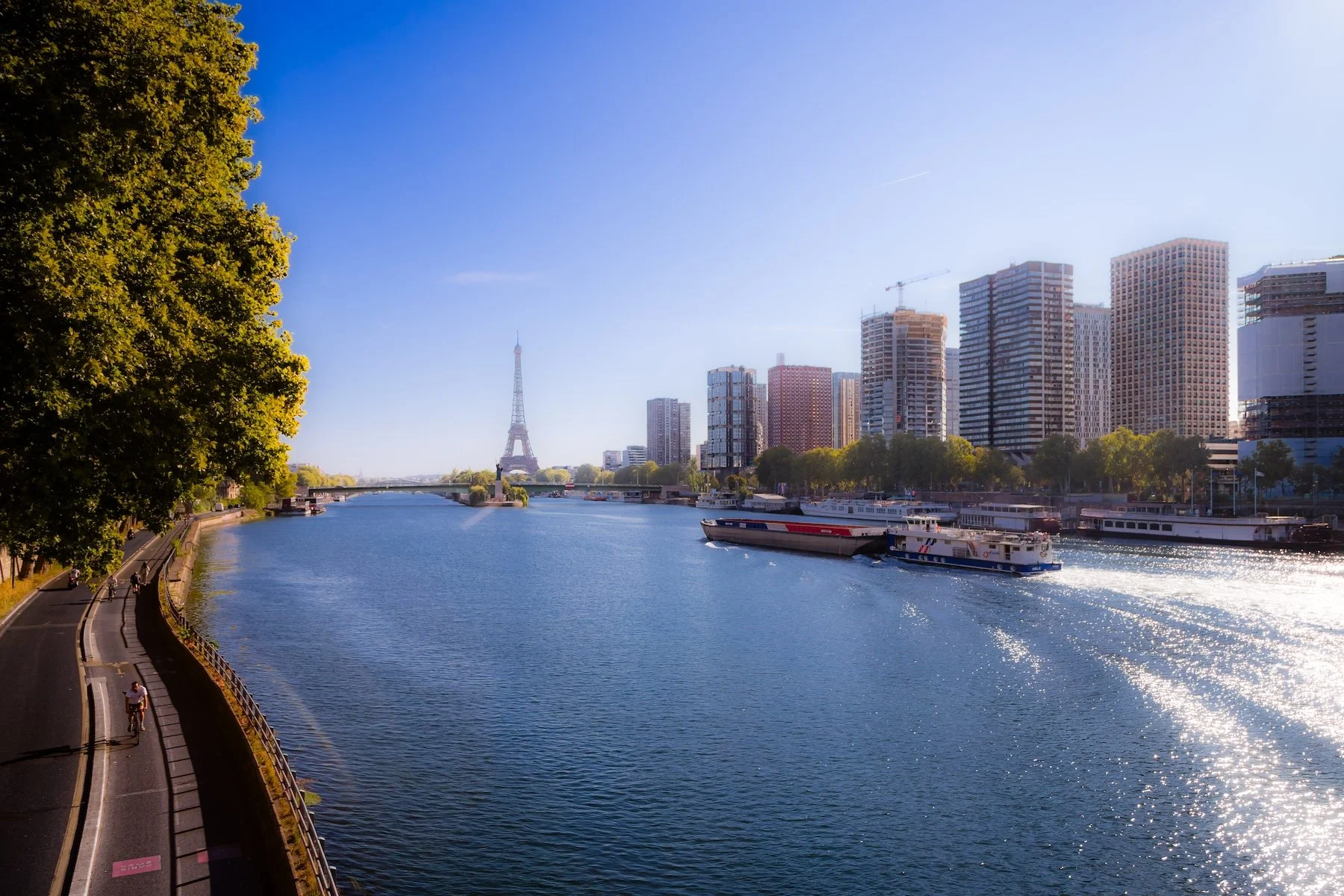
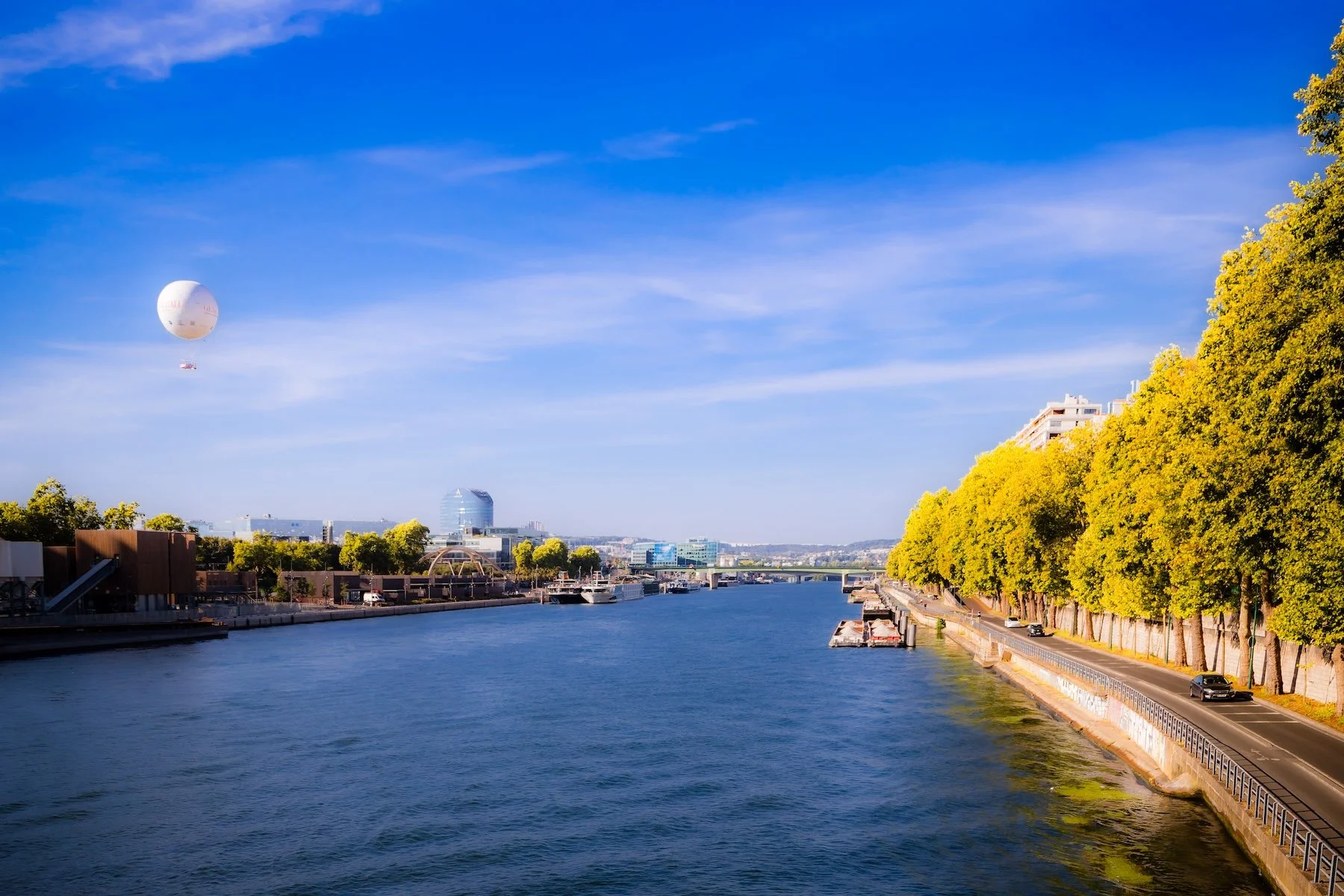
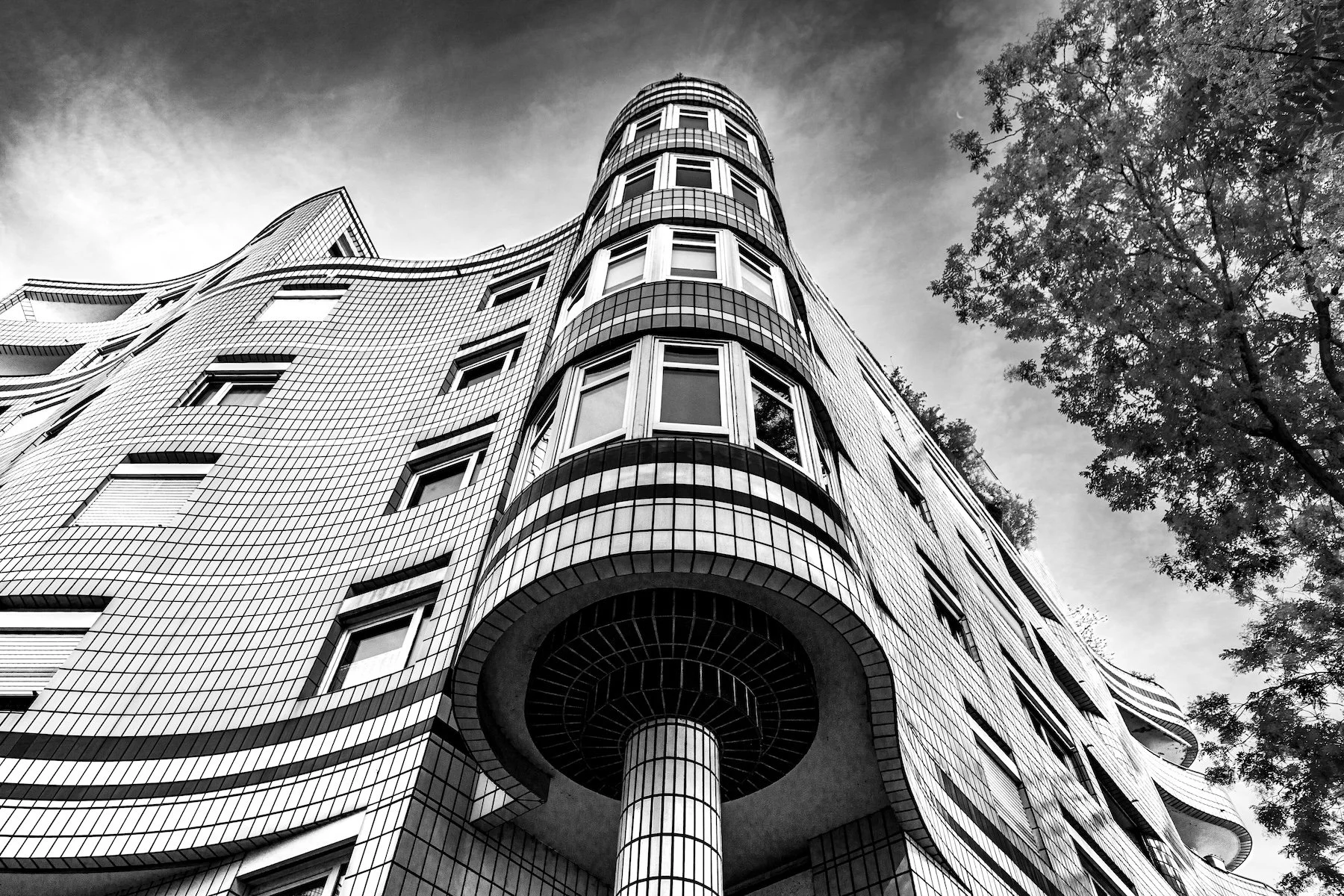
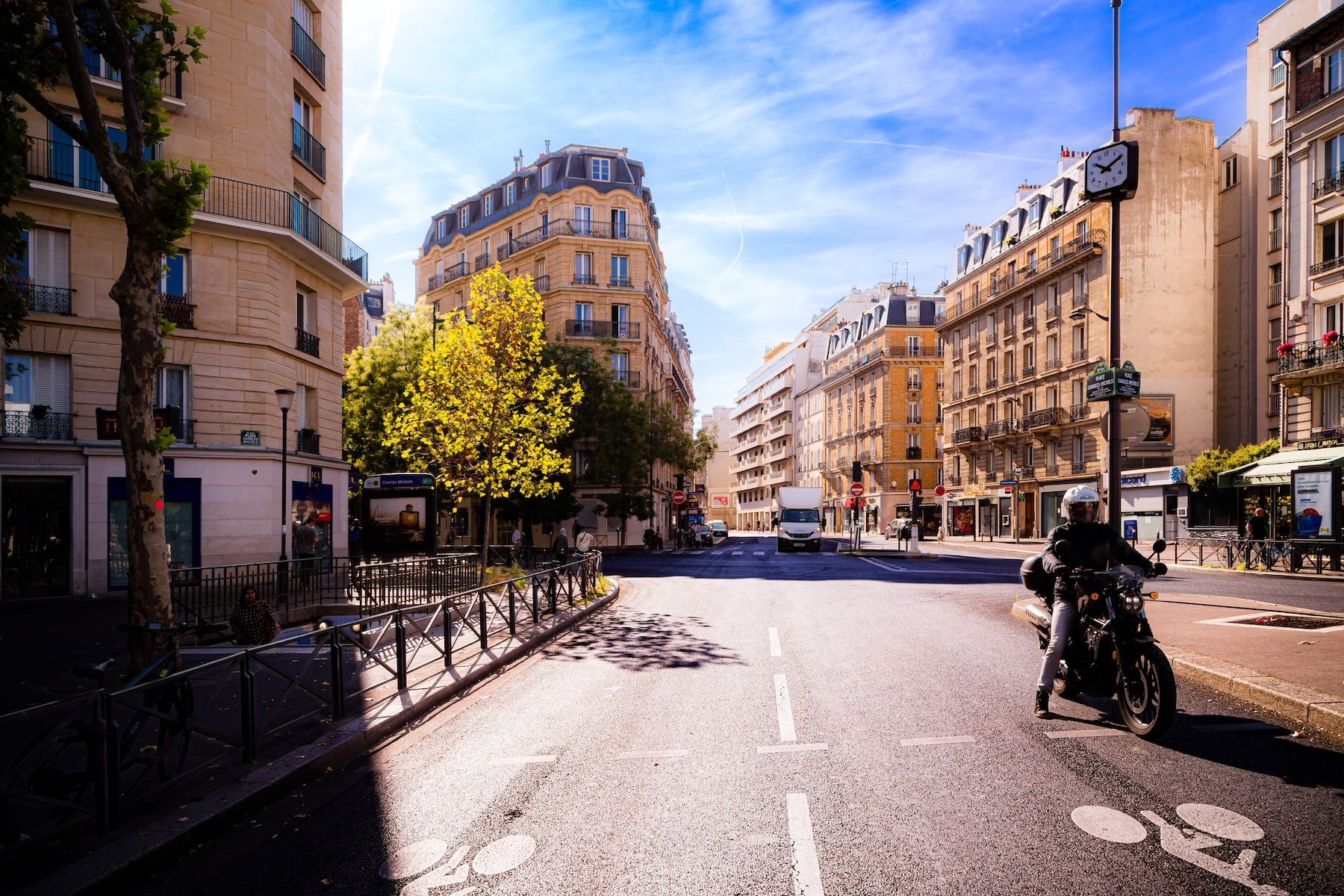
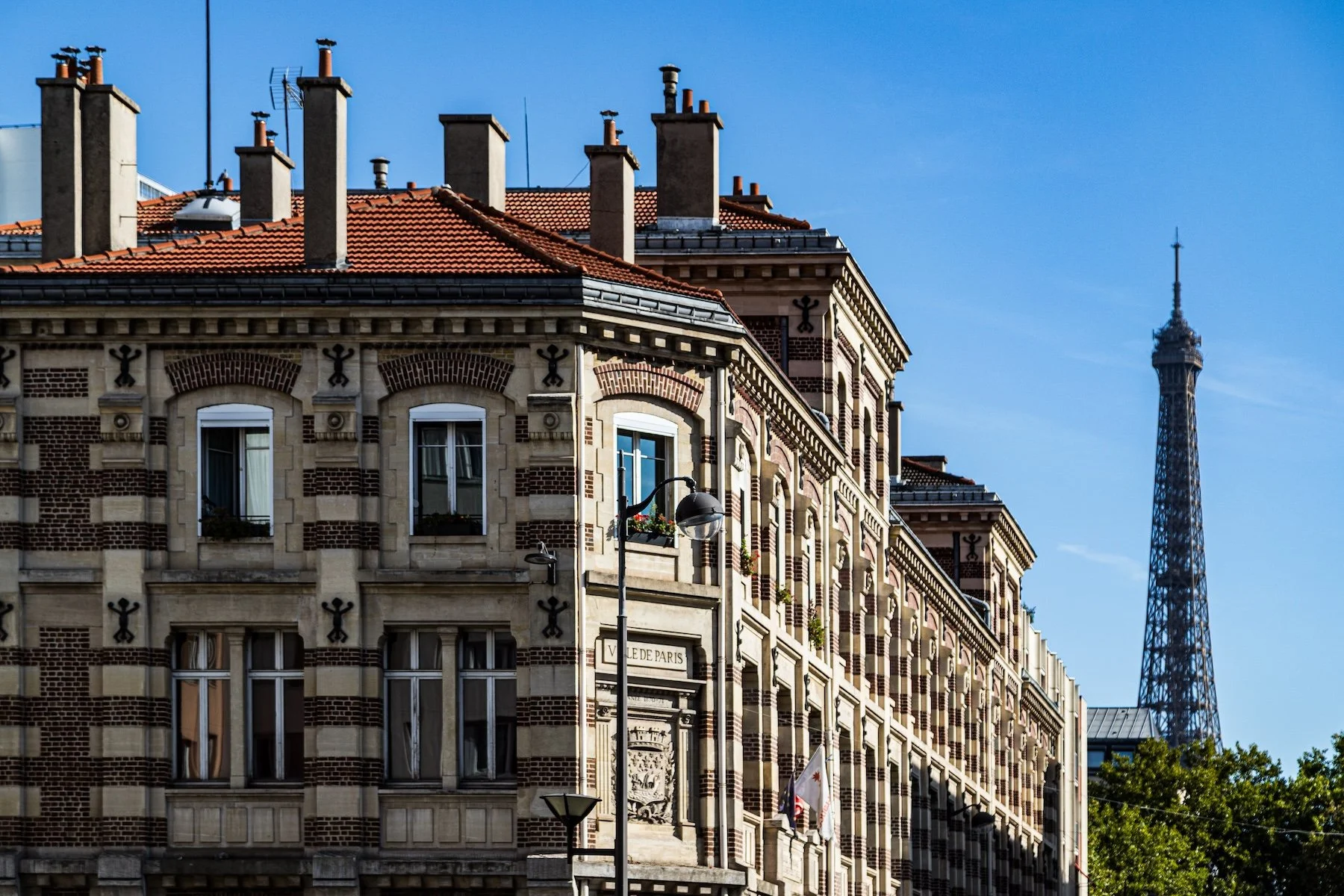
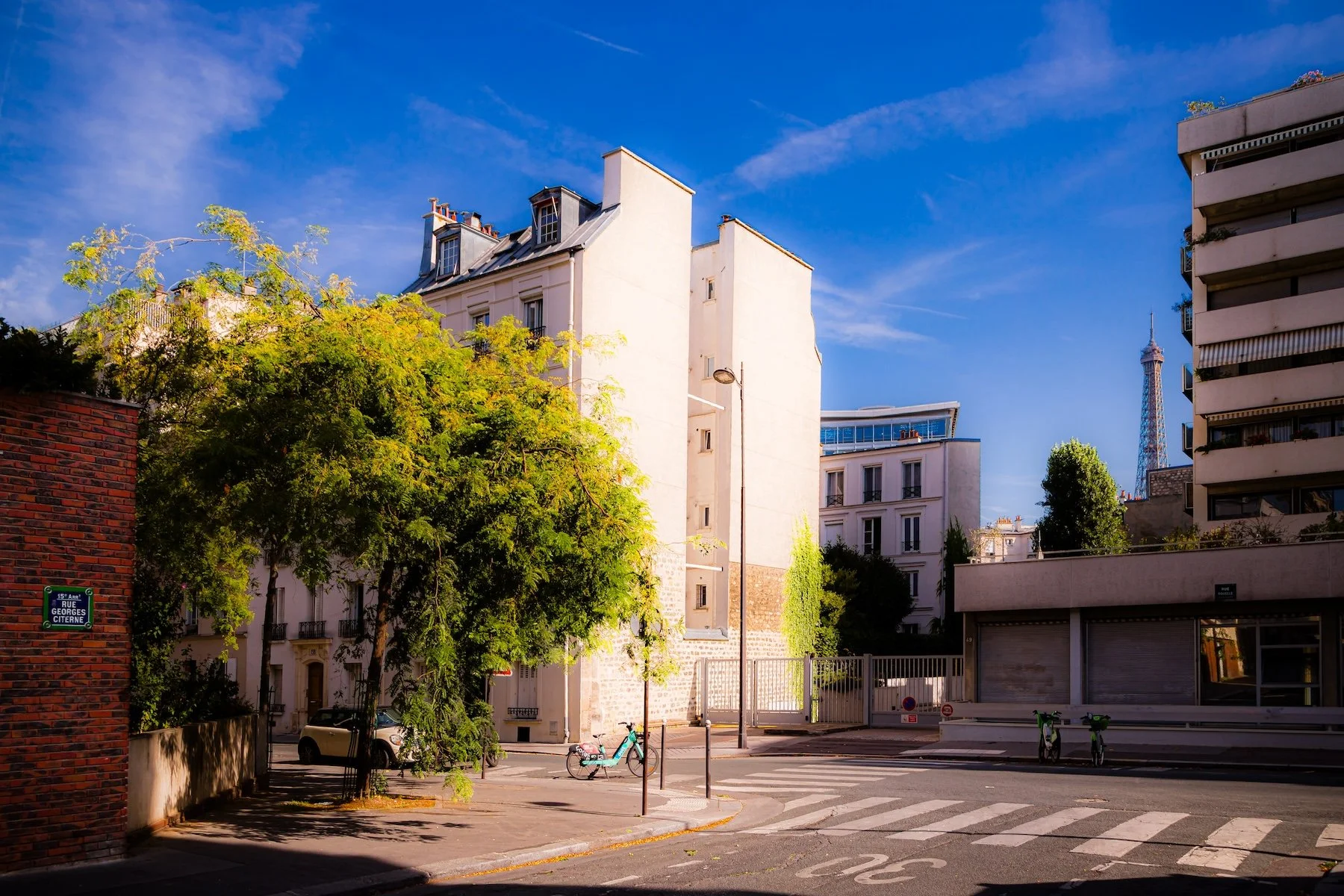
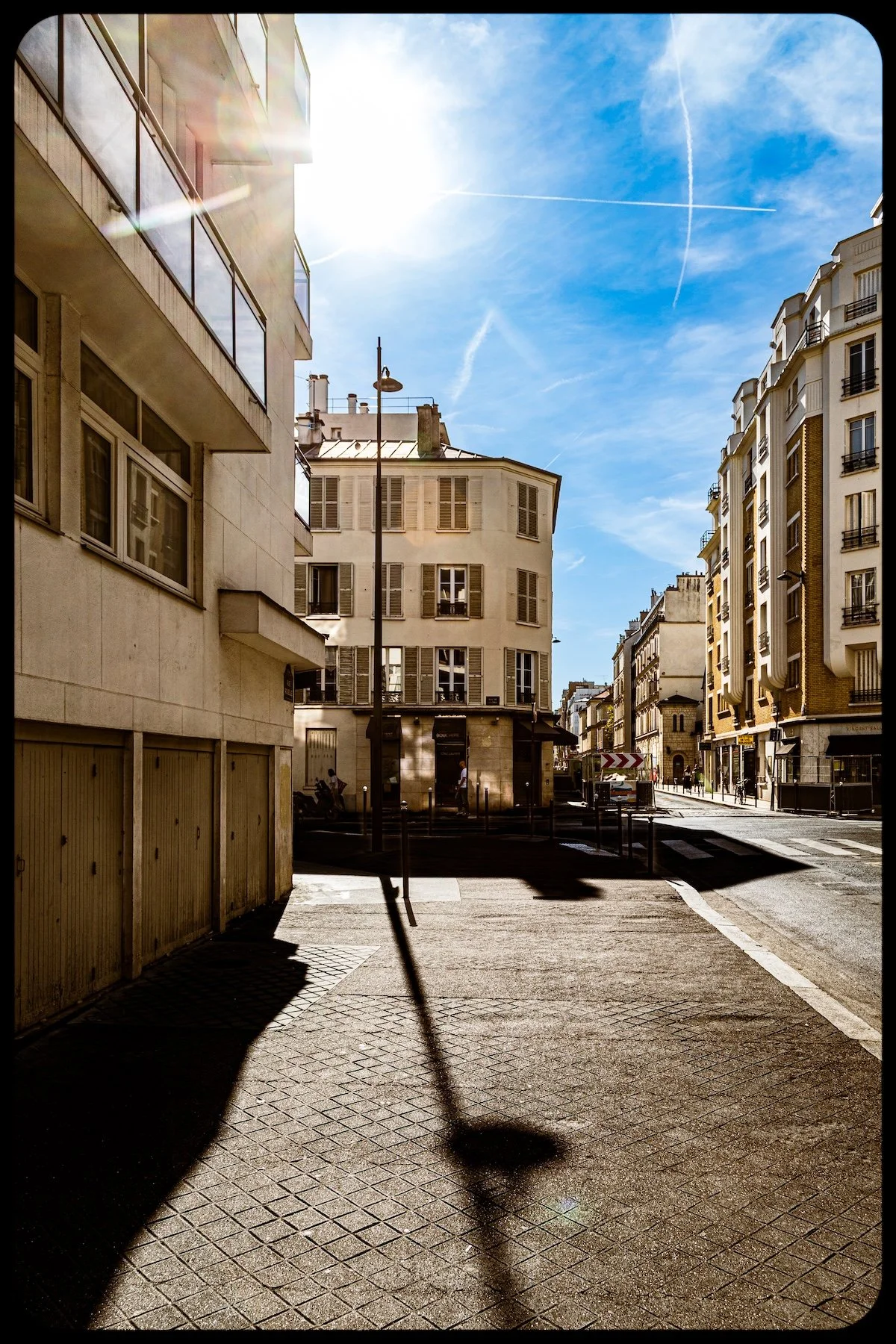
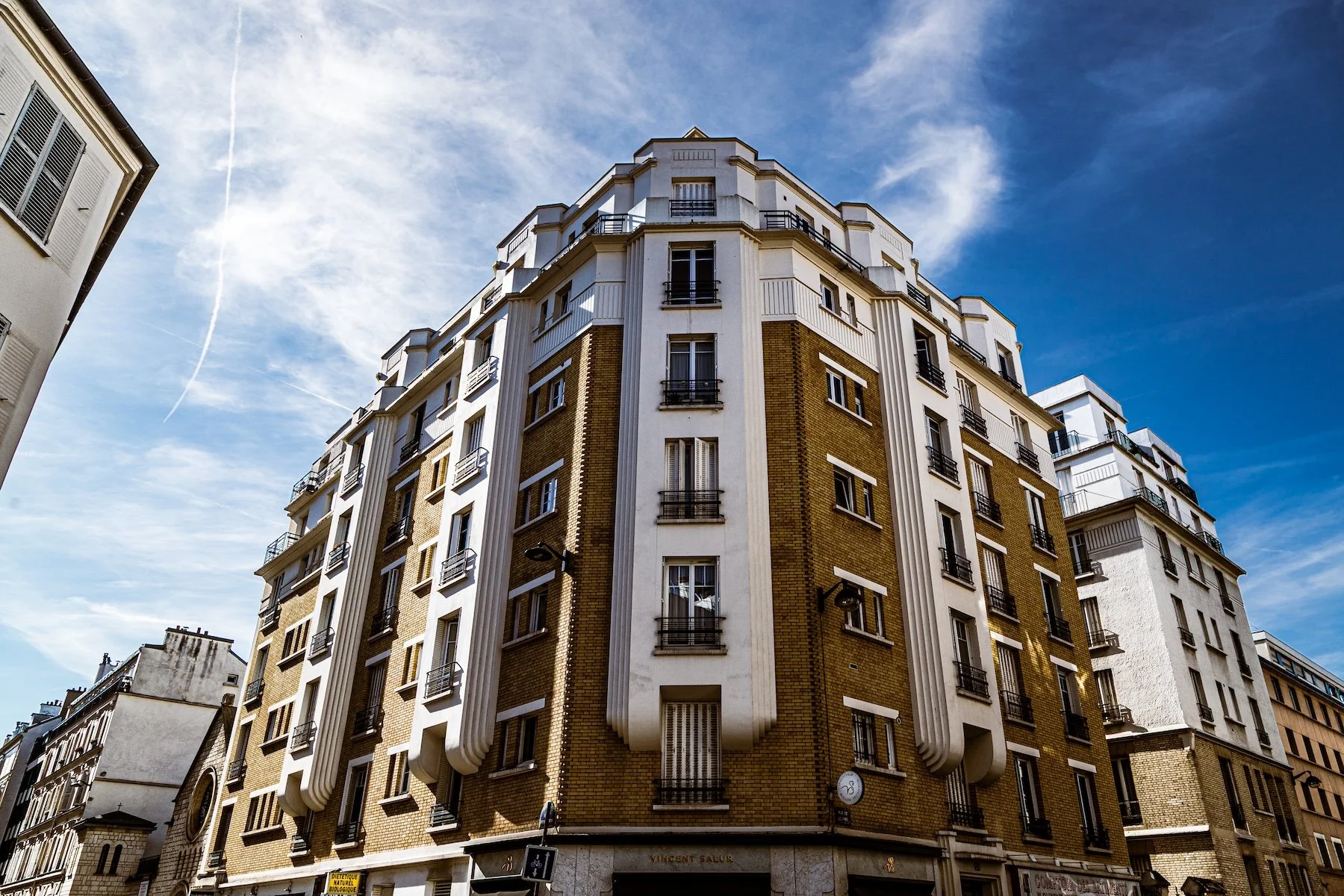
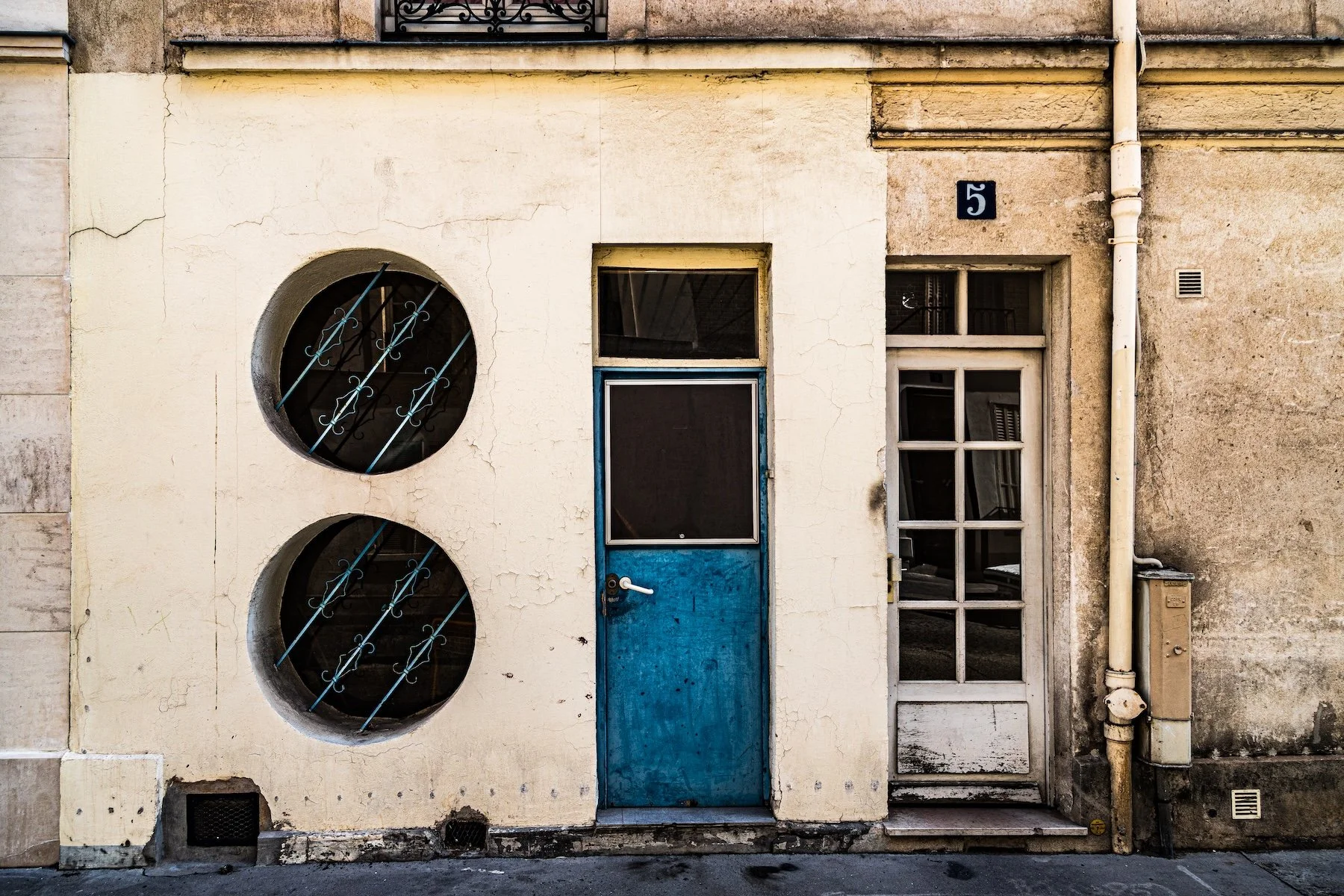
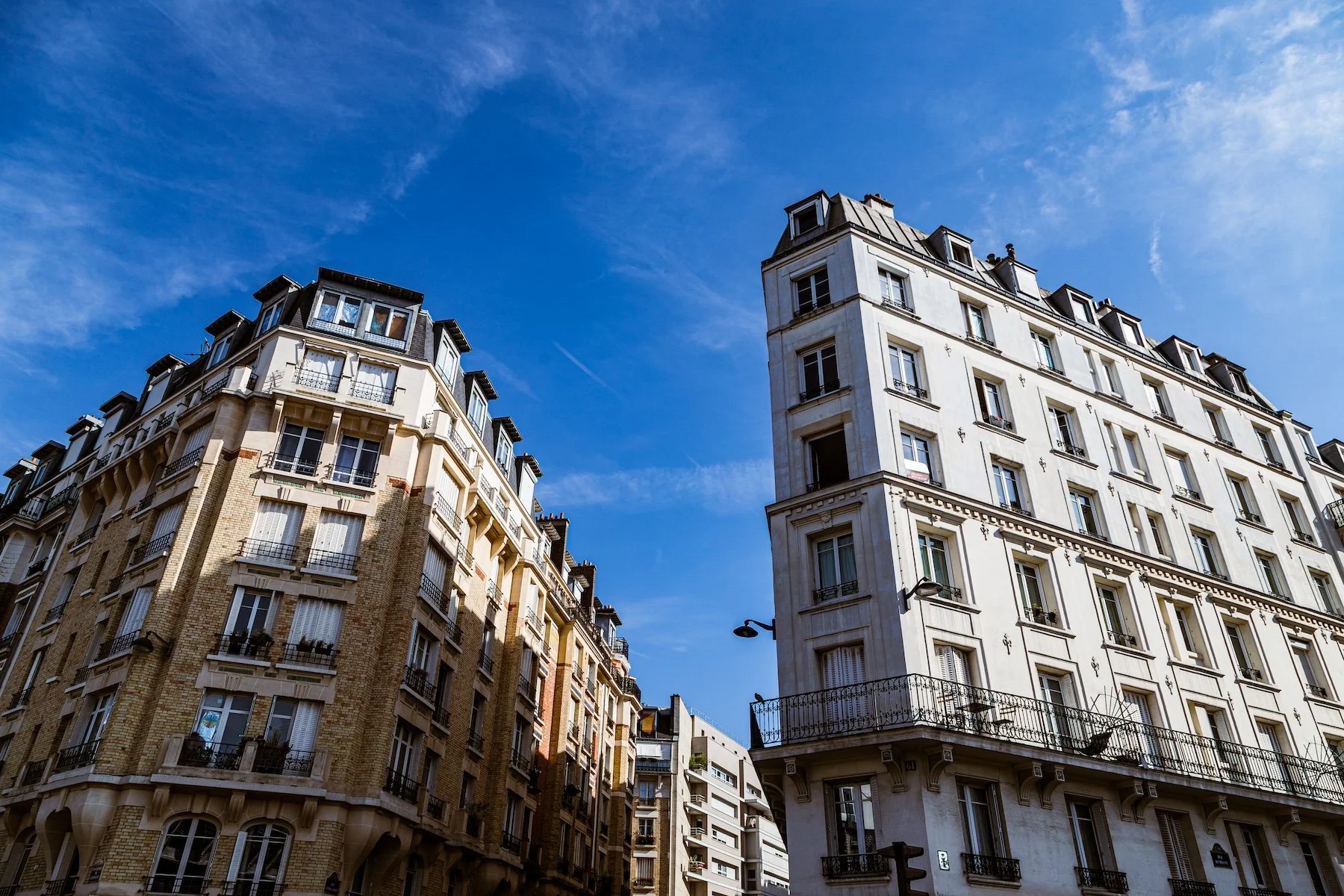
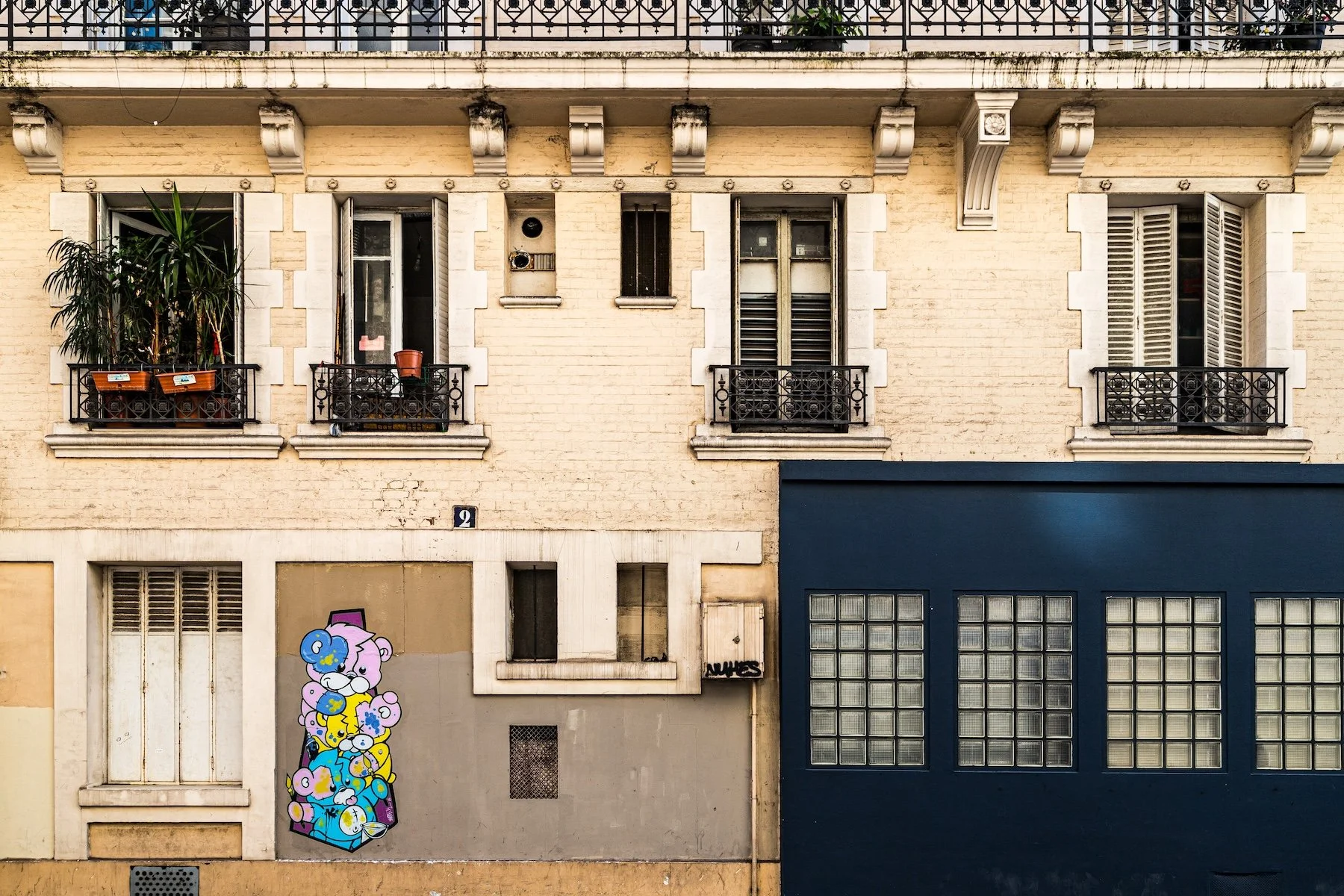
Explore Paris
-

The twenty arrondissements form the civic spiral of Paris, organizing the city into its broad local districts of government, identity, and daily life.
-

Each arrondissement is divided into four official administrative quarters, giving Paris a more precise civic and geographic framework.
-

The conseils de quartier bring participation to street level, giving residents a voice in neighborhood needs, public space, and local civic life.
-

Les Deux Rives trace Paris through the Seine’s two banks, revealing how the Rive Droite and Rive Gauche shaped the city’s civic power, commerce, learning, art, and cultural identity.
-
Cultural neighborhoods reveal the Paris people recognize through history, cafés, architecture, memory, atmosphere, and local belonging.