
2e - VIVIENNE
Quartiers Administratifs
Part of an ongoing project to walk and photograph every neighborhood in Paris, this page explores the Administrative Quarter: 2e - Vivienne through maps, district identity, history, and photography.
The Map
Download the Paris Arrondissements Map
Geographic Setting
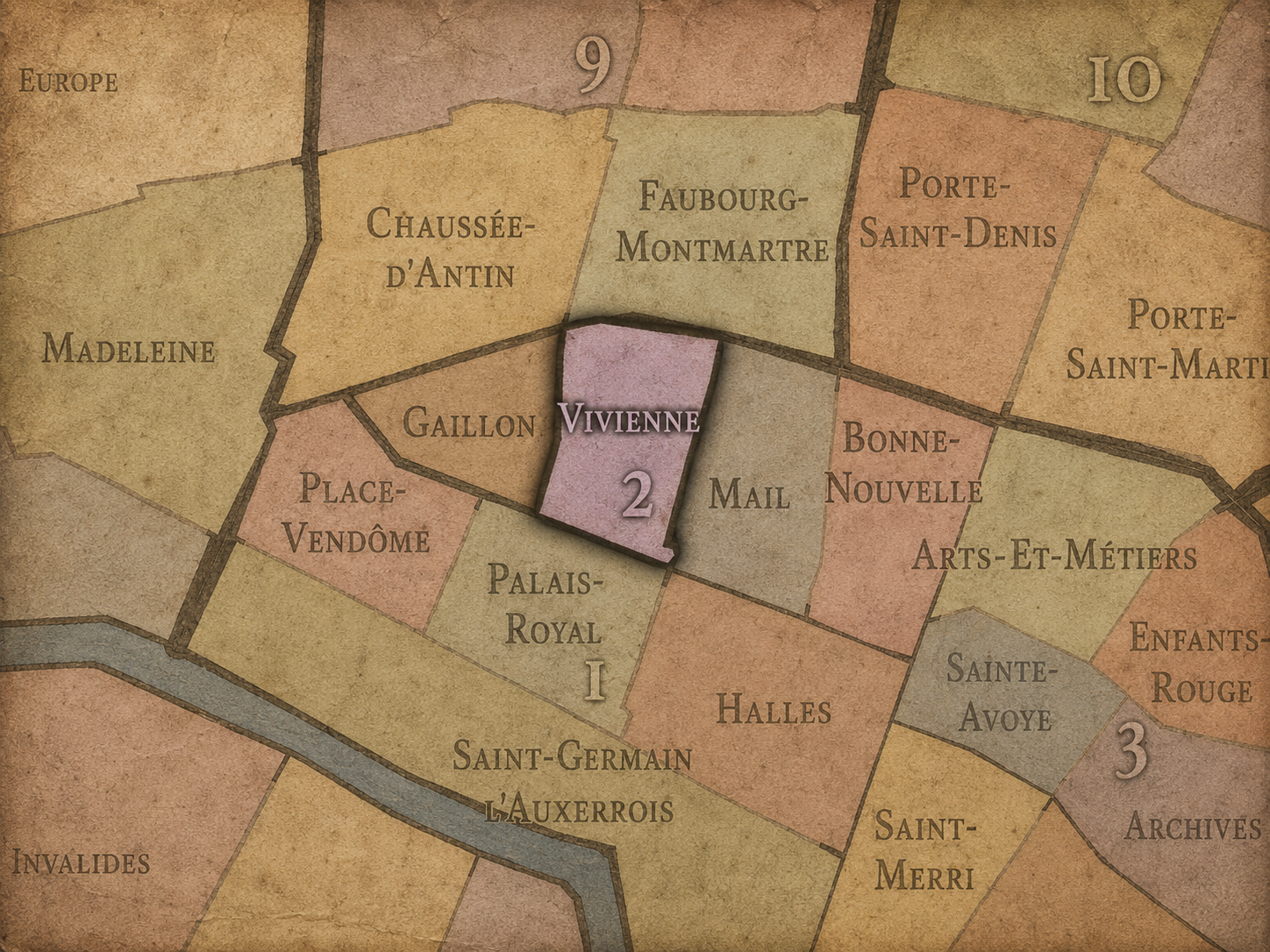
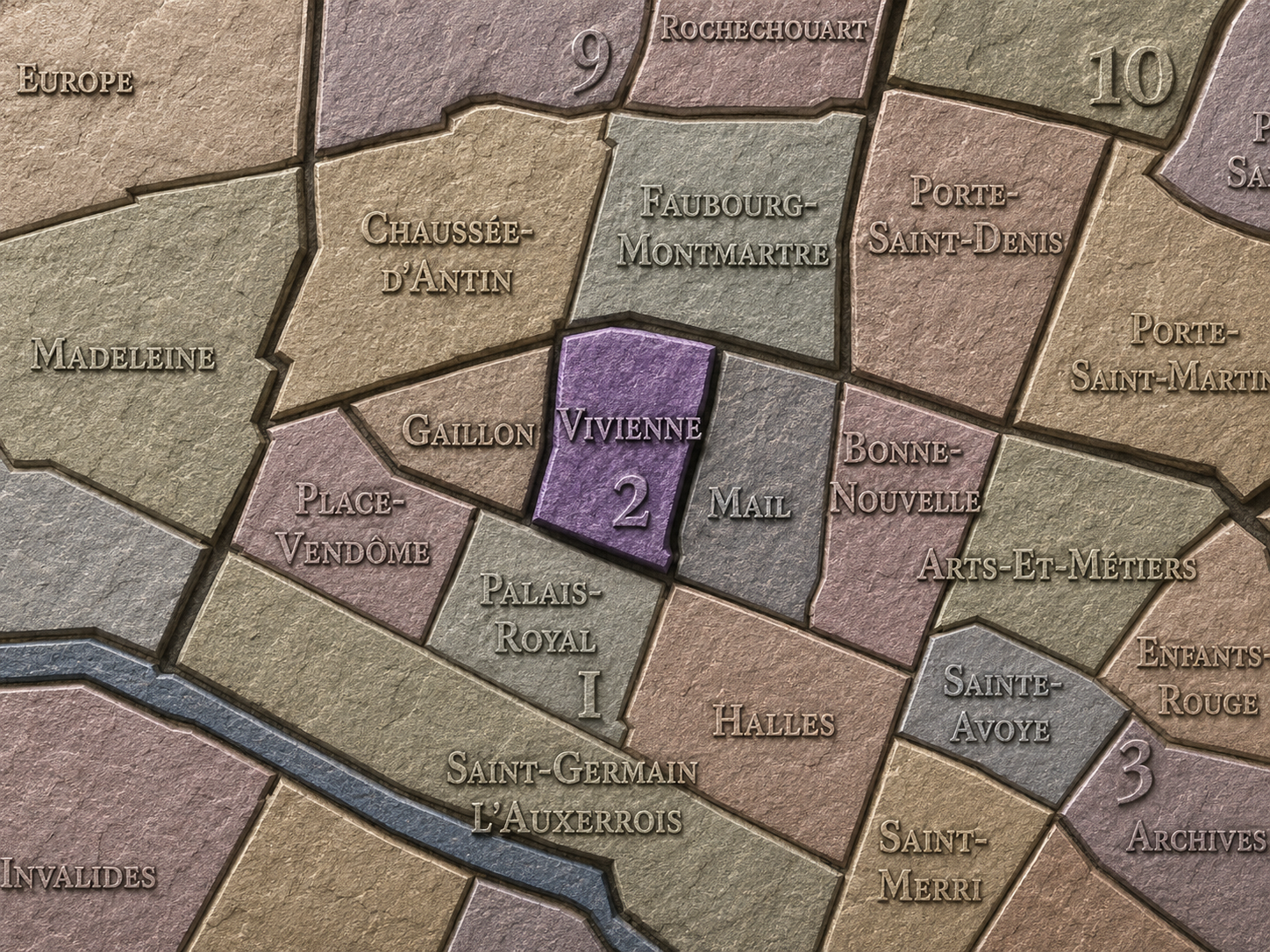
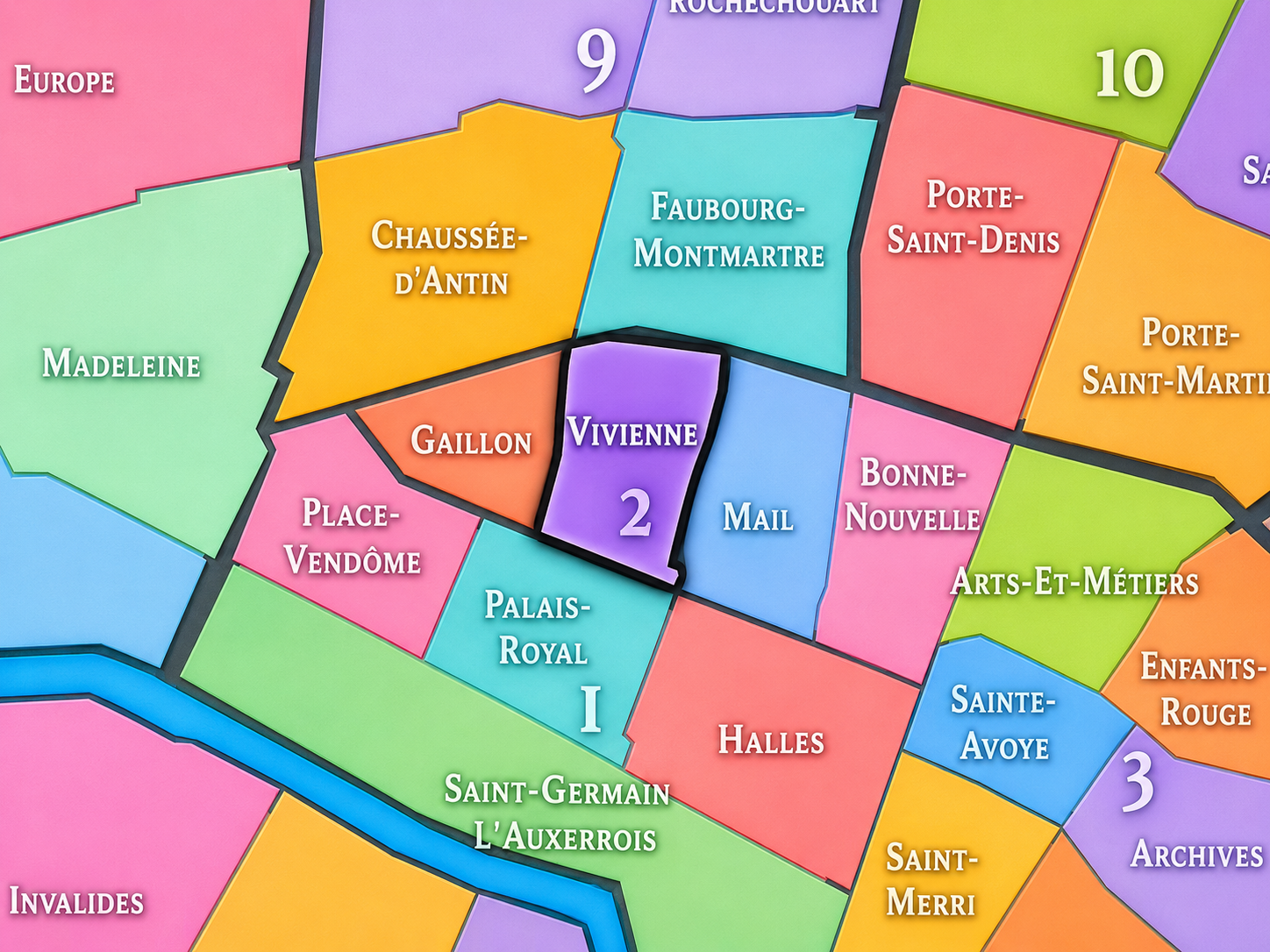
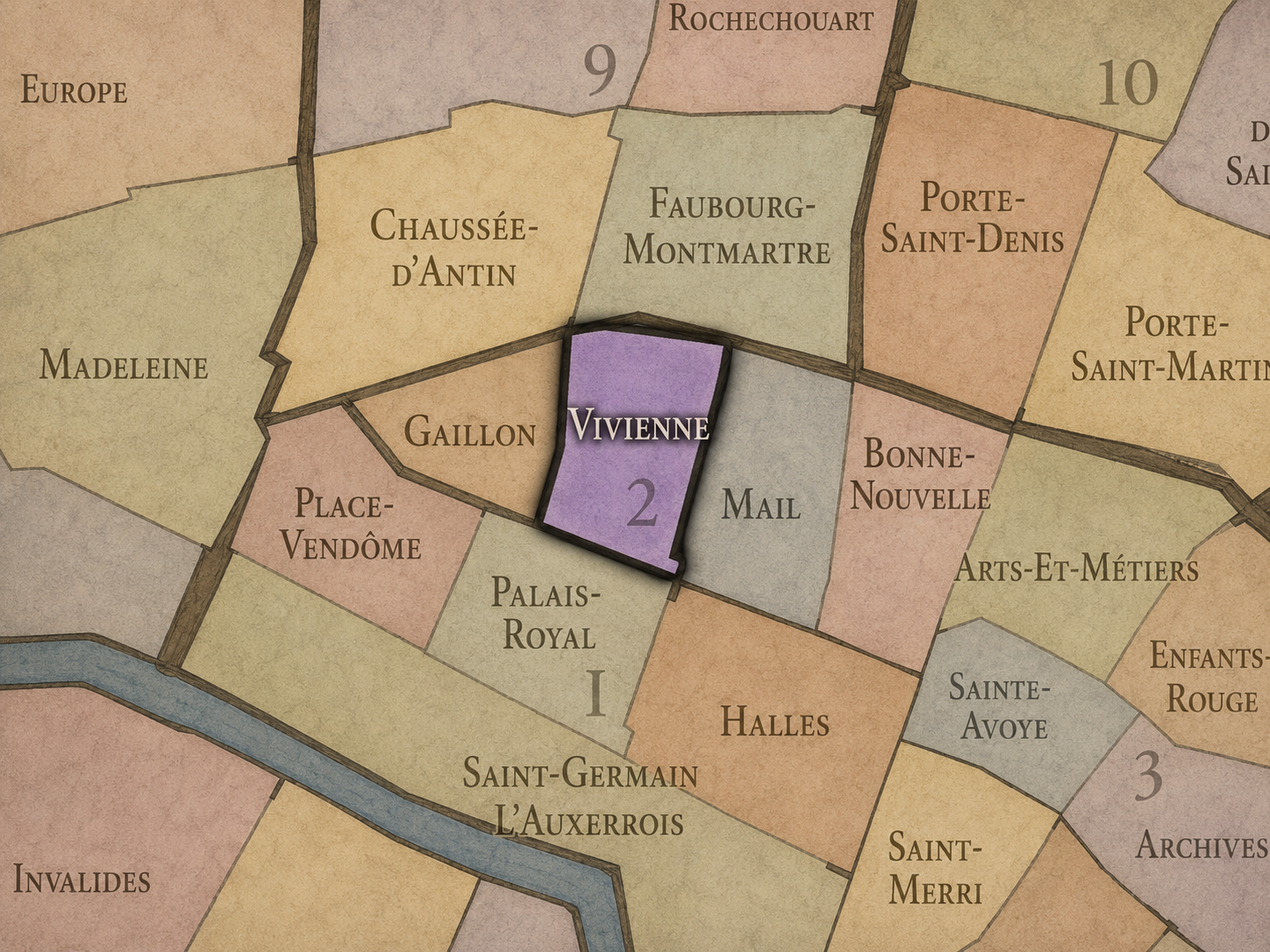
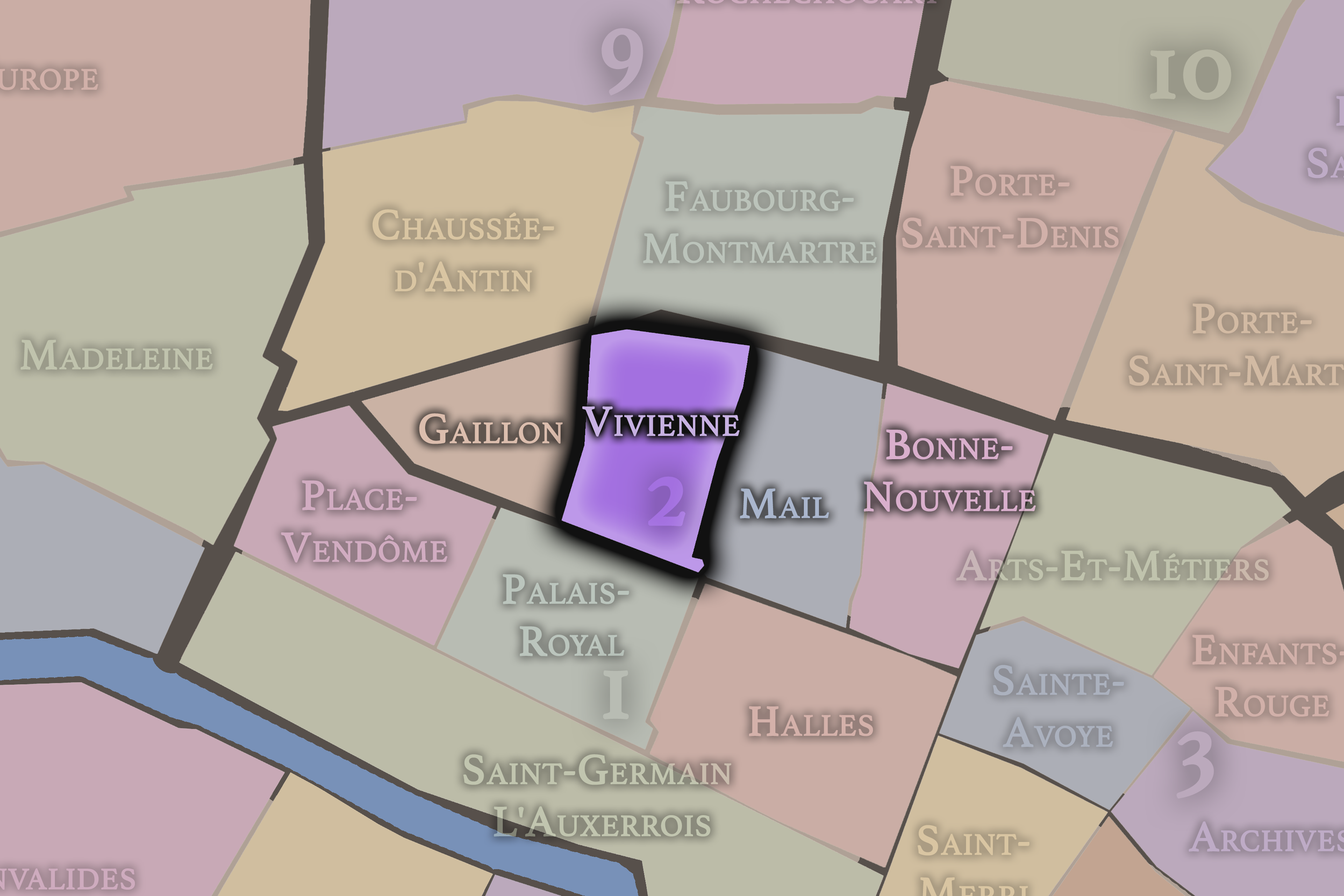
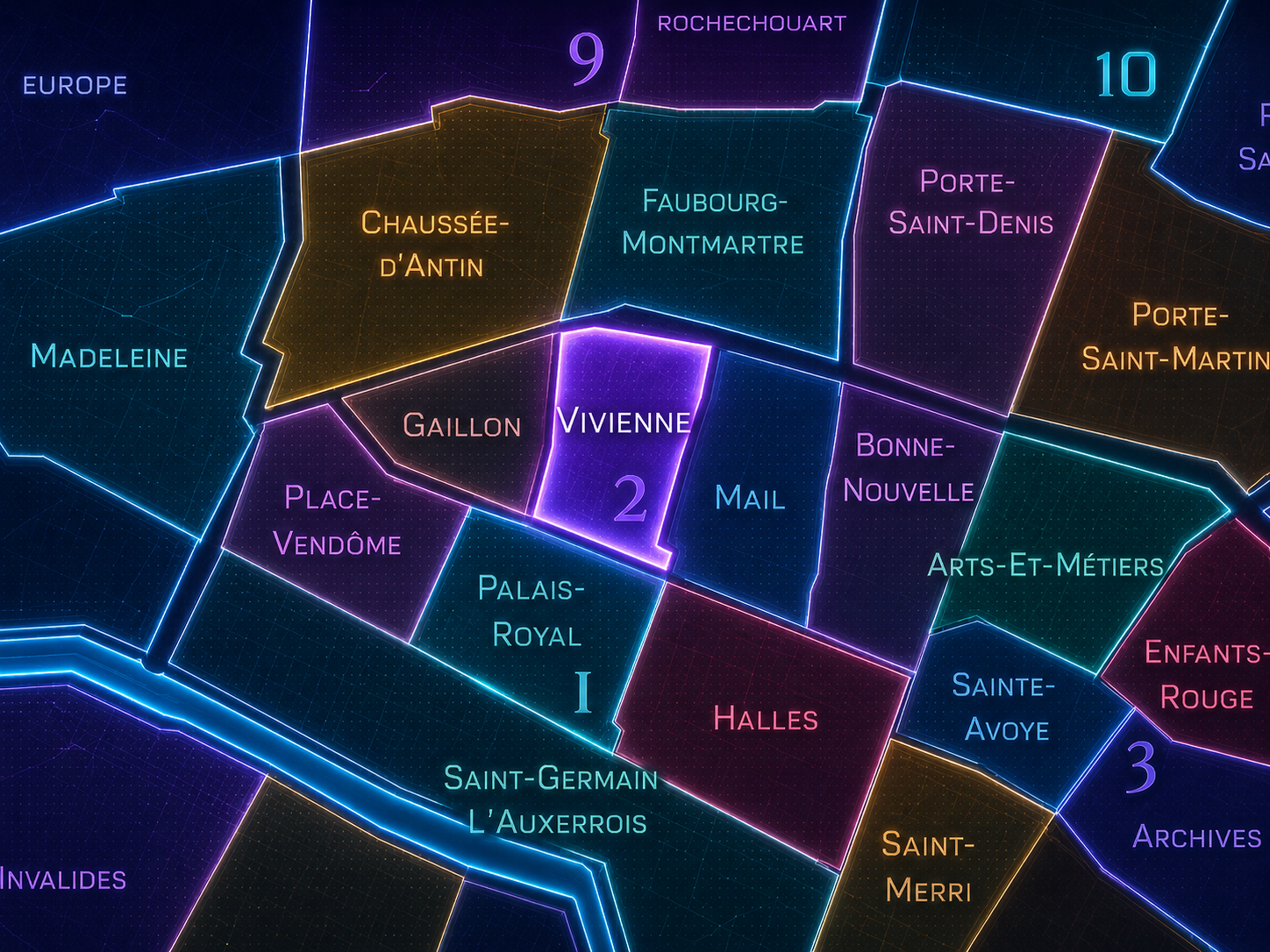
Vivienne occupies the western-central portion of the 2nd arrondissement, where the financial, literary, and commercial histories of the Right Bank gather around the Bourse, the Bibliothèque nationale, and some of Paris’s most elegant covered passages. Set between Gaillon to the west, Mail and the Sentier to the east, Palais-Royal and the 1st arrondissement to the south, and the Grands Boulevards to the north, Vivienne is a compact quarter of institutional gravity and interior refinement.
This is a district shaped by thresholds rather than spectacle. Its streets move between grander public institutions and quieter commercial interiors: Rue Vivienne, Rue des Petits-Champs, Rue Notre-Dame-des-Victoires, Rue de Richelieu, Rue Colbert, and the passages that turn the city inward. Here, Paris reveals one of its subtler urban forms — not the open square, not the monumental axis, not the market field, but the covered passage, the reading room, the financial hall, the arcaded shortcut, and the polished interior street.
Vivienne’s geography is therefore both central and enclosed. It belongs to the dense Right Bank, but it often feels slightly removed from the rush around it. The quarter is a city of entries: into the former royal library, into the Bourse landscape, into Galerie Vivienne, into Passage des Panoramas nearby, into the old corridors of finance, publishing, commerce, and collection. Its identity is built from what is discovered just off the street.
Administrative Quarter Identity
Etymology and Origins
The name Vivienne comes from Rue Vivienne, one of the quarter’s defining streets. The name is generally associated with Louis Vivien, seigneur de Saint-Marc, a property owner whose name became attached to the street and eventually to the administrative quarter. Like many Parisian place names, Vivienne began as a local property reference before becoming part of the city’s official vocabulary.
That evolution is important. Vivienne is not named for a church, a royal square, a market, or a former village. It is named through urban ownership, street formation, and the gradual embedding of a family name into the map. Over time, however, the name took on a broader identity. It became associated not only with Rue Vivienne itself, but with the Bourse, the Bibliothèque nationale, Galerie Vivienne, financial Paris, and the refined commercial interiors of the 19th-century Right Bank.
The name now carries a kind of elegance that exceeds its origin. “Vivienne” suggests arcades, polished floors, glass roofs, libraries, galleries, booksellers, bankers, and the delicate architecture of passage. It is one of those Parisian names that feels less like a boundary than an atmosphere.
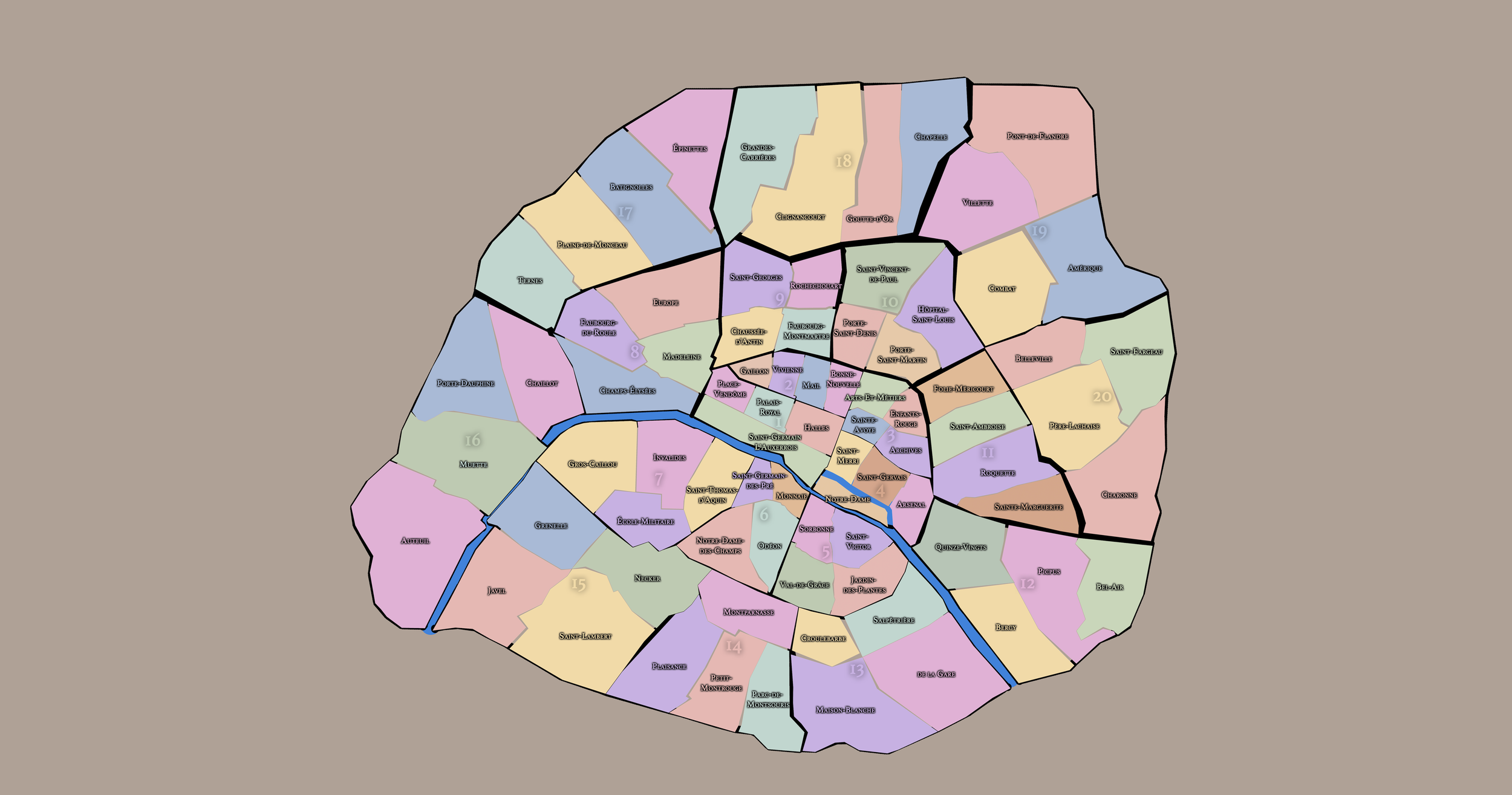
Within the official geography of Paris, Vivienne is one of the four administrative quarters of the 2nd arrondissement, alongside Gaillon, Mail, and Bonne-Nouvelle. It occupies a particularly important place within that compact arrondissement because it contains or borders several of the institutions and urban forms that give the 2nd its historical identity: the Bourse, the former Bibliothèque nationale site on Rue de Richelieu, covered passages, commercial streets, and the financial culture of the Right Bank.
As an administrative quarter, Vivienne helps clarify a district that can otherwise be described through several overlapping names. A visitor might think first of the Bourse, Galerie Vivienne, Richelieu, the Grands Boulevards, or Palais-Royal. The administrative quarter gathers those related geographies into one civic frame. It gives the area a named place within the official map of Paris.
Vivienne also shows the particular character of the 2nd arrondissement: small in area, but unusually dense in function. Within a few streets, one encounters finance, literature, state institutions, commerce, restaurants, arcades, and traces of old aristocratic and mercantile Paris. The quarter’s civic role is to hold that density without reducing it to a single identity.
Civic Framework
Vivienne differs from the other quarters of the 2nd arrondissement through its relationship to institutions, finance, and interior urban elegance. Gaillon turns west toward Opéra, restaurants, theaters, and the refined edge of central Paris. Mail belongs more deeply to the commercial and textile fabric of the Sentier. Bonne-Nouvelle is shaped by the Grands Boulevards, northern thresholds, and the restless movement around Rue Saint-Denis and the boulevard gates.
Vivienne is more composed. Its identity is quieter, more formal, and more architectural. It is the quarter of the Bourse and the library, of galleries and reading rooms, of passages and polished commercial interiors. Its streets are commercial, but not in the same working manner as Mail. They are institutional and elegant, carrying the memory of finance, collection, exchange, and cultivated urban life.
It should also be distinguished from Palais-Royal to the south. The two areas share a taste for arcades, gardens, galleries, and interiority, but Palais-Royal is rooted in palace, theater, and state power, while Vivienne is more closely tied to finance, commerce, and the 19th-century passage culture of the Right Bank. Palais-Royal is the city behind a palace wall. Vivienne is the city behind a glass roof.
Neighborhood Distinction
Parisian Identity
Vivienne expresses Paris as a city of refined interiors. It is not only what appears on the boulevard or the square, but what opens behind an entrance, beneath a glass canopy, inside a reading room, or along a tiled arcade. The quarter invites a slower kind of attention: the curve of a passage, the gleam of mosaic floors, the rhythm of shopfronts, the silence of institutional façades, the layered names of streets tied to finance, literature, and commerce.
The quarter also reveals a Parisian marriage of knowledge and exchange. Books, money, stocks, maps, manuscripts, prints, luxury goods, and commercial goods have all passed through or around this landscape. The Bibliothèque nationale and the Bourse express two different kinds of value: intellectual value and financial value. Galerie Vivienne and nearby passages express another: the value of display, taste, convenience, and urban pleasure.
Vivienne is therefore a quarter of cultivated circulation. People come here to work, read, research, dine, shop, pass through, and look. It is central Paris at its most carefully interior — a place where the city’s public life steps indoors without fully becoming private.
Neighborhood Connections
Every administrative quarter belongs to a wider Parisian fabric. These connections place Vivienne within the city’s civic, participatory, and cultural geography:
-
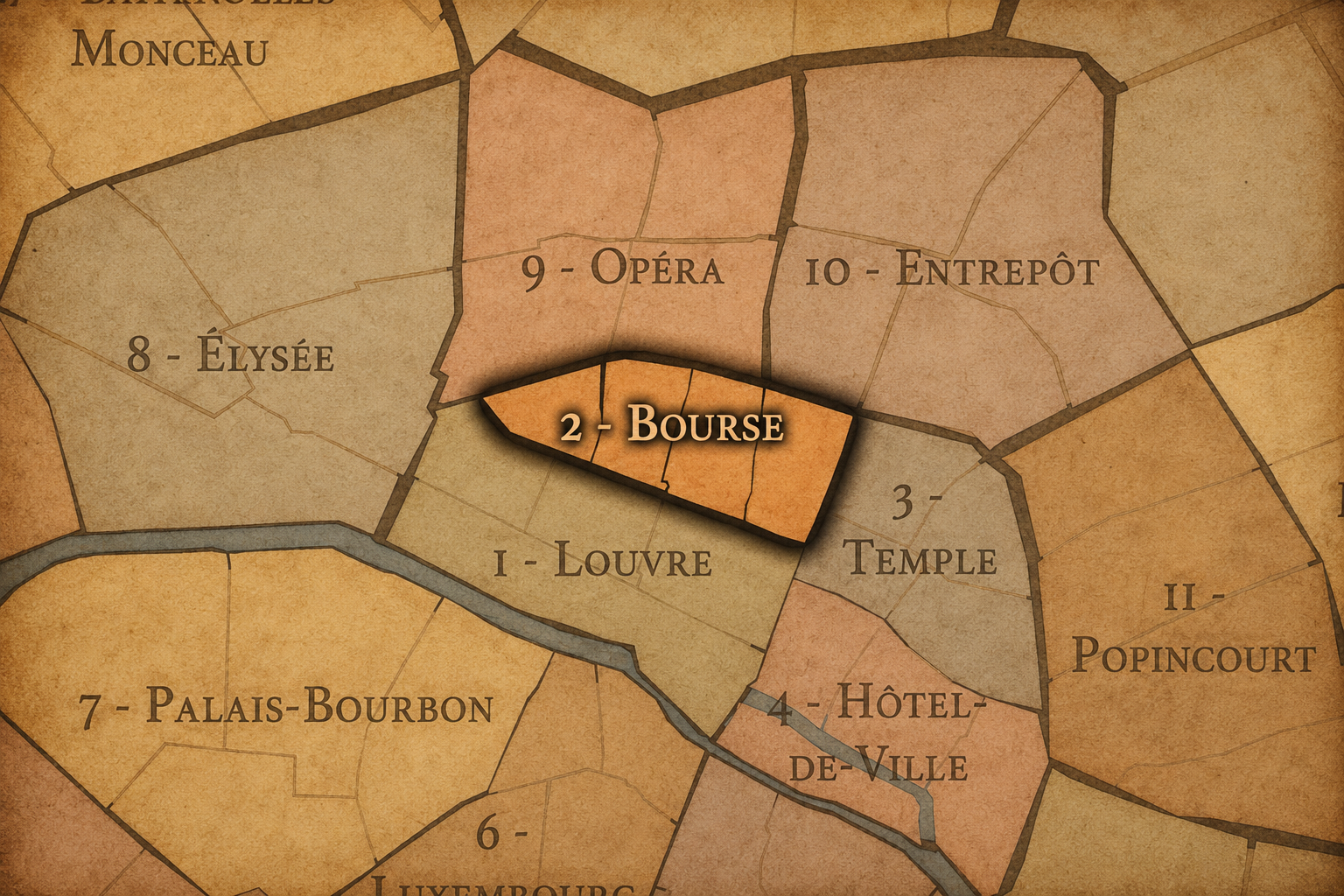
2e - Bourse
-
Louvre-Opéra
The History
The origins of Vivienne lie in the gradual urbanization of the Right Bank north of the Louvre and Palais-Royal. Before the modern quarter took shape, this area sat within the growing landscape of aristocratic residences, commercial streets, religious properties, and routes connecting the royal center to the northern boulevards and markets. Its identity emerged from proximity: near the court, near commerce, near finance, near the old intellectual and administrative institutions of central Paris.
The later presence of the royal library and the development of financial institutions gave this part of the city a more specialized role. It was not only a place of residence or trade, but a place where records, collections, capital, and institutions gathered. This made Vivienne part of the city’s administrative and intellectual interior.
From the beginning, then, Vivienne was shaped by accumulation. It did not grow from one single landmark, but from several overlapping centers of influence: street ownership, royal collection, financial exchange, covered commerce, and the dense fabric of central Right Bank life.
Origins
16th–17th Century
In the 16th and 17th centuries, the area that would become Vivienne became increasingly tied to the expansion of elite and institutional Paris north of the Louvre. The nearby Palais-Royal and Louvre anchored royal and ministerial power to the south and west, while commercial streets and religious houses helped structure the surrounding district. As Paris grew, this part of the Right Bank became a zone where aristocratic property, urban commerce, and state functions could coexist.
The future Rue Vivienne and surrounding streets formed within this broader development. The district’s proximity to the royal center made it attractive for residences and institutions, while its access to important streets made it valuable for commerce. This mixture would remain one of Vivienne’s defining qualities: it was never purely residential, purely financial, or purely cultural. It was a place where different forms of centrality overlapped.
By the late 17th century, the growing importance of royal collections, administrative life, and commercial exchange prepared the ground for the quarter’s later identity. Vivienne would become one of the places where the intellectual and financial infrastructure of Paris settled into the street map.
In the 18th century, Vivienne strengthened its association with institutions, collections, and refined commercial life. The area around Rue de Richelieu became closely tied to the royal library, whose presence gave the district an intellectual and archival gravity. Around the same time, the surrounding streets participated in the growing commercial and financial life of the Right Bank.
This was also the century in which Parisian public life increasingly moved through cafés, galleries, bookstores, offices, theaters, and semi-public interiors. Vivienne’s later passage culture had not yet fully reached its 19th-century expression, but the conditions were forming: a dense district, a wealthy and literate public, commercial demand, and streets positioned between courtly, financial, and boulevard worlds.
By the end of the century, revolution and political upheaval altered the symbolic meaning of many institutions, collections, and financial structures. The royal library became part of the national inheritance. Commercial and political life reorganized. Vivienne entered the modern era as a district already associated with knowledge, exchange, and the civic transformation of old regime property into public or national meaning.
18th Century
19th Century
The 19th century was the great age of Vivienne’s recognizable urban identity. The Bourse gave the quarter a powerful financial presence, while the covered passages transformed the experience of the surrounding streets. Galerie Vivienne, opened in the 1820s, became one of the most elegant examples of the Parisian covered passage: glass-roofed, arcaded, polished, and lined with shops designed for strolling, display, and sheltered commerce.
These passages were more than conveniences. They were early modern interiors of urban consumption — places where Paris learned to turn shopping, walking, looking, and sociability into a new architectural experience. In Vivienne, this culture felt especially refined because it sat near the Bourse, the library, and the older aristocratic-commercial streets of the Right Bank.
The 19th century also intensified the quarter’s financial identity. The Bourse and surrounding offices made Vivienne part of a Paris shaped by capital, speculation, news, paper, and exchange. Here, the city’s modern economy became visible not through factories or markets, but through offices, courtyards, ledgers, financial institutions, and the flow of information. Vivienne became one of the places where Paris conducted business in elegant form.
In the early and mid 20th century, Vivienne retained its institutional and commercial character while adapting to the changing rhythms of modern Paris. The Bourse continued to shape the surrounding district, while the Bibliothèque nationale preserved the quarter’s intellectual identity. The passages, once symbols of modern retail elegance, entered a more complicated period as department stores, boulevards, and new commercial forms drew attention elsewhere.
This shift gave Vivienne a slightly nostalgic quality. The covered passages no longer represented the cutting edge of commerce, but they became increasingly valuable as traces of an earlier urban world. Their glass roofs, mosaics, and arcaded storefronts preserved the memory of 19th-century Paris within a city that had continued to modernize around them.
During war, occupation, liberation, and postwar recovery, the quarter’s institutions and streets remained part of the city’s central working fabric. Vivienne was not only historic scenery; it continued to function as a district of offices, research, finance, dining, and passage. Its strength lay in continuity, even as the meaning of its institutions evolved.
Early–Mid 20th Century
Late 20th Century
In the late 20th century, Vivienne underwent a renewed appreciation as Paris rediscovered the value of its covered passages and historic commercial interiors. What had once seemed old-fashioned became atmospheric, photogenic, and culturally significant. Galerie Vivienne and the surrounding passages gained new attention as places of heritage, shopping, dining, and architectural memory.
The quarter’s financial identity also changed. As the organization of markets and business shifted, the area around the Bourse no longer held the same role it had in the height of floor-based financial exchange. Yet the memory of that financial Paris remained strongly embedded in the architecture, street names, and institutional landscape.
Vivienne therefore became a quarter of preserved sophistication. Its older functions did not vanish entirely, but they were increasingly reframed through heritage, culture, gastronomy, tourism, and boutique commerce. The quarter’s interiors became part of the way Paris presented its own urban past: not as ruins, but as still usable rooms within the city.
In the 21st century, Vivienne remains one of the most elegant and layered quarters of the 2nd arrondissement. Galerie Vivienne, the Bibliothèque nationale’s Richelieu site, the Bourse landscape, restaurants, offices, shops, and passages all contribute to a district that feels at once historic and active. It is a place where the old forms of central Paris — library, exchange, arcade, passage, and office — continue to shape contemporary experience.
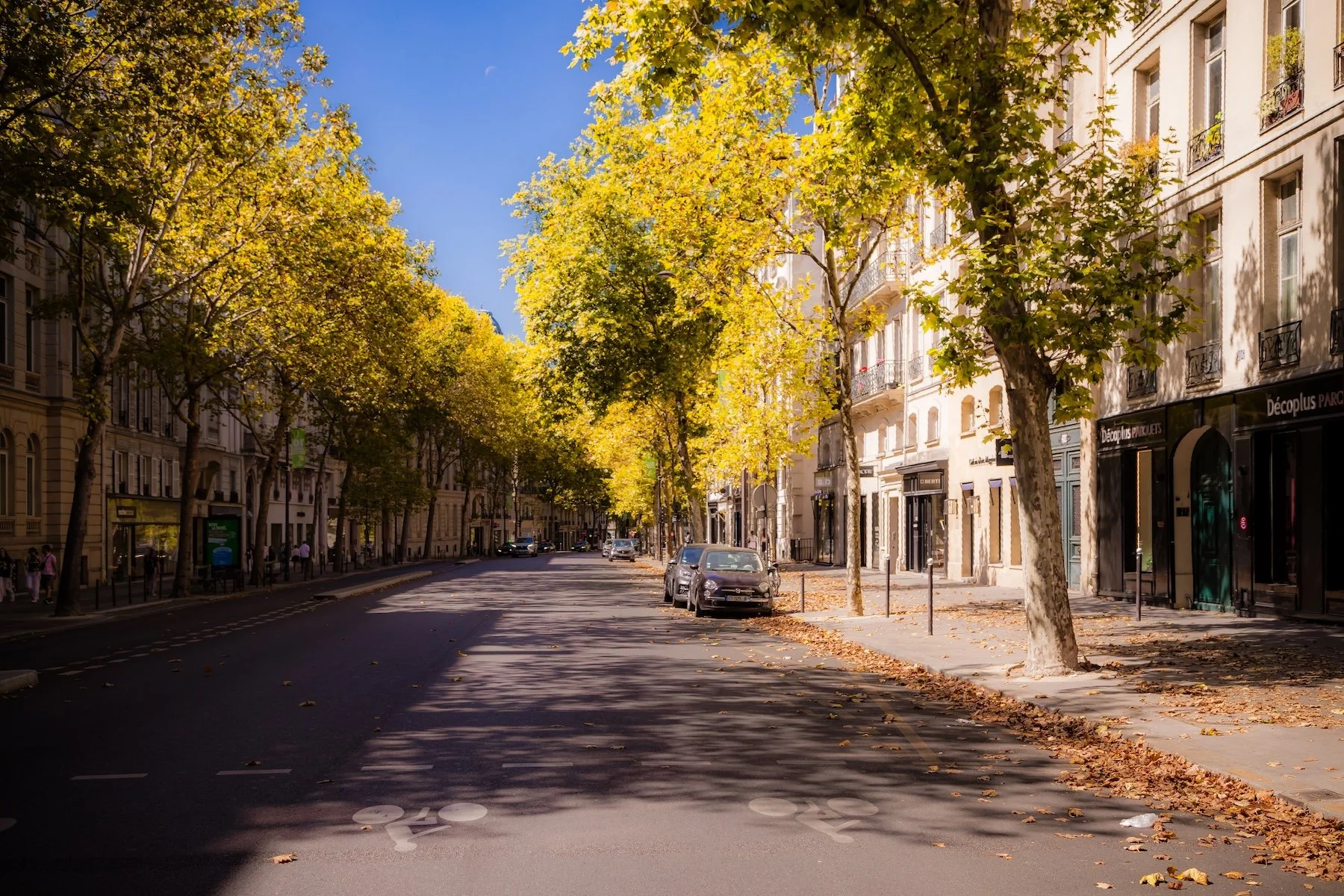
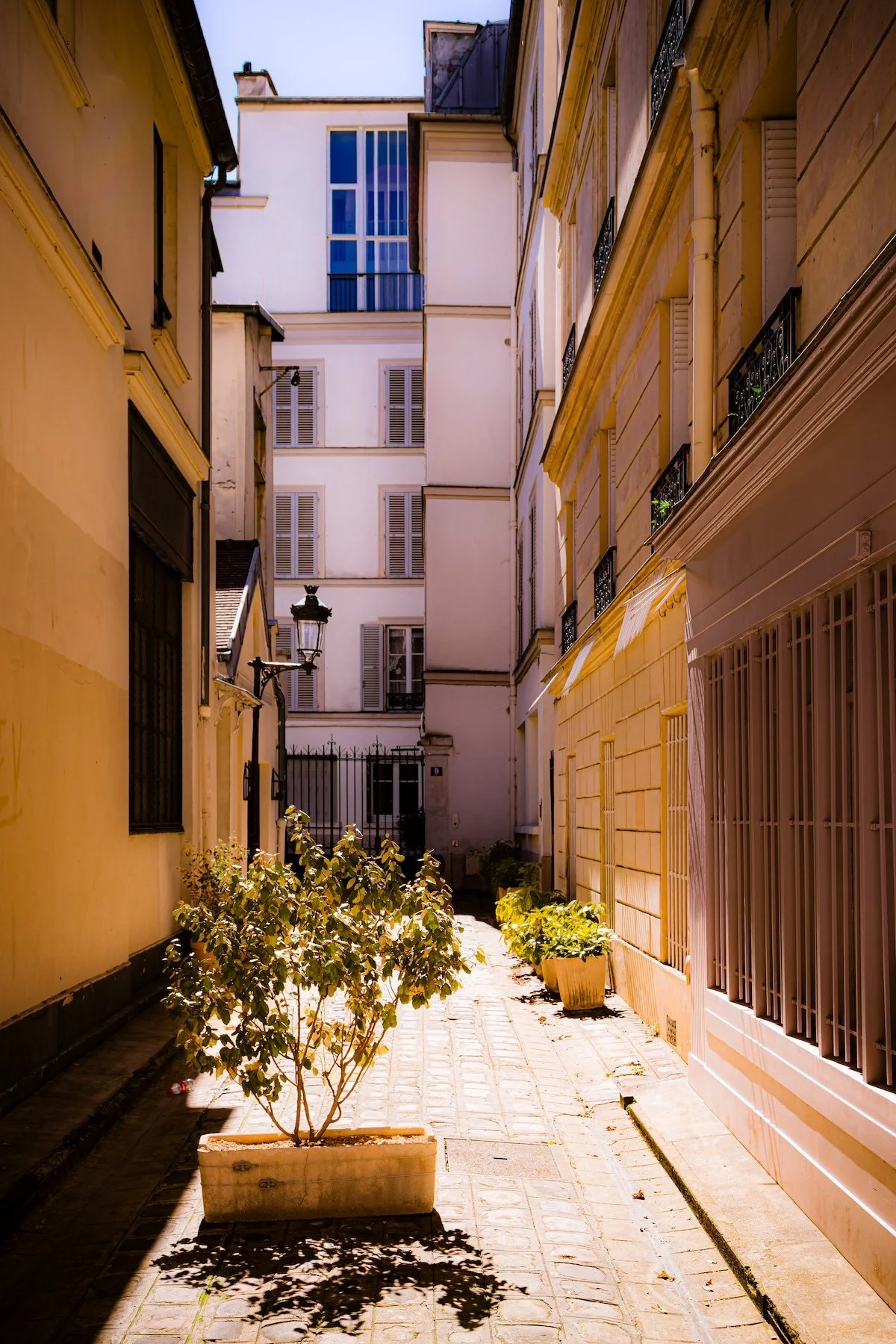
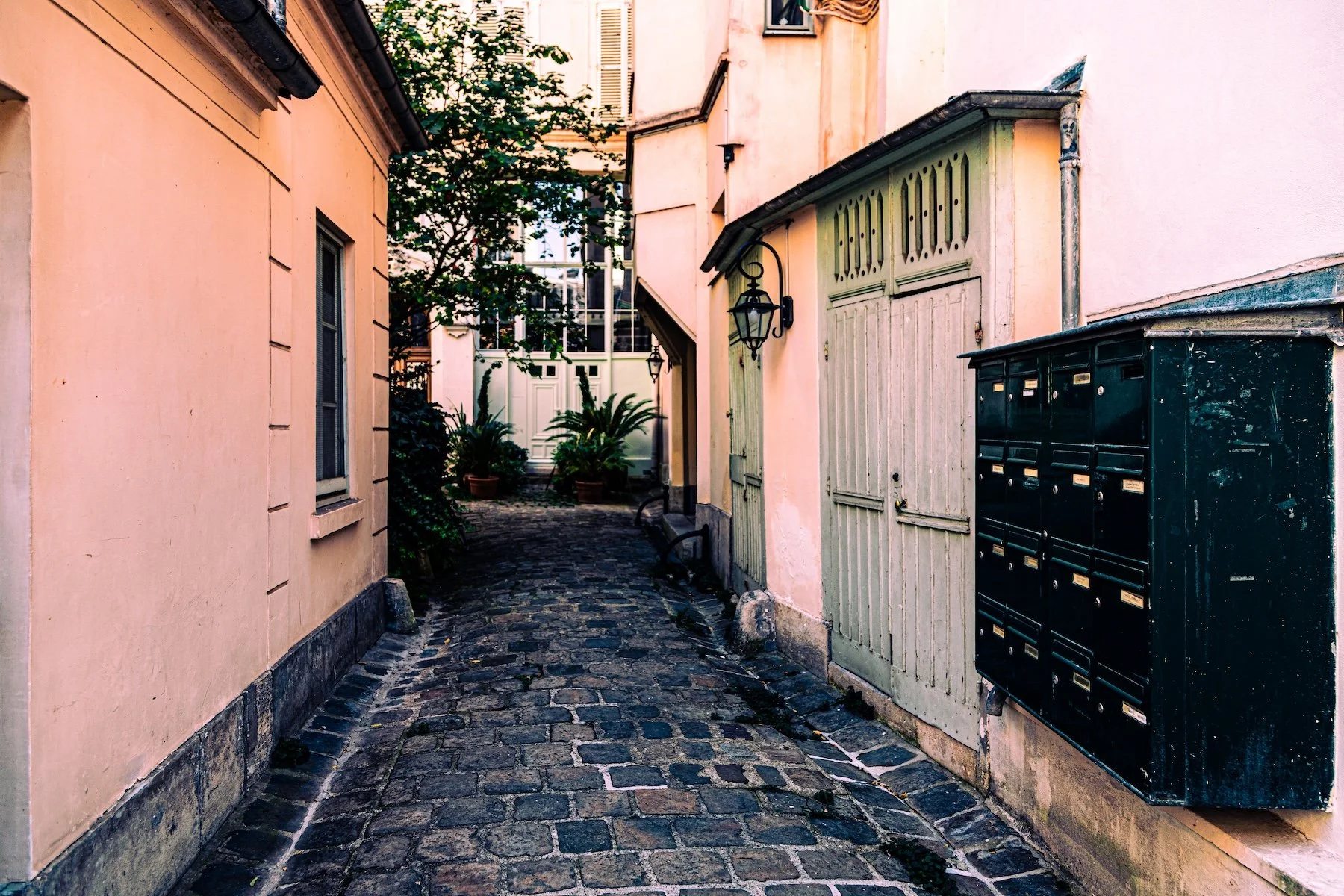
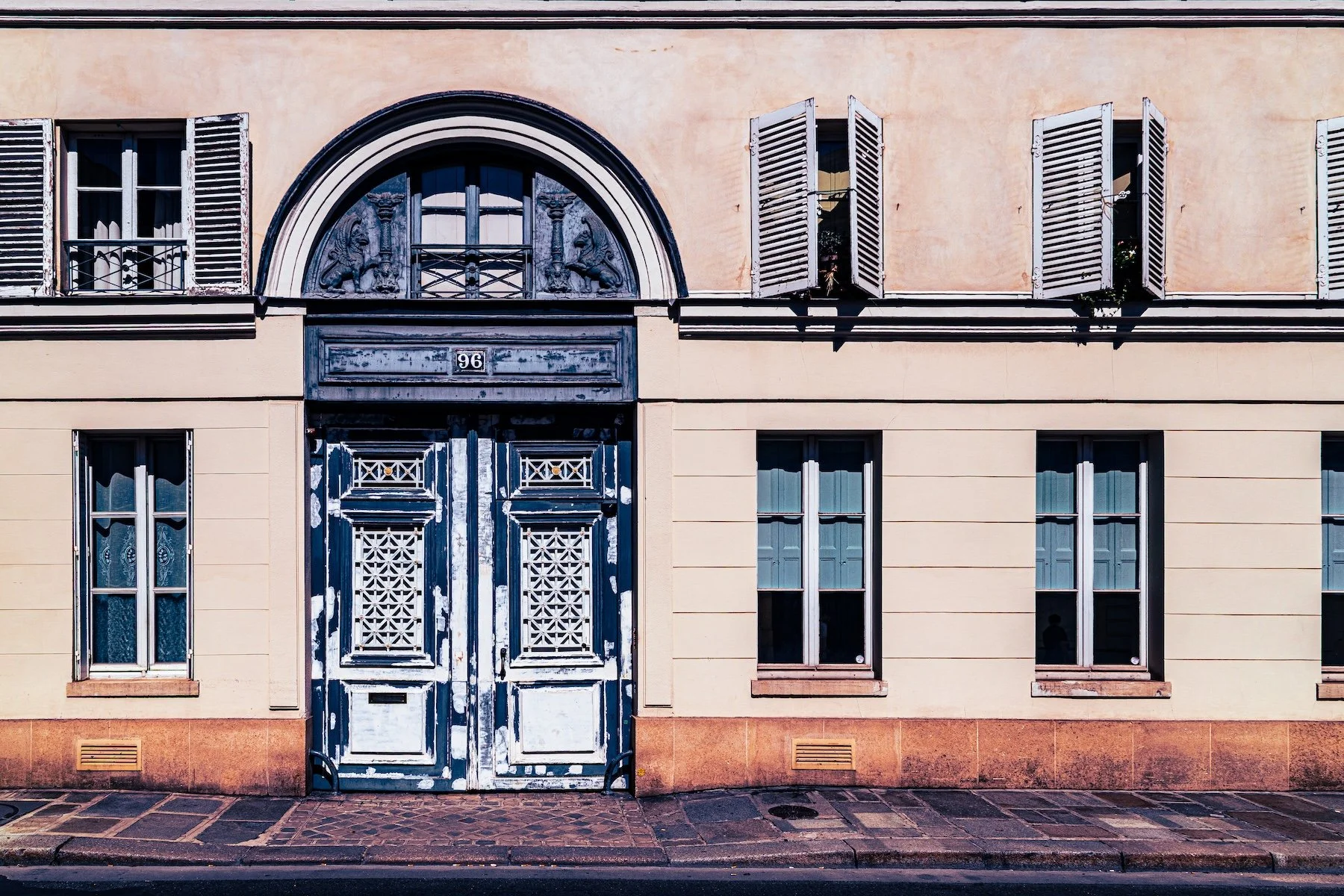
The quarter today is especially powerful for photography and walking. Its beauty often appears in thresholds: a passage entrance, a glass roof, a tiled floor, a shopfront reflection, a quiet street beside an institution, a sudden line of perspective under an arcade. It is not a district that reveals itself all at once. It rewards entering, turning, pausing, and looking through.
For CityNeighborhoods: Paris, Vivienne is essential because it shows how a neighborhood can be defined by interior public life. It is civic without being loud, commercial without being chaotic, historic without being frozen. Its identity lies in the refined spaces where knowledge, money, commerce, and movement have passed through the city for centuries.
21st Century
Spirit and Legacy
Vivienne is the quarter of the elegant interior. Its spirit is composed, literate, commercial, and quietly theatrical. It does not announce itself through a single monumental view, but through passages, façades, reading rooms, arcades, institutional walls, and streets that seem to hold their history just beneath the surface.
Its legacy is the union of knowledge and exchange. The library and the Bourse, the gallery and the shop, the passage and the street — all speak to a Paris that has long understood value in many forms. Manuscripts, money, books, fashion, food, architecture, and memory all have their place in Vivienne’s urban identity.
To walk Vivienne is to step into one of Paris’s most graceful civic interiors. It reminds us that neighborhoods are not only shaped by outdoor space, public squares, or residential streets. They can also be shaped by the semi-hidden rooms of the city — the covered corridors and institutional thresholds where Paris turns commerce, culture, and history into atmosphere.
The Photography
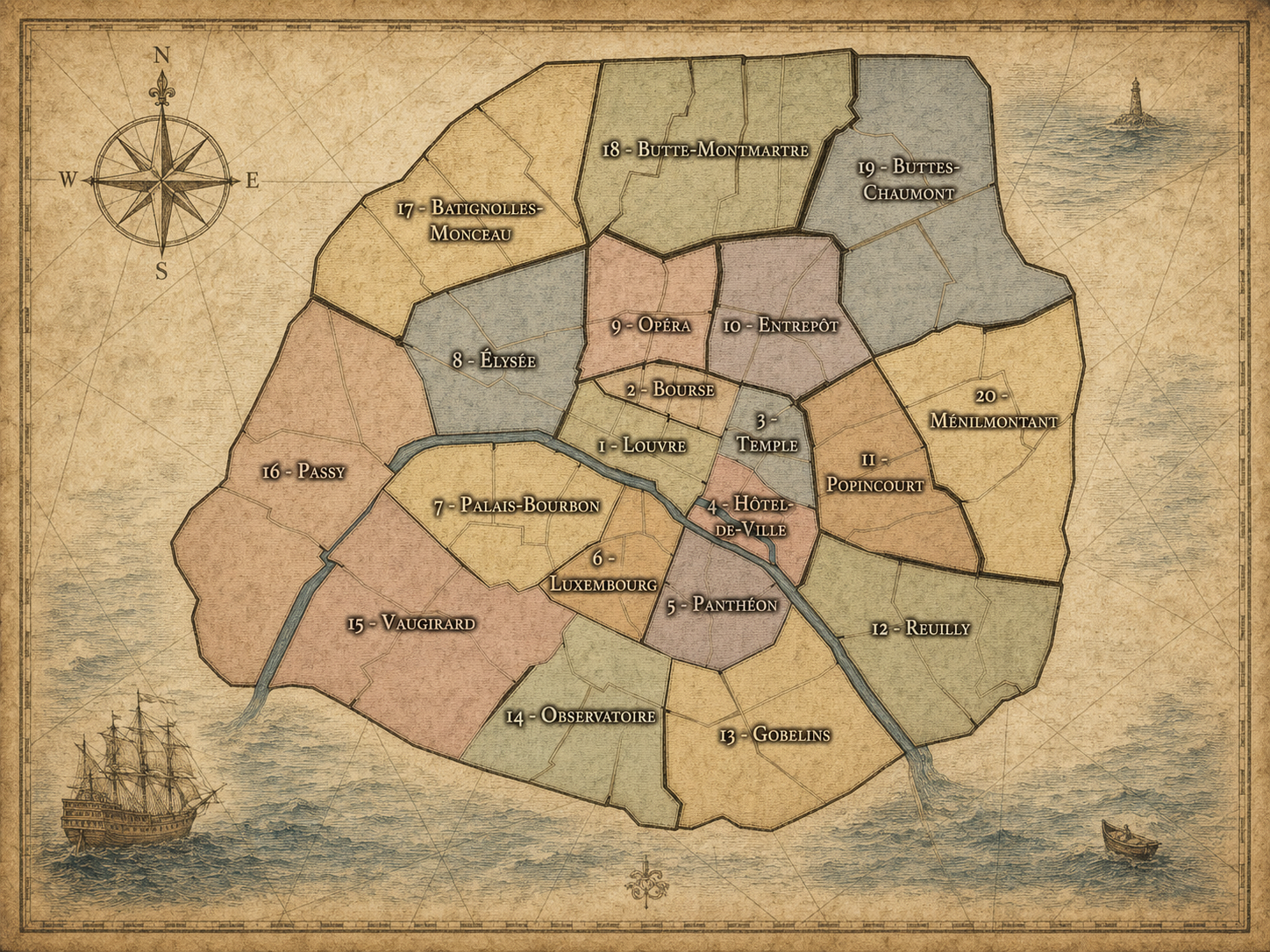
The arrondissements do not share a single visual identity. Instead, they organize Paris into twenty broad visual fields, each gathering its own combination of landmarks, streetscapes, institutions, residential districts, commercial corridors, parks, rail stations, markets, cemeteries, and riverfront edges.
Some arrondissements are defined by monumental scale: royal palaces, ceremonial avenues, government buildings, museums, formal gardens, and internationally recognized landmarks. Others are shaped by hills, canals, rail gateways, apartment-lined boulevards, neighborhood markets, former village streets, industrial remnants, parks, or the quieter rhythms of residential Paris. The arrondissement system gives these varied landscapes a civic frame, allowing the city to be read not as one visual language, but as a sequence of overlapping Parisian atmospheres.
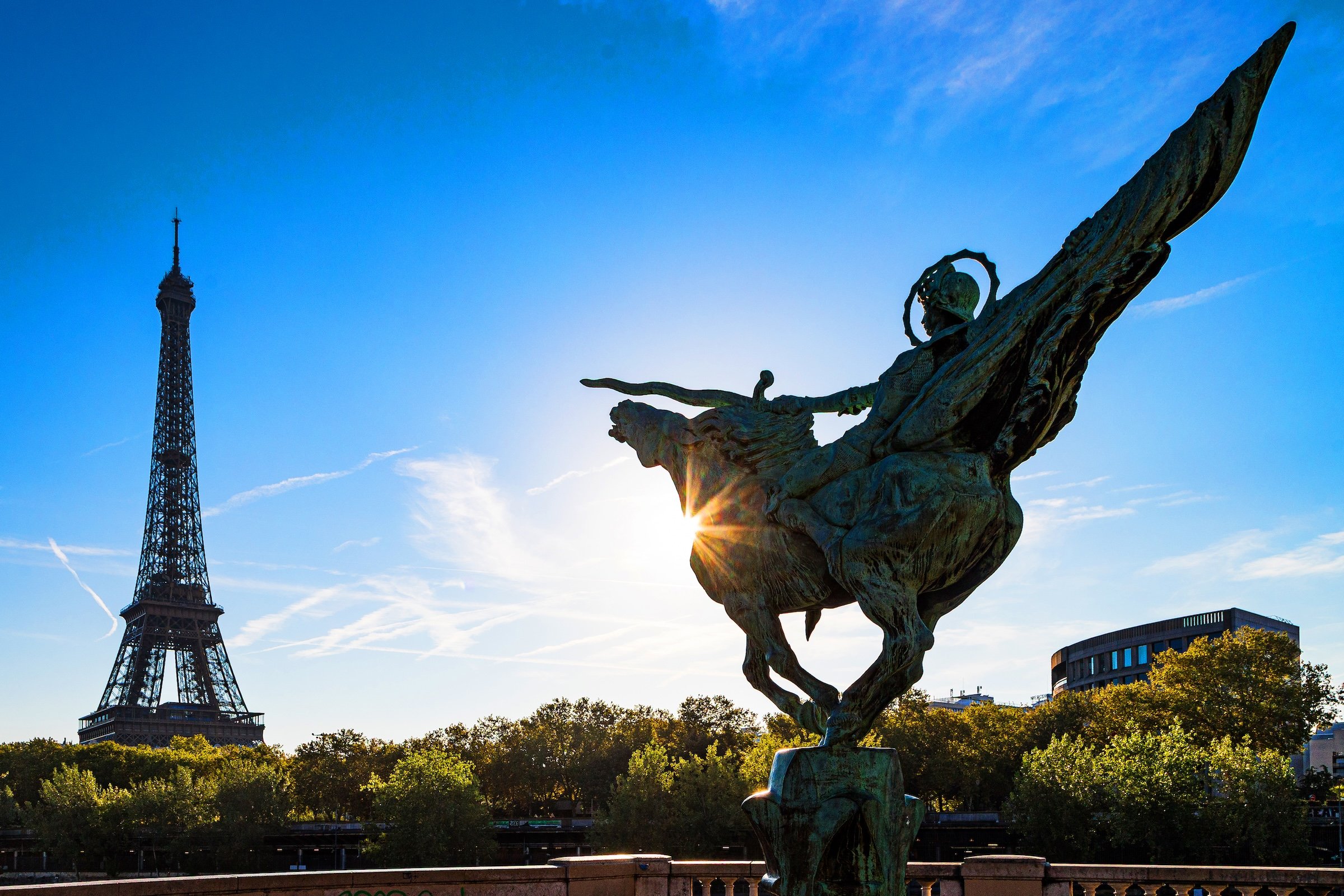
Visual Identity
Through The Lens
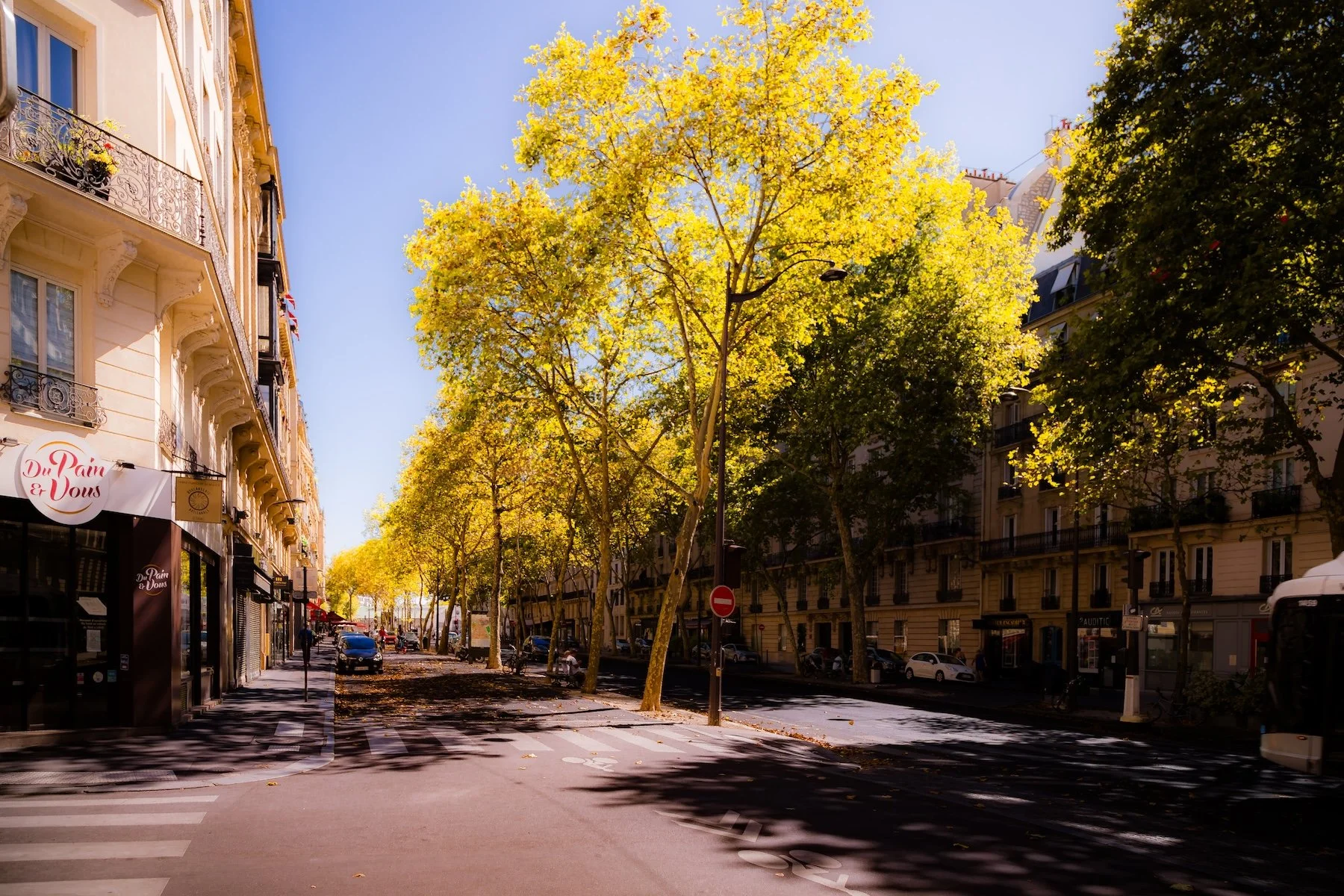
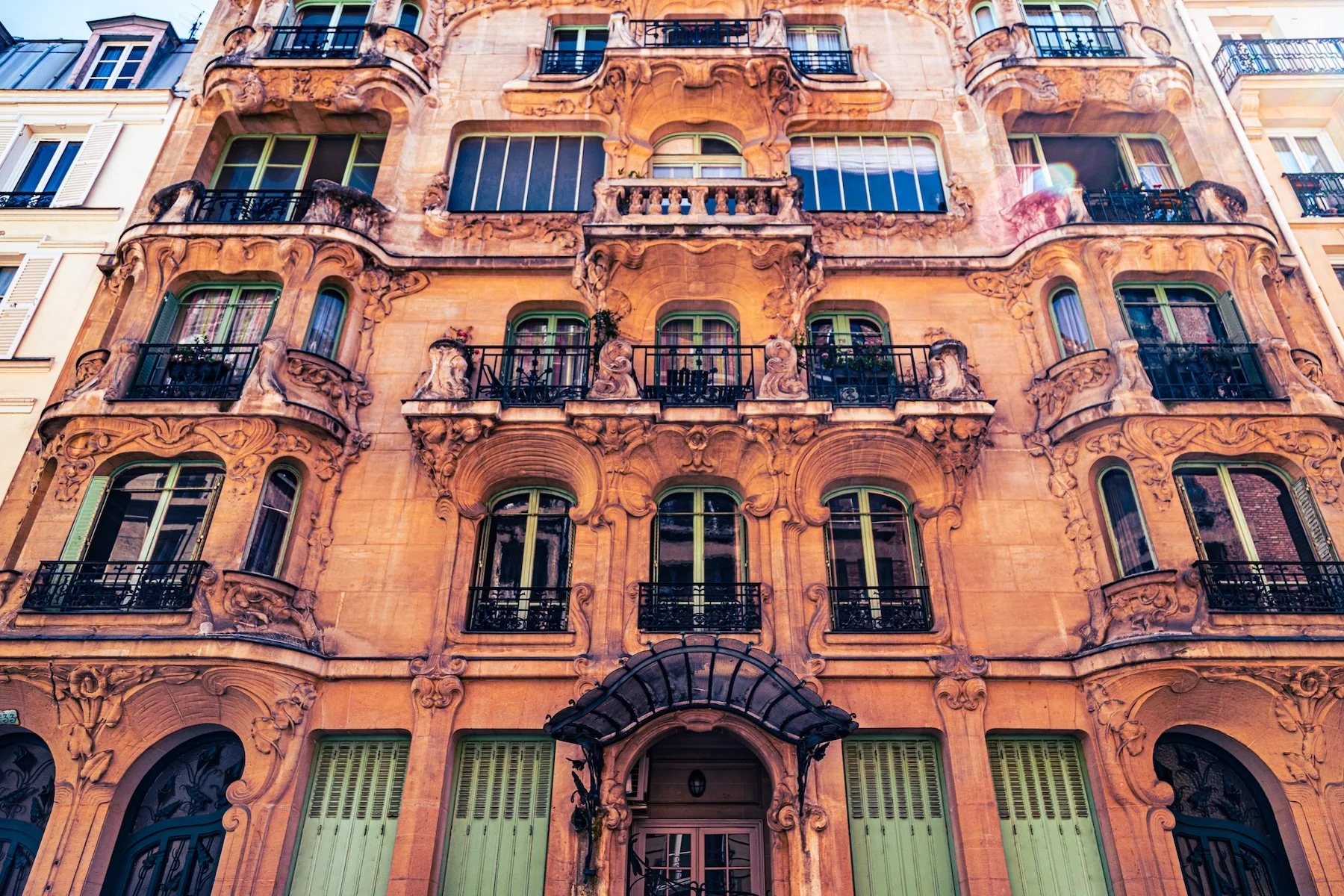
Photographing the arrondissements means moving between the official map and the street-level experience. The camera does not treat each arrondissement as visually uniform. Instead, it looks for the recurring forms, textures, transitions, and contrasts that make each district legible: the geometry of boulevards, the shade of plane trees, the repetition of balconies, the rise of stairways, the curve of canals, the presence of rail stations, the opening of parks, the weight of monuments, and the intimacy of side streets.
On CityNeighborhoods, the arrondissement provides the frame, but the photograph comes from the encounter between map, movement, light, and observation. As the Paris photography is processed, this section will connect each arrondissement more directly to the project’s Photographic Lexicon: the visual strategies, recurring motifs, and compositional patterns that shape how the city is seen through the lens.
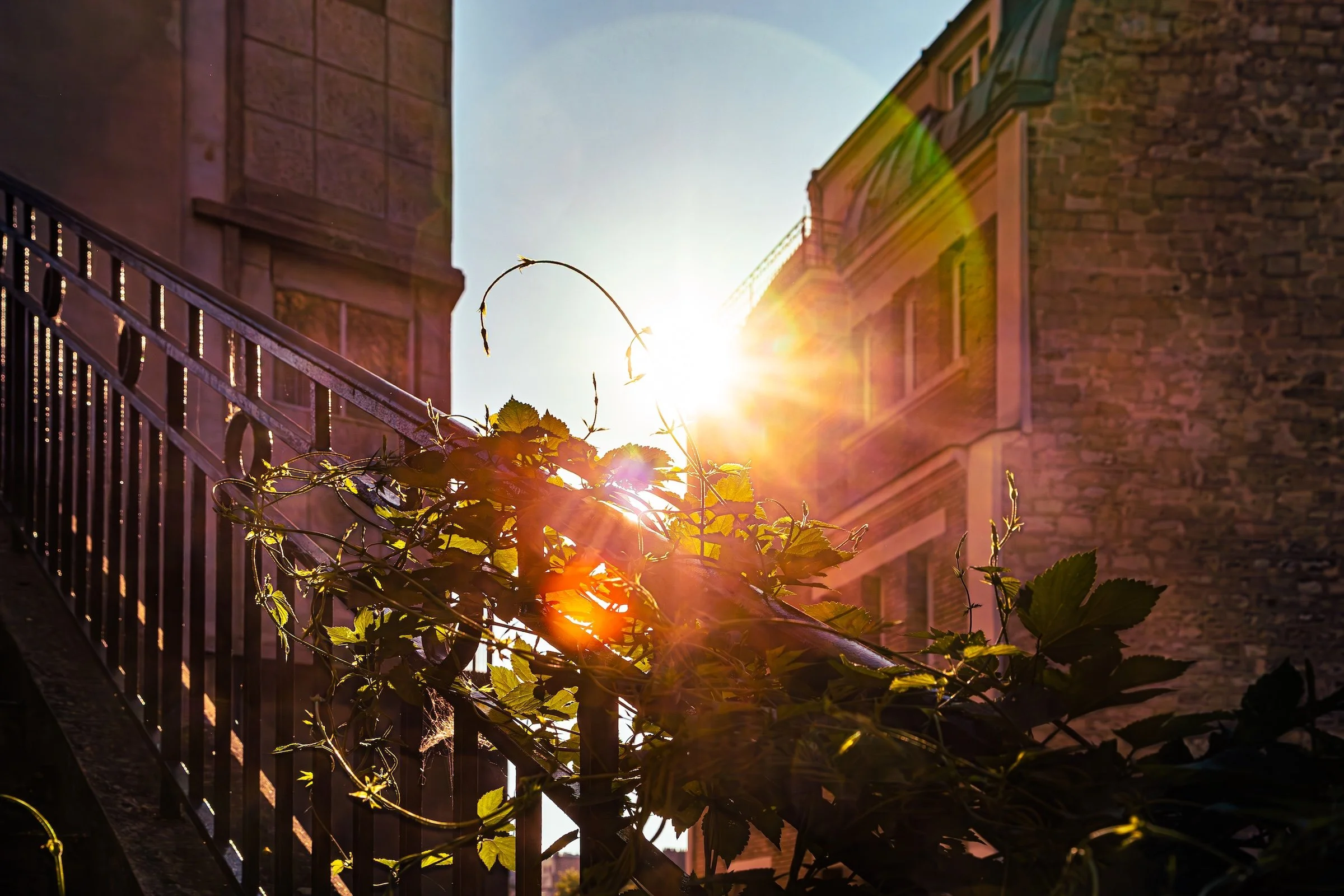
If you visit Paris, these ideas can help inspire your own photography.
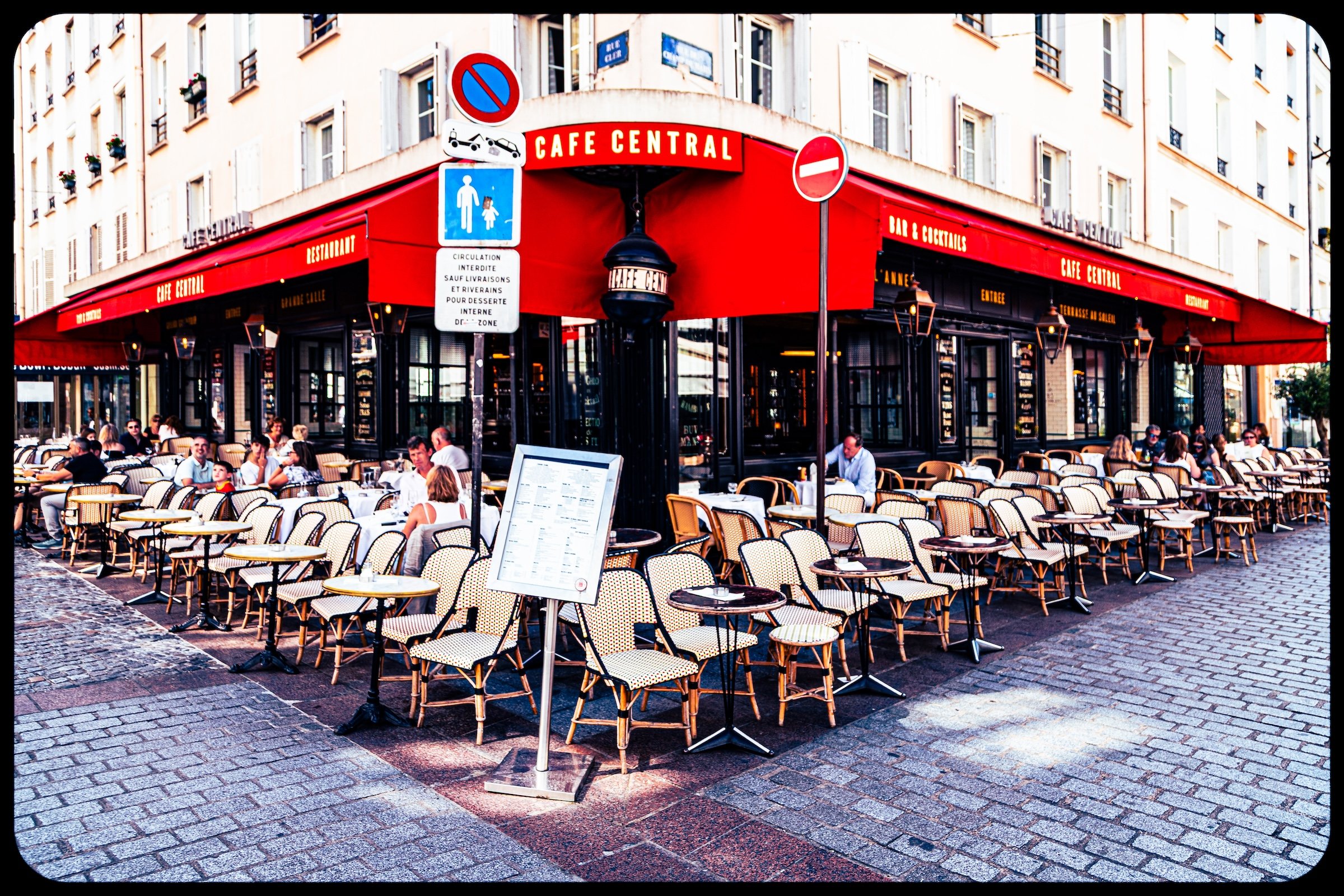
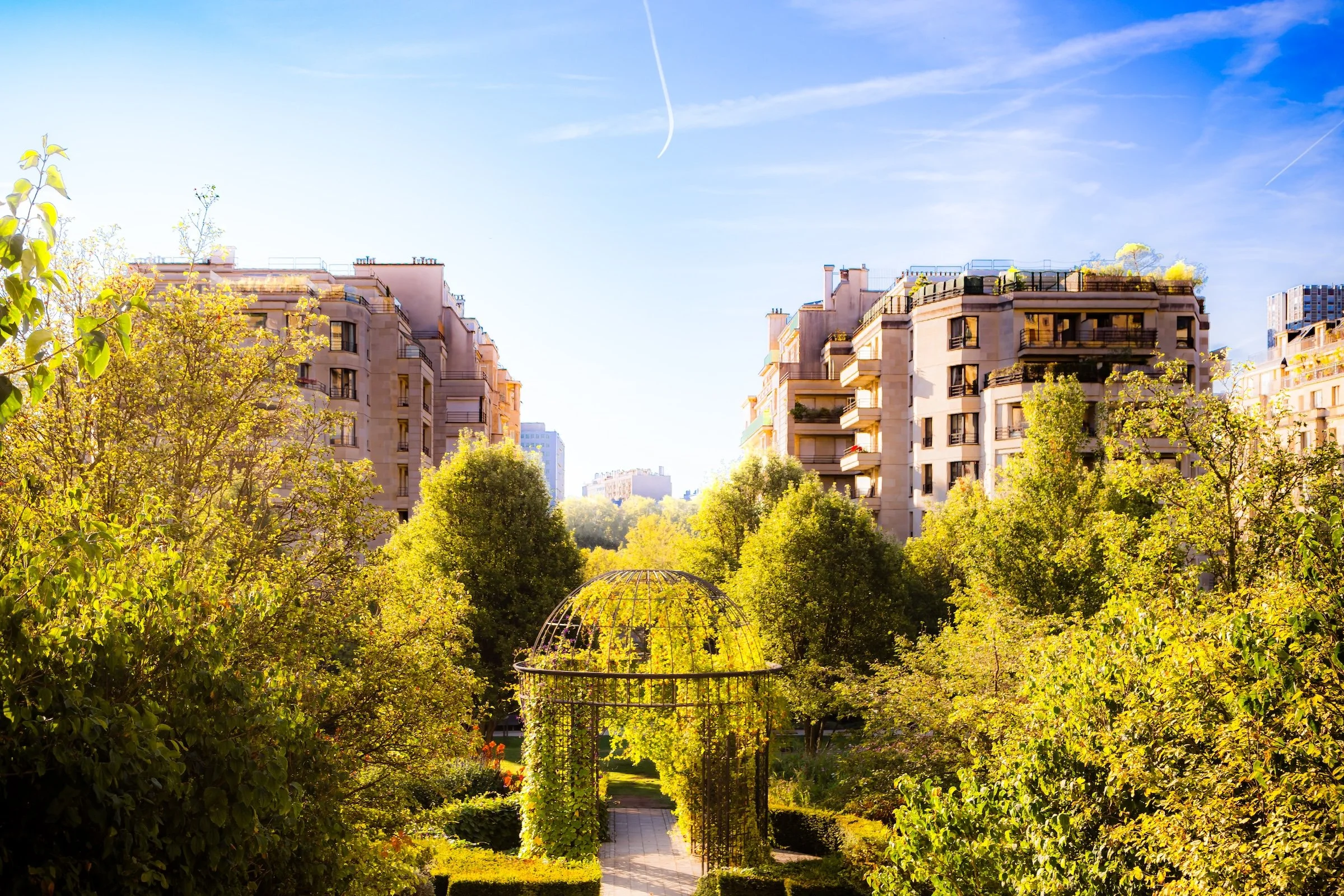
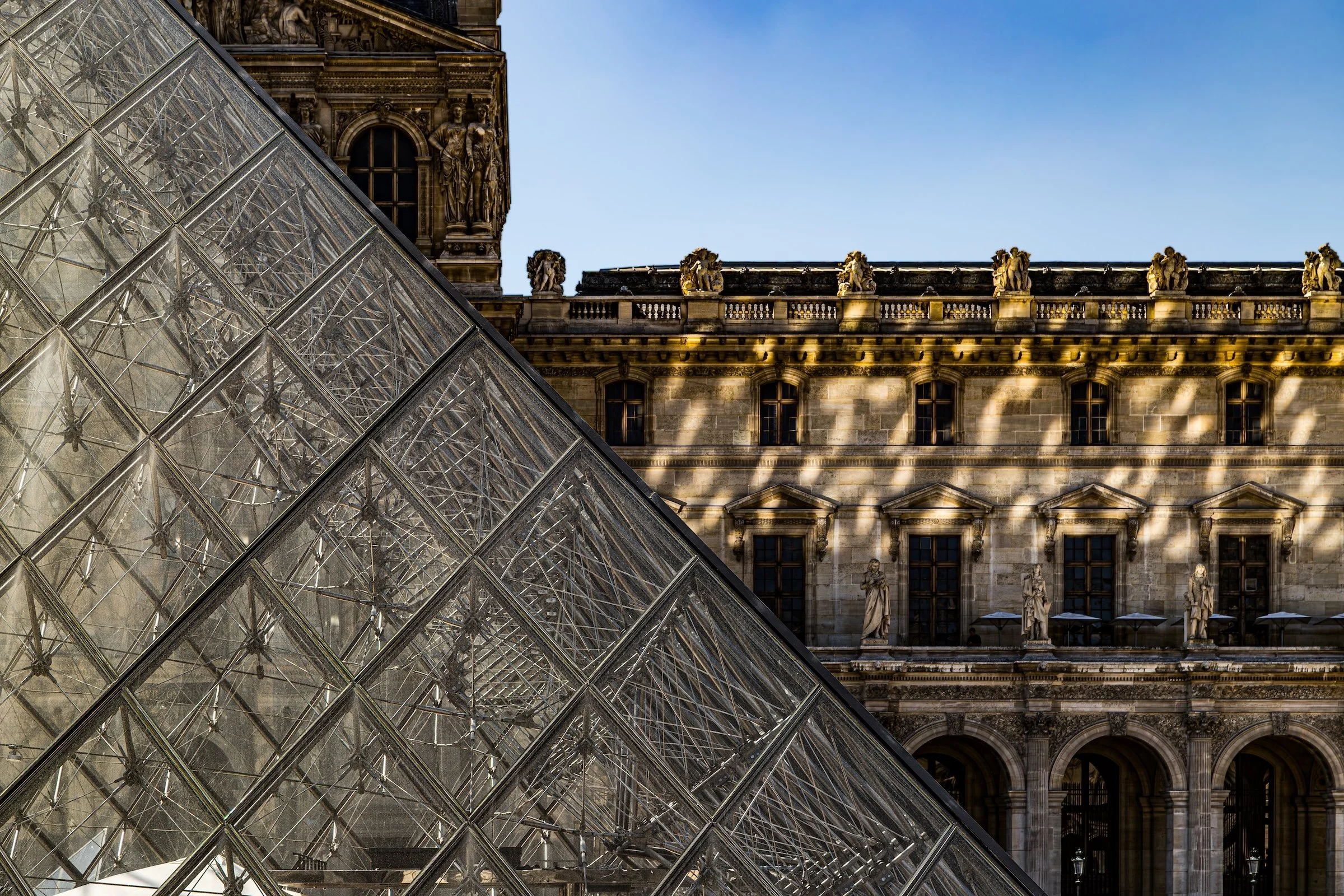
Paris: J’Espere, Je Rêve, Je Vive
Paris Photo Gallery
Paris Field Notes
-
Field Note: August 18, 2025 | 07:58 AM
Conditions: 73°F | Humidity: 72%.
Within the park's interior, the glacial kettle ponds acted as humidity traps, creating a soft, hazy light that filtered through the old-growth oaks. The transition from the park's dense shade to the sun-drenched edges of Oakland Gardens highlighted the day's exceptional "picture-perfect" clarity.
There is a fleeting window in Queens where the humidity of August hasn't yet heavy-set, and the morning sun hits the canopy of Alley Pond Park at a perfect oblique angle. Arriving just before 8:00 AM, I watched the light break through the oaks and tulip trees, casting long, dramatic shadows across the wet grass. It’s in these quiet, golden moments that the park feels less like a city escape and more like the ancient glacial valley it actually is.
Other neighborhoods visited:
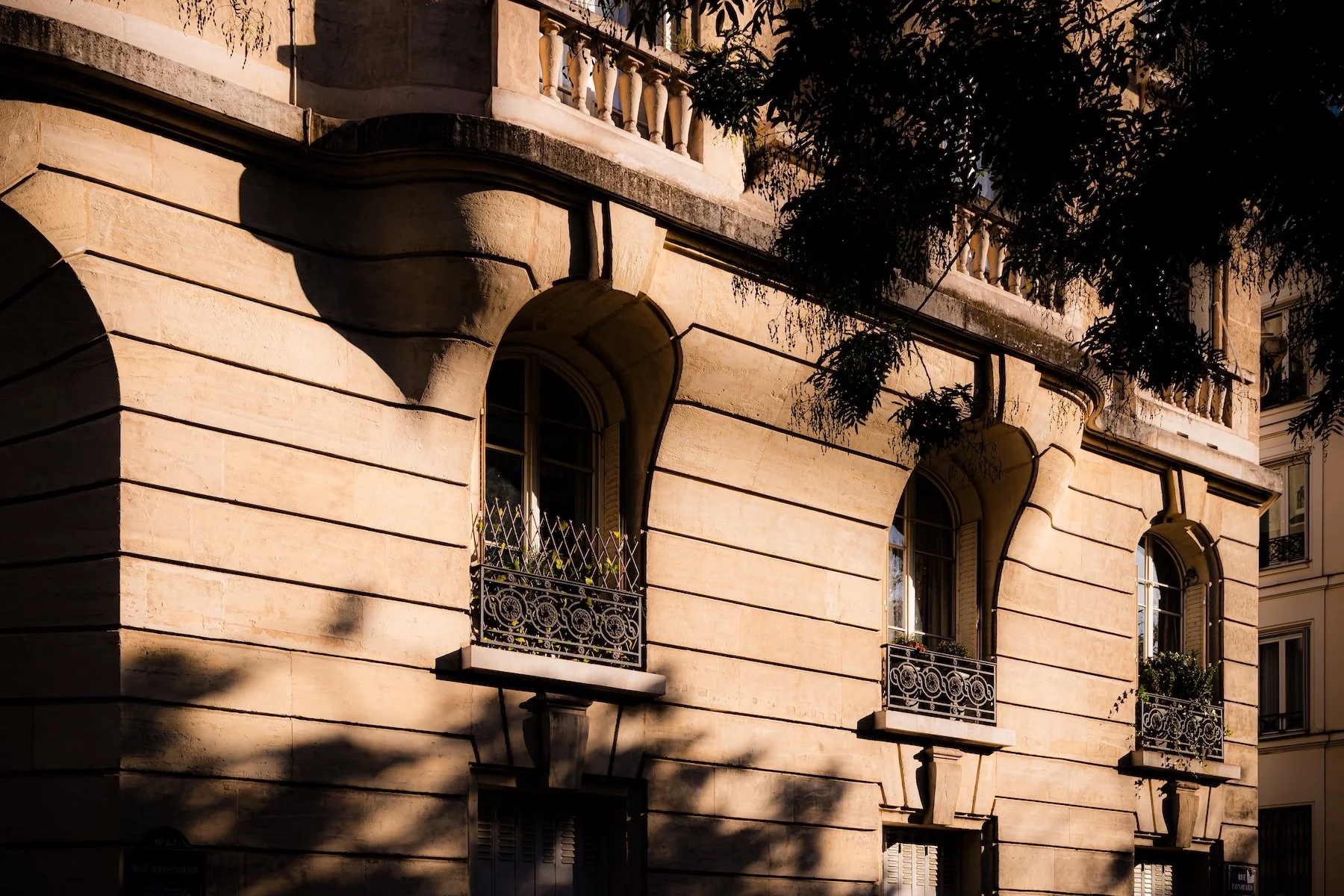
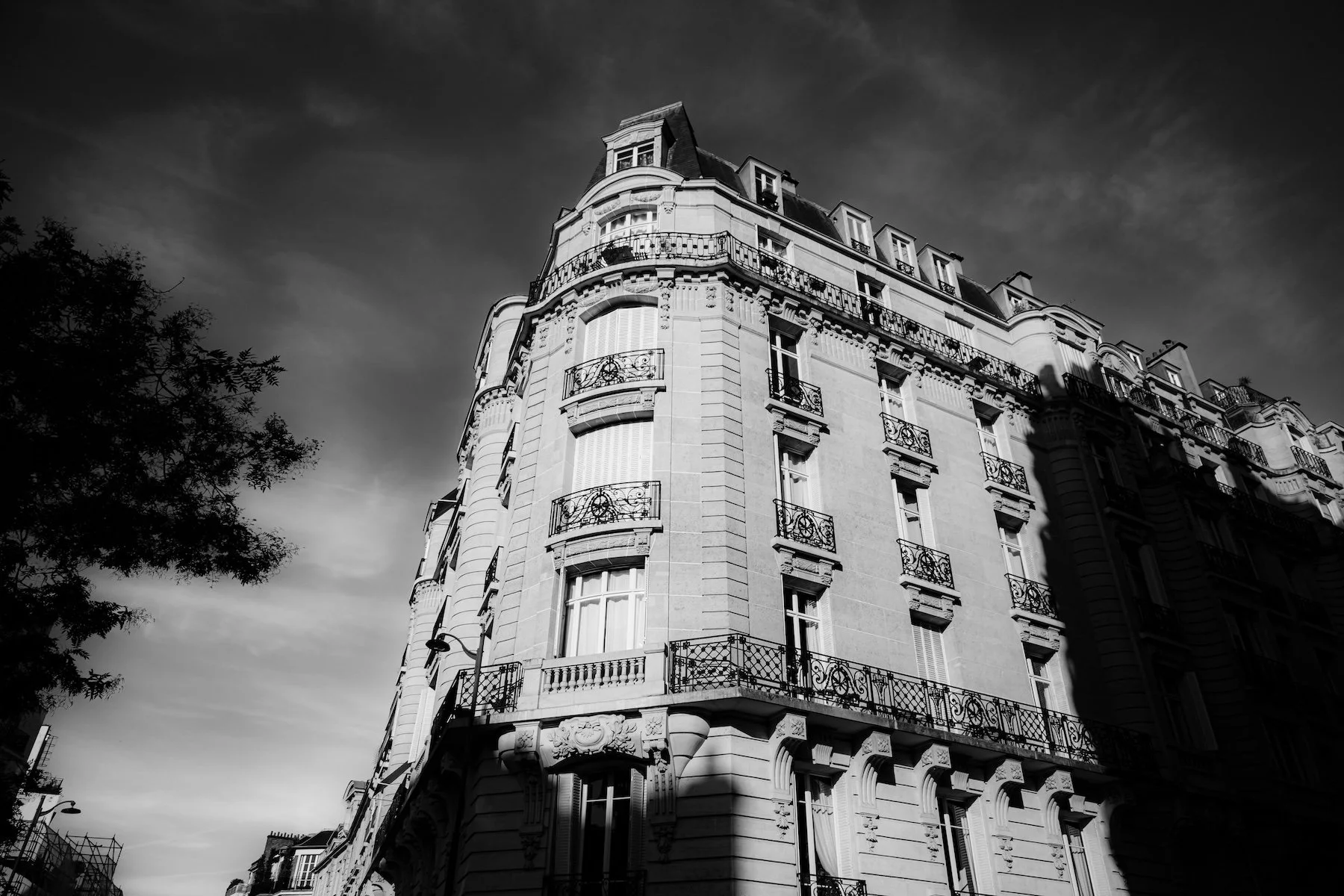
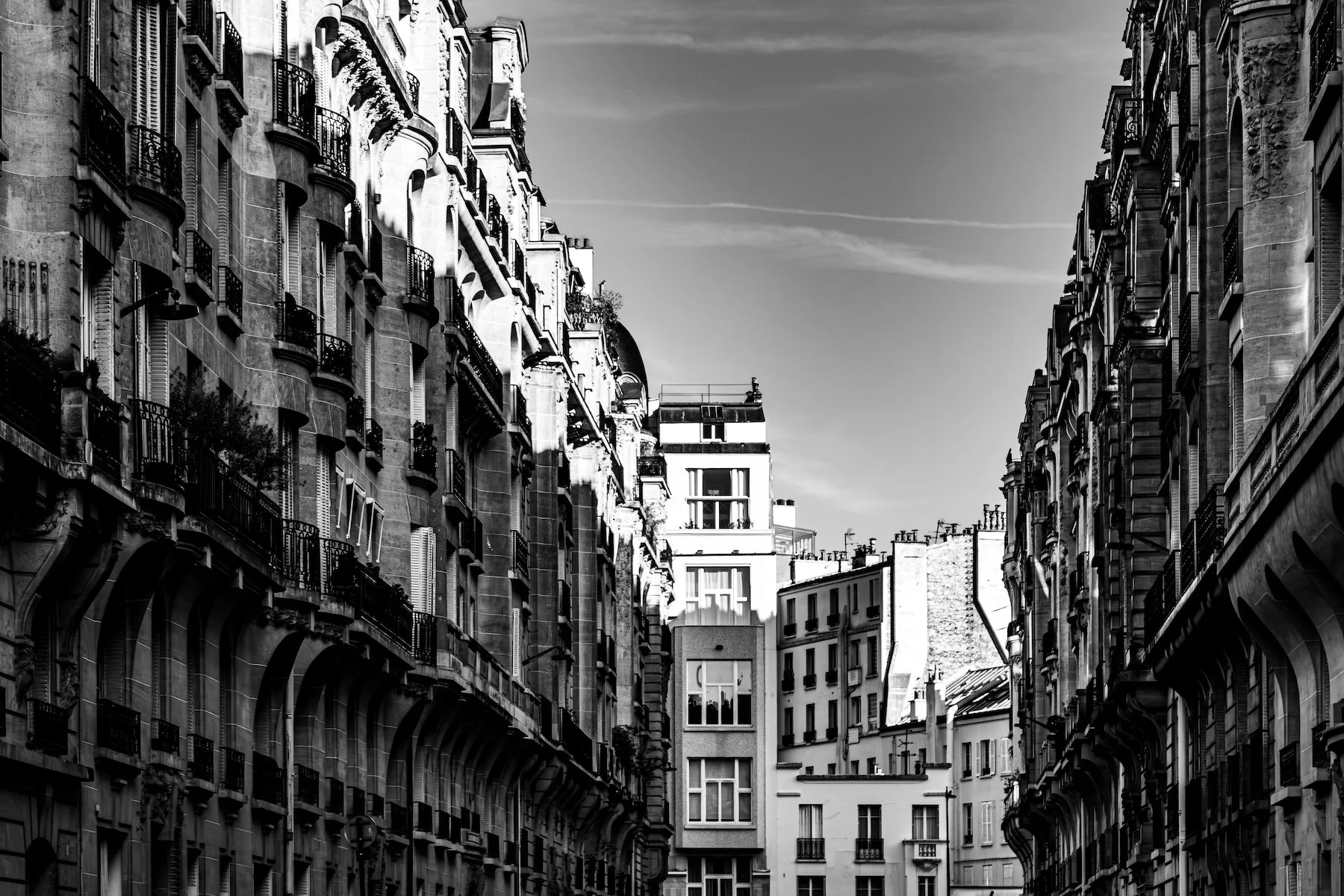
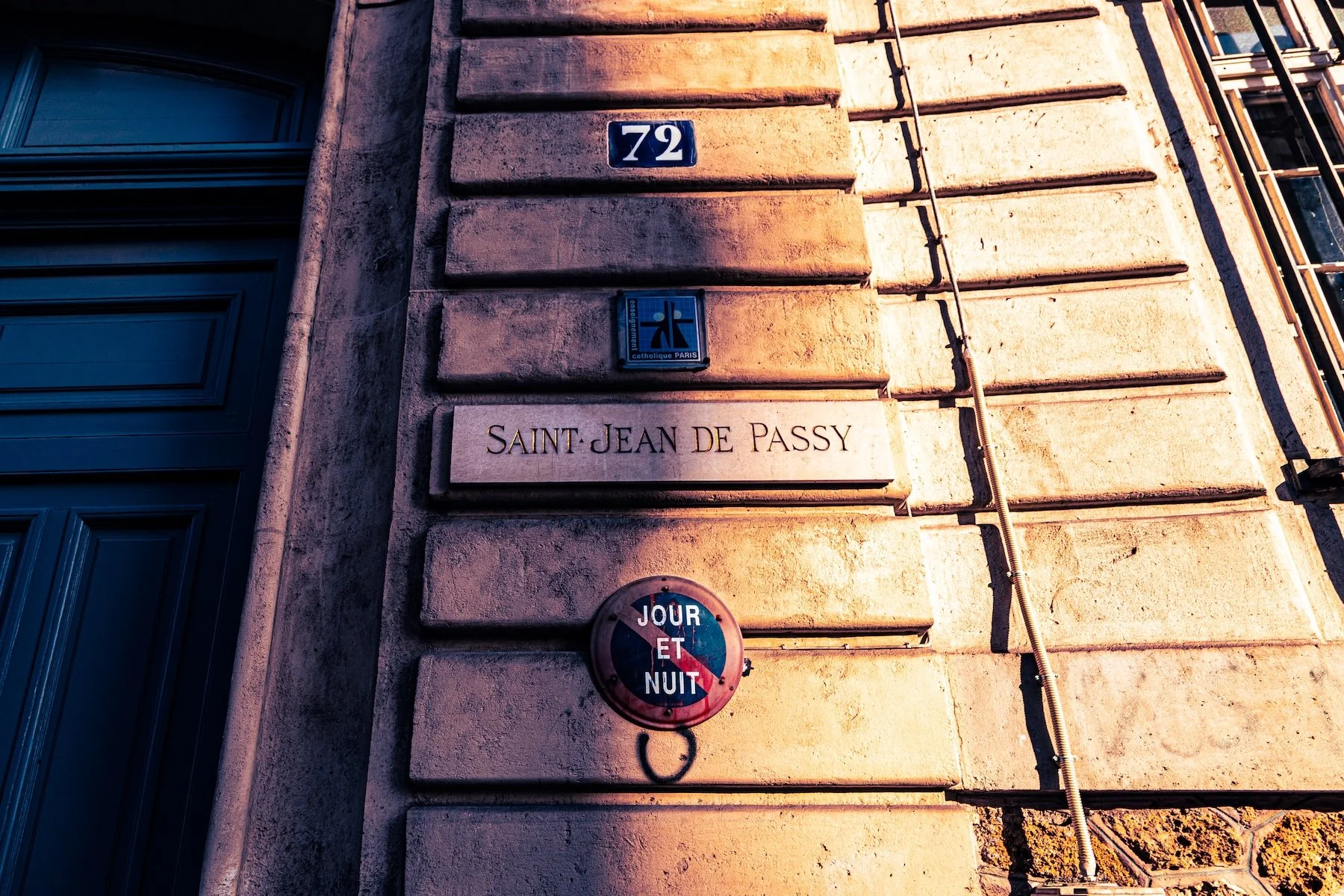
Explore Paris
-

The twenty arrondissements form the civic spiral of Paris, organizing the city into its broad local districts of government, identity, and daily life.
-

Each arrondissement is divided into four official administrative quarters, giving Paris a more precise civic and geographic framework.
-

The conseils de quartier bring participation to street level, giving residents a voice in neighborhood needs, public space, and local civic life.
-

Les Deux Rives trace Paris through the Seine’s two banks, revealing how the Rive Droite and Rive Gauche shaped the city’s civic power, commerce, learning, art, and cultural identity.
-

Cultural neighborhoods reveal the Paris people recognize through history, cafés, architecture, memory, atmosphere, and local belonging.