
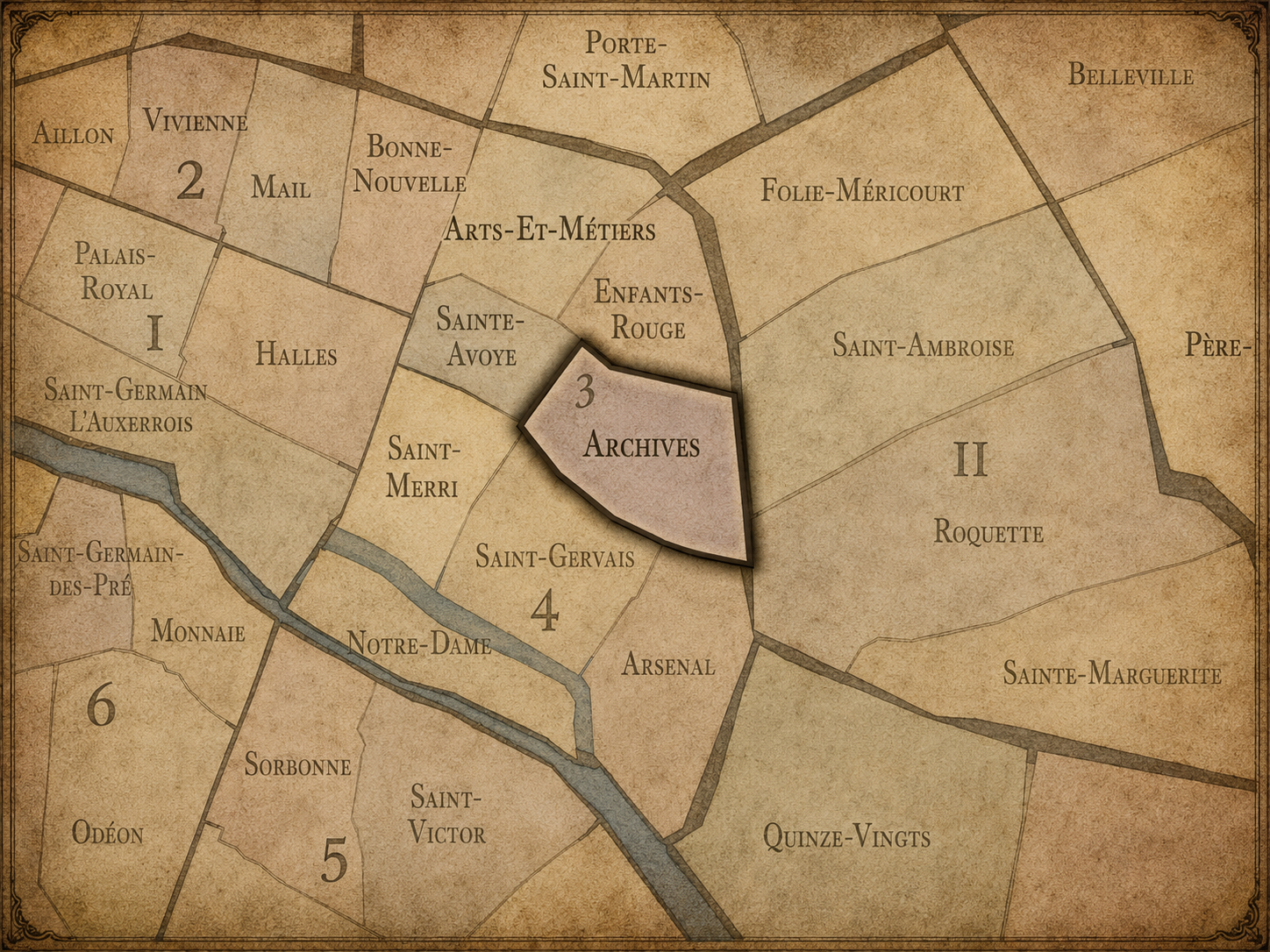
3e - ARCHIVES
Quartiers Administratifs
Part of an ongoing project to walk and photograph every neighborhood in Paris, this page explores the Administrative Quarter: 3e - Archives through maps, district identity, history, and photography.
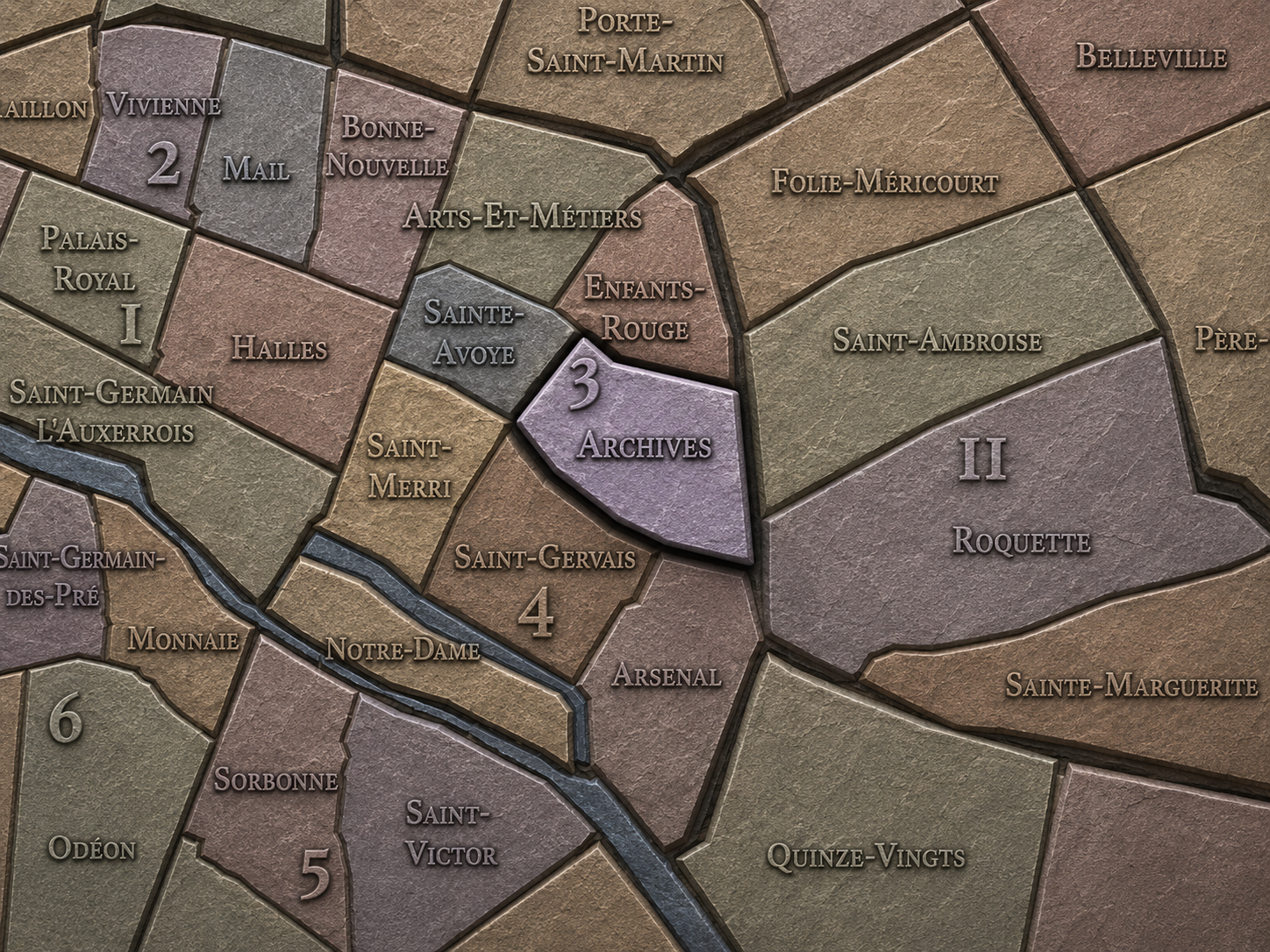
The Map
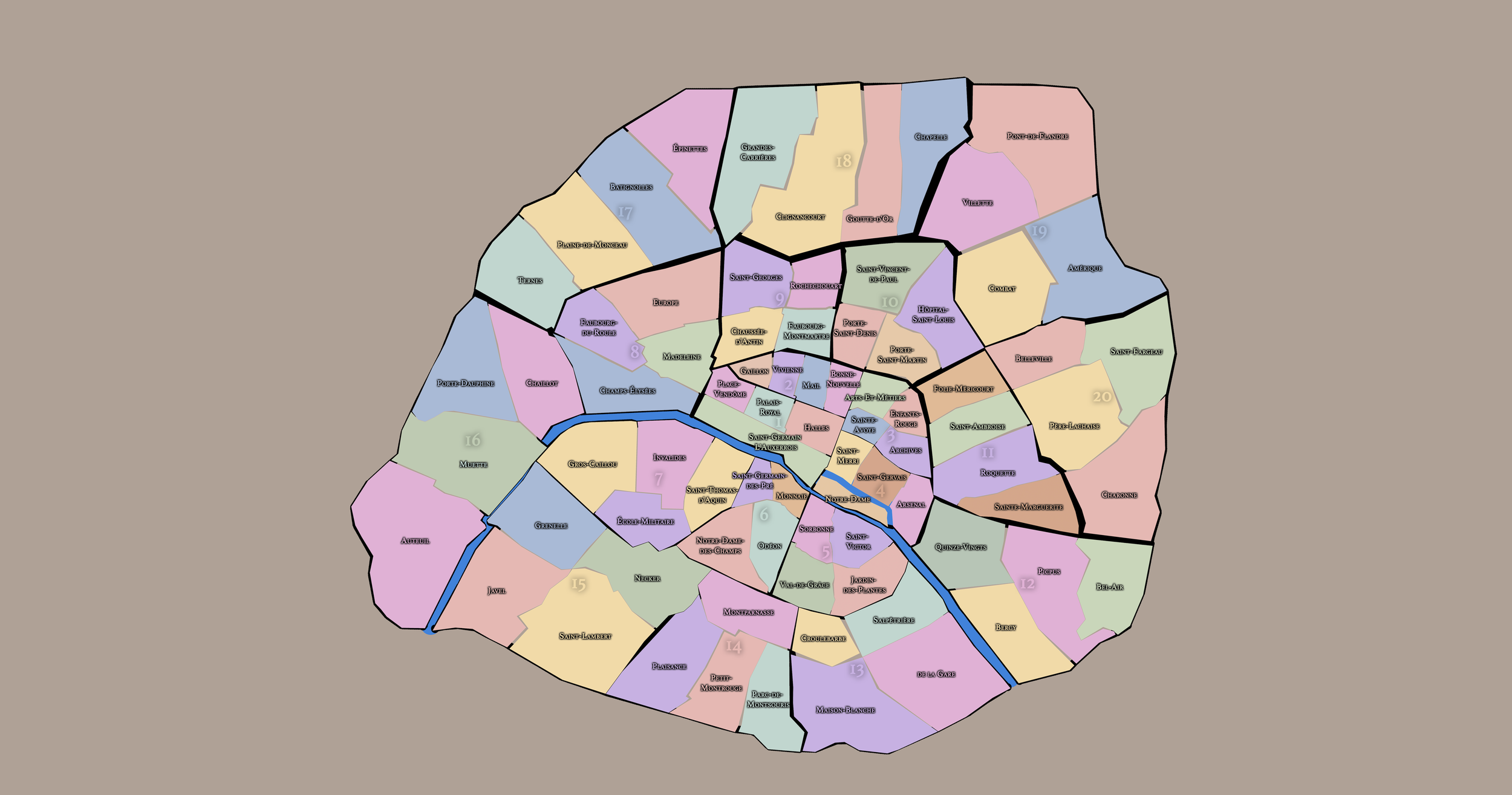
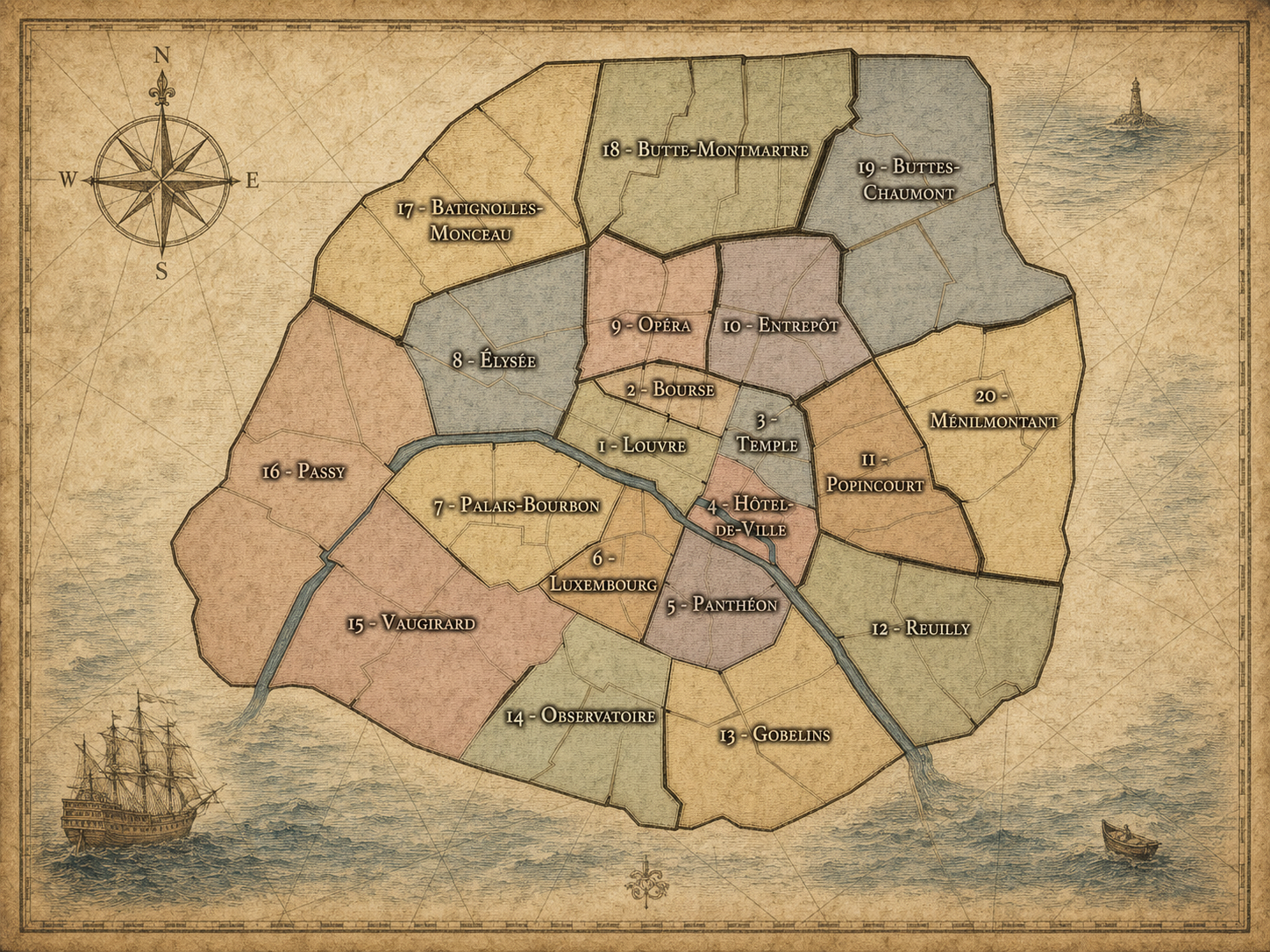
Download the Paris Arrondissements Map
Geographic Setting
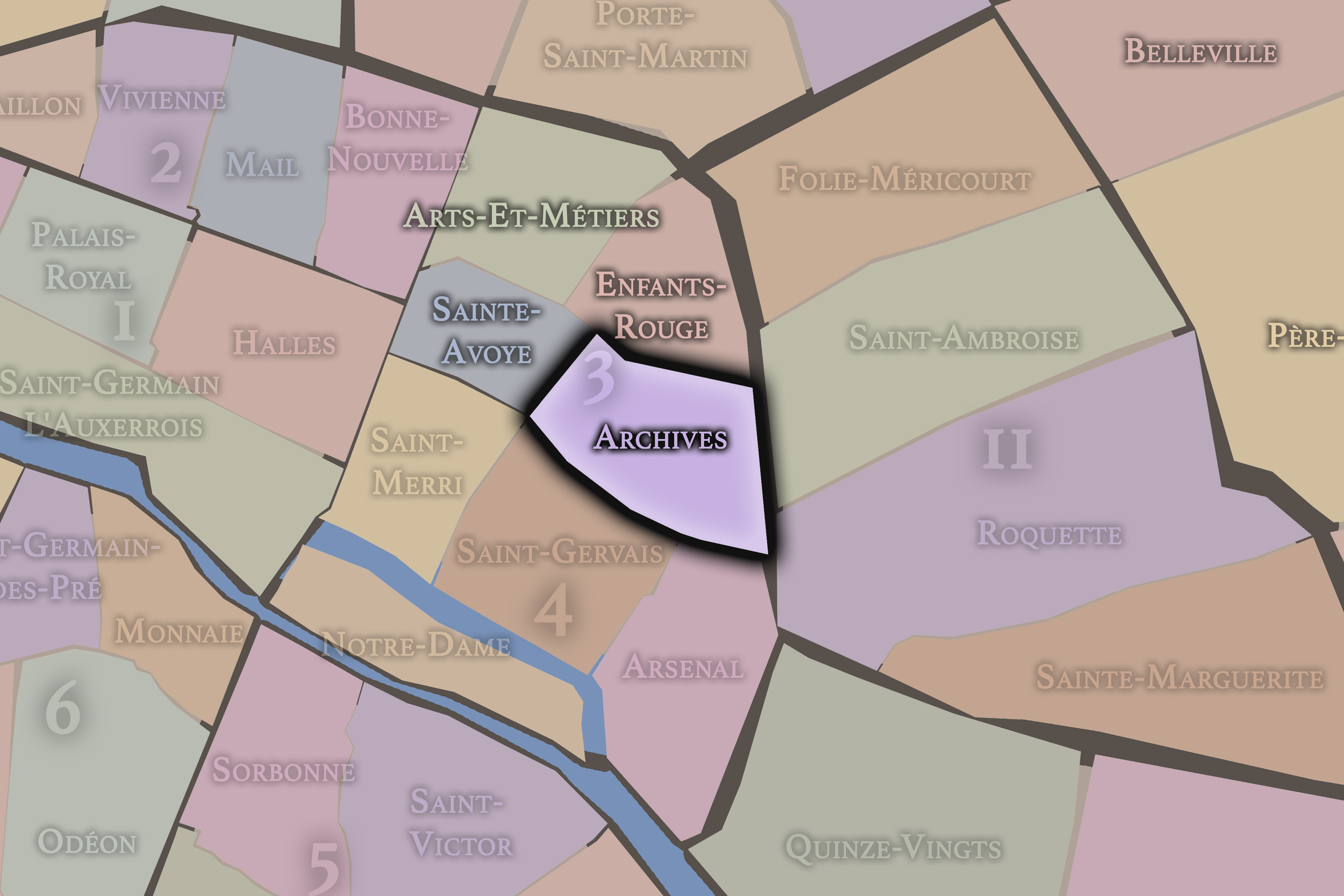
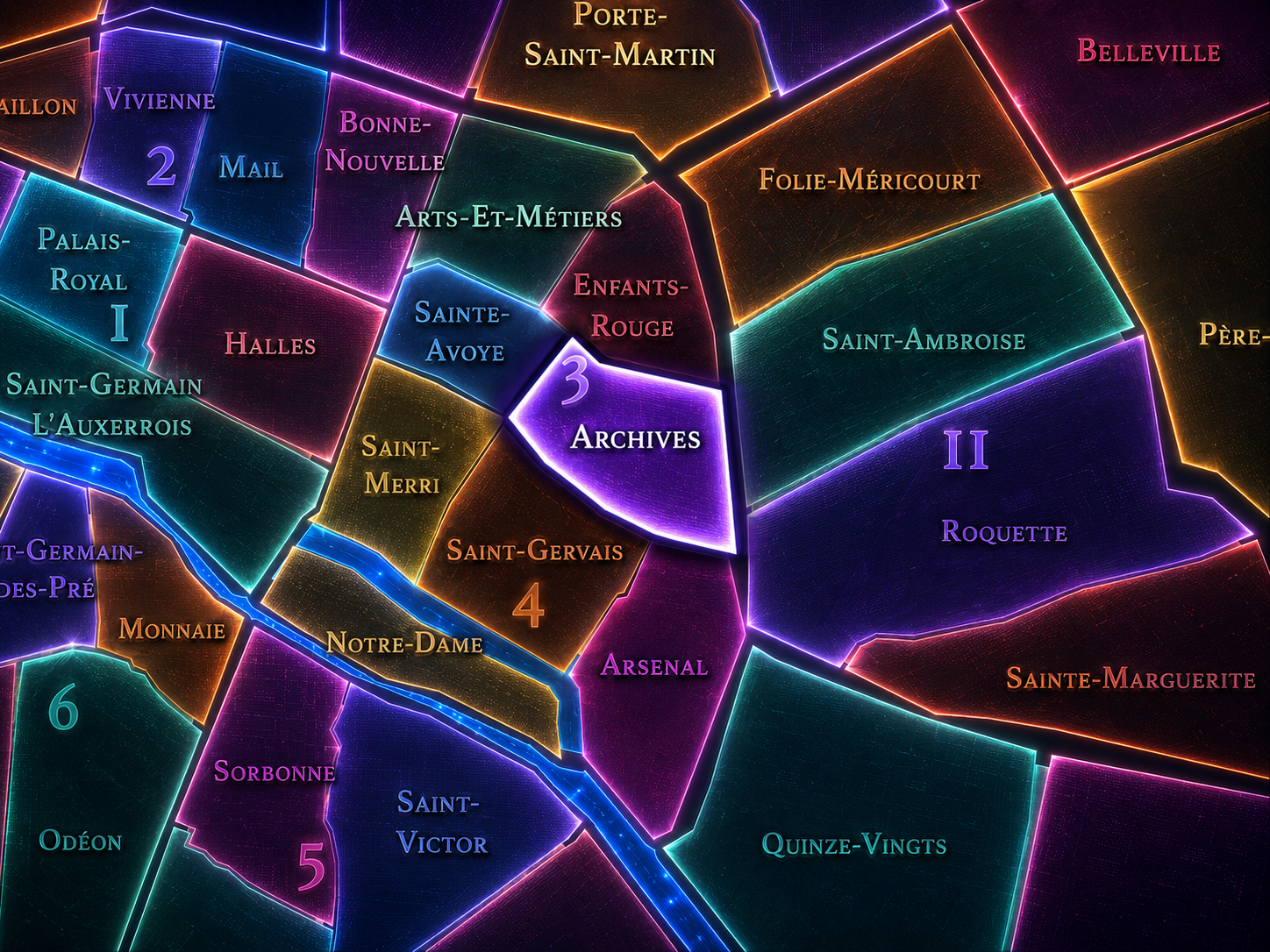
Archives occupies the southwestern portion of the 3rd arrondissement, where the northern Marais gathers some of its deepest civic, aristocratic, religious, and archival memory. Set just above the 4th arrondissement and east of the older commercial corridors of central Paris, the quarter lies within a dense fabric of narrow streets, hôtels particuliers, museums, courtyards, gardens, synagogues, shops, galleries, and institutional buildings. It is one of the places where the Marais feels both intimate and monumental: a neighborhood of doors, thresholds, façades, and hidden interiors.
The quarter takes its name from the Archives nationales, whose presence at the Hôtel de Soubise gives the district one of its defining anchors. Around it stretch streets such as Rue des Francs-Bourgeois, Rue des Archives, Rue Vieille-du-Temple, Rue de Turenne, Rue Pastourelle, and Rue des Quatre-Fils — streets that carry the layered identity of the Marais as noble quarter, religious landscape, Jewish neighborhood, administrative district, fashion corridor, and preserved historic fabric. Archives is not the whole Marais, but it holds one of the Marais’s most concentrated expressions: the city as memory made architectural.
Administrative Quarter Identity
Etymology and Origins
The name Archives comes from the Archives nationales, the national archival institution that preserves many of the documentary records of the French state. In this quarter, the word is not metaphorical. It is literal, institutional, and deeply appropriate. The neighborhood is named for the act of keeping memory — for records, papers, charters, maps, correspondence, registers, and the fragile materials through which a nation remembers itself.
That name gives Archives a distinctive identity among the administrative quarters of Paris. Many quarters take their names from churches, former villages, markets, gates, or aristocratic estates. Archives is named for custody. It speaks to preservation, classification, evidence, and continuity. It is a neighborhood whose official name points not only to place, but to time.
The name also resonates with the Marais itself. Few districts in Paris feel so layered by survival. Medieval street patterns, 17th-century mansions, revolutionary transformations, Jewish history, LGBTQ+ life, museums, galleries, and contemporary fashion all coexist within a compact urban fabric. In Archives, the map itself feels archival: each street holds a record, each courtyard a fragment, each façade a document in stone.
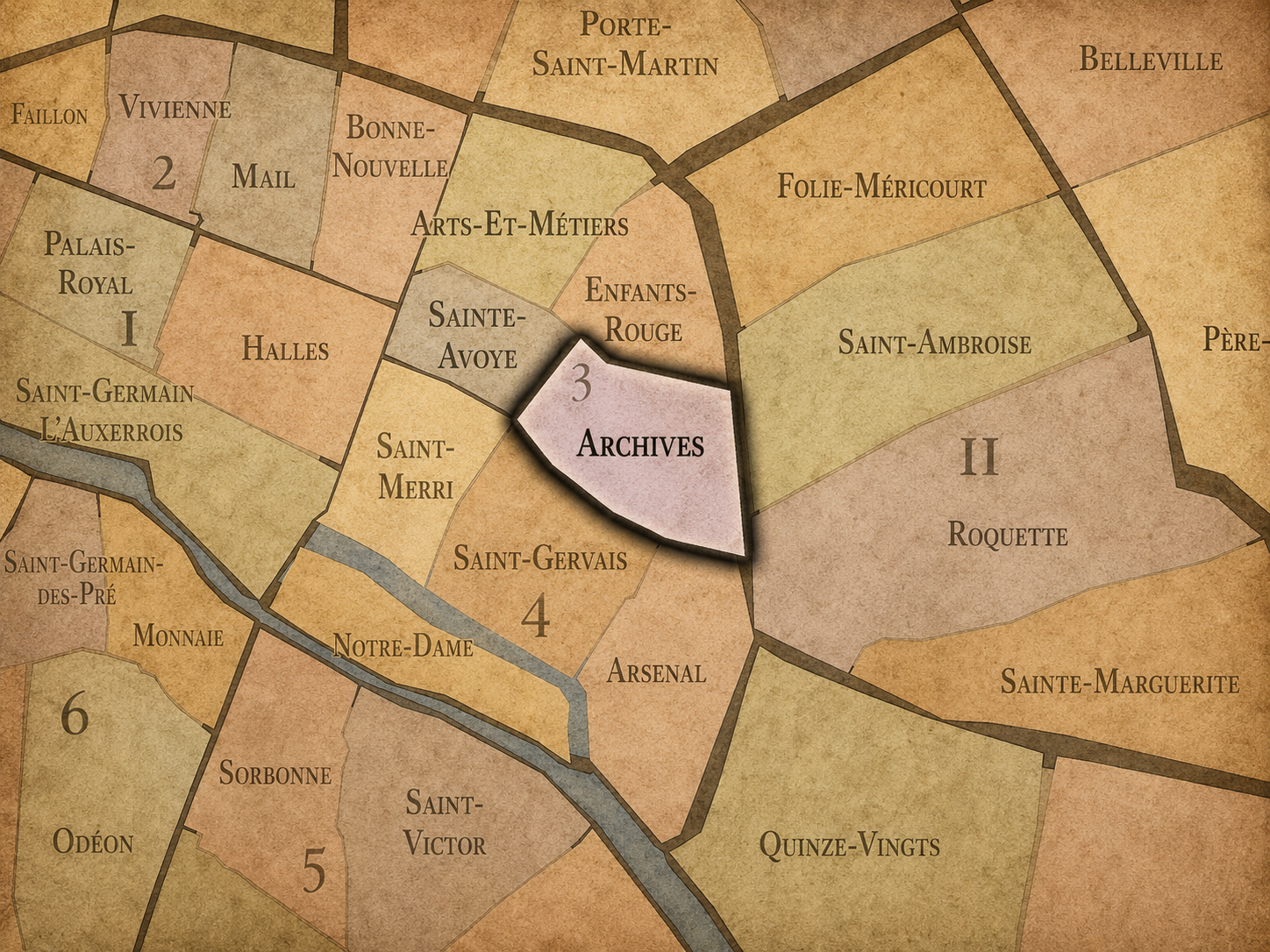
Within the official geography of Paris, Archives is one of the four administrative quarters of the 3rd arrondissement, alongside Arts-et-Métiers, Enfants-Rouges, and Sainte-Avoie. It belongs to the historic northern Marais and occupies a key position within Paris Centre, the municipal structure that now groups the 1st, 2nd, 3rd, and 4th arrondissements for local governance.
As an administrative quarter, Archives gives civic form to an area that is often described through overlapping cultural and historical identities. A visitor may think of the Marais, the Archives nationales, Rue des Francs-Bourgeois, the Musée Picasso nearby, Jewish Paris, gallery streets, or historic mansions before thinking of the official quarter name. The administrative label helps clarify one portion of this larger, more elastic landscape.
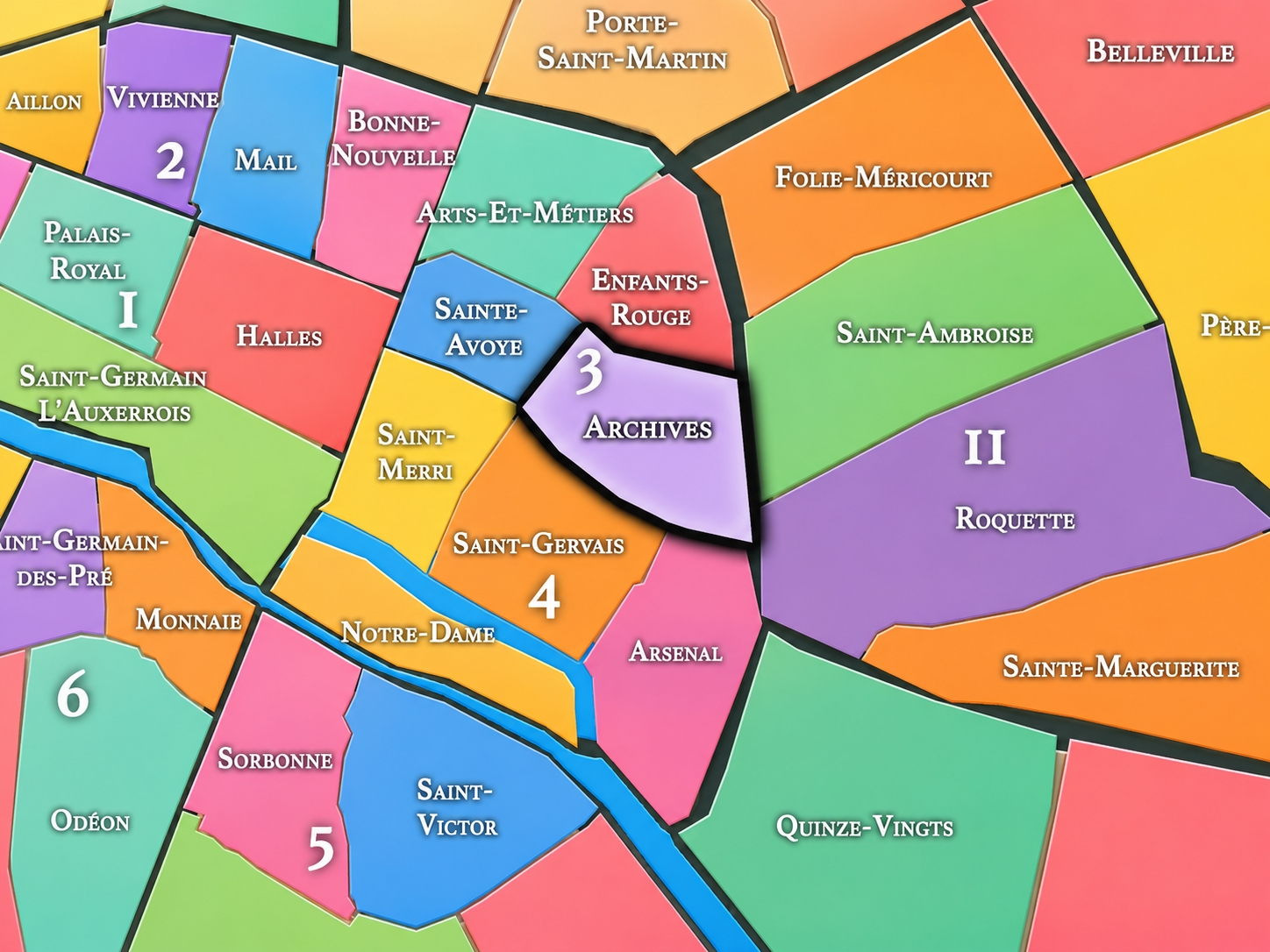
Archives is therefore both precise and porous. Its official boundaries distinguish it from Enfants-Rouges to the north, Arts-et-Métiers to the northwest, Sainte-Avoie to the southwest, and Saint-Gervais / Saint-Merri just to the south in the 4th arrondissement. Yet culturally, it participates in the broader Marais, whose identity crosses administrative lines and cannot be contained by one quarter alone.
Civic Framework
Archives differs from the other quarters of the 3rd arrondissement through its exceptionally strong relationship to civic memory, aristocratic architecture, and the preserved Marais. Arts-et-Métiers is shaped by invention, industry, technical knowledge, and the Conservatoire des Arts et Métiers. Enfants-Rouges carries market life, restaurants, northern Marais energy, and a more openly social street culture. Sainte-Avoie sits closer to the older commercial and medieval fabric near the 4th arrondissement and the former Temple lands.
Archives, by contrast, feels more institutional and archival in both name and atmosphere. Its identity gathers the Archives nationales, historic hôtels particuliers, museums, gardens, and streets where the architecture of the ancien régime was not erased but repurposed. It is a quarter where the public life of the present moves through spaces originally shaped by aristocratic residence, religious institutions, and state memory.
It should also be distinguished from the Marais as a whole. The Marais is a cultural and historical district that spans parts of the 3rd and 4th arrondissements. Archives is one official quarter within that larger landscape. It does not contain all of Marais identity, but it captures one of its essential dimensions: preservation, historic depth, and the transformation of private aristocratic spaces into public memory.
Neighborhood Distinction
Parisian Identity
Archives expresses Paris as a city of preserved interiors. Its identity is not only in streets and façades, but in what is kept behind them: gardens, courtyards, archives, museums, galleries, staircases, salons, and rooms that once served noble households and now serve public memory. It is a quarter where Paris feels less like a single era than a stack of documents, each one still legible beneath the next.
The quarter also expresses a specifically Parisian relationship between survival and reinvention. The Marais could easily have been demolished more completely in the age of modernization. Instead, preservation, restoration, and cultural reuse allowed many of its historic buildings to remain part of the living city. Archives embodies that outcome. It is not a frozen historic district, but a working urban landscape where heritage has become civic, cultural, commercial, and social space.
This is also one of the places where Parisian identity is visibly plural. The quarter participates in aristocratic memory, national administration, Jewish history, museum culture, fashion, contemporary art, and LGBTQ+ urban life. Its spirit is not singular. It is layered, and that layering is precisely what makes it so Parisian.
Neighborhood Connections
Every administrative quarter belongs to a wider Parisian fabric. These connections place Archives within the city’s civic, participatory, and cultural geography:
-
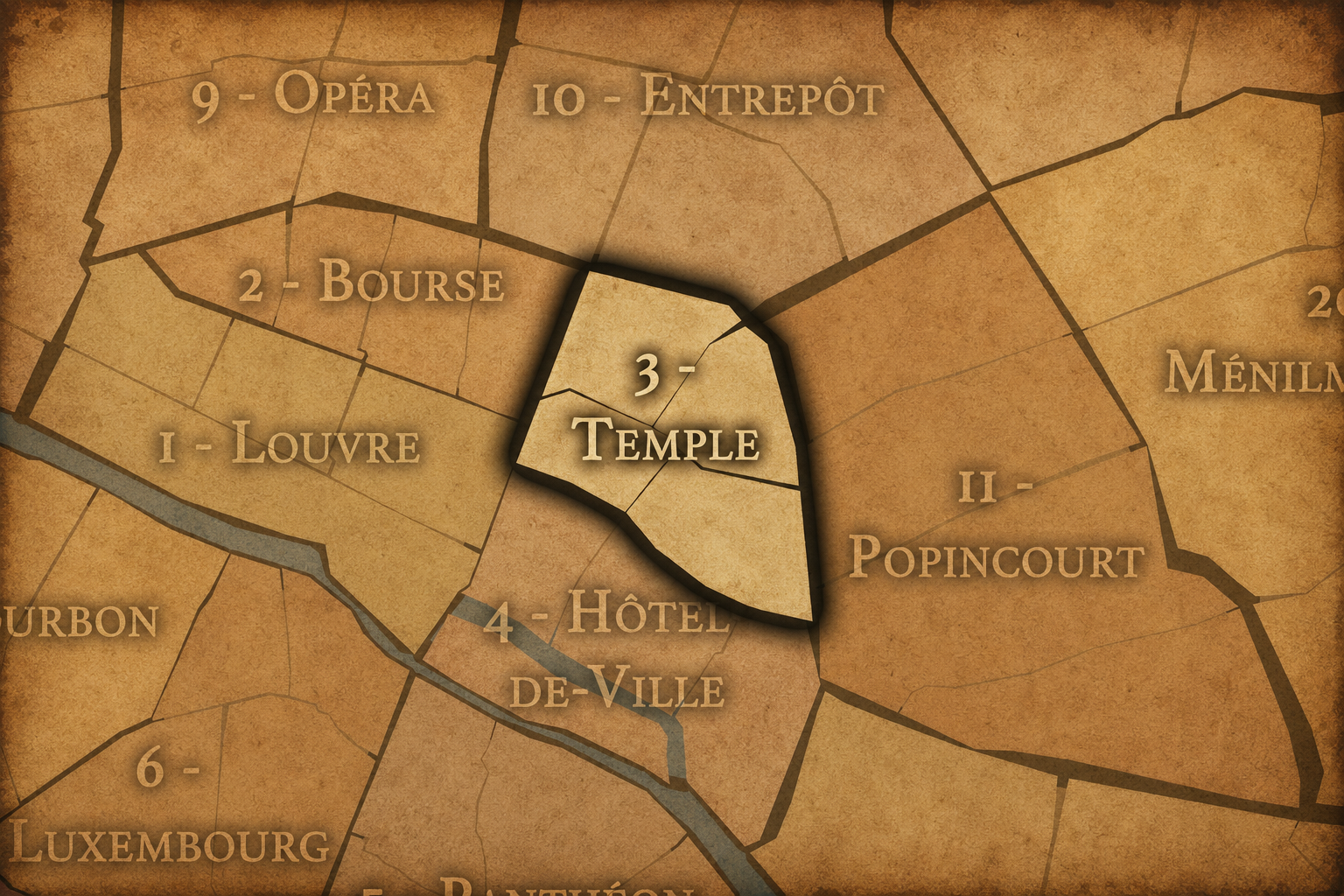
3e - Temple
-
Marais-Archives • Marais-Place des Vosges
The History
The origins of Archives lie in the growth of the Right Bank east of the medieval commercial core and north of the Seine. Before the Marais became a noble district, it included marshy land, religious properties, agricultural edges, and roads leading through the eastern side of the city. The very name Marais recalls this older wetland condition, even though later development transformed the landscape into one of the most built and historically charged districts in Paris.
As Paris expanded, religious houses and aristocratic residences began to shape the area. Streets were laid out, properties enclosed, and the district gradually became more urban. Its location was close enough to the royal and civic center to attract elite development, but removed enough to allow large residences, gardens, and enclosed estates.
The future Archives quarter therefore emerged from the transition between peripheral land and fashionable urban district. Its identity was formed through enclosure: houses behind walls, gardens behind façades, institutions behind gates. That pattern remains central to the quarter’s character today.
Origins
16th–17th Century
The 16th and 17th centuries were decisive for the Marais and for the area that would become Archives. During this period, the district became one of the favored residential quarters of the aristocracy. Large hôtels particuliers were built behind formal gateways, creating a landscape of private grandeur embedded within narrow streets. These mansions gave the Marais its architectural signature: stone façades, courtyards, gardens, carved portals, and carefully staged interiors.
The Hôtel de Soubise, now one of the great anchors of the Archives nationales, belongs to this broader aristocratic world. Though altered over time, its presence reflects the transformation of the Marais into a district of noble residence and courtly proximity. In the 17th century, such buildings expressed rank, taste, and social order; their architecture turned the neighborhood into a map of prestige.
At the same time, the district remained connected to religious and civic life. Churches, convents, streets, markets, and workshops existed alongside aristocratic residences. The result was not a uniform noble enclave, but a dense urban mixture. Archives inherited this complexity: grandeur and daily life, enclosure and street, privilege and proximity.
In the 18th century, the Marais began to lose some of its aristocratic dominance as elite fashion shifted westward toward the Faubourg Saint-Germain and other newer quarters. Many hôtels particuliers remained, but their social meanings changed. Some were subdivided, repurposed, rented, or adapted to new uses. The quarter became less exclusively noble and more mixed in function.
This period helped prepare Archives for its later identity as a place of institutional reuse. Buildings that had once signaled private aristocratic power became candidates for administrative, cultural, or public functions. The architecture remained, but the society around it shifted. The Marais became a district of memory even before formal preservation gave that memory a legal and cultural language.
The French Revolution deepened this transformation. Aristocratic properties, religious lands, and royal institutions were challenged, confiscated, reorganized, or reinterpreted. The idea of archives themselves gained new civic power in revolutionary France, as records of state, law, property, and citizenship became central to the reorganization of public life. The future identity of the Archives quarter was therefore bound to the revolutionary transformation of private and royal memory into national memory.
18th Century
19th Century
The 19th century brought major changes to the Marais and to Archives. While some parts of Paris were dramatically reshaped by Haussmann’s boulevards, much of the Marais retained its older street pattern and dense historic fabric. This relative survival gave the quarter a different relationship to modernity. It changed, but not by being remade into a grand boulevard landscape.
The Archives nationales became firmly associated with the district, anchoring its identity in the preservation of documentary memory. The Hôtel de Soubise and surrounding archival complex turned aristocratic architecture into a national institution. What had once been a residence of elite society became a place where the records of the state were conserved, classified, and made accessible.
The 19th century also saw the Marais become more socially and economically diverse. Workshops, small industries, commerce, religious communities, and immigrant populations contributed to the changing character of the area. Archives was no longer simply a noble quarter. It became a historic district with working streets, institutional buildings, and a growing sense of accumulated urban time.
In the early and mid 20th century, Archives and the surrounding Marais carried both historic richness and urban vulnerability. Many old buildings survived, but not always in restored or celebrated condition. Some hôtels particuliers were neglected, subdivided, or used for workshops and storage. The district’s architectural value was visible, but its preservation was not yet secure.
Jewish life was an important part of the broader Marais during this period, especially in and around the streets of the 4th arrondissement, though the cultural geography crossed boundaries and helped shape the identity of the wider district. The tragedies of occupation, deportation, and wartime loss left deep marks on this part of Paris. Archives, as a quarter of memory, cannot be separated from the broader Marais as a landscape of Jewish survival, absence, and remembrance.
After the war, debates over modernization and preservation intensified. The old fabric of central Paris faced pressure from traffic, redevelopment, and changing housing standards. Yet the Marais increasingly came to be recognized as an irreplaceable historic landscape. Archives would benefit from this shift toward preservation, becoming part of a district where the city learned to value survival as a form of urban wealth.
Early–Mid 20th Century
Late 20th Century
The late 20th century transformed Archives through preservation, cultural reuse, and the renewal of the Marais as one of Paris’s most significant historic districts. The Malraux-era preservation movement and the designation of protected sectors helped safeguard much of the Marais’s architectural fabric. Restoration brought new attention to hôtels particuliers, courtyards, façades, and streets that had long survived in altered or neglected form.
Museums, galleries, boutiques, restaurants, and cultural institutions reshaped the quarter’s public identity. The Archives nationales remained a central anchor, but the surrounding district became increasingly associated with heritage, design, fashion, art, and urban strolling. What had once been a working and sometimes underappreciated historic neighborhood became one of the most visited and visually admired parts of Paris.
This transformation also brought tension. Preservation and renewal increased the quarter’s visibility and desirability, but also contributed to rising costs, tourism, and the changing social balance of the Marais. Archives became more polished, but its deeper identity remained tied to complexity: public memory, private architecture, cultural reinvention, and the uneasy relationship between heritage and everyday life.
In the 21st century, Archives stands as one of the most compelling quarters of Paris for understanding how history is lived in the present. The Archives nationales, historic mansions, museums, galleries, restaurants, shops, and streets of the northern Marais all contribute to a district that feels simultaneously preserved and active. It is a place where visitors come to look, researchers come to study, residents move through daily routines, and the city’s memory remains physically present.
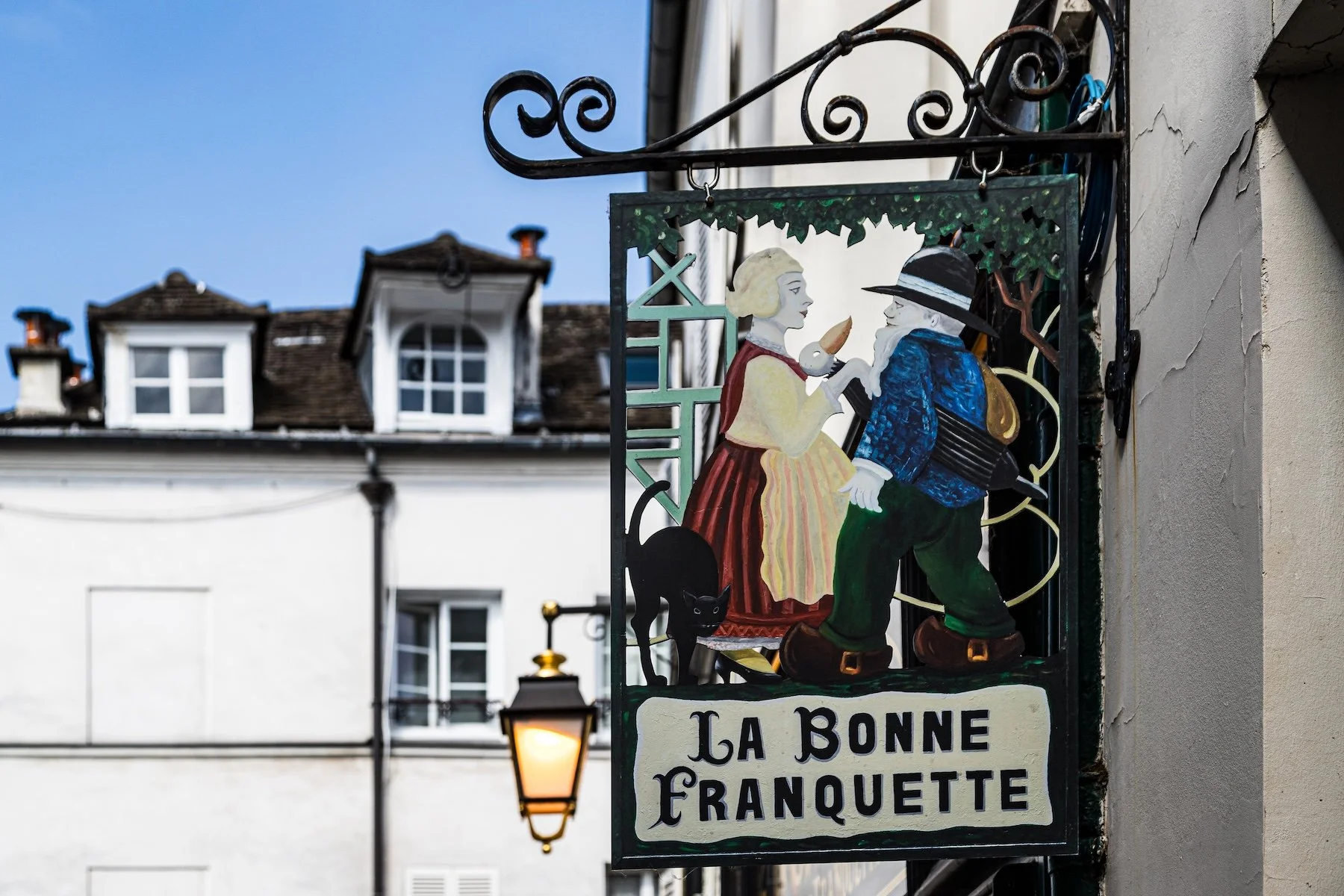
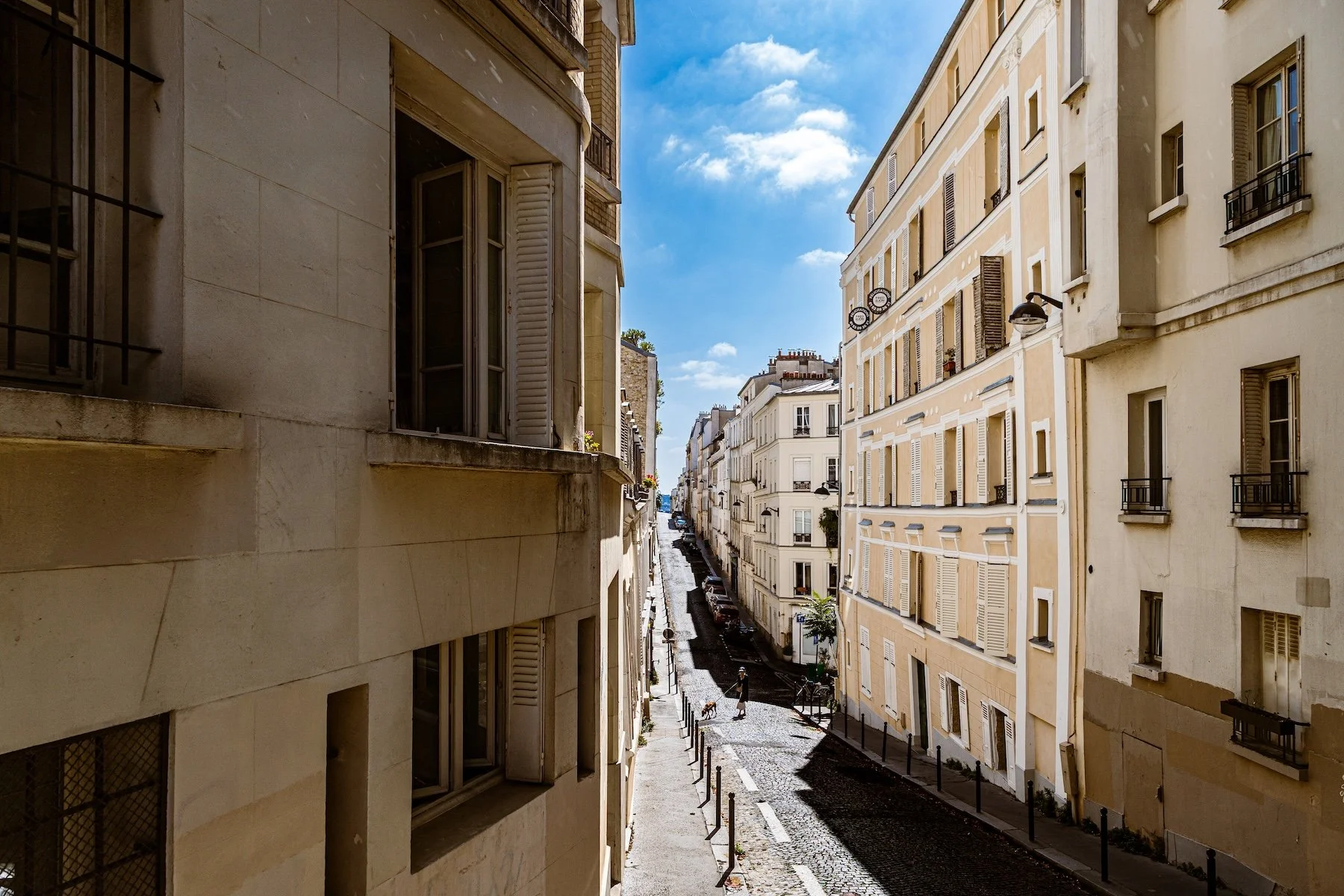
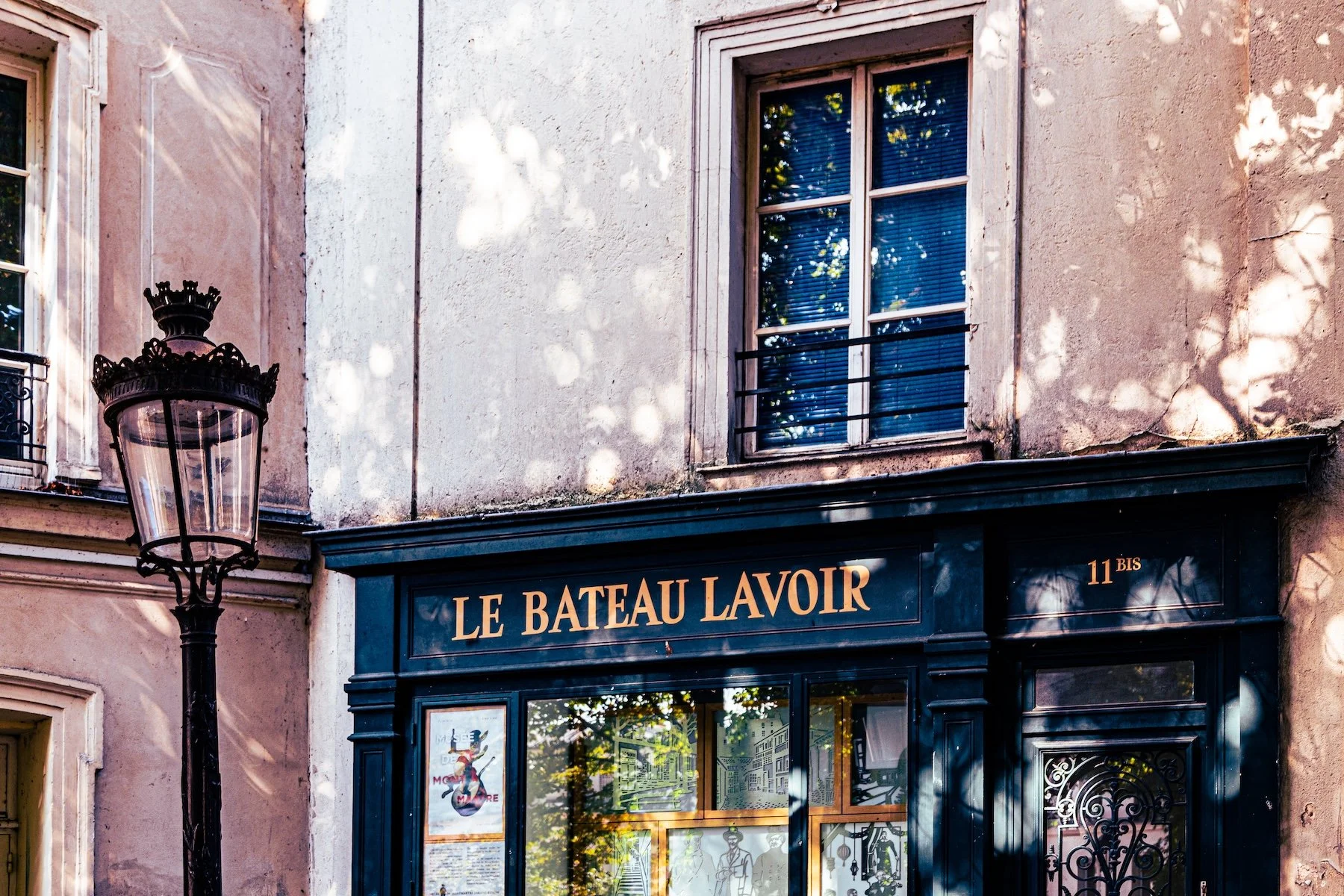
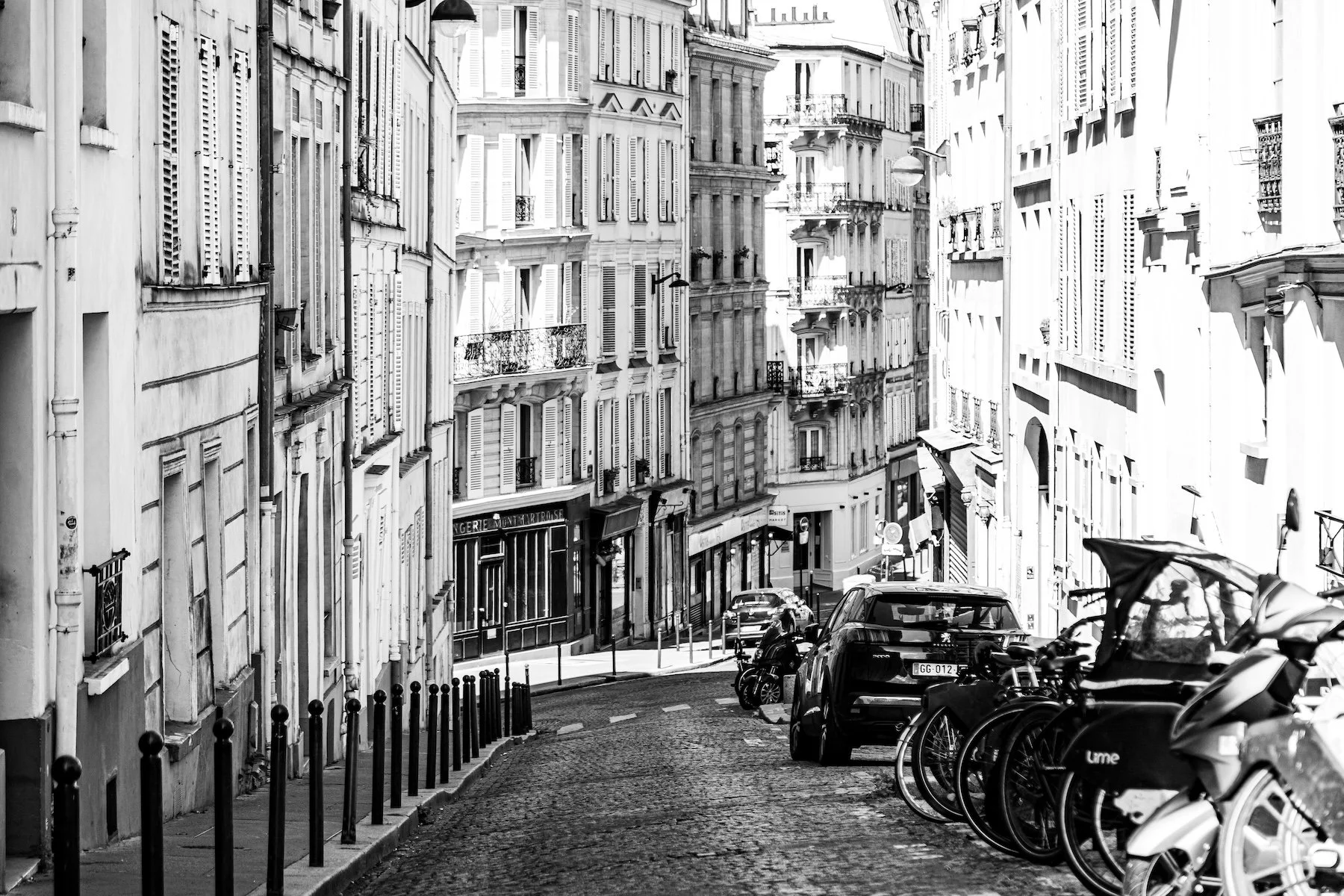
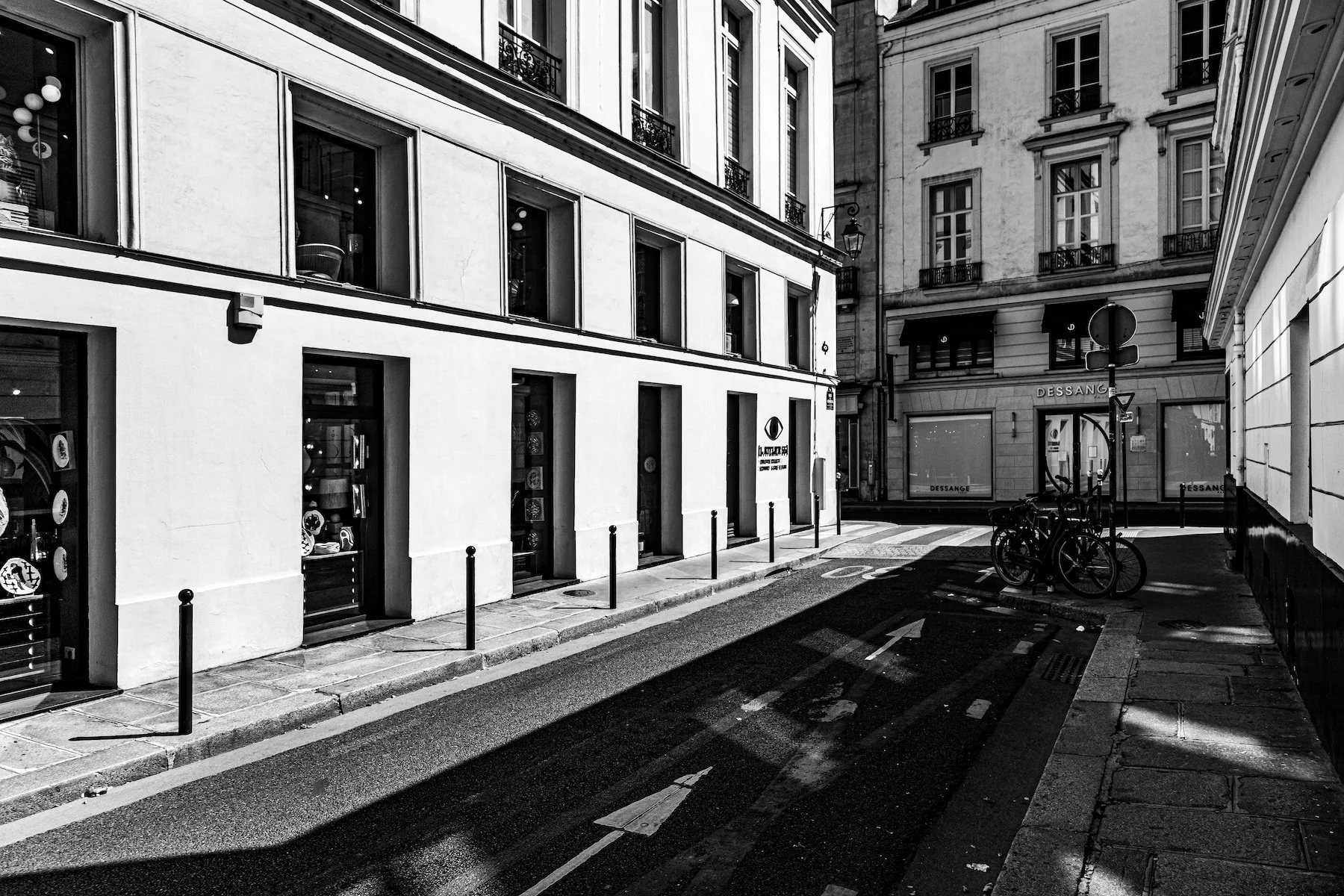
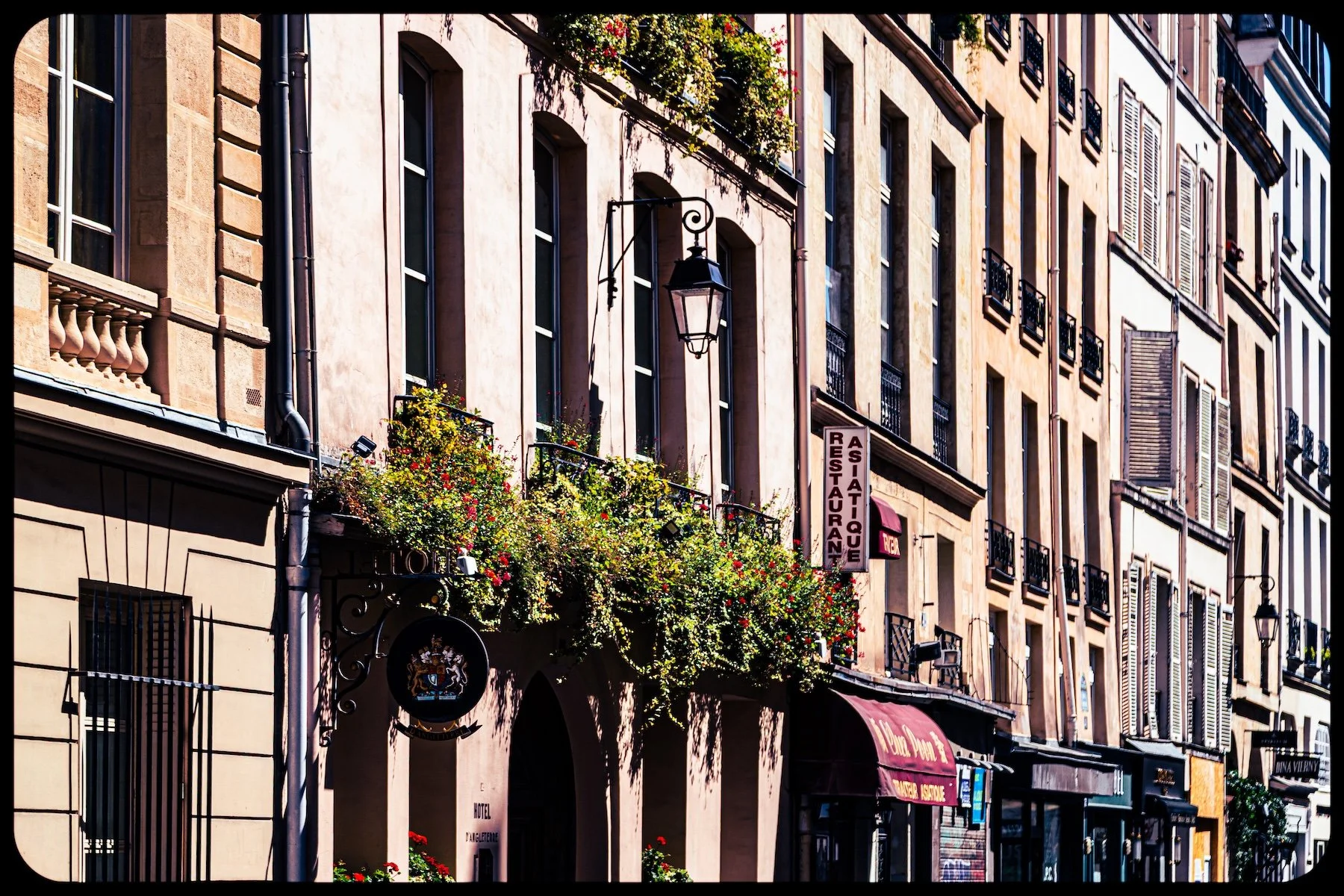
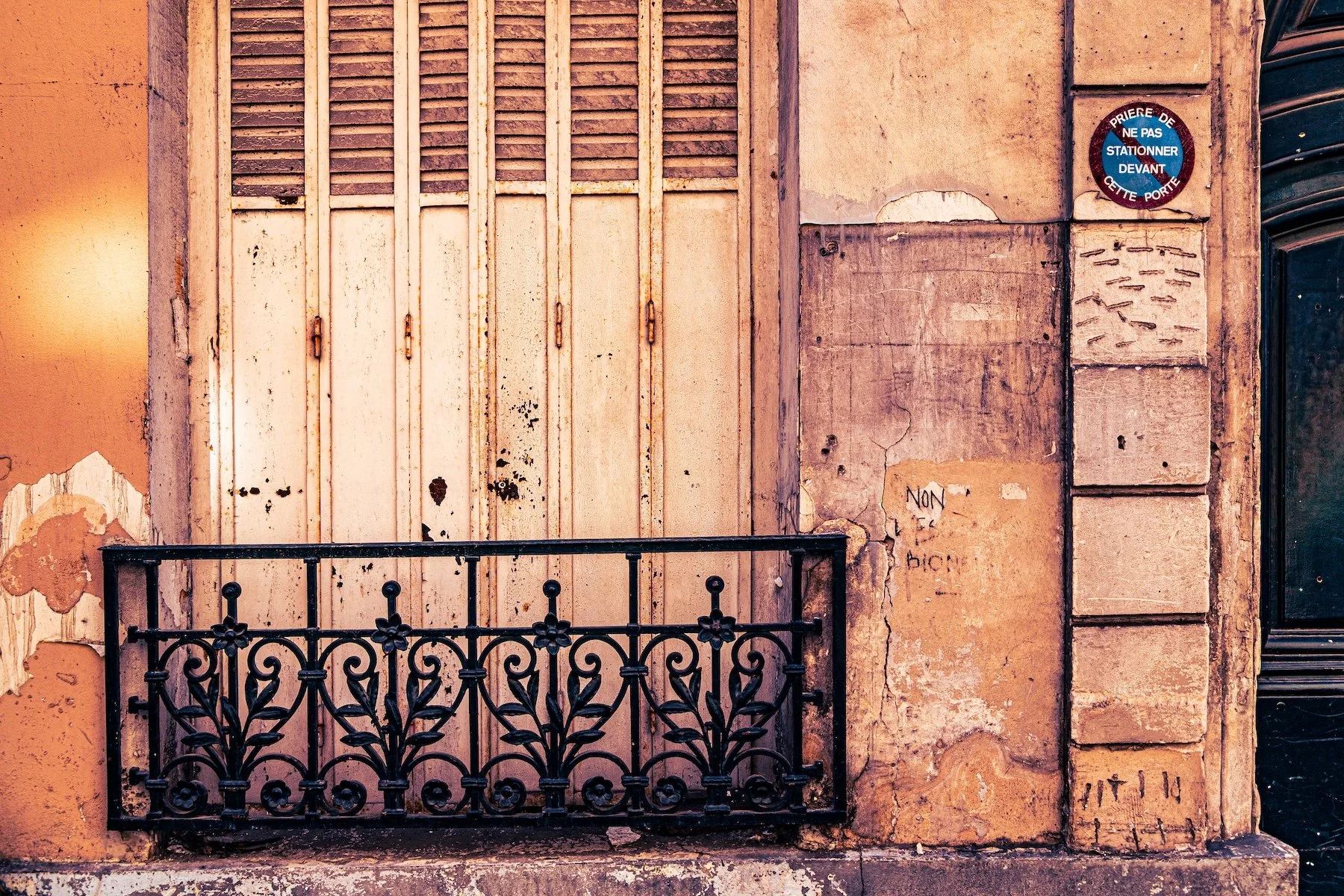
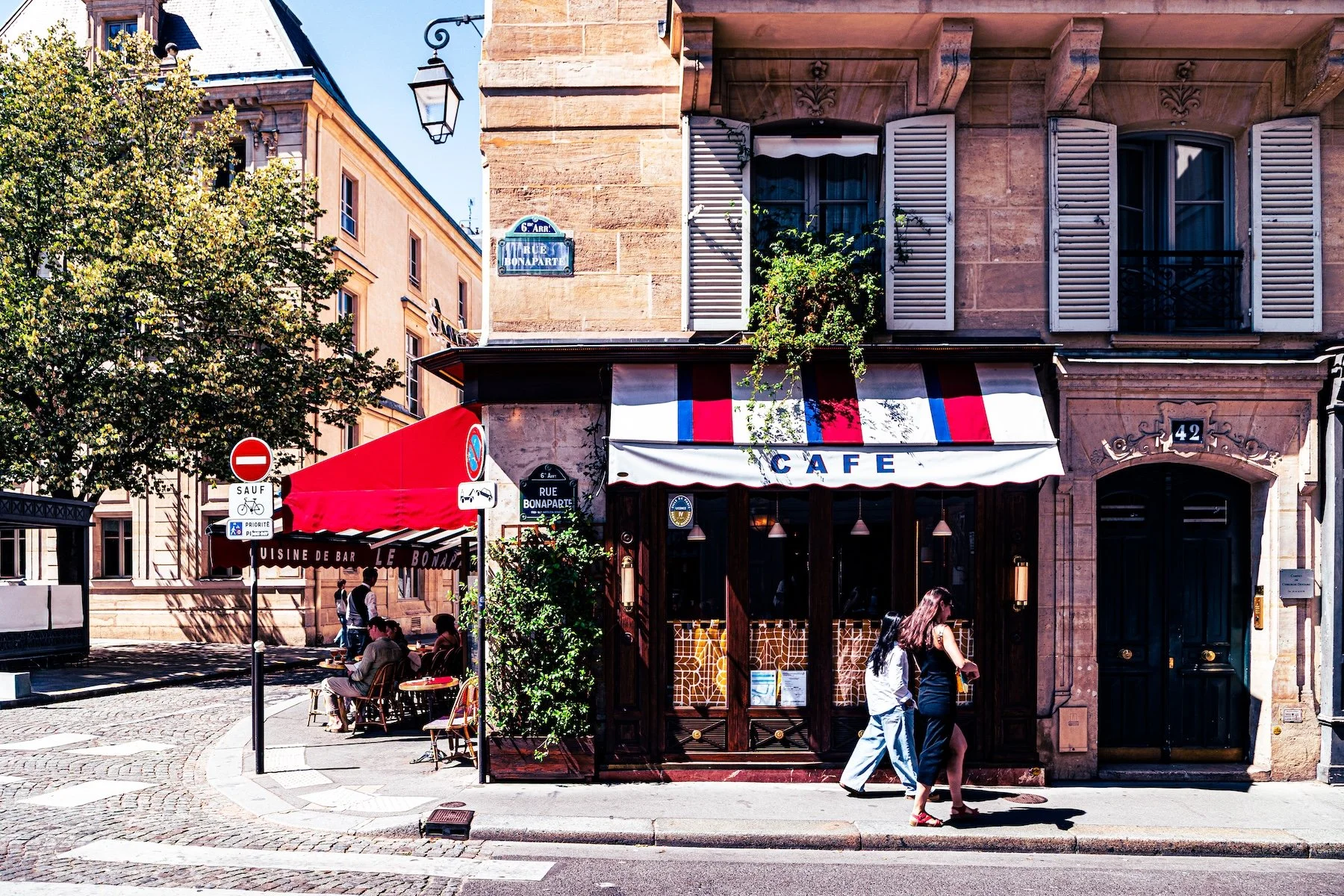
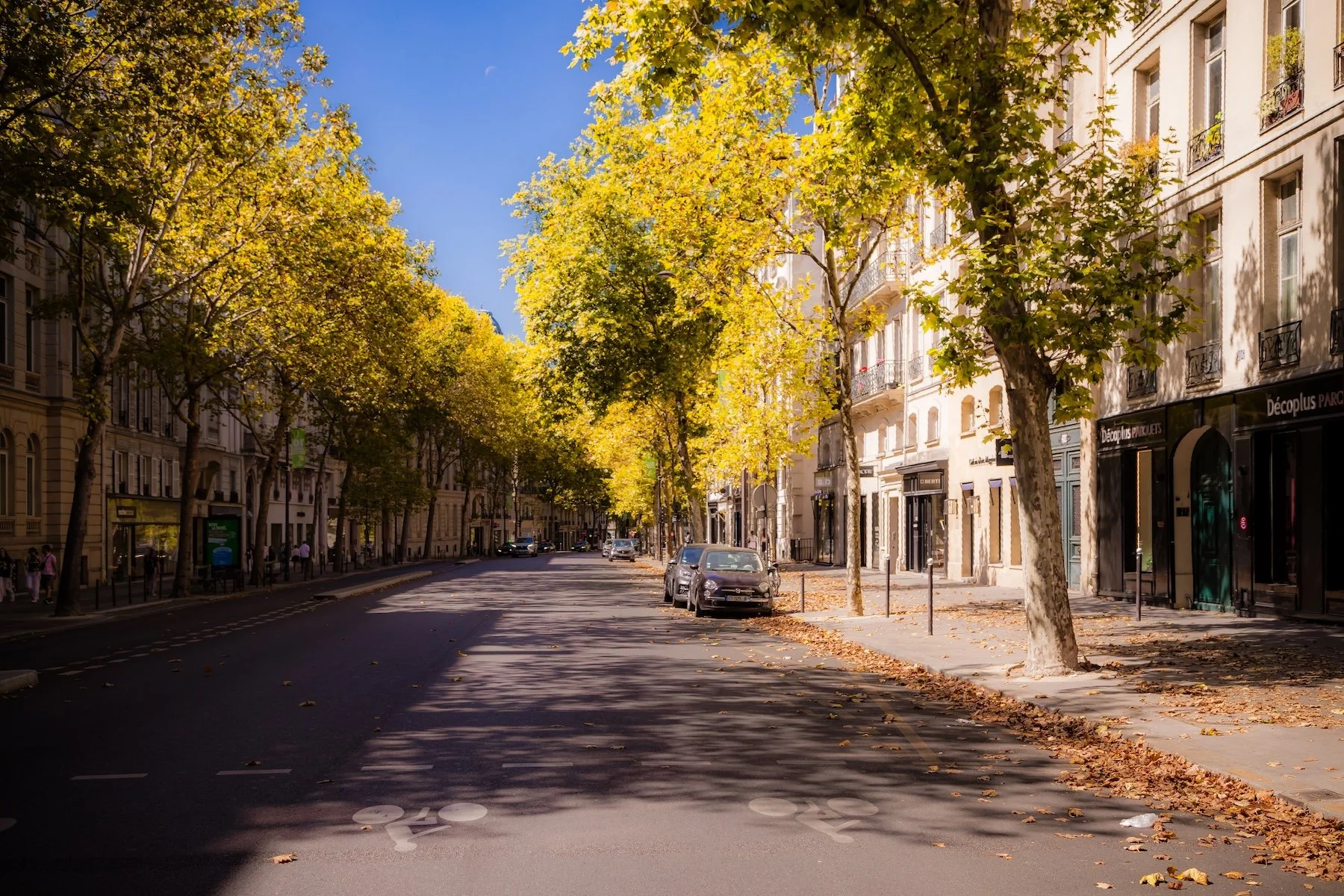
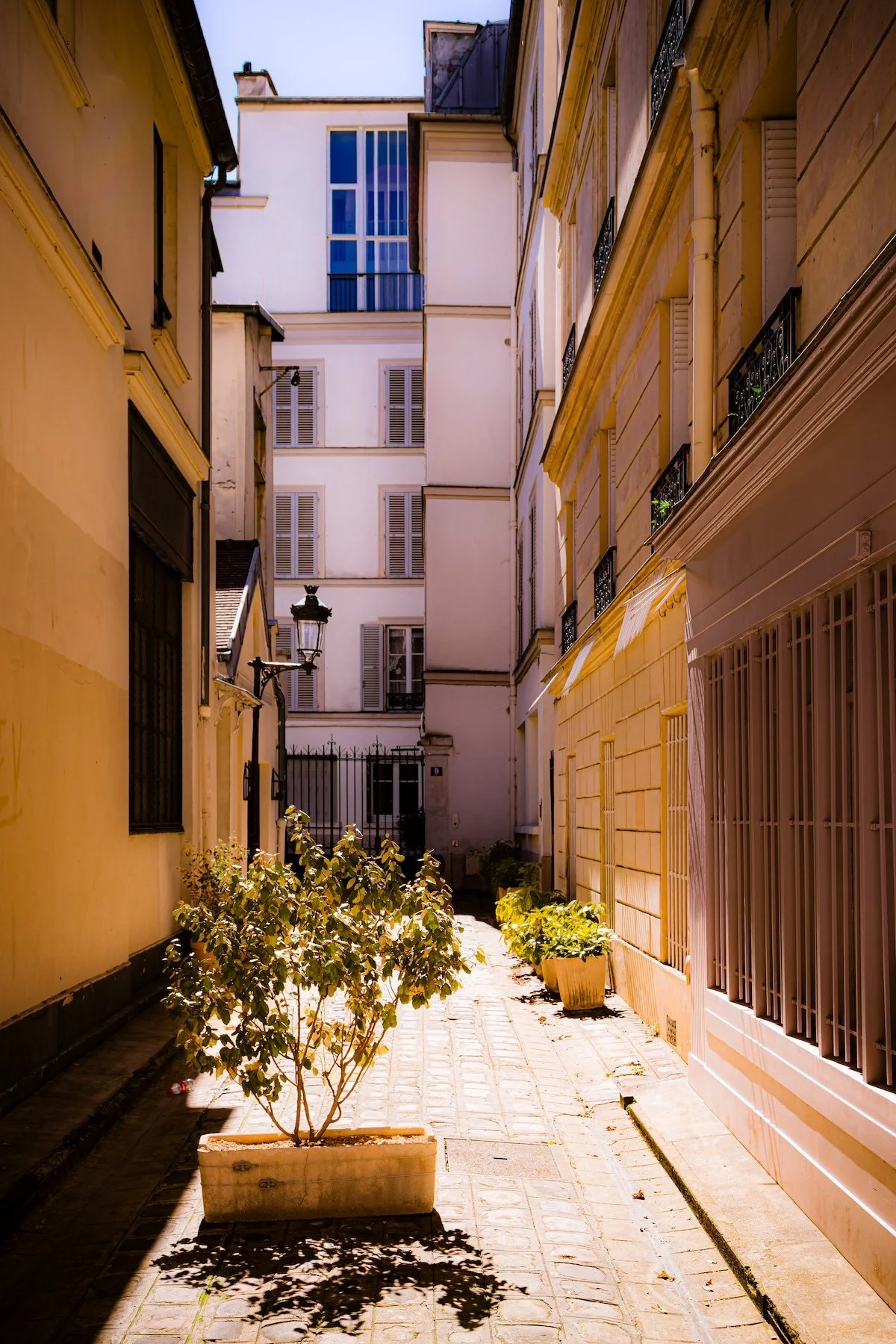
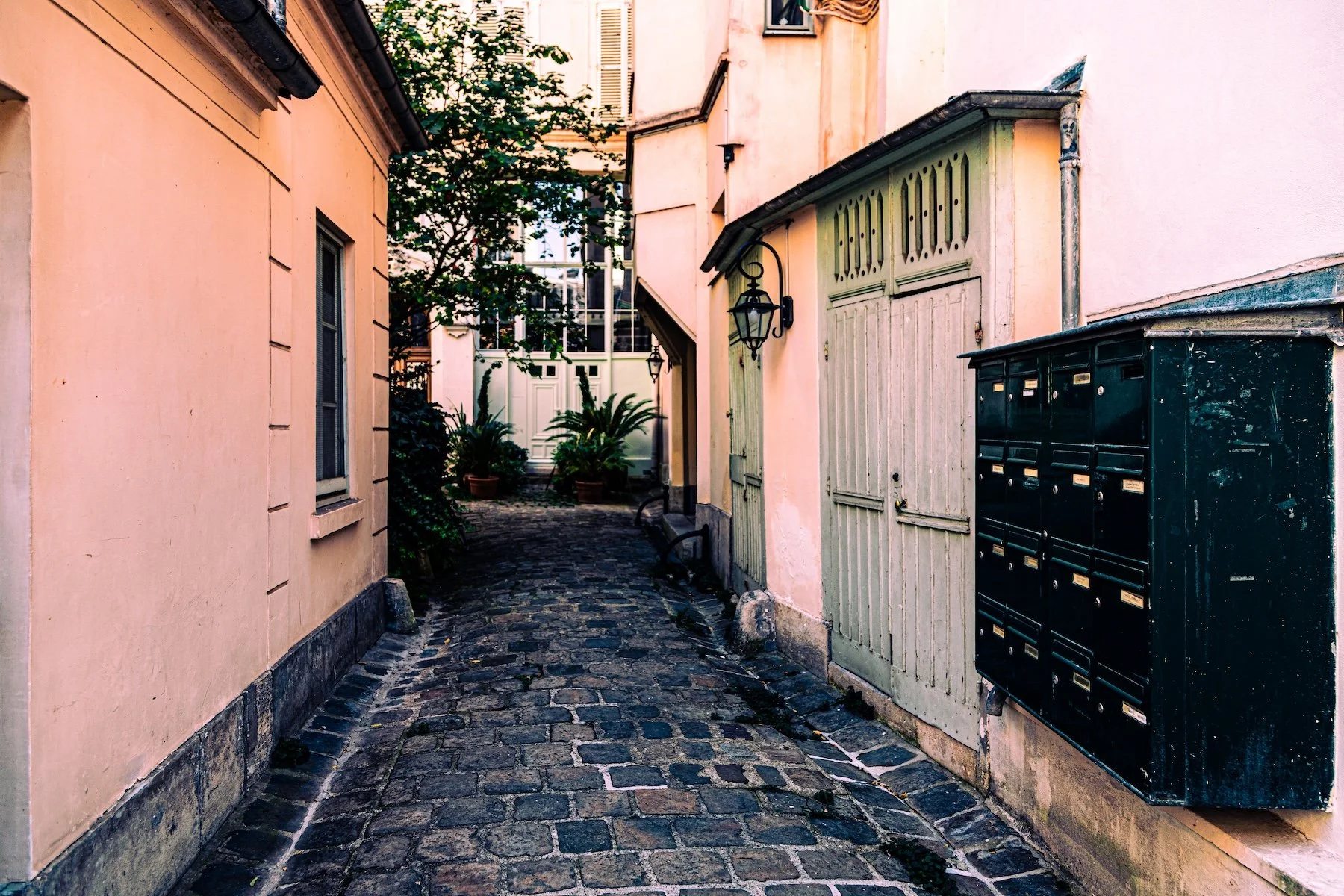
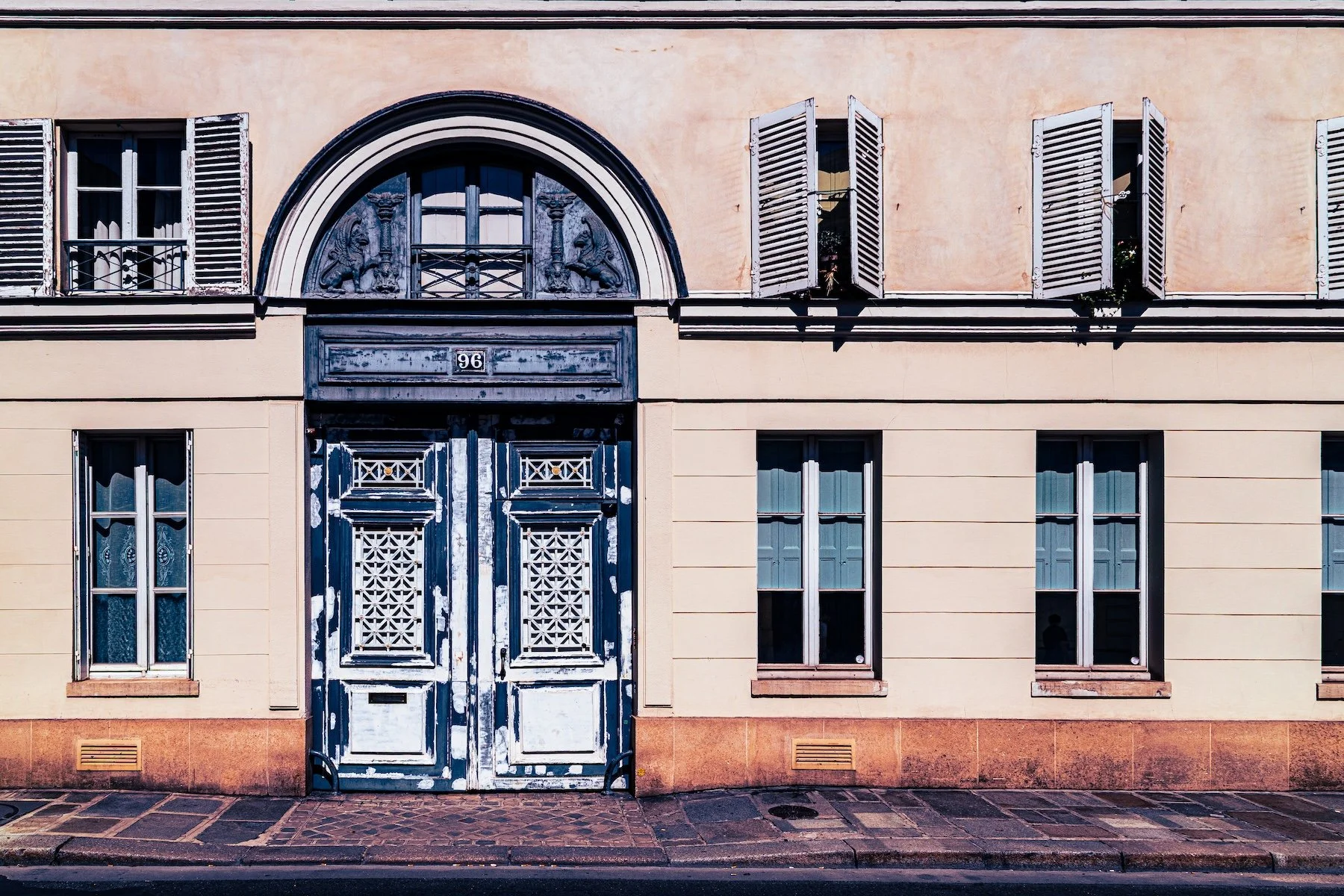
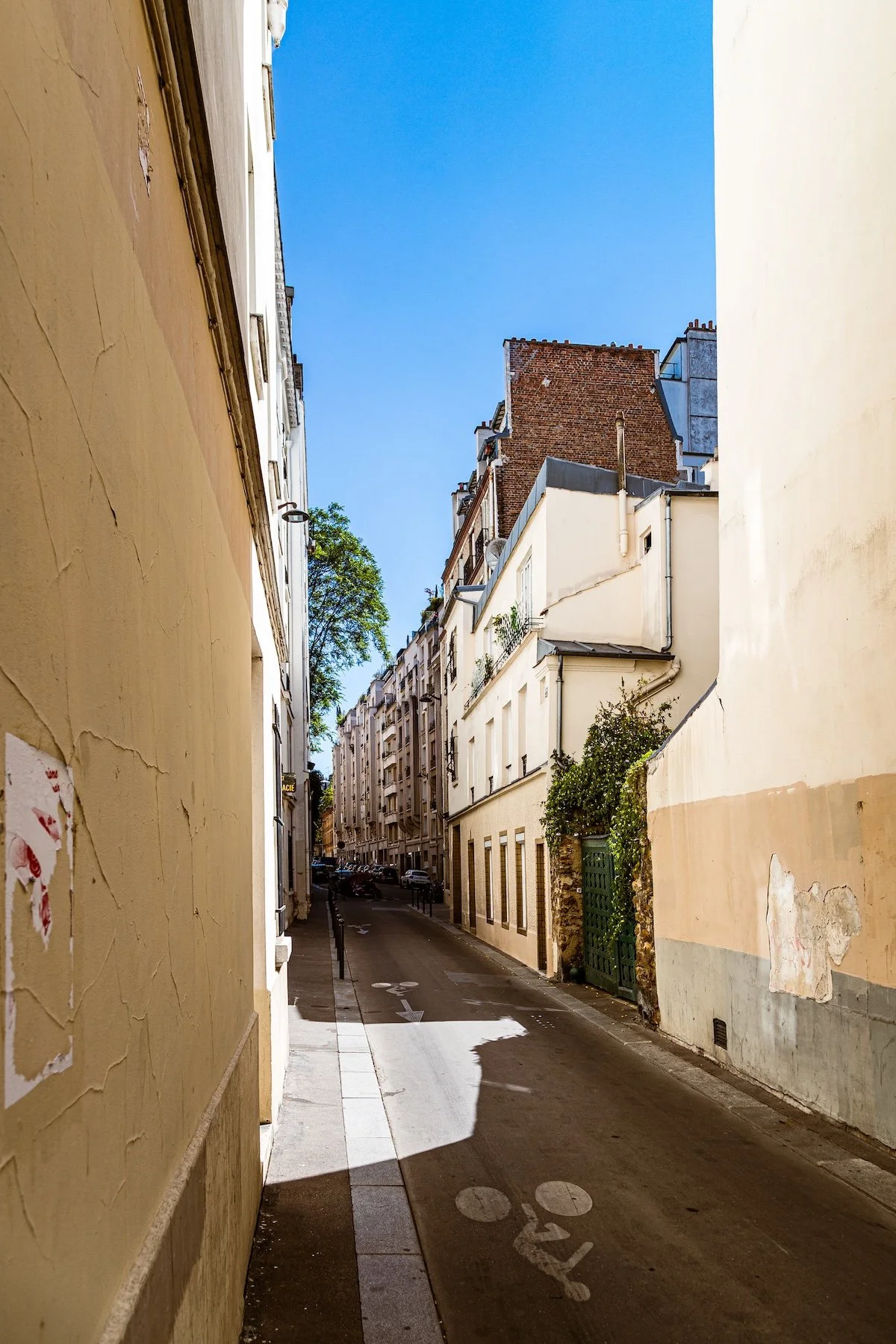
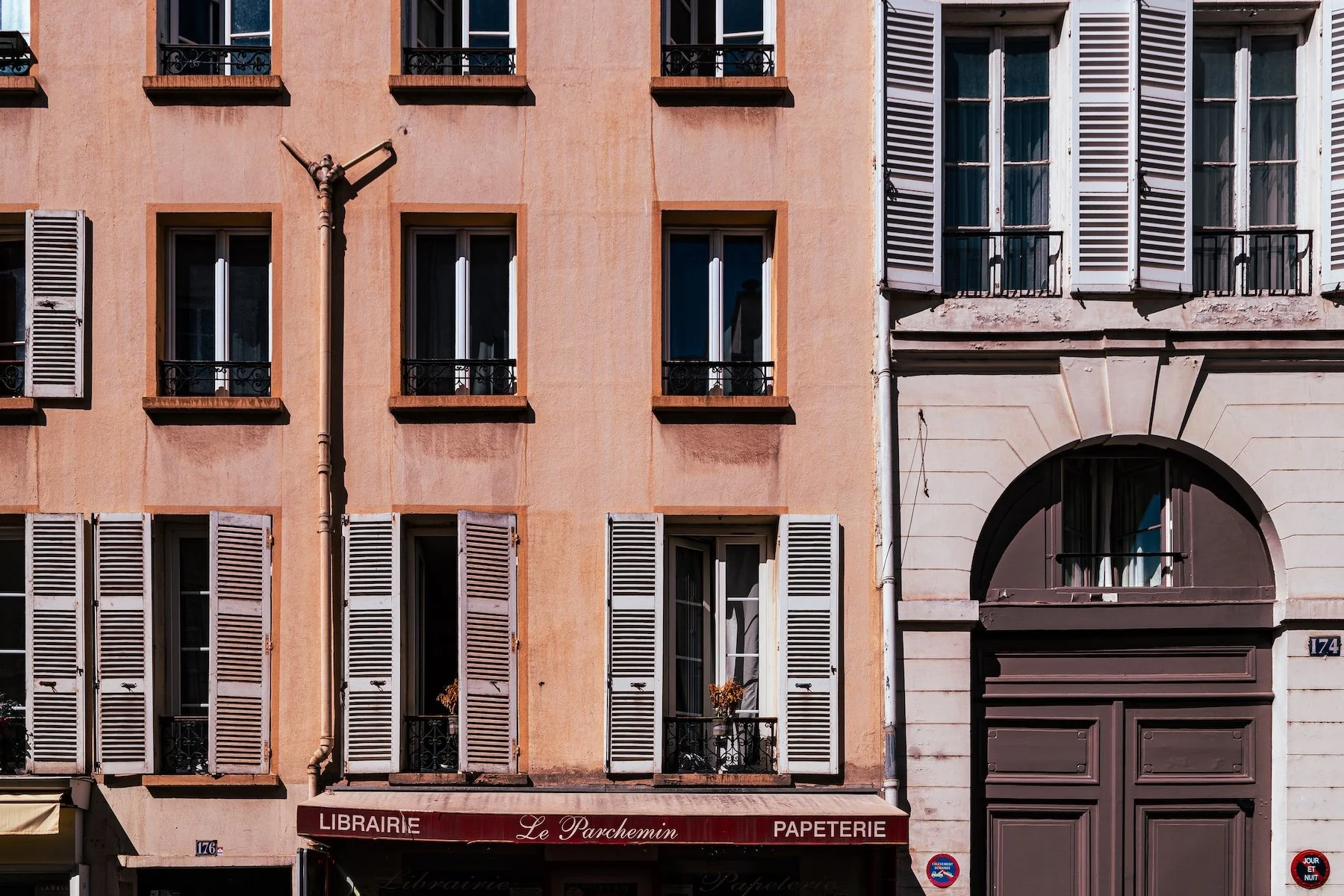
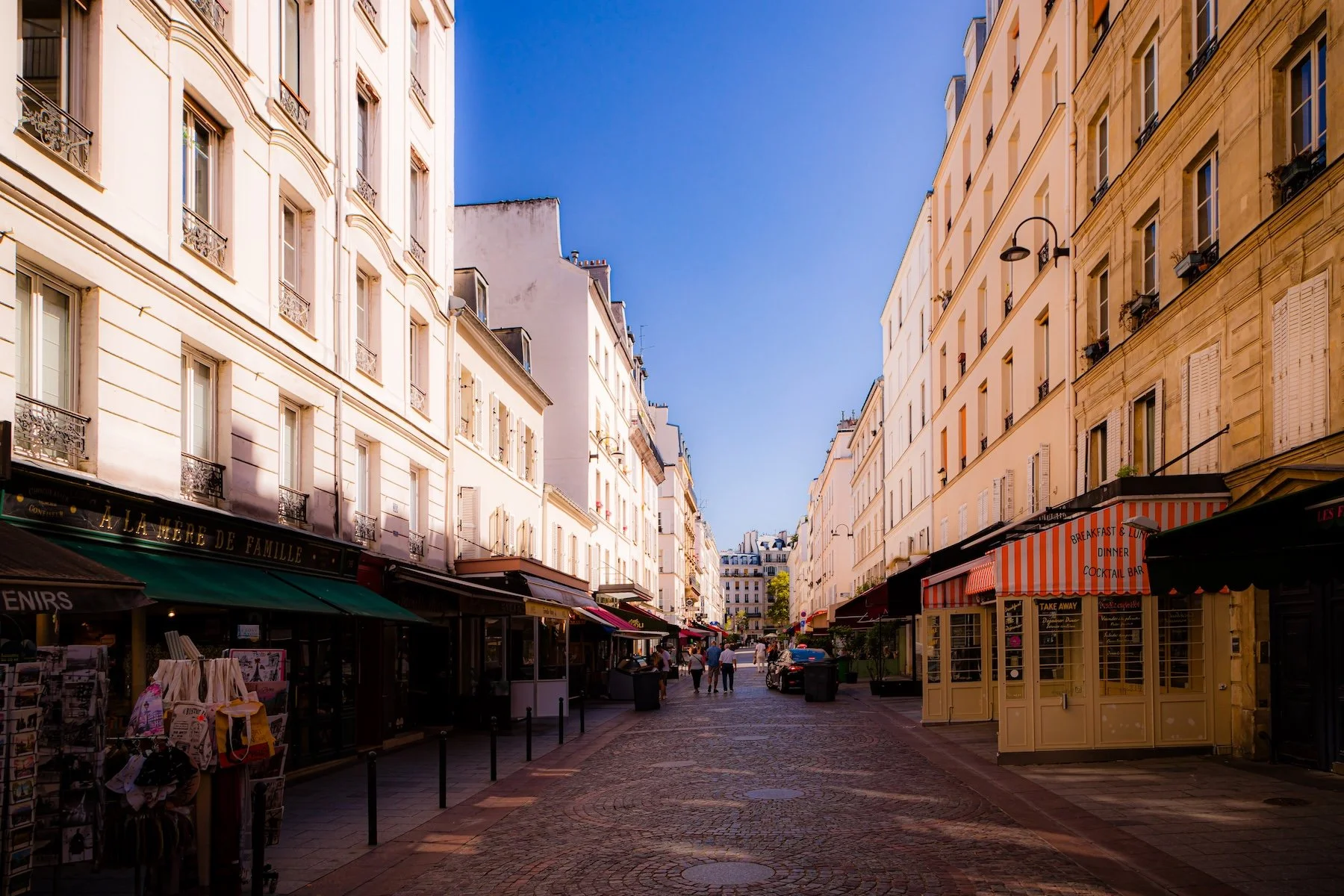
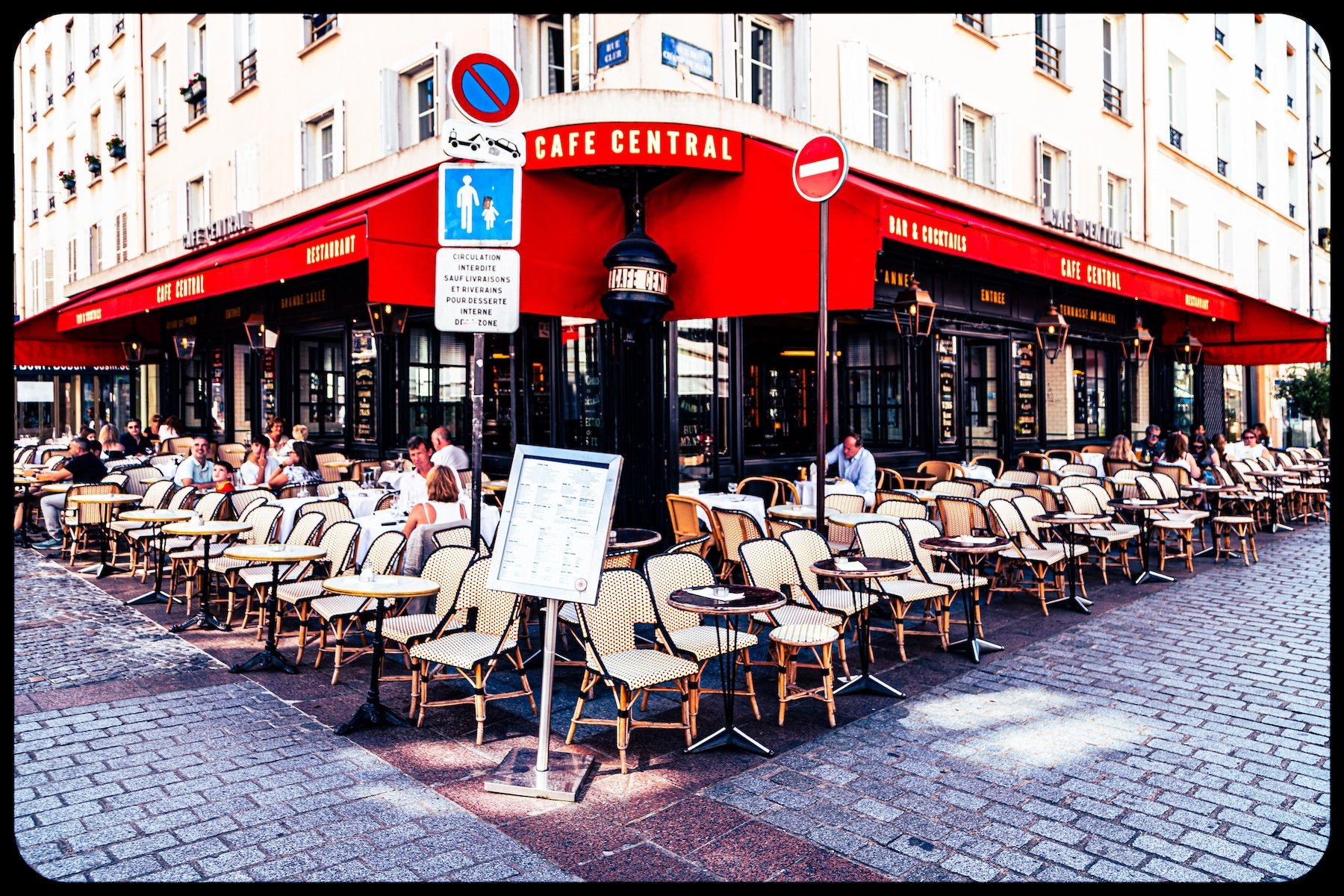
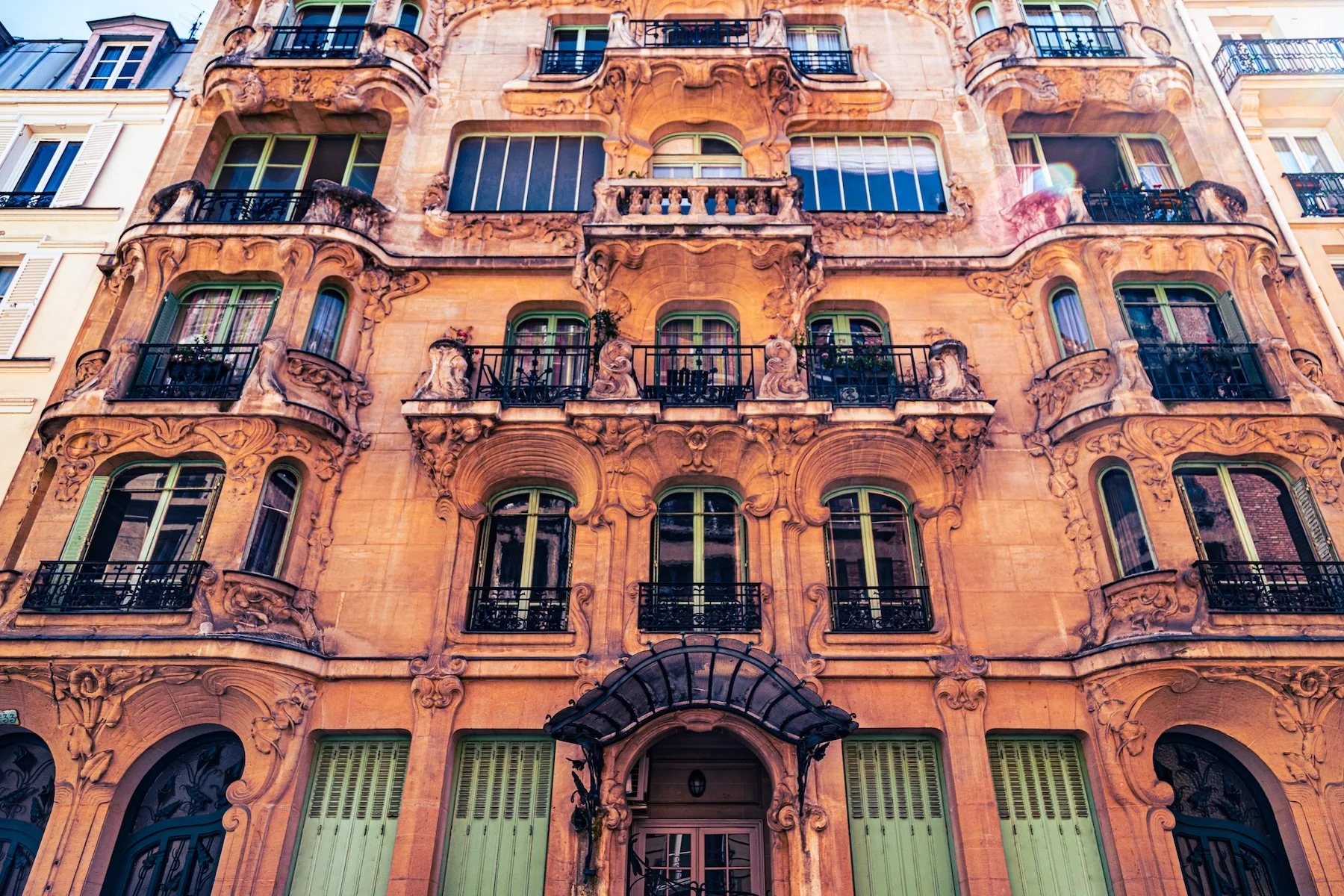
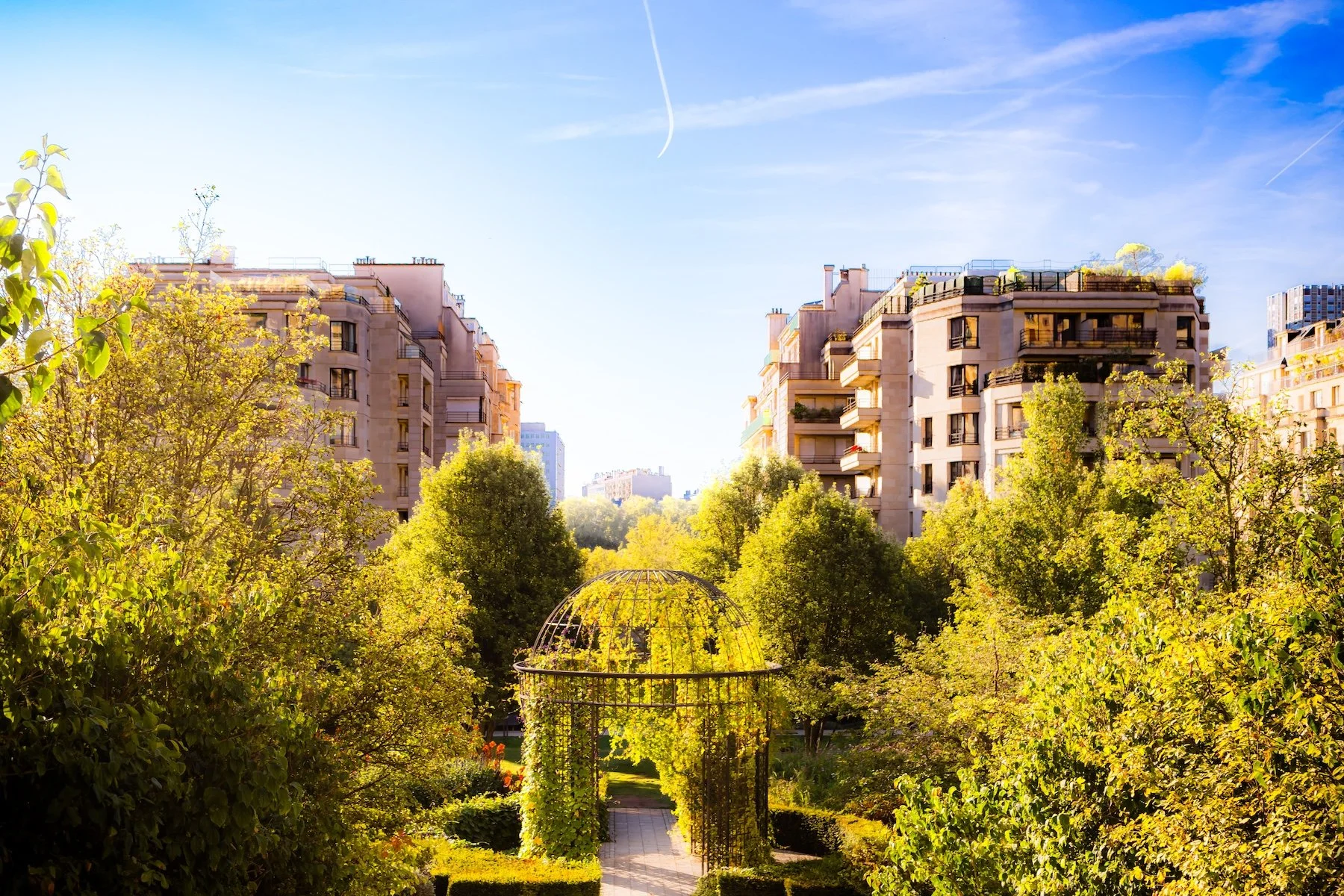
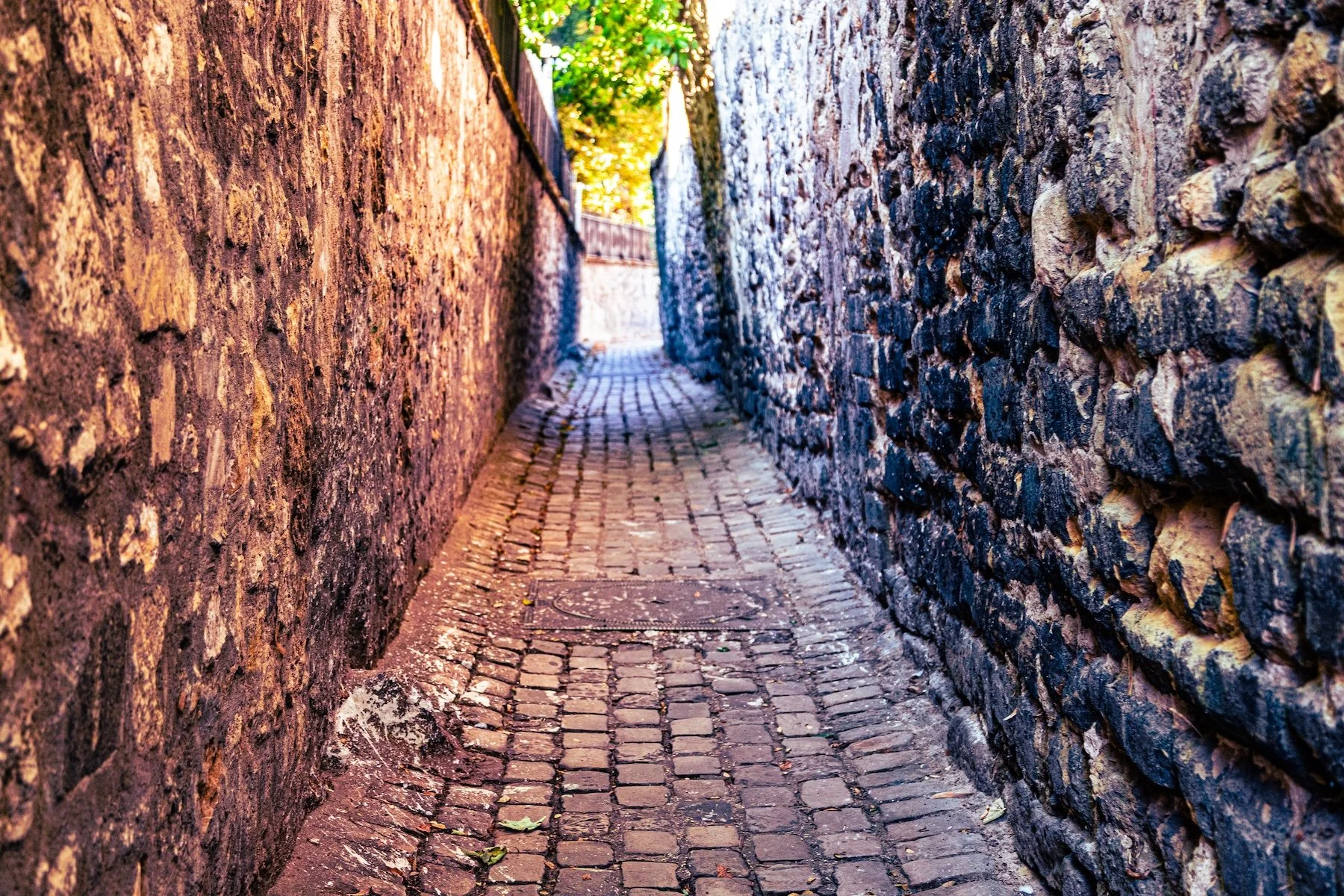
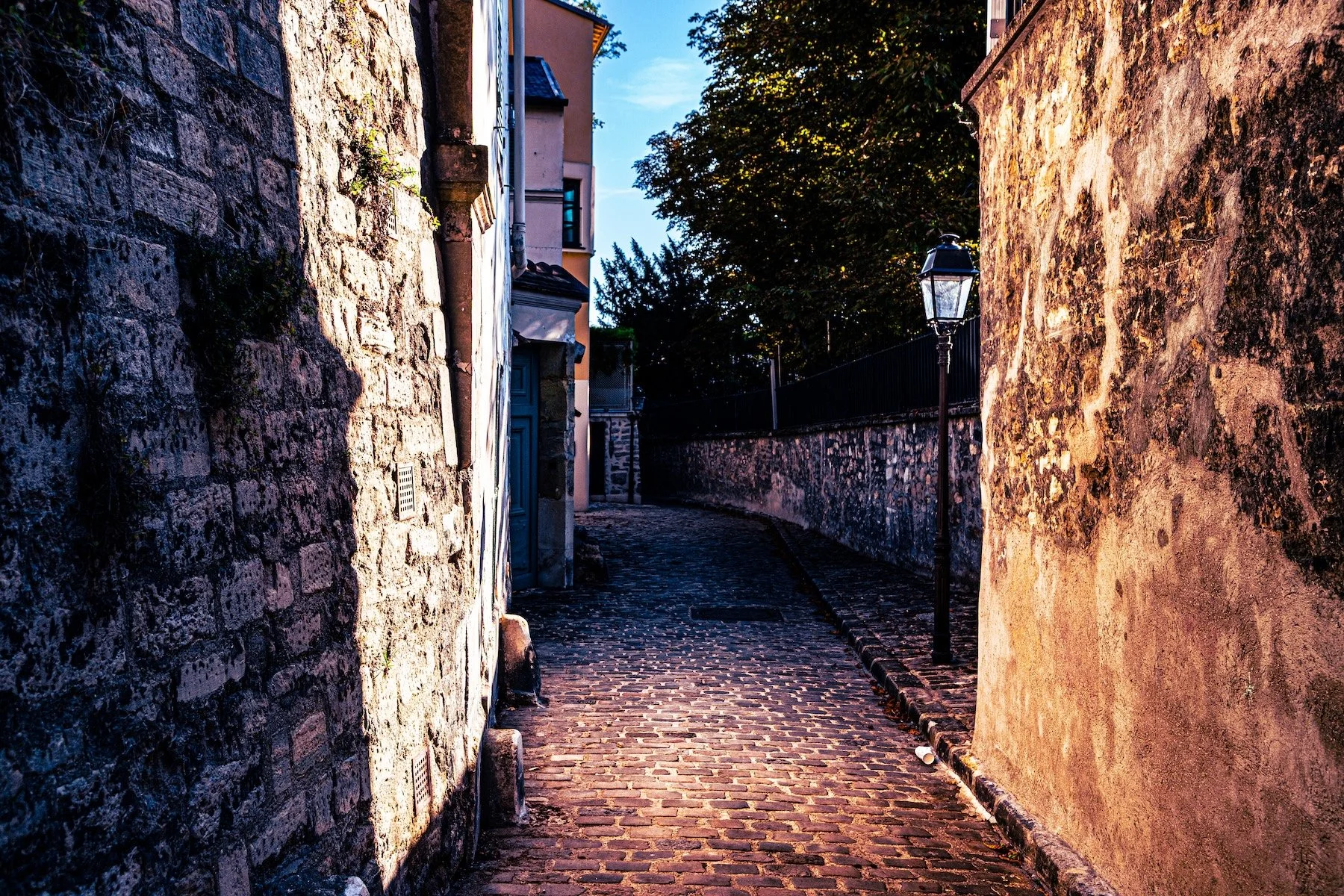
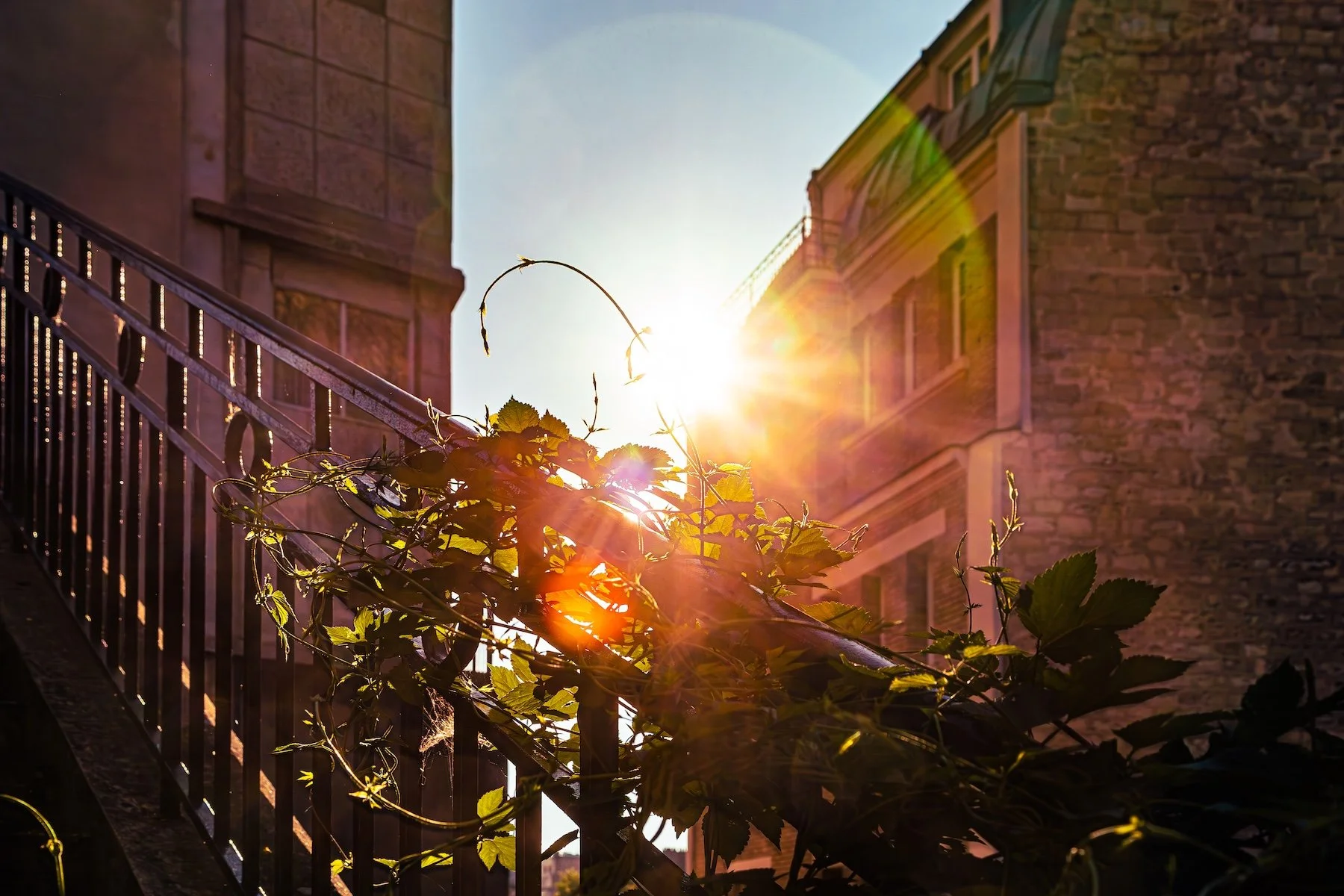
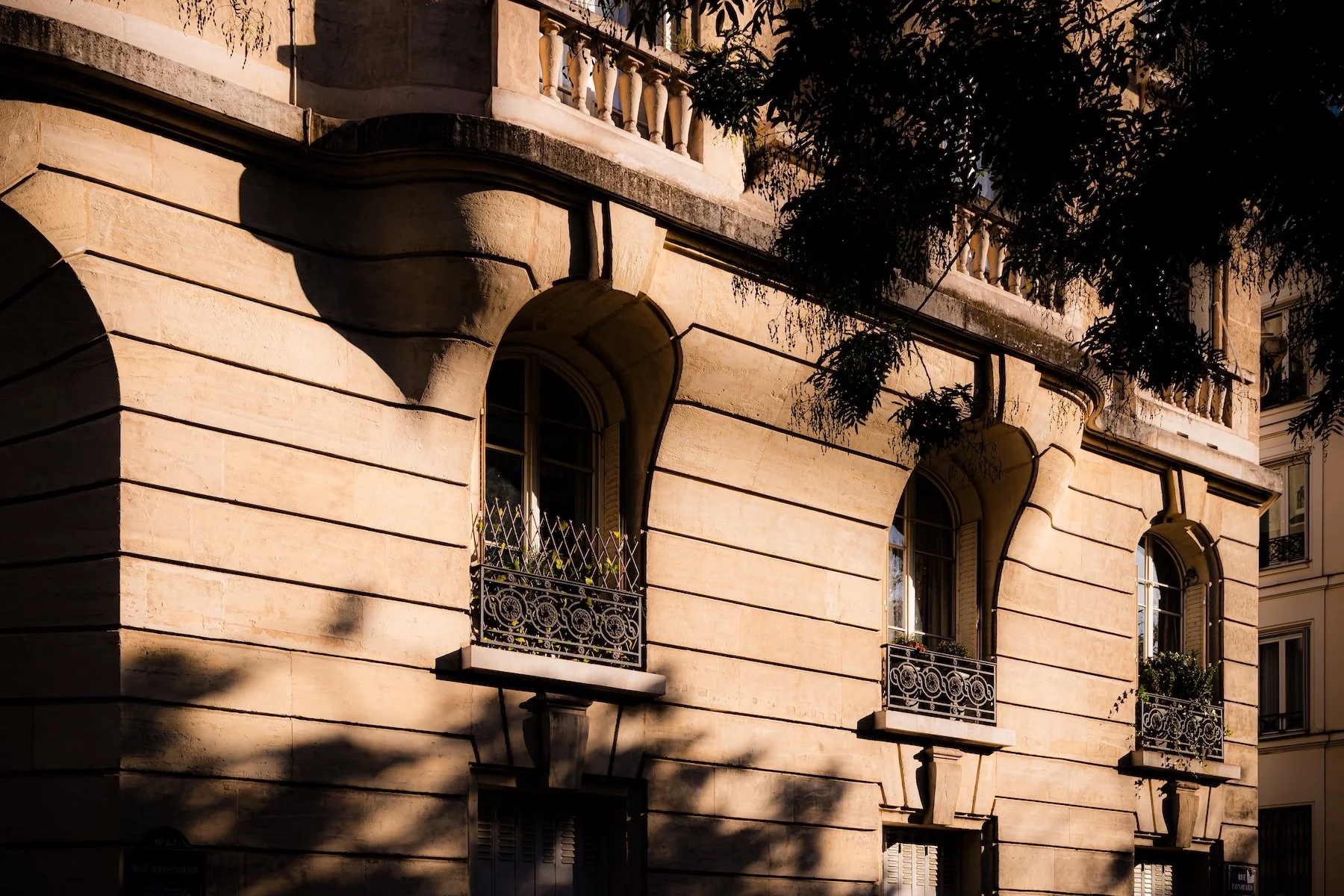
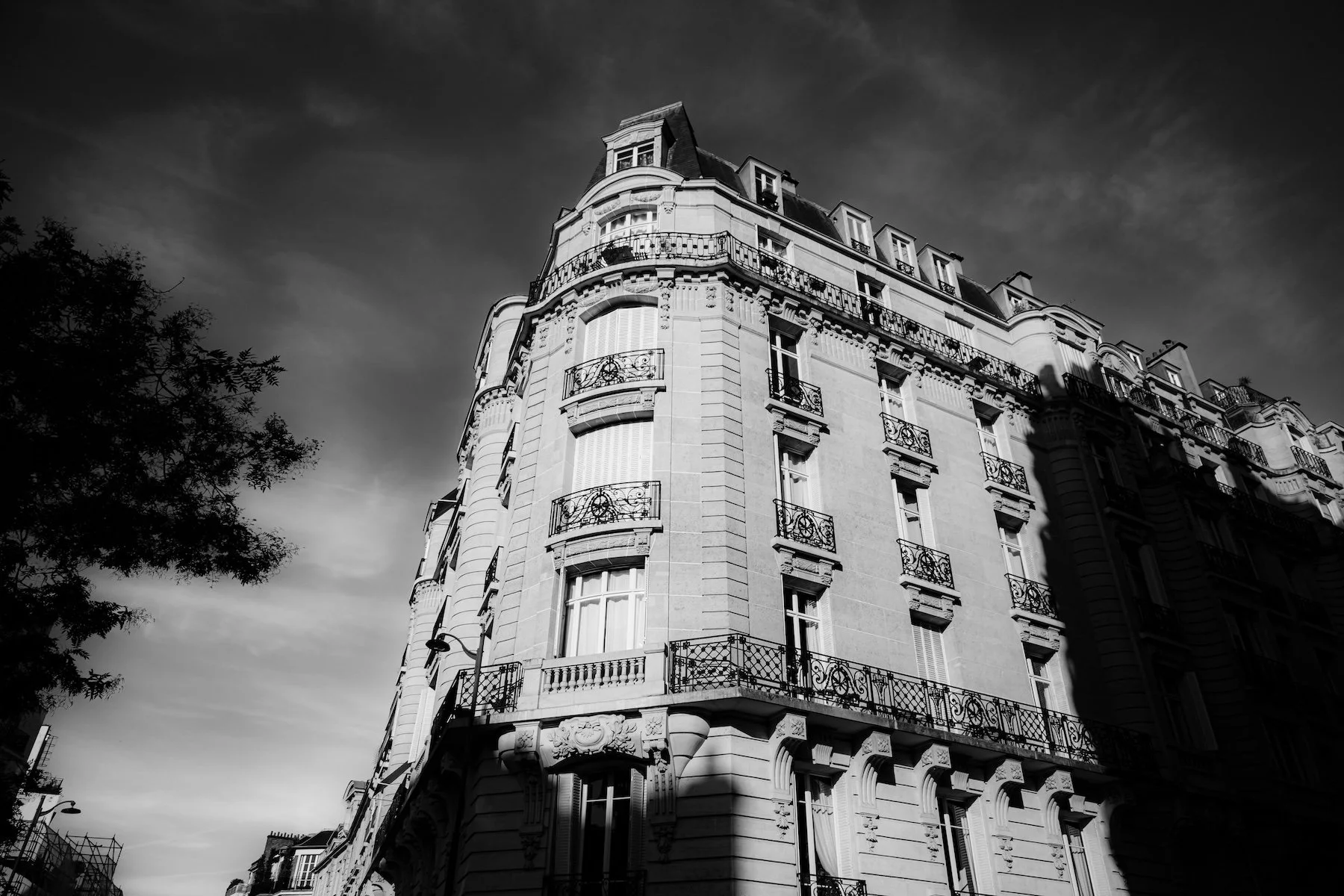
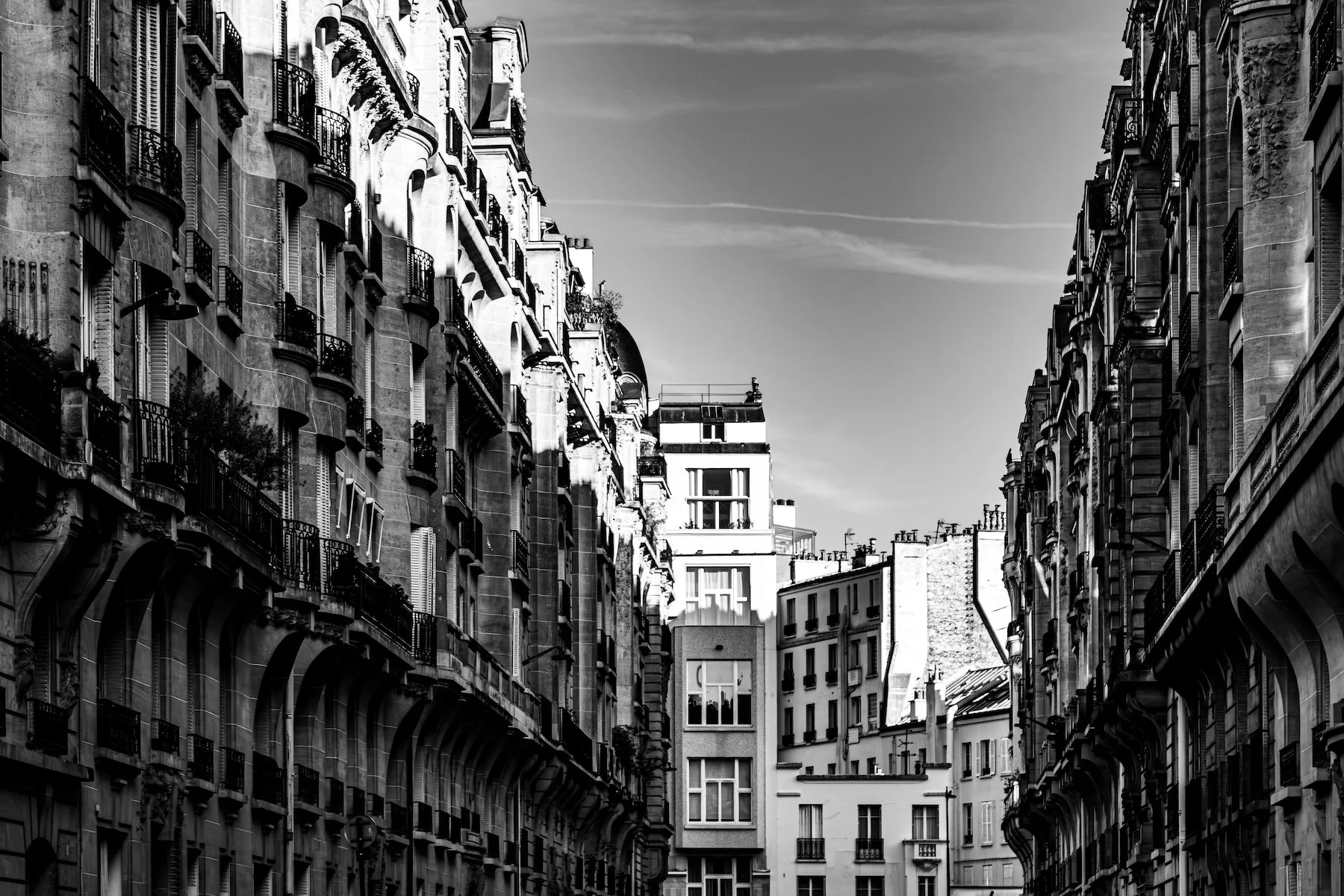
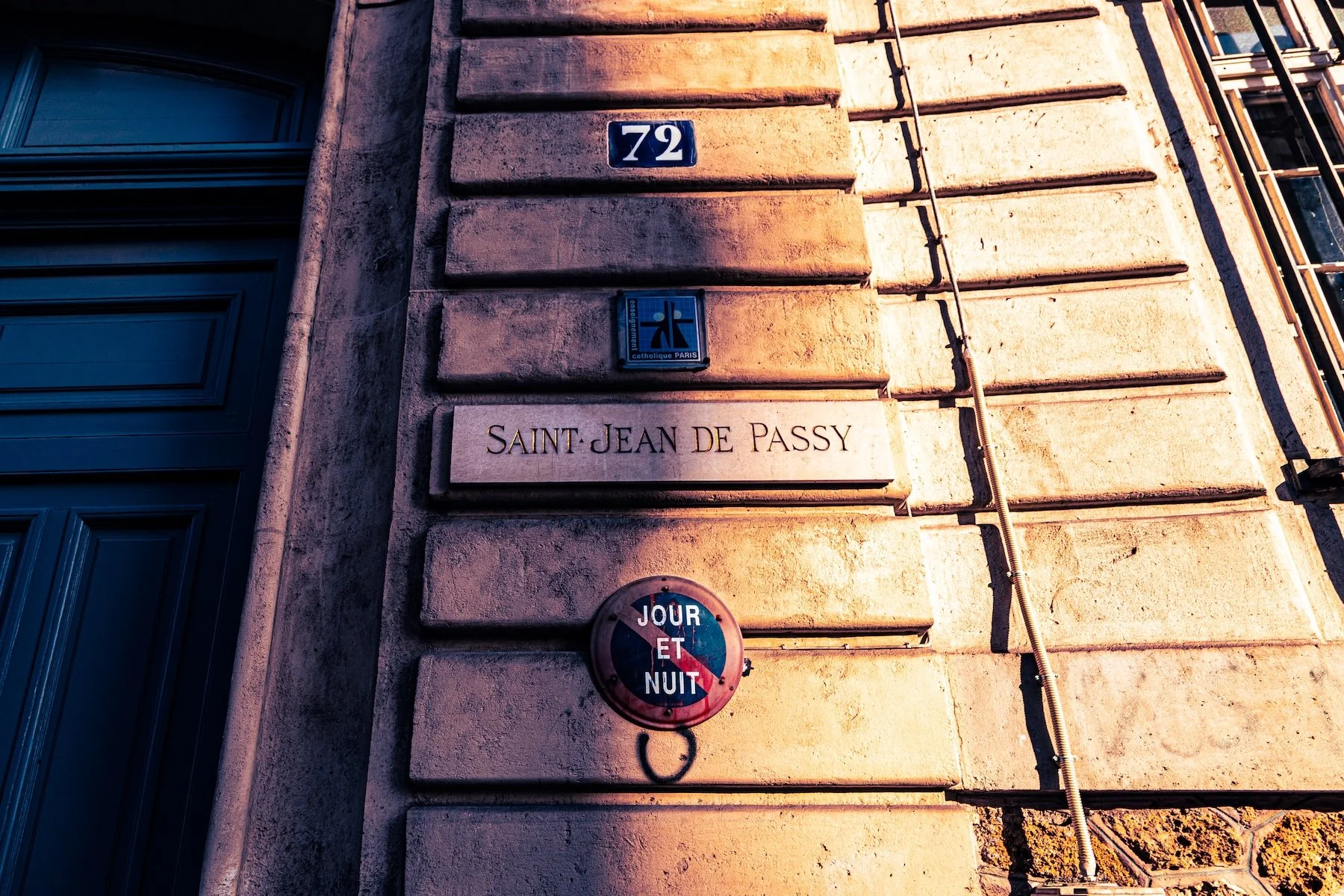
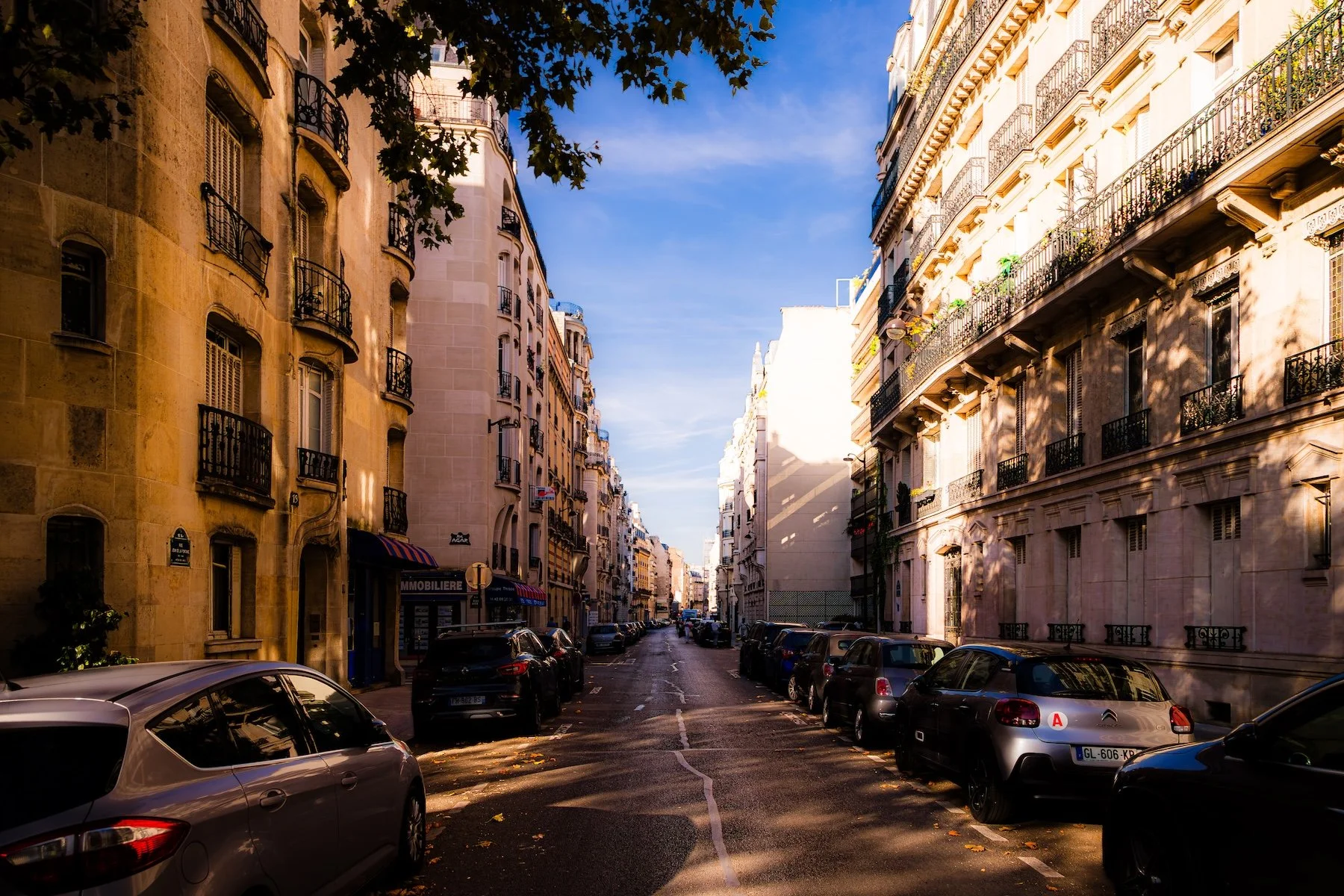
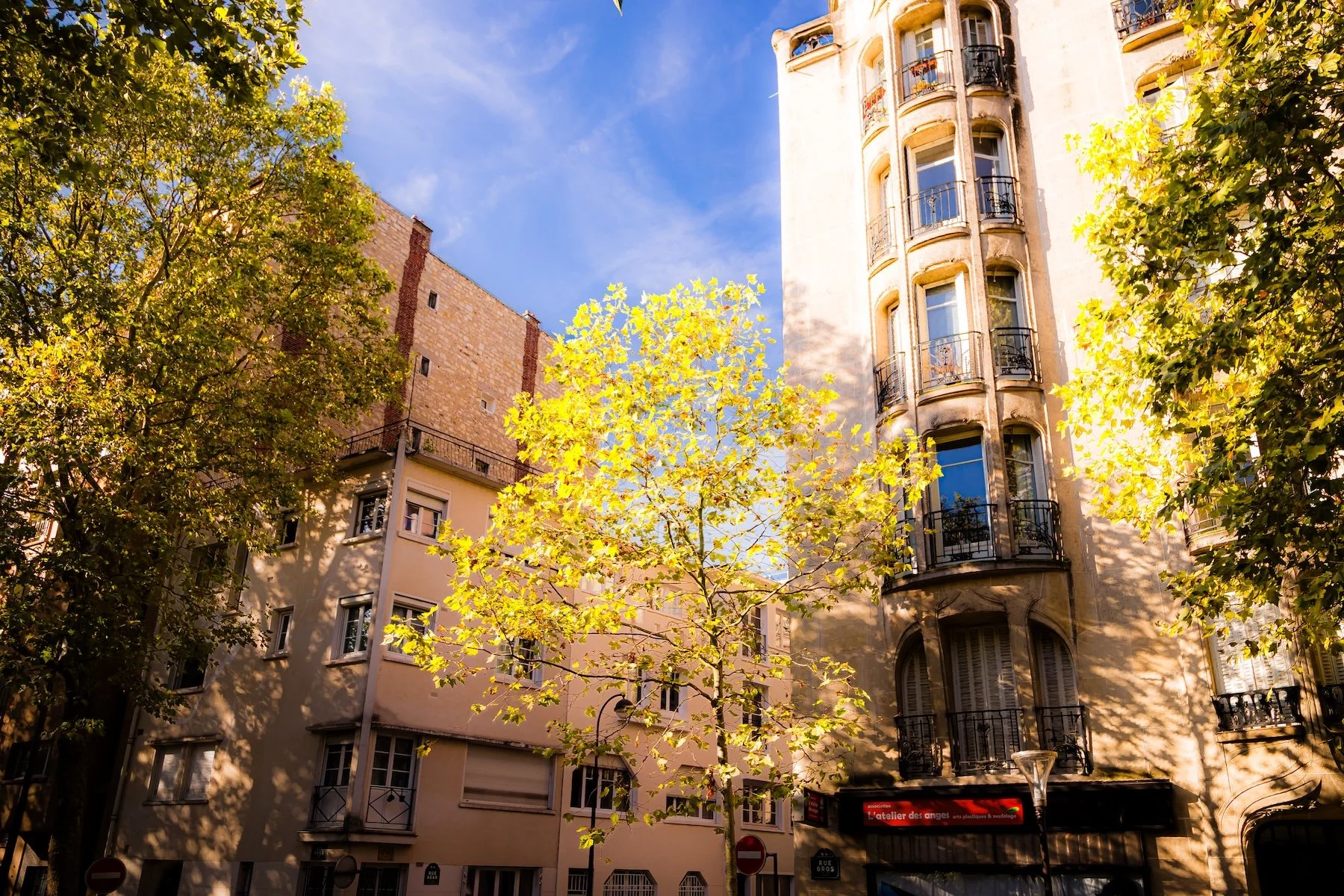
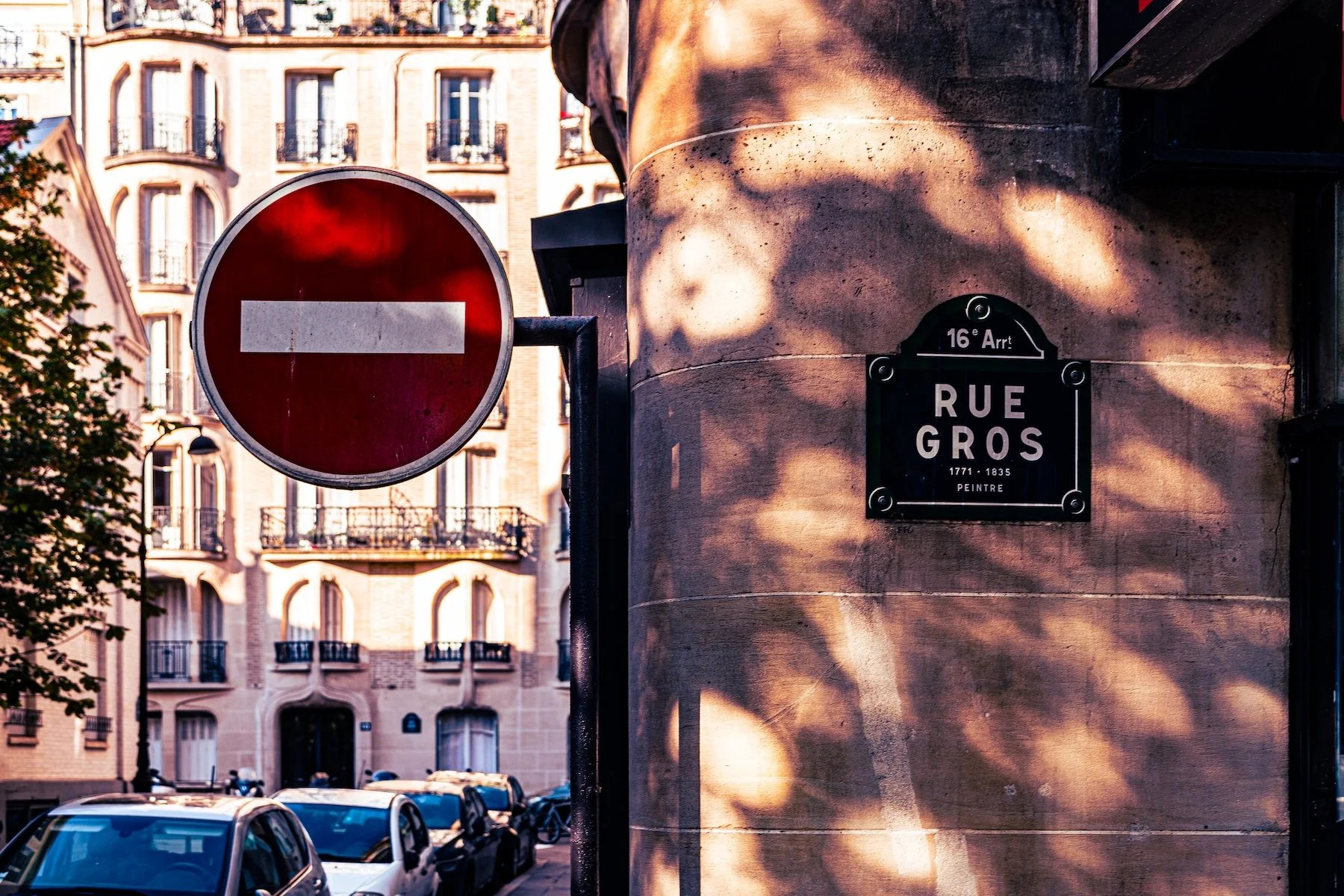
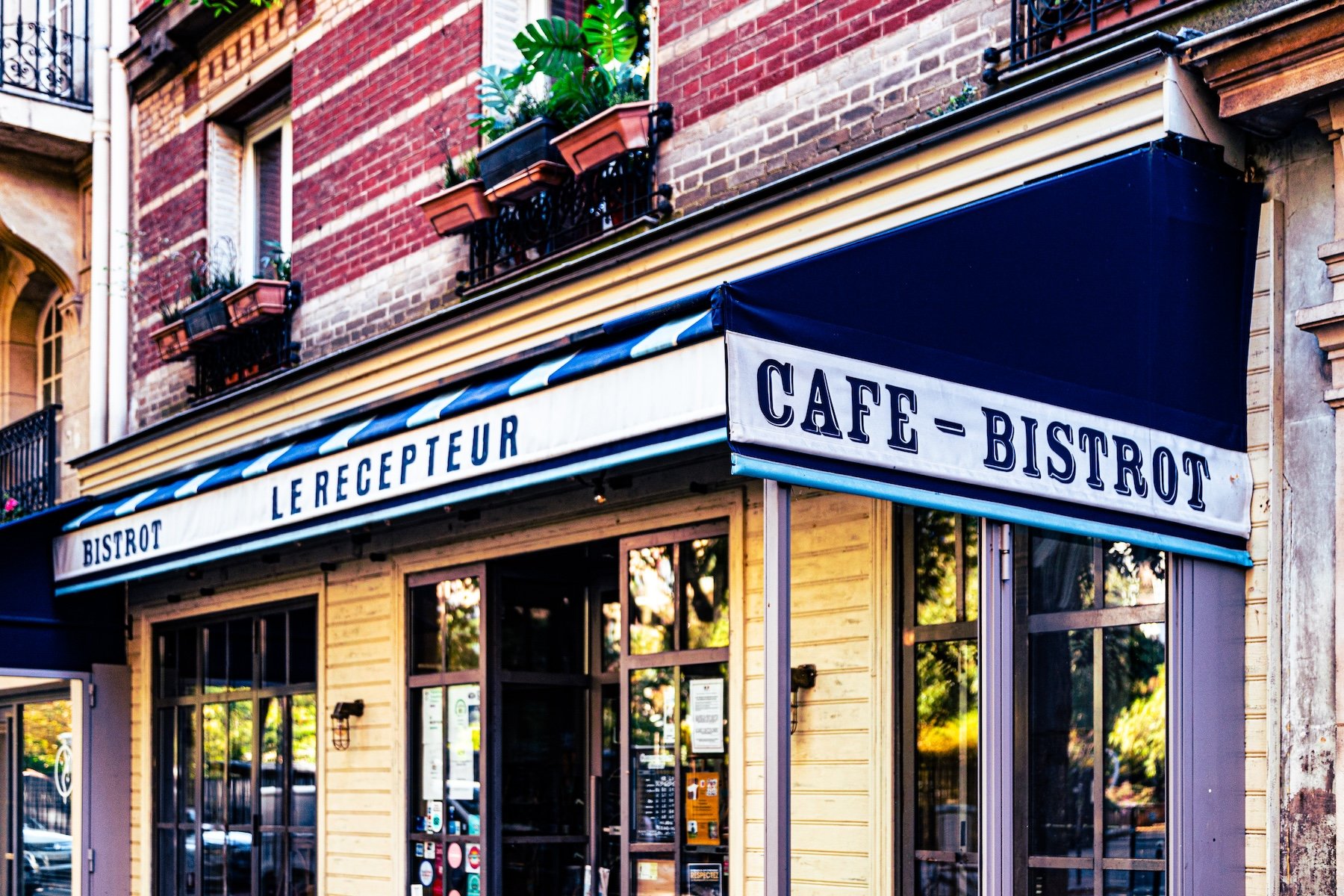
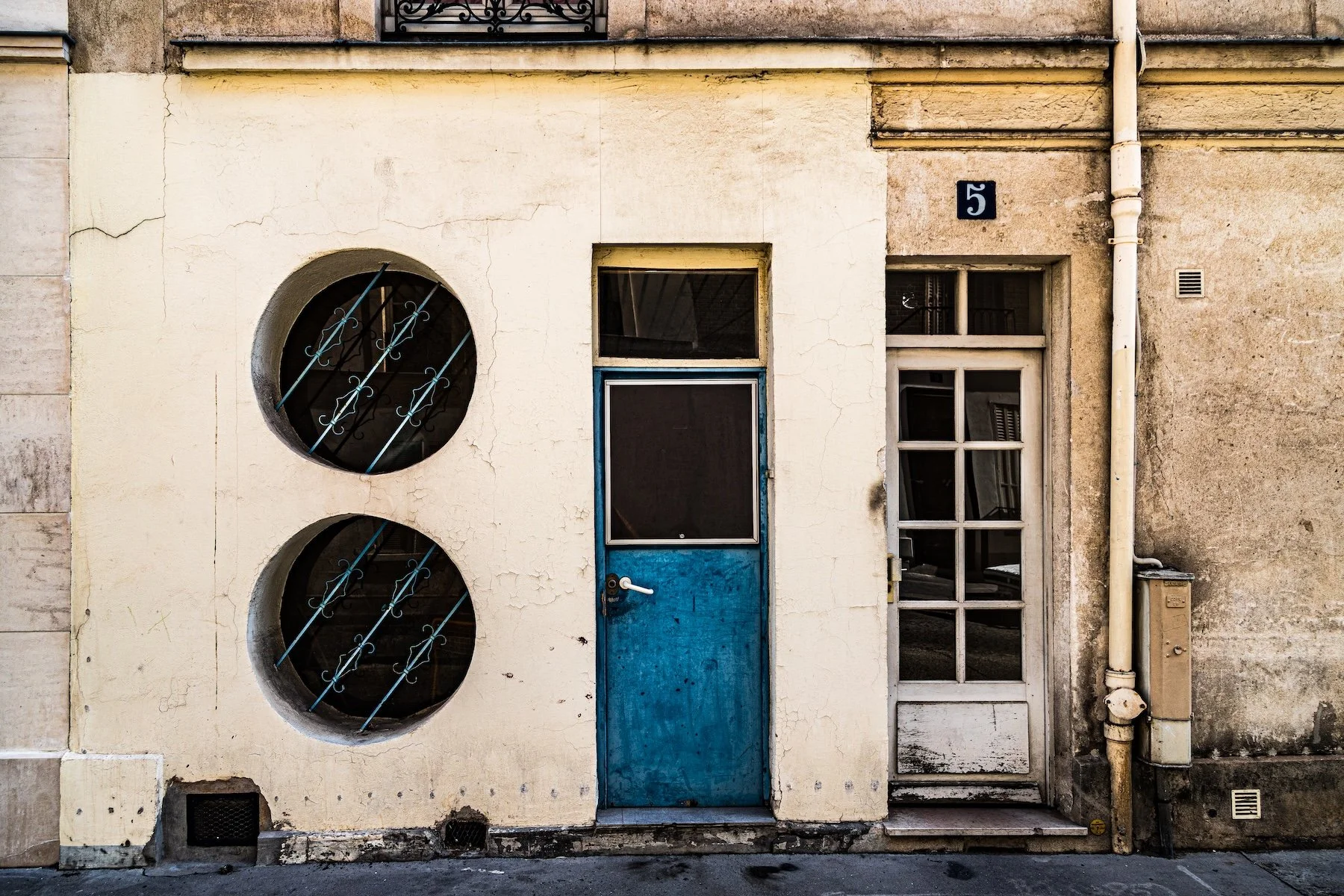
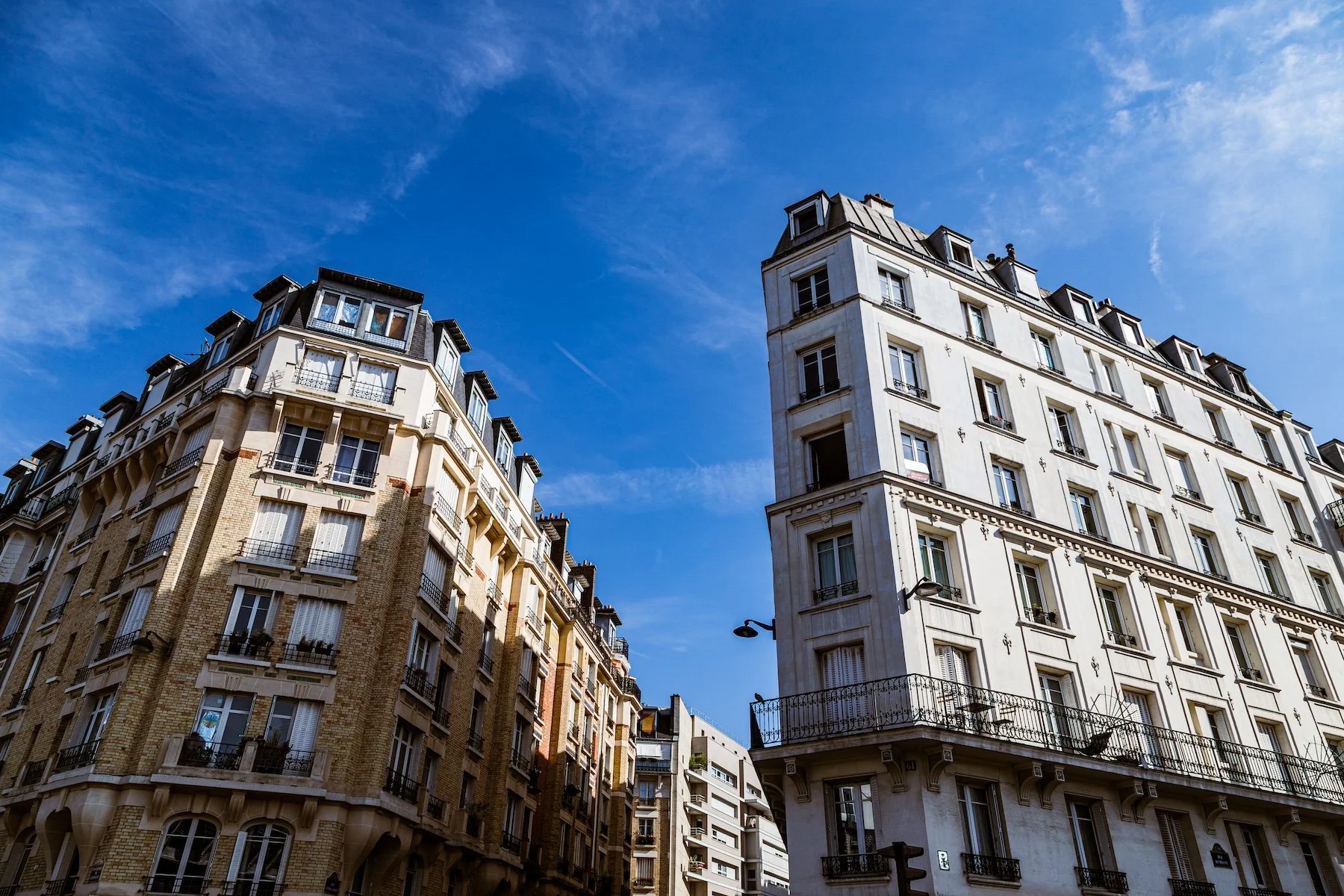
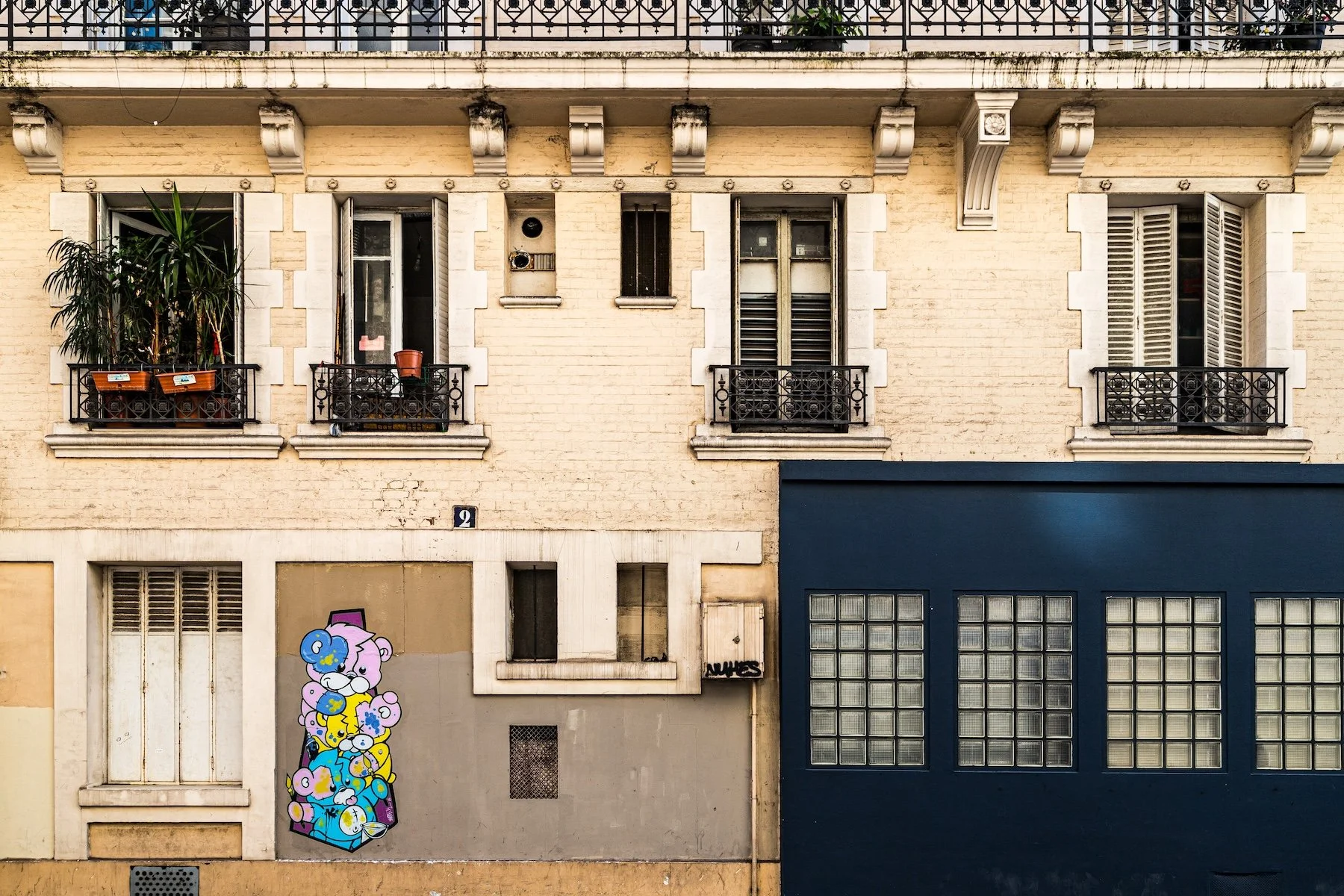
The quarter today is also deeply photographic. Its identity appears in layers of shadow and stone: portals opening into courtyards, façades softened by age, narrow streets bending toward sudden institutions, trees behind walls, historic plaques, gallery windows, and the quiet drama of the Marais street grid. Archives rewards attention to thresholds. What matters is often not only what stands on the street, but what the street briefly reveals beyond itself.
For CityNeighborhoods: Paris, Archives is essential because it demonstrates how an administrative quarter can carry both an official function and a cultural atmosphere. It is named for a national institution, but its meaning reaches far beyond that institution. It is the quarter of memory as urban texture — a place where the archive is not only housed, but felt.
21st Century
Spirit and Legacy
Archives is the quarter where Paris keeps its memory in stone, paper, and passage. Its spirit is quiet but profound. It does not announce itself through the monumental openness of a grand square or the spectacle of a boulevard. It reveals itself through gates, courtyards, institutional façades, preserved mansions, narrow streets, and the sense that every surface has held another life before this one.
Its legacy is transformation through preservation. Marshland became aristocratic quarter. Aristocratic mansions became national institutions. Working streets became heritage corridors. Private spaces became public memory. The quarter’s power lies in this sequence, and in the way so many of its layers remain legible.
To walk Archives is to move through a city that remembers by adapting. It is not a museum piece, though it contains museums. It is not only an archive, though it is named for one. It is a living district where Paris’s documentary, architectural, social, and cultural memories remain intertwined. In Archives, neighborhood identity becomes an act of preservation — not the freezing of the past, but the careful keeping of it within the life of the city.
The Photography
The arrondissements do not share a single visual identity. Instead, they organize Paris into twenty broad visual fields, each gathering its own combination of landmarks, streetscapes, institutions, residential districts, commercial corridors, parks, rail stations, markets, cemeteries, and riverfront edges.
Some arrondissements are defined by monumental scale: royal palaces, ceremonial avenues, government buildings, museums, formal gardens, and internationally recognized landmarks. Others are shaped by hills, canals, rail gateways, apartment-lined boulevards, neighborhood markets, former village streets, industrial remnants, parks, or the quieter rhythms of residential Paris. The arrondissement system gives these varied landscapes a civic frame, allowing the city to be read not as one visual language, but as a sequence of overlapping Parisian atmospheres.
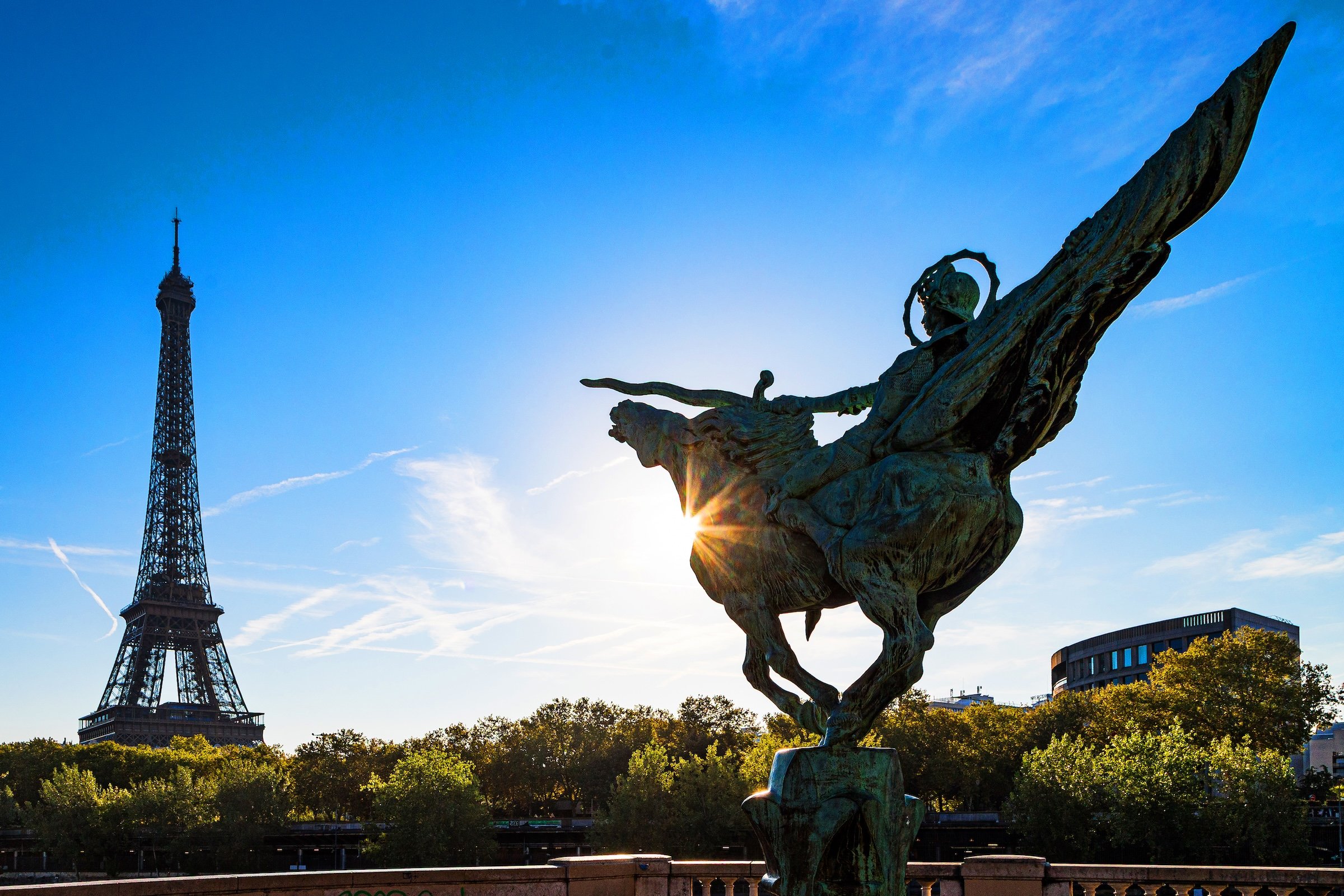
Visual Identity
Through The Lens
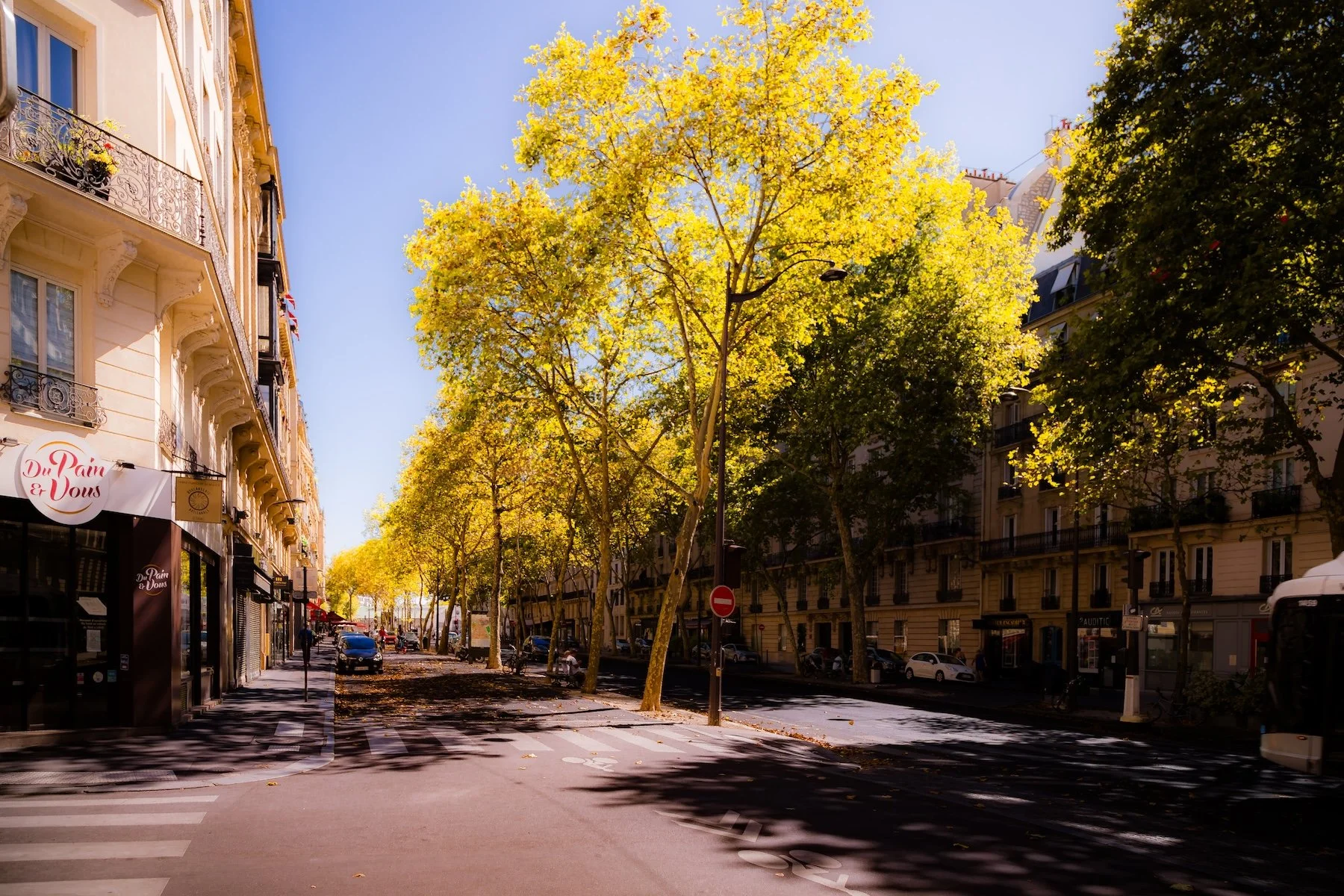
Photographing the arrondissements means moving between the official map and the street-level experience. The camera does not treat each arrondissement as visually uniform. Instead, it looks for the recurring forms, textures, transitions, and contrasts that make each district legible: the geometry of boulevards, the shade of plane trees, the repetition of balconies, the rise of stairways, the curve of canals, the presence of rail stations, the opening of parks, the weight of monuments, and the intimacy of side streets.
On CityNeighborhoods, the arrondissement provides the frame, but the photograph comes from the encounter between map, movement, light, and observation. As the Paris photography is processed, this section will connect each arrondissement more directly to the project’s Photographic Lexicon: the visual strategies, recurring motifs, and compositional patterns that shape how the city is seen through the lens.
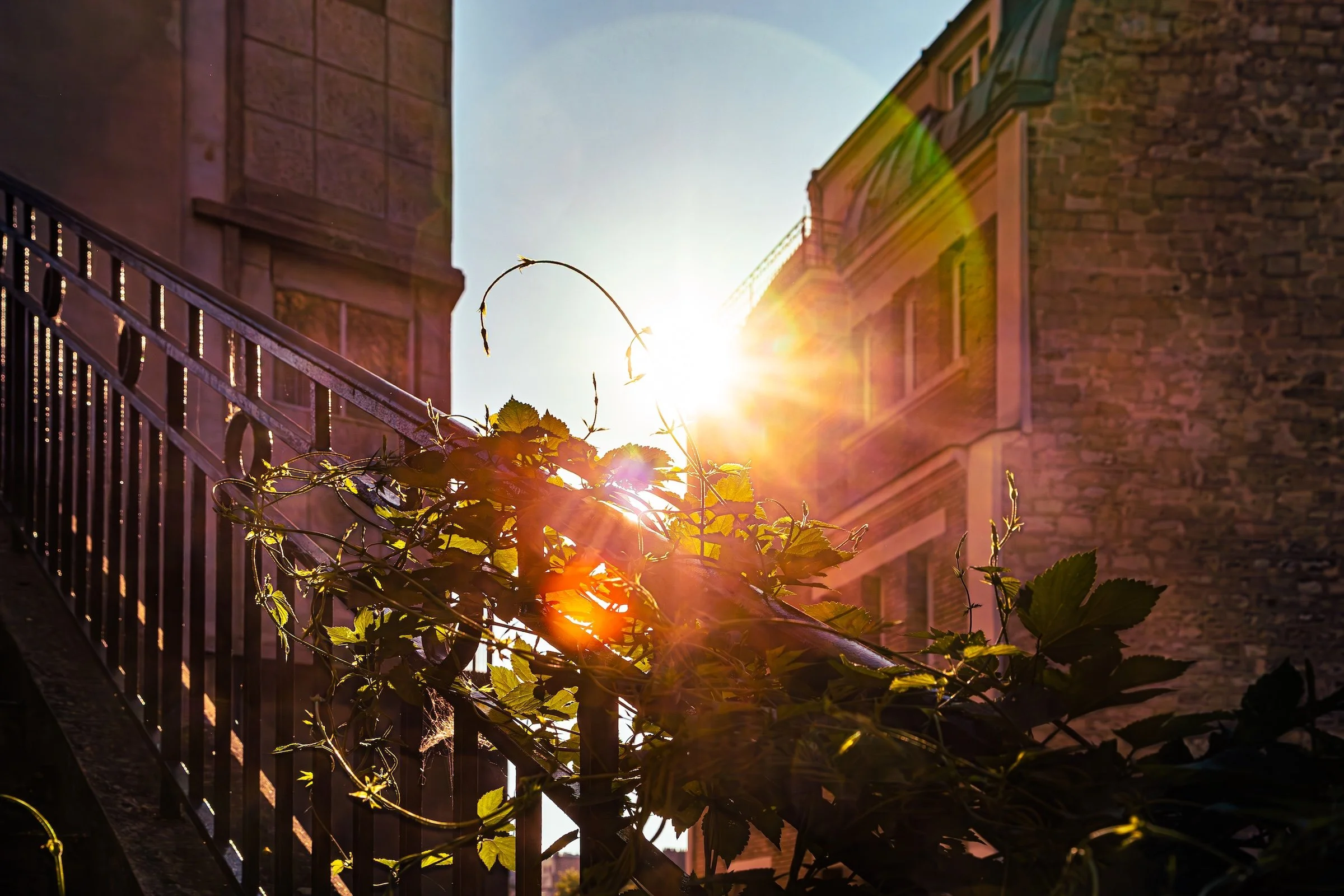
If you visit Paris, these ideas can help inspire your own photography.
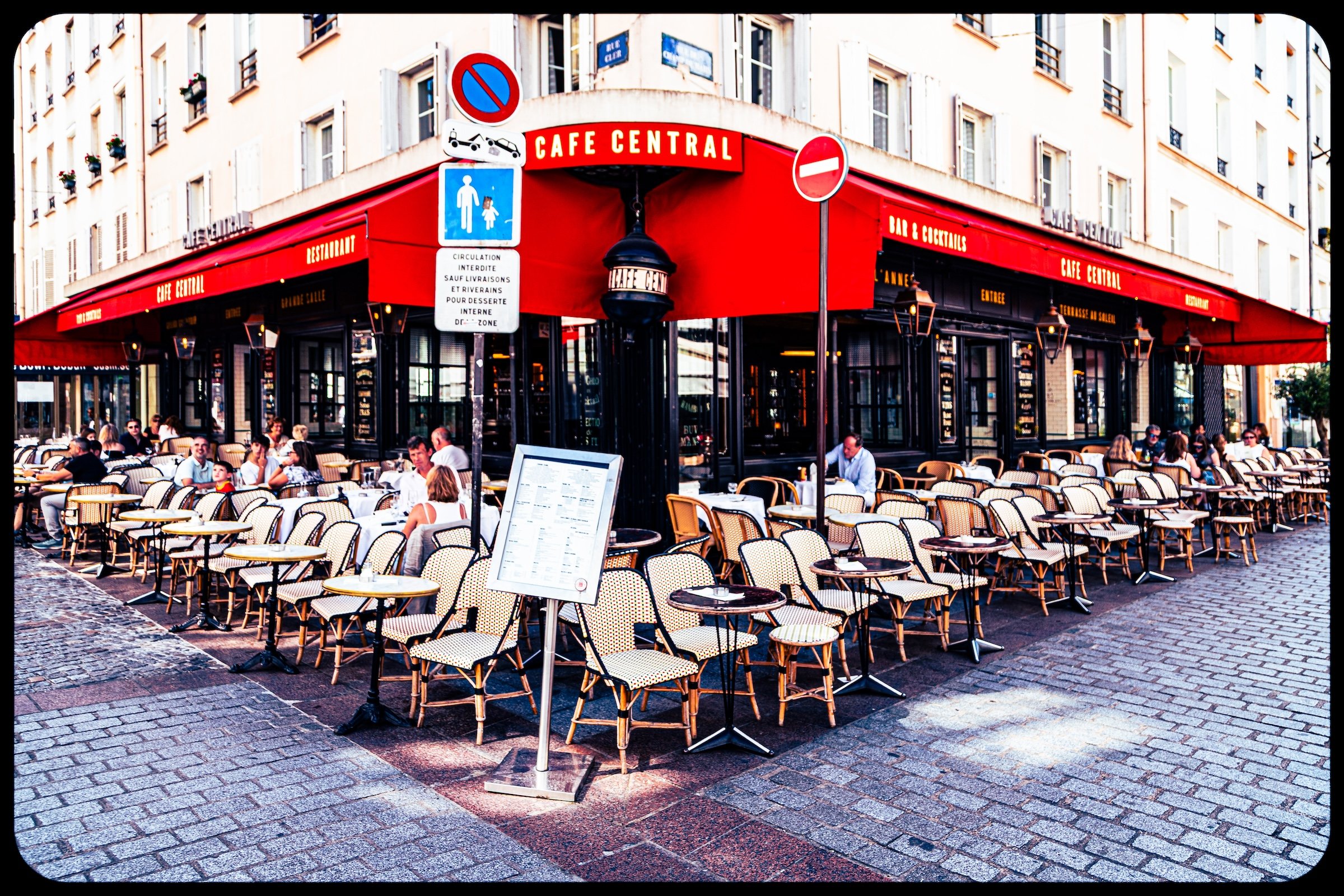
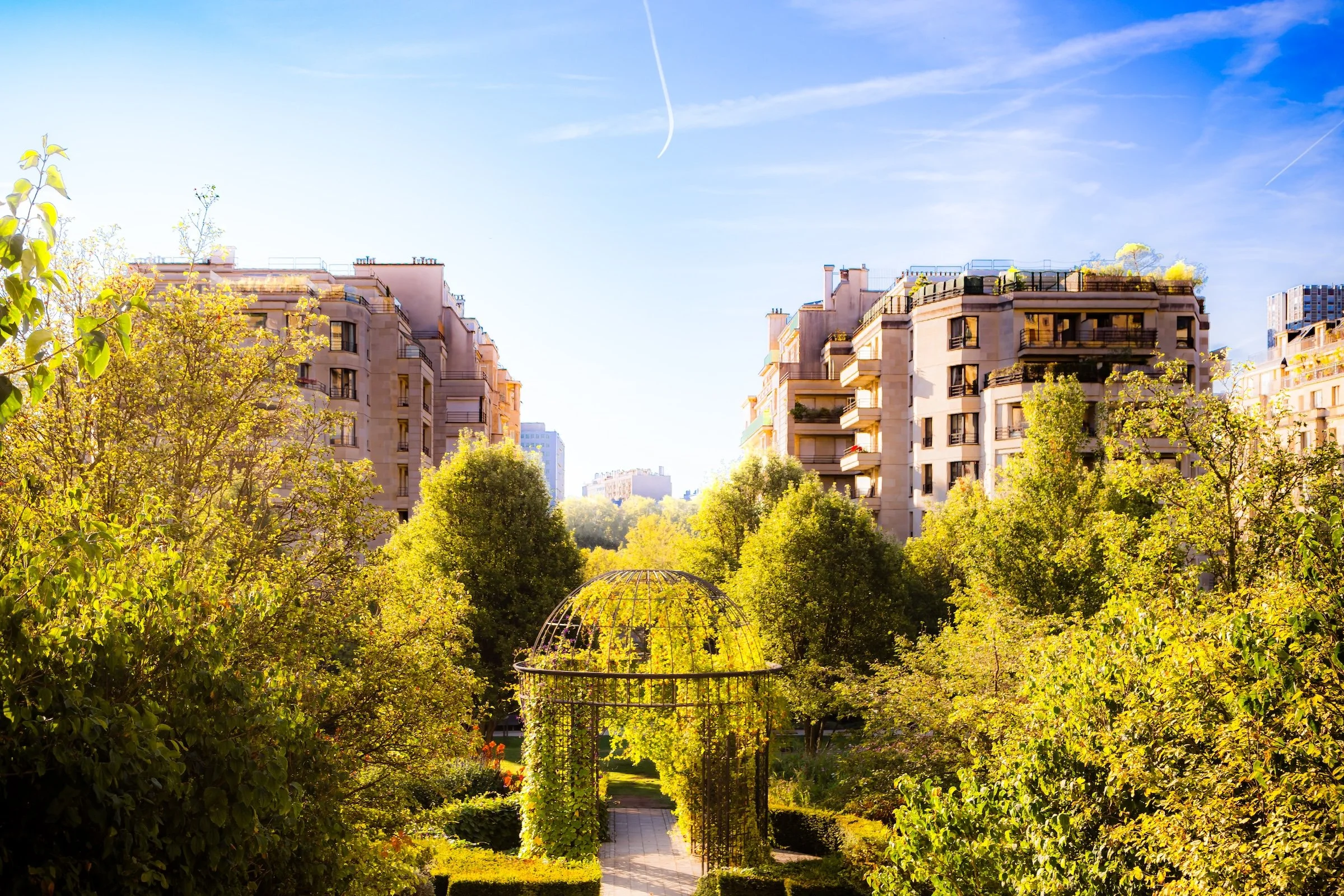
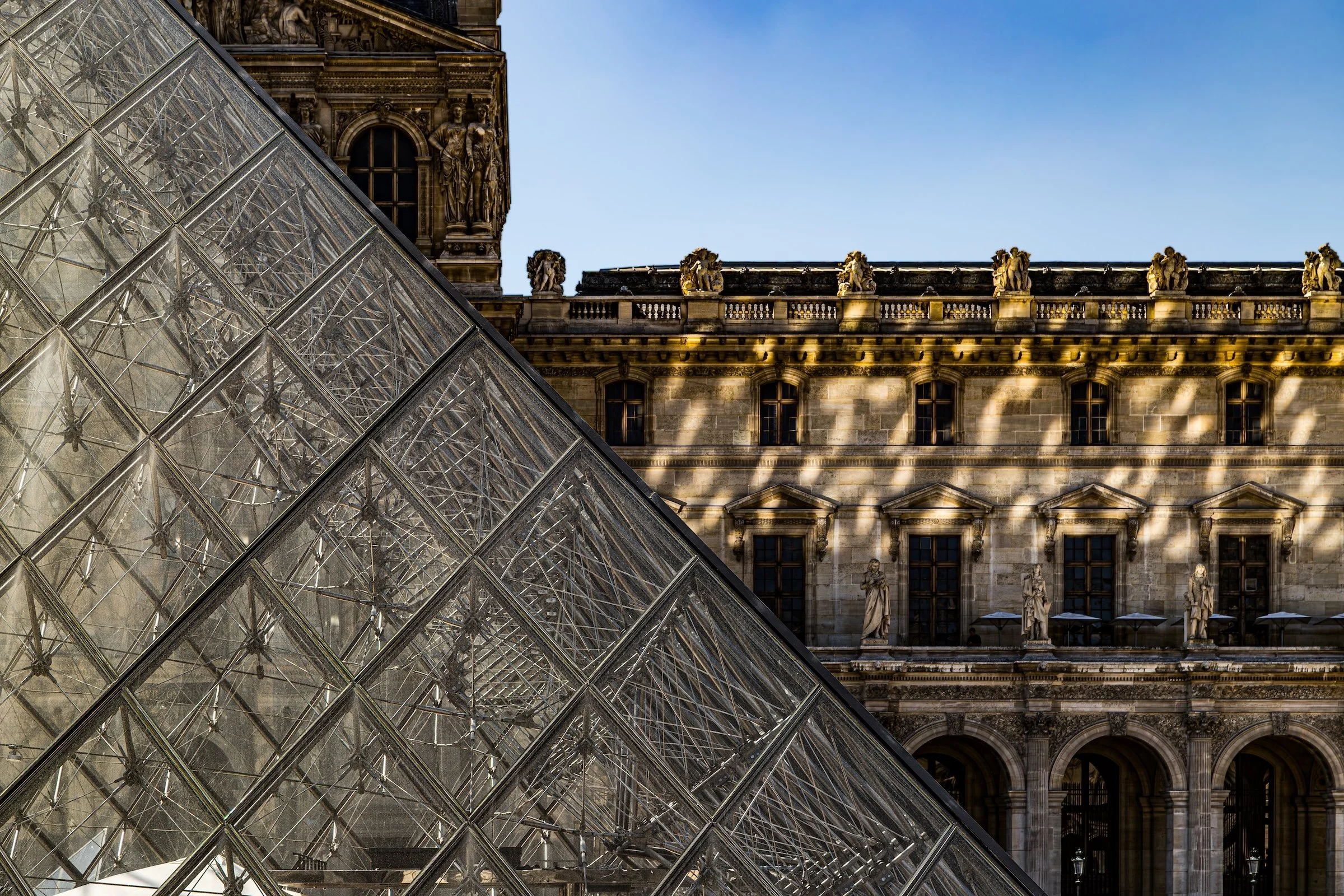
Paris: J’Espere, Je Rêve, Je Vive
Paris Photo Gallery
Paris Field Notes
-
Field Note: August 18, 2025 | 07:58 AM
Conditions: 73°F | Humidity: 72%.
Within the park's interior, the glacial kettle ponds acted as humidity traps, creating a soft, hazy light that filtered through the old-growth oaks. The transition from the park's dense shade to the sun-drenched edges of Oakland Gardens highlighted the day's exceptional "picture-perfect" clarity.
There is a fleeting window in Queens where the humidity of August hasn't yet heavy-set, and the morning sun hits the canopy of Alley Pond Park at a perfect oblique angle. Arriving just before 8:00 AM, I watched the light break through the oaks and tulip trees, casting long, dramatic shadows across the wet grass. It’s in these quiet, golden moments that the park feels less like a city escape and more like the ancient glacial valley it actually is.
Other neighborhoods visited:
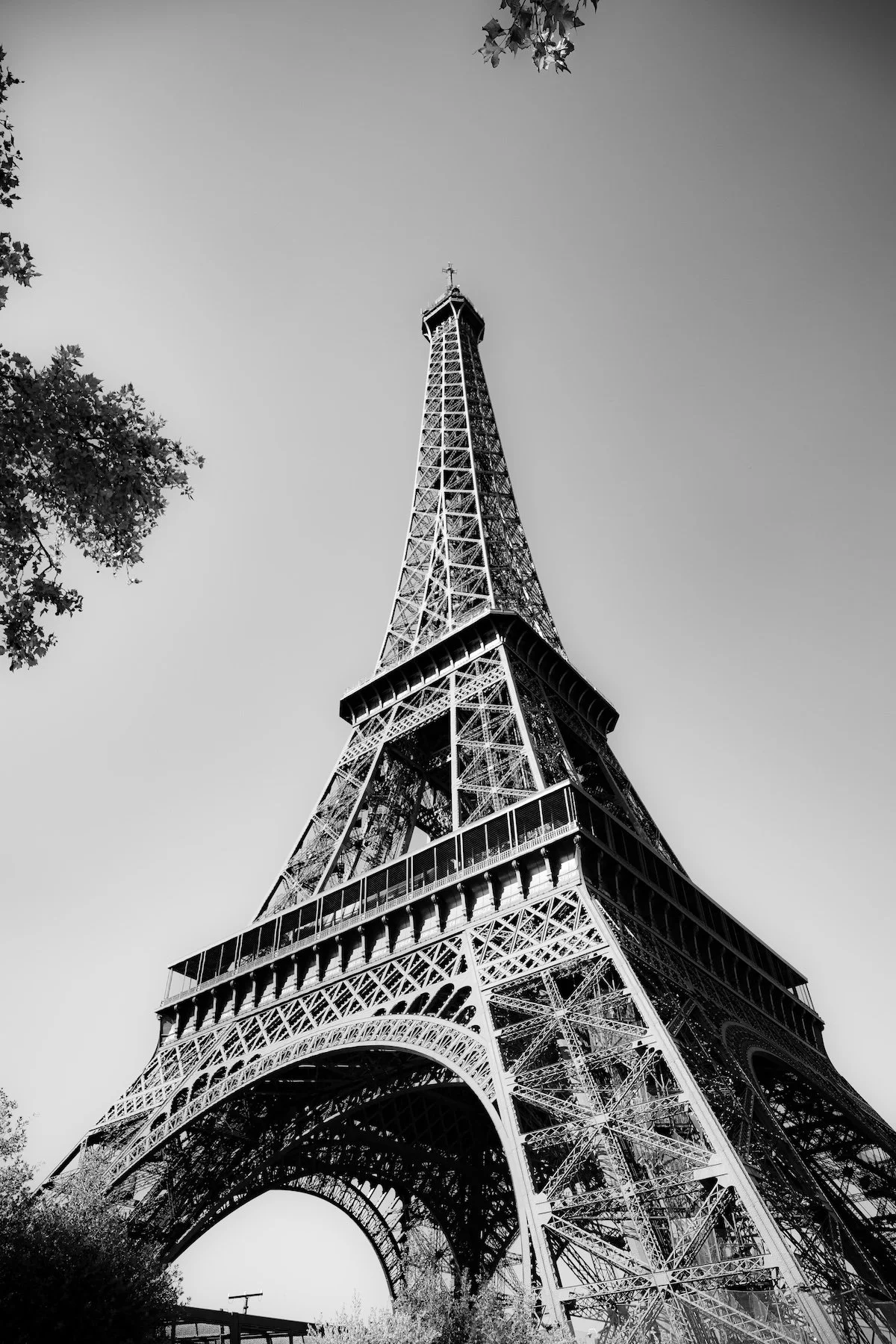
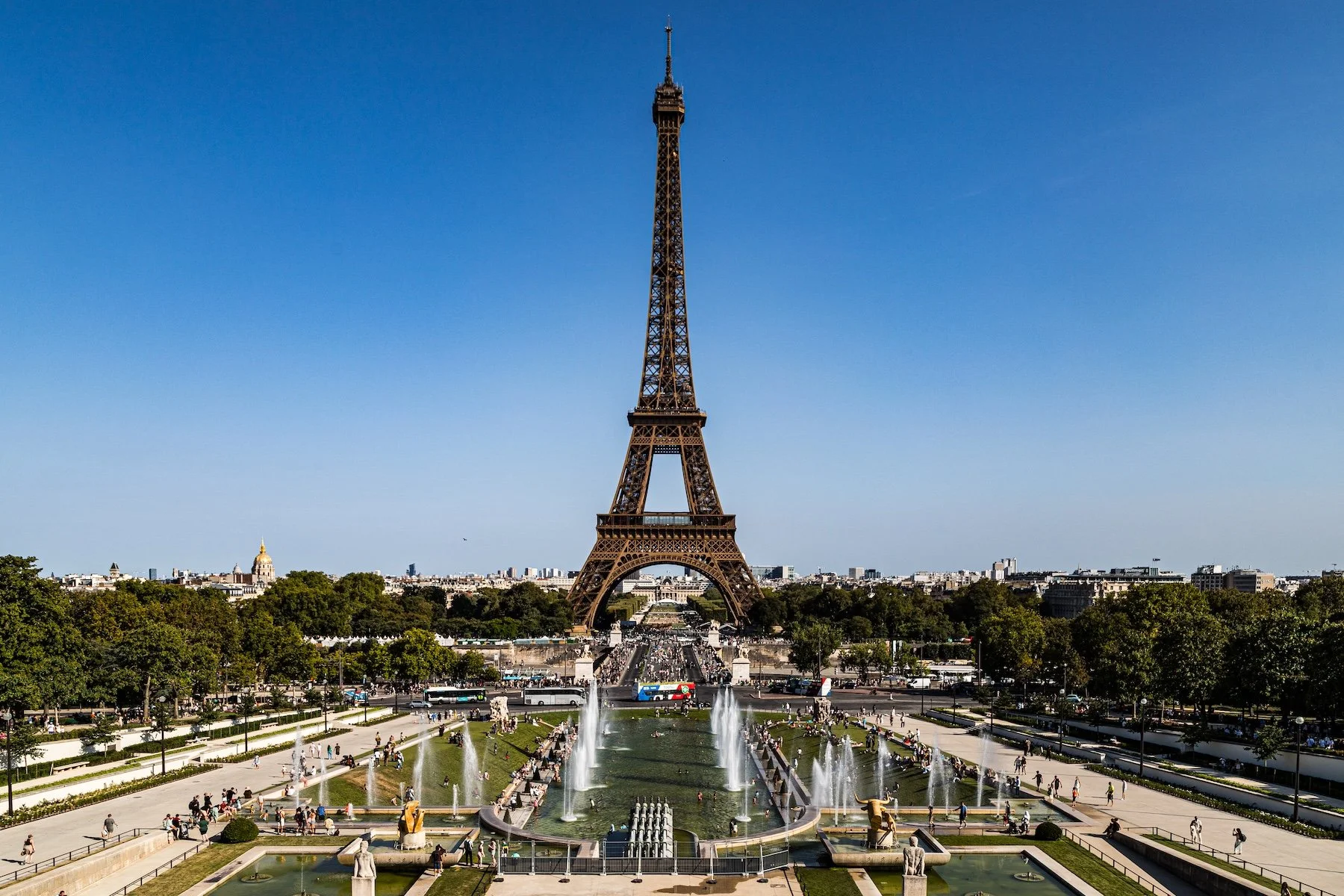
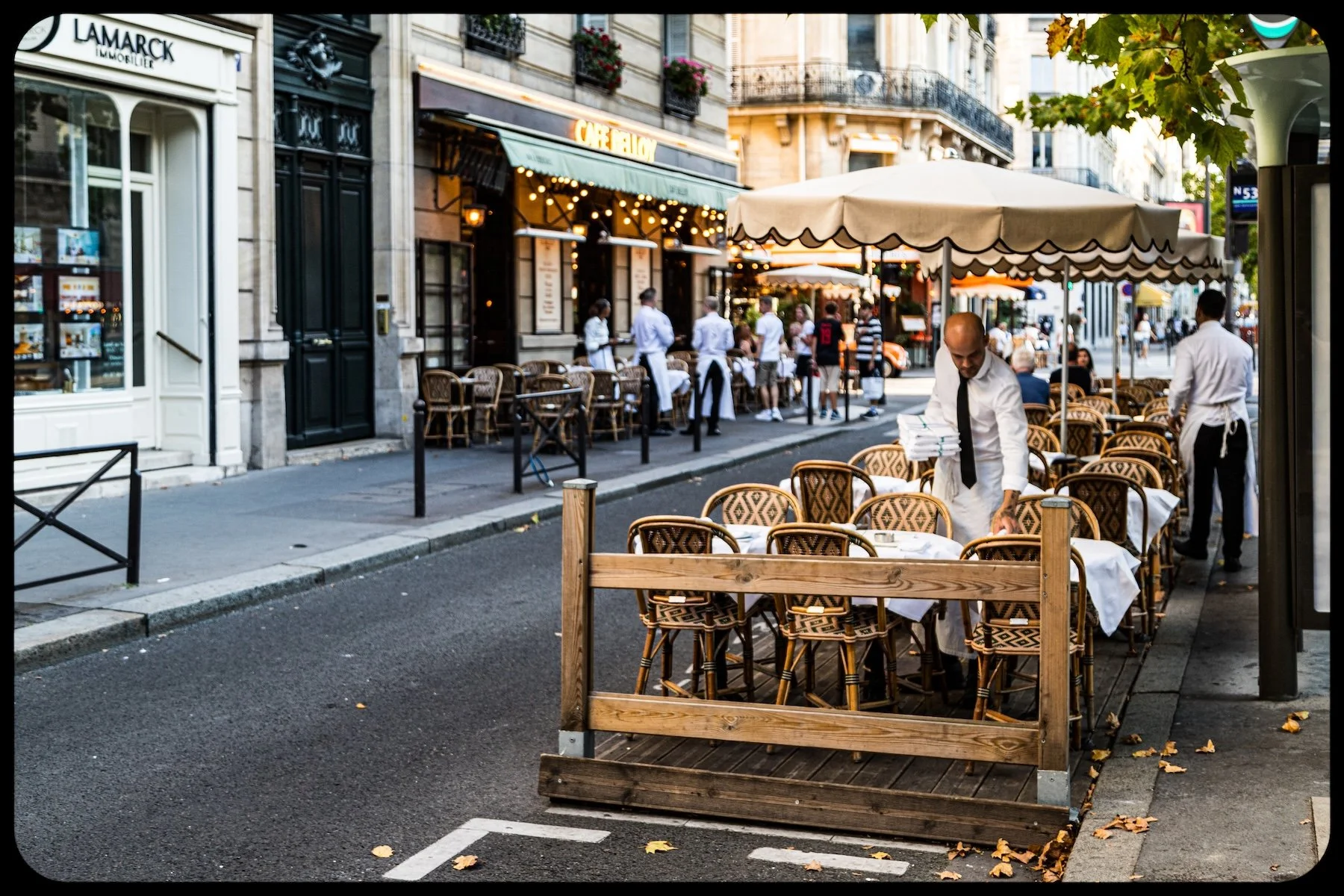
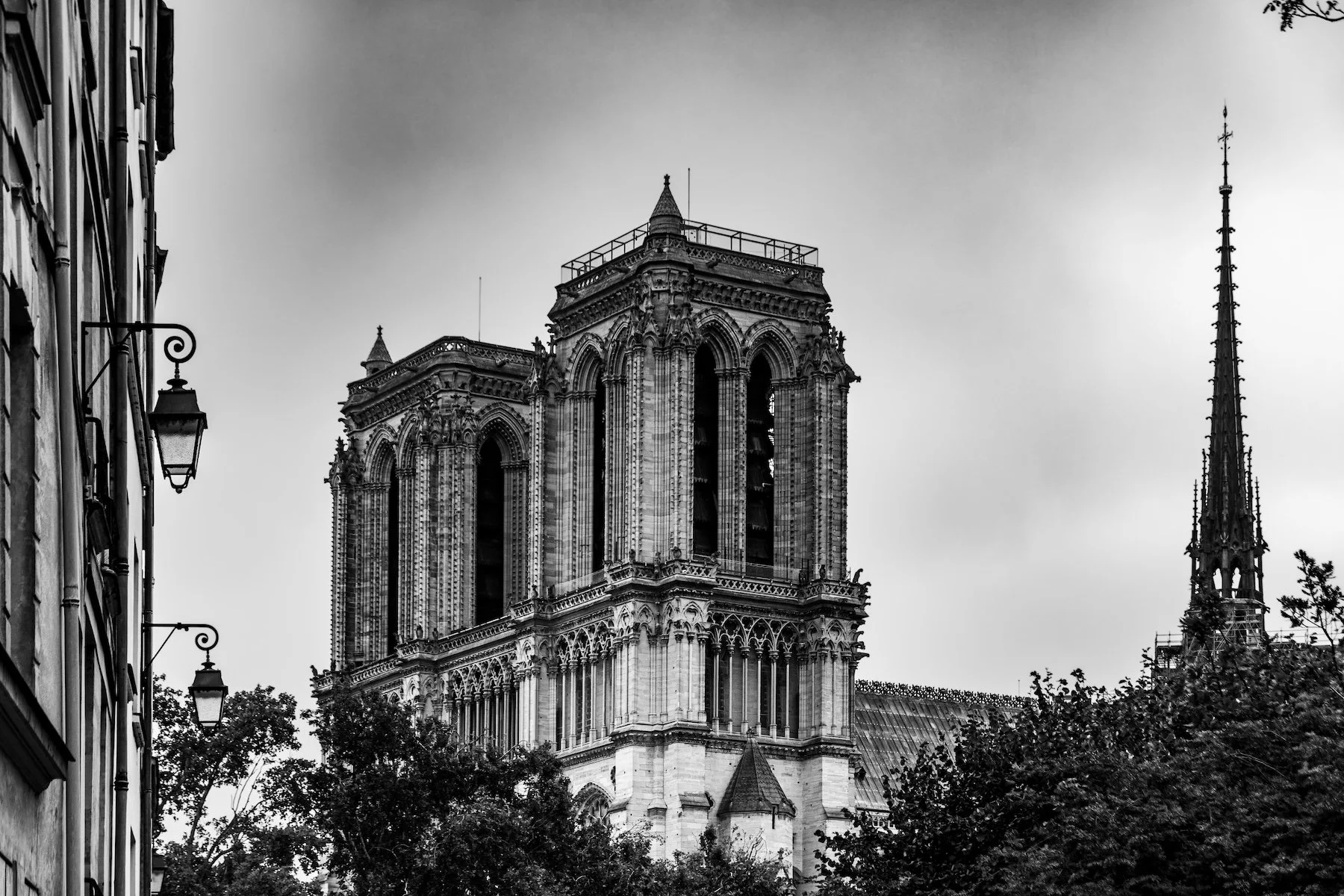
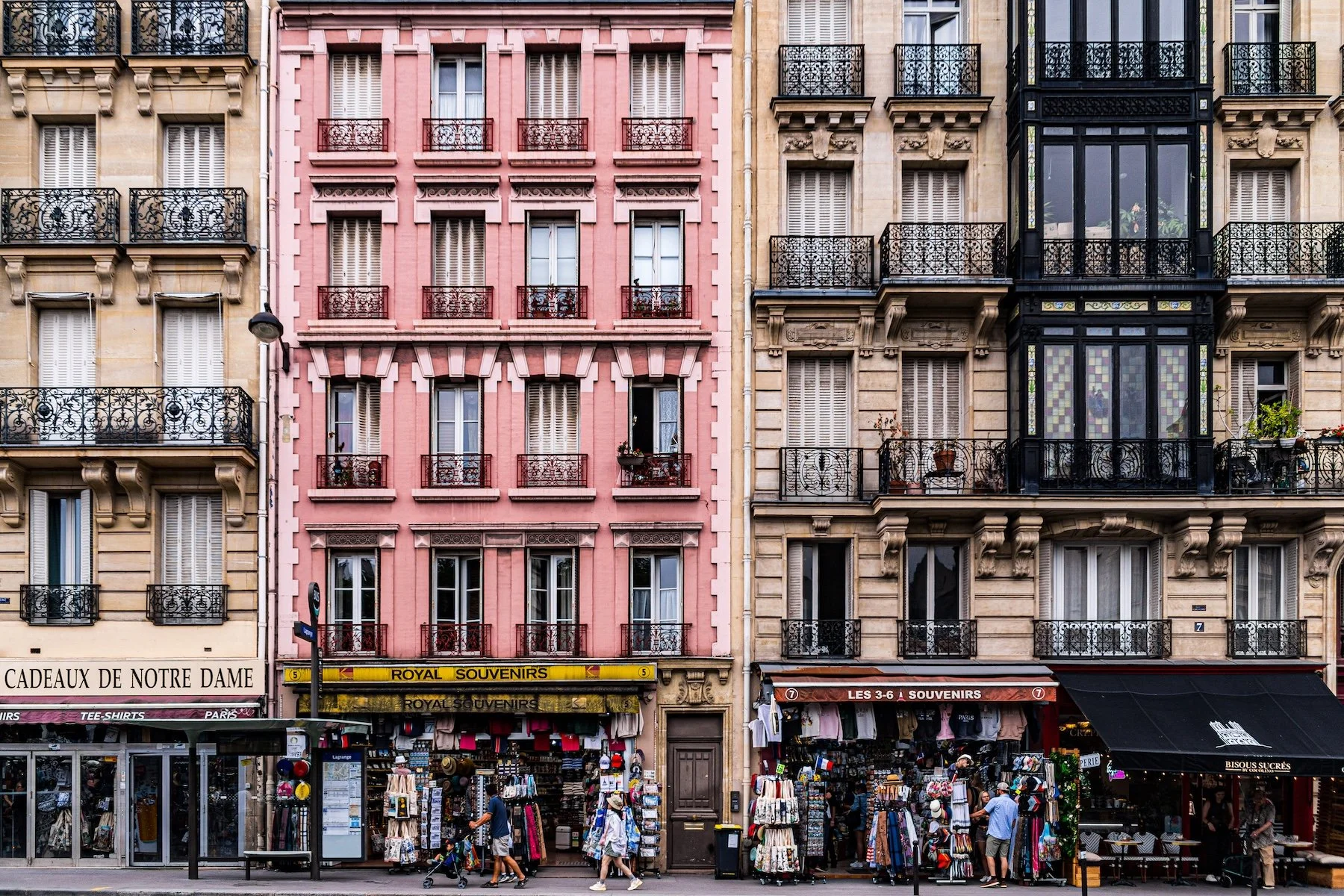
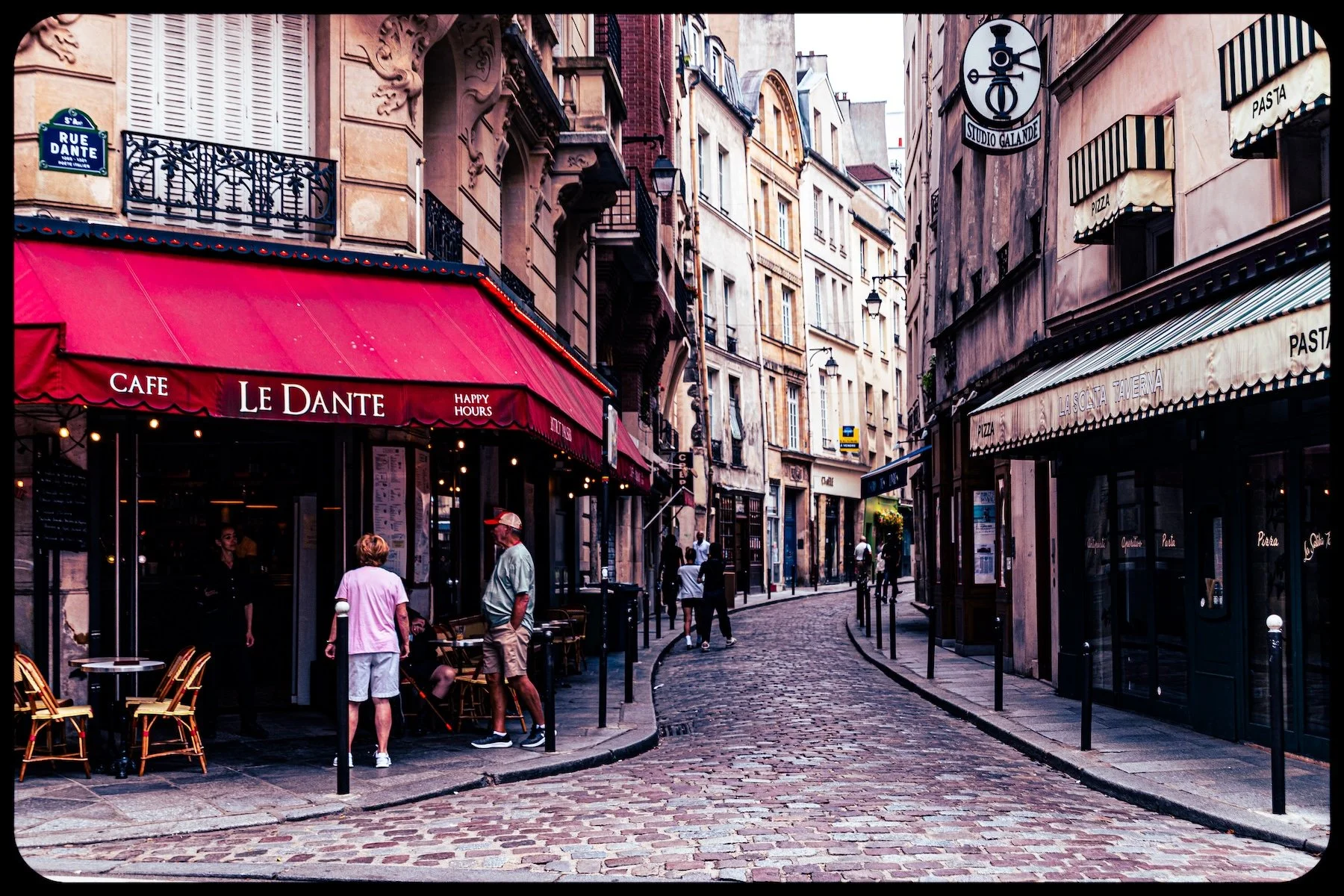
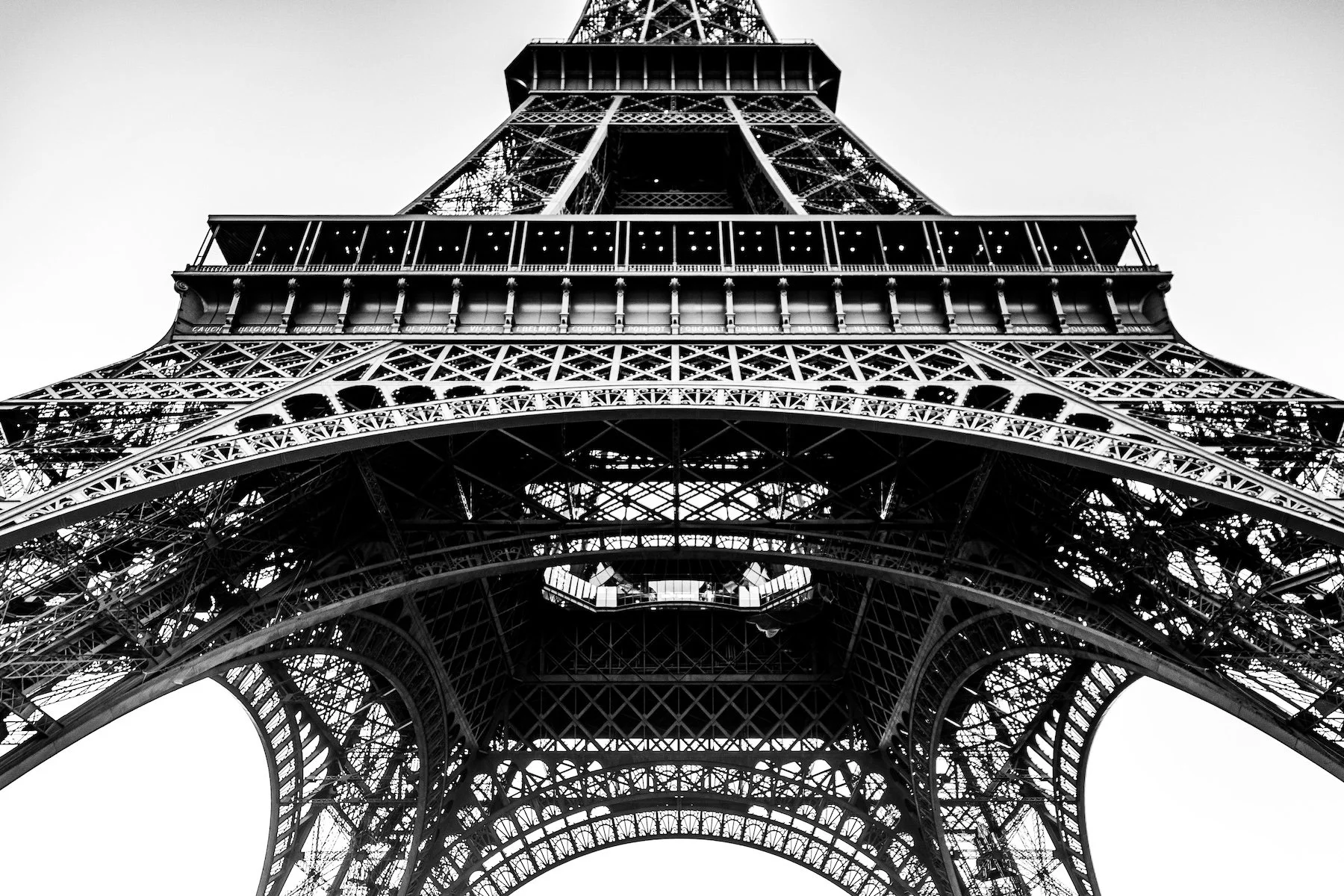
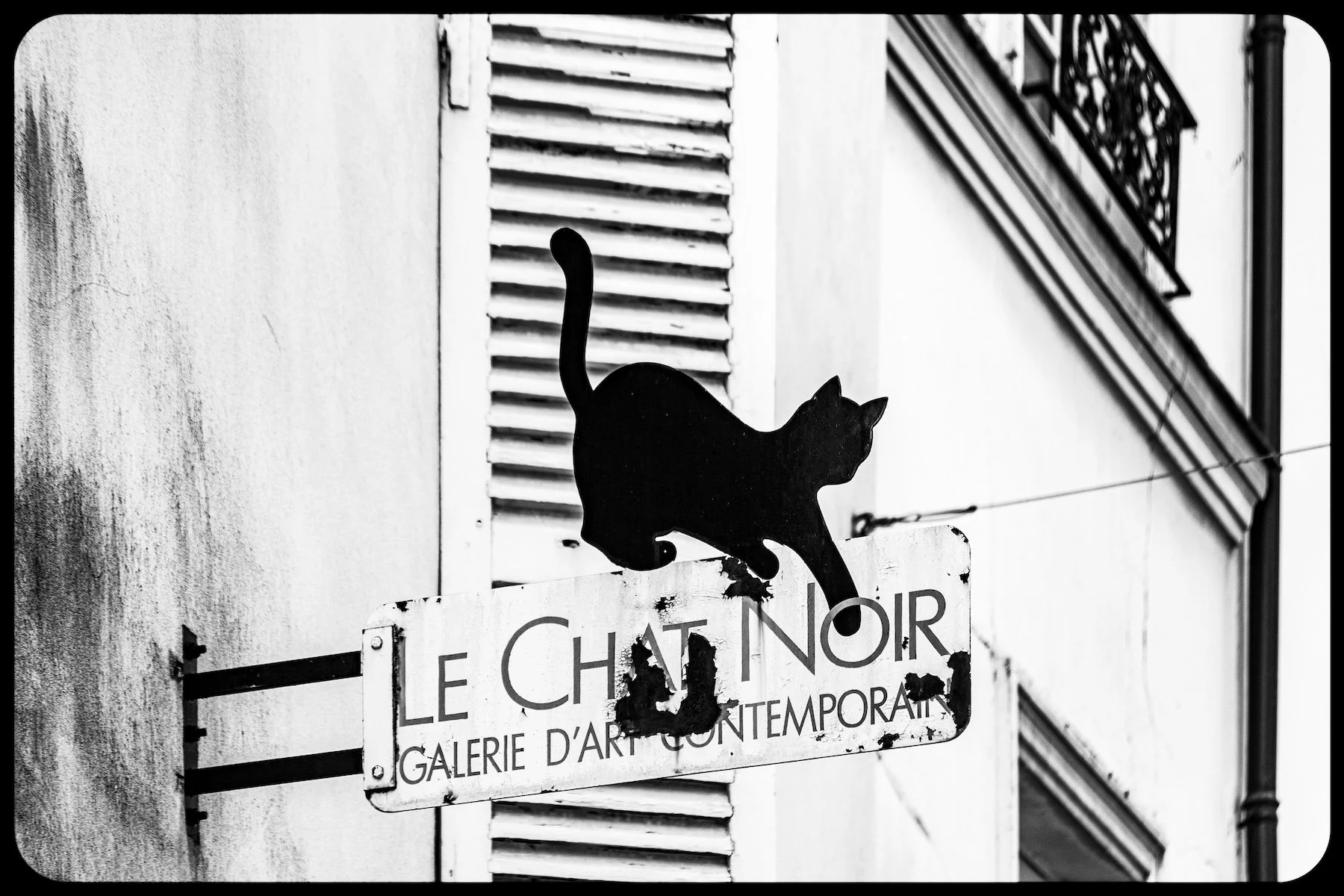
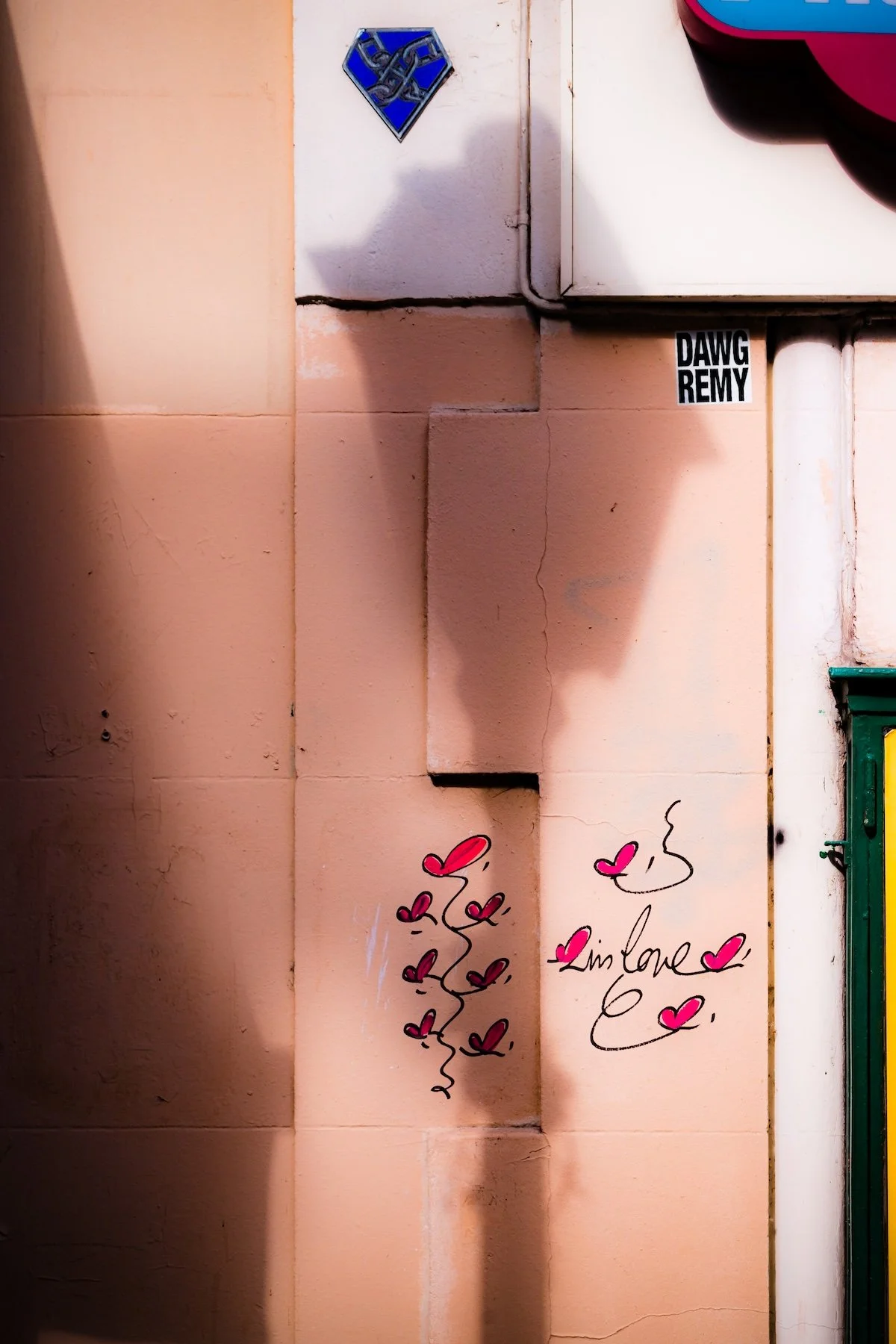
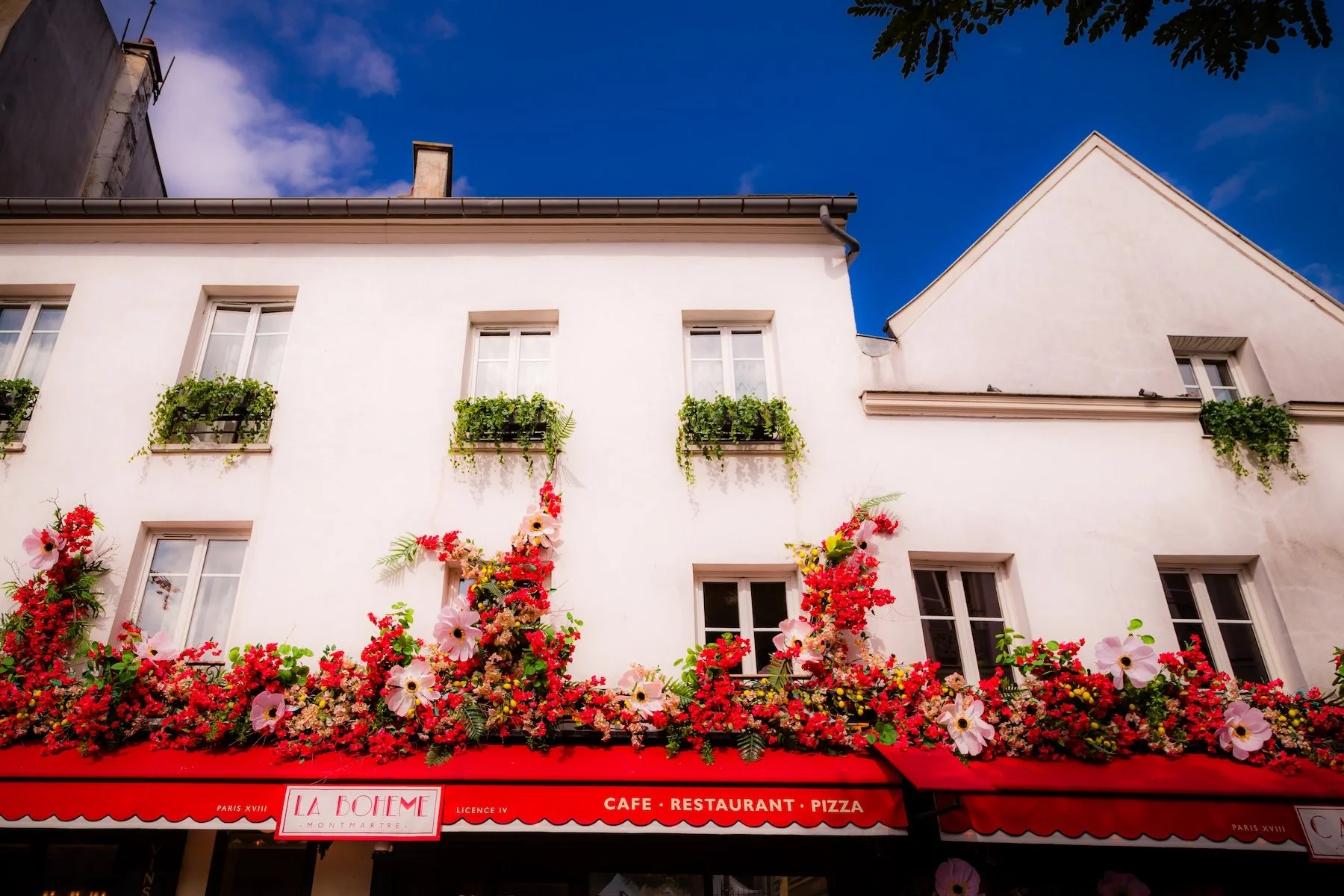
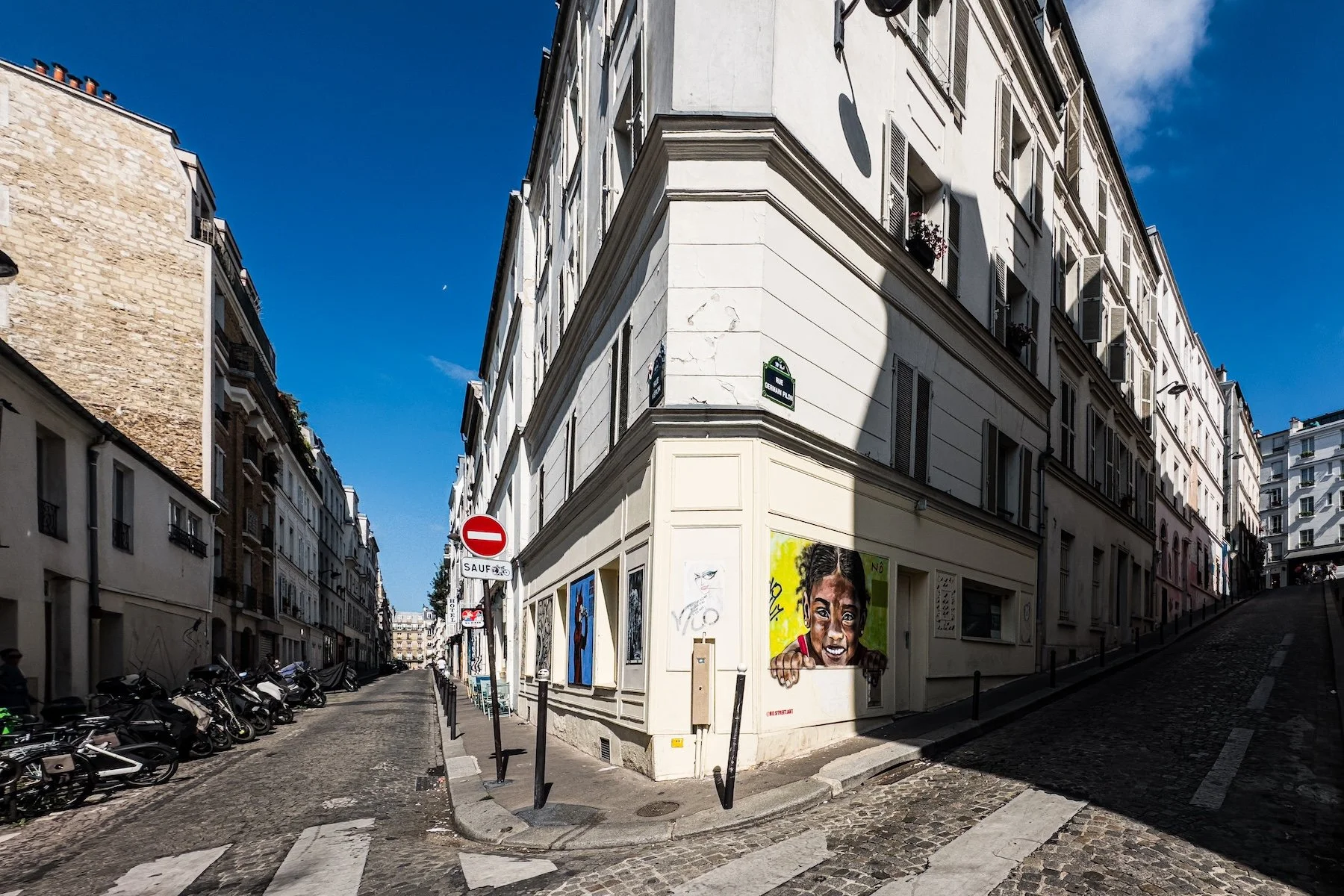
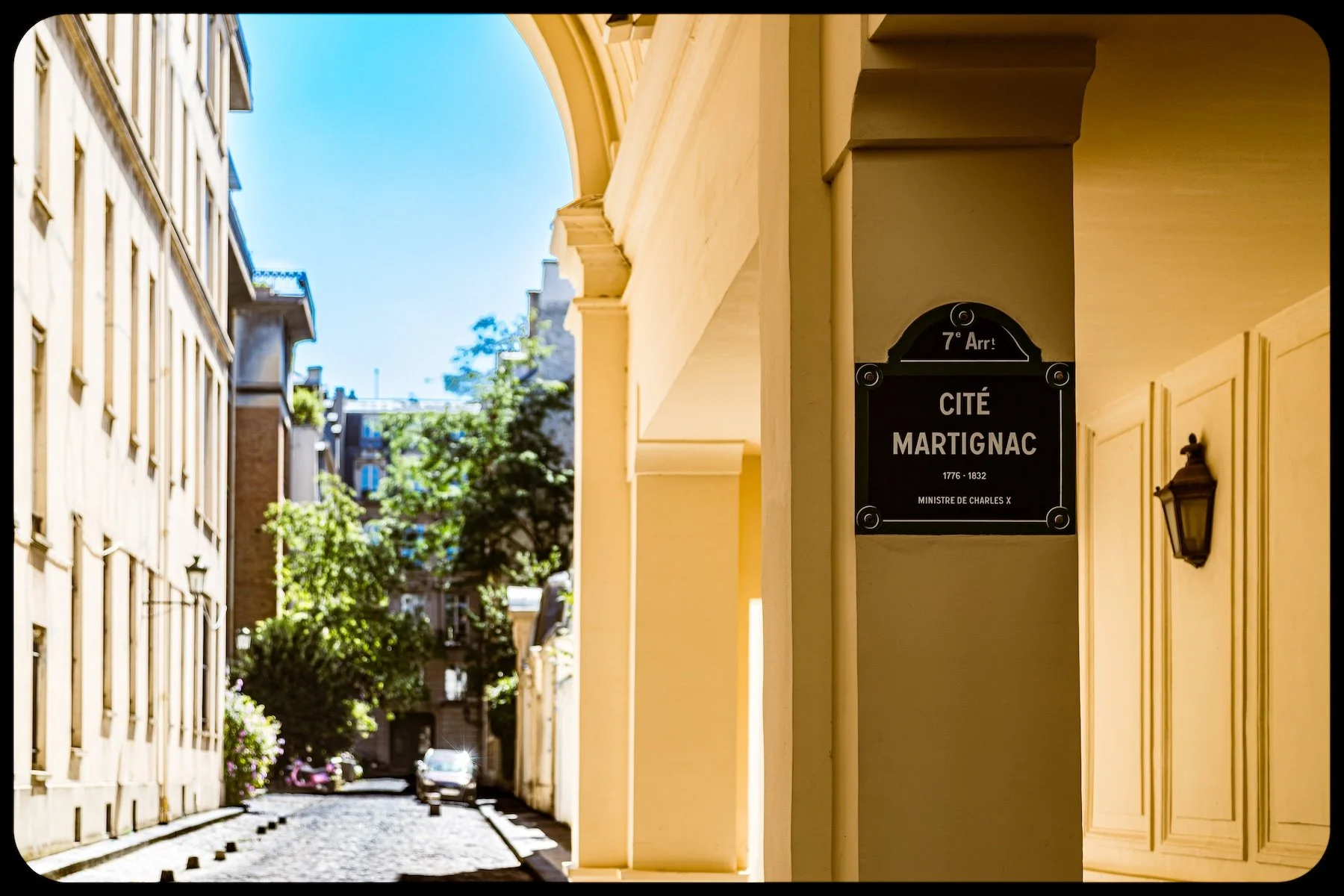
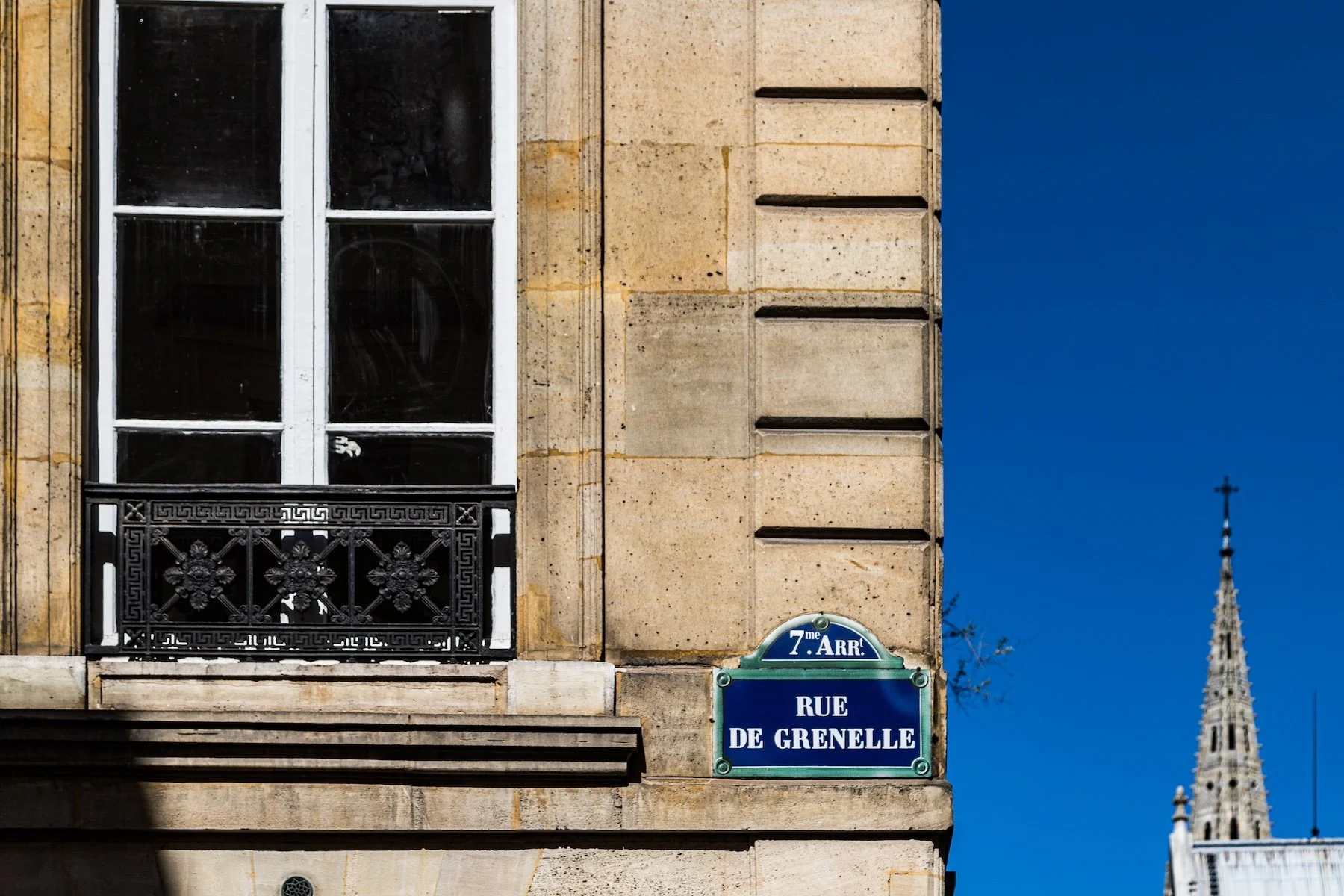
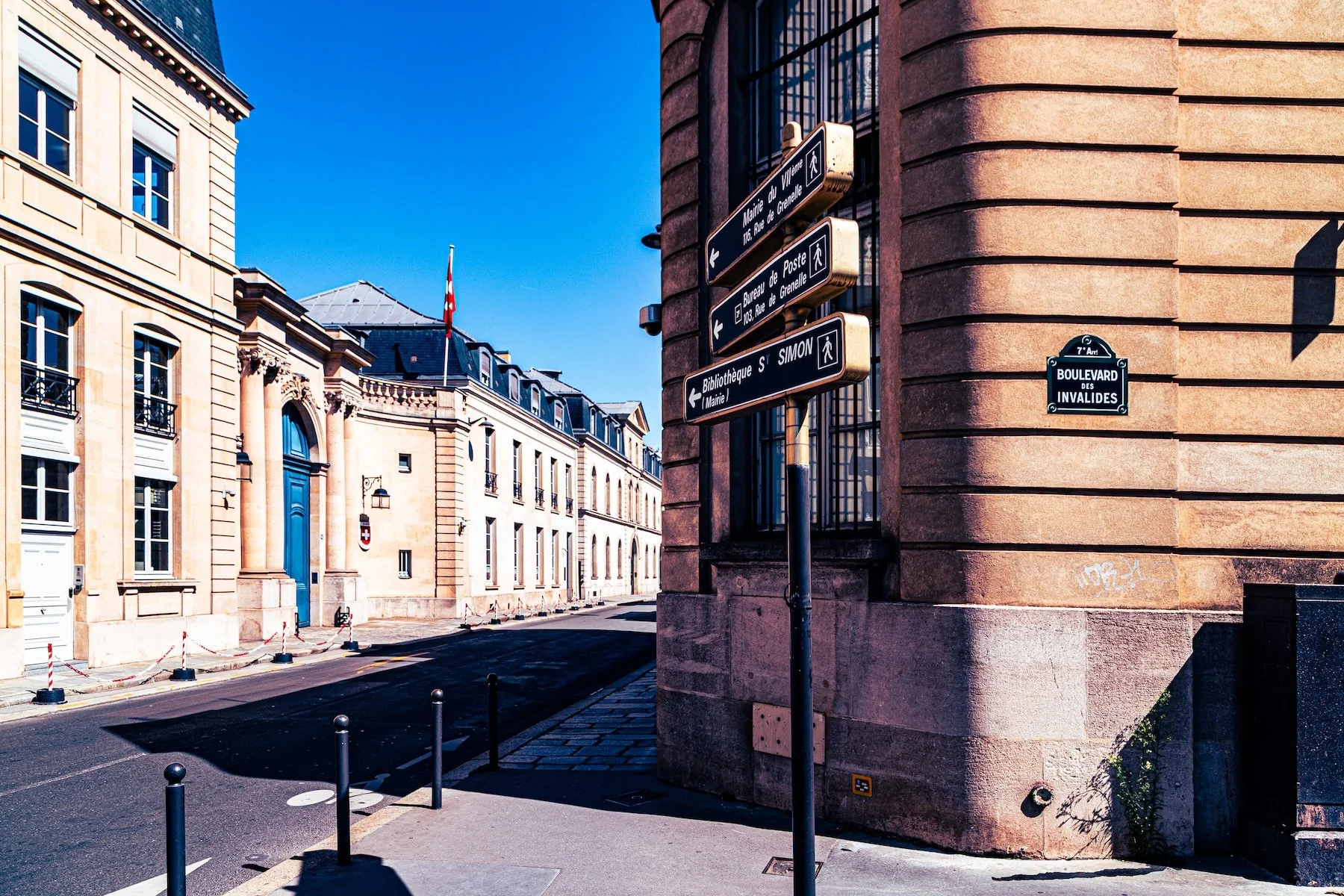
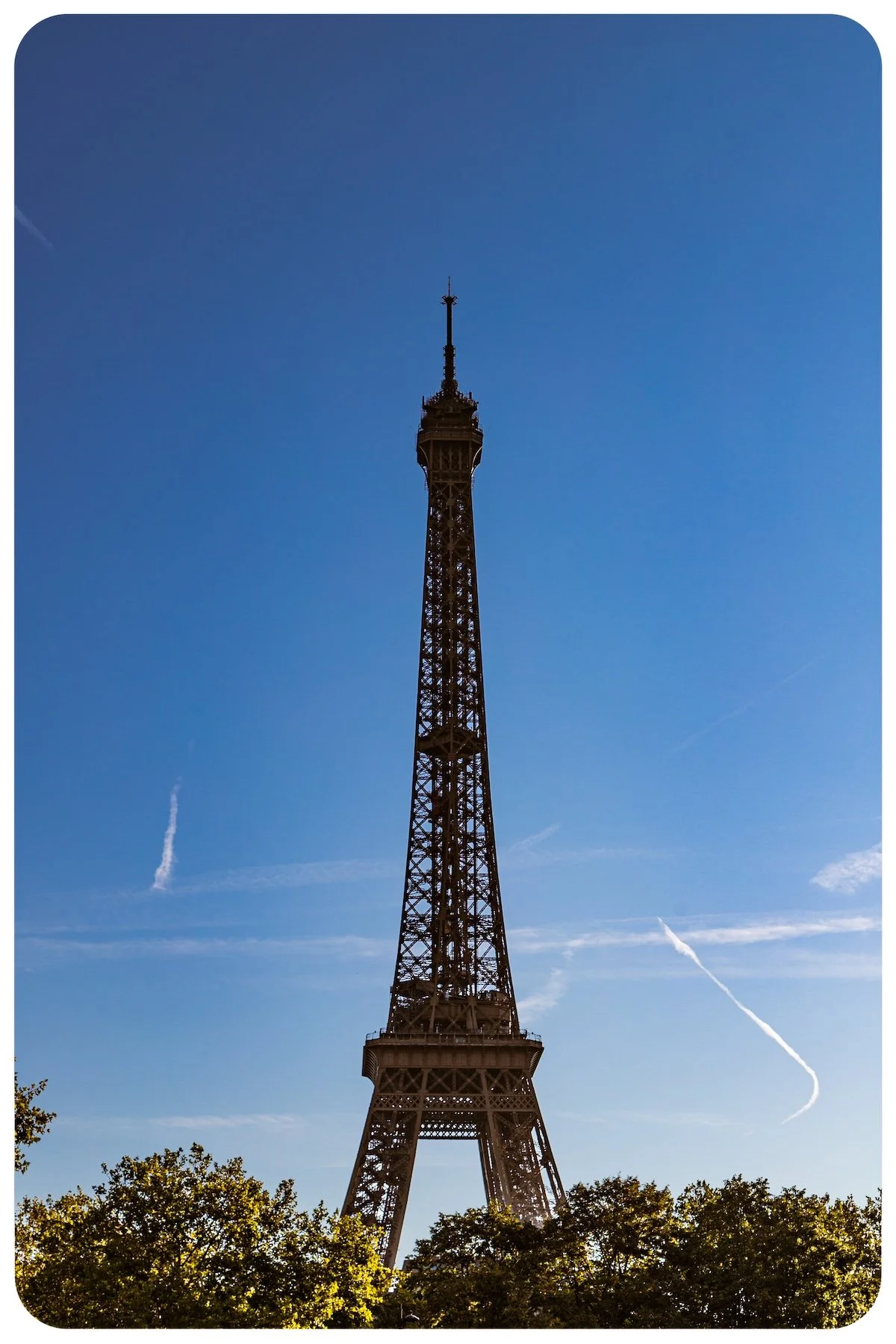
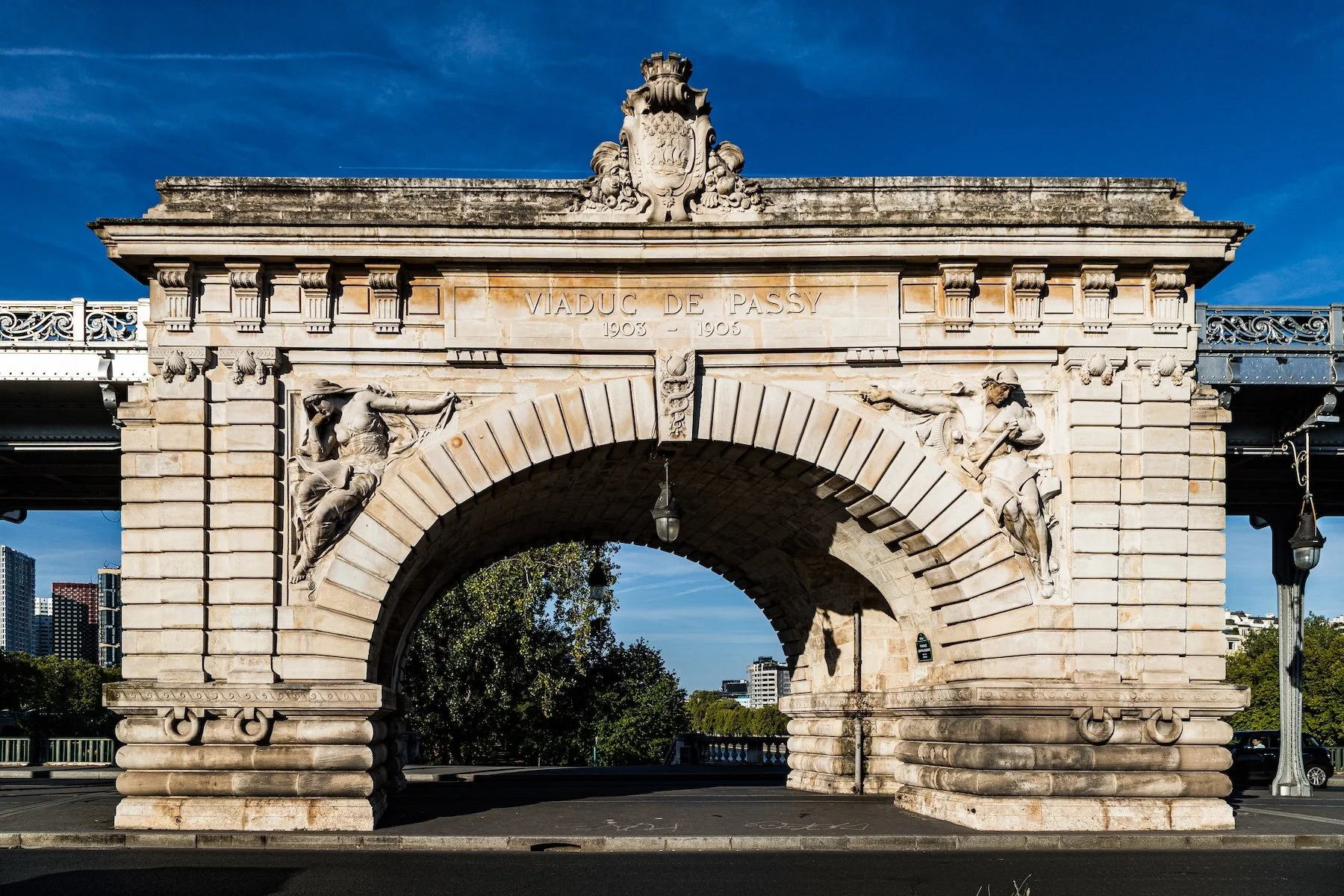
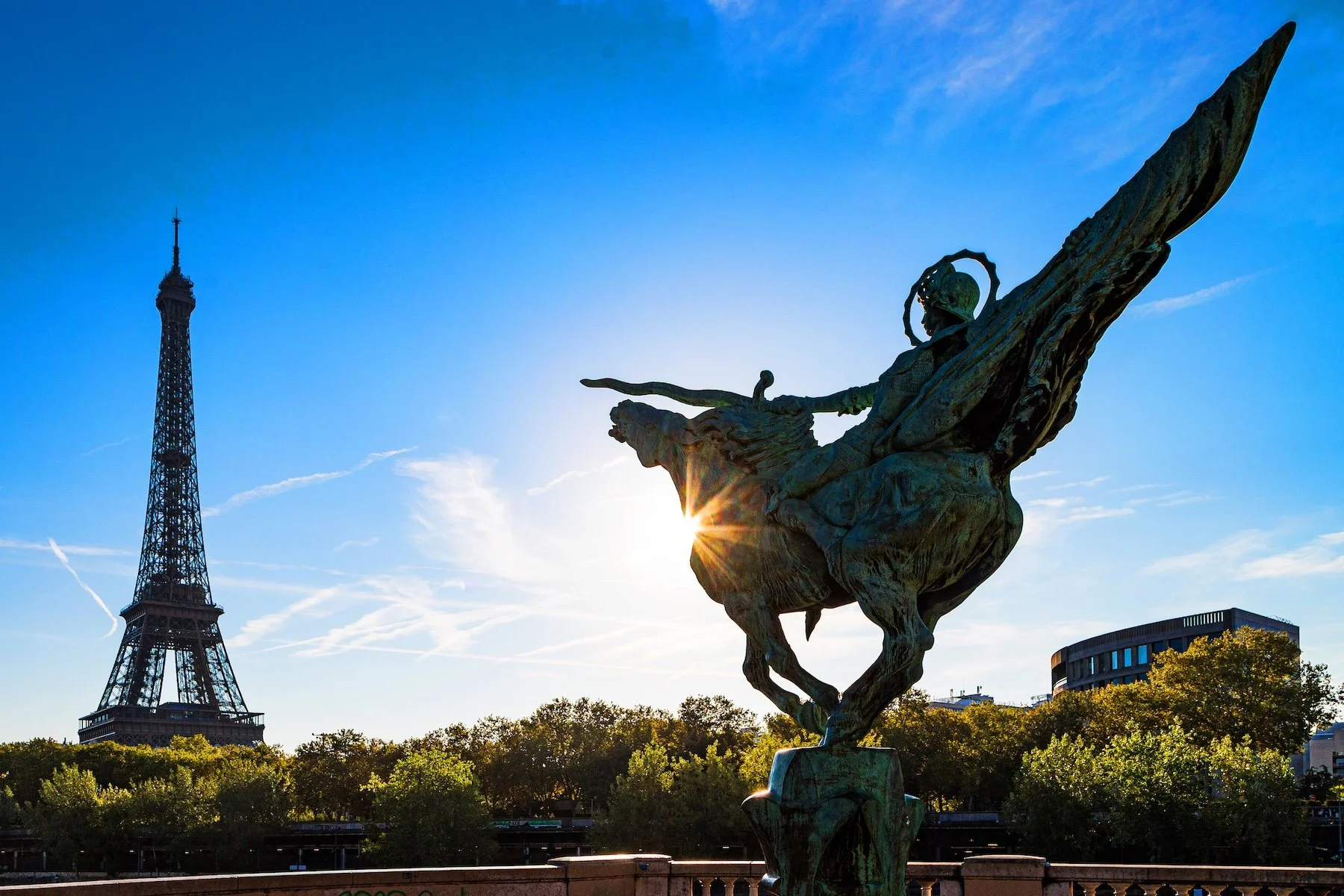
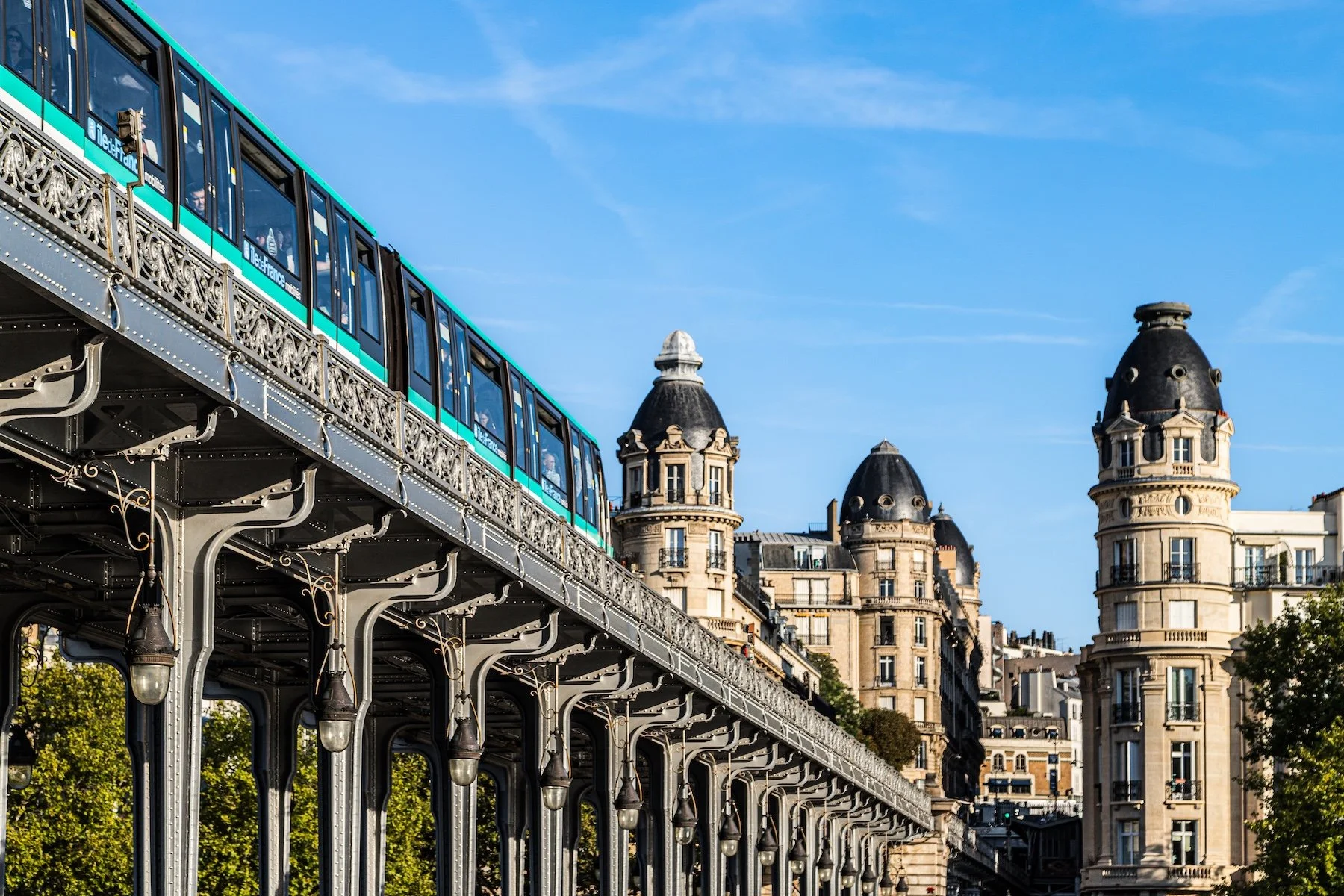
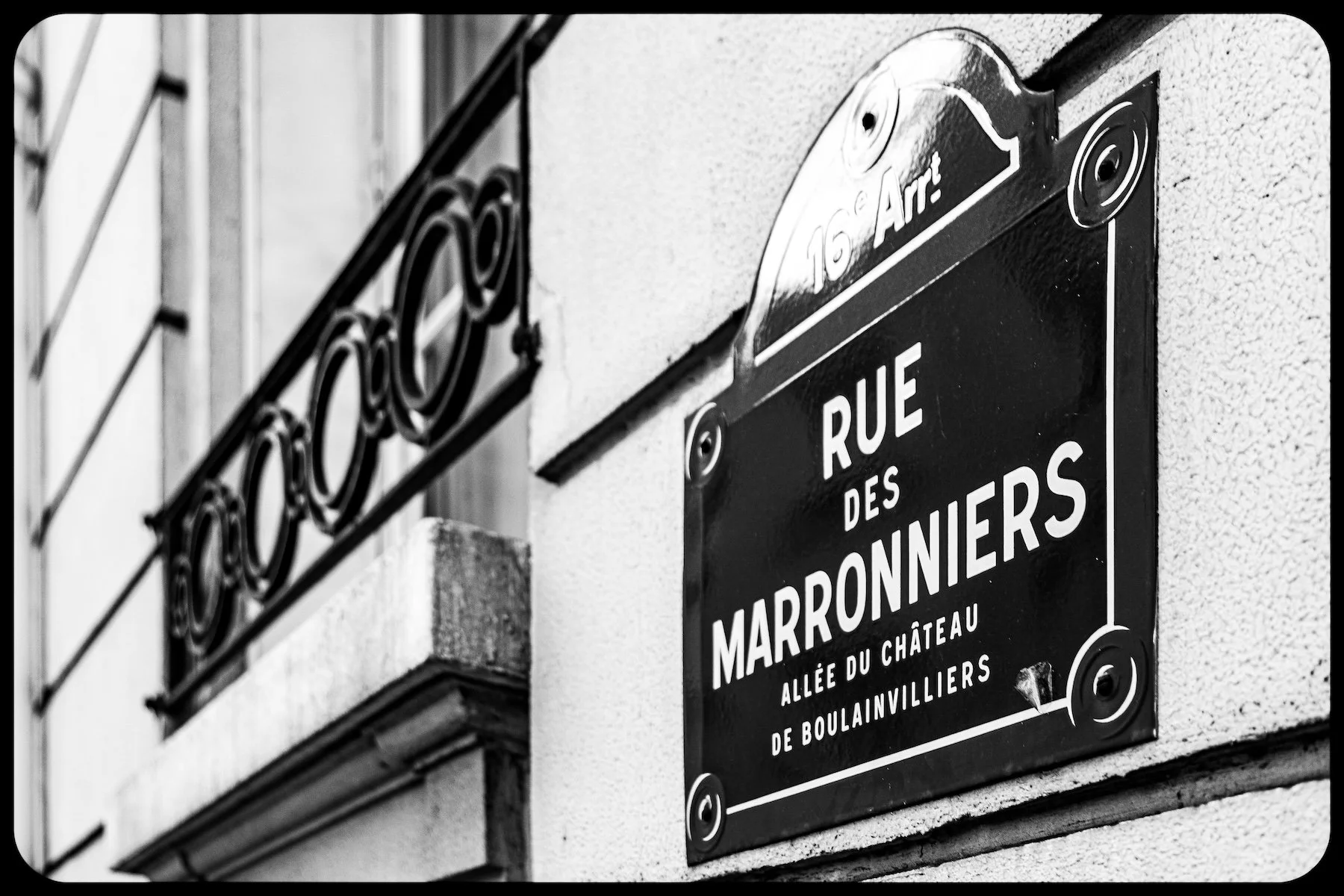
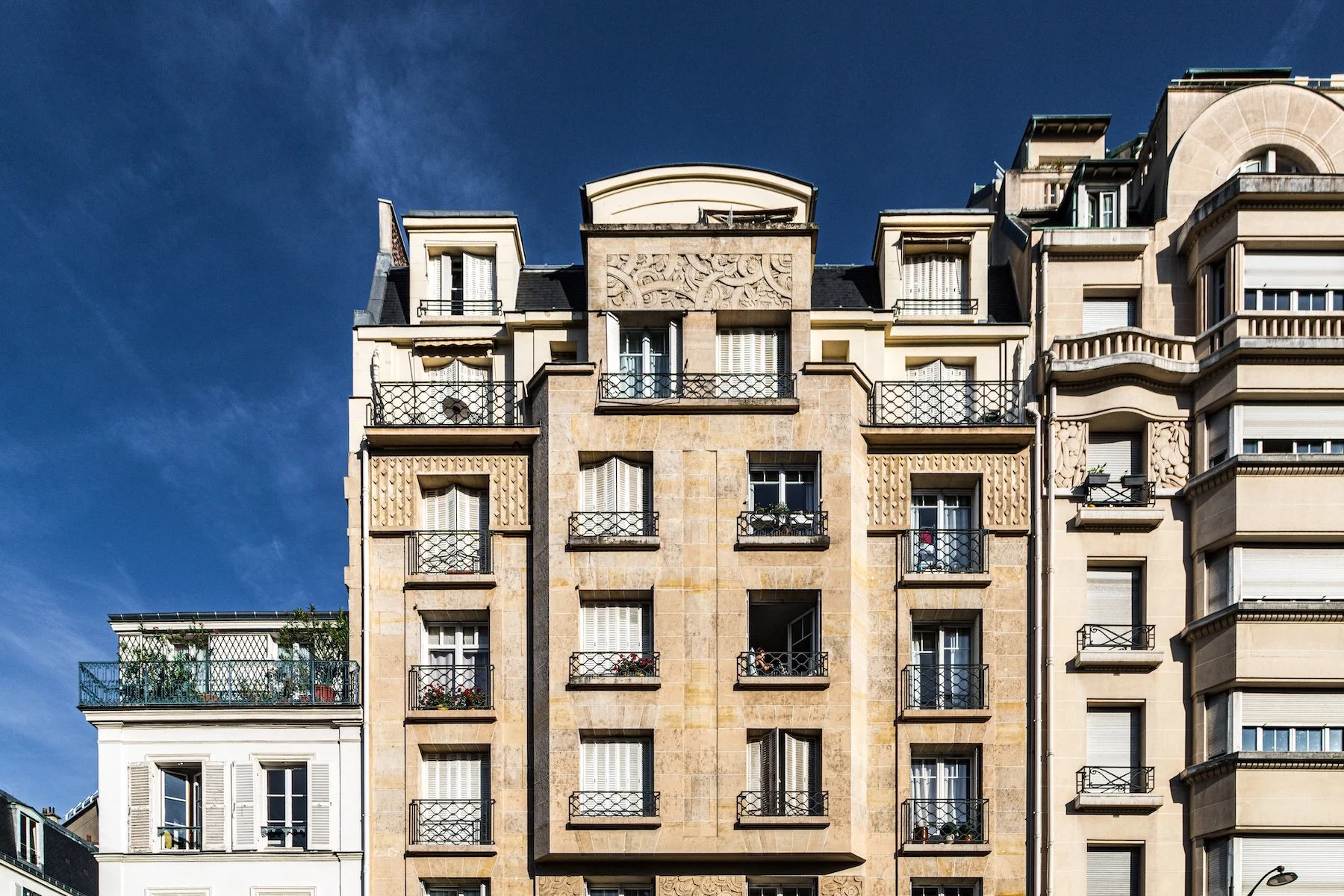
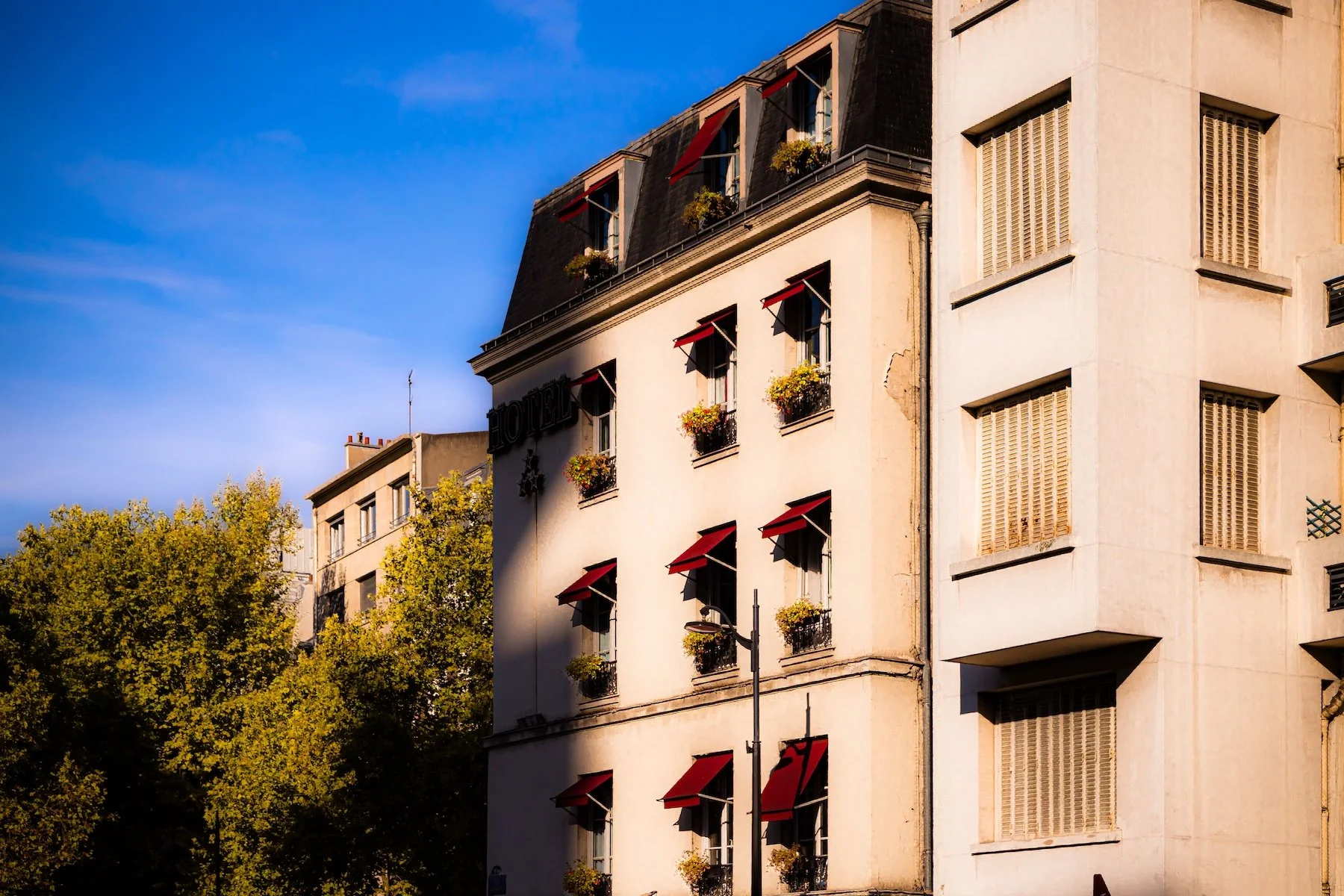
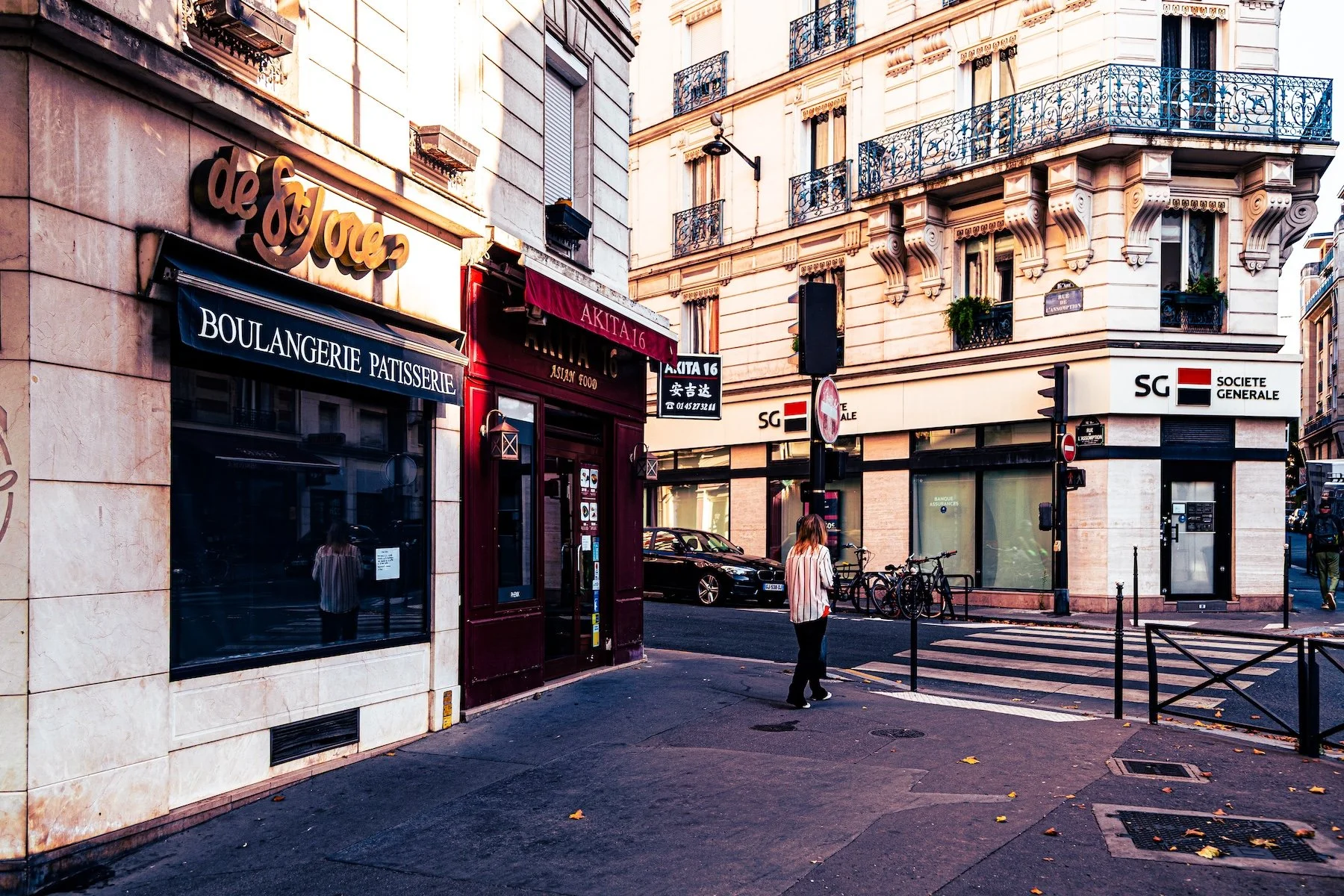

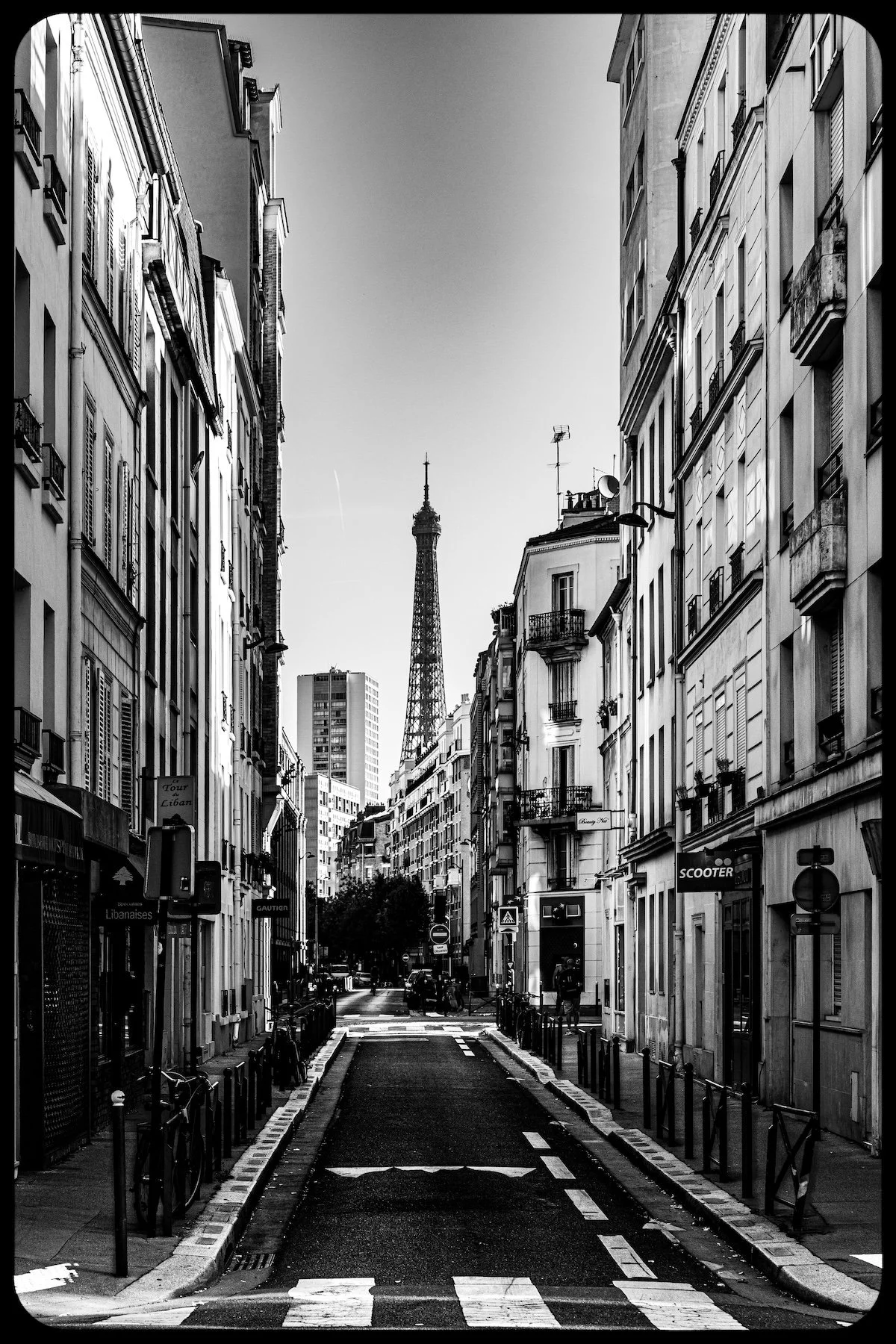
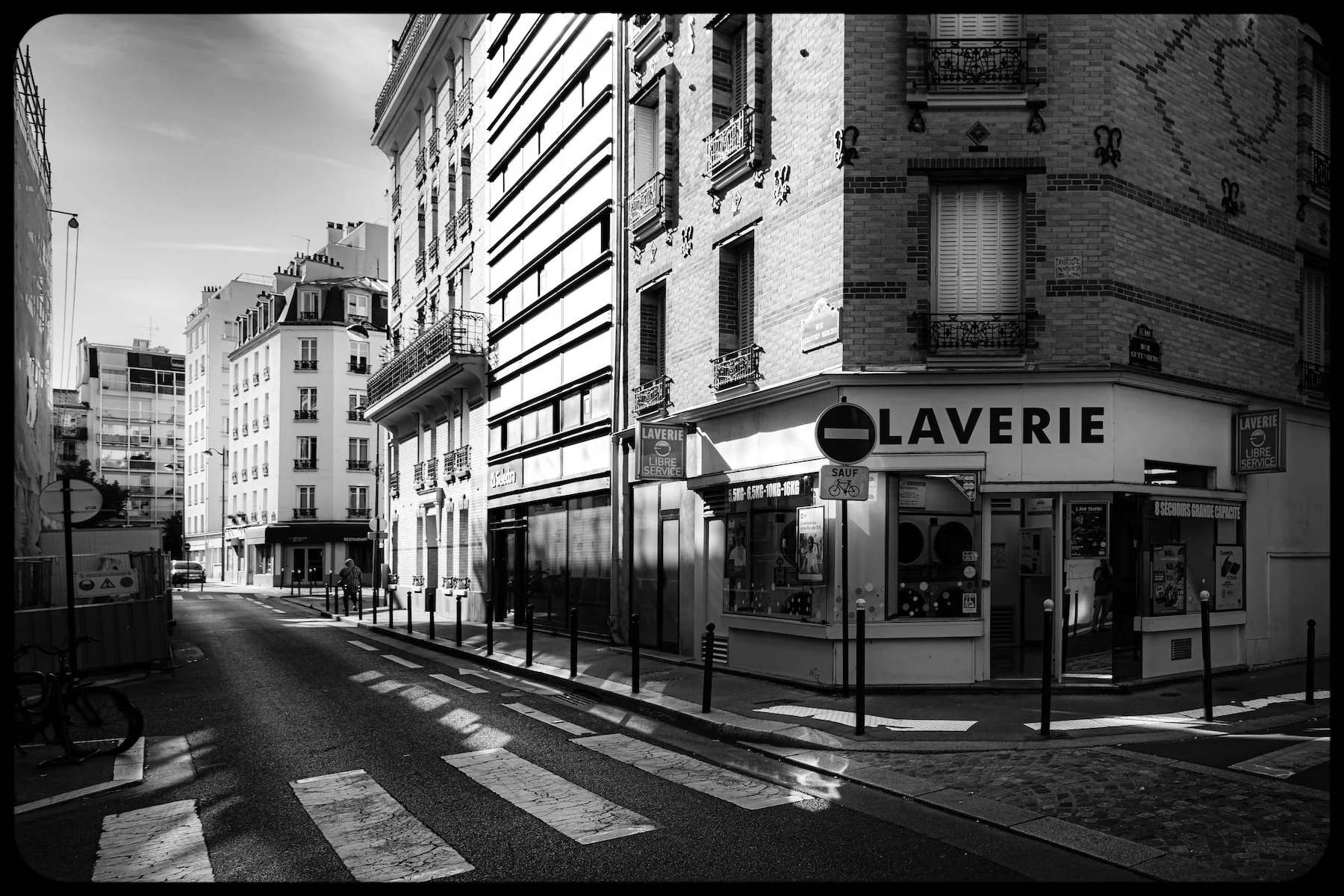
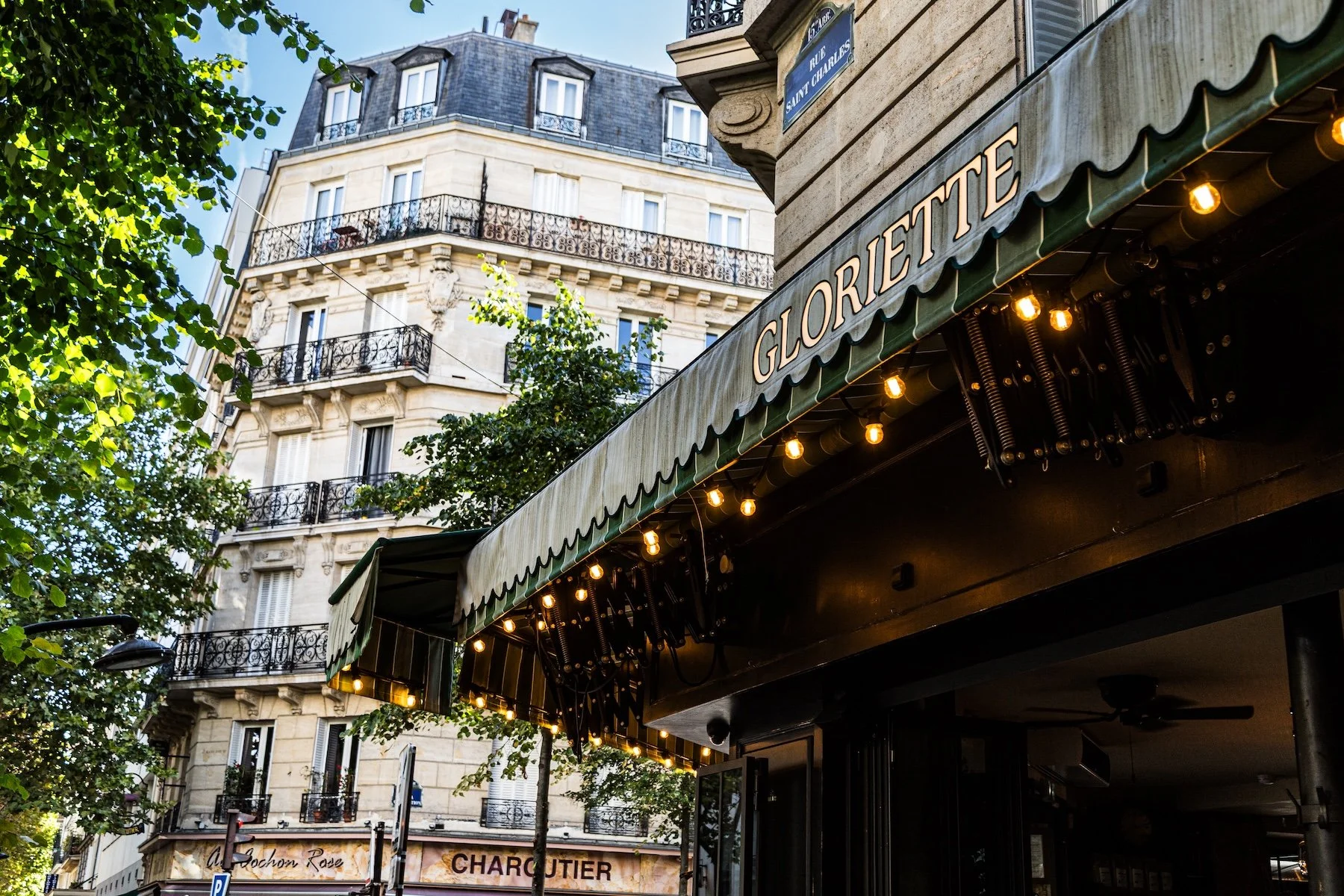
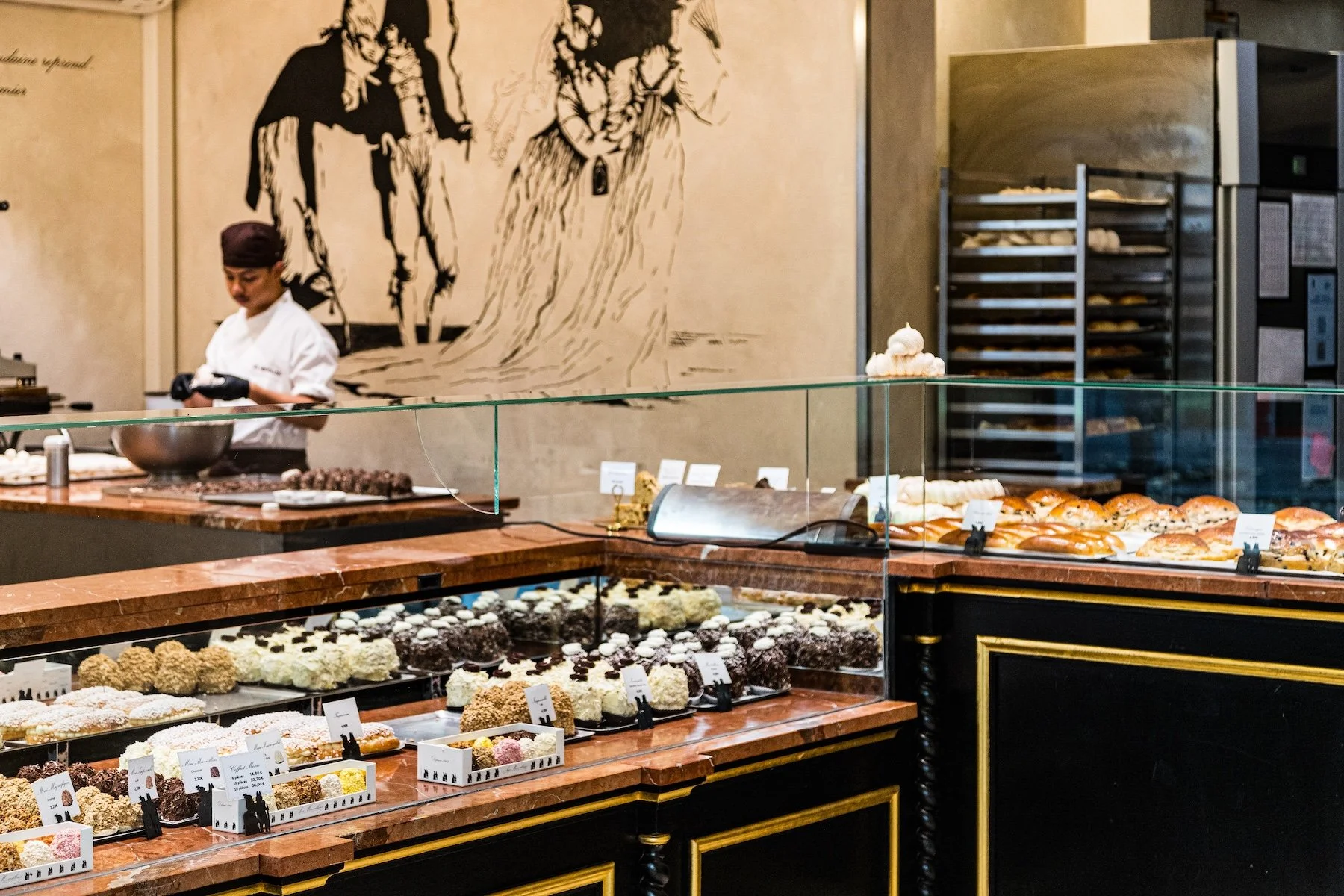
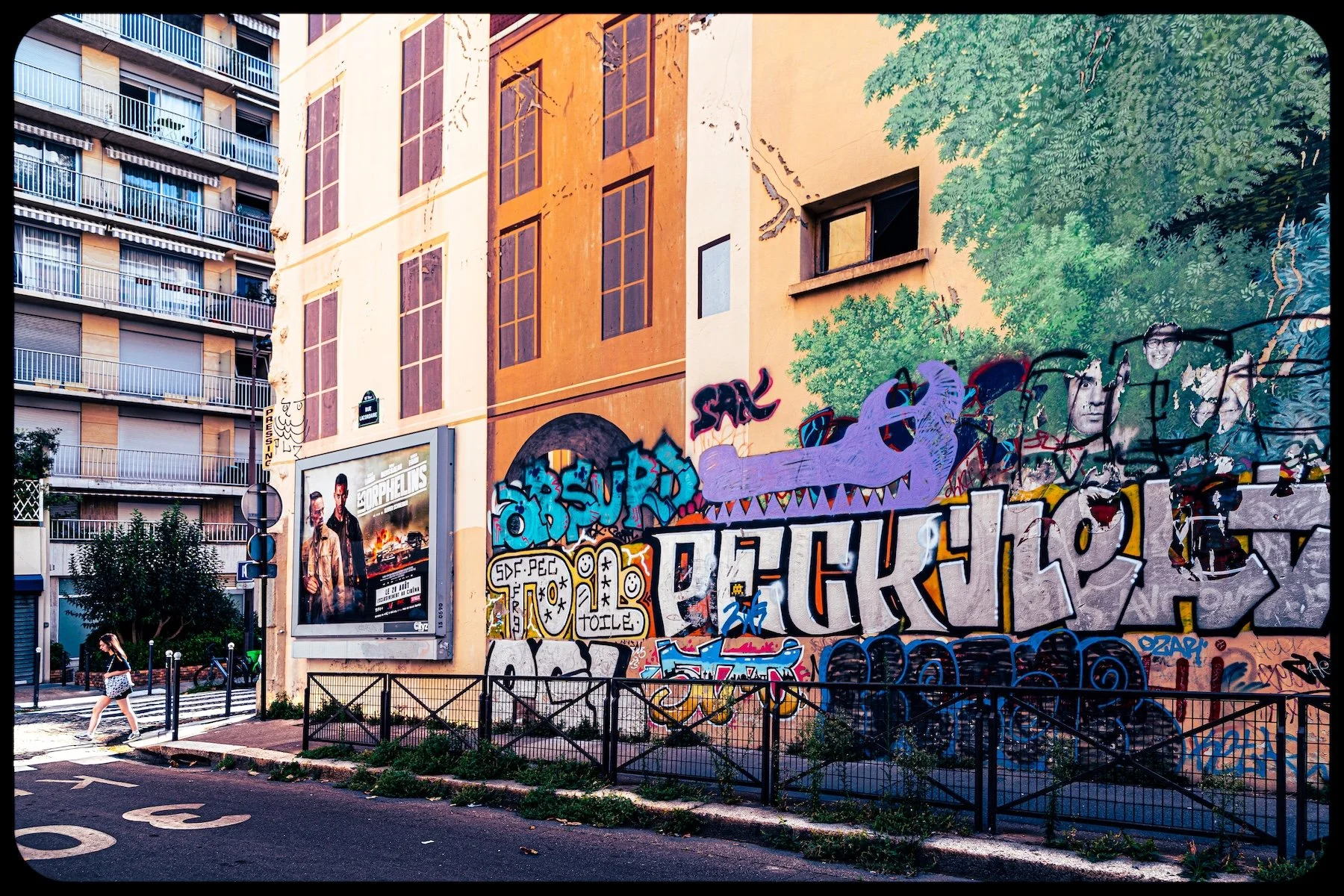
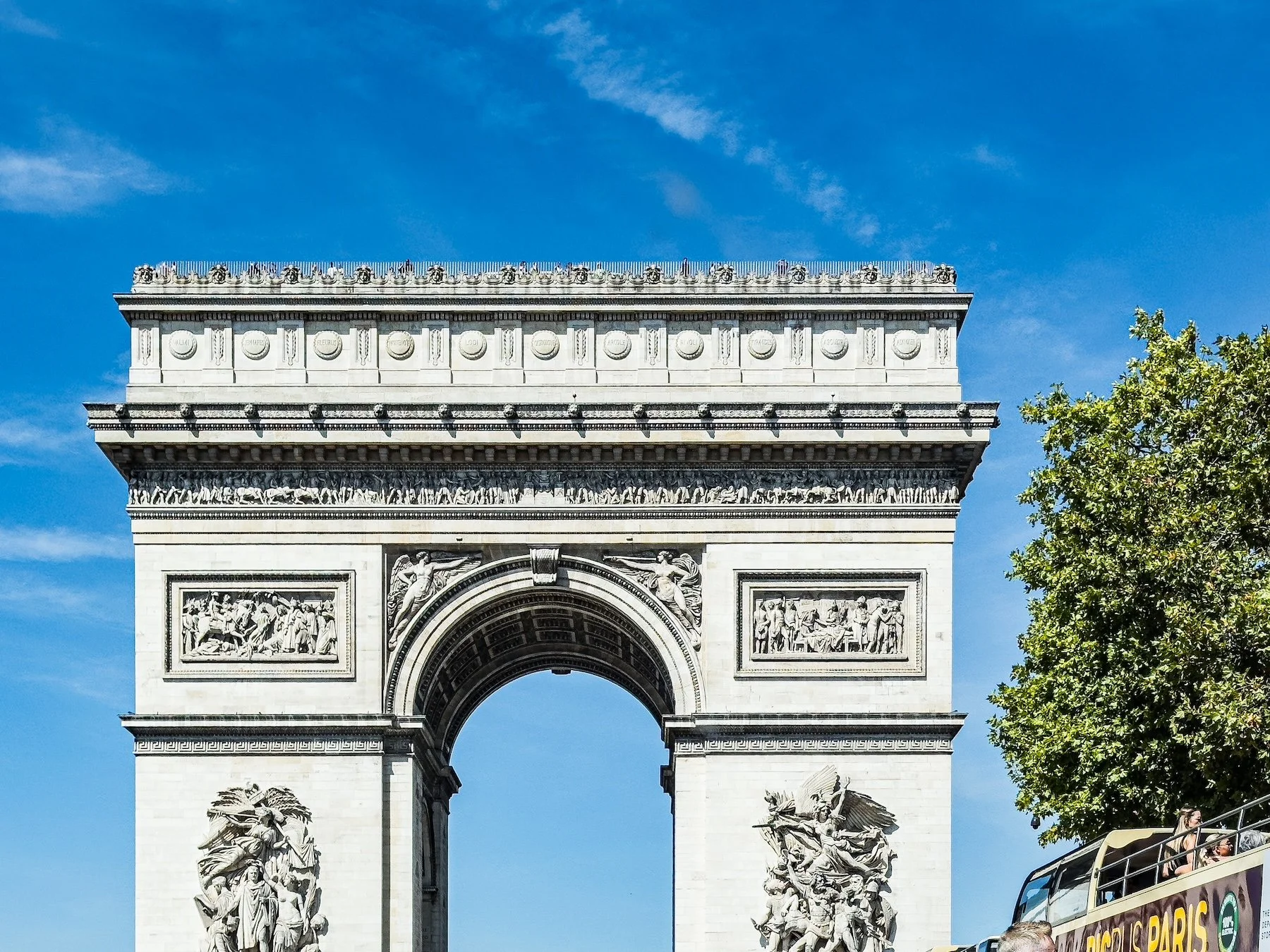
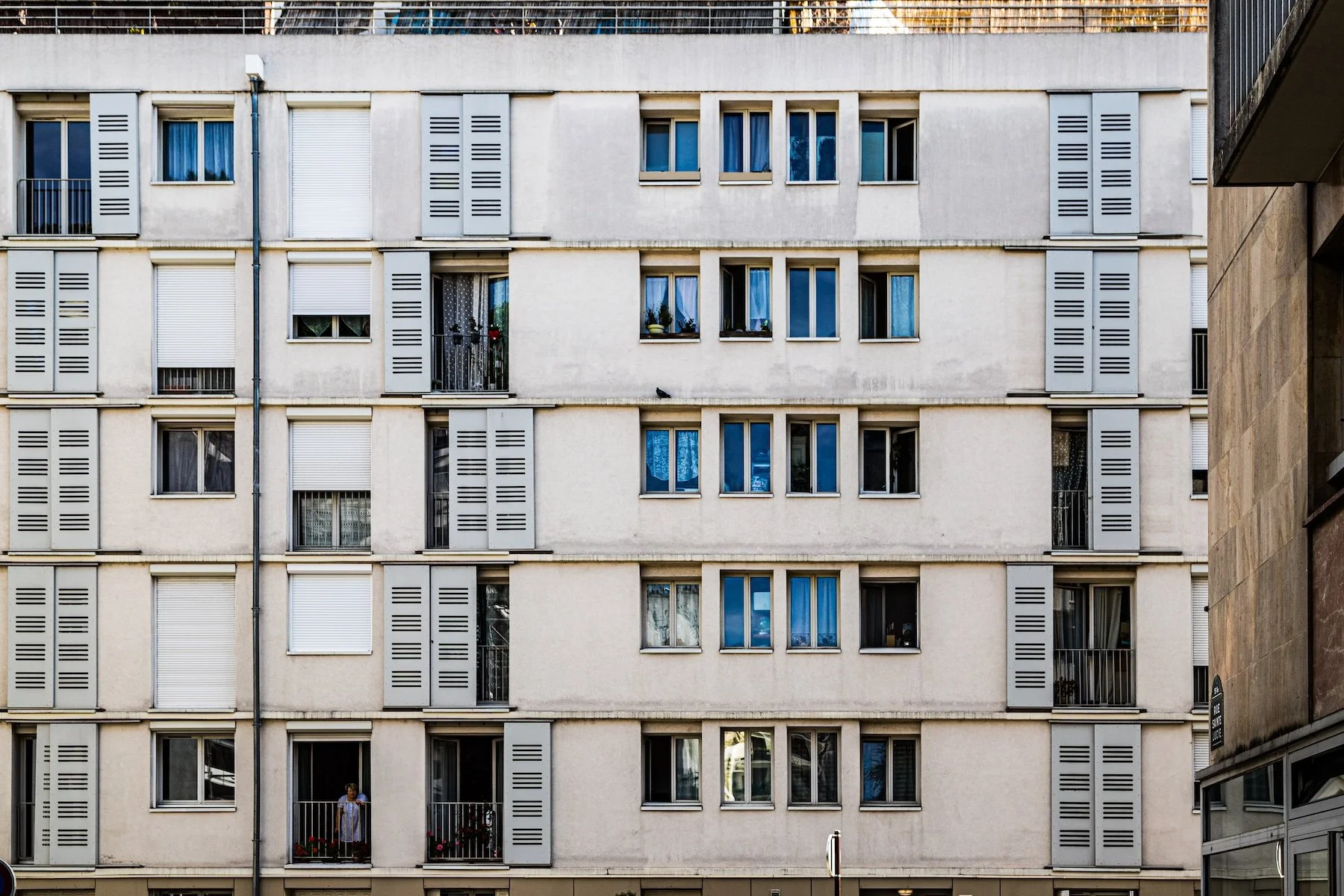
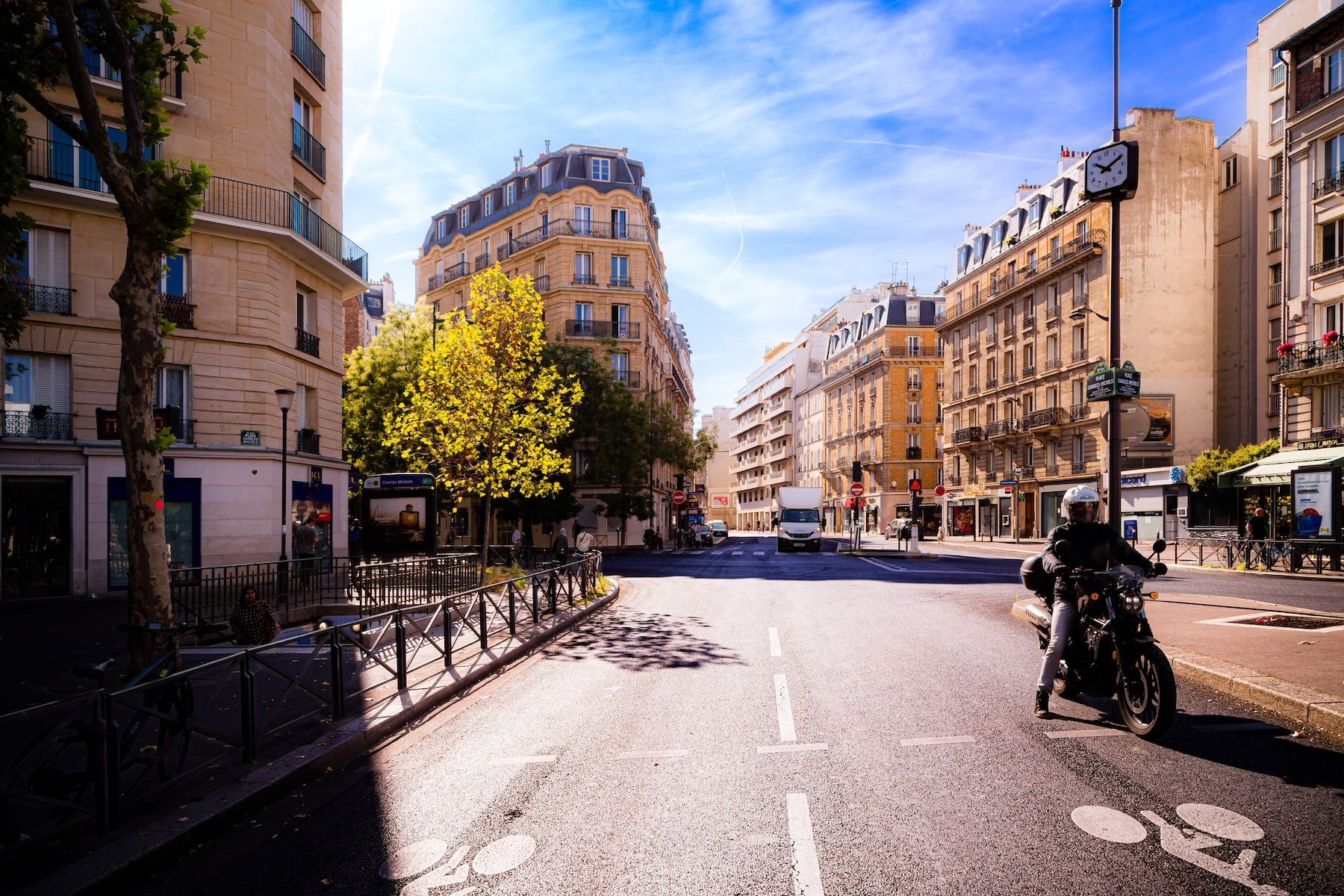
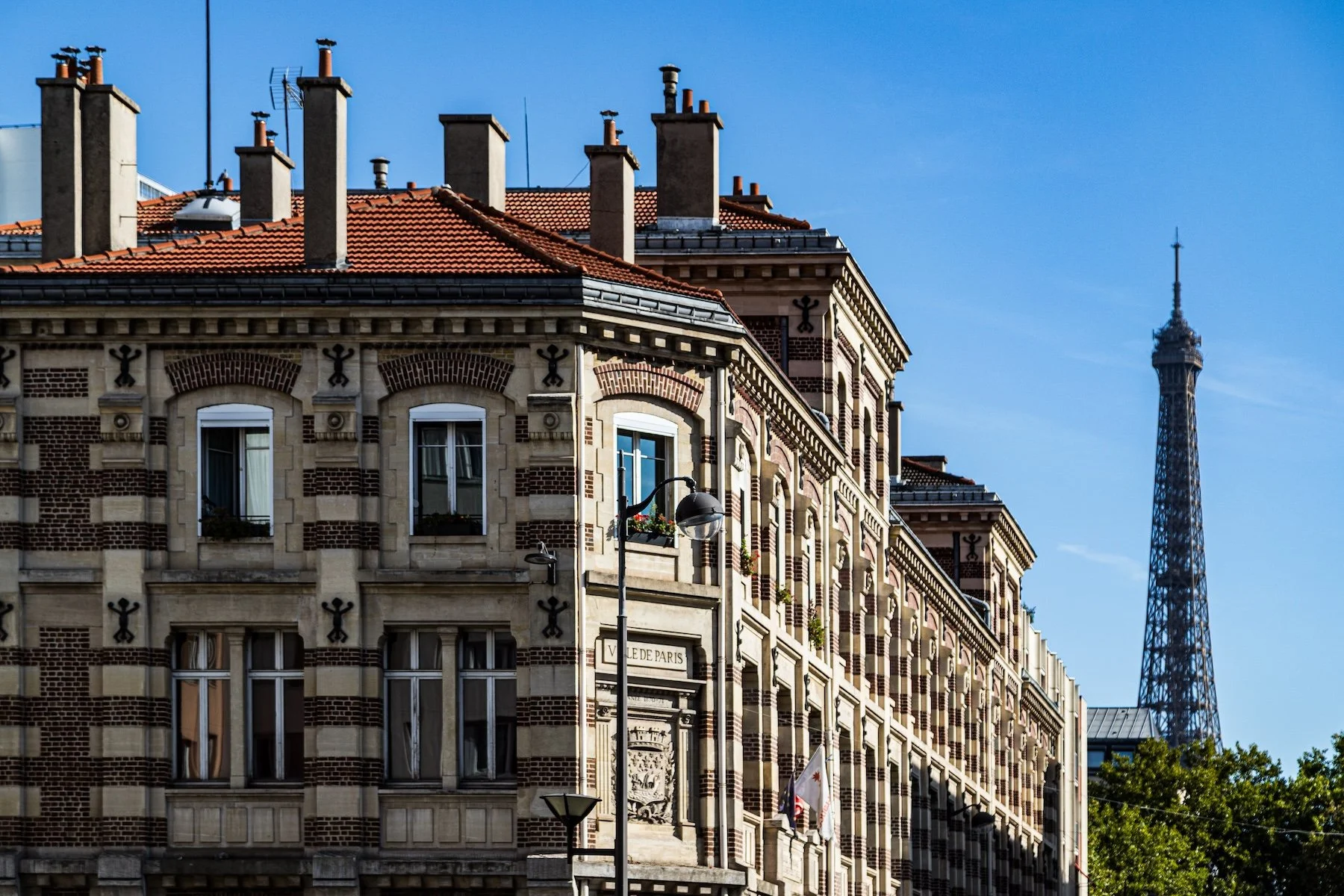
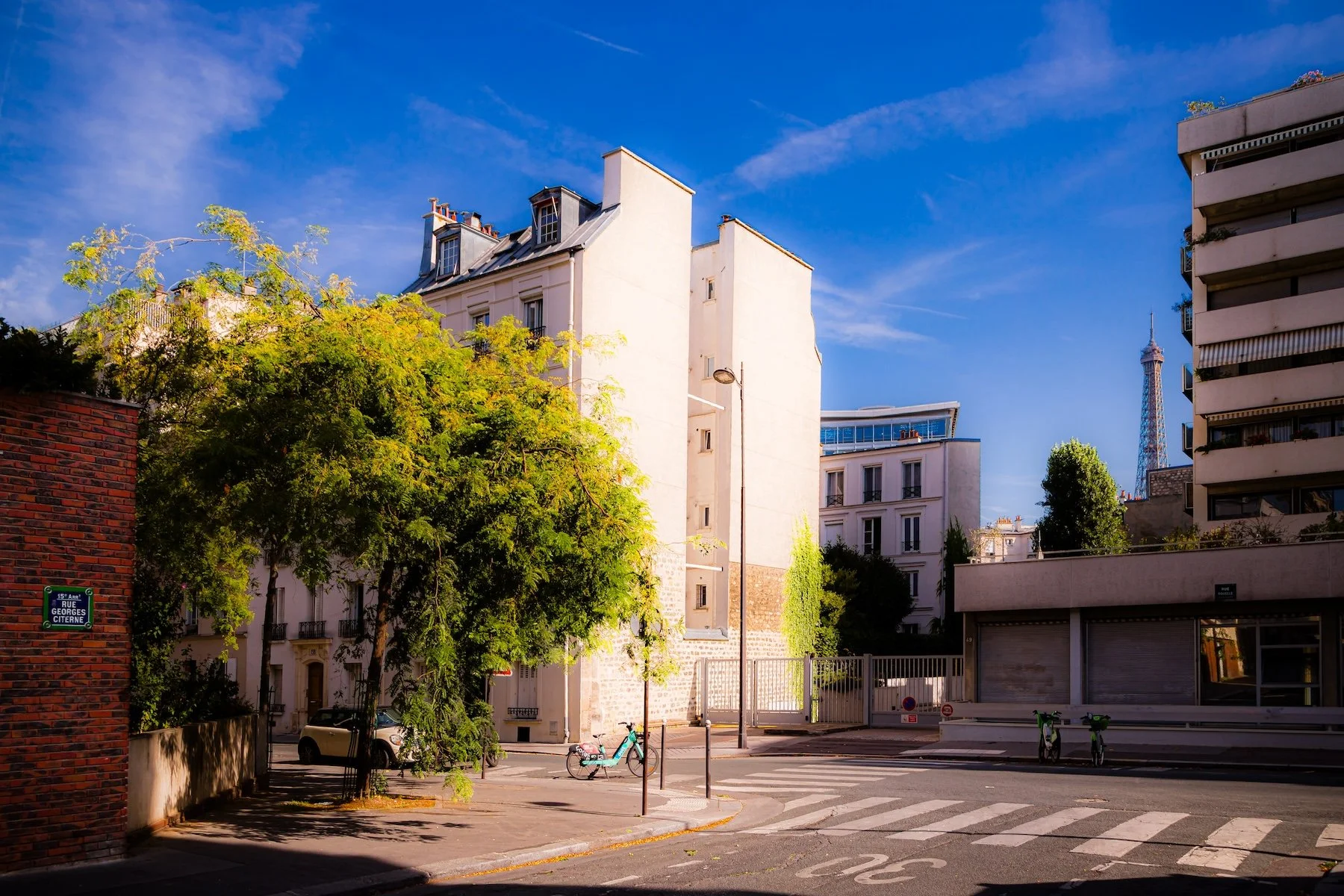
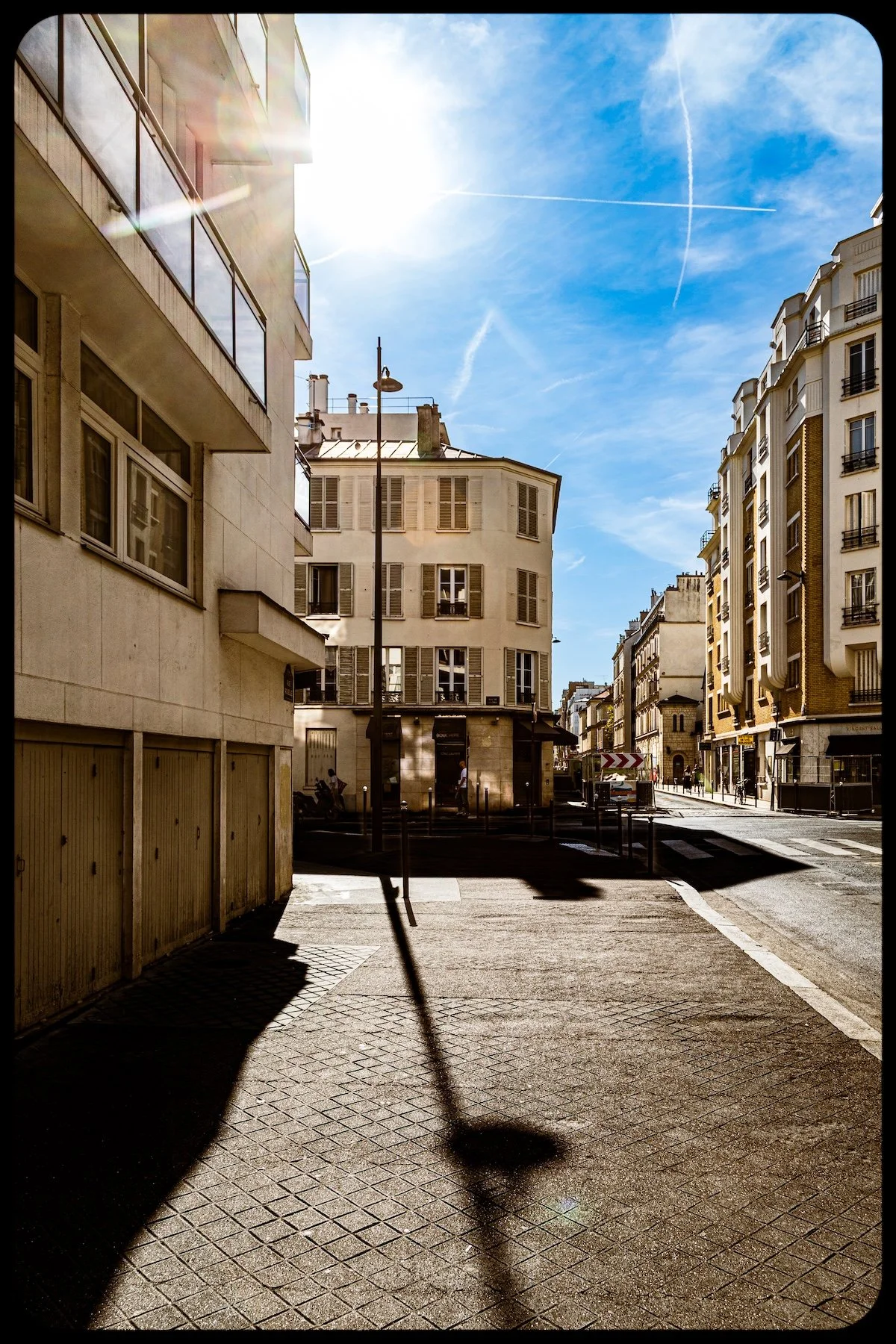
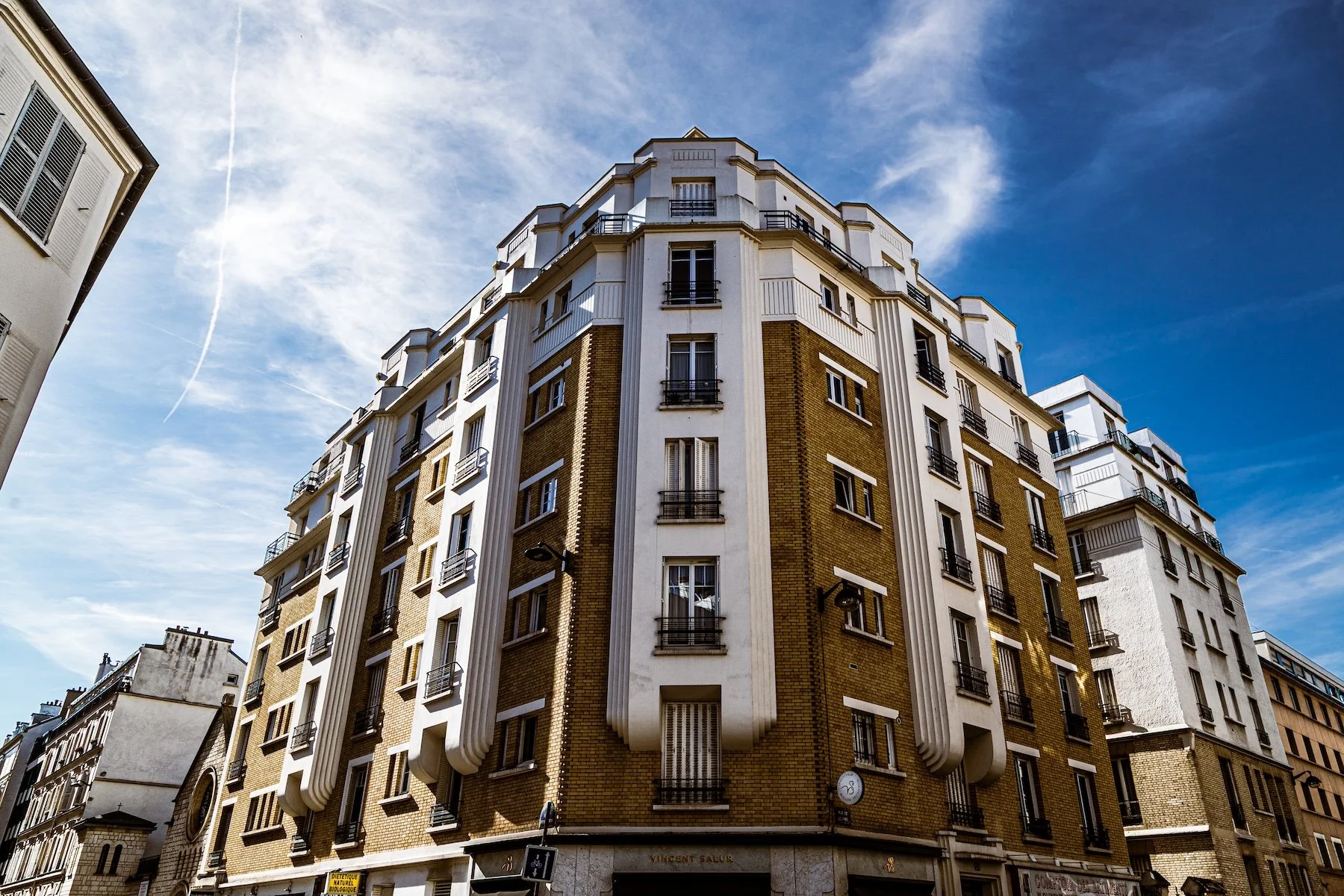
Explore Paris
-

The twenty arrondissements form the civic spiral of Paris, organizing the city into its broad local districts of government, identity, and daily life.
-

Each arrondissement is divided into four official administrative quarters, giving Paris a more precise civic and geographic framework.
-

The conseils de quartier bring participation to street level, giving residents a voice in neighborhood needs, public space, and local civic life.
-

Les Deux Rives trace Paris through the Seine’s two banks, revealing how the Rive Droite and Rive Gauche shaped the city’s civic power, commerce, learning, art, and cultural identity.
-

Cultural neighborhoods reveal the Paris people recognize through history, cafés, architecture, memory, atmosphere, and local belonging.