
5e - JARDIN-DES-PLANTS
Quartiers Administratifs
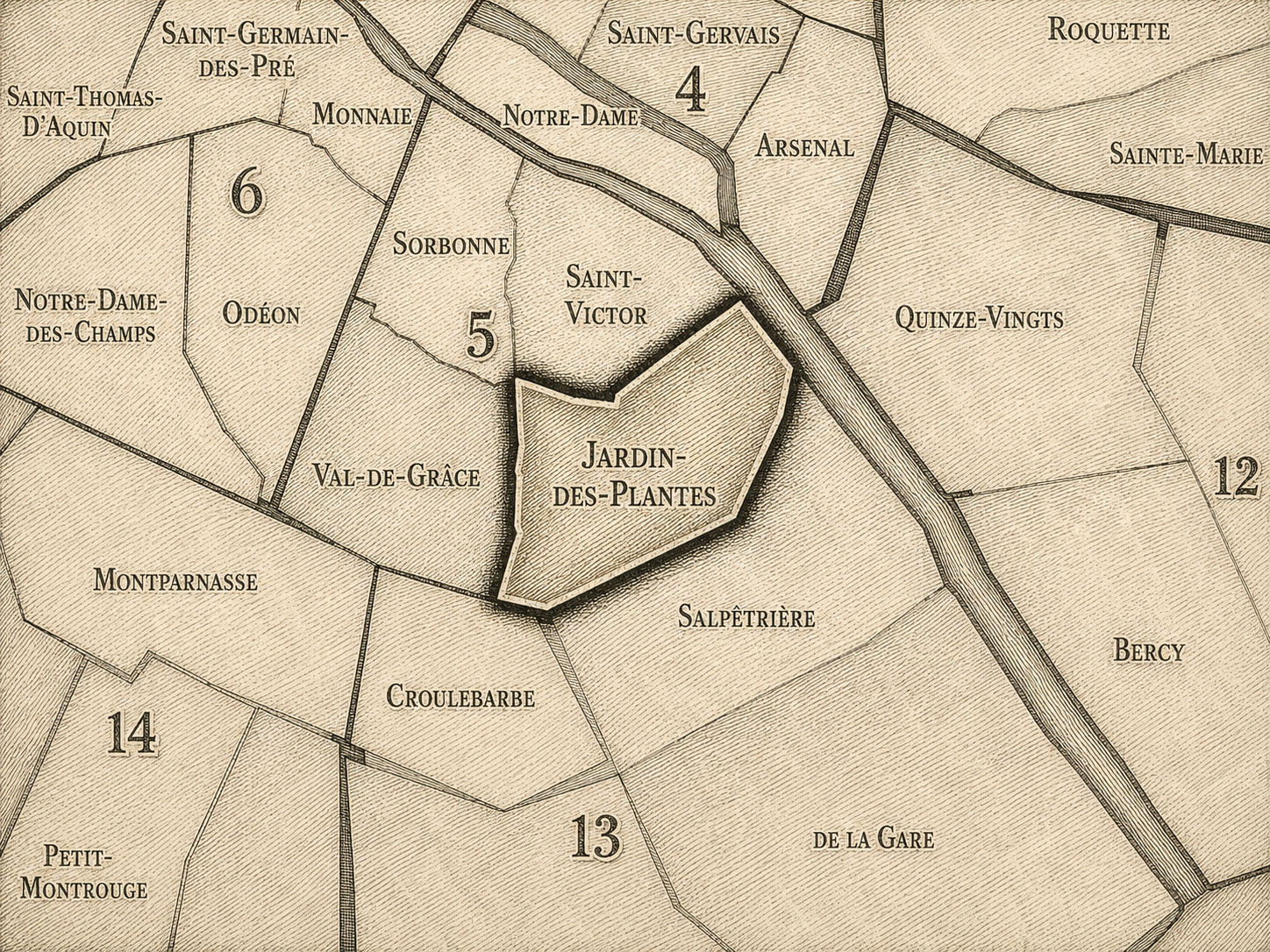
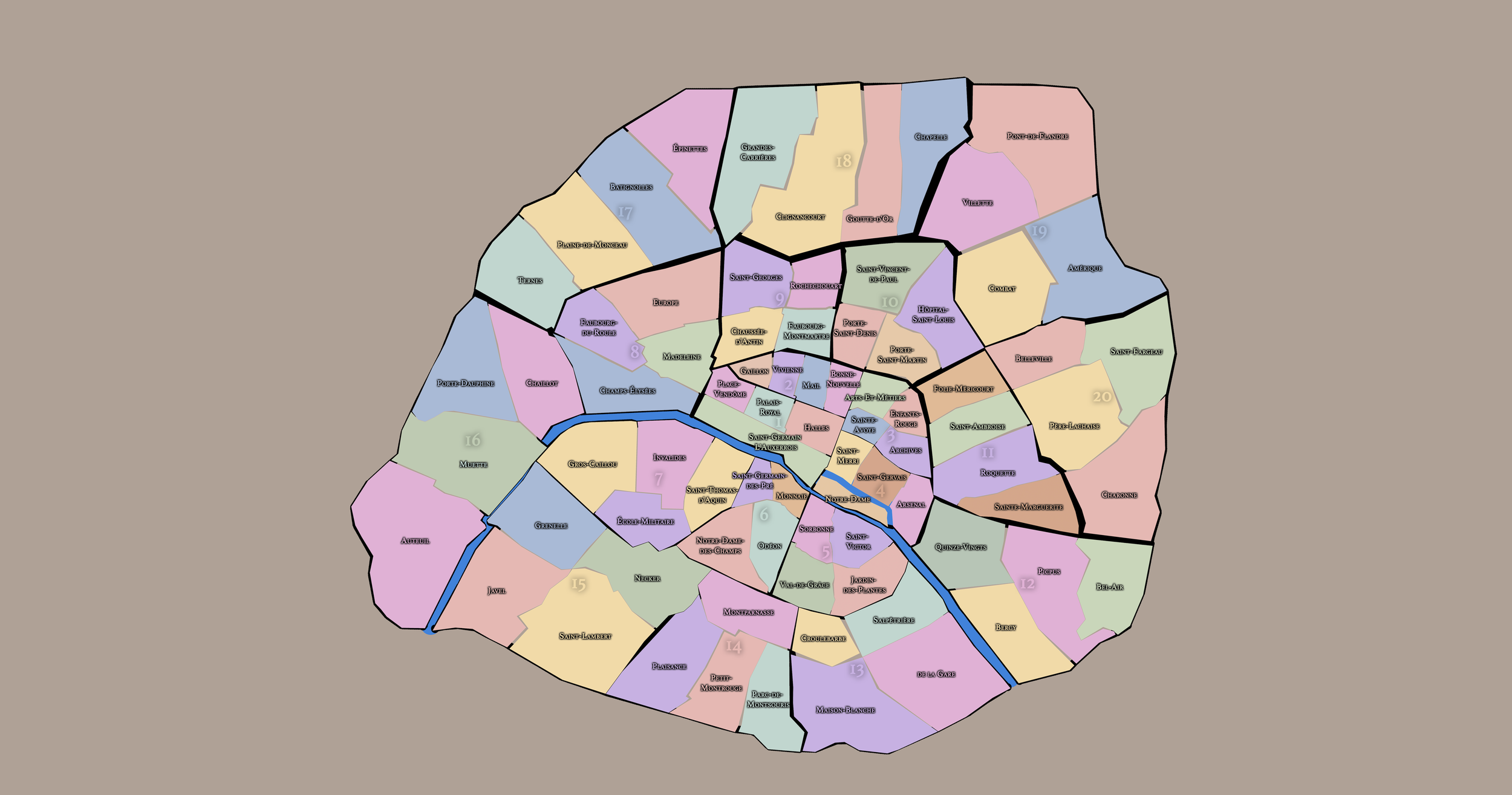
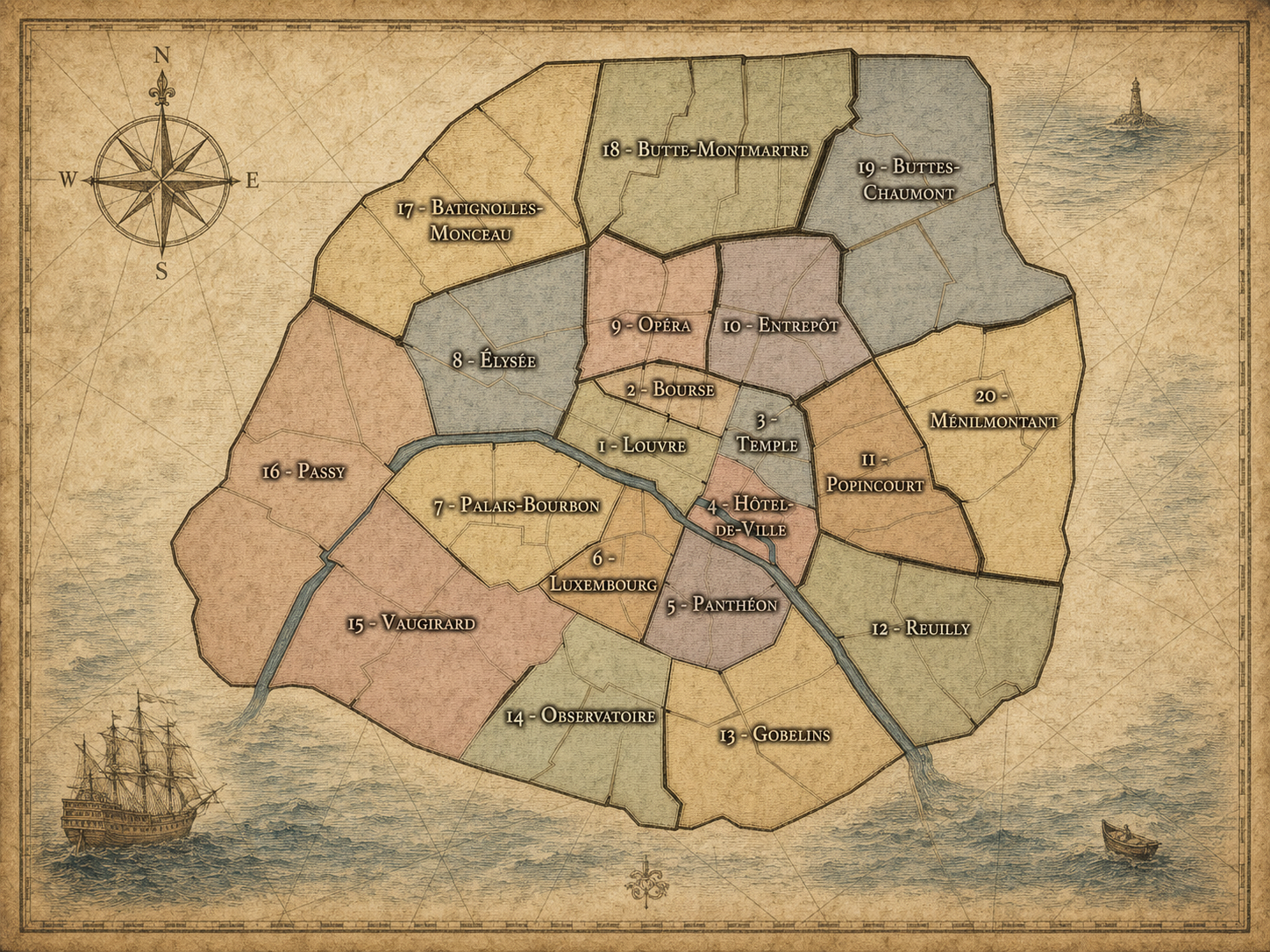
Part of an ongoing project to walk and photograph every neighborhood in Paris, this page explores the Administrative Quarter: 5e - Jardin-des-Plantes through maps, district identity, history, and photography.

The Map
Download the Paris Arrondissements Map
Geographic Setting
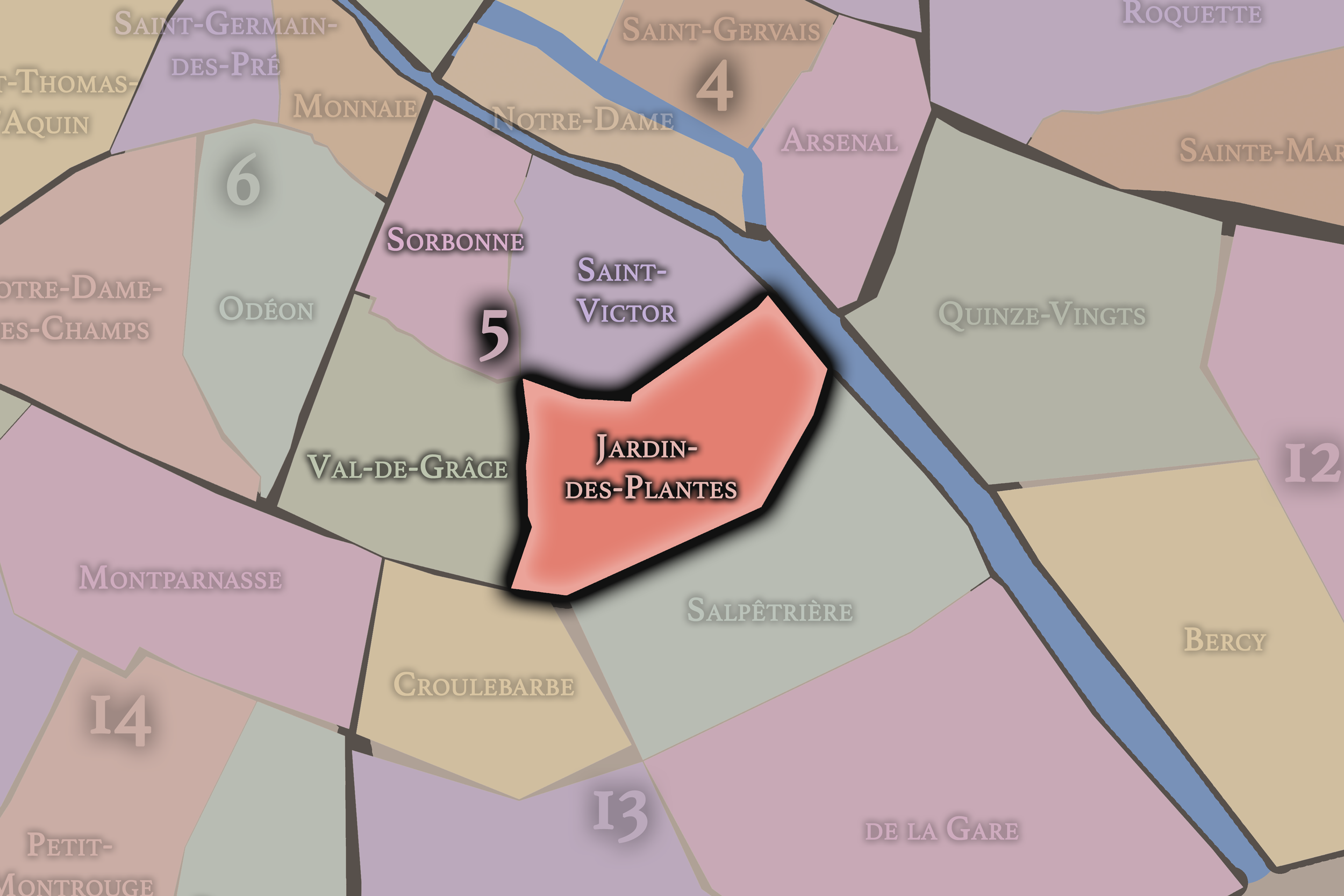
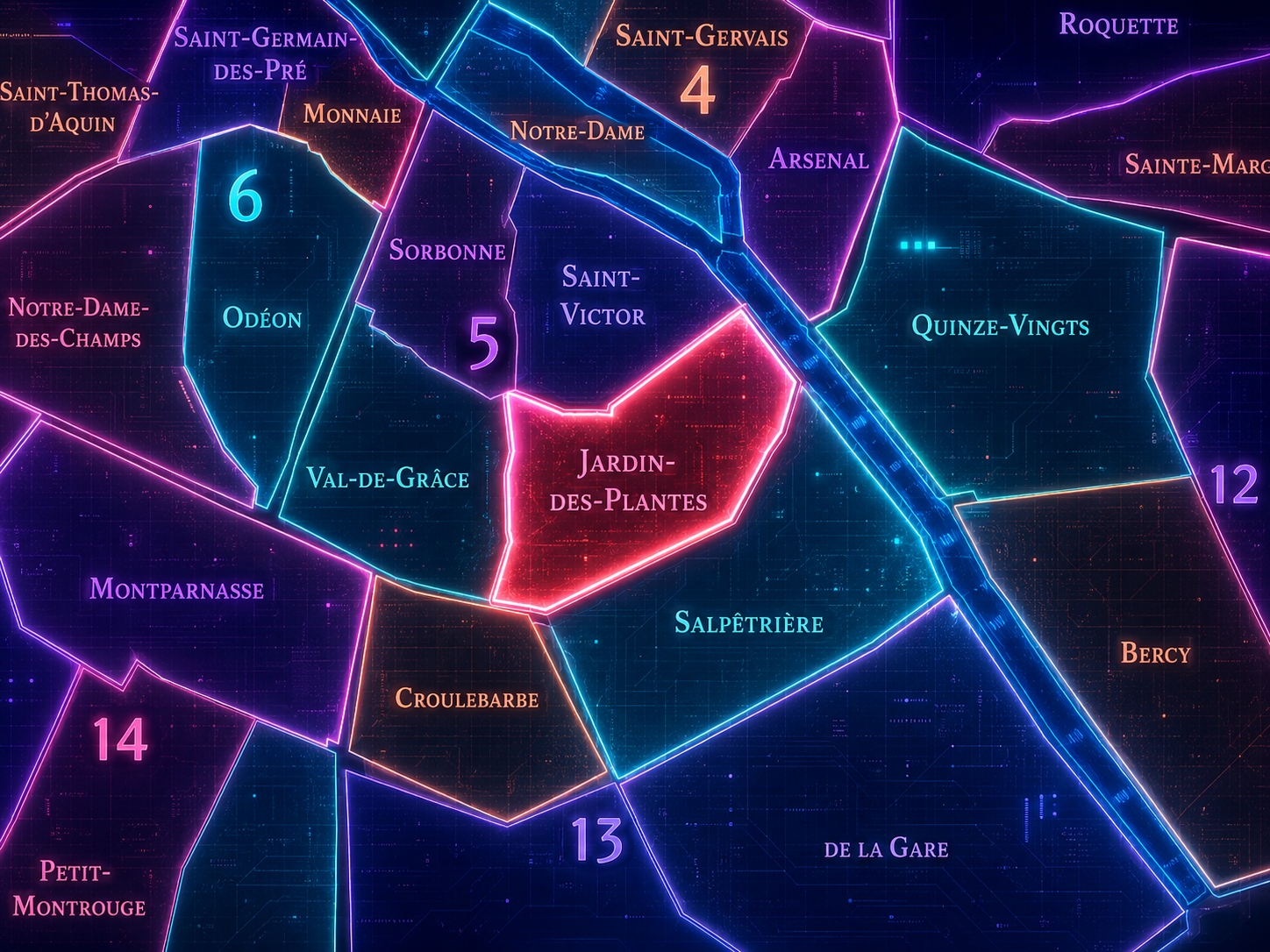
Jardin-des-Plantes occupies the southeastern portion of the 5th arrondissement, where the Latin Quarter meets the Seine, the Austerlitz riverfront, the scientific institutions of the Muséum national d’Histoire naturelle, and the quieter residential slopes leading toward Rue Mouffetard, Censier, and the southern edge of the old Left Bank. It lies east of Saint-Victor, north and east of Val-de-Grâce, and across the river from the 12th and 13th arrondissements, with the Seine, the Jardin des Plantes, the Gare d’Austerlitz, and the surrounding museum complex giving the quarter its distinctive geography.
This is one of the rare Parisian quarters where science, garden, river, station, and institutional memory meet so directly. Its streets and landmarks include the Jardin des Plantes itself, the Grande Galerie de l’Évolution, the ménagerie, the galleries of mineralogy, paleontology, anatomy, and botany, the Rue Geoffroy-Saint-Hilaire, the Rue Cuvier, the Rue Buffon, the Quai Saint-Bernard, the Grande Mosquée de Paris, and the approaches toward the Gare d’Austerlitz. The official administrative quarter is centered around one of the city’s great scientific and botanical landscapes, but it also extends into a broader urban fabric of schools, hospitals, rail infrastructure, residential streets, and riverfront movement.
Unlike Sorbonne, whose identity is academic and medieval-university in tone, or Saint-Victor, whose geography tilts toward the river, abbey memory, and the older eastern Latin Quarter, Jardin-des-Plantes is defined by observation. It is the quarter of classification, collection, cultivation, and study — a place where Paris looks closely at the living world.
Administrative Quarter Identity
Etymology and Origins
The name Jardin-des-Plantes comes from the Jardin des Plantes, the botanical garden that anchors the quarter and belongs to the Muséum national d’Histoire naturelle. The phrase means “Garden of Plants,” but in Paris it carries a much richer meaning than a simple garden name. It evokes botanical study, medicinal plants, natural history, scientific collections, public education, greenhouses, animal life, geology, evolution, and the long effort to understand the natural world within the heart of the city.
The garden’s institutional origins reach to the 17th century, when the royal medicinal plant garden was established under Louis XIII. The Muséum national d’Histoire naturelle traces this history to the creation of a medicinal plant garden, with an edict registered in 1626 and the formal establishment of the Jardin royal des plantes médicinales by Louis XIII in 1635.
As an administrative quarter name, Jardin-des-Plantes is unusually descriptive. It does not derive from a church, a former village, a noble estate, or a gate. It names a place of study and cultivation. The quarter’s identity therefore begins not with power or commerce, but with knowledge — the disciplined attention to plants, animals, minerals, fossils, bodies, climates, and the systems of life.
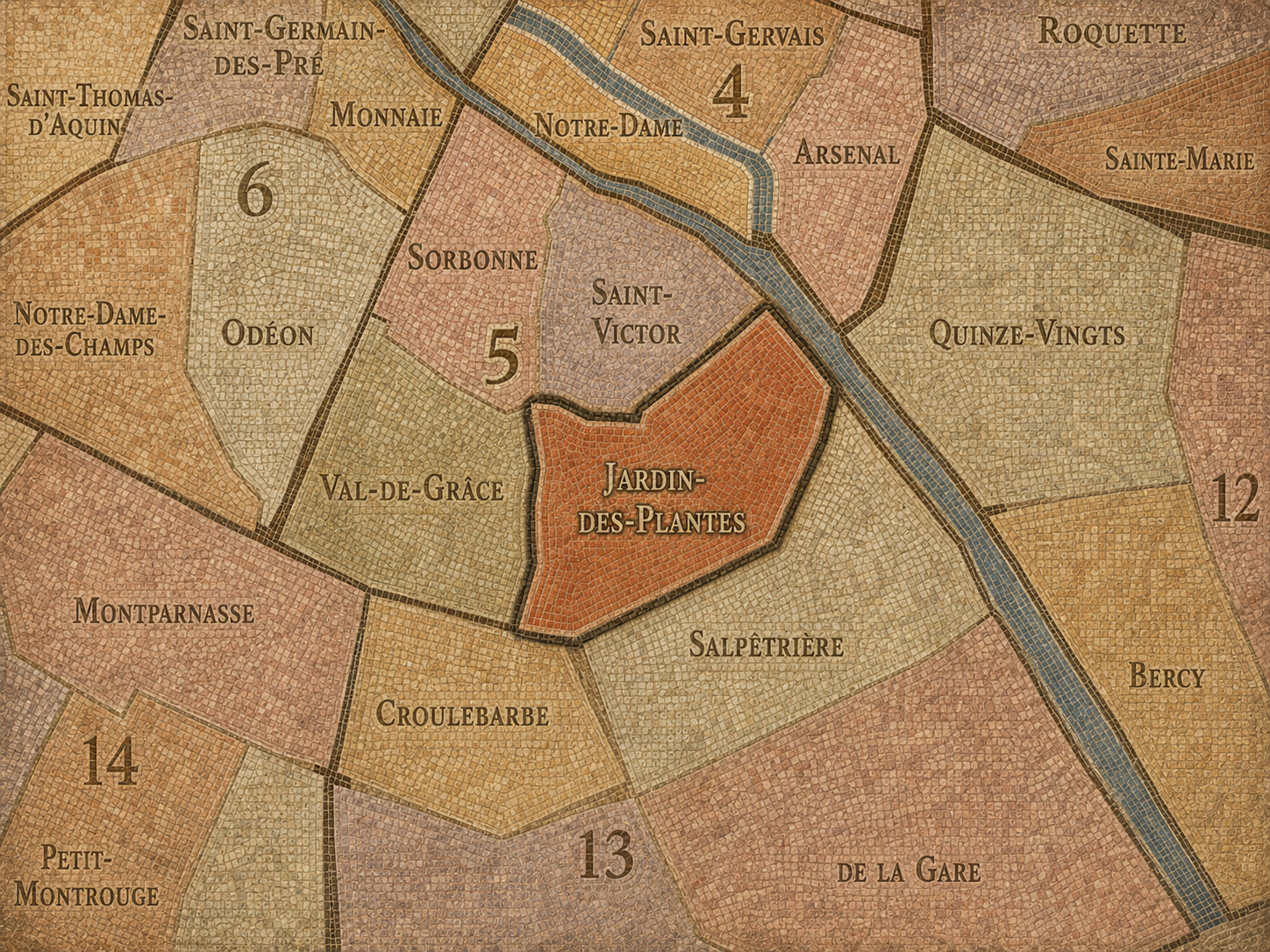
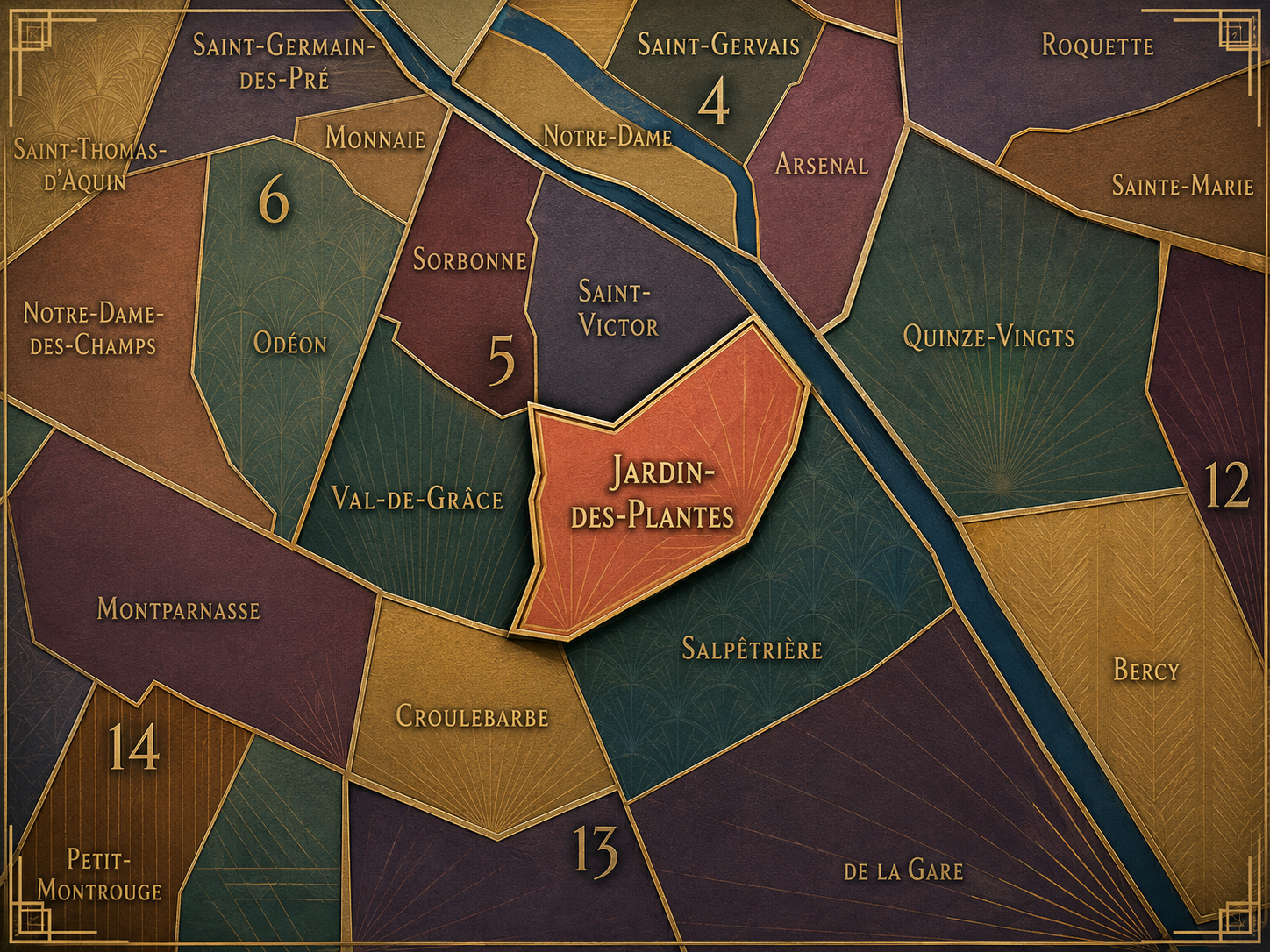
Within the official geography of Paris, Jardin-des-Plantes is one of the four administrative quarters of the 5th arrondissement, alongside Saint-Victor, Val-de-Grâce, and Sorbonne. It is traditionally counted as the 18th administrative quarter of Paris and is one of the larger quarters of the 5th, often described in district references as covering roughly 79.8 hectares.
As an administrative quarter, Jardin-des-Plantes gives civic form to an area whose identity might otherwise be split among several names: the Jardin des Plantes, the Muséum national d’Histoire naturelle, Austerlitz, Cuvier, Jussieu-adjacent scientific Paris, the Grande Mosquée, or the eastern Latin Quarter. The official quarter gathers those overlapping landscapes into one mapped unit, making visible the broader neighborhood around the garden rather than reducing the area to the garden alone.
Its civic role is especially useful because this part of the 5th arrondissement sits at a threshold between several urban systems. It belongs to the Latin Quarter, but it is not primarily Sorbonne. It touches the Seine, but it is not simply riverfront Paris. It includes major scientific institutions, but it is also residential, infrastructural, and connected to rail and hospital landscapes nearby. The administrative quarter provides a frame for that mixture.
Civic Framework
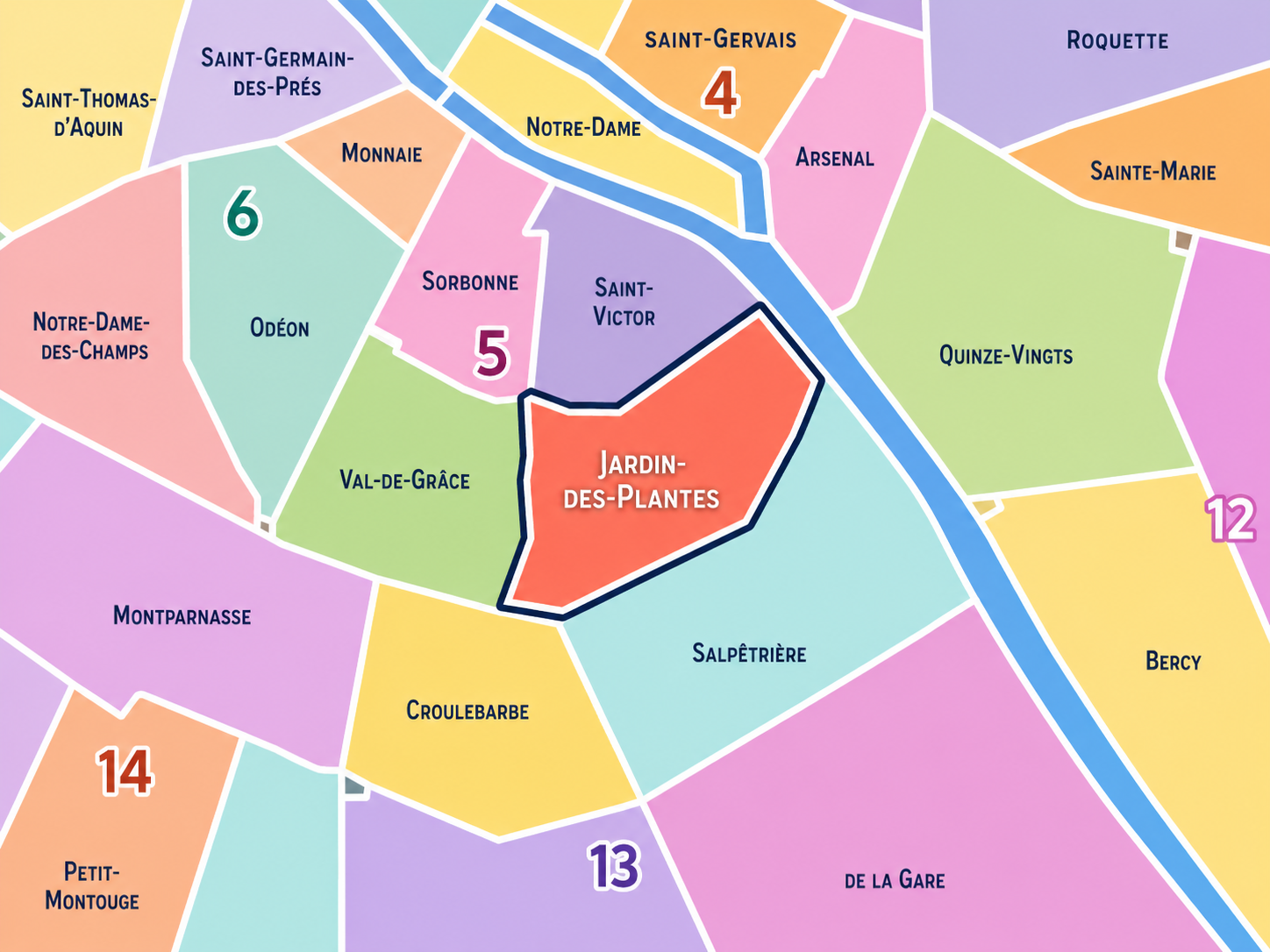
Jardin-des-Plantes differs from the other quarters of the 5th arrondissement through its scientific, botanical, and institutional character. Sorbonne is shaped by universities, book culture, churches, students, and the medieval intellectual identity of the Latin Quarter. Saint-Victor carries the memory of abbeys, riverfront streets, Jussieu, and the older eastern Left Bank. Val-de-Grâce is more residential, conventual, medical, and hill-bound, with its identity centered around the former abbey and hospital complex.
Jardin-des-Plantes is more outward-facing toward the natural world. It is the quarter of gardens and galleries, specimens and greenhouses, taxonomy and evolution, public science and outdoor learning. Its institutions invite the city to look beyond itself: toward plants from other climates, animals from other continents, fossils from deep time, minerals from the earth, and the history of life itself.
It should also be distinguished from the broader Latin Quarter. The Latin Quarter is often imagined through medieval scholarship, student life, the Sorbonne, libraries, and narrow streets climbing toward the Panthéon. Jardin-des-Plantes belongs to that intellectual world, but it shifts the emphasis from classical, theological, literary, and philosophical study toward natural history and empirical observation. It is the Latin Quarter of the garden, the specimen, the laboratory, and the collection.
Neighborhood Distinction
Parisian Identity
Jardin-des-Plantes expresses Paris as a city of curiosity. It is one of the places where the capital’s cultural ambition turns toward nature rather than monument. Here, Paris is not only a city of façades, churches, palaces, cafés, and boulevards. It is also a city of greenhouses, herbariums, animal enclosures, anatomical galleries, mineral cabinets, fossil halls, botanical beds, and scientific education.
The quarter’s identity is deeply public. The Jardin des Plantes is not a private garden hidden behind aristocratic walls. It is a landscape of teaching and access, where families, students, researchers, visitors, gardeners, and walkers encounter science as part of urban life. The Muséum national d’Histoire naturelle describes its history as a progression from a 17th-century medicinal garden into the research and teaching institution of today, shaped by nearly four centuries of scientific development.
This makes the quarter especially Parisian in a quieter way. It does not stage power like Place-Vendôme or gather revolutionary memory like Bastille. It cultivates attention. It teaches the city to see leaves, bones, stones, species, habitats, climates, extinction, and evolution. Jardin-des-Plantes is Paris as a place of looking closely.
Neighborhood Connections
Every administrative quarter belongs to a wider Parisian fabric. These connections place Jardin-des-Plantes within the city’s civic, participatory, and cultural geography:
-
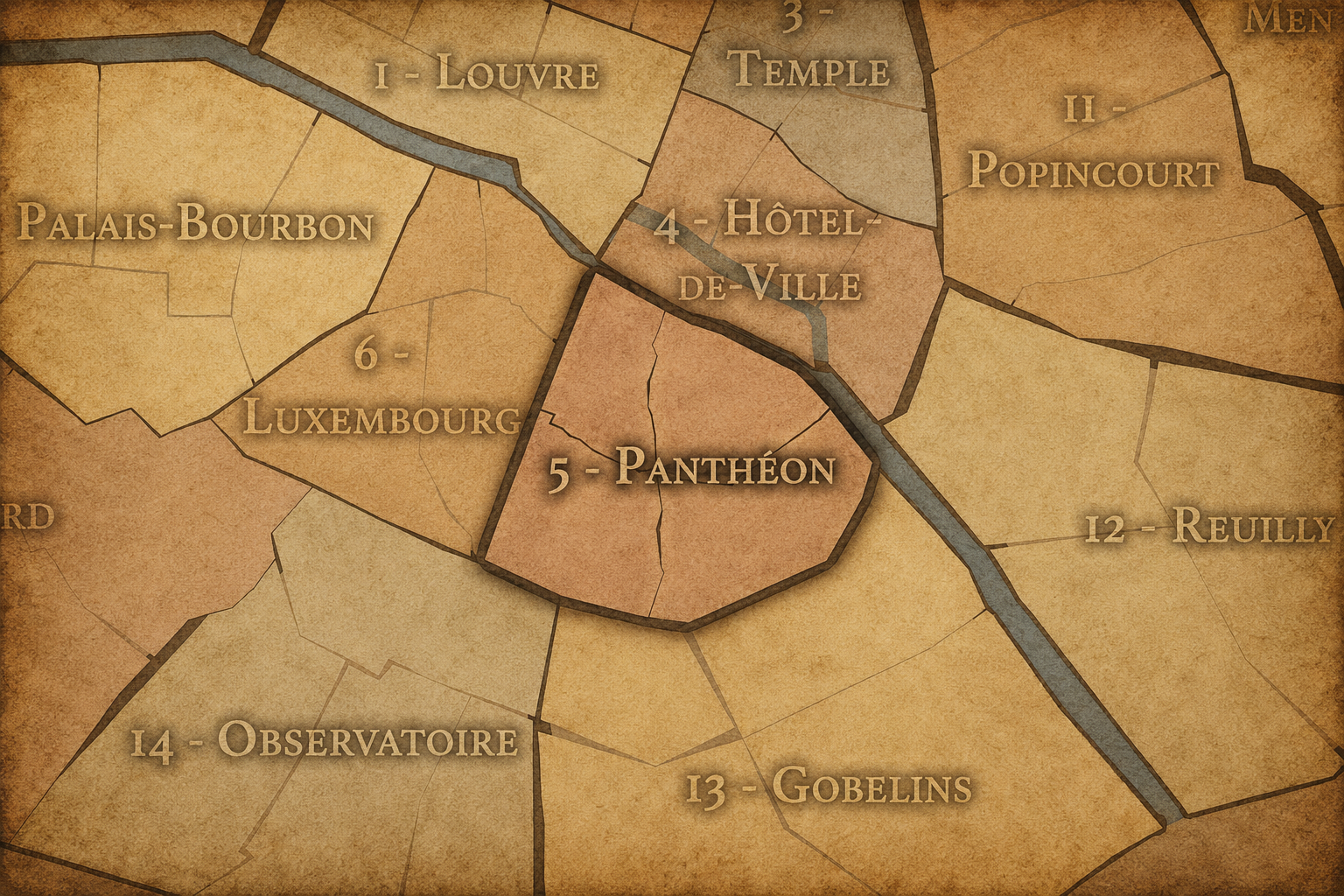
5e - Panthéon
-
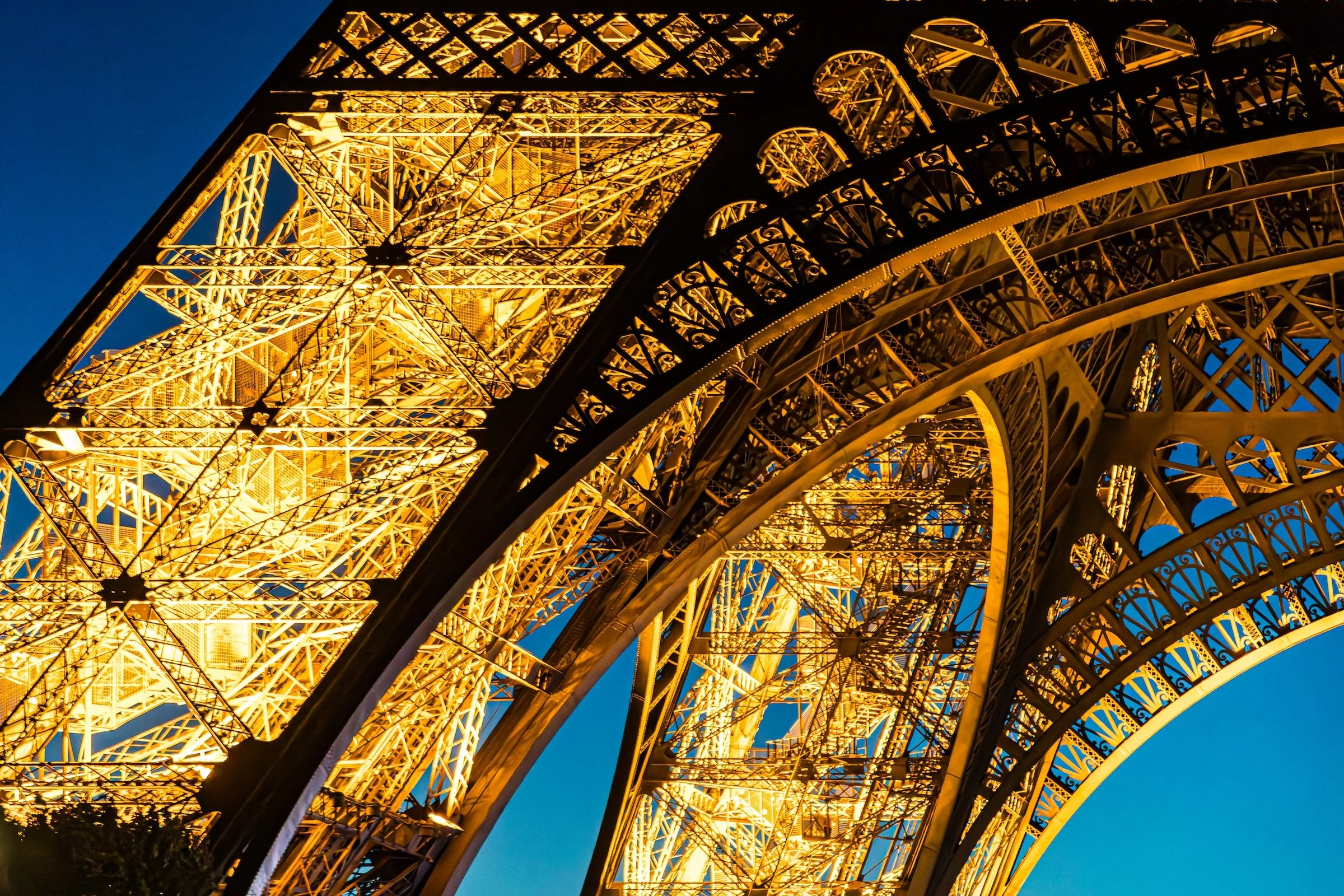
Jardin des Plantes
The History
The origins of Jardin-des-Plantes lie in the early modern relationship between medicine, botany, royal patronage, and public knowledge. Before the garden became one of Paris’s great scientific landscapes, the area belonged to the eastern Left Bank near the Bièvre and the Faubourg Saint-Victor, outside the densest medieval university core but close enough to participate in the intellectual life of the Latin Quarter.
The creation of the royal medicinal plant garden in the 17th century gave the area a defining institutional purpose. Medicinal gardens were not ornamental luxuries; they were tools of teaching and healing. Plants were collected, cultivated, studied, classified, and used to train physicians, apothecaries, and scholars. In this origin, the quarter’s future identity is already present: knowledge rooted in the physical world.
The site’s location between the city, river, and more open eastern Left Bank also mattered. It allowed the garden to develop as a scientific landscape within Paris but not entirely swallowed by the densest urban fabric. The quarter began as a place where the city made room for cultivation, observation, and collection.
Origins
16th–17th Century
The 16th and 17th centuries established the foundations of the quarter’s scientific identity. In the 16th century, the eastern Left Bank remained a mixed landscape of religious institutions, scholastic life, river approaches, gardens, and developing streets beyond the central core of the university district. The area was close to the intellectual traditions of the Latin Quarter but not yet defined by the botanical garden that would later give the quarter its name.
The decisive change came in the 17th century. The Jardin royal des plantes médicinales was formally established in 1635 under Louis XIII as a royal garden dedicated to medicinal plants and botanical instruction. The Muséum national d’Histoire naturelle identifies the garden’s placement between the Bièvre River and the Rue du Faubourg Saint-Victor, now Rue Geoffroy-Saint-Hilaire, as part of its foundational history.
This moment gave the quarter a different intellectual trajectory from the rest of the Latin Quarter. While the Sorbonne and surrounding schools represented older forms of university learning, the royal garden represented observation, experimentation, and the applied study of the natural world. Jardin-des-Plantes was born from the belief that knowledge could be cultivated — literally — in the city.
In the 18th century, the Jardin des Plantes became increasingly important as a center of natural history, classification, and scientific exchange. Botanists, physicians, collectors, and scholars expanded the garden’s role beyond medicinal plants toward a broader study of plants, animals, minerals, and the systems of nature. The age of Enlightenment gave the quarter a new intellectual atmosphere: classification, collection, comparison, and public curiosity.
Figures such as Buffon, who directed the Jardin du Roi for much of the 18th century, helped transform the garden into one of Europe’s major centers of natural history. The quarter became associated not only with practical medicine, but with a larger philosophical and scientific effort to understand the natural world. The garden’s collections, teaching, and public presence made it part of the Enlightenment city.
The French Revolution then reshaped the institution. In 1793, the Jardin du Roi was reorganized as the Muséum national d’Histoire naturelle, turning a royal scientific garden into a national institution. The 1794 inauguration of the Ménagerie in the Jardin des Plantes further expanded the site’s public and scientific role, making animal life part of the quarter’s identity as well.
18th Century
19th Century
The 19th century gave Jardin-des-Plantes much of its recognizable institutional grandeur. The Muséum national d’Histoire naturelle expanded its galleries, collections, laboratories, teaching roles, and public exhibitions. The quarter became one of Paris’s great landscapes of science, where the public could encounter nature through gardens, museums, specimens, and specialized architecture.
This was the age of geology, paleontology, comparative anatomy, botany, zoology, and evolutionary thinking. The collections of the museum and the garden’s scientific infrastructure made the quarter a place where the deep history of life could be displayed within the modern city. Fossils, skeletons, minerals, plants, and animals placed Paris in conversation with the earth’s past and the world’s biological diversity.
The century also brought major infrastructural change to the surrounding area, especially with the development of rail at Austerlitz and the growth of eastern Left Bank institutions. The quarter’s scientific garden now sat near one of the city’s important stations, linking the calm of the garden to the movement of modern transportation. Jardin-des-Plantes became both contemplative and connected.
In the early and mid 20th century, Jardin-des-Plantes retained its role as one of Paris’s major scientific and educational landscapes. The museum, garden, galleries, greenhouses, and ménagerie continued to serve researchers, students, families, and visitors, while the surrounding streets held a mixture of residential life, institutional buildings, rail movement, and Left Bank scholarship.
The quarter’s identity during this period was shaped by continuity through upheaval. Wars, occupation, liberation, and postwar recovery affected Paris deeply, yet the Jardin des Plantes remained a place where scientific collections, living plants, and public education carried forward. Natural history institutions often preserve time differently from monuments: not only through stone, but through specimens, labels, gardens, seeds, archives, and research.
The neighborhood also sat within a changing urban landscape. The Gare d’Austerlitz, the Seine quays, the nearby hospital complexes, and the educational institutions of the 5th arrondissement tied the quarter to the modern city’s systems of movement, care, and knowledge. Jardin-des-Plantes remained green and scholarly, but never isolated.
Early–Mid 20th Century
Late 20th Century
In the late 20th century, Jardin-des-Plantes gained renewed public visibility through museum renovation, environmental awareness, and changing attitudes toward science, biodiversity, and urban green space. Natural history, once associated primarily with cabinets, classification, and specimens, increasingly became tied to ecological questions, extinction, conservation, and the public understanding of life on Earth.
The Grande Galerie de l’Évolution, reopened in the 1990s after major renovation, became one of the defining modern presentations of the Muséum national d’Histoire naturelle. Its galleries dramatized biodiversity, evolution, and the relationship between humans and the living world, giving the quarter a powerful late-20th-century cultural anchor.
The quarter also benefited from a broader urban appreciation for gardens as civic spaces. In a dense capital, the Jardin des Plantes offered not merely beauty, but breathing room. Its paths, trees, beds, greenhouses, and museum buildings created a rare continuity between public park, scientific institution, and historic landscape.
In the 21st century, Jardin-des-Plantes remains one of the most meaningful scientific quarters of Paris. The Muséum national d’Histoire naturelle continues to function as a research, teaching, and public institution, while the garden remains open as a beloved place of walking, learning, and seasonal change. The institution describes itself today through the continuity between its 17th-century medicinal garden origins and its contemporary research and teaching mission.
The quarter’s contemporary identity is also shaped by the relationship between nature and the city. Climate change, biodiversity loss, species extinction, urban heat, and ecological awareness give the Jardin des Plantes renewed relevance. What began as a medicinal garden has become a place where the public can encounter some of the most urgent questions of the present: how life is classified, protected, threatened, and understood.
For CityNeighborhoods: Paris, Jardin-des-Plantes is essential because it shows how a neighborhood can be defined by knowledge of the non-human world. It is not only a Latin Quarter neighborhood, not only a garden, not only a museum district. It is a place where Paris studies life itself — and where city, science, memory, and public space grow together.
21st Century
Spirit and Legacy
Jardin-des-Plantes is the quarter where Paris cultivates wonder. Its spirit is observant, scholarly, green, and quietly expansive. It belongs to plants and fossils, animals and minerals, greenhouses and galleries, students and strollers, children and researchers, river light and garden paths. It is a quarter where the city pauses to study what lives beyond the city — and what lives within it.
Its legacy is the transformation of cultivation into knowledge. A royal medicinal garden became a national museum. A garden of useful plants became a landscape of natural history. Collections became public education. Specimens became stories of evolution, extinction, and survival. The quarter’s history is not only urban history; it is the history of how Paris has tried to understand the natural world.
To walk Jardin-des-Plantes is to encounter Paris at a different scale of time. Not only medieval, revolutionary, imperial, or modern time, but botanical time, geological time, evolutionary time, seasonal time. In this quarter, neighborhood identity becomes an act of attention — to leaf, bone, stone, species, and the living systems that surround the city even when the city forgets to look.
The Photography
The arrondissements do not share a single visual identity. Instead, they organize Paris into twenty broad visual fields, each gathering its own combination of landmarks, streetscapes, institutions, residential districts, commercial corridors, parks, rail stations, markets, cemeteries, and riverfront edges.
Some arrondissements are defined by monumental scale: royal palaces, ceremonial avenues, government buildings, museums, formal gardens, and internationally recognized landmarks. Others are shaped by hills, canals, rail gateways, apartment-lined boulevards, neighborhood markets, former village streets, industrial remnants, parks, or the quieter rhythms of residential Paris. The arrondissement system gives these varied landscapes a civic frame, allowing the city to be read not as one visual language, but as a sequence of overlapping Parisian atmospheres.
Visual Identity
Through The Lens
Photographing the arrondissements means moving between the official map and the street-level experience. The camera does not treat each arrondissement as visually uniform. Instead, it looks for the recurring forms, textures, transitions, and contrasts that make each district legible: the geometry of boulevards, the shade of plane trees, the repetition of balconies, the rise of stairways, the curve of canals, the presence of rail stations, the opening of parks, the weight of monuments, and the intimacy of side streets.
On CityNeighborhoods, the arrondissement provides the frame, but the photograph comes from the encounter between map, movement, light, and observation. As the Paris photography is processed, this section will connect each arrondissement more directly to the project’s Photographic Lexicon: the visual strategies, recurring motifs, and compositional patterns that shape how the city is seen through the lens.
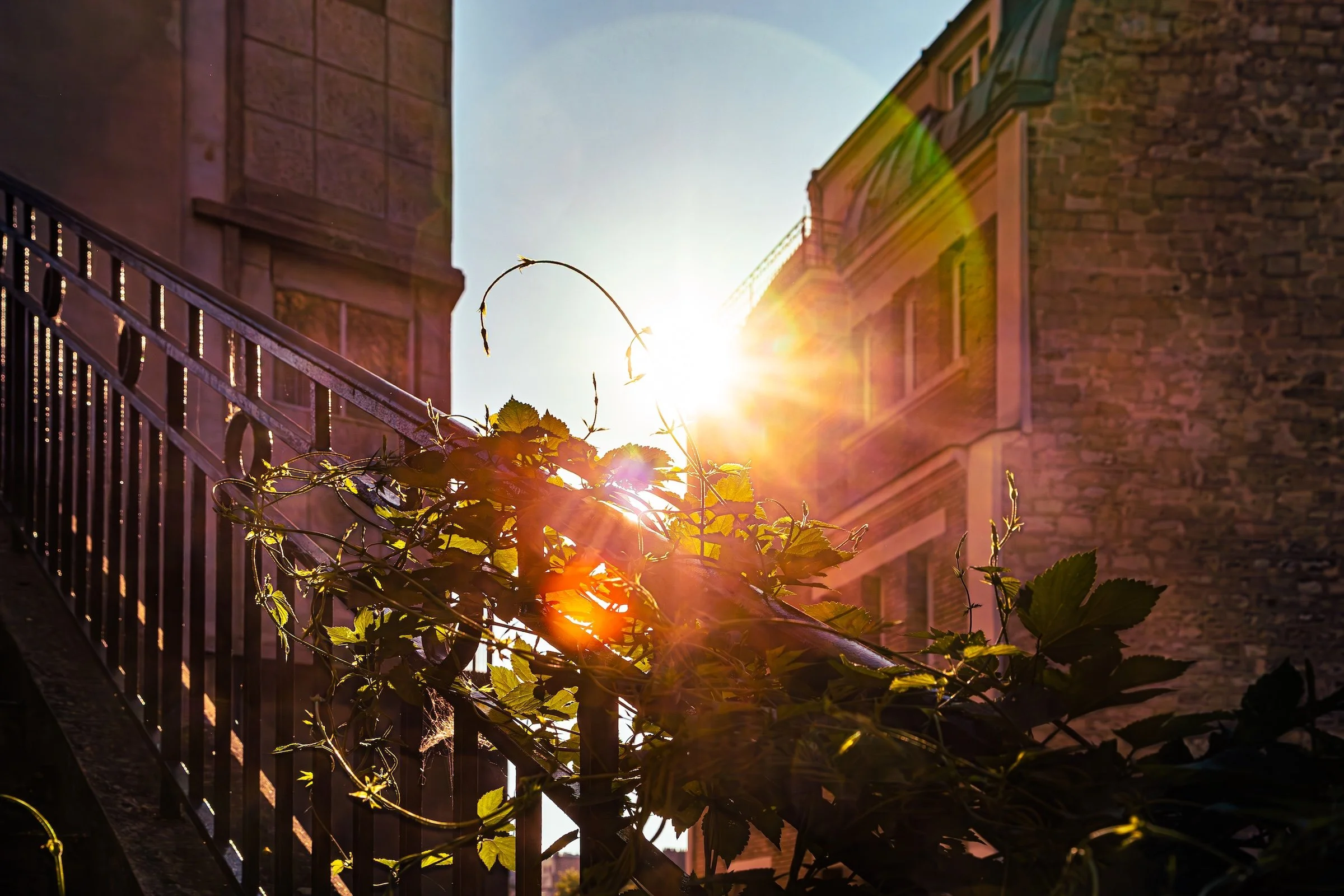
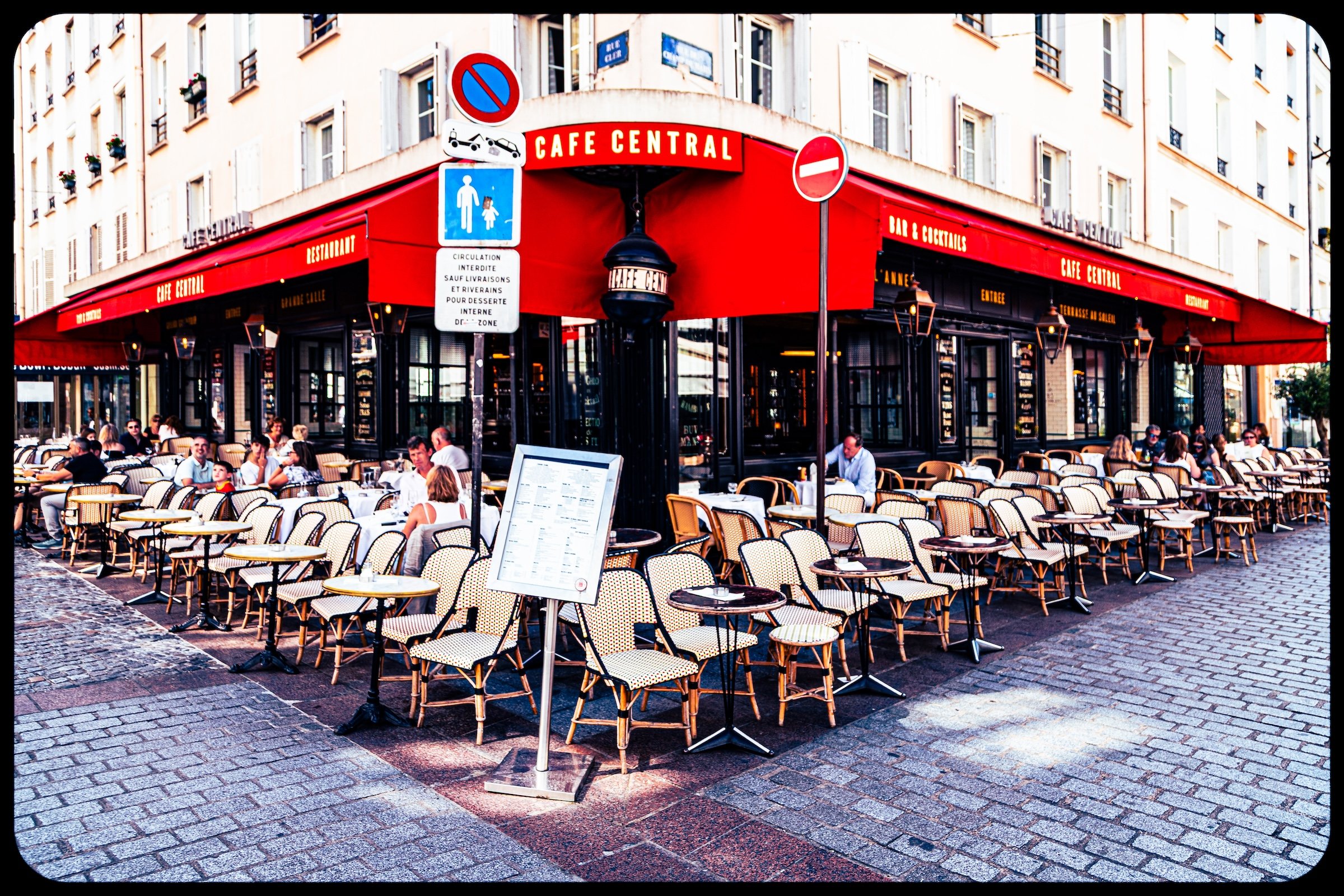
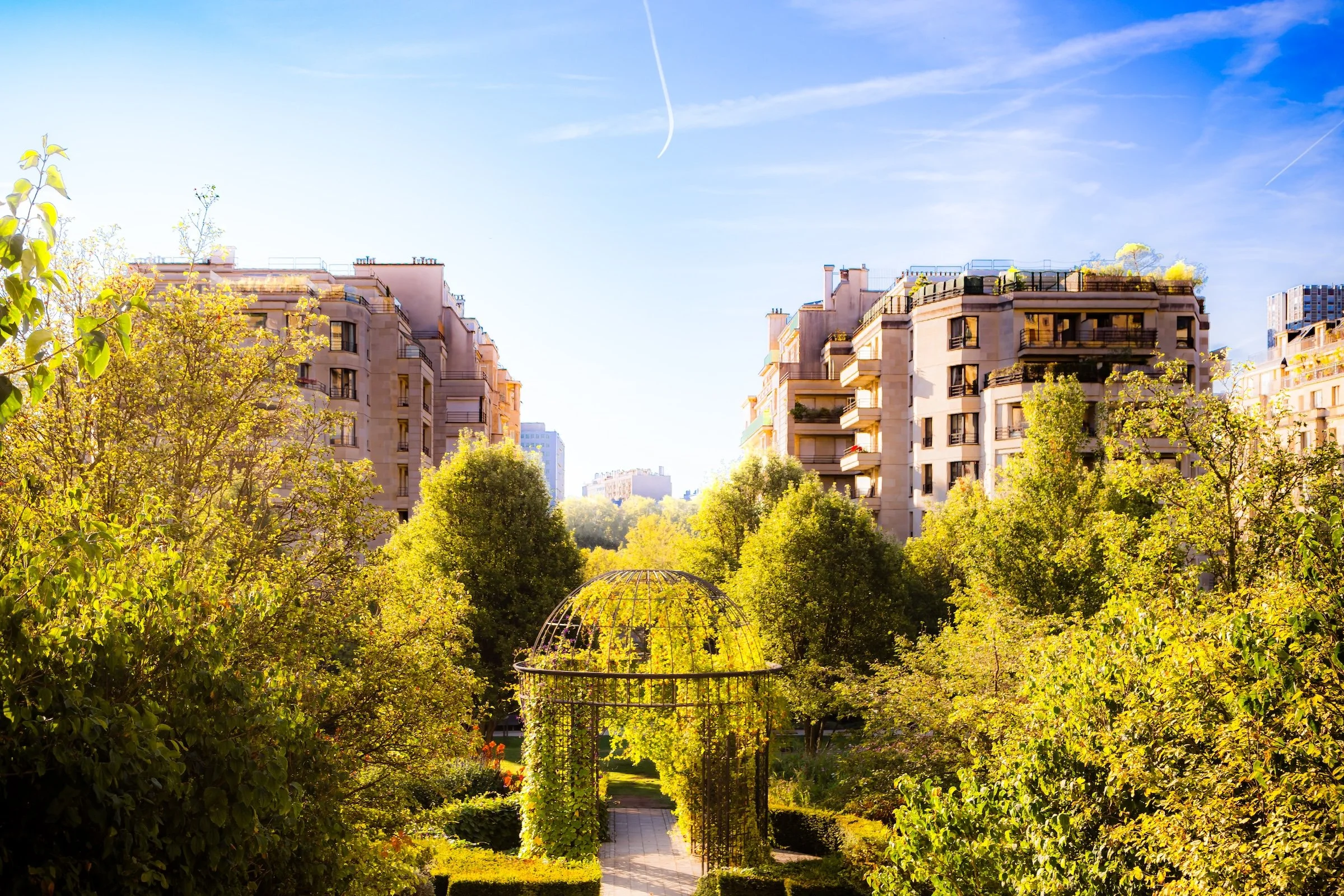
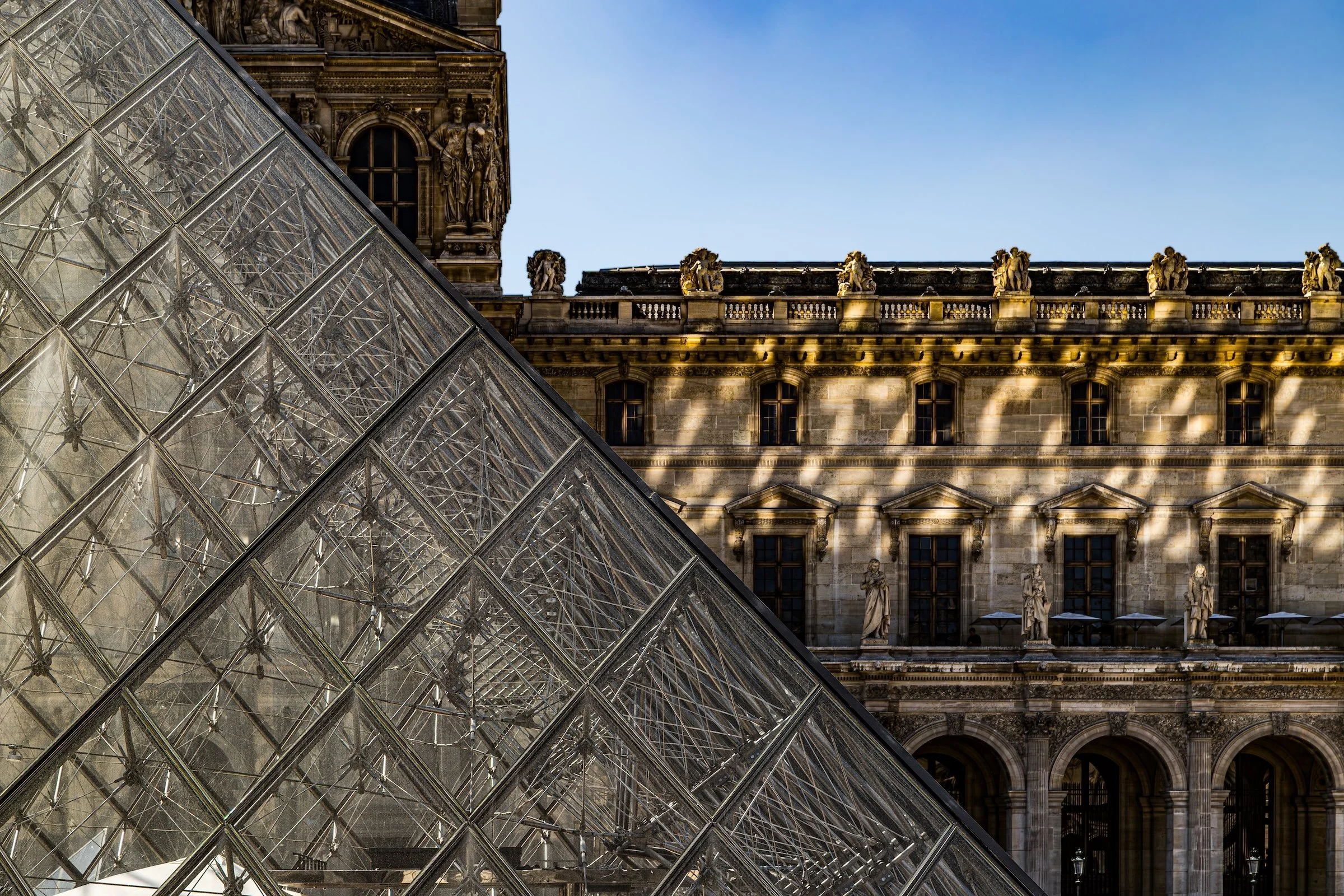
If you visit Paris, these ideas can help inspire your own photography.
Paris: J’Espere, Je Rêve, Je Vive
Paris Photo Gallery
Paris Field Notes
-
Field Note: August 18, 2025 | 07:58 AM
Conditions: 73°F | Humidity: 72%.
Within the park's interior, the glacial kettle ponds acted as humidity traps, creating a soft, hazy light that filtered through the old-growth oaks. The transition from the park's dense shade to the sun-drenched edges of Oakland Gardens highlighted the day's exceptional "picture-perfect" clarity.
There is a fleeting window in Queens where the humidity of August hasn't yet heavy-set, and the morning sun hits the canopy of Alley Pond Park at a perfect oblique angle. Arriving just before 8:00 AM, I watched the light break through the oaks and tulip trees, casting long, dramatic shadows across the wet grass. It’s in these quiet, golden moments that the park feels less like a city escape and more like the ancient glacial valley it actually is.
Other neighborhoods visited:
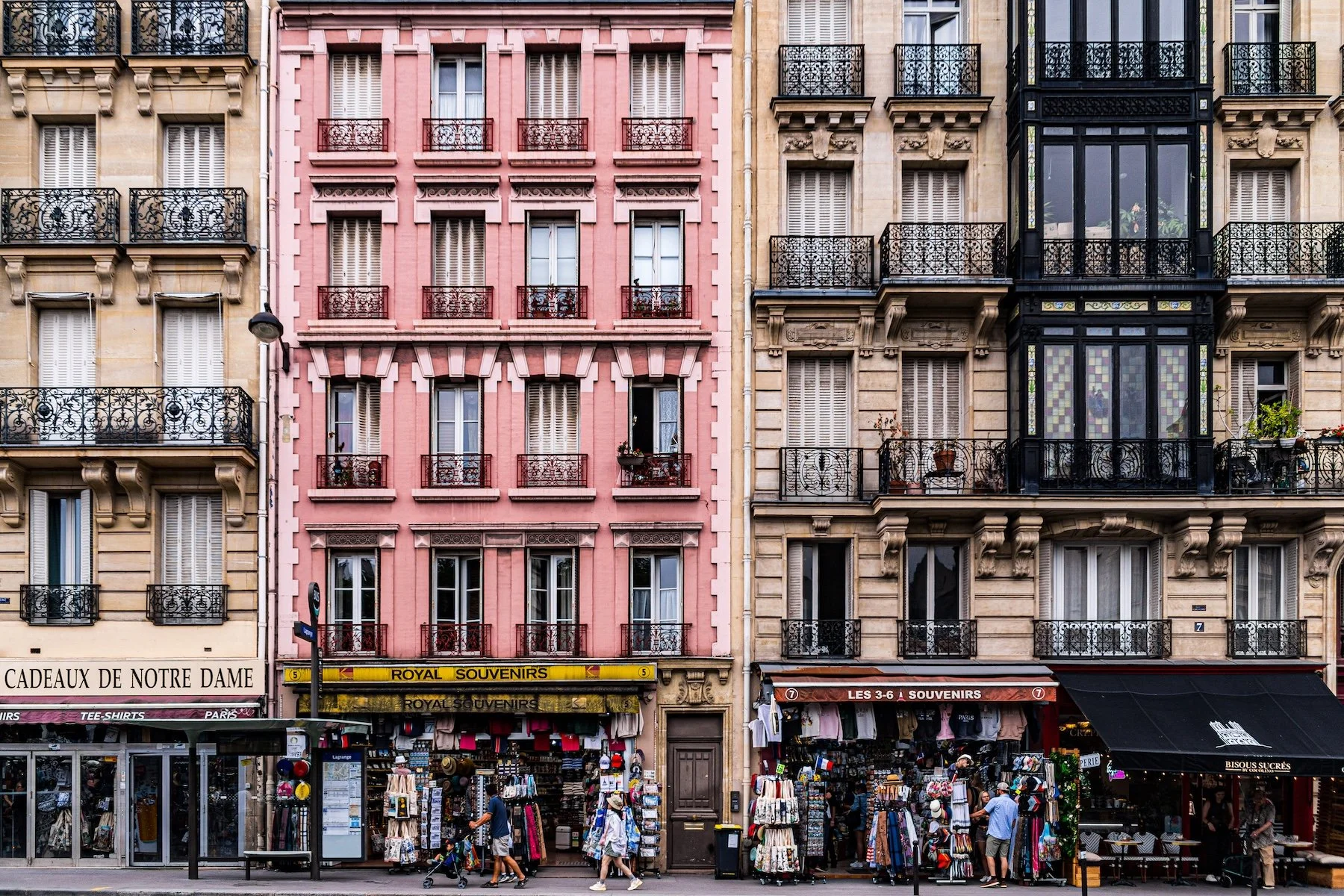
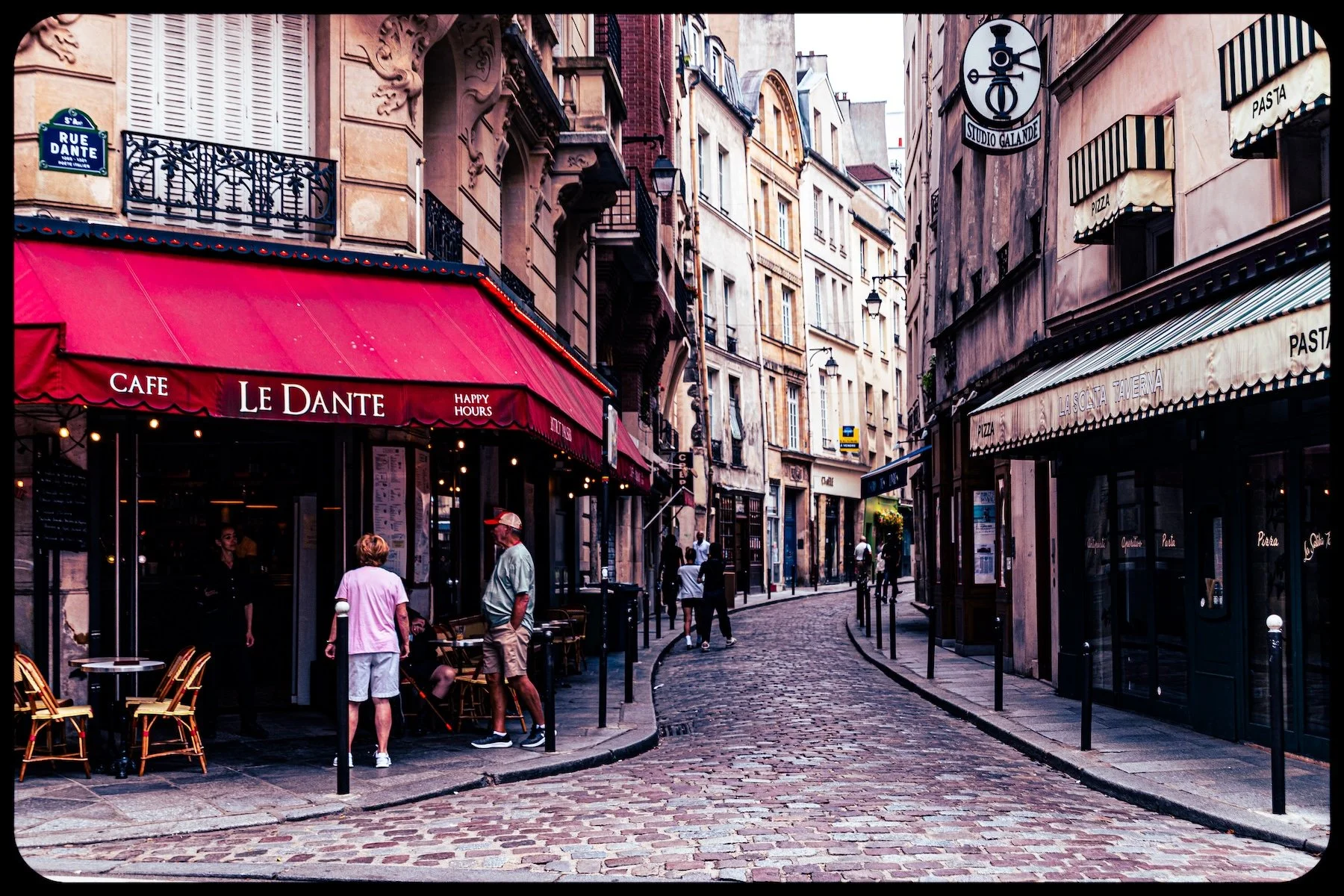
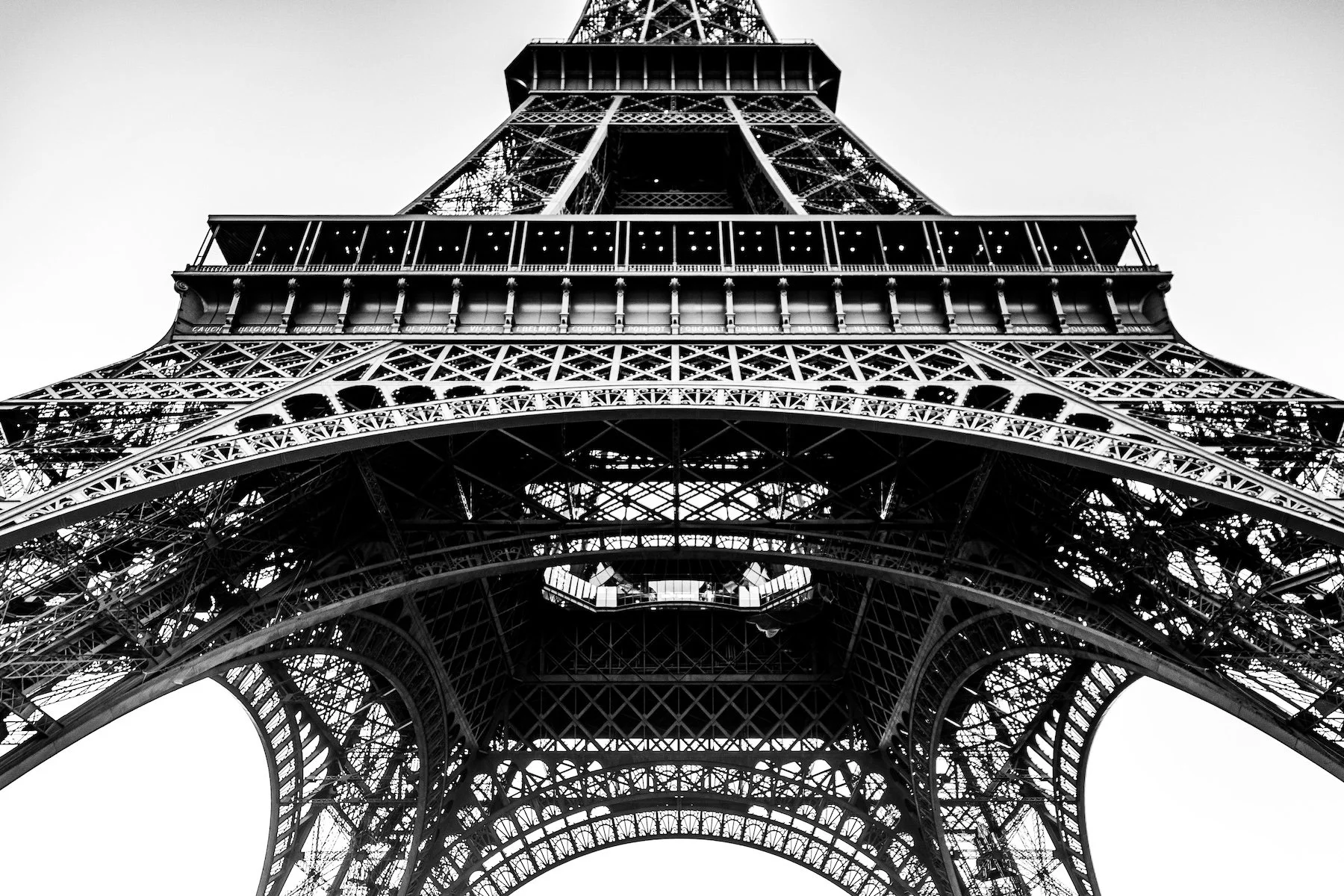
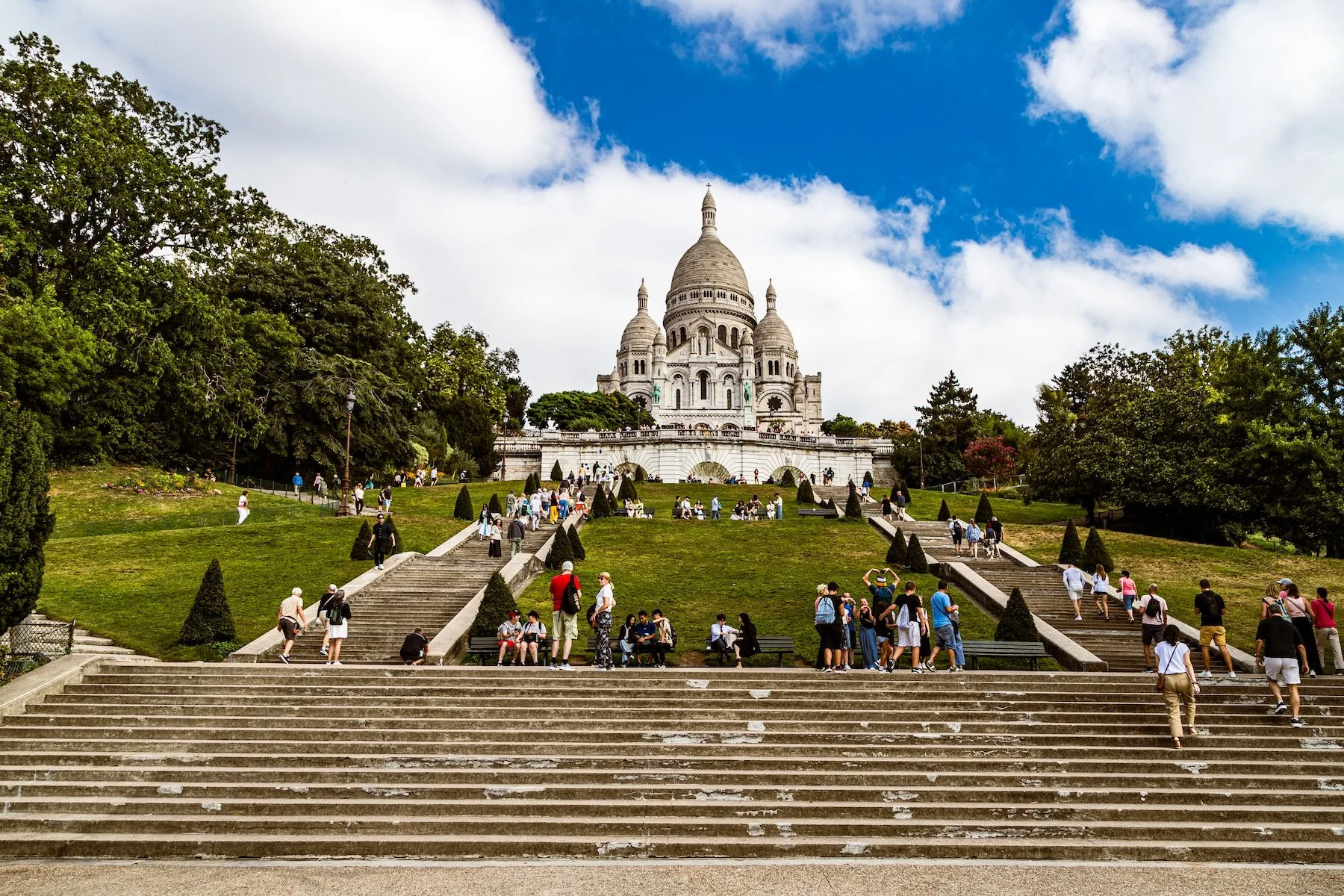

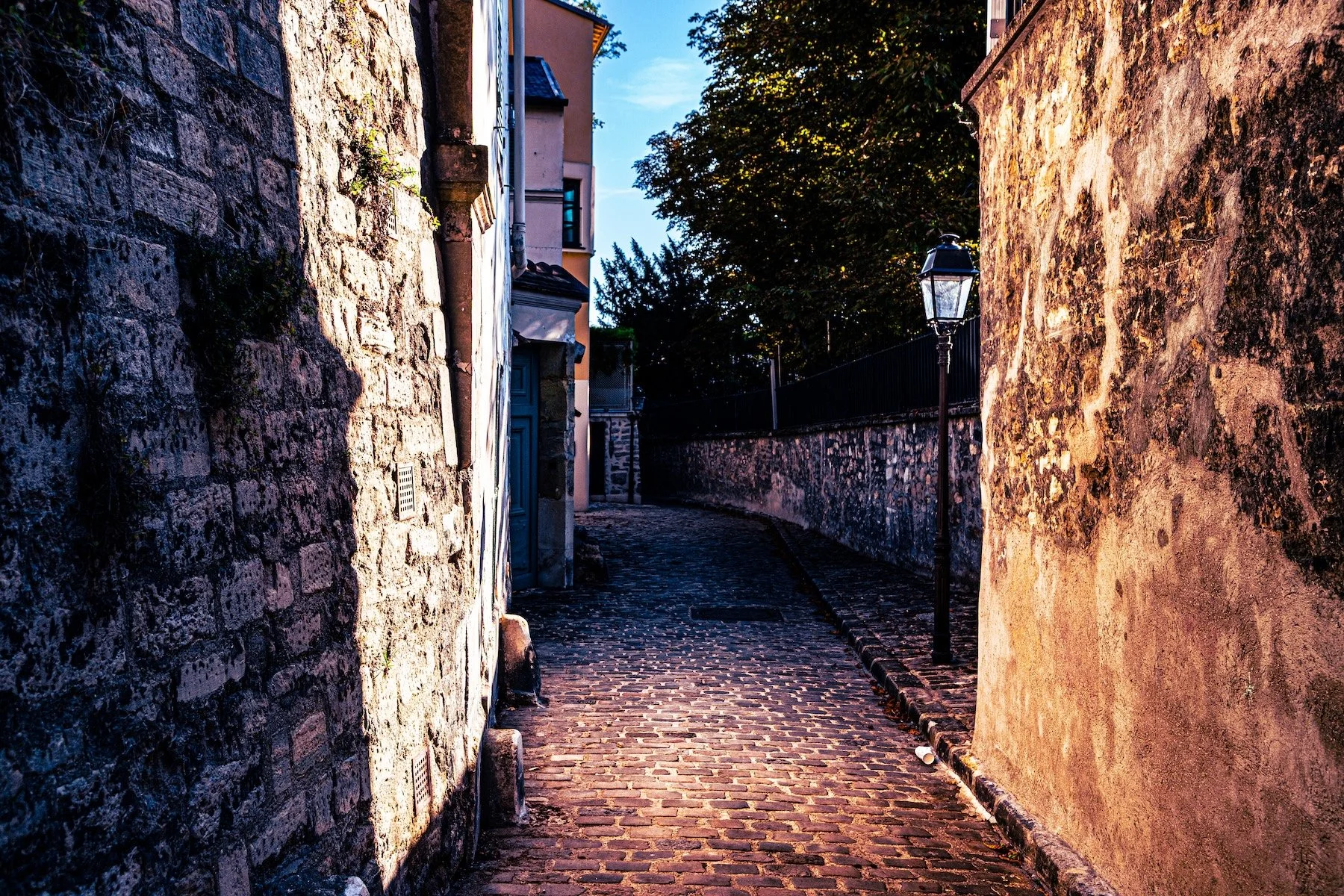
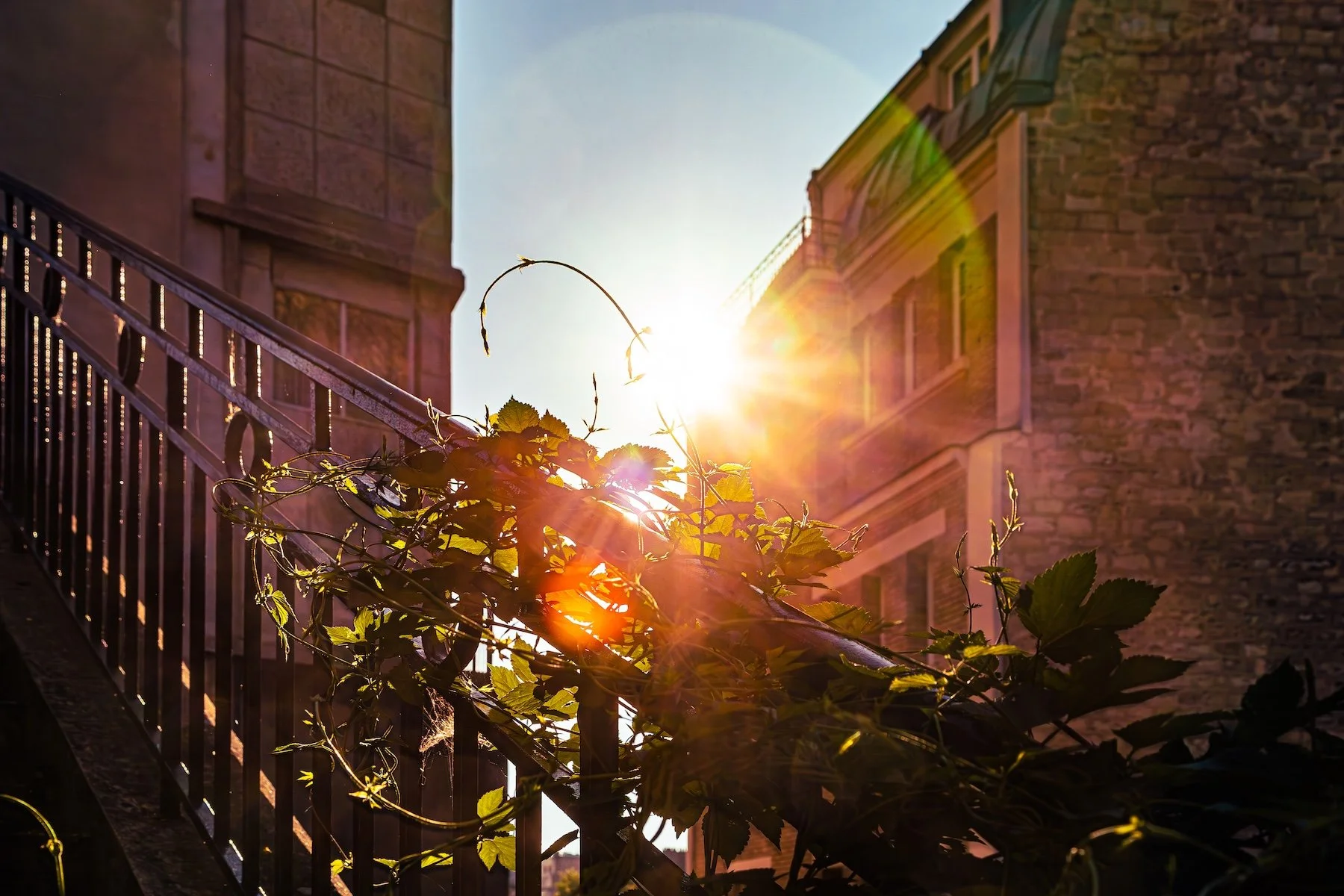
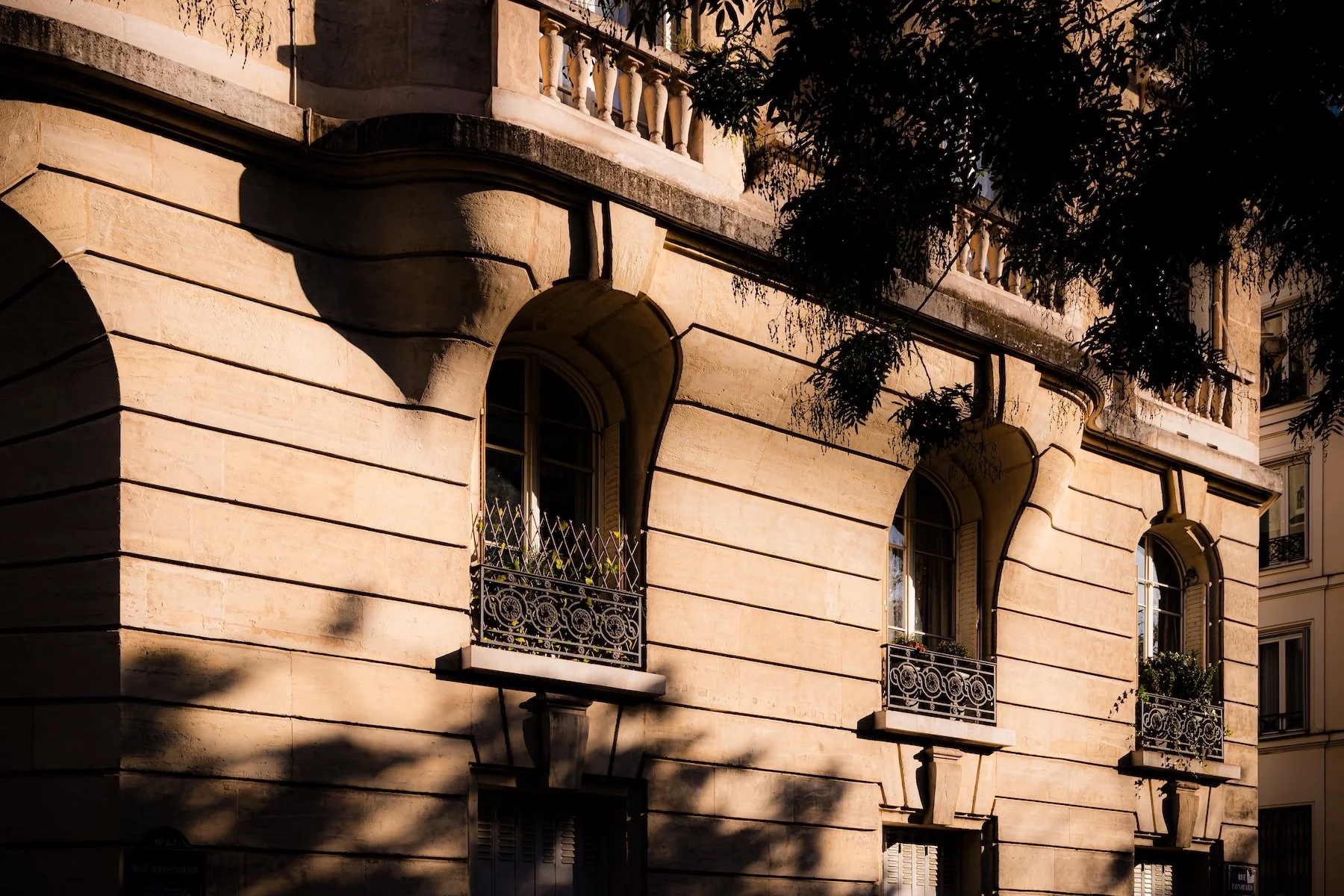
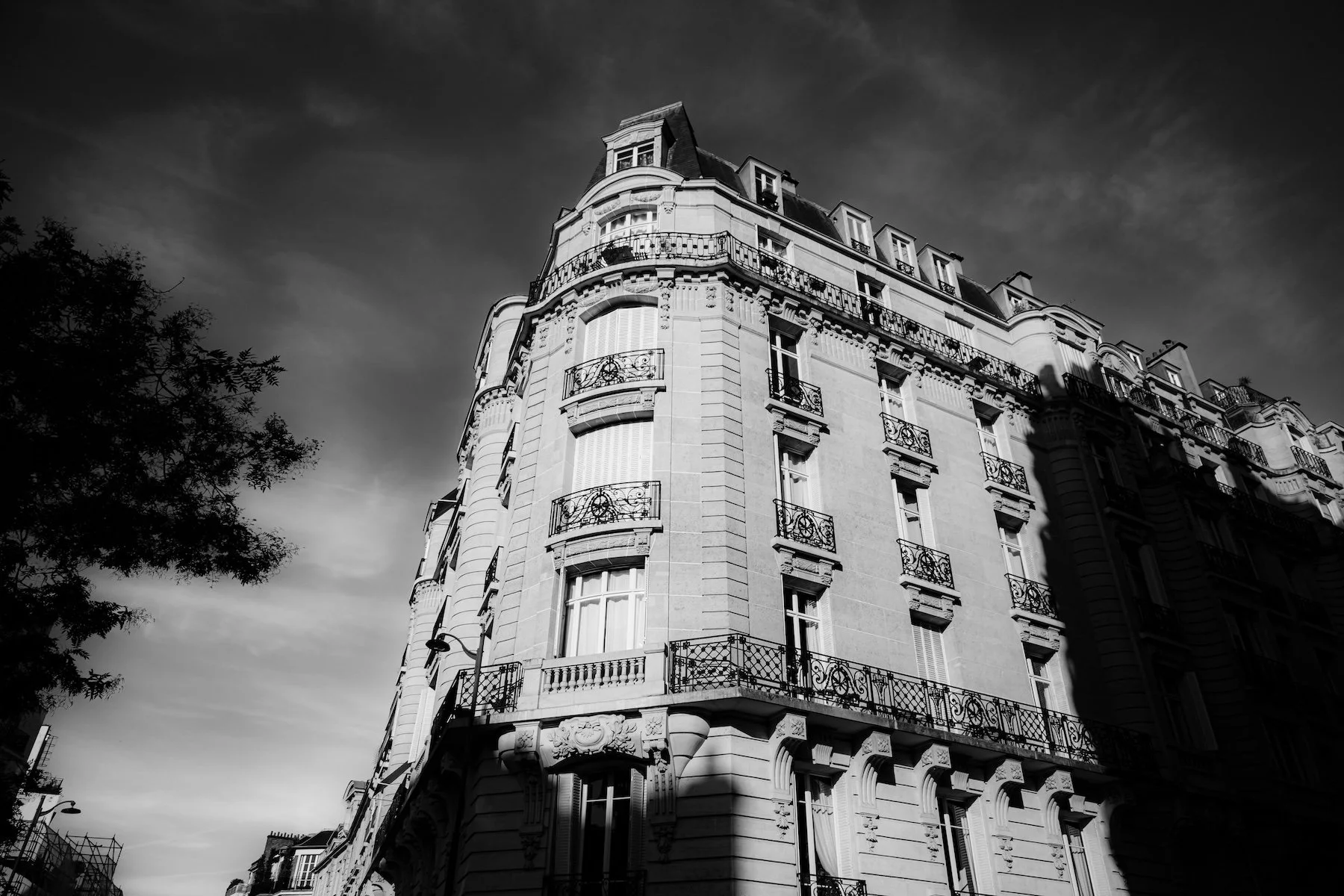
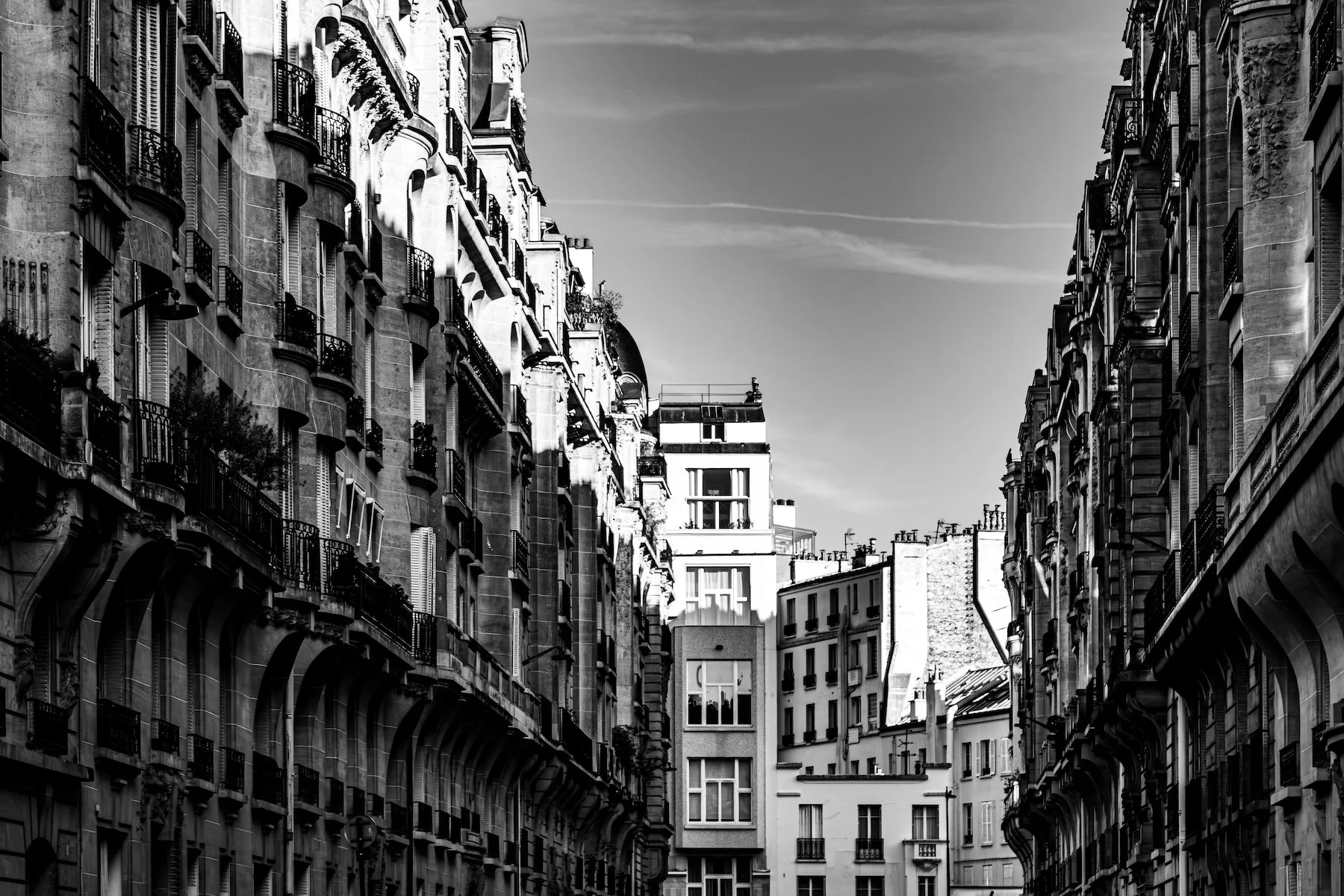
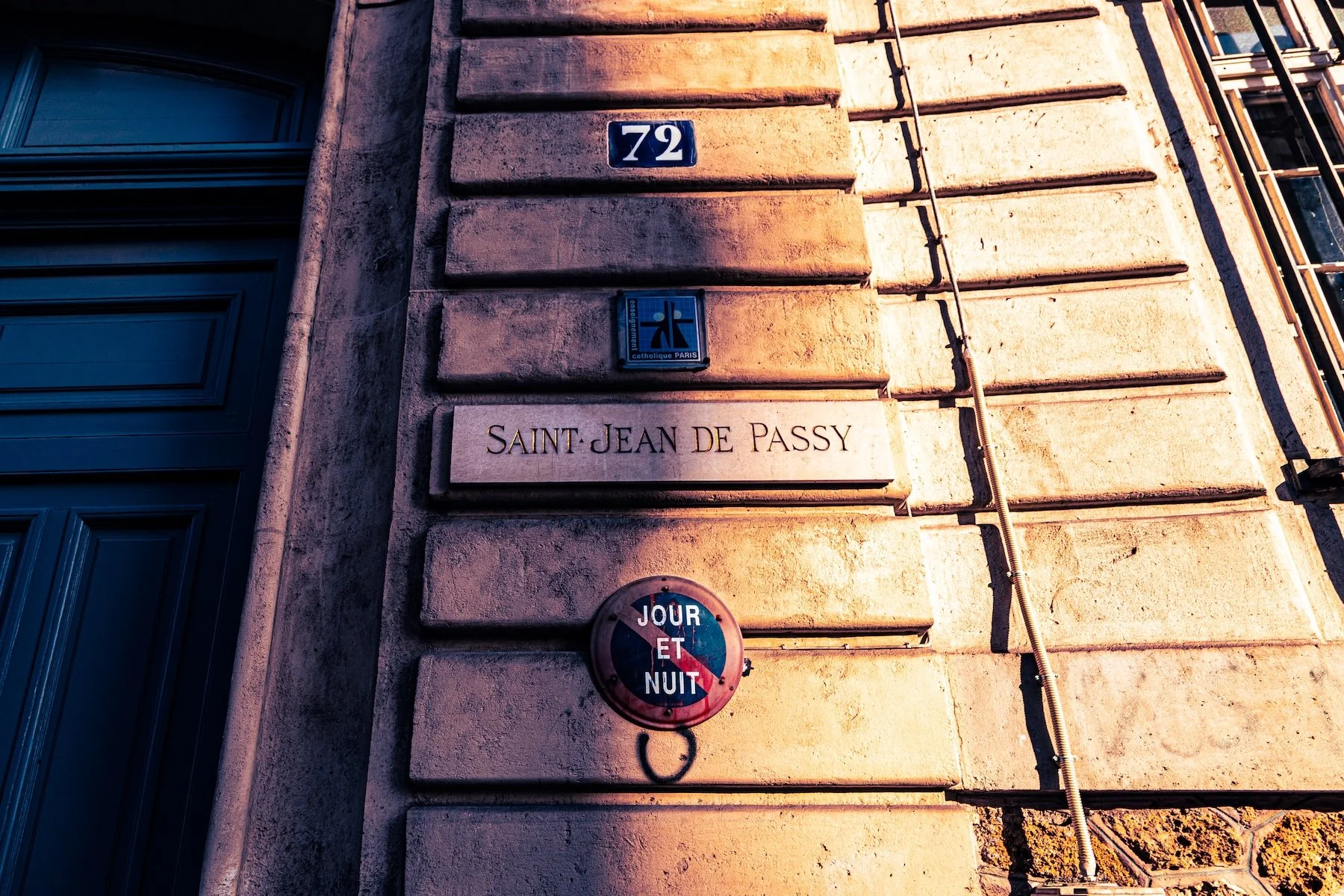
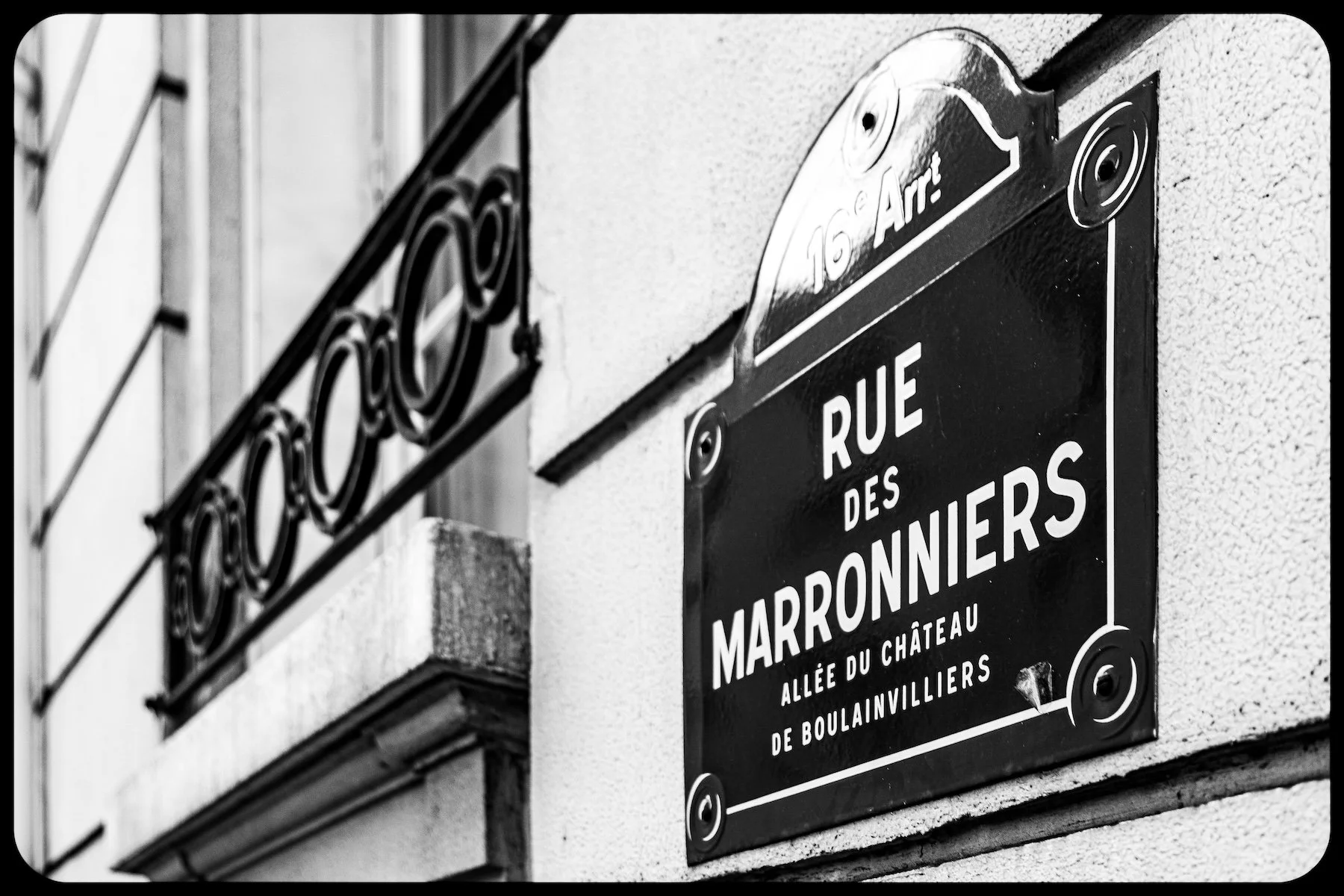
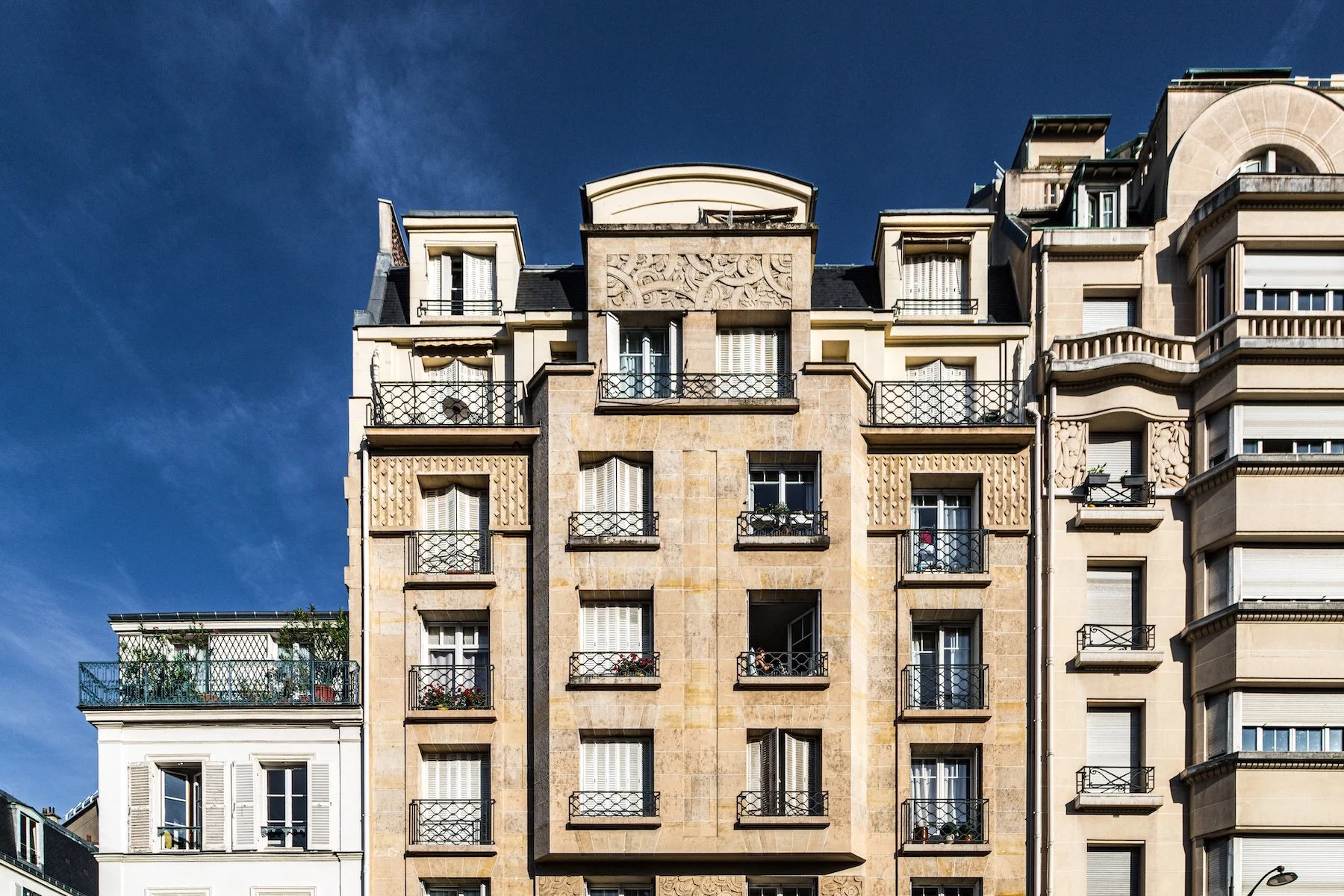
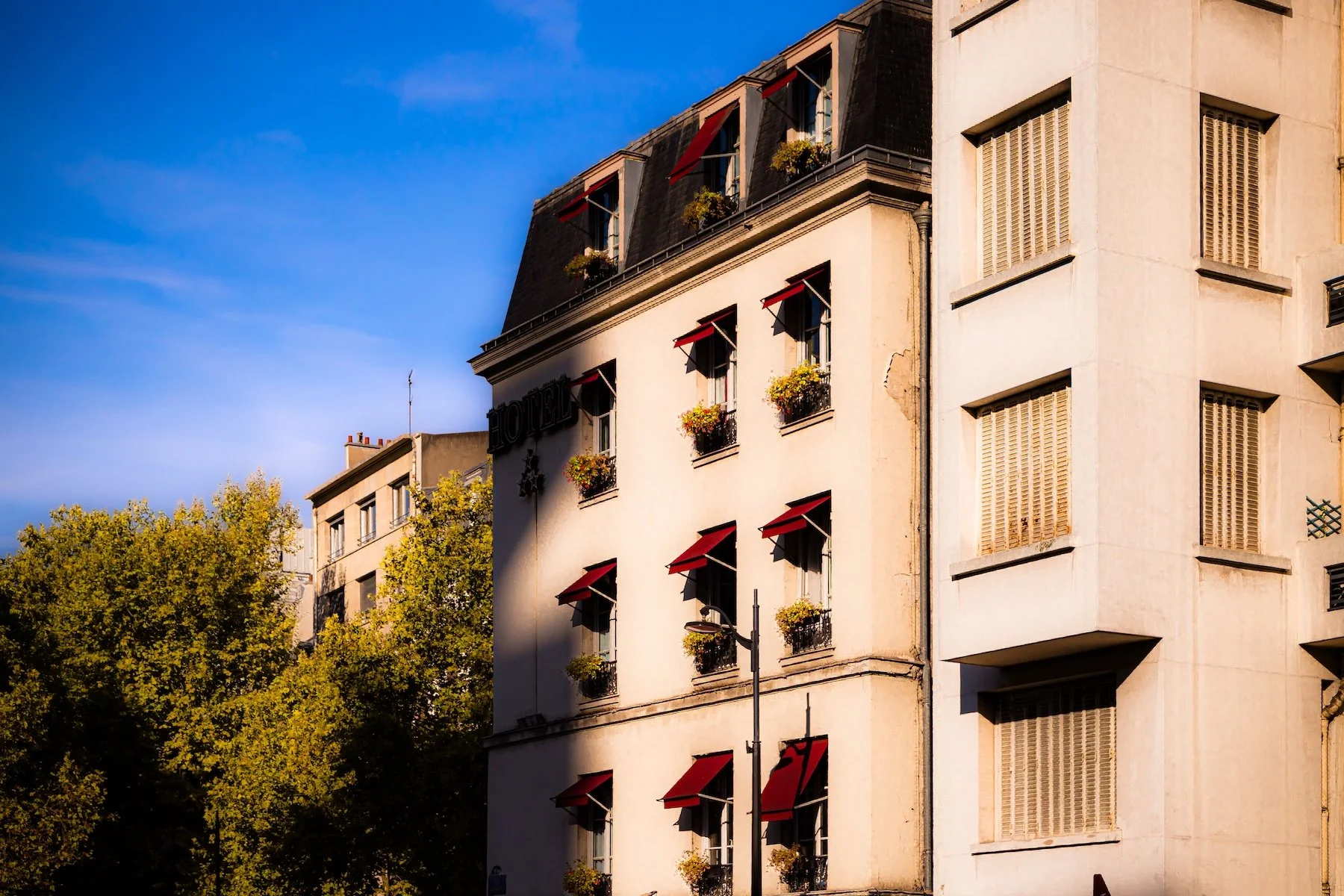
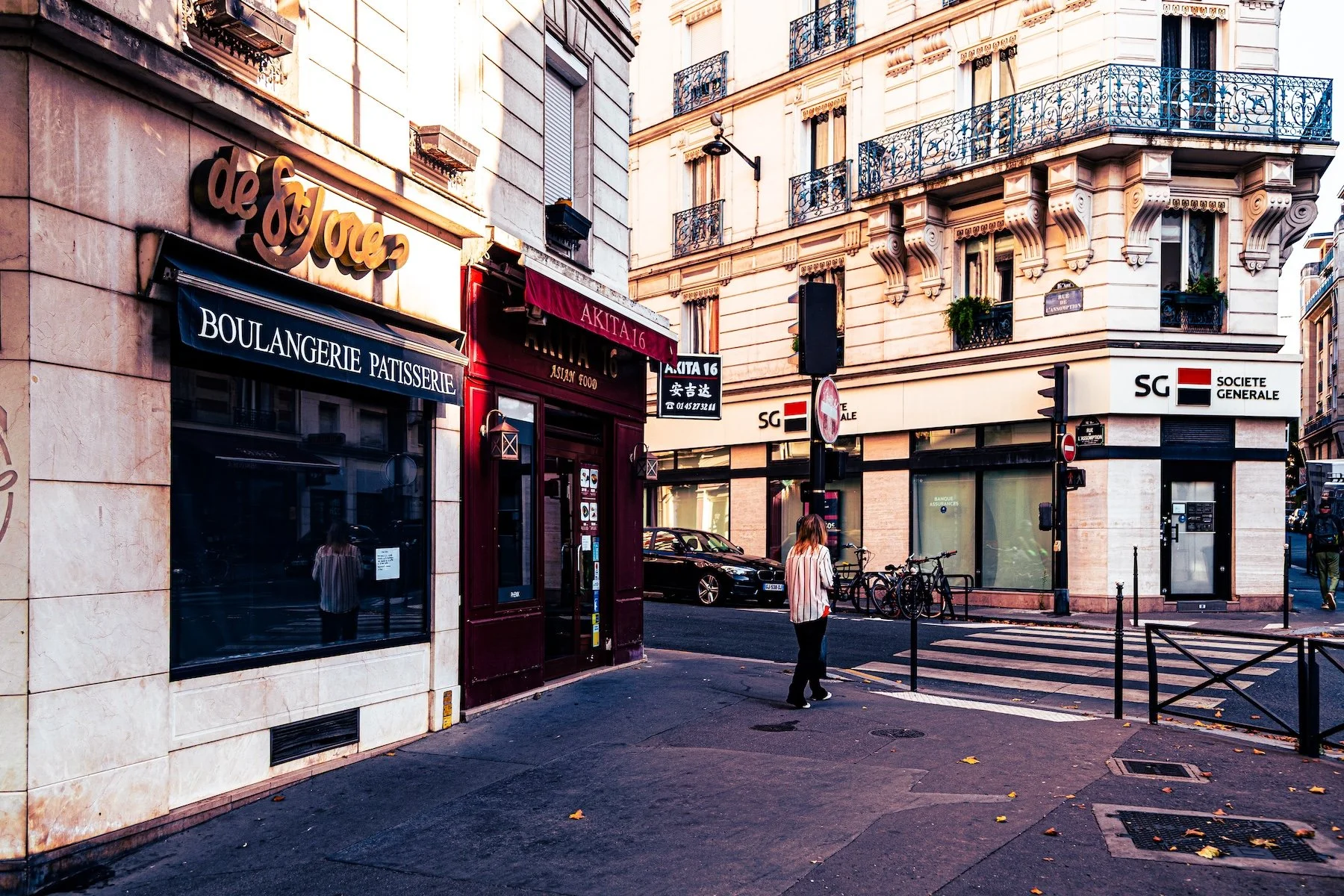

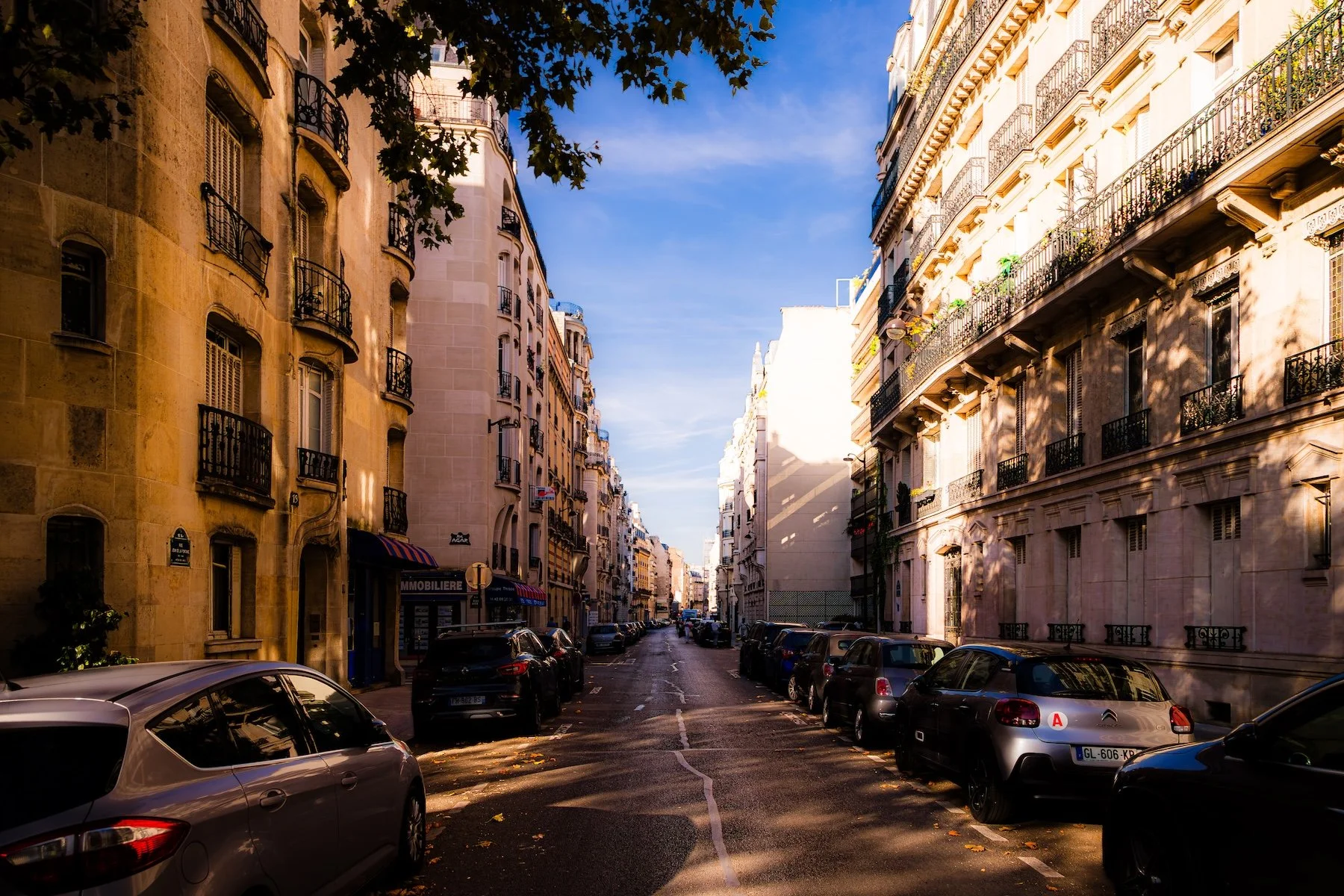
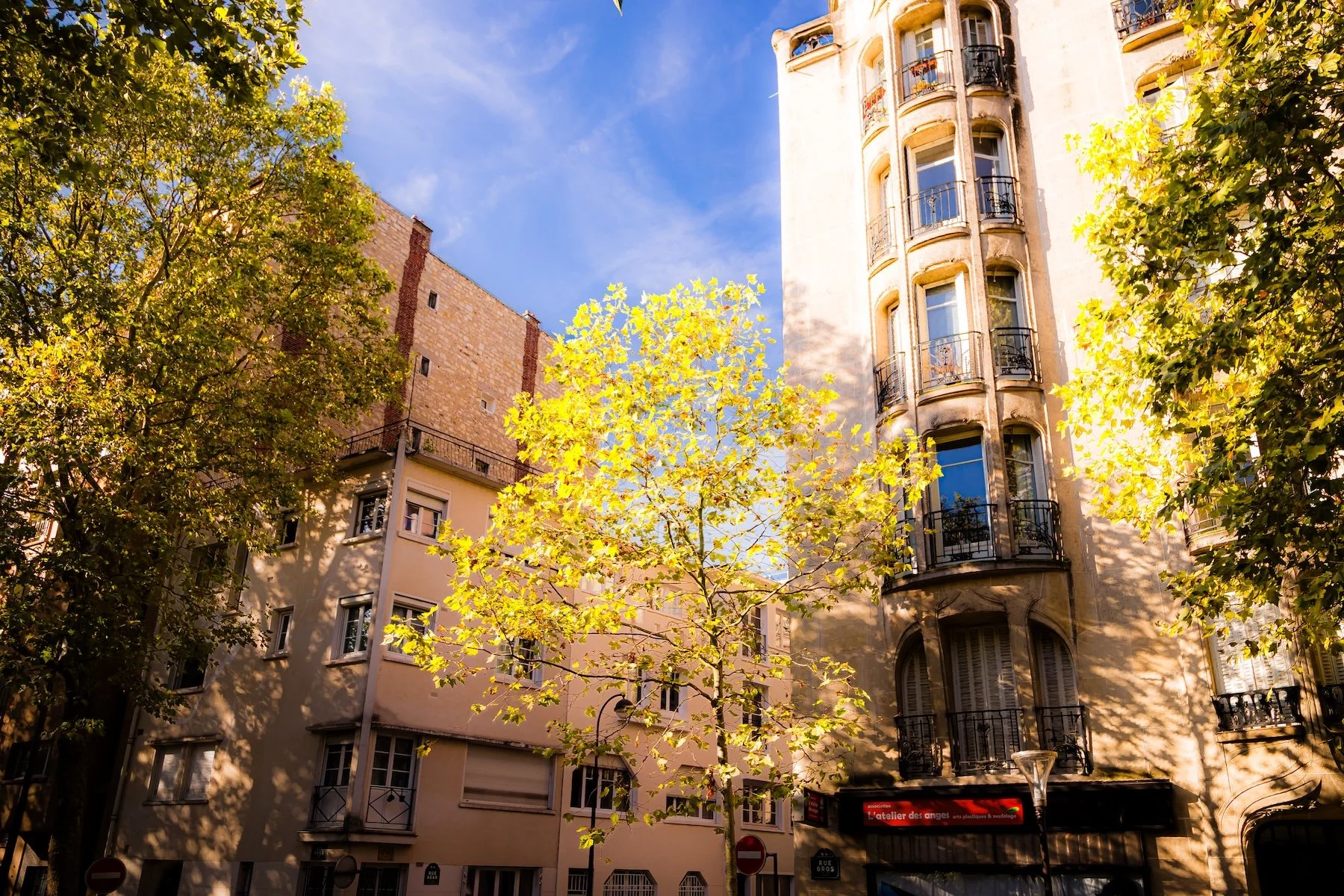
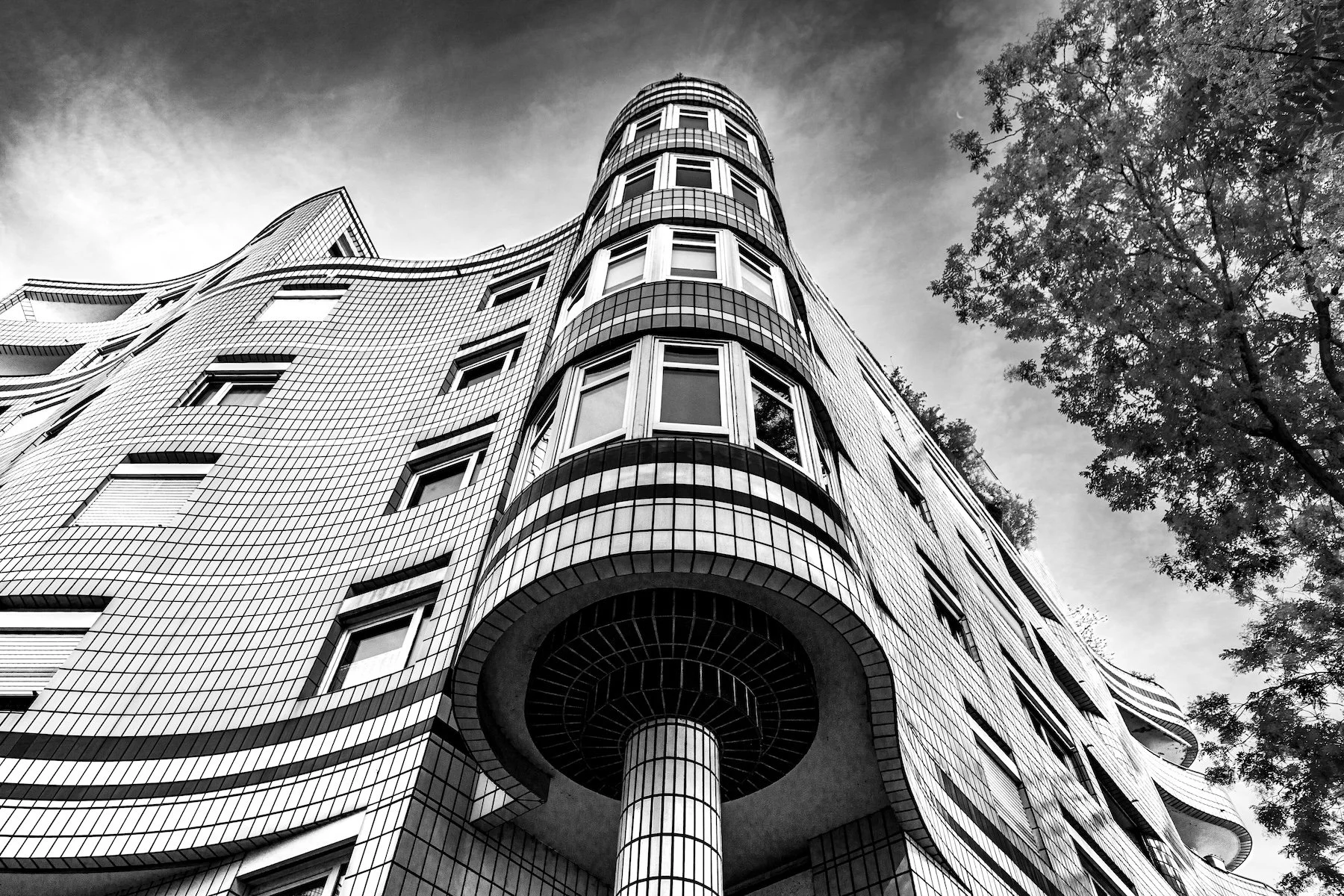
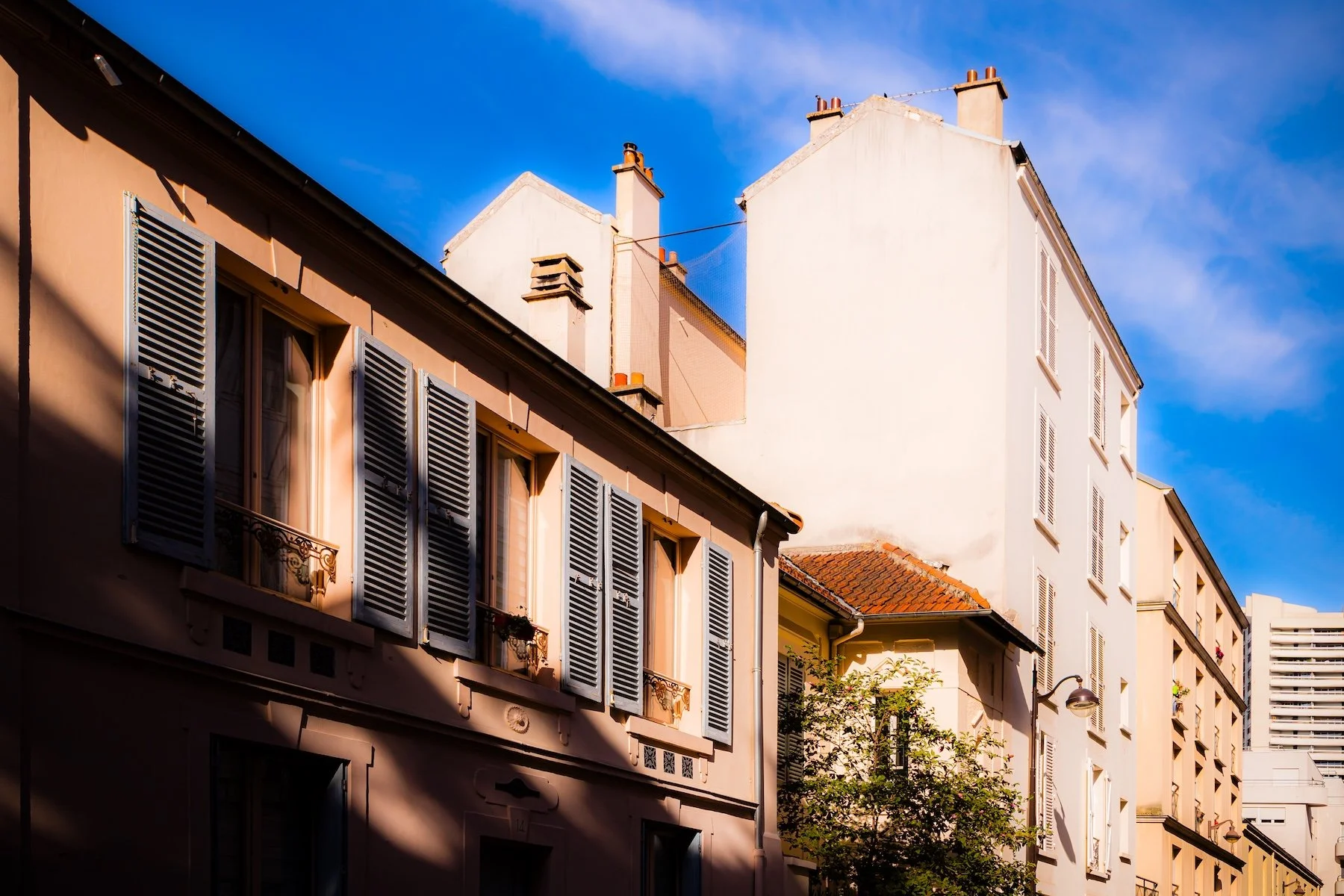
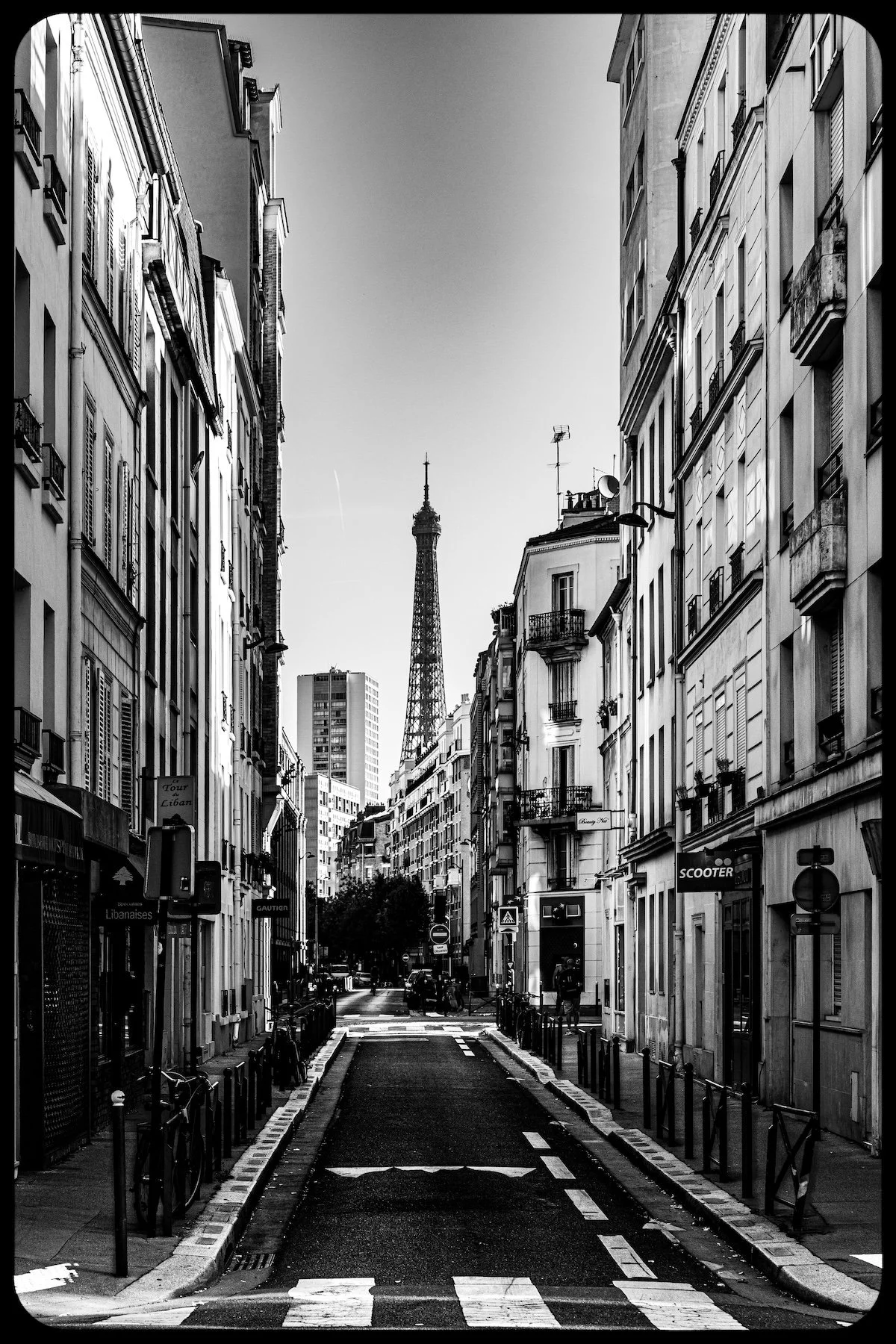
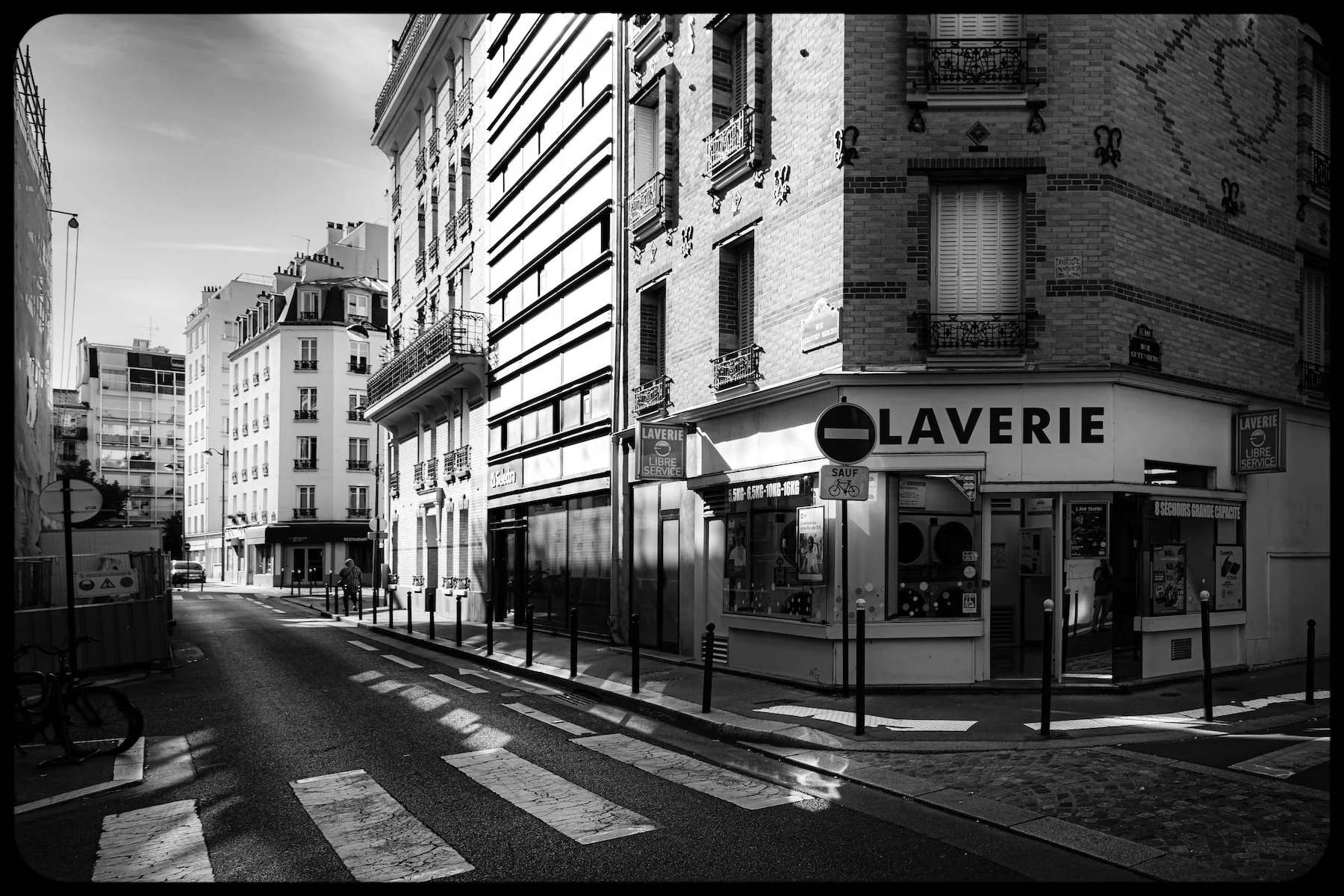
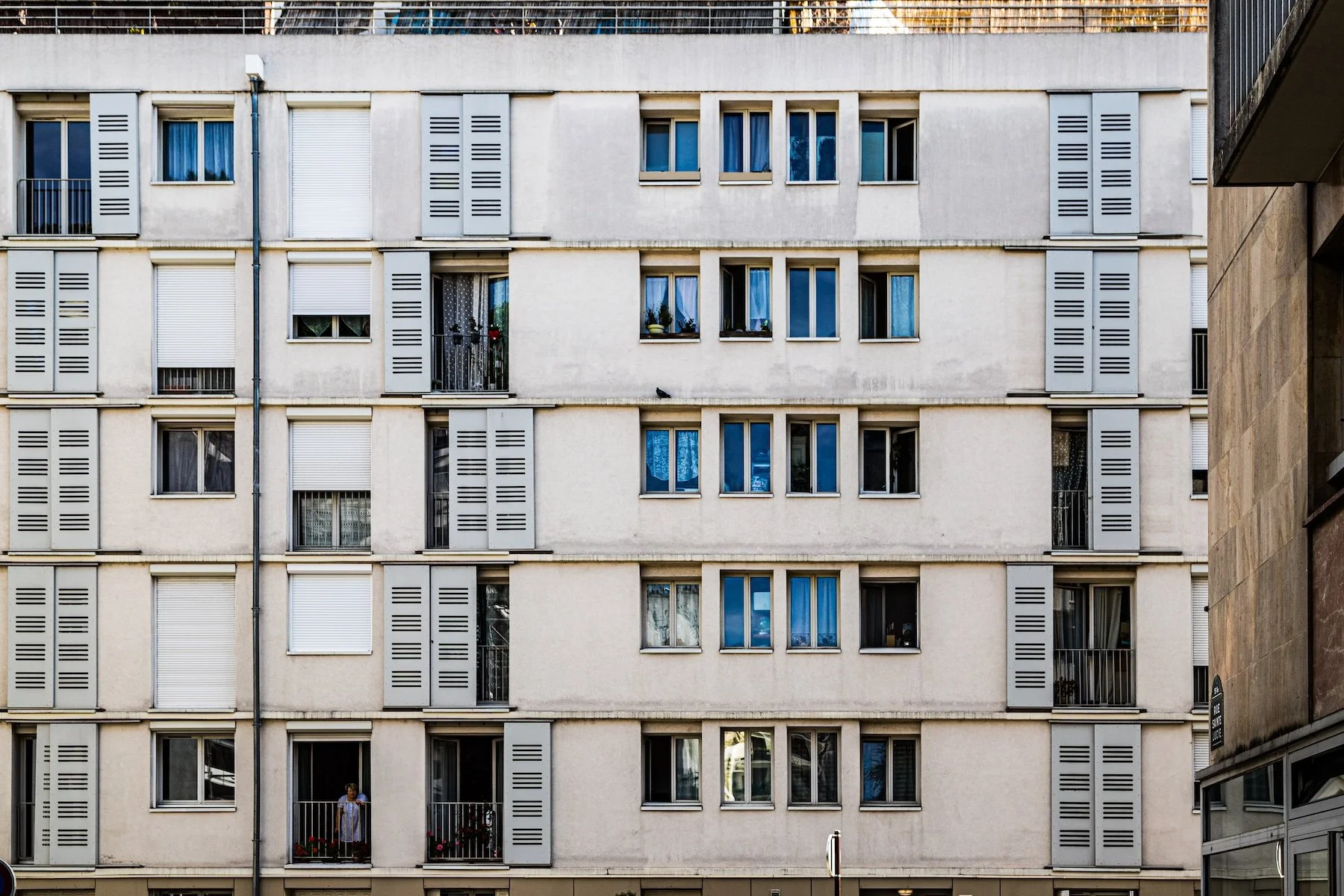
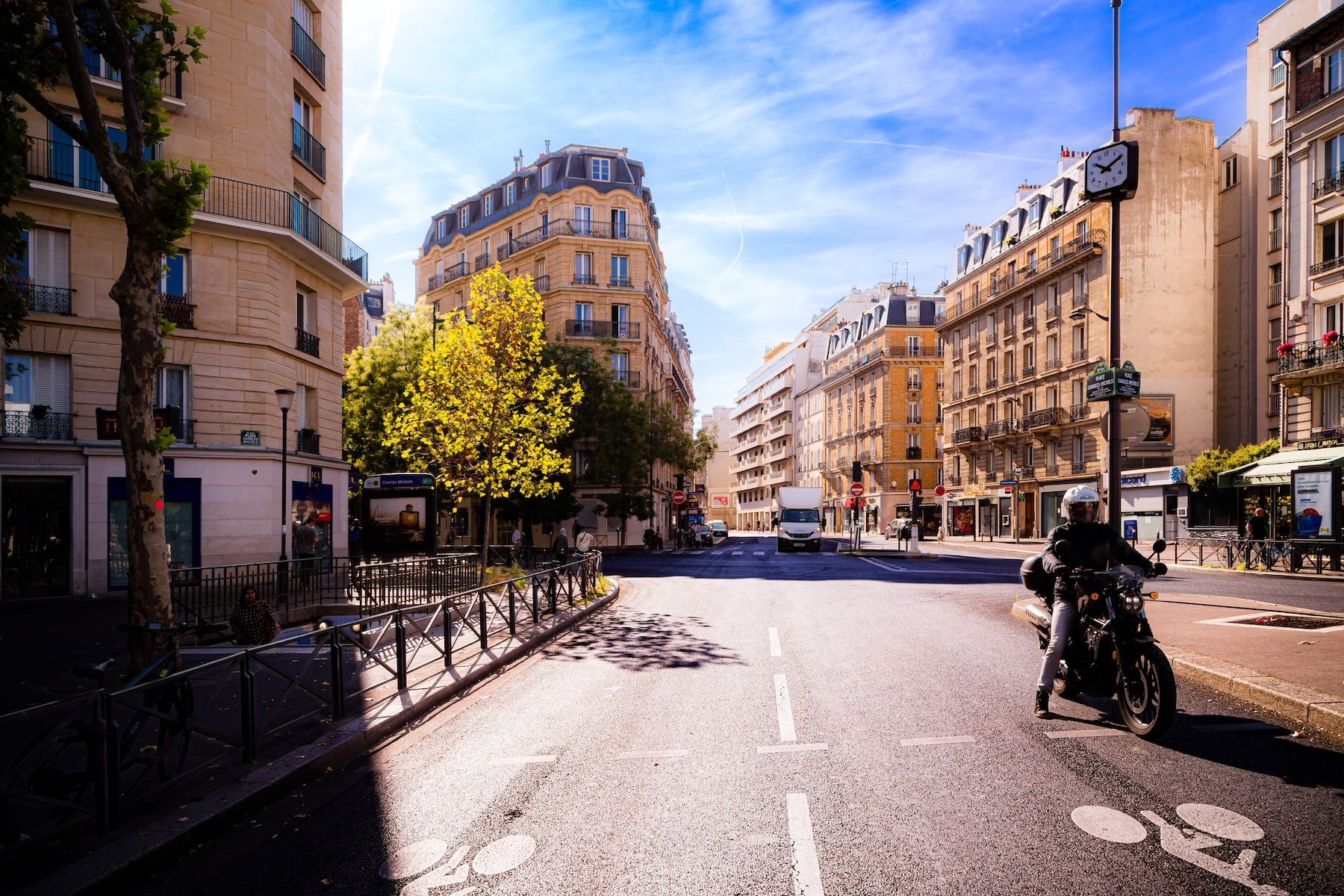
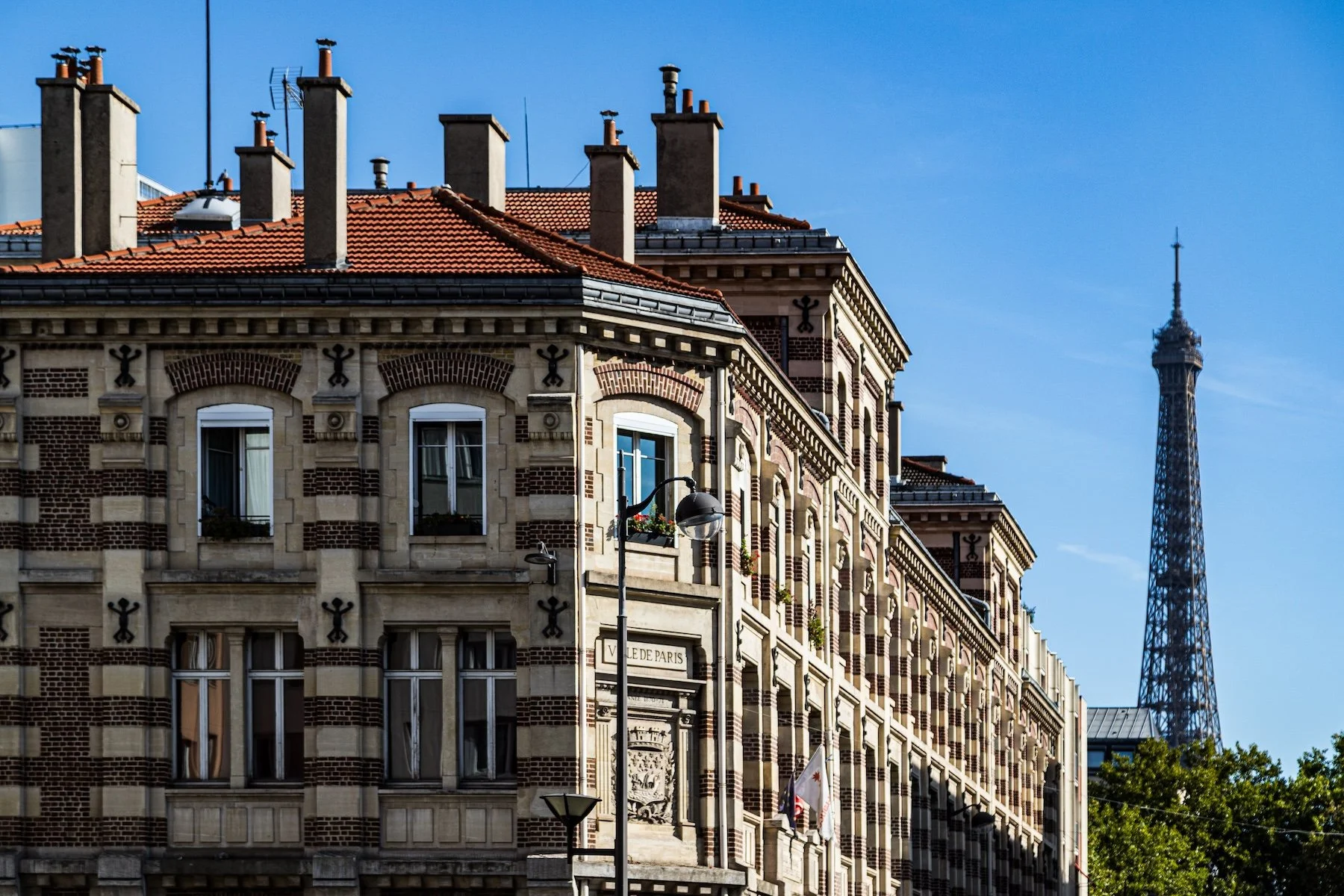
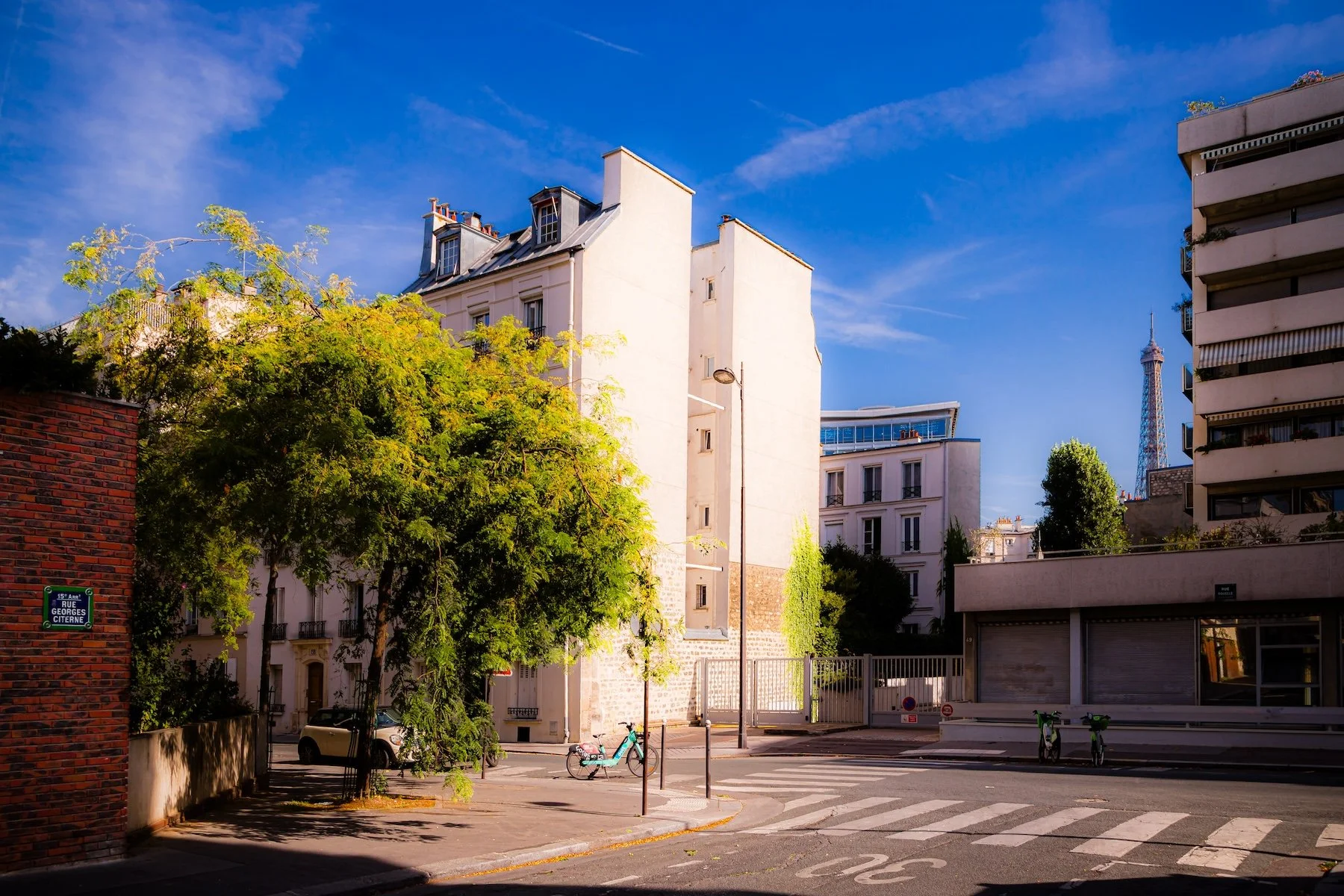
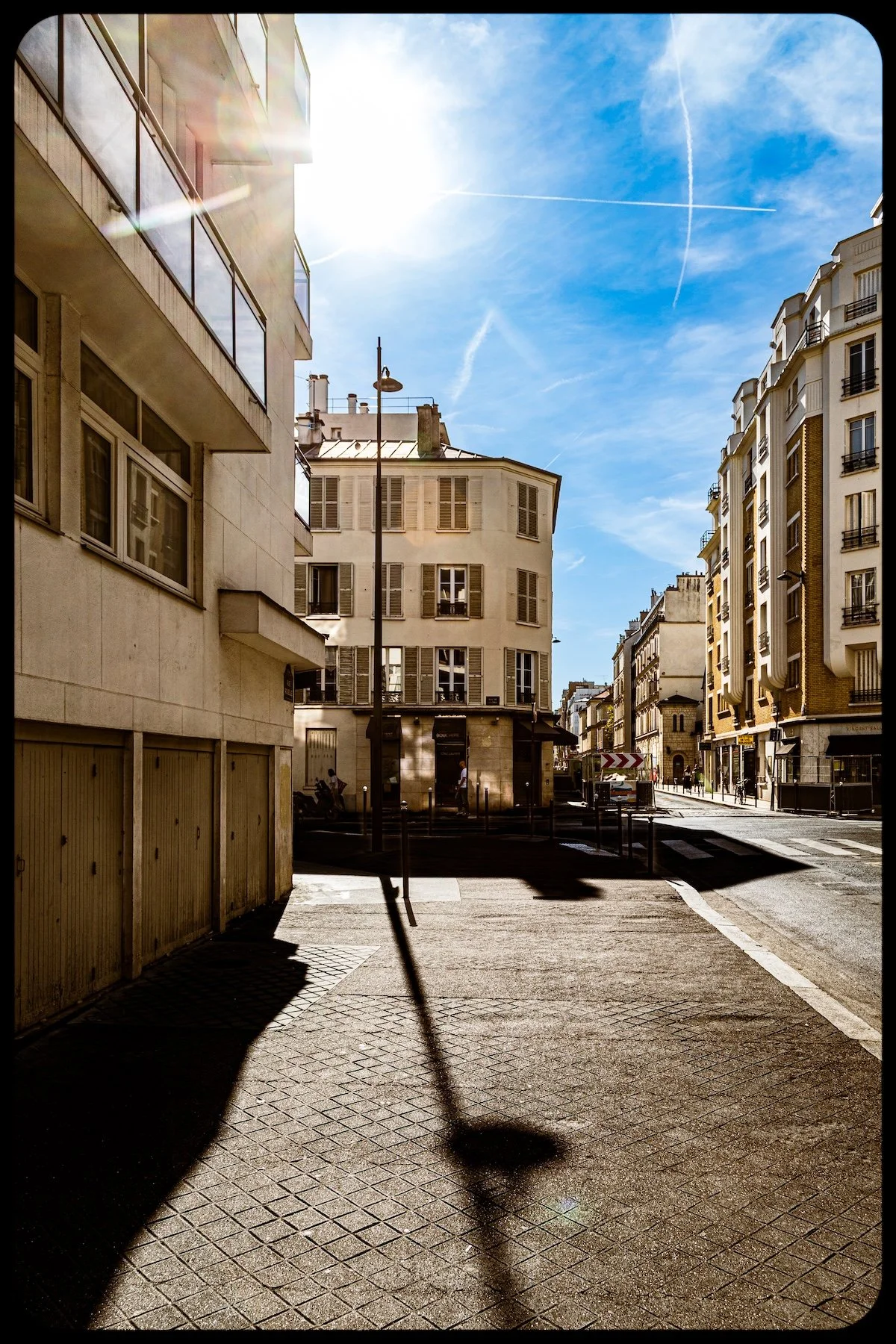
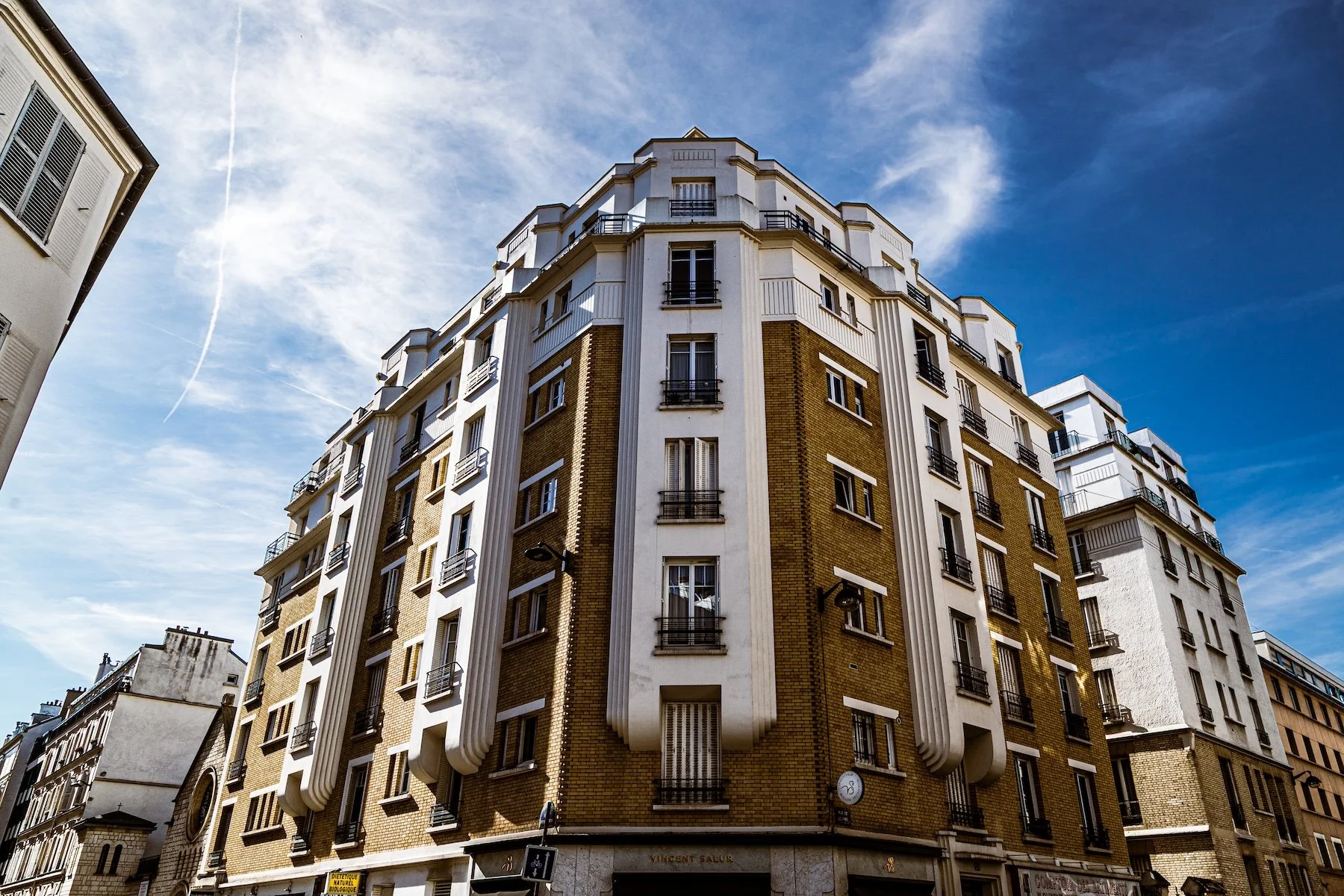
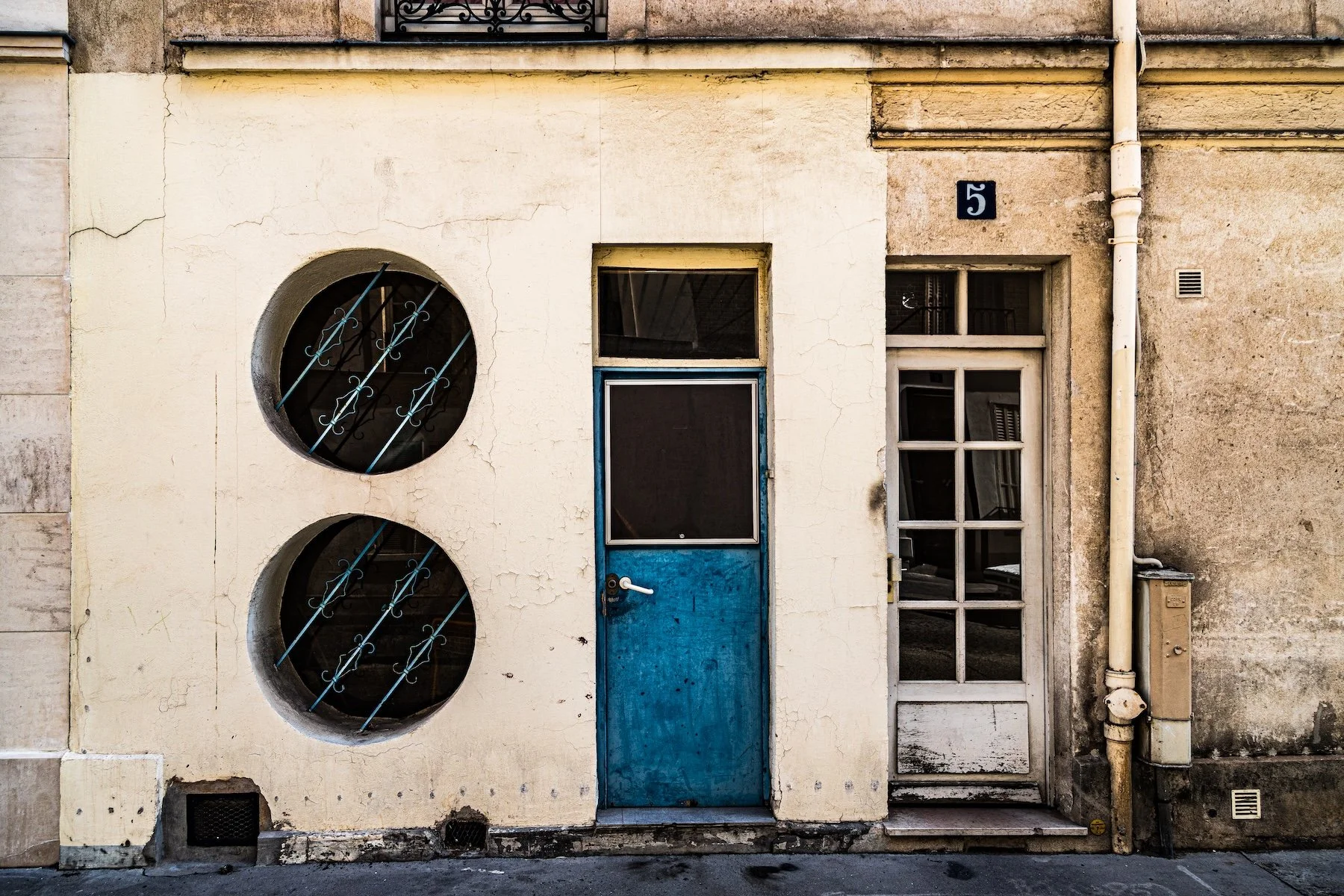
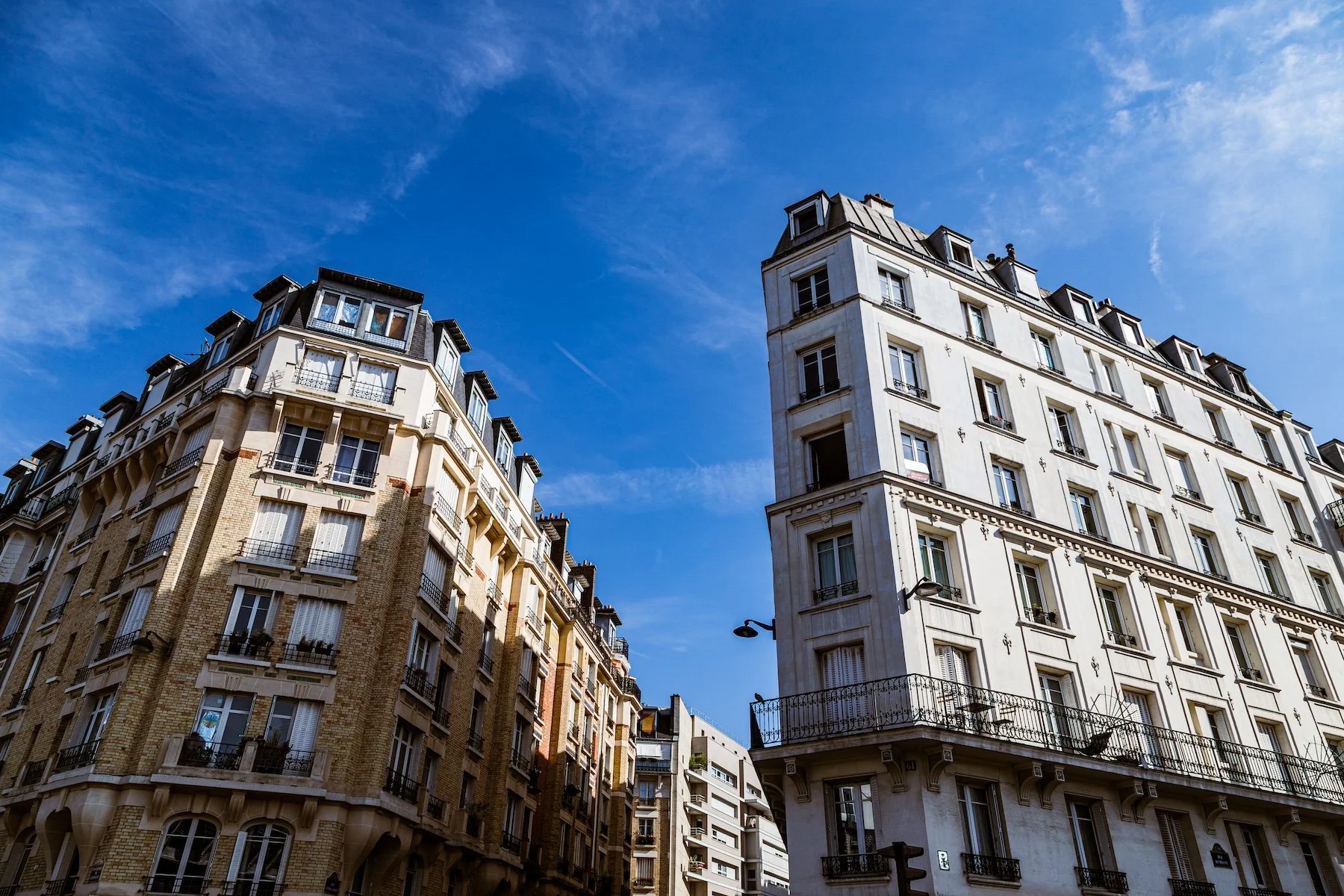
Explore Paris
-

The twenty arrondissements form the civic spiral of Paris, organizing the city into its broad local districts of government, identity, and daily life.
-

Each arrondissement is divided into four official administrative quarters, giving Paris a more precise civic and geographic framework.
-

The conseils de quartier bring participation to street level, giving residents a voice in neighborhood needs, public space, and local civic life.
-

Les Deux Rives trace Paris through the Seine’s two banks, revealing how the Rive Droite and Rive Gauche shaped the city’s civic power, commerce, learning, art, and cultural identity.
-

Cultural neighborhoods reveal the Paris people recognize through history, cafés, architecture, memory, atmosphere, and local belonging.