
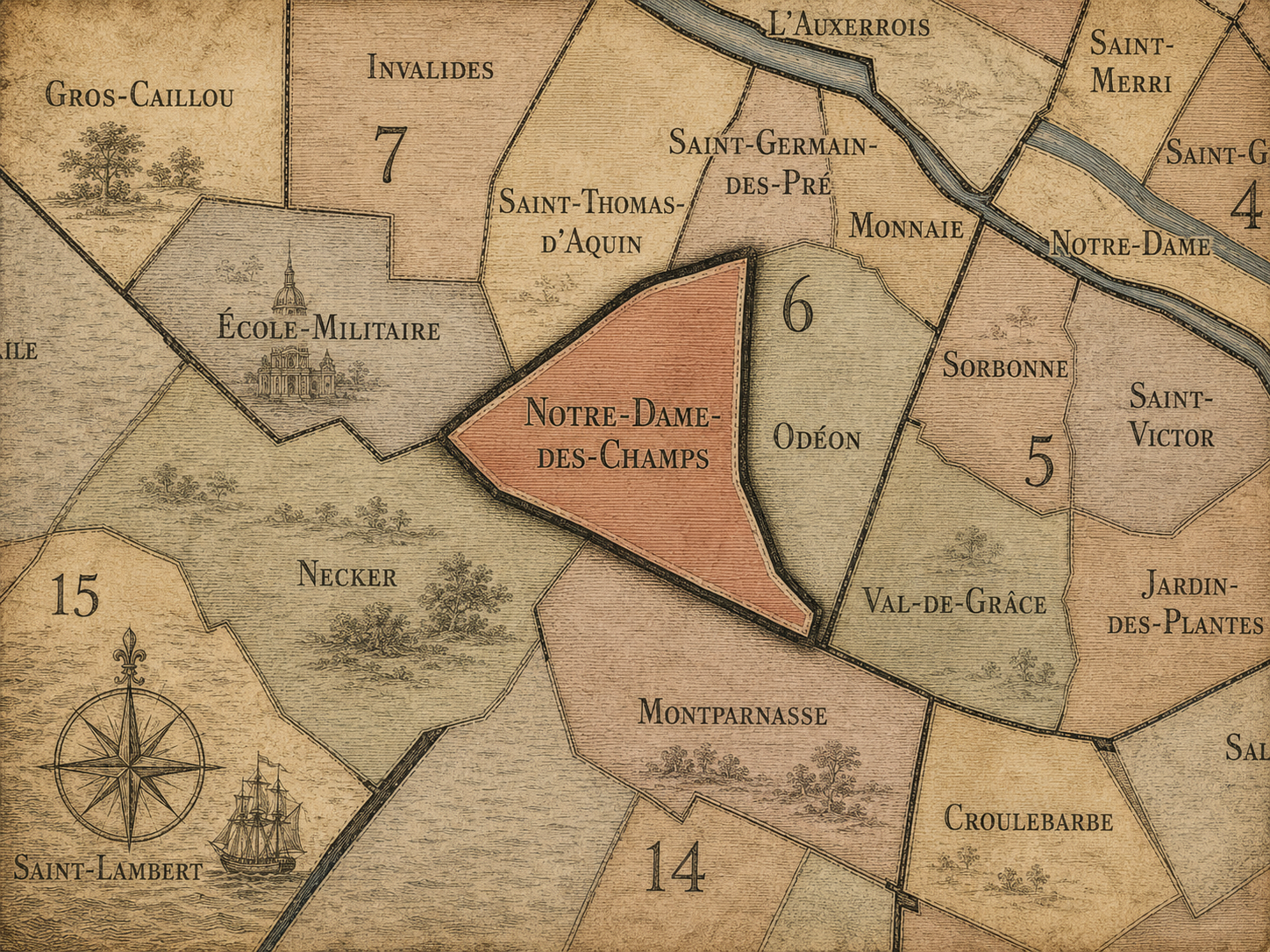
6e - NOTRE-DAME-DES-CHAMPS
Quartiers Administratifs
Part of an ongoing project to walk and photograph every neighborhood in Paris, this page explores the Administrative Quarter: 6e - Notre-Dame-des-Champs through maps, district identity, history, and photography.
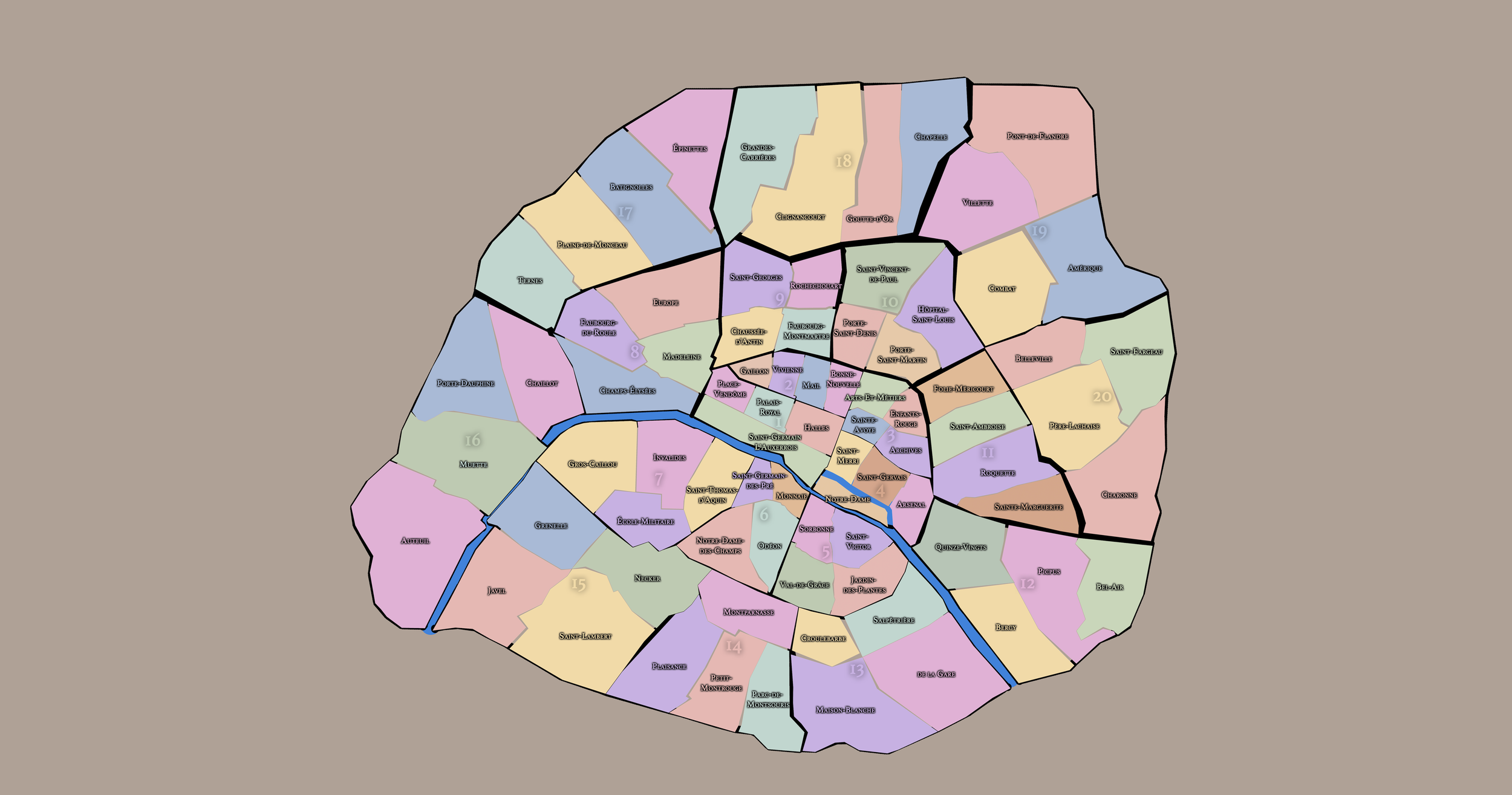
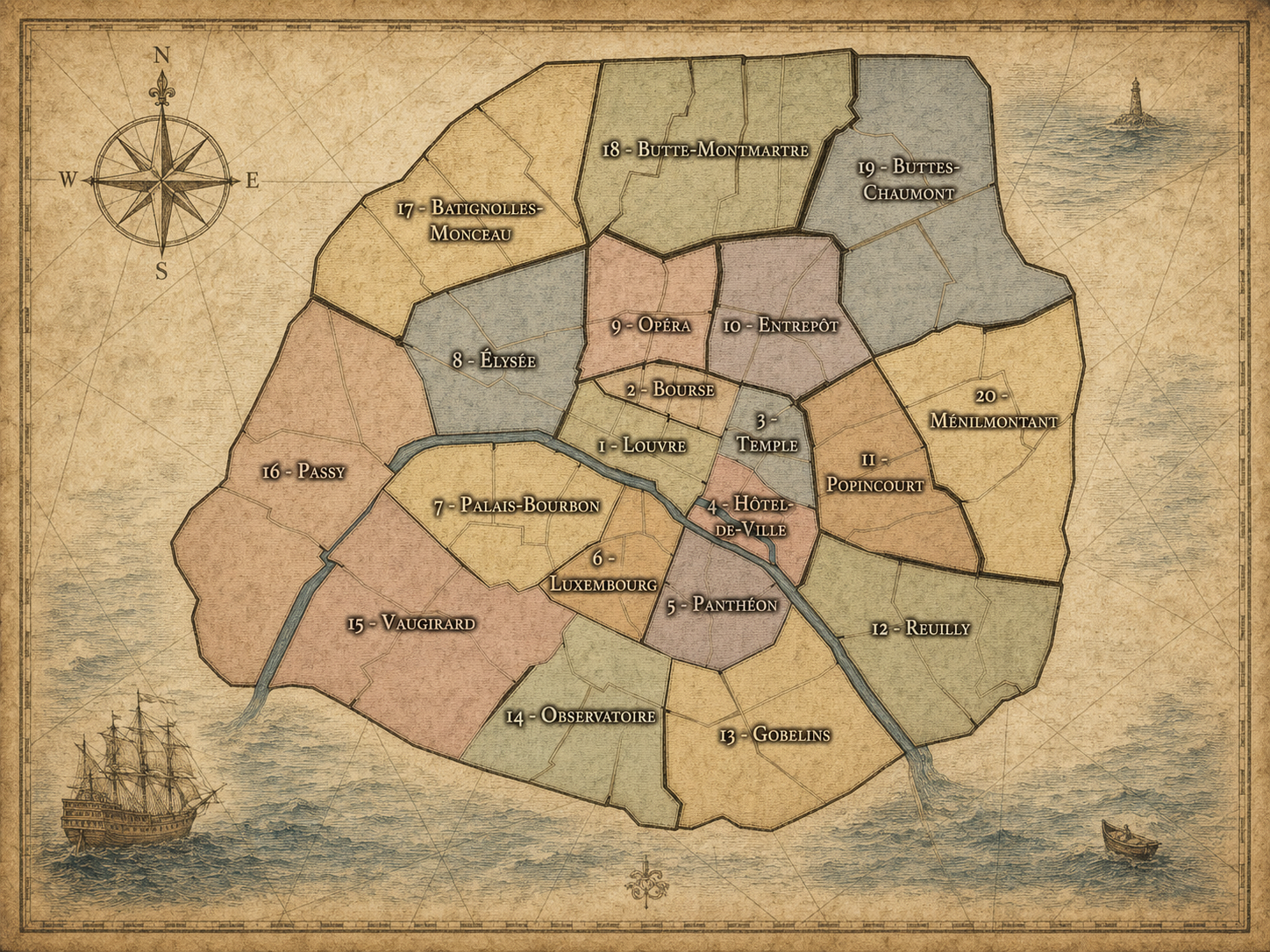
The Map
Download the Paris Arrondissements Map
Geographic Setting
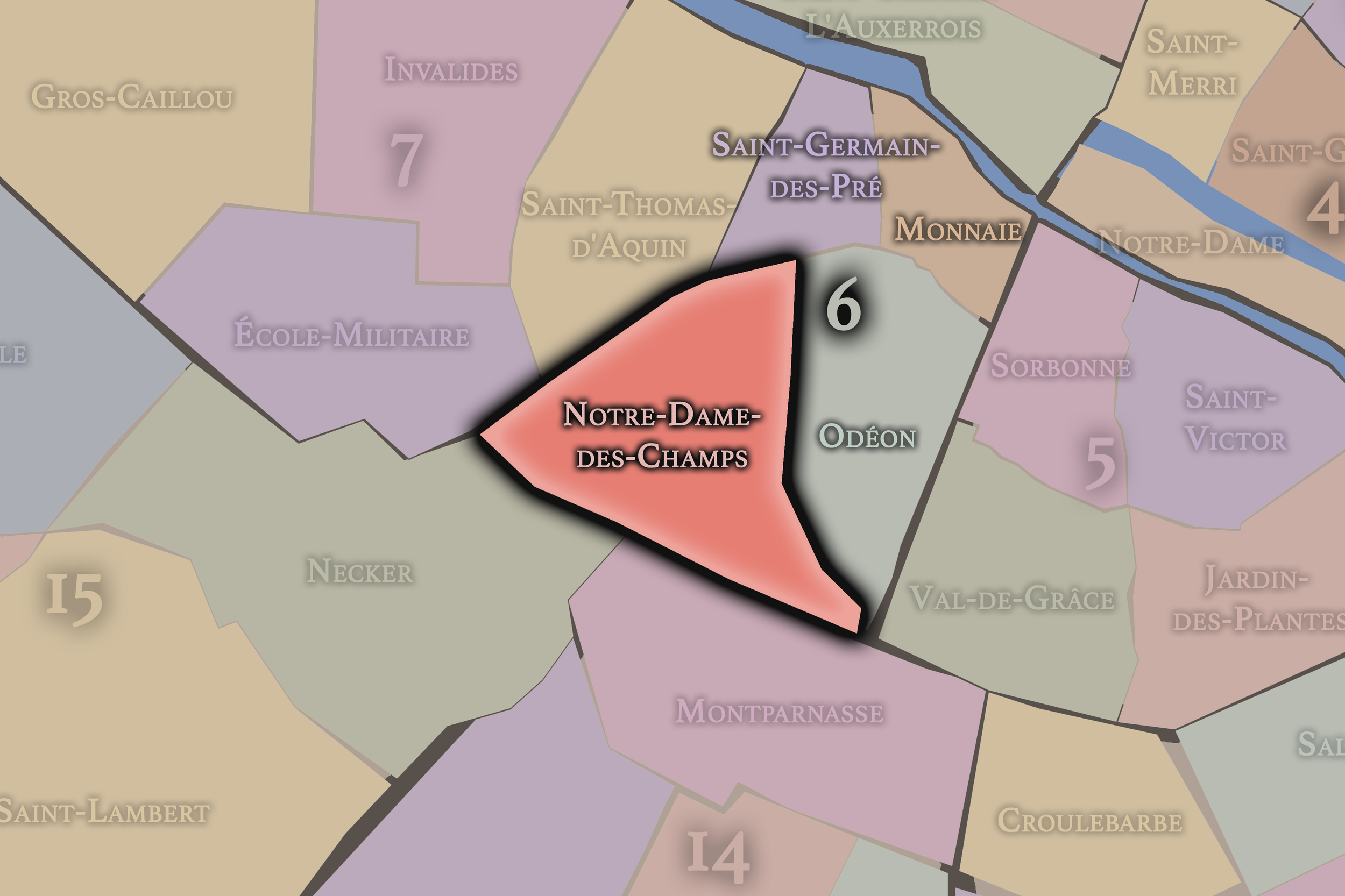
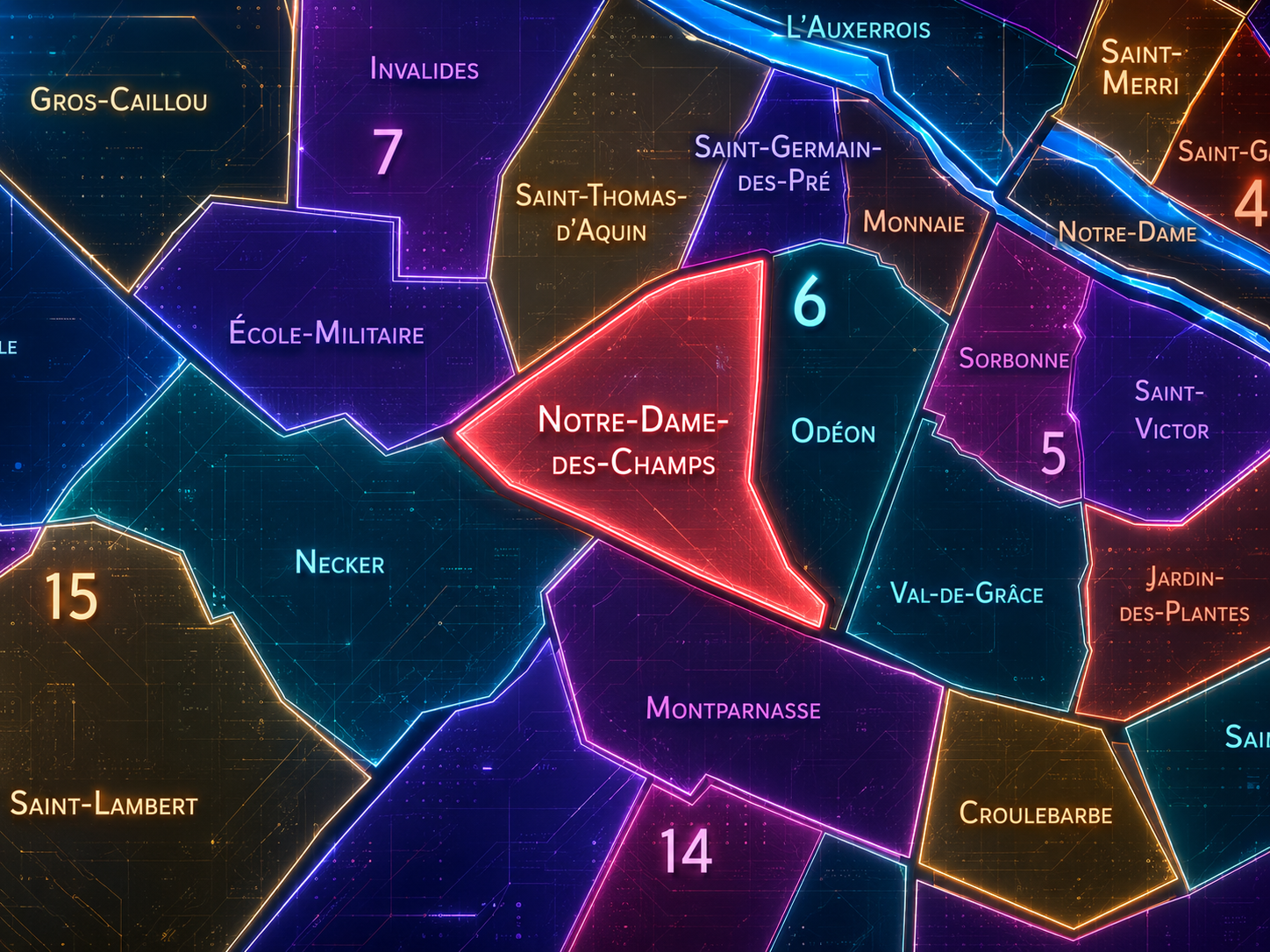
Notre-Dame-des-Champs occupies the southern and eastern portion of the 6th arrondissement, where the cultivated elegance of Saint-Germain and Luxembourg gives way to Montparnasse, studios, schools, residential streets, and the southern intellectual edge of the Left Bank. It lies south of Odéon and Monnaie, east of Saint-Germain-des-Prés, north of the 14th arrondissement, and west of the 5th arrondissement’s Val-de-Grâce and Sorbonne quarters. Its geography is shaped by Boulevard du Montparnasse, Boulevard Saint-Michel, Rue Notre-Dame-des-Champs, Rue de Rennes, Rue d’Assas, Rue Vavin, Rue de la Grande-Chaumière, and the streets that climb between Luxembourg and Montparnasse.
This is one of the quarters where the 6th arrondissement becomes less river-facing and more interior. Monnaie opens toward the Seine and the institutions along Quai de Conti. Odéon turns toward theater, cafés, and the Luxembourg edge. Saint-Germain-des-Prés carries abbey memory, galleries, publishing, and postwar intellectual mythology. Notre-Dame-des-Champs is quieter but no less significant: a district of schools, artist studios, churches, residential buildings, literary traces, and the northern edge of Montparnasse’s great artistic geography.
The quarter’s southern boundary along Boulevard du Montparnasse gives it a powerful connection to one of the great cultural corridors of 20th-century Paris. Yet the quarter itself remains more restrained than the boulevard’s café mythology. It is the backstage and residential fabric behind Montparnasse — the place of studios, classrooms, courtyards, parish memory, and streets where the artistic and educational life of the Left Bank took on a more intimate scale.
Administrative Quarter Identity
Etymology and Origins
The name Notre-Dame-des-Champs means “Our Lady of the Fields.” It comes from the church and former religious landscape associated with Notre-Dame-des-Champs, a name that preserves the memory of a time when this part of the Left Bank lay beyond the denser medieval city, closer to fields, vineyards, gardens, and religious properties. The City of Paris notes that the history of Notre-Dame-des-Champs begins well before the construction of the current church, emphasizing the depth of the site’s religious memory.
The name is especially evocative because it holds a vanished landscape inside a modern city. Today, Notre-Dame-des-Champs belongs to central Paris: schools, apartment buildings, cafés, studios, churches, traffic, and the Montparnasse edge. But the phrase “des Champs” still recalls open ground — fields beyond the older urban core, where devotional and rural memory preceded the full expansion of the city.
That contrast gives the quarter much of its quiet poetry. Notre-Dame-des-Champs is not a village name in the same sense as Auteuil or Charonne, but it does carry the memory of a pre-urban edge. The city grew around it, filled it, educated it, built studios within it, and connected it to Montparnasse. Yet the name still whispers of fields.
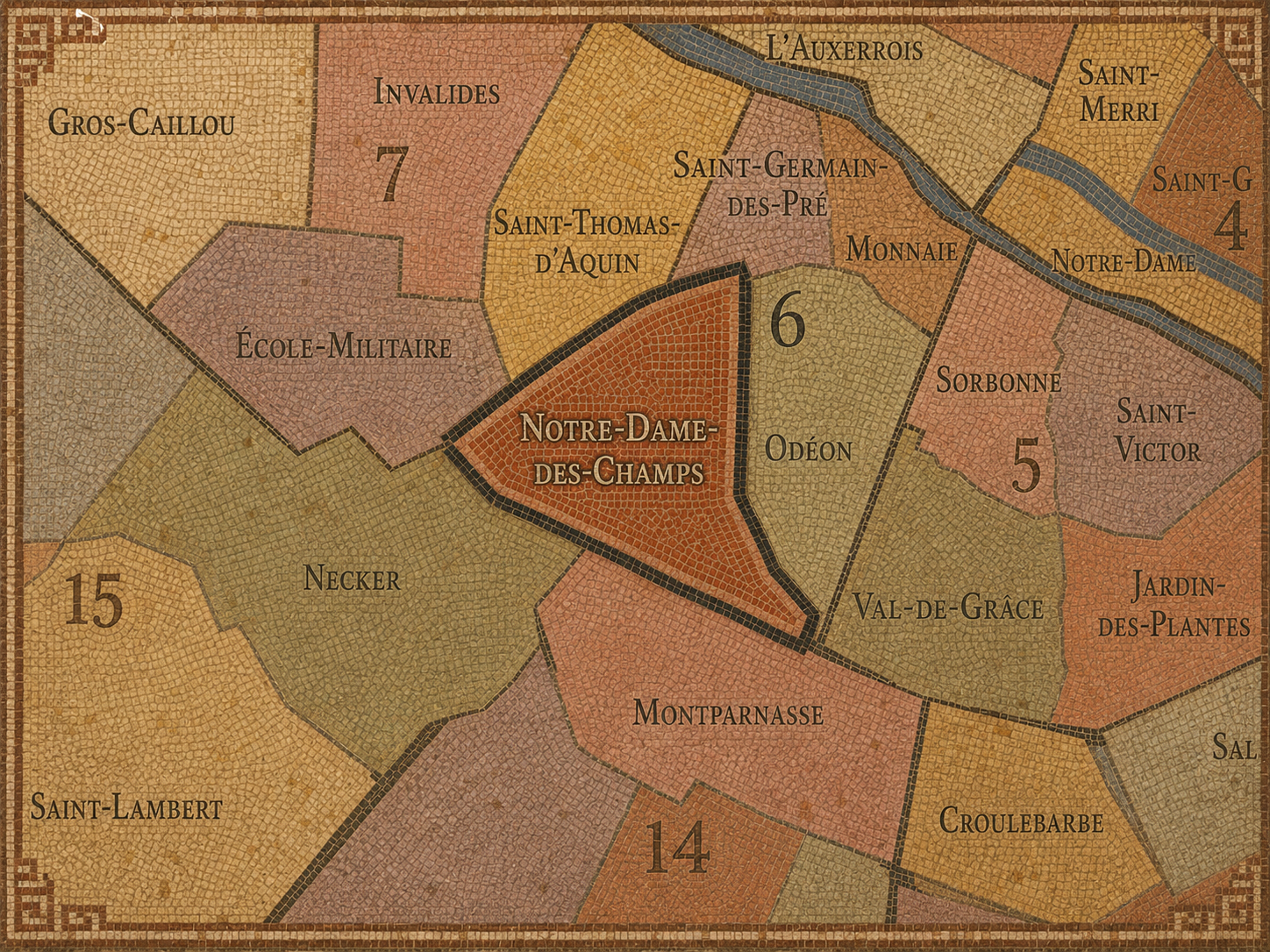
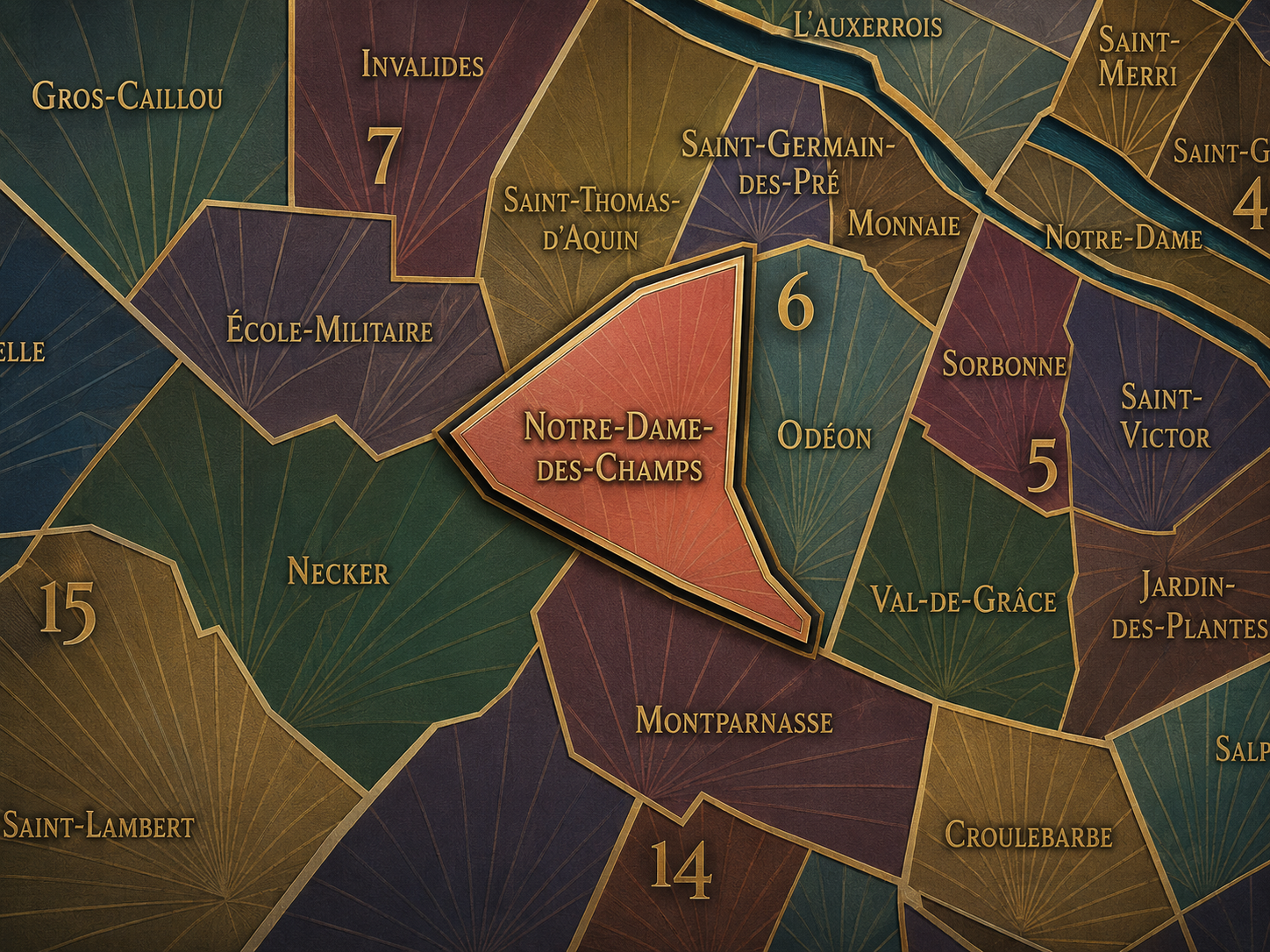
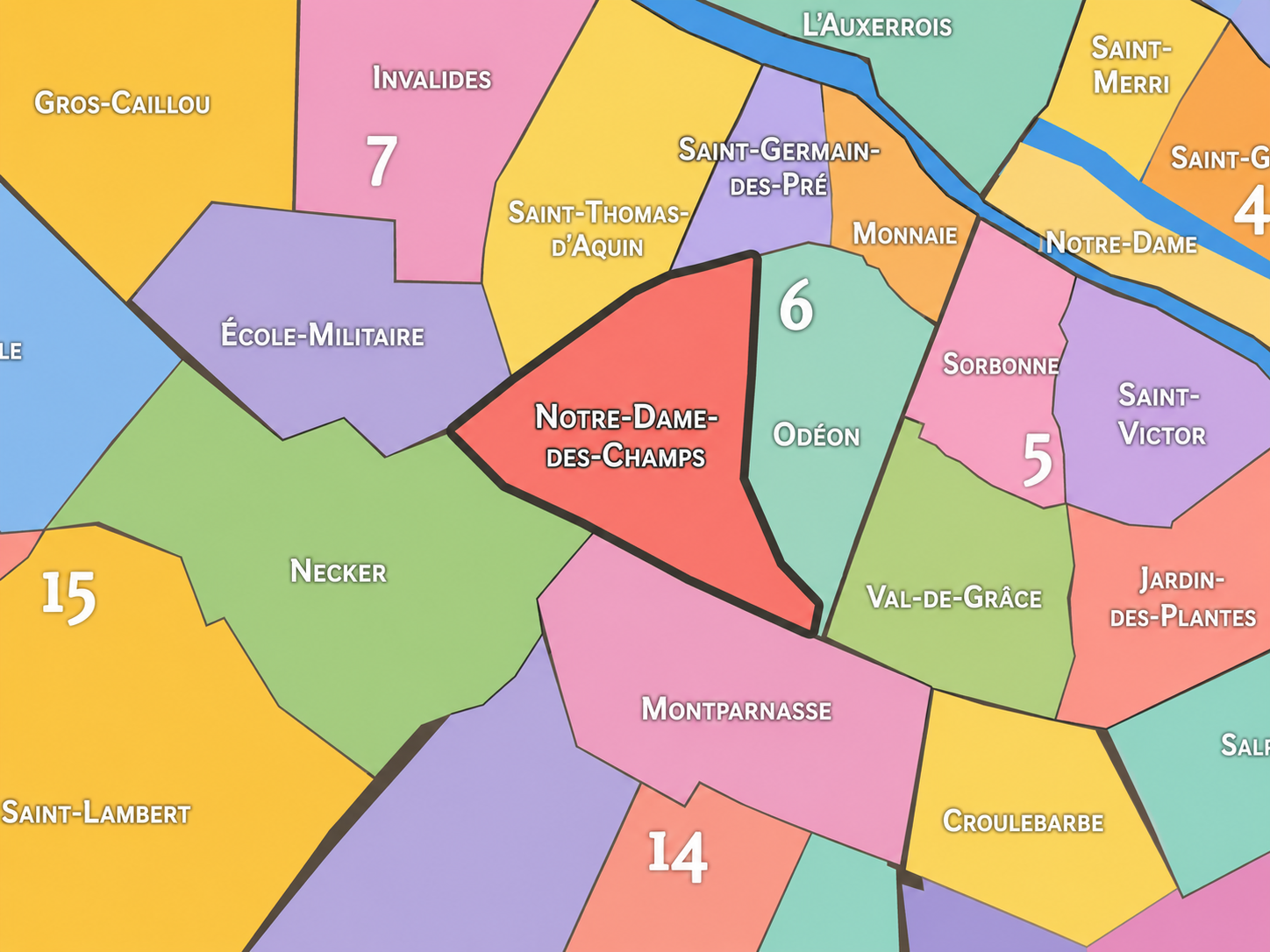
Within the official geography of Paris, Notre-Dame-des-Champs is one of the four administrative quarters of the 6th arrondissement, alongside Monnaie, Odéon, and Saint-Germain-des-Prés. District references identify it as the 23rd administrative quarter of Paris and describe it as bounded roughly by Boulevard Saint-Michel to the east, Rue de Rennes to the west, Boulevard du Montparnasse to the south, and Rue Notre-Dame-des-Champs / Rue Vavin to the north.
As an administrative quarter, Notre-Dame-des-Champs gives civic form to a landscape that often disappears between larger names. A visitor may think of Luxembourg, Montparnasse, Vavin, Saint-Placide, or the southern edge of Saint-Germain before thinking of Notre-Dame-des-Champs itself. The official quarter name restores clarity. It identifies this specific section of the 6th arrondissement as its own civic unit, rather than merely as the space between better-known districts.
This civic frame is especially useful because the quarter belongs to several urban stories at once. It is part of the 6th arrondissement, but also part of the cultural geography of Montparnasse. It belongs to the Left Bank’s educational world, but not to the Sorbonne in the stricter sense. It is residential and family-oriented in places, but it also carries studio, literary, and artistic history. The administrative quarter holds these identities together.
Civic Framework
Notre-Dame-des-Champs differs from the other quarters of the 6th arrondissement through its mixture of residential calm, educational institutions, religious memory, and Montparnasse artistic history. Monnaie is river-facing and institutional, shaped by the mint, the Institut de France, bridges, quays, and the Seine. Odéon is theatrical, café-centered, and politically charged, tied to the Théâtre de l’Odéon, Luxembourg, and revolutionary-era streets. Saint-Germain-des-Prés is the great cultural name of the arrondissement, associated with the abbey, galleries, publishing, cafés, jazz, and postwar intellectual life.
Notre-Dame-des-Champs is more understated. It does not carry the same tourist shorthand as Saint-Germain or the same formal institutional presence as Monnaie. Its identity is distributed through schools, studios, churches, side streets, residential buildings, and the northern reaches of Montparnasse. It is a quarter of preparation and practice as much as performance: students before careers, artists before fame, residential streets behind café mythology.
It should also be distinguished from Montparnasse as a cultural district. Montparnasse crosses arrondissement boundaries and reaches strongly into the 14th. Notre-Dame-des-Champs contains part of that world, especially near Boulevard du Montparnasse, Vavin, and Rue de la Grande-Chaumière, but it is not identical to the whole Montparnasse myth. It is the 6th arrondissement’s quieter share of that larger artistic geography.
Neighborhood Distinction
Parisian Identity
Notre-Dame-des-Champs expresses Paris as a city of formation. It is a quarter where people study, train, draw, write, rehearse, teach, and live close to the great cultural myths without always standing in the brightest light. Its identity is less about a single monument than about the accumulated labor of becoming: students in schools, artists in studios, families in apartments, parishioners in church, writers and painters passing between Luxembourg and Montparnasse.
The quarter’s association with artist studios gives it a particularly resonant place in the Left Bank imagination. Rue Notre-Dame-des-Champs and nearby streets became known for studios and artistic residences in the late 19th and early 20th centuries, as Montparnasse rose into one of the great centers of modern art. Paris Promeneurs describes artist studios on Rue Notre-Dame-des-Champs dating from the late 19th century and connected to the era when Montparnasse became a major artistic center from the 1910s onward.
This gives Notre-Dame-des-Champs a quieter but essential Parisian identity. It is not only the café table after the masterpiece has been painted or the gallery after the reputation has formed. It is the studio before recognition, the school before achievement, the street where daily life and creative work occupy the same architecture. In this quarter, Paris is not merely admired. It is practiced.
Neighborhood Connections
Every administrative quarter belongs to a wider Parisian fabric. These connections place Notre-Dame-des-Champs within the city’s civic, participatory, and cultural geography:
-
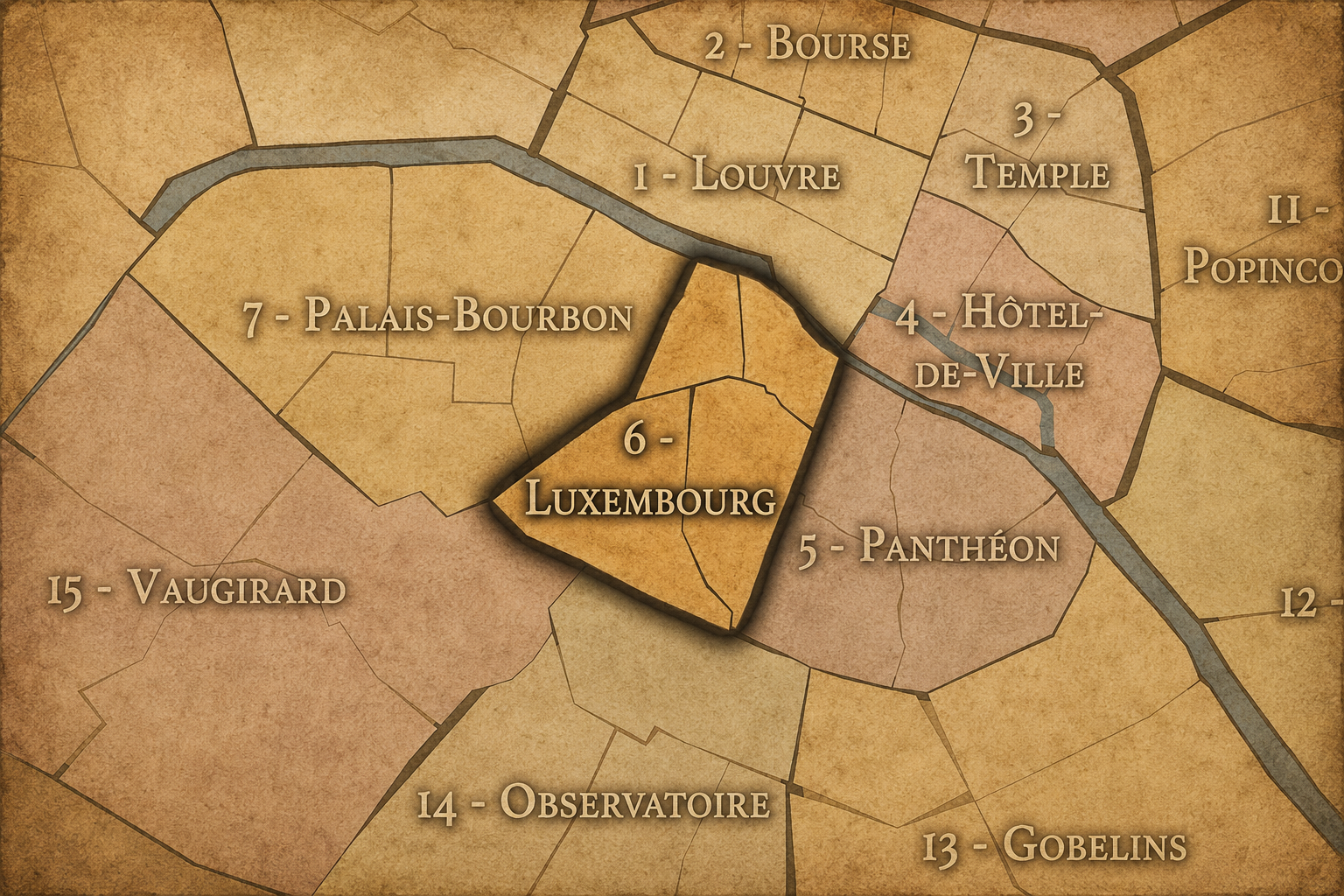
6e - Luxembourg
-
Notre-Dame-des-Champs • Rennes • Saint-Placide
The History
The origins of Notre-Dame-des-Champs lie in the southern expansion of the Left Bank beyond the oldest university and riverfront core. Before the area became part of the dense fabric of the 6th arrondissement, it belonged to a more open landscape of fields, religious foundations, gardens, vineyards, and roads leading away from the medieval city. The name itself preserves that memory: Our Lady of the Fields.
Religious tradition associated the site with older forms of devotion, later replaced or transformed by successive institutions and churches. The current Église Notre-Dame-des-Champs stands on Boulevard du Montparnasse, but the name reaches back to a much older sacred geography. The City of Paris emphasizes that the church’s history begins long before the present building, reinforcing the continuity between vanished religious landscapes and the modern parish site.
From its origins, the quarter’s identity was shaped by the relationship between edge and enclosure. It was outside the densest old city, but not disconnected from it. It was a place of fields and devotion, later drawn into the educational, residential, and artistic expansion of the Left Bank.
Origins
16th–17th Century
In the 16th and 17th centuries, the future Notre-Dame-des-Champs quarter remained tied to the southern margins of the Left Bank, where religious houses, gardens, agricultural land, and roads existed beyond the busiest core of the Latin Quarter and Saint-Germain. The city was growing, but this area still retained the memory and atmosphere of open ground.
The religious identity of Notre-Dame-des-Champs helped anchor the area before its later urbanization. Like many places on the older edges of Paris, devotional names preserved local orientation even as the physical landscape changed. The quarter’s future name grew from this sacred-rural layer, long before the district became associated with schools, studios, and Montparnasse cafés.
During the 17th century, nearby Saint-Germain, Luxembourg, and the southern Left Bank gained importance through aristocratic, religious, and institutional development. Notre-Dame-des-Champs remained less monumental than those neighboring landscapes, but it was increasingly drawn into the orbit of the expanding Left Bank city.
In the 18th century, Notre-Dame-des-Champs stood within a Left Bank landscape gradually becoming more urban, though still less dense than the older quarters near the Seine and the Sorbonne. Religious institutions, gardened properties, schools, residences, and roads shaped the district. It was a place where the city’s edge was becoming city interior.
The quarter’s development was influenced by its proximity to Luxembourg, Saint-Germain, and the expanding southern districts. The open character implied by “des Champs” slowly gave way to streets and buildings, but the name continued to preserve the older geography. This is one of the recurring patterns of Paris: the city absorbs the countryside, yet keeps the countryside alive in its names.
The French Revolution altered religious properties and institutions across the Left Bank. Like other devotional landscapes, Notre-Dame-des-Champs entered the modern era with its religious structures disrupted, reorganized, or transformed. The name survived the rupture, even as the neighborhood’s social and physical identity continued to change.
18th Century
19th Century
The 19th century transformed Notre-Dame-des-Champs into a more fully urban quarter. Streets were developed, residential buildings rose, schools expanded, and the southern 6th arrondissement became increasingly integrated into the city’s modern Left Bank fabric. The current Église Notre-Dame-des-Champs was built in the 19th century on Boulevard du Montparnasse, giving the quarter a renewed parish anchor within the modern city. The church’s location on Boulevard du Montparnasse is documented by the City of Paris and Paris Musées collections, which identify it as part of the 6th arrondissement’s boulevard landscape.
This century also laid the foundation for the quarter’s artistic identity. The area around Montparnasse and Vavin began attracting artists, students, and private academies. Streets such as Rue Notre-Dame-des-Champs and Rue de la Grande-Chaumière became associated with studios and art schools, while the broader Montparnasse district gradually emerged as an alternative to the older artistic centers elsewhere in Paris.
By the end of the century, Notre-Dame-des-Champs had become a place where residential calm and creative work could coexist. Its older religious name remained, but the quarter’s identity was expanding toward education, studio life, and the cultural energy that would define the early 20th-century Left Bank.
In the early and mid 20th century, Notre-Dame-des-Champs stood close to the heart of Montparnasse’s artistic and literary explosion. The quarter and its edges were associated with art schools, studios, cafés, and the international community of artists who made Montparnasse one of the great creative districts of the modern world. Private academies and studios offered alternatives to official institutions, attracting artists who sought freer forms of training and expression.
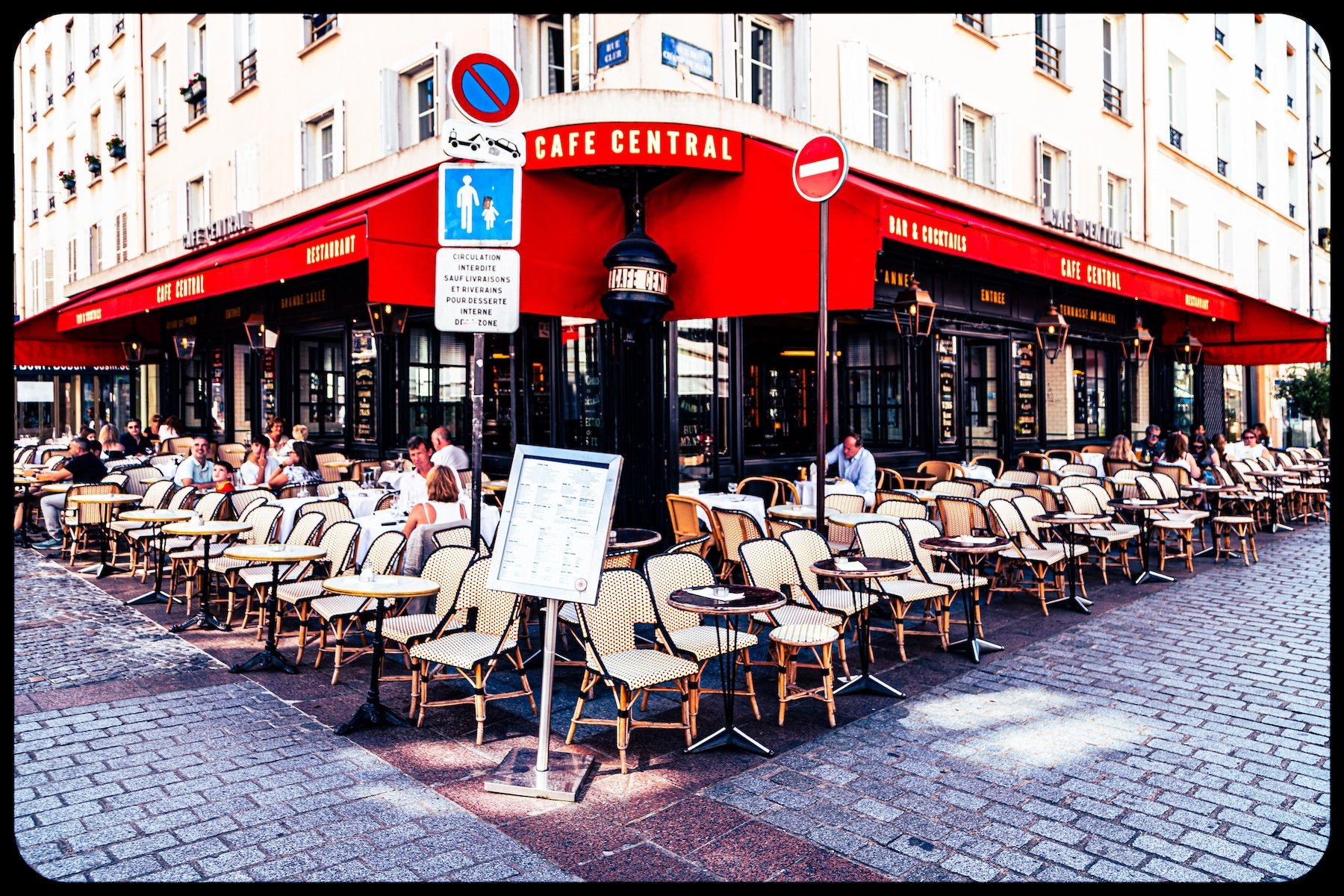
The cafés and brasseries along Boulevard du Montparnasse — including nearby institutions such as Le Select, La Rotonde, Le Dôme, La Coupole, and the Closerie des Lilas — became meeting places for artists and writers, shaping the larger cultural atmosphere around the quarter. Le Select, founded in 1923 at 99 Boulevard du Montparnasse, is one example of the café culture that animated Montparnasse’s artistic and intellectual life.
Yet Notre-Dame-des-Champs itself retained a more residential and preparatory character than the most famous café scenes. Its streets held studios, schools, apartments, and the quieter infrastructures of creative life. During the upheavals of war, occupation, liberation, and postwar recovery, the neighborhood remained part of the Left Bank’s intellectual and artistic memory, even as the center of artistic innovation gradually shifted elsewhere.
Early–Mid 20th Century
Late 20th Century
In the late 20th century, Notre-Dame-des-Champs became increasingly associated with heritage, education, residential desirability, and the memory of Montparnasse’s artistic heyday. The quarter’s studios and schools no longer occupied the same place at the cutting edge of international modern art, but their traces remained in architecture, plaques, courtyards, and local reputation.
The area also became known for prestigious educational institutions and a more family-oriented residential atmosphere. District guides describe Notre-Dame-des-Champs as a cultured and studious quarter, home to major schools such as Stanislas, Notre-Dame de Sion, and the École alsacienne, while also preserving former artist-studio architecture linked to Montparnasse’s heyday.
This period gave the quarter a layered modern identity: less bohemian than its early-20th-century mythology, but still culturally rich; quieter than Saint-Germain-des-Prés, but still deeply Left Bank; residential and educational, but marked by the memory of artists who once used its studios as workshops for modernity.
In the 21st century, Notre-Dame-des-Champs remains one of the most refined and quietly layered quarters of the 6th arrondissement. Its identity is shaped by schools, residences, churches, studios, galleries, cafés, and proximity to Luxembourg, Saint-Germain, and Montparnasse. It is central, but not overwhelmed by monuments. Historic, but not frozen. Cultivated, but still lived.
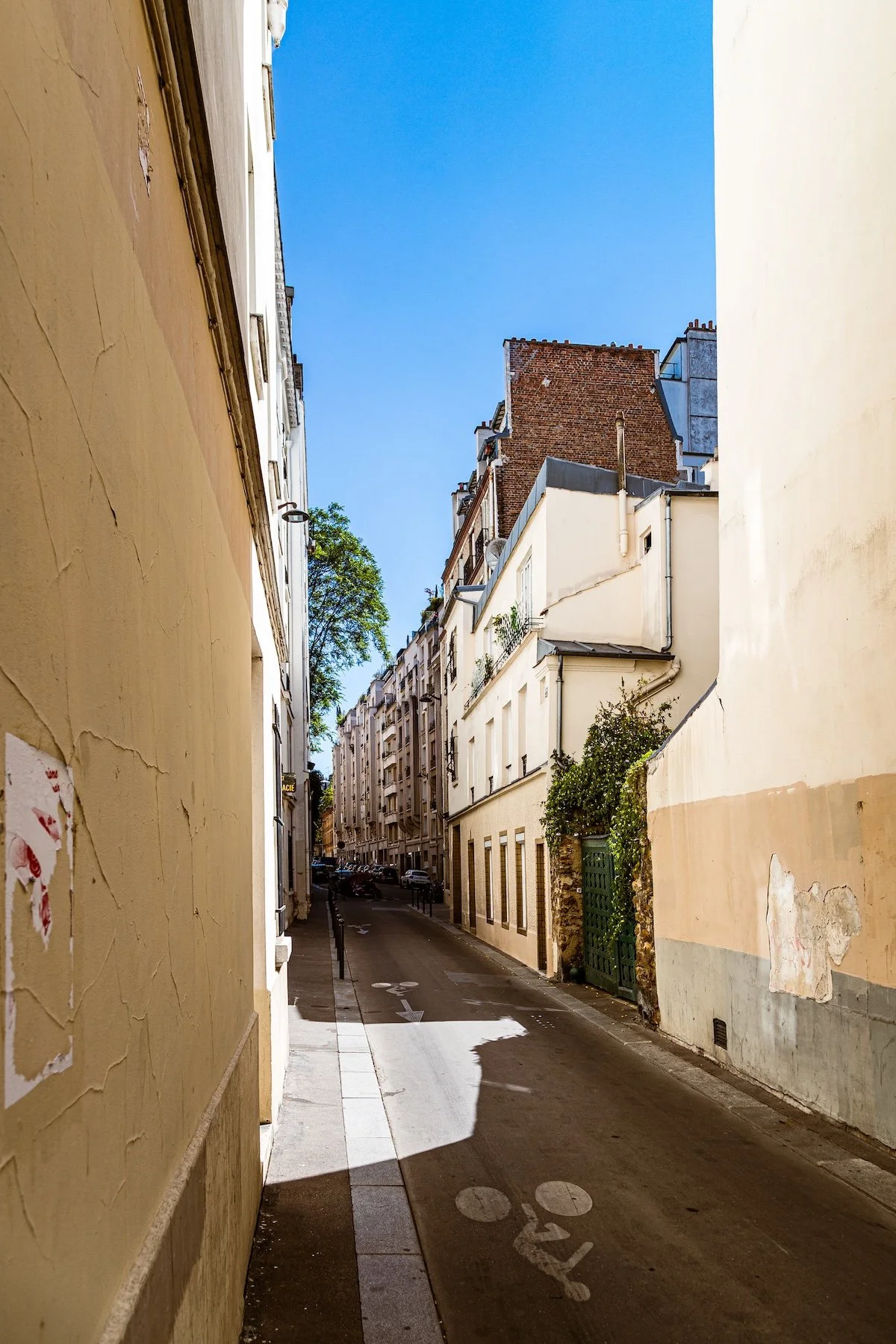
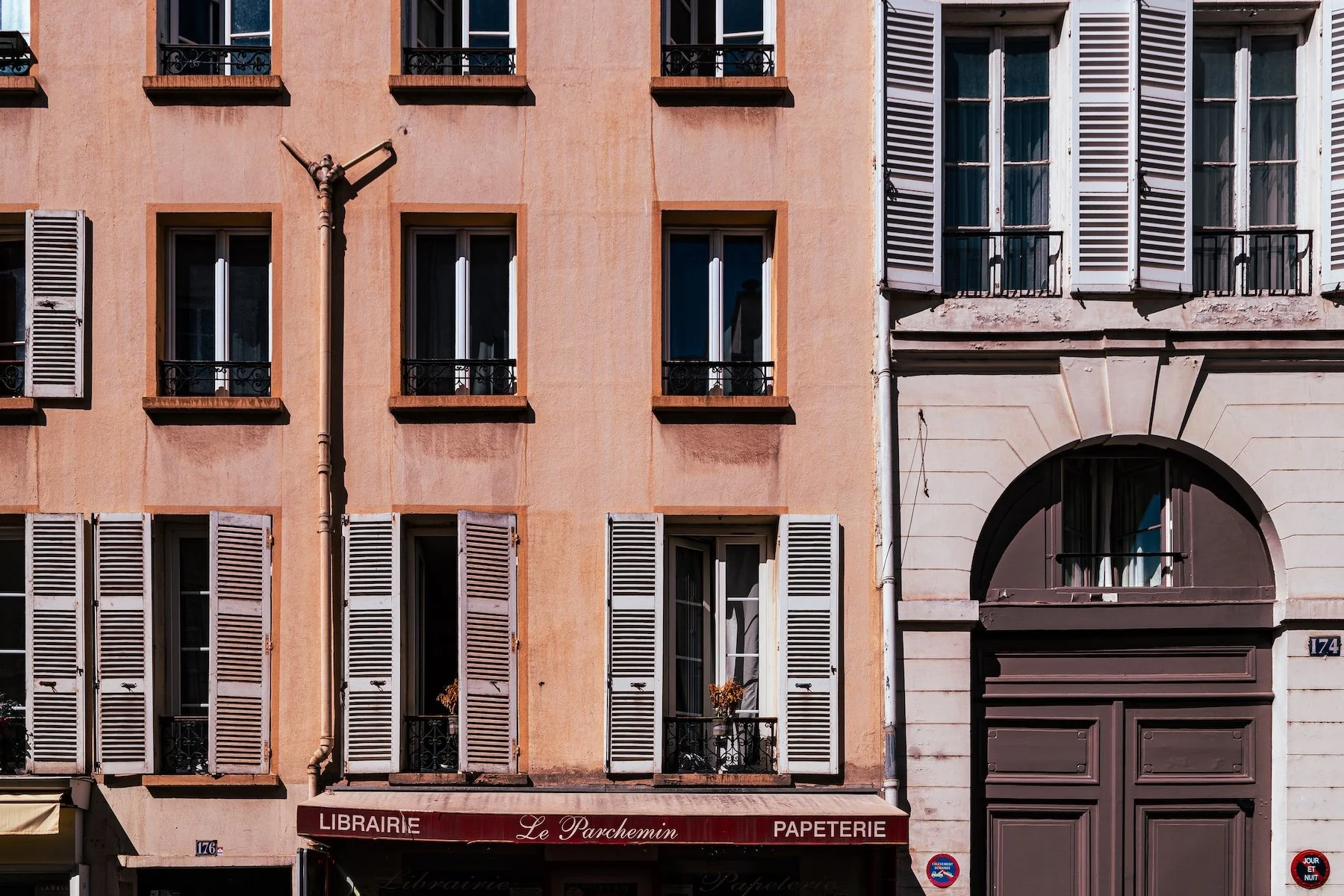
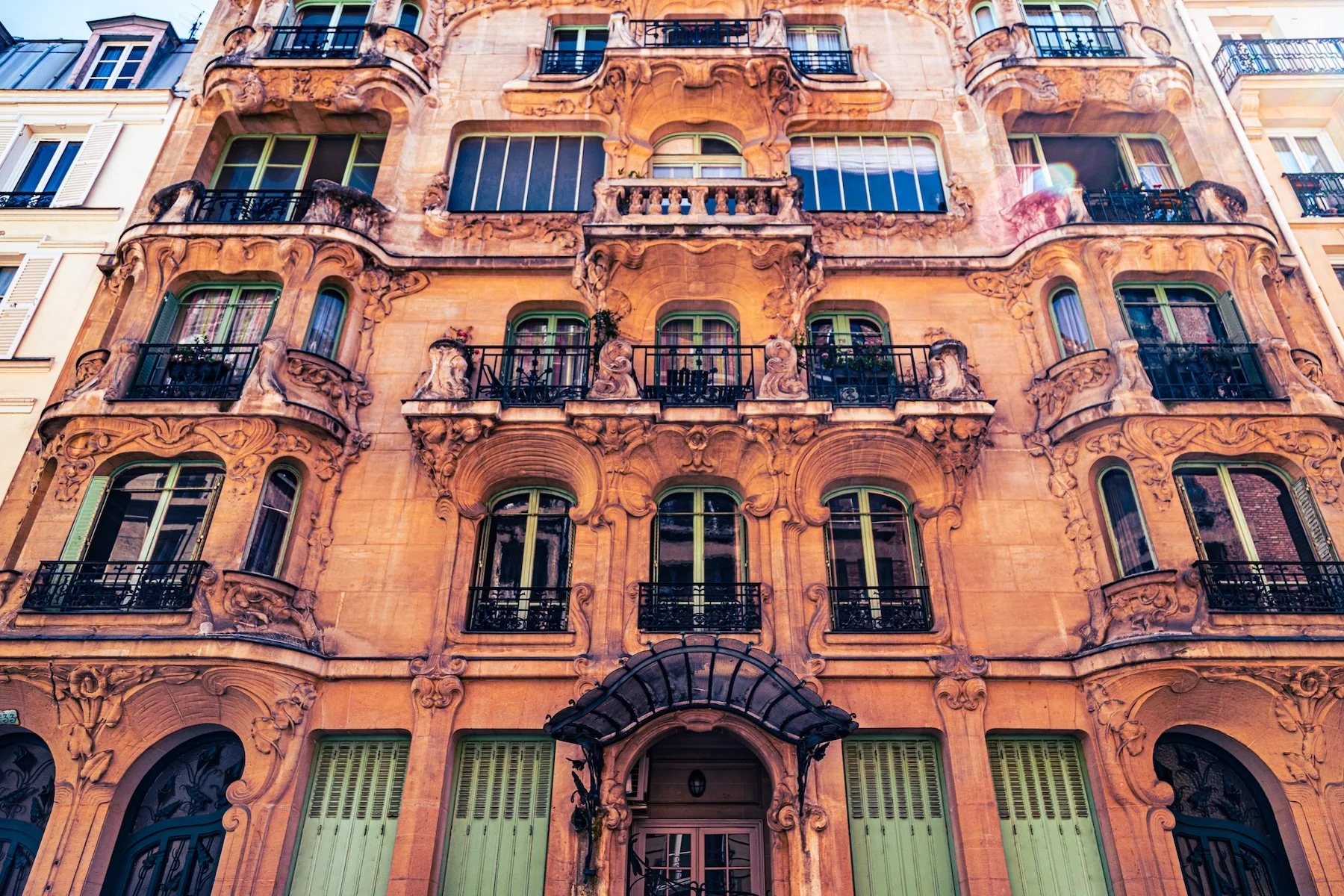
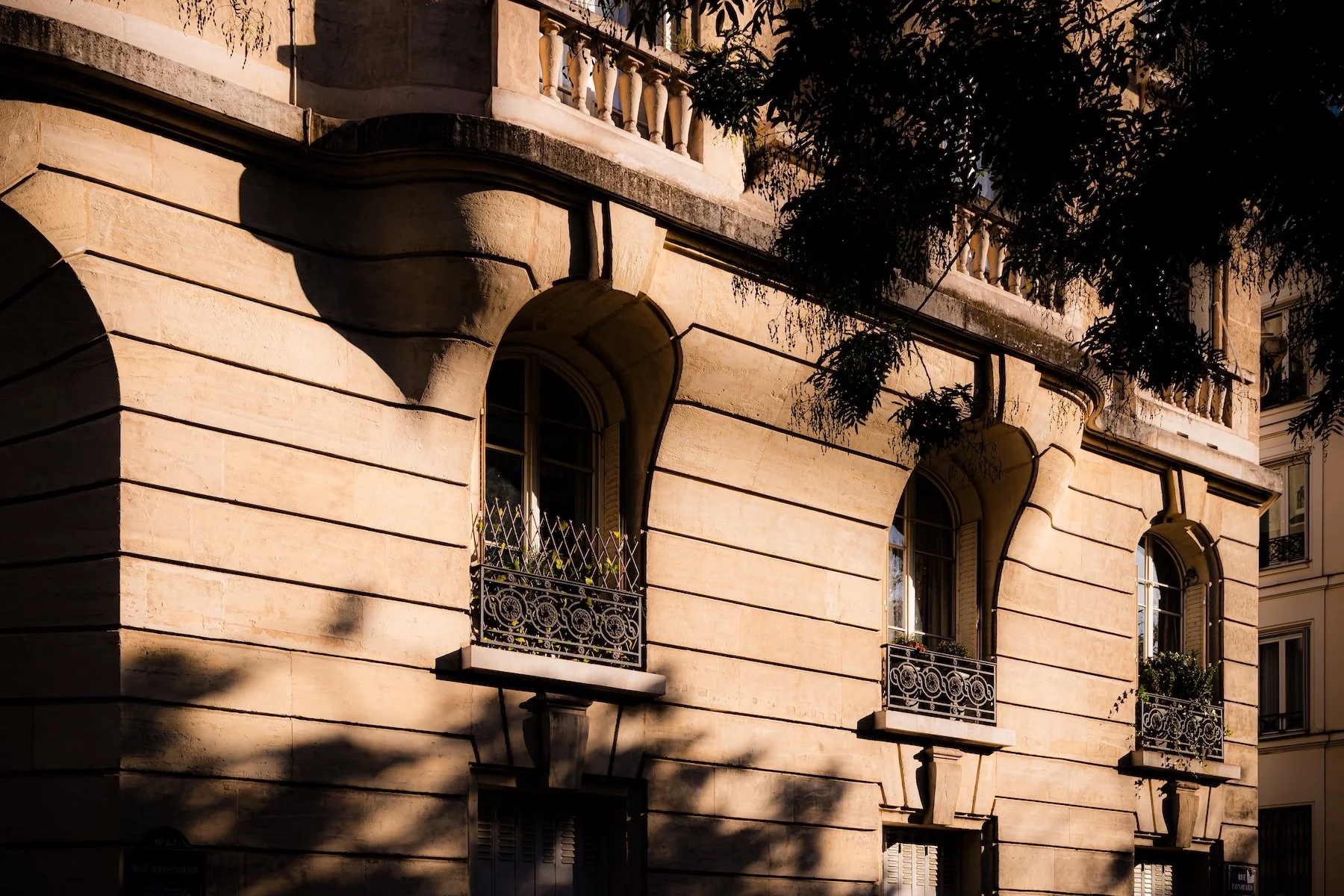
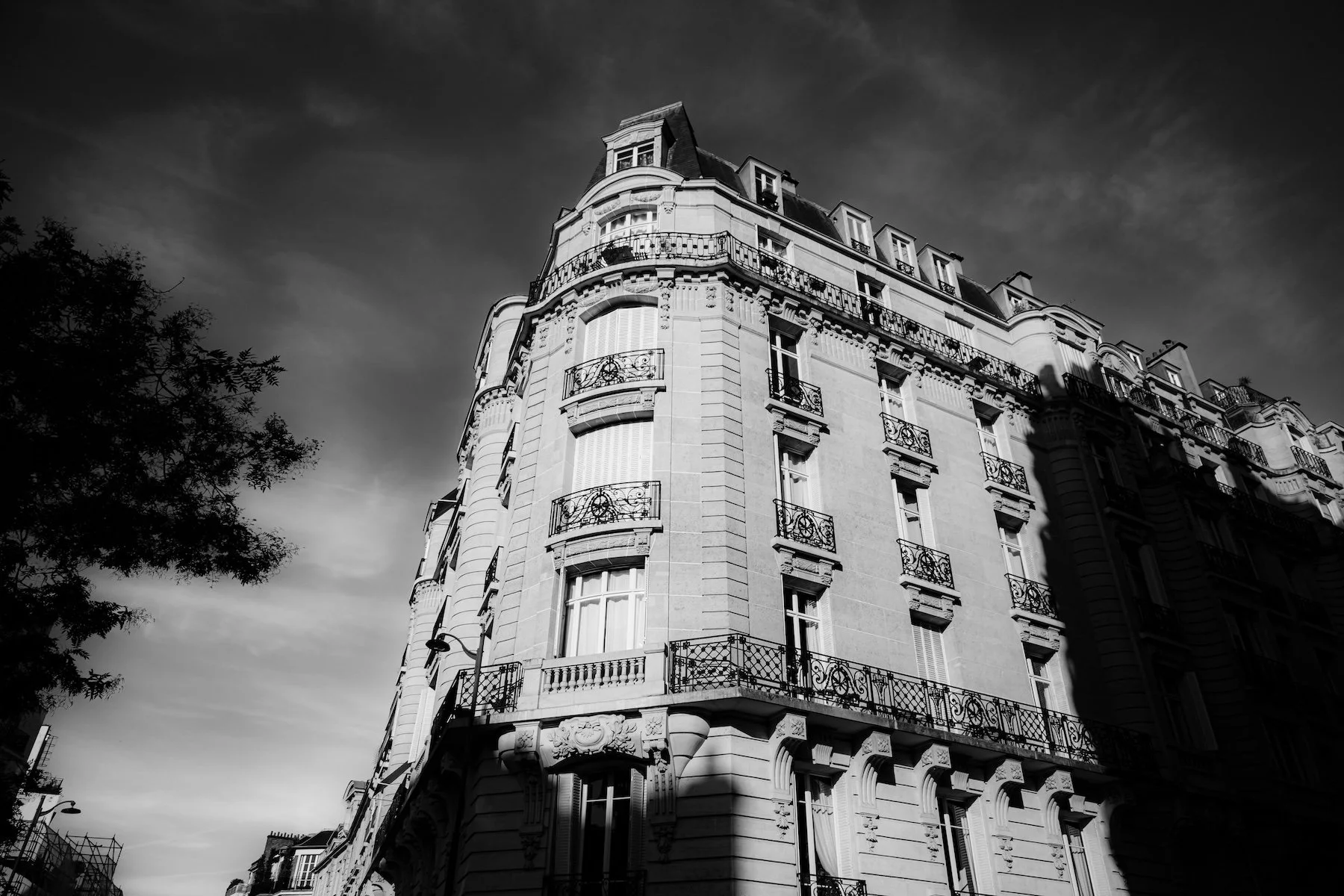
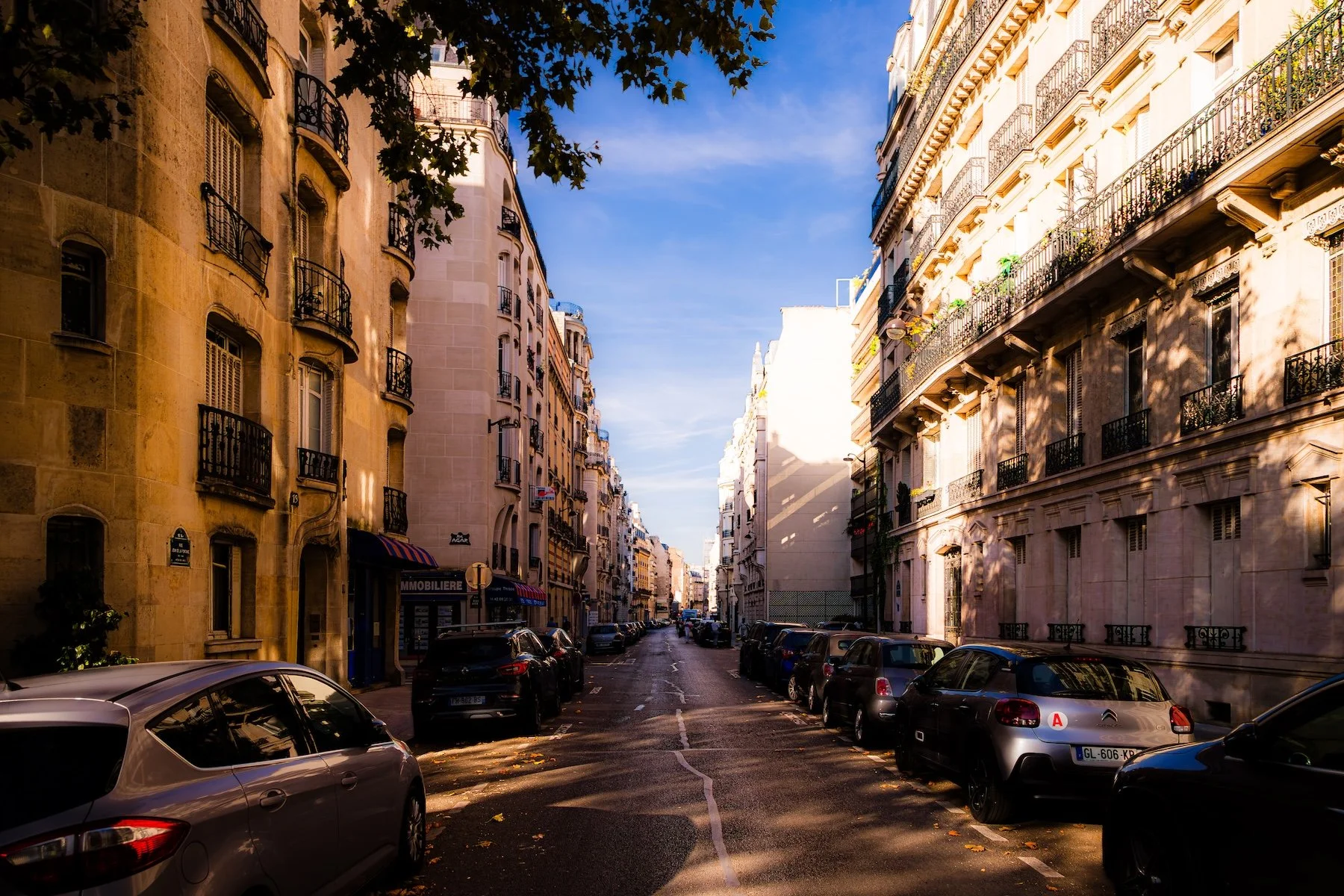
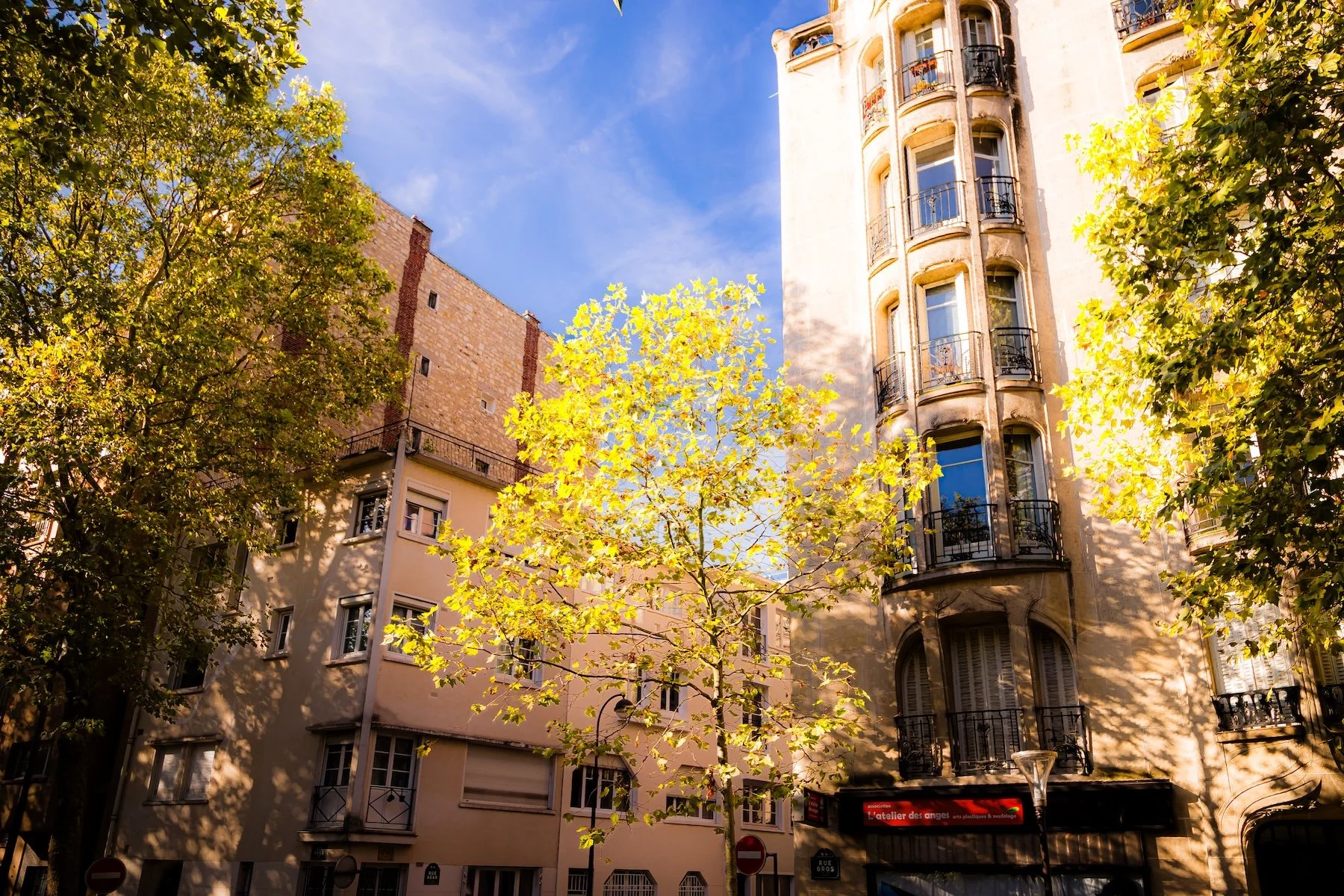
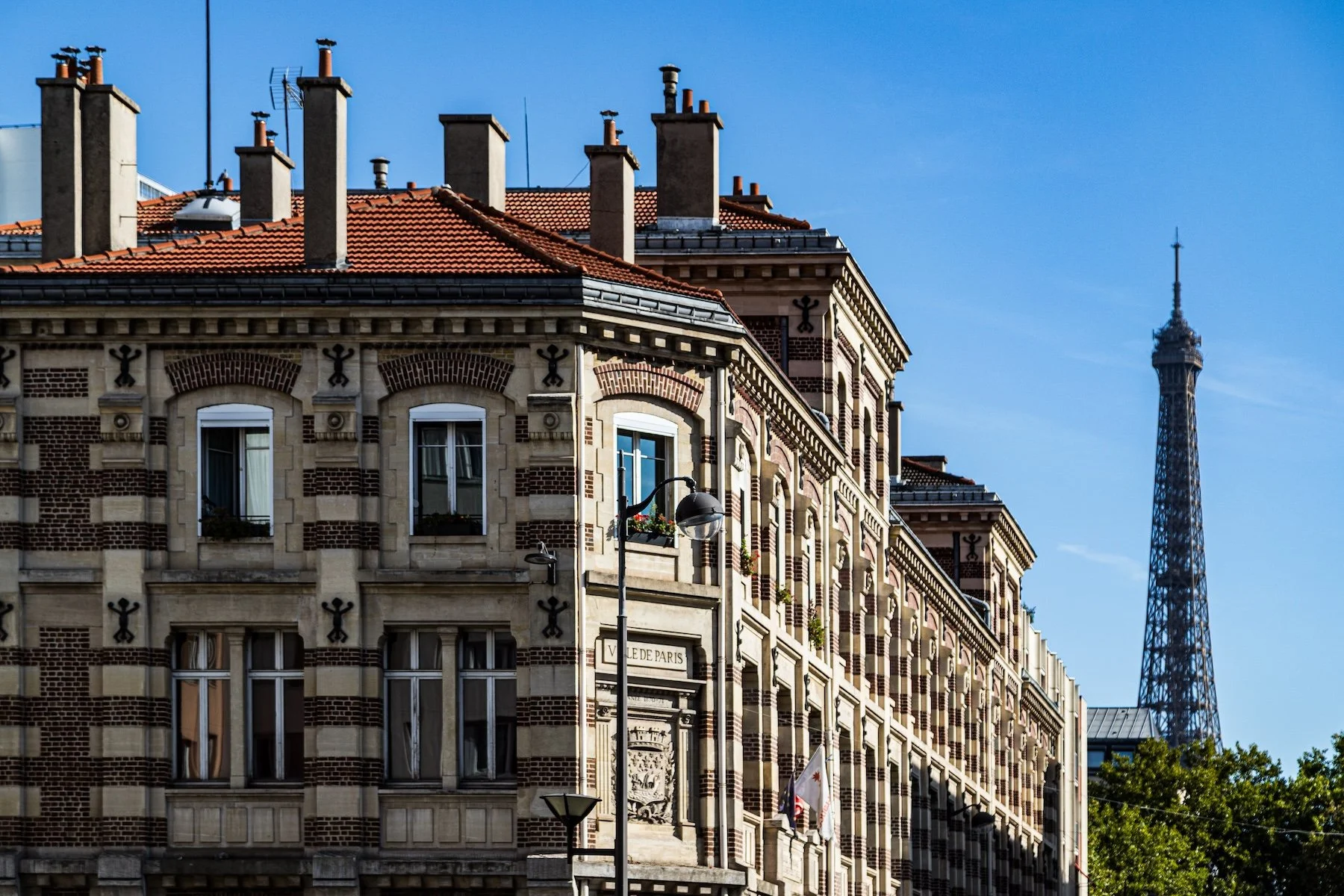
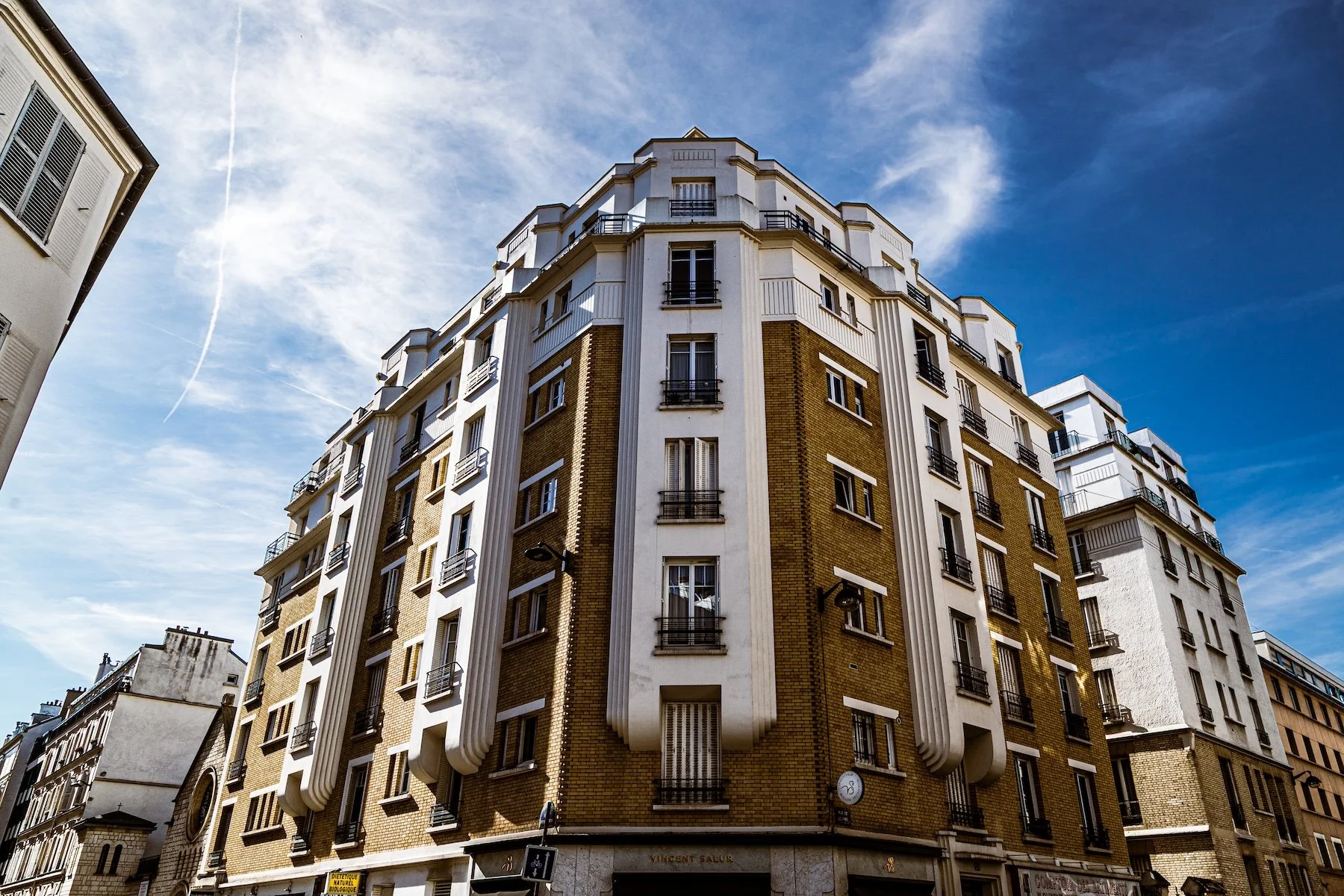
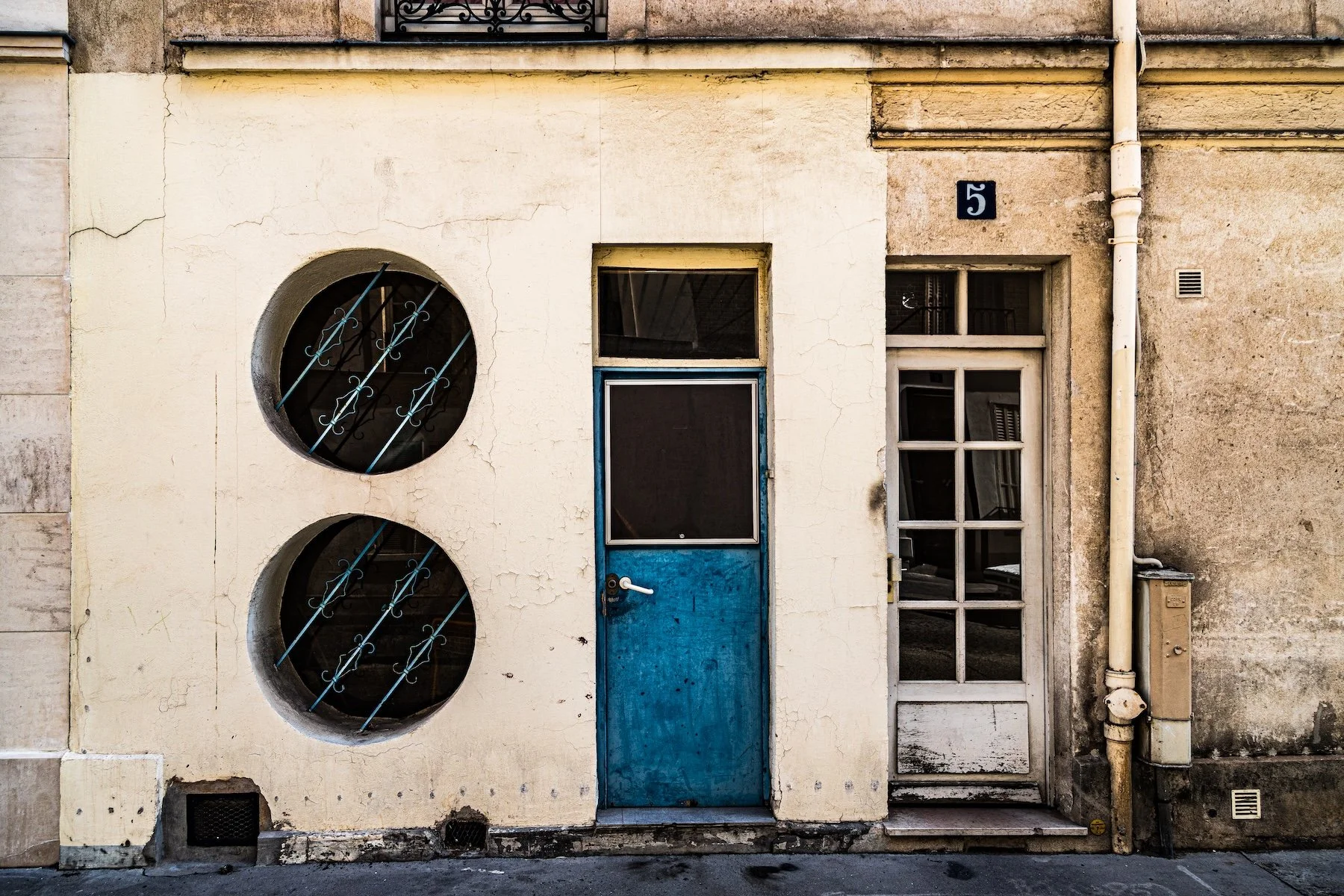
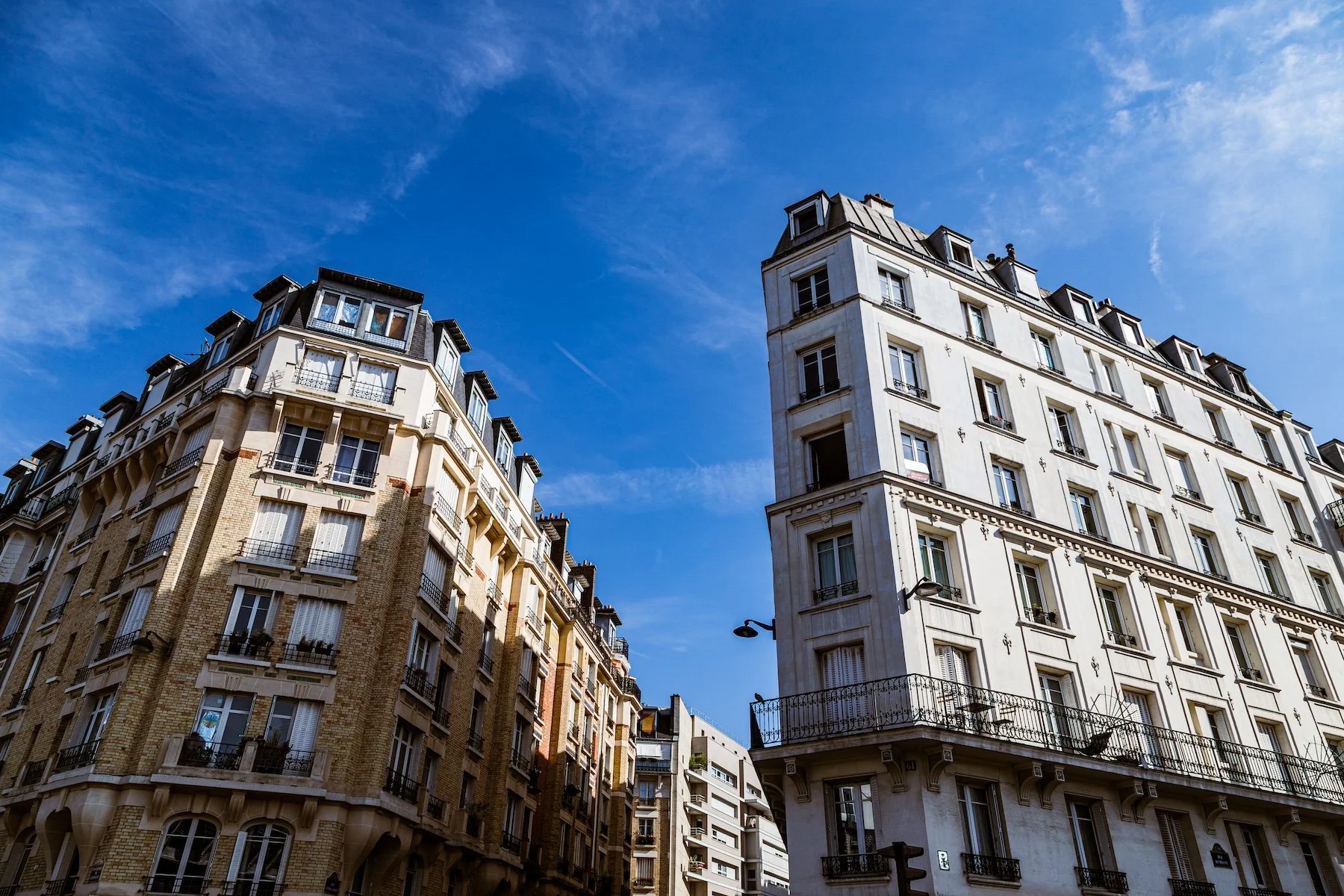
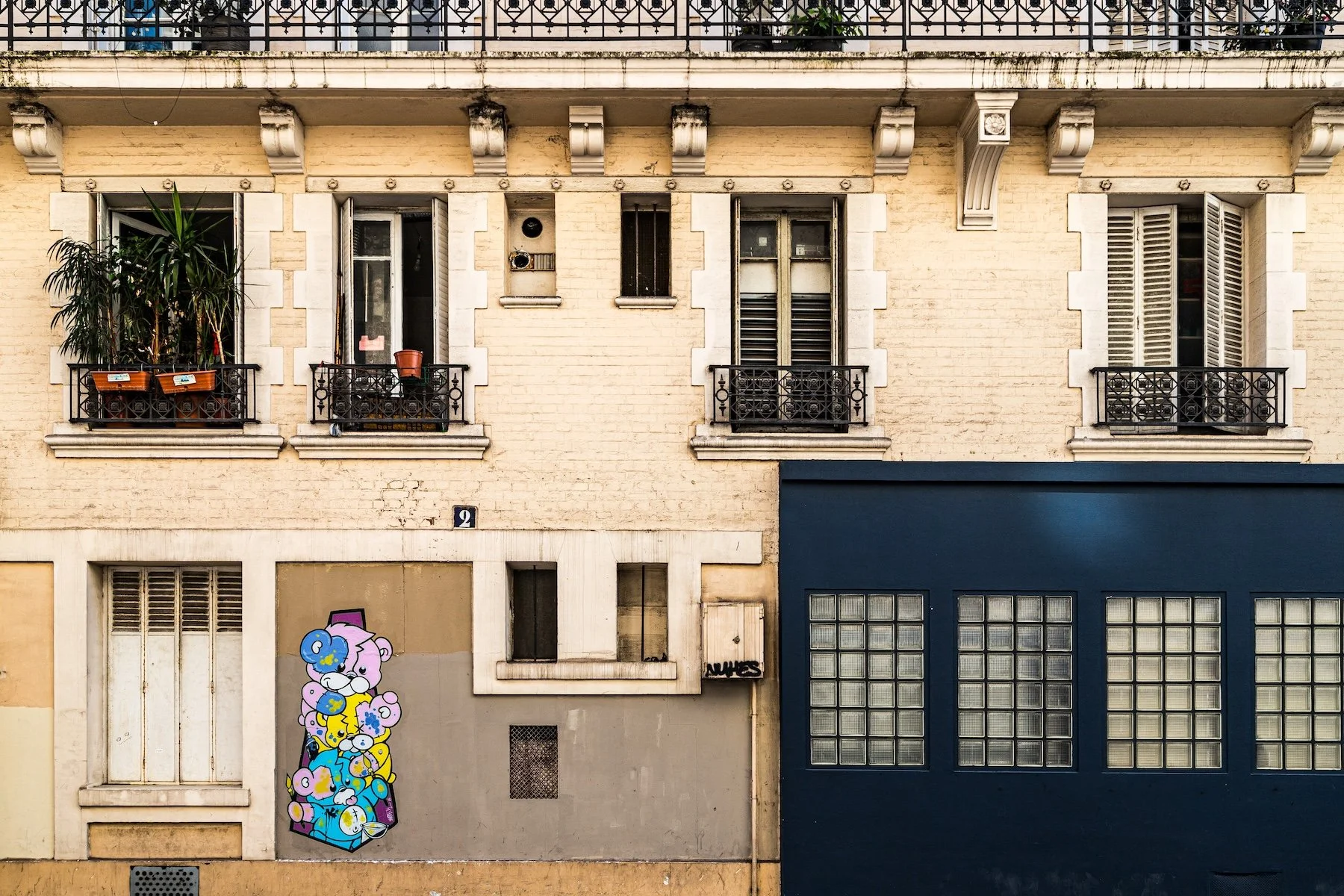
The quarter today is especially valuable for understanding the less obvious side of the Left Bank. Visitors may know the nearby boulevard cafés, Luxembourg Garden, or Saint-Germain-des-Prés, but Notre-Dame-des-Champs reveals the domestic and educational fabric behind those names. Its streets show how cultural memory persists after the famous movements have passed: in studio windows, school walls, Art Deco façades, quiet courtyards, and the continued life of a neighborhood shaped by study and residence.
For CityNeighborhoods: Paris, Notre-Dame-des-Champs is essential because it shows how a quarter can hold both intimacy and cultural consequence. It is not the loudest part of the 6th, but it is one of the places where the Left Bank’s deeper habits of formation — learning, practicing, living, making — remain beautifully legible.
21st Century
Spirit and Legacy
Notre-Dame-des-Champs is the quarter of the cultivated threshold. Its spirit lies between field and city, parish and studio, school and café, residence and artistic memory. It carries a name that recalls open land and devotion, yet its modern identity belongs to one of the most culturally charged parts of Paris.
Its legacy is formation. The quarter has held students before scholarship, artists before recognition, families before generations, and streets before mythology. The great stories of Montparnasse and the Left Bank often appear in cafés, manifestos, exhibitions, and literary recollections, but Notre-Dame-des-Champs reminds us that culture is also made quietly: in classrooms, rented rooms, studios, courtyards, and daily walks.
To walk Notre-Dame-des-Champs is to encounter Paris not as spectacle, but as preparation. It is a quarter where the city teaches, shelters, and refines. Its name remembers fields, its streets remember artists, its schools carry forward the Left Bank’s intellectual life, and its atmosphere suggests that some of Paris’s most enduring identities are formed not in grand declarations, but in steady practice.
The Photography
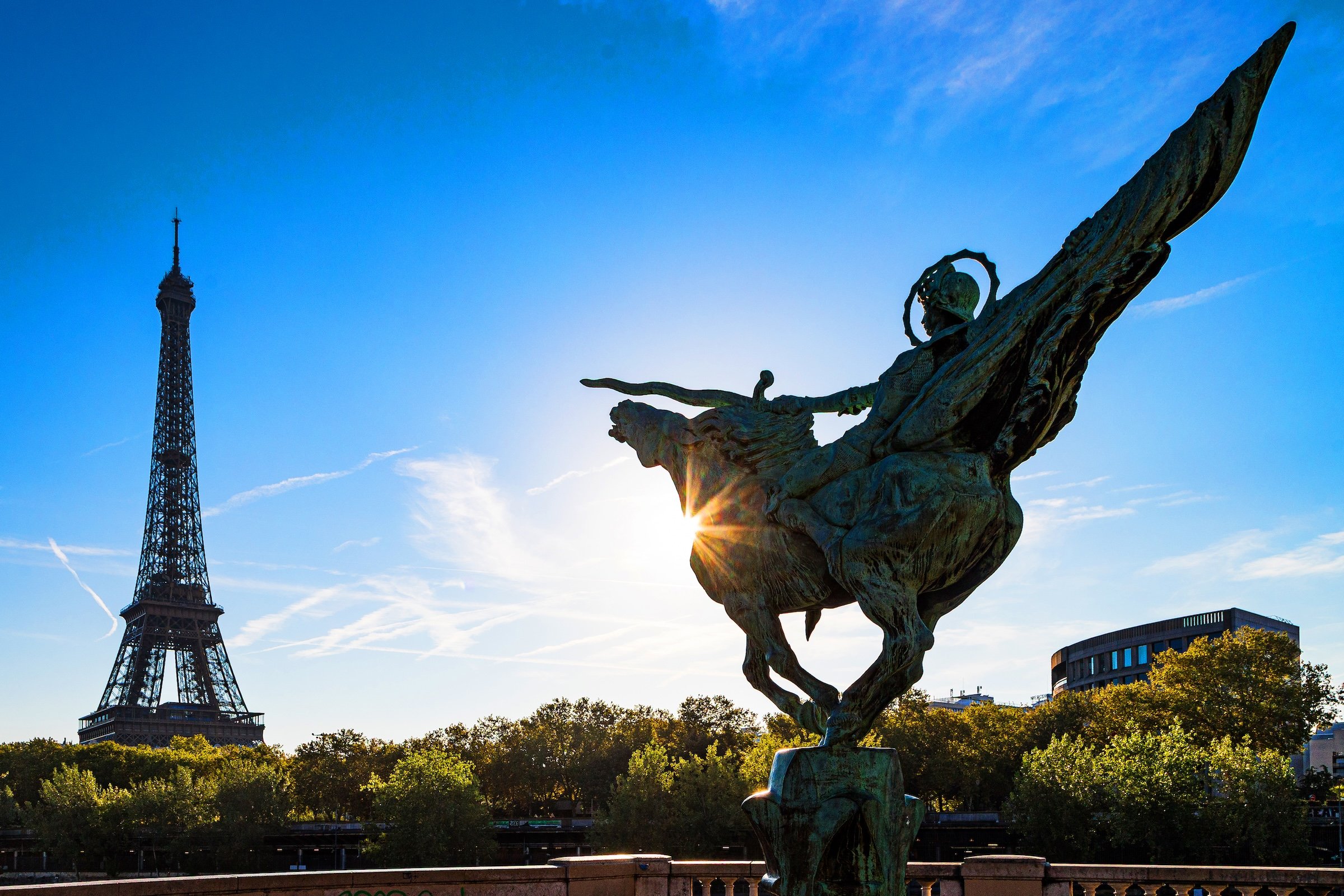
The arrondissements do not share a single visual identity. Instead, they organize Paris into twenty broad visual fields, each gathering its own combination of landmarks, streetscapes, institutions, residential districts, commercial corridors, parks, rail stations, markets, cemeteries, and riverfront edges.
Some arrondissements are defined by monumental scale: royal palaces, ceremonial avenues, government buildings, museums, formal gardens, and internationally recognized landmarks. Others are shaped by hills, canals, rail gateways, apartment-lined boulevards, neighborhood markets, former village streets, industrial remnants, parks, or the quieter rhythms of residential Paris. The arrondissement system gives these varied landscapes a civic frame, allowing the city to be read not as one visual language, but as a sequence of overlapping Parisian atmospheres.
Visual Identity
Through The Lens
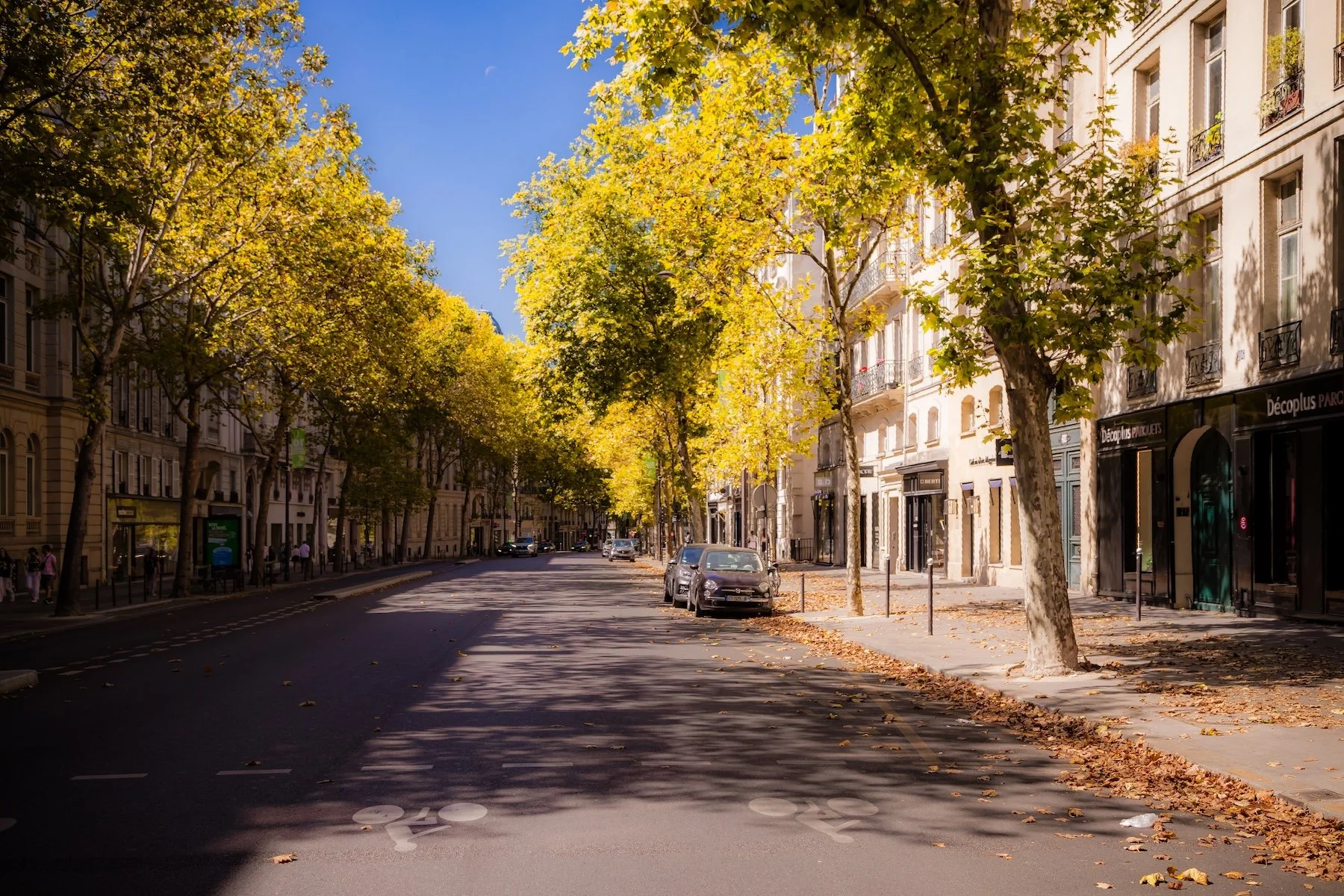
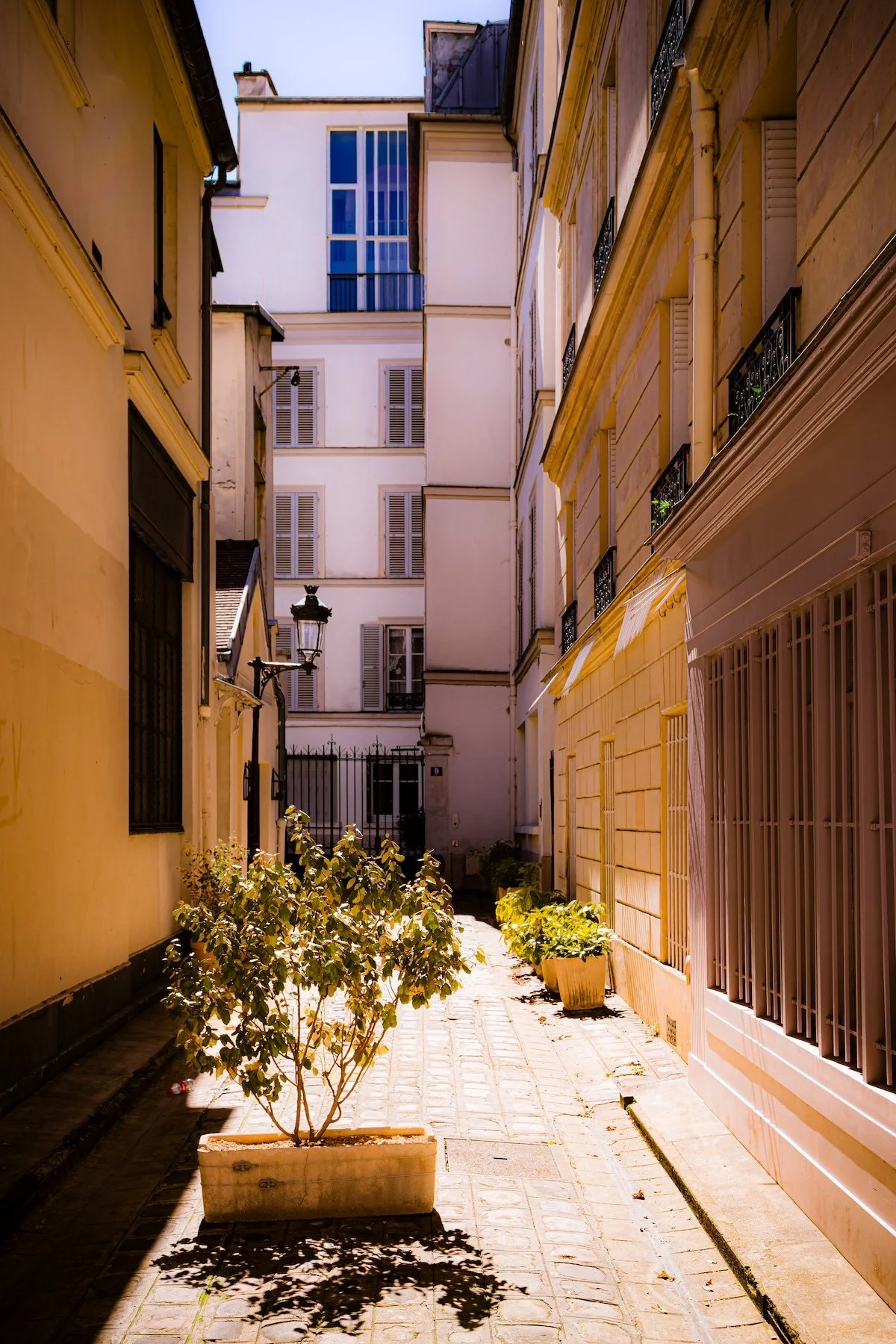
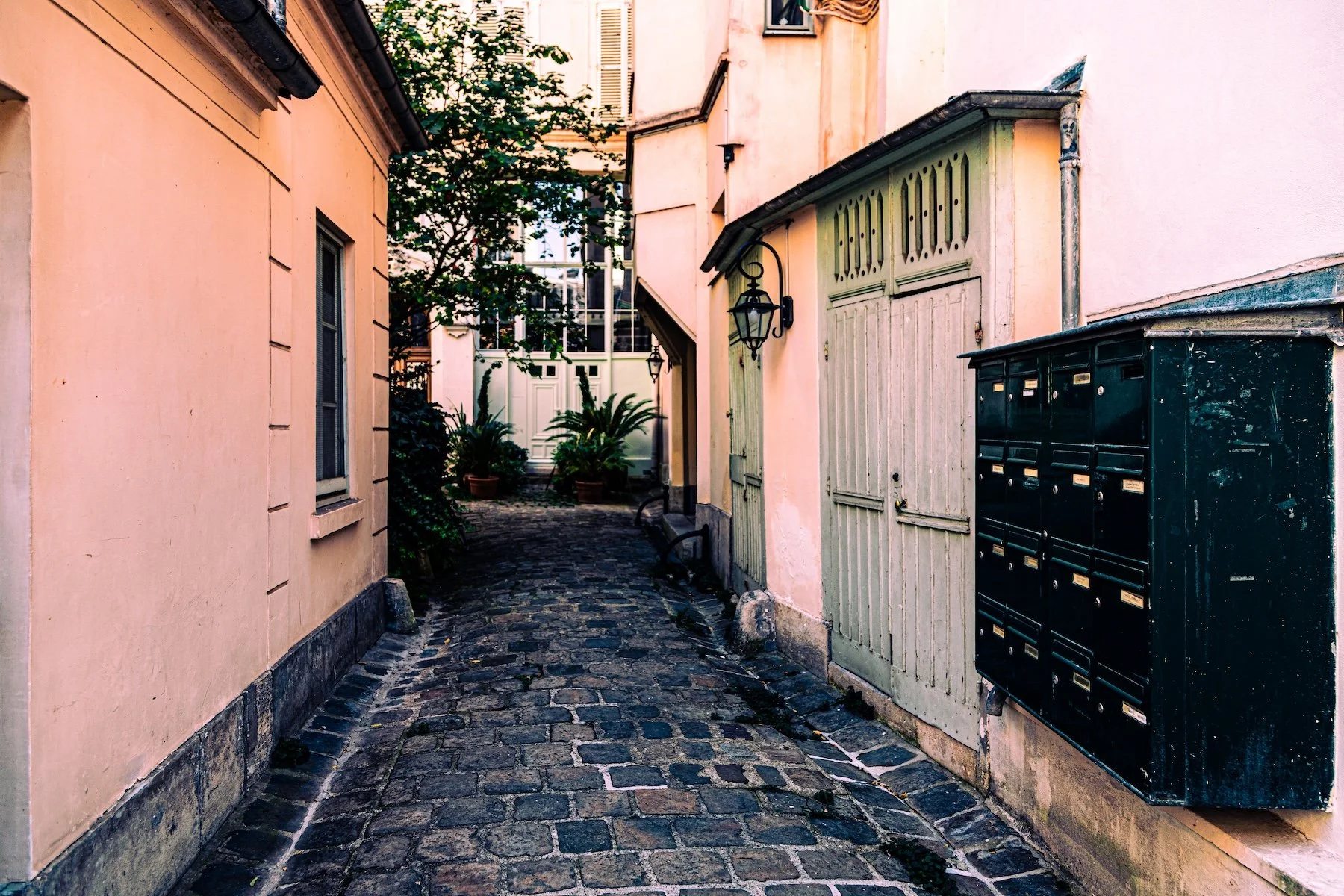
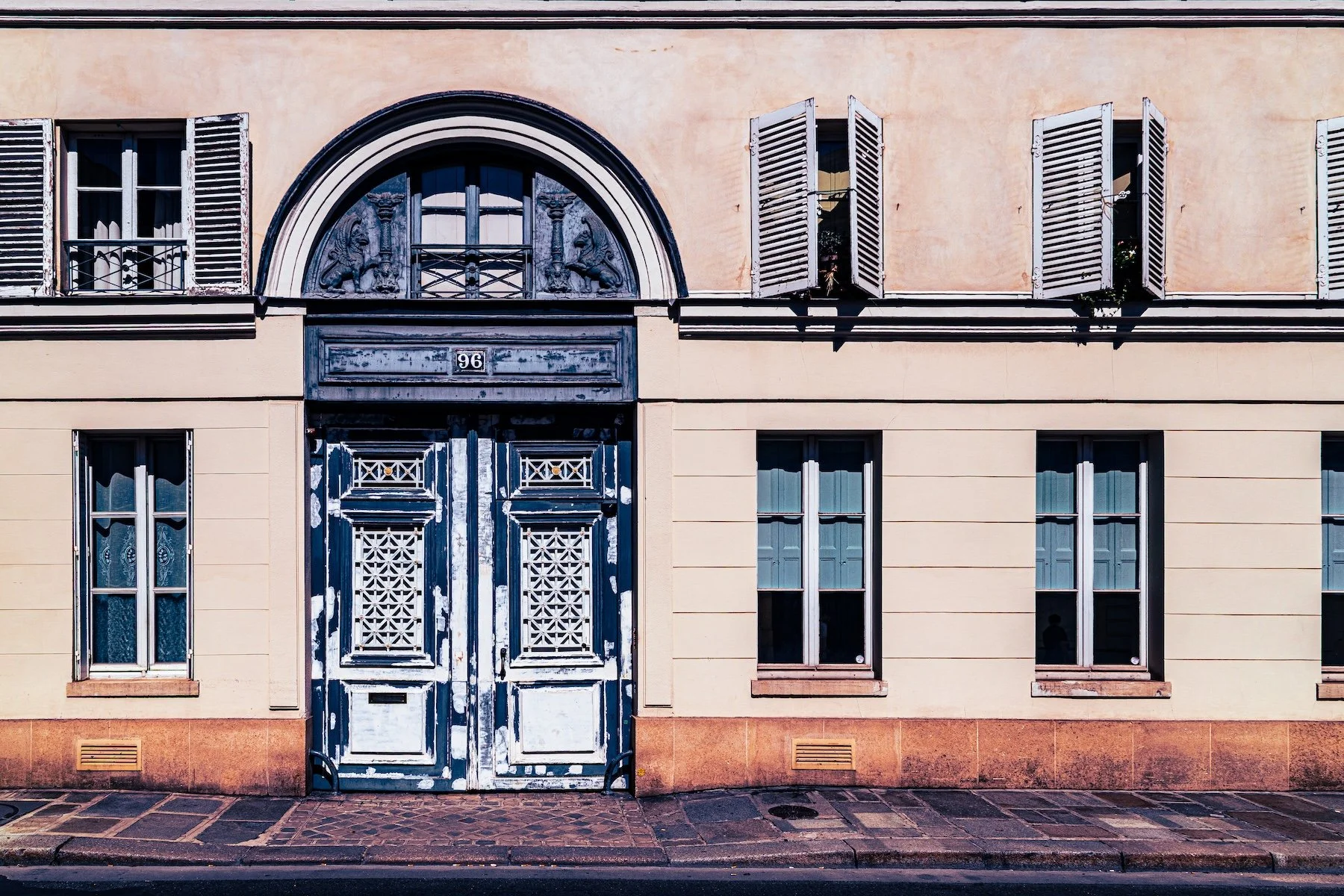
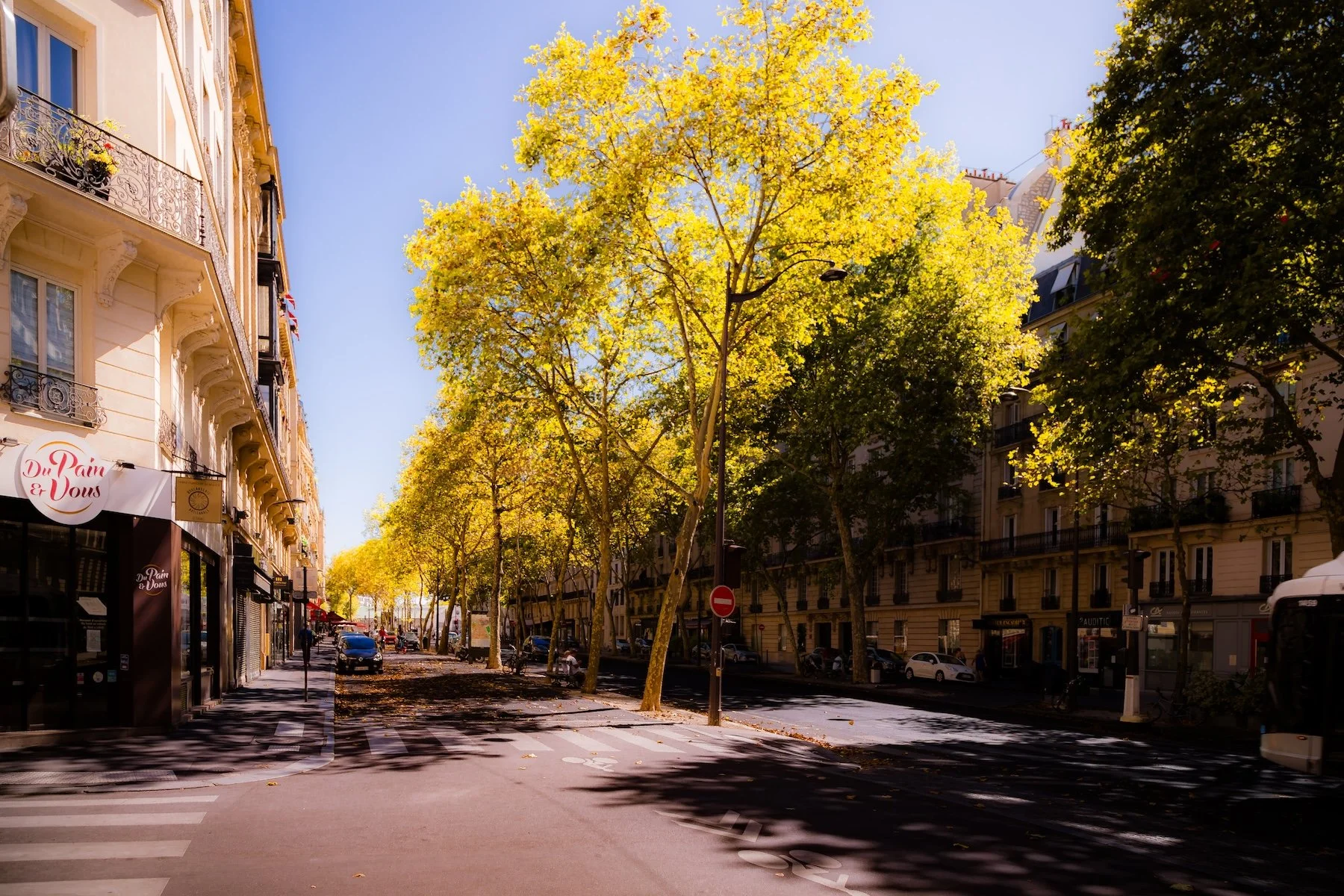
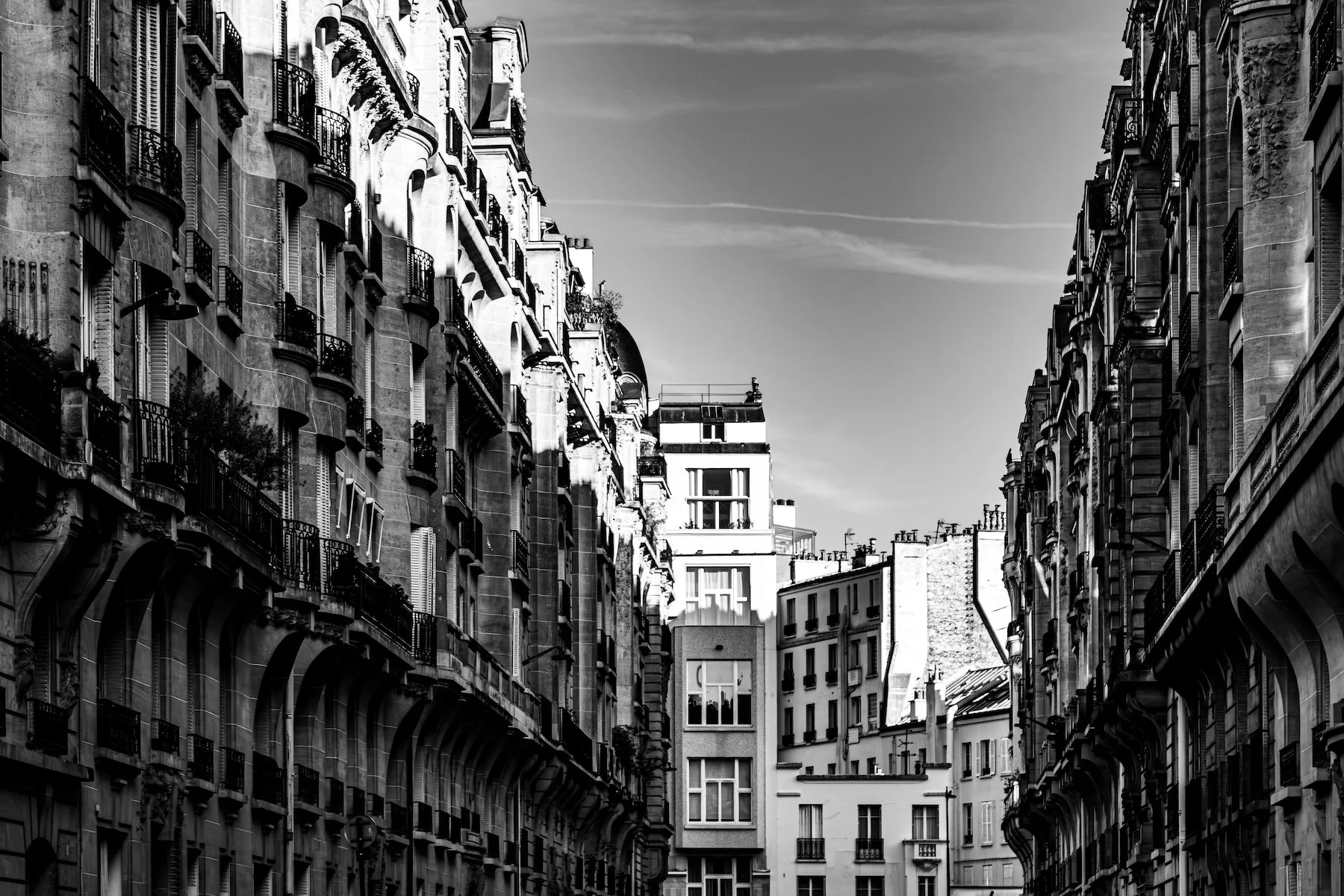
Photographing the arrondissements means moving between the official map and the street-level experience. The camera does not treat each arrondissement as visually uniform. Instead, it looks for the recurring forms, textures, transitions, and contrasts that make each district legible: the geometry of boulevards, the shade of plane trees, the repetition of balconies, the rise of stairways, the curve of canals, the presence of rail stations, the opening of parks, the weight of monuments, and the intimacy of side streets.
On CityNeighborhoods, the arrondissement provides the frame, but the photograph comes from the encounter between map, movement, light, and observation. As the Paris photography is processed, this section will connect each arrondissement more directly to the project’s Photographic Lexicon: the visual strategies, recurring motifs, and compositional patterns that shape how the city is seen through the lens.
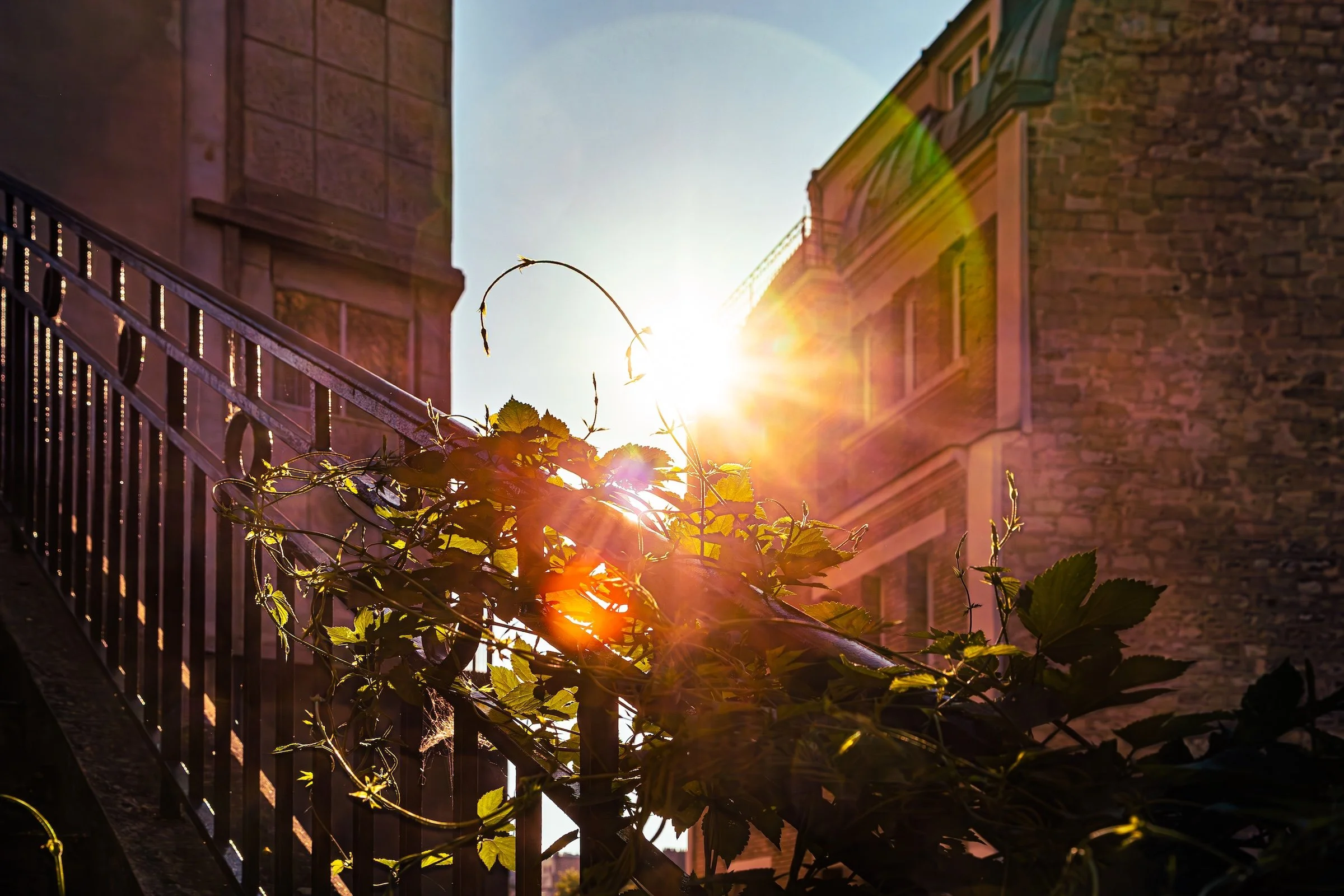
If you visit Paris, these ideas can help inspire your own photography.
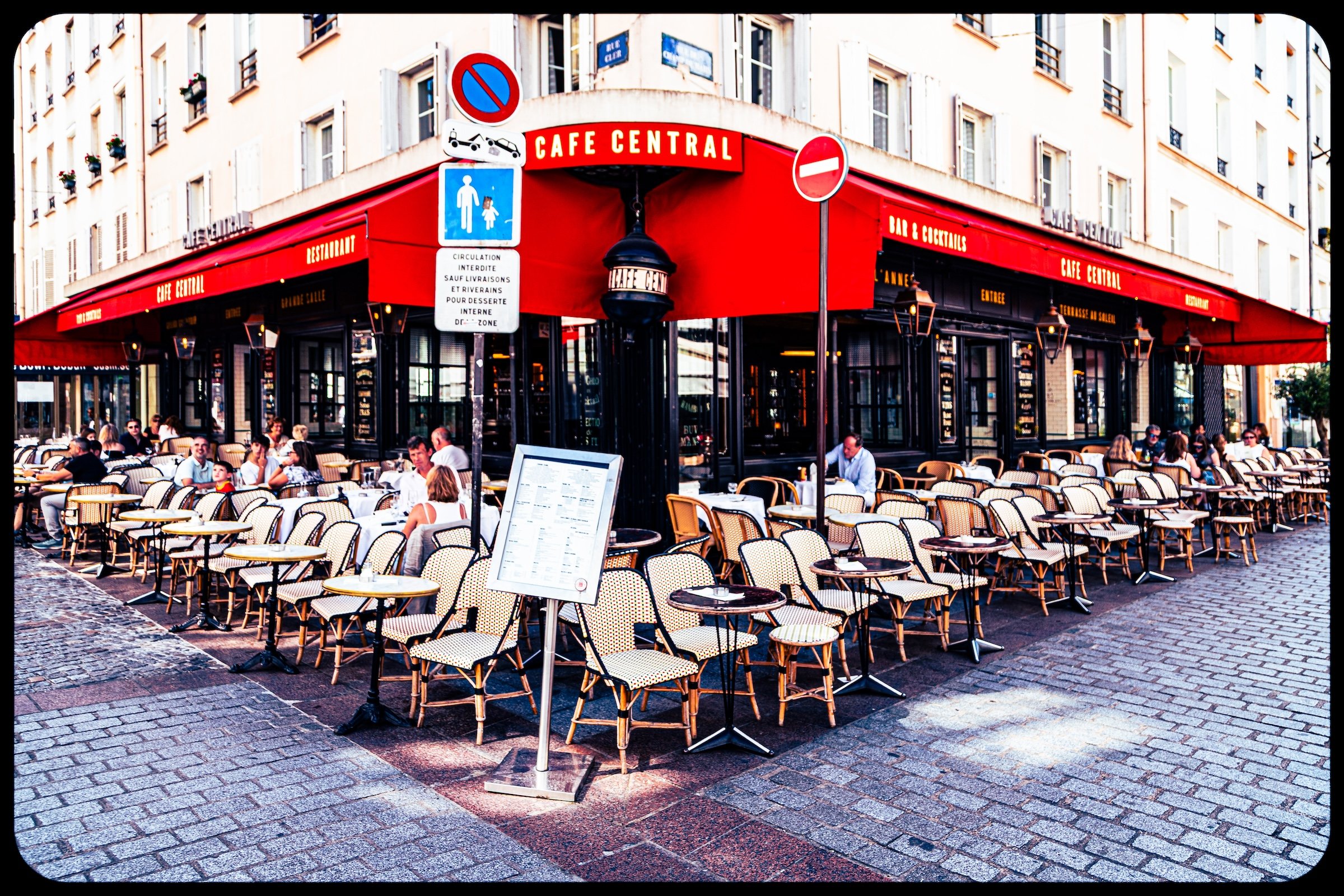
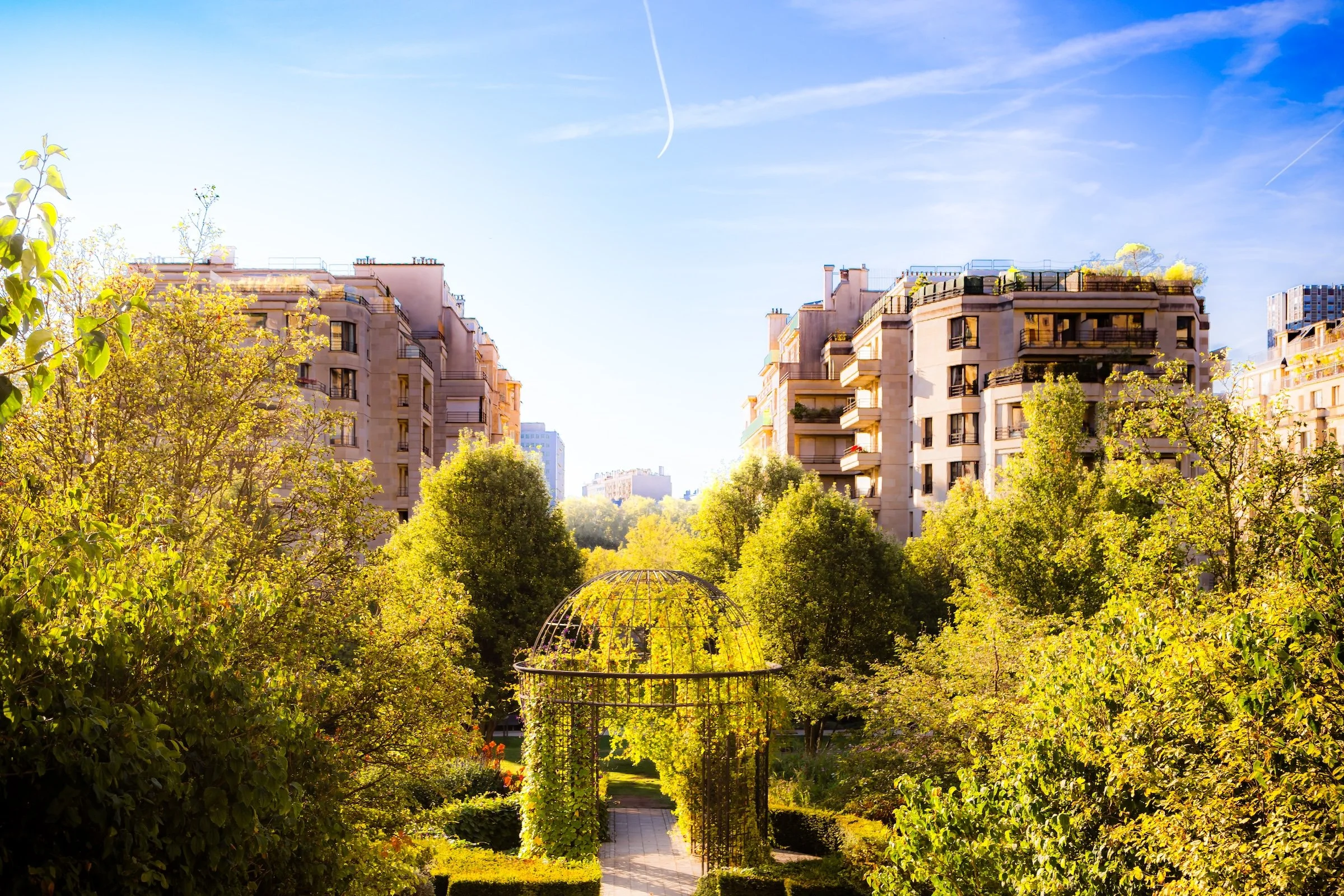
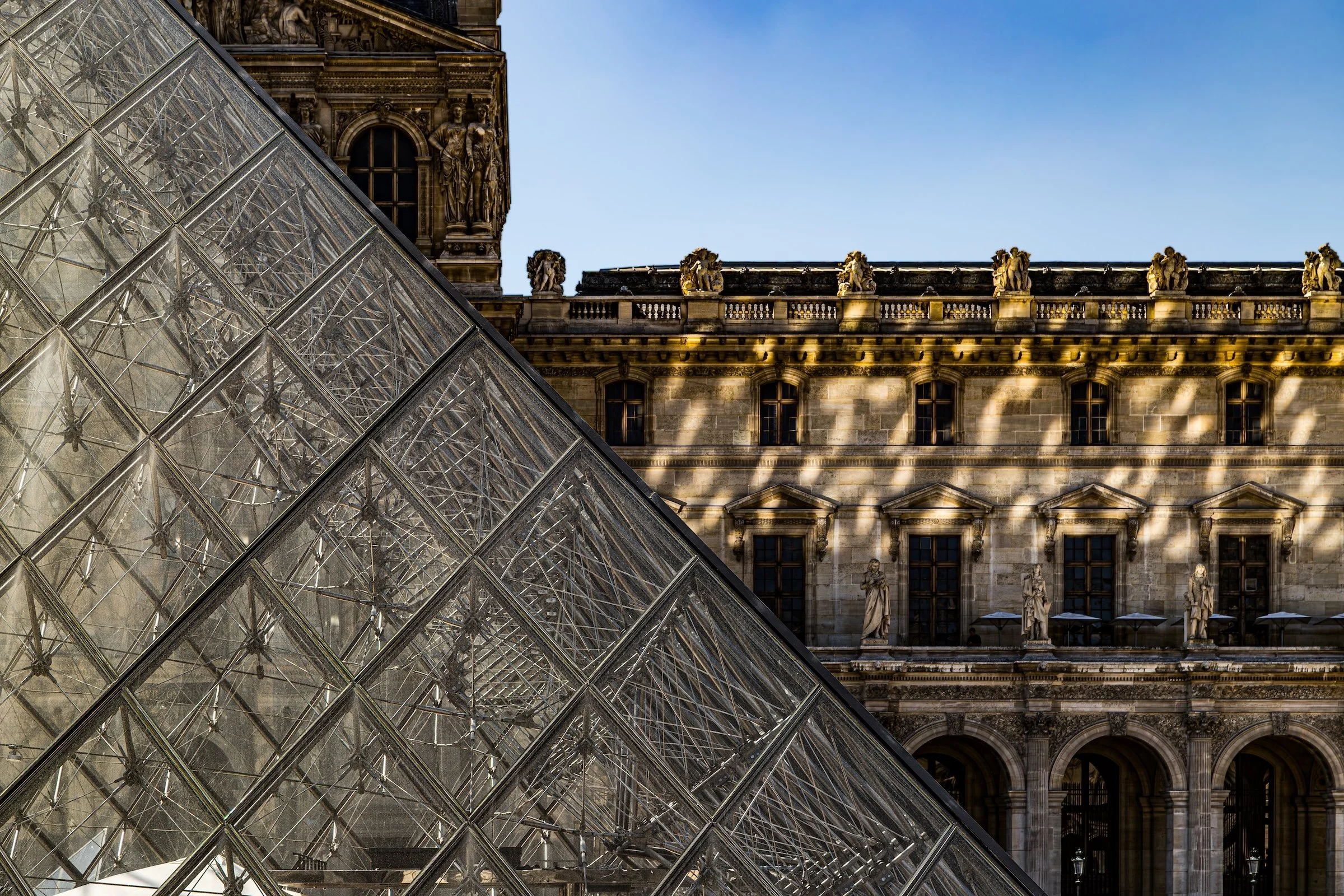
Paris: J’Espere, Je Rêve, Je Vive
Paris Photo Gallery
Paris Field Notes
-
Field Note: August 18, 2025 | 07:58 AM
Conditions: 73°F | Humidity: 72%.
Within the park's interior, the glacial kettle ponds acted as humidity traps, creating a soft, hazy light that filtered through the old-growth oaks. The transition from the park's dense shade to the sun-drenched edges of Oakland Gardens highlighted the day's exceptional "picture-perfect" clarity.
There is a fleeting window in Queens where the humidity of August hasn't yet heavy-set, and the morning sun hits the canopy of Alley Pond Park at a perfect oblique angle. Arriving just before 8:00 AM, I watched the light break through the oaks and tulip trees, casting long, dramatic shadows across the wet grass. It’s in these quiet, golden moments that the park feels less like a city escape and more like the ancient glacial valley it actually is.
Other neighborhoods visited:
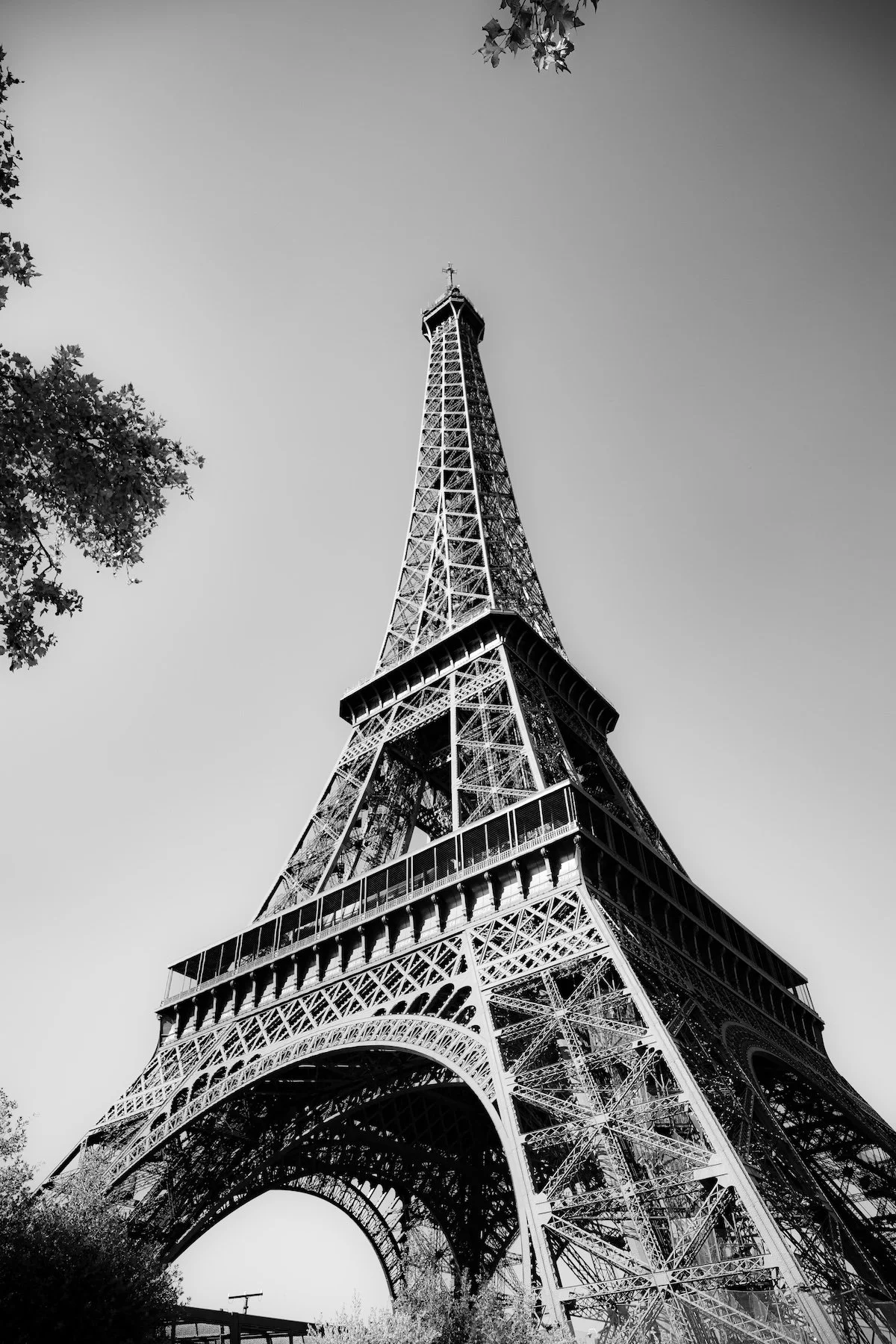
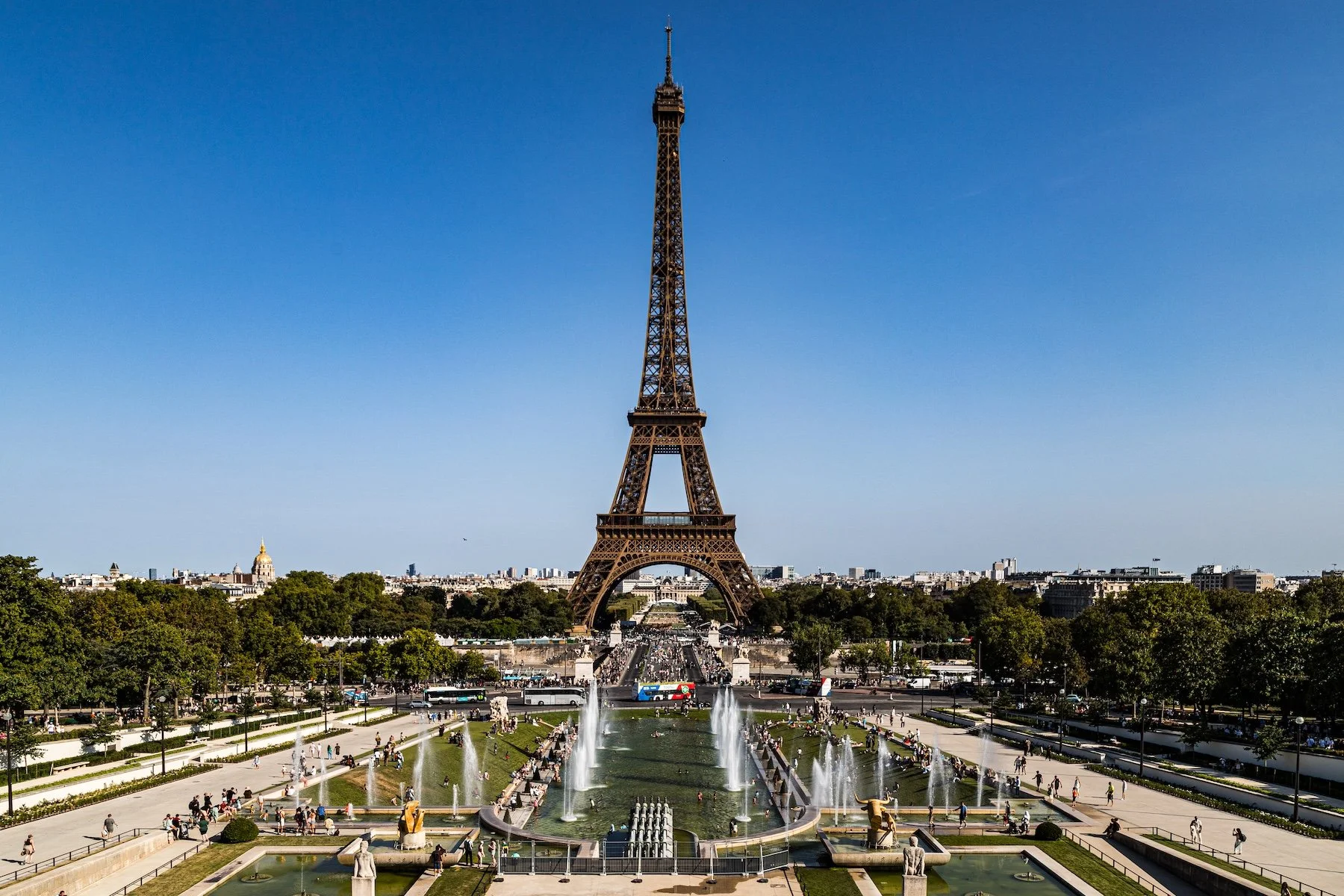
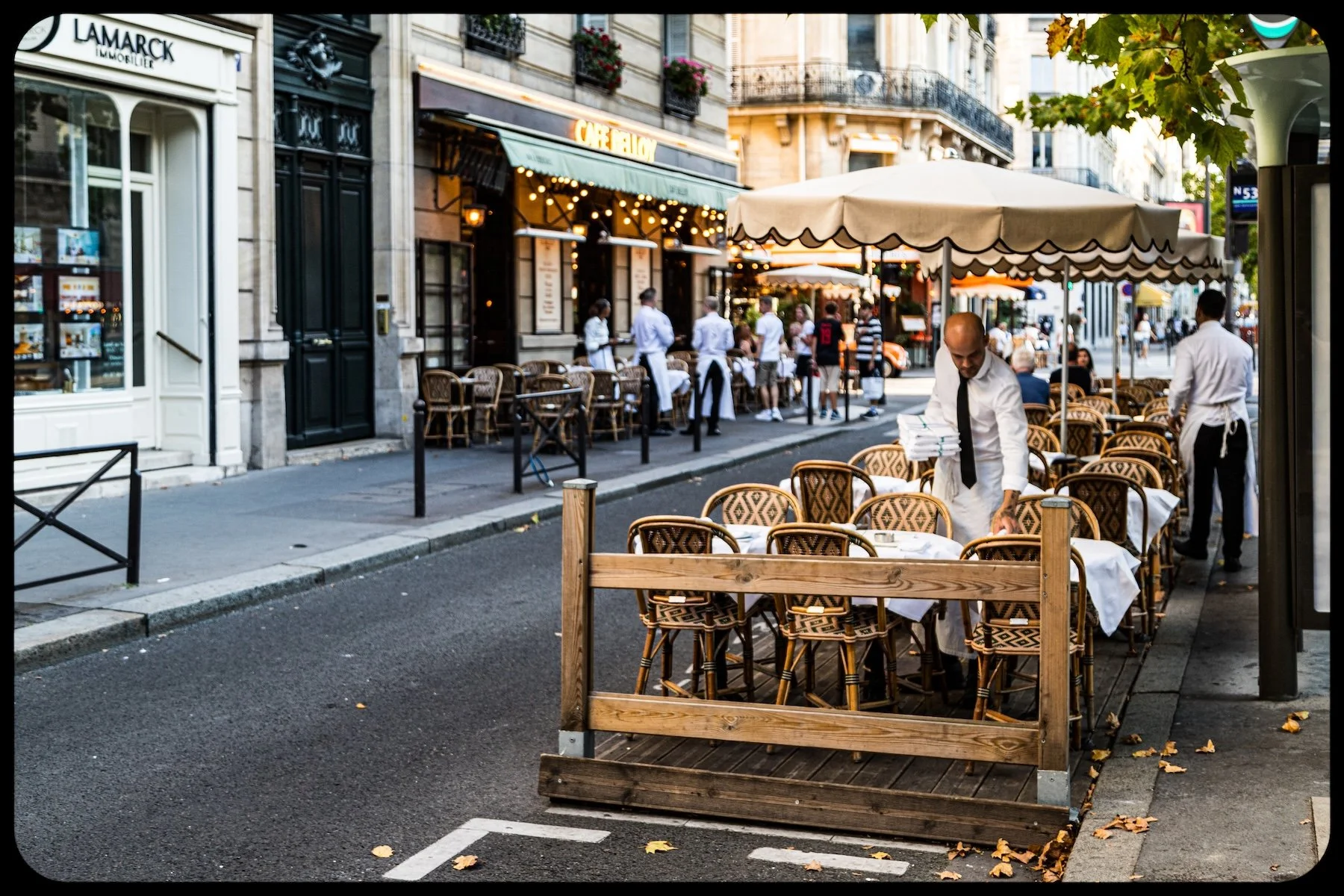
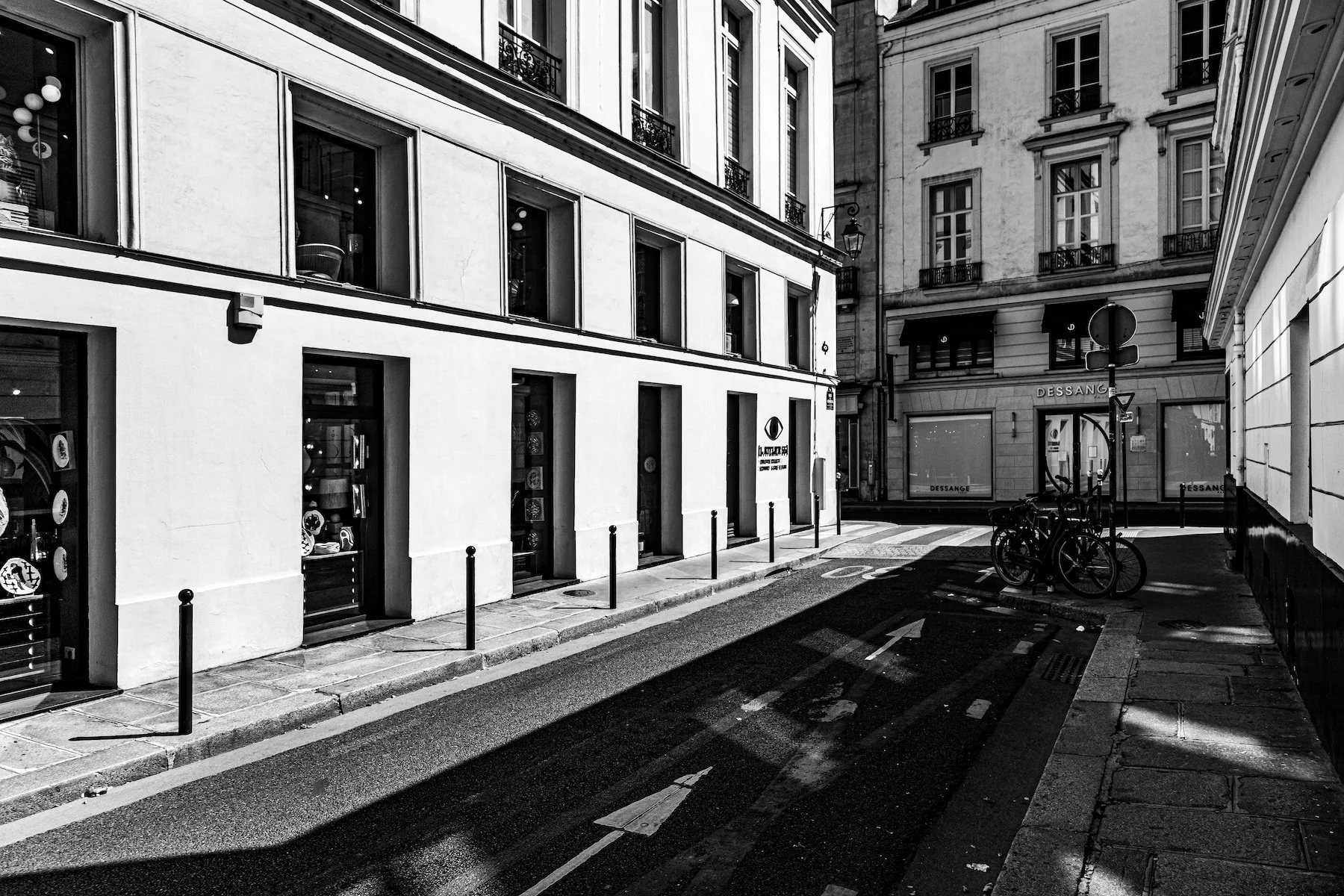
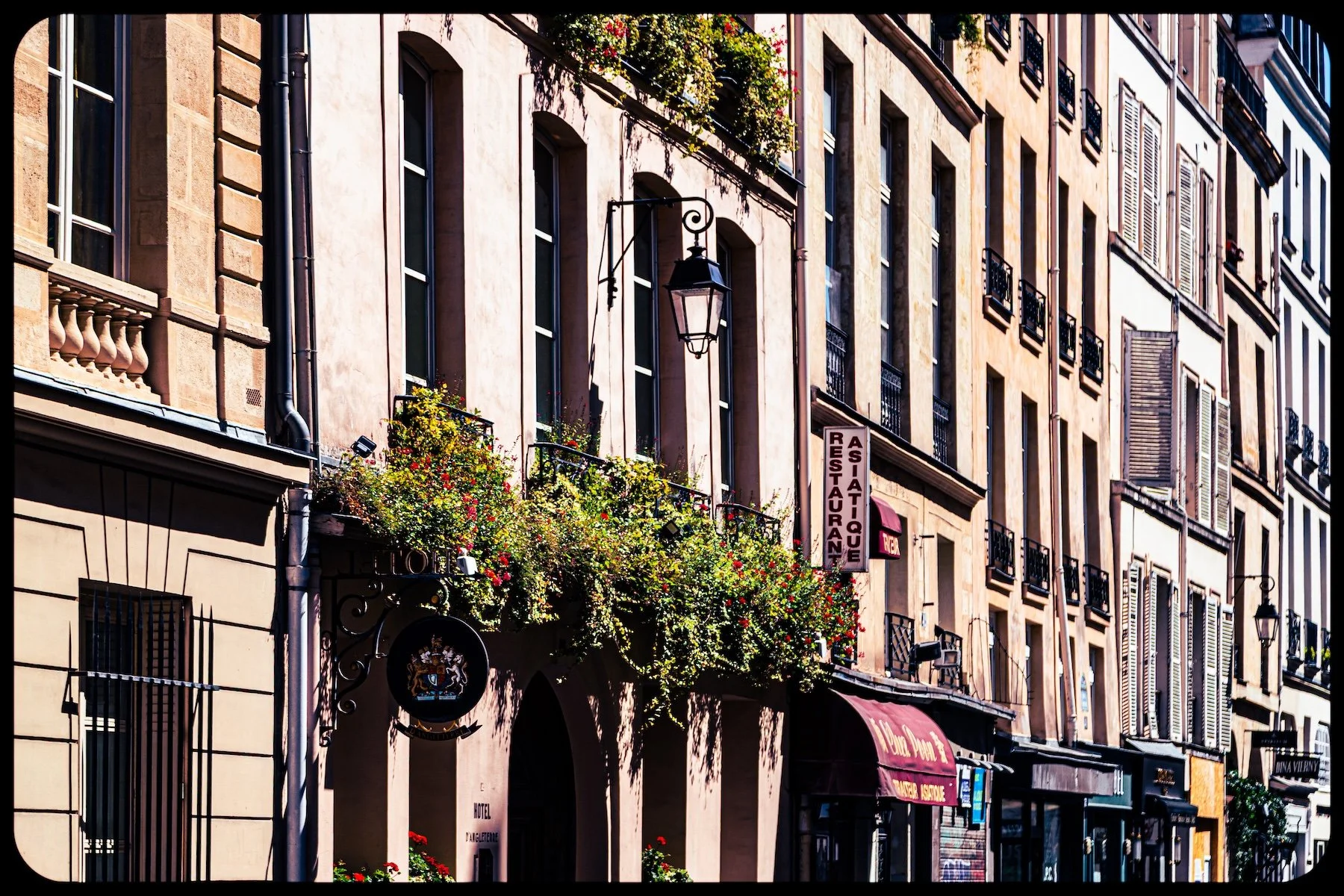
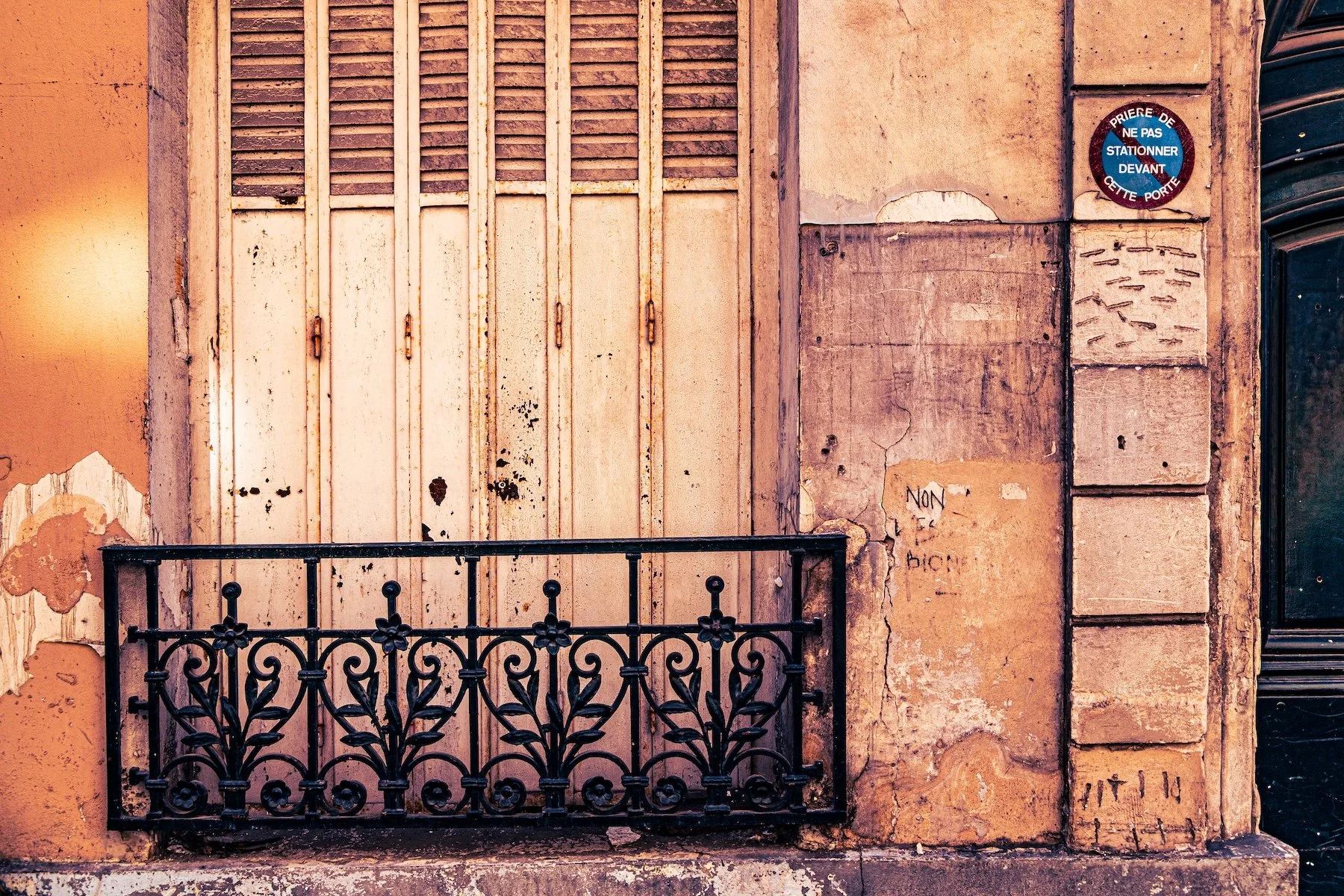
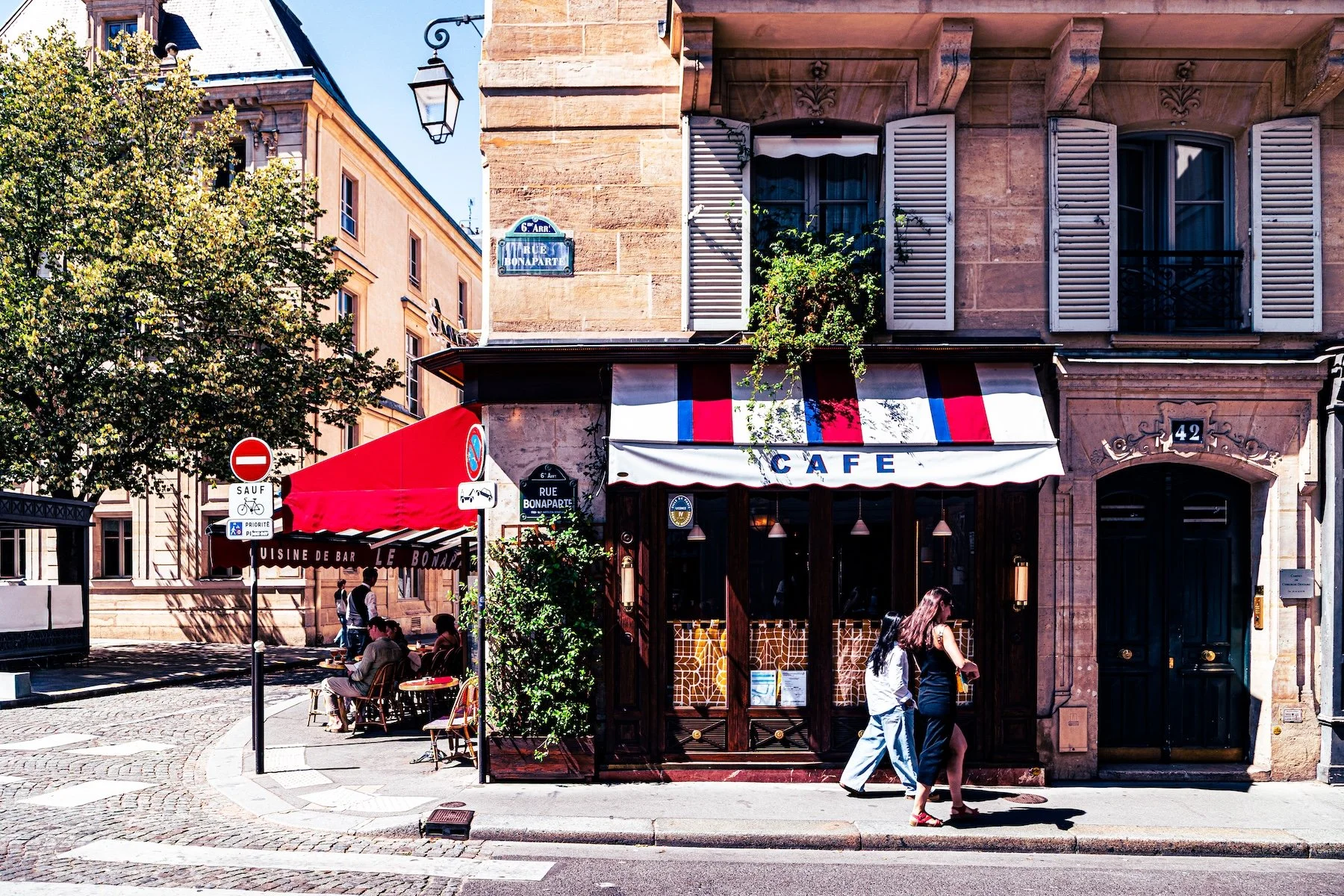

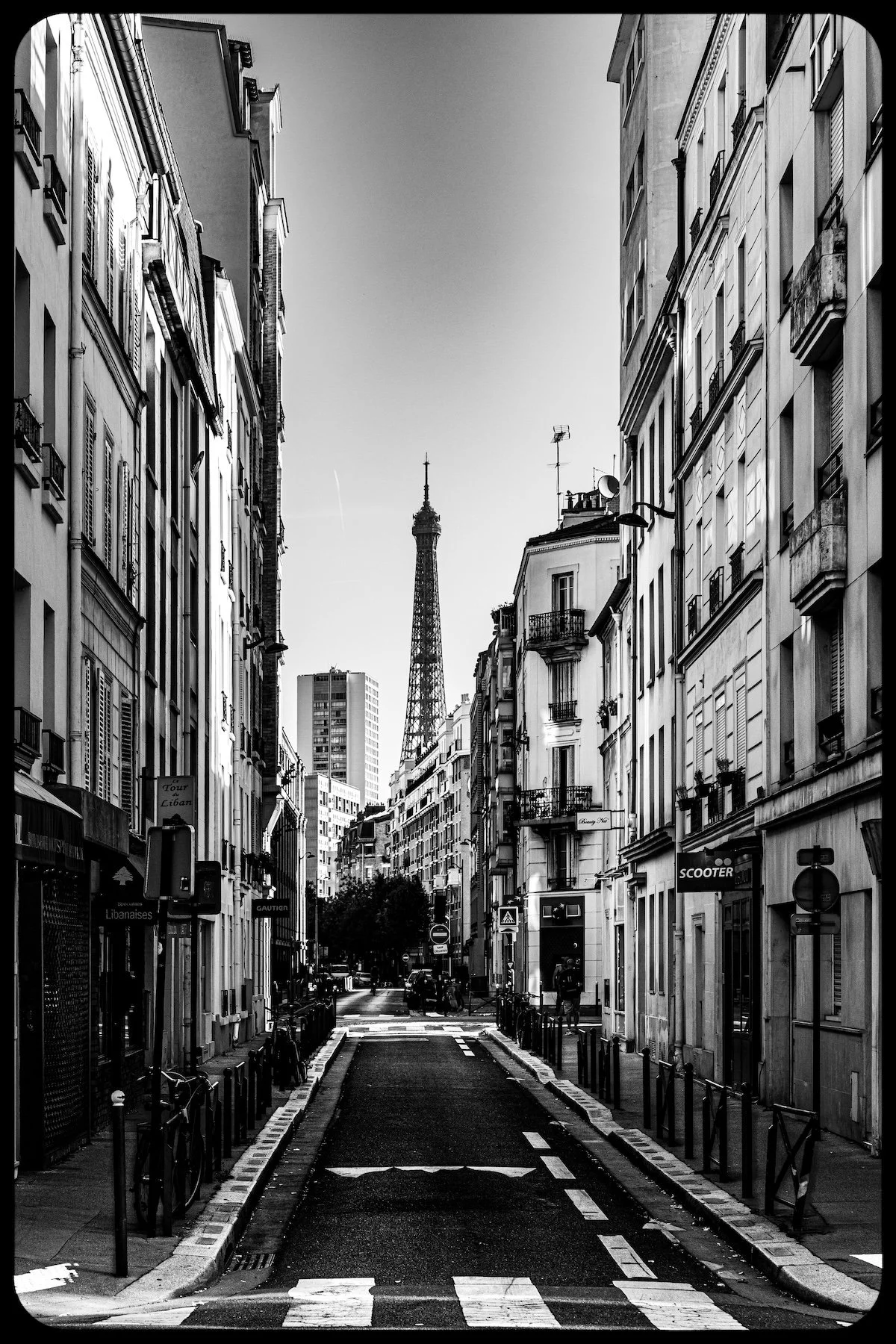
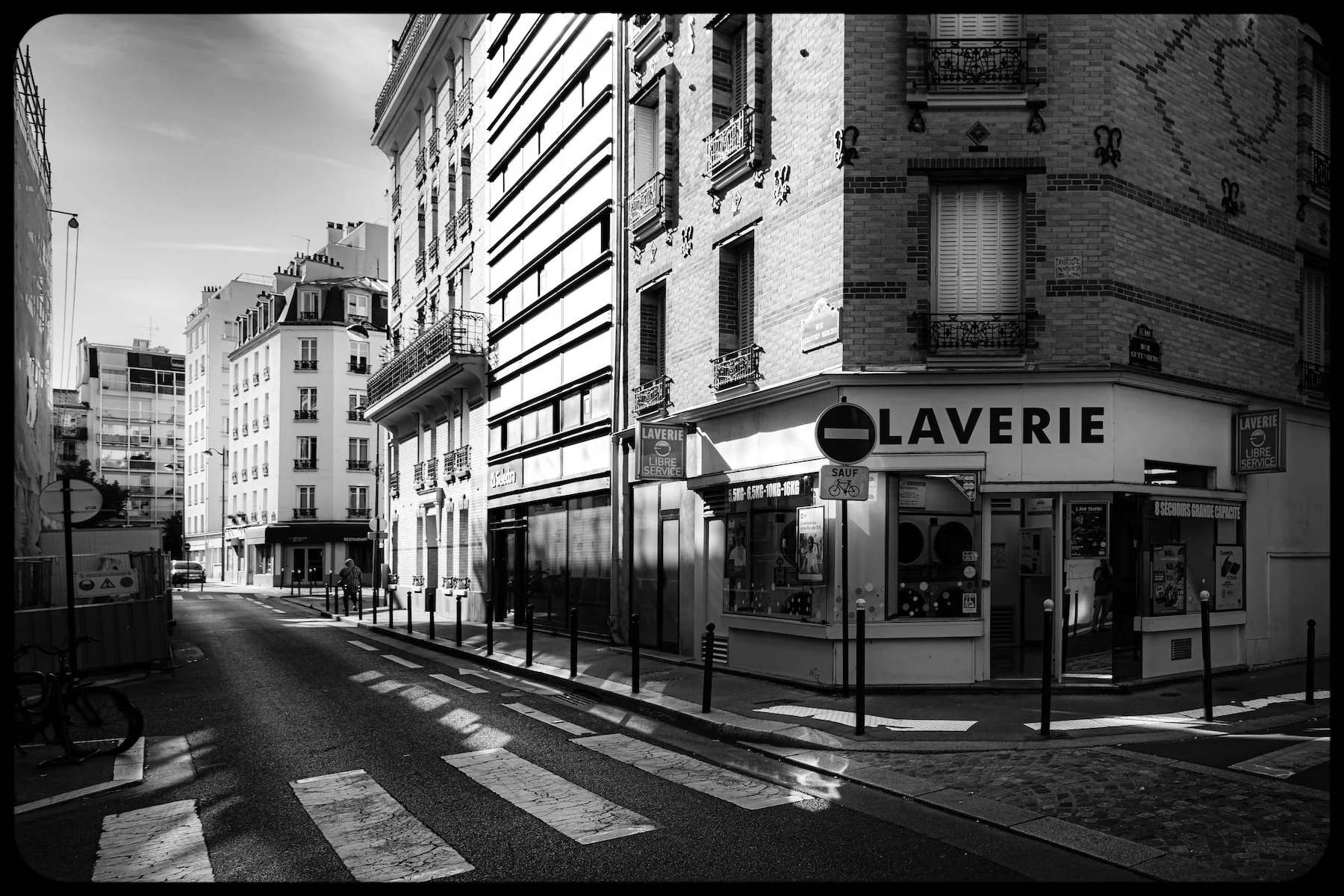
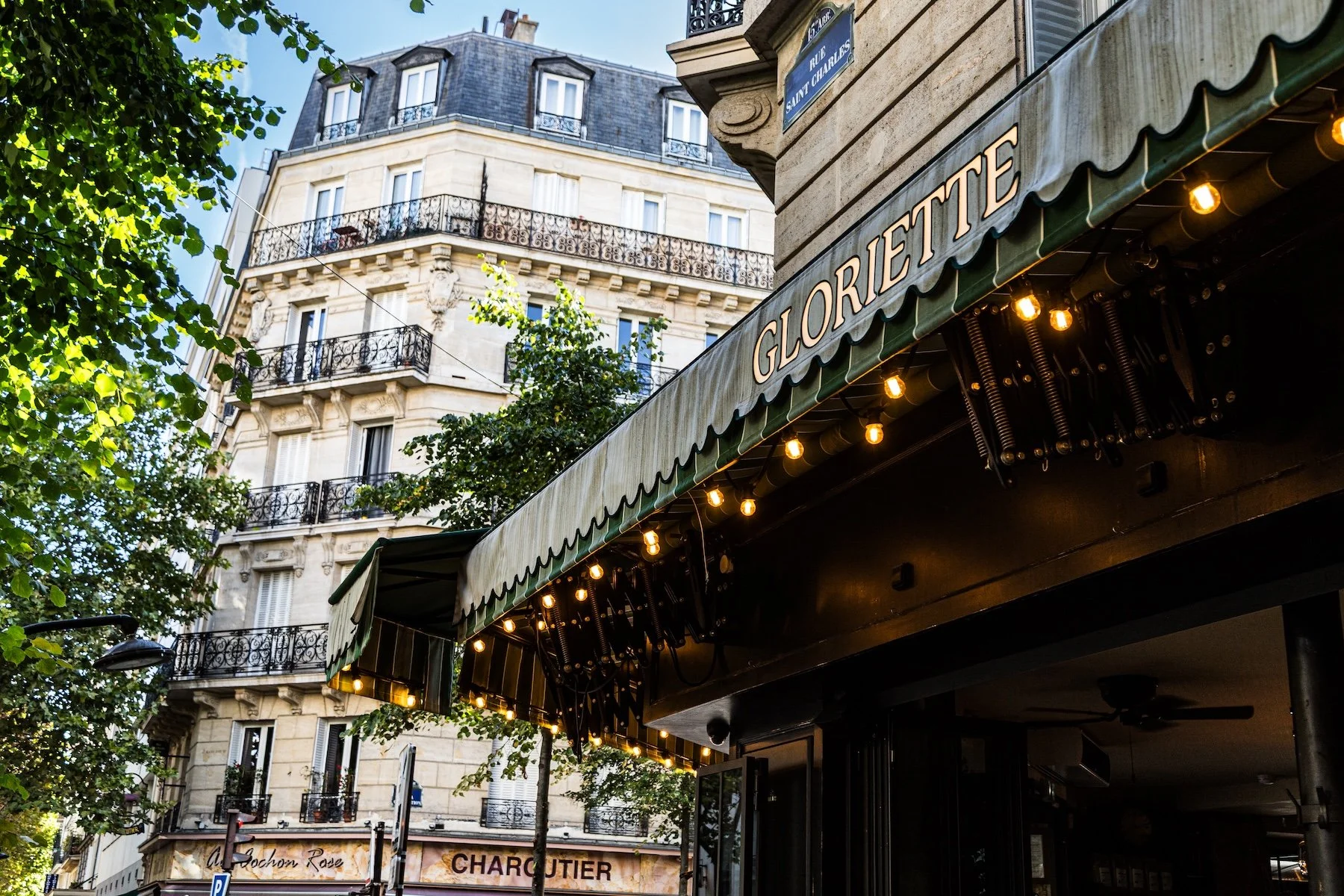
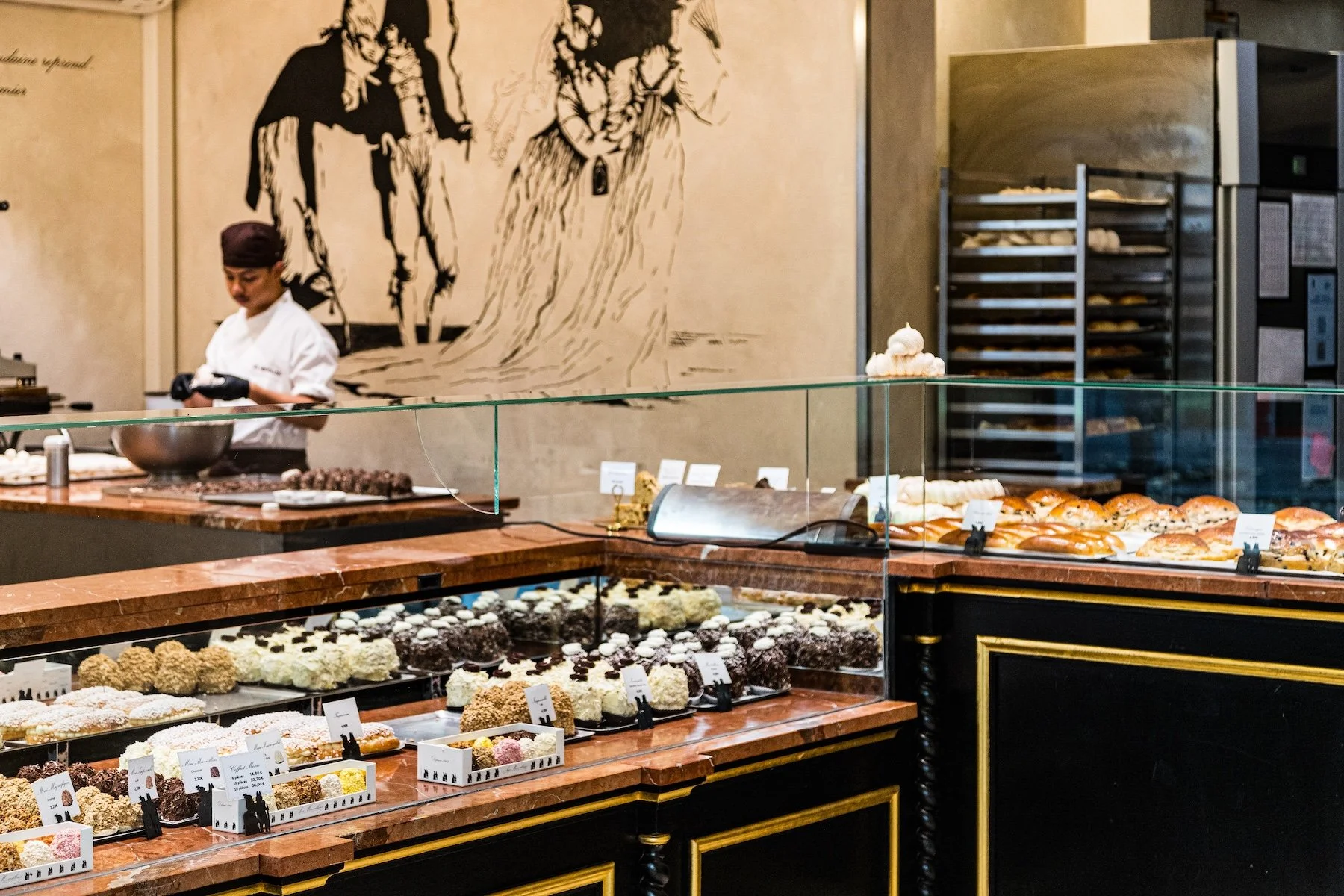
Explore Paris
-

The twenty arrondissements form the civic spiral of Paris, organizing the city into its broad local districts of government, identity, and daily life.
-

Each arrondissement is divided into four official administrative quarters, giving Paris a more precise civic and geographic framework.
-

The conseils de quartier bring participation to street level, giving residents a voice in neighborhood needs, public space, and local civic life.
-

Les Deux Rives trace Paris through the Seine’s two banks, revealing how the Rive Droite and Rive Gauche shaped the city’s civic power, commerce, learning, art, and cultural identity.
-

Cultural neighborhoods reveal the Paris people recognize through history, cafés, architecture, memory, atmosphere, and local belonging.