
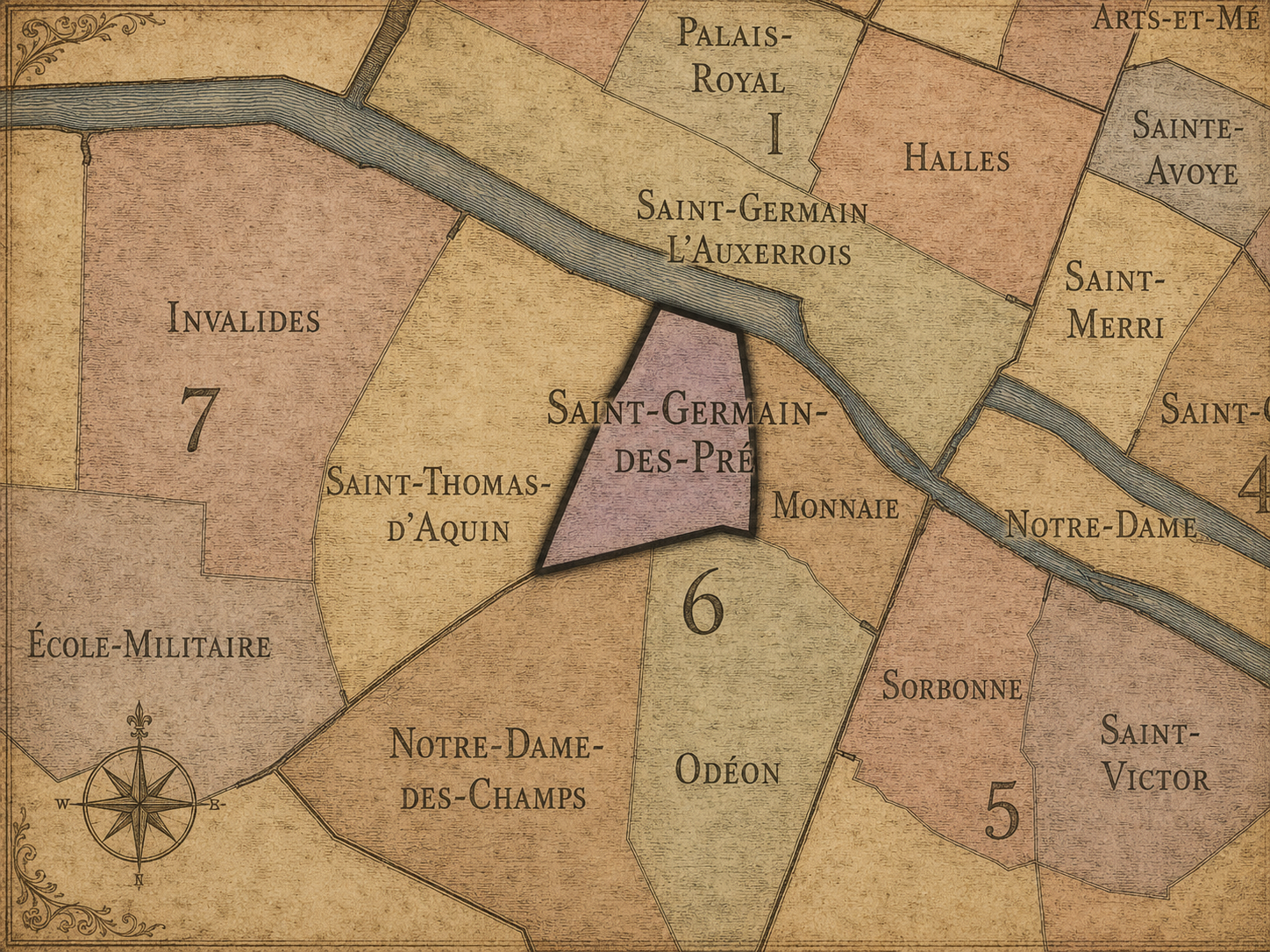
6e - SAINT-GERMAIN-DES-PRÉS
Quartiers Administratifs
Part of an ongoing project to walk and photograph every neighborhood in Paris, this page explores the Administrative Quarter: 6e - Saint-Germain-des-Prés through maps, district identity, history, and photography.
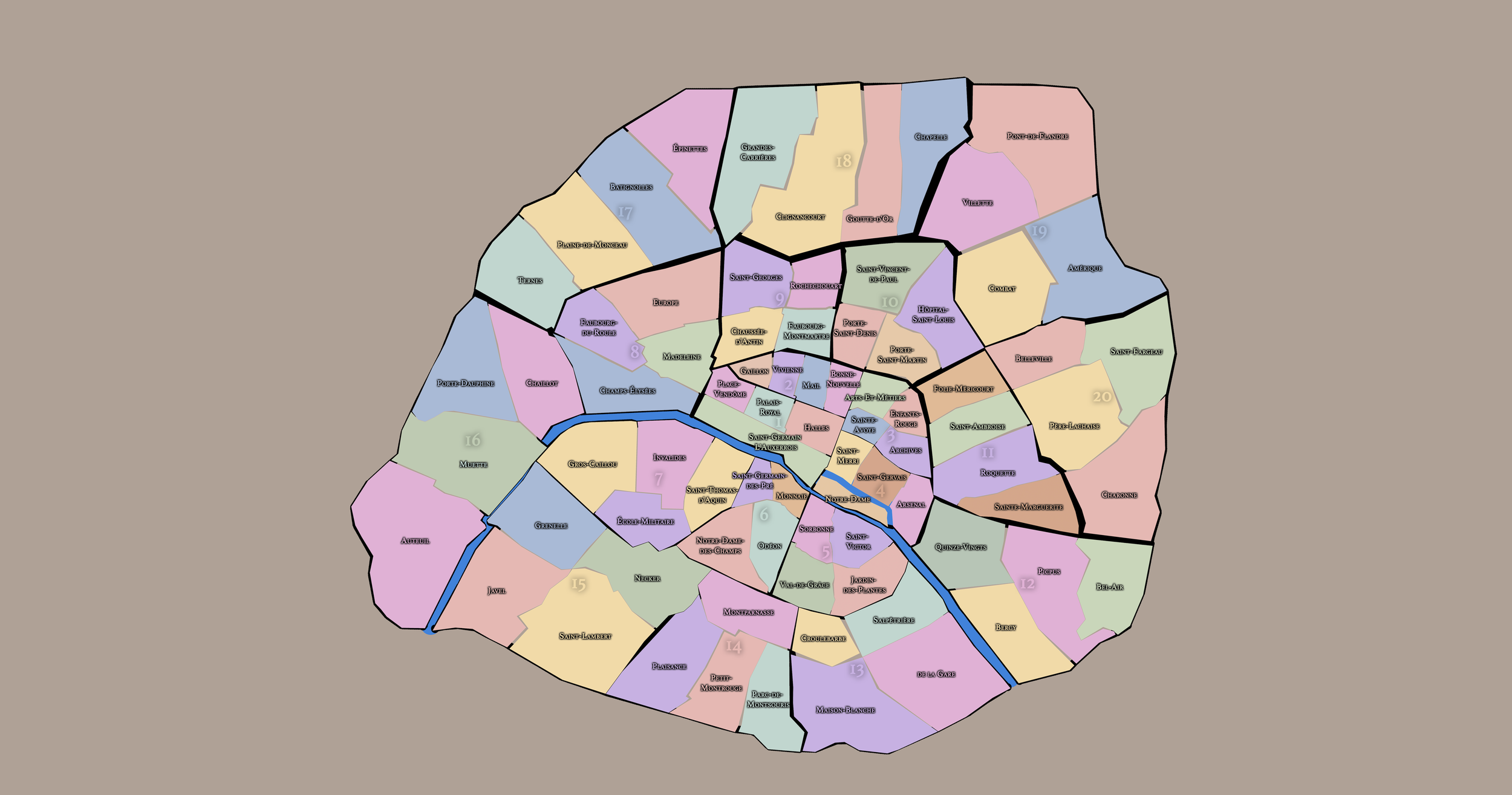
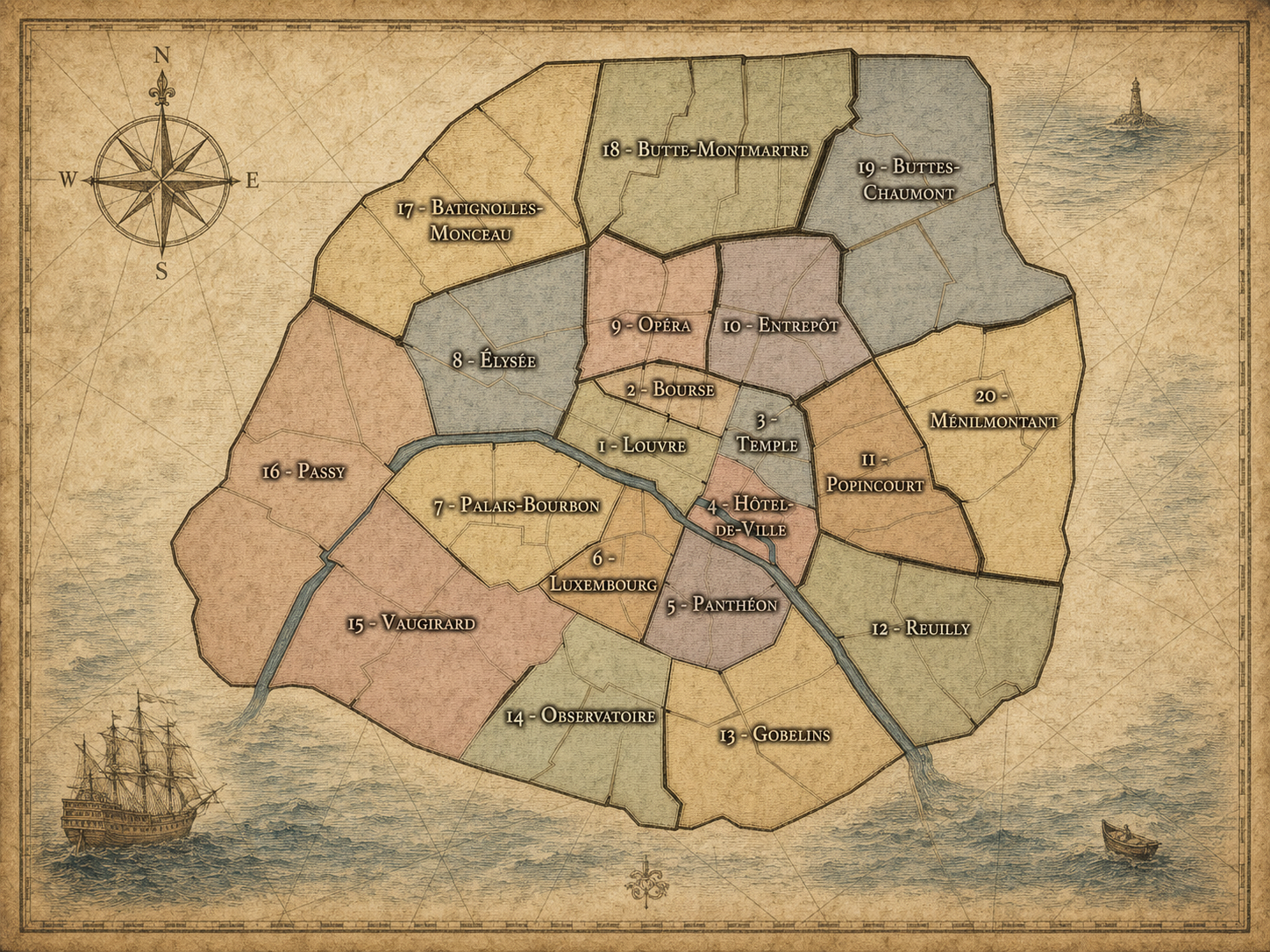
The Map
Download the Paris Arrondissements Map
Geographic Setting
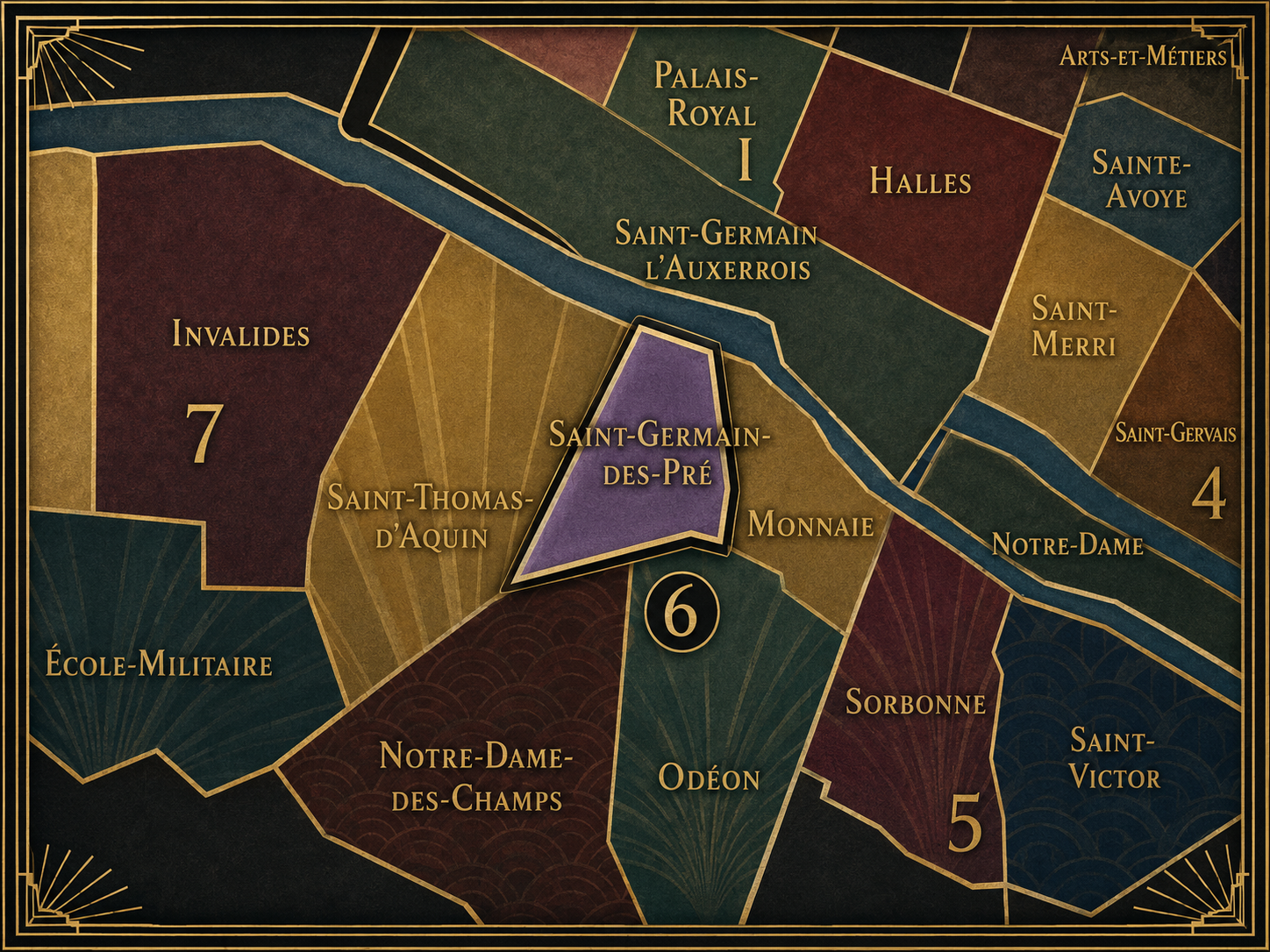
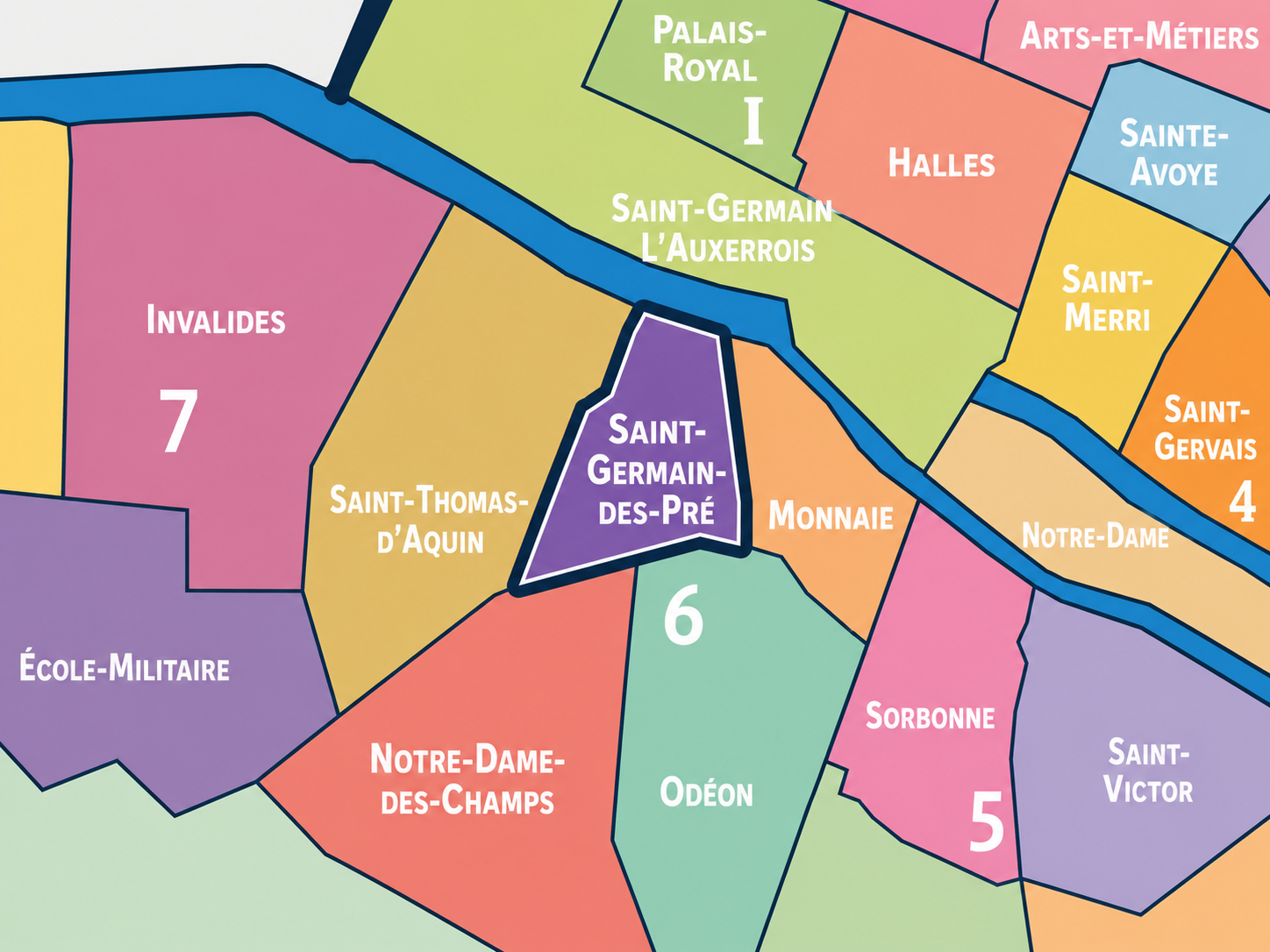
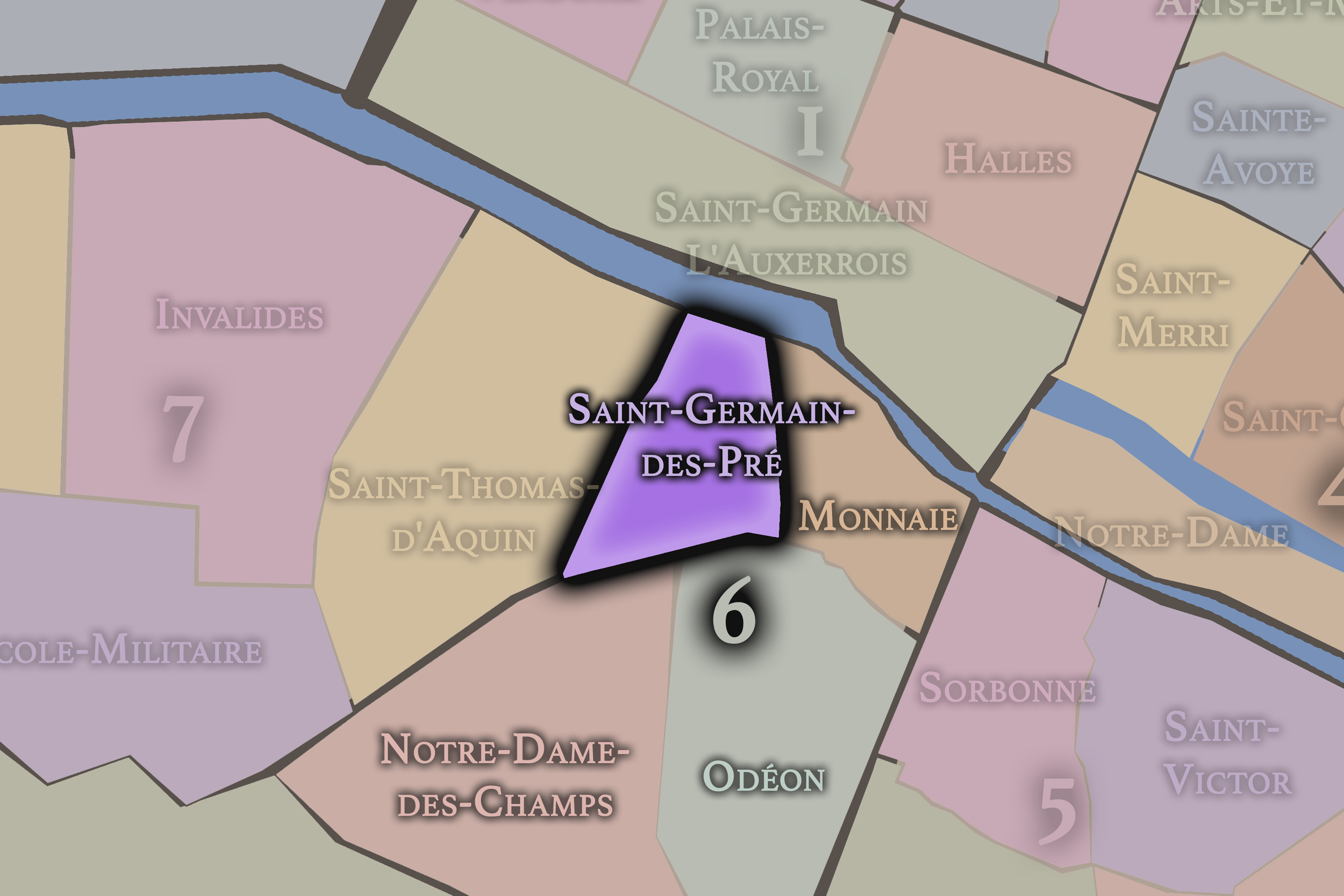
Saint-Germain-des-Prés occupies the western and northwestern portion of the 6th arrondissement, where the Left Bank gathers around abbey memory, riverfront elegance, literary cafés, galleries, publishing houses, boutiques, and the cultivated streets between the Seine and the Luxembourg / Montparnasse interior. It lies west of Monnaie, north and west of Odéon, and above Notre-Dame-des-Champs, forming one of the great cultural landscapes of the Left Bank. Its geography stretches from the river-facing quays and the Rue Jacob / Rue Bonaparte corridors toward the Boulevard Saint-Germain, Place Saint-Germain-des-Prés, and the streets leading south toward Sèvres-Babylone and Rennes.
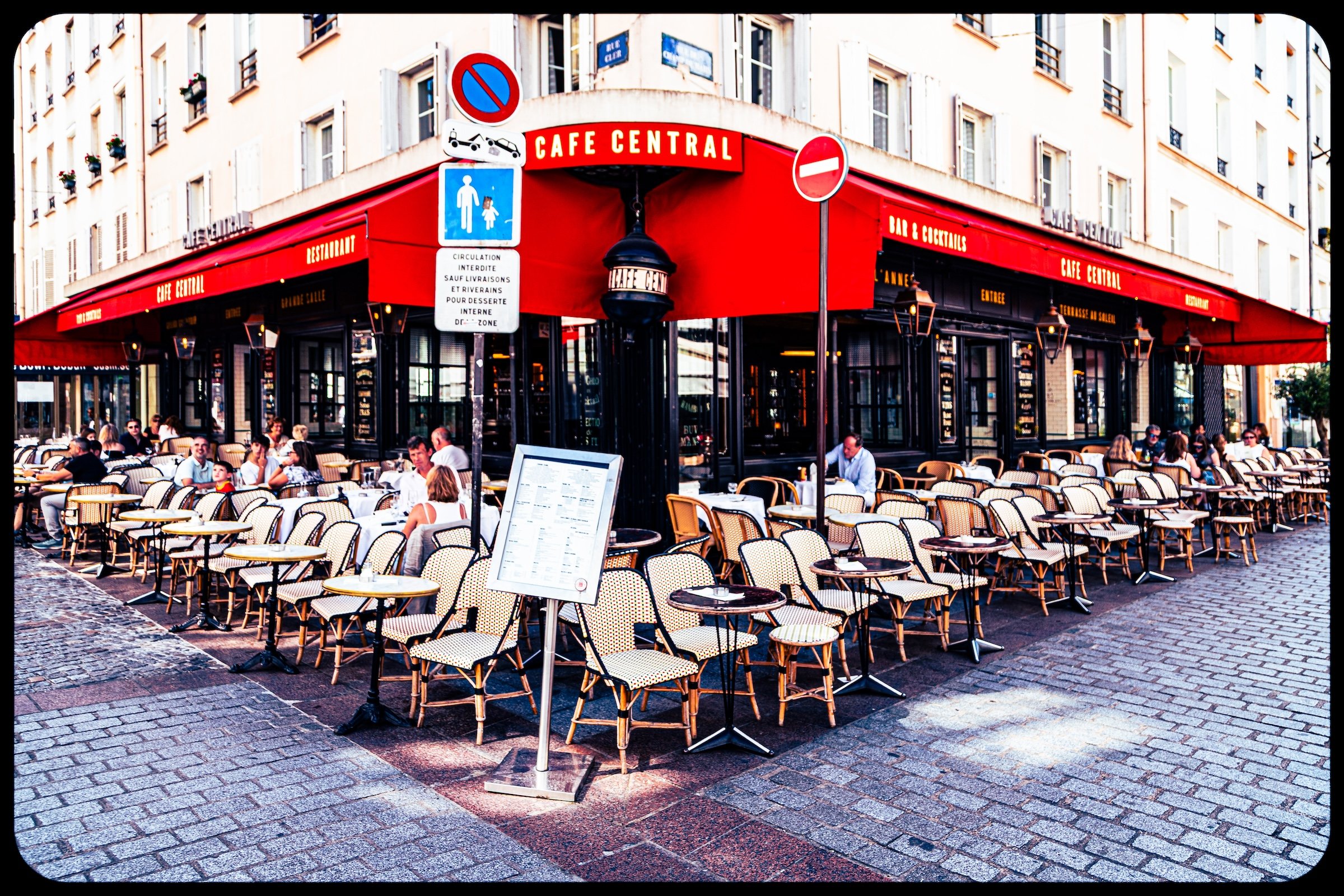
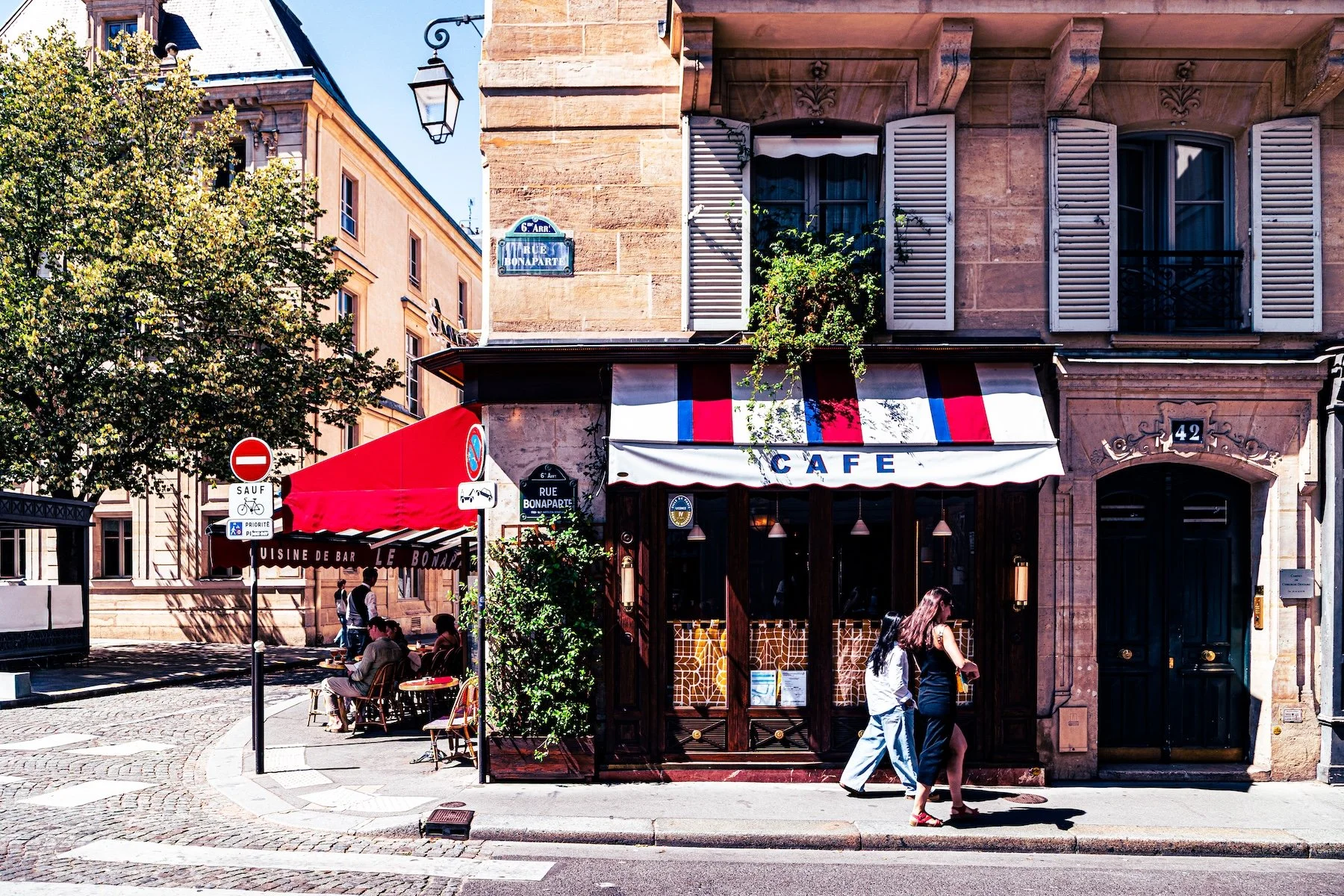
The quarter’s defining landmarks include the Church of Saint-Germain-des-Prés, the Boulevard Saint-Germain, the cafés Les Deux Magots and Café de Flore, the Rue de Buci, Rue Jacob, Rue Bonaparte, Rue de Seine, Rue de l’Abbaye, the Institut Catholique area nearby, and the dense web of galleries, publishers, bookshops, restaurants, and historic residences that give the quarter its enduring cultural atmosphere. It is one of those Parisian places whose name exceeds its official boundaries, functioning both as an administrative quarter and as a larger cultural idea.
Unlike Monnaie, whose identity is river-facing and institutional, or Odéon, whose character gathers around theater, cafés, and the Luxembourg threshold, Saint-Germain-des-Prés is more mythic and cultural. It is the Left Bank as memory, conversation, style, and intellectual inheritance — a quarter where abbey stones, literary tables, gallery windows, and fashion houses coexist within a compact but powerful geography.
Administrative Quarter Identity
Etymology and Origins
The name Saint-Germain-des-Prés means “Saint Germain of the Meadows.” It refers to the Abbey of Saint-Germain-des-Prés, one of the oldest and most important religious foundations on the Left Bank. The “des Prés” portion of the name recalls the meadows that once surrounded the abbey beyond the dense early city. Like Notre-Dame-des-Champs, the name preserves a memory of open land now fully absorbed into central Paris.
Saint Germain refers to Germain of Paris, a 6th-century bishop associated with the Merovingian period and the early Christian development of the city. The abbey bearing his name became one of the great religious, intellectual, and territorial institutions of medieval Paris. Long before the quarter was associated with cafés, writers, galleries, jazz, and existentialism, it was a monastic landscape set among fields outside the older urban core.
That contrast is essential to the quarter’s identity. Saint-Germain-des-Prés began as a sacred and semi-rural place beyond the city walls, then became an abbey district, then an aristocratic and publishing quarter, then a modern cultural myth. The name still carries the oldest layer: a saint, an abbey, and meadows that disappeared beneath the Left Bank but never vanished from the map.
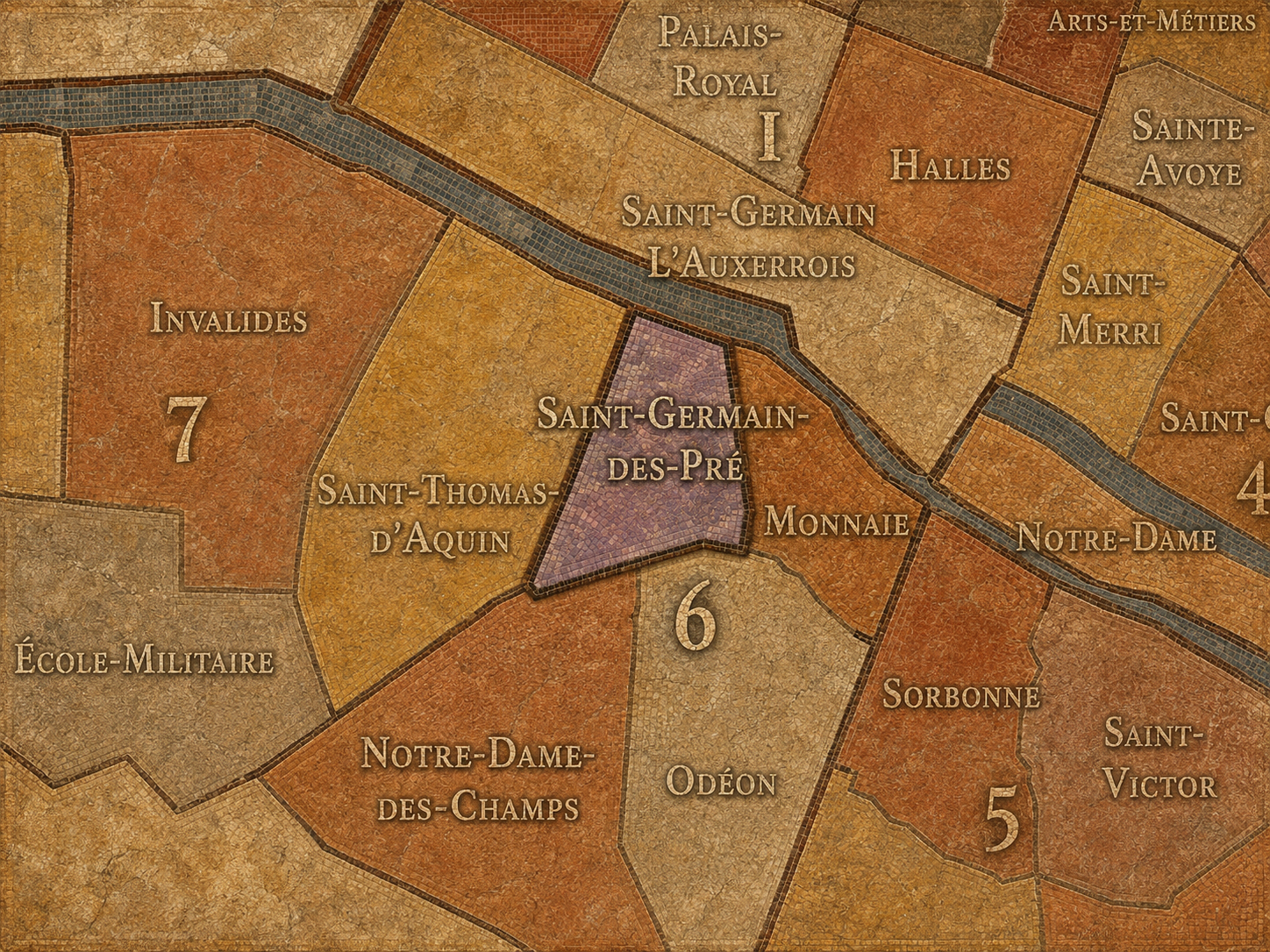
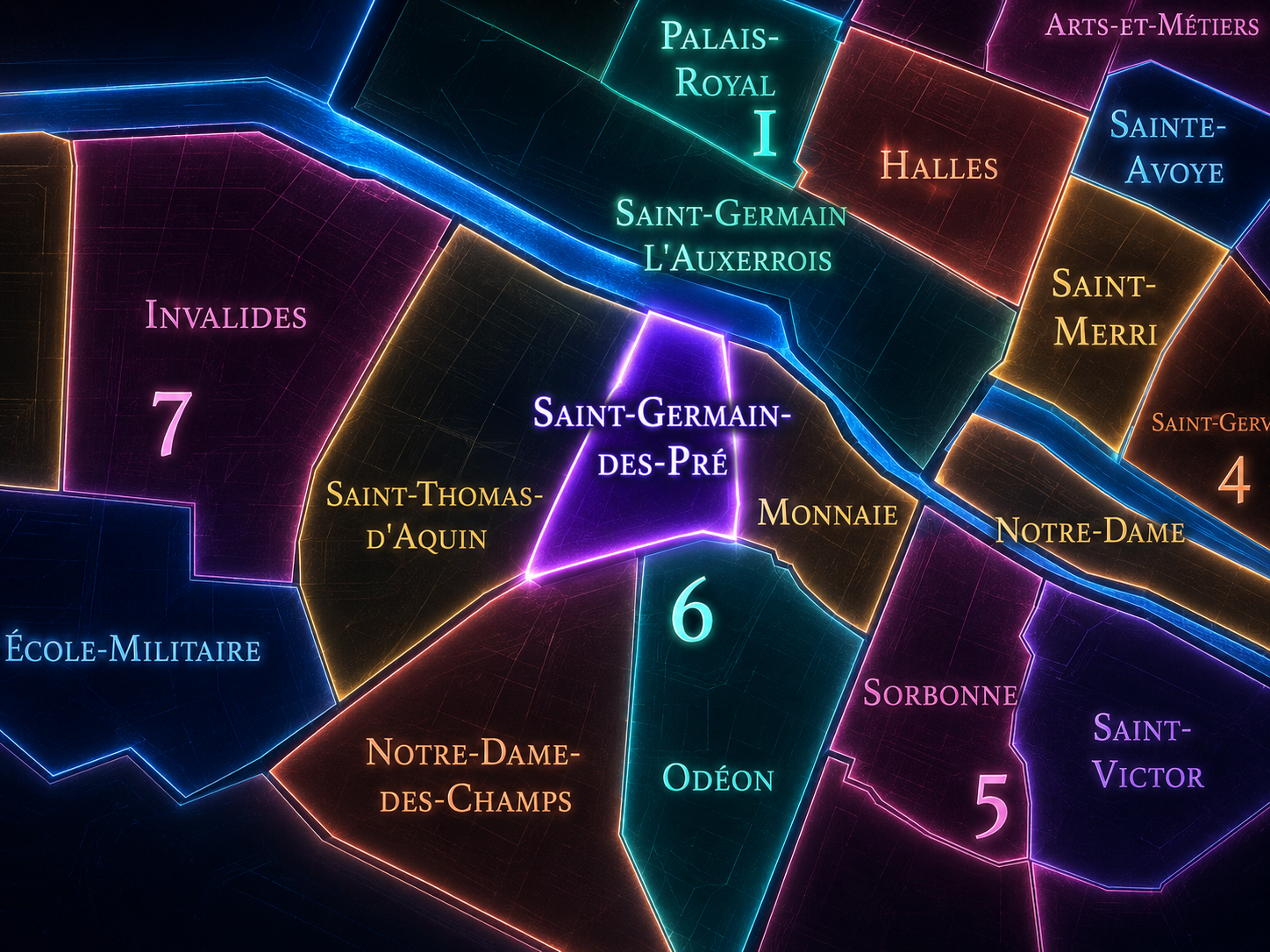
Within the official geography of Paris, Saint-Germain-des-Prés is one of the four administrative quarters of the 6th arrondissement, alongside Monnaie, Odéon, and Notre-Dame-des-Champs. It occupies the arrondissement’s western and northwestern sector, giving civic form to one of the most famous cultural landscapes in Paris.
As an administrative quarter, Saint-Germain-des-Prés provides a precise map frame for a name that often functions more expansively in cultural imagination. Many people use “Saint-Germain” to describe a broad Left Bank atmosphere: cafés, galleries, publishing, boutiques, writers, jazz clubs, and stylish streets stretching beyond the official quarter. The administrative boundary does not contain that mythology entirely, but it anchors it to a specific civic unit within the 6th arrondissement.
This matters because Saint-Germain-des-Prés is both a real administrative quarter and a larger cultural neighborhood. The official quarter helps clarify one layer of the city; the cultural name spills beyond it. In the CityNeighborhoods Paris framework, this is exactly the kind of place where official and cultural geography must be read together, rather than flattened into one.
Civic Framework
Saint-Germain-des-Prés differs from the other quarters of the 6th arrondissement through the depth and durability of its cultural identity. Monnaie is shaped by the Seine, the mint, the Institut de France, bridges, quays, and institutional exchange. Odéon is theatrical, conversational, and politically charged, tied to performance, cafés, and the Luxembourg edge. Notre-Dame-des-Champs is more residential, educational, and studio-oriented, connected to Montparnasse and the quieter southern Left Bank.
Saint-Germain-des-Prés is the arrondissement’s great cultural emblem. Its distinction lies not in a single function, but in the accumulation of many: abbey, publishers, cafés, galleries, bookstores, jazz, postwar philosophy, luxury retail, design, and the cultivated life of the Left Bank. It is a quarter where old religious memory and modern cultural mythology meet so strongly that each seems to illuminate the other.
It should also be distinguished from the broader Left Bank. Saint-Germain-des-Prés is not the whole Left Bank, not the entire Latin Quarter, and not all of literary Paris. It is one especially concentrated expression of Left Bank identity: more polished than Montparnasse, less scholastic than Sorbonne, more gallery-filled than Odéon, and more historically monastic than its modern café mythology might suggest.
Neighborhood Distinction
Parisian Identity
Saint-Germain-des-Prés expresses Paris as a city of conversation turned into place. Few quarters have so powerfully transformed intellectual, artistic, and social life into urban atmosphere. A café table, a church square, a publishing office, a gallery opening, a jazz cellar, a bookshop window, a fashion storefront, and a quiet street off the boulevard all become part of the same cultural image.
The quarter’s Parisian identity rests in layering rather than purity. It is medieval and modern, sacred and secular, literary and commercial, intellectual and stylish, local and globally mythologized. Its cafés are not simply cafés; they are symbols of argument, writing, performance, postwar possibility, and the city’s romance with public thought. Its galleries are not simply shops; they extend the quarter’s long association with looking, collecting, judging, and circulating taste.
Yet Saint-Germain-des-Prés is also a place where myth can overwhelm reality. The quarter’s contemporary life is far more expensive, commercialized, and curated than the bohemian image it still sells to the world. That tension is part of its identity. Saint-Germain-des-Prés remains powerful precisely because it is both living neighborhood and cultural memory, both authentic inheritance and carefully maintained image.
Neighborhood Connections
Every administrative quarter belongs to a wider Parisian fabric. These connections place Saint-Germain-des-Prés within the city’s civic, participatory, and cultural geography:
-
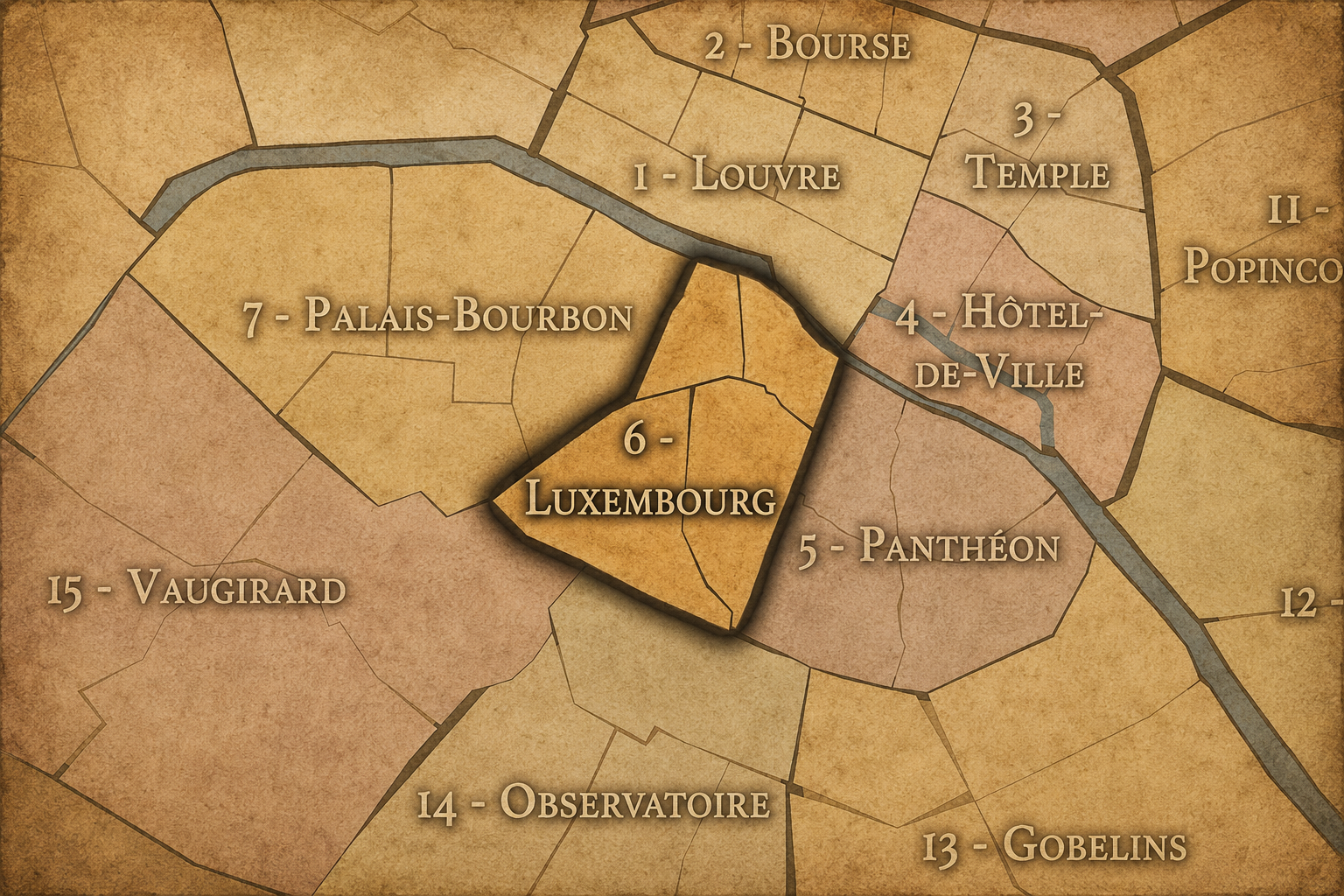
6e - Luxembourg
-
Saint-Germain-des-Prés
The History
The origins of Saint-Germain-des-Prés lie in the early medieval religious landscape outside the old city. The abbey was founded in the 6th century, traditionally connected to King Childebert I and the relics brought from Spain after military campaigns. Originally known as an abbey outside the city, it became one of the most important religious institutions of medieval Paris.
The abbey’s position beyond the early urban core gave the area its name: Saint Germain “of the meadows.” It stood in a landscape that was not yet the dense Left Bank quarter of later centuries. Fields, vineyards, paths, religious lands, and gradual settlement surrounded the monastic enclosure. The abbey was both separated from the city and deeply connected to it through power, landholding, pilgrimage, burial, and scholarship.
From the beginning, then, Saint-Germain-des-Prés was shaped by a productive distance. It was outside the earliest city, yet central to its spiritual and territorial life. Over centuries, Paris expanded outward and absorbed the abbey’s meadows, turning a once-peripheral religious foundation into one of the cultural centers of the capital.
Origins
16th–17th Century
In the 16th and 17th centuries, Saint-Germain-des-Prés remained tied to the abbey and to the growing importance of the western Left Bank. The religious institution still gave the district its deepest identity, while the surrounding area became increasingly urban, aristocratic, and intellectually active. Streets, residences, religious houses, and commercial life developed around the old monastic core.
The quarter’s proximity to the courtly and aristocratic landscapes of the Left Bank and nearby Faubourg Saint-Germain helped shift its social identity. The abbey remained a major landmark, but the surrounding neighborhood became part of a more cultivated urban environment: residences, schools, book culture, ecclesiastical institutions, and elite networks began to thicken the district.
This period also prepared the quarter’s later literary and intellectual reputation. The Left Bank was already a place where religious, scholarly, and social worlds overlapped. Saint-Germain-des-Prés had not yet become the café-myth of the 20th century, but it had already acquired the ingredients of cultural prestige: old institution, urban refinement, proximity to learning, and a public life shaped by conversation and exchange.
In the 18th century, Saint-Germain-des-Prés stood within a Left Bank world increasingly shaped by Enlightenment thought, publishing, salons, cafés, and political debate. The abbey remained a major religious presence, but the district around it participated in the broader intellectual culture of Paris. Booksellers, printers, writers, clergy, aristocrats, and readers all contributed to the atmosphere of the quarter and its surroundings.
The neighborhood also reflected the social refinement of the western Left Bank. Its proximity to the Faubourg Saint-Germain and to the Luxembourg / Odéon worlds placed it near aristocratic society, religious institutions, and new forms of public culture. Saint-Germain-des-Prés was becoming less a monastic landscape alone and more a cultivated urban quarter.
The French Revolution brought deep rupture. Religious institutions across Paris were suppressed, seized, damaged, or repurposed, and the Abbey of Saint-Germain-des-Prés suffered profoundly. The old monastic order that had shaped the neighborhood for centuries was broken. Yet the name survived, and the church remained as a powerful remnant. The quarter entered the modern age carrying both the prestige and the wounds of its religious past.
18th Century
19th Century
The 19th century transformed Saint-Germain-des-Prés into a more recognizably modern Left Bank district. The abbey’s former power was gone, but the church, streets, and inherited cultural prestige remained. The quarter became increasingly associated with publishing, books, artistic life, cafés, and the educated urban society of the Left Bank.
Boulevard Saint-Germain, created as part of the great 19th-century transformations of Paris, gave the district a new axis and public stage. The boulevard linked older streets and institutions into a modern metropolitan corridor, changing the way the quarter was seen and traversed. It also helped establish the café and street life that would later become central to Saint-Germain’s mythology.
During this century, the neighborhood gained importance as a place of writers, artists, journalists, publishers, and intellectual society. It was not yet the postwar existentialist quarter of legend, but the conditions were forming. Saint-Germain-des-Prés became one of the places where Paris learned to turn literary and social life into a neighborhood identity.
In the early and mid 20th century, Saint-Germain-des-Prés became one of the great cultural quarters of the world. Writers, artists, publishers, musicians, philosophers, students, and political thinkers gathered in its cafés, bookshops, hotels, galleries, and streets. The quarter’s reputation grew through names and movements, but also through habits: sitting, arguing, writing, reading, listening, looking, and lingering in public.
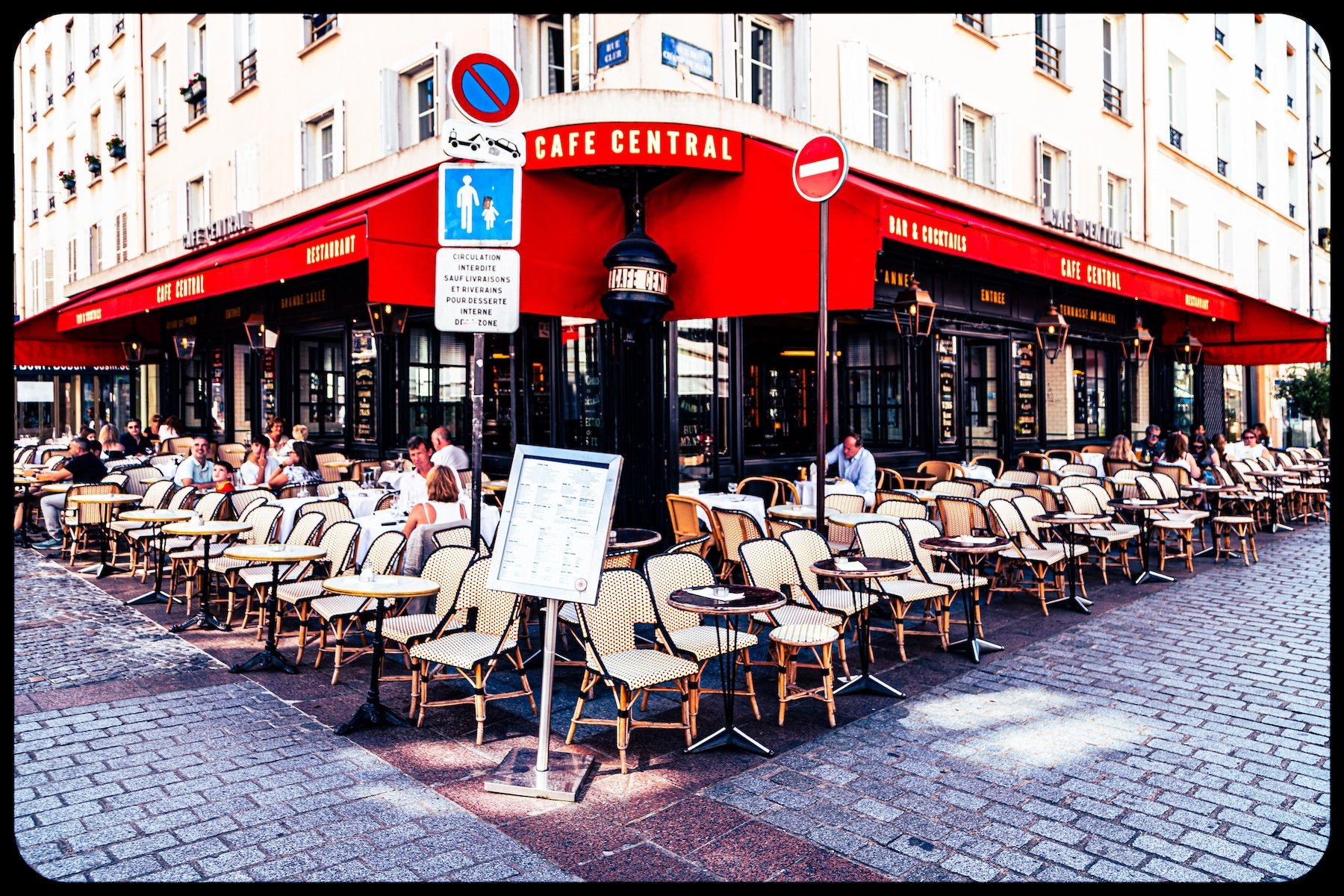
After the Second World War, Saint-Germain-des-Prés became especially associated with existentialism, jazz, postwar intellectual life, and the cafés around Boulevard Saint-Germain. Figures such as Jean-Paul Sartre and Simone de Beauvoir became linked to the public mythology of the district, particularly through cafés such as Les Deux Magots and Café de Flore. The quarter became a stage for a new kind of modern intellectual celebrity: visible, conversational, politically engaged, and urban.
This period gave Saint-Germain-des-Prés much of the identity it still carries globally. Yet the quarter was not only myth. It was also a working district of publishers, galleries, residents, schools, churches, shops, and postwar reconstruction of meaning. Its glamour rested on real networks of culture and thought, even if later tourism would simplify them.
Early–Mid 20th Century
Late 20th Century
In the late 20th century, Saint-Germain-des-Prés became increasingly polished, commercial, and heritage-conscious. The literary cafés remained famous, the galleries continued to shape the art market, and the quarter’s association with fashion, design, luxury, and cultural prestige deepened. The old bohemian image persisted, but the economic reality changed.
Rising rents and global recognition altered the social fabric. Some bookstores, small publishers, and older independent businesses struggled or disappeared, while luxury retail, galleries, restaurants, and high-end boutiques became more prominent. The quarter’s cultural capital became a commercial force. Saint-Germain-des-Prés did not lose its identity, but its identity became more curated.
This transformation created one of the quarter’s defining late-20th-century tensions: how does a place built on intellectual freedom and bohemian memory survive when its mythology becomes one of its most valuable commodities? Saint-Germain remained beautiful and influential, but increasingly aware of its own image.
In the 21st century, Saint-Germain-des-Prés remains one of the most recognizable and desirable quarters of Paris. The church, cafés, galleries, boutiques, restaurants, publishing traces, design shops, hotels, and streets around Boulevard Saint-Germain continue to draw visitors from around the world. The name still carries immense cultural weight, even for those who know little of the abbey or the postwar intellectual scene.
Today, the quarter exists in a delicate balance between memory and consumption. It is still a place of books, art, conversation, food, fashion, and church history, but it is also a highly branded global image of Parisian sophistication. Its challenge is not obscurity but over-recognition. Saint-Germain-des-Prés must remain a real urban place beneath the legend of Saint-Germain-des-Prés.
For CityNeighborhoods: Paris, this quarter is essential because it reveals how a neighborhood can become an idea — and how that idea can both preserve and distort the place that produced it. Saint-Germain-des-Prés is not only a café mythology, not only a luxury district, not only an abbey remnant, and not only a literary map. It is all of these layered together, still active, still changing, still contested by memory and commerce.
21st Century
Spirit and Legacy
Saint-Germain-des-Prés is the quarter where Paris turns conversation into legend. Its spirit is abbey stone and café smoke, gallery glass and bookshop paper, jazz memory and boulevard light, old meadows and modern myth. It is a place where the sacred, the literary, the artistic, and the stylish have repeatedly found new ways to occupy the same streets.
Its legacy is one of transformation through culture. A monastery beyond the city became a central quarter. Meadows became boulevards. Abbey memory became literary atmosphere. Cafés became world symbols. Intellectual life became urban image. The quarter’s power lies in this accumulation, and in the fact that none of its layers fully erase the others.
To walk Saint-Germain-des-Prés is to encounter Paris as inheritance and performance. The neighborhood is beautiful, but never only beautiful. It is famous, but never only famous. Beneath the polished storefronts and legendary cafés remains the older pattern: a sacred foundation, a cultivated Left Bank, a public life built around words, and a city still trying to decide how memory should live in the present.
The Photography
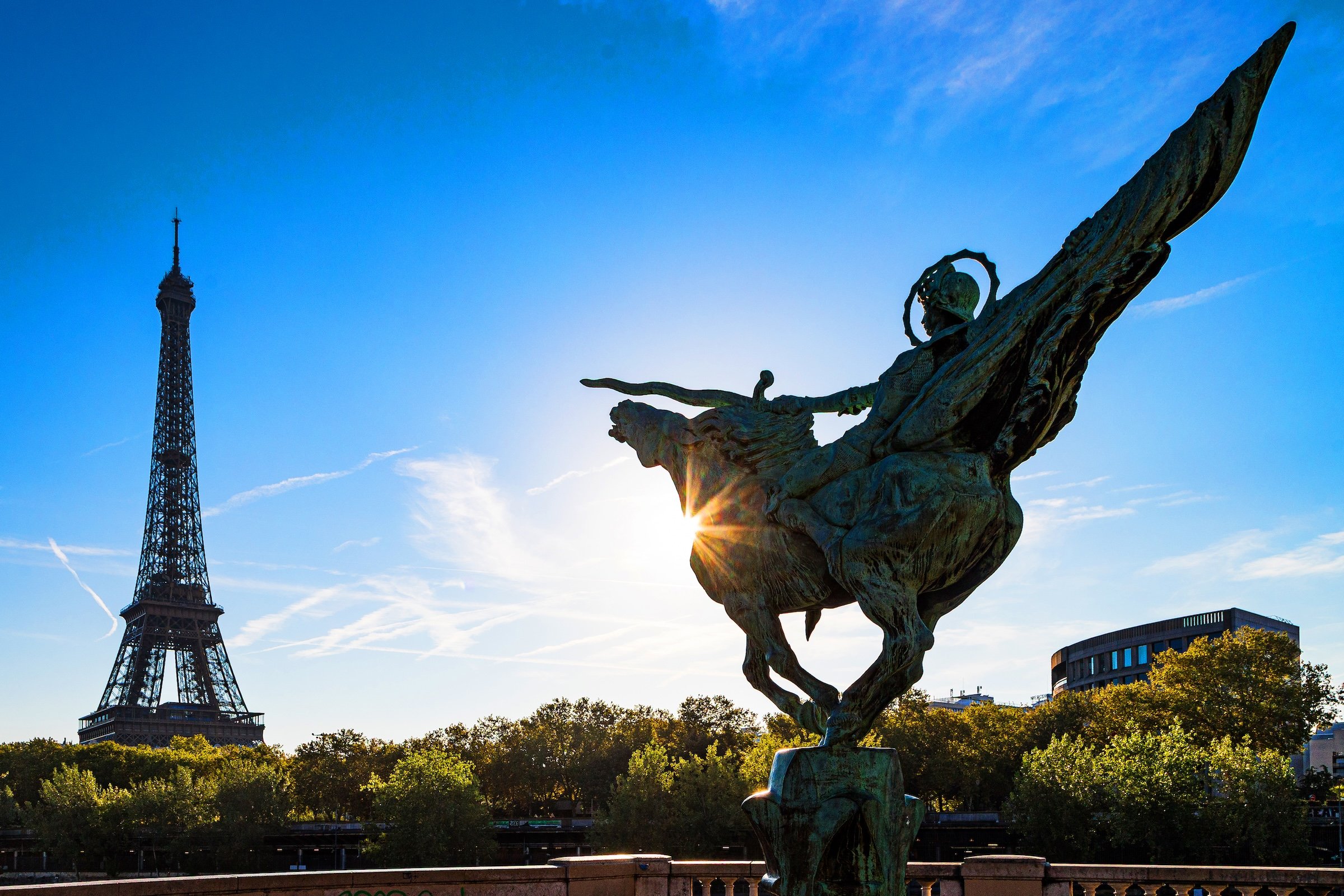
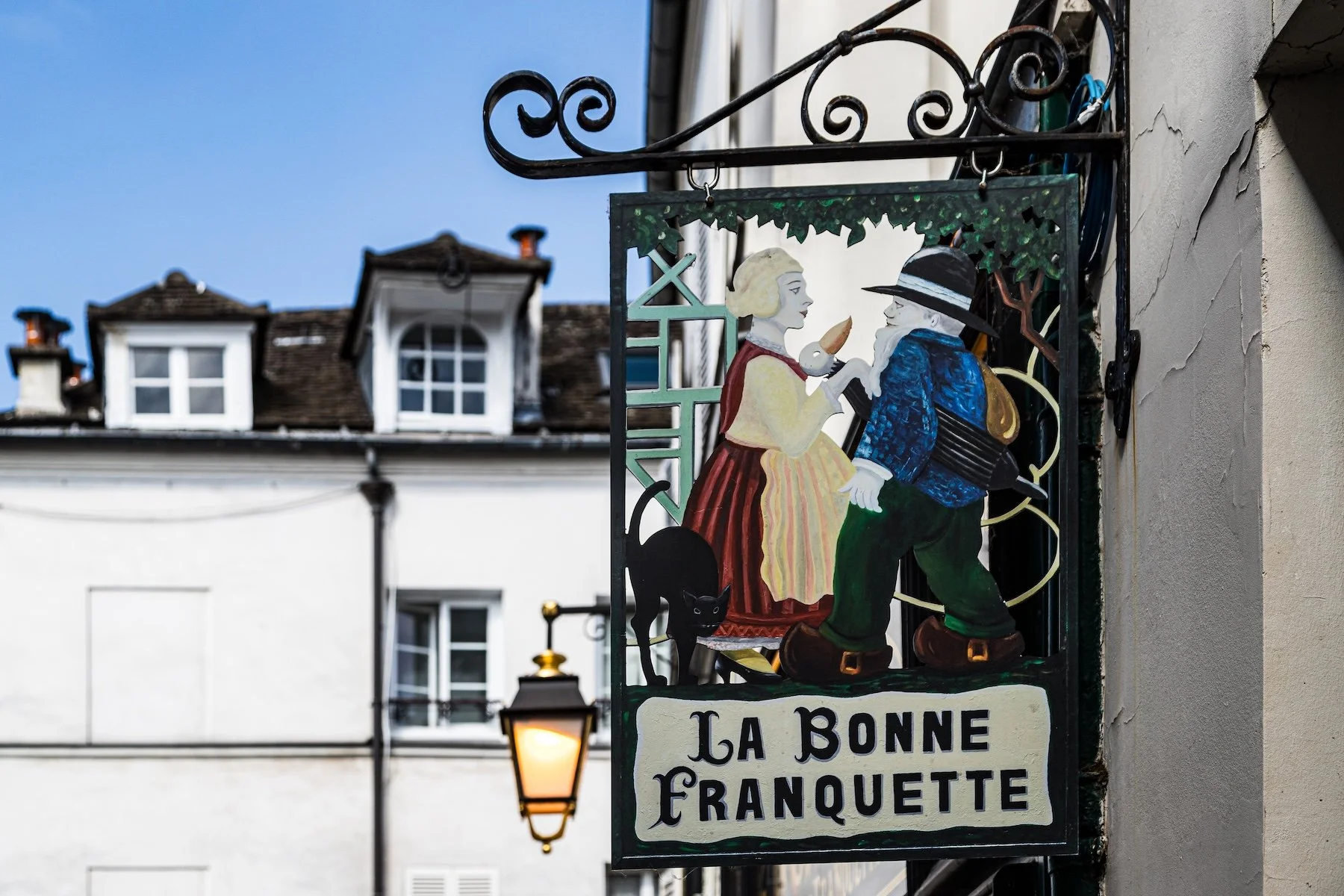
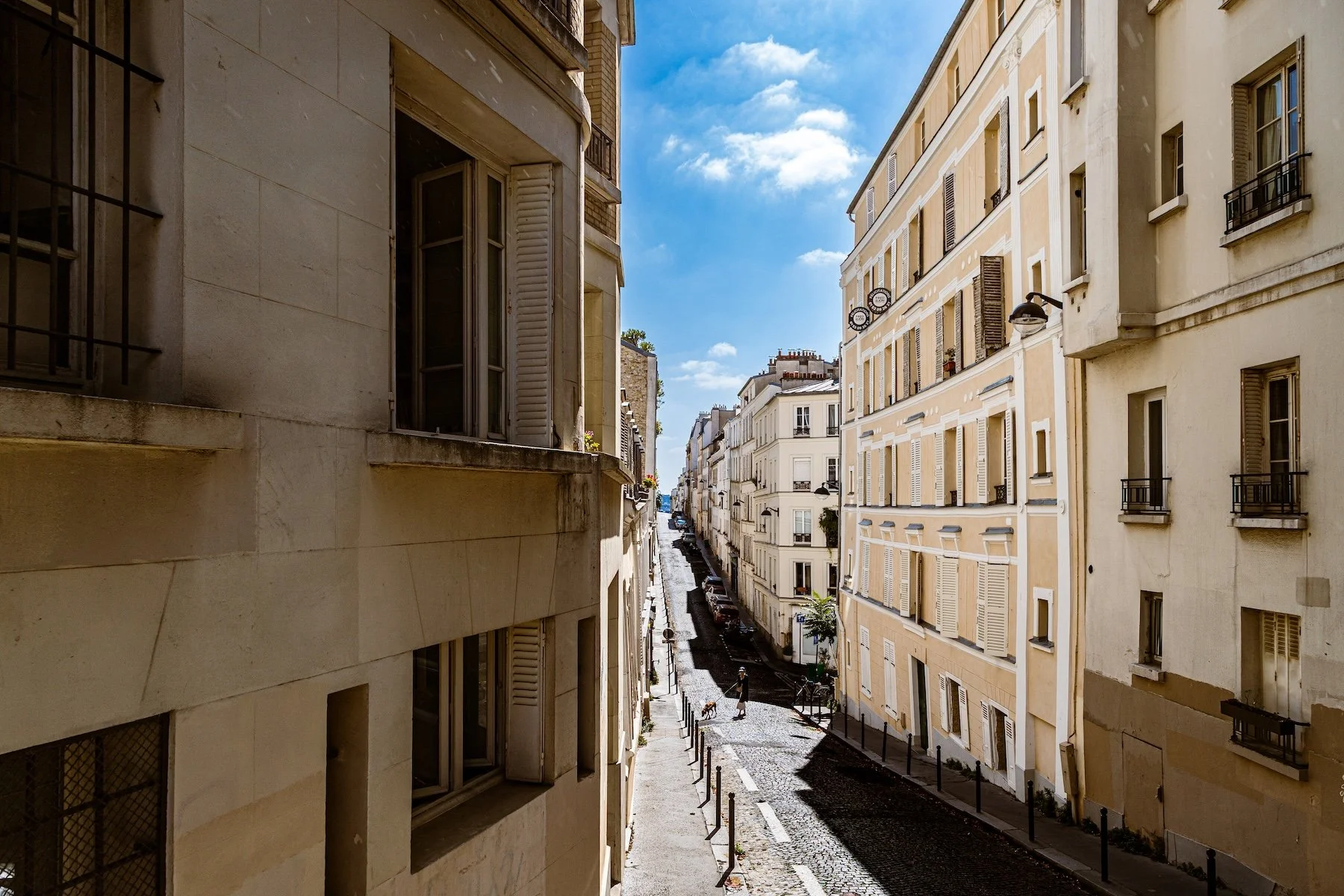
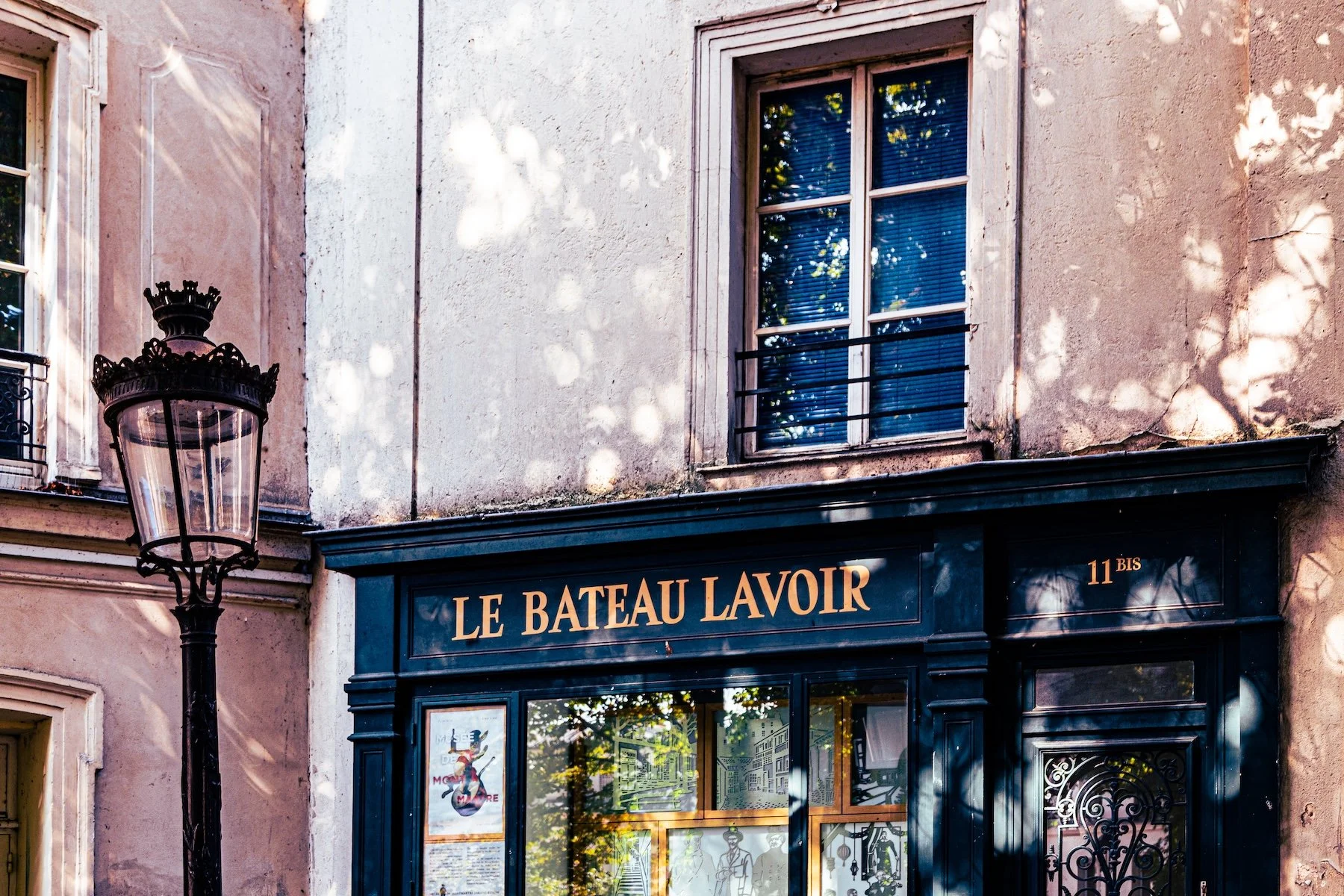
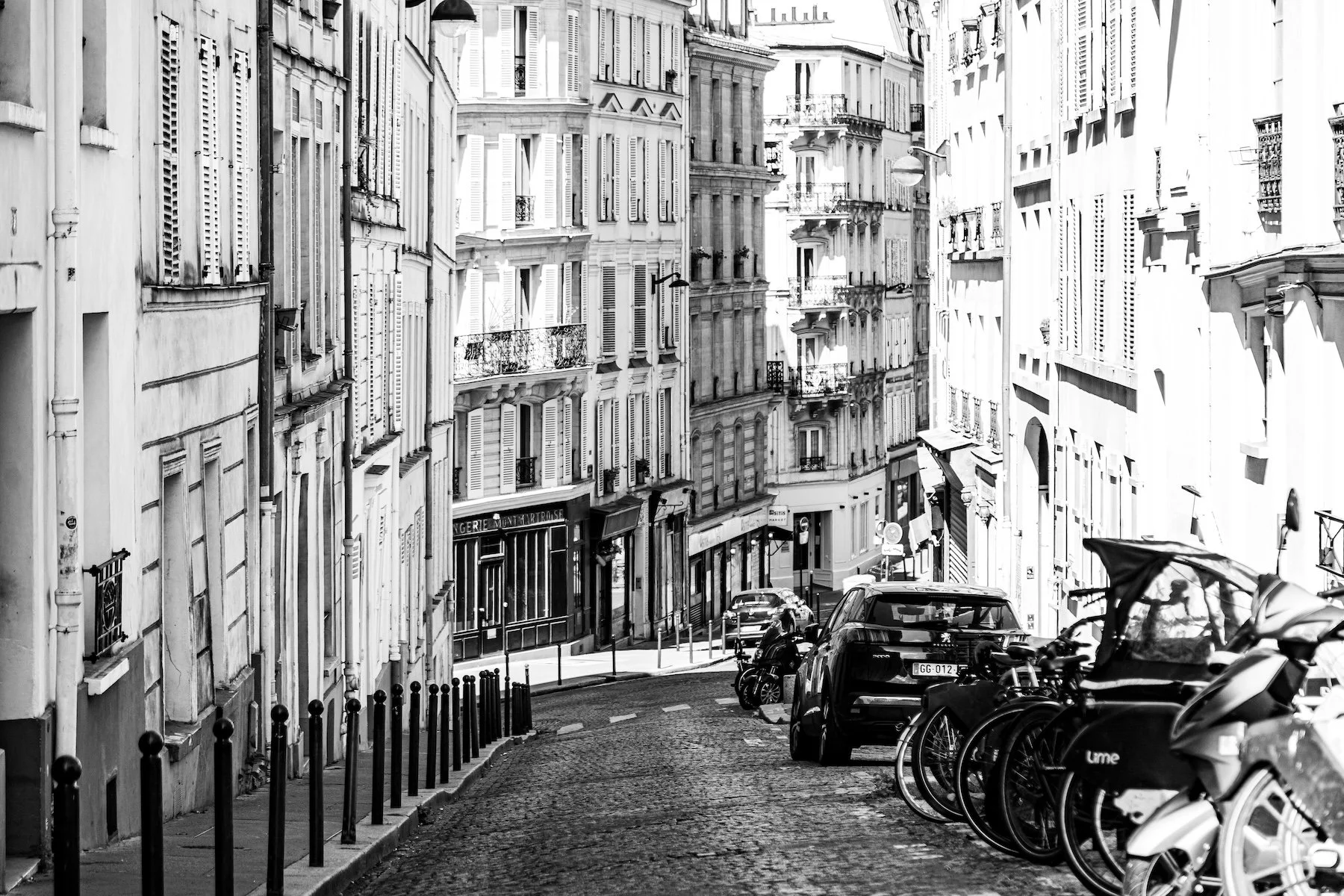
The arrondissements do not share a single visual identity. Instead, they organize Paris into twenty broad visual fields, each gathering its own combination of landmarks, streetscapes, institutions, residential districts, commercial corridors, parks, rail stations, markets, cemeteries, and riverfront edges.
Some arrondissements are defined by monumental scale: royal palaces, ceremonial avenues, government buildings, museums, formal gardens, and internationally recognized landmarks. Others are shaped by hills, canals, rail gateways, apartment-lined boulevards, neighborhood markets, former village streets, industrial remnants, parks, or the quieter rhythms of residential Paris. The arrondissement system gives these varied landscapes a civic frame, allowing the city to be read not as one visual language, but as a sequence of overlapping Parisian atmospheres.
Visual Identity
Through The Lens
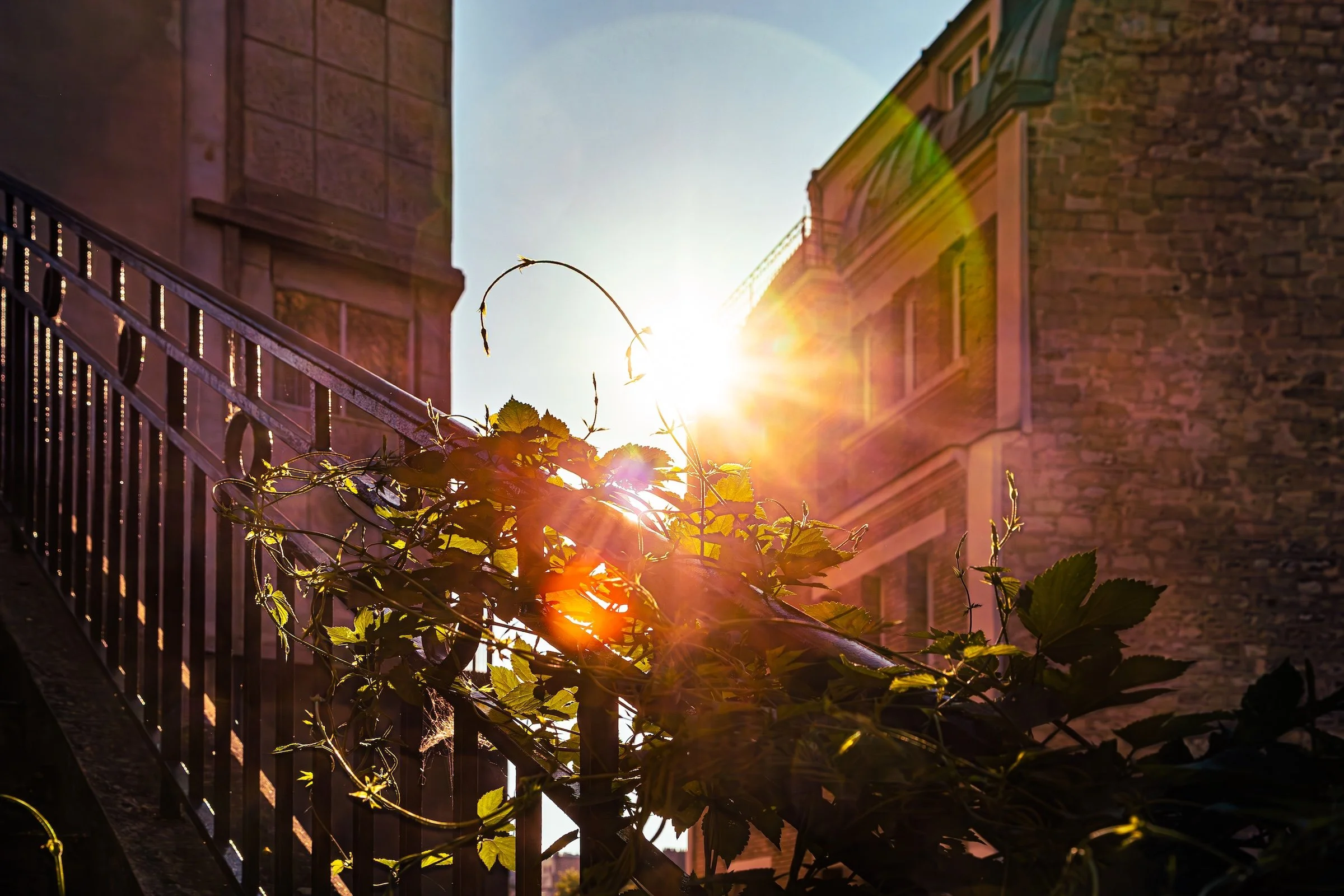
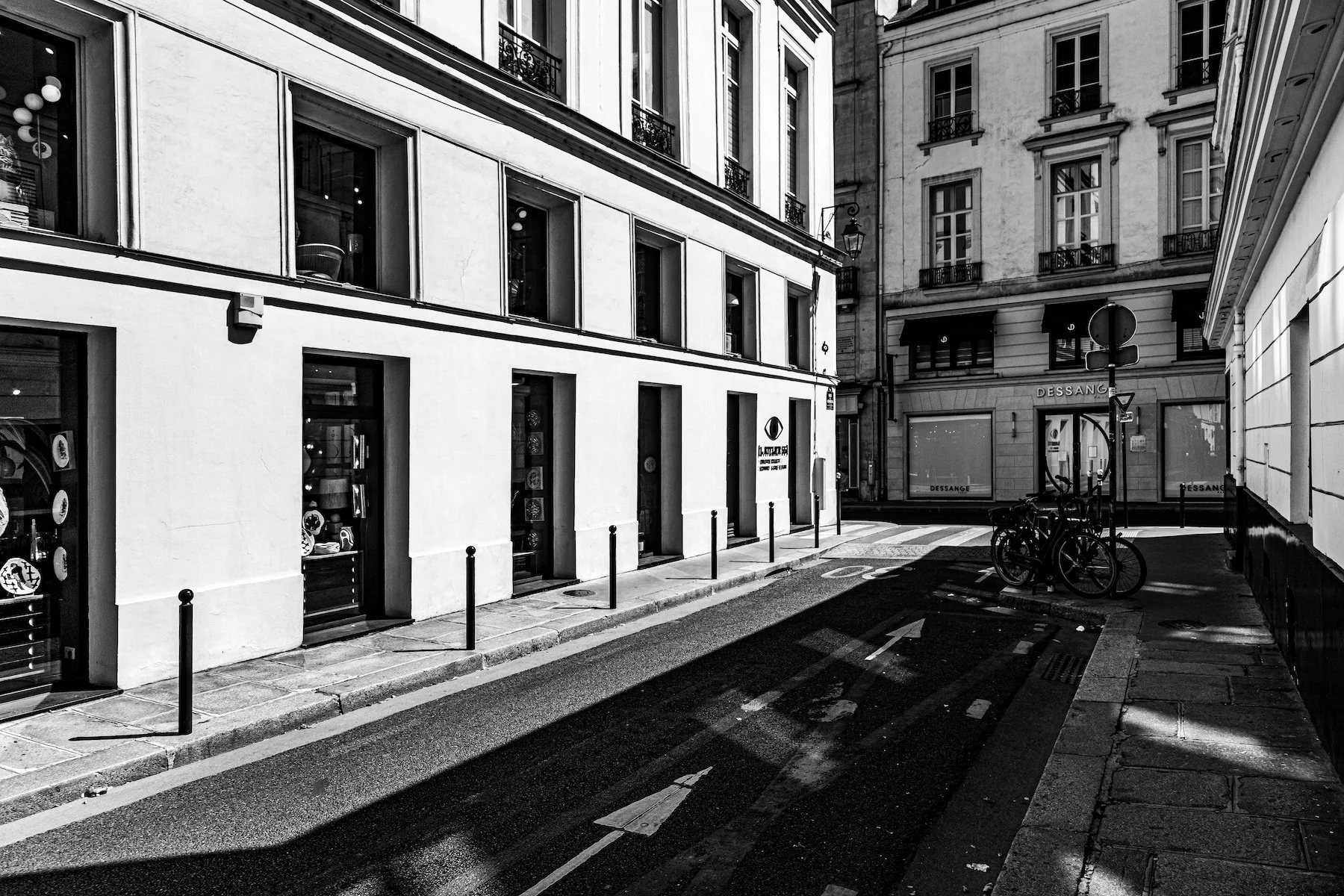
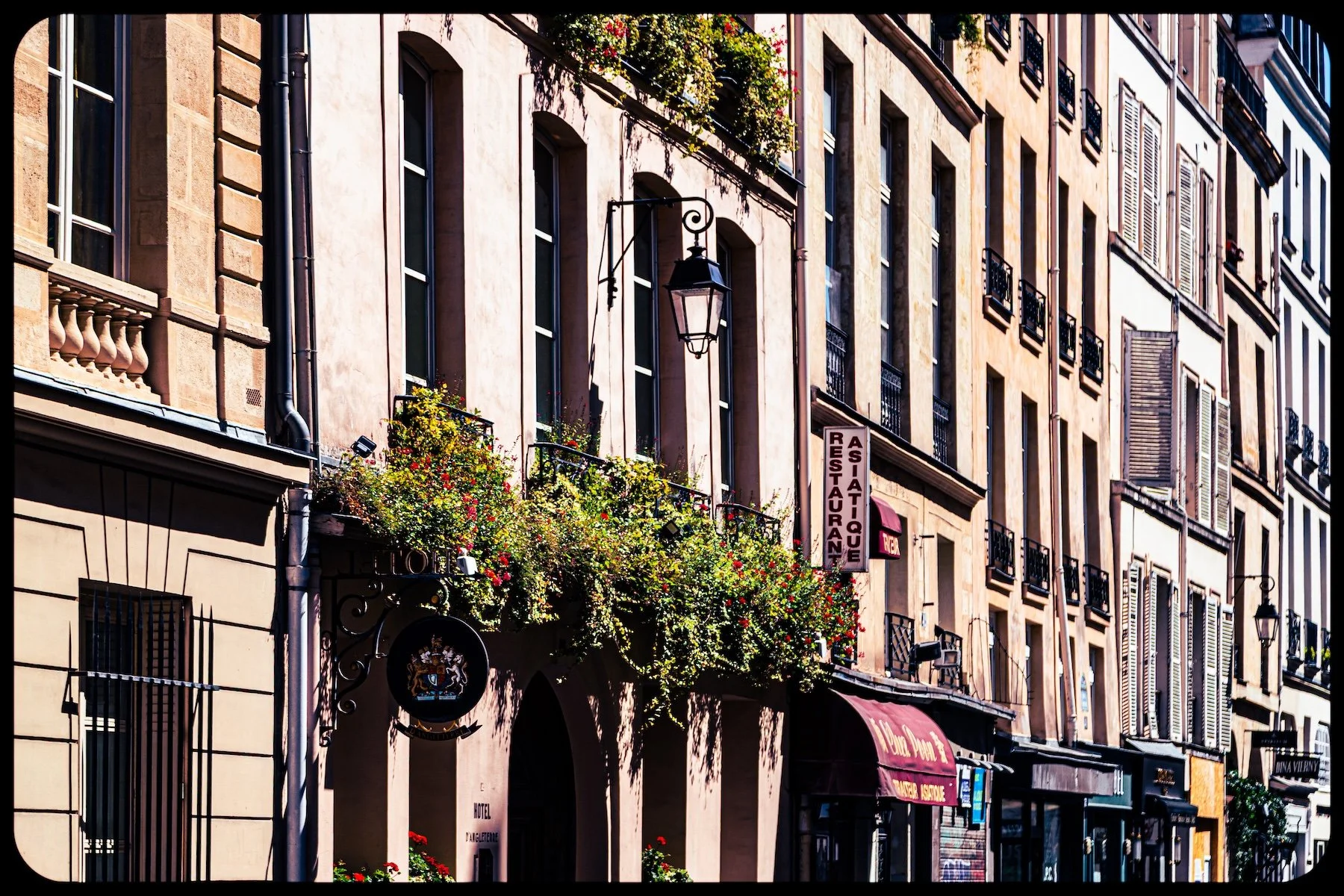
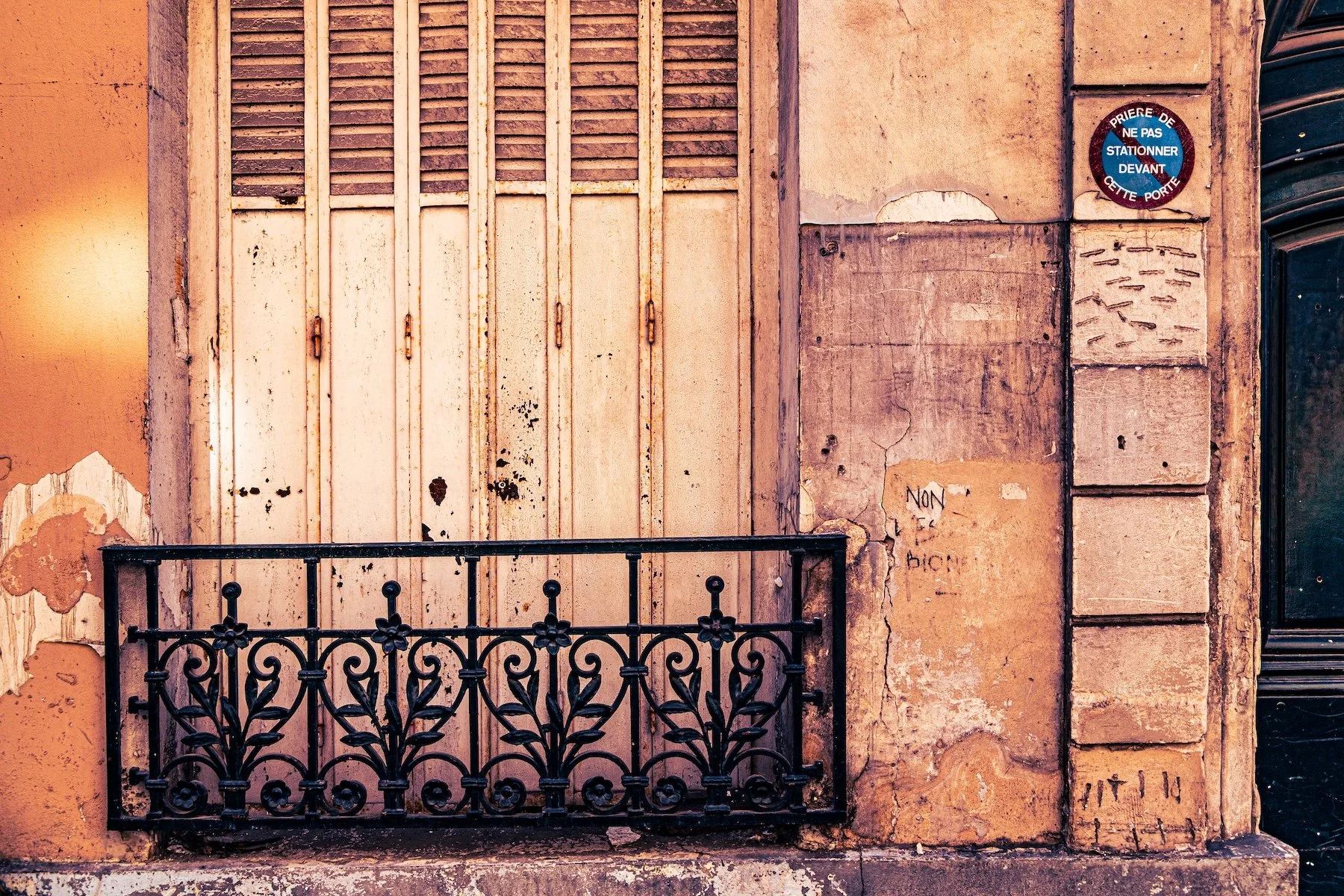
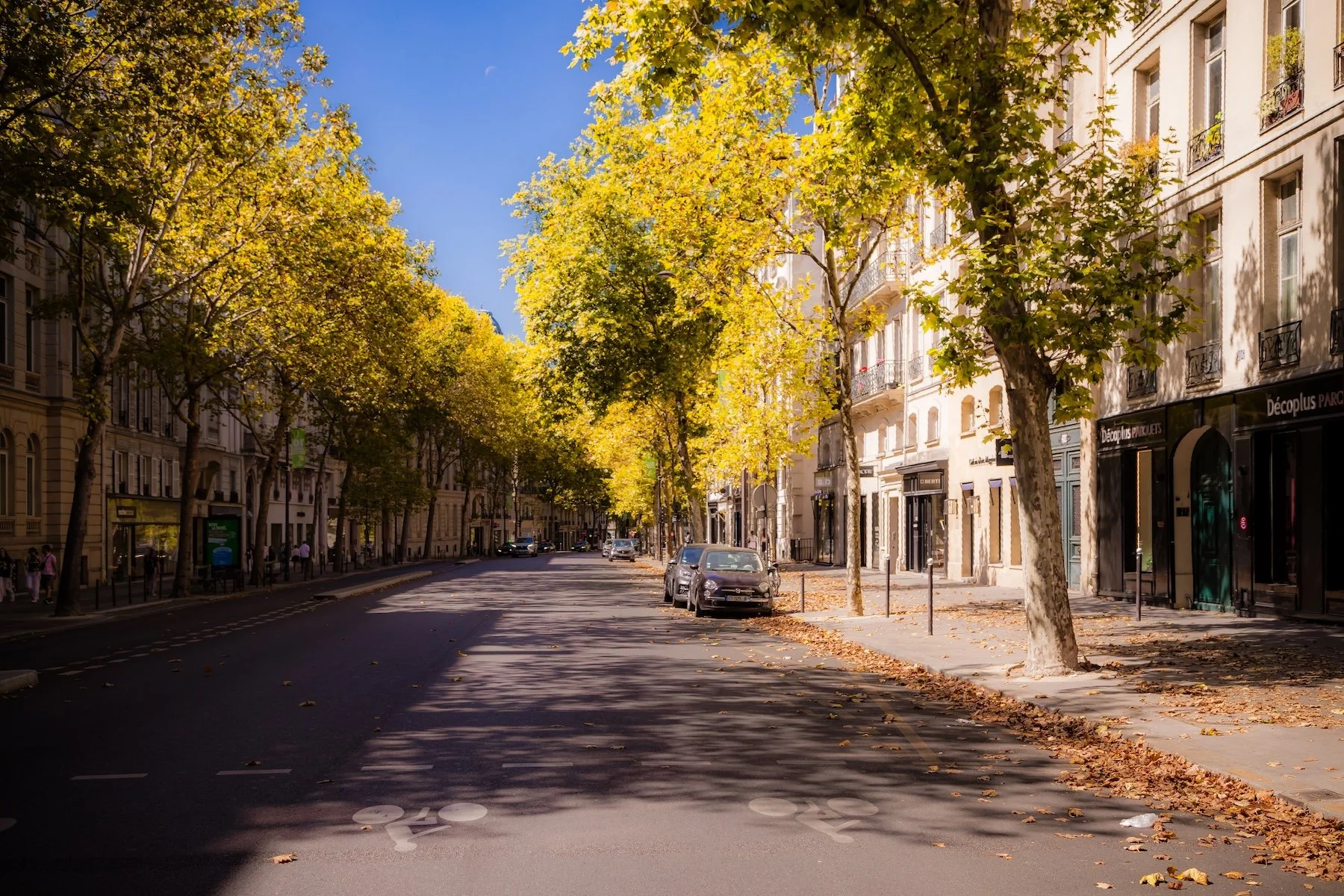
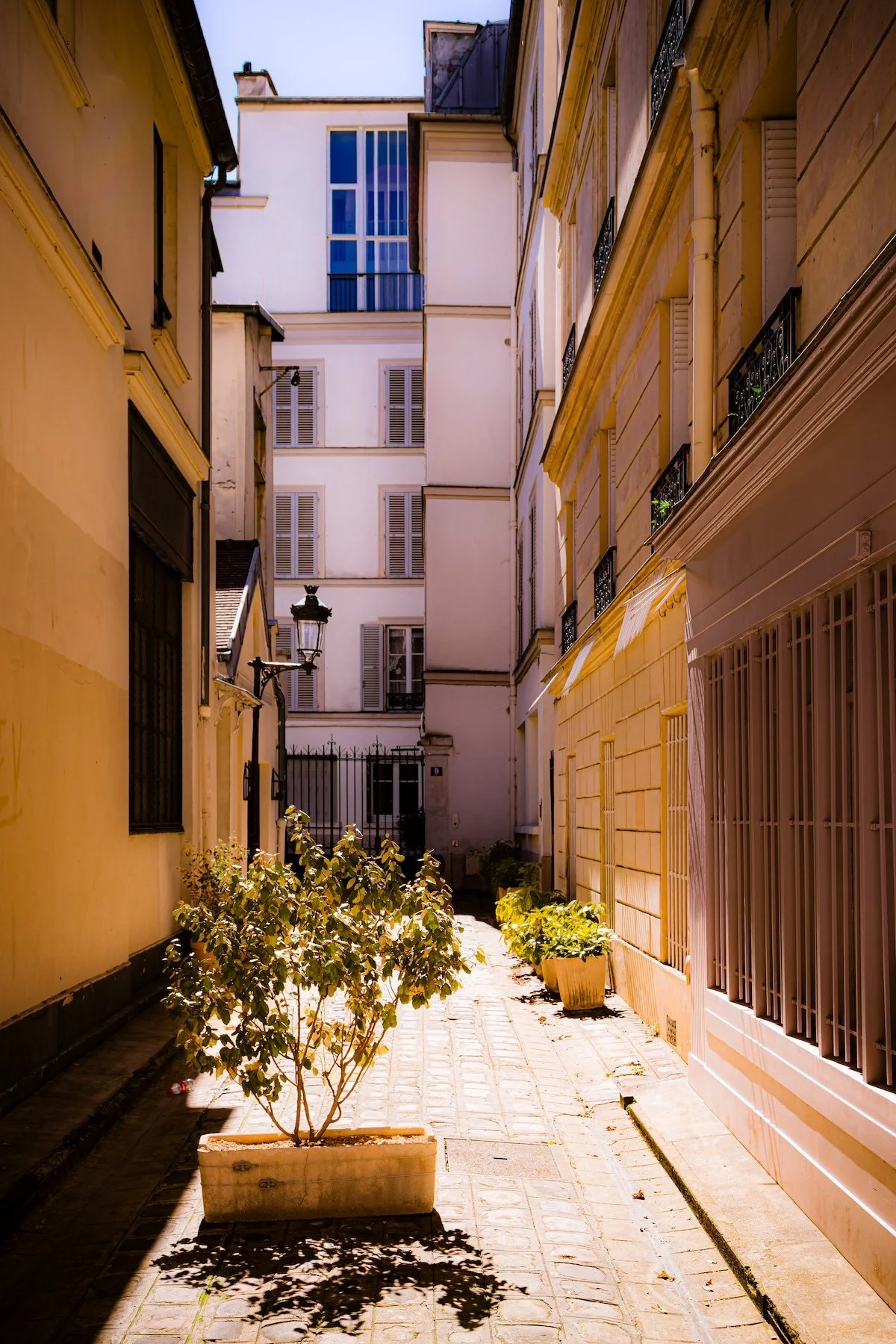
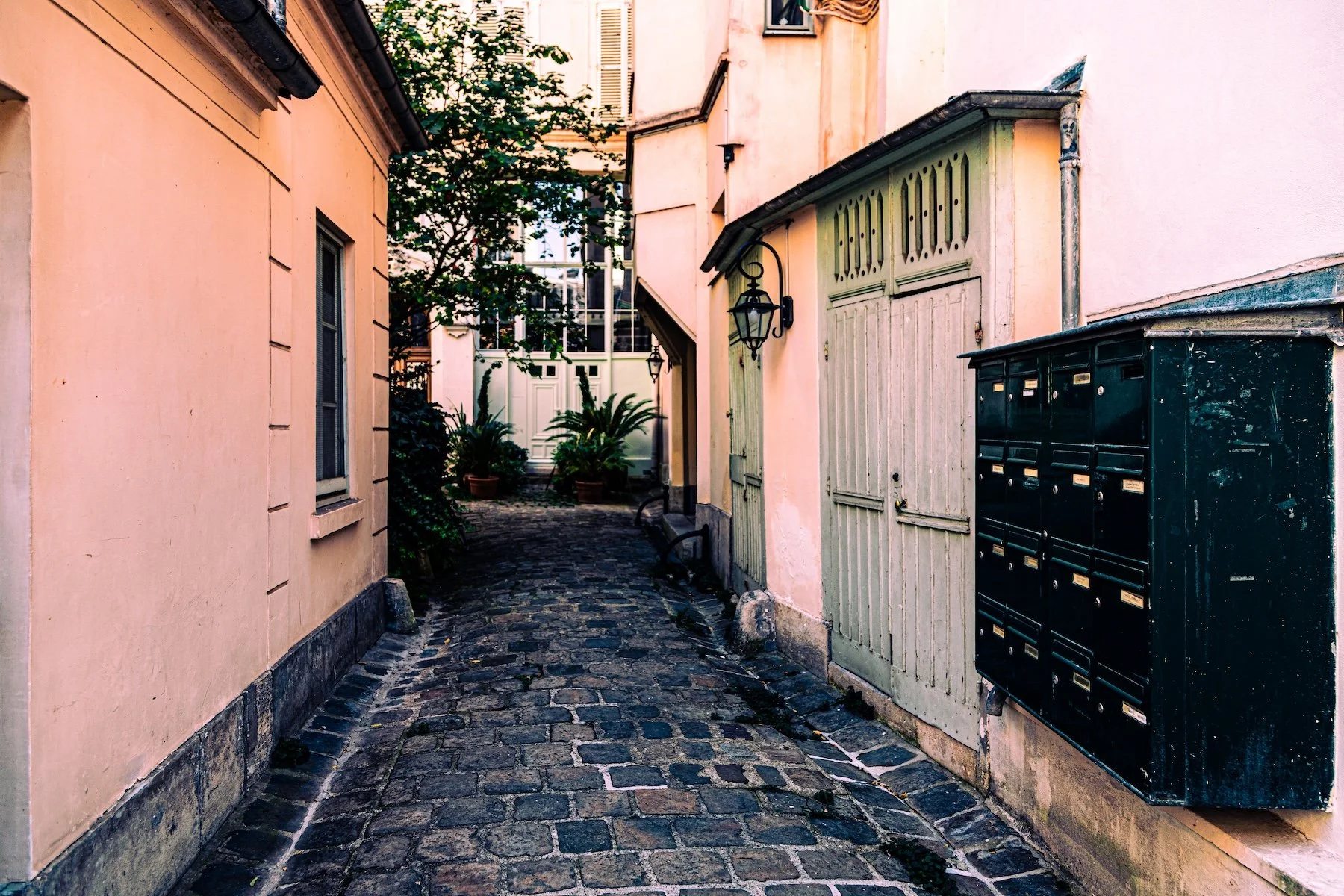
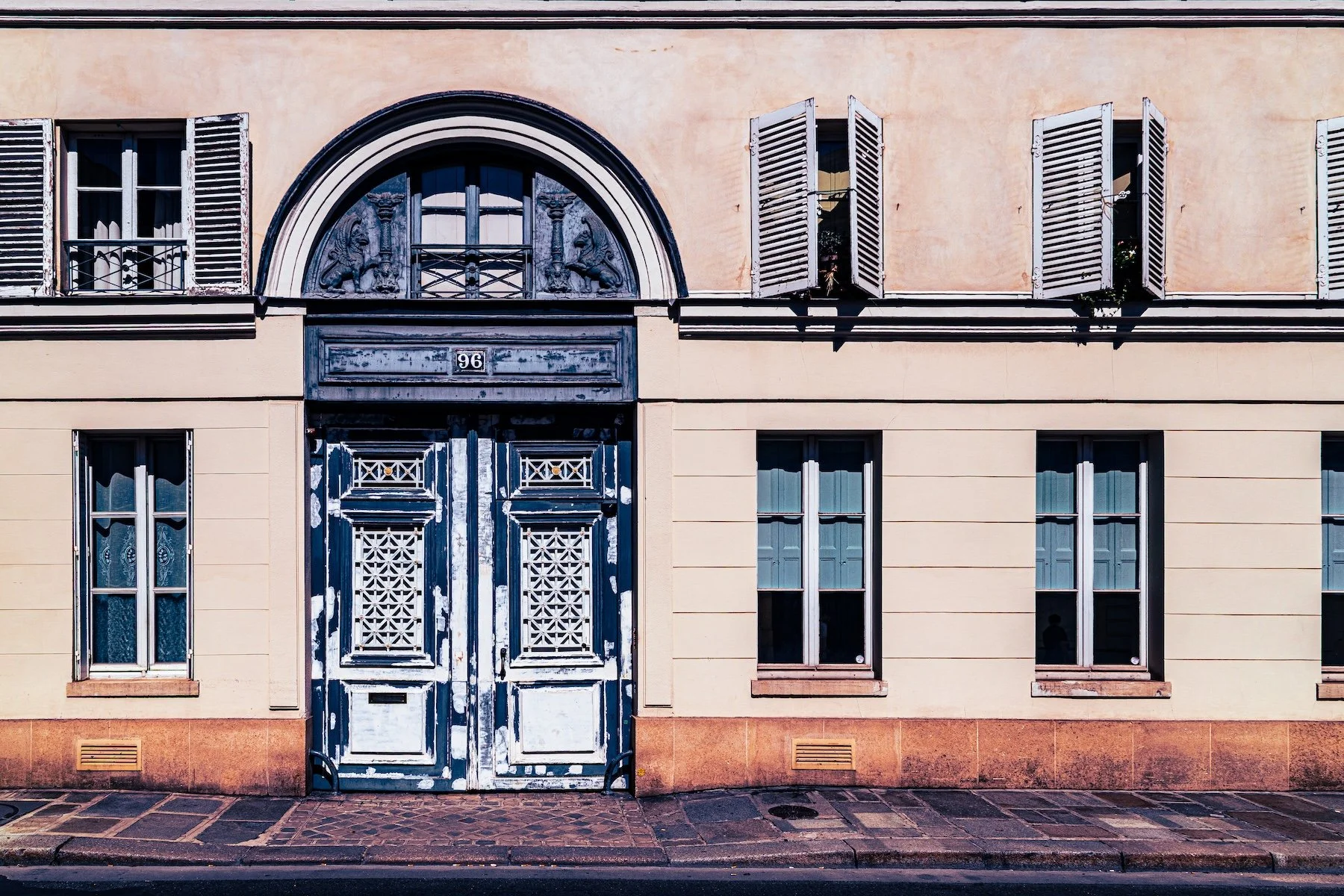
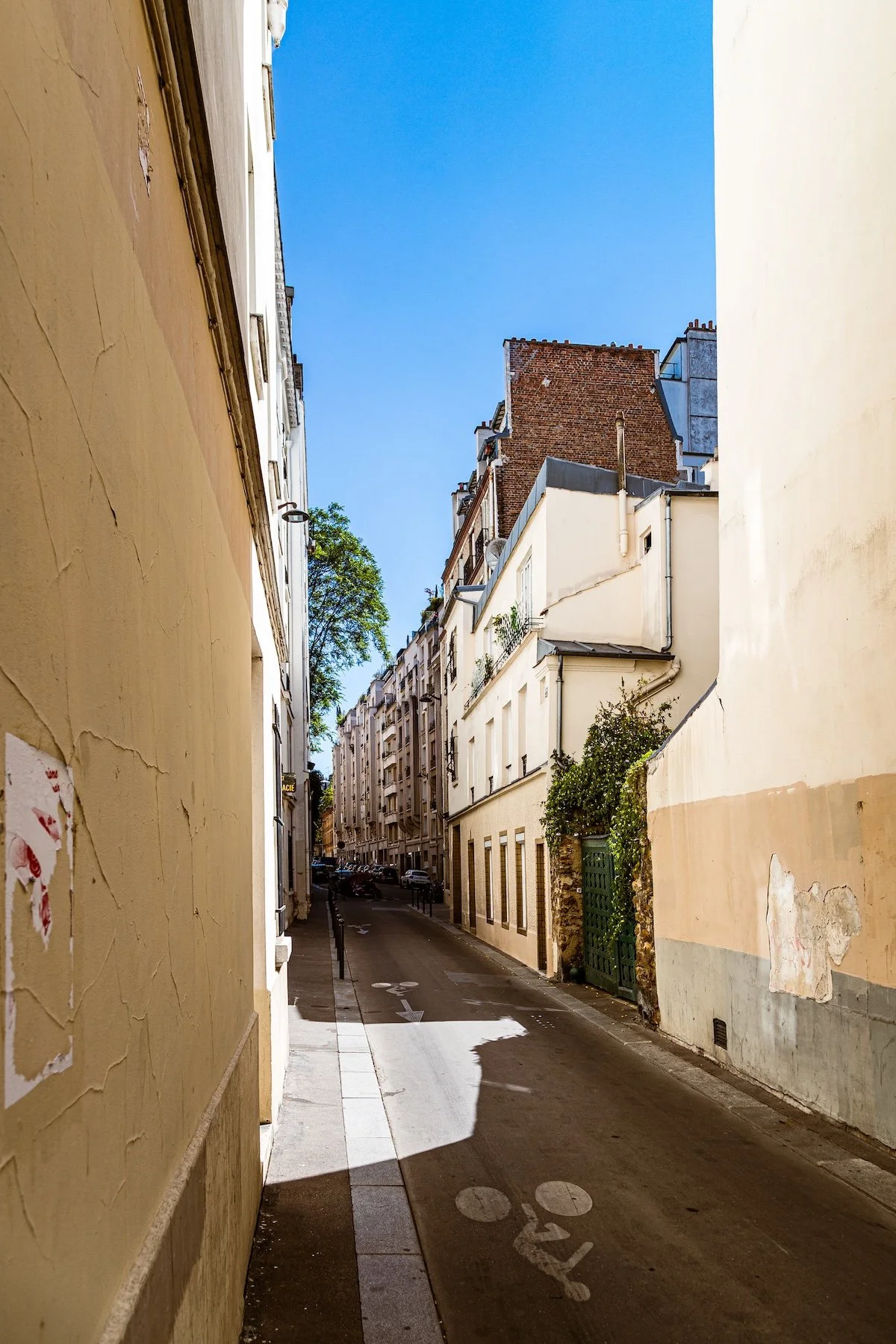
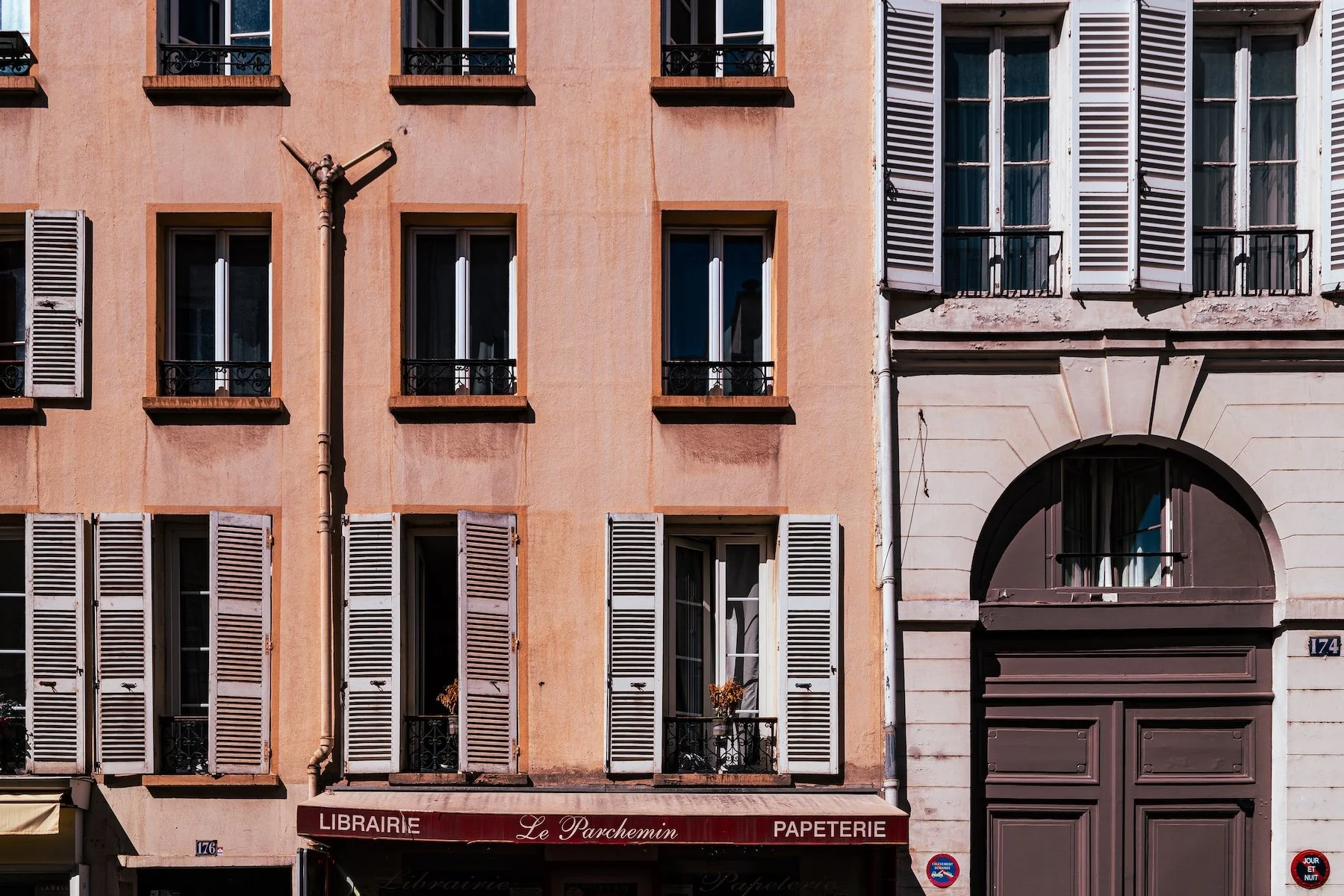
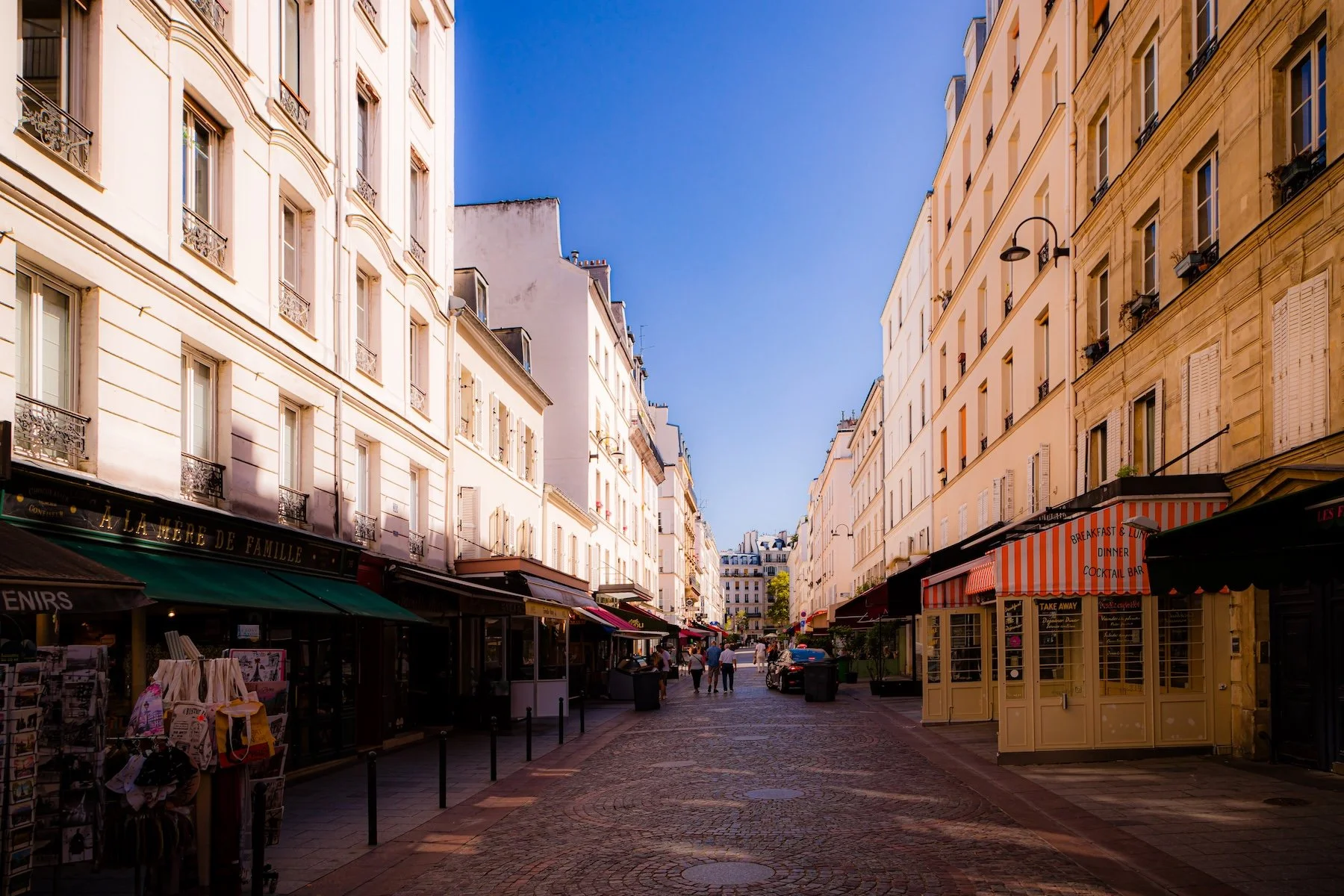
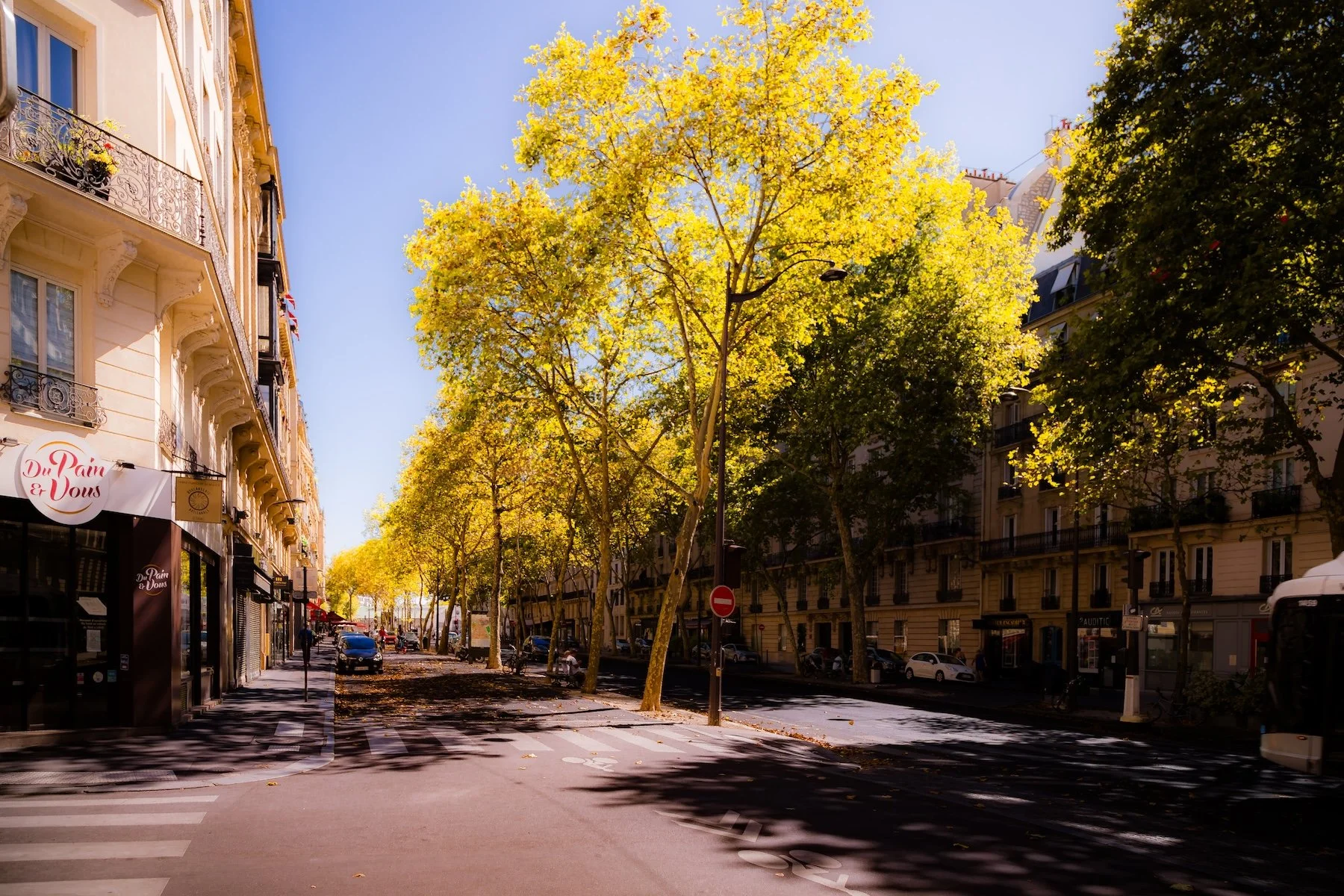
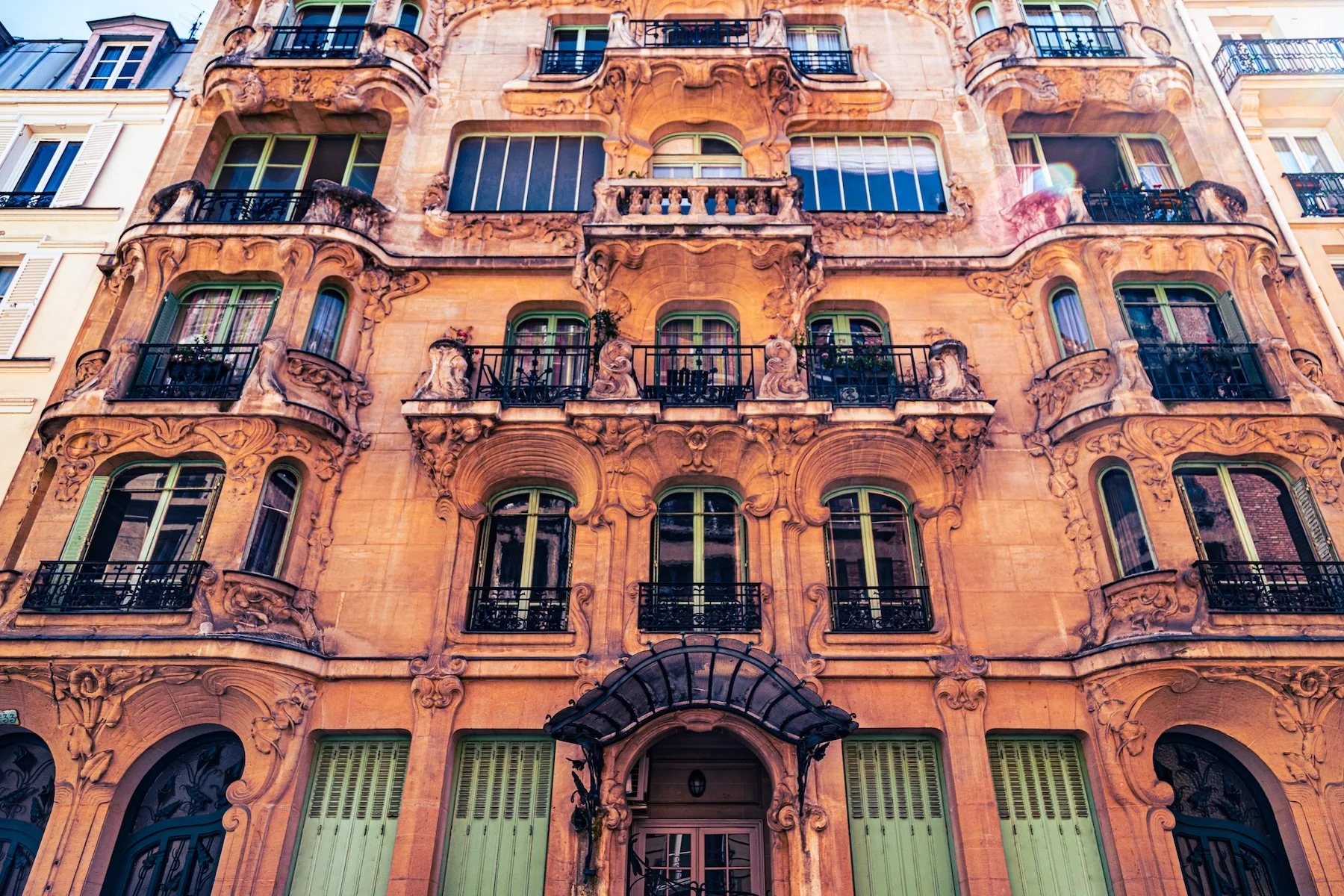
Photographing the arrondissements means moving between the official map and the street-level experience. The camera does not treat each arrondissement as visually uniform. Instead, it looks for the recurring forms, textures, transitions, and contrasts that make each district legible: the geometry of boulevards, the shade of plane trees, the repetition of balconies, the rise of stairways, the curve of canals, the presence of rail stations, the opening of parks, the weight of monuments, and the intimacy of side streets.
On CityNeighborhoods, the arrondissement provides the frame, but the photograph comes from the encounter between map, movement, light, and observation. As the Paris photography is processed, this section will connect each arrondissement more directly to the project’s Photographic Lexicon: the visual strategies, recurring motifs, and compositional patterns that shape how the city is seen through the lens.
If you visit Paris, these ideas can help inspire your own photography.
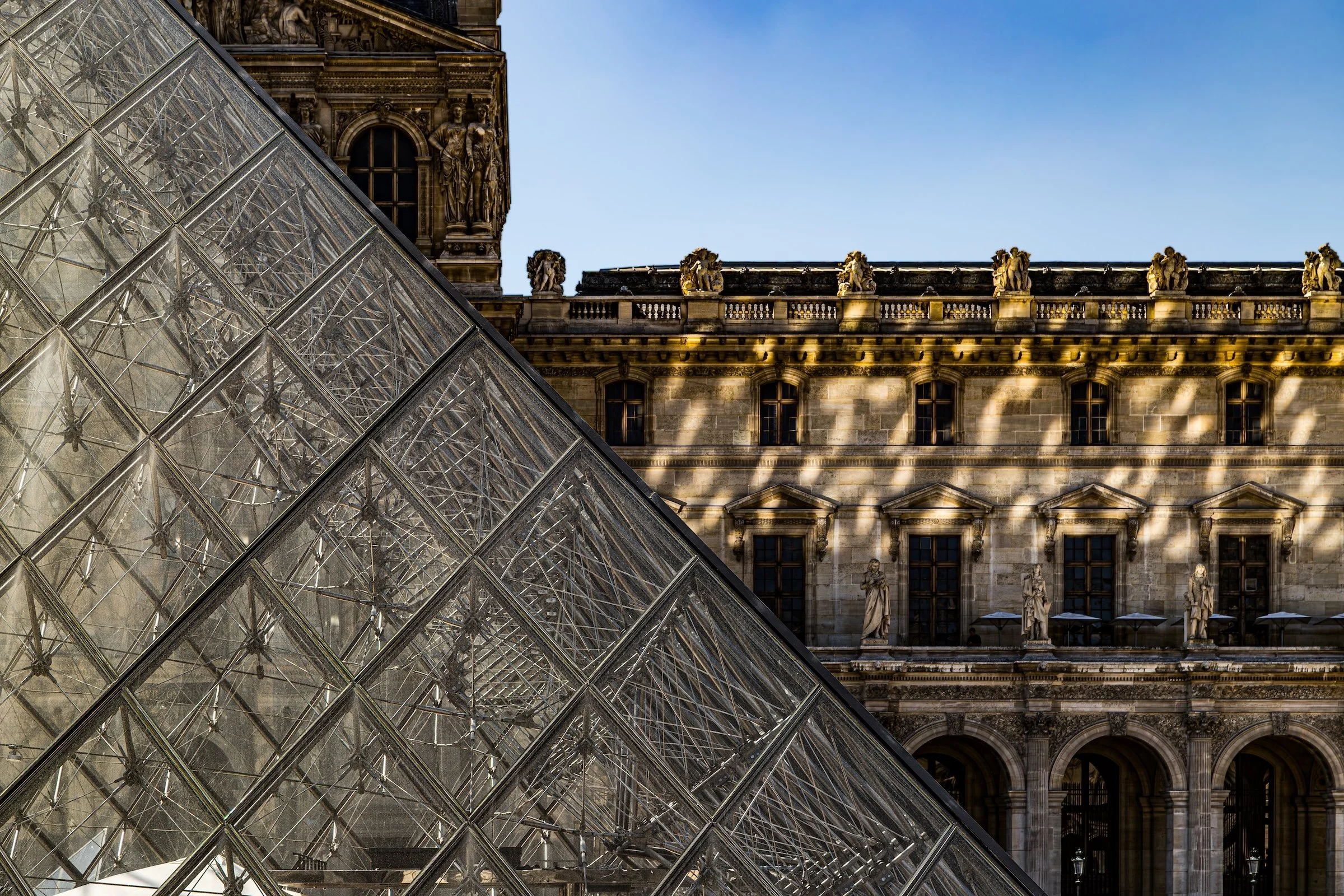
Paris: J’Espere, Je Rêve, Je Vive
Paris Photo Gallery
Paris Field Notes
-
Field Note: August 18, 2025 | 07:58 AM
Conditions: 73°F | Humidity: 72%.
Within the park's interior, the glacial kettle ponds acted as humidity traps, creating a soft, hazy light that filtered through the old-growth oaks. The transition from the park's dense shade to the sun-drenched edges of Oakland Gardens highlighted the day's exceptional "picture-perfect" clarity.
There is a fleeting window in Queens where the humidity of August hasn't yet heavy-set, and the morning sun hits the canopy of Alley Pond Park at a perfect oblique angle. Arriving just before 8:00 AM, I watched the light break through the oaks and tulip trees, casting long, dramatic shadows across the wet grass. It’s in these quiet, golden moments that the park feels less like a city escape and more like the ancient glacial valley it actually is.
Other neighborhoods visited:
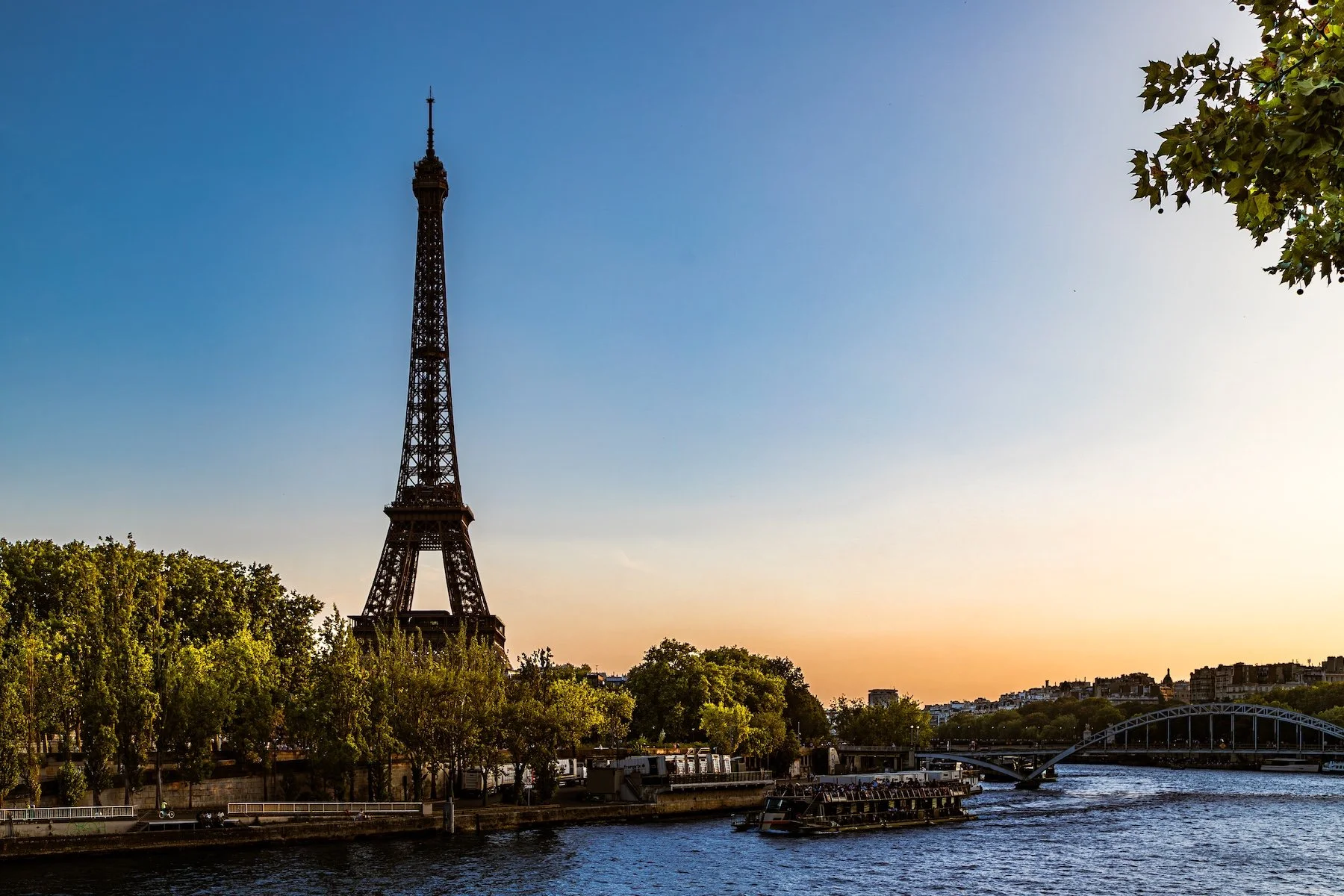
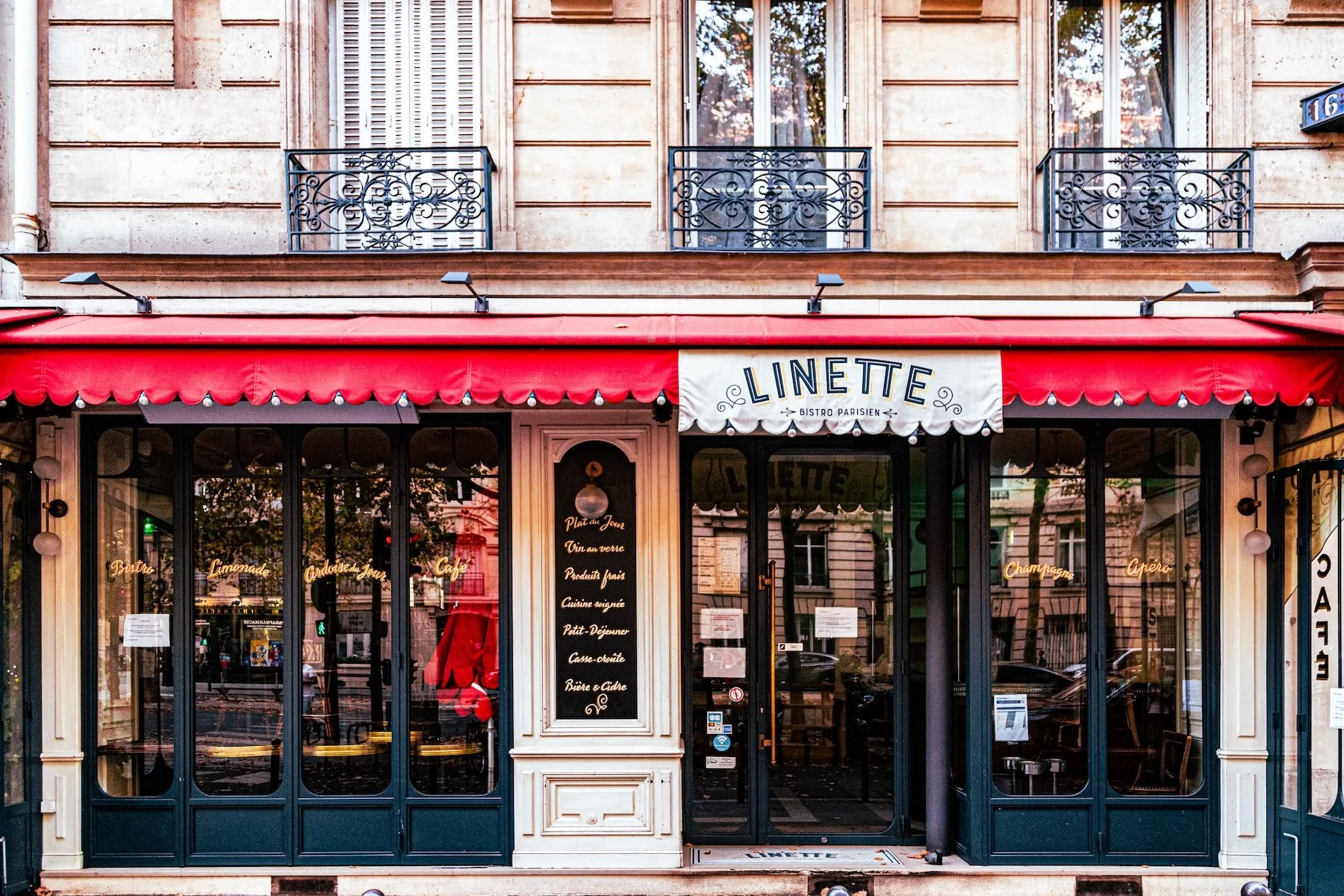
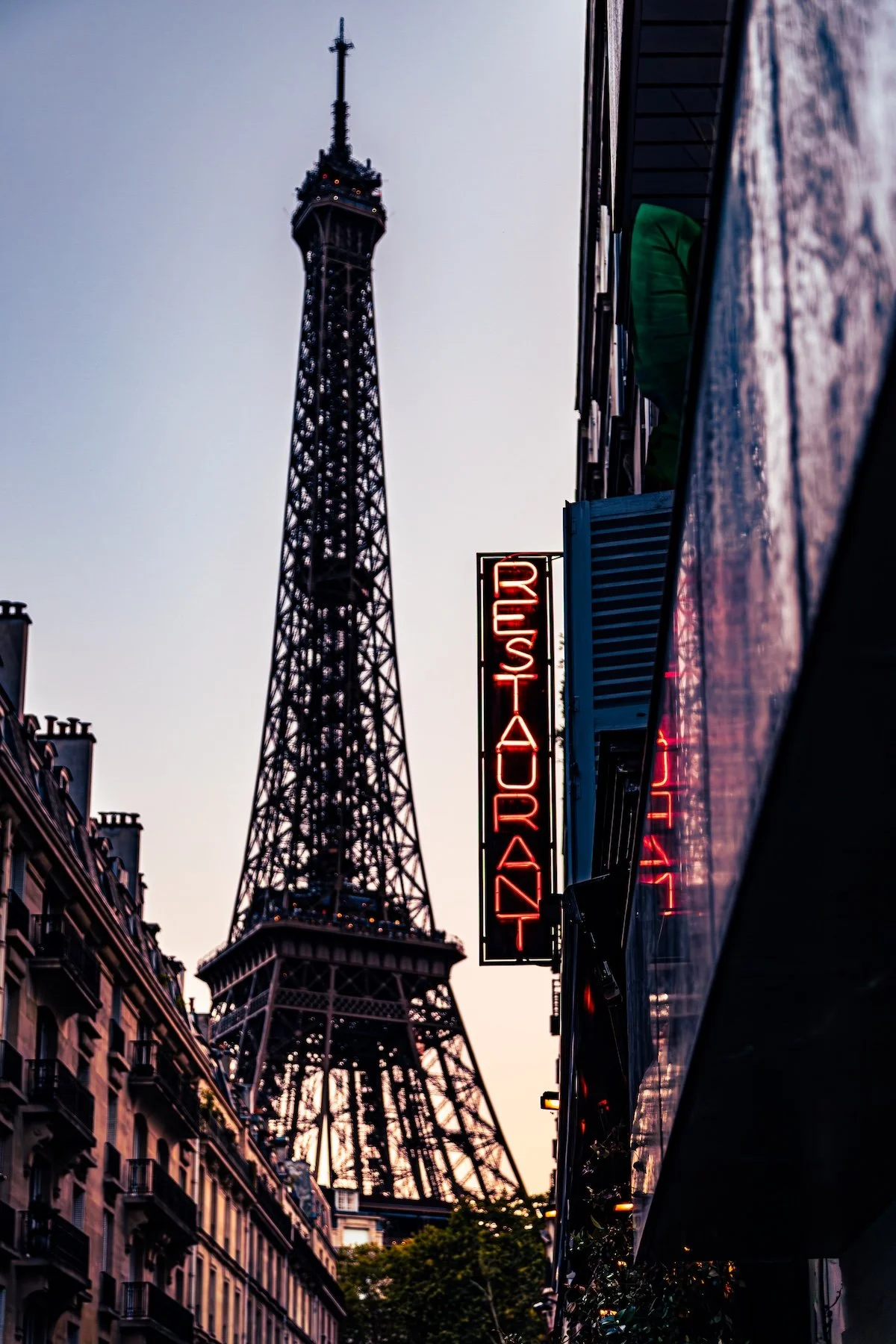
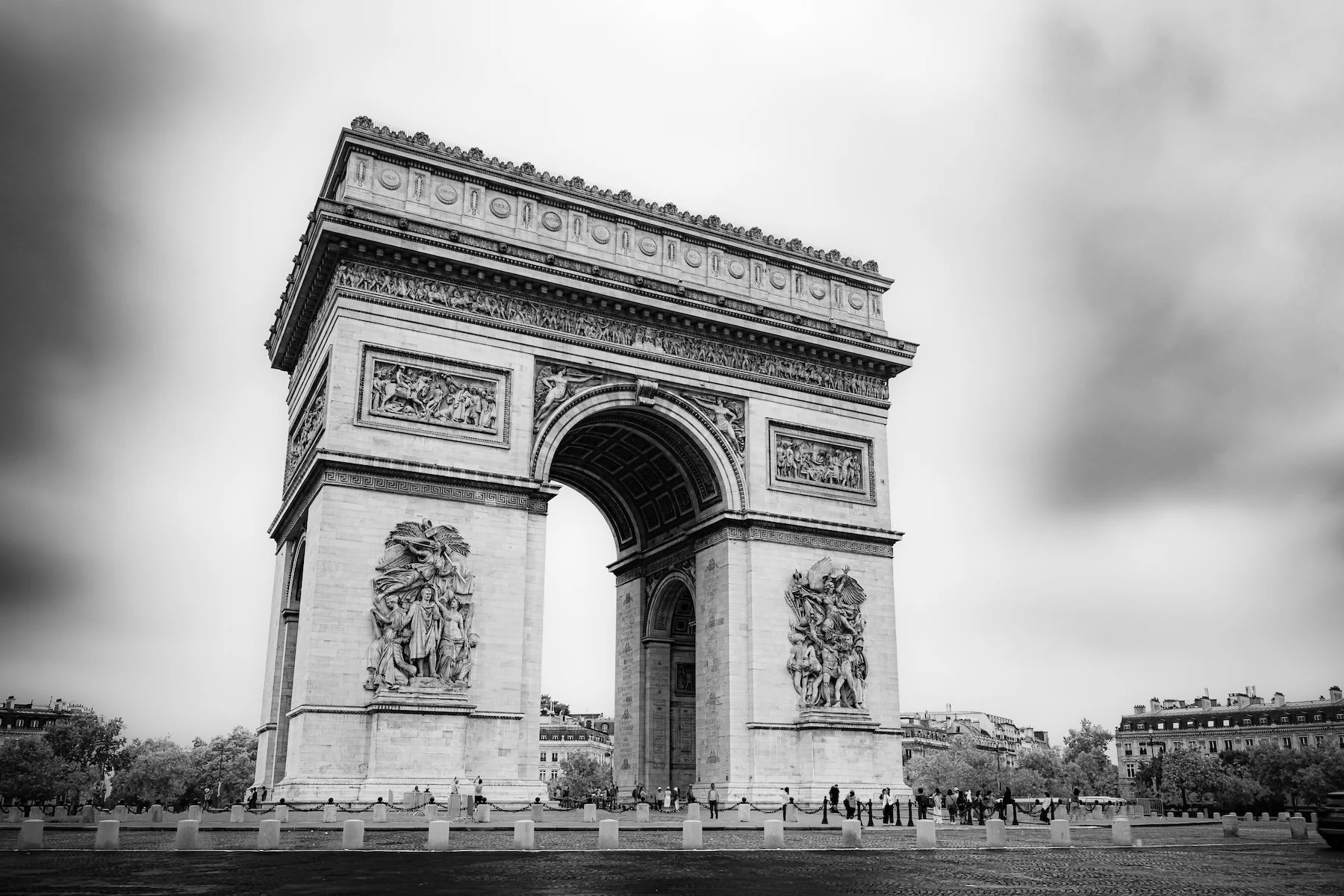
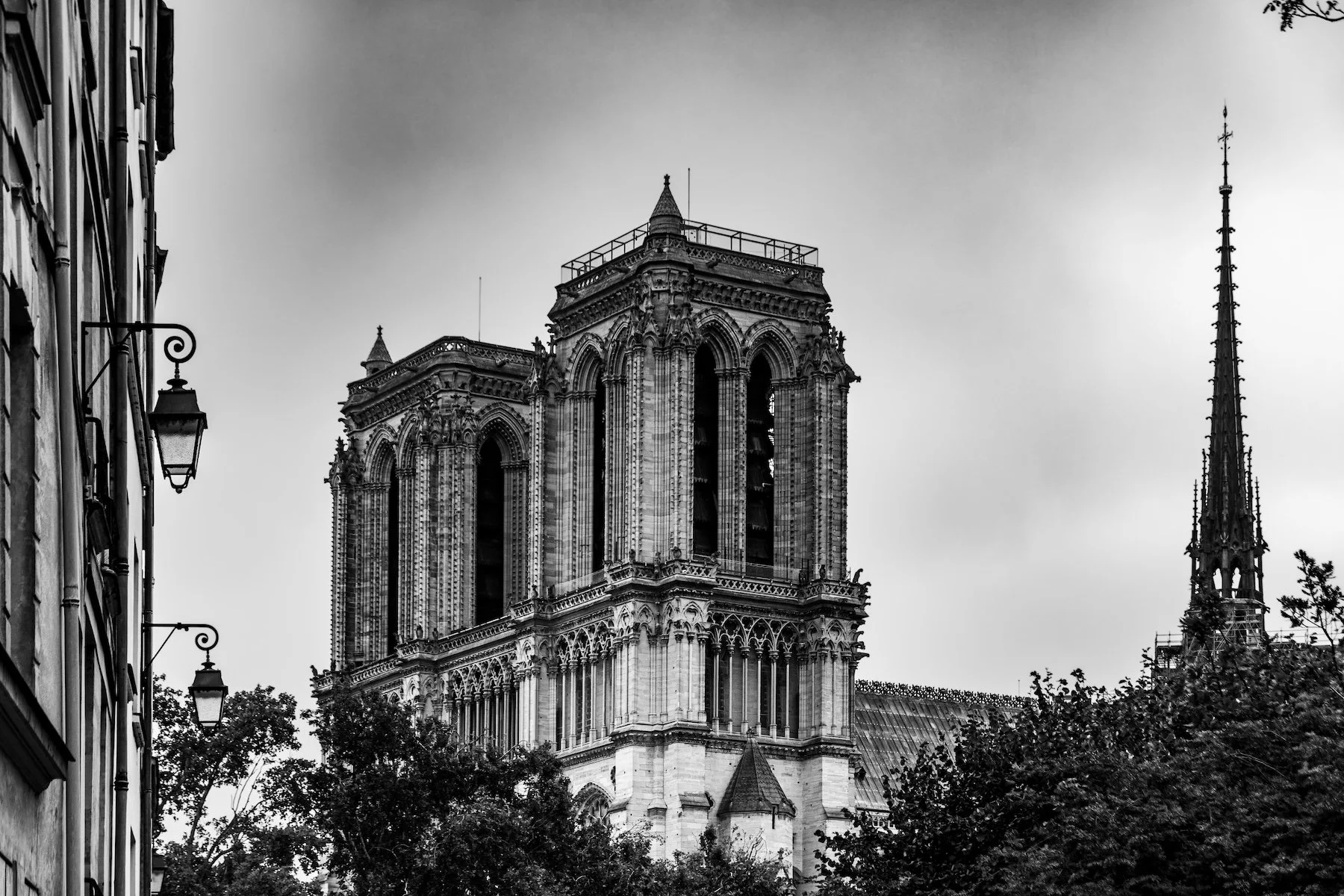
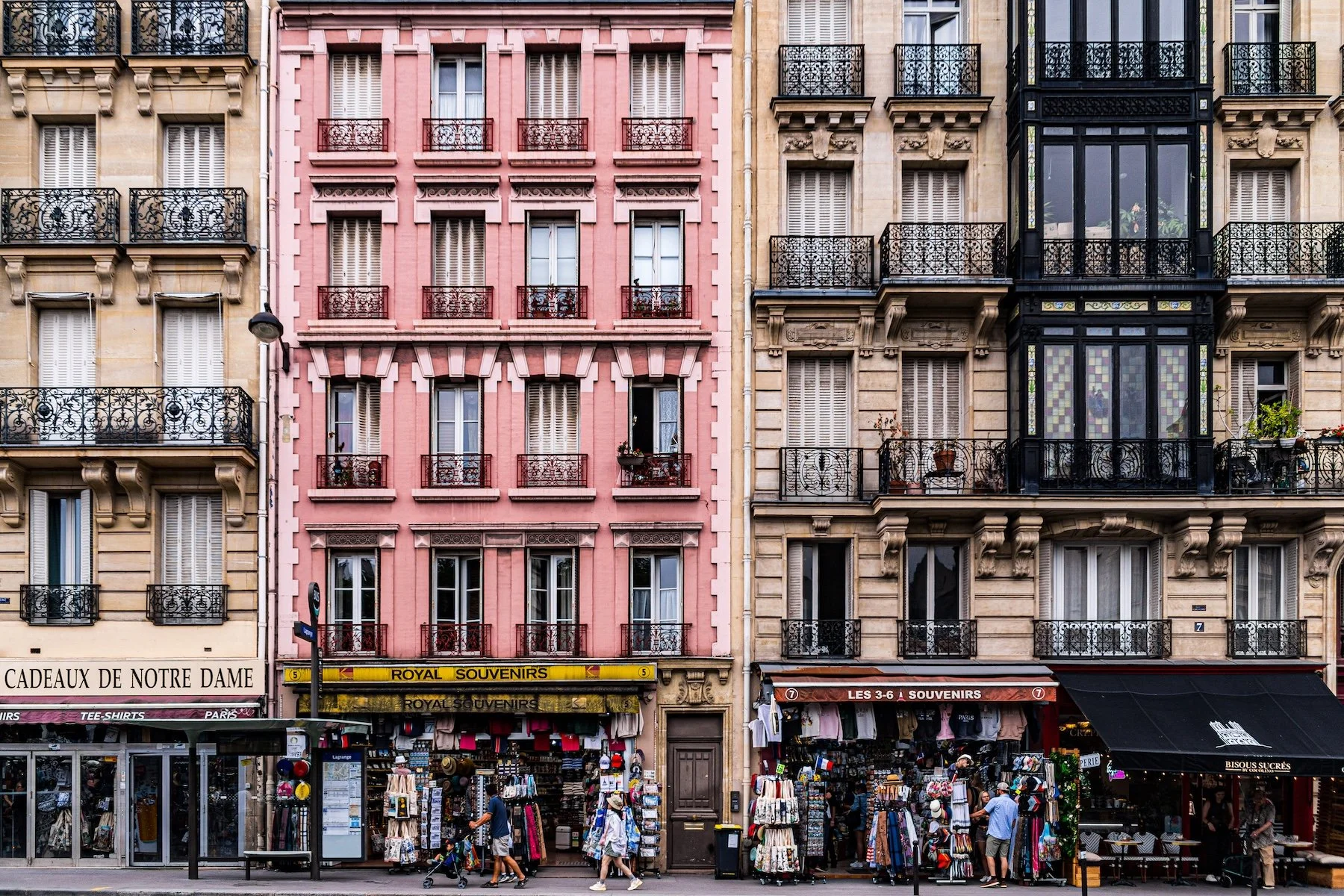
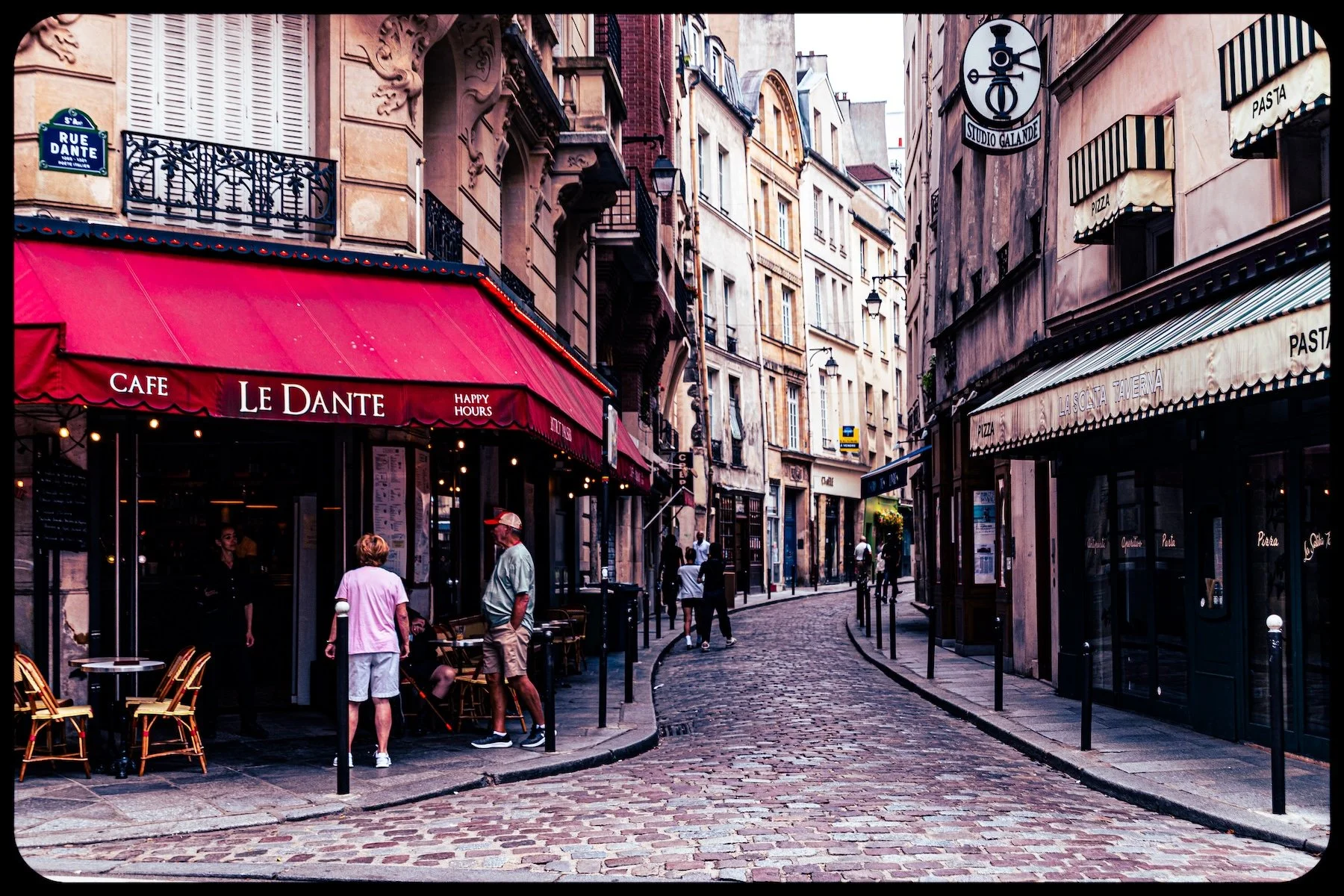
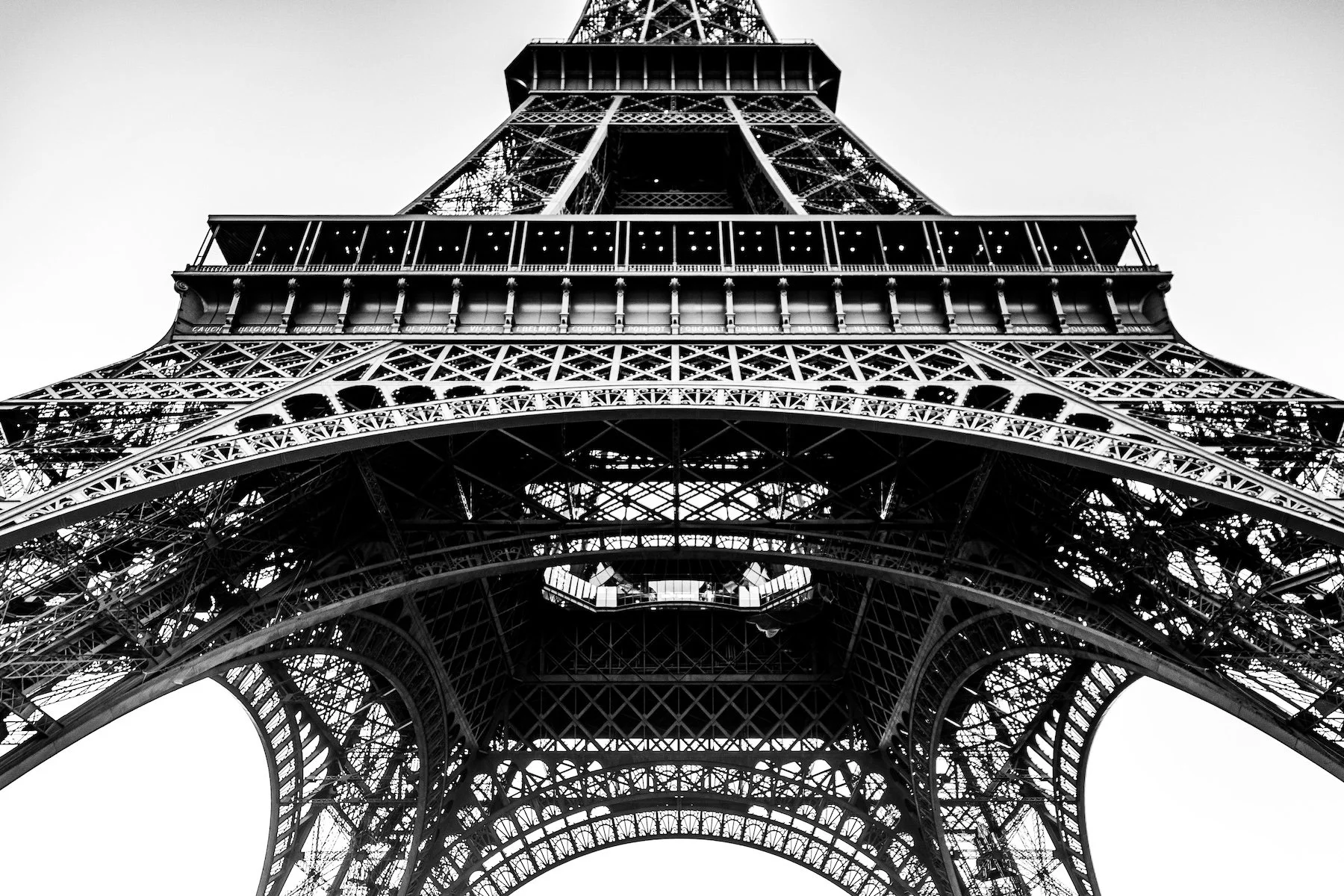
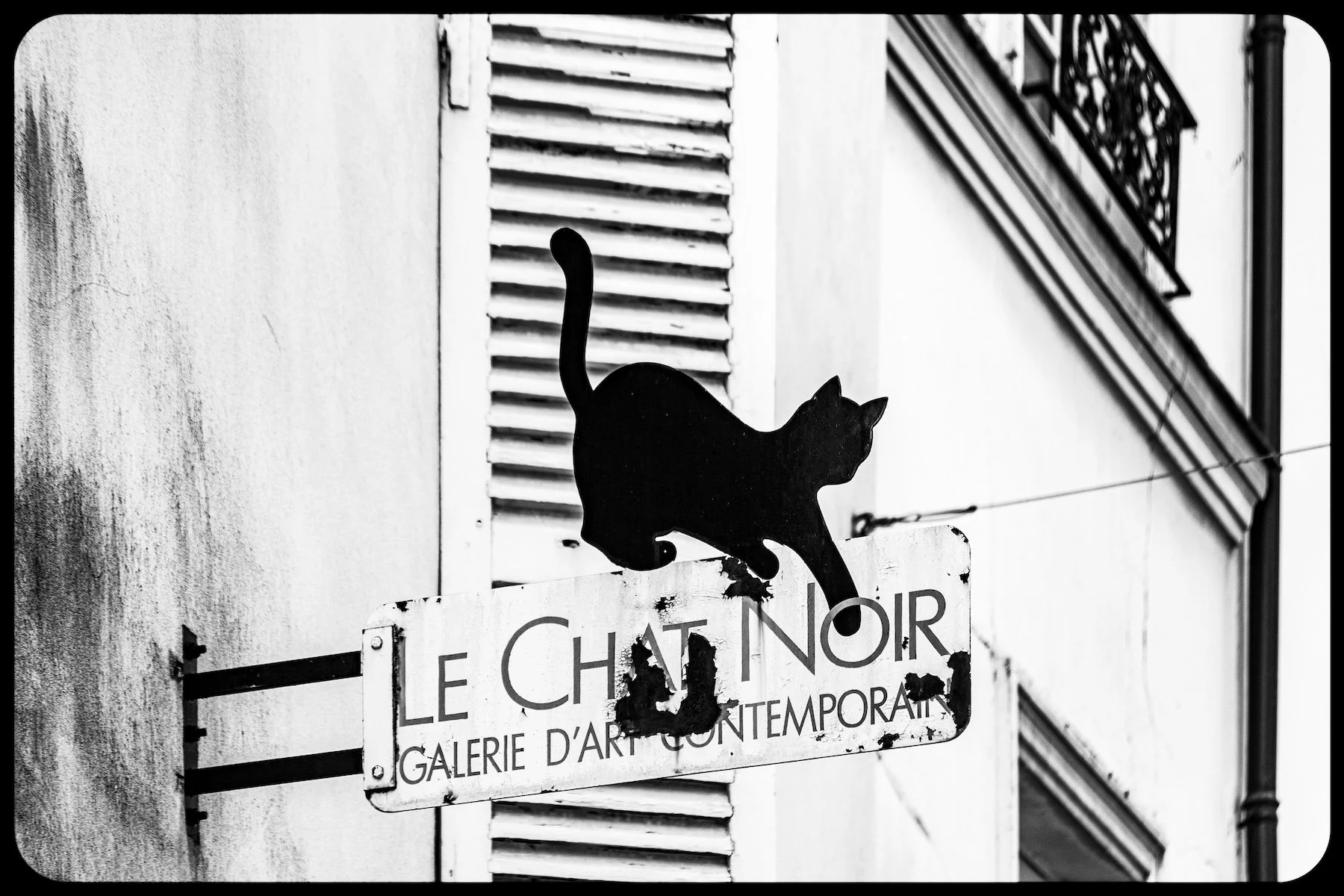
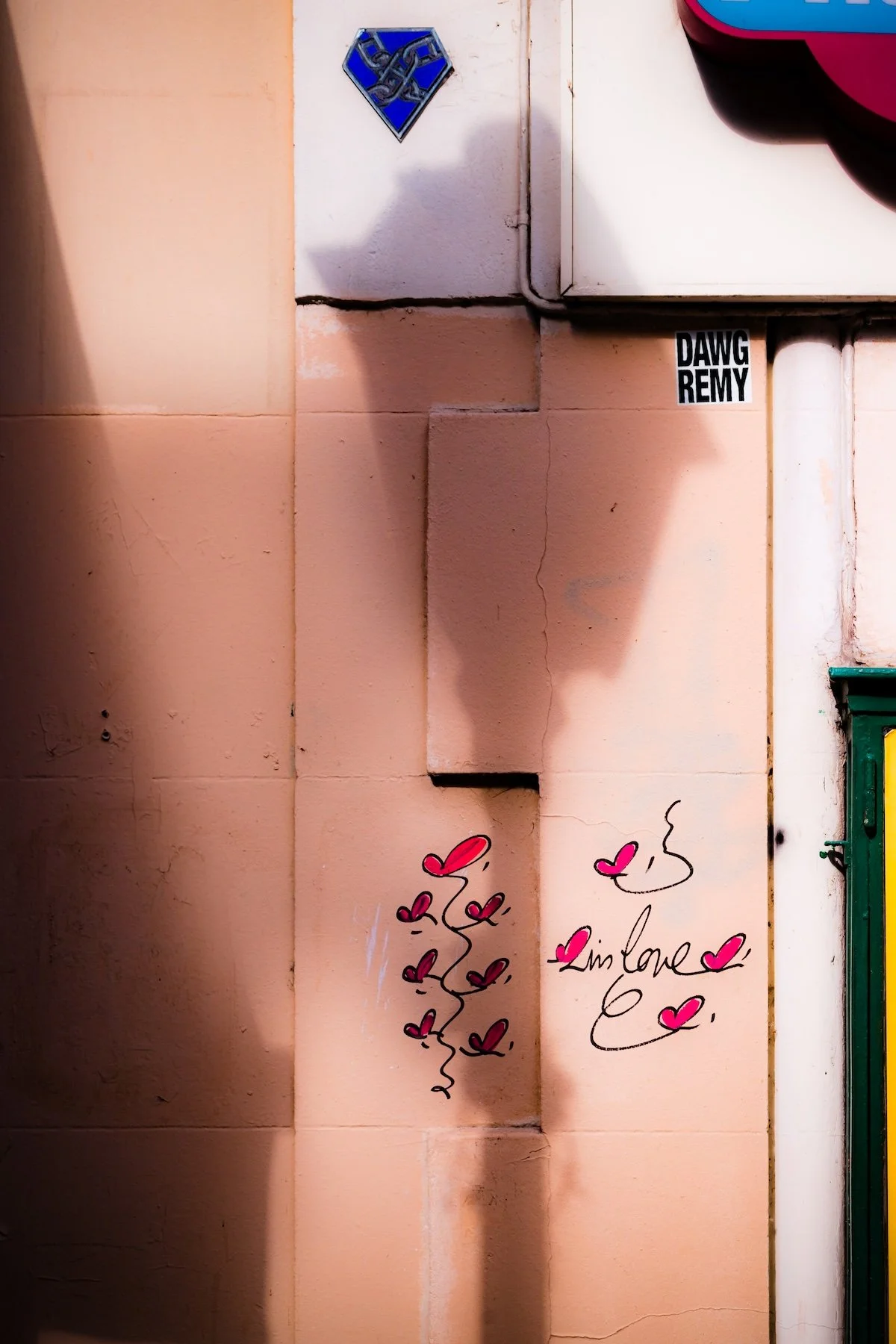
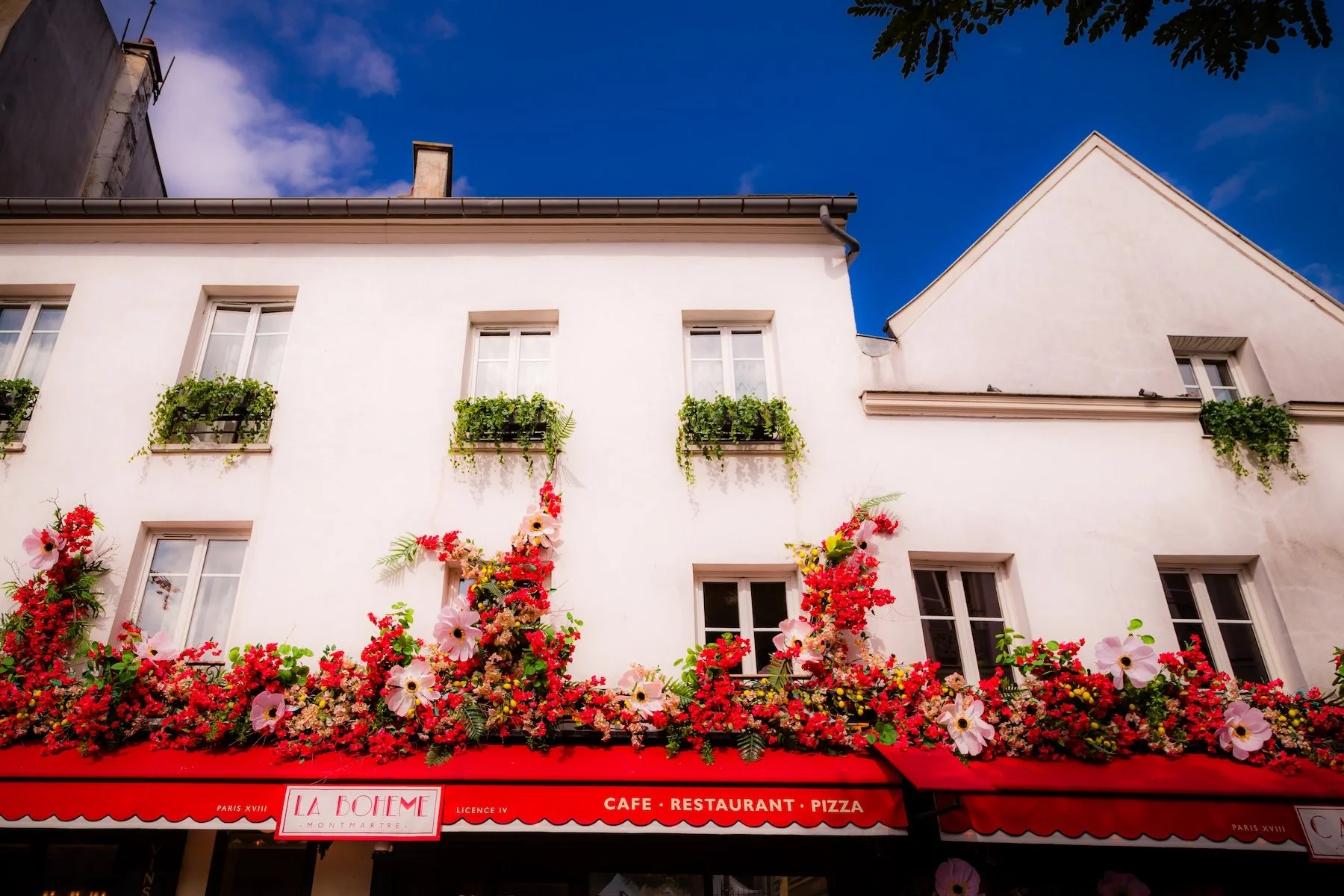
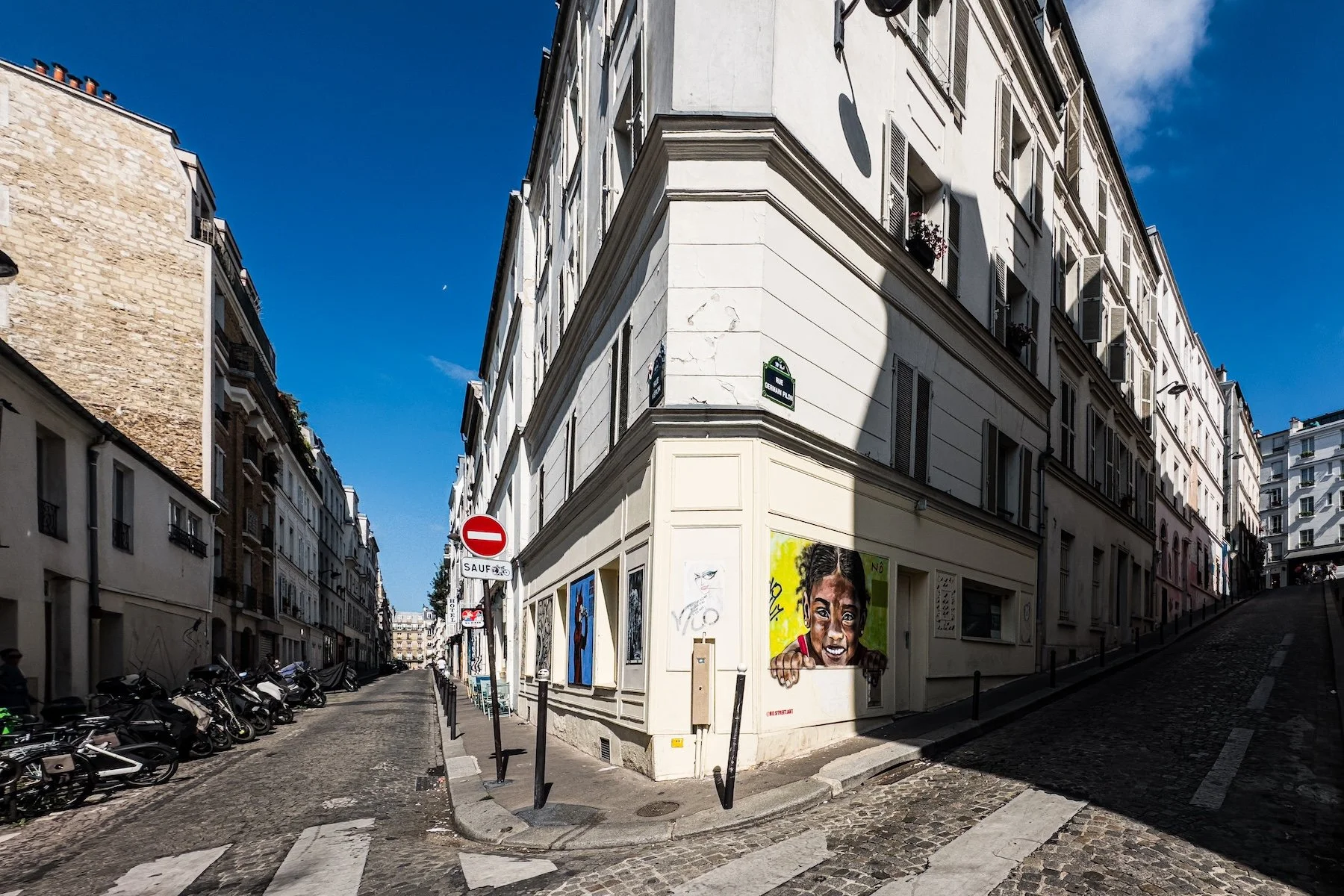
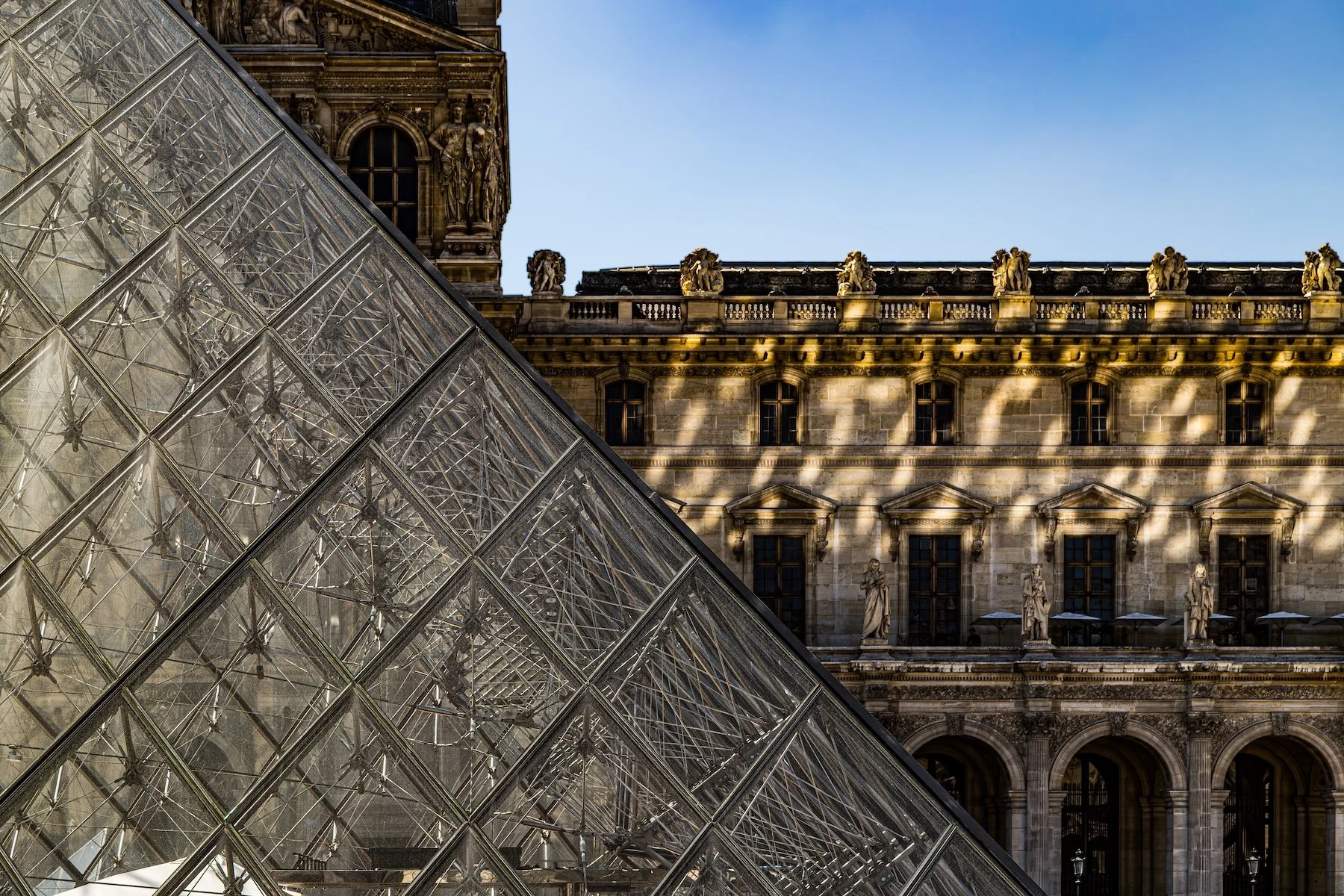
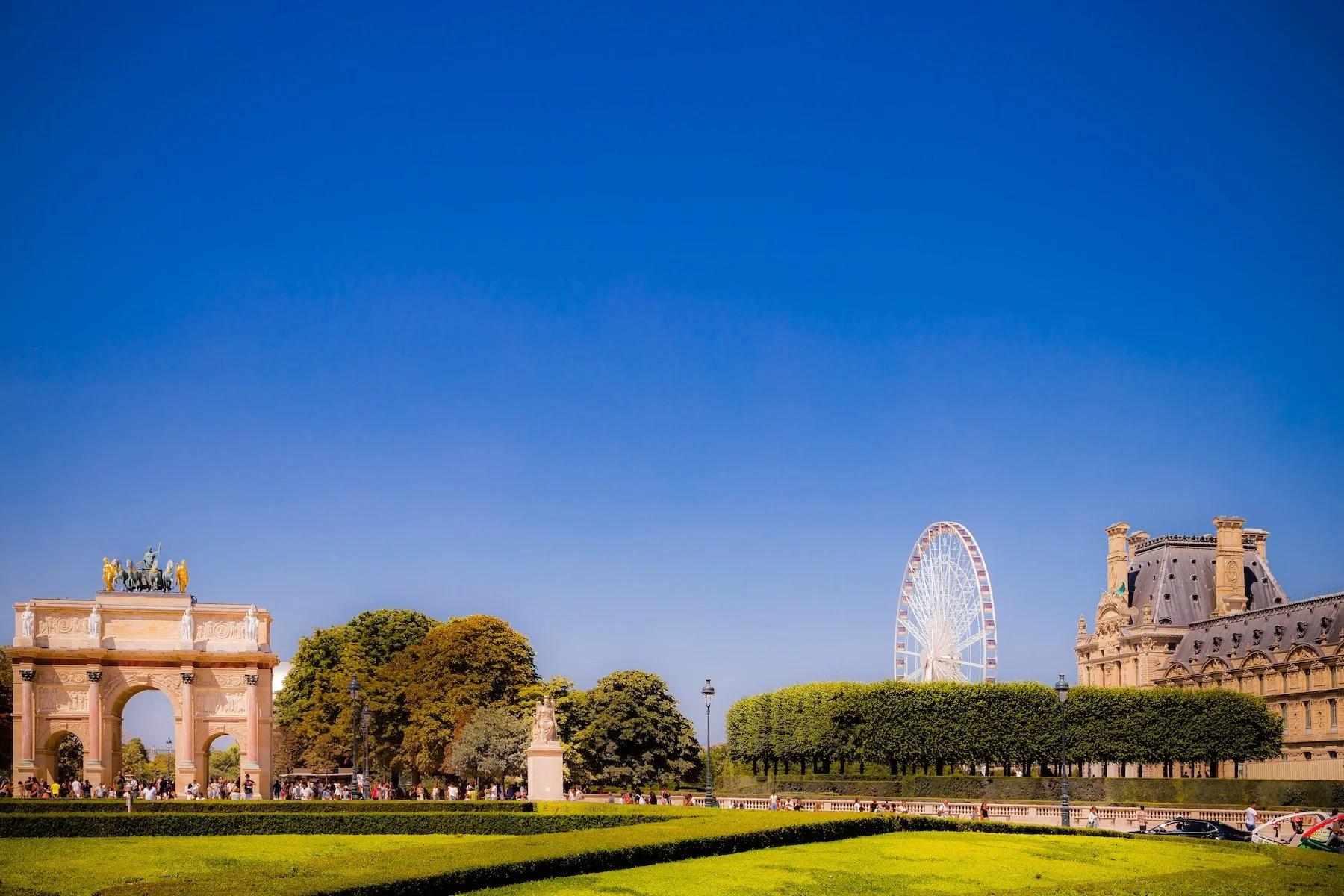
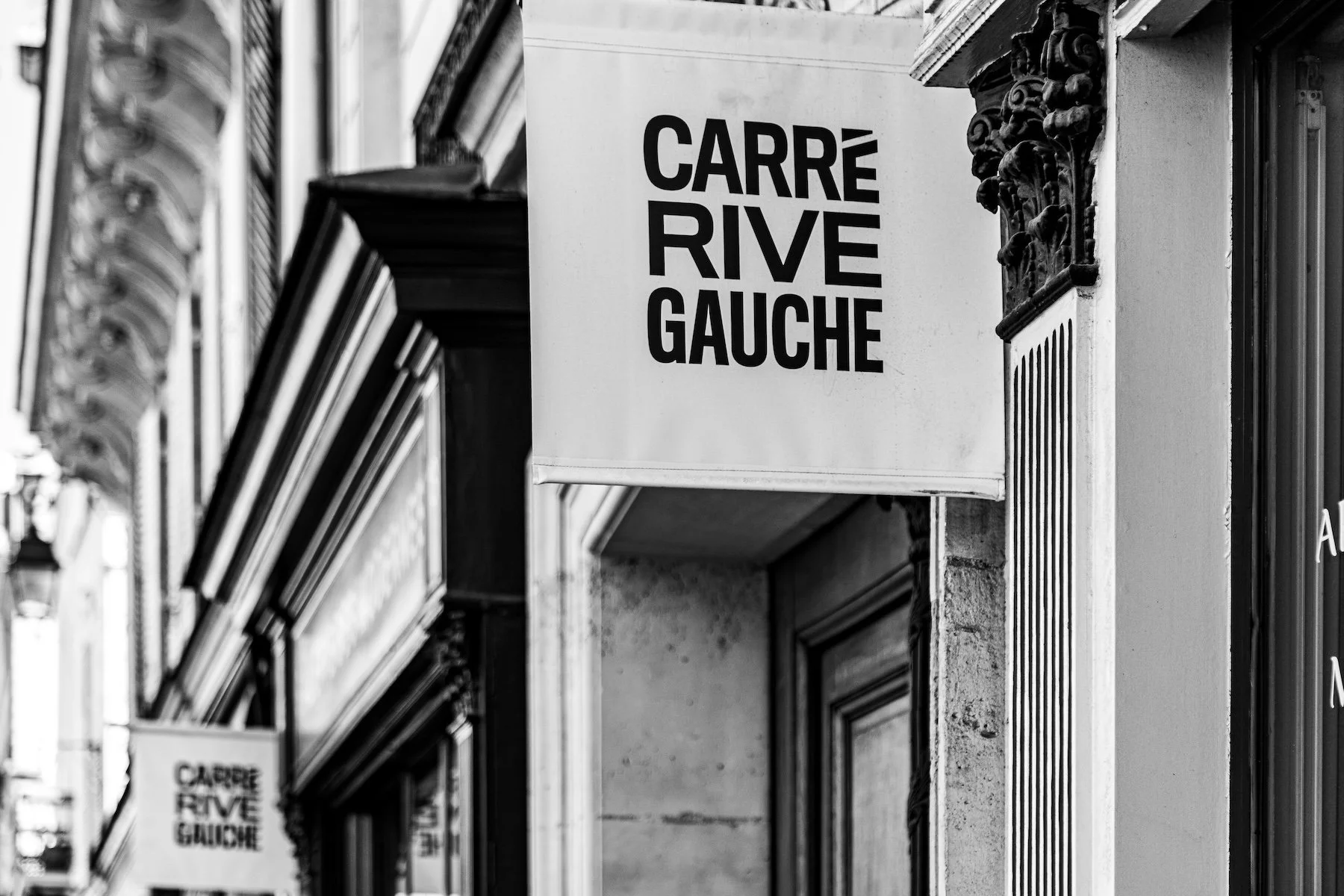
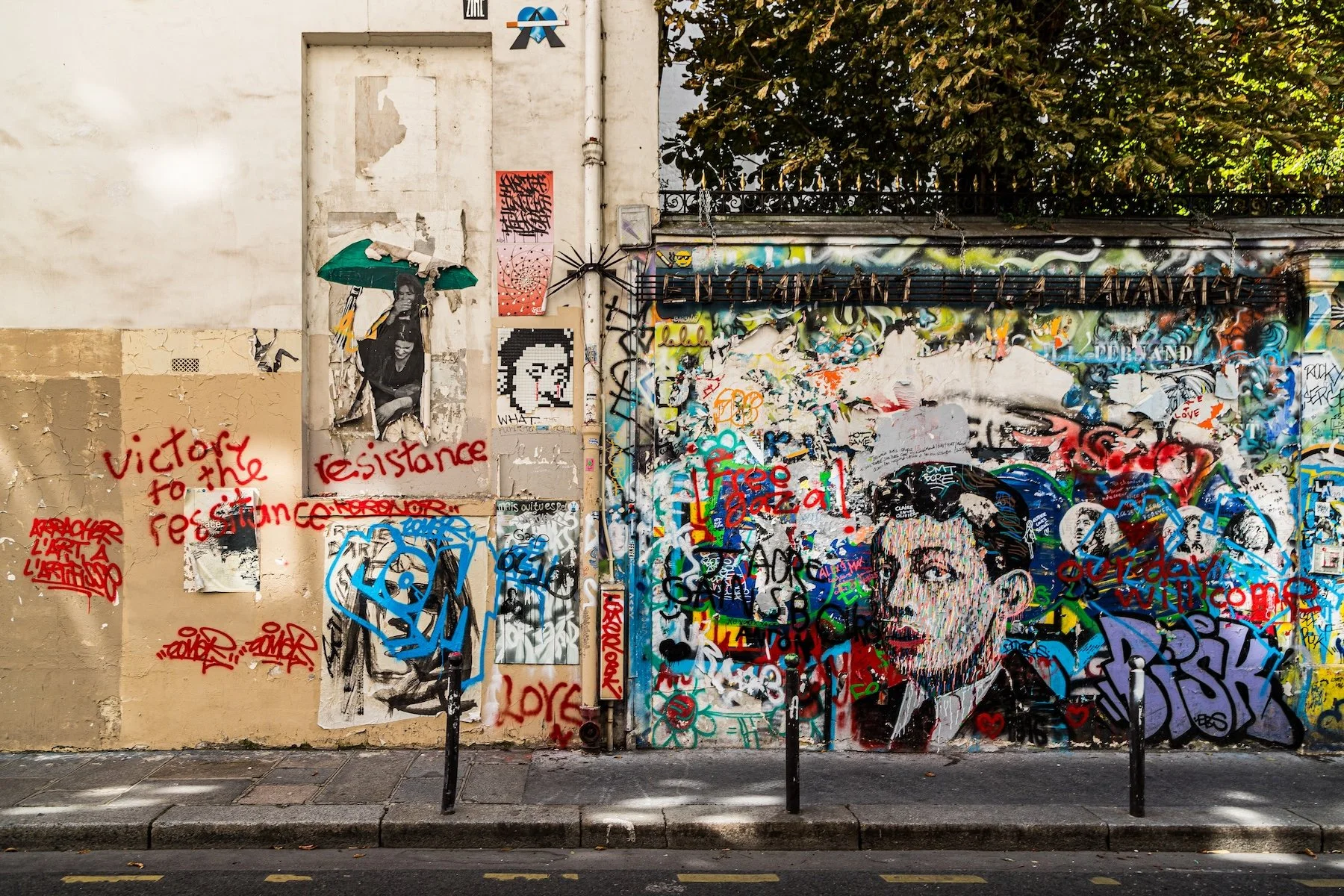
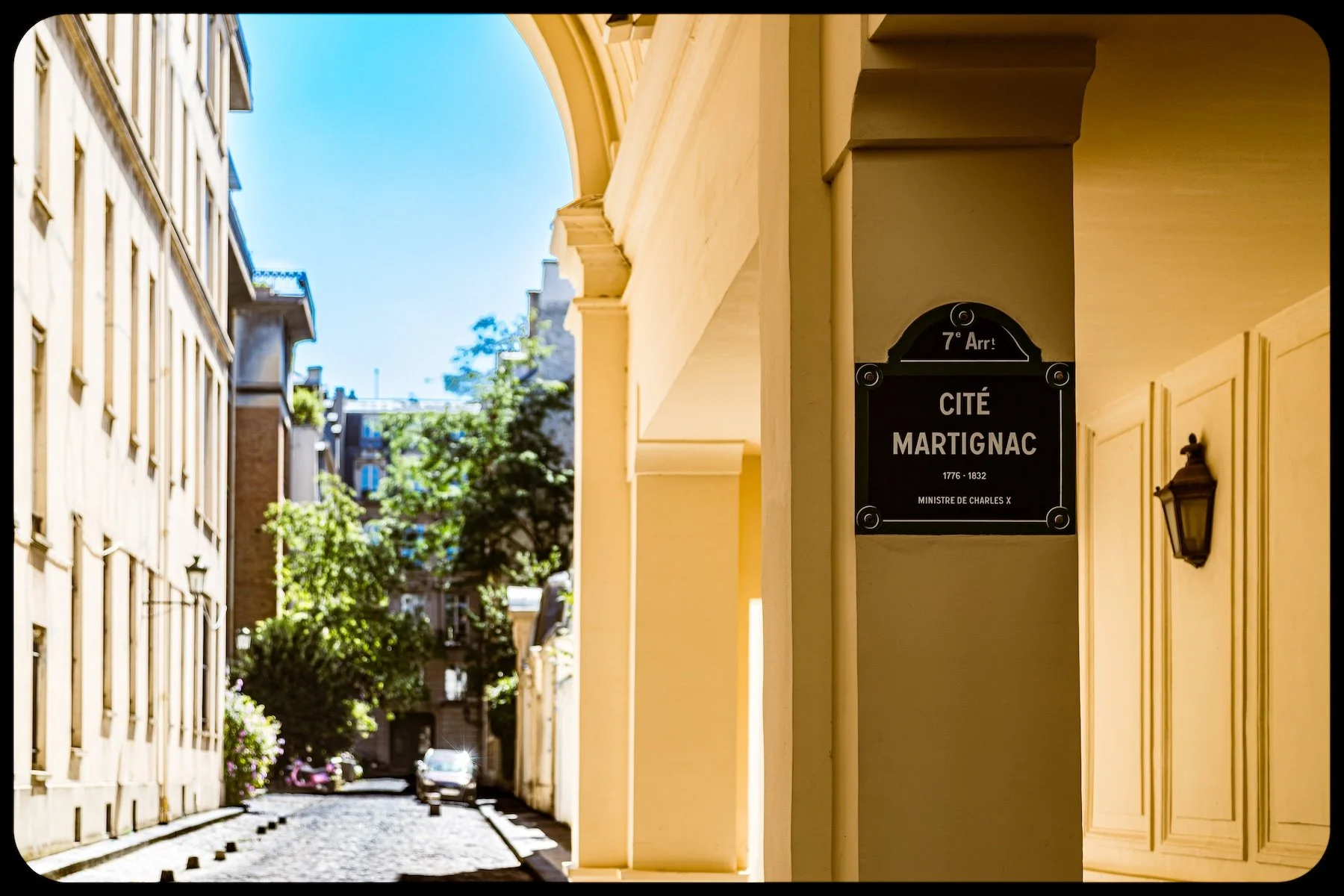
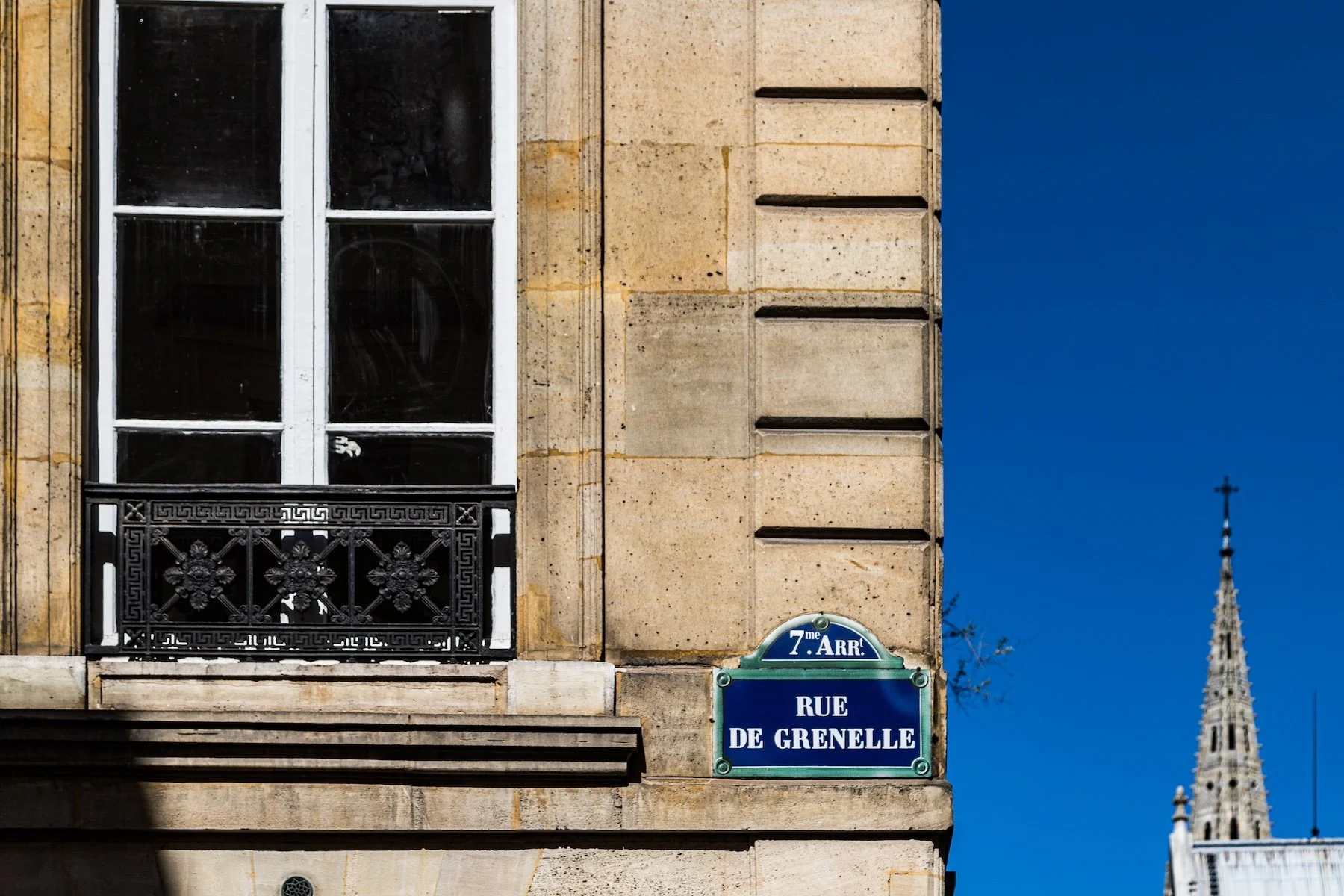
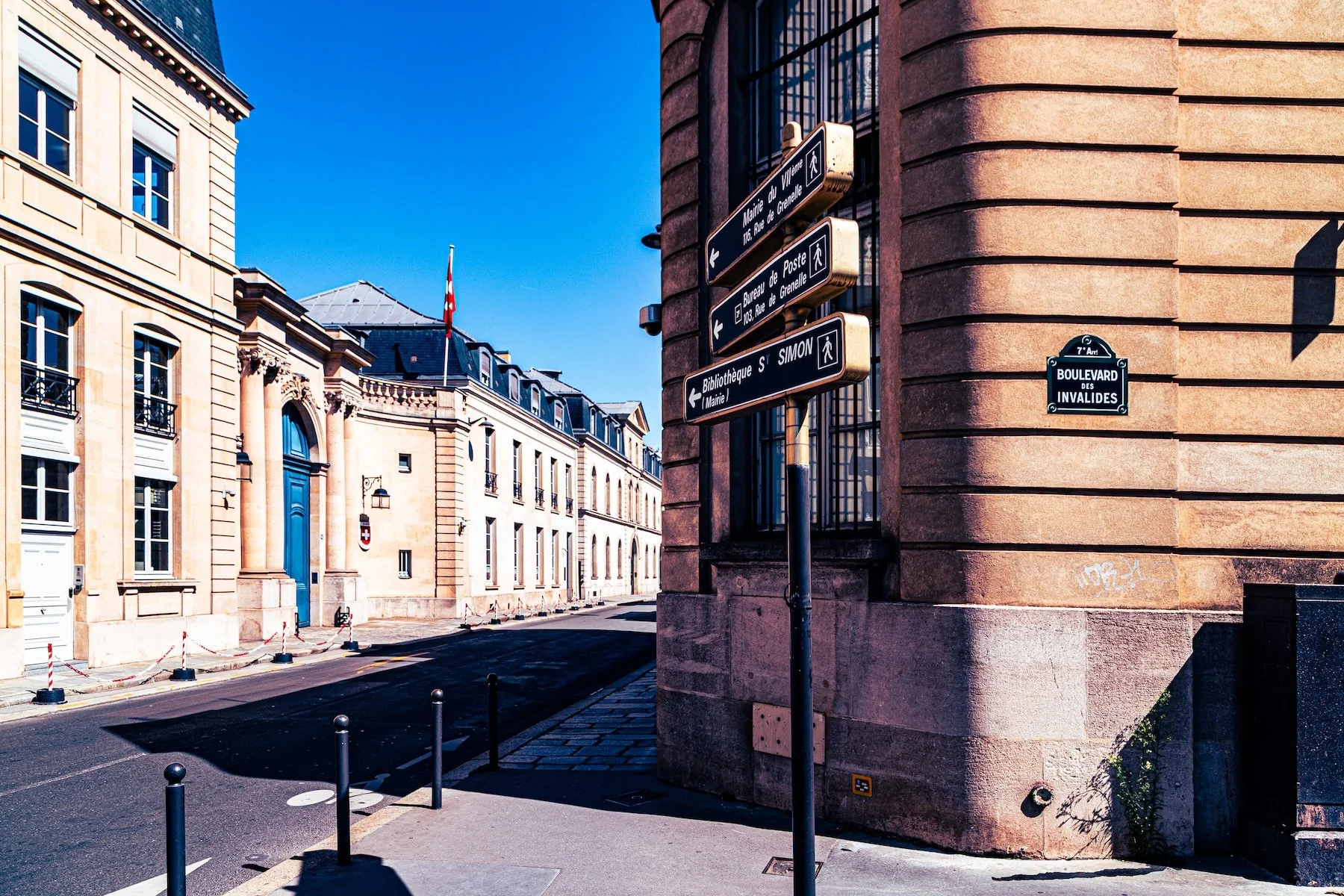
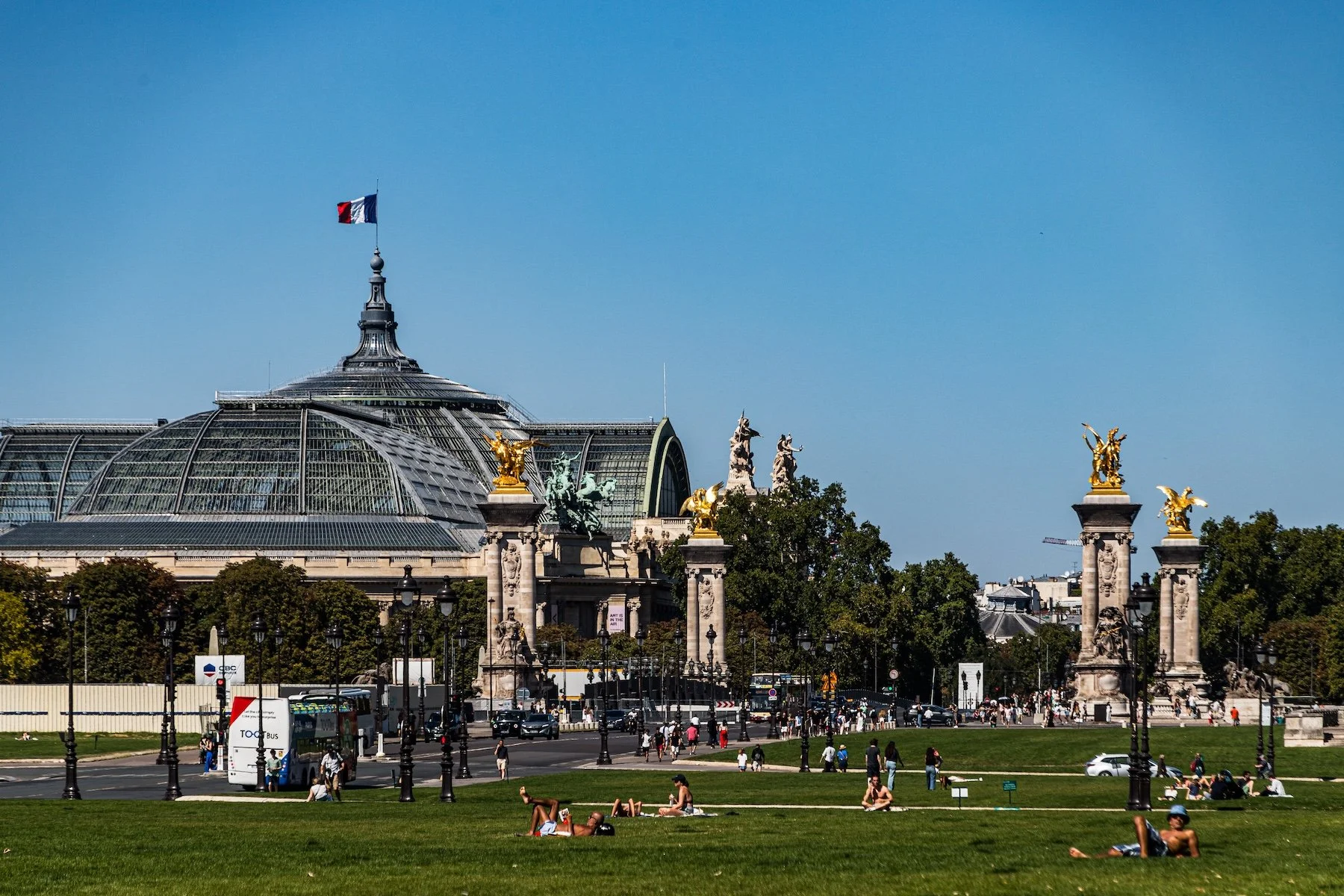
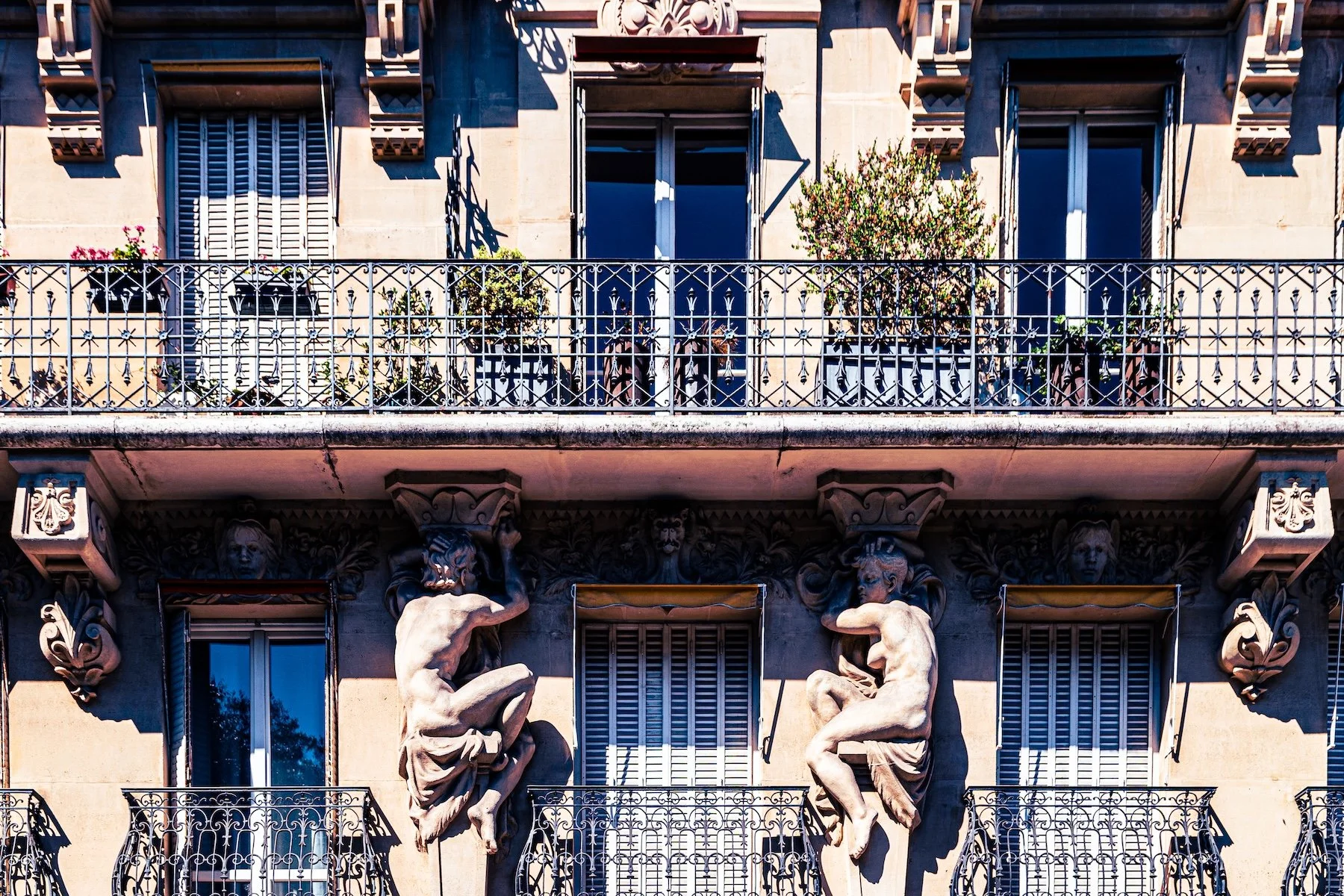
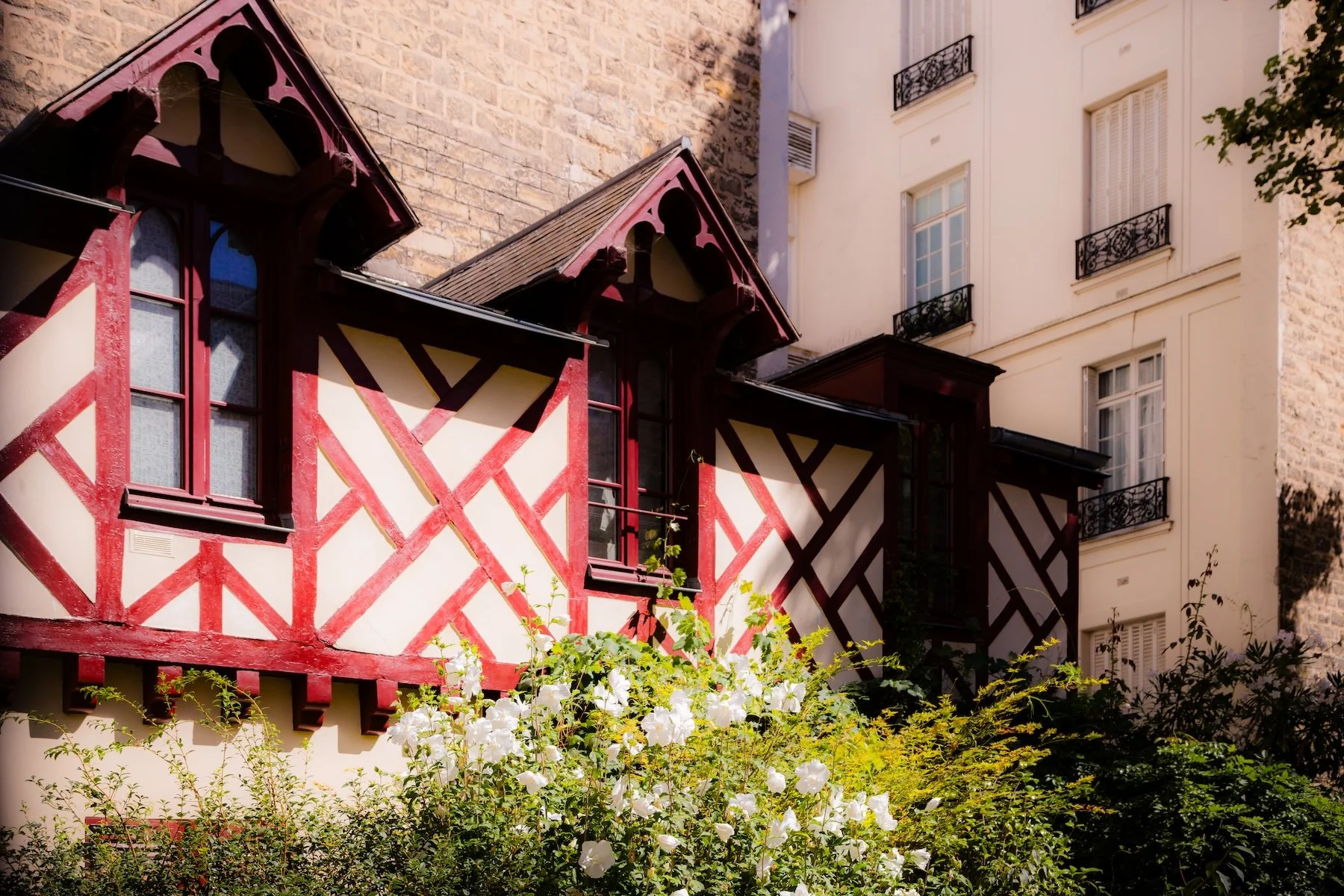
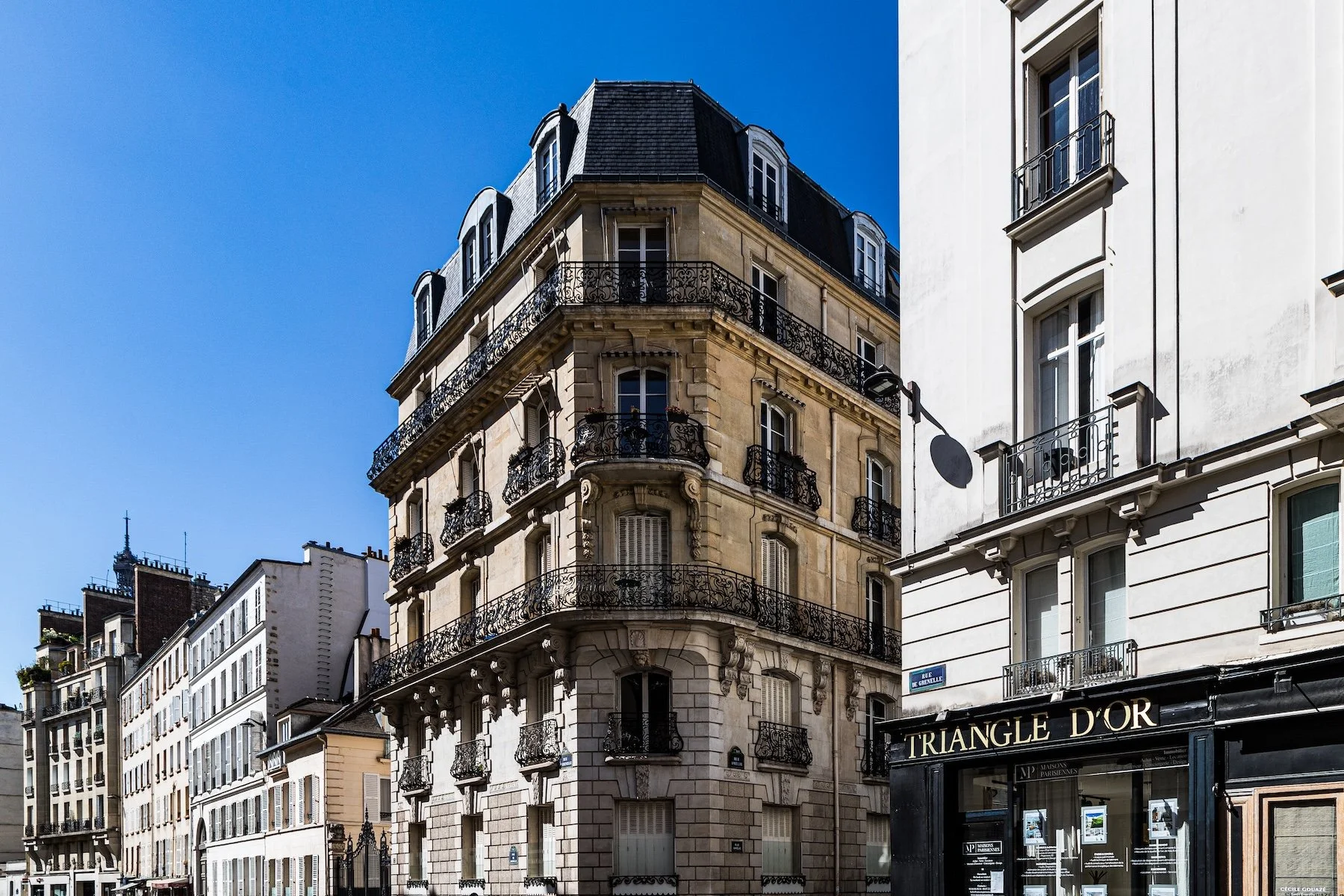
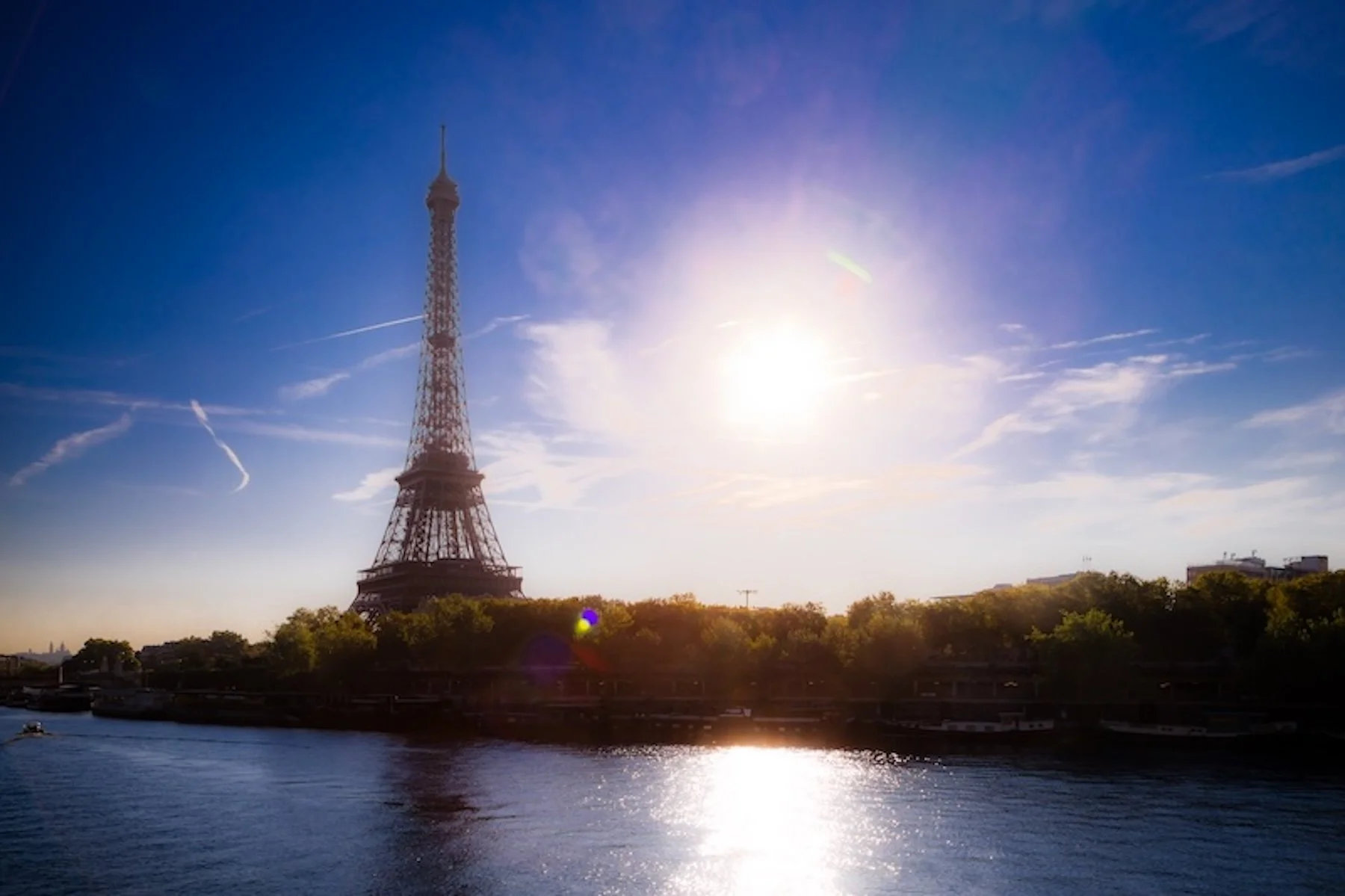
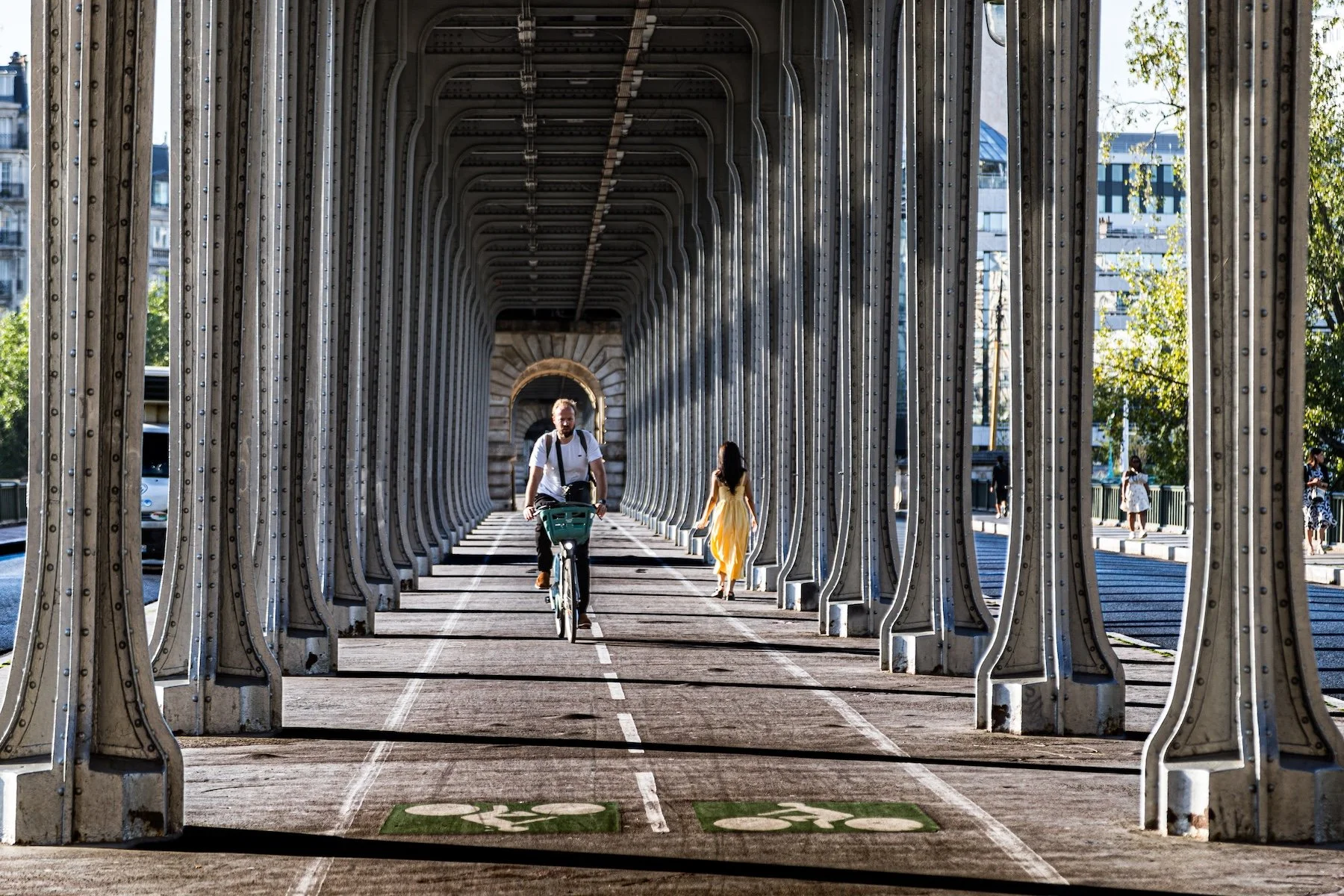
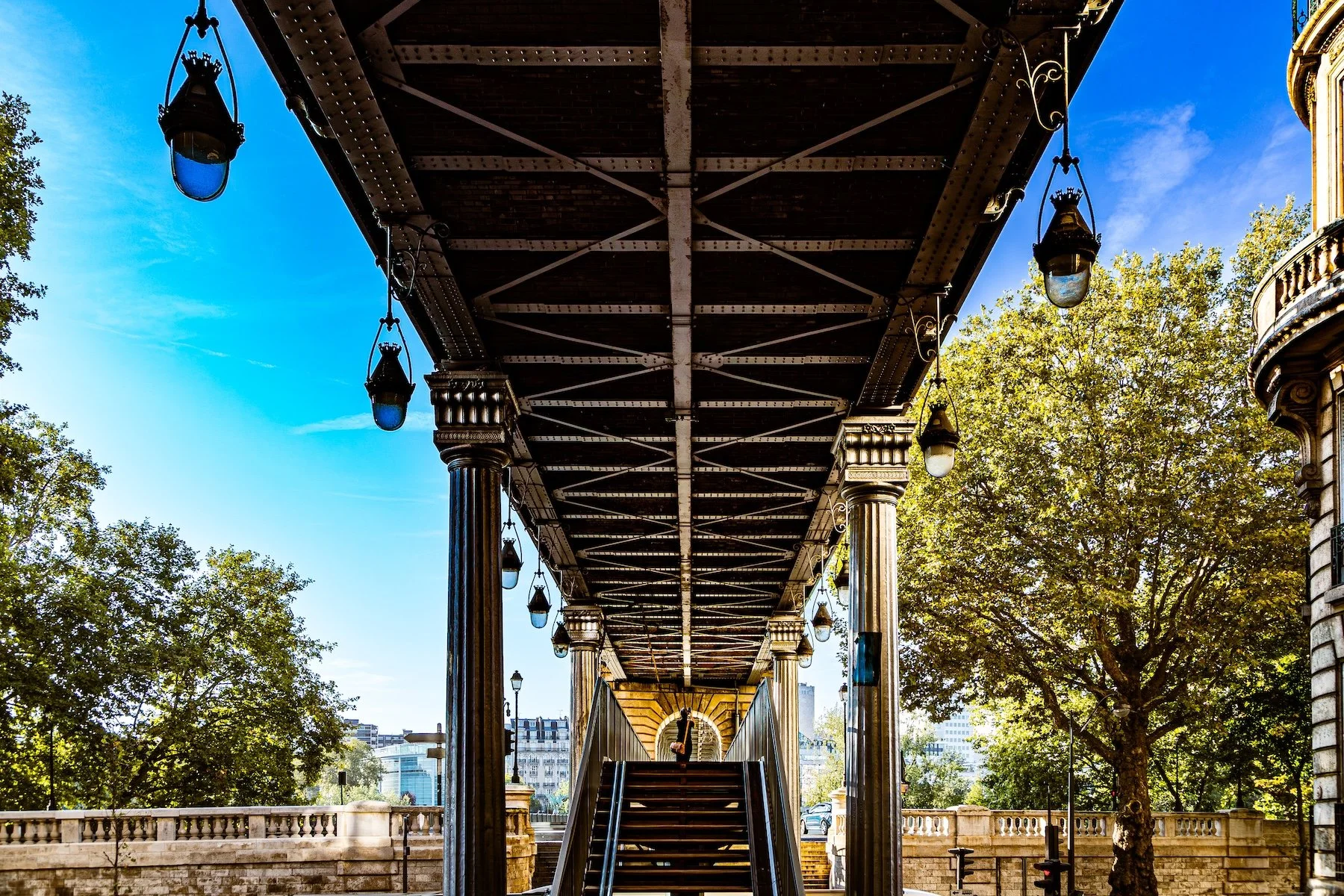
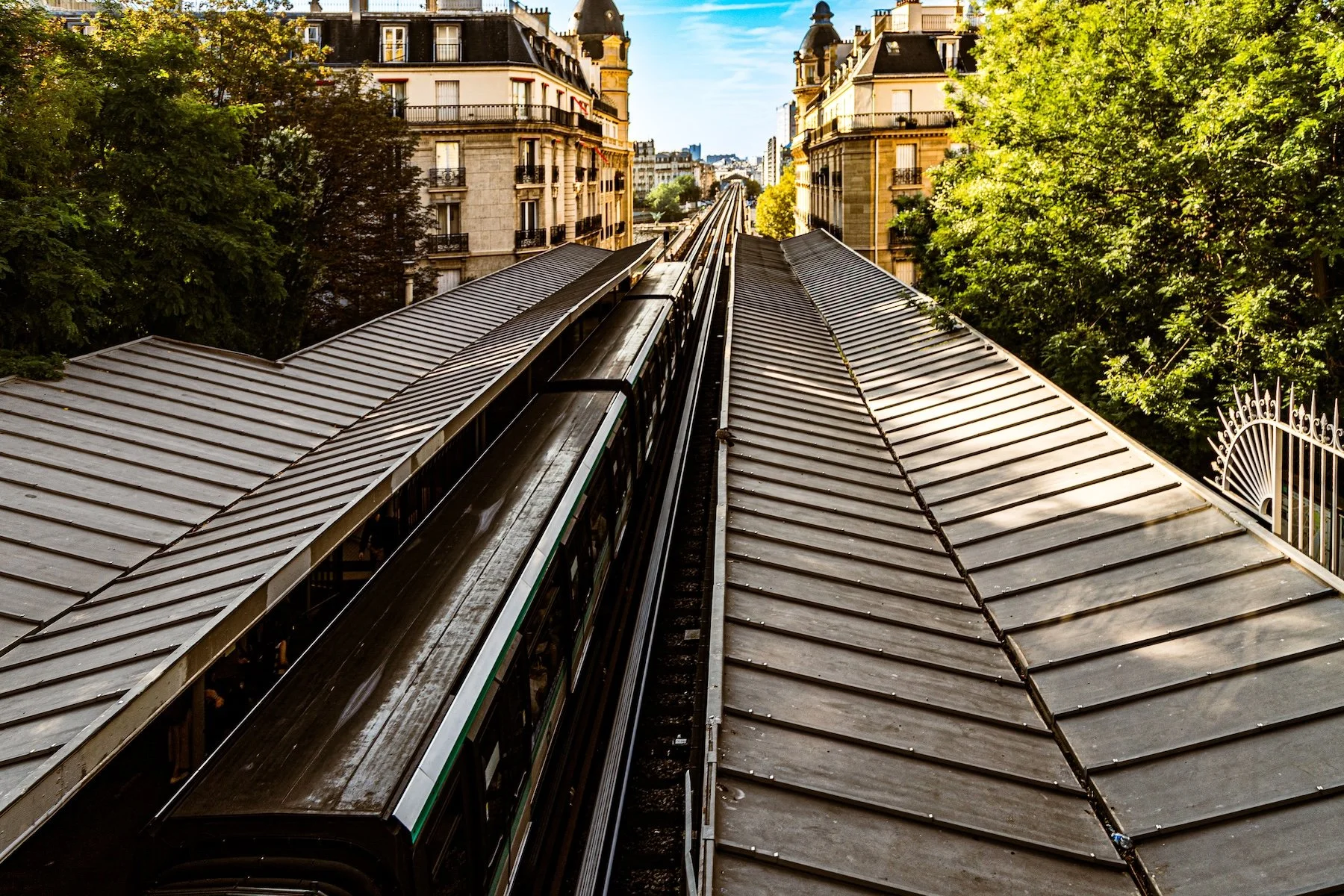
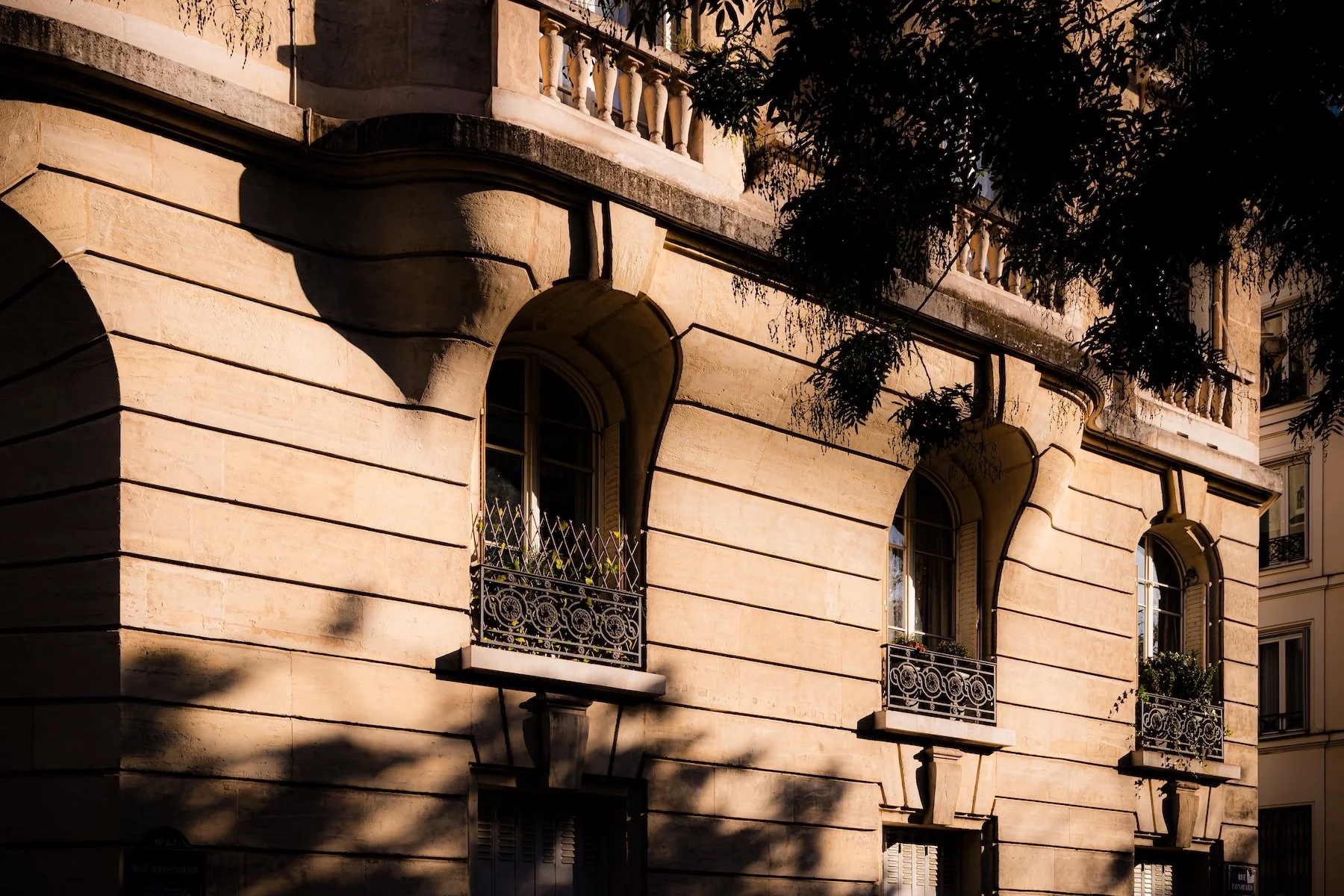
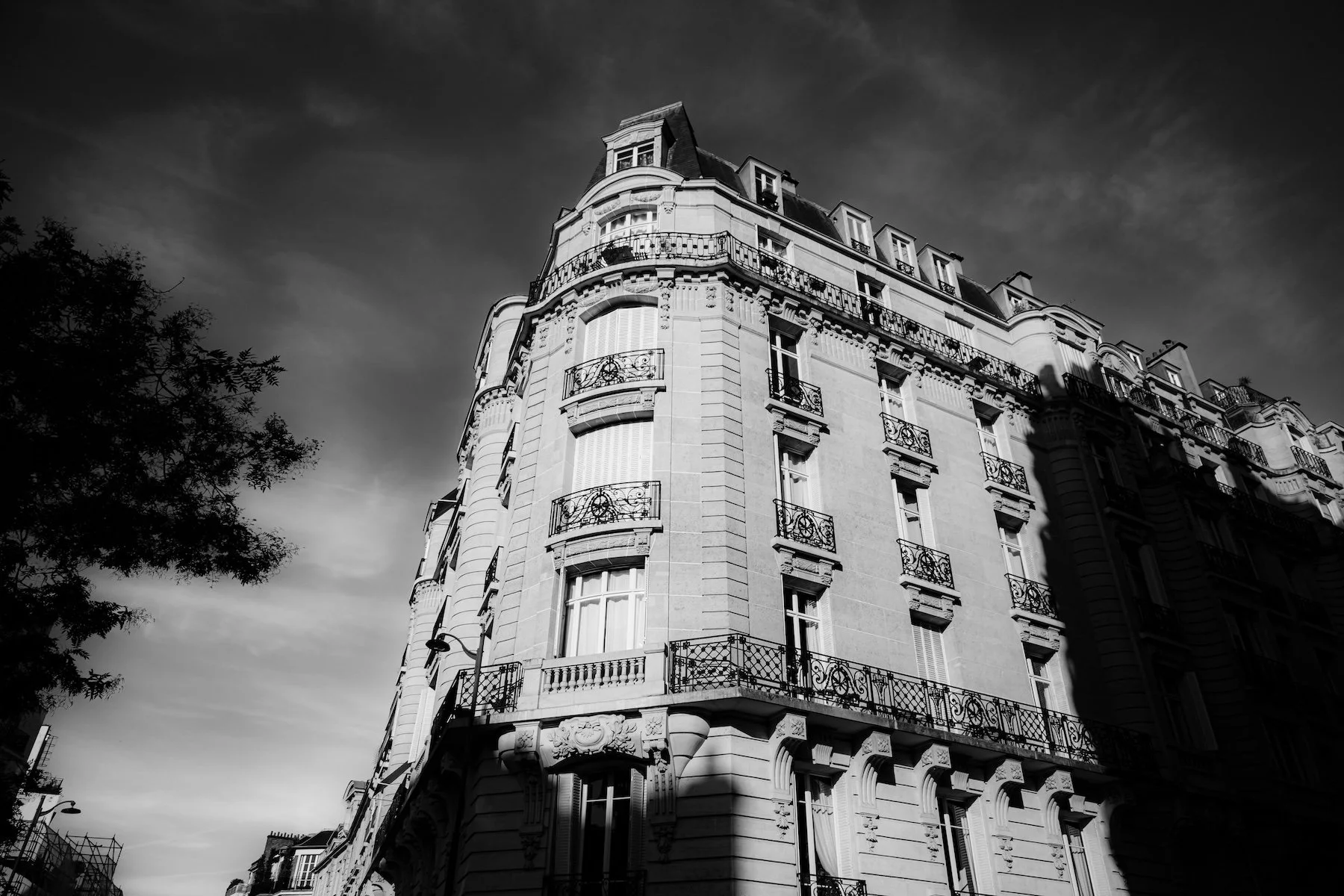
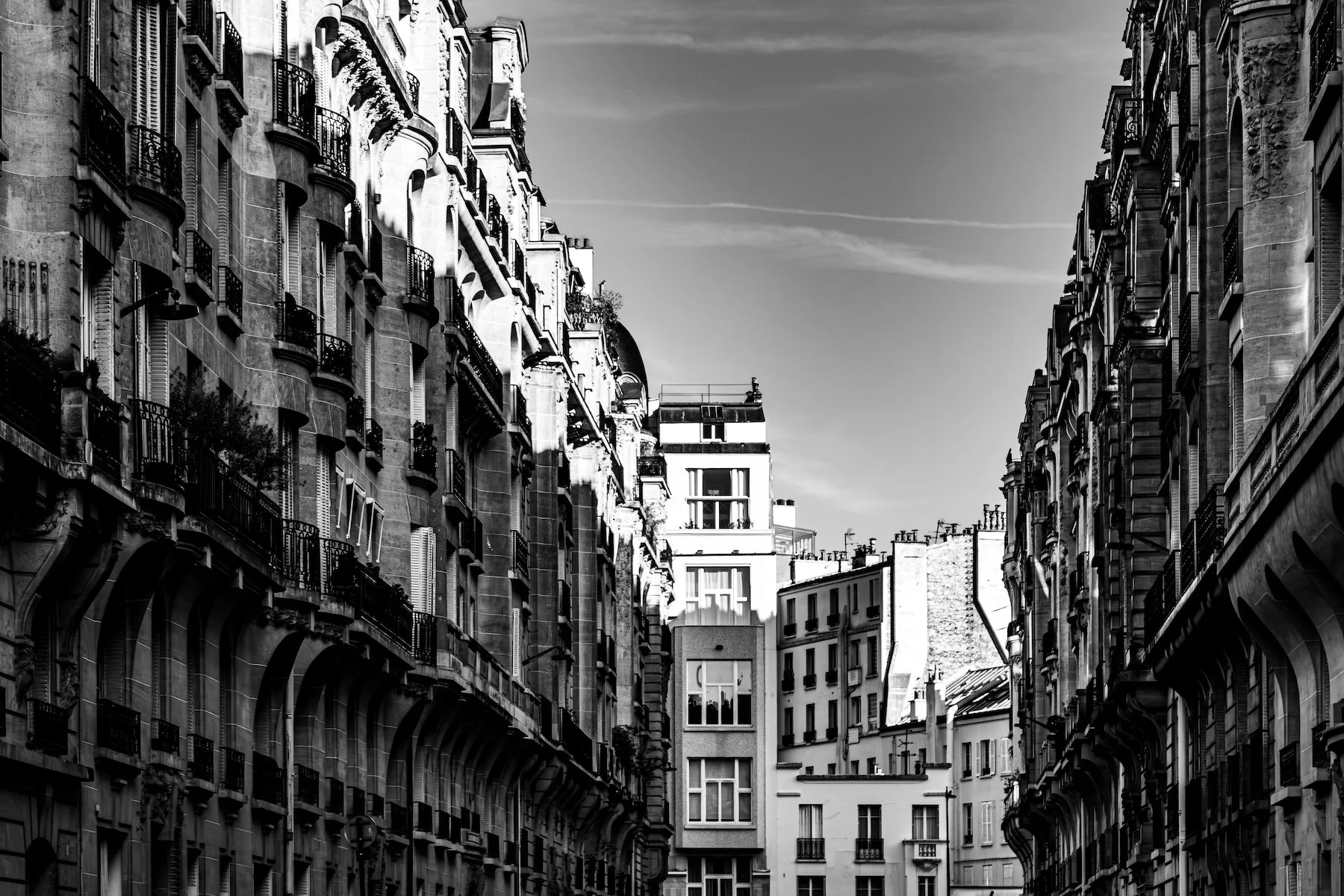
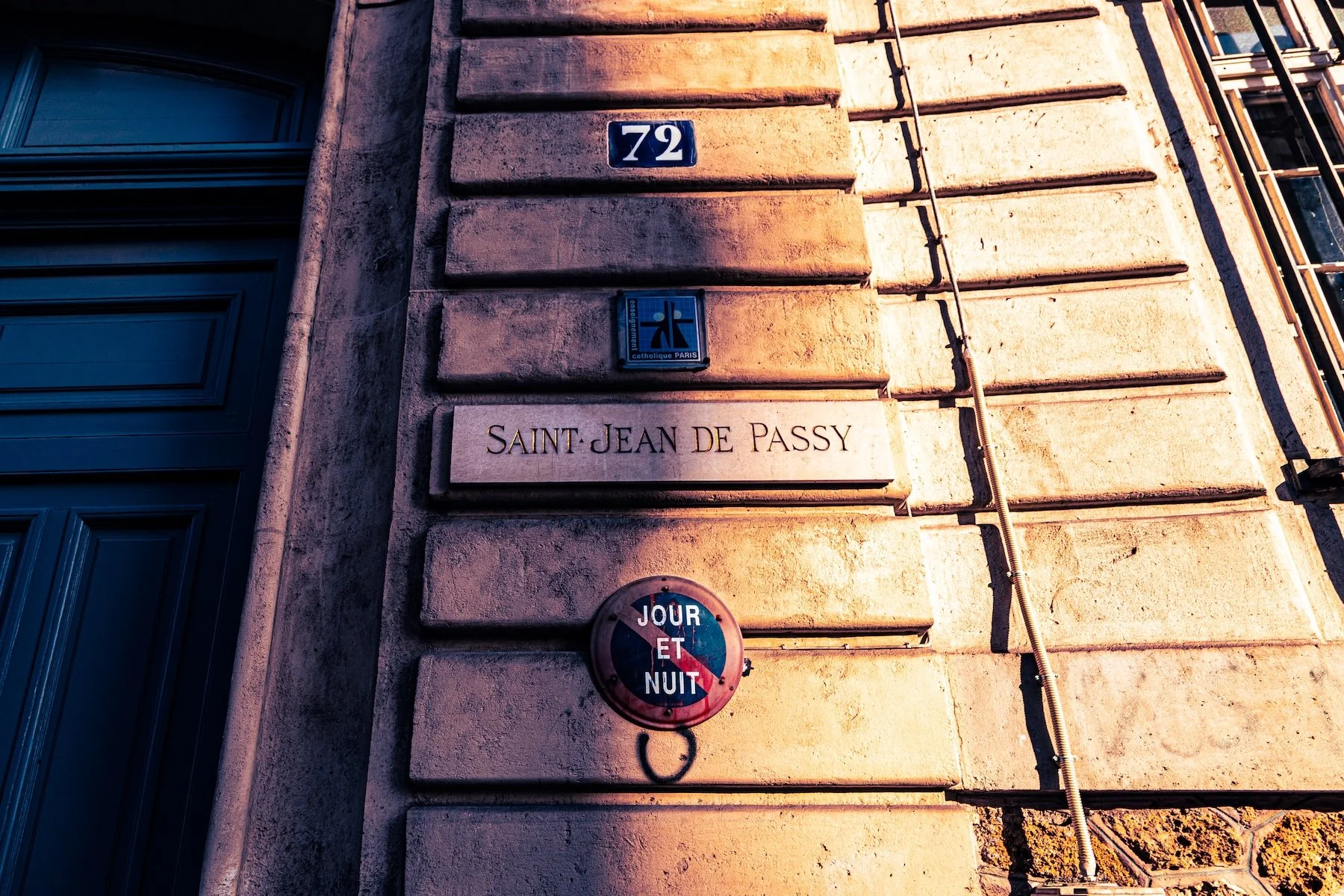

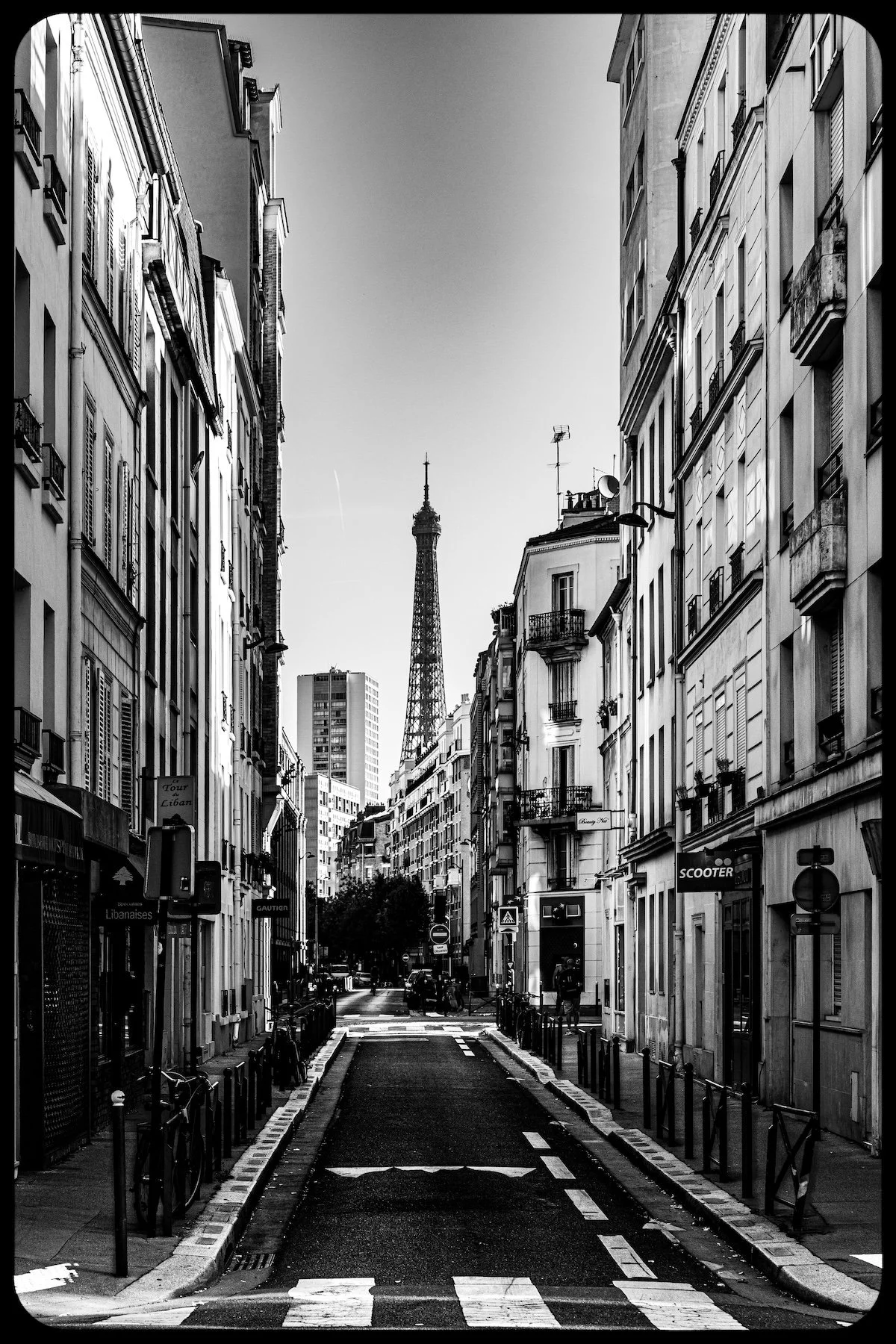
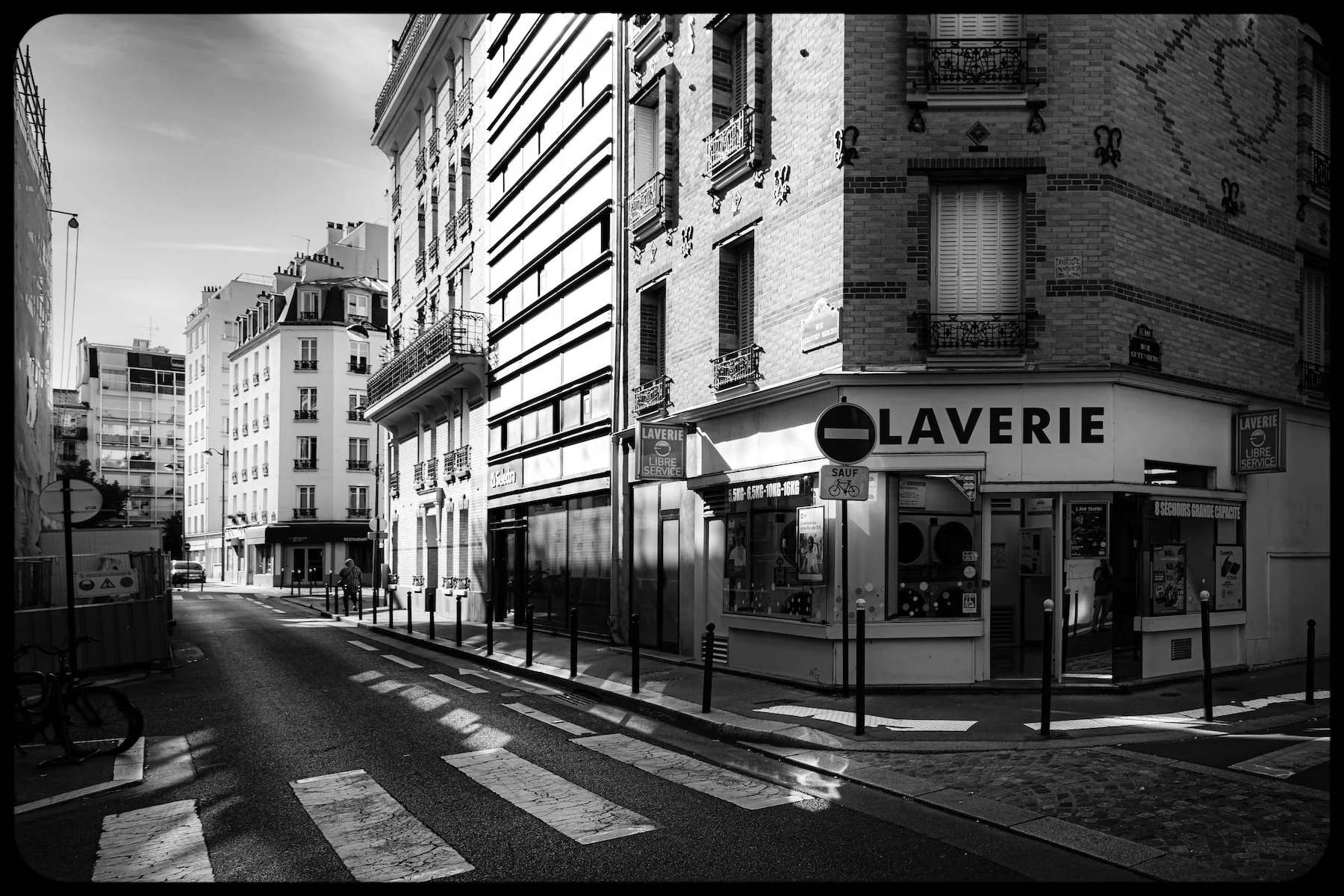
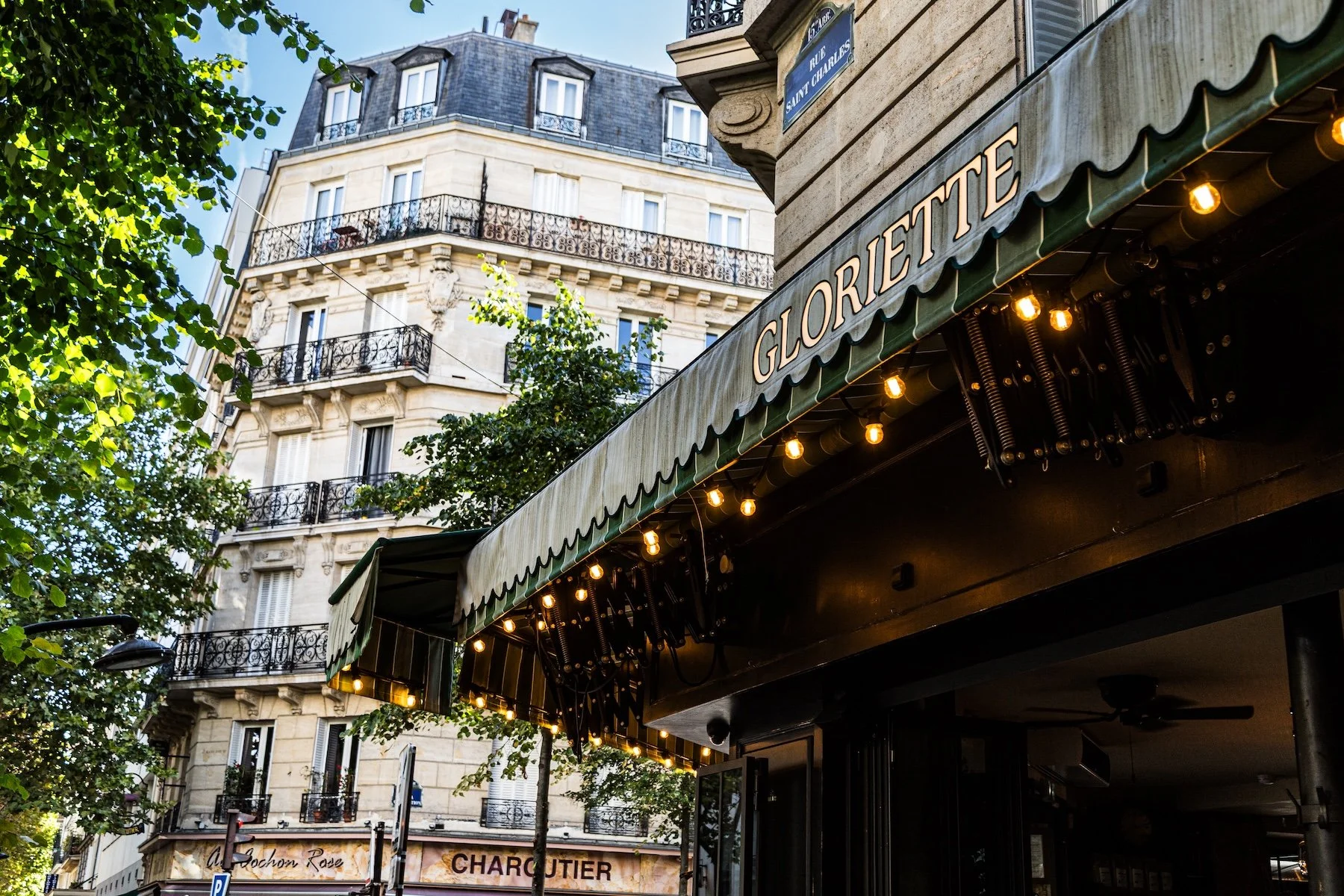
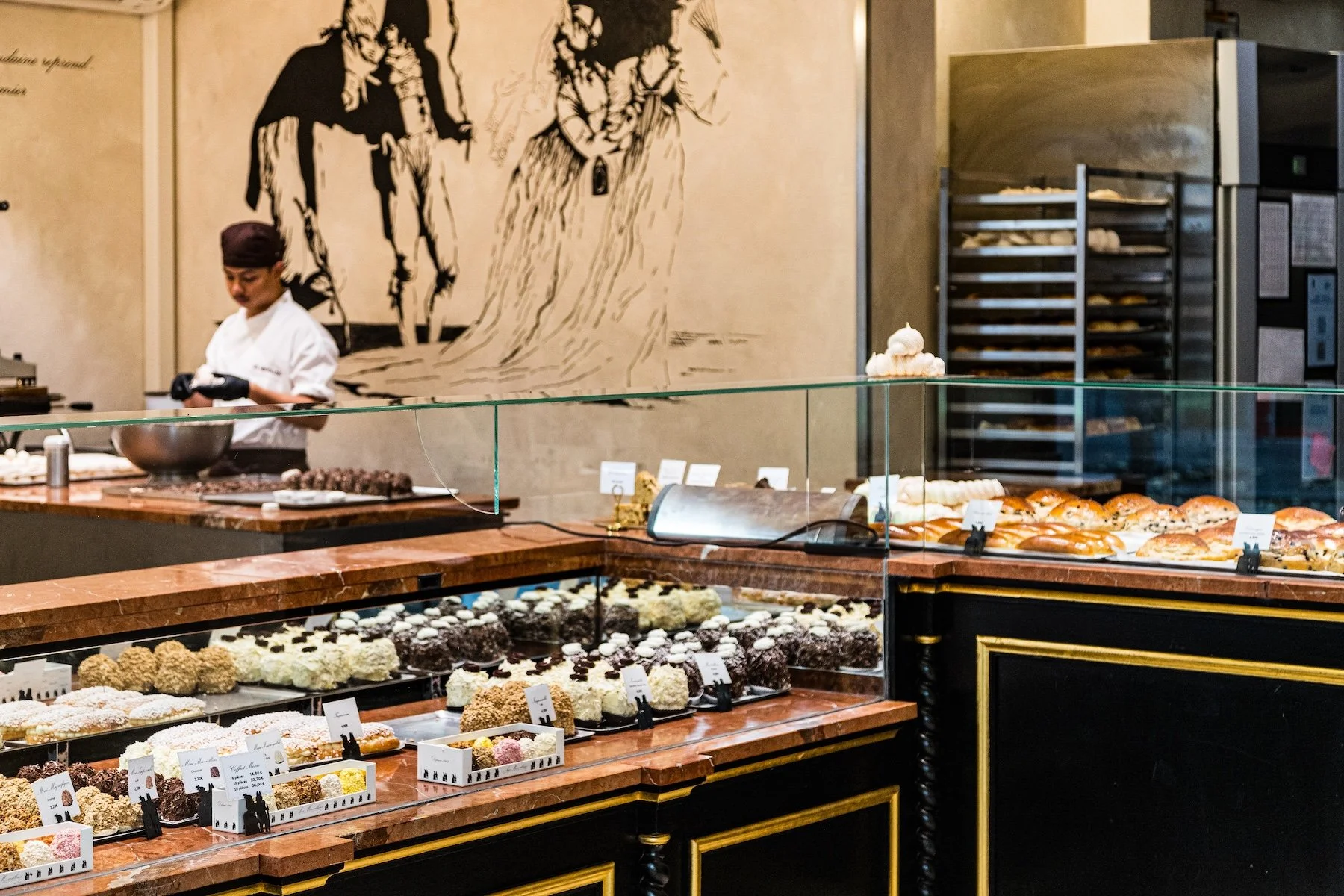
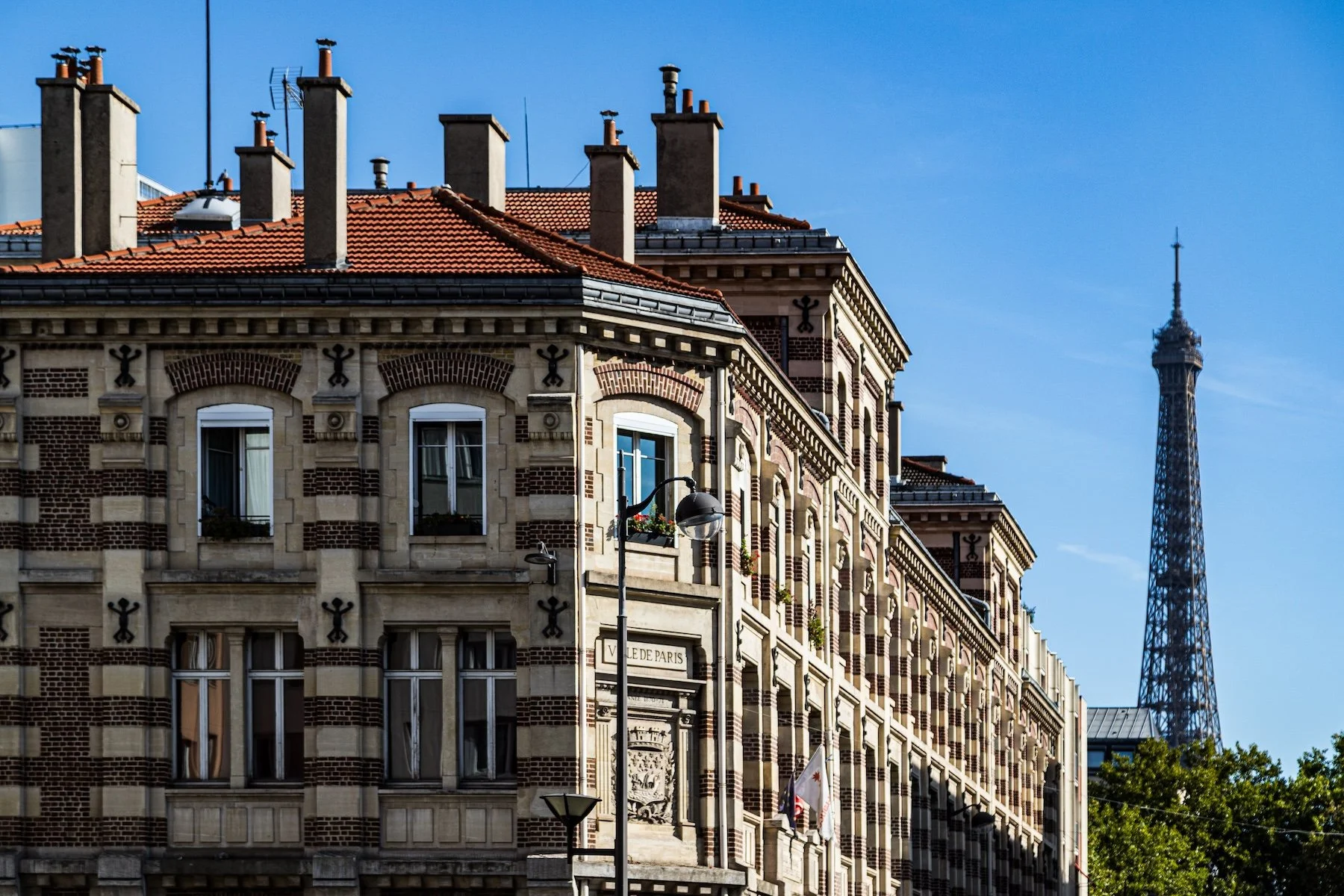
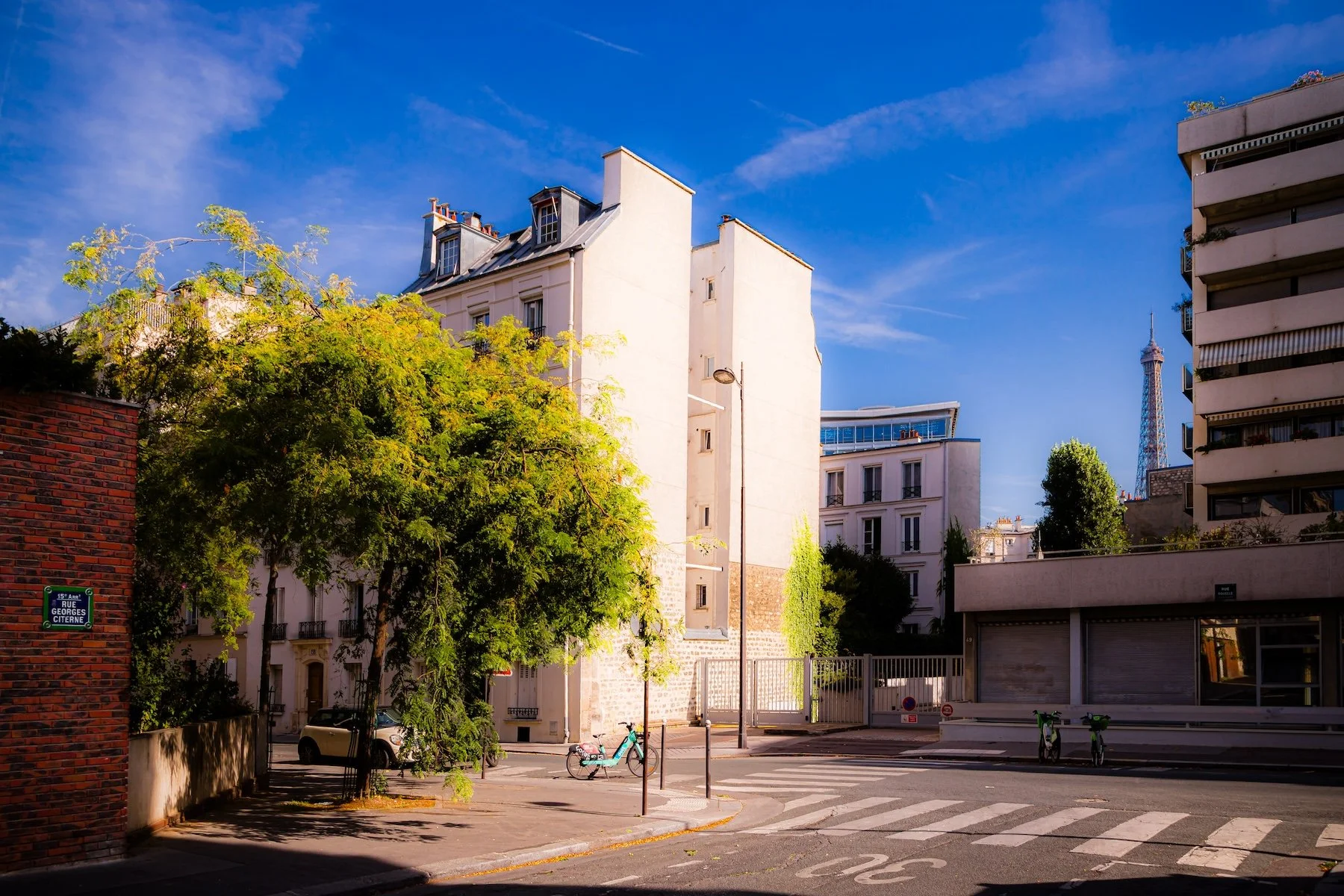
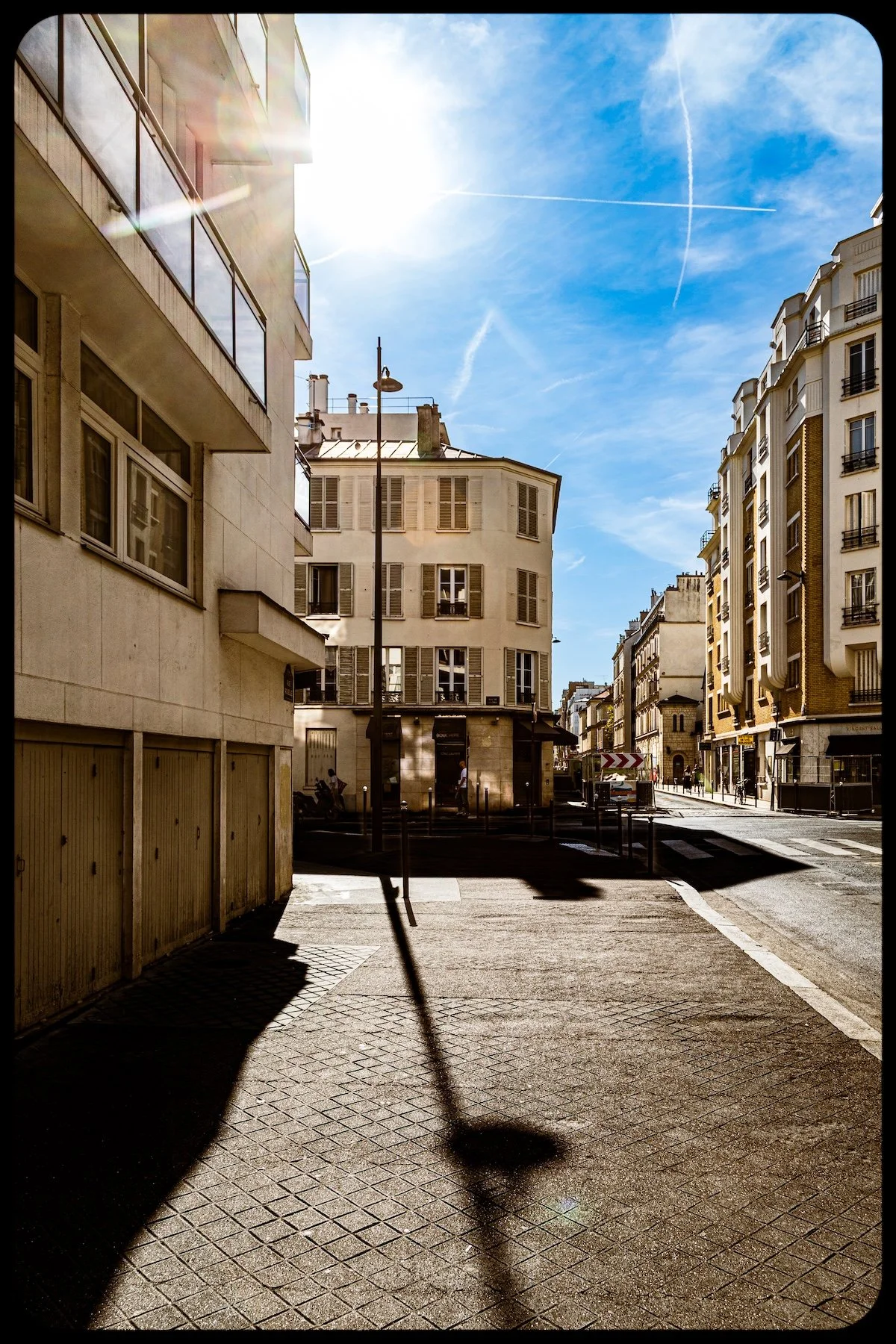
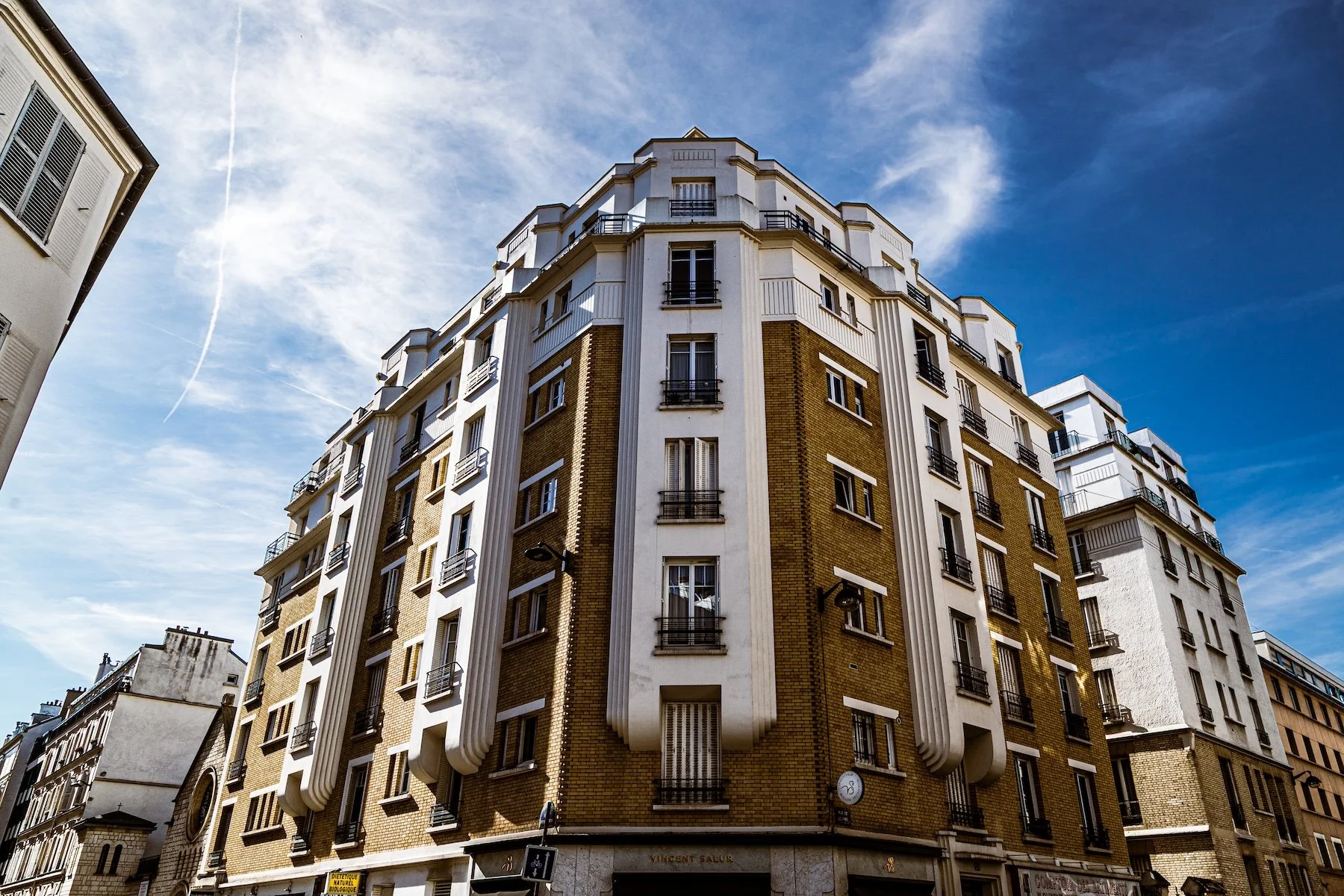
Explore Paris
-

The twenty arrondissements form the civic spiral of Paris, organizing the city into its broad local districts of government, identity, and daily life.
-

Each arrondissement is divided into four official administrative quarters, giving Paris a more precise civic and geographic framework.
-

The conseils de quartier bring participation to street level, giving residents a voice in neighborhood needs, public space, and local civic life.
-

Les Deux Rives trace Paris through the Seine’s two banks, revealing how the Rive Droite and Rive Gauche shaped the city’s civic power, commerce, learning, art, and cultural identity.
-

Cultural neighborhoods reveal the Paris people recognize through history, cafés, architecture, memory, atmosphere, and local belonging.