
7e - ÉCOLE MILITAIRE
Quartiers Administratifs
Part of an ongoing project to walk and photograph every neighborhood in Paris, this page explores the Administrative Quarter: 7e - École Militaire through maps, district identity, history, and photography.
The Map
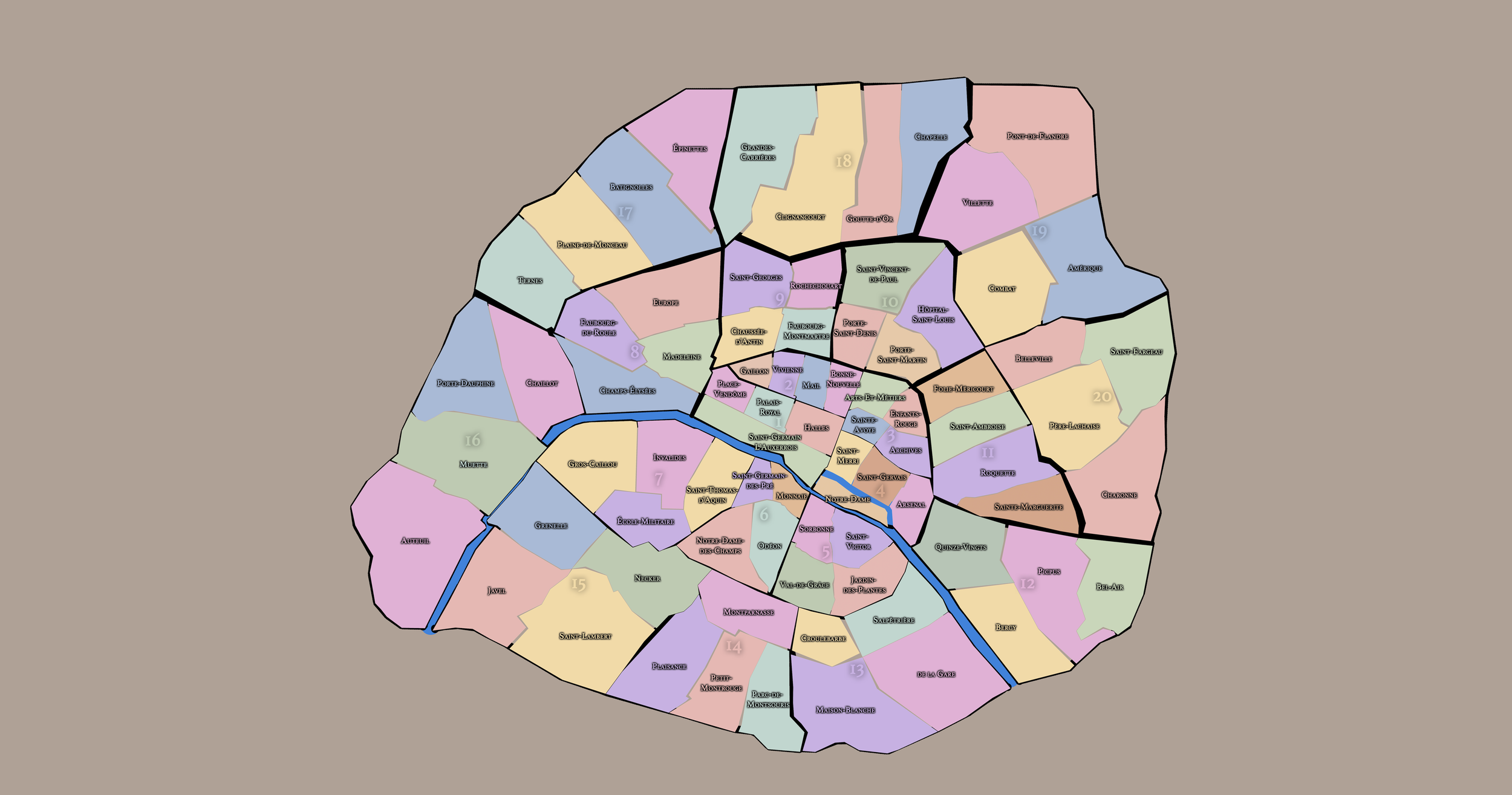
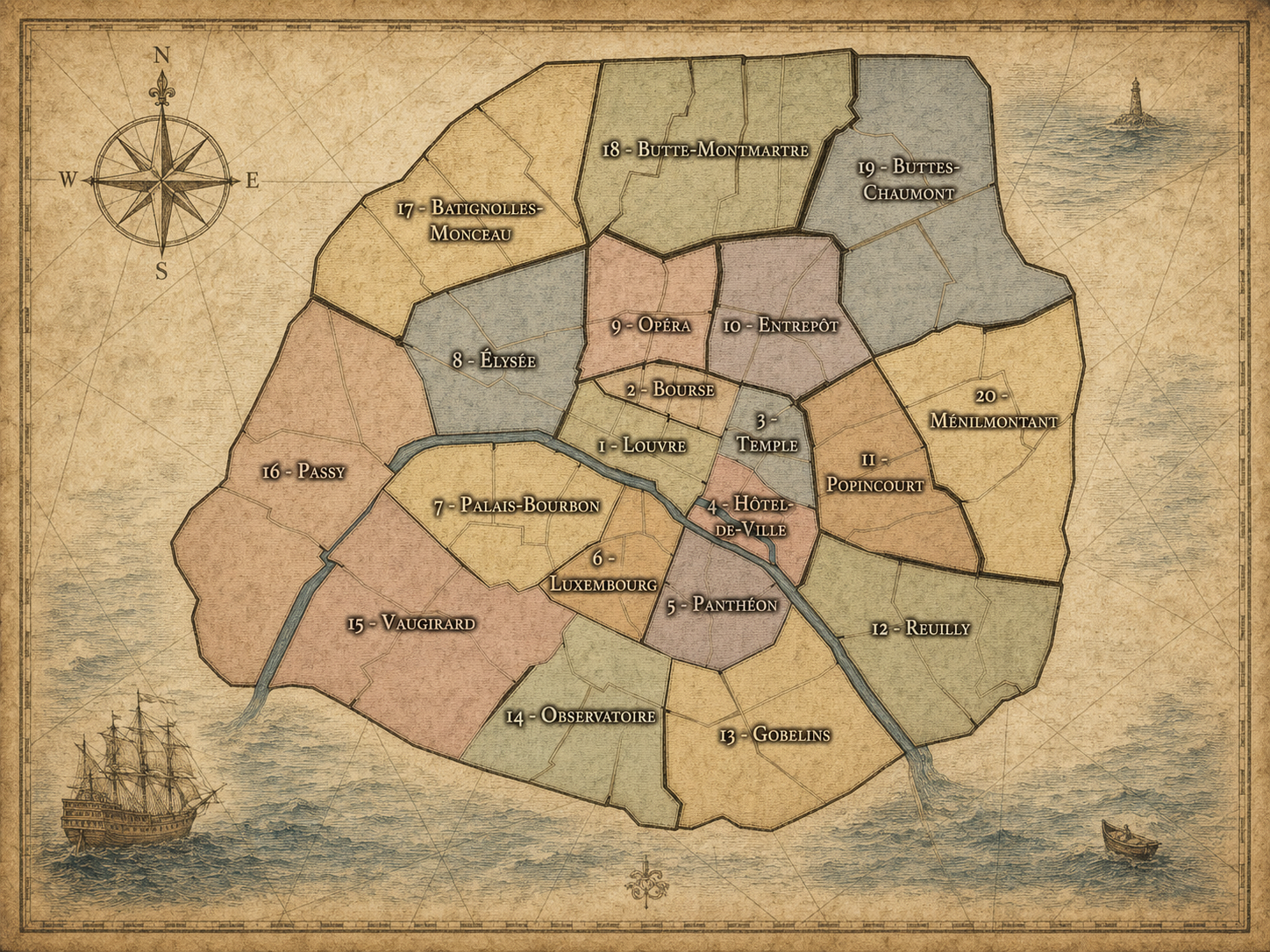
Download the Paris Arrondissements Map
Geographic Setting
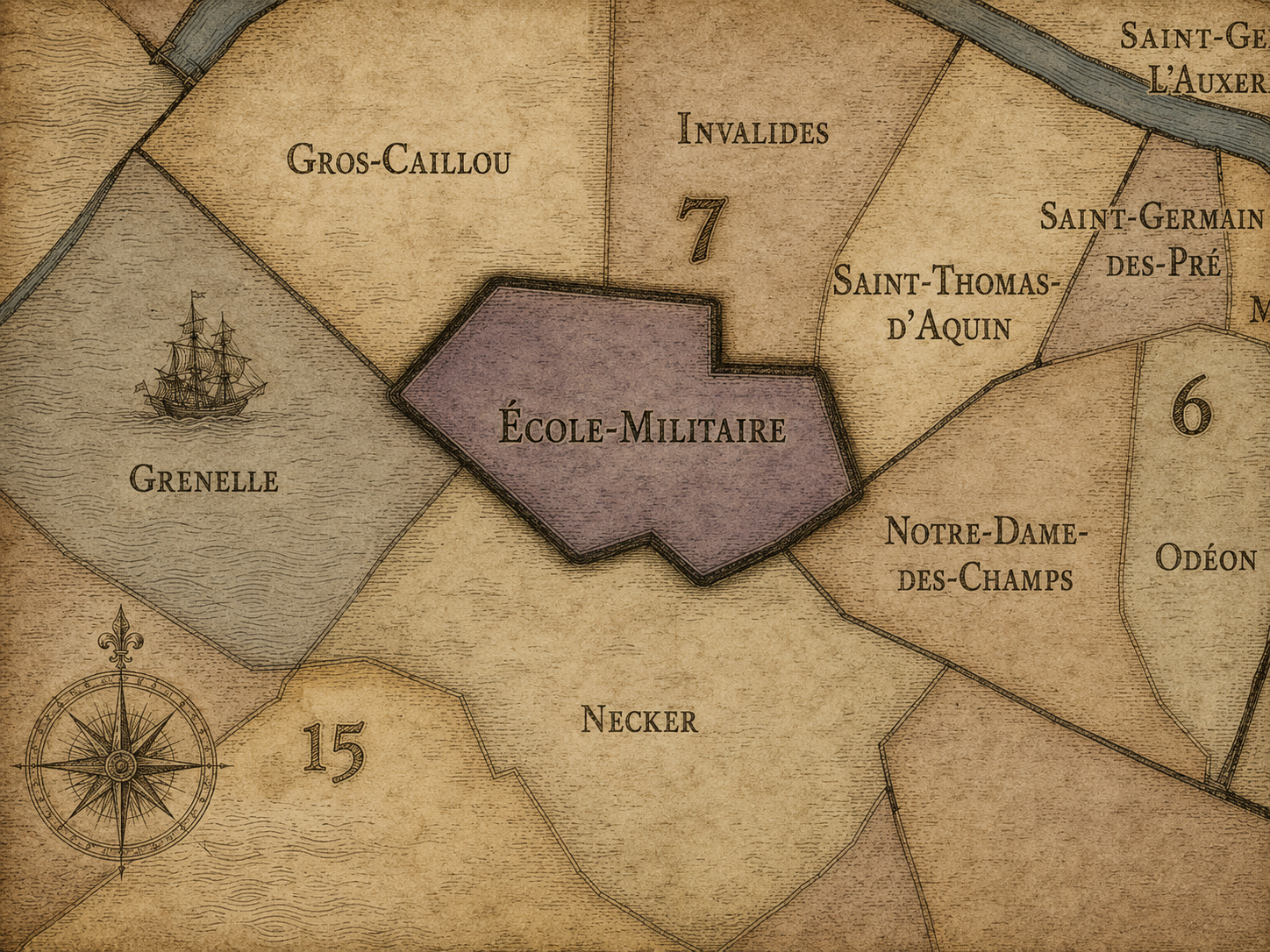
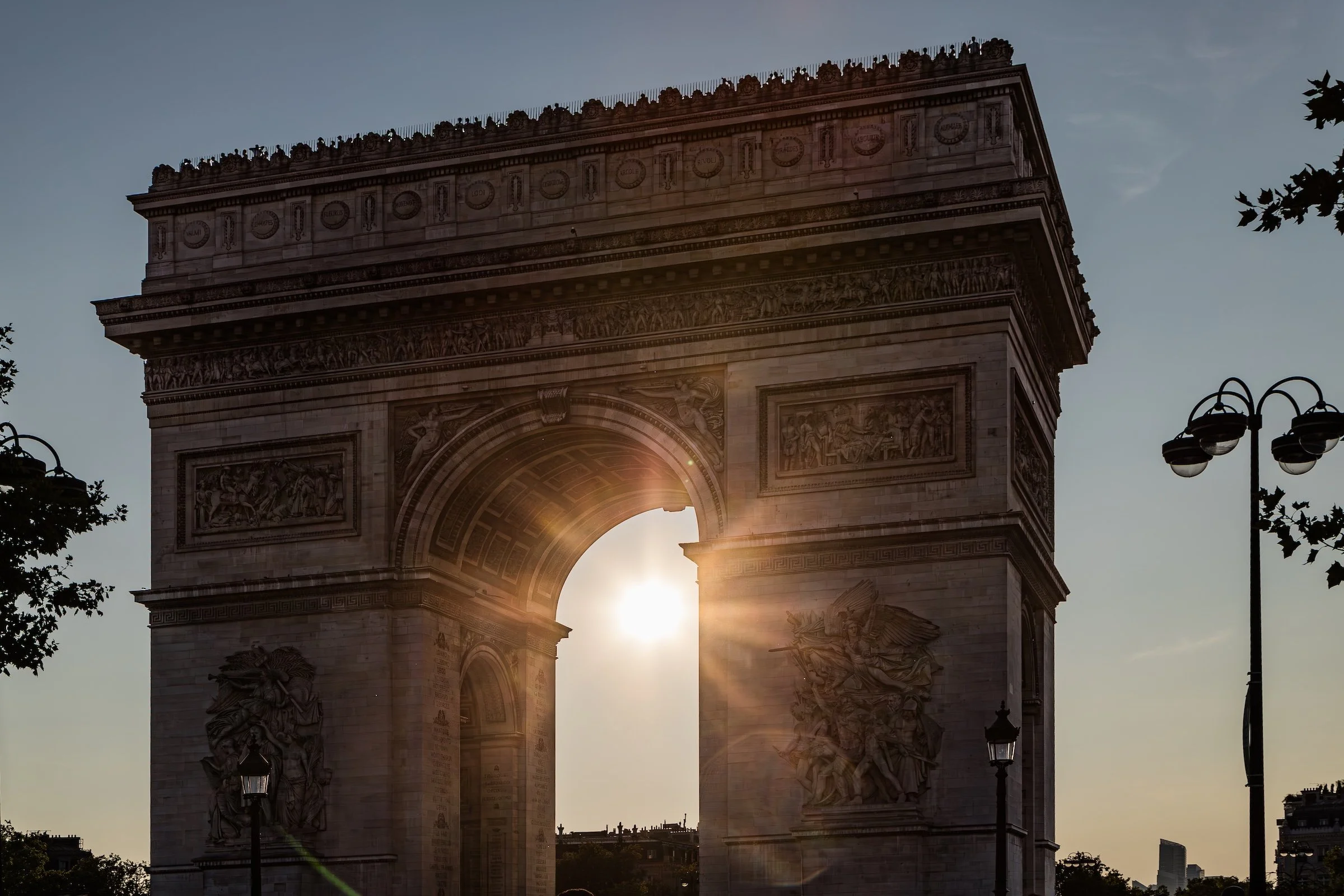
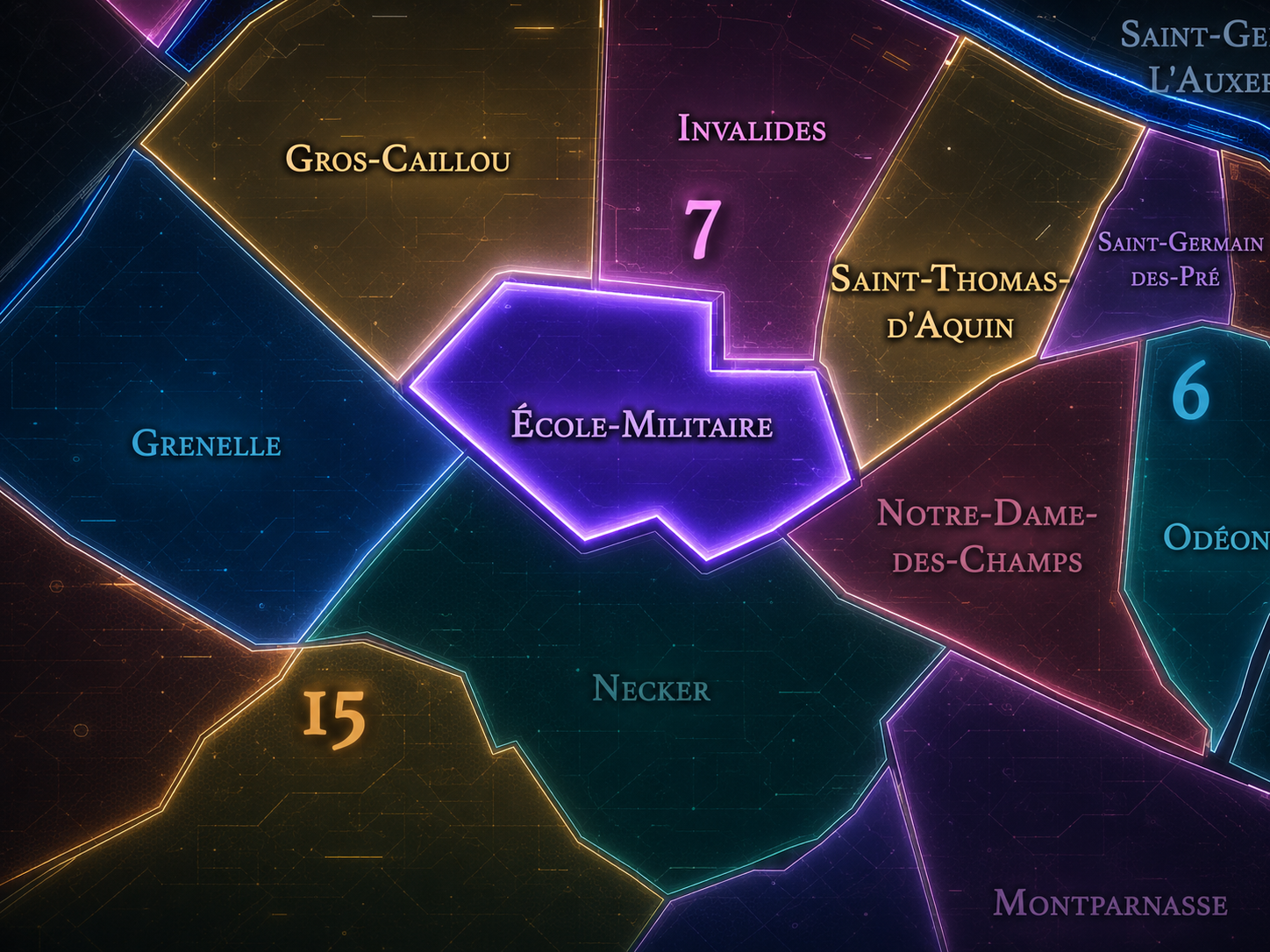
École-Militaire occupies the southwestern portion of the 7th arrondissement, where the Left Bank’s ceremonial and military landscapes meet the broad openness of the Champ-de-Mars and the quieter residential streets leading toward the 15th arrondissement. It lies south of Gros-Caillou, west and southwest of Invalides, and below the long visual axis that runs from the École Militaire across the Champ-de-Mars toward the Eiffel Tower and the Seine. It is a quarter shaped by discipline, space, order, and the architectural language of state formation.
The defining landmark is the École Militaire itself, the military academy founded under Louis XV, whose long classical façade closes the southeastern end of the Champ-de-Mars. Around it stretch Avenue de Suffren, Avenue de La Motte-Picquet, Avenue de Lowendal, Avenue Duquesne, Boulevard de Grenelle, and the residential and institutional streets that connect the western 7th to the edges of Grenelle and the 15th. Unlike Saint-Thomas-d’Aquin, whose identity is more aristocratic and governmental, or Invalides, whose landscape is memorial and ceremonial, École-Militaire is shaped by training, formation, and the controlled geometry of military education.
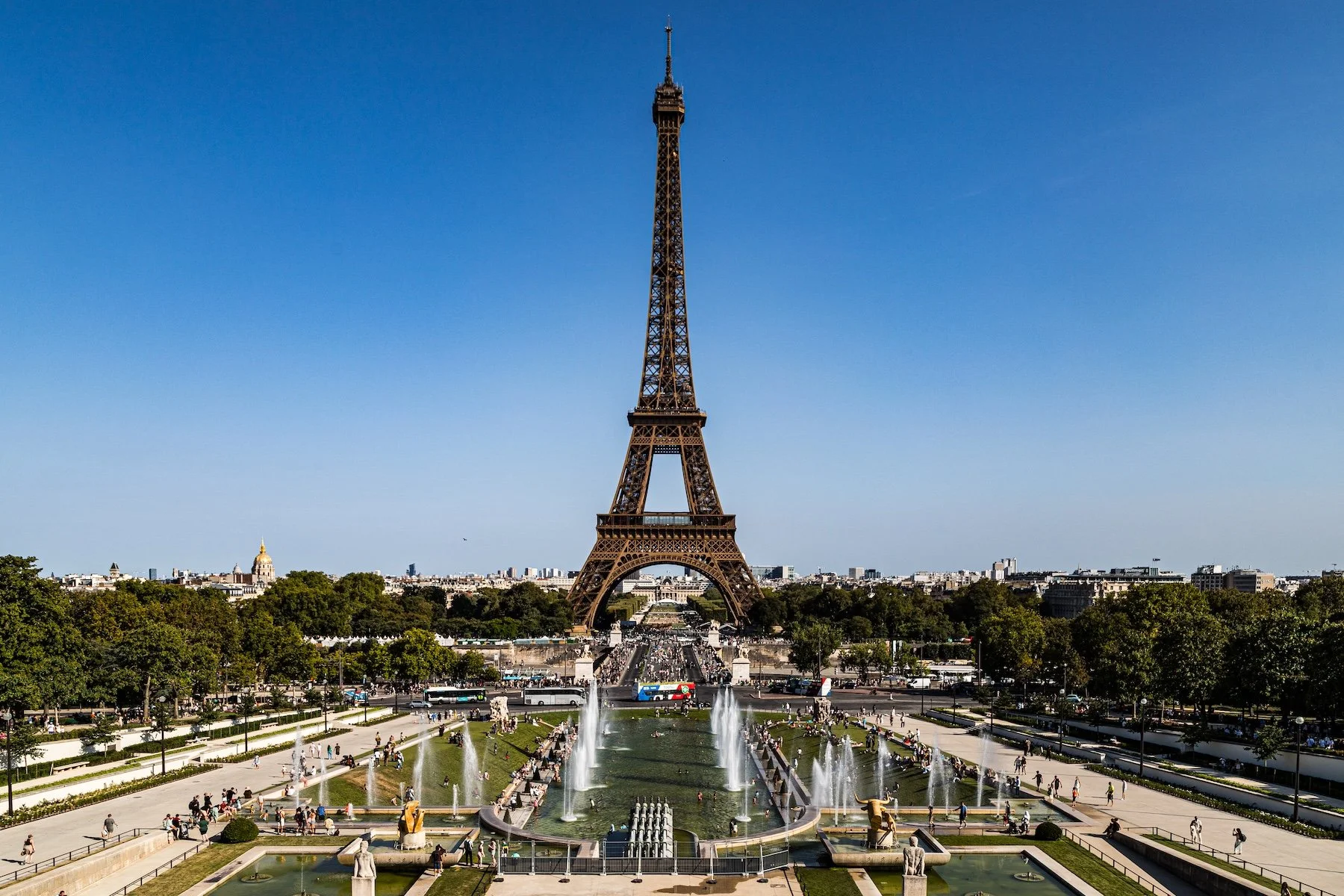
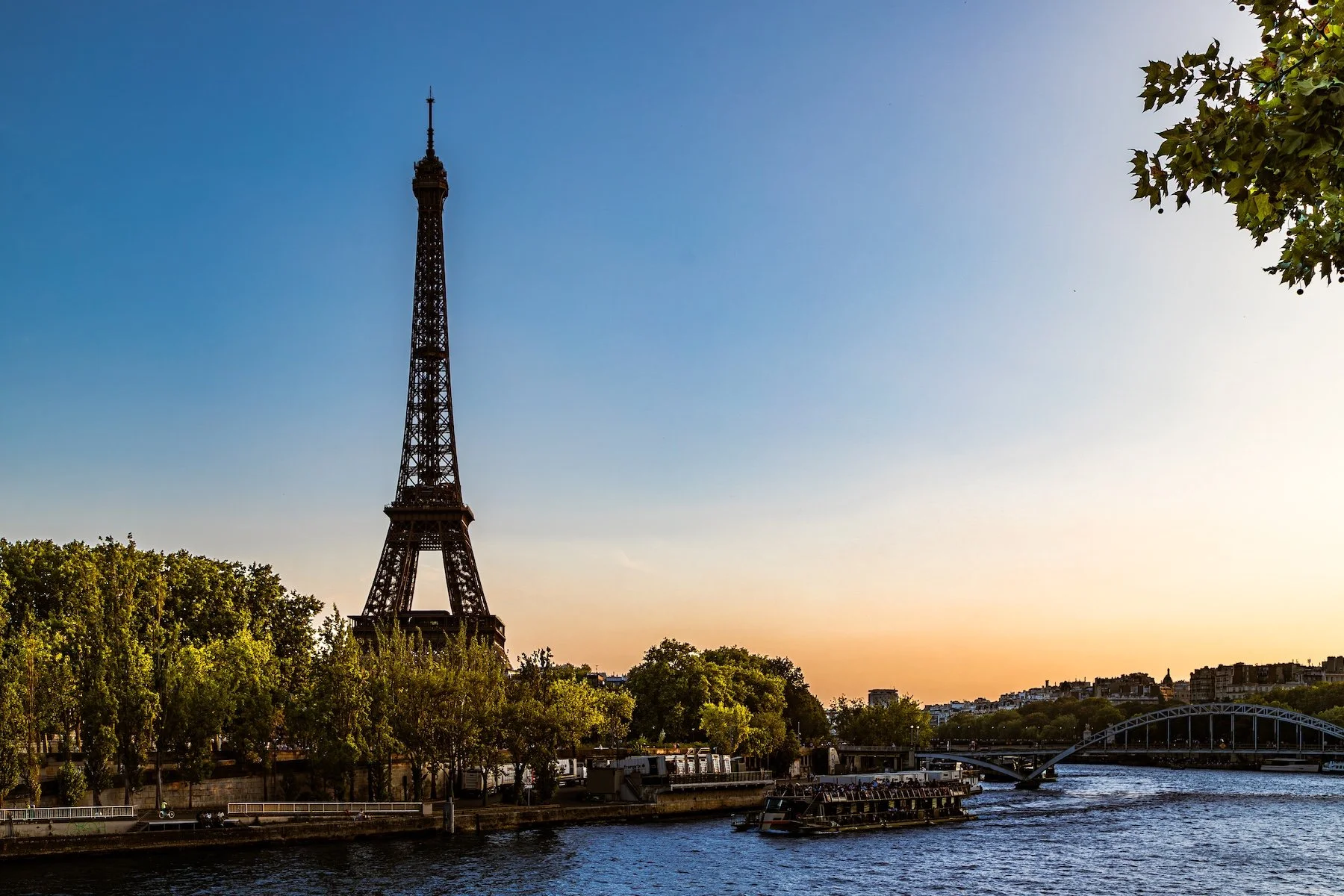
Its geography is also inseparable from the Champ-de-Mars. The open field gives the quarter one of the most powerful spatial relationships in Paris: school and field, façade and lawn, discipline and spectacle, military instruction and public gathering. The Eiffel Tower now dominates the northern view, but the quarter’s older logic begins at the academy, where the state built a place to form soldiers and, by extension, to shape service to the nation.
Administrative Quarter Identity
Etymology and Origins
The name École-Militaire comes from the École Militaire, the military school established in the 18th century to educate young men for military service, particularly those of noble birth who lacked the means to pursue elite training elsewhere. The phrase means “Military School,” but in Paris it refers not only to an institution, but to an entire landscape of discipline, architecture, and state purpose.
The name is unusually direct. Like Arts-et-Métiers, Jardin-des-Plantes, or Invalides, it names the quarter through institutional function. It does not come from a former village, church, market, saint, or noble estate. It comes from training. That gives the quarter a particular clarity: École-Militaire is a place where the city made room for instruction in service, hierarchy, command, and the technical arts of war.
The name also carries a long historical echo because Napoleon Bonaparte studied at the École Militaire as a young cadet in the 1780s. That association gives the institution a symbolic reach beyond its original royal purpose. A school founded under monarchy became part of the formation of a future emperor, and the quarter’s name therefore carries royal, military, revolutionary, imperial, and national meanings at once.
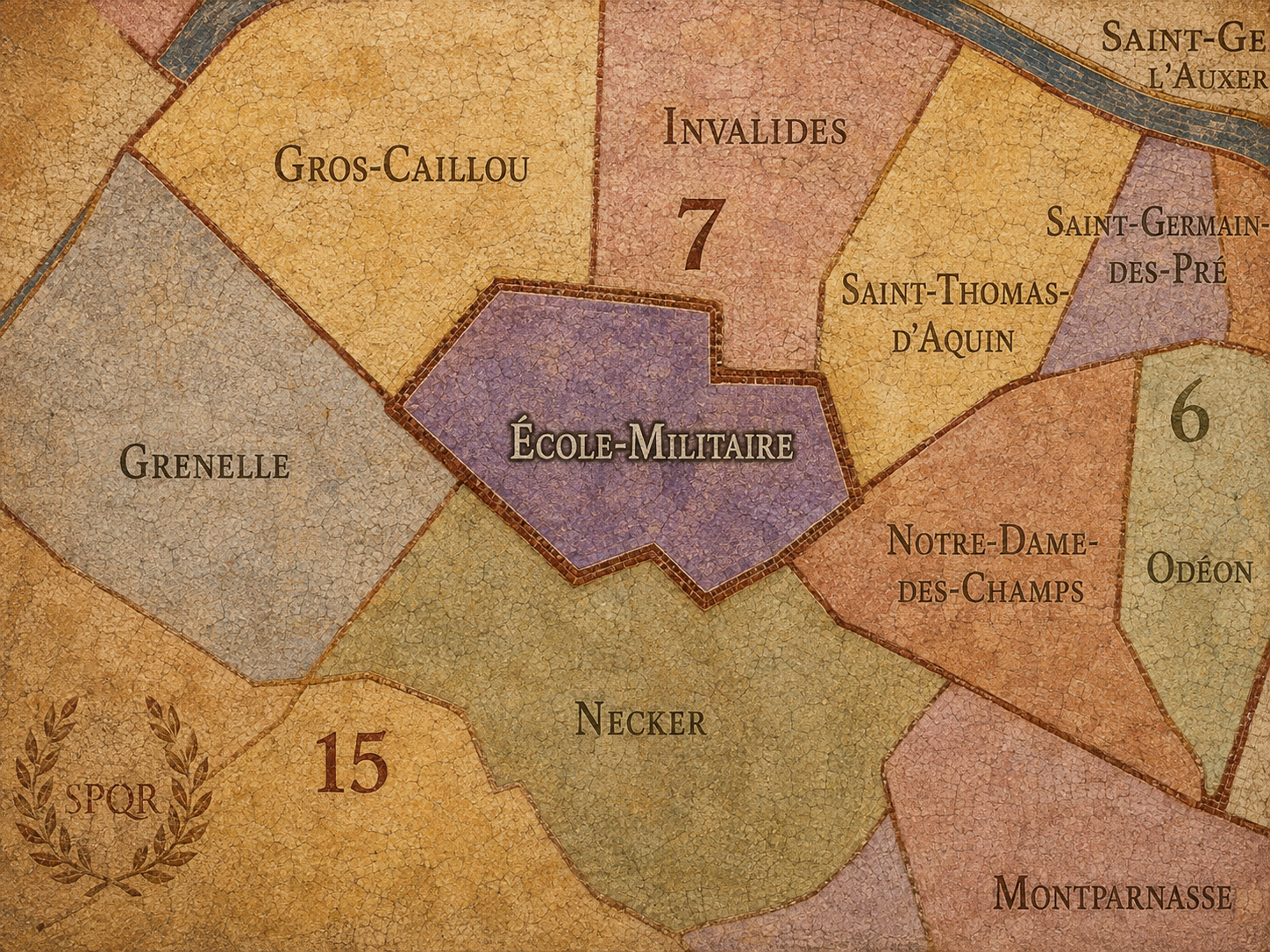
Within the official geography of Paris, École-Militaire is one of the four administrative quarters of the 7th arrondissement, alongside Saint-Thomas-d’Aquin, Invalides, and Gros-Caillou. It occupies the arrondissement’s southwestern sector and helps complete the 7th’s broader civic identity as a district of state institutions, military memory, diplomacy, monumental open space, and refined residential life.
As an administrative quarter, École-Militaire gives formal shape to an area that might otherwise be described through several nearby names: Champ-de-Mars, La Motte-Picquet, Duquesne, Suffren, Grenelle edge, or simply “near the Eiffel Tower.” The official quarter name restores the academy as the organizing landmark, reminding visitors that this part of the city is not only Eiffel-adjacent, but historically tied to military education and state formation.
This civic frame is especially useful because the Eiffel Tower and Champ-de-Mars can easily dominate the surrounding geography. École-Militaire gives the southern side of that landscape its own identity. It shows that the great open field was not only an exhibition ground or tourist foreground; it was once attached to the disciplined world of military training and national service.
Civic Framework
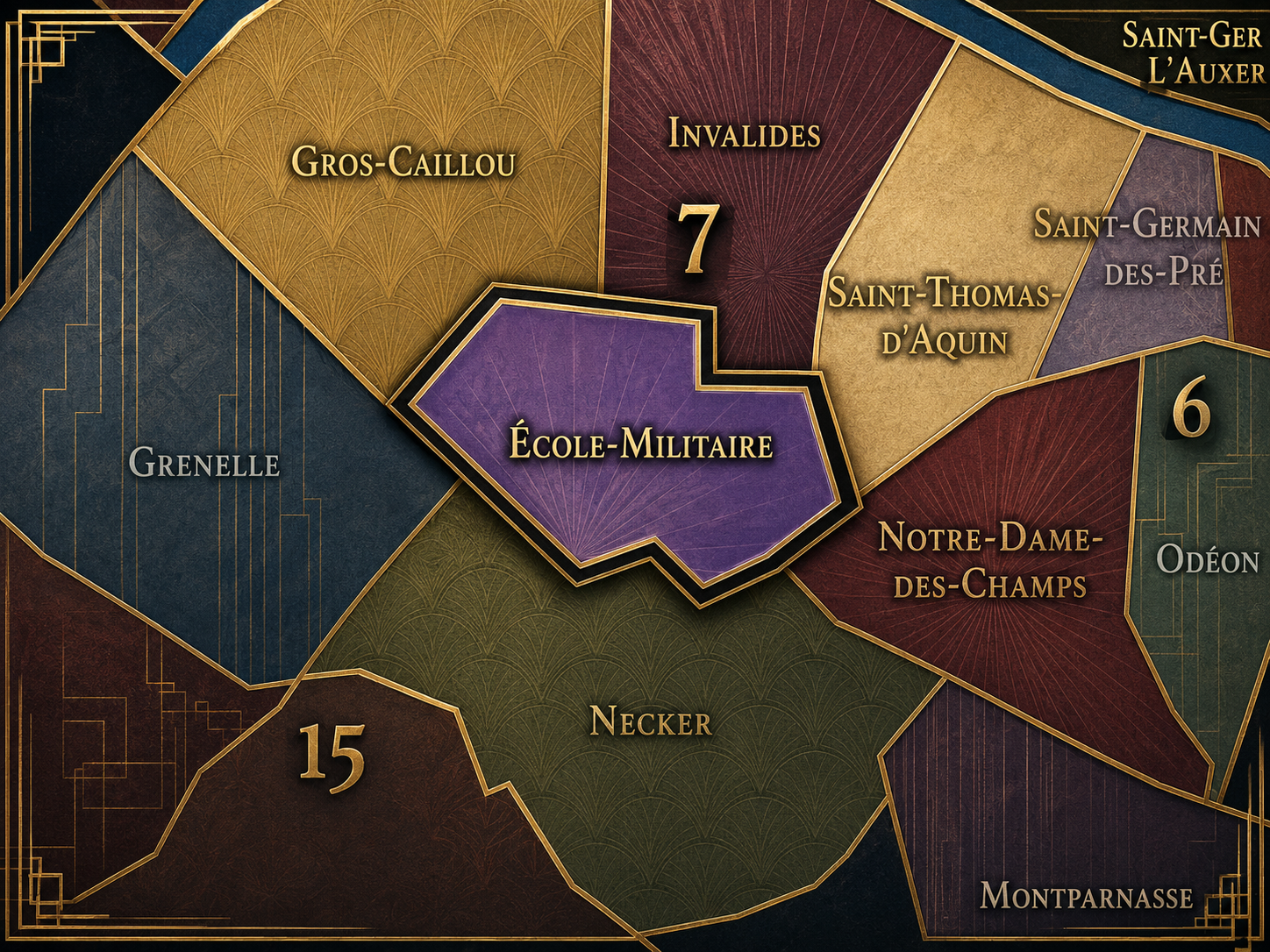
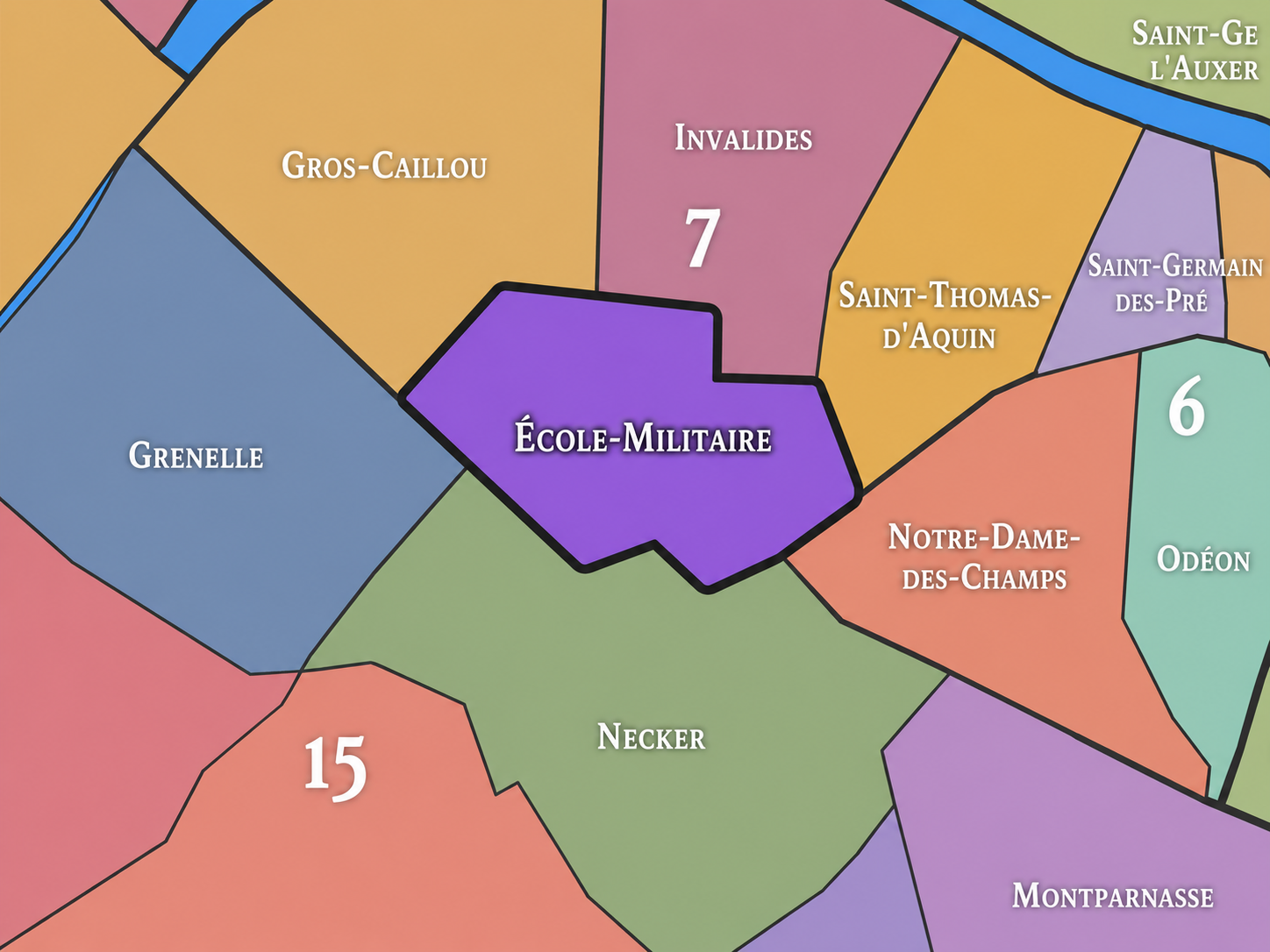
École-Militaire differs from the other quarters of the 7th arrondissement through its relationship to instruction, formation, and the southern side of the Champ-de-Mars. Saint-Thomas-d’Aquin is more closely tied to aristocratic residences, ministries, museums, and the cultivated Faubourg Saint-Germain. Invalides is shaped by wounded soldiers, military memory, national ceremony, Napoleon’s tomb, and the monumental Esplanade. Gros-Caillou is the quarter of the Eiffel Tower, Rue Cler, residential refinement, river views, and the global image of Paris.
École-Militaire shares military geography with Invalides, but its tone is different. Invalides is memory, care, and commemoration. École-Militaire is training, discipline, and preparation. One looks back toward service rendered; the other looks forward toward service to be formed. Together, they create a military-cultural axis within the 7th arrondissement, but each has its own emotional register.
It should also be distinguished from Champ-de-Mars as a public space. The Champ-de-Mars belongs strongly to the visual and recreational life of the area, but École-Militaire is not simply “the neighborhood behind the park.” Its identity is institutional. The academy, the field, the surrounding avenues, and the residential streets form a quarter where the monumental openness of Paris meets the quieter architecture of instruction and daily life.
Neighborhood Distinction
Parisian Identity
École-Militaire expresses Paris as a city of formation. It is one of the places where the state made architecture serve discipline: a school, a field, a façade, a hierarchy of spaces, and a relationship between education and public order. The quarter is not as emotionally charged as Invalides, nor as globally spectacular as Gros-Caillou, but it holds a deeper civic seriousness. It is the Paris of preparation.
The quarter also reveals how military landscapes can be transformed without losing their original grammar. The Champ-de-Mars, once associated with military exercises, became a revolutionary gathering ground, an exhibition site, a public park, and the foreground to the Eiffel Tower. Yet the École Militaire still closes the field with classical order, reminding the viewer that this open space was not born as leisure alone.
This gives the quarter a distinct Parisian balance: discipline and display, school and spectacle, monument and neighborhood. The Eiffel Tower may pull attention northward, but the École Militaire gives the landscape its counterweight. Without the academy, the Champ-de-Mars would feel like an open corridor toward a monument. With it, the space becomes a dialogue between old military order and modern public imagination.
Neighborhood Connections
Every administrative quarter belongs to a wider Parisian fabric. These connections place École Militaire within the city’s civic, participatory, and cultural geography:
-
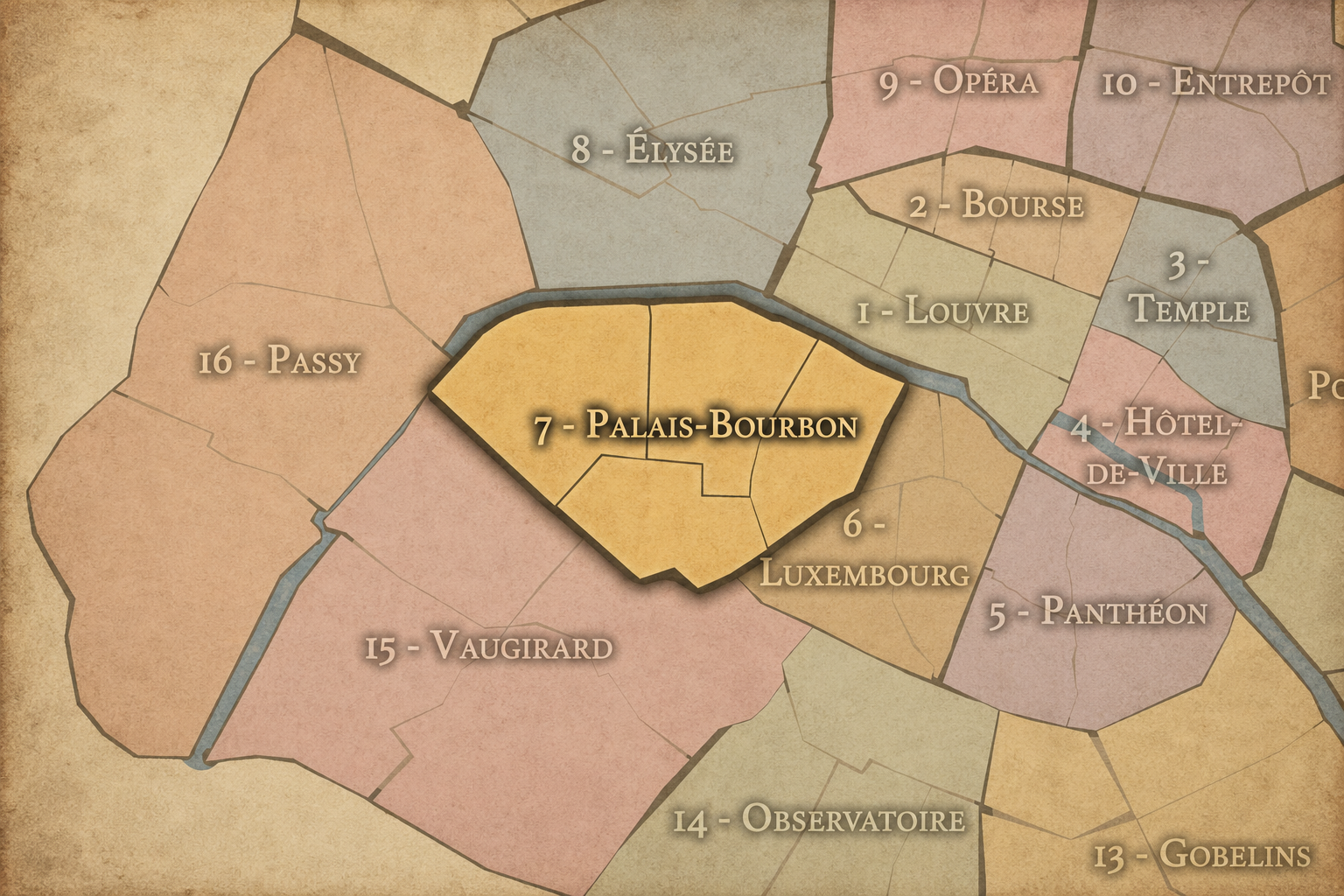
7e - Palais-Bourbon
-
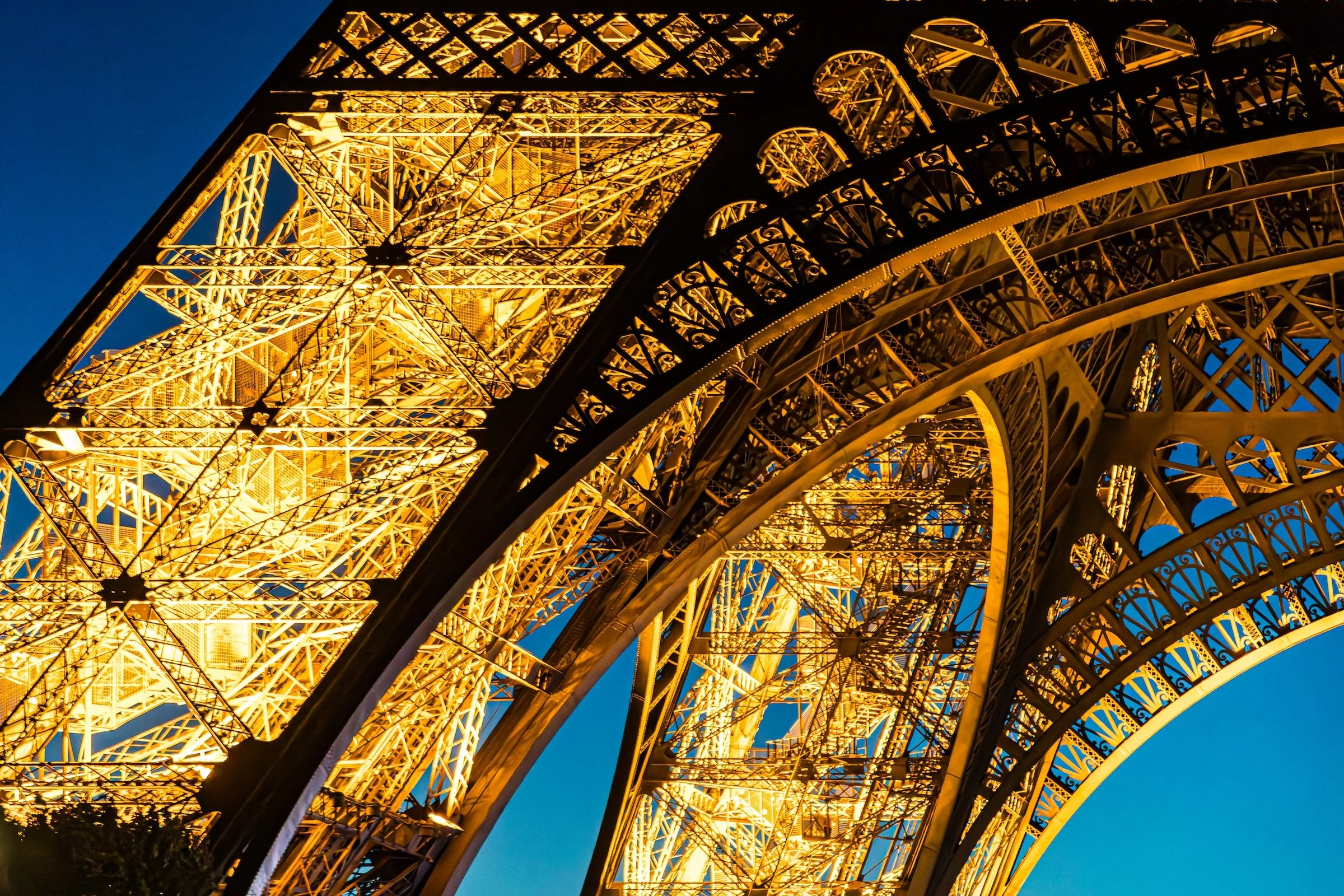
École Militaire
The History
The origins of École-Militaire lie in the western expansion of the Left Bank and the 18th-century effort to create a royal institution for military education. Before the academy and the surrounding urban fabric took shape, this part of Paris was still relatively open compared with the older Left Bank quarters near the Seine, Sorbonne, and Saint-Germain-des-Prés. Its spaciousness made it suitable for a large institutional complex and the field required for military training.
The École Militaire was founded under Louis XV in the mid-18th century, with support from Madame de Pompadour and others who saw military education as a tool of state reform. The project reflected a broader Enlightenment-era interest in administration, expertise, discipline, and the rational organization of institutions. It was not simply a school; it was part of the modernization of state service.
From the beginning, then, the quarter was shaped by purpose. It was not a village absorbed into Paris or a commercial district that grew organically from trade. It was a planned institutional landscape, created to train bodies and minds for military duty. That origin still gives the quarter its distinctive seriousness.
Origins
16th–17th Century
In the 16th and 17th centuries, the future École-Militaire quarter remained largely outside the densest built fabric of Paris. The western Left Bank contained open lands, gardens, religious properties, roads, and early forms of urban expansion, but it had not yet acquired the formal military identity that would later define it. Compared with the Latin Quarter, Saint-Germain, or the old Right Bank, this area still had the character of an edge.
That openness was crucial. Paris often transformed peripheral or semi-rural land into major institutions when the city required scale: hospitals, schools, religious foundations, military grounds, and royal projects. The future École-Militaire quarter belonged to that pattern. Its later monumentality was possible because the older city had not yet enclosed the land completely.
By the end of the 17th century, the western Left Bank was increasingly connected to the aristocratic and institutional expansion of Paris. Nearby Invalides had already established a major military and charitable presence under Louis XIV. The future École Militaire would extend that military geography in the following century, turning the area from open edge into institutional quarter.
The 18th century was the decisive age of École-Militaire. The military school was founded in the reign of Louis XV and constructed as a major royal institution on the western Left Bank. Its purpose was educational, but its architecture expressed the authority and ambition of the state. The long façade, courtyards, and relationship to the Champ-de-Mars gave the quarter a formal order that distinguished it from older, denser Parisian neighborhoods.
The Champ-de-Mars became the great open field associated with the academy, used for military exercises and later for large public gatherings. The field gave the quarter an extraordinary spatial scale, creating one of the great open landscapes of Paris. Unlike a garden designed for leisure or a square designed for urban display, the Champ-de-Mars began as a field of discipline.
The century’s most famous student connection came through Napoleon Bonaparte, who attended the École Militaire as a young cadet. That association transformed the institution’s later memory. The school founded to serve the old monarchy became part of the formative story of the man who would reorder France and much of Europe. In that sense, the quarter’s 18th-century history already contains the tensions of the age: monarchy, reform, revolution, merit, ambition, and military power.
18th Century
19th Century
The 19th century transformed the area around École-Militaire through revolution, empire, exhibitions, and the changing use of the Champ-de-Mars. The academy and its field remained central to the quarter’s identity, but the open space became increasingly associated with national ceremony and public spectacle. Revolutionary festivals, military reviews, and later universal exhibitions all used the Champ-de-Mars as a stage.
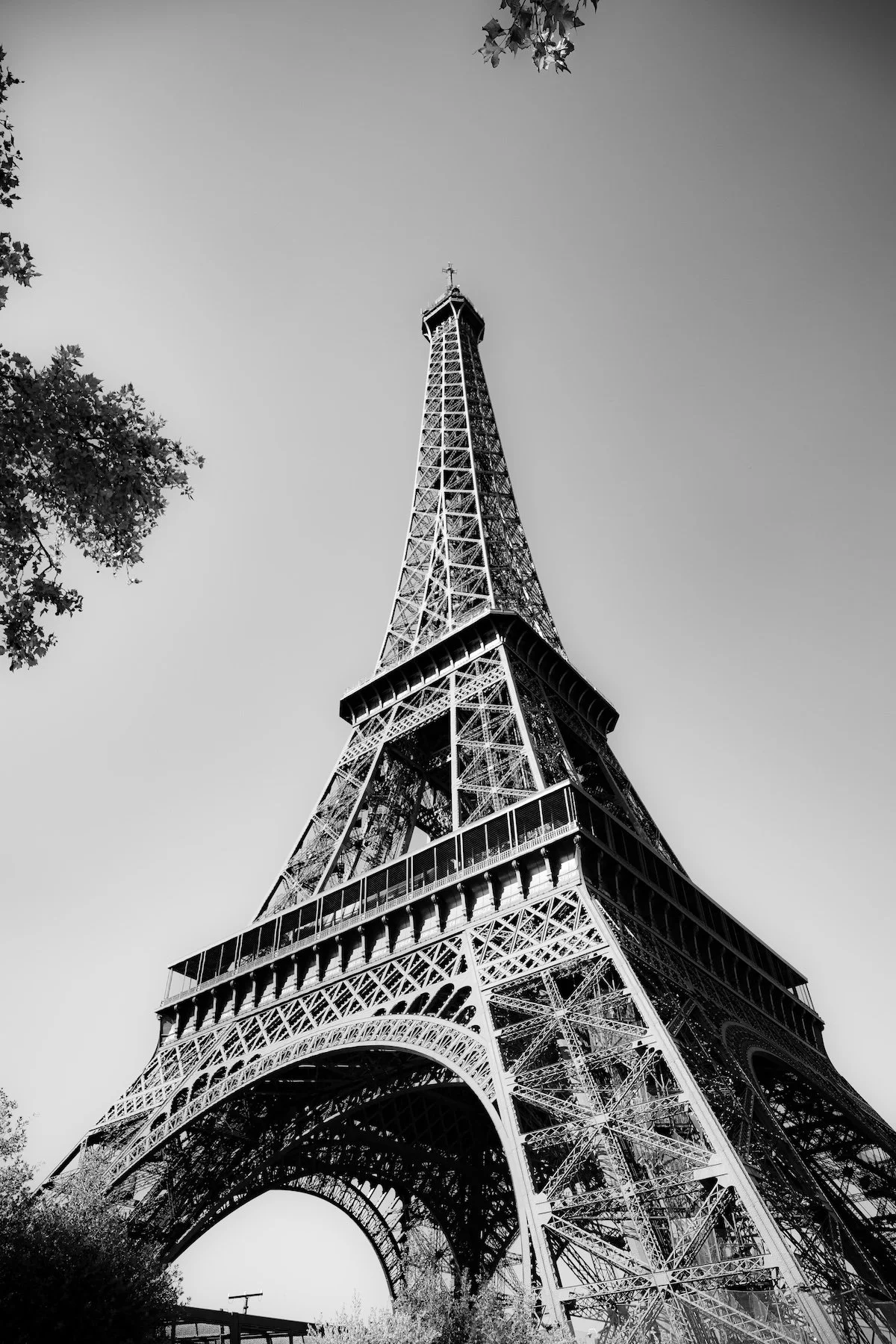
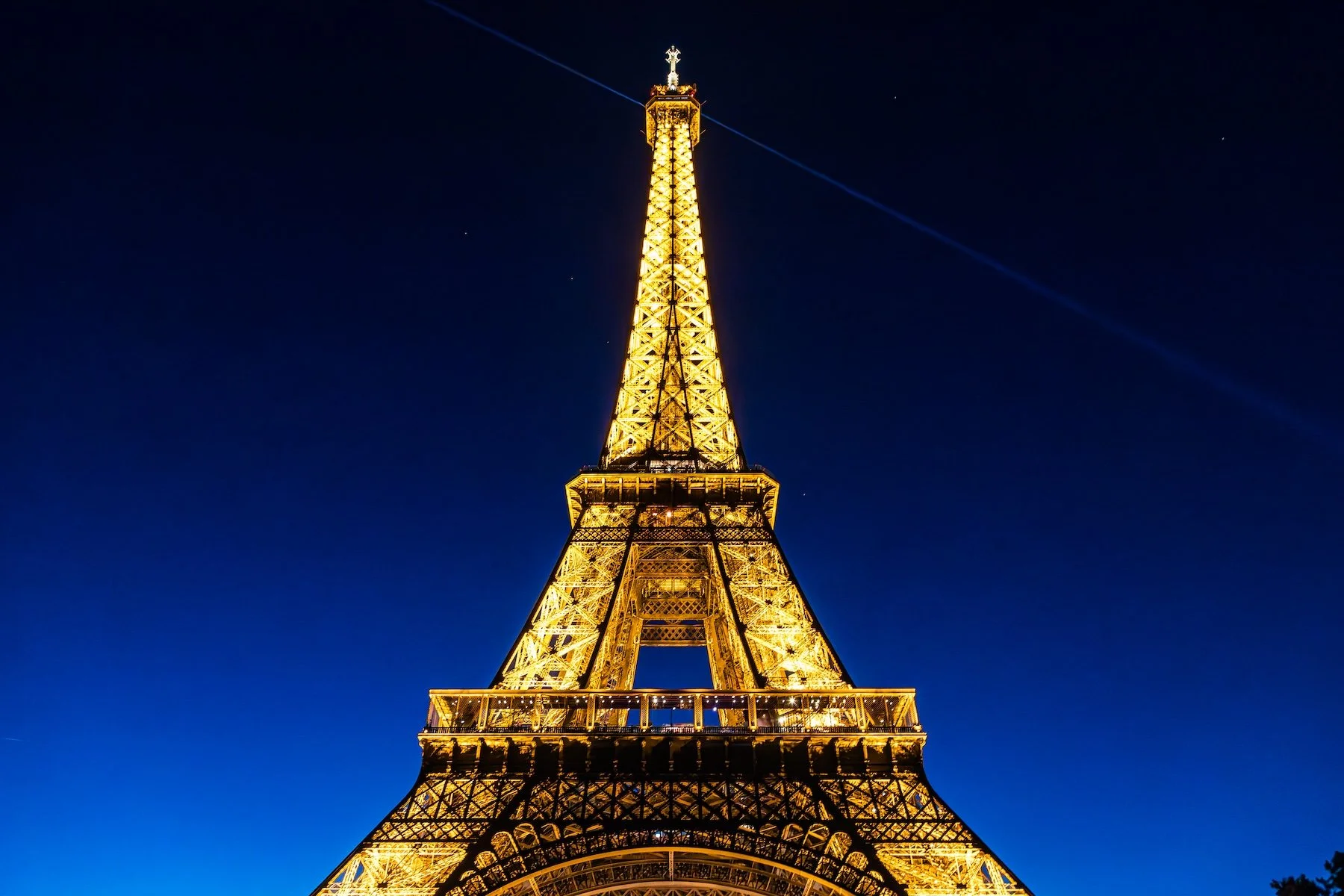
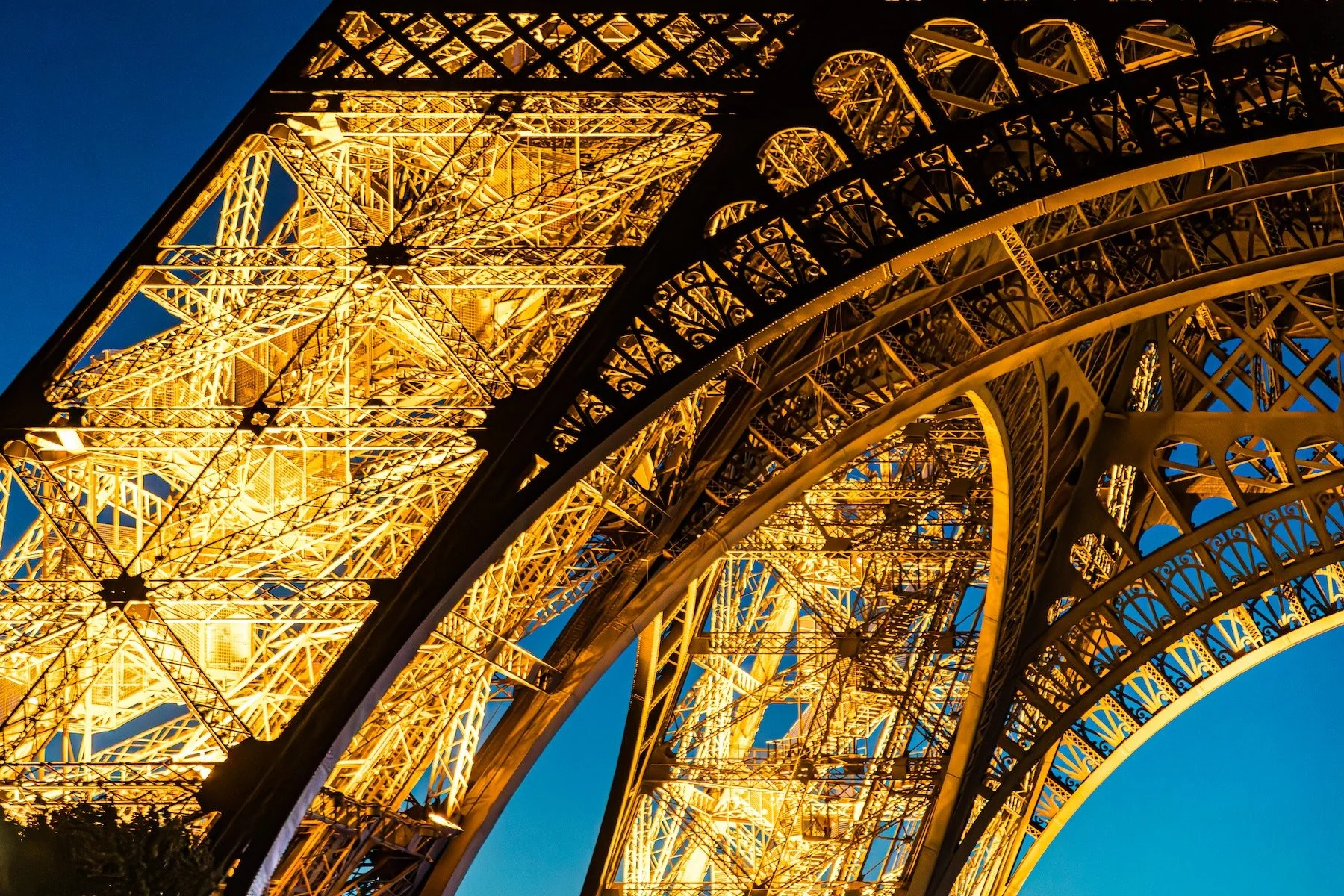
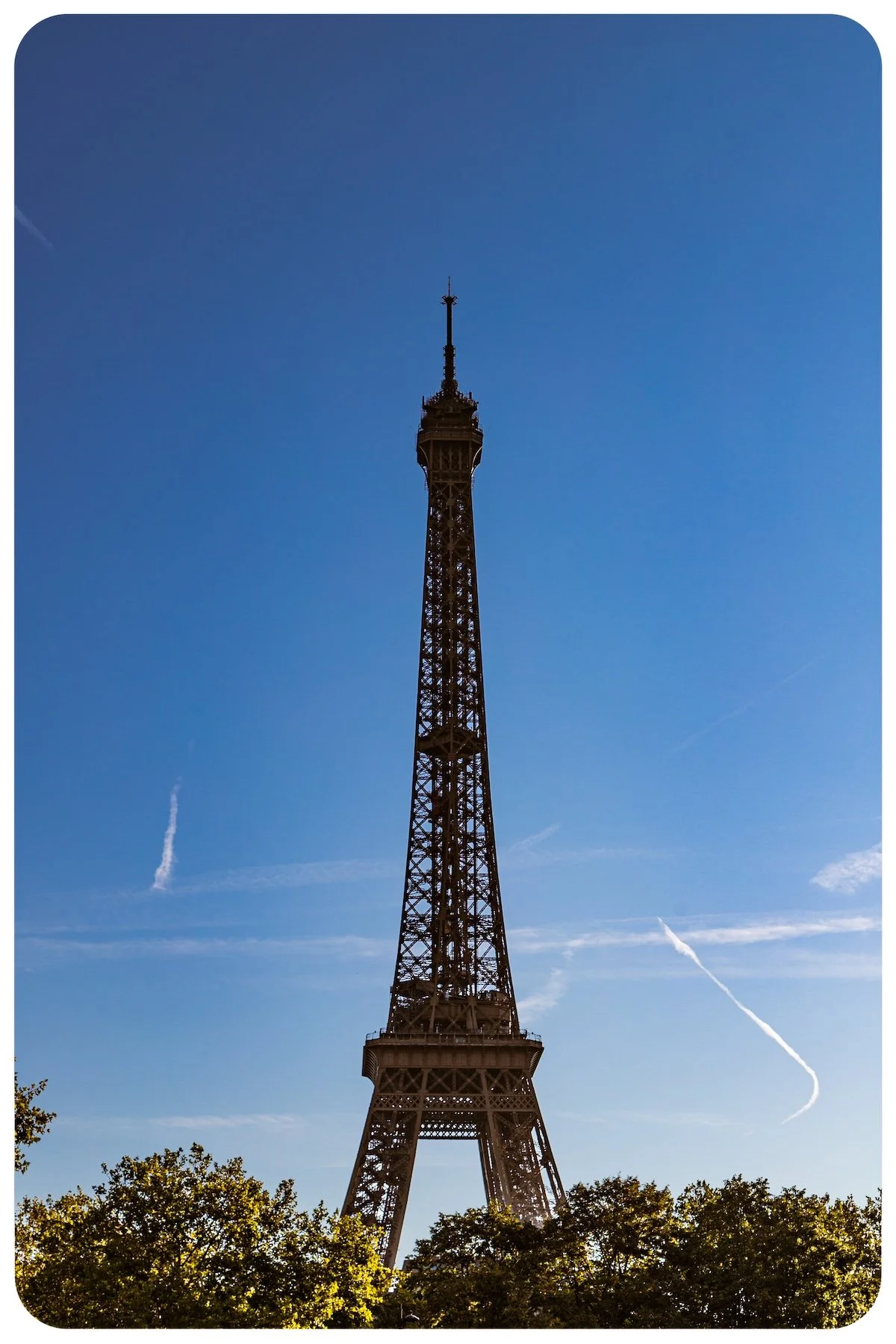
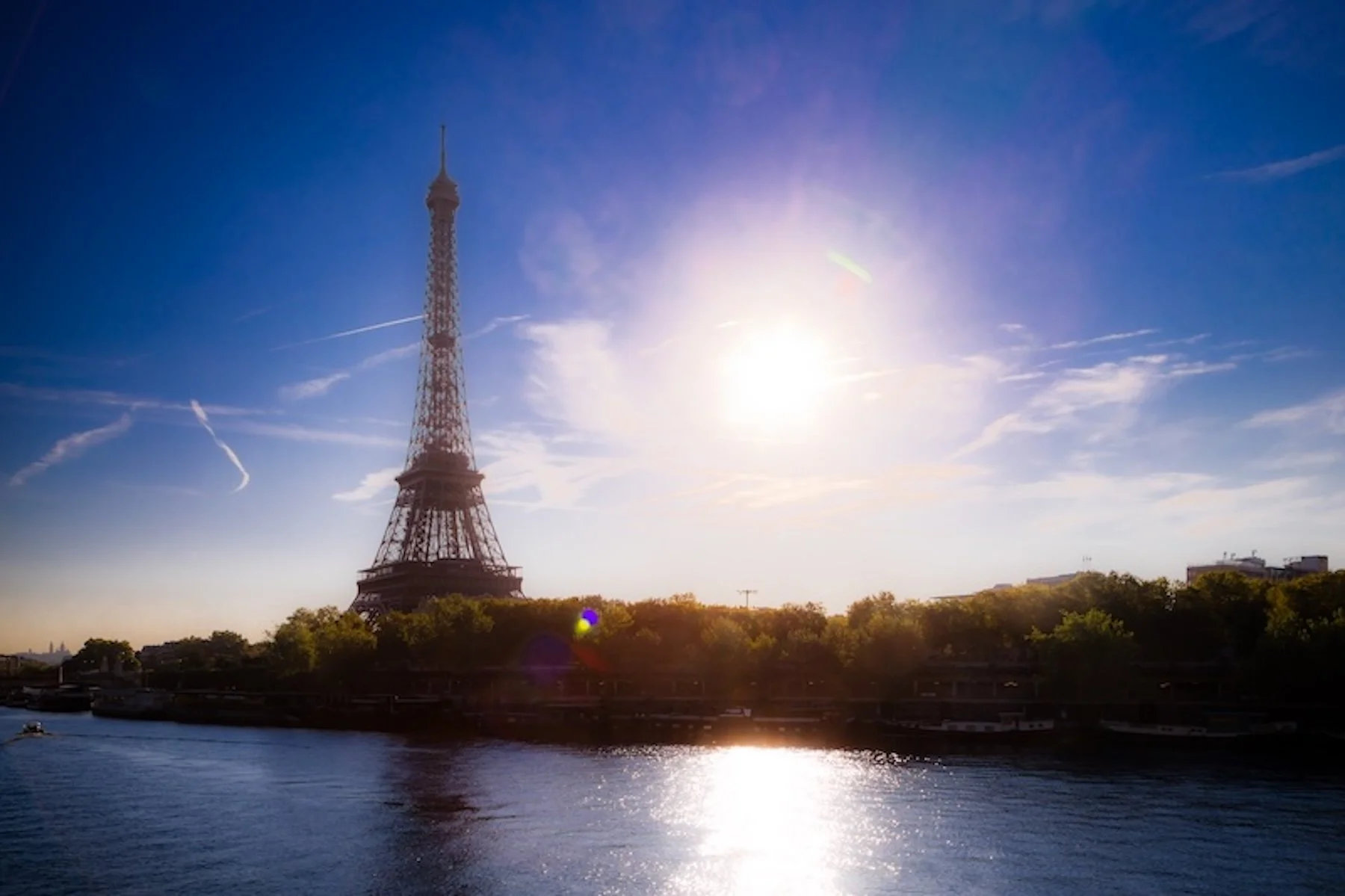
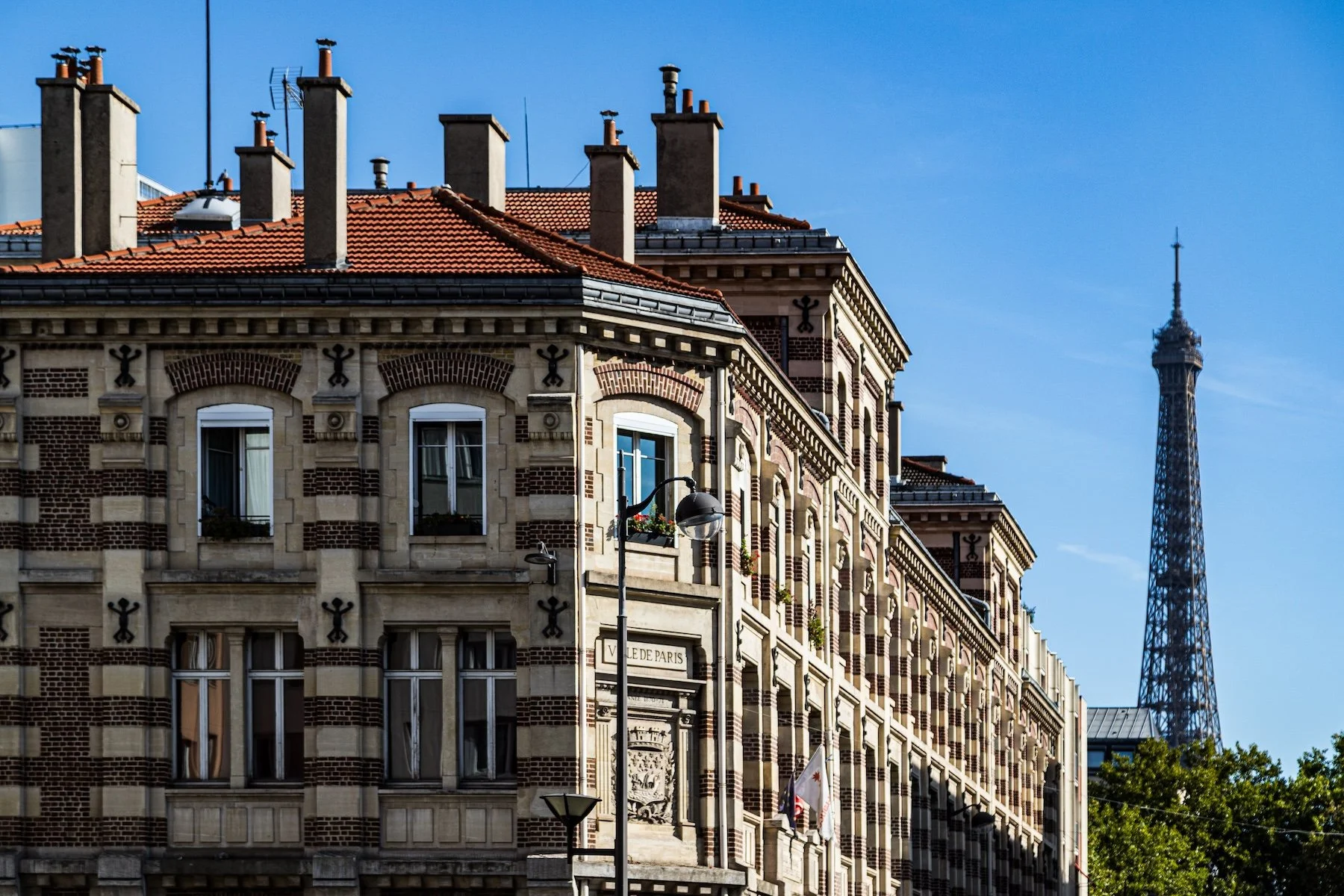
The Eiffel Tower, built for the 1889 Exposition Universelle at the northern end of the Champ-de-Mars, permanently changed the visual identity of the quarter and its surroundings. Although the tower stands within Gros-Caillou’s official quarter, its relationship to the École Militaire is spatially inseparable. The academy and tower face each other across the field, creating one of the great urban dialogues of Paris: 18th-century military order looking toward 19th-century industrial modernity.
The surrounding streets also developed as the 7th arrondissement became a prestigious residential and institutional district. Apartment buildings, avenues, schools, embassies, and services filled the area around the academy. École-Militaire retained its institutional core, but it became embedded within a broader neighborhood of western Left Bank refinement.
In the early and mid 20th century, École-Militaire remained tied to military education, state institutions, and the symbolic geography of the Champ-de-Mars. The First World War and Second World War gave the quarter’s military identity renewed seriousness. In a century shaped by mass conflict, the academy and nearby Invalides belonged to a larger landscape of service, commemoration, injury, and national defense.
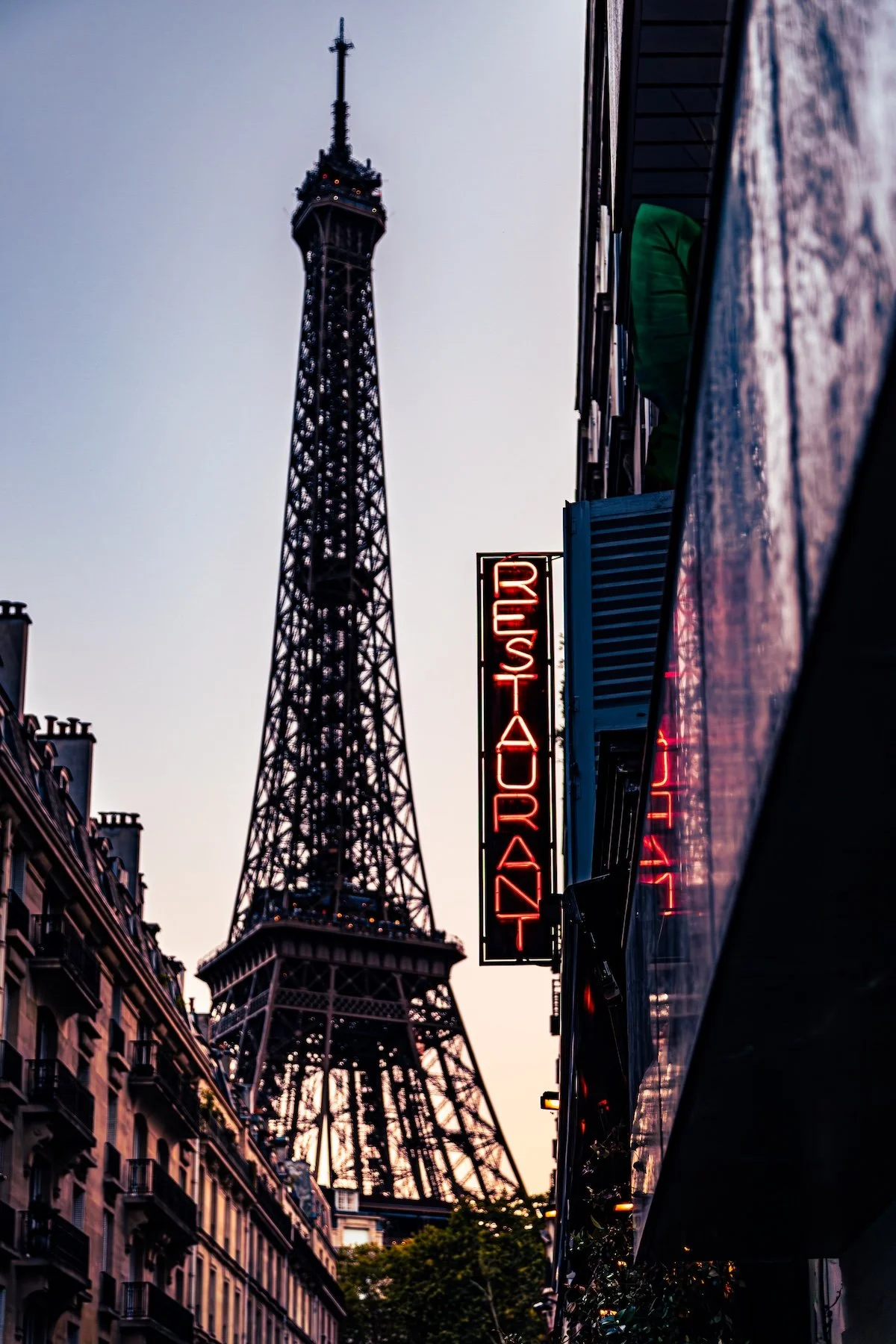
The Champ-de-Mars and Eiffel Tower also became increasingly central to the global image of Paris. This meant that École-Militaire lived with a growing contrast: its southern side retained a formal, institutional, and residential character, while the northern view became one of the most visited and photographed scenes in the world. The quarter became both local and iconic by proximity.
During occupation, liberation, and postwar recovery, the surrounding 7th arrondissement remained a district of state presence, diplomacy, residence, and memory. École-Militaire’s identity as a training and institutional quarter persisted, even as the public meaning of military power changed dramatically across the century.
Early–Mid 20th Century
Late 20th Century
In the late 20th century, École-Militaire became increasingly woven into the heritage and tourist geography of western Paris, even while retaining its quieter institutional and residential atmosphere. The Eiffel Tower, Champ-de-Mars, Invalides, and the surrounding avenues drew visitors into the area, but the quarter itself often felt calmer than the tourist routes just north of it.
The academy’s architectural presence continued to shape the southern edge of the Champ-de-Mars, while the surrounding streets became part of a desirable, orderly, and high-status Left Bank residential district. Shops, schools, cafés, embassies, and apartment buildings gave the quarter a lived fabric behind the monumental field. It was a place where Paris’s grand image could be encountered from a more local angle.
The late 20th century also sharpened questions about public space, security, tourism, and the use of historic military landscapes in a modern democratic city. École-Militaire’s legacy was no longer only one of training and command. It became part of a broader urban conversation about how monumental spaces serve residents, visitors, institutions, and national memory at the same time.
In the 21st century, École-Militaire remains one of the 7th arrondissement’s most distinctive quarters: formal, residential, institutional, and quietly monumental. The academy still anchors the southern end of the Champ-de-Mars, while the surrounding streets connect the quarter to Invalides, Gros-Caillou, Grenelle, and the broader western Left Bank. The Eiffel Tower’s presence is constant, but not overwhelming in the same way it is farther north; from École-Militaire, the tower is part of a long urban composition.
Today, the quarter balances several identities. It is a historic military landscape, a residential district, a transit node, a tourist-adjacent area, a governmental and institutional environment, and a neighborhood of daily routines. Its mood is more restrained than spectacular. The strongest impression is often one of order: façades, avenues, courtyards, schools, and the measured openness of the field.
For CityNeighborhoods: Paris, École-Militaire is essential because it shows how neighborhood identity can be formed by instruction and spatial discipline. It is not simply a place beside the Eiffel Tower. It is a quarter where the city’s military, educational, and ceremonial histories are written into the ground plan itself.
21st Century
Spirit and Legacy
École-Militaire is the quarter where Paris teaches discipline in stone and space. Its spirit is ordered, restrained, and formative. It belongs to cadets and courtyards, parade fields and façades, the long green plane of the Champ-de-Mars, and the powerful sightline between royal military architecture and modern iron monument.
Its legacy is the transformation of open ground into civic theater. A peripheral Left Bank landscape became a military school. A training field became a revolutionary gathering place, an exhibition ground, a public park, and the foreground to the Eiffel Tower. Around these transformations, a neighborhood formed — residential, institutional, and quietly elegant.
To walk École-Militaire is to encounter Paris through preparation rather than spectacle. The quarter does not shout for attention, even when it stands beside one of the most famous views in the world. Instead, it gives the view structure. It reminds us that monuments need settings, that public space carries older purposes, and that neighborhoods can be shaped as much by discipline and formation as by memory, commerce, or myth.
The Photography
The arrondissements do not share a single visual identity. Instead, they organize Paris into twenty broad visual fields, each gathering its own combination of landmarks, streetscapes, institutions, residential districts, commercial corridors, parks, rail stations, markets, cemeteries, and riverfront edges.
Some arrondissements are defined by monumental scale: royal palaces, ceremonial avenues, government buildings, museums, formal gardens, and internationally recognized landmarks. Others are shaped by hills, canals, rail gateways, apartment-lined boulevards, neighborhood markets, former village streets, industrial remnants, parks, or the quieter rhythms of residential Paris. The arrondissement system gives these varied landscapes a civic frame, allowing the city to be read not as one visual language, but as a sequence of overlapping Parisian atmospheres.
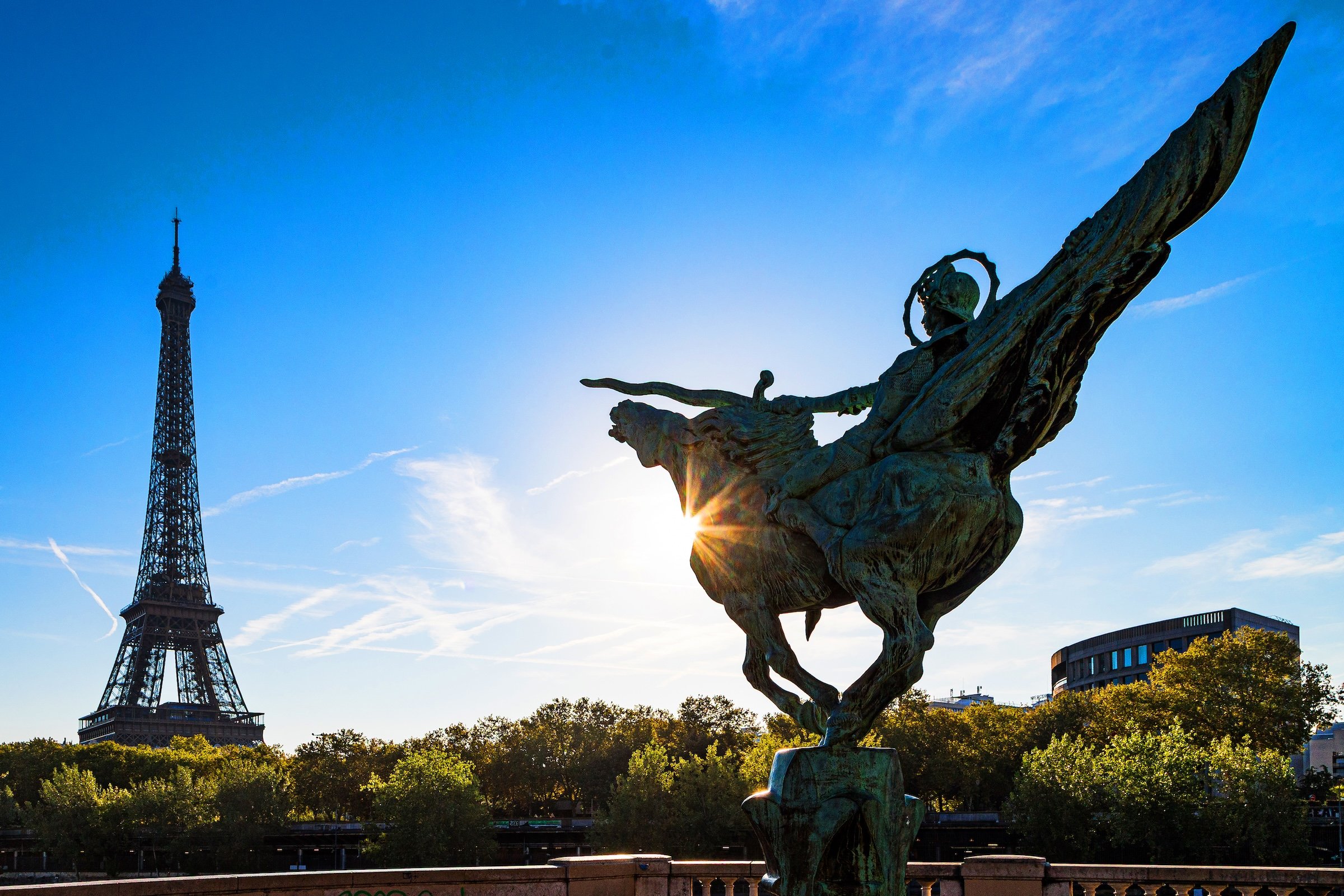
Visual Identity
Through The Lens
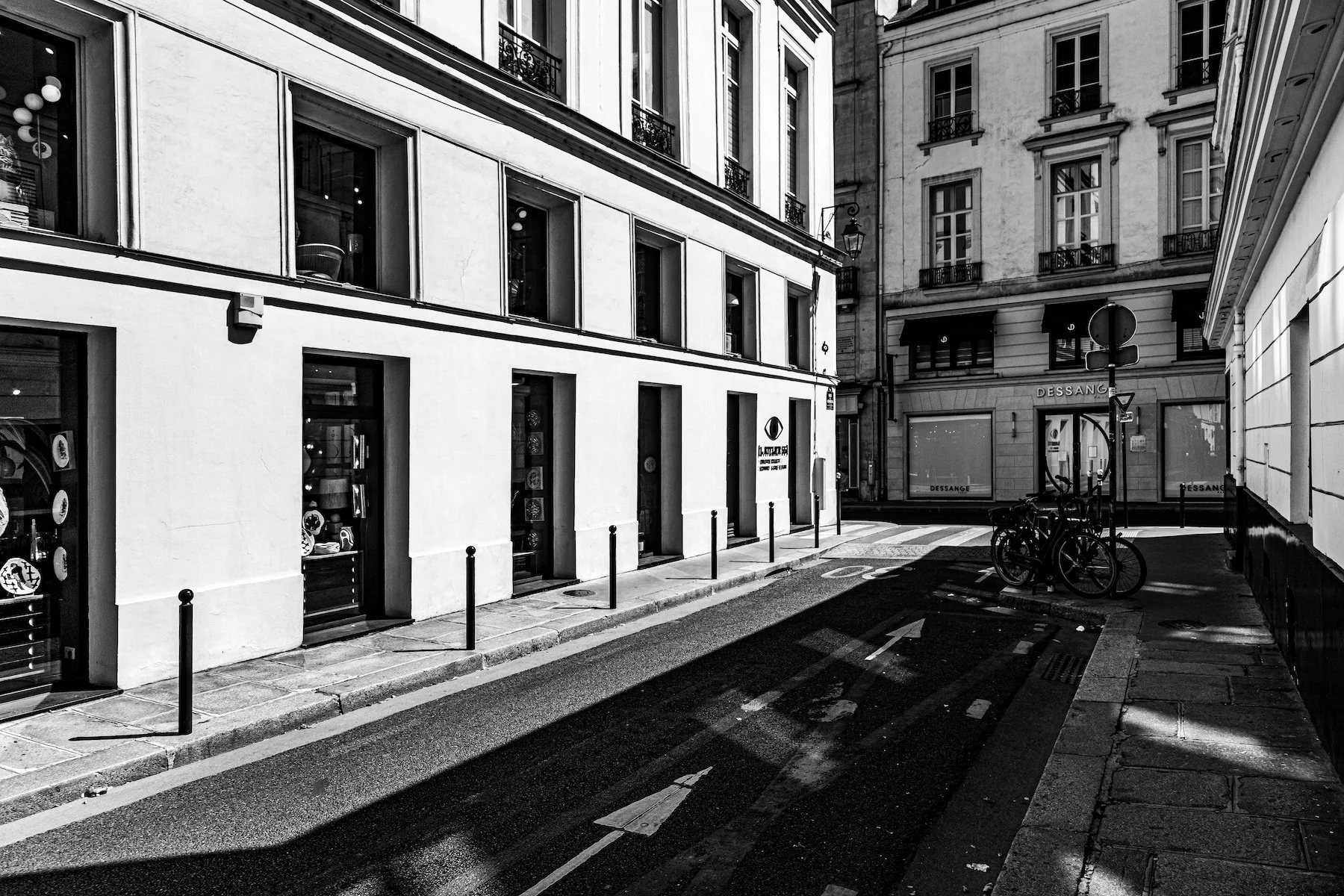
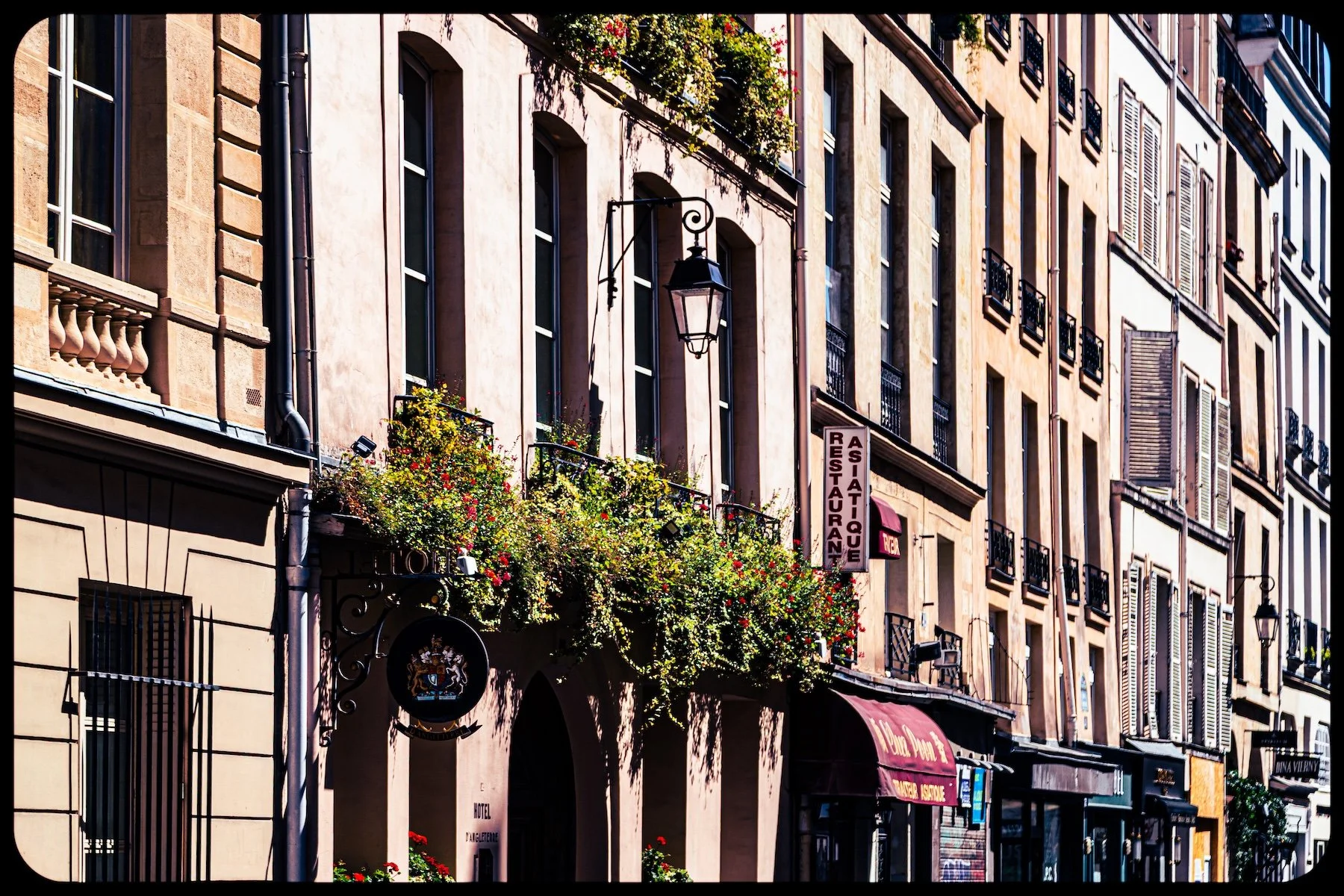
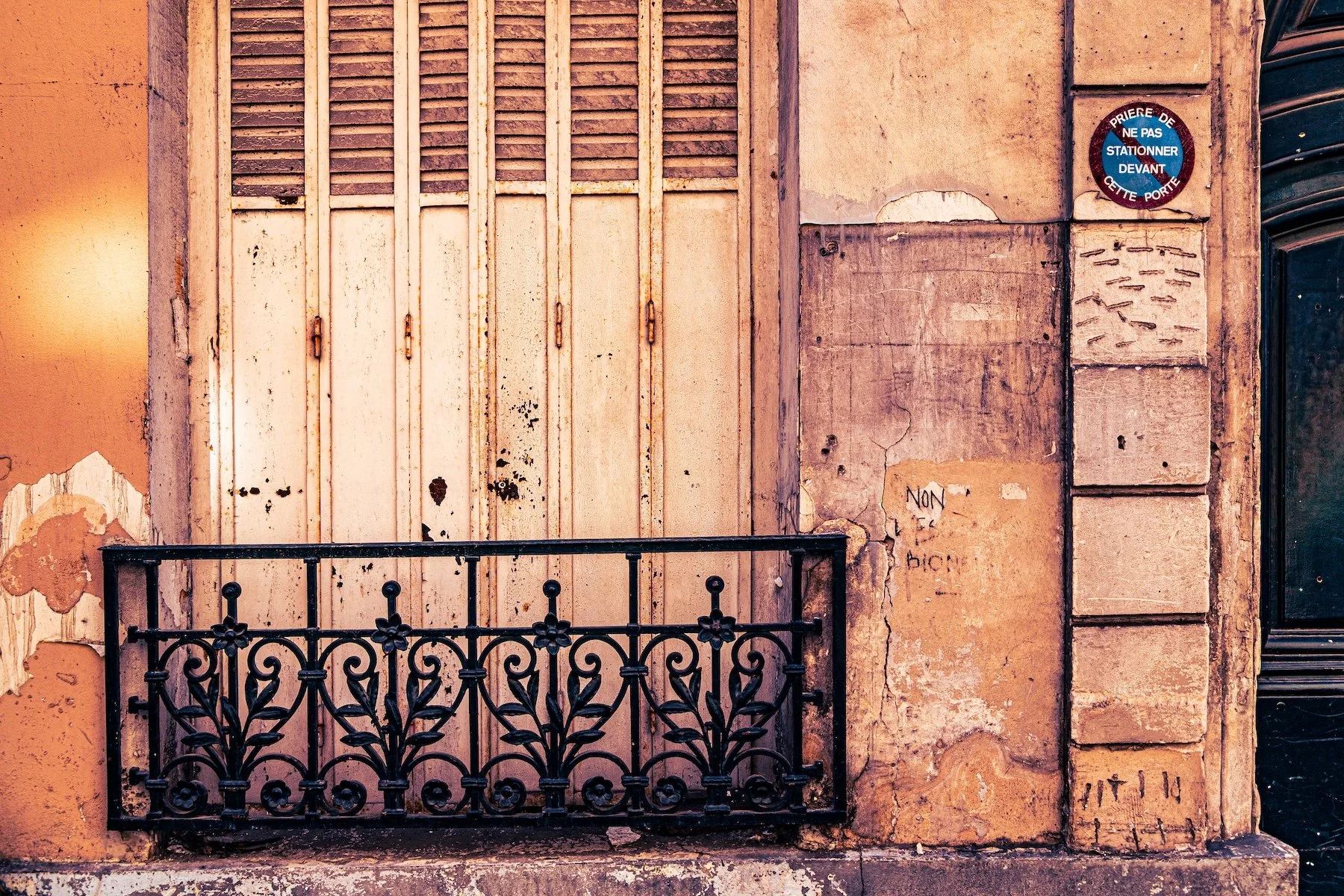
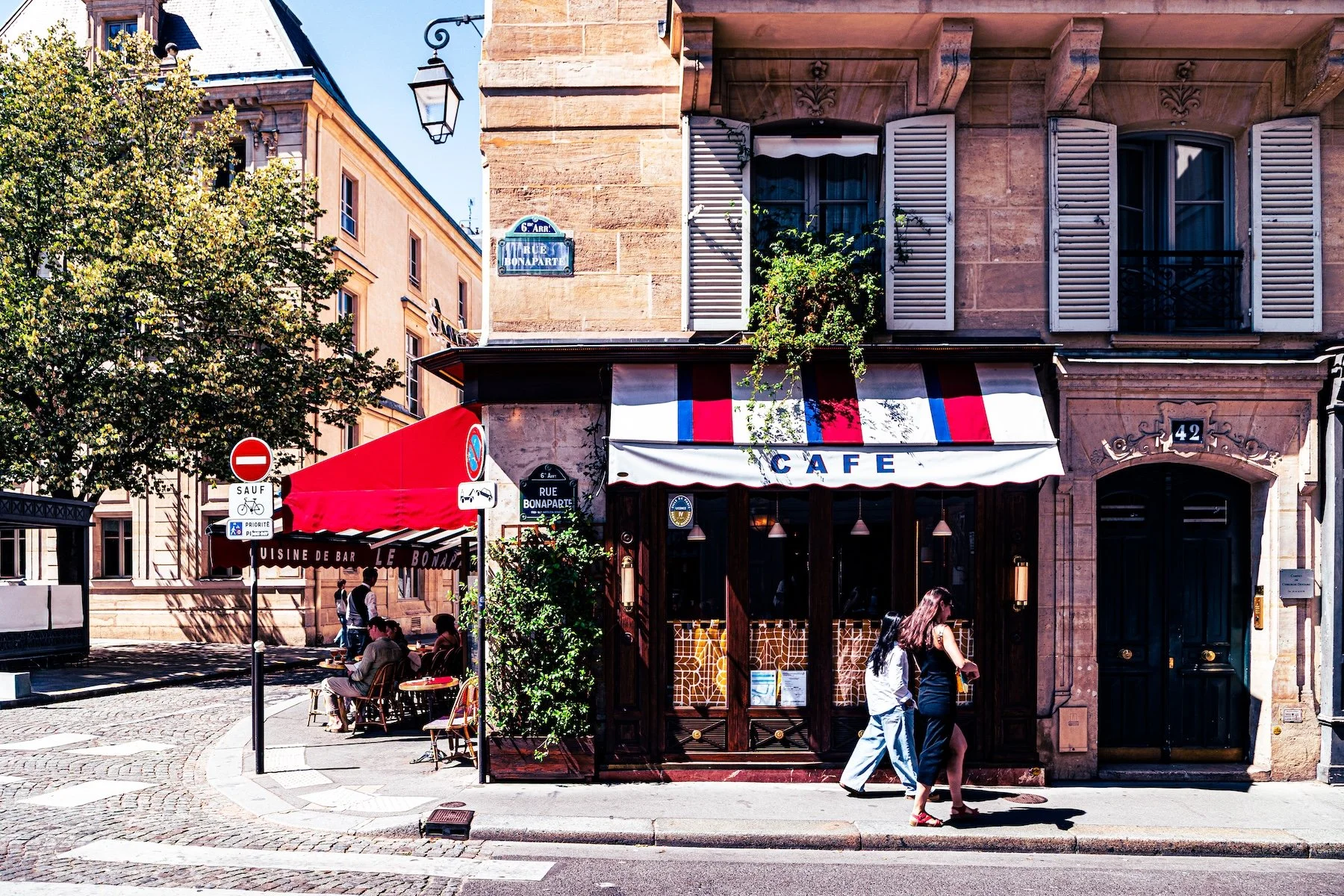
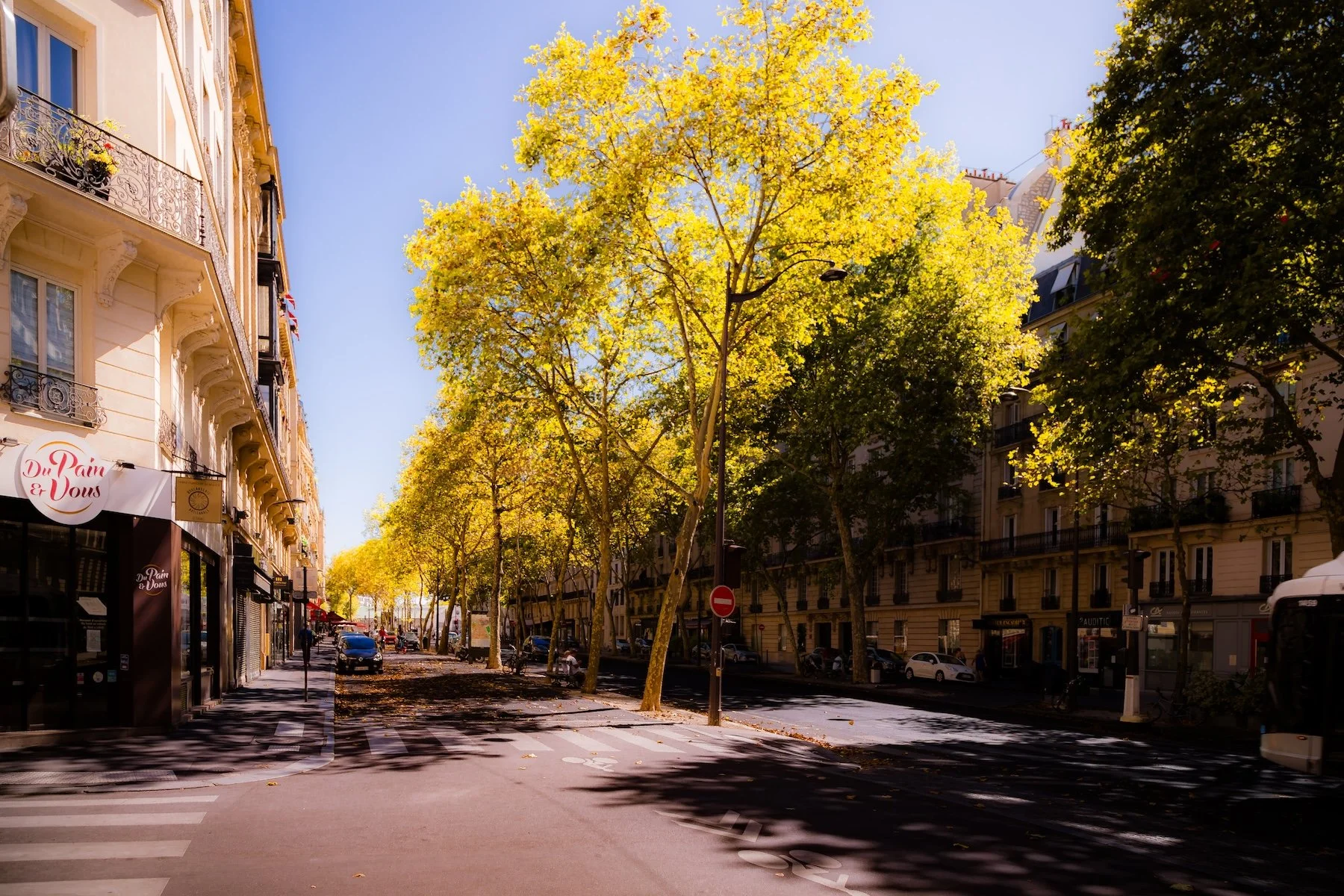
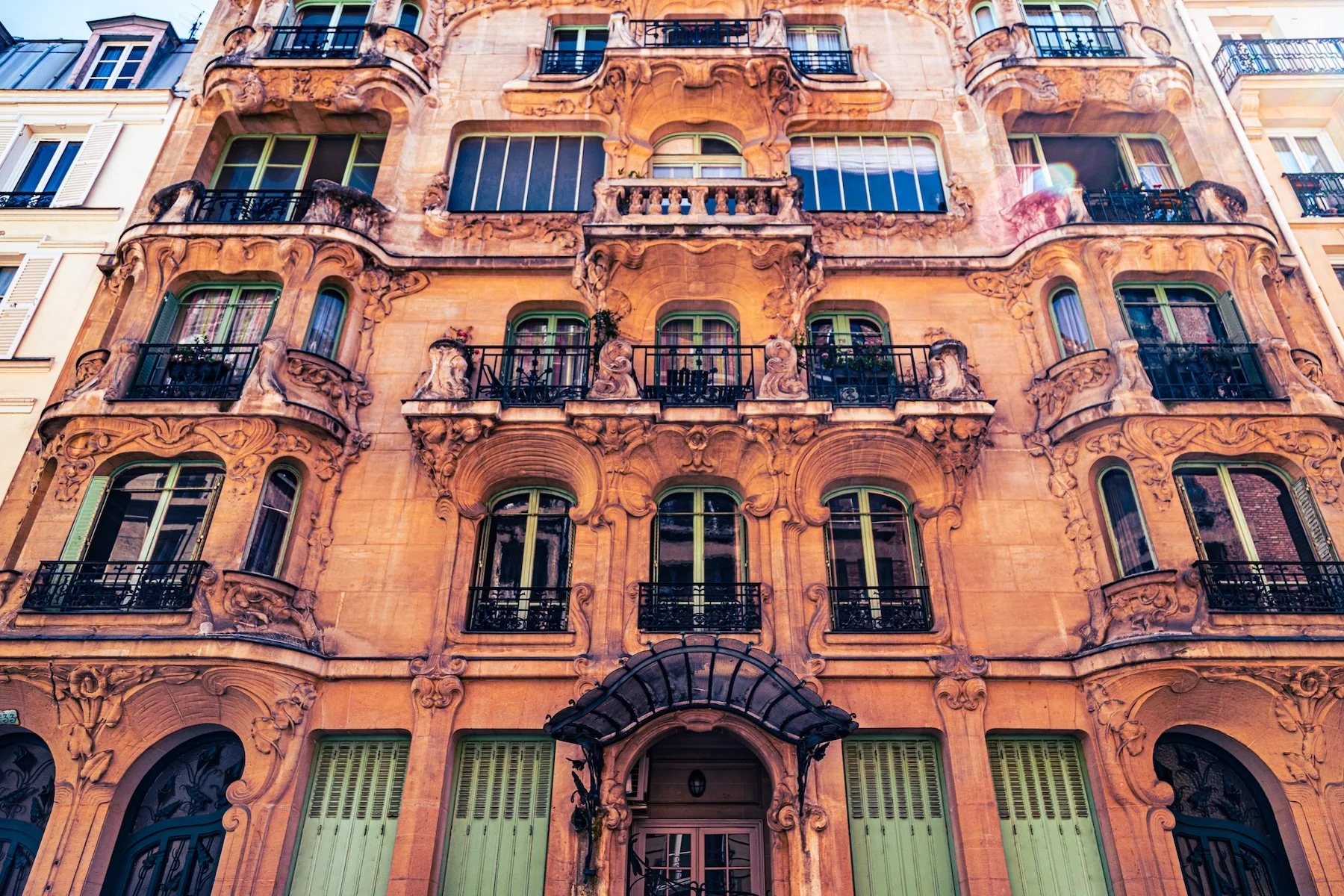
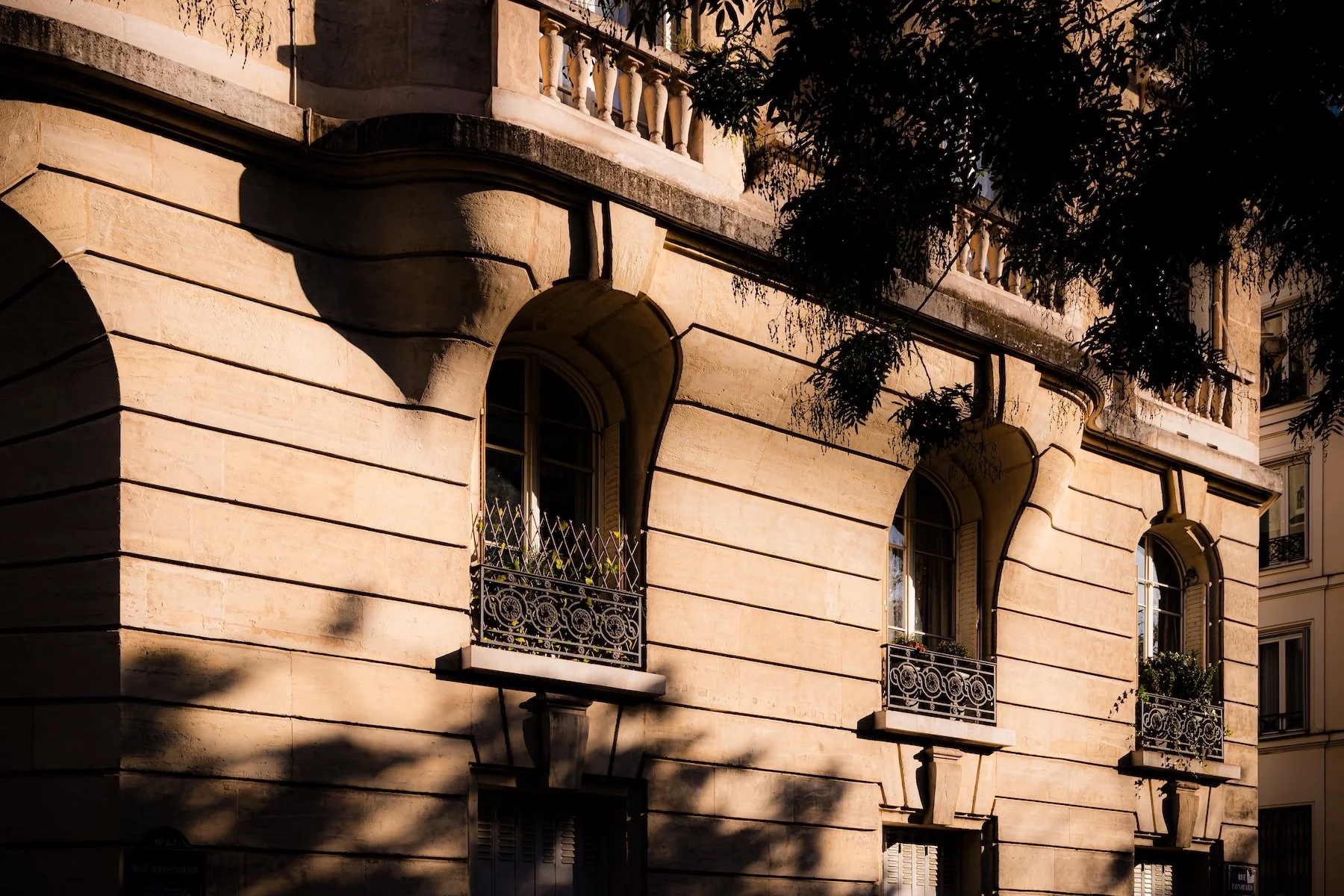
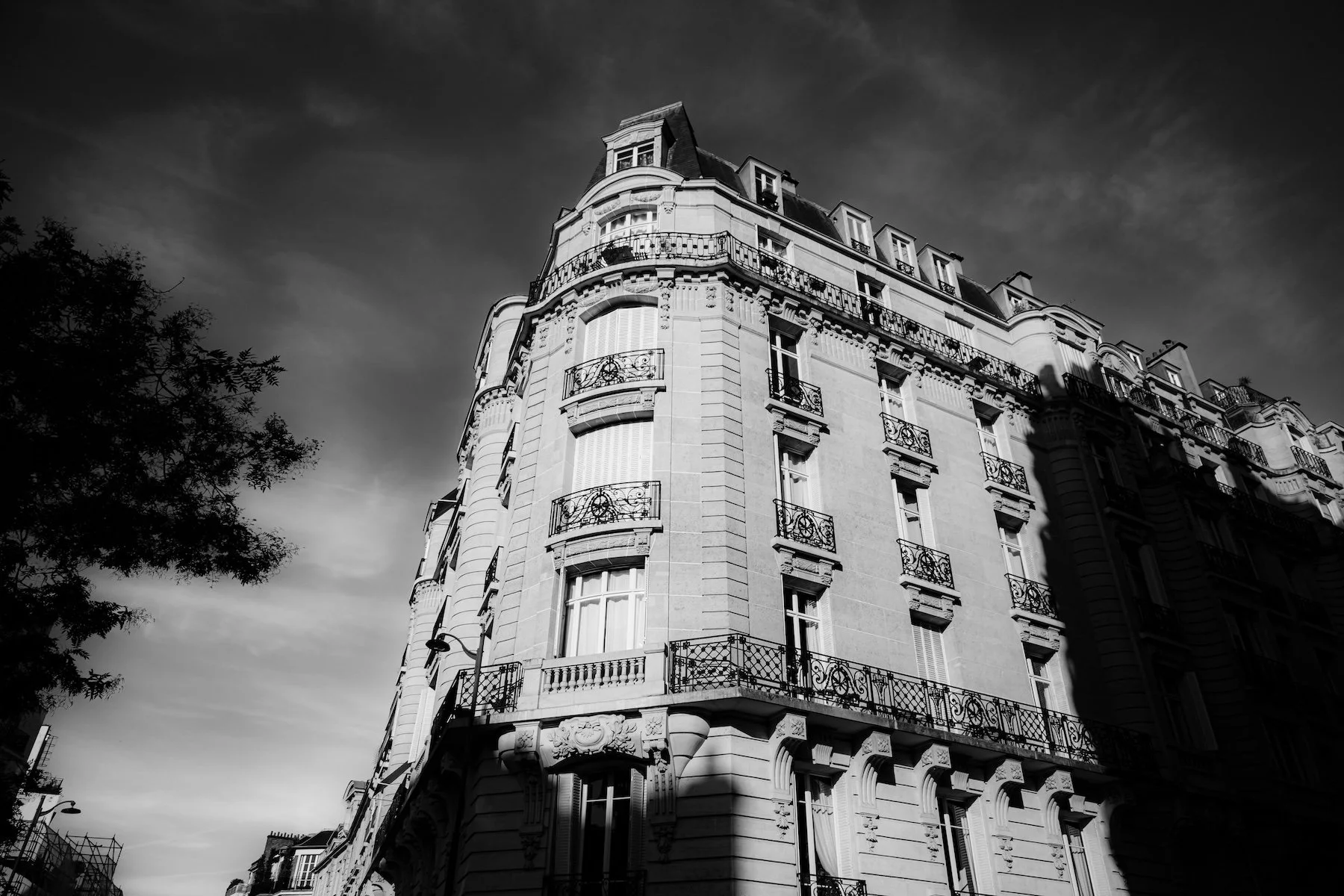
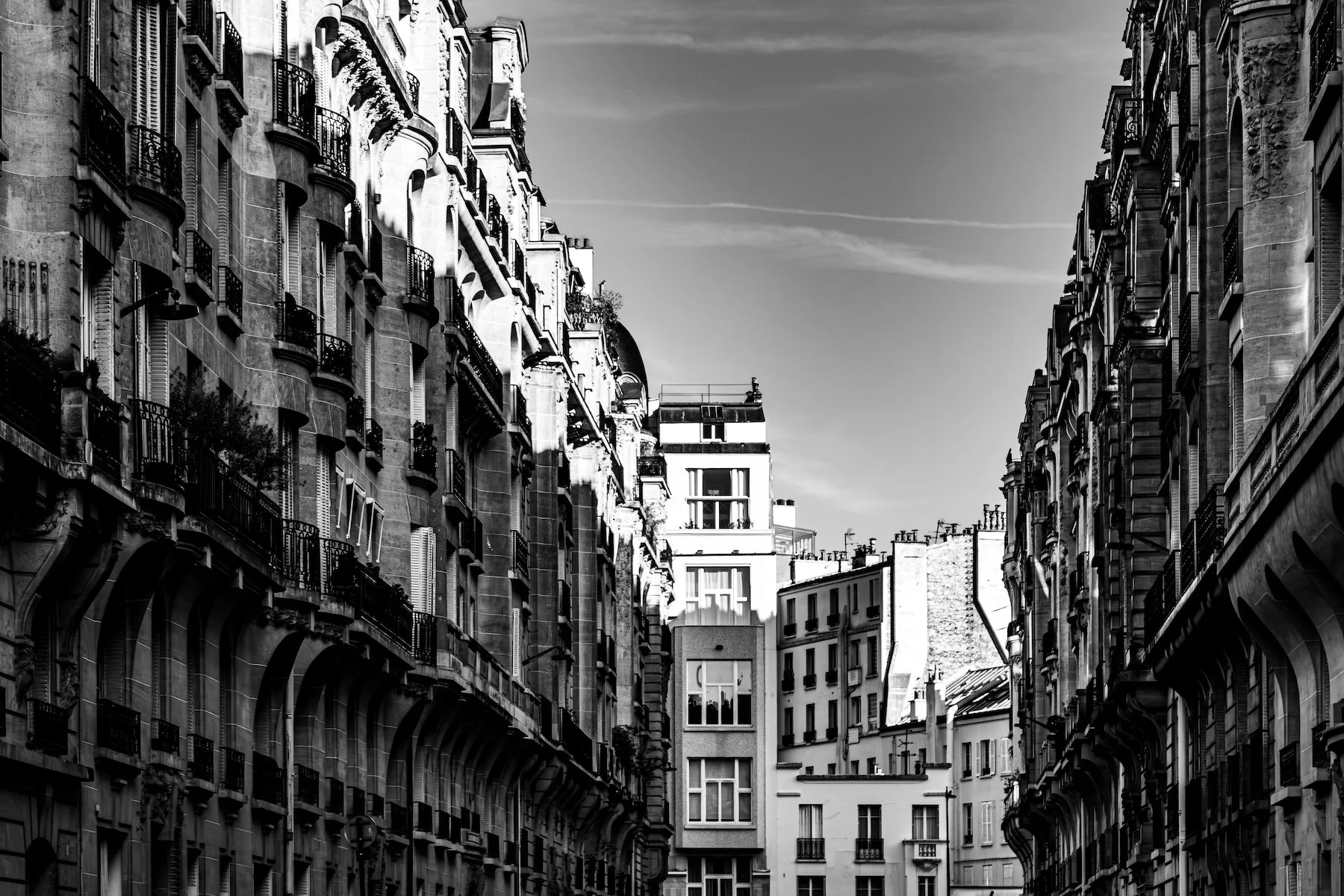
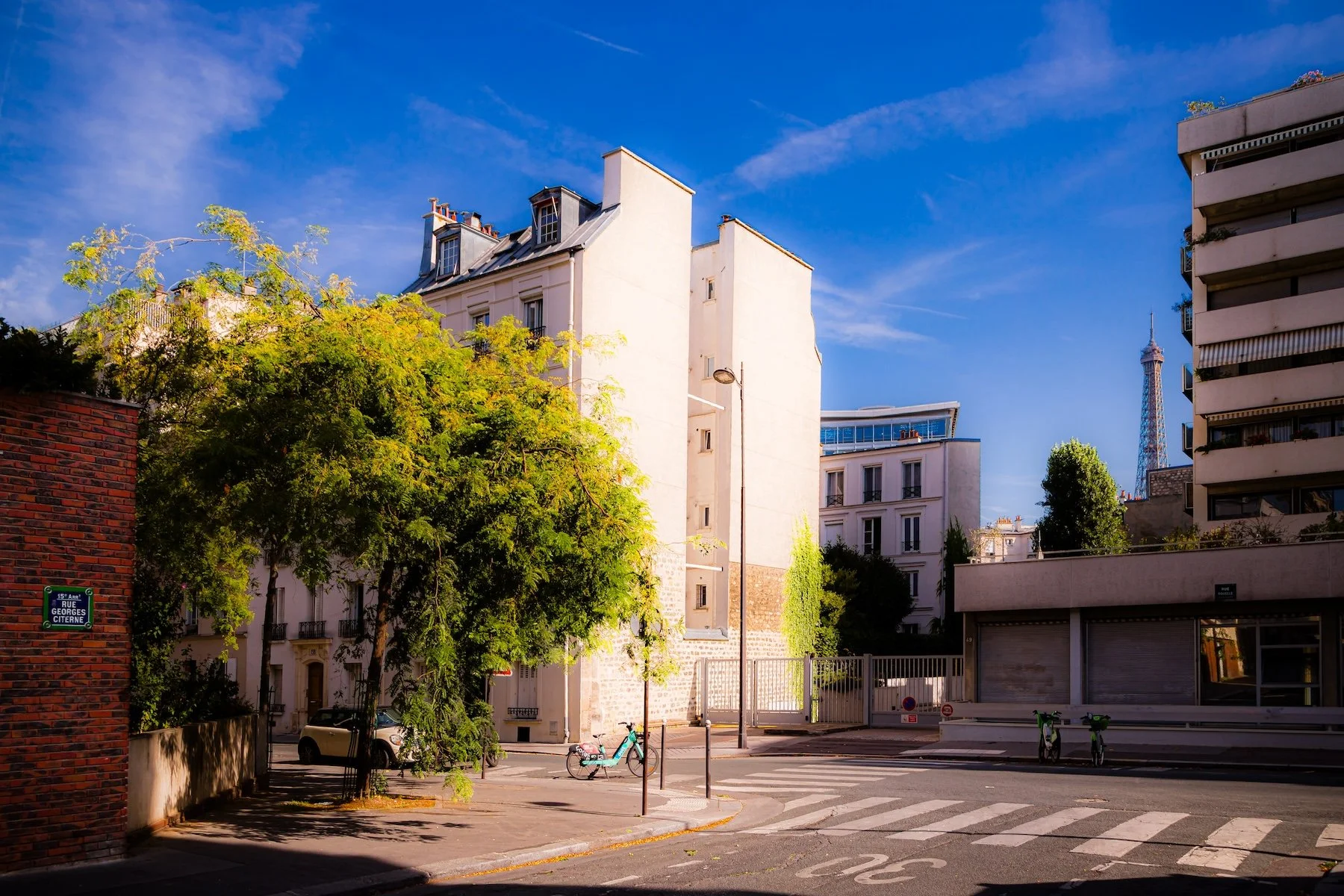
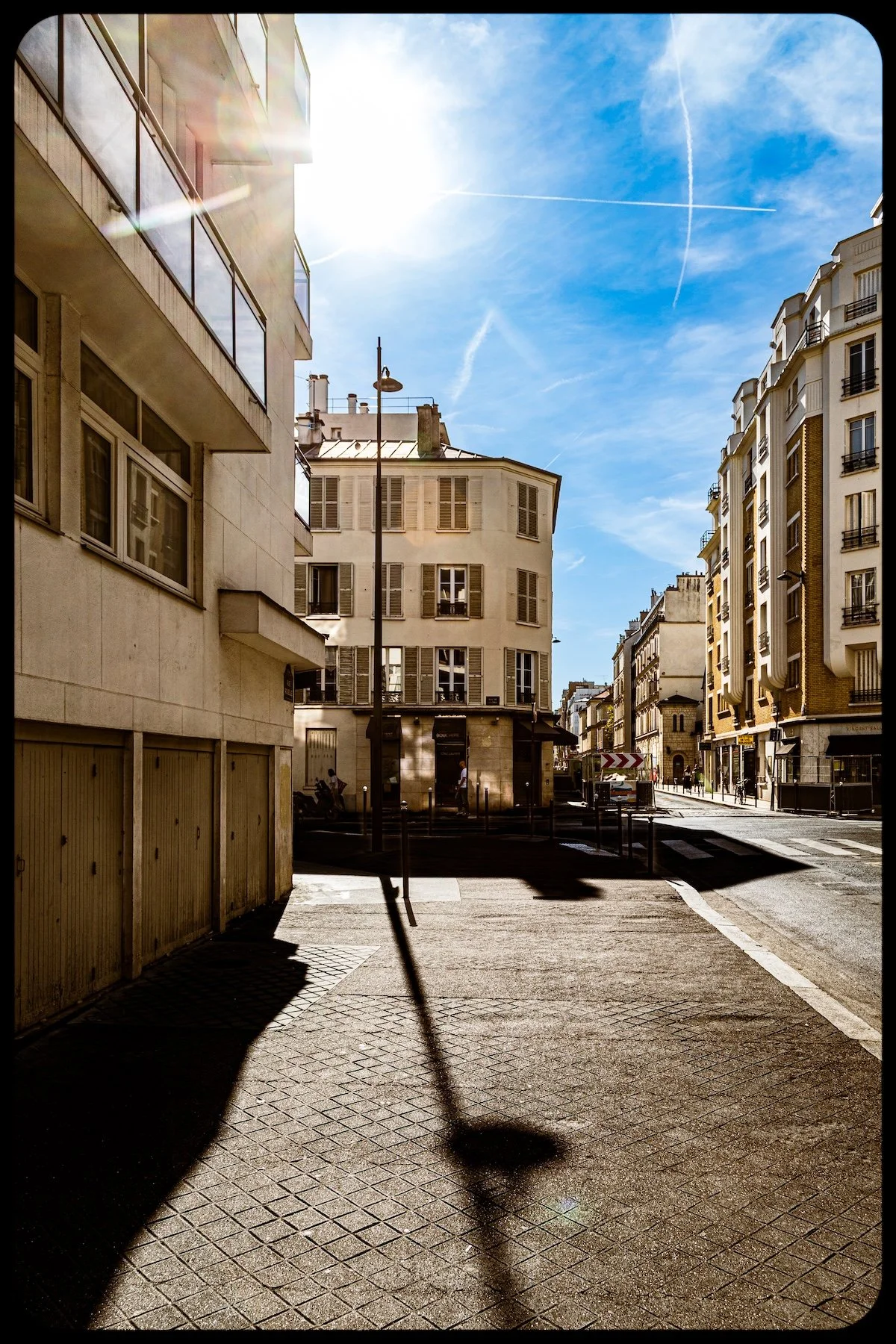
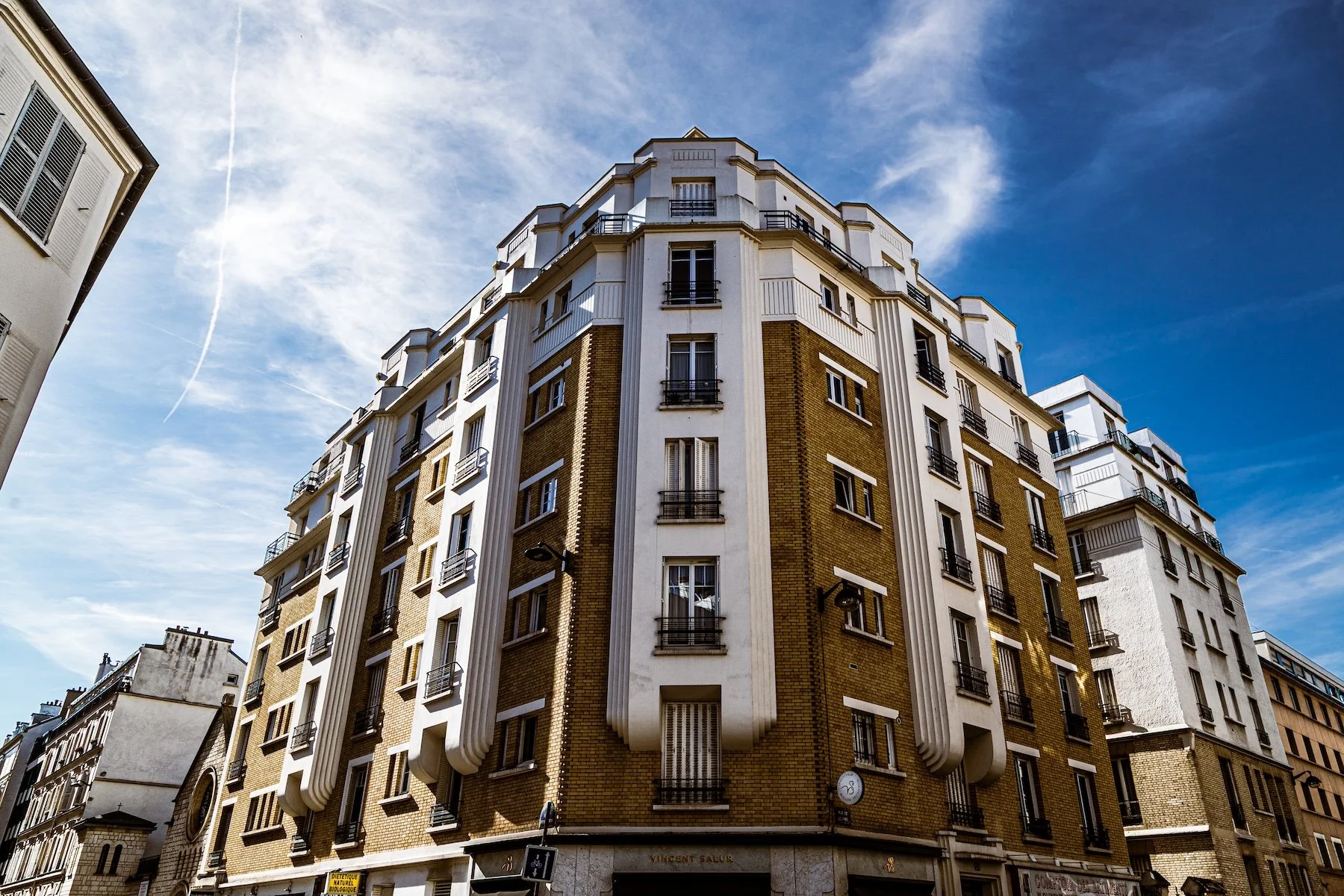
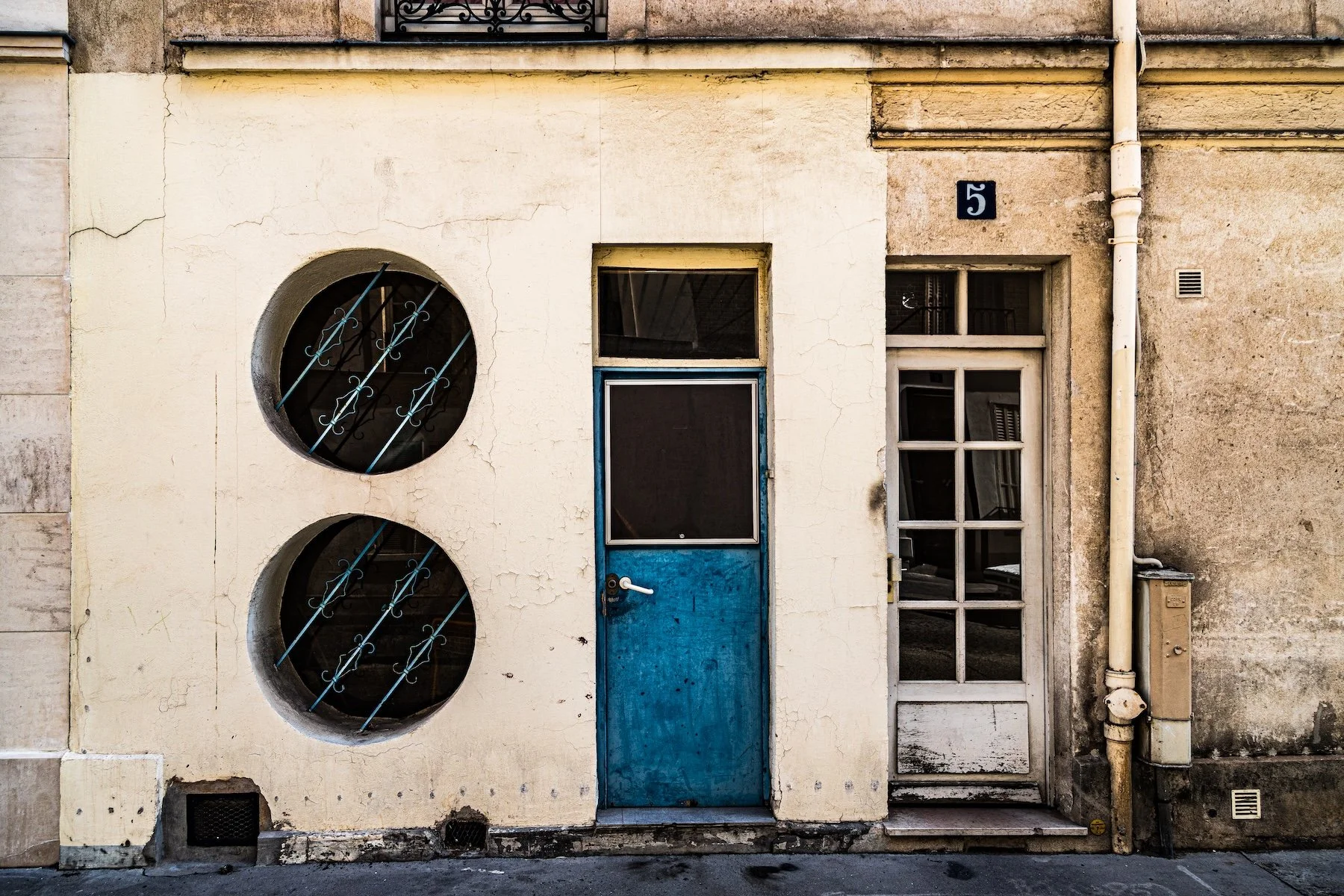
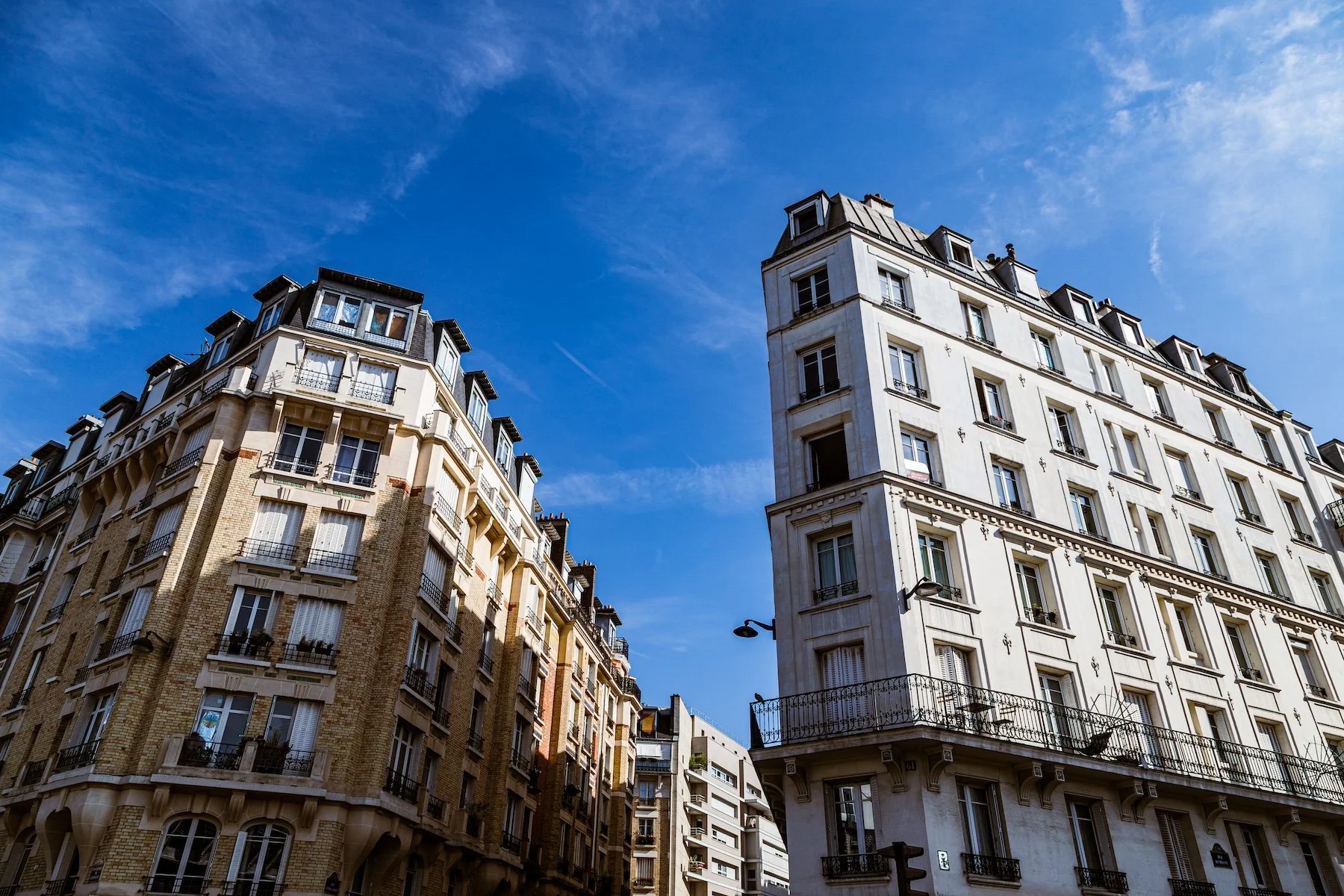
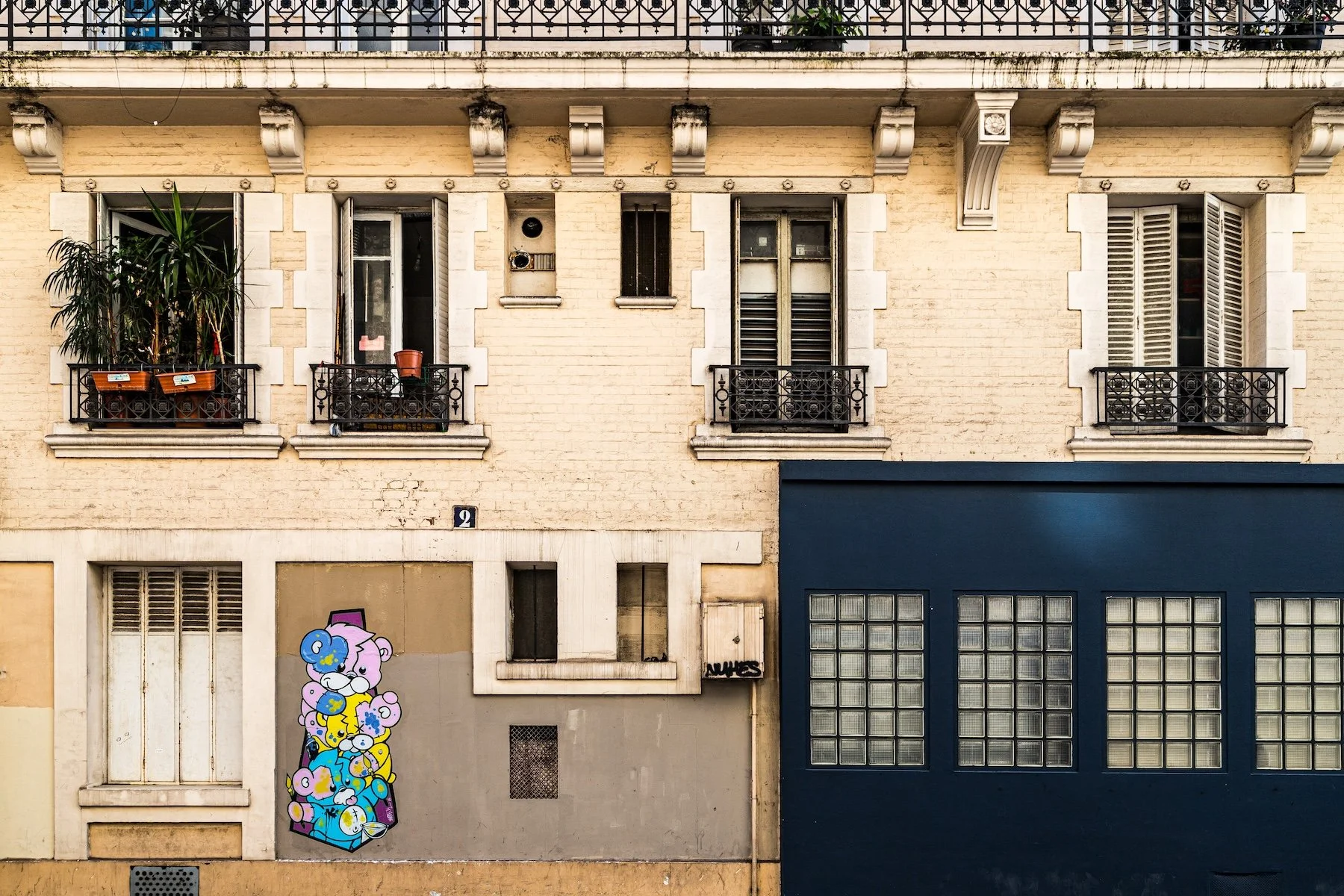
Photographing the arrondissements means moving between the official map and the street-level experience. The camera does not treat each arrondissement as visually uniform. Instead, it looks for the recurring forms, textures, transitions, and contrasts that make each district legible: the geometry of boulevards, the shade of plane trees, the repetition of balconies, the rise of stairways, the curve of canals, the presence of rail stations, the opening of parks, the weight of monuments, and the intimacy of side streets.
On CityNeighborhoods, the arrondissement provides the frame, but the photograph comes from the encounter between map, movement, light, and observation. As the Paris photography is processed, this section will connect each arrondissement more directly to the project’s Photographic Lexicon: the visual strategies, recurring motifs, and compositional patterns that shape how the city is seen through the lens.
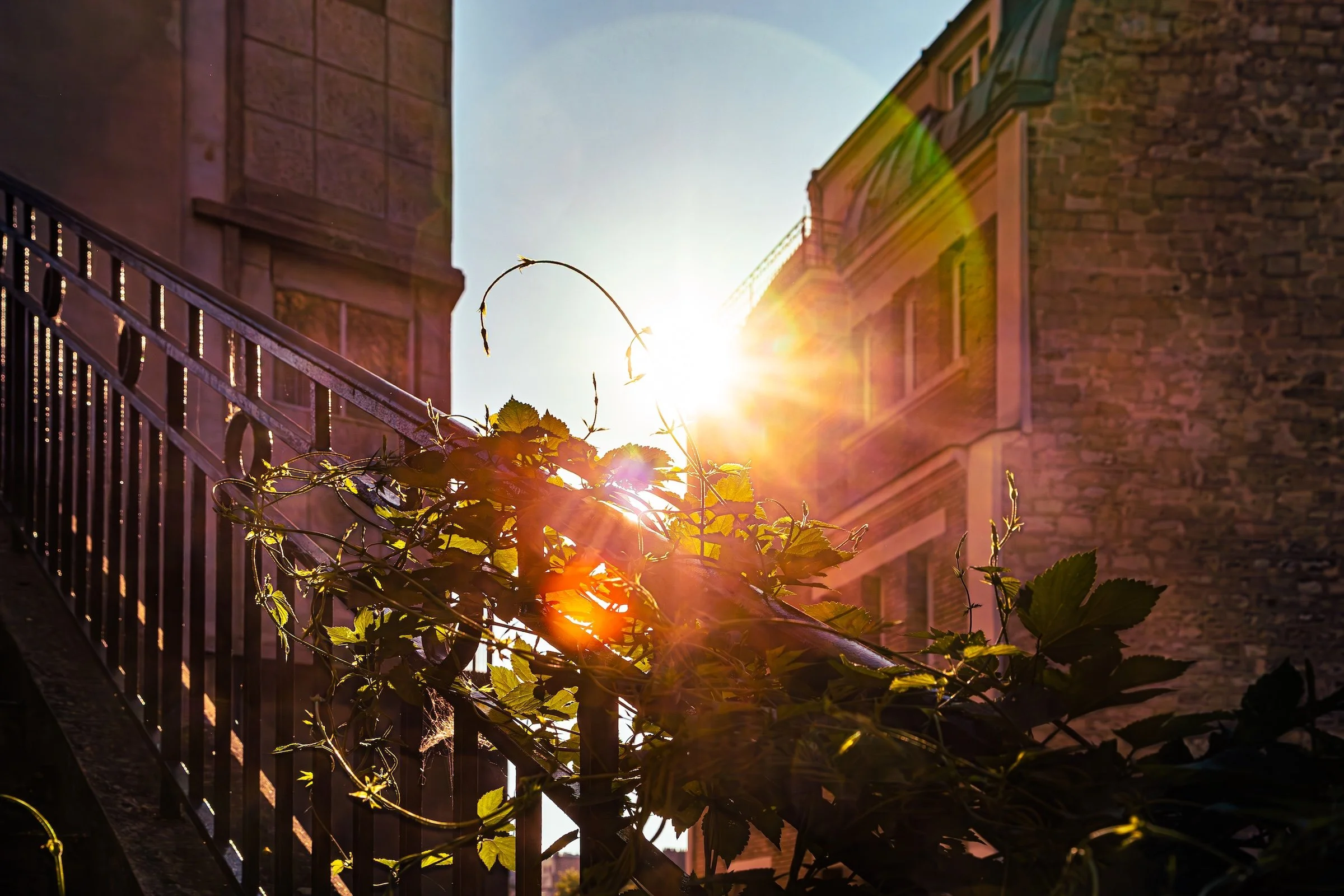
If you visit Paris, these ideas can help inspire your own photography.
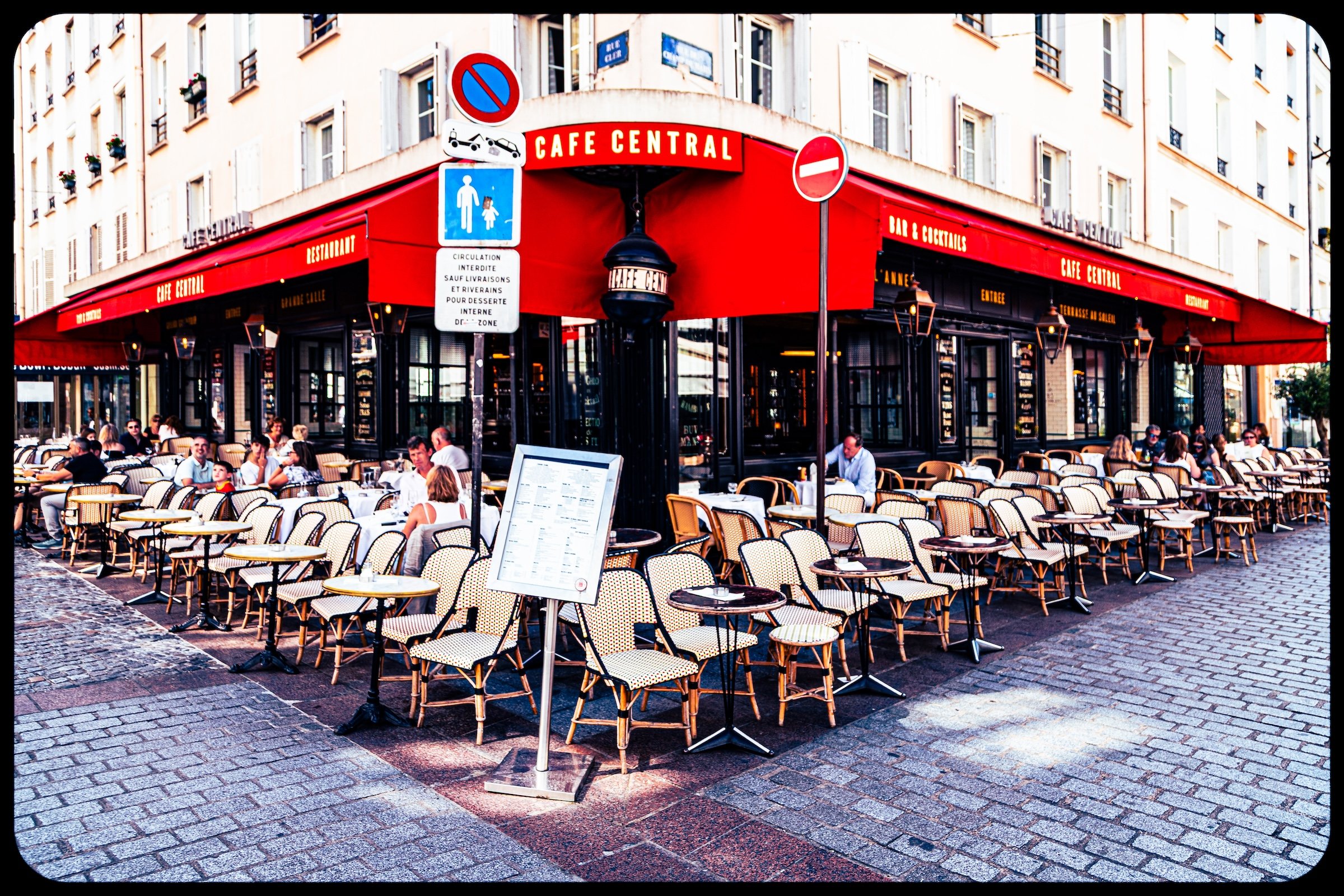
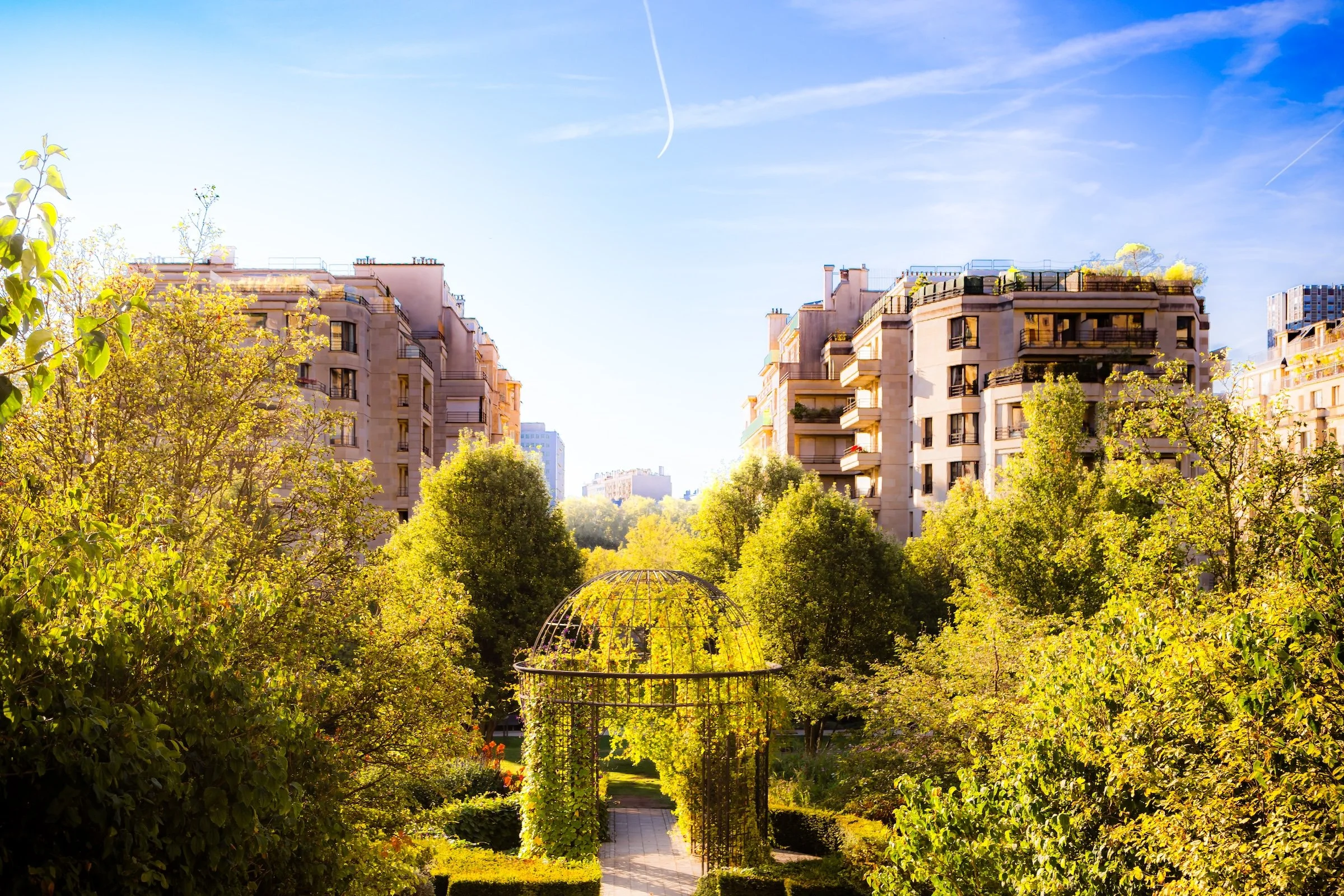
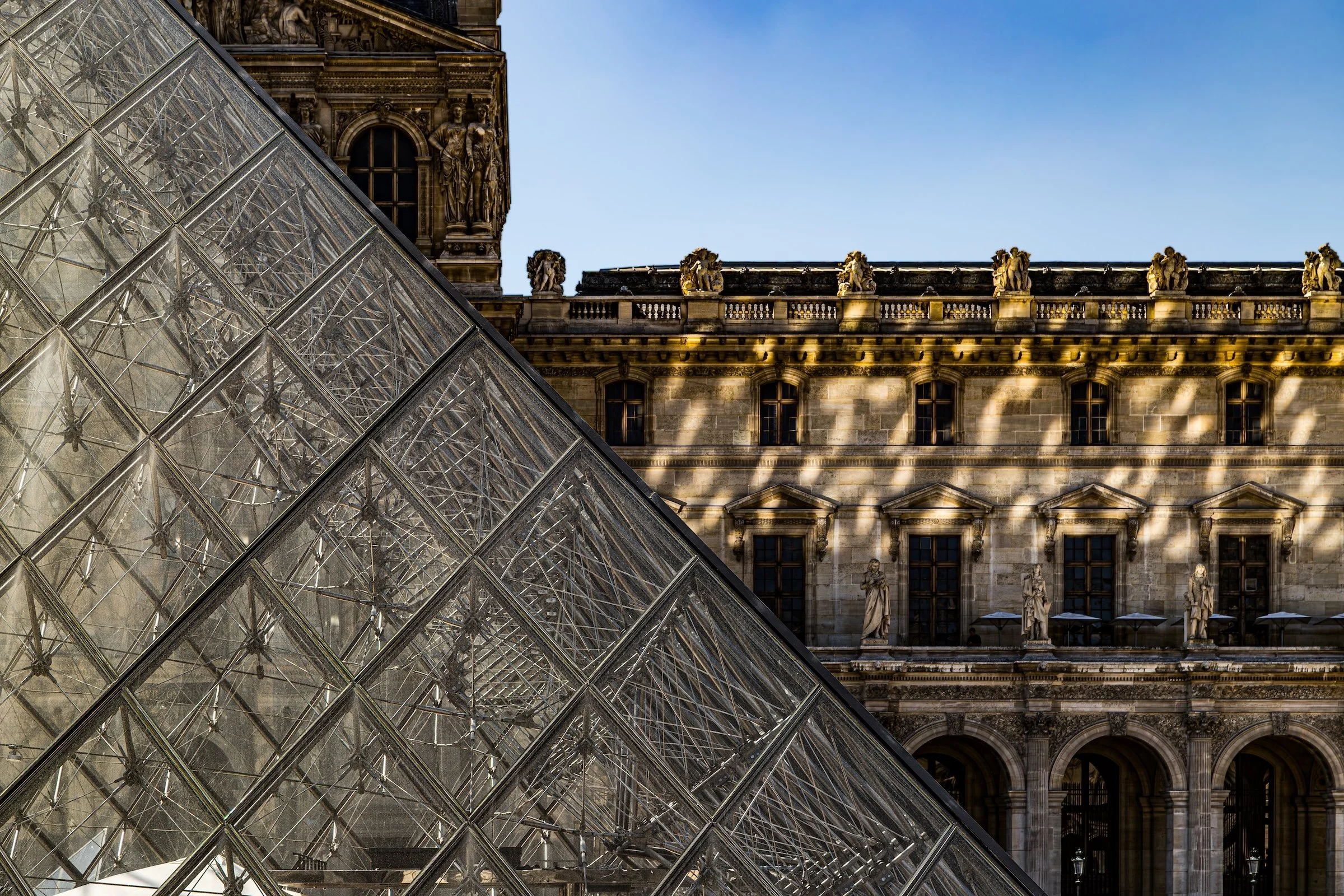
Paris: J’Espere, Je Rêve, Je Vive
Paris Photo Gallery
Paris Field Notes
-
Field Note: August 18, 2025 | 07:58 AM
Conditions: 73°F | Humidity: 72%.
Within the park's interior, the glacial kettle ponds acted as humidity traps, creating a soft, hazy light that filtered through the old-growth oaks. The transition from the park's dense shade to the sun-drenched edges of Oakland Gardens highlighted the day's exceptional "picture-perfect" clarity.
There is a fleeting window in Queens where the humidity of August hasn't yet heavy-set, and the morning sun hits the canopy of Alley Pond Park at a perfect oblique angle. Arriving just before 8:00 AM, I watched the light break through the oaks and tulip trees, casting long, dramatic shadows across the wet grass. It’s in these quiet, golden moments that the park feels less like a city escape and more like the ancient glacial valley it actually is.
Other neighborhoods visited:
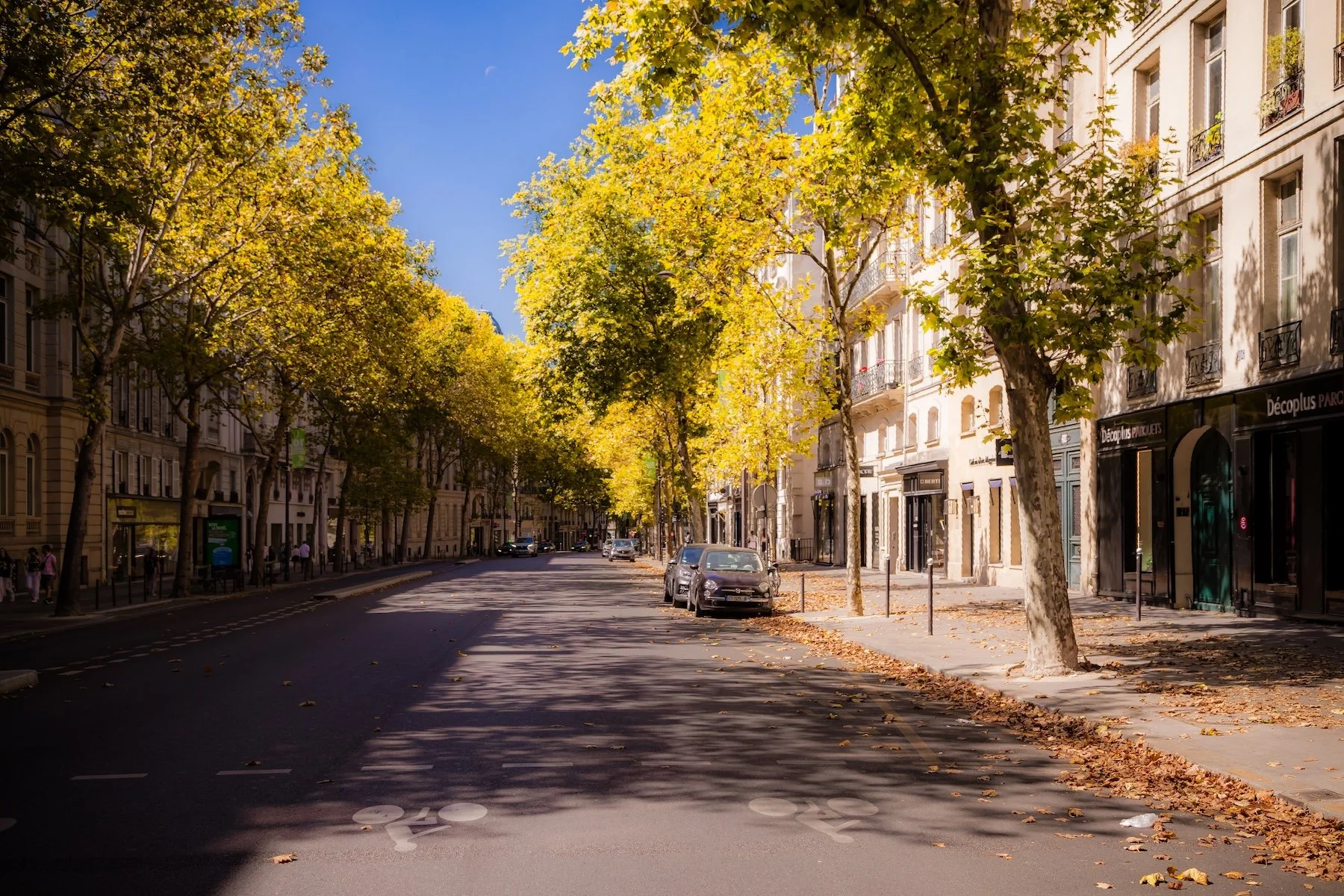
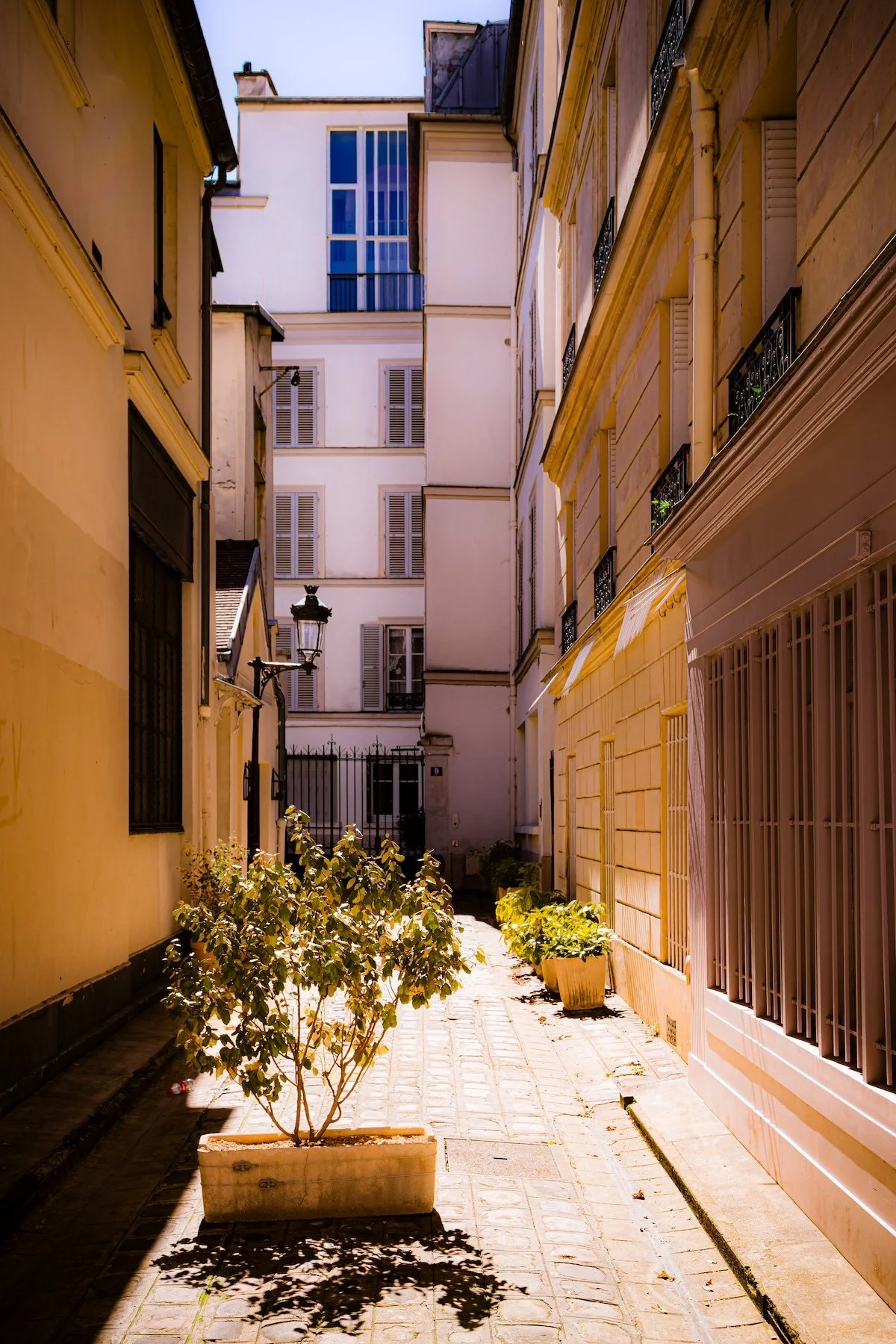
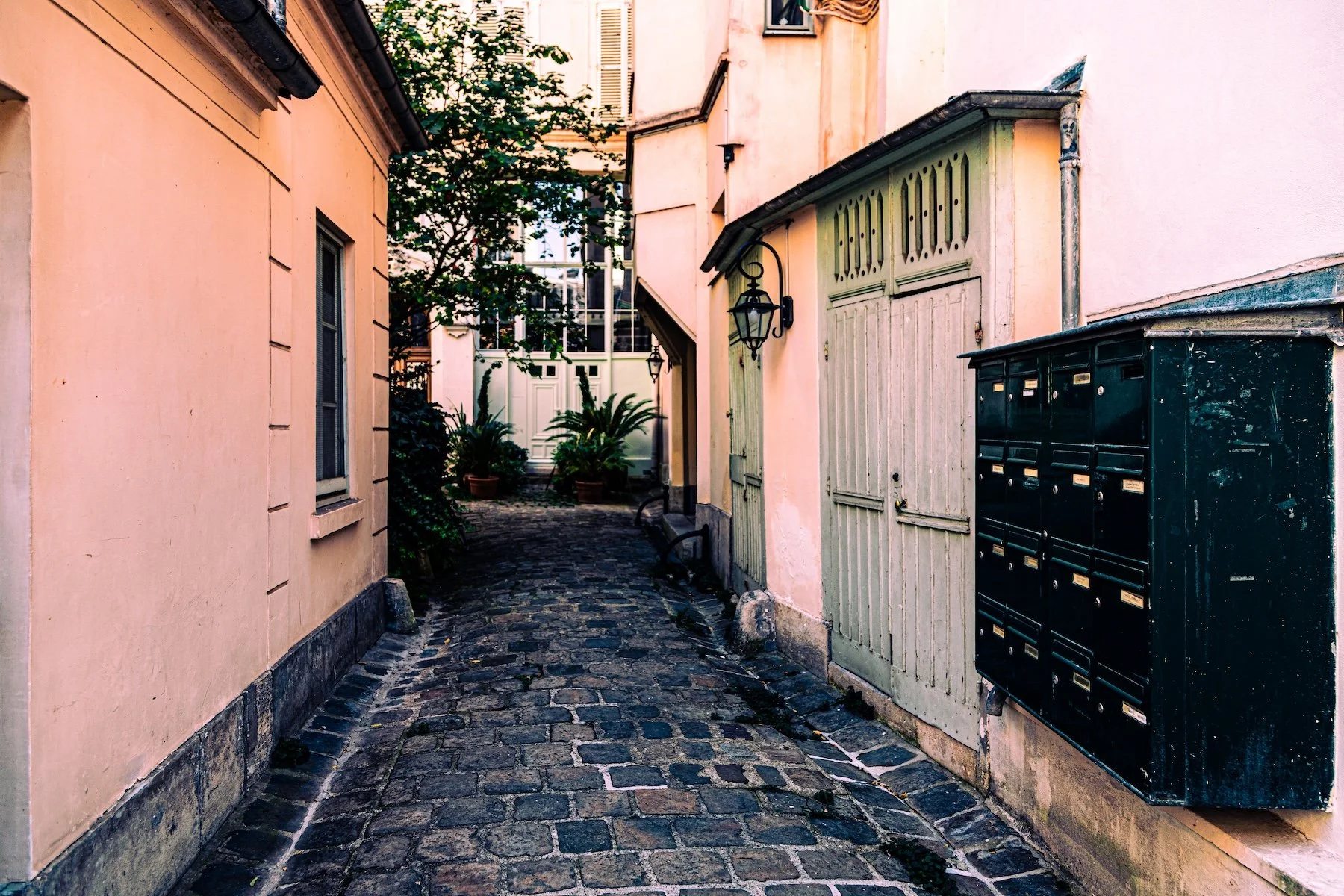
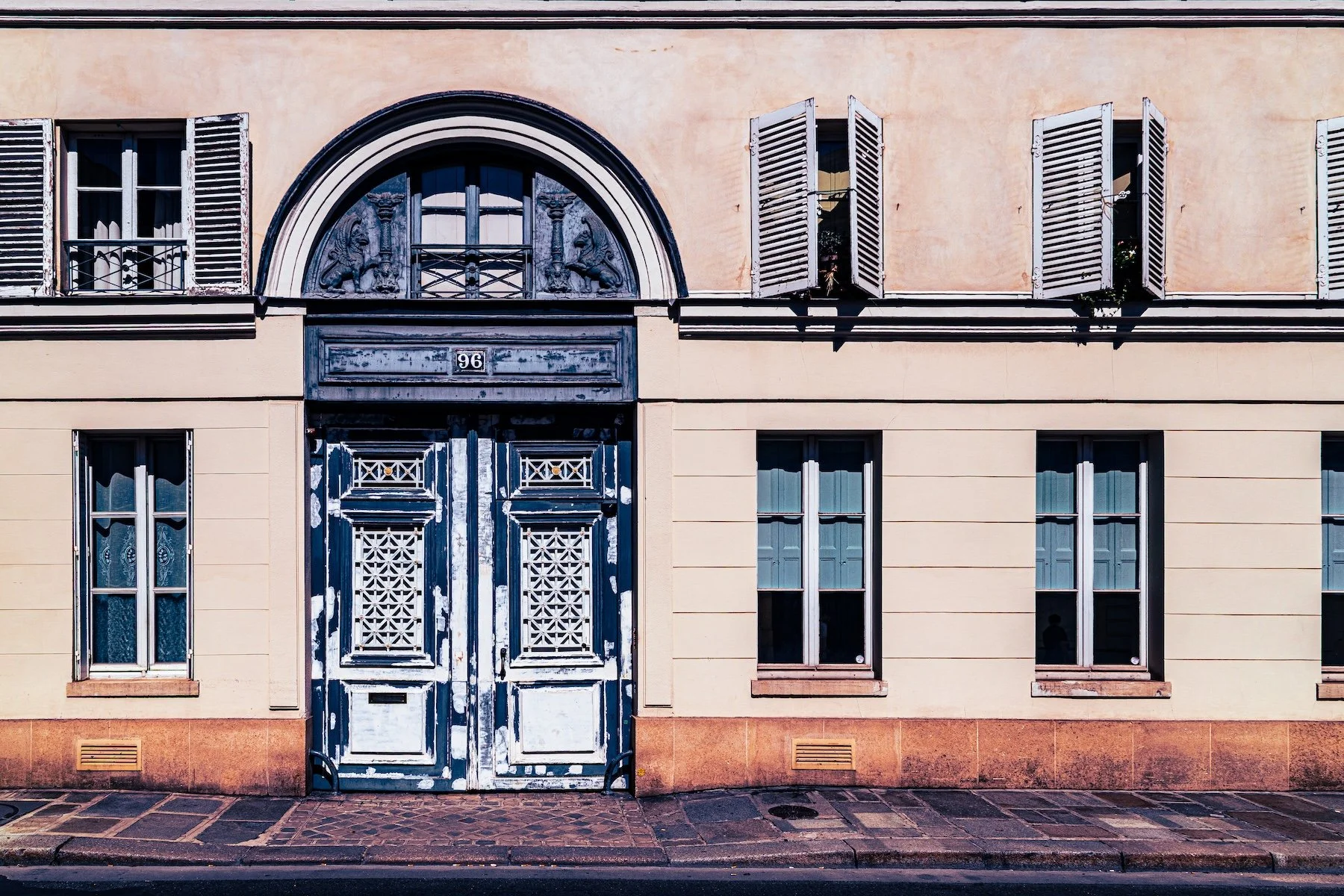
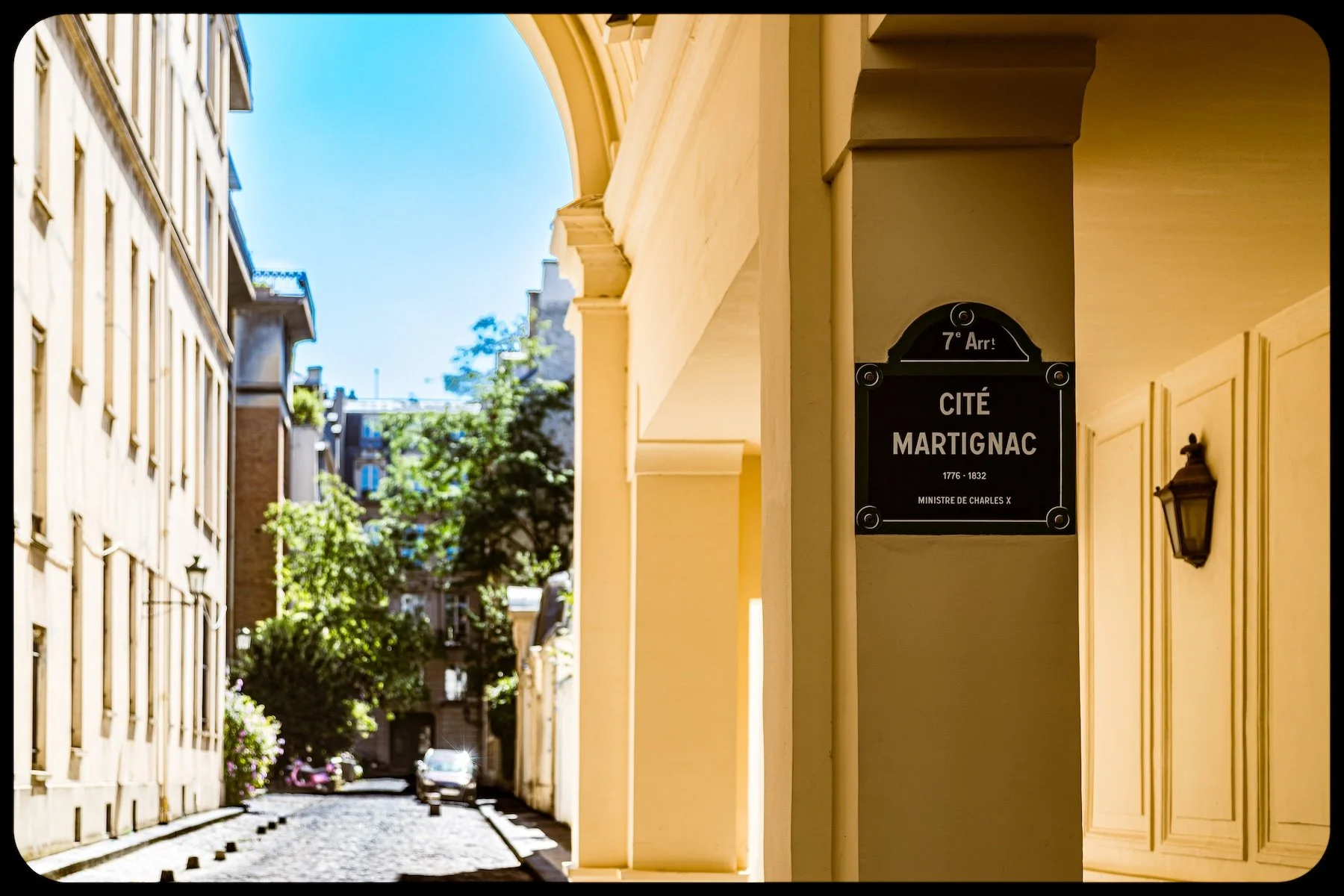
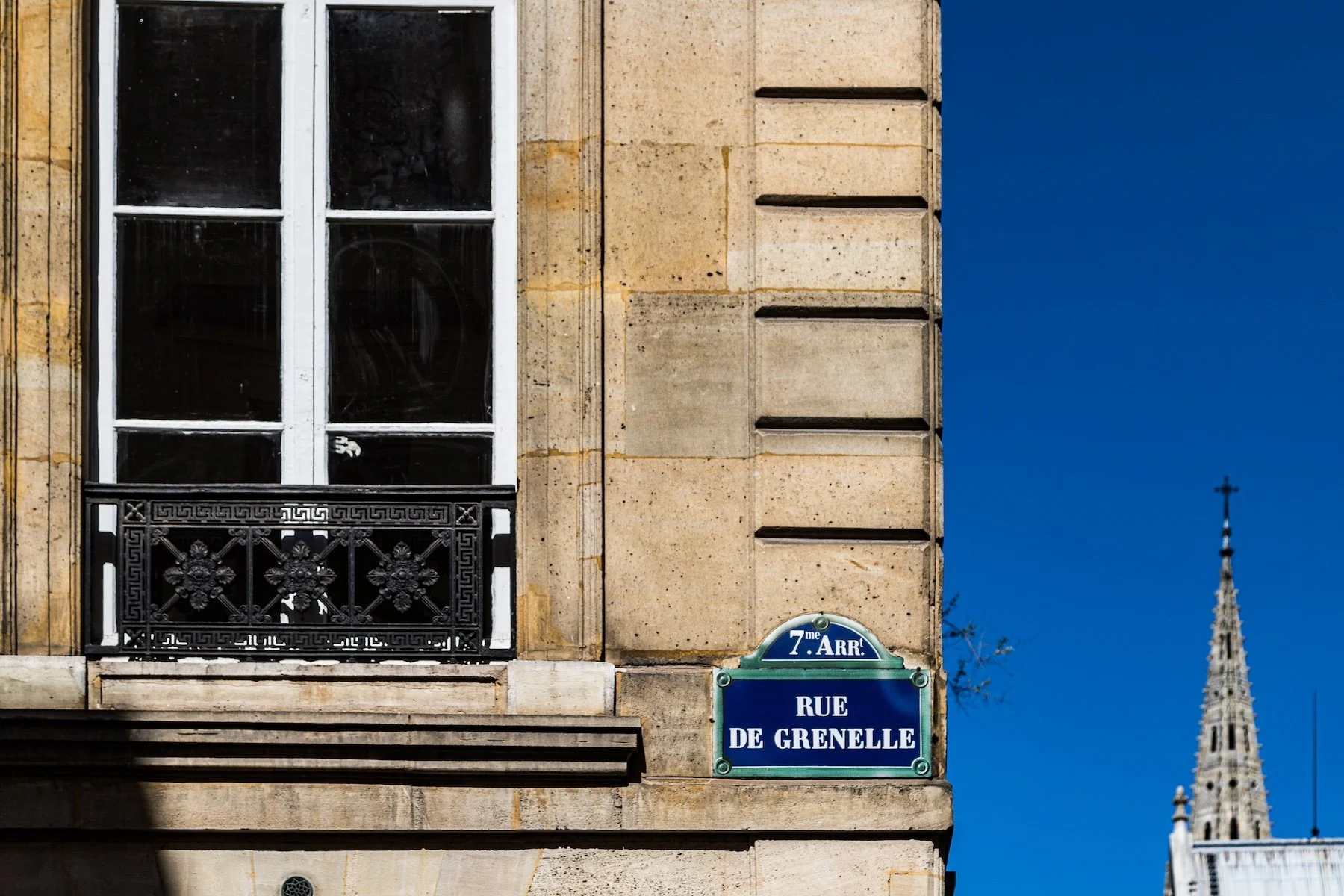
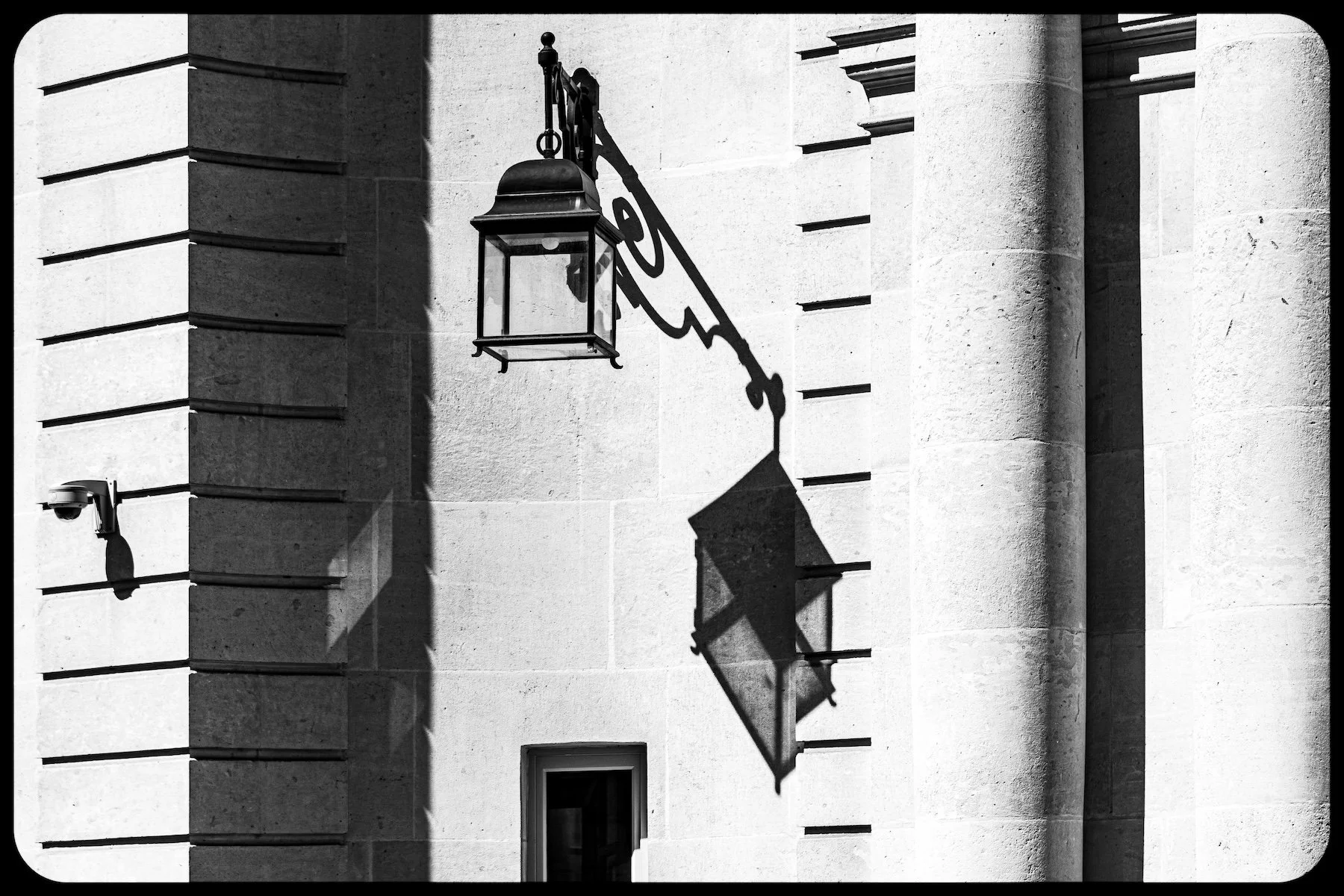
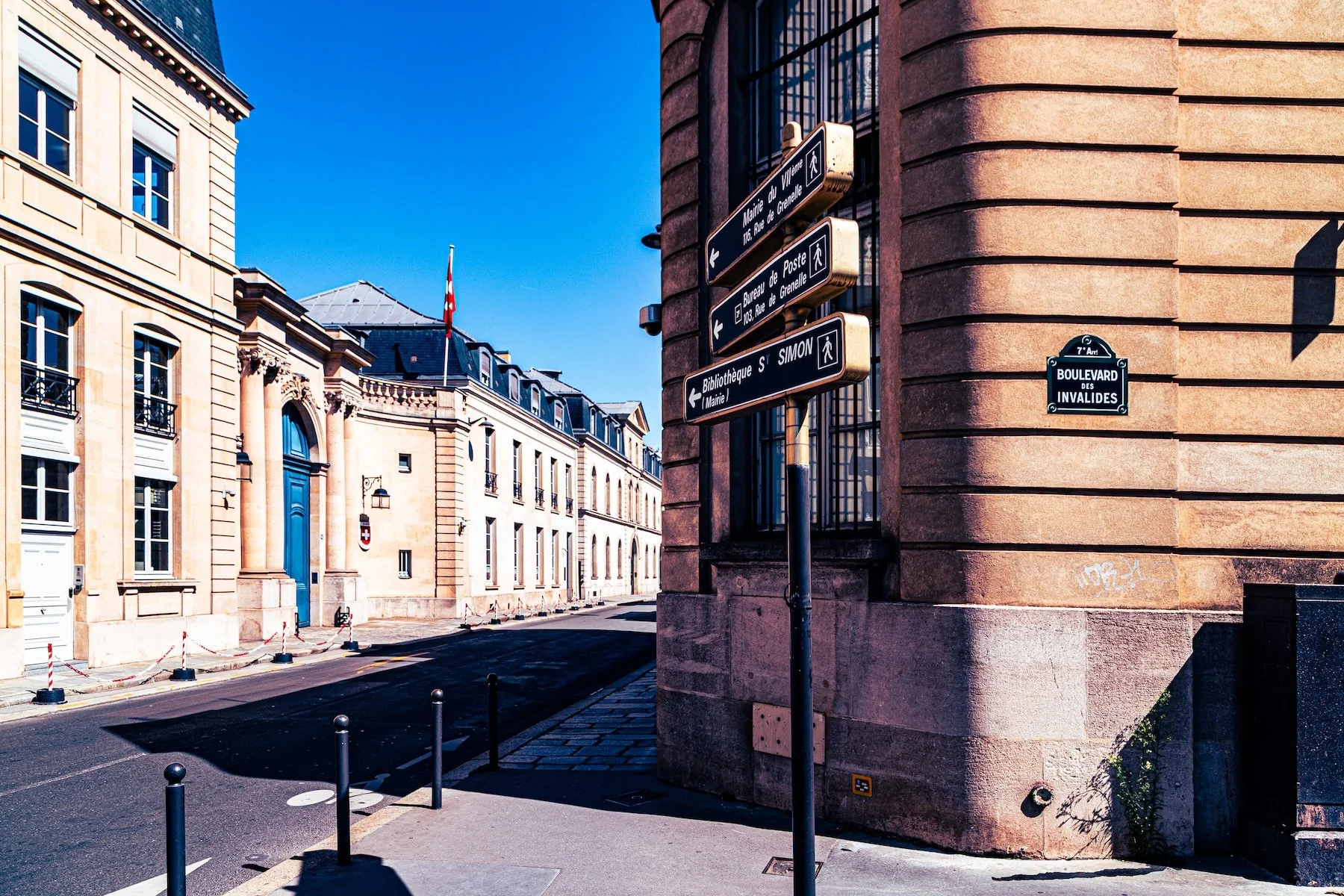

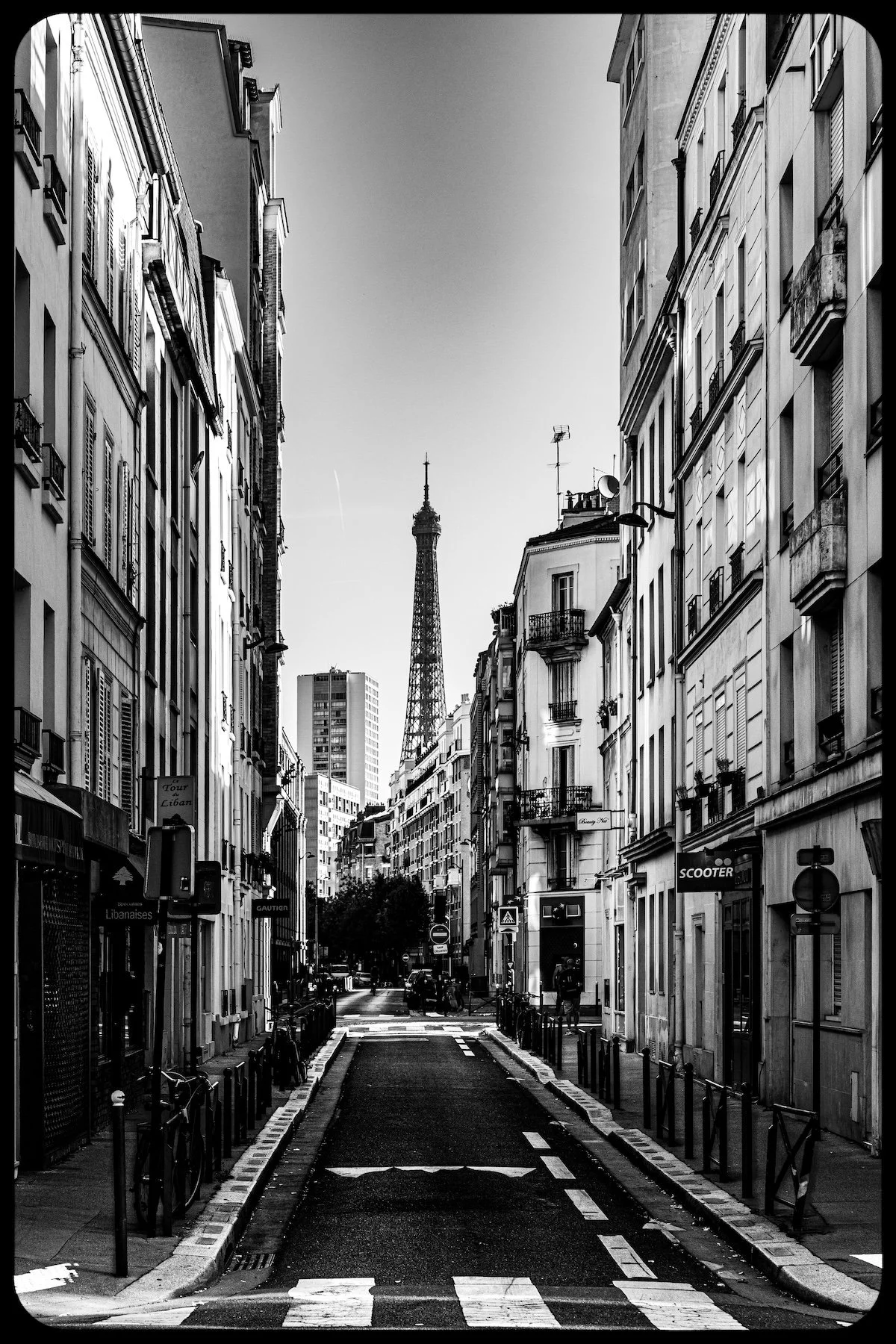
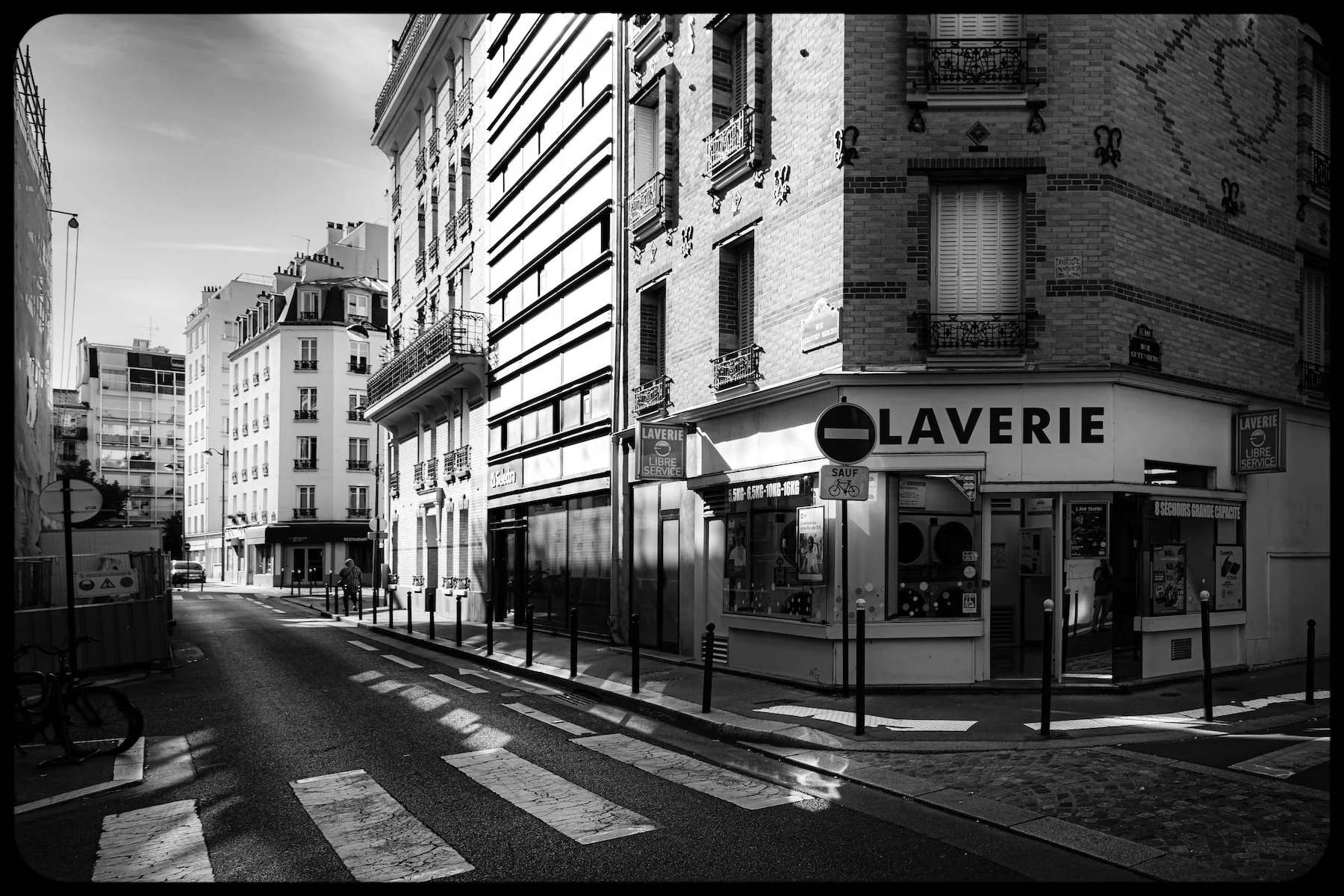
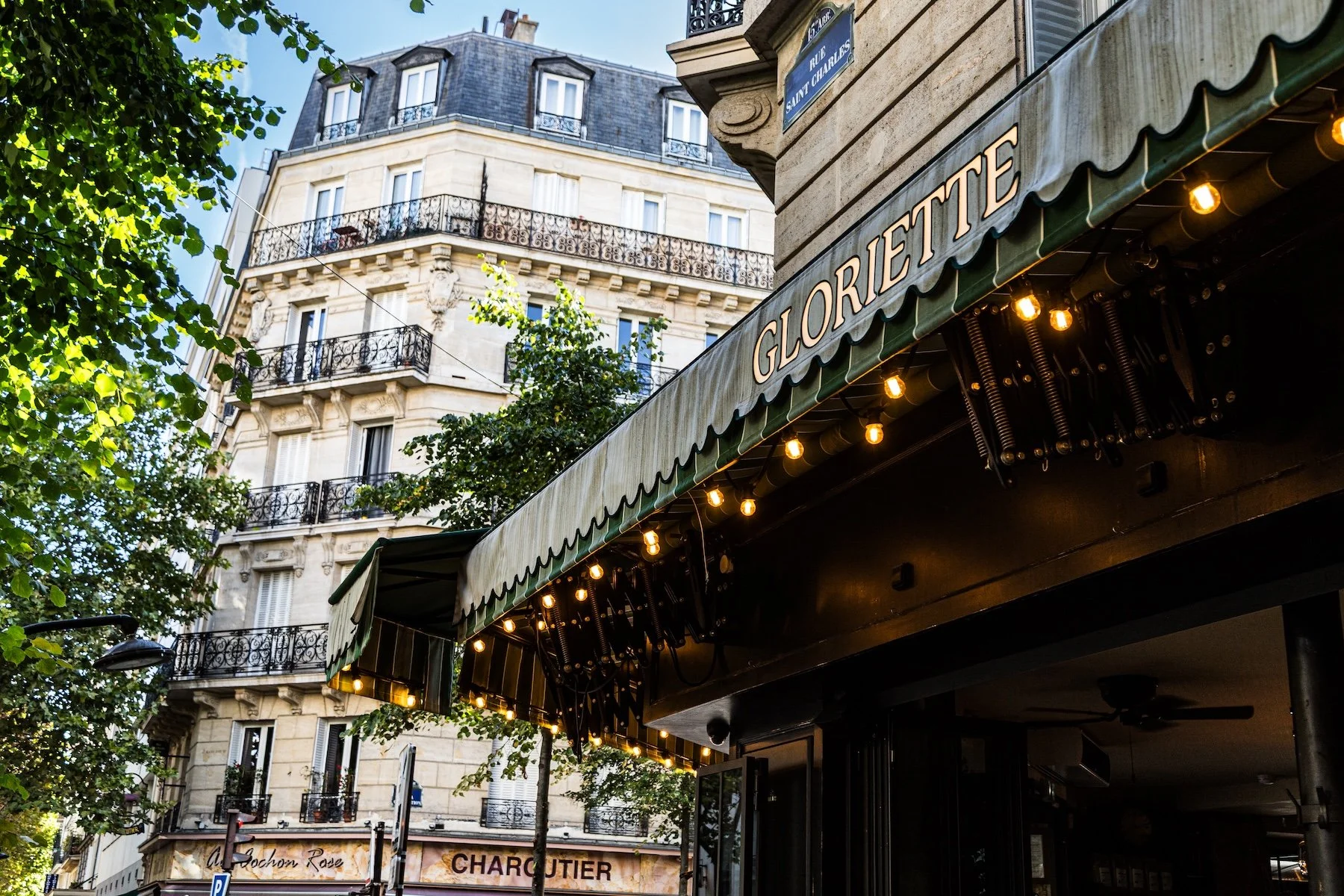
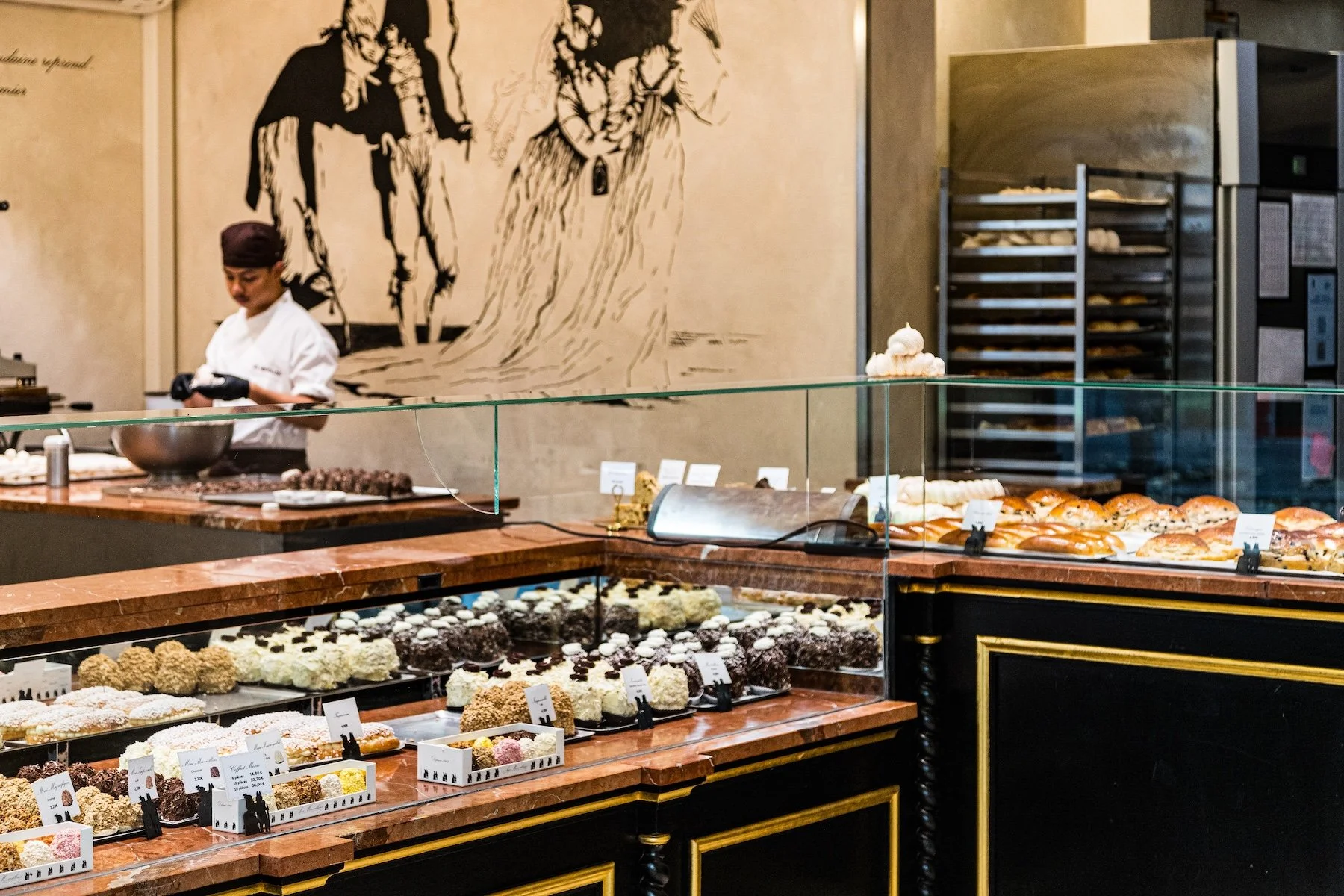
Explore Paris
-

The twenty arrondissements form the civic spiral of Paris, organizing the city into its broad local districts of government, identity, and daily life.
-

Each arrondissement is divided into four official administrative quarters, giving Paris a more precise civic and geographic framework.
-

The conseils de quartier bring participation to street level, giving residents a voice in neighborhood needs, public space, and local civic life.
-

Les Deux Rives trace Paris through the Seine’s two banks, revealing how the Rive Droite and Rive Gauche shaped the city’s civic power, commerce, learning, art, and cultural identity.
-

Cultural neighborhoods reveal the Paris people recognize through history, cafés, architecture, memory, atmosphere, and local belonging.