
7e - INVALIDES
Quartiers Administratifs
Part of an ongoing project to walk and photograph every neighborhood in Paris, this page explores the Administrative Quarter: 7e - Invalides through maps, district identity, history, and photography.
The Map
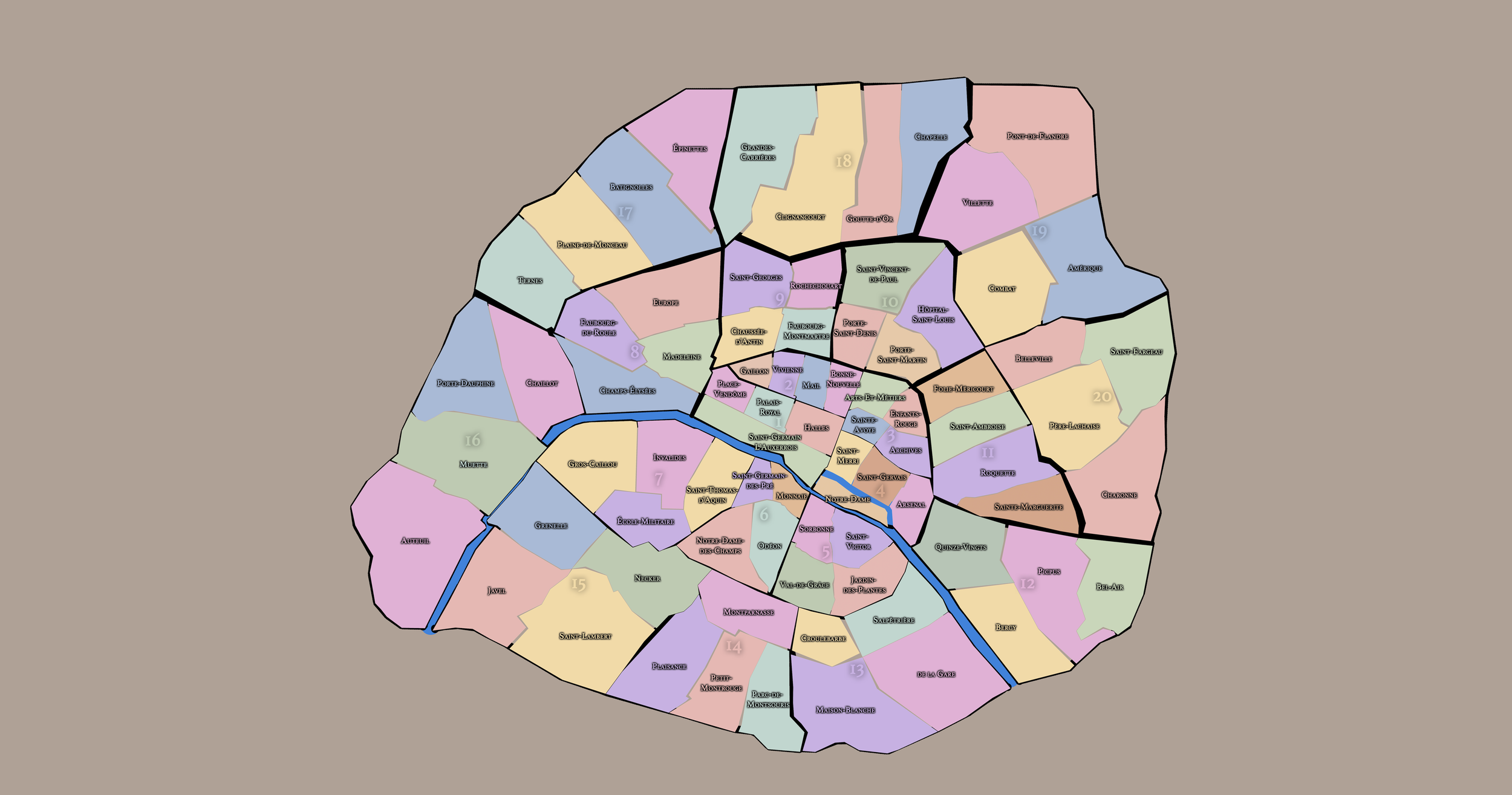
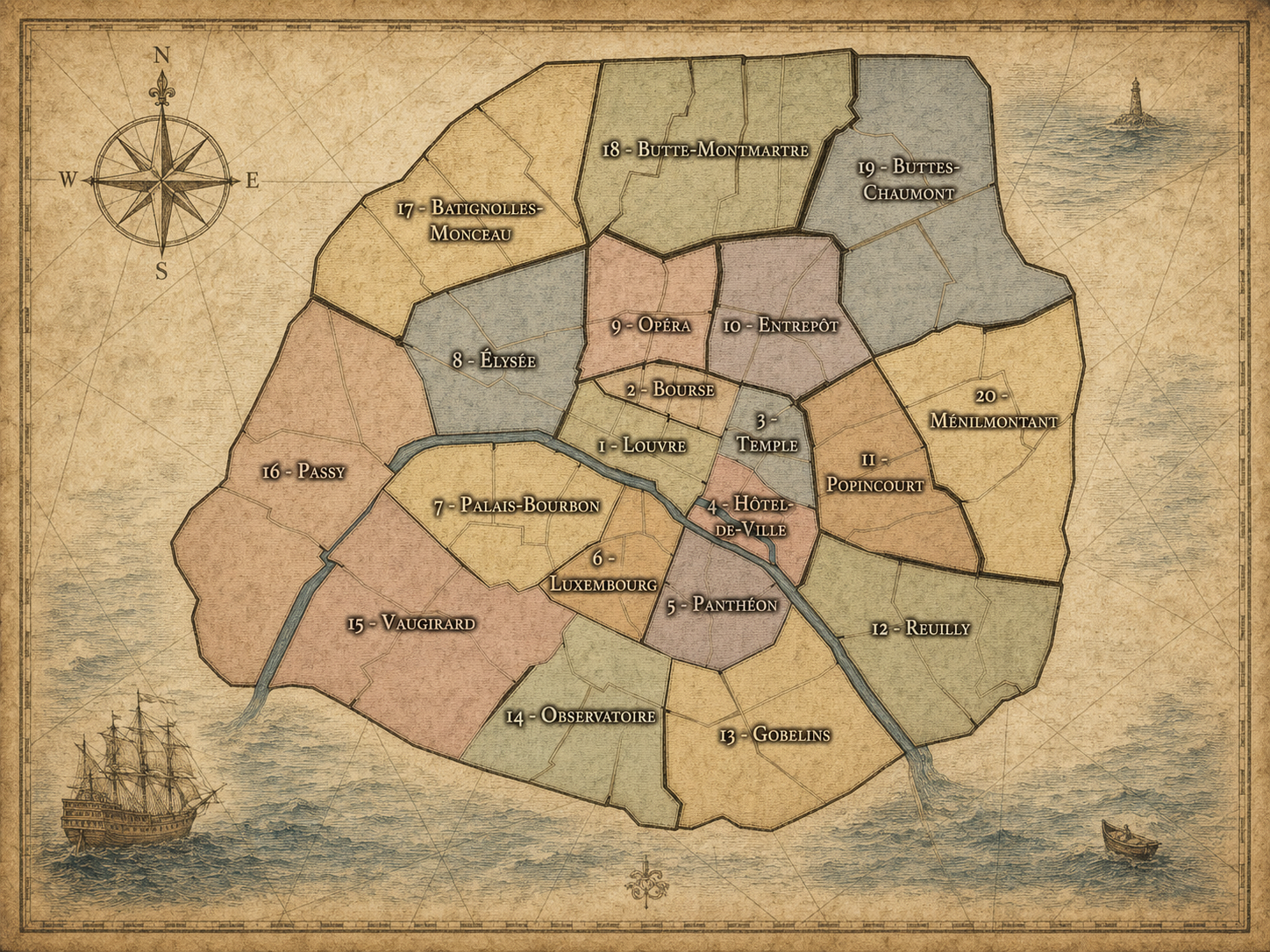
Download the Paris Arrondissements Map
Geographic Setting
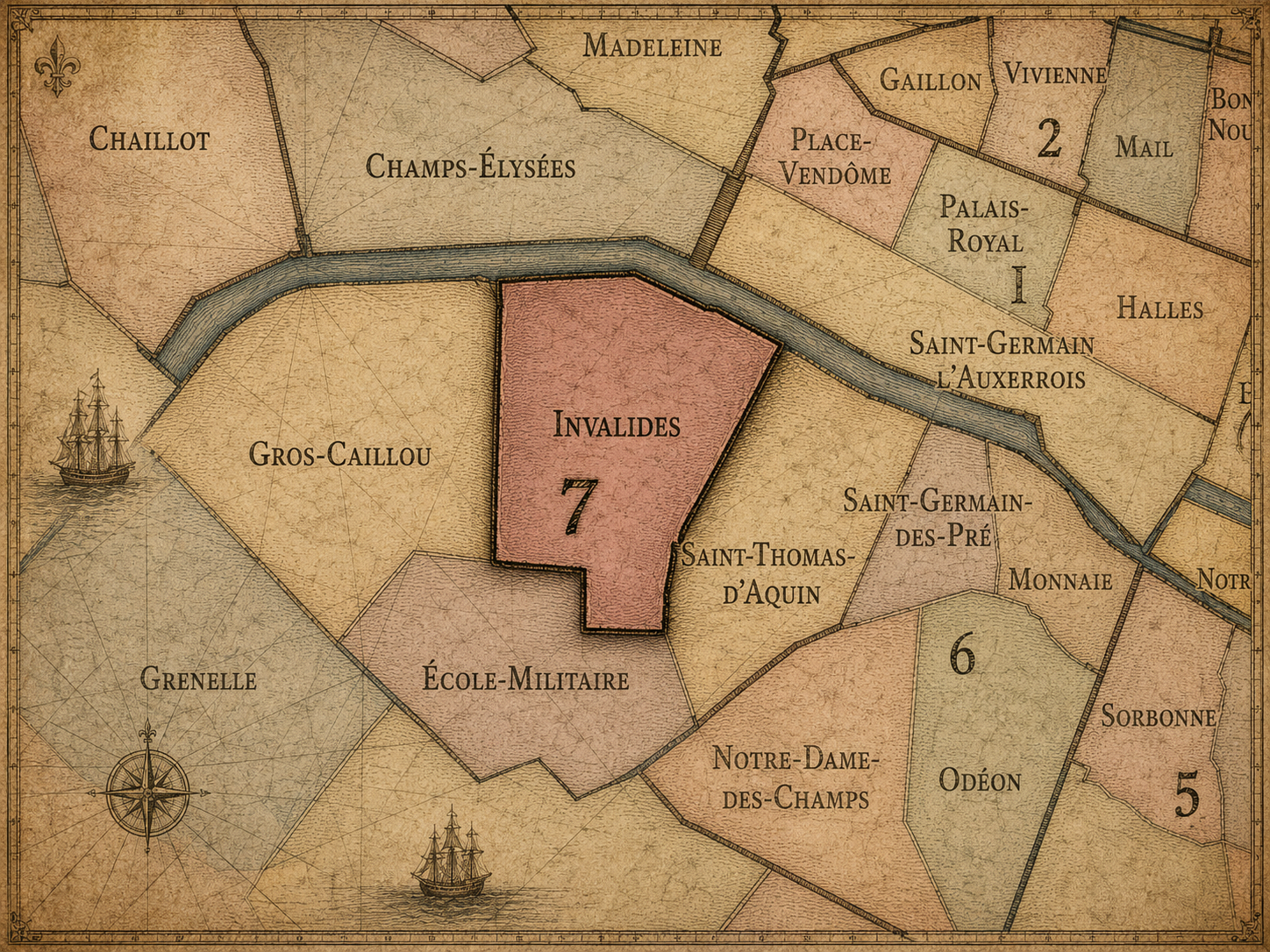
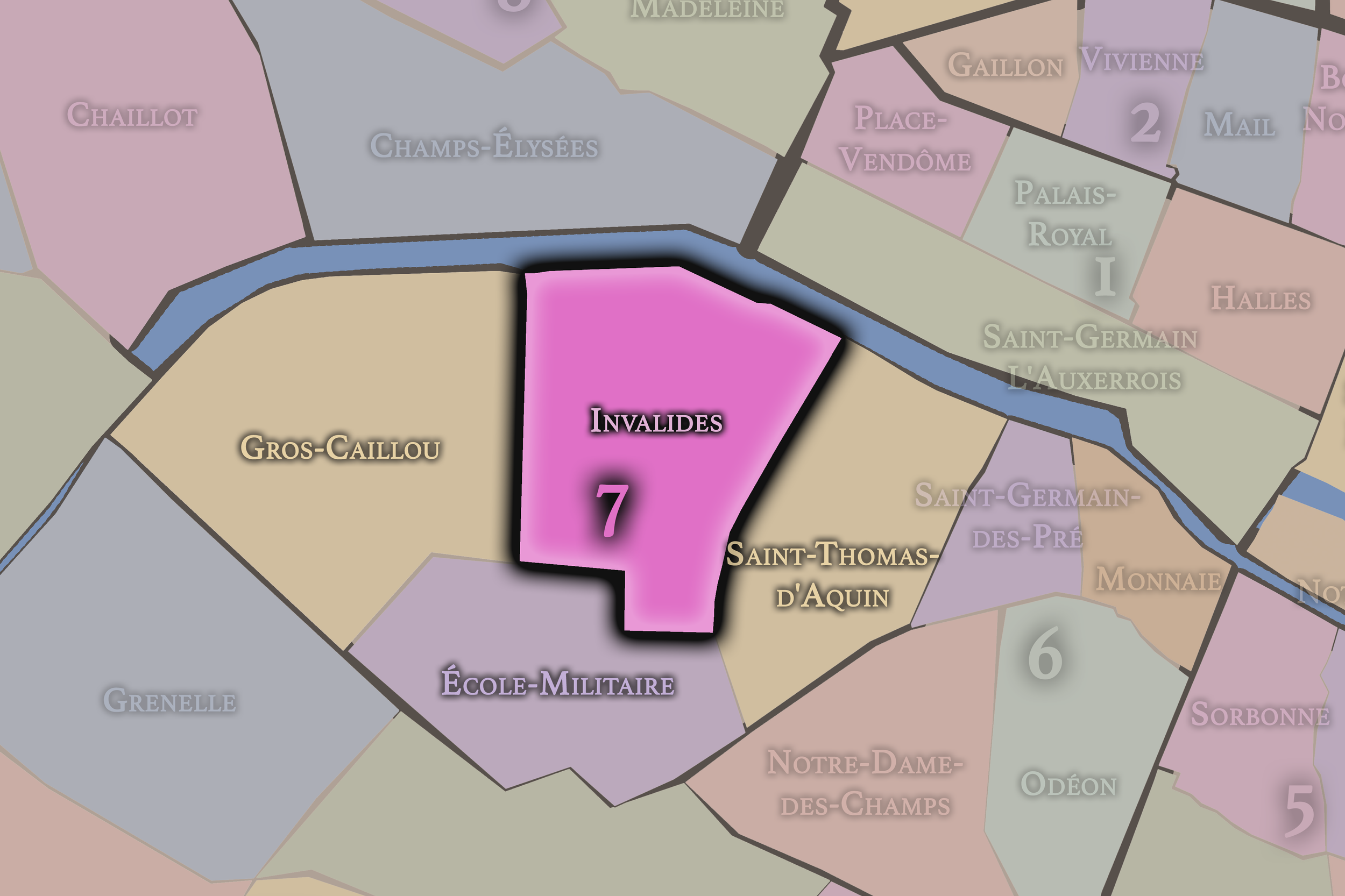
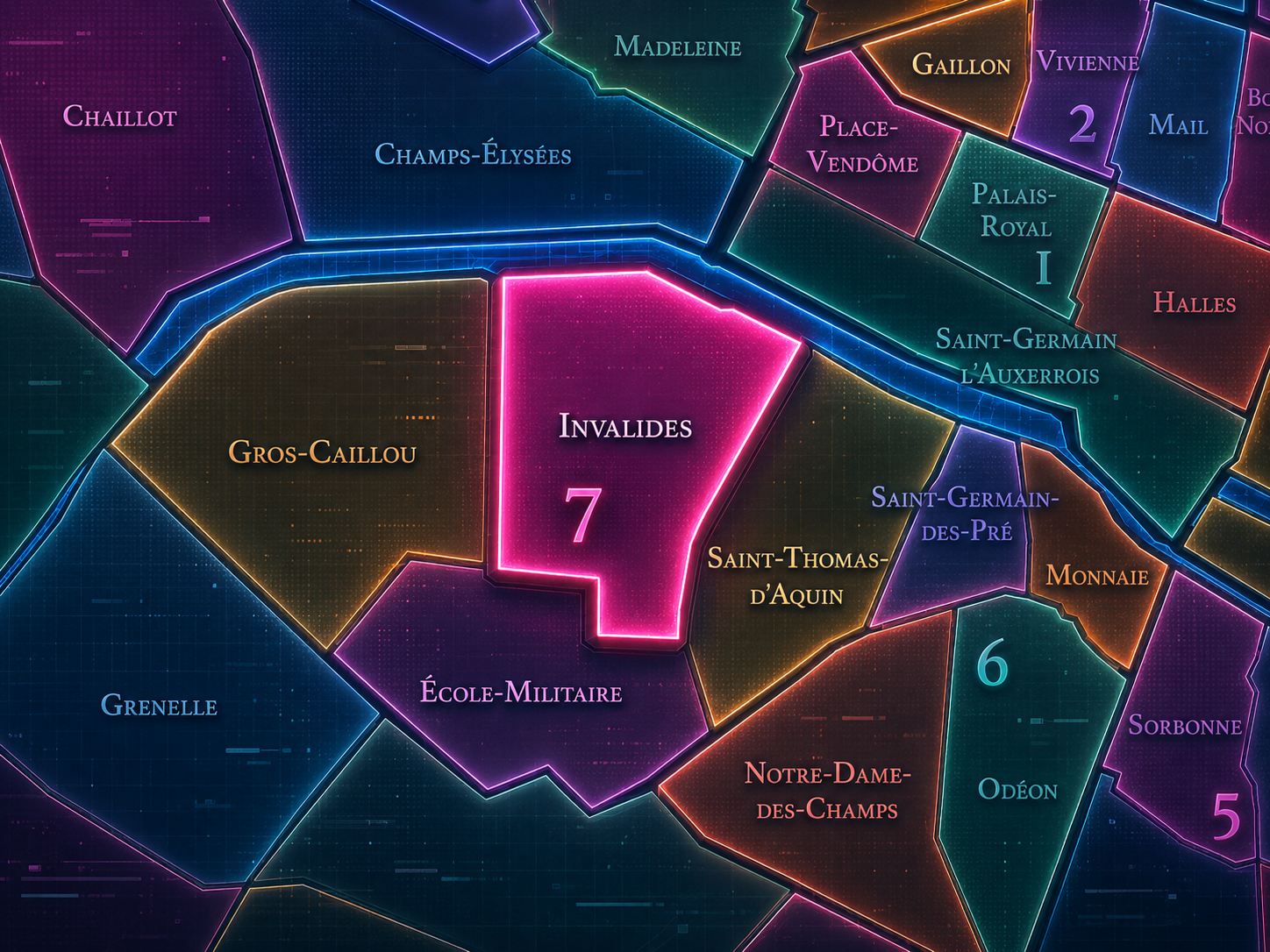
Invalides occupies the northeastern portion of the 7th arrondissement, where the Left Bank opens into one of the great ceremonial landscapes of Paris. Set between the Seine to the north, Saint-Thomas-d’Aquin to the east, École-Militaire and Gros-Caillou to the west and southwest, and the broad institutional corridors of the Faubourg Saint-Germain to the south, Invalides is a quarter defined by monumentality, state presence, open space, and military memory.
Its geography is anchored by the Hôtel des Invalides, the Esplanade des Invalides, the gilded dome of the Dôme des Invalides, the Musée de l’Armée, the Pont Alexandre III, the Quai d’Orsay edge, the Assemblée Nationale nearby, and the ordered streets of ministries, embassies, museums, and aristocratic residences that characterize the eastern and central 7th arrondissement. This is Paris at its most formal: axial views, long lawns, ceremonial approaches, stone façades, guarded doors, and the disciplined urban language of power.
Unlike Gros-Caillou, where the Eiffel Tower and Champ-de-Mars combine monumentality with neighborhood life, Invalides is more solemn and state-oriented. Its open spaces do not feel recreational in quite the same way. They feel processional. The quarter belongs to a Paris of ceremony, memory, military honor, government, diplomacy, and national display — a landscape where the city seems to stand at attention.
Administrative Quarter Identity
Etymology and Origins
The name Invalides comes from the Hôtel des Invalides, the great royal institution founded by Louis XIV as a residence and hospital for wounded, disabled, and aging soldiers. The word invalides refers to those made unable to serve by injury, age, or infirmity. In the Parisian context, however, the term became attached not only to the soldiers themselves, but to the vast architectural complex built to house, honor, and care for them.
The name carries both compassion and authority. It is rooted in service, injury, and care, but it is also inseparable from the monarchy’s effort to organize military memory into architecture. The Hôtel des Invalides was not merely a charitable institution. It was a statement about the state’s obligation to those who fought for it, and about the visibility of military service within the capital.
As a quarter name, Invalides is therefore unusually direct. It does not derive from a former village, a church, a noble estate, or a market. It comes from an institution created for bodies marked by war. That gives the quarter its moral gravity. Behind the gilded dome and ceremonial lawns lies a human history of wounds, recovery, discipline, honor, and remembrance.
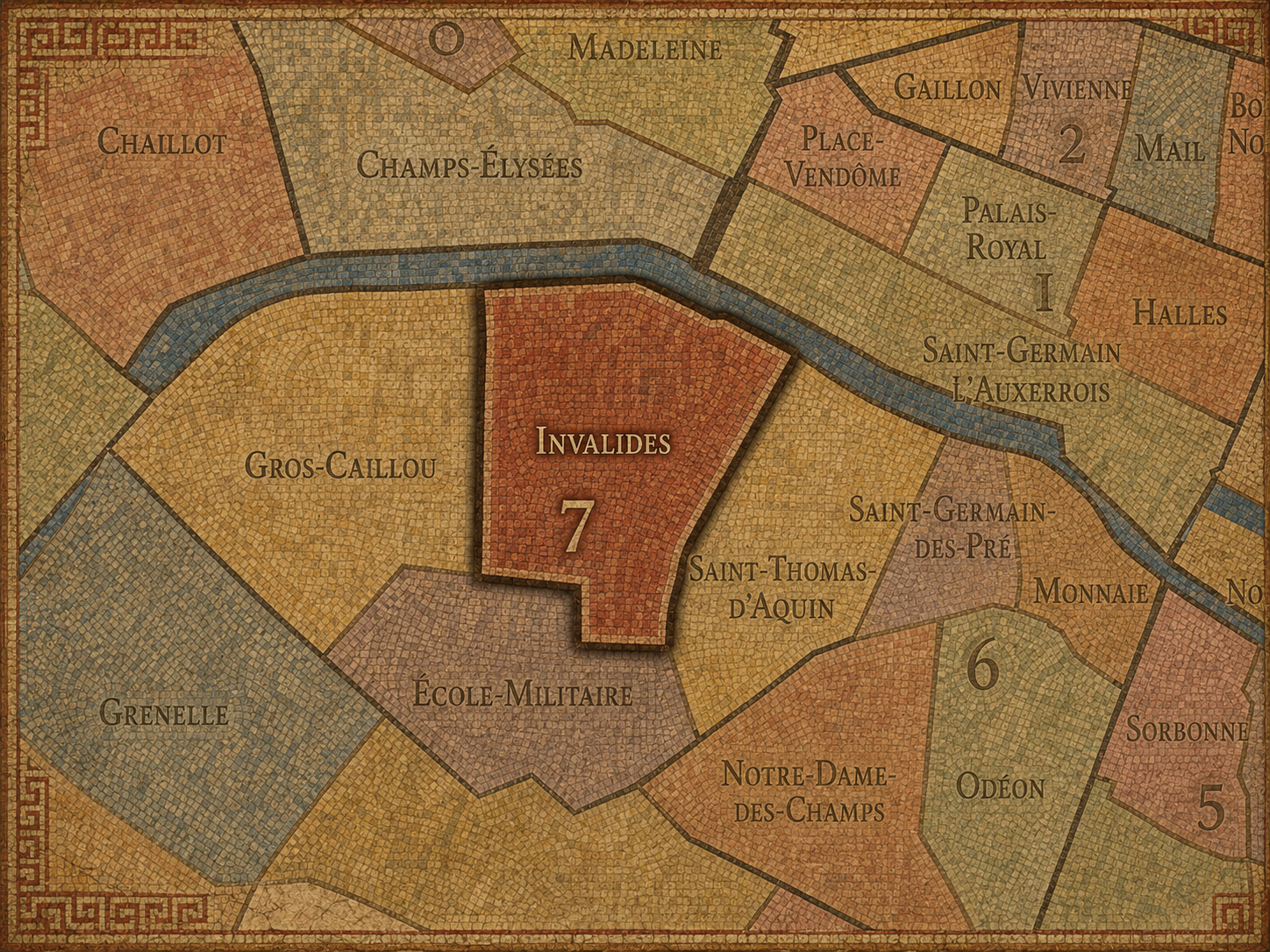
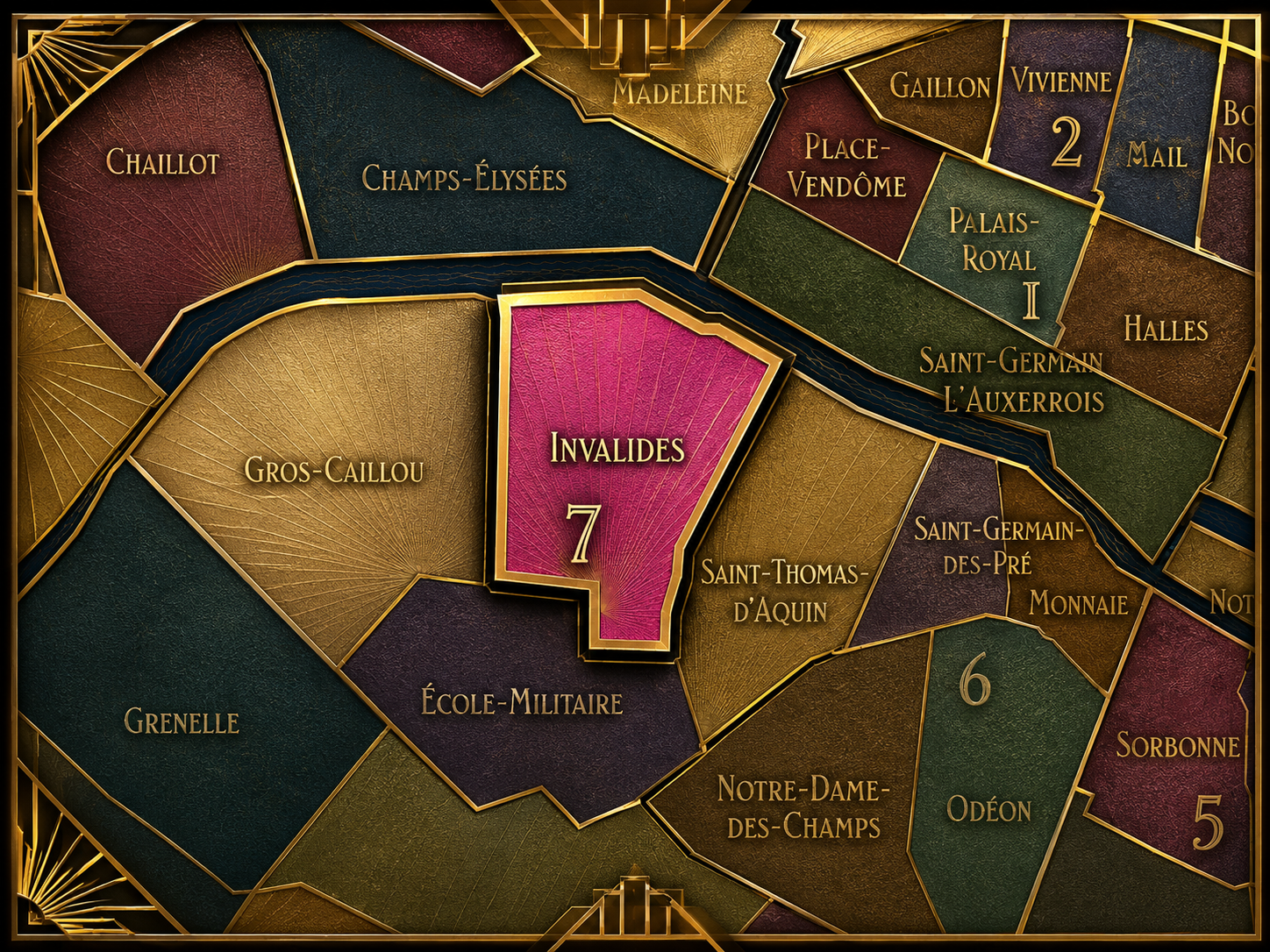
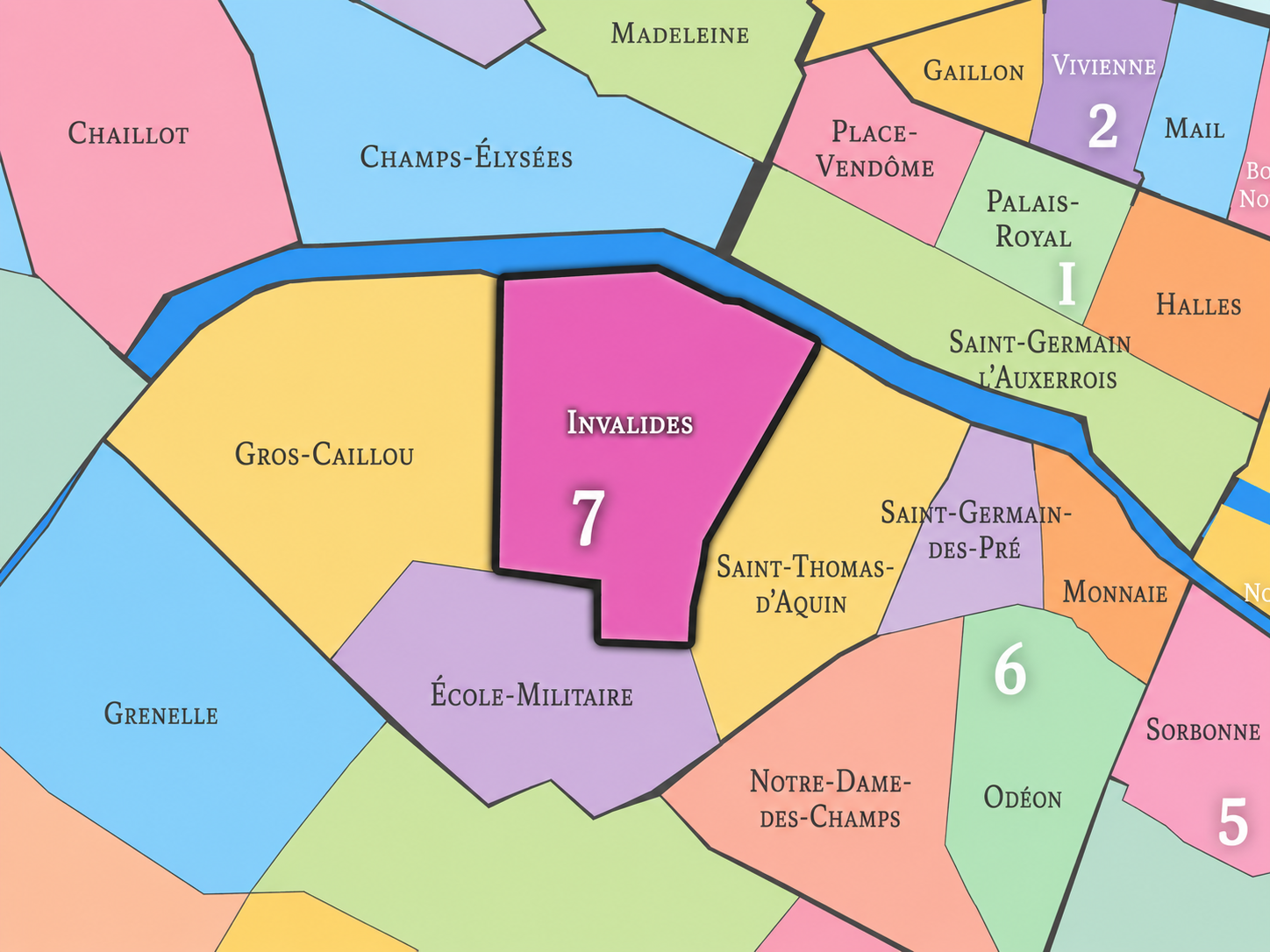
Within the official geography of Paris, Invalides is one of the four administrative quarters of the 7th arrondissement, alongside Saint-Thomas-d’Aquin, École-Militaire, and Gros-Caillou. It occupies the arrondissement’s northeastern sector and is traditionally counted among the official quartiers administratifs that give Paris its finer civic structure.
As an administrative quarter, Invalides gives formal shape to a landscape that might otherwise be described only through its monuments and institutions: Les Invalides, the Esplanade, Quai d’Orsay, the Assemblée Nationale edge, the Musée Rodin nearby, or the governmental district of the Faubourg Saint-Germain. The official quarter gathers those related but distinct geographies into one civic frame.
This frame is useful because Invalides is both a landmark and a neighborhood. Visitors may think first of the golden dome or Napoleon’s tomb, but the quarter also includes residential streets, ministries, schools, museums, embassies, gardens, and the daily routines of a highly institutional Left Bank district. The administrative name helps keep the broader urban fabric visible behind the monument.
Civic Framework
Invalides differs from the other quarters of the 7th arrondissement through its powerful combination of military memory, ceremonial open space, and state presence. Saint-Thomas-d’Aquin is more closely tied to aristocratic residences, ministries, museums, and the cultivated eastern Faubourg Saint-Germain. École-Militaire is shaped by military education and the southern edge of the Champ-de-Mars. Gros-Caillou gathers the Eiffel Tower, the Seine, residential streets, market life, and the global image of modern Paris.
Invalides is more solemn, more axial, and more memorial in tone. Its identity is organized around care for soldiers, the display of military history, the tomb of Napoleon, national ceremonies, and the broad esplanade that opens the quarter toward the river and the Right Bank. It is not a market quarter, not a café mythology, not an artist district, and not a village absorbed into Paris. It is a quarter of institution and remembrance.
It should also be distinguished from the broader Faubourg Saint-Germain. The Faubourg is a larger cultural and historical district associated with aristocratic residences, embassies, ministries, and elite Left Bank society. Invalides belongs within that wider world, but its identity is more specifically military, memorial, and ceremonial. It is the Faubourg Saint-Germain in uniform.
Neighborhood Distinction
Parisian Identity
Invalides expresses Paris as a city of state memory. It is one of the places where the capital gives architectural form to service, sacrifice, military ambition, national glory, and the human cost of war. The Hôtel des Invalides was created as a place of care, but it also became a theater of honor. The quarter’s identity lives in that tension: compassion and power, refuge and display, wound and ceremony.
The golden dome gives the district one of the most recognizable silhouettes on the Left Bank. Yet the dome’s beauty should not distract from the institution’s deeper meaning. Invalides is a place where Paris confronts the relationship between the body and the state. Soldiers lived here, were treated here, worshipped here, and were remembered here. Later, Napoleon’s tomb transformed the site into one of the great national shrines of France, adding imperial memory to the earlier royal foundation.
This gives the quarter a distinctly Parisian form of grandeur. It is not only beautiful; it is interpretive. Its lawns, façades, church, museum, and tomb all ask the visitor to think about how a nation remembers war, service, victory, defeat, and suffering. Invalides is Paris as monument, but also Paris as conscience.
Neighborhood Connections
Every administrative quarter belongs to a wider Parisian fabric. These connections place Invalides within the city’s civic, participatory, and cultural geography:
-
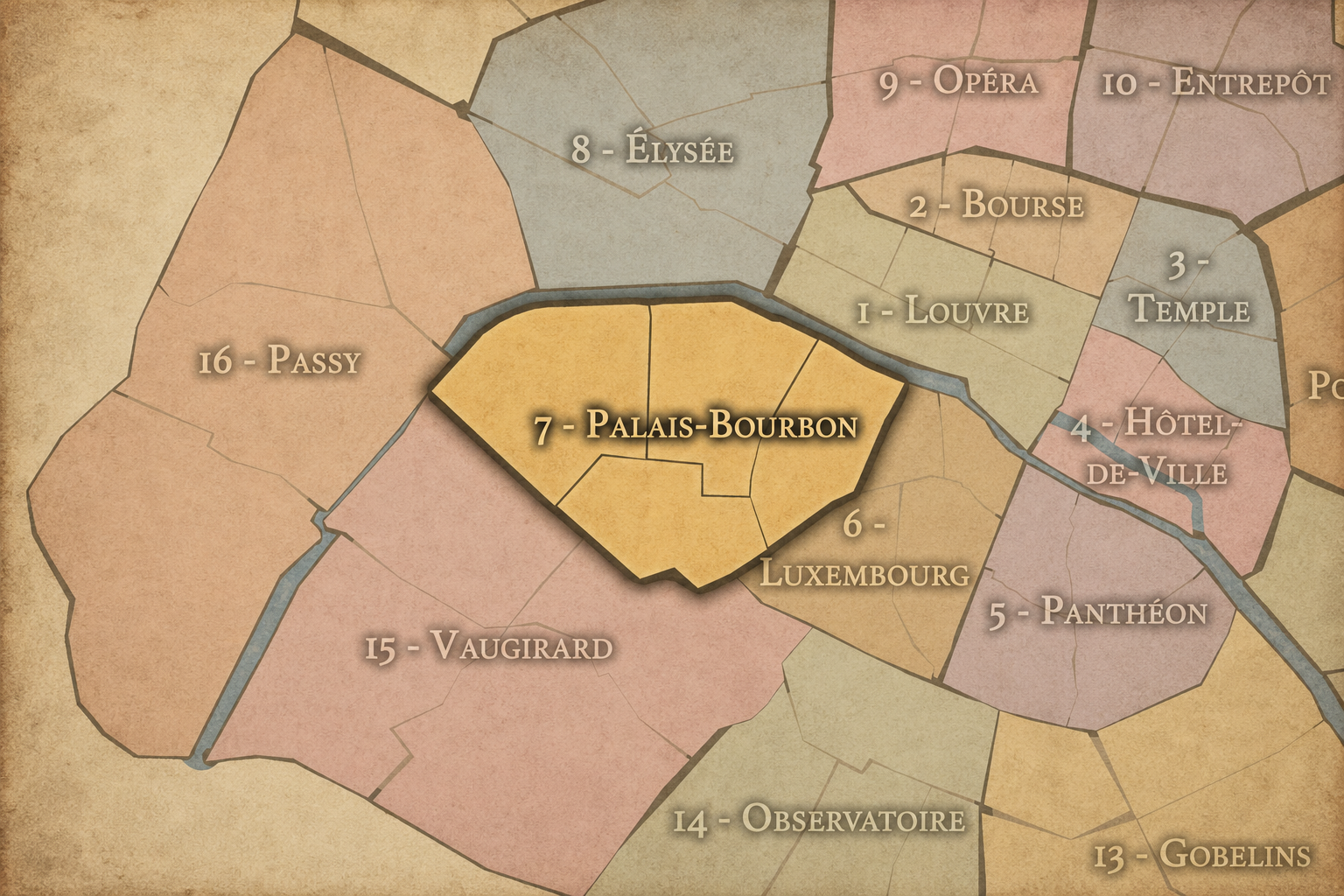
7e - Palais-Bourbon
-
Invalides
The History
The origins of Invalides lie in the 17th-century expansion of royal power and military administration under Louis XIV. Before the construction of the Hôtel des Invalides, this part of the Left Bank lay within the growing western landscape beyond the older city, where fields, religious lands, aristocratic estates, and developing roads gradually gave way to formal institutions. The area offered enough space for a large royal foundation while remaining connected to the capital.
Louis XIV founded the Hôtel des Invalides in 1670 to provide a residence, hospital, and place of care for soldiers who had served the crown. The project reflected the scale and discipline of the absolutist state. It was practical in purpose, but monumental in expression. The king’s soldiers would not be hidden at the edge of society; they would be housed in one of the grandest institutions of Paris.
From its origins, then, Invalides joined charity, medicine, military order, and royal image. It was created to serve wounded men, but also to display the monarchy’s command of space, resources, and memory. That dual function shaped the quarter from the beginning.
Origins
16th–17th Century
In the 16th century, the future Invalides quarter remained part of the less densely built western Left Bank, beyond the older academic and riverfront centers of Paris. This area was not yet defined by the monument that would give it its name. It belonged to a landscape of fields, estates, roads, religious properties, and gradual urban expansion.
The decisive transformation came in the 17th century with the founding and construction of the Hôtel des Invalides. Designed on a vast scale, the complex included residential quarters, hospital functions, courtyards, church spaces, and administrative structures. Its architecture imposed order on the landscape, turning open ground into a disciplined royal institution.
The construction of the Église du Dôme and the soldiers’ church gave the complex both sacred and ceremonial power. Invalides became more than a hospital. It became a city within the city, organized around service, hierarchy, worship, and royal patronage. The quarter’s later identity as a landscape of national memory begins here, in the royal architecture of care and command.
In the 18th century, Invalides continued to function as a major royal military and charitable institution. Veterans lived within the complex, medical and religious services continued, and the site stood as one of the most visible expressions of the monarchy’s relationship to its soldiers. The surrounding district also developed as part of the expanding western Left Bank, increasingly tied to aristocratic residences, institutions, and the broader Faubourg Saint-Germain.
The complex’s scale gave the quarter a distinctive atmosphere. Unlike older neighborhoods formed gradually by streets and parishes, Invalides was shaped around a planned institution. Its courtyards, façades, and open approaches gave it a formal clarity uncommon in the denser medieval and early modern quarters to the east. The area became one of the places where the state could be read spatially.
The French Revolution transformed the meaning of the site. Royal symbols, military authority, church property, and state institutions were all reinterpreted in the new political order. Invalides remained important, but its identity shifted from royal foundation to national institution. The soldiers it housed were no longer only servants of a king; they became part of the military and civic memory of France.
18th Century
19th Century
The 19th century gave Invalides one of its most powerful layers of meaning through the return of Napoleon’s remains and the creation of his tomb beneath the Dôme des Invalides. This transformed the complex into a national shrine and made the quarter one of the central landscapes of Napoleonic memory. A site founded for royal veterans became, in the 19th century, one of the great imperial memorials of France.
The century also strengthened the museum and military-historical identity of the quarter. Collections, ceremonies, and institutional functions increasingly connected Invalides to the interpretation of French military history. The site became not only a place of residence and care, but a place where the nation displayed and organized the memory of its wars.
Urbanistically, the 19th century further integrated Invalides into the ceremonial geography of Paris. The Esplanade des Invalides opened the complex toward the Seine, while surrounding streets and institutions tied it to the state-centered world of the 7th arrondissement. The quarter became one of the great compositions of the capital: dome, lawns, river, bridge, ministries, and monuments arranged in a language of authority.
In the early and mid 20th century, Invalides remained deeply tied to military history and national ceremony. The First World War gave the site renewed emotional significance, as France confronted mass death, injury, remembrance, and the long aftermath of modern warfare. The quarter’s identity as a place of wounded soldiers and military memory became even more profound in a century defined by conflict.
The Hôtel des Invalides and its museum functions continued to shape public understanding of French military history. The quarter stood as both memorial and institution, a place where weapons, uniforms, flags, tombs, chapels, and ceremonies connected past conflicts to present memory. During the Second World War, occupation, liberation, and postwar recovery, the symbolic charge of Invalides only deepened.
The surrounding district also retained its elite and governmental character. Ministries, embassies, institutions, and high-status residences reinforced the quarter’s identity as part of the state landscape of the Left Bank. Invalides was not merely a historic site; it remained embedded in the ongoing political and diplomatic life of Paris.
Early–Mid 20th Century
Late 20th Century
In the late 20th century, Invalides became increasingly central to heritage tourism, military history, and national commemoration. The Musée de l’Armée grew as a major museum destination, while Napoleon’s tomb, the Dôme, and the Esplanade continued to attract visitors from around the world. The quarter became one of the key places where Paris presented French military history to an international public.
At the same time, the surrounding neighborhood retained its quieter institutional and residential character. This contrast is one of the quarter’s defining traits. The central monument is immense and highly visited, but many nearby streets are calm, formal, and restrained. Behind the spectacle of the dome lies a district of ministries, schools, embassies, apartment buildings, and guarded entrances.
The late 20th century also sharpened the relationship between memory and tourism. Invalides had to function both as a sacred national site and as a global attraction. The challenge was to preserve the gravity of the place while making its history accessible to visitors whose relationship to French military memory might be distant or partial.
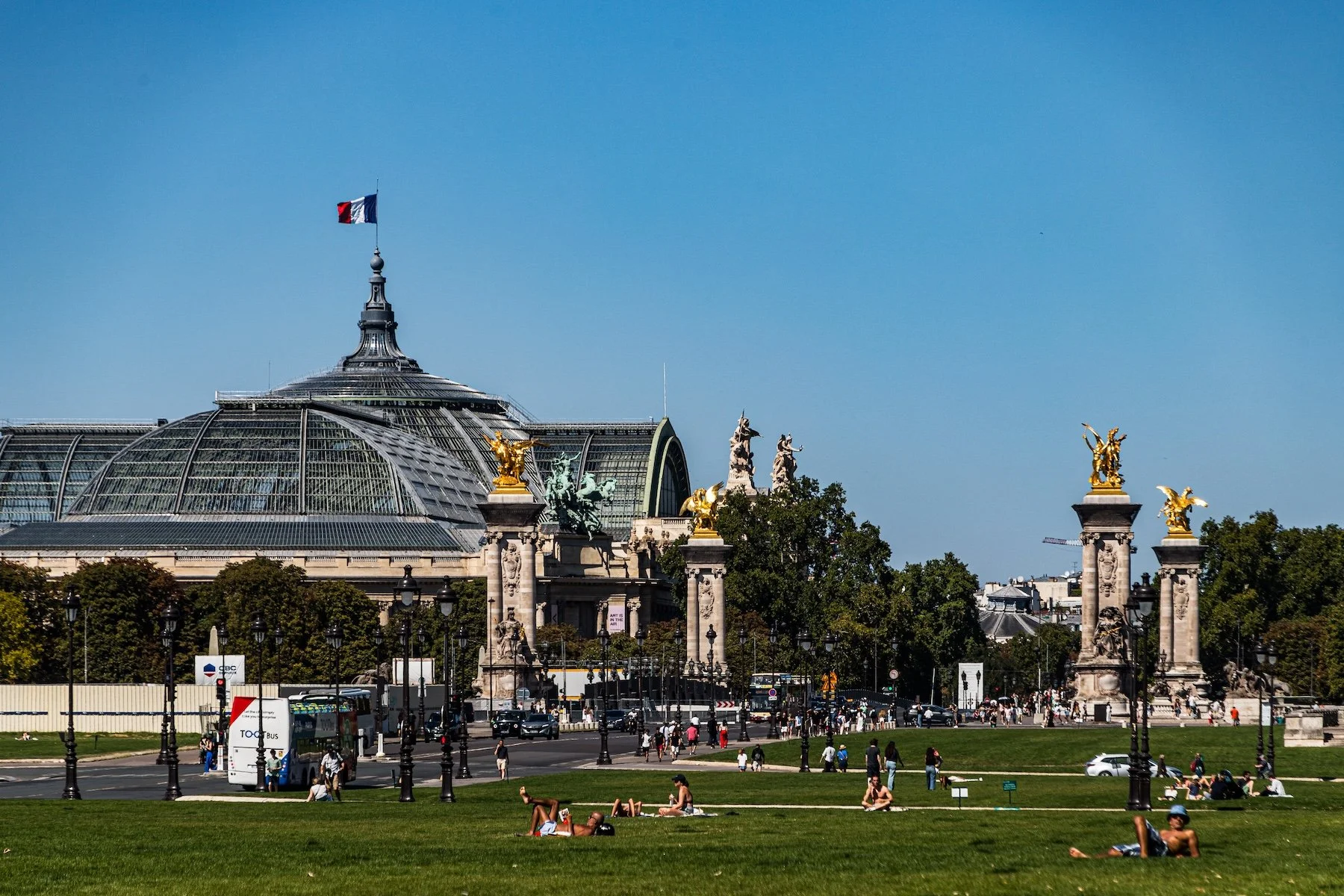
In the 21st century, Invalides remains one of the most important ceremonial quarters of Paris. The Hôtel des Invalides continues to house major museum functions and military memory, while the Dôme and Napoleon’s tomb remain central to the site’s symbolic power. The Esplanade continues to serve as a vast public foreground, opening the quarter toward the Seine, the Pont Alexandre III, the Grand Palais, and the ceremonial axis of western central Paris.
Today, the quarter is also part of a broader landscape of state, diplomacy, and heritage. Ministries, embassies, museums, and formal residences reinforce its institutional character. Visitors come for the tomb, the museum, the architecture, and the views; residents and workers move through a neighborhood whose grandeur is woven into daily routine.
For CityNeighborhoods: Paris, Invalides is essential because it shows how a neighborhood can be built around memory at national scale. This is not a local village quarter, nor a market district, nor a bohemian enclave. It is a quarter where Paris gives spatial form to service, war, care, imperial memory, and civic ceremony. Its identity is heavy, but also deeply instructive.
21st Century
Spirit and Legacy
Invalides is the quarter where Paris honors and interrogates military memory. Its spirit is solemn, ordered, and monumental. It belongs to wounded soldiers and golden domes, courtyards and tombs, museum galleries and ceremonial lawns, state institutions and quiet streets. It is a place where beauty carries the weight of history.
Its legacy is one of care transformed into national memory. A royal hospital for veterans became a military museum, an imperial tomb, a ceremonial landscape, and one of the great symbolic quarters of Paris. The name still recalls the men for whom the institution was created: soldiers marked by service, whose injuries gave the quarter its original moral purpose.
To walk Invalides is to encounter Paris as remembrance. The quarter is grand, but its grandeur is not merely decorative. It asks what a city owes to those who served, how a nation remembers war, and how architecture can turn injury, discipline, glory, and grief into public space. In Invalides, neighborhood identity becomes ceremony — and ceremony becomes memory.
The Photography
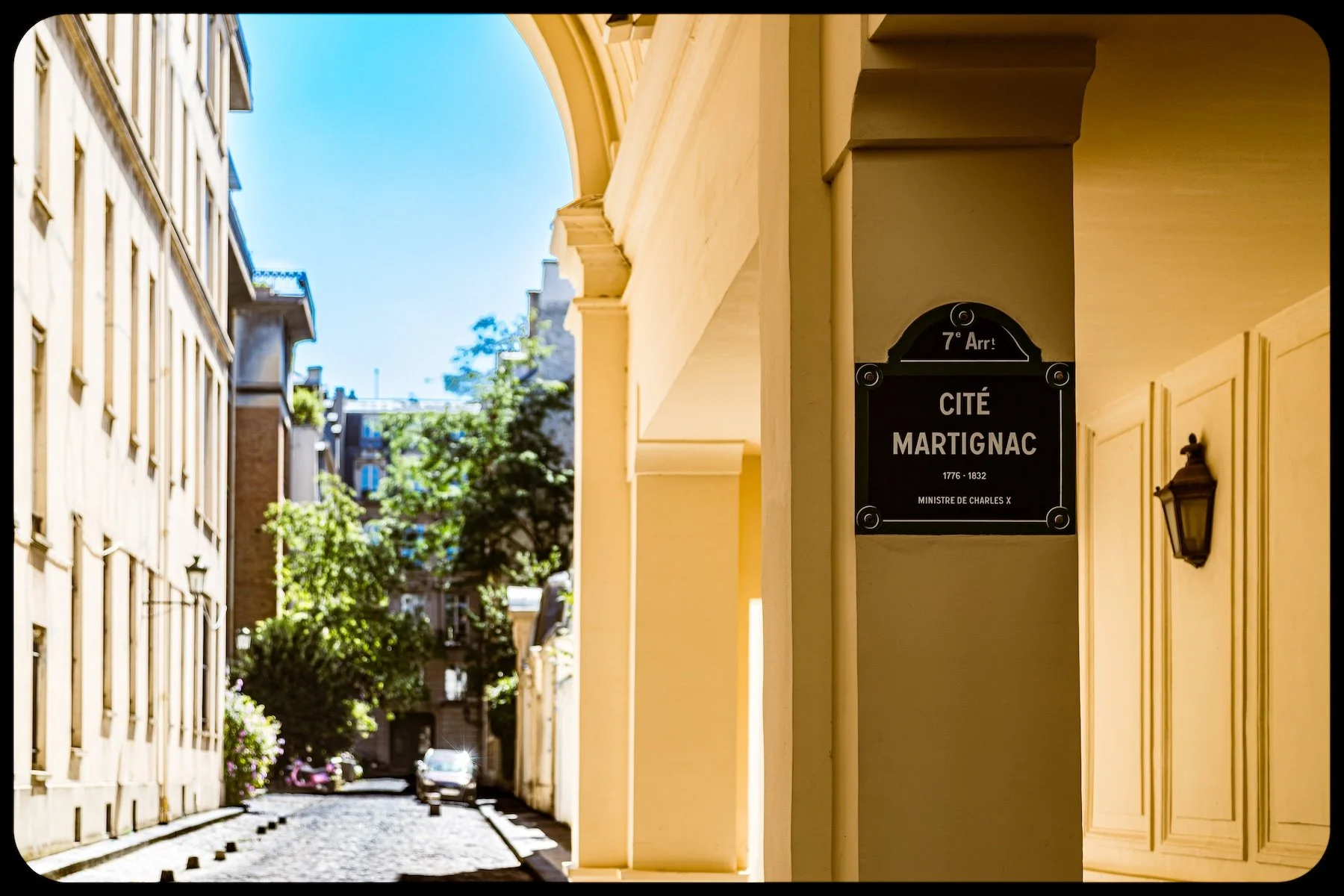
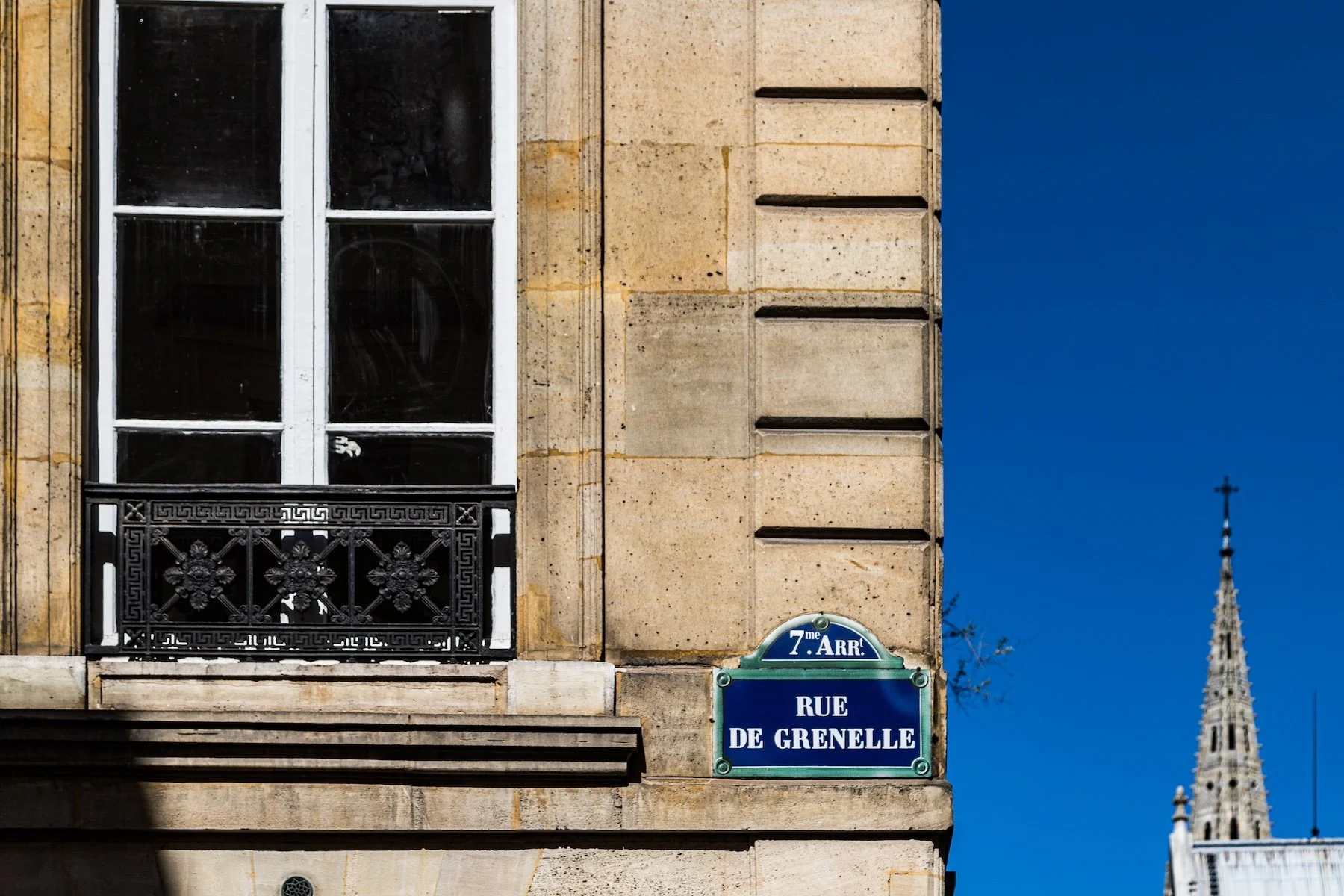
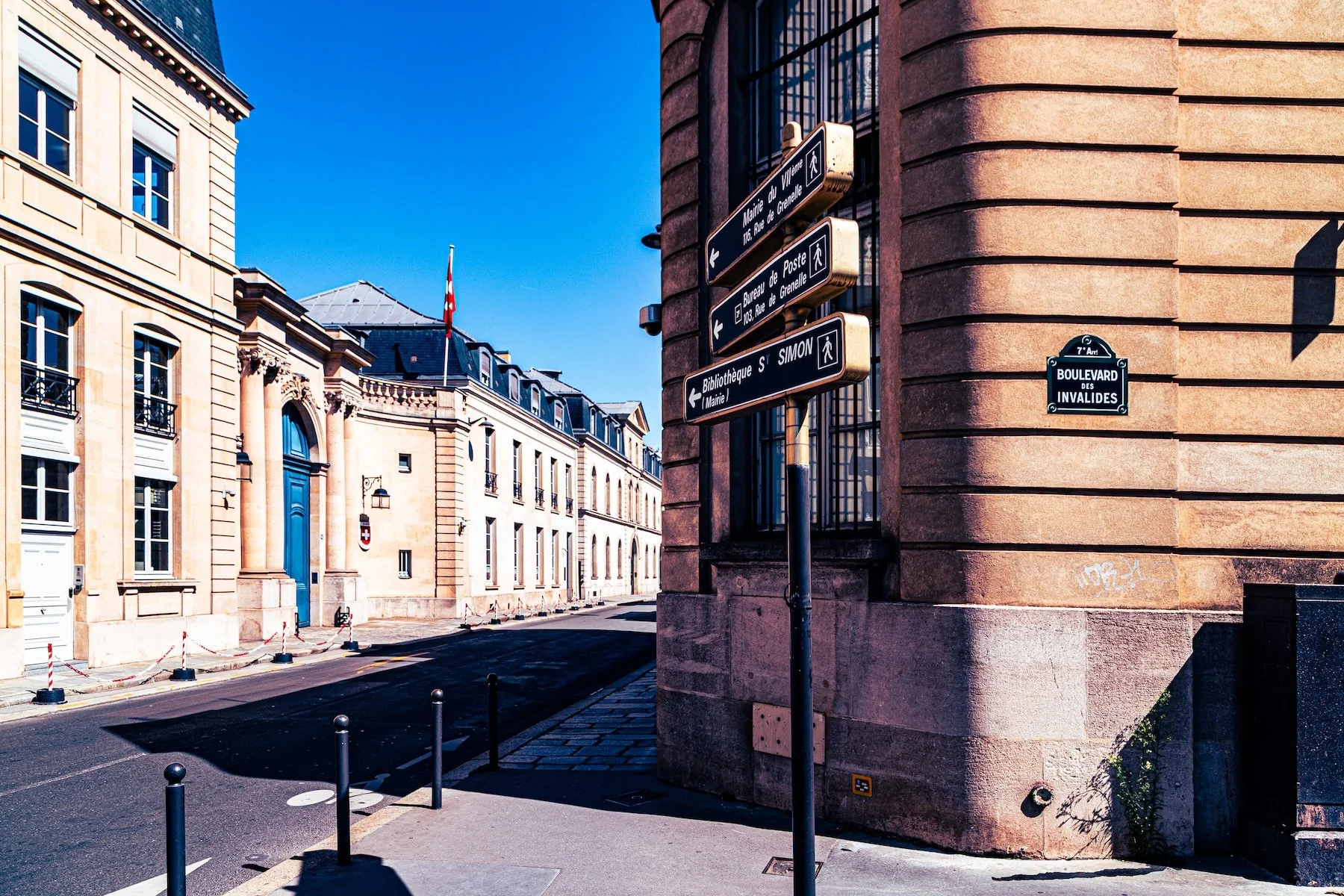
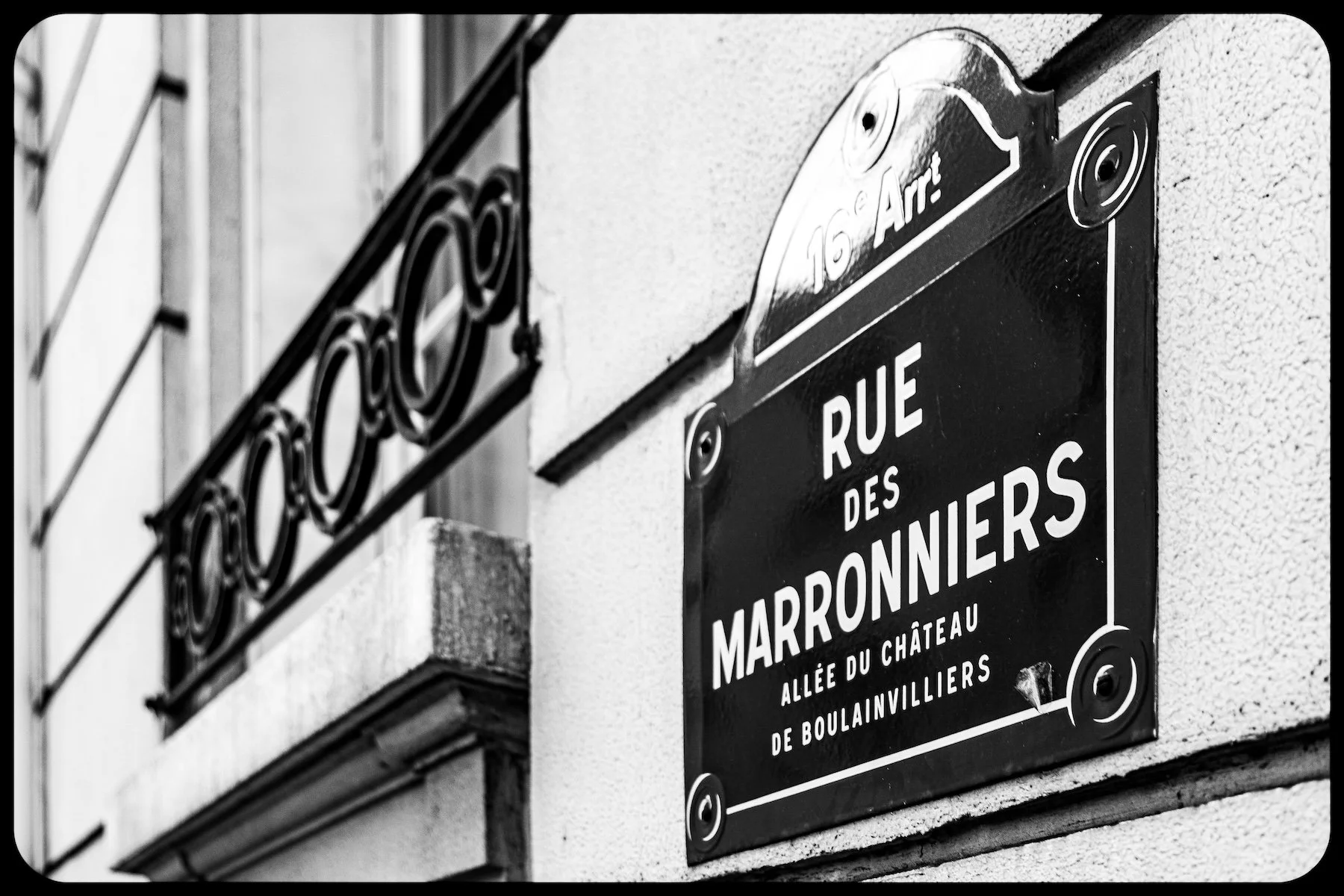
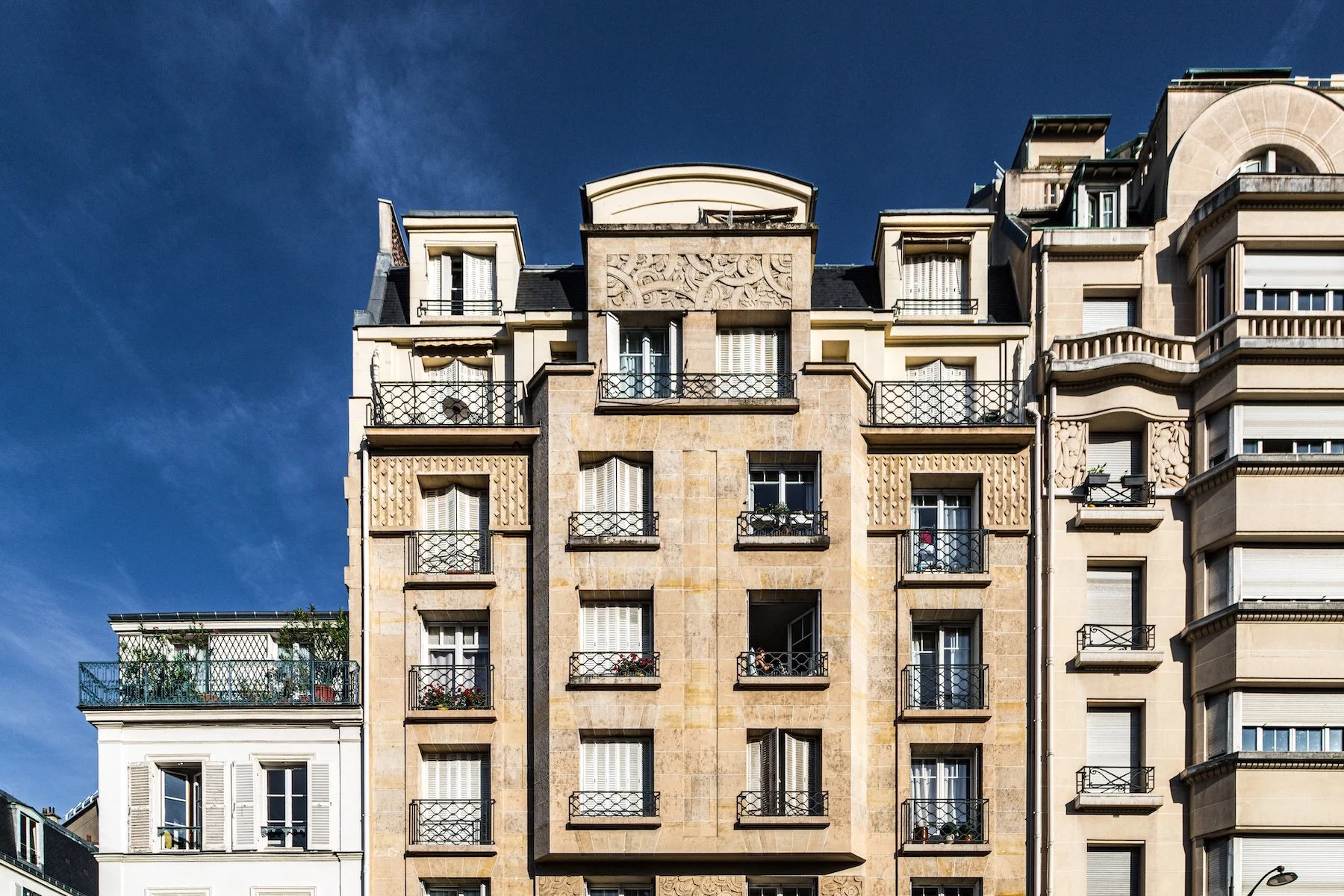
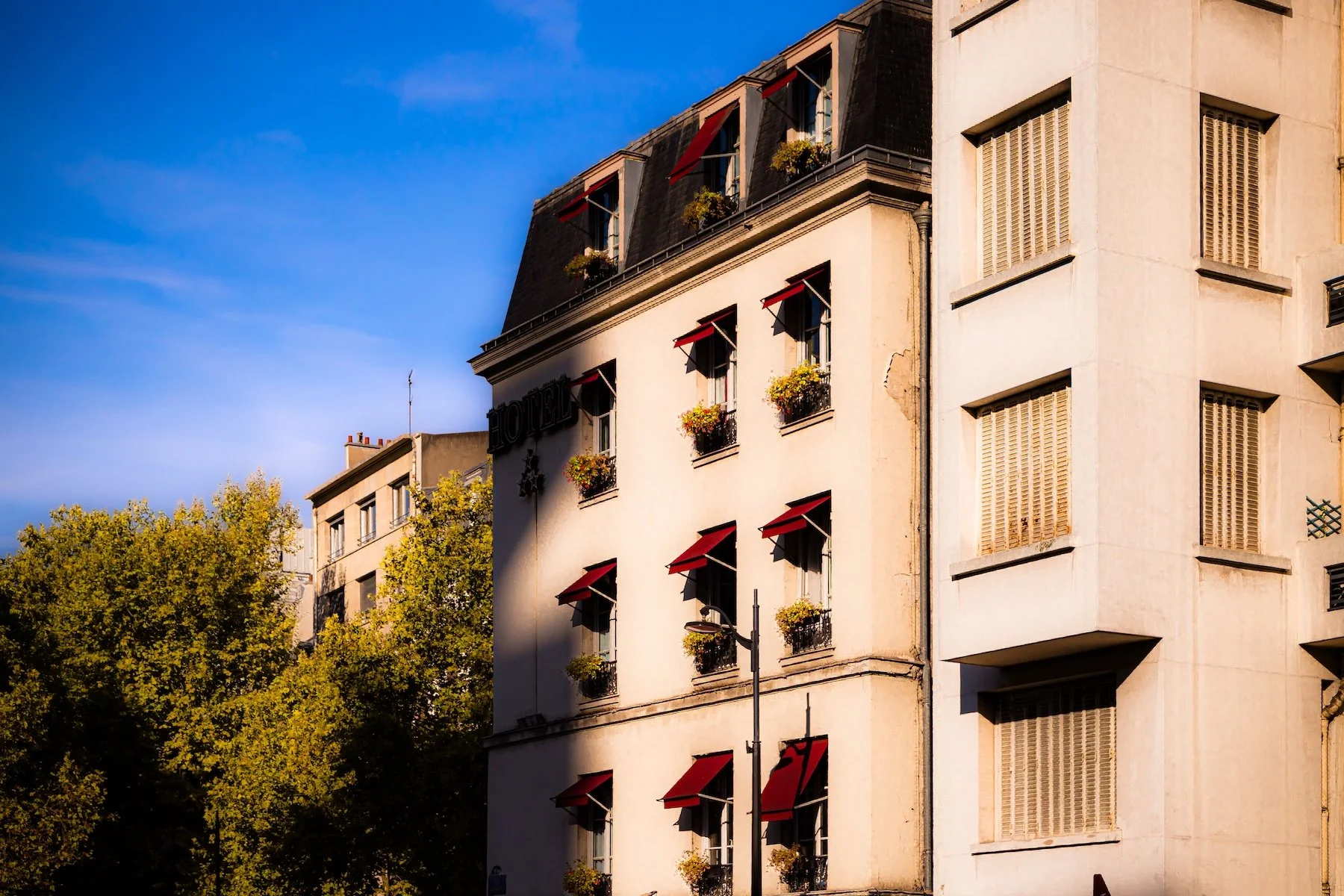
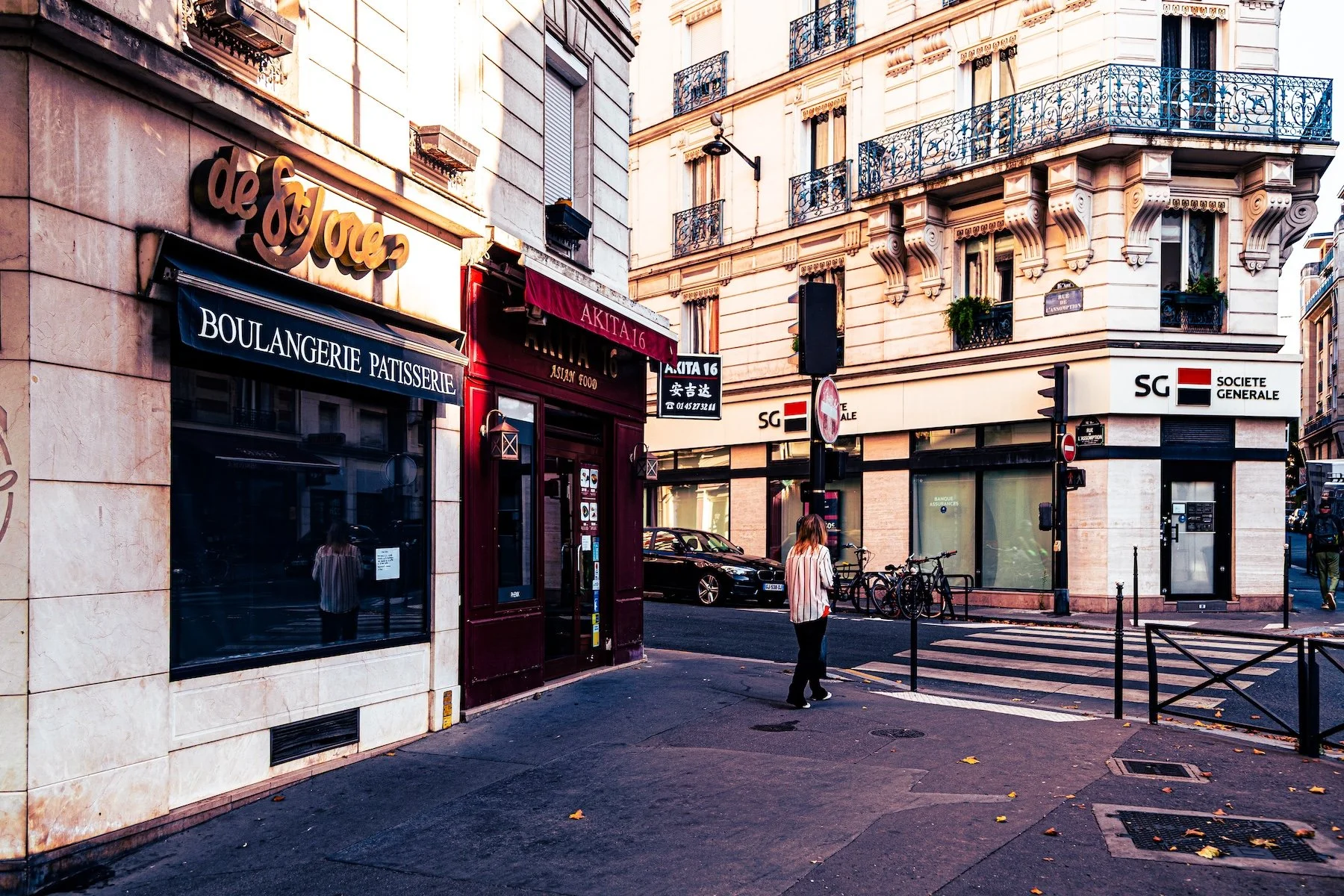
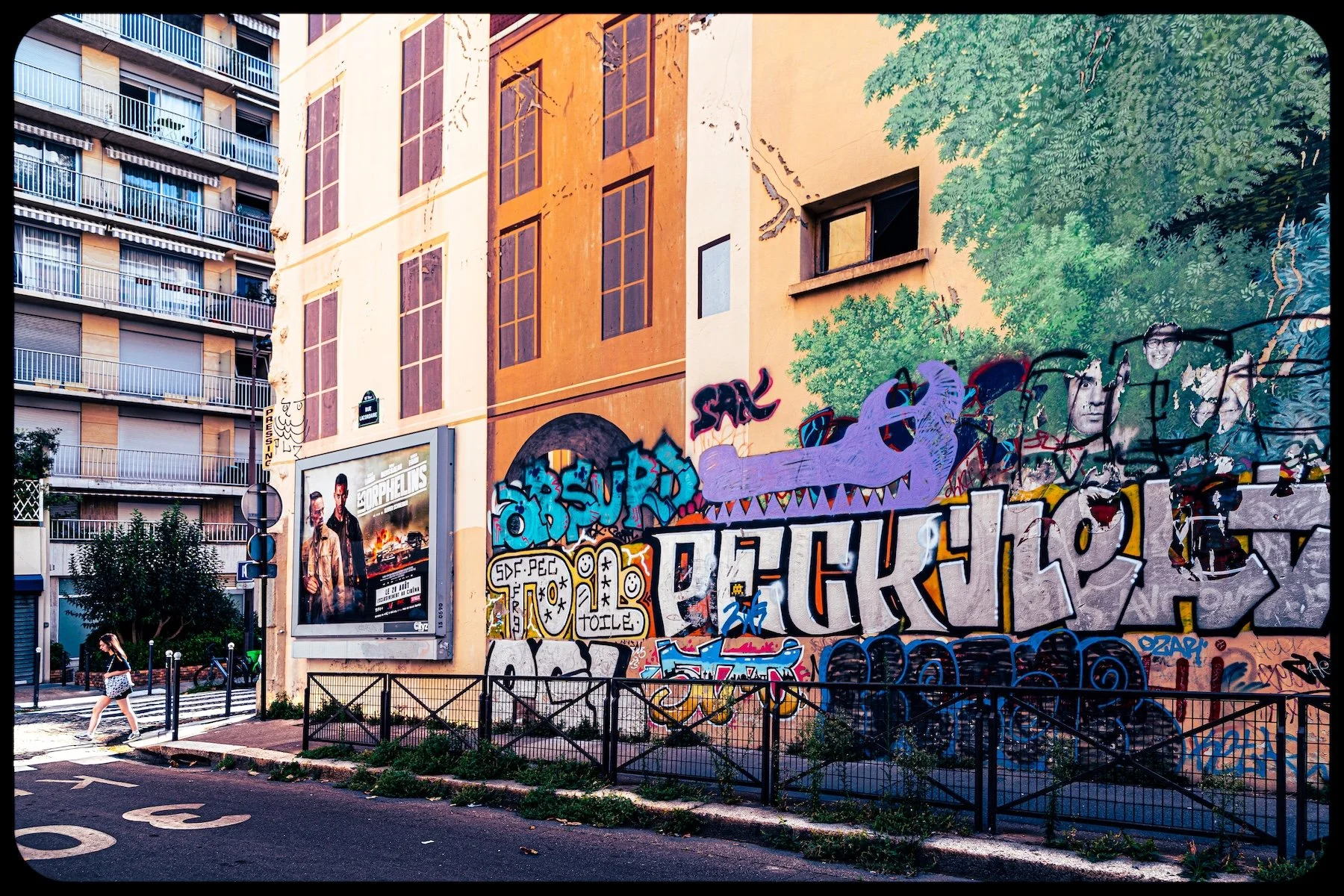
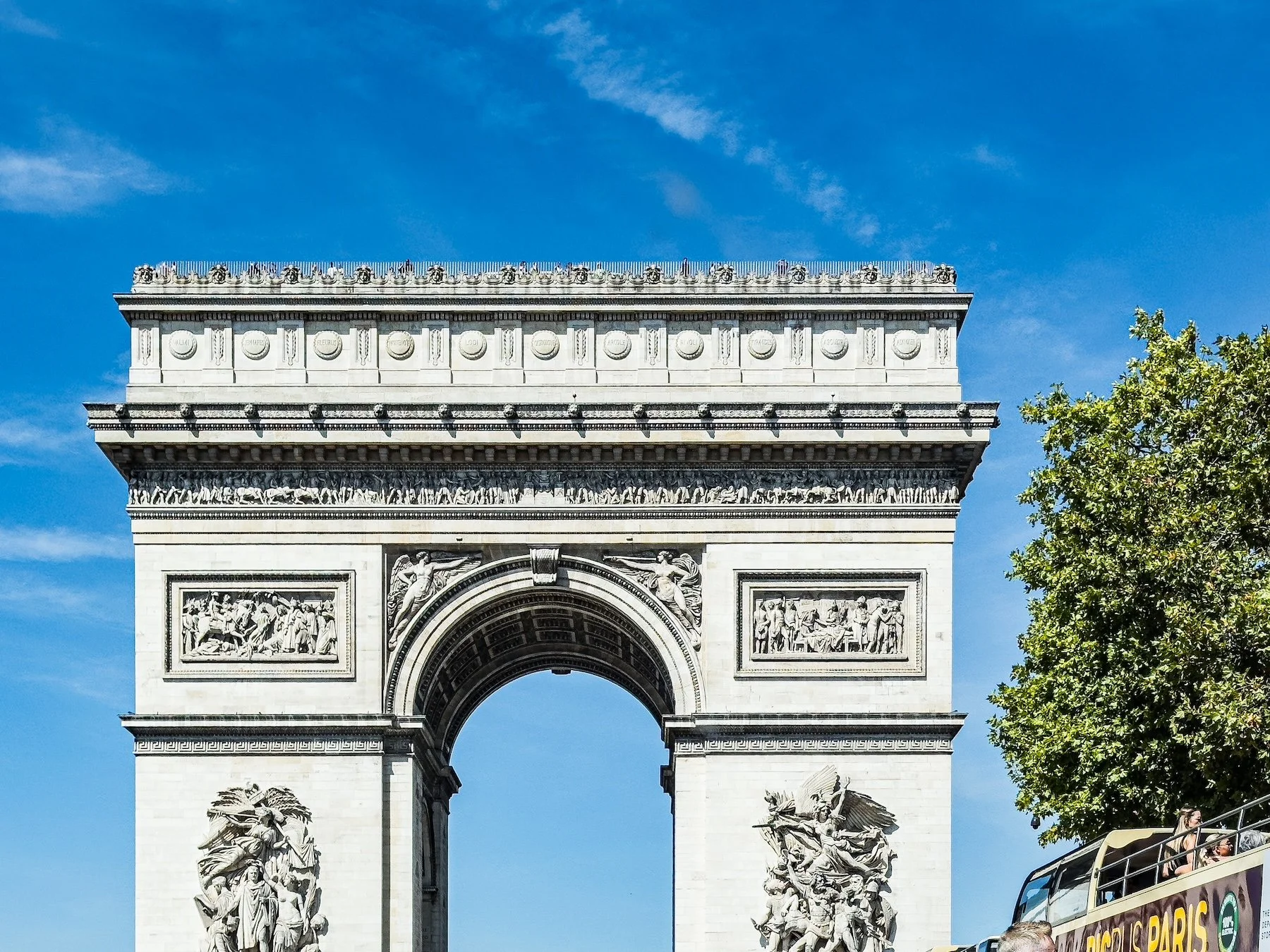
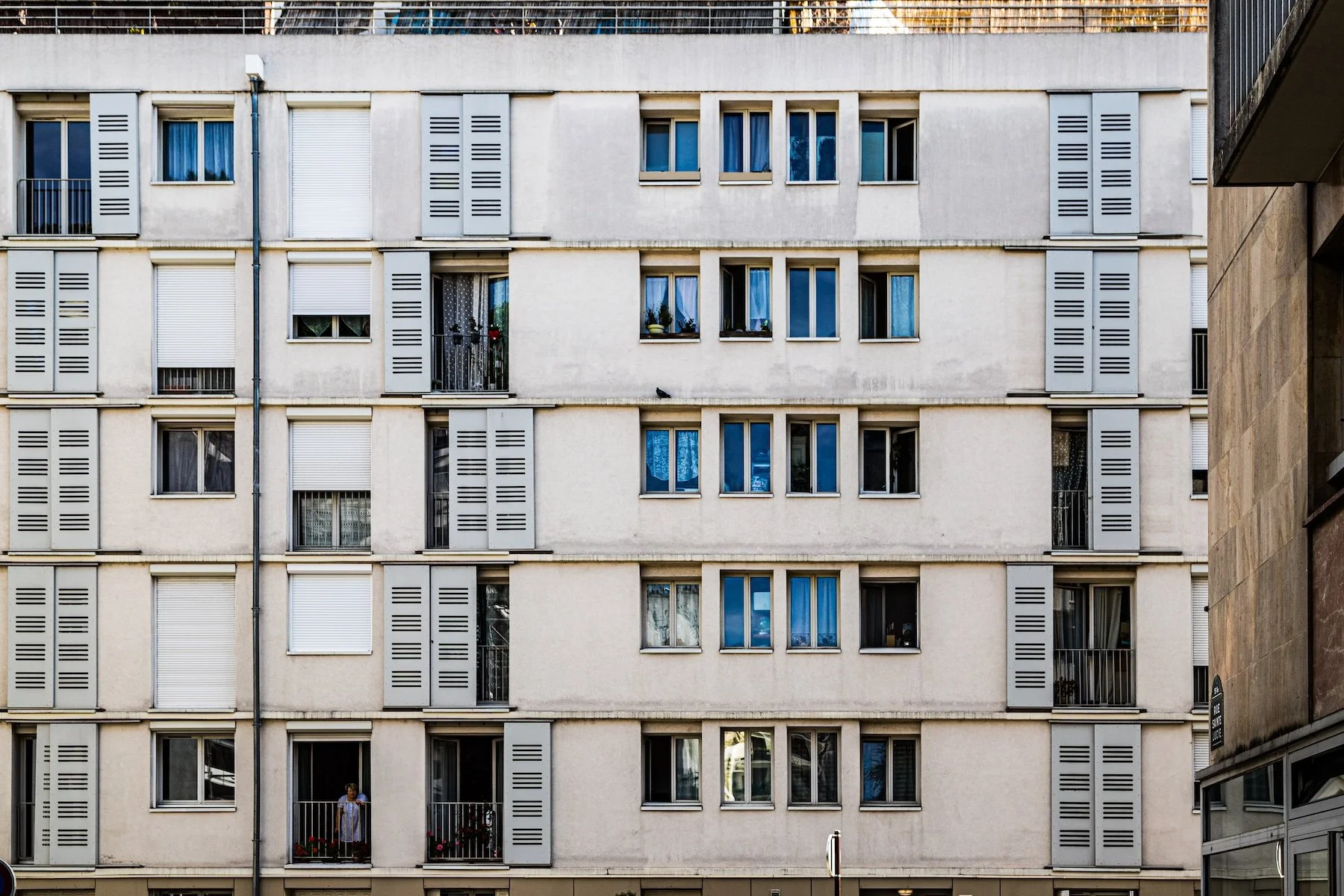
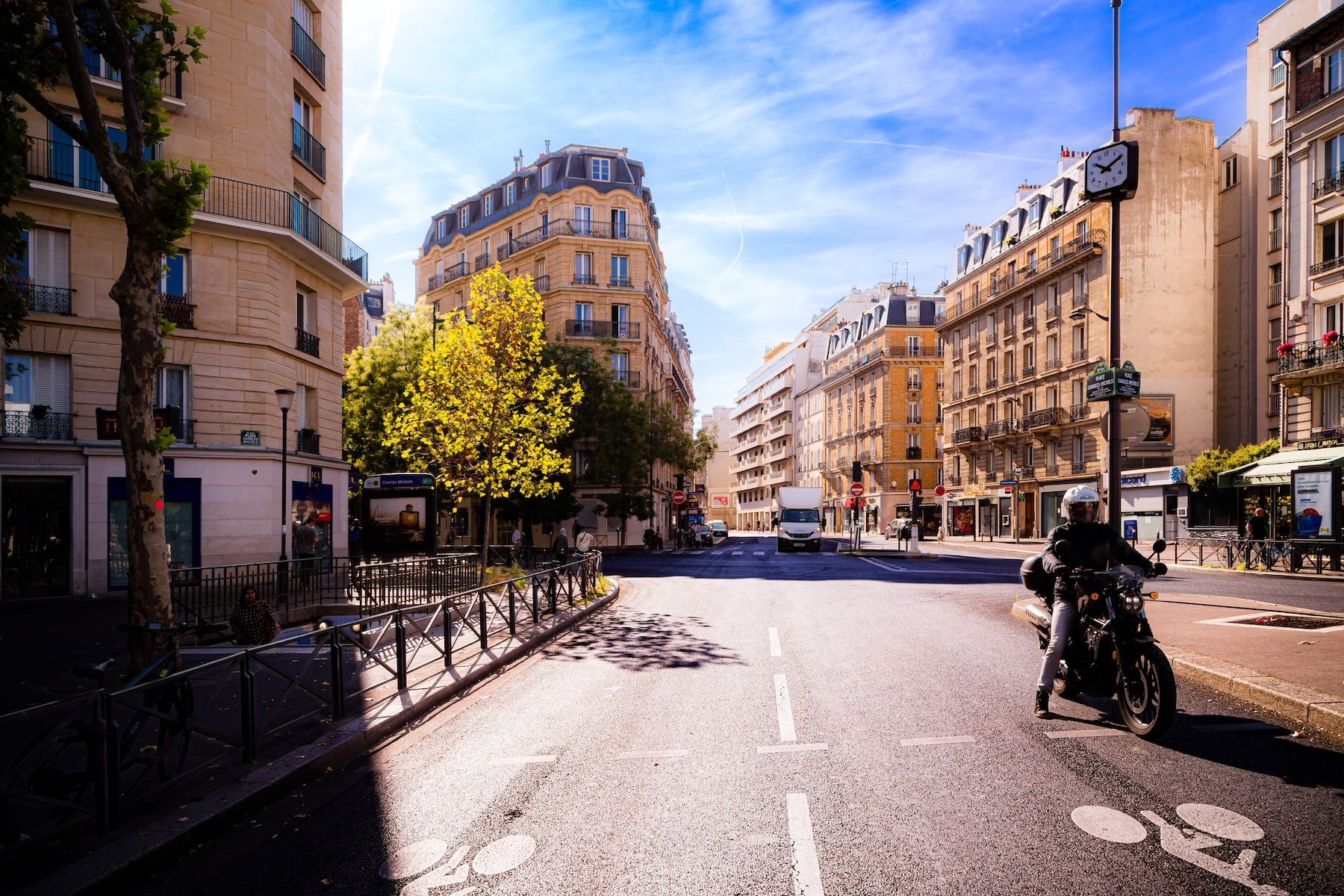
The arrondissements do not share a single visual identity. Instead, they organize Paris into twenty broad visual fields, each gathering its own combination of landmarks, streetscapes, institutions, residential districts, commercial corridors, parks, rail stations, markets, cemeteries, and riverfront edges.
Some arrondissements are defined by monumental scale: royal palaces, ceremonial avenues, government buildings, museums, formal gardens, and internationally recognized landmarks. Others are shaped by hills, canals, rail gateways, apartment-lined boulevards, neighborhood markets, former village streets, industrial remnants, parks, or the quieter rhythms of residential Paris. The arrondissement system gives these varied landscapes a civic frame, allowing the city to be read not as one visual language, but as a sequence of overlapping Parisian atmospheres.
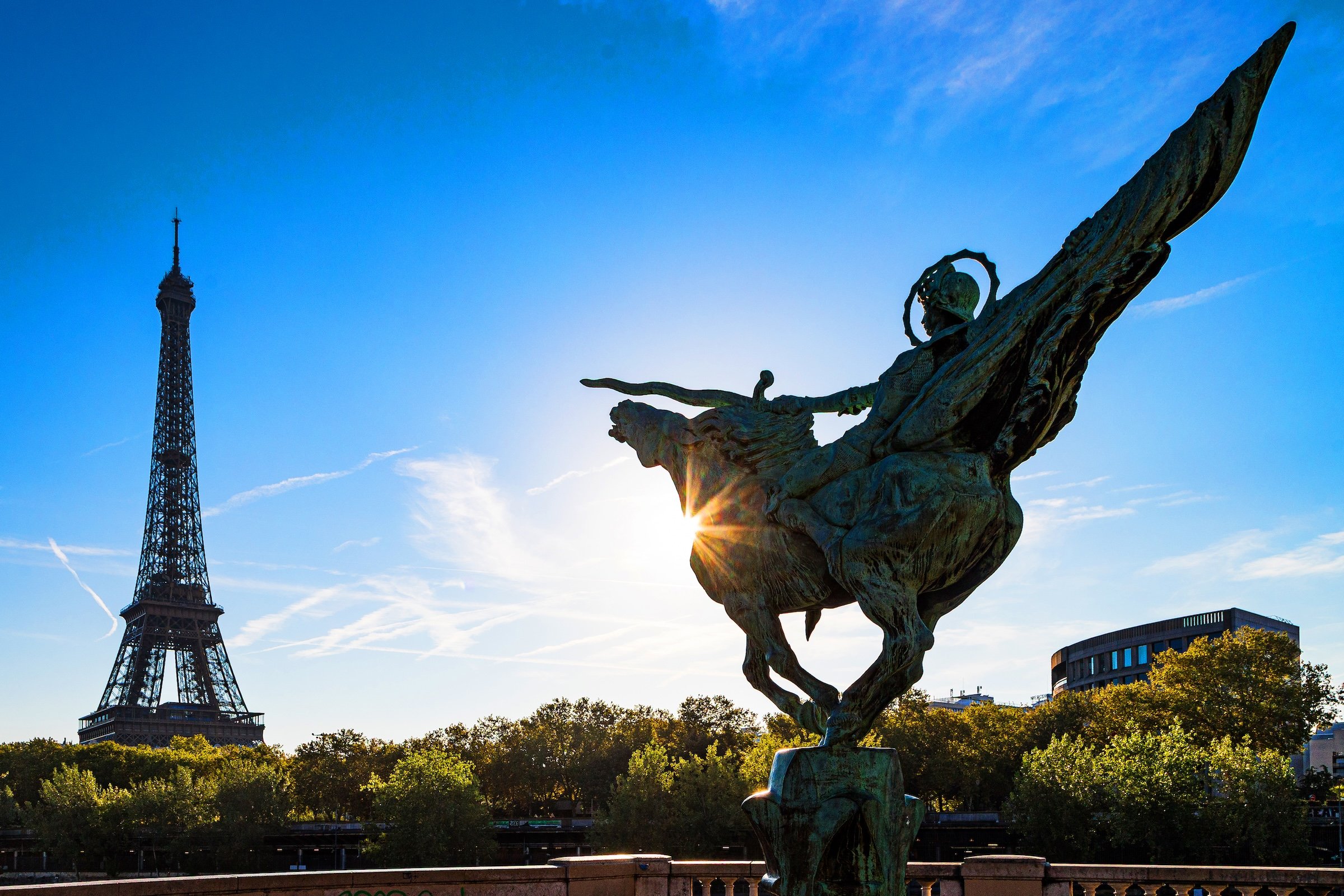
Visual Identity
Through The Lens
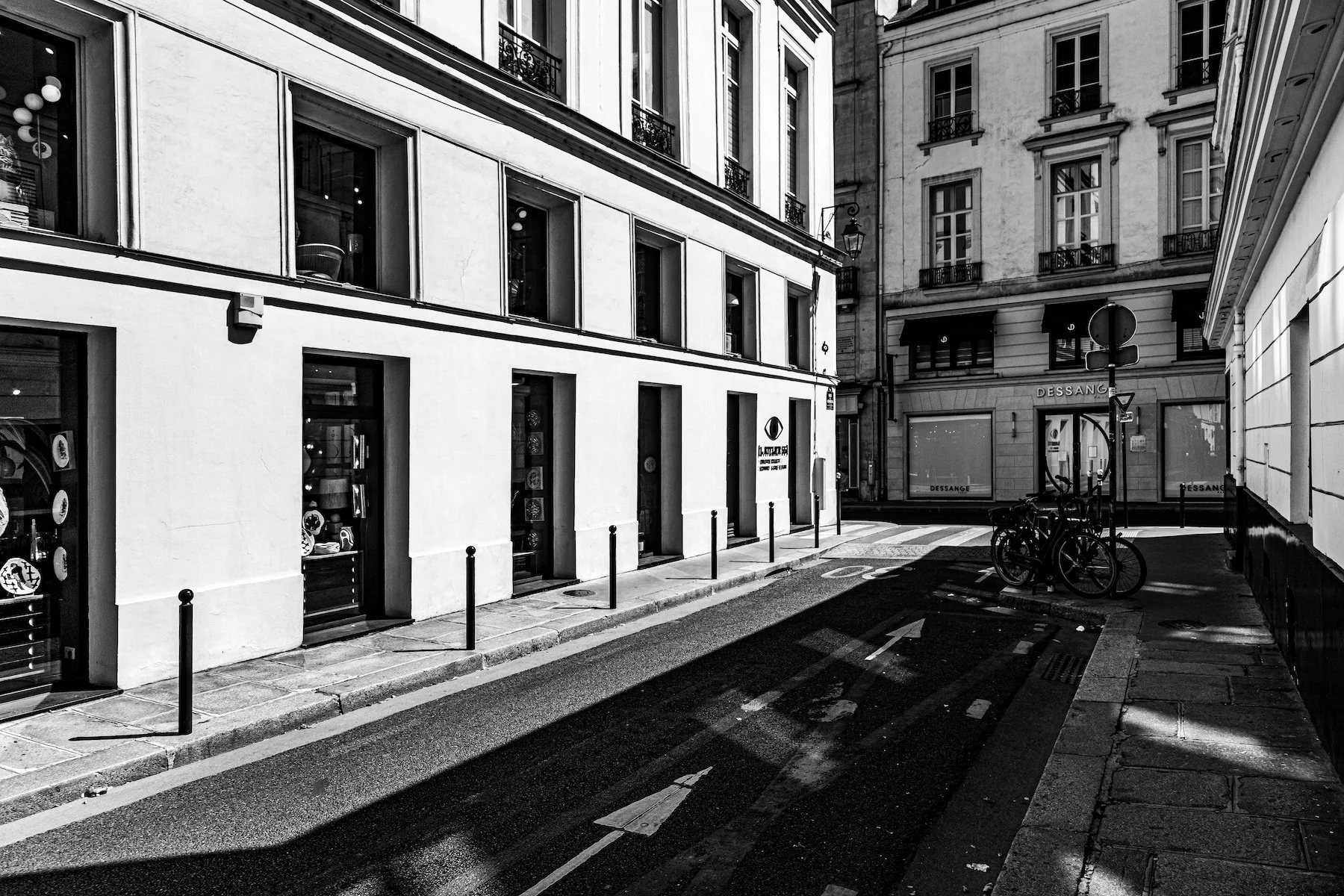
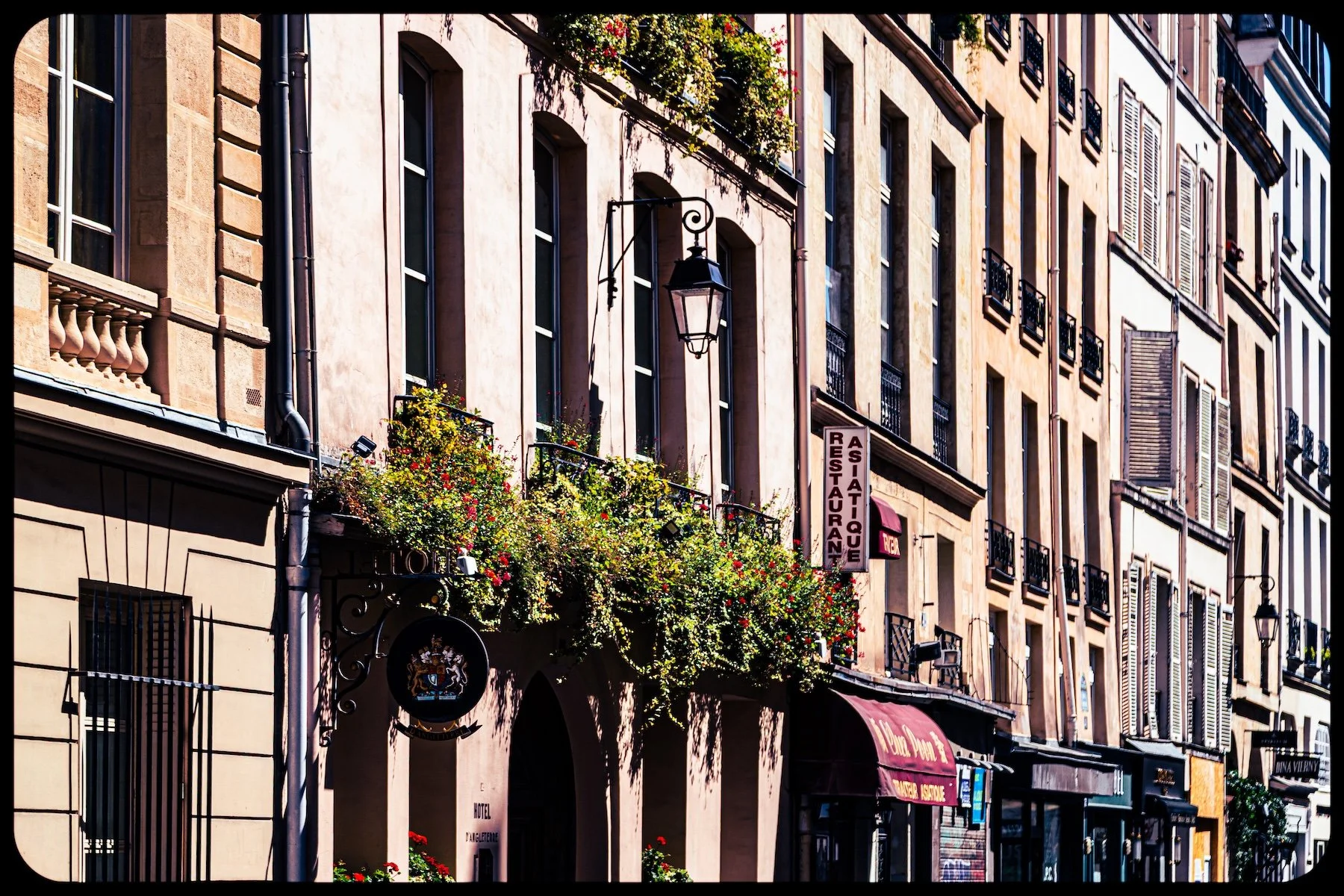
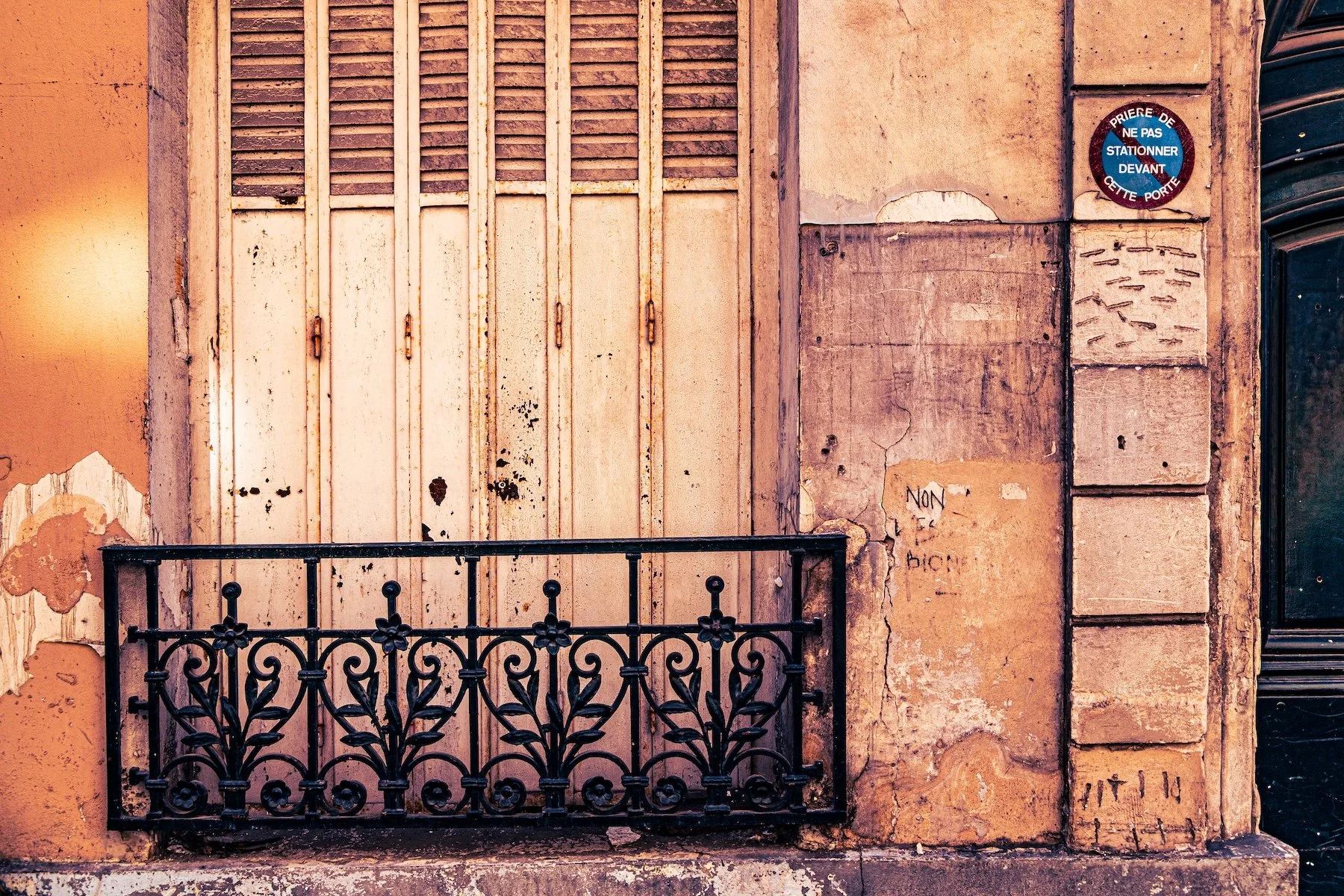
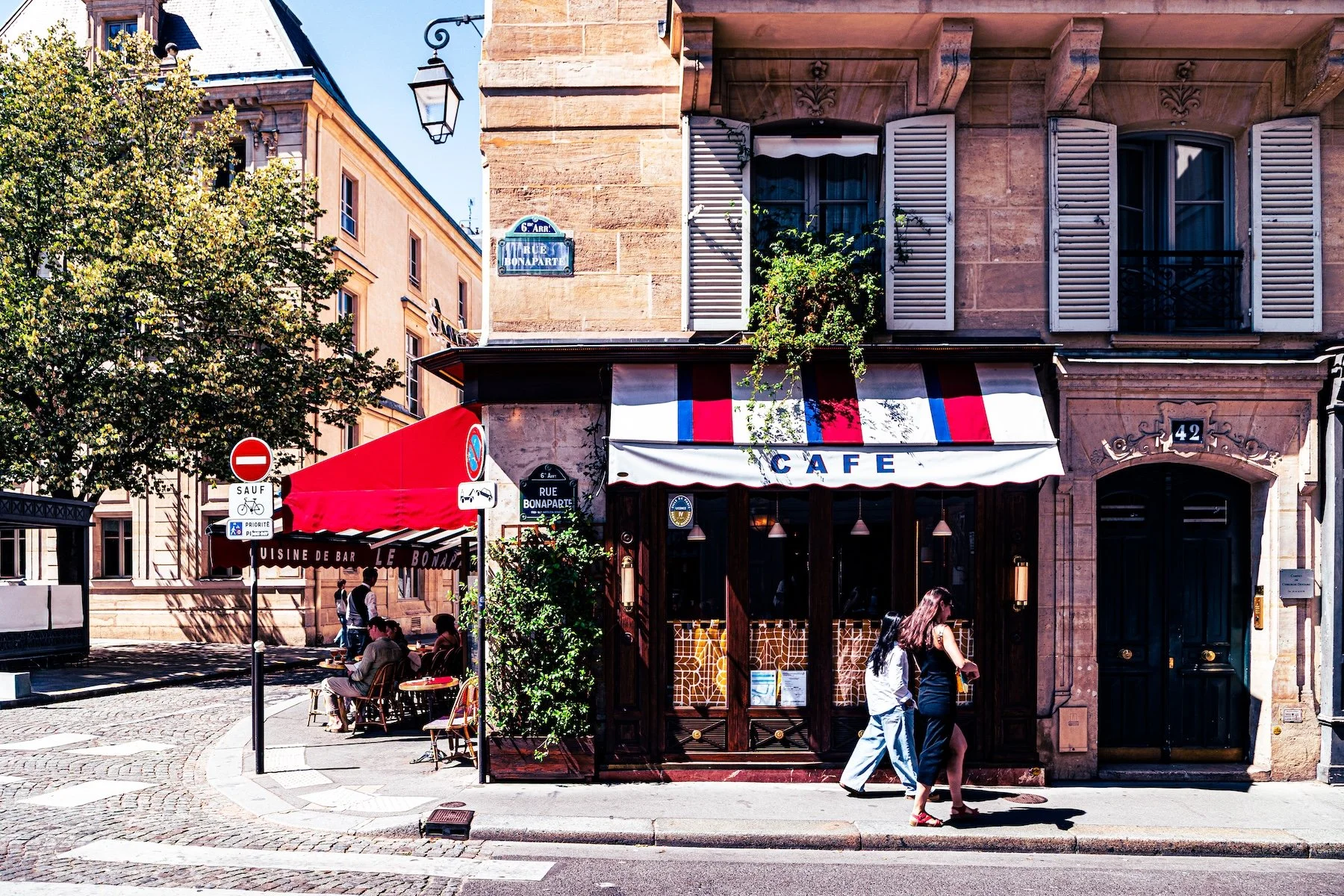
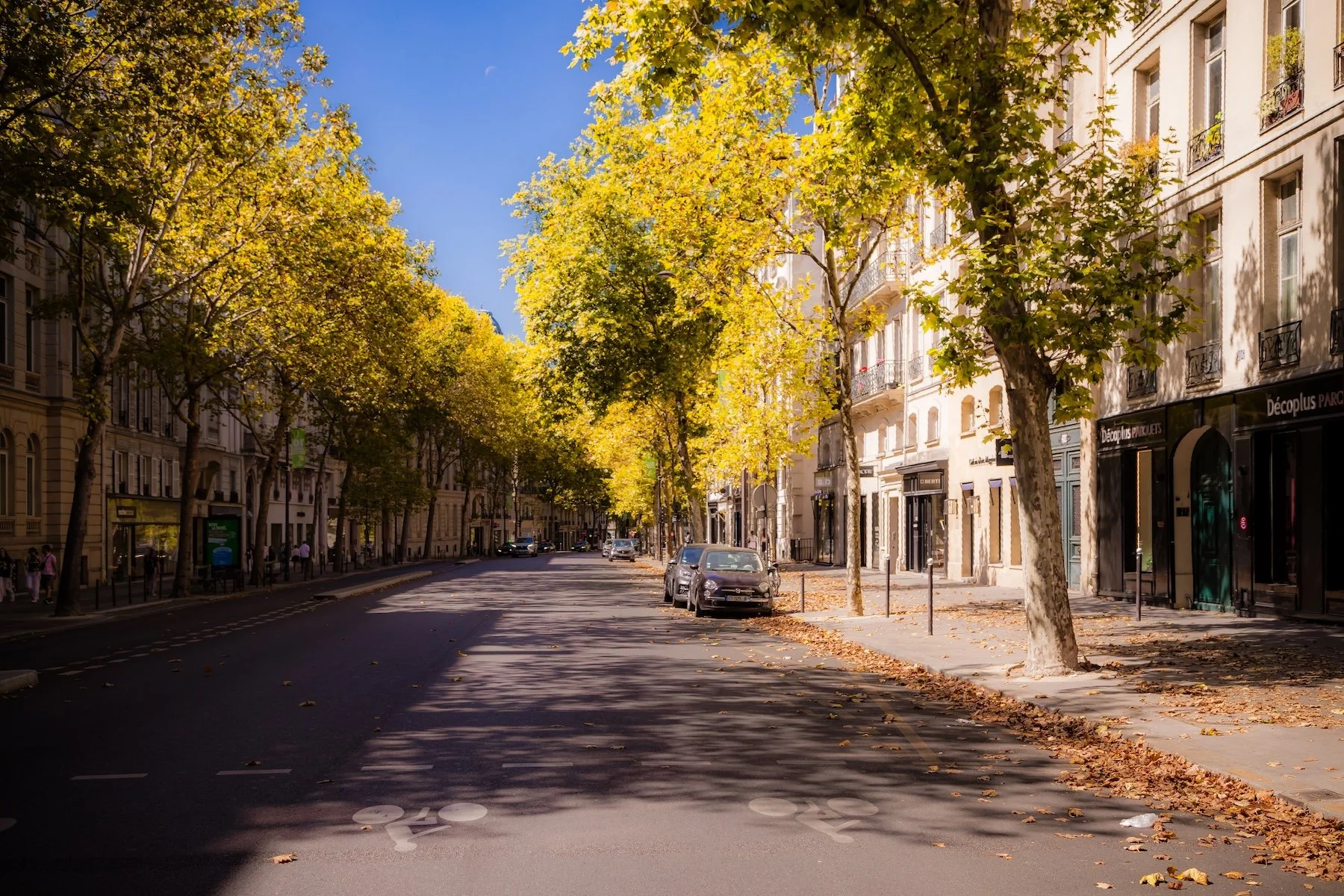
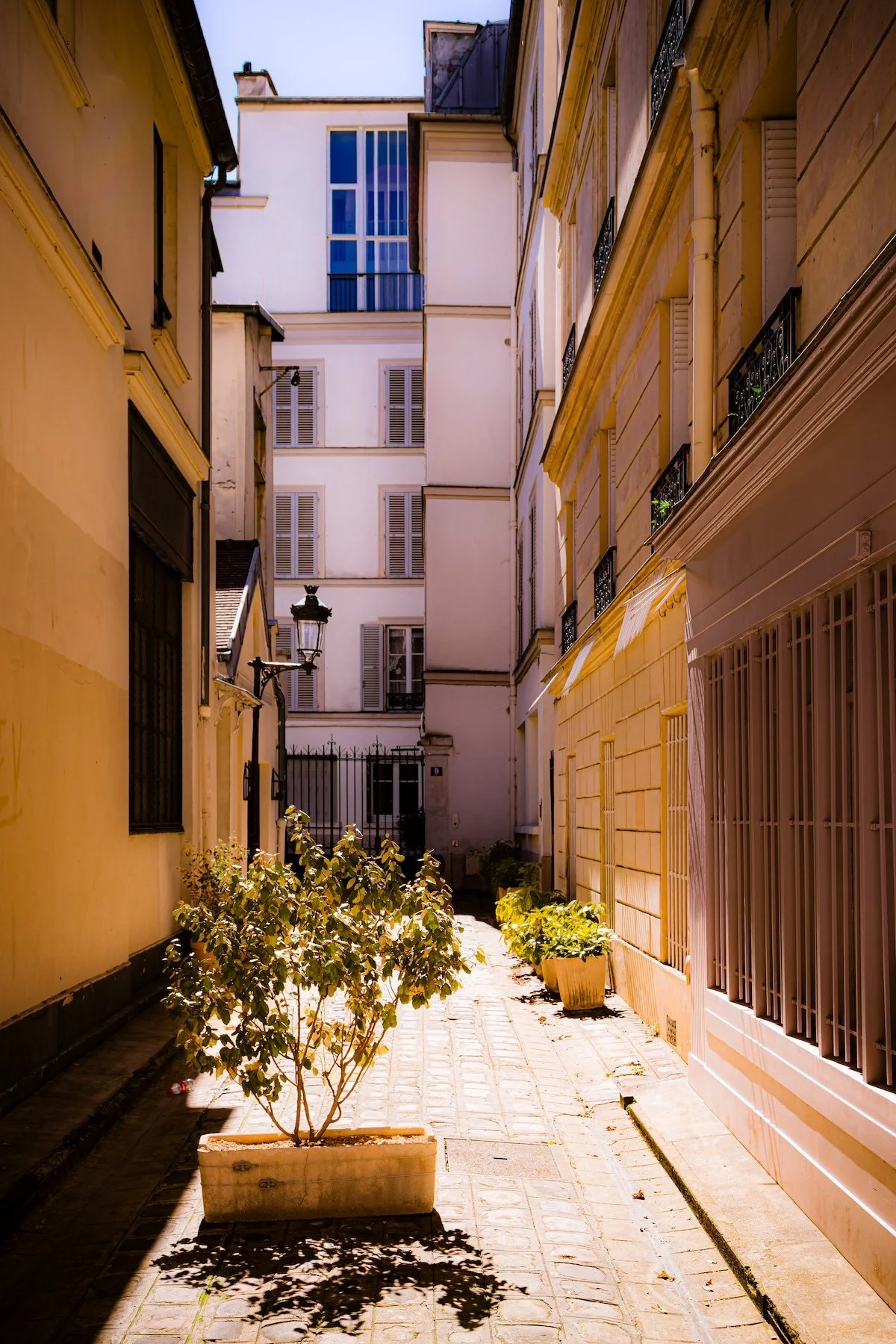
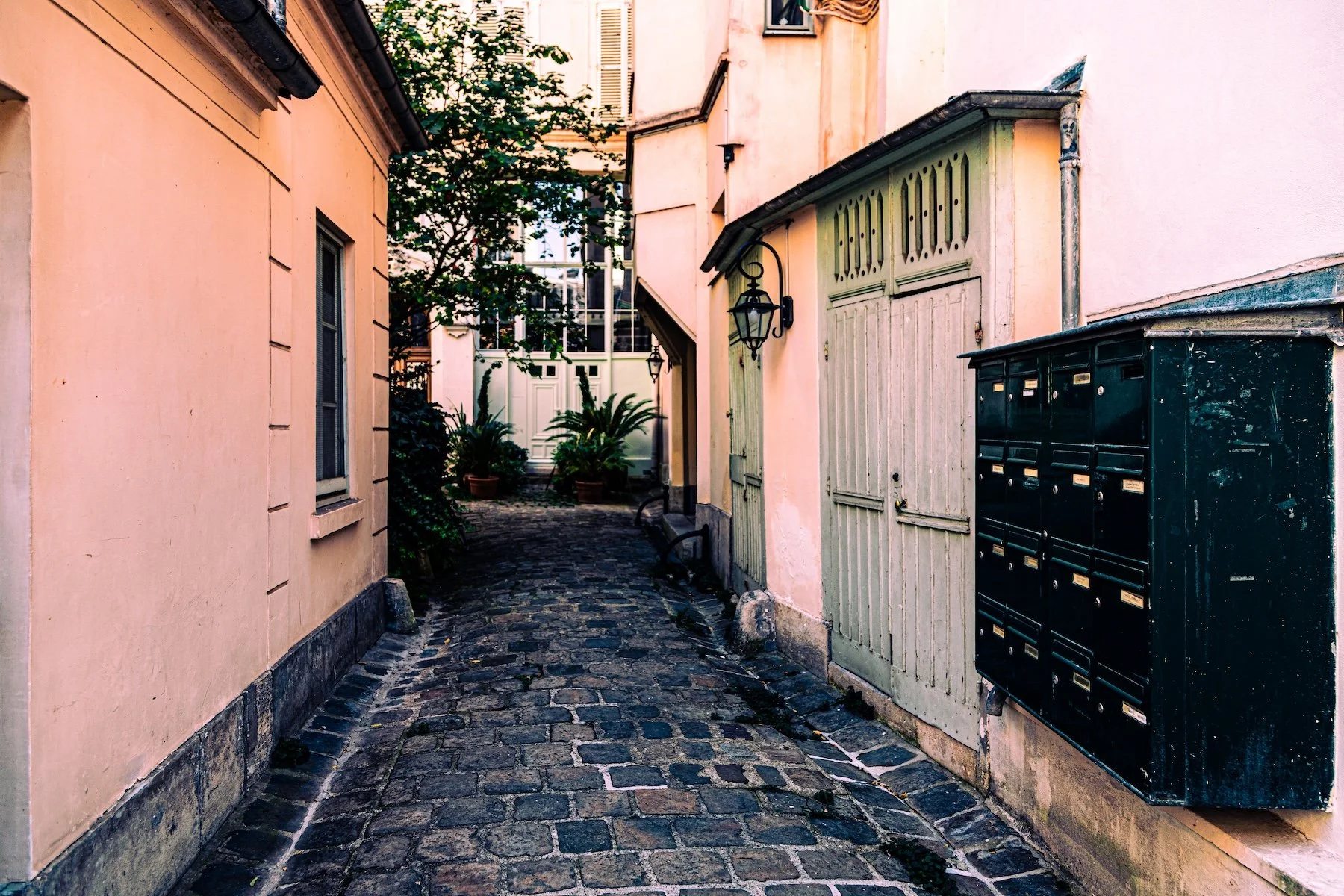
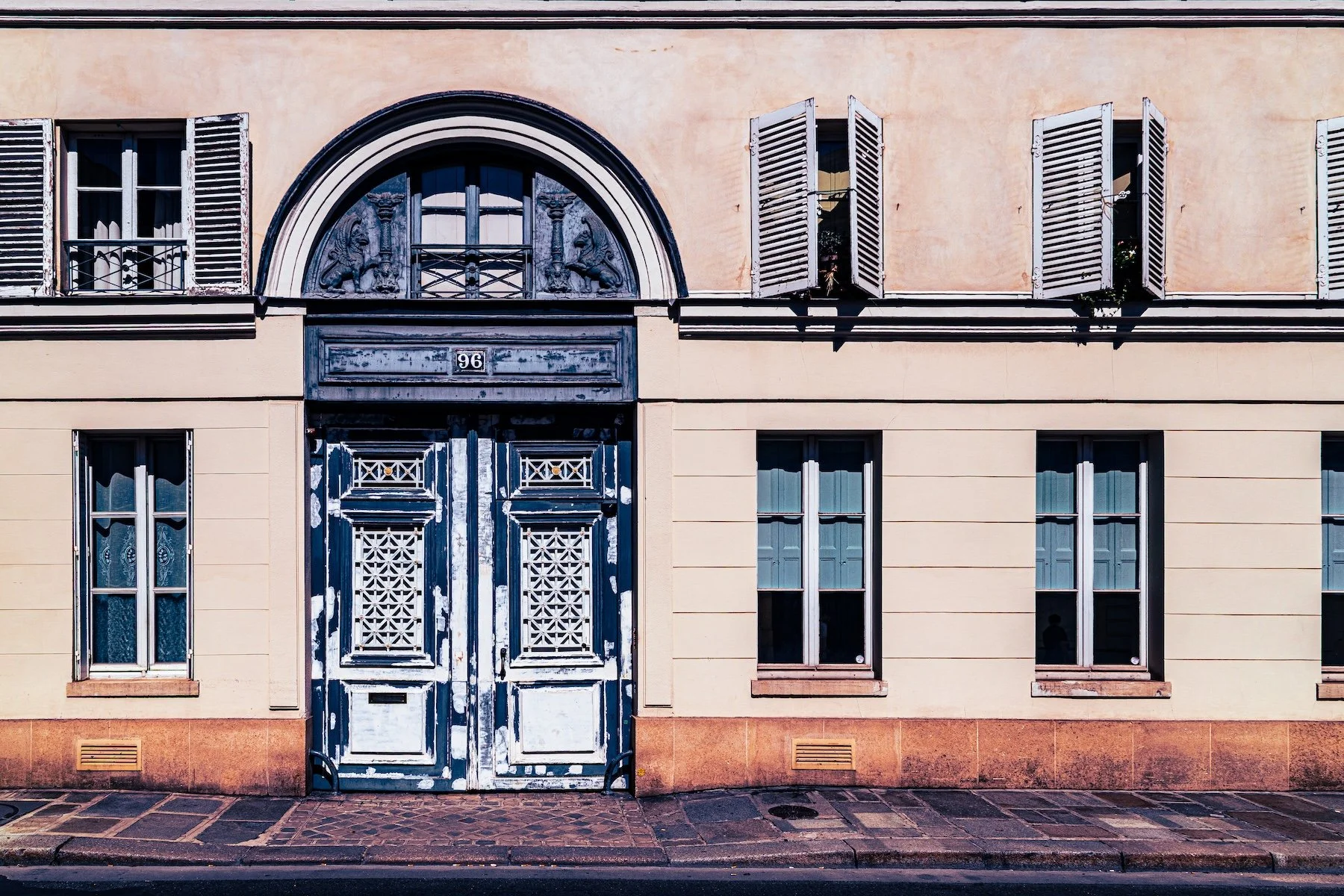
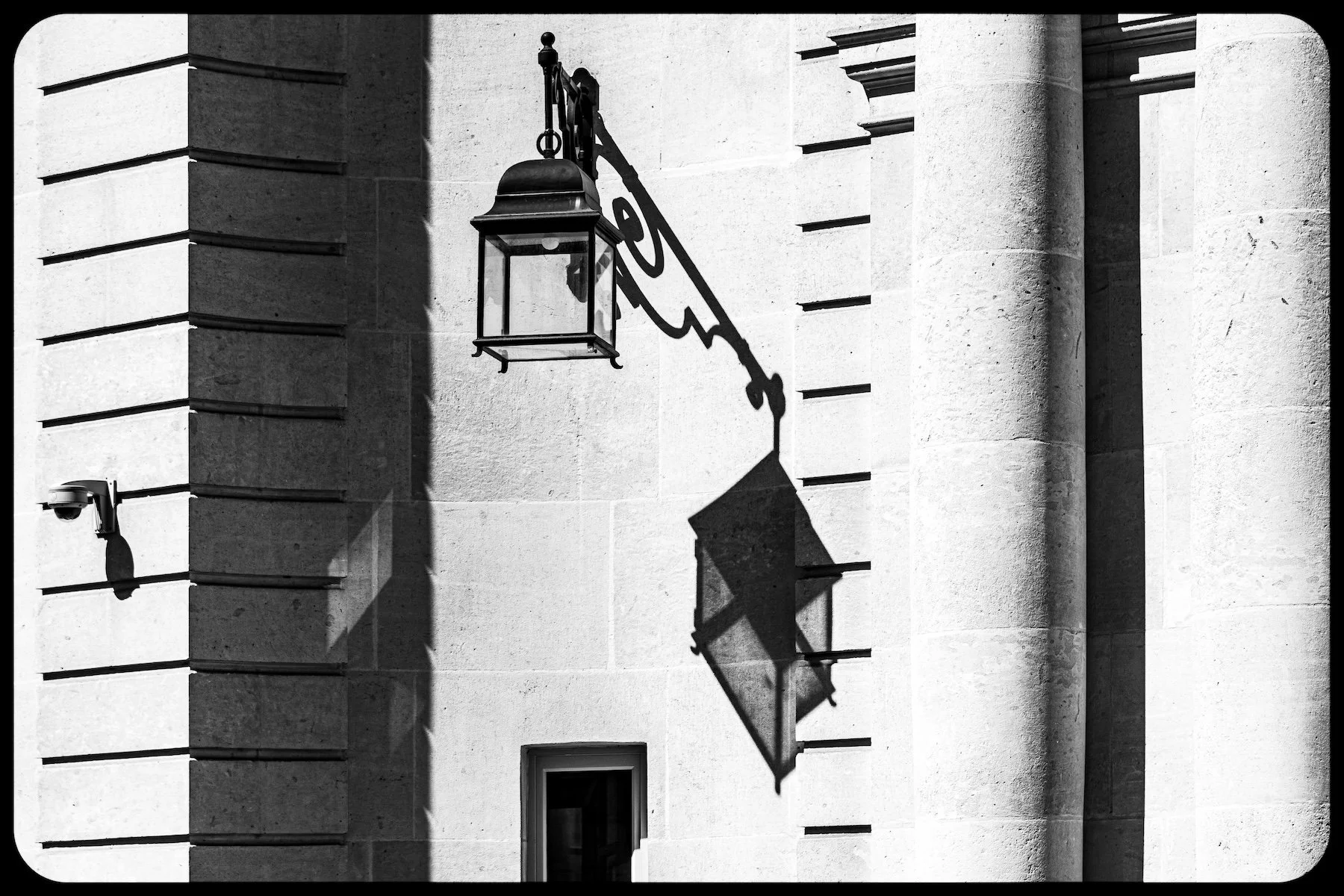
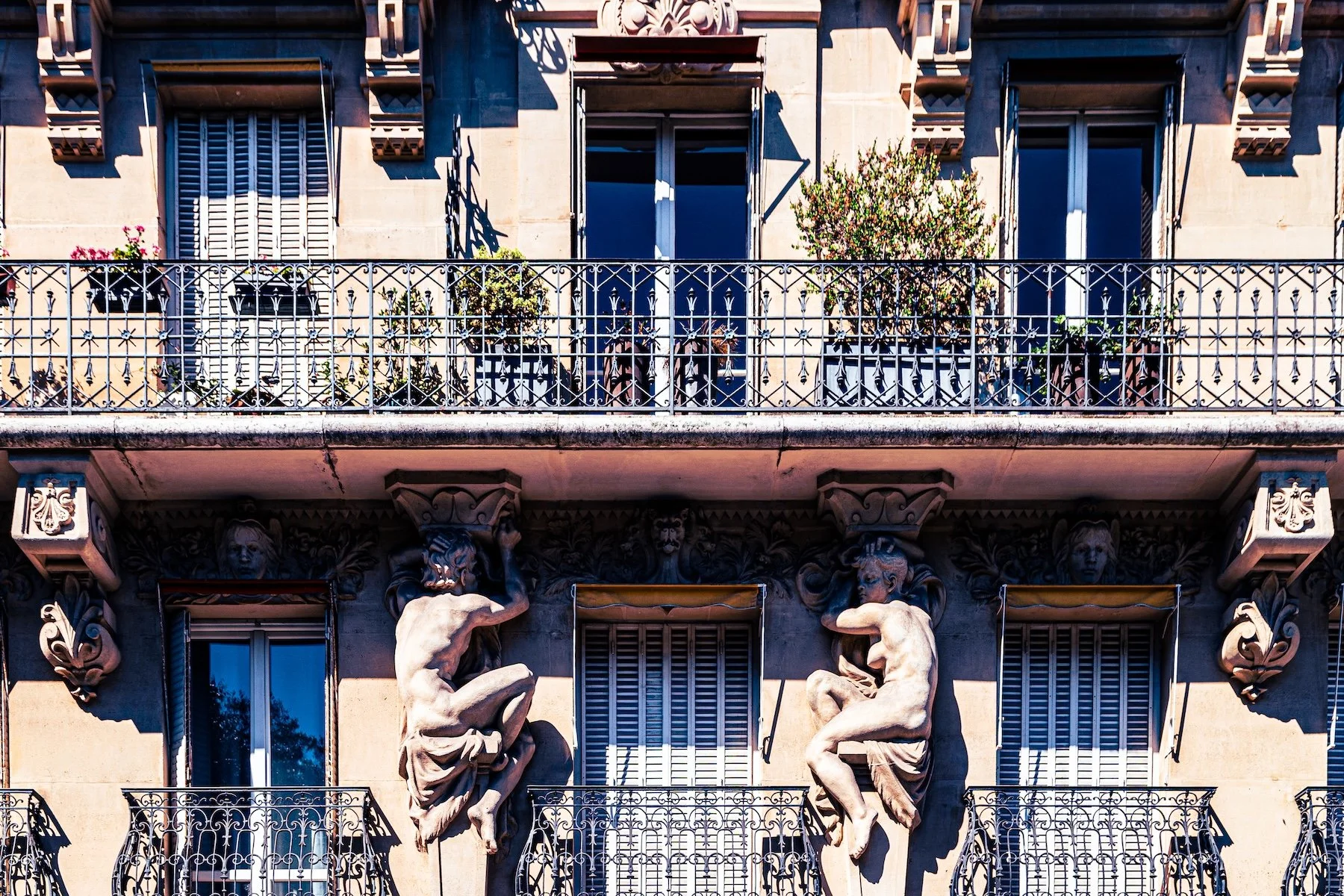
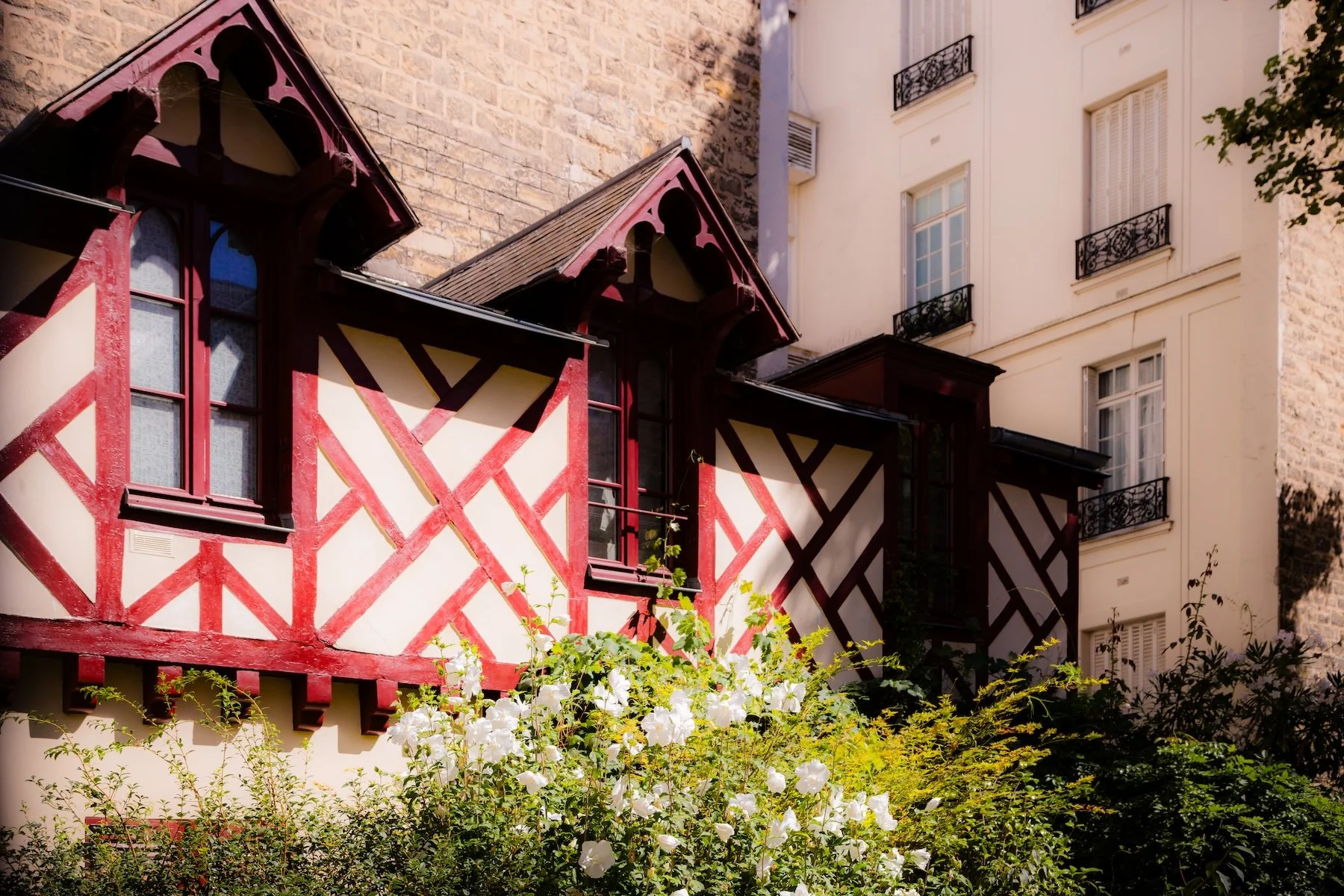
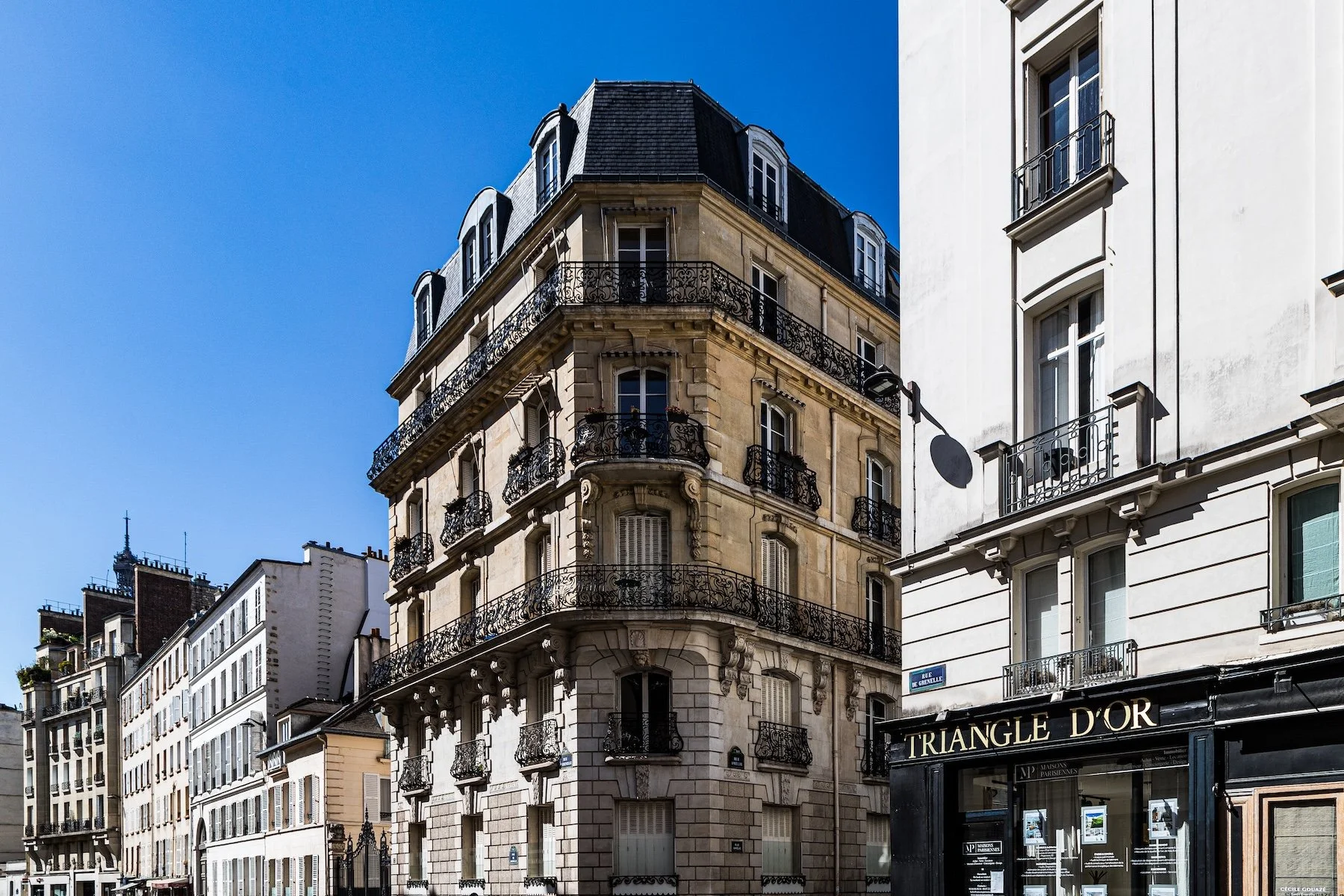
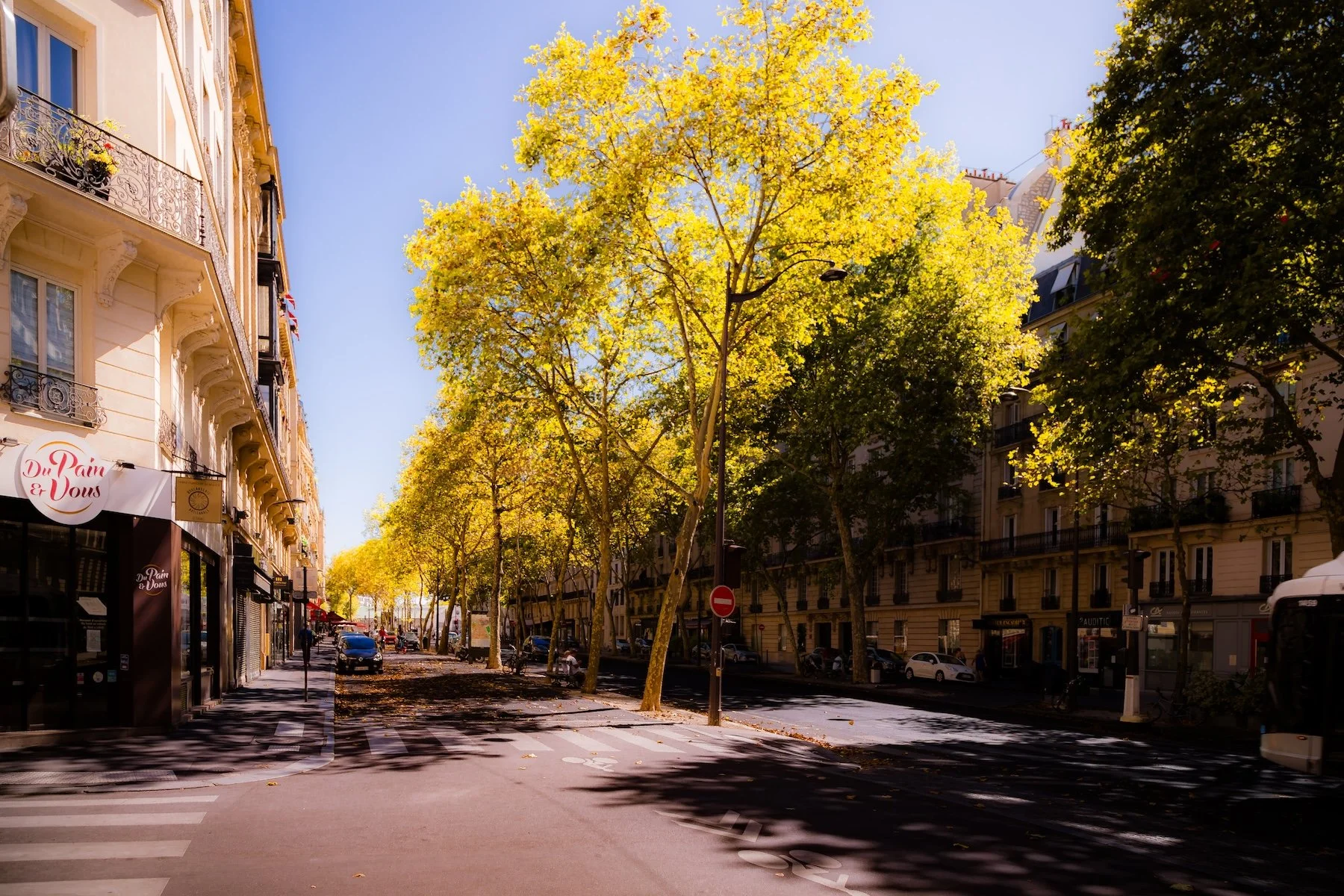
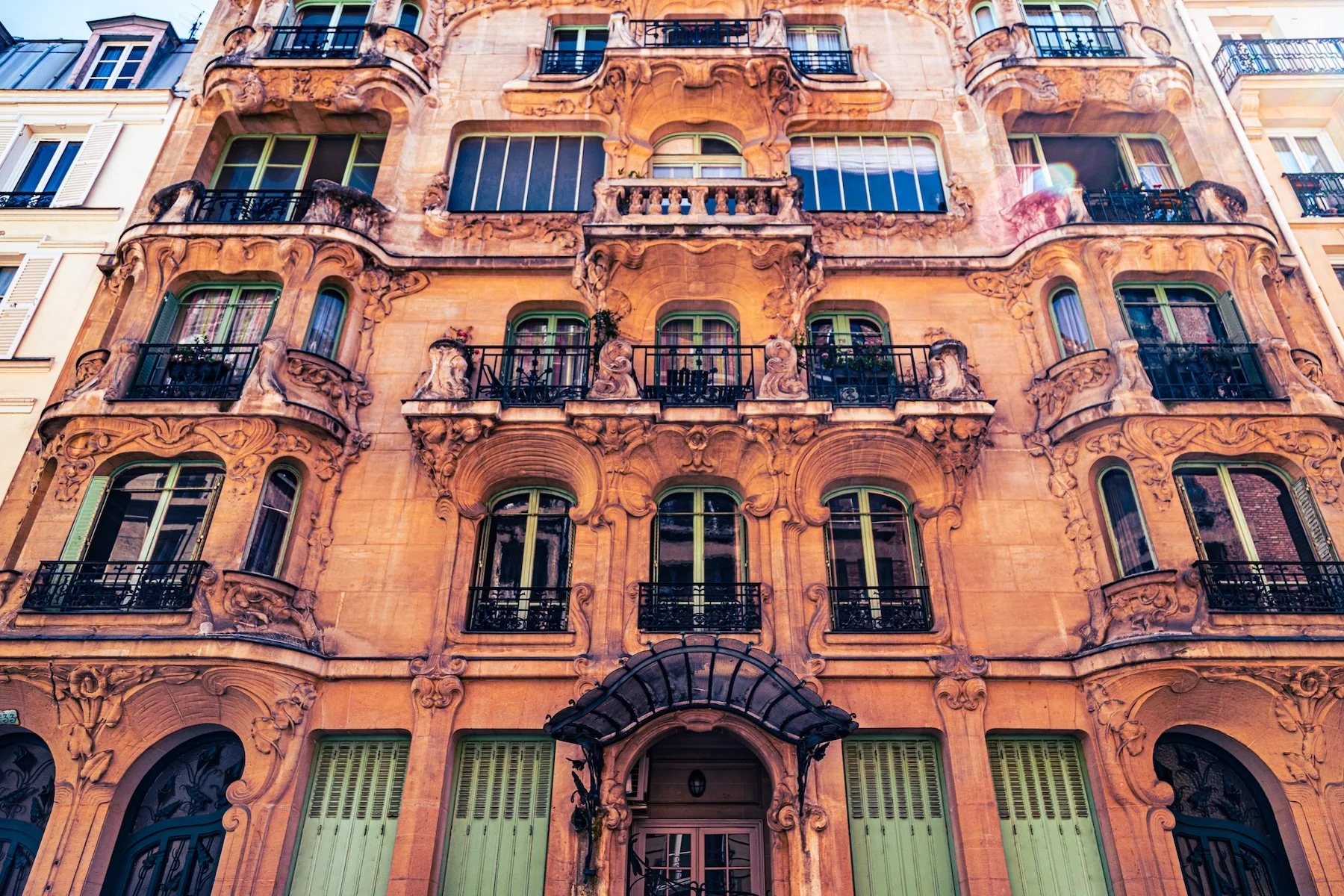
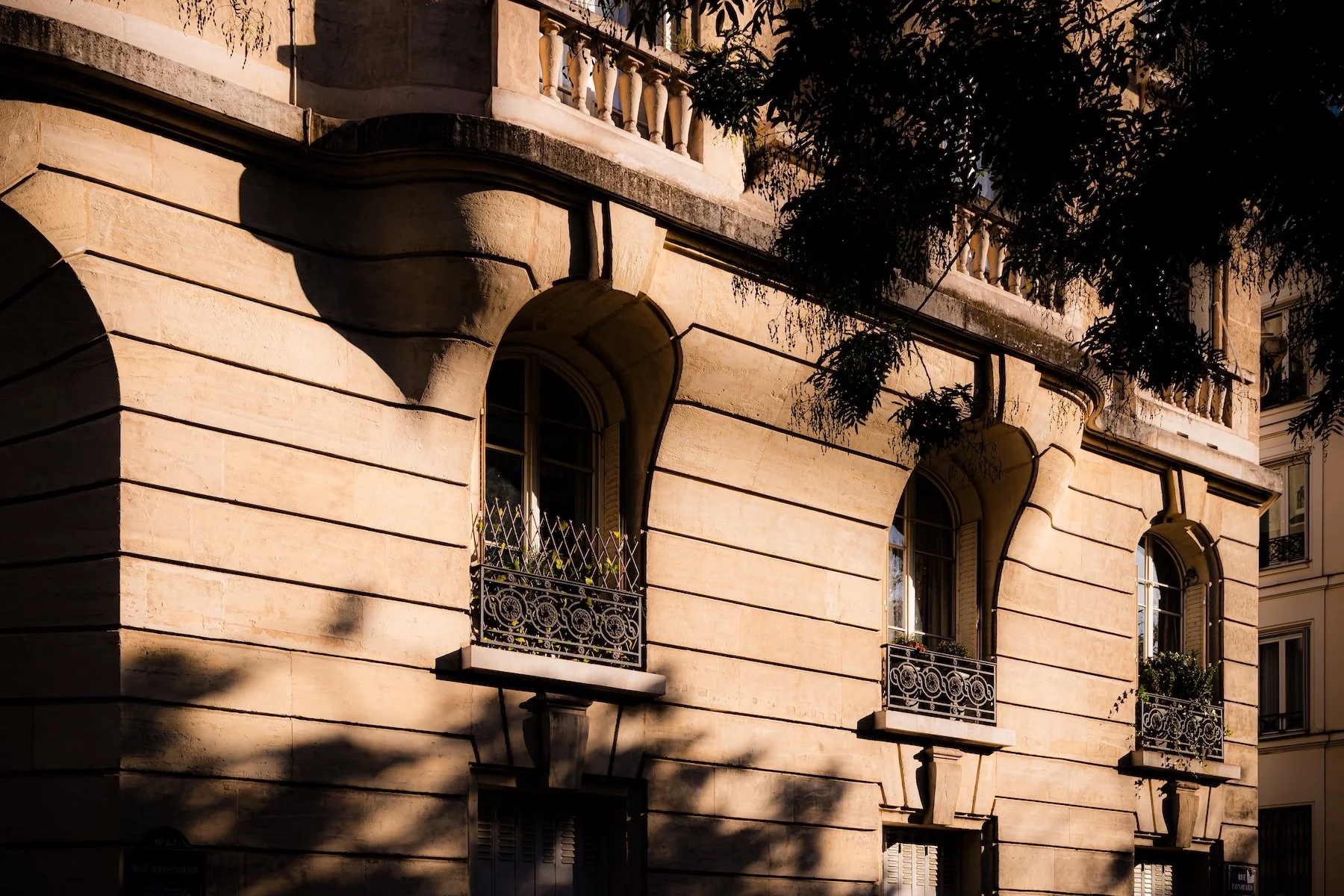
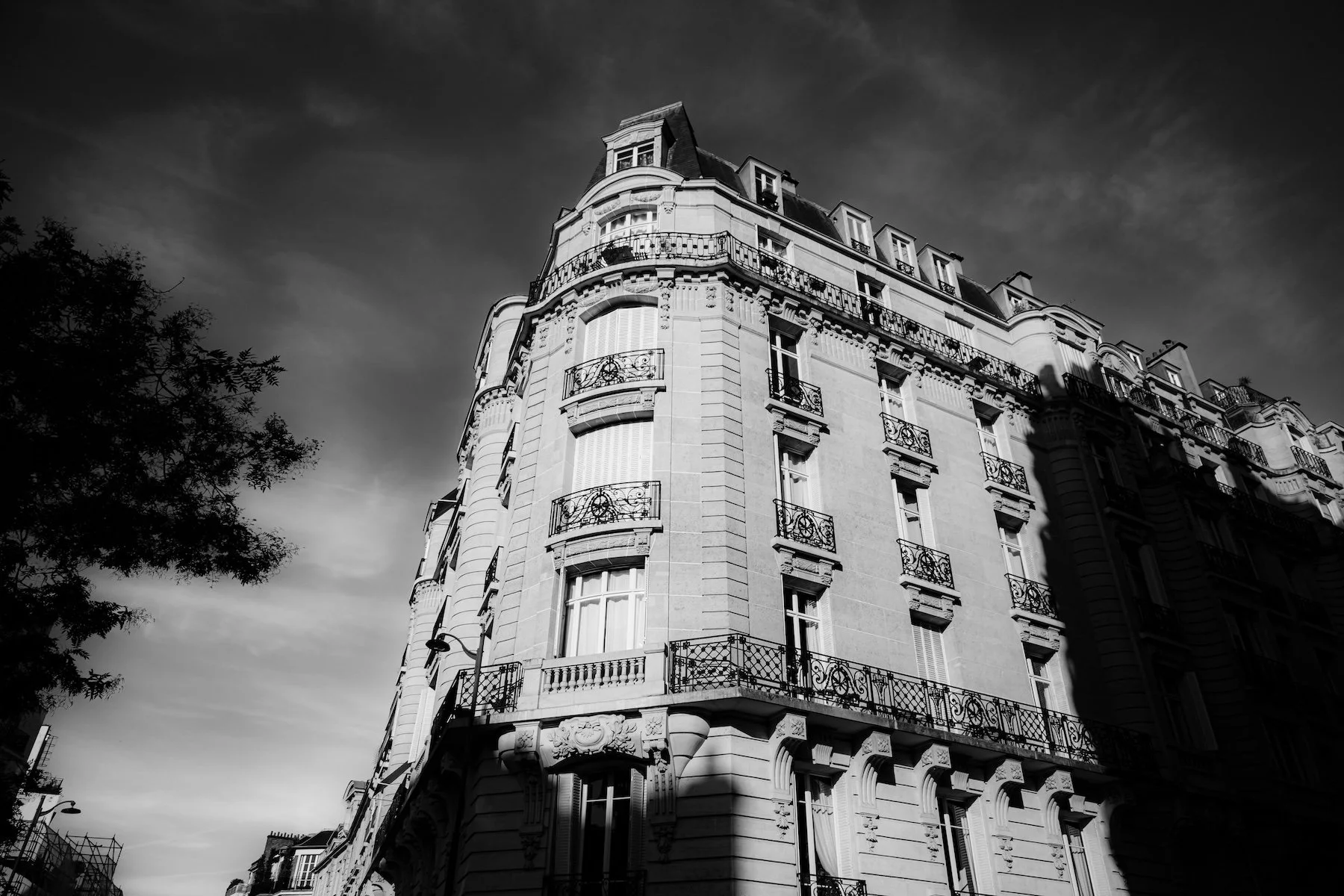
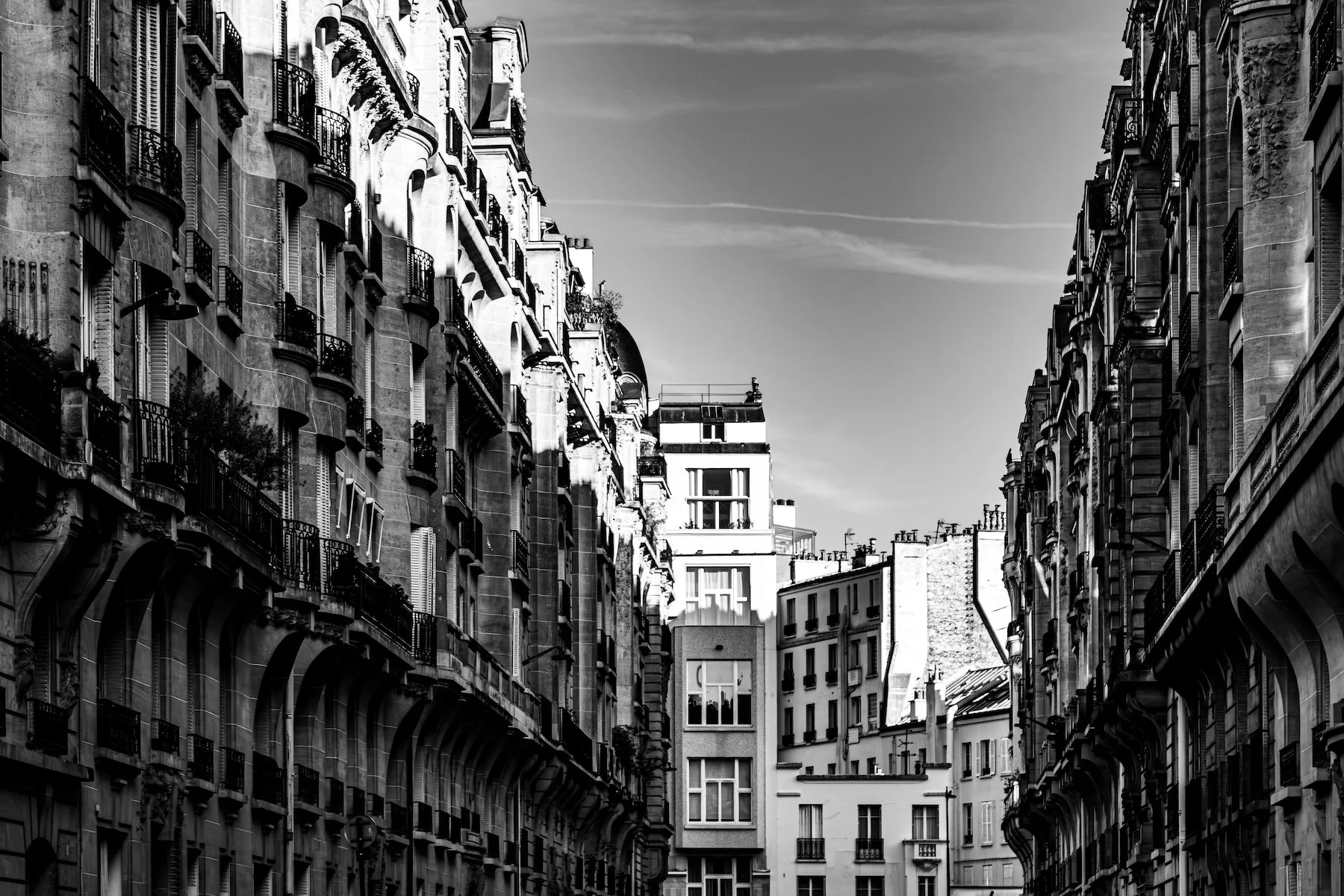
Photographing the arrondissements means moving between the official map and the street-level experience. The camera does not treat each arrondissement as visually uniform. Instead, it looks for the recurring forms, textures, transitions, and contrasts that make each district legible: the geometry of boulevards, the shade of plane trees, the repetition of balconies, the rise of stairways, the curve of canals, the presence of rail stations, the opening of parks, the weight of monuments, and the intimacy of side streets.
On CityNeighborhoods, the arrondissement provides the frame, but the photograph comes from the encounter between map, movement, light, and observation. As the Paris photography is processed, this section will connect each arrondissement more directly to the project’s Photographic Lexicon: the visual strategies, recurring motifs, and compositional patterns that shape how the city is seen through the lens.
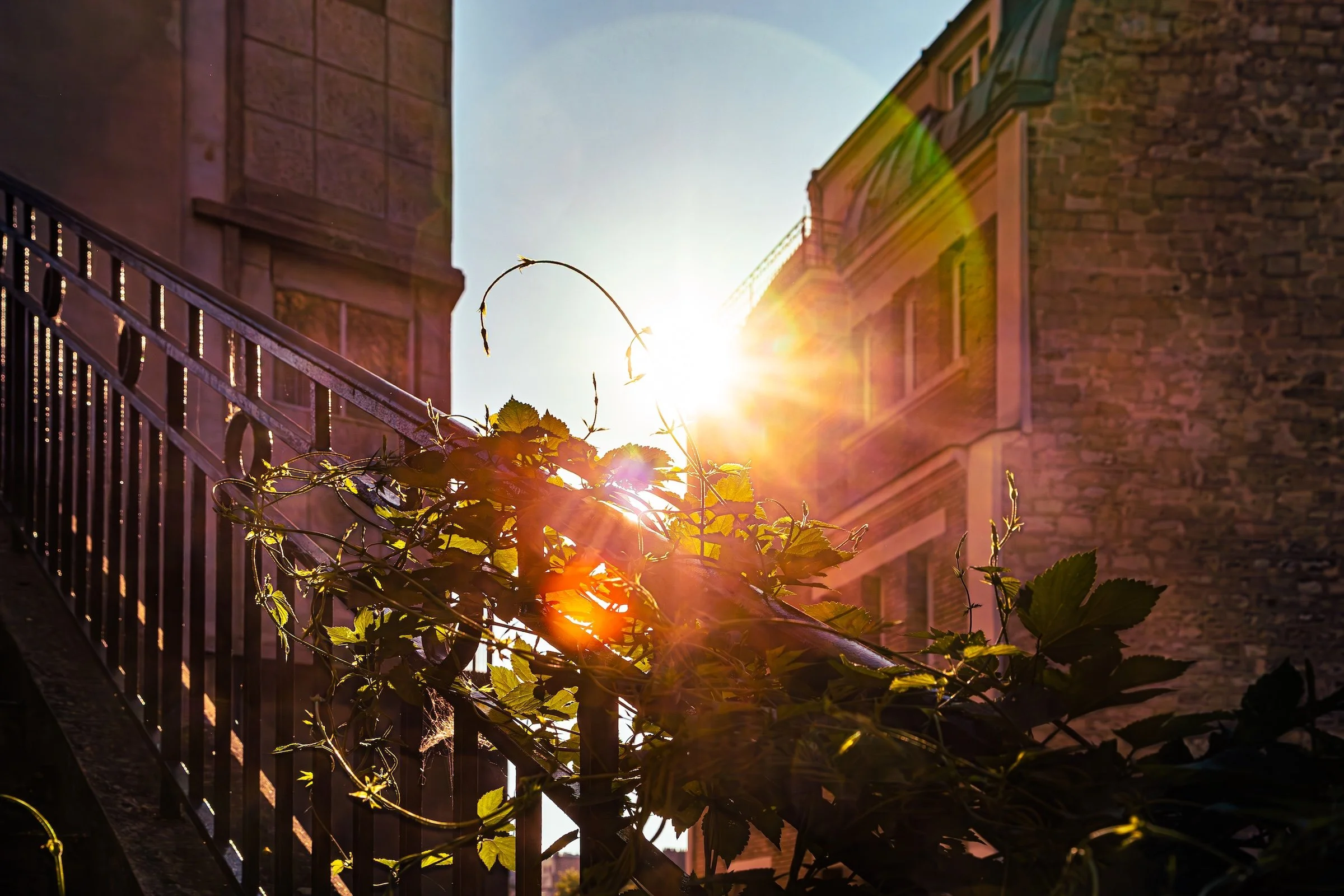
If you visit Paris, these ideas can help inspire your own photography.
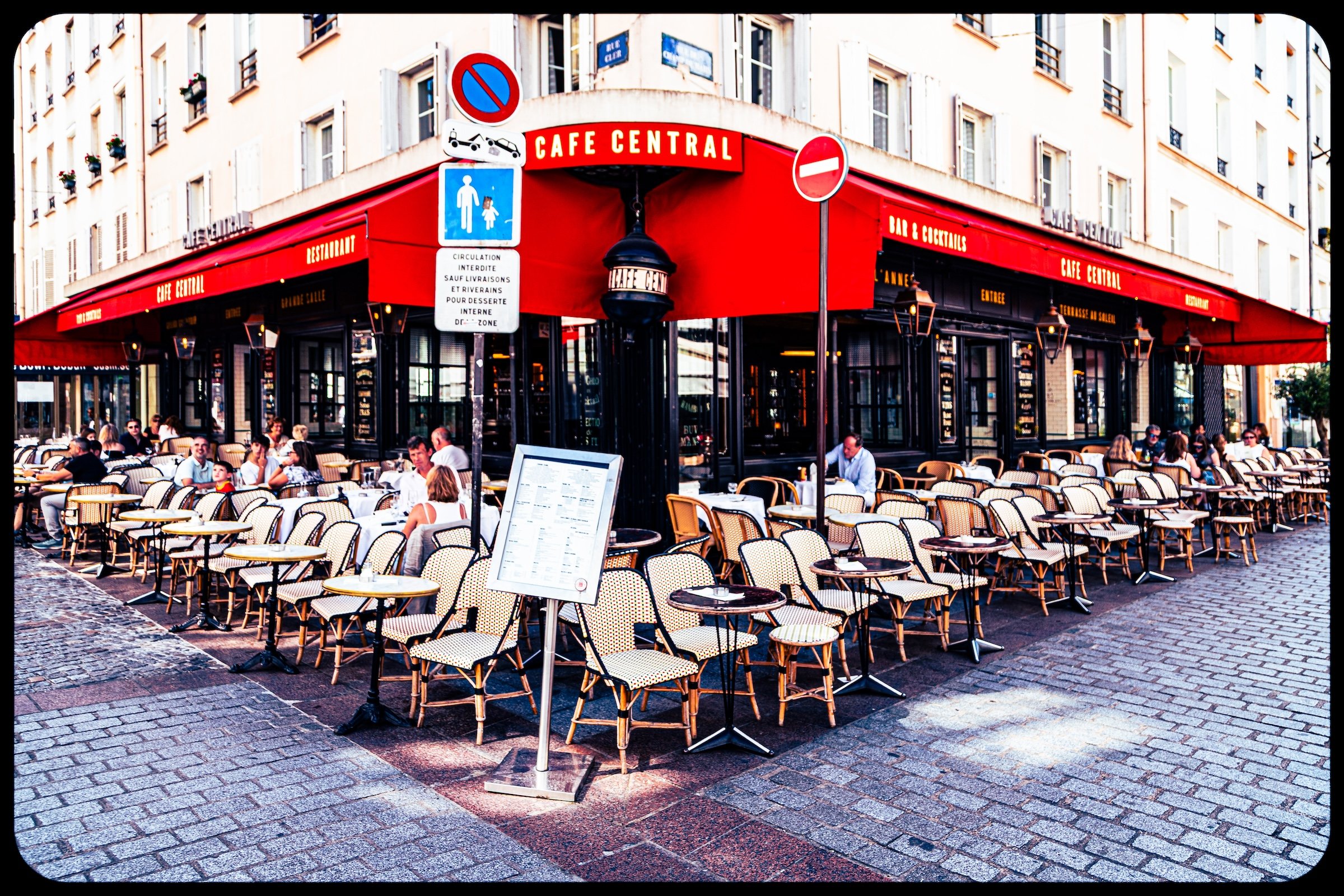
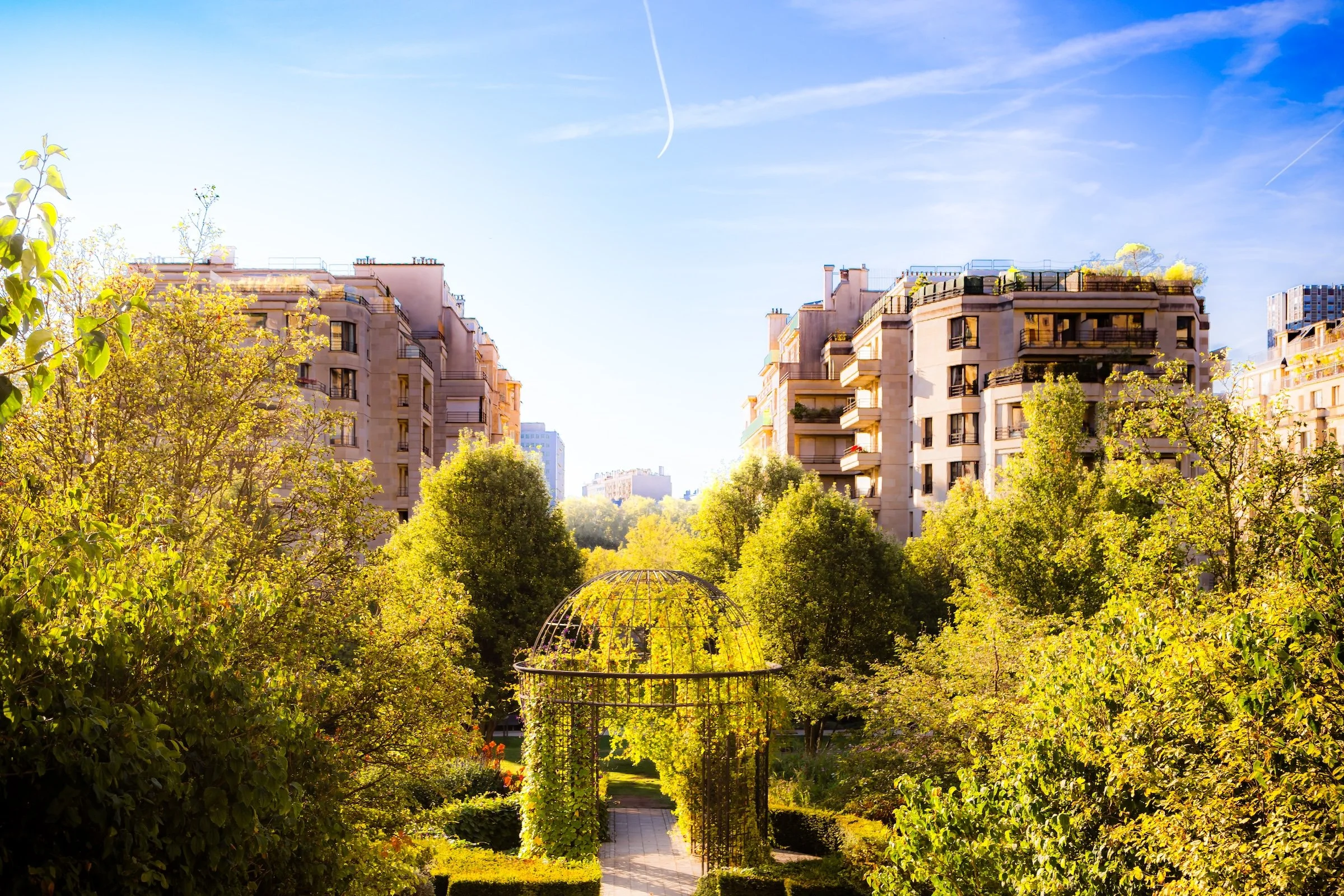
Paris: J’Espere, Je Rêve, Je Vive
Paris Photo Gallery
Paris Field Notes
-
Field Note: August 18, 2025 | 07:58 AM
Conditions: 73°F | Humidity: 72%.
Within the park's interior, the glacial kettle ponds acted as humidity traps, creating a soft, hazy light that filtered through the old-growth oaks. The transition from the park's dense shade to the sun-drenched edges of Oakland Gardens highlighted the day's exceptional "picture-perfect" clarity.
There is a fleeting window in Queens where the humidity of August hasn't yet heavy-set, and the morning sun hits the canopy of Alley Pond Park at a perfect oblique angle. Arriving just before 8:00 AM, I watched the light break through the oaks and tulip trees, casting long, dramatic shadows across the wet grass. It’s in these quiet, golden moments that the park feels less like a city escape and more like the ancient glacial valley it actually is.
Other neighborhoods visited:
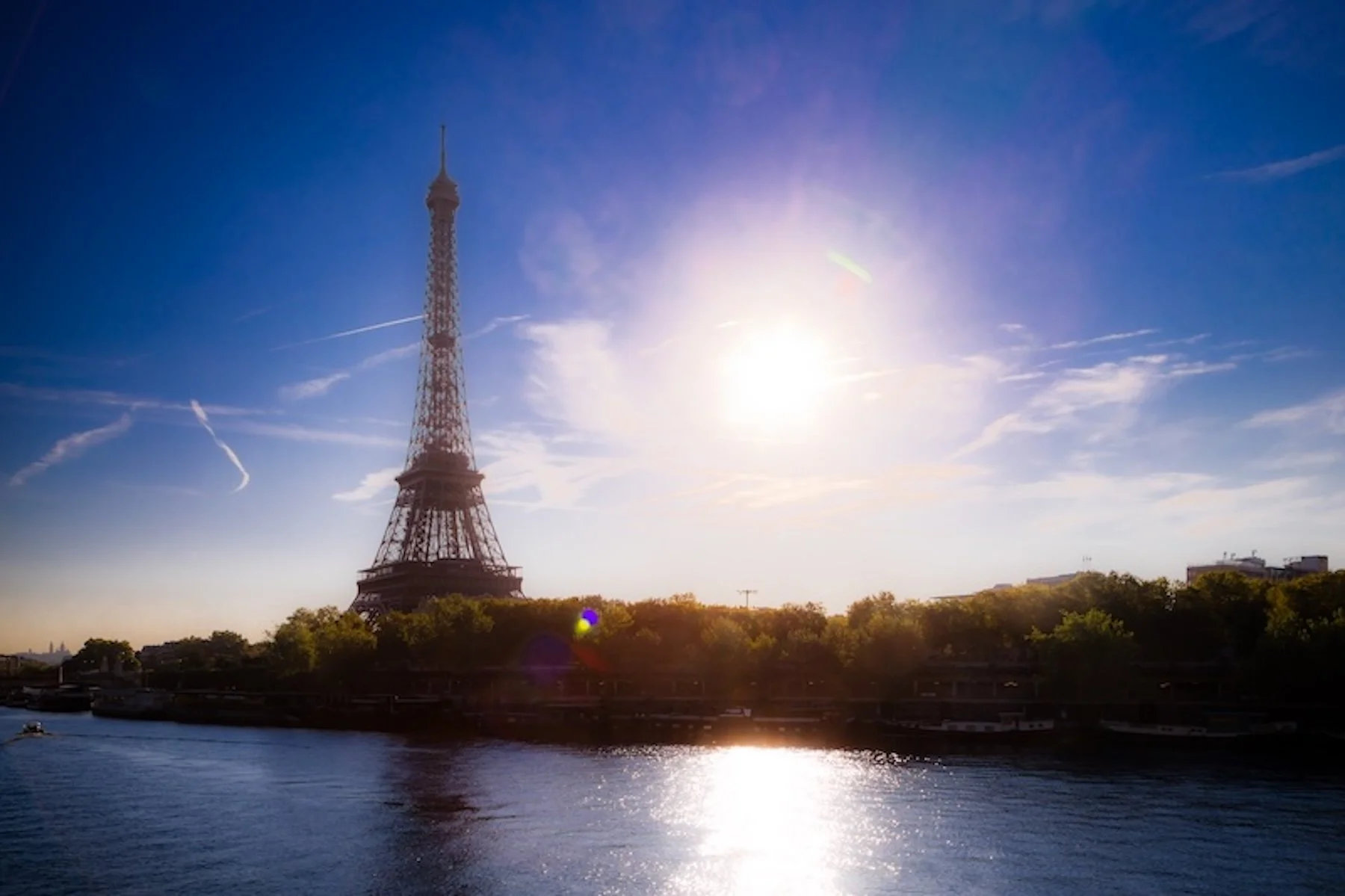
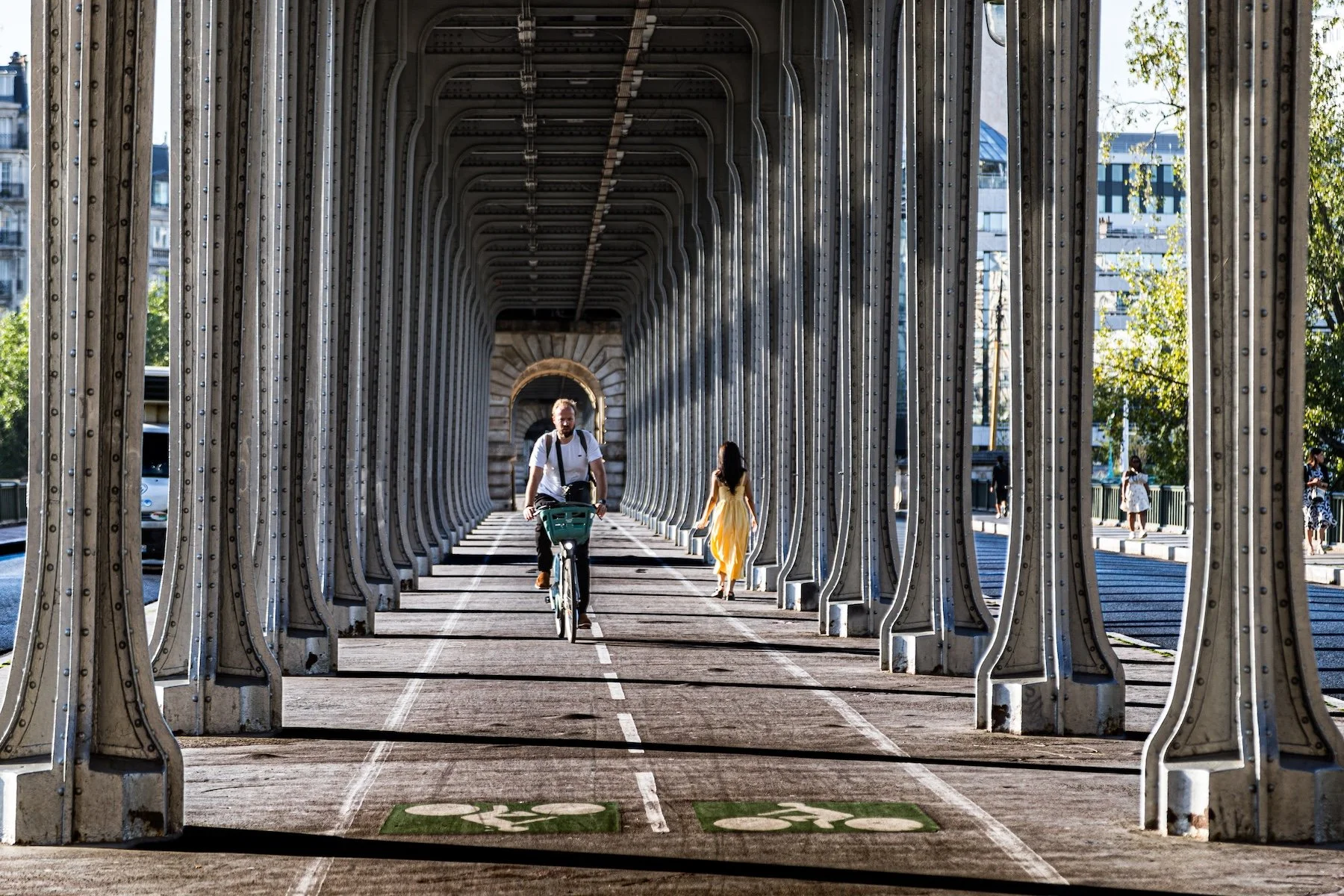
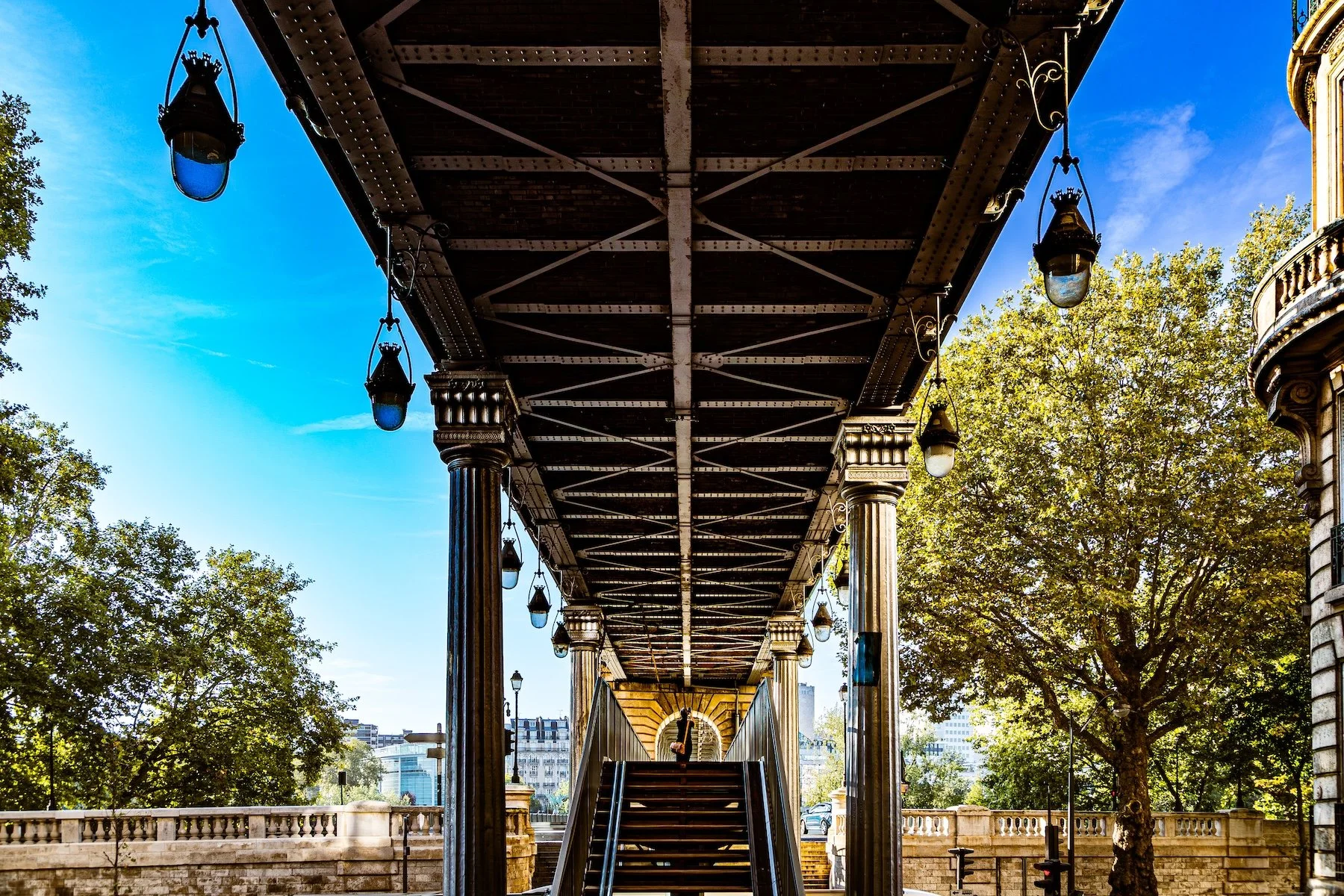
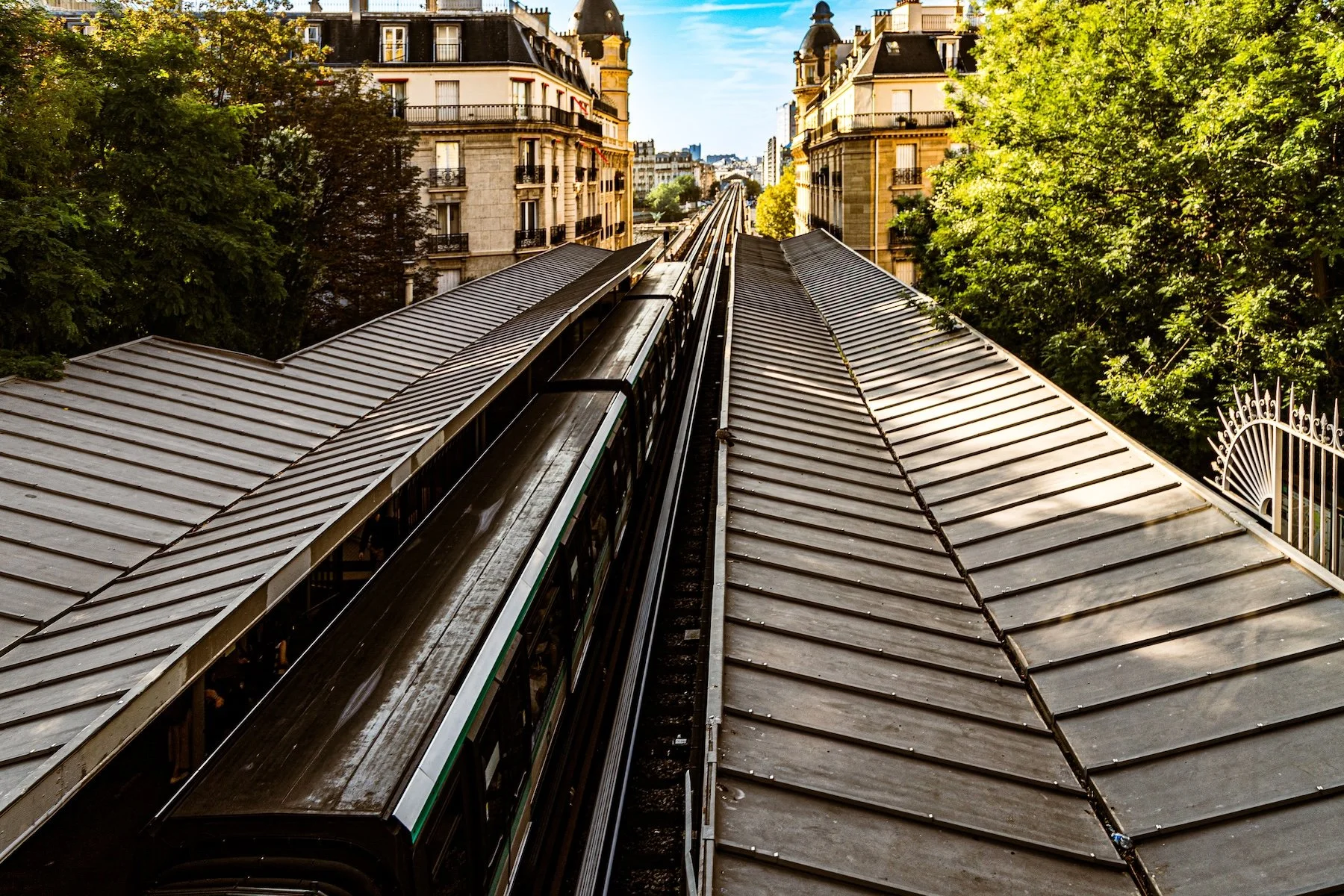

Explore Paris
-

The twenty arrondissements form the civic spiral of Paris, organizing the city into its broad local districts of government, identity, and daily life.
-

Each arrondissement is divided into four official administrative quarters, giving Paris a more precise civic and geographic framework.
-

The conseils de quartier bring participation to street level, giving residents a voice in neighborhood needs, public space, and local civic life.
-

Les Deux Rives trace Paris through the Seine’s two banks, revealing how the Rive Droite and Rive Gauche shaped the city’s civic power, commerce, learning, art, and cultural identity.
-

Cultural neighborhoods reveal the Paris people recognize through history, cafés, architecture, memory, atmosphere, and local belonging.