
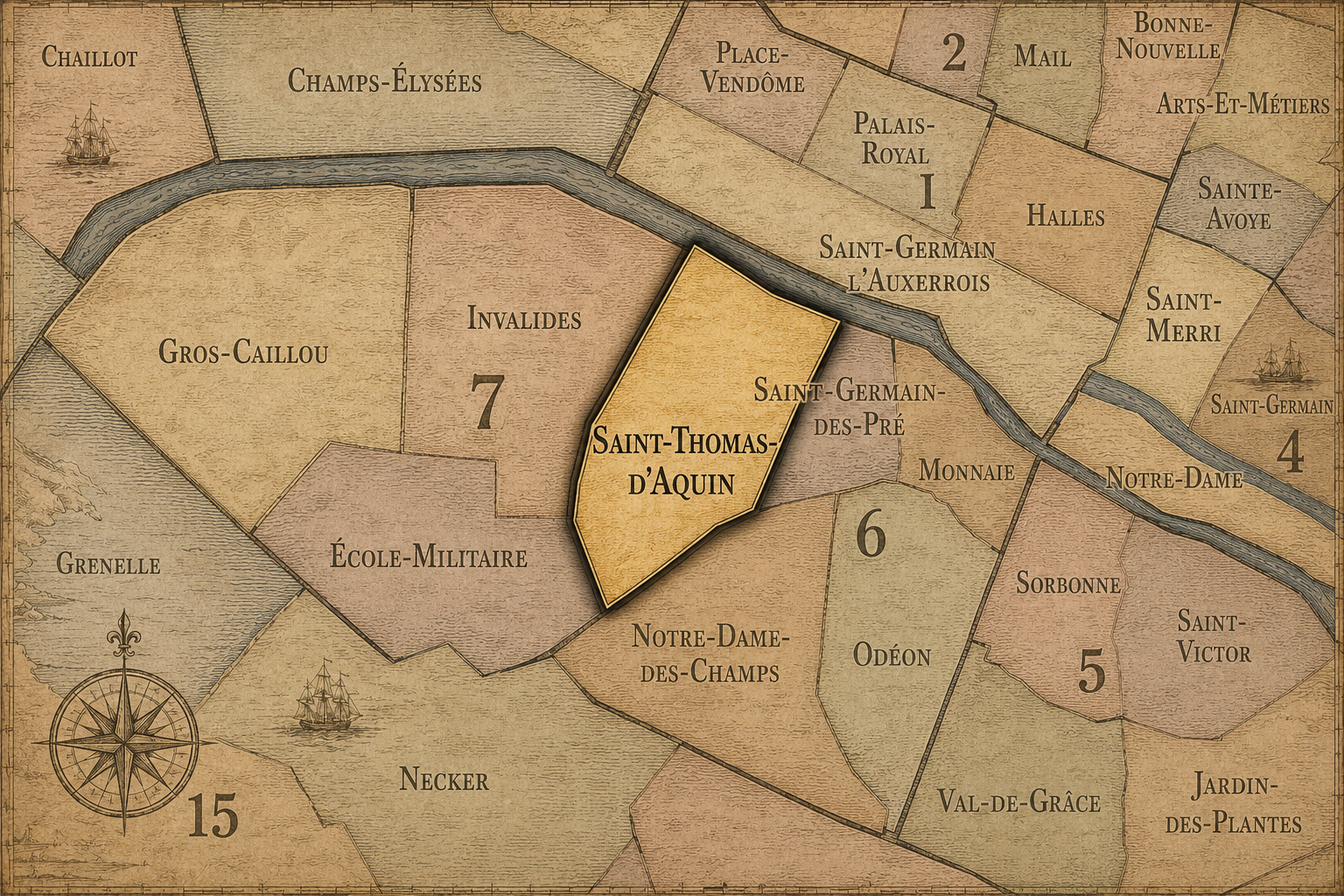
7e - SAINT-THOMAS-D’AQUIN
Quartiers Administratifs
Part of an ongoing project to walk and photograph every neighborhood in Paris, this page explores the Administrative Quarter: 7e - Saint-Thomas-d'Aquin through maps, district identity, history, and photography.
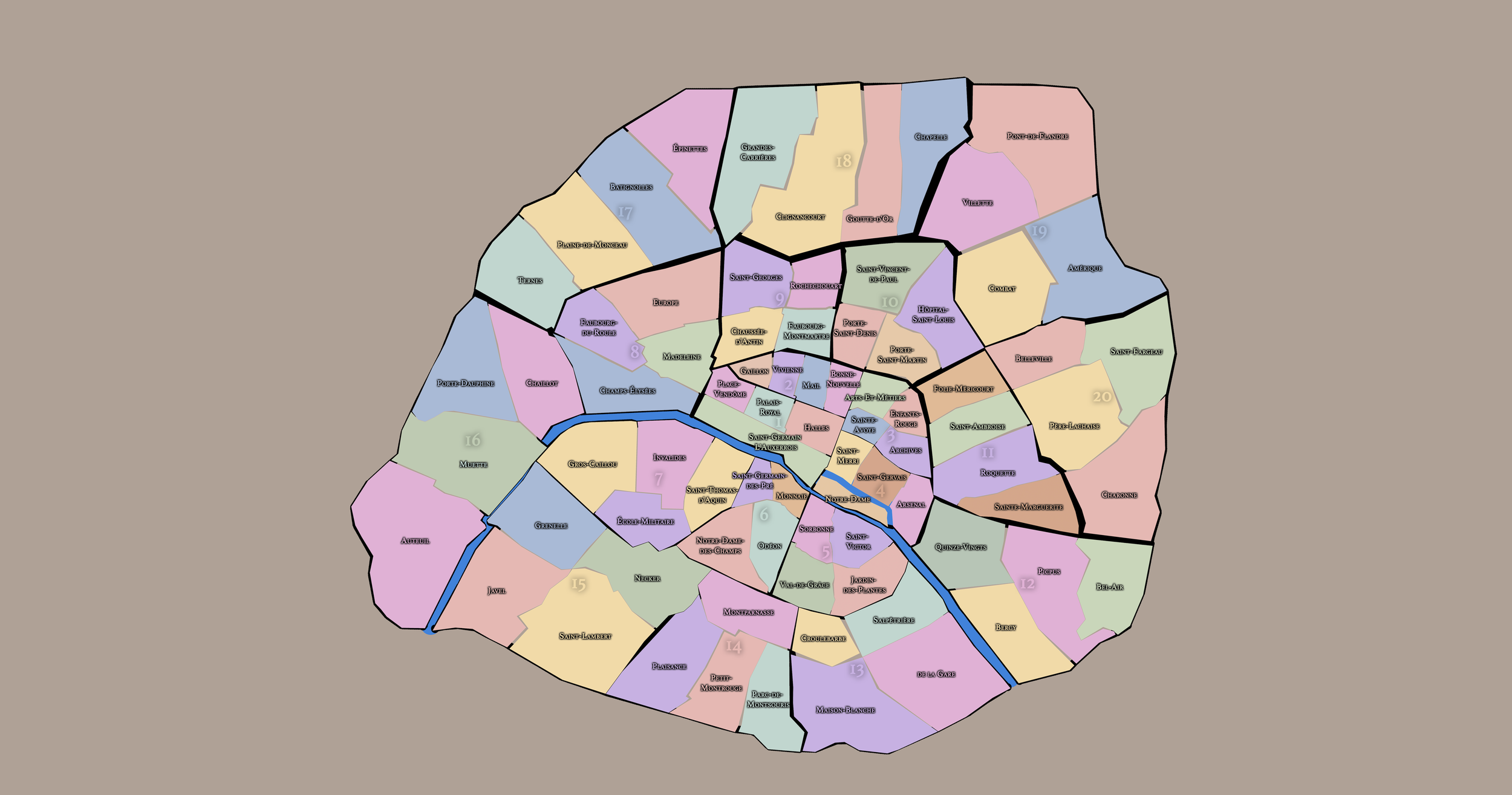
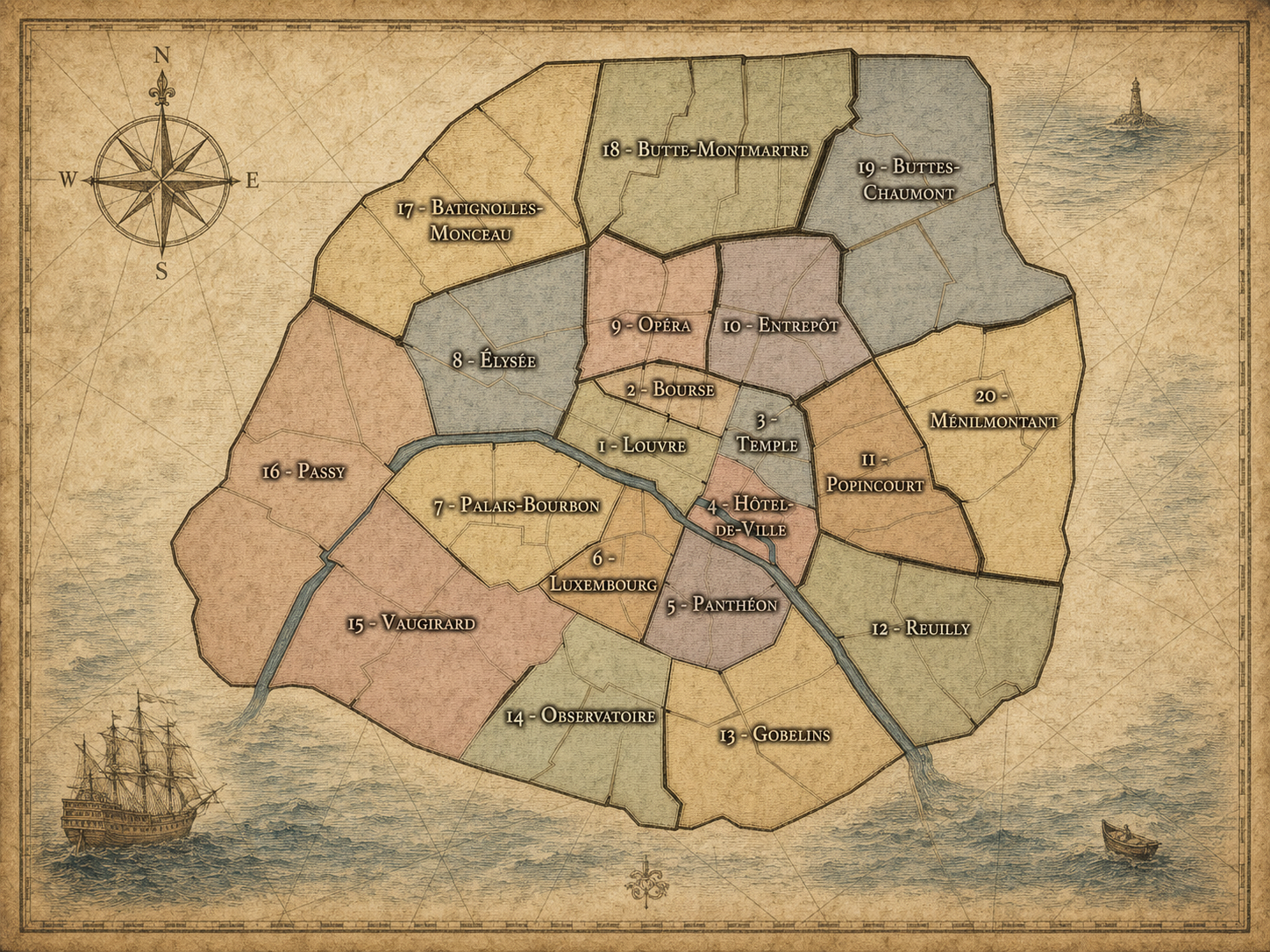
The Map
Download the Paris Arrondissements Map
Geographic Setting
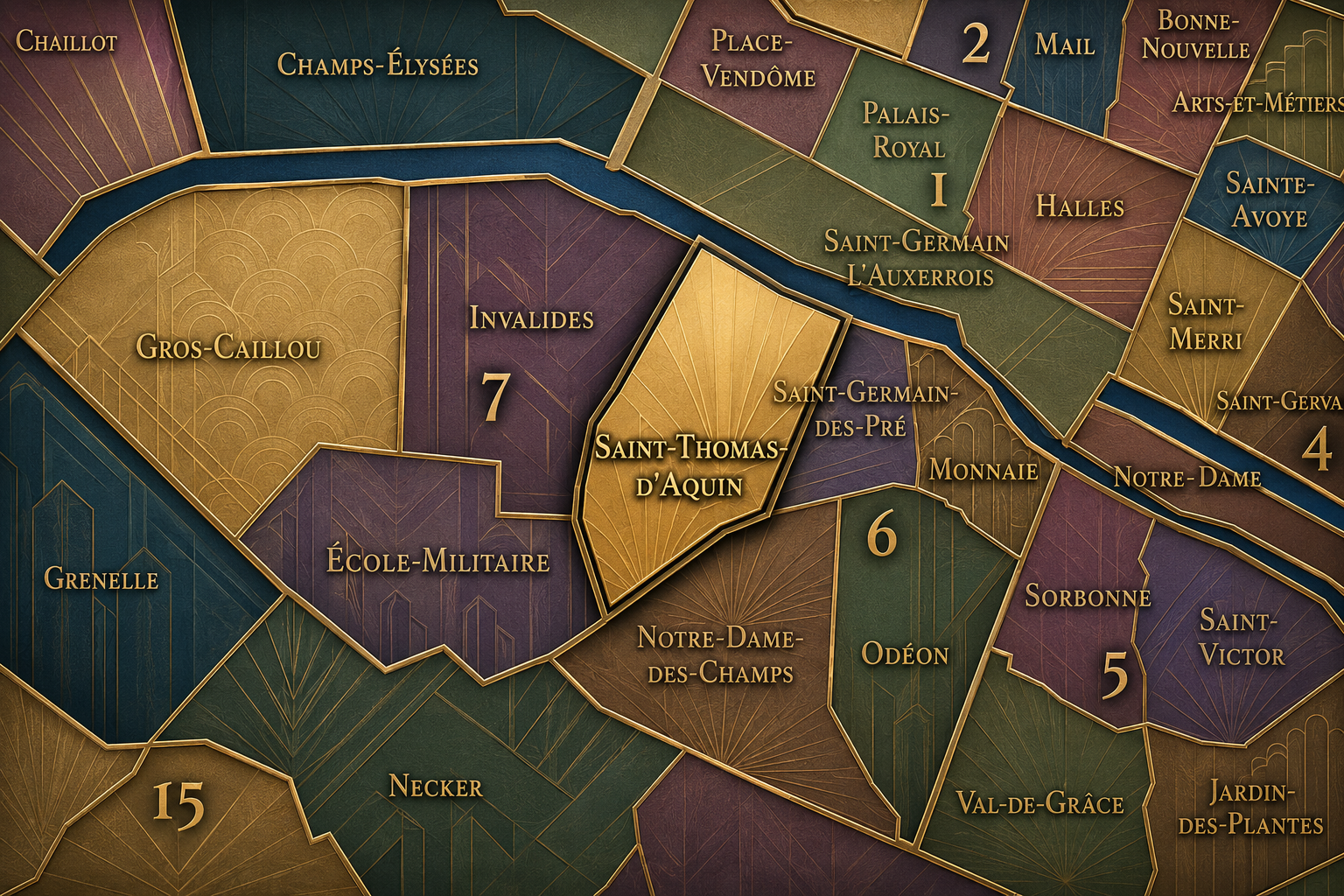
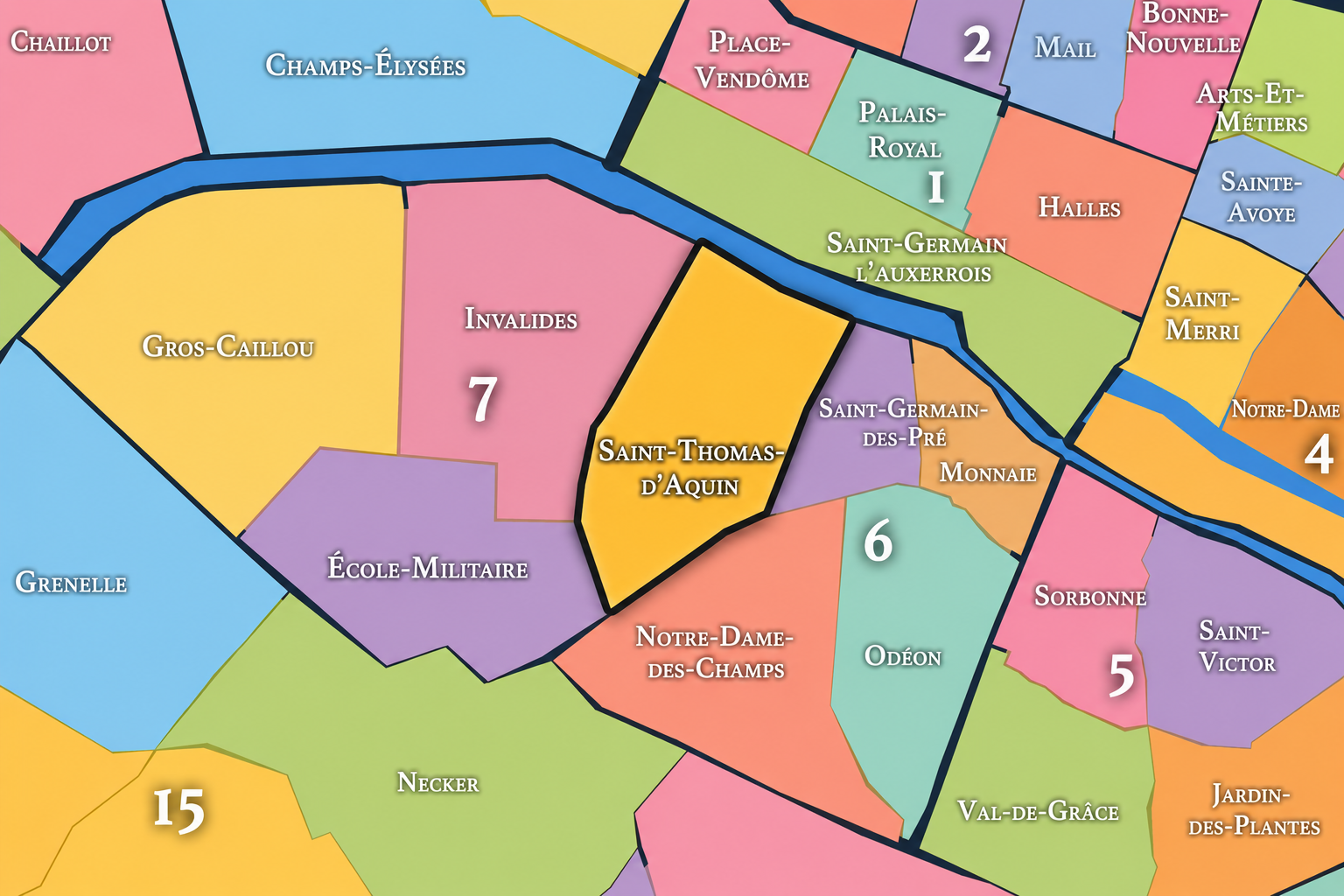
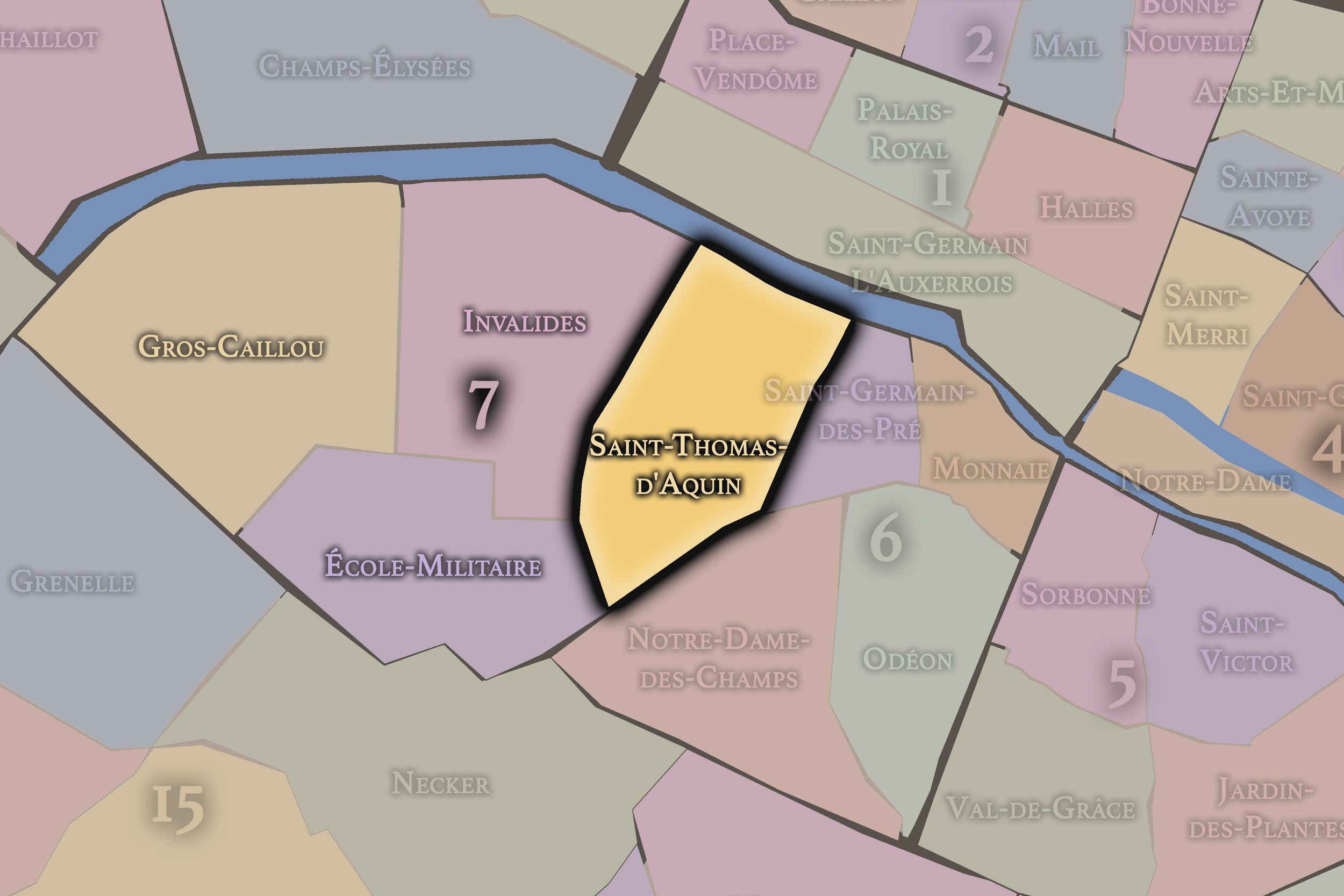
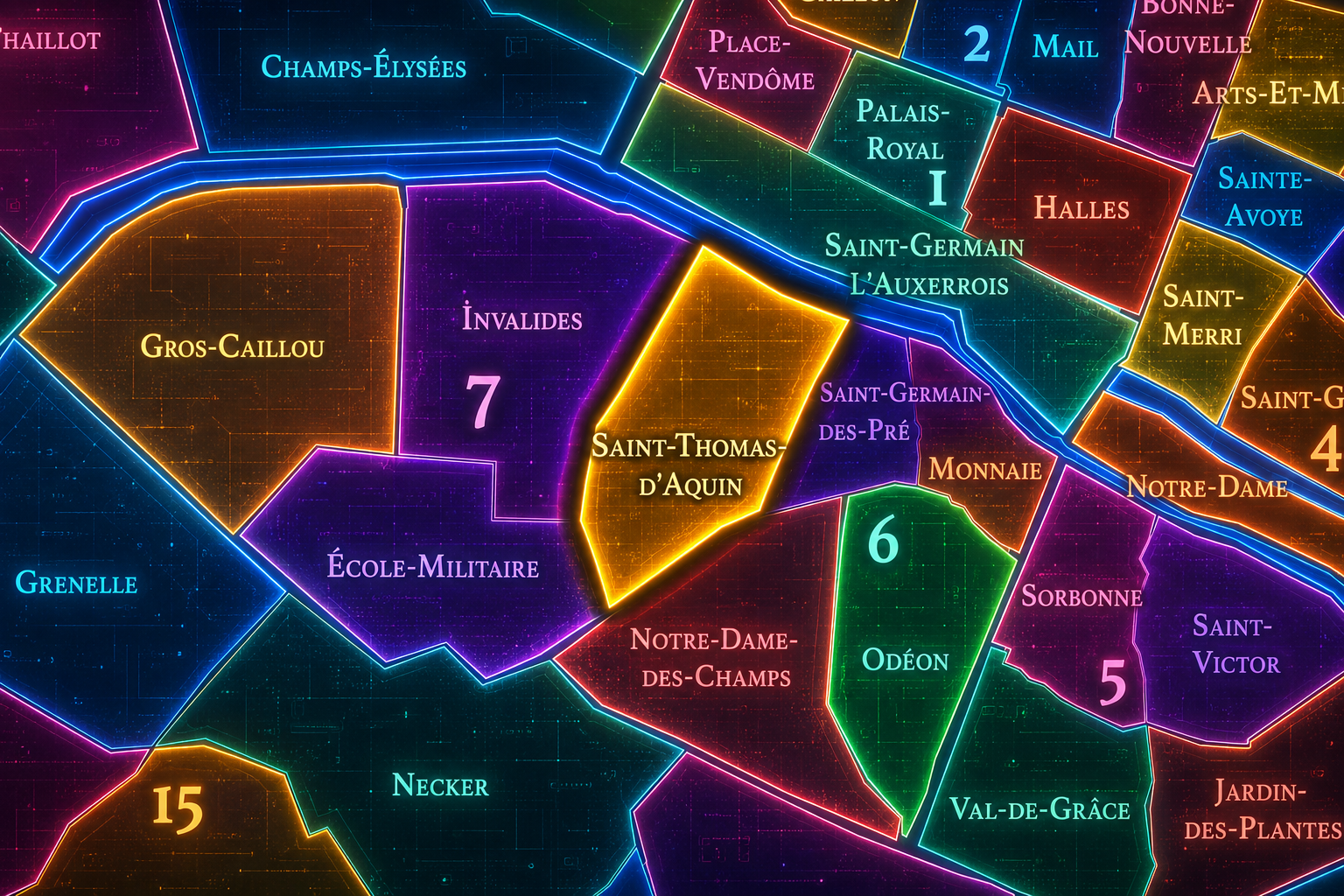
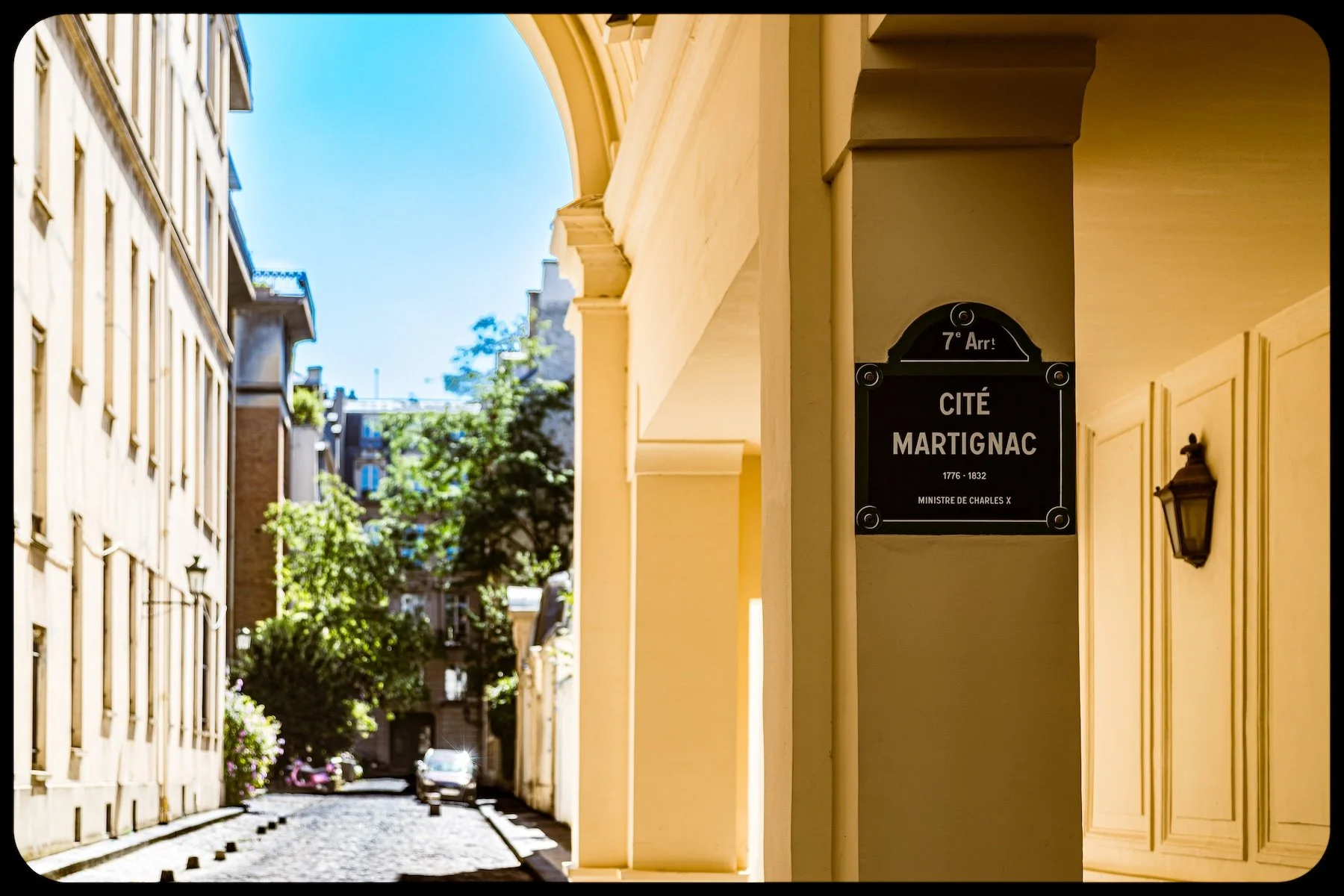
Saint-Thomas-d’Aquin occupies the eastern portion of the 7th arrondissement, where the cultivated Left Bank world of the Faubourg Saint-Germain gathers around ministries, museums, aristocratic residences, embassies, churches, schools, and quiet streets of exceptional architectural refinement. It lies west of the 6th arrondissement’s Saint-Germain-des-Prés and Notre-Dame-des-Champs quarters, east of Invalides, north of École-Militaire, and south of the Seine-facing institutional corridor that links the Assemblée Nationale, Quai d’Orsay, and the eastern edge of the 7th.
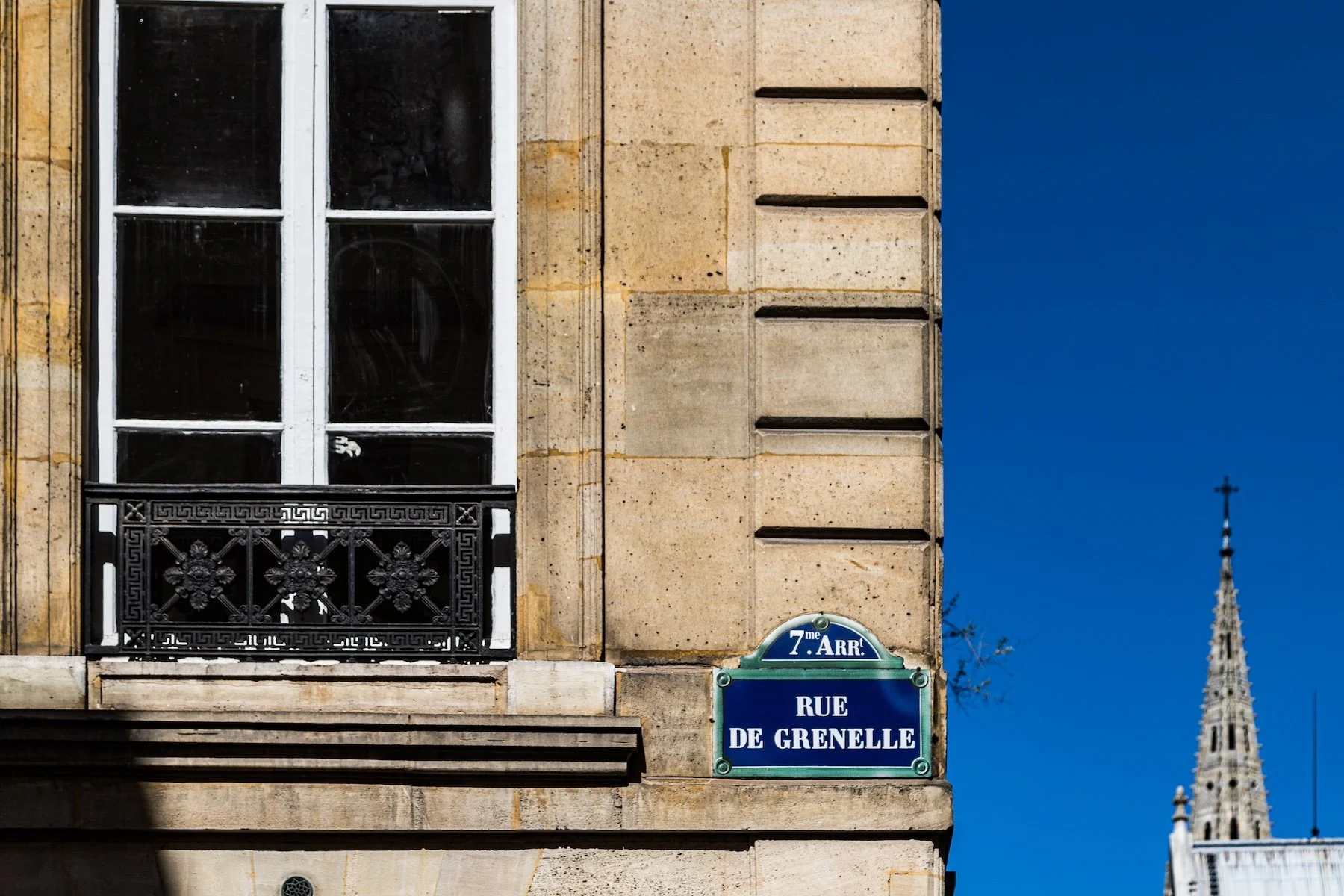
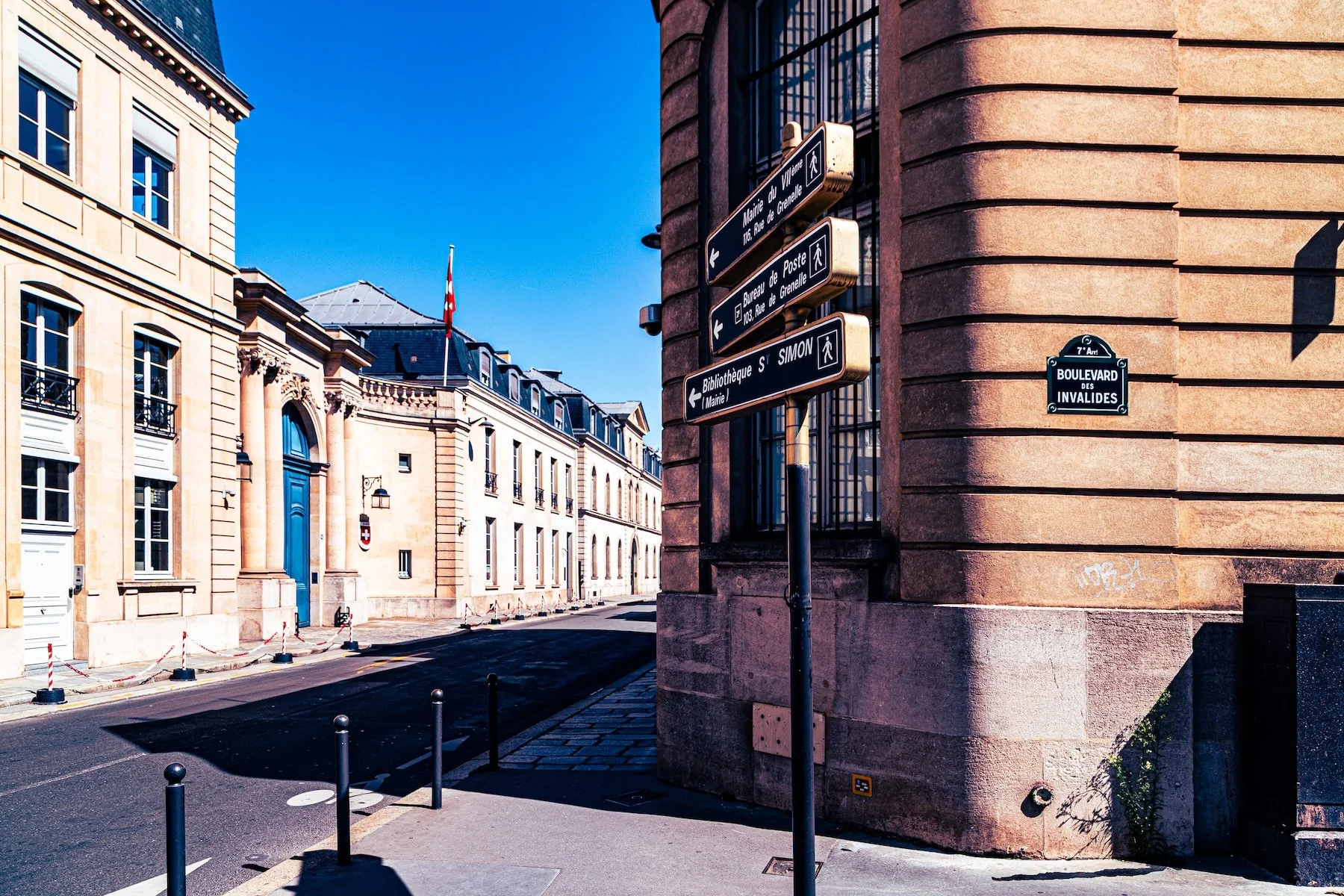
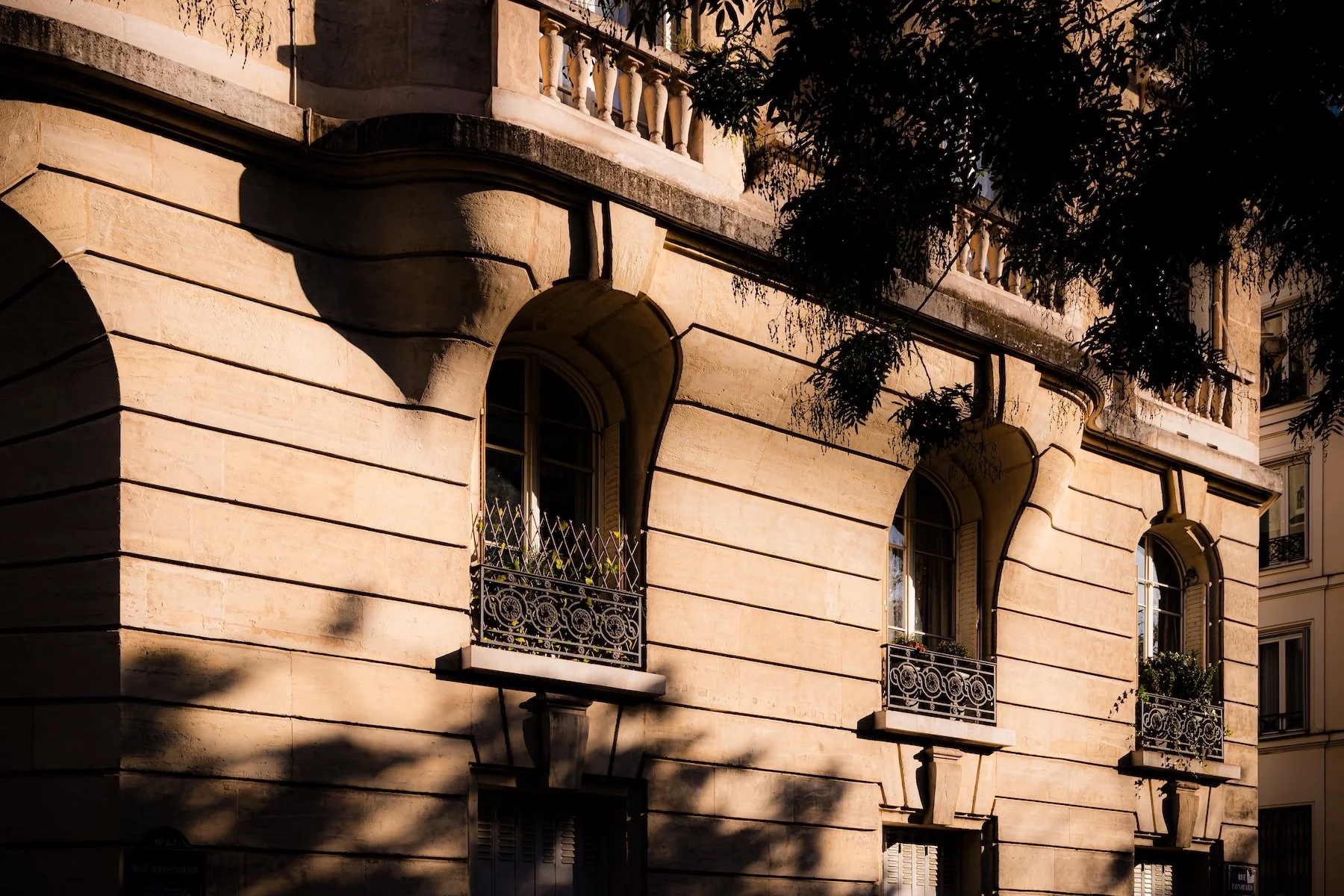
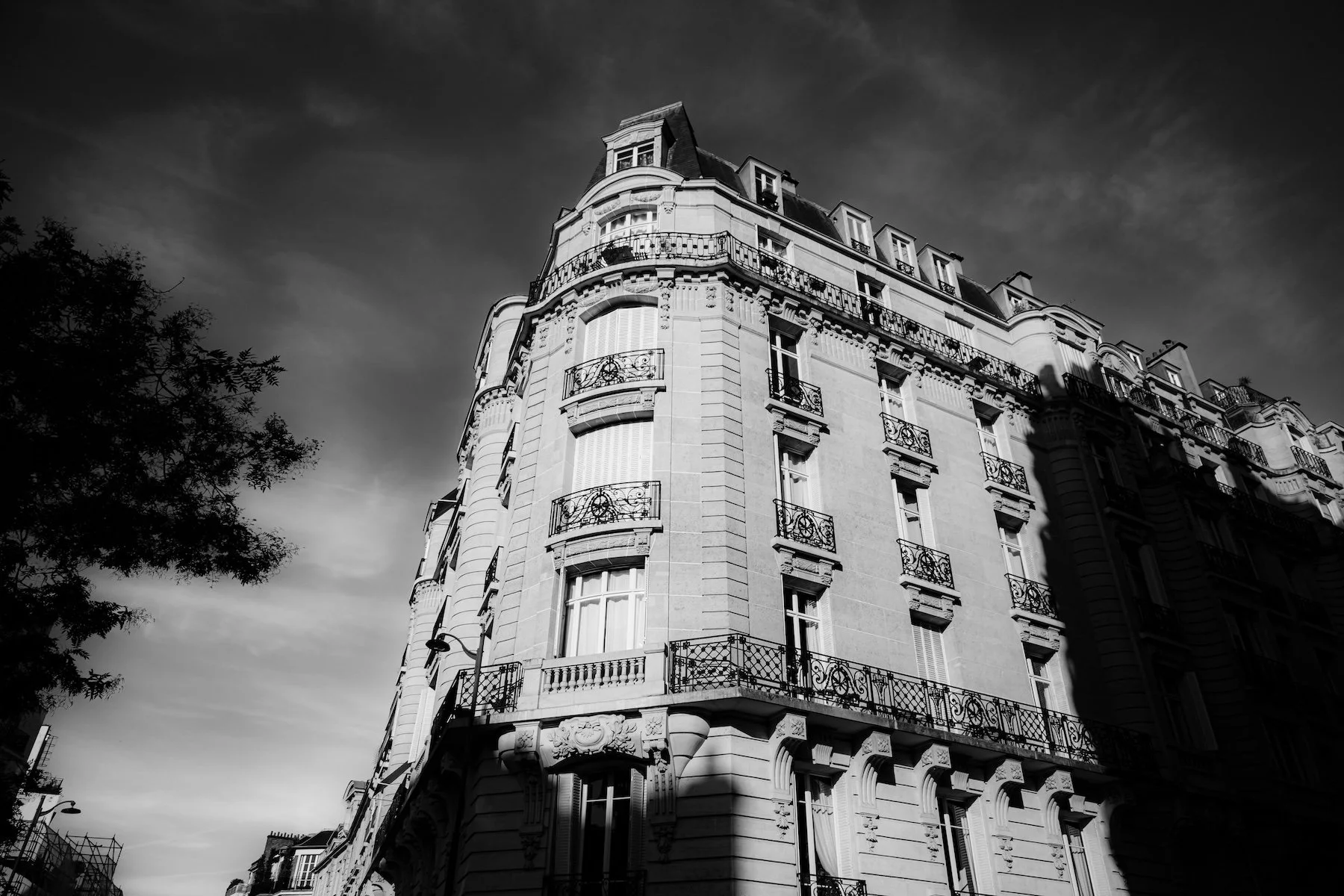
This is one of the most formal and discreet quarters of Paris. Its geography is shaped less by a single grand public monument than by an atmosphere of enclosed prestige: hôtels particuliers behind walls, government ministries behind guarded doors, museums set within former aristocratic houses, convent and school memories, embassy façades, and streets that seem to hold power quietly rather than display it loudly. The quarter includes or closely relates to landmarks such as the Church of Saint-Thomas-d’Aquin, the Musée d’Orsay edge, the Musée Maillol, the Hôtel Matignon, the Rue de Grenelle, Rue du Bac, Boulevard Saint-Germain, Rue de Varenne, Rue de Bellechasse, and Rue de l’Université.
Unlike Invalides, whose identity is ceremonial and military, or Gros-Caillou, whose skyline is dominated by the Eiffel Tower, Saint-Thomas-d’Aquin is more inward and aristocratic. It is the Paris of salons, ministries, courtyards, private gardens, religious institutions, and cultural houses — a district where the city’s public authority often hides inside private architecture.
Administrative Quarter Identity
Etymology and Origins
The name Saint-Thomas-d’Aquin comes from the Church of Saint-Thomas-d’Aquin, dedicated to Thomas Aquinas, the medieval Dominican theologian and philosopher. The church developed from the religious presence of the Dominican order in this part of the Left Bank, connecting the quarter’s name to Catholic scholarship, theology, and the intellectual traditions of the Church.
That name gives the quarter a meaning distinct from the nearby military and governmental landscapes of the 7th arrondissement. “Saint-Thomas-d’Aquin” is not a royal title, a military institution, a market memory, or a former village name. It is a theological name. It points toward study, doctrine, contemplation, and religious learning — a fitting origin for a quarter where aristocratic, governmental, and intellectual Paris have long overlapped.
Over time, however, the name expanded beyond its ecclesiastical source. The quarter became known not only for the church, but for the wider world of the Faubourg Saint-Germain: aristocratic residences, diplomatic life, ministries, museums, and the social geography of elite Left Bank Paris. The saint’s name remains the official civic marker, but the quarter’s lived identity is broader: religious in origin, aristocratic in memory, governmental in function, and cultural in contemporary presence.
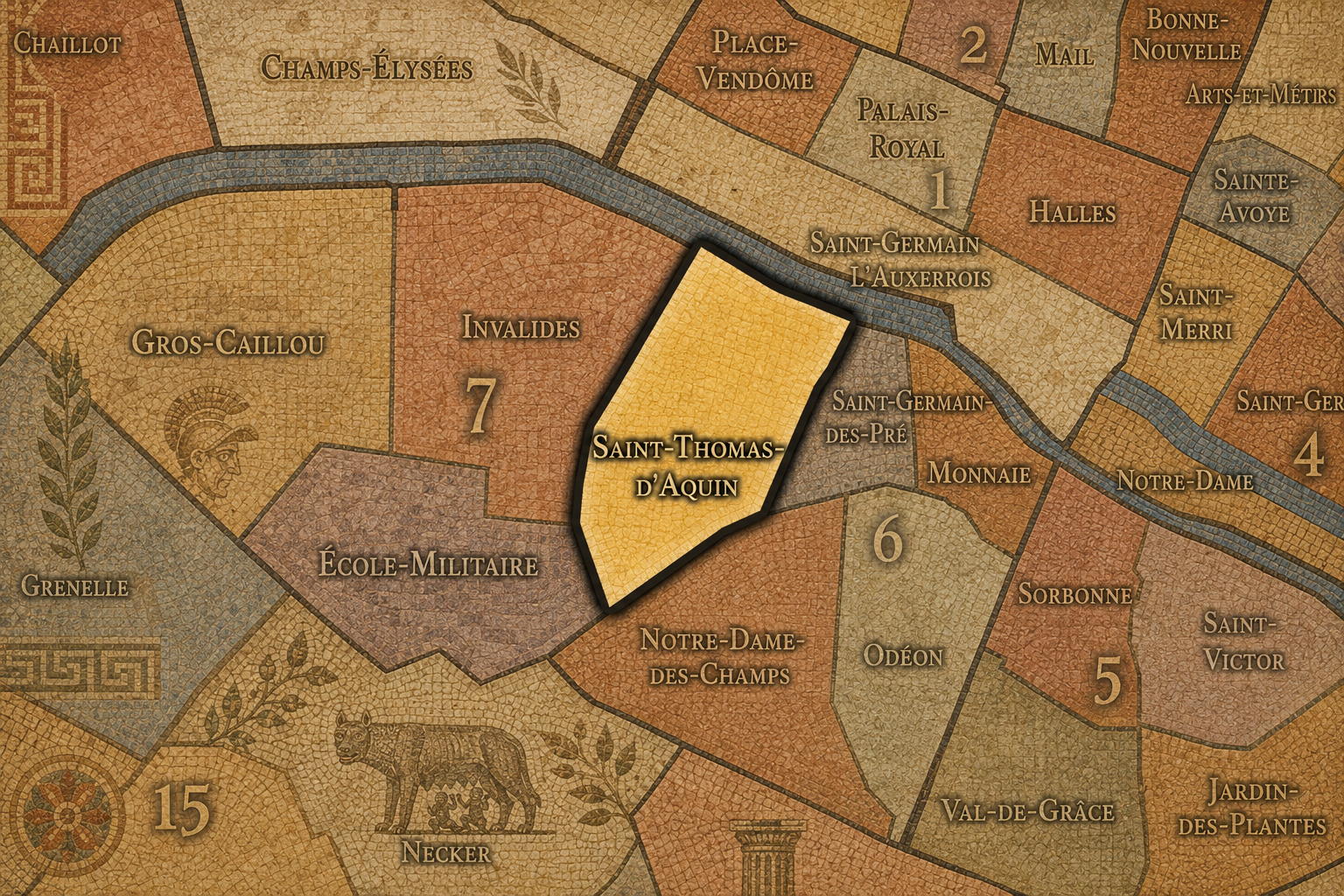
Within the official geography of Paris, Saint-Thomas-d’Aquin is one of the four administrative quarters of the 7th arrondissement, alongside Invalides, École-Militaire, and Gros-Caillou. It occupies the arrondissement’s eastern sector, forming the bridge between the literary-cultural 6th arrondissement to the east and the military, ceremonial, and monumental landscapes of the rest of the 7th to the west.
As an administrative quarter, Saint-Thomas-d’Aquin gives formal civic shape to one of the most historically prestigious parts of the Faubourg Saint-Germain. This is important because “Faubourg Saint-Germain” is a broader cultural and historical term that extends beyond a single administrative quarter. Saint-Thomas-d’Aquin identifies one official piece of that larger landscape, especially the zone of ministries, aristocratic hôtels particuliers, museums, schools, and religious institutions between Boulevard Saint-Germain, Rue de Grenelle, Rue du Bac, Rue de Varenne, and the eastern 7th.
Its civic role is therefore clarifying. Without the administrative quarter name, the area might be described only through broader or adjacent identities: Saint-Germain, the Faubourg Saint-Germain, Musée d’Orsay, Matignon, Rue du Bac, Rue de Grenelle, or the ministry district. Saint-Thomas-d’Aquin gathers those identities into one mapped civic unit.
Civic Framework
Saint-Thomas-d’Aquin differs from the other quarters of the 7th arrondissement through its aristocratic, governmental, religious, and cultural refinement. Invalides is dominated by military memory, national ceremony, the Hôtel des Invalides, and the monumental esplanade. École-Militaire is shaped by training, discipline, the military school, and the southern edge of the Champ-de-Mars. Gros-Caillou combines the Eiffel Tower, residential streets, Rue Cler, the Seine, and the global image of modern Paris.
Saint-Thomas-d’Aquin is quieter, older in social tone, and more discreetly powerful. It belongs to the world of the Faubourg Saint-Germain, where influence has often been expressed through residence rather than spectacle, through gates rather than plazas, through private gardens rather than public crowds. Its distinction lies in this restrained authority. The quarter does not need to rise dramatically into the skyline. It controls space through walls, courtyards, ministries, museums, and inherited prestige.
It should also be distinguished from Saint-Germain-des-Prés, just to the east in the 6th arrondissement. Saint-Germain-des-Prés is literary, café-centered, artistic, and public in its mythology. Saint-Thomas-d’Aquin is more aristocratic, administrative, and institutional. One is the Left Bank of cafés and conversation; the other is the Left Bank of ministries and salons.
Neighborhood Distinction
Parisian Identity
Saint-Thomas-d’Aquin expresses Paris as a city of discretion. It is one of the places where power does not announce itself through towers or crowds, but through address, enclosure, and continuity. The quarter’s streets are elegant, but their elegance is often controlled. Behind stone façades are ministries, embassies, museums, schools, religious houses, former noble residences, and private gardens that shape the atmosphere without always revealing themselves fully.
This gives the quarter a distinctive Parisian identity: authority made quiet. Saint-Thomas-d’Aquin is not the Paris of popular spectacle, nor the Paris of bohemian myth, nor the Paris of market abundance. It is the Paris of statecraft, inherited rank, religious education, diplomacy, collection, and cultivated restraint. Its public life is present, but often softened by institutional walls and measured streets.
Yet the quarter is not merely closed or austere. Its museums, churches, schools, galleries, cafés, and small streets make it walkable and culturally rich. The former aristocratic world has been partly opened through museums and public institutions, allowing visitors to glimpse a landscape once defined by private access. In Saint-Thomas-d’Aquin, Paris turns exclusivity into heritage — not without tension, but with extraordinary architectural depth.
Neighborhood Connections
Every administrative quarter belongs to a wider Parisian fabric. These connections place Saint-Thomas-d'Aquin within the city’s civic, participatory, and cultural geography:
-
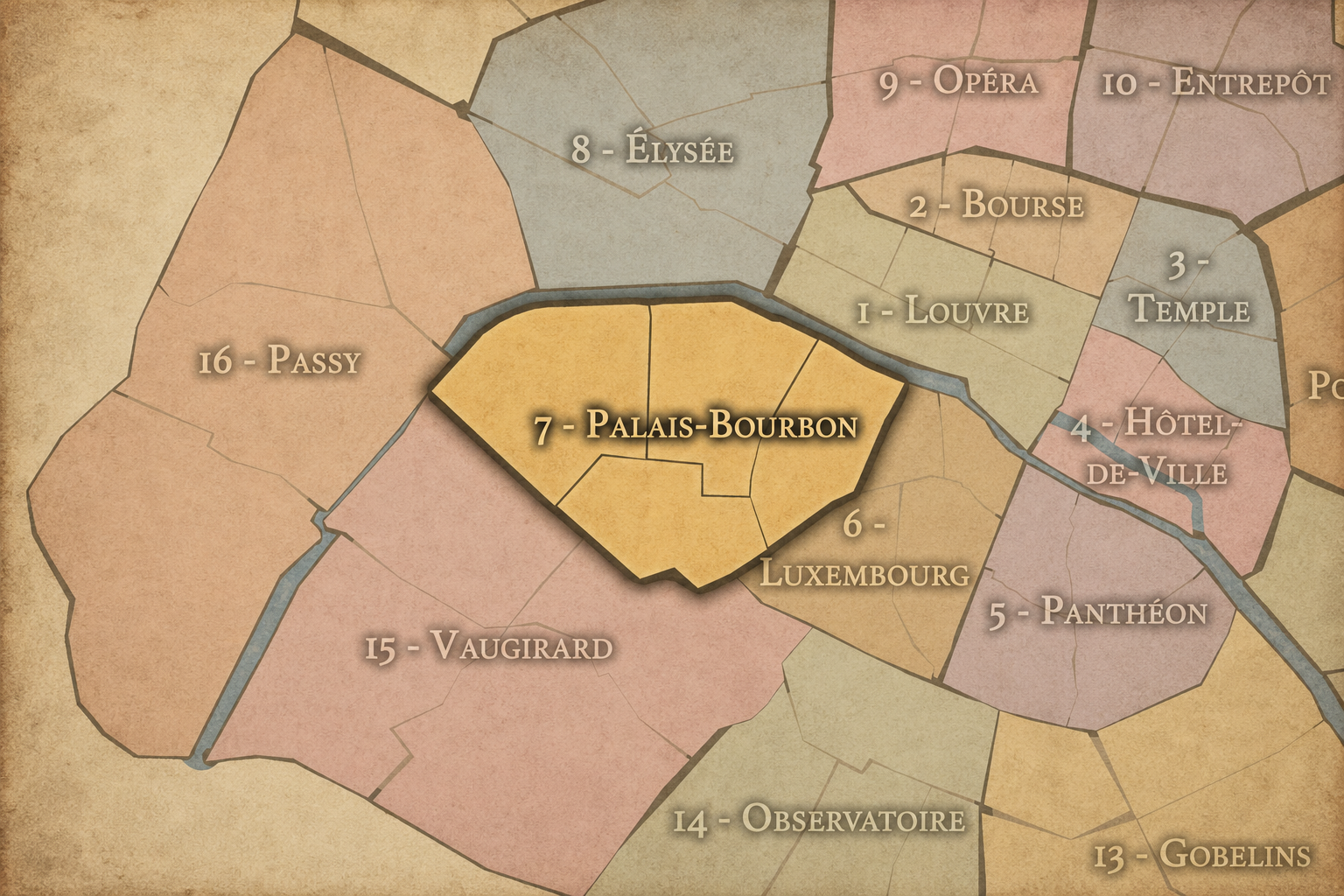
7e - Palais-Bourbon
-
Saint-Thomas-d'Aquin
The History
The origins of Saint-Thomas-d’Aquin lie in the growth of the Faubourg Saint-Germain, the western Left Bank district that developed beyond the older medieval and university core of Paris. Before it became a landscape of aristocratic residences and ministries, this area lay outside the densest city, shaped by religious houses, gardens, estates, roads, and semi-rural land gradually drawn into urban development.
The eastern 7th arrondissement became especially attractive to aristocratic families and religious communities because it offered space, proximity to courtly and ecclesiastical power, and a quieter alternative to the crowded older city. Over time, hôtels particuliers, convents, seminaries, churches, schools, and gardens filled the district, giving it an identity of elite enclosure and cultivated urbanity.
Saint-Thomas-d’Aquin emerged from that world. Its name preserves religious memory, while its street fabric preserves the wider transformation of the faubourg: from outer ground to aristocratic quarter, from private residence to state and cultural landscape.
Origins
16th–17th Century
In the 16th and 17th centuries, the future Saint-Thomas-d’Aquin quarter belonged to the expanding western Left Bank, a landscape still less dense than the old city but increasingly important to religious and aristocratic development. Large properties, convents, gardens, and institutional lands shaped the area. The district’s distance from the crowded medieval core made it suitable for religious orders and elite residences.
The 17th century was especially important for the rise of the Faubourg Saint-Germain. As aristocratic families sought space and prestige on the Left Bank, the district began to take on the character that would define it for centuries: hôtels particuliers set behind courtyards, enclosed gardens, religious foundations, and streets designed less for spectacle than for controlled access.
This early modern development prepared the quarter’s later identity. Saint-Thomas-d’Aquin did not grow from market life or industrial production. It grew from privilege, religion, and proximity to power. The patterns formed in this period — private houses, walls, gates, courtyards, and institutional enclosures — remain central to how the quarter feels today.
In the 18th century, Saint-Thomas-d’Aquin became deeply embedded in the aristocratic world of the Faubourg Saint-Germain. This was one of the great residential districts of the French nobility, a place of salons, family houses, religious institutions, diplomatic connections, and cultivated social life. The quarter’s streets were shaped by wealth and rank, but often in a restrained architectural language: stone façades, carriage entrances, inner courtyards, and gardens hidden from the street.
The Church of Saint-Thomas-d’Aquin and surrounding religious institutions contributed to the quarter’s ecclesiastical and educational identity. Catholic scholarship, devotion, and elite patronage existed alongside aristocratic residence, giving the district a strong relationship to both church and social order. The quarter’s name, rooted in Thomas Aquinas, fits this broader world of theology, hierarchy, and cultivated learning.
The French Revolution disrupted this landscape profoundly. Aristocratic residences, religious houses, church properties, and social privileges were challenged, confiscated, repurposed, or transformed. The Faubourg Saint-Germain, long associated with noble society, entered the modern era marked by rupture. Saint-Thomas-d’Aquin would survive, but its old regime identity could no longer remain untouched.
18th Century
19th Century
The 19th century transformed Saint-Thomas-d’Aquin from an aristocratic faubourg into a district of state administration, diplomacy, museums, and elite continuity. Many former noble residences became ministries, embassies, schools, or public institutions. This was not a complete erasure of aristocratic Paris; it was a conversion of aristocratic architecture into the service of the modern state.
The Hôtel Matignon, today the official residence of the French Prime Minister, is one of the most important examples of this transformation. Former private houses in the quarter and nearby Faubourg Saint-Germain became part of the governmental landscape of Paris, preserving the form of aristocratic residence while changing its function. The quarter’s prestige remained, but its meaning shifted from noble society toward administrative power.
The 19th century also strengthened the cultural identity of the area. Museums, schools, and religious institutions continued to shape the quarter, while the broader 7th arrondissement became a district of political authority, diplomacy, and refined residence. Saint-Thomas-d’Aquin became one of the places where the old social order left architecture that the modern republic could inhabit.
In the early and mid 20th century, Saint-Thomas-d’Aquin remained one of the most discreetly powerful quarters of Paris. Ministries, embassies, schools, churches, museums, and elite residences defined its streets. The quarter belonged to the administrative and diplomatic heart of the Left Bank, a world less public than the boulevards and cafés of Saint-Germain-des-Prés, but deeply influential in the life of the French state.
The upheavals of the First World War, interwar politics, occupation, liberation, and postwar reconstruction all touched this landscape of government and diplomacy. In districts like Saint-Thomas-d’Aquin, history often unfolded behind institutional doors: ministries, embassies, administrative offices, private residences, and schools. The quarter’s quiet façades could conceal intense political and social consequence.
At the same time, the neighborhood retained a strong cultural and residential identity. Its museums, churches, schools, and refined streets continued to make it one of the most cultivated parts of the Left Bank. It was powerful, but not purely official; lived in, but not ordinary; historic, but actively involved in contemporary political life.
Early–Mid 20th Century
Late 20th Century
In the late 20th century, Saint-Thomas-d’Aquin became increasingly shaped by heritage, high-value residential life, institutional security, and cultural tourism. The old aristocratic houses and governmental buildings remained central to the quarter’s identity, while museums and cultural spaces made parts of the district more accessible to the public. The quarter’s atmosphere of discretion became one of its defining modern qualities.
The Musée d’Orsay, opened in 1986 in the former railway station along the Seine just north of the quarter’s edge, strongly affected the cultural geography of this part of the Left Bank. Although its exact administrative placement relates to the riverfront boundary, its presence reinforced the area’s identity as a landscape where former 19th-century infrastructure and aristocratic-governmental surroundings became part of a major museum corridor.
This period also sharpened the tension between public heritage and private power. Saint-Thomas-d’Aquin became more admired by visitors, but much of its deepest identity remained inaccessible: ministries, embassies, private courtyards, and residences. The quarter’s mystery survived because so much of it remained partially hidden.
In the 21st century, Saint-Thomas-d’Aquin remains one of the most refined and institutionally significant quarters of Paris. It is a district of ministries, museums, embassies, schools, churches, residences, galleries, and quiet streets that carry the old authority of the Faubourg Saint-Germain into the present. The quarter is central, but not loud; prestigious, but often understated; historic, but still deeply involved in the workings of contemporary France.
Today, the neighborhood must balance several identities. It is a governmental district, a residential quarter, a heritage landscape, a cultural destination, and a place of religious and educational continuity. Visitors may pass through for museums, churches, architecture, or walks between Saint-Germain and Invalides; residents and workers experience it as a quieter but highly structured part of the Left Bank.
For CityNeighborhoods: Paris, Saint-Thomas-d’Aquin is essential because it shows how neighborhood identity can be built from restraint. Its importance is not always visible at first glance. It is hidden in courtyards, guarded doors, institutional histories, and the persistence of aristocratic urban form. This is Paris not as spectacle, but as influence.
21st Century
Spirit and Legacy
Saint-Thomas-d’Aquin is the quarter of quiet authority. Its spirit lies in stone façades, closed gates, church names, ministry walls, former noble houses, schools, museums, and the measured rhythm of streets that have long held power without needing to proclaim it. It is one of the most discreetly consequential landscapes of the Left Bank.
Its legacy is conversion without full exposure. Religious ground became aristocratic faubourg. Aristocratic houses became ministries, embassies, museums, and schools. Private privilege became public administration and cultural heritage, though much of the architecture retained its language of enclosure. The quarter’s history is not one of sudden reinvention, but of careful transfer: power changing hands while the street keeps its composure.
To walk Saint-Thomas-d’Aquin is to encounter Paris behind the façade. The neighborhood does not offer all of itself at once. It asks the viewer to understand gates, walls, silence, and proportion as part of the city’s language. In this quarter, neighborhood identity is not shouted from a square or staged beneath a tower. It is held in reserve — and that reserve is precisely its power.
The Photography
The arrondissements do not share a single visual identity. Instead, they organize Paris into twenty broad visual fields, each gathering its own combination of landmarks, streetscapes, institutions, residential districts, commercial corridors, parks, rail stations, markets, cemeteries, and riverfront edges.
Some arrondissements are defined by monumental scale: royal palaces, ceremonial avenues, government buildings, museums, formal gardens, and internationally recognized landmarks. Others are shaped by hills, canals, rail gateways, apartment-lined boulevards, neighborhood markets, former village streets, industrial remnants, parks, or the quieter rhythms of residential Paris. The arrondissement system gives these varied landscapes a civic frame, allowing the city to be read not as one visual language, but as a sequence of overlapping Parisian atmospheres.
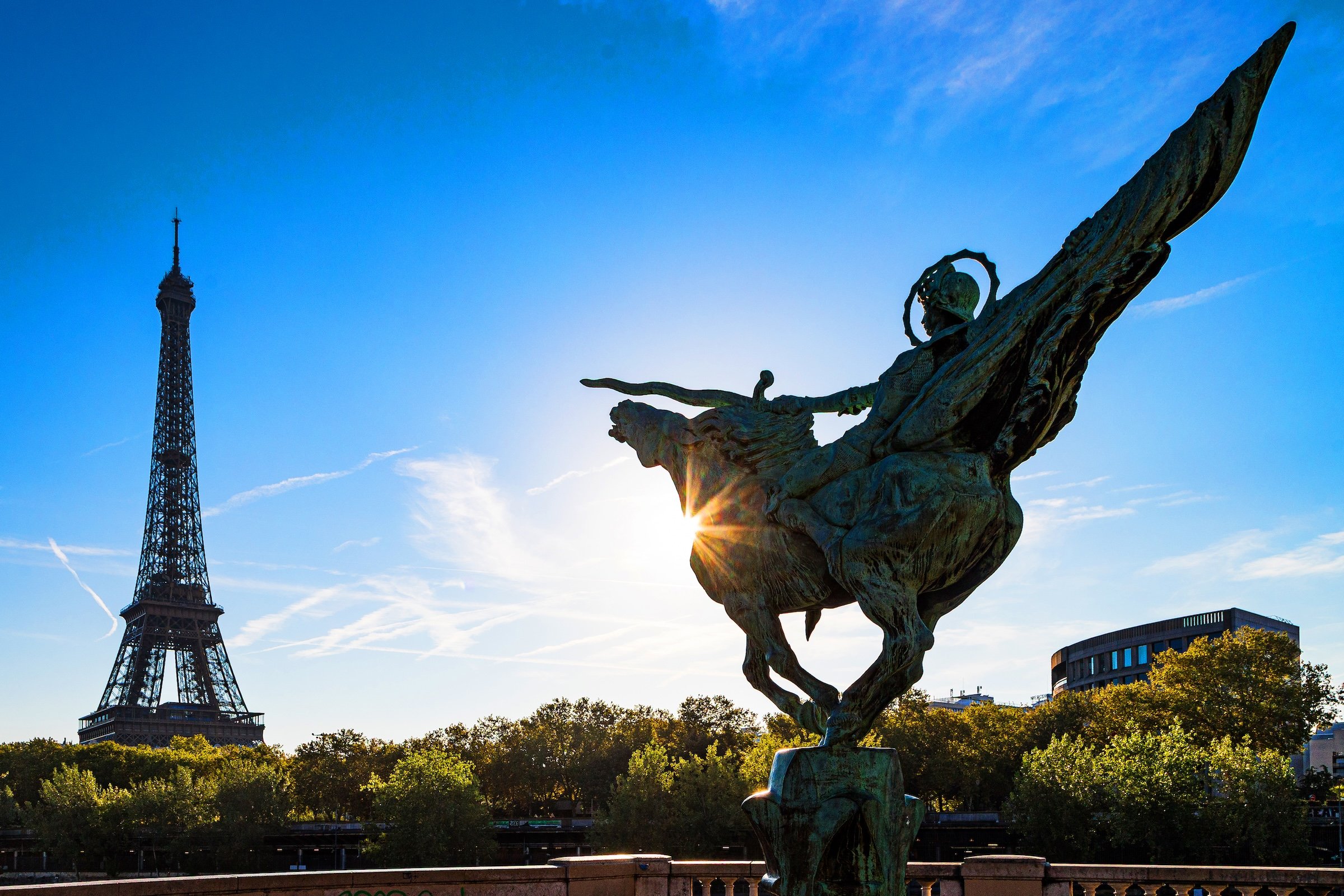
Visual Identity
Through The Lens
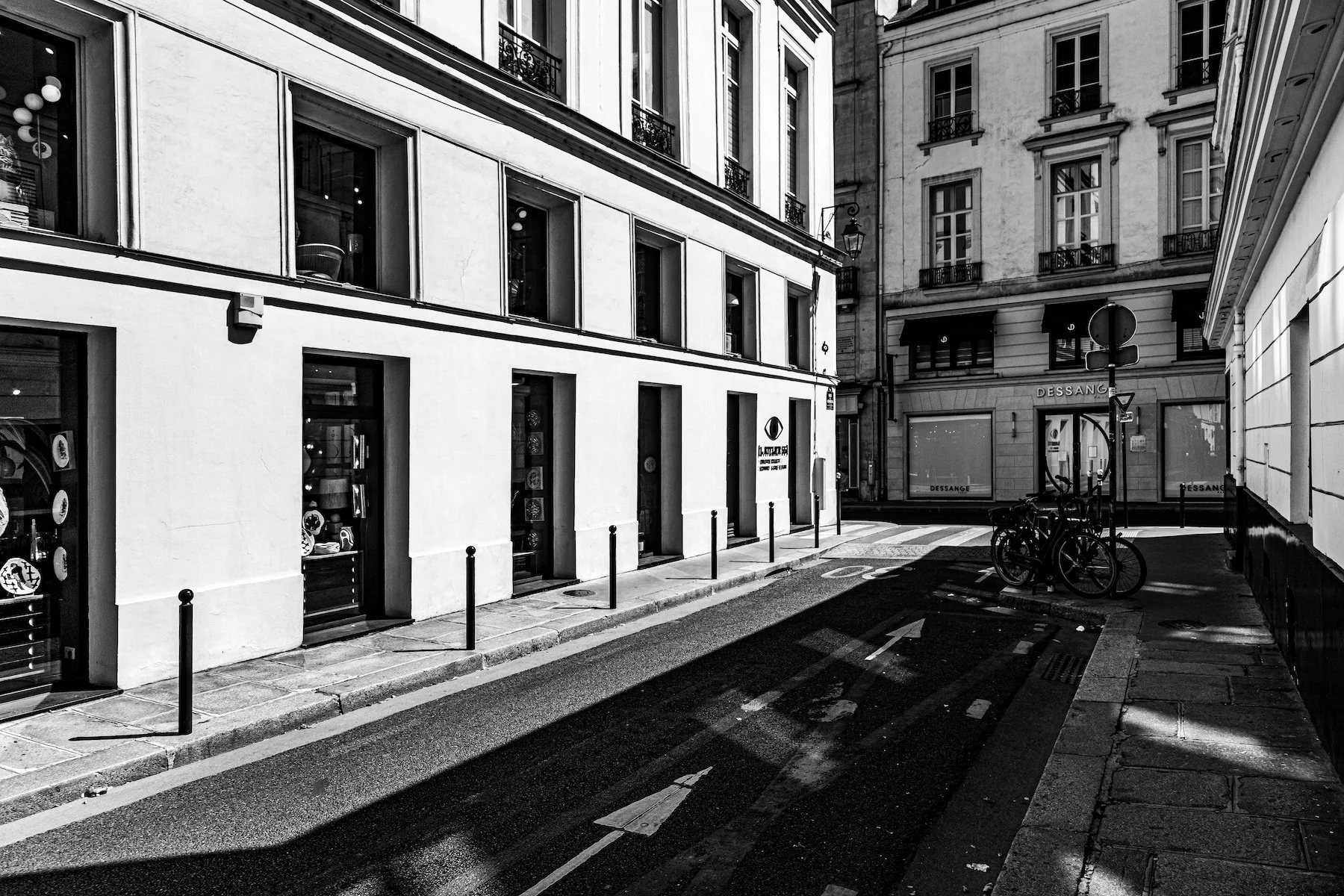
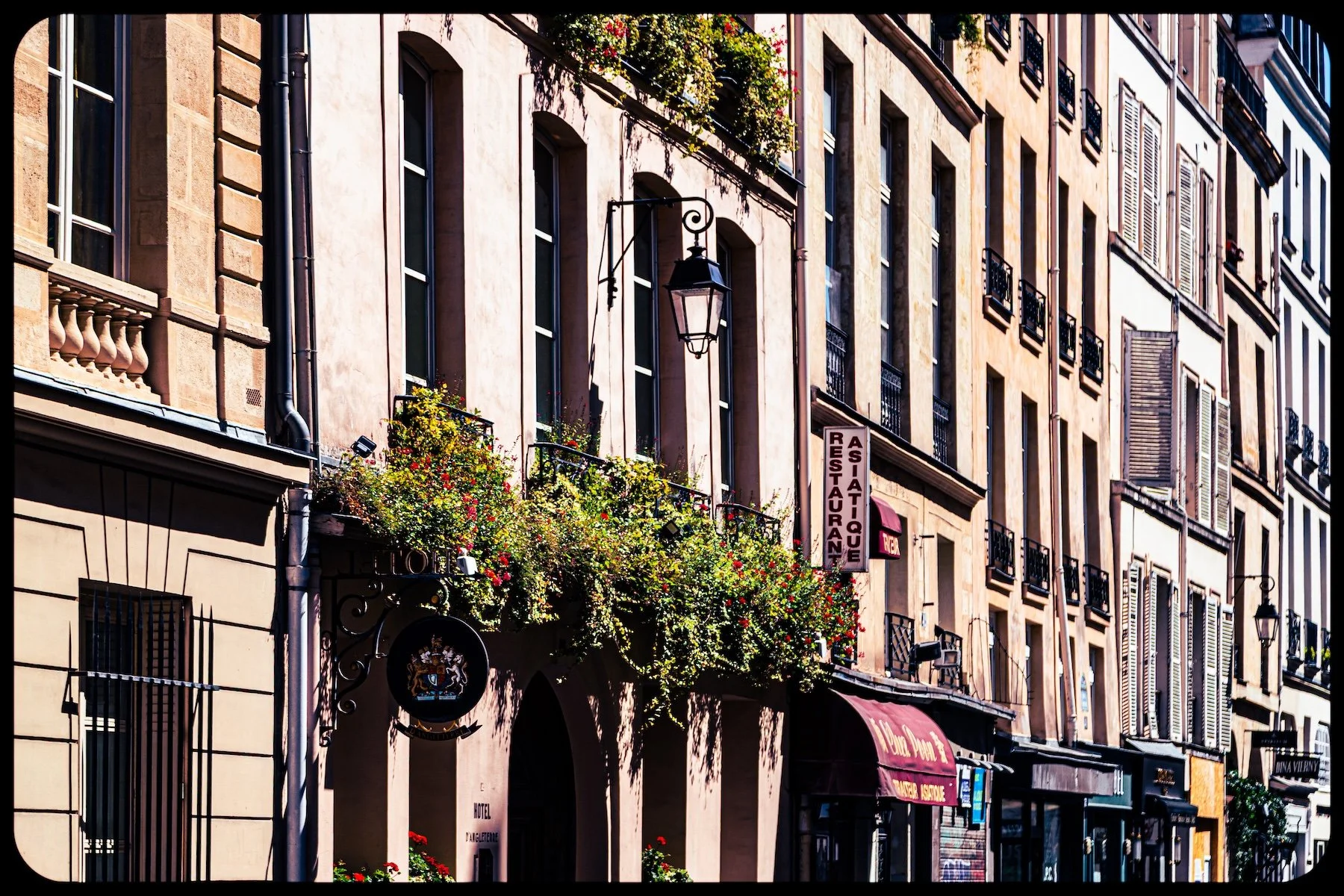
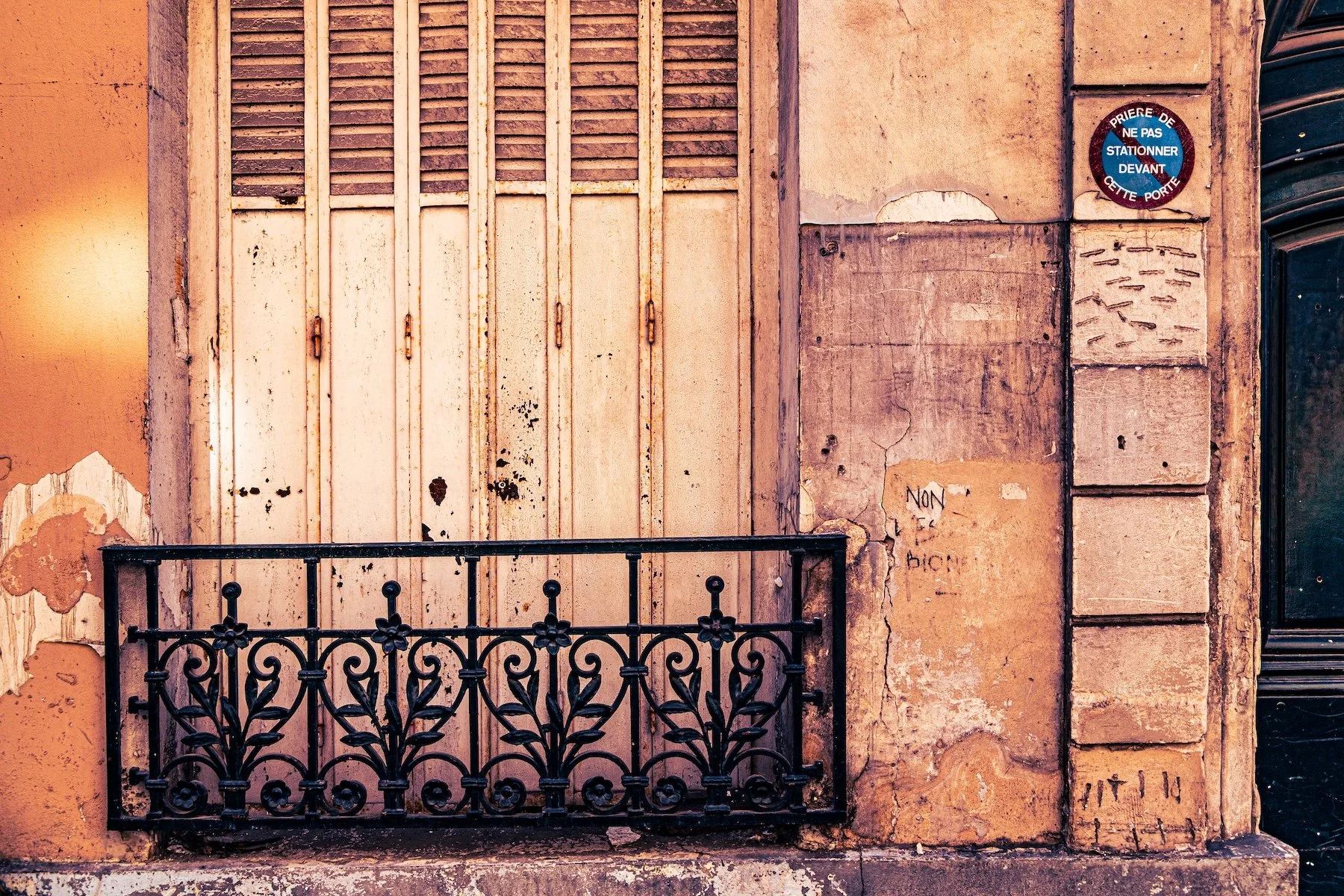
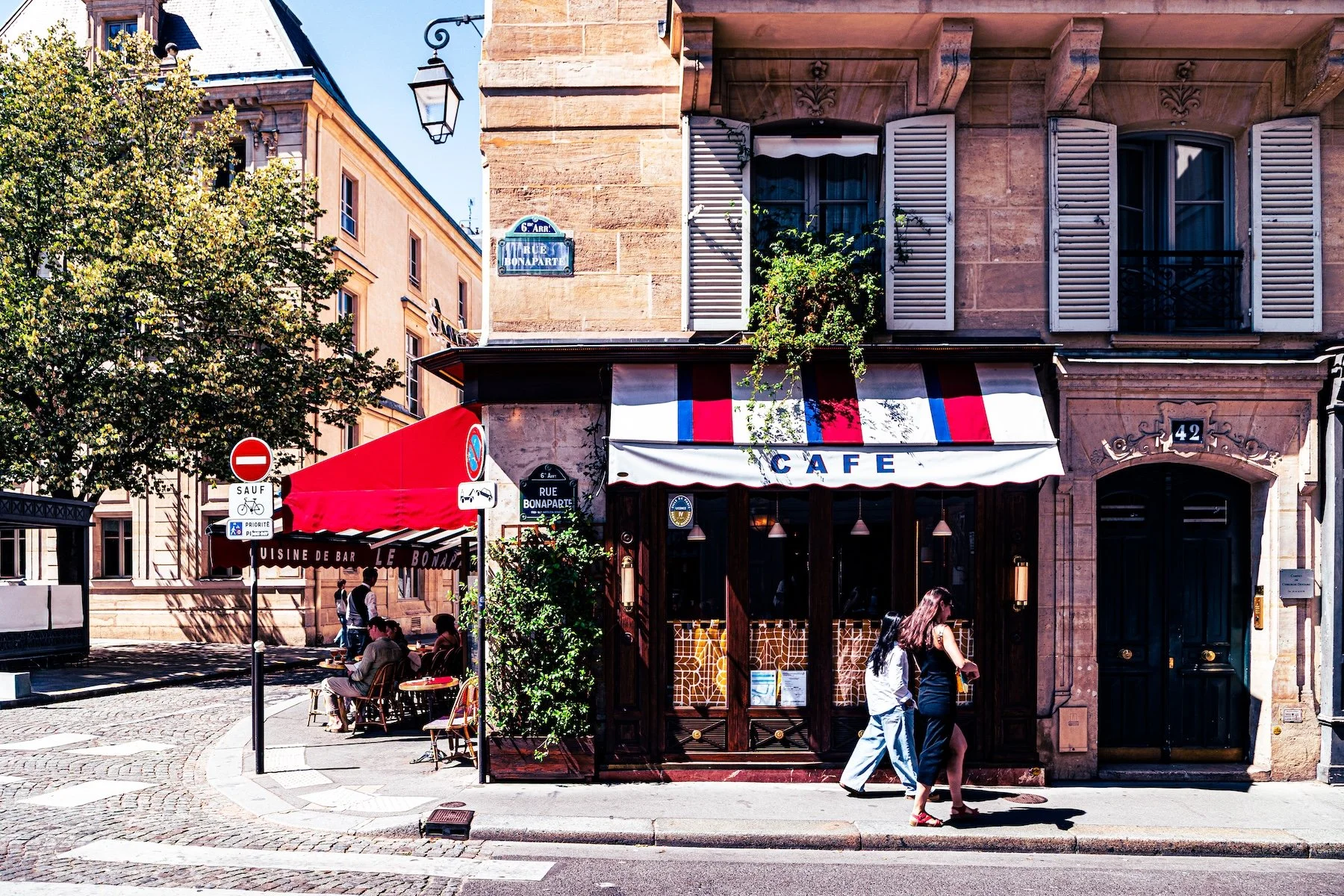
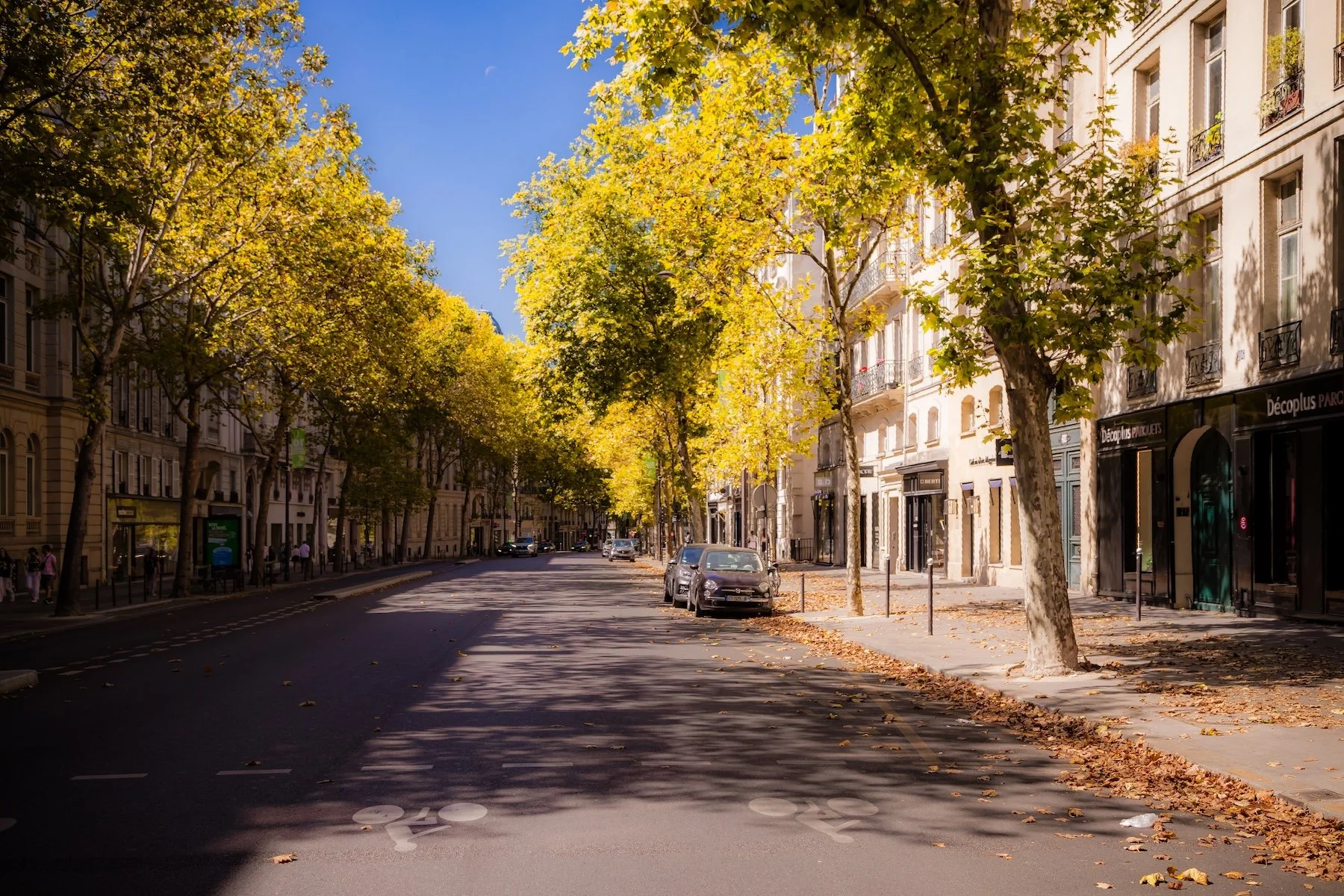
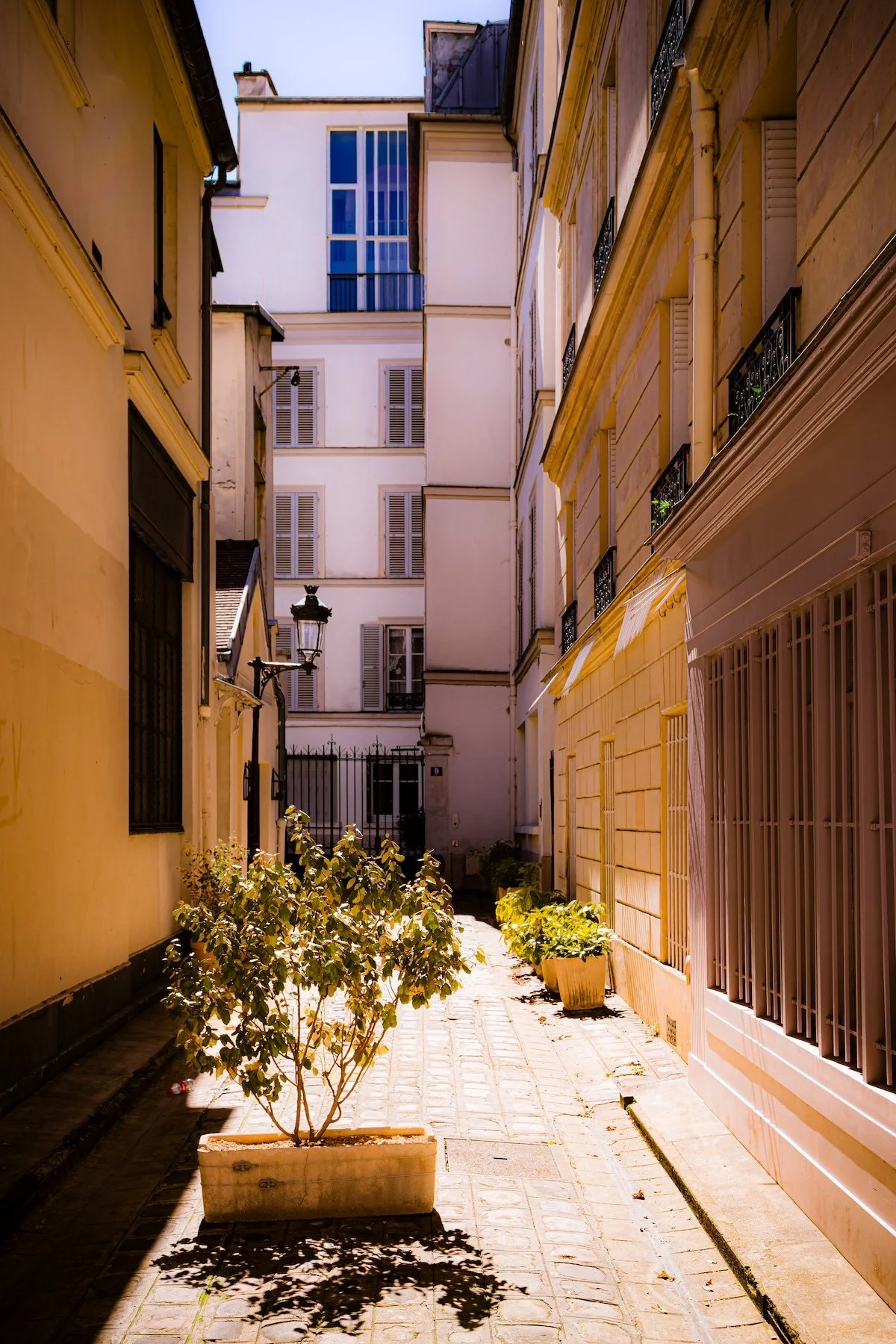
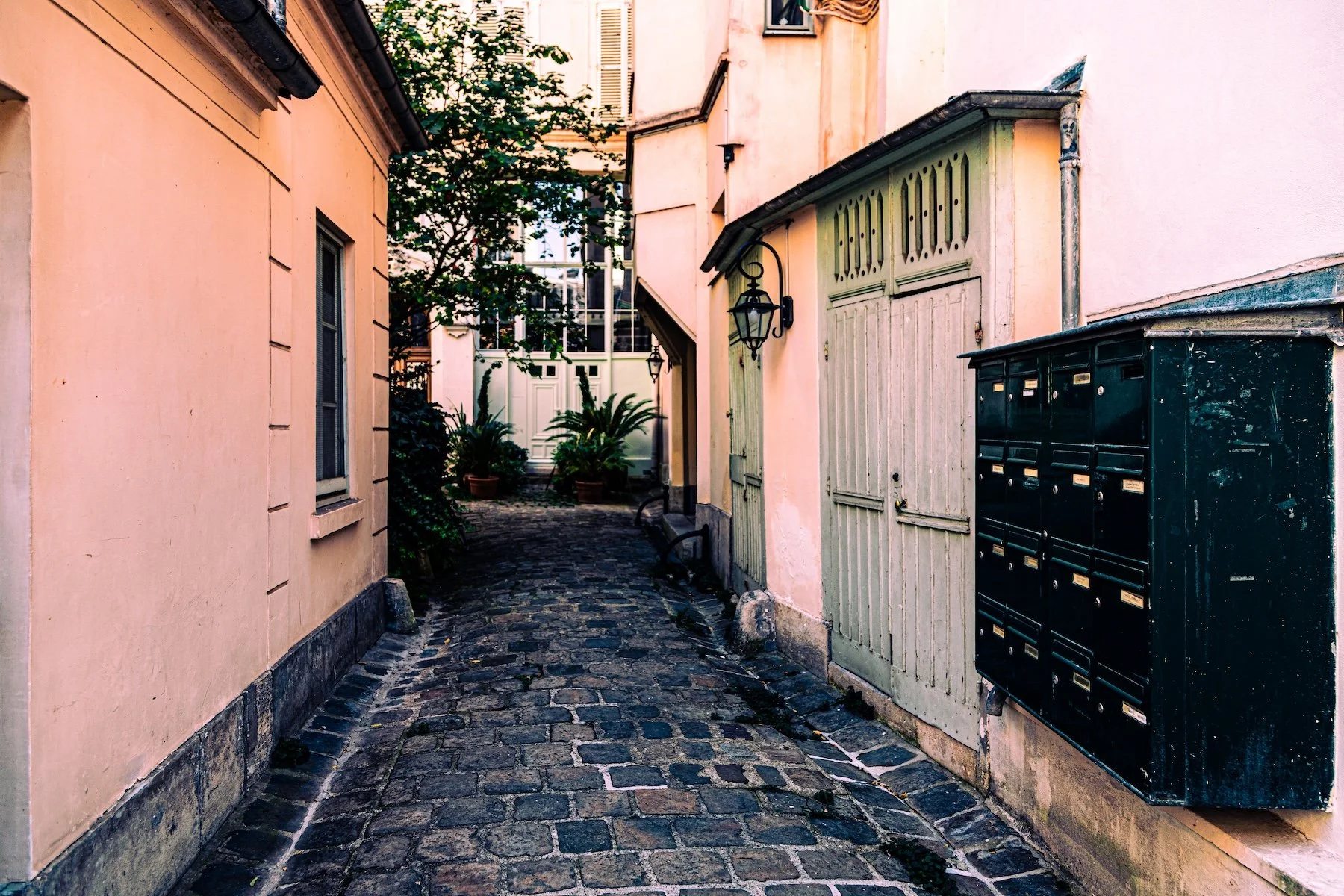
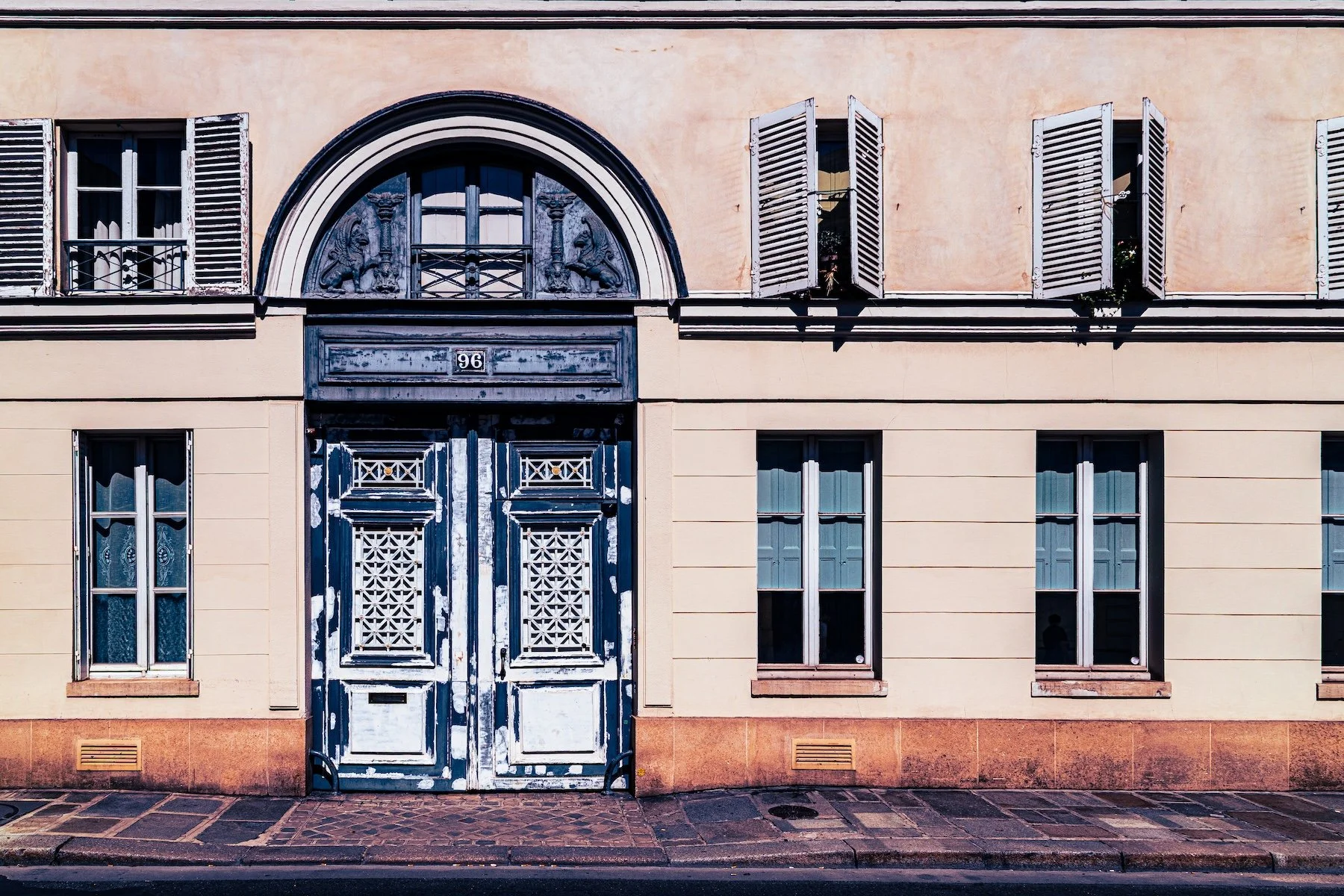
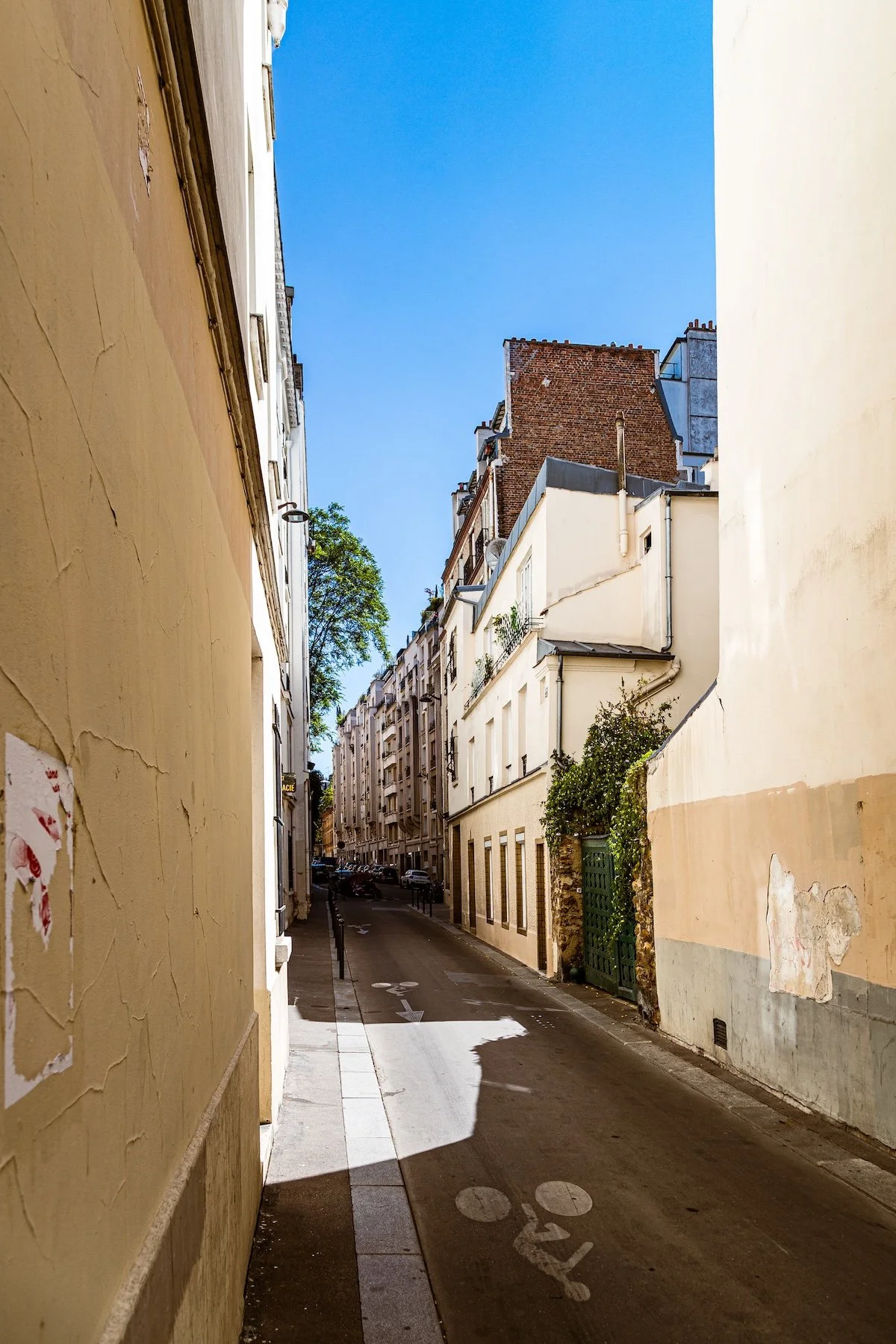
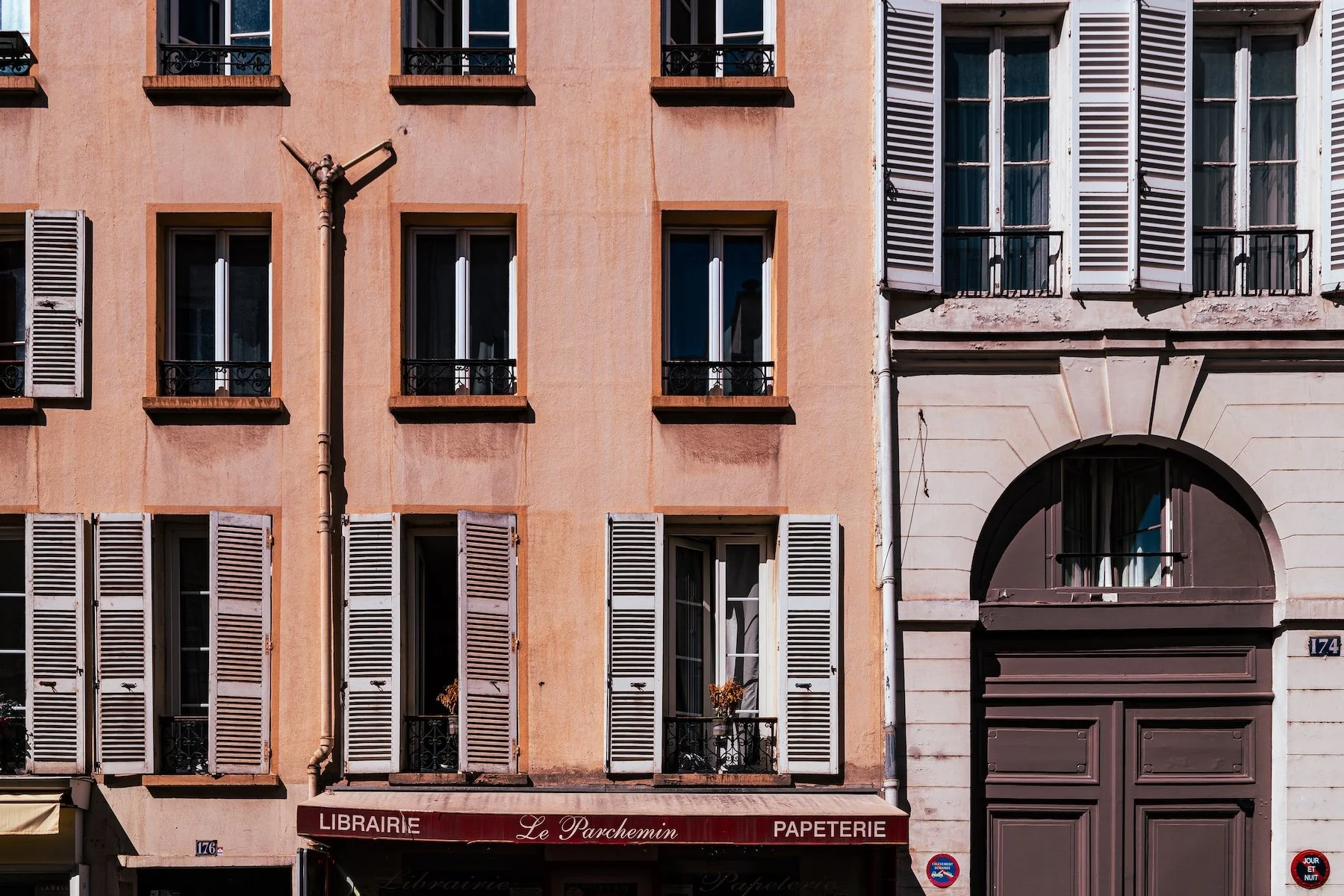
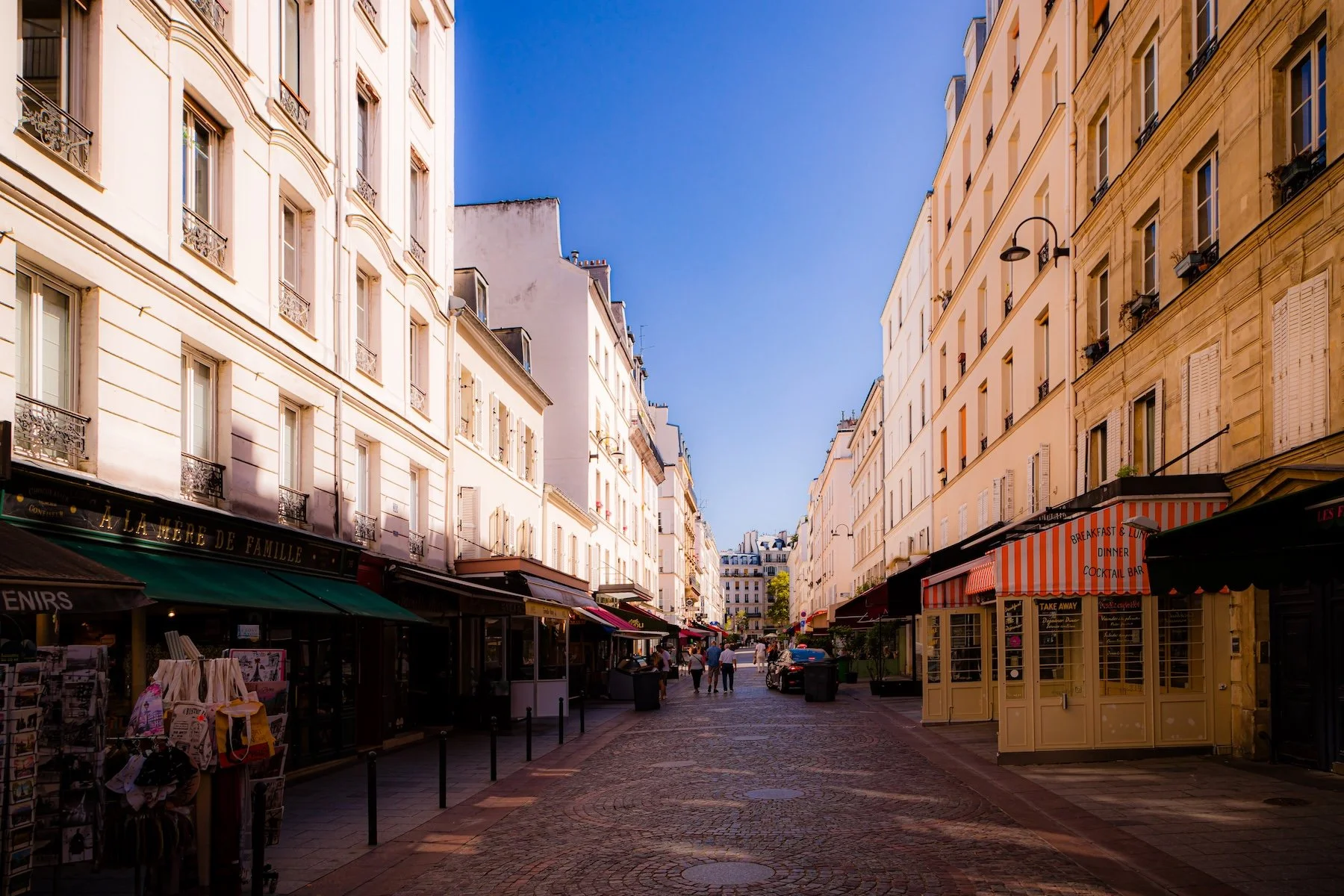
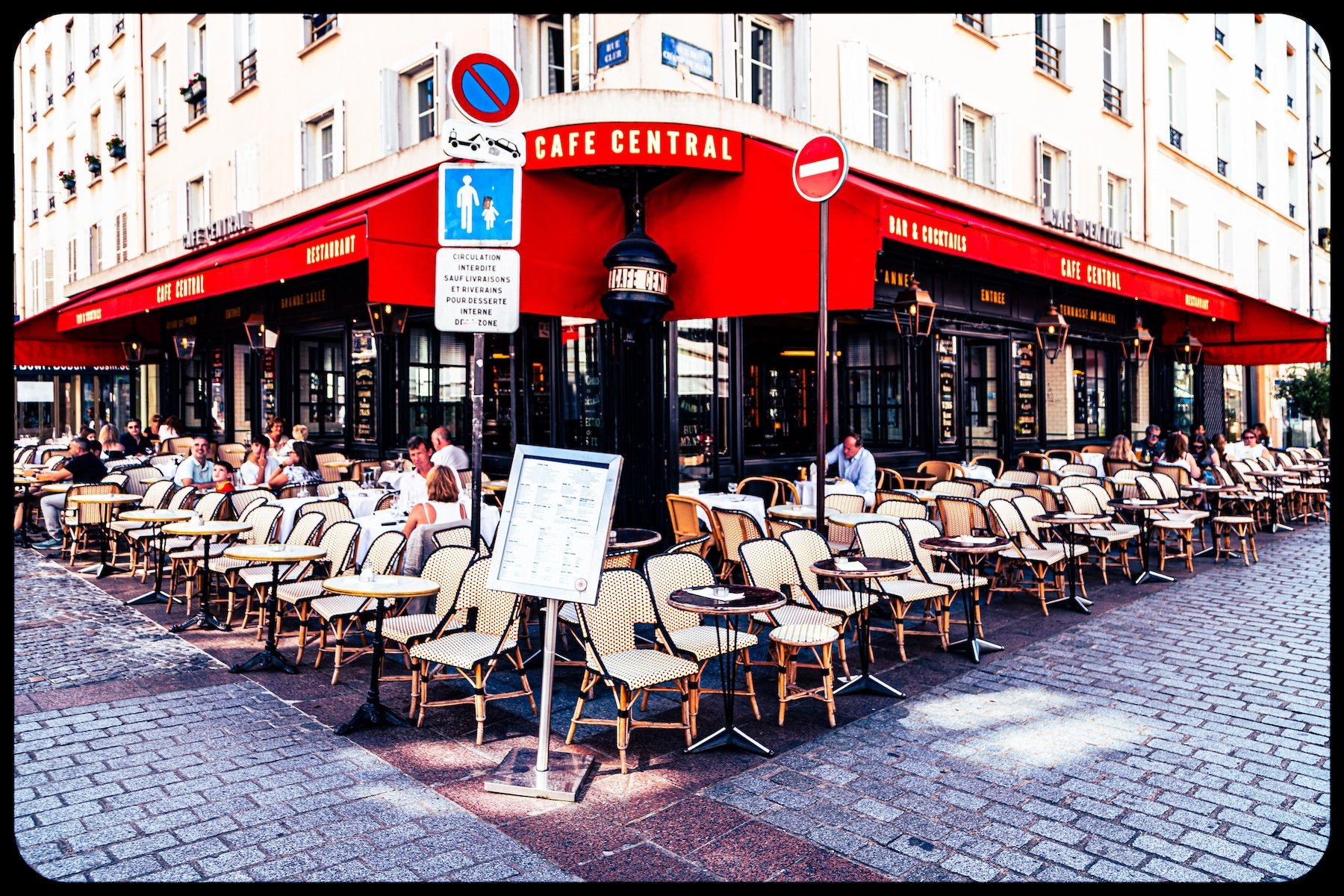
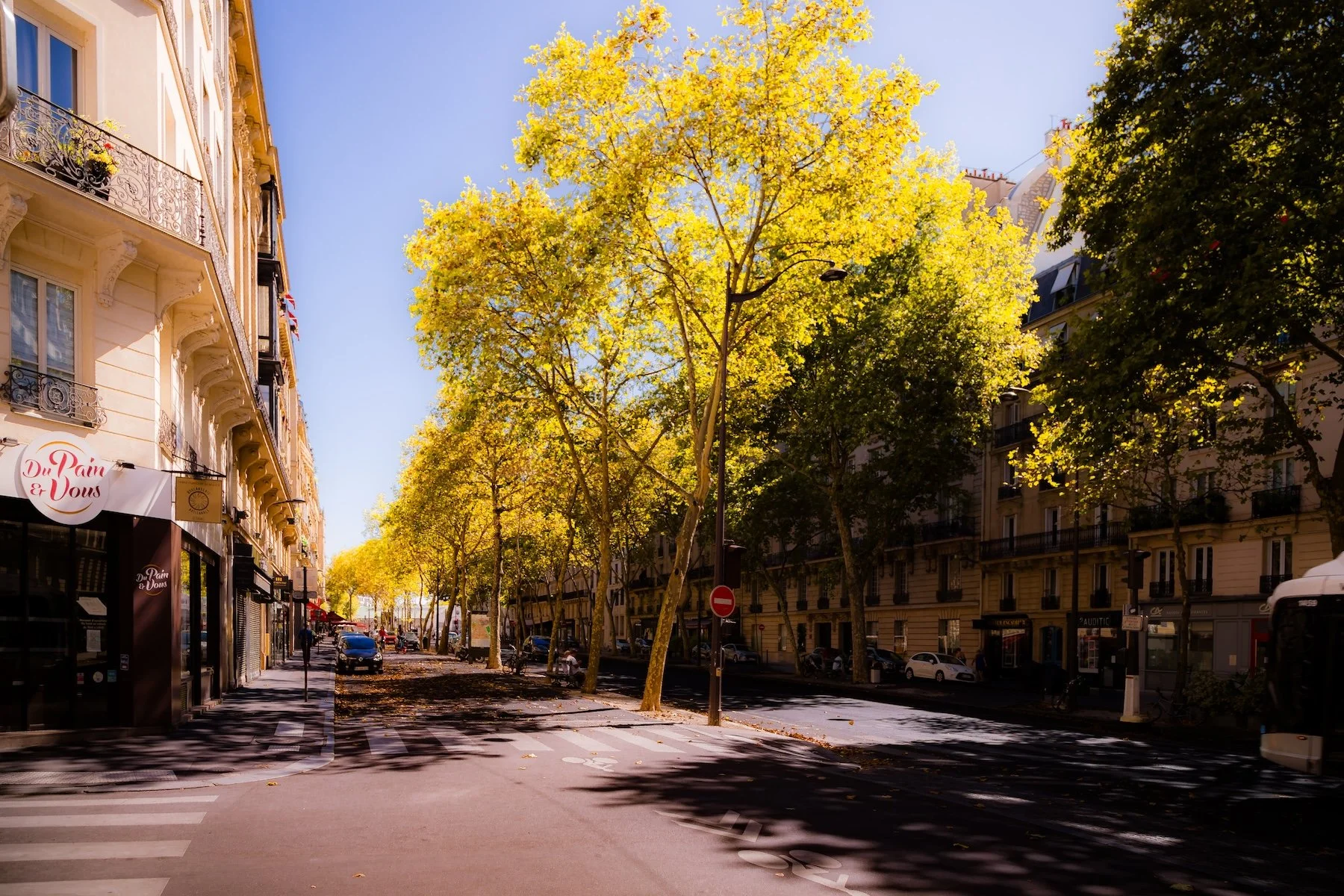
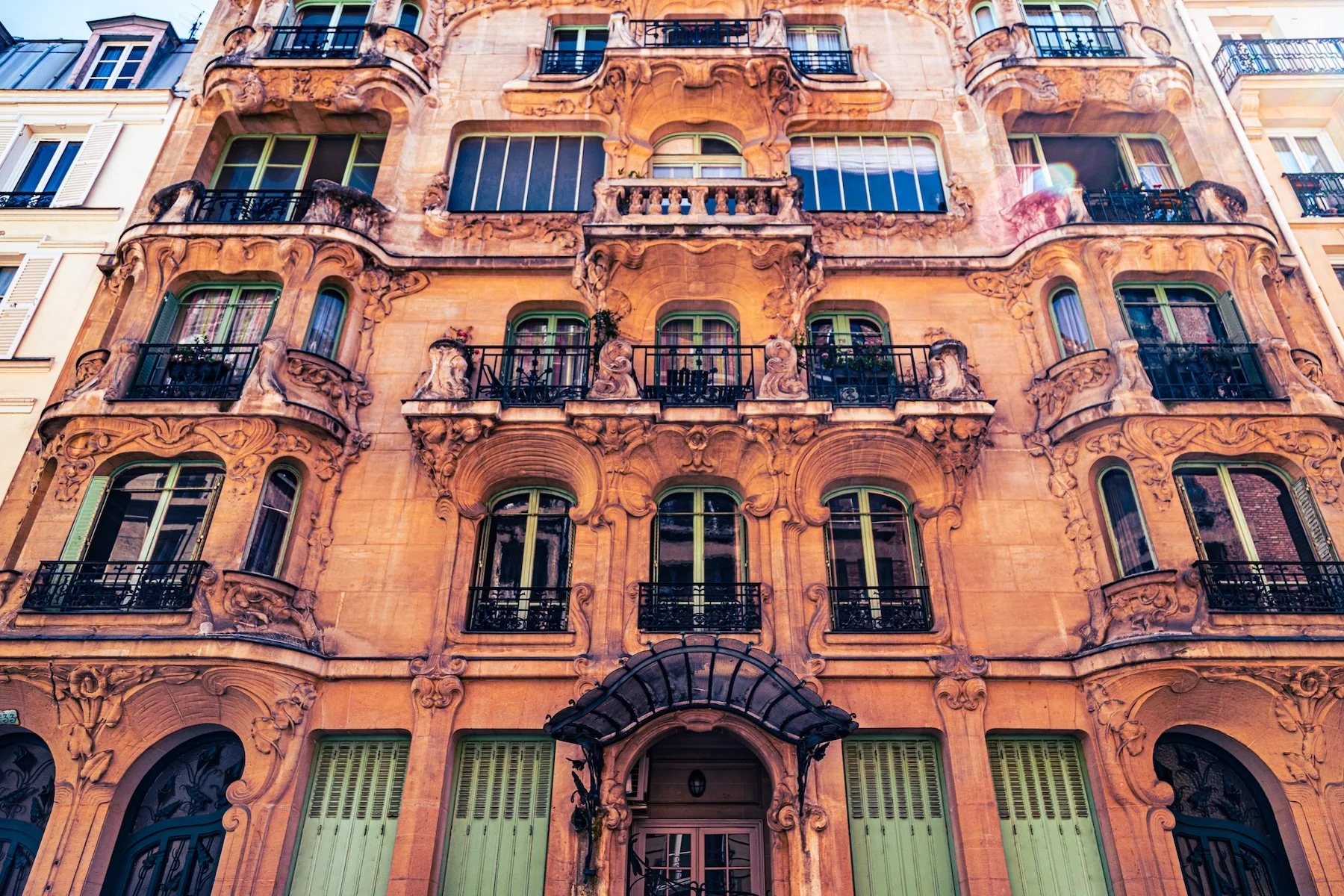
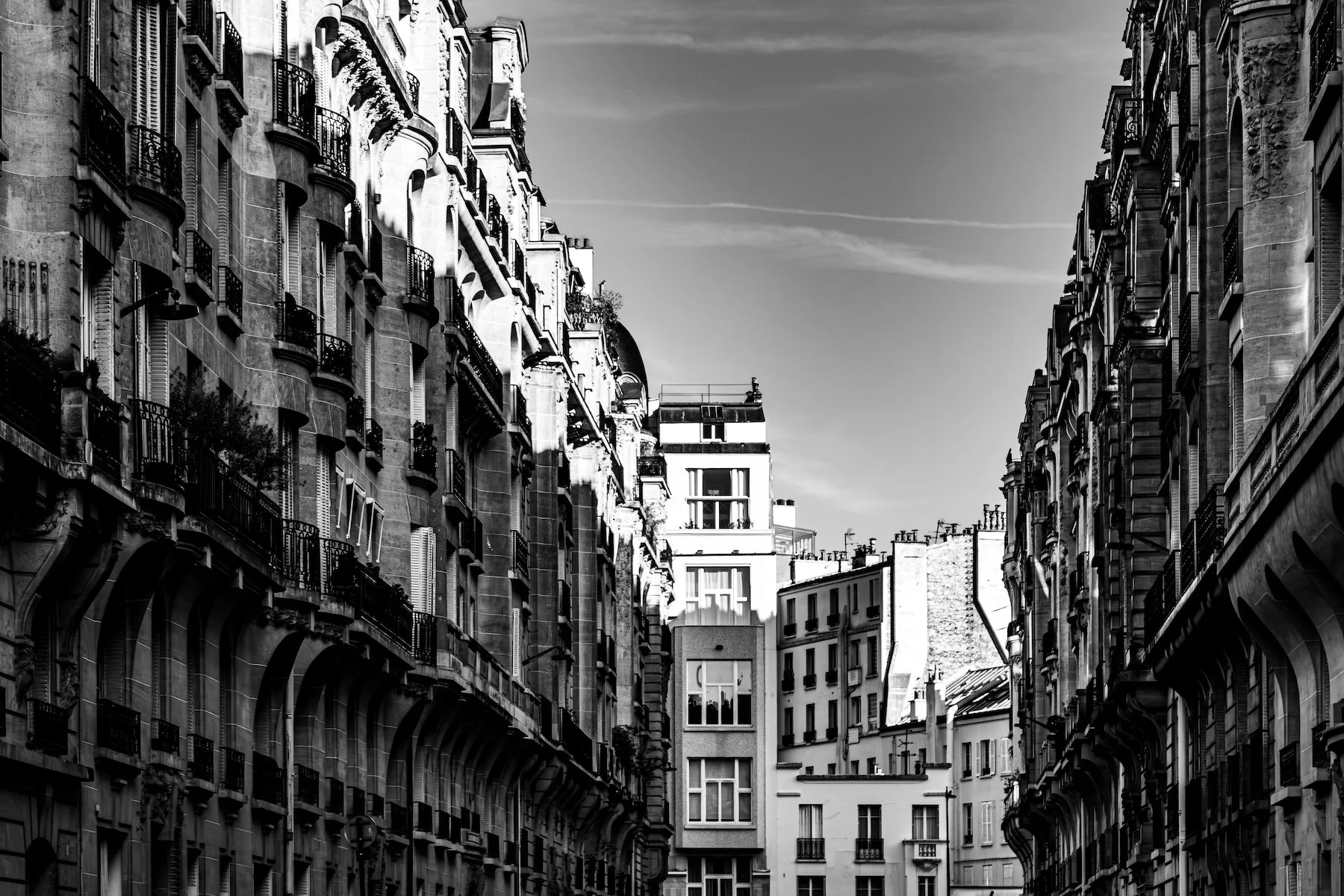
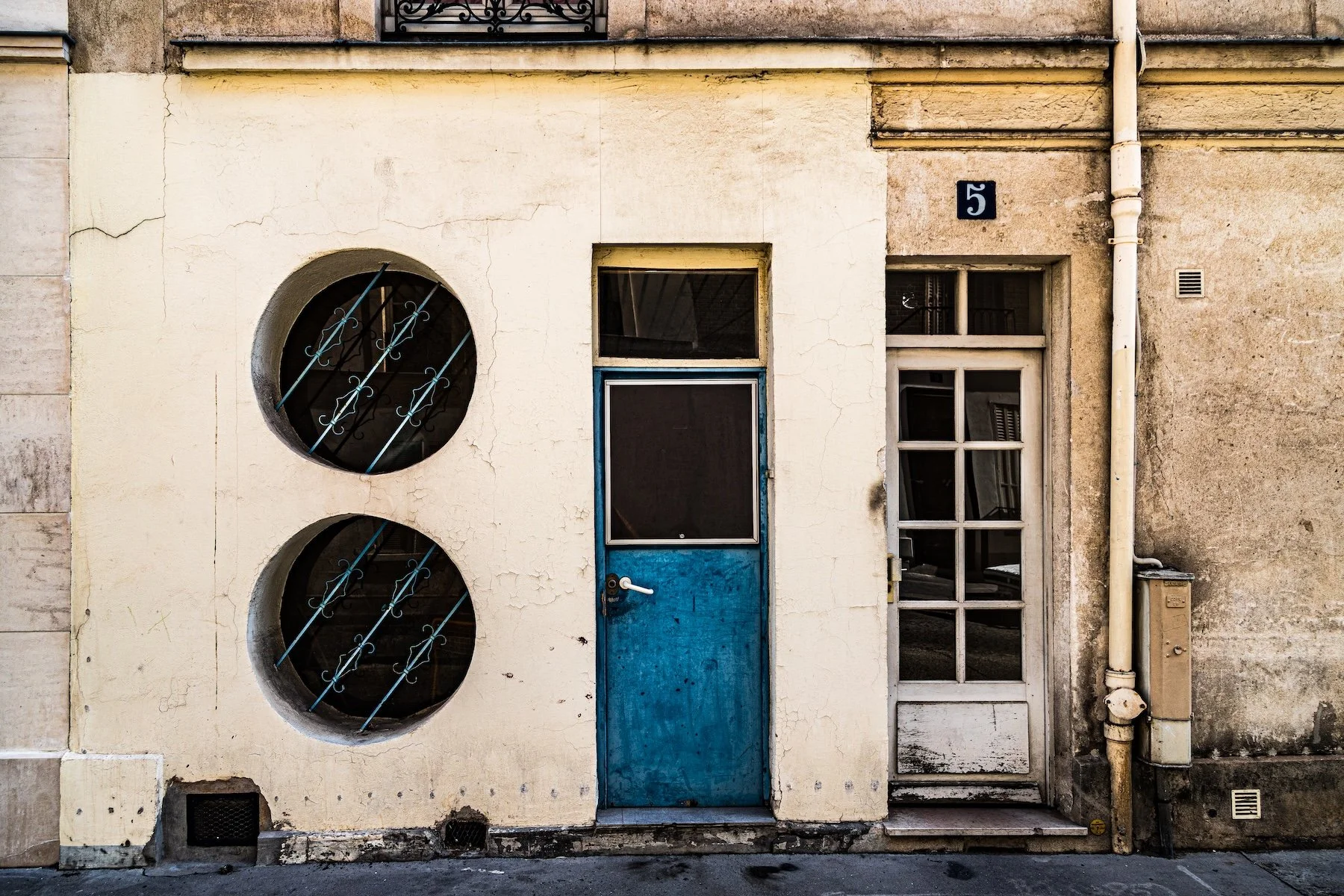
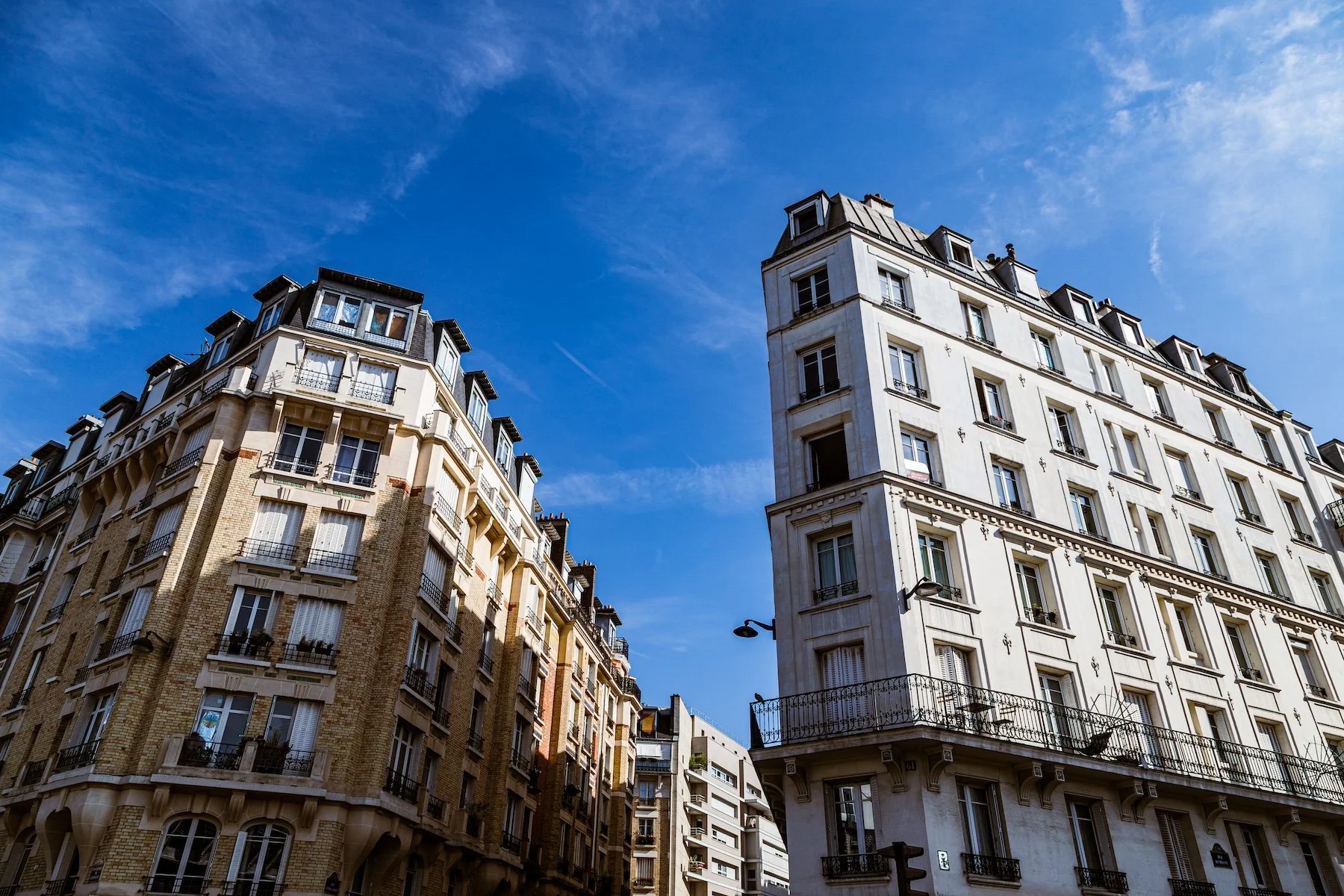
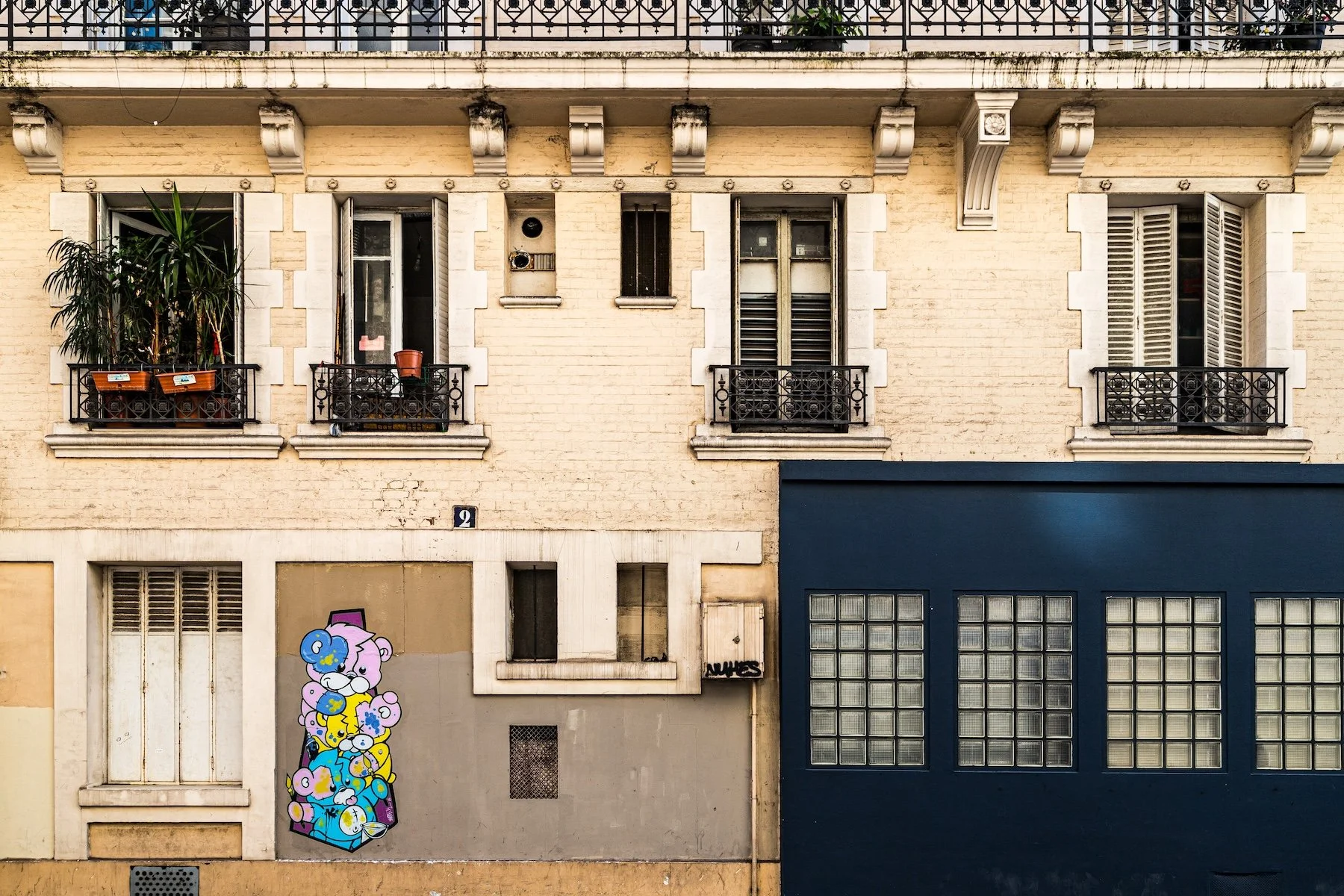
Photographing the arrondissements means moving between the official map and the street-level experience. The camera does not treat each arrondissement as visually uniform. Instead, it looks for the recurring forms, textures, transitions, and contrasts that make each district legible: the geometry of boulevards, the shade of plane trees, the repetition of balconies, the rise of stairways, the curve of canals, the presence of rail stations, the opening of parks, the weight of monuments, and the intimacy of side streets.
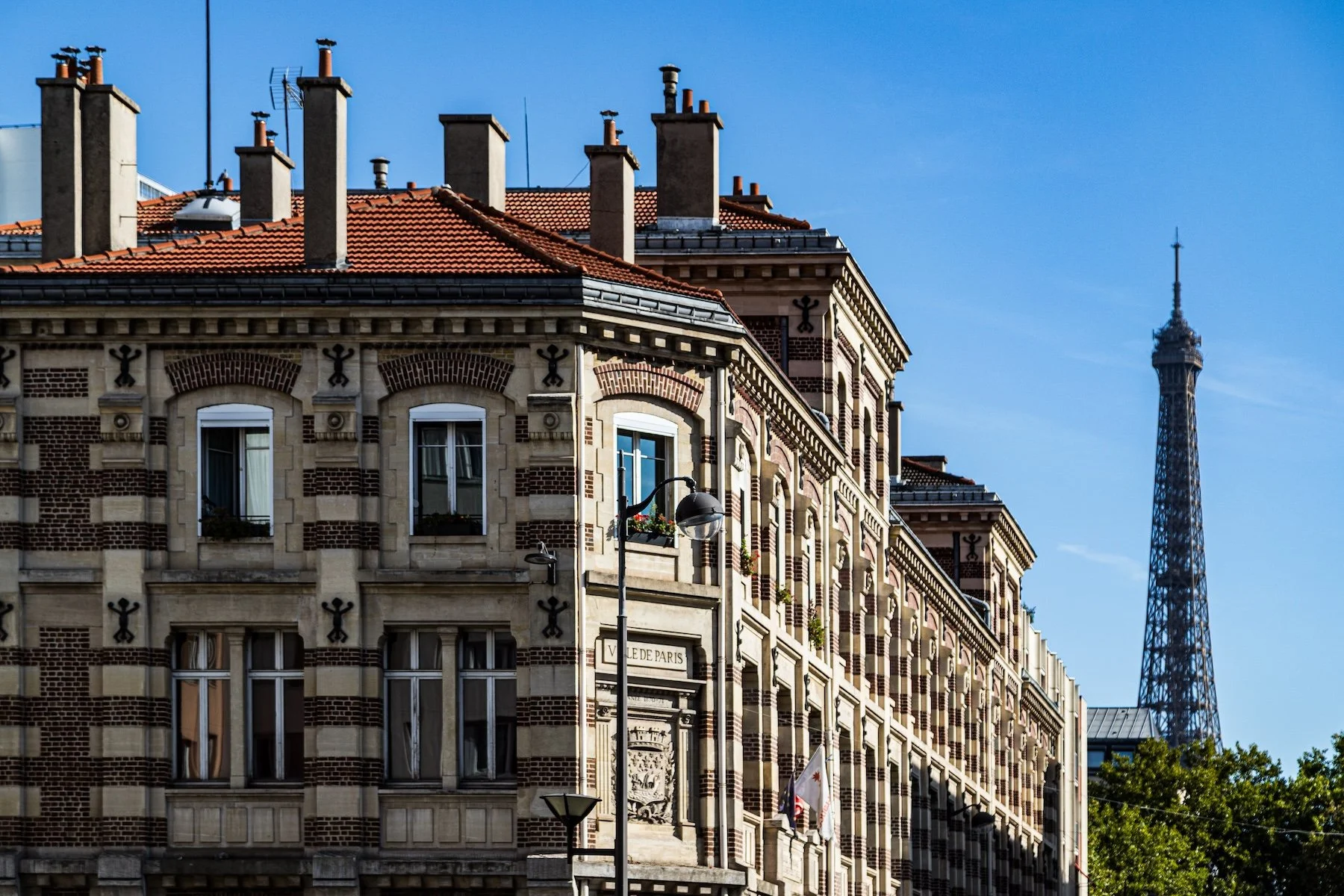
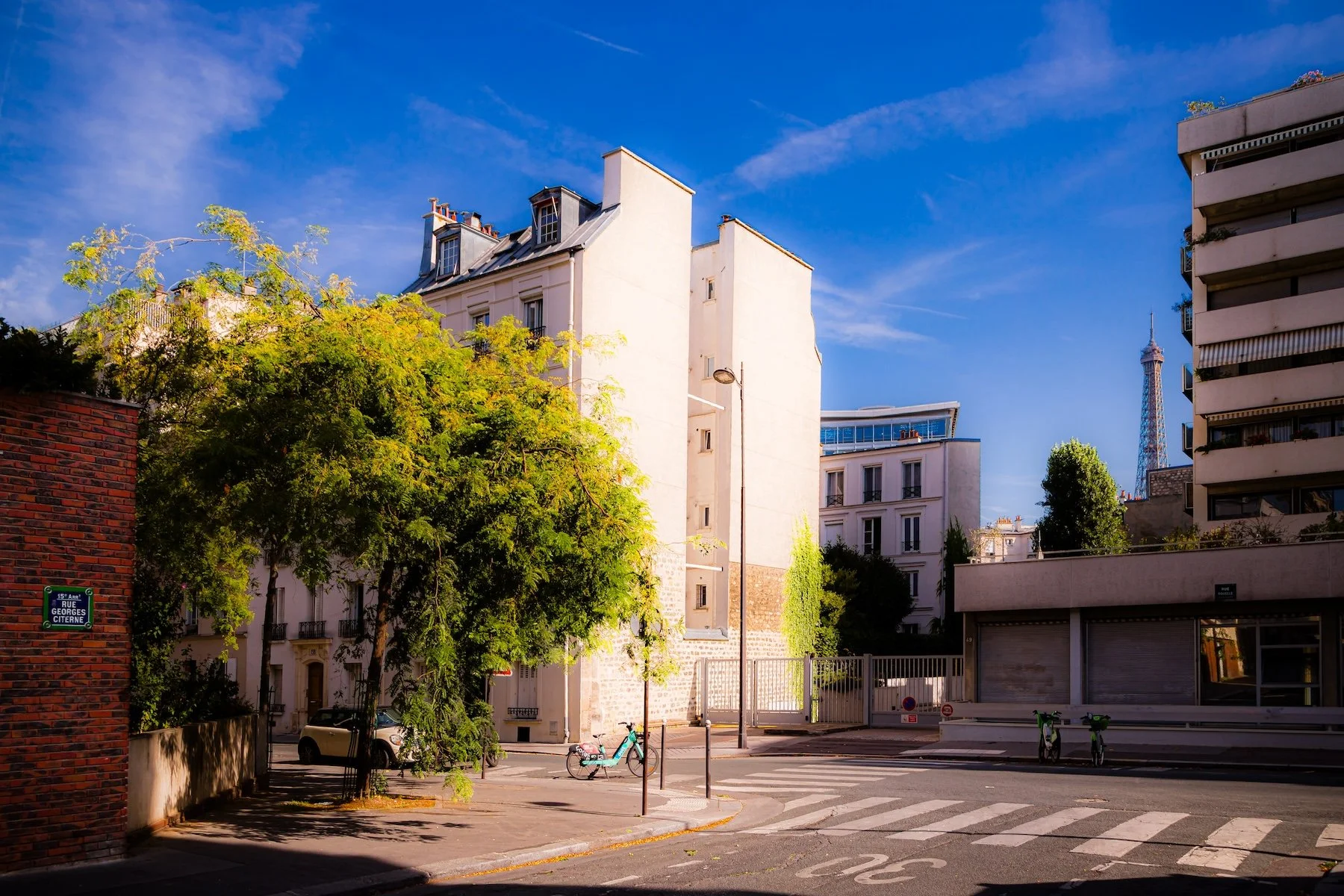
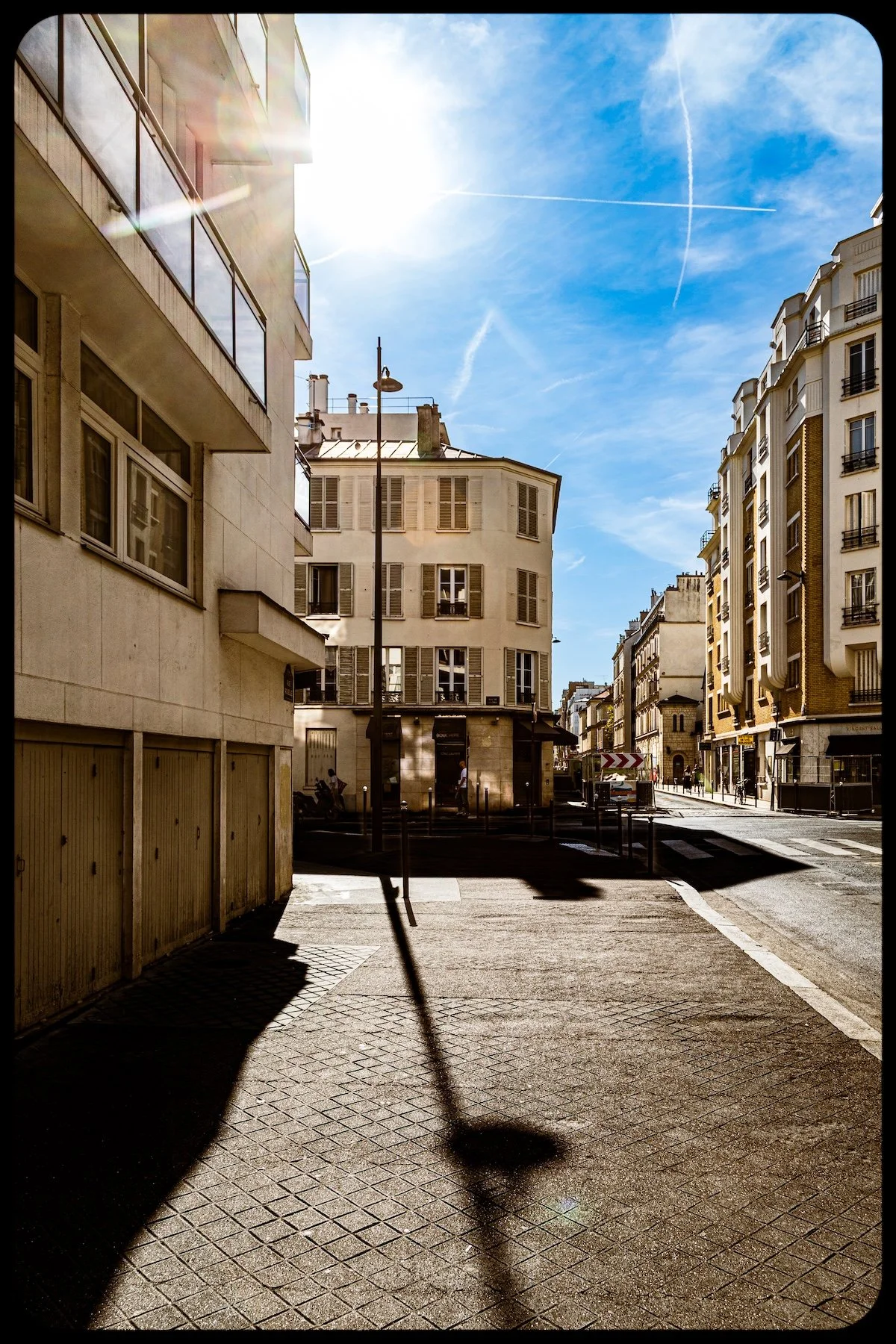
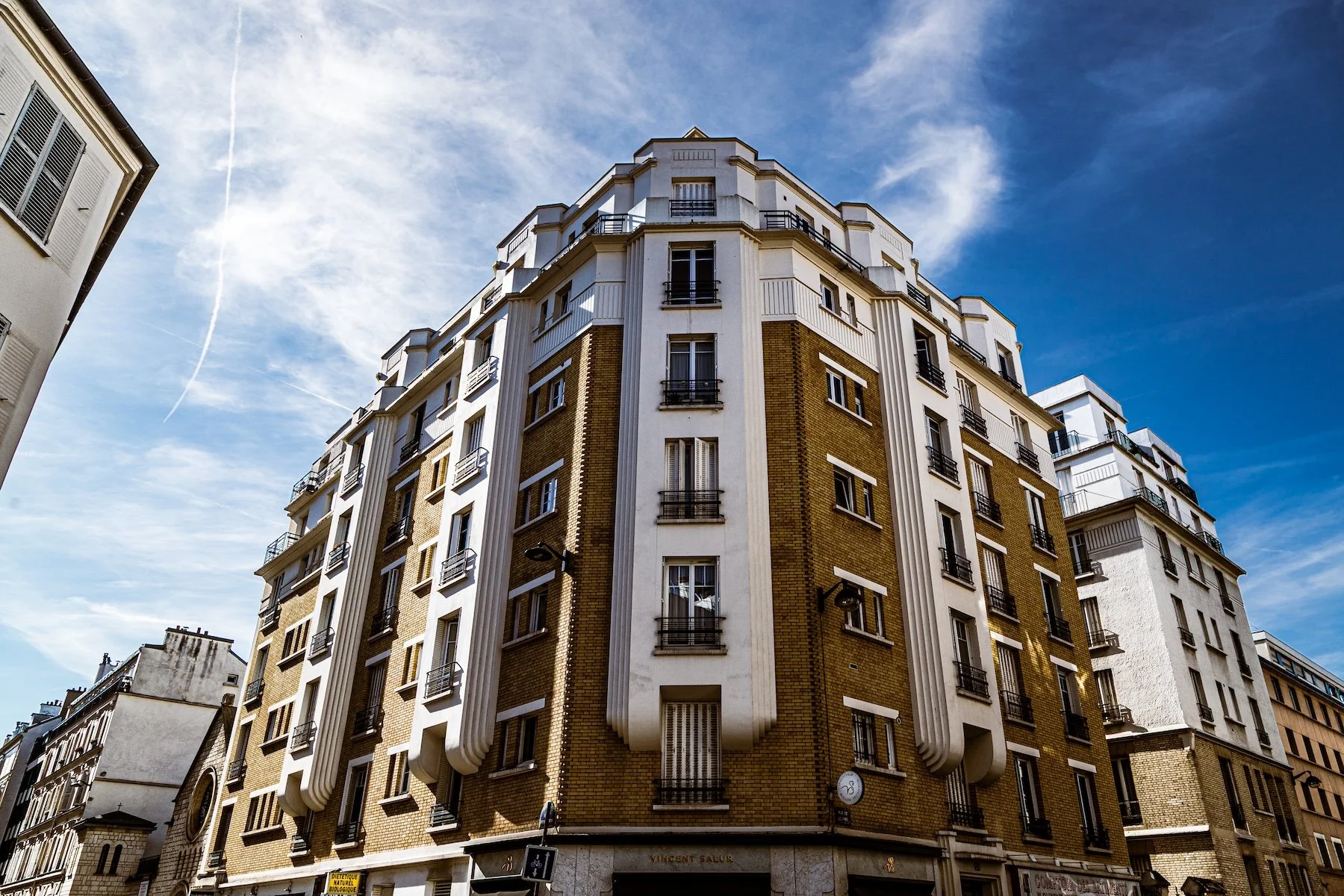
On CityNeighborhoods, the arrondissement provides the frame, but the photograph comes from the encounter between map, movement, light, and observation. As the Paris photography is processed, this section will connect each arrondissement more directly to the project’s Photographic Lexicon: the visual strategies, recurring motifs, and compositional patterns that shape how the city is seen through the lens.
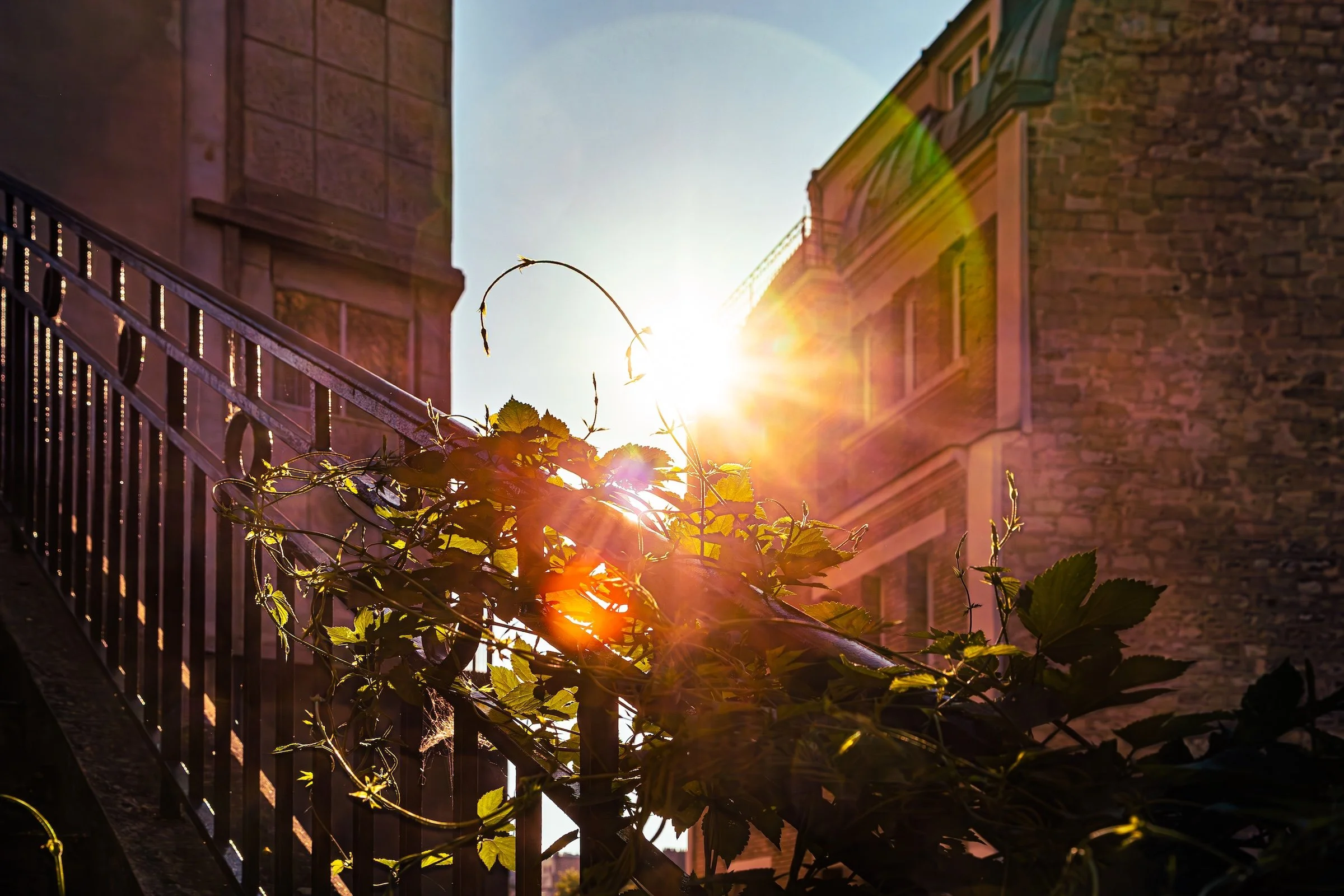
If you visit Paris, these ideas can help inspire your own photography.
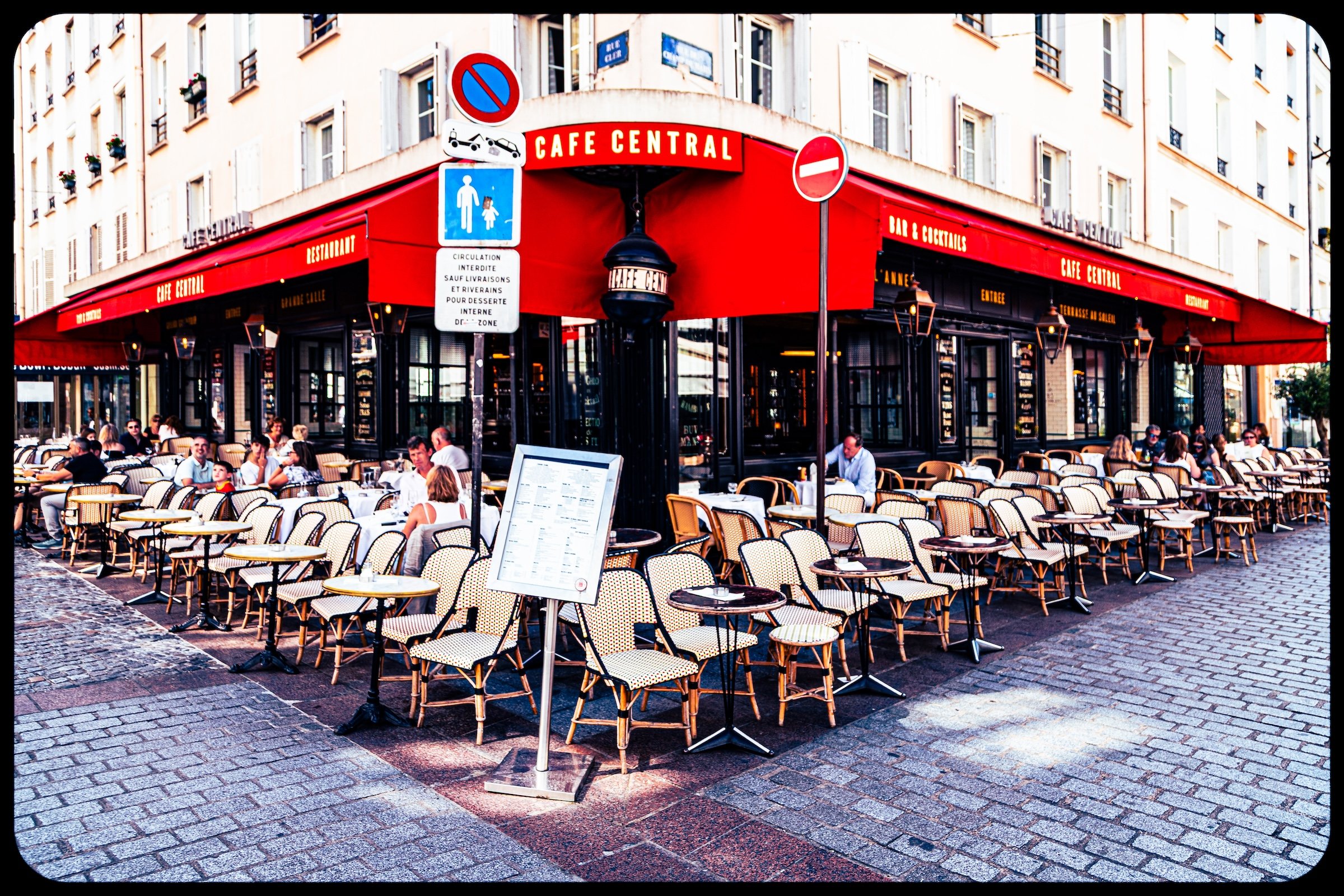
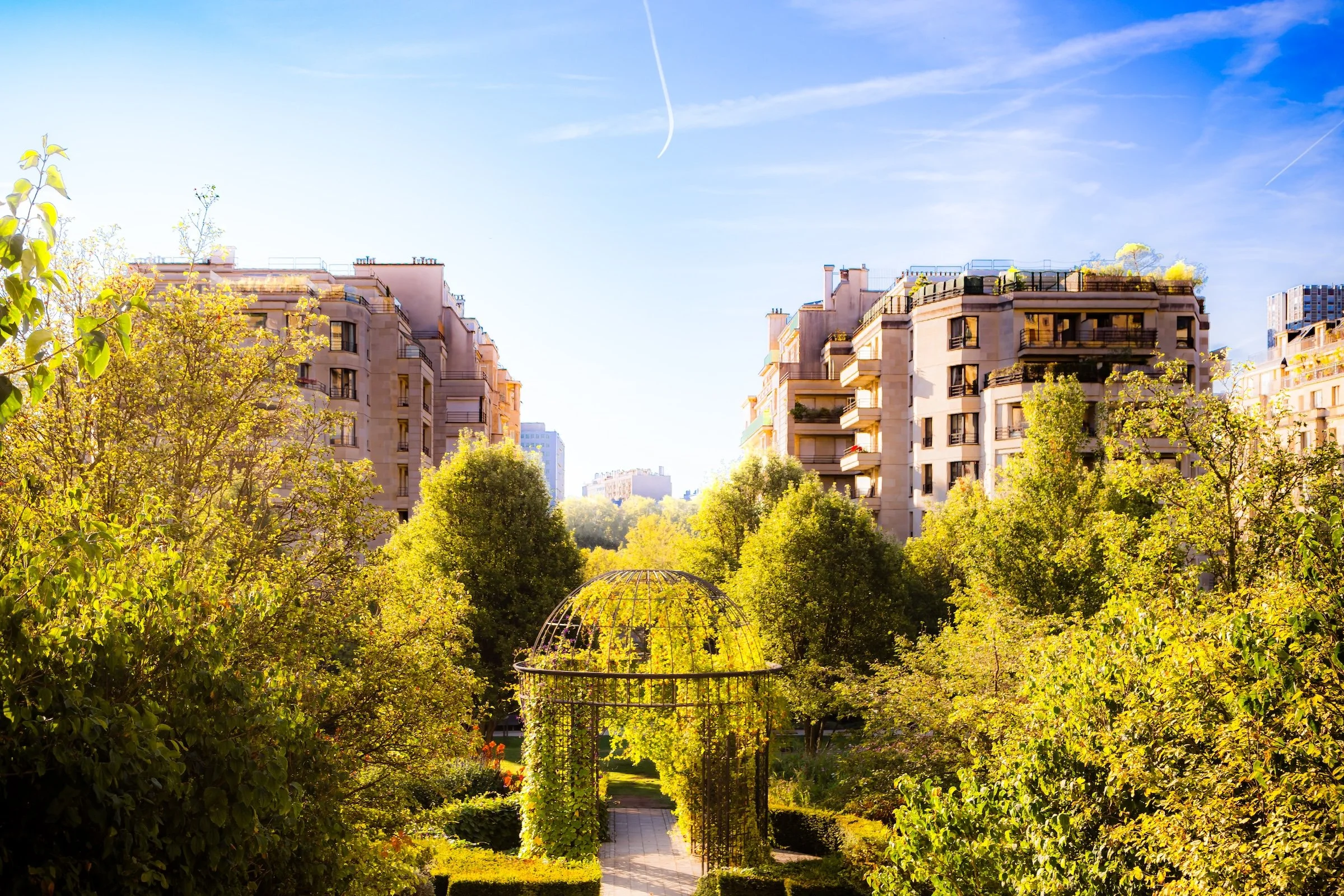
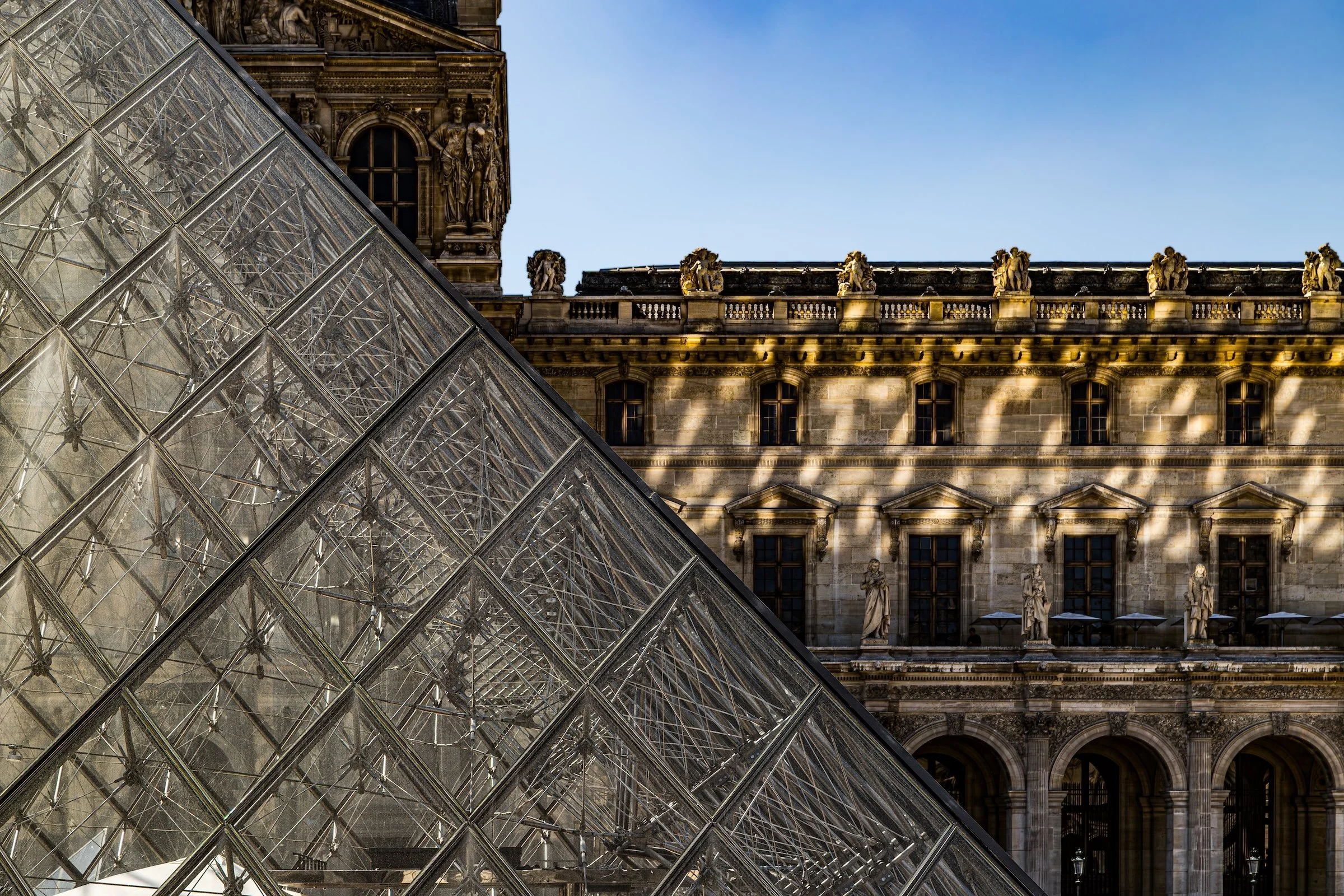
Paris: J’Espere, Je Rêve, Je Vive
Paris Photo Gallery
Paris Field Notes
-
Field Note: August 18, 2025 | 07:58 AM
Conditions: 73°F | Humidity: 72%.
Within the park's interior, the glacial kettle ponds acted as humidity traps, creating a soft, hazy light that filtered through the old-growth oaks. The transition from the park's dense shade to the sun-drenched edges of Oakland Gardens highlighted the day's exceptional "picture-perfect" clarity.
There is a fleeting window in Queens where the humidity of August hasn't yet heavy-set, and the morning sun hits the canopy of Alley Pond Park at a perfect oblique angle. Arriving just before 8:00 AM, I watched the light break through the oaks and tulip trees, casting long, dramatic shadows across the wet grass. It’s in these quiet, golden moments that the park feels less like a city escape and more like the ancient glacial valley it actually is.
Other neighborhoods visited:

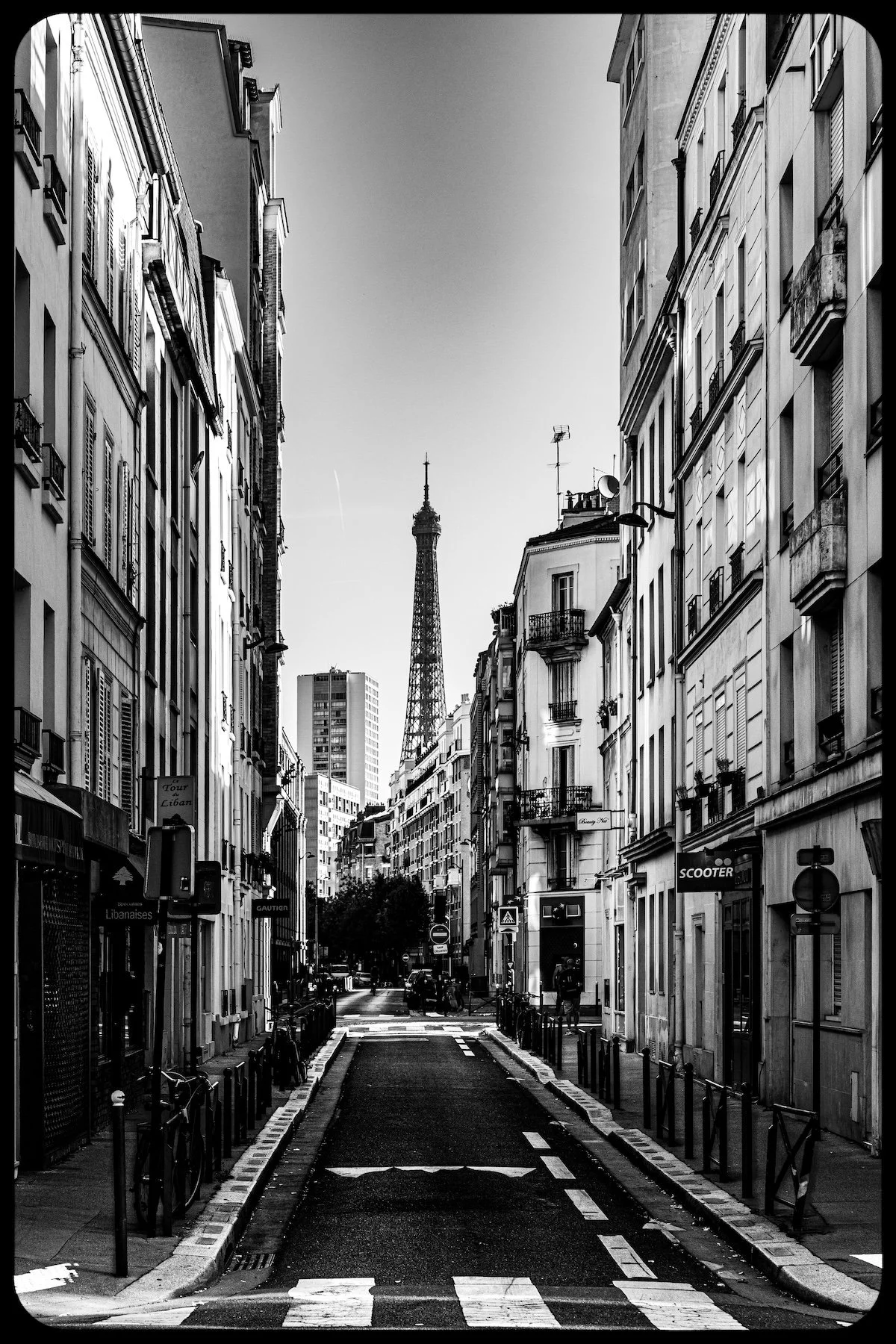
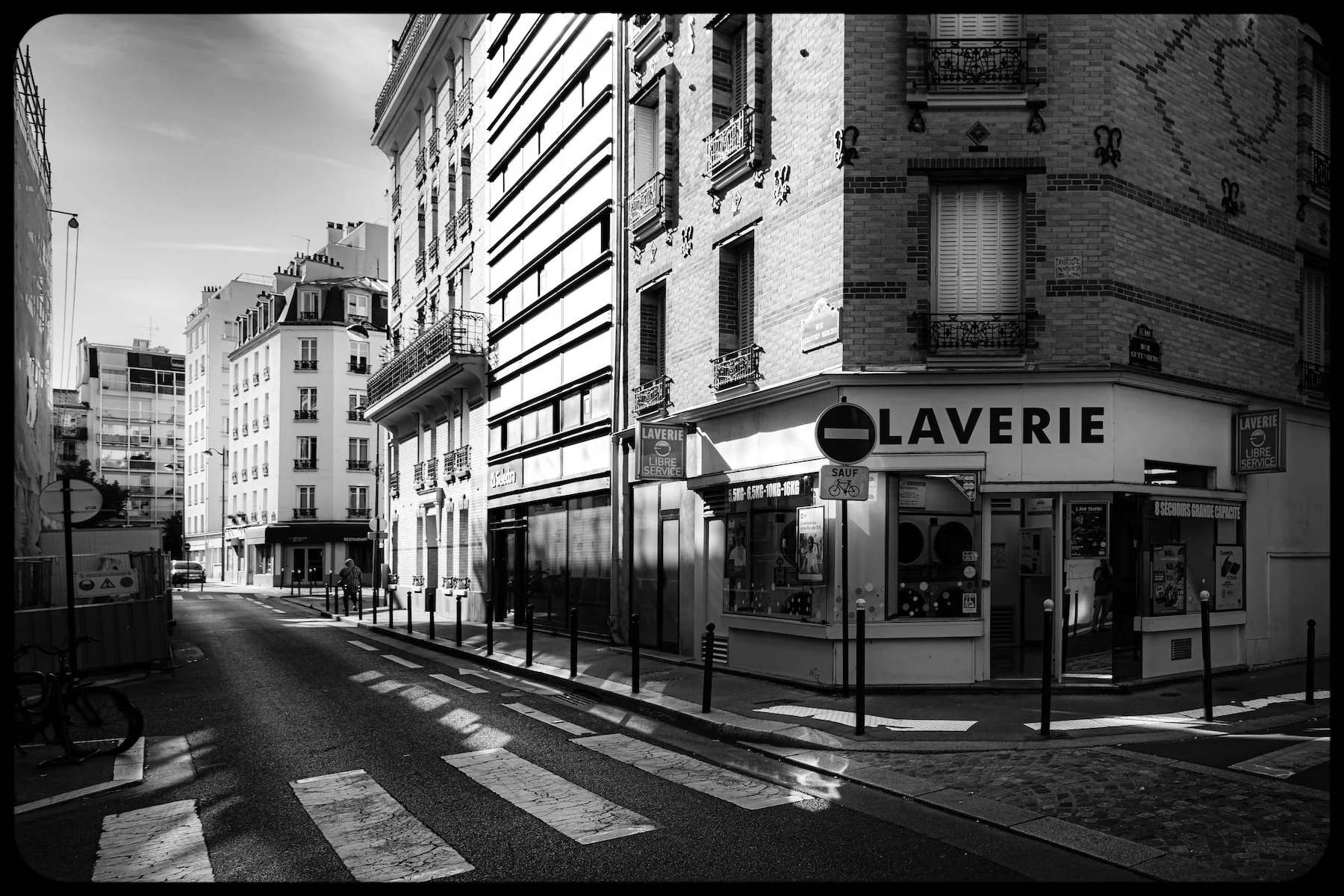
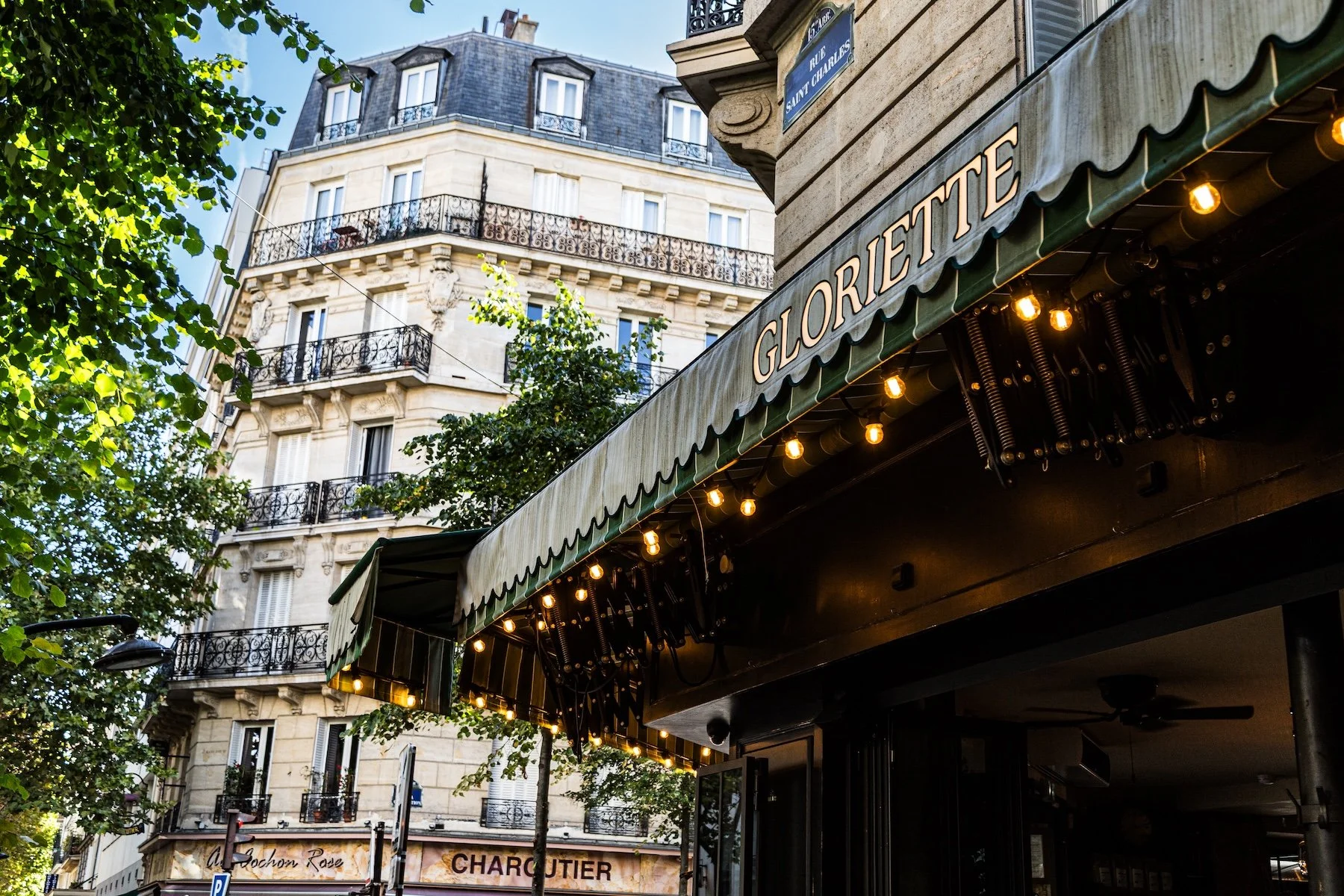
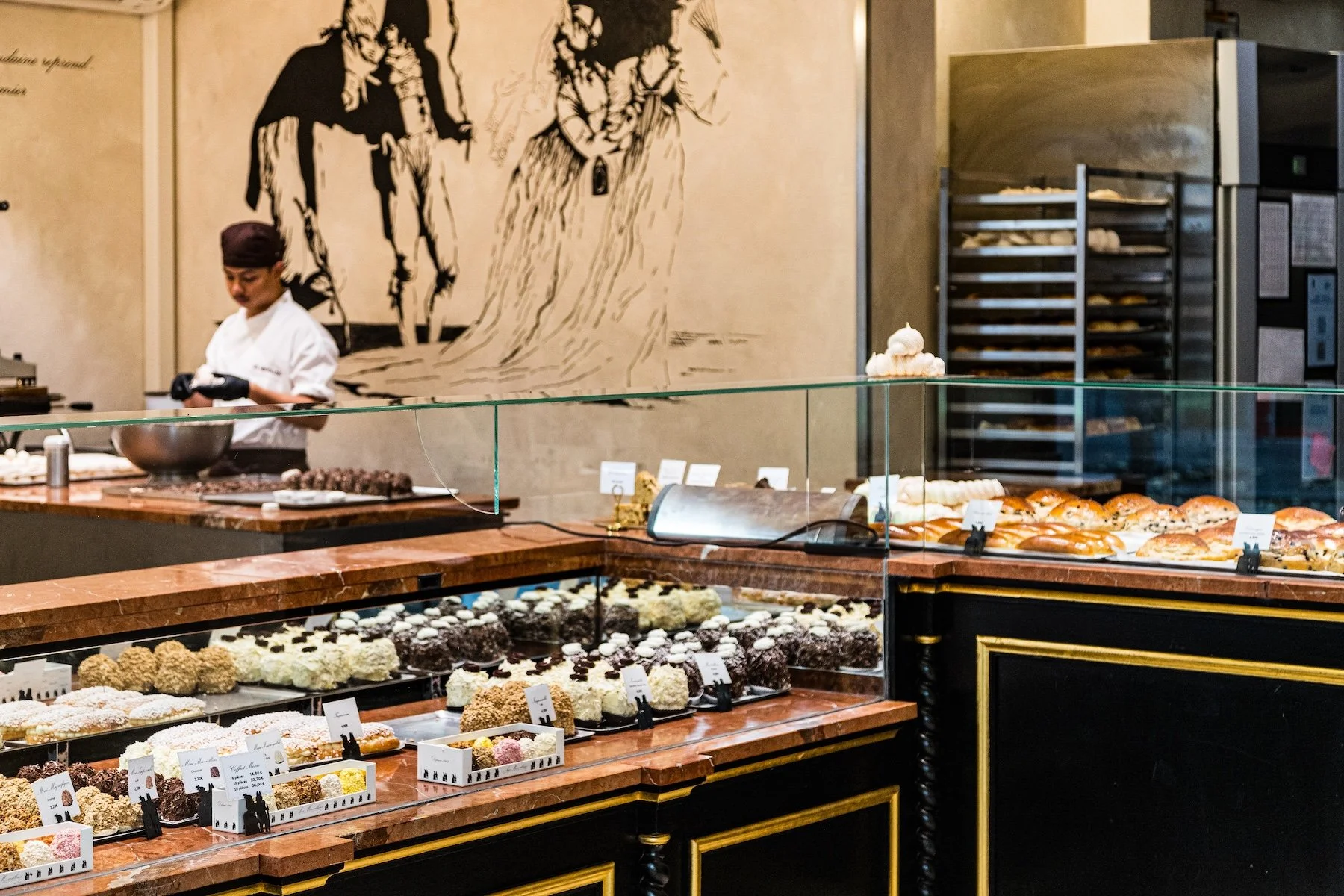
Explore Paris
-

The twenty arrondissements form the civic spiral of Paris, organizing the city into its broad local districts of government, identity, and daily life.
-

Each arrondissement is divided into four official administrative quarters, giving Paris a more precise civic and geographic framework.
-

The conseils de quartier bring participation to street level, giving residents a voice in neighborhood needs, public space, and local civic life.
-

Les Deux Rives trace Paris through the Seine’s two banks, revealing how the Rive Droite and Rive Gauche shaped the city’s civic power, commerce, learning, art, and cultural identity.
-

Cultural neighborhoods reveal the Paris people recognize through history, cafés, architecture, memory, atmosphere, and local belonging.