
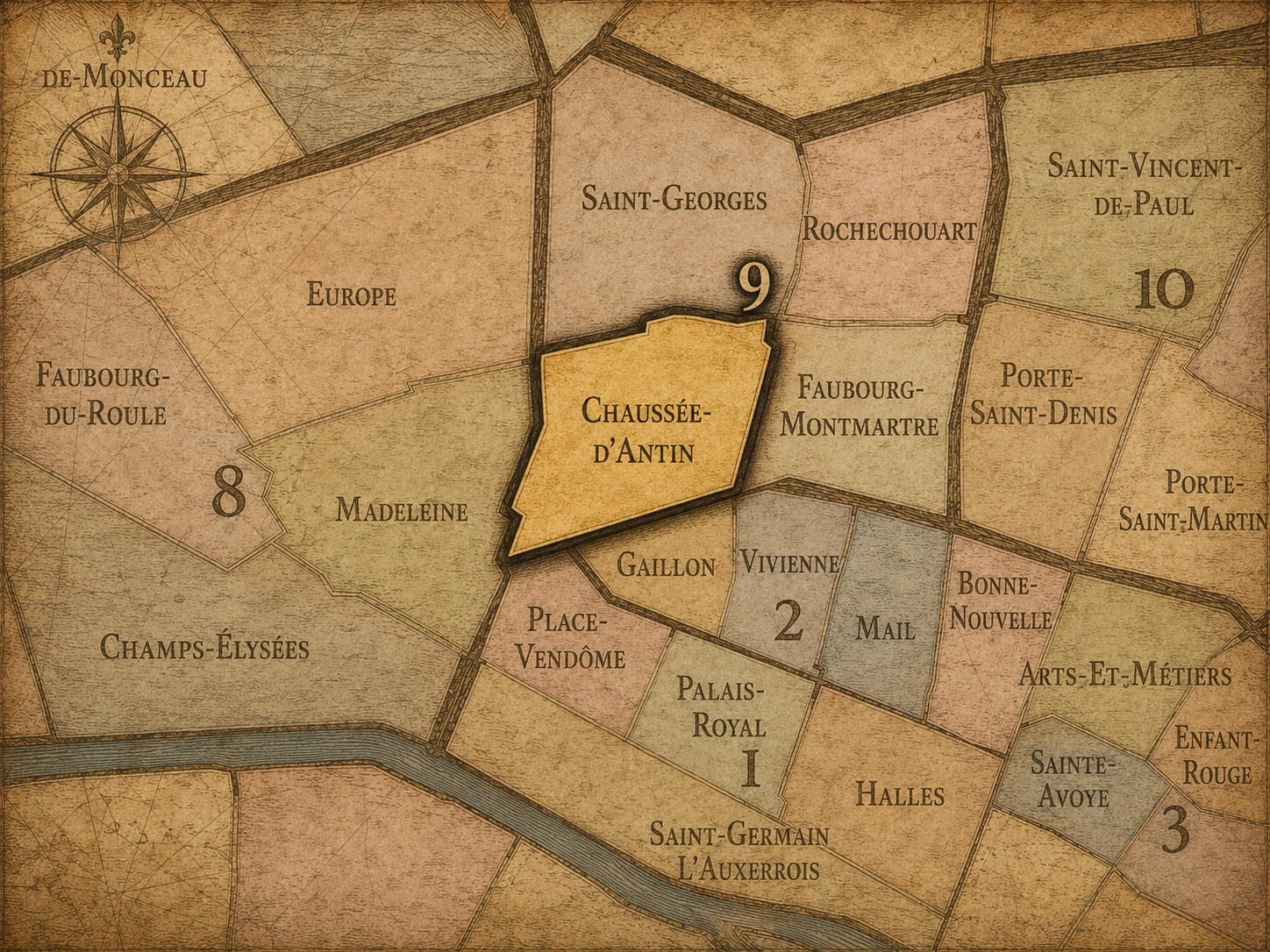
9e - CHAUSSÉE-D’ANTIN
Quartiers Administratifs
Part of an ongoing project to walk and photograph every neighborhood in Paris, this page explores the Administrative Quarter: 9e - Chaussée-d'Antin through maps, district identity, history, and photography.
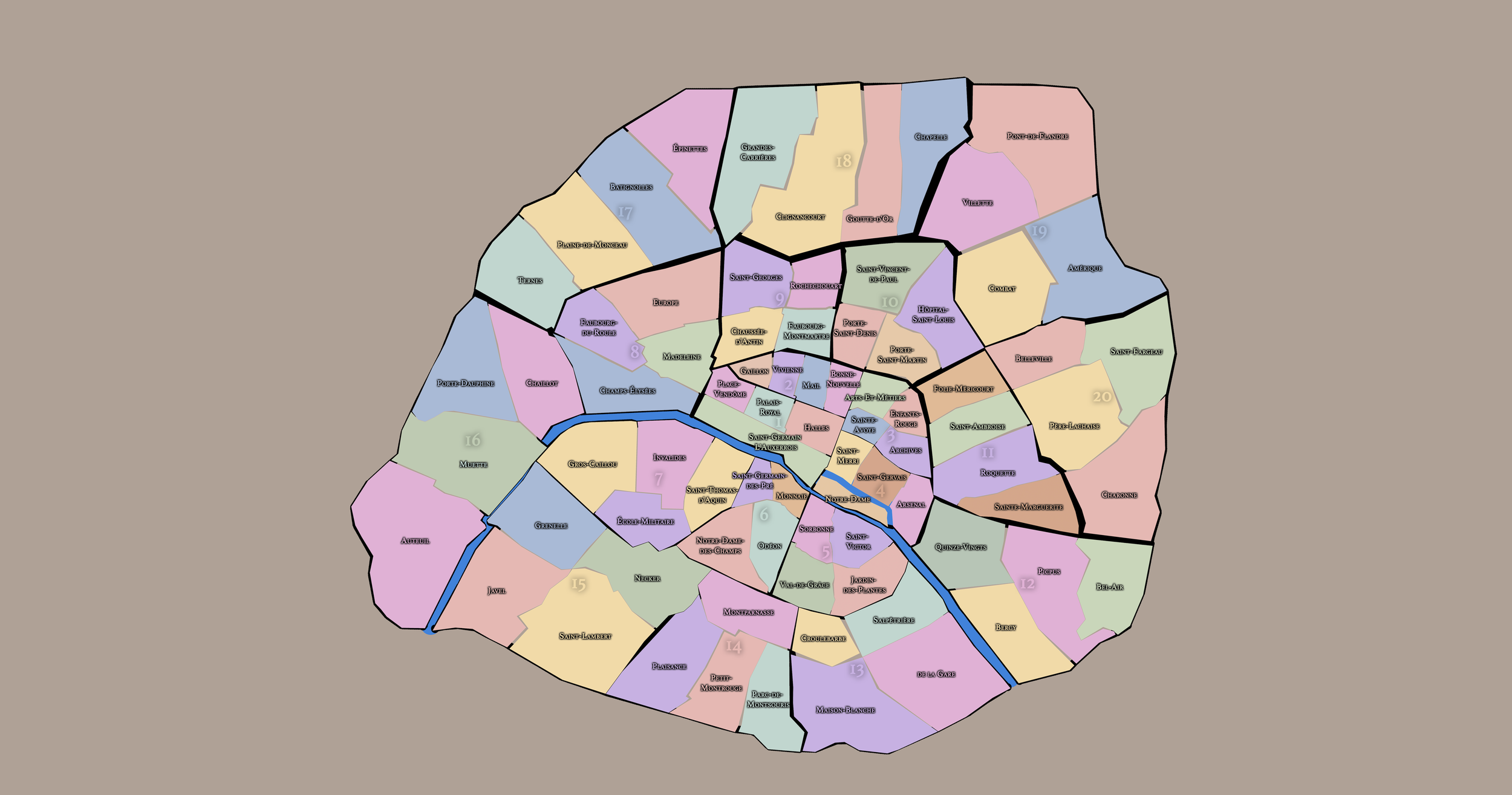
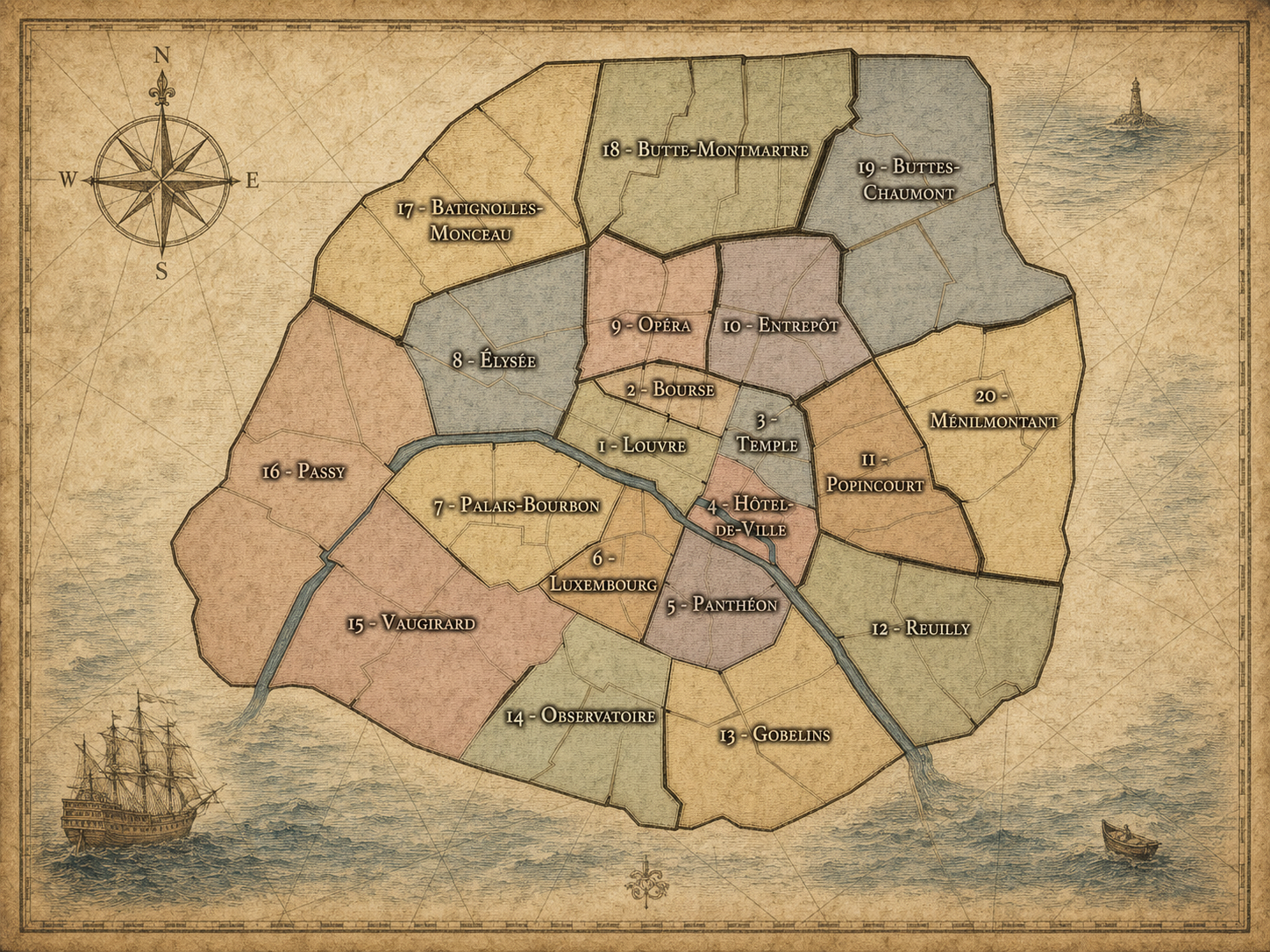
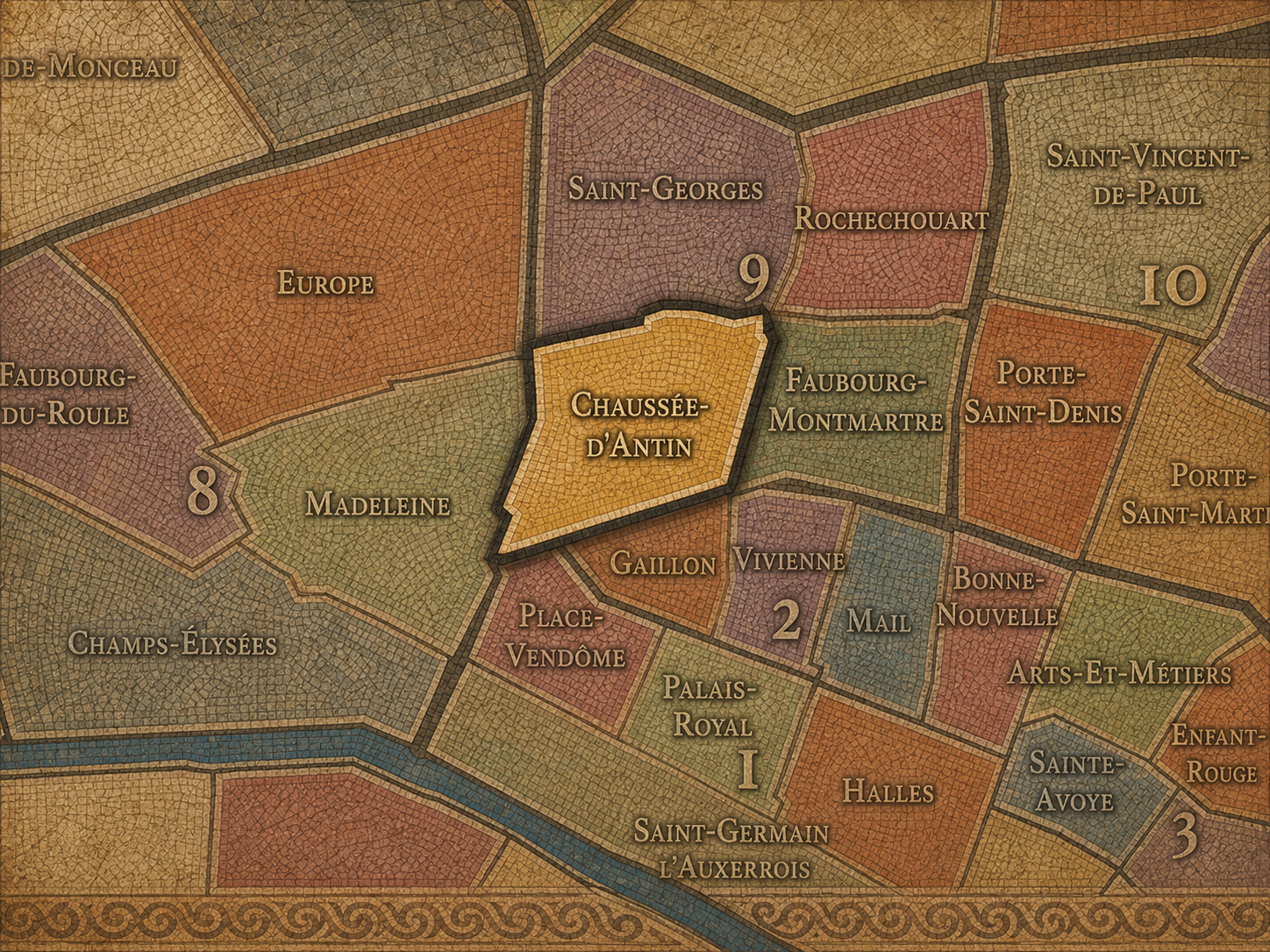
The Map
Download the Paris Arrondissements Map
Geographic Setting
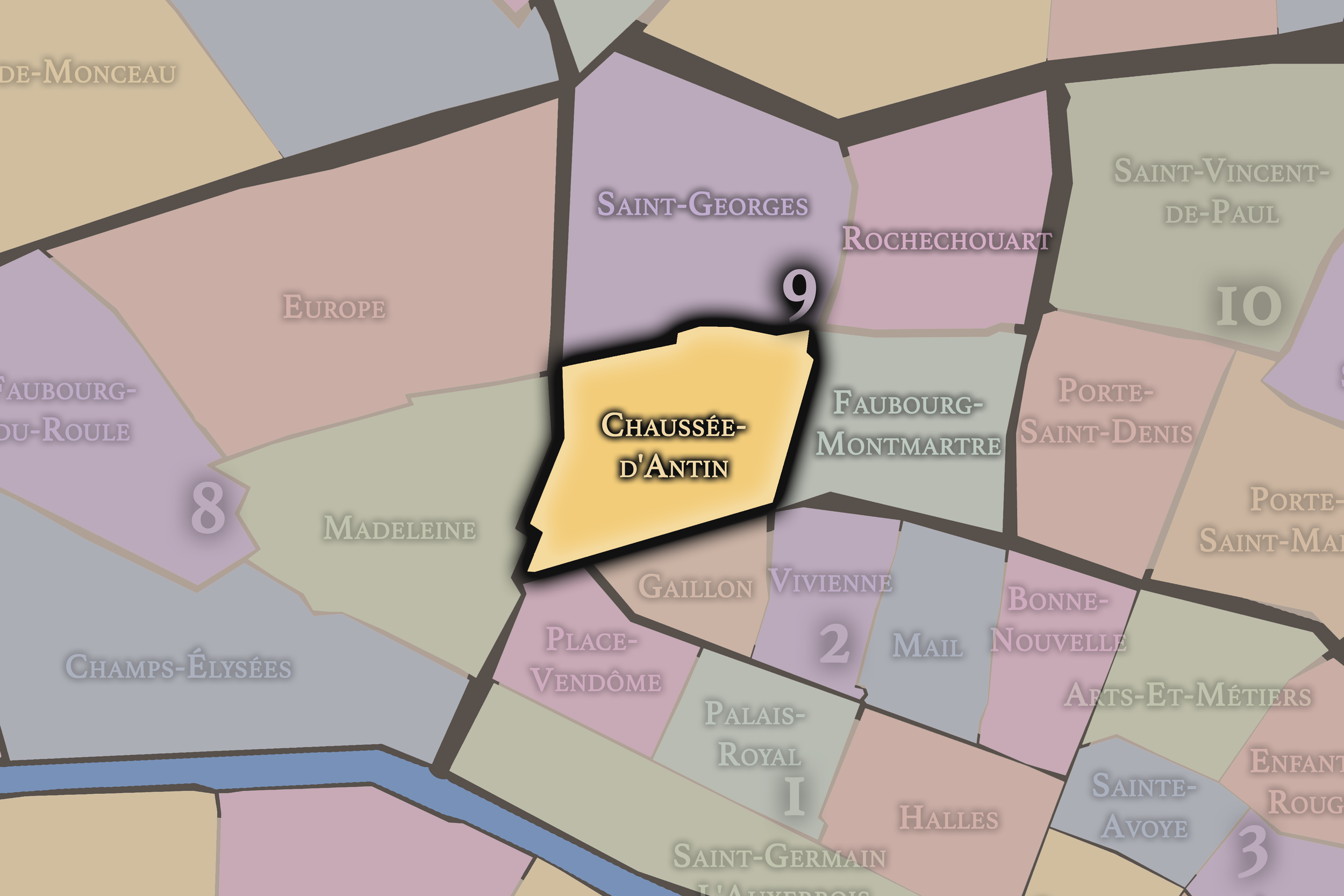
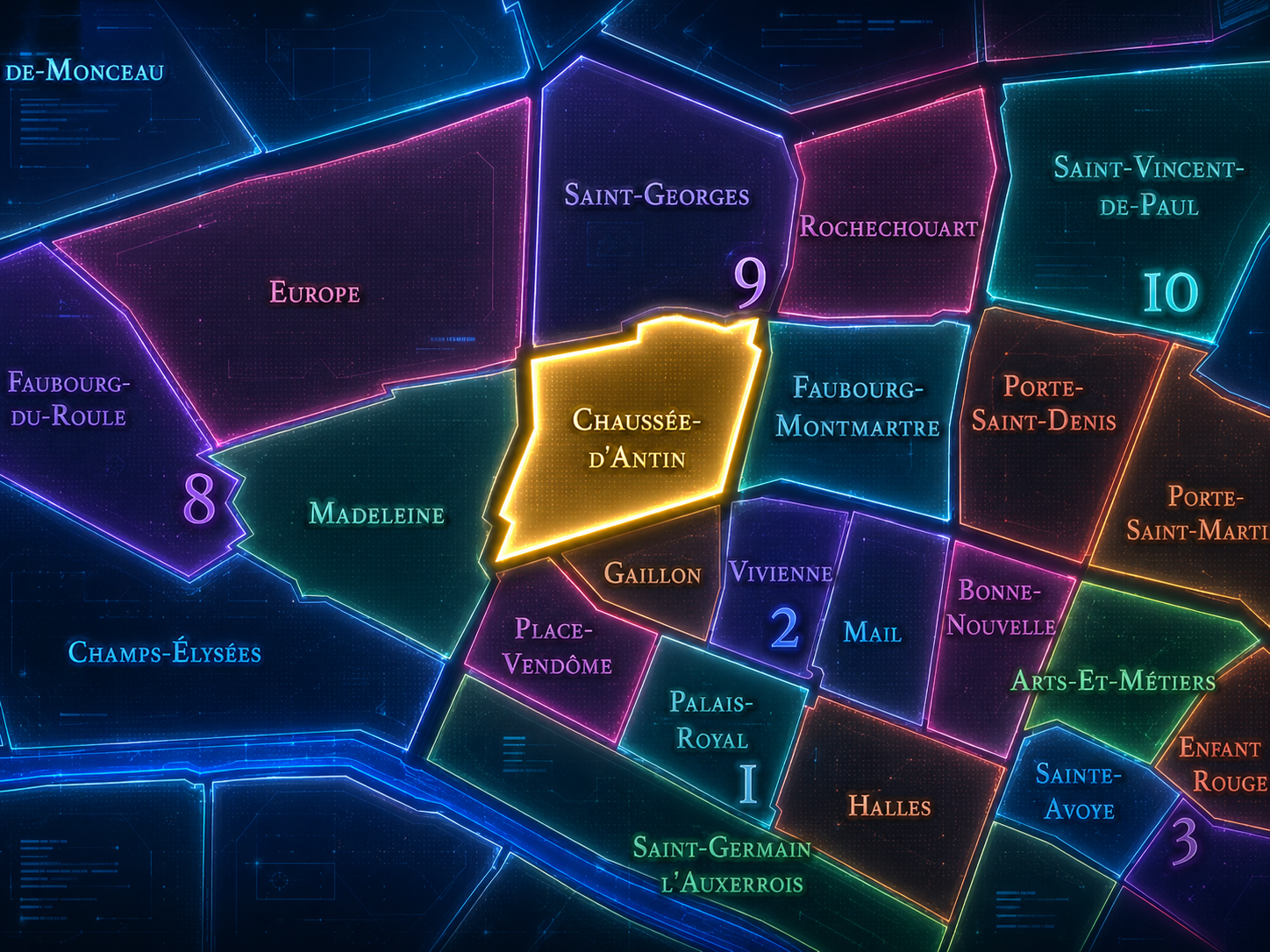
Chaussée-d’Antin occupies the southwestern portion of the 9th arrondissement, where the Grands Boulevards, Opéra, Saint-Lazare, and the commercial grandeur of modern Paris gather into one of the city’s great landscapes of theaters, department stores, banks, offices, churches, and metropolitan movement. It lies north of the 2nd and 8th arrondissements, west of the more theatrical and boulevard-centered Faubourg-Montmartre, south of Saint-Georges, and east of the railway and commercial world around Saint-Lazare. Its geography is defined by transition: between the old Right Bank and the 19th-century city of commerce, between boulevard entertainment and modern retail, between private mansions and public consumption.
The quarter’s most visible landmarks include the Palais Garnier at the southern edge of the arrondissement, the Galeries Lafayette and Printemps department stores nearby, the Église de la Sainte-Trinité, Rue de la Chaussée-d’Antin, Rue de Provence, Rue Lafayette, Boulevard Haussmann, Rue du Havre, and the streets leading toward Opéra, Saint-Lazare, and Notre-Dame-de-Lorette. It is one of the places where Paris feels most explicitly metropolitan: crowds, façades, display windows, theater marquees, transit flows, office workers, shoppers, tourists, and the constant movement between station, boulevard, and store.
Unlike Saint-Georges, whose identity is more residential, romantic, and associated with the Nouvelle Athènes, or Faubourg-Montmartre, whose character is tied to older boulevard entertainment and commercial streets, Chaussée-d’Antin belongs strongly to the modern city of spectacle and consumption. It is the 9th arrondissement as urban theater: opera, department store, boulevard, bank, train station, and church all gathered into a dense landscape of display.
Administrative Quarter Identity
Etymology and Origins
The name Chaussée-d’Antin comes from Rue de la Chaussée-d’Antin, one of the quarter’s defining streets. The word chaussée refers to a raised road or causeway, while “Antin” refers to the Duke of Antin, a noble figure connected to the early development and naming of the area. The name preserves the memory of an older road and aristocratic association beneath the quarter’s later identity as a commercial and theatrical center.
That etymology is revealing. Before Chaussée-d’Antin became a landscape of department stores, theaters, hotels, and offices, it belonged to the northward expansion of Paris beyond the densest older Right Bank. Its name remembers a route — a way outward — and the aristocratic or semi-suburban world that preceded full urbanization. Like many Parisian quarters, it began at the edge before becoming central.
Over time, the name expanded from street to quarter. What had once evoked road, noble property, and developing faubourg became attached to one of the most dynamic commercial districts of modern Paris. Chaussée-d’Antin therefore carries a double identity: old-road memory beneath modern metropolitan brilliance.
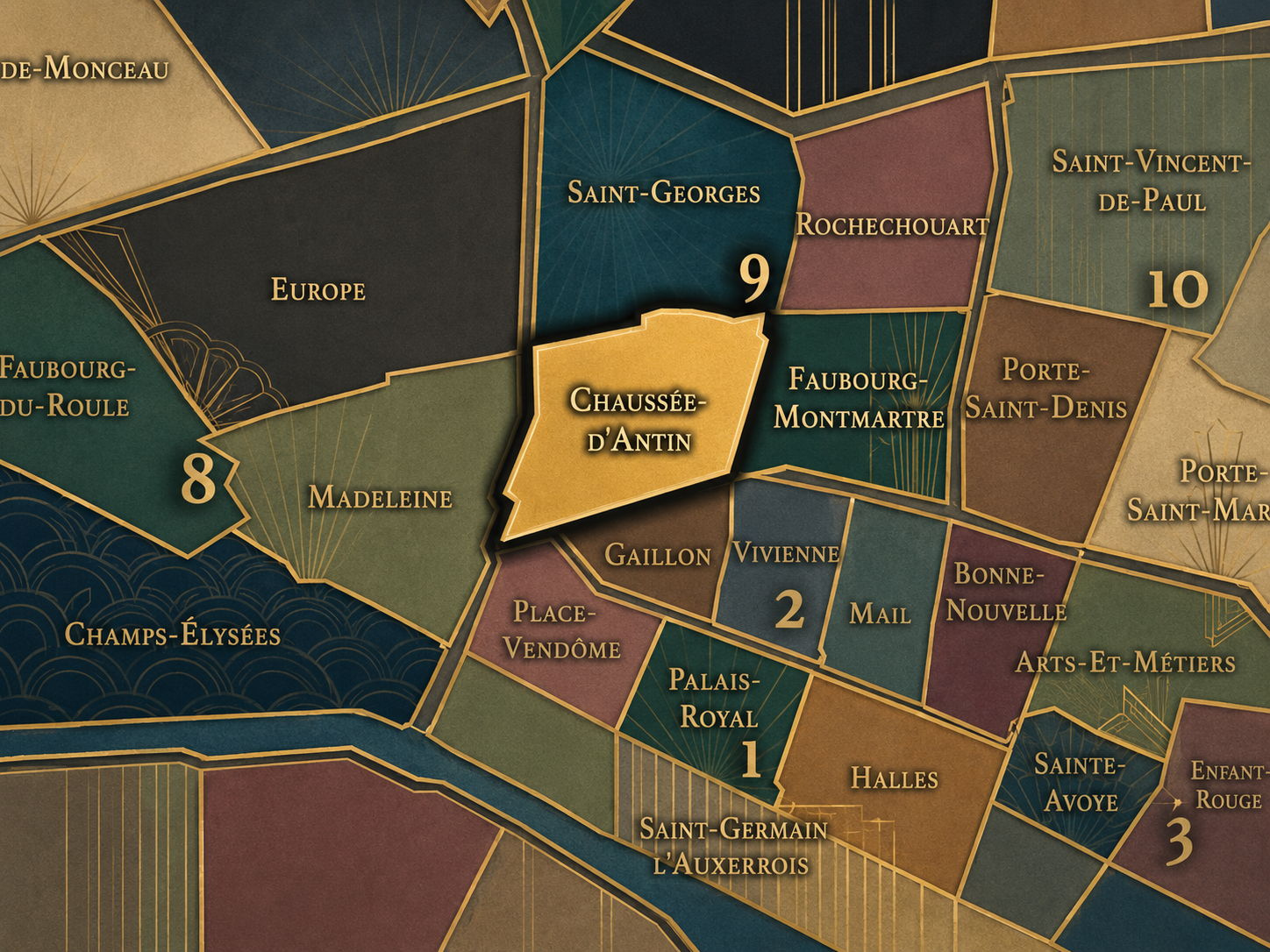
Within the official geography of Paris, Chaussée-d’Antin is one of the four administrative quarters of the 9th arrondissement, alongside Saint-Georges, Faubourg-Montmartre, and Rochechouart. It occupies the arrondissement’s southwestern sector, placing it at the point where the 9th meets the Opéra district, the Grands Boulevards, the Saint-Lazare corridor, and the commercial edge of the 8th arrondissement.
As an administrative quarter, Chaussée-d’Antin gives formal civic shape to an area often described through better-known landmarks: Opéra, Galeries Lafayette, Printemps, Boulevard Haussmann, Saint-Lazare, Trinité, or the Grands Magasins. The official quarter name holds these overlapping identities together and reminds us that this is not merely a shopping district or a theater district, but one of the mapped units of the city’s administrative geography.
Its civic role is especially useful because this part of Paris is dense with movement and labels. A visitor may feel they are “near Opéra,” “by Saint-Lazare,” “on Boulevard Haussmann,” or “at the department stores.” Chaussée-d’Antin provides the deeper neighborhood frame. It names the quarter beneath the landmarks.
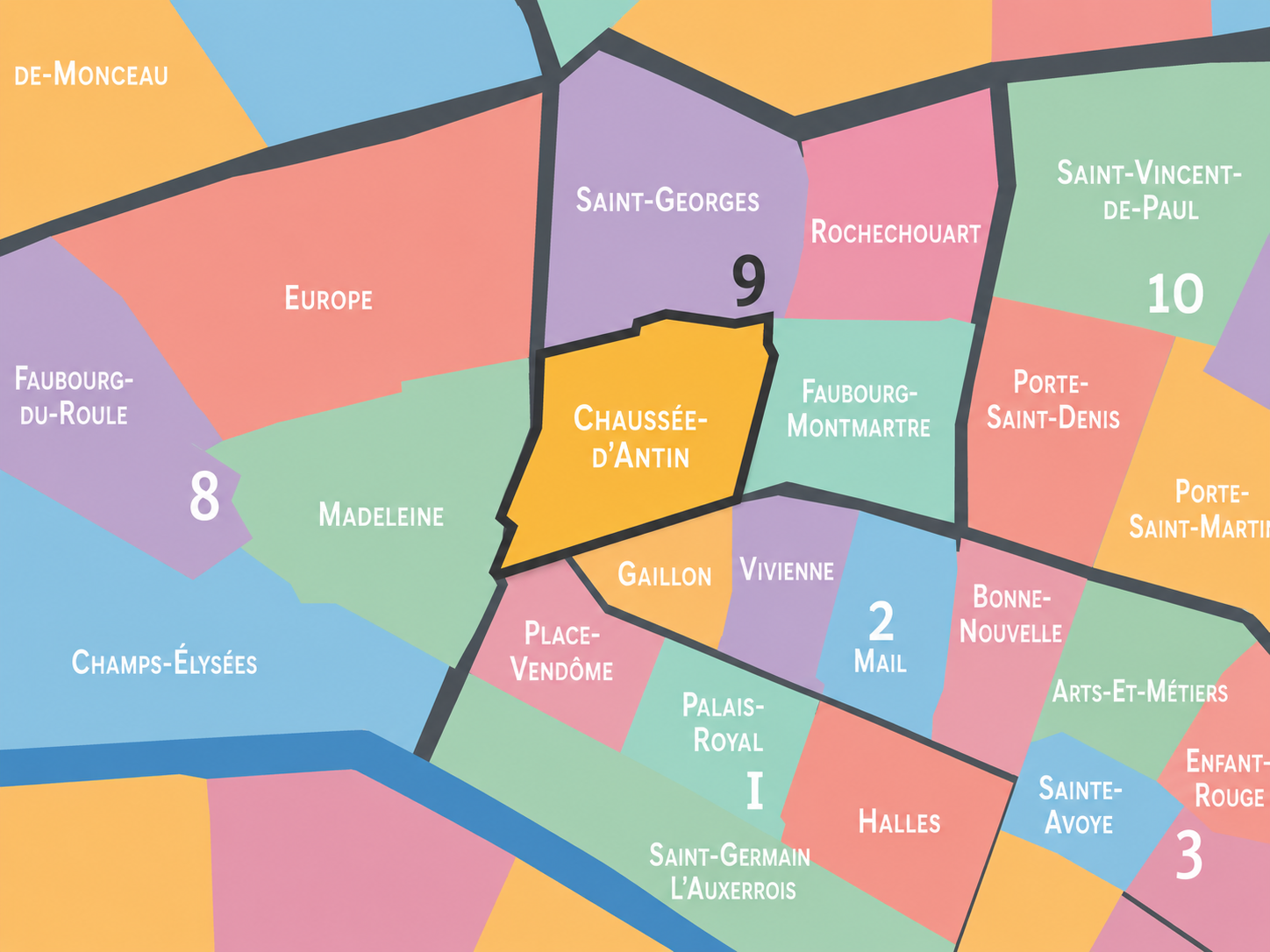
Civic Framework
Chaussée-d’Antin differs from the other quarters of the 9th arrondissement through its concentration of metropolitan commerce, opera culture, department-store spectacle, and transit-adjacent movement. Saint-Georges is more associated with the Nouvelle Athènes, 19th-century residences, artists, writers, and a more intimate romantic urbanism. Faubourg-Montmartre is more boulevard-driven, theatrical, and tied to older commercial entertainment corridors. Rochechouart, farther north, turns toward Pigalle, Montmartre’s lower slopes, and a more mixed edge between popular entertainment and residential streets.
Chaussée-d’Antin is more explicitly modern-commercial. Its distinction lies in the way it helped shape Paris as a capital of display: opera façades, department-store domes, illuminated windows, crowds on Boulevard Haussmann, and the movement between rail station, theater, office, and shop. It is not simply elegant; it is performative. The quarter turns looking into an urban habit.
It should also be distinguished from Madeleine and Opéra, even though the borders and associations are close. Madeleine belongs to the 8th arrondissement’s formal church-and-luxury threshold. Opéra, in everyday speech, often refers to the area around the Palais Garnier and spills across arrondissement boundaries. Chaussée-d’Antin is the 9th arrondissement’s official quarter that absorbs much of that commercial and theatrical energy into a specific civic frame.
Neighborhood Distinction
Parisian Identity
Chaussée-d’Antin expresses Paris as a city of spectacle, movement, and modern consumption. It is one of the places where the 19th-century capital learned to transform commerce into architecture. Department stores did not merely sell goods; they staged desire. Opera did not merely present music; it created a public ritual of arrival, display, and social visibility. Boulevards did not merely move traffic; they became promenades of looking.
The quarter’s Parisian identity is therefore deeply visual. Glass, iron, domes, staircases, façades, arcades, advertisements, window displays, and grand interiors all contribute to its atmosphere. Chaussée-d’Antin is not the Paris of hidden courtyards alone. It is the Paris of surfaces designed to attract the eye and invite the crowd inward.
Yet this spectacle rests on older layers. Behind the modern commercial image are the traces of aristocratic expansion, private mansions, financial institutions, and the northward growth of the city. Chaussée-d’Antin is not superficial because it is commercial. Its commerce is one of the ways Paris became modern — by turning abundance, fashion, performance, and movement into a built environment.
Neighborhood Connections
Every administrative quarter belongs to a wider Parisian fabric. These connections place Chaussée-d'Antin within the city’s civic, participatory, and cultural geography:
-
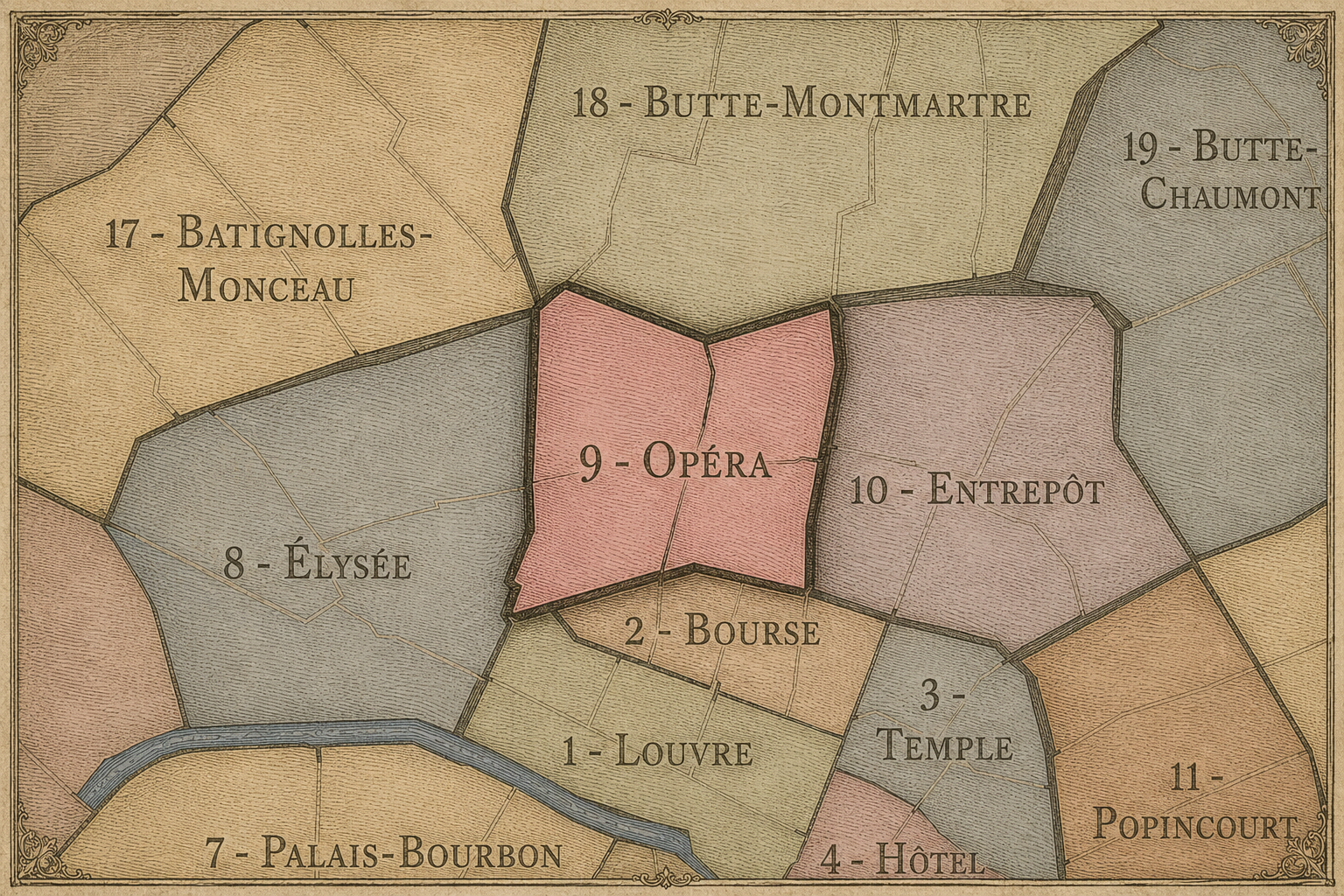
9e - Opéra
-
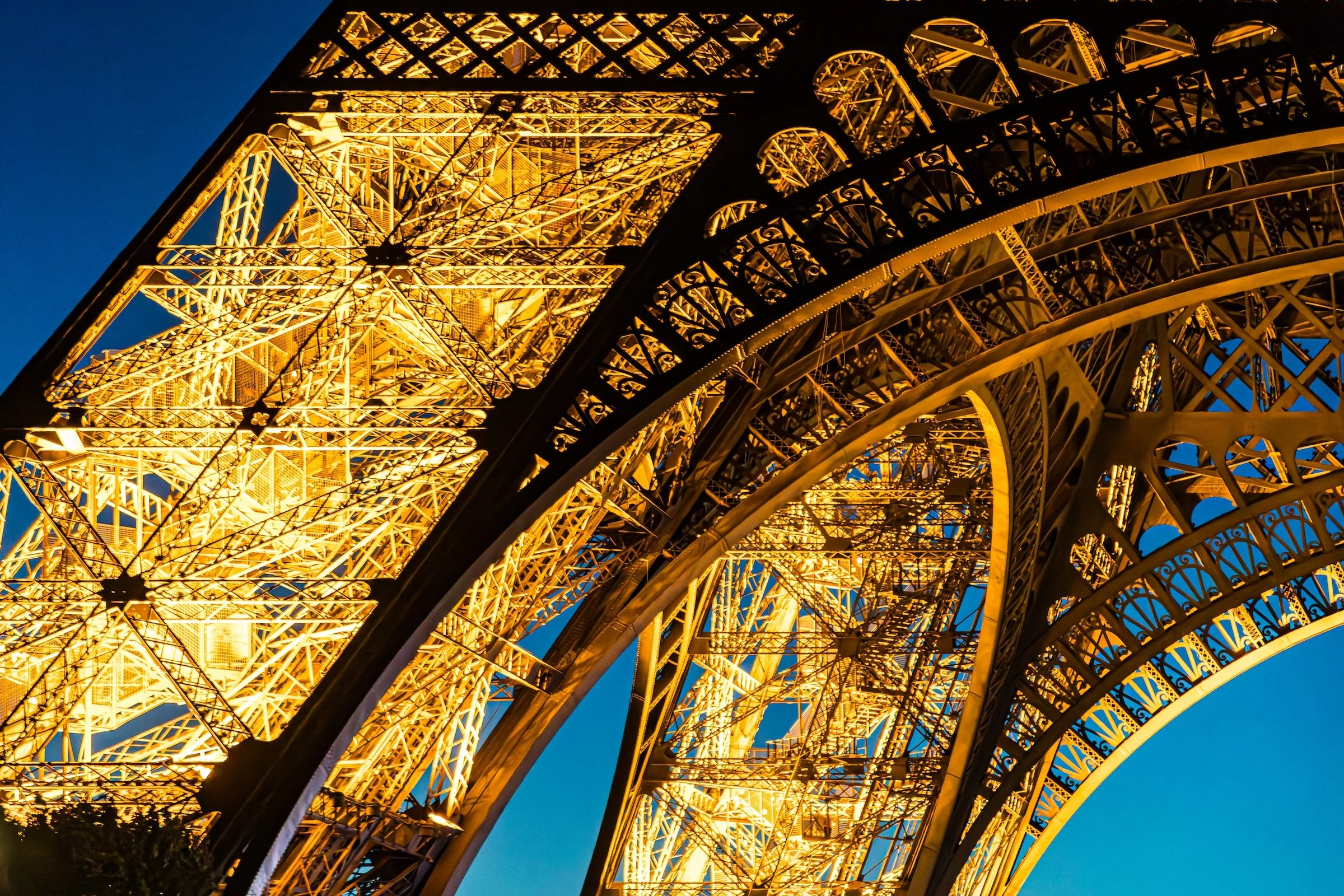
Blanche-Trinité • Faubourg Montmartre • Opéra-Chaussée d'Antin • Pigalle-Martyrs
The History
The origins of Chaussée-d’Antin lie north of the older Right Bank core, in the gradual urbanization of land beyond the medieval and early modern city. Before it became a district of boulevards, theaters, banks, and department stores, this area contained roads, estates, gardens, religious holdings, and semi-rural or suburban development connected to the expanding capital.
The road remembered in the name chaussée suggests the importance of movement from the beginning. The area developed along routes leading northward and westward from the older city, gradually attracting residences, noble houses, and later commercial and institutional uses. It was not born as dense medieval Paris, but as an expansion zone — a place where the city pushed beyond itself.
This origin shaped the quarter’s future. Because the district developed later than the oldest central neighborhoods, it had room to absorb large-scale 19th-century transformations: boulevards, theaters, banks, department stores, and major railway-adjacent commerce. Chaussée-d’Antin’s modern identity was possible because it began as a landscape of growth.
Origins
16th–17th Century
In the 16th and 17th centuries, the future Chaussée-d’Antin quarter lay beyond the densest urban fabric of Paris. The area was still connected to the countryside, roads, estates, and developing faubourgs north of the old Right Bank. It did not yet have the monumental or commercial identity that would later define it, but it was increasingly drawn into the orbit of the growing city.
As Paris expanded northward and westward, land in this area became attractive for gardens, houses, and aristocratic or bourgeois development. The quarter’s later name preserves this transitional character: a road associated with a noble title, situated in a district not yet fully absorbed by urban density.
By the end of the 17th century, the conditions for transformation were in place. The old city was pressing outward, the boulevard landscape was gaining importance, and the areas north of the central Right Bank were becoming more desirable. Chaussée-d’Antin stood on the threshold of becoming urban.
In the 18th century, Chaussée-d’Antin became increasingly associated with wealthy residences, private mansions, and the fashionable expansion of Paris beyond the older center. The district and its surroundings attracted financiers, aristocrats, artists, and members of the social elite seeking space and prestige outside the crowded older quarters. This was part of the broader growth of western and northwestern Paris as a landscape of elegance and social mobility.
The quarter’s development was closely tied to the rise of the Nouvelle Athènes and the residential districts that would later shape much of the 9th arrondissement’s identity. While Saint-Georges became the more famous center of that romantic and artistic world, Chaussée-d’Antin shared in the same northward expansion and increasing refinement.
The French Revolution disrupted the social order that had supported many private mansions and elite districts, but the urban fabric remained. Former aristocratic and financial landscapes were adapted to new uses, and the district entered the 19th century prepared for a different kind of transformation: from residence and road to commerce, theater, finance, and spectacle.
18th Century
19th Century
The 19th century made Chaussée-d’Antin one of the great modern quarters of Paris. The construction of the Palais Garnier, the growth of Boulevard Haussmann, the expansion of Saint-Lazare, and the rise of the department stores transformed the district into a center of urban display. Paris was becoming a capital of modern consumption, and Chaussée-d’Antin stood near the heart of that transformation.
The department stores changed the quarter’s meaning profoundly. Galeries Lafayette and Printemps turned shopping into spectacle, drawing crowds into monumental interiors of iron, glass, domes, staircases, and staged abundance. The surrounding streets became part of the same world: hotels, cafés, theaters, banks, offices, and transit routes feeding the commercial energy of the district.
The quarter also participated in the Haussmannian reorganization of Paris. Broad boulevards, new façades, improved circulation, and the alignment of commerce with modern transportation made Chaussée-d’Antin a landscape of the new capital. It was no longer an edge district. It had become one of the central stages of metropolitan Paris.
In the early and mid 20th century, Chaussée-d’Antin remained a major commercial and theatrical district. Department stores, theaters, cinemas, cafés, banks, offices, and hotels shaped its daily rhythms. The quarter drew shoppers, workers, performers, travelers, and tourists, all moving through the dense corridors between Opéra, Saint-Lazare, Boulevard Haussmann, and the Grands Boulevards.
The quarter’s association with display only intensified. Electric lighting, advertising, seasonal windows, and consumer culture made the department stores into urban events. The Christmas windows of the grands magasins, in particular, became part of the city’s public ritual, transforming commerce into shared spectacle.
During war, occupation, liberation, and postwar recovery, the quarter’s centrality gave it both vulnerability and resilience. It remained a place of work and commerce, but also a landscape through which the changing fortunes of Paris could be seen. The lights, windows, crowds, and storefronts carried meanings far beyond shopping; they signaled continuity, return, and modern urban life.
Early–Mid 20th Century
Late 20th Century
In the late 20th century, Chaussée-d’Antin adapted to changing patterns of retail, tourism, office work, and metropolitan movement. The department stores remained major anchors, but the surrounding district also became increasingly shaped by corporate offices, hotels, restaurants, transit flows, and international visitors. The quarter’s 19th-century structures continued to serve a modern economy.
This period also reinforced the heritage value of the grands magasins and the Opéra-adjacent commercial landscape. What had once been cutting-edge modern retail became historic architecture in its own right. The domes, façades, staircases, and display spaces of the department stores were increasingly appreciated as part of Paris’s cultural patrimony, not merely as places of consumption.
At the same time, the quarter faced the pressures of central-city commerce: crowds, traffic, rising rents, chain retail, tourism, and the challenge of preserving local character in a district dominated by large institutions and destination shopping. Chaussée-d’Antin remained energetic, but its energy was increasingly metropolitan rather than neighborhood-intimate.
In the 21st century, Chaussée-d’Antin remains one of Paris’s essential quarters of commerce, performance, and movement. The department stores continue to draw local and international visitors, the Opéra district remains a major cultural and transit-adjacent landscape, and the streets around Boulevard Haussmann and Rue de la Chaussée-d’Antin continue to support offices, hotels, cafés, retail, and daily circulation.
The quarter today is also a place where the future of urban retail is visible. Department stores must compete with digital commerce while maintaining the experiential power that made them famous. In Chaussée-d’Antin, shopping is not merely transactional; it is architectural, seasonal, social, and visual. The quarter’s continued vitality depends on that ability to make commerce feel like public theater.
For CityNeighborhoods: Paris, Chaussée-d’Antin is essential because it shows how neighborhood identity can be made through spectacle without becoming empty. The quarter is full of surfaces and display, but those displays are historically meaningful. They tell the story of Paris becoming a modern capital of consumption, fashion, performance, and metropolitan flow.
21st Century
Spirit and Legacy
Chaussée-d’Antin is the quarter where Paris turns commerce into theater. Its spirit is bright, crowded, polished, and restless. It belongs to department-store domes and opera façades, boulevard crossings and window displays, bankers and shoppers, commuters and tourists, old roads and modern spectacle.
Its legacy is the transformation of expansion into display. A road beyond the old city became a fashionable district. Private mansions gave way to theaters, offices, stores, and boulevards. Commerce became architecture. Shopping became performance. Movement became atmosphere. Through these changes, Chaussée-d’Antin became one of the clearest expressions of Paris as a modern metropolis.
To walk Chaussée-d’Antin is to encounter Paris in full presentation mode. The quarter does not whisper. It shines, sells, stages, and circulates. Yet beneath that brightness remains a deep urban history: old edges, new boulevards, private wealth, public crowds, and the city’s enduring ability to turn everyday desire into a spectacle of place.
The Photography
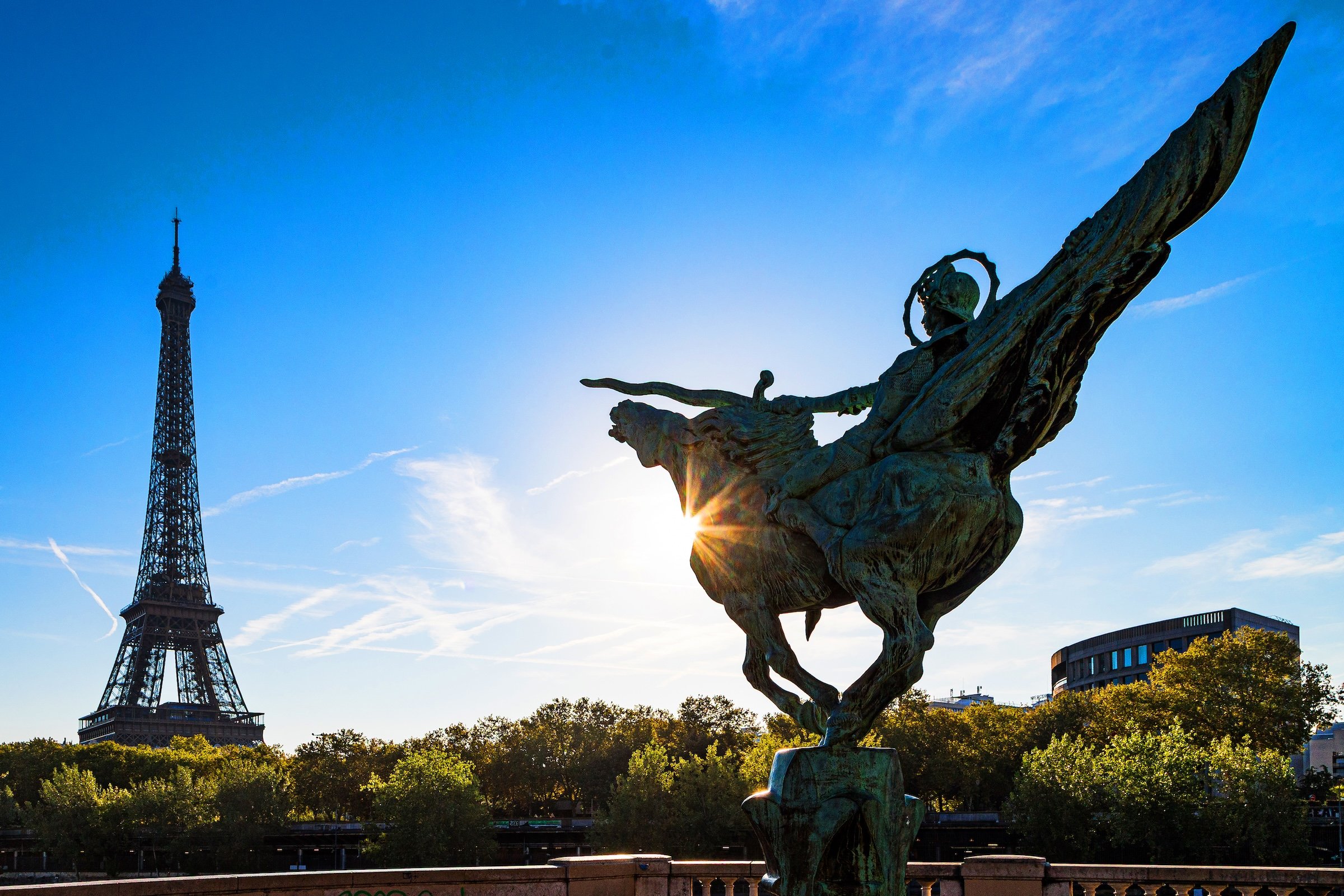
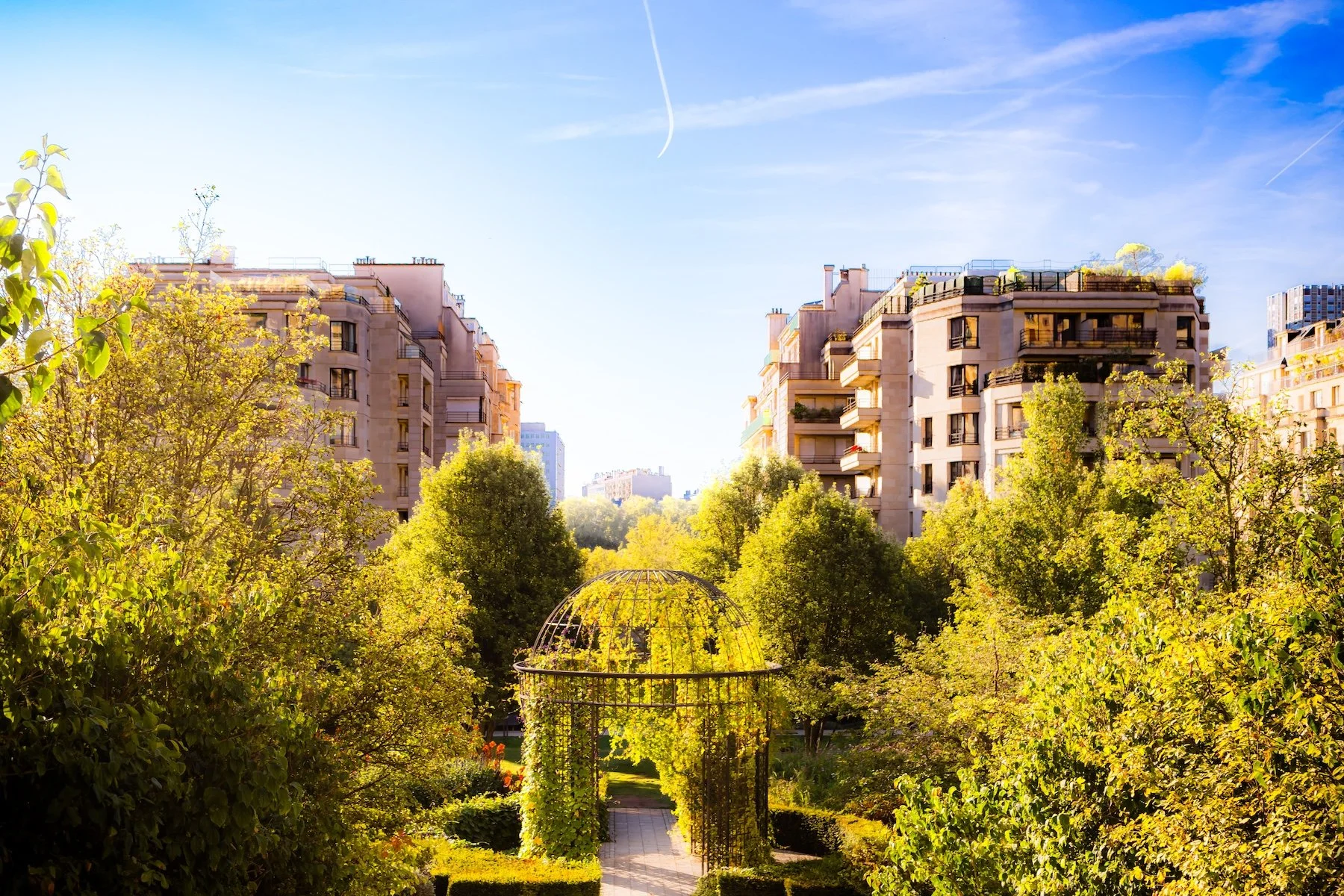
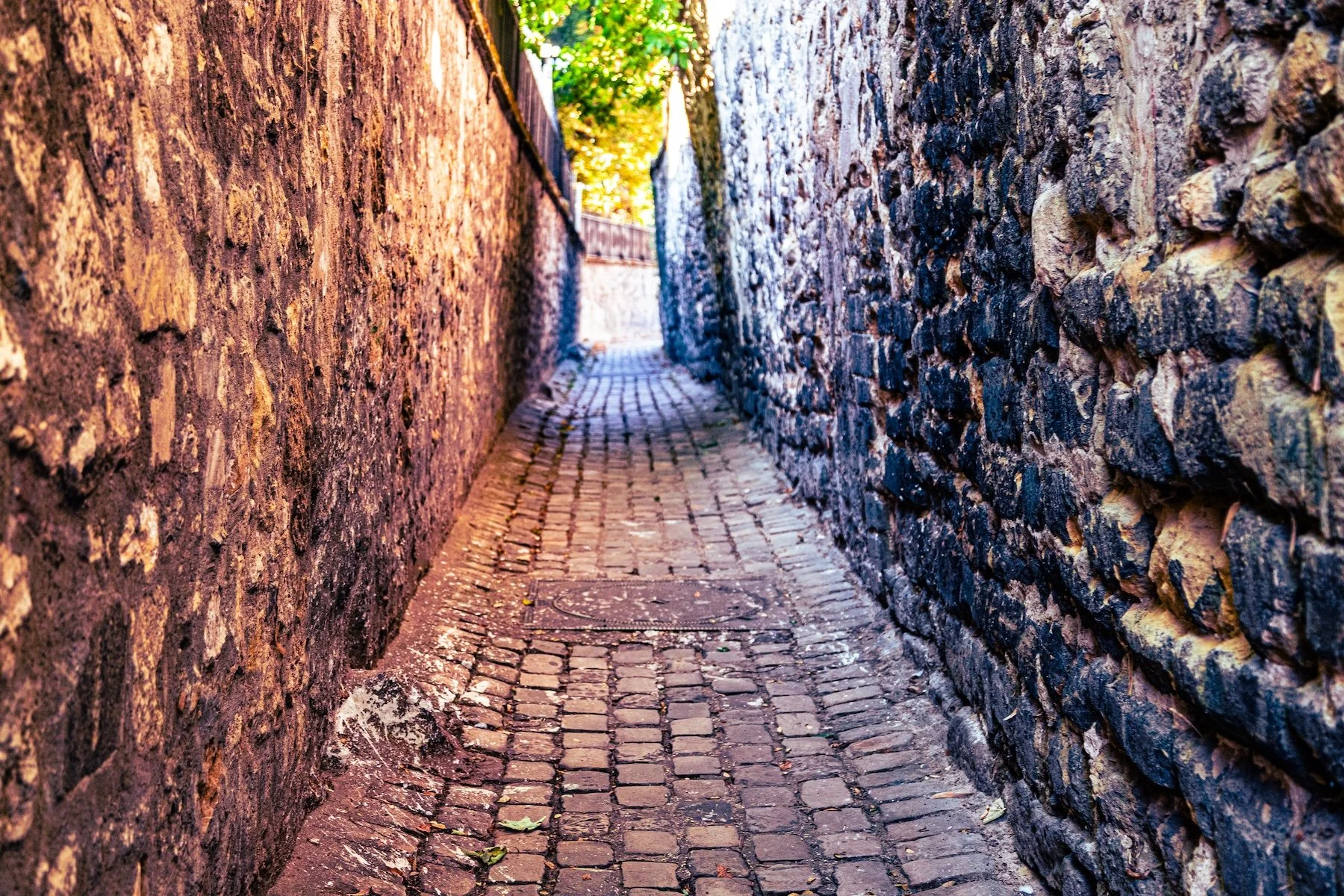
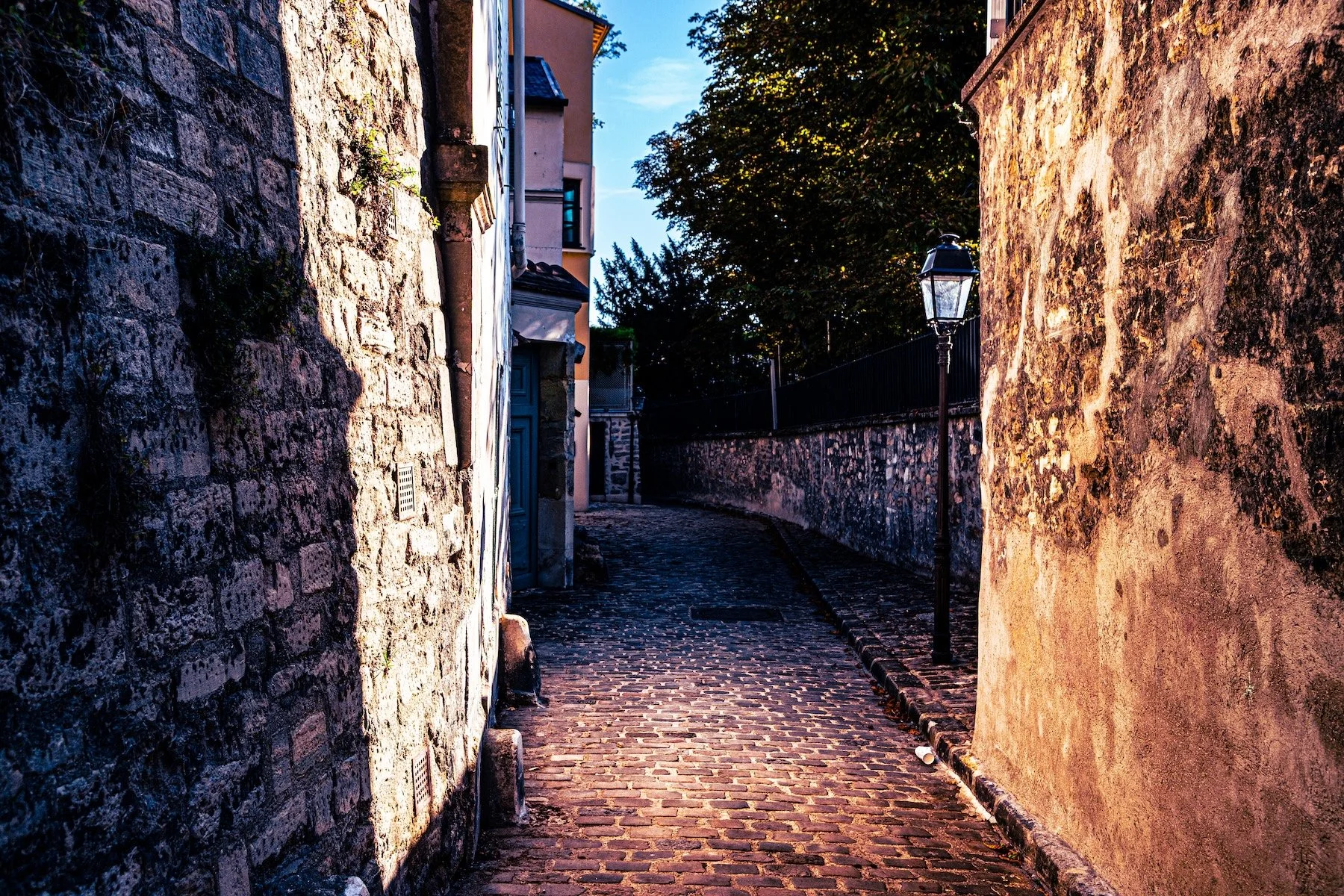
The arrondissements do not share a single visual identity. Instead, they organize Paris into twenty broad visual fields, each gathering its own combination of landmarks, streetscapes, institutions, residential districts, commercial corridors, parks, rail stations, markets, cemeteries, and riverfront edges.
Some arrondissements are defined by monumental scale: royal palaces, ceremonial avenues, government buildings, museums, formal gardens, and internationally recognized landmarks. Others are shaped by hills, canals, rail gateways, apartment-lined boulevards, neighborhood markets, former village streets, industrial remnants, parks, or the quieter rhythms of residential Paris. The arrondissement system gives these varied landscapes a civic frame, allowing the city to be read not as one visual language, but as a sequence of overlapping Parisian atmospheres.
Visual Identity
Through The Lens
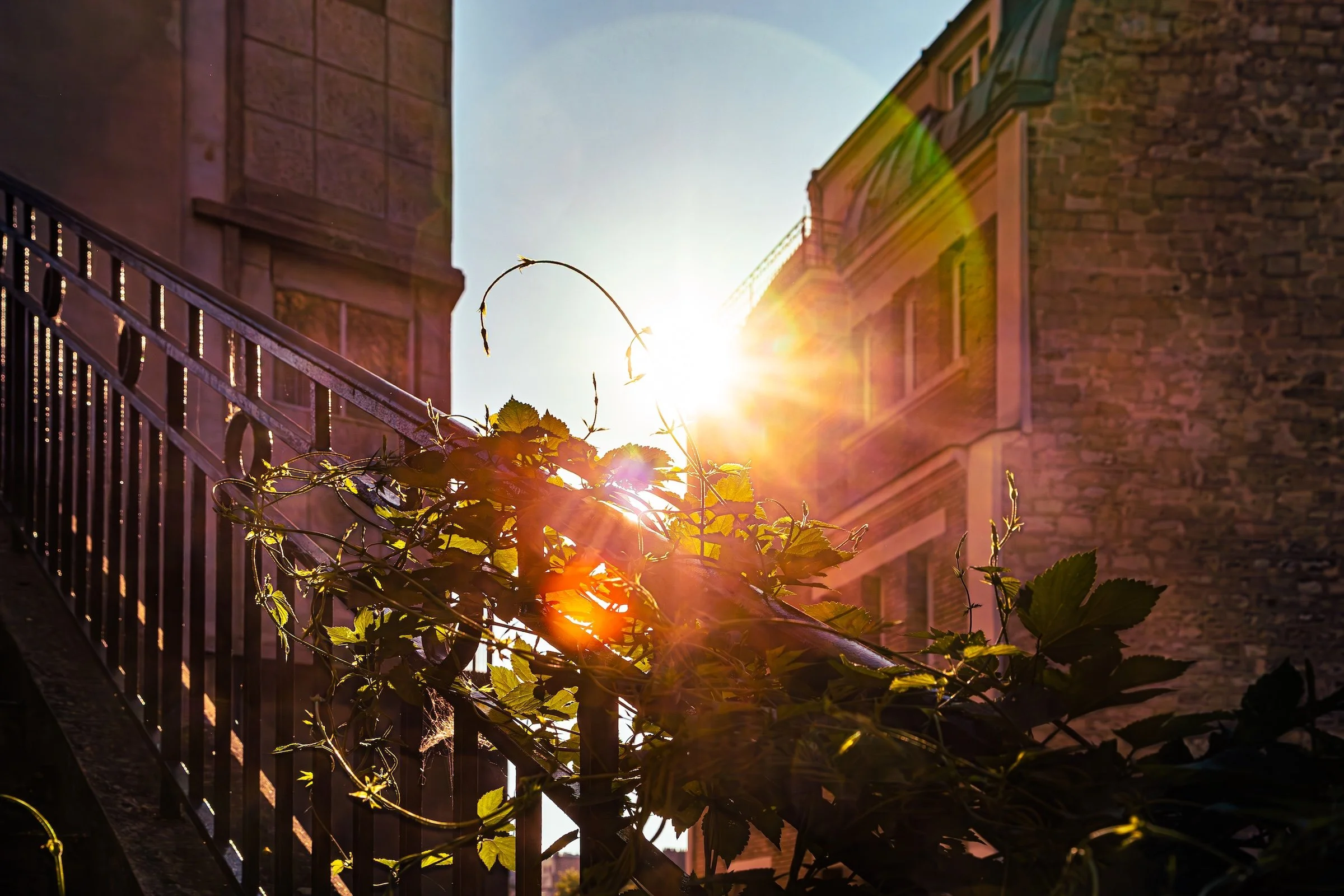
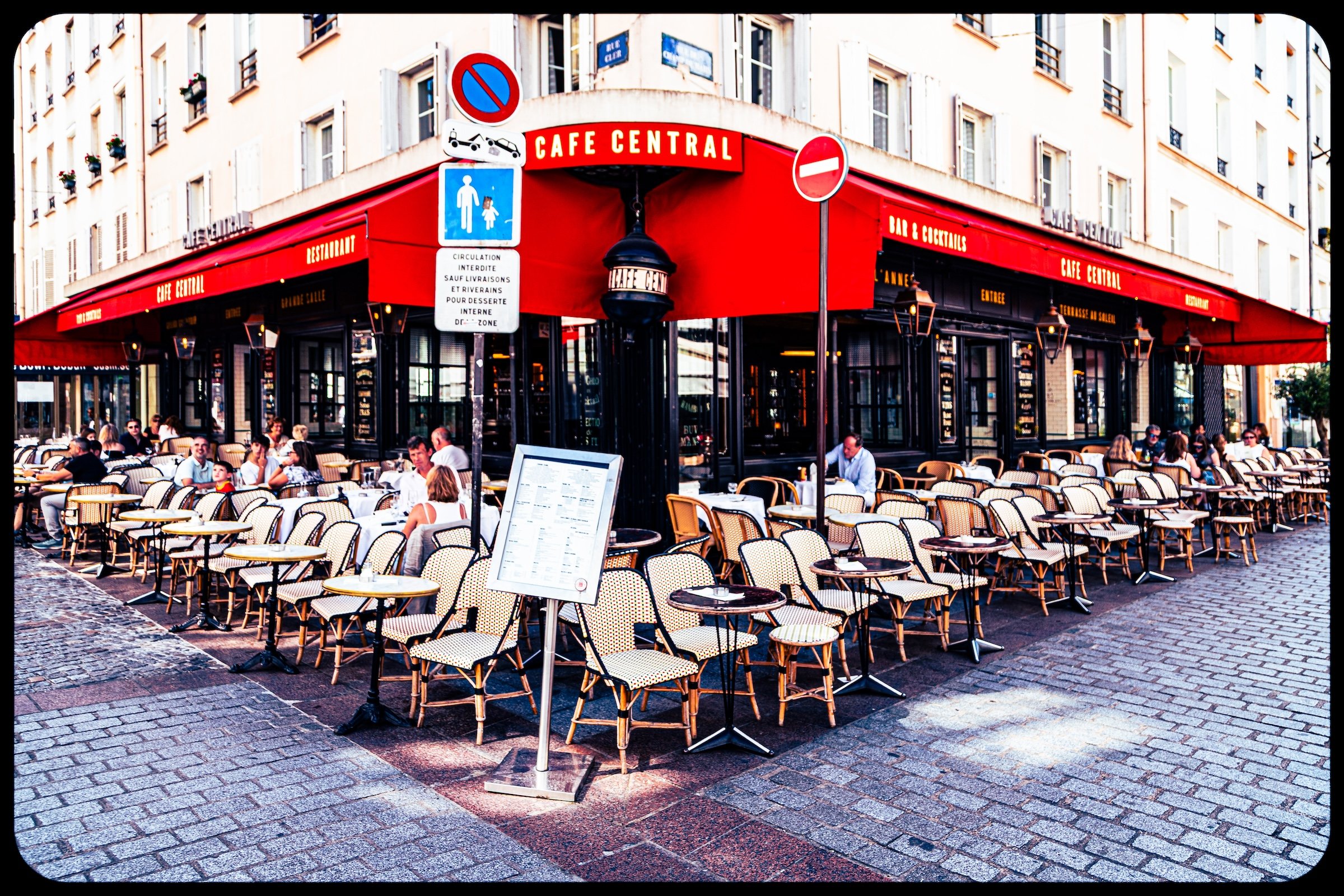
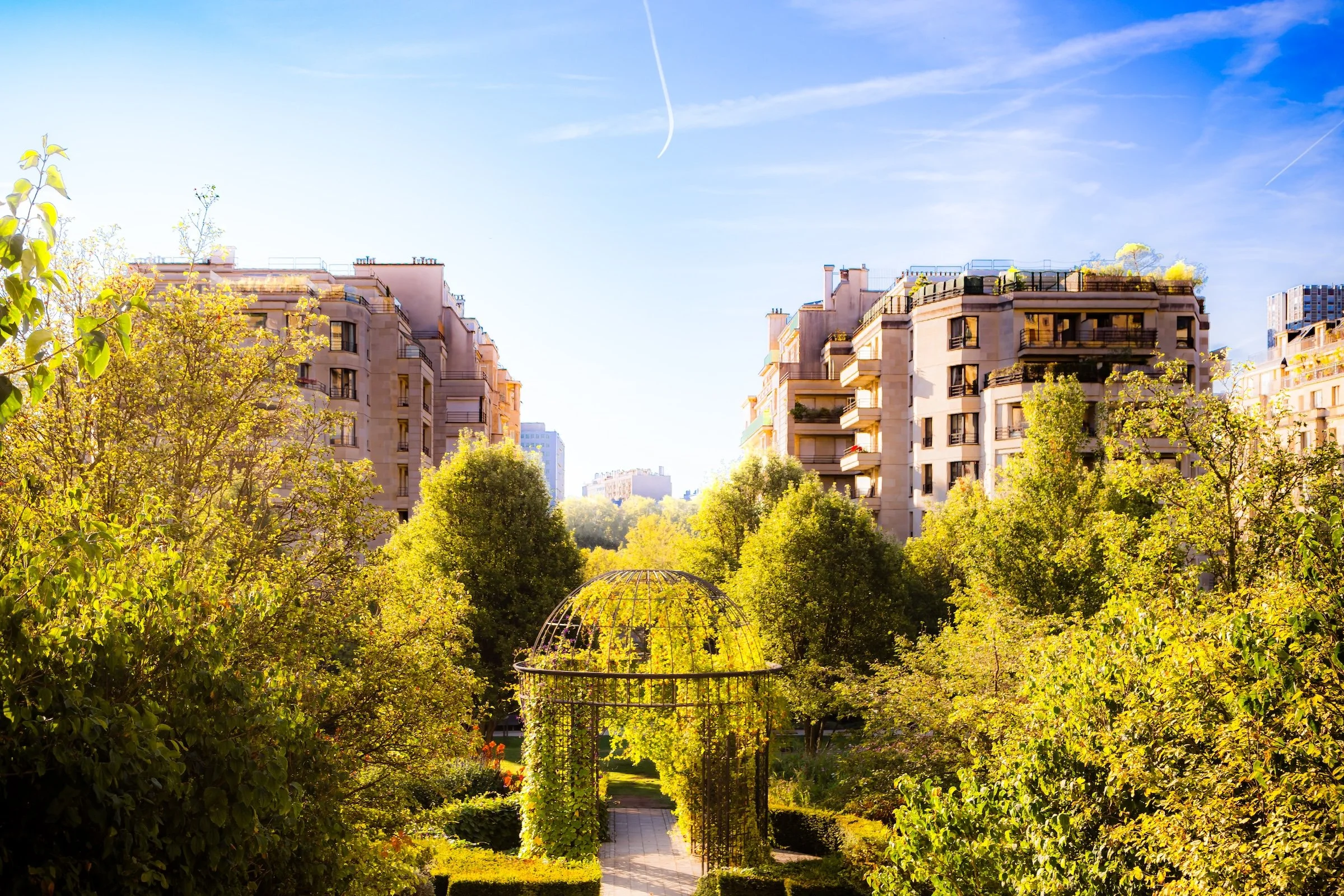
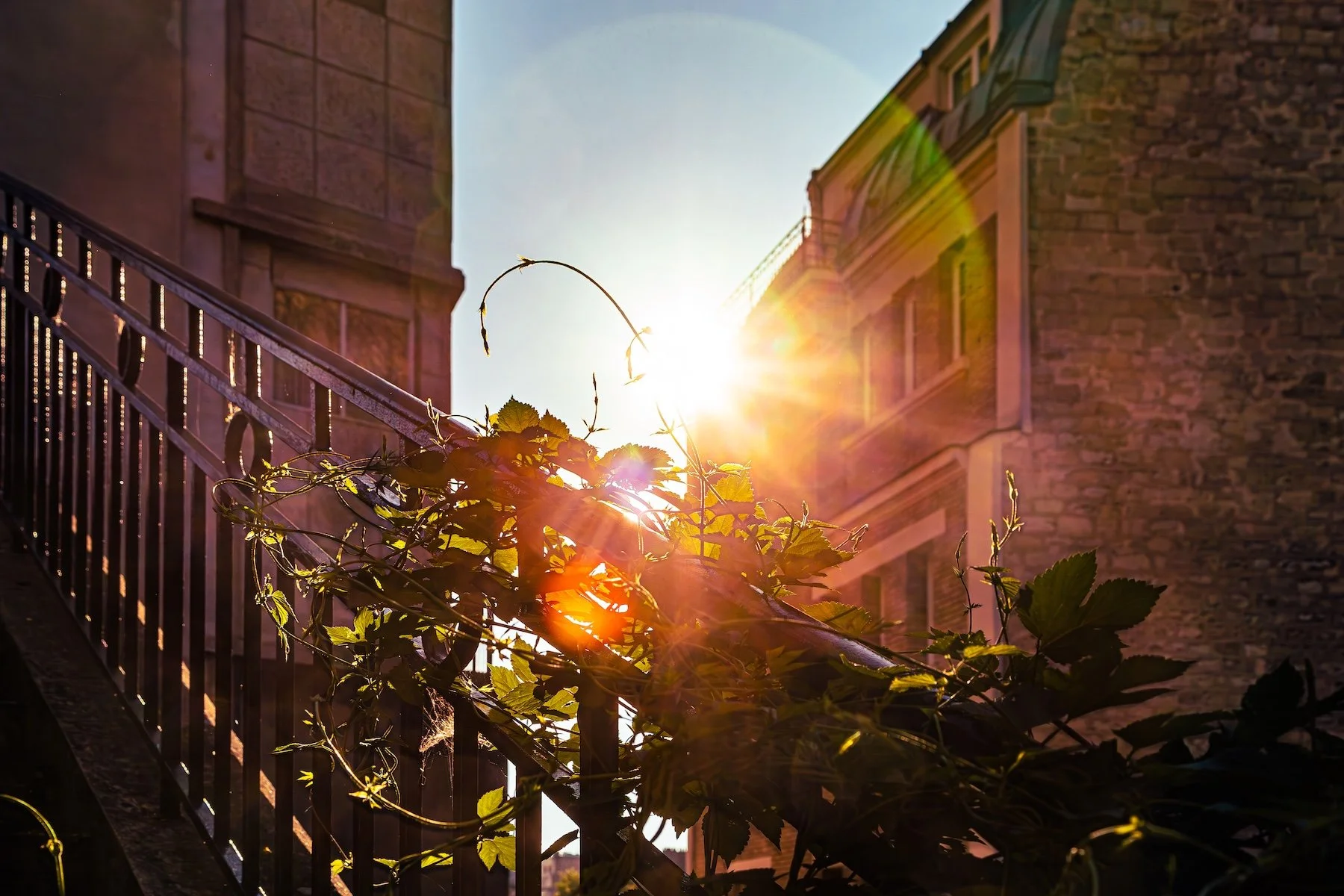
Photographing the arrondissements means moving between the official map and the street-level experience. The camera does not treat each arrondissement as visually uniform. Instead, it looks for the recurring forms, textures, transitions, and contrasts that make each district legible: the geometry of boulevards, the shade of plane trees, the repetition of balconies, the rise of stairways, the curve of canals, the presence of rail stations, the opening of parks, the weight of monuments, and the intimacy of side streets.
On CityNeighborhoods, the arrondissement provides the frame, but the photograph comes from the encounter between map, movement, light, and observation. As the Paris photography is processed, this section will connect each arrondissement more directly to the project’s Photographic Lexicon: the visual strategies, recurring motifs, and compositional patterns that shape how the city is seen through the lens.
If you visit Paris, these ideas can help inspire your own photography.
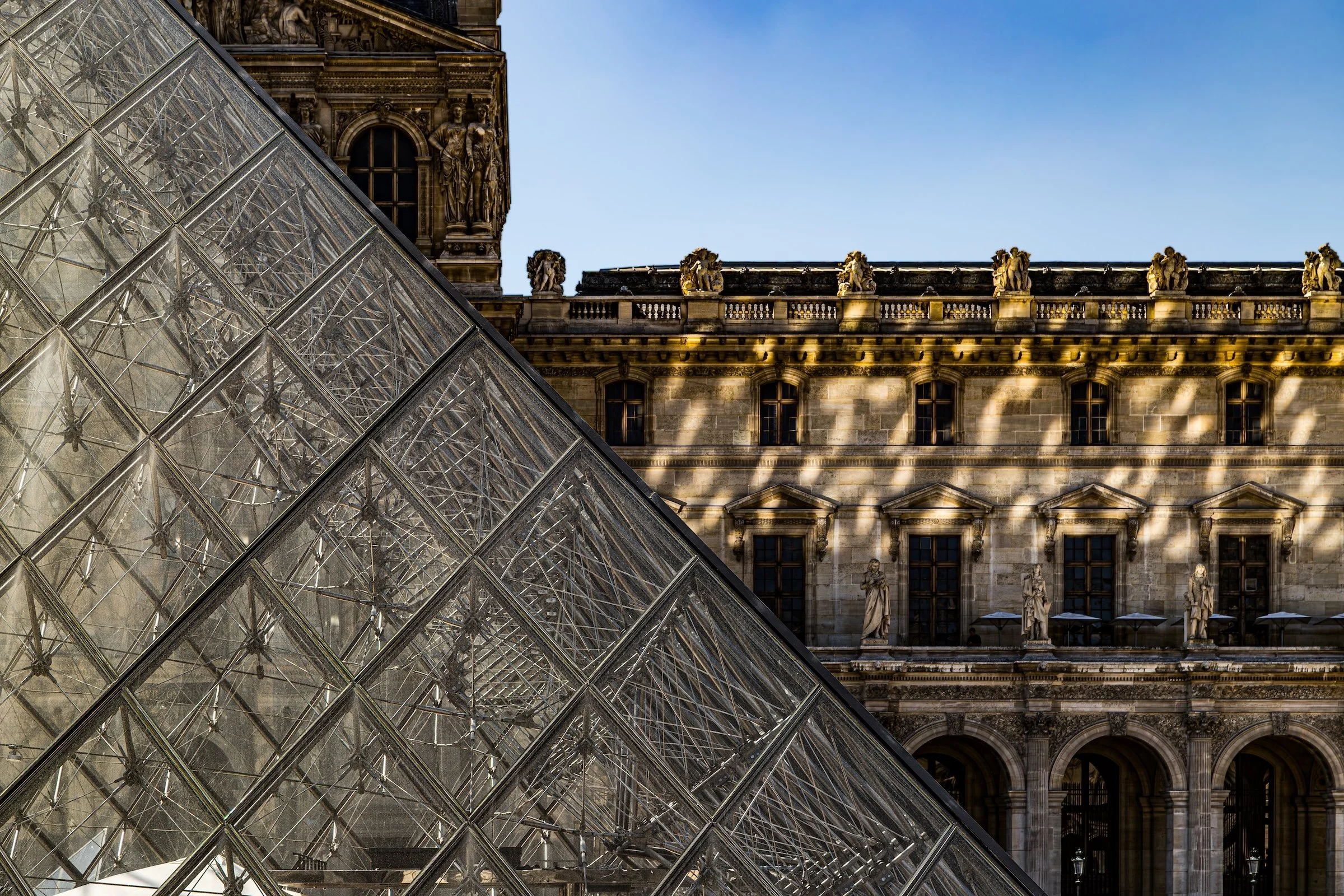
Paris: J’Espere, Je Rêve, Je Vive
Paris Photo Gallery
Paris Field Notes
-
Field Note: August 18, 2025 | 07:58 AM
Conditions: 73°F | Humidity: 72%.
Within the park's interior, the glacial kettle ponds acted as humidity traps, creating a soft, hazy light that filtered through the old-growth oaks. The transition from the park's dense shade to the sun-drenched edges of Oakland Gardens highlighted the day's exceptional "picture-perfect" clarity.
There is a fleeting window in Queens where the humidity of August hasn't yet heavy-set, and the morning sun hits the canopy of Alley Pond Park at a perfect oblique angle. Arriving just before 8:00 AM, I watched the light break through the oaks and tulip trees, casting long, dramatic shadows across the wet grass. It’s in these quiet, golden moments that the park feels less like a city escape and more like the ancient glacial valley it actually is.
Other neighborhoods visited:
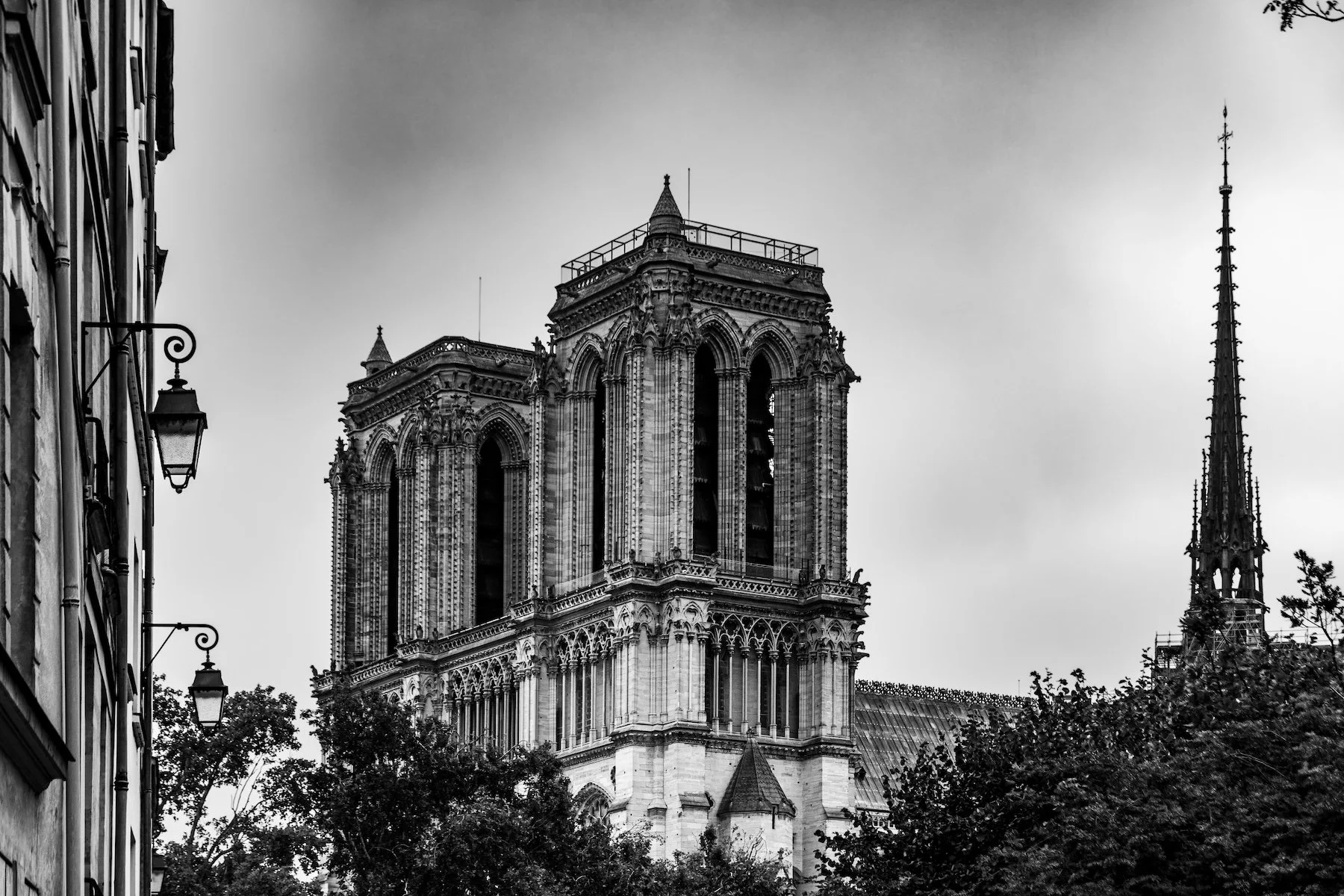
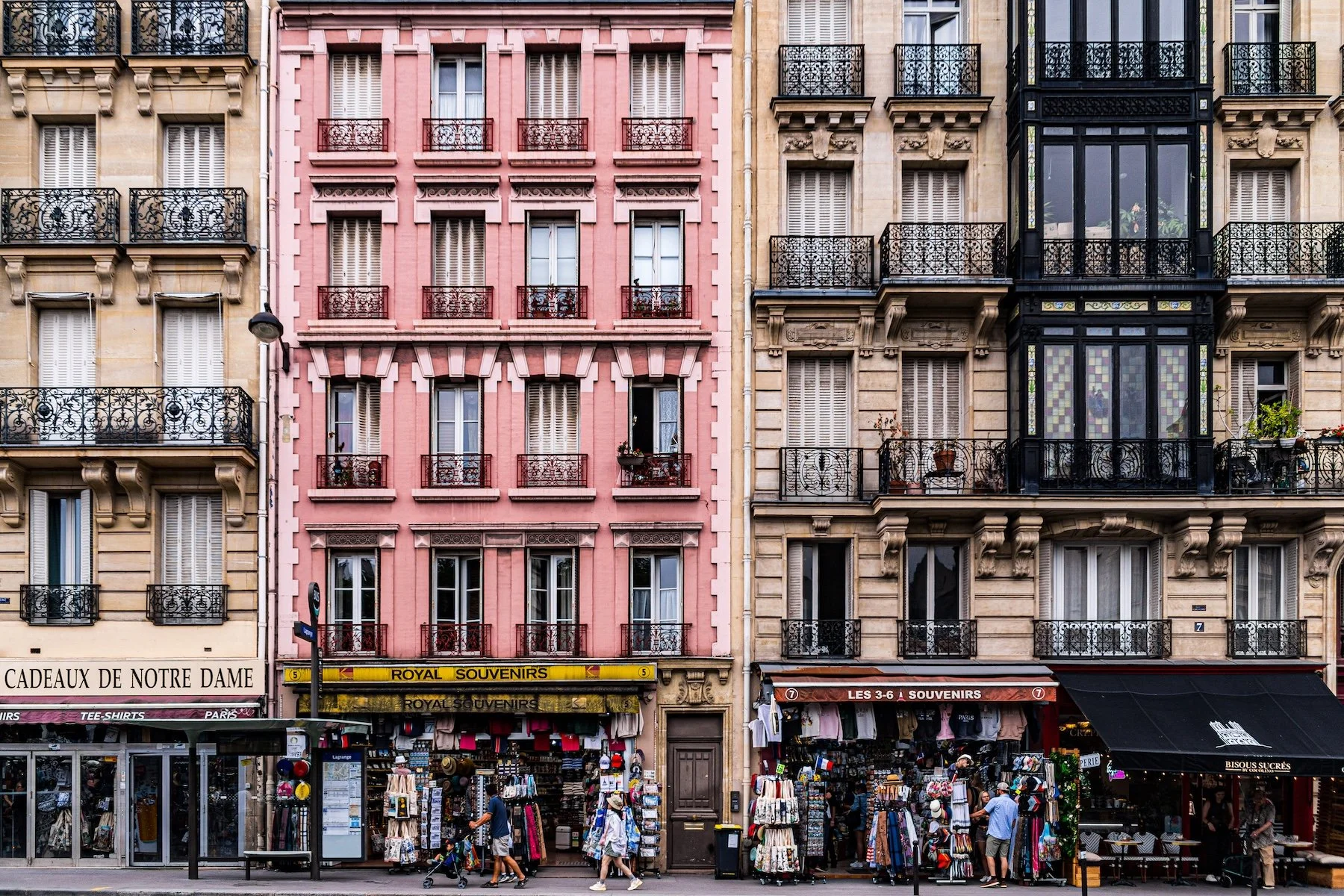
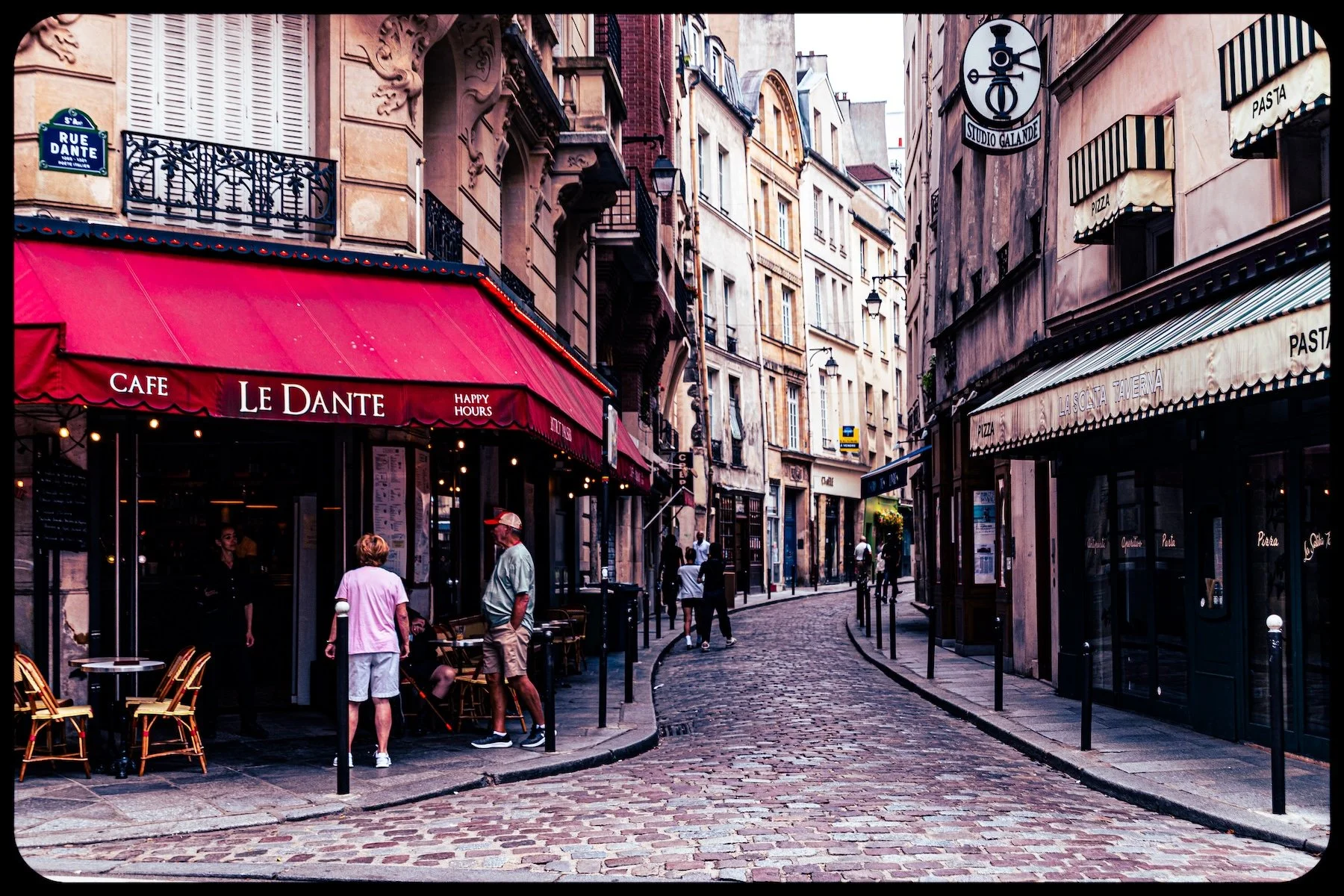
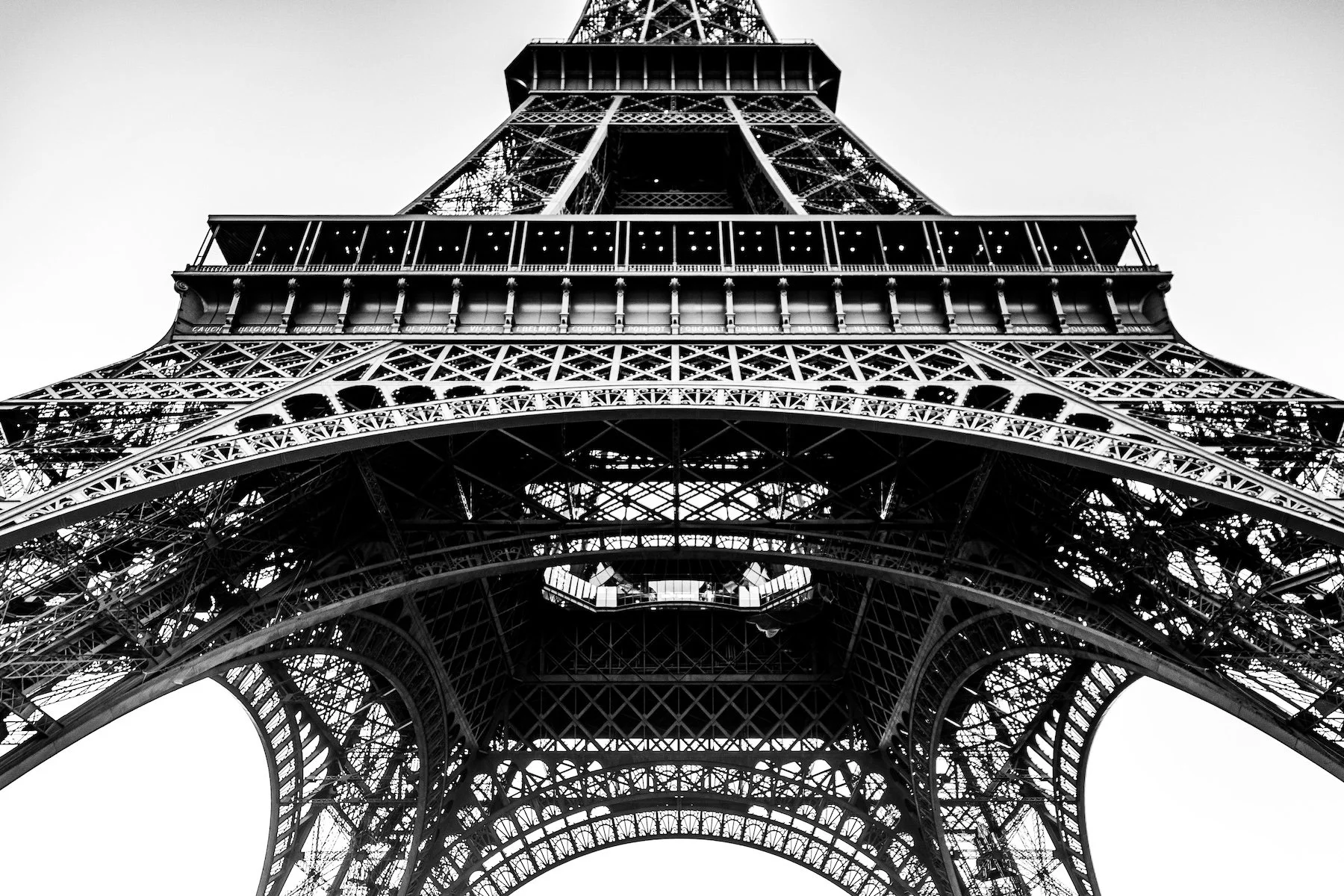
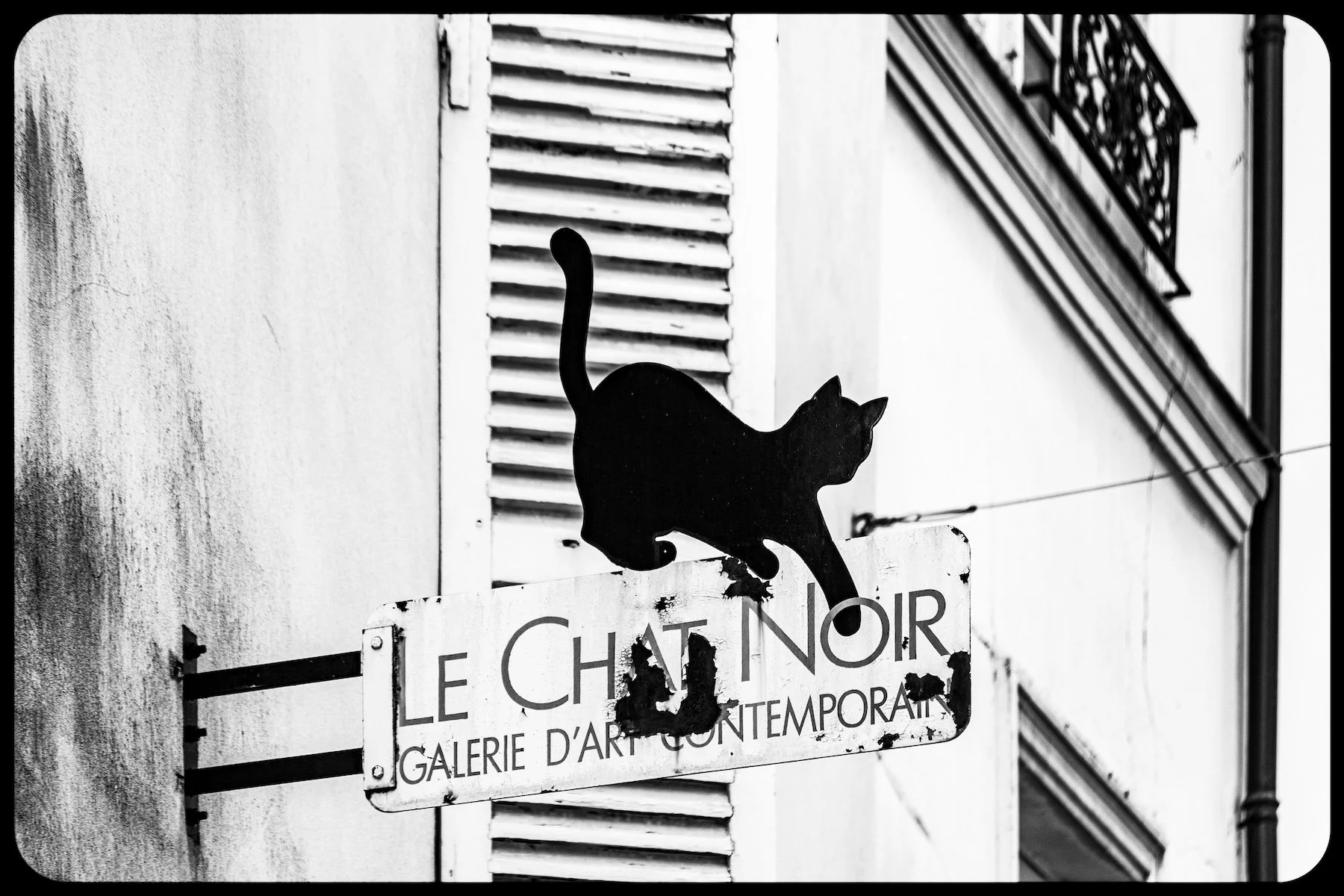
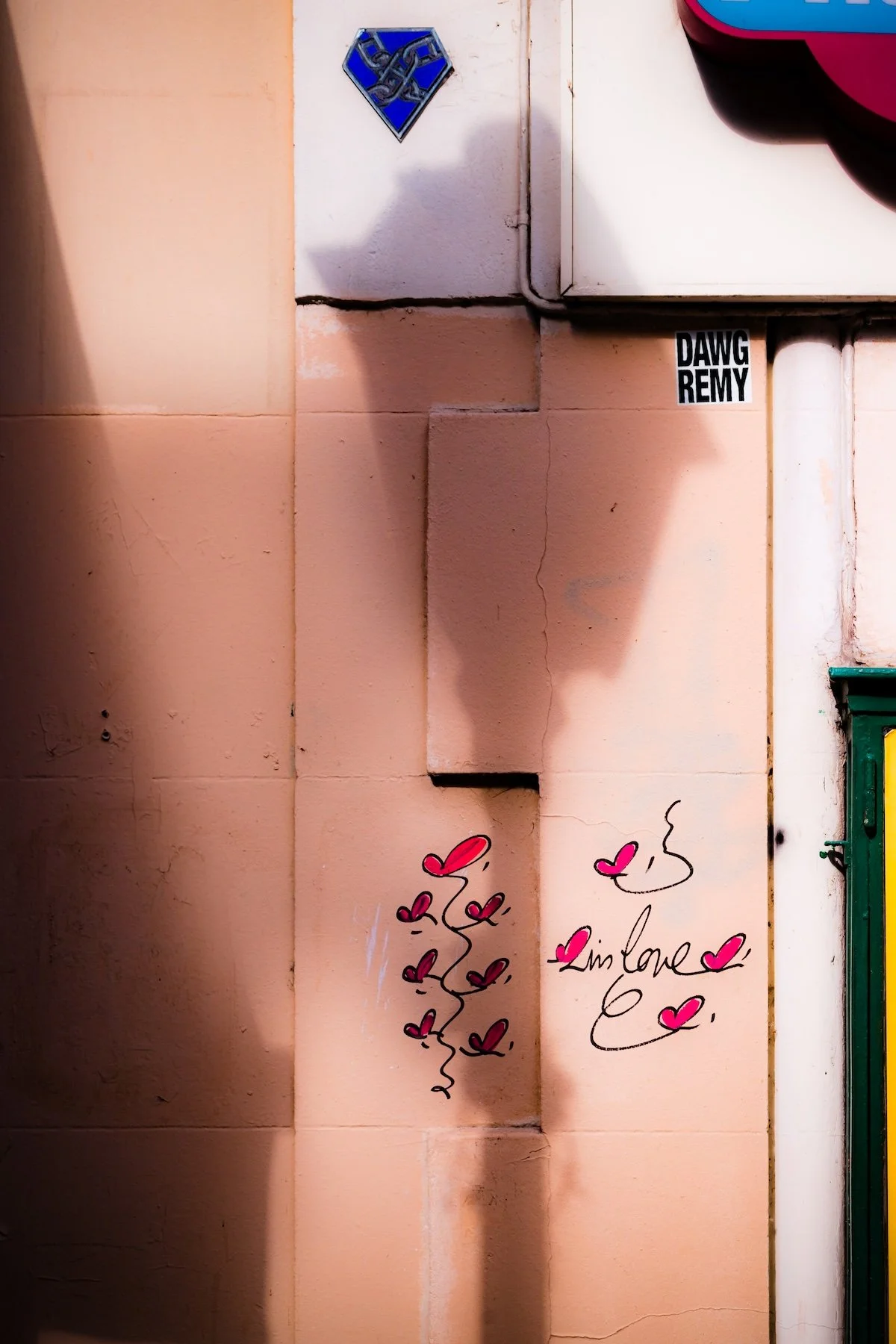
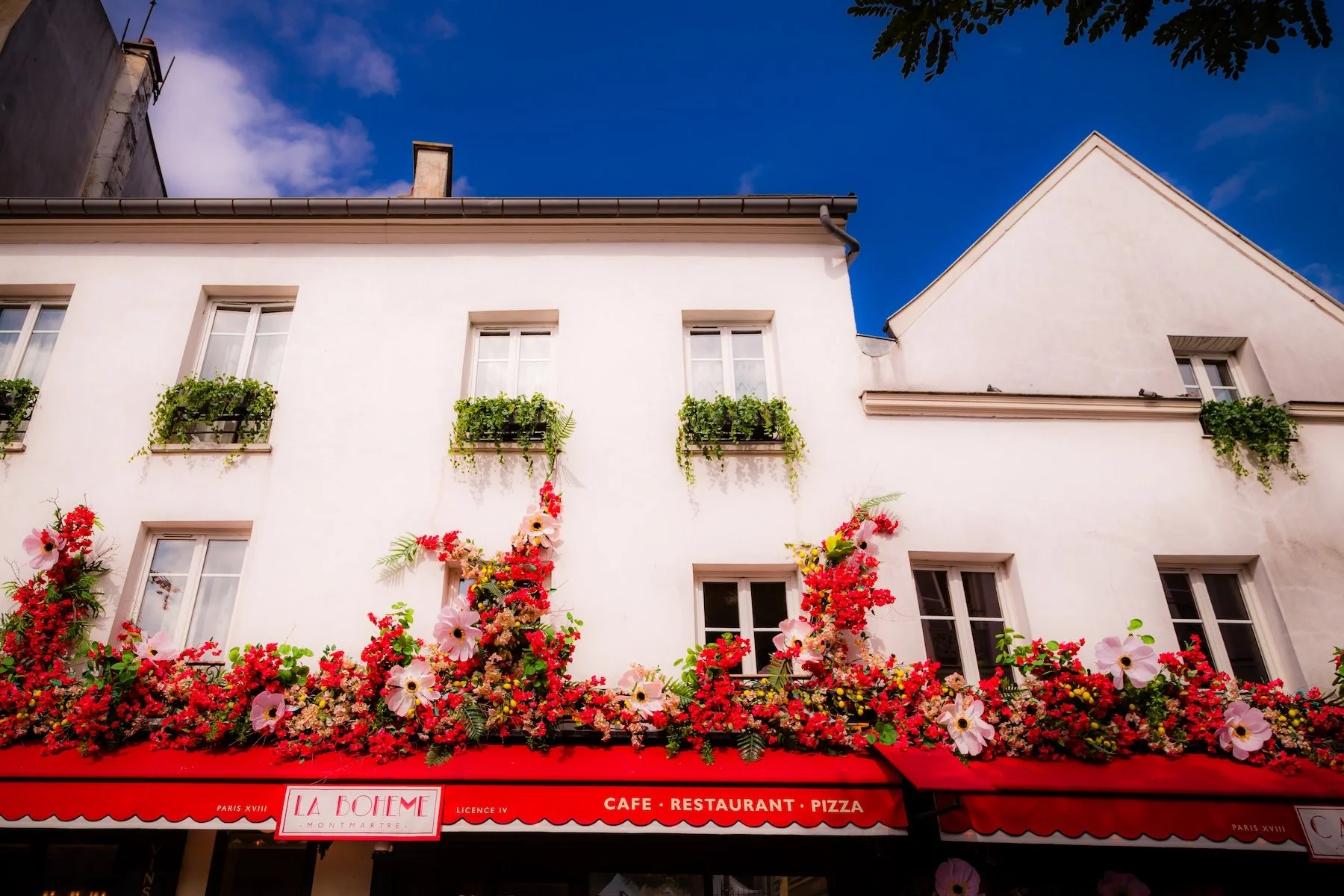
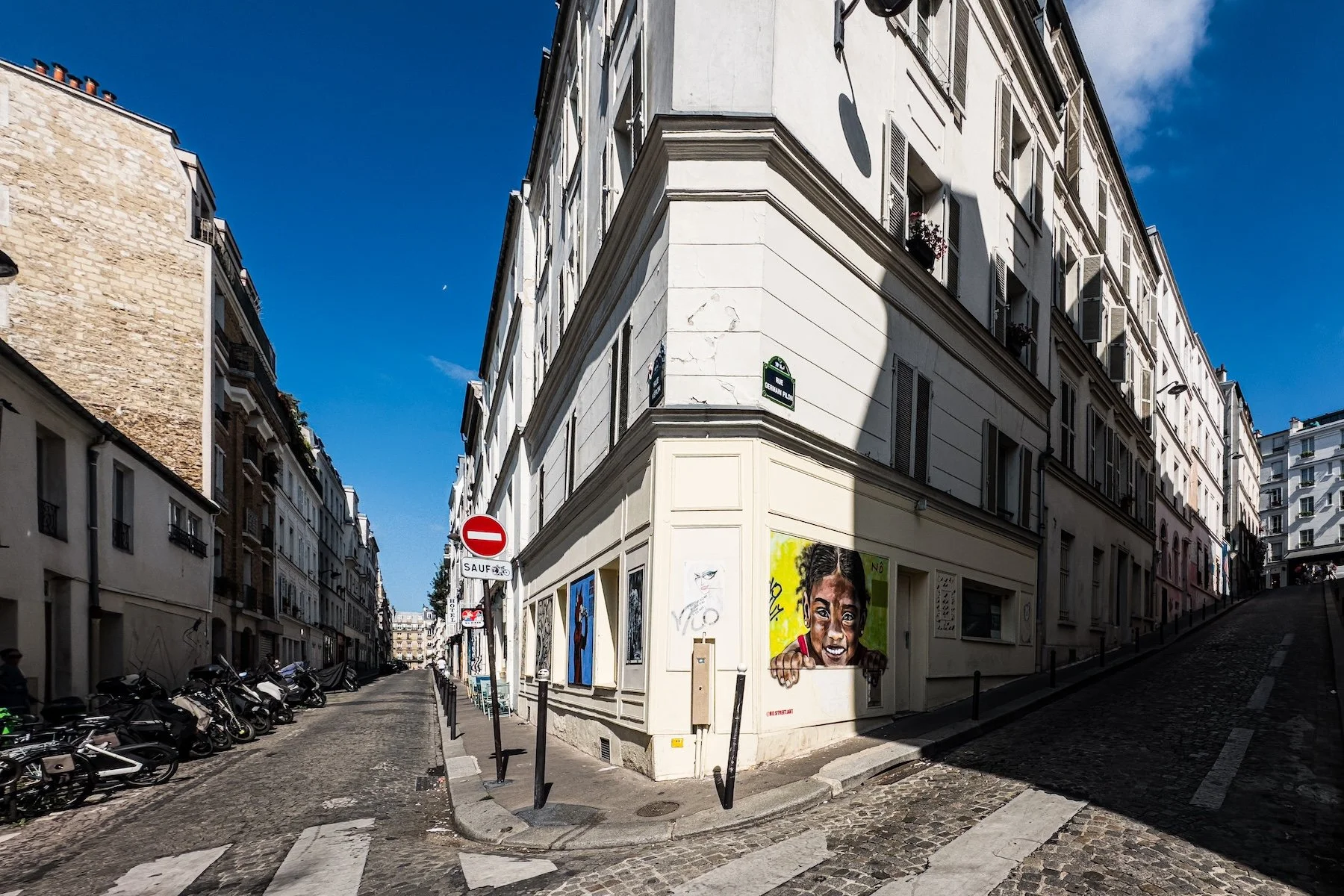
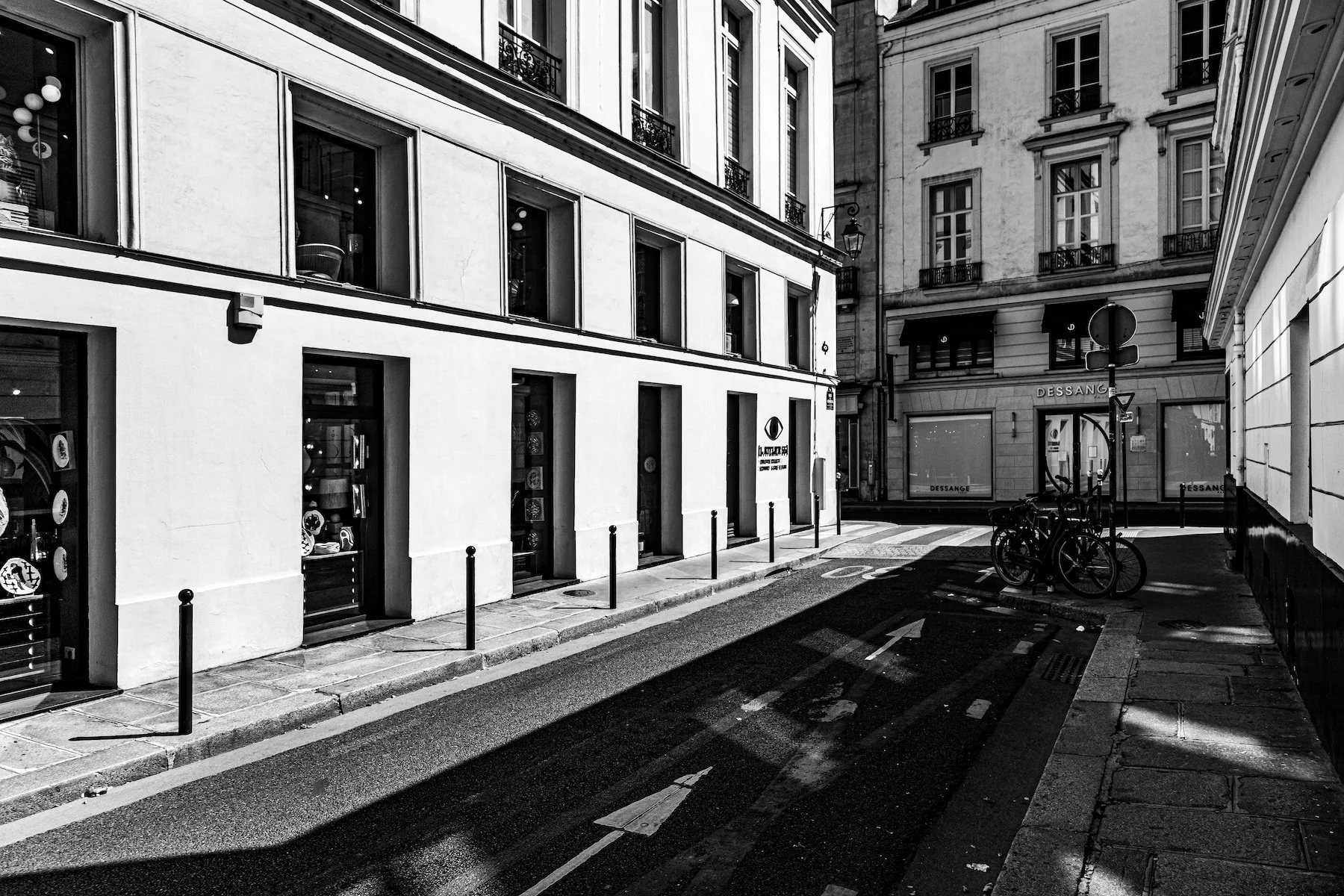
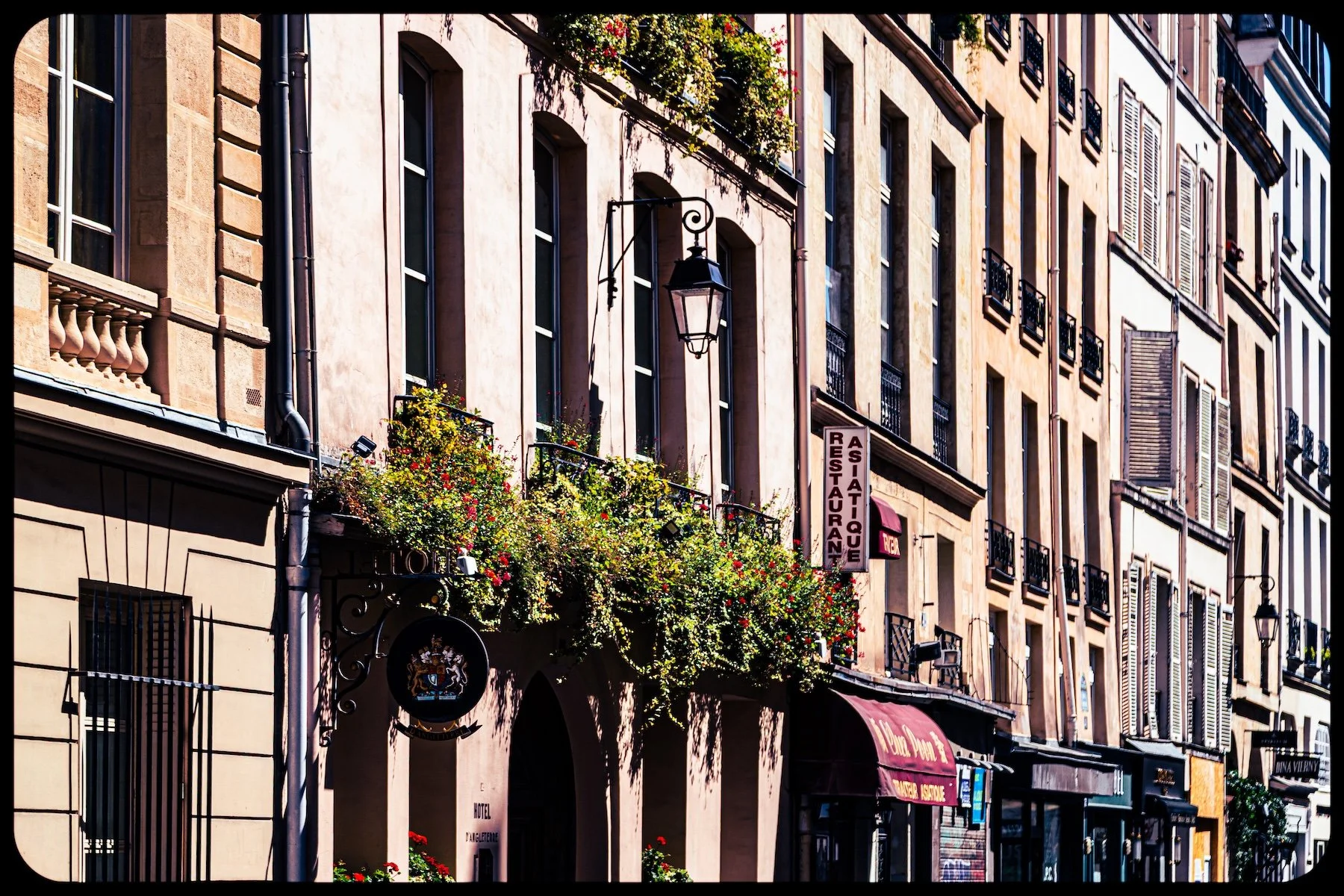
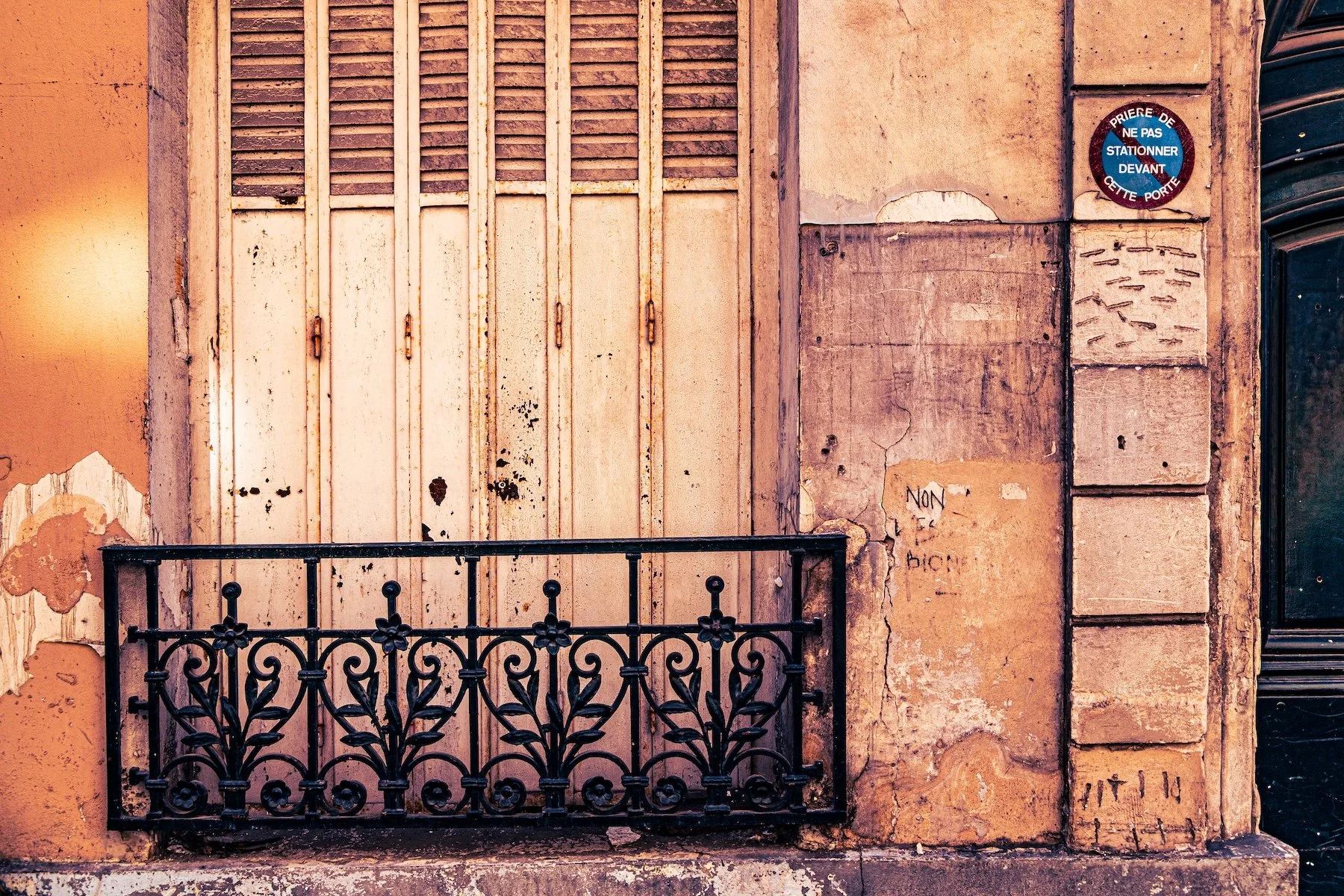
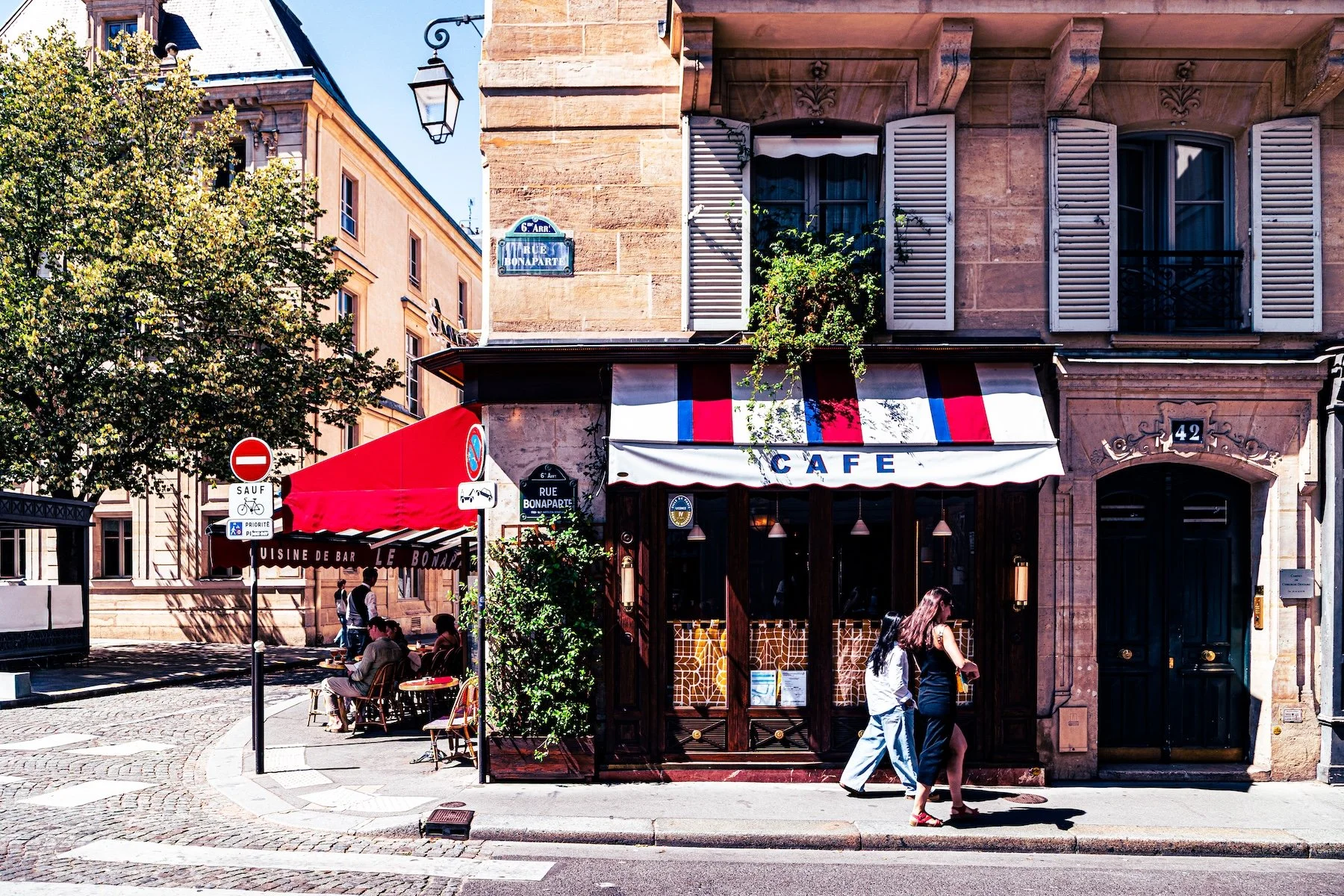
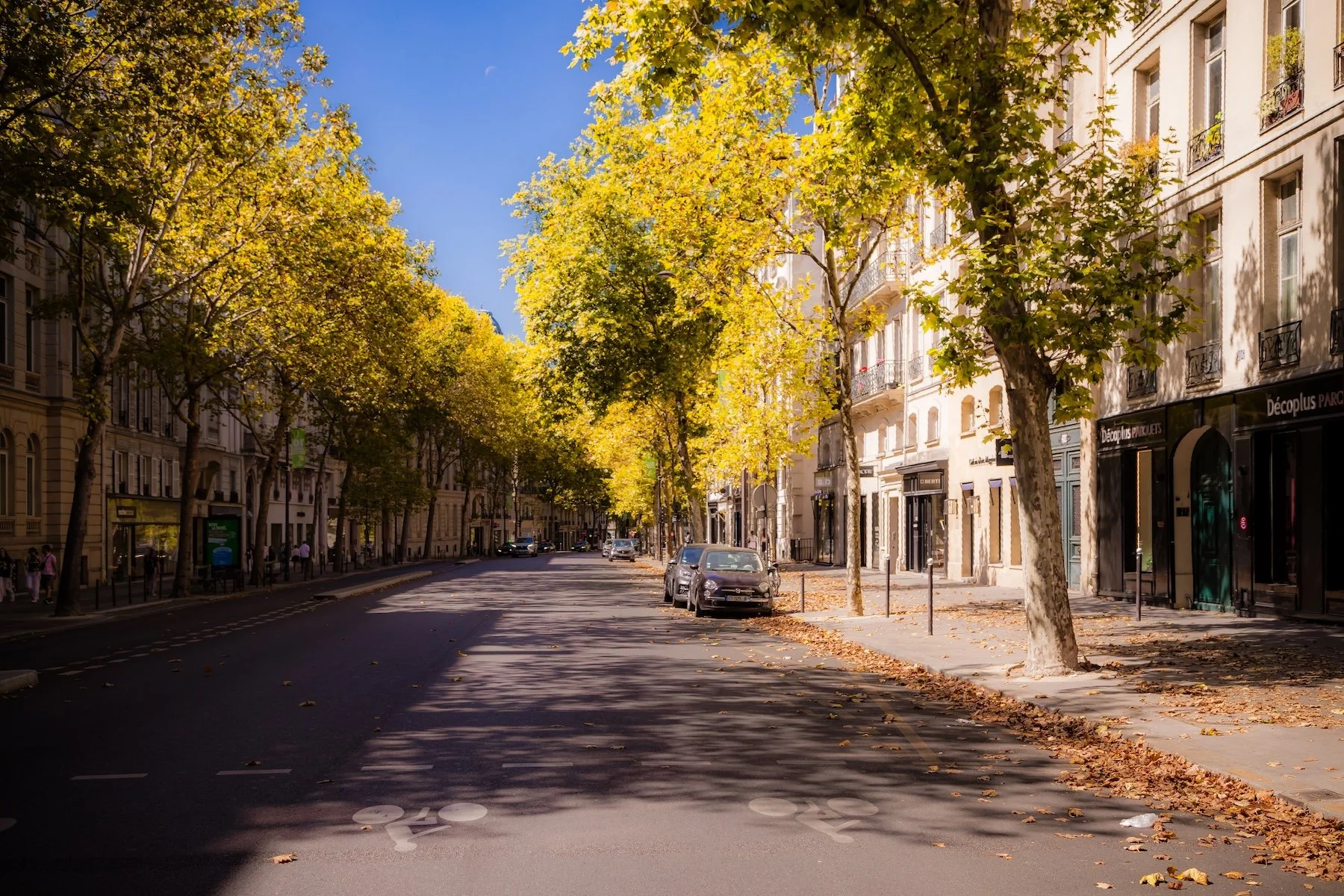
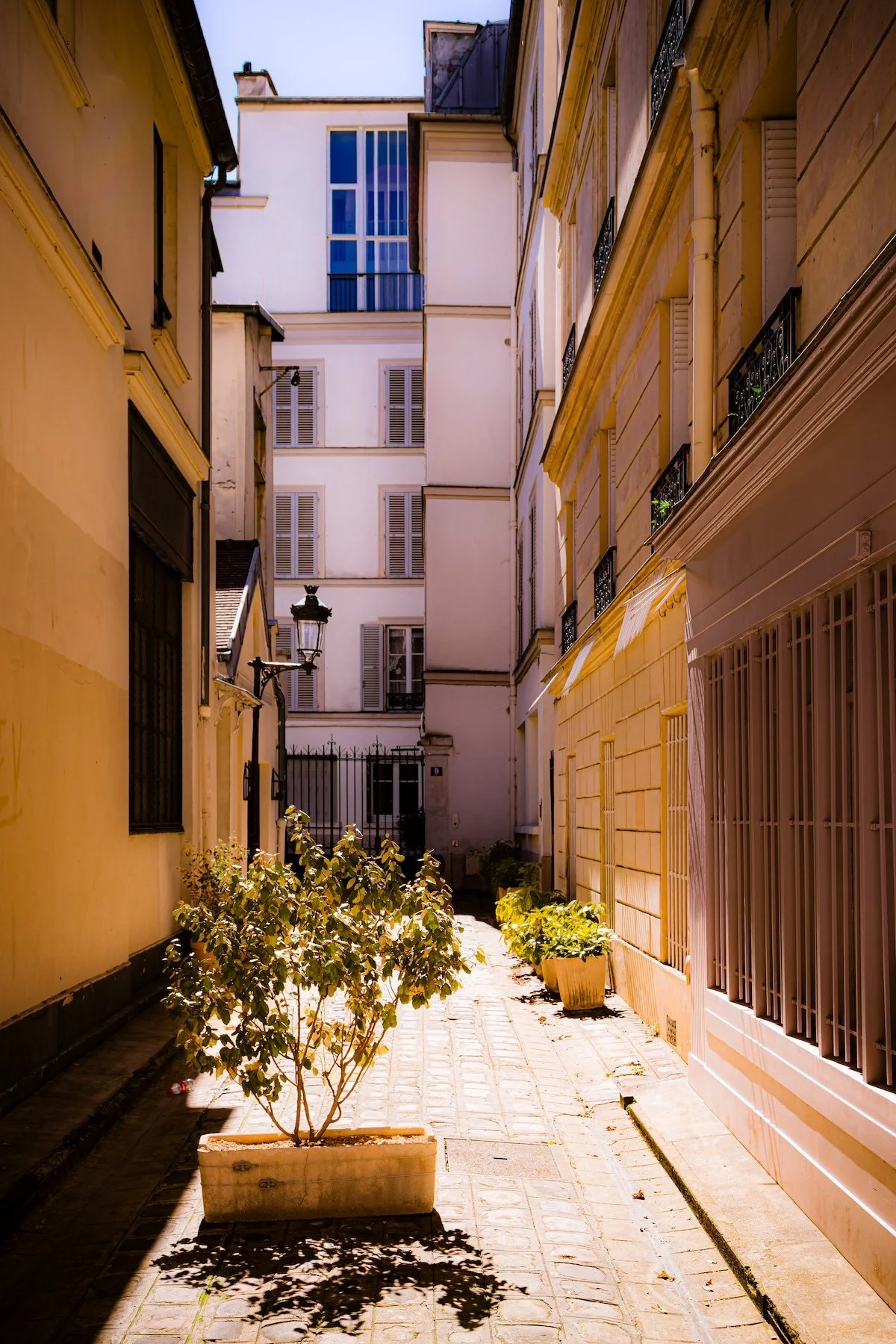
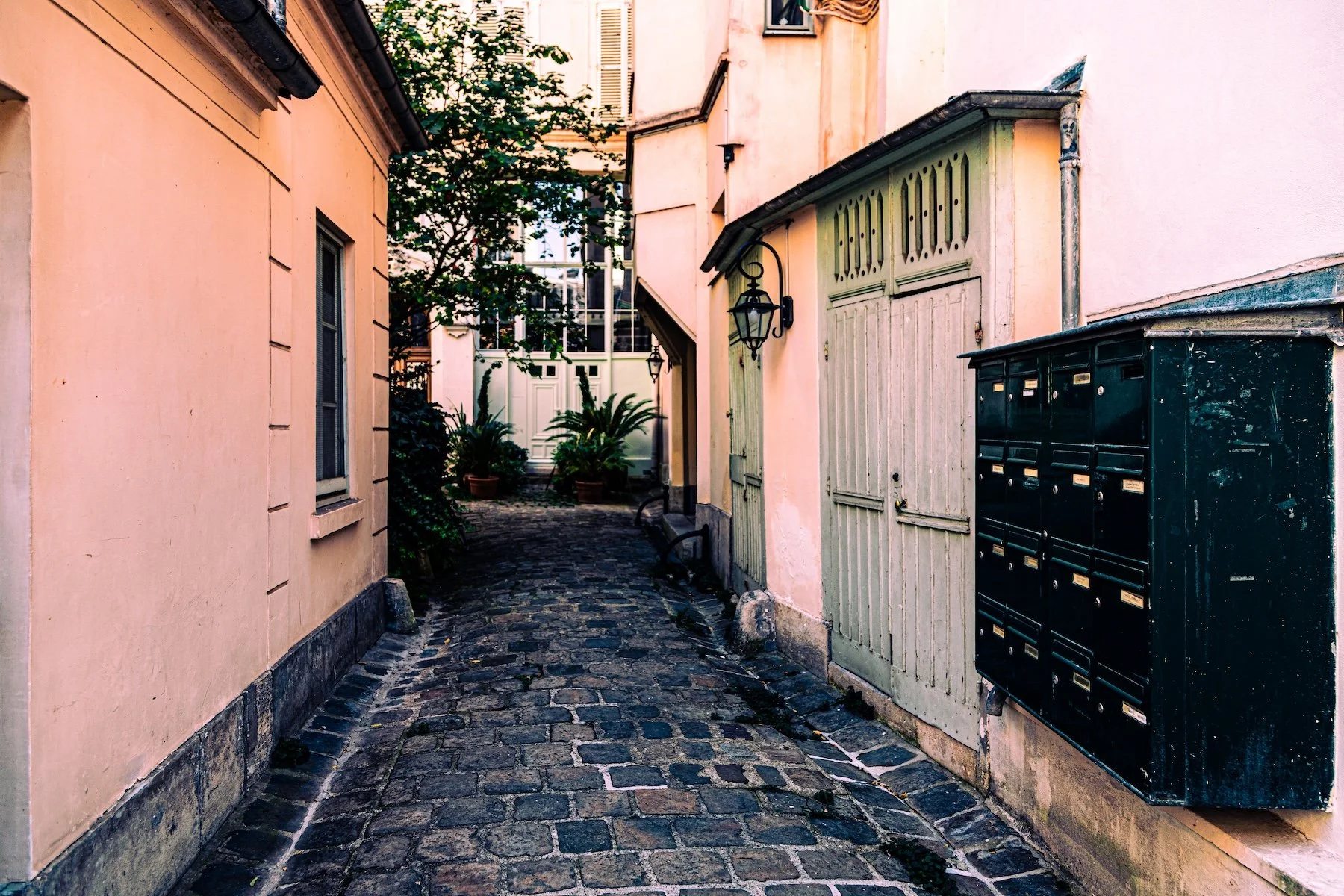
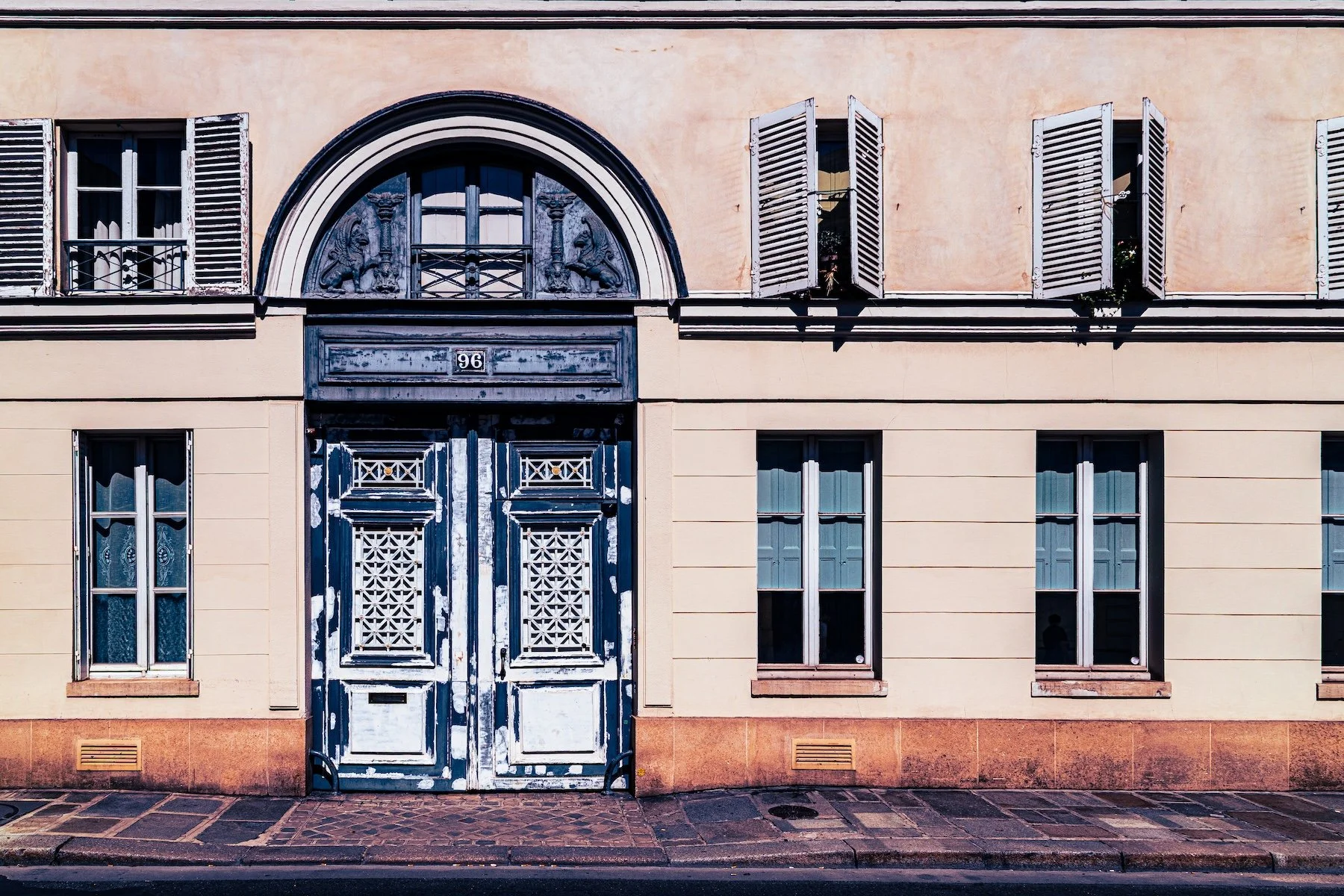
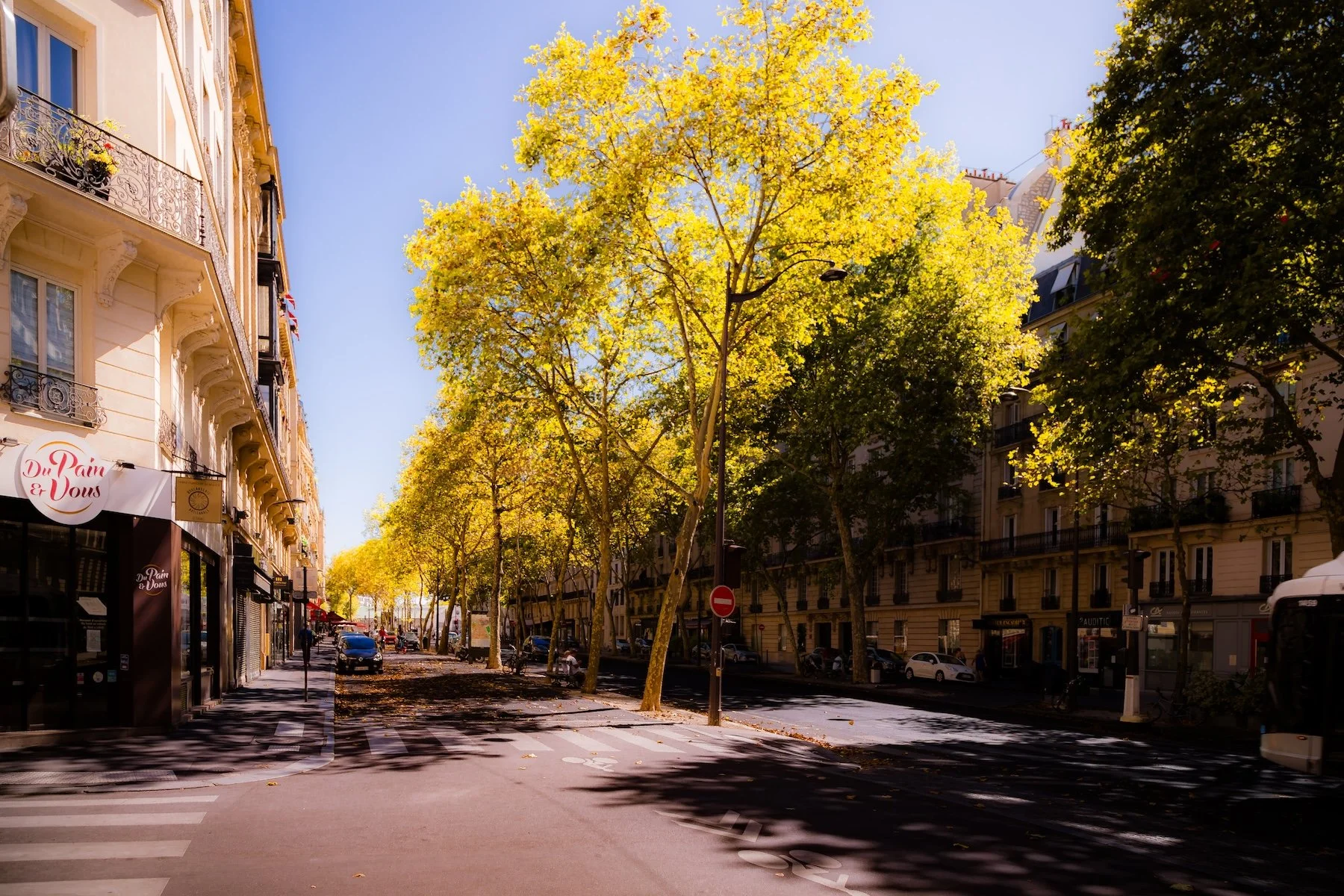
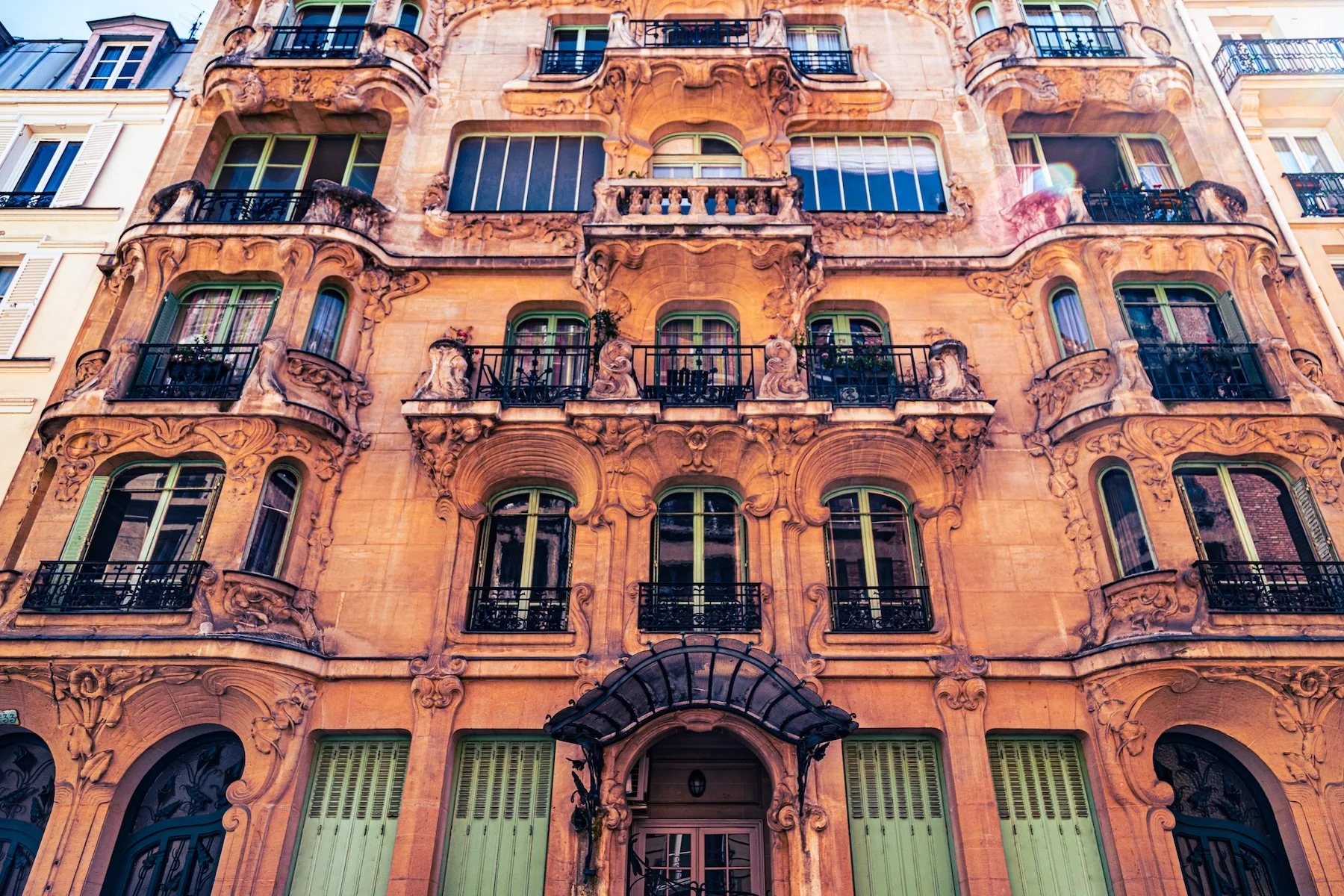
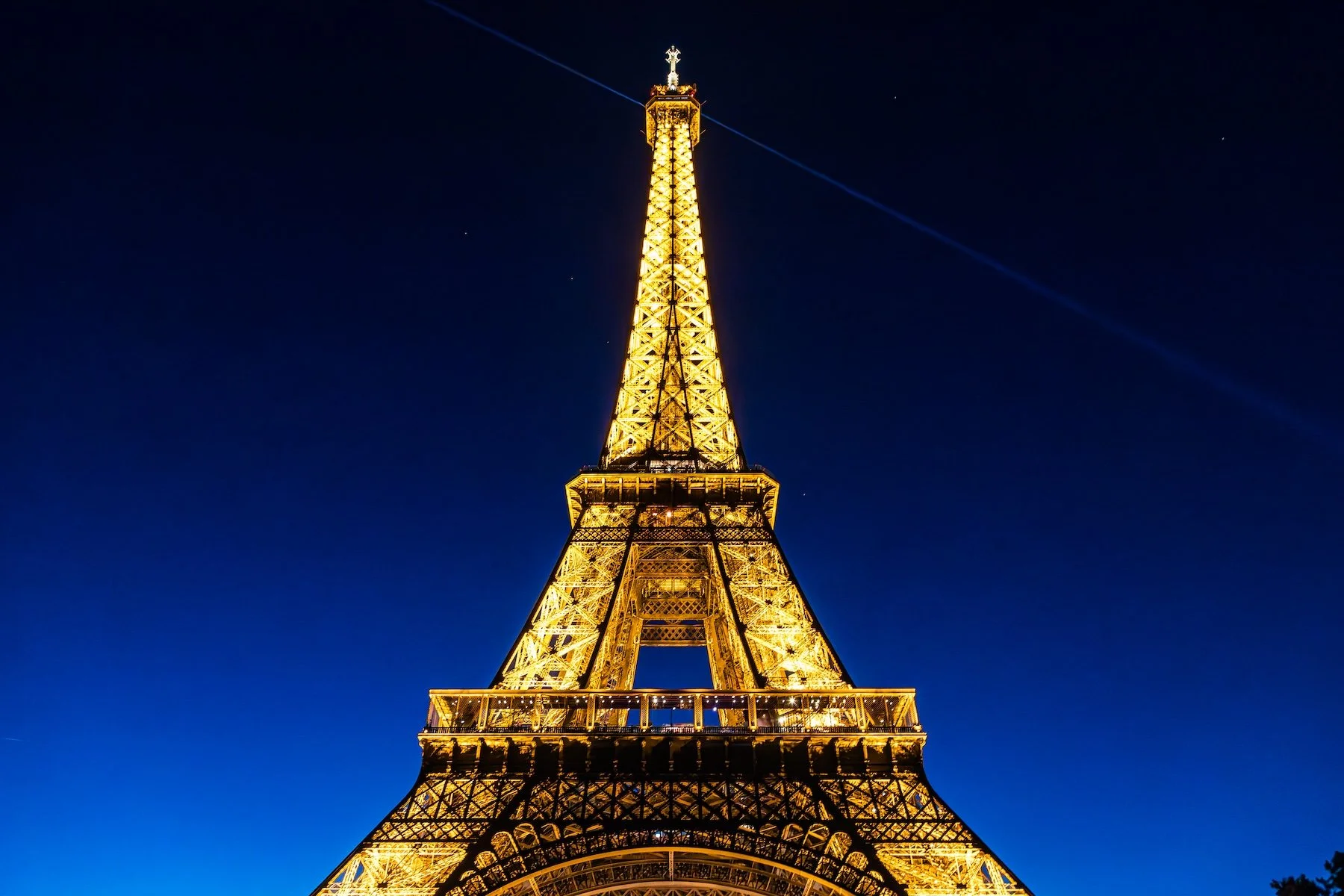
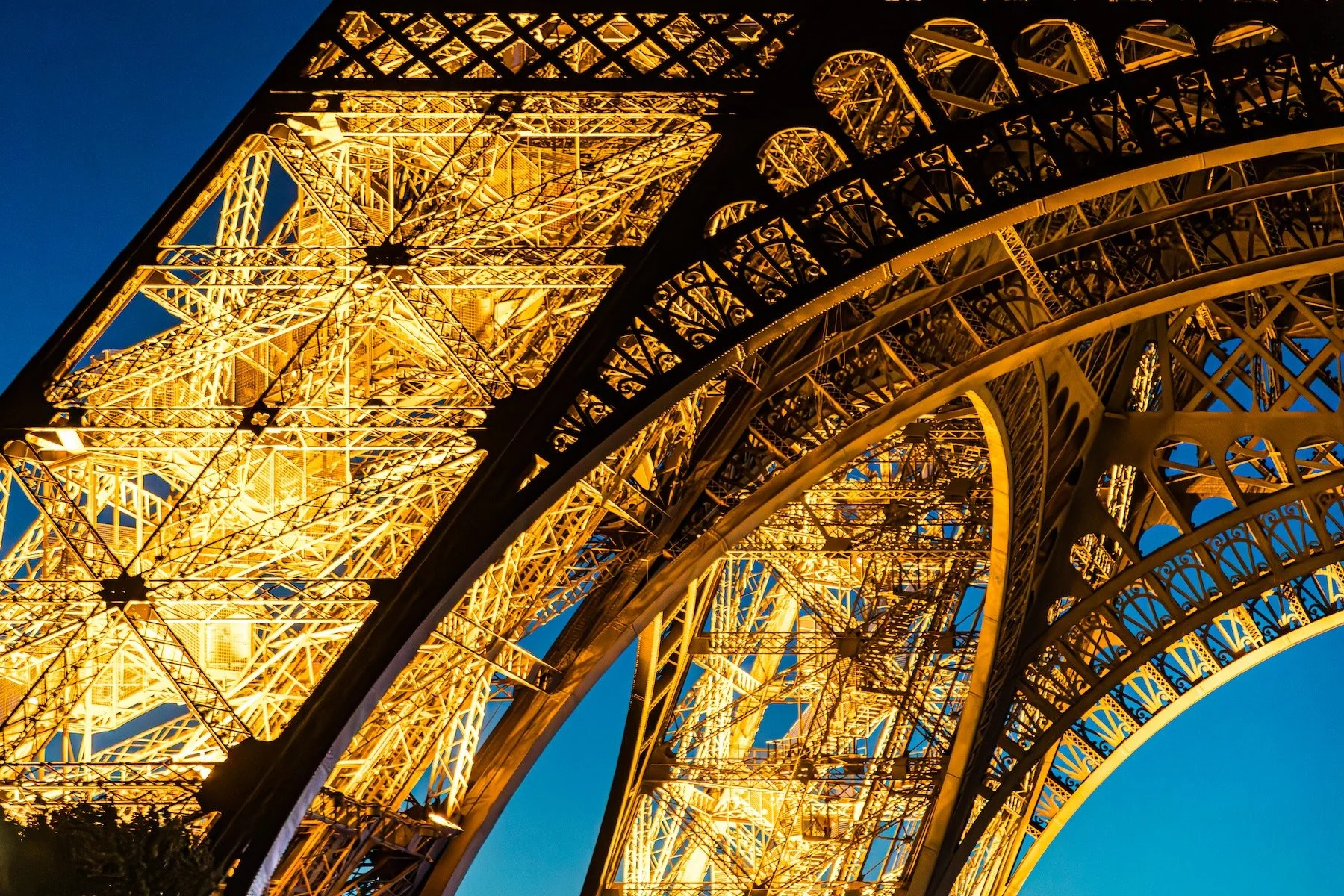
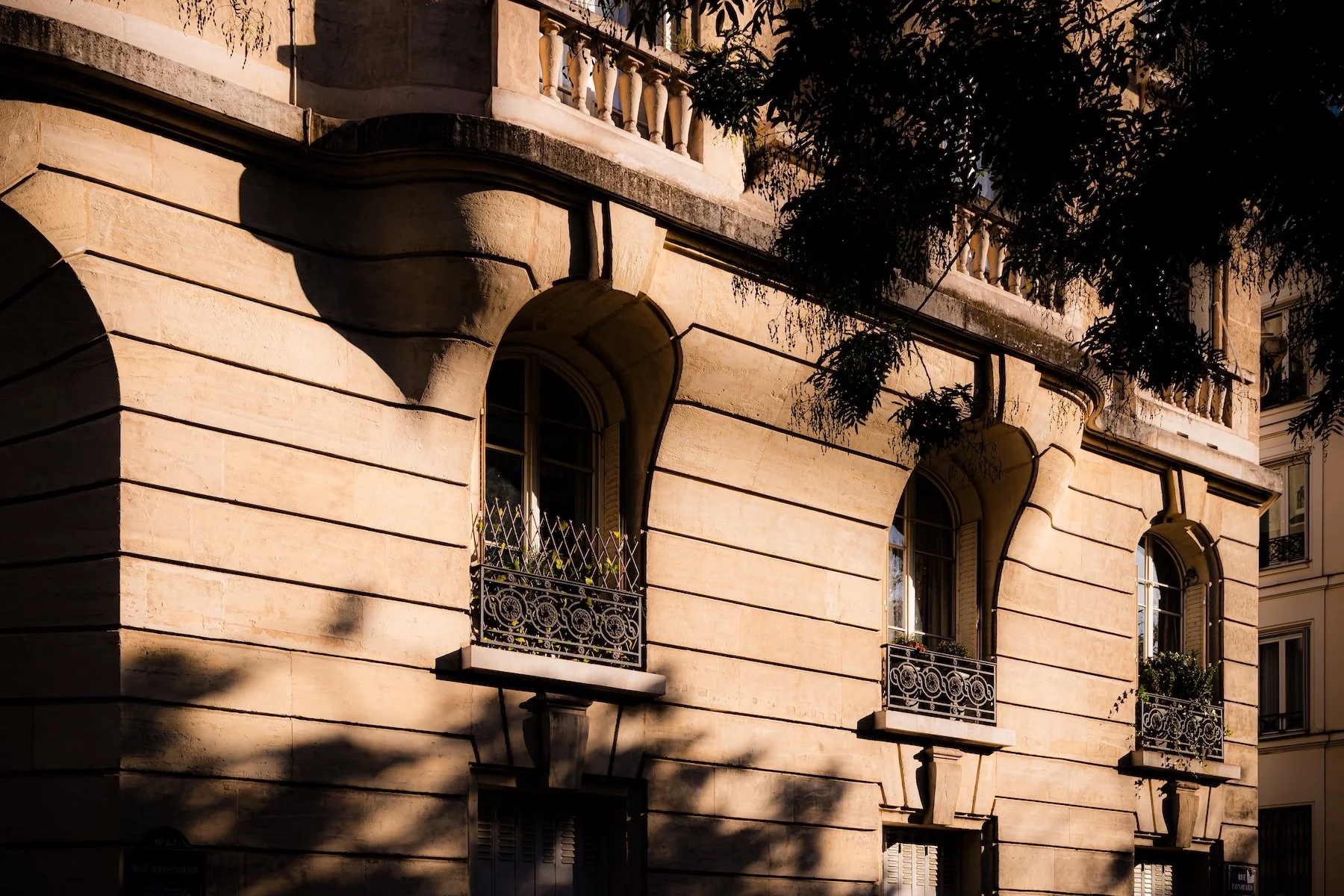
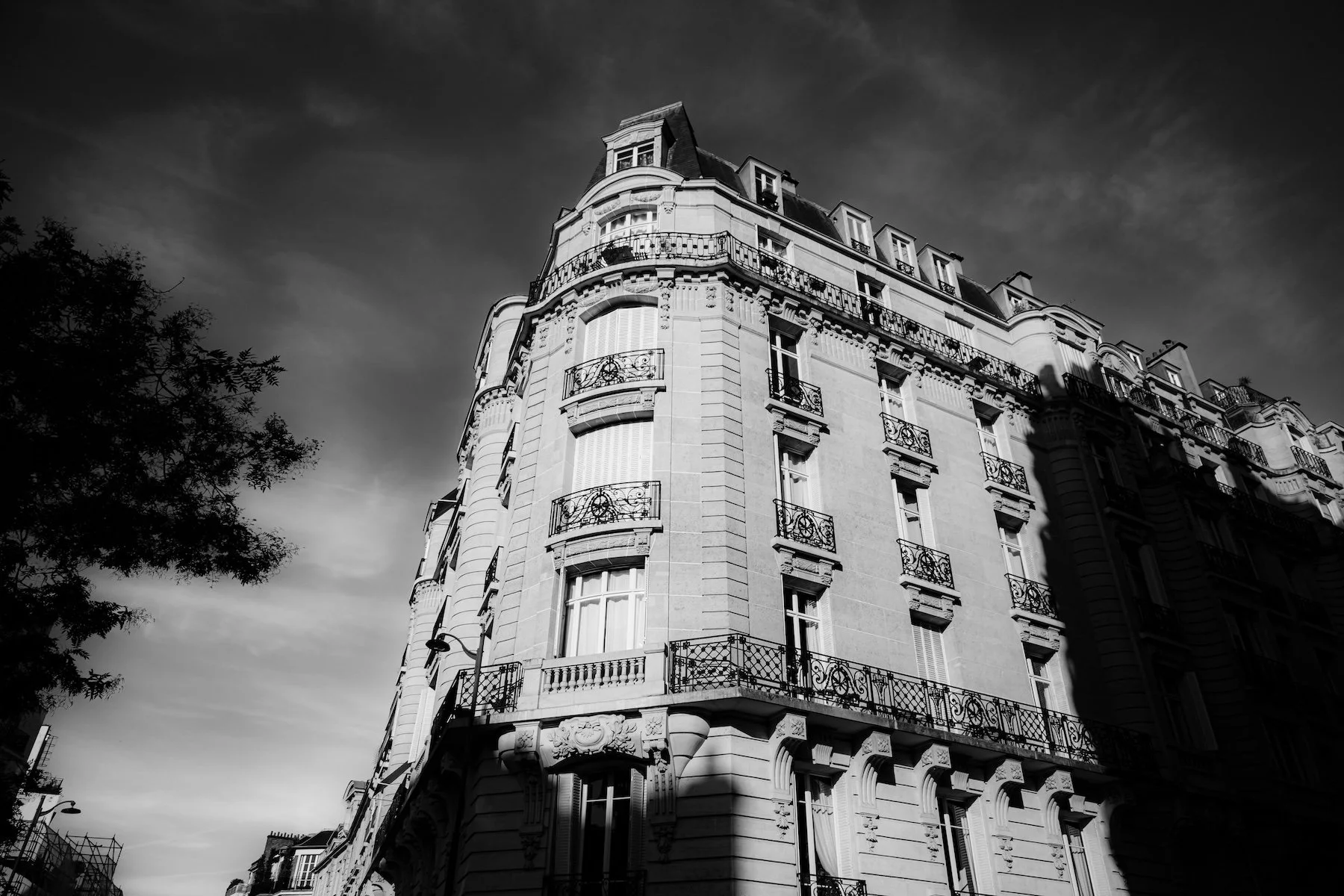
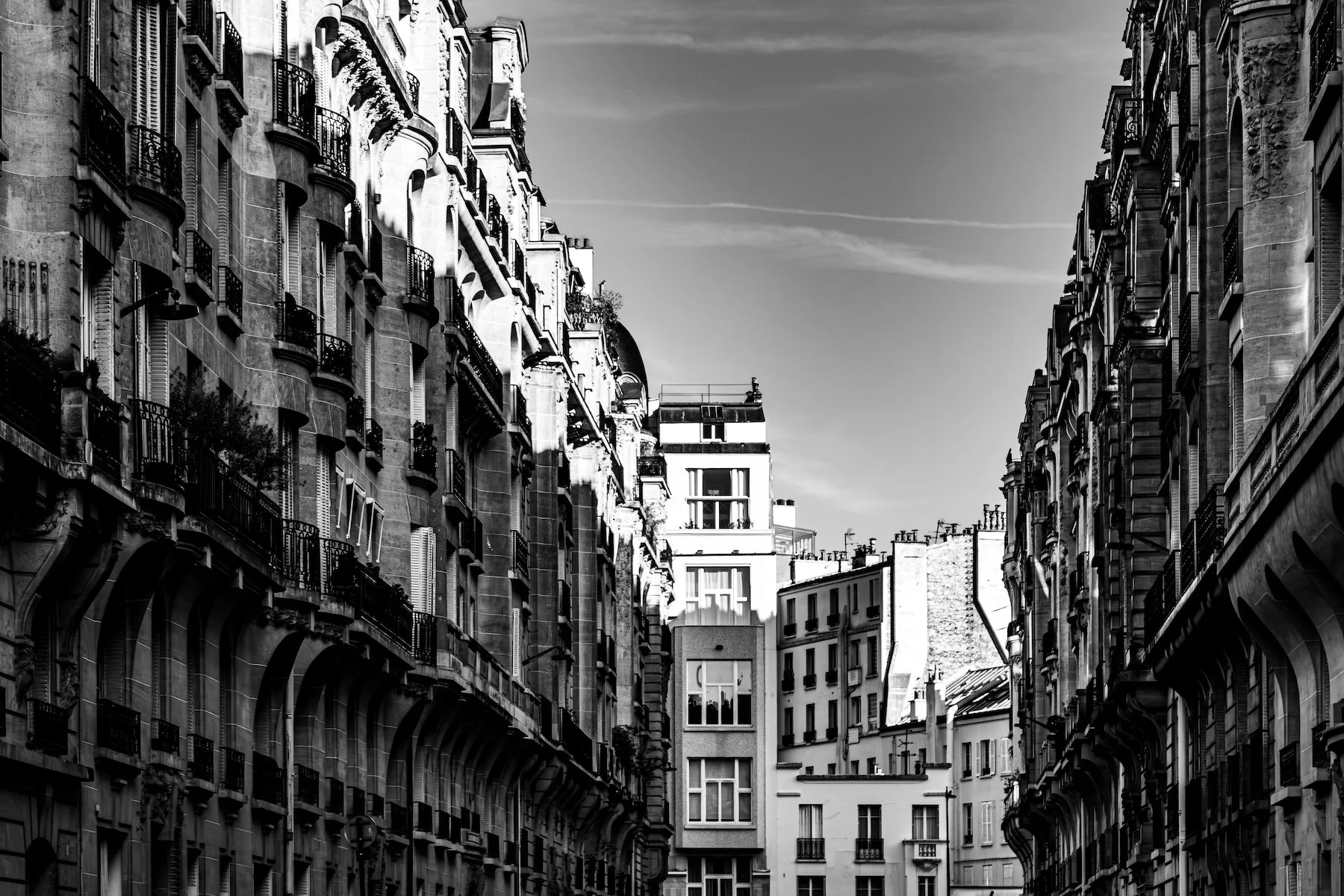
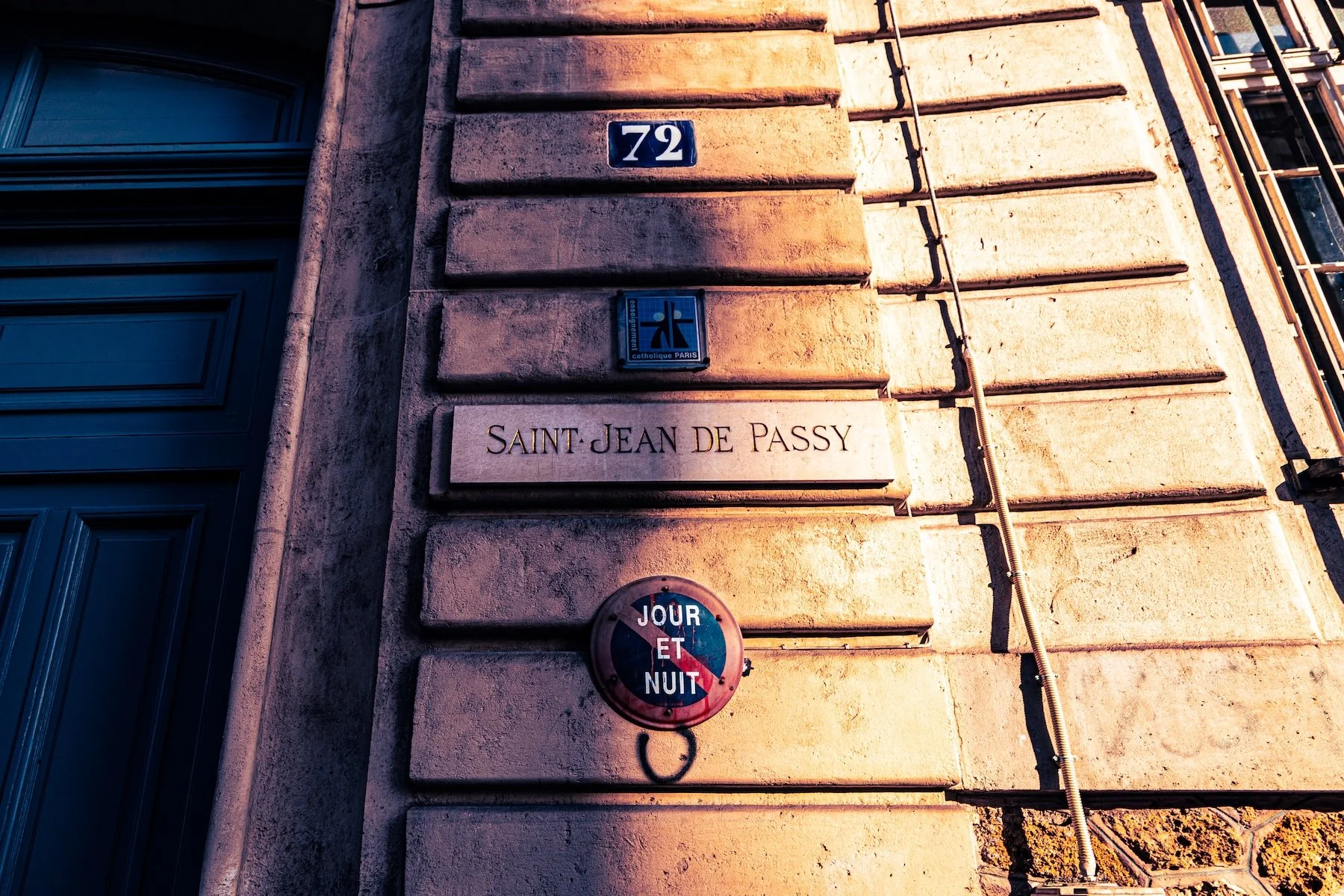
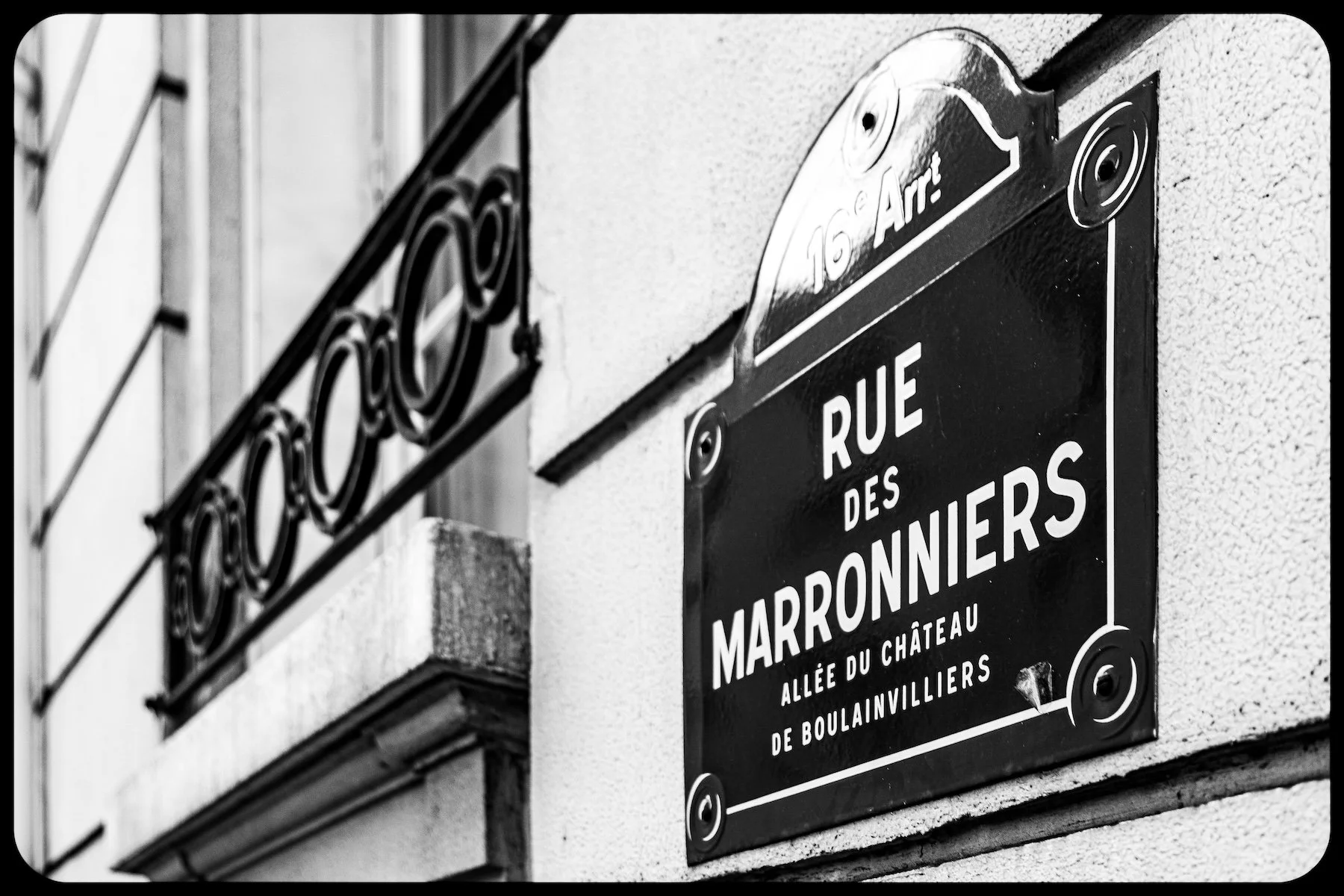
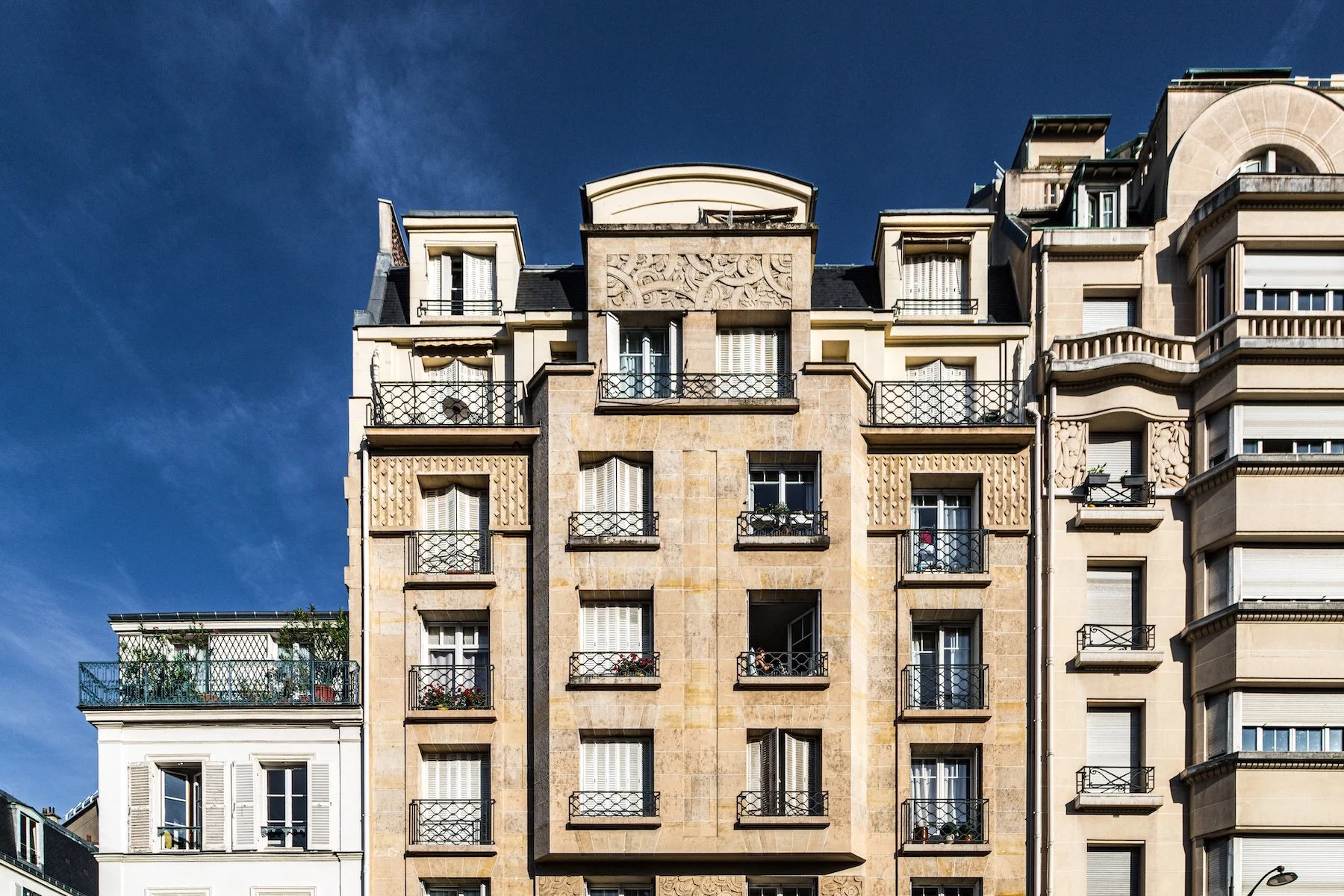
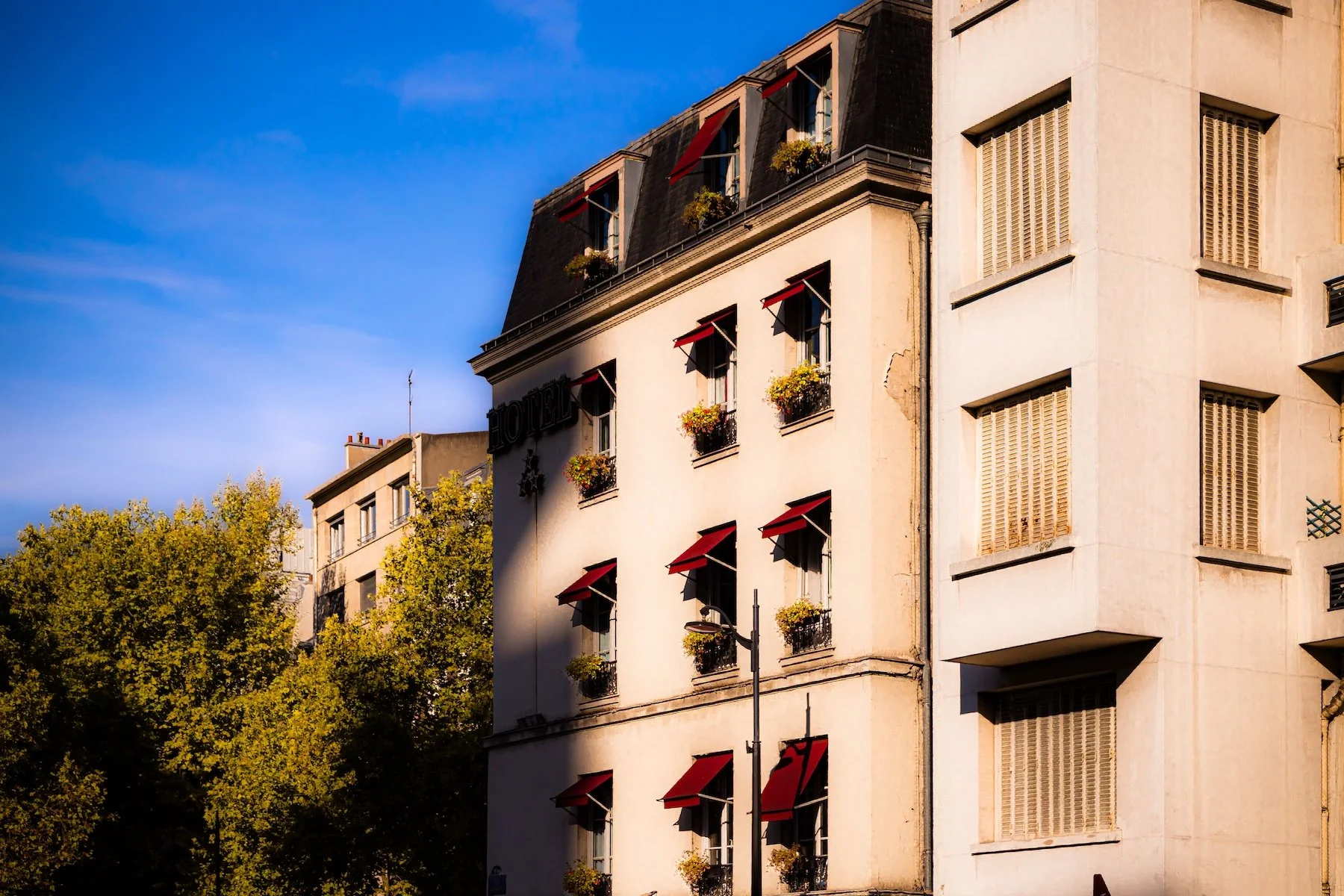
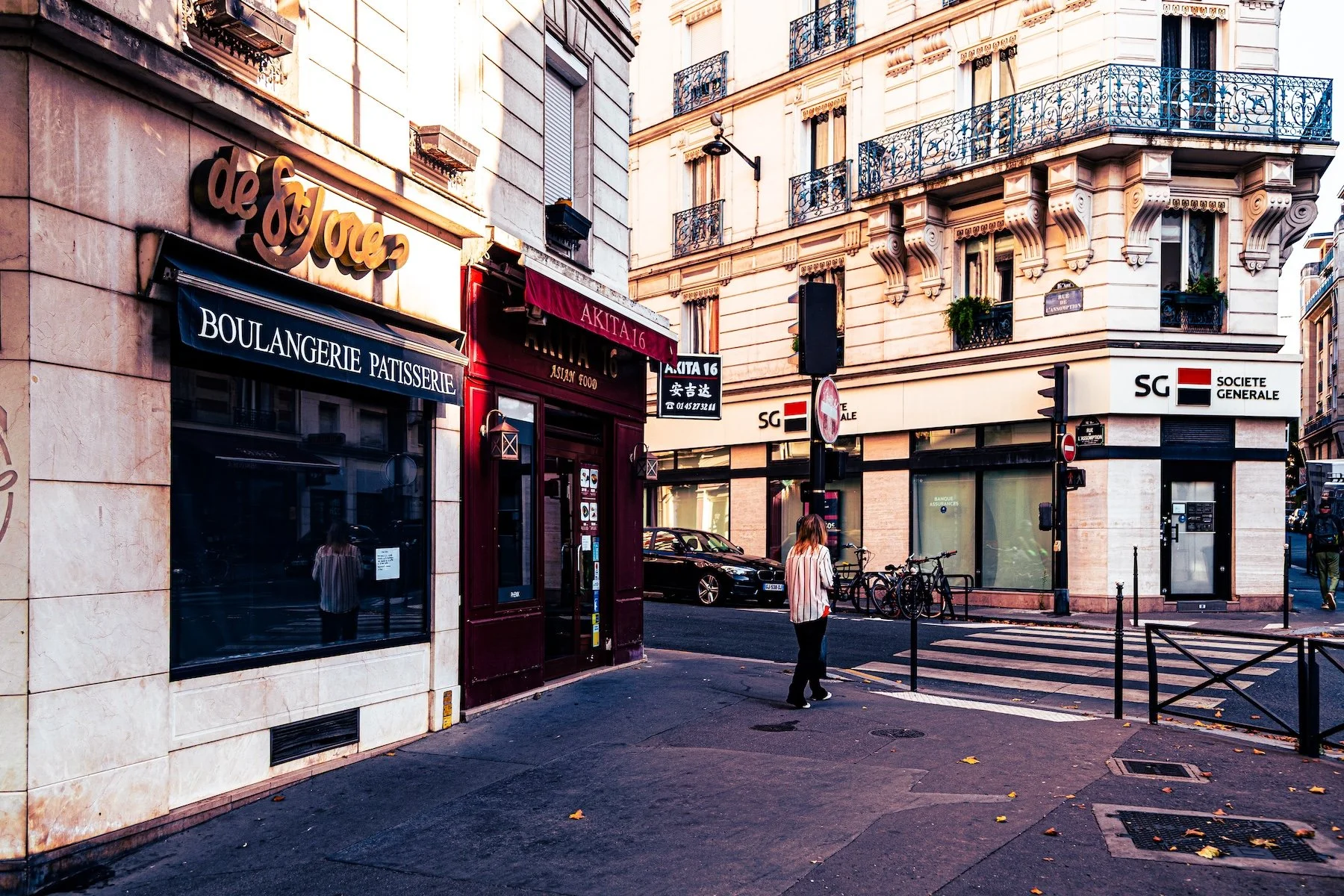
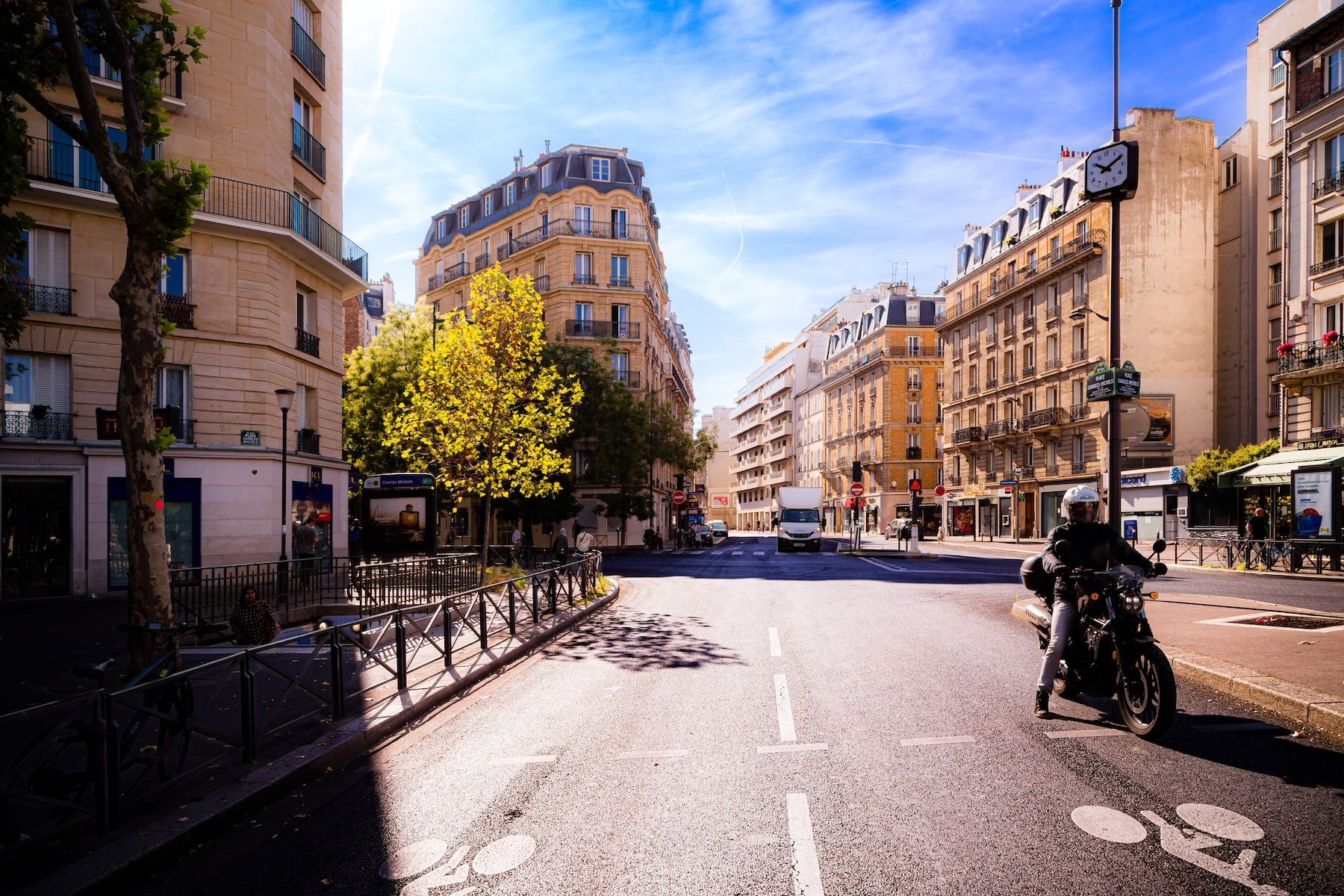
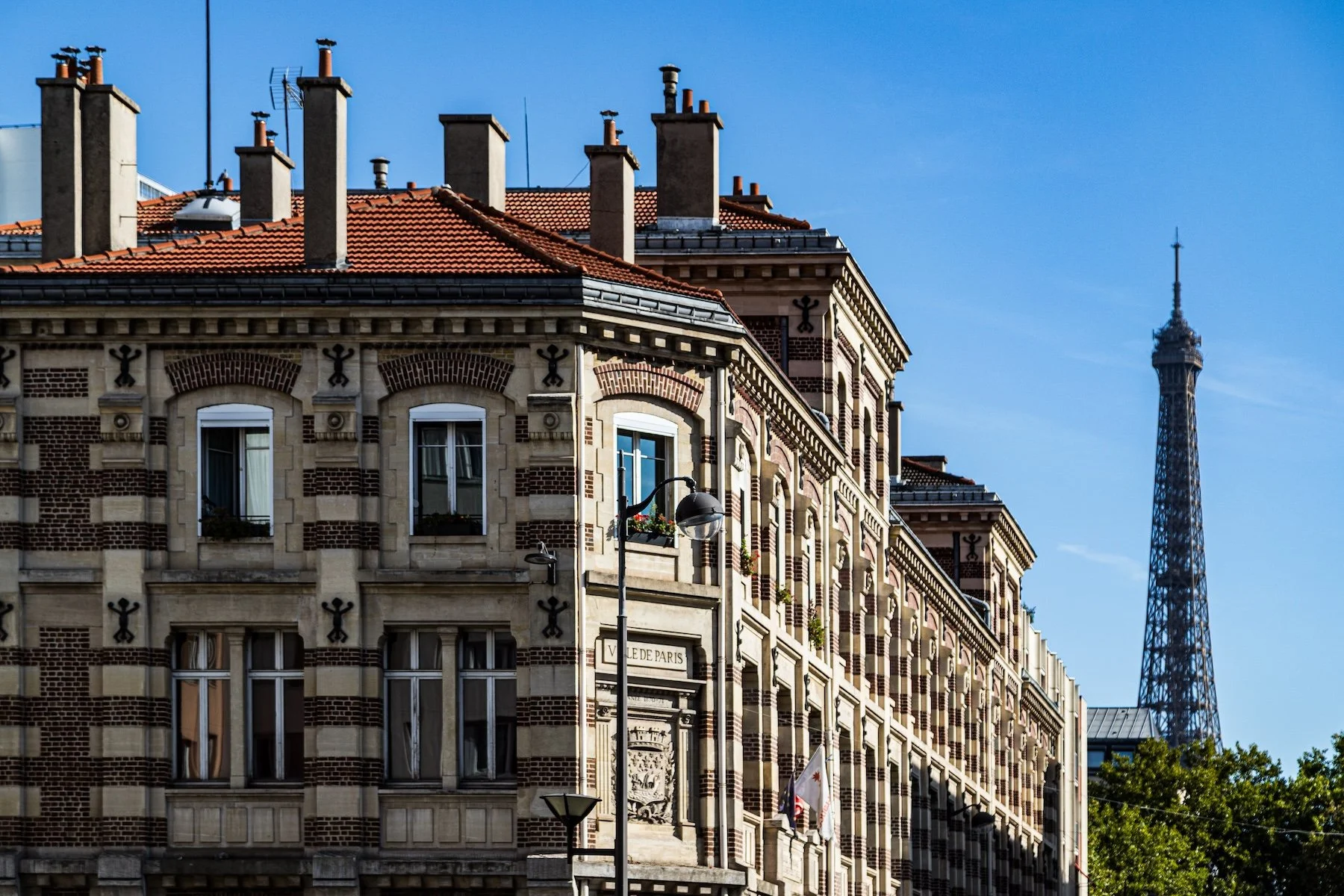
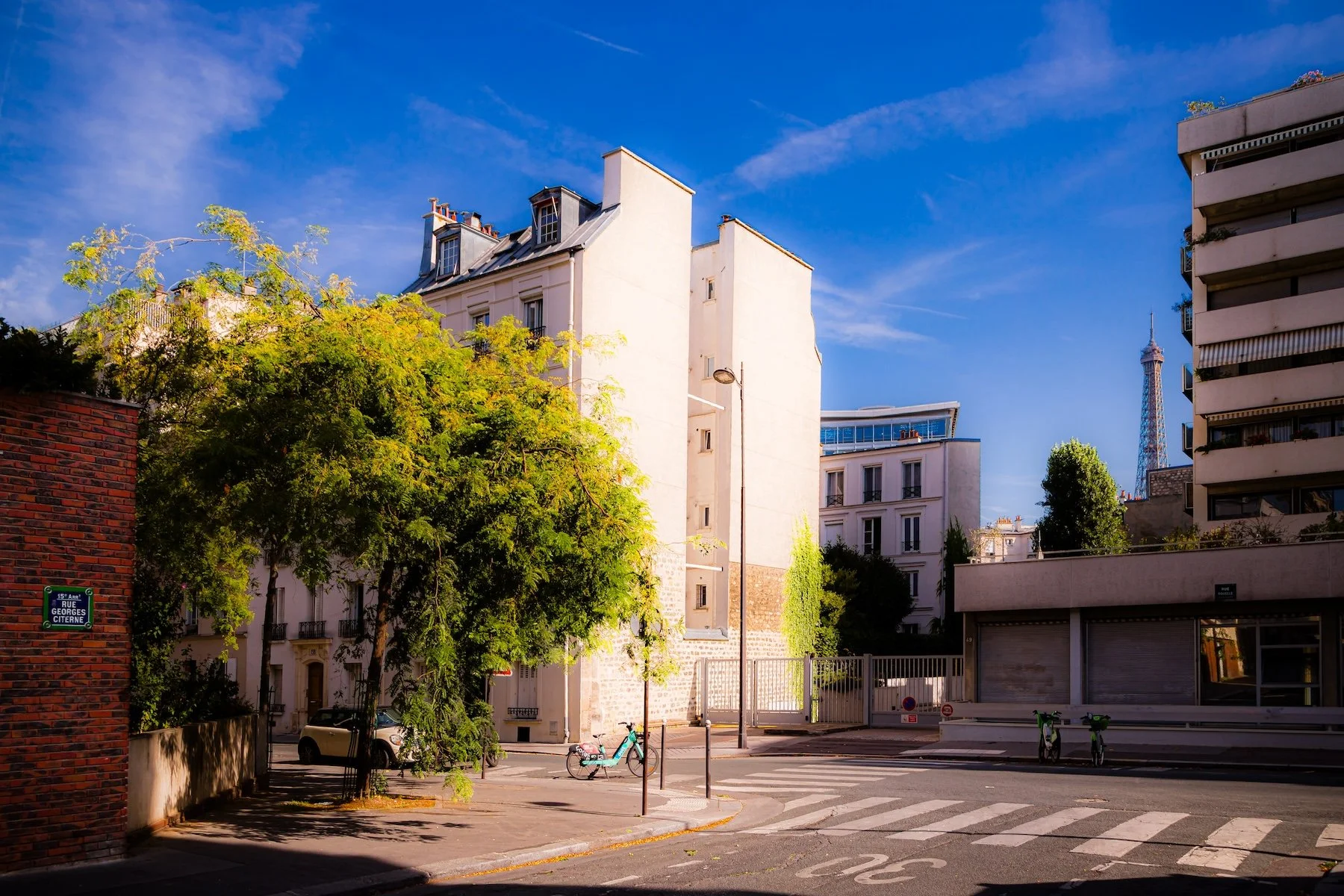
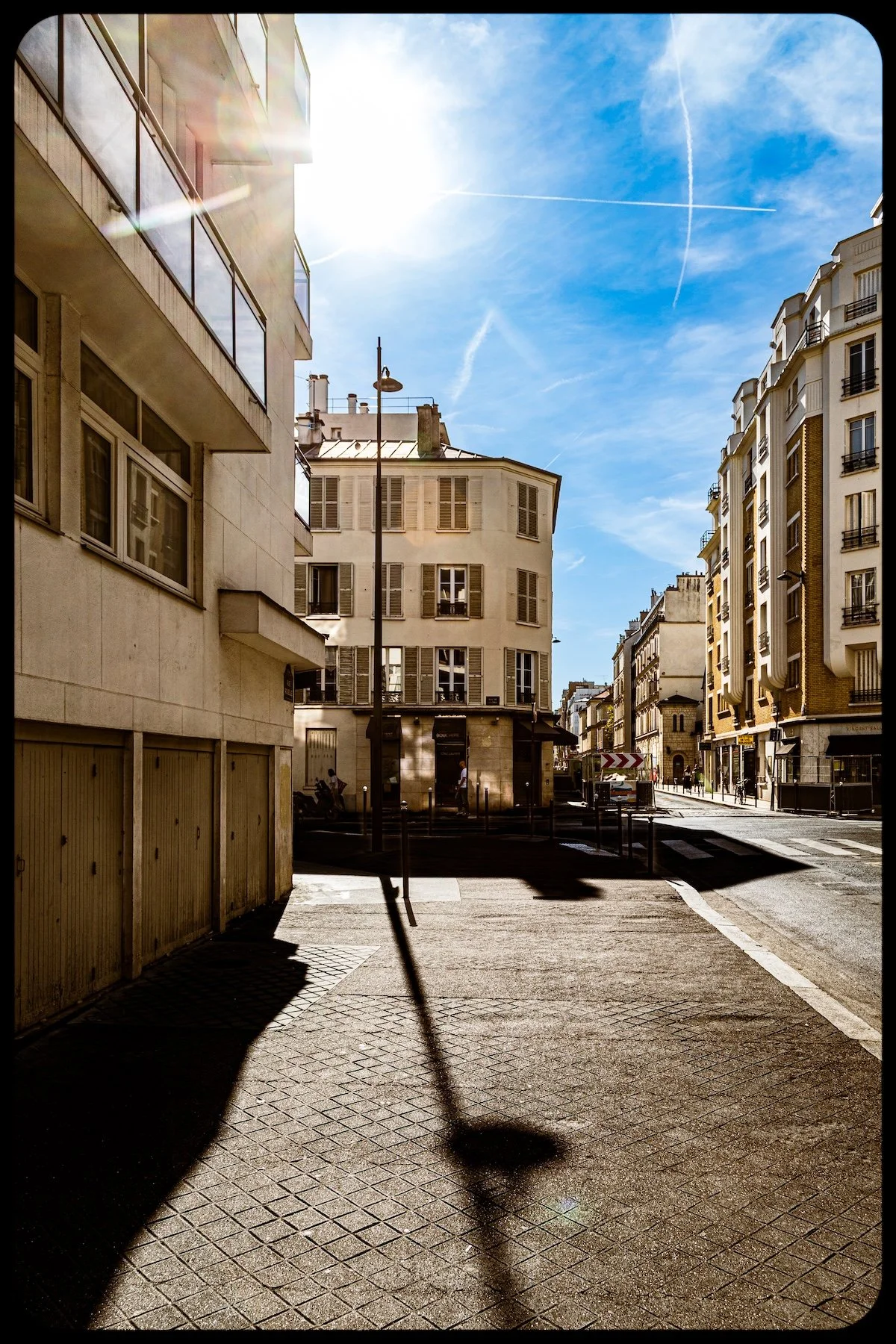
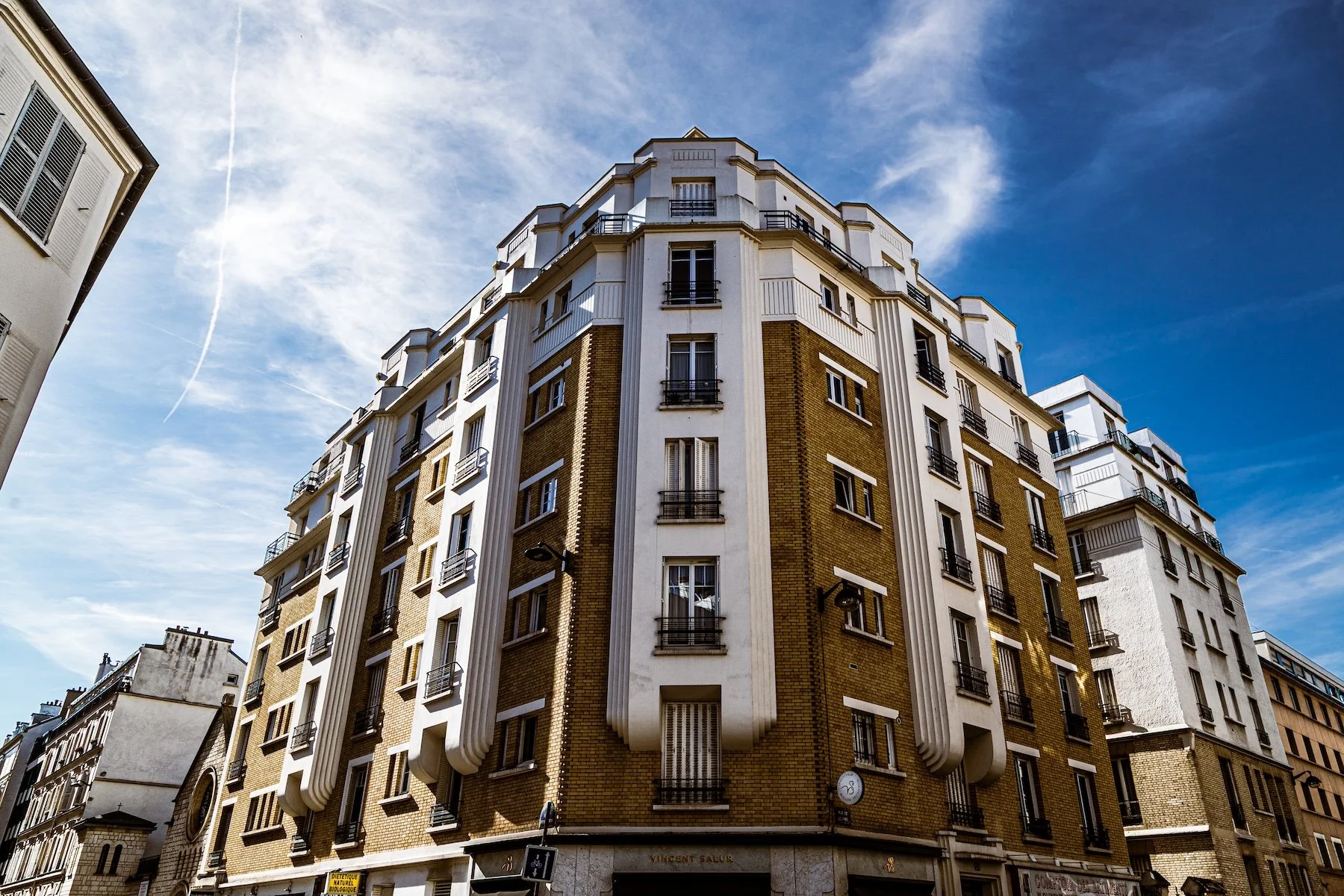
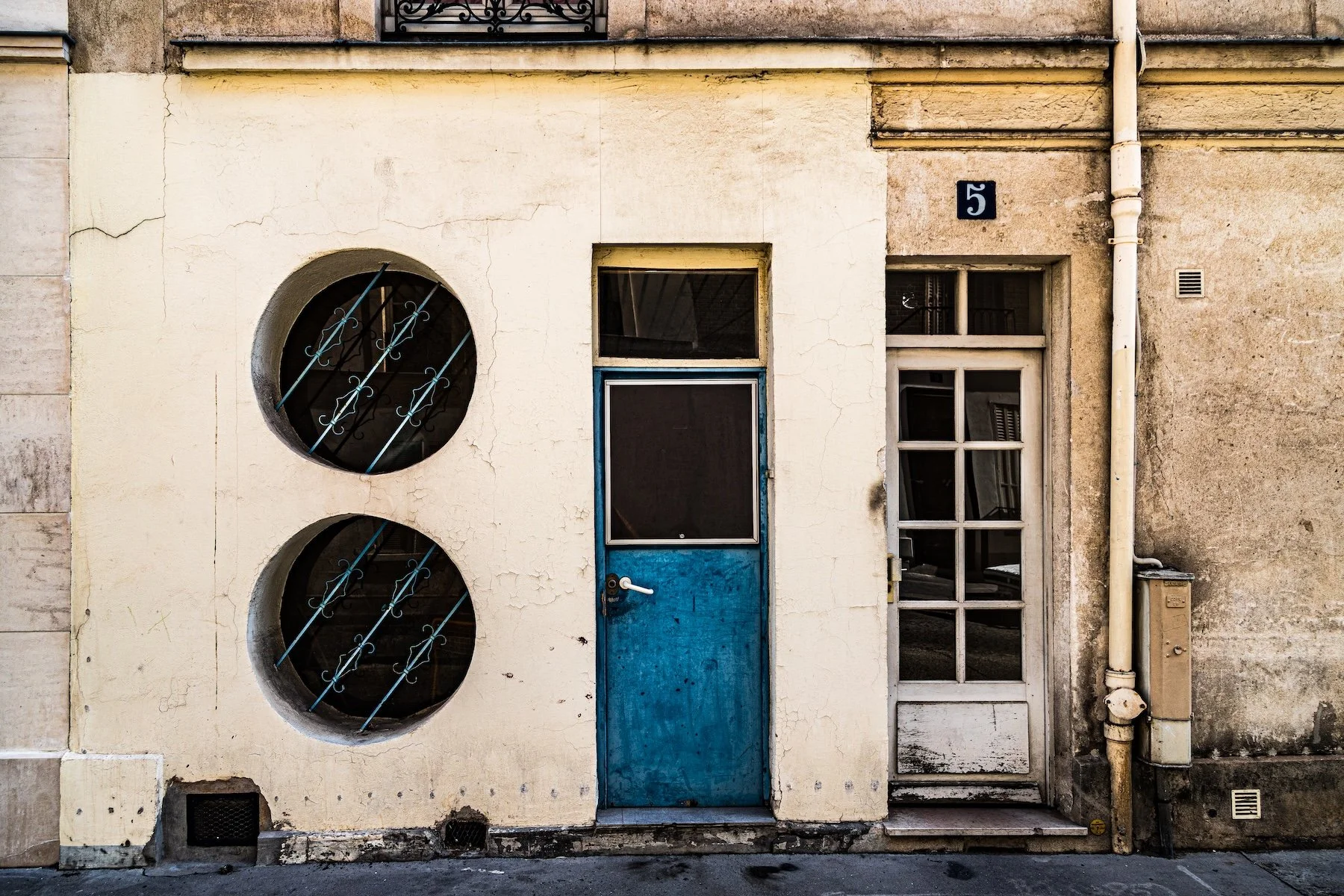
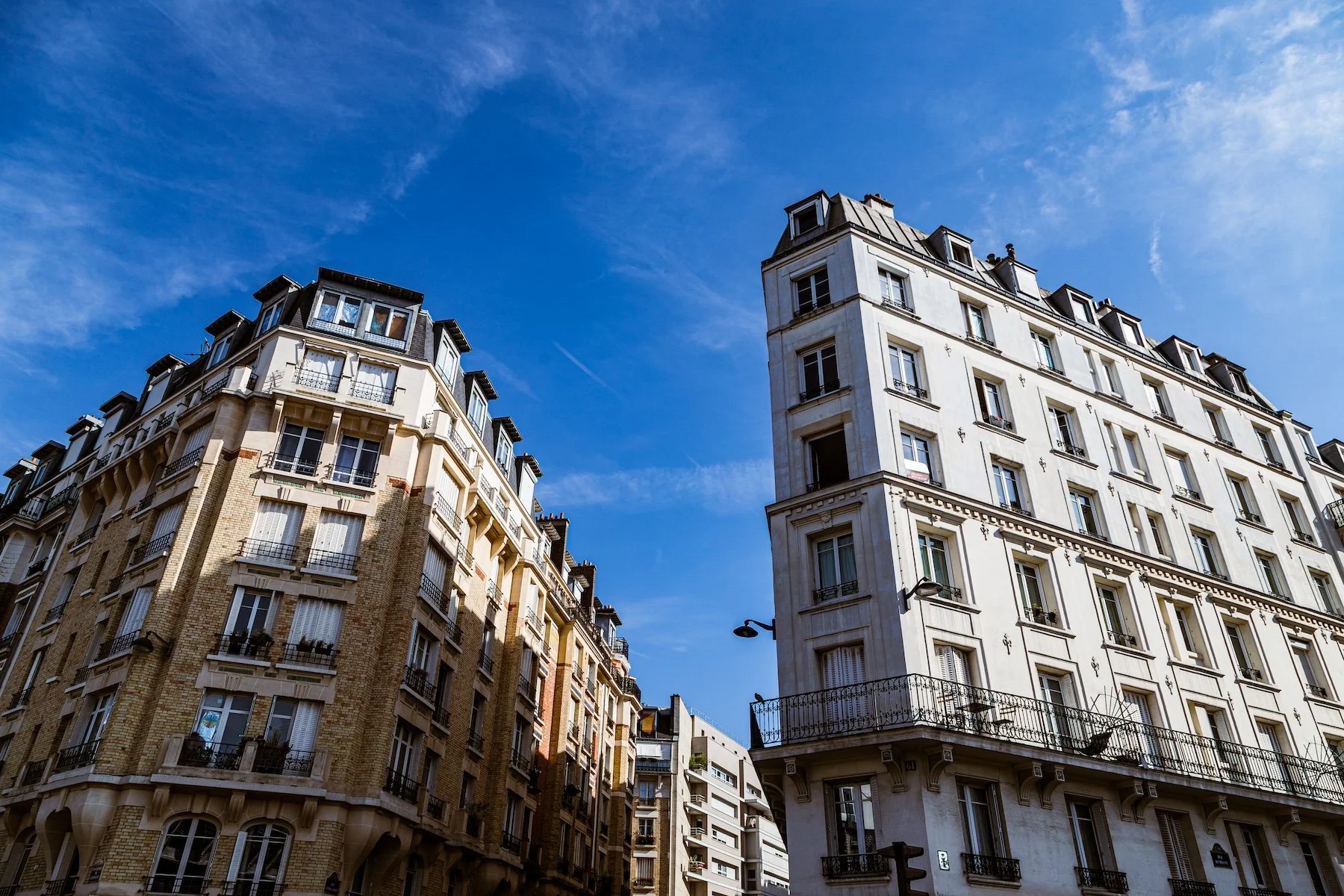
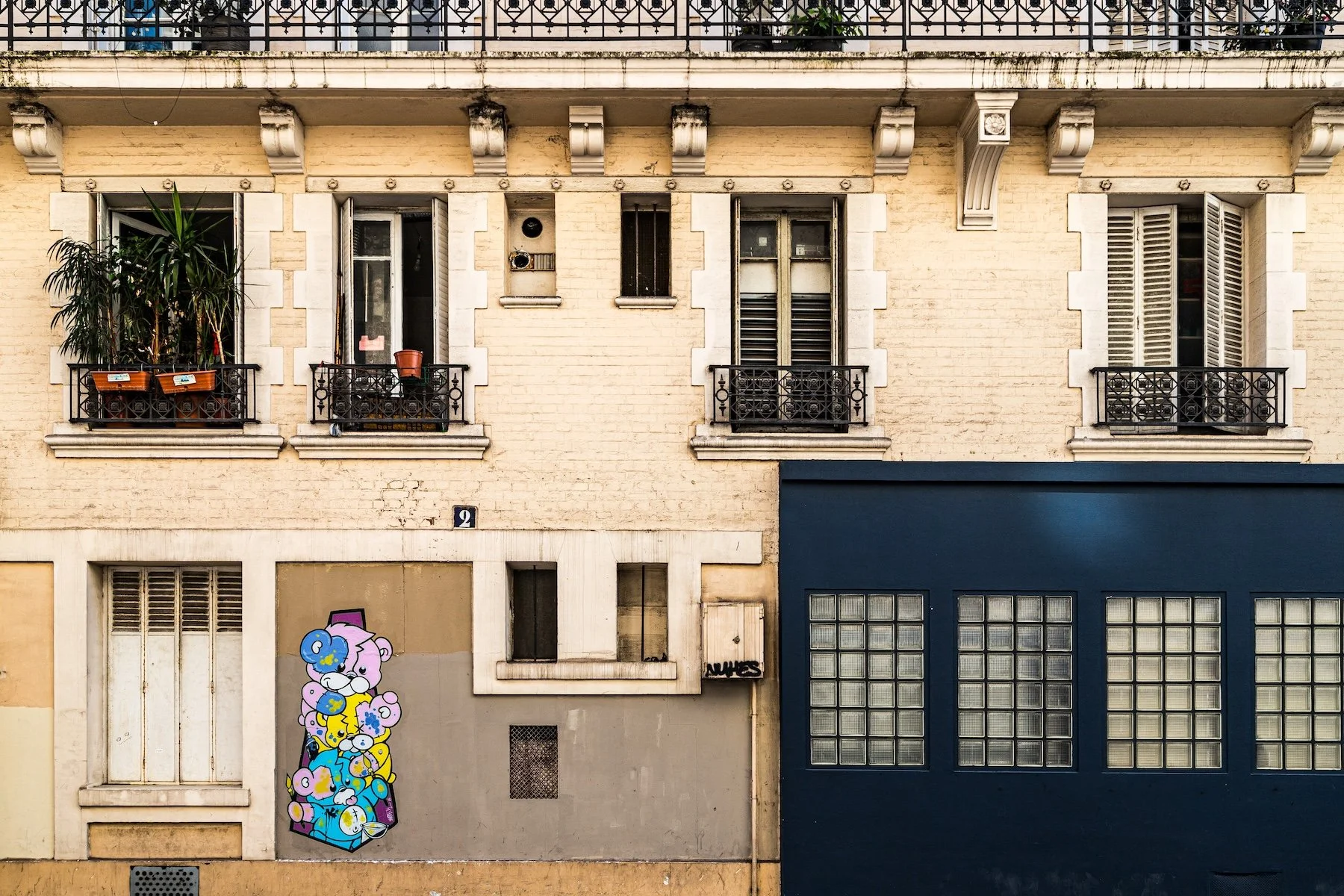
Explore Paris
-

The twenty arrondissements form the civic spiral of Paris, organizing the city into its broad local districts of government, identity, and daily life.
-

Each arrondissement is divided into four official administrative quarters, giving Paris a more precise civic and geographic framework.
-

The conseils de quartier bring participation to street level, giving residents a voice in neighborhood needs, public space, and local civic life.
-

Les Deux Rives trace Paris through the Seine’s two banks, revealing how the Rive Droite and Rive Gauche shaped the city’s civic power, commerce, learning, art, and cultural identity.
-

Cultural neighborhoods reveal the Paris people recognize through history, cafés, architecture, memory, atmosphere, and local belonging.