
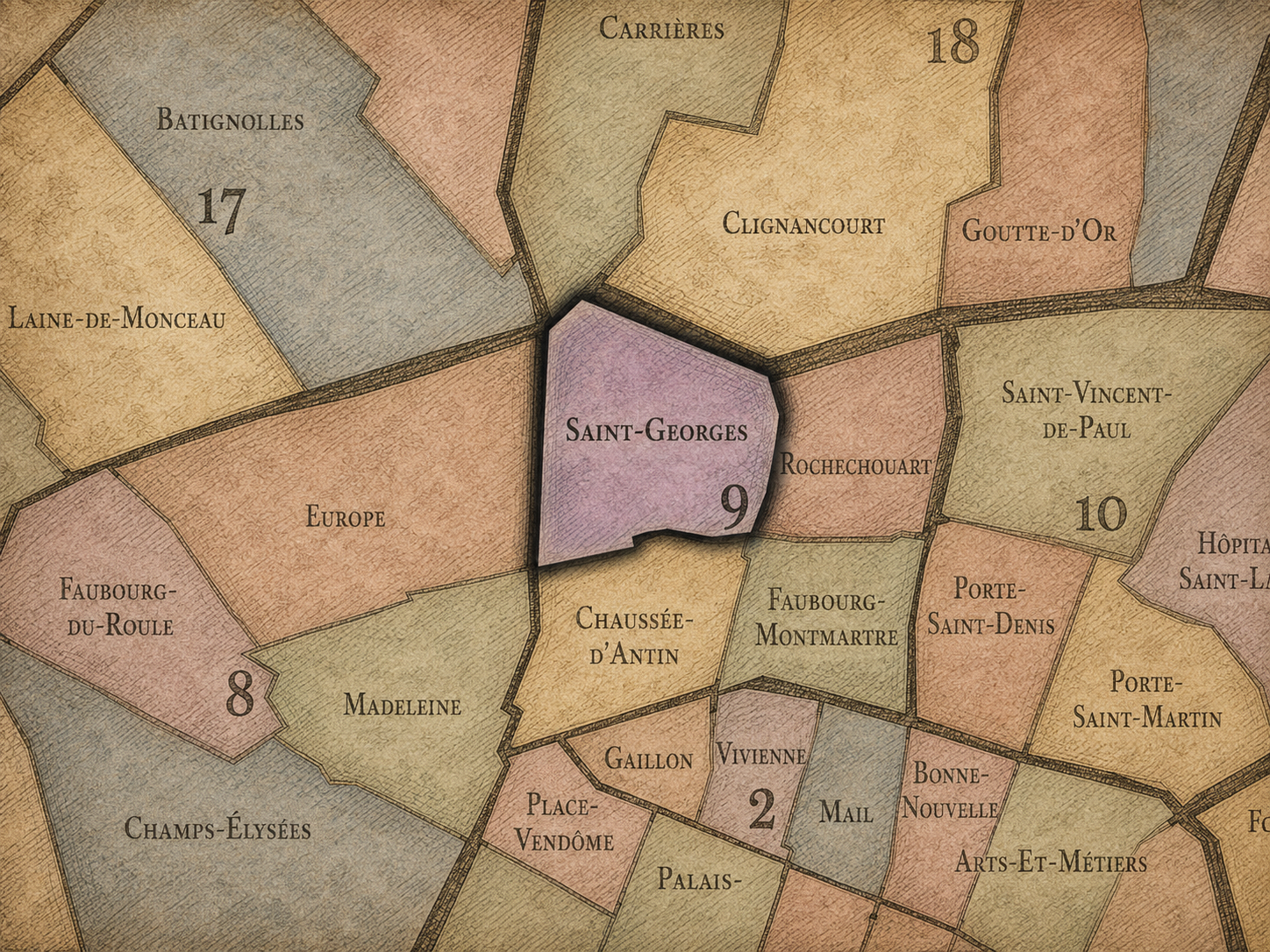
9e - SAINT-GEORGES
Quartiers Administratifs
Part of an ongoing project to walk and photograph every neighborhood in Paris, this page explores the Administrative Quarter: 9e - Saint-Georges through maps, district identity, history, and photography.
The Map
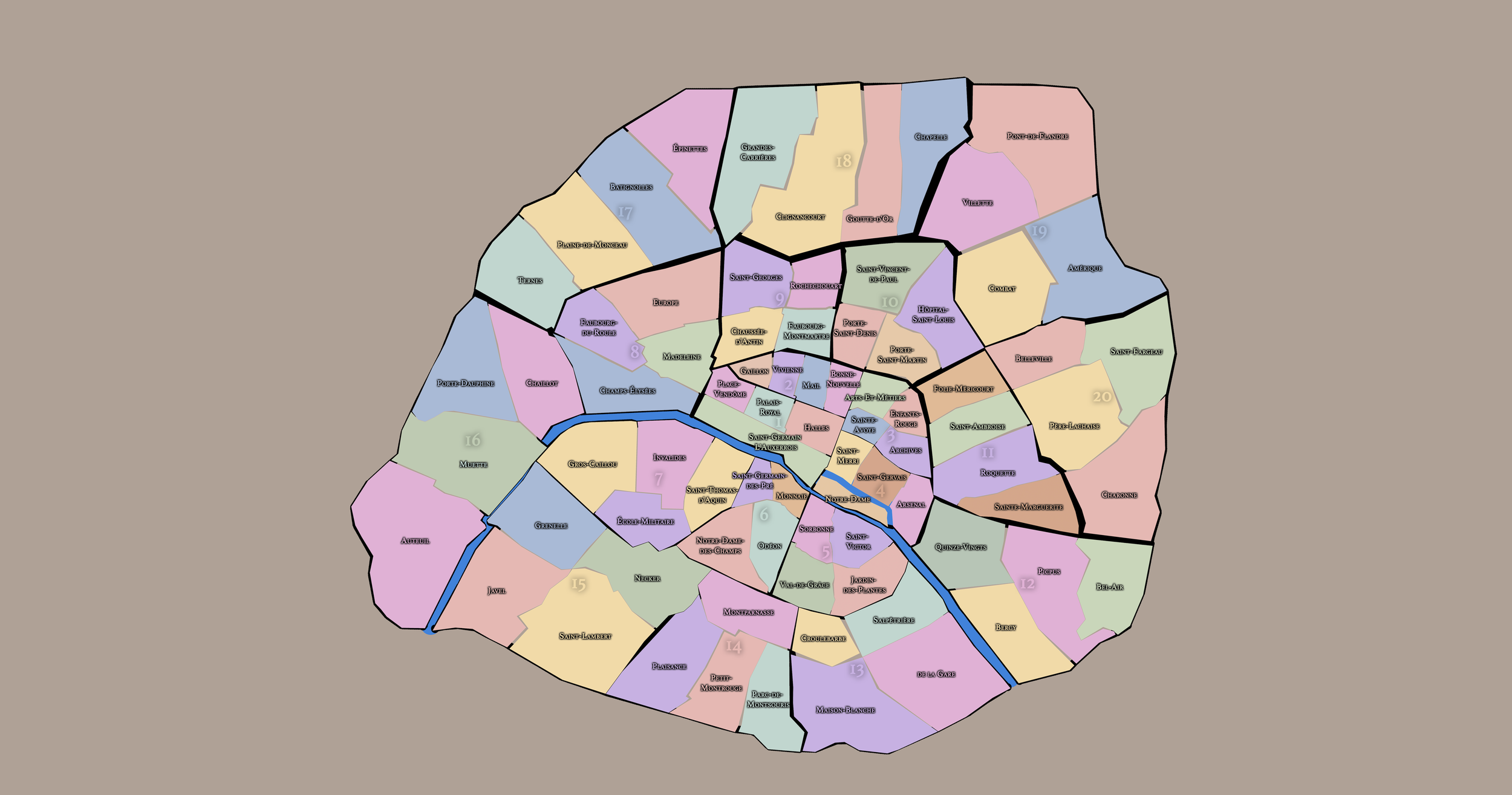
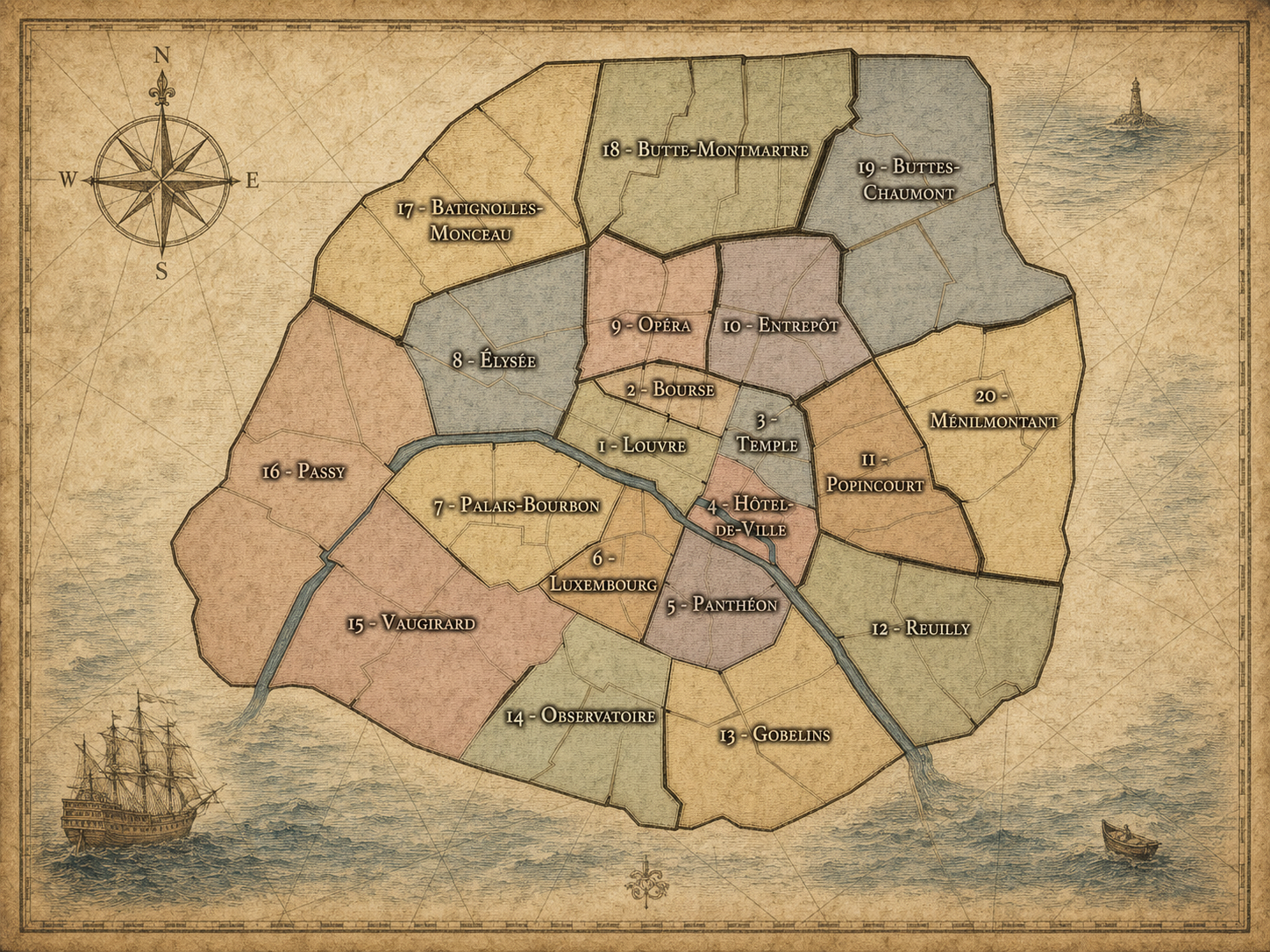
Download the Paris Arrondissements Map
Geographic Setting
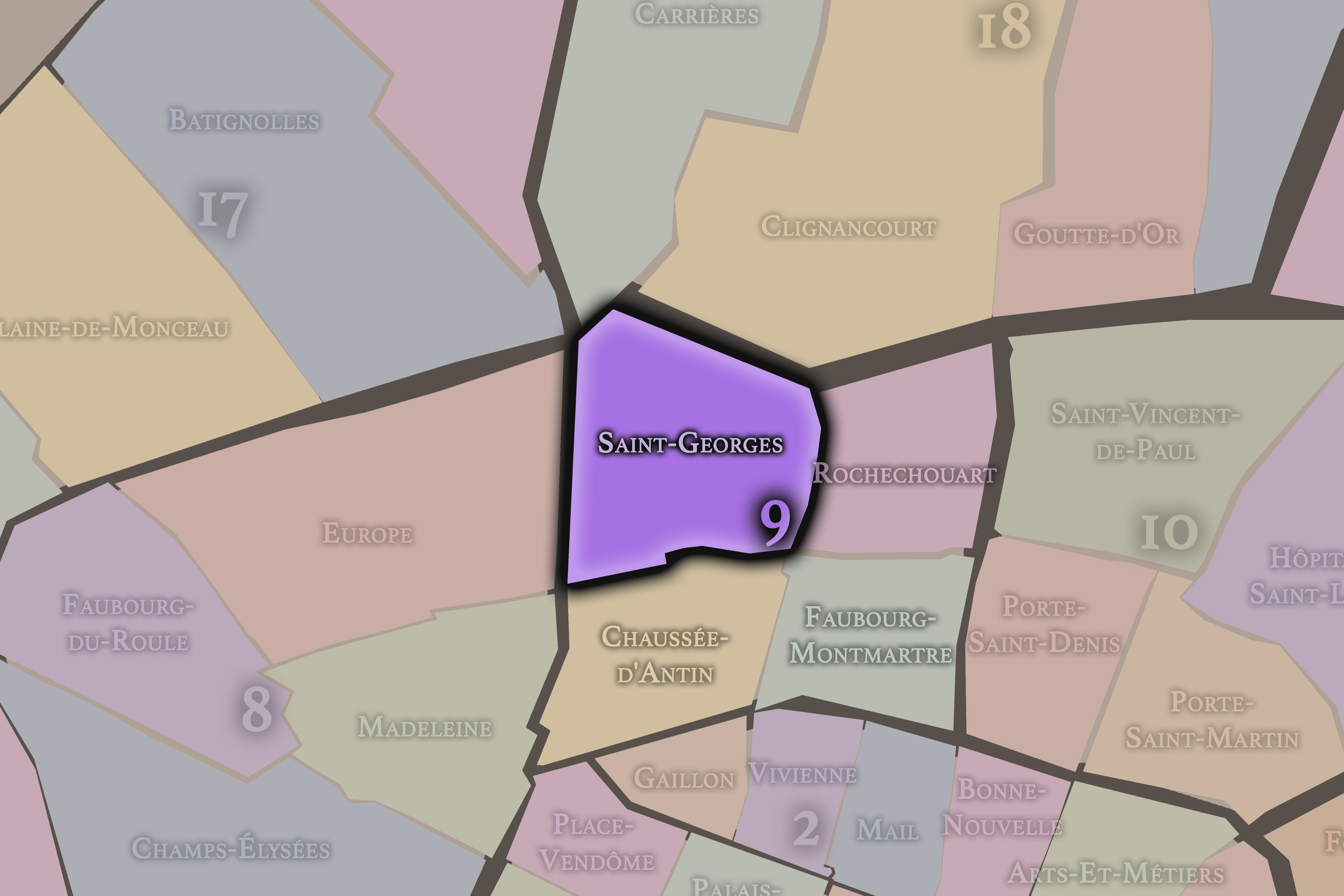
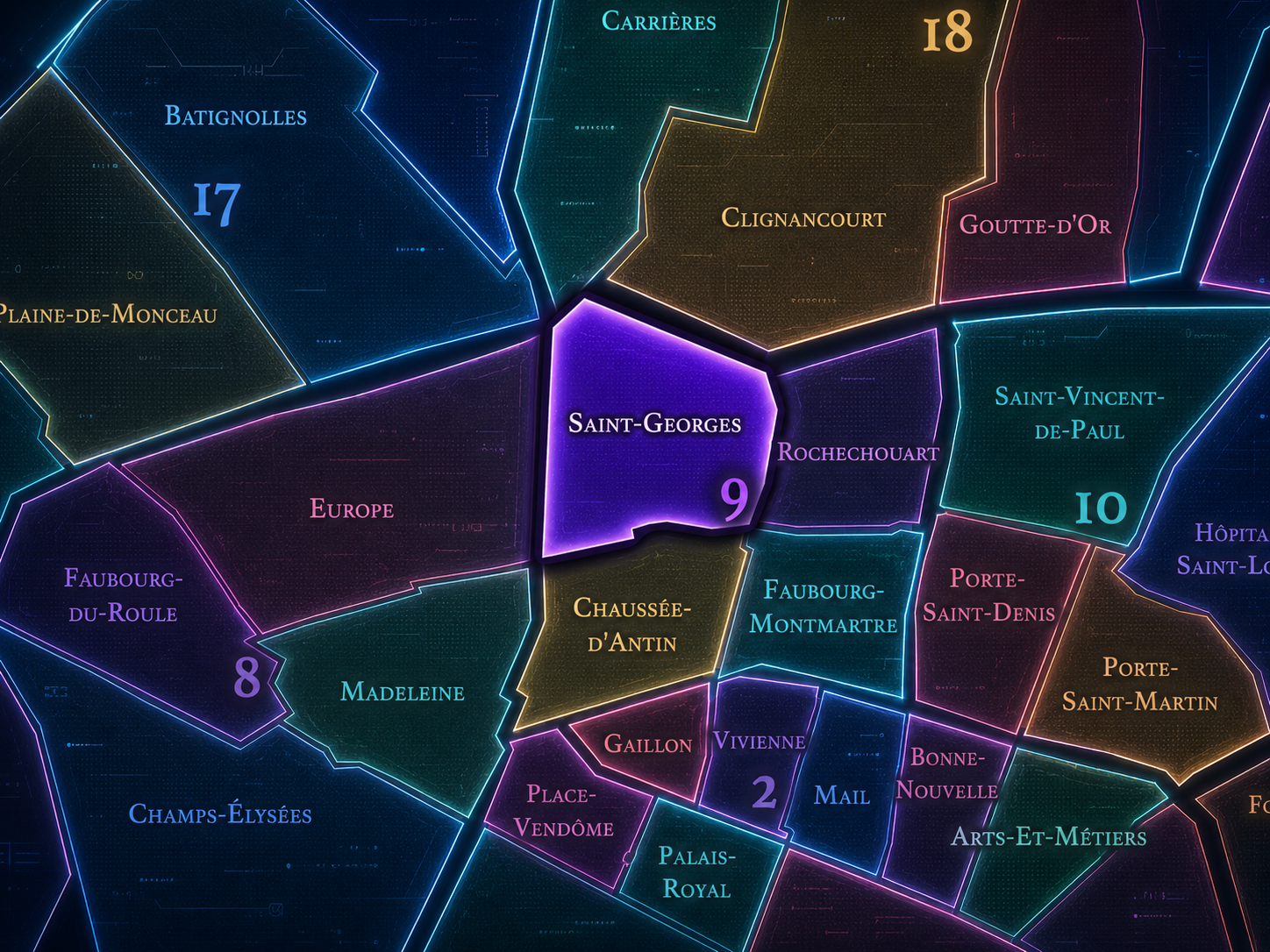
Saint-Georges occupies the central-western portion of the 9th arrondissement, where the lower slopes below Montmartre settle into a refined landscape of curved streets, intimate squares, 19th-century houses, theaters, churches, studios, and the romantic urban fabric once known as the Nouvelle Athènes. It lies north of Chaussée-d’Antin, west of Faubourg-Montmartre, south of Rochechouart, and below the Pigalle and Montmartre thresholds that shape the arrondissement’s northern edge. Its geography is one of transition, but unlike Rochechouart’s restless boulevard energy or Chaussée-d’Antin’s metropolitan spectacle, Saint-Georges carries a more residential, artistic, and architectural intimacy.
The quarter’s defining landmarks and streets include Place Saint-Georges, Rue Saint-Georges, Rue Notre-Dame-de-Lorette, Rue des Martyrs, Rue La Bruyère, Rue Henner, Rue Chaptal, Rue de La Rochefoucauld, Rue Ballu, and the approaches toward Pigalle, Trinité, and Notre-Dame-de-Lorette. The Musée de la Vie Romantique, set in the former house of painter Ary Scheffer, gives the quarter one of its most evocative cultural anchors, while the surrounding streets preserve the atmosphere of a 19th-century district shaped by artists, writers, actors, composers, and bourgeois households.
Saint-Georges is one of the places where the 9th arrondissement softens from boulevard spectacle into residential memory. The streets are not as grandly commercial as Boulevard Haussmann, nor as theatrical as the Grands Boulevards, nor as mythic as Montmartre above. Instead, the quarter unfolds through façades, garden courts, former studios, small squares, and the quiet persistence of an artistic Paris that once gathered just below the hill.
Administrative Quarter Identity
Etymology and Origins
The name Saint-Georges comes from Place Saint-Georges and Rue Saint-Georges, which gave the administrative quarter its official identity. The name draws on Saint George, the Christian martyr and legendary dragon-slayer, a figure whose name has been carried through churches, streets, squares, and districts across Europe. In this part of Paris, however, the name is less tied to an ancient parish origin than to 19th-century urban development and the naming of a newly fashionable district.
That matters because Saint-Georges is not one of the older medieval or village names of Paris. Its identity is more closely tied to the city’s 19th-century expansion, especially the district known as the Nouvelle Athènes — “New Athens” — a name given to the area because of its neoclassical architecture, artistic associations, and concentration of writers, painters, musicians, actors, and intellectuals. The official administrative name is Saint-Georges, but the cultural memory of the quarter is inseparable from this romantic and artistic layer.
The name therefore carries two registers. Saint-Georges gives the quarter civic clarity and a formal place within the Parisian map. Nouvelle Athènes gives it atmosphere: the Paris of salons, studios, pianos, theater, letters, romanticism, and private houses arranged around a newly urbanized slope below Montmartre. Together, they make Saint-Georges one of the most culturally suggestive quarters of the 9th arrondissement.
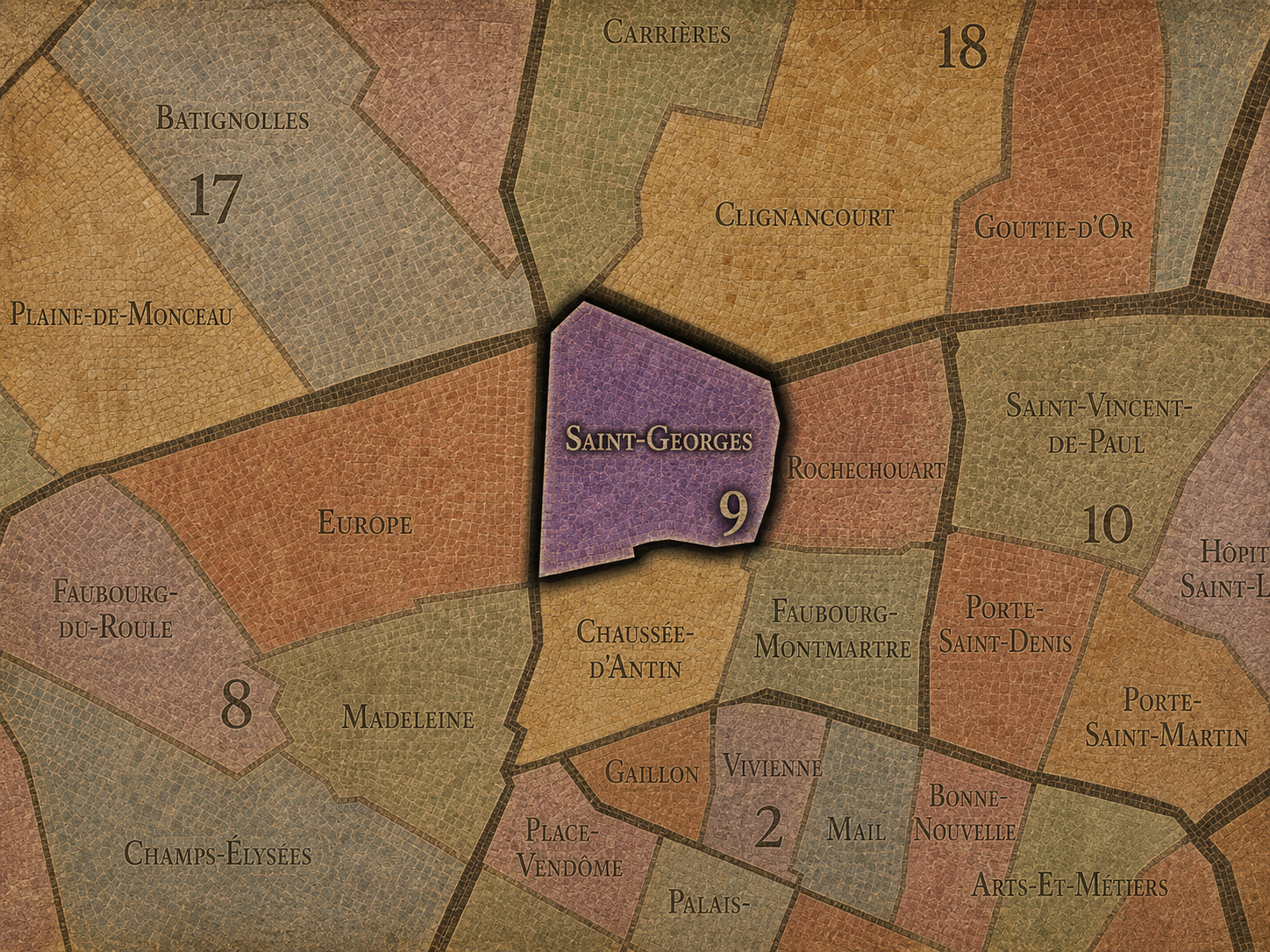
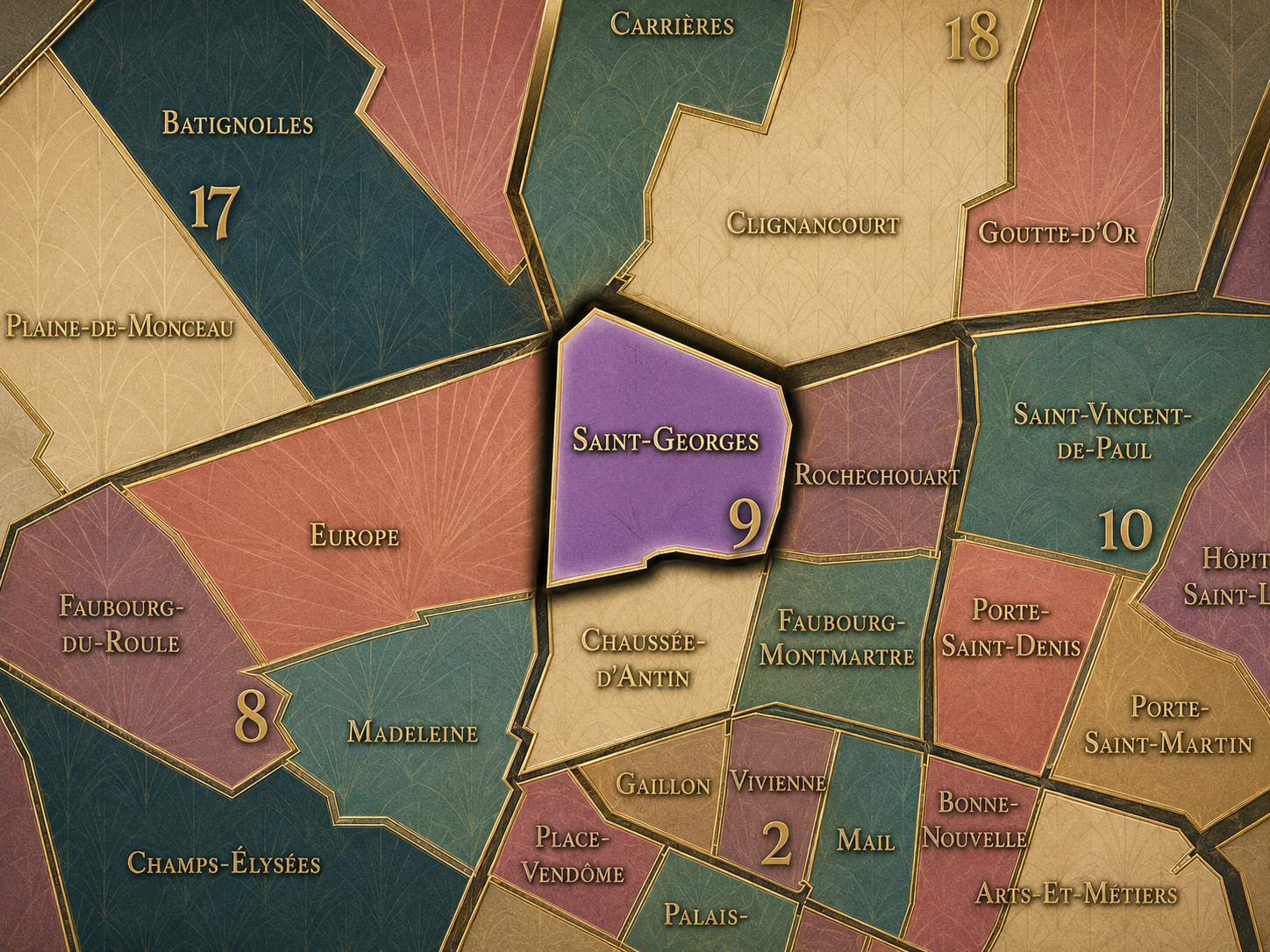
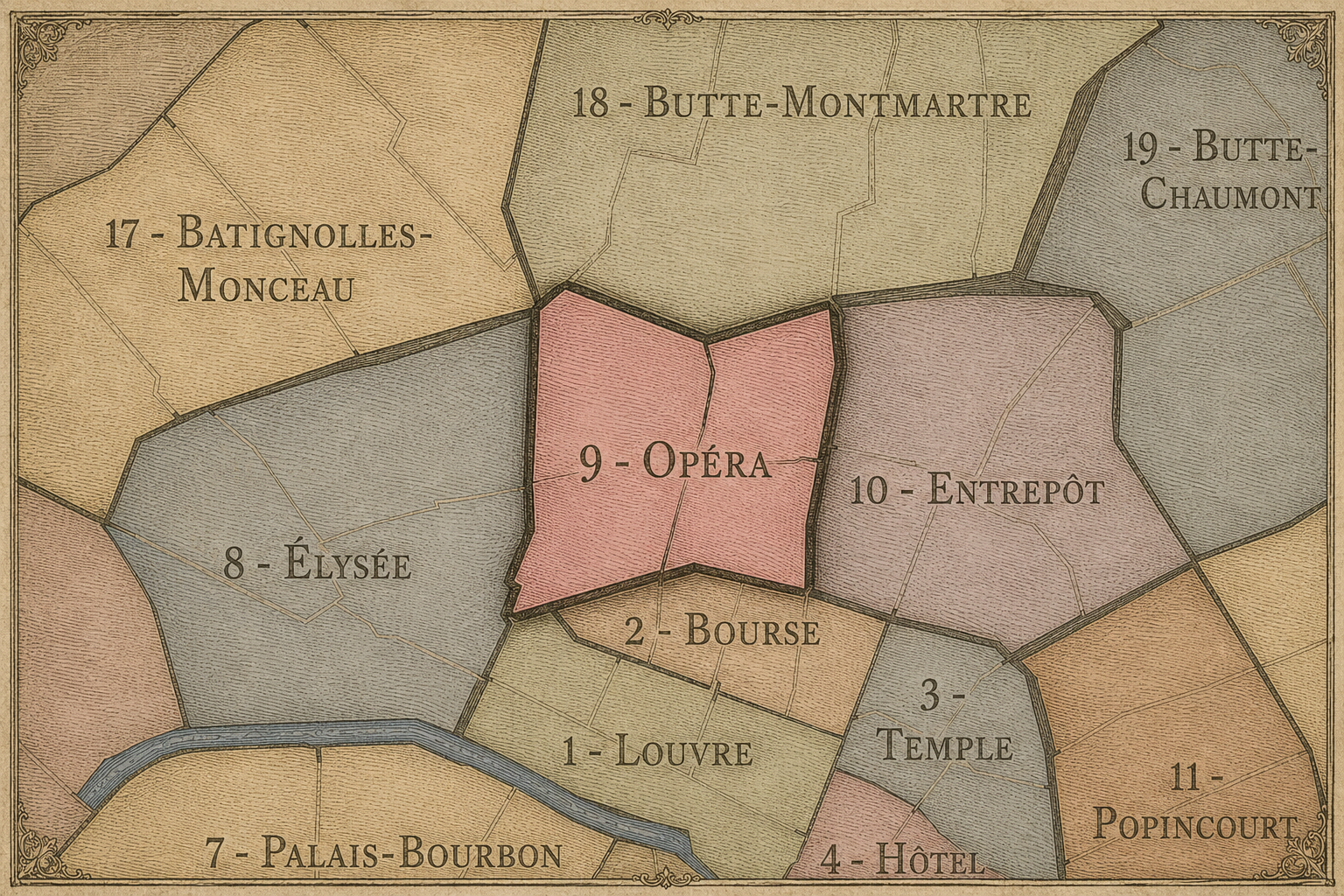
Within the official geography of Paris, Saint-Georges is one of the four administrative quarters of the 9th arrondissement, alongside Chaussée-d’Antin, Faubourg-Montmartre, and Rochechouart. It occupies the arrondissement’s central-western sector, between the commercial and transit-heavy south, the boulevard entertainment corridors to the east, and the Montmartre / Pigalle slopes to the north.
As an administrative quarter, Saint-Georges gives civic shape to a landscape that is often described through other names: Nouvelle Athènes, Notre-Dame-de-Lorette, lower Montmartre, South Pigalle, Rue des Martyrs, or the romantic 9th. The official quarter name gathers these overlapping identities into one mapped unit, allowing the area to be read not merely as an atmosphere or cultural shorthand, but as part of Paris’s administrative structure.
This civic frame is especially useful because Saint-Georges is a quarter of subtle boundaries. It does not have one overwhelming monument that defines it for everyone. Instead, it is recognized through a cluster of streets, houses, churches, museums, and cultural memories. The administrative quarter makes that coherence legible.
Civic Framework
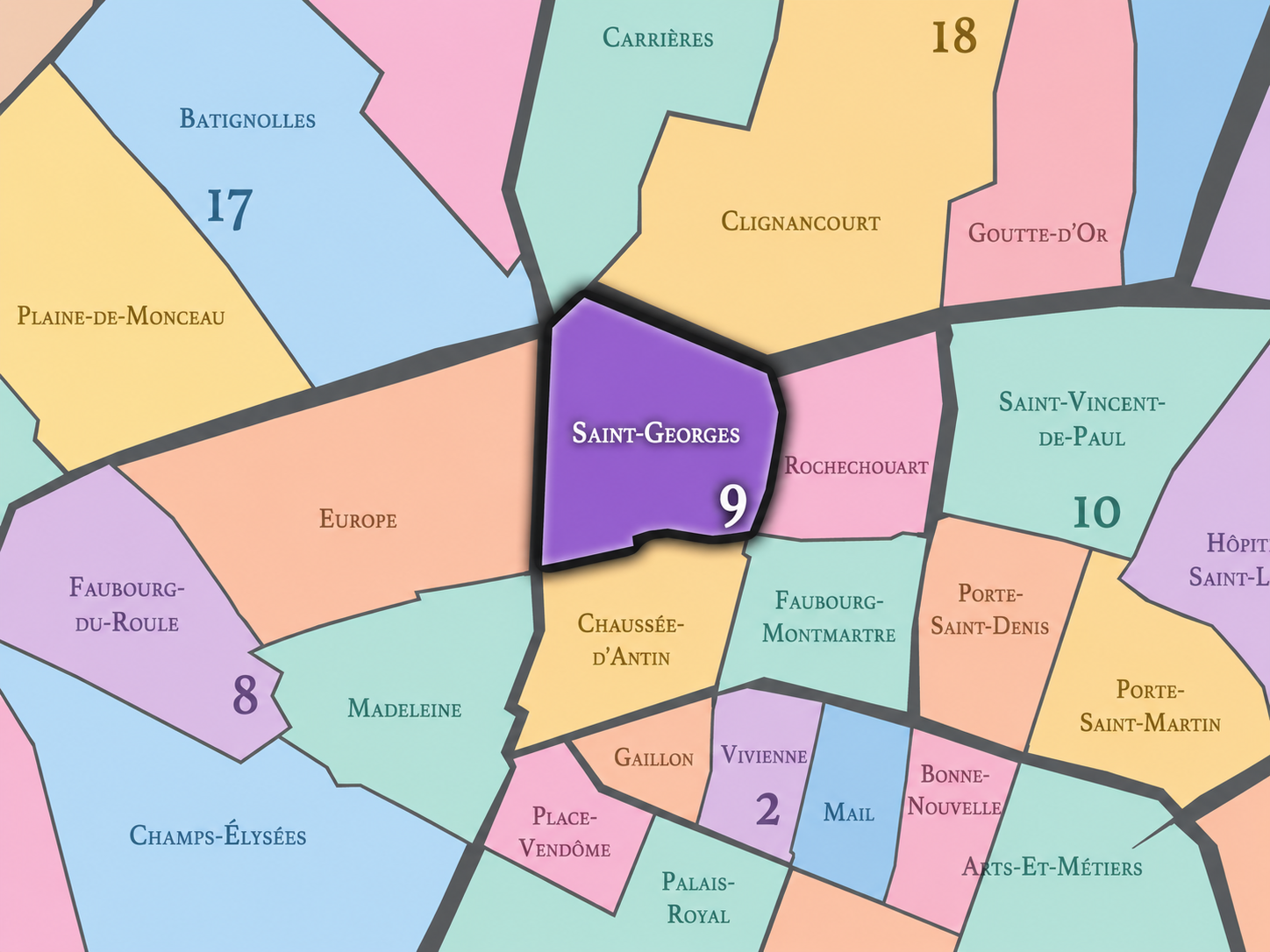
Saint-Georges differs from the other quarters of the 9th arrondissement through its residential elegance, artistic memory, and connection to the Nouvelle Athènes. Chaussée-d’Antin is the quarter of Opéra-adjacent commerce, department stores, offices, and metropolitan spectacle. Faubourg-Montmartre is the district of Grands Boulevards energy, theaters, auction rooms, passages, cafés, and popular entertainment. Rochechouart turns north toward Pigalle, Montmartre, Barbès, nightlife, transit, and the lower slope’s mixed edge.
Saint-Georges is quieter and more composed. Its identity rests in houses, studios, intimate streets, churches, and artistic afterlives. It is the 9th arrondissement’s romantic interior — not romantic merely in the sentimental sense, but in the historical sense of 19th-century Romanticism: painting, music, literature, theater, salons, emotion, individuality, and the cultivated domestic spaces where artists and patrons met.
It should also be distinguished from Montmartre. Montmartre is the hill, the former village, the basilica, the cabarets, the stairways, and the later artistic mythology of the 18th arrondissement. Saint-Georges is below that world, more bourgeois and earlier in tone. It is not the bohemian hilltop myth; it is the elegant lower-slope district where Romantic Paris built houses, hosted salons, and made art part of domestic urban life.
Neighborhood Distinction
Parisian Identity
Saint-Georges expresses Paris as a city of cultivated intimacy. Its identity is not formed by the grand avenue or the monumental square, but by the room, the studio, the salon, the small museum, the curved street, the garden hidden behind a gate. It is a quarter where culture feels close to private life, where artistic production and domestic architecture once met in unusually concentrated form.
The quarter’s association with the Nouvelle Athènes gives it a distinctive place in Parisian identity. This was a landscape of the 19th century city newly shaped for artists, writers, composers, actors, and the bourgeois public that supported and admired them. The buildings were often elegant rather than palatial, expressive rather than severe. They gave the district a tone of cultivated modernity: not the old aristocratic enclosure of the Faubourg Saint-Germain, but a newer Right Bank world of art, reputation, and urban sociability.
Saint-Georges also shows how Parisian cultural memory can be quieter than myth. Visitors may rush toward Montmartre or the department stores, but the quarter preserves a subtler story: the making of a modern artistic district before the full explosion of Montmartre’s bohemian legend. It is Paris not as spectacle, but as atmosphere.
Neighborhood Connections
Every administrative quarter belongs to a wider Parisian fabric. These connections place Saint-Georges within the city’s civic, participatory, and cultural geography:
-
9e - Opéra
-
Blanche-Trinité • Pigalle-Martyrs
The History
The origins of Saint-Georges lie in the northward expansion of Paris beyond the older Right Bank center. Before the quarter became one of the most elegant and artistic districts of the 19th century, the area belonged to the slopes and edges below Montmartre, a landscape of roads, gardens, estates, religious properties, and gradually urbanizing land outside the densest historic core.
Its development was tied to the transformation of former peripheral land into fashionable residential districts. As Paris expanded, the areas north of the Grands Boulevards and south of Montmartre became increasingly attractive for new houses, theaters, studios, and institutions. The district offered a different urban possibility from the crowded old center: space for new streets, new architecture, and new forms of bourgeois and artistic life.
Saint-Georges therefore began as a quarter of expansion and reinvention. It was not inherited from the medieval city in the same way as the Latin Quarter or the old Right Bank parishes. It was created through the city’s 19th-century growth, when Paris converted outer slopes into cultivated urban neighborhoods.
Origins
16th–17th Century
In the 16th and 17th centuries, the future Saint-Georges quarter still lay beyond the most densely built parts of Paris. The land below Montmartre was shaped by roads, religious holdings, scattered residences, cultivated ground, and the gradual extension of the city northward. It was not yet the urban quarter of artists and mansions that would later define the area.
Montmartre’s hill and abbey lands formed a major presence in the wider landscape, while the city below continued to expand through faubourgs and routes leading outward. The future Saint-Georges district occupied this zone of transition: close enough to the city to be drawn into its growth, but still spacious enough to be reshaped later at a larger scale.
By the end of the 17th century, the northern edge of Paris was becoming more active. Former boundaries and outer lands were preparing for the transformations that would come with the boulevards, expanding residential districts, and the social movement of the 18th and 19th centuries. Saint-Georges’ later identity depended on this gradual northward pressure.
In the 18th century, the area that would become Saint-Georges moved closer to urban integration. The Grands Boulevards to the south became increasingly important as promenades, entertainment corridors, and public spaces, while the slopes below Montmartre attracted new development and social interest. The district was still not the dense cultural quarter of the 19th century, but its future was taking shape.
The quarter’s location was crucial. It stood between the popular movement of the boulevards and the more peripheral world of Montmartre. This made it well suited for later residential development: close to the city’s public pleasures, but slightly removed from their noise; near the hill, but not yet absorbed into its mythology.
The French Revolution and the administrative reorganization that followed disrupted older religious and aristocratic landscapes around Paris. Lands changed hands, institutions were repurposed, and the city’s social geography shifted. These changes helped prepare the ground for the 19th-century creation of new residential and artistic districts such as Saint-Georges.
18th Century
19th Century
The 19th century was the defining age of Saint-Georges. The quarter became closely associated with the Nouvelle Athènes, a fashionable district whose neoclassical and romantic architecture attracted artists, writers, musicians, actors, and cultivated bourgeois residents. Private houses, studios, and intimate streets gave the area a character distinct from the commercial spectacle of the boulevards below and the later bohemian identity of Montmartre above.
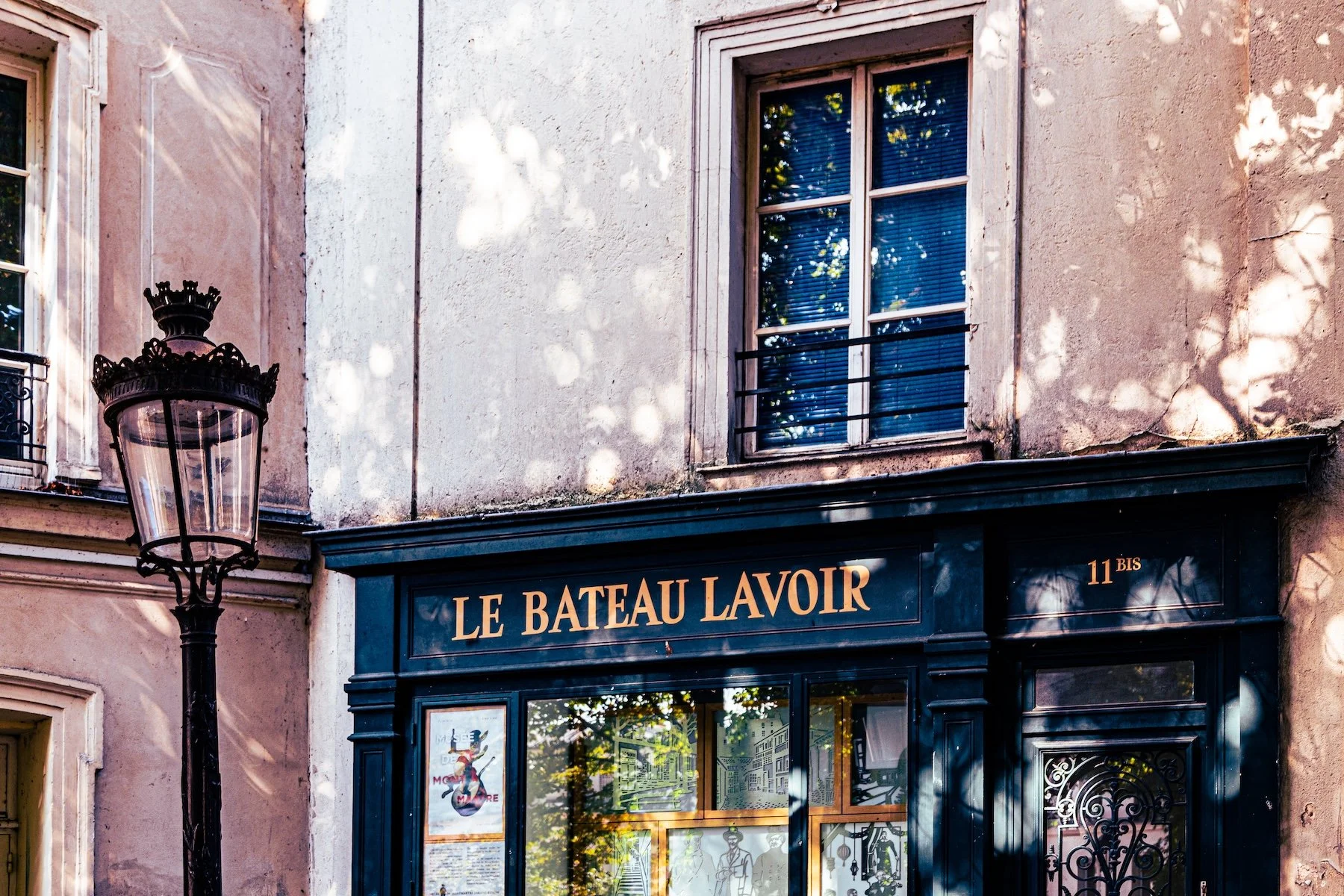
This was the Paris of Eugène Delacroix, George Sand, Frédéric Chopin, Ary Scheffer, Pauline Viardot, and many others whose lives and reputations clustered around the broader cultural geography of the quarter and its surroundings. The Musée de la Vie Romantique preserves part of that world in the former house and studio of Ary Scheffer, where artistic and literary society gathered in the 19th century.
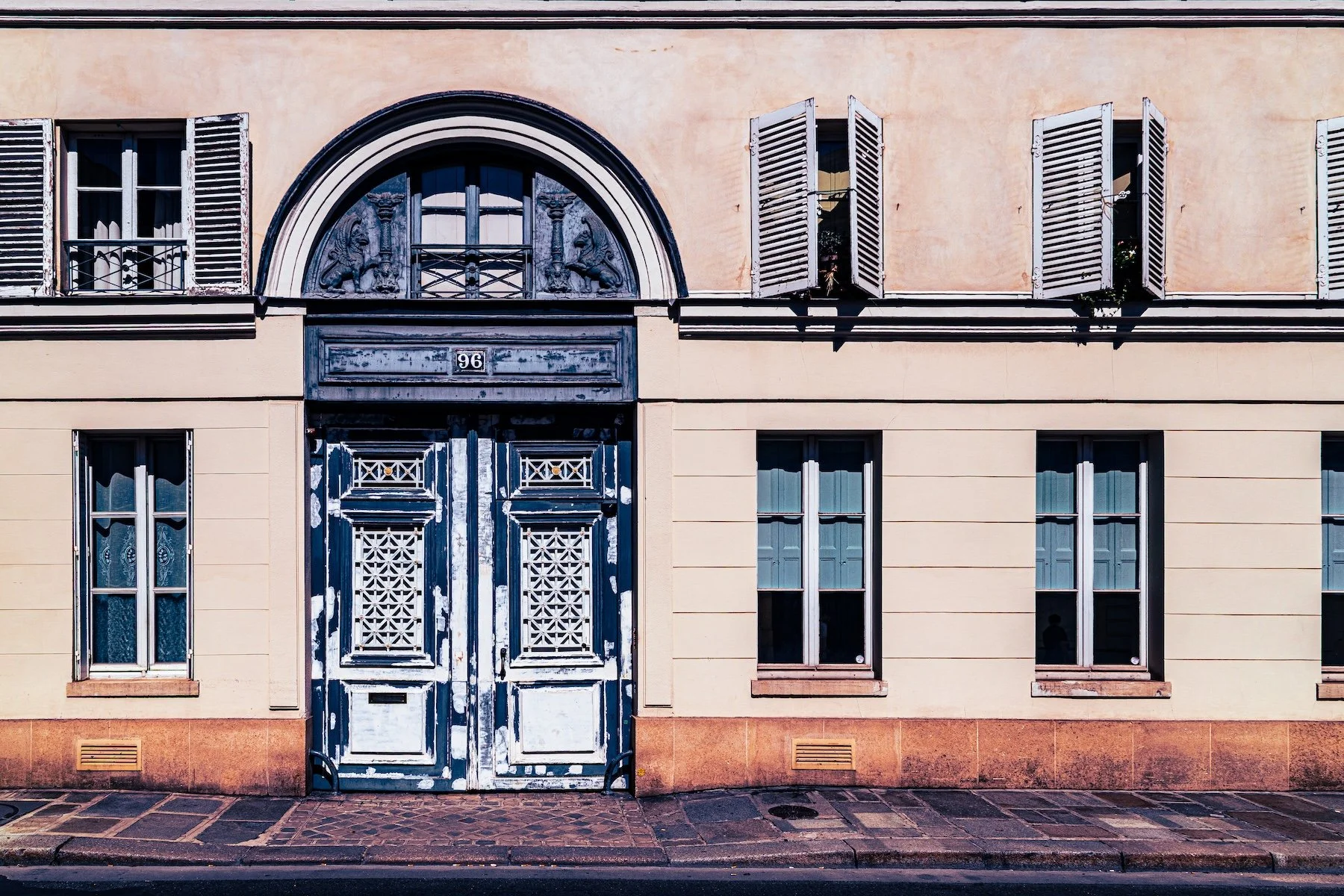
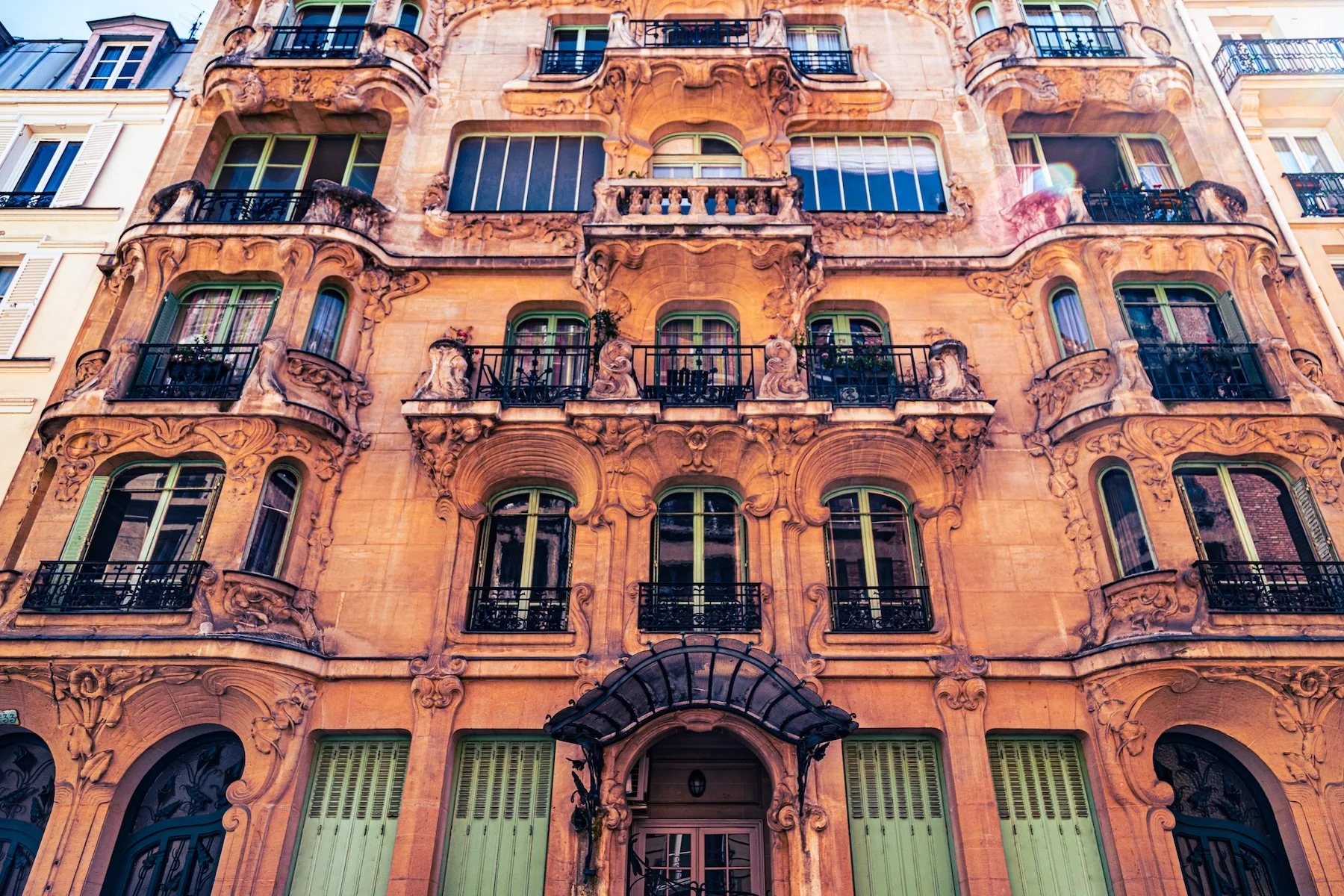
Architecturally, the quarter gained a refined domestic language: small hôtels particuliers, stuccoed façades, ornamented houses, garden courtyards, and streets that curve or settle around intimate squares. Saint-Georges became a neighborhood where the artistic life of Paris did not only unfold in public theaters and salons, but in houses designed to sustain conversation, patronage, performance, and private creativity.
In the early and mid 20th century, Saint-Georges retained its residential and cultural character, though the artistic center of Paris had shifted toward Montmartre, Montparnasse, and other districts. The memory of the Nouvelle Athènes remained in the architecture and street names, while the neighborhood continued to serve as a refined, central, and somewhat quieter part of the 9th arrondissement.
The quarter’s proximity to Pigalle, Montmartre, the Grands Boulevards, and Opéra gave it access to many forms of urban life without fully belonging to any one of them. Residents, artists, students, actors, musicians, office workers, and visitors moved through a district that remained culturally resonant but less publicly theatrical than its neighbors.
During the upheavals of war, occupation, liberation, and postwar recovery, Saint-Georges’ relatively discreet character gave it a different tone from the more exposed entertainment corridors around it. Its houses and streets carried continuity, even as the city’s cultural and political life shifted dramatically across the century.
Early–Mid 20th Century
Late 20th Century
In the late 20th century, Saint-Georges experienced renewed appreciation as part of the historic and architectural fabric of the 9th arrondissement. The Romantic memory of the Nouvelle Athènes became increasingly valued, and institutions such as the Musée de la Vie Romantique helped interpret the district’s 19th-century cultural inheritance for contemporary visitors. What had once been a fashionable living quarter became a heritage landscape of artistic memory.
At the same time, the neighborhood was drawn into broader changes affecting the lower slopes below Montmartre and Pigalle. Some areas nearby became more associated with nightlife and adult entertainment, while others saw residential reinvestment, cultural tourism, restaurants, galleries, and rising real estate interest. Saint-Georges retained a more composed identity within this changing environment, balancing preservation, desirability, and everyday urban life.
The late 20th century also prepared the ground for the area sometimes branded as South Pigalle, or SoPi, in contemporary language. While that name does not replace Saint-Georges administratively, it shows how the quarter and its surroundings continued to generate new cultural identities. The official layer and the lived-cultural layer remained in dialogue.
In the 21st century, Saint-Georges is one of the most appealing and quietly layered quarters of the 9th arrondissement. It is residential, cultural, historic, and increasingly fashionable, with cafés, restaurants, boutiques, galleries, schools, theaters nearby, and streets that preserve the intimate scale of 19th-century Paris. Its location between Opéra, Pigalle, Montmartre, and the Grands Boulevards makes it central without stripping it of local texture.
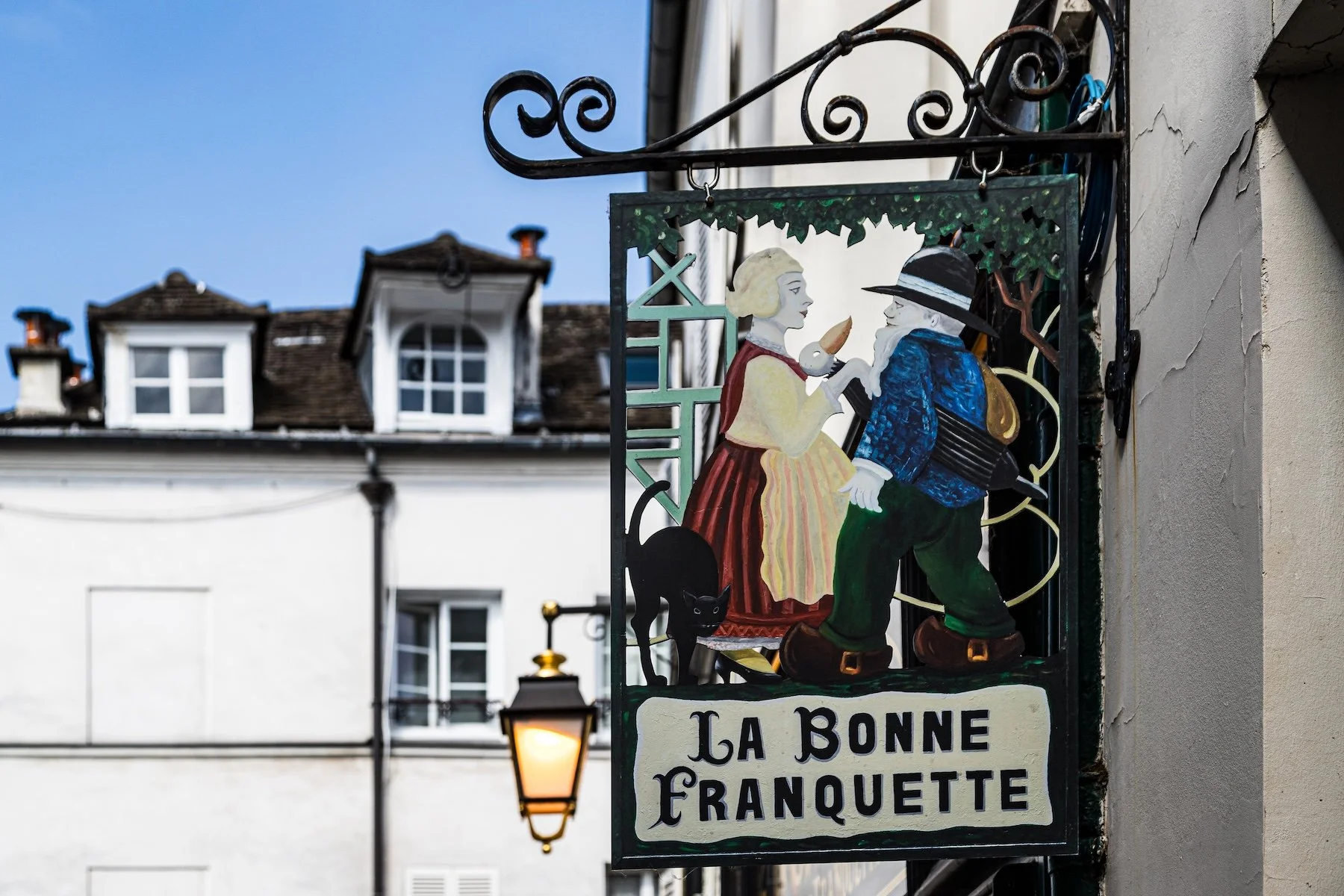
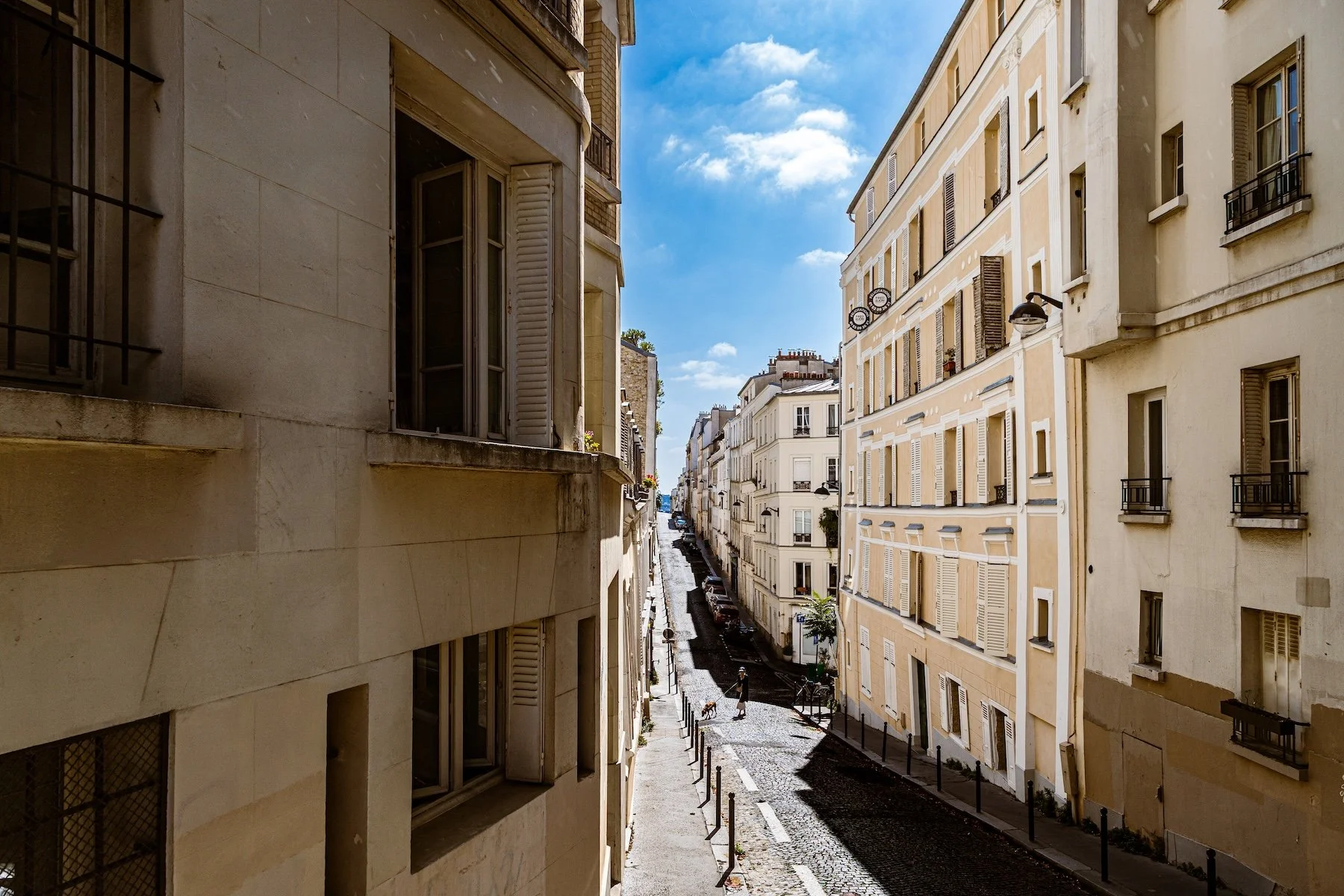
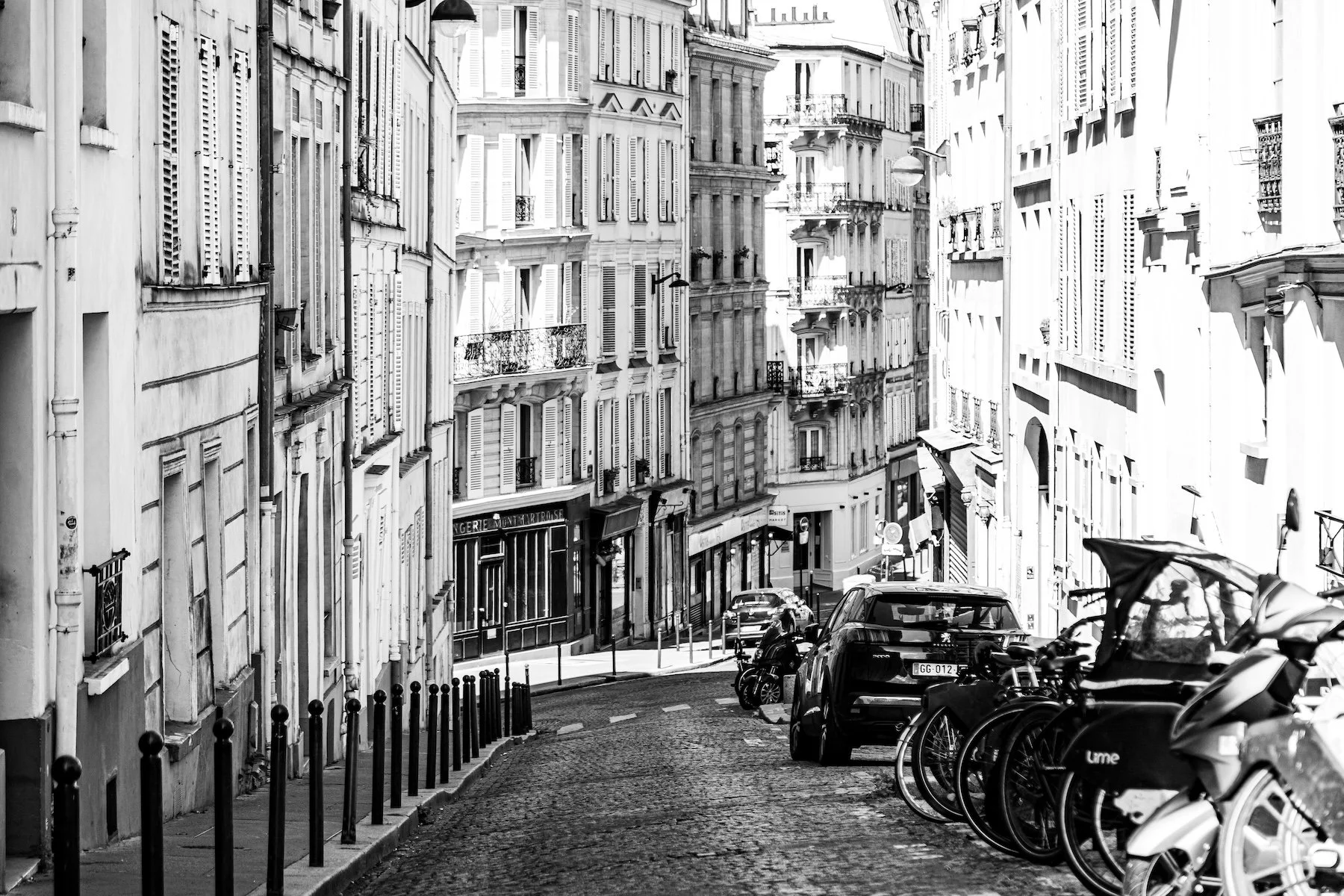
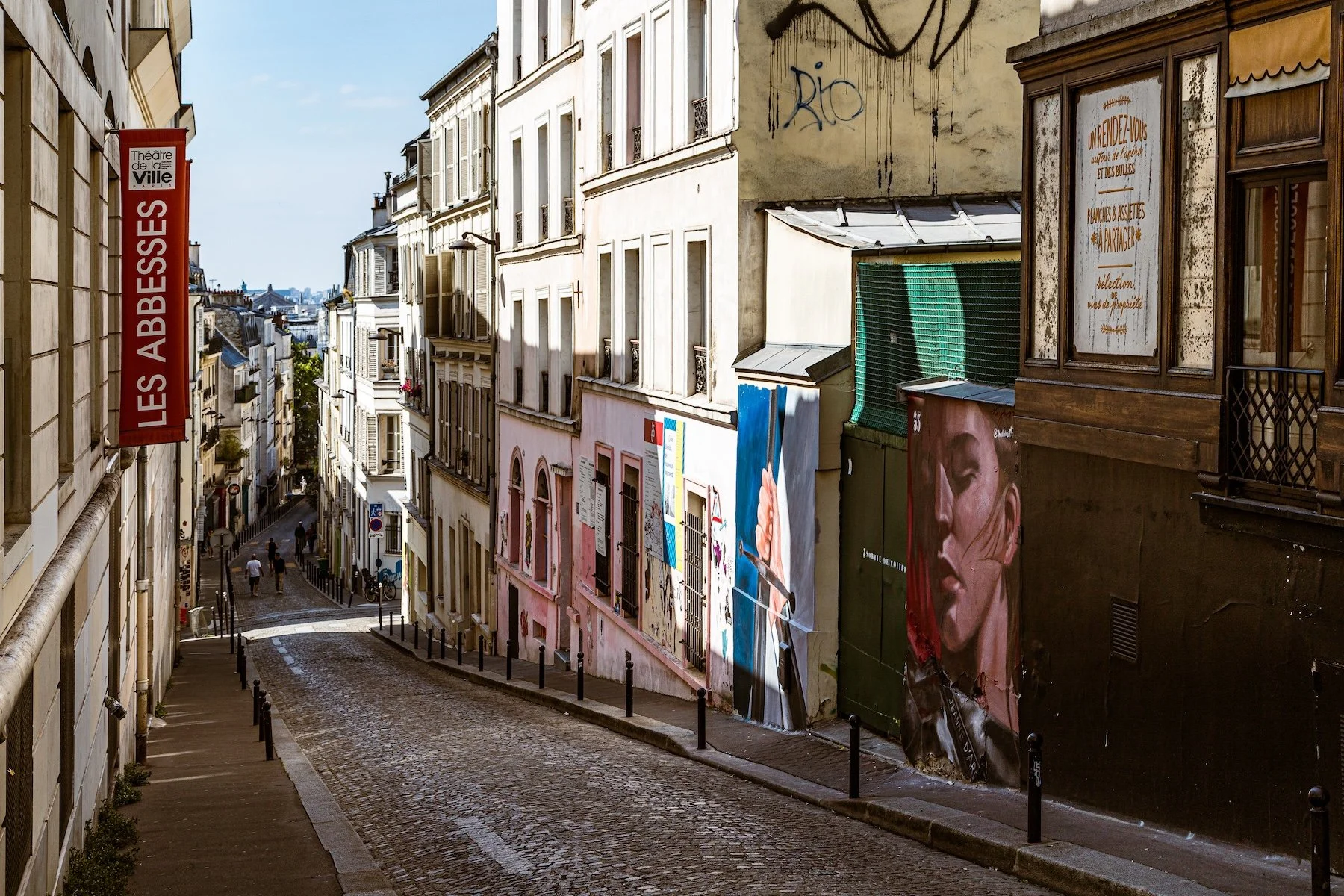
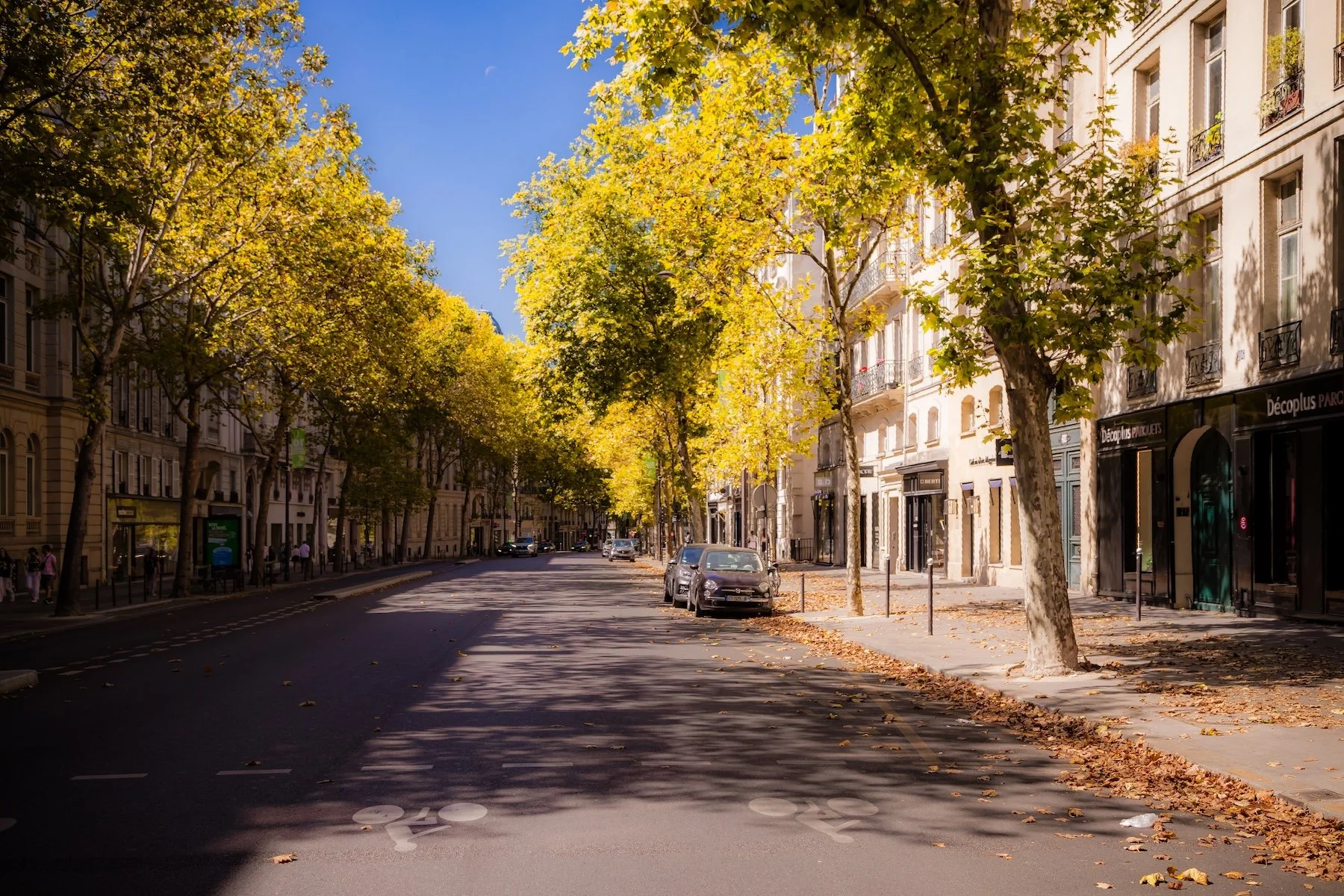
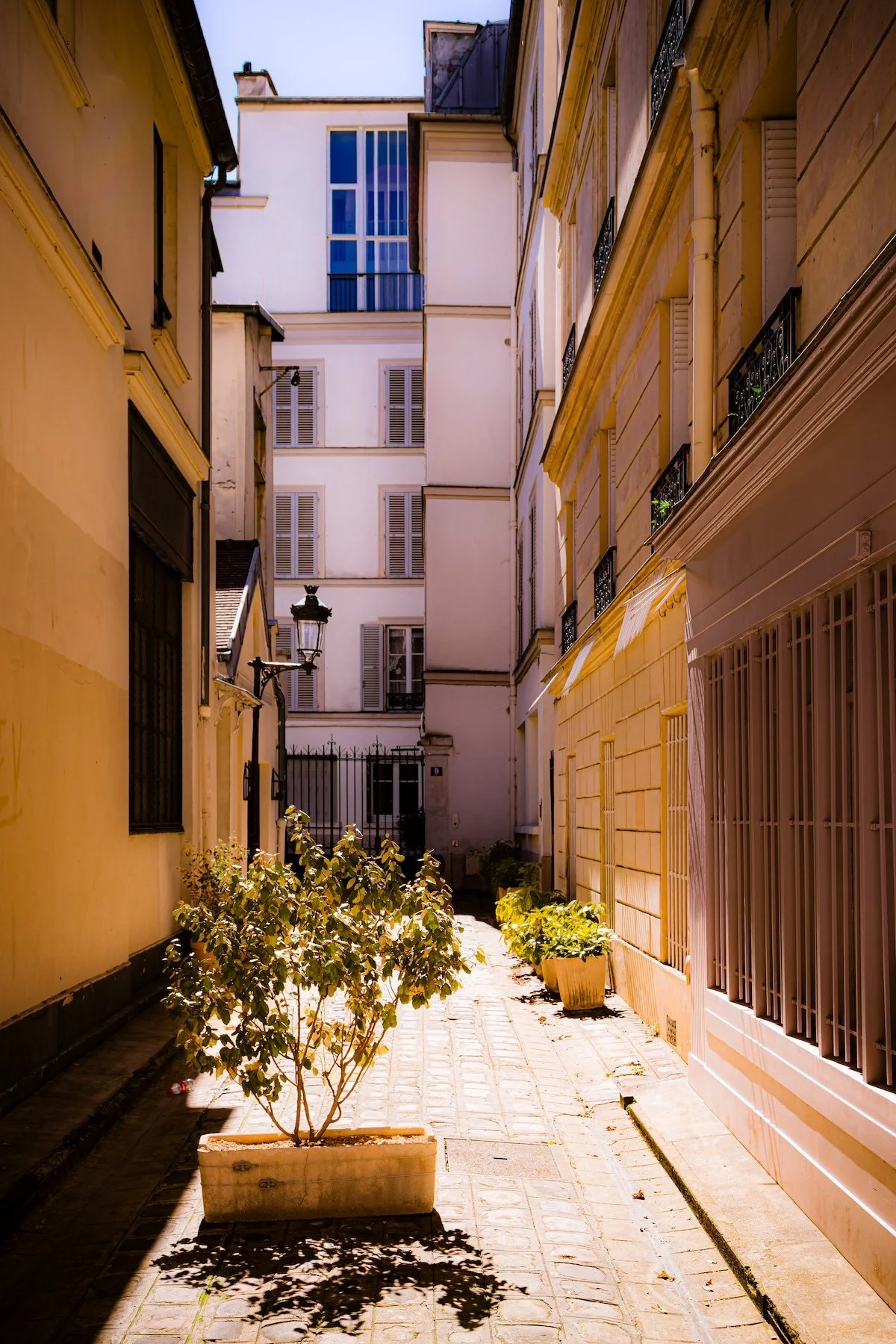
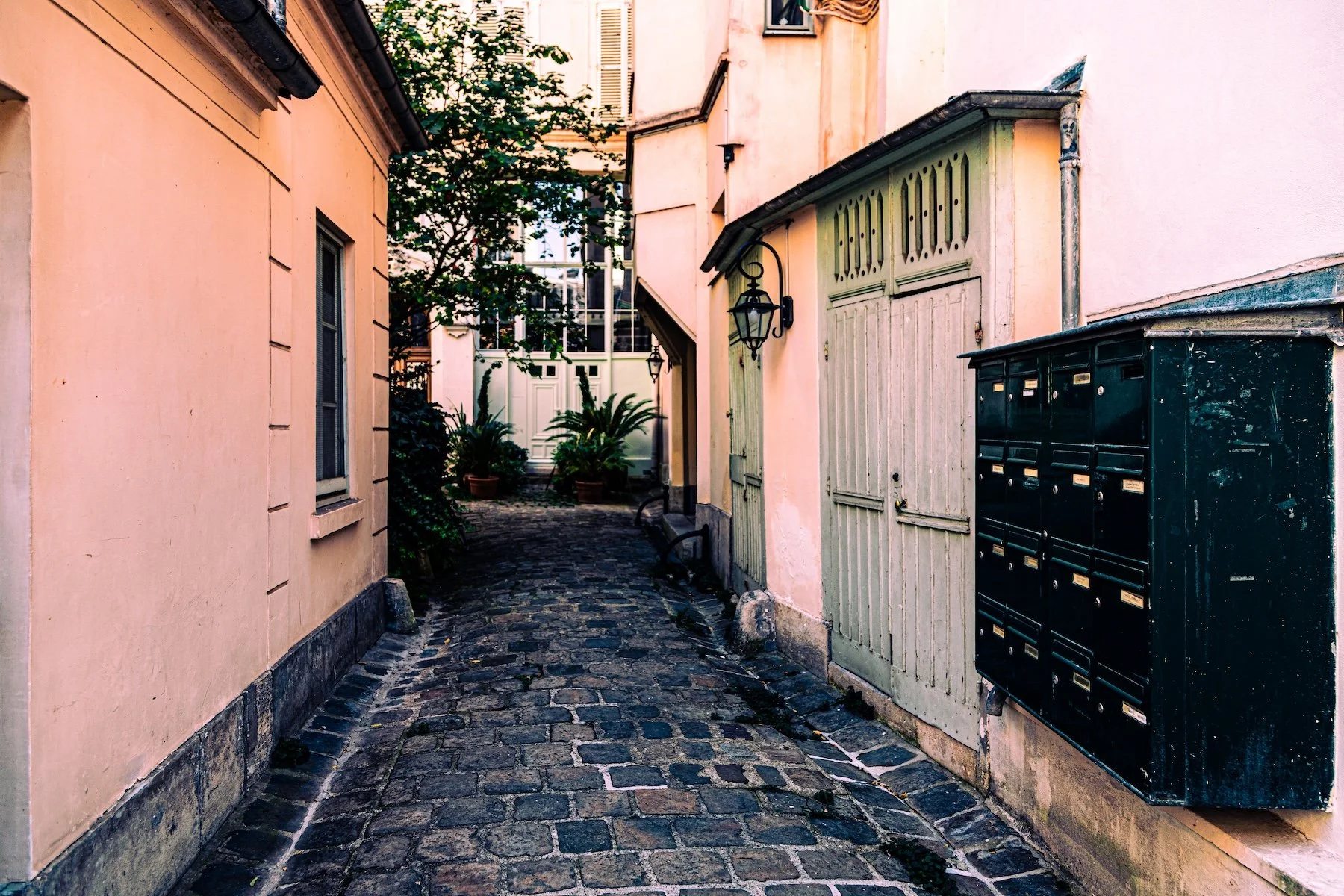
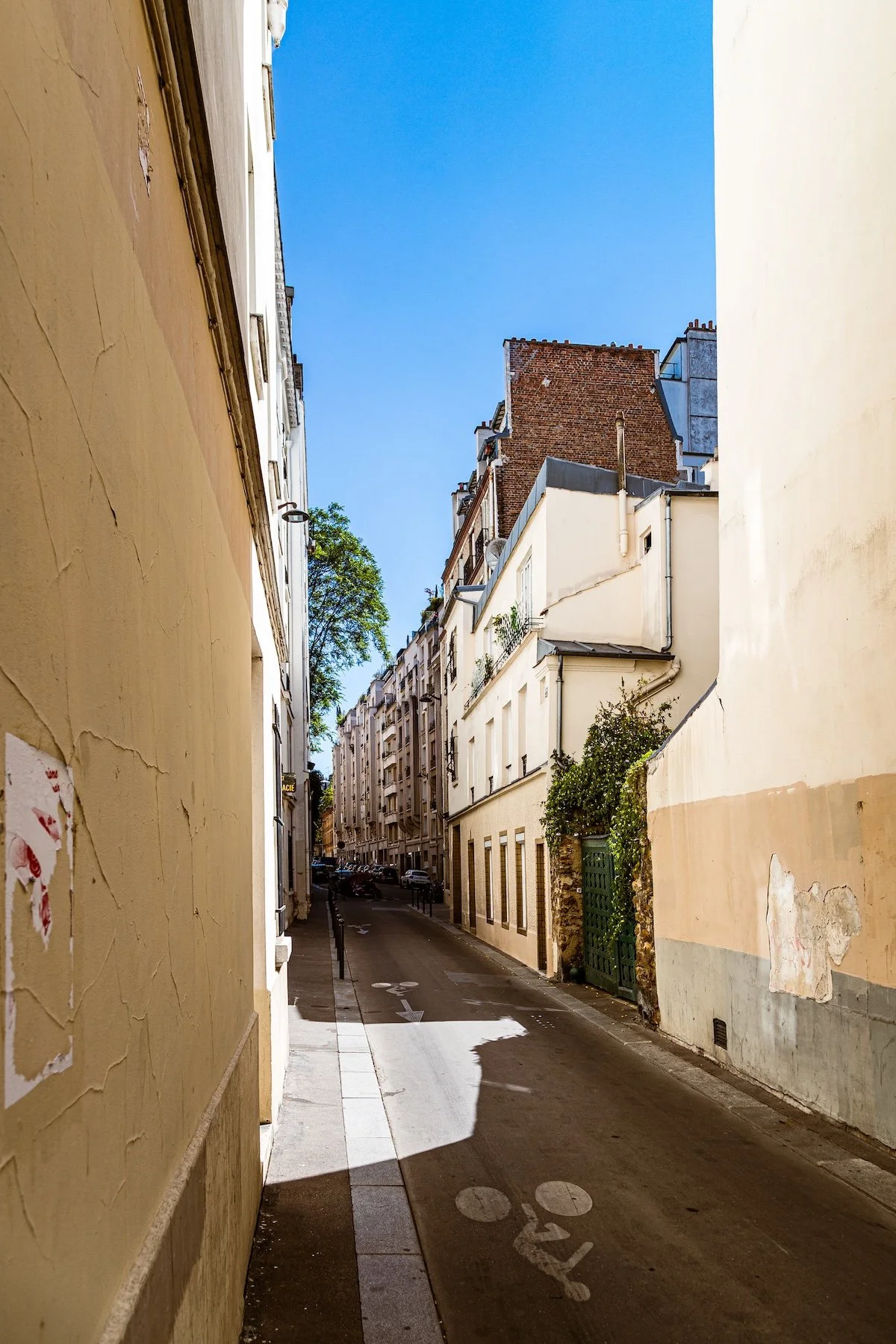
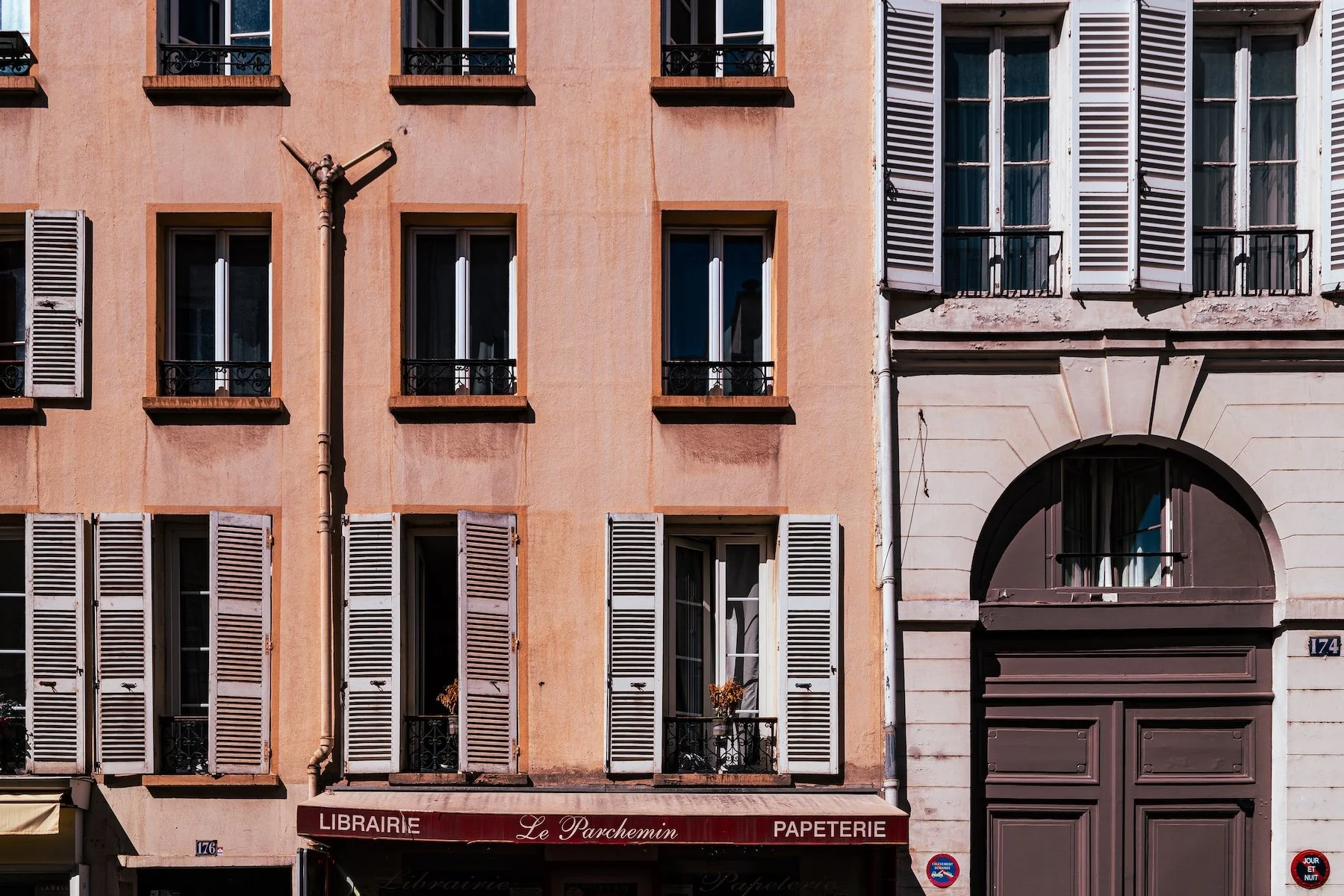
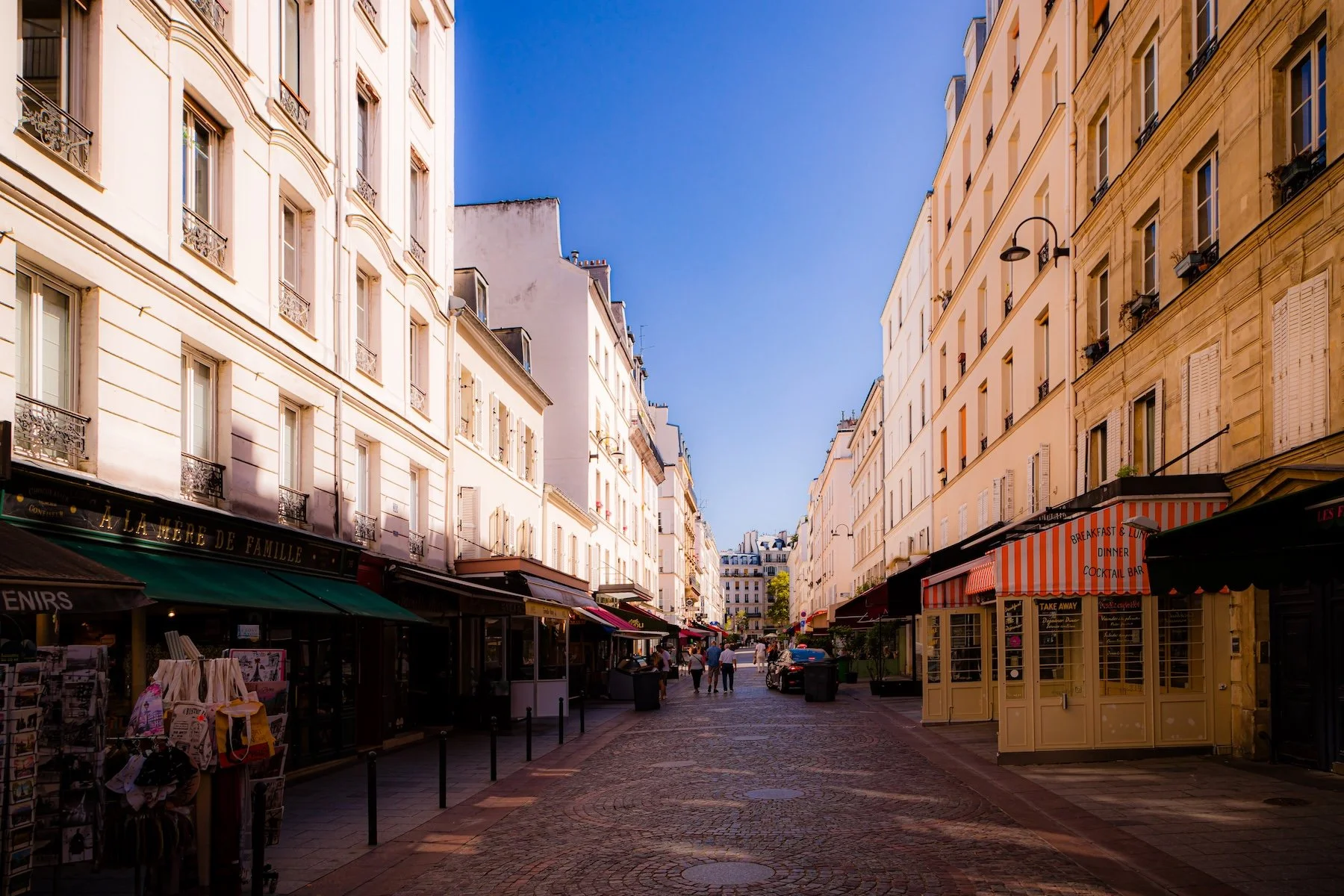
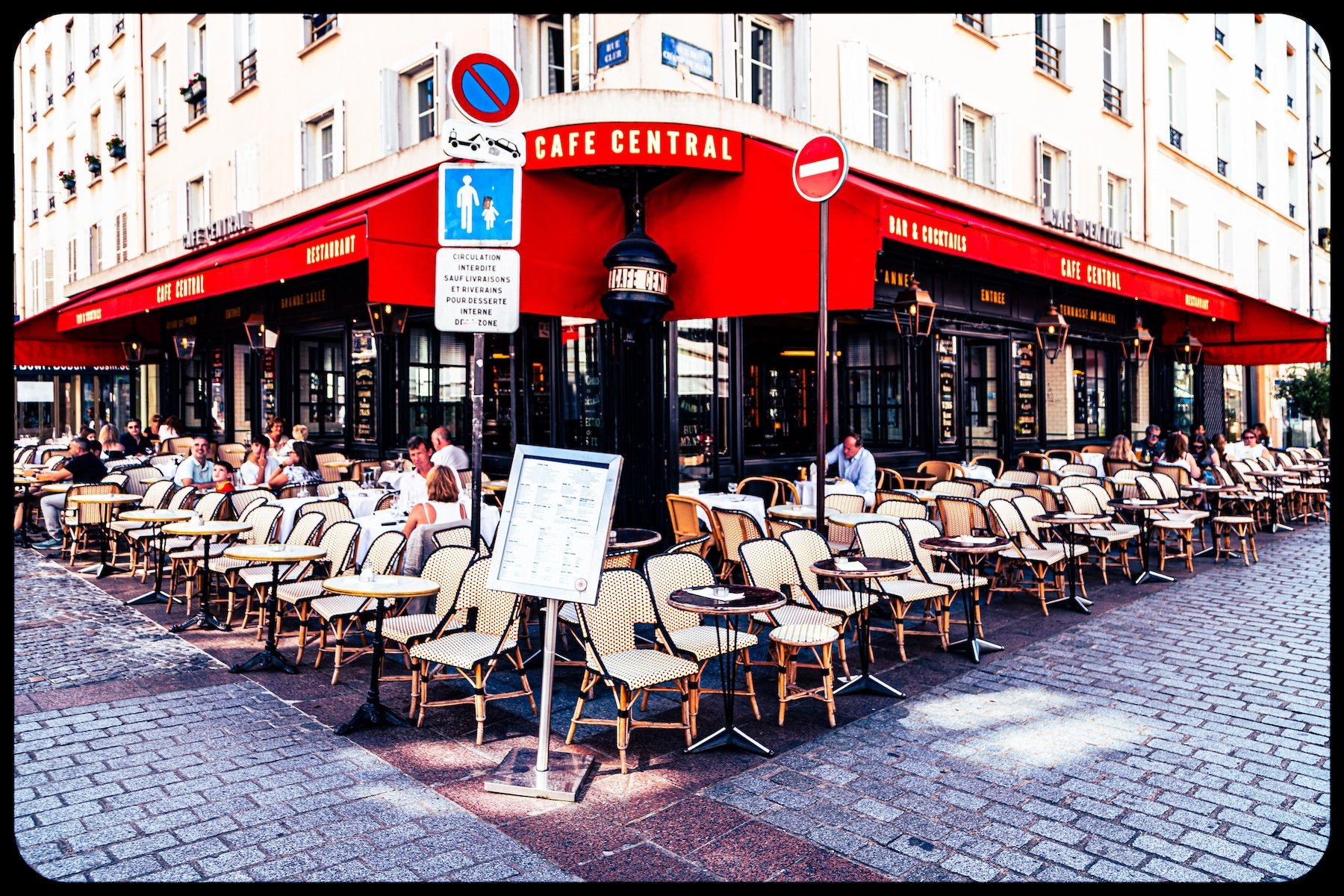
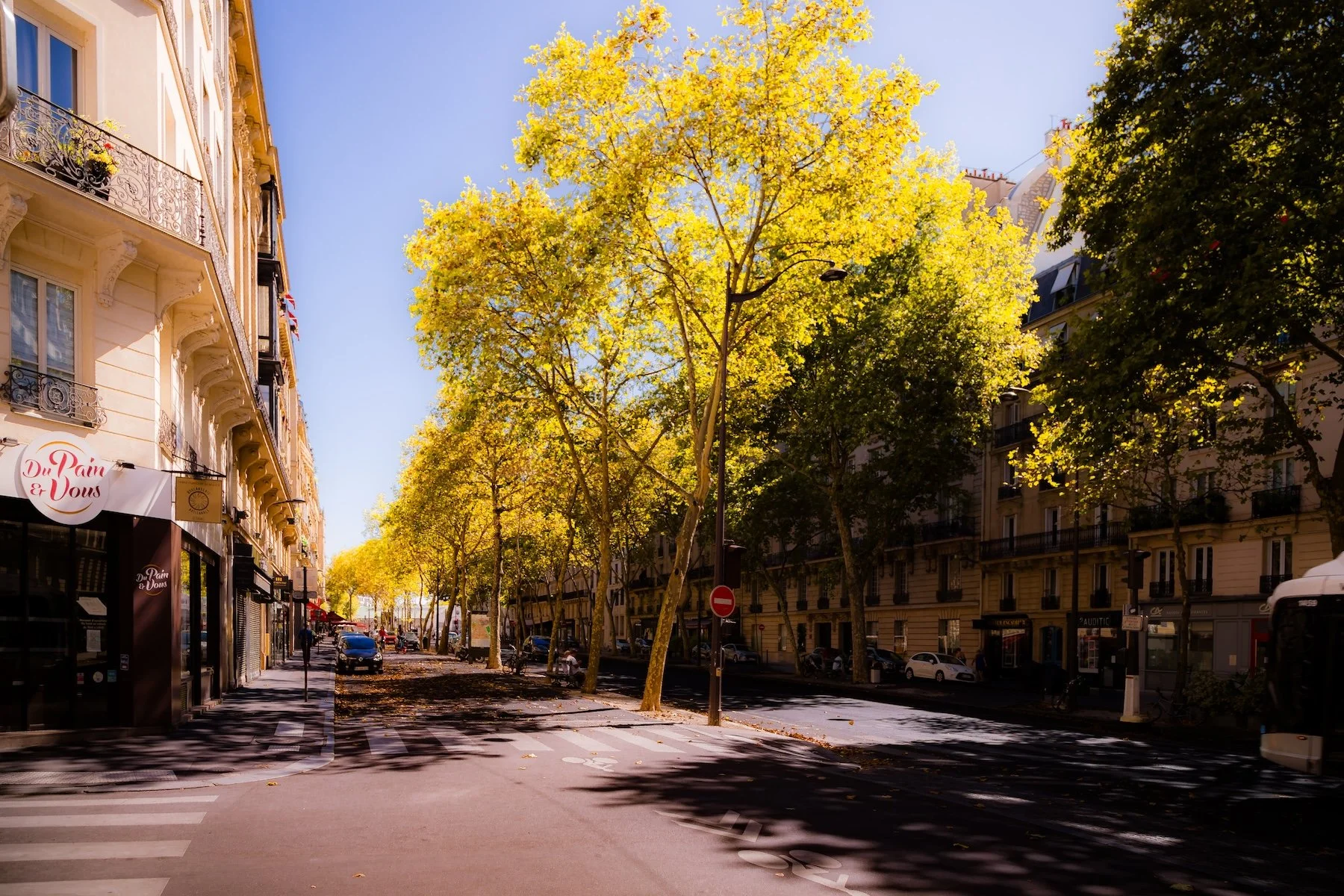
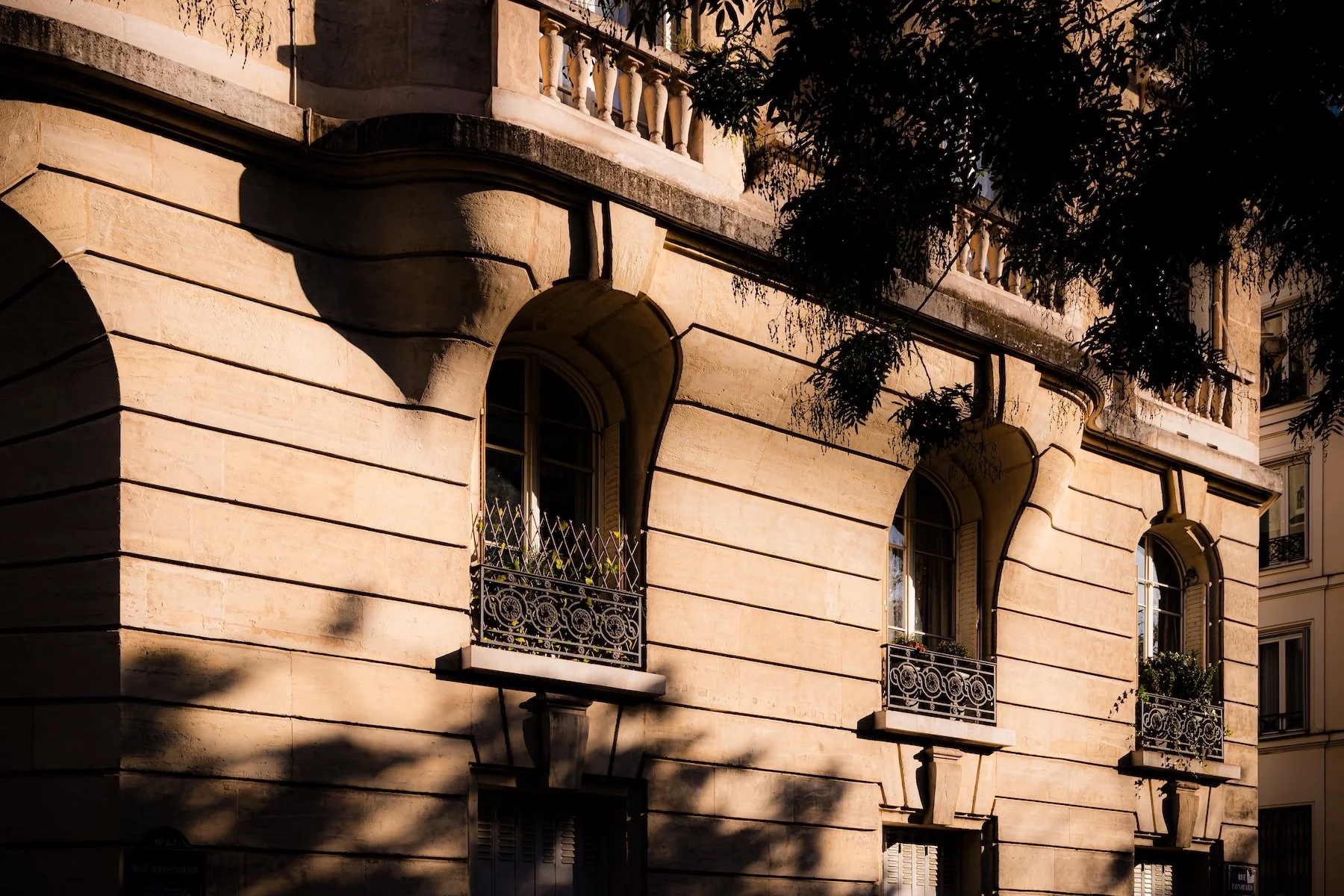
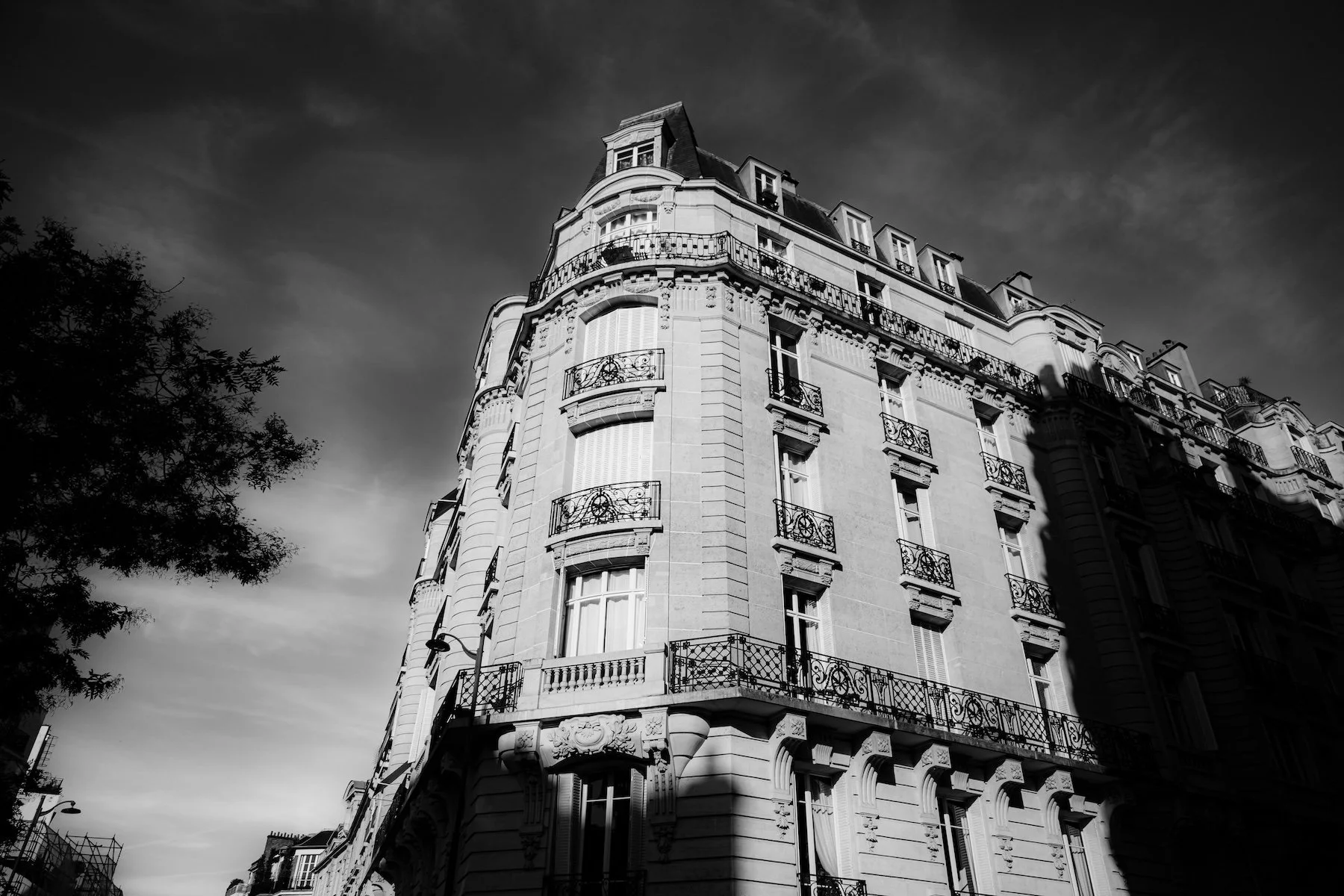
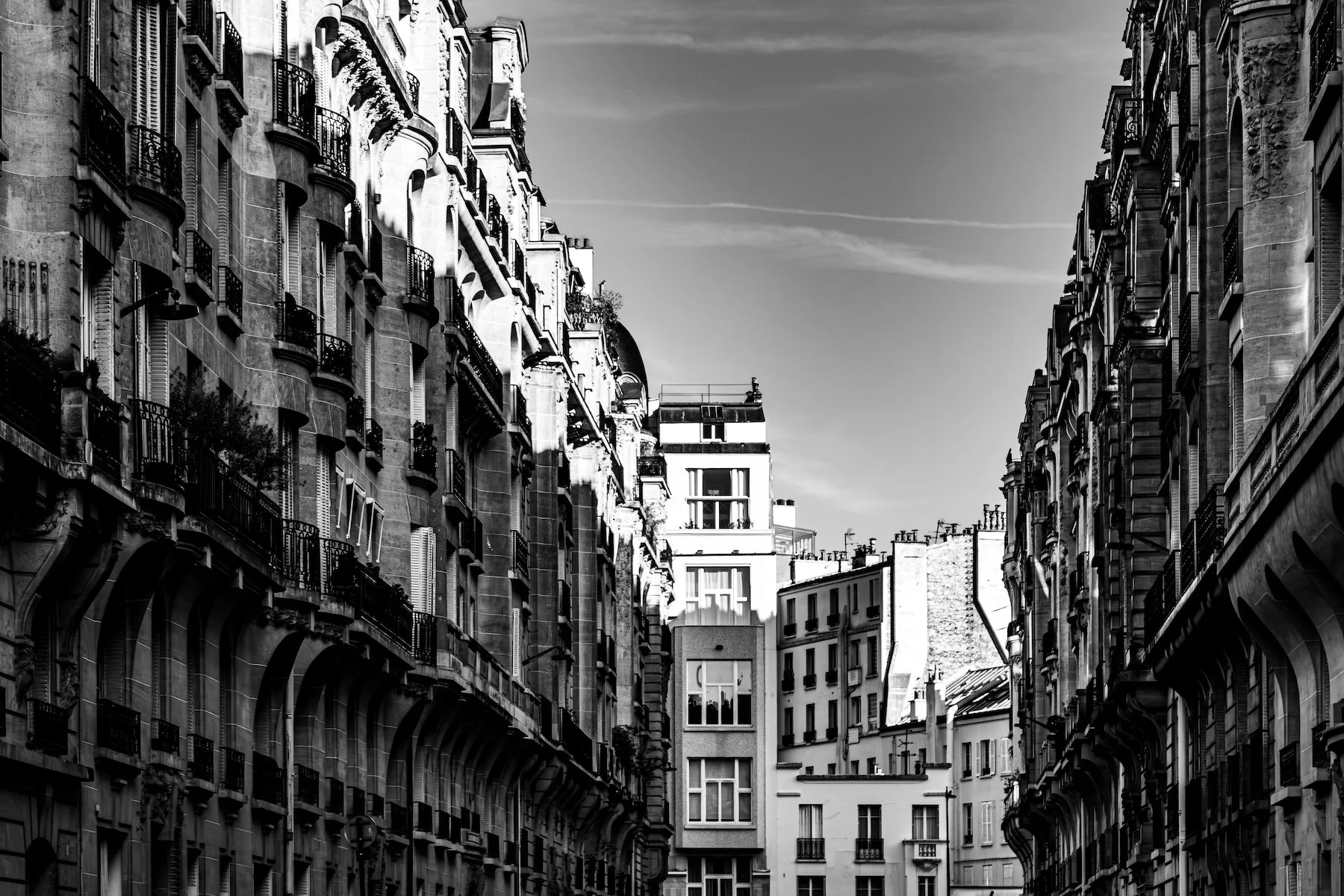
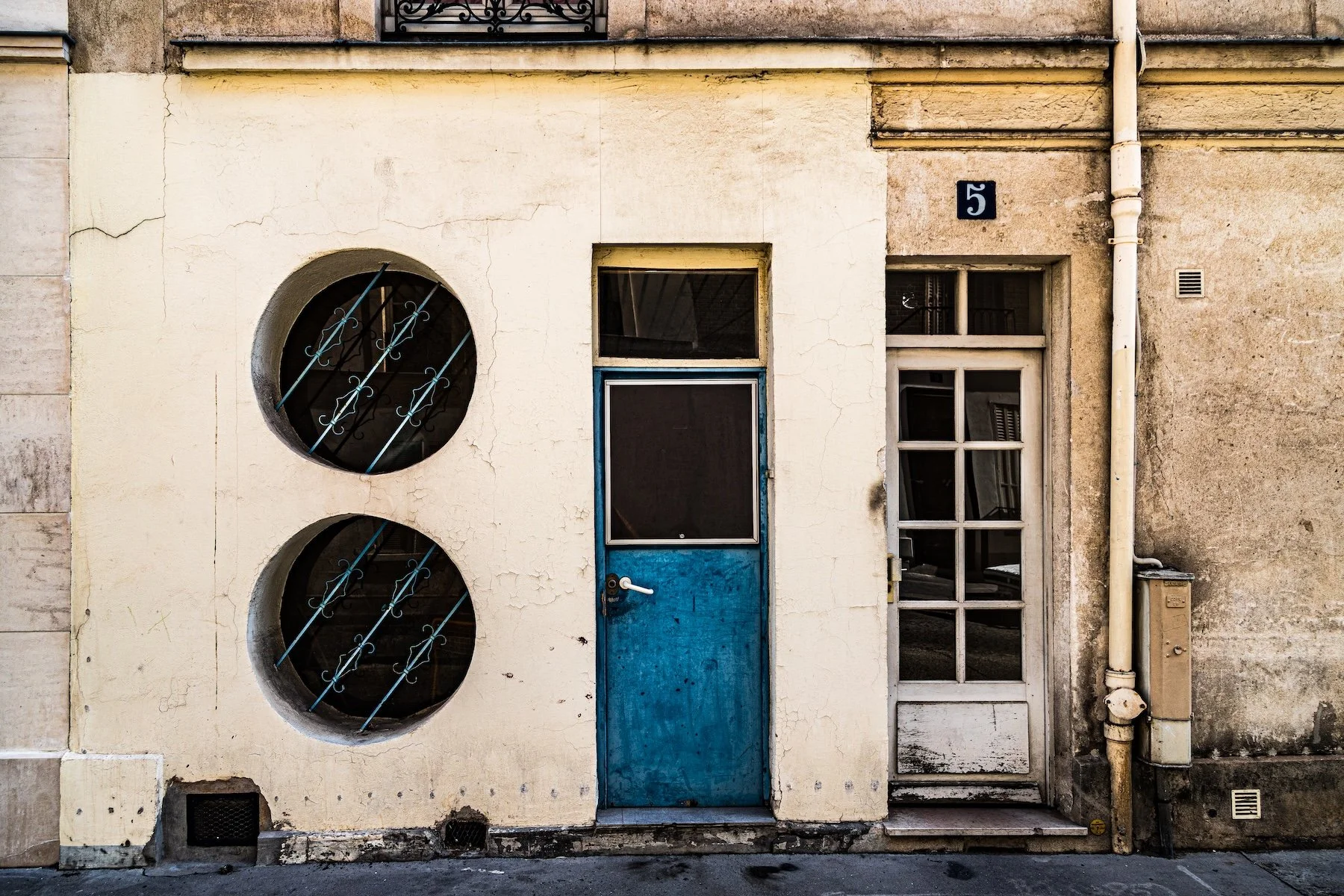
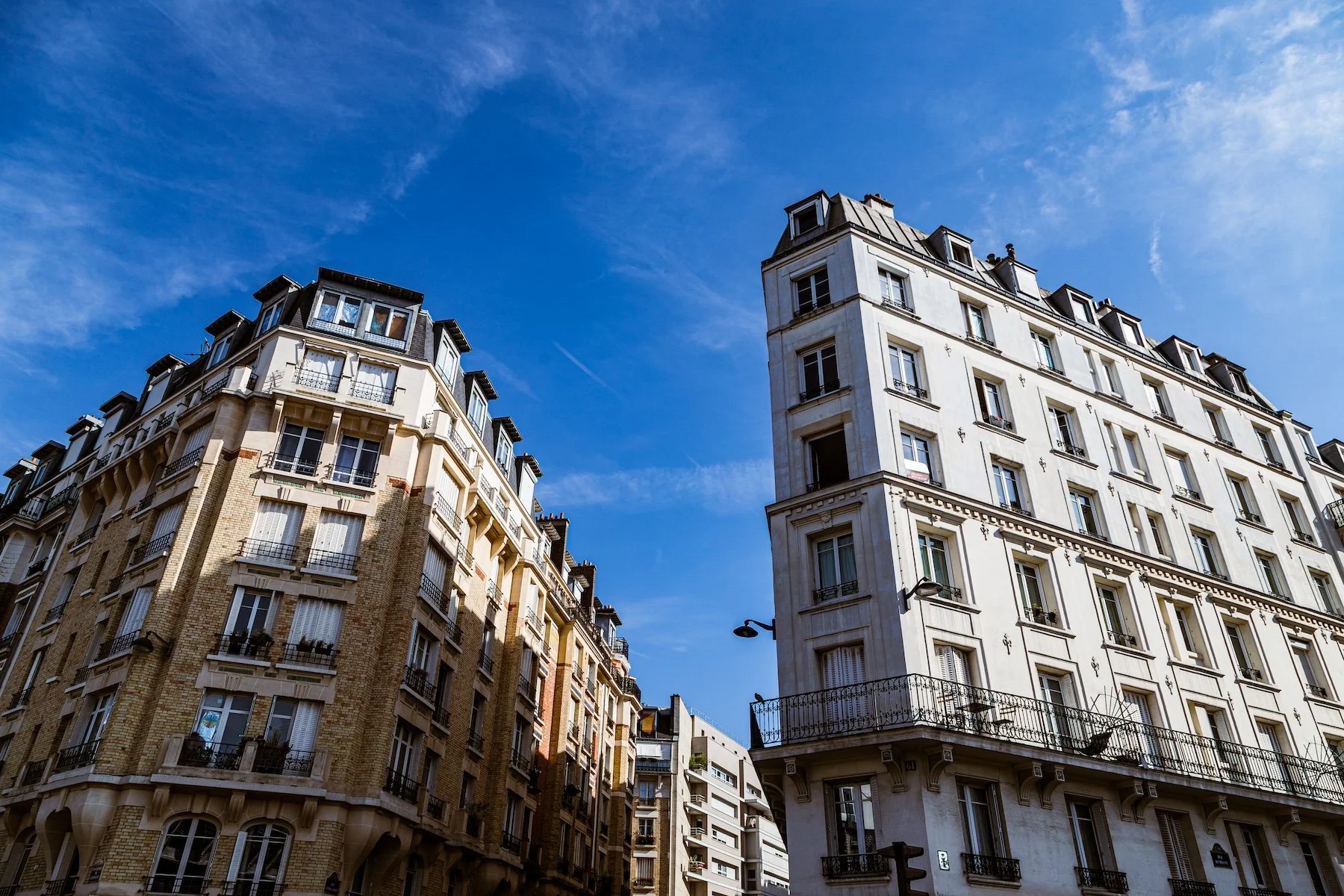
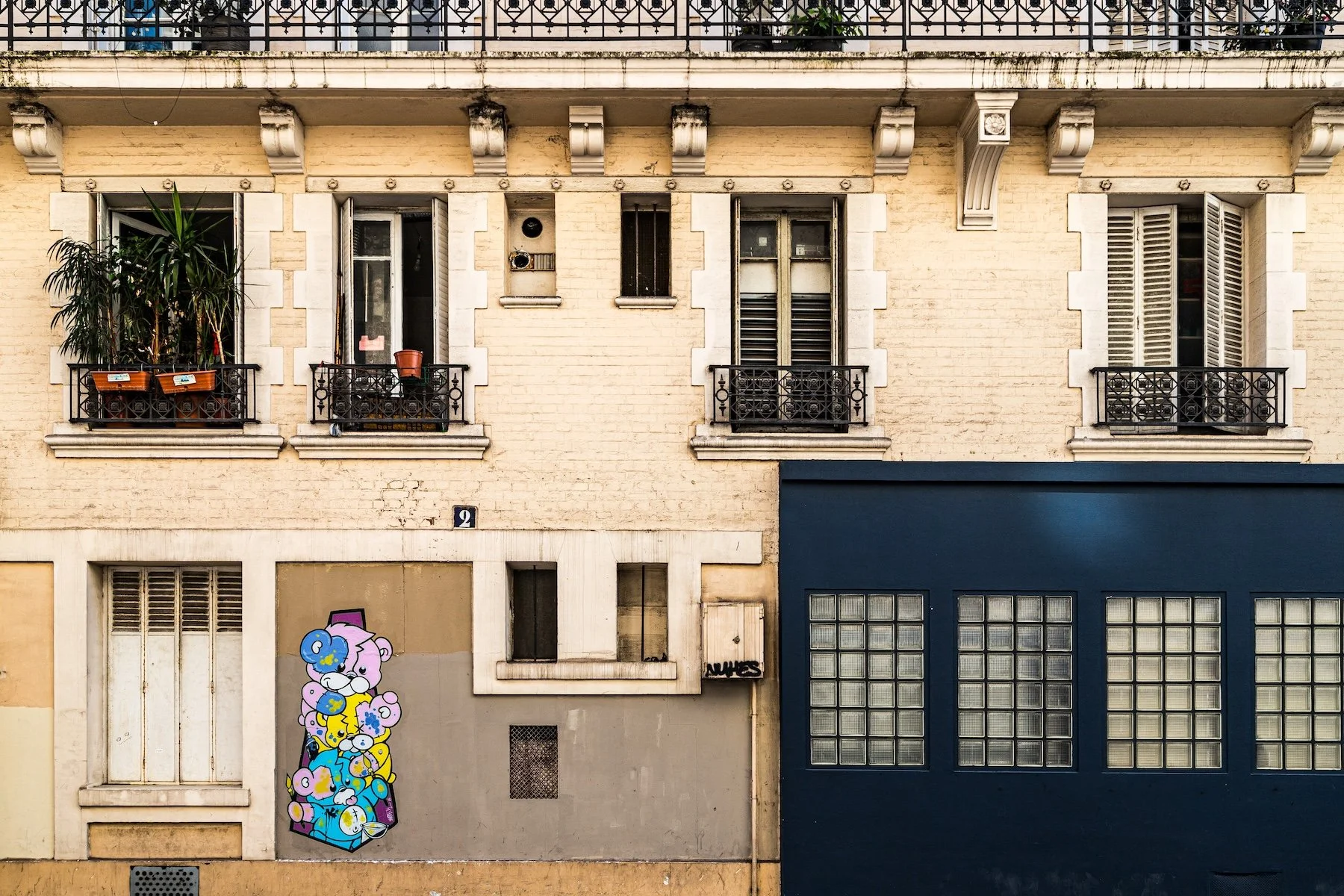
The quarter today is especially powerful for walking and photography. Its identity reveals itself in curved streets, small squares, old studio houses, soft façades, garden glimpses, museum courtyards, and the contrast between quiet residential architecture and the livelier districts surrounding it. Saint-Georges does not need to shout. Its strength lies in mood.
For CityNeighborhoods: Paris, Saint-Georges is essential because it shows how an administrative quarter can preserve a cultural atmosphere more subtle than a landmark. It is not defined by a single monument or one famous avenue. It is defined by a historic mode of living with art — the city as studio, salon, residence, and memory.
21st Century
Spirit and Legacy
Saint-Georges is the quarter of Romantic Paris remembered in domestic form. Its spirit is intimate, artistic, and quietly theatrical. It belongs to small mansions and studio windows, curved streets and garden courtyards, piano rooms and painted portraits, literary visits and neighborhood walks beneath the slopes of Montmartre.
Its legacy is the transformation of expansion into atmosphere. Outer land below the hill became a fashionable residential quarter. Fashionable houses became artistic gathering places. Artistic gathering places became memory. Memory became heritage. Through each transformation, Saint-Georges retained a particular grace: cultivated but not cold, historic but not frozen, elegant but still human-scaled.
To walk Saint-Georges is to encounter Paris between public myth and private life. The quarter stands near some of the city’s loudest cultural geographies — Pigalle, Montmartre, Opéra, the Grands Boulevards — yet its own voice is lower, more interior, and more reflective. In Saint-Georges, neighborhood identity becomes atmosphere: the lingering presence of art, conversation, and romantic memory held within the architecture of everyday streets.
The Photography
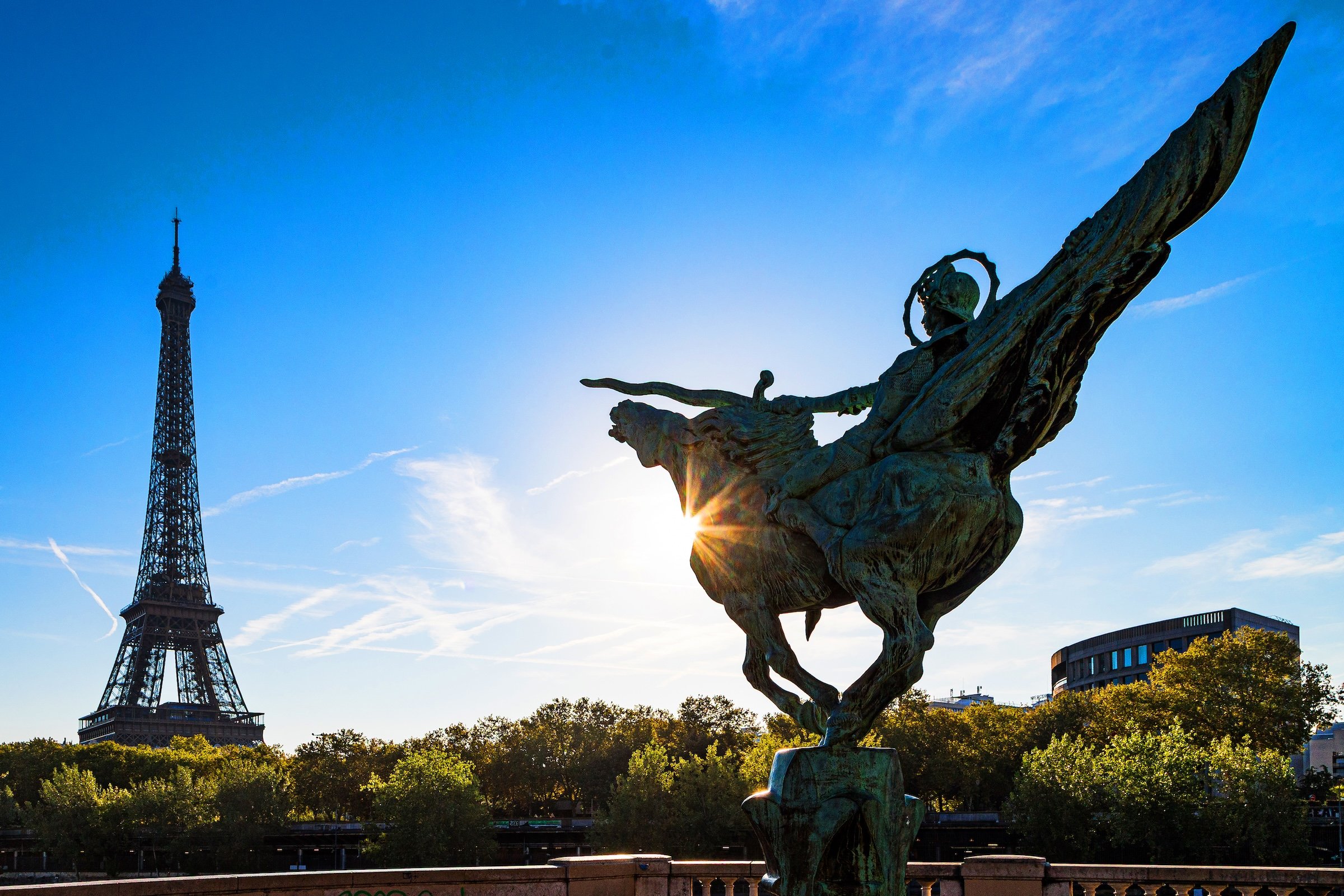
The arrondissements do not share a single visual identity. Instead, they organize Paris into twenty broad visual fields, each gathering its own combination of landmarks, streetscapes, institutions, residential districts, commercial corridors, parks, rail stations, markets, cemeteries, and riverfront edges.
Some arrondissements are defined by monumental scale: royal palaces, ceremonial avenues, government buildings, museums, formal gardens, and internationally recognized landmarks. Others are shaped by hills, canals, rail gateways, apartment-lined boulevards, neighborhood markets, former village streets, industrial remnants, parks, or the quieter rhythms of residential Paris. The arrondissement system gives these varied landscapes a civic frame, allowing the city to be read not as one visual language, but as a sequence of overlapping Parisian atmospheres.
Visual Identity
Through The Lens
Photographing the arrondissements means moving between the official map and the street-level experience. The camera does not treat each arrondissement as visually uniform. Instead, it looks for the recurring forms, textures, transitions, and contrasts that make each district legible: the geometry of boulevards, the shade of plane trees, the repetition of balconies, the rise of stairways, the curve of canals, the presence of rail stations, the opening of parks, the weight of monuments, and the intimacy of side streets.
On CityNeighborhoods, the arrondissement provides the frame, but the photograph comes from the encounter between map, movement, light, and observation. As the Paris photography is processed, this section will connect each arrondissement more directly to the project’s Photographic Lexicon: the visual strategies, recurring motifs, and compositional patterns that shape how the city is seen through the lens.
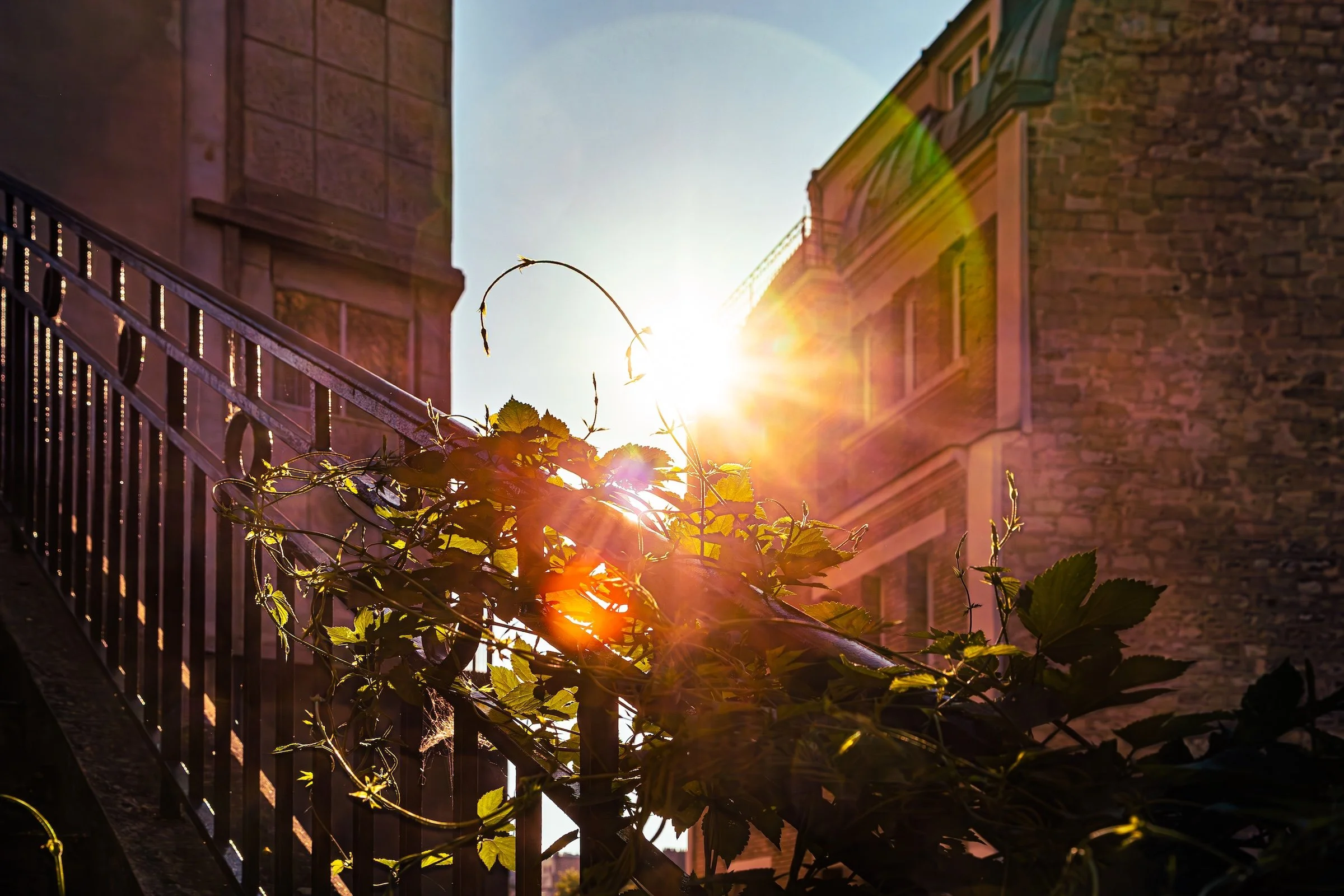
If you visit Paris, these ideas can help inspire your own photography.
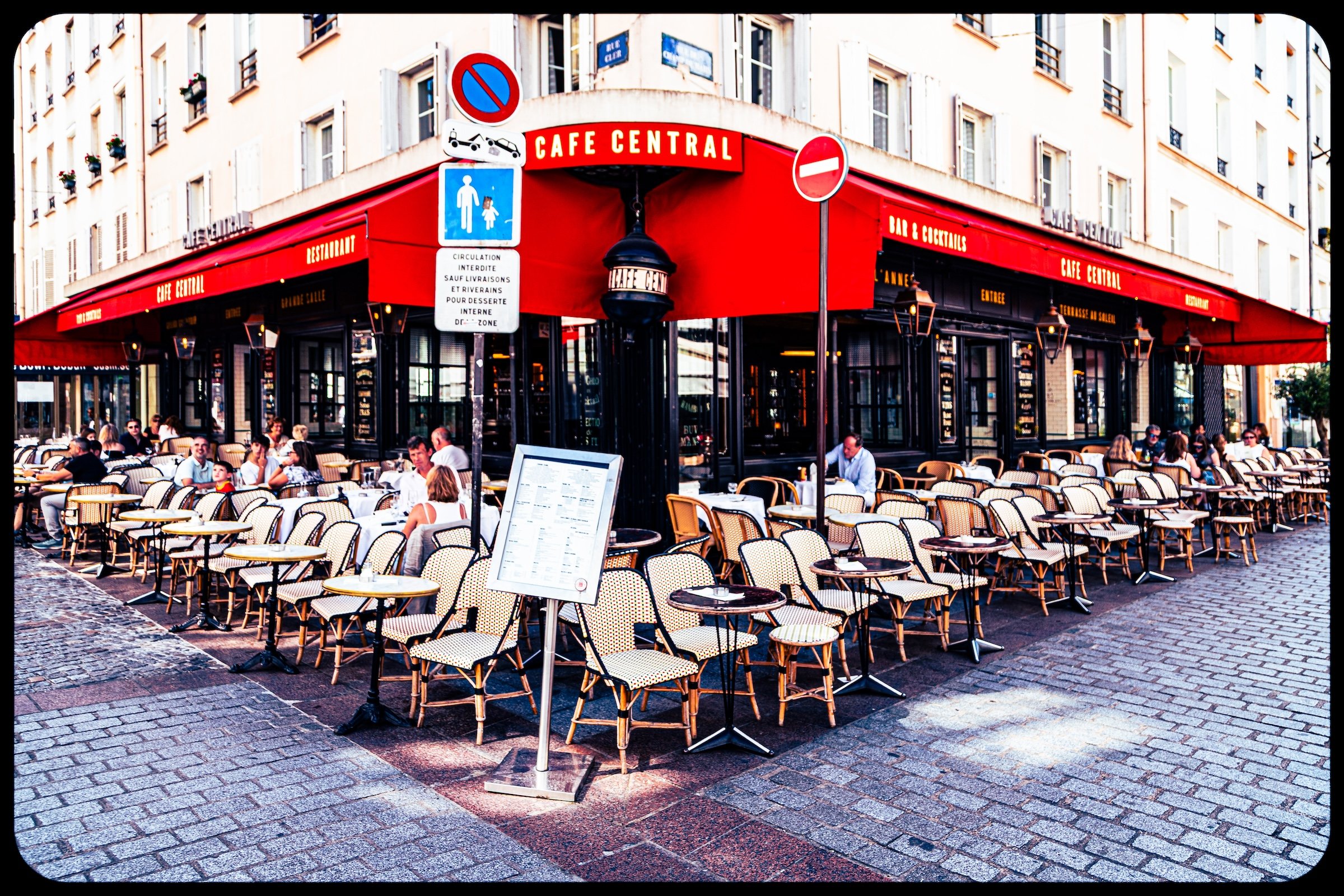
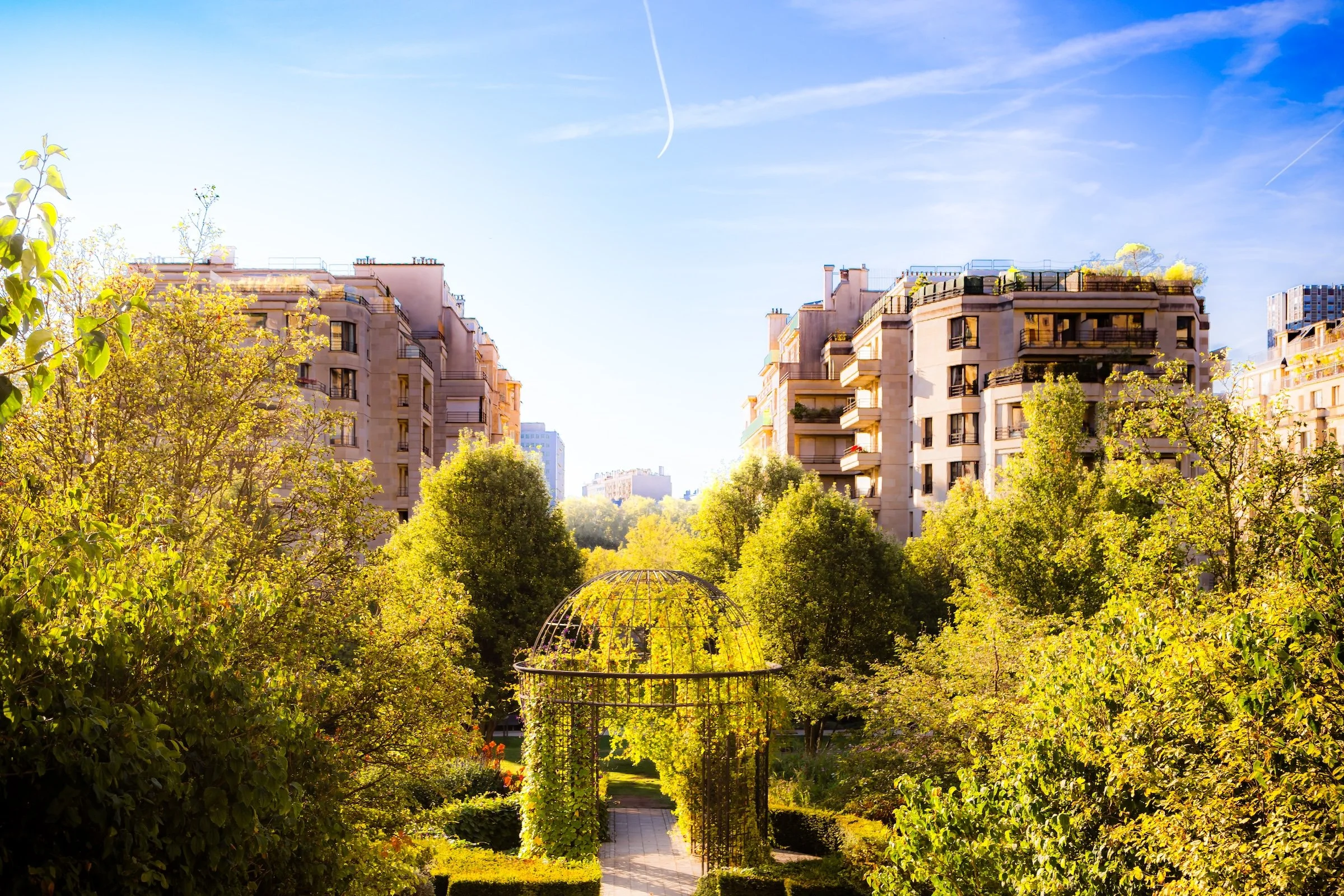
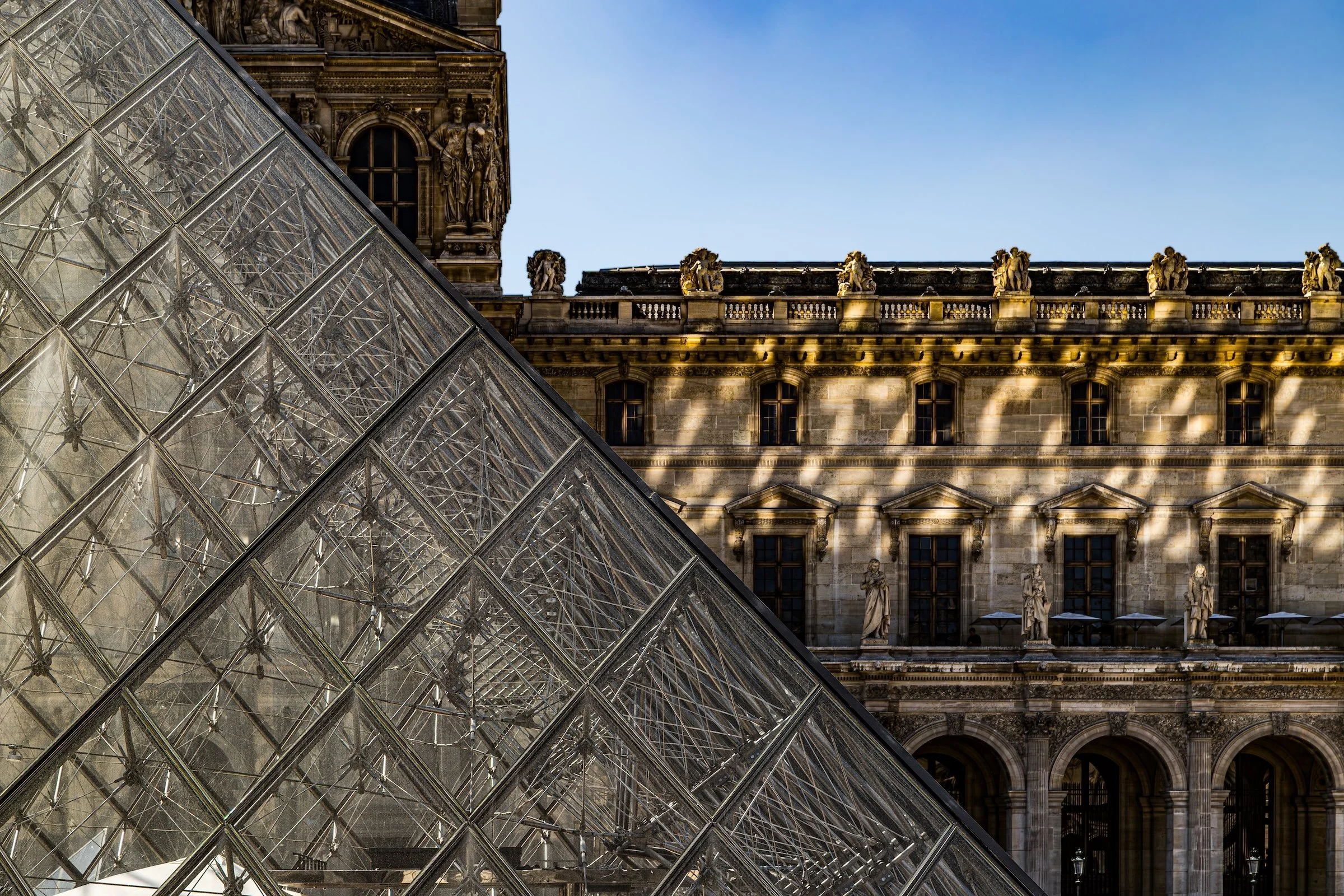
Paris: J’Espere, Je Rêve, Je Vive
Paris Photo Gallery
Paris Field Notes
-
Field Note: August 18, 2025 | 07:58 AM
Conditions: 73°F | Humidity: 72%.
Within the park's interior, the glacial kettle ponds acted as humidity traps, creating a soft, hazy light that filtered through the old-growth oaks. The transition from the park's dense shade to the sun-drenched edges of Oakland Gardens highlighted the day's exceptional "picture-perfect" clarity.
There is a fleeting window in Queens where the humidity of August hasn't yet heavy-set, and the morning sun hits the canopy of Alley Pond Park at a perfect oblique angle. Arriving just before 8:00 AM, I watched the light break through the oaks and tulip trees, casting long, dramatic shadows across the wet grass. It’s in these quiet, golden moments that the park feels less like a city escape and more like the ancient glacial valley it actually is.
Other neighborhoods visited:
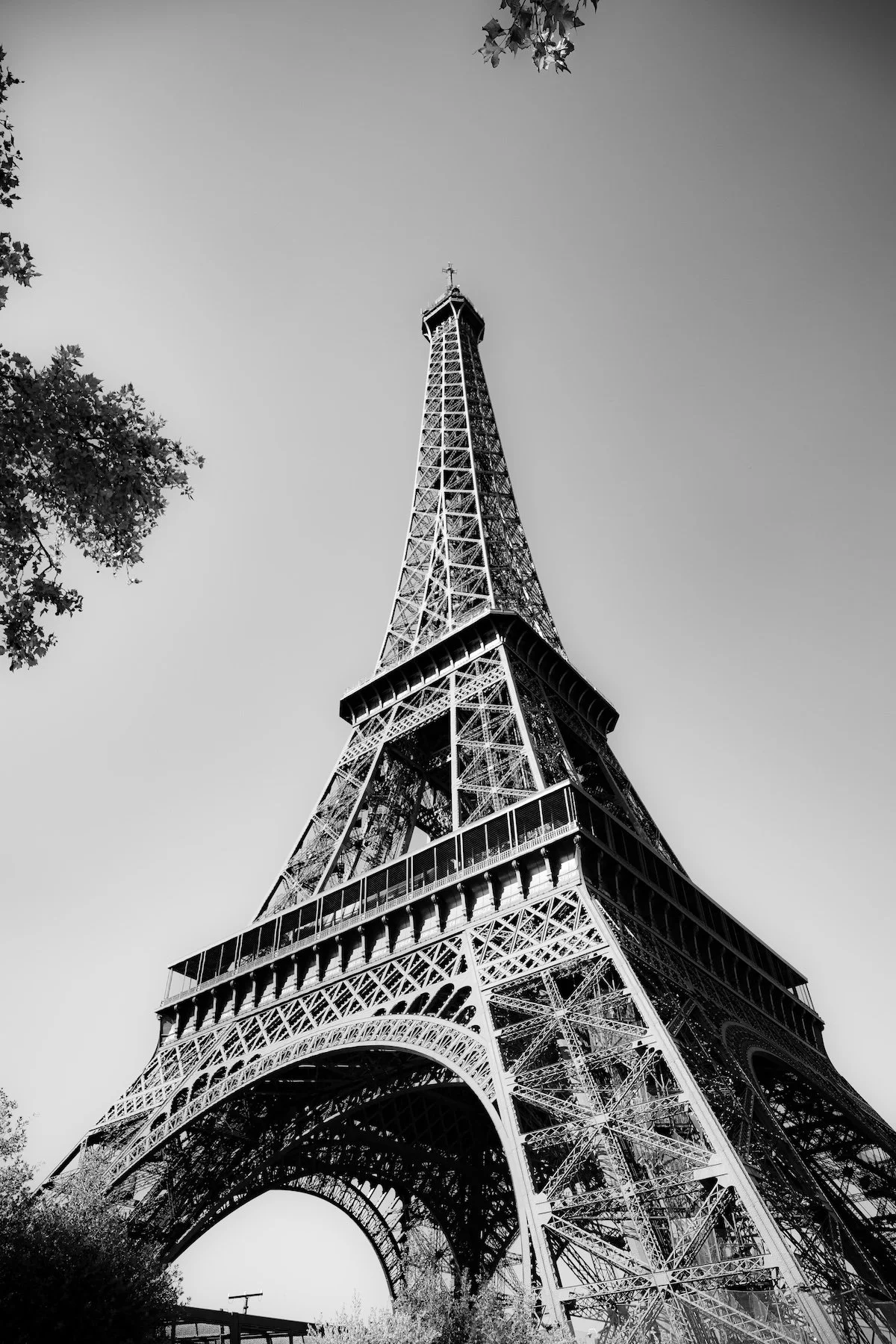
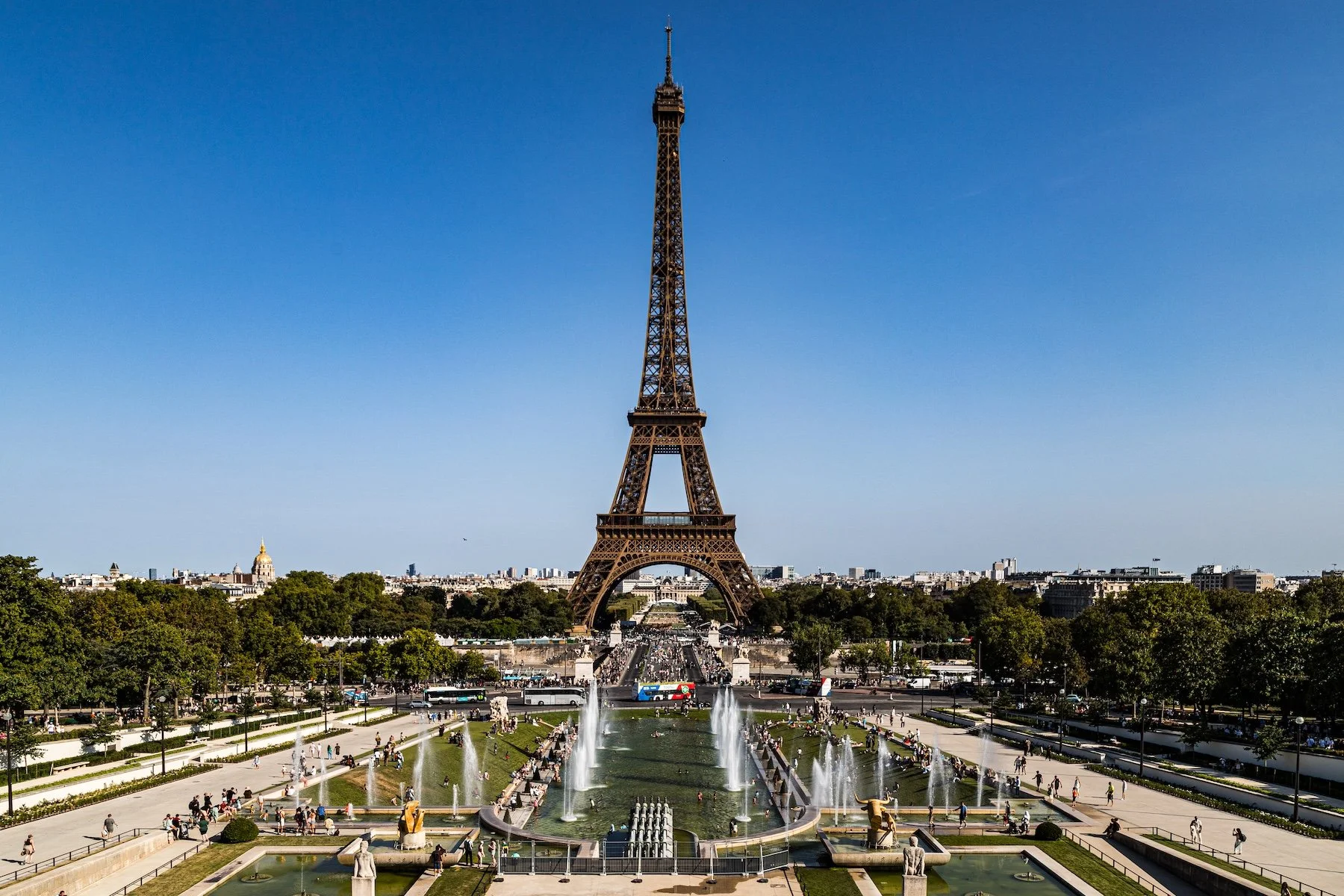
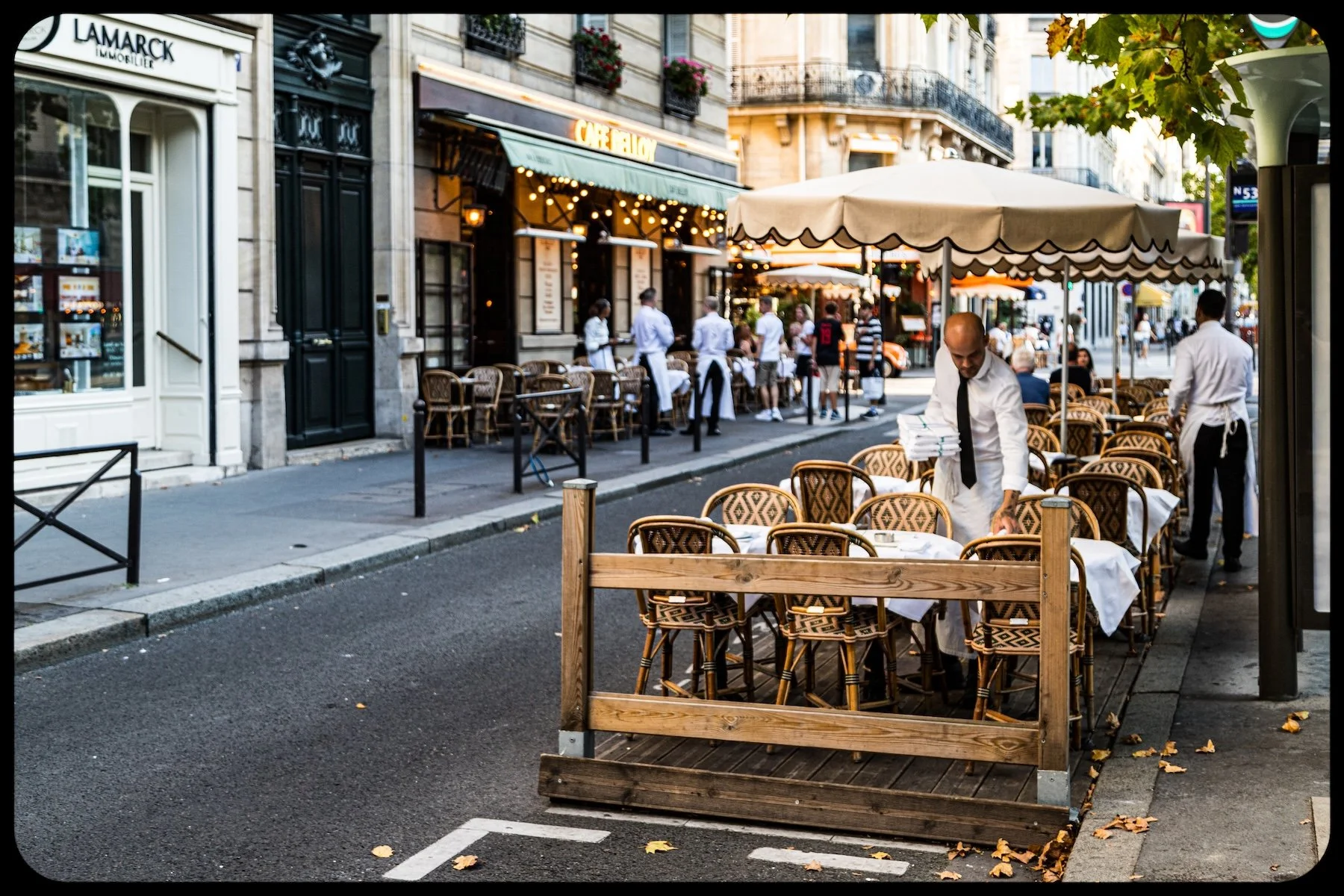
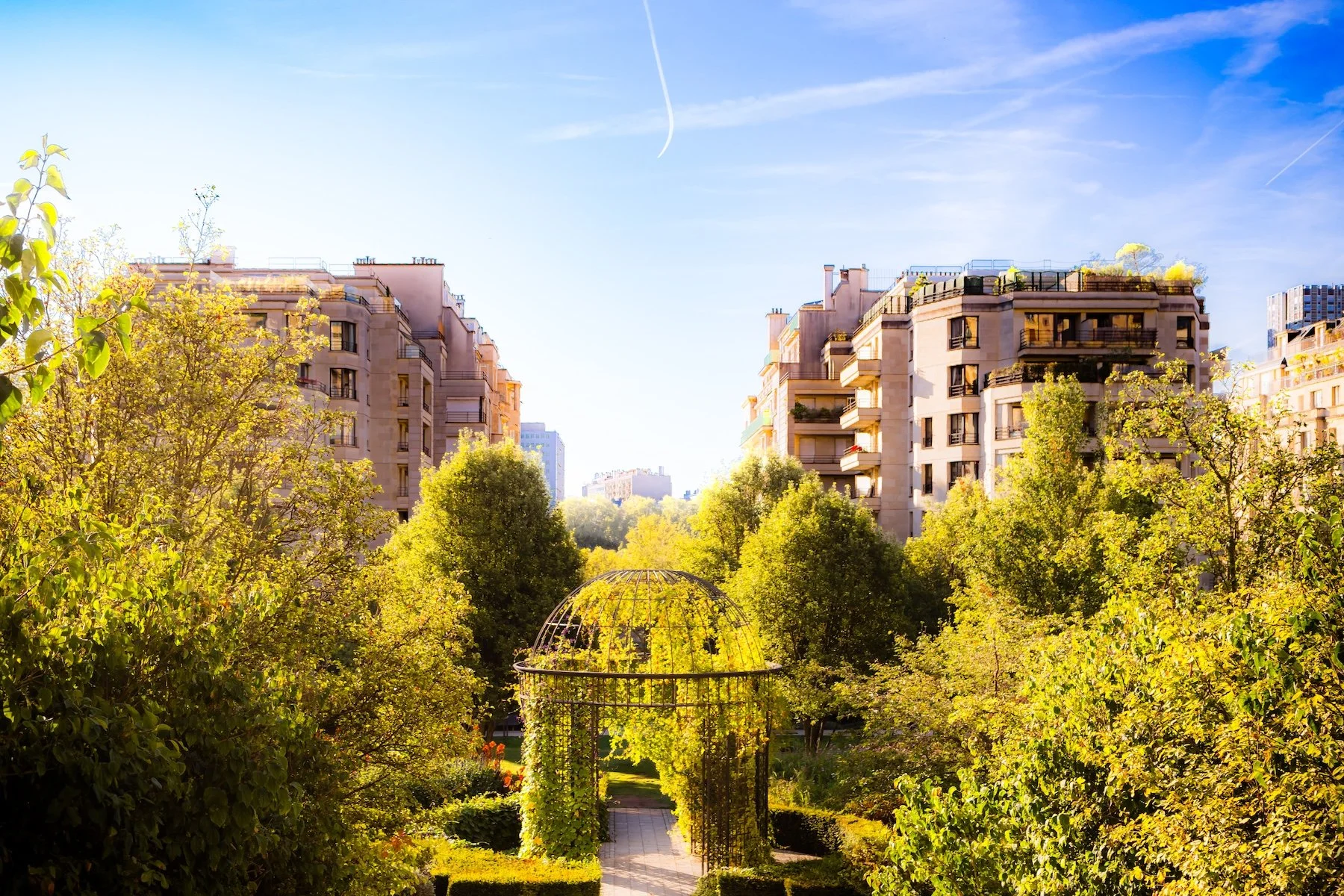
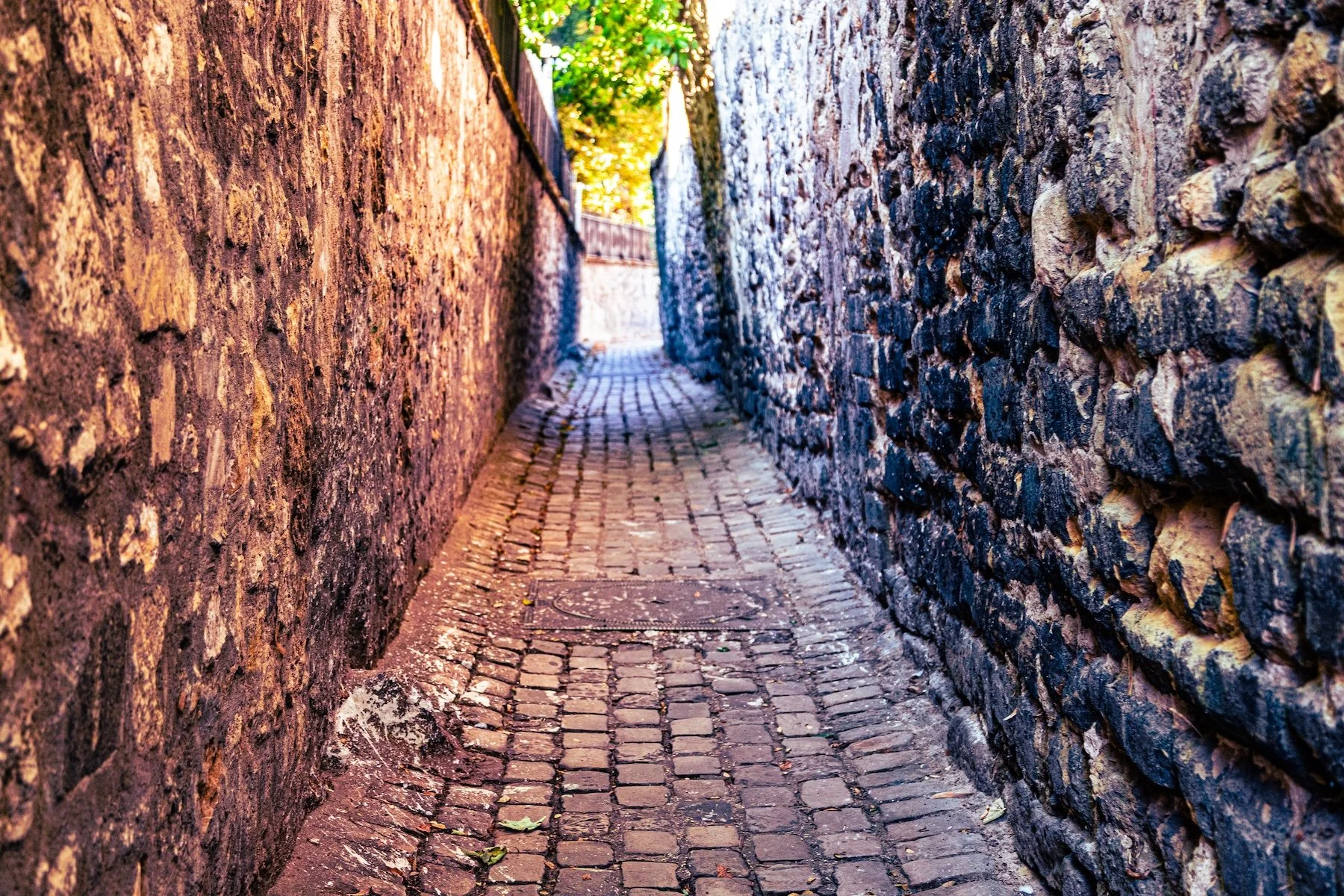
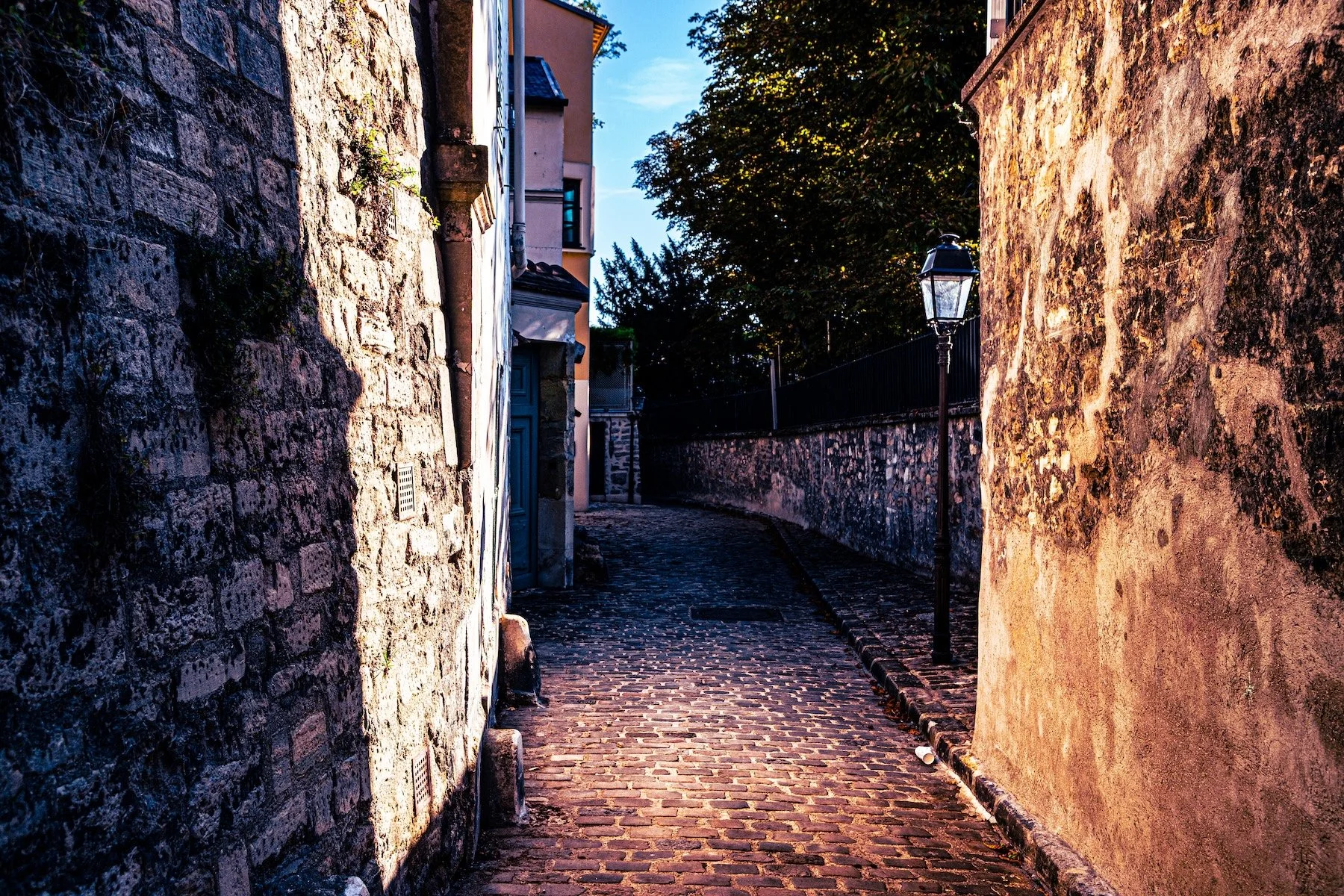
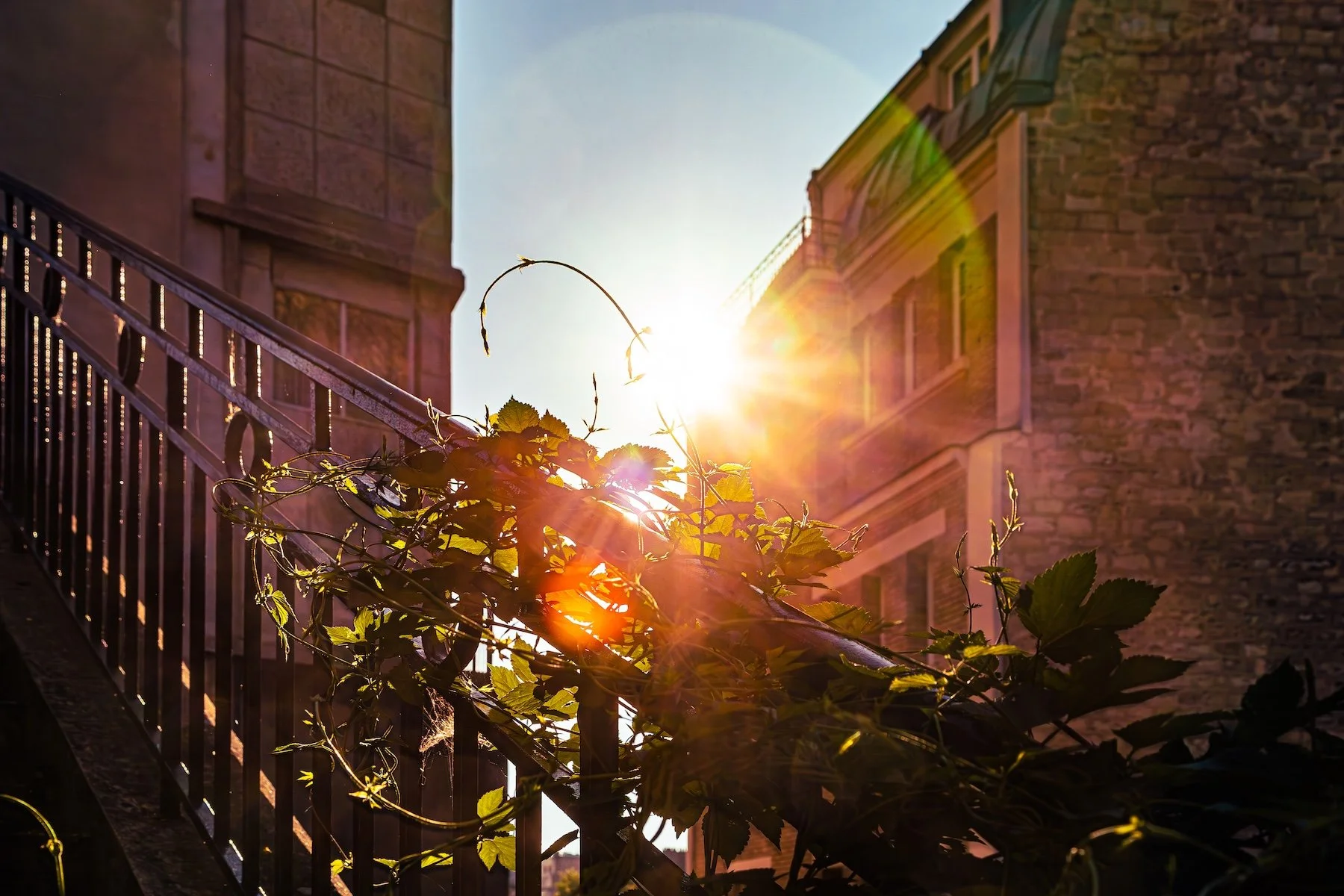

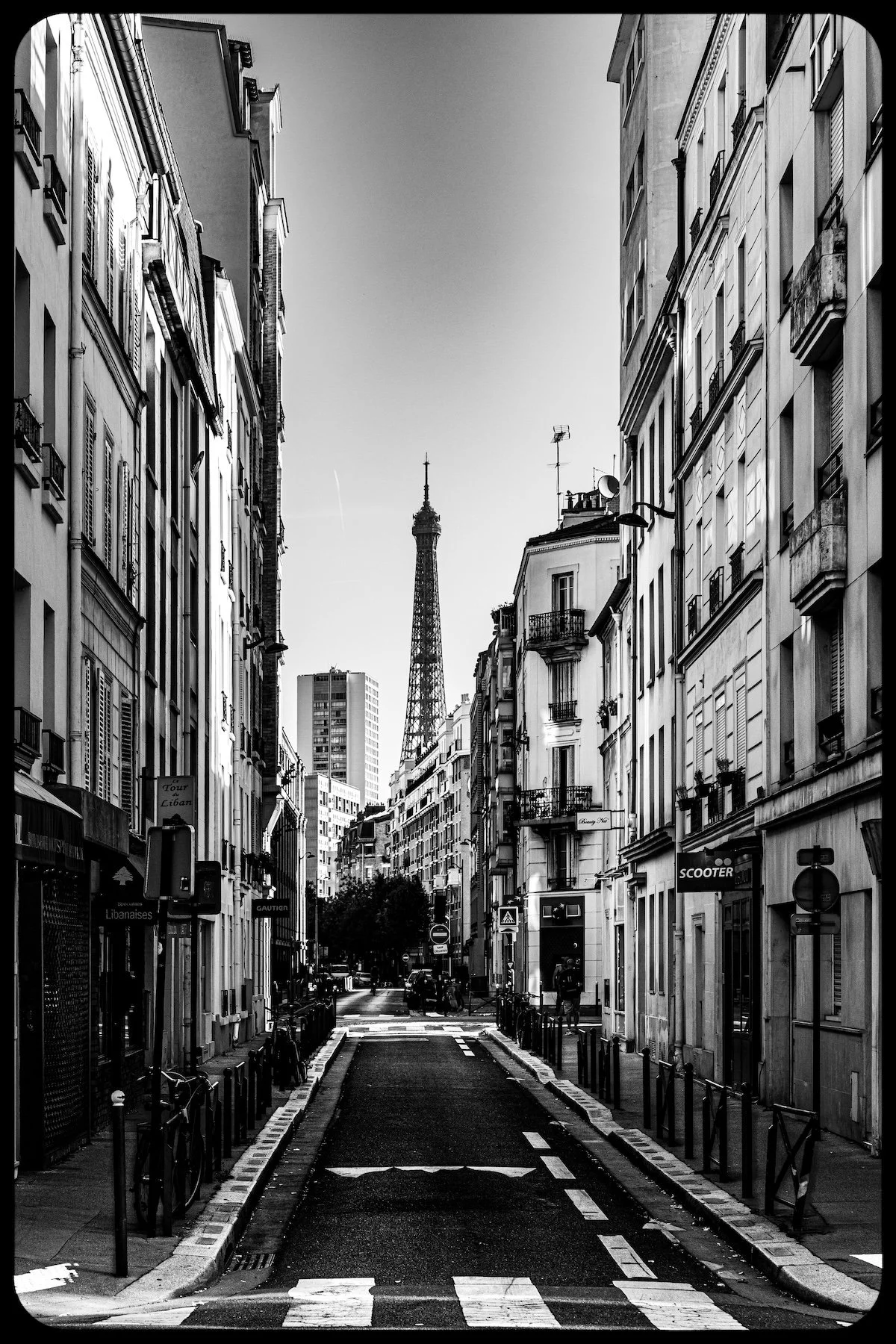
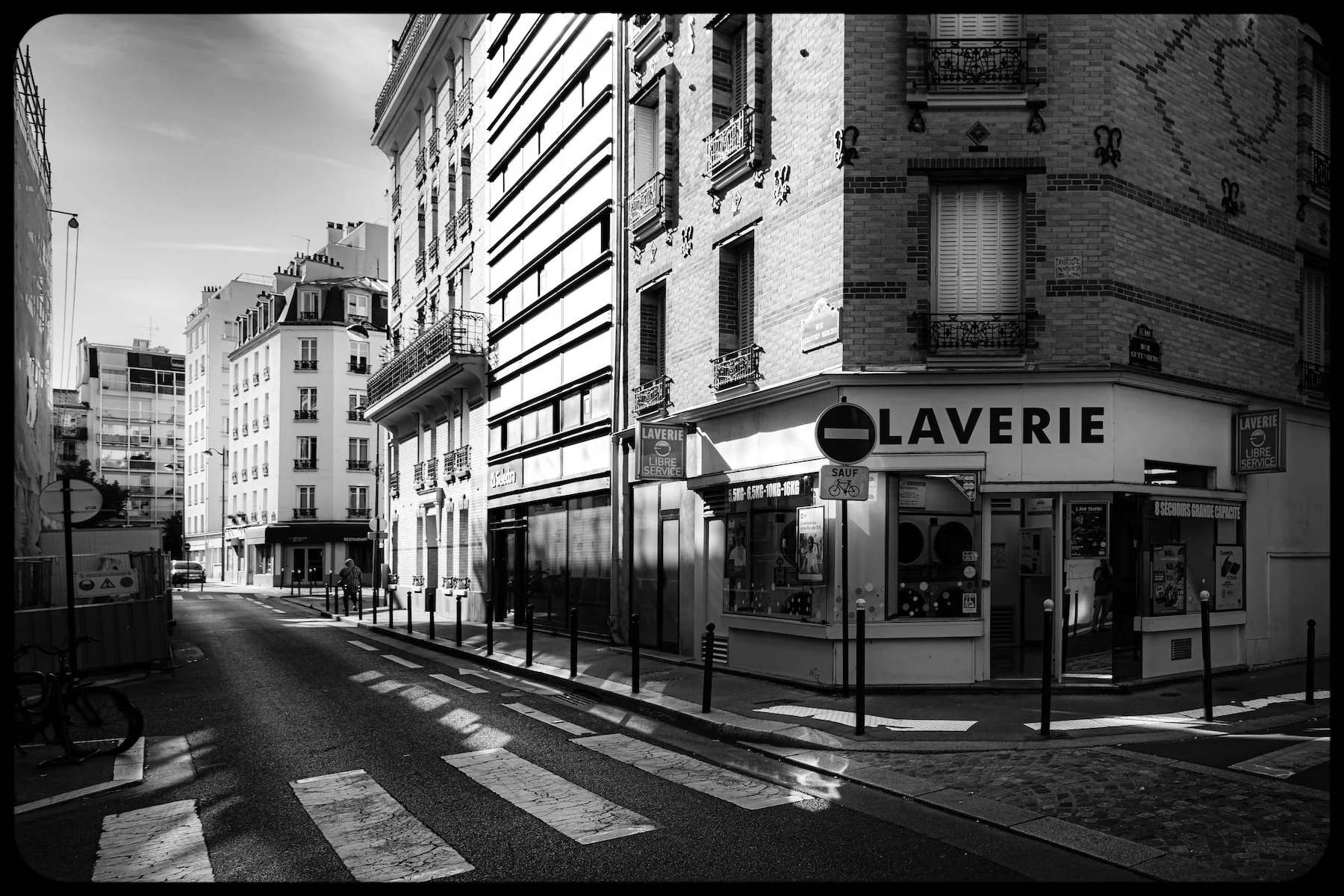
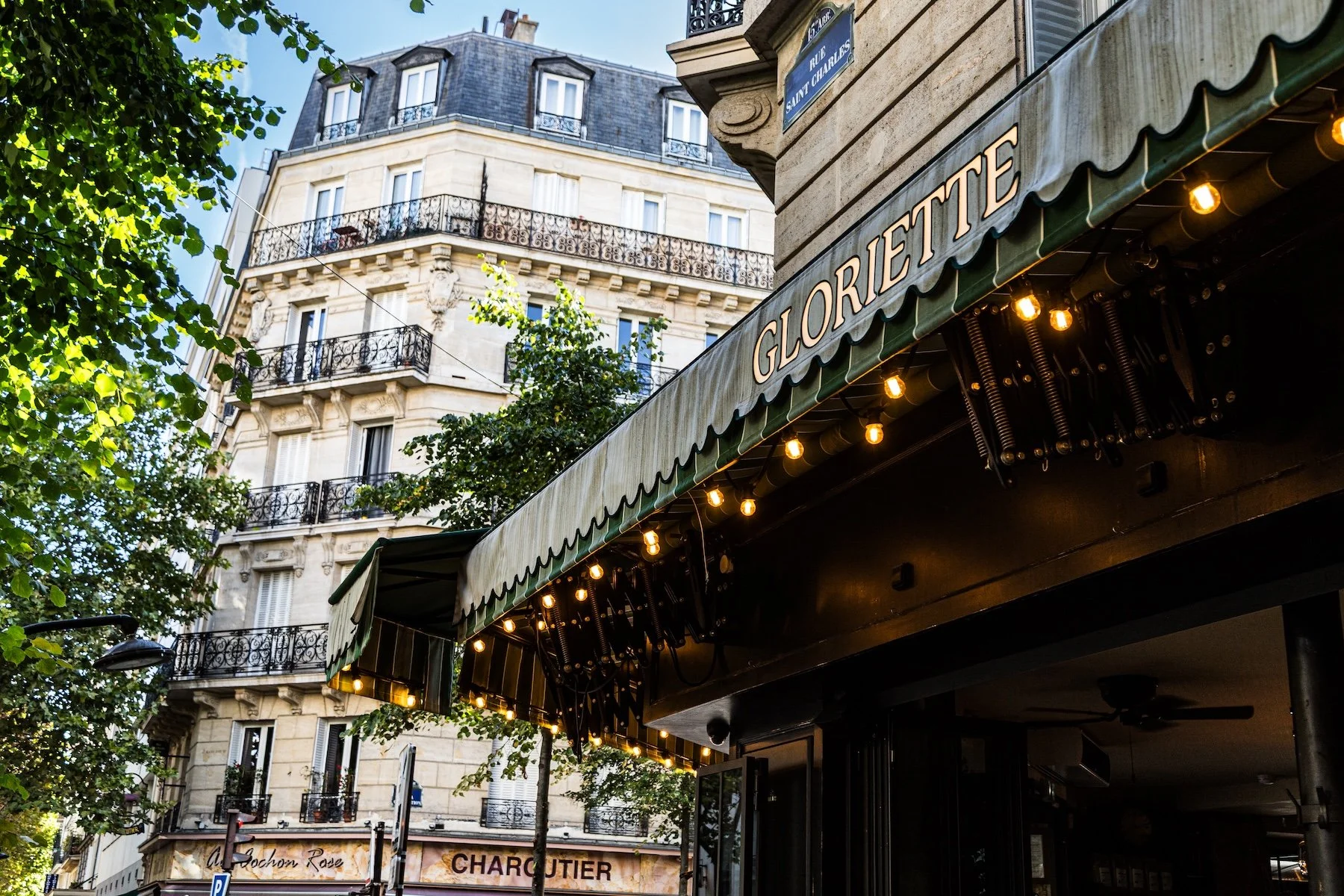
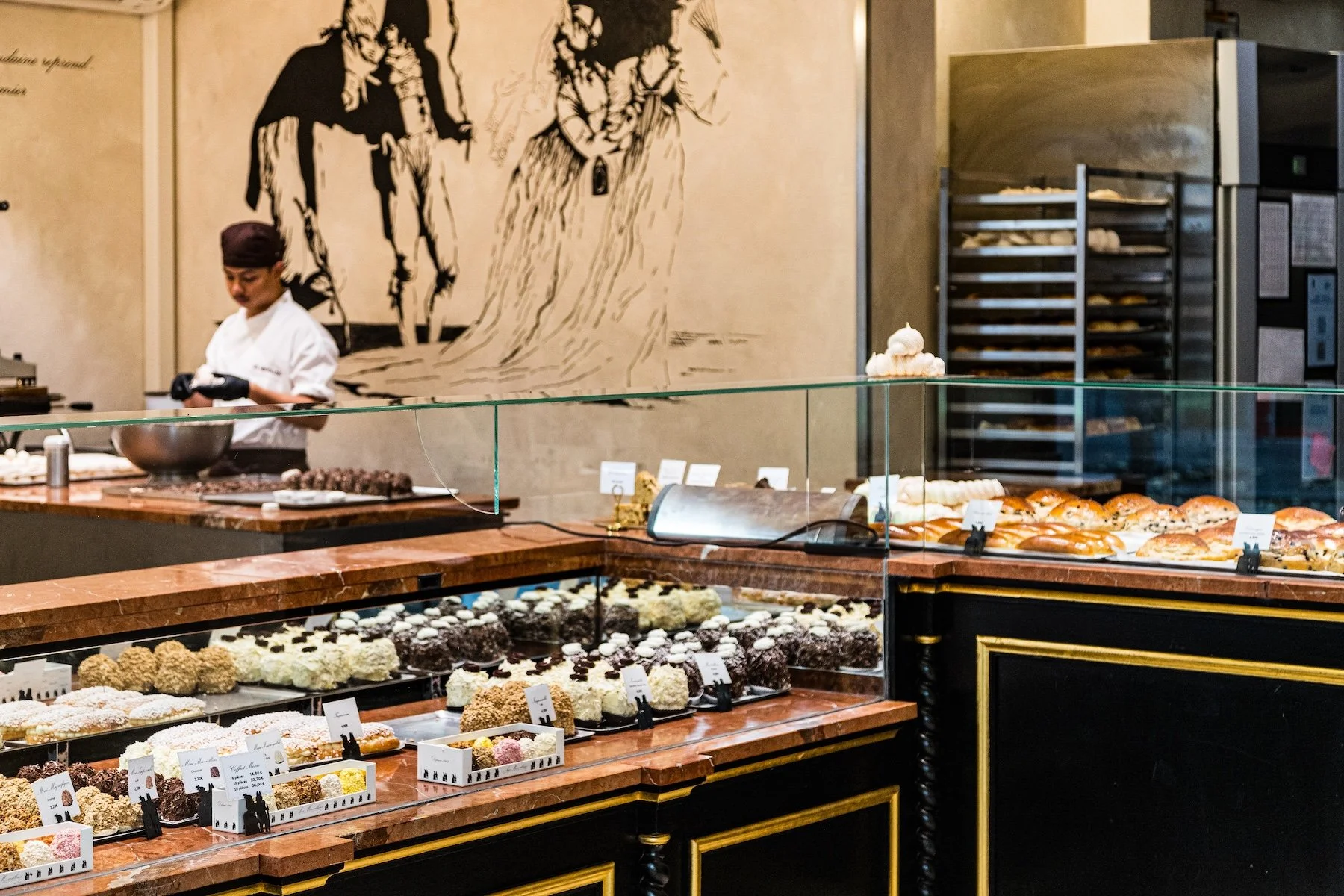
Explore Paris
-

The twenty arrondissements form the civic spiral of Paris, organizing the city into its broad local districts of government, identity, and daily life.
-

Each arrondissement is divided into four official administrative quarters, giving Paris a more precise civic and geographic framework.
-

The conseils de quartier bring participation to street level, giving residents a voice in neighborhood needs, public space, and local civic life.
-

Les Deux Rives trace Paris through the Seine’s two banks, revealing how the Rive Droite and Rive Gauche shaped the city’s civic power, commerce, learning, art, and cultural identity.
-

Cultural neighborhoods reveal the Paris people recognize through history, cafés, architecture, memory, atmosphere, and local belonging.