
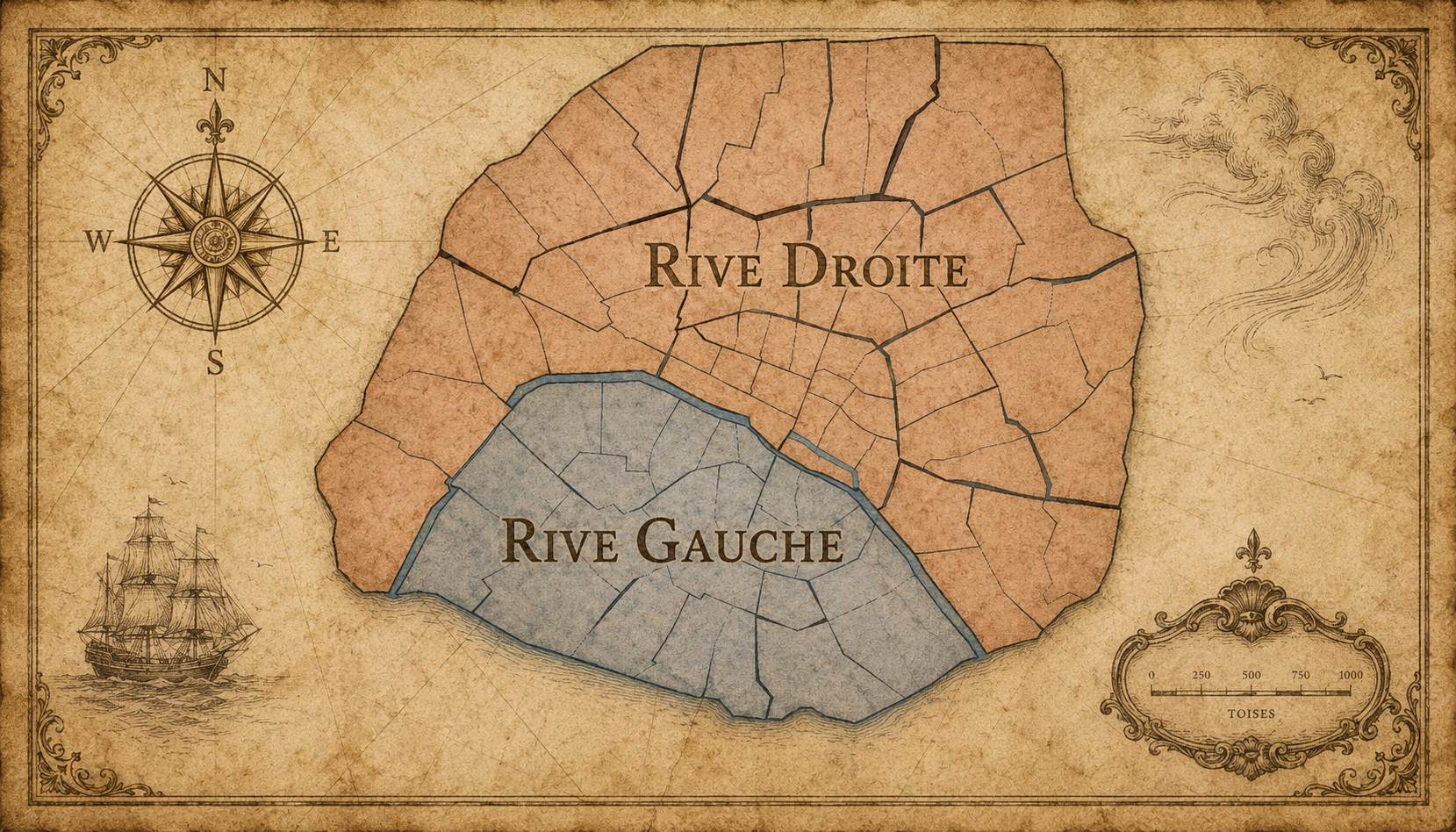
LES DEUX RIVES
Part of an ongoing project to walk and photograph every neighborhood in Paris, this page explores the Two Banks: the broadest cultural neighborhood layer in the CityNeighborhoods Paris project. These two halves of the same coin organize and influence cultural life, political views, and a foundation of Parisian Culture.
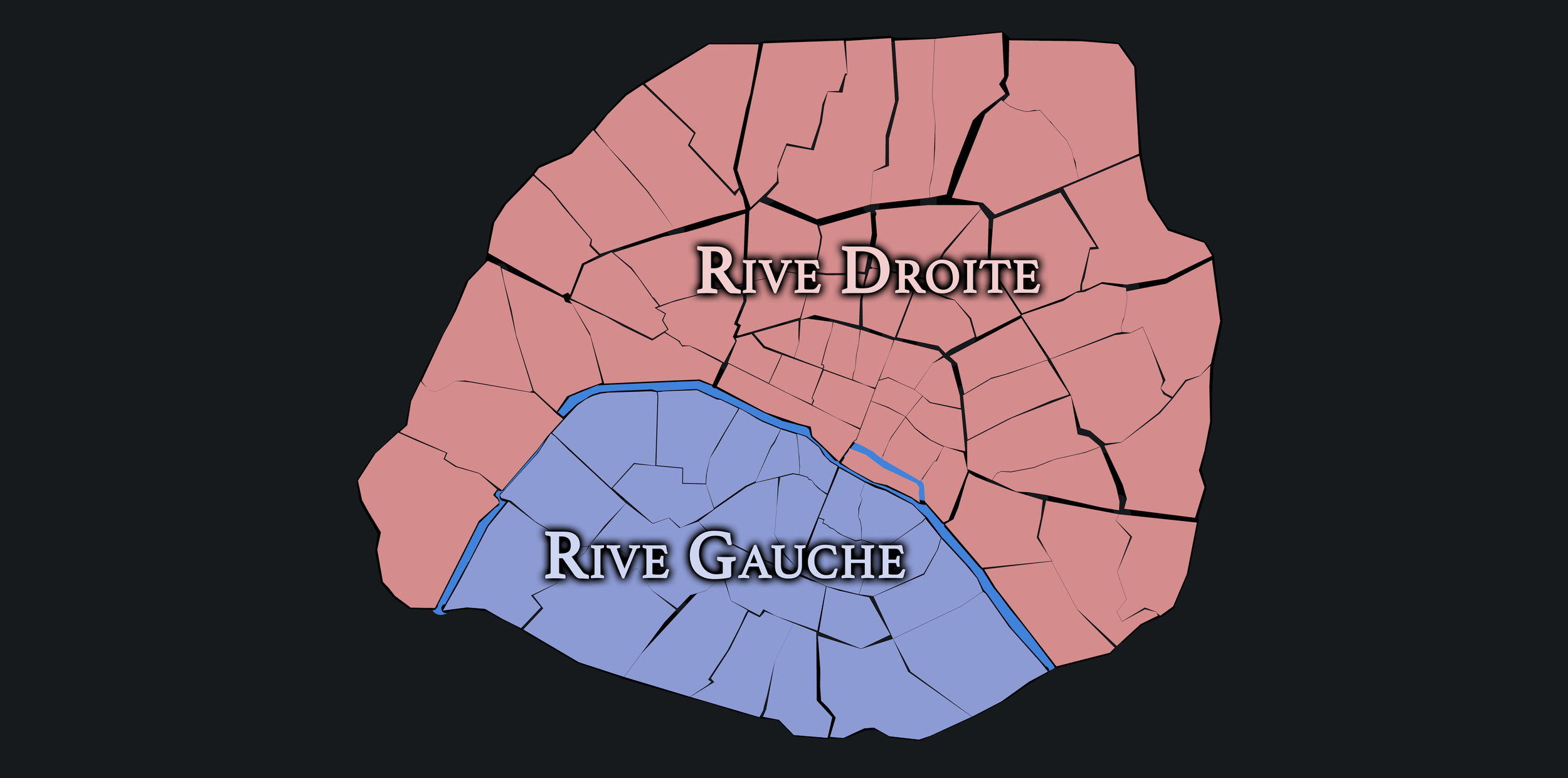
The Map
Geographic Setting
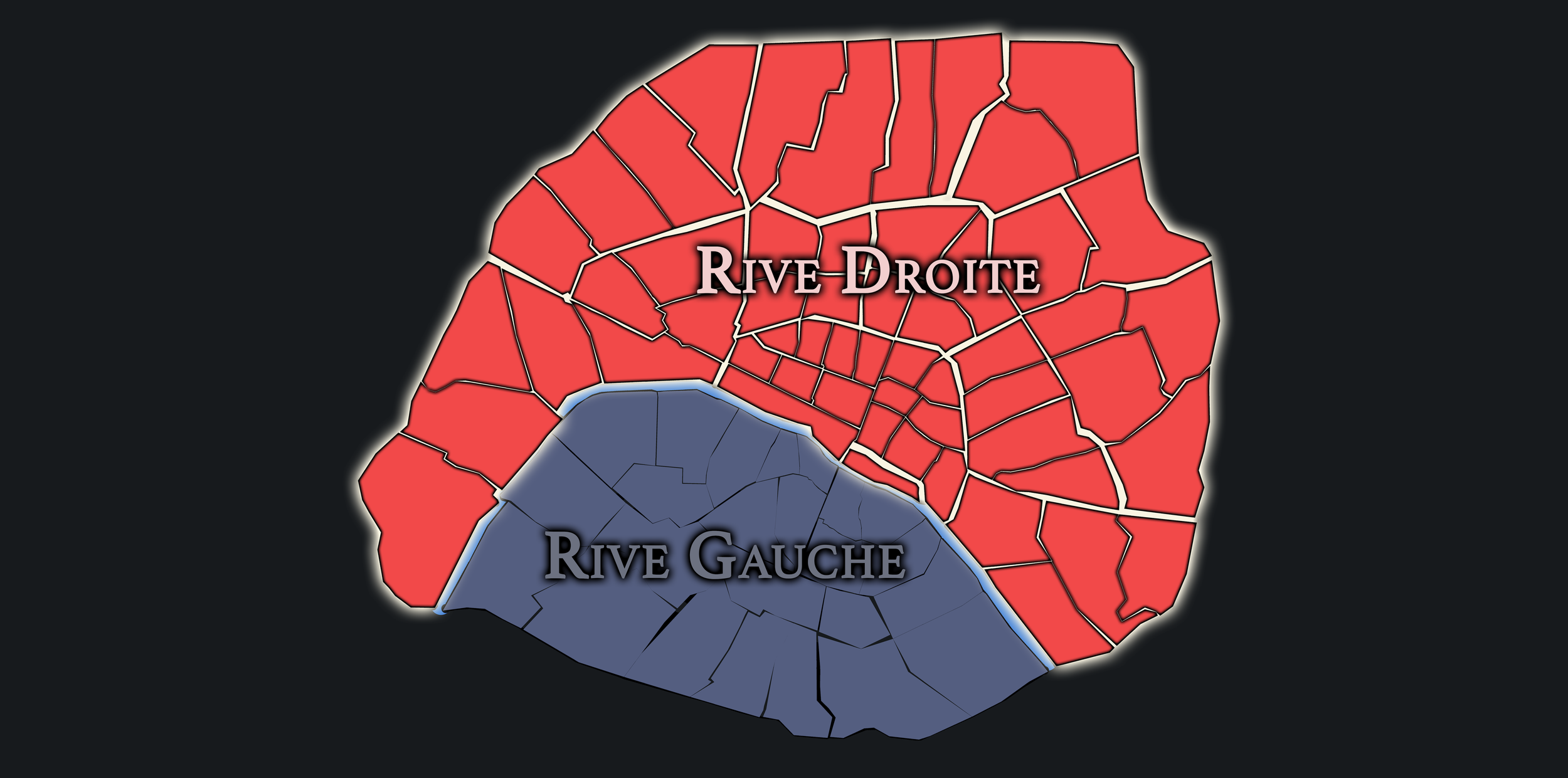
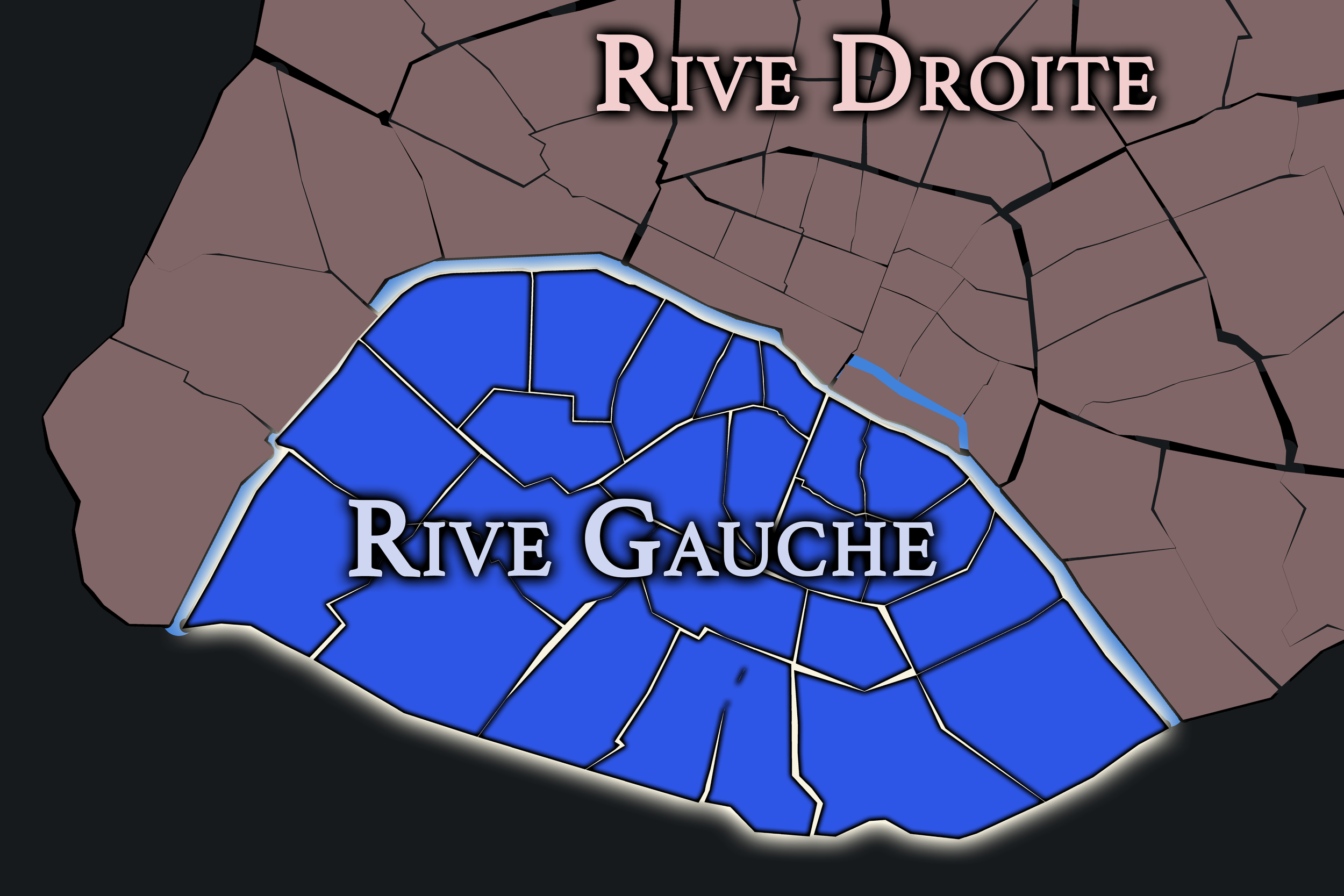
Les Deux Rives are the two great banks of the Seine: the Rive Droite, or Right Bank, north of the river, and the Rive Gauche, or Left Bank, south of it. Their names follow the direction of the Seine’s flow through Paris. Facing downstream, the right-hand bank is the Rive Droite, while the left-hand bank is the Rive Gauche.
This division is simple in geography but immense in cultural meaning. The Seine does not merely pass through Paris; it organizes the city’s sense of itself. The river forms a central axis of movement, commerce, defense, ceremony, memory, and imagination. Across its bridges, quays, islands, and embankments, Paris has learned to read itself through two facing worlds.
The Right Bank and Left Bank are not administrative districts like arrondissements, quartiers administratifs, or conseils de quartier. They are cultural-geographic identities: broad, inherited ways of understanding Paris through the river. One bank became associated with commerce, civic power, royal authority, display, and metropolitan order; the other with learning, religion, literature, art, critique, and intellectual life. These associations are never absolute, but they remain among the most recognizable and enduring ways Paris has been understood.
Rive Identity
Etymology and Origins
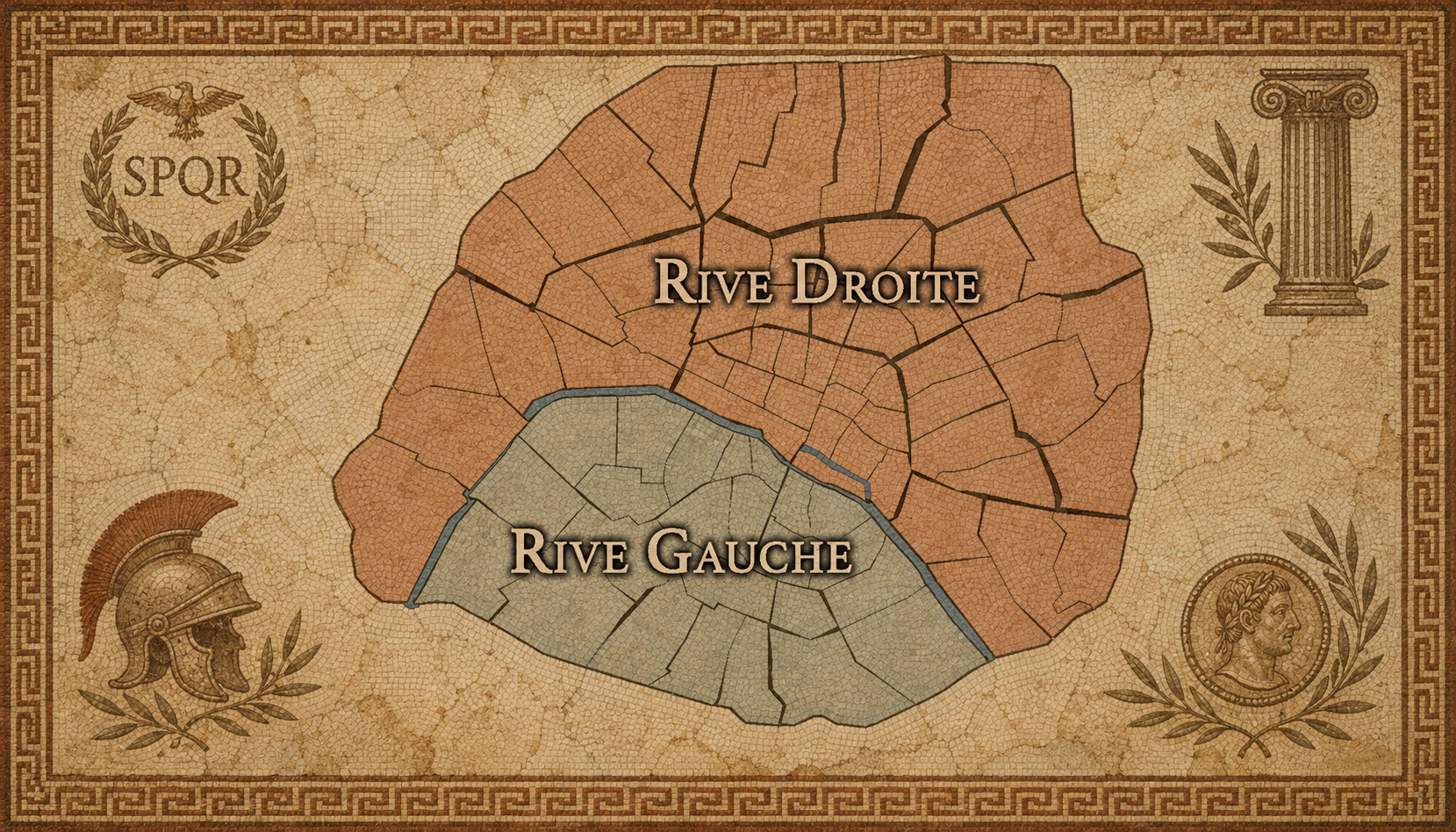
The terms Rive Droite and Rive Gauche mean Right Bank and Left Bank. They refer first to physical orientation: the right and left sides of the Seine when facing downstream. Yet over time, these directional terms became far more than cartographic labels. They became cultural language.
The origin of this distinction lies in the earliest geography of Paris. The Île de la Cité formed the city’s ancient core, while the banks on either side became the first great extensions of urban life beyond the island. The Seine provided access, trade, defense, and orientation. It also created a visible duality: one city, two banks, facing one another across the water.
As Paris developed, the two banks accumulated different associations. The southern bank became tied to Roman Lutetia, later to monasteries, colleges, the University of Paris, the Latin Quarter, publishing, cafés, and intellectual culture. The northern bank became tied to markets, royal power, civic institutions, commerce, theaters, finance, luxury, and monumental display. What began as river orientation became a way of describing two Parisian temperaments.
Cultural Framework
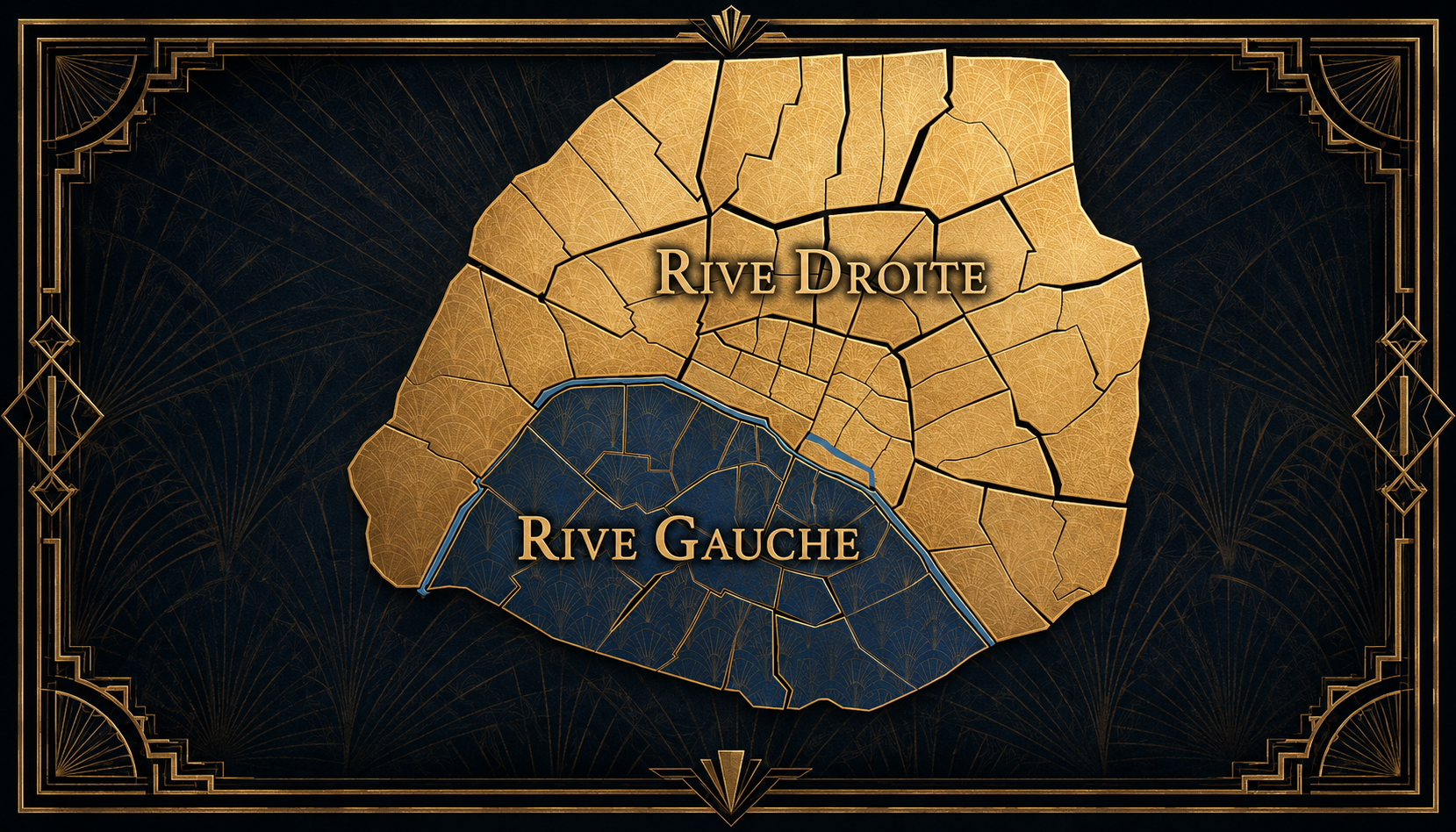
Les Deux Rives form a cultural framework, not a civic one. They are not governed as a pair. They do not divide Paris for municipal administration. They do not function like the arrondissements, the quartiers administratifs, or the conseils de quartier. Their importance lies instead in how they shape meaning.
The Rive Droite and Rive Gauche offer a way to interpret Paris through inherited cultural geography. The Right Bank gathers many of the city’s symbols of authority and public power: the Louvre, the Hôtel de Ville, Les Halles, the grands boulevards, the Opéra, the Champs-Élysées, the centers of commerce, fashion, spectacle, and administration. The Left Bank gathers another Paris: the Sorbonne, the Latin Quarter, Saint-Germain-des-Prés, Montparnasse, the Luxembourg Garden, religious houses, publishing traditions, student life, and the myths of writers, artists, and intellectuals.
This framework should not be understood as a rigid opposition. The Right Bank has always held artists, workers, immigrants, reformers, and neighborhood life. The Left Bank has always held wealth, ministries, institutions, aristocratic power, and commercial activity. But cultural frameworks do not operate by purity. They operate through association, memory, repetition, and recognition. Les Deux Rives matter because they give Paris a language for one of its deepest internal tensions: power and thought, commerce and critique, institution and imagination, display and reflection.
Parisian Identity
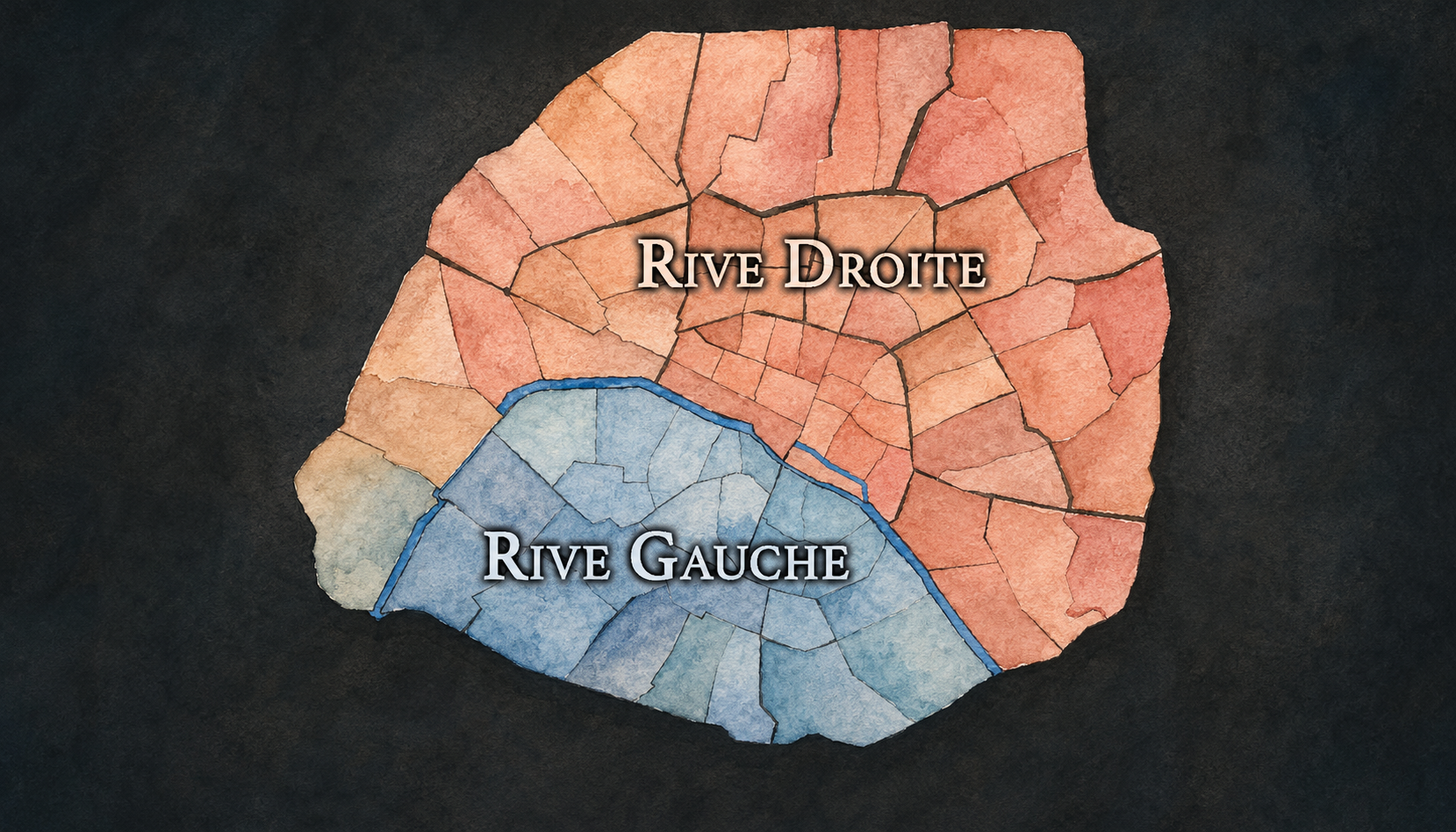
Paris is a city of layers, but few are as immediately recognizable as the distinction between the Rive Droite and Rive Gauche. To say “Right Bank” or “Left Bank” is not merely to locate a place on a map. It is to summon a set of expectations, stories, images, and cultural inheritances.
The Rive Droite often evokes the Paris of state power, royal grandeur, commerce, markets, boulevards, theaters, department stores, finance, luxury, and public spectacle. It is the city as capital: visible, ceremonial, administrative, and metropolitan. The Rive Gauche often evokes the Paris of learning, books, cafés, abbeys, universities, artists, writers, students, and political argument. It is the city as thought: reflective, literary, scholarly, artistic, and critical.
These are simplifications, but not empty ones. Paris has always exceeded its categories, yet those categories still help explain how the city has imagined itself. The Right Bank and Left Bank are not separate cities. They are two facing identities within one city, each shaping and correcting the other across the Seine.
Neighborhood Distinction
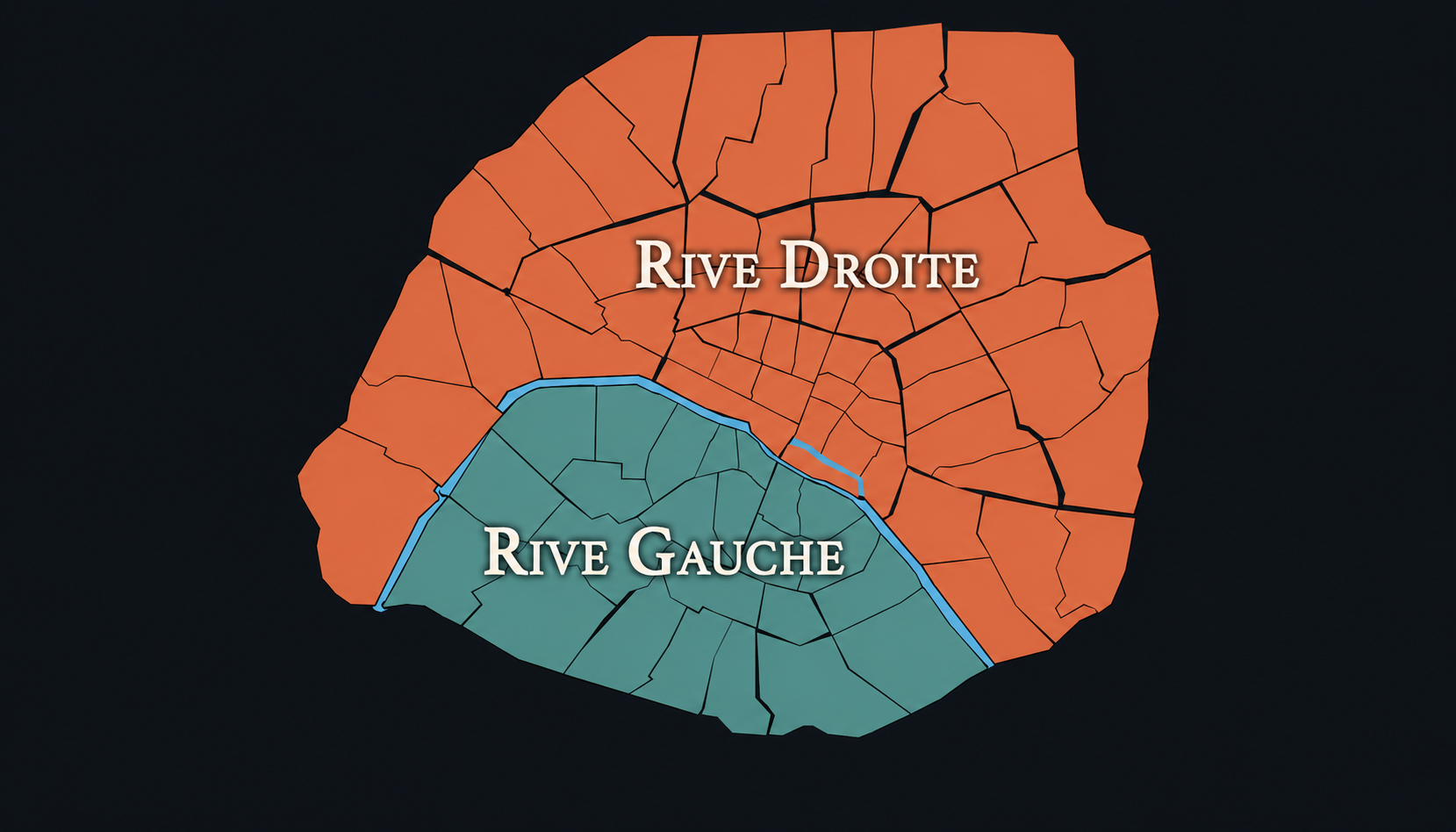
Les Deux Rives are not neighborhoods, but they influence how neighborhoods are understood. A place on the Left Bank carries a different inherited atmosphere than a place on the Right Bank, even when its official identity belongs to an arrondissement, quartier administratif, conseil de quartier, or milieu culturel.
This makes Les Deux Rives one of the foundational cultural layers of Paris. The arrondissement may tell where a place sits in the city’s civic order. The quartier administratif may define its official neighborhood unit. The conseil de quartier may express its local participatory structure. A milieu culturel may describe its lived historical or artistic identity. But Les Deux Rives place that same area within the older river logic of Paris.
The distinction is especially useful because it is both spatial and symbolic. The river does not only separate neighborhoods; it gives them context. It places them in relation to a larger Parisian story: the Right Bank and Left Bank as cultural inheritances, as orientations toward the city, and as enduring ways of reading power, memory, creativity, and public life.
Les Deux Rives
The History
Origins / Pre-Roman and Roman Paris
The story of Les Deux Rives begins with the Seine. Before Paris became a capital, before its arrondissements, boulevards, universities, palaces, and cafés, the river shaped the possibilities of settlement. It offered movement, trade, food, defense, and orientation. The Île de la Cité, protected by water and positioned within the river’s flow, became the early center from which Parisian life expanded.
In the Roman period, Lutetia developed significantly on the southern bank of the Seine, in the area that would later become associated with the Latin Quarter. Roman streets, baths, and public structures helped establish the Left Bank as one of the city’s earliest urban landscapes. The later scholarly and ecclesiastical identity of the Rive Gauche did not exist yet, but the southern bank had already become part of the city’s deep urban memory.
The northern bank also developed through trade routes, river access, and connections to the wider region. From the beginning, Paris was not simply one settlement beside a river. It was a place organized by water: island, bridge, bank, crossing, exchange. Les Deux Rives emerged from this physical reality long before they became cultural identities.
Medieval Paris
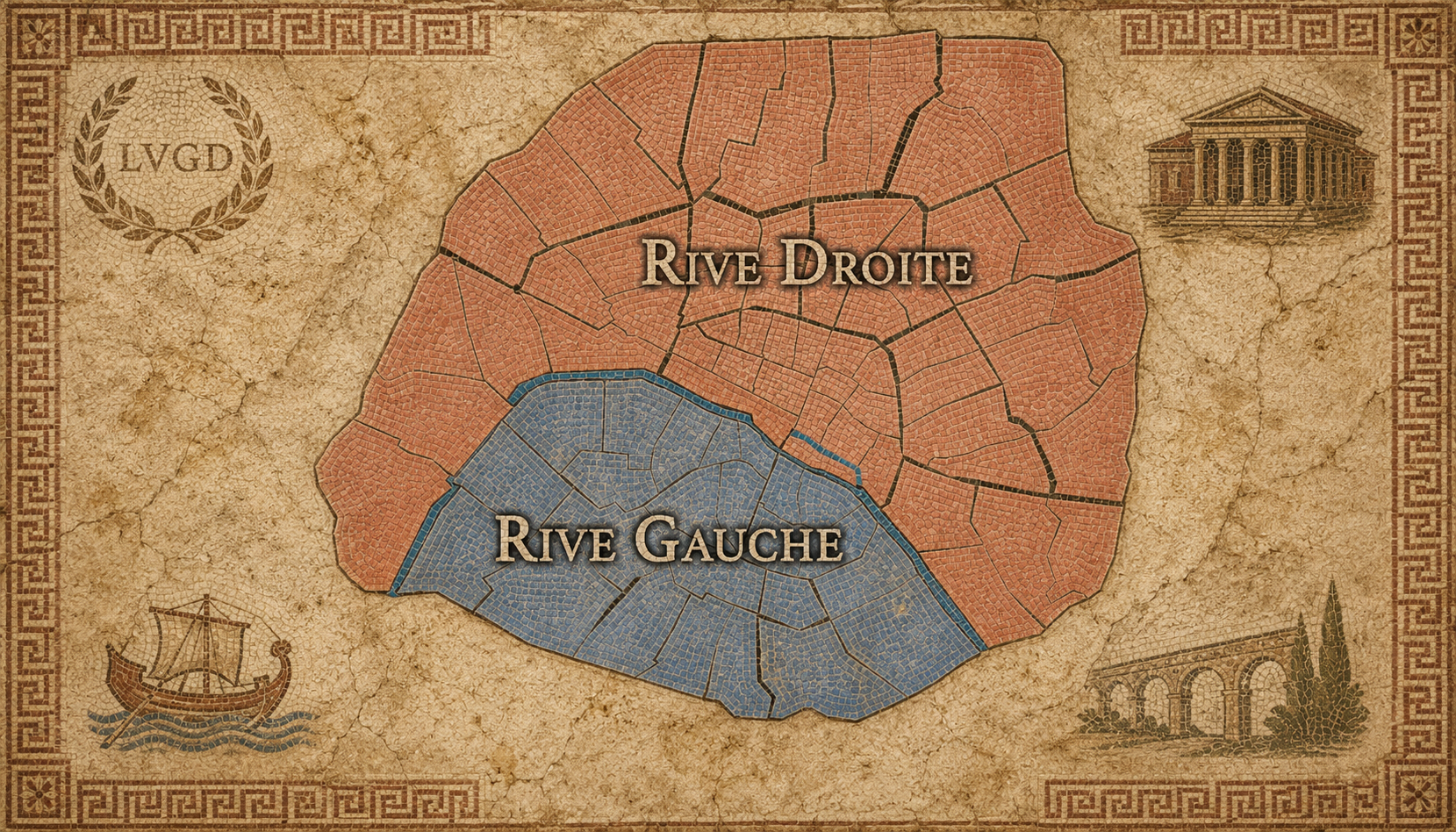
In medieval Paris, the distinction between the two banks became more recognizable. The Left Bank developed around monasteries, colleges, schools, and the University of Paris. Latin, the language of scholarship and clerical learning, gave the Latin Quarter its name and anchored the southern bank in a world of students, theologians, teachers, scribes, and religious institutions.
The Right Bank, meanwhile, became increasingly tied to commerce, markets, guilds, parish life, royal presence, and civic administration. Les Halles became a great commercial heart of the city. The Hôtel de Ville anchored municipal authority. The Louvre, first a fortress and later a royal residence, marked the northern bank as a landscape of defense, monarchy, and power.
By the Middle Ages, the Seine’s two banks had begun to carry distinct associations. The Left Bank became the Paris of study, cloister, lecture, and book. The Right Bank became the Paris of trade, authority, craft, market, and crown. The river made these differences visible; daily life made them meaningful.
Renaissance and Early Modern Paris
During the Renaissance and early modern period, Paris expanded outward while the Seine remained one of its defining axes. Bridges, quays, islands, and river traffic connected the two banks more closely, even as their symbolic identities continued to diverge.
The Right Bank grew in monumental and civic importance. Royal authority, commercial life, urban spectacle, and aristocratic presence shaped many of its central spaces. The transformation of the Louvre from fortress toward palace reinforced the Right Bank’s association with royal power and the visible architecture of authority.
The Left Bank retained its older ties to learning, religion, and scholarship, while also developing aristocratic and institutional landscapes of its own. Religious houses, colleges, seminaries, and noble residences gave the southern bank a quieter but powerful form of influence. Its identity was not merely academic; it was also spiritual, residential, and politically consequential.
16th–17th Century
In the 16th and 17th centuries, the Right Bank’s association with state power, ceremony, and public display intensified. Royal and aristocratic Paris left a deep imprint on the northern bank, while commerce and urban administration continued to expand through its streets, markets, and public spaces.
The Left Bank, meanwhile, remained deeply marked by education and religion. Its colleges, abbeys, and learned institutions preserved the intellectual character that had grown from the medieval university. The Faubourg Saint-Germain began to emerge as a powerful aristocratic landscape, adding another layer to the Left Bank’s identity: not only scholarship and religious life, but also discreet elite influence.
The two banks were increasingly bound together by bridges and by the expanding needs of the capital. Yet their contrast remained useful. The Right Bank projected the public face of power; the Left Bank gathered the quieter worlds of learning, belief, residence, and reflection.
18th Century
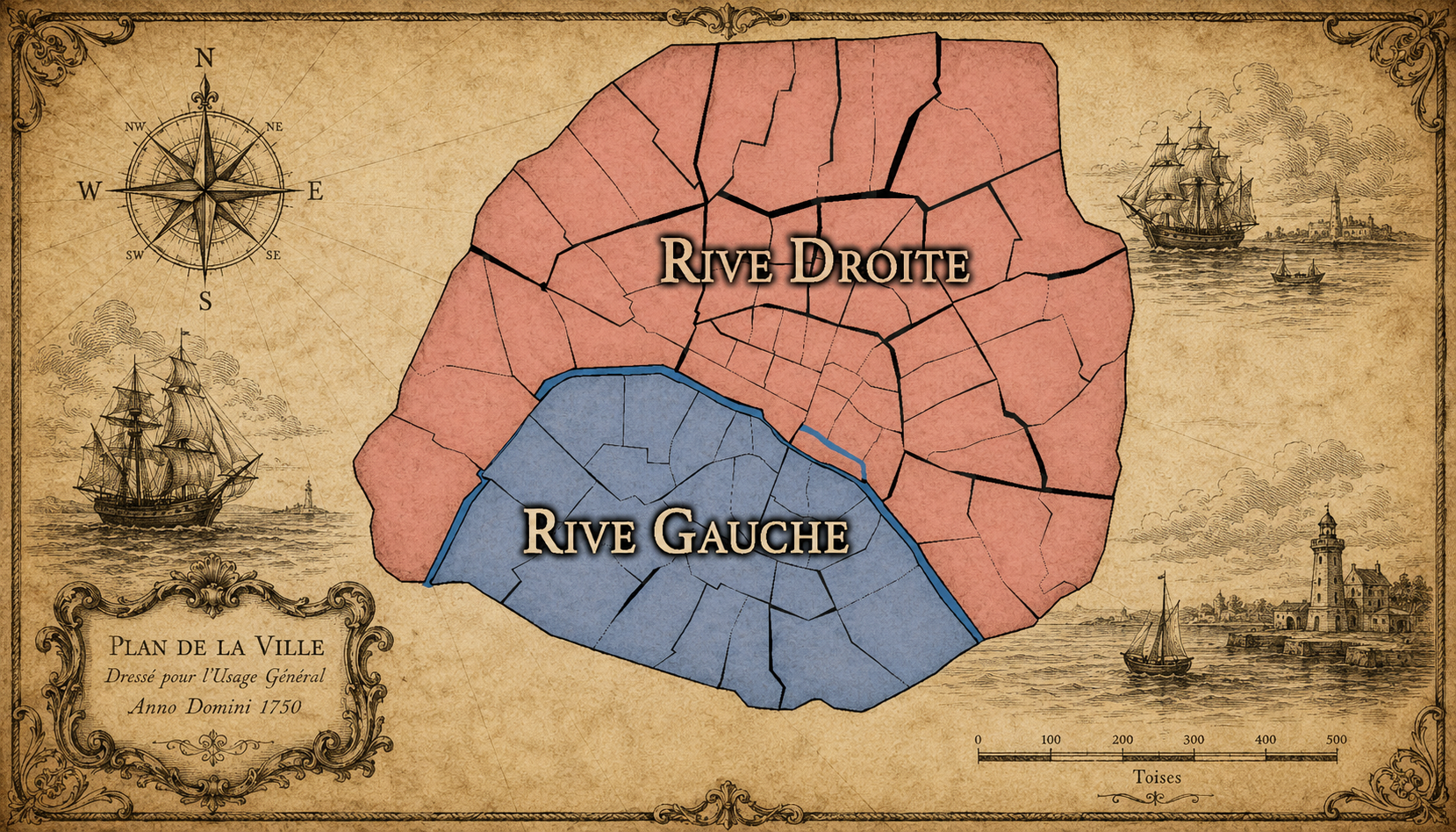
In the 18th century, Les Deux Rives became part of a city increasingly defined by public life, intellectual debate, and political tension. The Left Bank’s associations with learning, books, religious argument, salons, colleges, and philosophical culture deepened. It became part of the landscape through which Paris imagined itself as a city of thought.
The Right Bank continued to expand as a center of commerce, entertainment, theater, fashion, financial activity, and metropolitan display. Streets, cafés, promenades, shops, and public spaces made the northern bank central to the city’s visible social and commercial life.
By the end of the century, the French Revolution transformed Paris and the world. The political language of Left and Right emerged from the seating arrangements of the revolutionary assemblies, where defenders of monarchy, church, hierarchy, and inherited order sat to the right, while reformers, radicals, and advocates of structural change gathered to the left. This political vocabulary did not emerge in isolation. It arose in Paris, a city already shaped by a powerful left/right riverbank imagination. Along the Seine, left and right had long carried cultural meaning; in the Revolution, they became political language.
19th Century
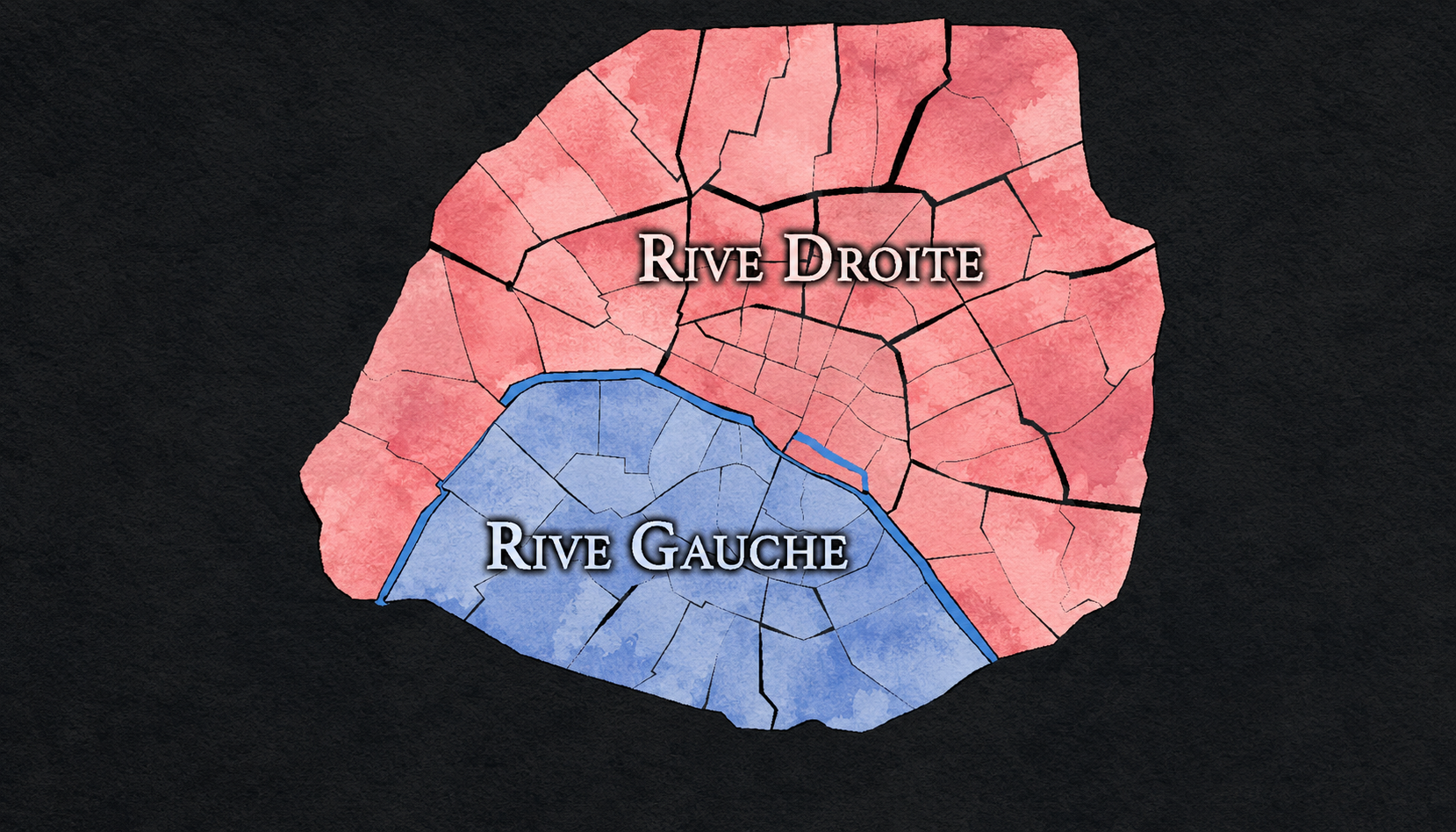
The 19th century transformed Paris on a vast scale. Haussmann’s renovation remade streets, boulevards, squares, bridges, and vistas, giving new monumentality to the city and strengthening the Right Bank’s image as the Paris of administration, commerce, spectacle, and modern urban power. Railway stations, department stores, theaters, financial centers, and grand avenues intensified the Right Bank’s metropolitan identity.
The Left Bank changed as well, but it often retained a different rhythm. Universities, publishing houses, hospitals, gardens, cafés, ateliers, and literary circles continued to support the southern bank’s association with learning, writing, art, medicine, and intellectual life. Montparnasse and Saint-Germain-des-Prés would increasingly become part of the mythology of artistic and literary Paris.
By this period, the Right Bank and Left Bank had become not only places but shorthand. One suggested public power, commerce, and display; the other suggested thought, critique, art, and culture. These identities were simplified, but they were not empty. They helped people understand the city as a set of tensions held together by the Seine.
Early–Mid 20th Century
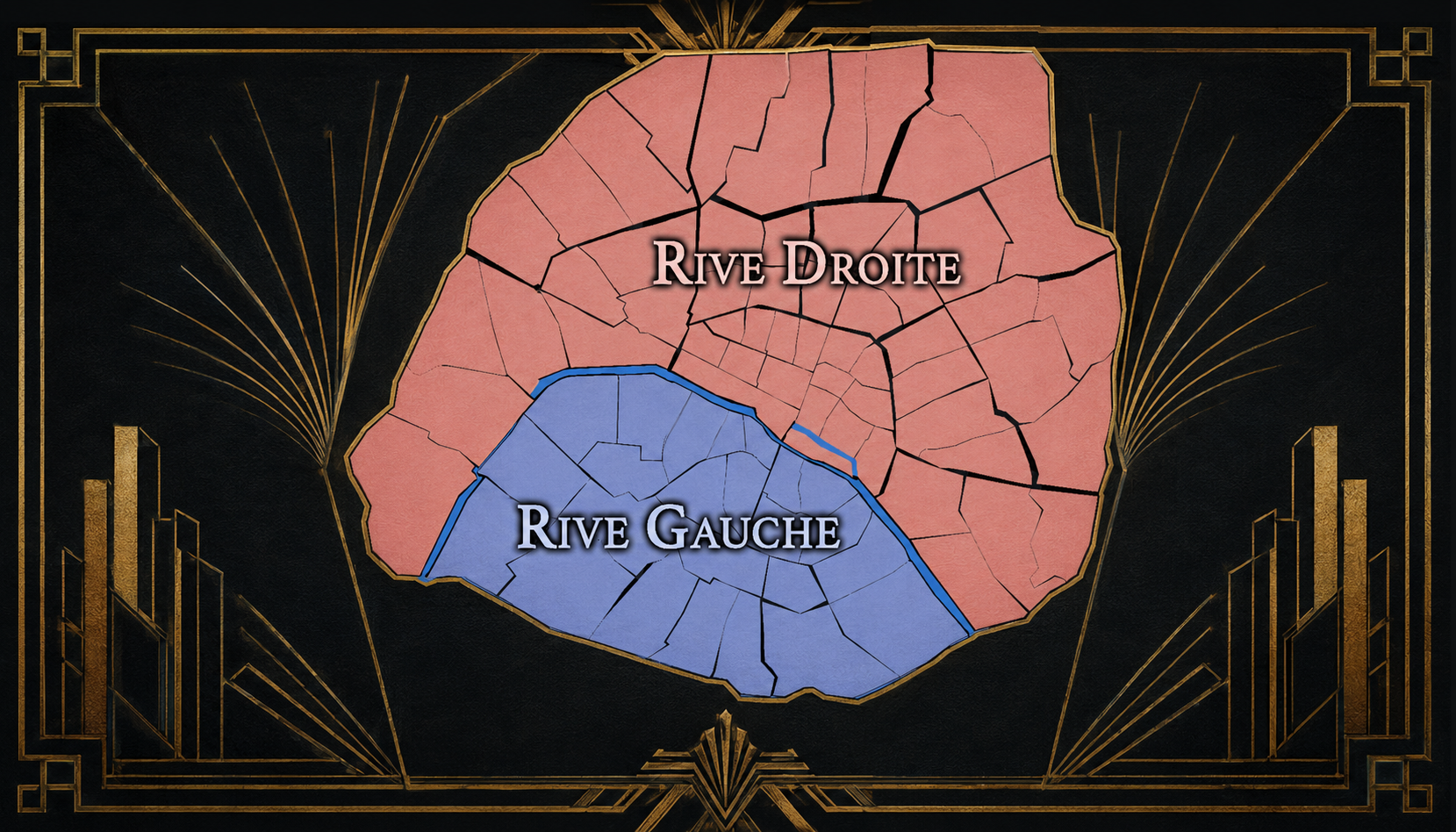
In the early and mid 20th century, the Left Bank became internationally identified with writers, artists, philosophers, students, jazz, publishing, and café life. Saint-Germain-des-Prés and Montparnasse became legendary cultural landscapes, drawing both Parisians and foreigners into the mythology of the Rive Gauche. The Left Bank became a global symbol of intellectual freedom, artistic experimentation, and critical thought.
The Right Bank continued to carry the image of metropolitan power: theaters, luxury hotels, department stores, fashion houses, financial centers, government institutions, nightlife, and grand public spaces. It was the Paris of visibility, commerce, administration, and performance.
Yet both banks were far more complex than their reputations. Political life crossed the river. Artists crossed the river. Workers, immigrants, students, residents, and visitors moved constantly between the two. The distinction endured not because it was absolute, but because it offered a language for understanding Paris as a city of contrasting energies.
Late 20th Century
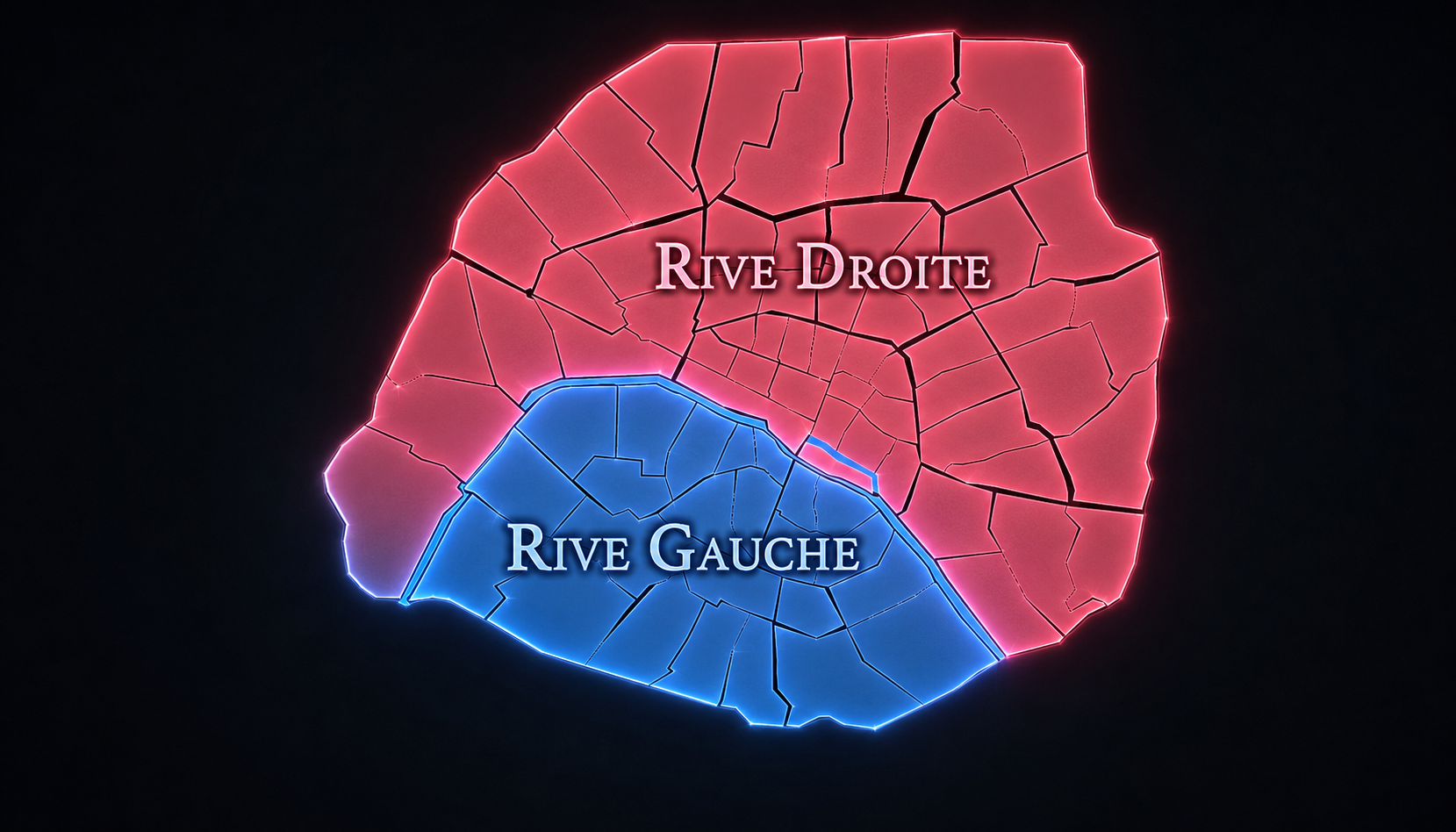
In the late 20th century, older distinctions softened but did not disappear. Universities expanded, industries declined, neighborhoods gentrified, cultural institutions shifted, and new forms of urban life transformed both banks. The Right Bank became home to major cultural spaces and creative districts, while the Left Bank incorporated business districts, ministries, modern housing, and large-scale urban redevelopment.
Still, the language of Rive Droite and Rive Gauche remained powerful. It survived because it was never merely a description of land use. It was a memory system. The banks continued to help people describe atmosphere, identity, expectation, and belonging.
The Seine itself also returned to the center of Parisian imagination. Its quays, bridges, islands, and views became part of how Paris preserved, displayed, and reinterpreted its heritage. Les Deux Rives remained not only a geographic reality, but one of the city’s most durable cultural metaphors.
21st Century
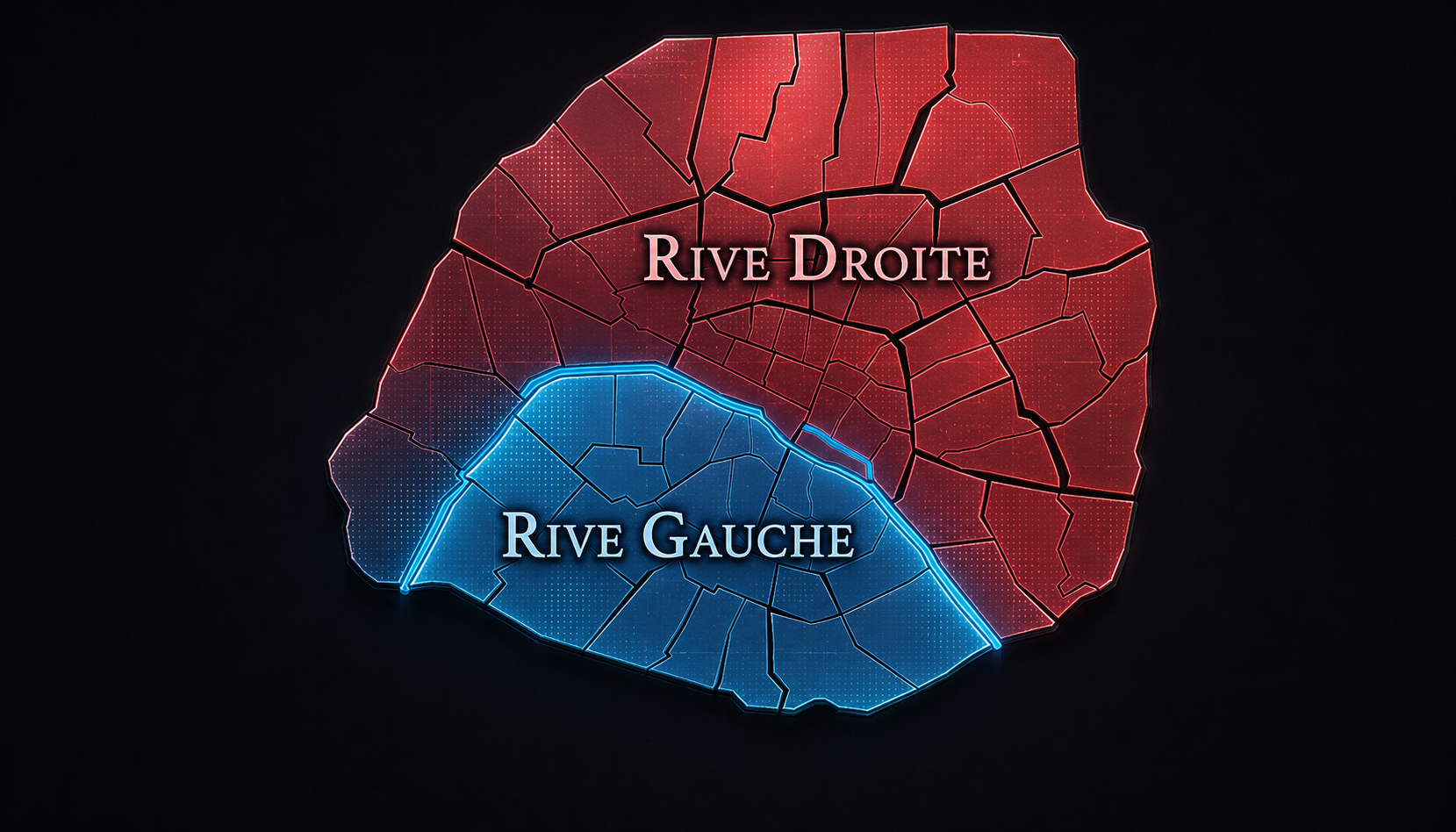
In the 21st century, Les Deux Rives continue to shape how Paris is understood, even as the city becomes more fluid, diverse, and interconnected. The old stereotypes no longer fully describe either bank. The Right Bank is not only power, commerce, and display; it is also immigrant life, working neighborhoods, creative production, nightlife, activism, and reinvention. The Left Bank is not only scholarship, literature, and art; it is also wealth, administration, tourism, infrastructure, and ordinary residential life.
Yet the distinction remains meaningful because it expresses something deeper than a static social map. It captures how Paris uses geography to think about identity. The Seine gives the city two facing banks; history gives those banks memory; culture gives them meaning.
Today, Les Deux Rives remain one of the most accessible ways to understand Paris as a layered city. They reveal that neighborhoods are not simply bounded places. They are inheritances — shaped by institutions, movements, economies, myths, and the human need to make meaning from where we are.
Spirit & Legacy
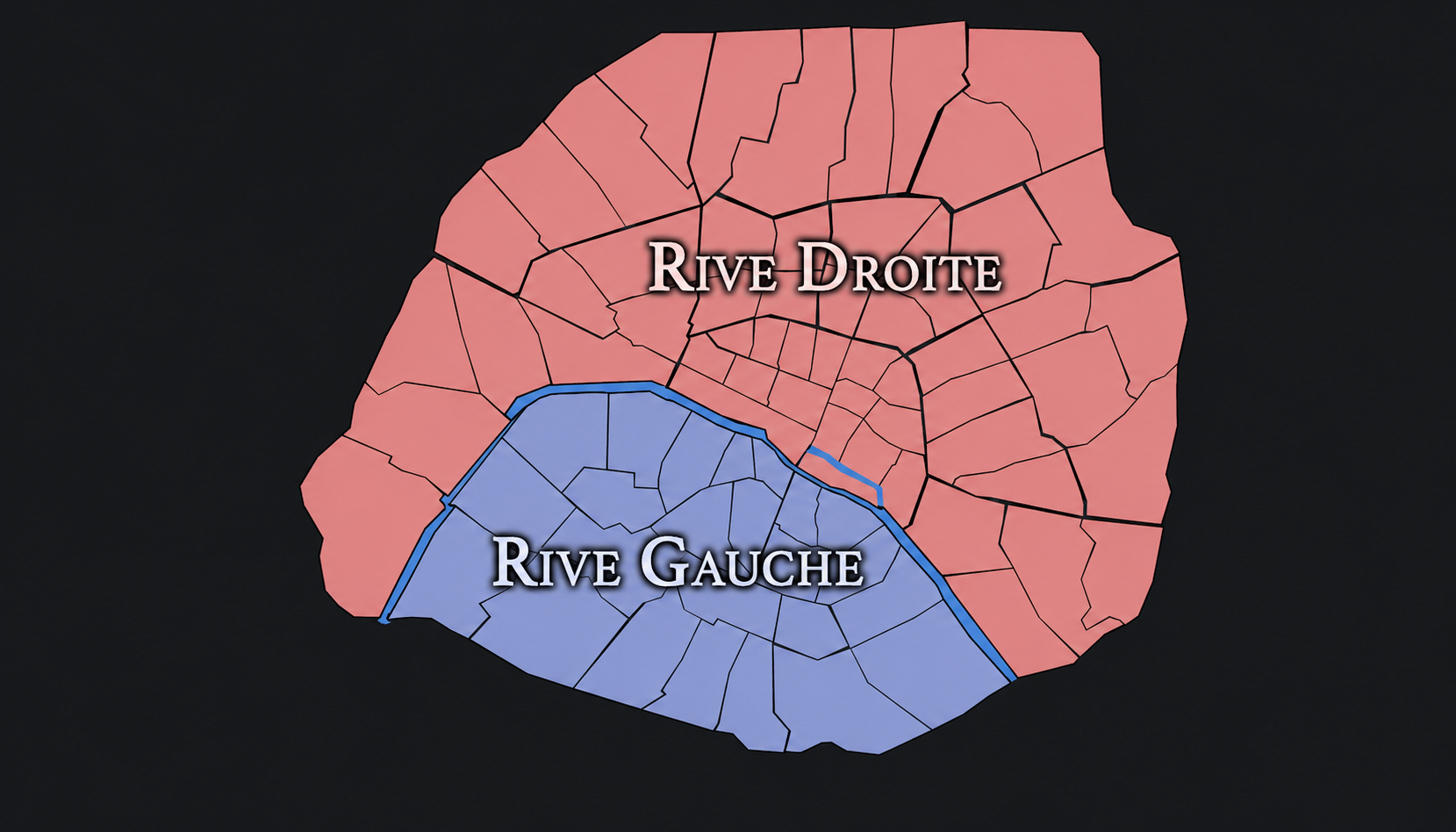
The legacy of Les Deux Rives reaches far beyond the banks of the Seine. Paris did not merely develop a Right Bank and a Left Bank; it helped teach the modern world to think in right and left.
Along the Seine, right and left became cultural geographies. The Rive Droite gathered many of the city’s associations with commerce, civic authority, royal power, hierarchy, spectacle, administration, and institutional life. The Rive Gauche gathered many of its associations with learning, art, literature, religious and academic life, critique, reform, and intellectual imagination. These were never absolute categories, but they became powerful ways of understanding the city.
During the French Revolution, that spatial language entered political history. In the revolutionary assemblies, defenders of monarchy, church, hierarchy, and inherited order sat to the right, while reformers, radicals, and advocates of structural change gathered to the left. From that Parisian moment, Left and Right became one of the most recognizable political vocabularies in the modern world.
This does not mean the modern political spectrum perfectly maps onto the Seine’s two banks. Nor does it mean the meanings of Left and Right have remained unchanged. But the through-line matters. Paris’s riverbank duality formed part of the cultural ancestry of a global political language. The city’s geography helped make left and right more than directions. They became orientations toward power, change, tradition, order, equality, commerce, learning, restraint, reform, and the future.
That tension continues to matter. At their best, the Right and Left are not merely opposing teams, but necessary forces in civic life. One asks what should be preserved, what consequences must be considered, what traditions or institutions hold society together. The other asks who has been excluded, what injustices must be confronted, what new possibilities must be imagined. A healthy society needs both questions. It needs continuity and critique, caution and reform, memory and transformation.
Les Deux Rives remind us that difference need not mean separation. The two banks face one another, argue with one another, shape one another, and remain bound by the same river. Their legacy is not only Parisian. It is human. Across cities, nations, and cultures, people continue to live within inherited tensions between power and empathy, stability and change, belonging and exclusion, memory and possibility.
To understand Les Deux Rives is therefore to understand more than a map of Paris. It is to see how place becomes language, how language becomes identity, and how identity can travel far beyond its original geography. The Seine gave Paris two banks. Paris gave the world a way to speak about opposing visions of society. The task now is not to erase that tension, but to remember its origins well enough to hold it in conversation.
The Photography
The arrondissements do not share a single visual identity. Instead, they organize Paris into twenty broad visual fields, each gathering its own combination of landmarks, streetscapes, institutions, residential districts, commercial corridors, parks, rail stations, markets, cemeteries, and riverfront edges.
Some arrondissements are defined by monumental scale: royal palaces, ceremonial avenues, government buildings, museums, formal gardens, and internationally recognized landmarks. Others are shaped by hills, canals, rail gateways, apartment-lined boulevards, neighborhood markets, former village streets, industrial remnants, parks, or the quieter rhythms of residential Paris. The arrondissement system gives these varied landscapes a civic frame, allowing the city to be read not as one visual language, but as a sequence of overlapping Parisian atmospheres.
Visual Identity
Through The Lens
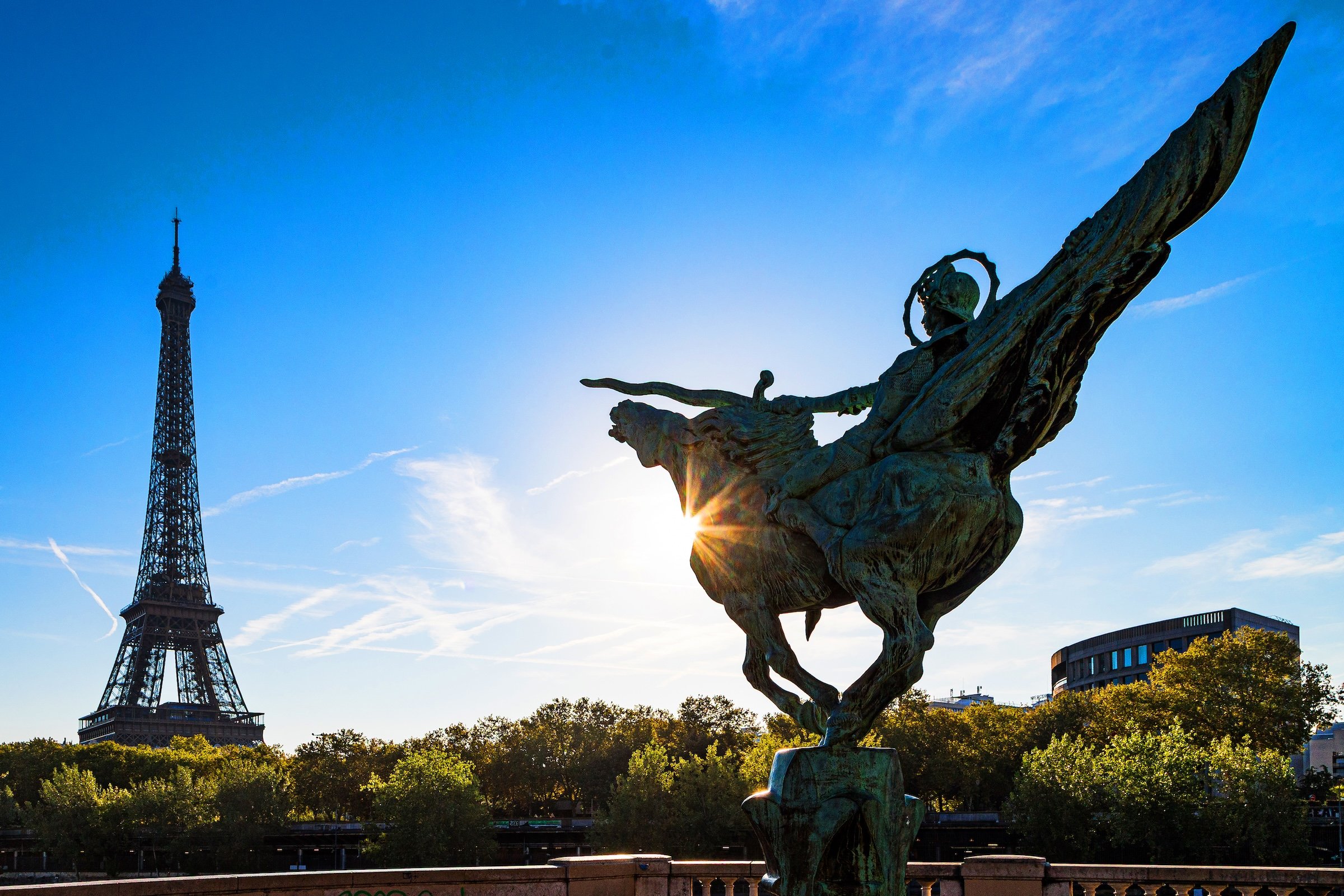
Photographing the arrondissements means moving between the official map and the street-level experience. The camera does not treat each arrondissement as visually uniform. Instead, it looks for the recurring forms, textures, transitions, and contrasts that make each district legible: the geometry of boulevards, the shade of plane trees, the repetition of balconies, the rise of stairways, the curve of canals, the presence of rail stations, the opening of parks, the weight of monuments, and the intimacy of side streets.
On CityNeighborhoods, the arrondissement provides the frame, but the photograph comes from the encounter between map, movement, light, and observation. As the Paris photography is processed, this section will connect each arrondissement more directly to the project’s Photographic Lexicon: the visual strategies, recurring motifs, and compositional patterns that shape how the city is seen through the lens.
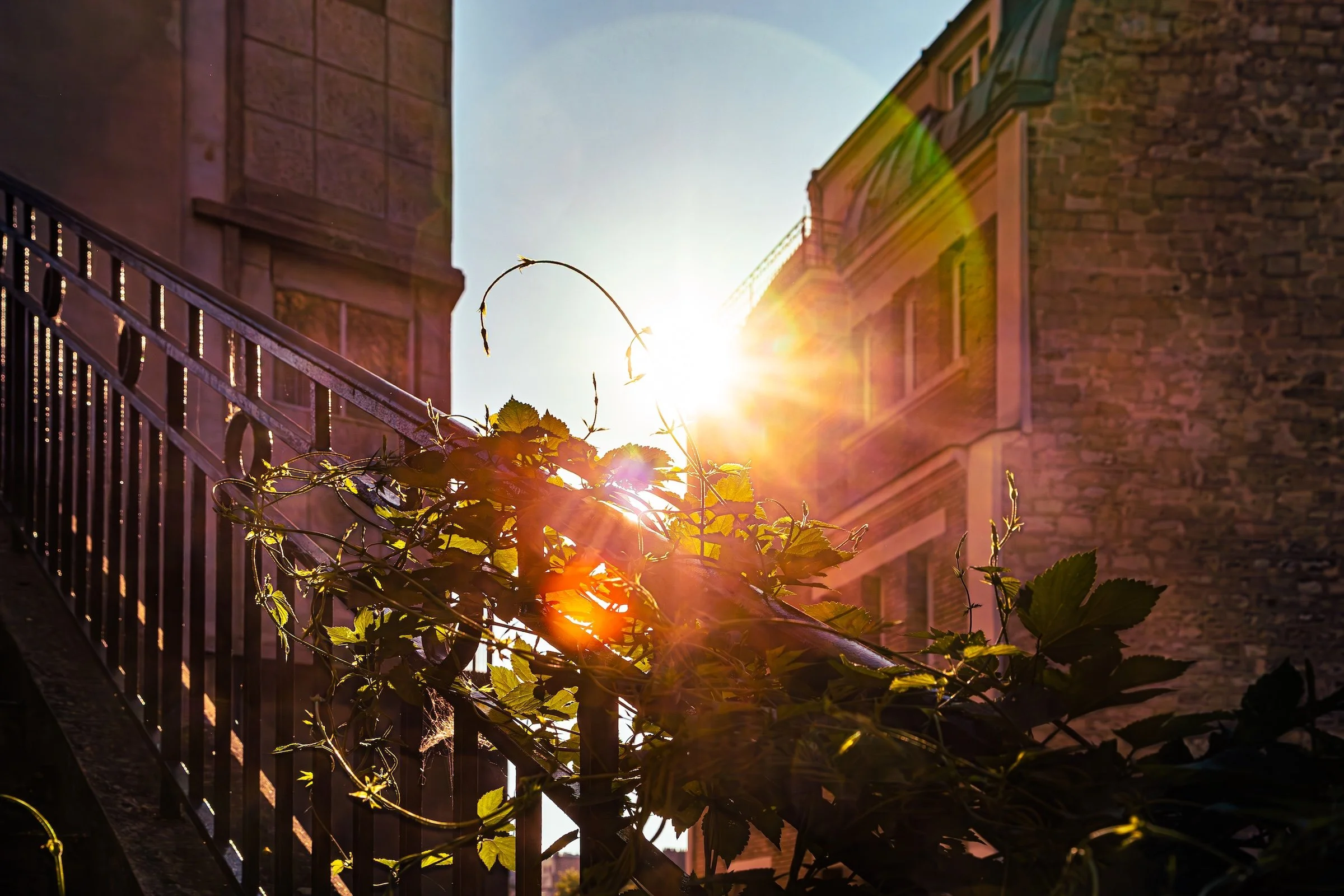
If you visit Paris, these ideas can help inspire your own photography.
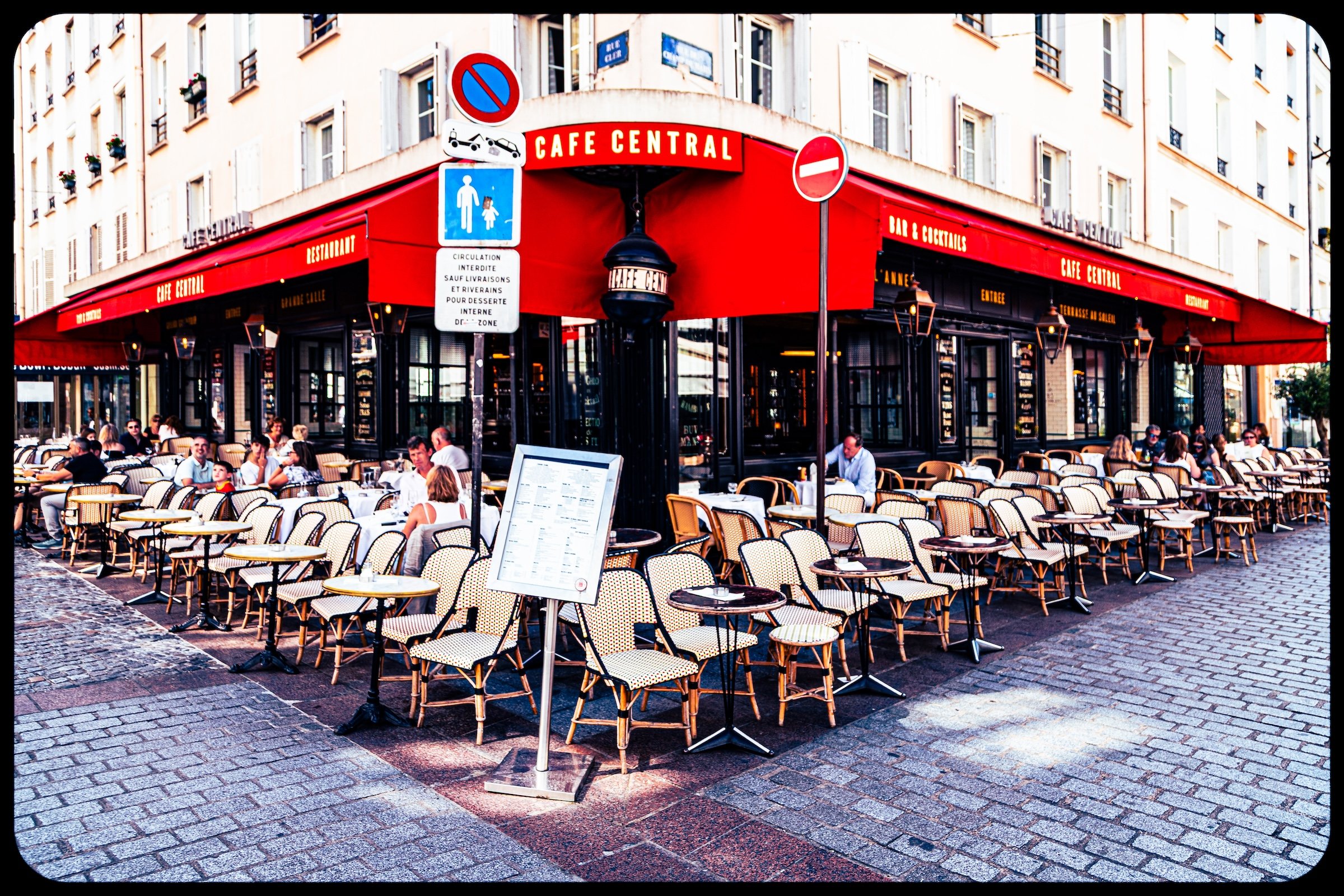
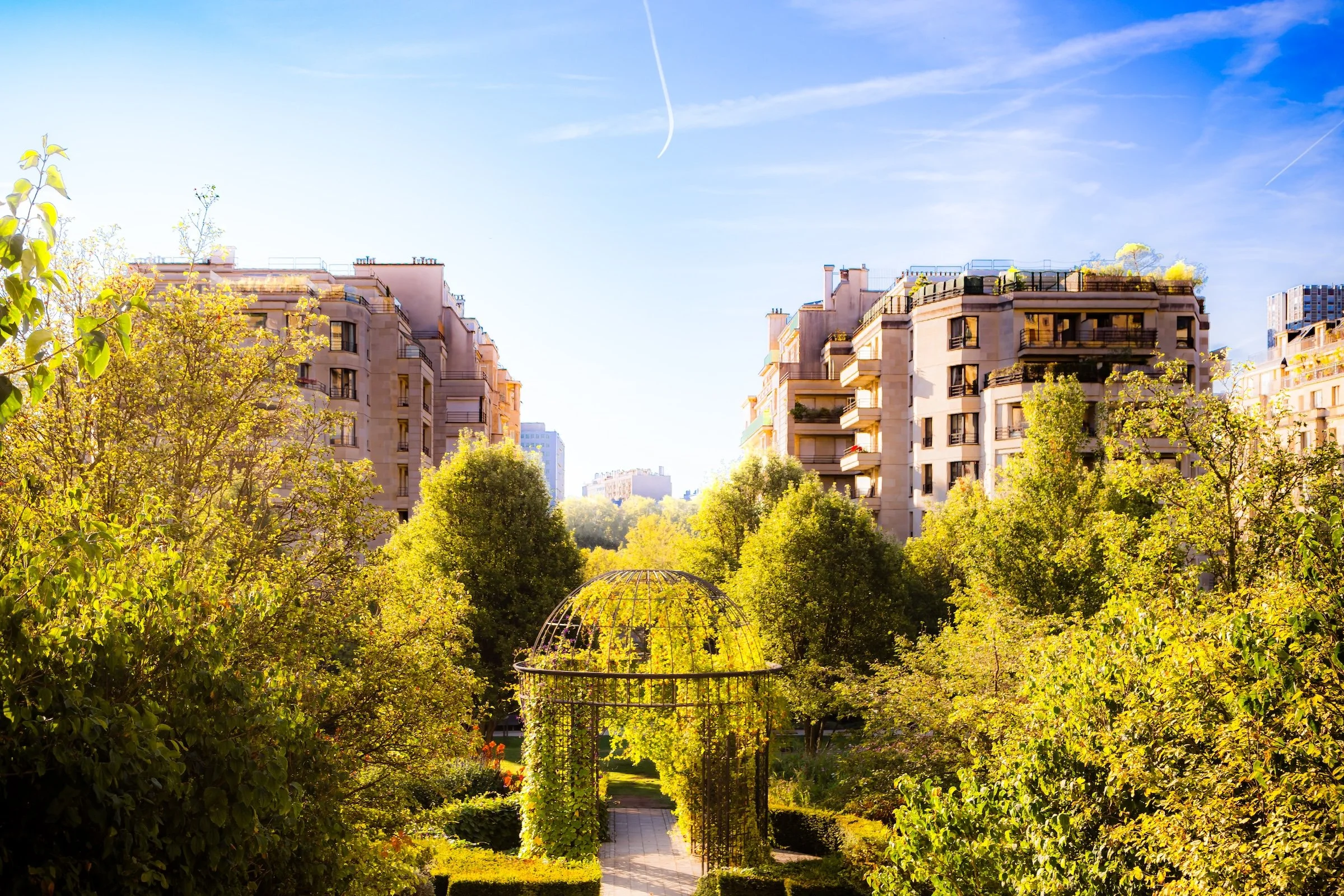
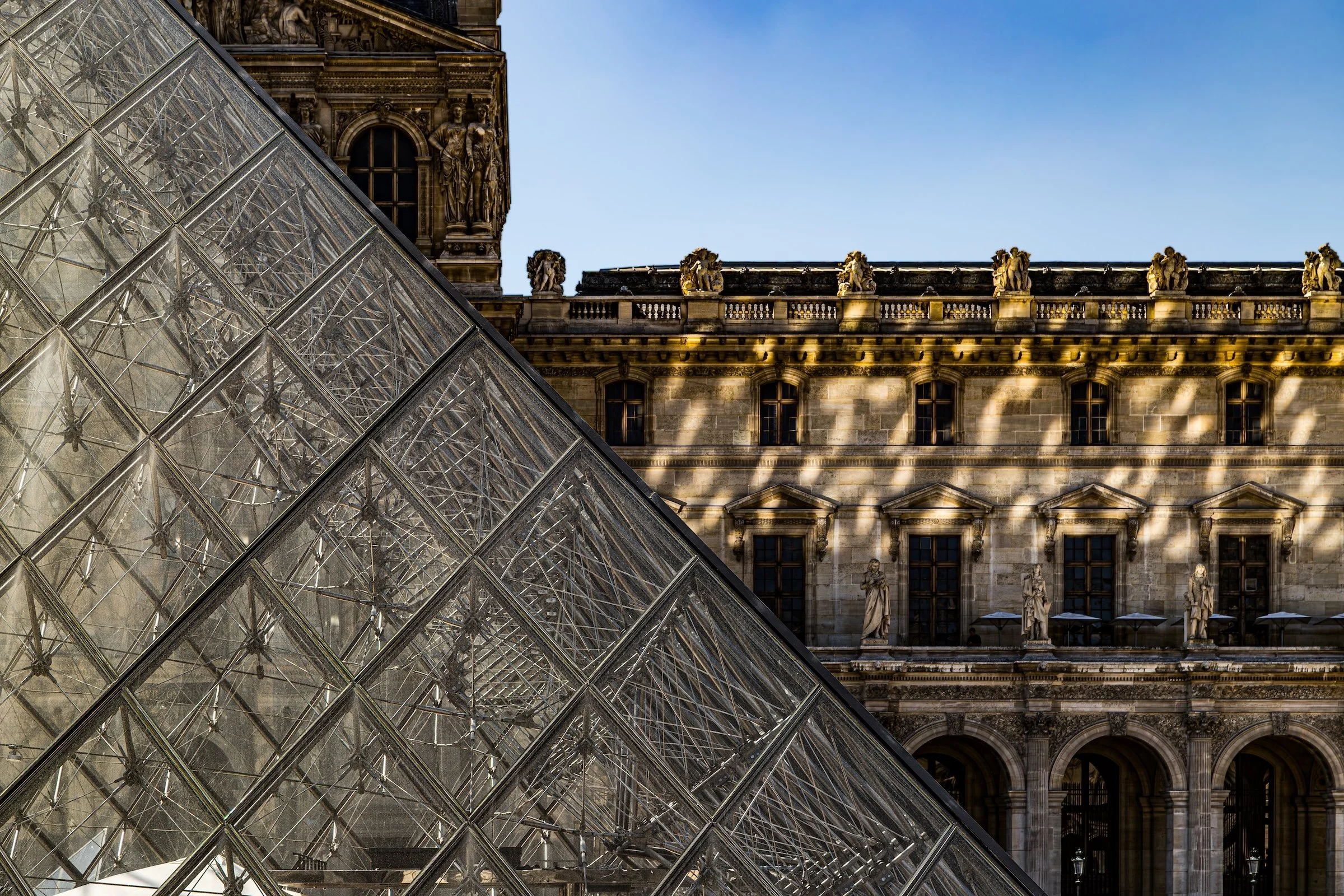
Paris: J’Espere, Je Rêve, Je Vive
Paris Photo Gallery
Paris Field Notes
-
Field Note: August 18, 2025 | 07:58 AM
Conditions: 73°F | Humidity: 72%.
Within the park's interior, the glacial kettle ponds acted as humidity traps, creating a soft, hazy light that filtered through the old-growth oaks. The transition from the park's dense shade to the sun-drenched edges of Oakland Gardens highlighted the day's exceptional "picture-perfect" clarity.
There is a fleeting window in Queens where the humidity of August hasn't yet heavy-set, and the morning sun hits the canopy of Alley Pond Park at a perfect oblique angle. Arriving just before 8:00 AM, I watched the light break through the oaks and tulip trees, casting long, dramatic shadows across the wet grass. It’s in these quiet, golden moments that the park feels less like a city escape and more like the ancient glacial valley it actually is.
Other neighborhoods visited:
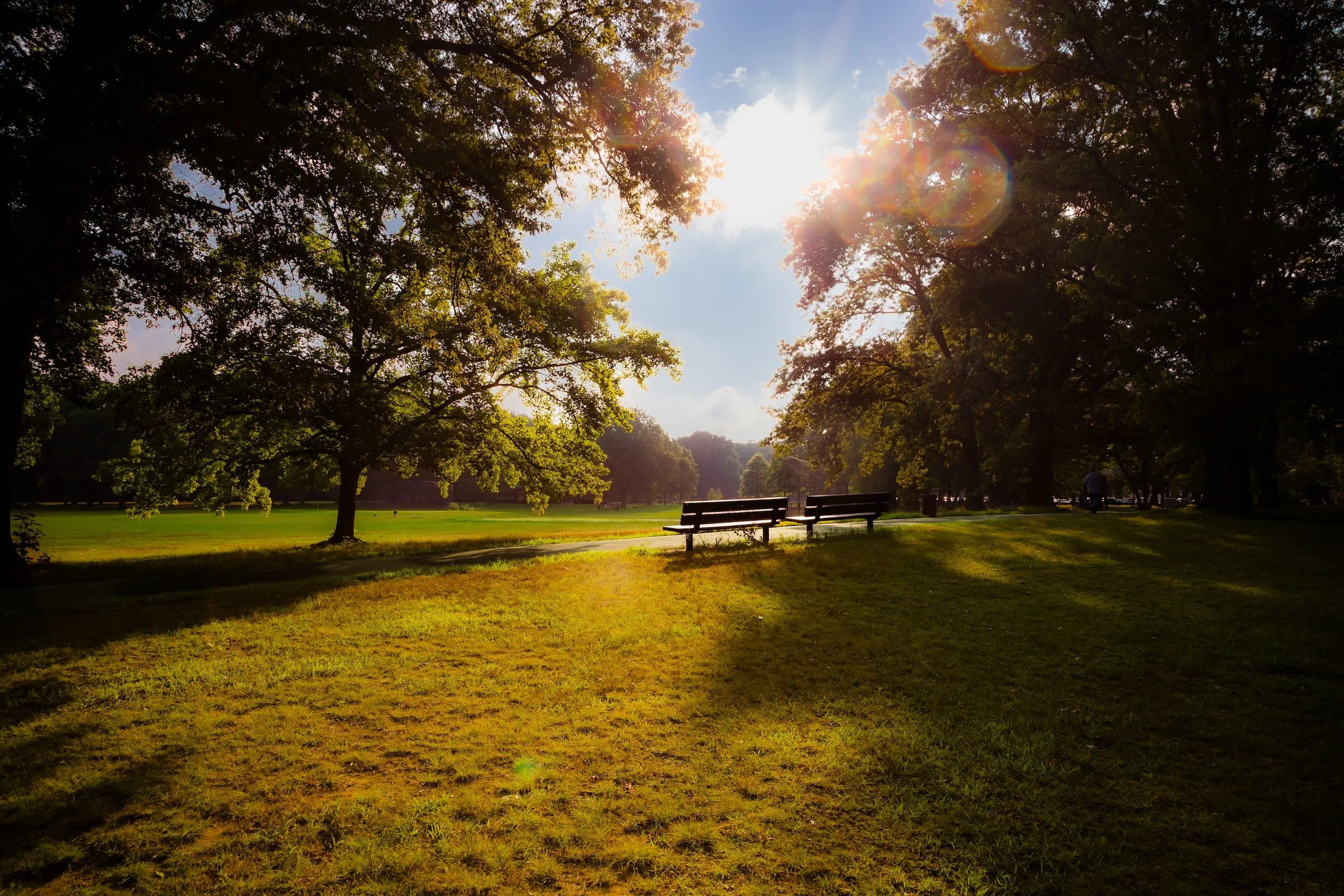
Morning Benches - Click To Purchase Print
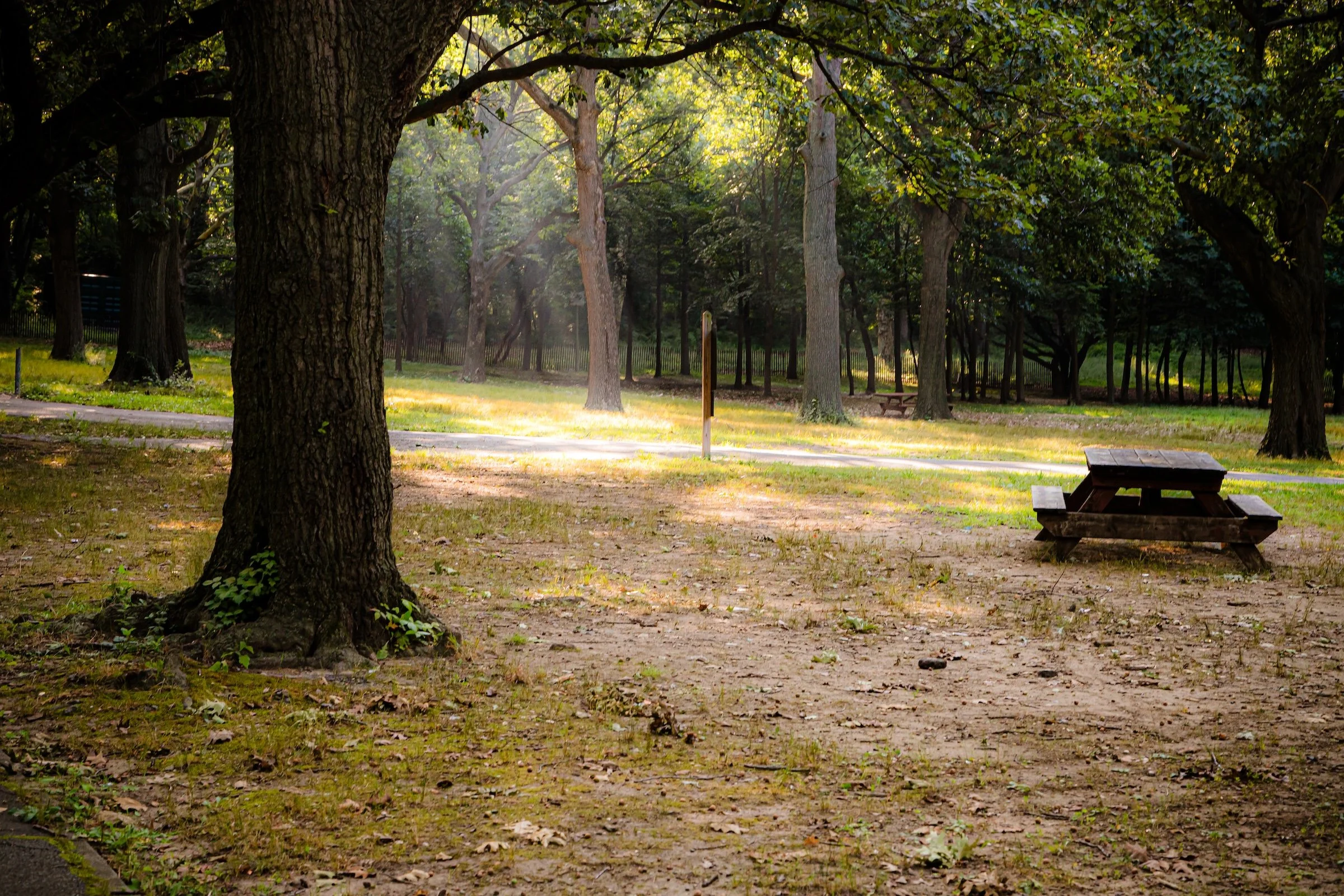
Morning Glade - Click To Purchase Print

Steps Sunburst - Click To Purchase Print
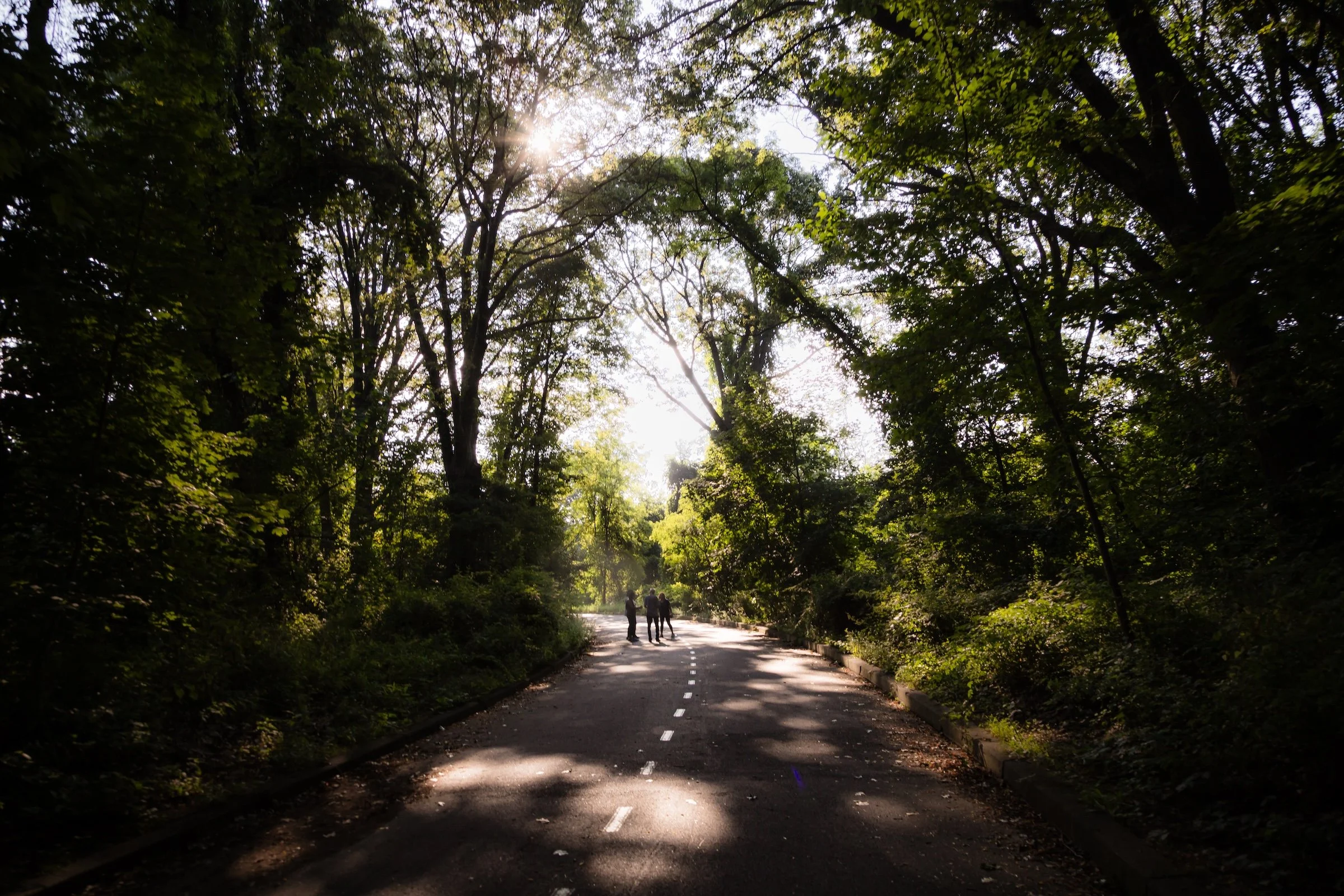
Standing In The Light - Click To Purchase Print
Explore Paris
-

The twenty arrondissements form the civic spiral of Paris, organizing the city into its broad local districts of government, identity, and daily life.
-
Each arrondissement is divided into four official administrative quarters, giving Paris a more precise civic and geographic framework.
-

The conseils de quartier bring participation to street level, giving residents a voice in neighborhood needs, public space, and local civic life.
-

Les Deux Rives trace Paris through the Seine’s two banks, revealing how the Rive Droite and Rive Gauche shaped the city’s civic power, commerce, learning, art, and cultural identity.
-
Cultural neighborhoods reveal the Paris people recognize through history, cafés, architecture, memory, atmosphere, and local belonging.