
RIVE DROITE
Les Deux Rives
Part of an ongoing project to walk and photograph every neighborhood in Paris, this page explores The Right Bank through maps, district identity, history, and photography.
The Map
Geographic Setting
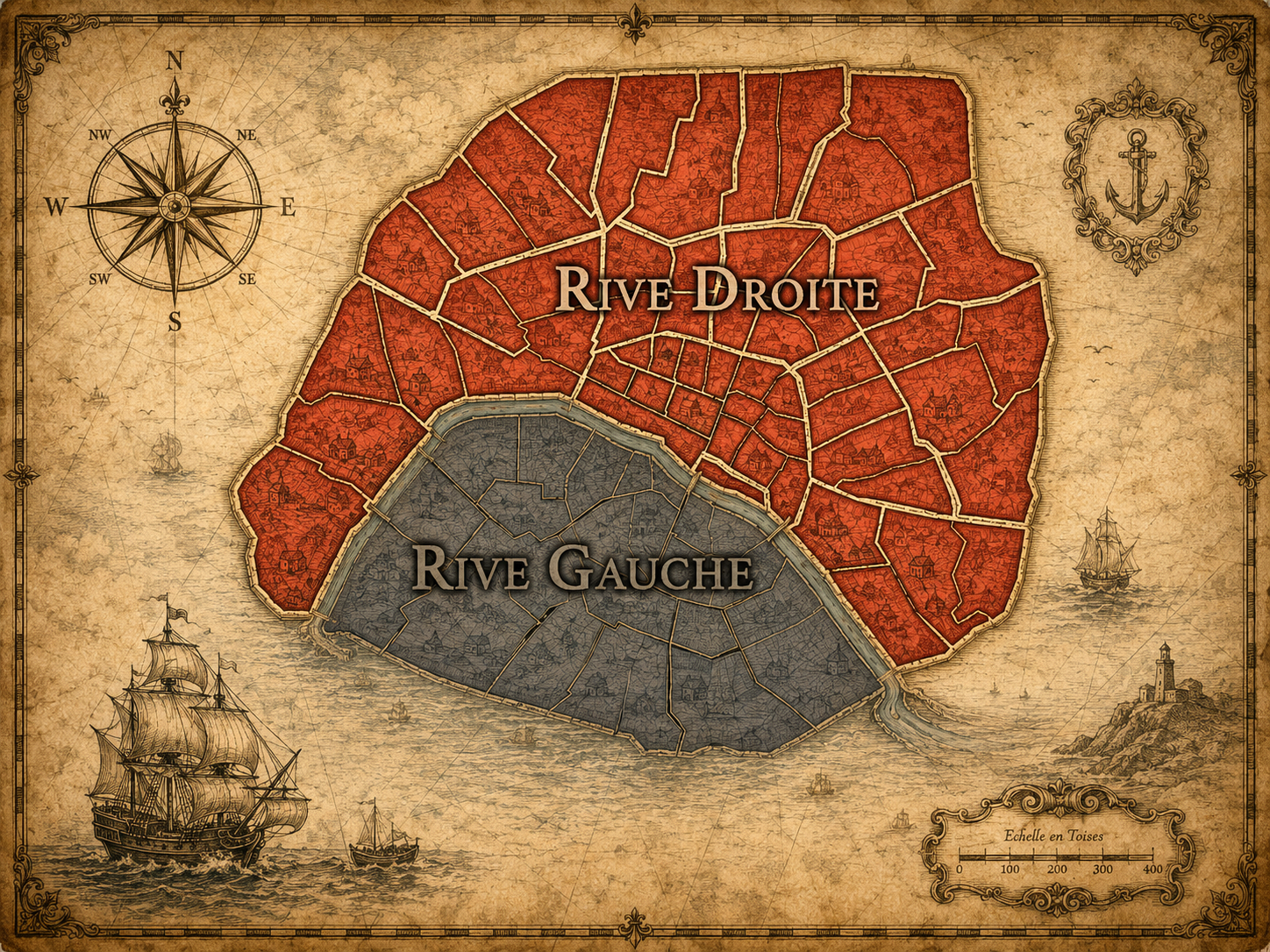
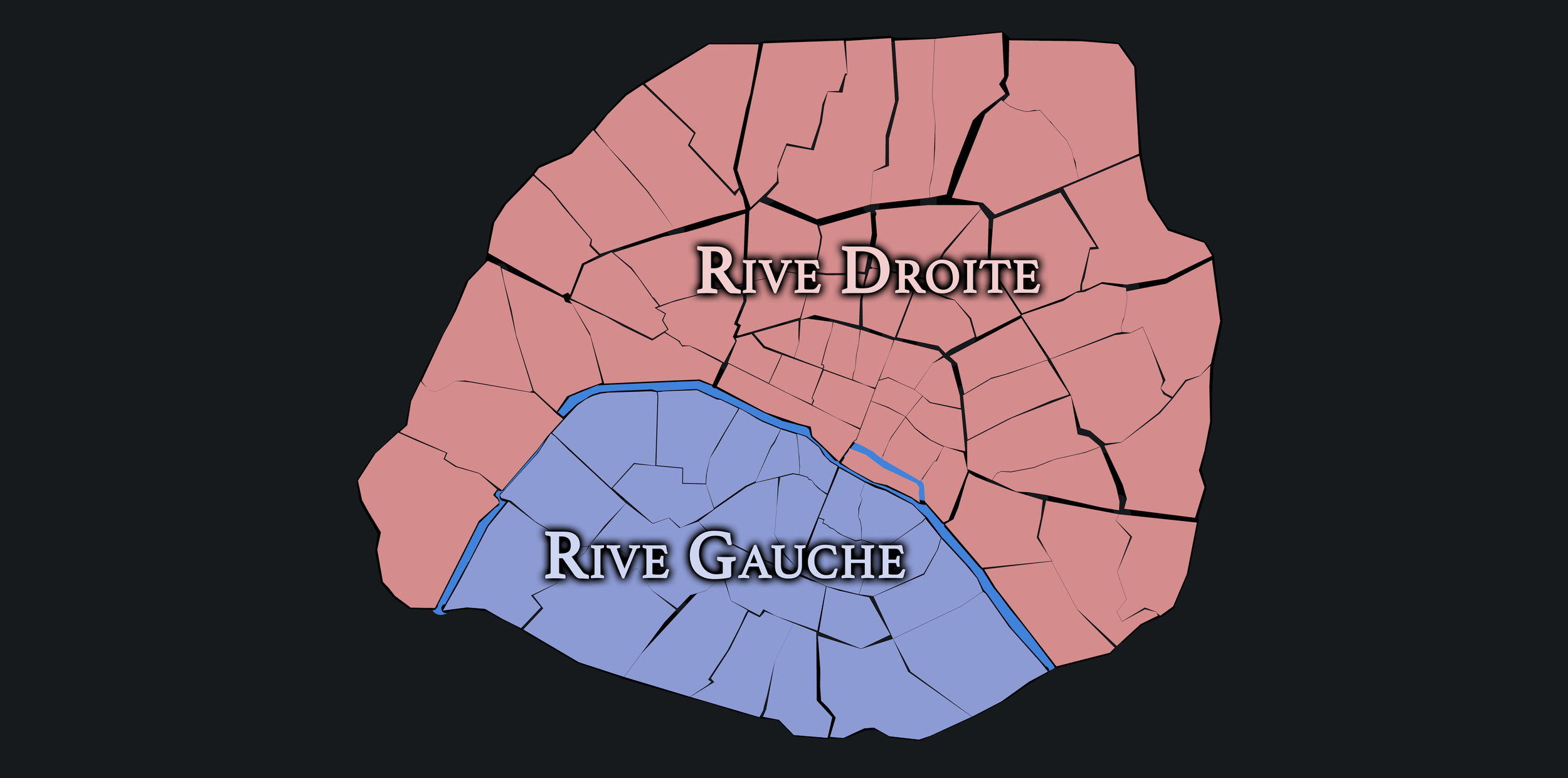
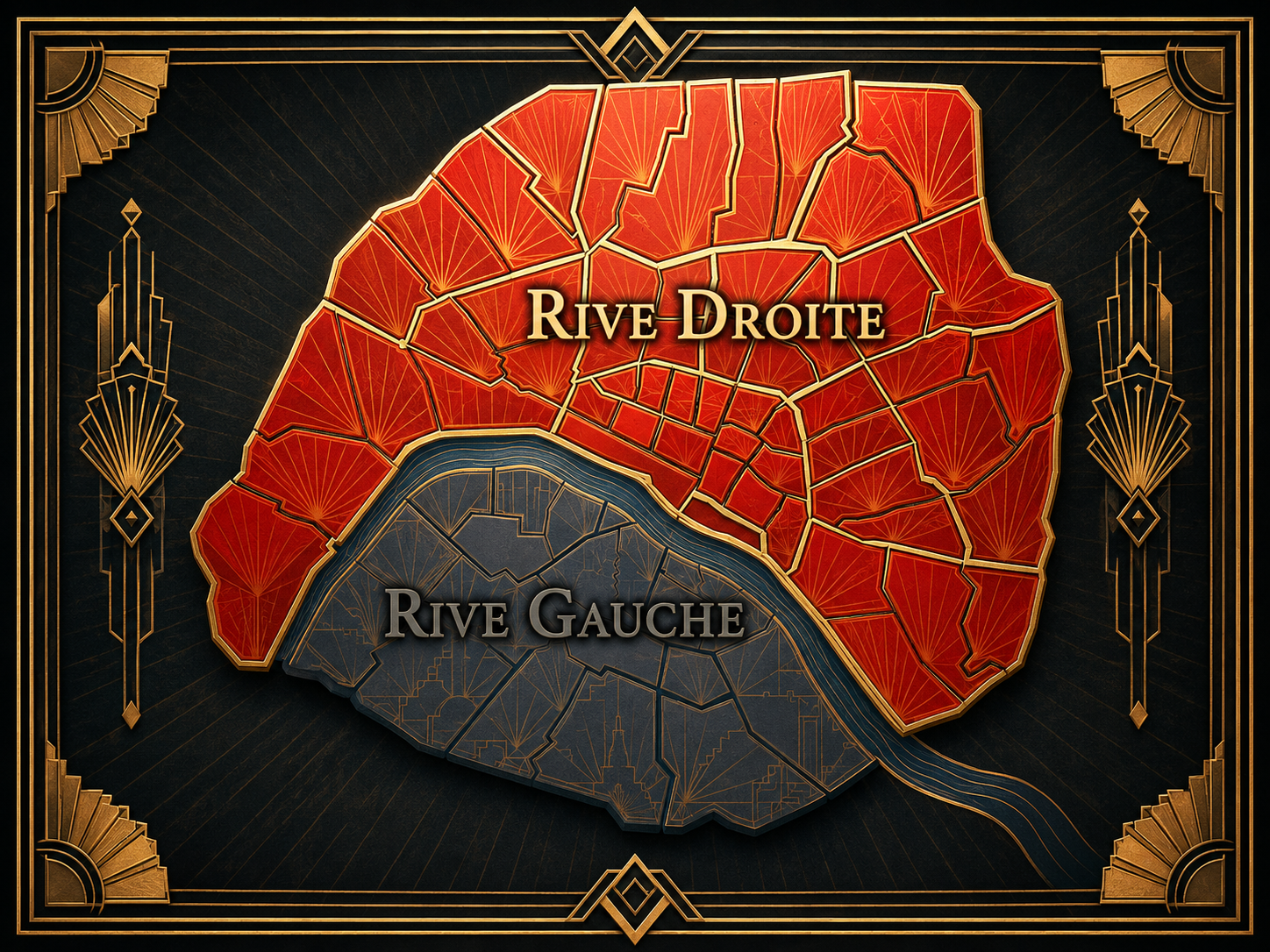
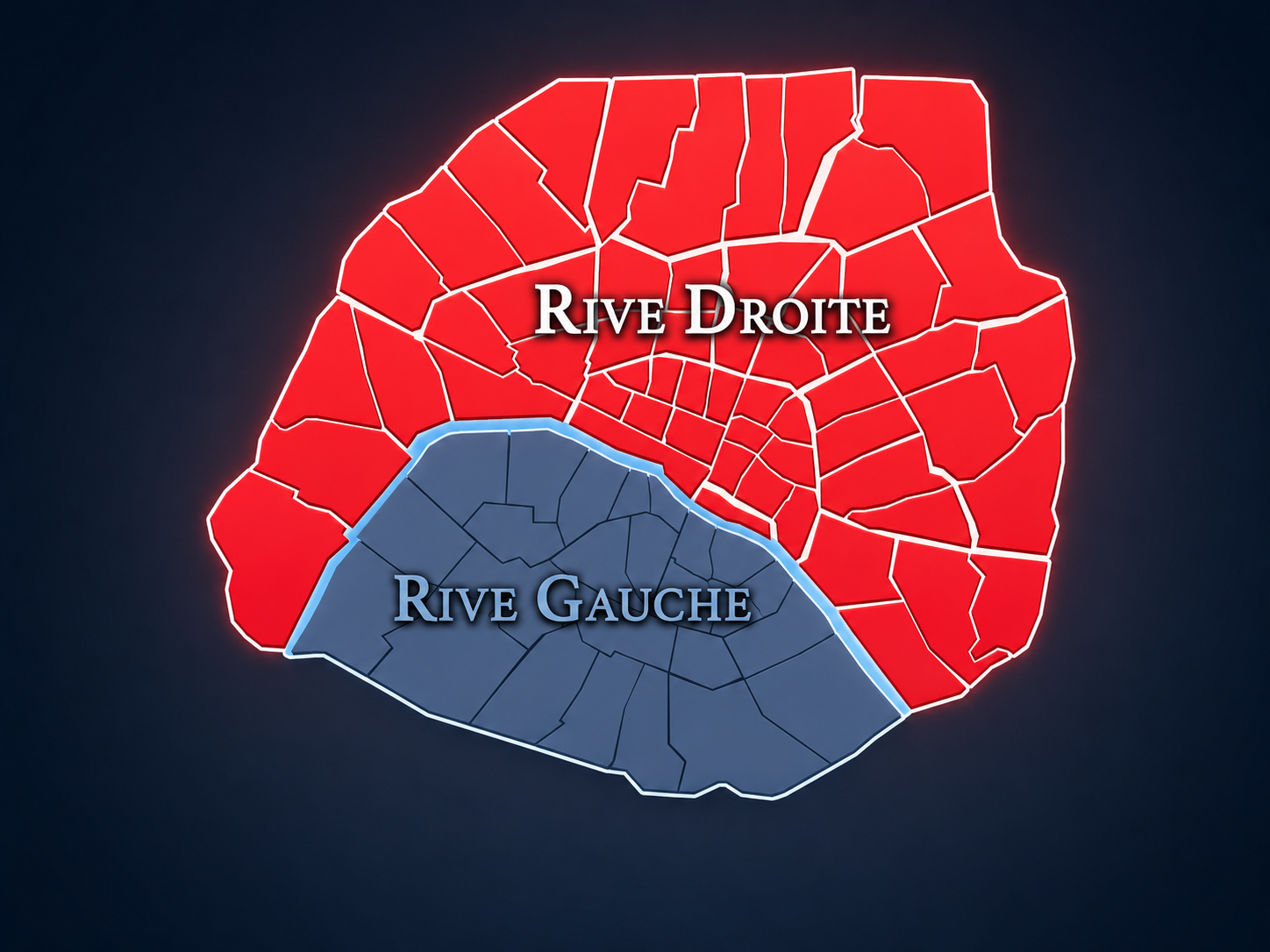
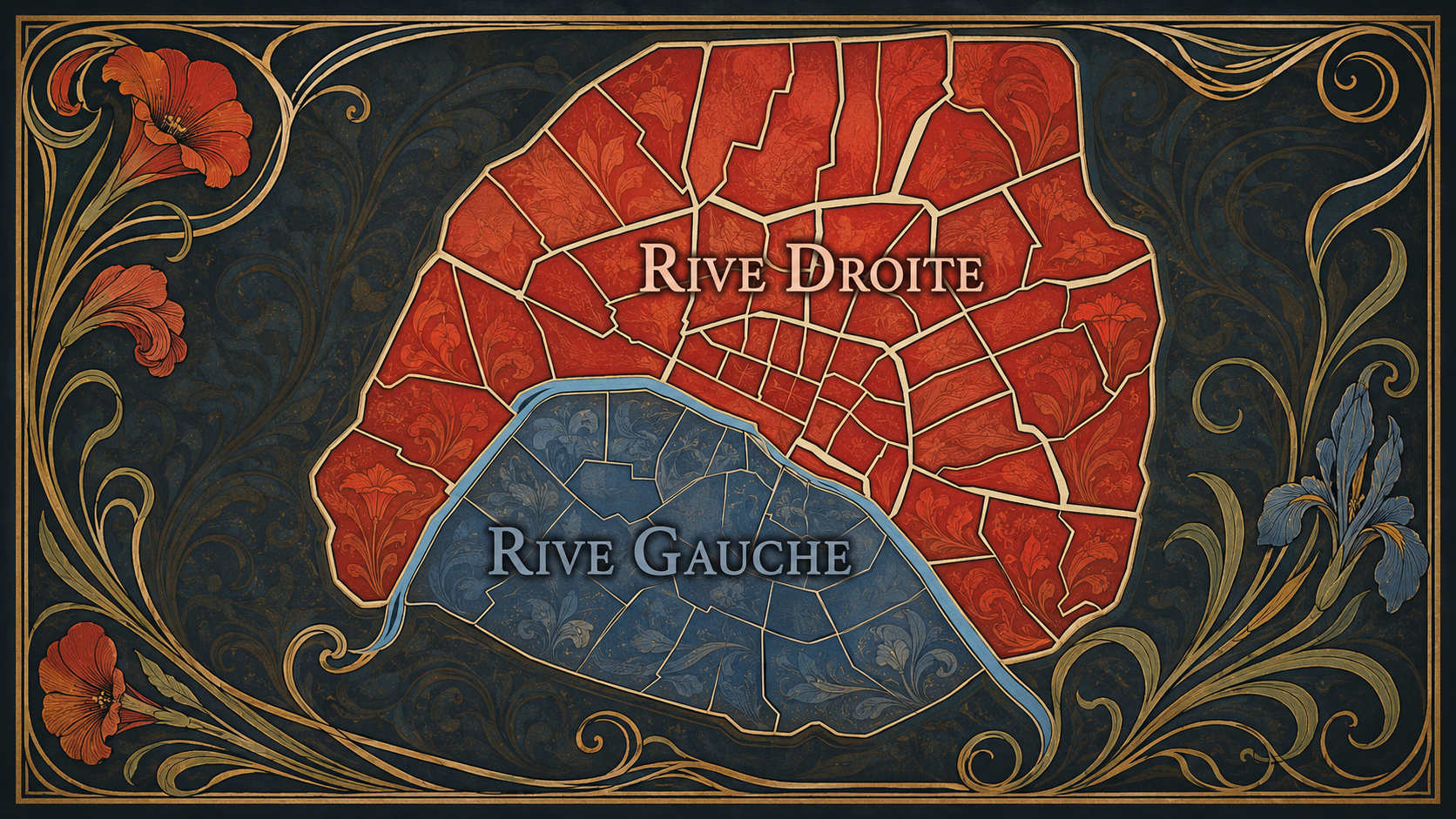
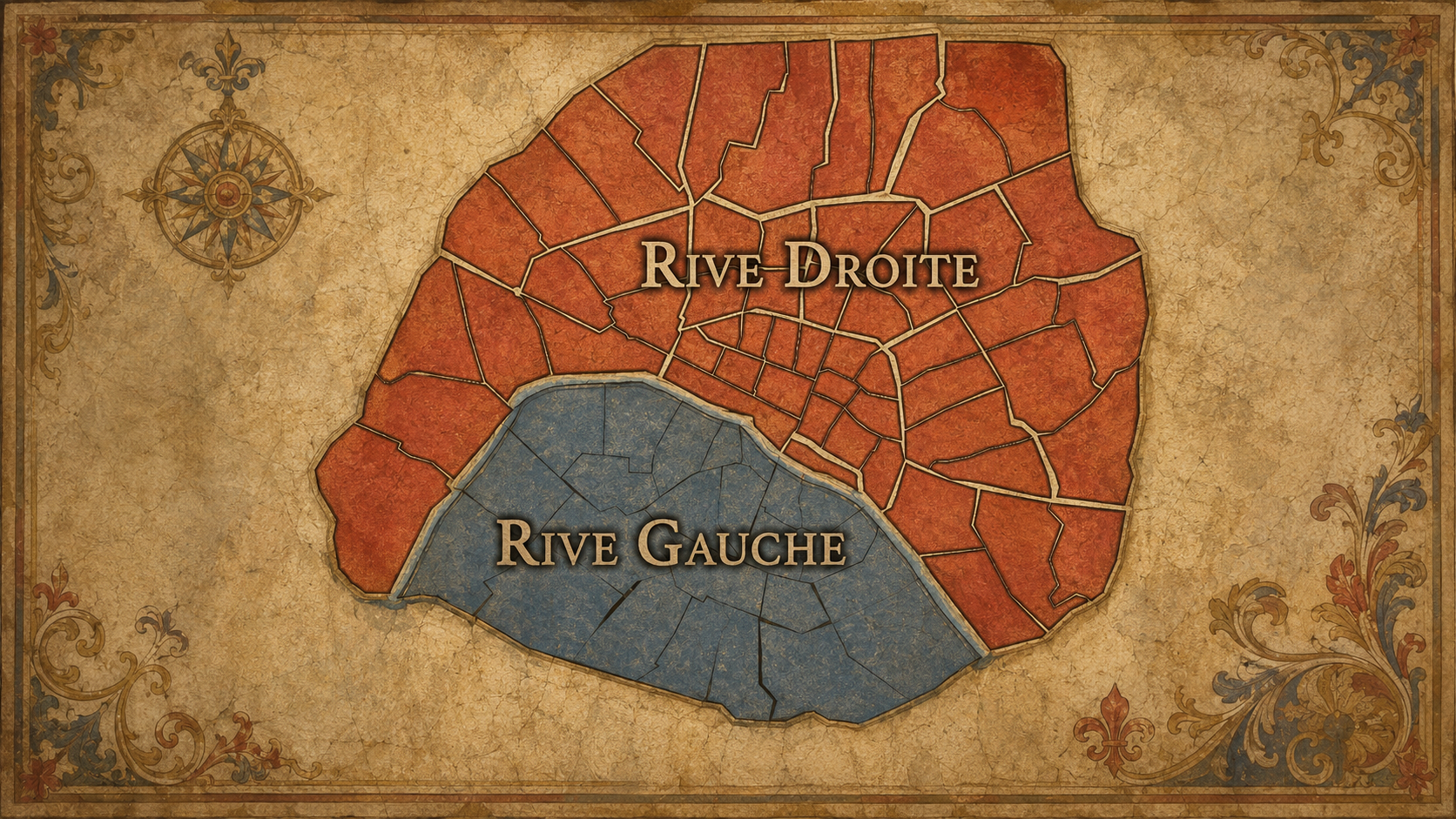
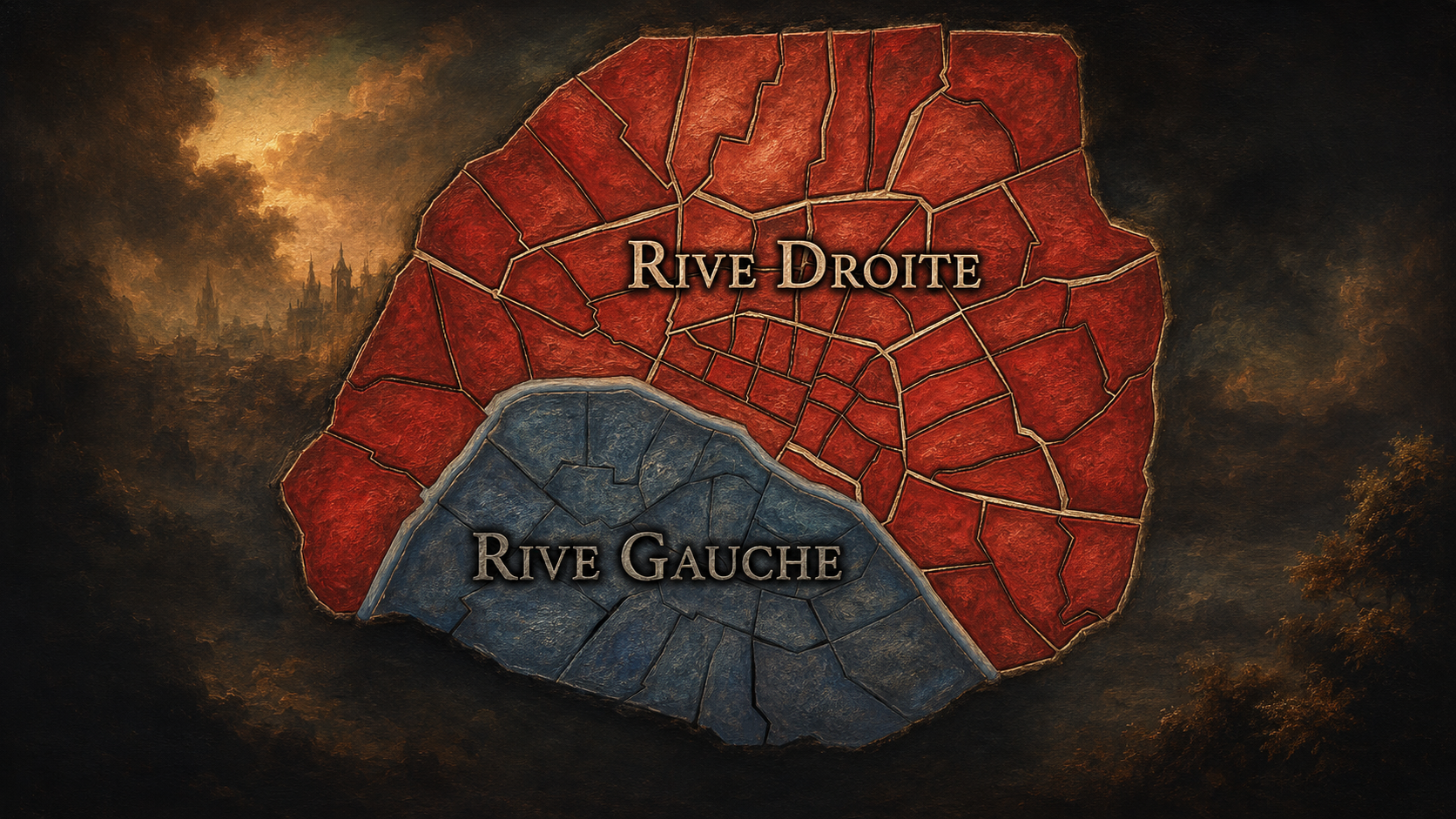
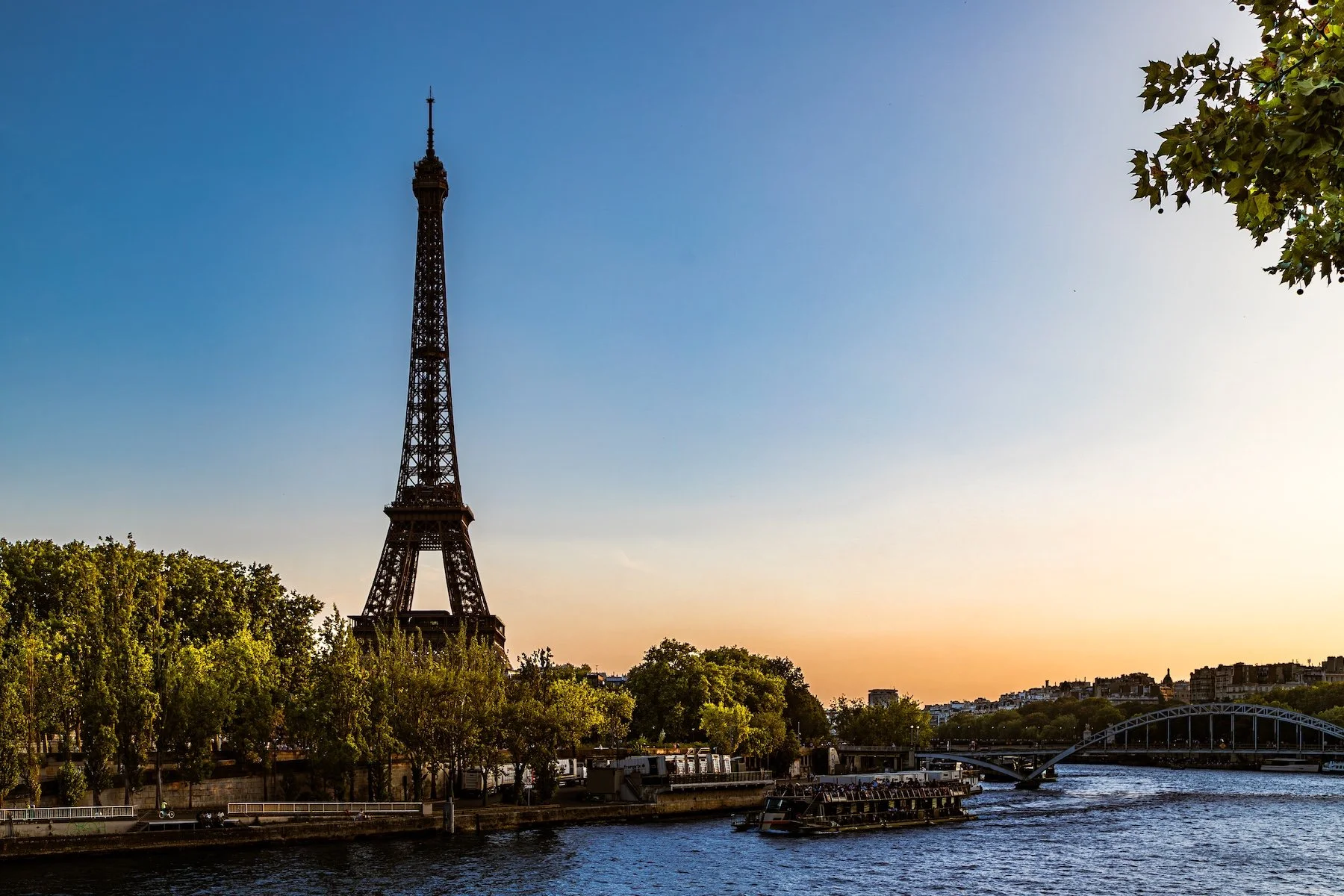
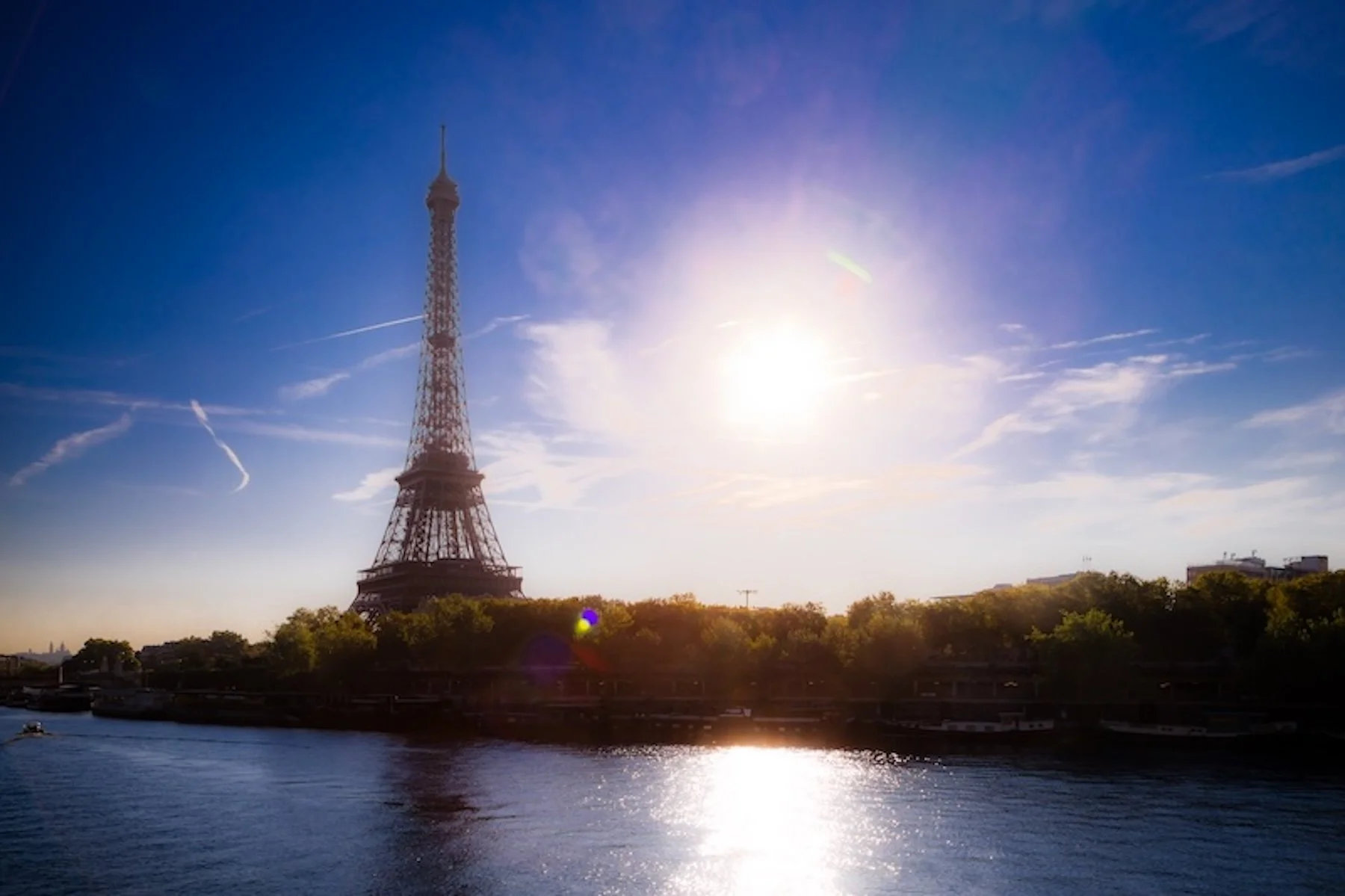
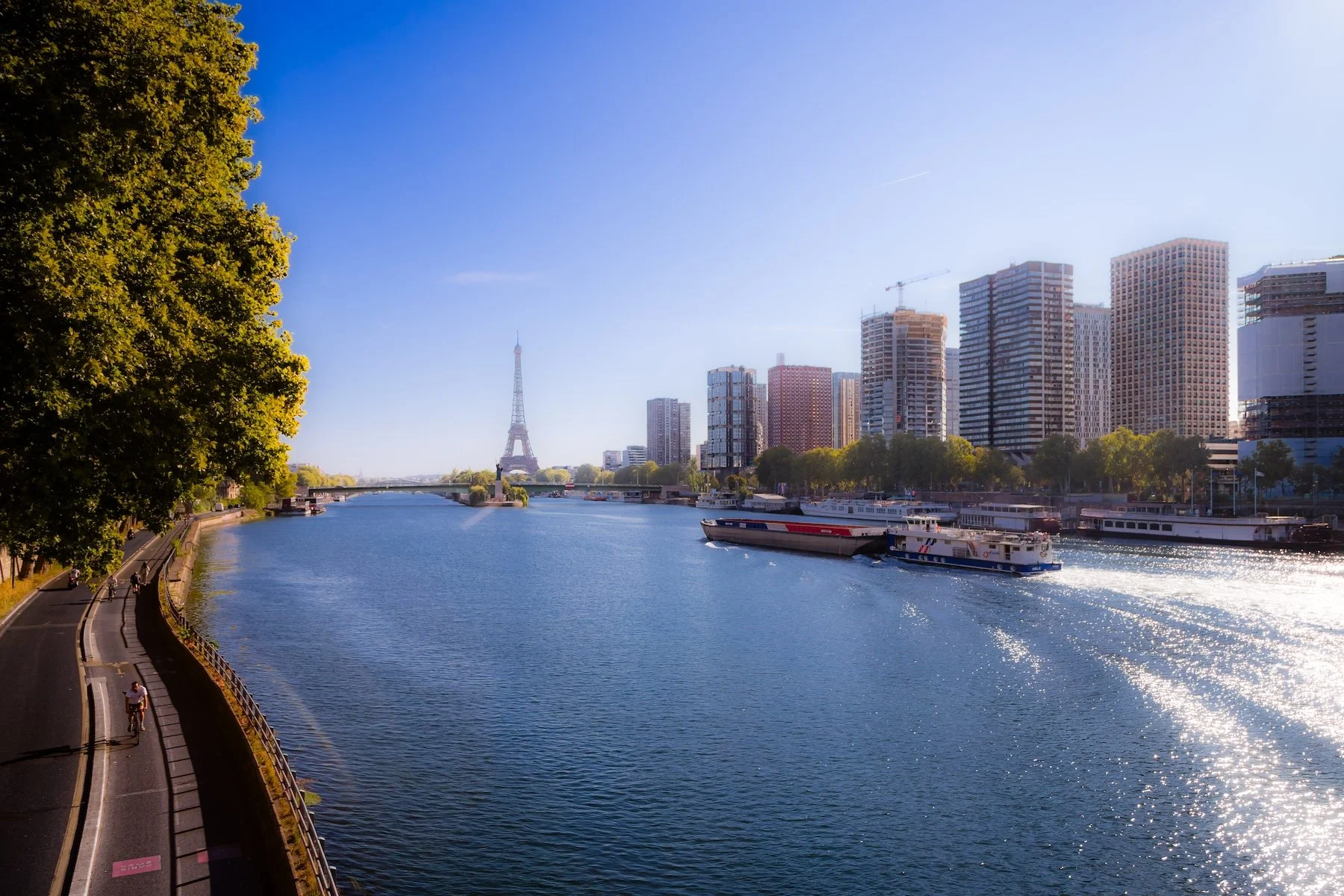
The Rive Droite, or Right Bank, is the northern bank of the Seine as it flows westward through Paris. Facing downstream, the right-hand side of the river is the Rive Droite; the left-hand side is the Rive Gauche. This simple geographic orientation gives the Right Bank its name, but centuries of history have given it far deeper meaning.
Stretching across the northern half of central Paris and beyond, the Rive Droite includes many of the city’s most visible monuments, institutions, commercial corridors, and public stages. It contains the Louvre, the Hôtel de Ville, Les Halles, the Opéra, the grands boulevards, the Champs-Élysées, major railway stations, financial districts, fashion houses, theaters, and vast areas of everyday neighborhood life. It is not one neighborhood, nor one social world, but a broad cultural-geographic identity shaped by power, movement, trade, spectacle, and transformation.
The Right Bank is often understood as the Paris of public force: civic administration, royal presence, commerce, markets, luxury, boulevards, and metropolitan display. Yet this identity is only one part of the story. The Rive Droite is also home to working-class faubourgs, immigrant communities, artistic districts, nightlife corridors, revolutionary memory, and dense residential quarters. Its history is not simply one of authority from above, but of exchange, movement, conflict, reinvention, and urban expansion.
Rive Identity
Etymology and Origins
Rive Droite means Right Bank. The term refers to the bank of the Seine located on the right-hand side when facing downstream. Because the Seine flows generally westward through Paris, the Rive Droite lies north of the river.
The phrase began as physical orientation, but it gradually became cultural shorthand. To say Rive Droite is not merely to describe a position on the map. It evokes a broad northern Parisian identity shaped by royal and civic institutions, markets, theaters, financial activity, department stores, monuments, boulevards, and the public machinery of the capital.
Its origins are tied to the river itself. The Seine made the northern bank a place of movement and exchange: goods, people, authority, ceremonies, and conflicts passed through its streets and quays. Over time, the Right Bank became increasingly associated with the outward-facing life of Paris — the city as capital, marketplace, stage, and center of power.
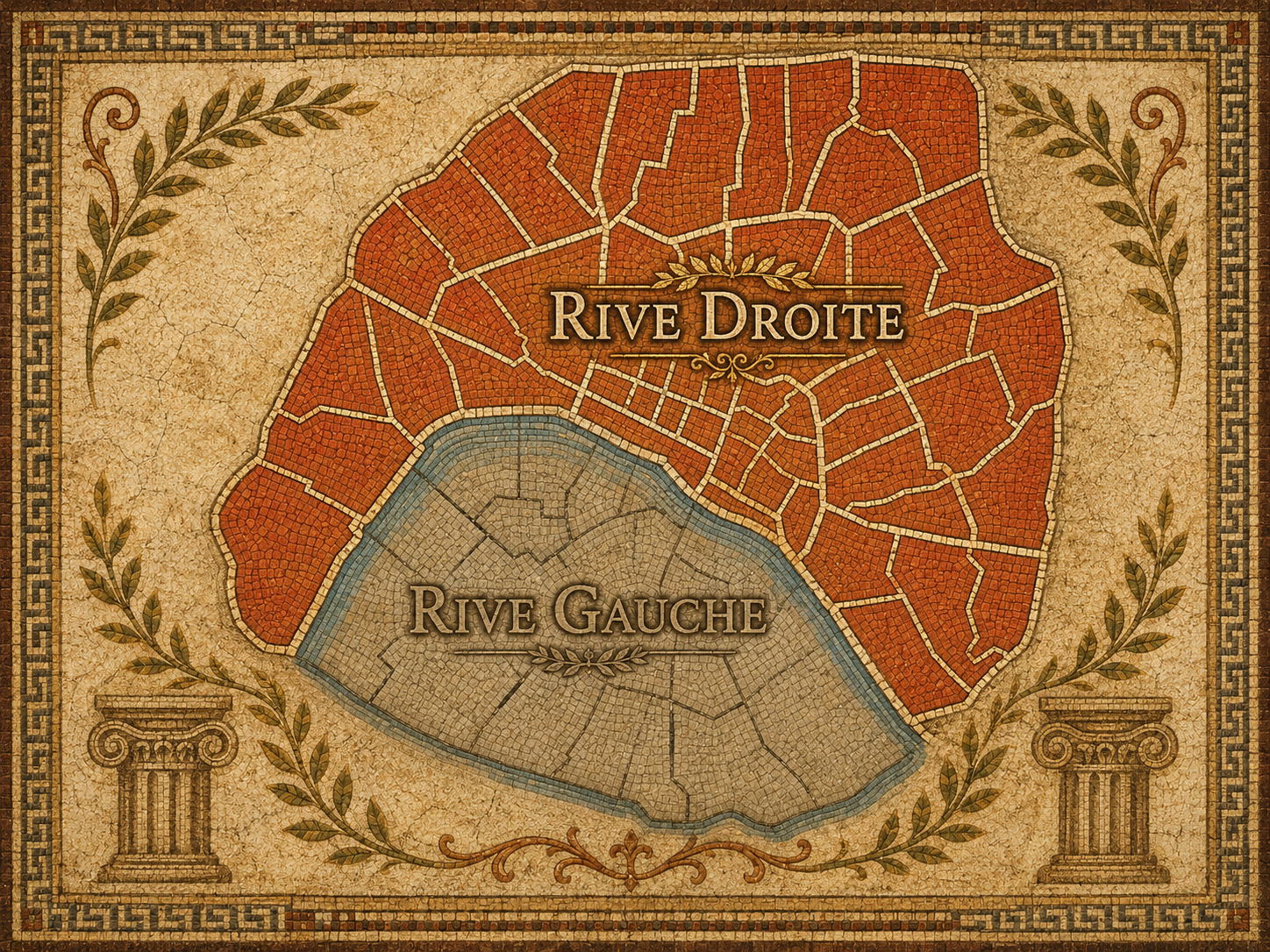
The Rive Droite belongs to Les Deux Rives, the cultural-geographic framework formed by the Seine’s two banks. It is not an administrative district, and it does not replace the arrondissements, quartiers administratifs, conseils de quartier, or milieux culturels that also organize Paris. Instead, it offers one of the city’s most enduring ways of reading place through inherited meaning.
Within that framework, the Right Bank has long carried associations of commerce, civic authority, royal power, finance, fashion, theaters, markets, and spectacle. The Louvre, the Hôtel de Ville, Les Halles, the Opéra, the grands boulevards, the department stores, and the Champs-Élysées all reinforce the image of the Rive Droite as the Paris of visibility, institution, performance, and exchange.
Yet the Right Bank should not be reduced to wealth, government, or grandeur. It also contains Belleville, Ménilmontant, La Chapelle, Barbès, the Faubourg Saint-Antoine, the Canal Saint-Martin, Pigalle, Montmartre, and many neighborhoods whose identities are working-class, immigrant, artistic, rebellious, or deeply local. Its cultural framework is therefore not only institutional; it is also kinetic. The Rive Droite is the bank of markets and monuments, but also of crowds, crossings, upheavals, reinventions, and contested belonging.
Cultural Framework
Parisian Identity
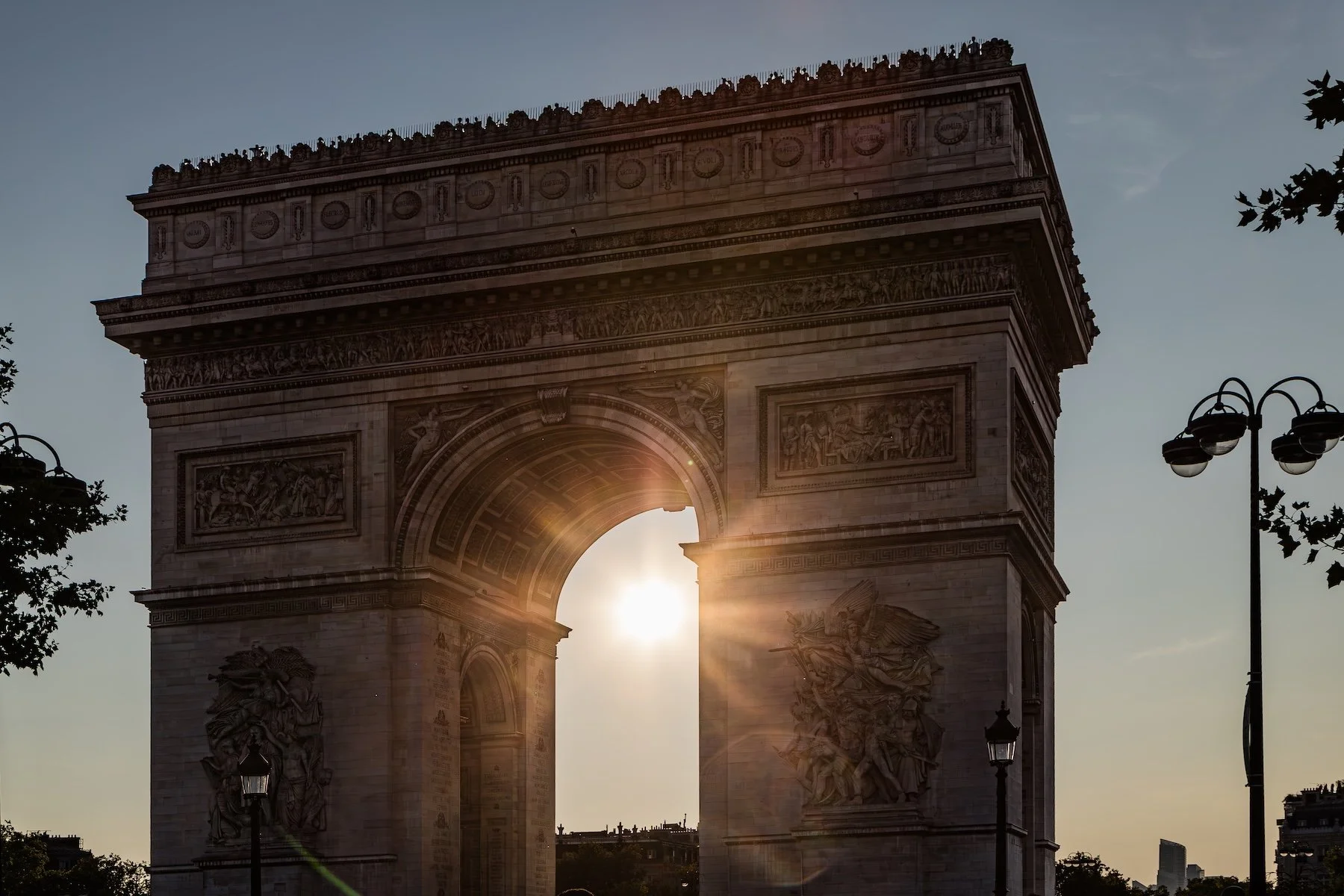
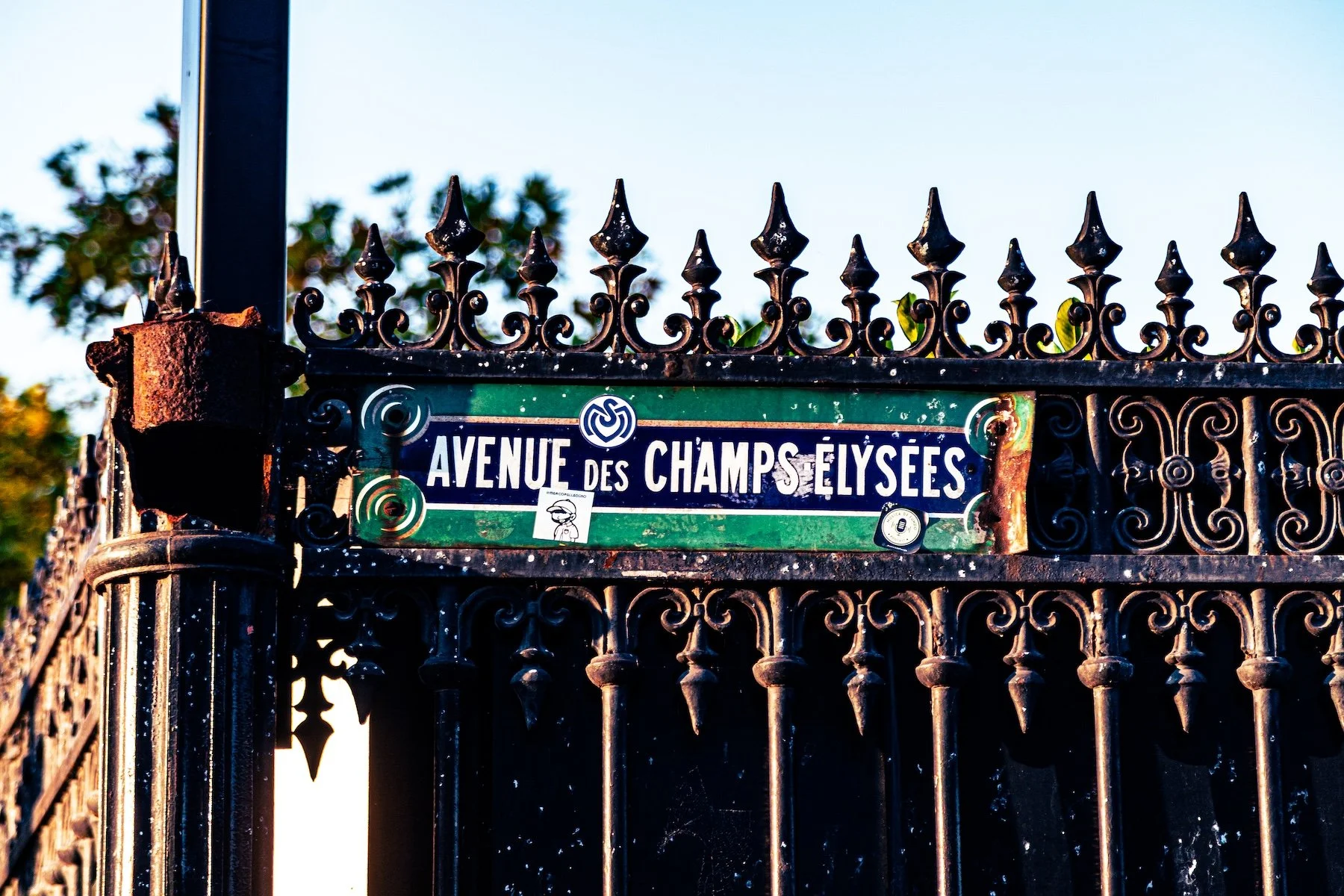
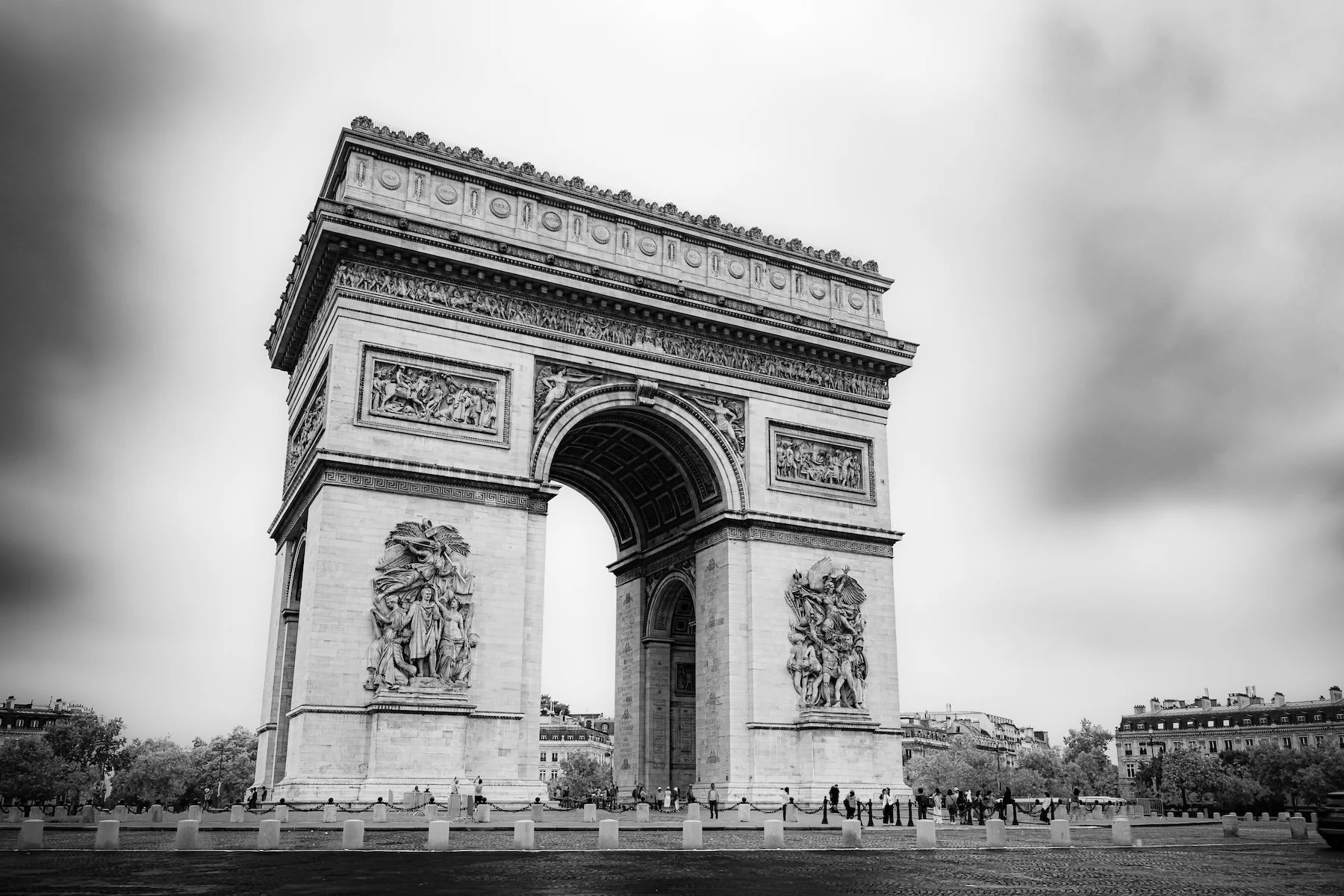
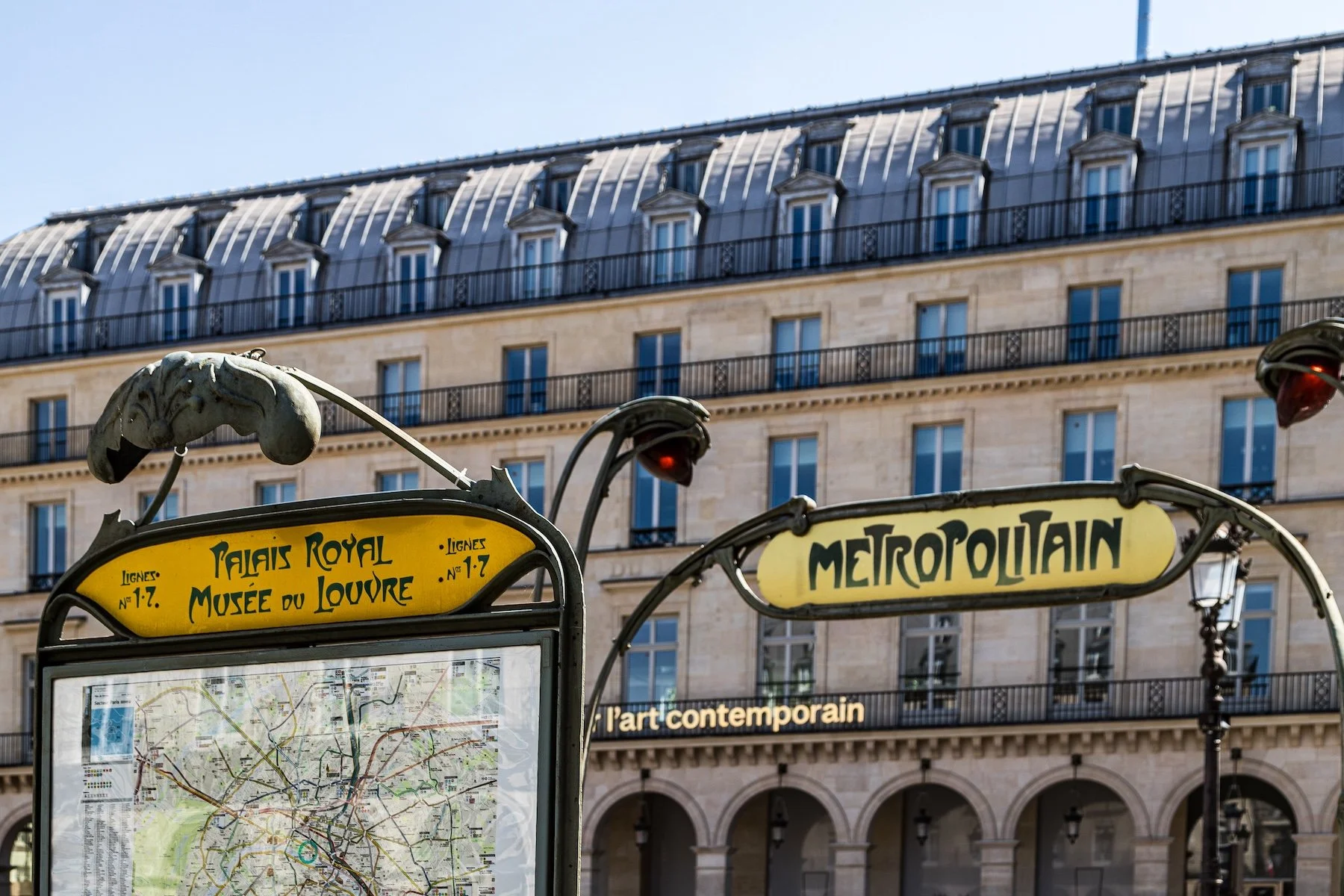
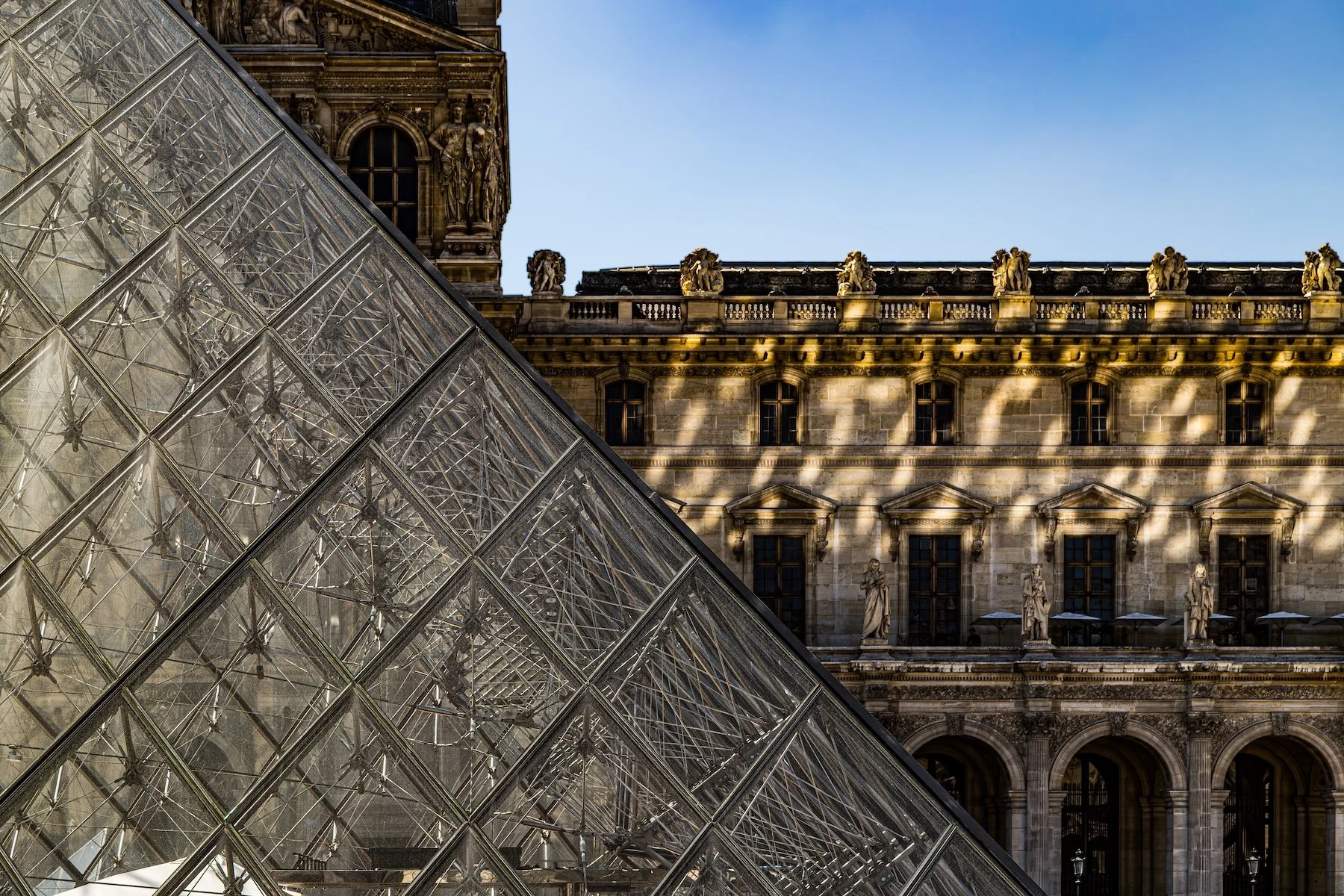
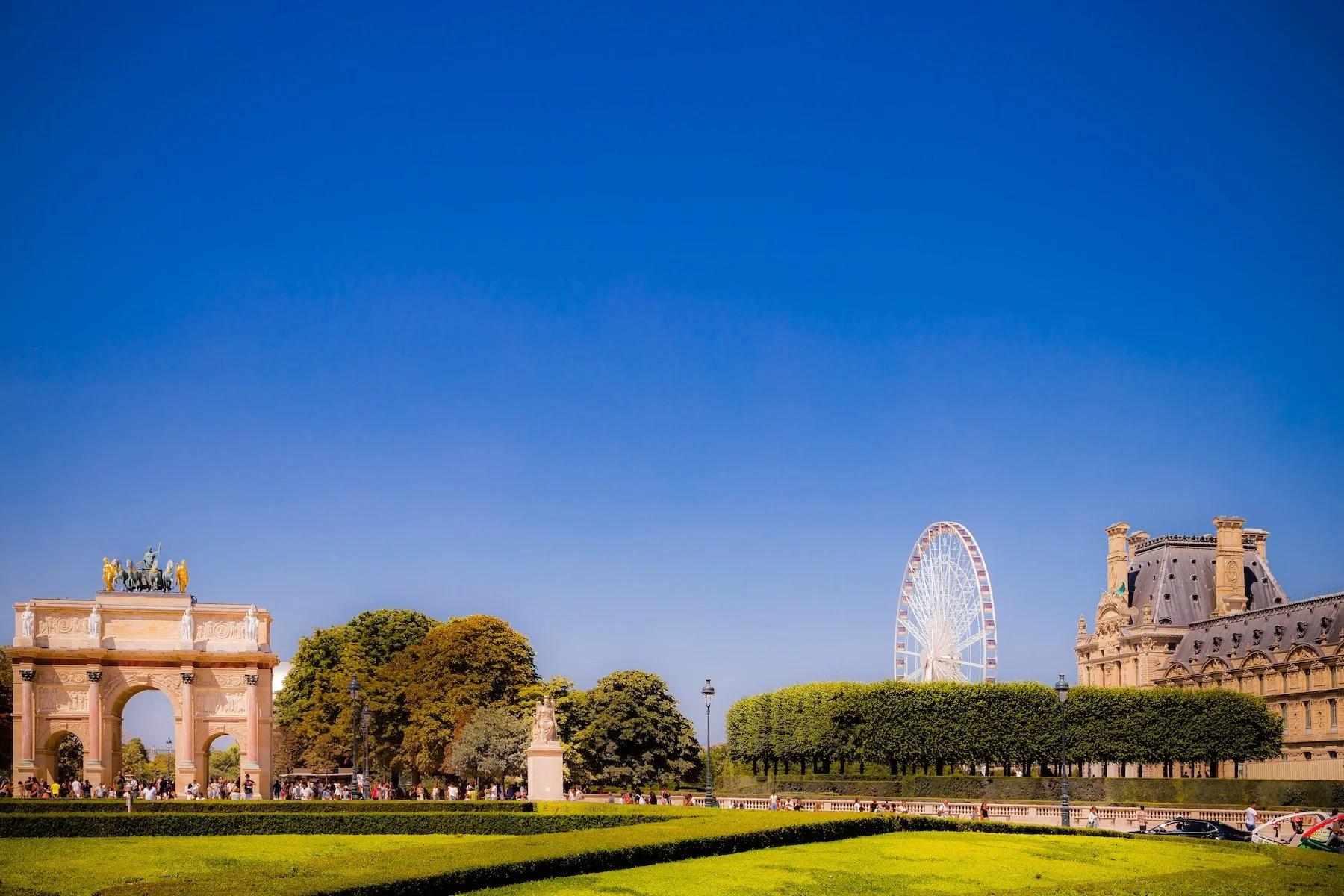
The Rive Droite has shaped some of the most recognizable images of Paris. It is the Paris of the Louvre and the Tuileries, of the grands boulevards and department stores, of Opéra and theater, of the Champs-Élysées and the great ceremonial axis stretching westward. It is where Paris most often presents itself as a capital: monumental, commercial, performative, and public.
This identity is rooted in both geography and history. The northern bank gave Paris room to expand its markets, civic institutions, royal spaces, and later its modern commercial infrastructure. As the city grew, the Rive Droite became a stage for the public life of Paris: processions, revolutions, shopping, finance, entertainment, labor, protest, tourism, nightlife, and spectacle.
But the Right Bank’s Parisian identity is not only grand or official. Its force also comes from contrast. It contains polished avenues and dense faubourgs, royal memory and revolutionary streets, luxury commerce and migrant enterprise, tourist icons and everyday neighborhoods. If the Left Bank is often imagined as the Paris of reflection, the Right Bank is often the Paris of motion — the city acting, trading, governing, performing, arguing, and remaking itself in public.
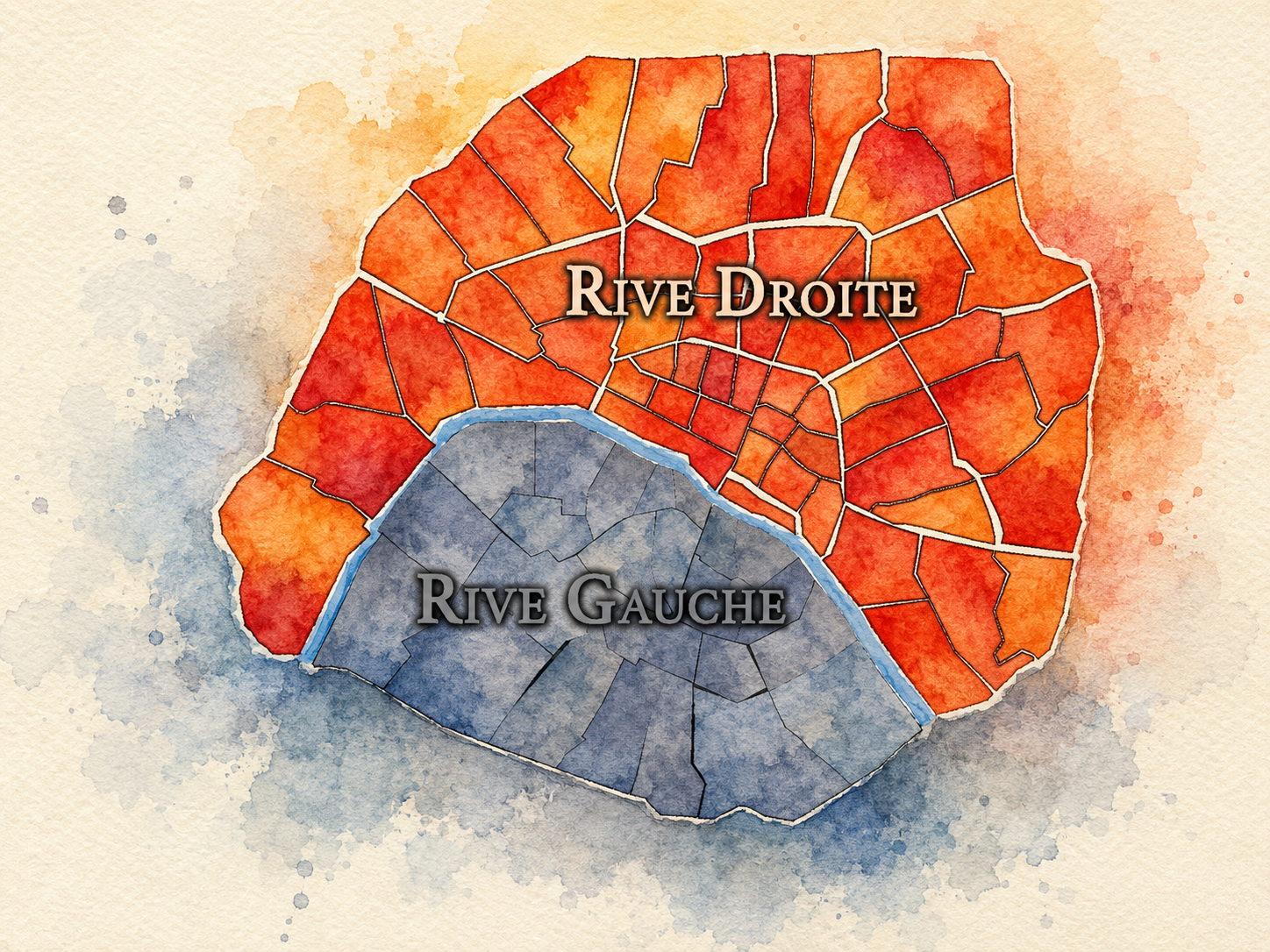
The Rive Droite is not a neighborhood, but it shapes how neighborhoods are understood. A place on the Right Bank often carries a different set of historical associations than a place on the Left Bank, even when that place is more precisely defined by an arrondissement, quartier administratif, conseil de quartier, or milieu culturel.
This distinction is especially important because the Right Bank contains many different Parisian worlds. Central Right Bank neighborhoods may be read through royal, civic, commercial, or monumental identity. Northeastern Right Bank neighborhoods may be read through immigration, labor, industry, music, nightlife, and social change. Western Right Bank areas may carry associations of prestige, finance, embassies, luxury, parks, and grand avenues.
What joins these varied places is not sameness, but orientation. The Rive Droite places them within the northern bank’s long history of expansion, exchange, power, commerce, public life, and reinvention. It is a framework that helps explain why the Right Bank can feel both monumental and restless, both institutional and popular, both polished and unruly.
Neighborhood Distinction
The History
The history of the Rive Droite begins with the Seine and the early settlement patterns of Paris. Before the city became a capital, the river shaped movement, defense, trade, and orientation. The Île de la Cité formed an early center of settlement, while both banks of the Seine offered routes into and out of the surrounding region.
In the Roman period, Lutetia developed especially on the southern bank, but the northern bank remained important to movement, river access, and regional connection. The future Right Bank was not yet the institutional and commercial heart it would later become, but its geography already mattered. It stood along the river’s northern edge, positioned for crossings, roads, trade, and expansion.
The earliest history of the Rive Droite is therefore less about monuments than possibility. It was a bank of approach and exchange, a landscape that would later absorb markets, civic structures, royal authority, and the growing pressure of an expanding city.
Origins / Pre-Roman and Roman Paris
Medieval Paris
During the Middle Ages, the Rive Droite became increasingly central to the economic and civic life of Paris. As the city expanded beyond the Île de la Cité, the northern bank developed as a dense world of merchants, artisans, guilds, markets, parishes, and streets tied to everyday exchange.
Les Halles became one of the great commercial centers of medieval Paris, feeding the city and anchoring the Right Bank’s identity as a marketplace. The Hôtel de Ville established the northern bank as a seat of municipal authority. The Louvre, originally built as a fortress, marked the western edge of royal defense and later became part of the Right Bank’s association with monarchy and state power.
This medieval development created a durable contrast with the Left Bank’s world of schools, monasteries, and the University of Paris. While the Rive Gauche gathered much of the city’s scholarly and clerical life, the Rive Droite gathered its markets, trades, civic administration, and royal presence. The Right Bank became the Paris of exchange and authority, increasingly essential to the functioning of the capital.
By the 18th century, the arrondissement’s western and northern portions were increasingly shaped by formal urban design, elite residence, and public sociability. Place Vendôme, designed in the orbit of Louis XIV’s royal urbanism, expressed a highly controlled architectural order. Its façades, proportions, and monumental character helped establish the quarter as one of the most elegant spaces in Paris.
At the same time, Les Halles continued to function as the practical stomach of the city. While the royal and aristocratic spaces of the 1er projected order, hierarchy, and prestige, the market district sustained a more crowded and working urban life. This contrast between ceremonial Paris and provisioning Paris is one of the arrondissement’s defining historical tensions.
The Palais-Royal also became an important place of sociability, commerce, theater, and political discussion. Its arcades and gardens helped blur the boundary between elite space and public space, foreshadowing the political and social upheavals that would reshape Paris at the end of the century.
Renaissance and Early Modern Paris
16th–17th Century
The 16th and 17th centuries intensified the Right Bank’s association with state authority, ceremonial power, and public grandeur. Royal projects, aristocratic residences, religious institutions, commercial expansion, and civic administration all contributed to the northern bank’s growing importance.
The Louvre and the Tuileries helped anchor a royal and ceremonial axis along the Seine. The Place Royale, now Place des Vosges, brought planned urban elegance to the Marais. The Right Bank’s streets and squares increasingly reflected the ambitions of monarchy and elite urban society, while older commercial districts continued to serve the daily needs of the city.
Yet the Right Bank was never only royal or aristocratic. Its faubourgs and working streets housed artisans, laborers, merchants, and tradespeople. Its power came partly from the way official Paris and popular Paris existed side by side: palace and market, square and workshop, authority and crowd.
In the 18th century, the Rive Droite became increasingly central to the public, commercial, and theatrical life of Paris. Shops, cafés, promenades, theaters, financial activity, and social display helped define the northern bank as a stage for urban modernity.
The grands boulevards emerged as places of leisure, circulation, and spectacle. Commercial life expanded, and the Right Bank became more closely associated with the visible pleasures and pressures of the city: buying, selling, watching, performing, gathering, and debating.
The century ended in revolution, and the Right Bank was deeply implicated in that upheaval. Its civic spaces, markets, streets, crowds, and institutions became part of the revolutionary city. Although later political language would define Left and Right through assembly seating, the Right Bank’s own identity as a landscape of monarchy, commerce, civic power, and public action gave it a powerful place within the broader revolutionary geography of Paris.
18th Century
19th Century
The 19th century remade the Rive Droite on an enormous scale. Haussmann’s renovation transformed the northern bank through new boulevards, squares, vistas, parks, railway stations, and systems of circulation. The Right Bank became one of the great laboratories of modern urban form.
This transformation strengthened its association with commerce, administration, and spectacle. Department stores, theaters, cafés, hotels, offices, banks, and entertainment districts expanded the Right Bank’s role as a modern metropolitan center. The Opéra, the grands boulevards, and the great westward axis toward the Champs-Élysées reinforced the image of the Rive Droite as the Paris of public display.
But modernization also brought displacement, social tension, and political unrest. Working-class districts, industrial edges, barricade streets, and popular neighborhoods remained central to the Right Bank’s story. The same bank that displayed imperial grandeur also held the pressures of labor, poverty, migration, protest, and urban transformation.
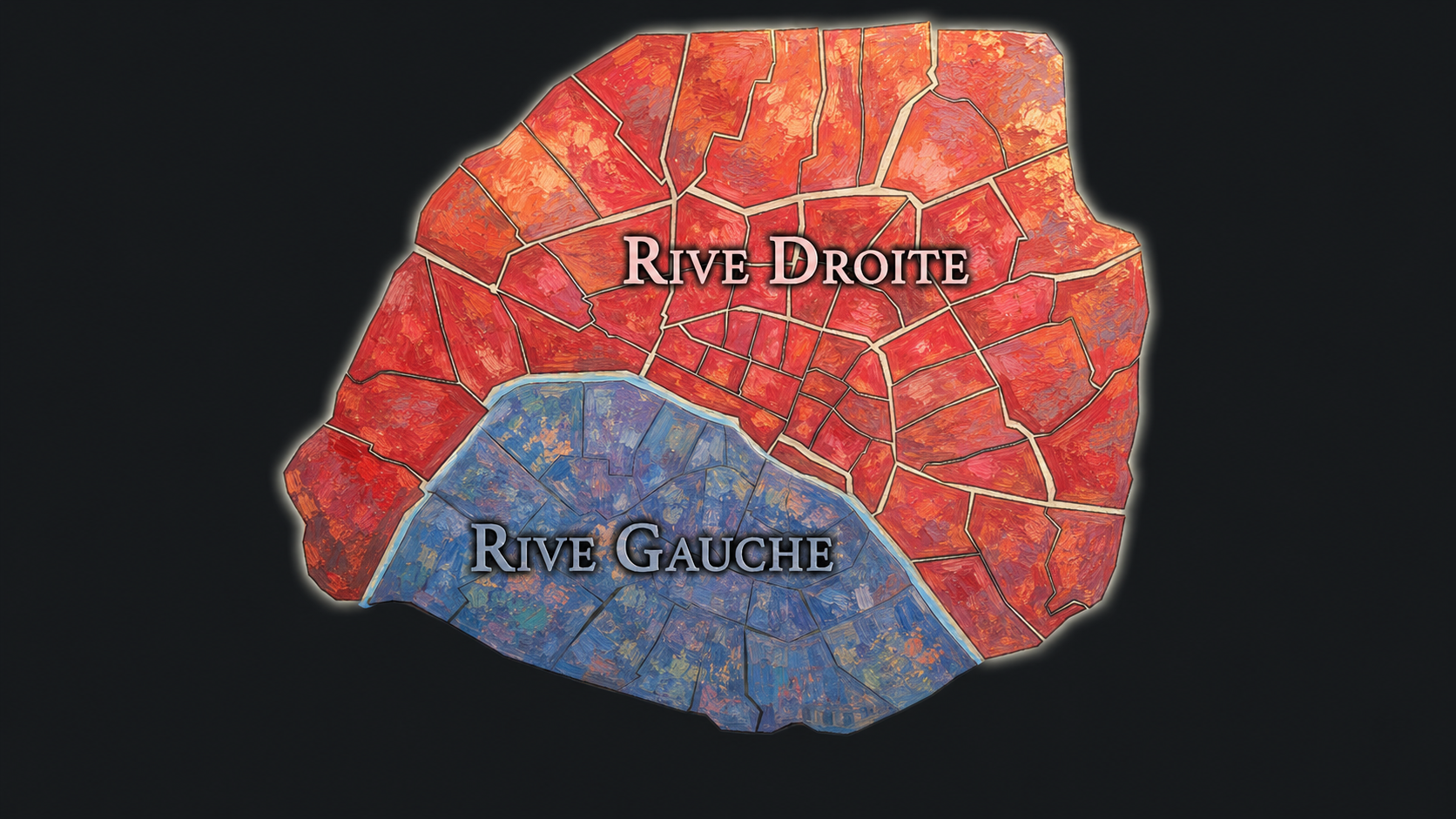
In the early and mid 20th century, the Rive Droite continued to function as the public engine of Paris. Its theaters, department stores, railway stations, offices, hotels, cabarets, nightlife districts, financial centers, and monumental spaces drew Parisians and visitors into a dense metropolitan world.
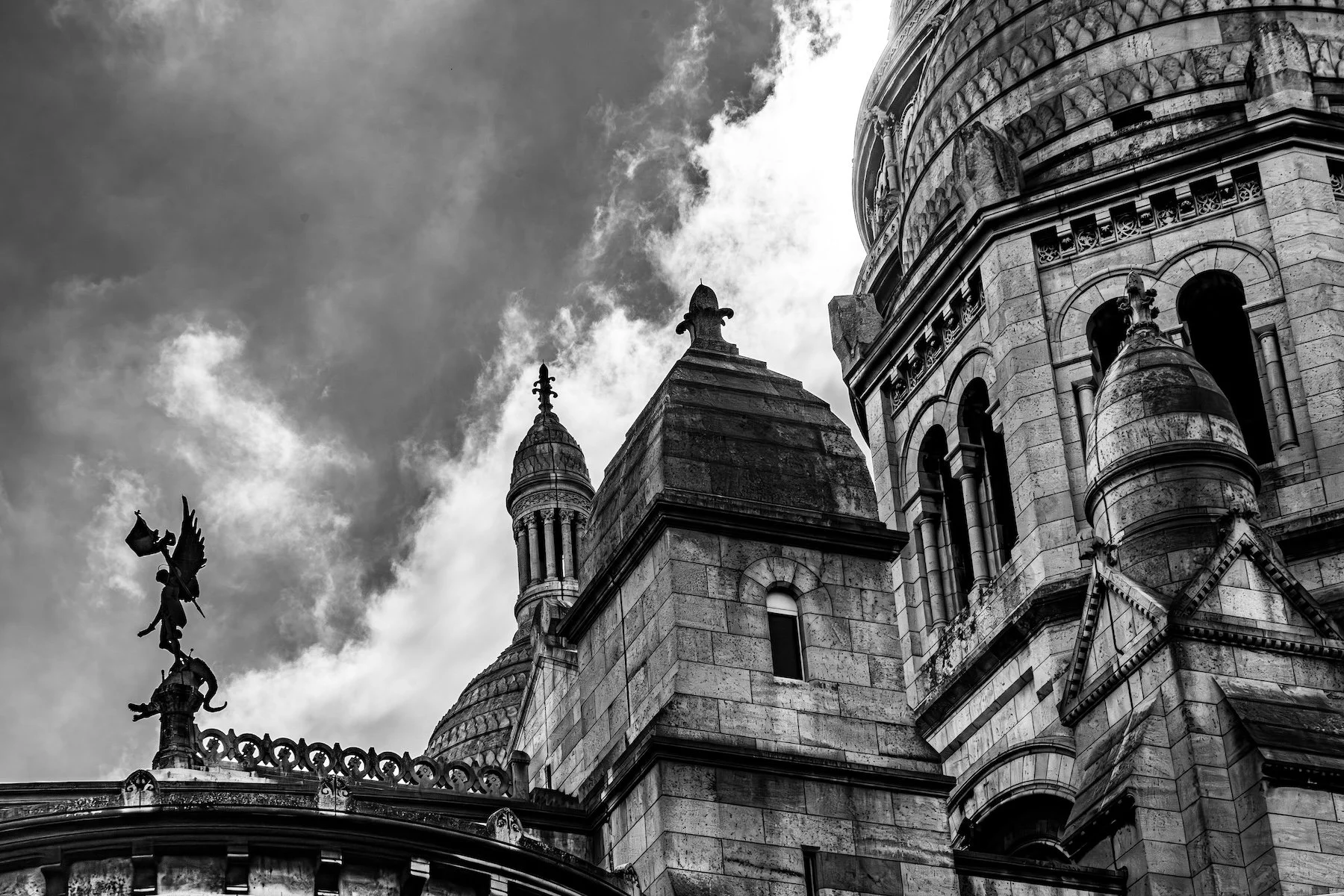
Montmartre and Pigalle helped shape the Right Bank’s artistic, musical, and nightlife identities. The grands boulevards and Opéra district carried the energy of entertainment and commerce. The Champs-Élysées and western Right Bank projected prestige, diplomacy, luxury, and national ceremony. To the east and northeast, working-class and immigrant neighborhoods gave the Right Bank another kind of power: social density, labor history, political intensity, and cultural reinvention.
The Right Bank’s identity during this period was therefore not singular. It was the Paris of display and the Paris of survival, the Paris of cabaret and the Paris of work, the Paris of luxury and the Paris of migration. Its influence came from holding these contradictions in the same urban body.
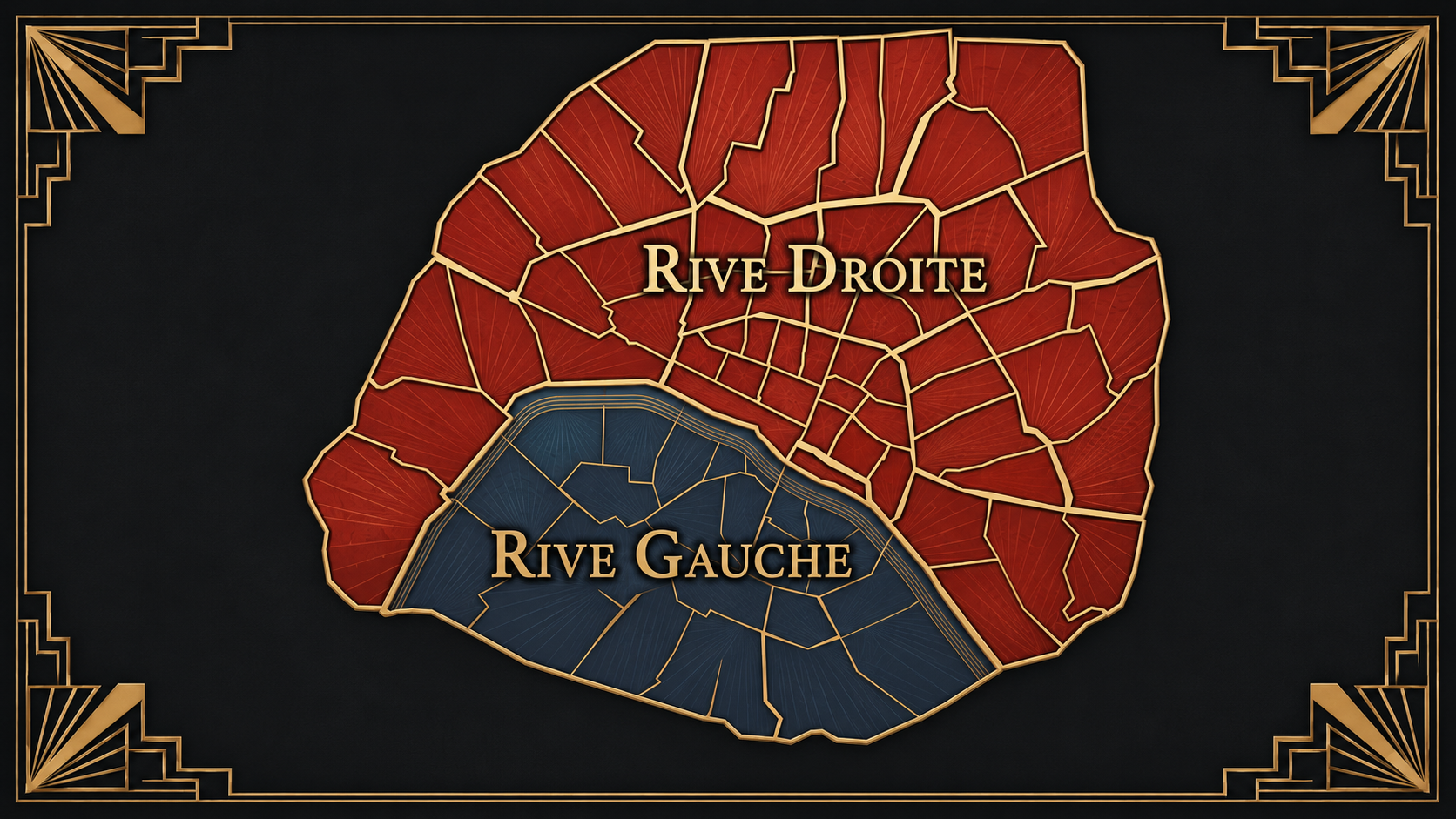
Early–Mid 20th Century
Late 20th Century
In the late 20th century, the Rive Droite continued to change as Paris deindustrialized, gentrified, and reimagined many of its public spaces. Former market, industrial, and working districts were transformed, while cultural institutions, creative industries, tourism, and new forms of consumption reshaped the northern bank.
The redevelopment of Les Halles marked one of the most symbolic transformations of the Right Bank’s commercial heart. The area that had once served as the central food market of Paris became a site of transit, shopping, architecture, controversy, and urban reinvention. The Pompidou Center brought a major cultural landmark to the Right Bank, complicating any simple division between a cultural Left Bank and a commercial Right Bank.
At the same time, neighborhoods such as Belleville, Ménilmontant, La Chapelle, Barbès, and the Canal Saint-Martin carried the Right Bank into new conversations about immigration, youth culture, nightlife, social inequality, artistic production, and urban identity. The Rive Droite remained the city’s restless bank: constantly rebuilt, reinterpreted, contested, and reoccupied.
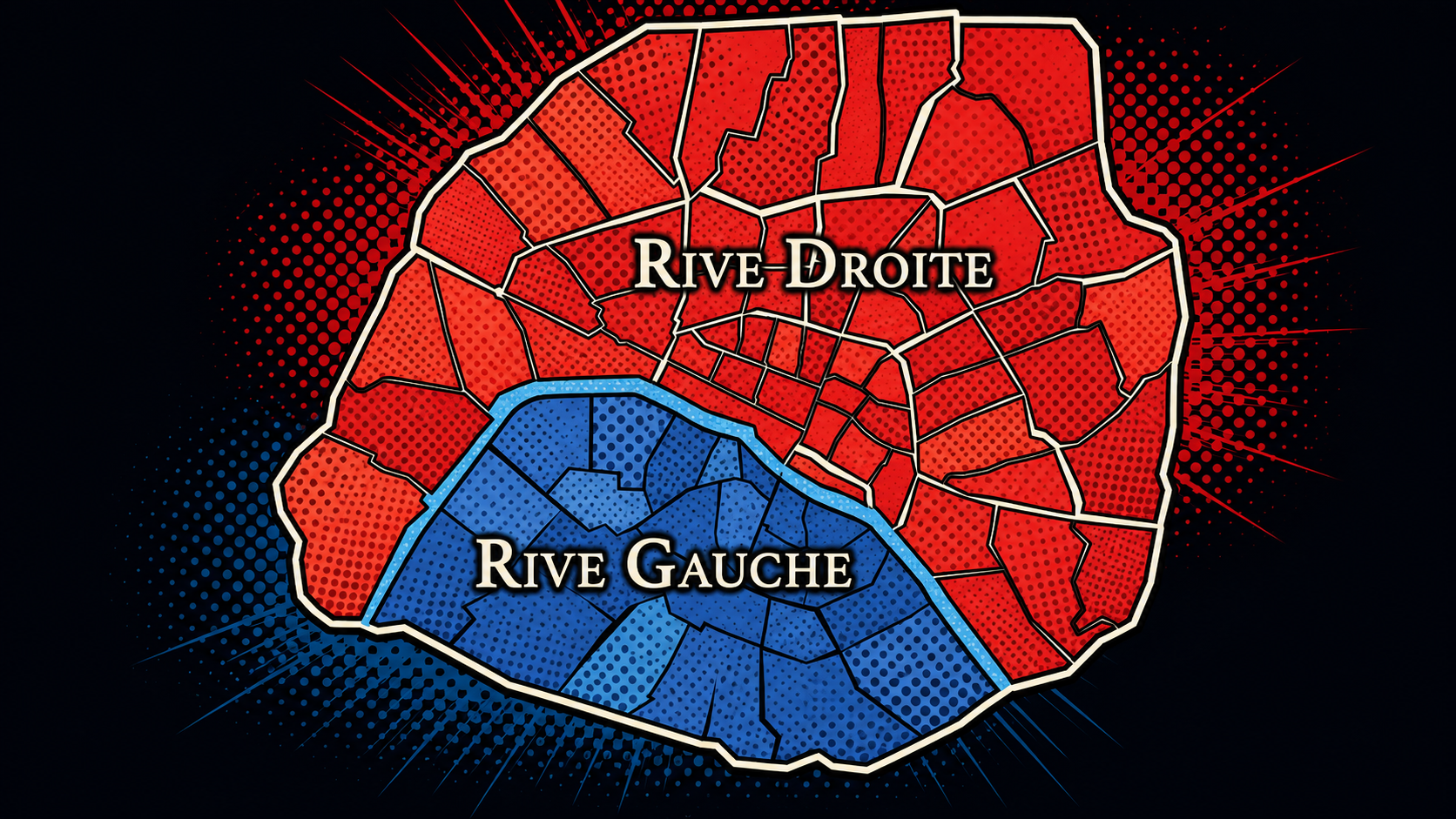
In the 21st century, the Rive Droite remains one of Paris’s most dynamic cultural-geographic identities. It still carries the weight of government, commerce, fashion, finance, luxury, monuments, and public ceremony. But it also contains many of the city’s most active zones of demographic change, creative production, social tension, and cultural experimentation.
The Right Bank is where Paris often appears most visible to the world: the Louvre, the Opéra, the Champs-Élysées, the Marais, Montmartre, major hotels, department stores, museums, and boulevards. Yet it is also where Paris continues to negotiate questions of belonging, access, memory, displacement, and reinvention. Its neighborhoods hold both the polished image of the capital and the complicated reality of a living city.
Today, the Rive Droite cannot be reduced to old clichés of power and commerce, but those inheritances still matter. They remain part of how the bank is read, experienced, marketed, criticized, and imagined. The Right Bank is Paris as institution and motion: the city governing, buying, selling, performing, protesting, changing, and presenting itself to the world.
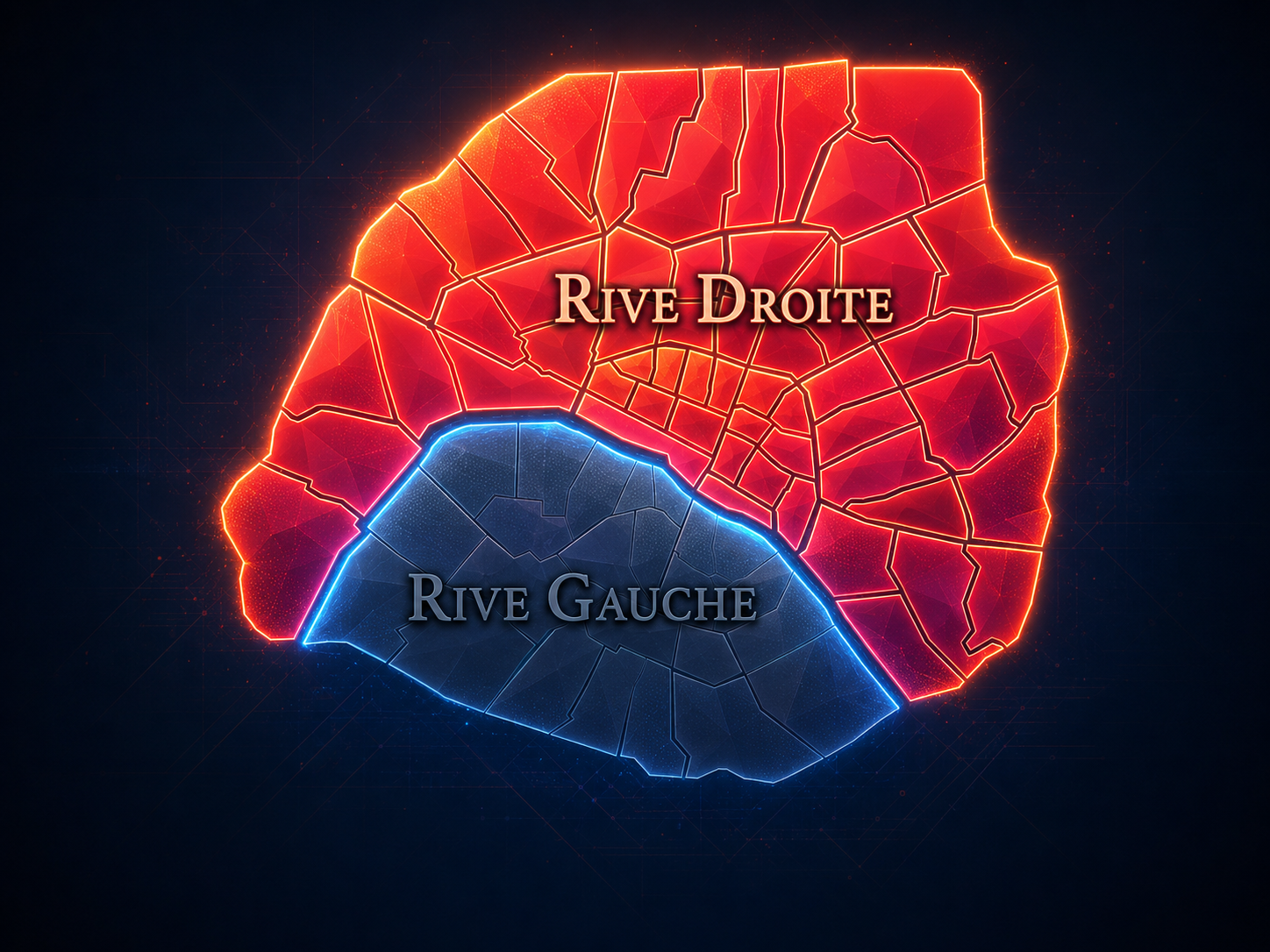
21st Century
Spirit & Legacy
The spirit of the Rive Droite lies in its public force. More than any other broad zone of Paris, the Right Bank has shaped the city’s image as a capital of power, commerce, spectacle, and metropolitan life. It is where Paris most often steps onto the stage: through royal palaces, civic institutions, markets, boulevards, theaters, department stores, luxury houses, monuments, and ceremonies.
Its legacy is not simply grandeur. The Rive Droite has always been a bank of movement and exchange. Goods entered, crowds gathered, governments ruled, merchants traded, workers labored, performers entertained, immigrants arrived, and neighborhoods remade themselves. The Right Bank gave Paris many of its most visible symbols of authority, but also many of its most energetic spaces of transformation.
This makes the Rive Droite essential to understanding the city’s tension between order and change. It has often represented structure: monarchy, administration, commerce, finance, ceremony, urban planning, and institutional power. Yet within that structure, it has also generated resistance, creativity, migration, nightlife, popular culture, and reinvention. Its history is not only the preservation of power, but the constant reshaping of power by the people who move through it.
The Rive Droite teaches that public life is never only official. A palace becomes a museum. A market becomes memory. A boulevard becomes theater. A station becomes migration. A commercial district becomes cultural terrain. The Right Bank’s power comes from this layered visibility: it is where Paris organizes itself in public, and where that organization is constantly challenged by the life of the city itself.
As part of Les Deux Rives, the Rive Droite stands in enduring conversation with the Rive Gauche. It is not the opposite of culture, nor merely the side of authority. It is one of Paris’s great engines of urban life: civic, commercial, theatrical, restless, and transformative. Its legacy is the Paris of the public stage — a city of institutions and crowds, of monuments and markets, of order and reinvention, always facing the river and always being remade.
The Photography
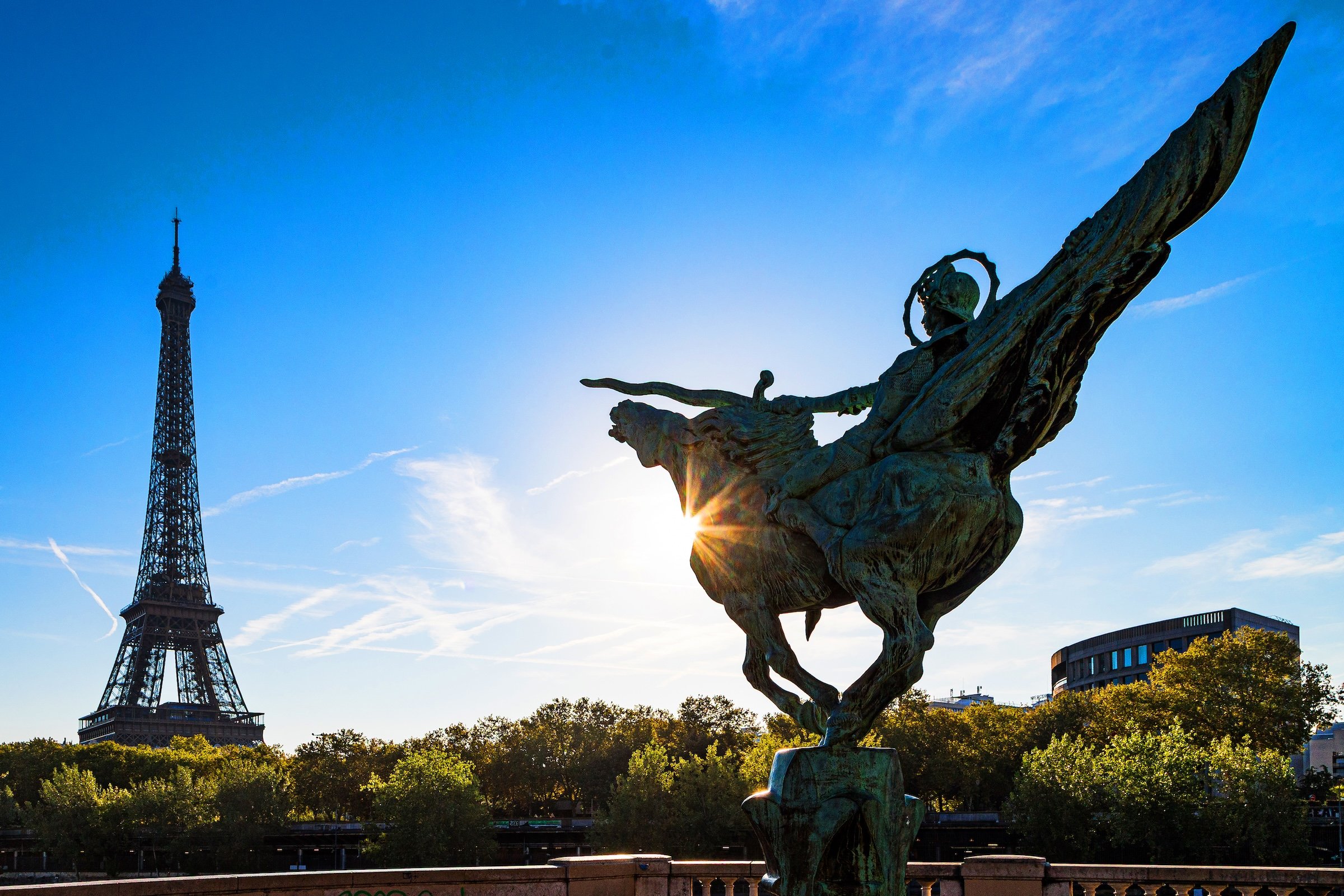
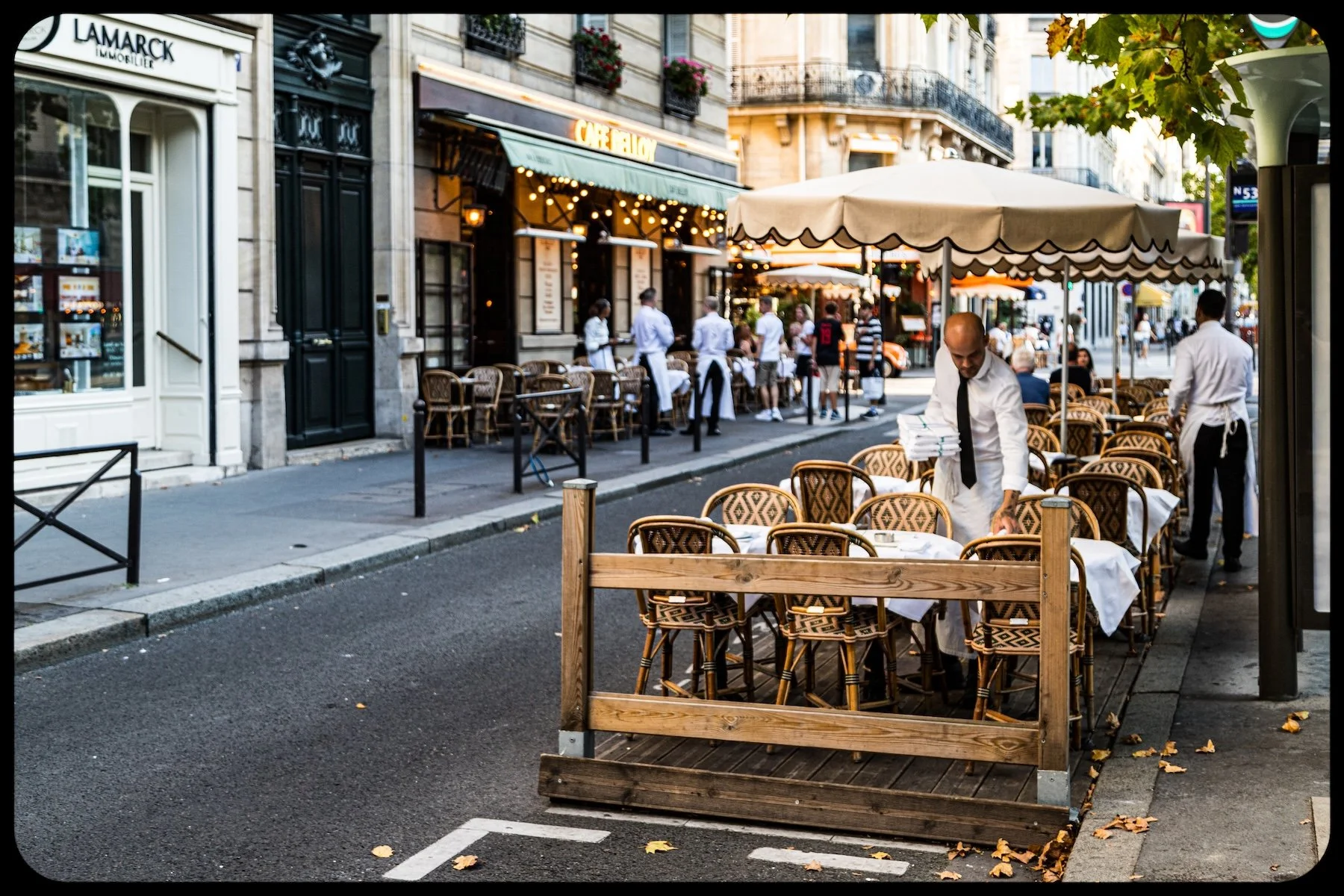
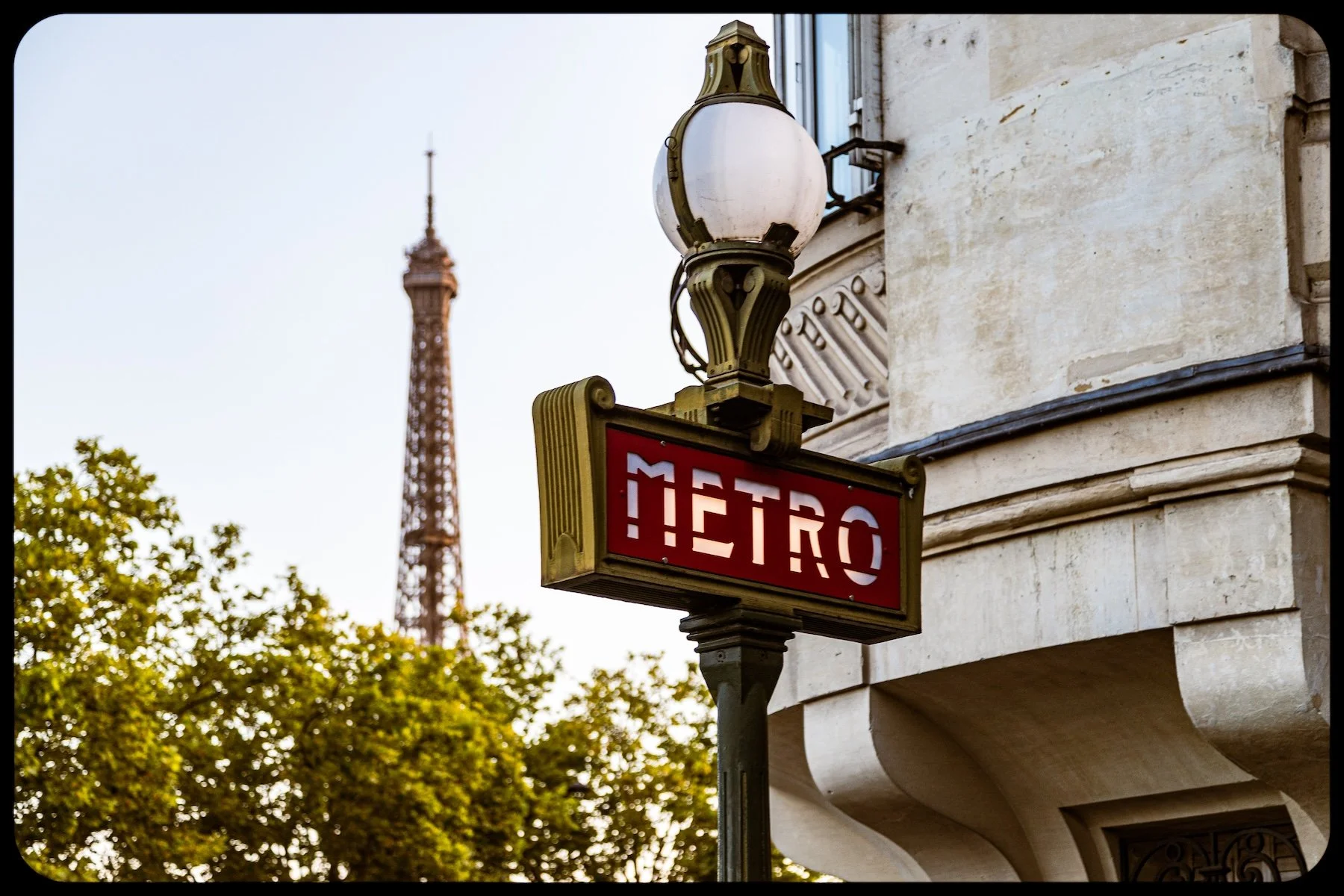
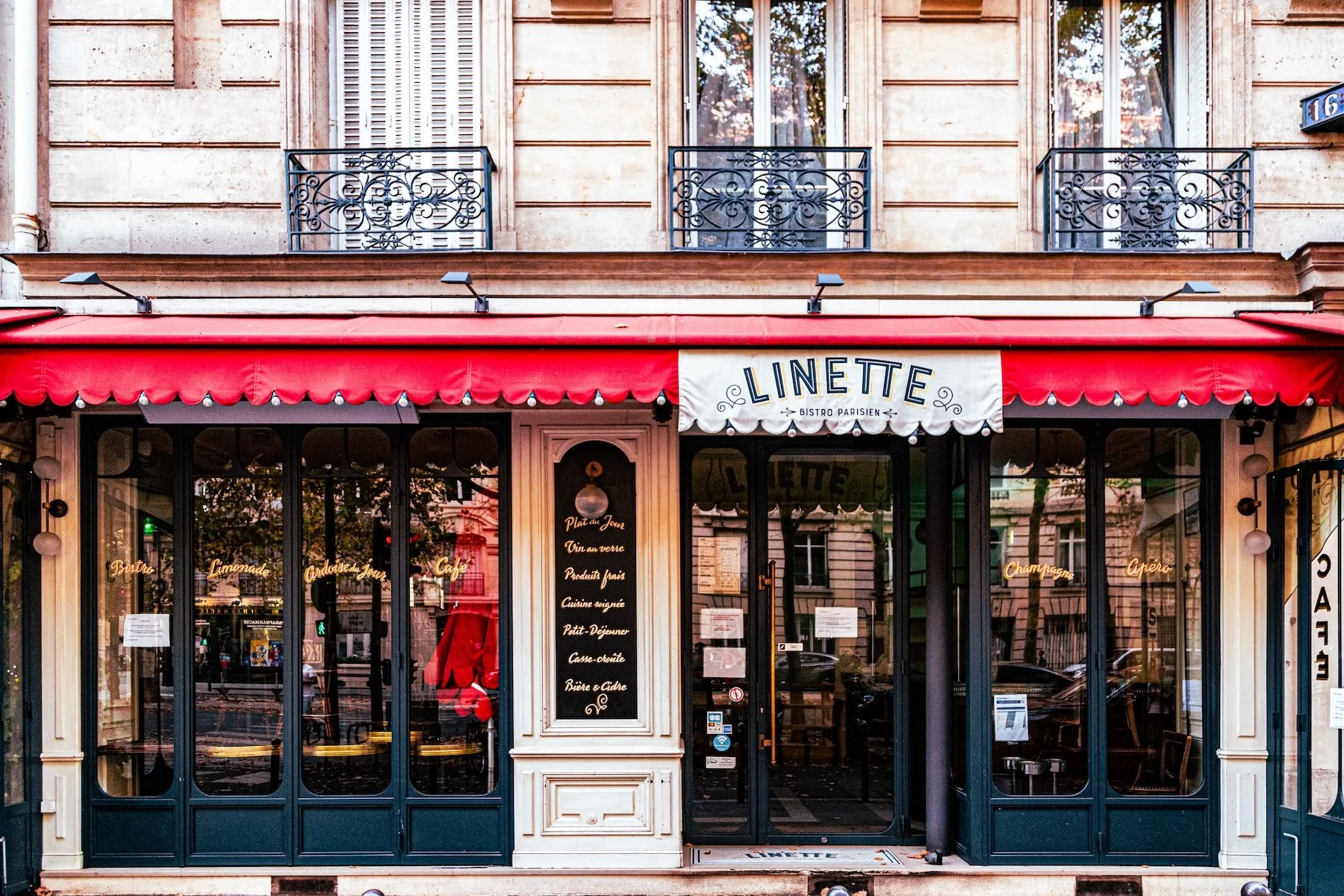
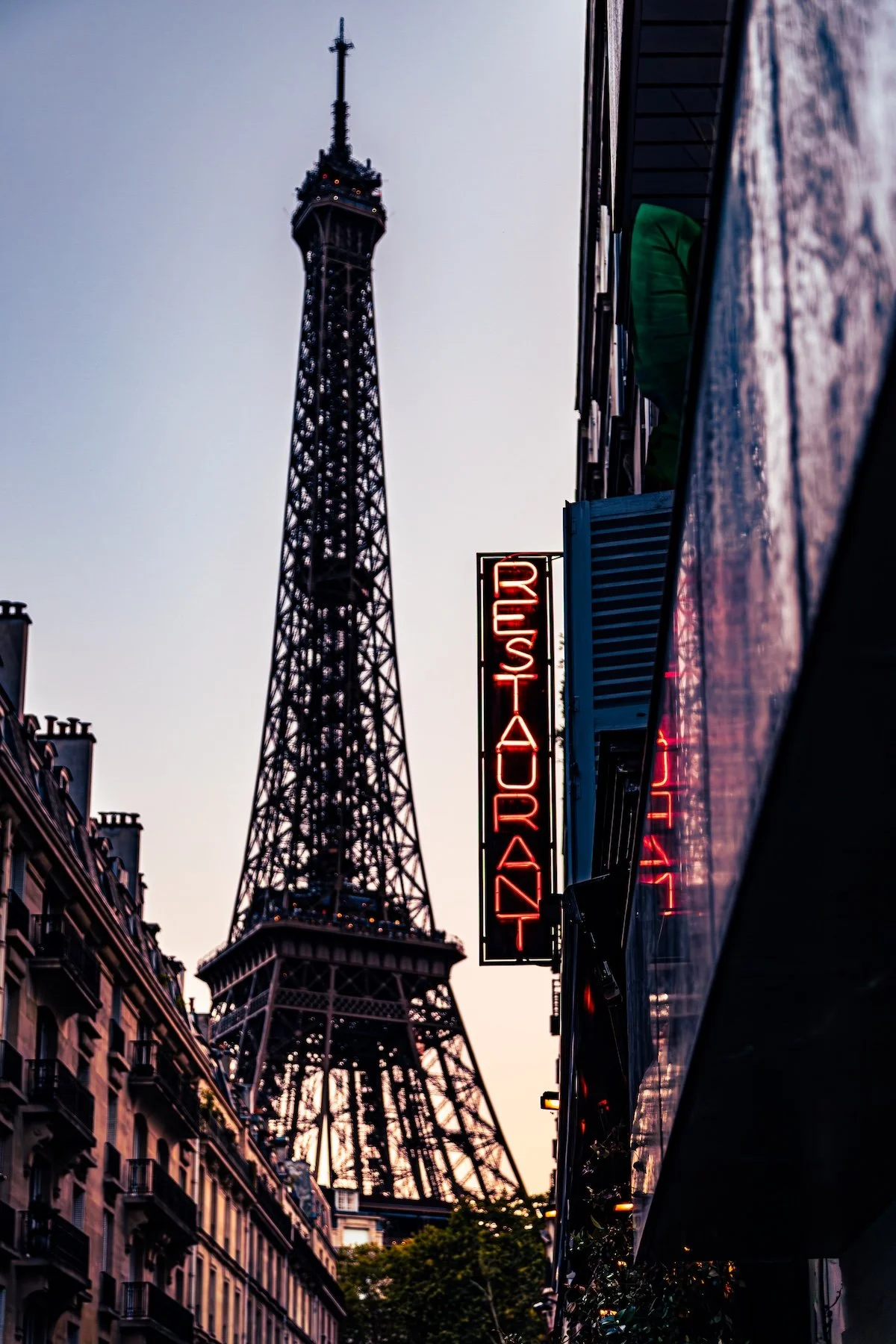
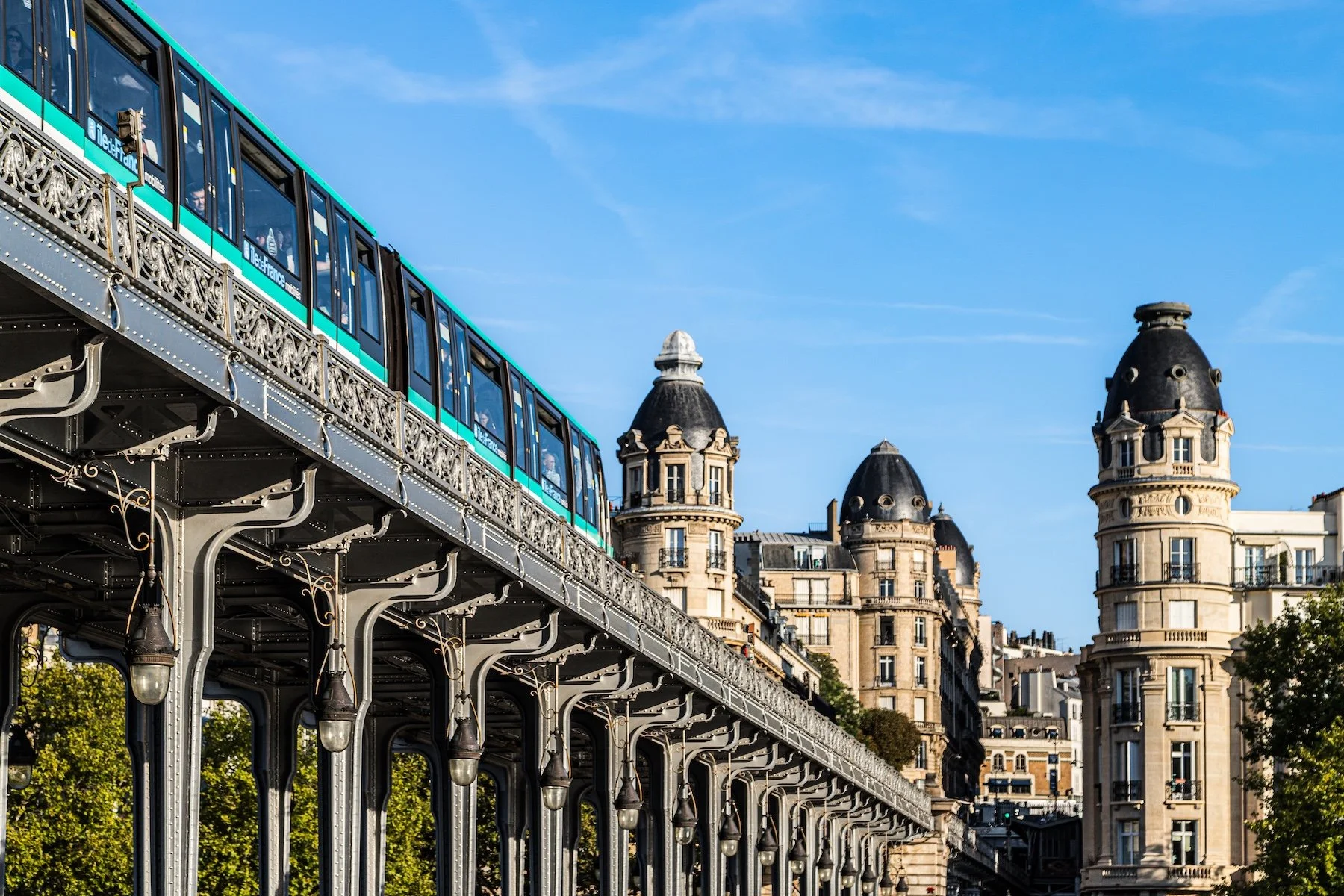
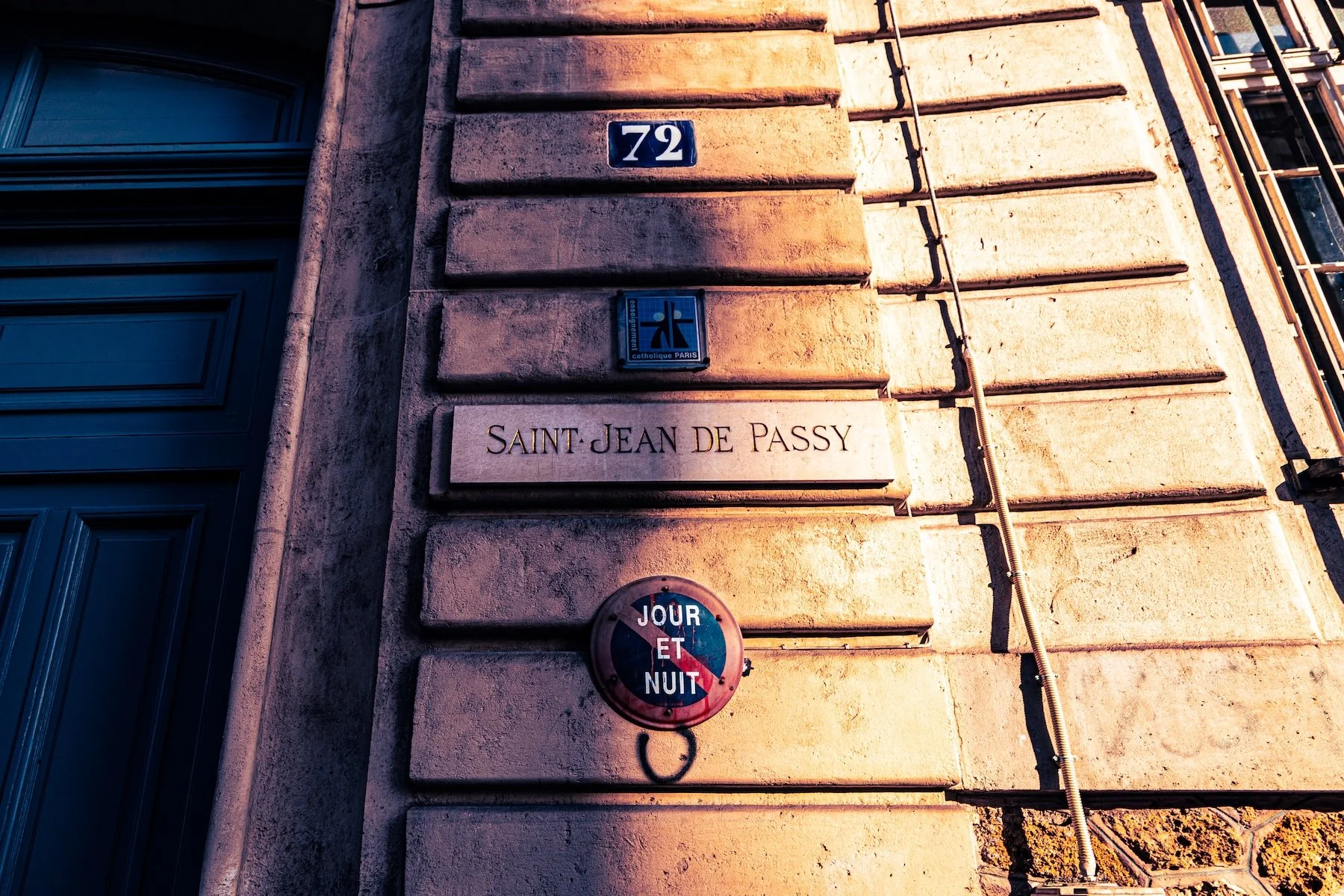
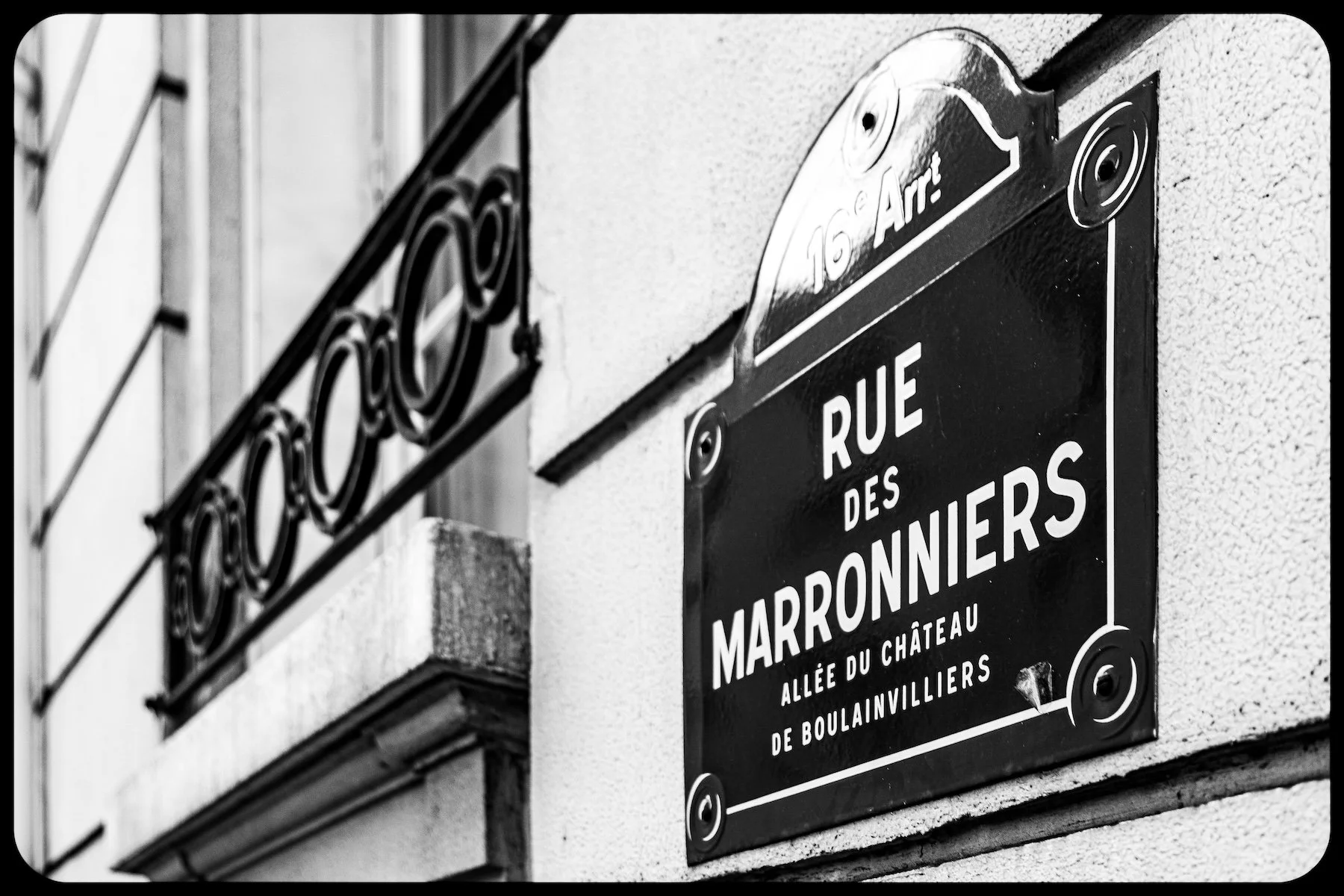
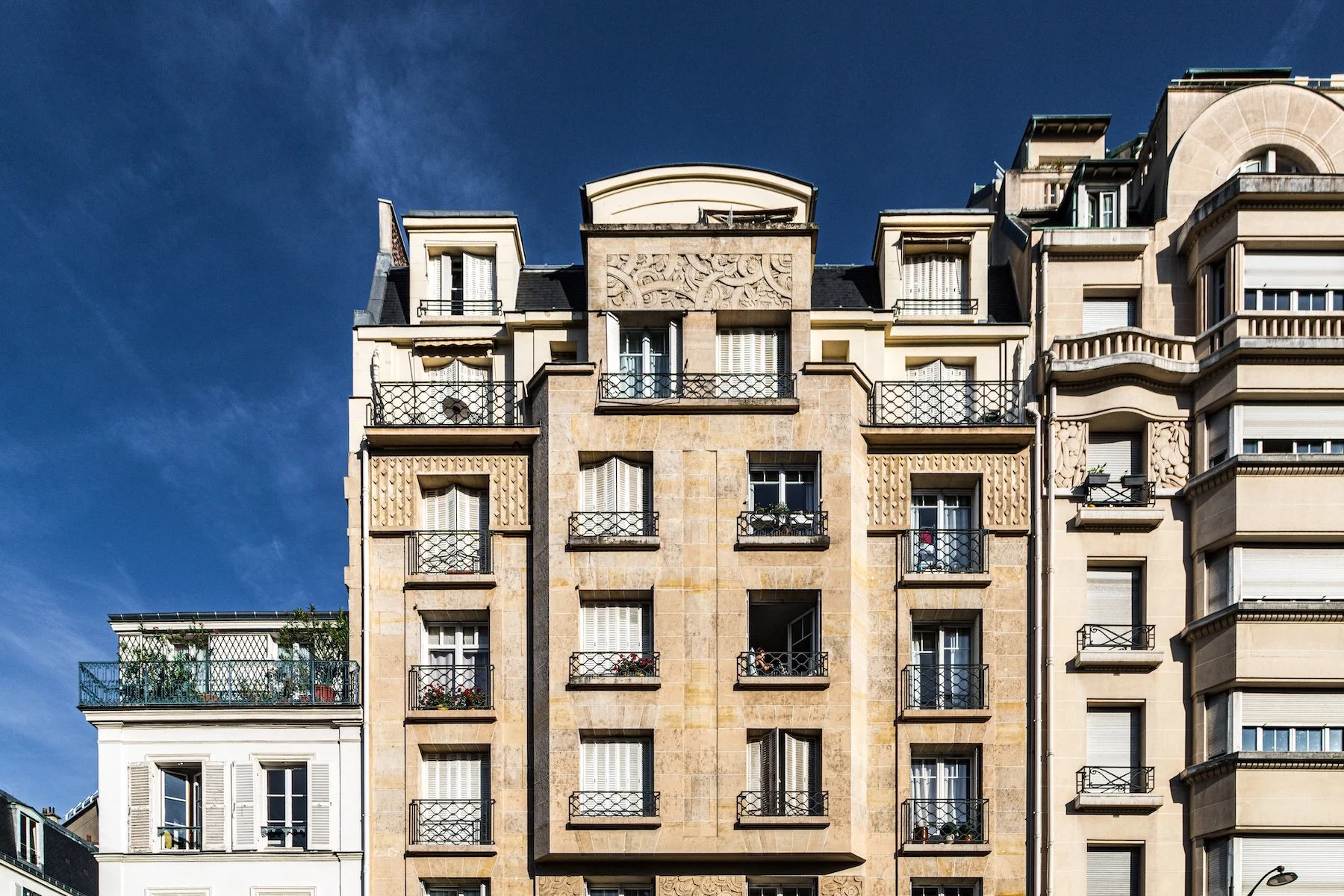
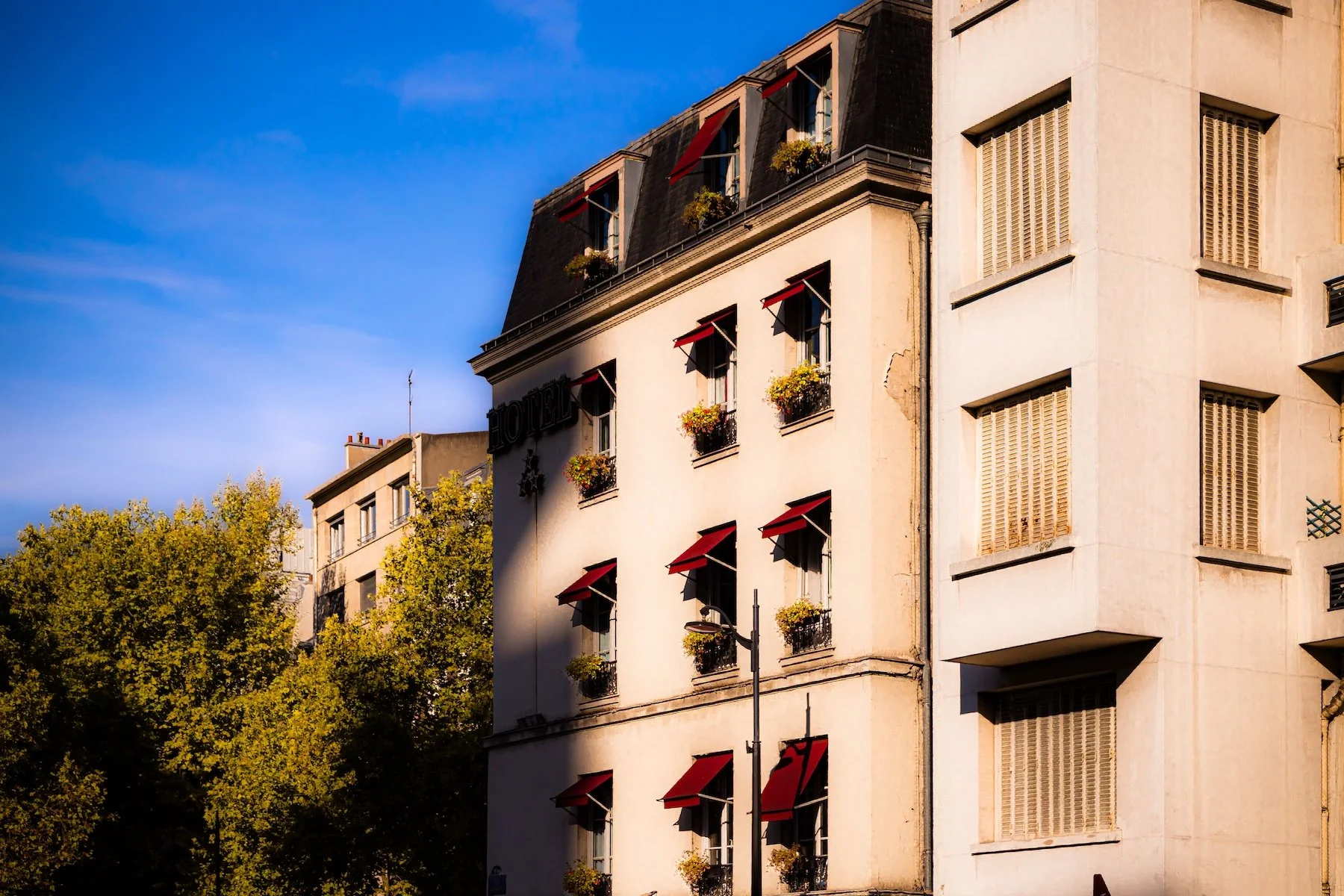
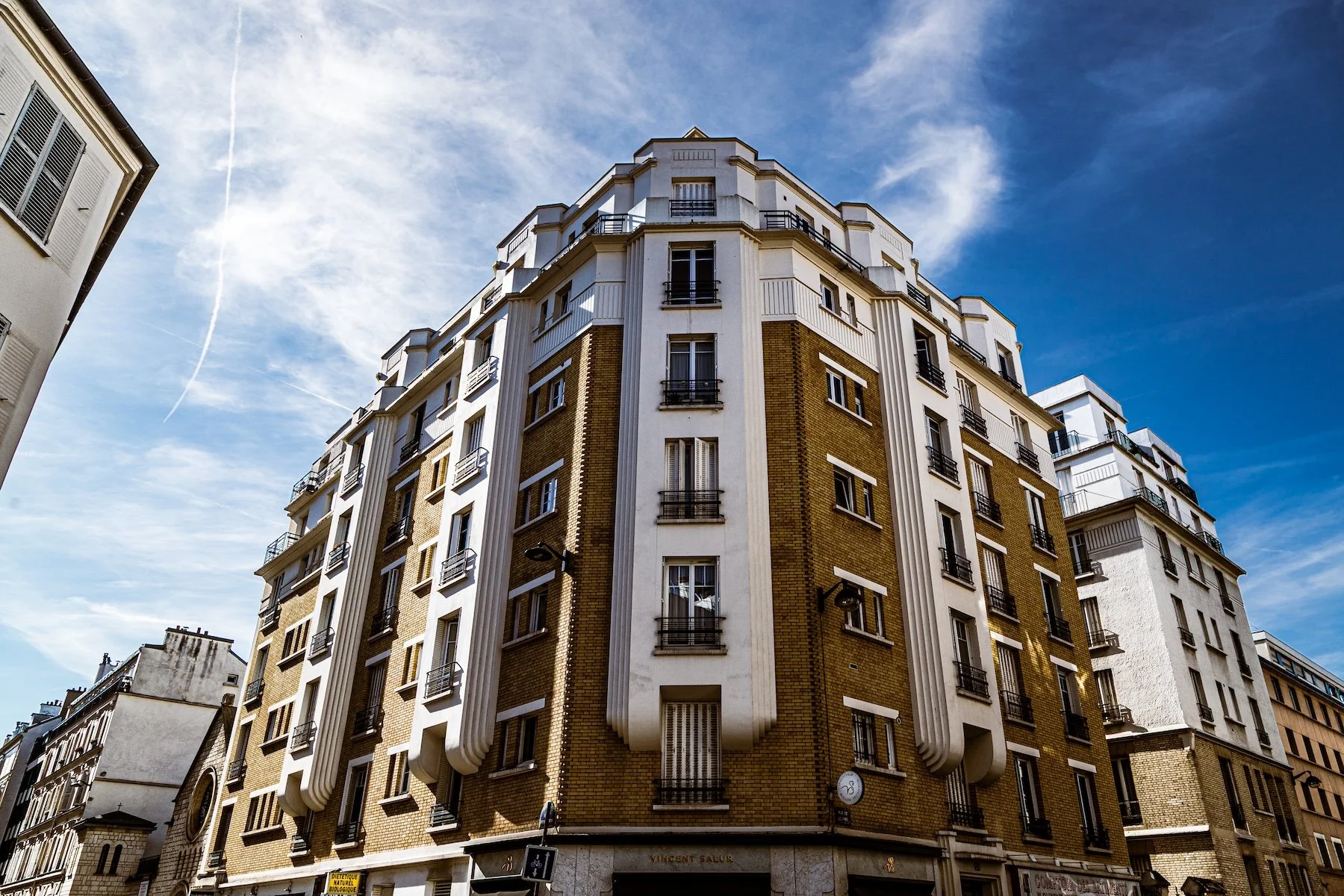
The arrondissements do not share a single visual identity. Instead, they organize Paris into twenty broad visual fields, each gathering its own combination of landmarks, streetscapes, institutions, residential districts, commercial corridors, parks, rail stations, markets, cemeteries, and riverfront edges.
Some arrondissements are defined by monumental scale: royal palaces, ceremonial avenues, government buildings, museums, formal gardens, and internationally recognized landmarks. Others are shaped by hills, canals, rail gateways, apartment-lined boulevards, neighborhood markets, former village streets, industrial remnants, parks, or the quieter rhythms of residential Paris. The arrondissement system gives these varied landscapes a civic frame, allowing the city to be read not as one visual language, but as a sequence of overlapping Parisian atmospheres.
Visual Identity
Through The Lens
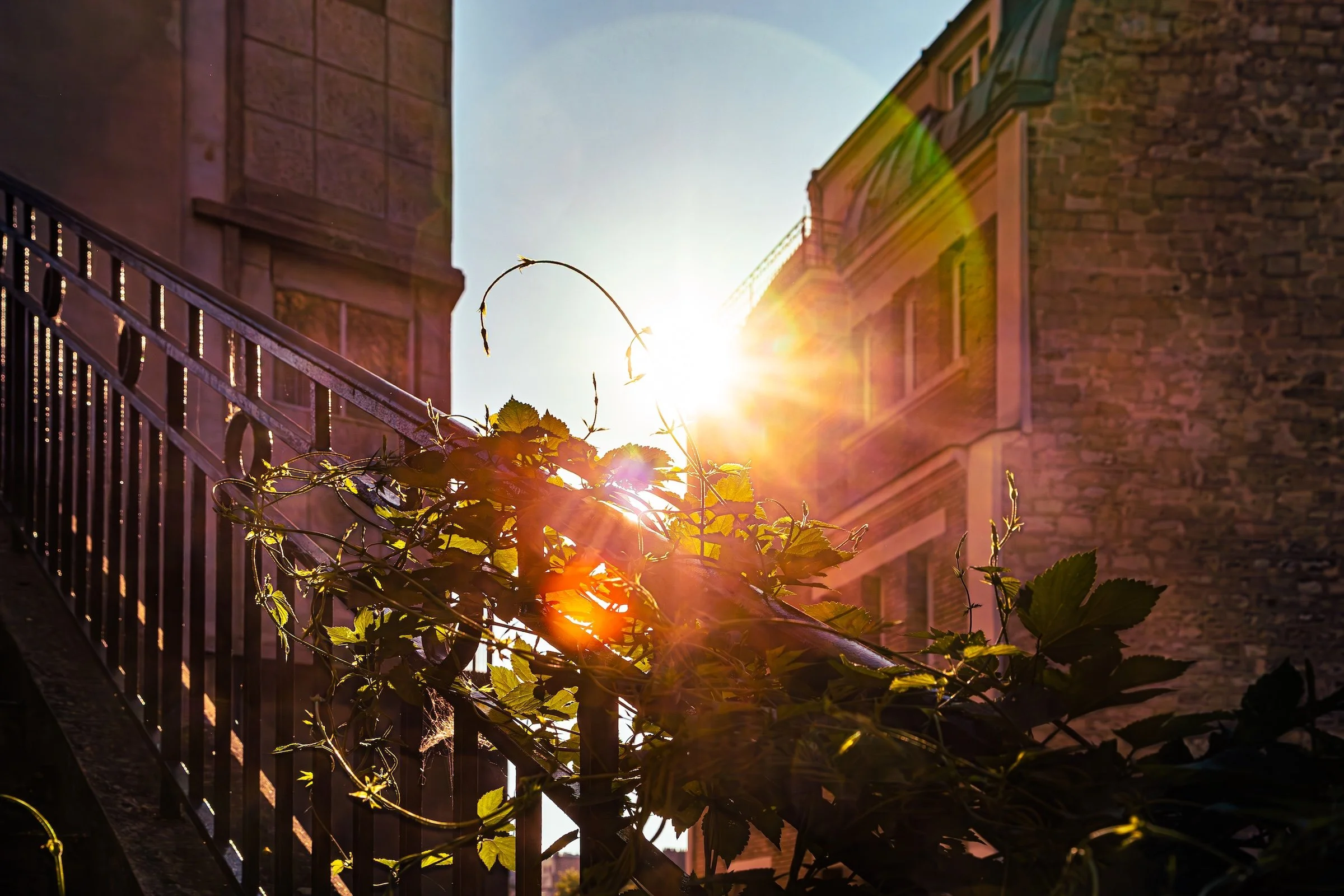
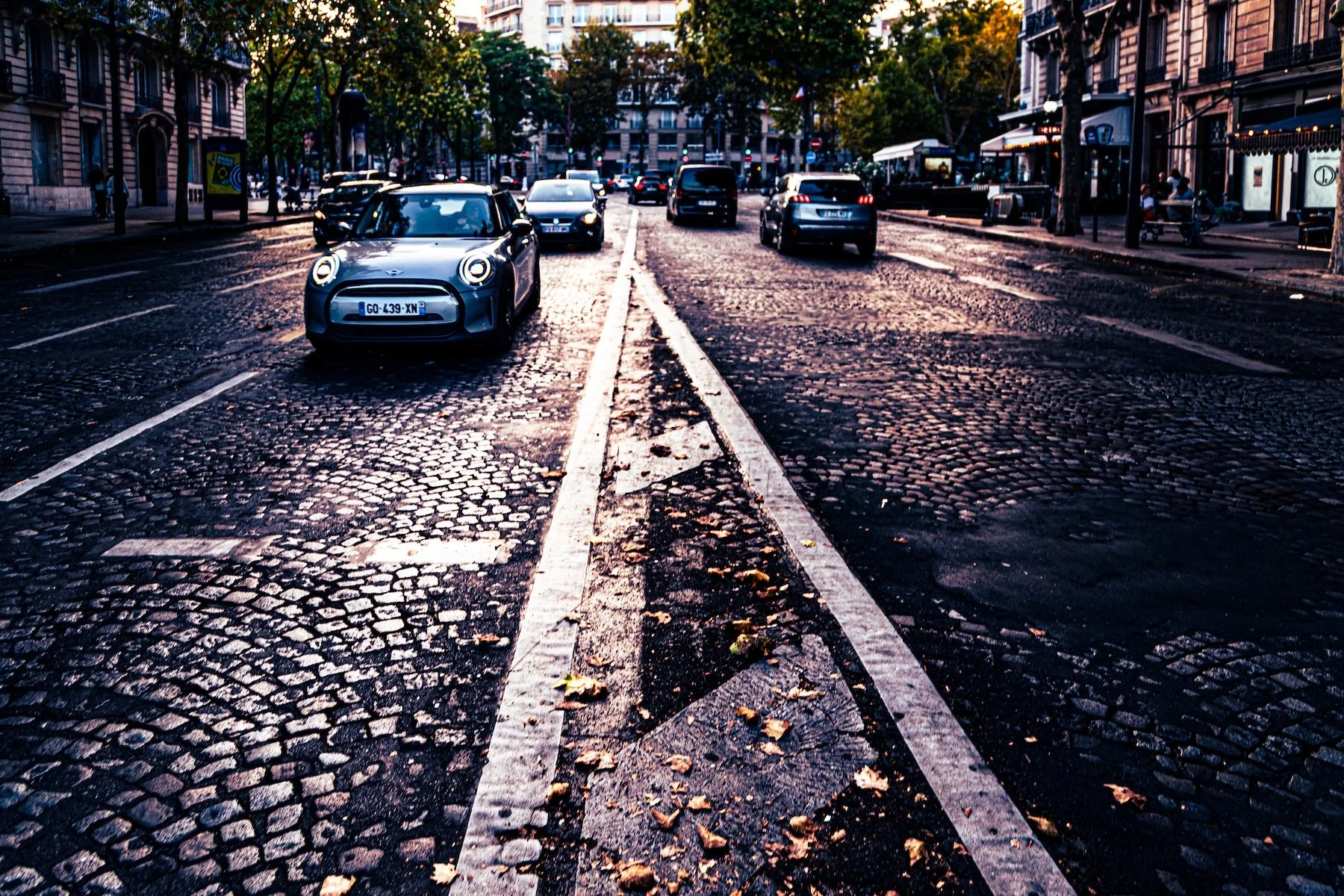
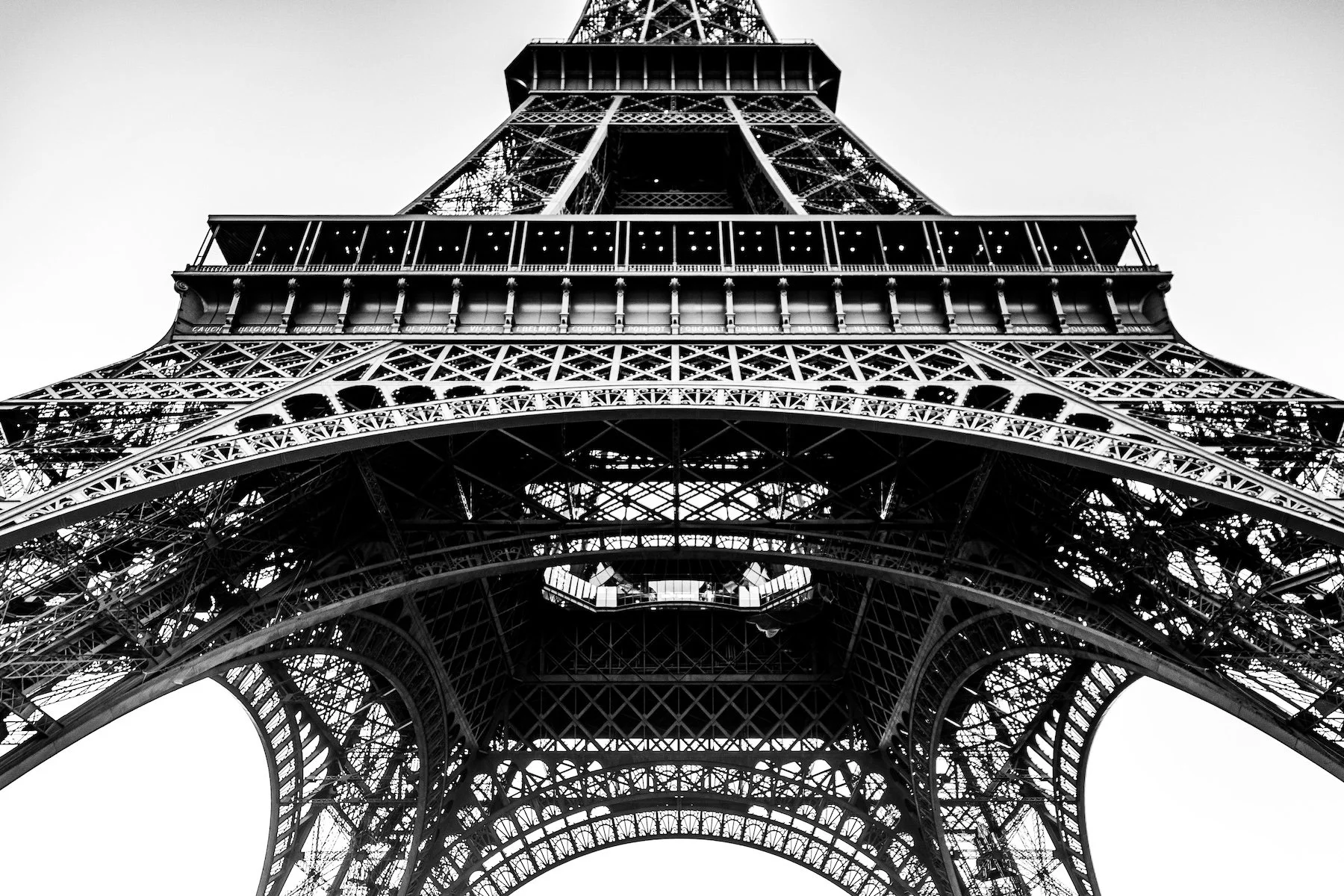
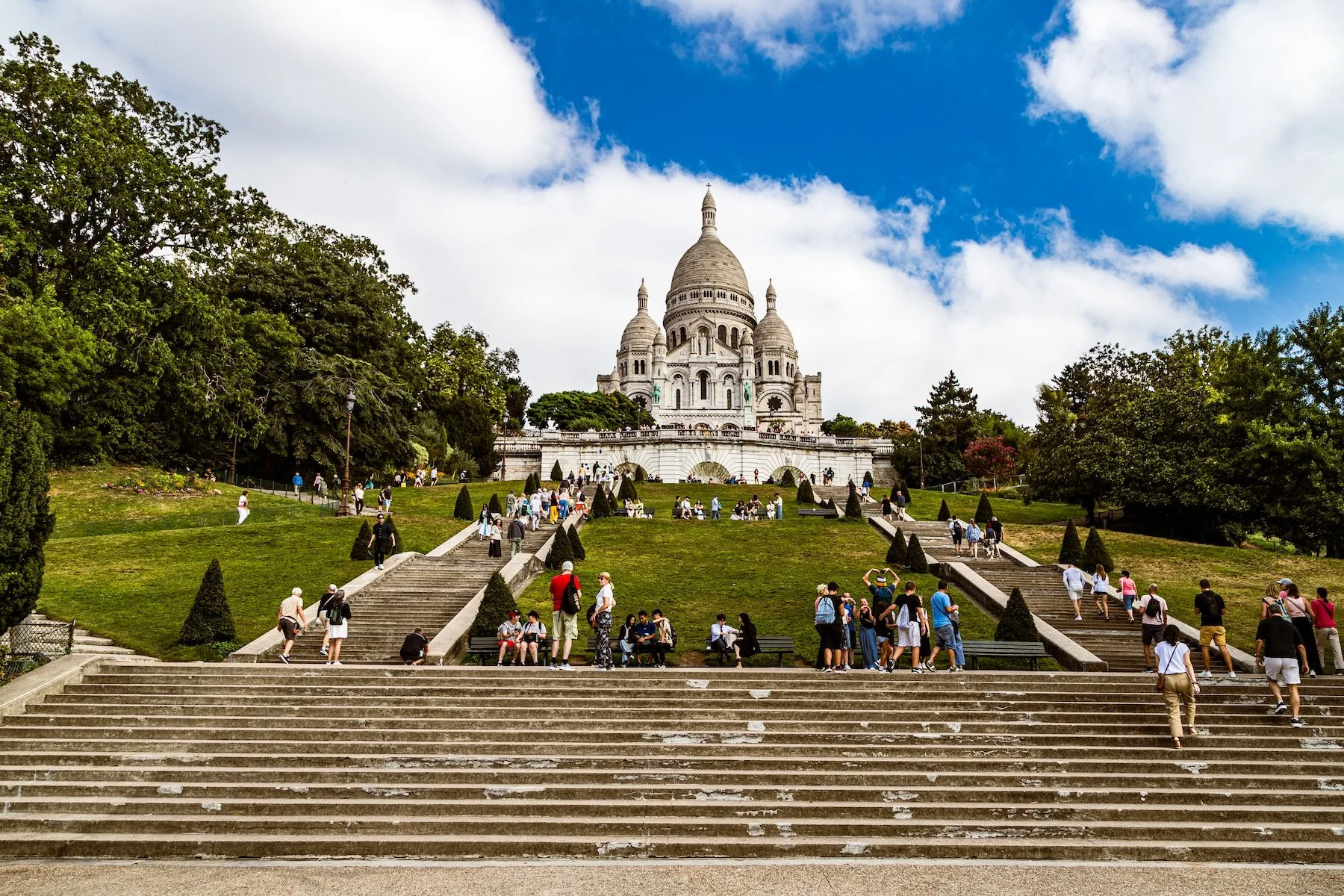
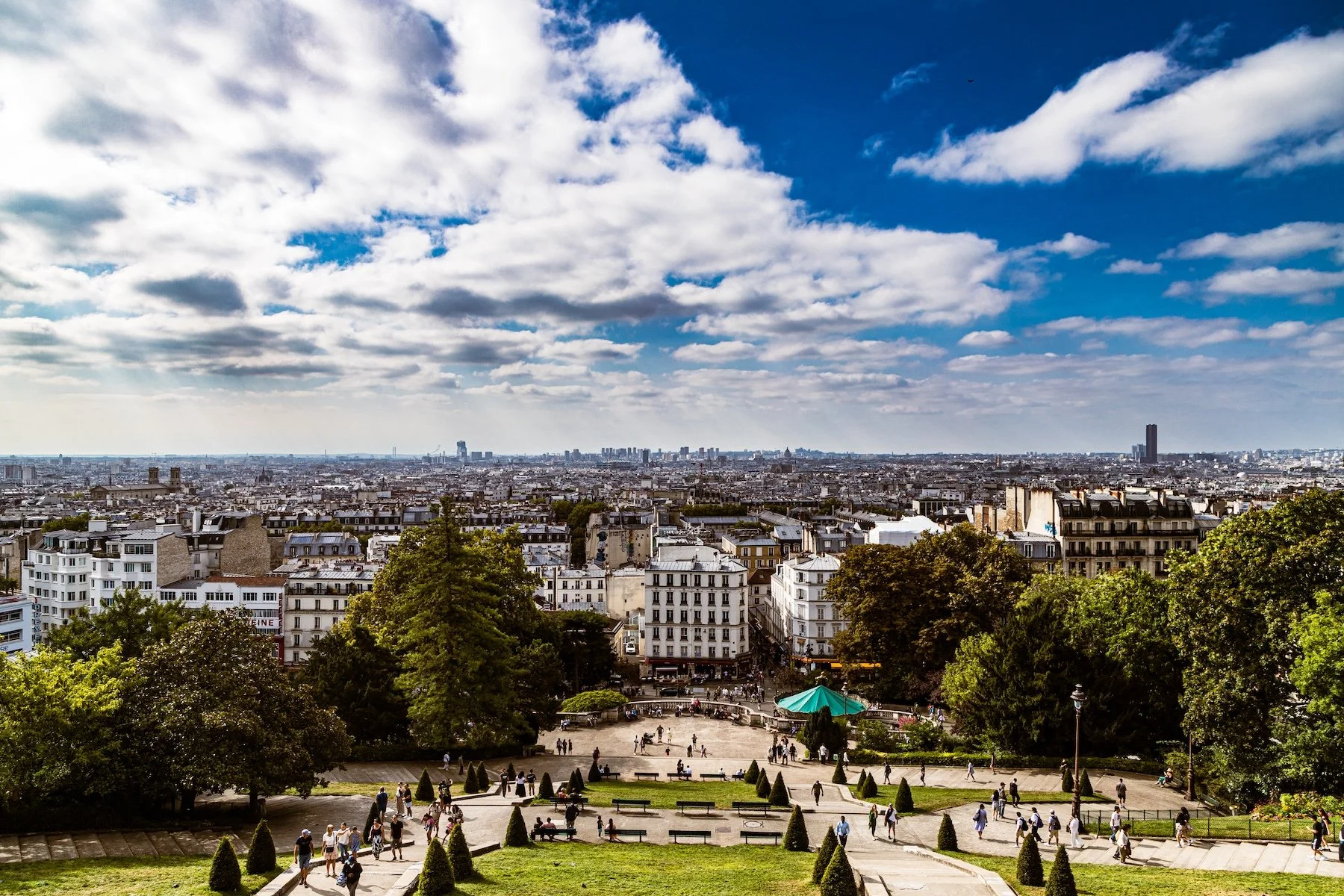
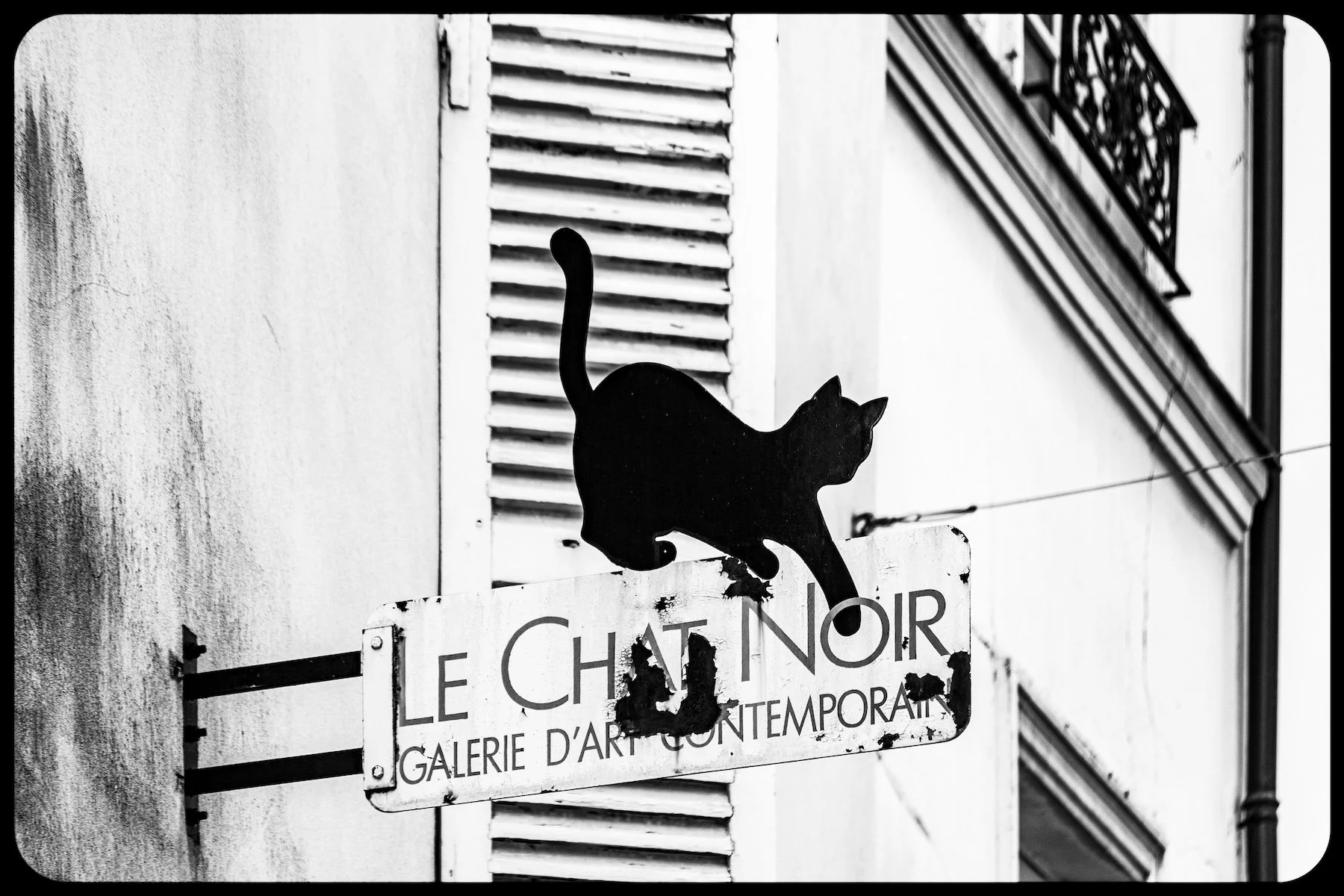
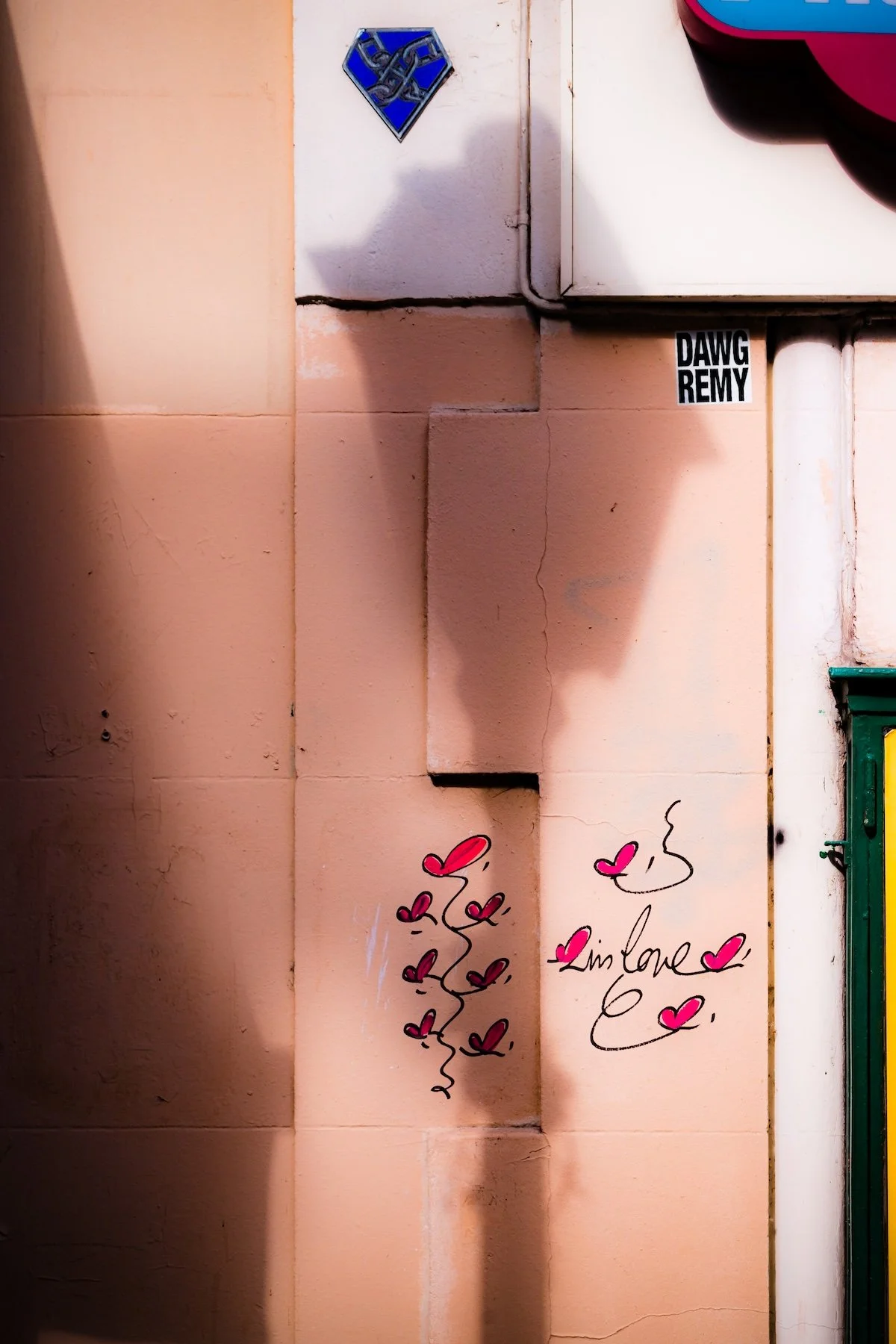
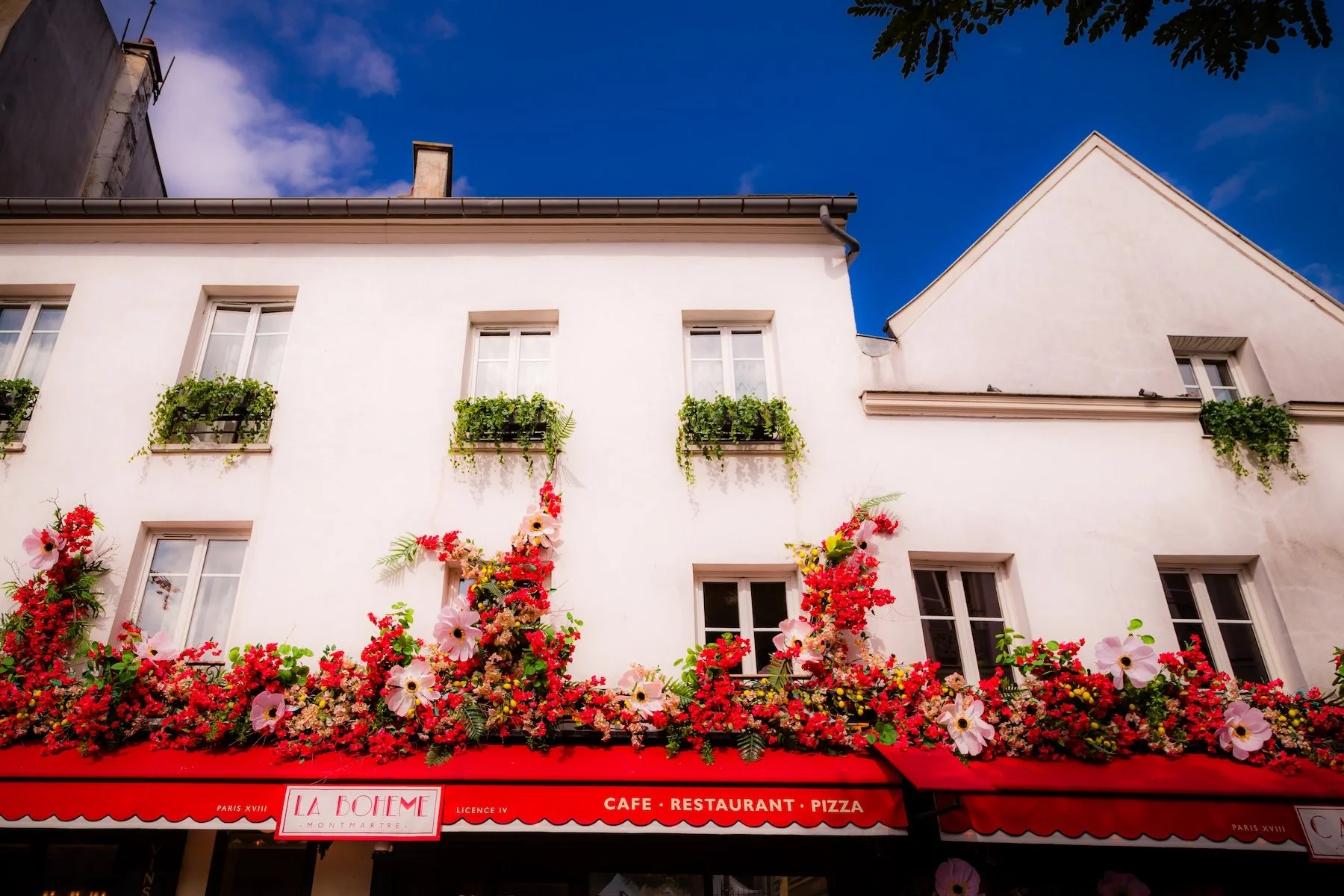
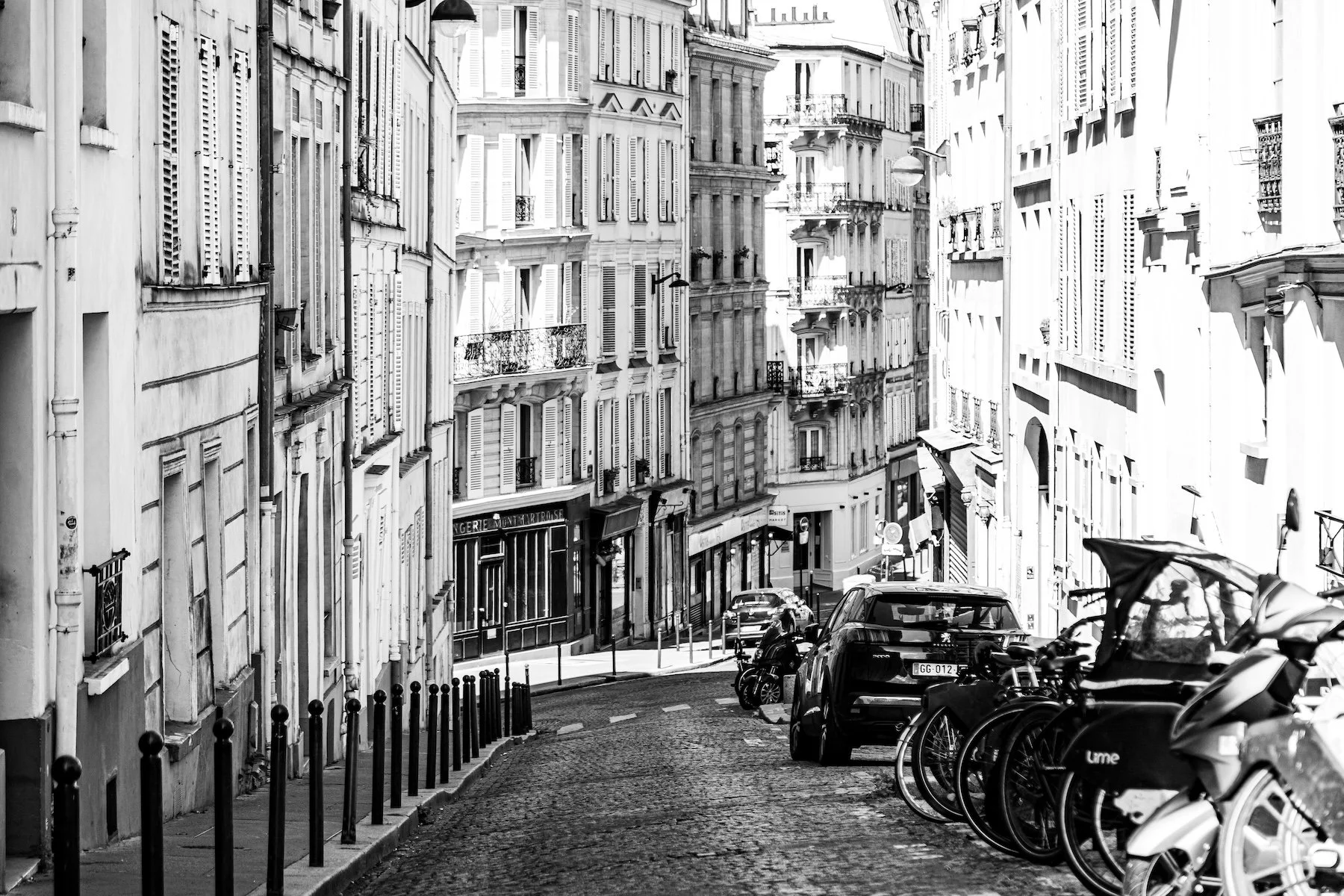
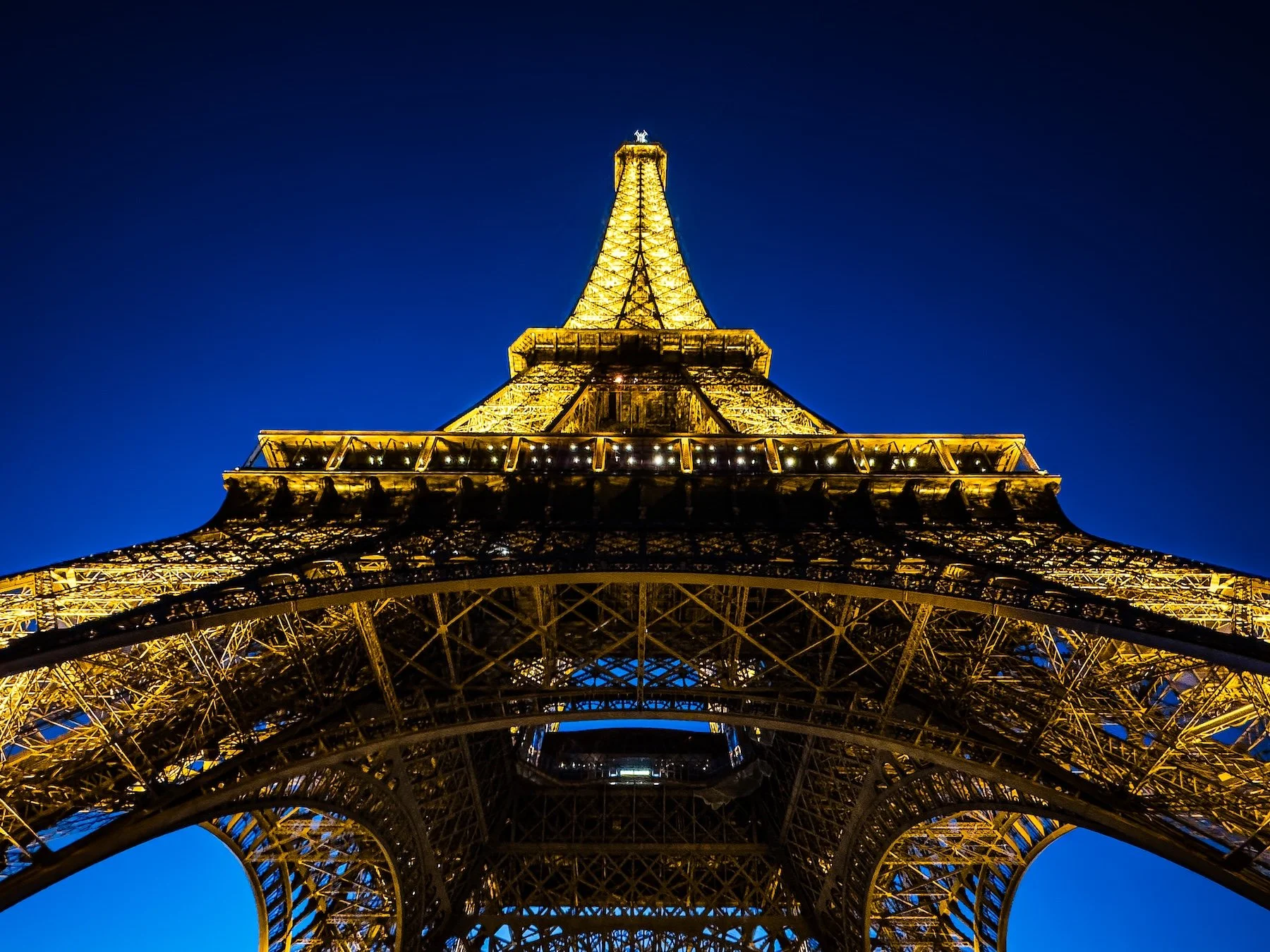
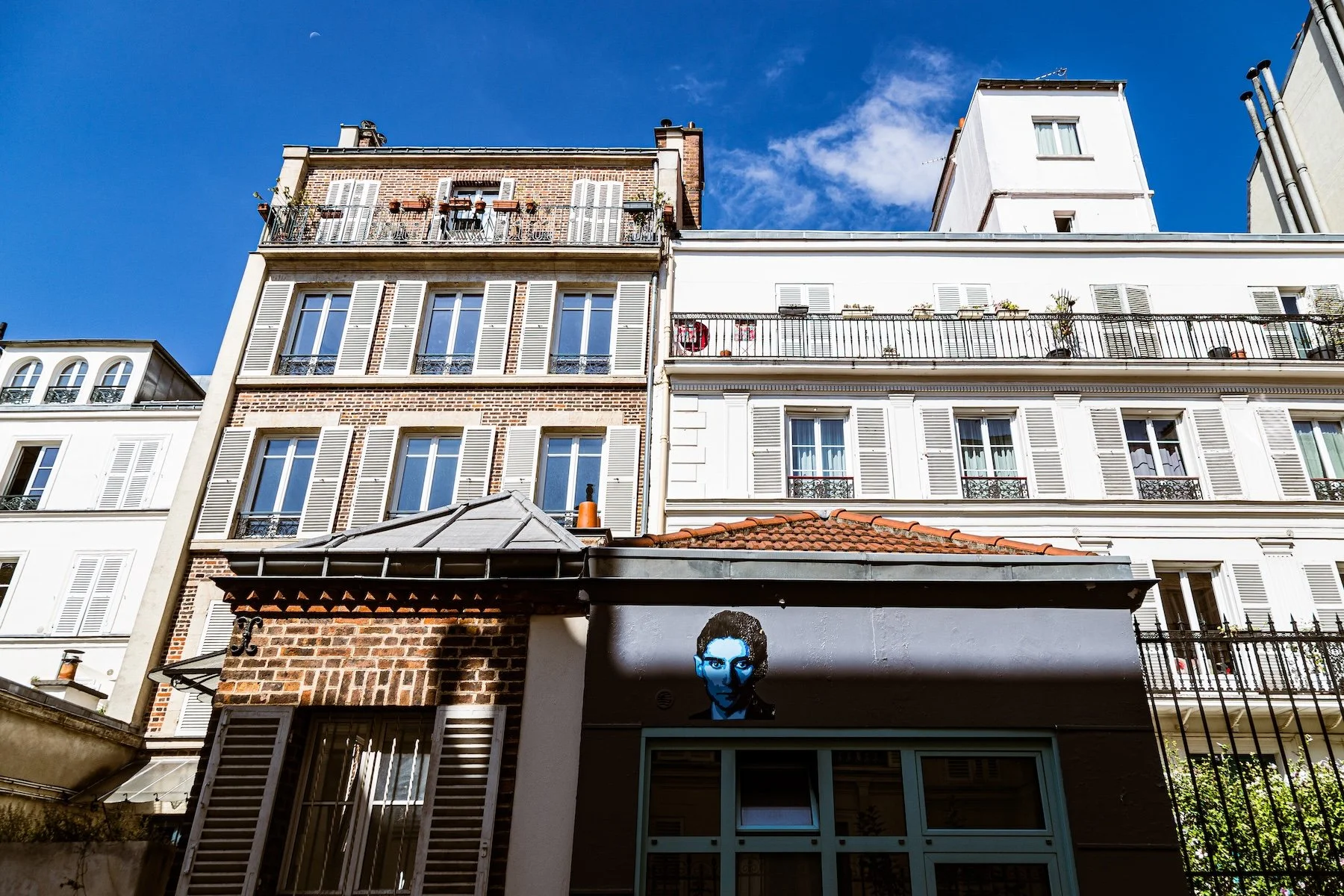
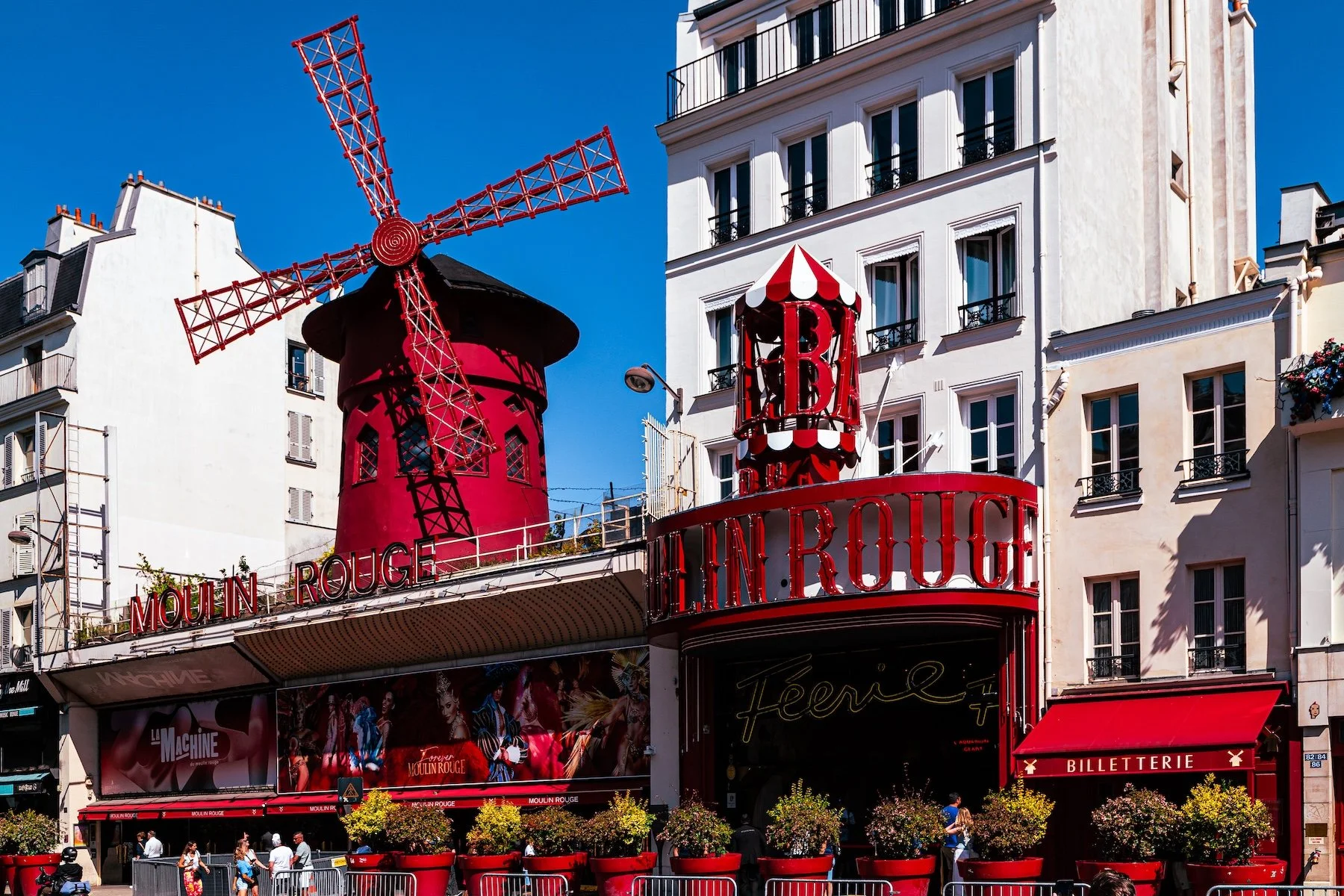
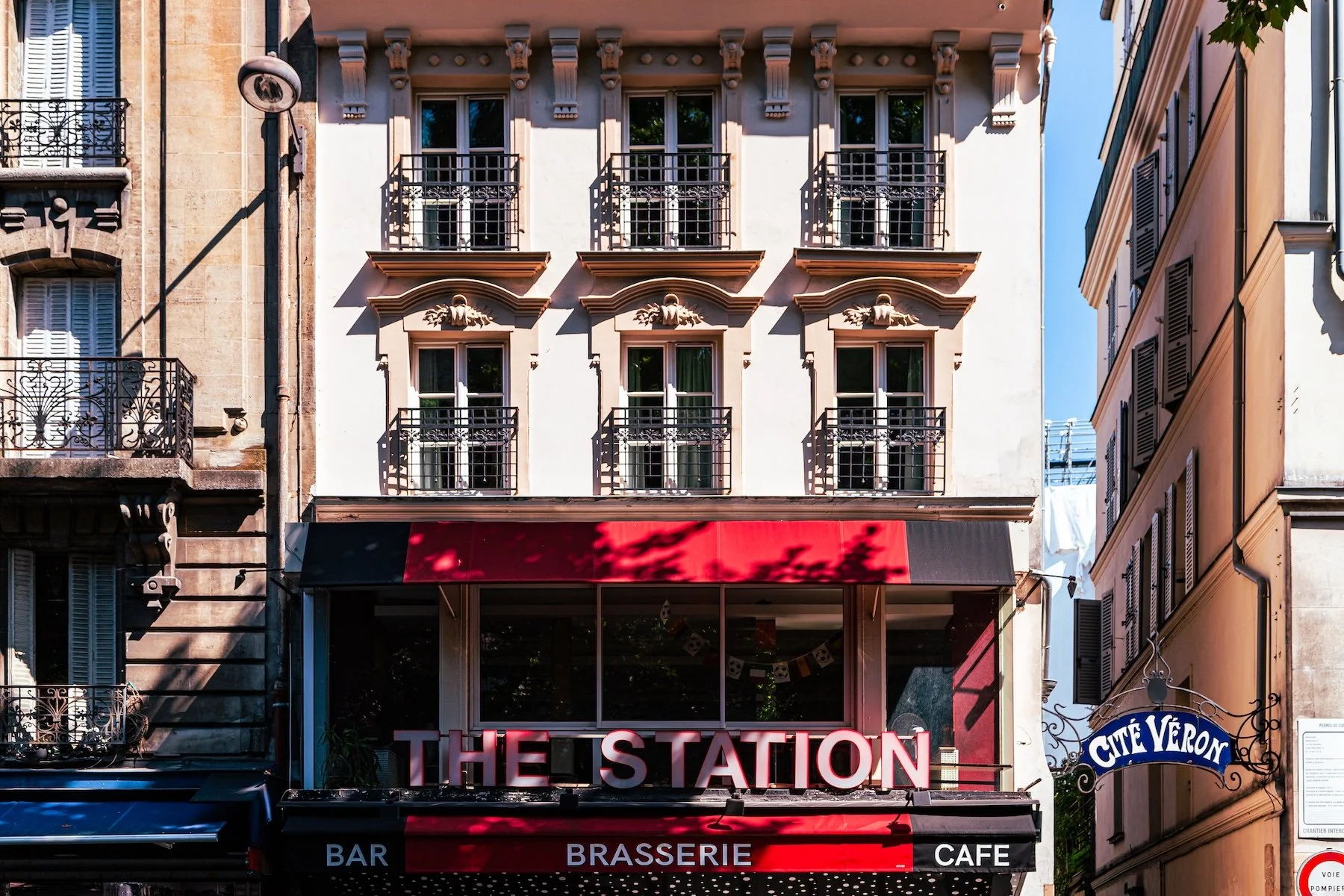
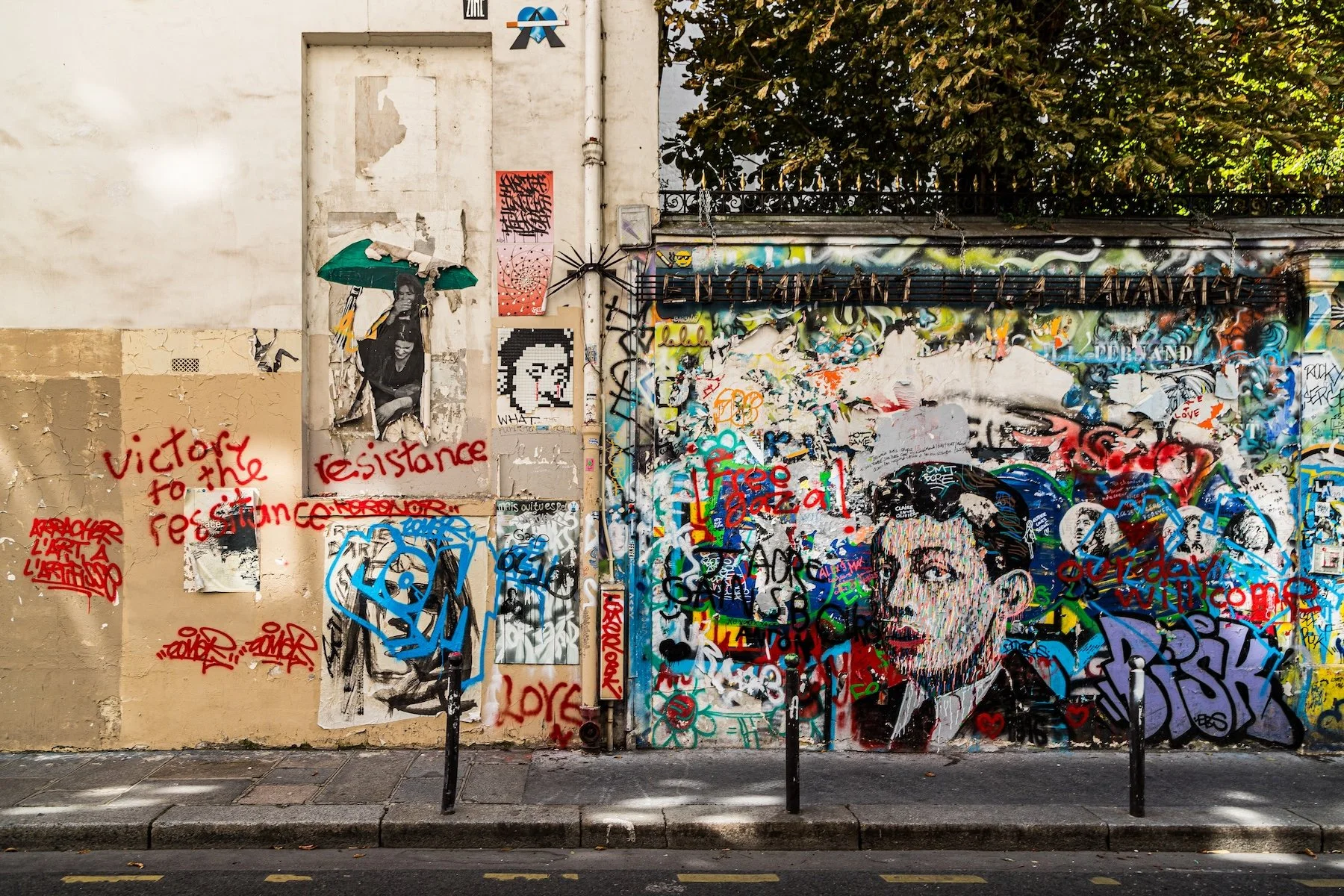
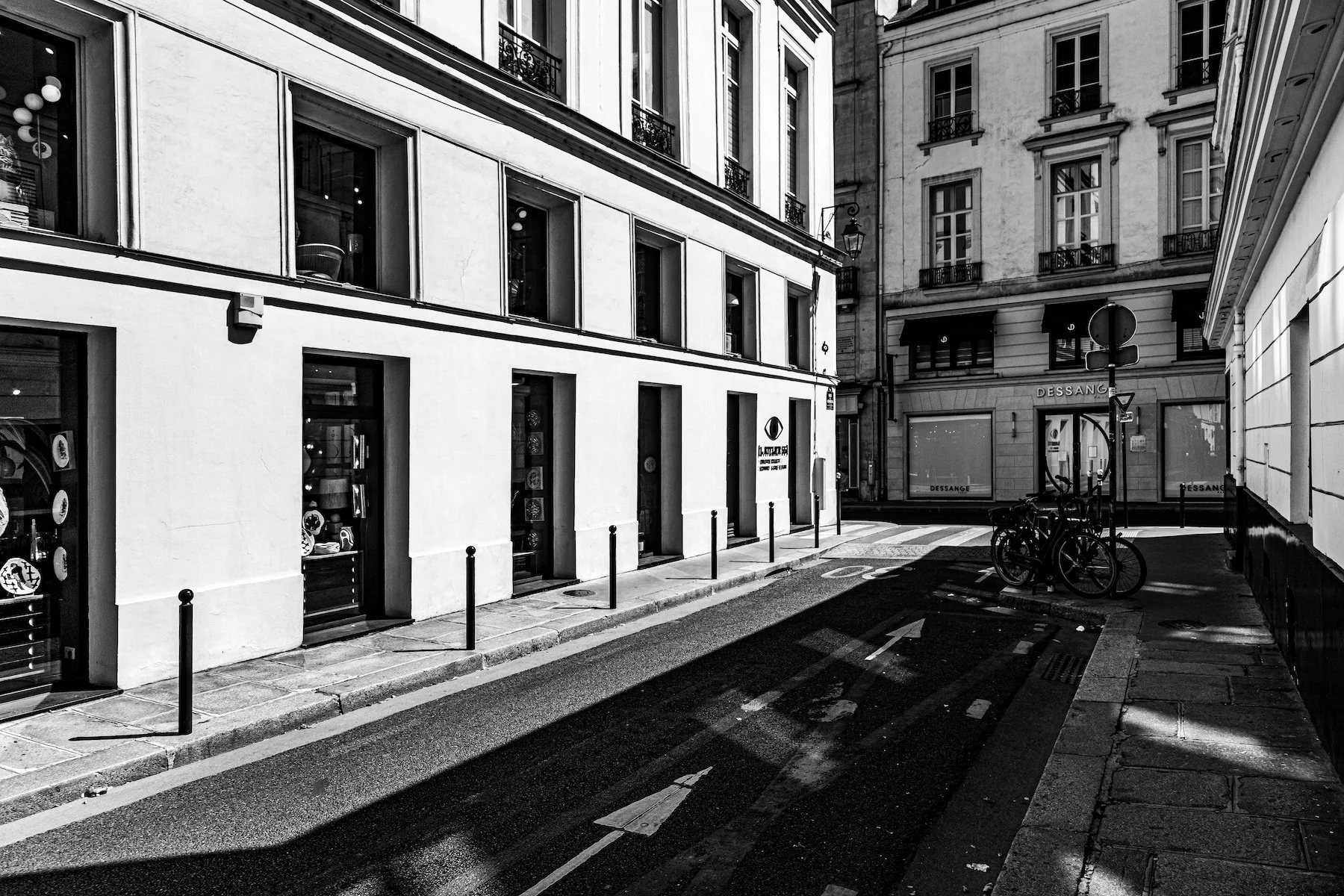
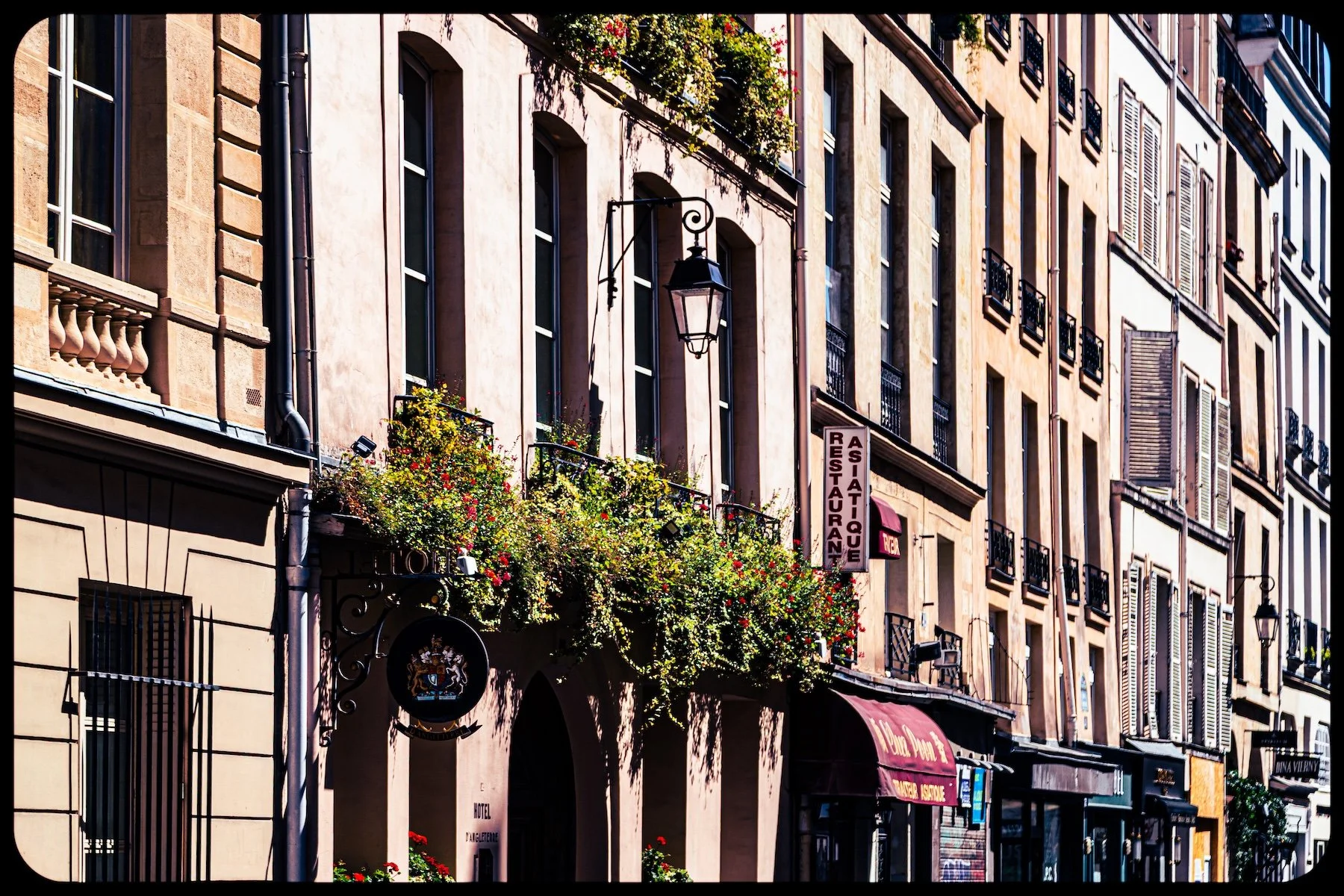
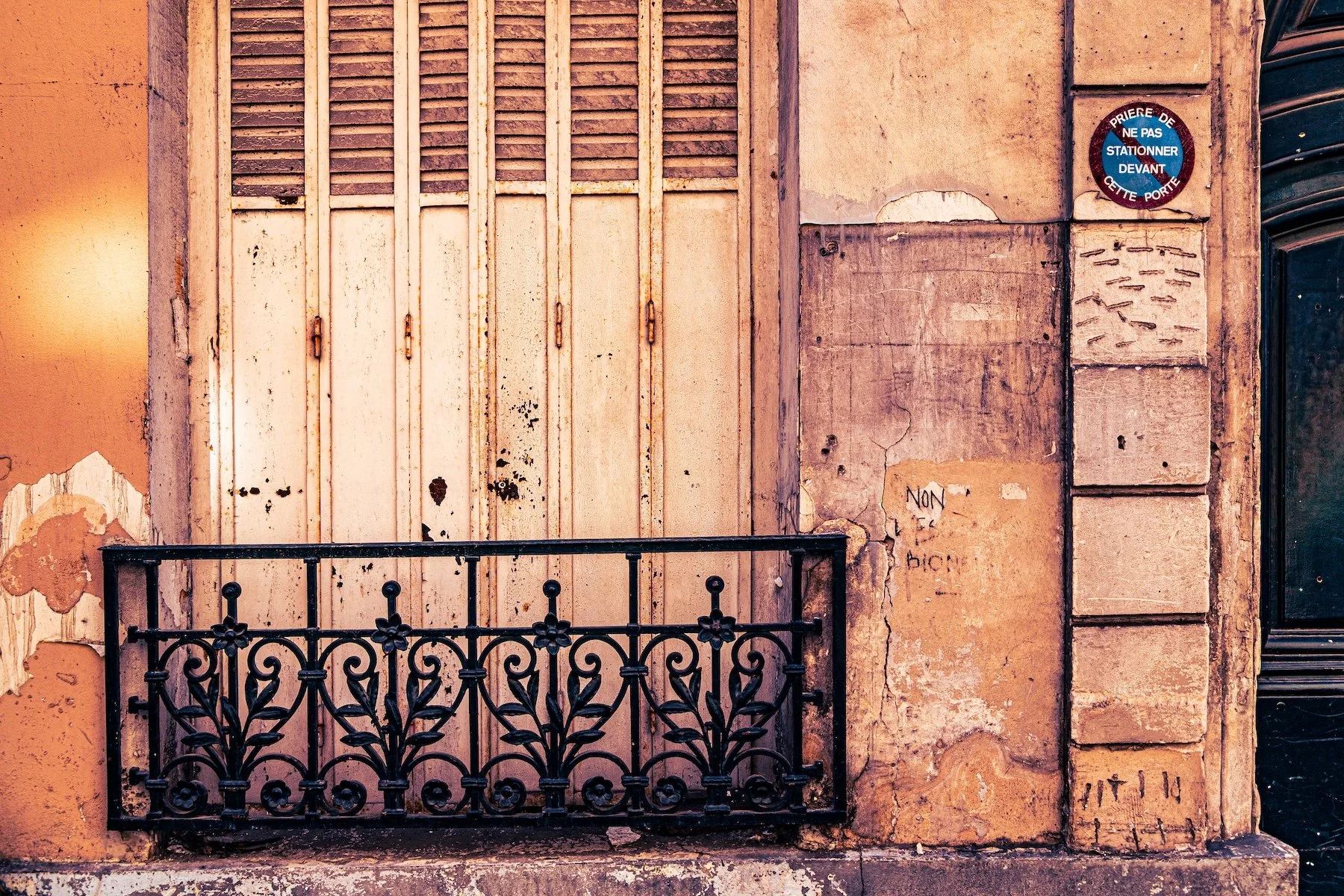
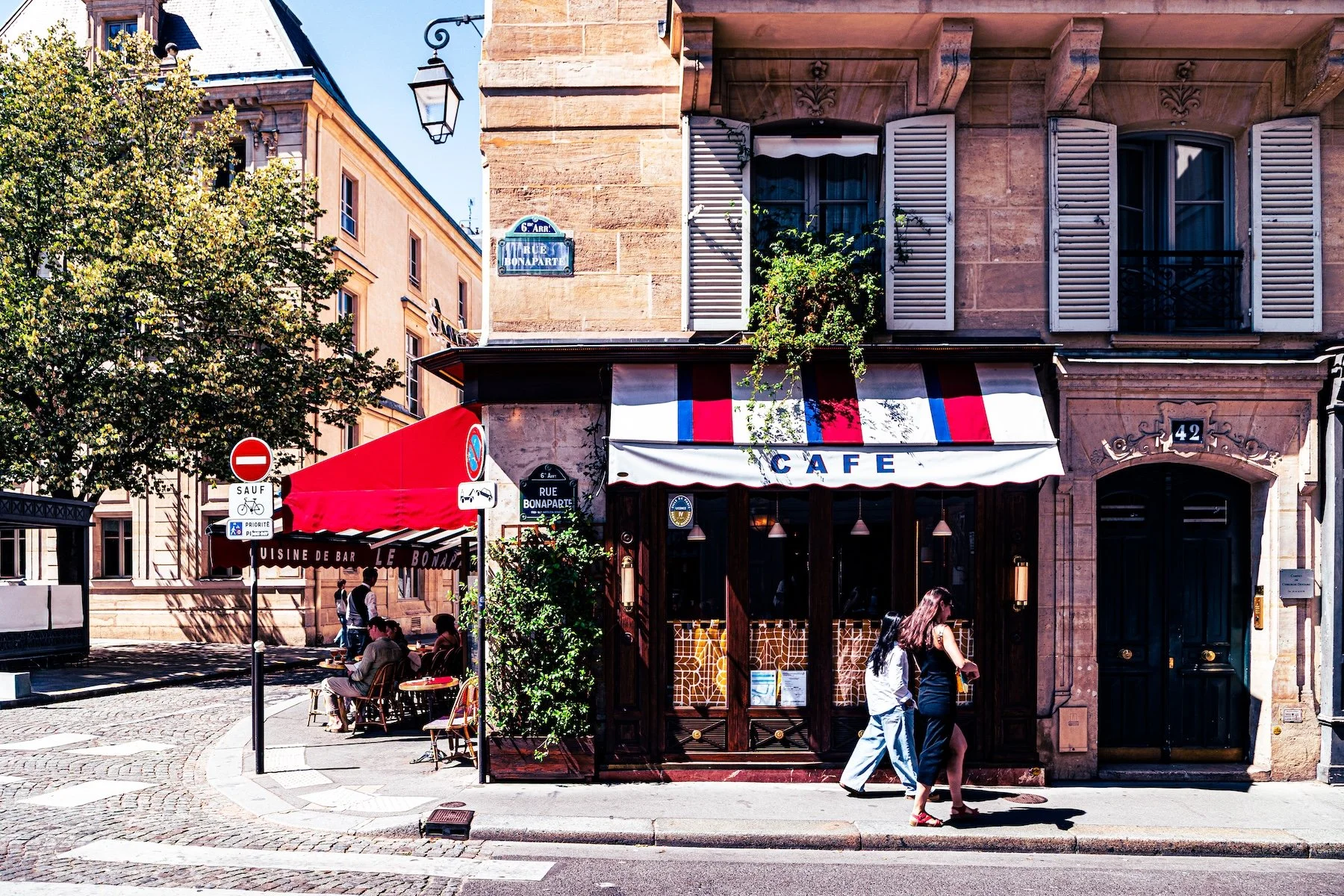
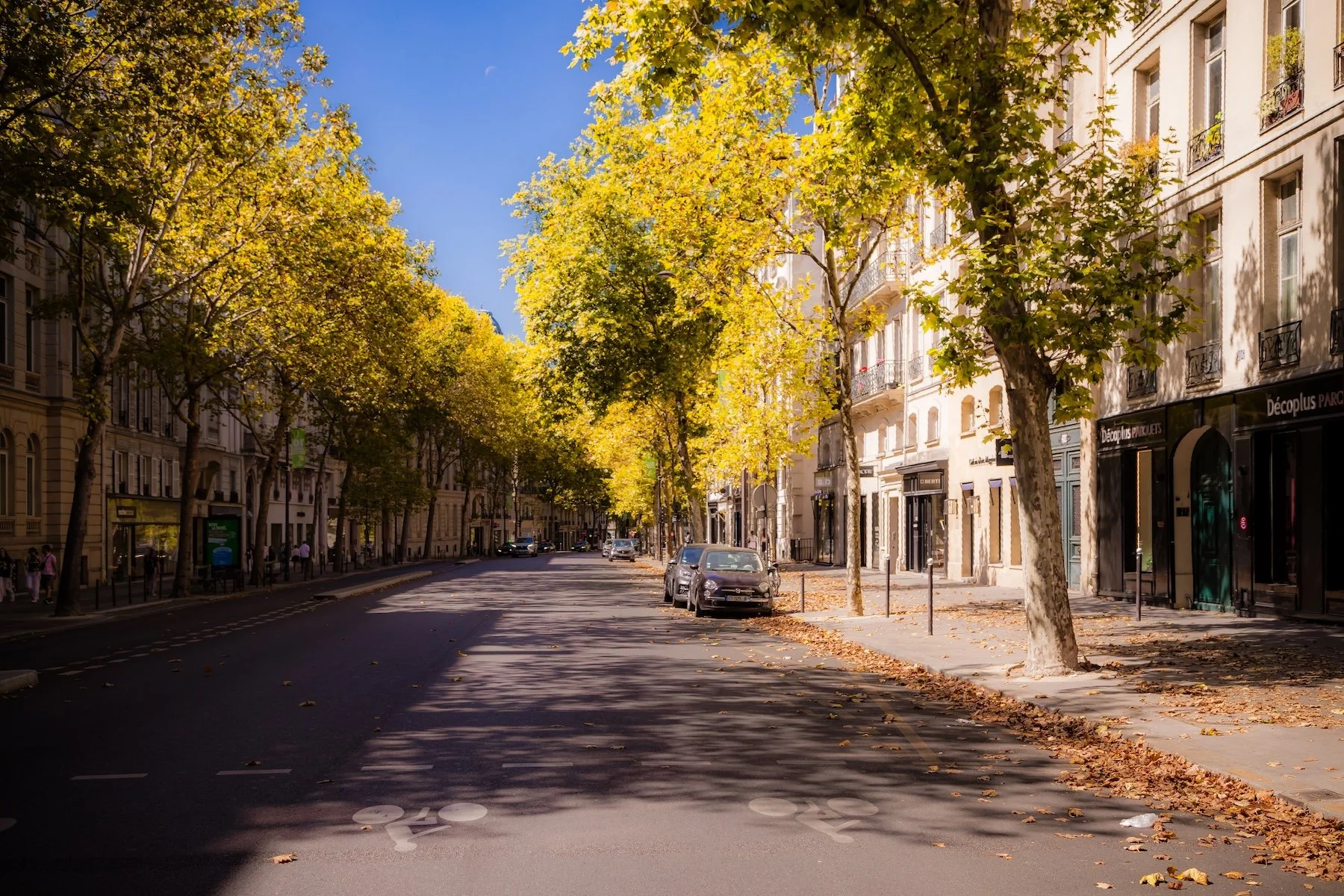
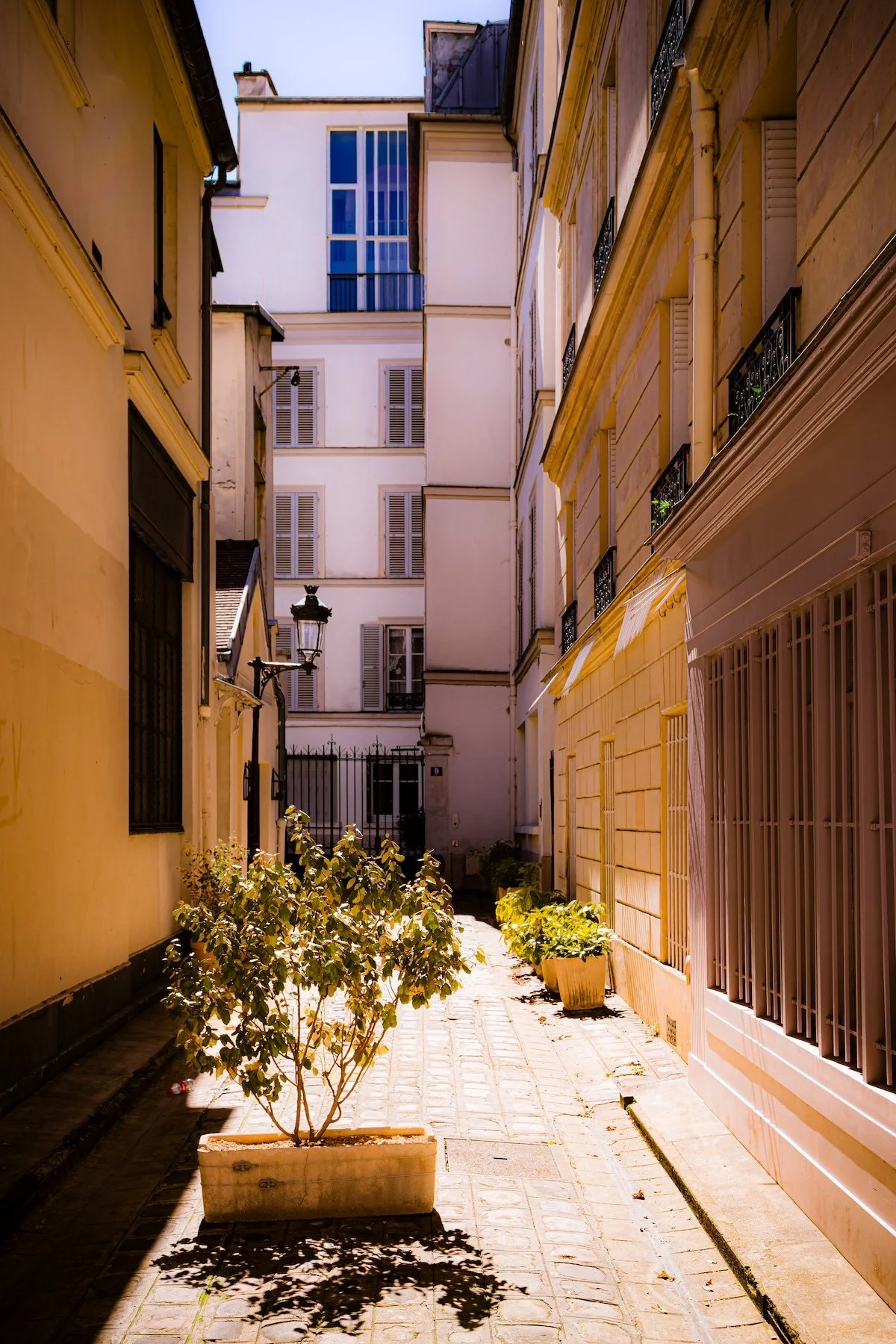
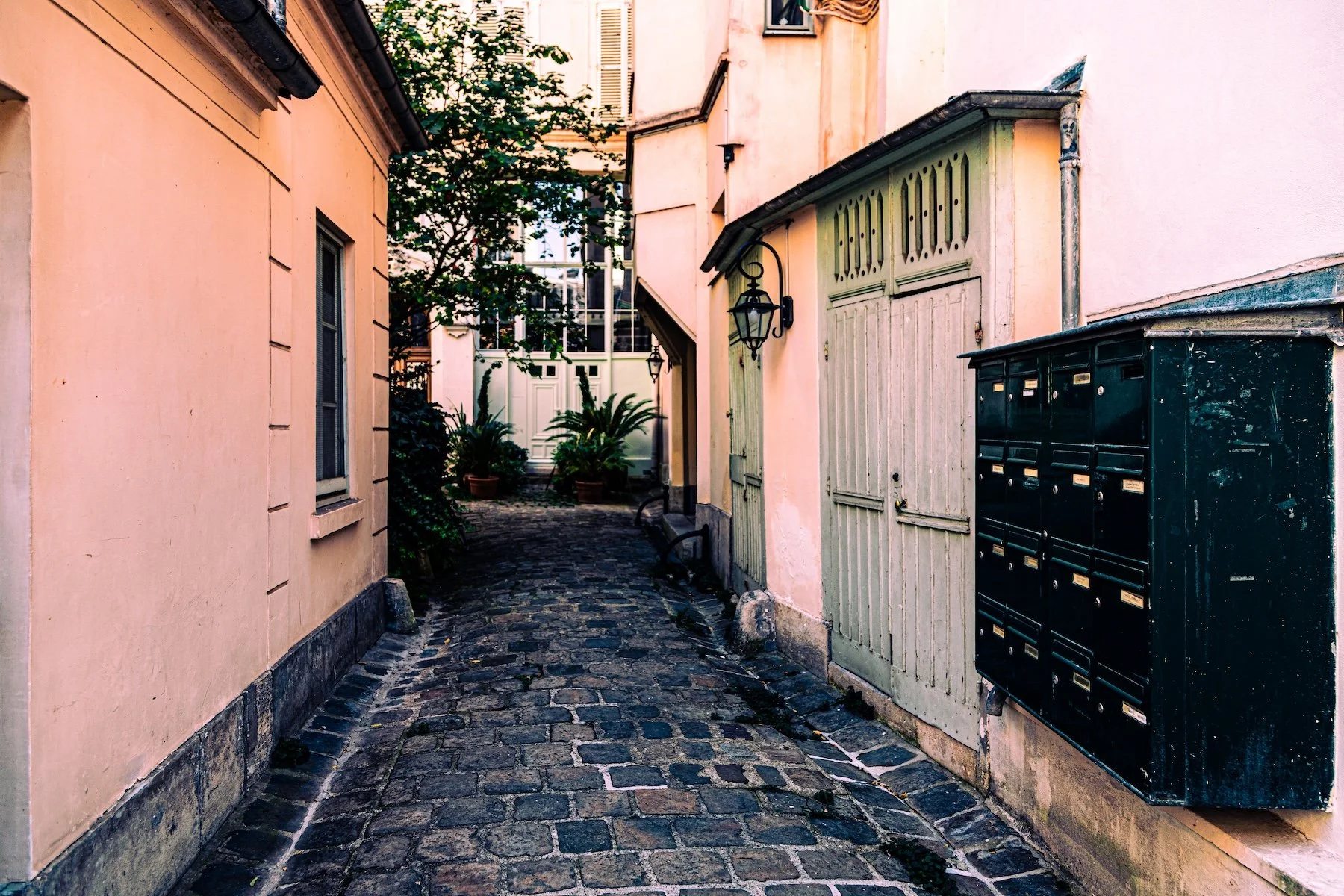
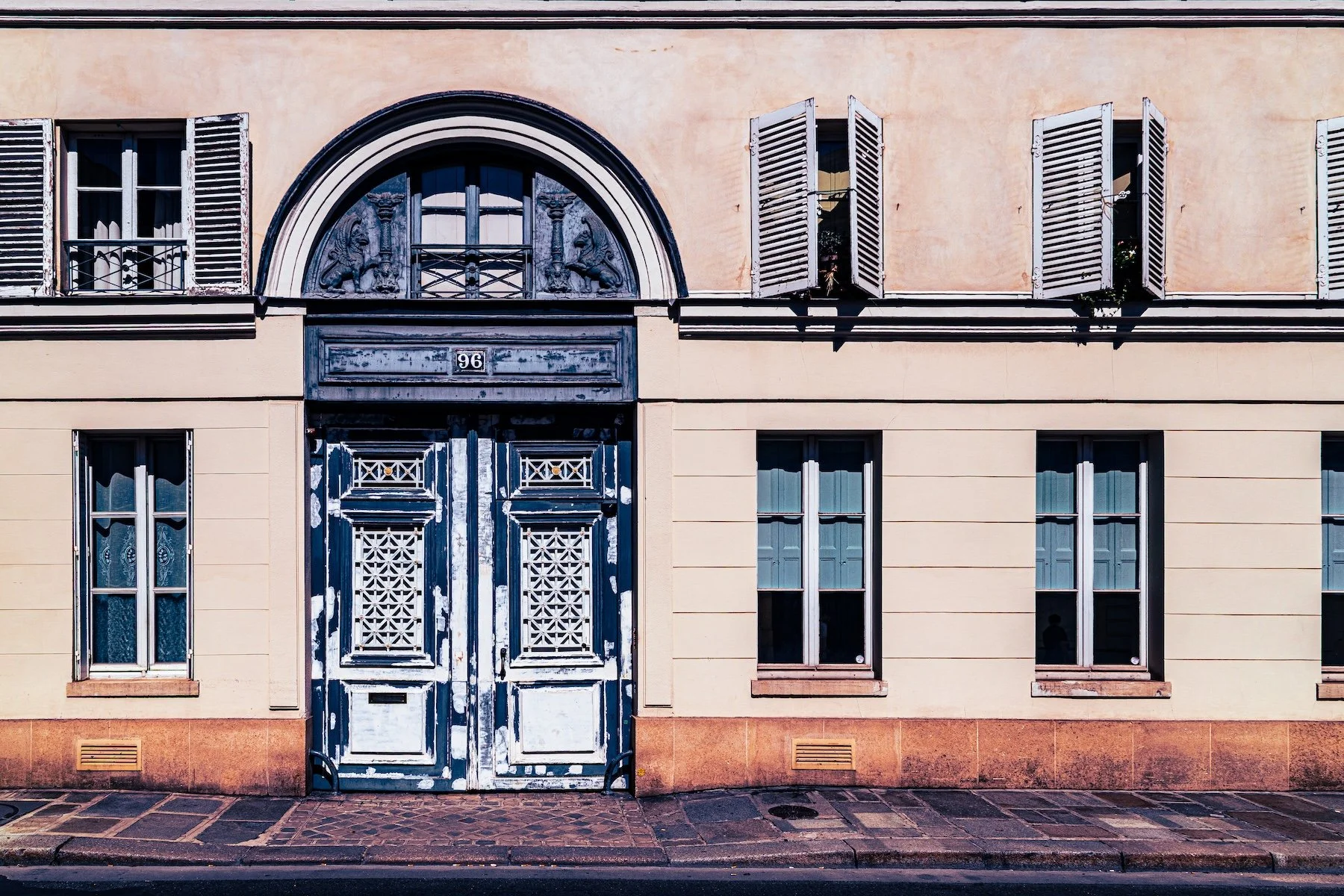
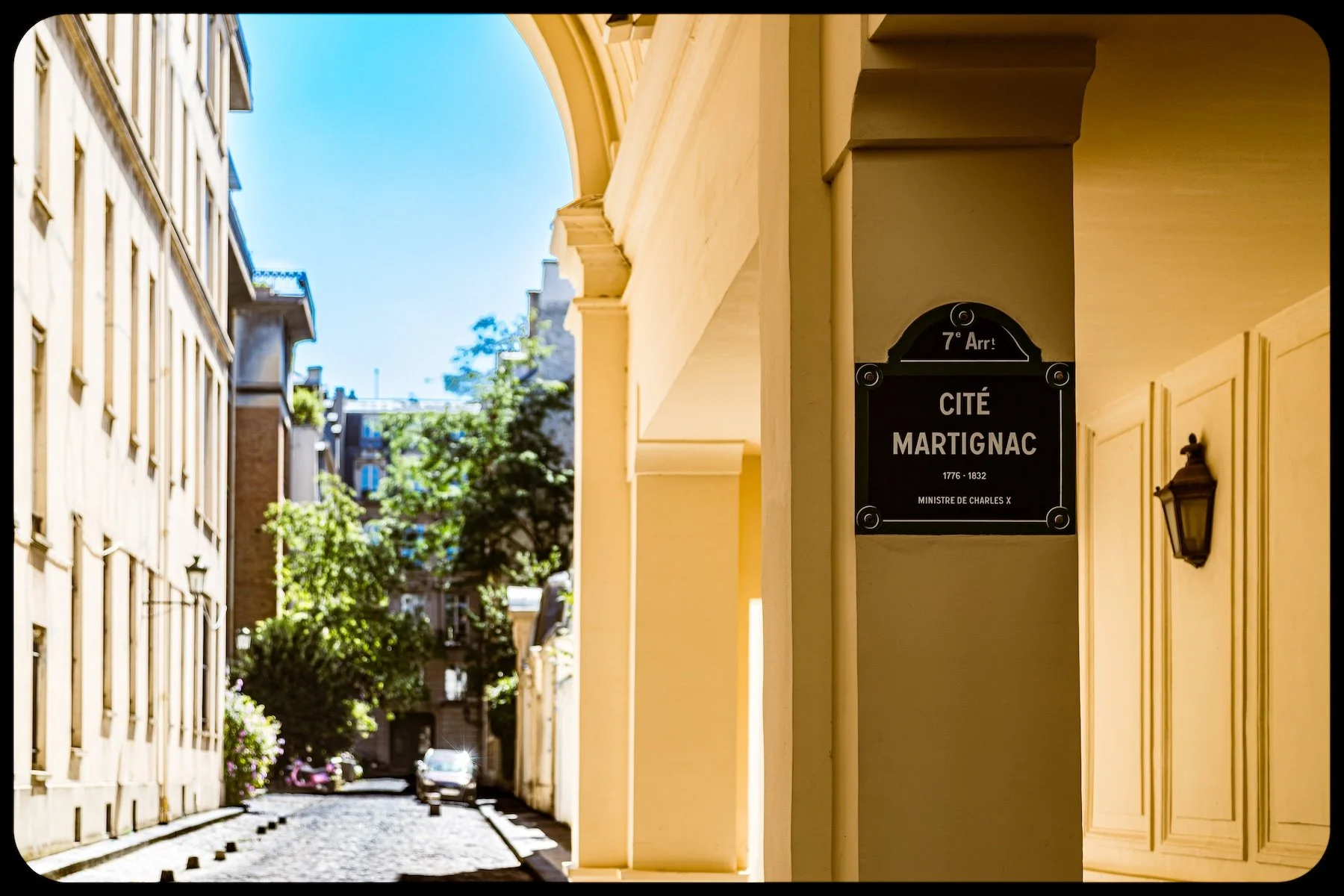
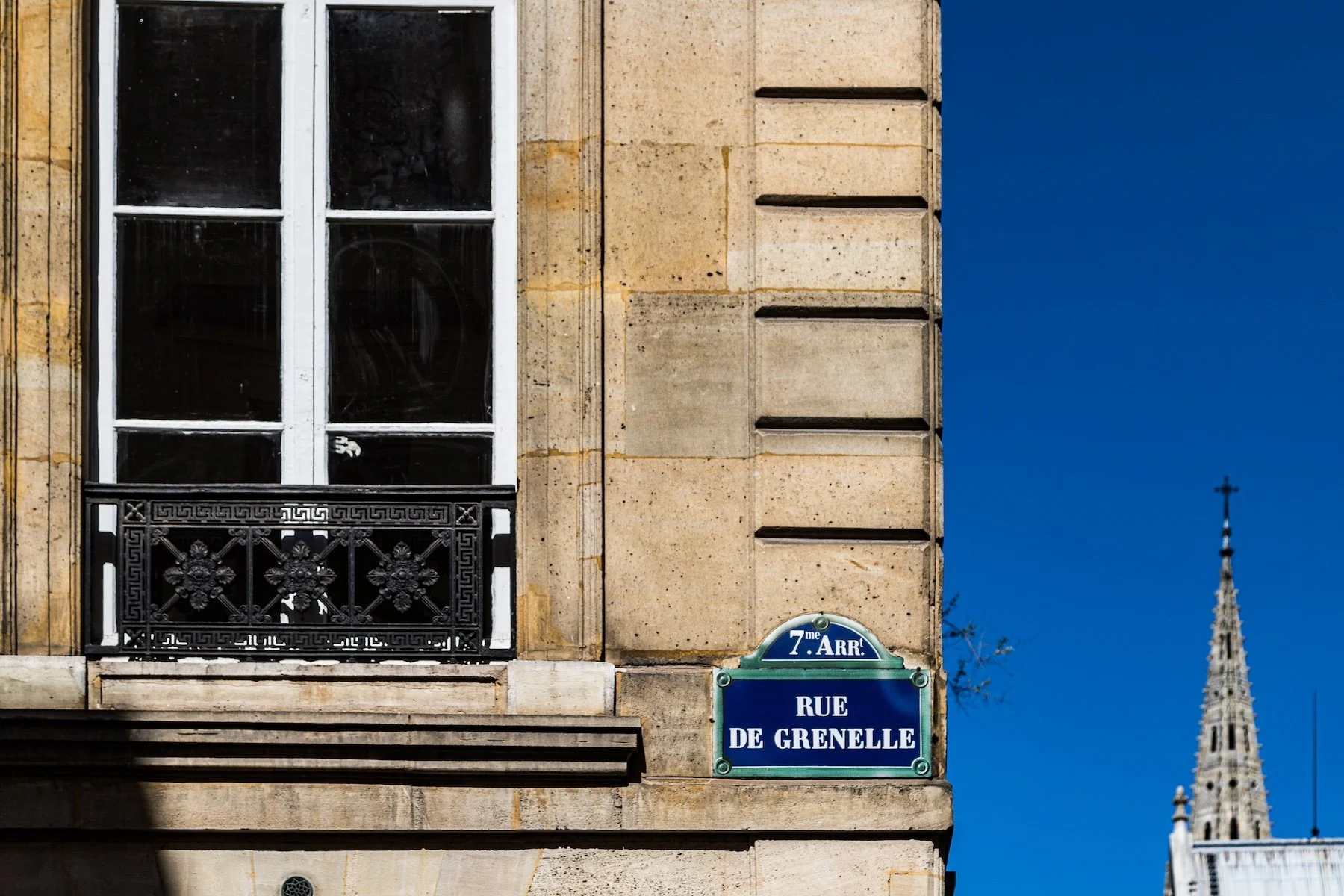
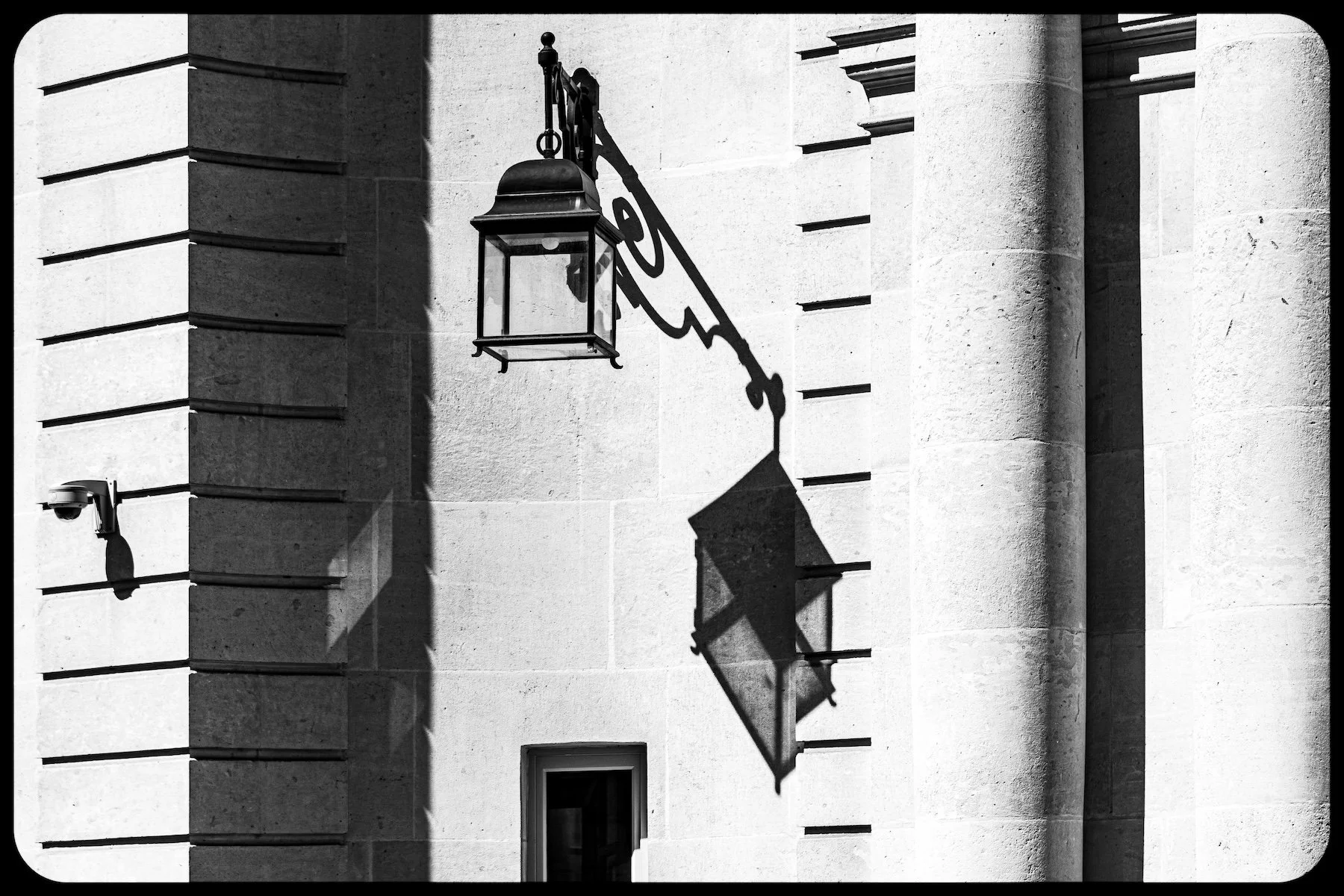
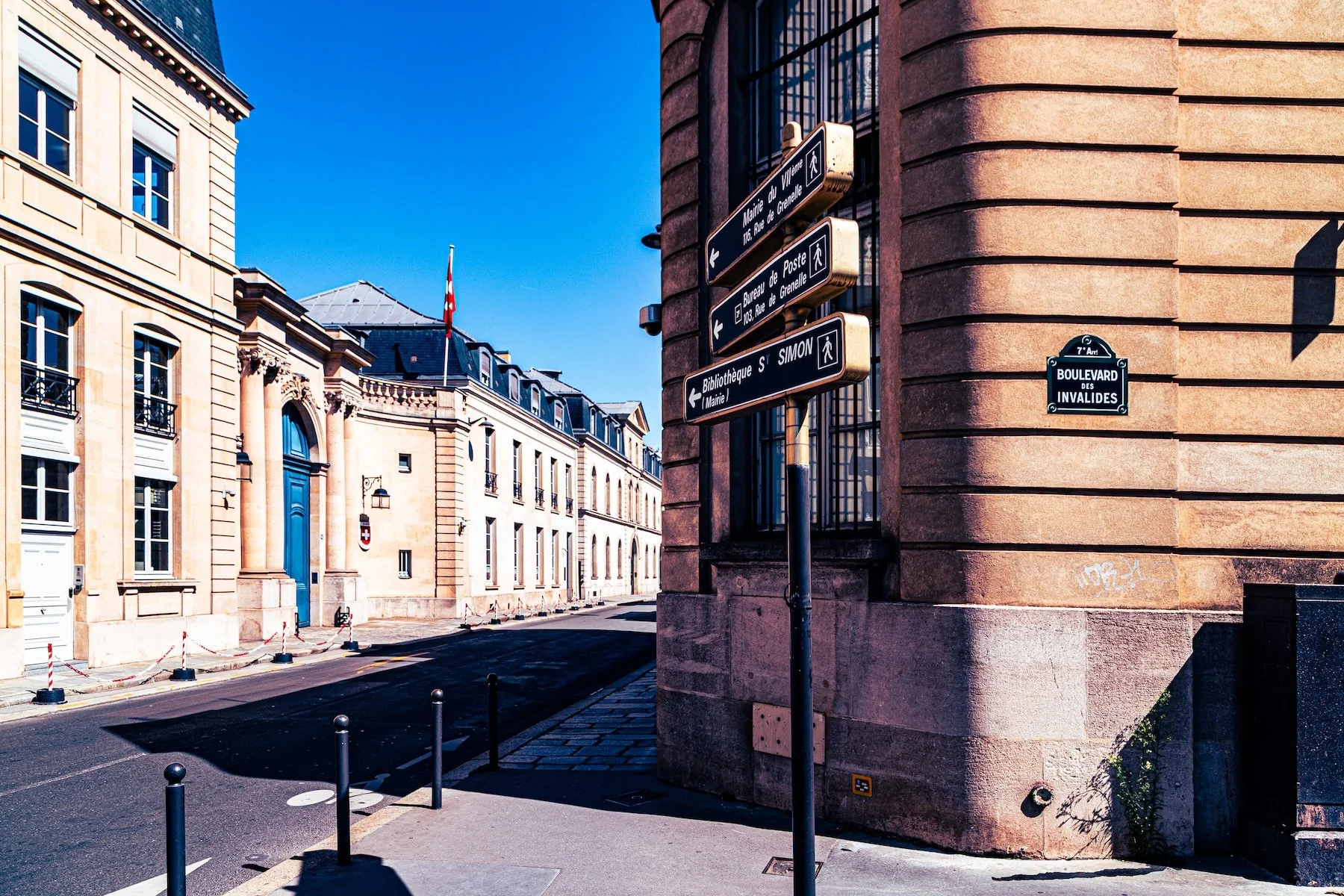
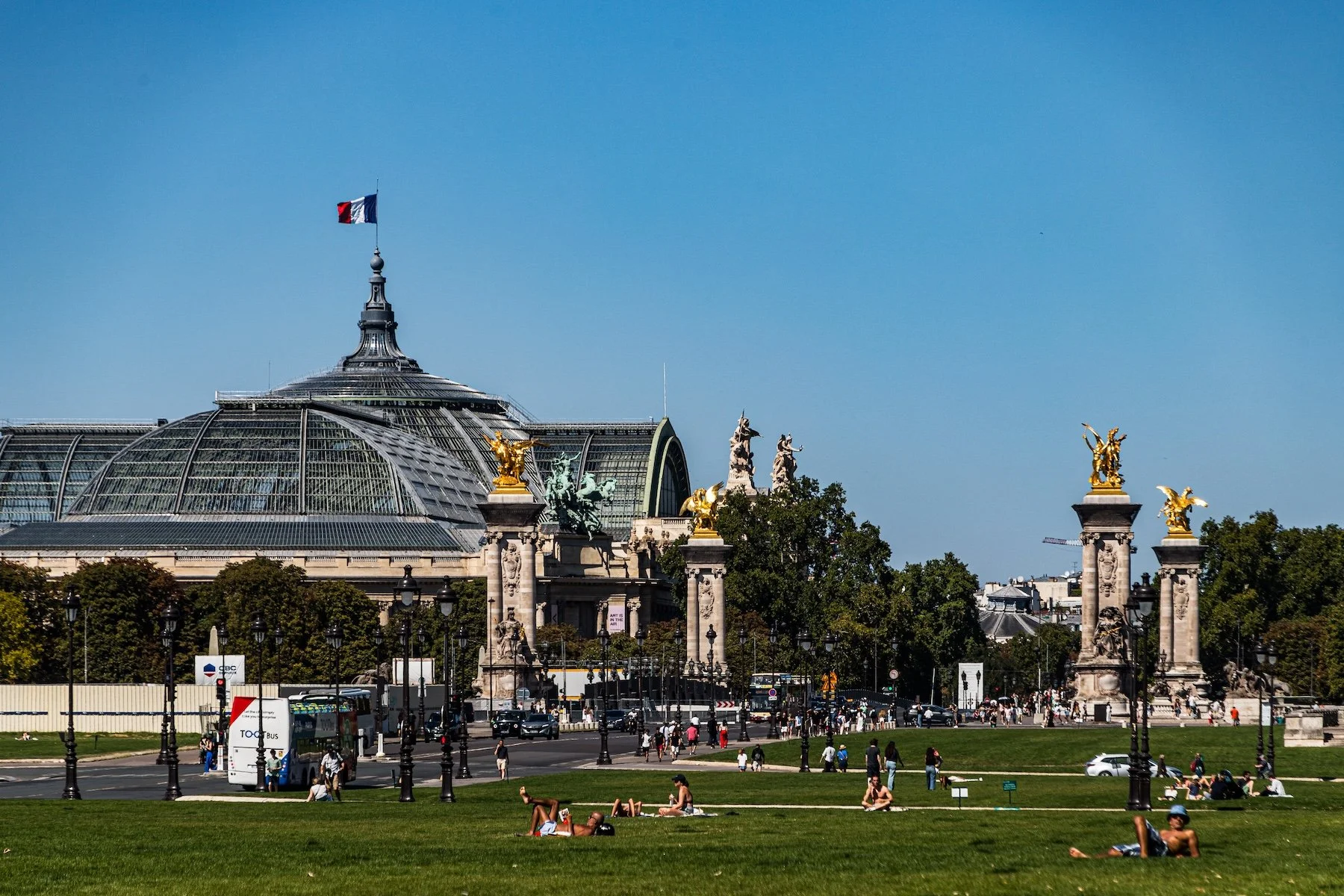
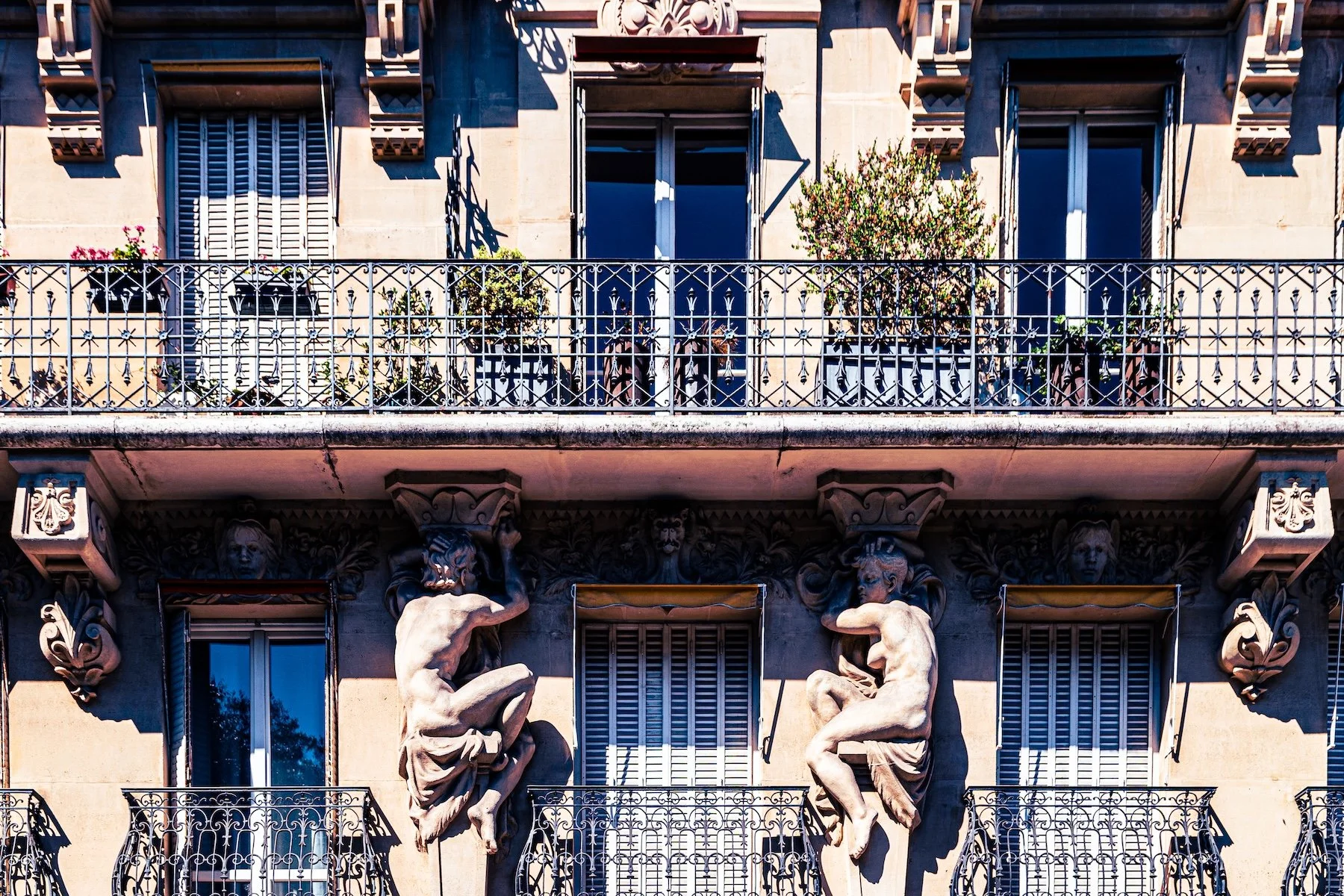
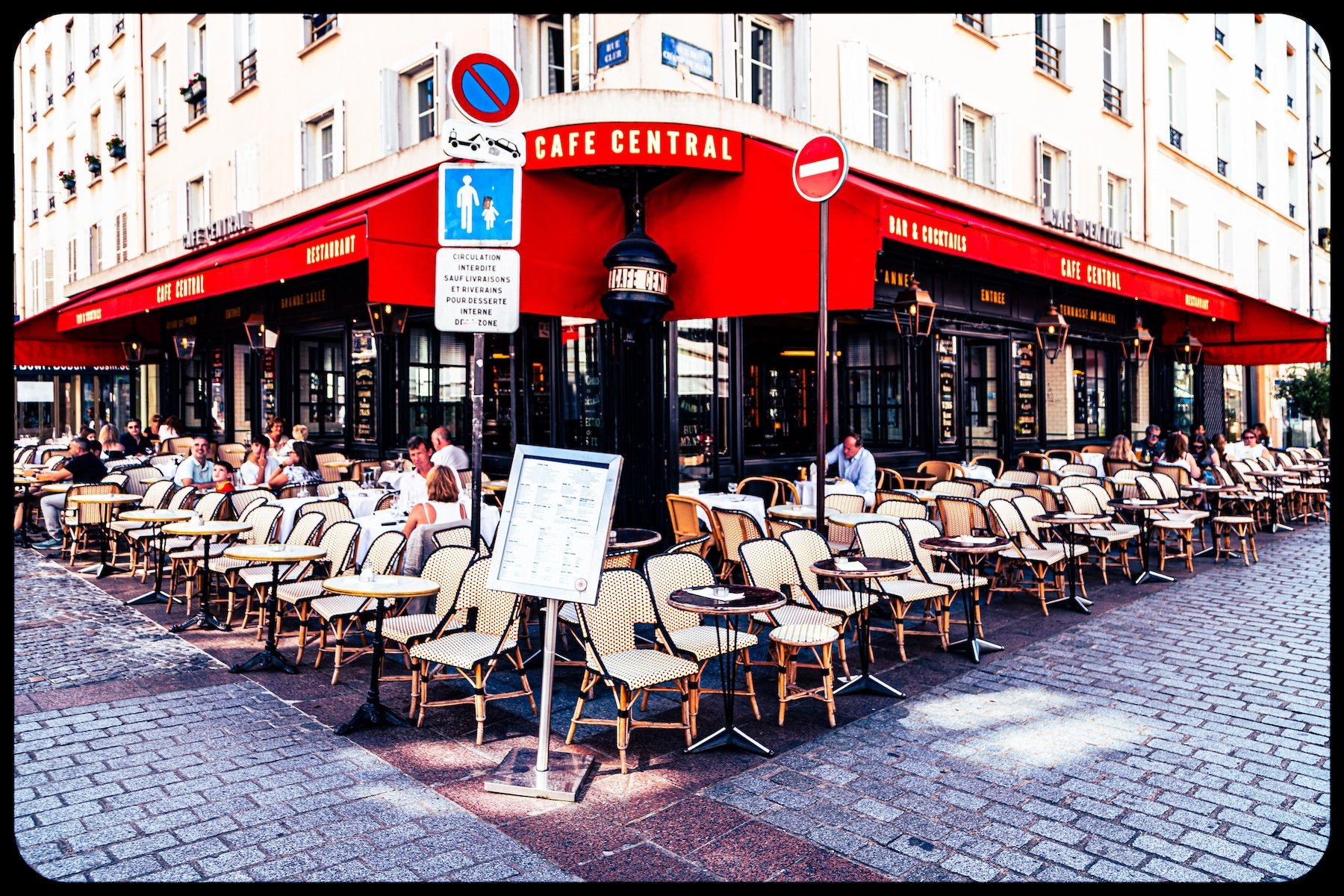
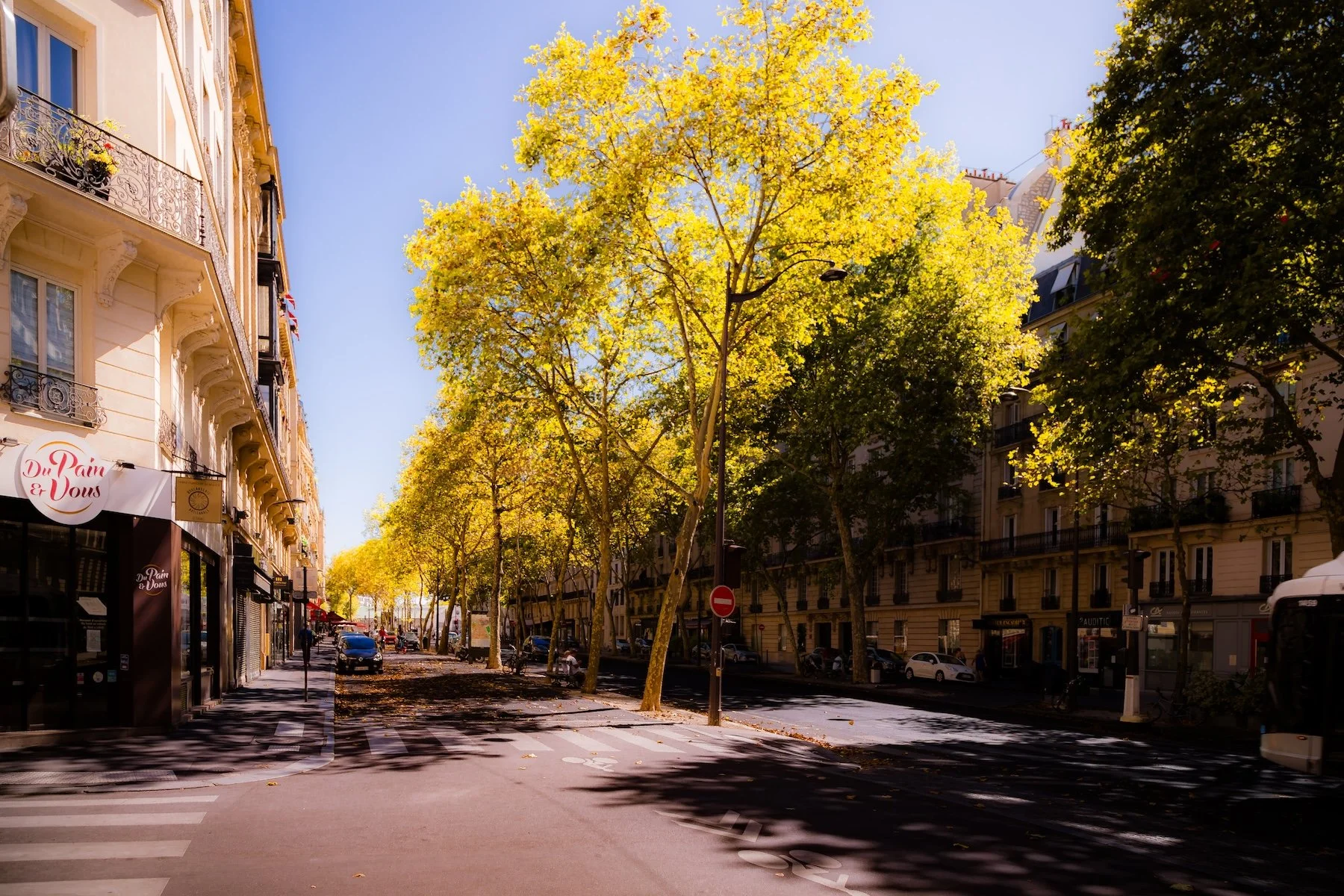
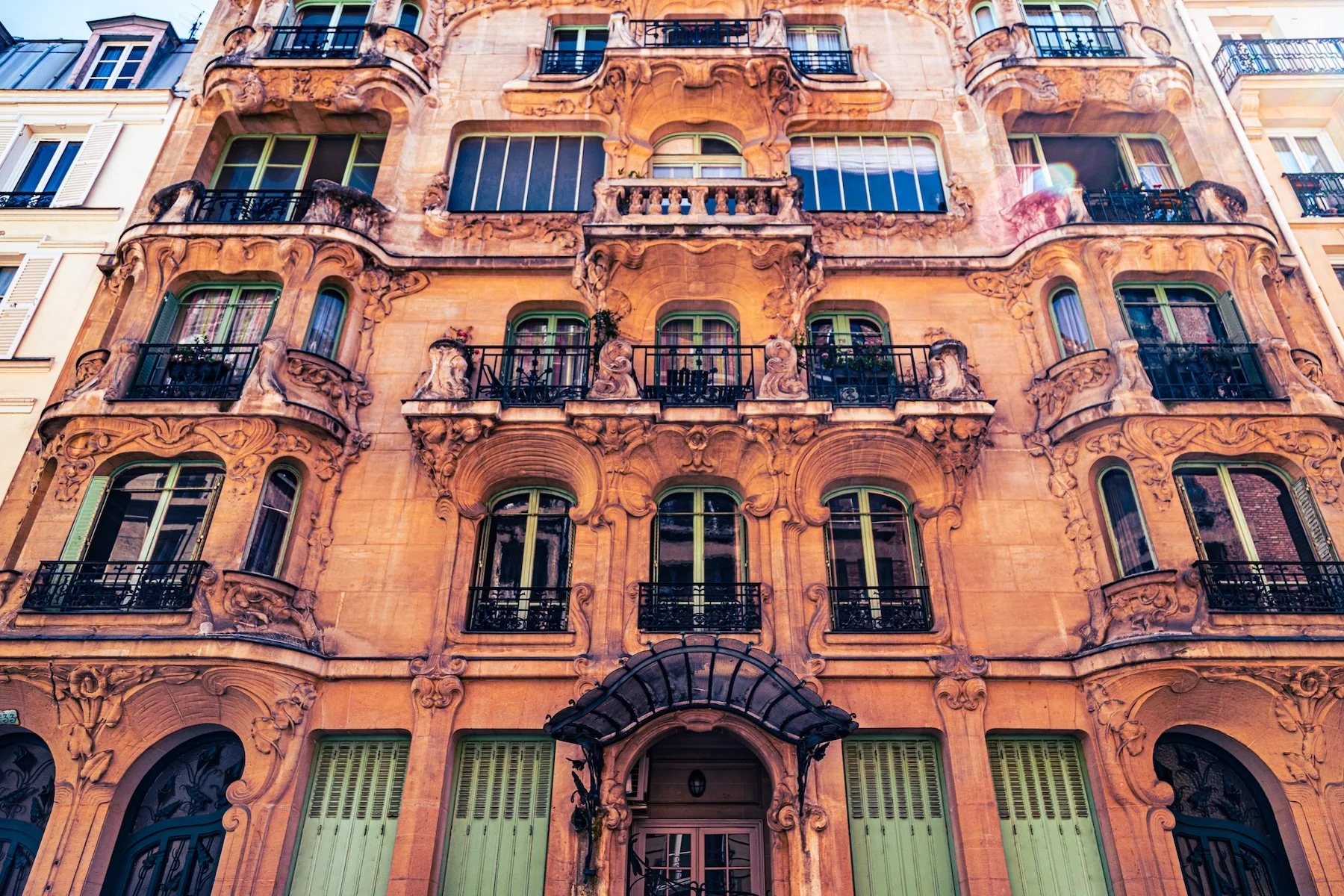
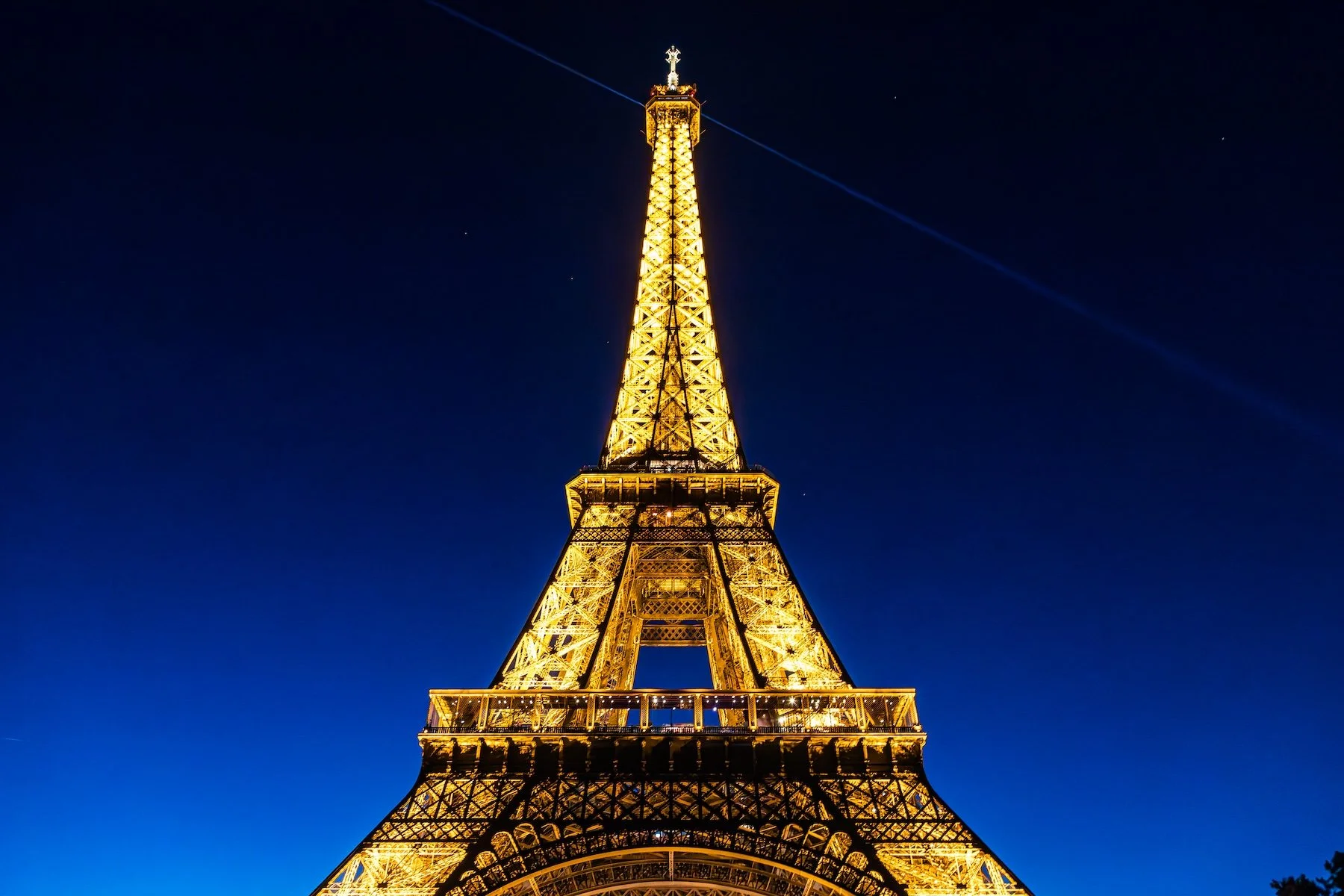
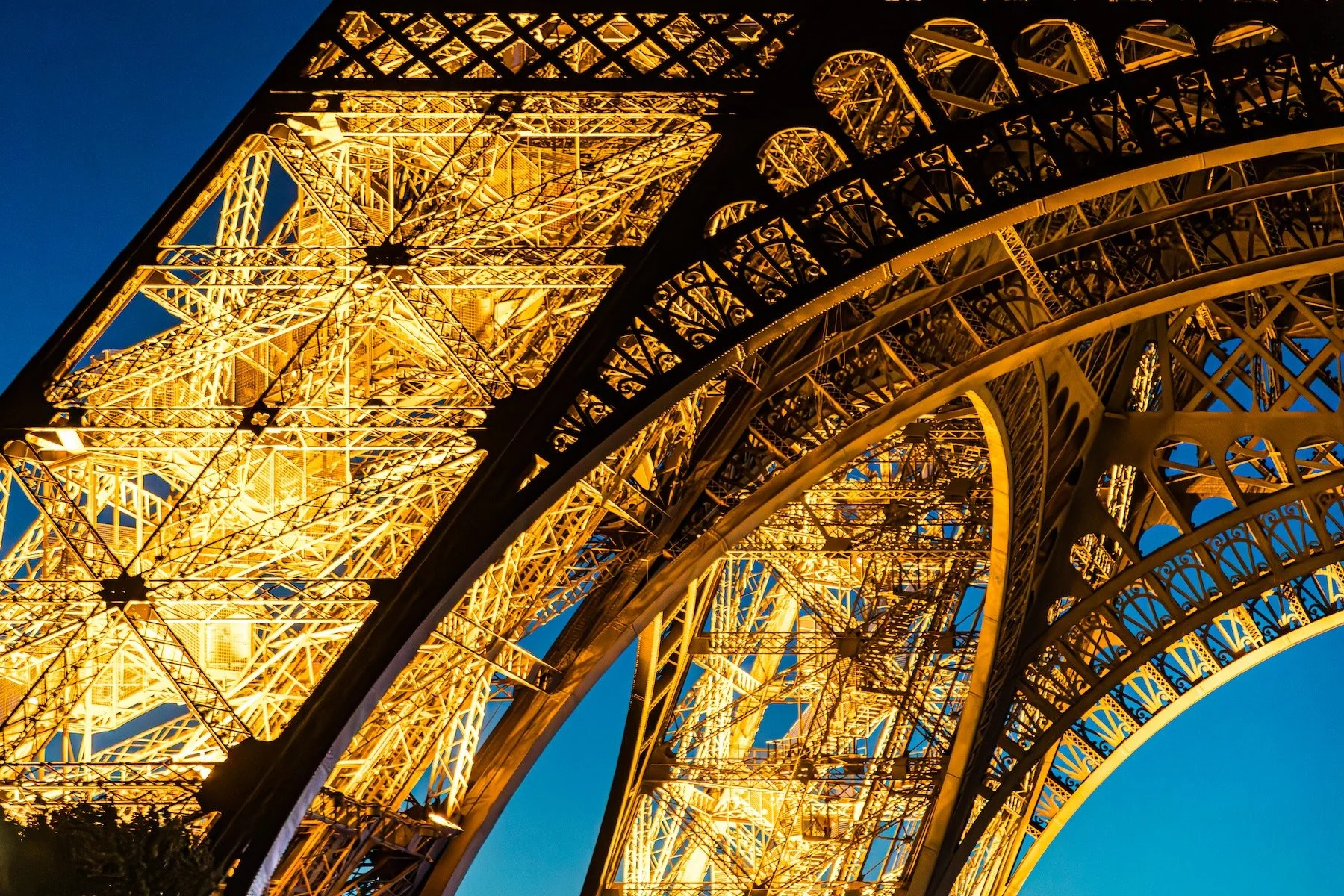
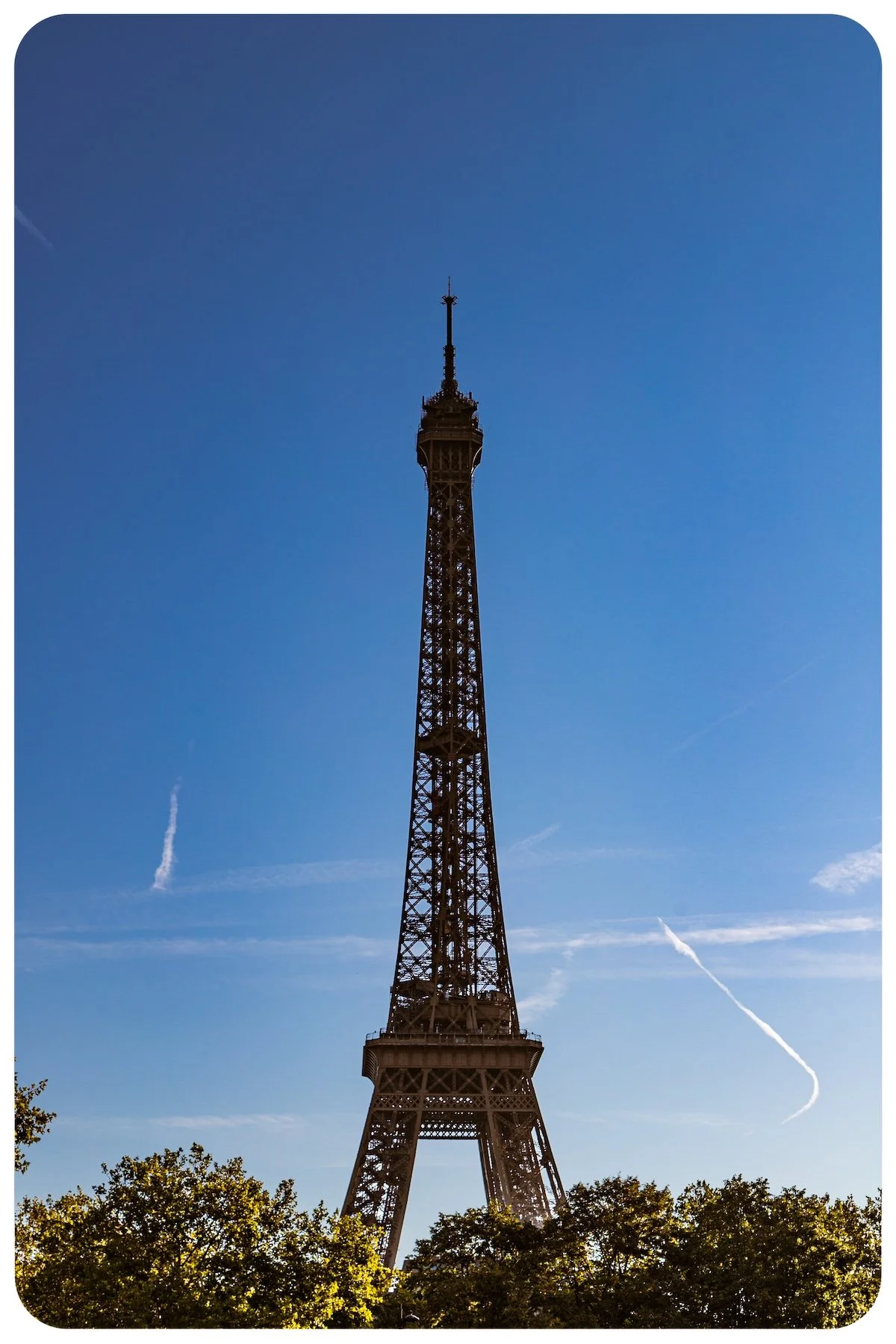
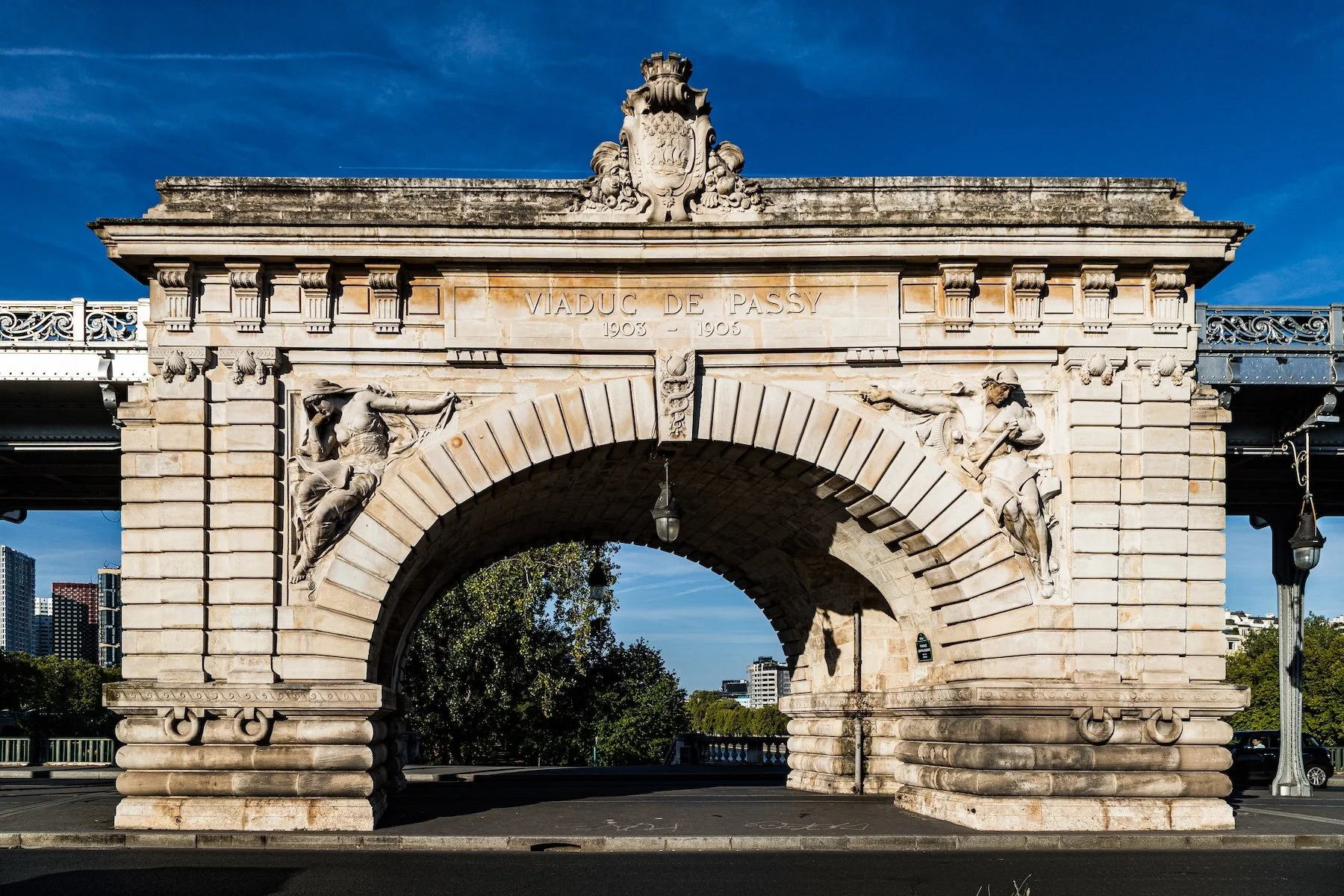
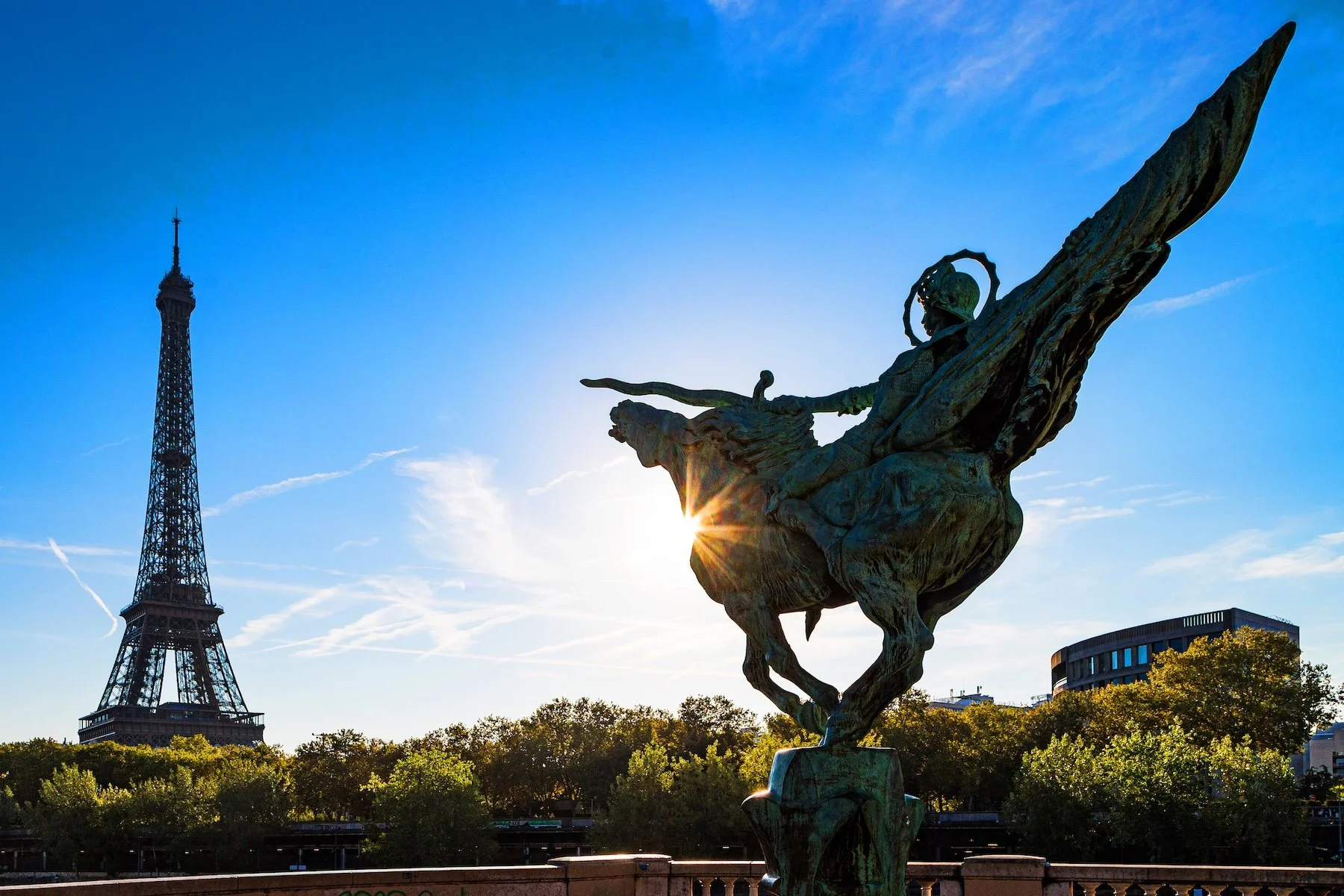
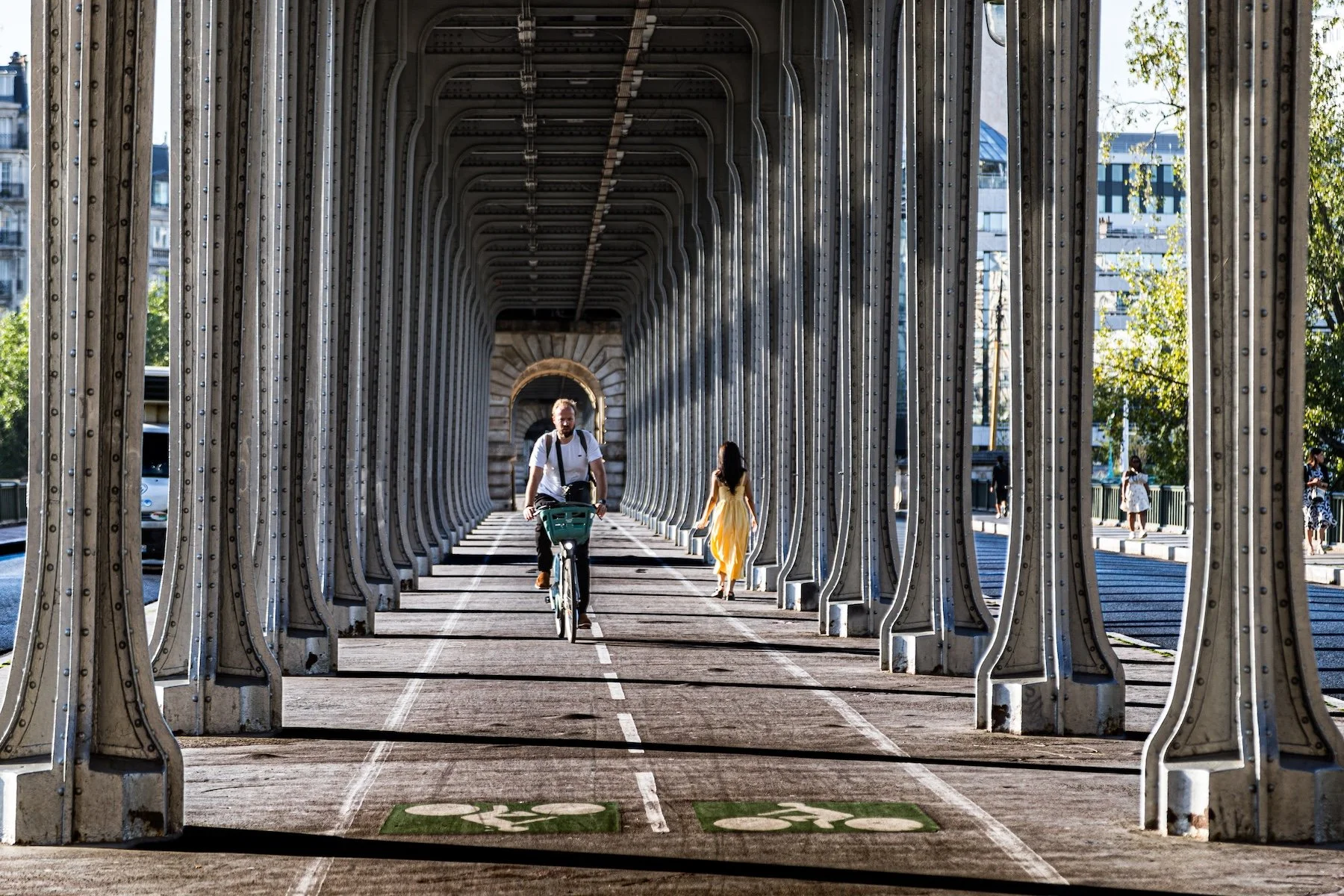
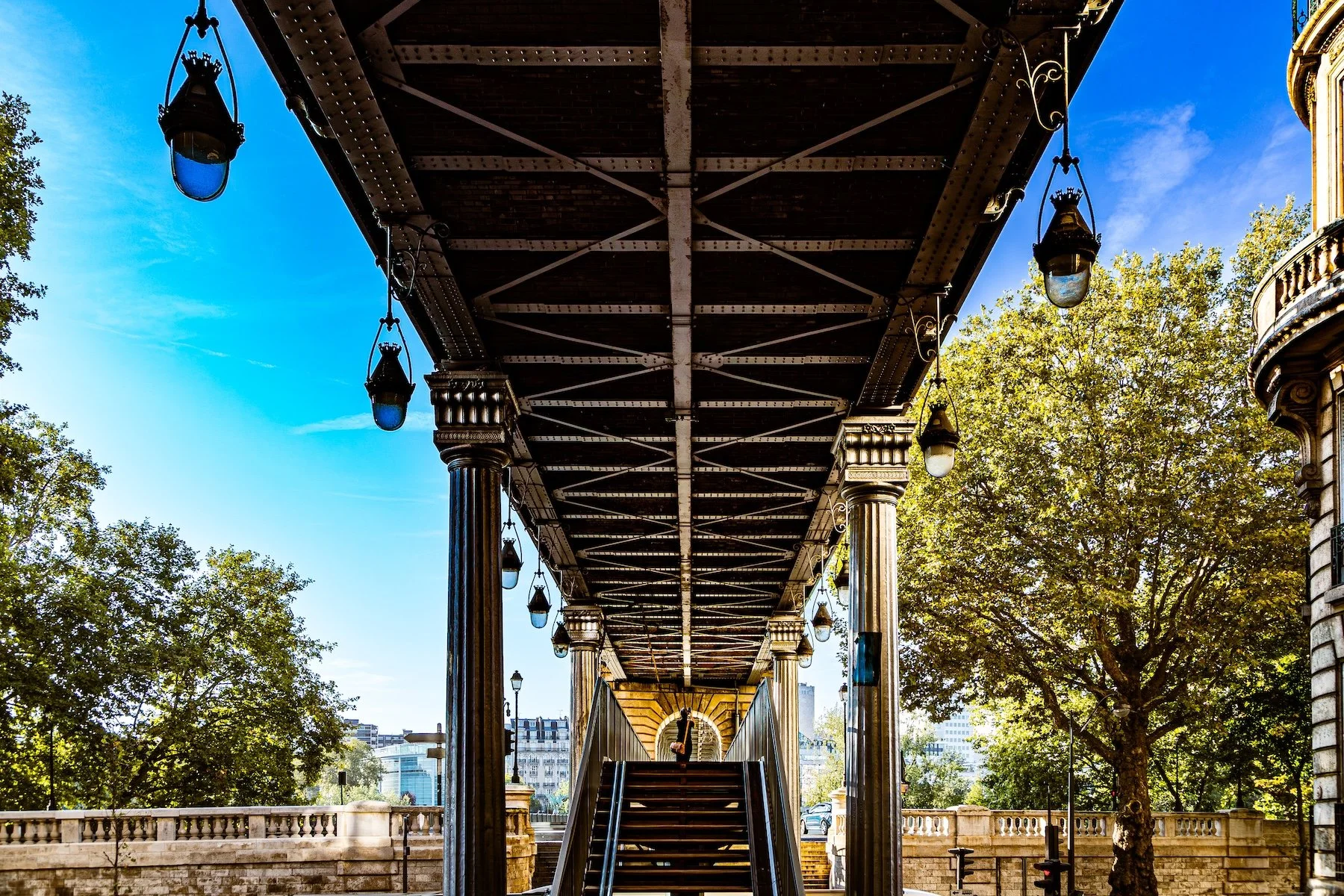
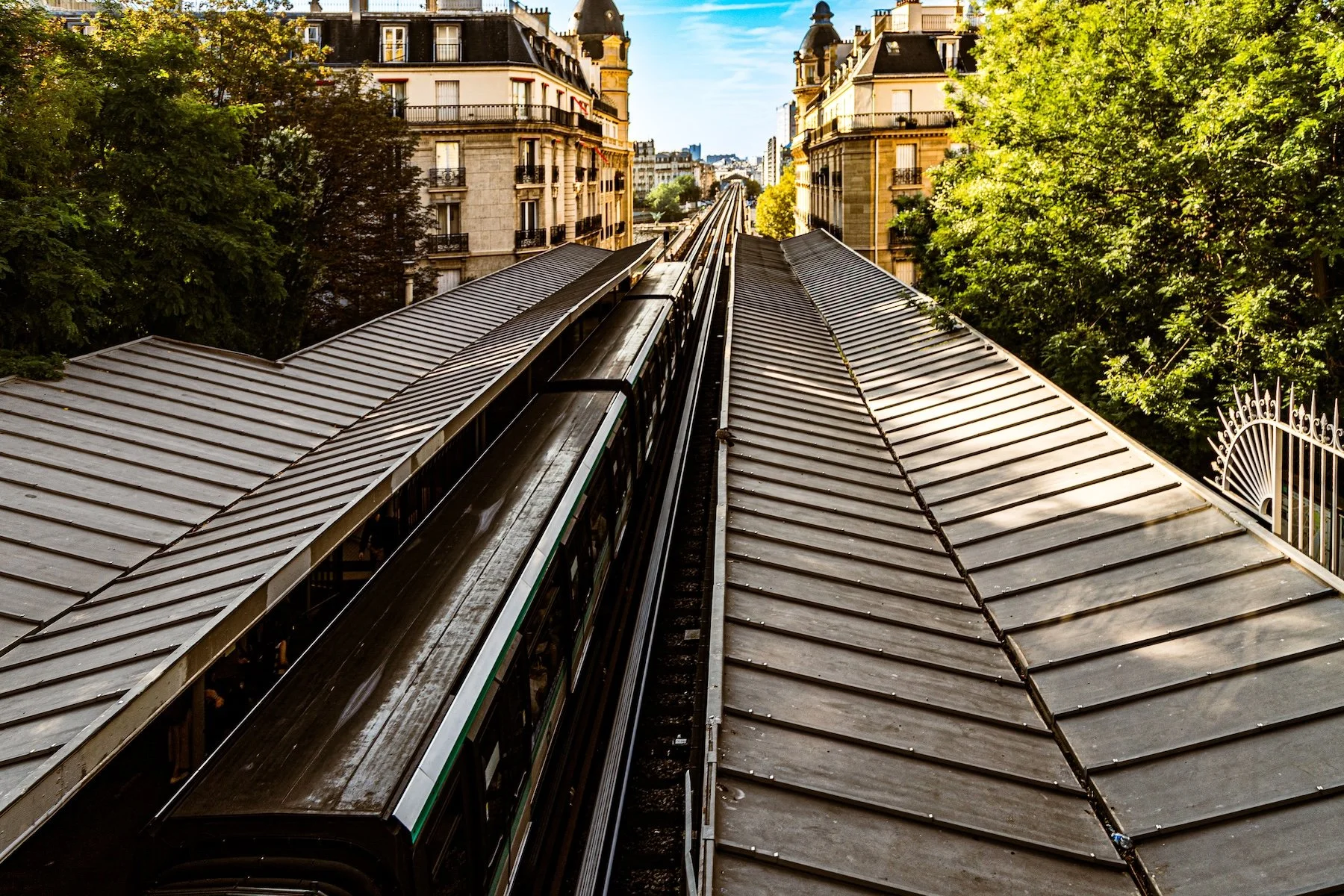
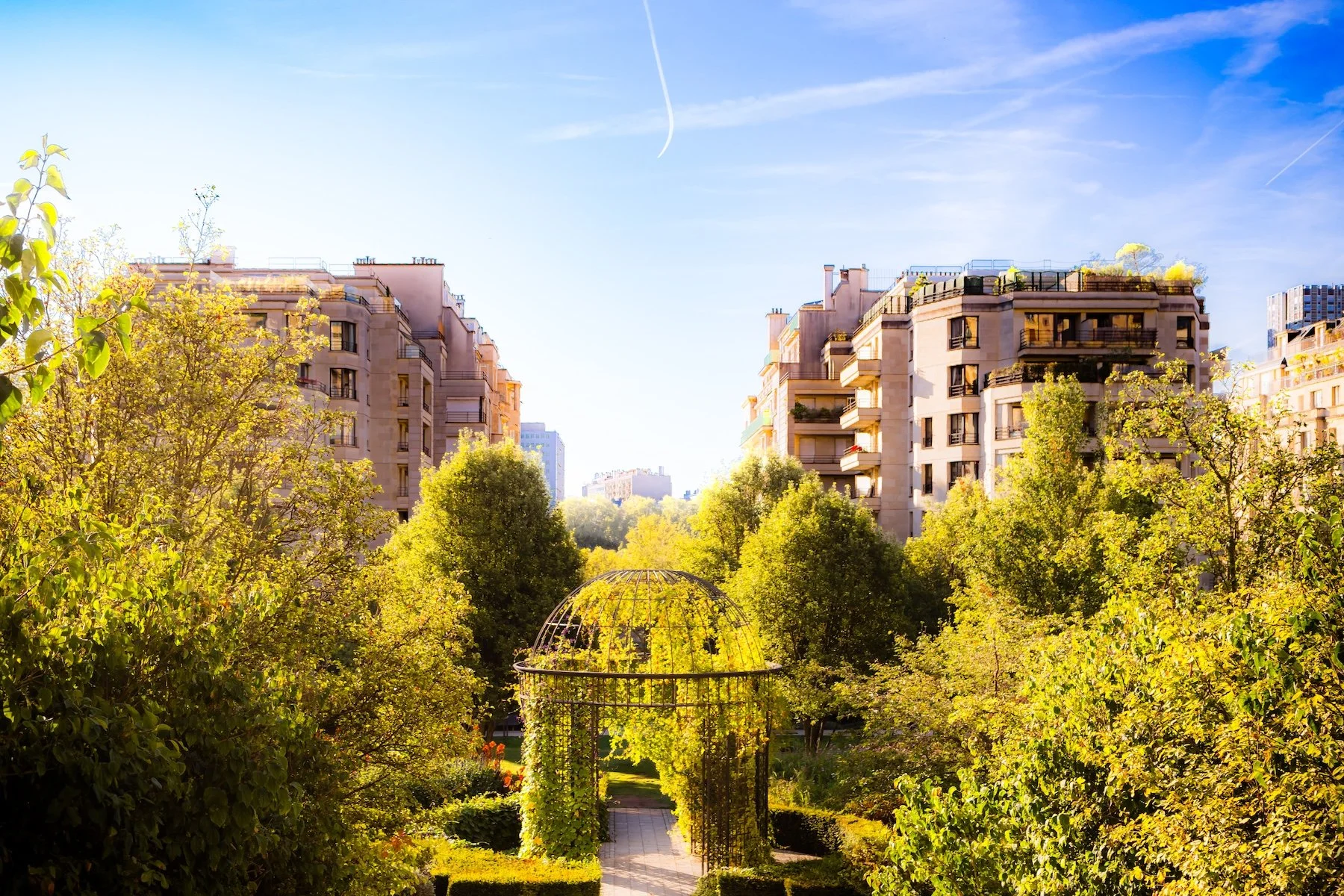
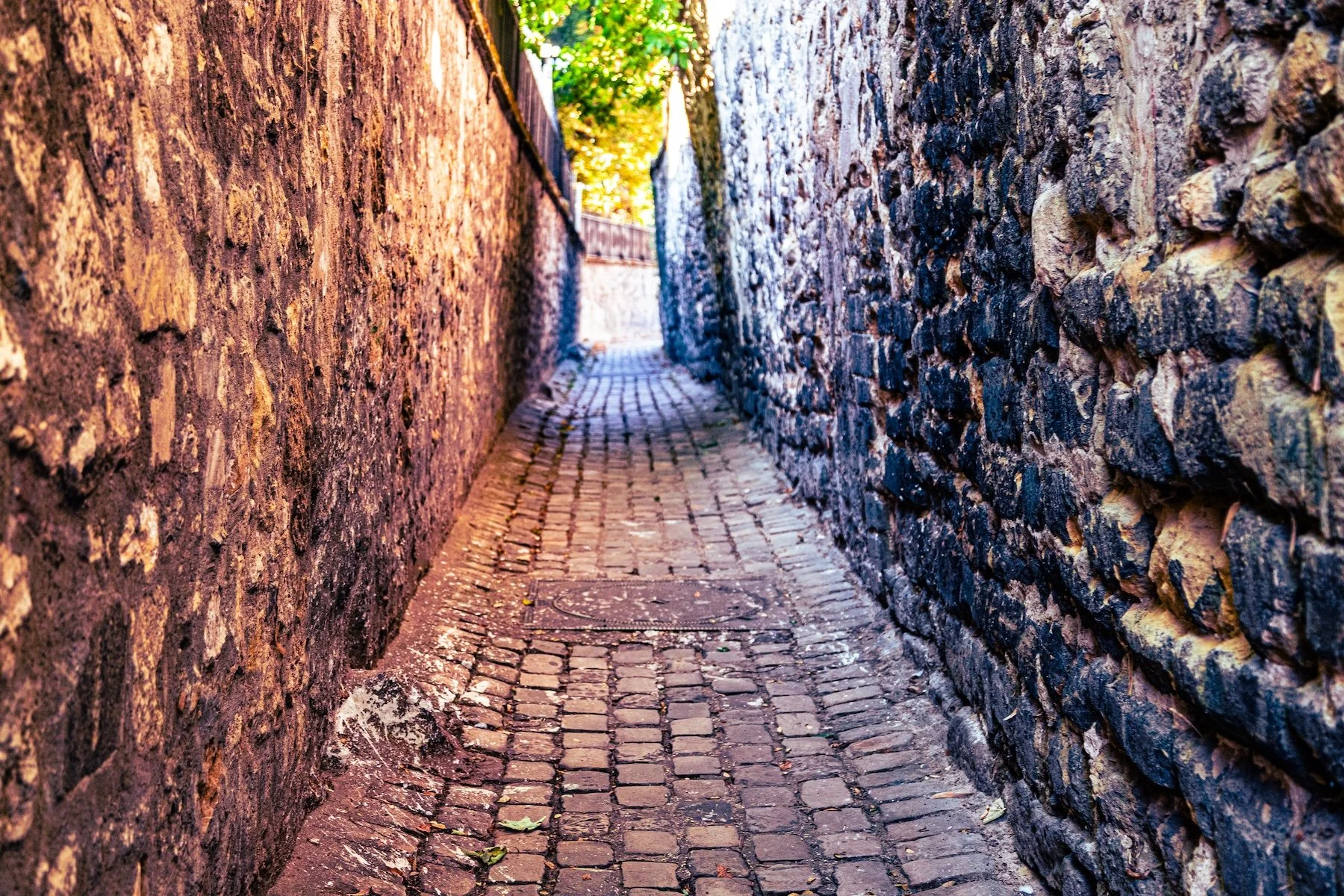
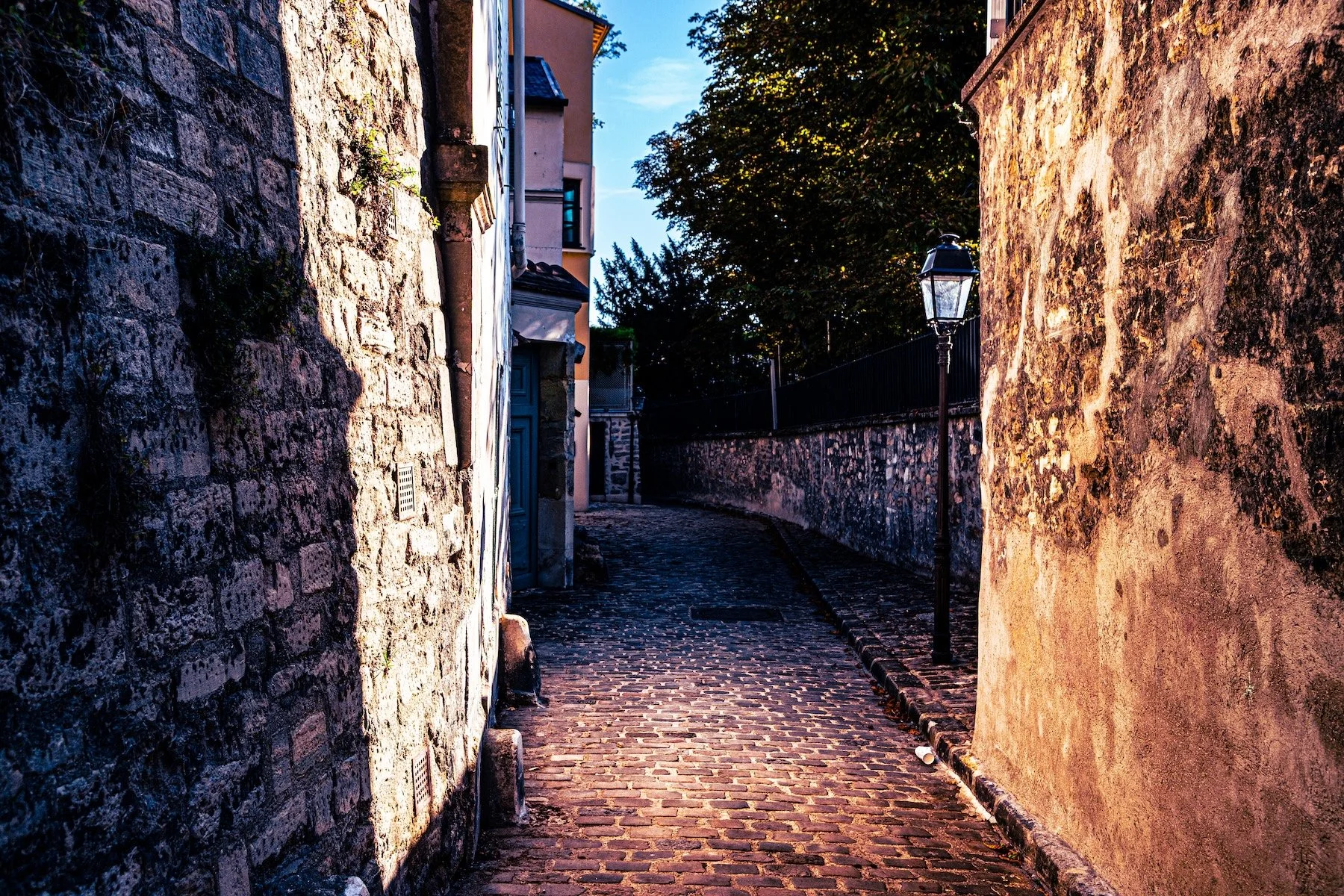
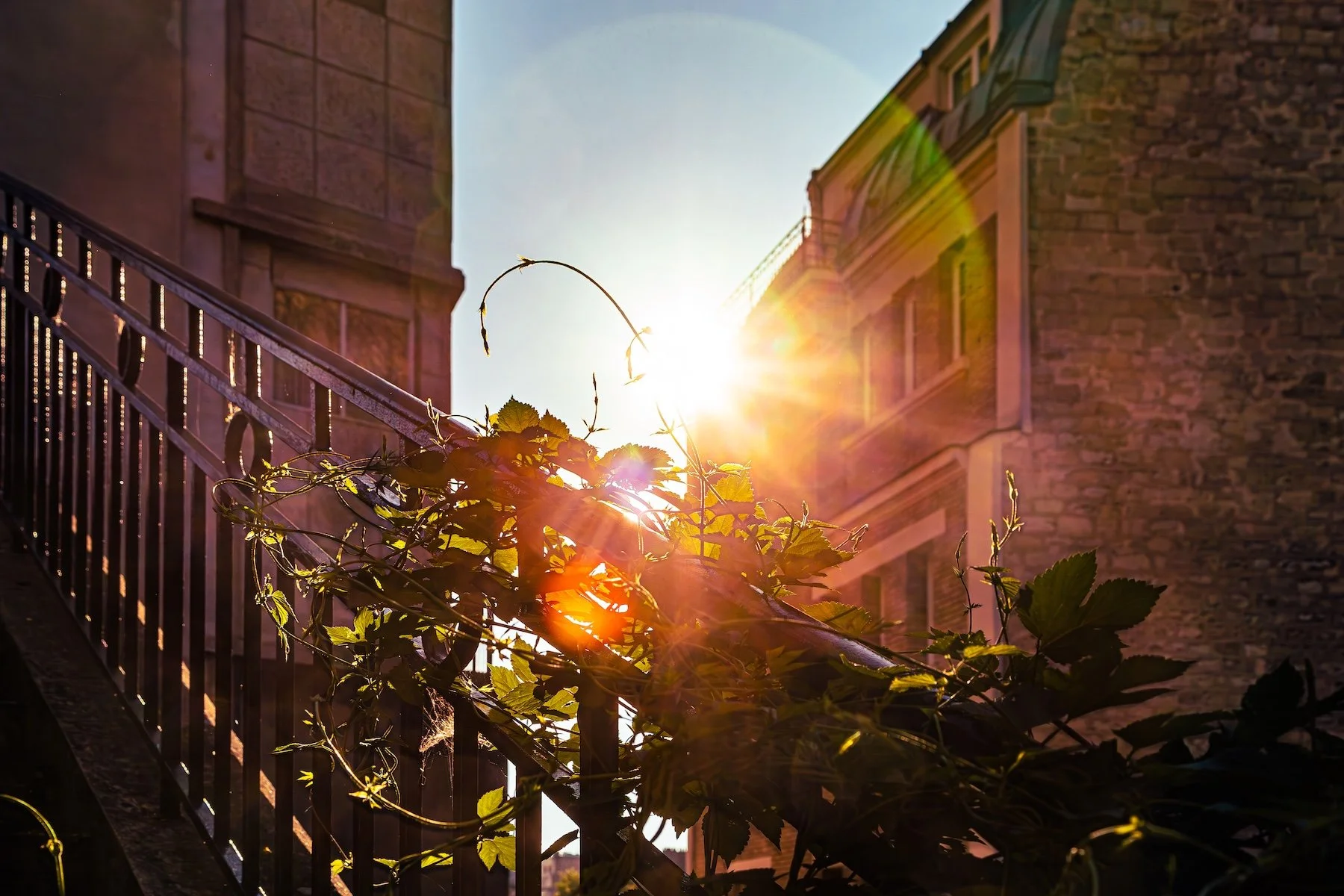
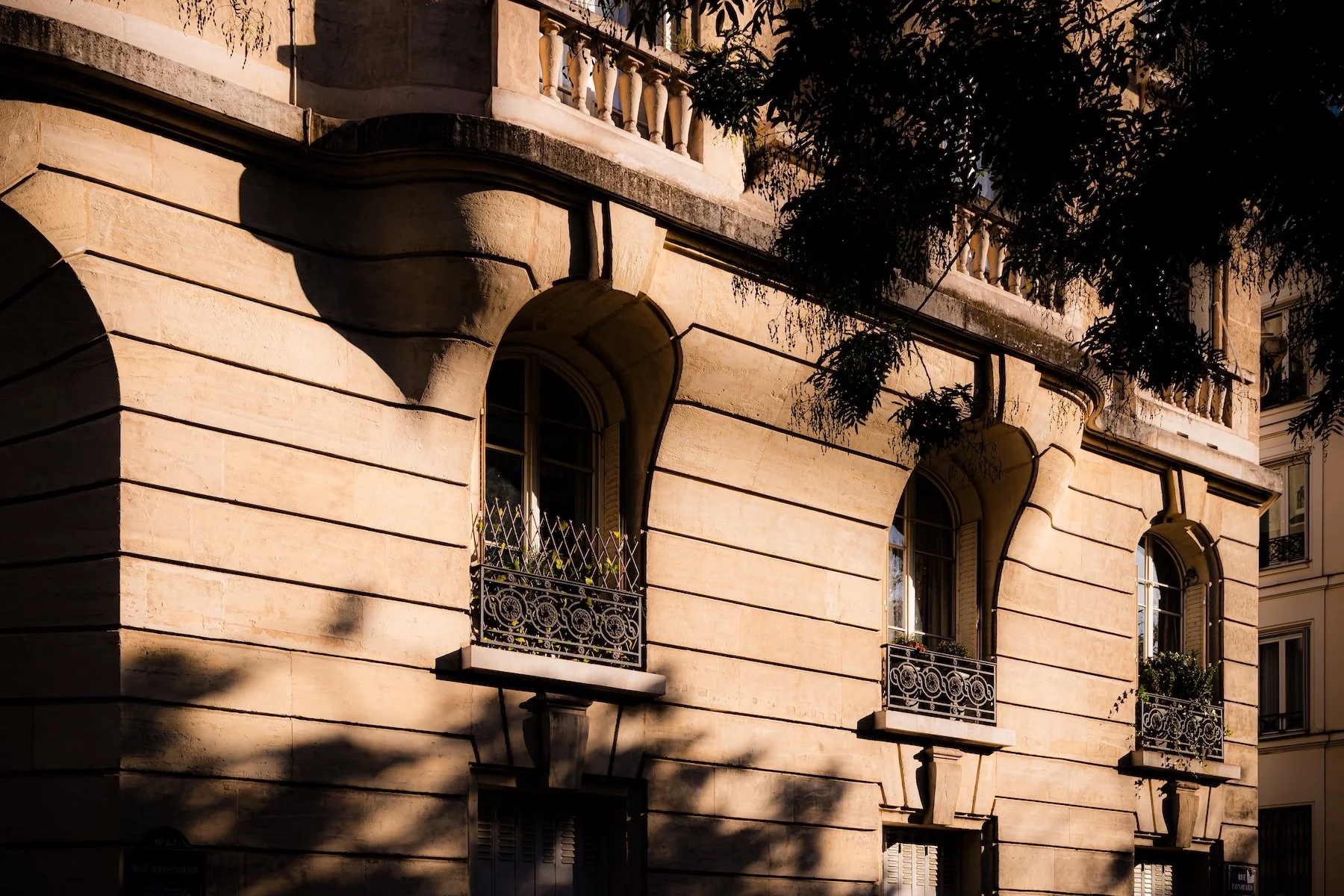
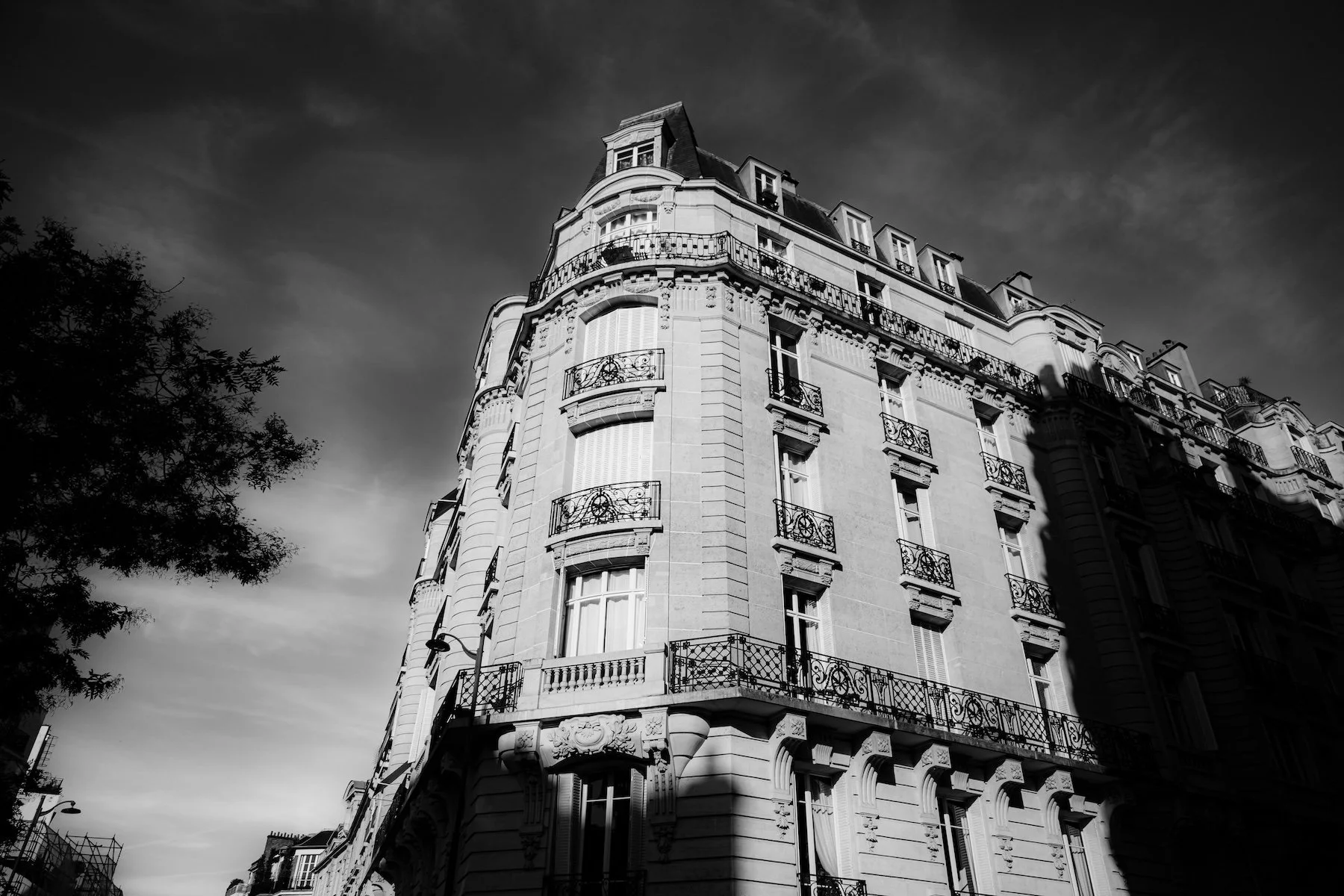
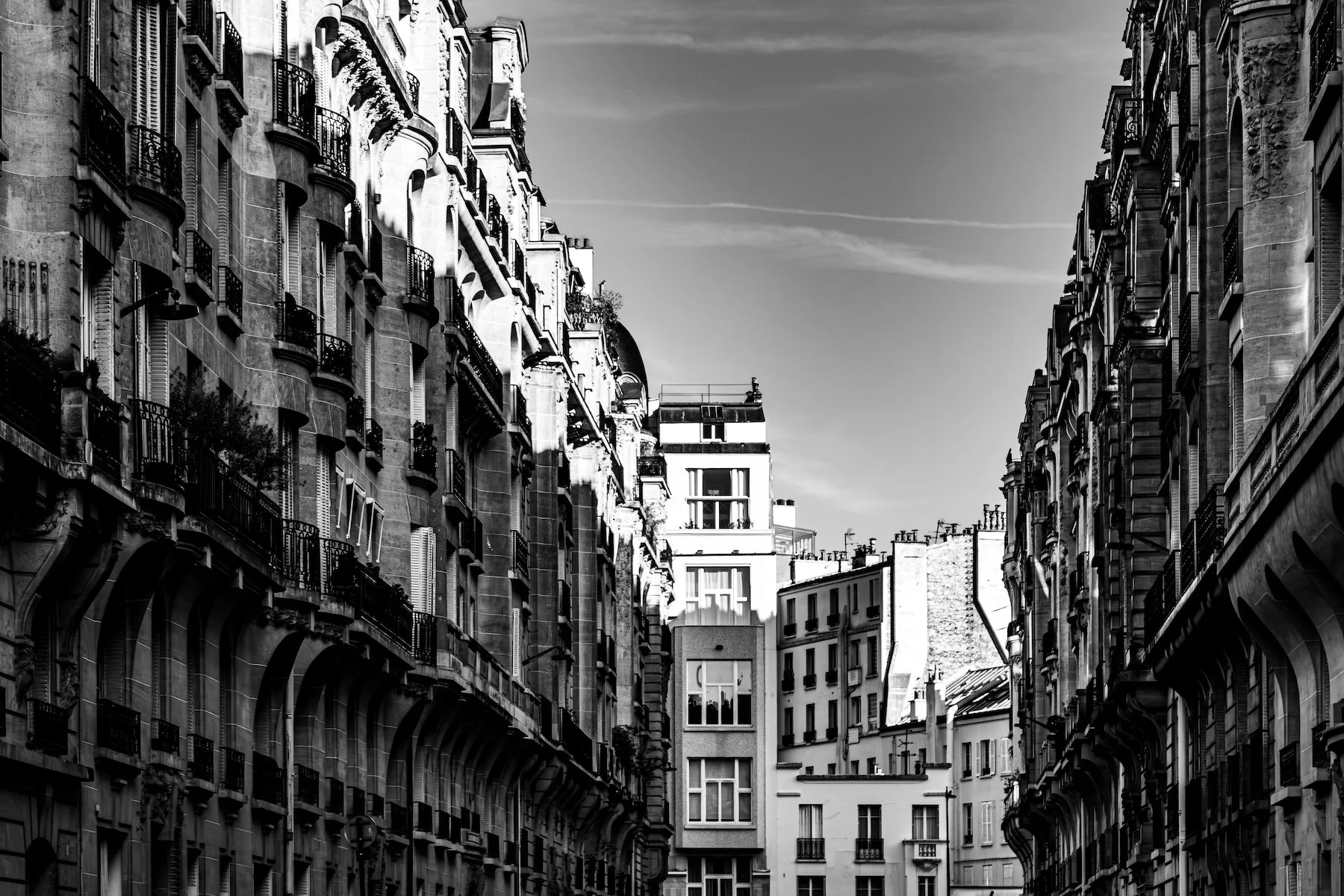
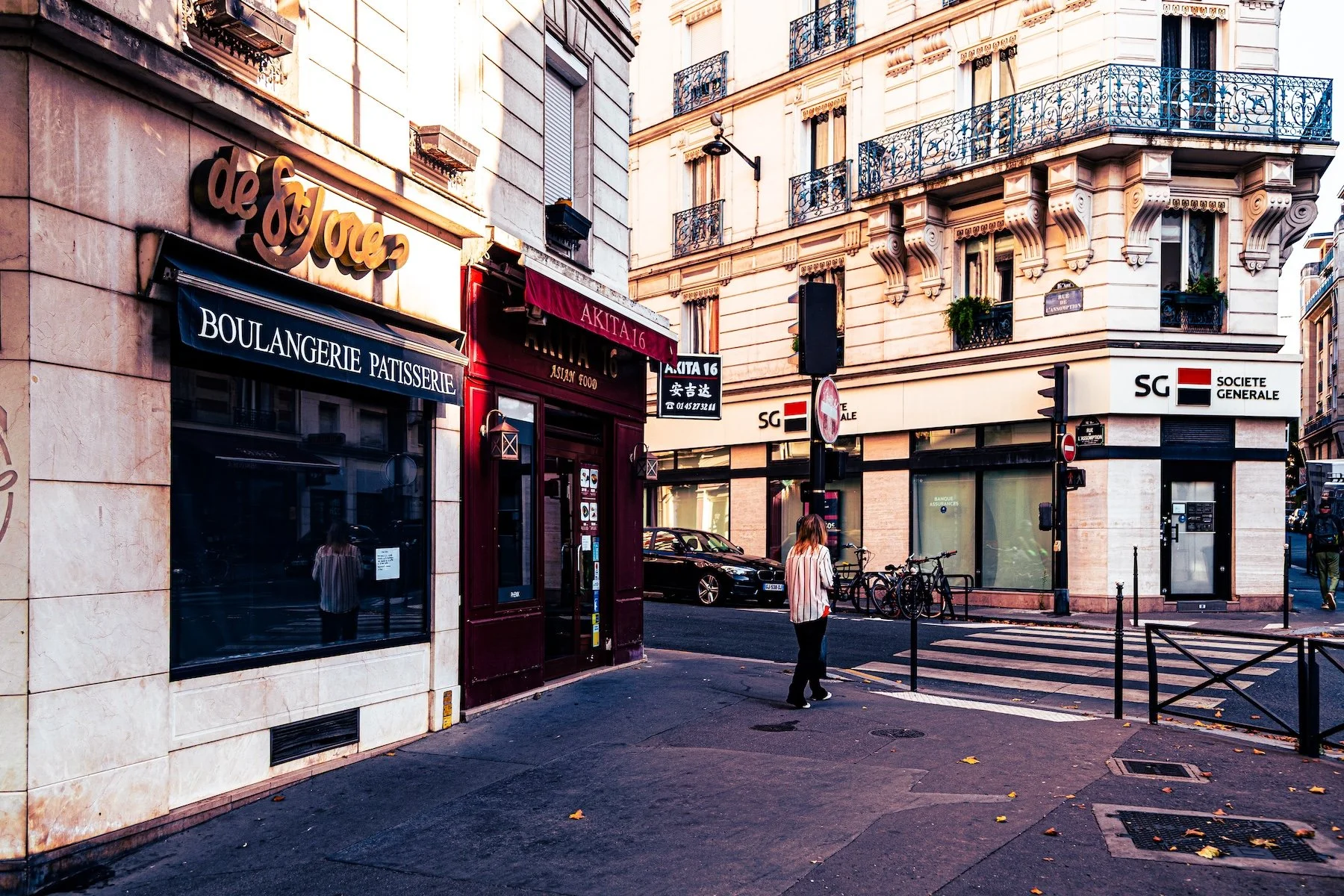
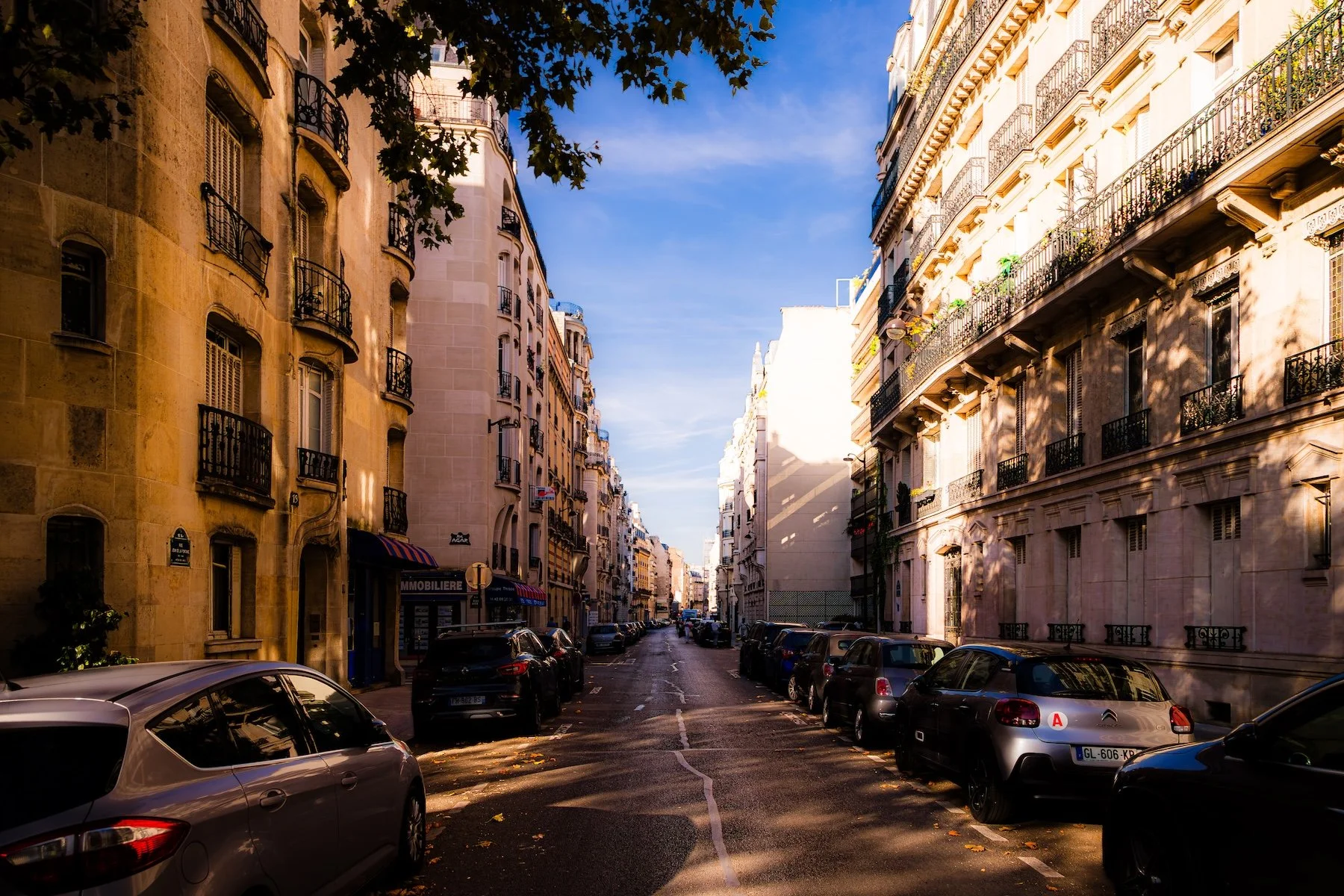
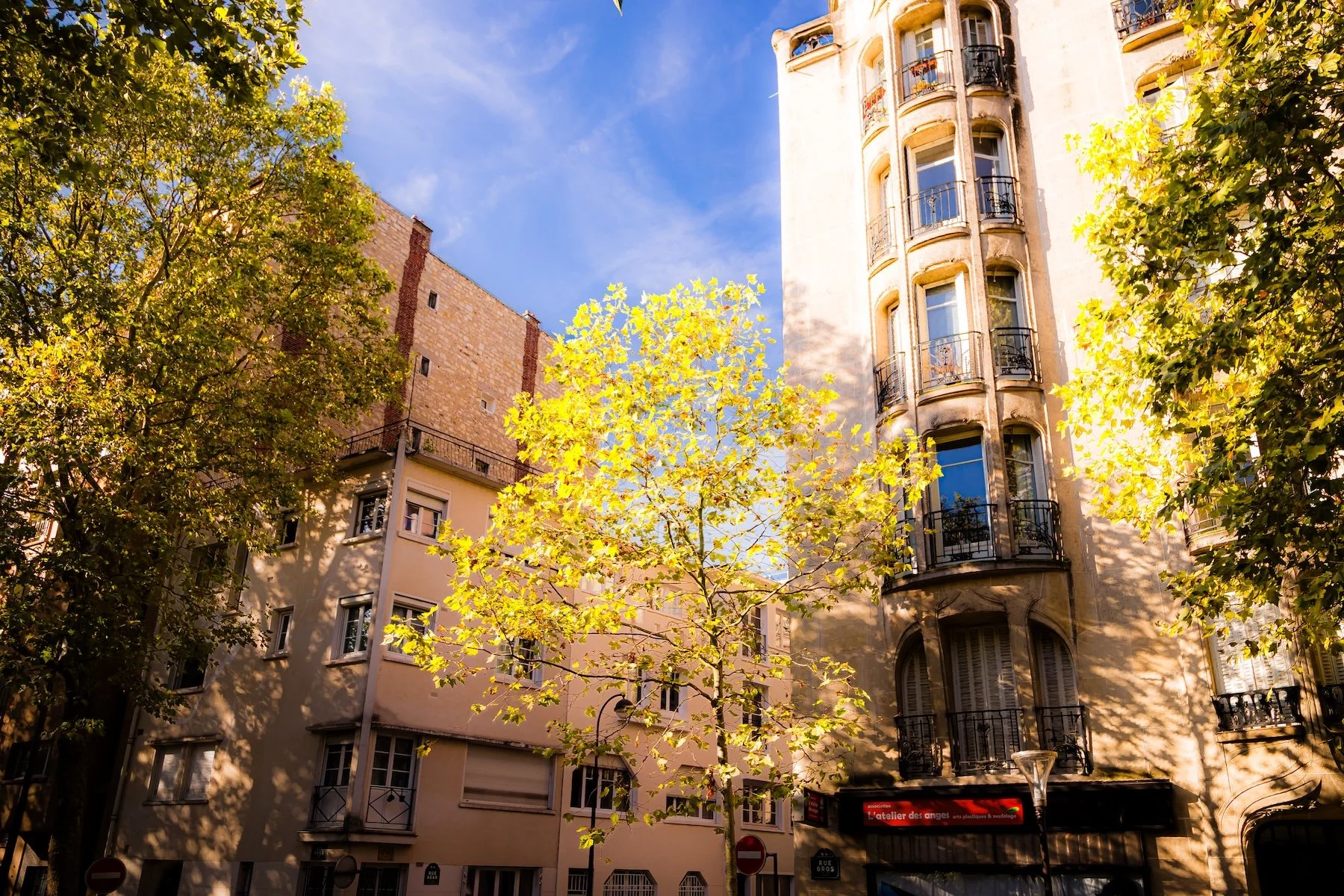
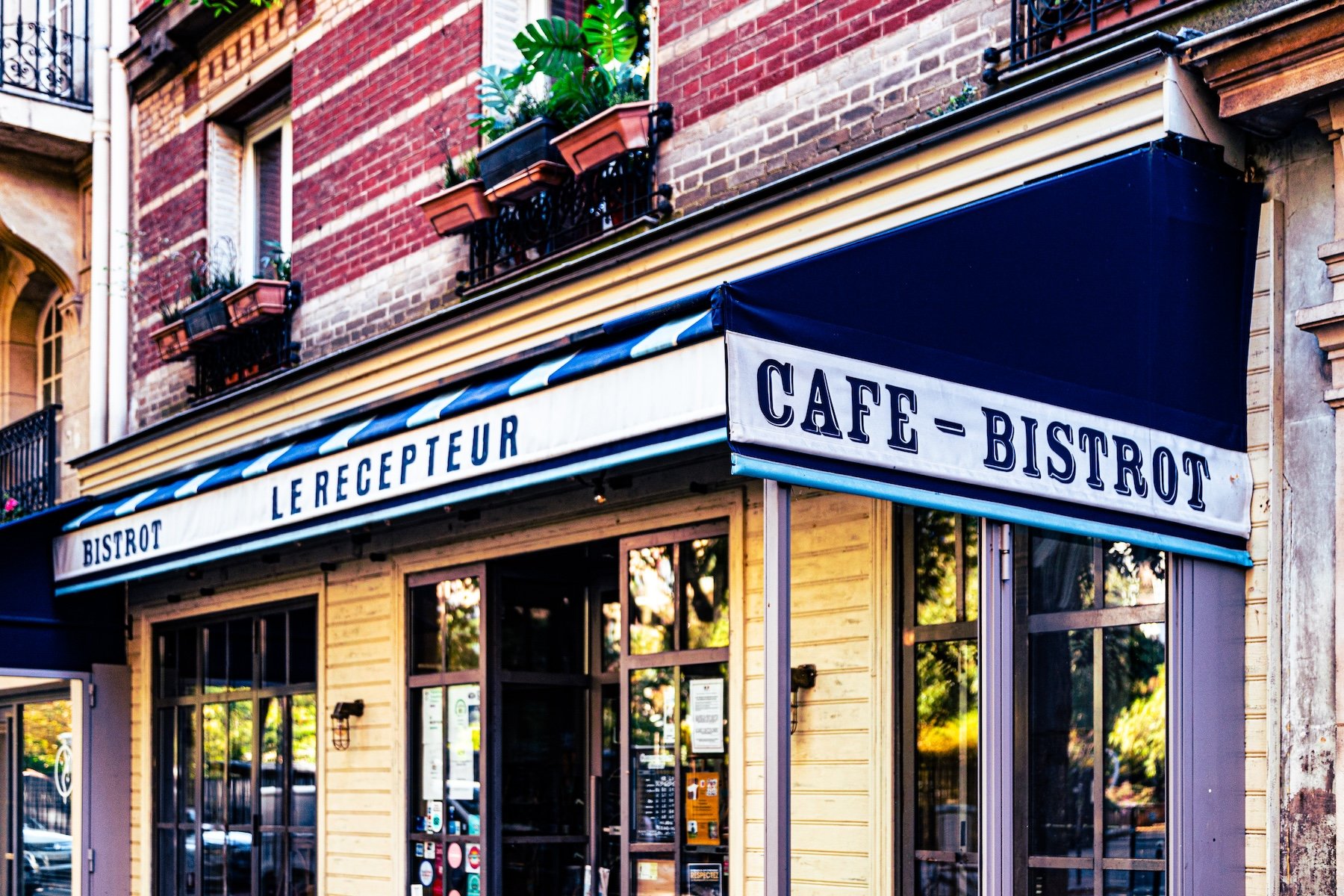
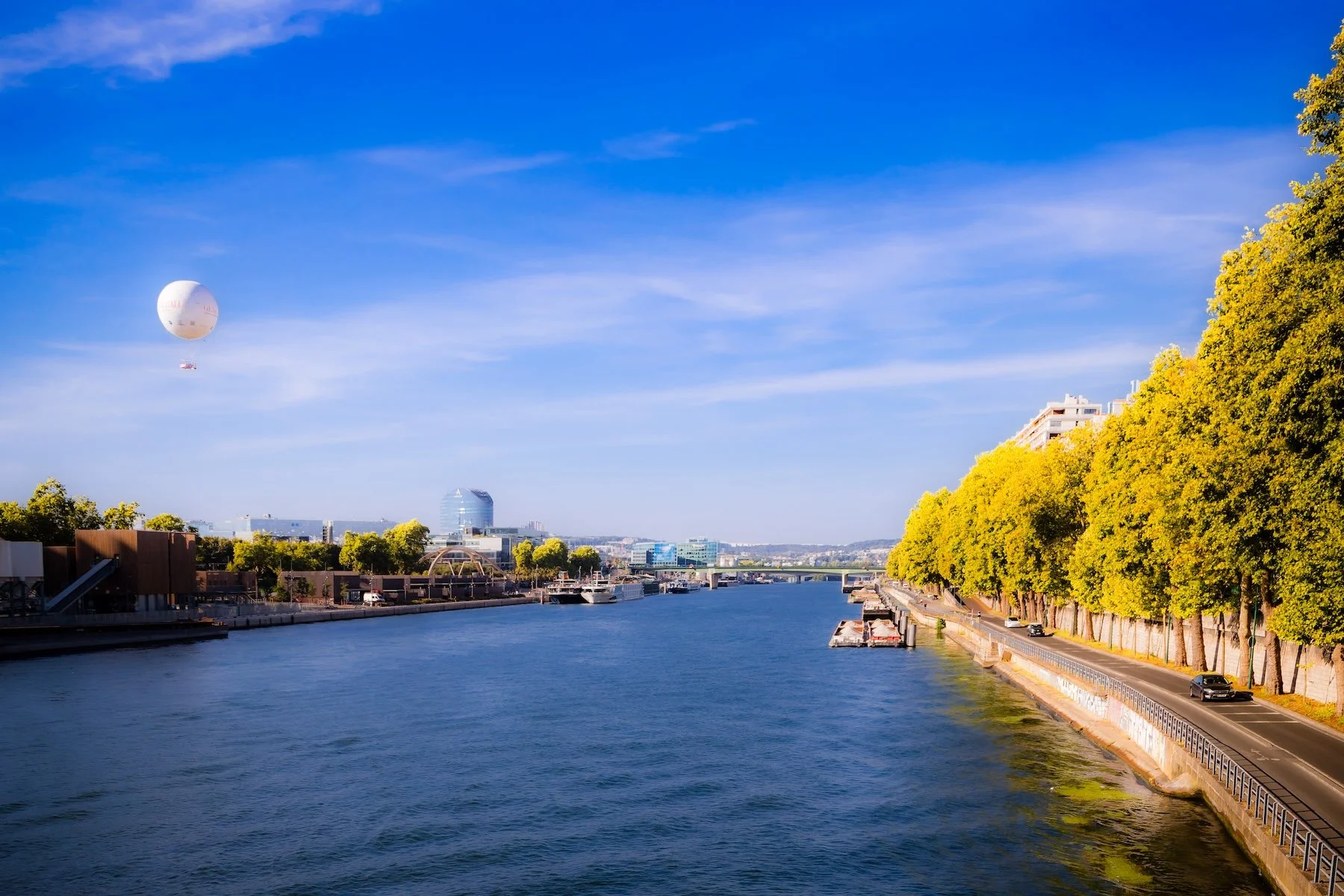
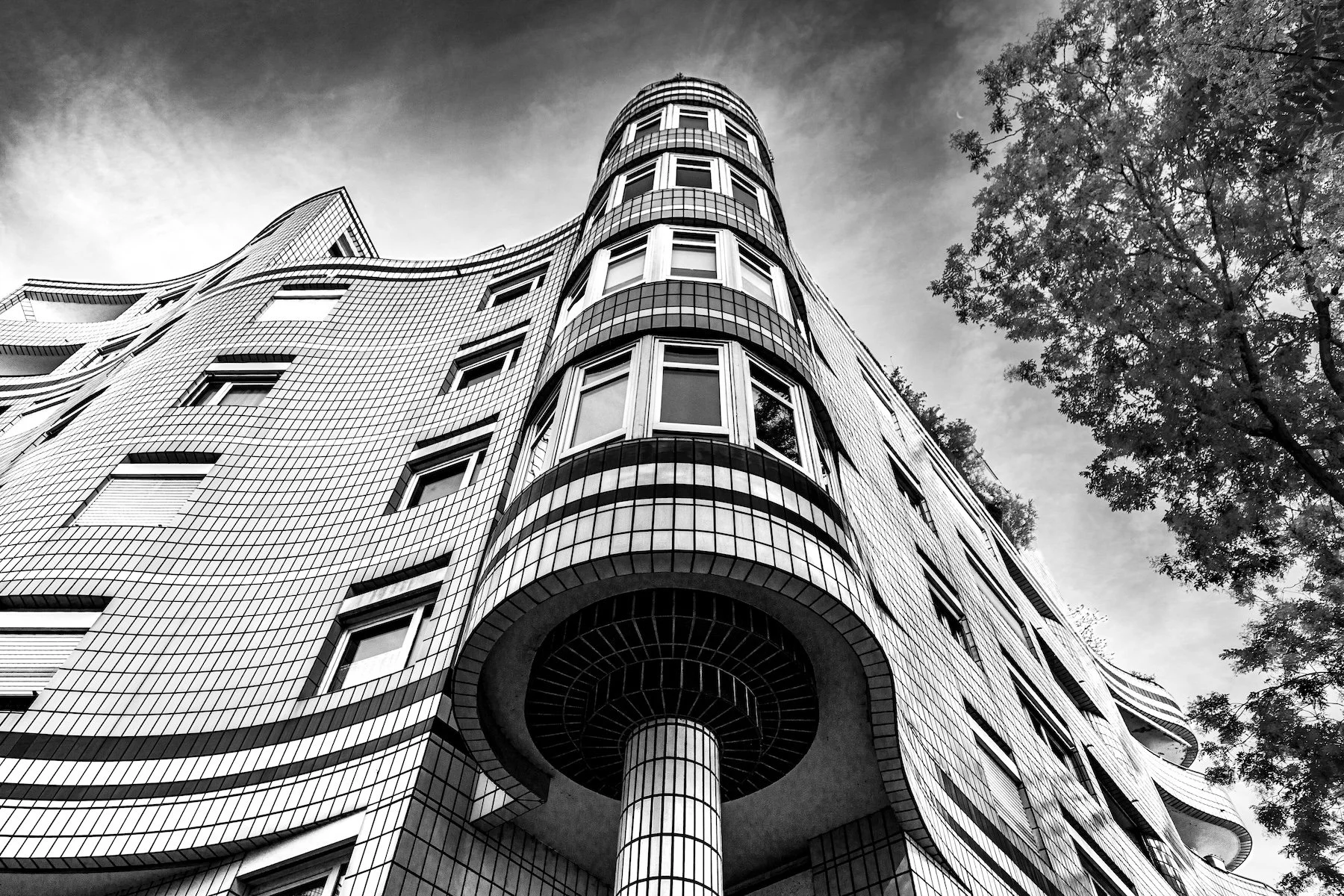
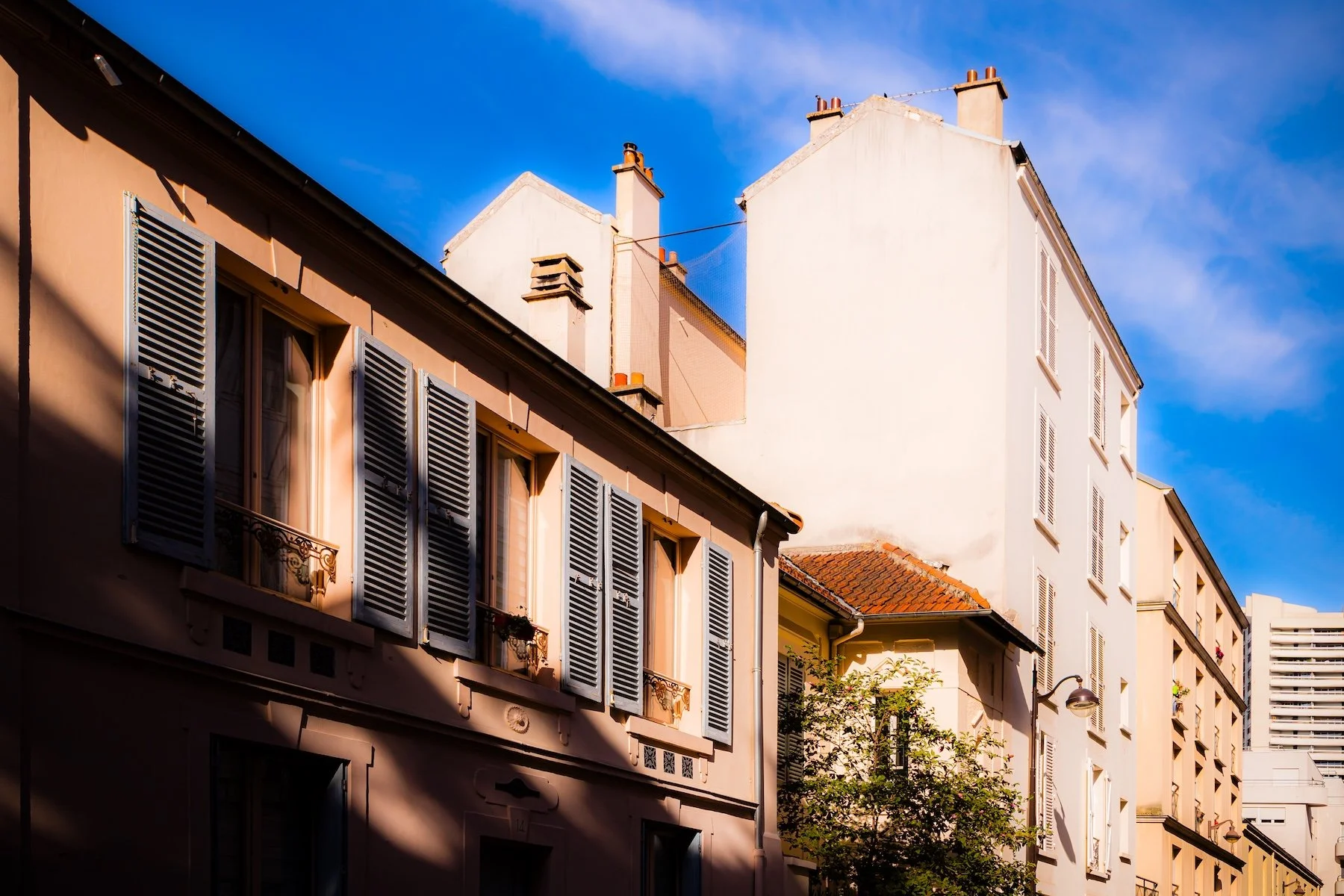
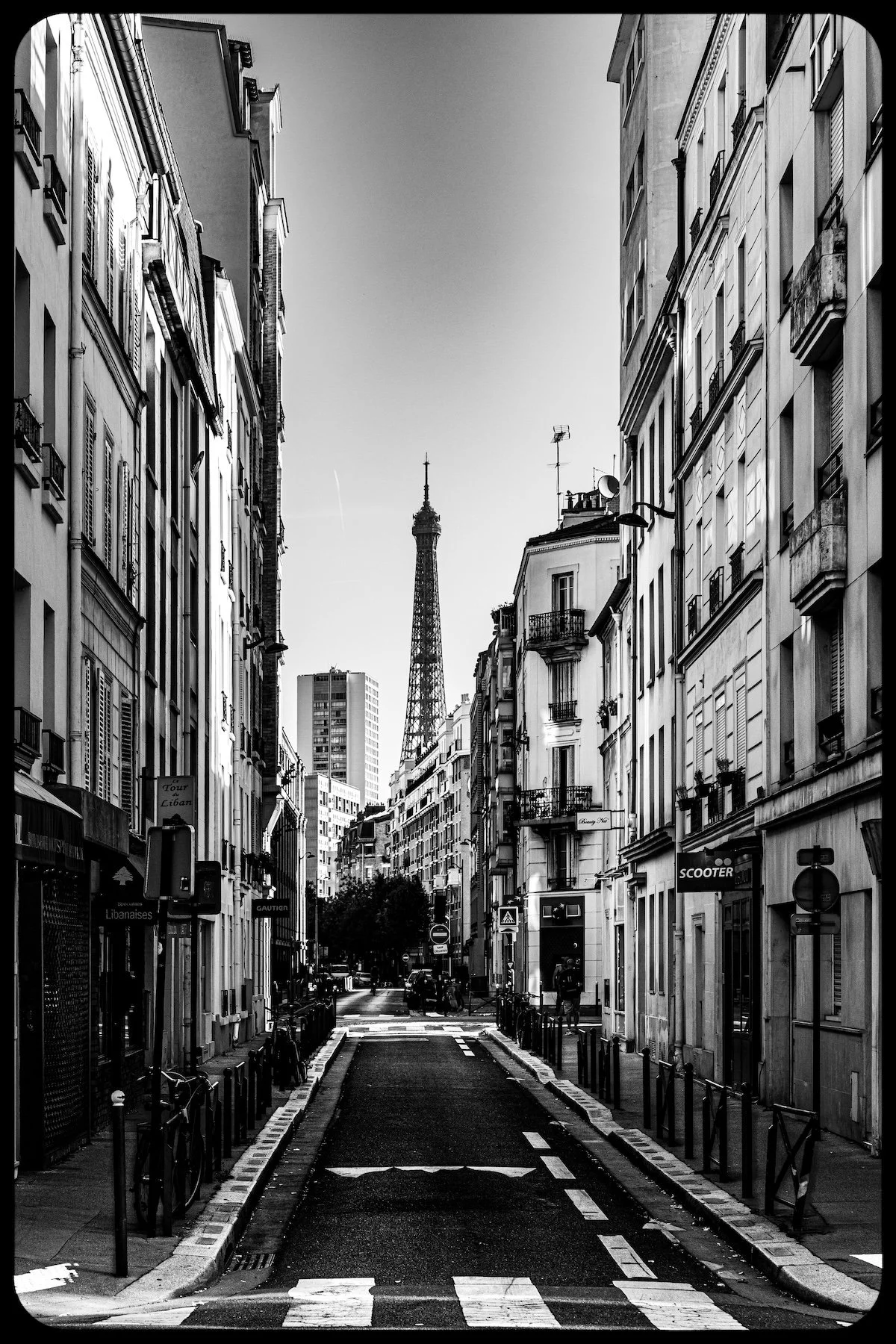
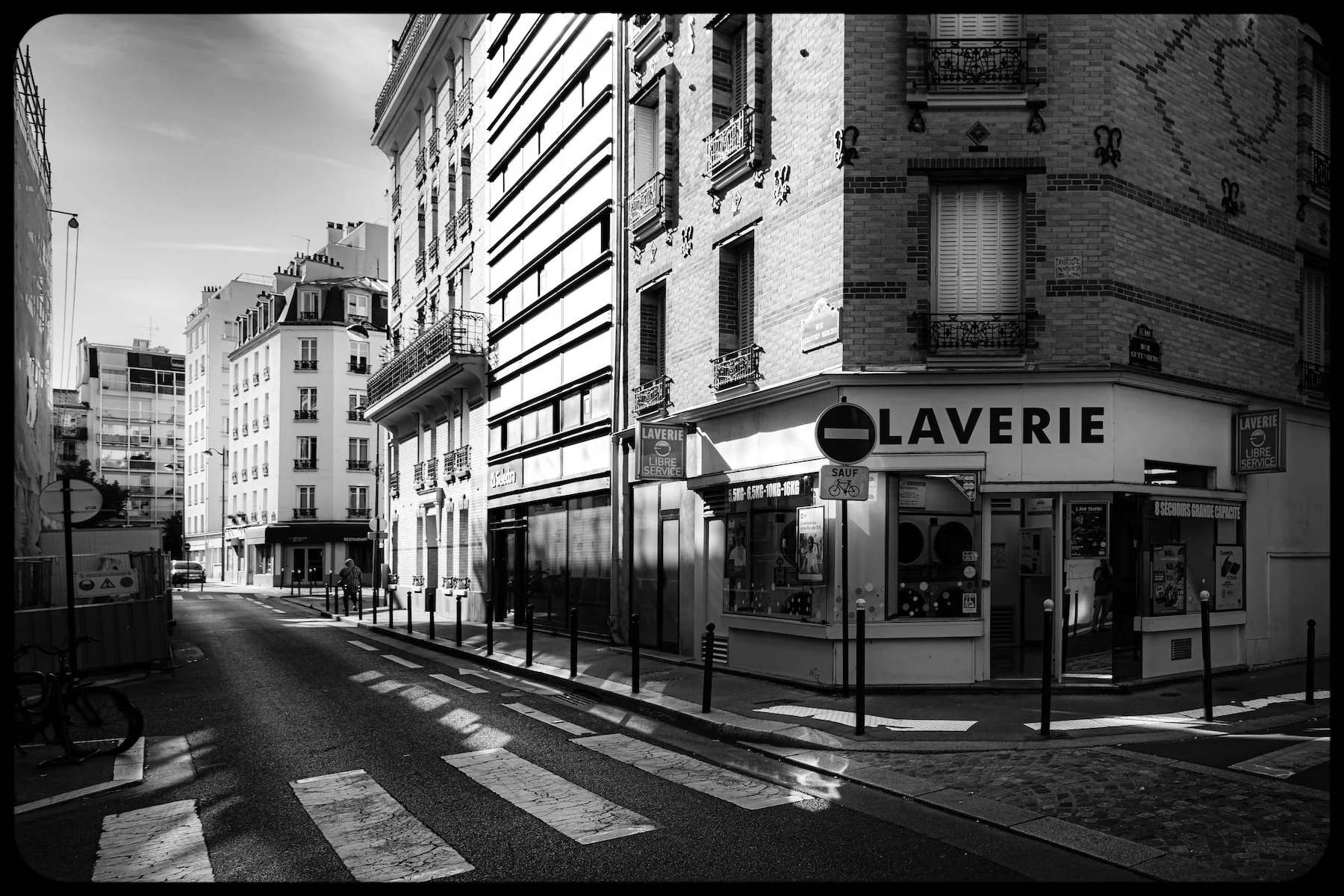
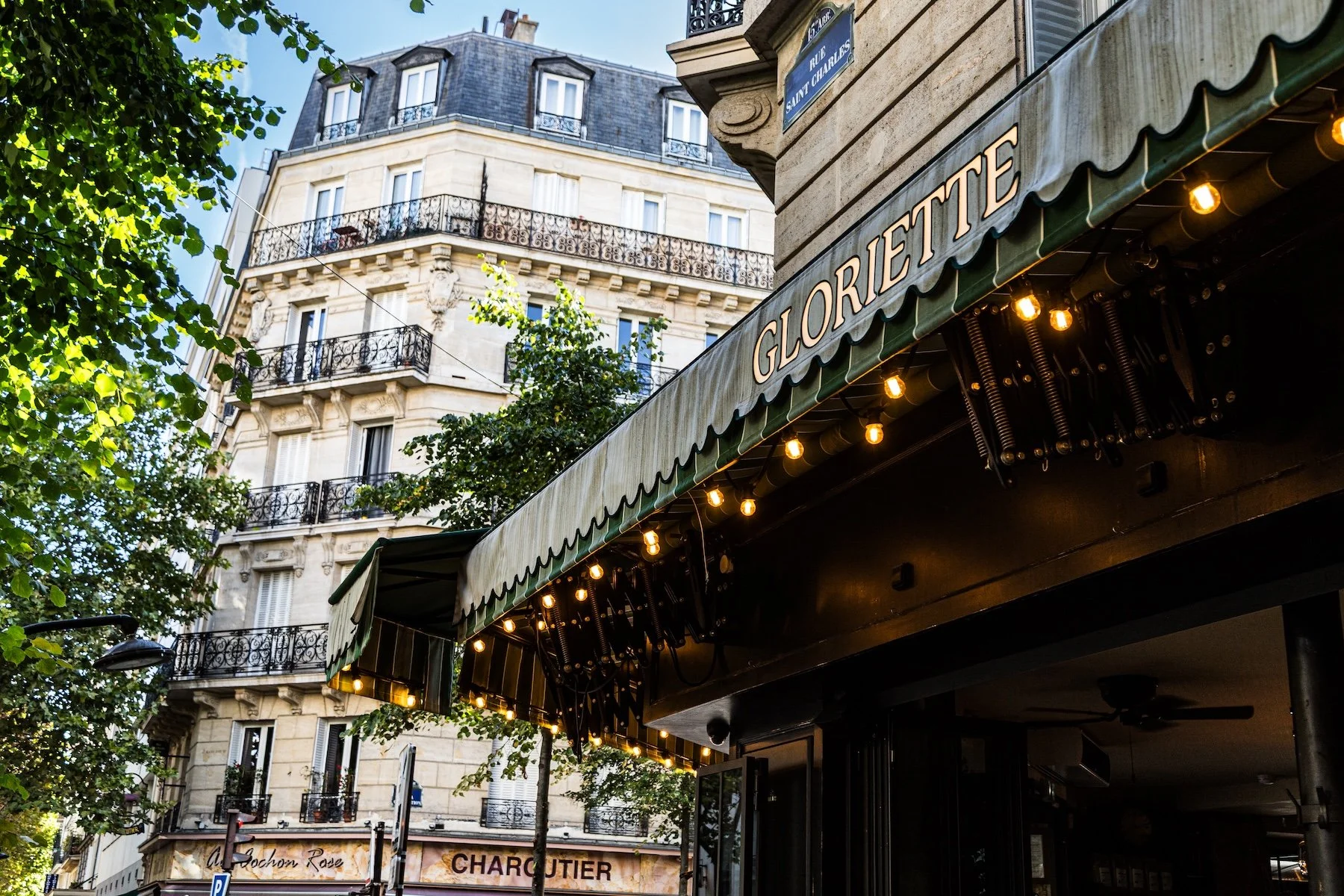
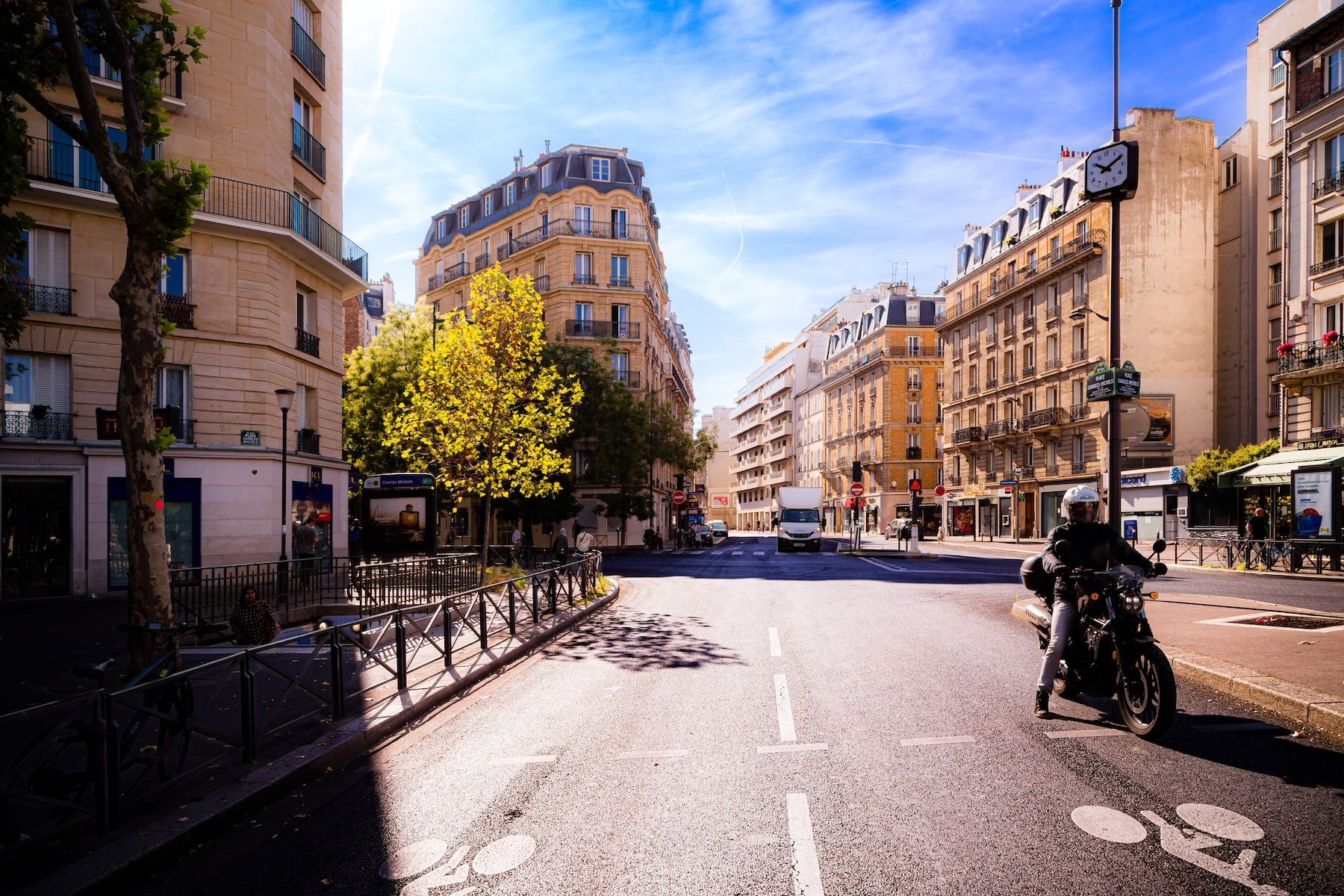
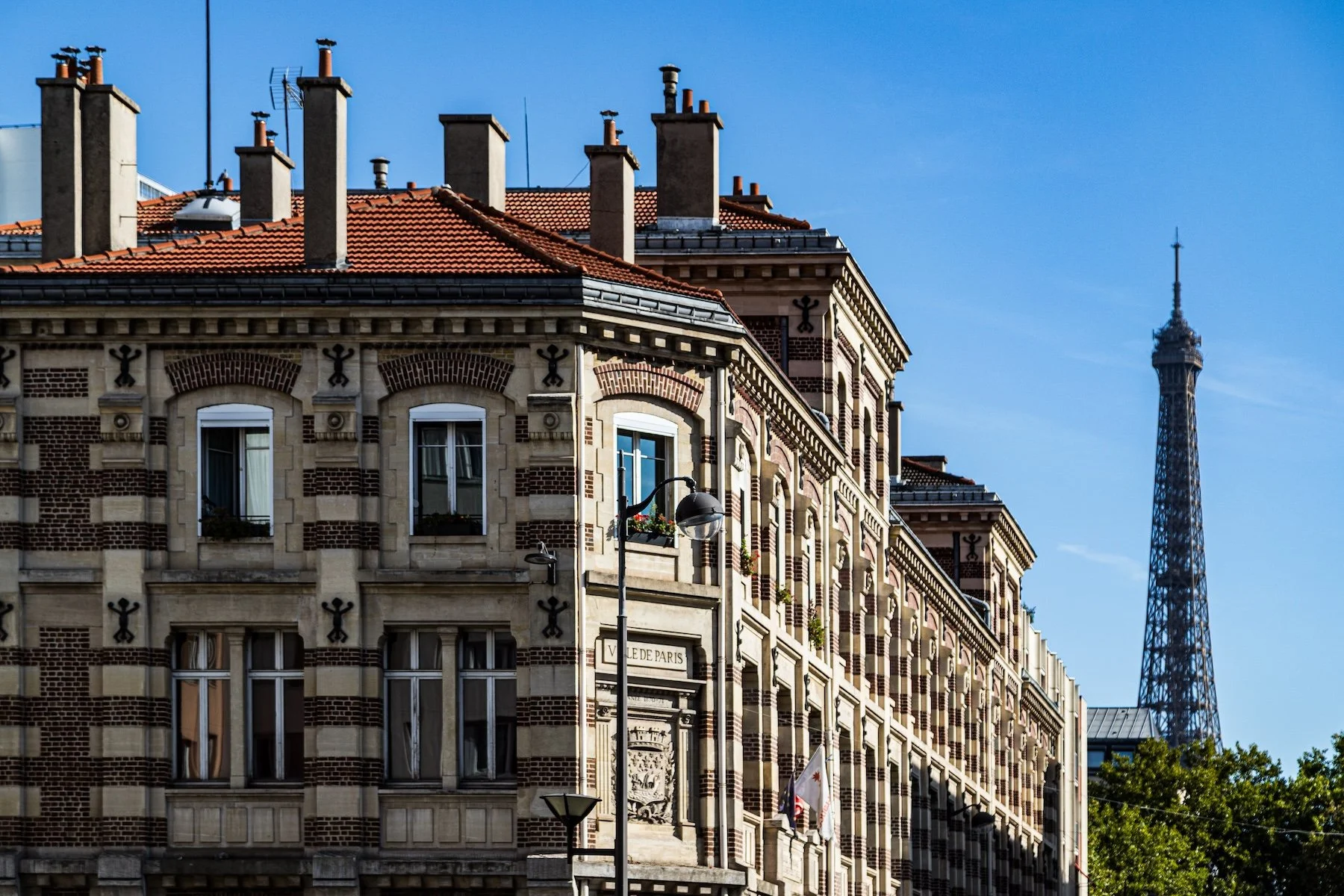
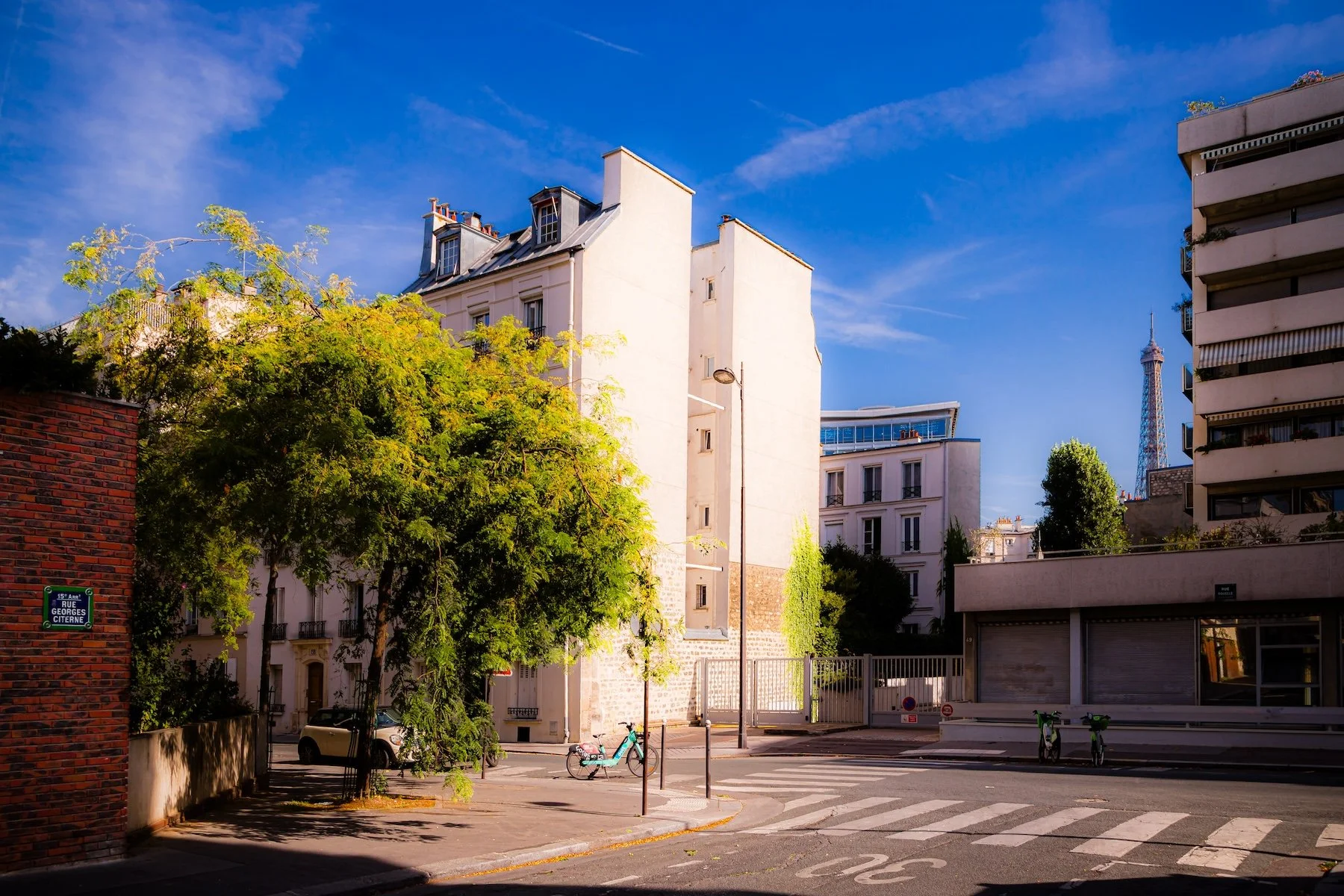
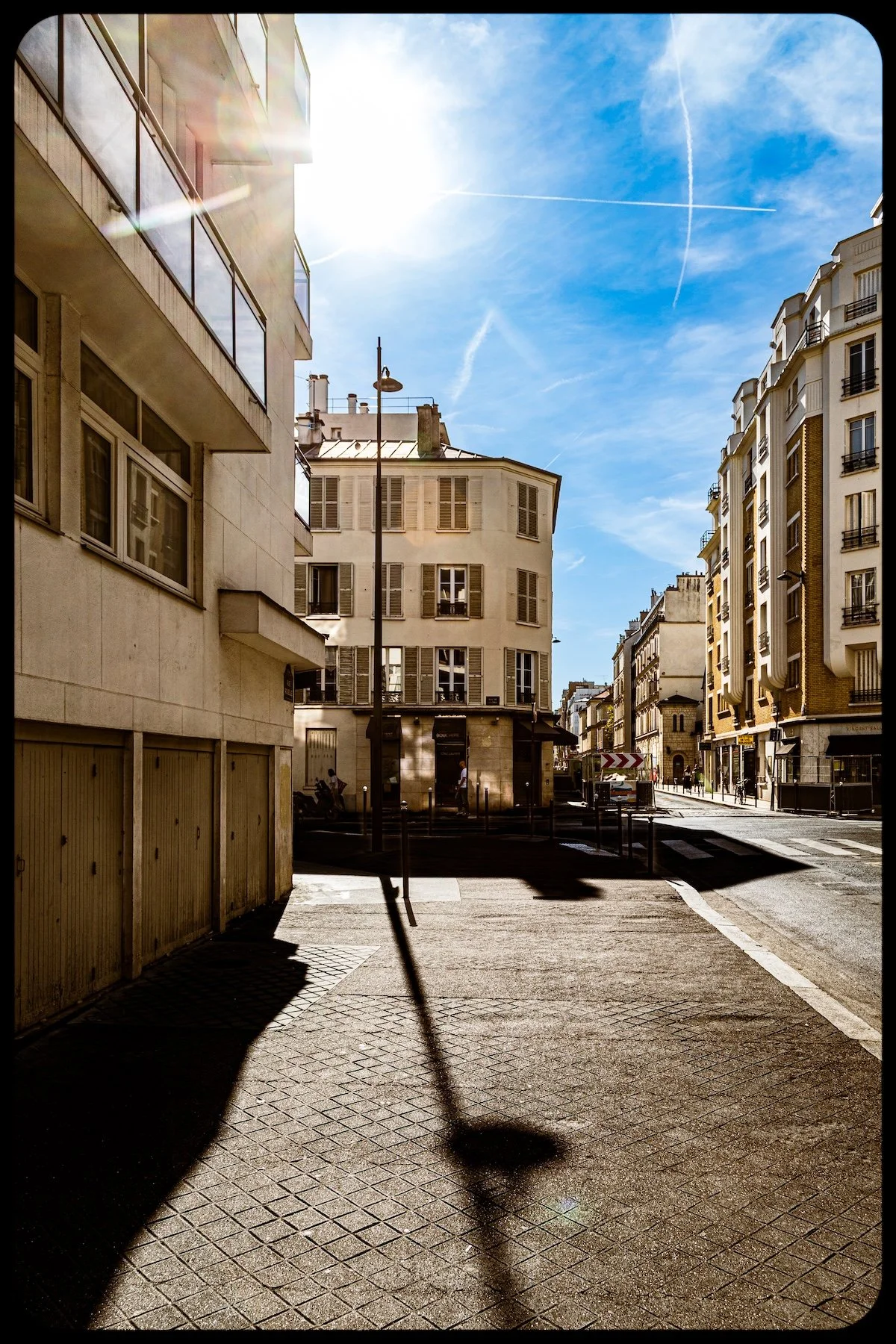
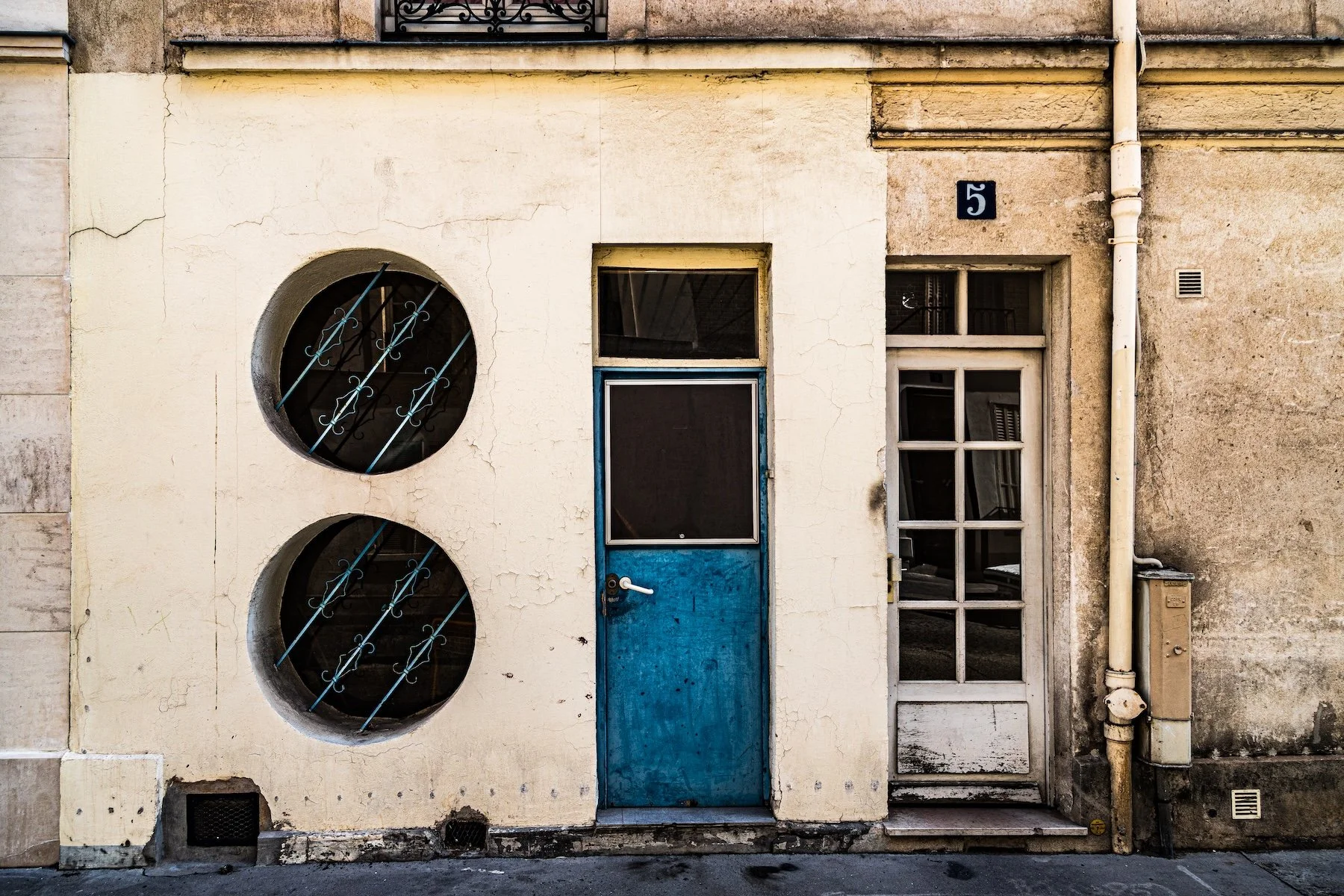
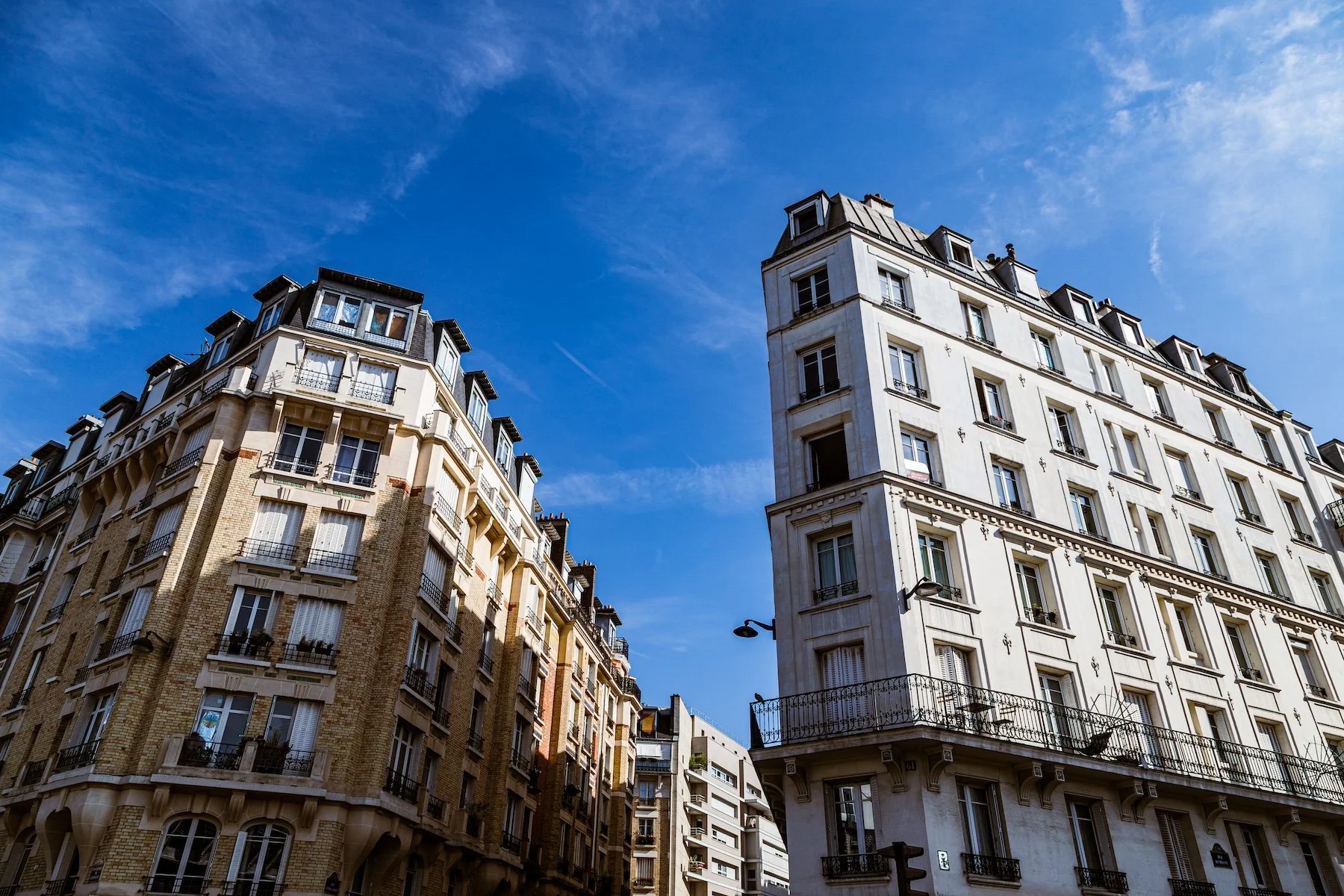
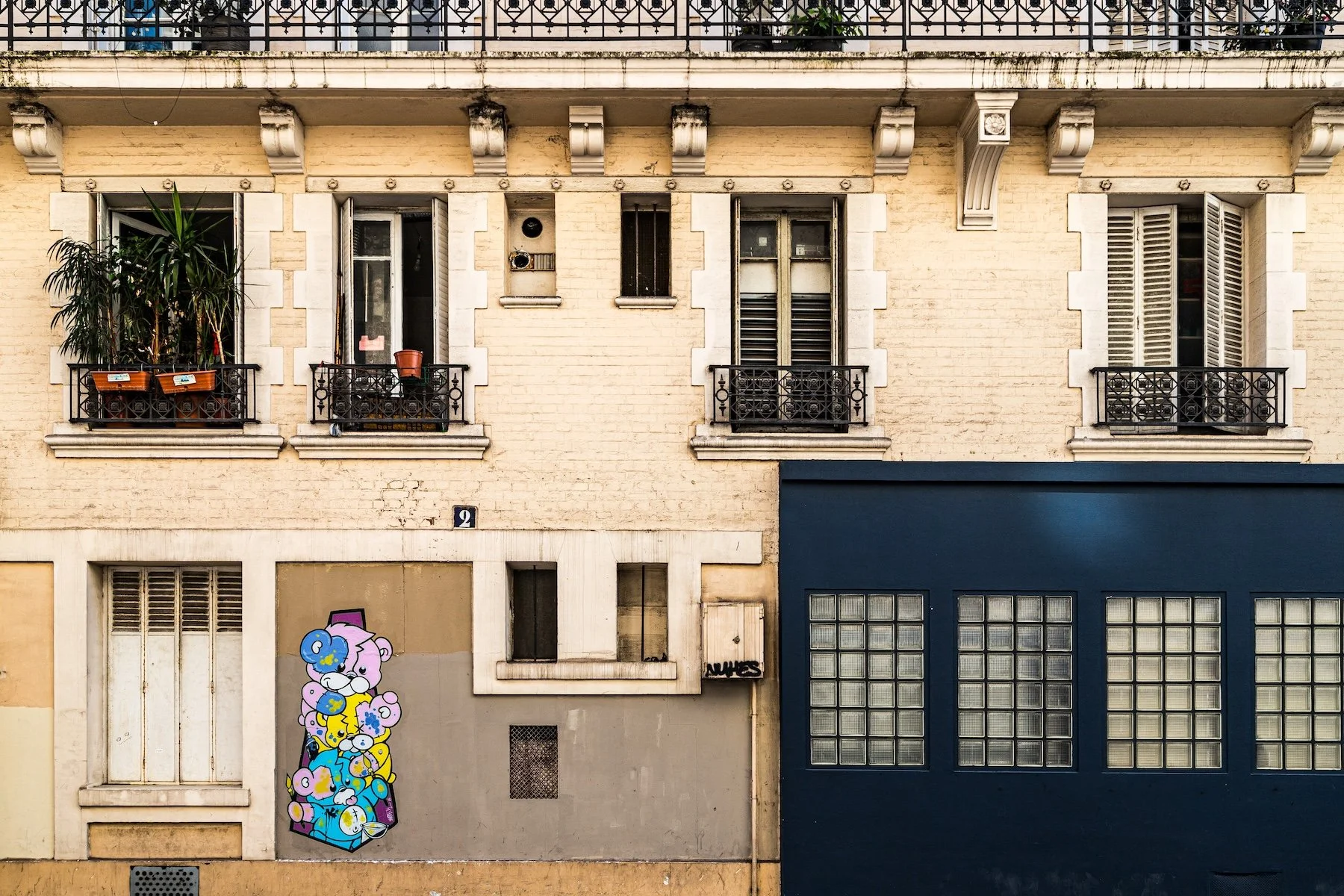
Photographing the arrondissements means moving between the official map and the street-level experience. The camera does not treat each arrondissement as visually uniform. Instead, it looks for the recurring forms, textures, transitions, and contrasts that make each district legible: the geometry of boulevards, the shade of plane trees, the repetition of balconies, the rise of stairways, the curve of canals, the presence of rail stations, the opening of parks, the weight of monuments, and the intimacy of side streets.
On CityNeighborhoods, the arrondissement provides the frame, but the photograph comes from the encounter between map, movement, light, and observation. As the Paris photography is processed, this section will connect each arrondissement more directly to the project’s Photographic Lexicon: the visual strategies, recurring motifs, and compositional patterns that shape how the city is seen through the lens.
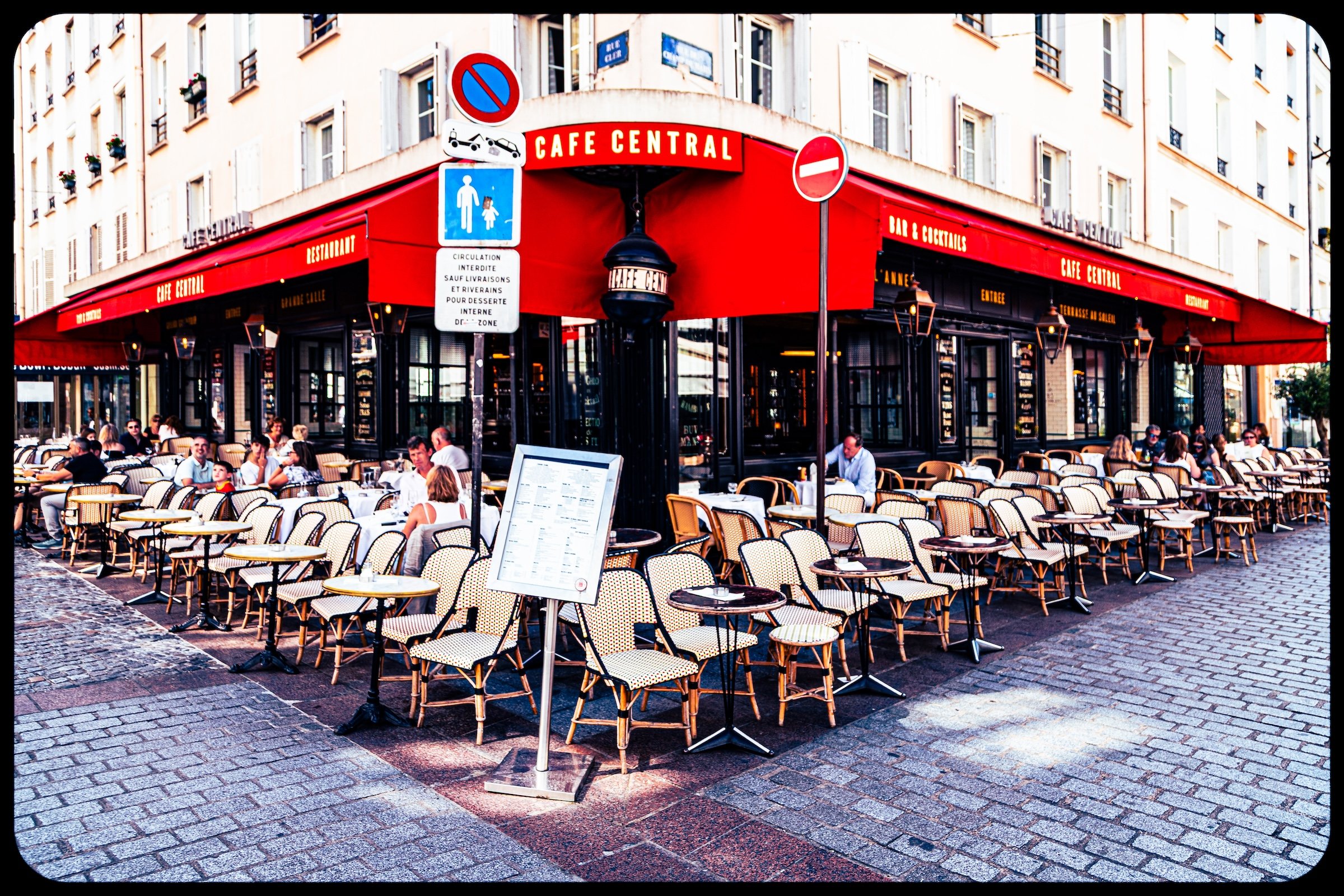
If you visit Paris, these ideas can help inspire your own photography.
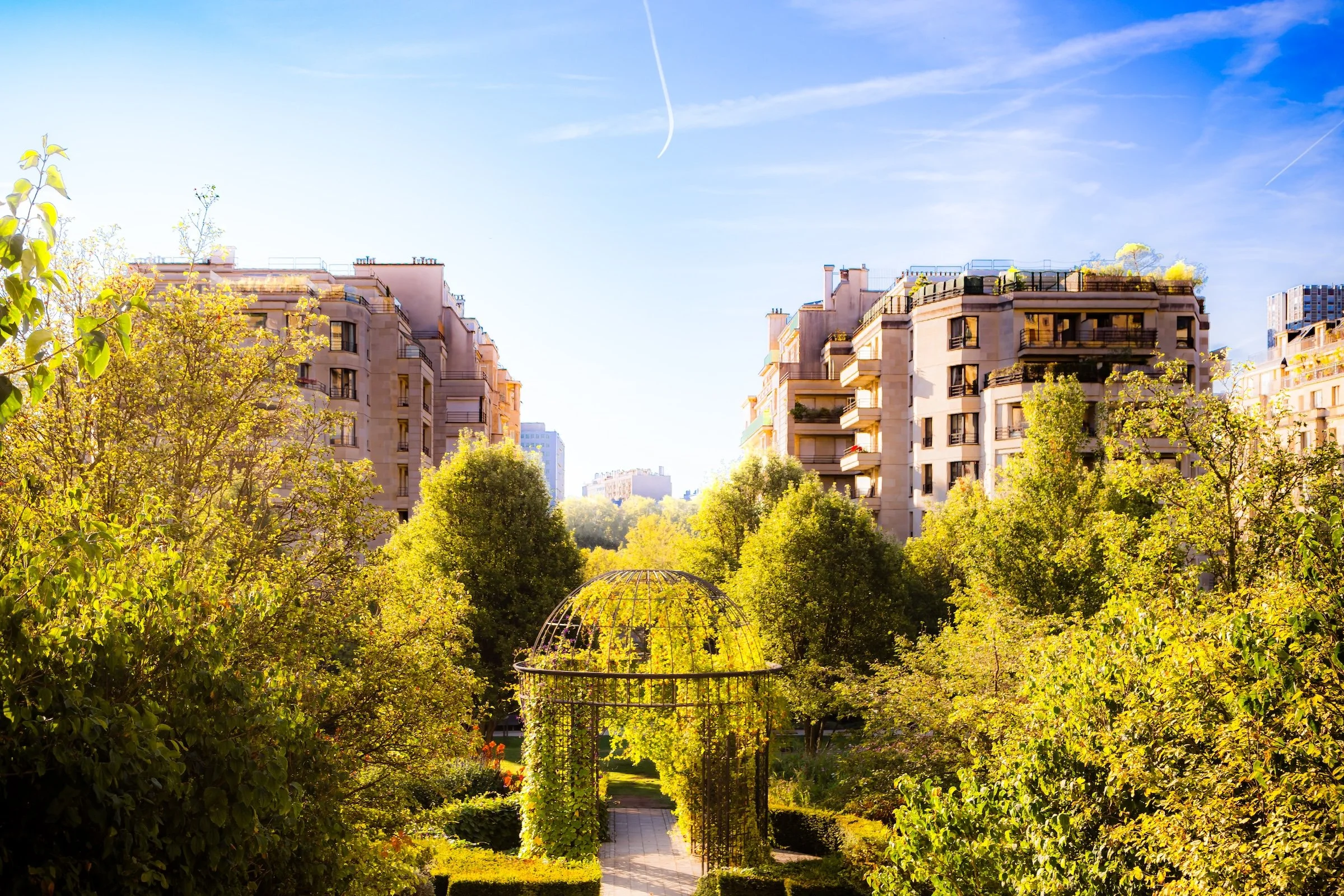
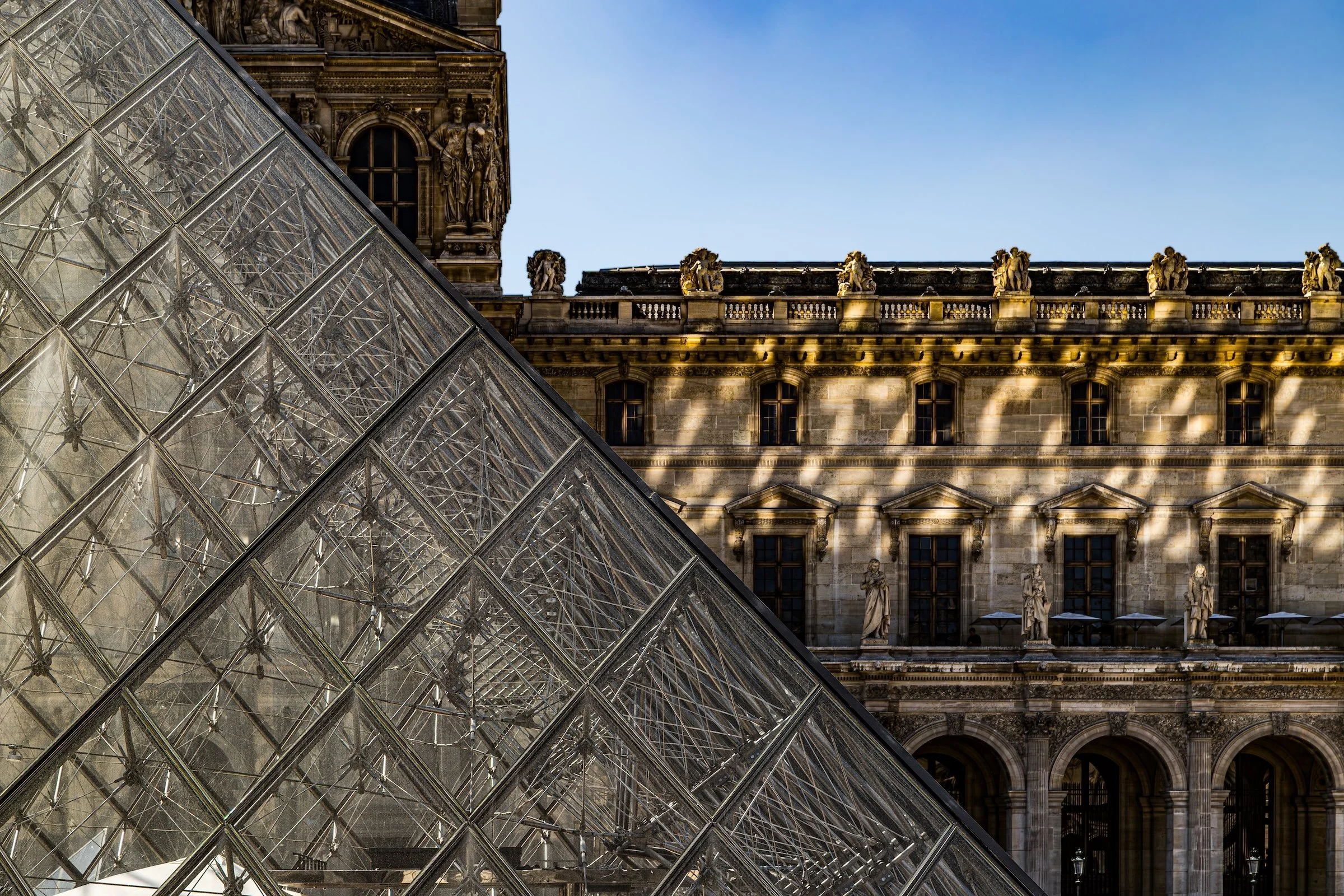
Paris: J’Espere, Je Rêve, Je Vive
Paris Photo Gallery
Paris Field Notes
-
Field Note: August 18, 2025 | 07:58 AM
Conditions: 73°F | Humidity: 72%.
Within the park's interior, the glacial kettle ponds acted as humidity traps, creating a soft, hazy light that filtered through the old-growth oaks. The transition from the park's dense shade to the sun-drenched edges of Oakland Gardens highlighted the day's exceptional "picture-perfect" clarity.
There is a fleeting window in Queens where the humidity of August hasn't yet heavy-set, and the morning sun hits the canopy of Alley Pond Park at a perfect oblique angle. Arriving just before 8:00 AM, I watched the light break through the oaks and tulip trees, casting long, dramatic shadows across the wet grass. It’s in these quiet, golden moments that the park feels less like a city escape and more like the ancient glacial valley it actually is.
Other neighborhoods visited:
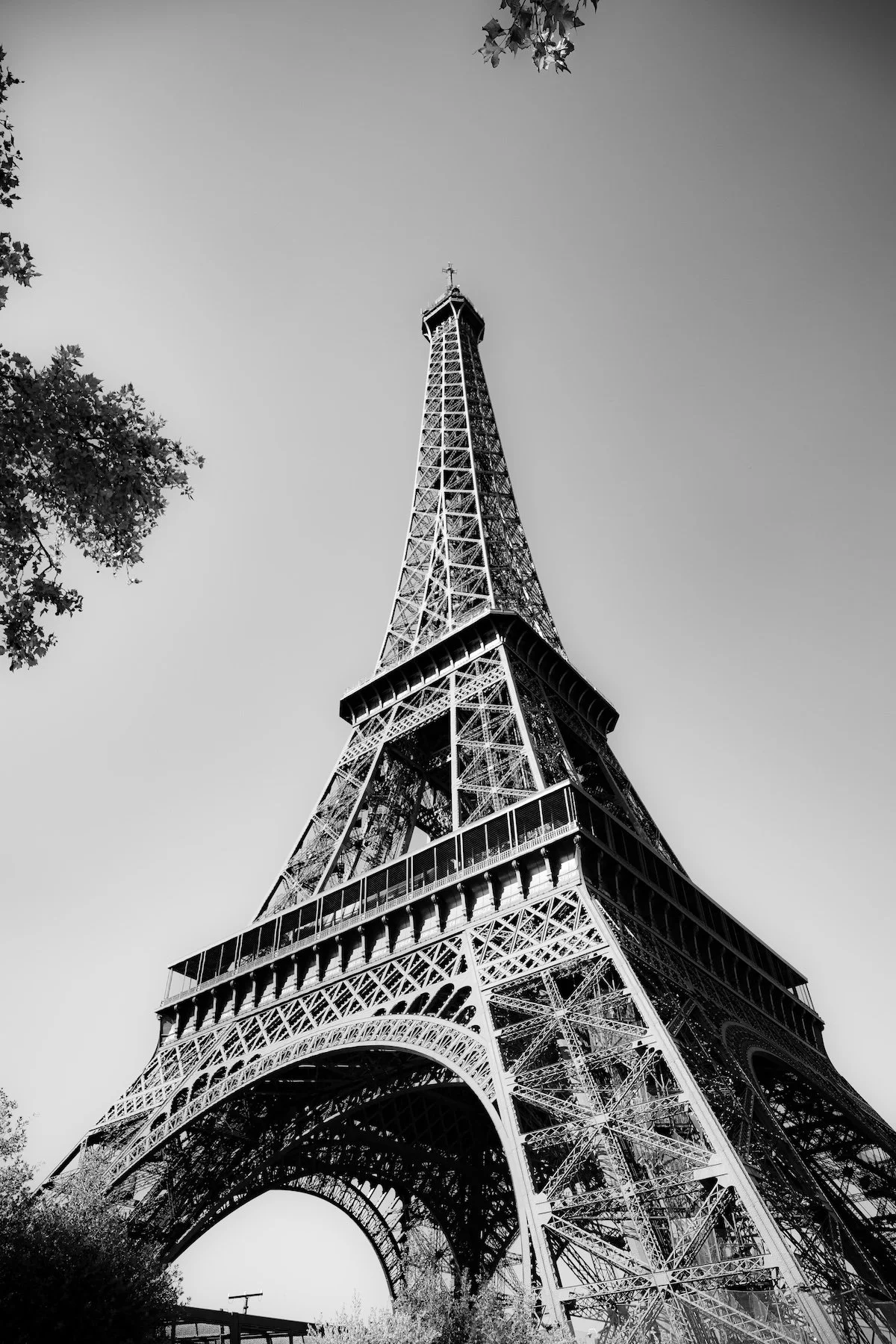
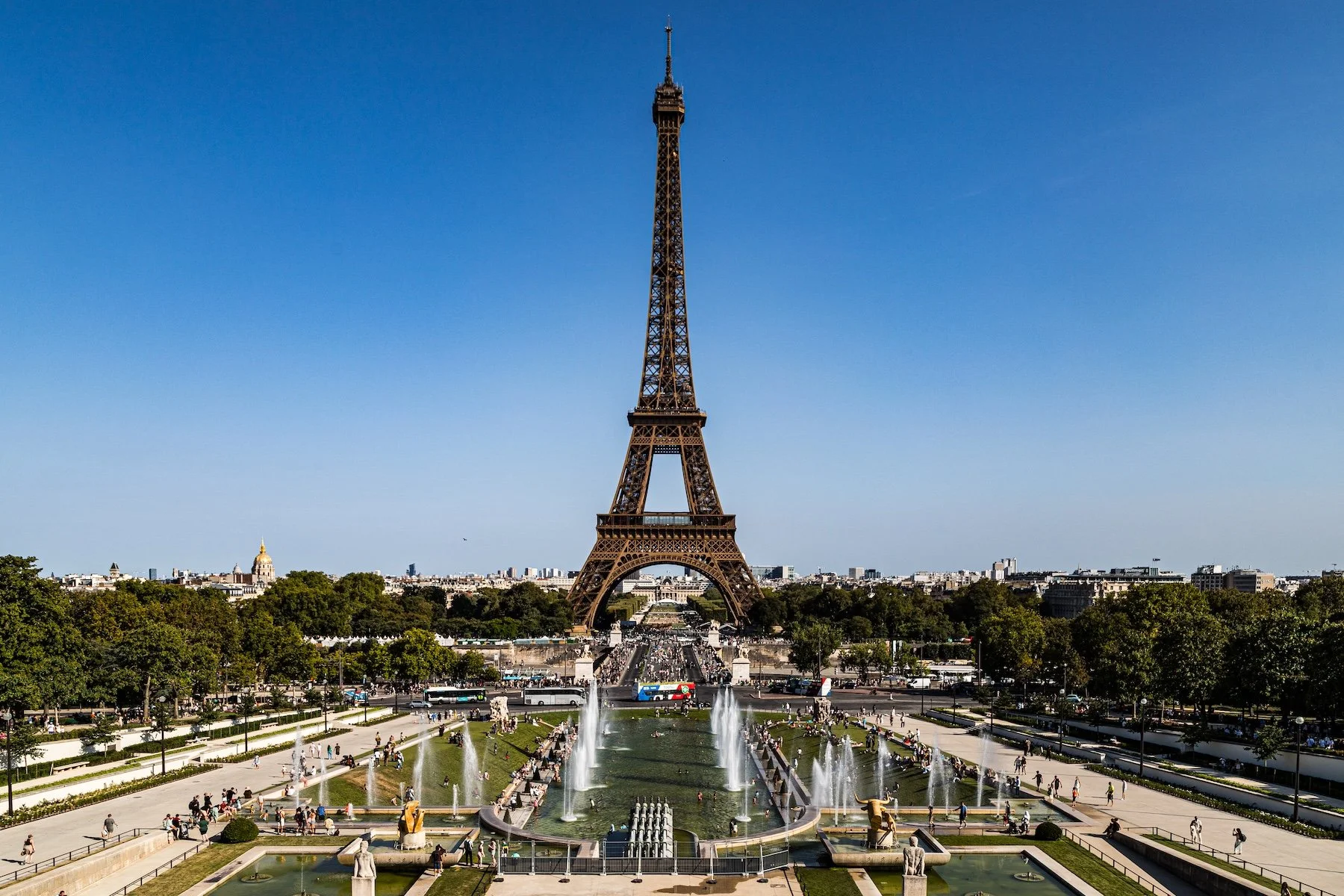
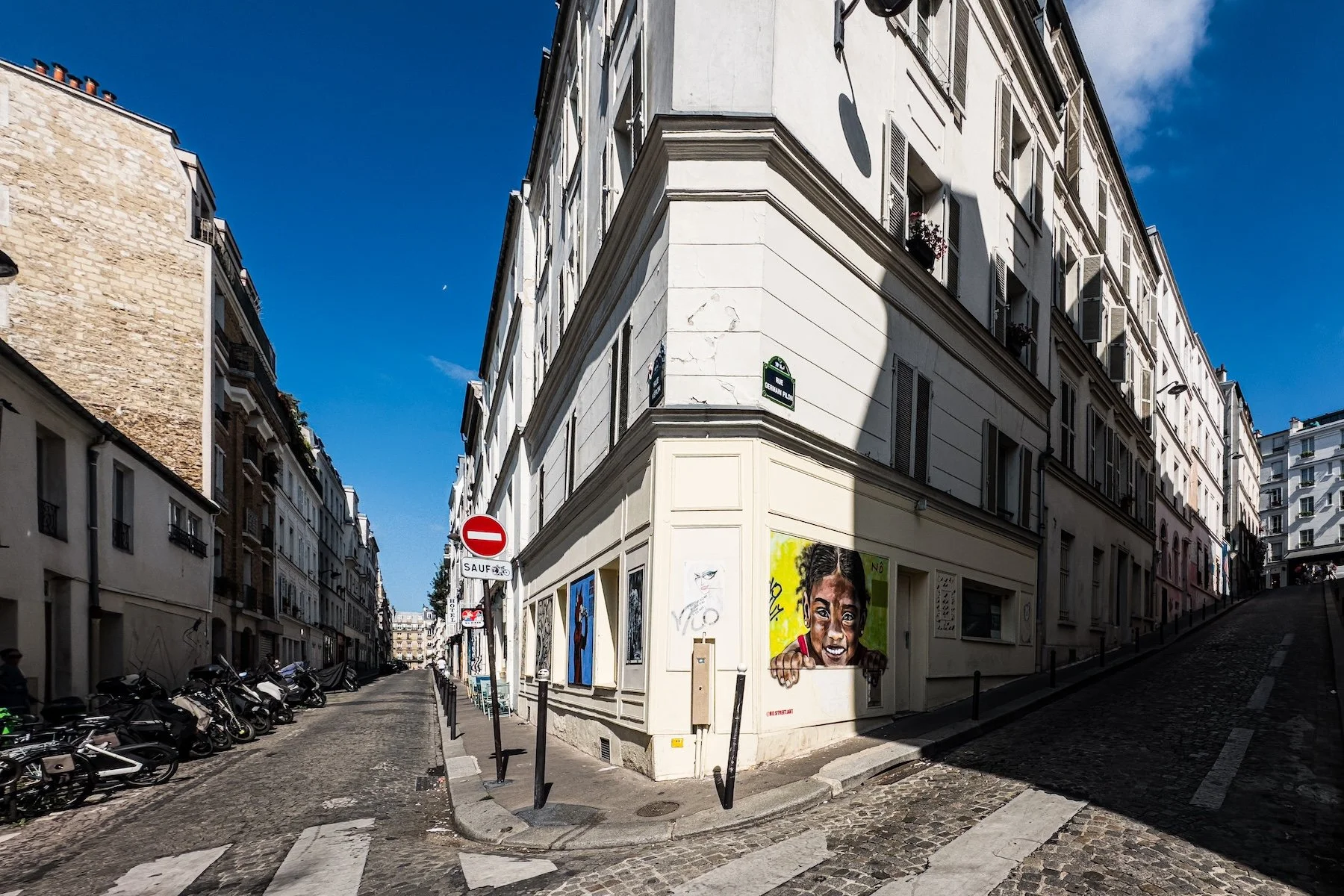
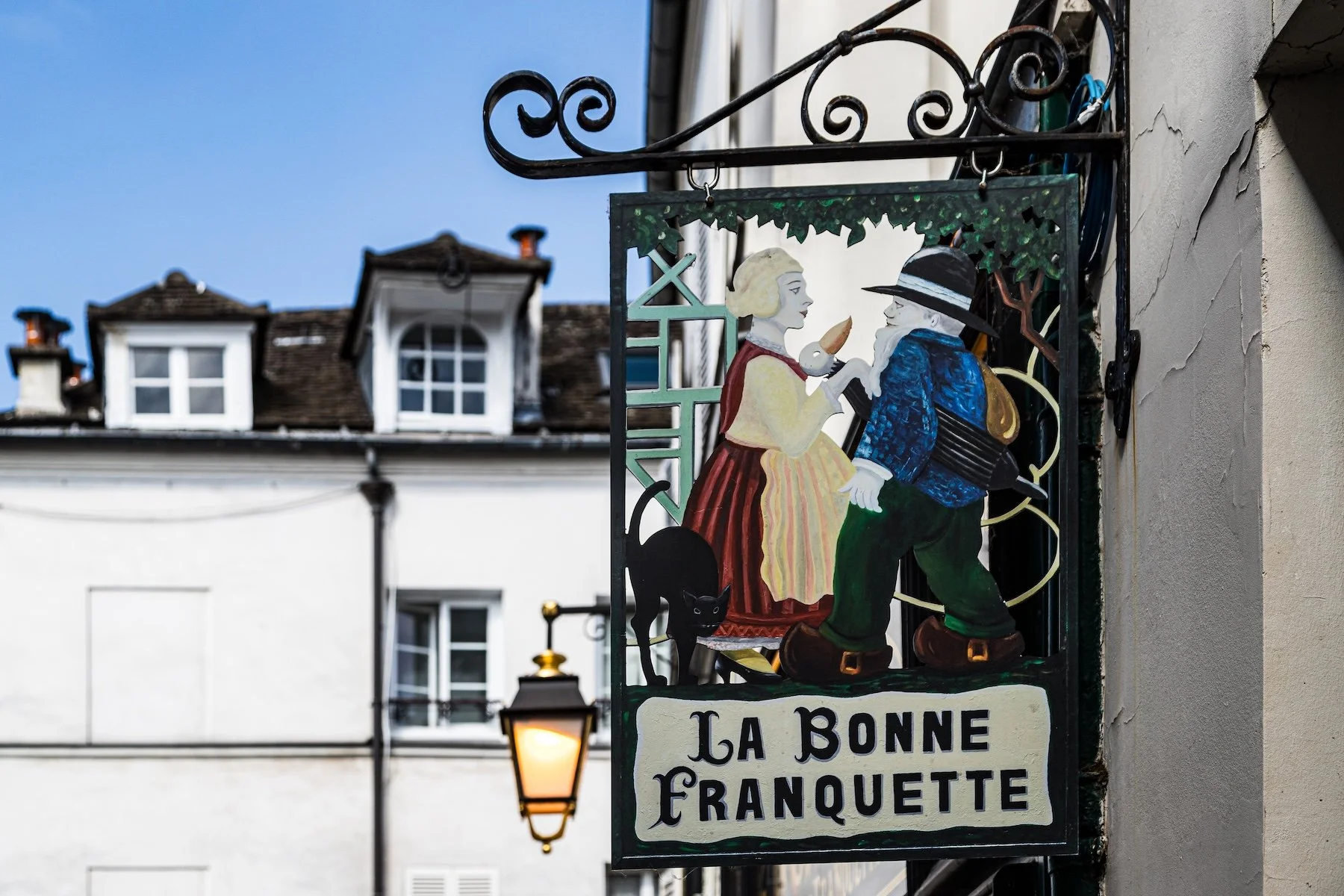
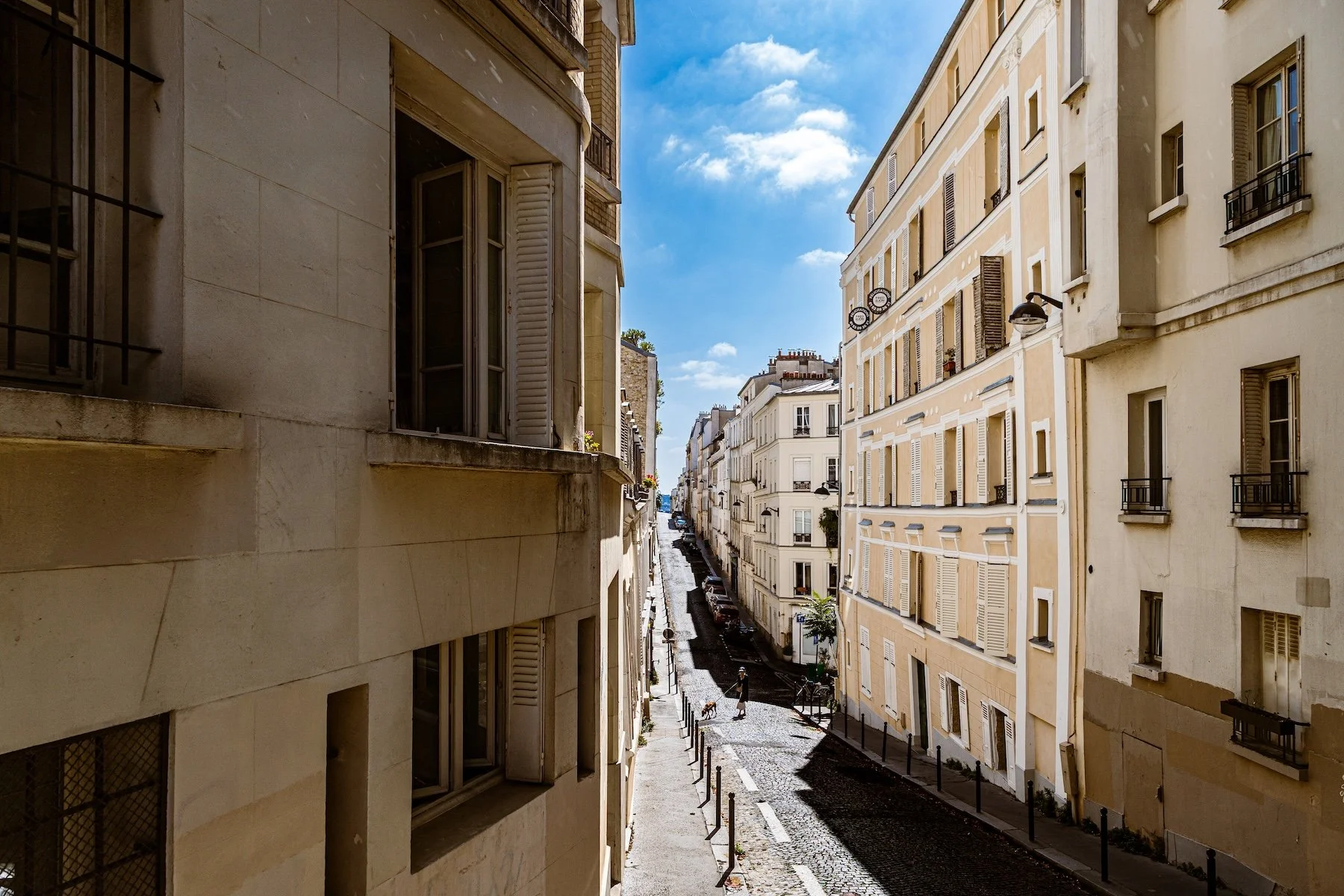
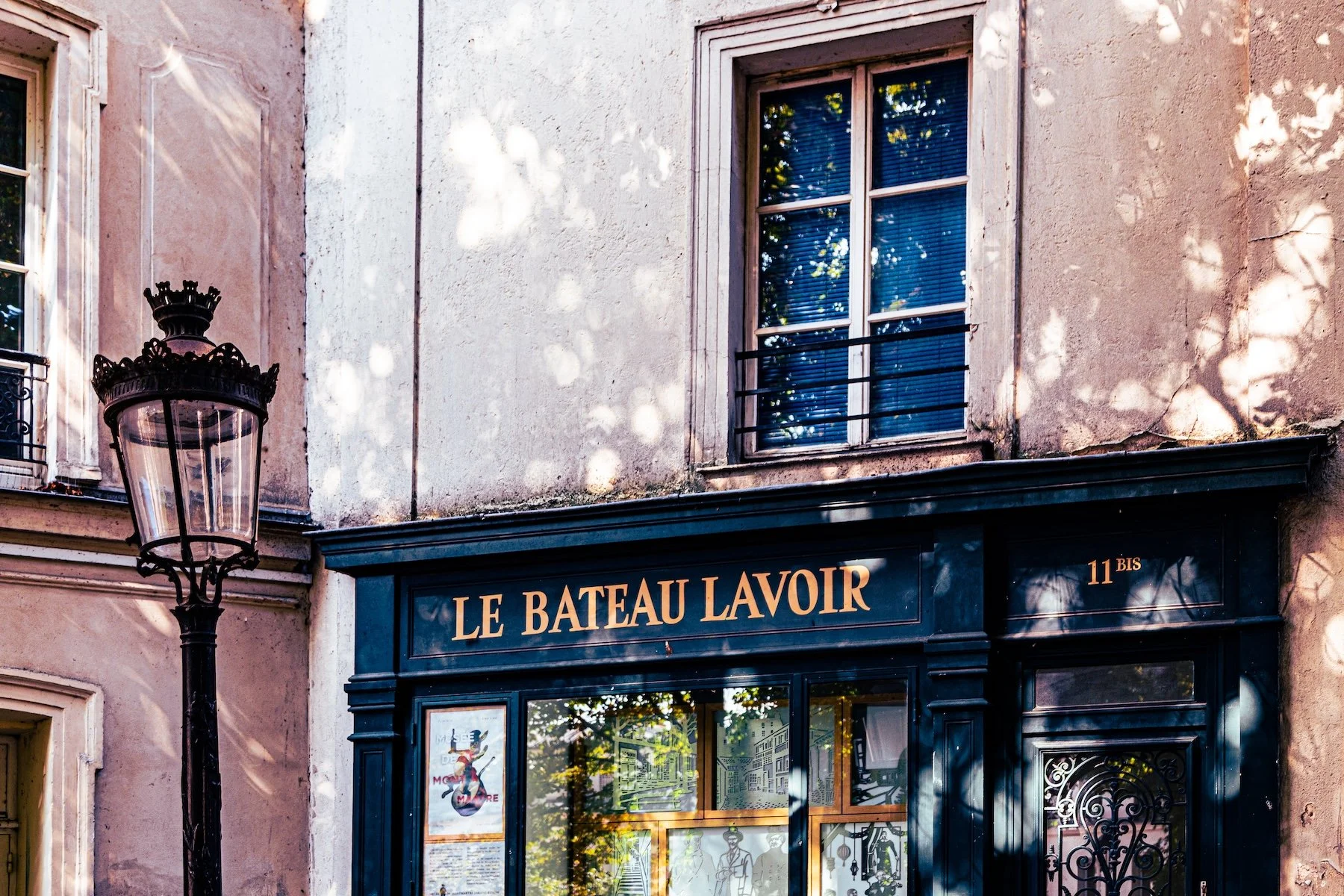
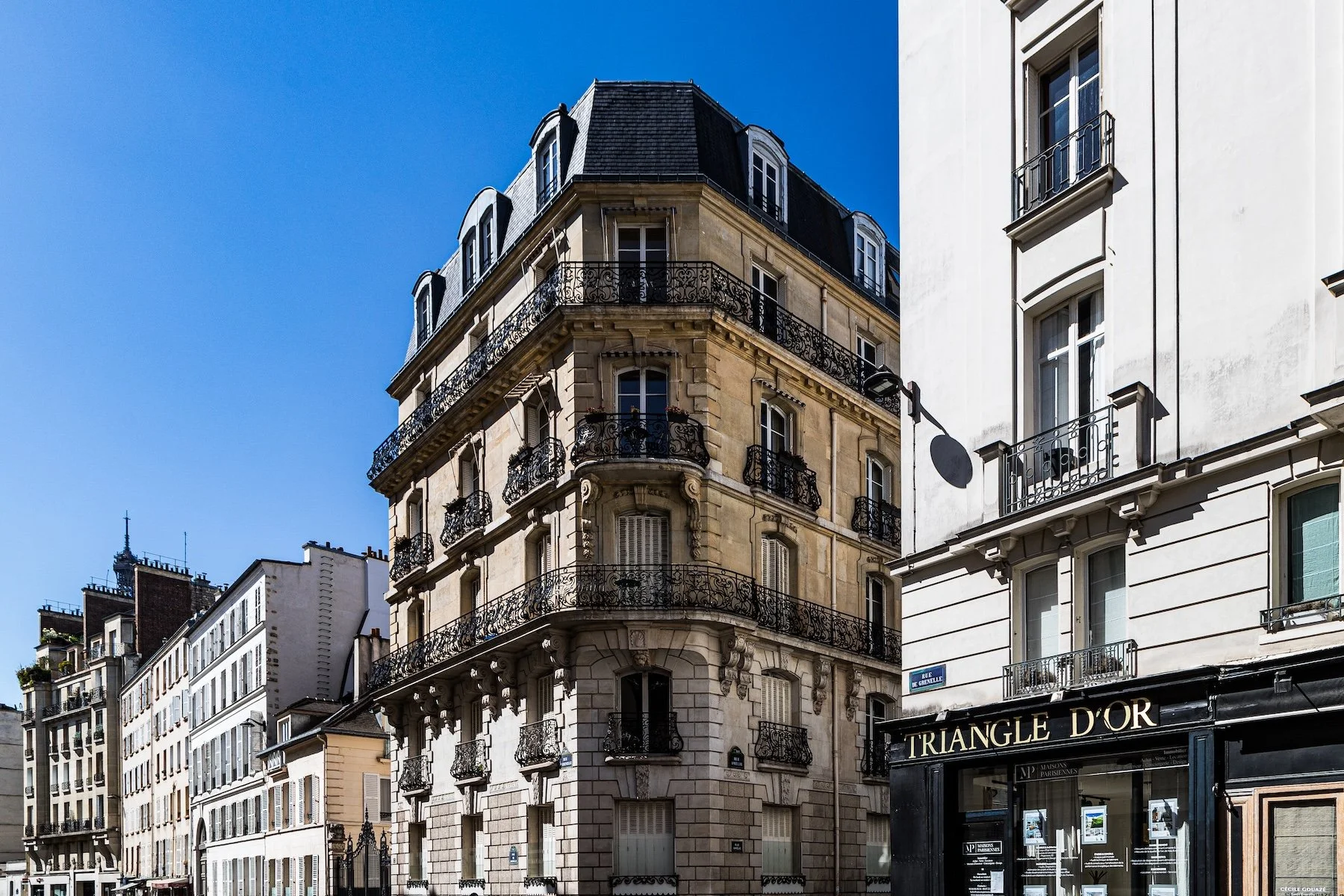
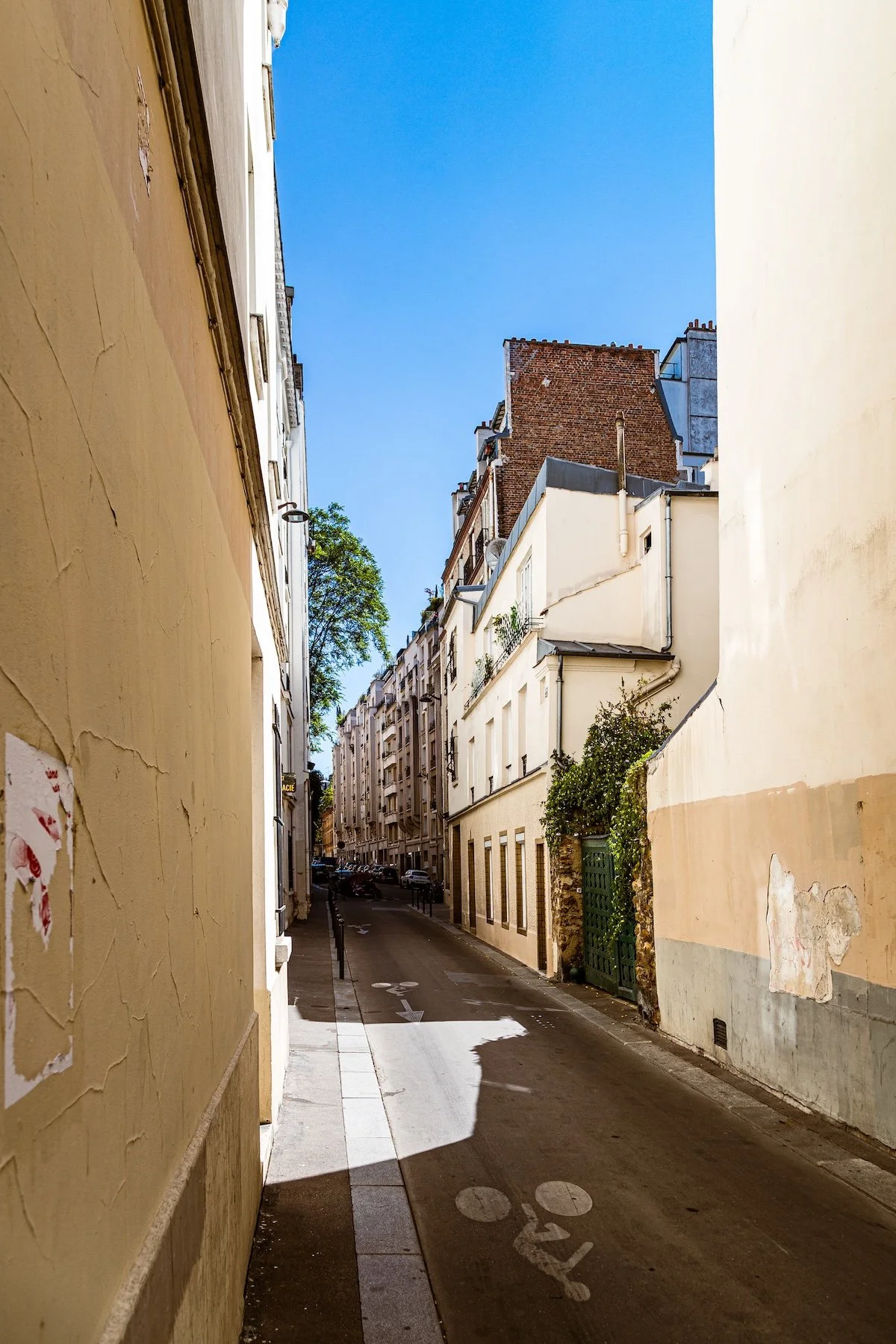
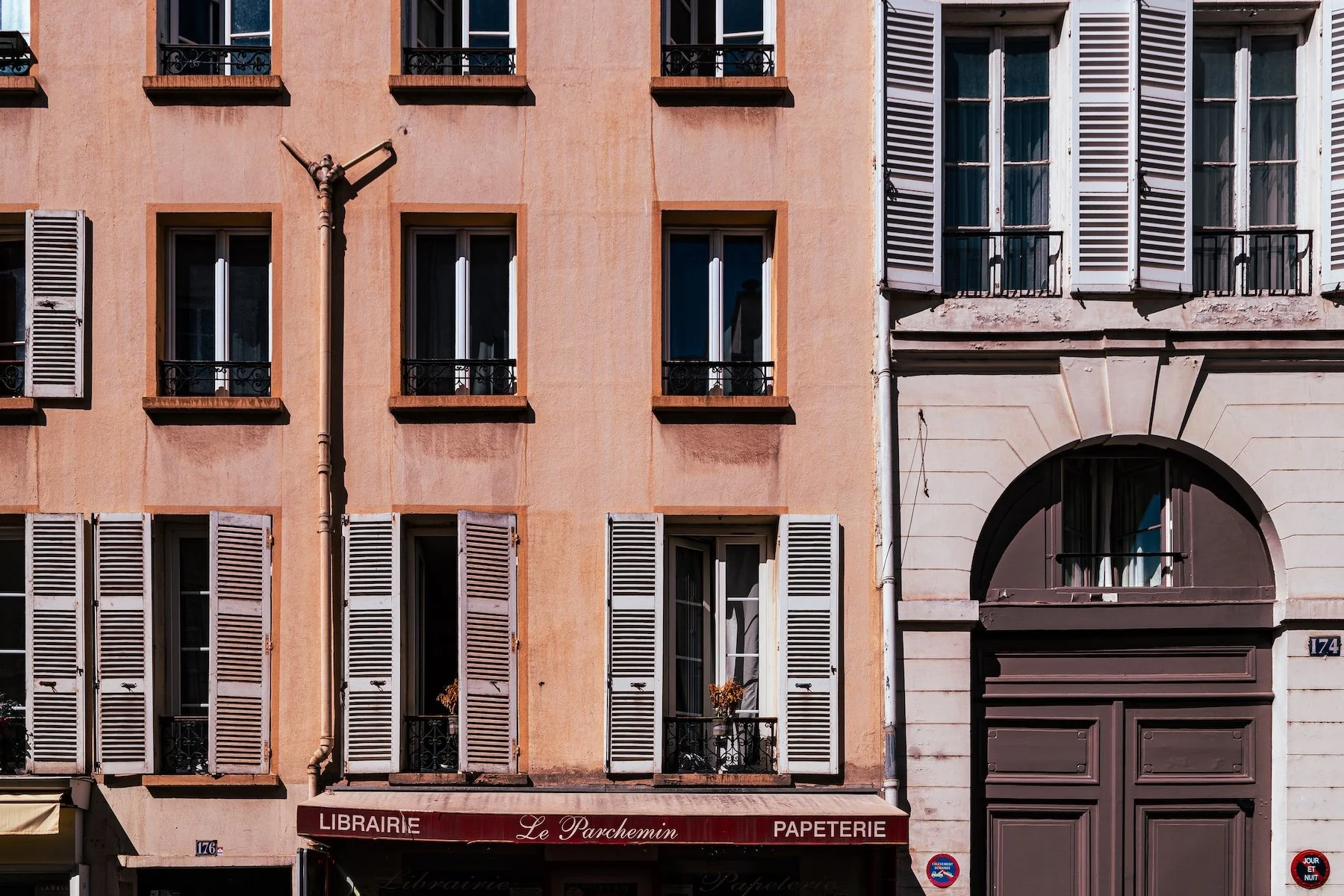
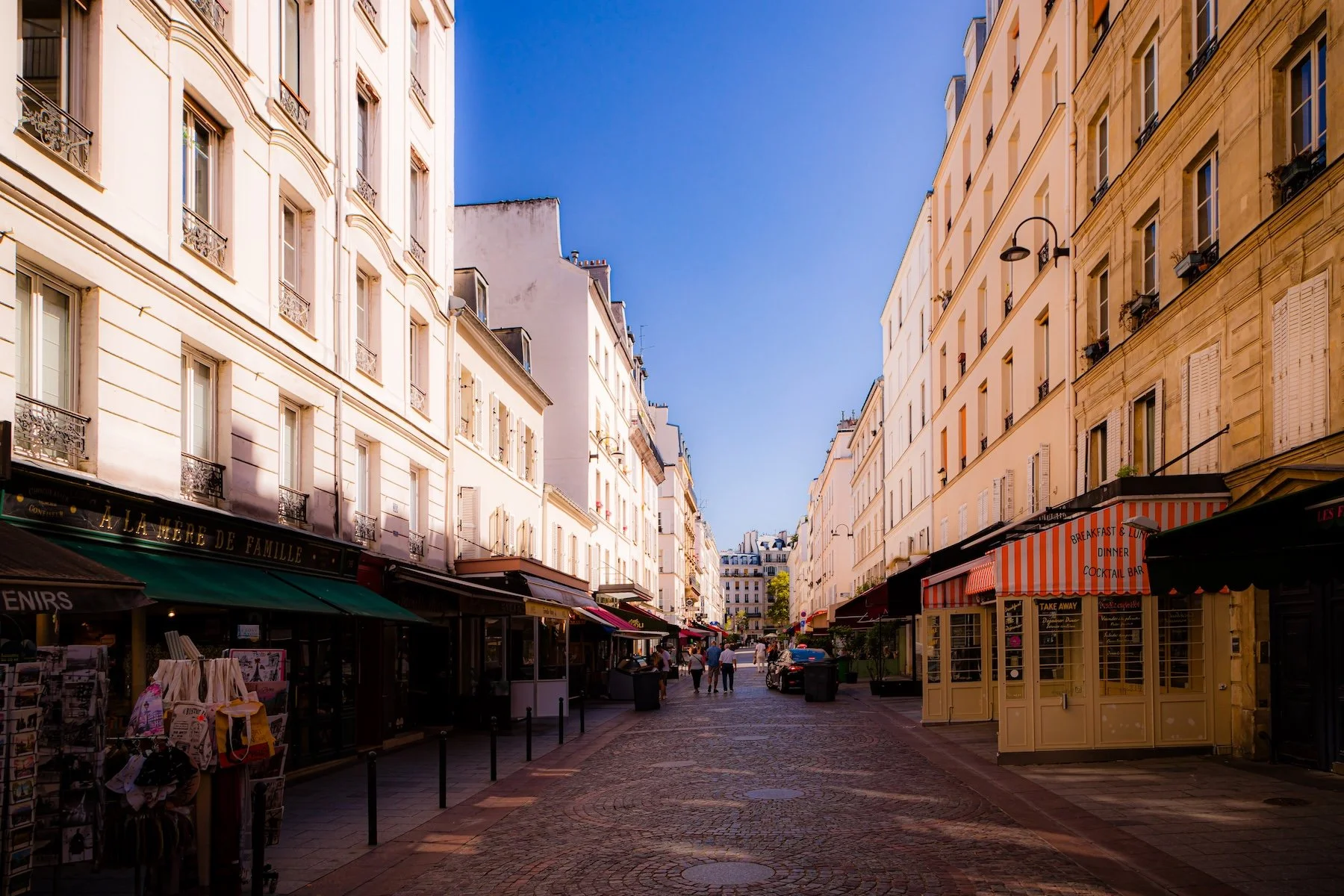

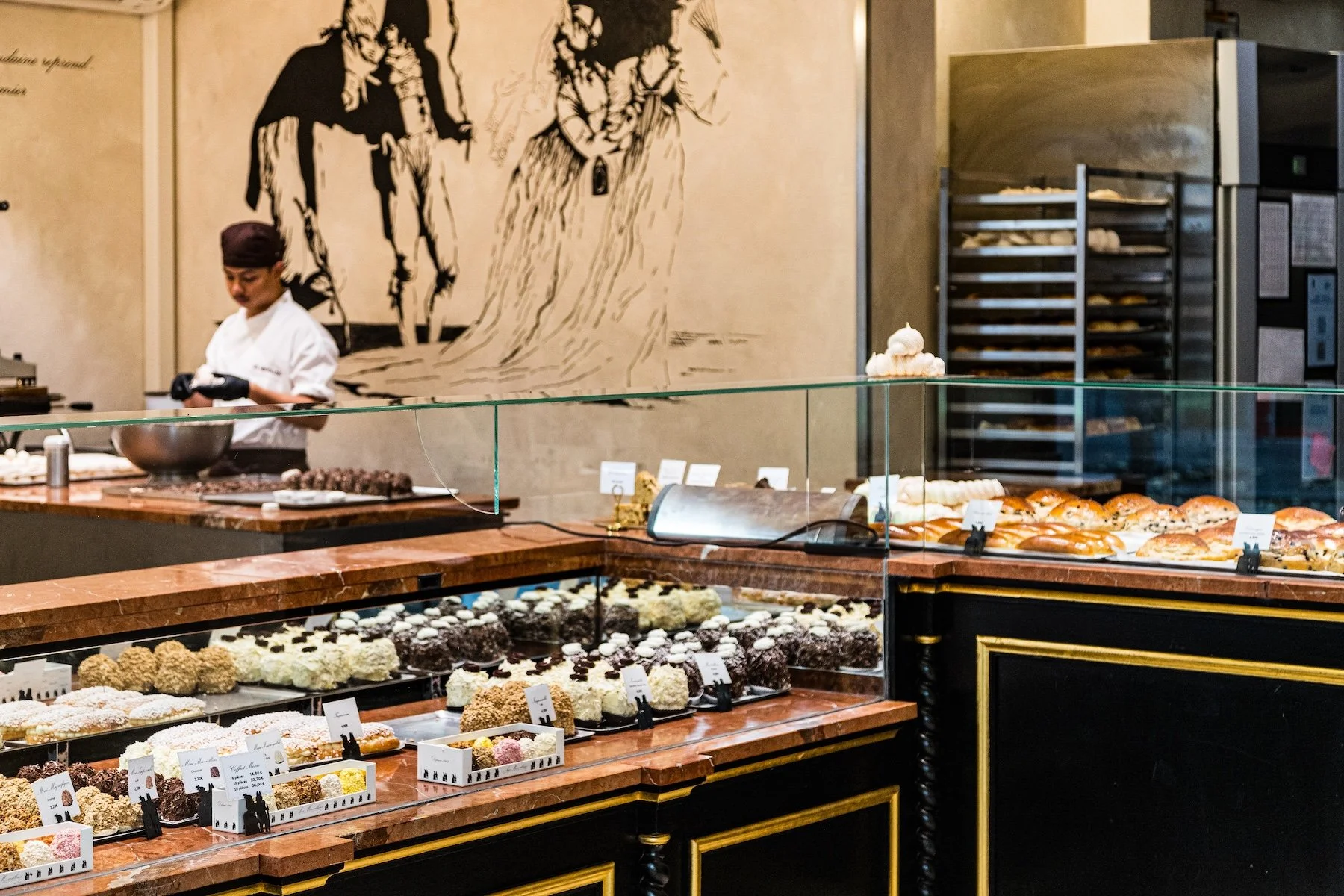
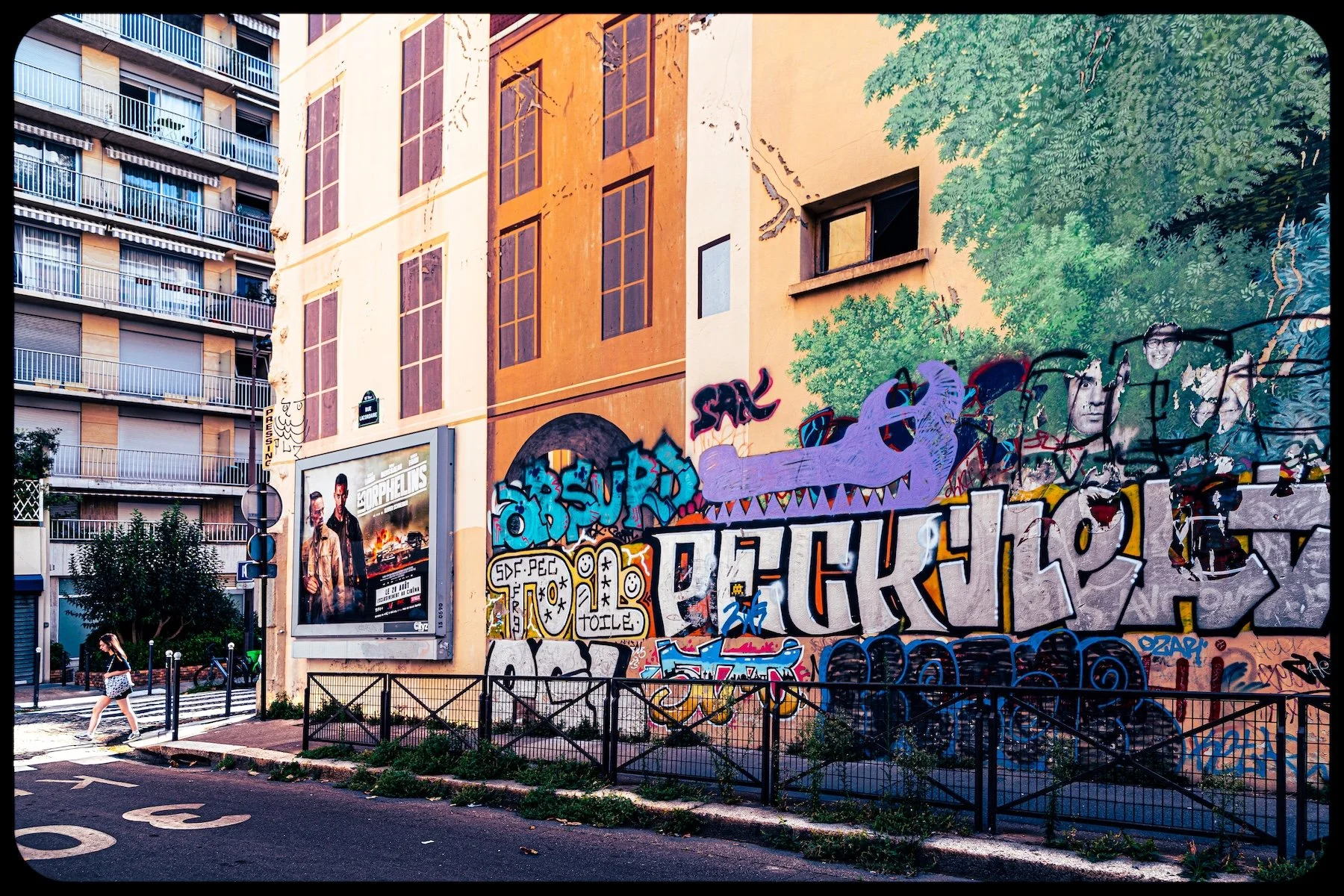
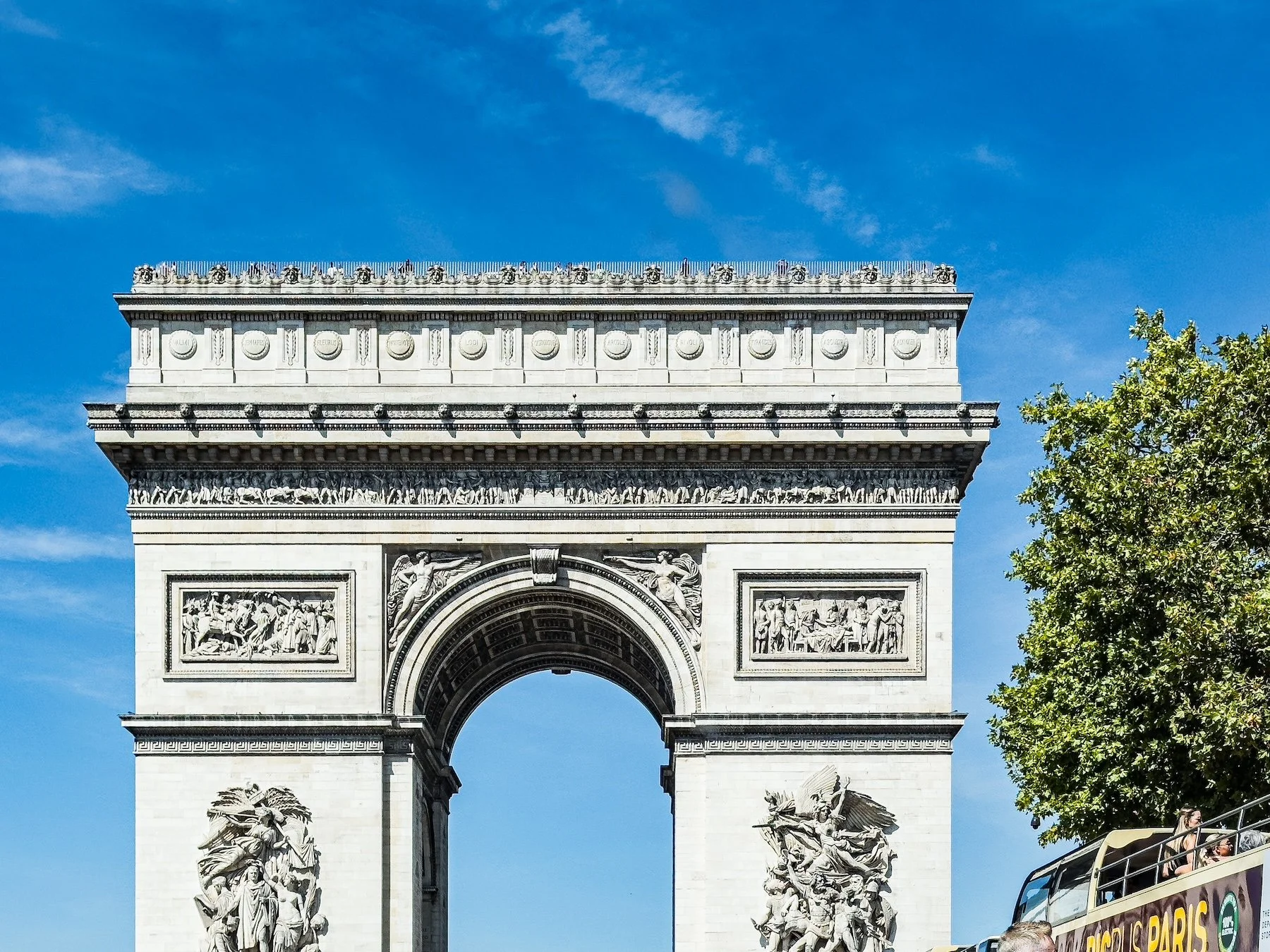
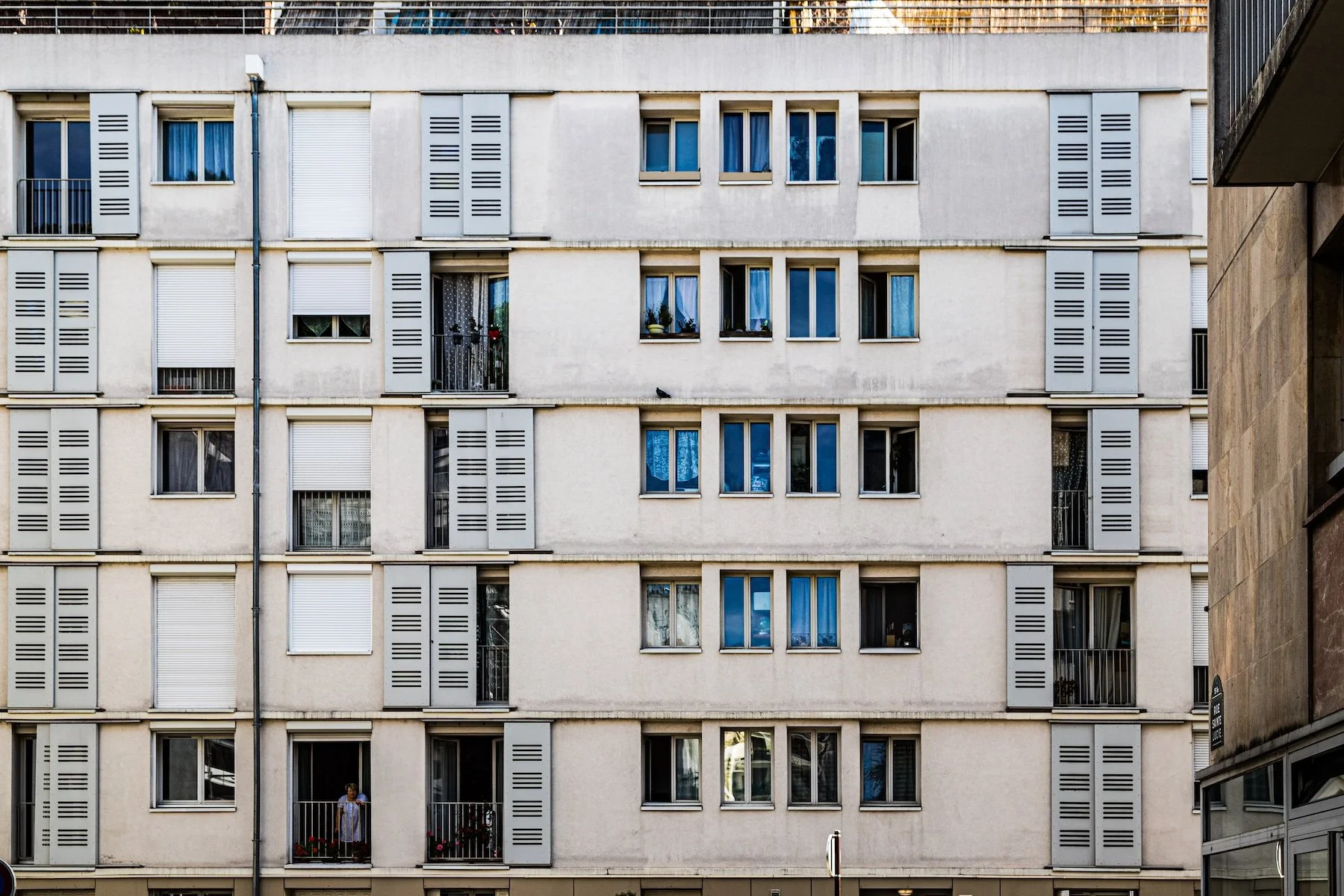
Parisian Layers
-

The twenty arrondissements form the civic spiral of Paris, organizing the city into its broad local districts of government, identity, and daily life.
-

Each arrondissement is divided into four official administrative quarters, giving Paris a more precise civic and geographic framework.
-

The conseils de quartier bring participation to street level, giving residents a voice in neighborhood needs, public space, and local civic life.
-

Les Deux Rives trace Paris through the Seine’s two banks, revealing how the Rive Droite and Rive Gauche shaped the city’s civic power, commerce, learning, art, and cultural identity.
-

Cultural neighborhoods reveal the Paris people recognize through history, cafés, architecture, memory, atmosphere, and local belonging.