
BELLEVILLE
Milieux Culturels
Part of an ongoing project to walk and photograph every neighborhood in Paris, this page explores the Cultural Neighborhood of Belleville through maps, district identity, history, and photography.
The Map
Cultural Boundaries
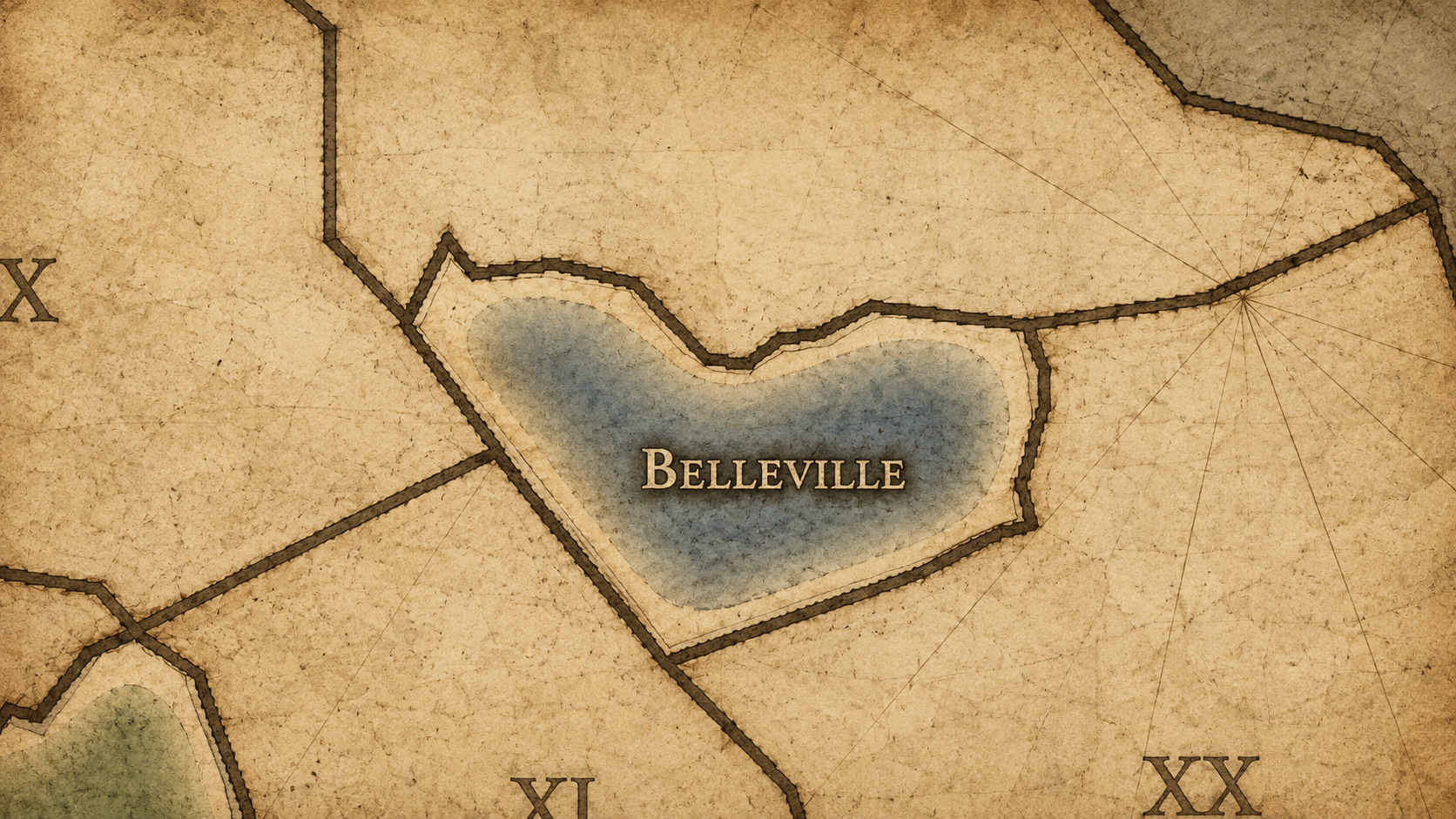
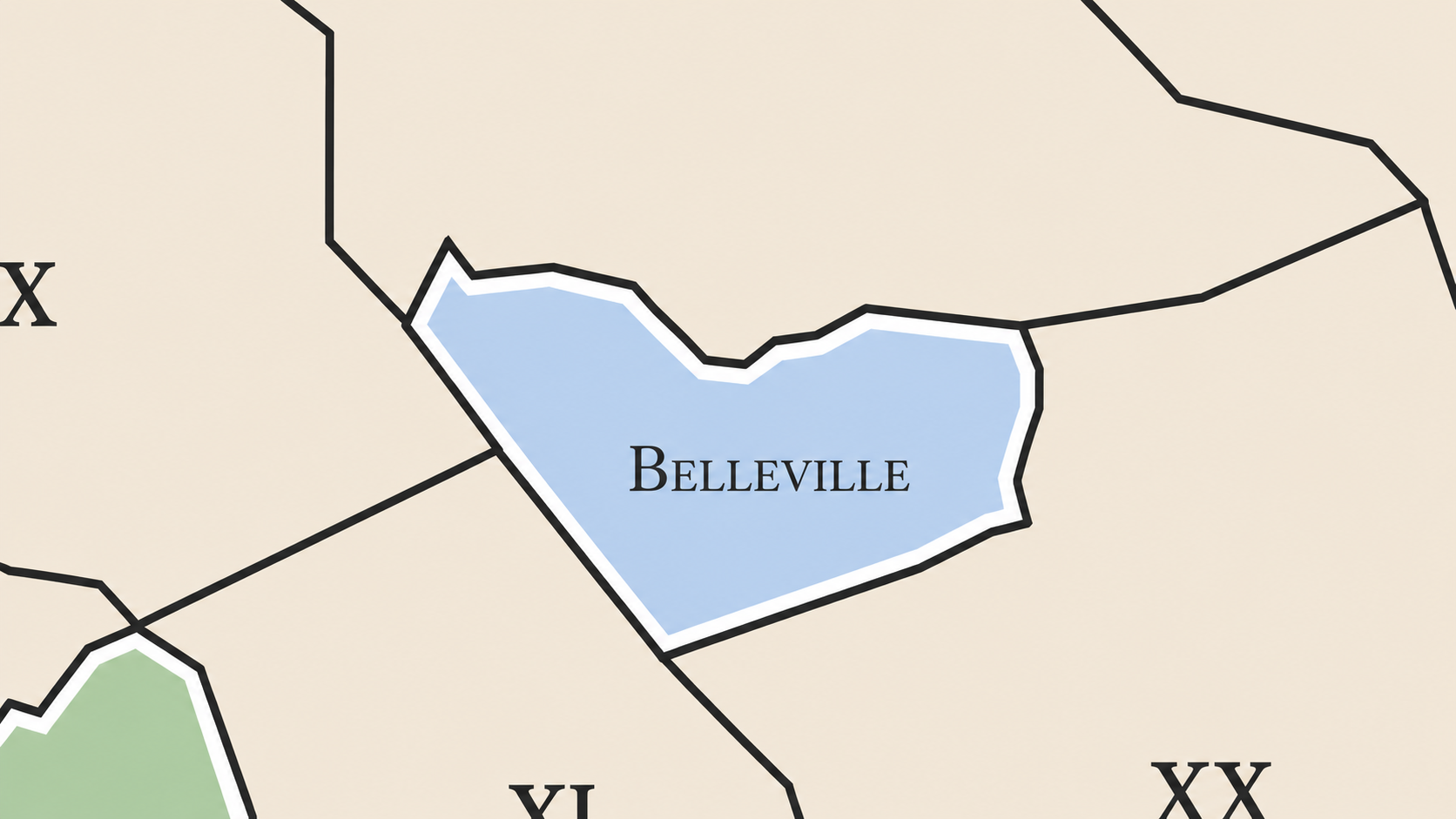
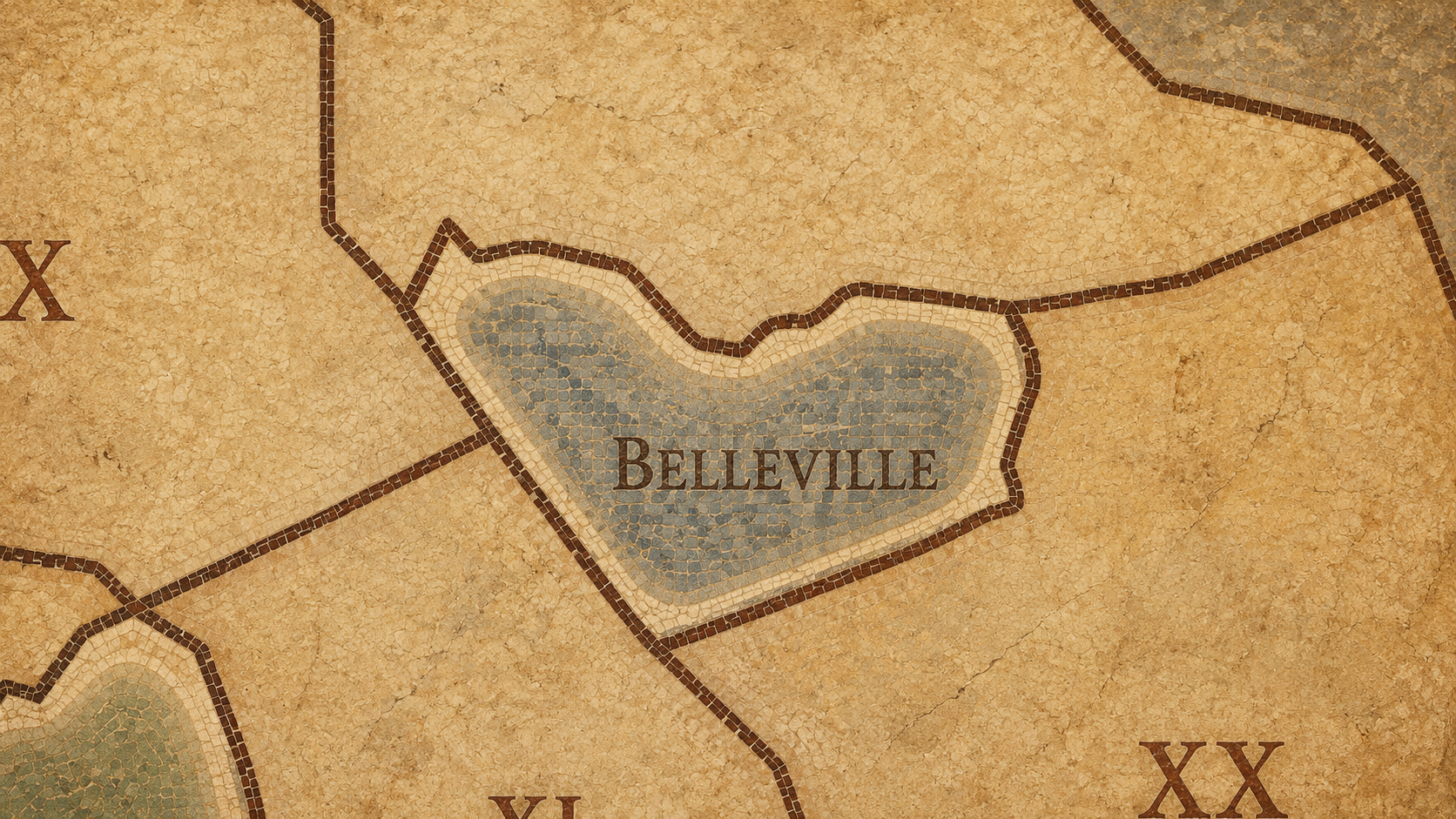
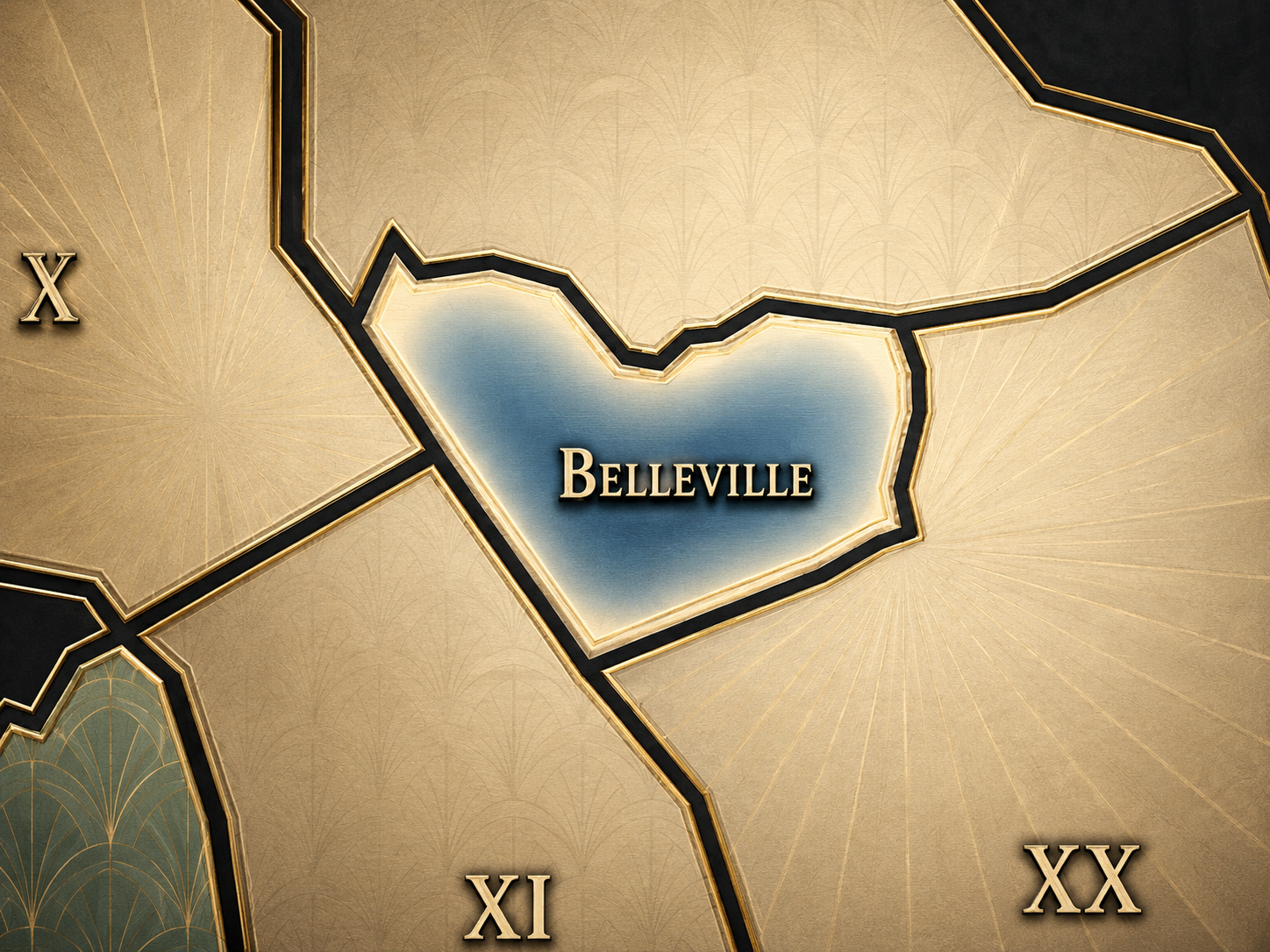
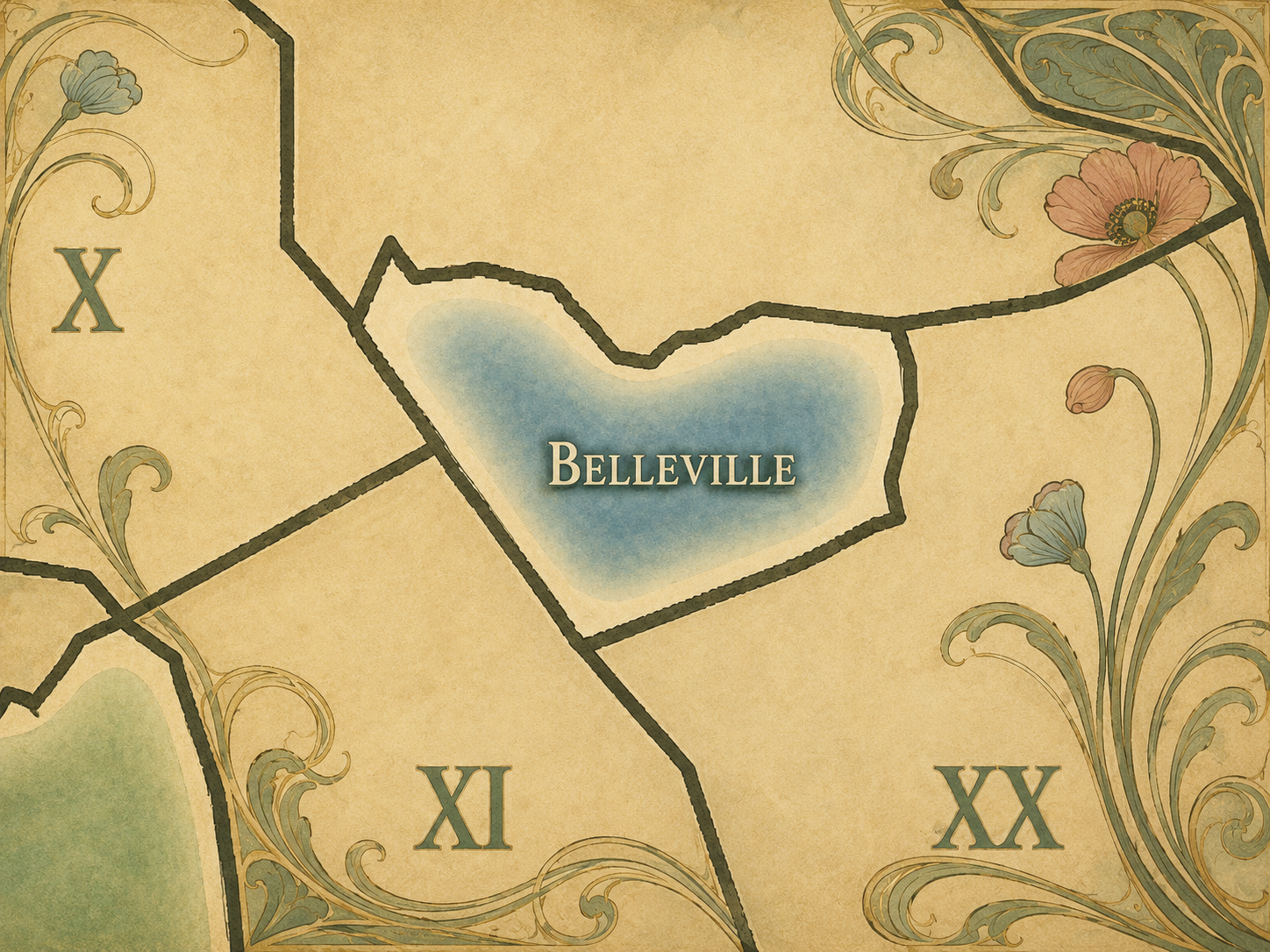
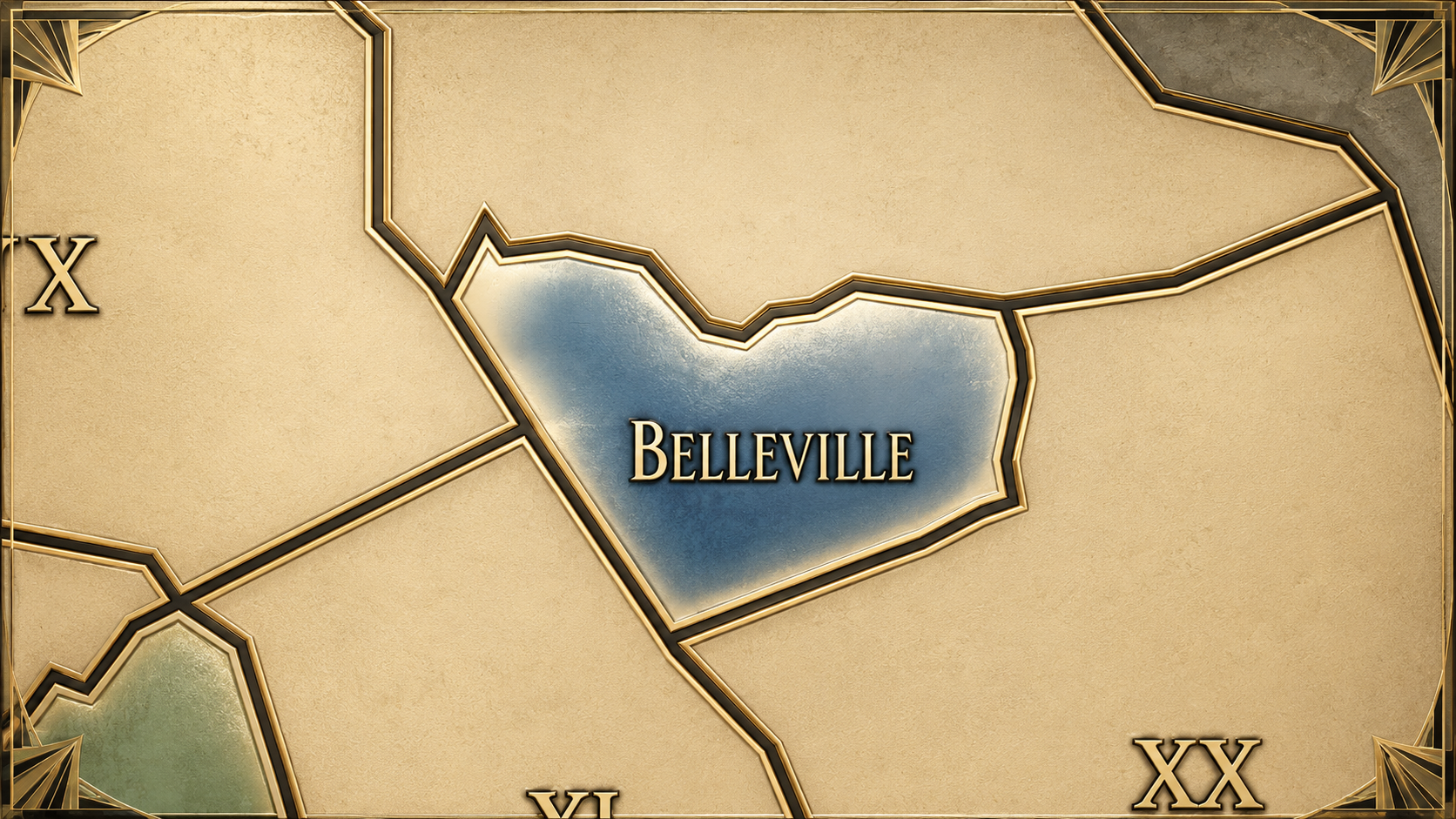
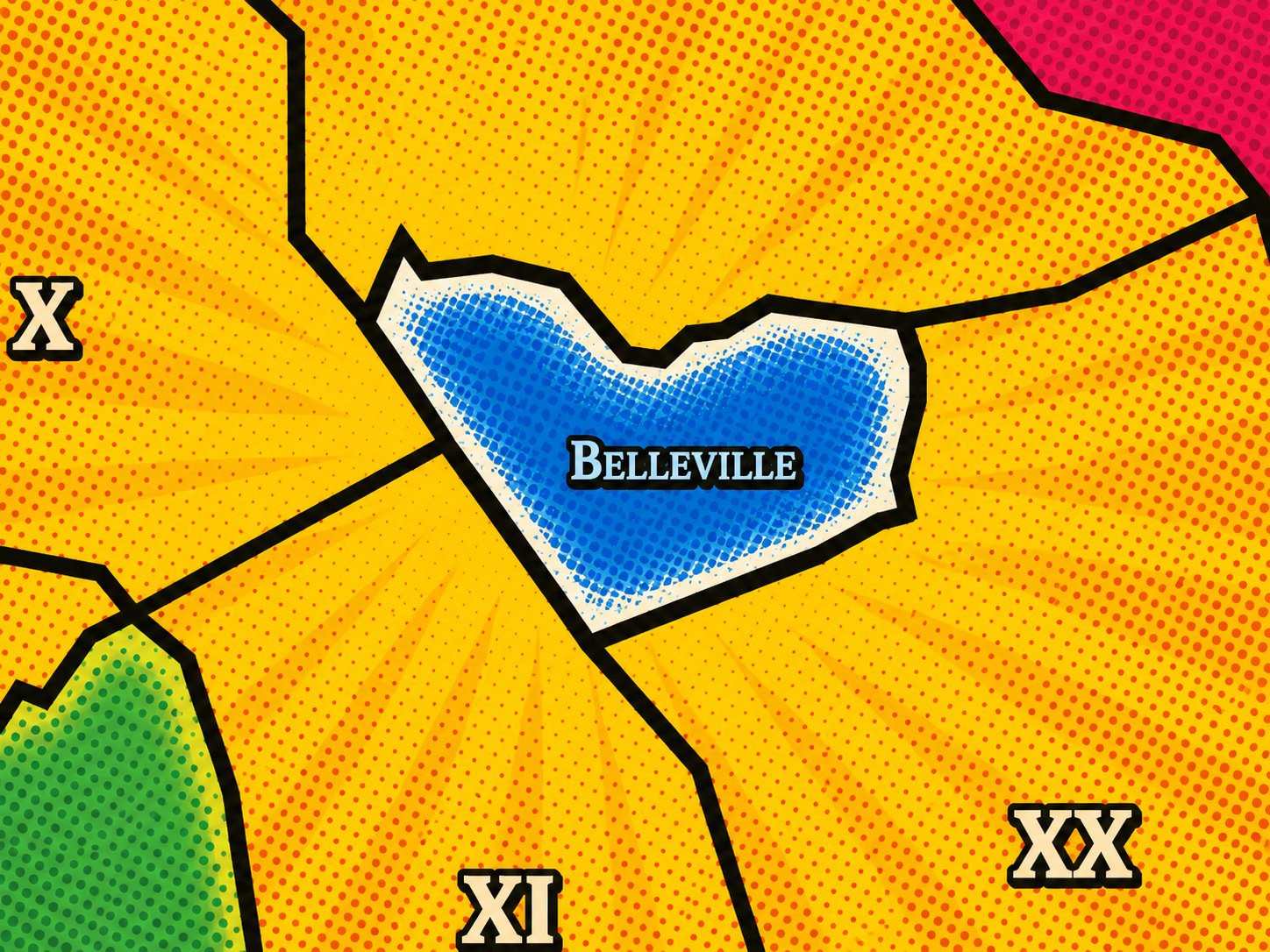
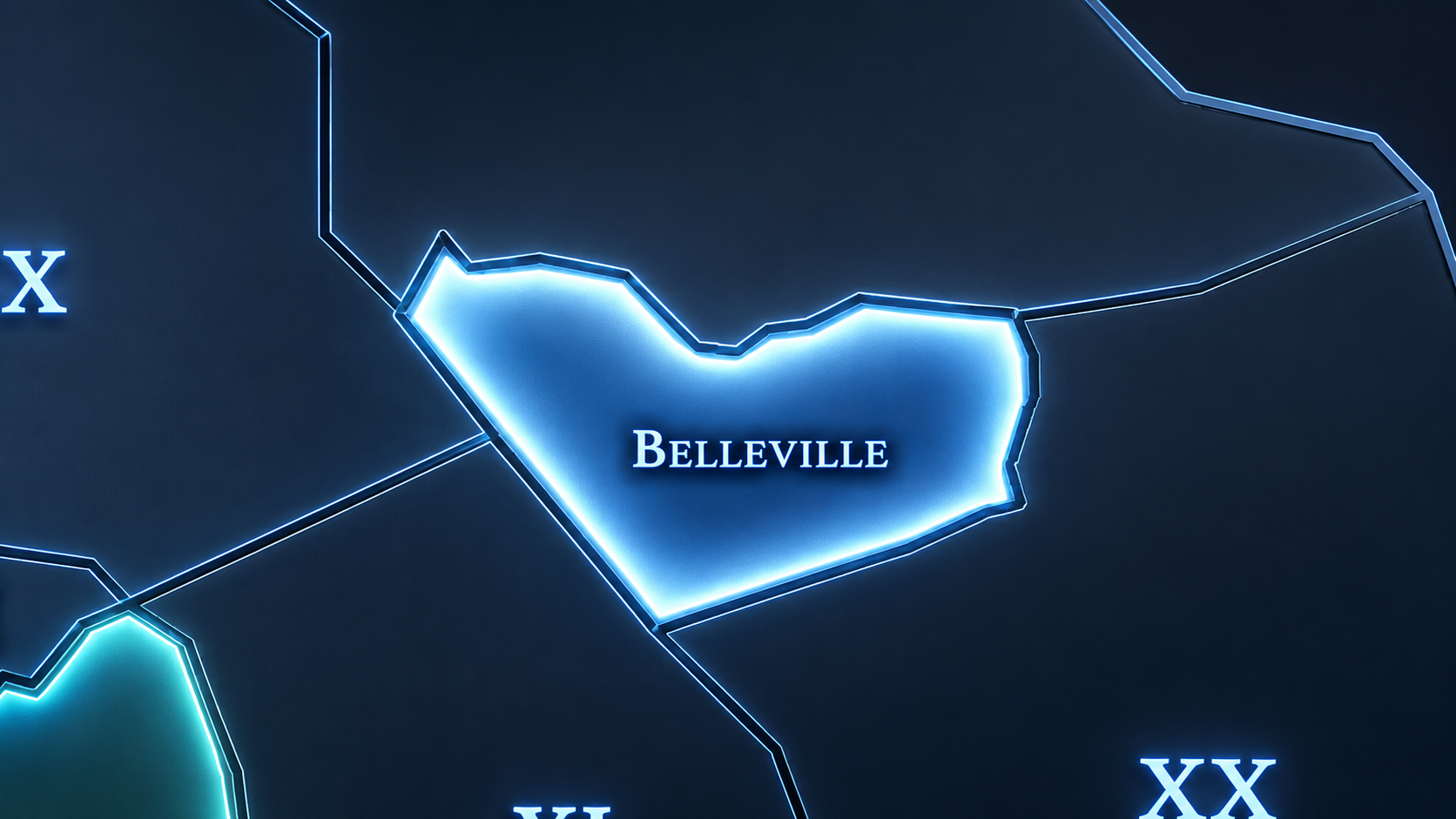
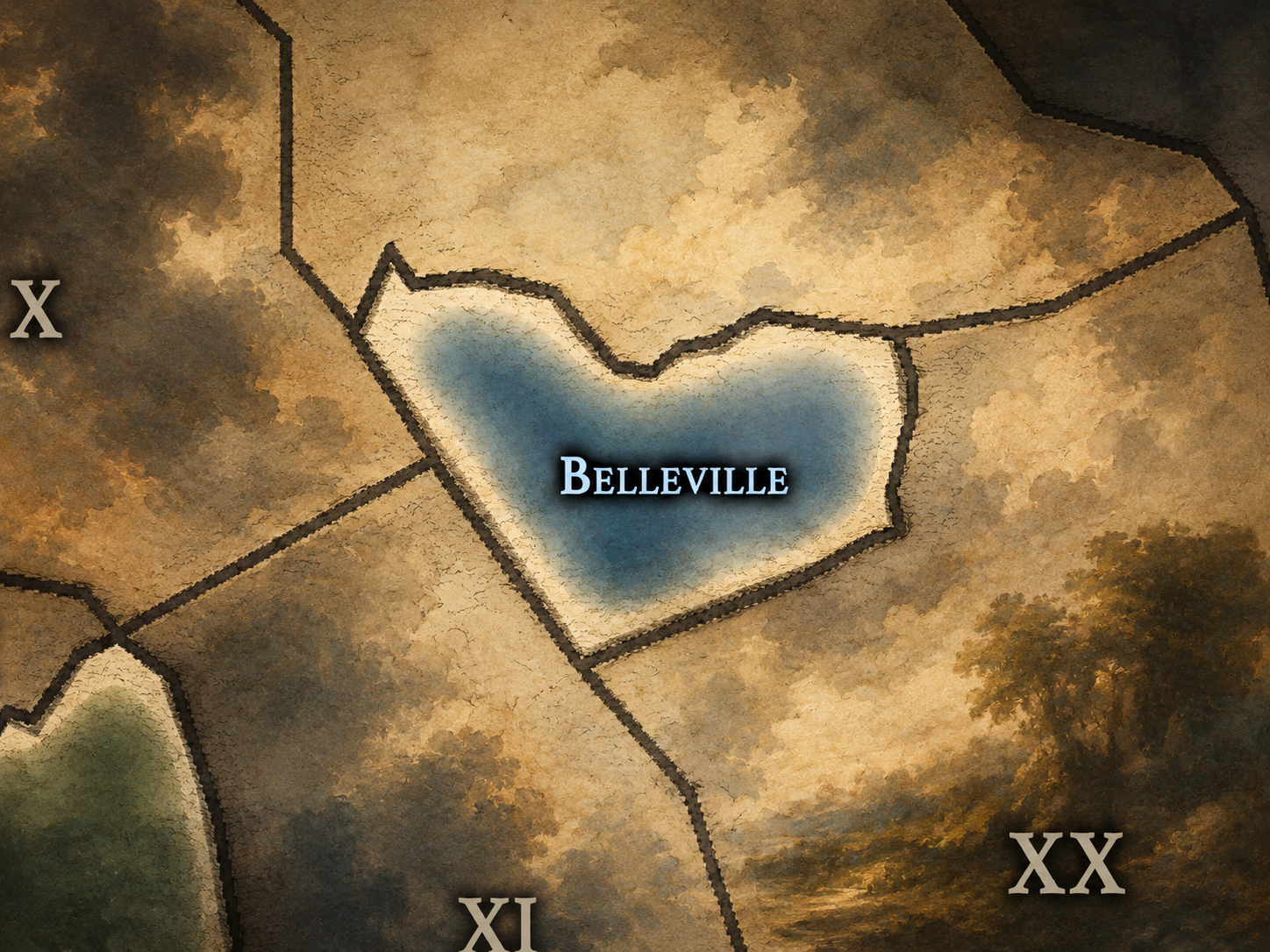
Belleville occupies one of the most distinctive cultural geographies of northeastern Paris, rising across the high ground where the 20th arrondissement meets the edges of the 19th, 10th, and 11th. Its core is generally understood around rue de Belleville, boulevard de Belleville, the area near Belleville and Pyrénées Métro stations, Parc de Belleville, rue Denoyez, and the surrounding streets that connect Belleville to Ménilmontant, Couronnes, and the upper slopes of eastern Paris.
Its boundaries are especially fluid because Belleville has always been both a place and a wider social world. It may be imagined narrowly around the former village and rue de Belleville, or more broadly as part of the Belleville-Ménilmontant cultural landscape: a popular, working-class, immigrant, artistic, and politically charged geography of the northeastern heights. Depending on context, Belleville can stretch toward the Canal Saint-Martin, the Buttes-Chaumont, Père Lachaise, or the dense multiethnic streets around Couronnes and Ménilmontant.
For CityNeighborhoods, Belleville is best understood as a Cultural Neighborhood defined less by monumental Paris than by lived Paris: migration, labor, music, street art, popular politics, hillside views, markets, cafés, ateliers, and the everyday intensity of a neighborhood repeatedly shaped by people arriving, settling, working, organizing, and remaking urban life.
Cultural Neighborhood Identity
Etymology and Origins
The name Belleville means “beautiful town” or “beautiful village,” though its historical meaning is not purely picturesque. Before becoming part of Paris, Belleville was an independent commune on the northeastern heights outside the city. Its elevated position, open land, vineyards, quarries, taverns, and working settlements gave it a character distinct from the older central city below.
The name preserves the memory of Belleville as a place apart. It was not originally a Parisian neighborhood in the administrative sense, but a village, then a commune, then an incorporated edge of the expanding capital. That history remains essential to its identity. Belleville’s sense of place comes from the tension between being inside Paris and still feeling, in certain ways, like an absorbed hill-town with its own memory, politics, and social temperament.
Belleville is one of Paris’s great neighborhoods of popular life. Its cultural framework rests on working-class history, immigration, political radicalism, artistic reinvention, music, foodways, street culture, and the geography of the hillside. Unlike neighborhoods defined primarily by elite institutions, Belleville’s identity comes from density, mixture, survival, and the everyday creativity of people making place from below.
It is a neighborhood of arrivals. Across different periods, Belleville has welcomed or absorbed workers, artisans, migrants, refugees, artists, activists, and communities from elsewhere in France and across the world. These arrivals have shaped its streets through shops, languages, restaurants, religious life, markets, cafés, associations, murals, and public gathering places.
Belleville’s cultural identity is therefore not singular. It is Chinese, North African, Jewish, Arab, Sub-Saharan African, French working-class, artistic, bohemian, radical, and residential — not in separate layers neatly stacked one above another, but in a living mixture. Its cultural force lies in that mixture, and in the fact that it has long represented a Paris beyond the postcard center.
Cultural Framework
Belleville helps define Paris as a city of the heights, the margins, and the people. It offers a powerful counterpoint to the monumental and aristocratic image of the capital. Here, Paris is not primarily the city of royal squares, grand boulevards, or polished façades. It is a city of steep streets, crowded markets, painted walls, immigrant commerce, small apartments, political memory, and expansive views over the metropolis.
Its Parisian identity is tied to the idea of popular Paris: the Paris of workers, songs, communes, revolts, cafés, neighborhood solidarities, and street life. But Belleville is not simply old working-class Paris preserved in amber. It is also contemporary multicultural Paris, a place where new communities continue to reshape the meaning of the city.
Through Belleville, Paris appears not as a fixed heritage object, but as a living urban organism. It is one of the neighborhoods that reminds the city that culture is not only made in museums, universities, salons, and monuments. It is also made in markets, stairways, murals, apartment blocks, restaurants, workshops, and ordinary streets.
Parisian Identity
Neighborhood Distinction
Belleville is distinct because it combines village memory, hillside geography, working-class history, immigrant life, radical politics, and contemporary creativity in a way few Paris neighborhoods can match. Its identity is not primarily elegant, institutional, or curated. It is dense, restless, expressive, and socially layered.
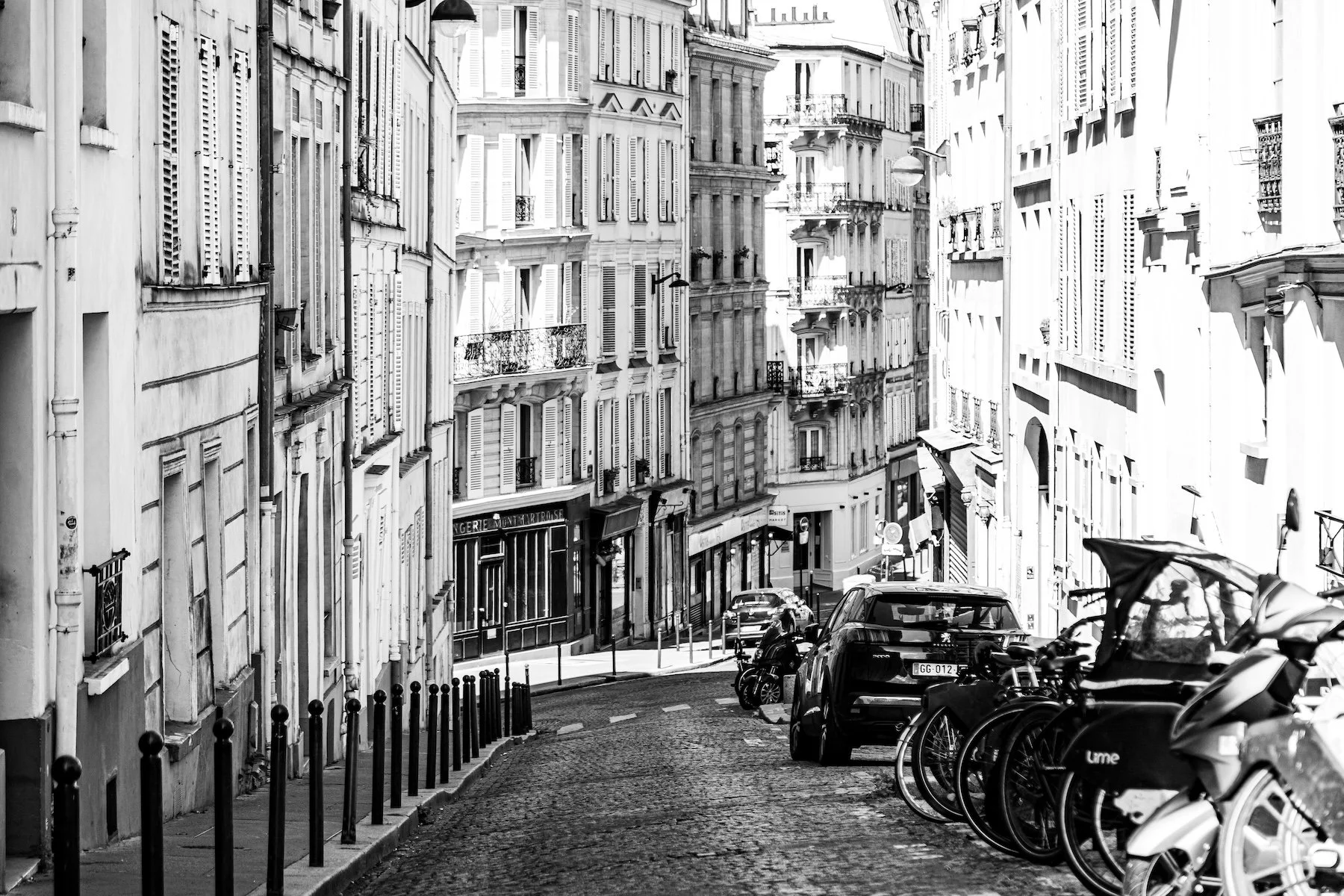
The neighborhood’s physical form contributes strongly to this distinction. Belleville rises sharply, offering some of the city’s most dramatic changes in elevation and some of its most expansive views. The slope itself shapes the experience of walking the neighborhood: climbing, descending, turning corners, finding terraces, stairways, overlooks, and streets that feel at once Parisian and apart from the central city.
Belleville is also distinct because it resists simplification. It can be described as working-class, but that alone is not enough. It can be described as immigrant, artistic, or radical, but each term captures only part of the whole. Belleville’s identity lies in the coexistence of these meanings — a neighborhood that remains one of Paris’s most vivid cultural crossroads.
Neighborhood Connections
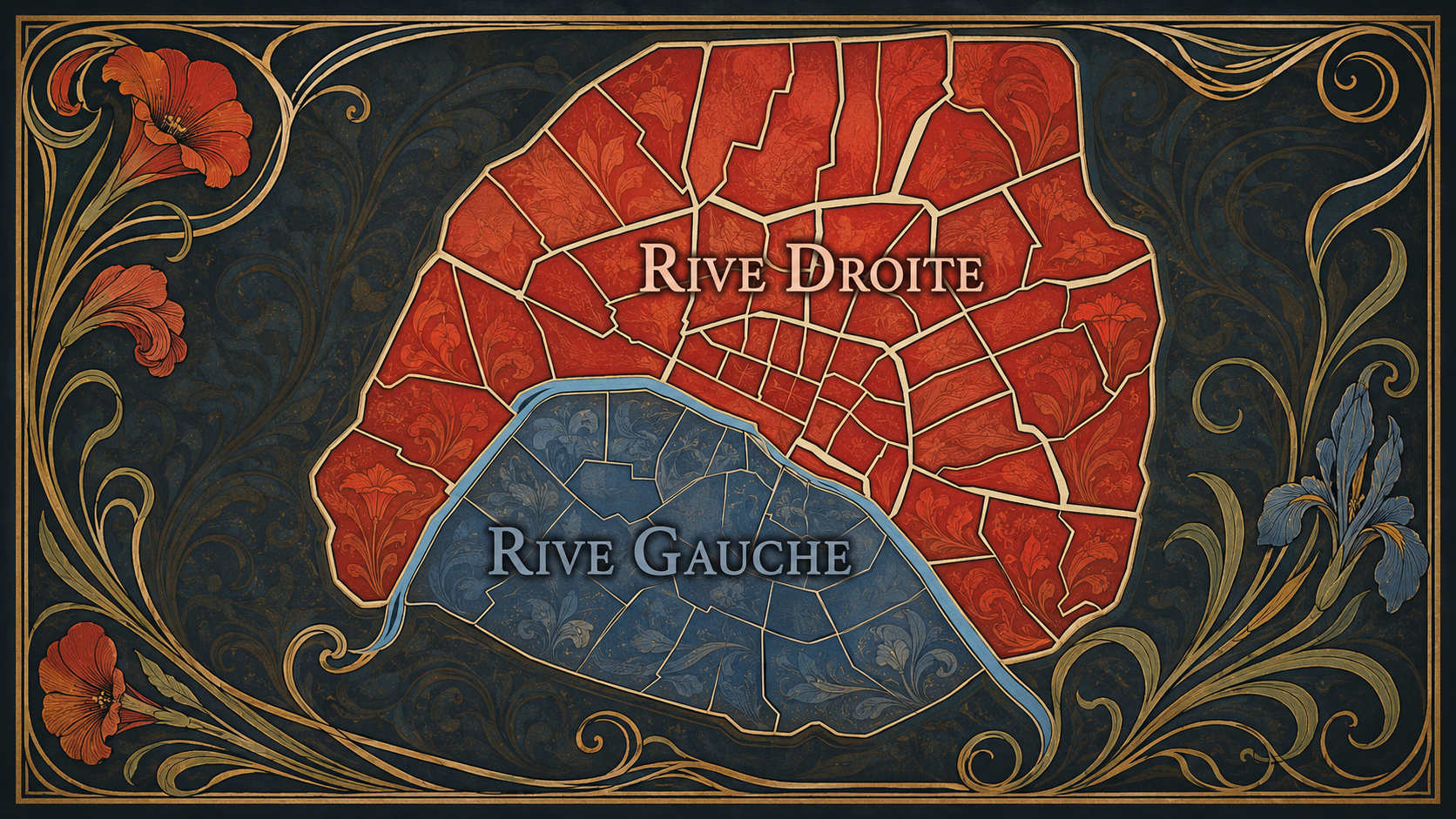
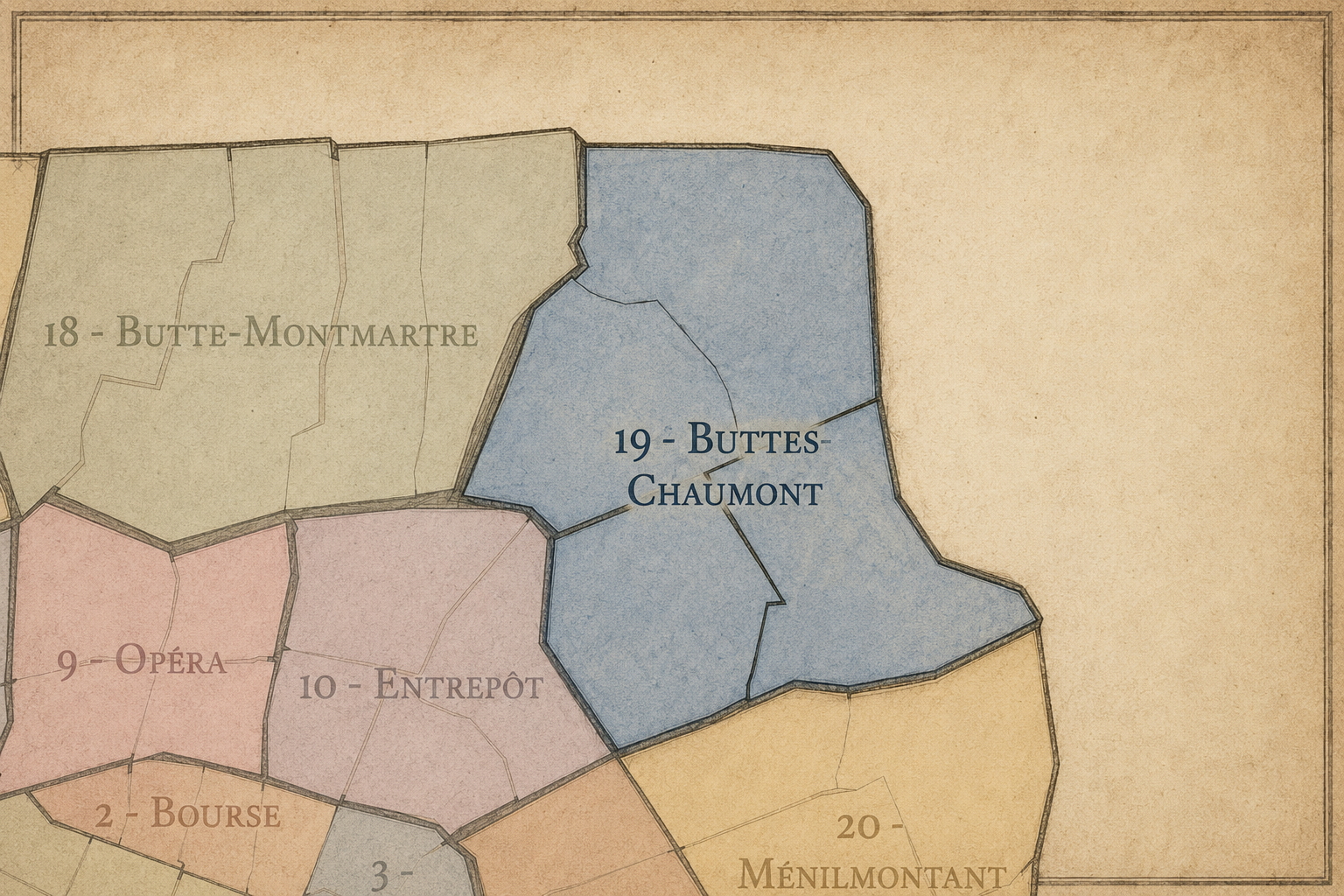
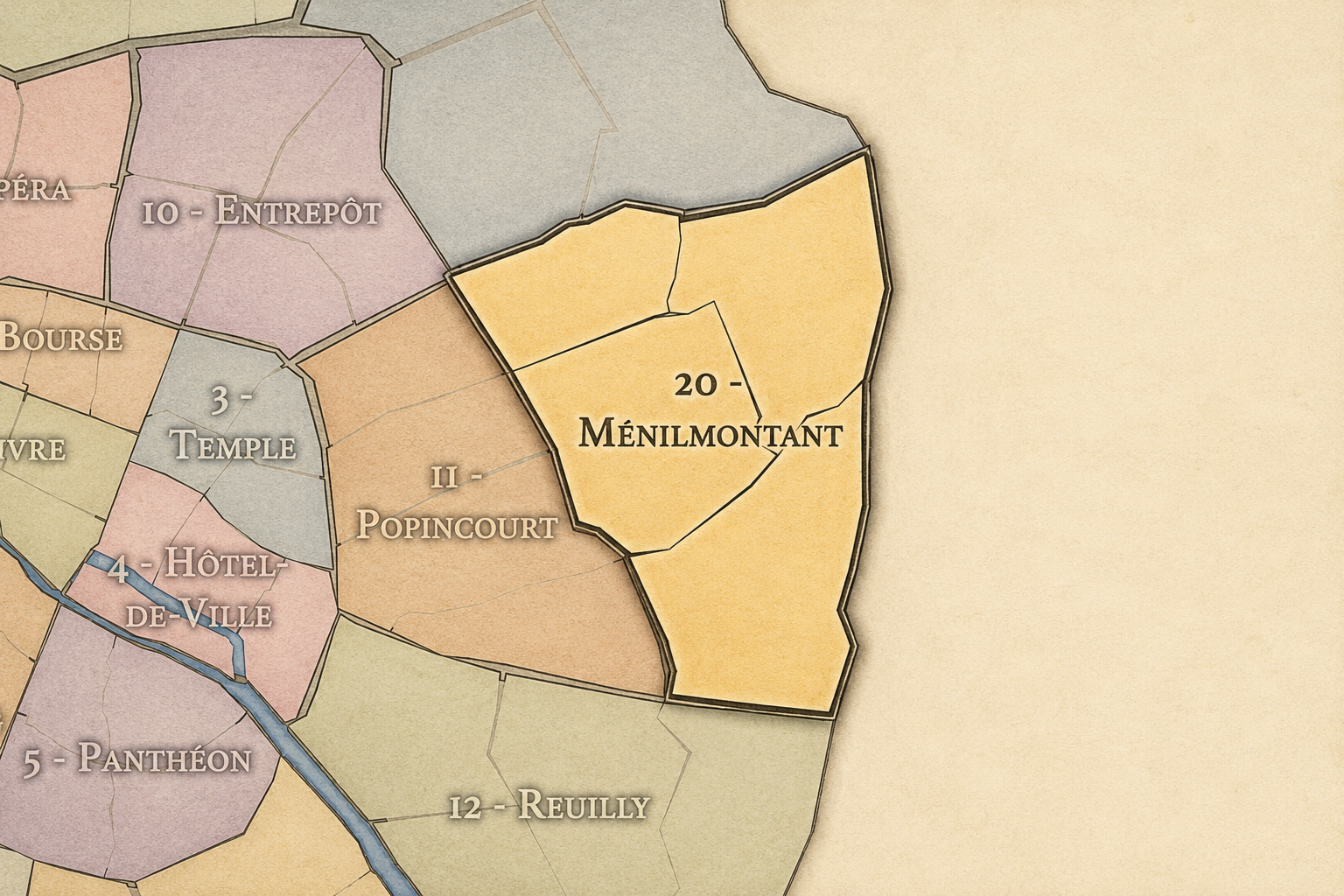
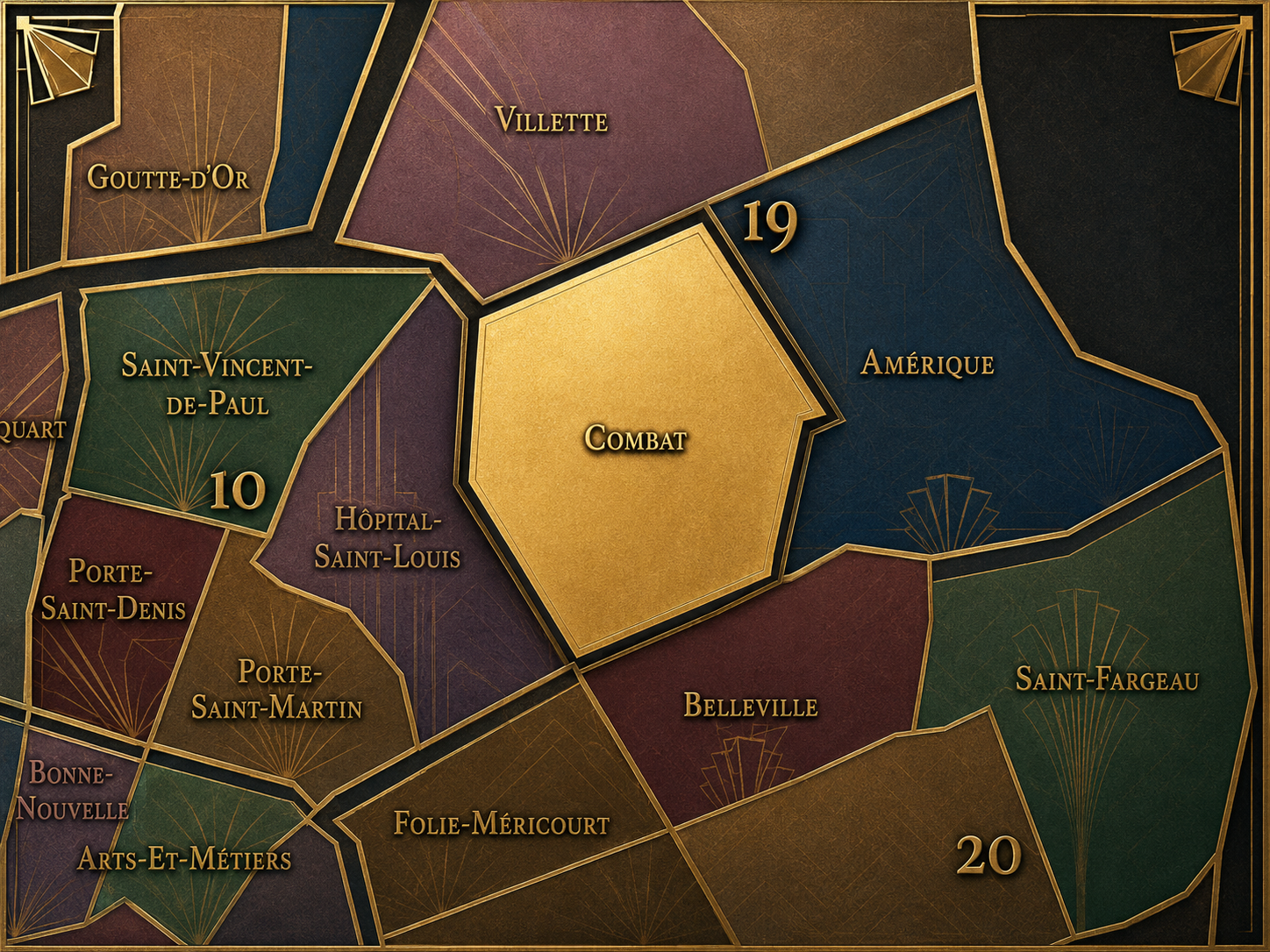
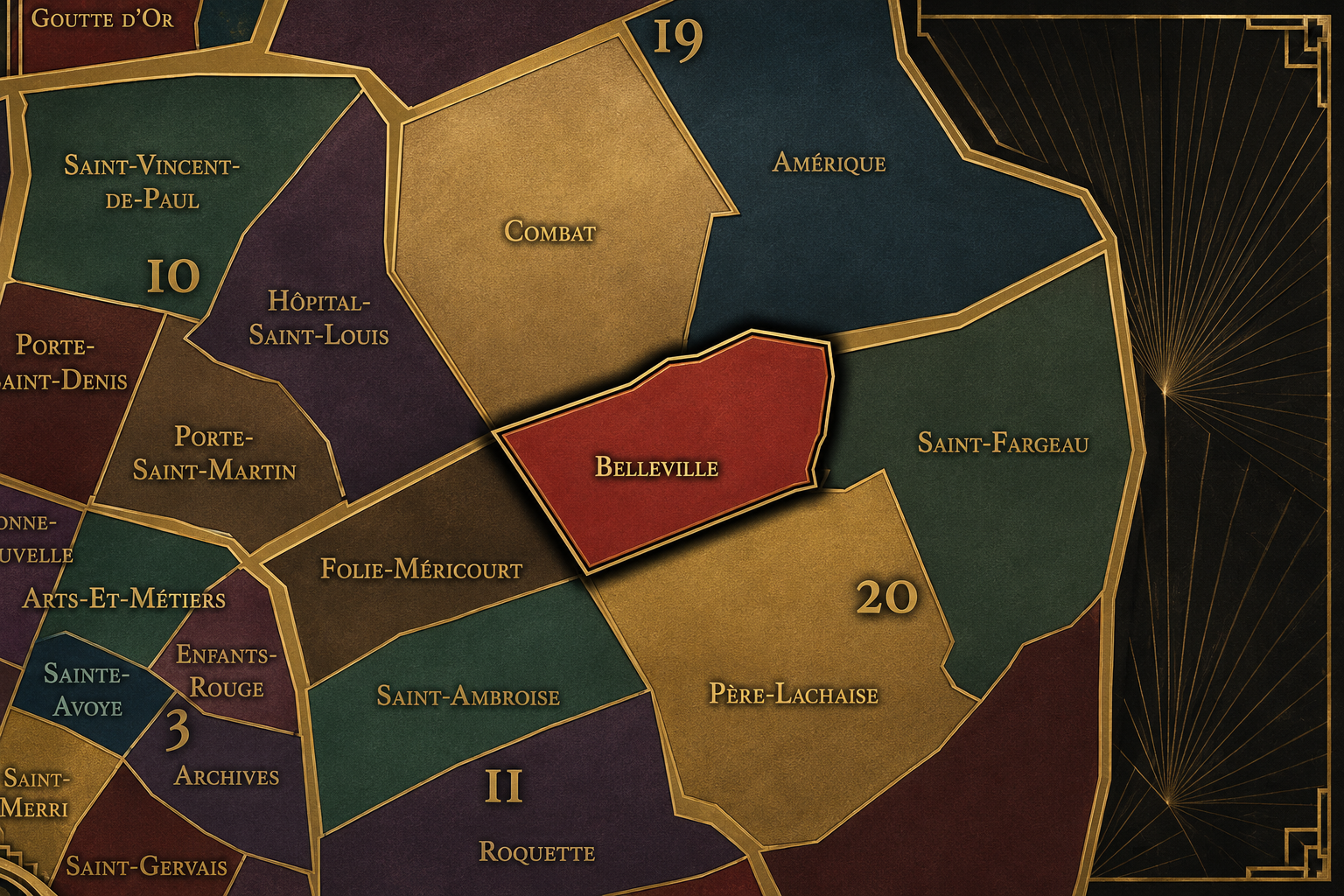
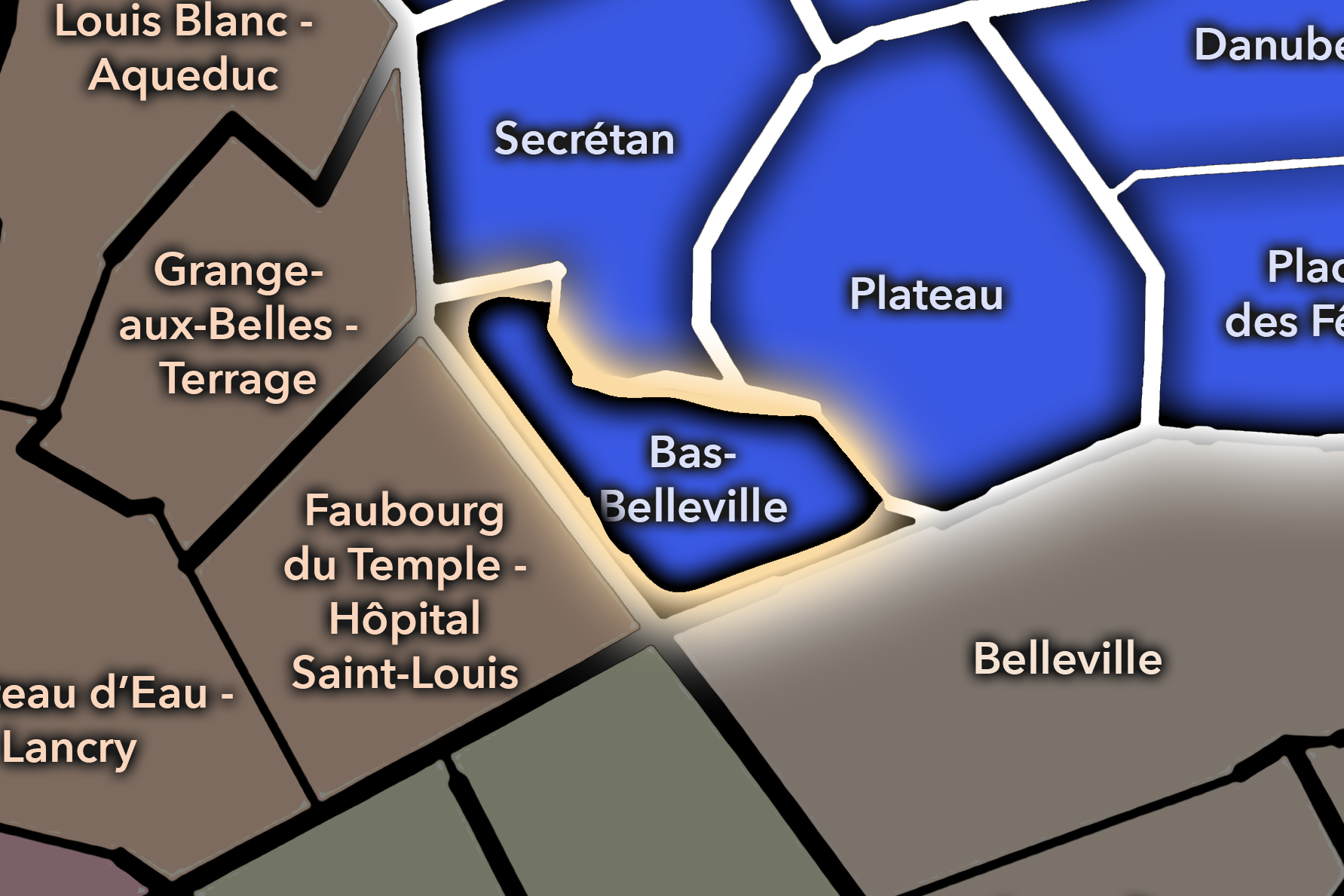
Paris neighborhoods are shaped by overlapping layers. This section shows how the Saint-Germain-des-Prés district connects to the broader CityNeighborhoodsParis map — through its rive, arrondissement, administrative quarters, conseils de quartier, and related Cultural Neighborhoods.
Civic & Cultural Foundations
-
Rive Droite
-
19e - Buttes-Chaumont
-
20e - Ménilmontant
Administrative Quarters
-
19e - Combat
-
20e - Belleville
Conseils de Quartier
-
19e - Bas-Belleville
-
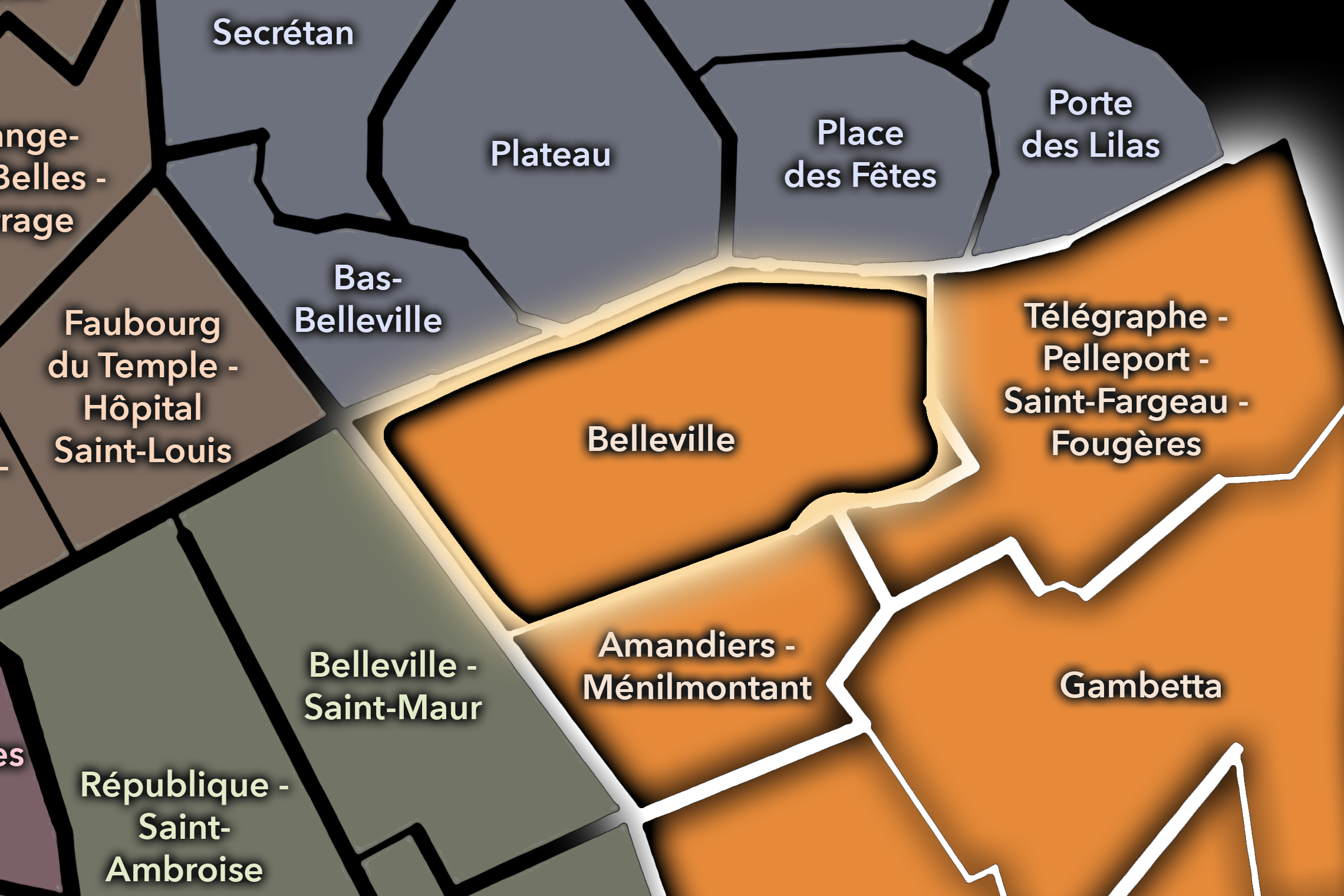
20e - Belleville
The History
Belleville’s origins lie outside the early city of Paris, on the northeastern heights beyond the dense urban core. For centuries, the area was shaped by rural land, vineyards, quarries, paths, and settlements that served or neighbored the capital without being fully part of it. Its elevation and distance from central Paris gave it a distinct physical and social identity.
The high ground mattered. Belleville’s slopes offered land, resources, and vantage points, but also marked it as peripheral. This position outside the walls helped shape the neighborhood’s later character: close enough to be tied to Paris, far enough to develop its own forms of life, labor, leisure, and local memory.
Origins
Medieval / Early Formation
During the medieval and early formation periods, Belleville remained largely outside the formal urban identity of Paris. The area was associated with village life, agricultural use, religious holdings, and routes connecting the northeastern countryside to the city. It did not yet have the dense urban character it would later acquire, but its landscape was already being shaped by proximity to Paris.
The village identity of Belleville developed gradually. Like other settlements around the capital, it existed in relation to the city while remaining administratively and socially distinct. The fields, vineyards, and working landscapes of the northeastern heights formed the basis for a community that would later be absorbed into the expanding urban fabric.
In the early modern period, Belleville continued to develop as a village and semi-rural community outside Paris. Its taverns, vineyards, open spaces, and elevated position made it part of the world beyond the city gates, where Parisians could encounter a different rhythm of life. The area was not yet the dense working-class district of later centuries, but it was already connected to leisure, labor, and the outer geography of the capital.
Its distance from the administrative and aristocratic heart of Paris allowed Belleville to develop a less polished identity. While central districts accumulated royal, noble, ecclesiastical, or commercial power, Belleville remained closer to the world of small producers, rural-urban transition, and popular recreation. This contrast helped prepare the ground for its later reputation as a neighborhood of the people rather than the elite.
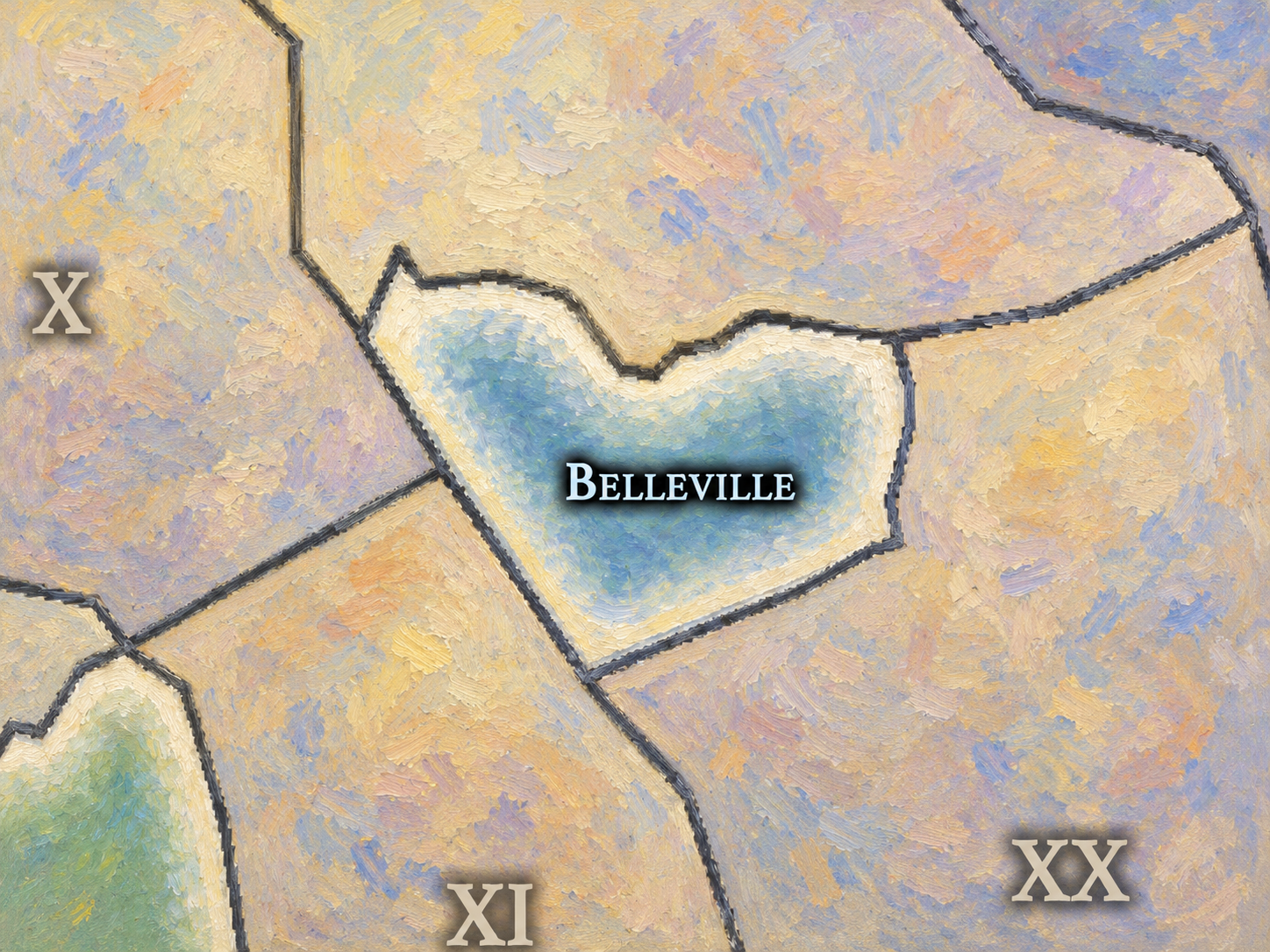
Early Modern Paris
18th Century
In the 18th century, Belleville became increasingly tied to the growing population and economy of Paris while still remaining outside the official city. Its vineyards, taverns, and guinguettes contributed to a culture of popular leisure on the city’s edge. Such places allowed Parisians to drink, gather, dance, and escape some of the restrictions and costs associated with the city proper.
This outer-city identity was important. Belleville’s location beyond the walls and tax barriers made it part of a ring of places where popular sociability developed differently from central Paris. The neighborhood’s later associations with music, cafés, and working-class conviviality have roots in this landscape of edge-city gathering.
By the end of the century, the revolutionary era and the changing relationship between Paris and its surrounding communities began to alter the political and social meaning of places like Belleville. The village was increasingly drawn into the orbit of the capital, even as it retained its own local identity.
The 19th century was decisive for Belleville. Industrial growth, population pressure, migration, and the expansion of Paris transformed the former village into a dense working-class district. In 1860, Belleville was annexed into Paris, with much of it becoming part of the new 20th arrondissement. This incorporation changed its administrative status, but did not erase its distinct identity.
Belleville became closely associated with working-class life, popular politics, and radicalism. Its residents played an important role in the revolutionary and insurrectionary traditions of Paris, especially during the Paris Commune of 1871. The heights of Belleville and neighboring Ménilmontant became part of the geography of resistance, barricades, and the final struggles of the Commune.
The neighborhood’s 19th-century identity was therefore shaped by both social hardship and political intensity. It was a place of workers, migrants, crowded housing, small industry, cafés, associations, and militant memory. Its distance from elite Paris became part of its symbolic power: Belleville represented a Paris from below.
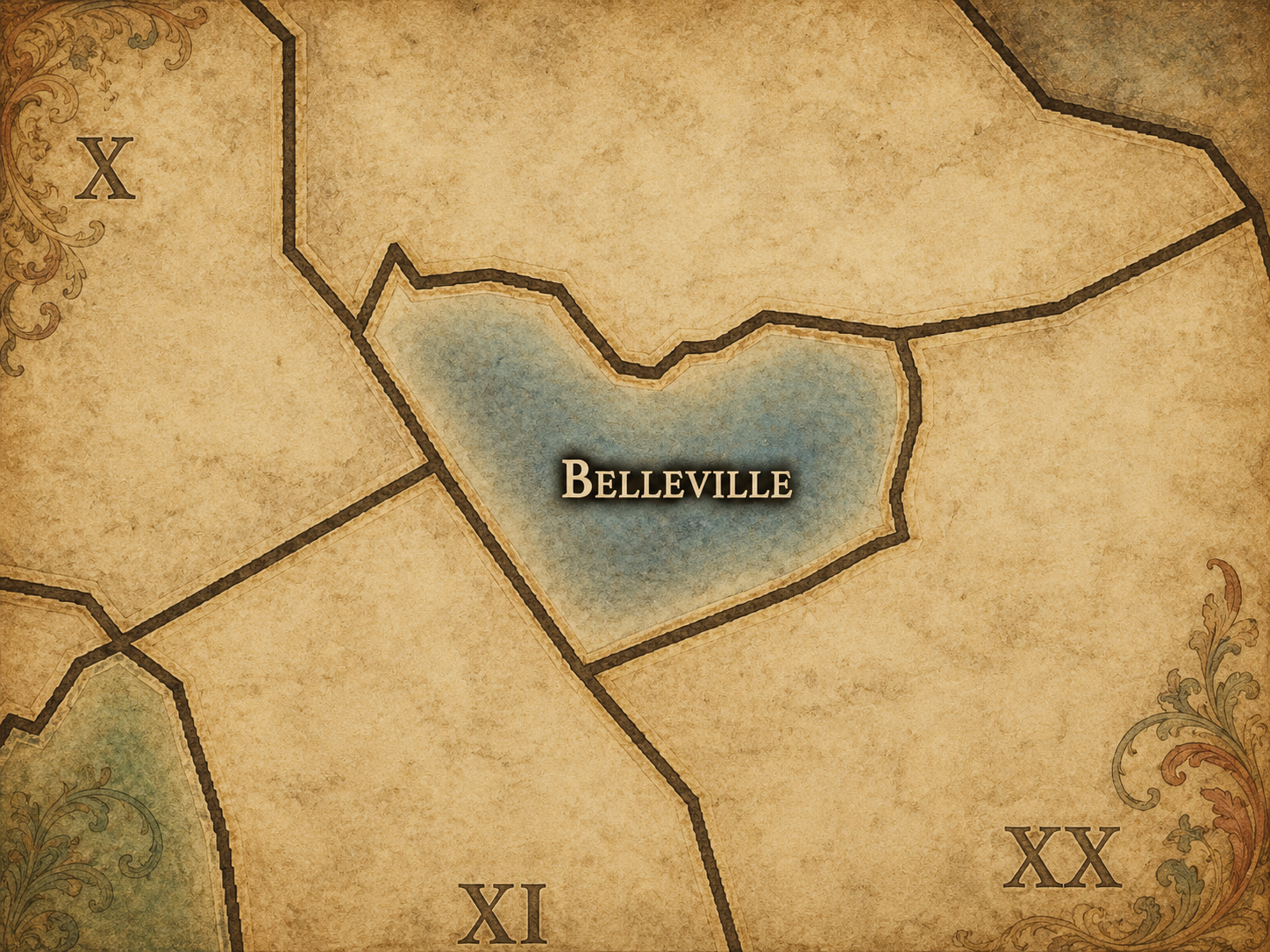
19th Century
Early–Mid 20th Century
In the early and mid 20th century, Belleville remained one of the great popular neighborhoods of Paris. Its streets were shaped by workers, artisans, small businesses, immigrant communities, cafés, music halls, markets, and dense residential life. The neighborhood was associated with songs, street culture, and the everyday traditions of northeastern Paris.
Belleville also became an important site of immigrant and Jewish life. Communities from Eastern Europe and other regions settled in and around the neighborhood, contributing to its commercial, religious, linguistic, and social character. These histories were deeply affected by the violence of the Second World War, occupation, persecution, deportation, and loss.
After the war, Belleville continued to evolve through new patterns of migration and urban change. Its working-class identity remained strong, but the neighborhood was never static. It absorbed new communities and new pressures, carrying forward the older pattern of Belleville as a place of arrival, adaptation, and cultural mixture.
The late 20th century brought major transformation. Deindustrialization, redevelopment, immigration, artistic settlement, public housing, urban renewal, and gentrification all reshaped Belleville. Communities from North Africa, China, Southeast Asia, Sub-Saharan Africa, and other parts of the world helped make the neighborhood one of the most multicultural areas of Paris.
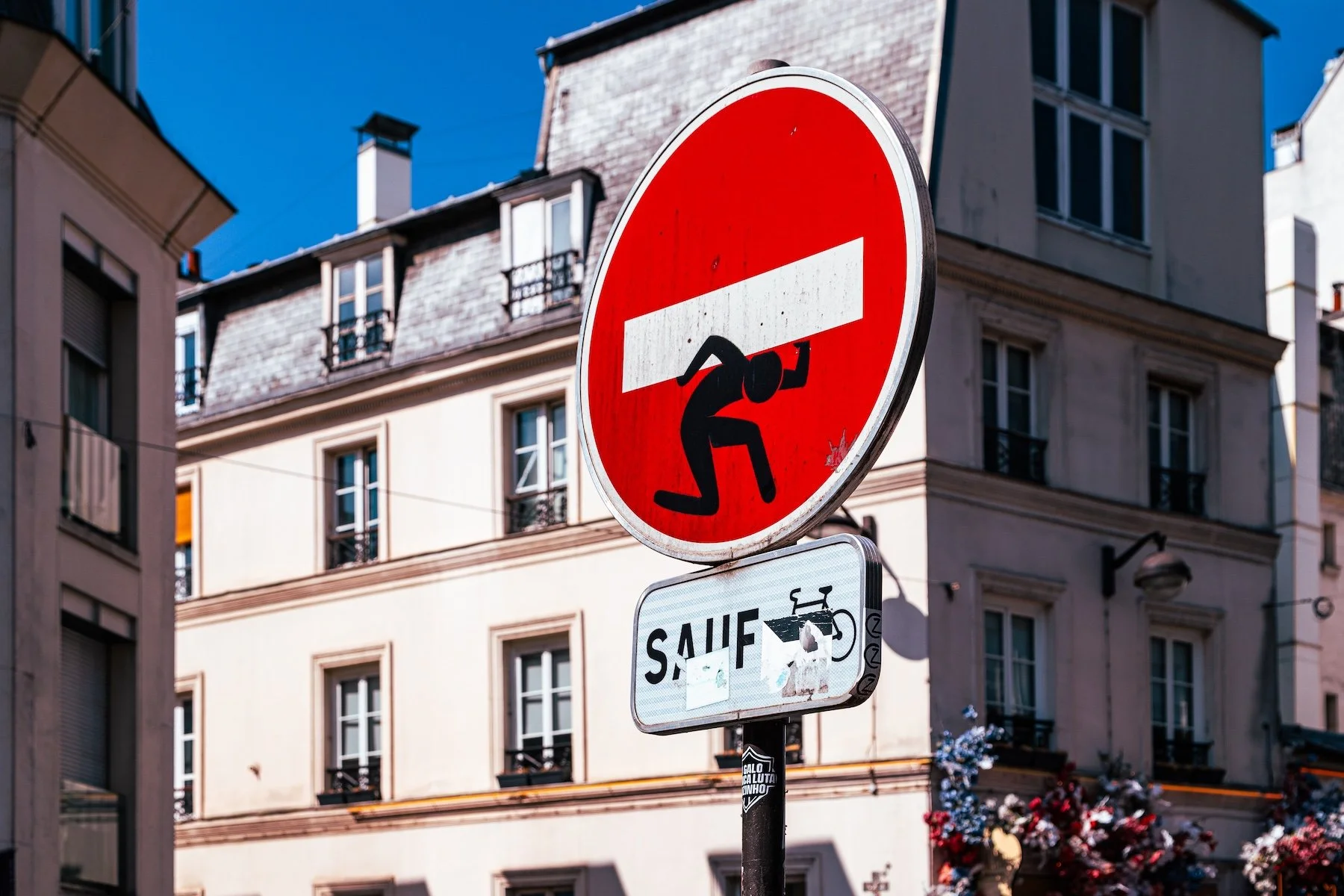
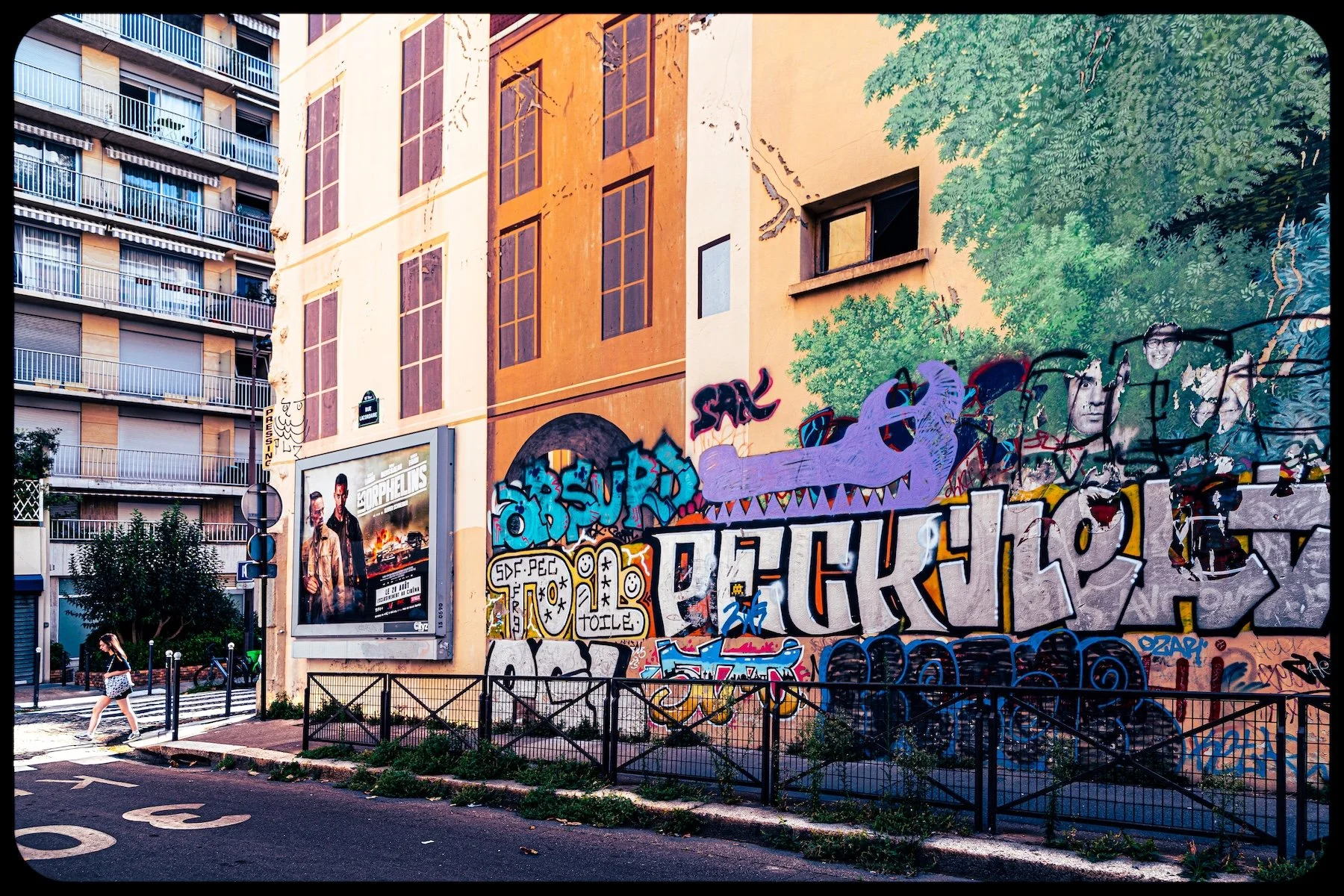
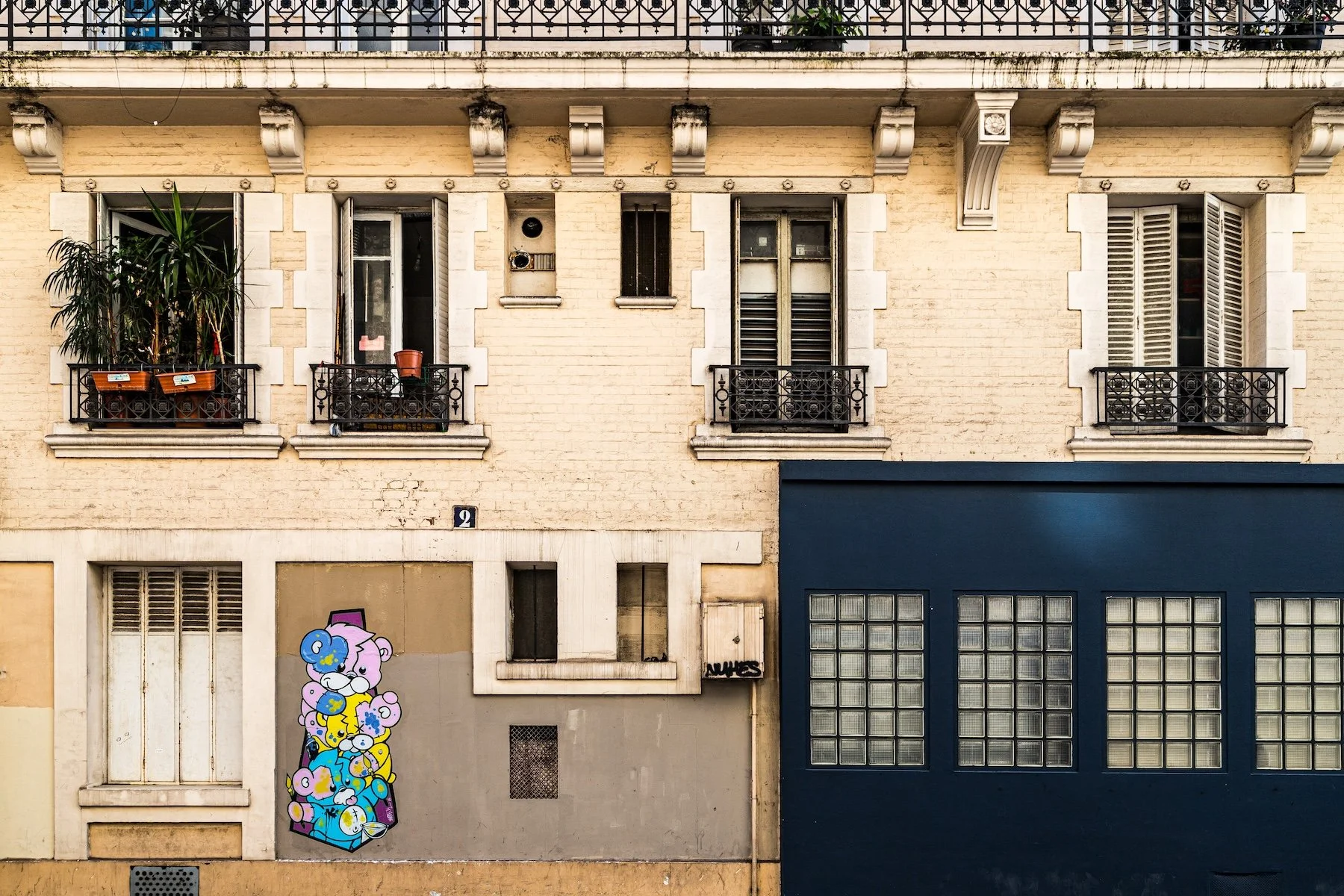
At the same time, Belleville became increasingly associated with artists, studios, alternative culture, and street art. Rue Denoyez and other local spaces became emblematic of a more visible creative scene, while the neighborhood’s older working-class and immigrant identities continued to shape its daily life.
This period also brought tension. Urban renewal altered parts of the neighborhood, and rising interest in Belleville’s character led to new forms of desirability. Like many culturally rich neighborhoods, Belleville faced the contradiction of being valued for the very qualities that redevelopment and gentrification could threaten.
Late 20th Century
21st Century
In the 21st century, Belleville remains one of Paris’s most dynamic Cultural Neighborhoods. It is known for its multicultural street life, restaurants, markets, views, murals, cafés, studios, associations, and mixture of old and new Parisian populations. It is also one of the neighborhoods where questions of affordability, identity, migration, redevelopment, and cultural preservation remain especially visible.
Belleville today is not a museum of working-class Paris, nor simply a fashionable “emerging” district. It is a living neighborhood where many histories continue at once. Its older radical and popular memory coexists with new artistic energy, immigrant entrepreneurship, tourism, and the pressures of contemporary urban change.
For CityNeighborhoods, Belleville is essential because it expands the meaning of Paris beyond the center. It shows that the cultural identity of the city is not only formed in the Latin Quarter, Saint-Germain-des-Prés, Le Marais, or Montmartre. It is also formed in the northeastern heights, where Paris is continually remade by those who live, arrive, work, organize, create, and belong there.
The spirit of Belleville lies in its refusal to become only one kind of Paris. It is village and city, hill and street, worker and artist, immigrant and local, radical memory and contemporary reinvention. Its identity is less polished than many central districts, but that is part of its force. Belleville gives Paris texture, tension, and life.
Its legacy is the legacy of popular Paris: the Paris of labor, migration, music, resistance, street culture, and everyday creativity. It reminds the city that culture does not only descend from institutions or monuments. It rises from neighborhoods, from people living together in dense and changing streets, from languages heard at markets, from murals on walls, from political memory, from cafés and stairways and views across the city.
To walk Belleville is to encounter a Paris that is at once old and newly made. It is one of the essential Cultural Neighborhoods of Paris because it makes visible the city’s capacity for arrival, struggle, mixture, and reinvention. Belleville is not simply a place on the edge of Parisian identity. It is one of the places where that identity is most alive.
Spirit & Legacy
The Photography
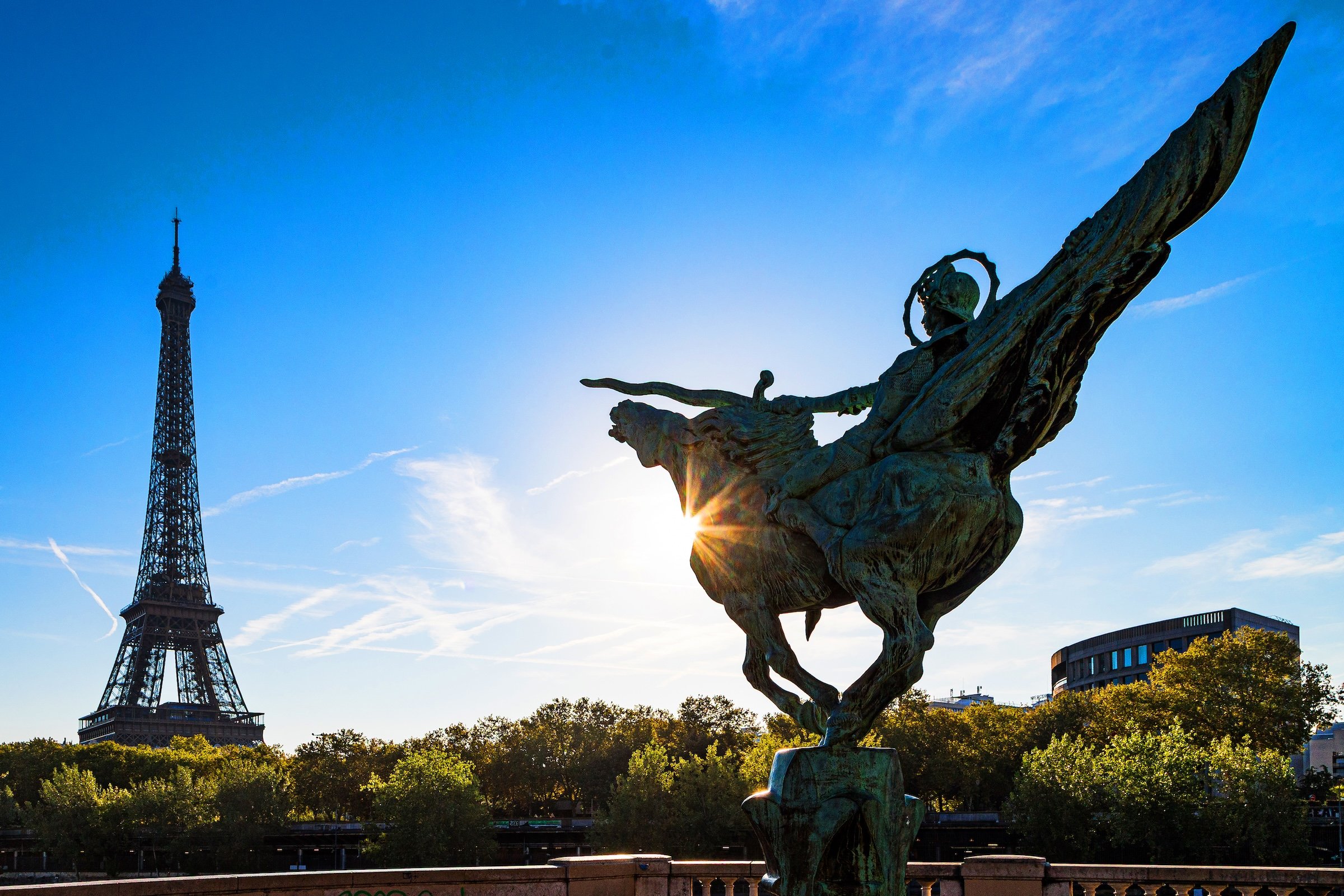
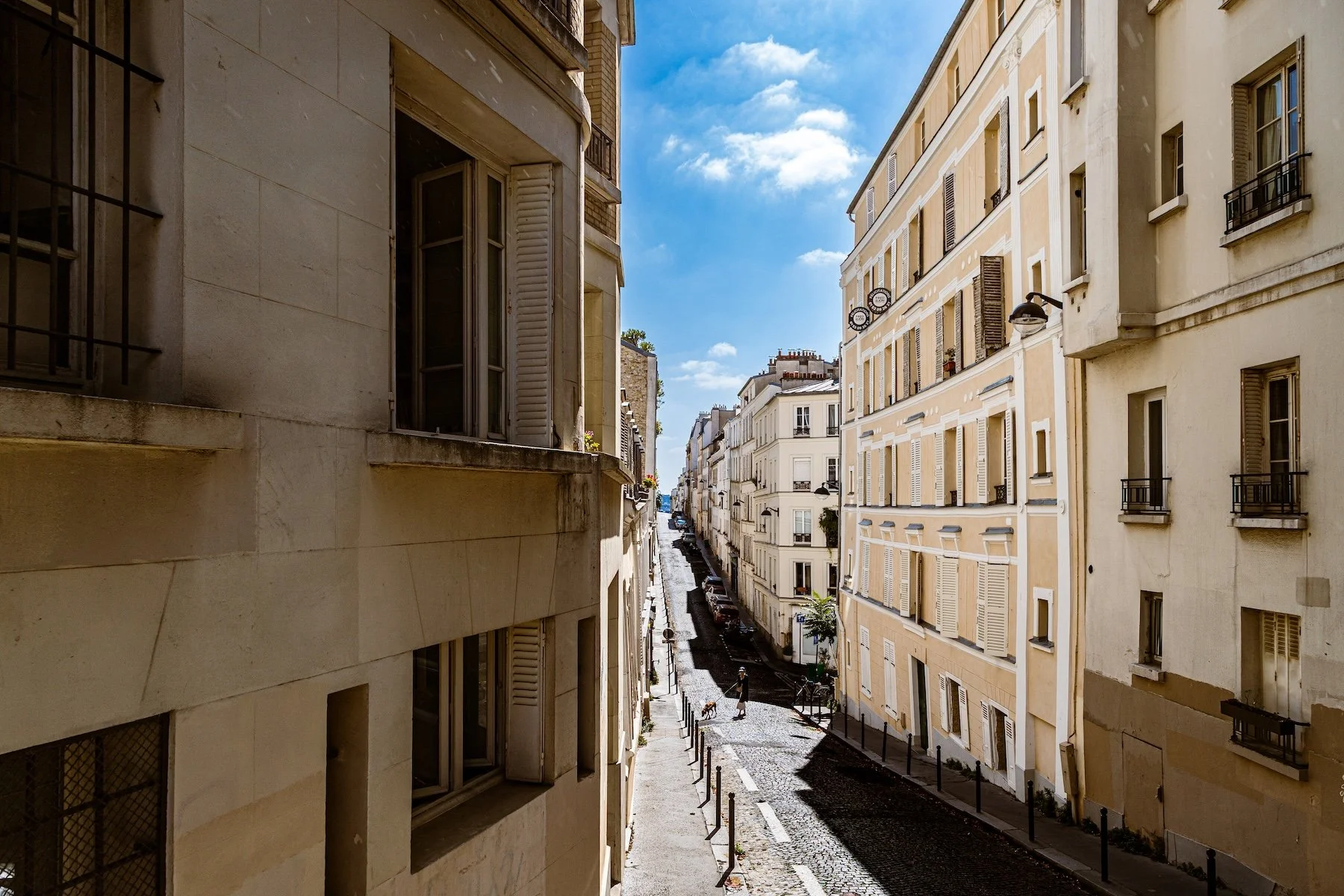
The arrondissements do not share a single visual identity. Instead, they organize Paris into twenty broad visual fields, each gathering its own combination of landmarks, streetscapes, institutions, residential districts, commercial corridors, parks, rail stations, markets, cemeteries, and riverfront edges.
Some arrondissements are defined by monumental scale: royal palaces, ceremonial avenues, government buildings, museums, formal gardens, and internationally recognized landmarks. Others are shaped by hills, canals, rail gateways, apartment-lined boulevards, neighborhood markets, former village streets, industrial remnants, parks, or the quieter rhythms of residential Paris. The arrondissement system gives these varied landscapes a civic frame, allowing the city to be read not as one visual language, but as a sequence of overlapping Parisian atmospheres.
Visual Identity
Through The Lens
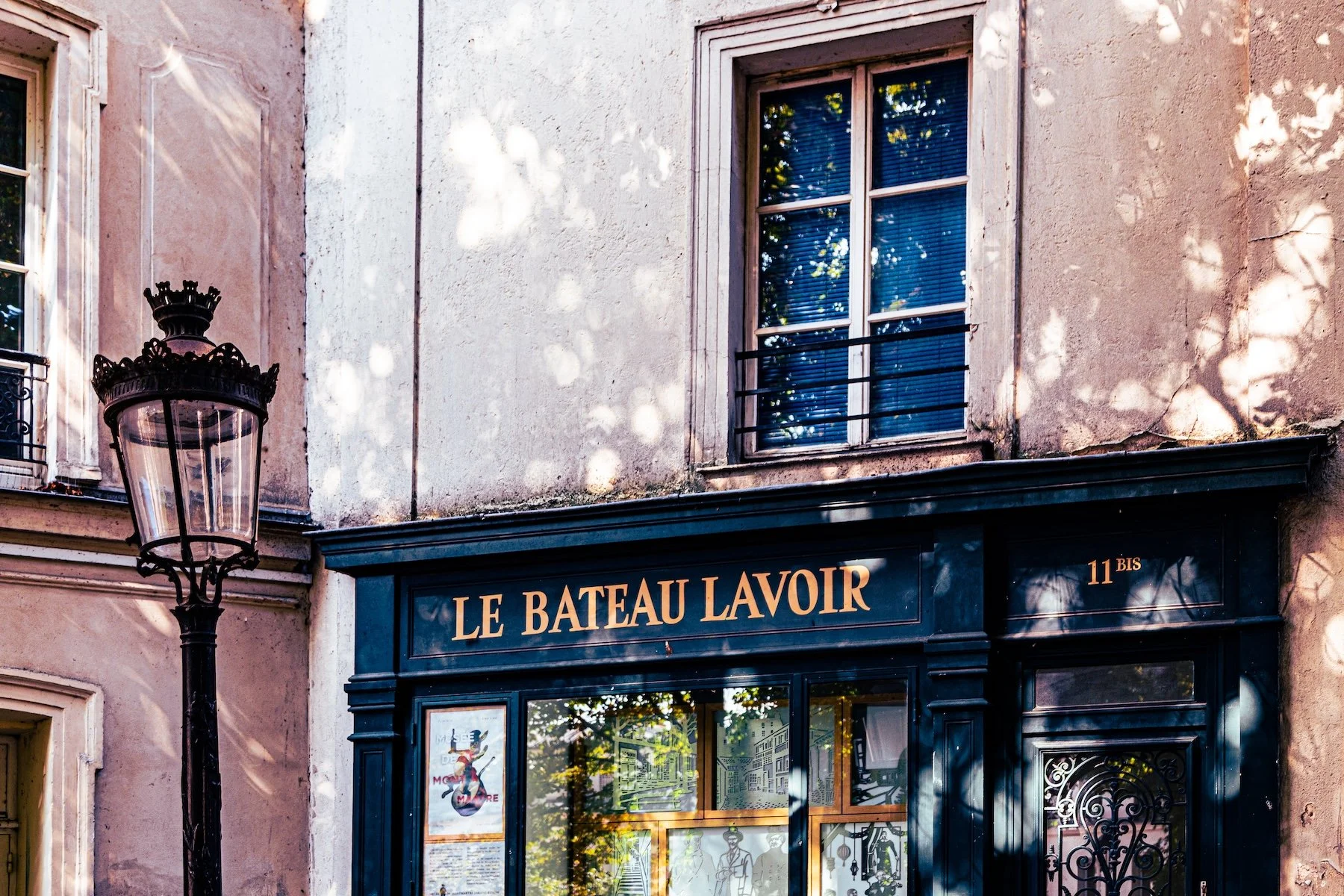
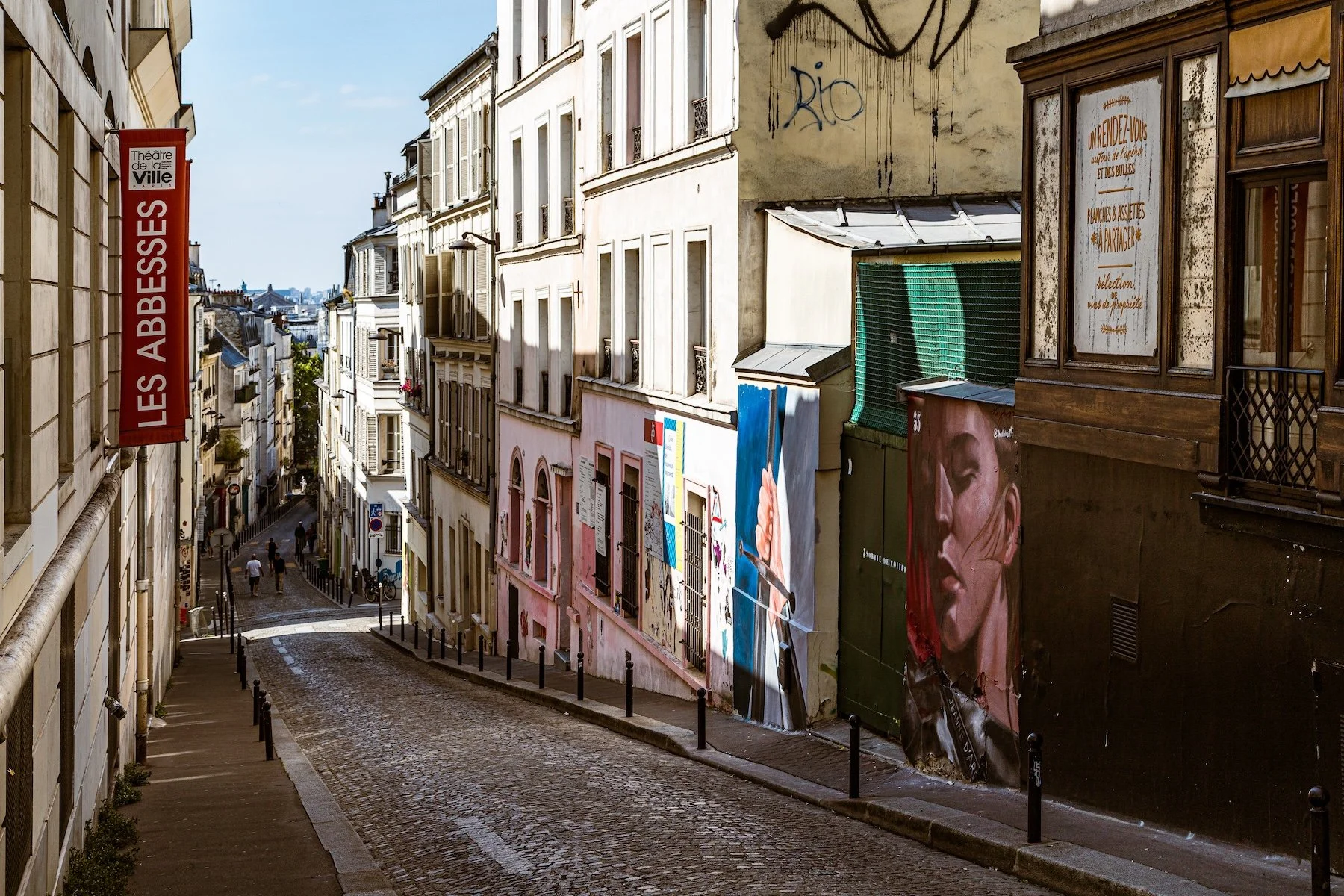
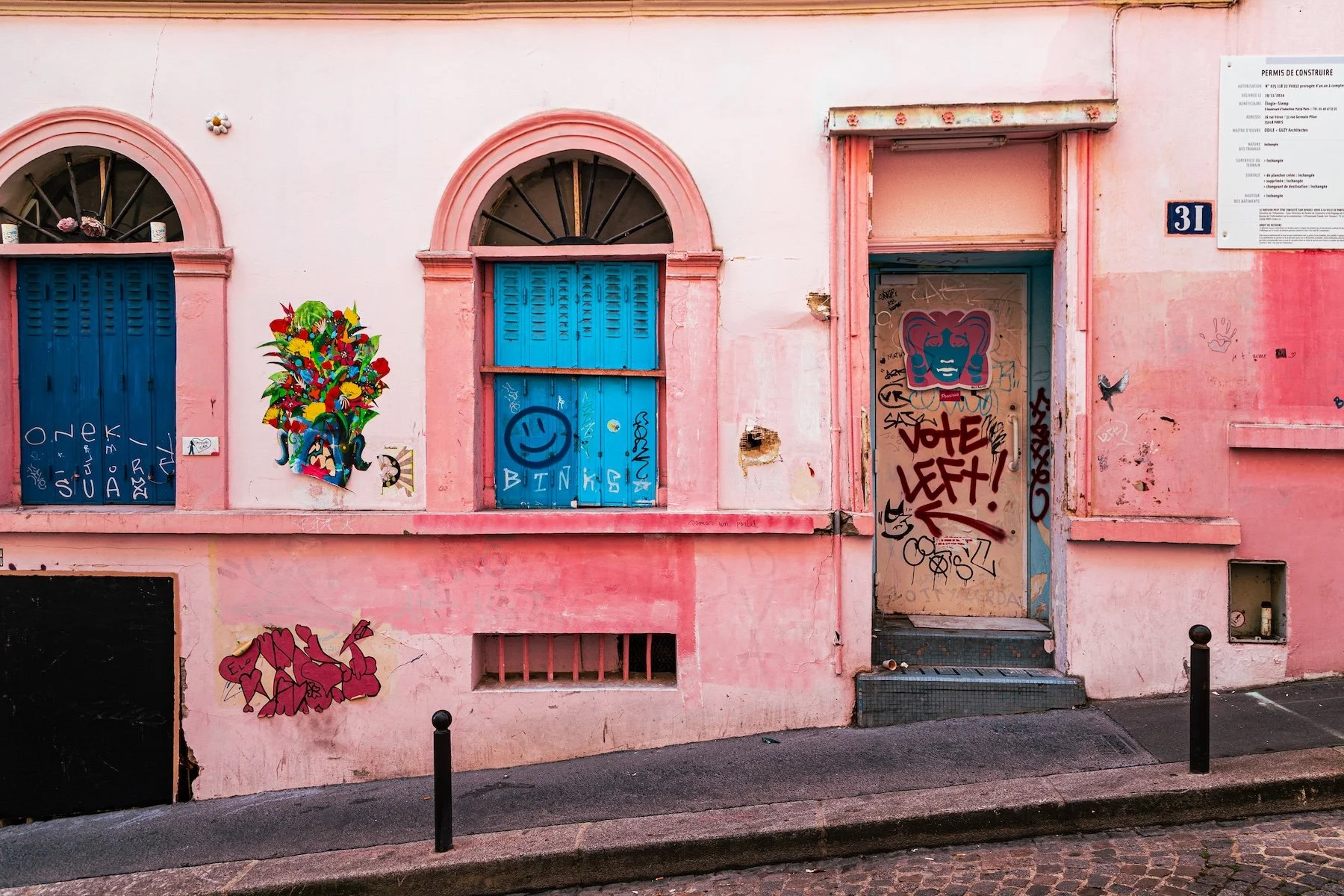
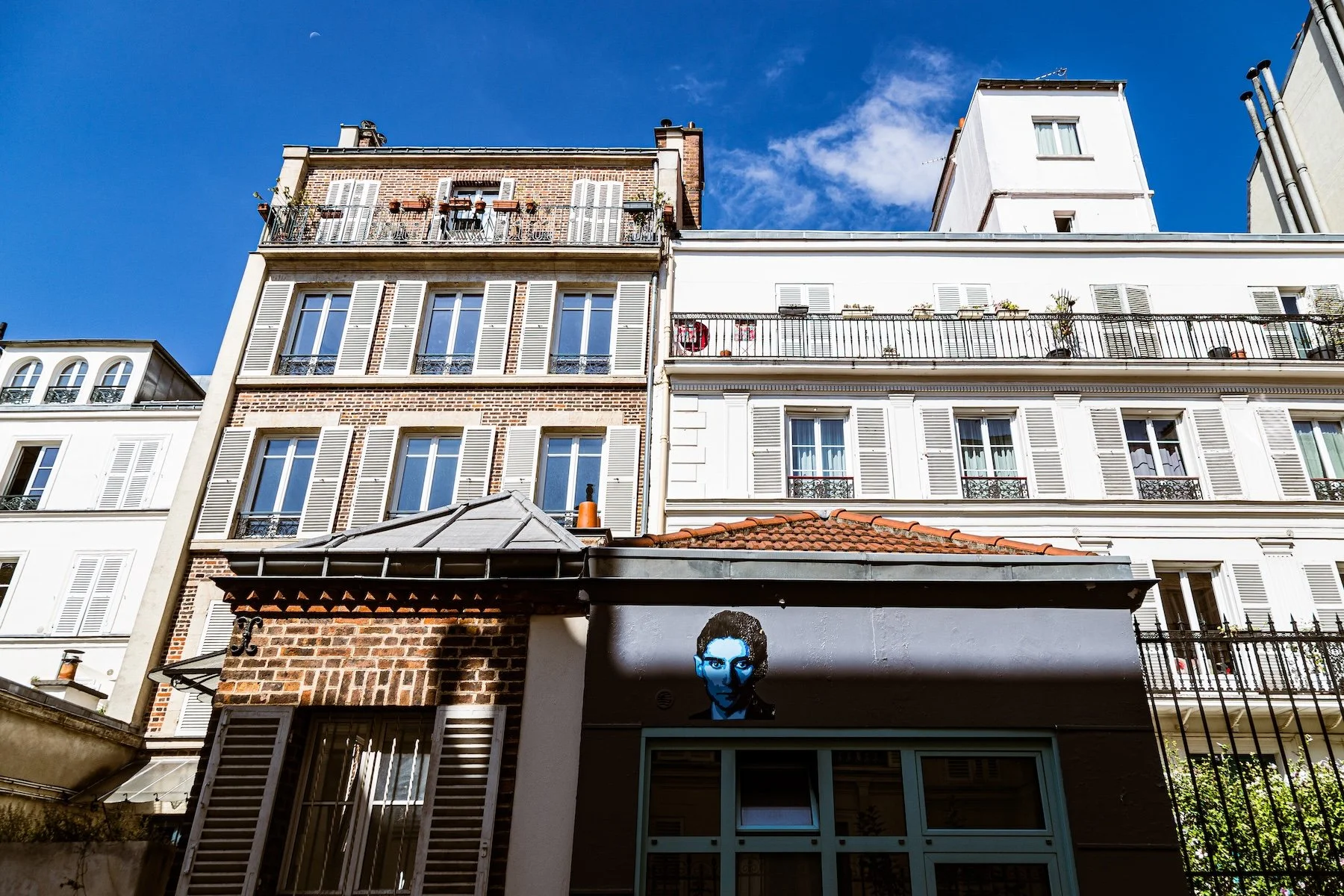
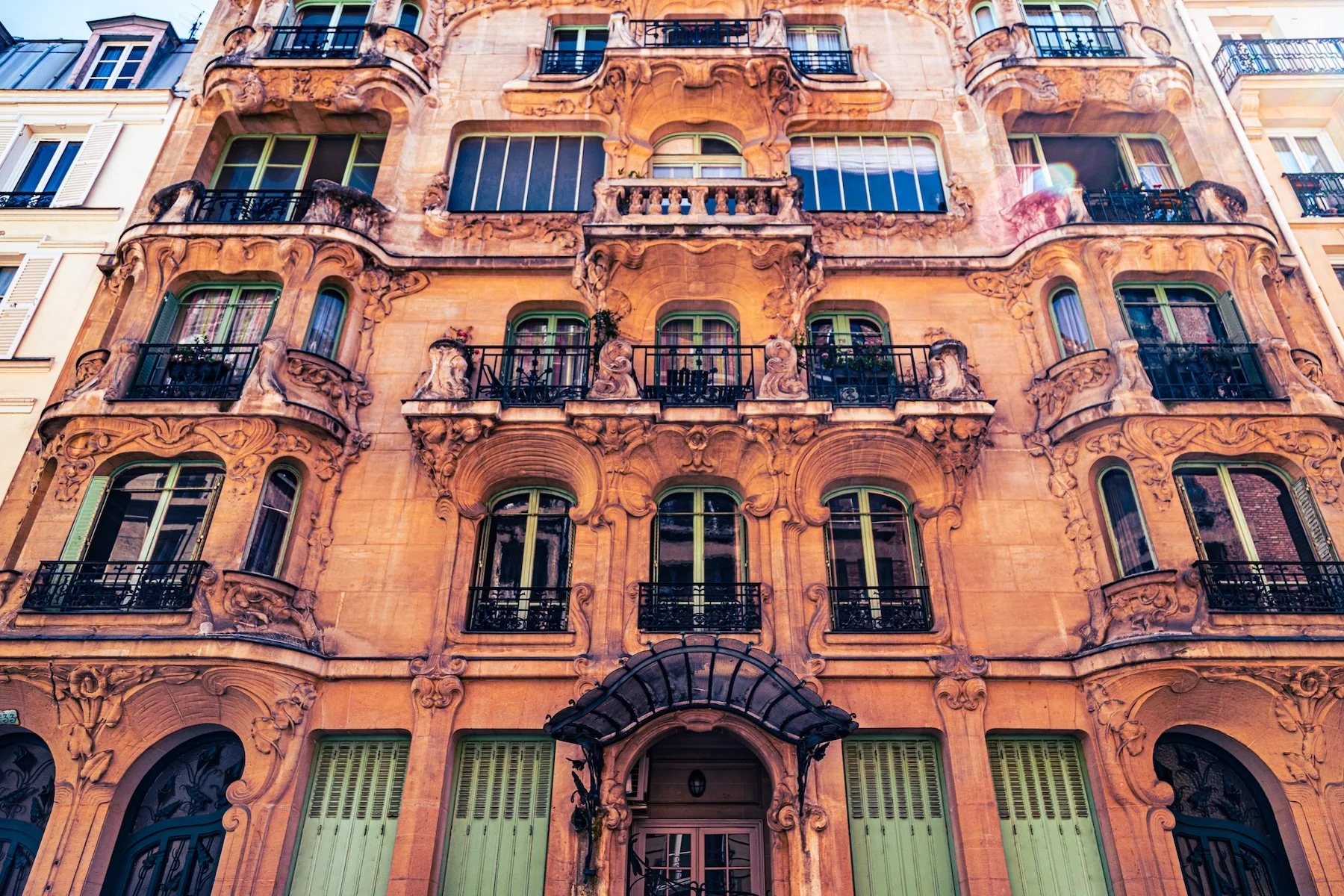
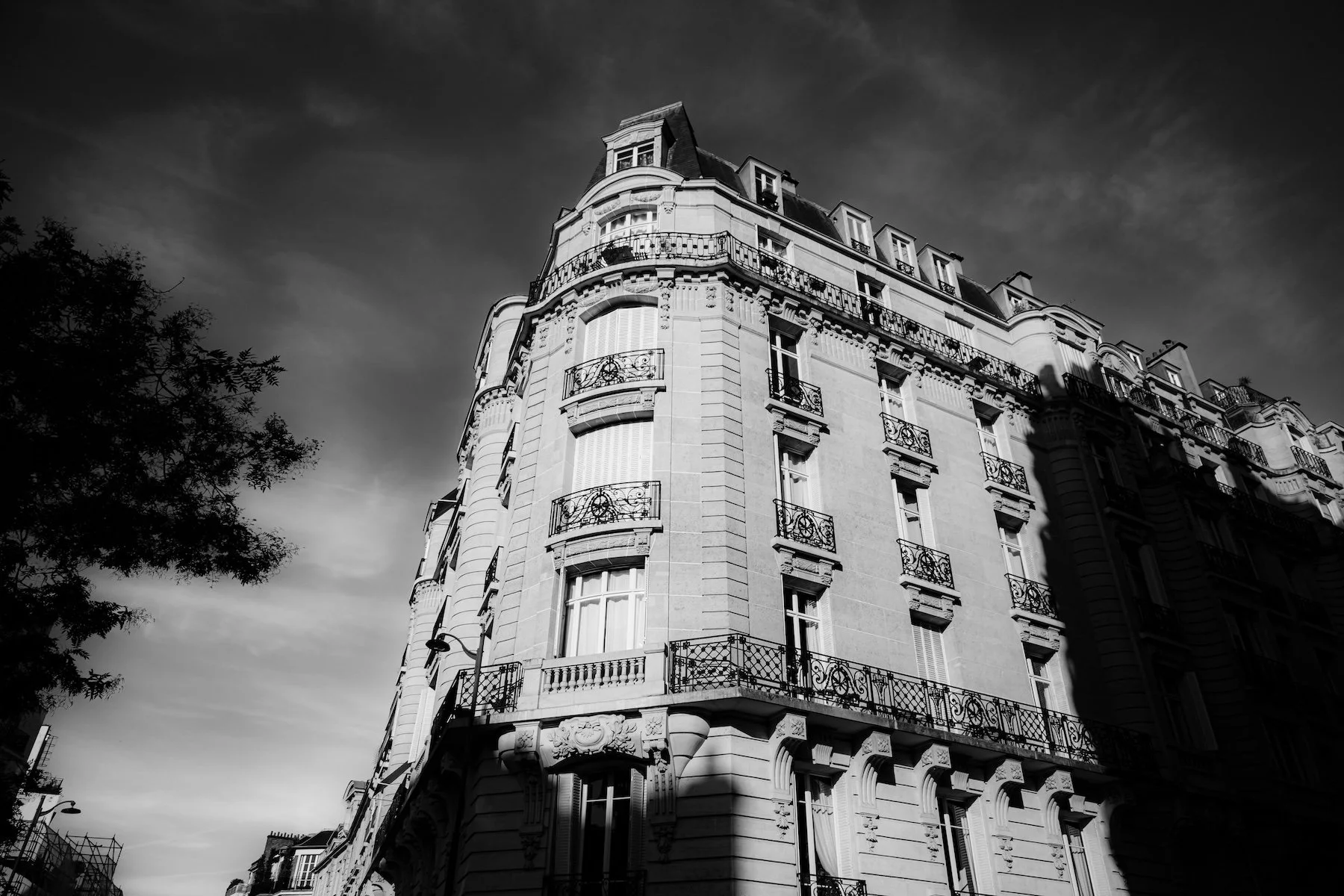
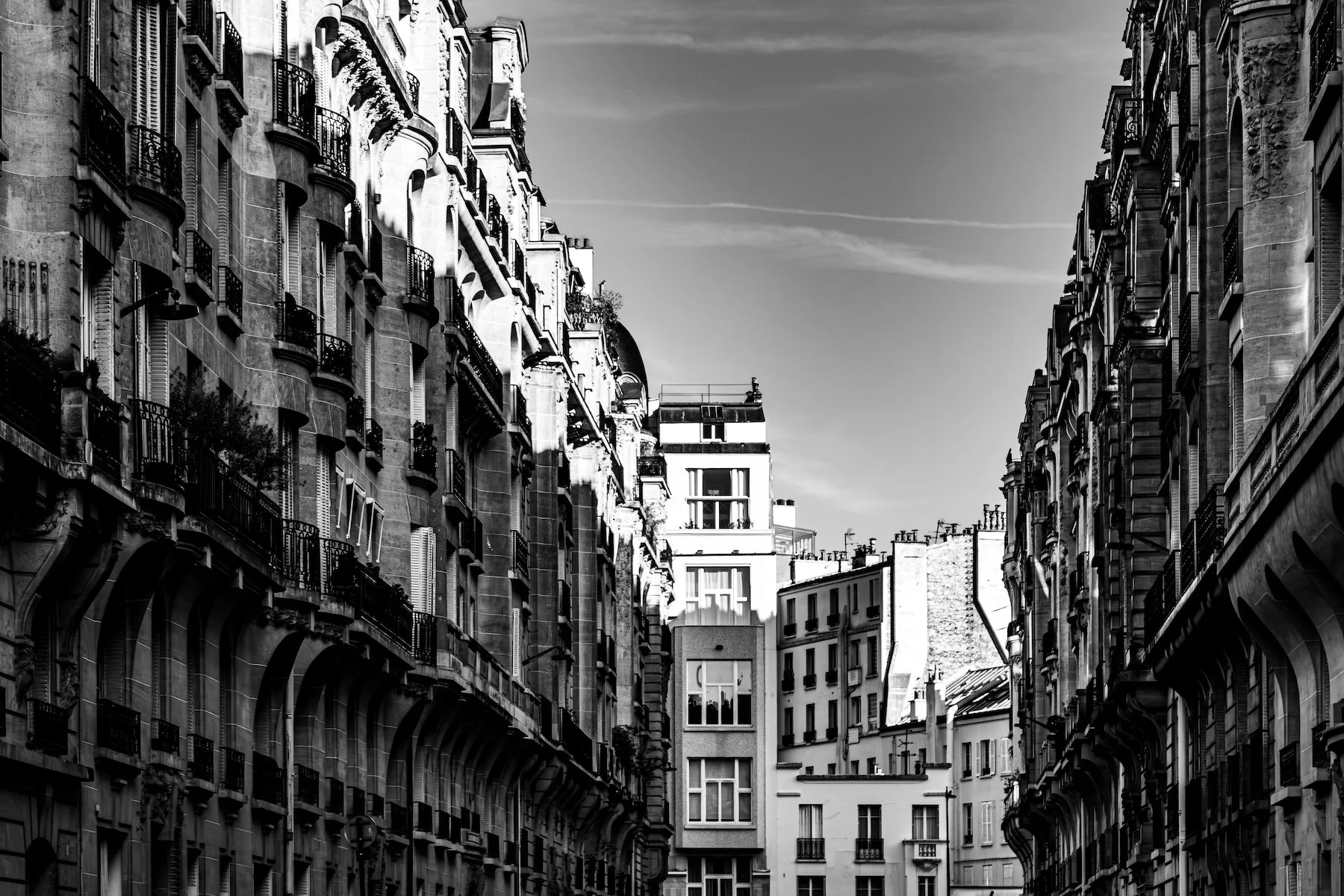
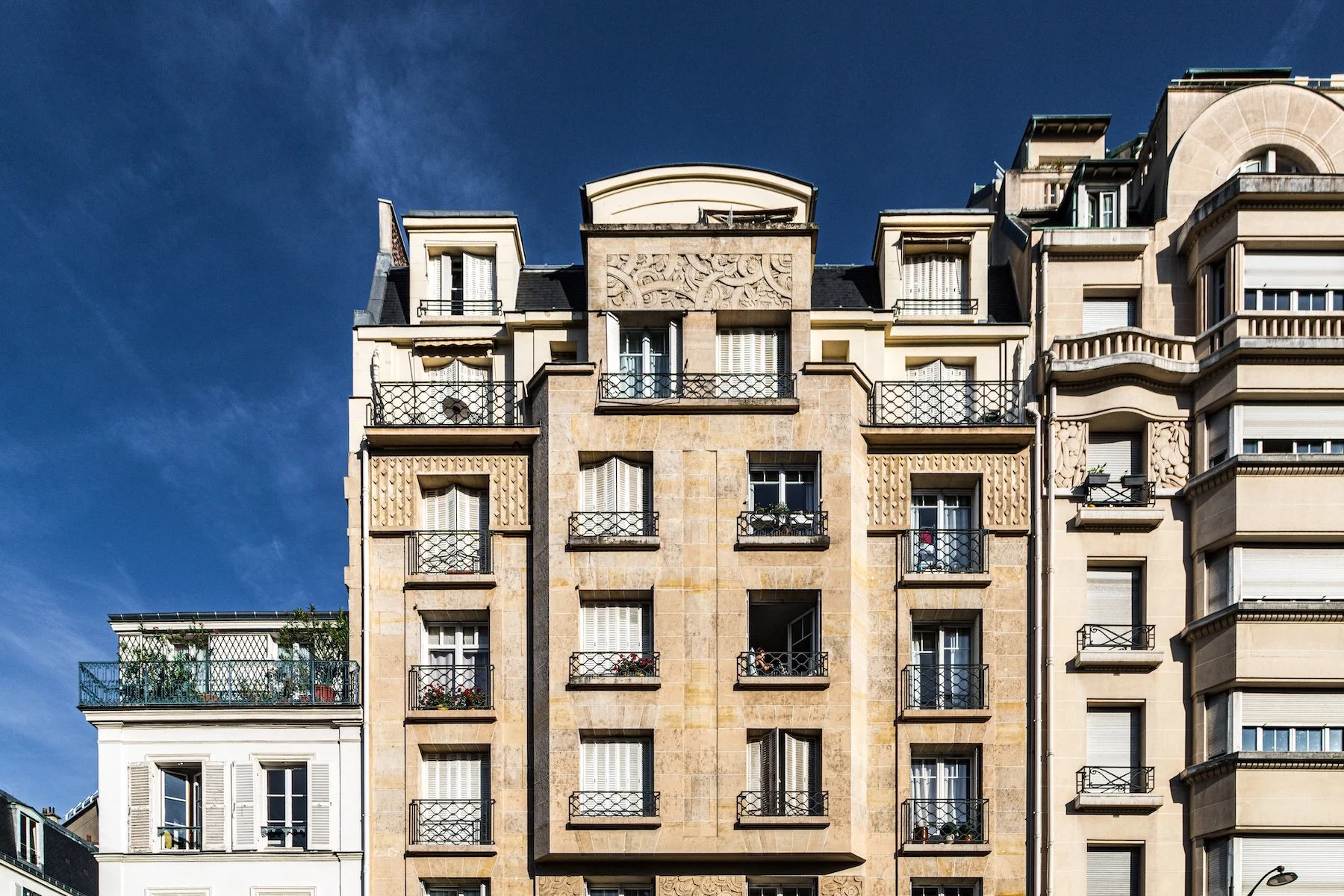
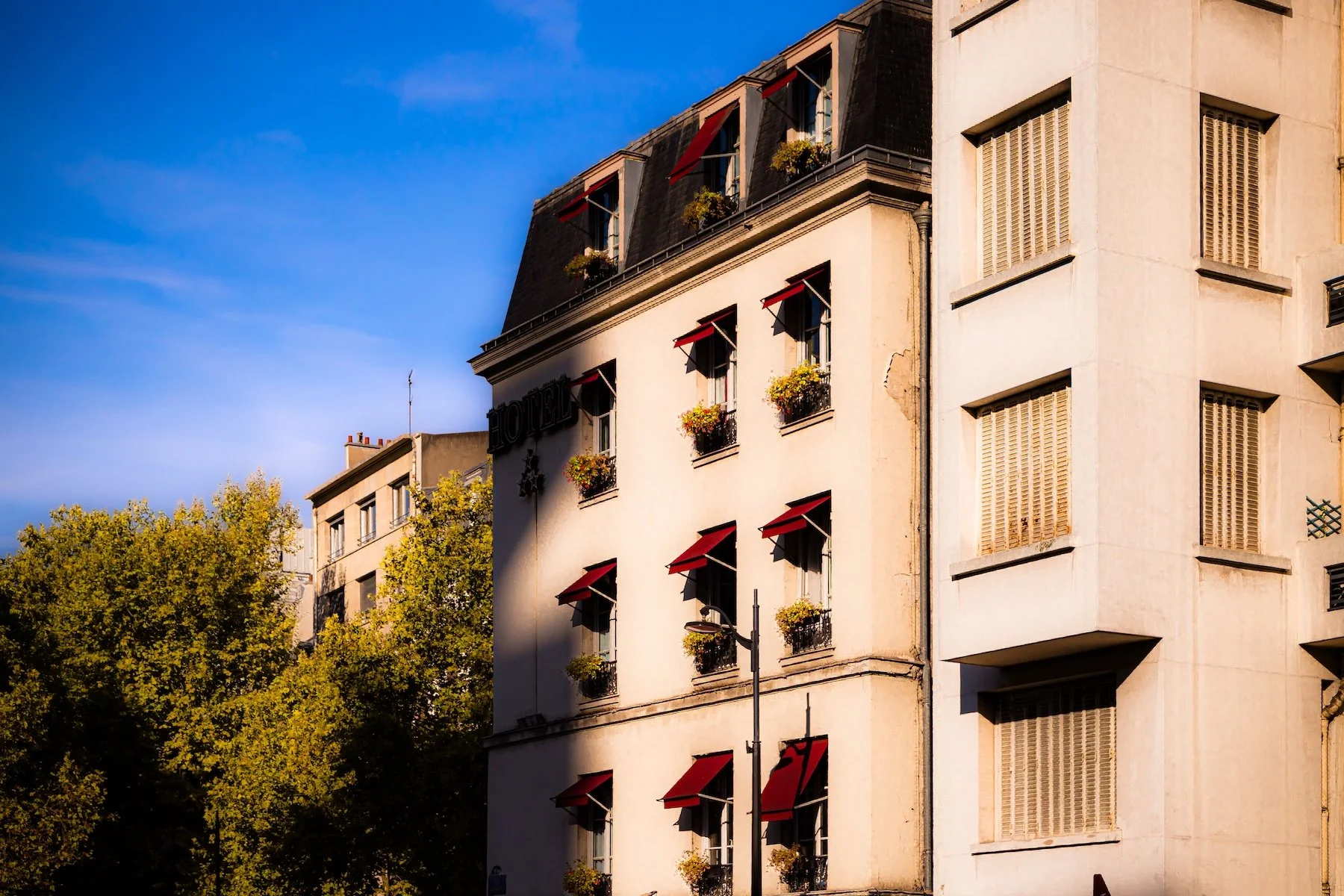
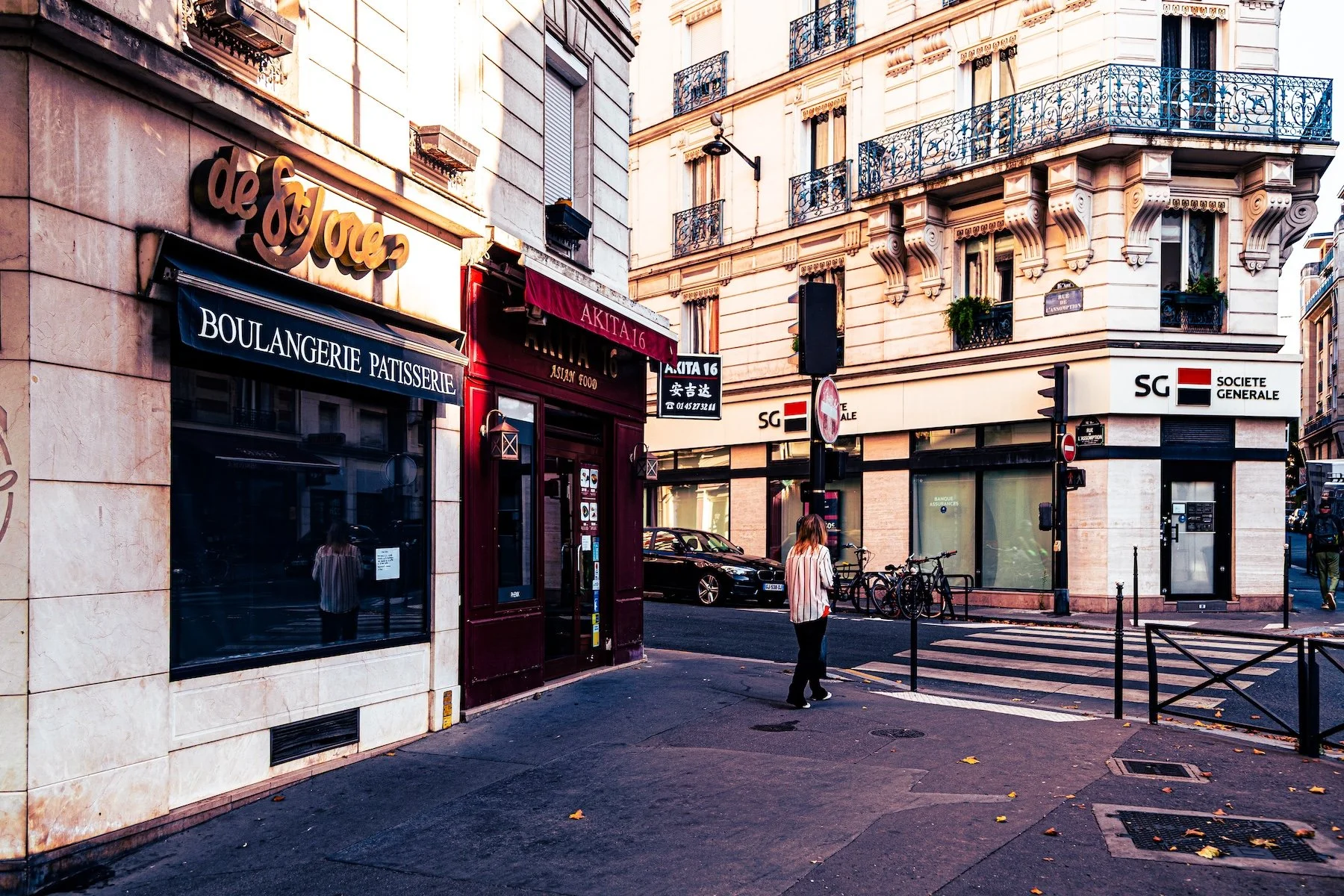
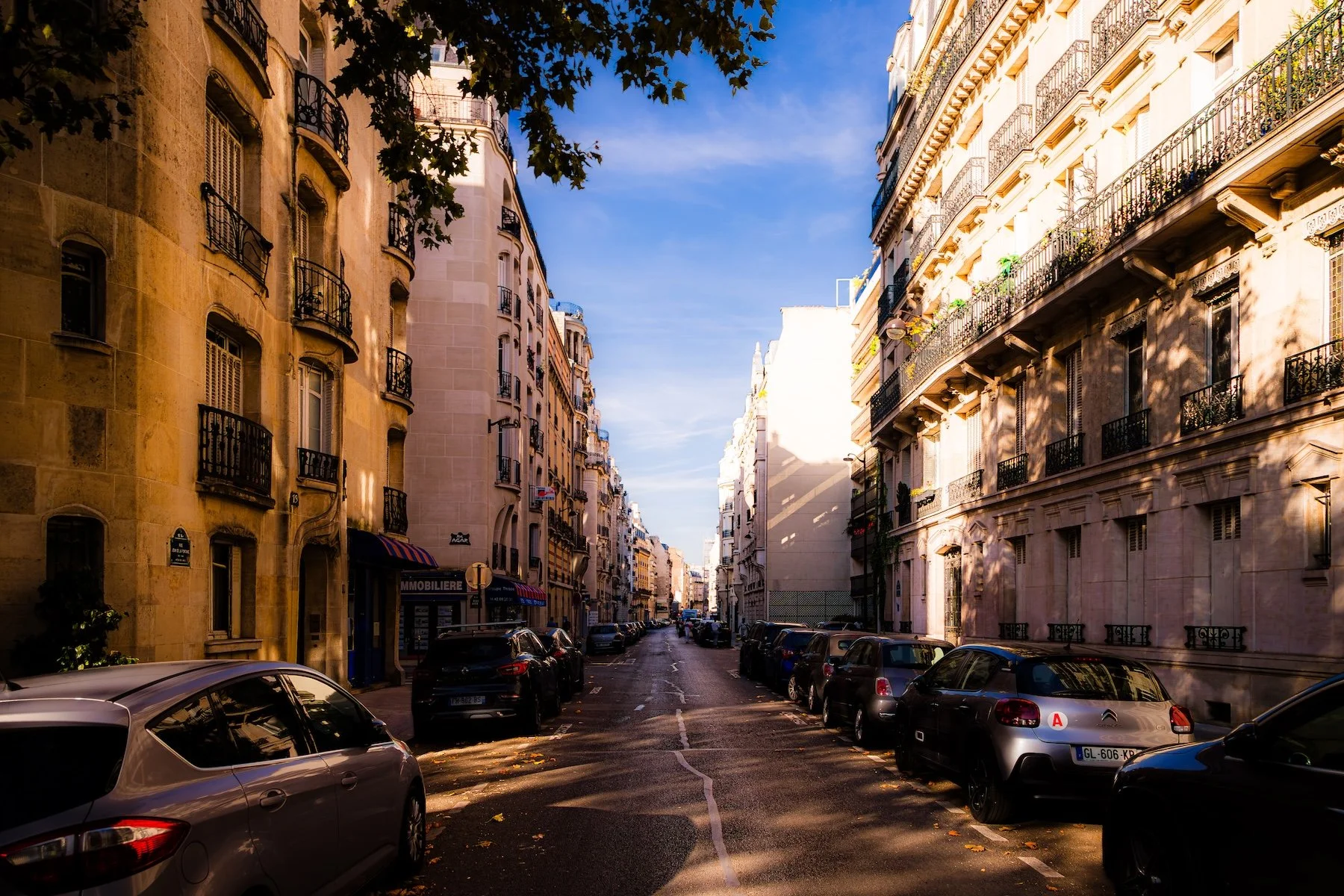
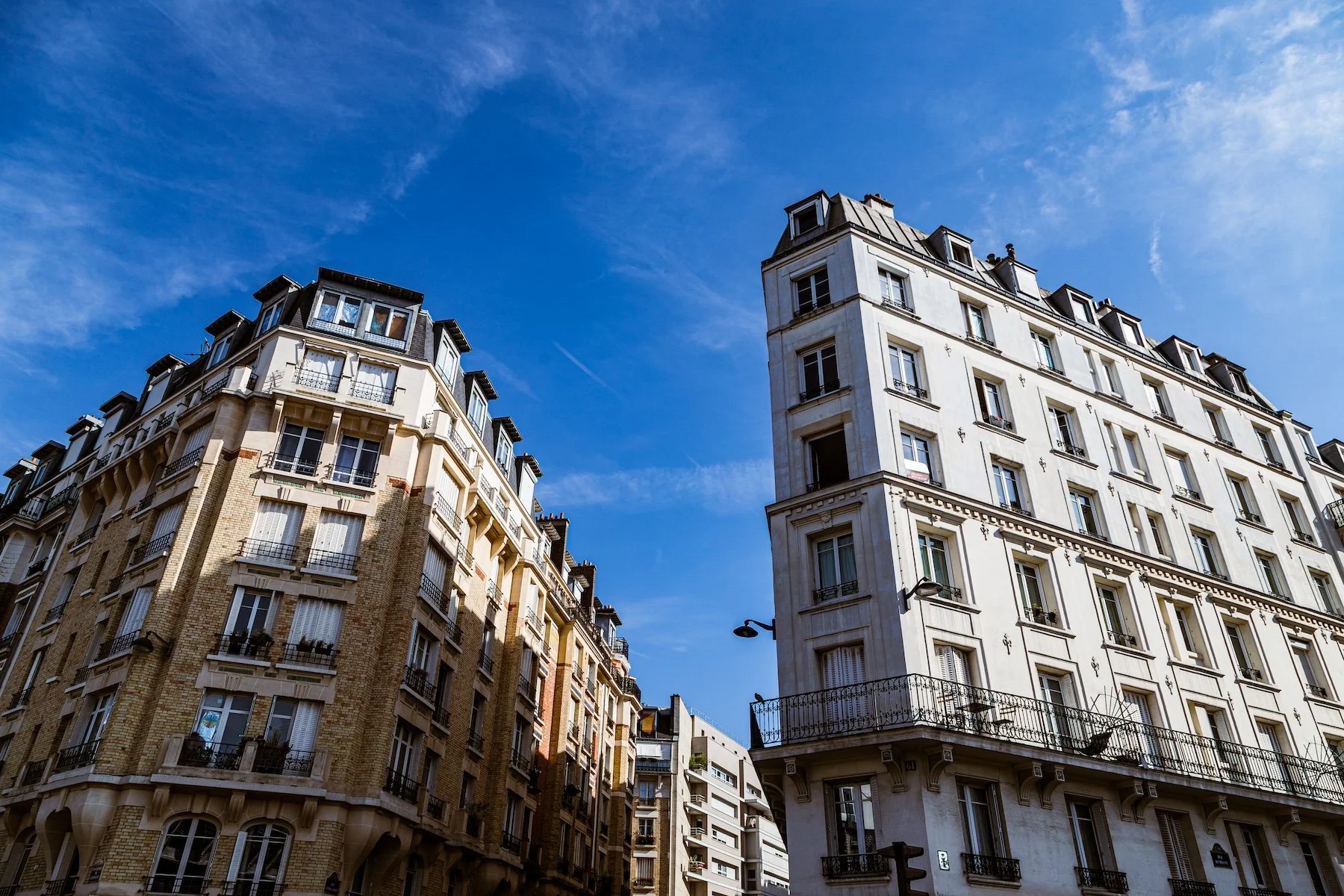
Photographing the arrondissements means moving between the official map and the street-level experience. The camera does not treat each arrondissement as visually uniform. Instead, it looks for the recurring forms, textures, transitions, and contrasts that make each district legible: the geometry of boulevards, the shade of plane trees, the repetition of balconies, the rise of stairways, the curve of canals, the presence of rail stations, the opening of parks, the weight of monuments, and the intimacy of side streets.
On CityNeighborhoods, the arrondissement provides the frame, but the photograph comes from the encounter between map, movement, light, and observation. As the Paris photography is processed, this section will connect each arrondissement more directly to the project’s Photographic Lexicon: the visual strategies, recurring motifs, and compositional patterns that shape how the city is seen through the lens.
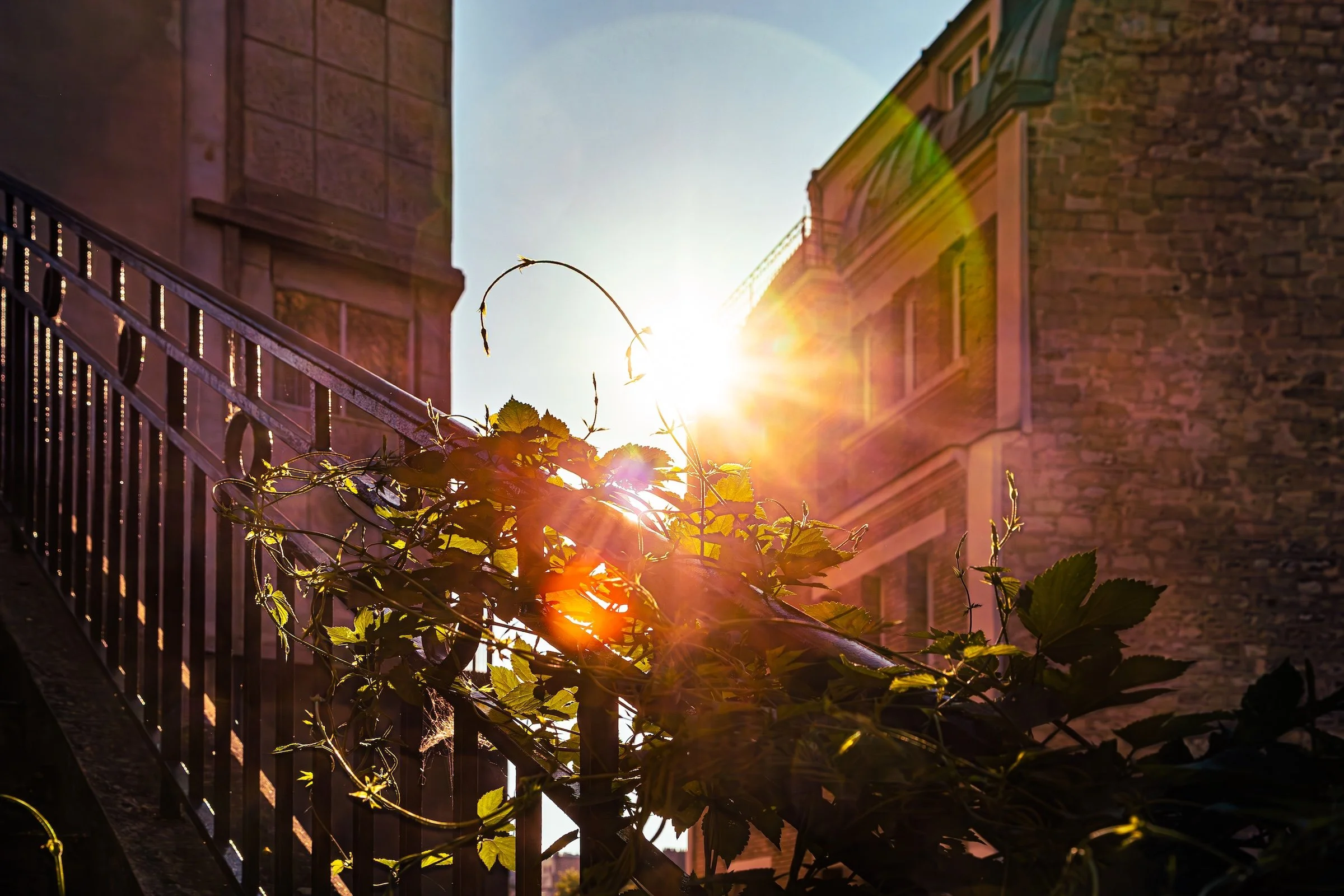
If you visit Paris, these ideas can help inspire your own photography.
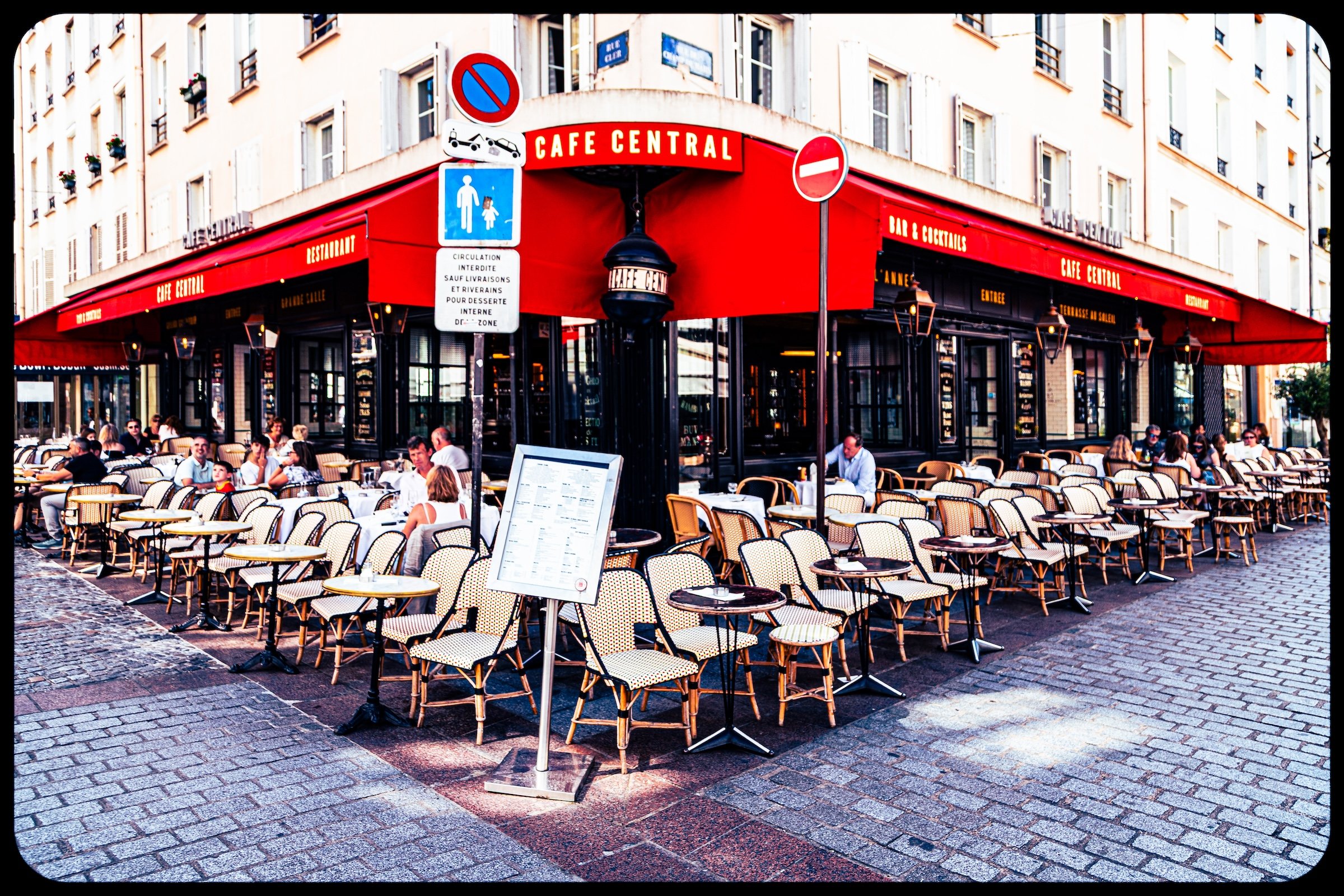
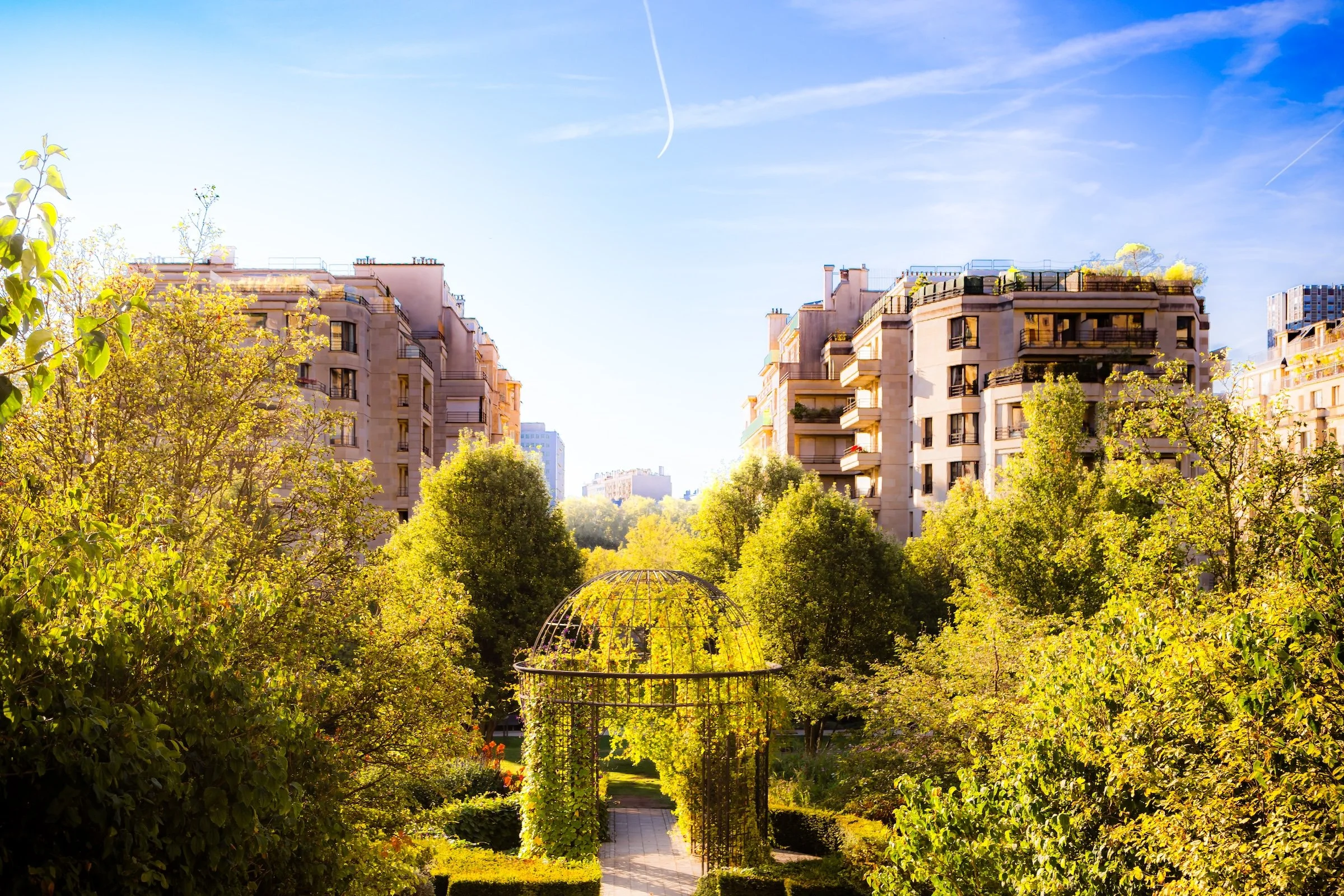
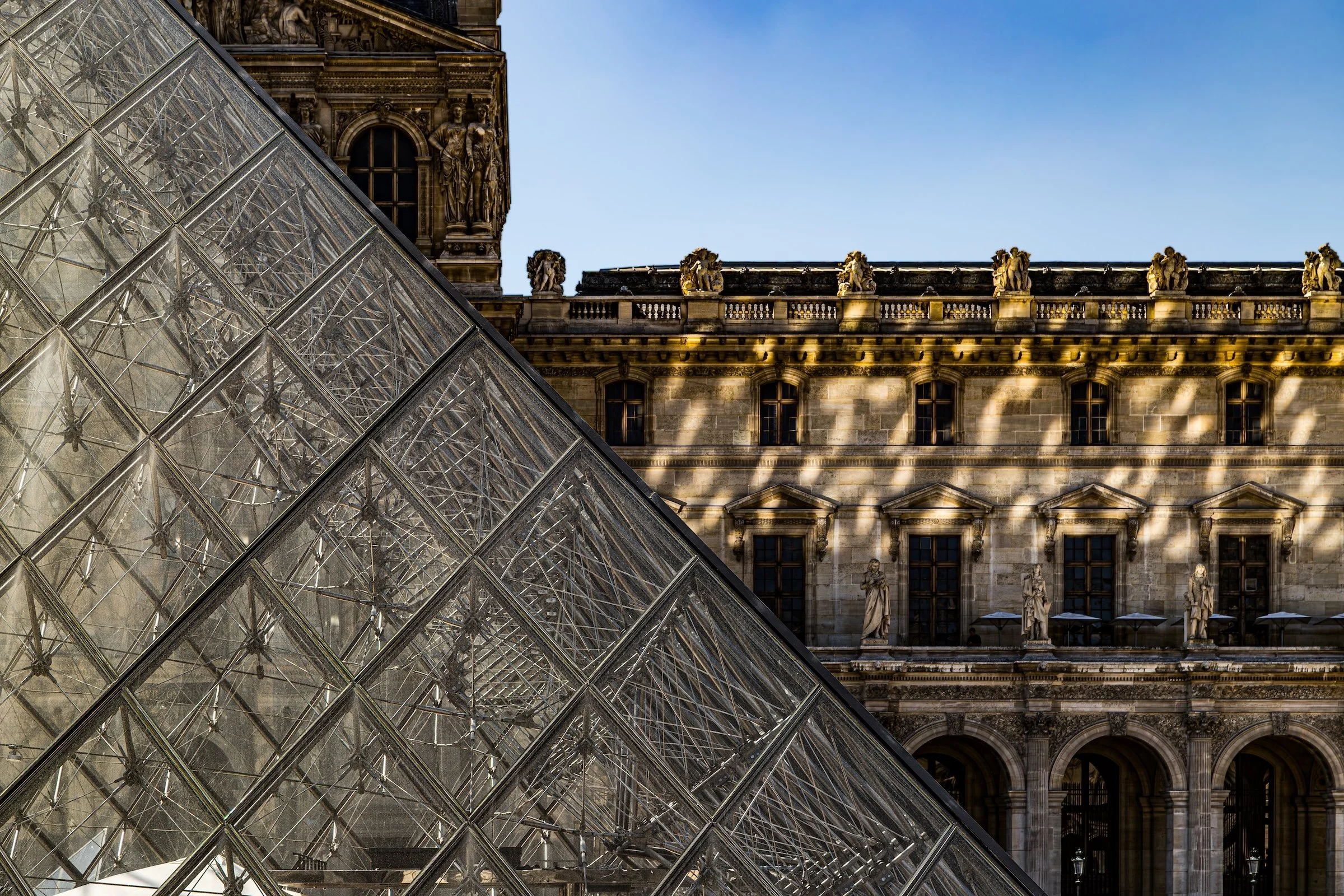
Paris: J’Espere, Je Rêve, Je Vive
Paris Photo Gallery
Paris Field Notes
-
Field Note: August 18, 2025 | 07:58 AM
Conditions: 73°F | Humidity: 72%.
Within the park's interior, the glacial kettle ponds acted as humidity traps, creating a soft, hazy light that filtered through the old-growth oaks. The transition from the park's dense shade to the sun-drenched edges of Oakland Gardens highlighted the day's exceptional "picture-perfect" clarity.
There is a fleeting window in Queens where the humidity of August hasn't yet heavy-set, and the morning sun hits the canopy of Alley Pond Park at a perfect oblique angle. Arriving just before 8:00 AM, I watched the light break through the oaks and tulip trees, casting long, dramatic shadows across the wet grass. It’s in these quiet, golden moments that the park feels less like a city escape and more like the ancient glacial valley it actually is.
Other neighborhoods visited:
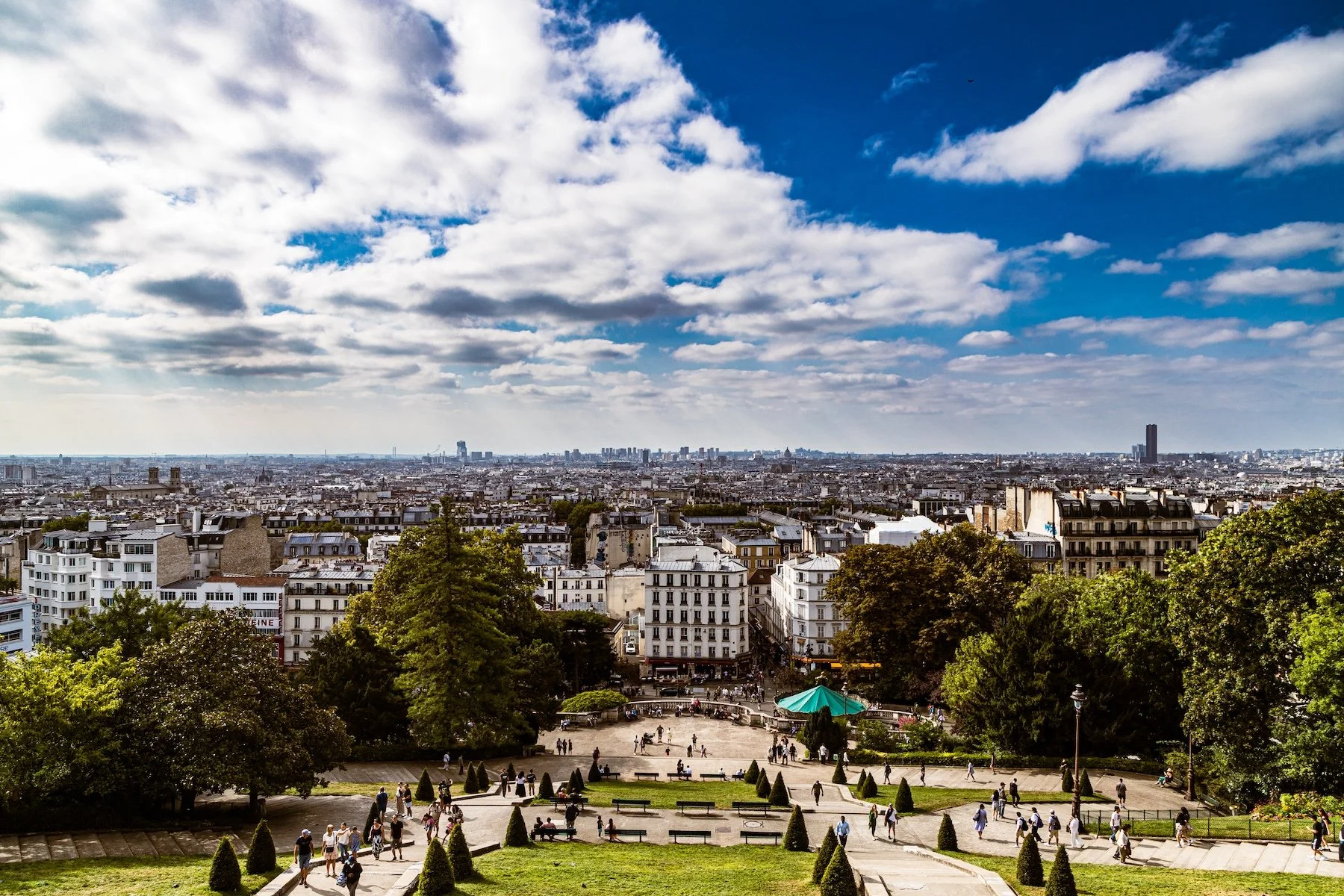
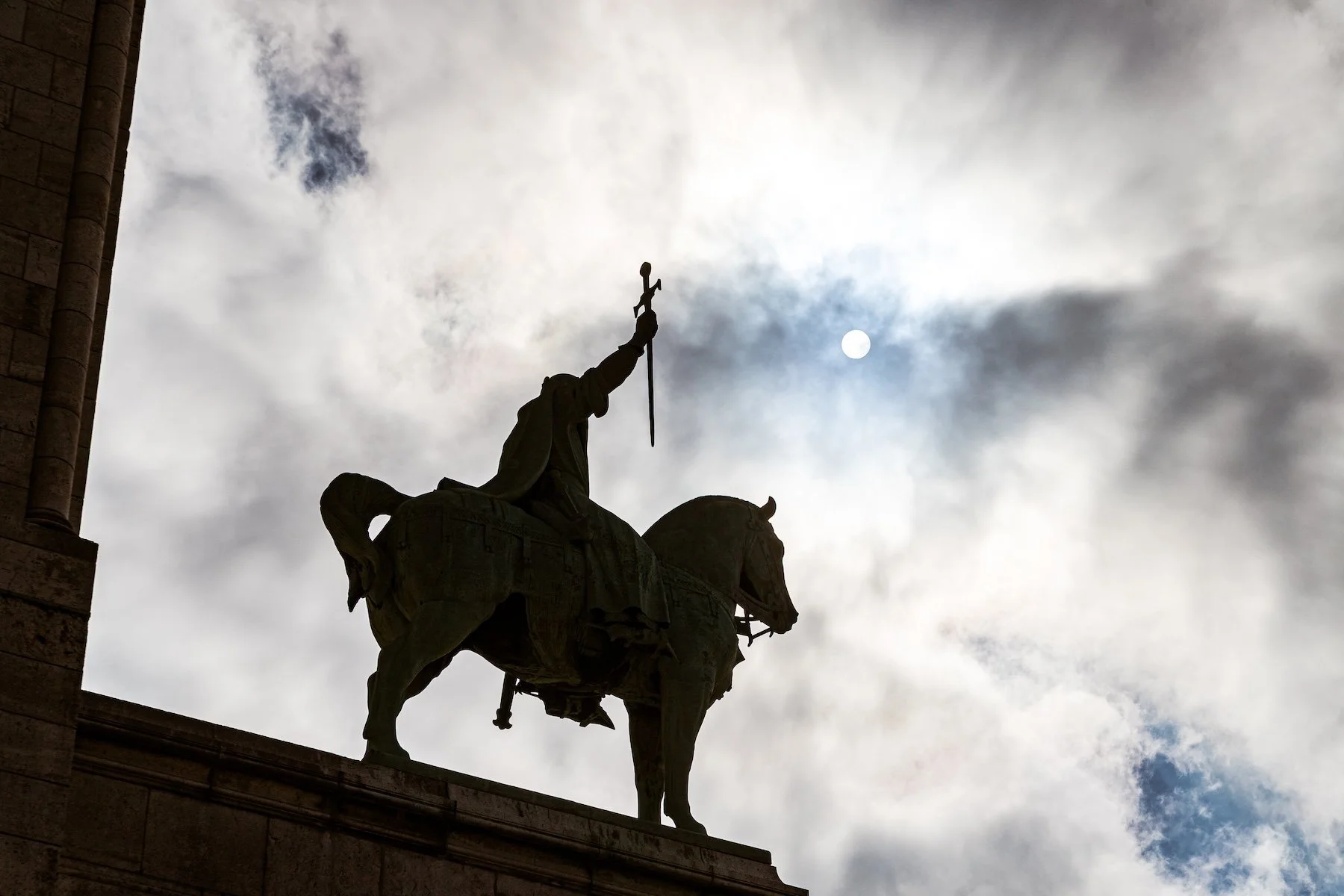
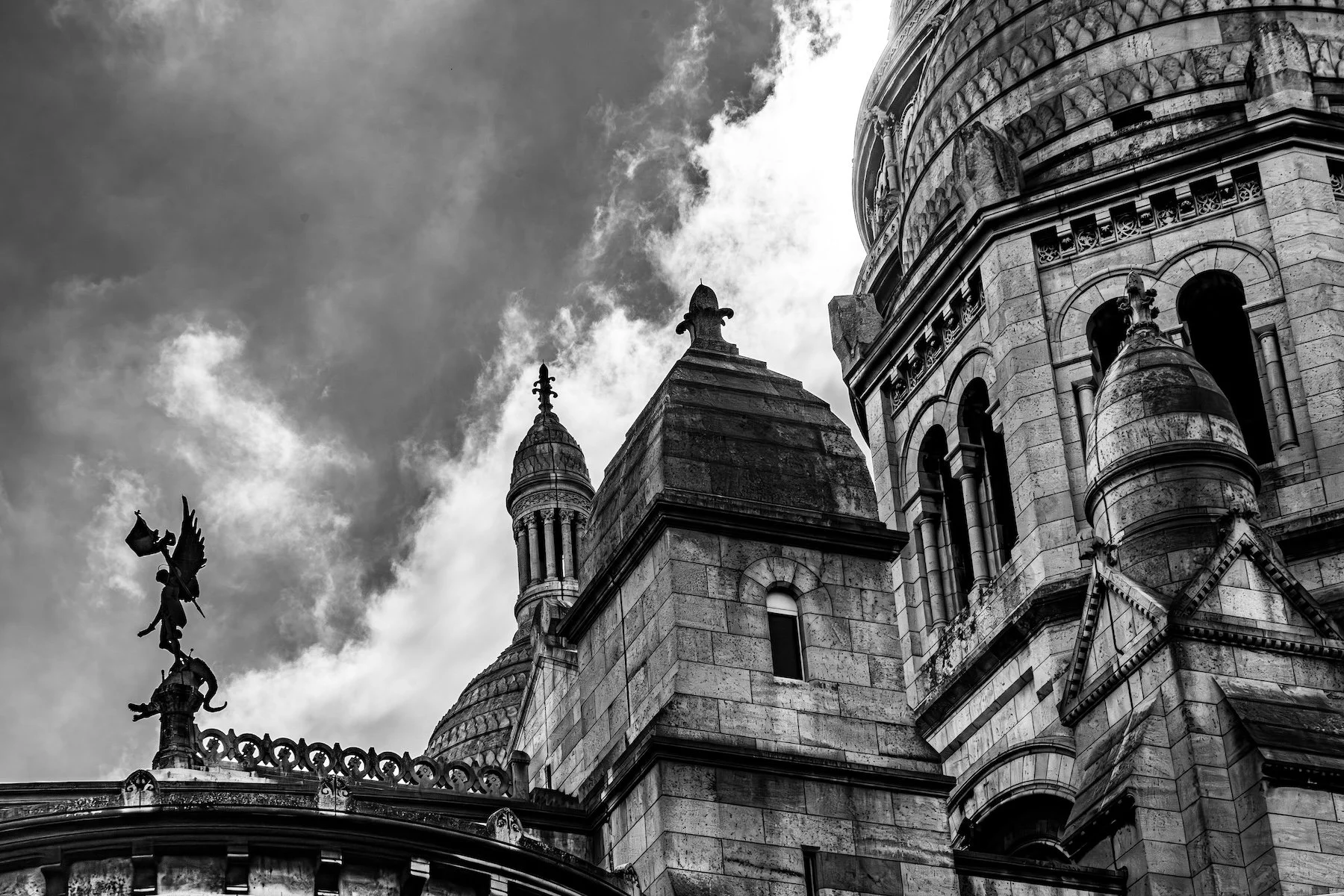
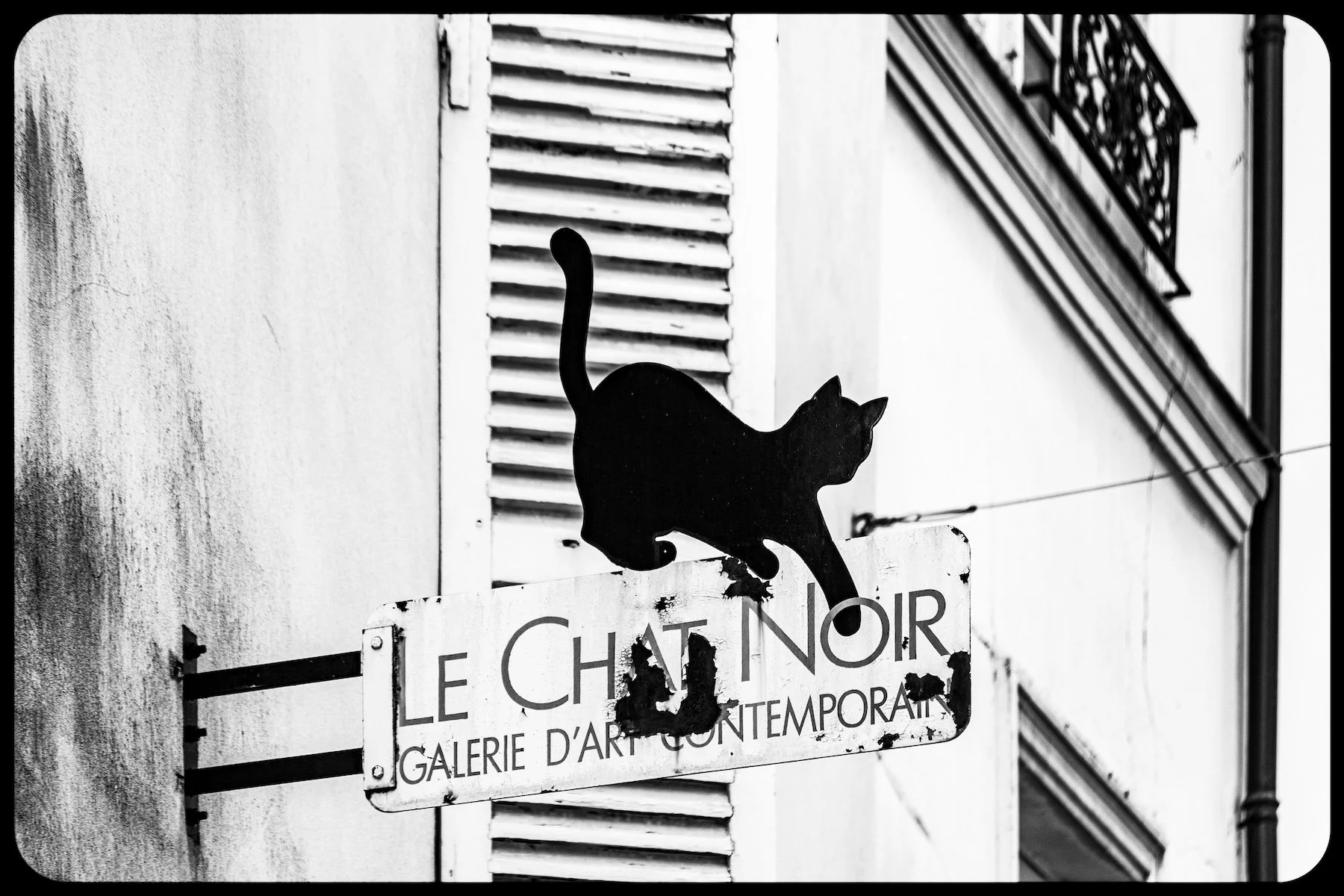

Explore Paris
-

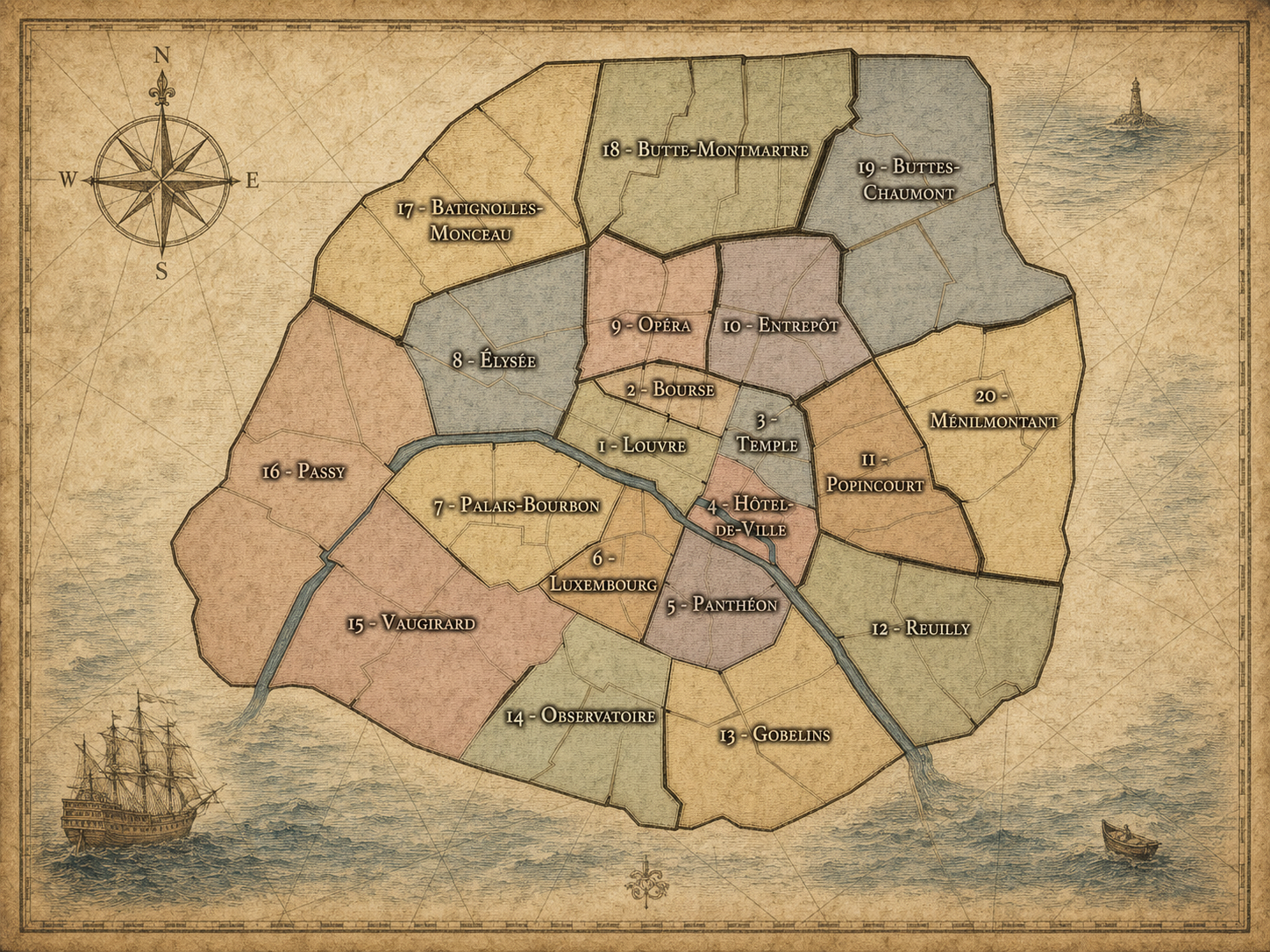
The twenty arrondissements form the civic spiral of Paris, organizing the city into its broad local districts of government, identity, and daily life.
-

Each arrondissement is divided into four official administrative quarters, giving Paris a more precise civic and geographic framework.
-

The conseils de quartier bring participation to street level, giving residents a voice in neighborhood needs, public space, and local civic life.
-

Les Deux Rives trace Paris through the Seine’s two banks, revealing how the Rive Droite and Rive Gauche shaped the city’s civic power, commerce, learning, art, and cultural identity.
-

Cultural neighborhoods reveal the Paris people recognize through history, cafés, architecture, memory, atmosphere, and local belonging.