

Flâneur Note: August 15, 2025
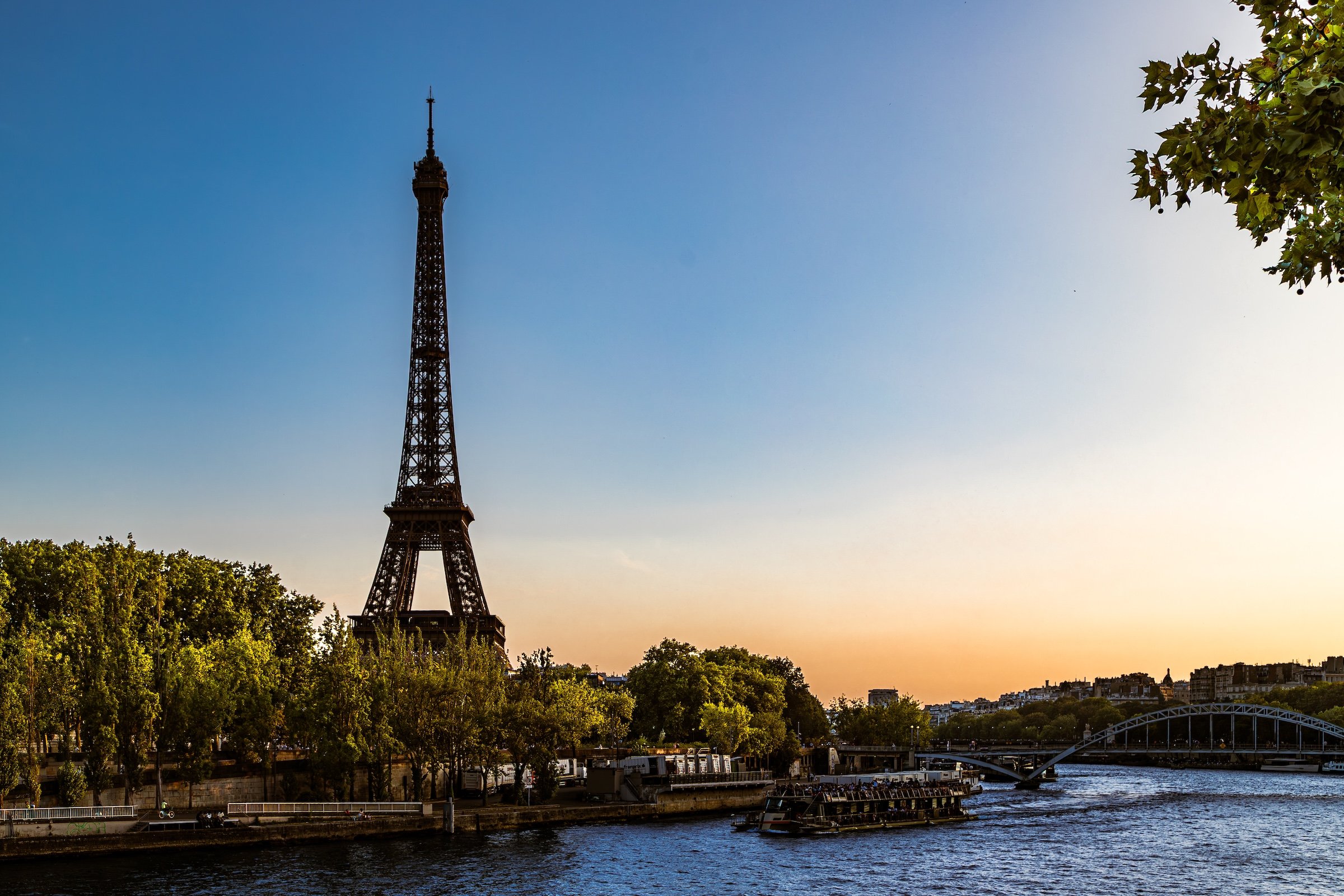
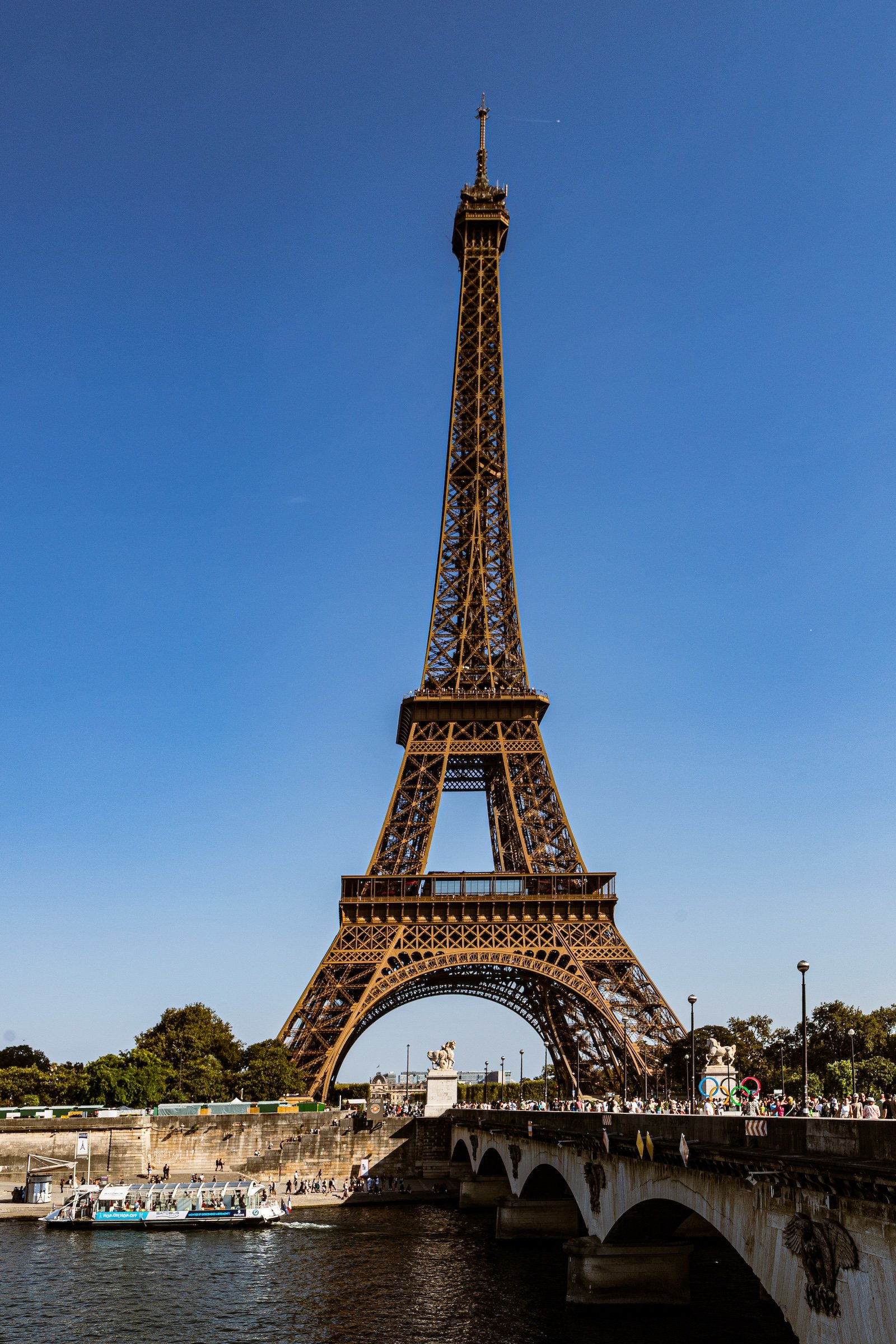
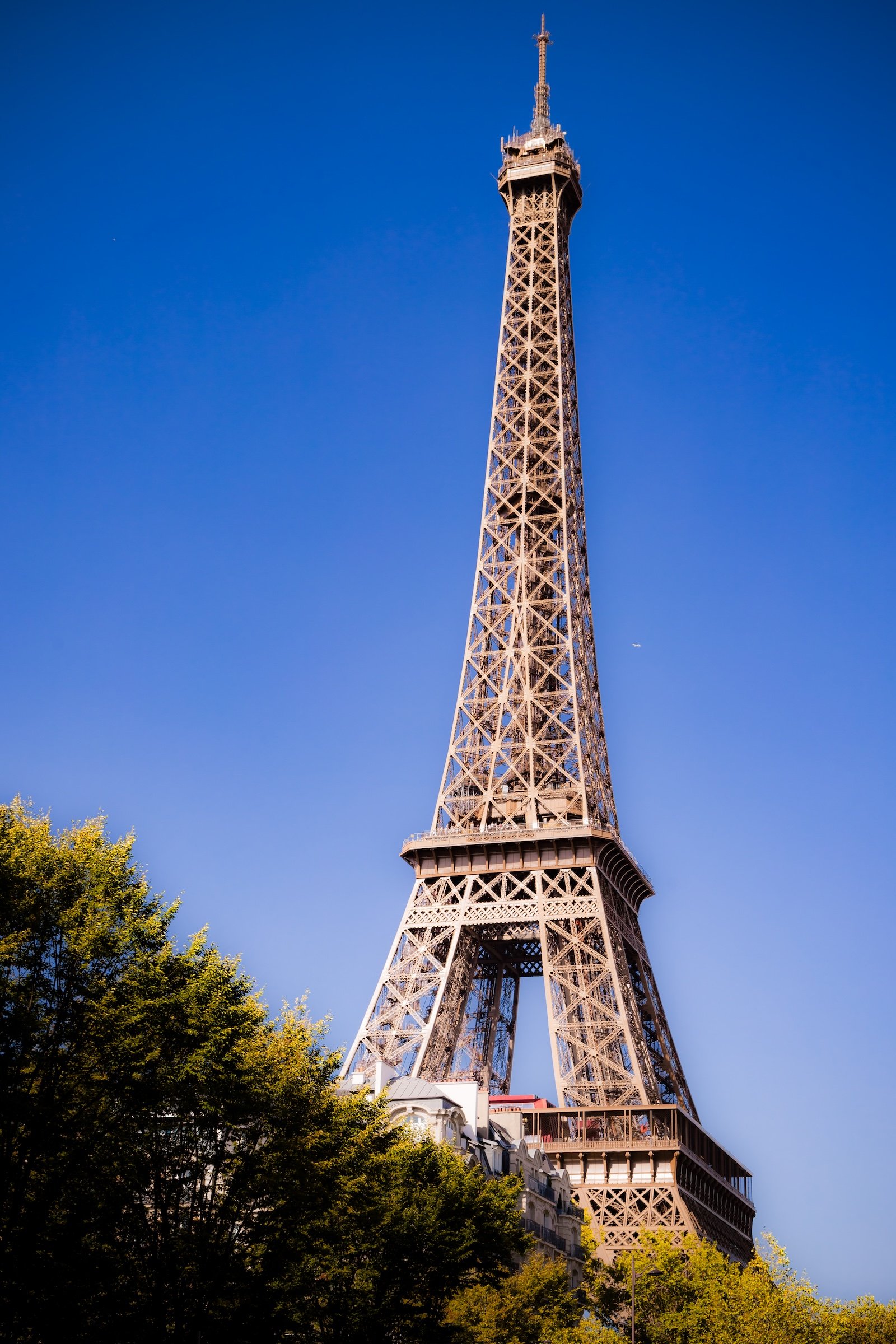
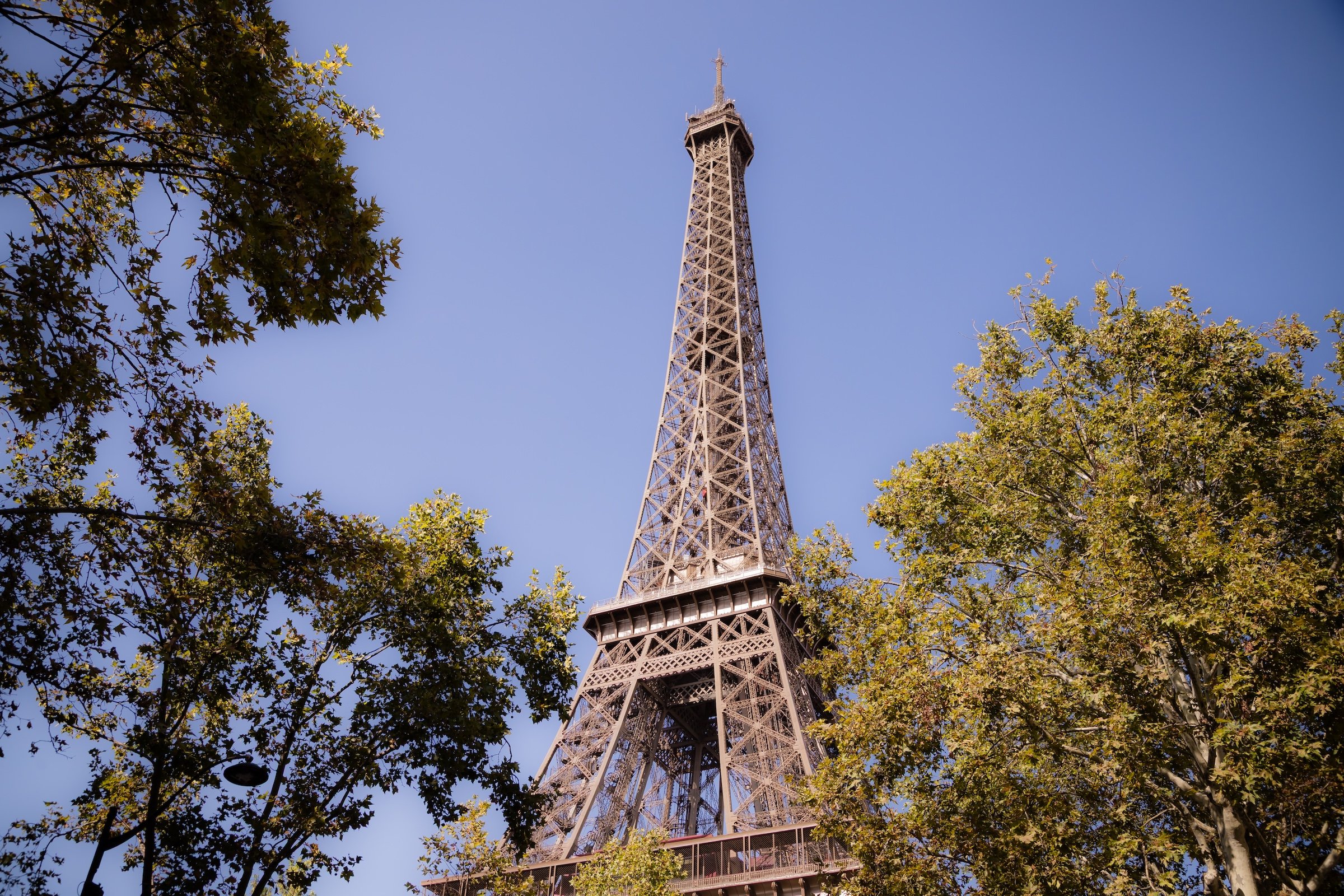
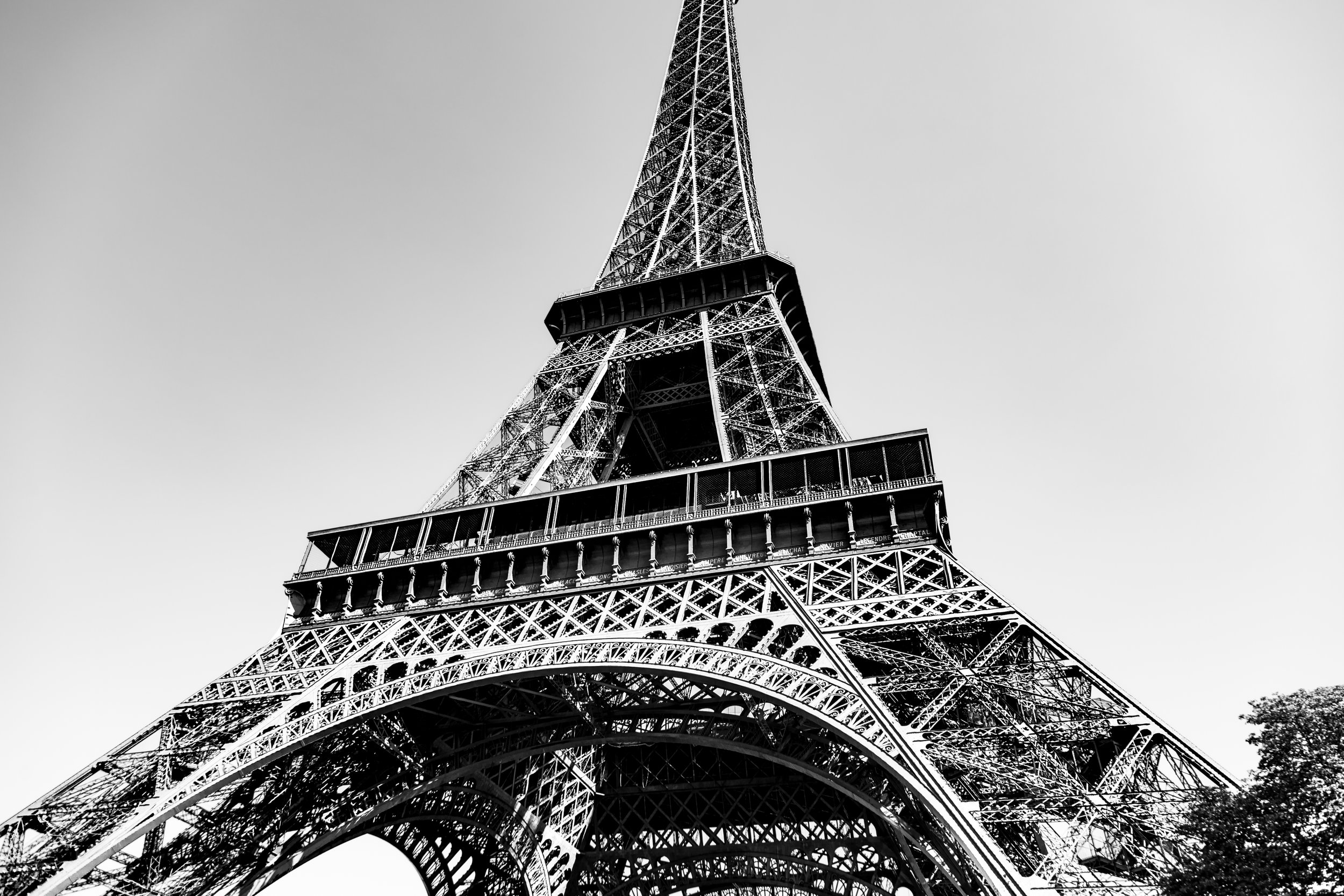
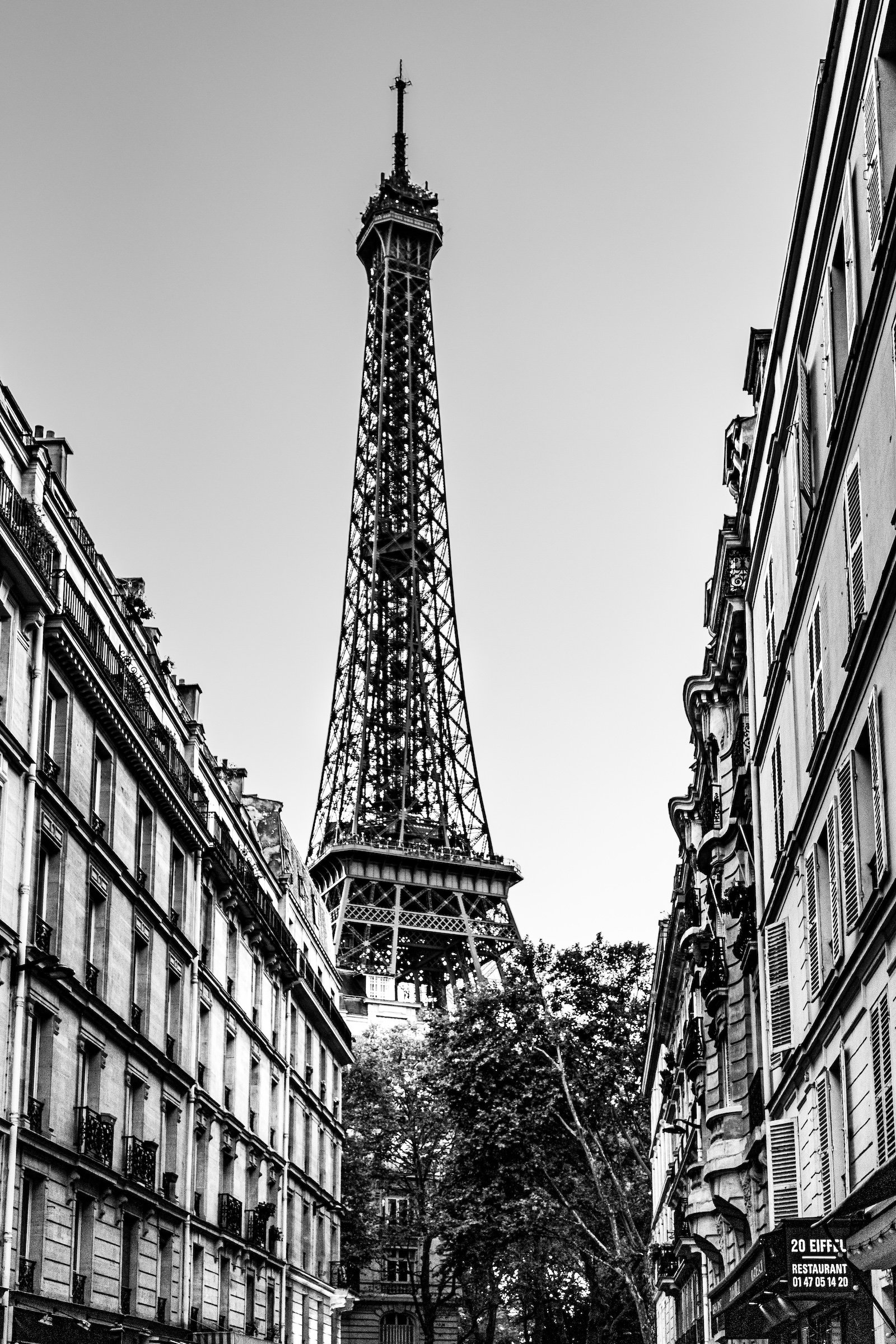
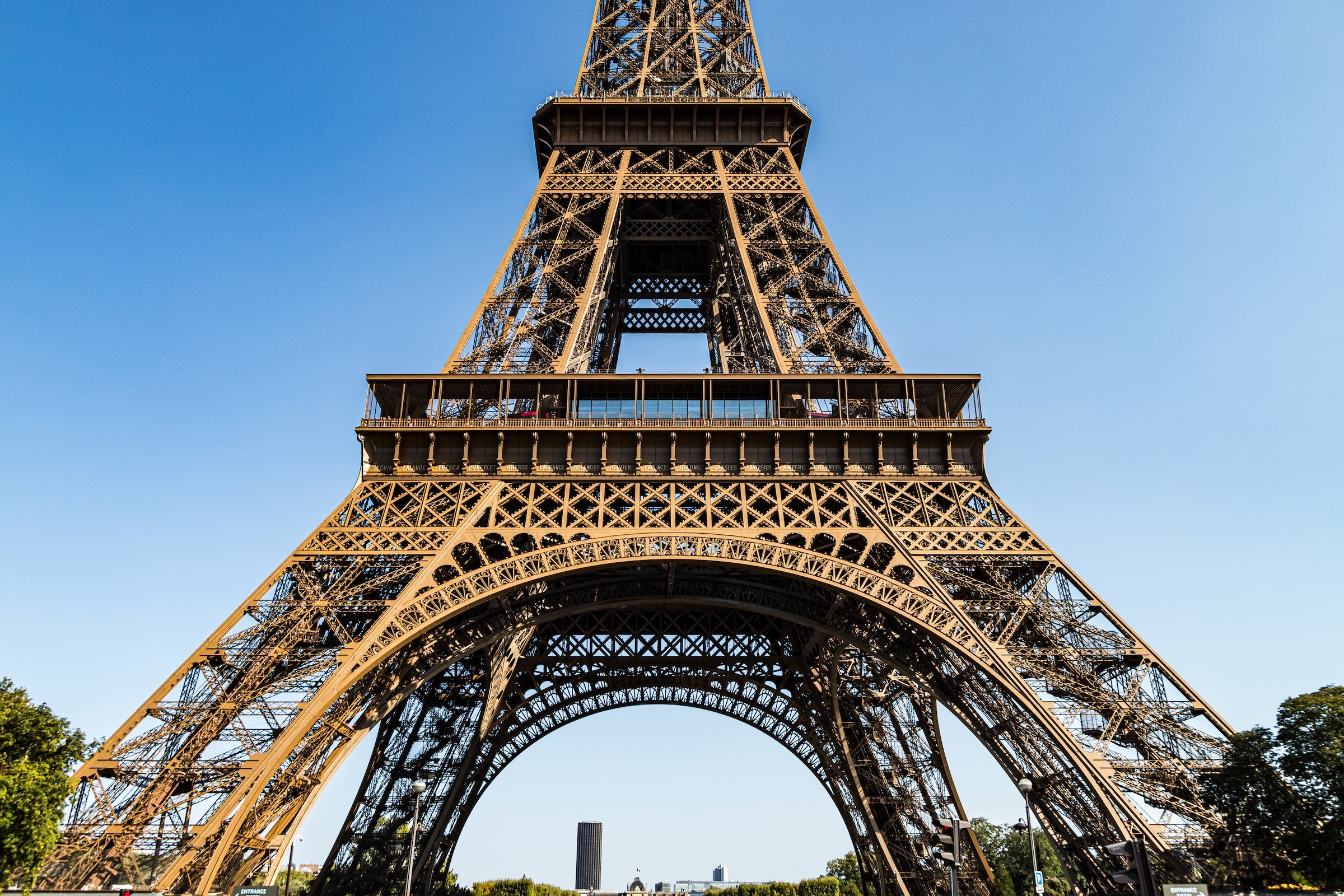
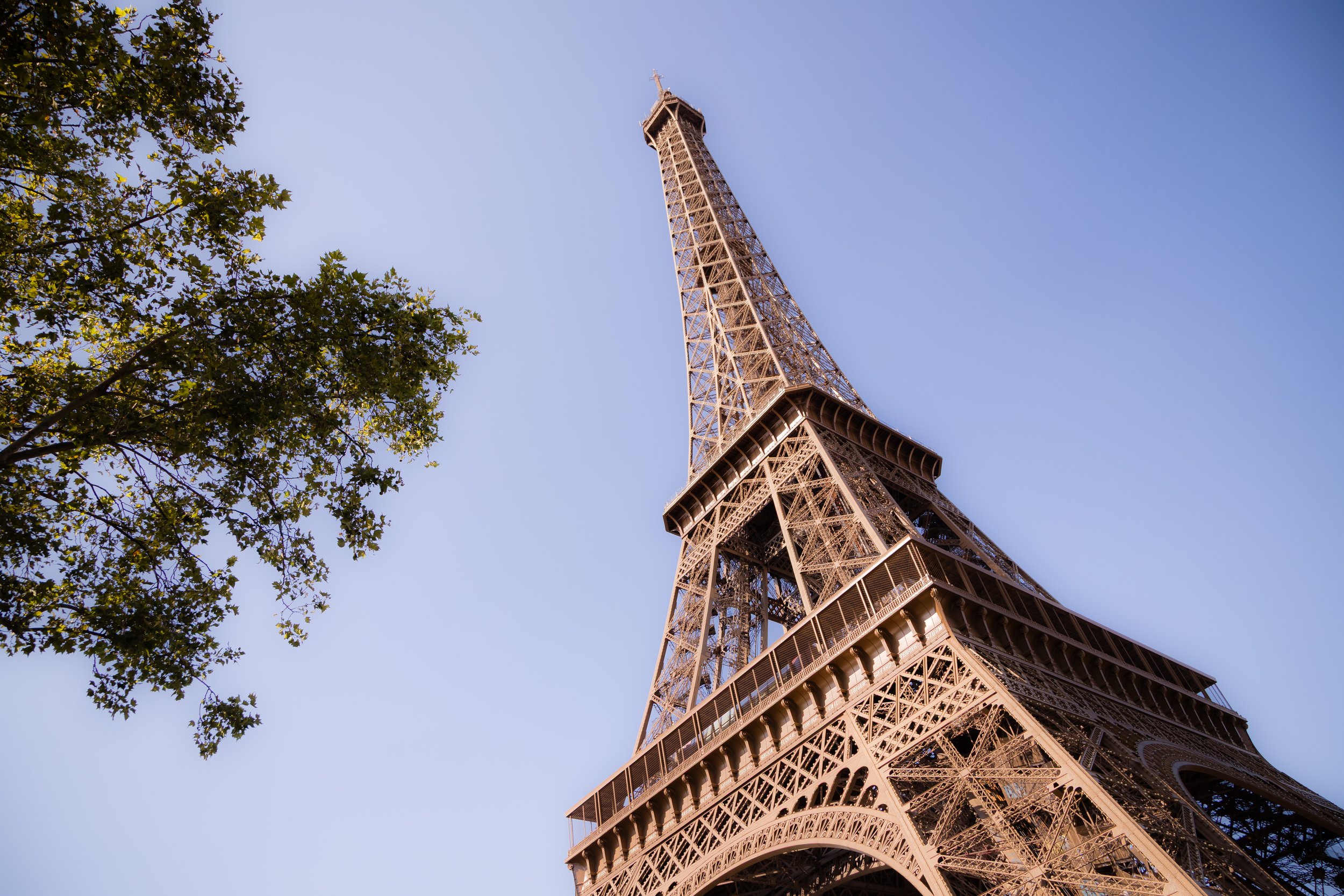
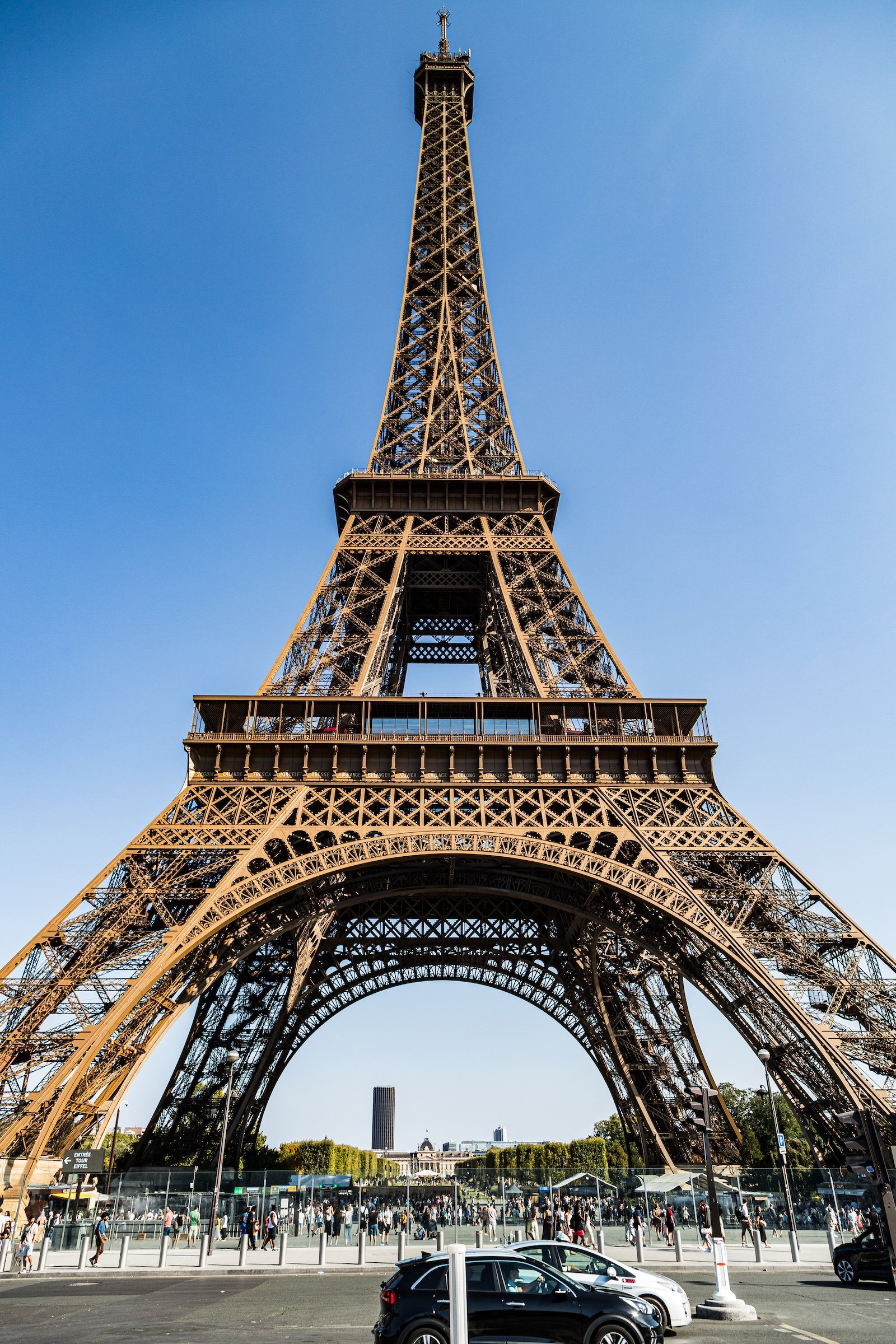
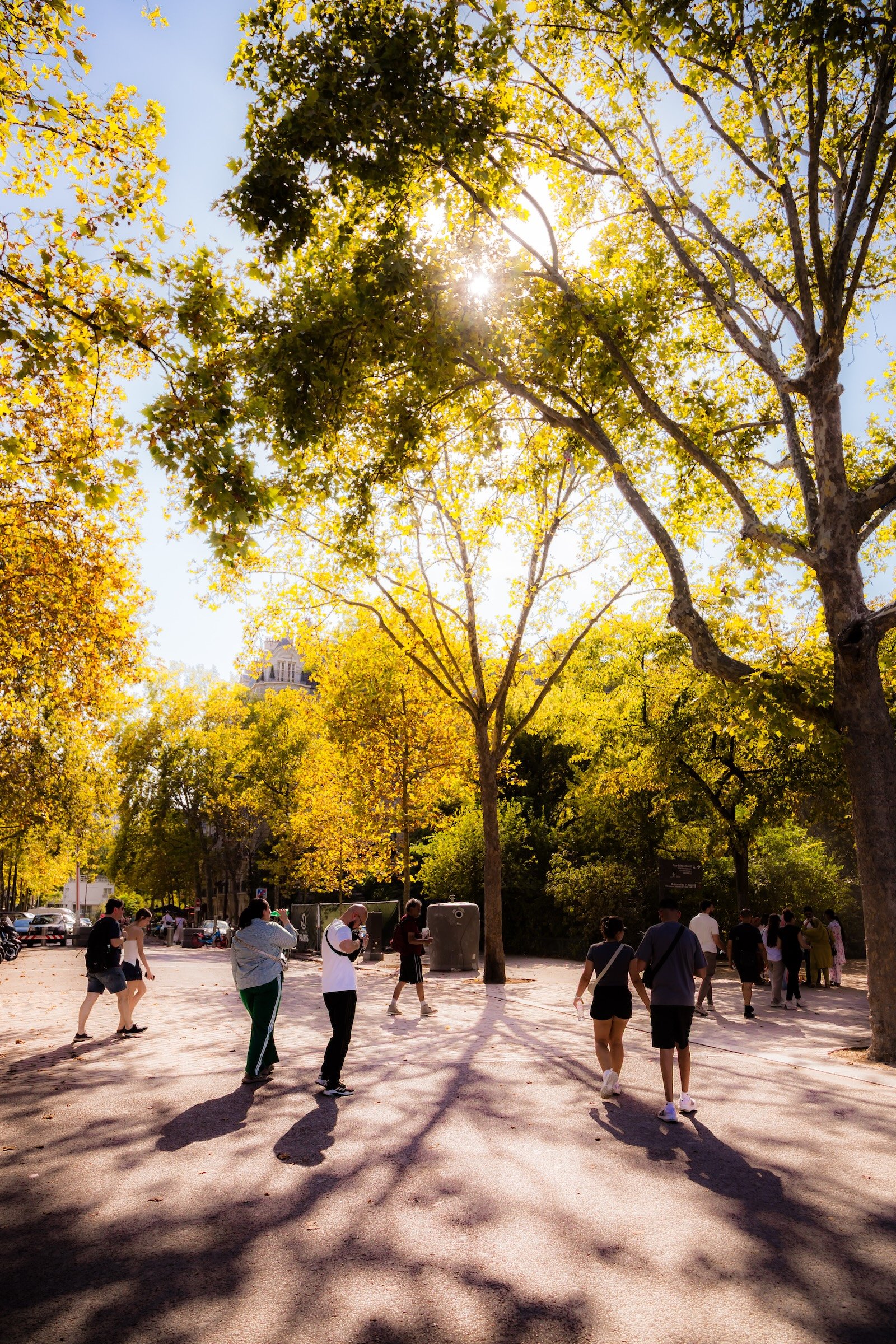
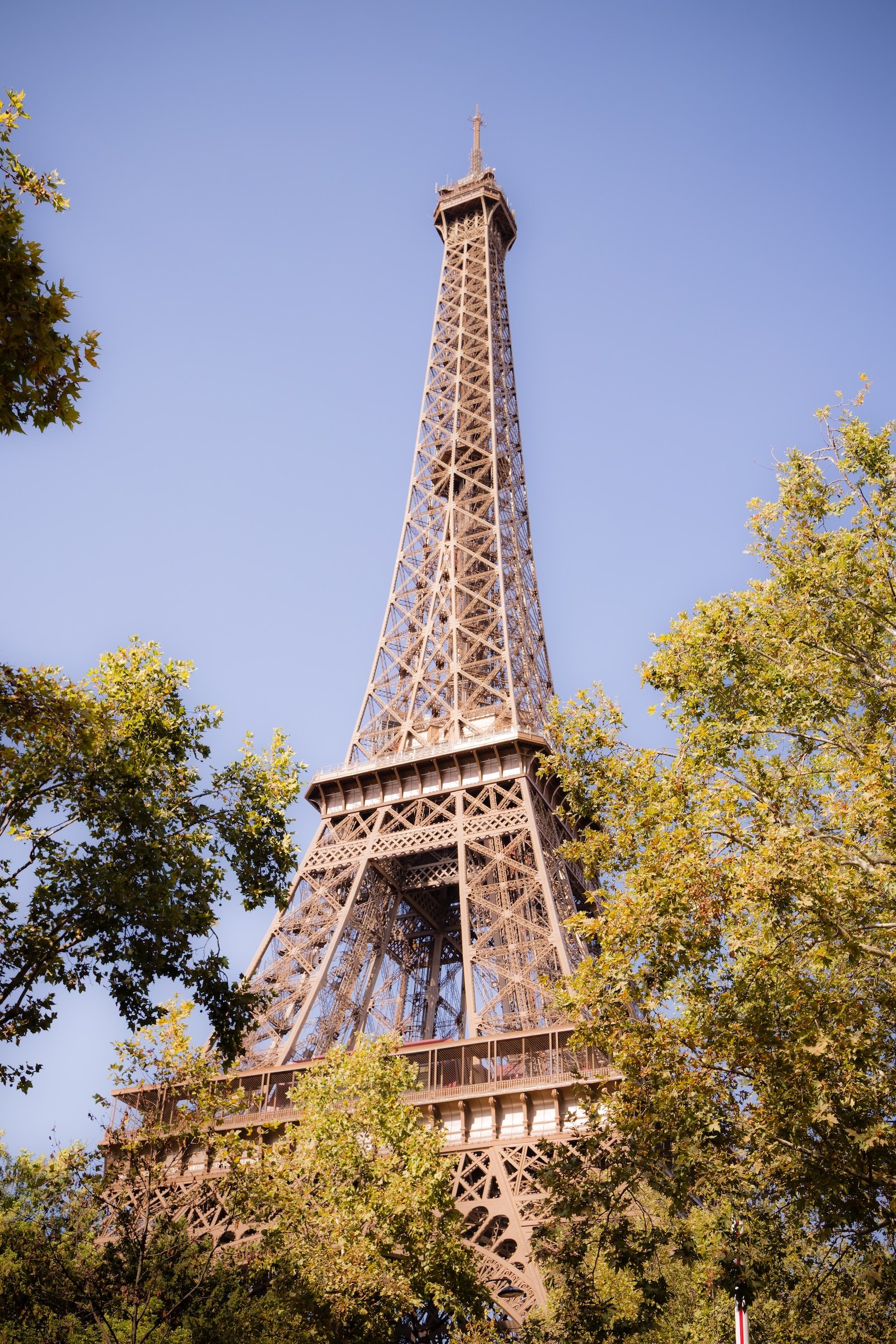
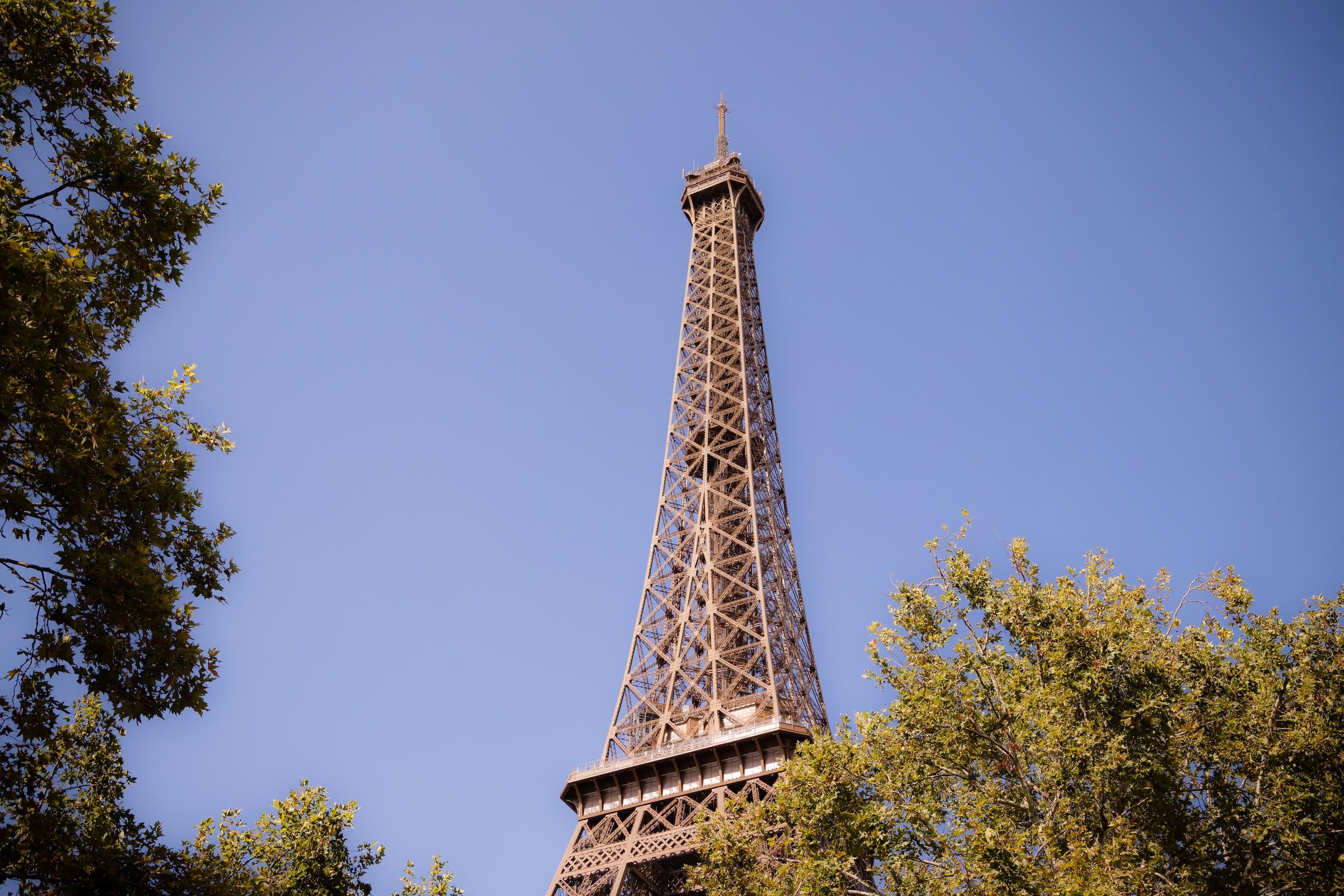
August 15, 2025 was the day Paris became real. After arriving late in the afternoon and checking in at the foot of the Eiffel Tower, the first walk could hardly have begun anywhere else. The tower was not merely nearby; it was already exerting force, rising above treetops and rooftops as the clearest possible invitation. The evening began in heat and brightness, with the late August sun still strong enough to flatten contrast and bleach some of the city’s elegance into familiarity. Paris, at first, seemed almost too visible — all surface, symbol, and expectation.
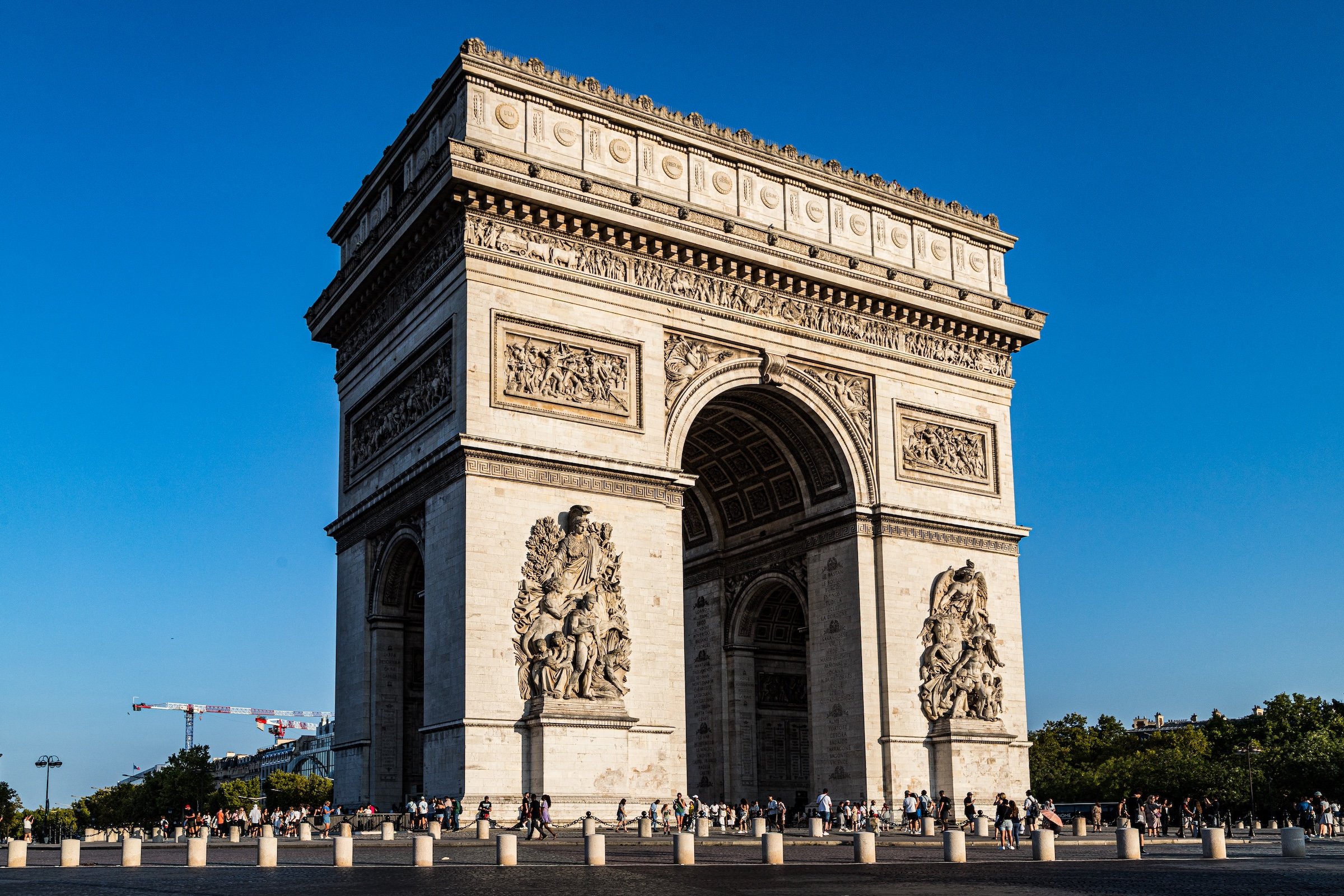
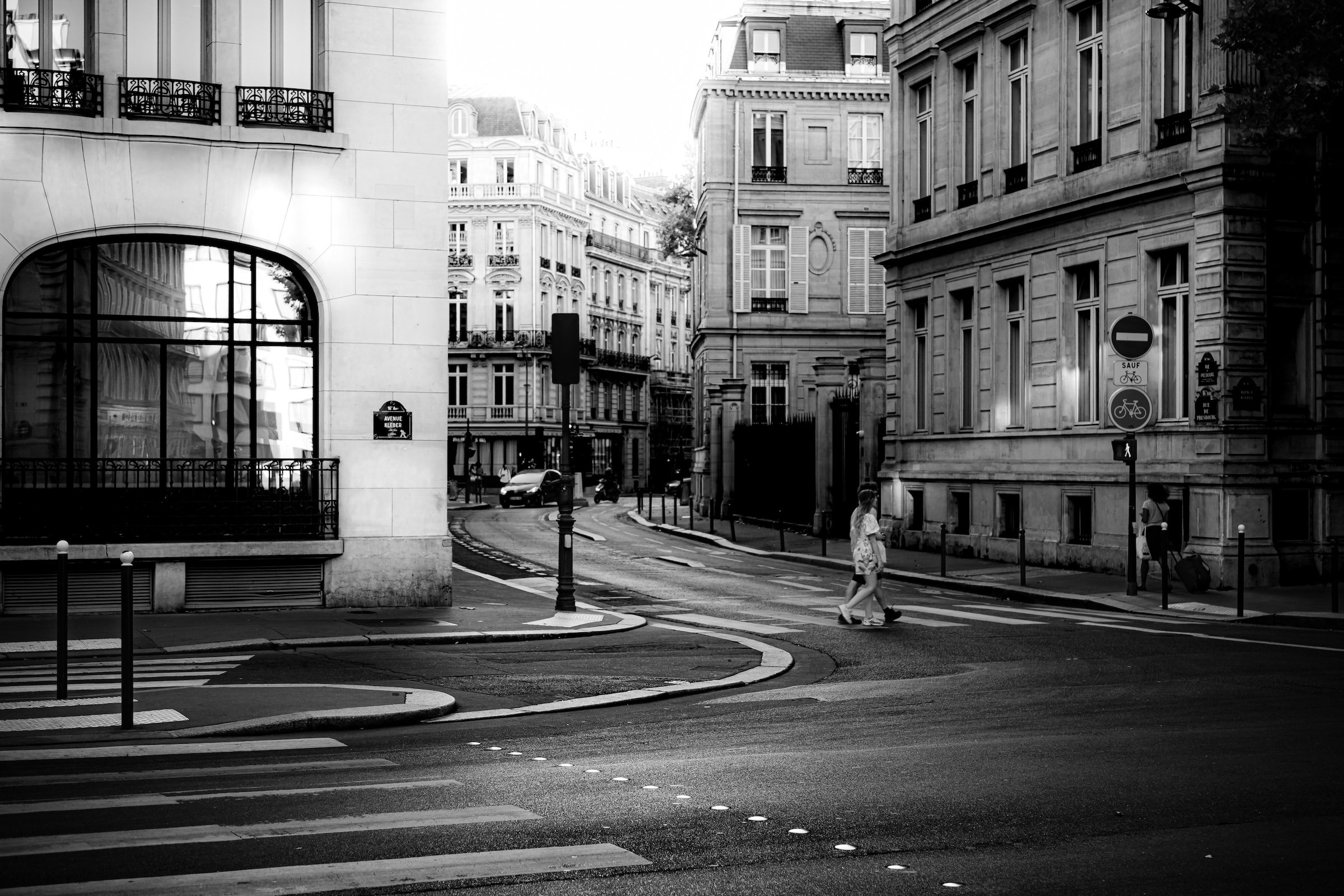
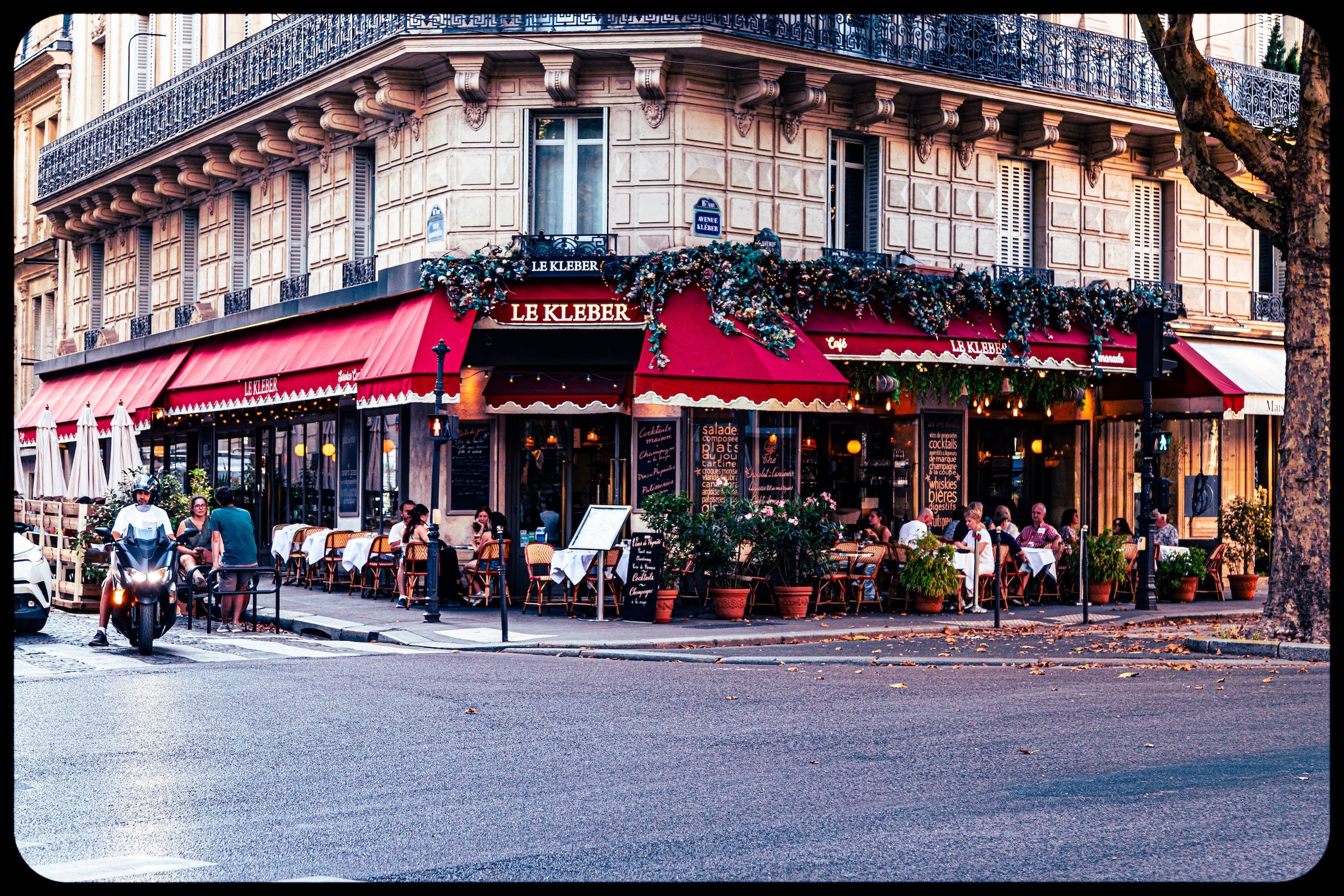
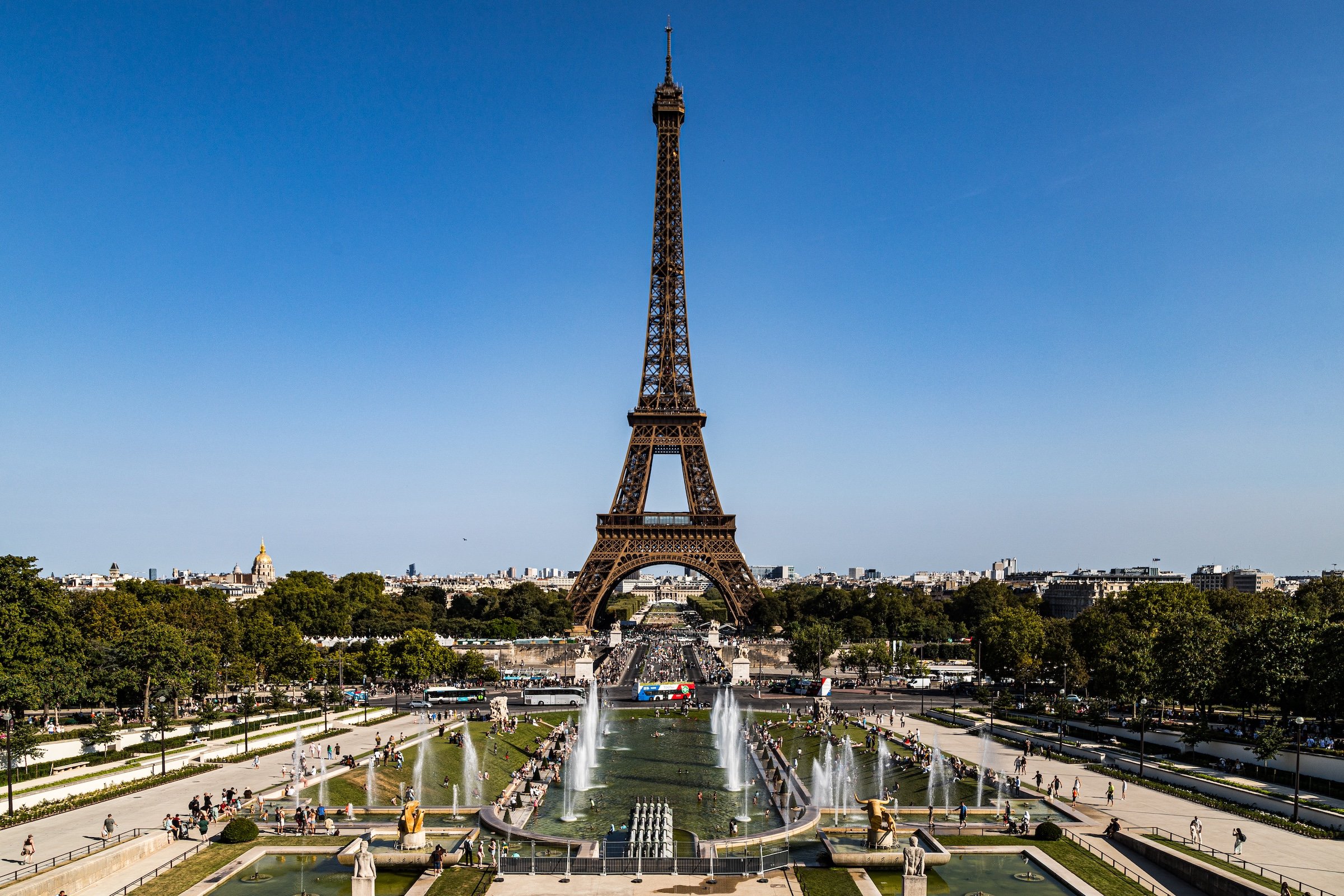
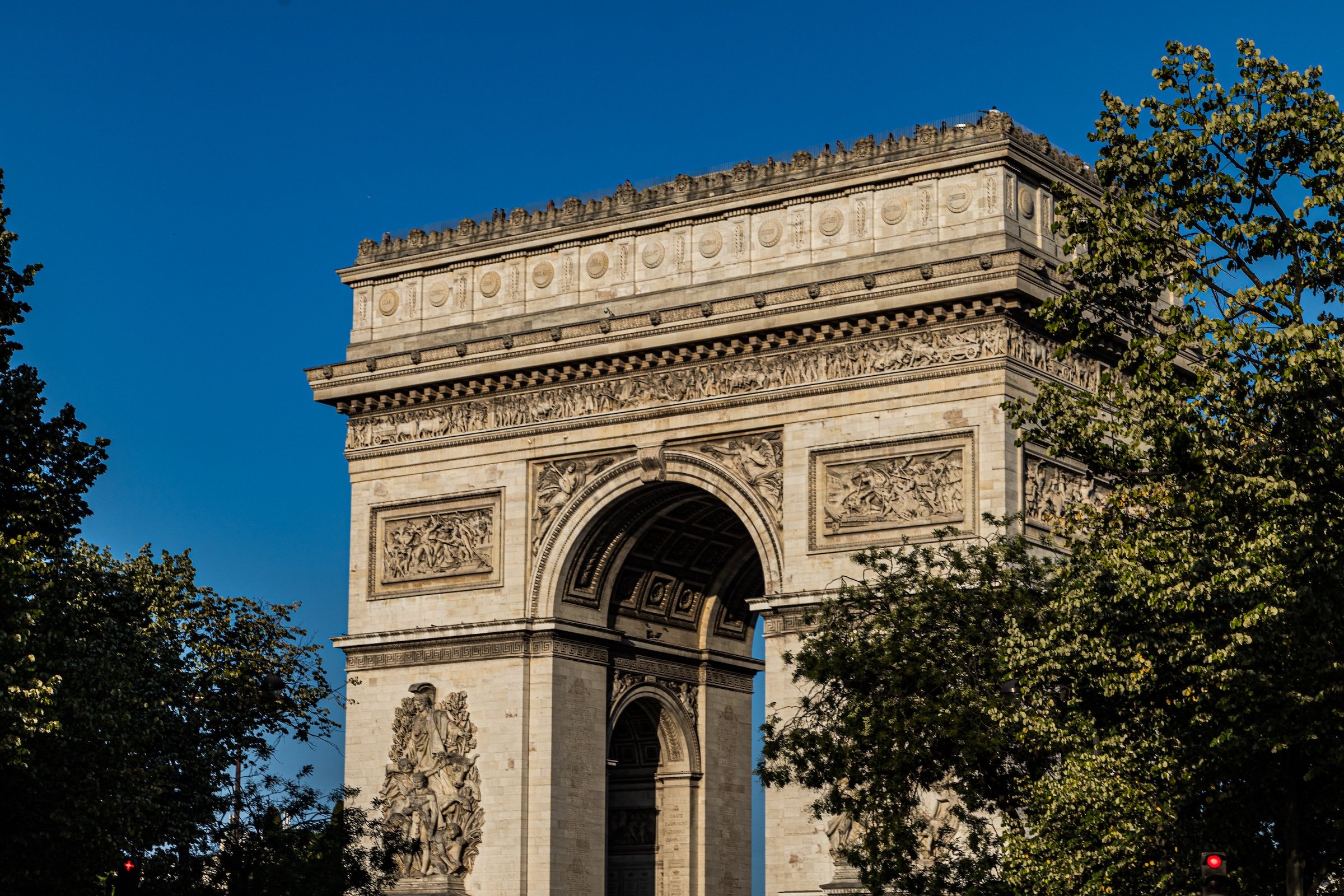
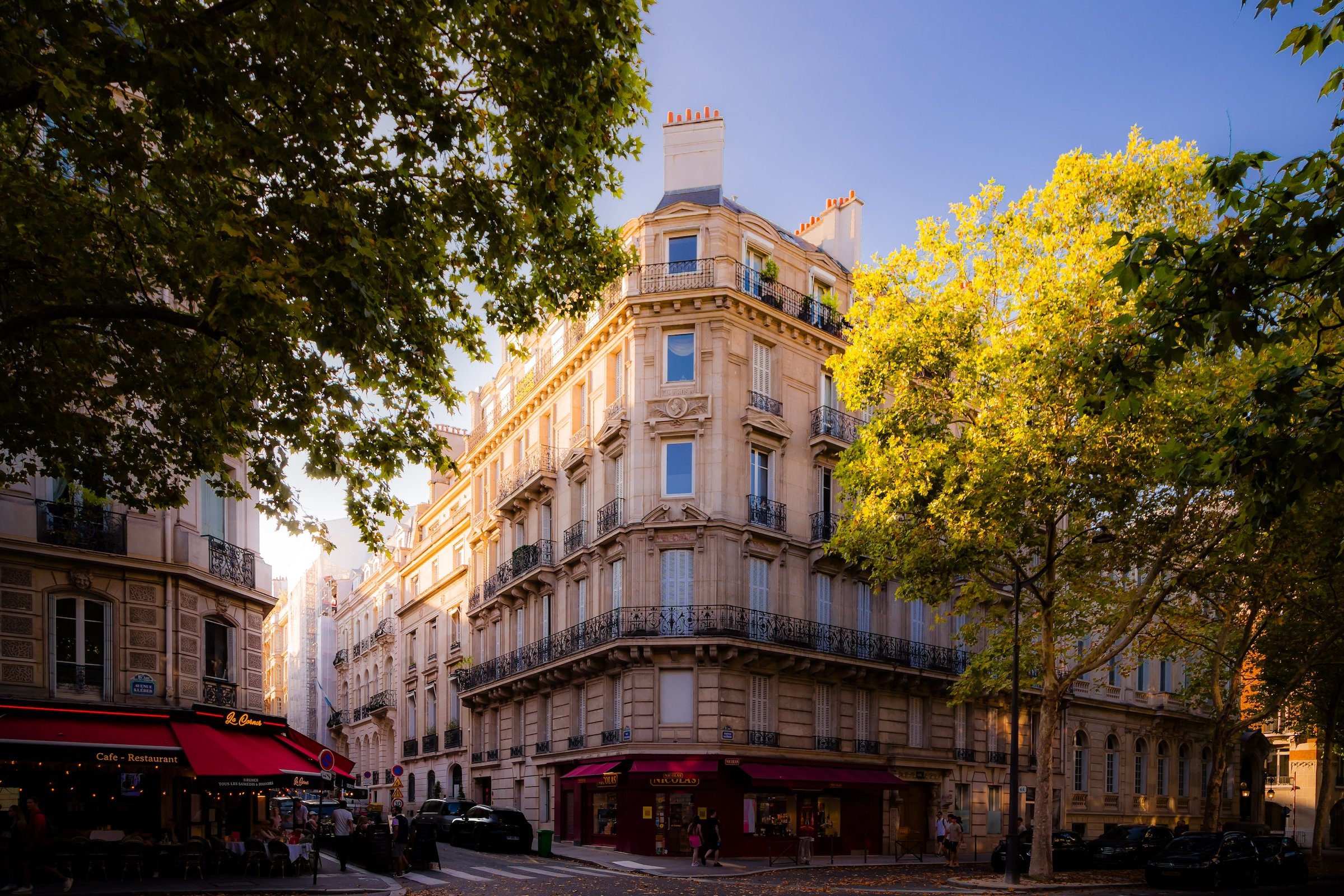
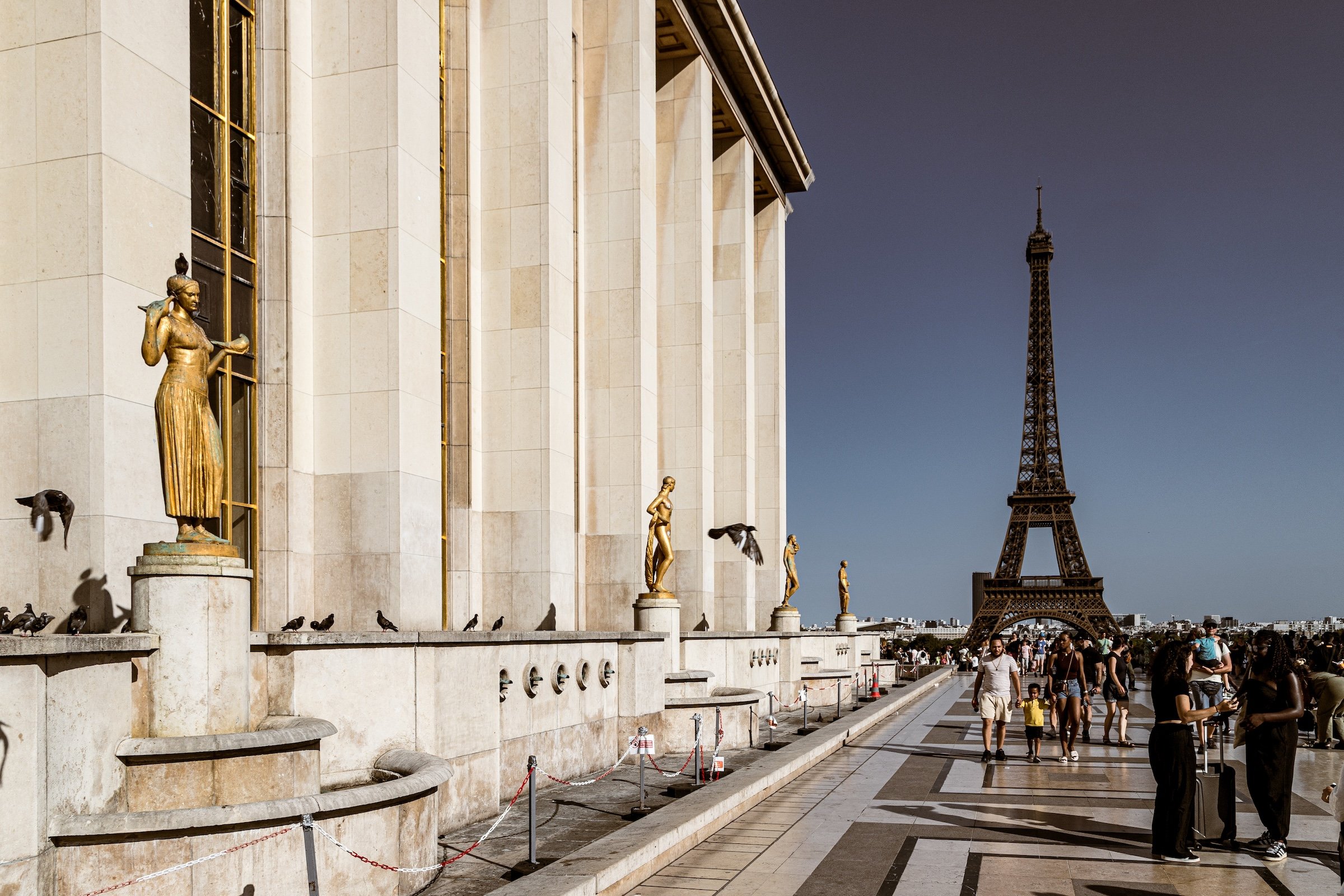
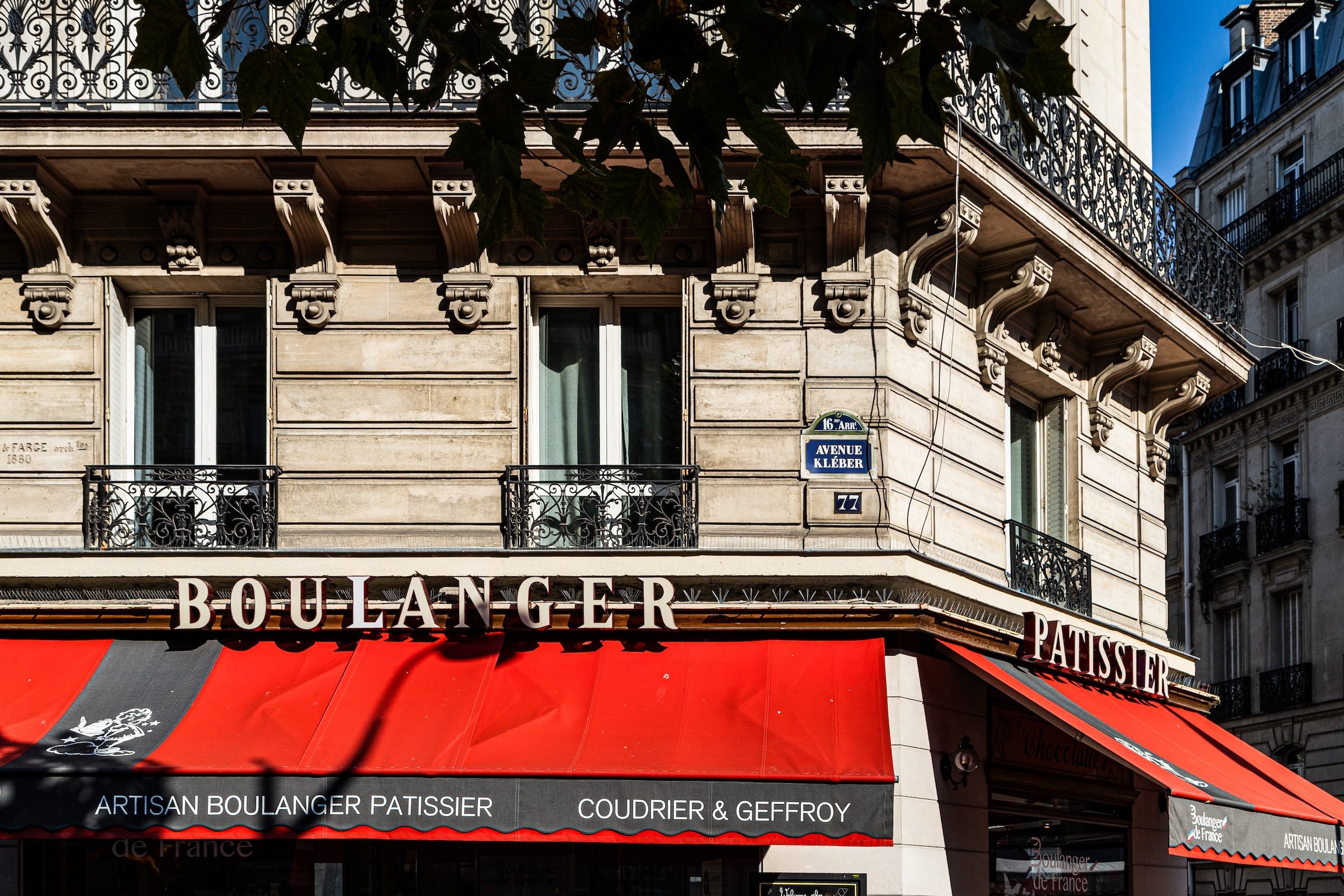
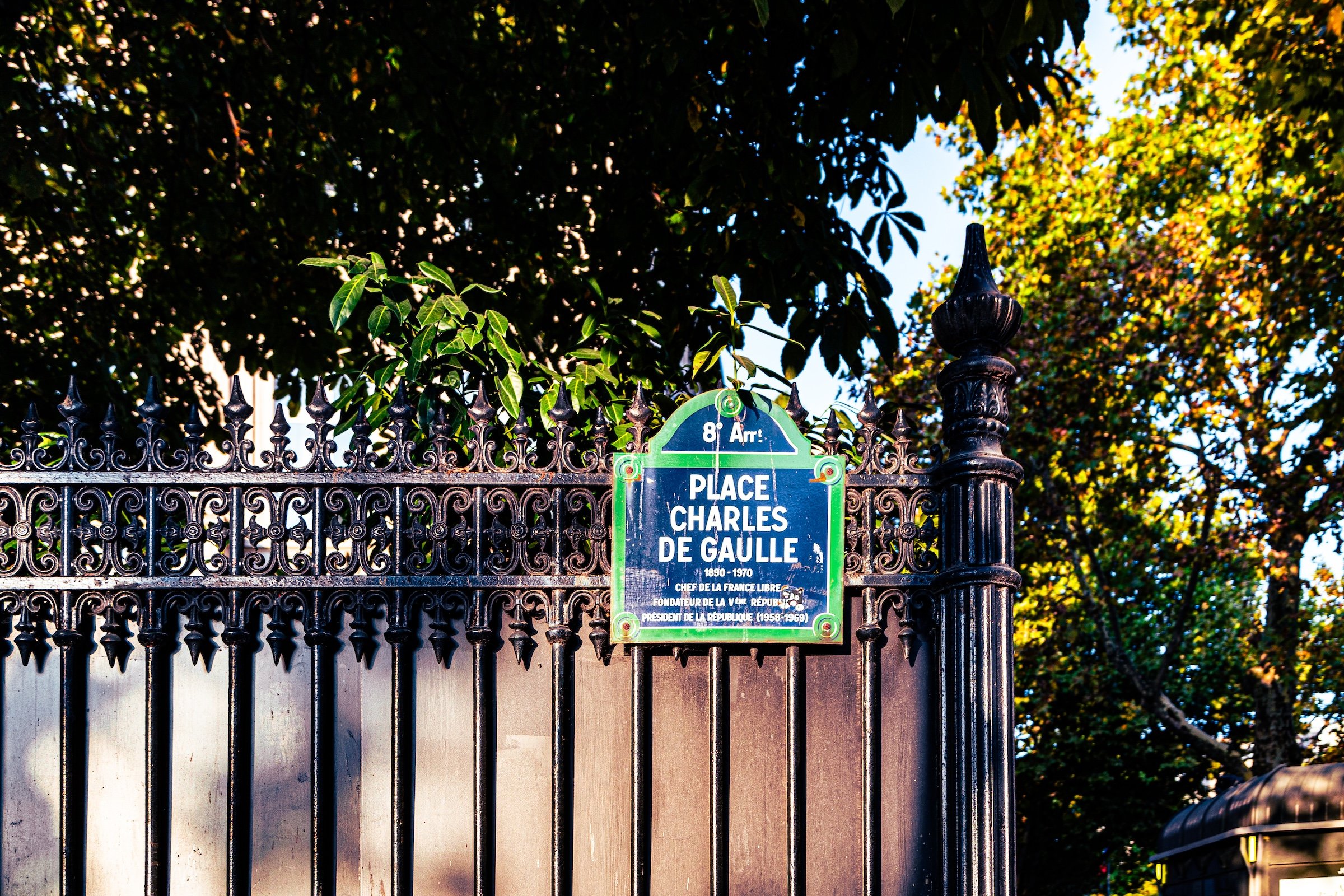
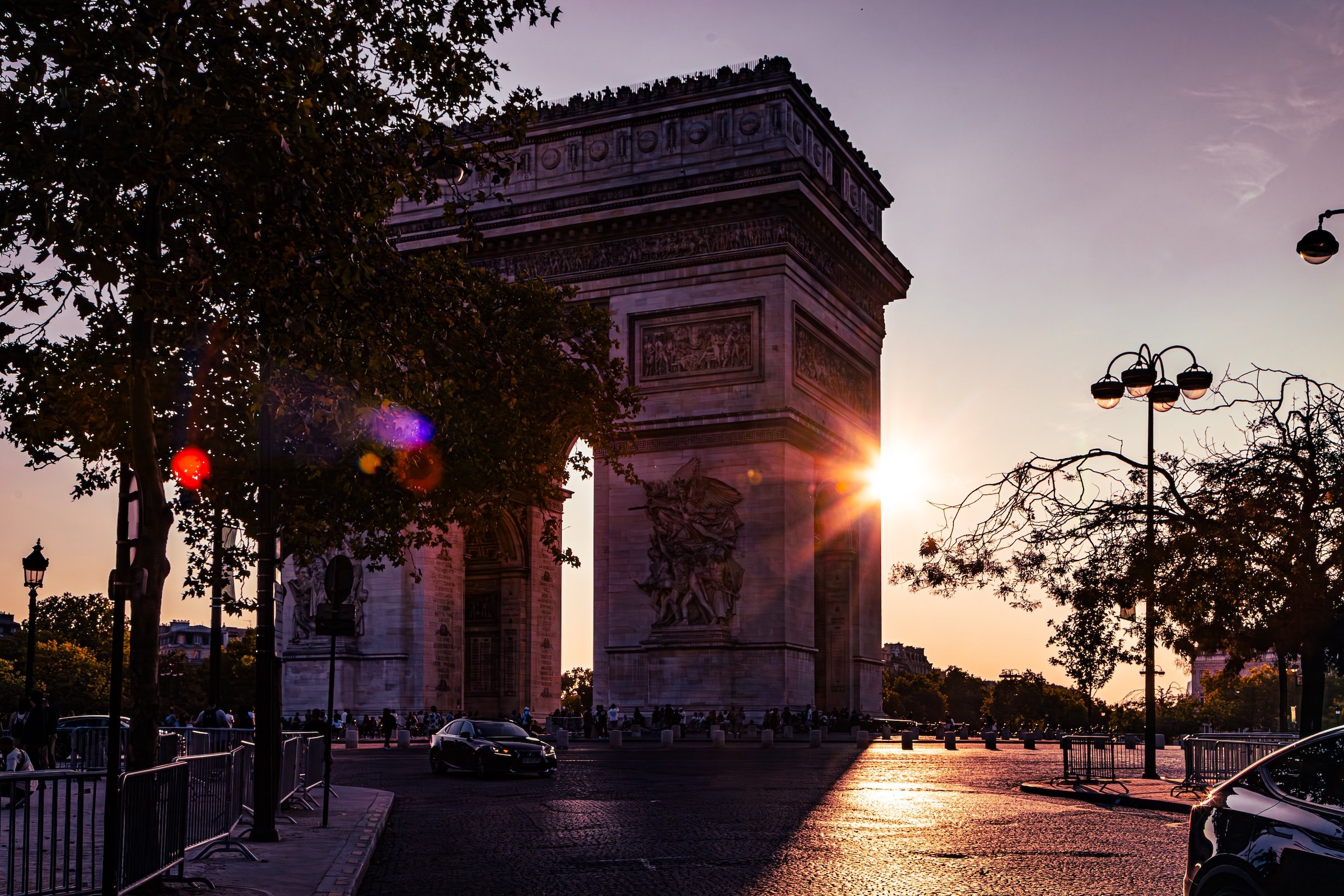
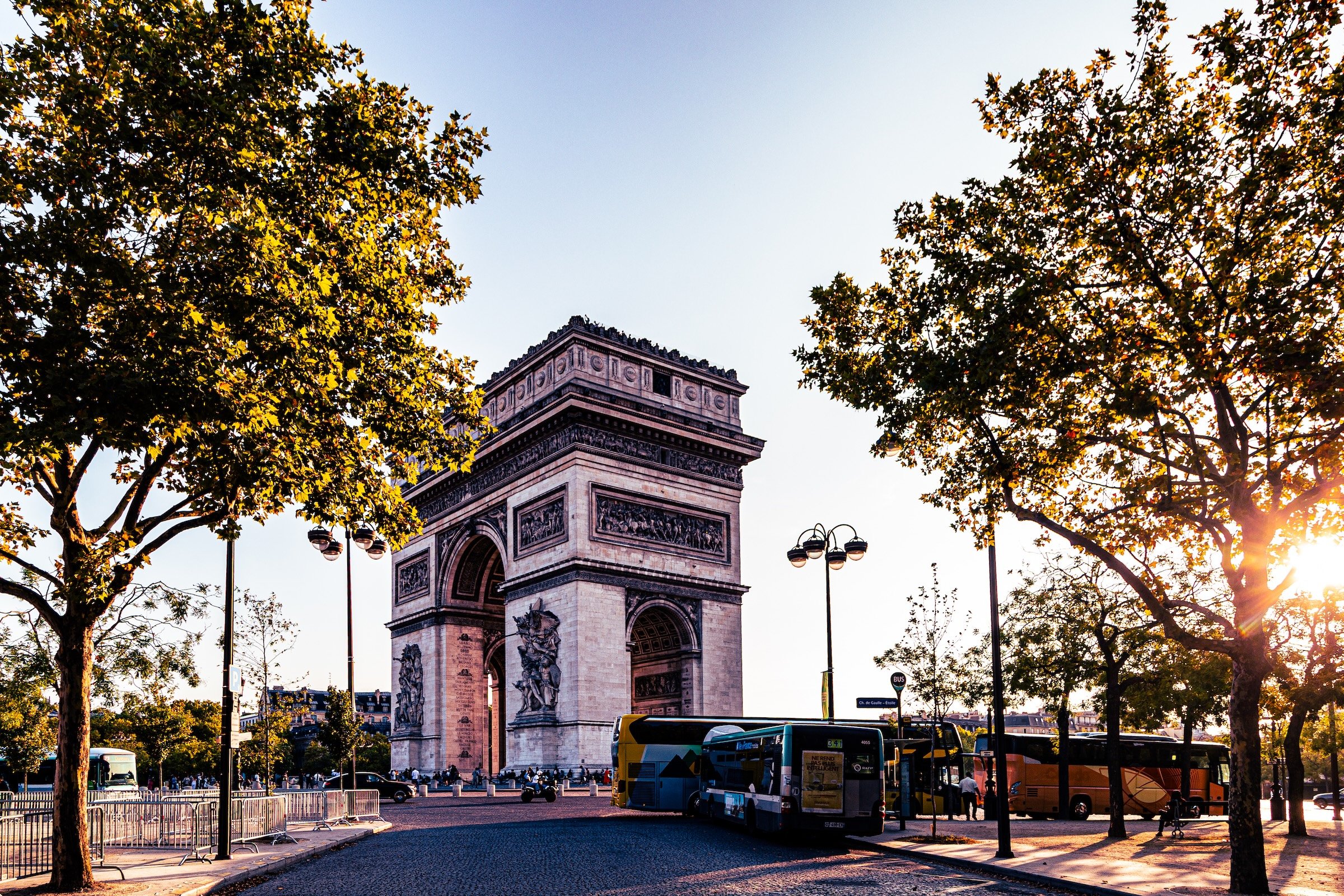
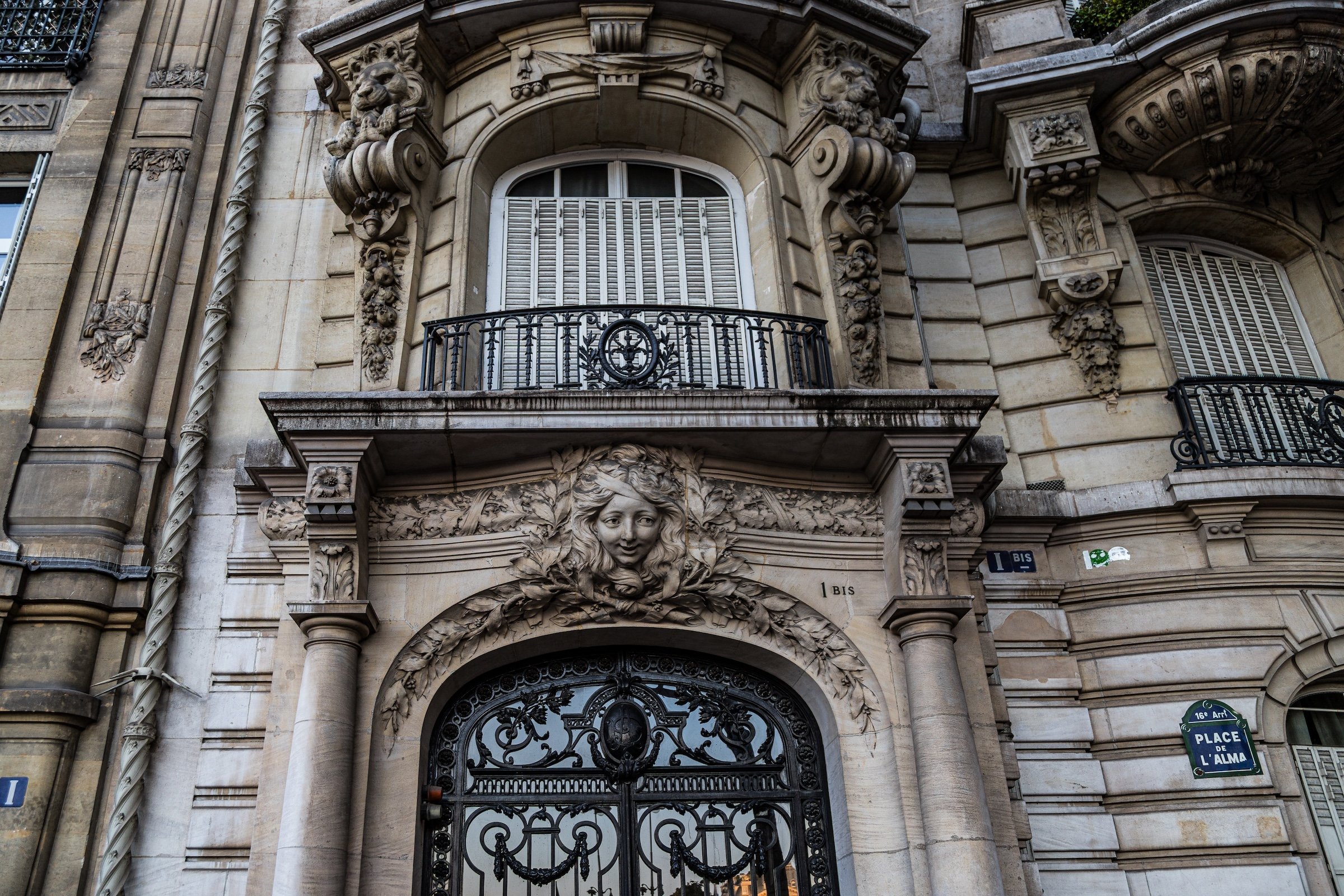
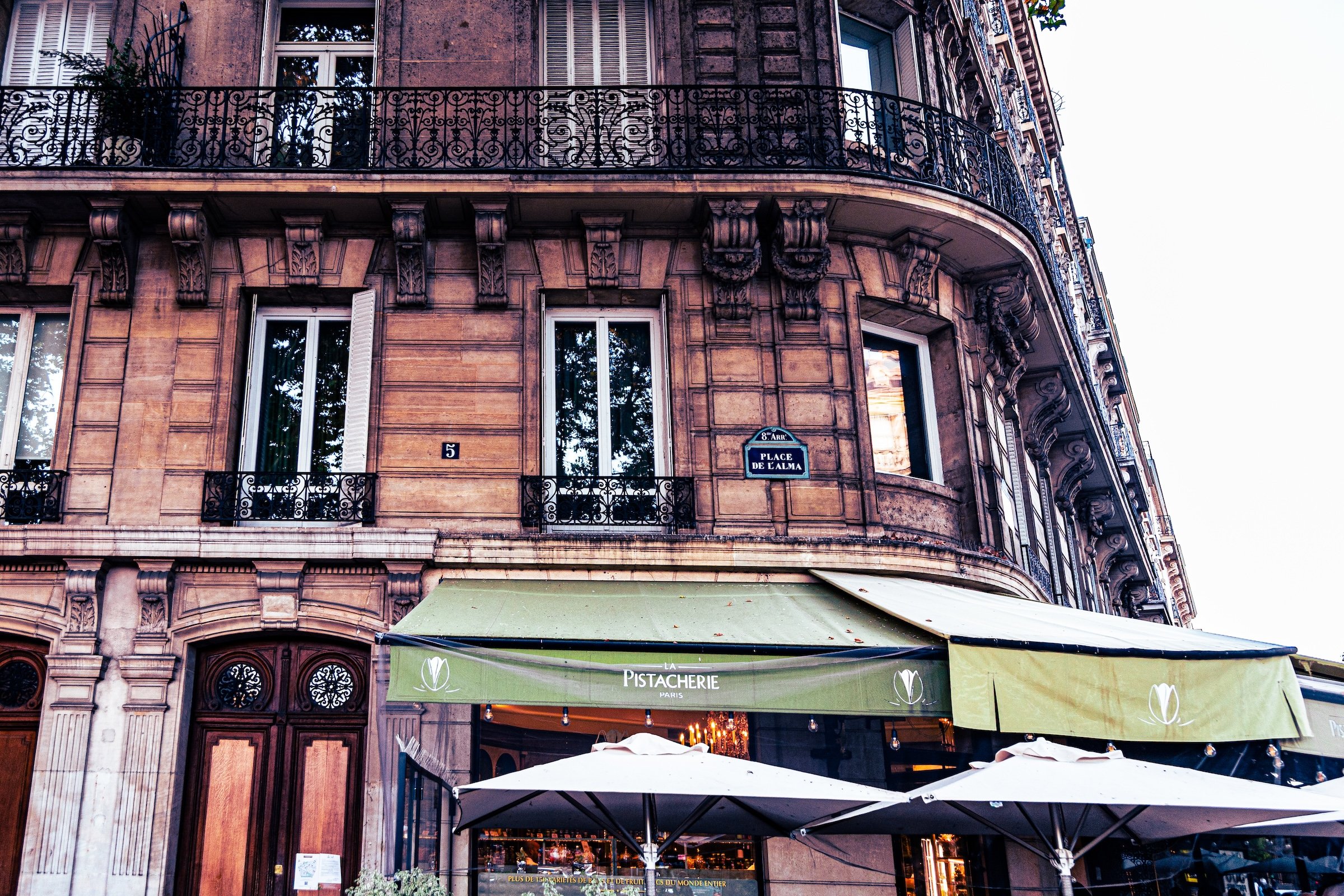
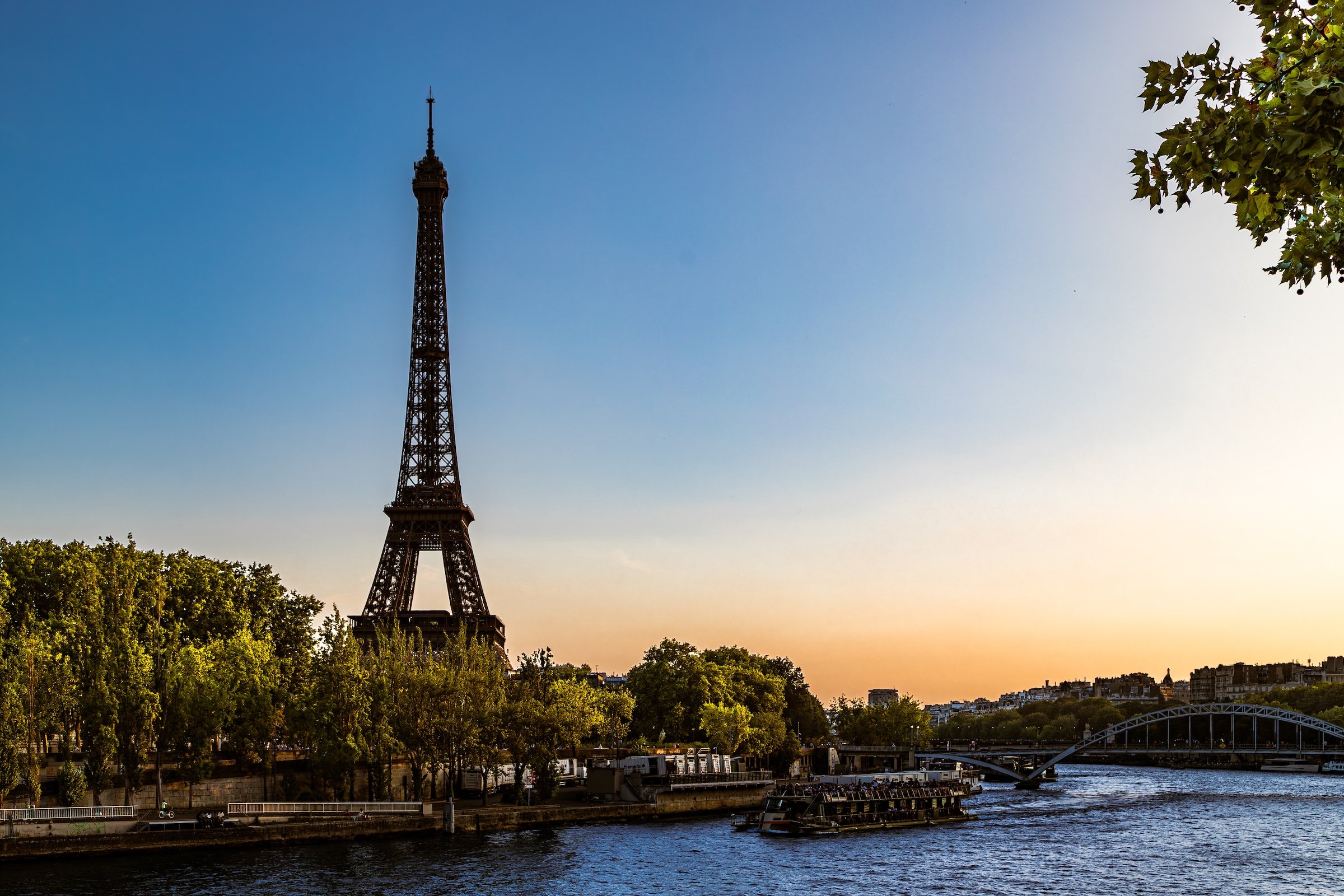
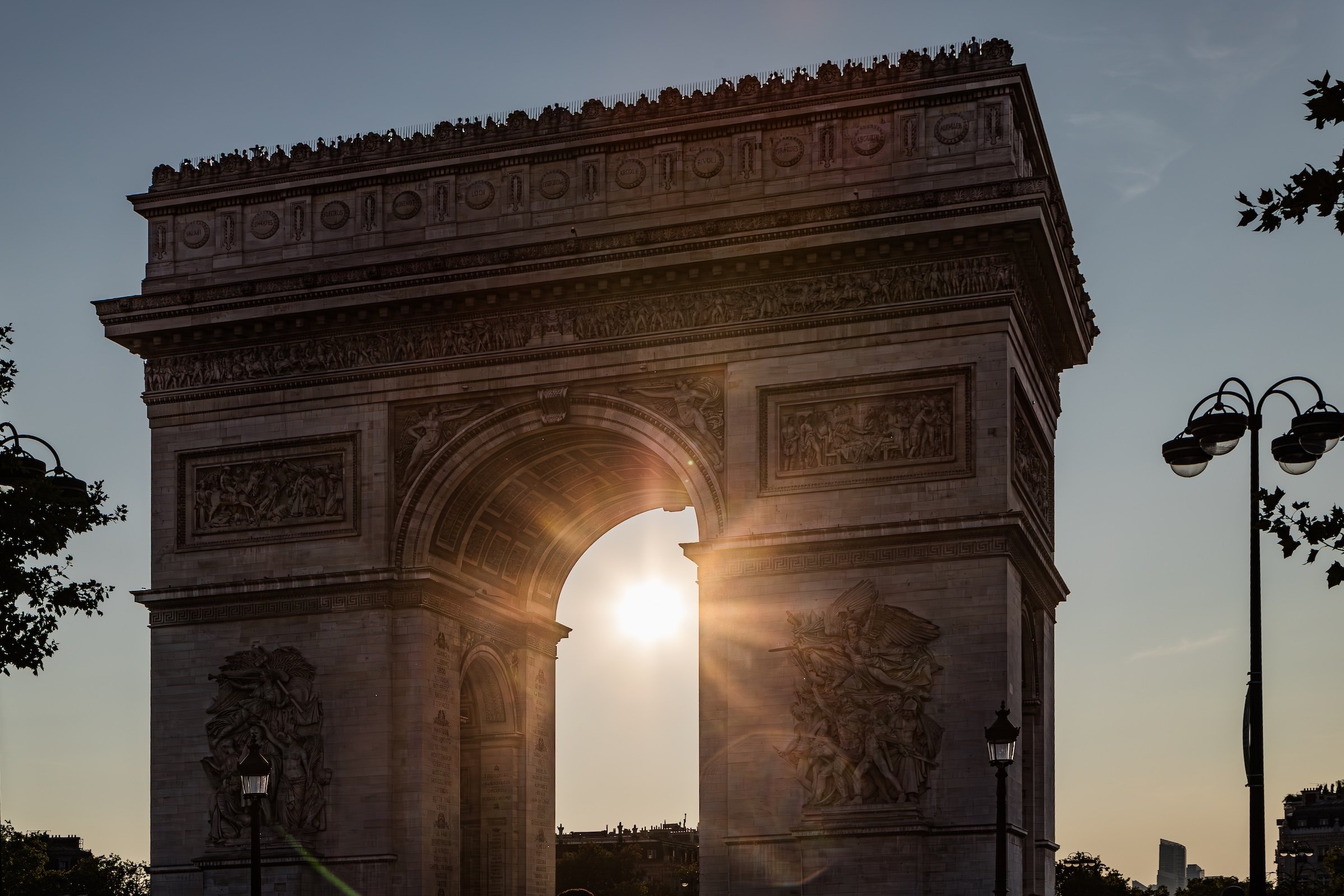
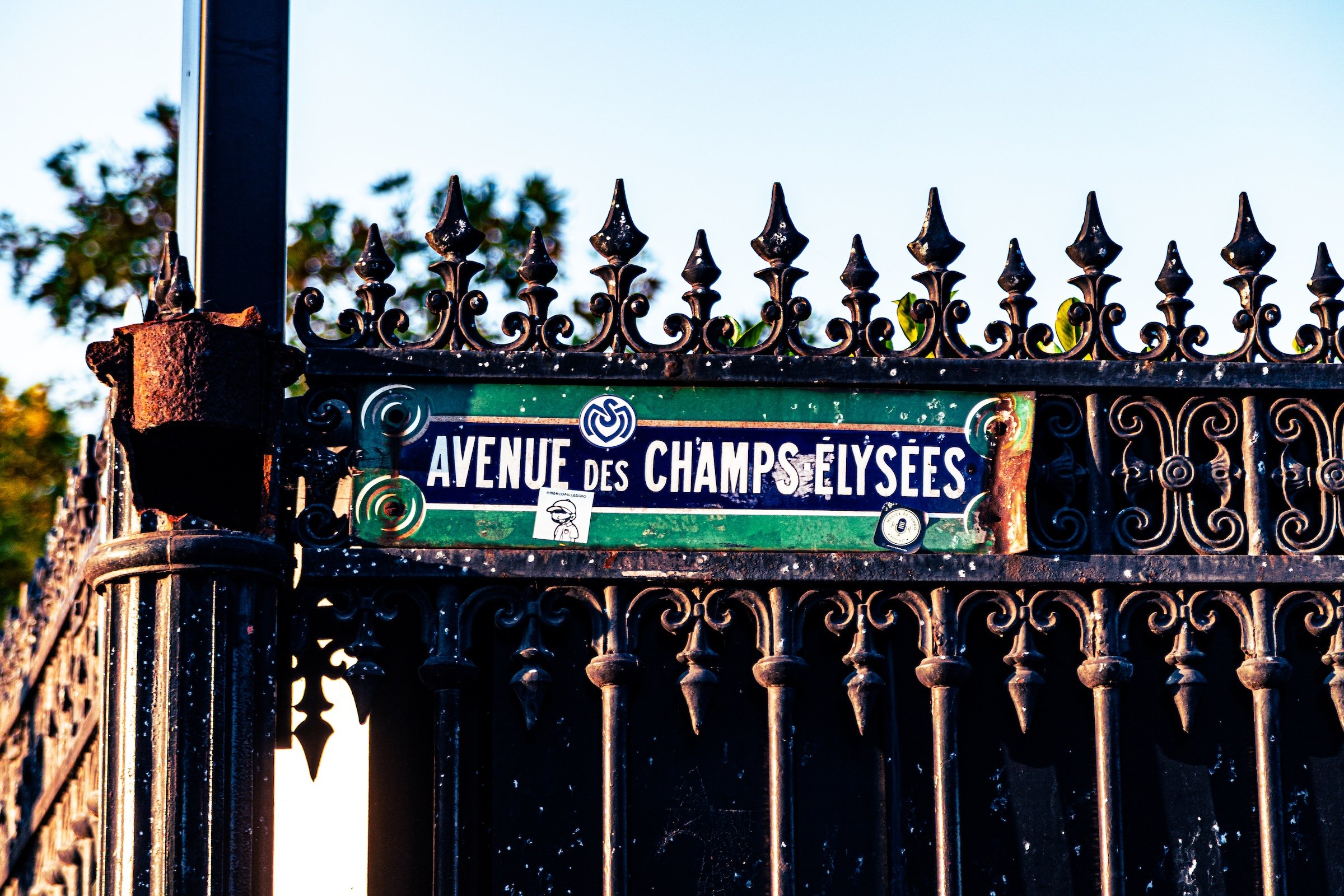
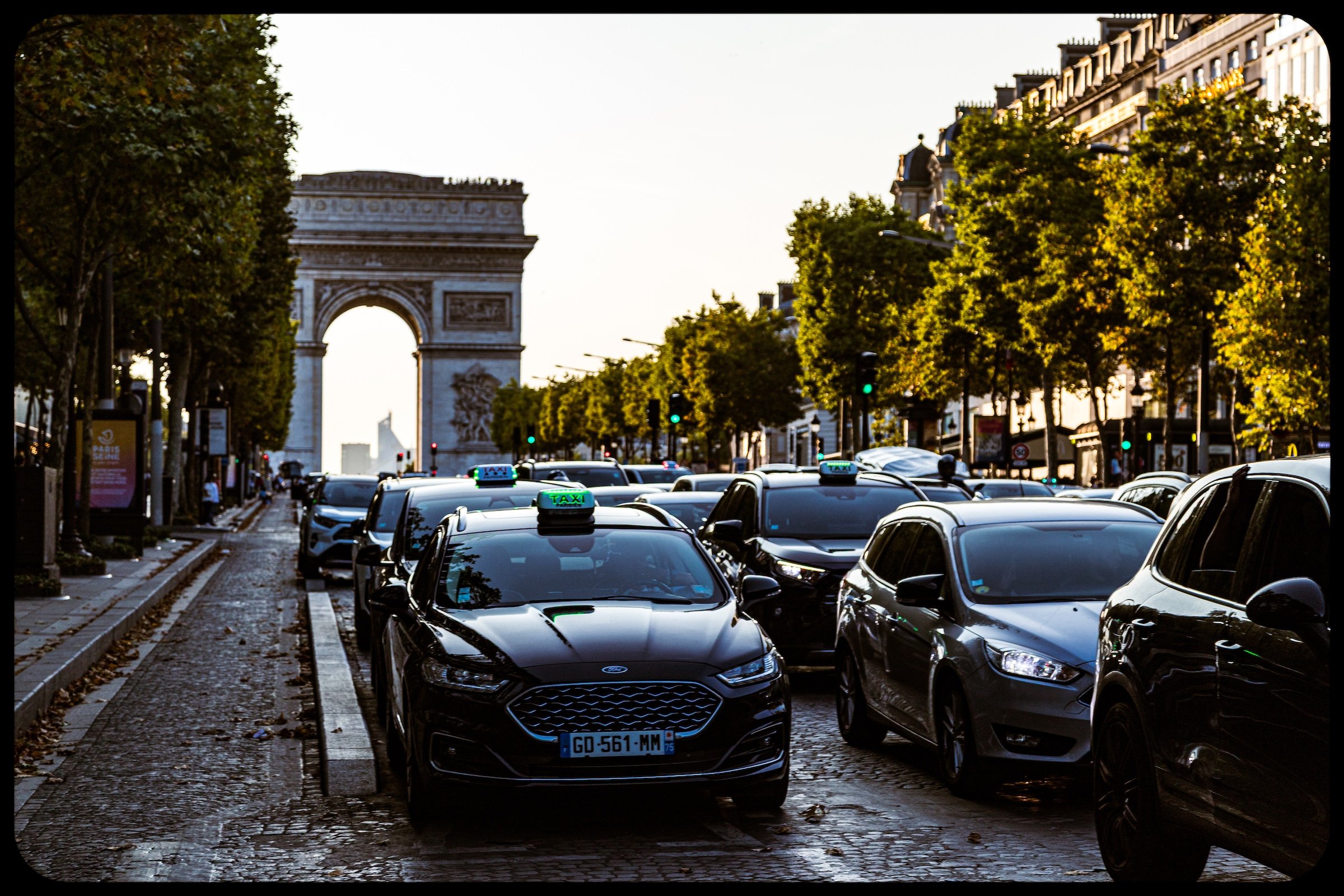
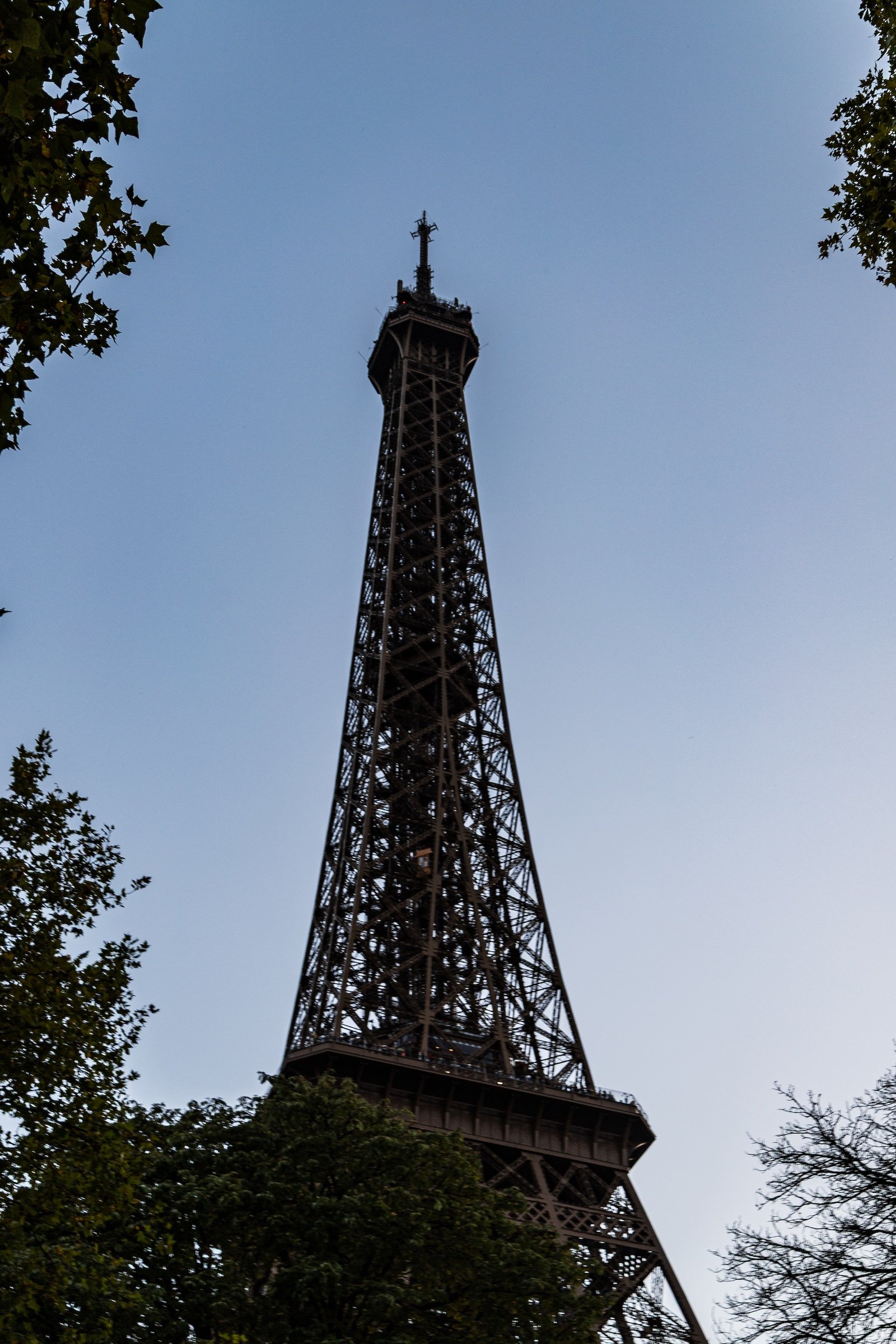
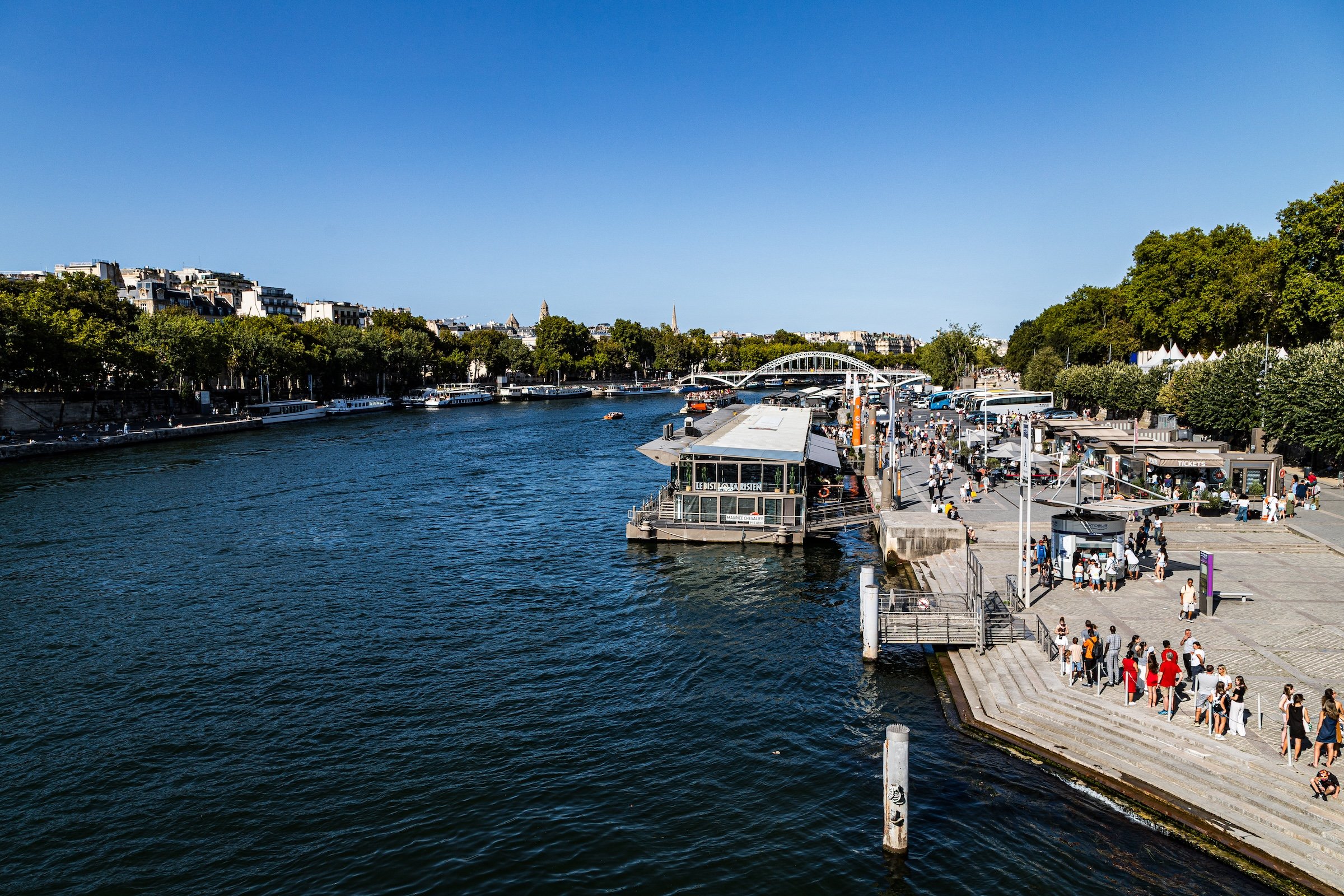
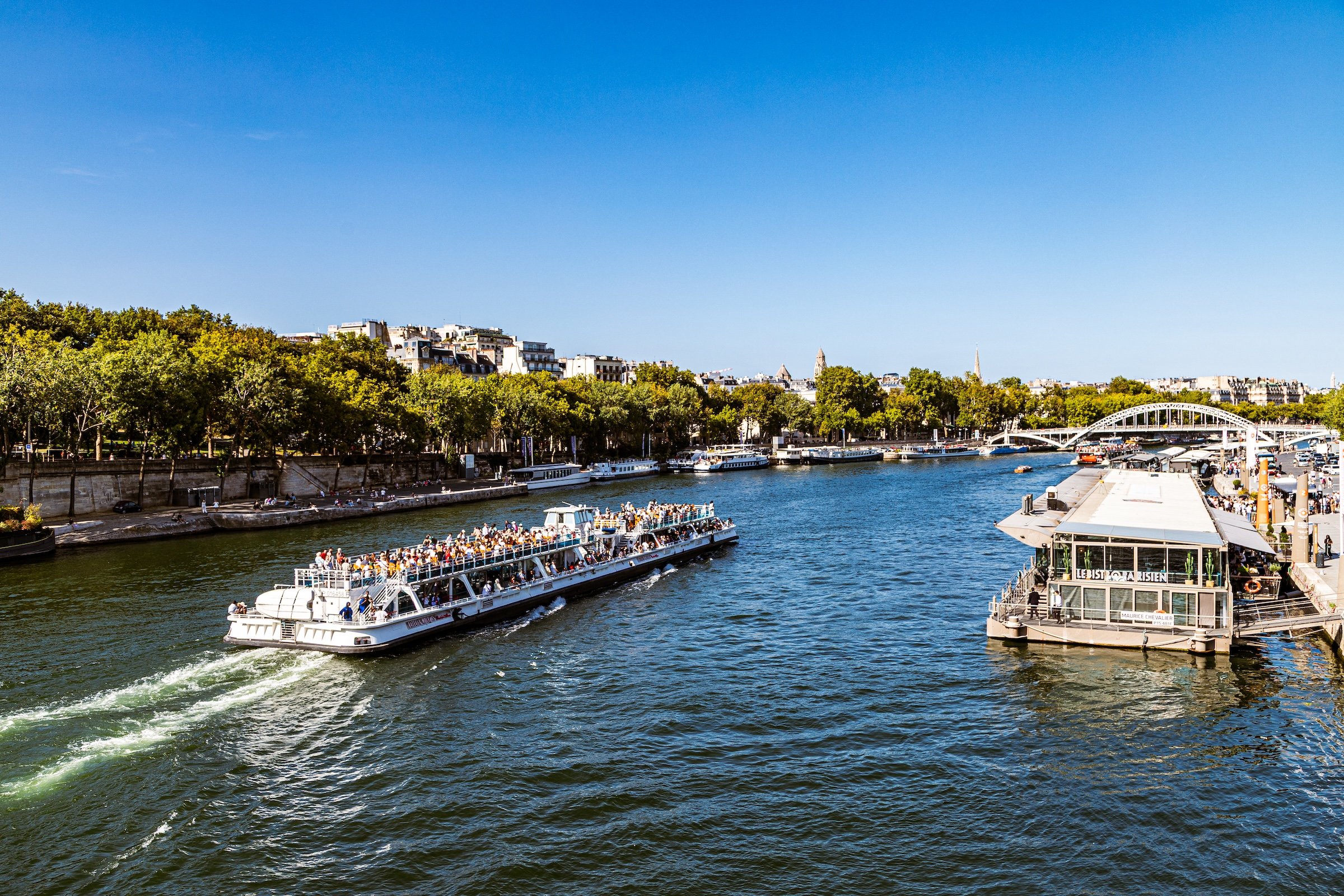
The route unfolded as a first encounter with the city’s most recognizable western icons: the Eiffel Tower, Pont d’Iéna, Trocadéro, Avenue Kléber, the Arc de Triomphe, the Champs-Élysées, Avenue George V, Pont de l’Alma, and finally the return toward the Eiffel Tower at twilight. What began as an almost obligatory pilgrimage gradually became something more personal. The icons were still icons, but they began to change under movement, angle, distance, and light. The Eiffel Tower shifted from destination to backdrop to recurring presence. The Arc de Triomphe transformed from monument into sunset frame. The Seine became a surface of evening color.
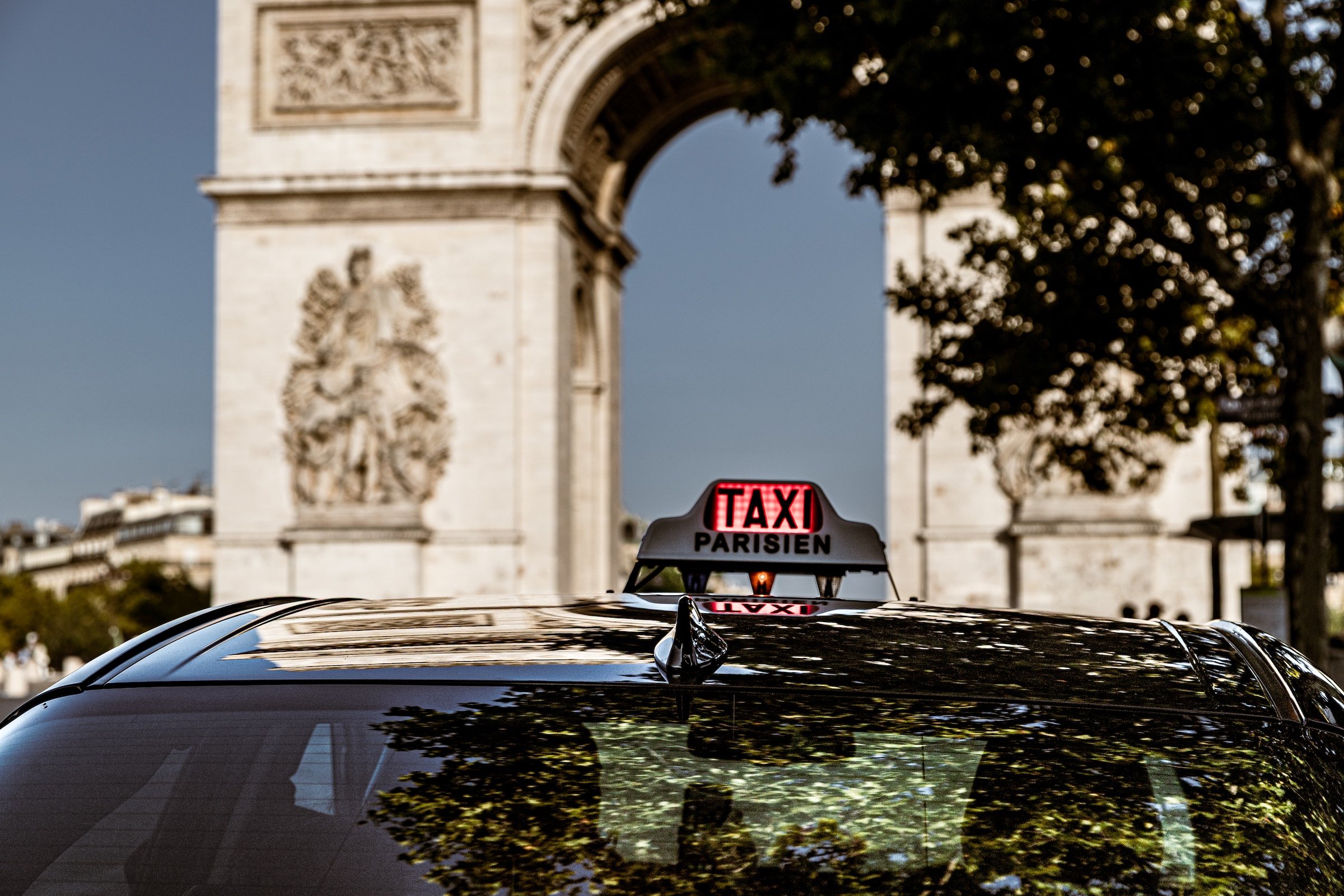
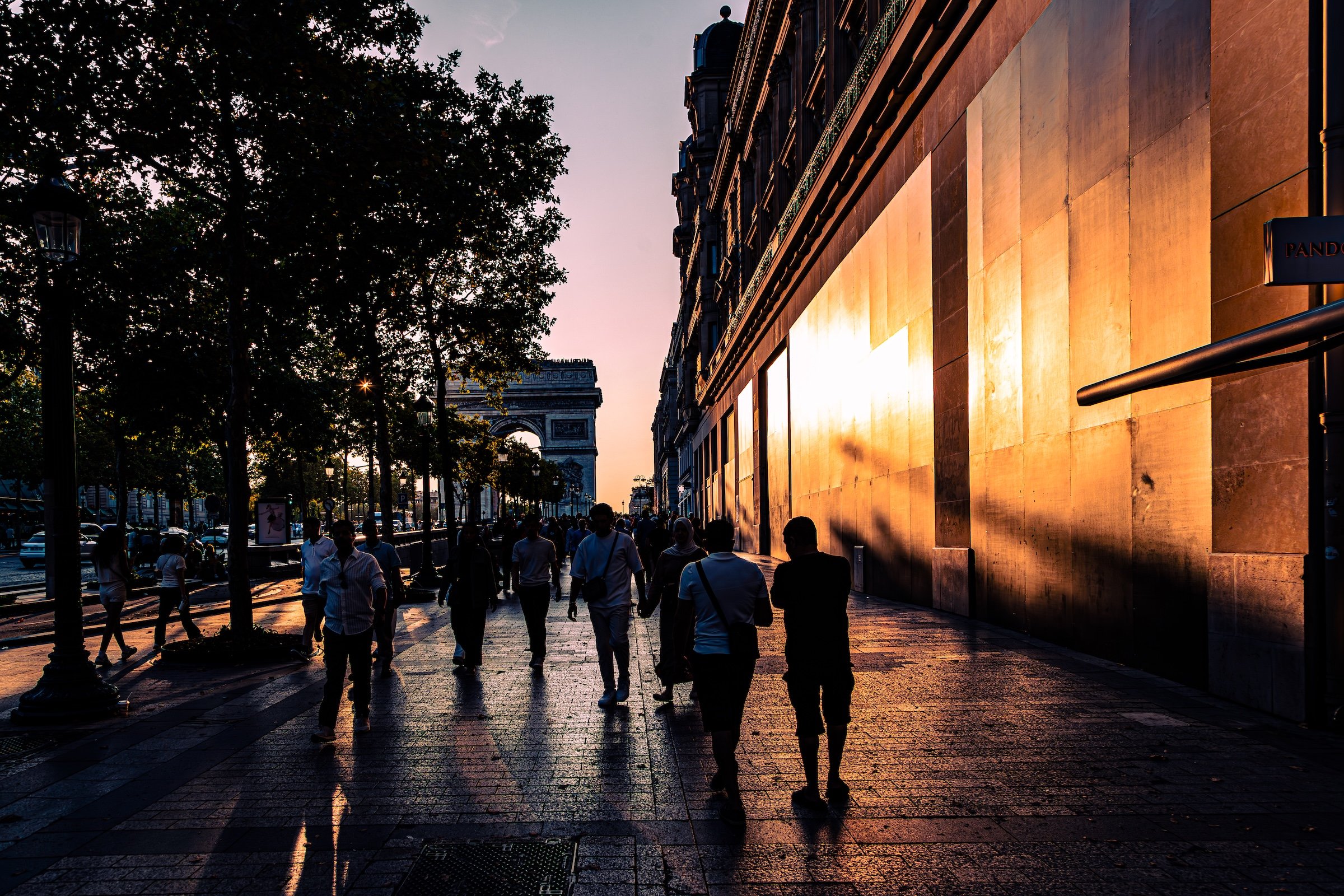
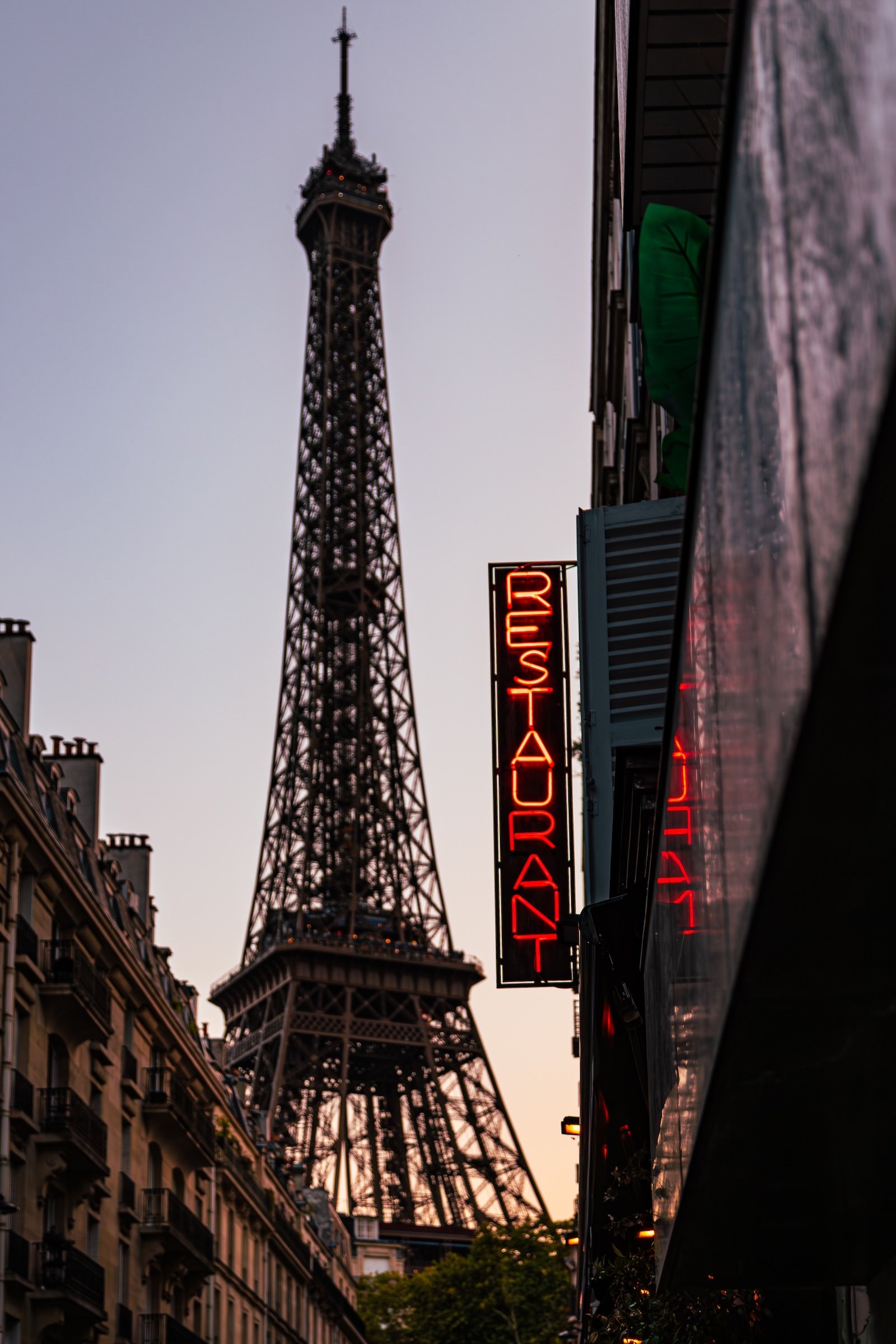
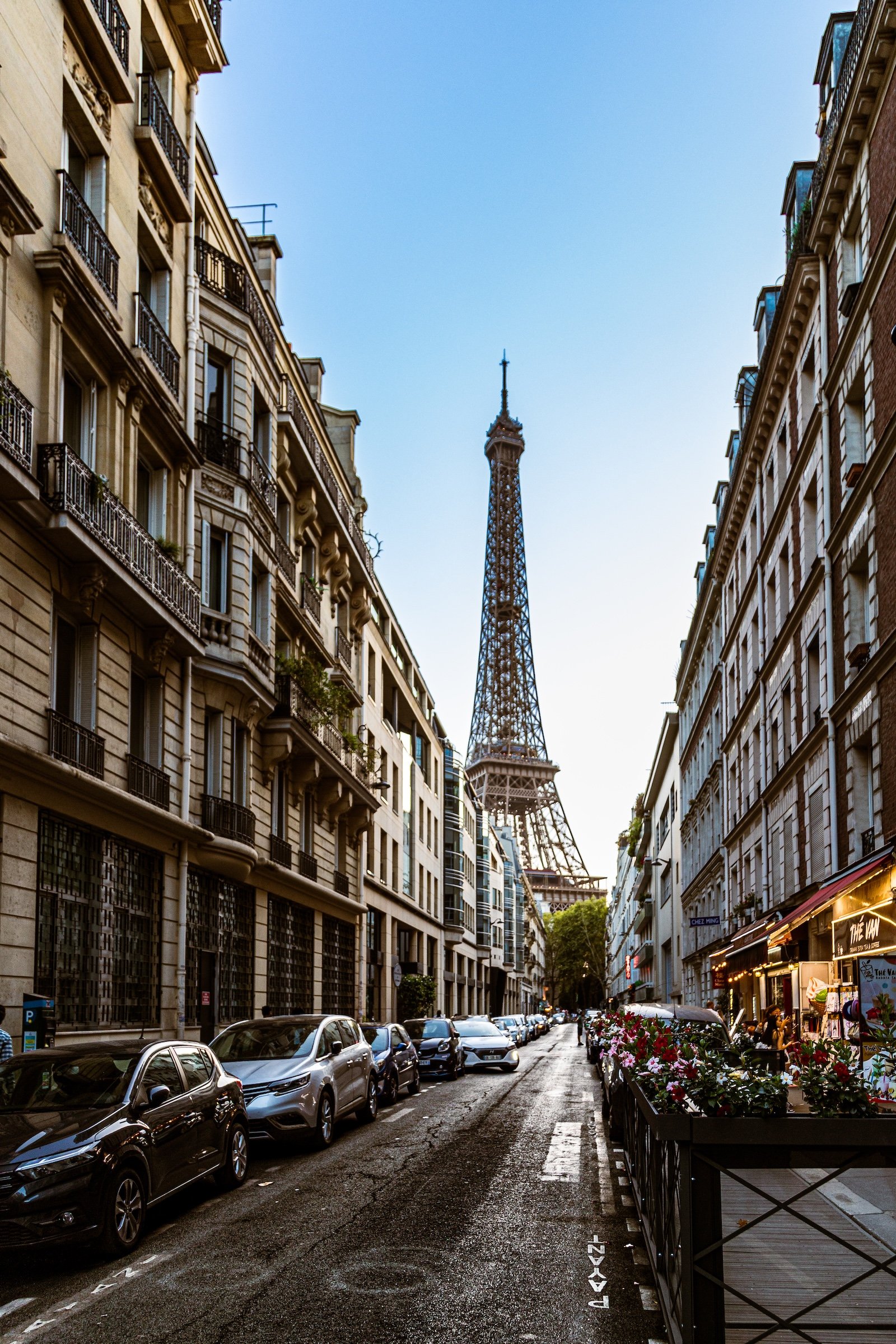
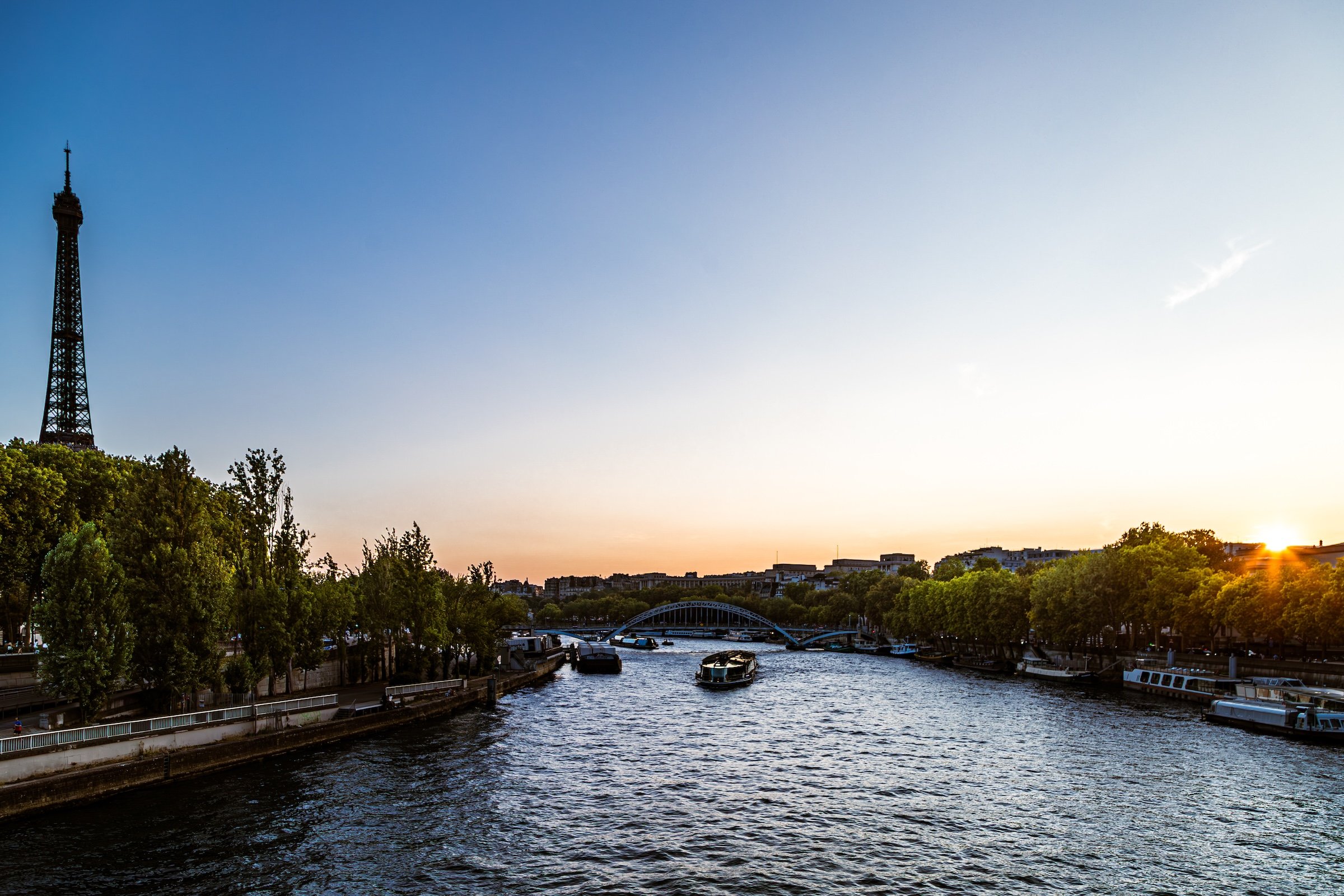
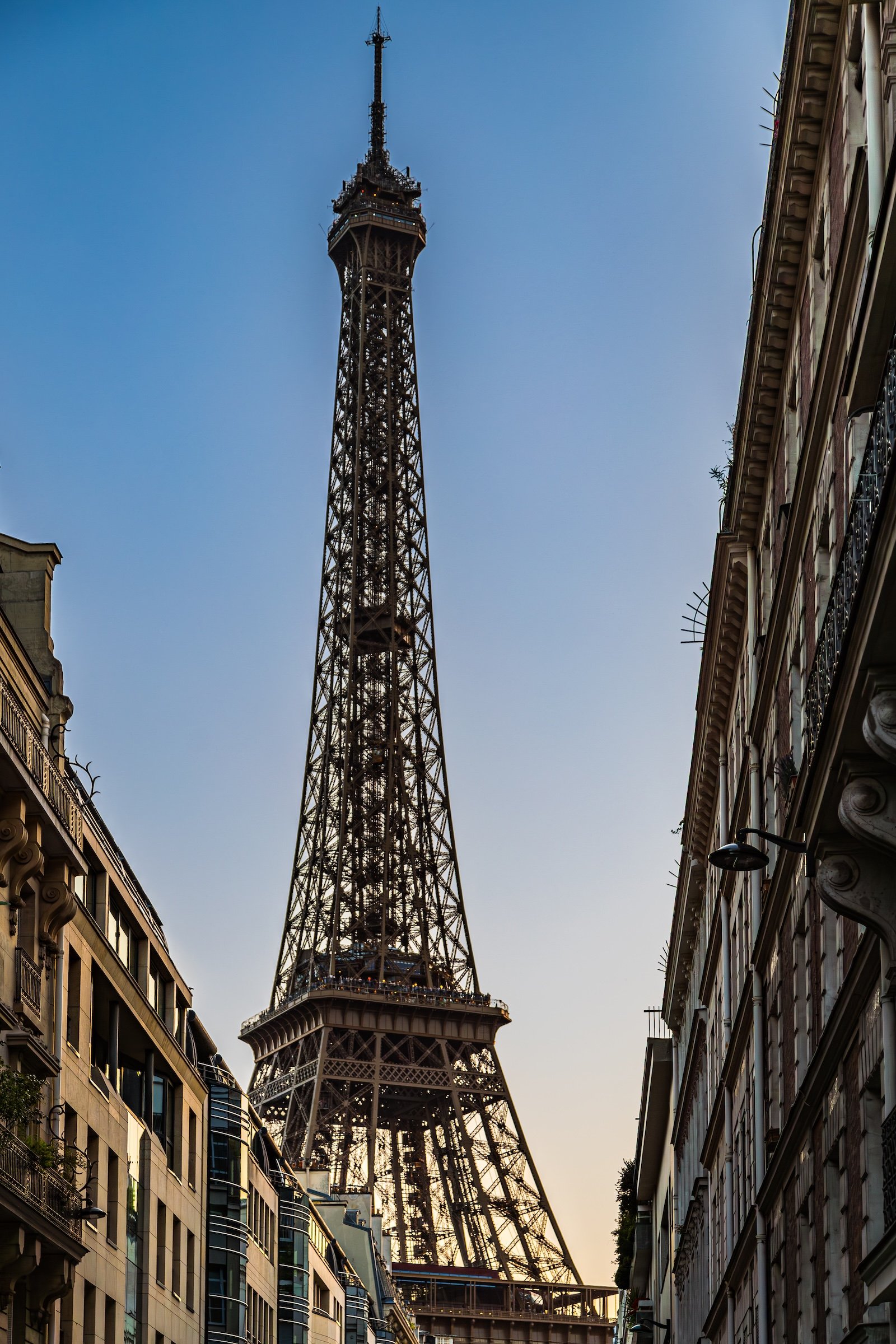
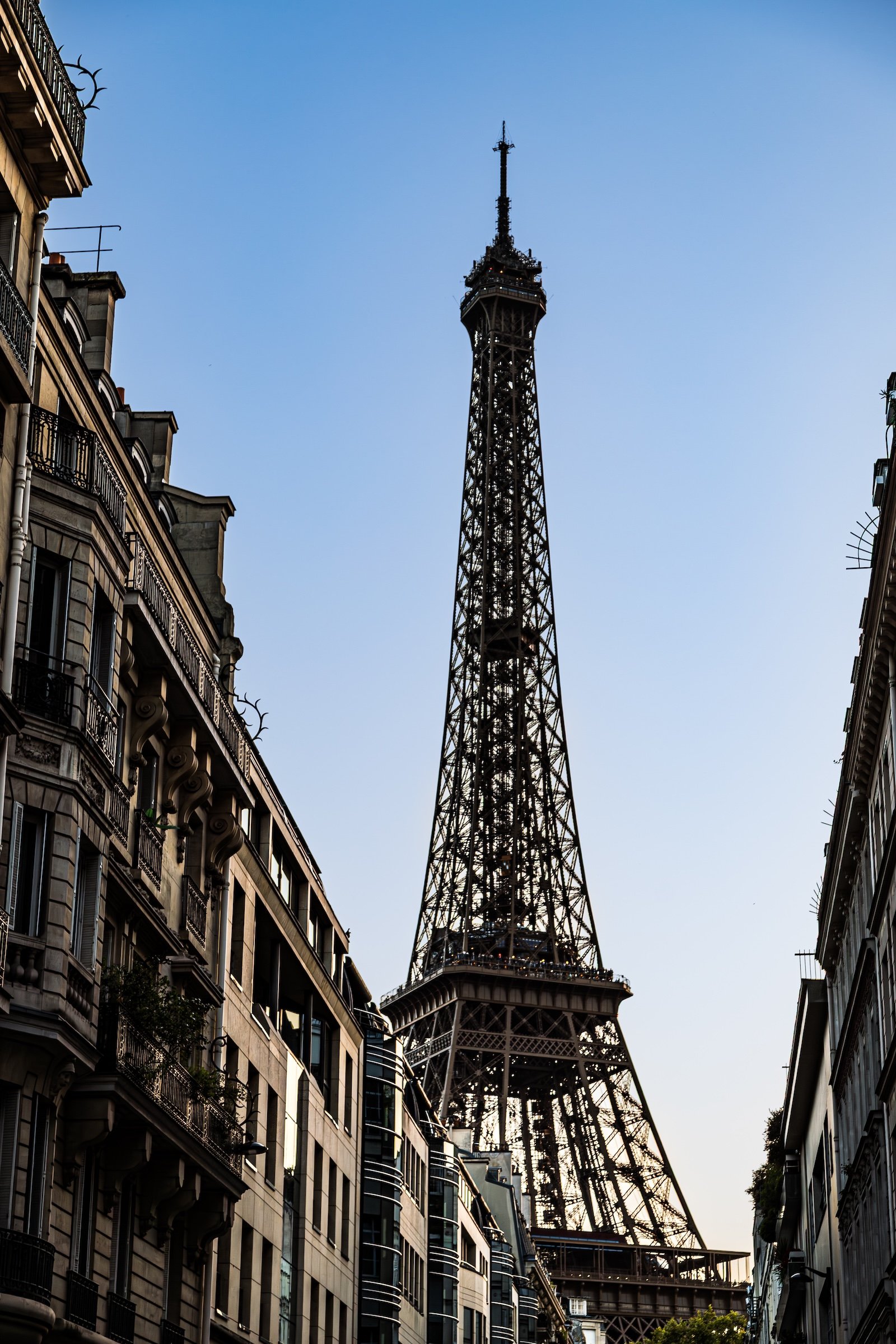
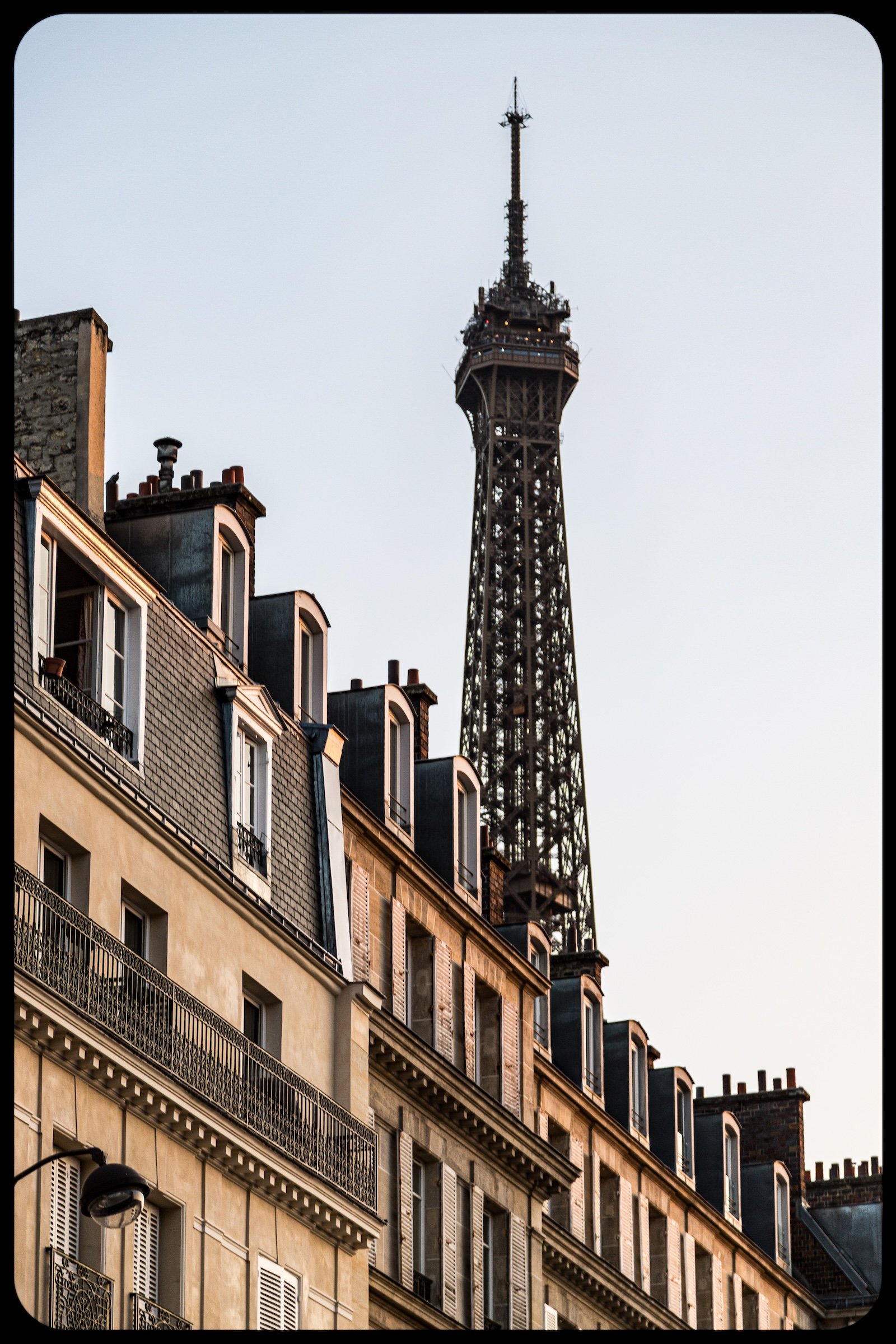
By daylight, Paris could seem almost normalized by its own fame. But as the sun lowered and the city’s illumination began to rise, the evening turned. The view through the Arc de Triomphe, the blue-orange sky over the Seine, the Eiffel Tower appearing between buildings and above café-lined streets — these moments revealed that Paris would not be exhausted by recognition. It would have to be walked, watched, photographed, and returned to. The first evening did not yet contain the full project, but it contained the first spark of it: the realization that even the most familiar Paris could still demand attention.
Visual Identity
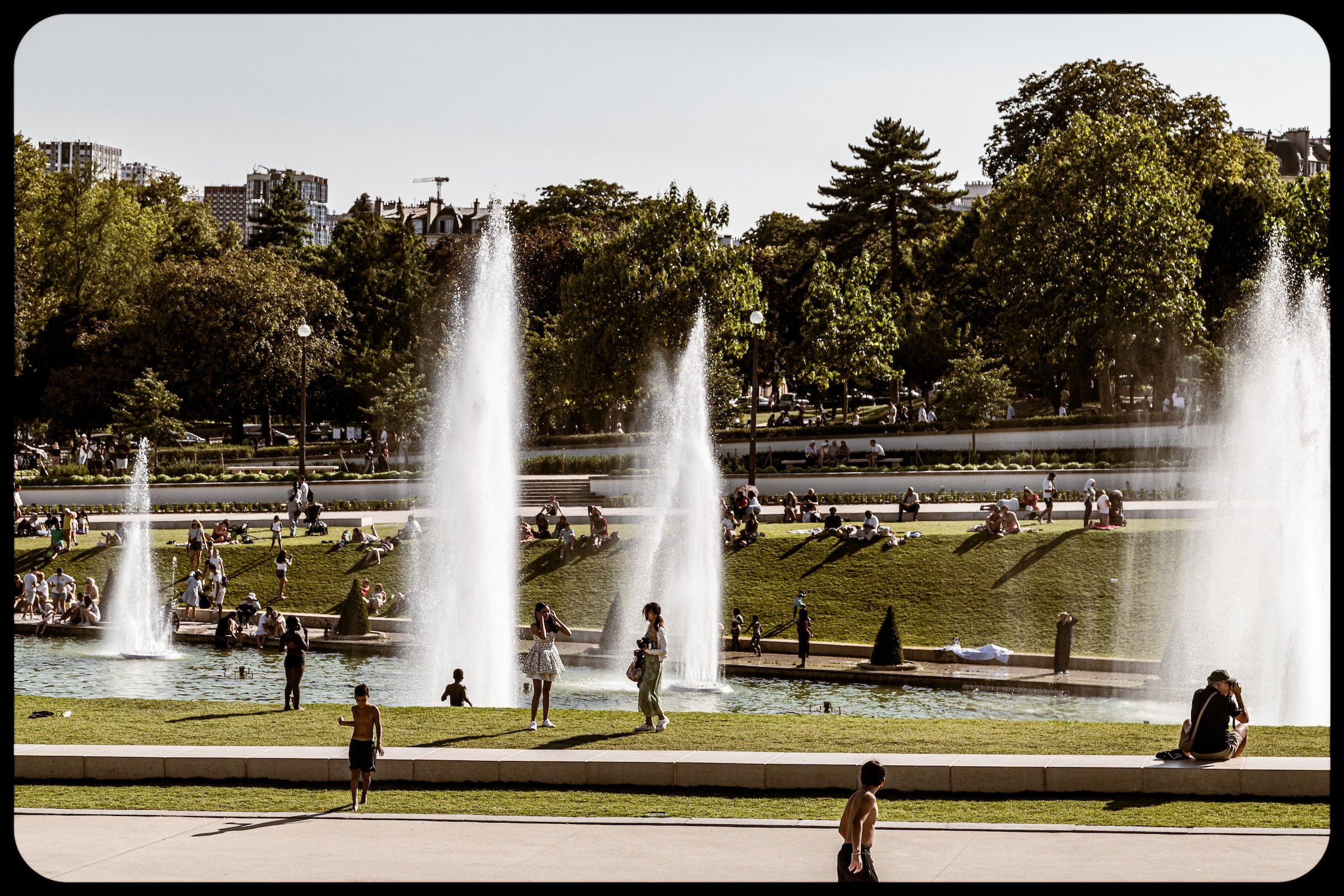
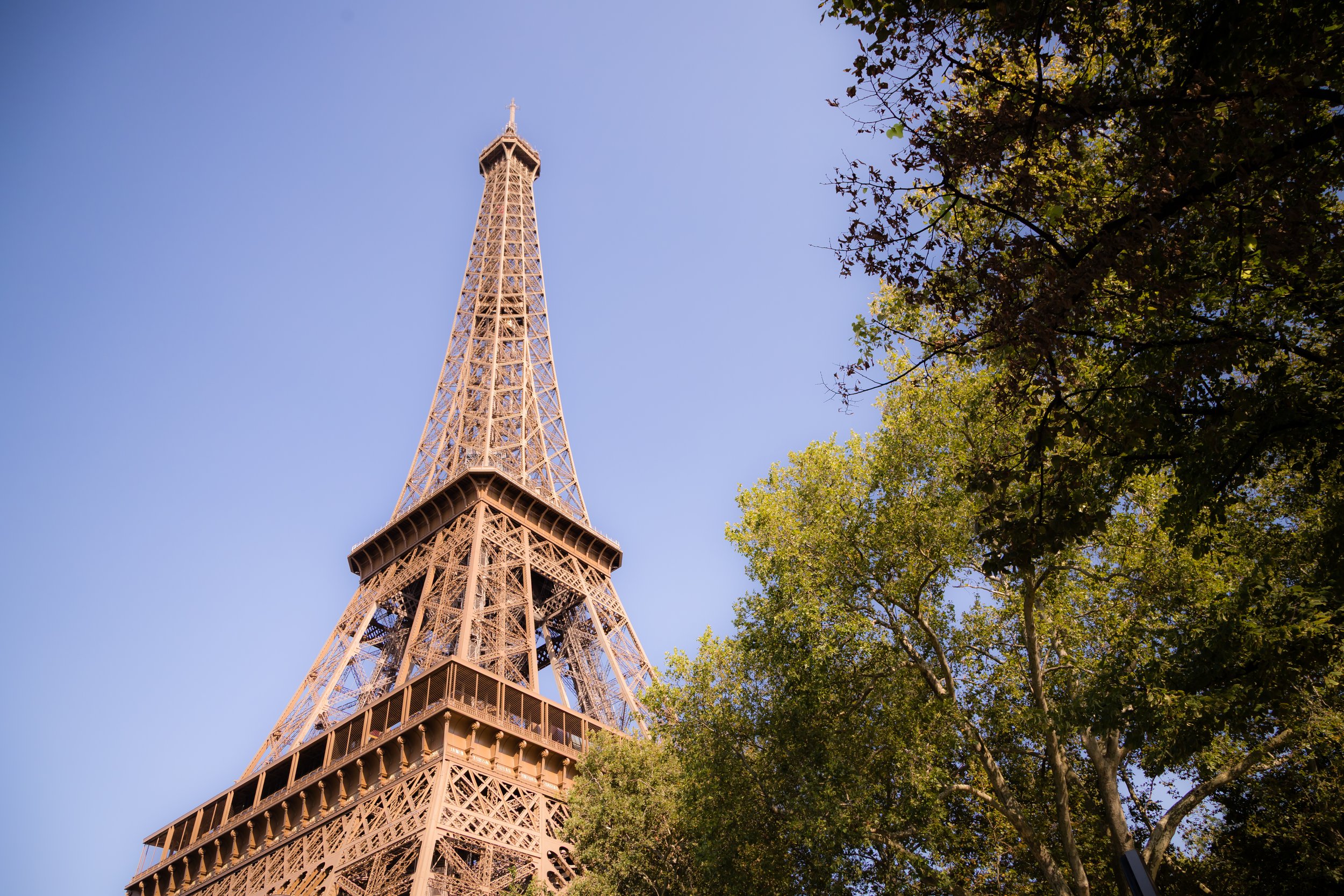
The visual identity of August 15, 2025 was shaped by first encounters with the monumental west of Paris. The evening began beneath the gravitational pull of the Eiffel Tower, where iron, sky, trees, and late-summer heat created an unavoidable point of origin. From Gros-Caillou to Trocadéro, the city presented itself through its most recognizable compositions: the tower rising above the Champ de Mars, the Seine opening between banks, the terraces and gardens of Chaillot framing the postcard view, and the broad Parisian avenues leading outward toward the Arc de Triomphe. It was a Paris of icons, but also of procession — one landmark giving way to another, each one carrying the weight of expectation.
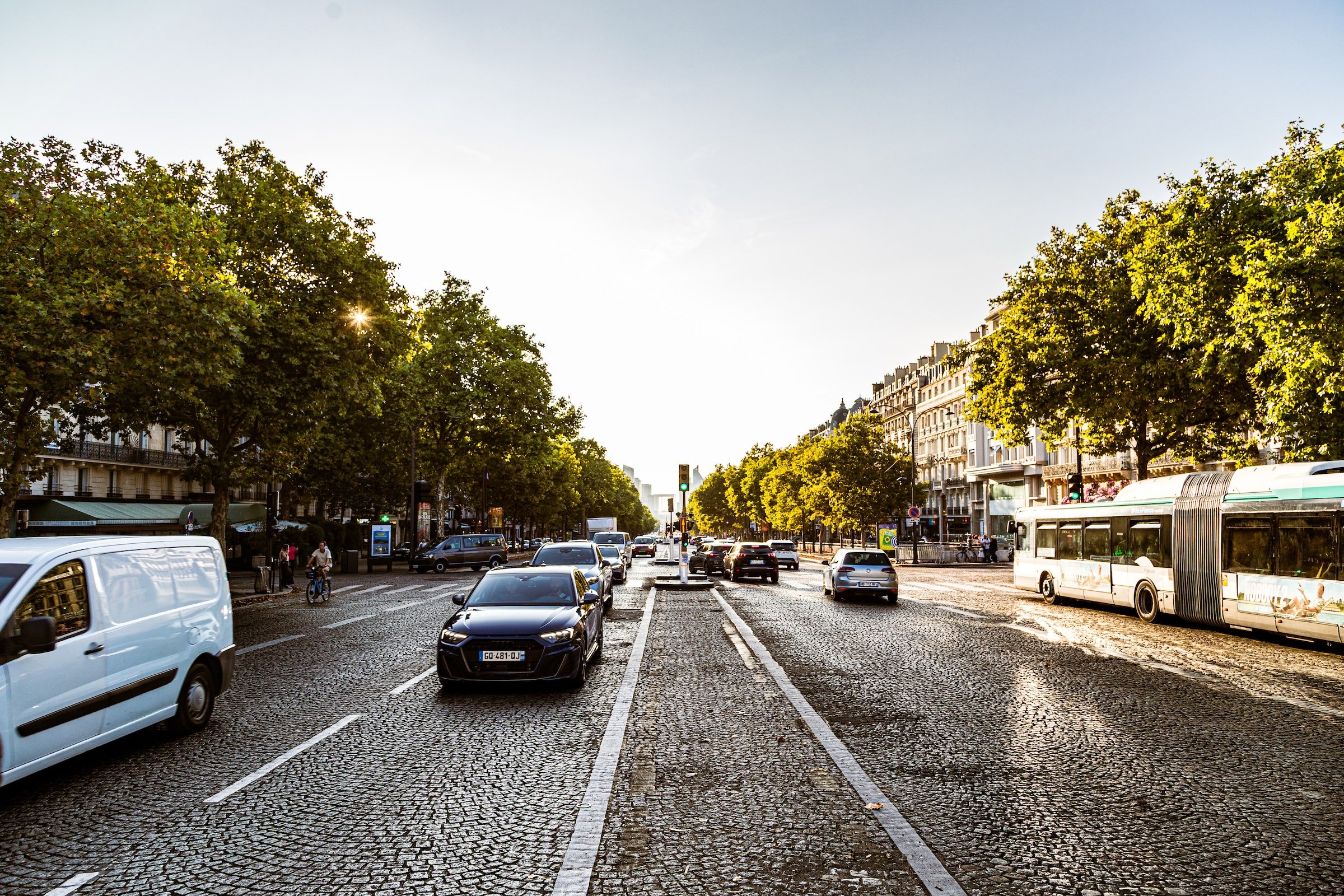
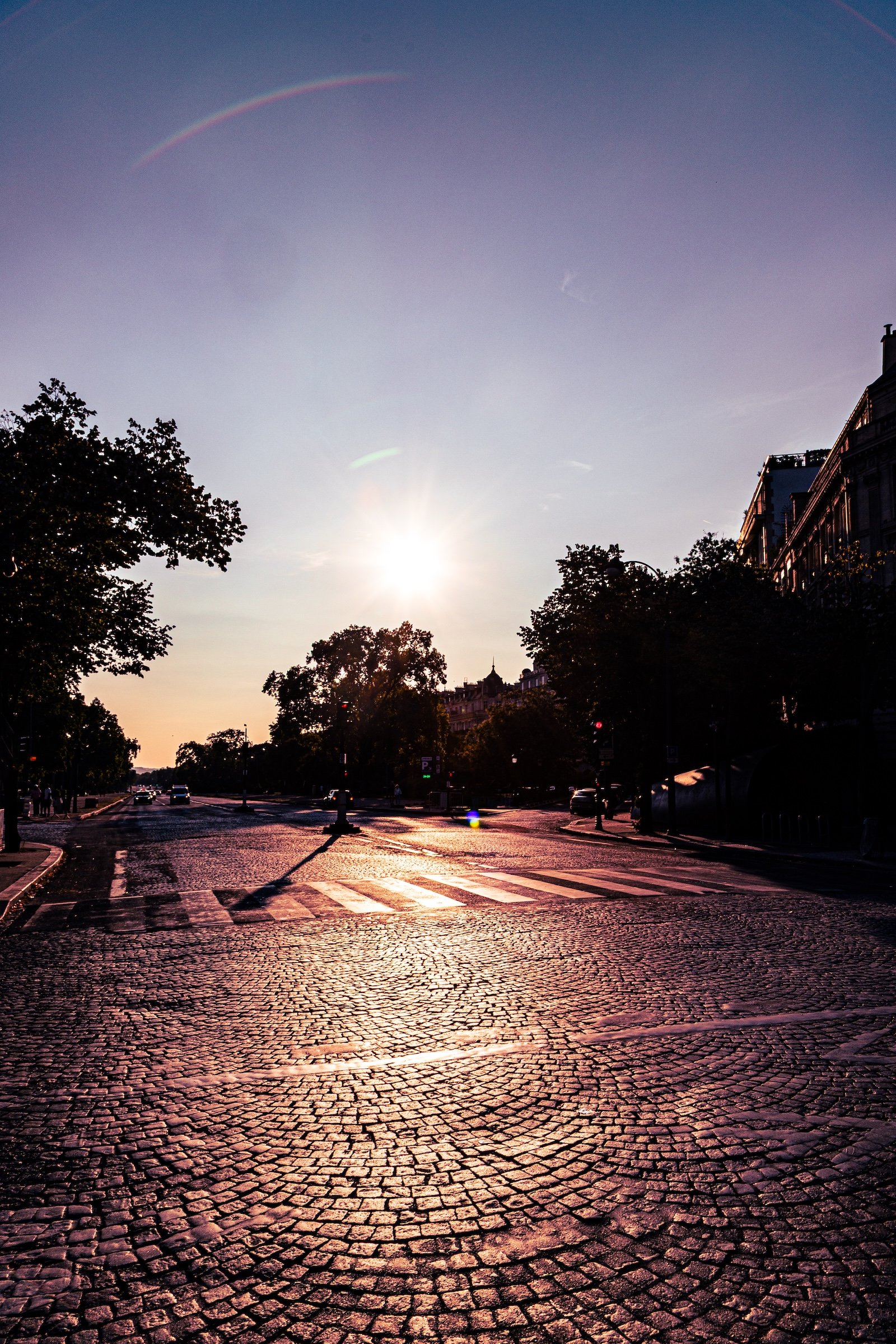
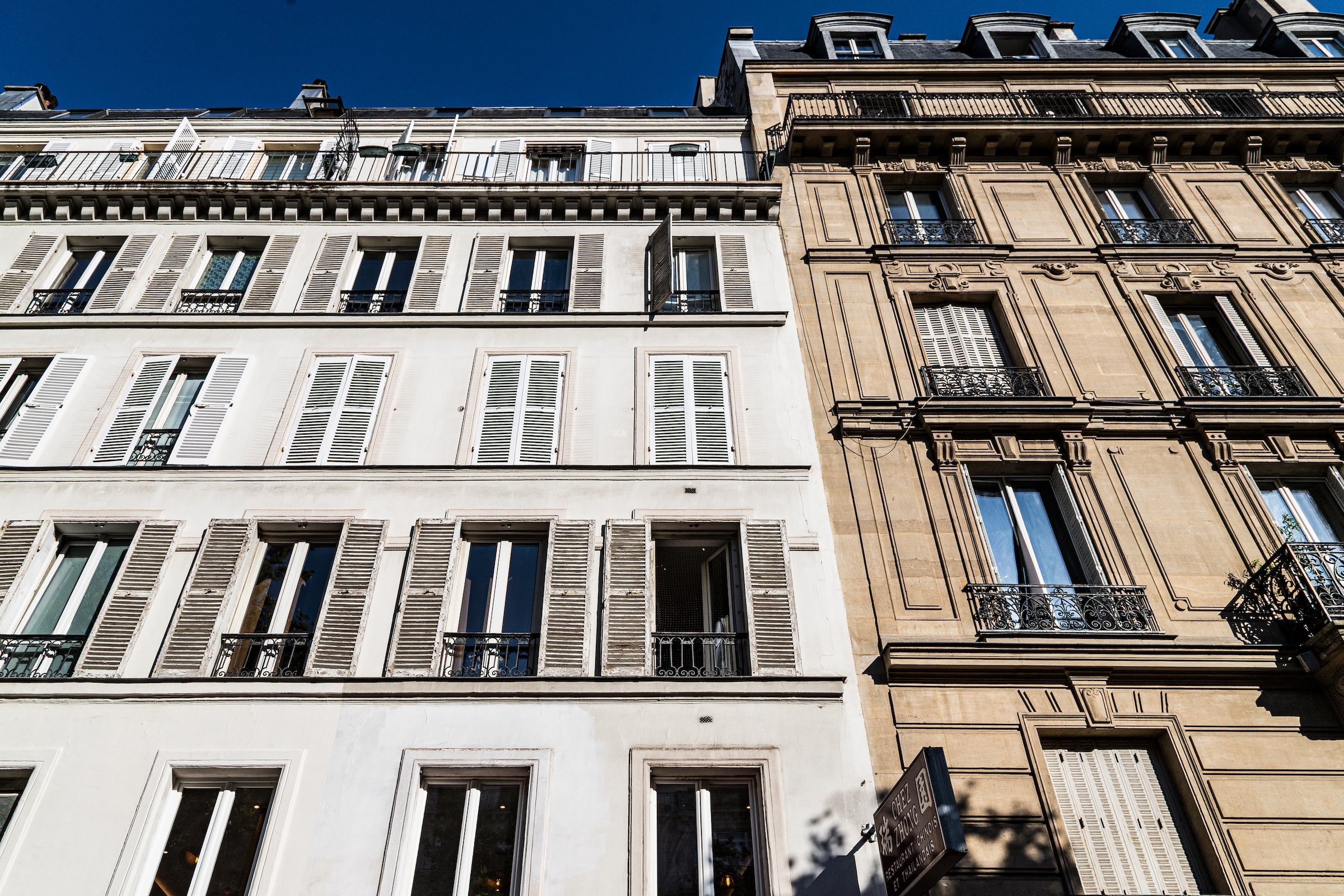
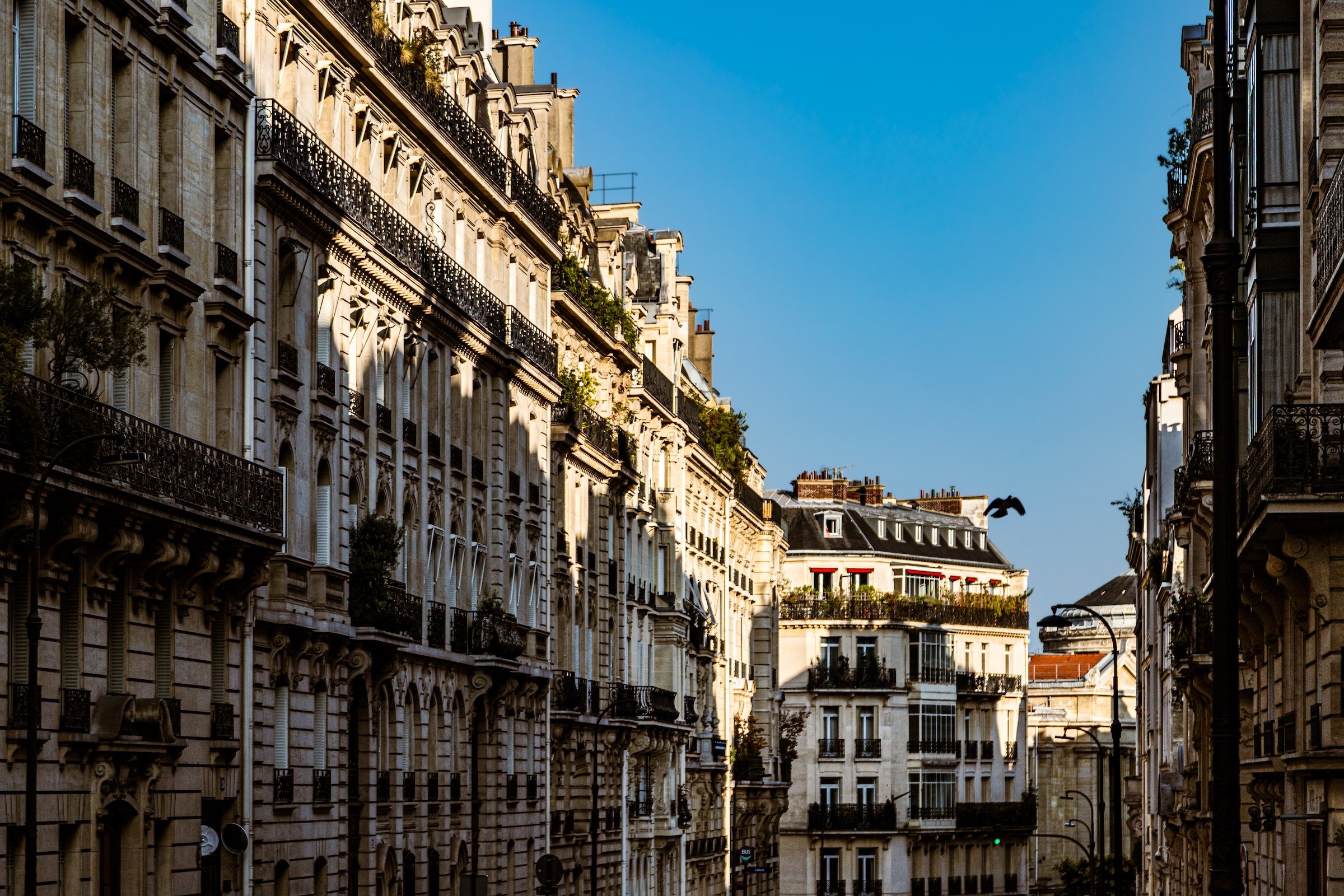
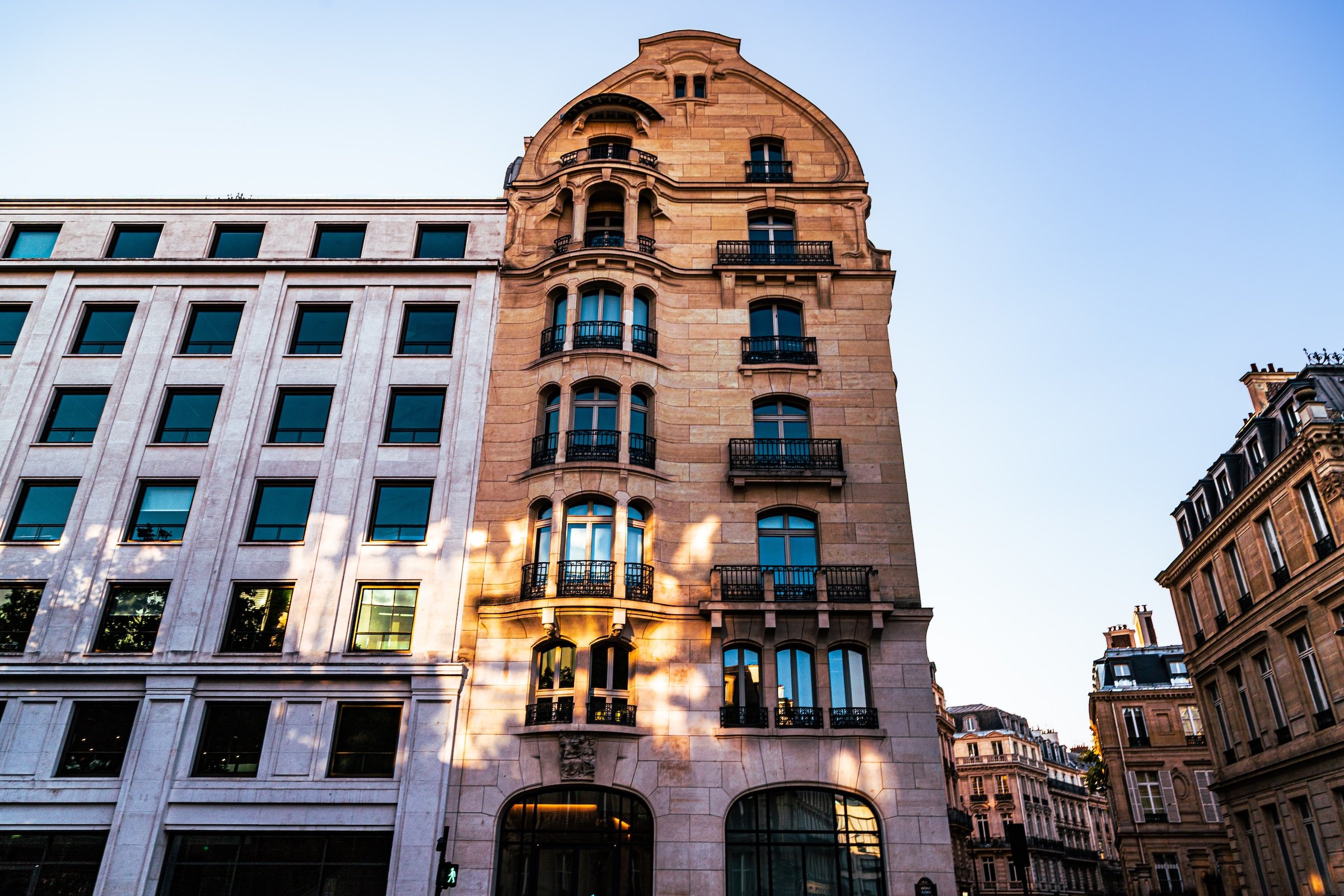
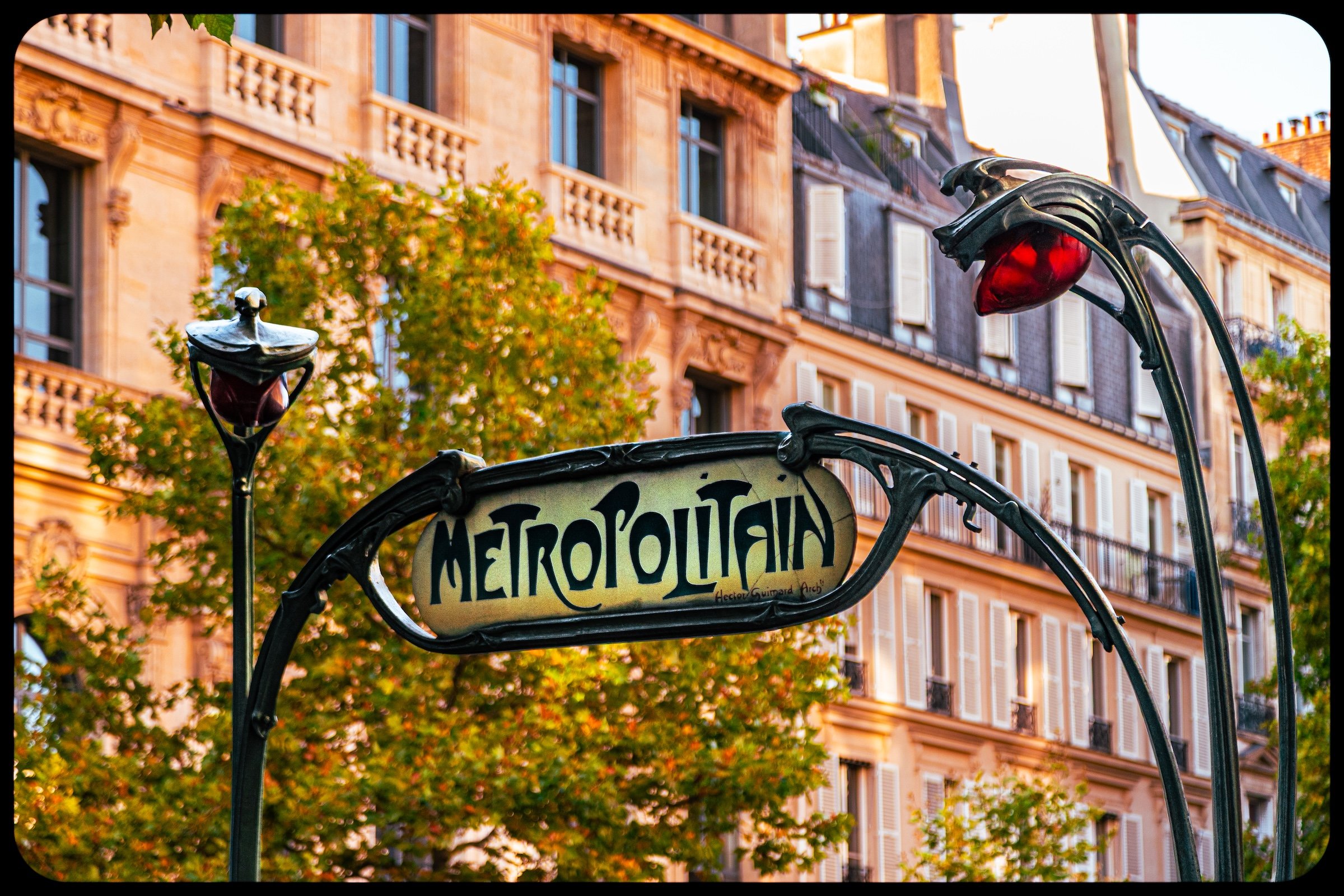
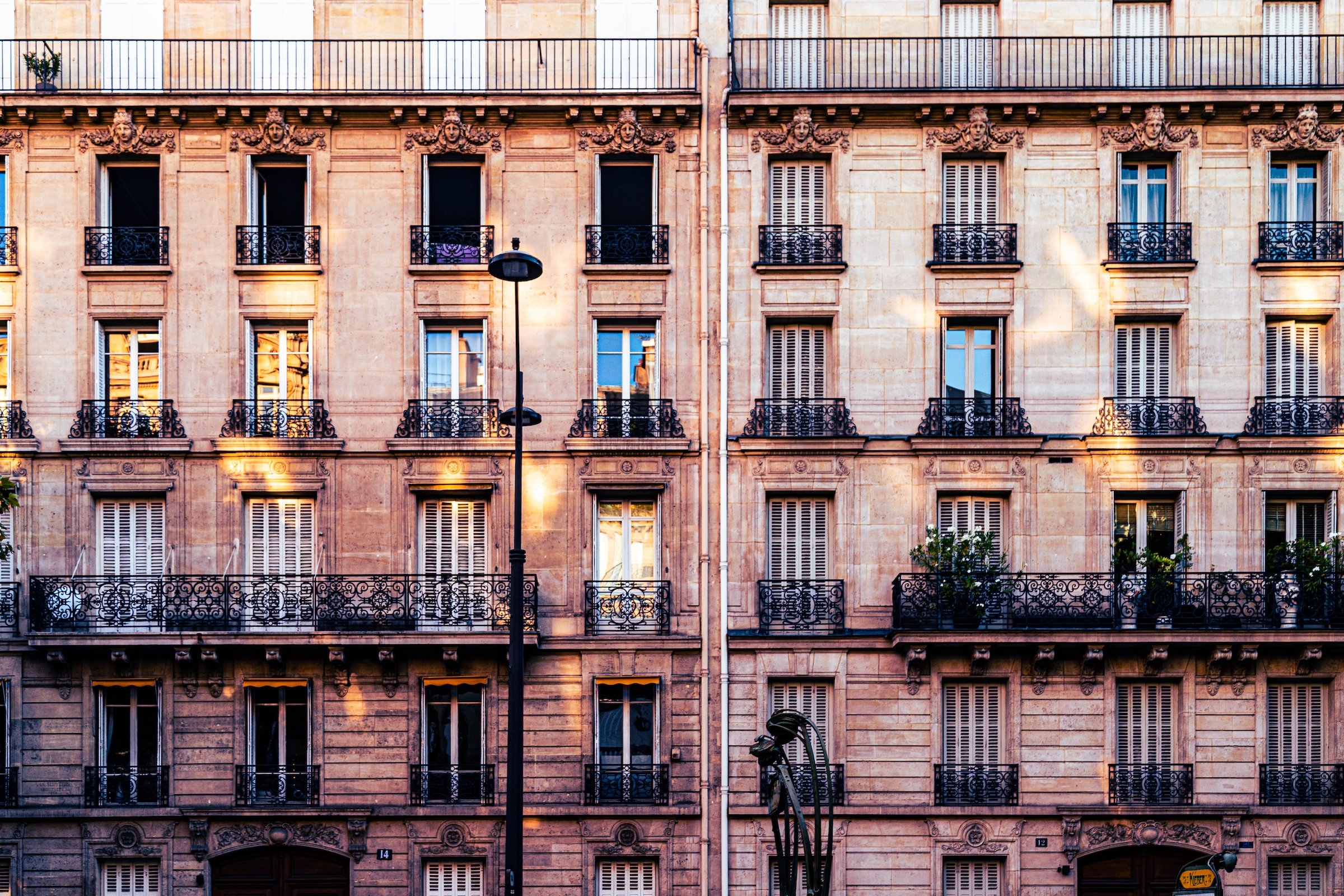
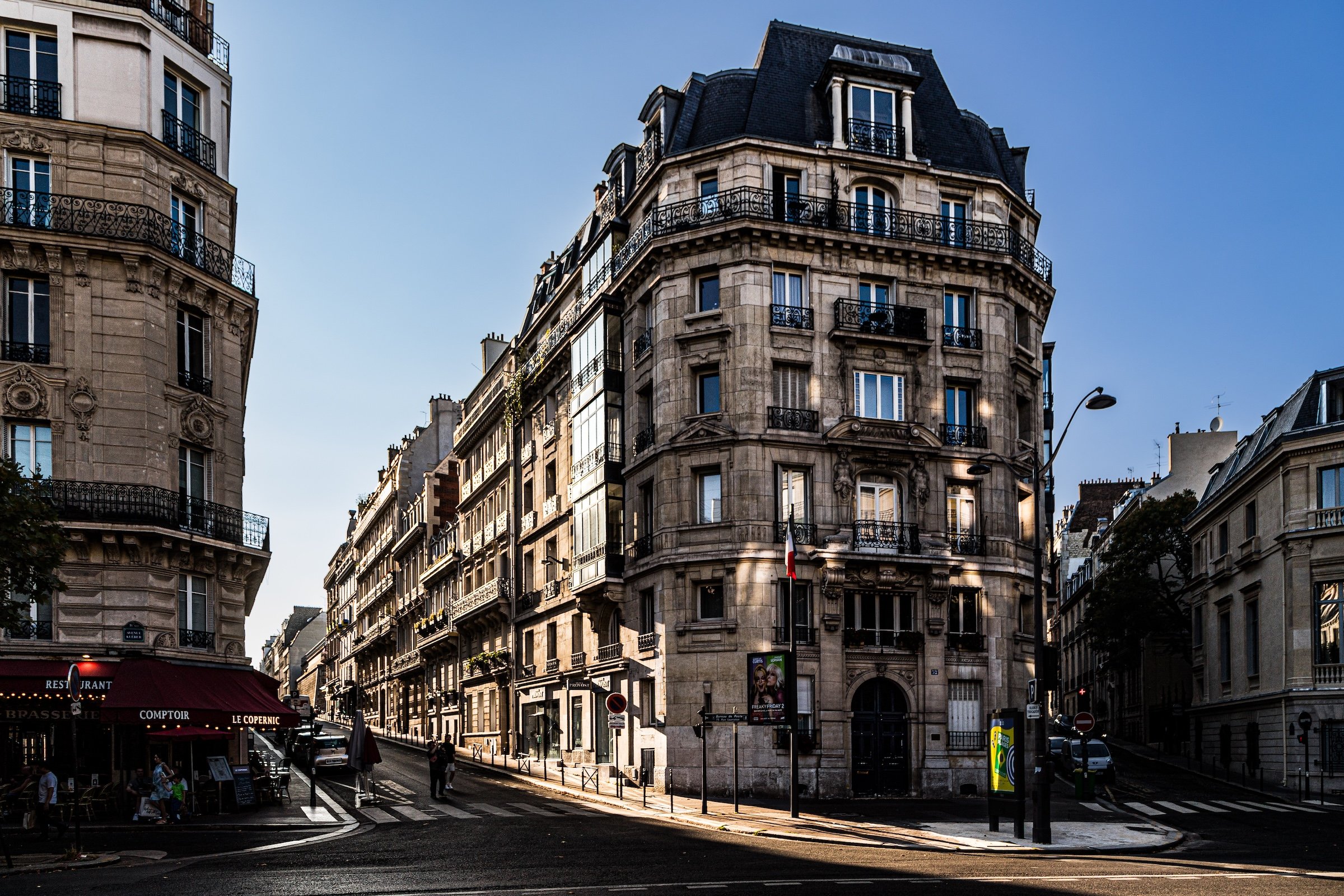
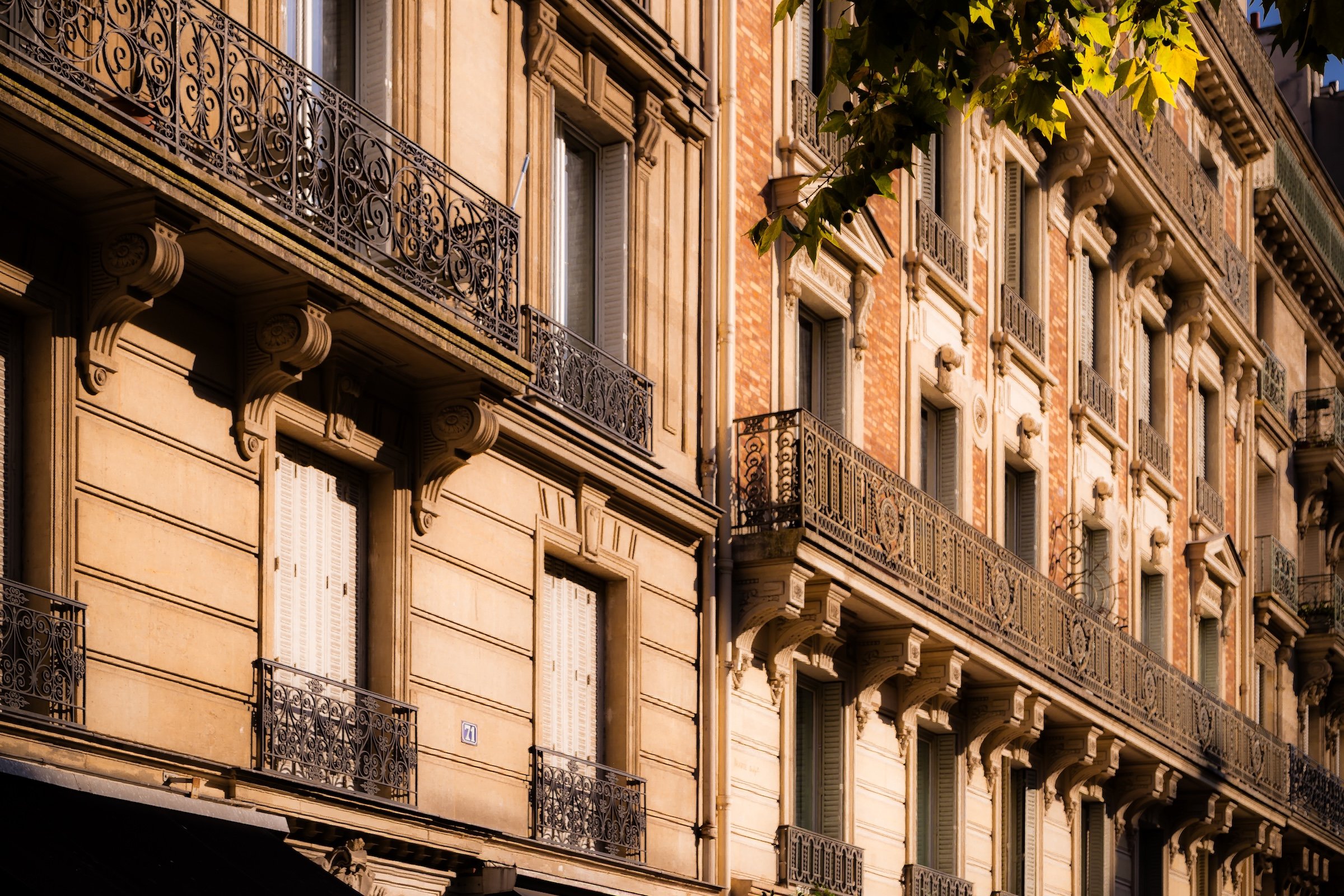
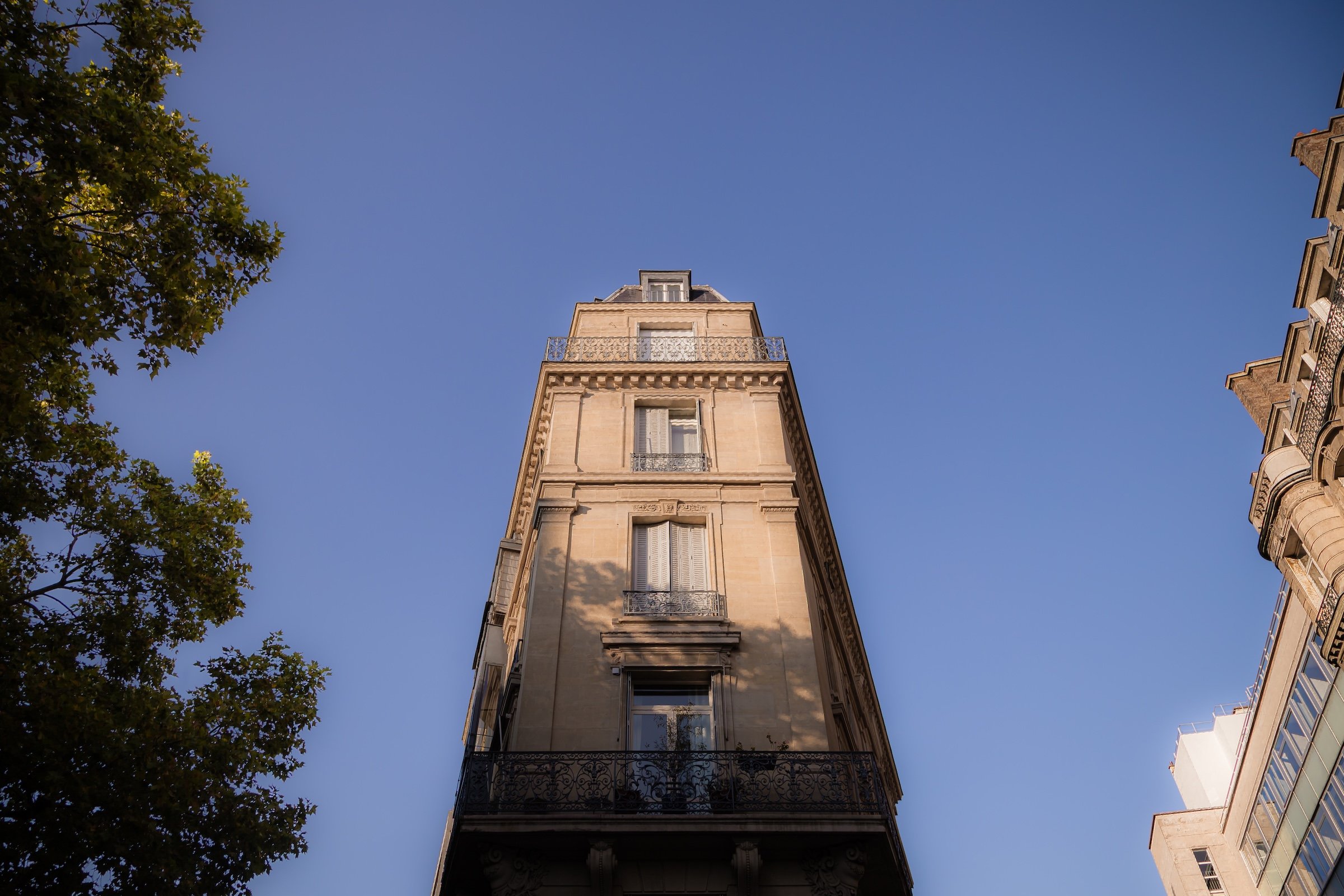
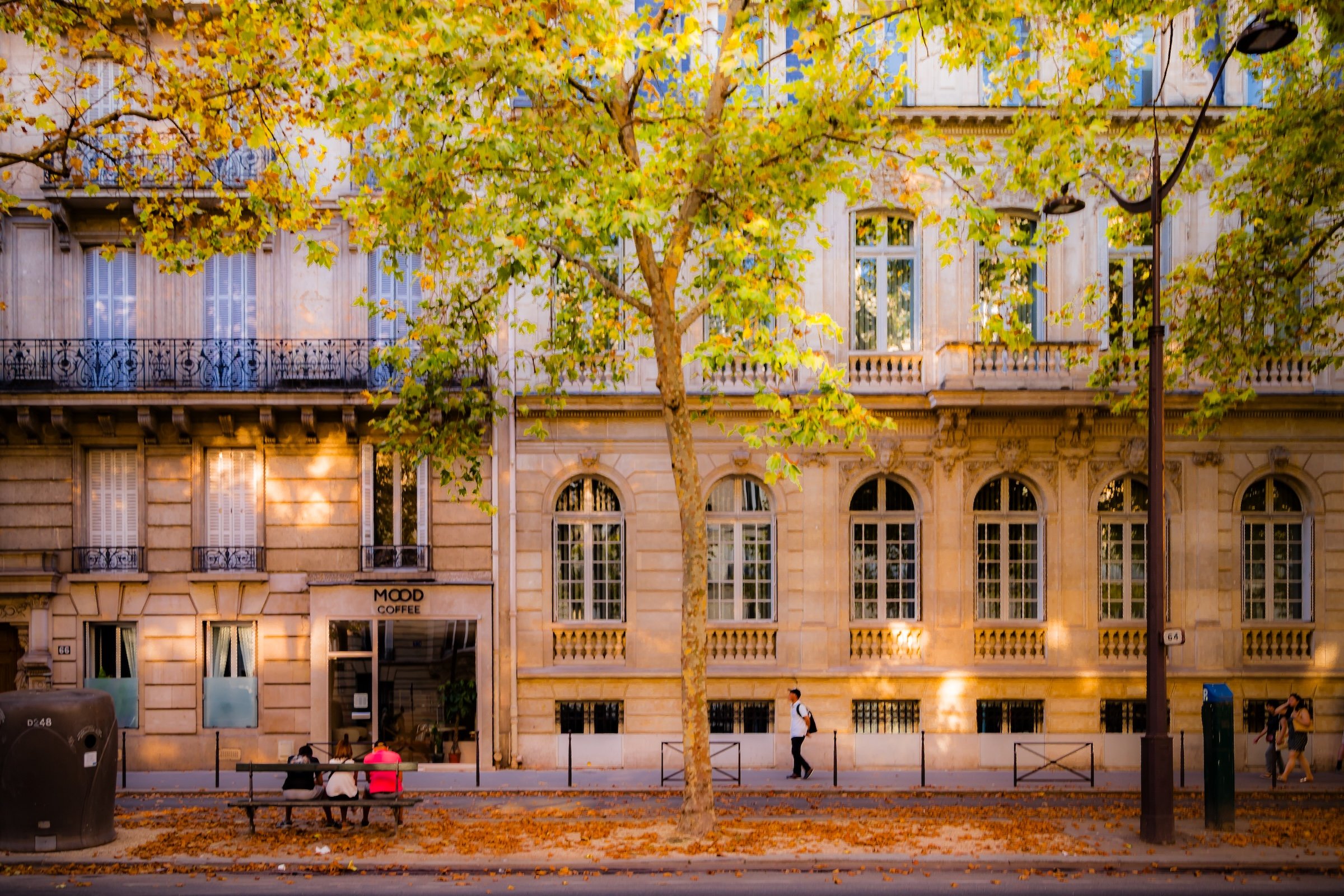
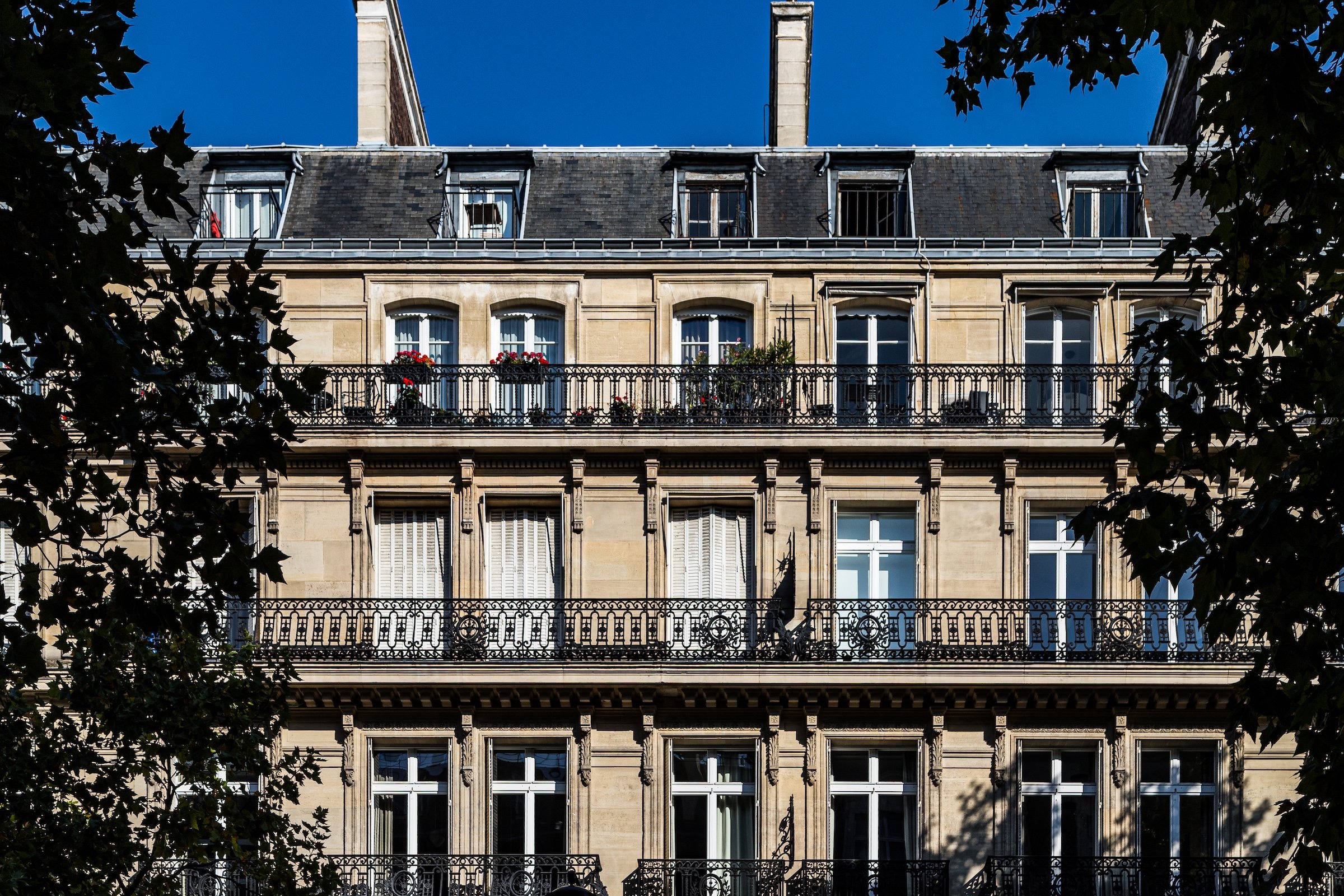
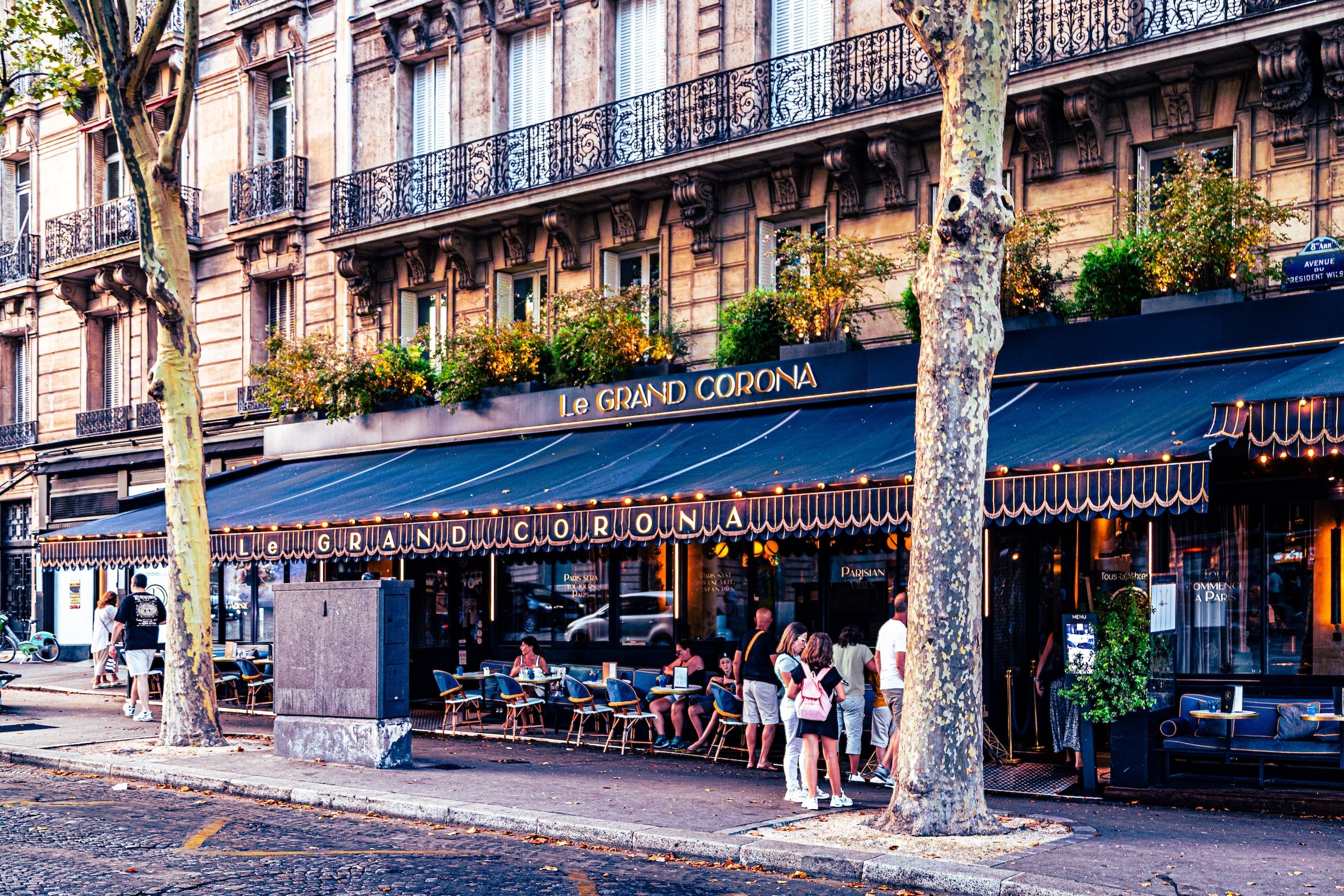
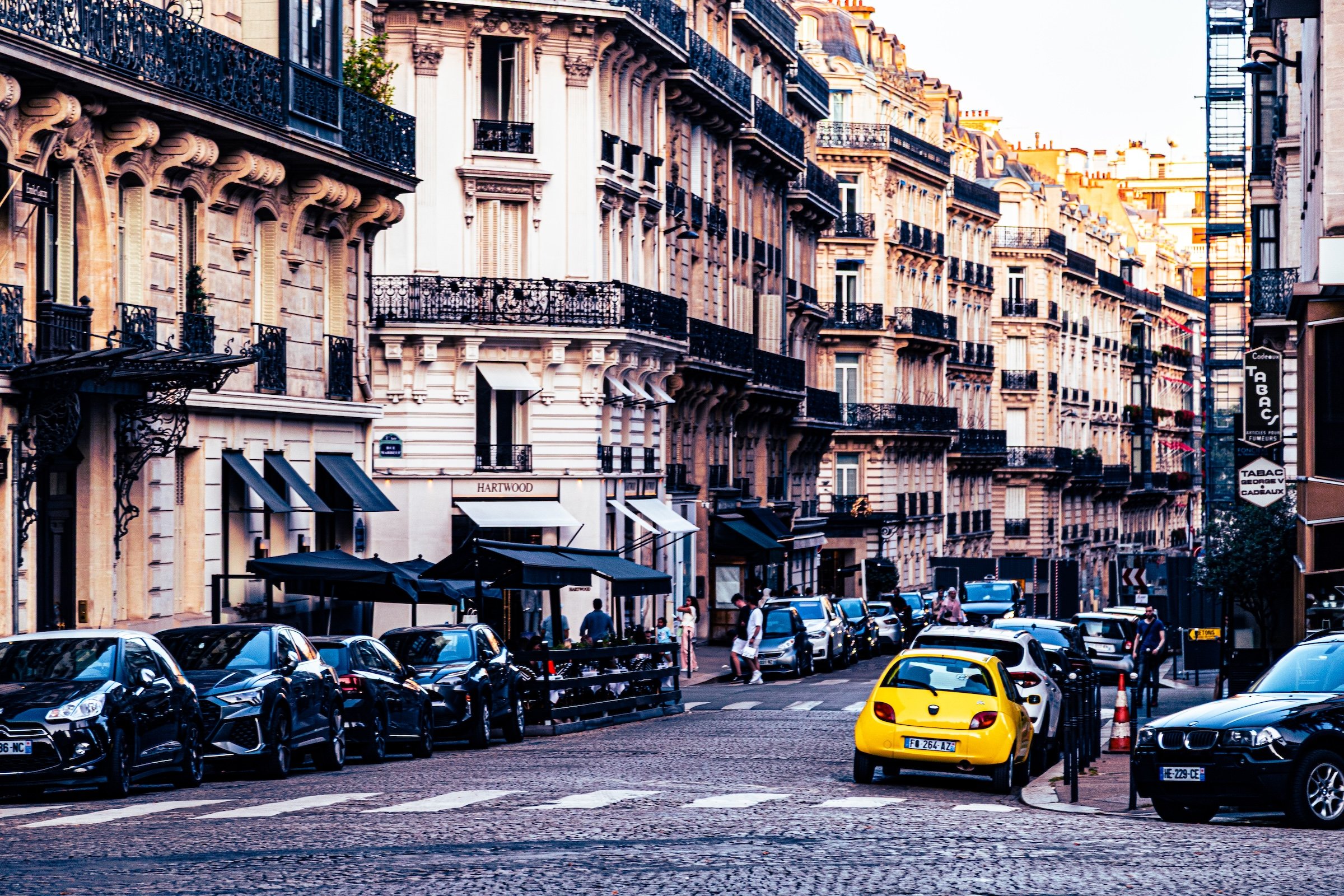
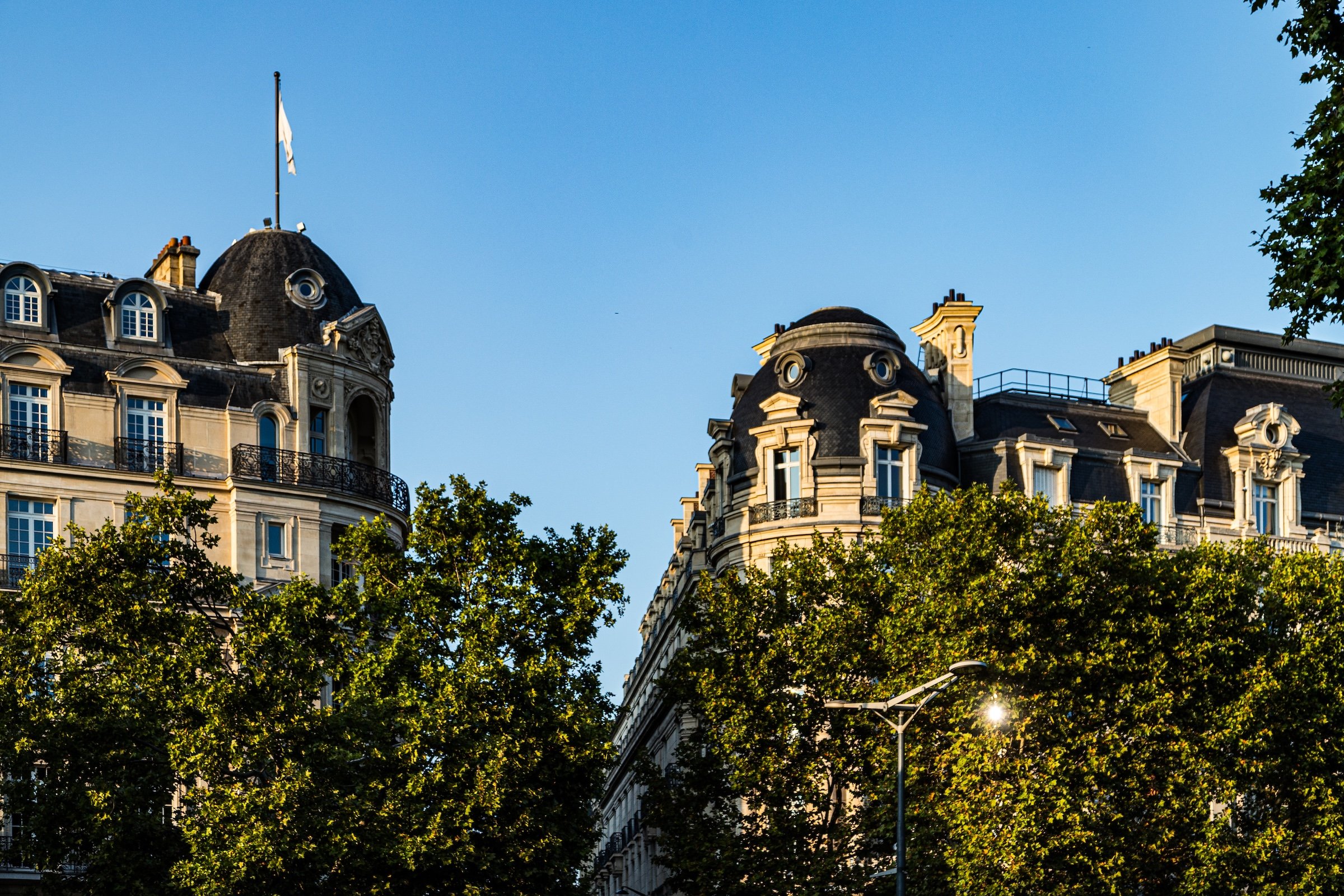
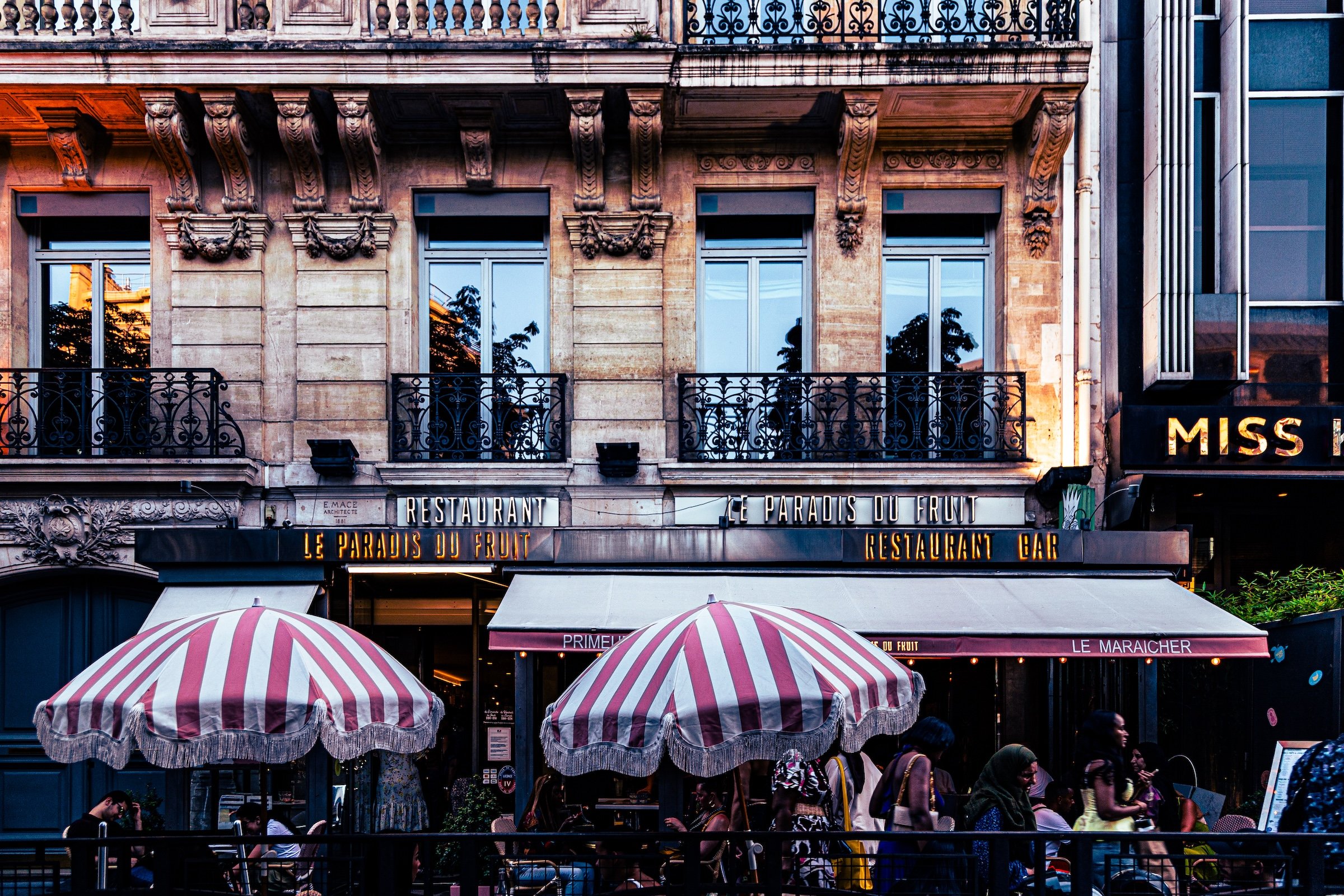
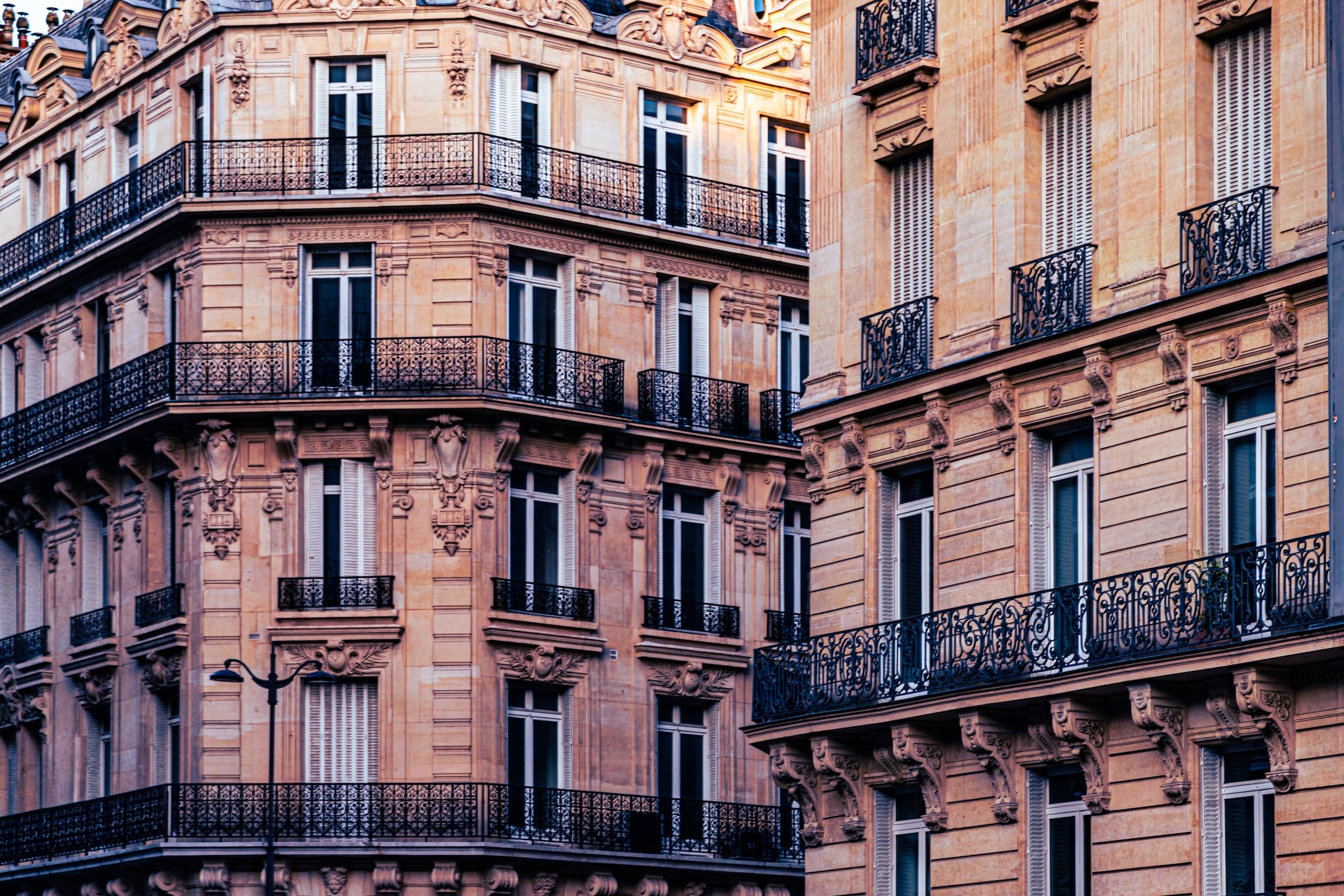
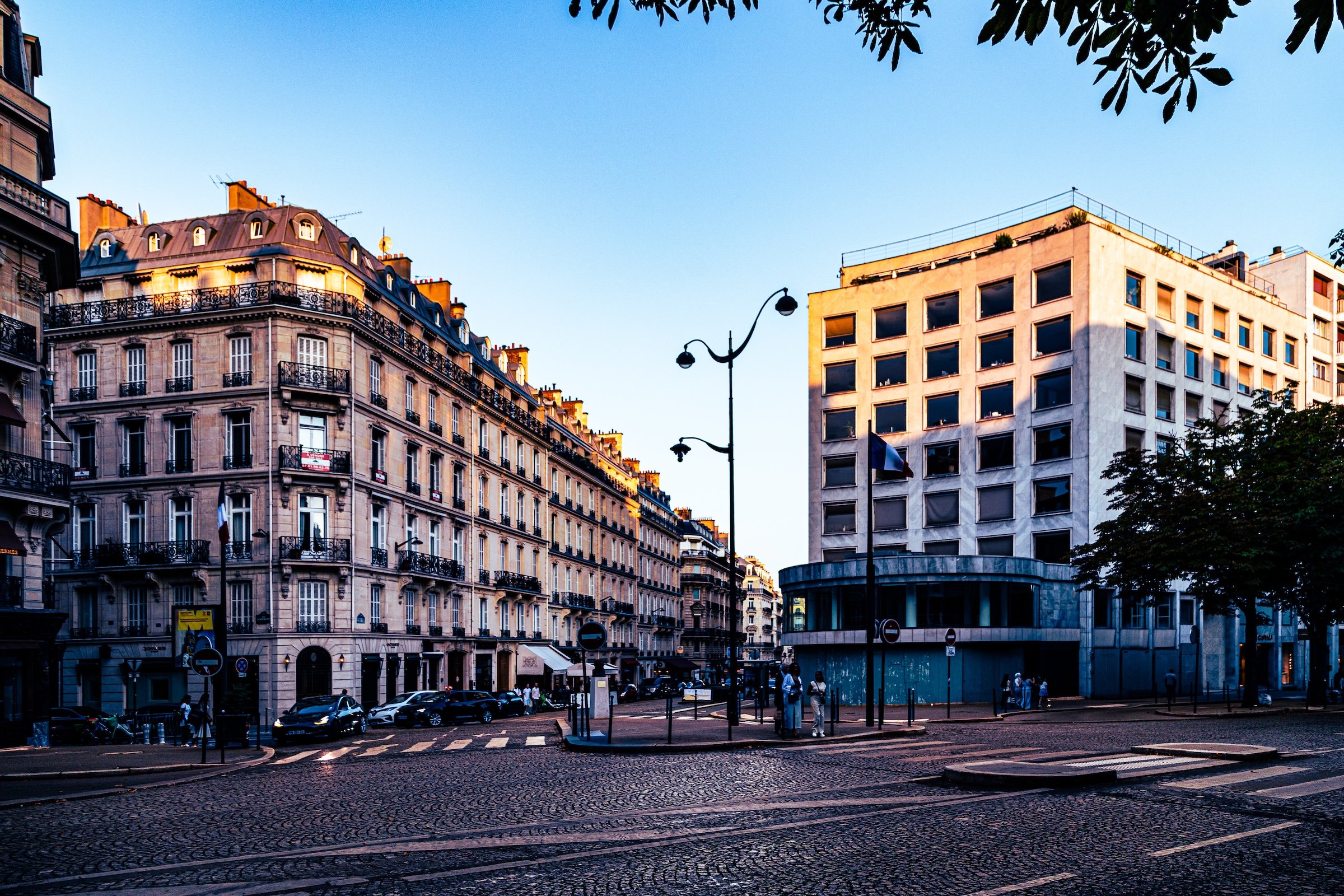
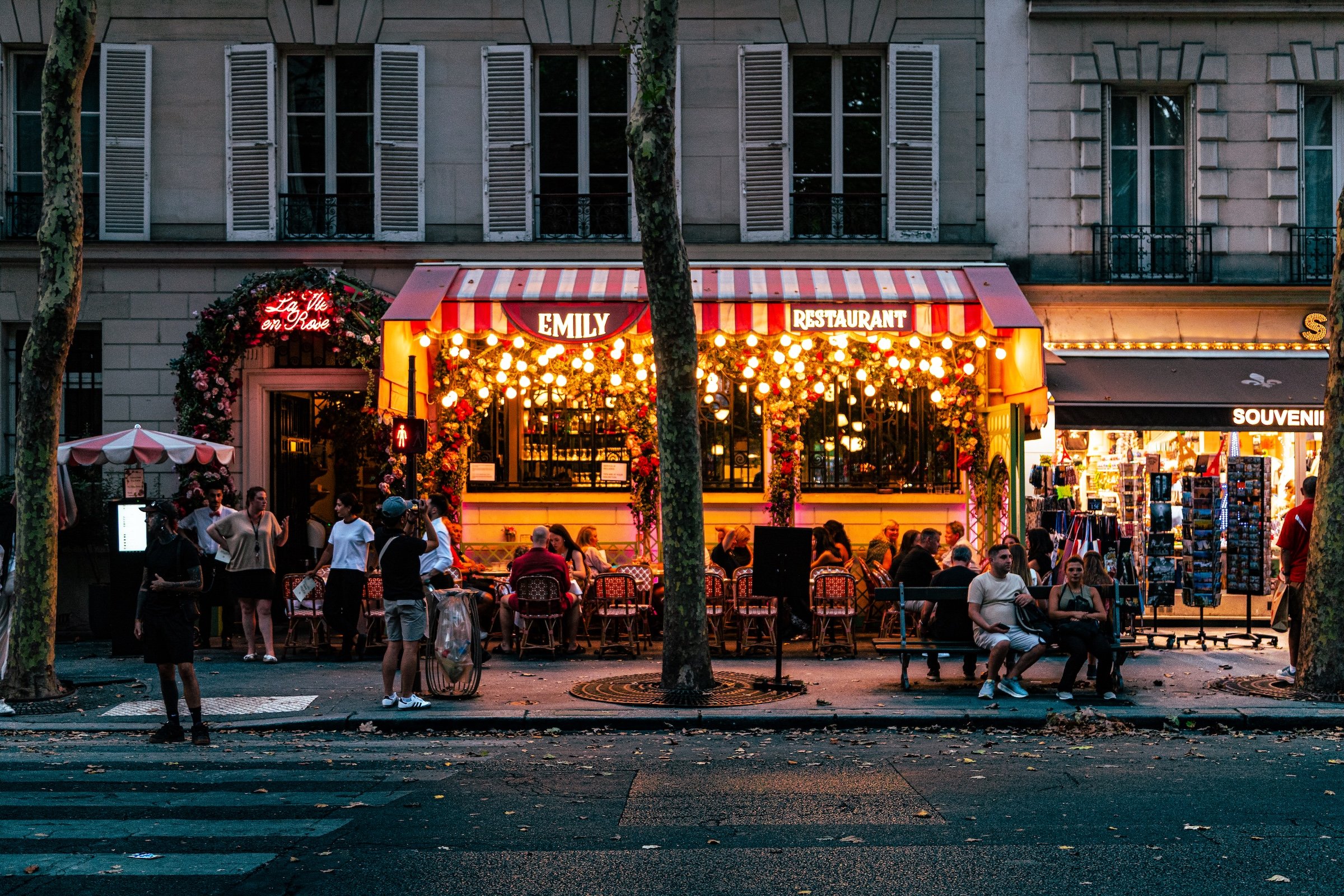
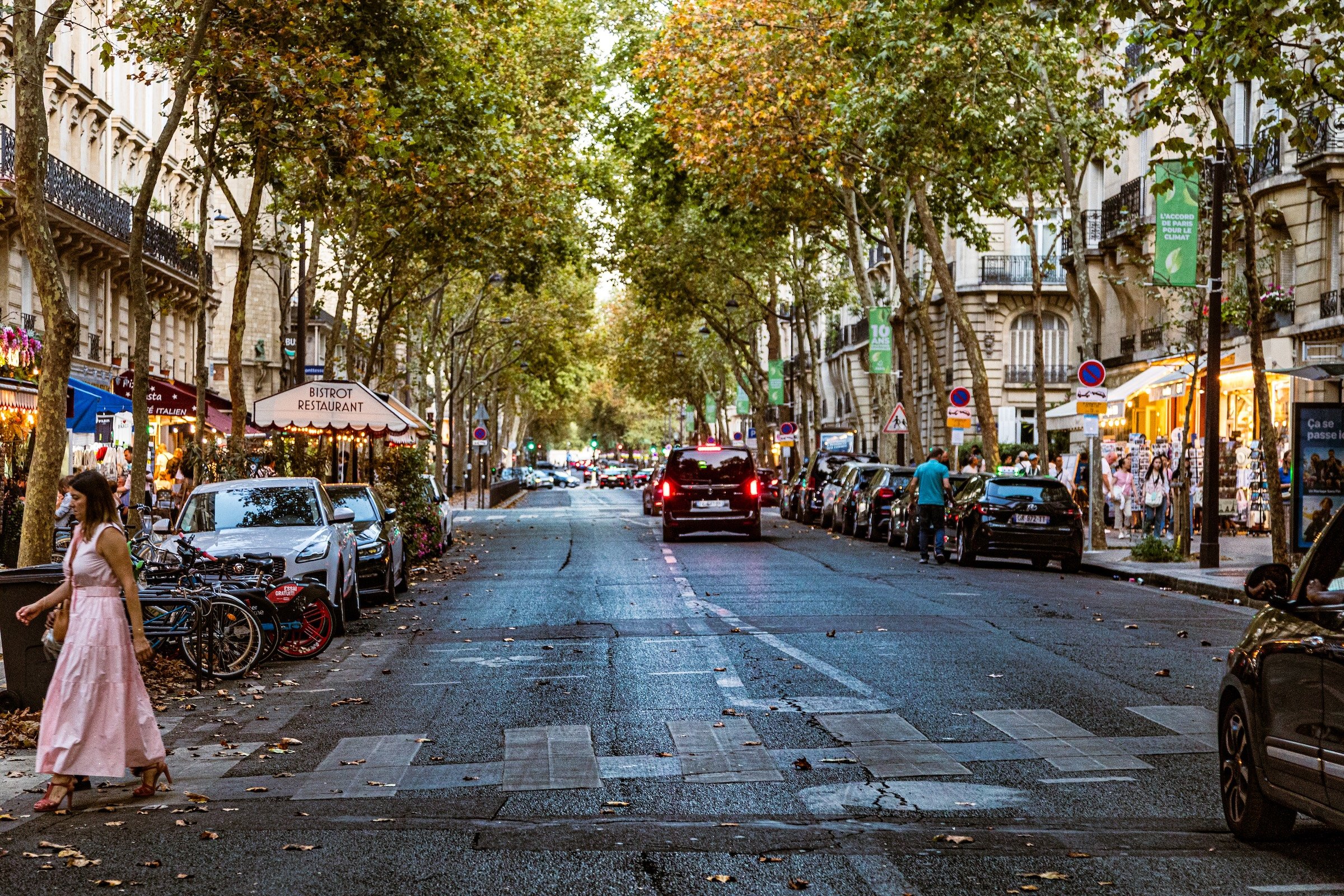
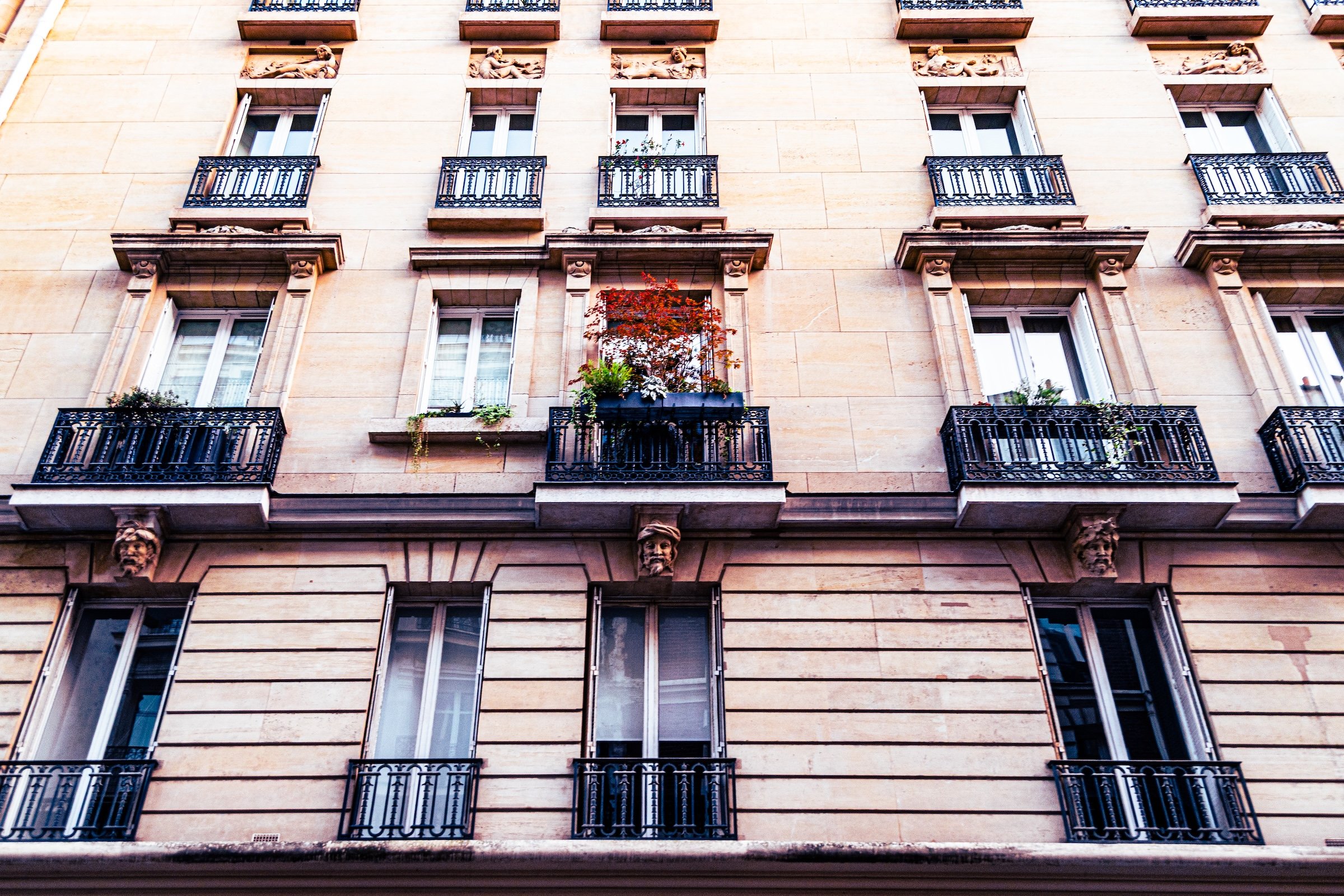
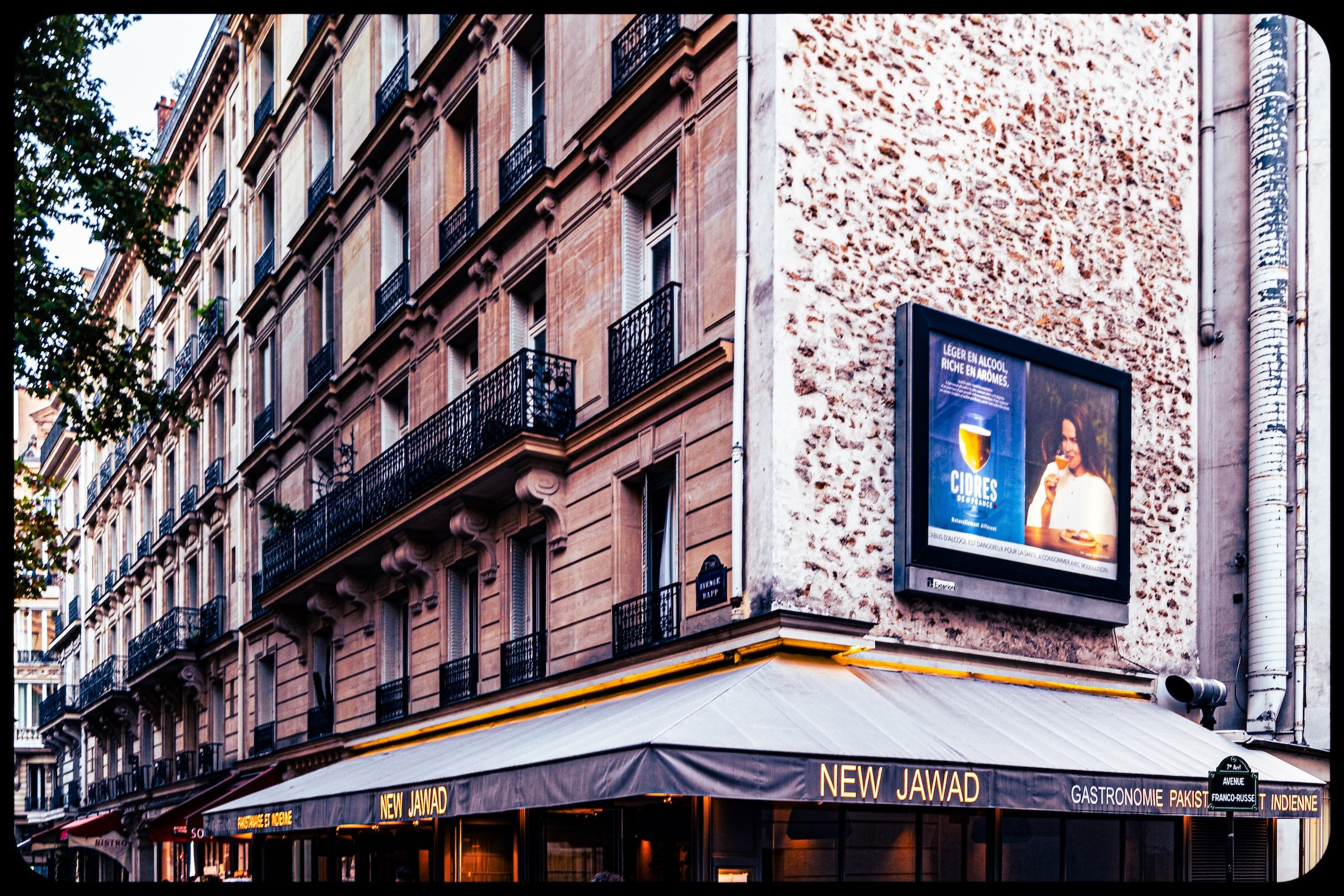
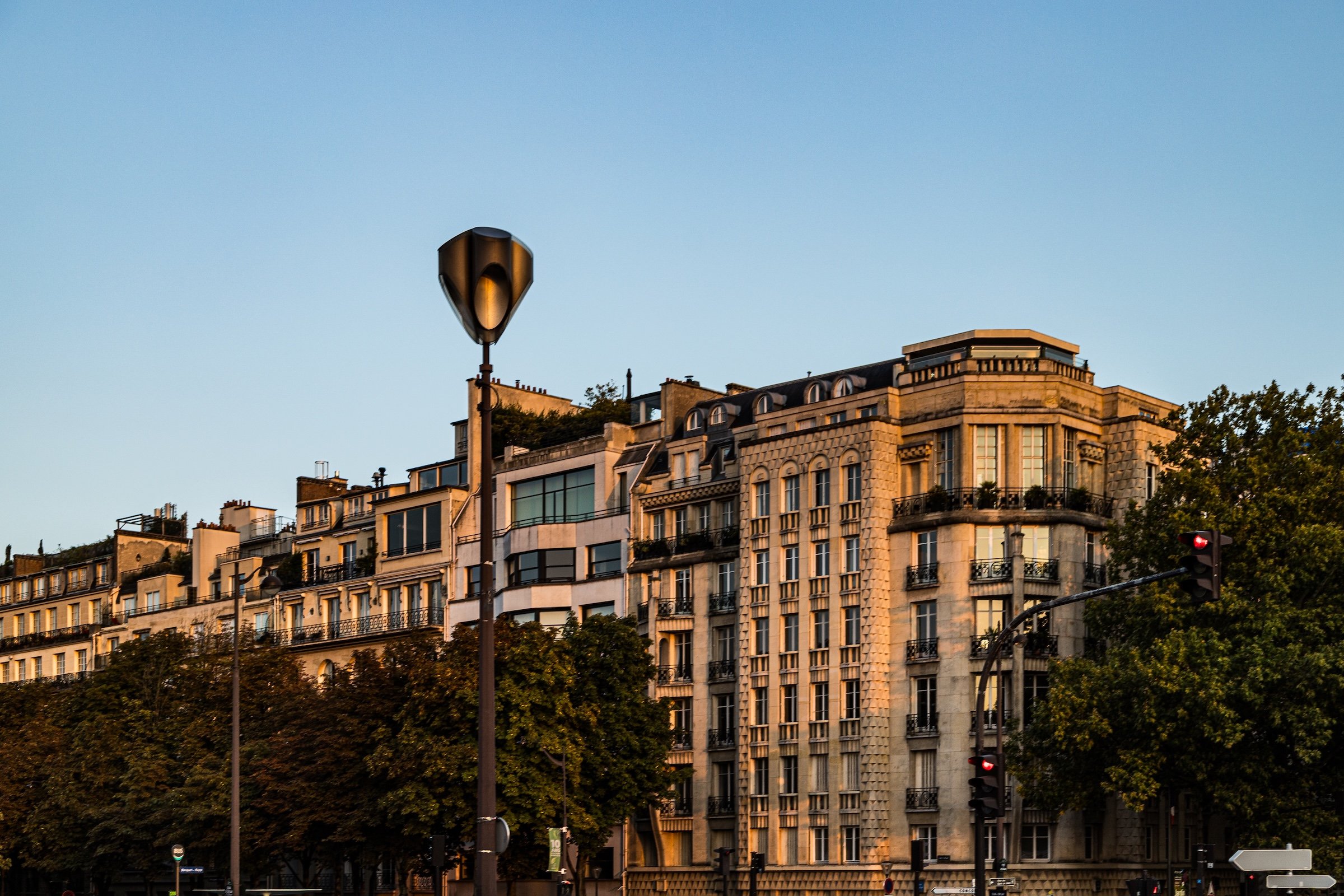
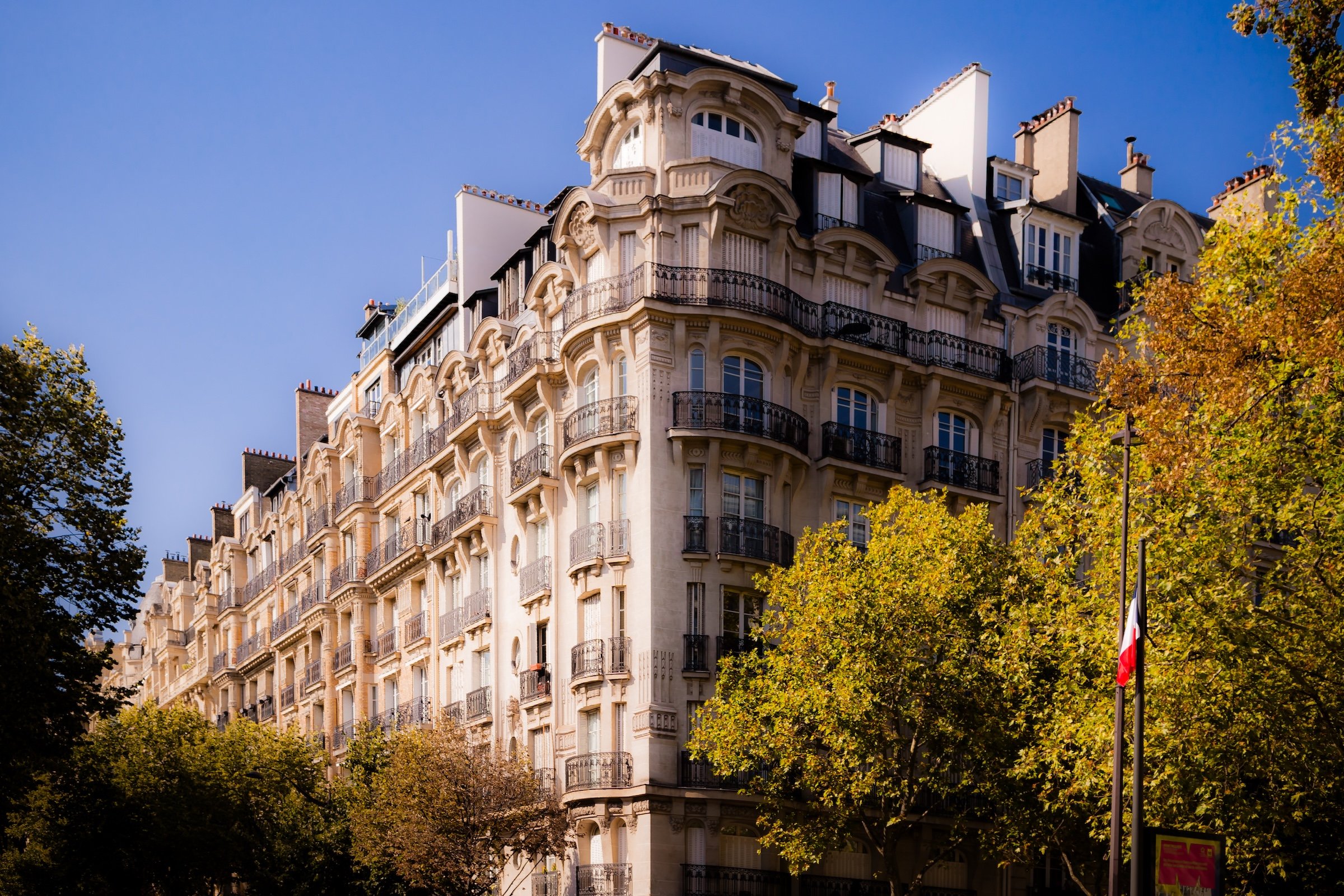
As the walk continued into Chaillot, Ternes, Faubourg du Roule, and the Champs-Élysées, the identity of the evening became more layered. Paris appeared through formal façades, café corners, Haussmannian uniformity, long boulevards, glowing storefronts, Metro signs, and the shifting drama of golden hour. What began in bright, almost bleaching sunlight softened into shadow, amber, reflection, and twilight. By the return toward Gros-Caillou, the Eiffel Tower was no longer only the first destination. It had become a recurring companion — glimpsed between buildings, framed by side streets, reflected in the mood of the evening, and finally restored to prominence as the city’s lights began to wake.
Through The Lens
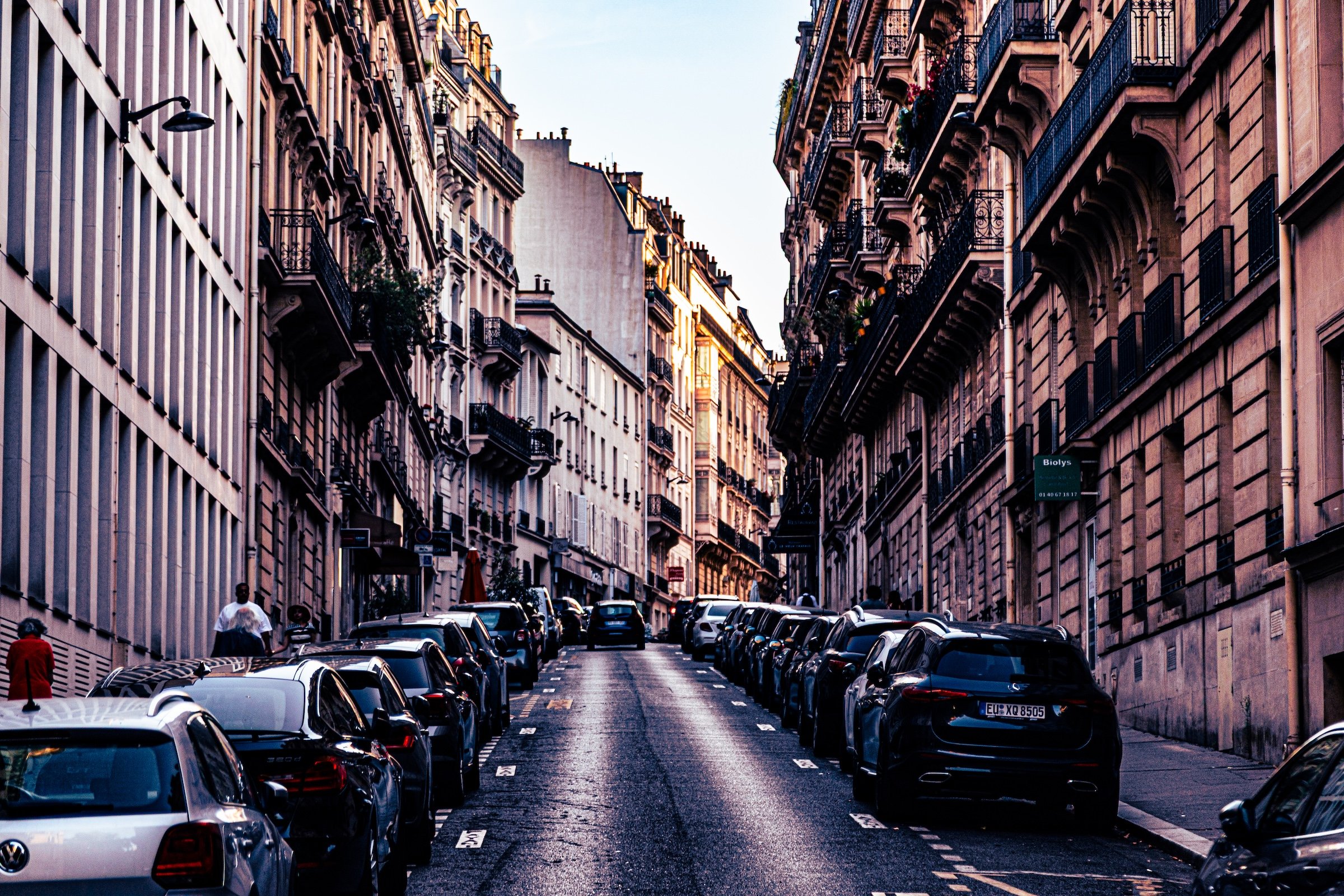
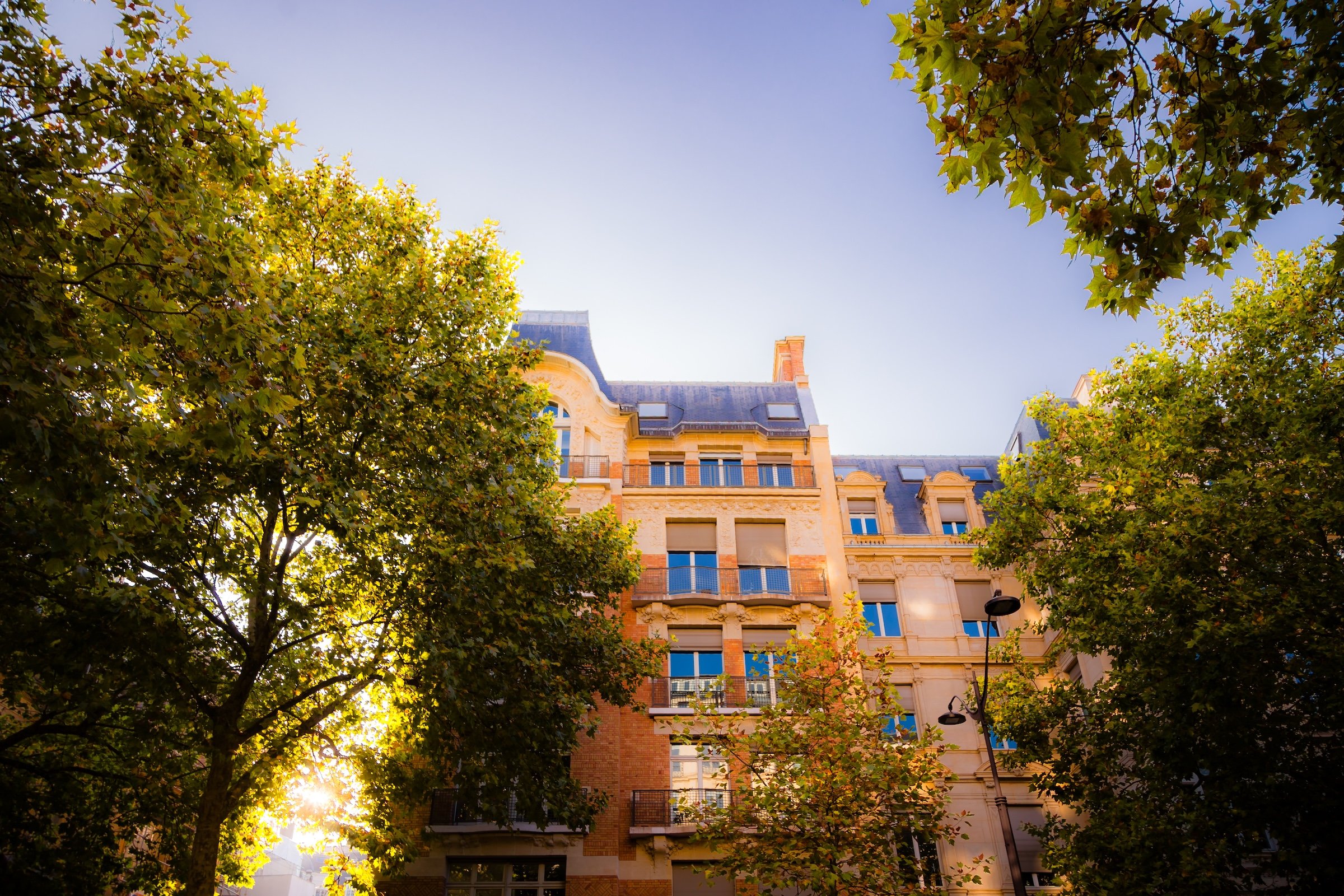
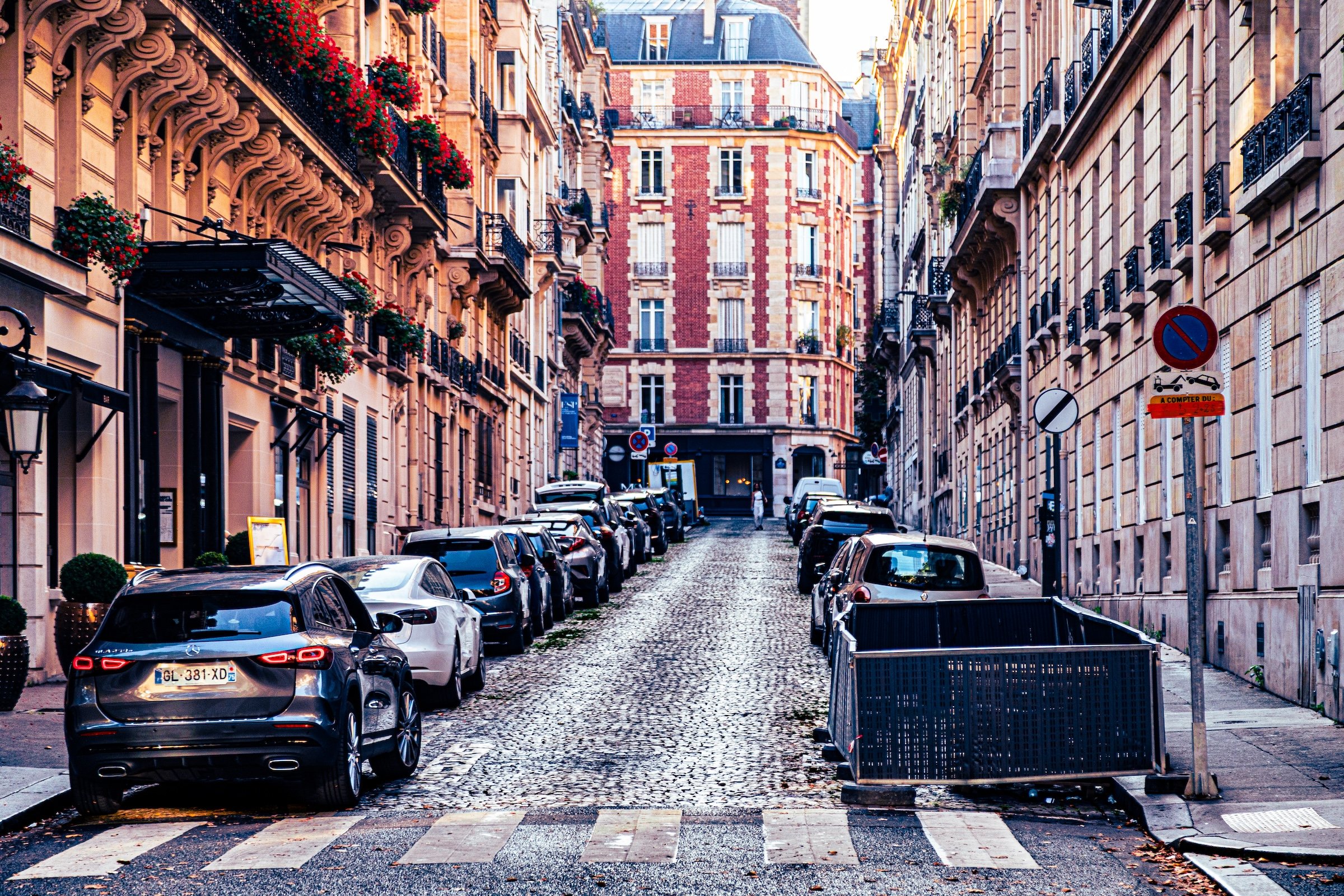
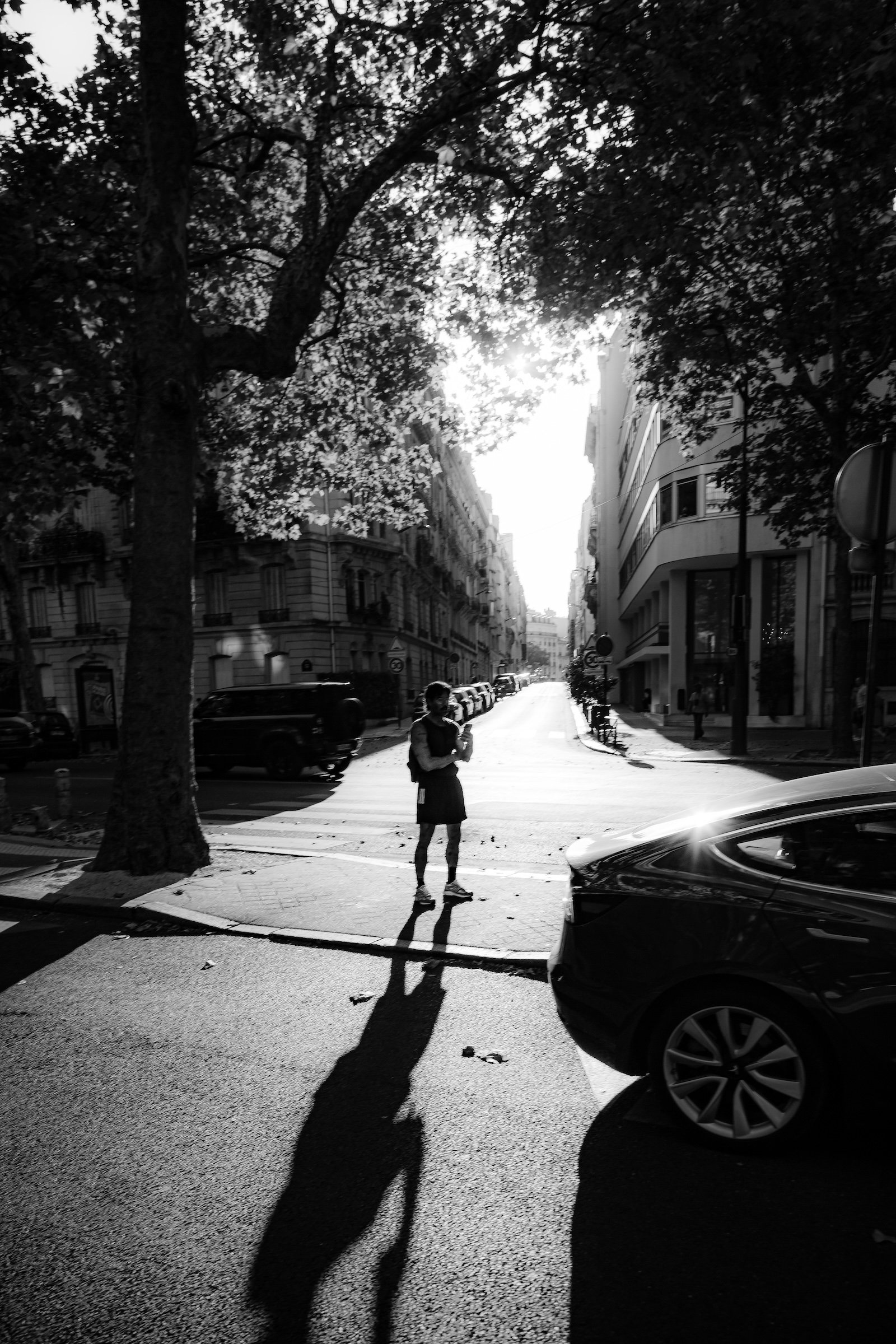
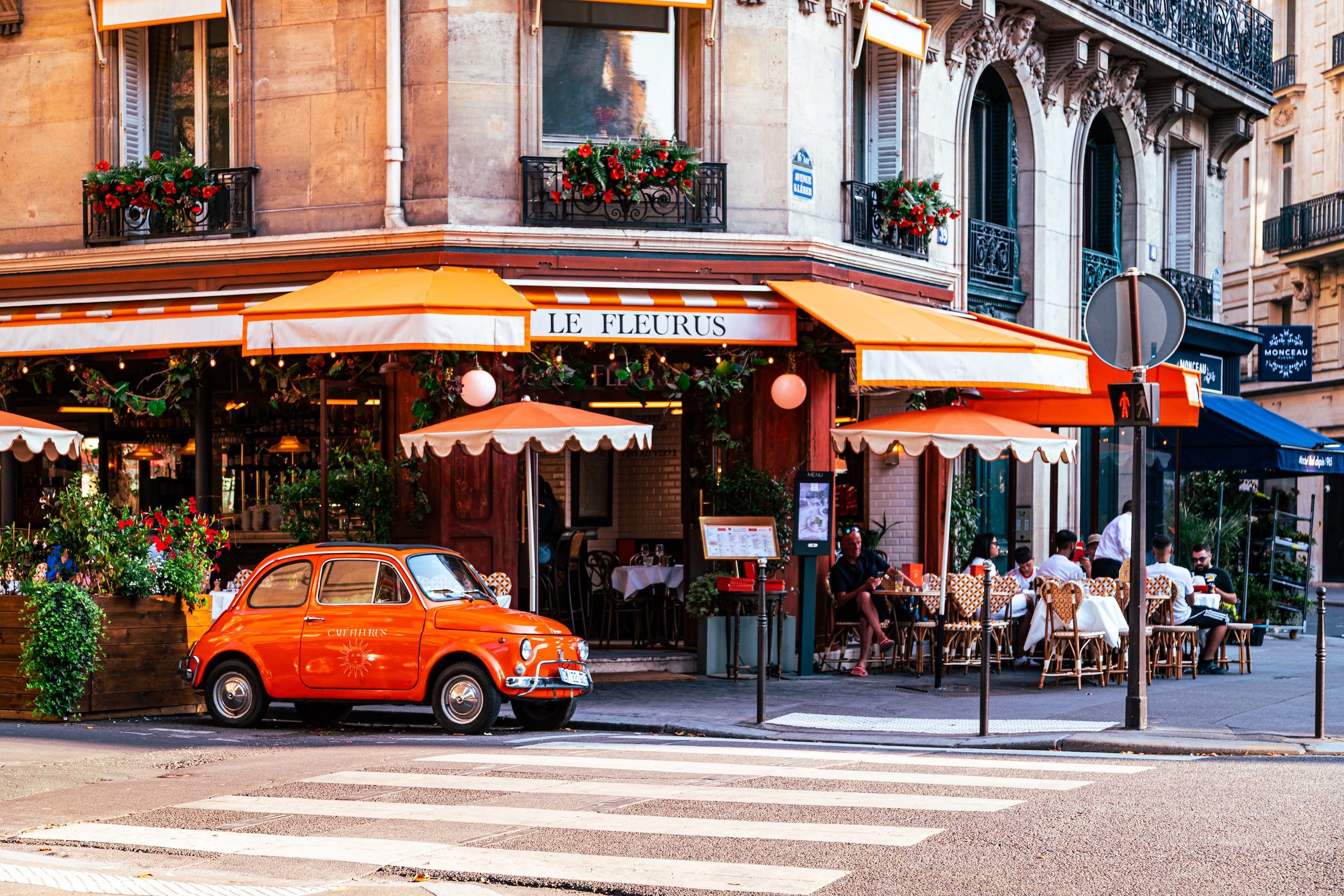
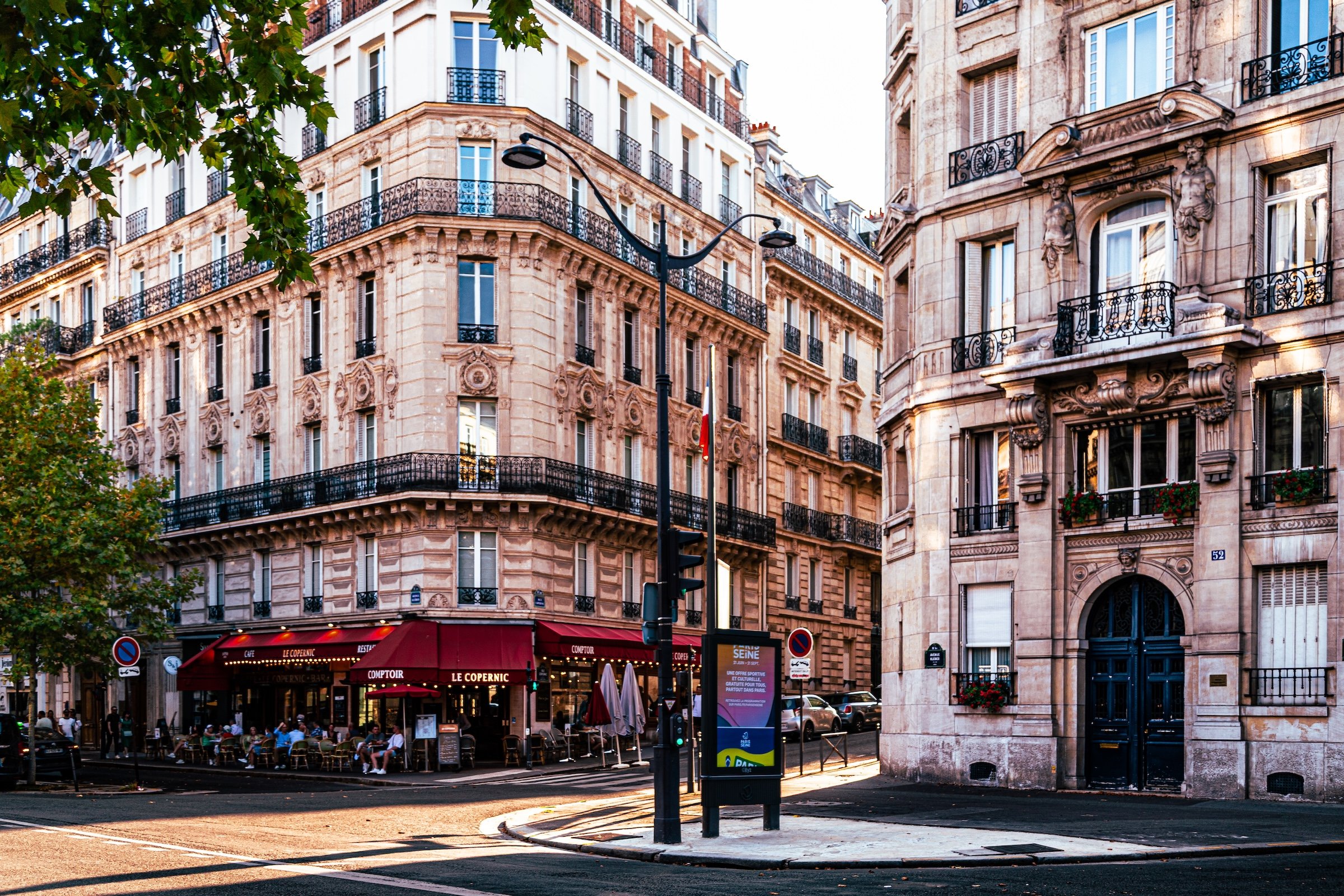
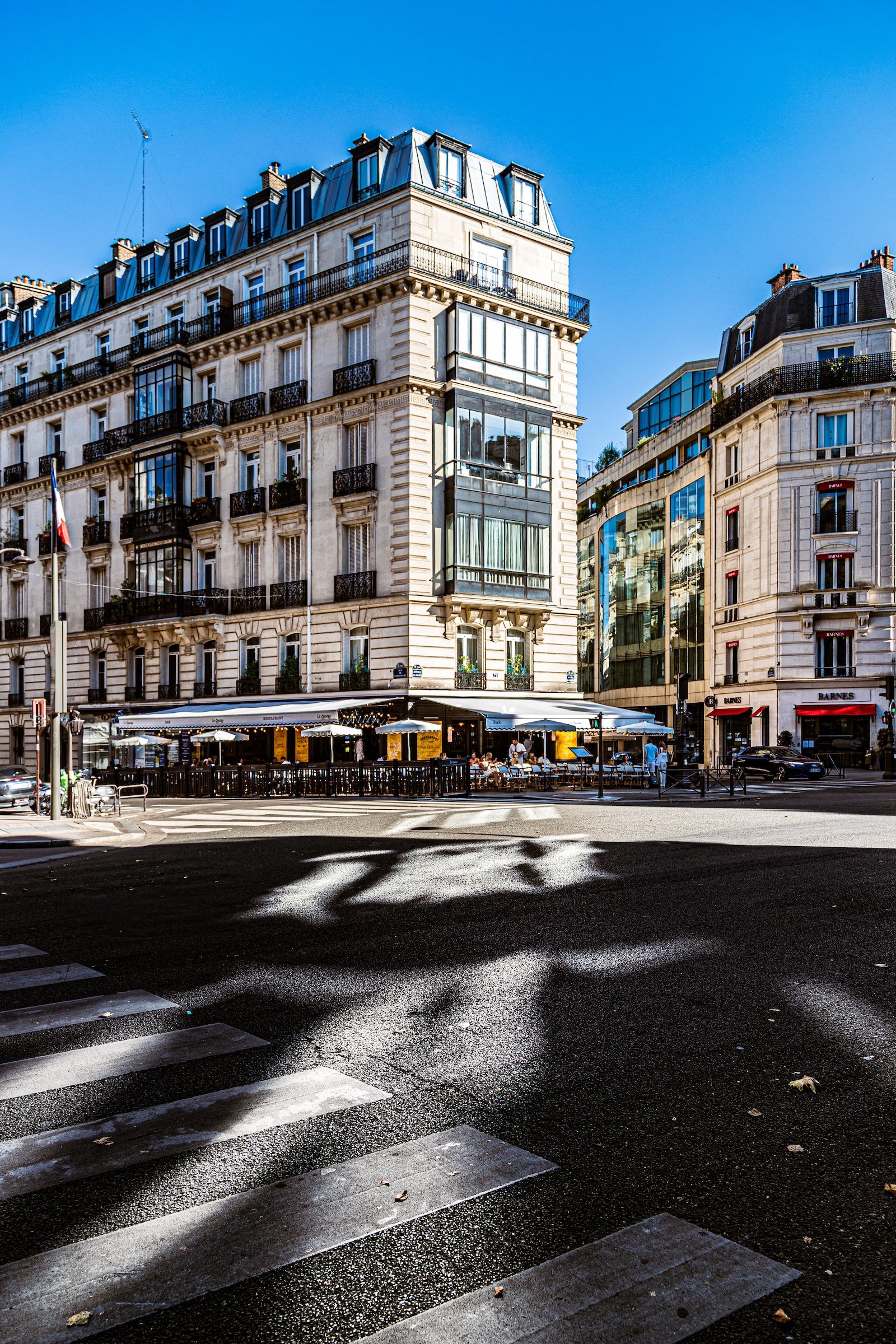
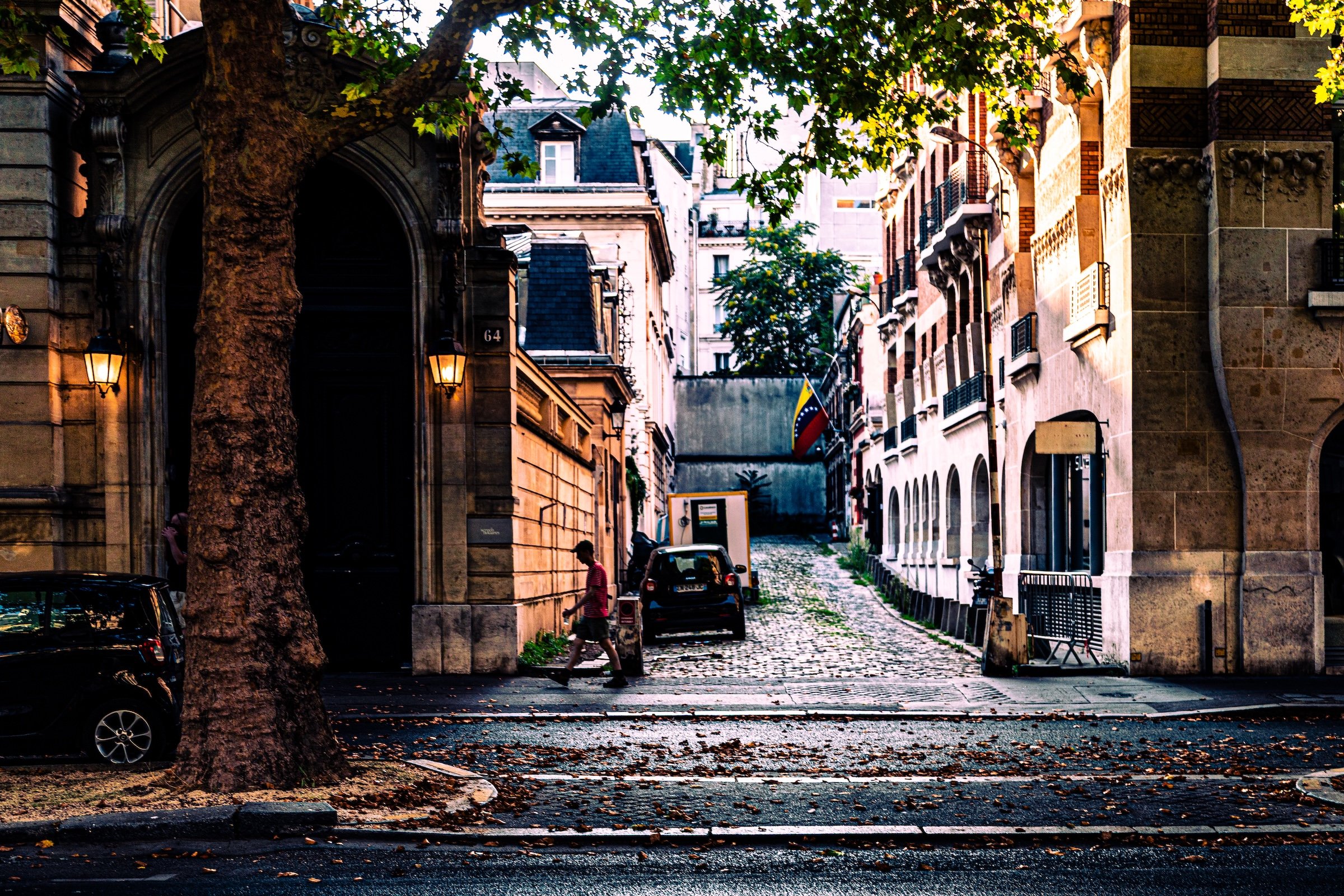
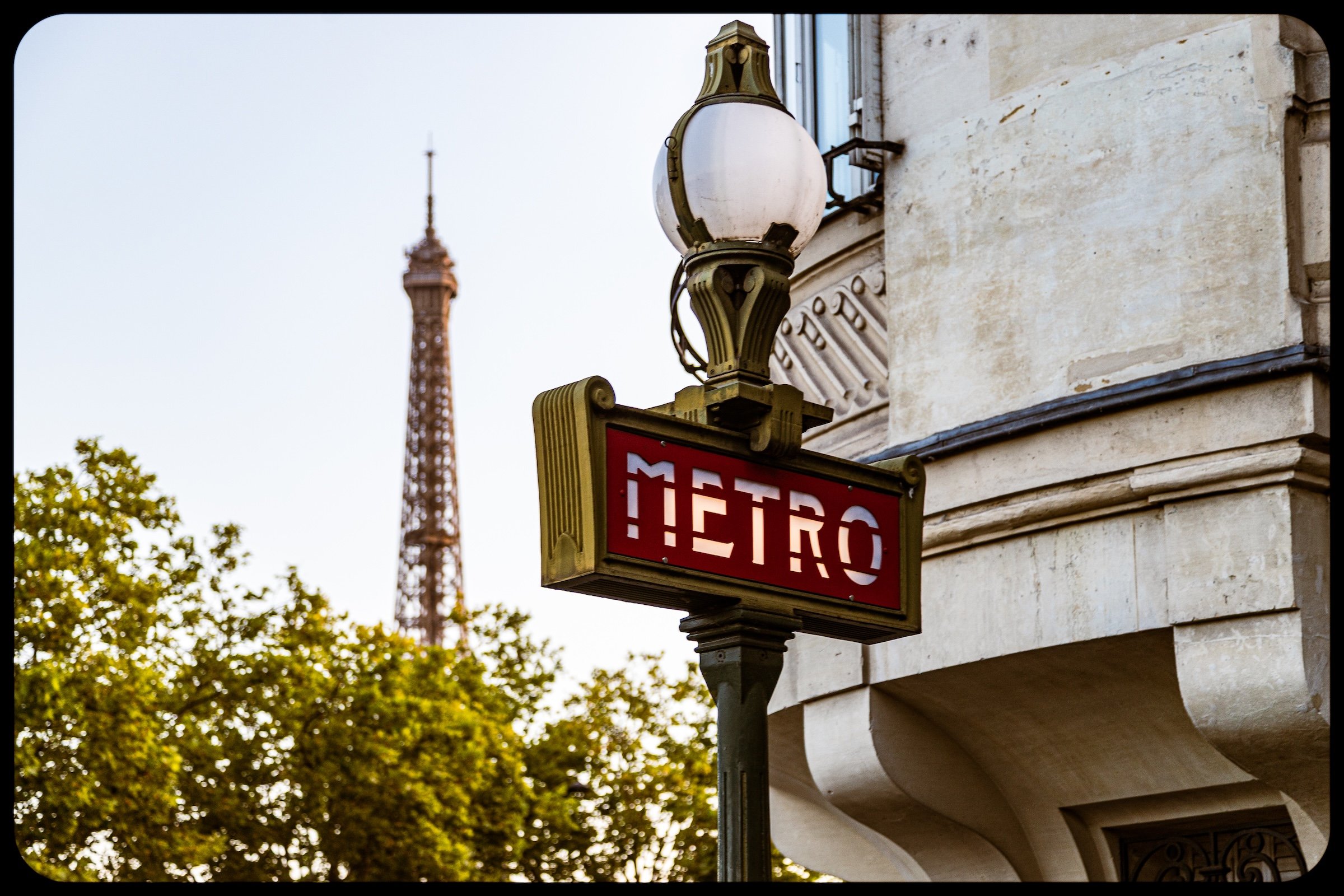
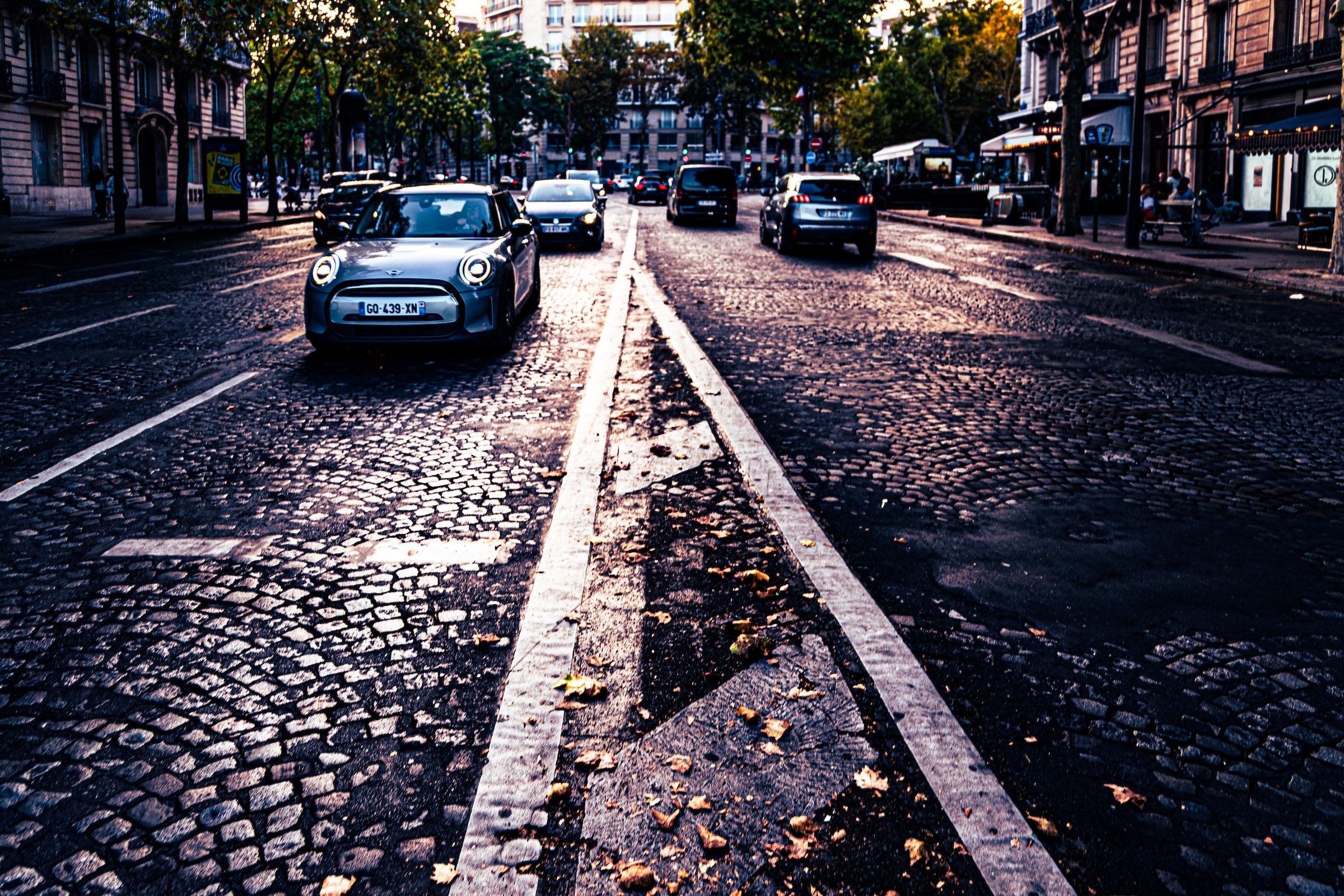
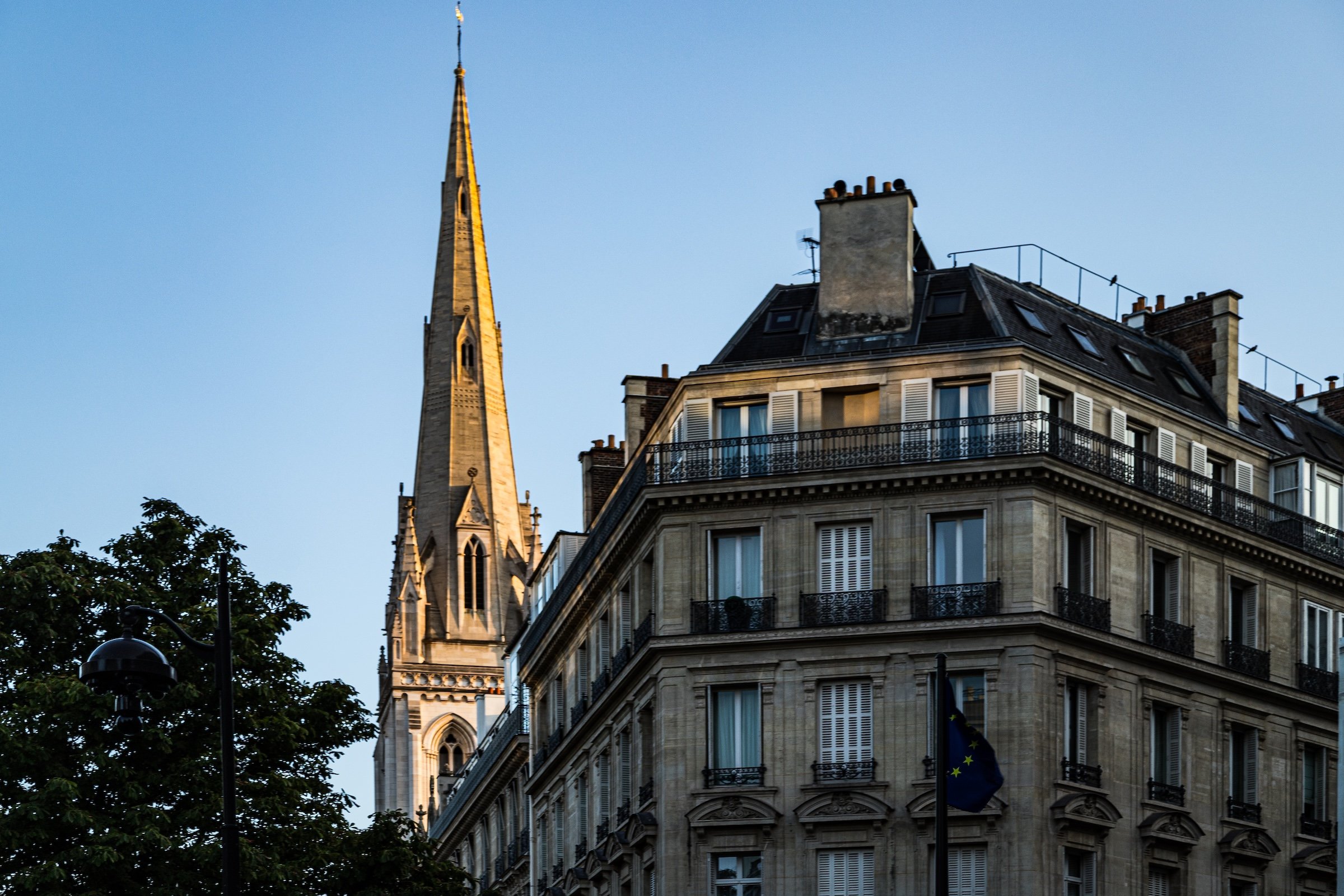
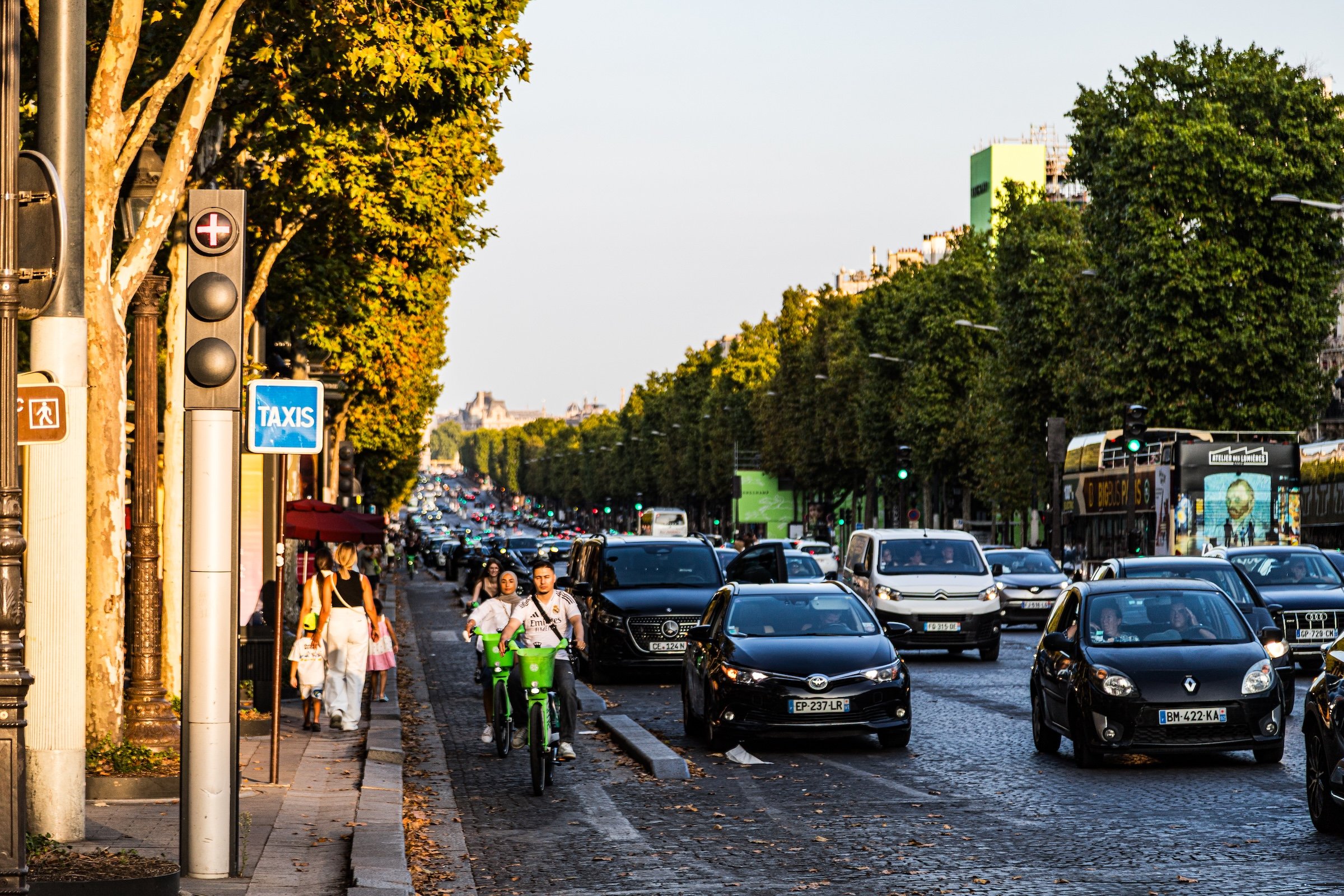
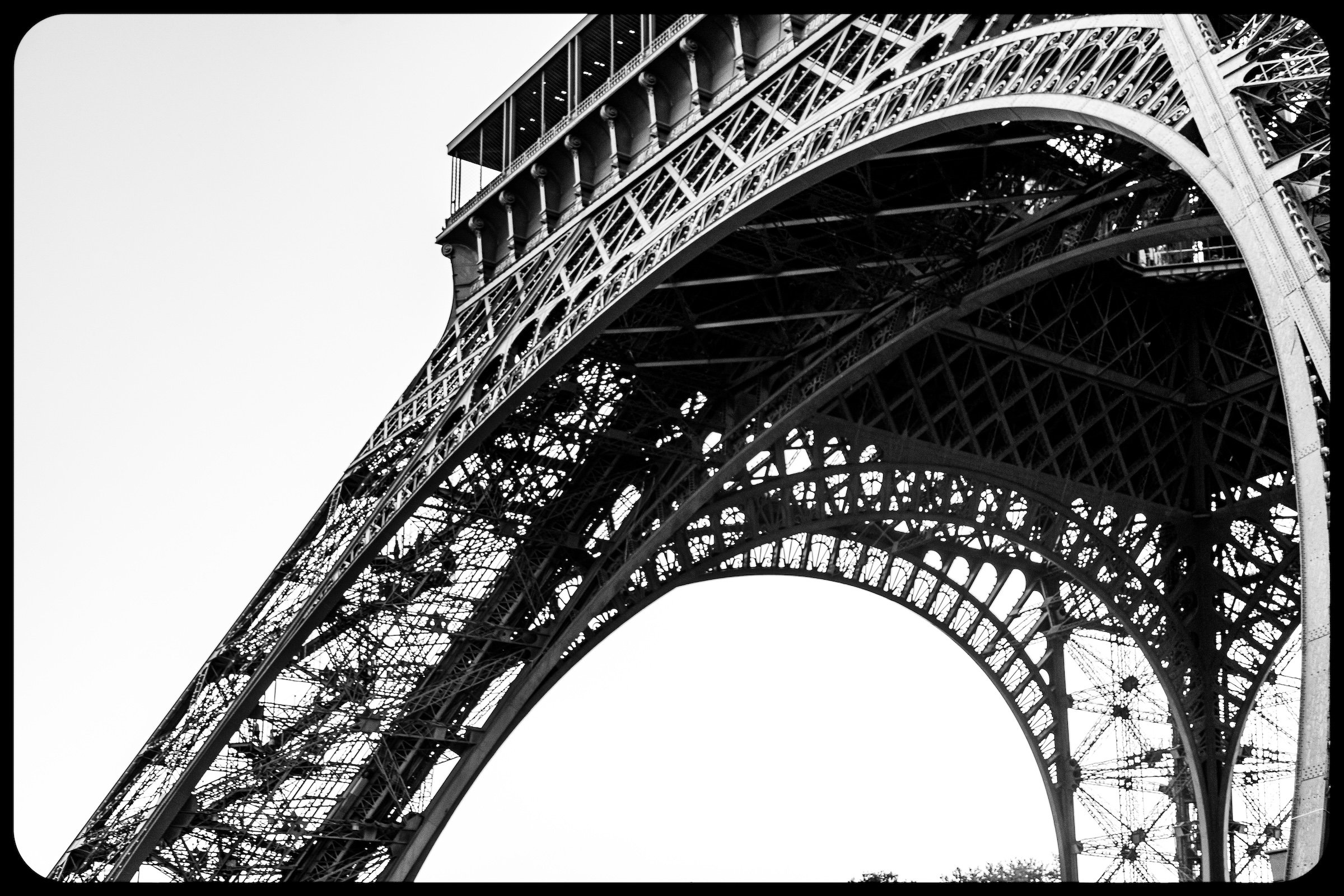
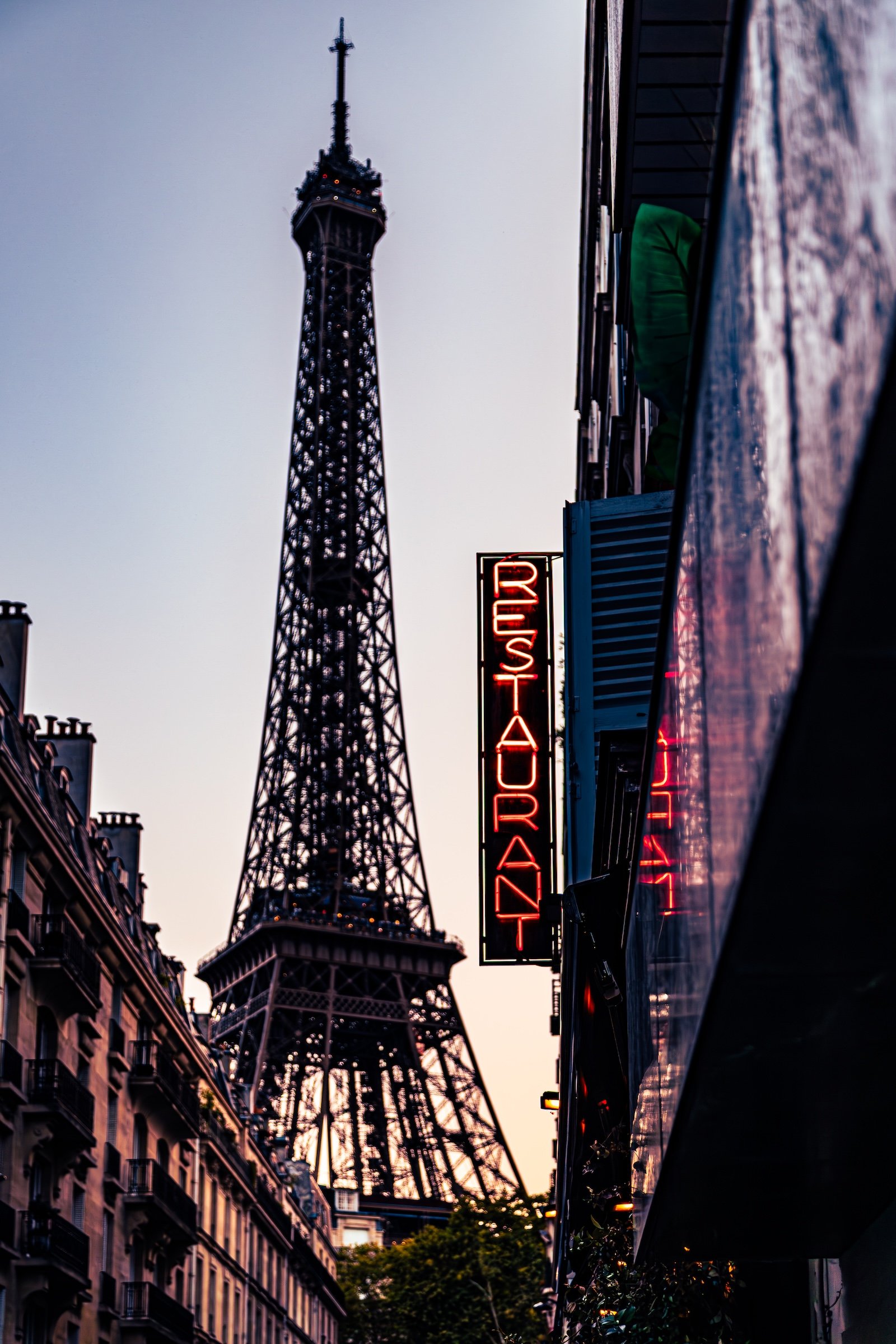
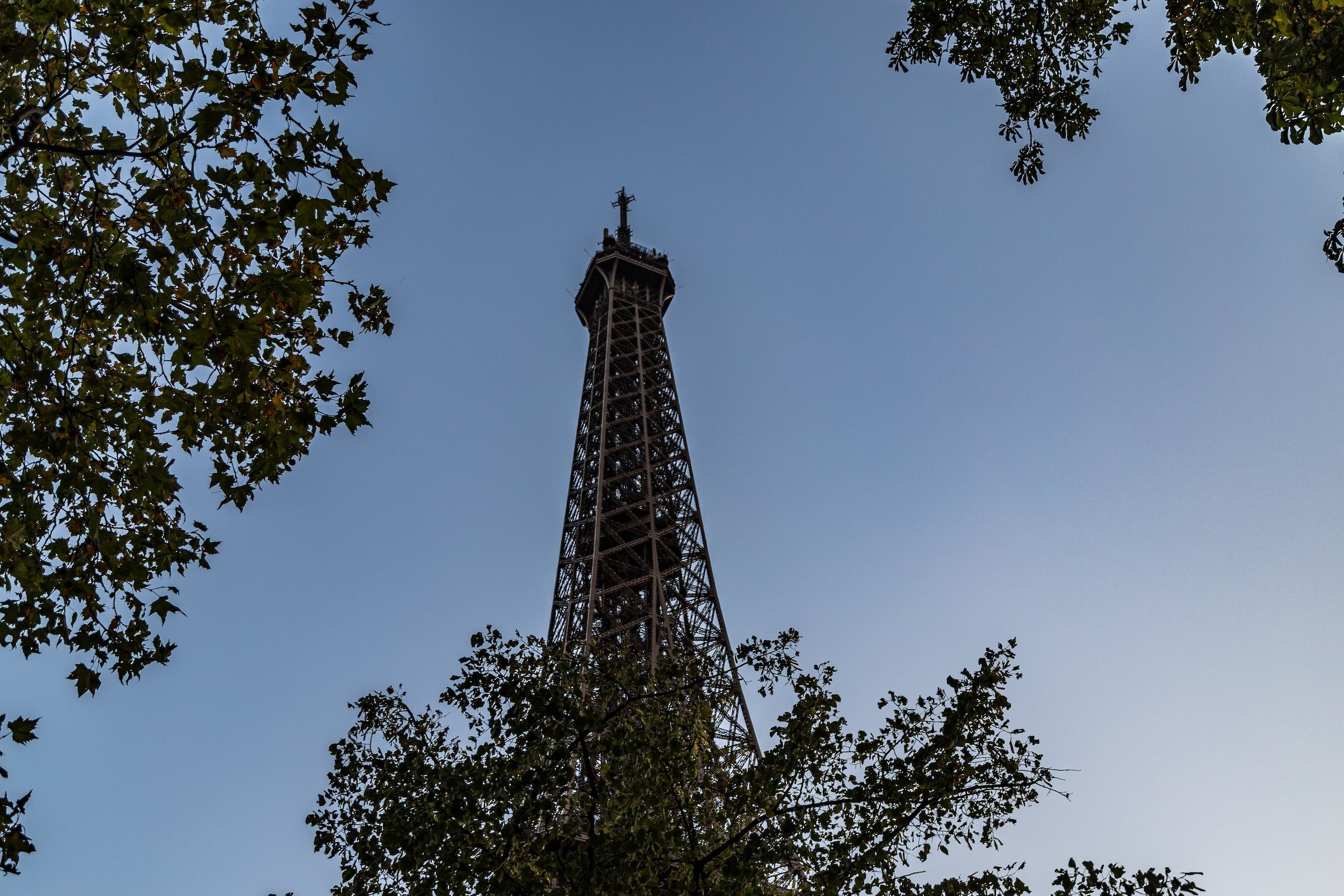
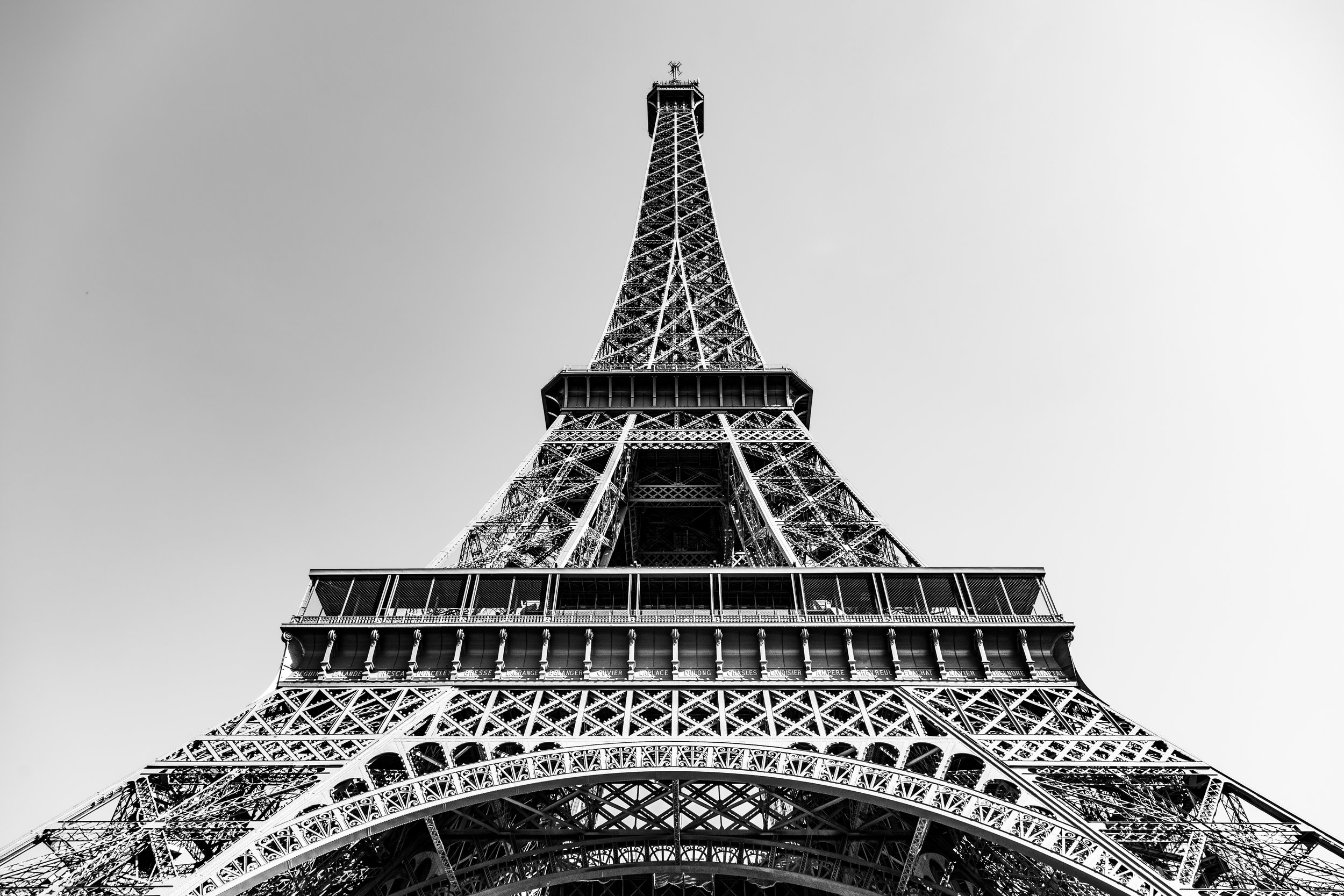
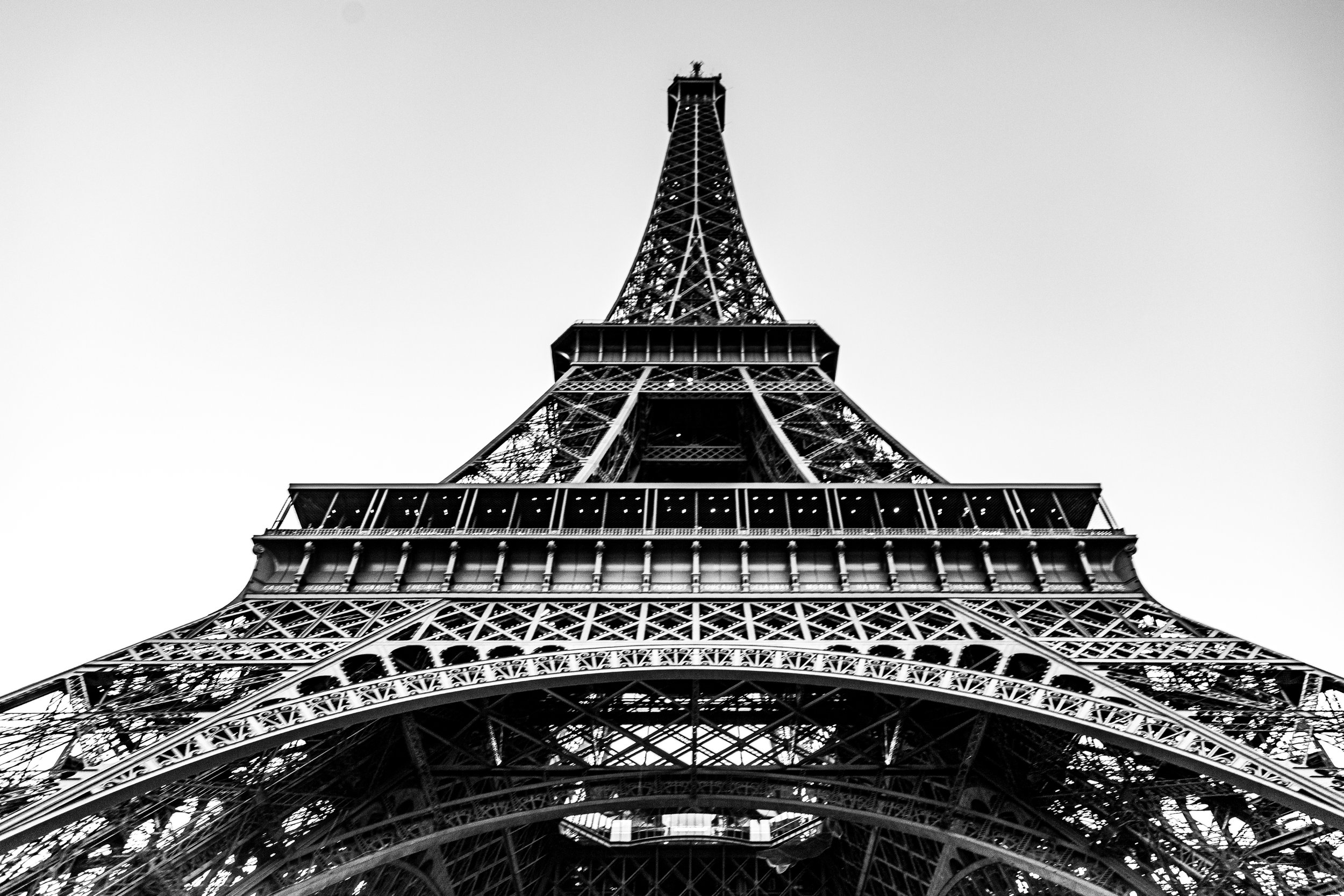
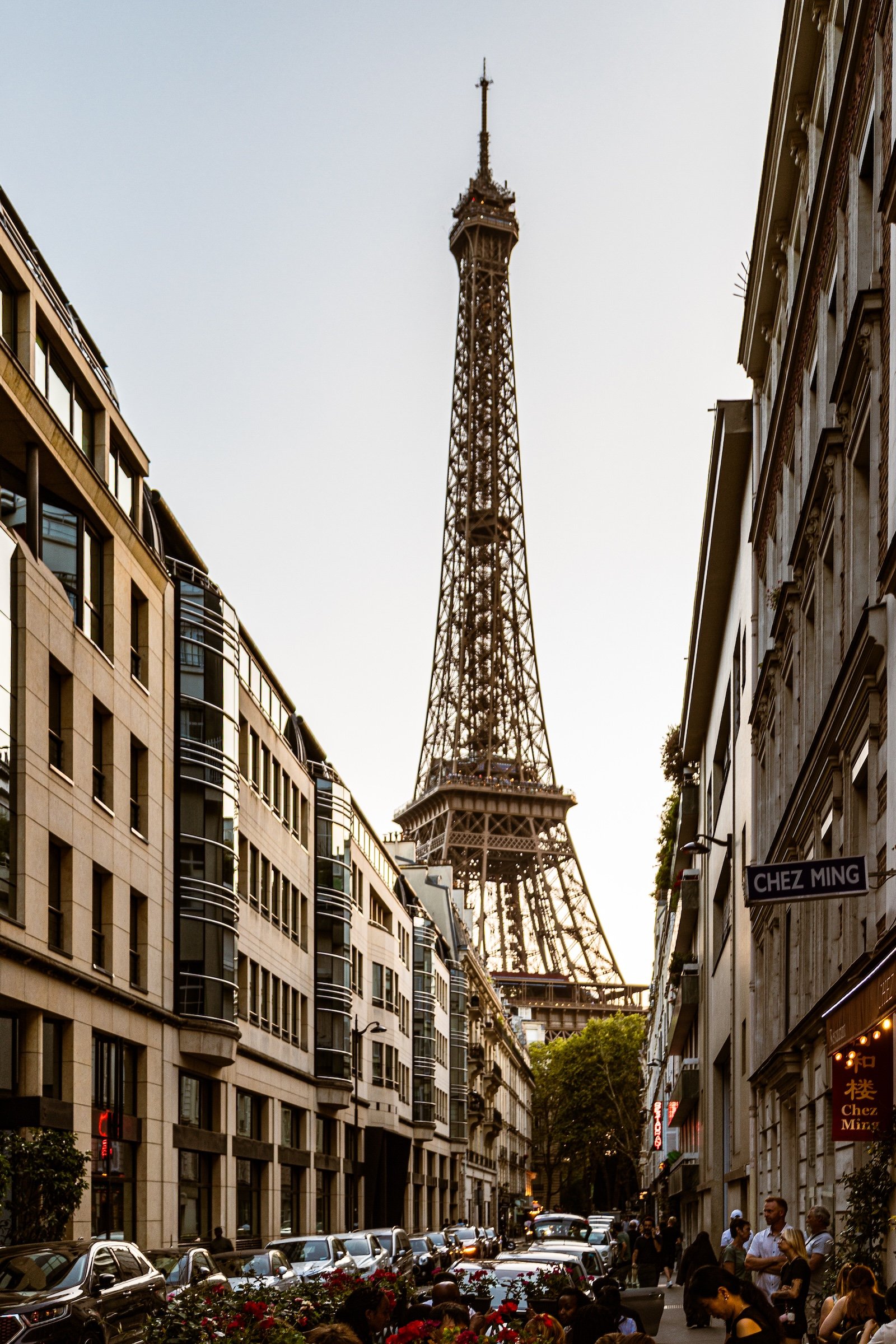
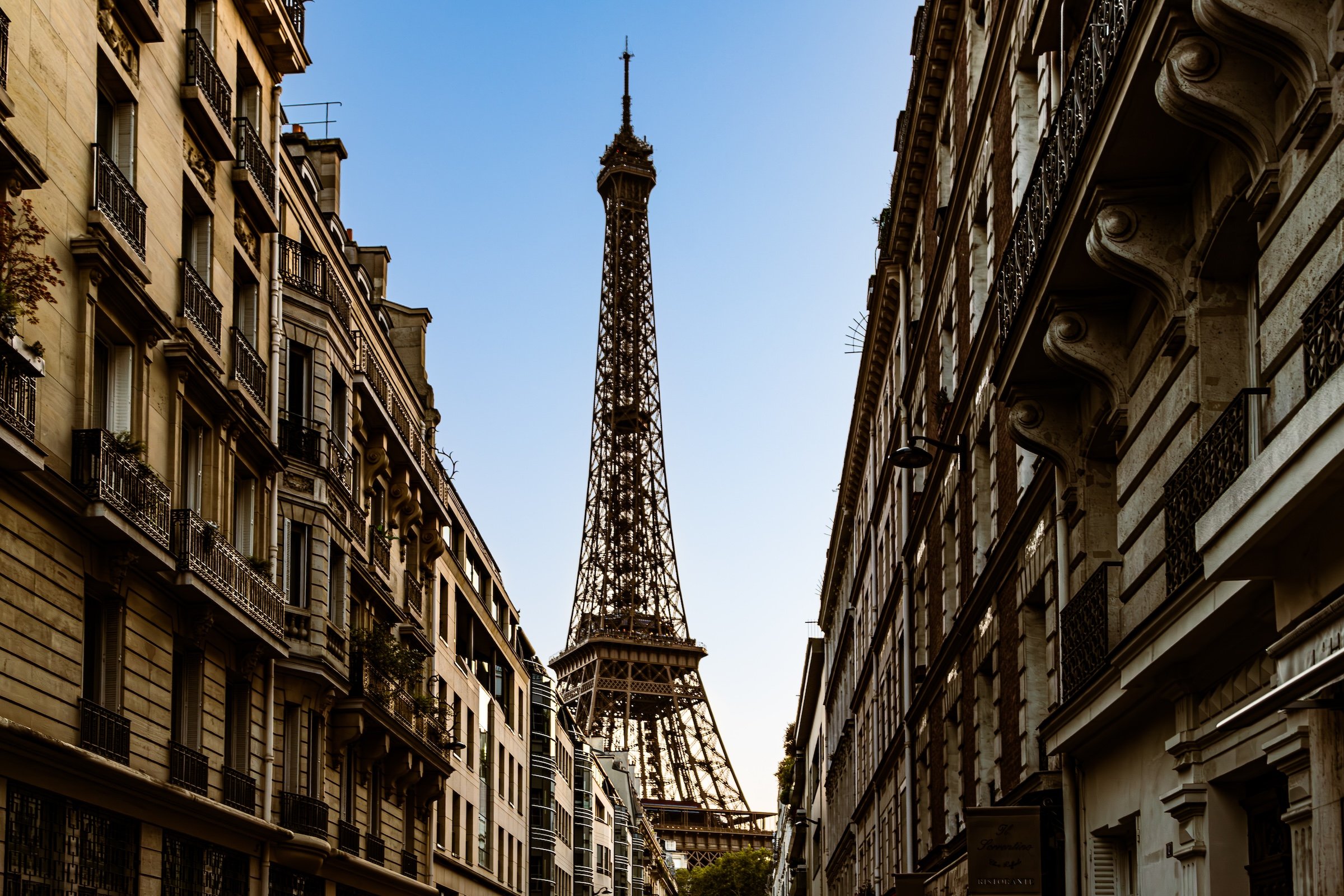
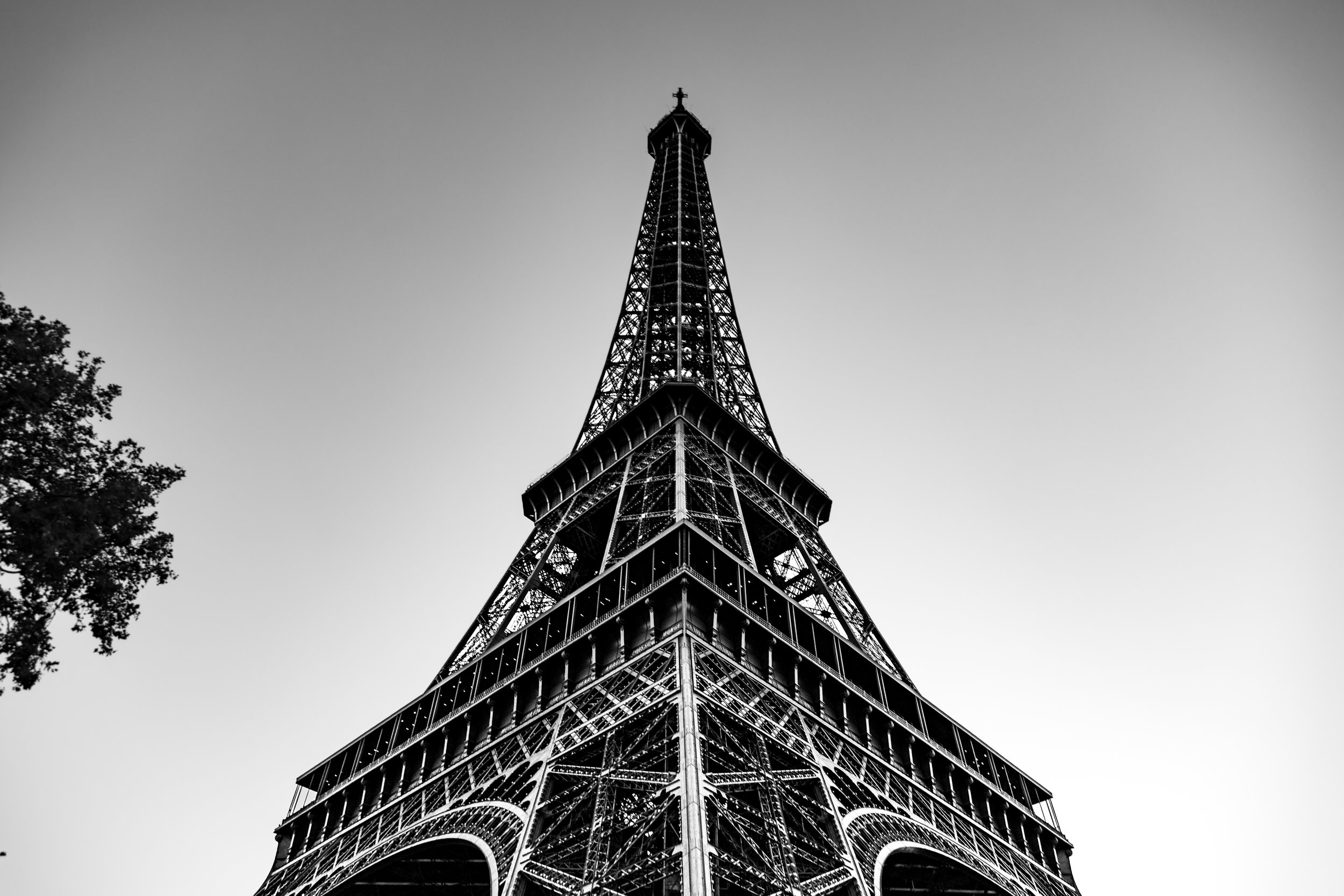
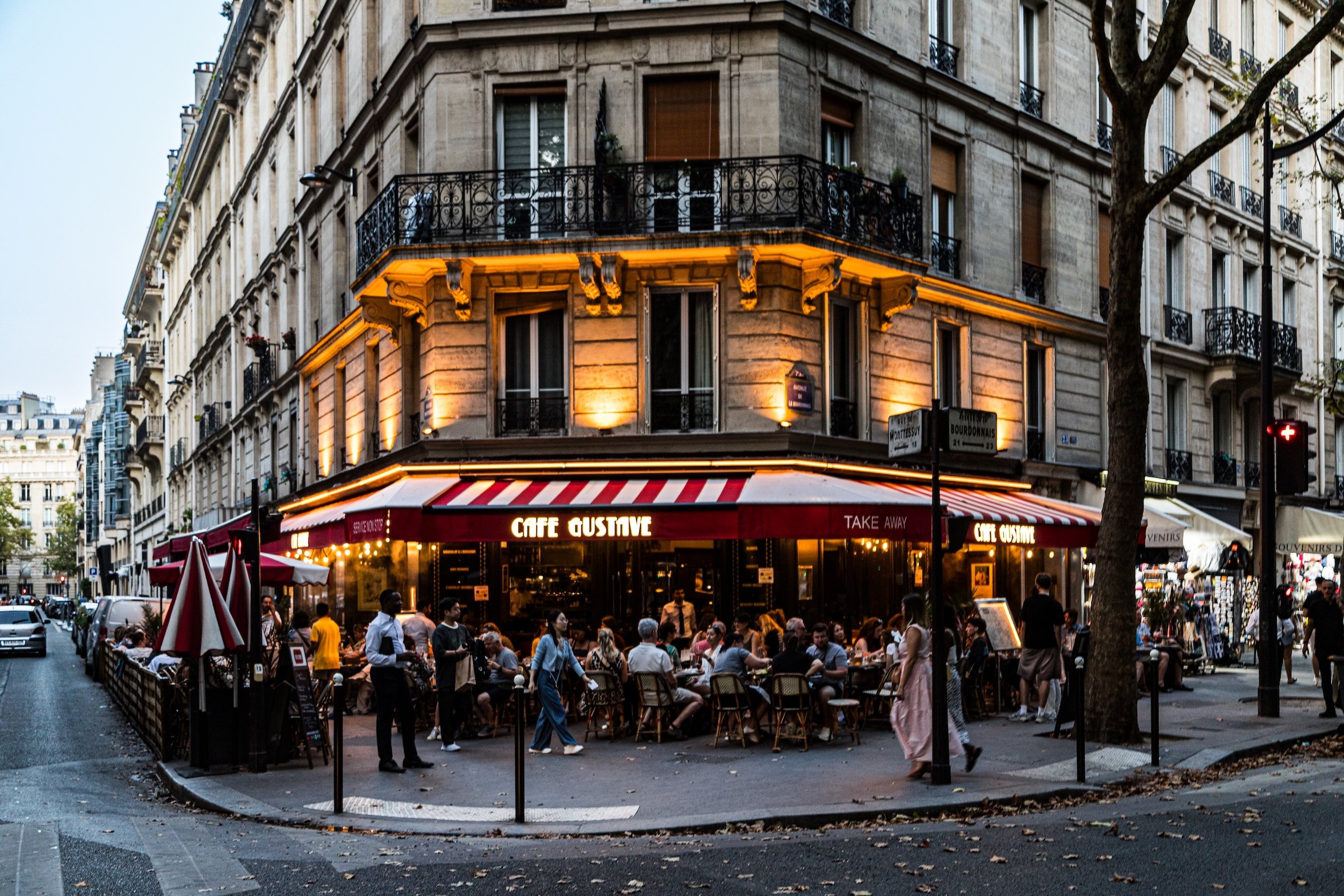
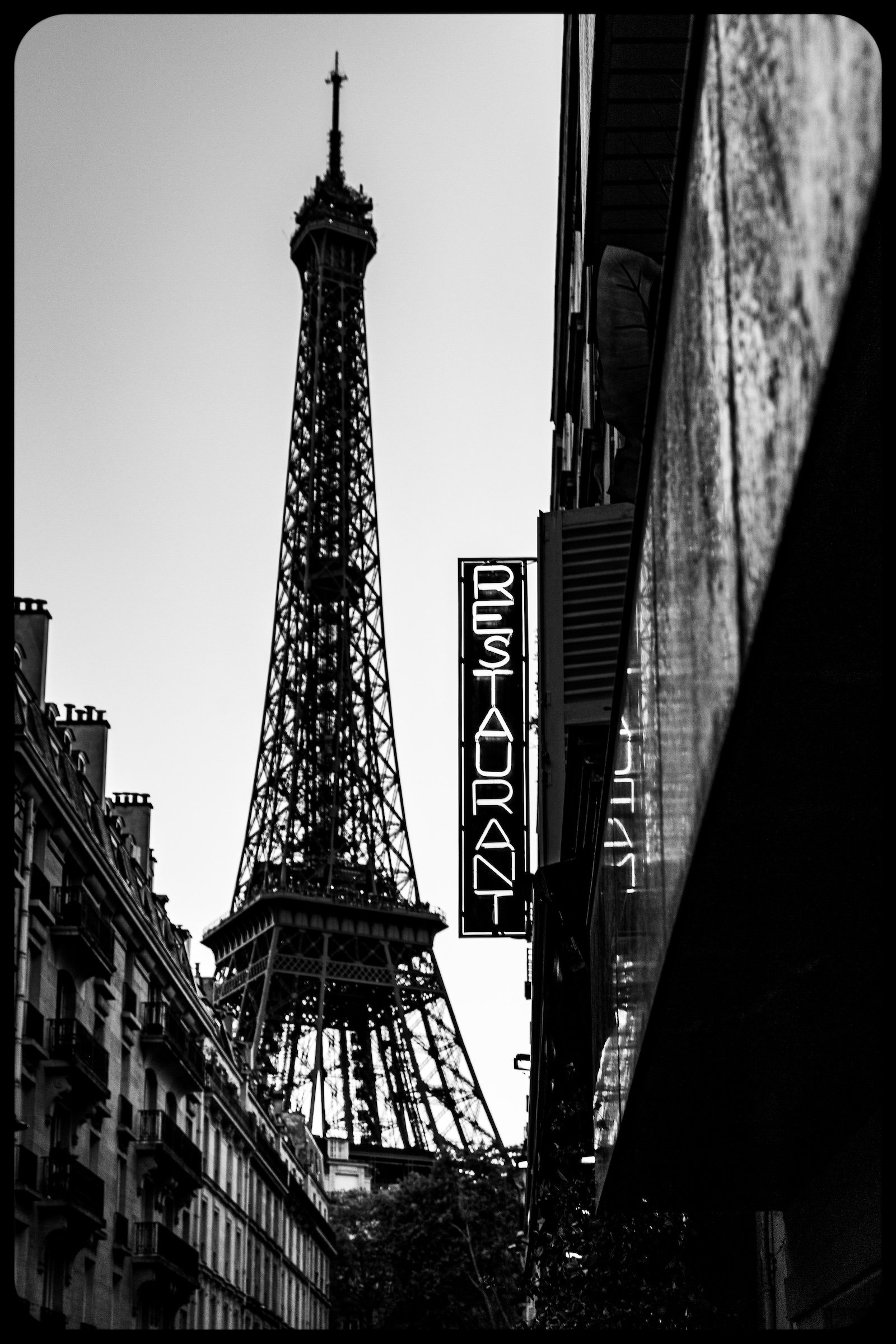
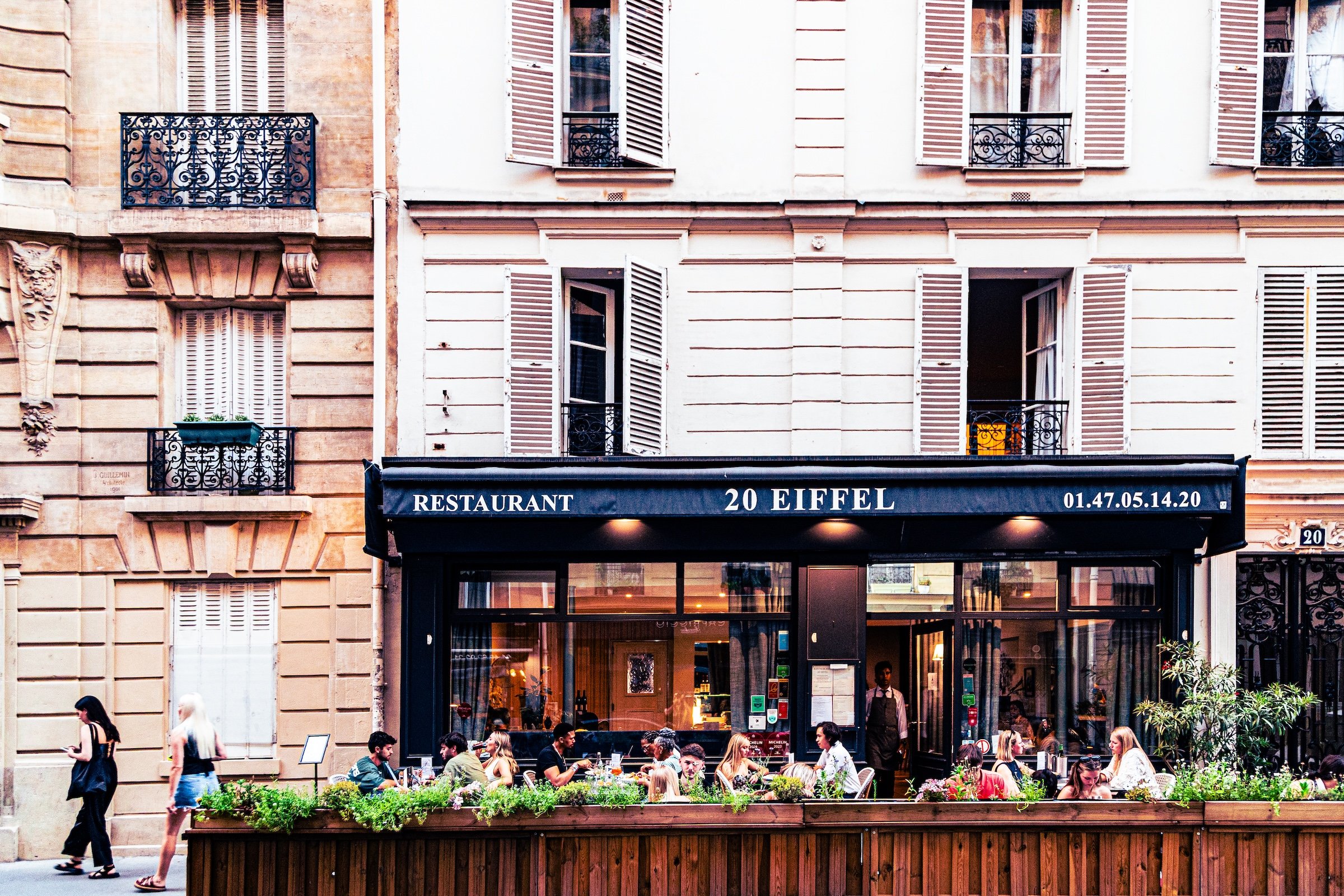
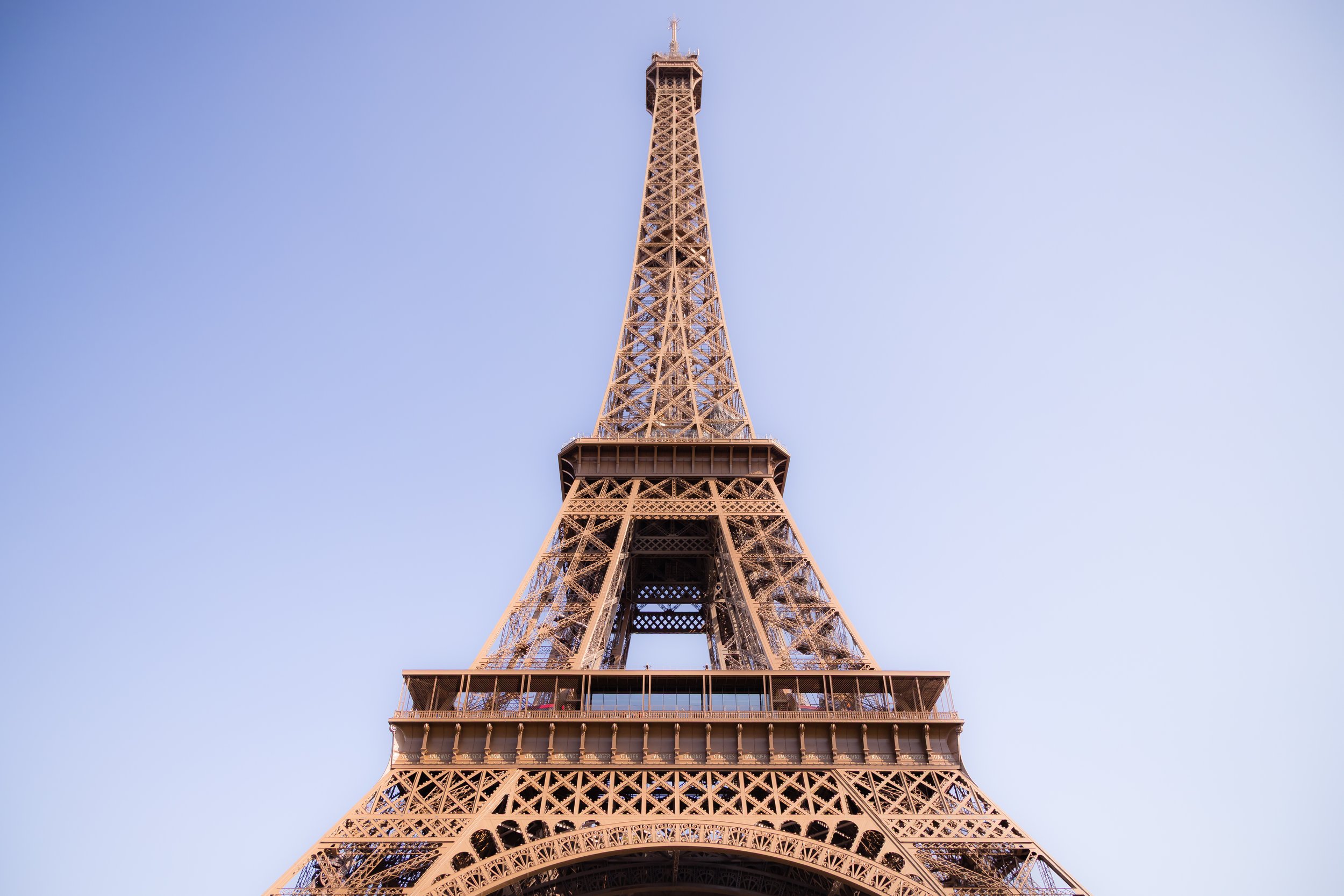
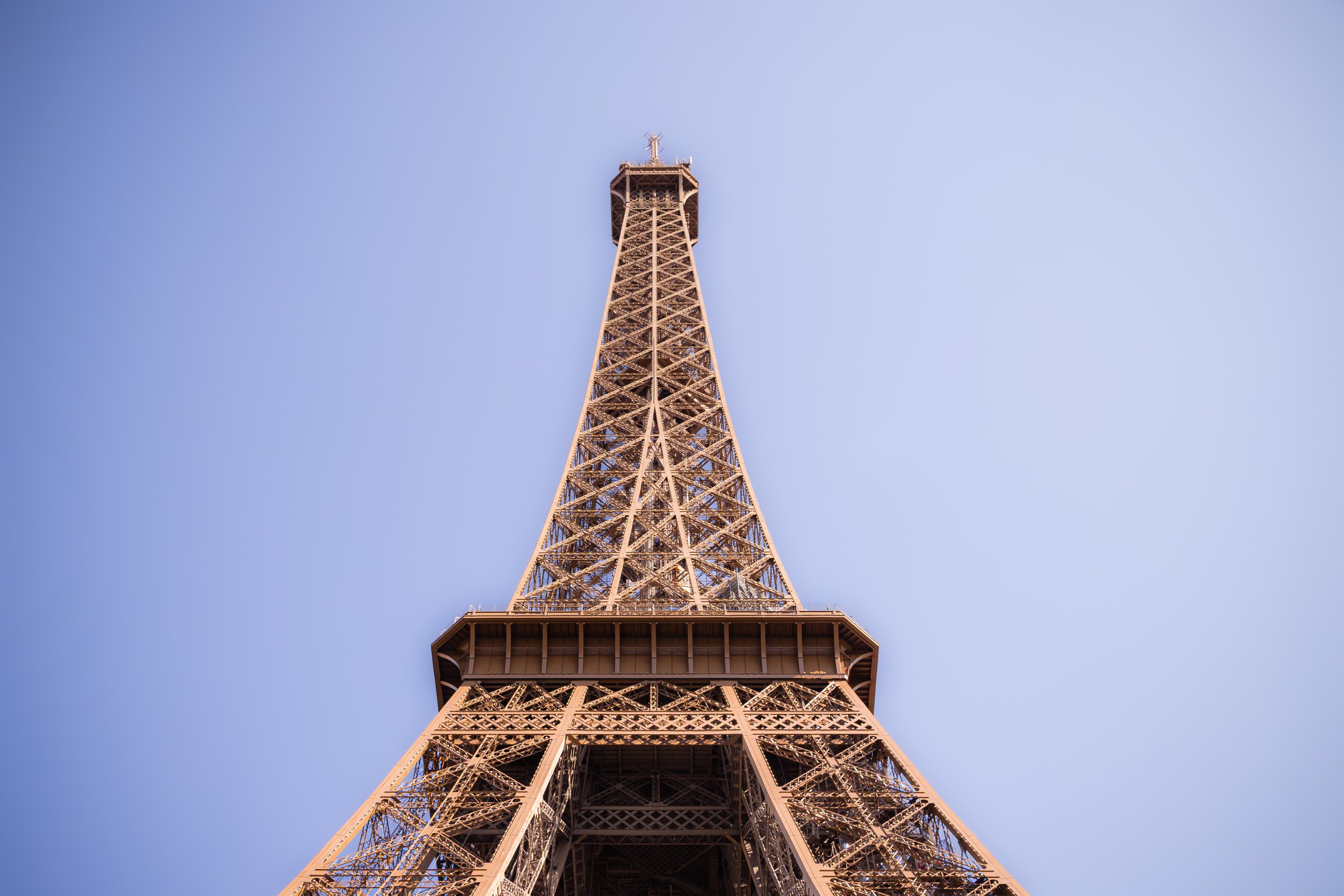
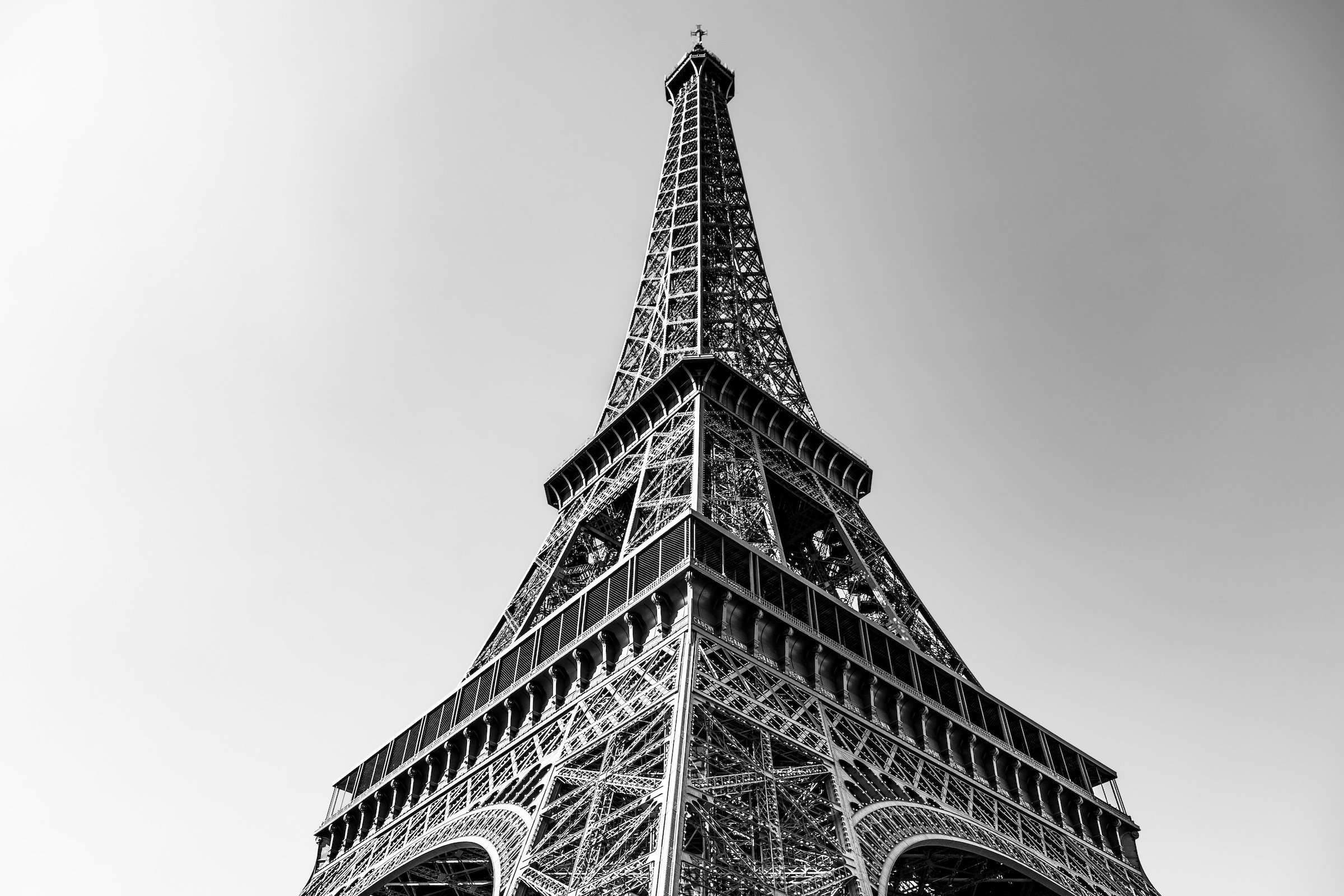
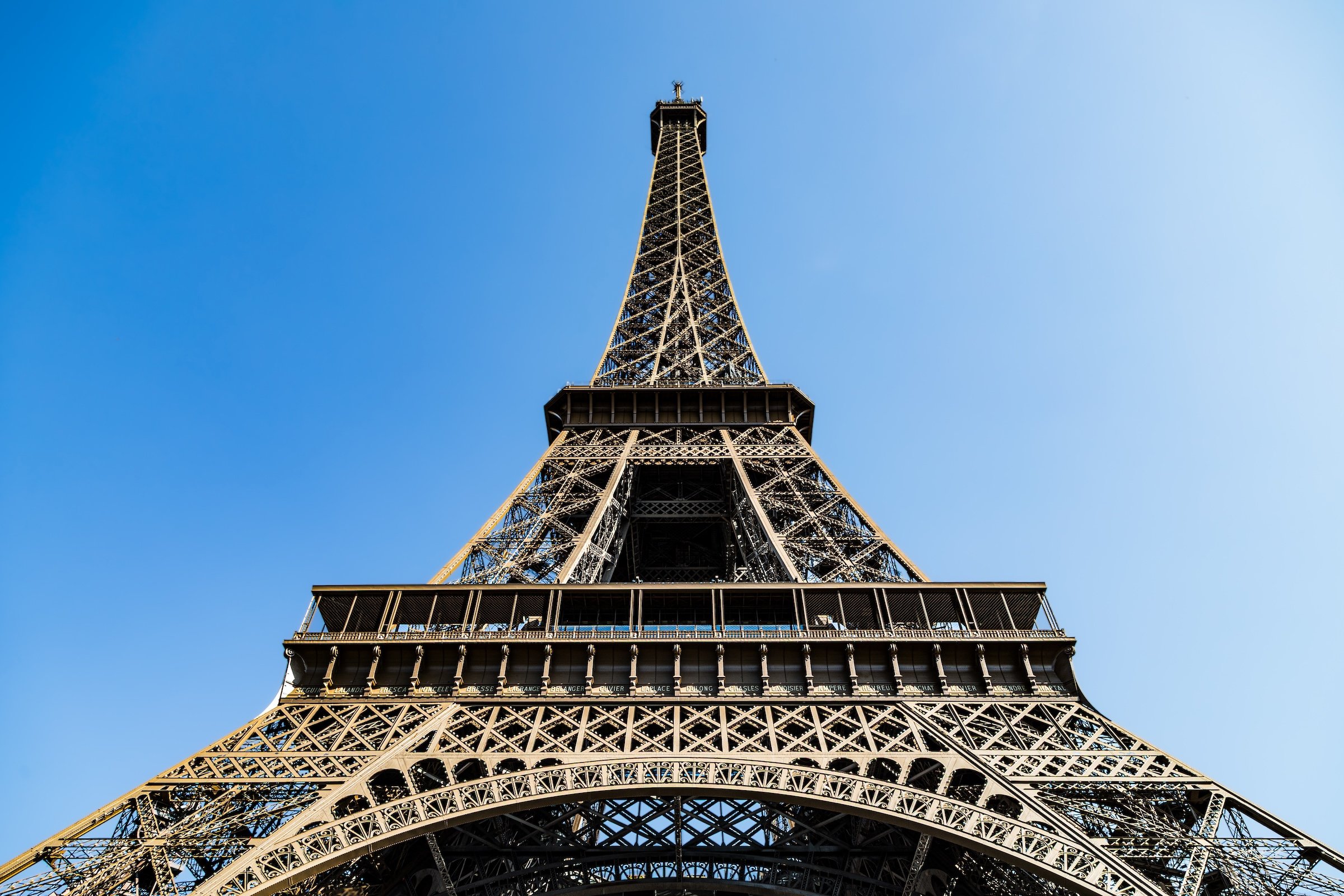
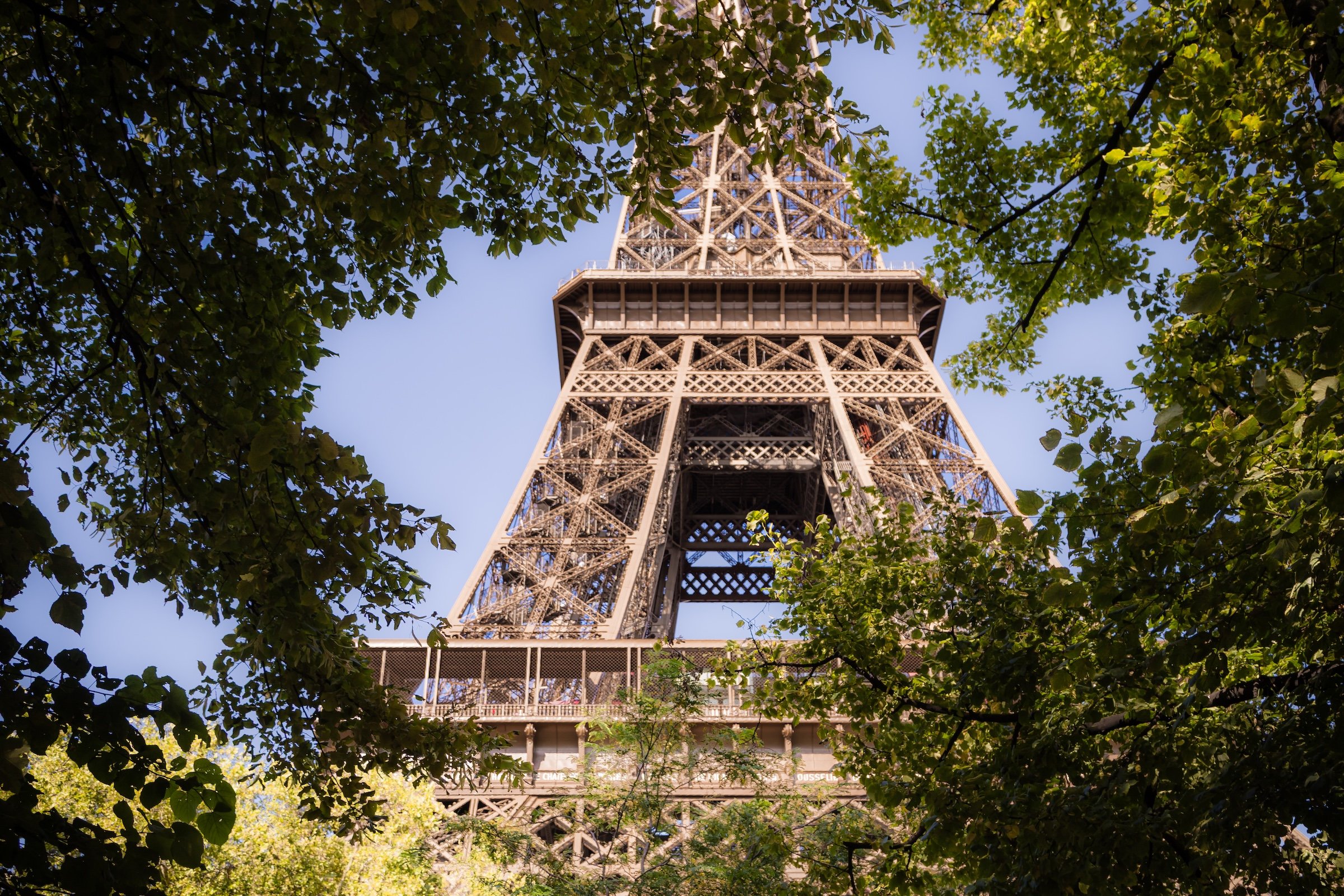
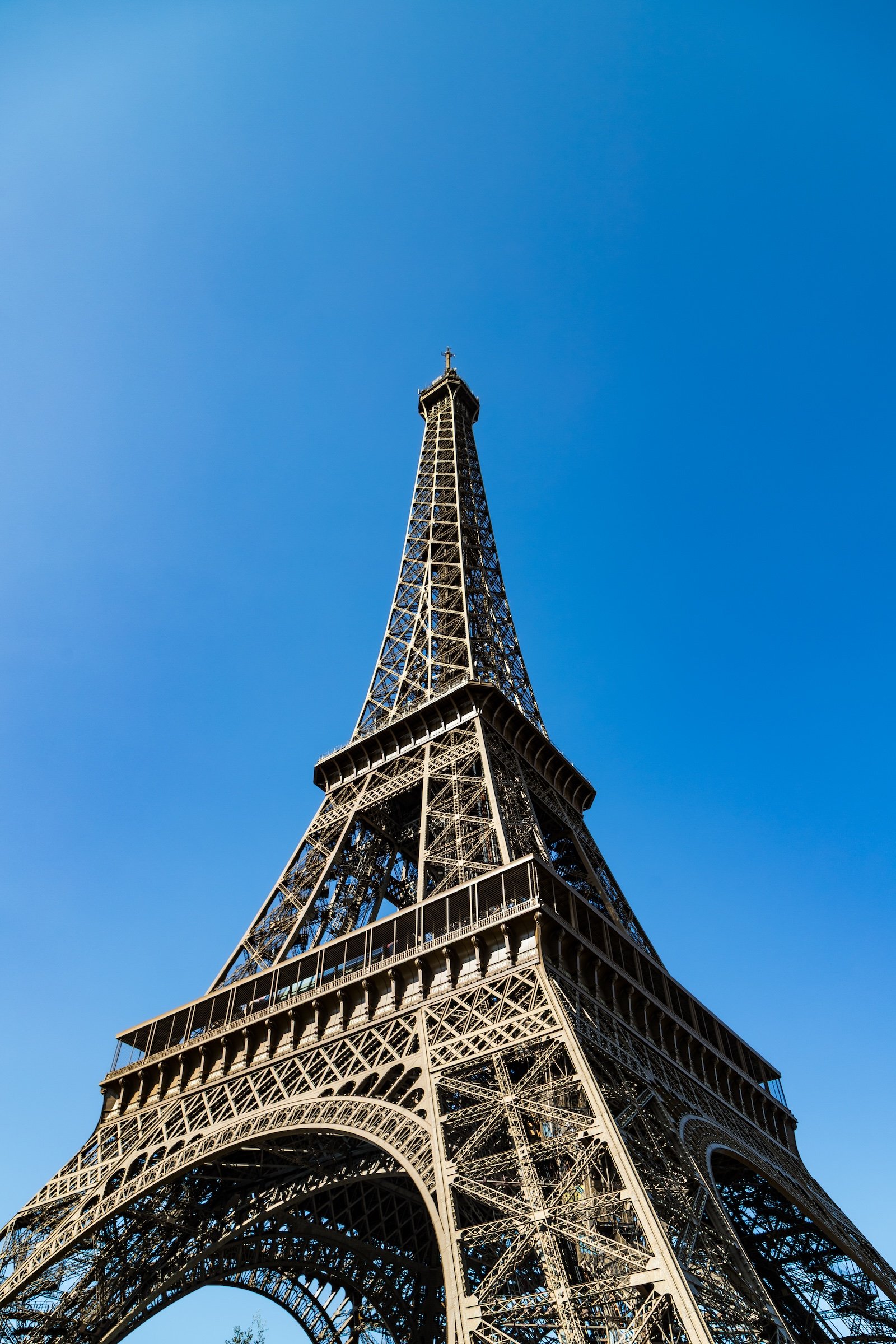
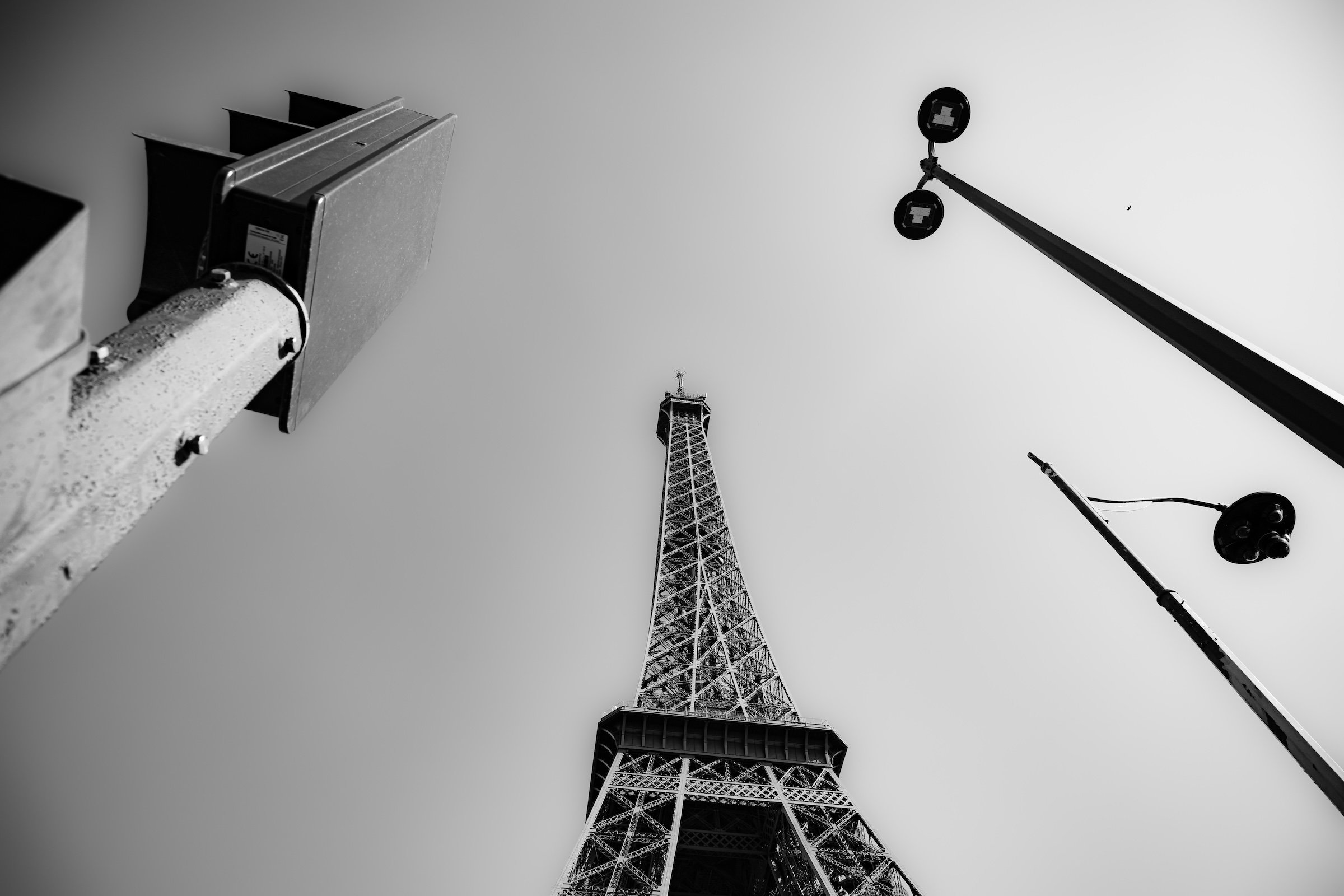
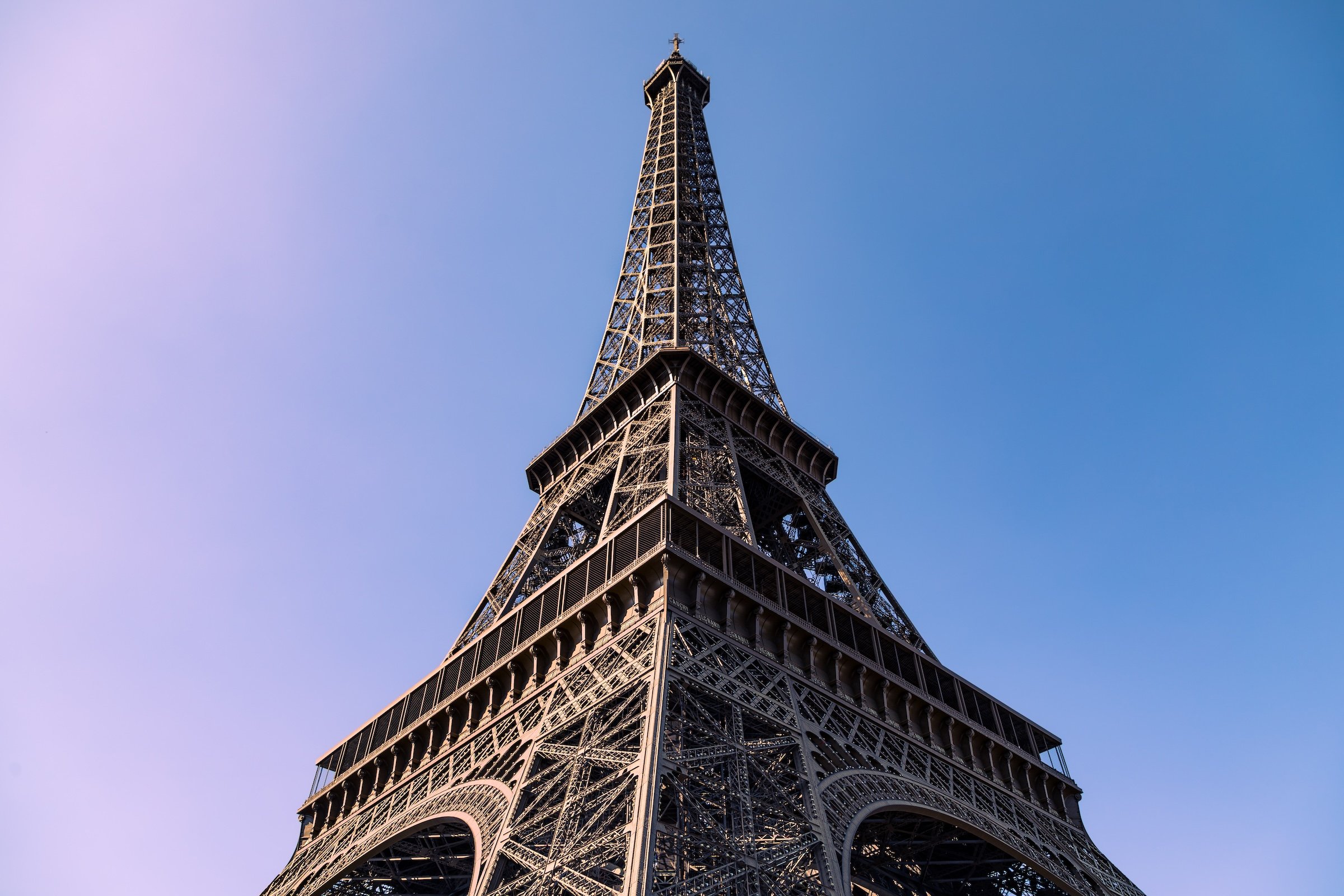
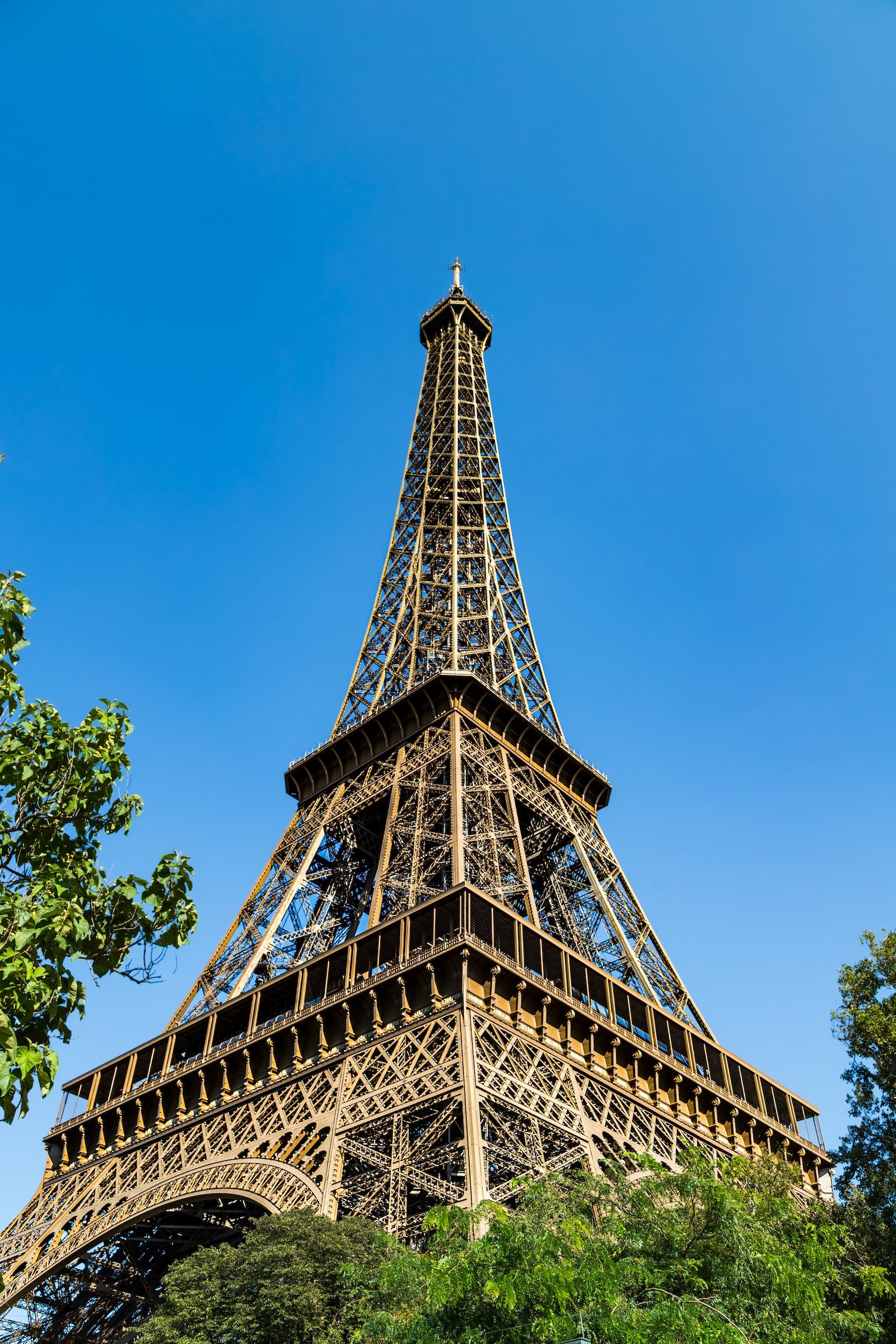
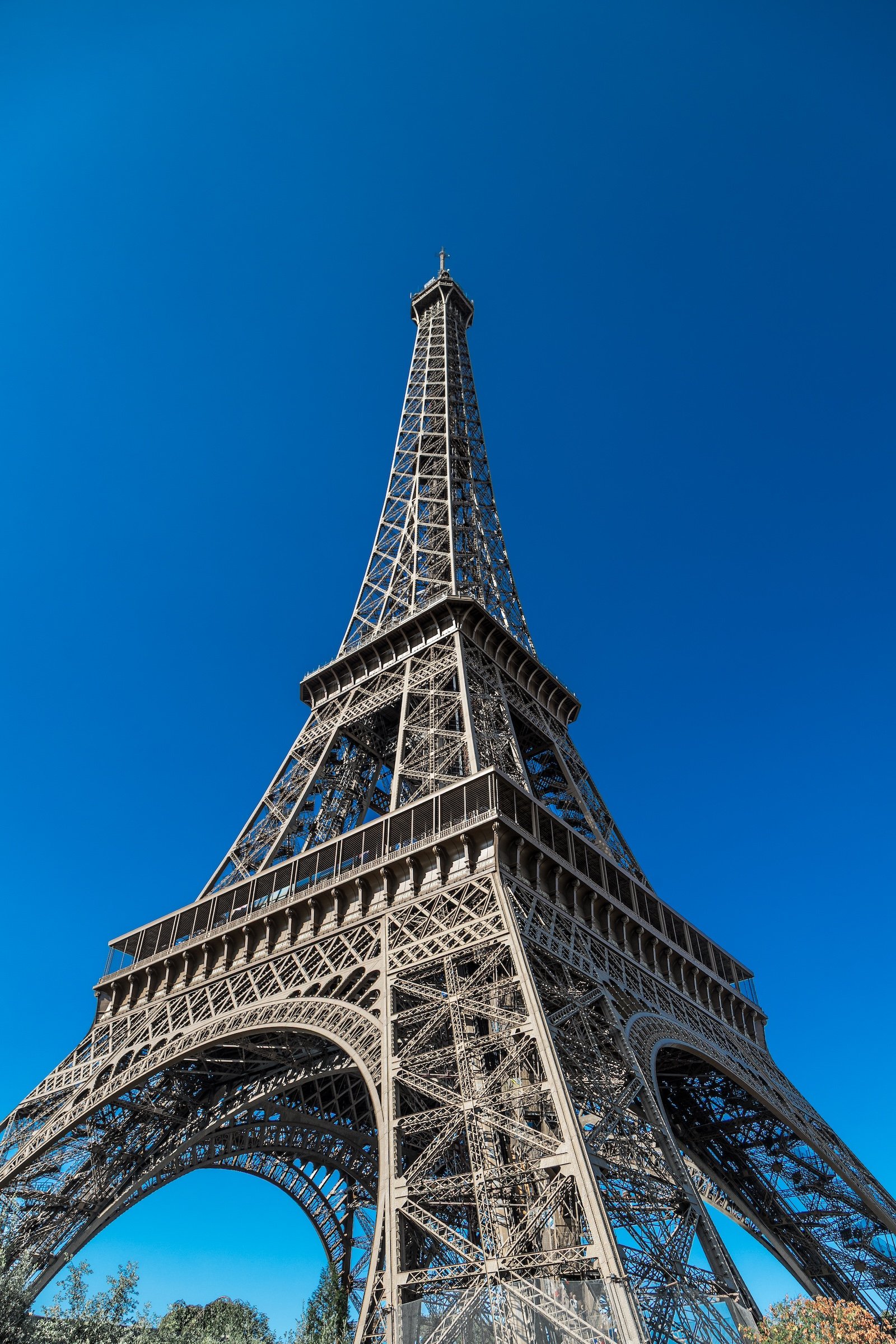
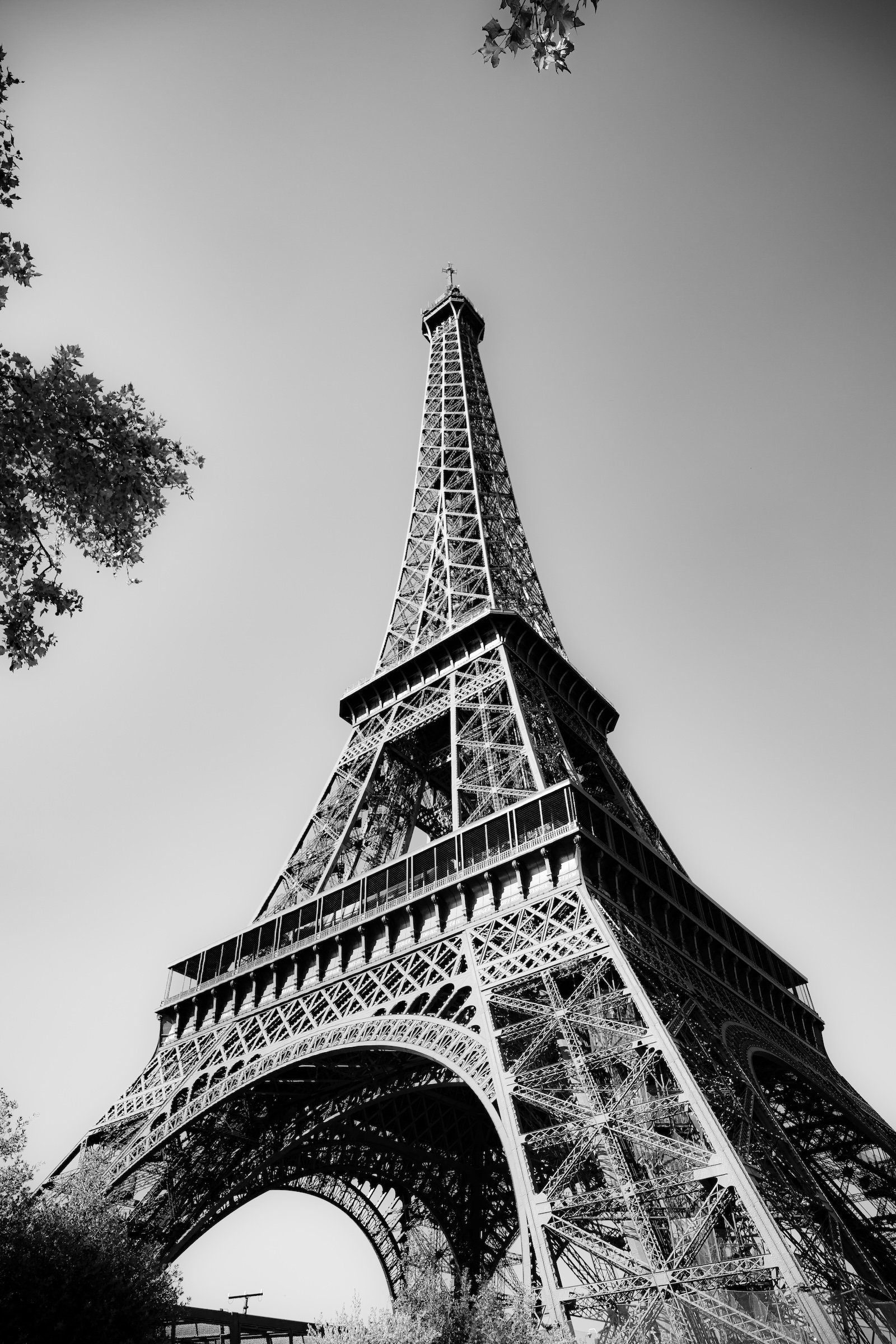
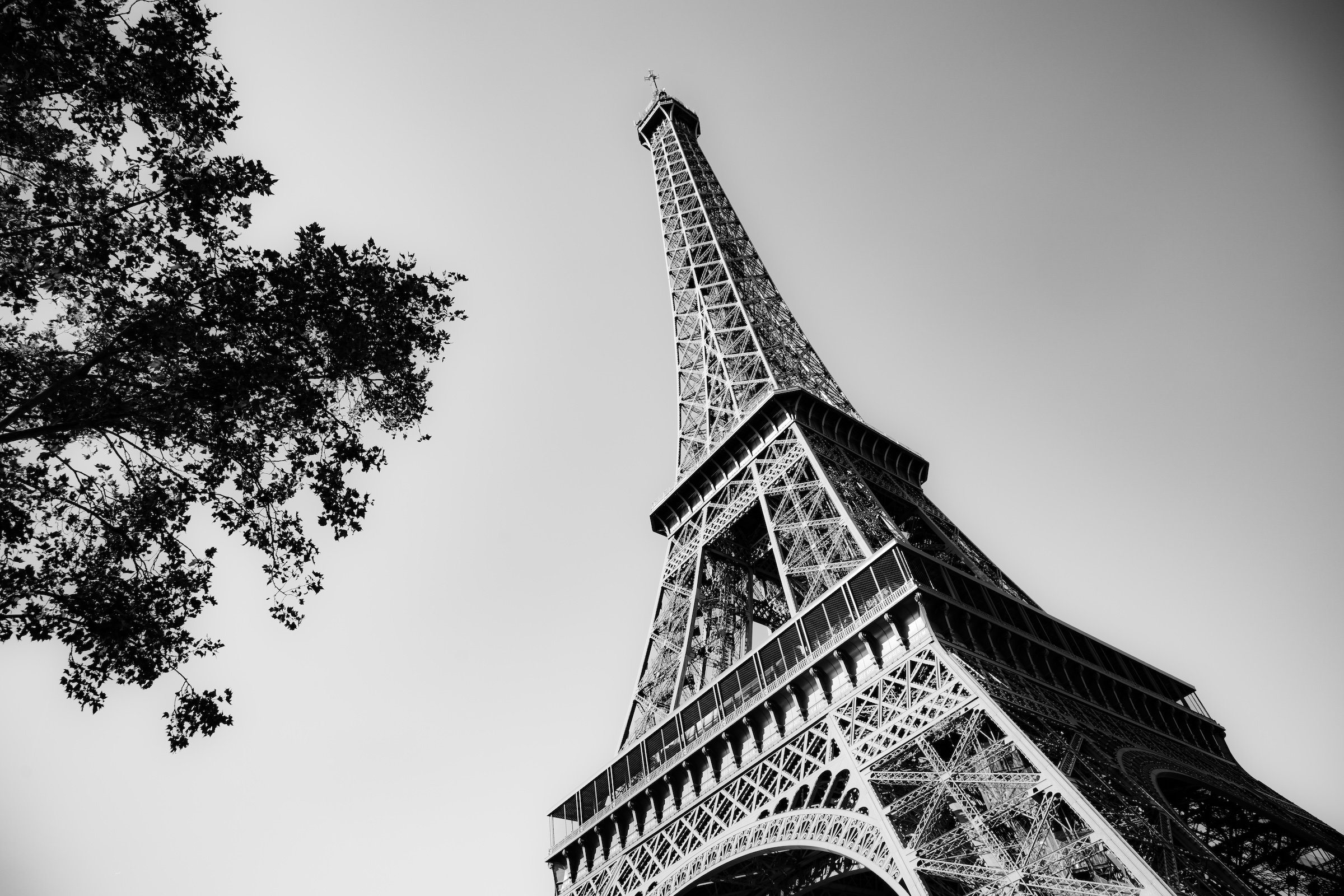
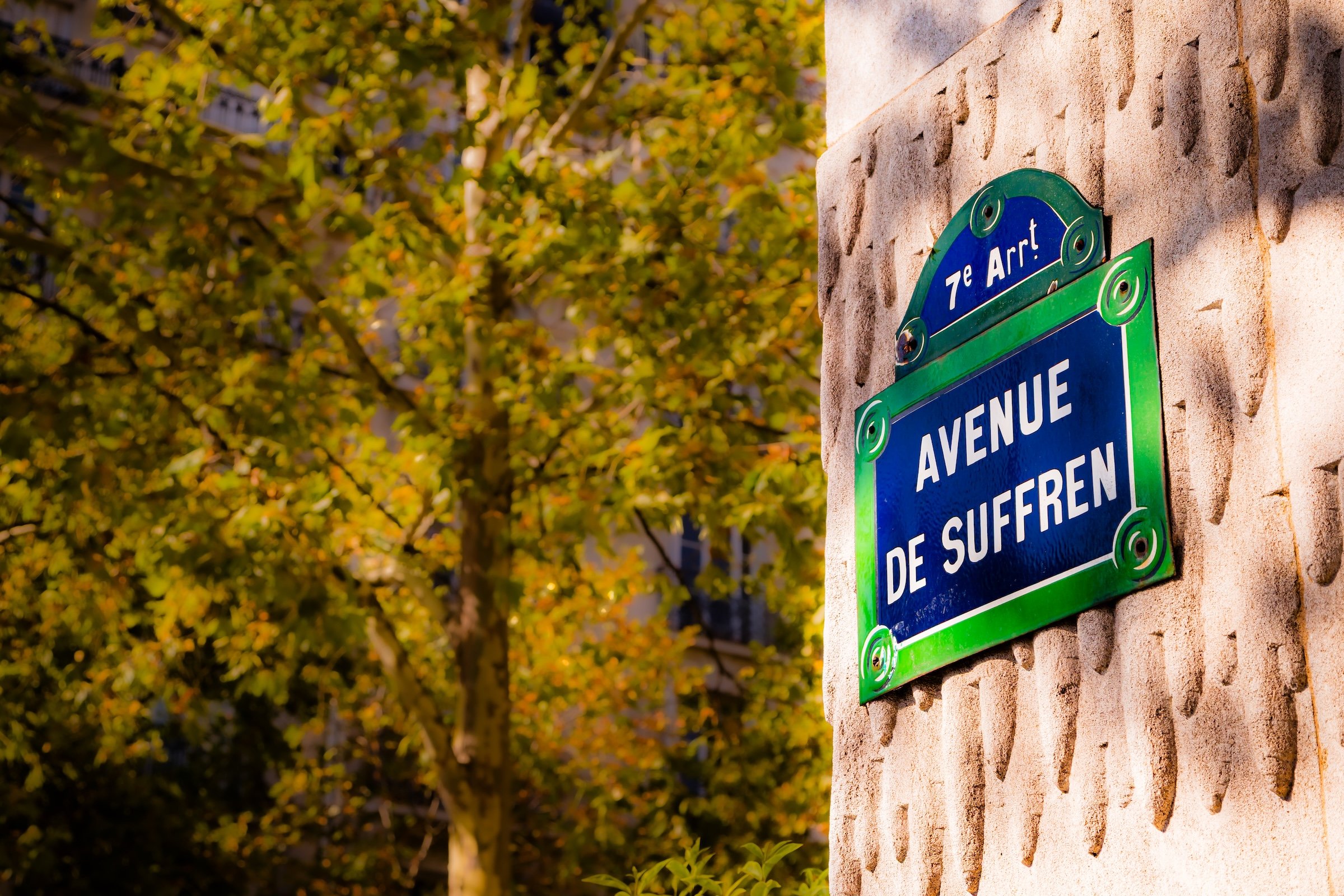
Through the lens, August 15 became a study in how Paris moves from expectation to revelation. At first, the camera was drawn almost inevitably to the famous views: the Eiffel Tower from below, across the Seine, from Trocadéro, and again in fragments throughout the walk. These were the images any first visitor might seek, but the photographic encounter became more interesting when the icons began to share the frame with the city around them. The tower appeared beside trees, rooftops, café streets, Metro signs, and evening sky. The Arc de Triomphe became not only a monument, but a passage for the setting sun. The Champs-Élysées, for all its commercial polish, became a corridor of light, movement, and return.
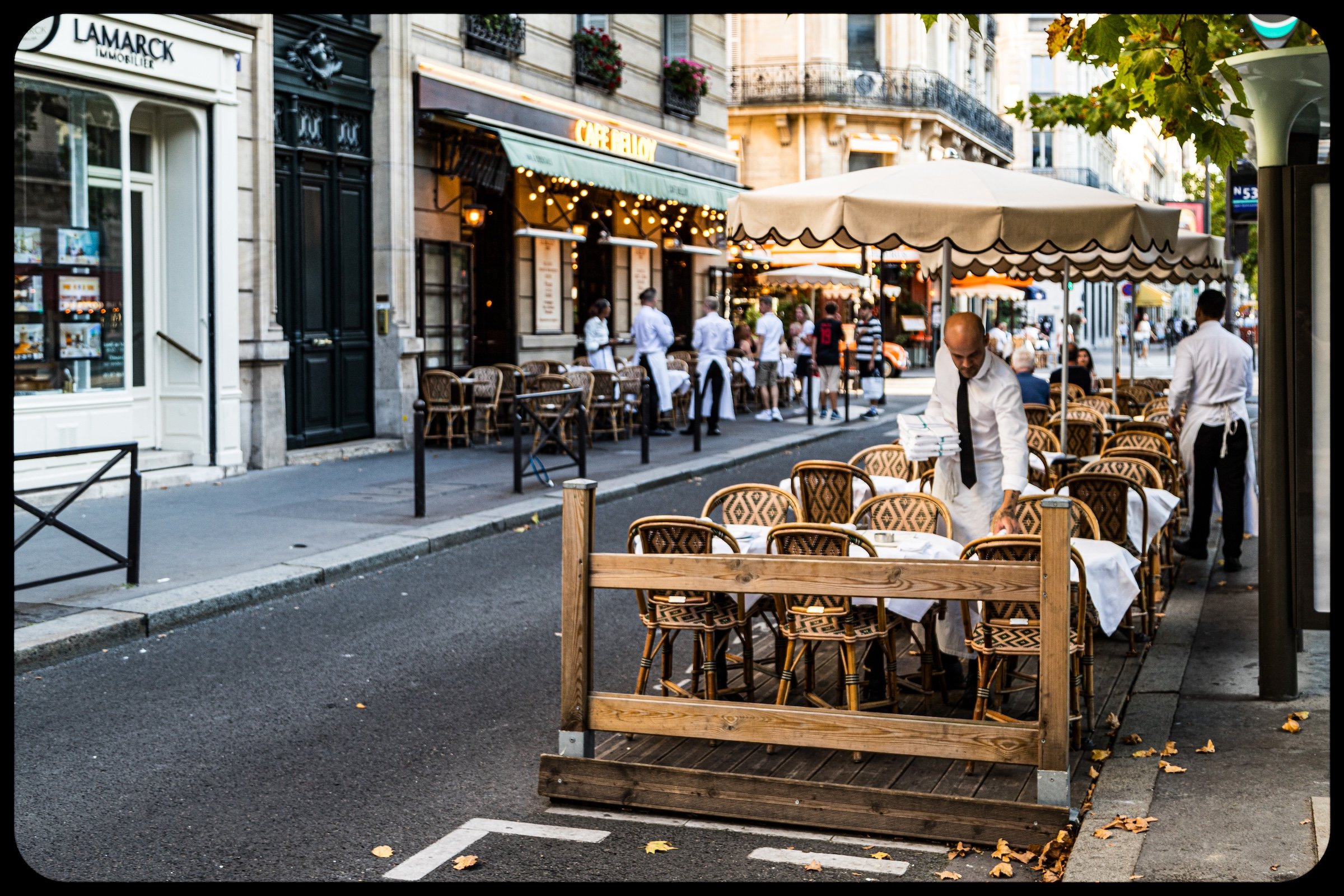
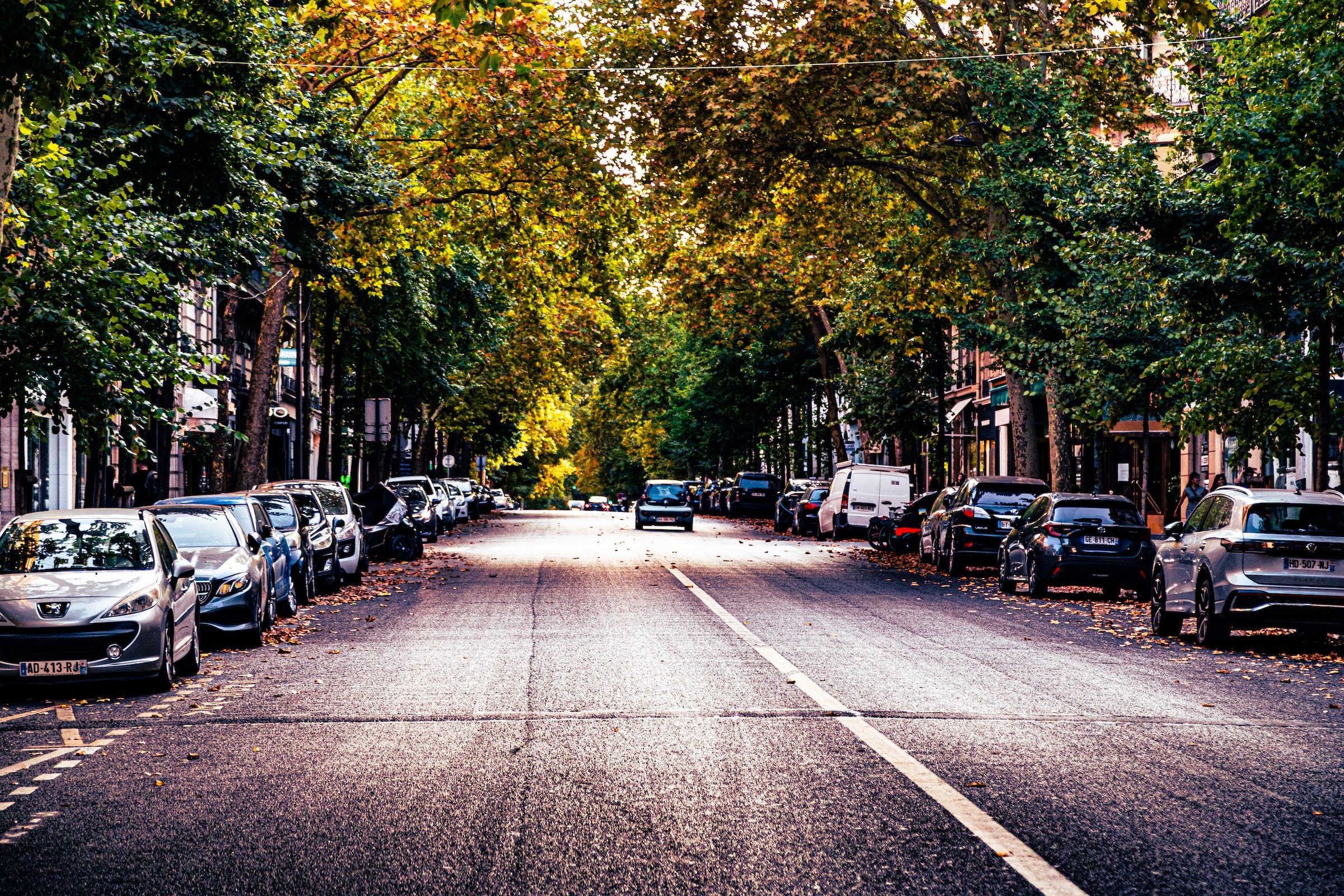
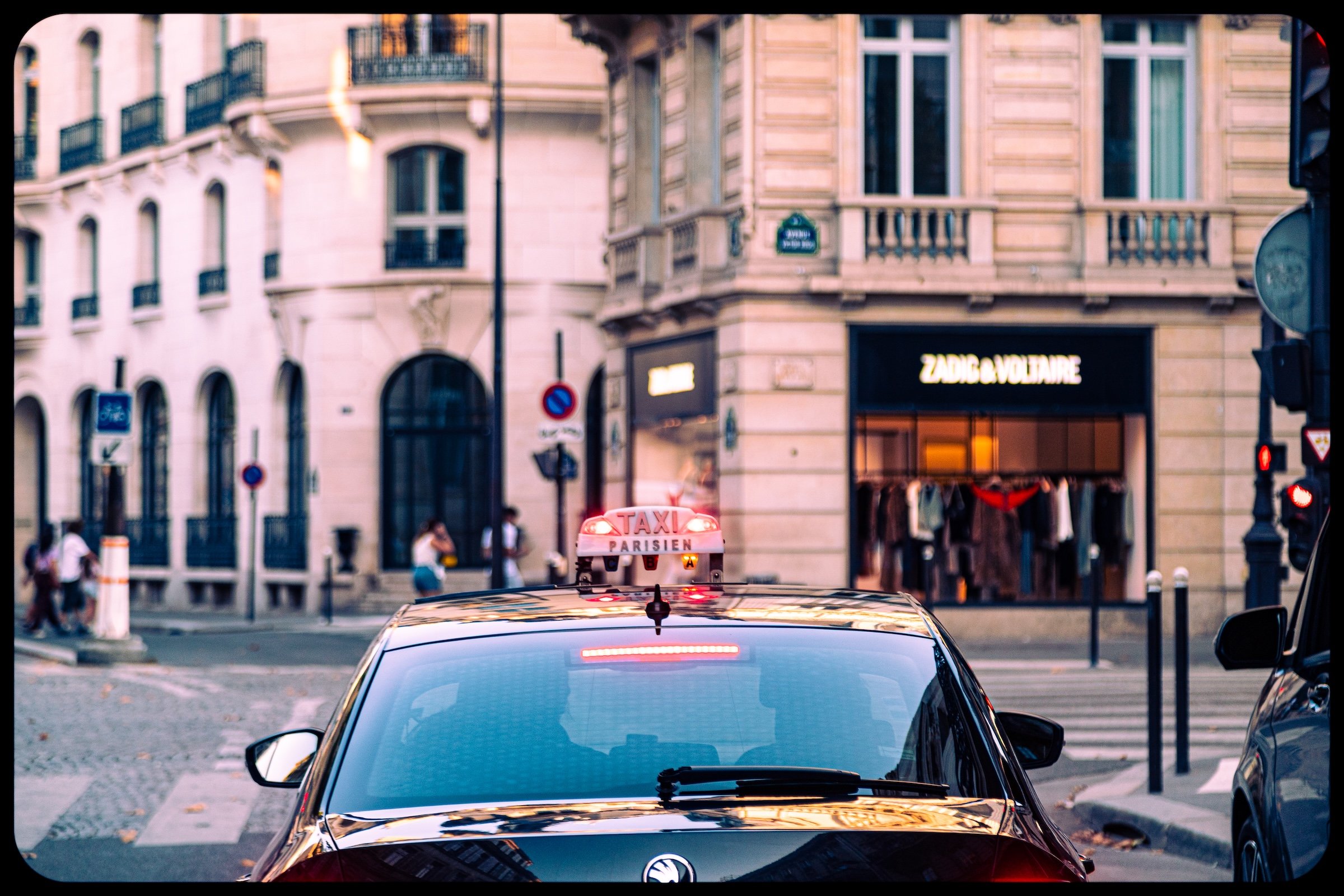
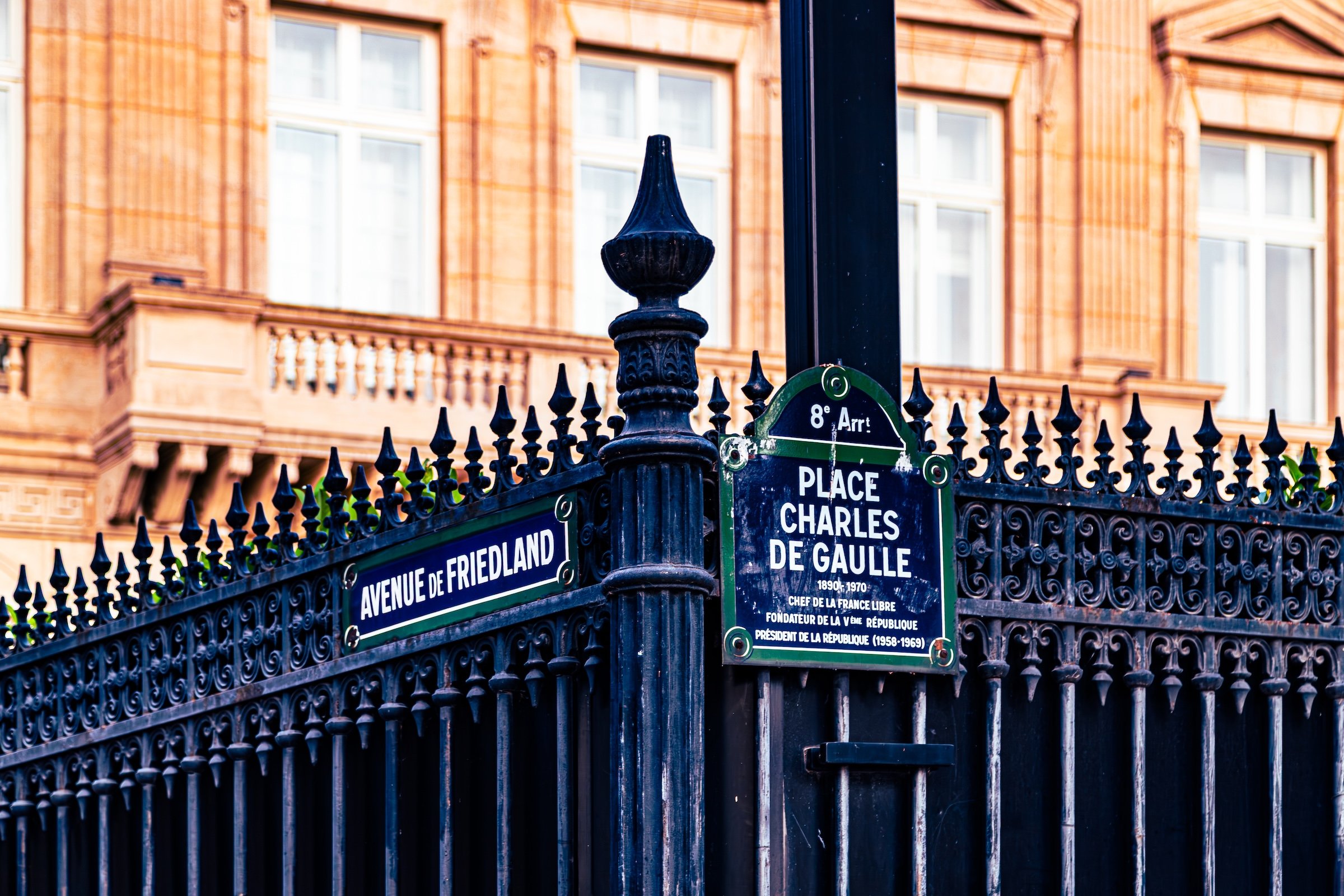
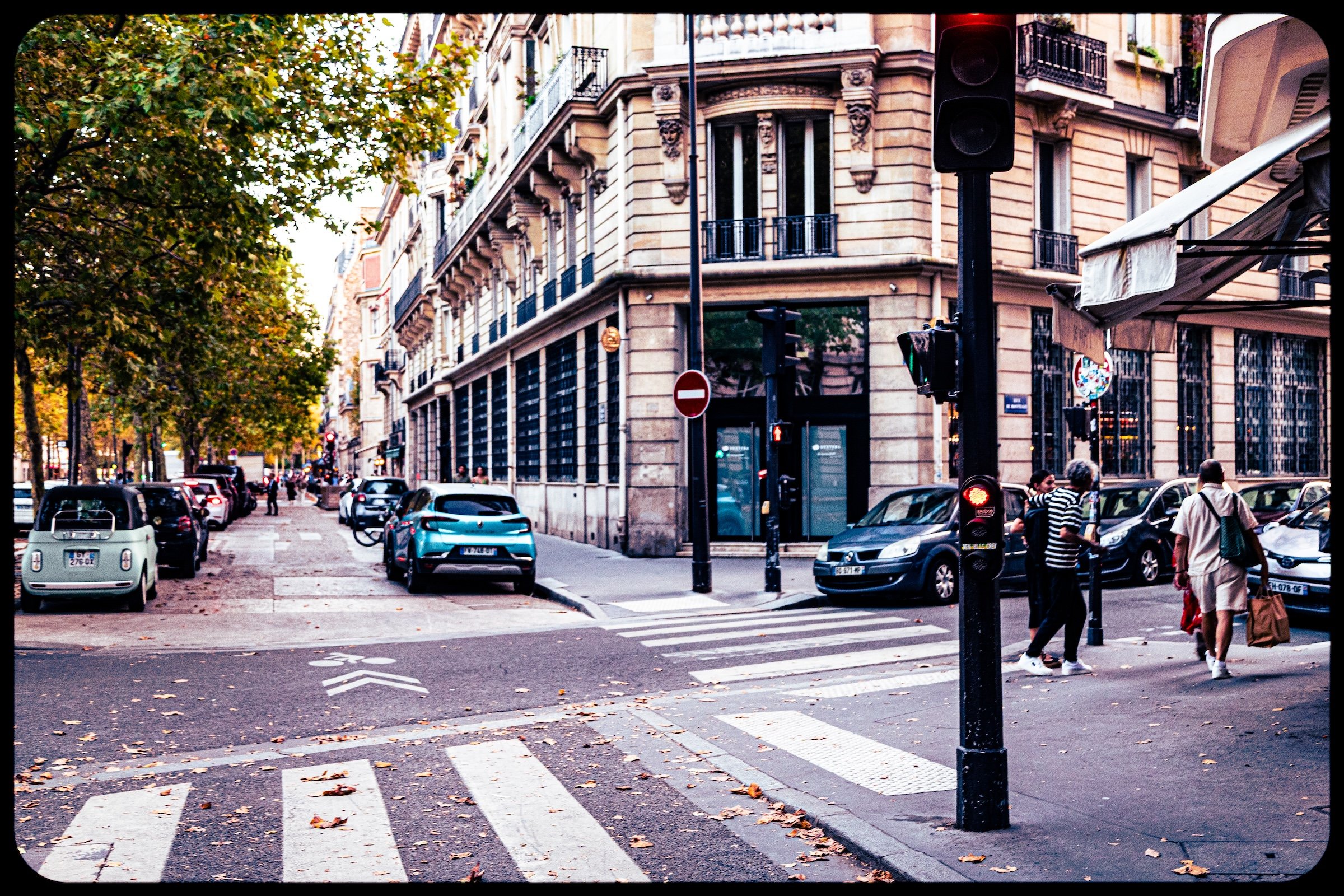
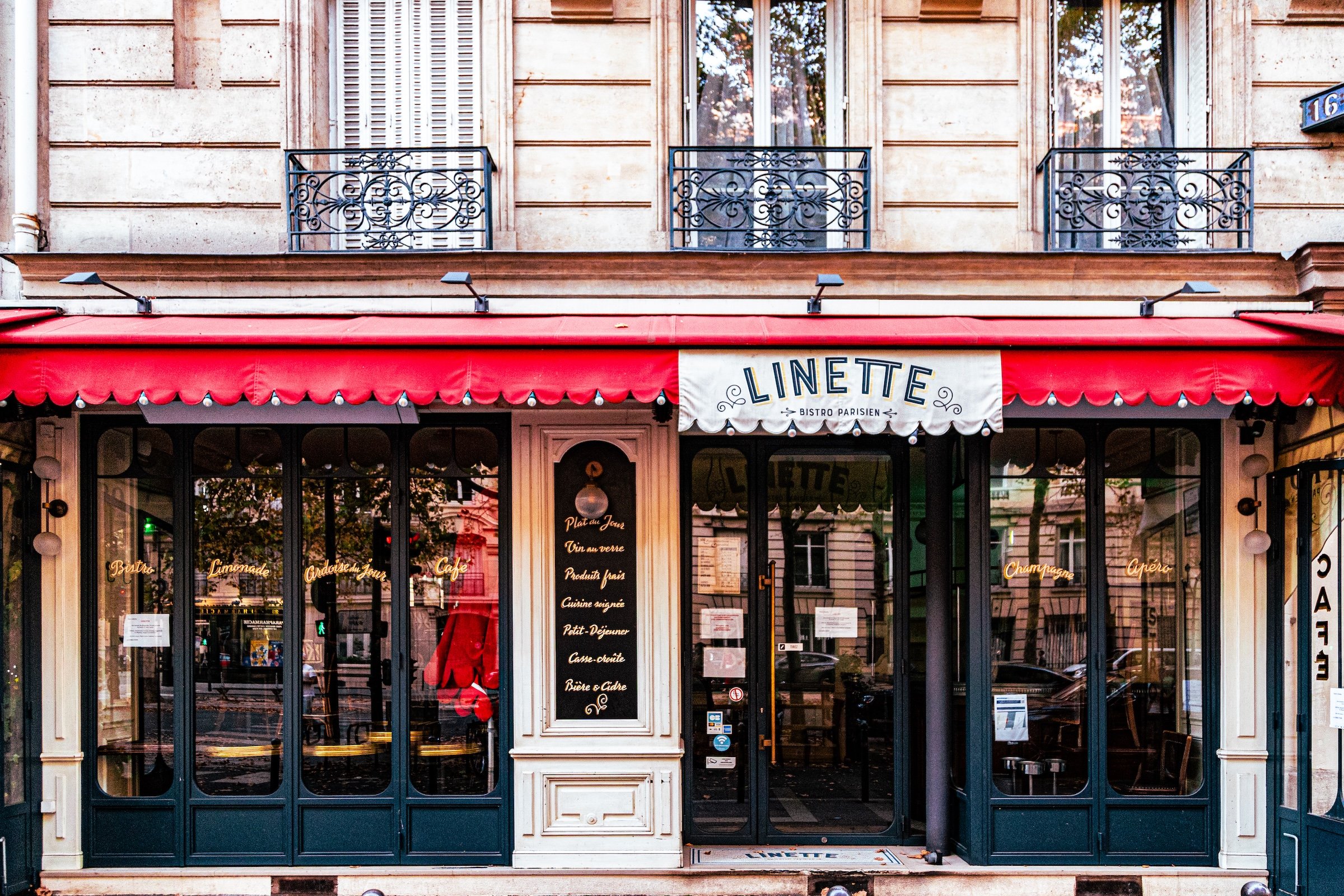
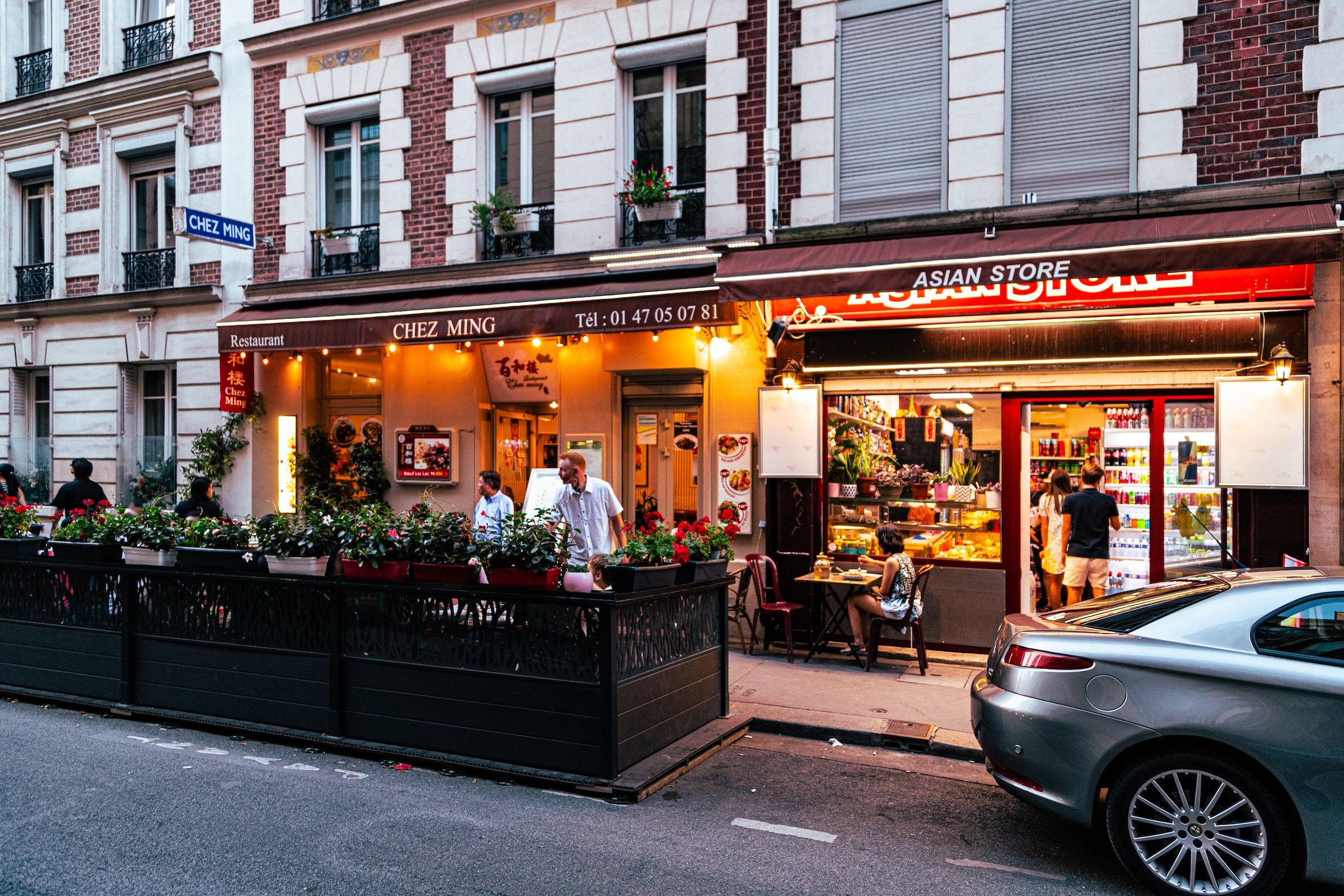
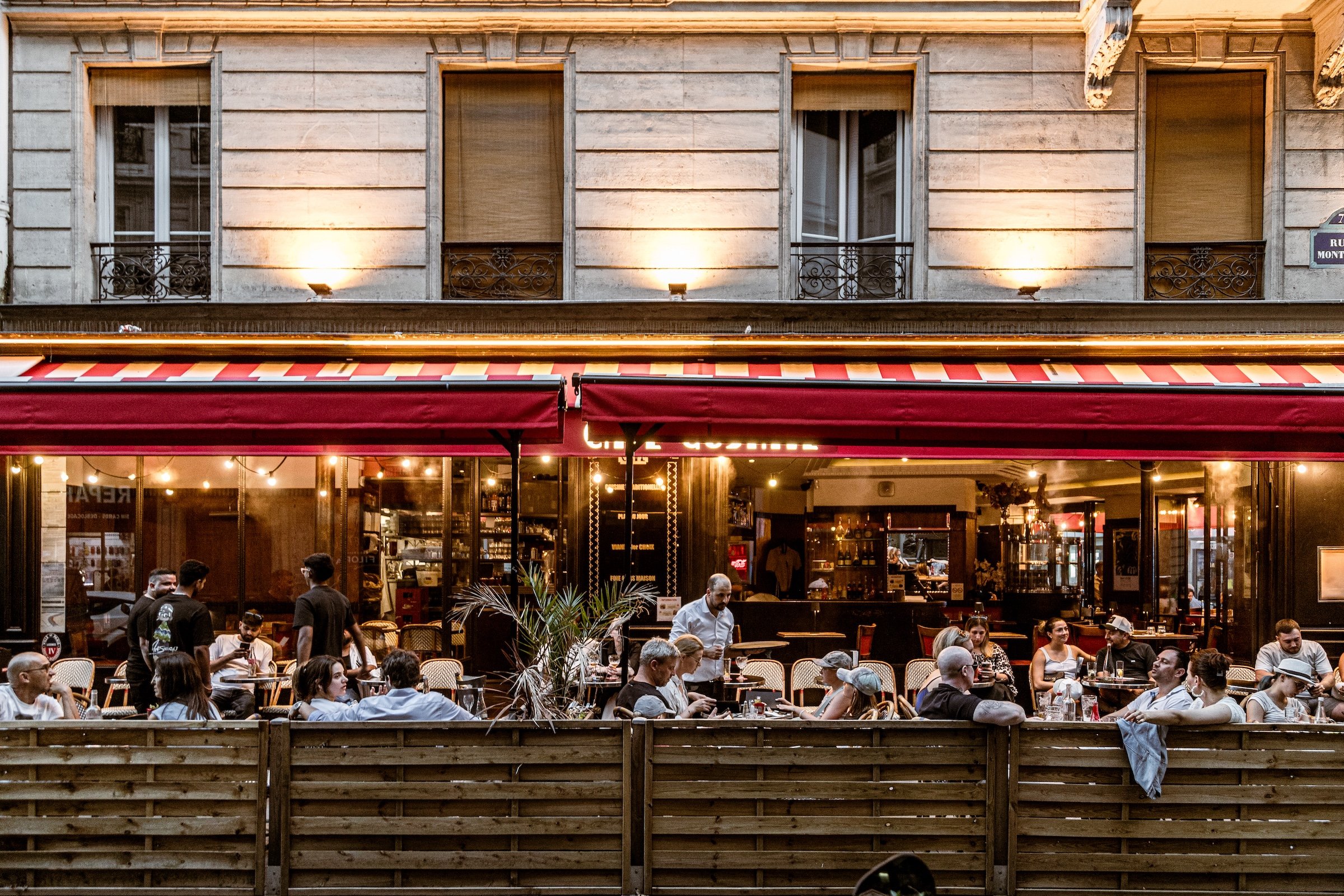
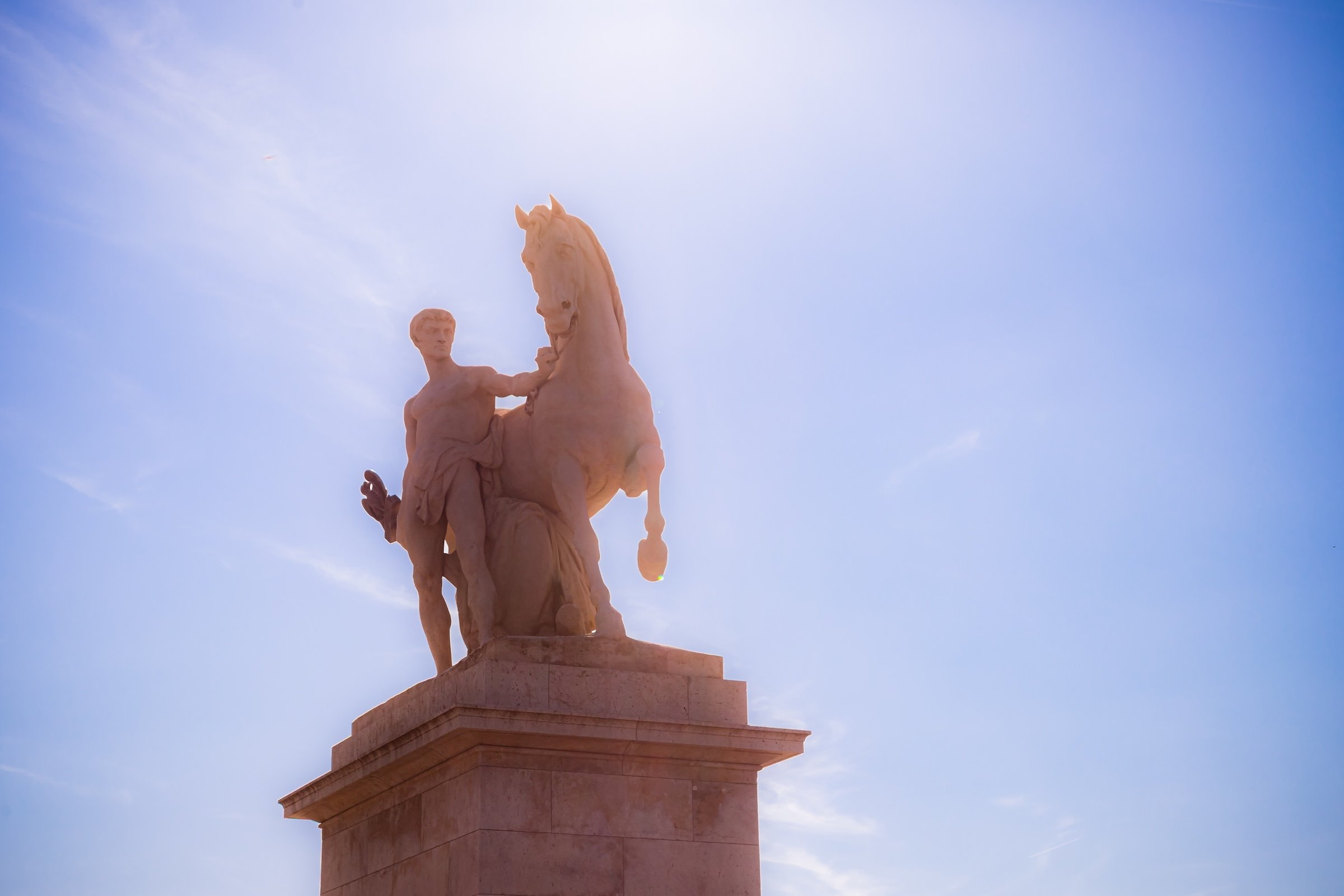
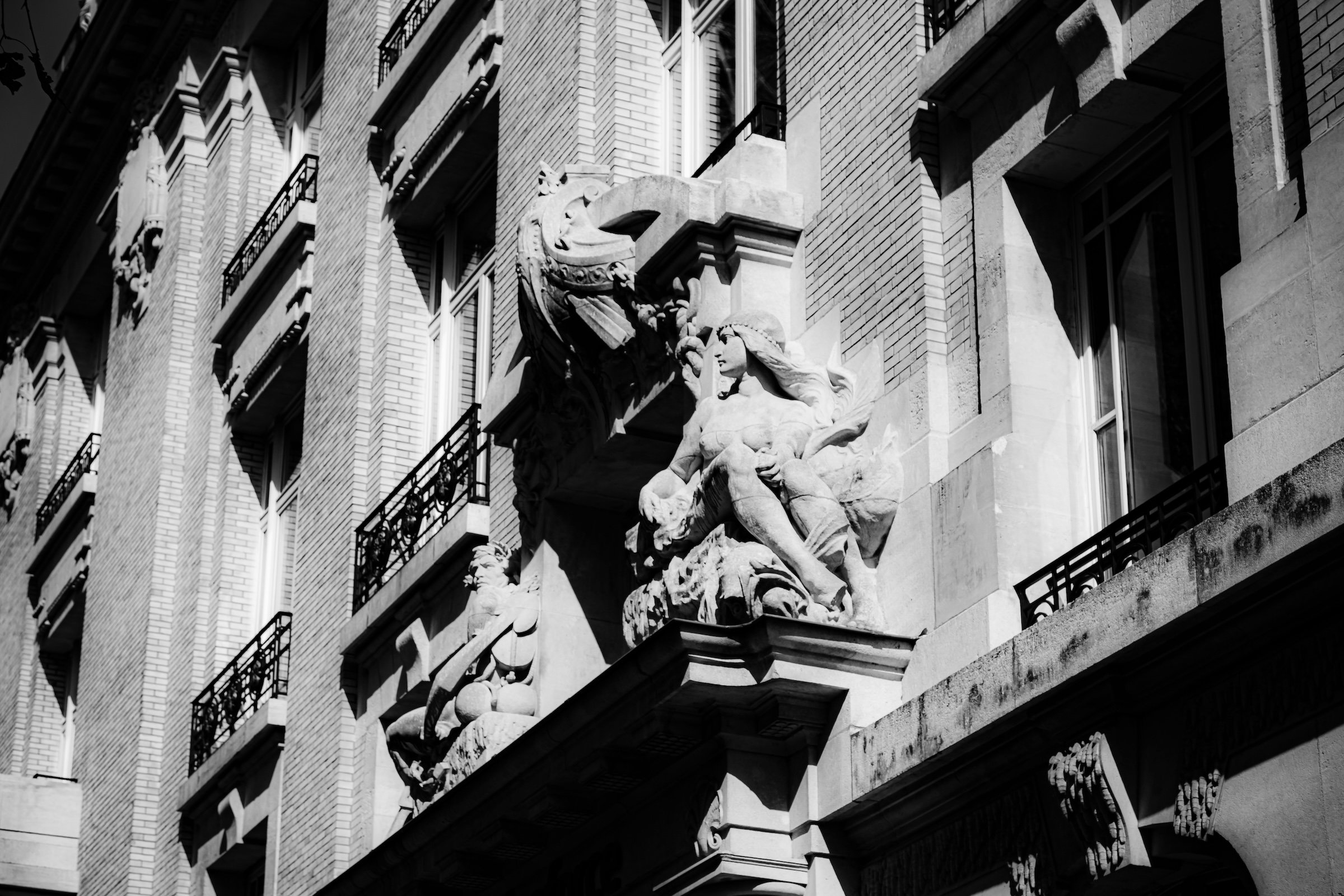
The strongest images from the day came when Paris stopped behaving like a checklist and began arranging itself into moments. A café terrace became a stage. A boulevard became a study in scale. A monument became a silhouette. A taxi, a sign, a tree, or a narrow street became a companion to something grander. The harsh light that initially made Paris feel almost too familiar eventually became the very material of discovery, softening into gold and blue as evening arrived. Through the camera, the first walk revealed a central truth of the project: Paris does not only ask to be photographed because it is beautiful; it becomes beautiful again and again through attention, timing, patience, and the willingness to keep looking.
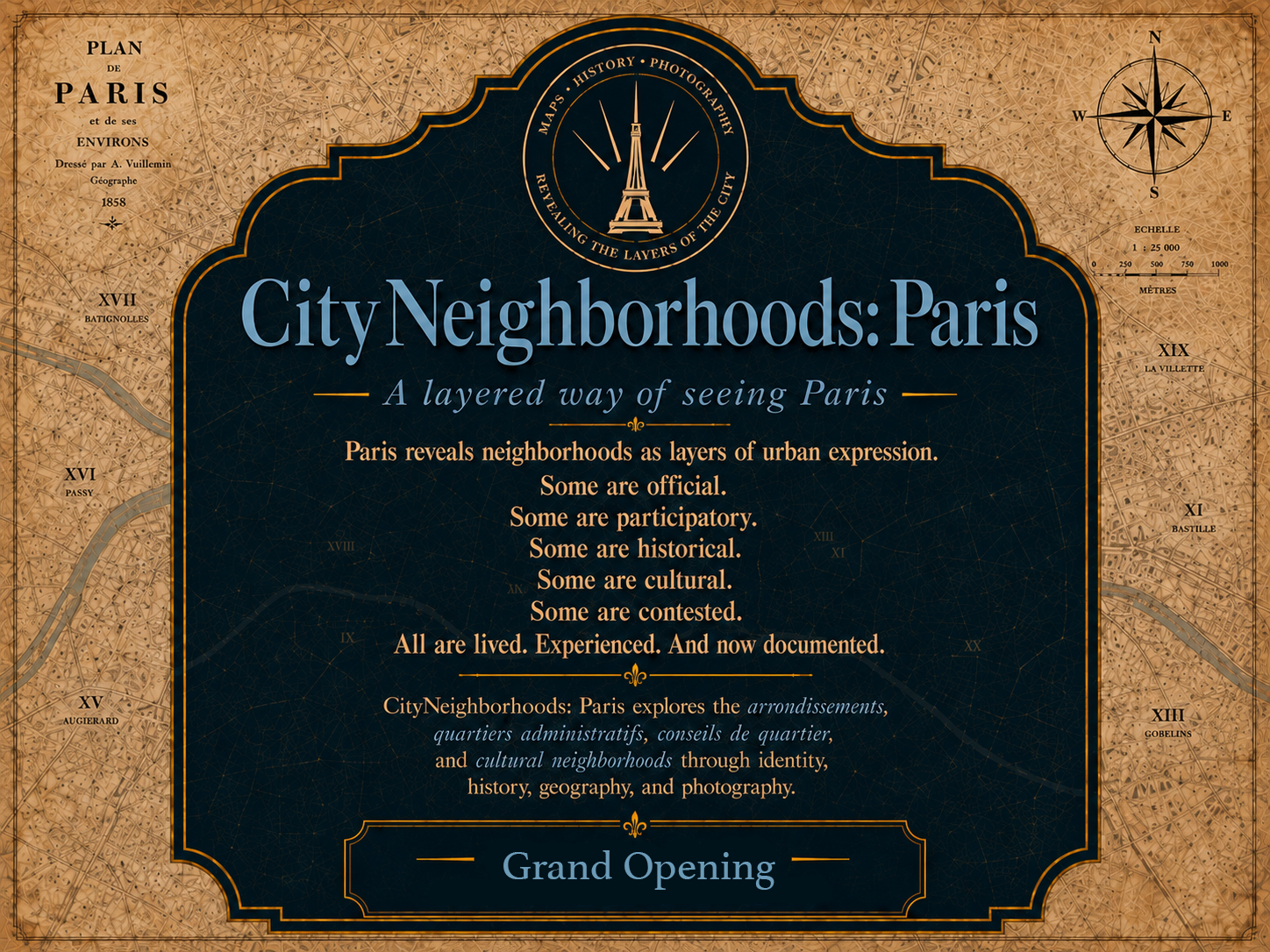
Announcing CityNeighborhoods: Paris
Make it stand out
Whatever it is, the way you tell your story online can make all the difference.
CityNeighborhoods Paris is not a typical Paris website.
It is not a travel checklist, a restaurant guide, a hotel directory, or a ranking of the city’s most famous districts. It does not treat Paris as a collection of postcard names, nor reduce the city to a few familiar neighborhoods repeated from guidebook to guidebook.
Modeled after CityNeighborhoods.NYC, CityNeighborhoods Paris is a comprehensive photographic, civic, and cultural atlas of Paris — built to see the city not as a flat map, but as a layered urban fabric.
Paris is not only a city of arrondissements. It is not only a city of quarters. It is not only a city of name-dropped neighborhoods, monuments, museums, café streets, or cinematic atmosphere.
It is all of these at once — civic, cultural, political, historical, architectural, artistic, and lived.
CityNeighborhoods Paris exists to make those overlapping layers visible.
The purpose is to reveal what is embedded in its layers: a lived, shared, celebrated and immersive confluence of lived experiences.
CityNeighborhoods Paris is an invitation to read the city more deeply — one neighborhood, one boundary, one photograph, and one connection at a time.