

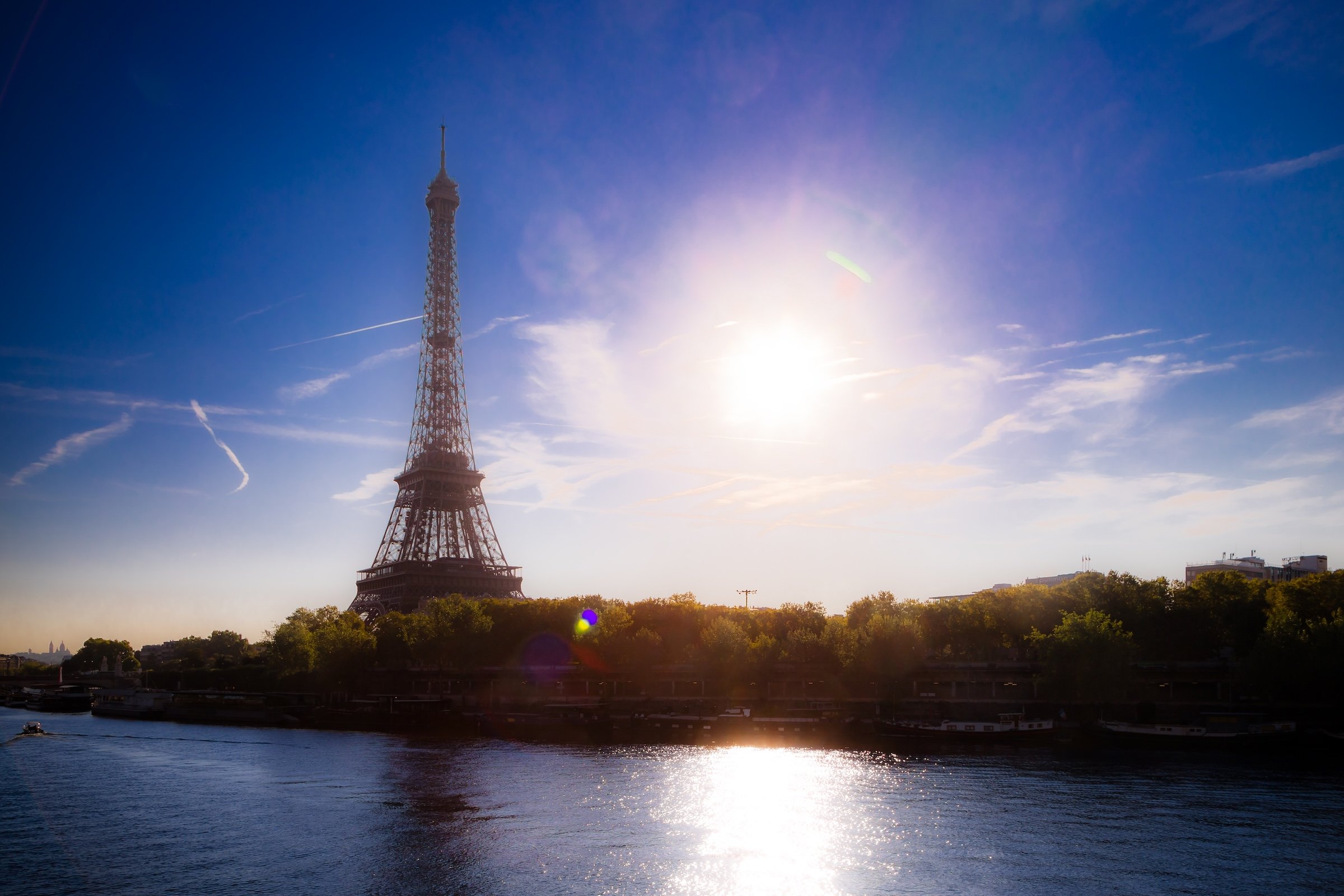
PARIS PHOTOGRAPHY
CityNeighborhoods Paris begins with photography. Before the maps are refined, before the histories are written, and before each district is organized into its final page, there is the walk: the street, the light, the frame, the encounter. The photographs are the first record of how Paris was seen, and the visual foundation from which the rest of the project grows.
This page introduces the photographic purpose, method, and visual language behind CityNeighborhoods Paris. It explores how the city is documented through walking and observation, how recurring visual themes shape the archive, where photography appears throughout the site, and how visitors can continue into the selected images, videos, galleries, prints, and full Paris photo collection.
Photography With Purpose
Philosophical Musings
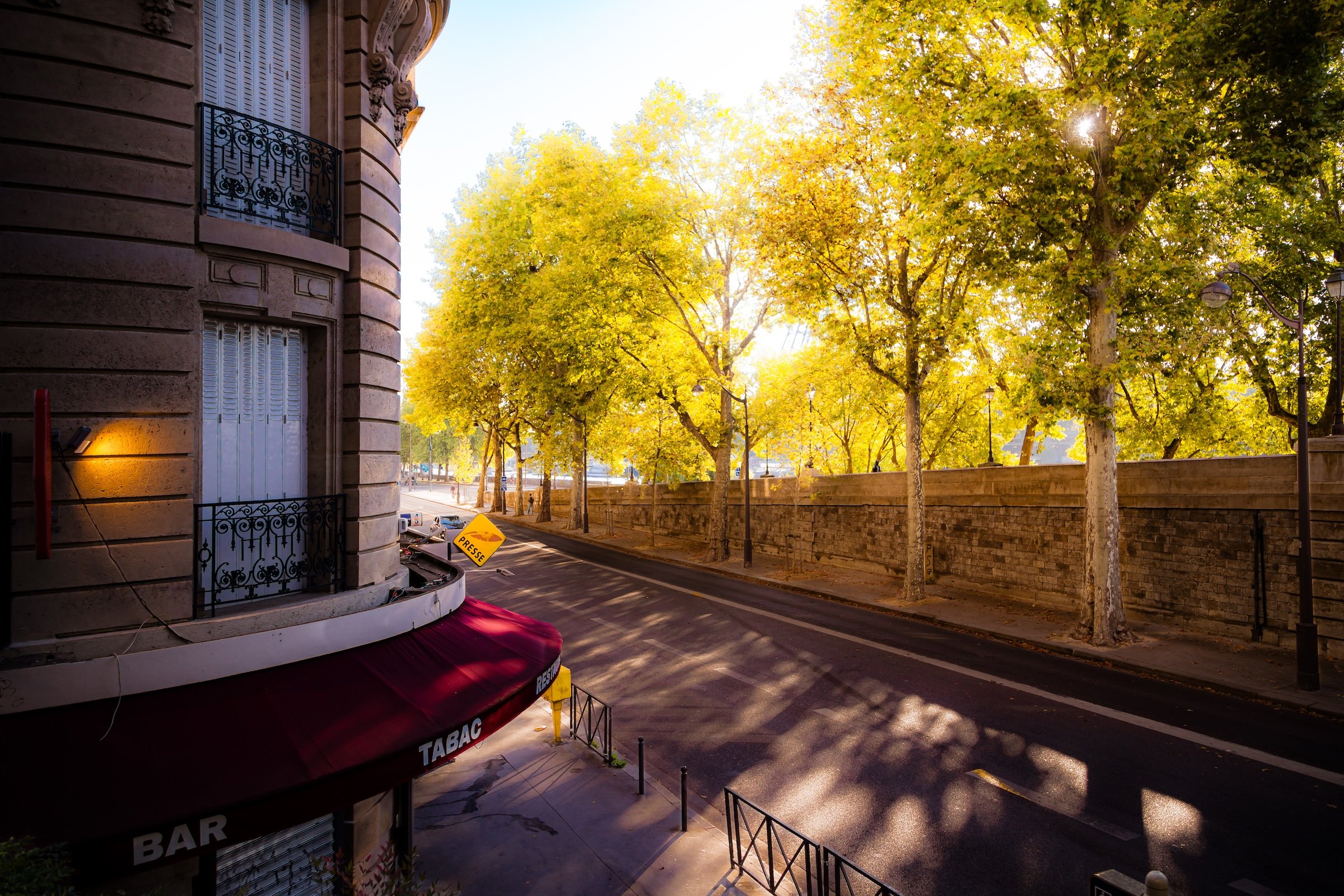
Photography is the heart of CityNeighborhoods. The project may take shape through maps, histories, neighborhood structures, essays, galleries, and websites, but it begins with the act of seeing. Each photograph is a record of attention: a moment when a street, façade, window, market, monument, shadow, sign, tree, or passing arrangement of light asked to be noticed. CityNeighborhoods Paris grows from that belief — that every neighborhood, whether famous or overlooked, contains something worthy of careful observation.
The purpose of the photography is not only to document places, but to honor them. A neighborhood is more than a name on a map or a set of boundaries. It is a lived environment shaped by people, memory, movement, architecture, weather, culture, and daily use. Through photography, CityNeighborhoods looks for the character of those places: the grand and the ordinary, the iconic and the hidden, the beautiful and the unresolved. The camera becomes a way of practicing curiosity, patience, empathy, and respect for the many ways a city is experienced.
In this sense, the photographs are both personal and shared. They come from walking, wandering, noticing, and being changed by the places encountered. But once processed, organized, and published, they become part of a larger public archive — an invitation for others to see, learn, remember, explore, or begin noticing differently themselves. The website is the gallery, archive, map room, reading room, and index; the photograph is the encounter at the center of it all.
The Photographic Method
Journey Not Destination
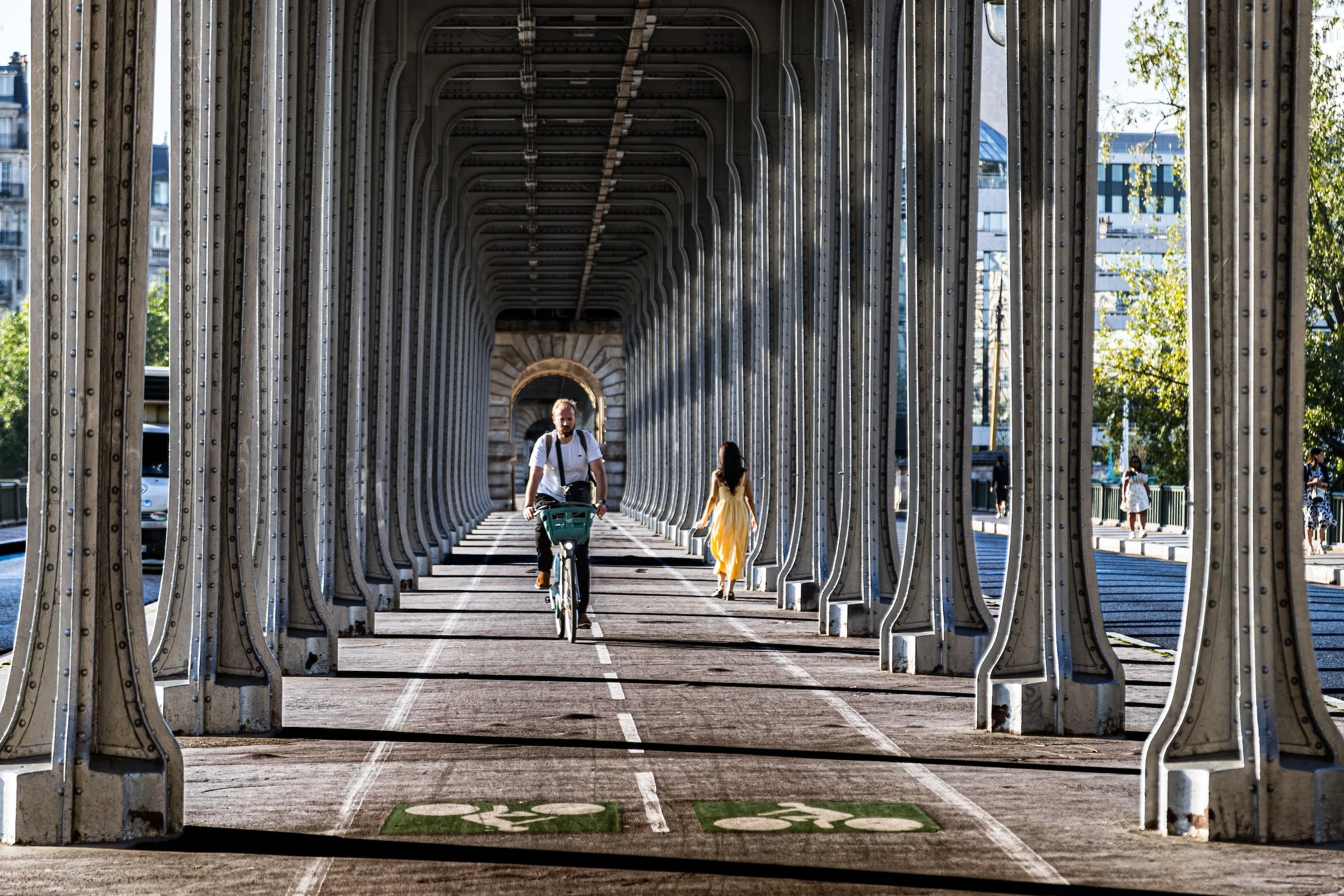
When setting out for a photographic excursion, I usually have some clear ideas in mind to help frame the day. Typically, I plan a route ahead of time, prioritizing a breadth of neighborhoods to visit, along with any clearly noteworthy locations along the way. The route provides structure: a starting point, a sense of direction, and a way to make sure each walk contributes to the larger CityNeighborhoods archive.
And yet, that route is only a guideline, not a rigid set of rules. A huge part of my photography comes from adapting to the neighborhood itself. I frequently take side quests when something catches my eye: a patch of light and shadow, street art, striking architecture, a storefront, a café corner, a narrow passage, or the way a monument suddenly appears between buildings. The day unfolds by following a planned route while still allowing the neighborhood to create its own magical moments — letting the place imprint its personality onto me the same way light imprints itself onto the camera sensor.
But photography does not end with the click of the shutter. Afterwards, files are imported into Adobe Lightroom, where they are selected, processed, and organized. The goal is not merely technical precision, but to preserve the emotional truth of the moment: the warmth of the light, the mood of the street, the texture of the architecture, or the feeling that made the image worth taking in the first place. From there, the photographs are sorted by place, sequence, and neighborhood layer, becoming part of the larger CityNeighborhoods structure.
That process of selection, organization, thought, and reflection is where much of the project truly comes to life. A walk becomes a gallery. A gallery becomes a neighborhood record. A neighborhood record becomes Visual Identity, Through the Lens, Flâneur Notes, YouTube slideshows, SmugMug collections, and eventually part of the public archive. It is in this process that the personality of a neighborhood quite literally comes to light.
And once all of that is done, I get the pleasure and privilege of sharing it with you.
A Paris Photographic Lexicon
Learning To See
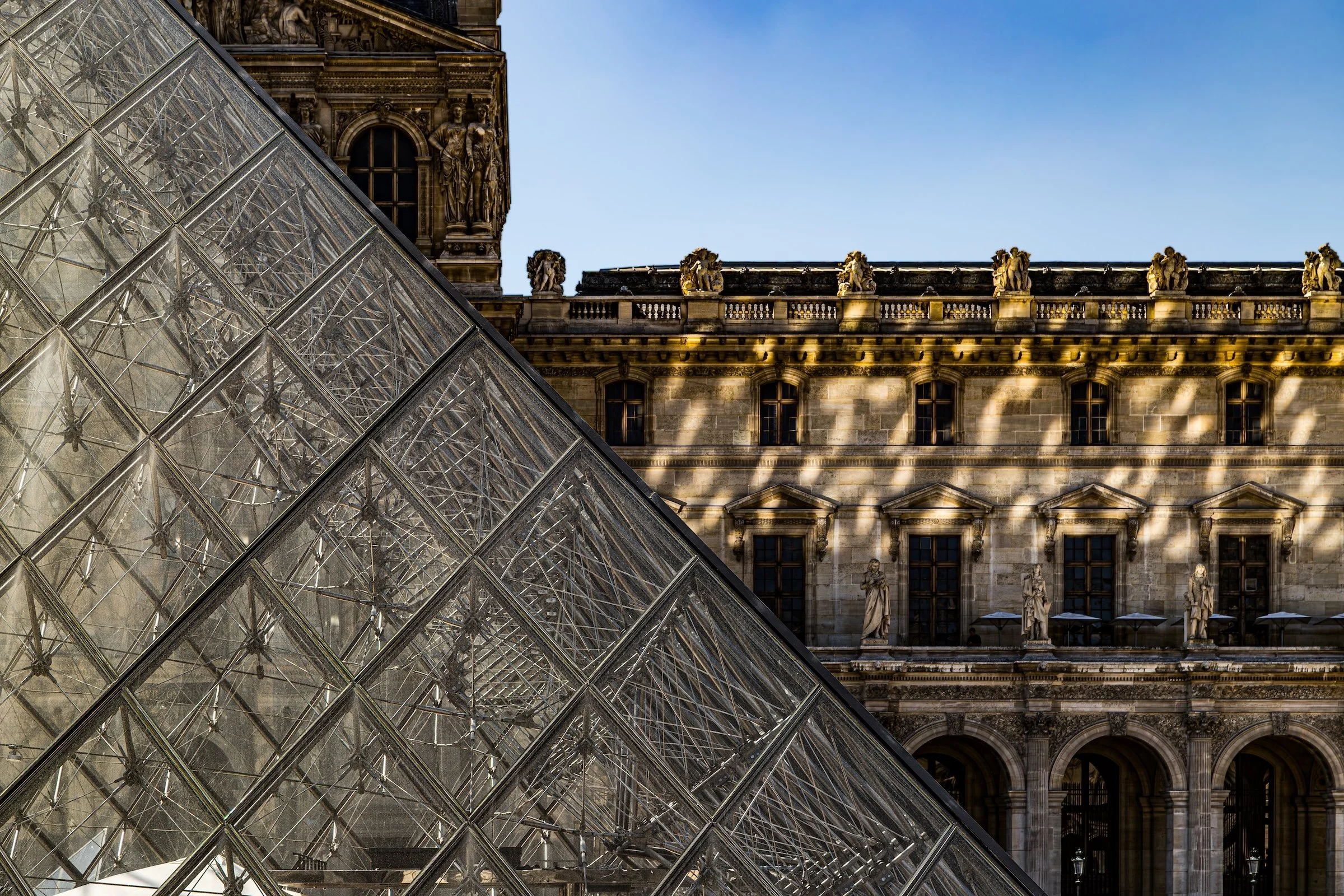
The Paris Photography Lexicon gathers some of the recurring visual ideas that shape how CityNeighborhoods Paris sees the city. These are not strict categories or technical rules. They are patterns of attention: the kinds of scenes, relationships, light, and moments that repeatedly emerge while walking with a camera through Paris. Over time, these patterns become part of the project’s visual language.
The Lexicon is important because photography is more than documentation. A photograph records what was present, but it also reveals what the photographer noticed. City as Stage, Companions & Juxtapositions, Painting with Light, Sunflections, Sunbeams, and other recurring ideas help explain how a scene becomes meaningful: how architecture frames daily life, how monuments converse with their surroundings, how light transforms stone and glass, and how ordinary details become part of a neighborhood’s identity.
For visitors, the Lexicon offers a way to read the photographs more closely. It can also serve as an invitation to walk Paris with greater attention — to notice the theatricality of a street corner, the glow of reflected light, the rhythm of façades, or the sudden alignment of people, place, and atmosphere. These entries are not meant to define Paris completely. They are meant to open a few of the ways Paris can be seen.
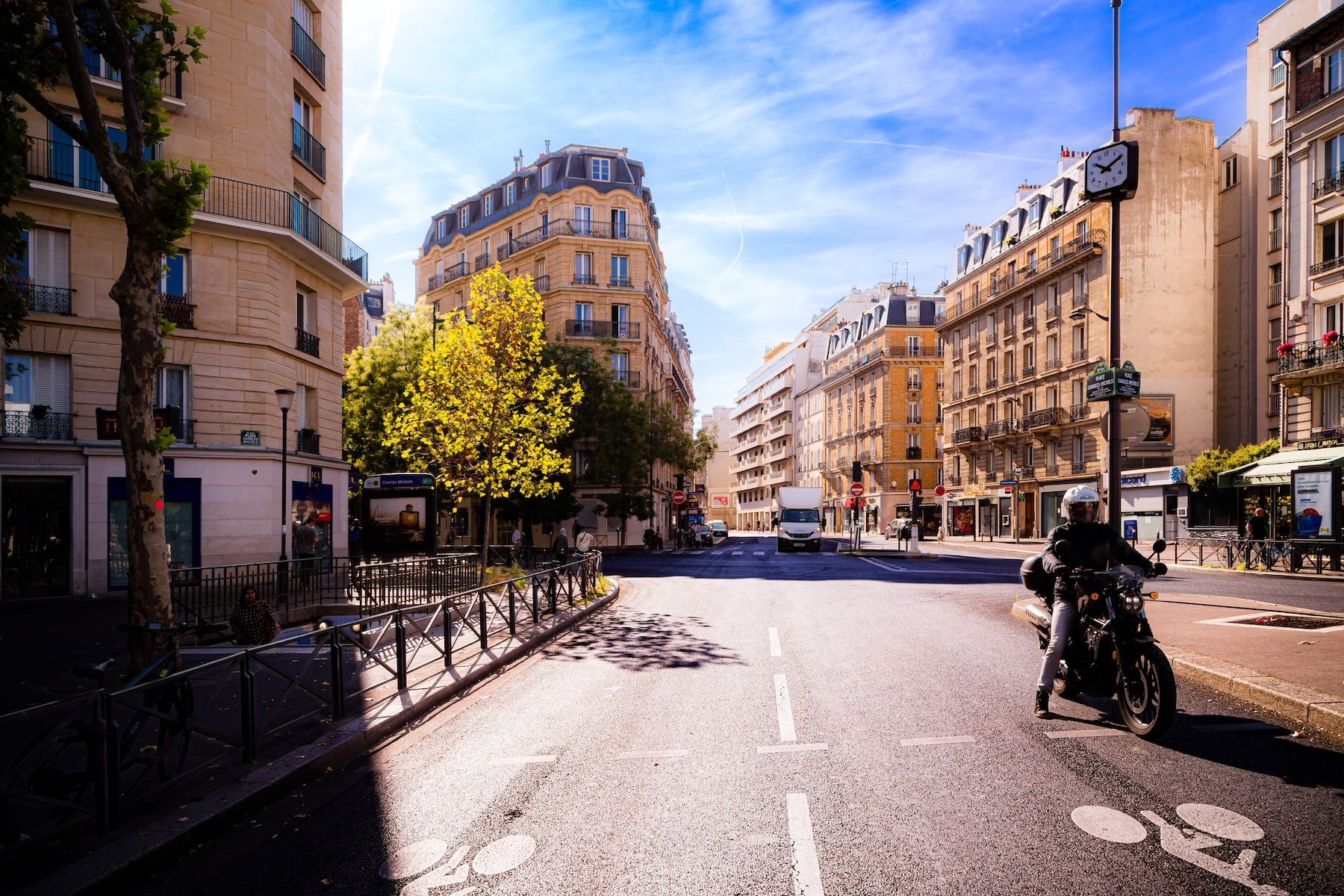
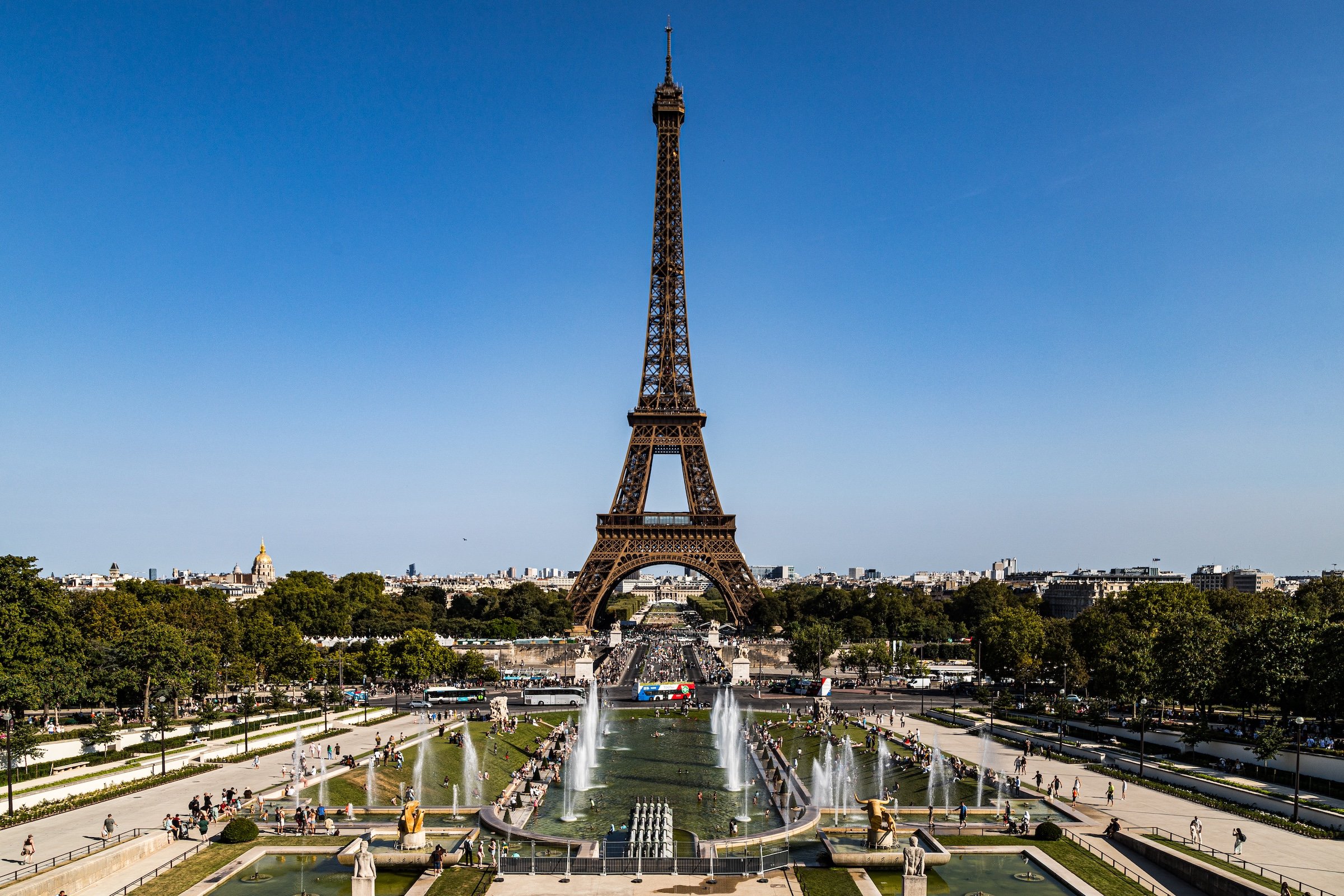
City As Stage
City as Stage begins with the idea that the city is always performing. In New York, this often appears through sidewalks, storefronts, intersections, subway entrances, stoops, street vendors, crowds, and the restless choreography of movement. The camera does not need to invent drama; it only needs to recognize the moment when people, architecture, light, and urban rhythm briefly come together. A café, a corner, a crosswalk, or a patch of sunlight can become a stage set, with the city arranging itself into an image.
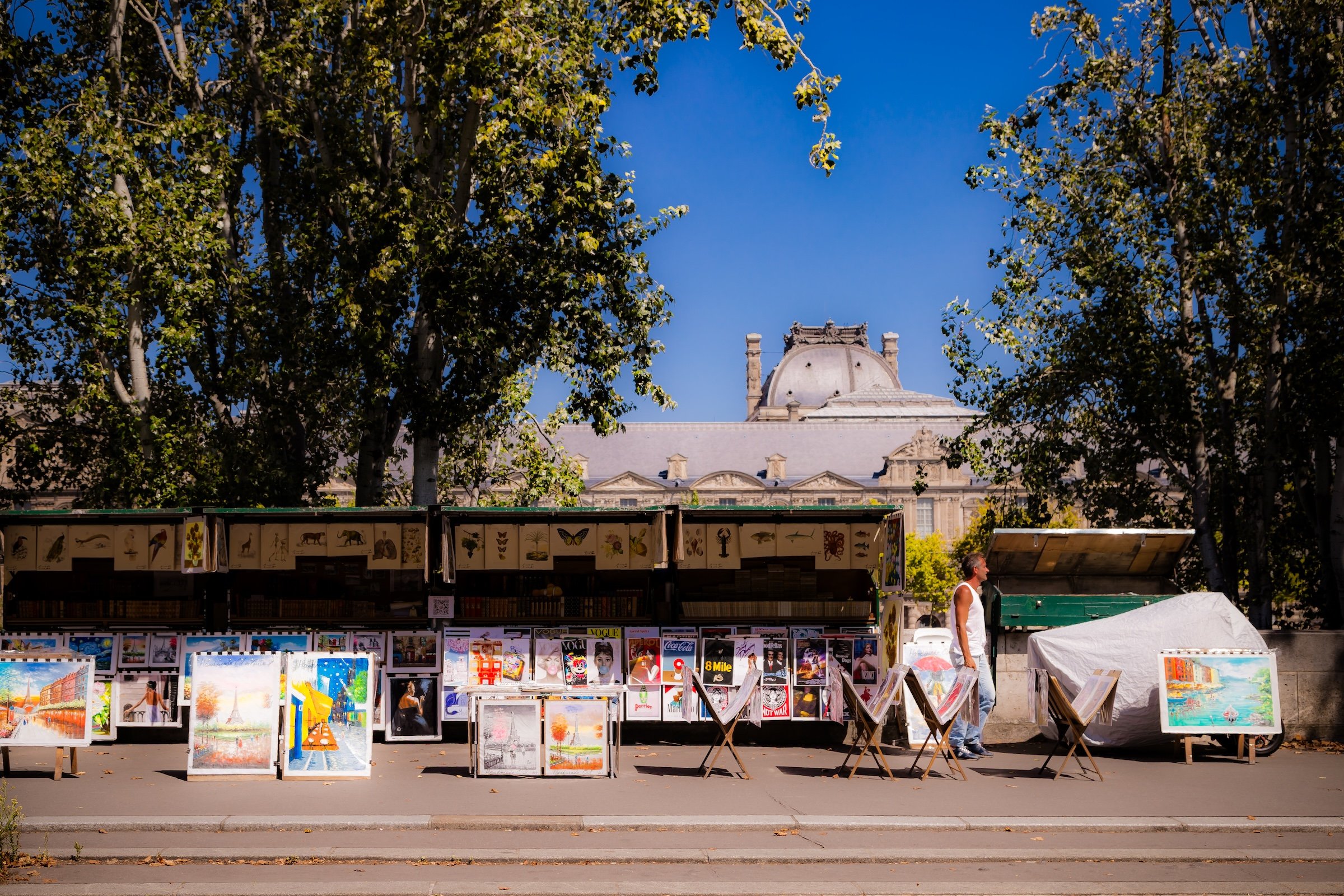
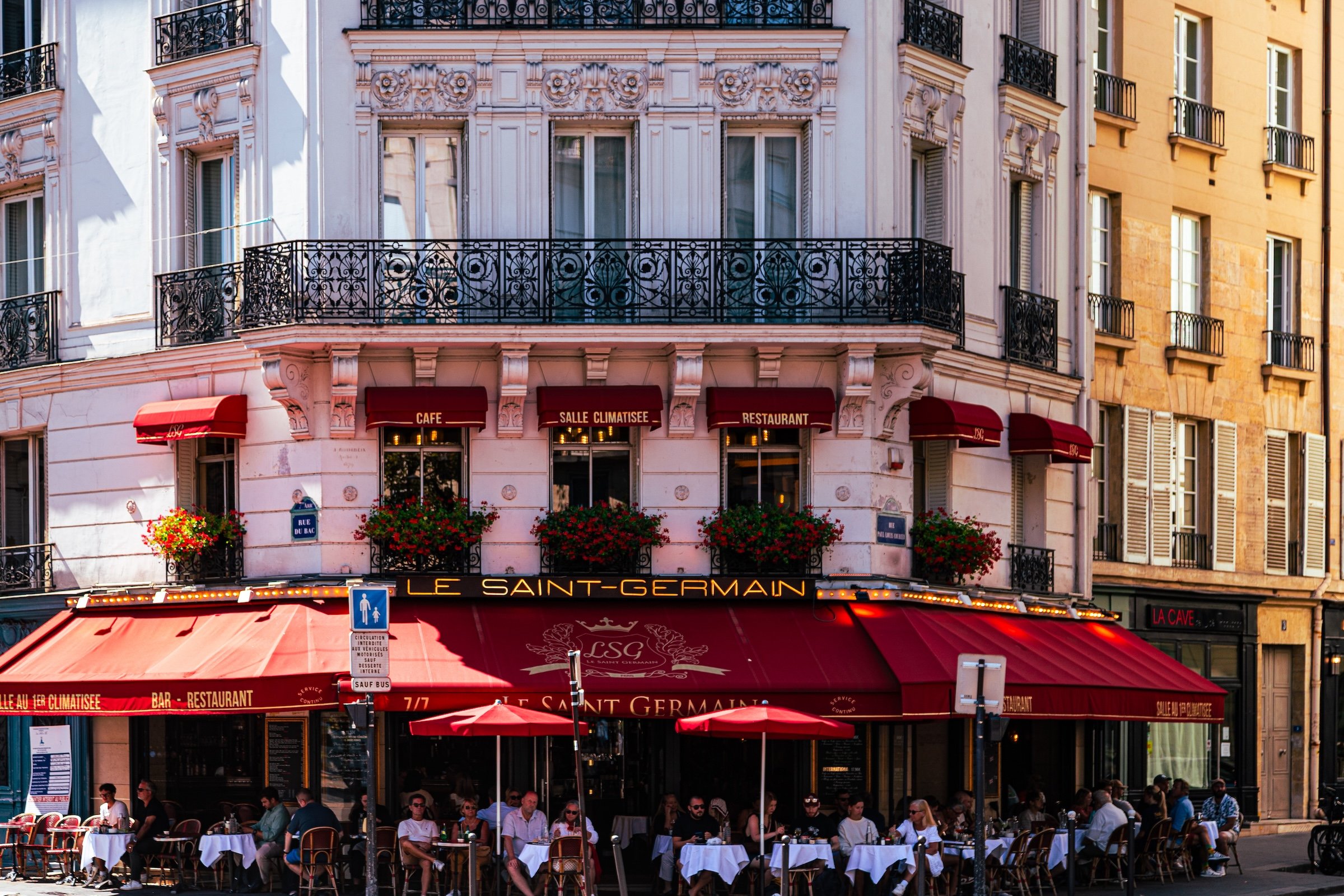
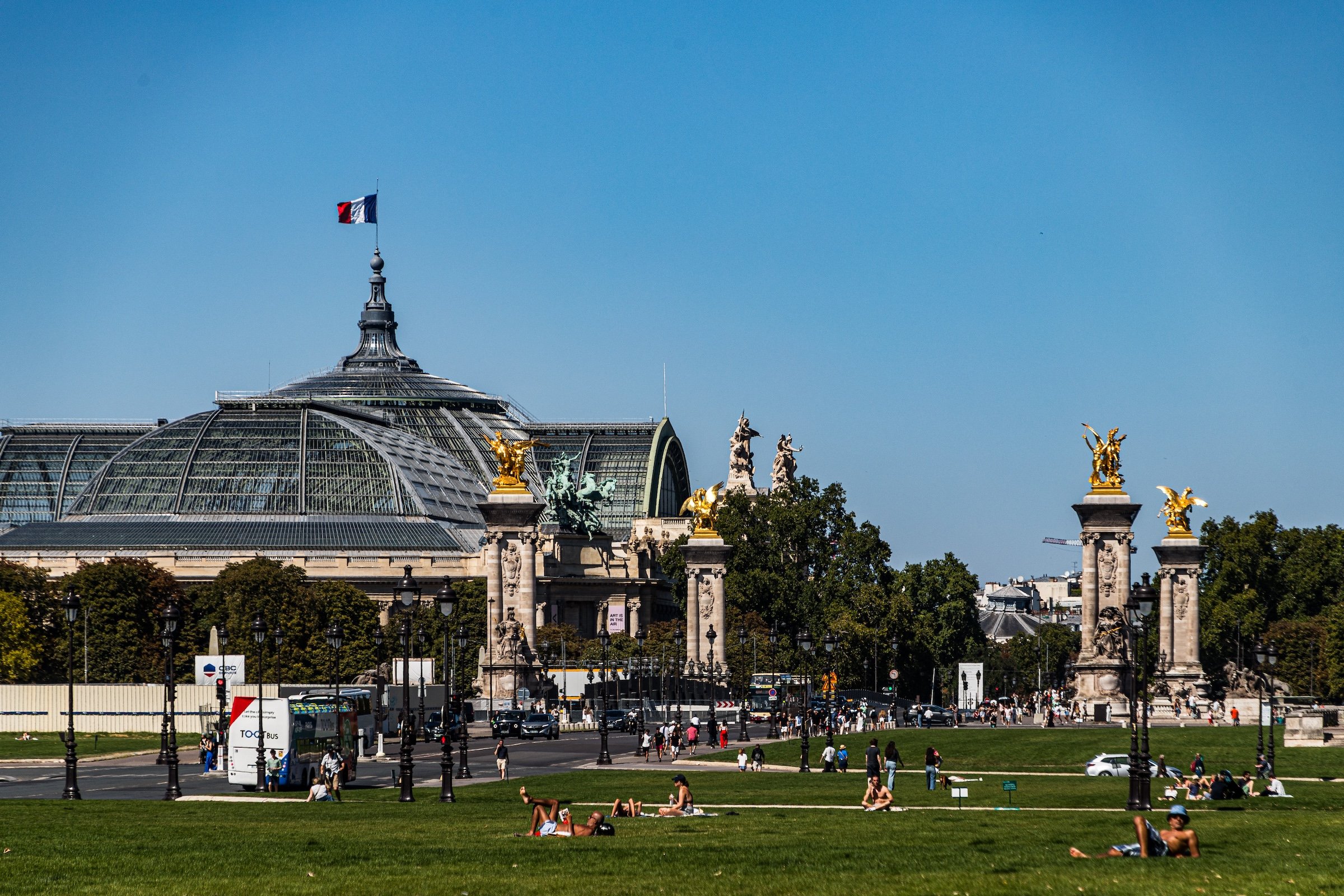
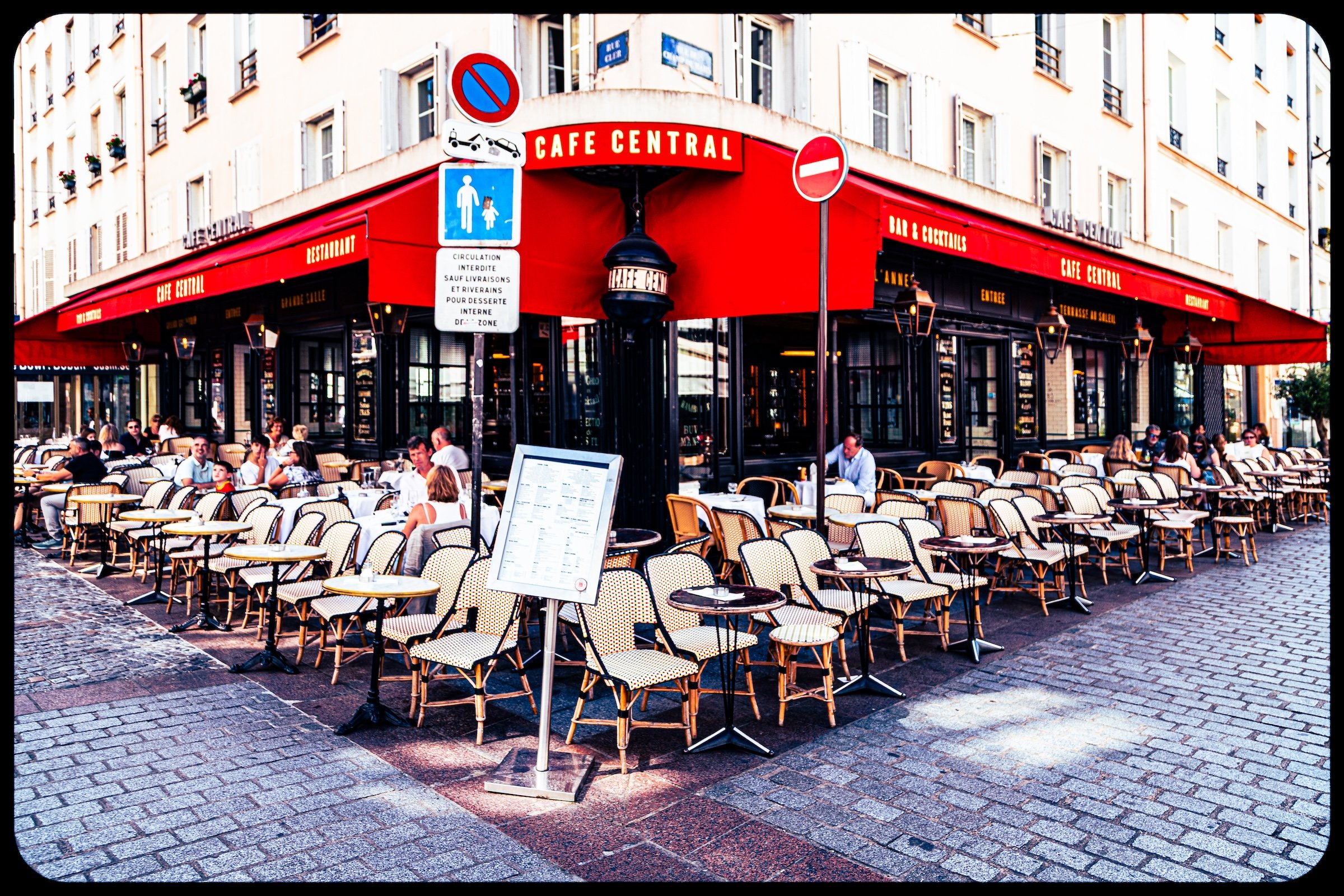
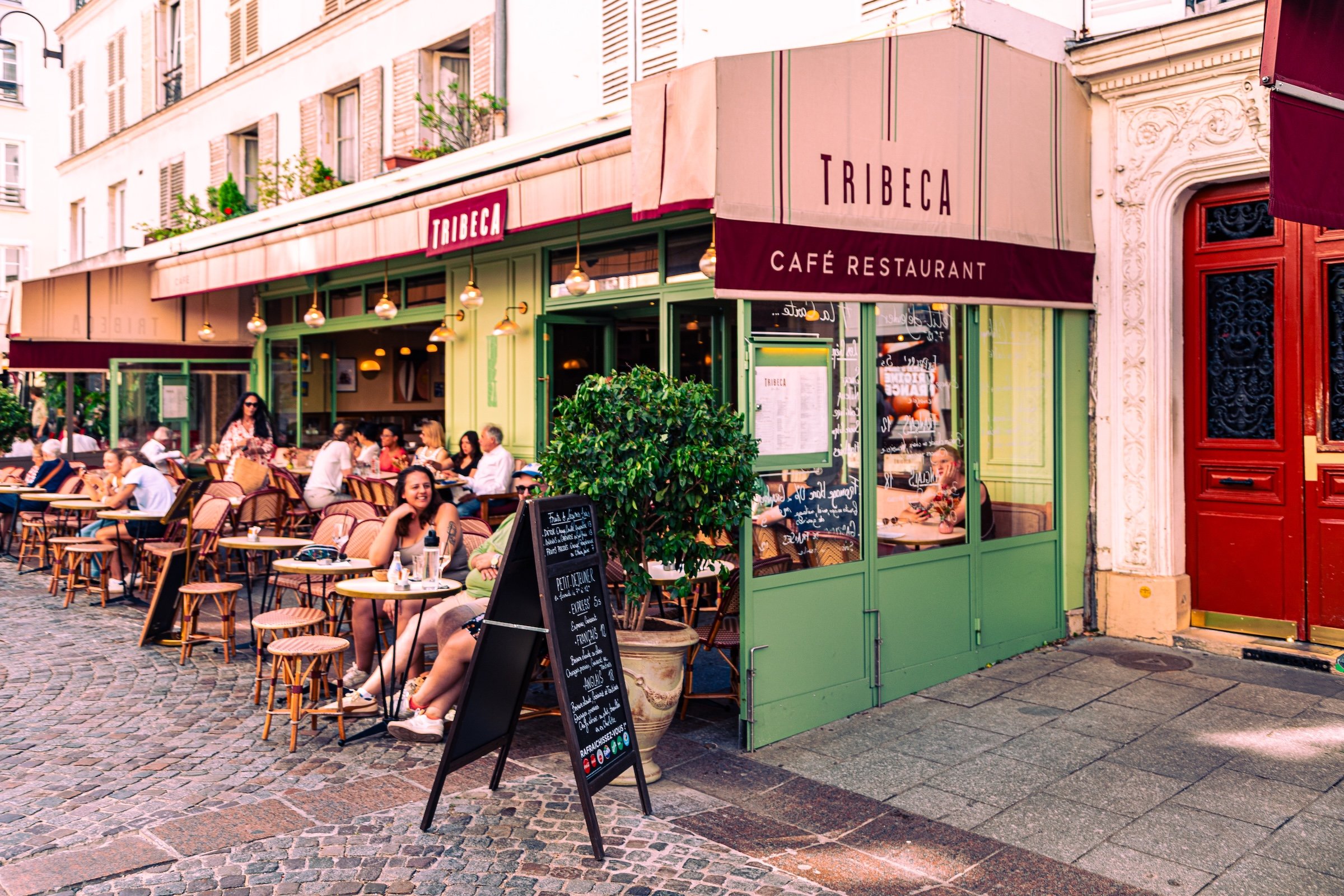
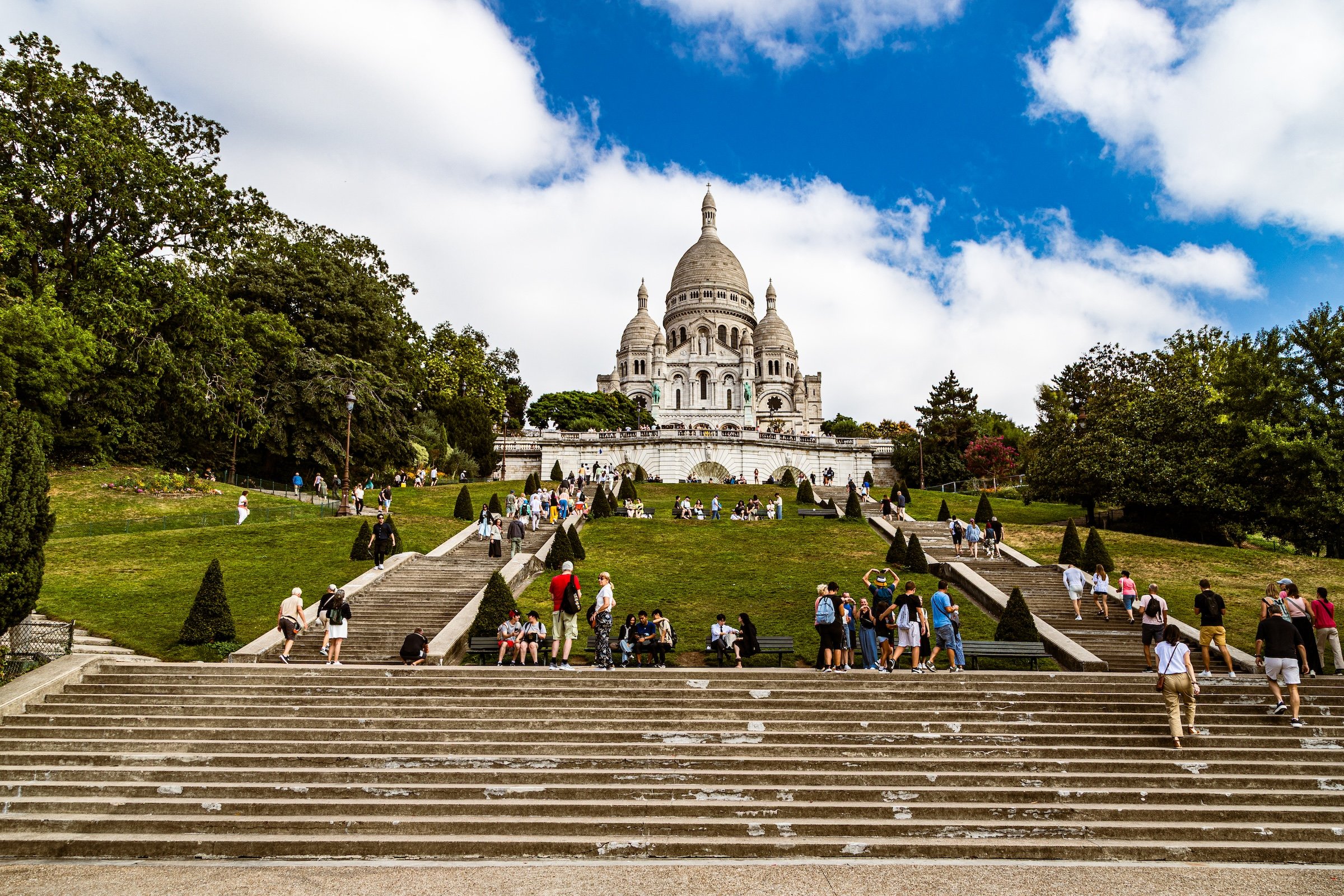
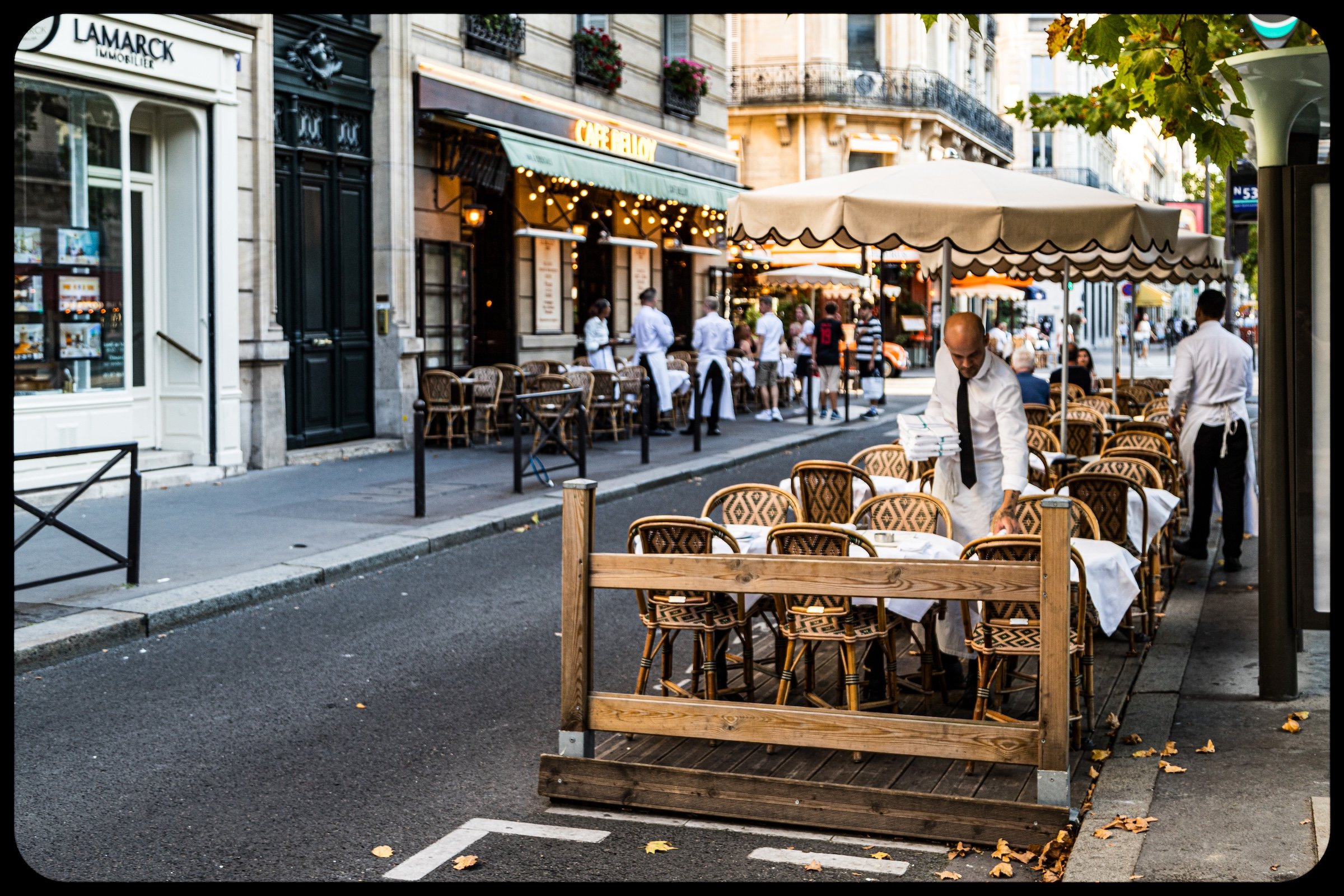
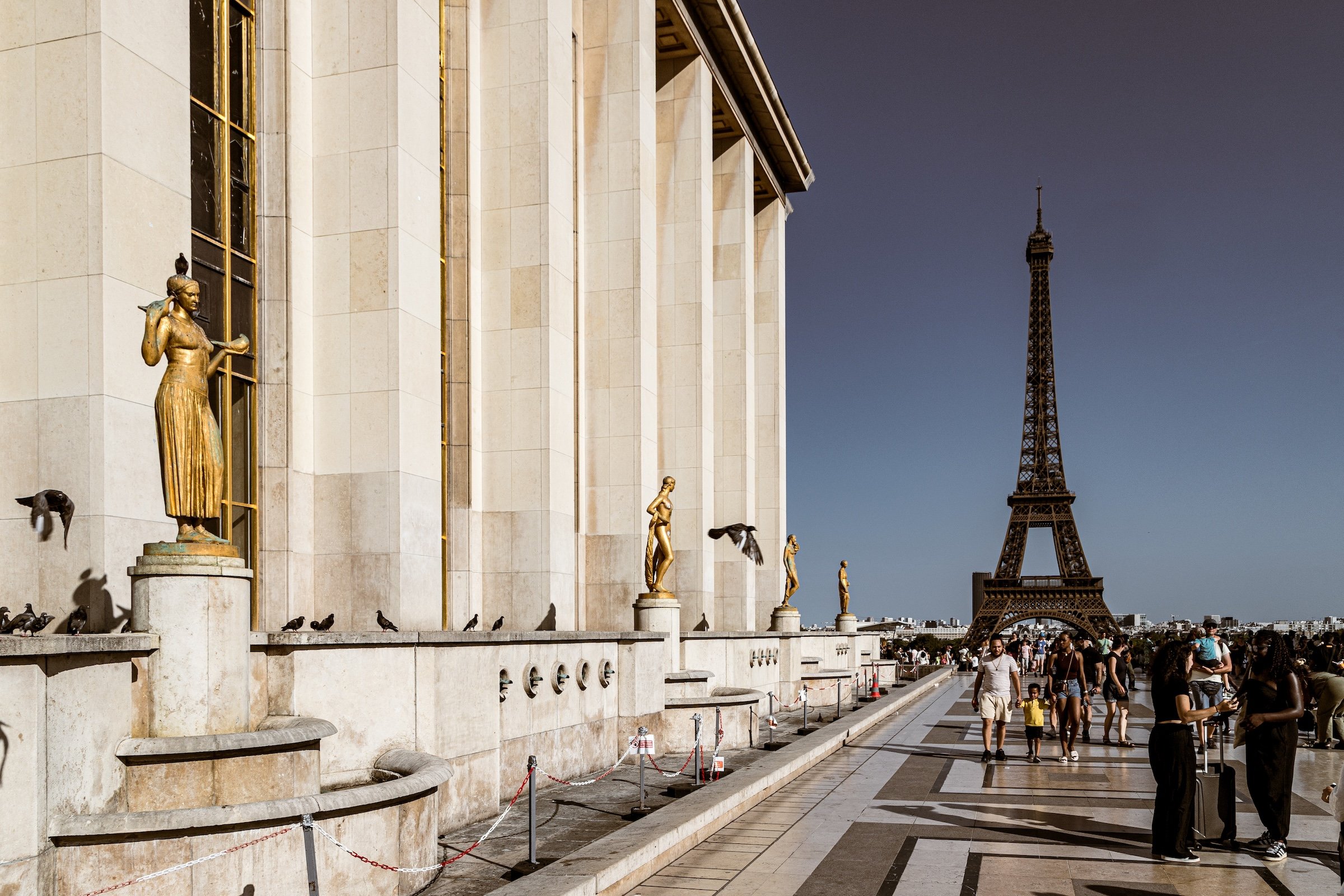
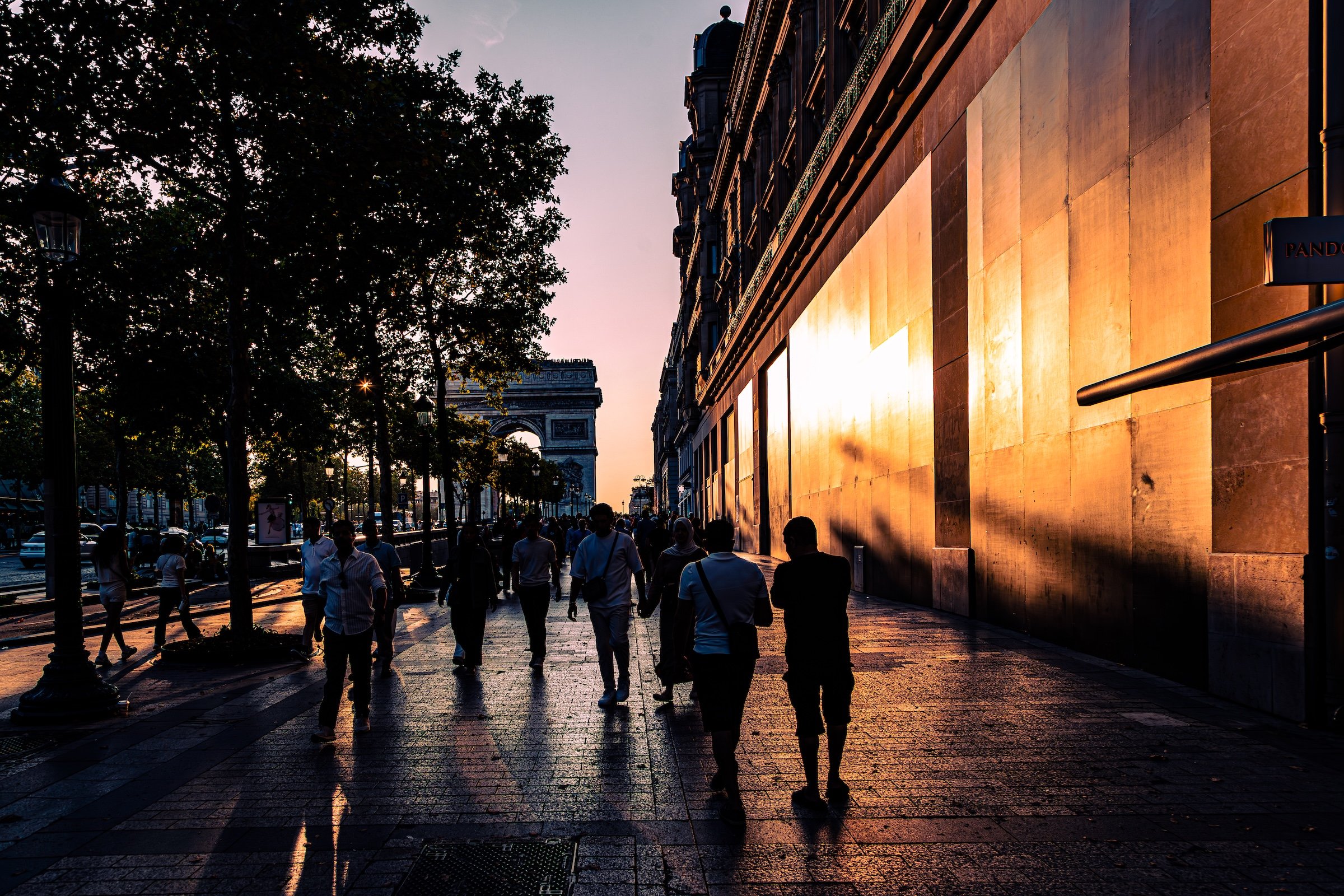
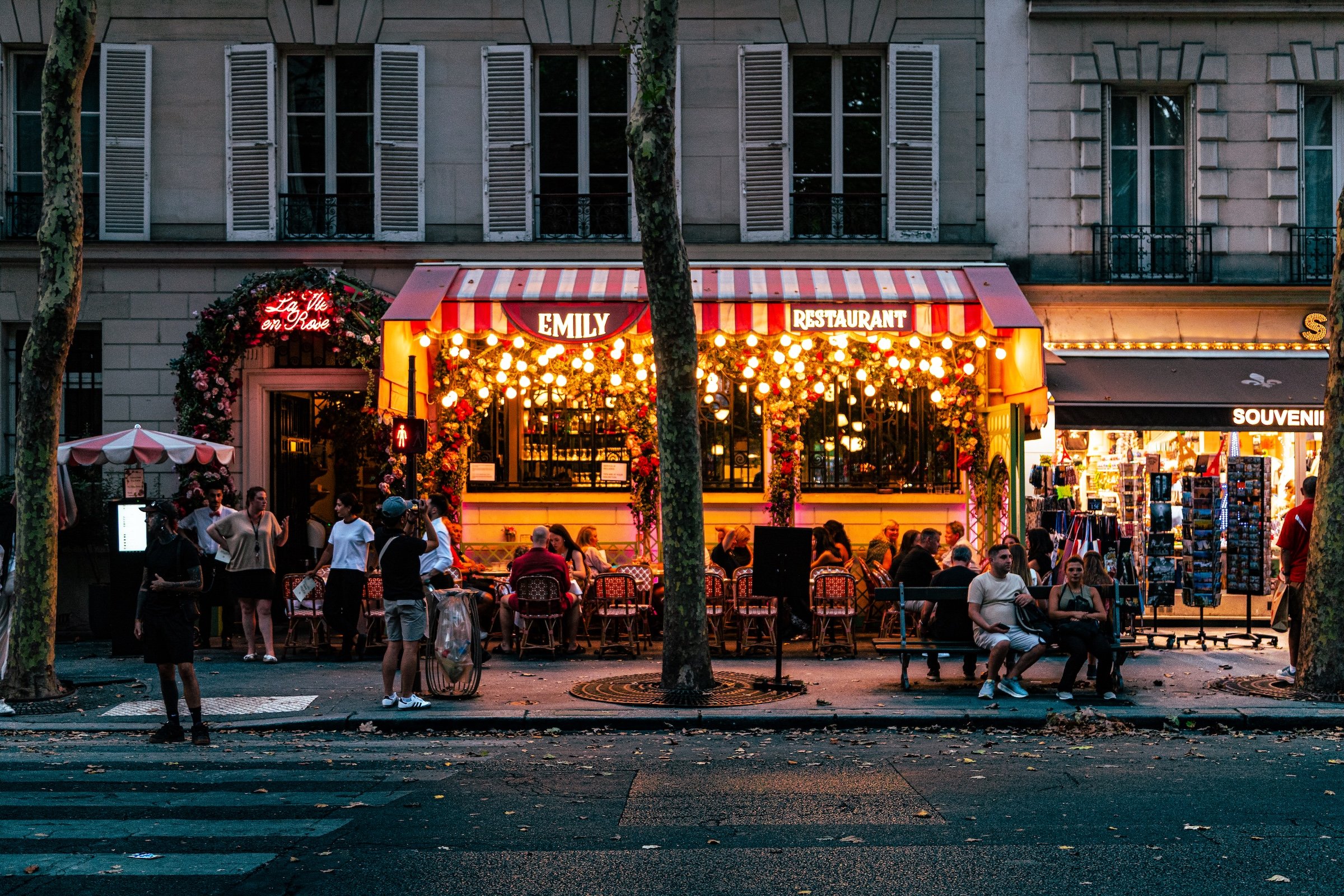
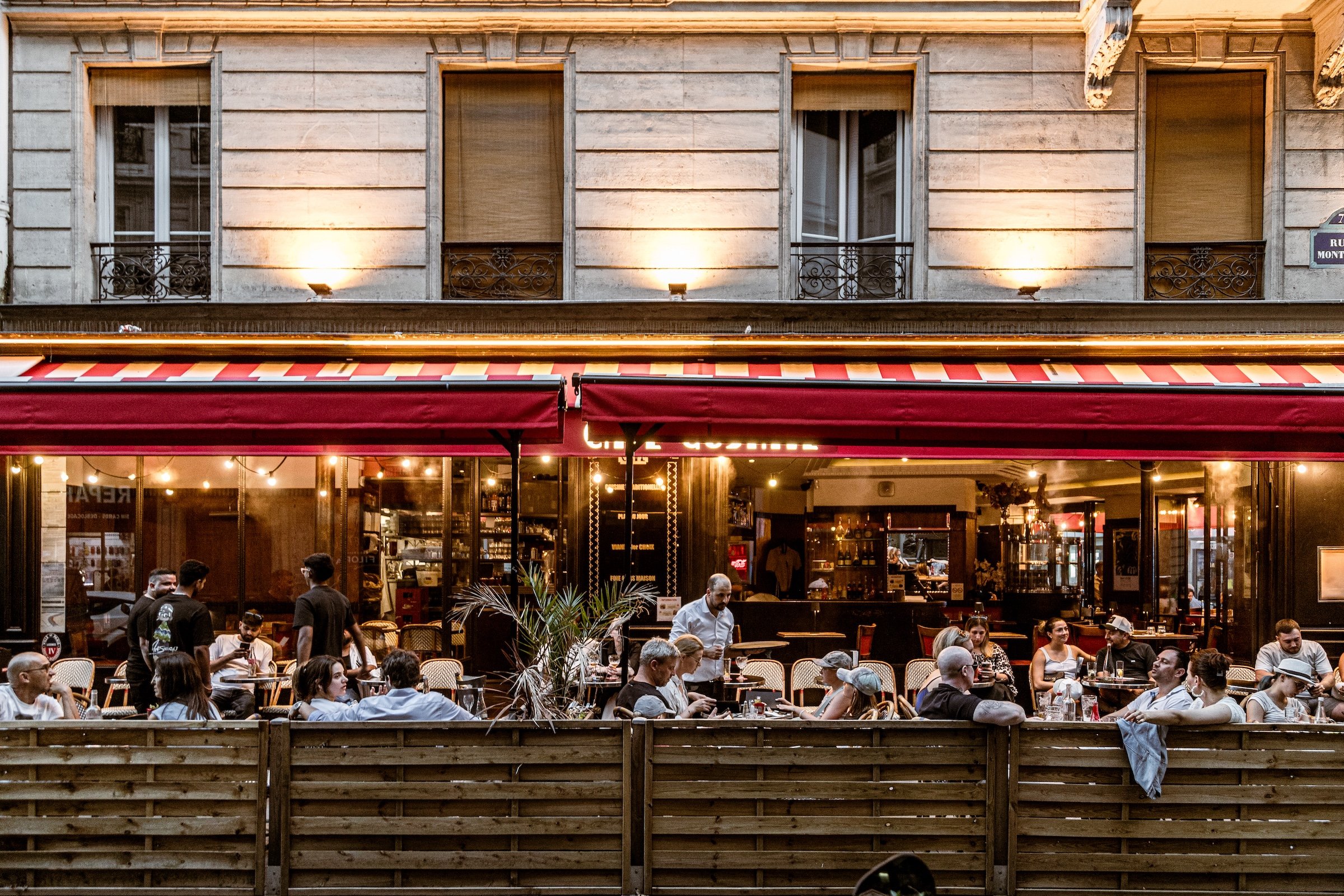
In Paris, City as Stage takes on a different but equally powerful character. The performance is often more composed, more architectural, and more theatrical in its relationship to history. Café terraces face outward like audience seating. Monuments hold the background like painted scenery. Boulevards, gardens, stairways, museum façades, Metro entrances, and street corners create places where people pass, pause, gather, look, eat, talk, and wait. The photographs become less about capturing a single landmark and more about watching Paris place that landmark, street, or café into a living scene.
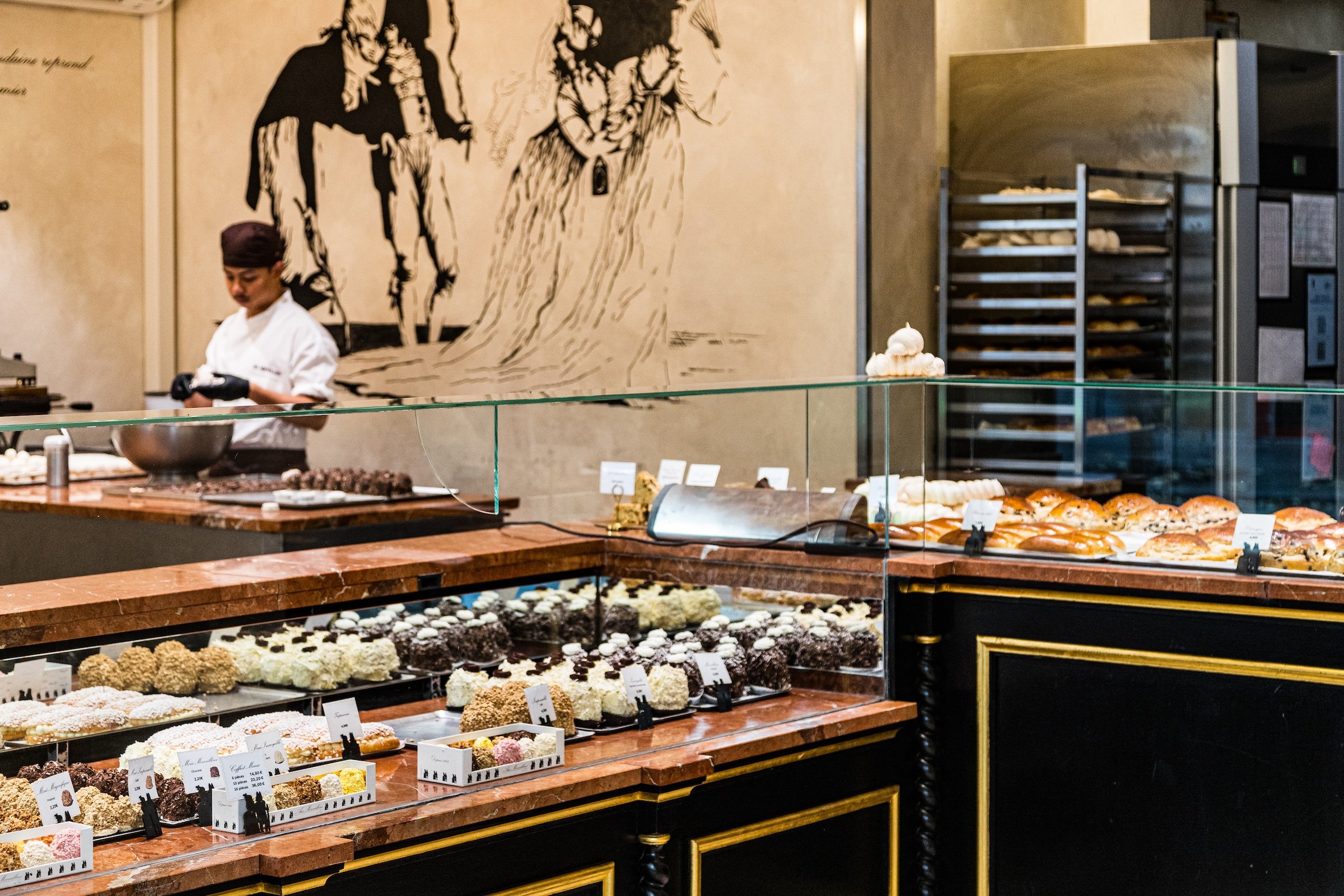
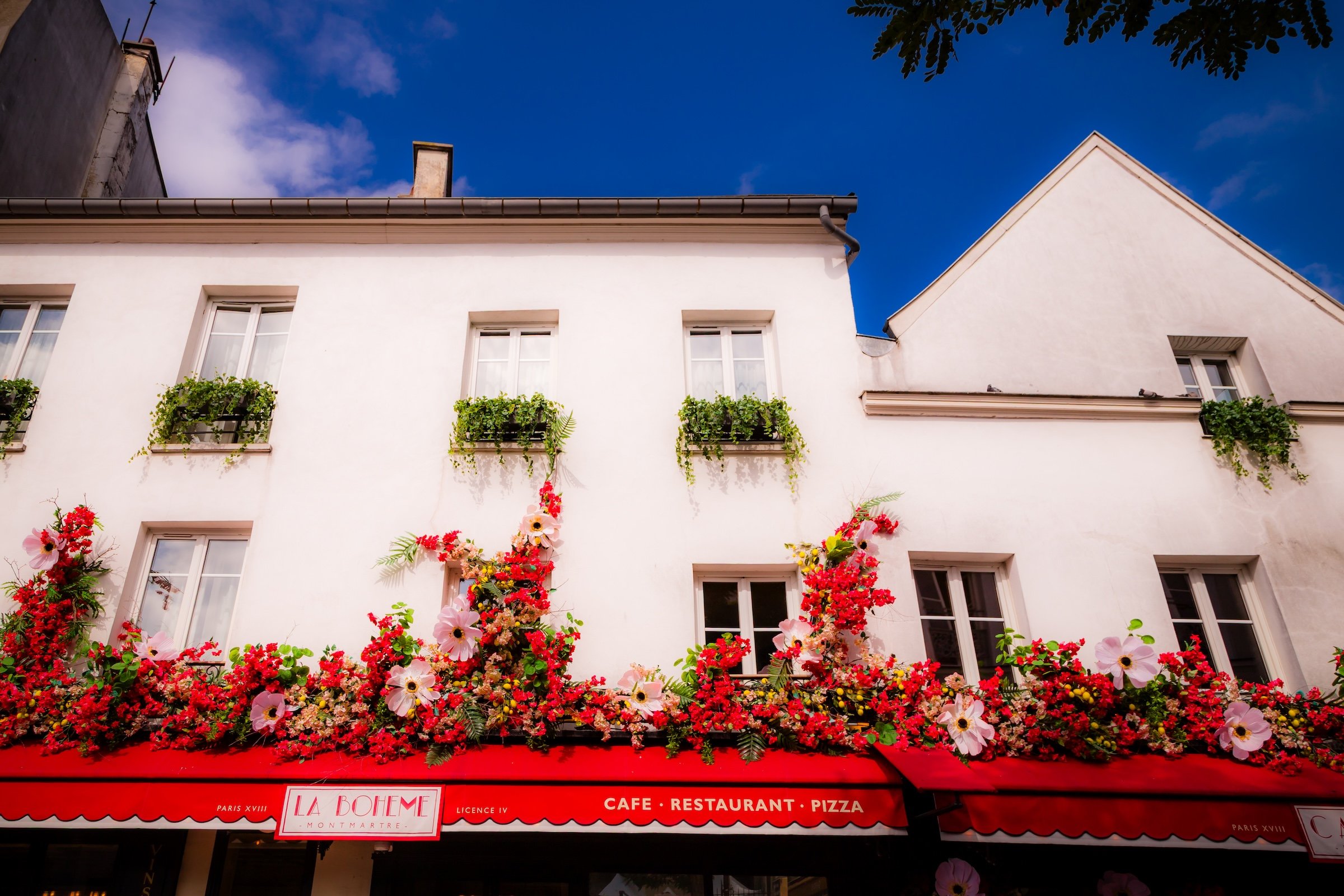
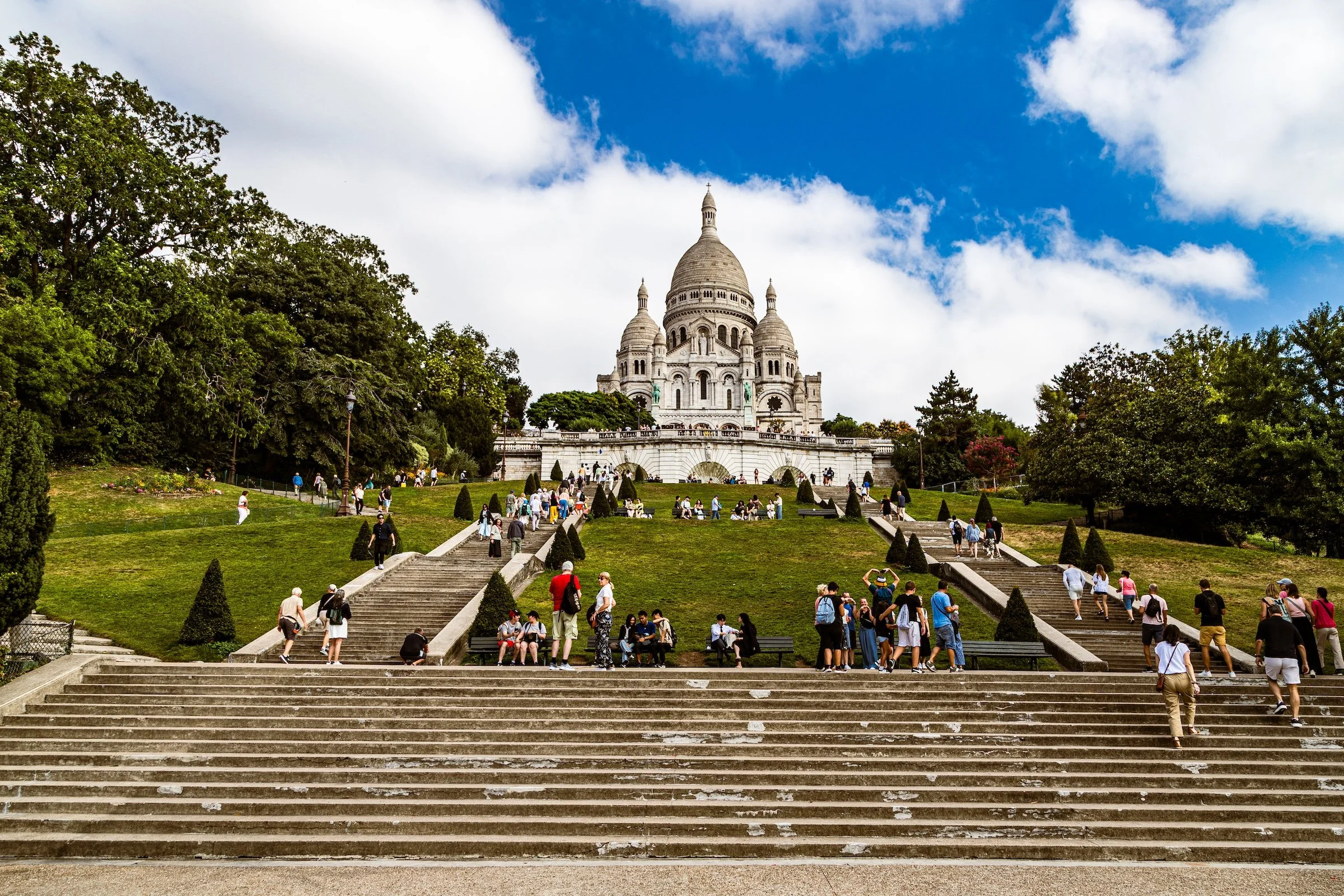
The images in this section show Paris as a series of staged encounters: café corners glowing red against pale façades, Sacré-Cœur rising above public steps, the Eiffel Tower framed from terraces and promenades, sunlight turning walls into backdrops, and everyday figures moving through spaces that already feel cinematic. City as Stage is not about pretending the city is artificial. It is about noticing how real urban life often appears with the structure, timing, and beauty of theater — especially when the walker is ready to see it.
Highlights

Sungleams
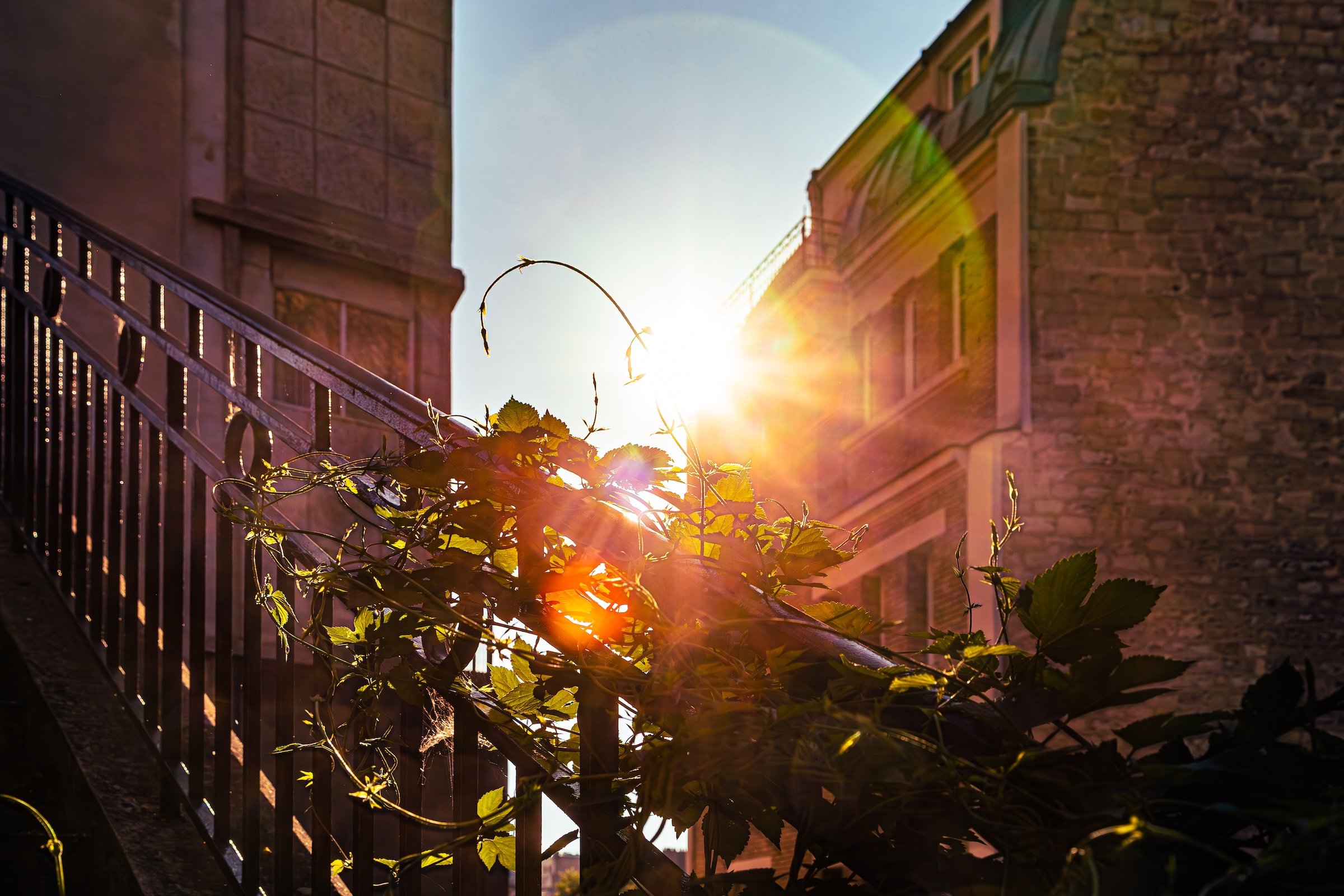
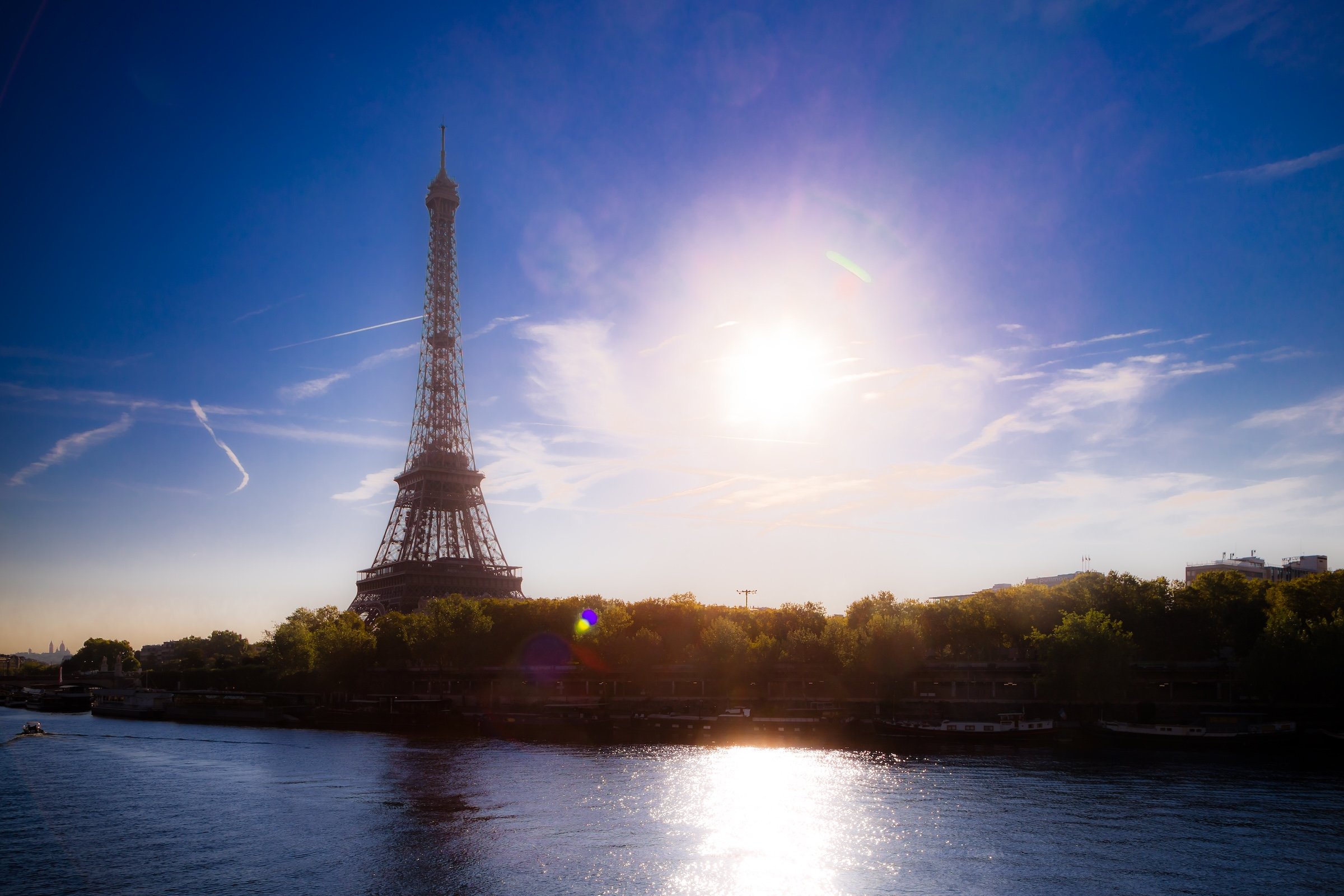
Sungleams begin with the moment sunlight becomes more than illumination. In New York, this often appears as a sudden flare between buildings, a bright burst across glass towers, a glancing shine on pavement, or a beam of light transforming an otherwise ordinary street into something electric. The city’s density makes these moments feel fleeting and earned: the sun finds a narrow opening, strikes a façade, catches a window, spills across an avenue, and briefly turns the urban grid into a theater of brightness.
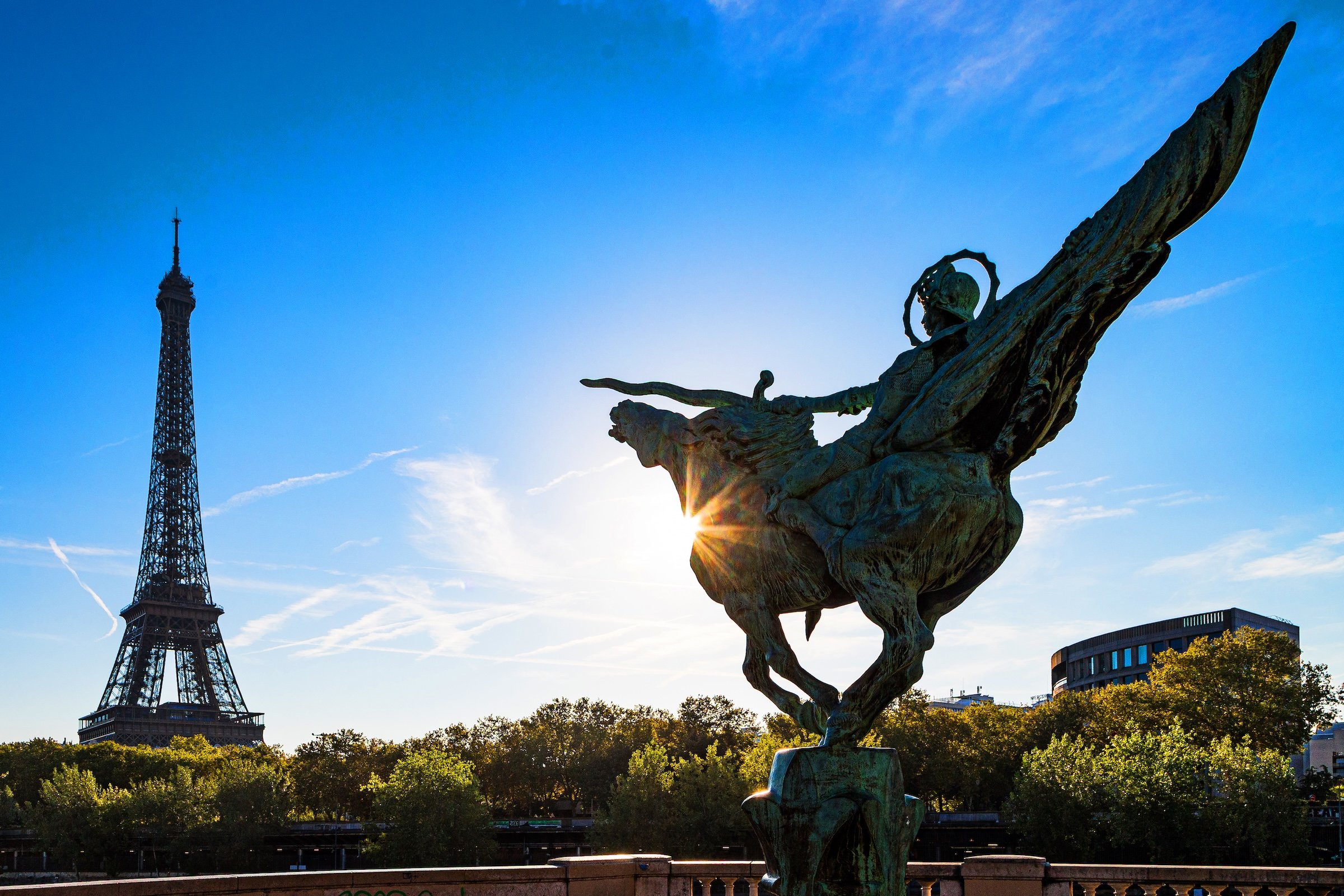
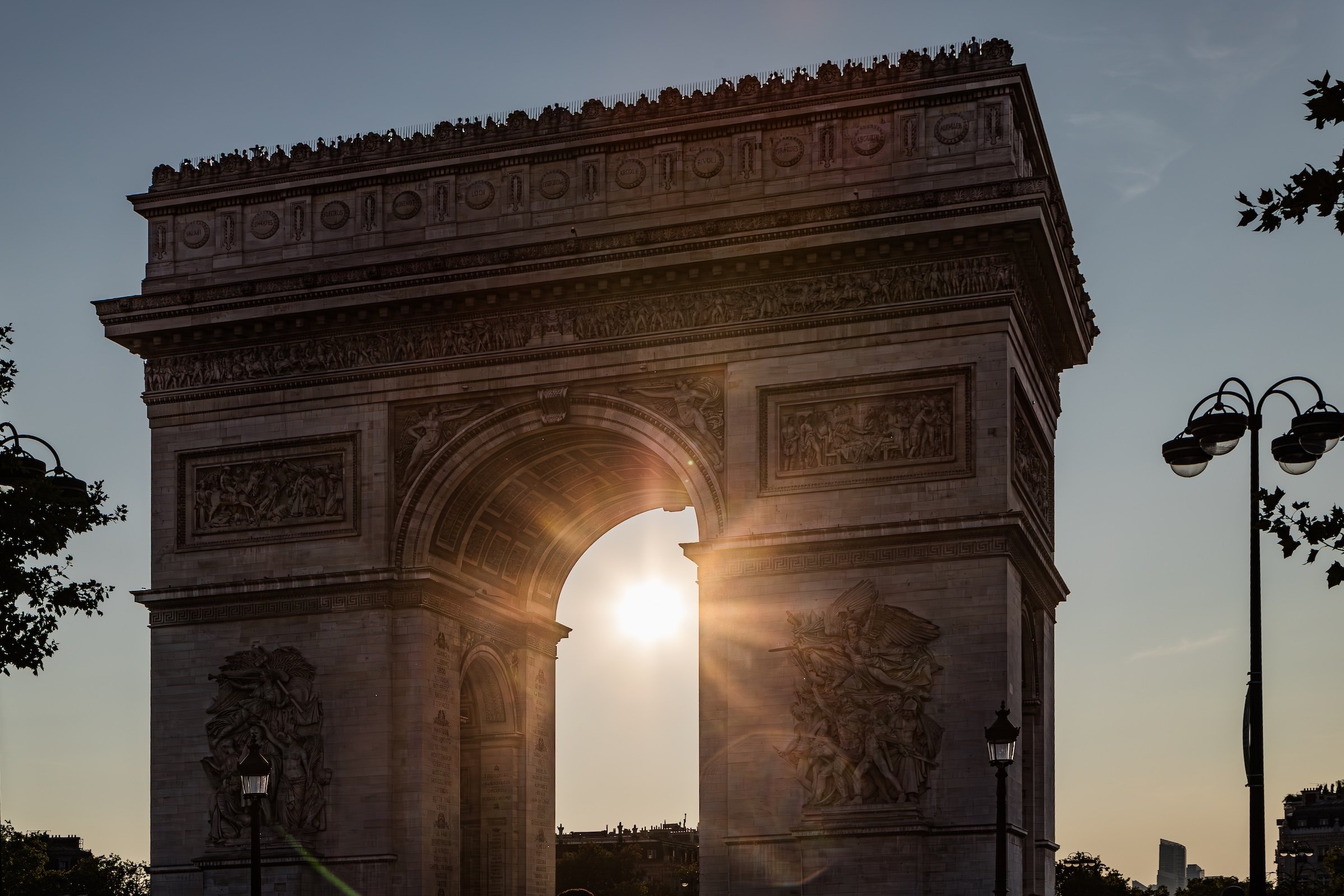
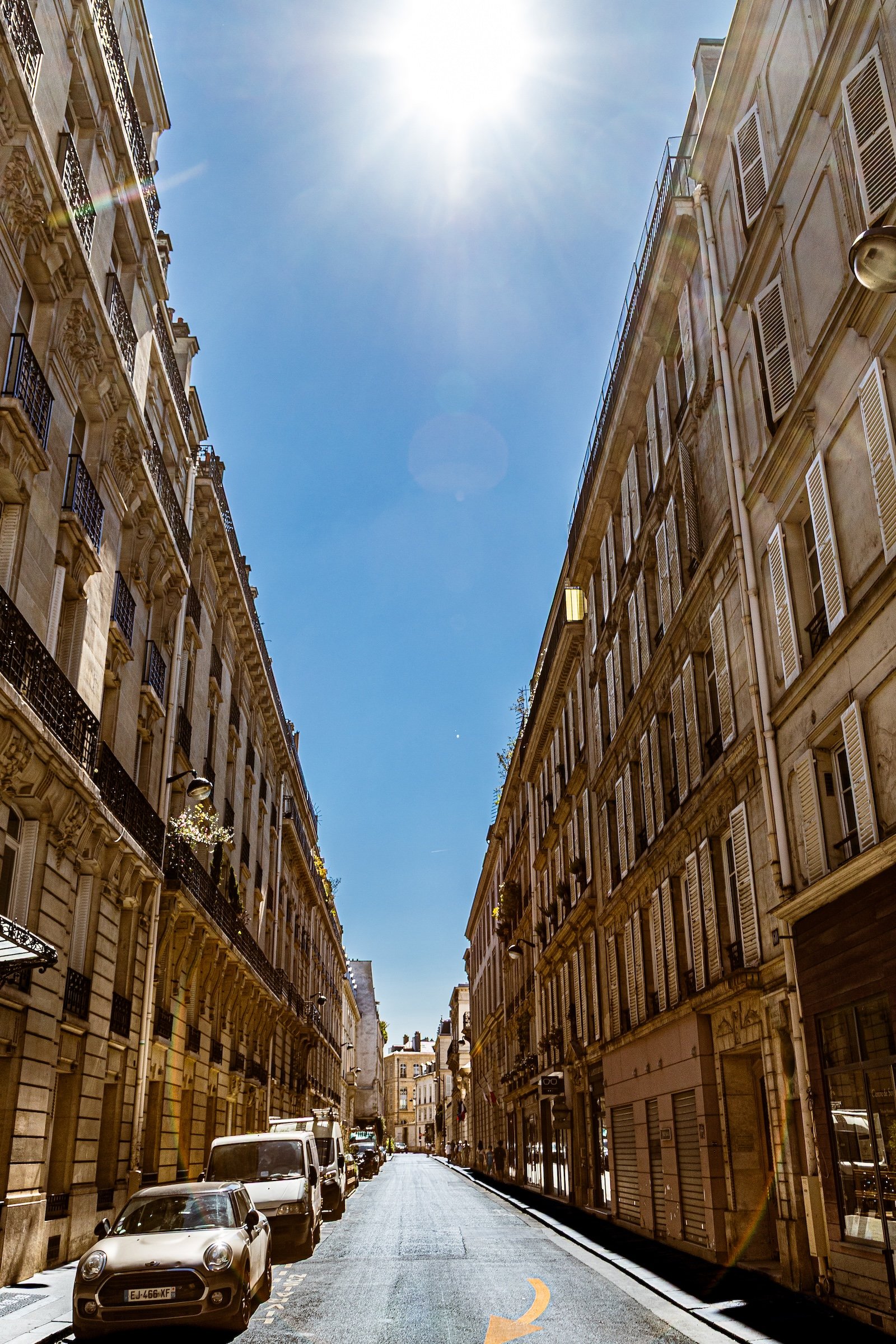
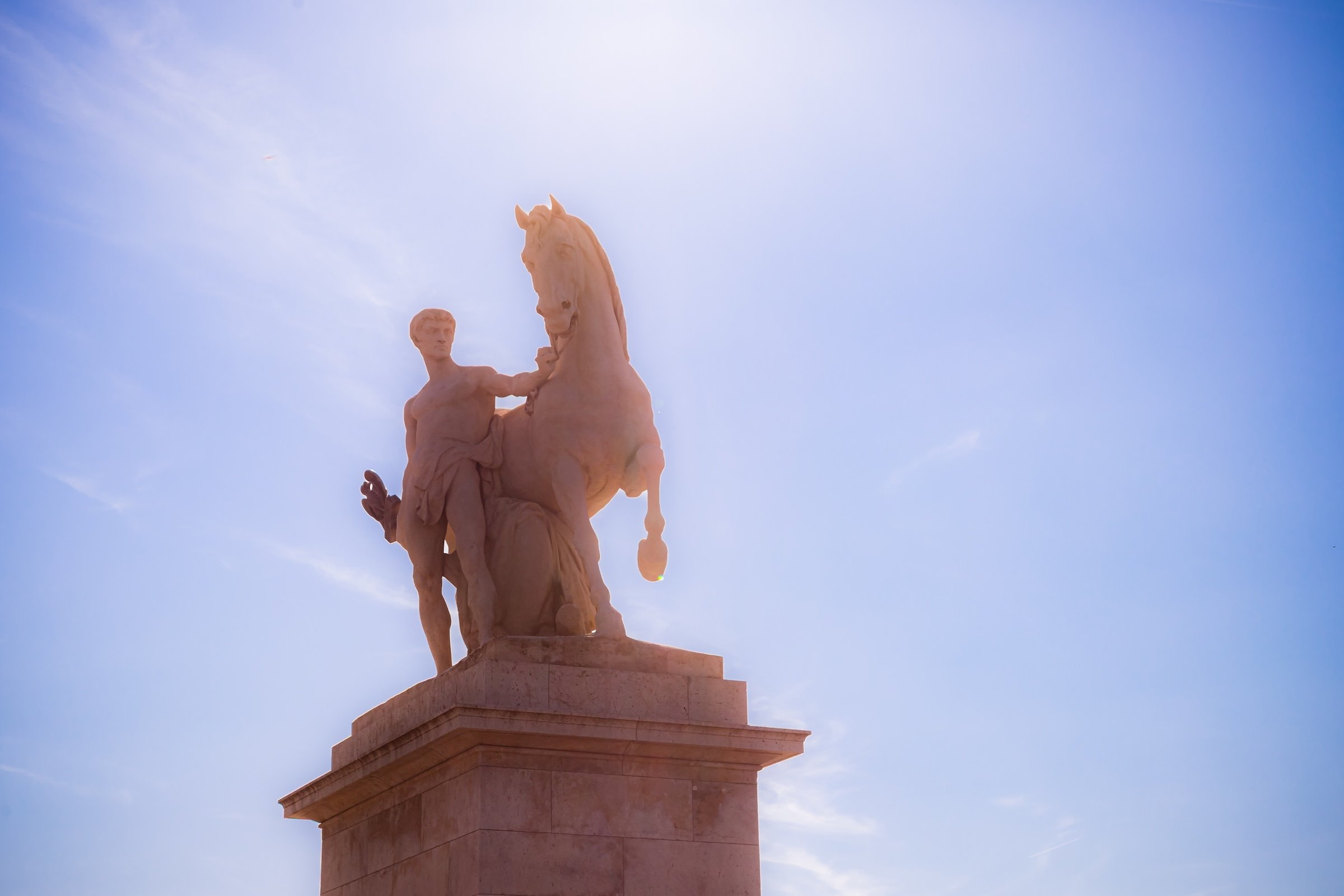
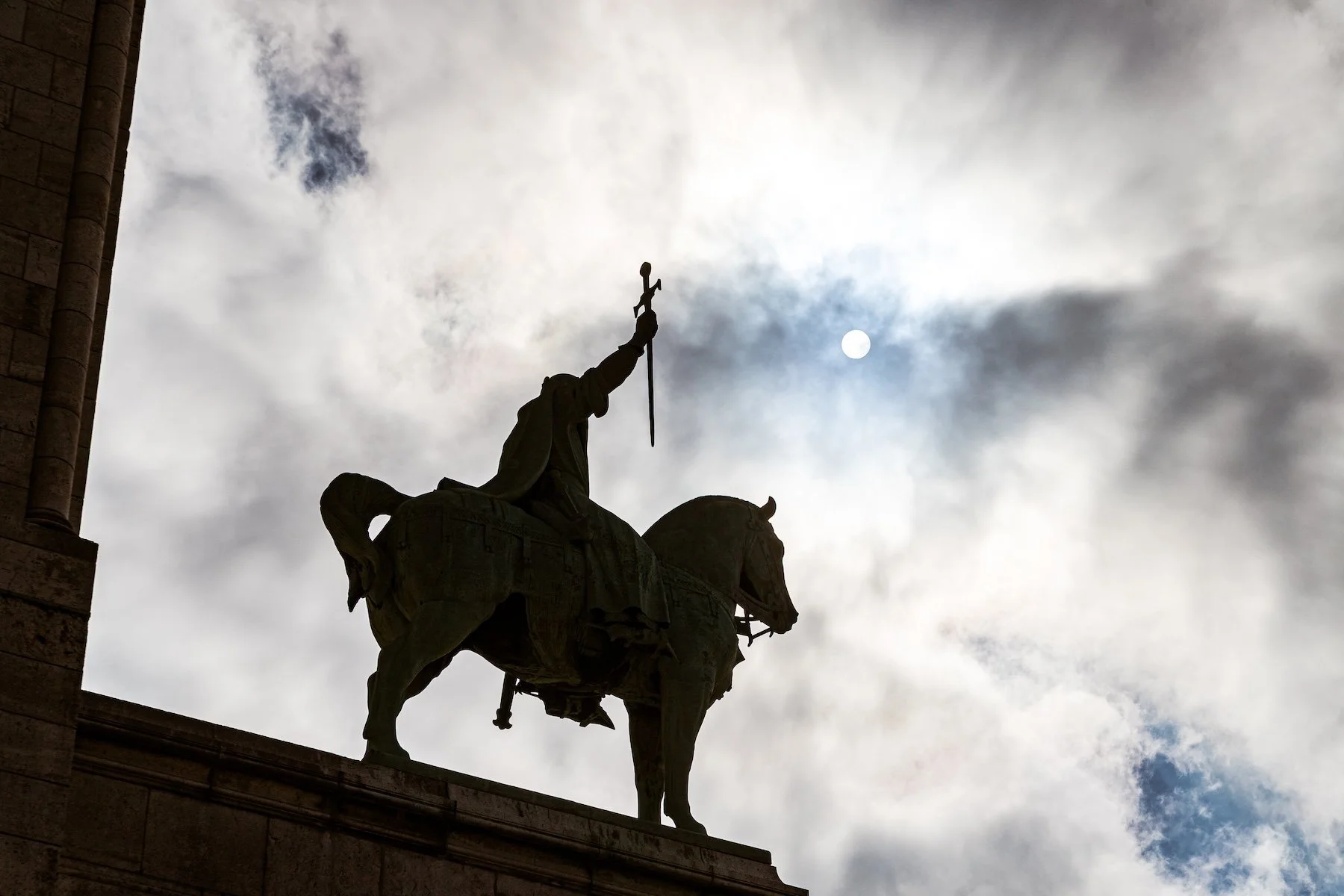
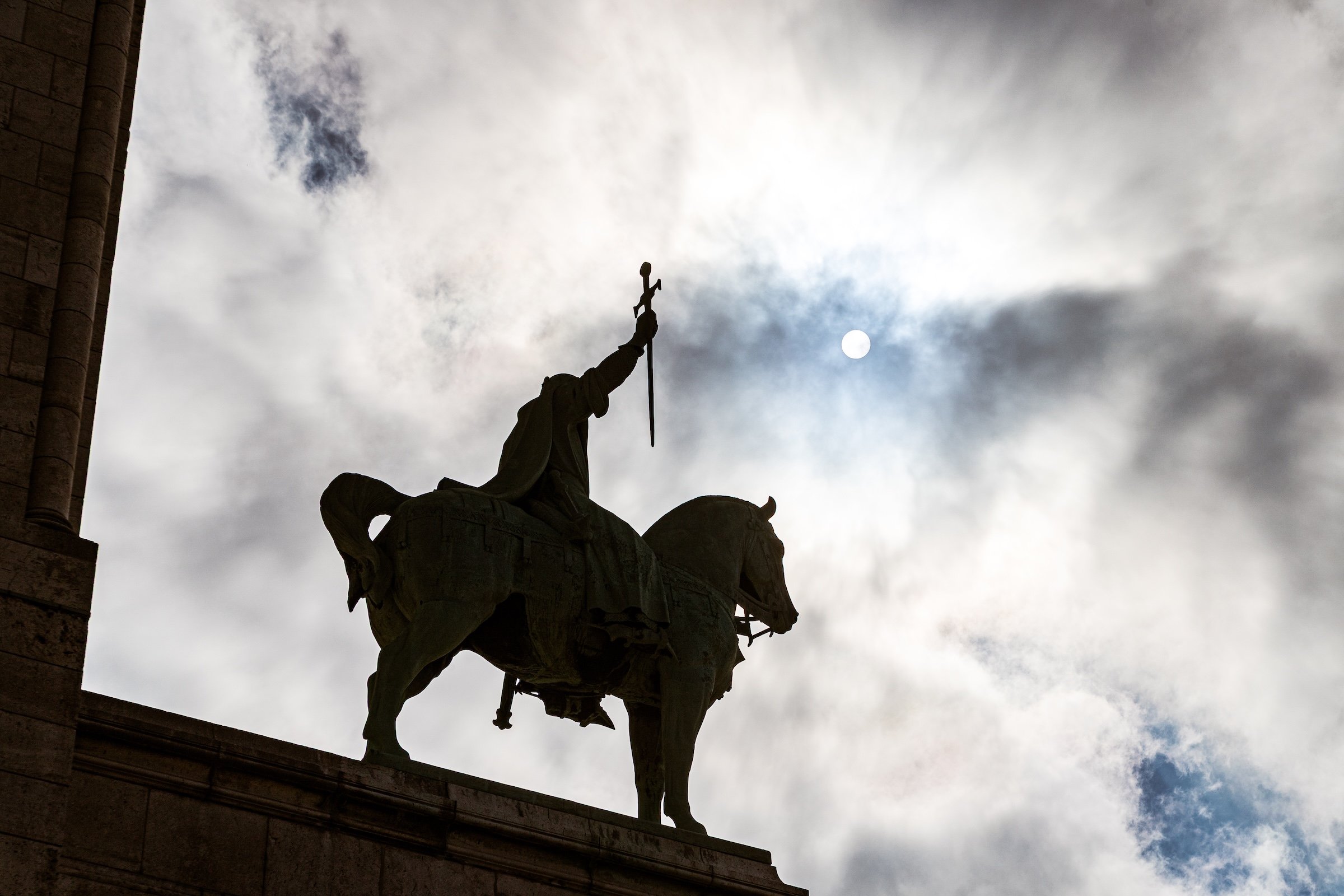
In Paris, sungleams take on a more romantic and architectural character. The light does not only pierce through canyons of buildings; it settles into gardens, burns through trees, glows behind monuments, scatters across the Seine, and crowns the Eiffel Tower, the Arc de Triomphe, statues, bridges, and quiet residential streets. A sungleam can be forceful, almost overwhelming, or soft enough to feel like memory. It can turn stone warm, make iron shimmer, silhouette a monument, or transform a simple walk into a moment of revelation.
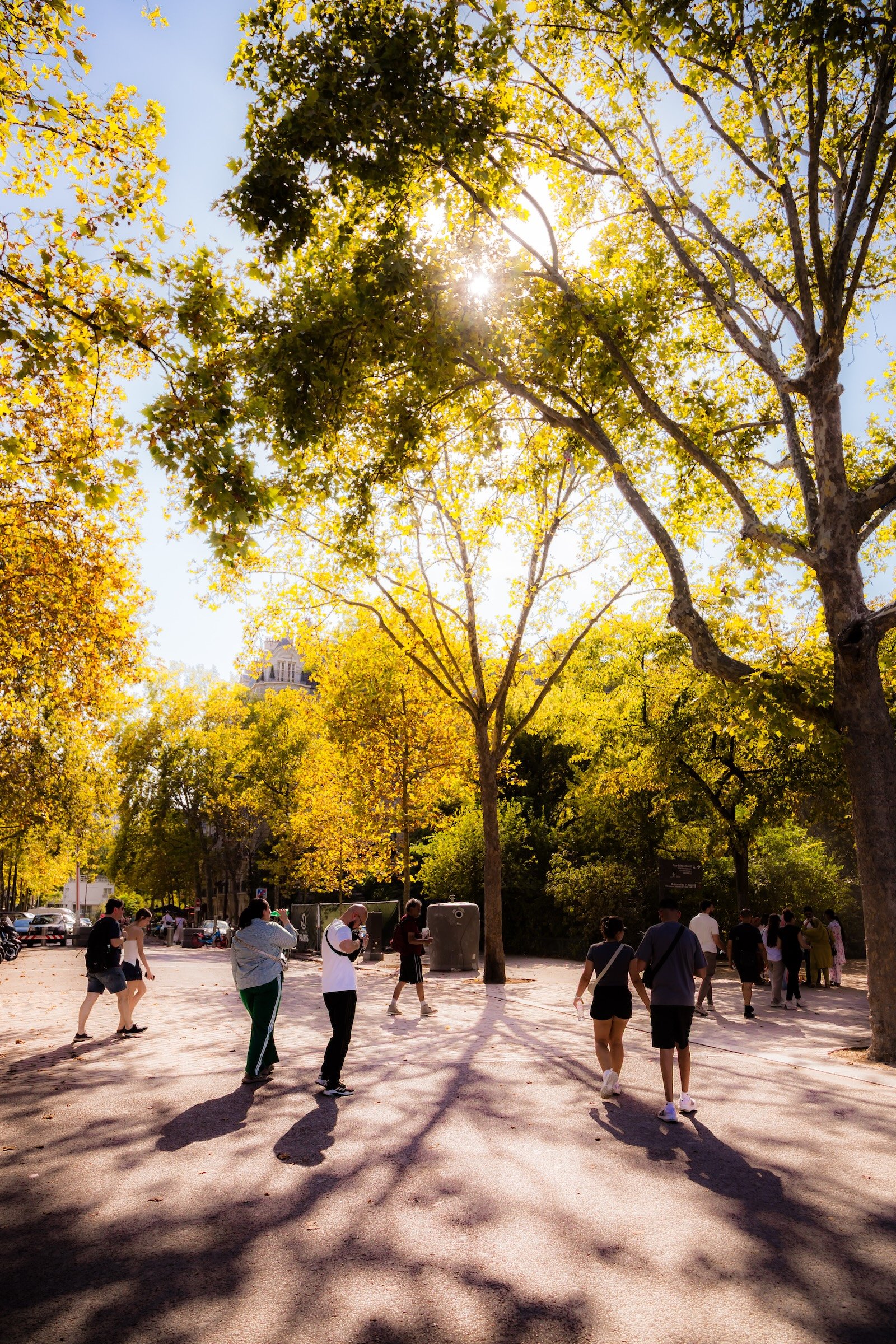
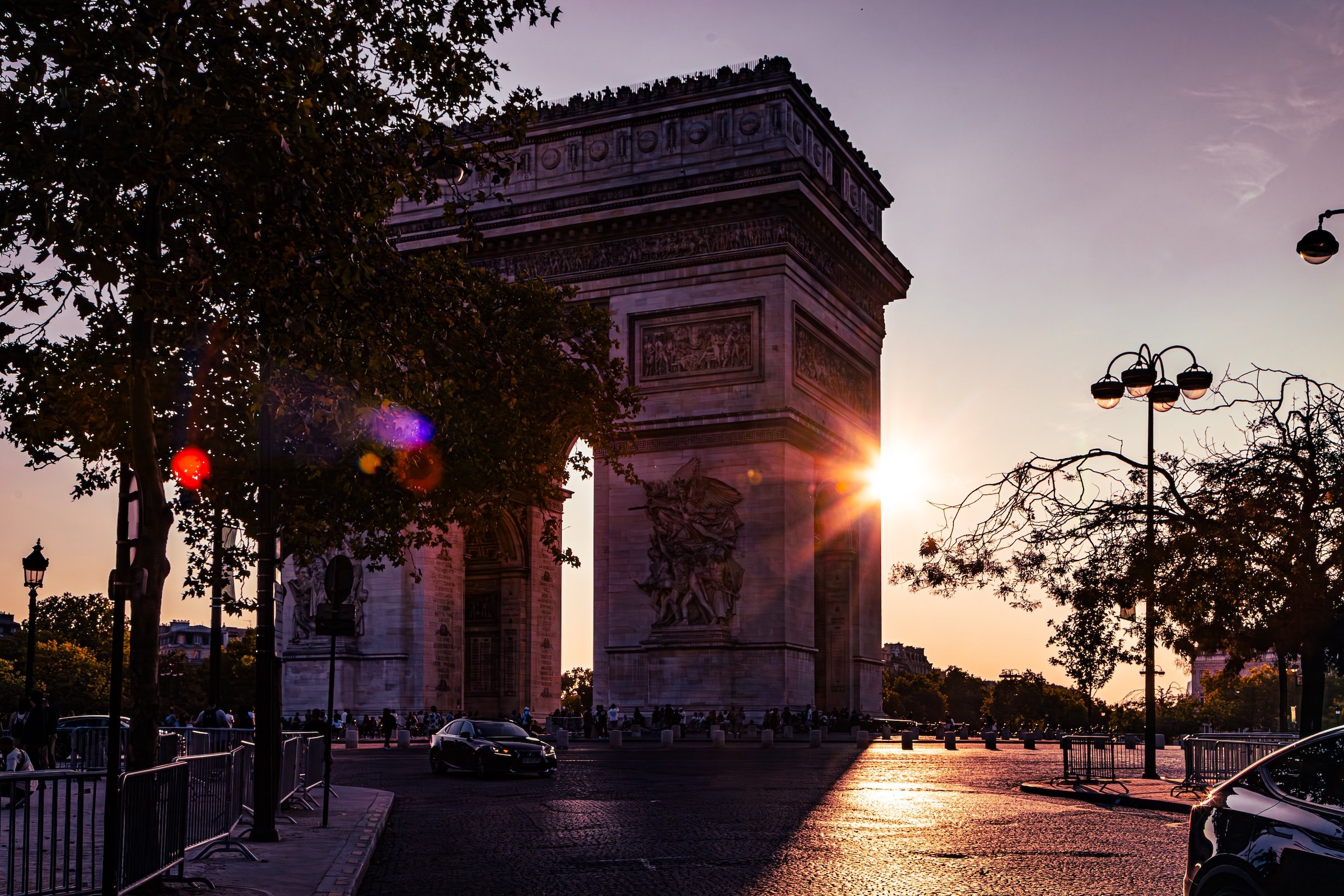
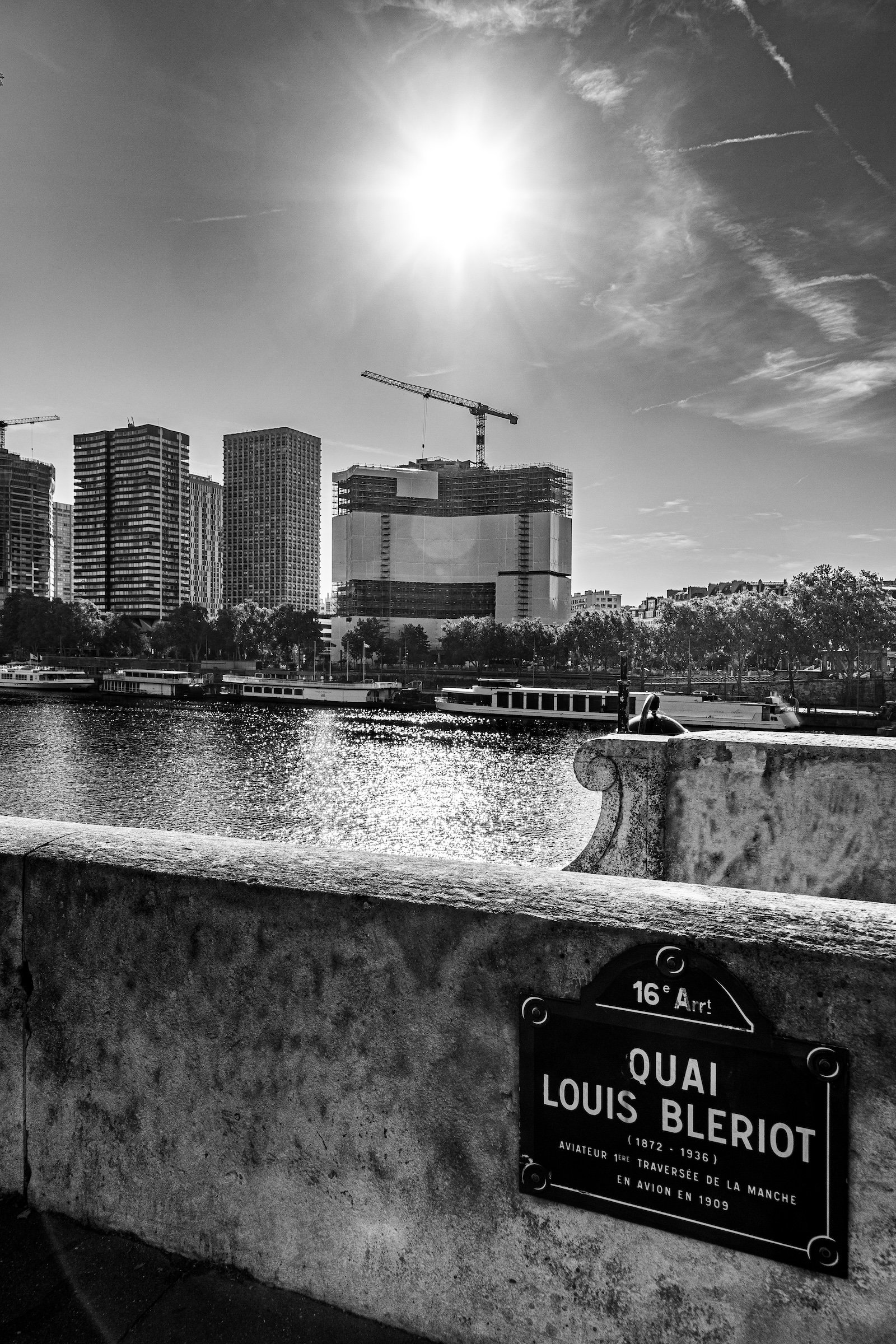
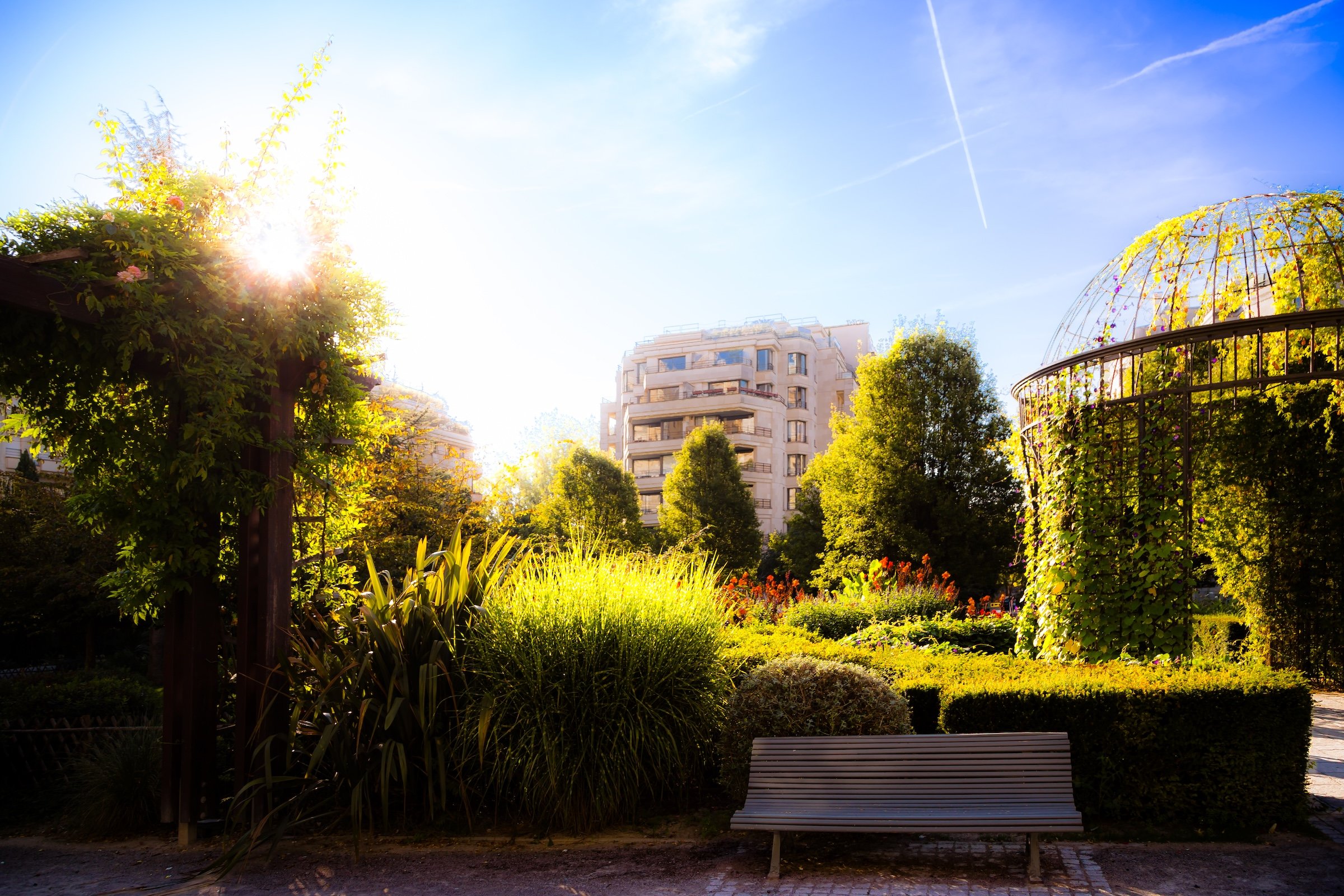
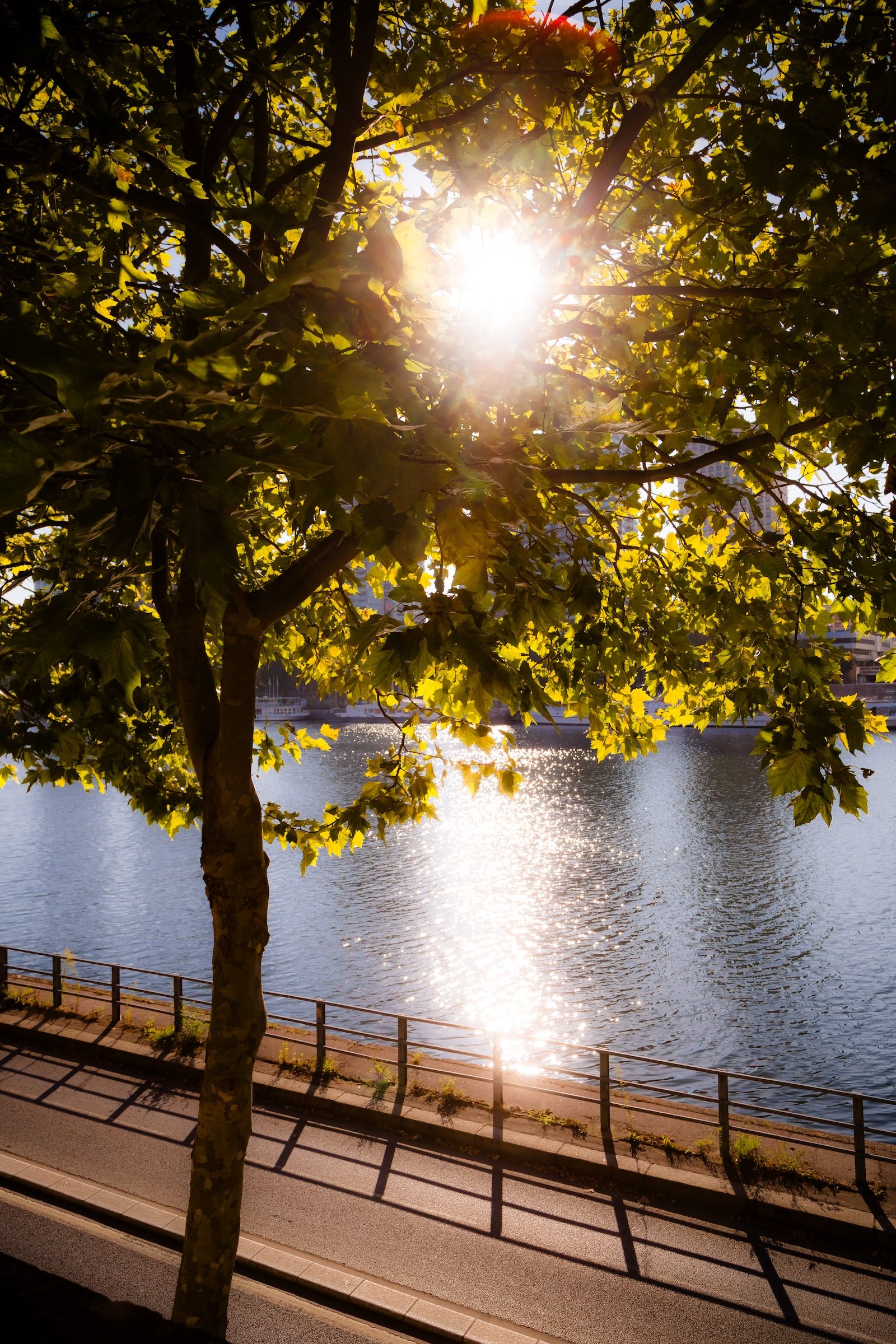
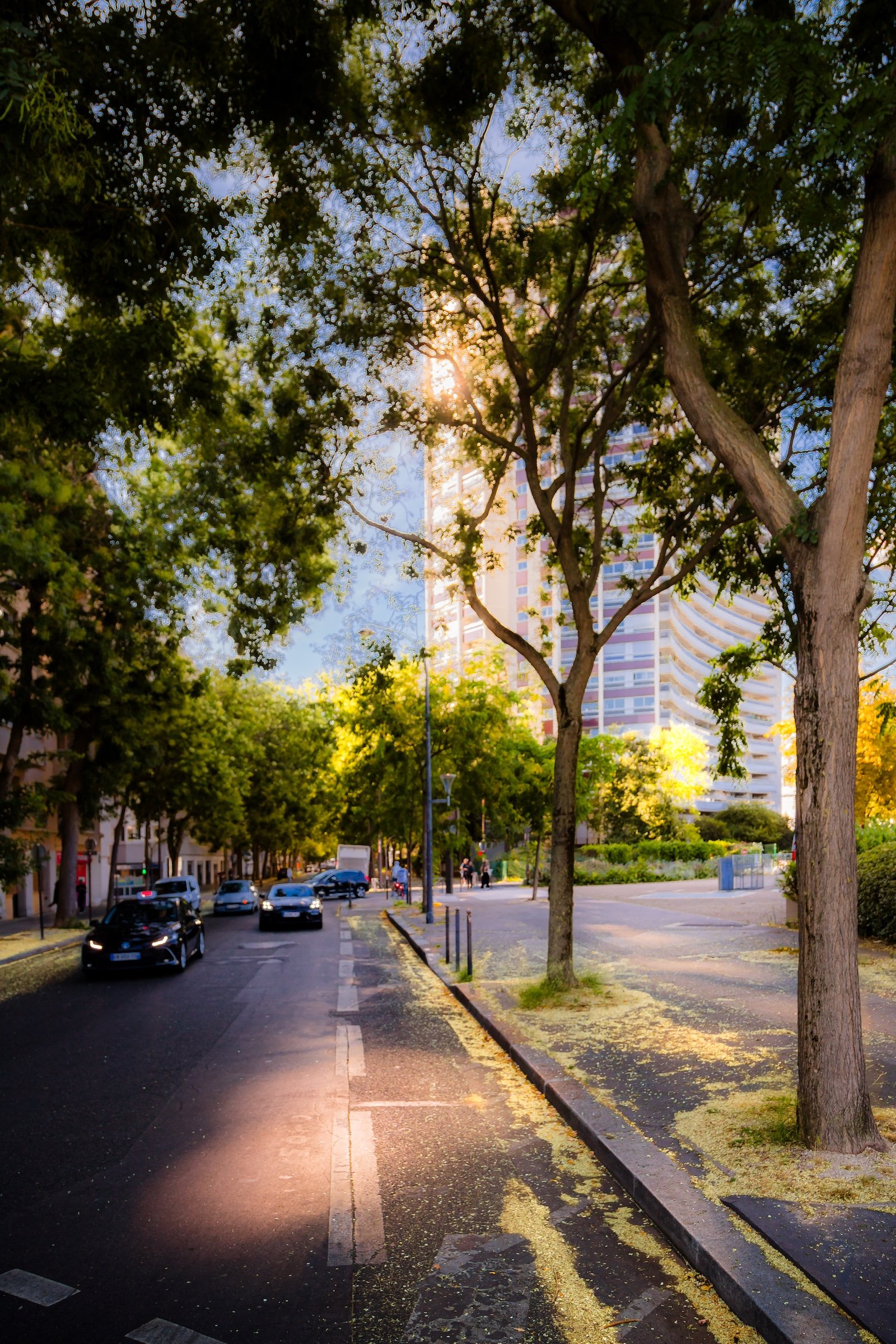
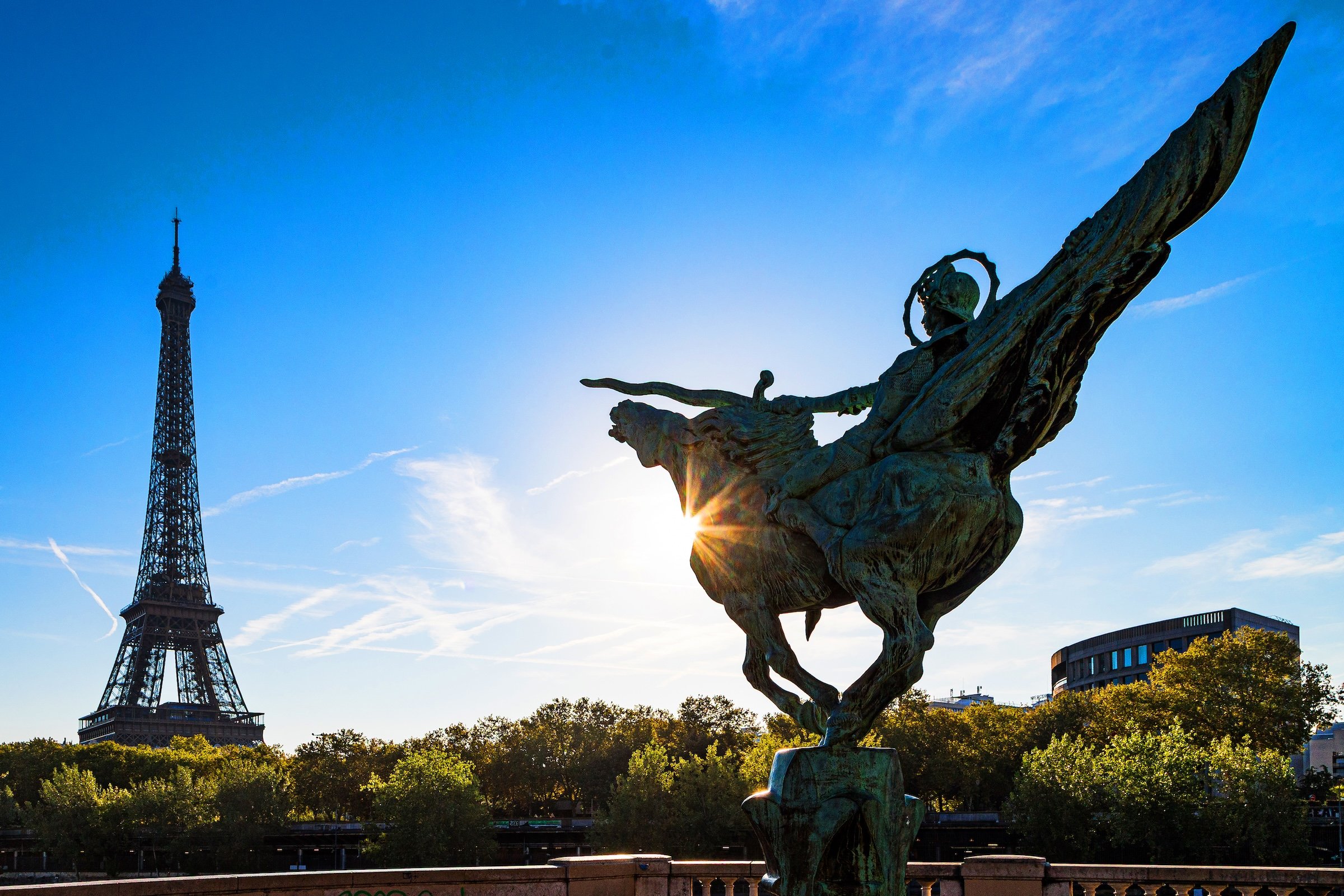
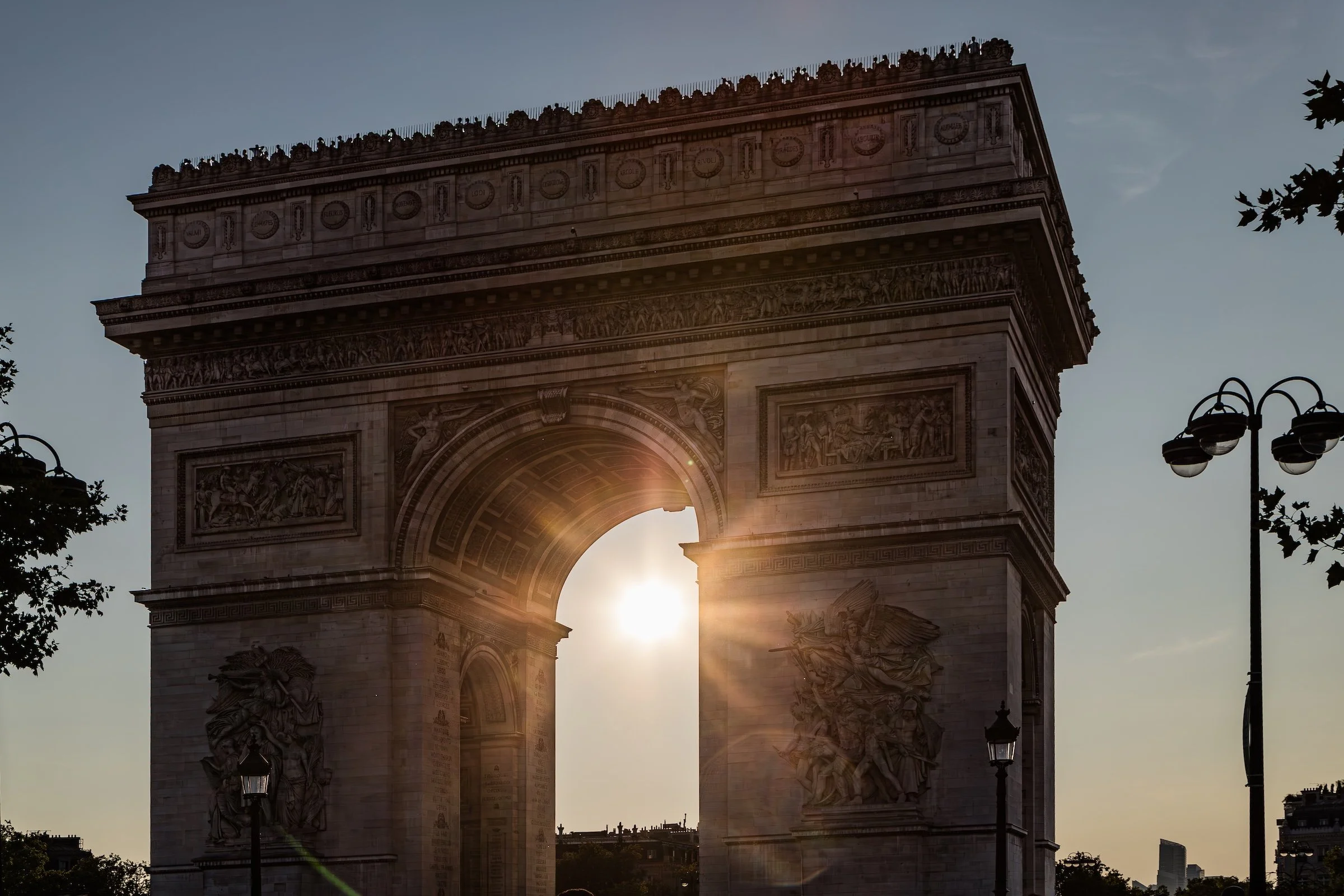
The images in this section show Paris repeatedly meeting the sun: the Eiffel Tower standing against bright morning and evening skies, the Arc de Triomphe catching the sun through its arch, La France Renaissante pierced by light near the Seine, statues softened into luminous silhouettes, tree-lined streets glowing with late-day warmth, and river scenes where sunlight scatters across water and leaves. These photographs are not only about the sun as a visual effect. They are about the way light announces itself as part of the city’s personality — dramatic, generous, fleeting, and impossible to ignore.
Highlights
Painting With Light
Painting With Light begins with the idea that sunlight does not simply reveal the city; it actively shapes it. In New York, this often appears in sharp contrasts: light cutting between towers, reflections bouncing off glass, shadows stretching across sidewalks, or a sudden wash of brightness turning brick, steel, pavement, and windows into something painterly. The camera becomes a way of noticing how light redraws the city from moment to moment, changing not only what is visible, but how a place feels.
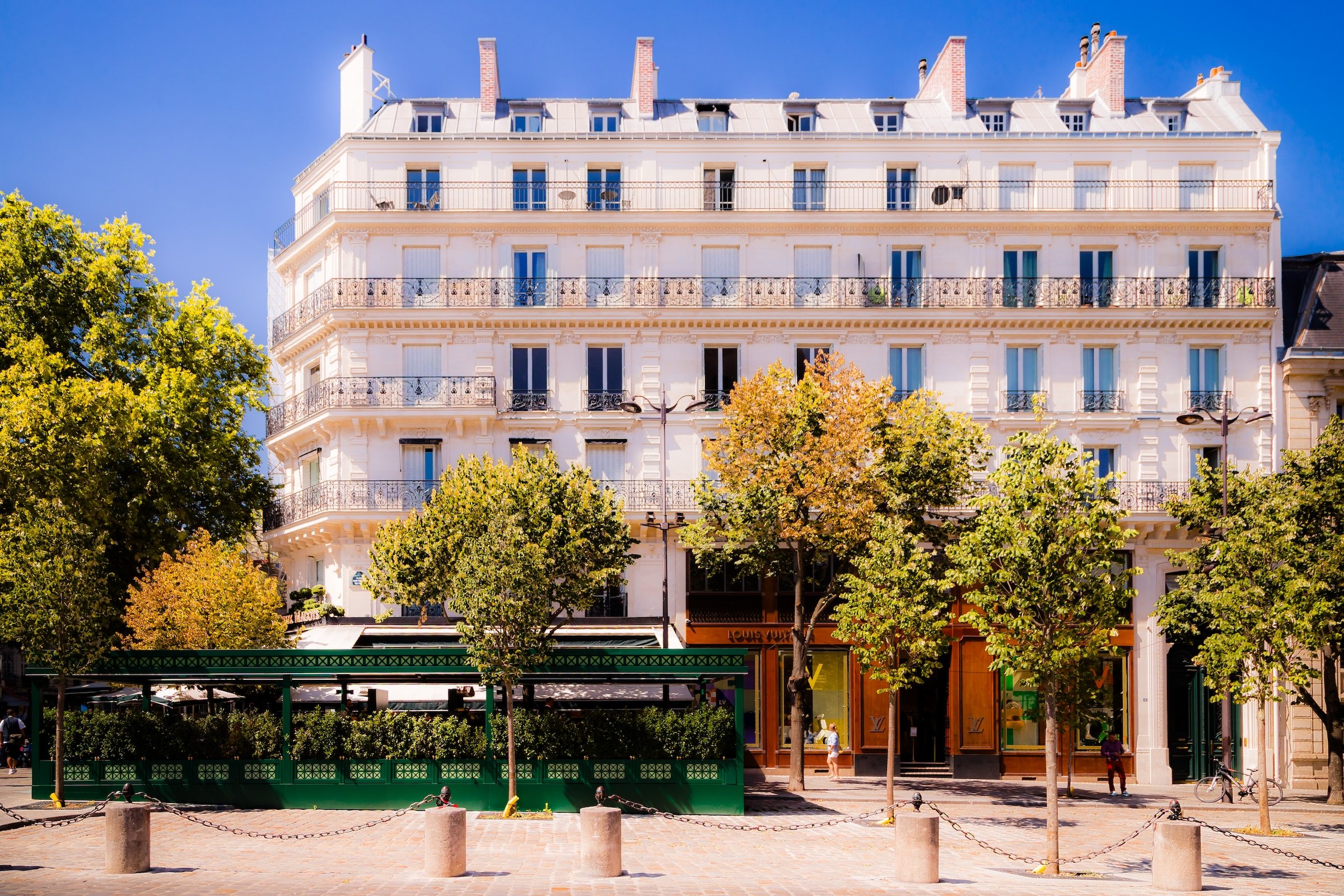
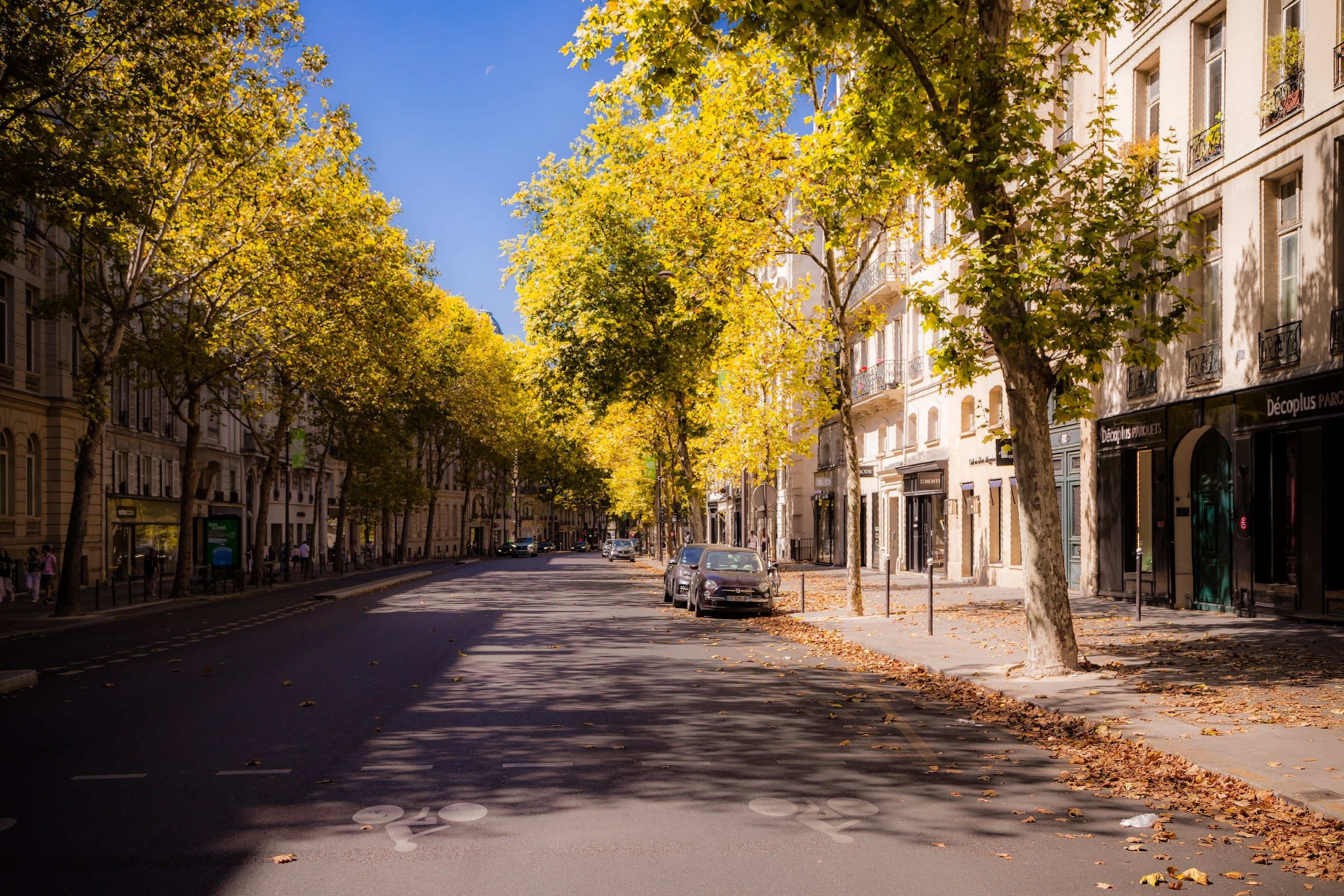
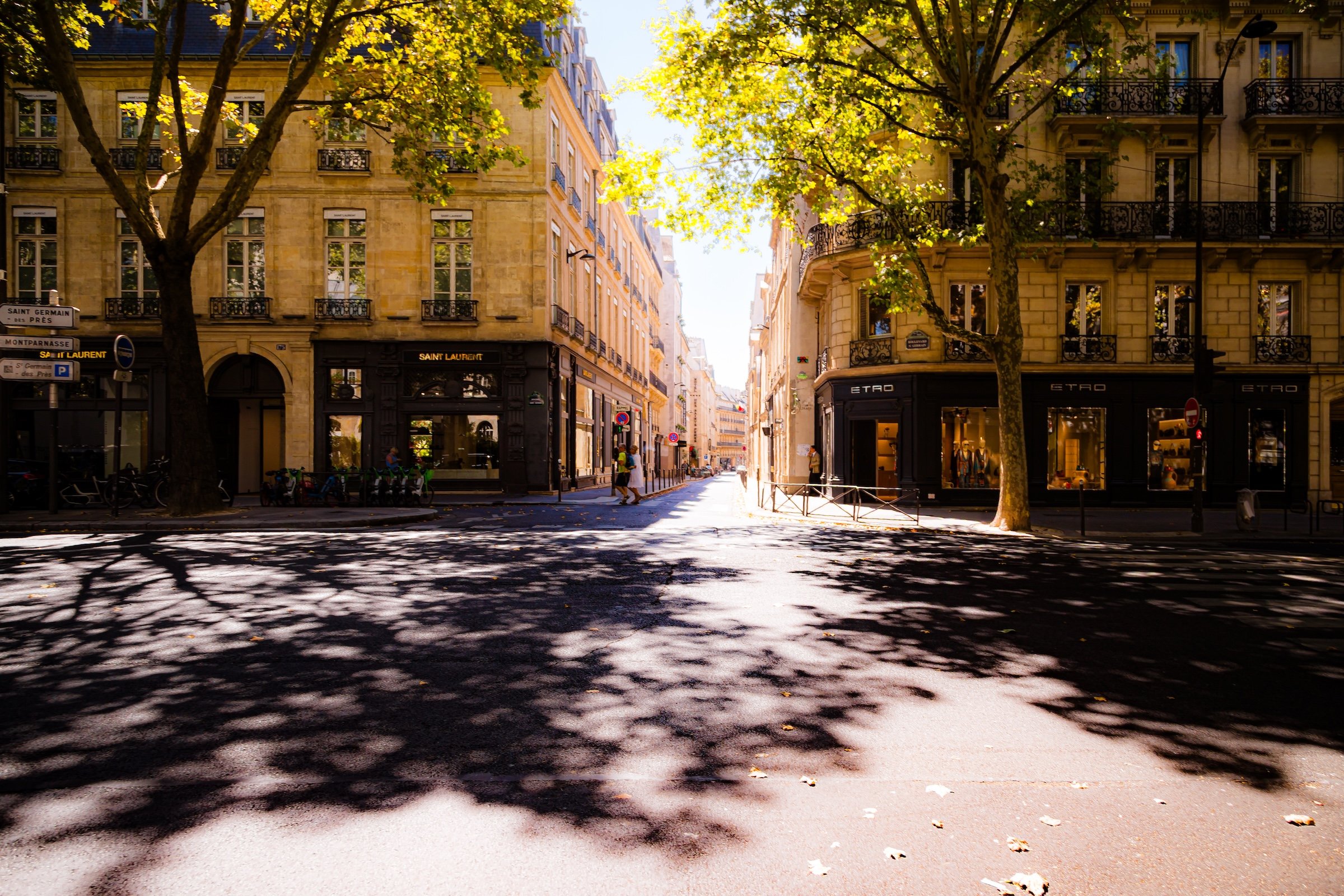
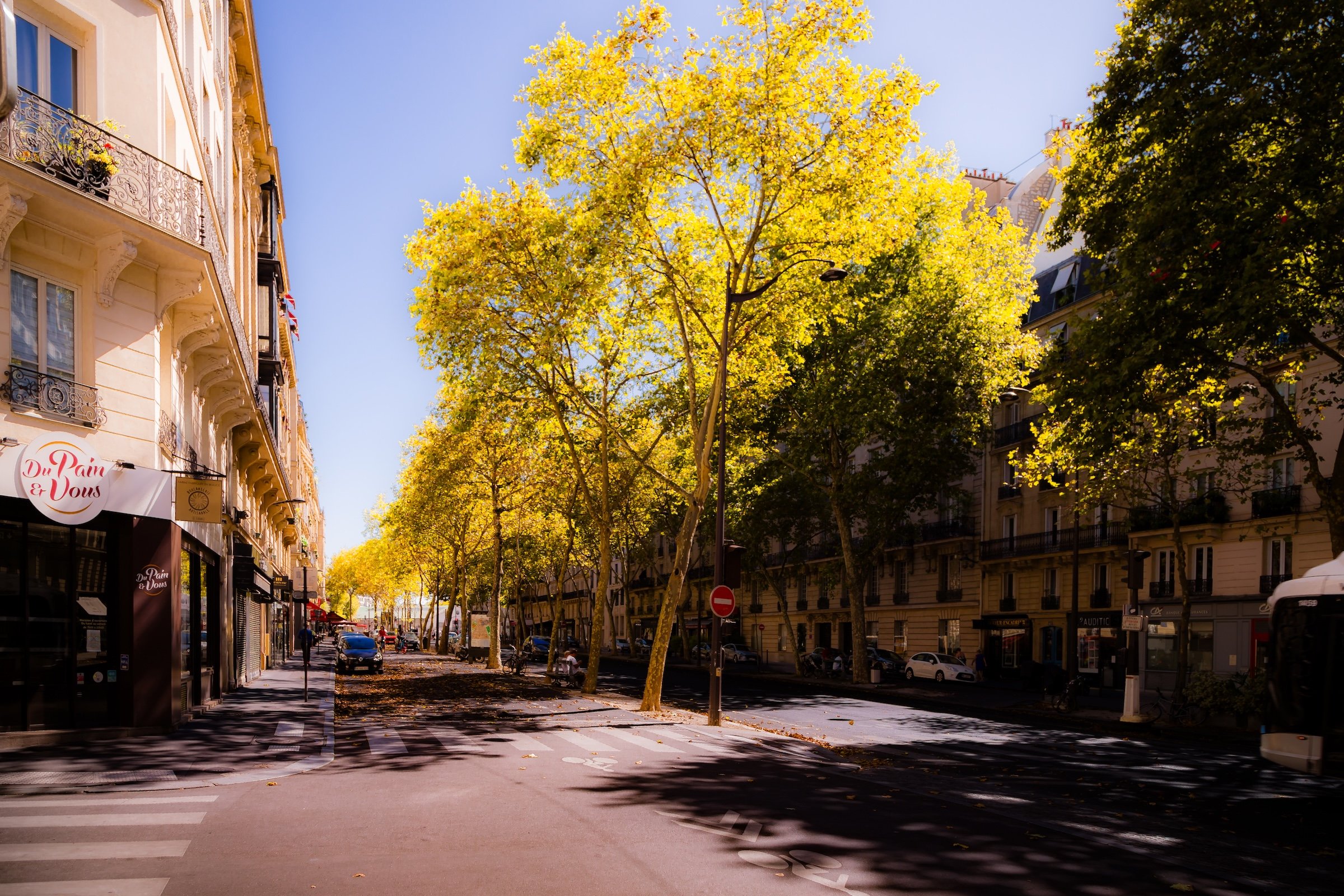
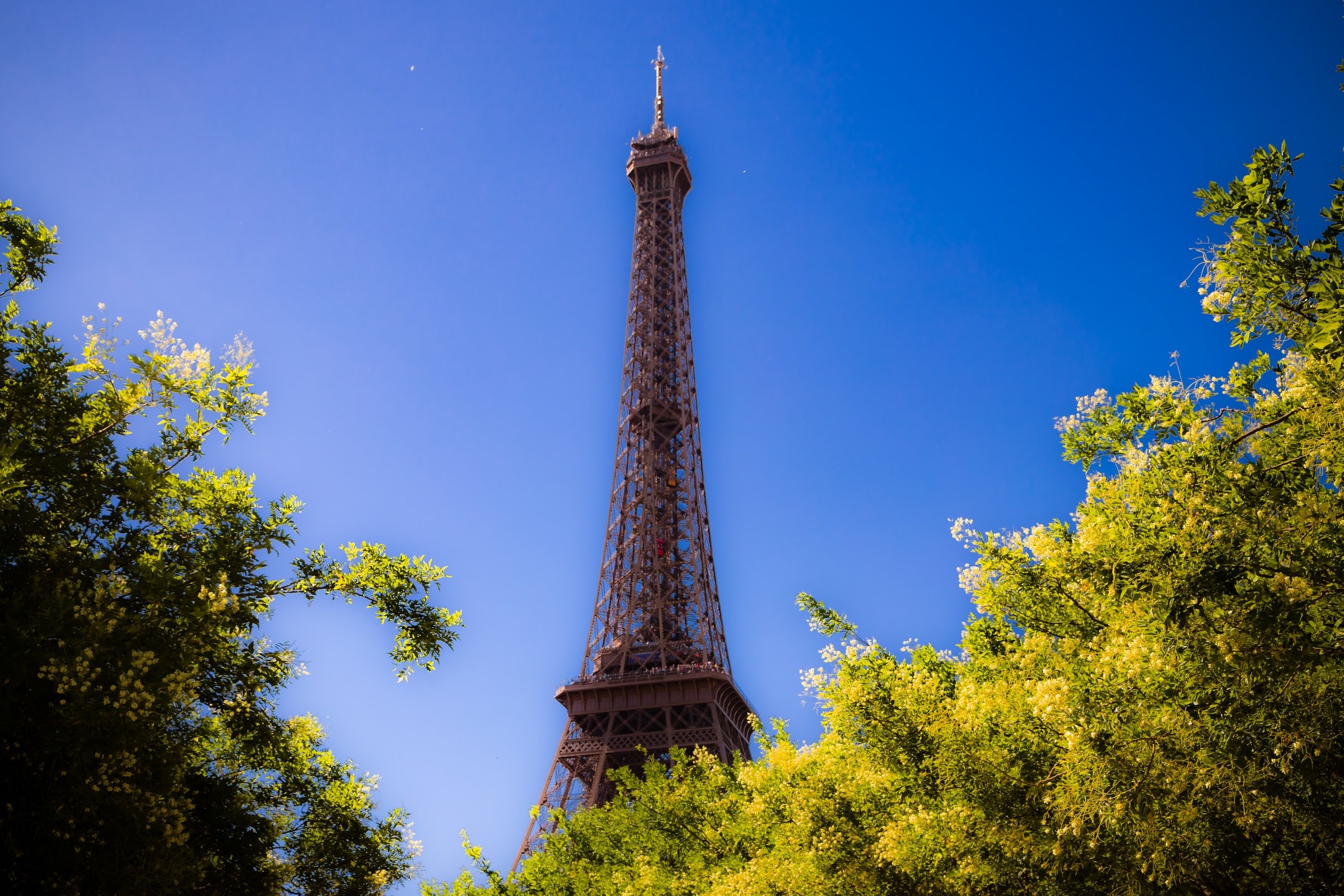
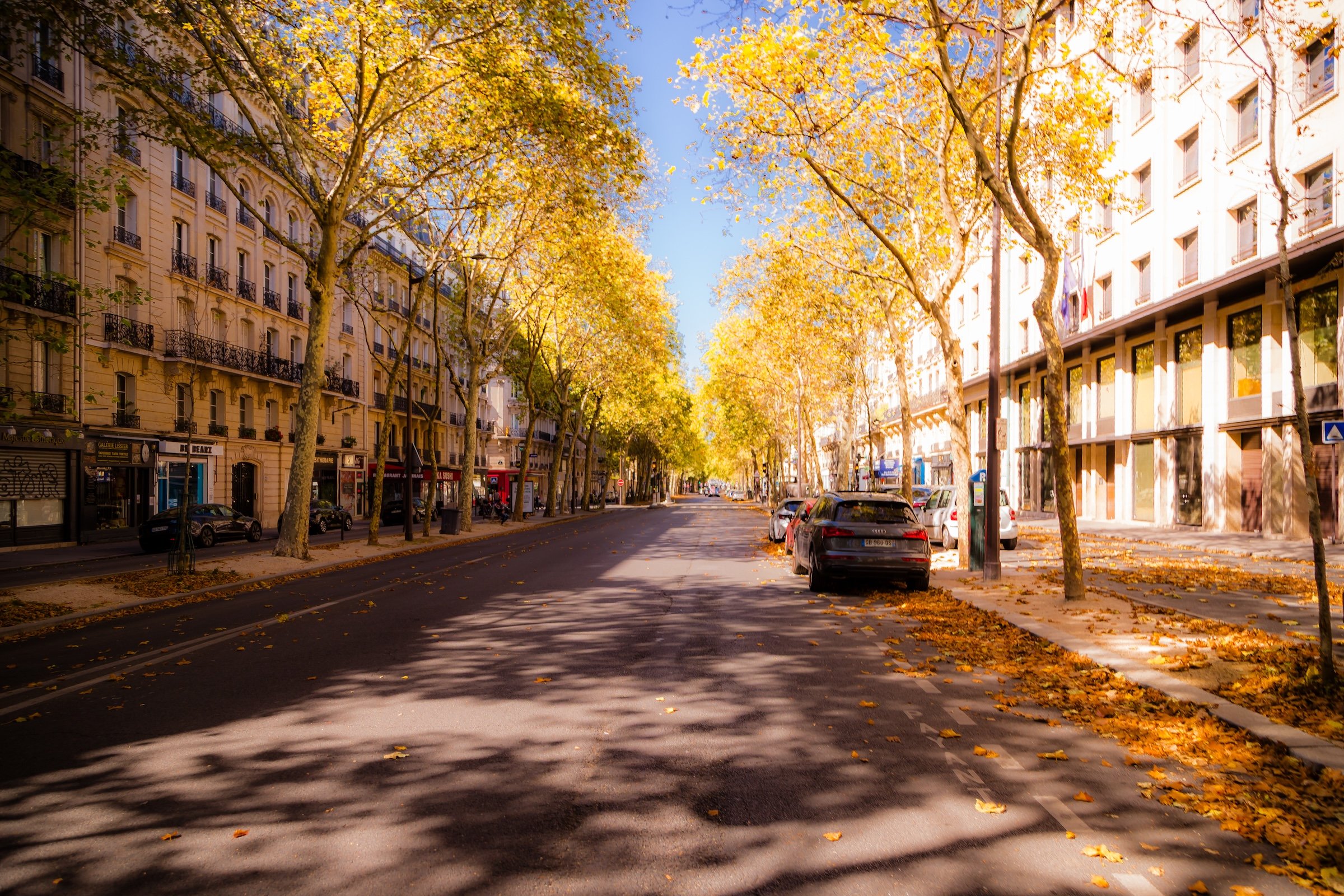
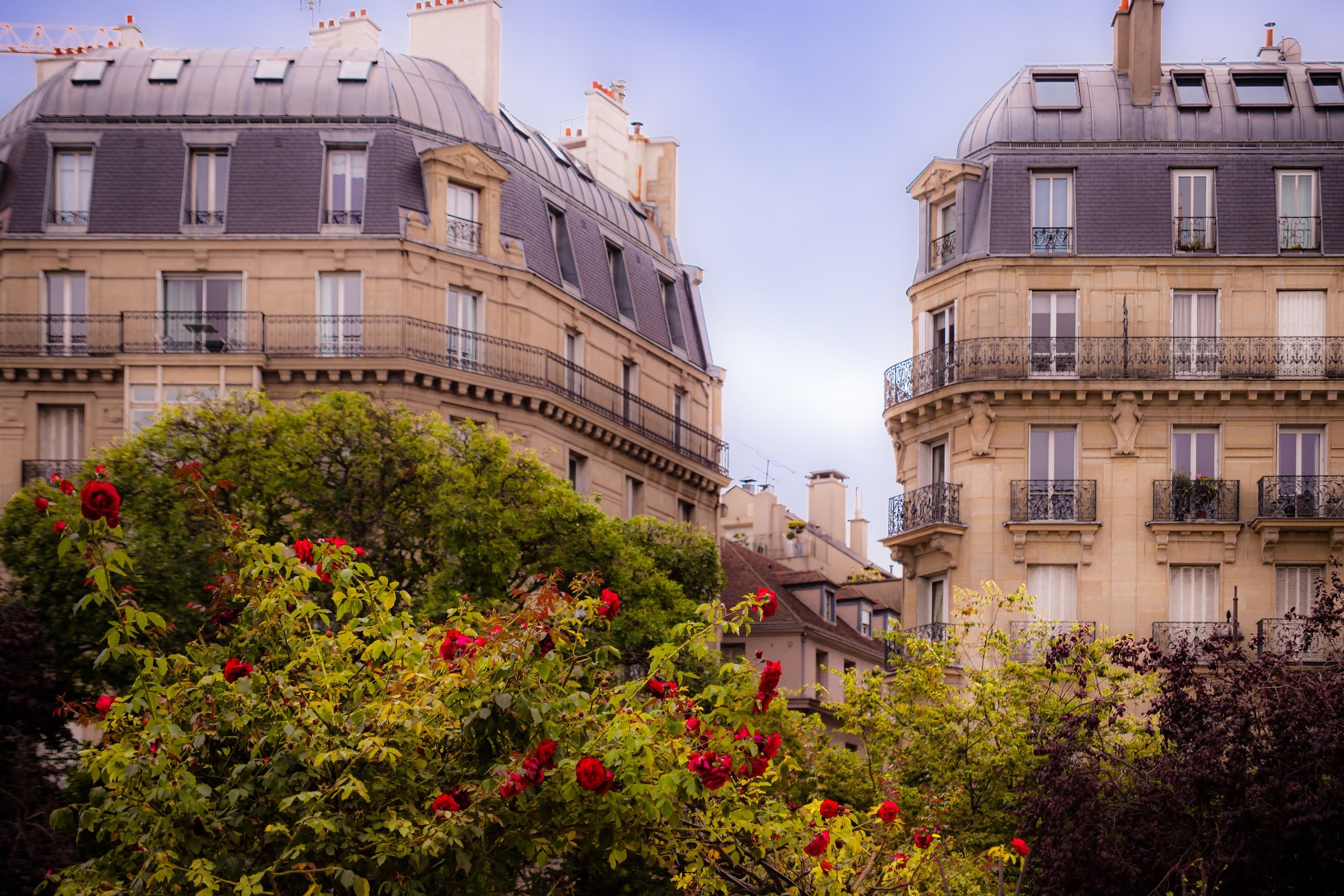
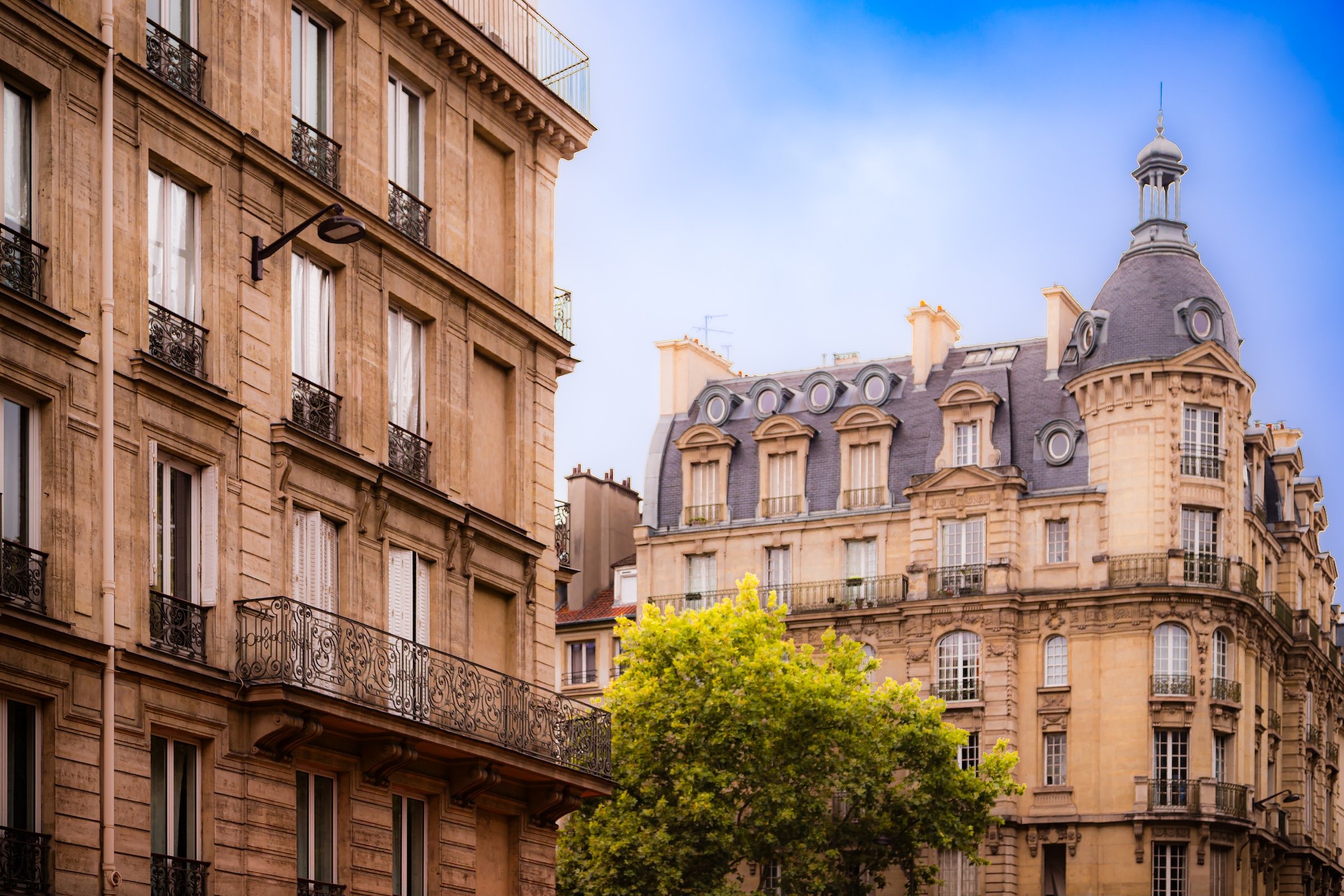
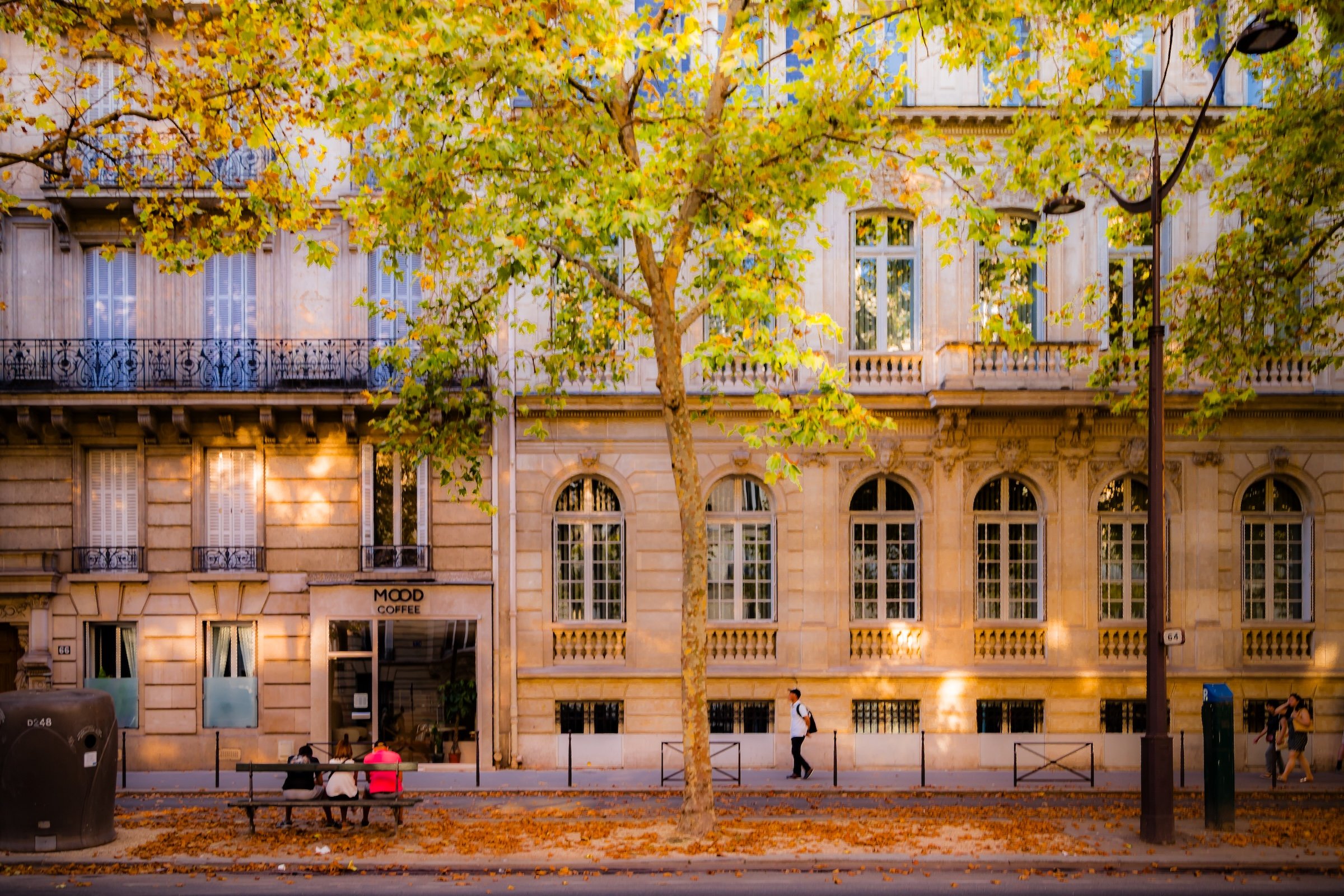
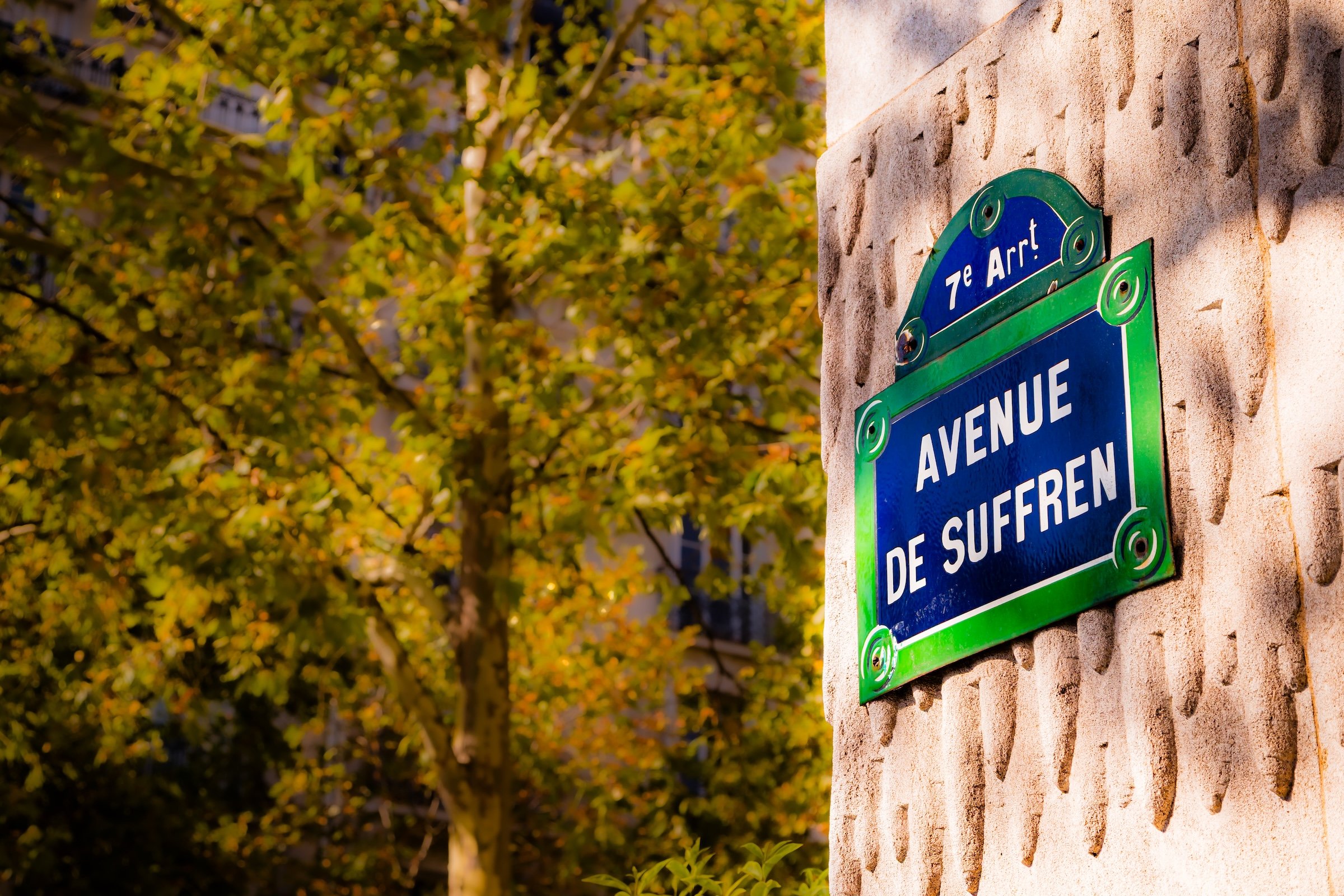
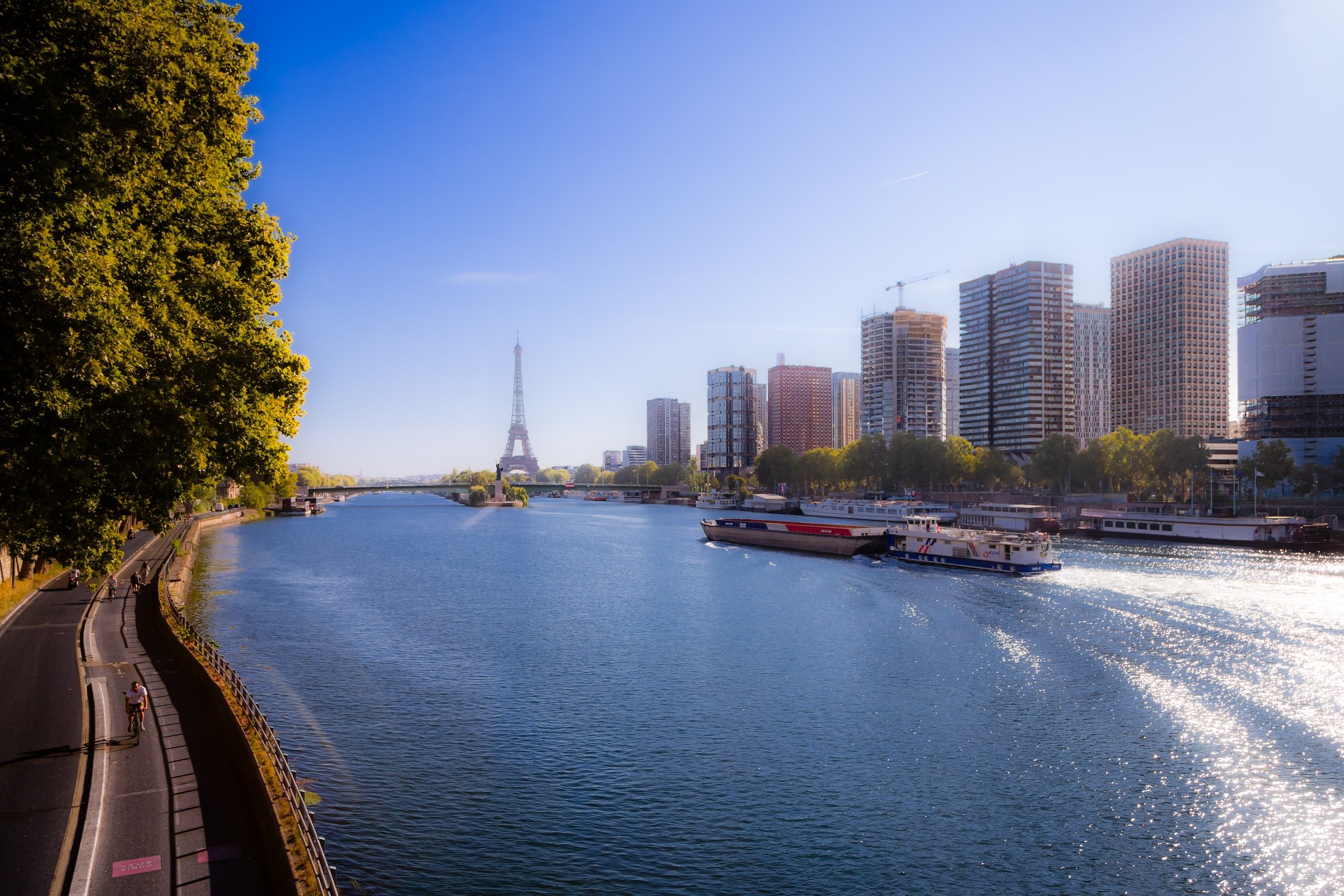
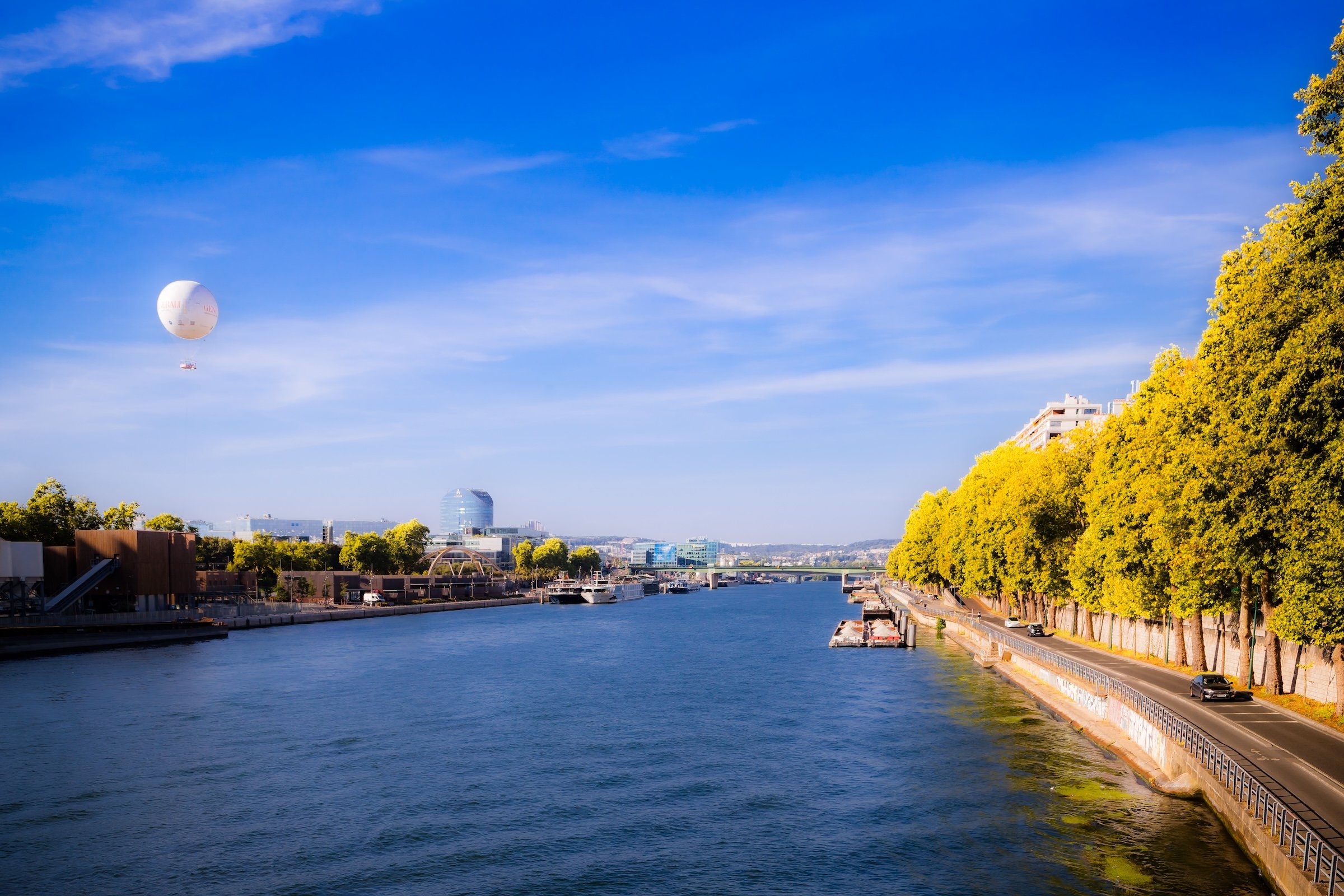
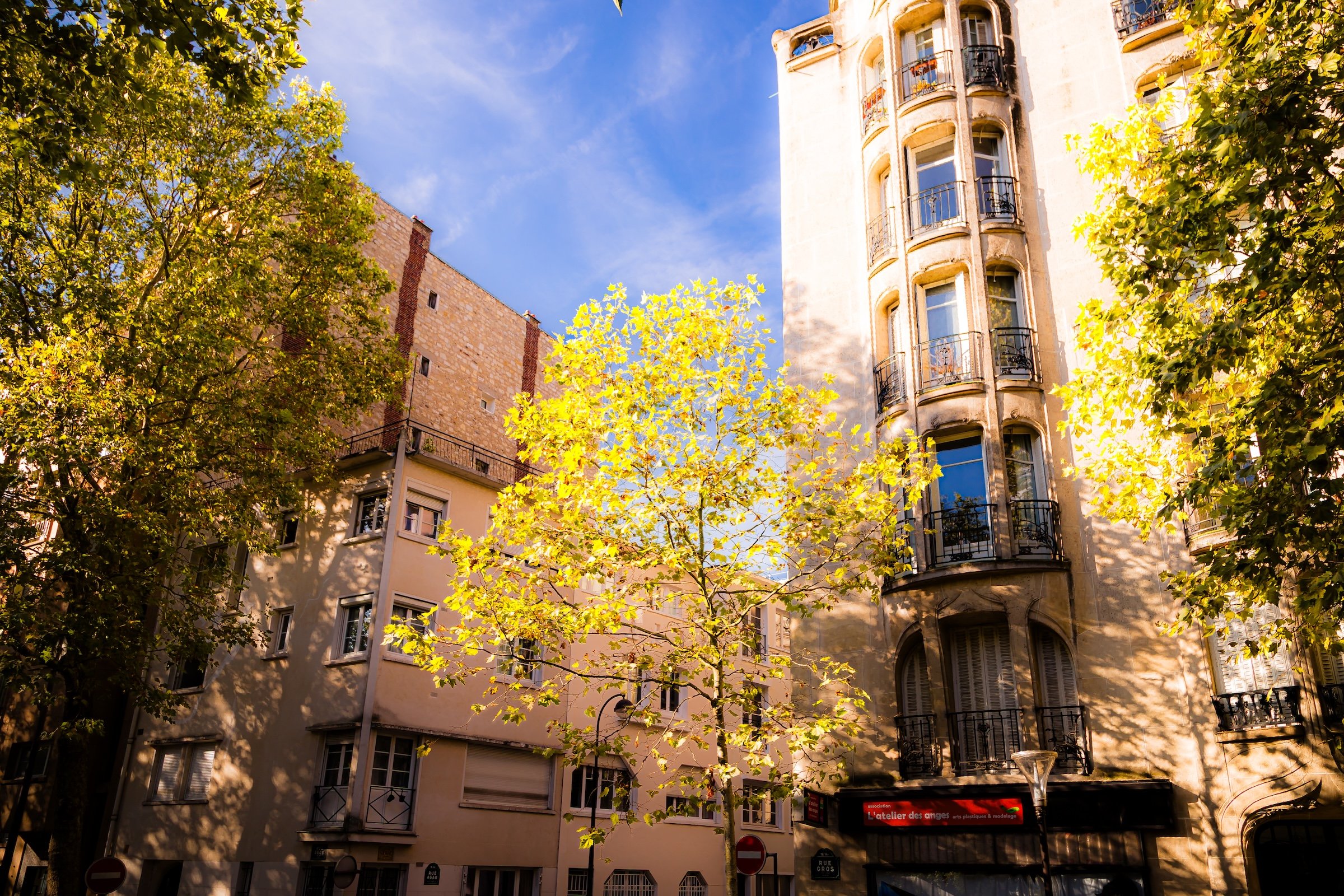
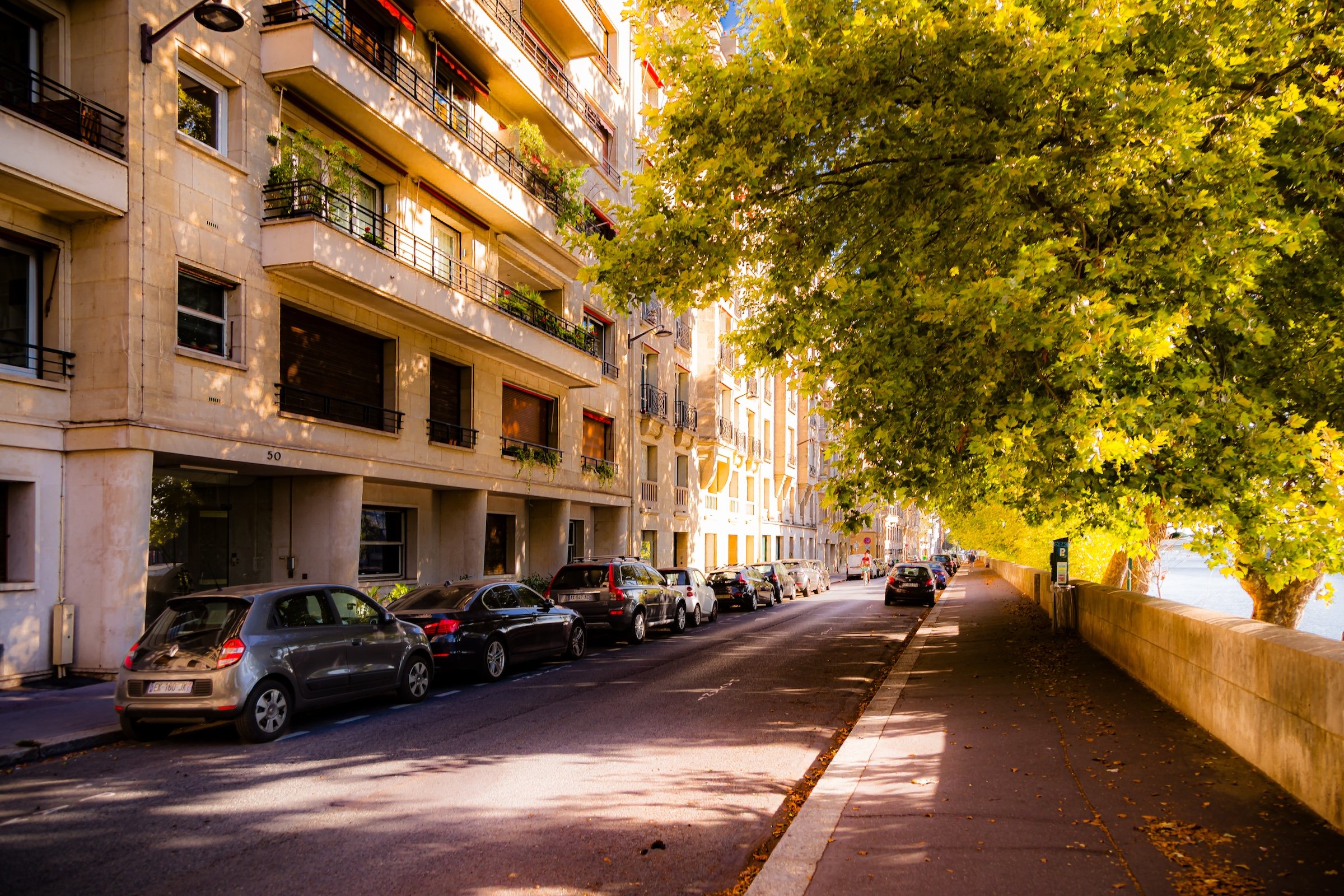
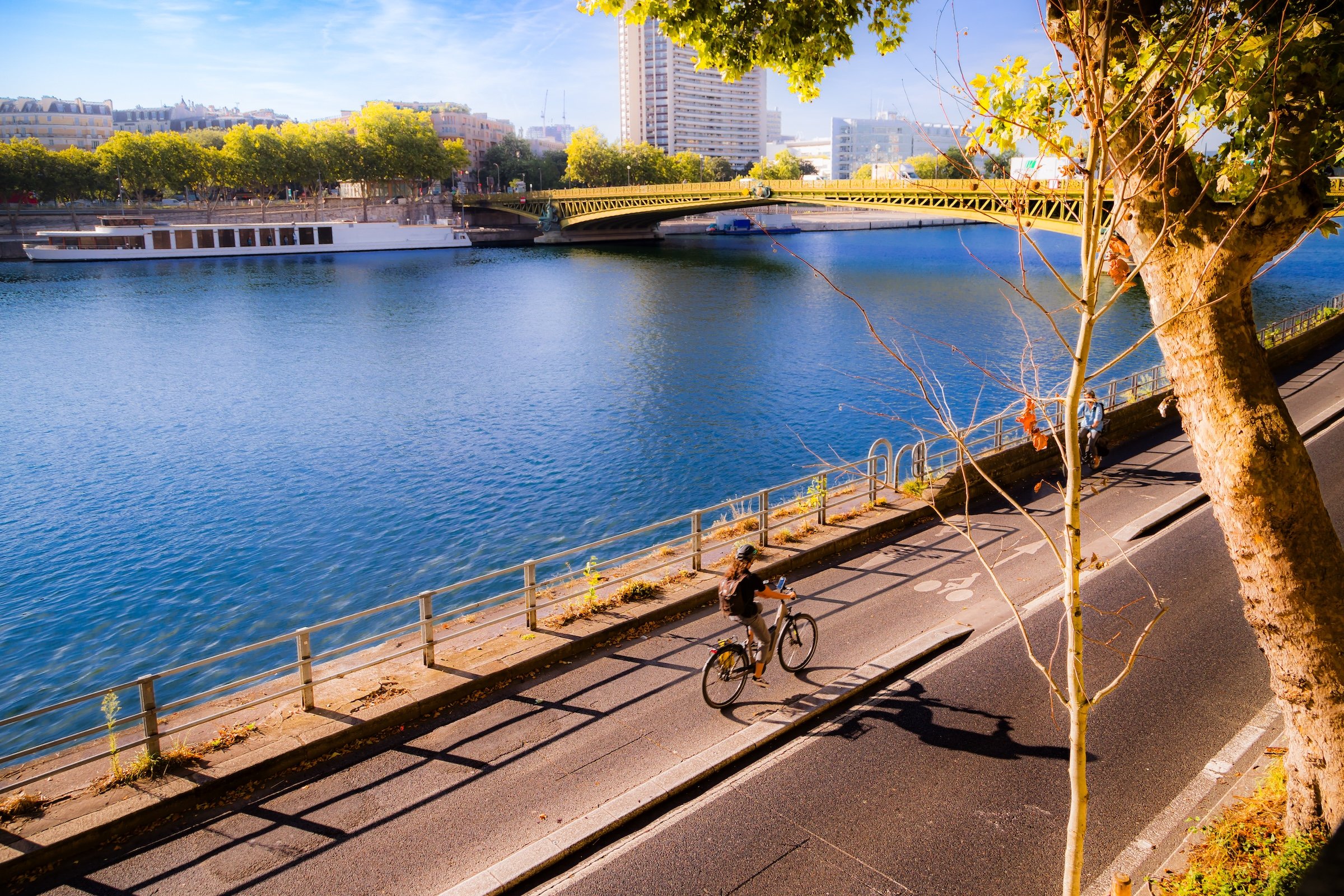
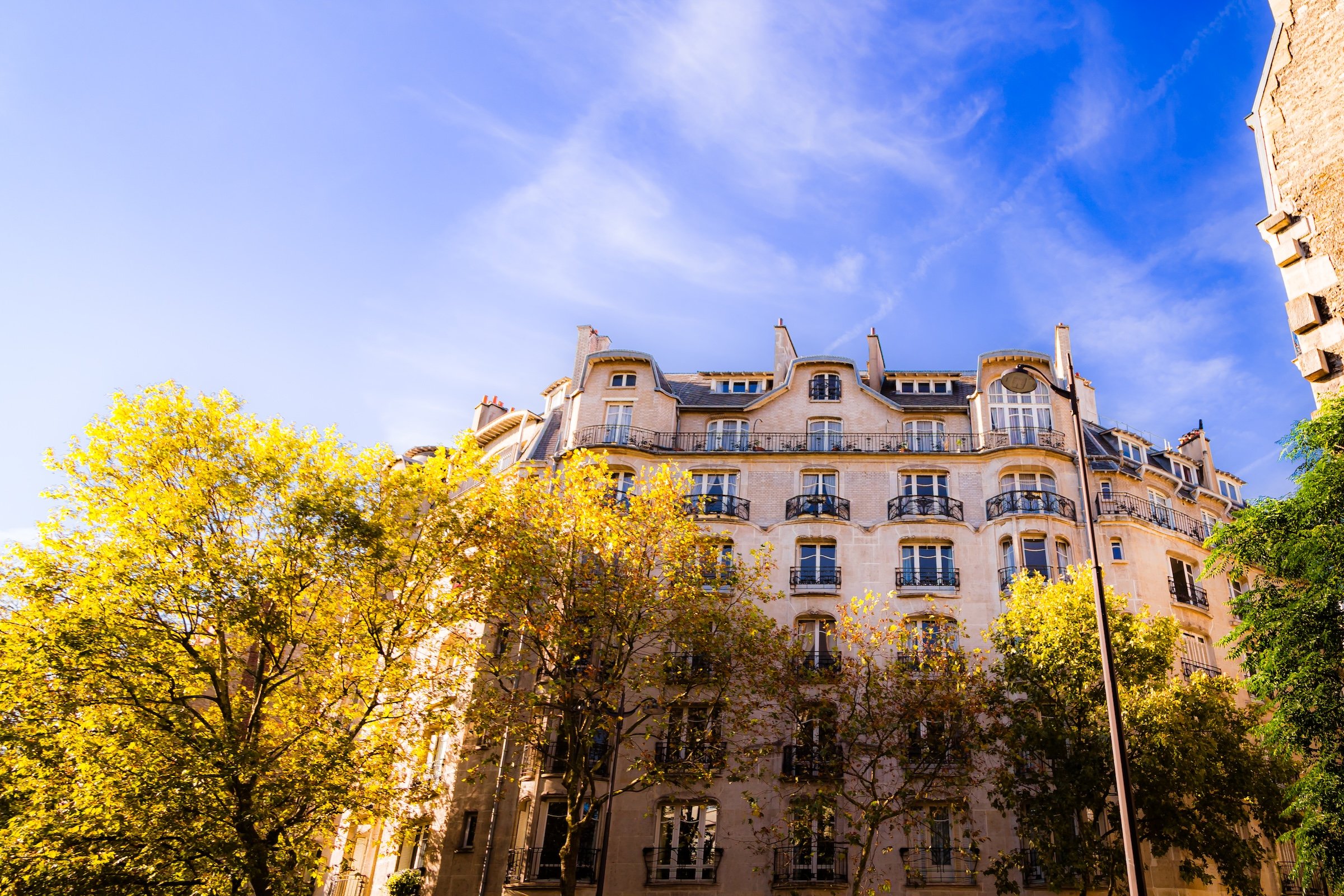
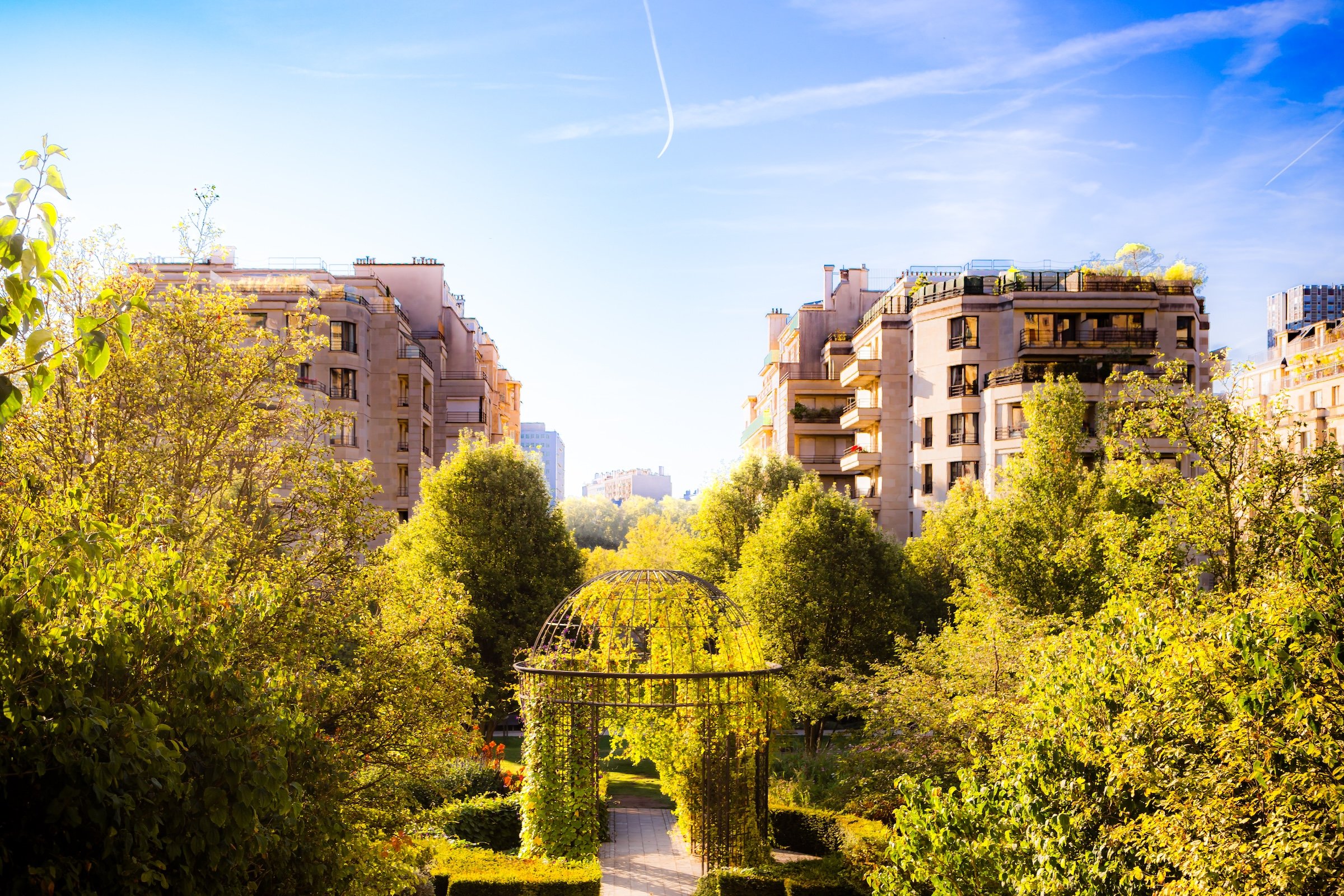
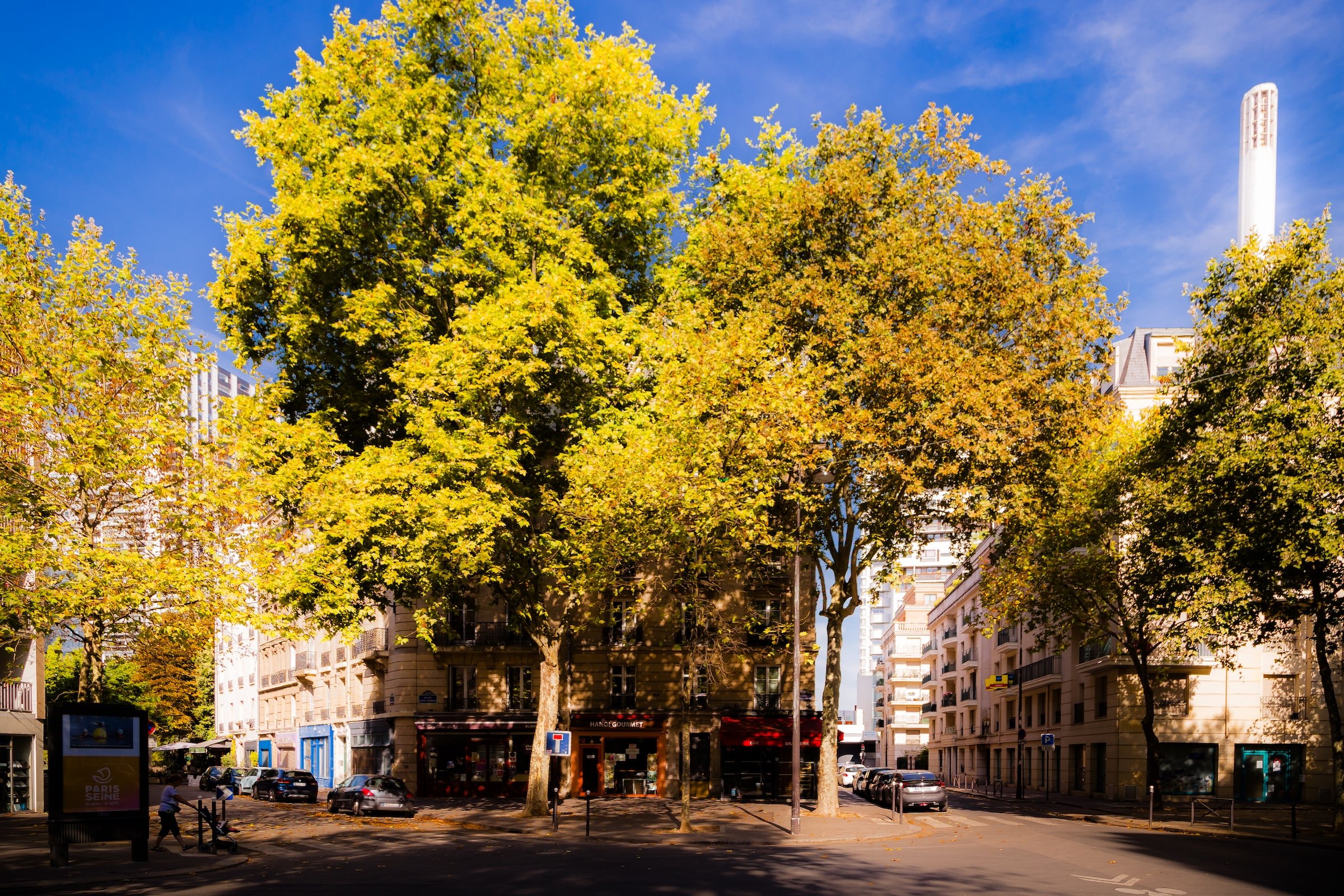
In Paris, Painting With Light often feels warmer, softer, and more atmospheric. The light gathers in trees, spills across façades, glows against limestone, softens apartment buildings, and turns gardens, boulevards, balconies, and riverbanks into luminous compositions. At times, it feels almost impressionistic: leaves become brushstrokes, buildings become planes of color, and the Seine becomes a surface for brightness and reflection. Rather than simply documenting a street or landmark, these photographs show Paris being transformed by light as it moves through the day.
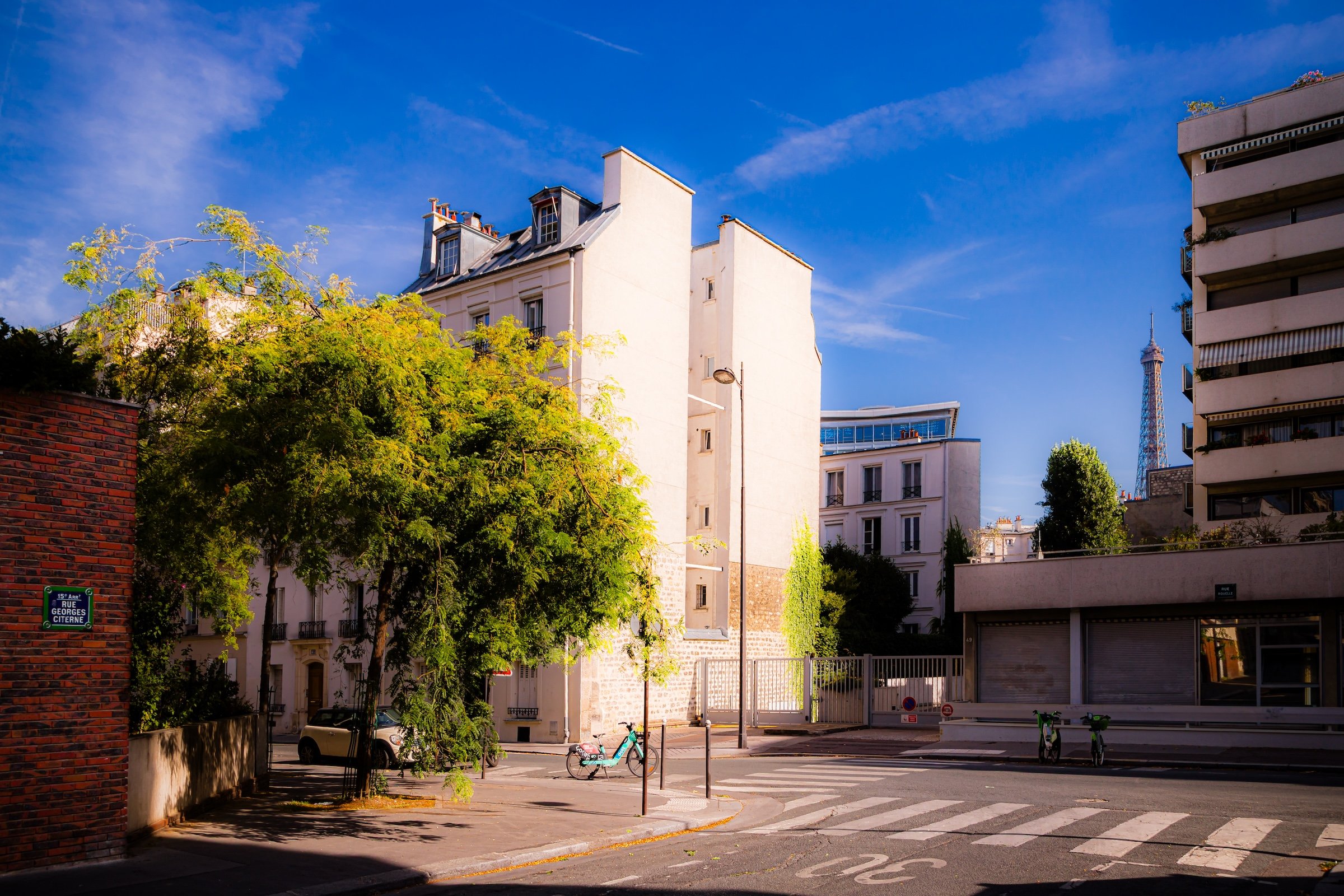
The images in this section show that transformation across several kinds of Parisian spaces: tree-lined avenues washed in gold, quiet streets patterned with shadow, pale apartment buildings softened by sun, gardens glowing with green and yellow light, the Eiffel Tower rising through luminous foliage, and the Seine shimmering beneath a bright summer sky. In some photographs, light spreads gently across façades and treetops; in others, it bursts into the frame or creates deep contrasts between shadowed streets and illuminated surfaces. Painting With Light is about these moments when Paris seems less constructed than composed — not only built from stone, iron, glass, and trees, but brushed into visibility by the changing light itself.
Highlights
Contrasts & Companions
Contrasts & Companions begins with the idea that a city is rarely seen one element at a time. In New York, this often appears through tension and conversation: old buildings beside new towers, street signs against murals, subway entrances beside glass storefronts, monuments framed by everyday traffic, or small human details interrupting the scale of the city. These images work because the subjects do not stand alone. They gain meaning from what appears beside them, behind them, or unexpectedly within the same frame.
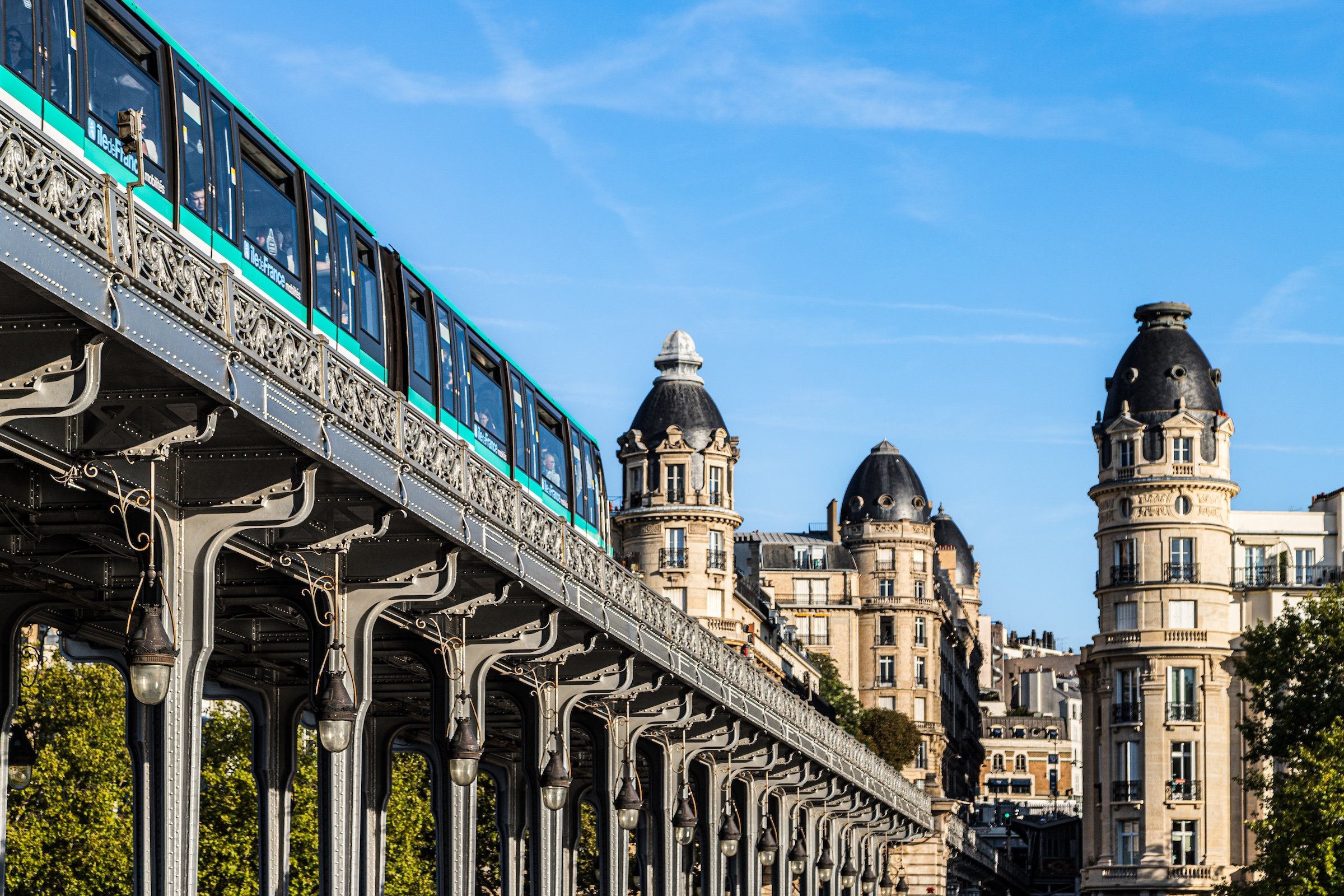
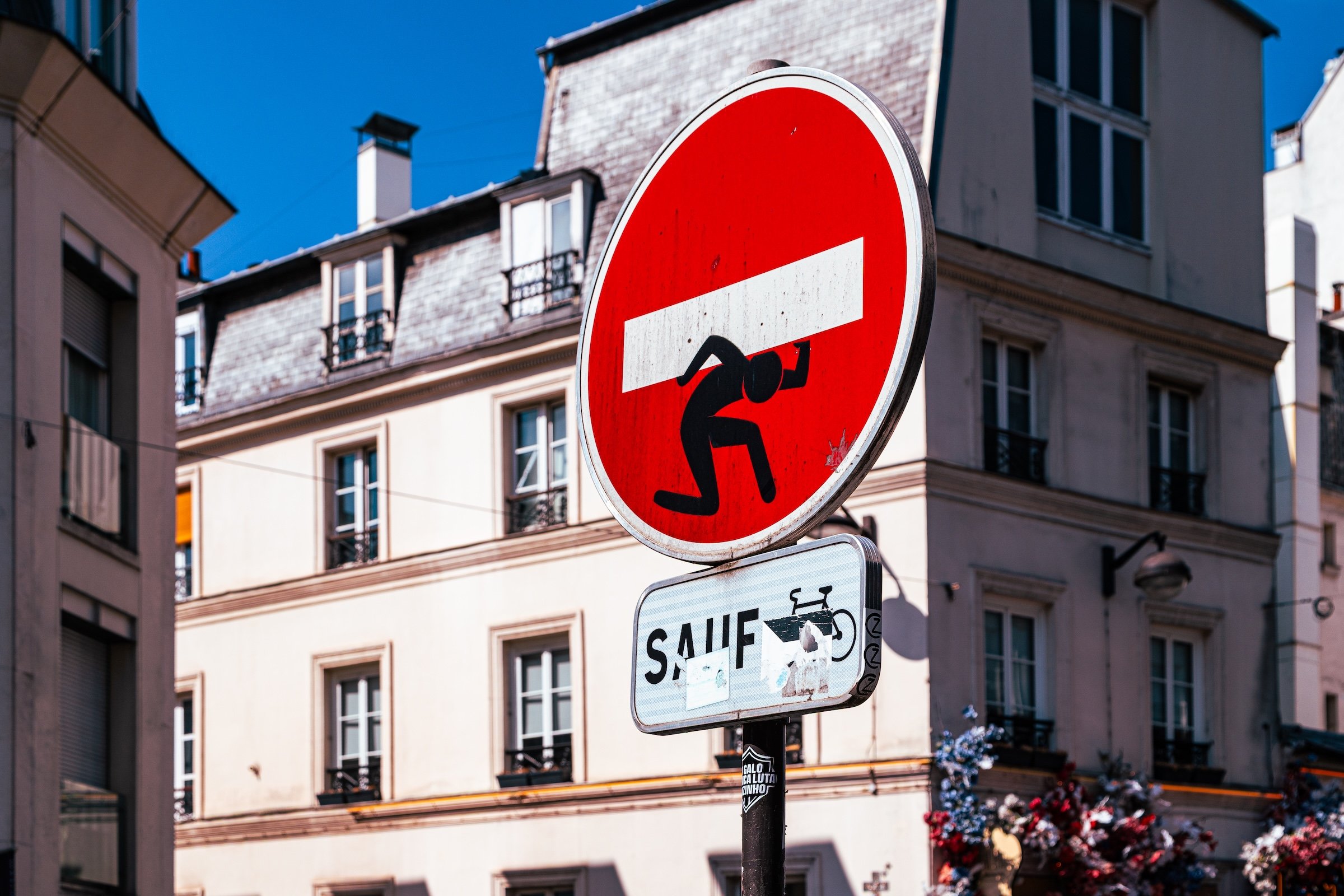
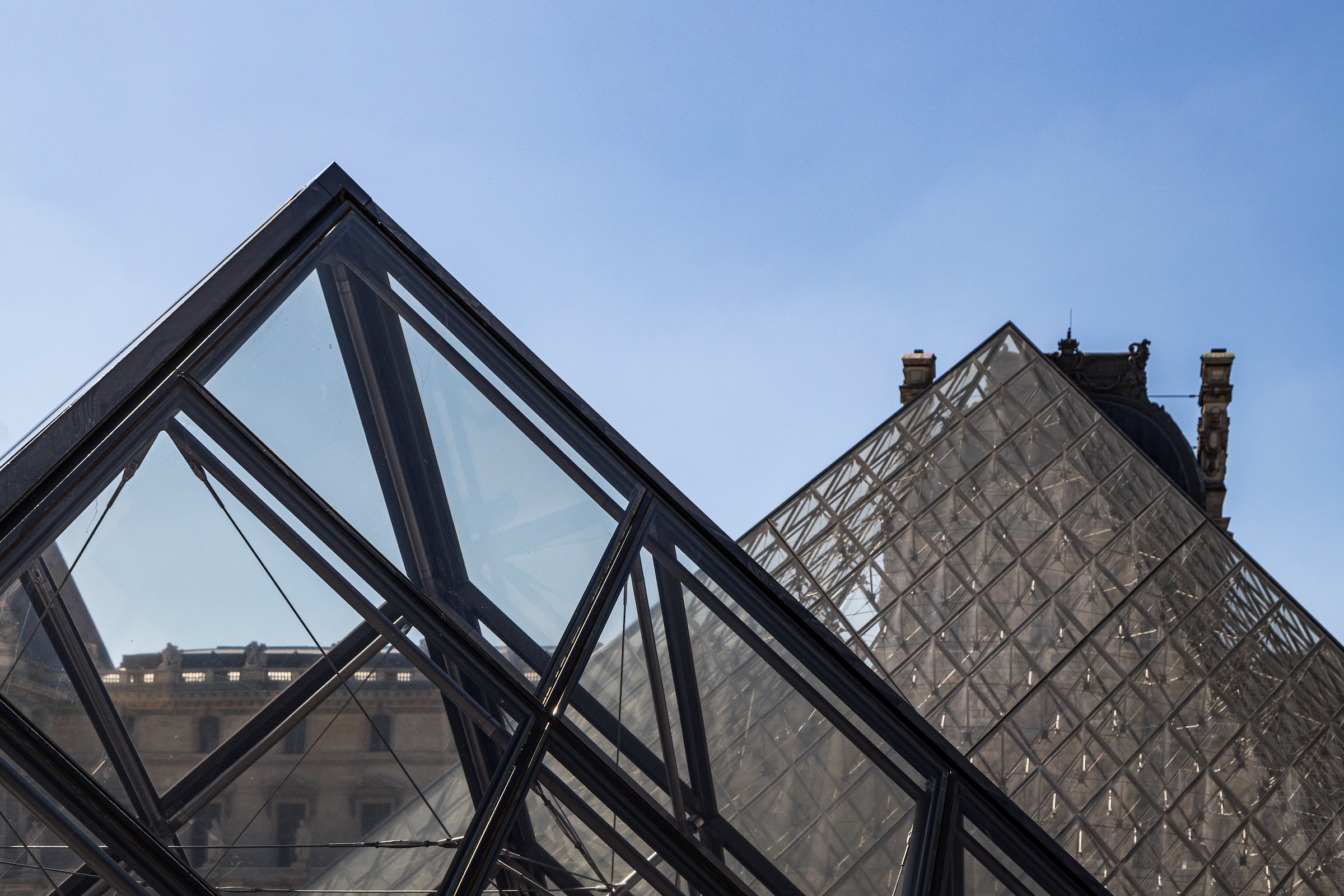
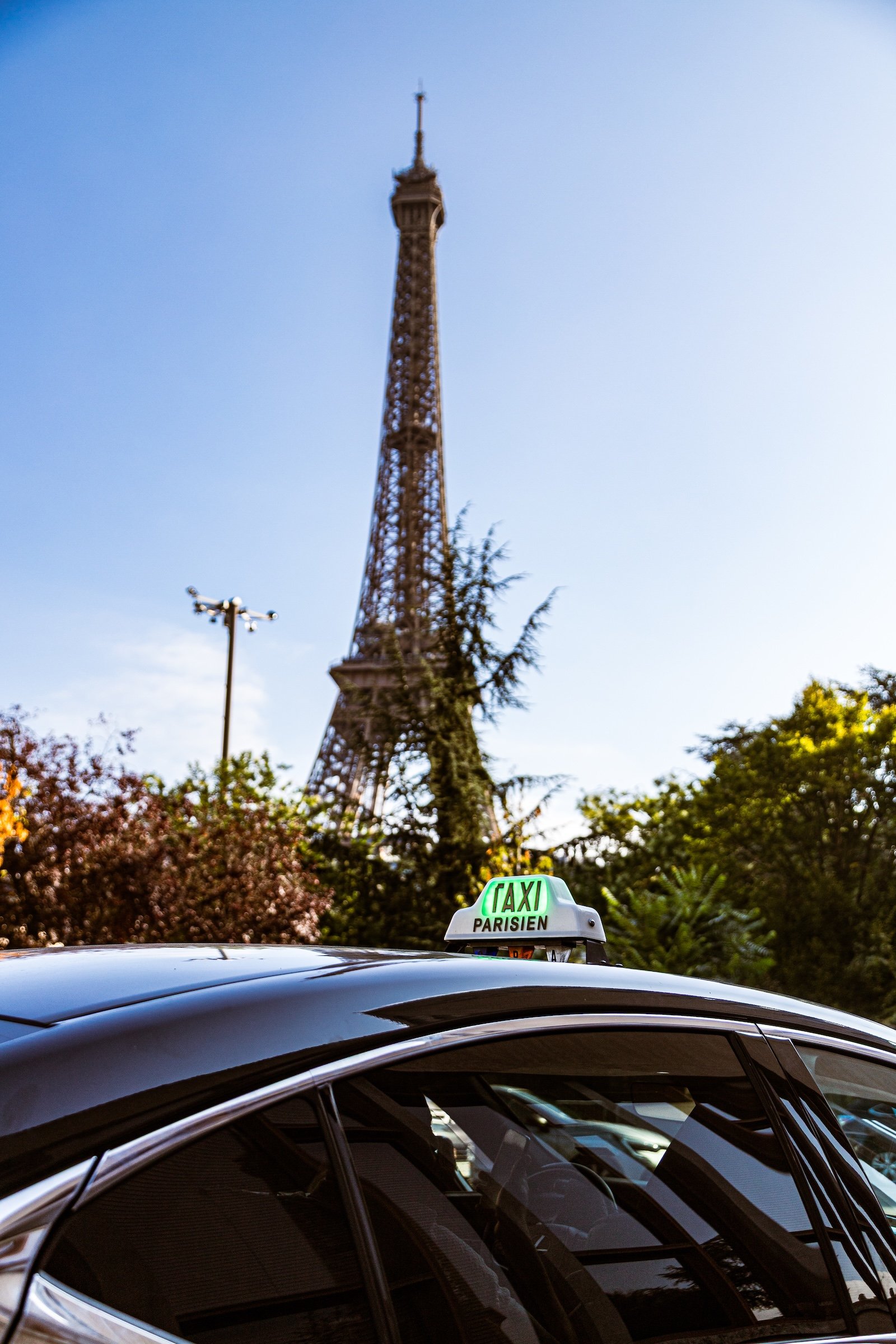
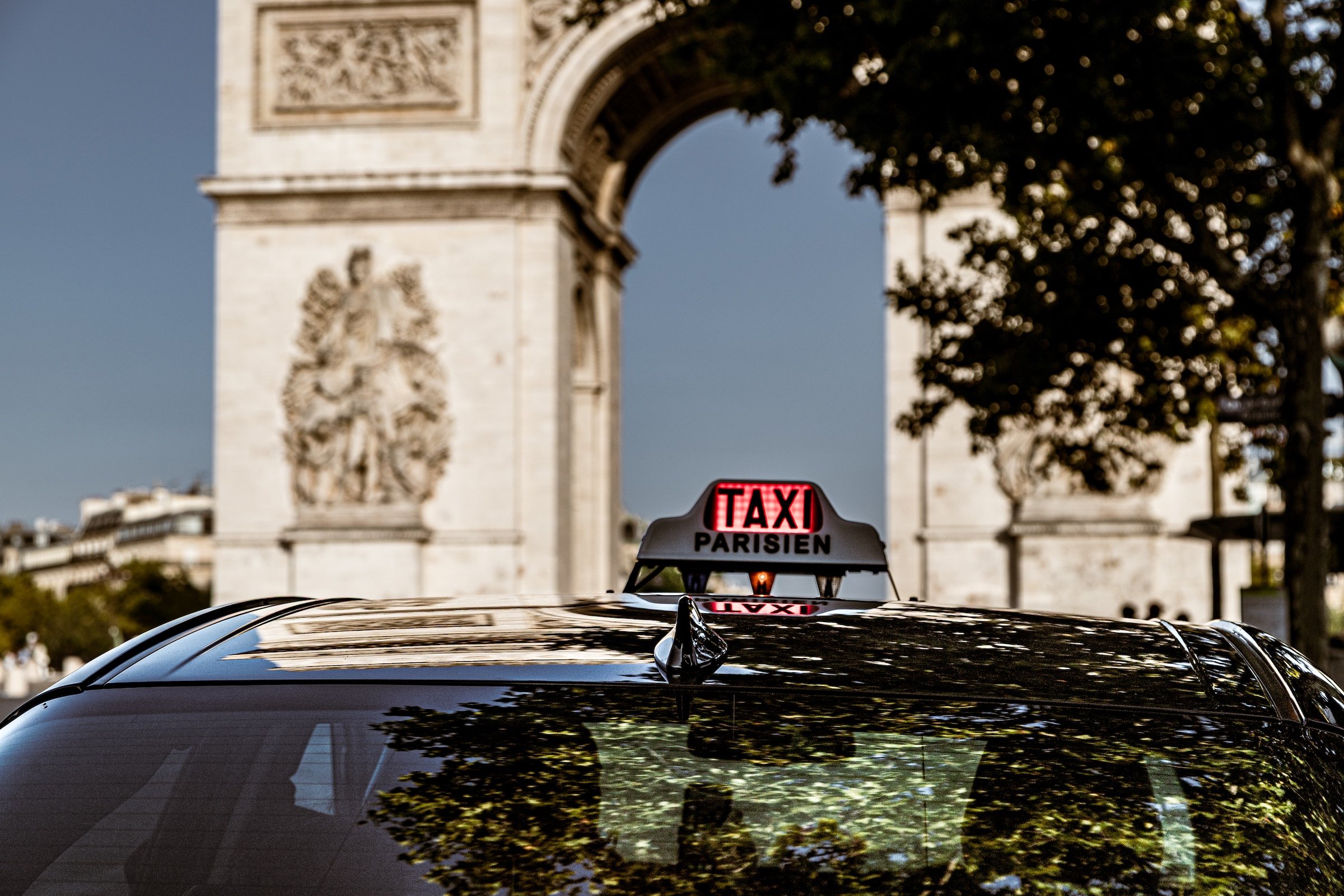
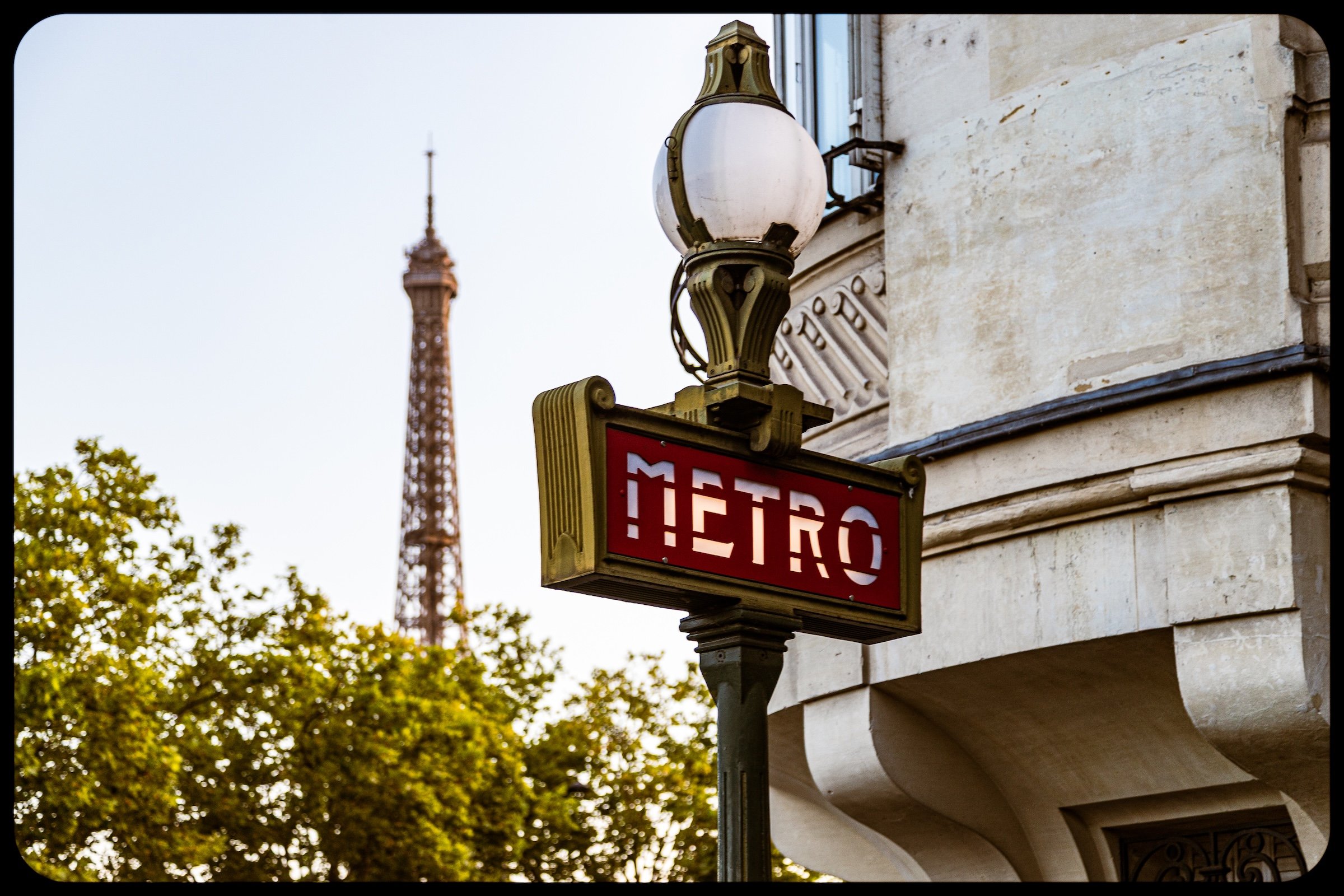
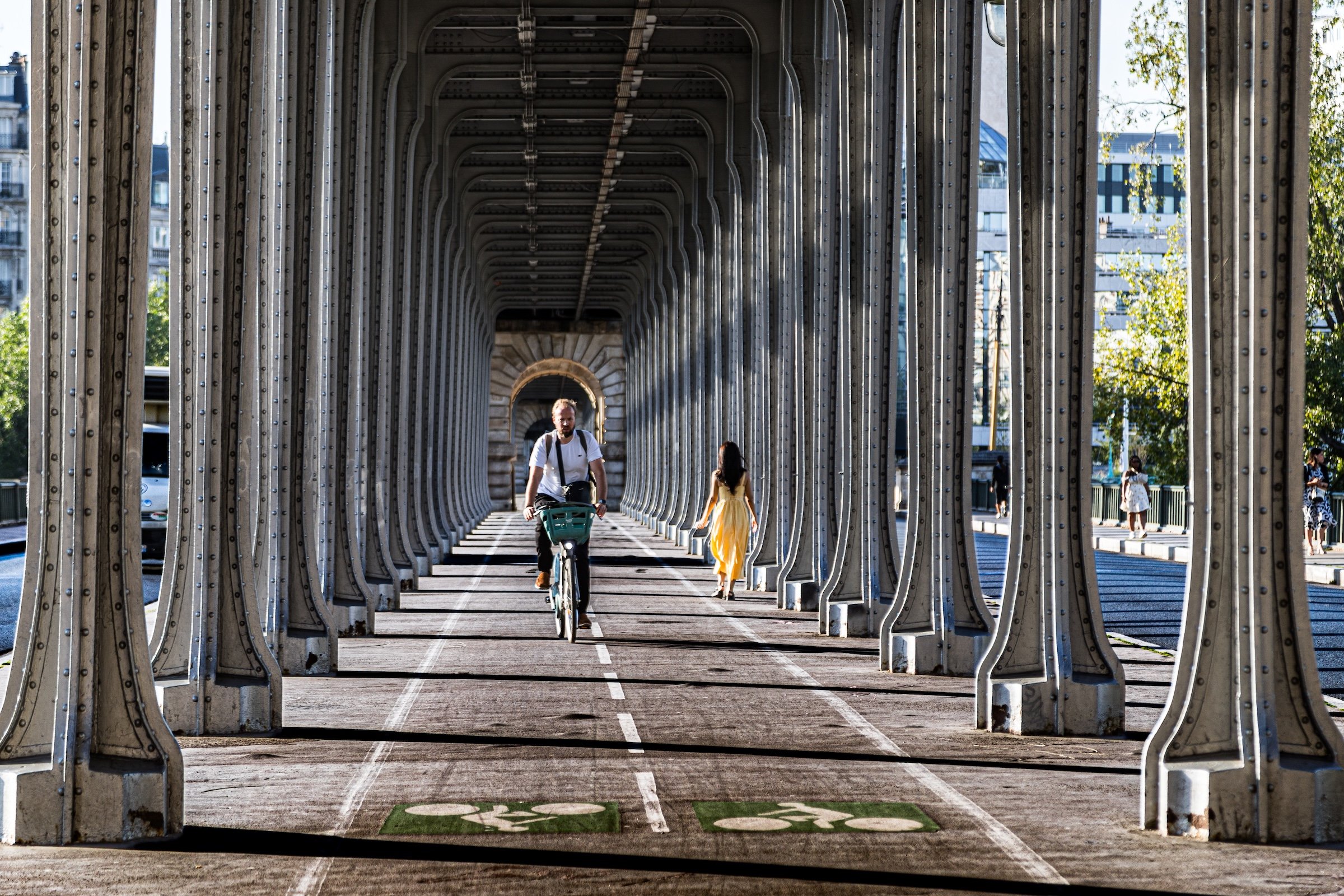
In Paris, these contrasts and companions often carry a different kind of visual wit and elegance. The Eiffel Tower appears beside Metro signs, taxis, statues, rooftops, trees, elevated rail tracks, and quiet side streets. Historic stone meets modern glass at the Louvre. Playful street signs and graffiti interrupt formal architecture. A small car on a cobblestone street becomes a companion to centuries-old façades. The city’s icons remain powerful, but they become more interesting when they are seen in conversation with the ordinary, the humorous, the contemporary, or the overlooked.
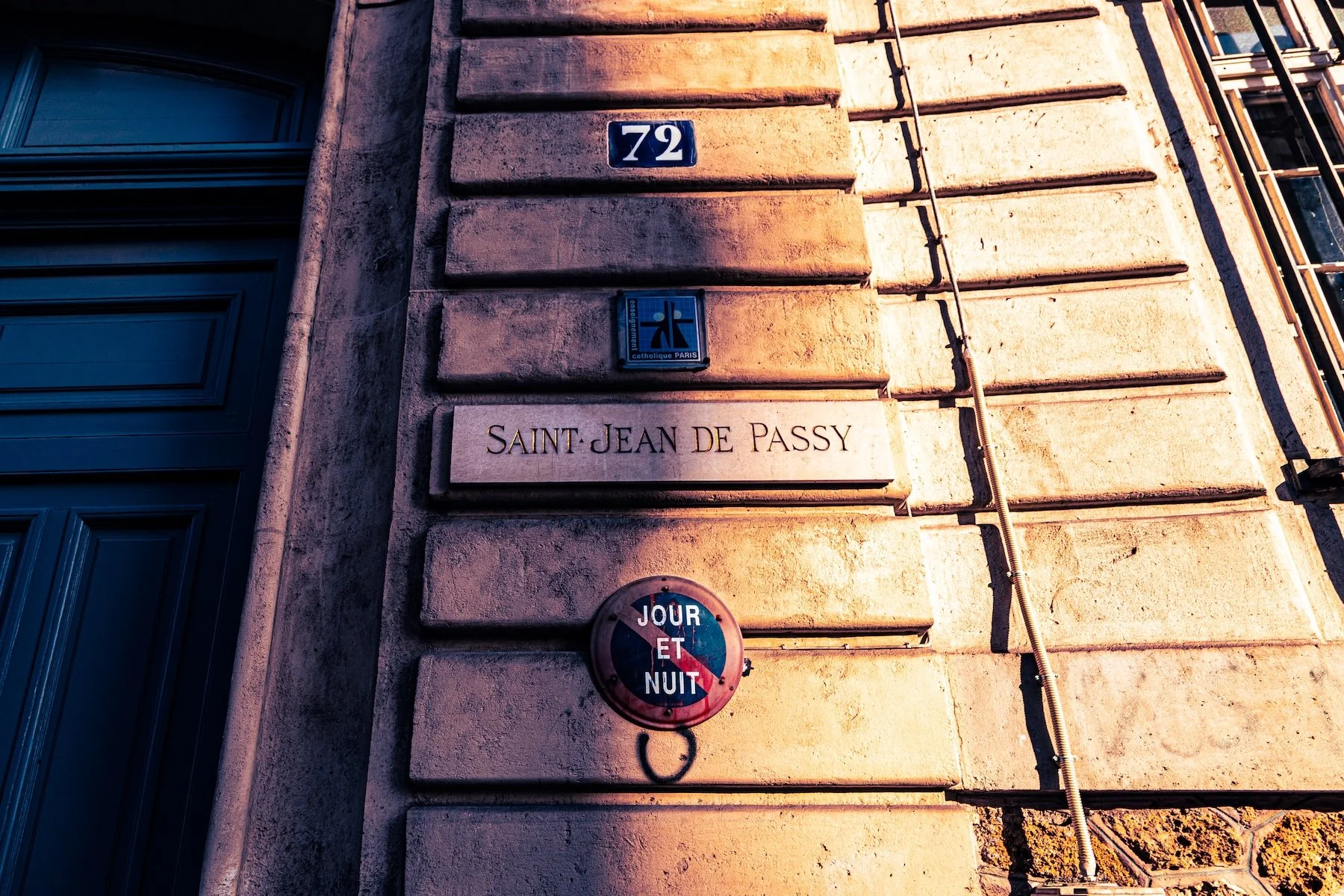
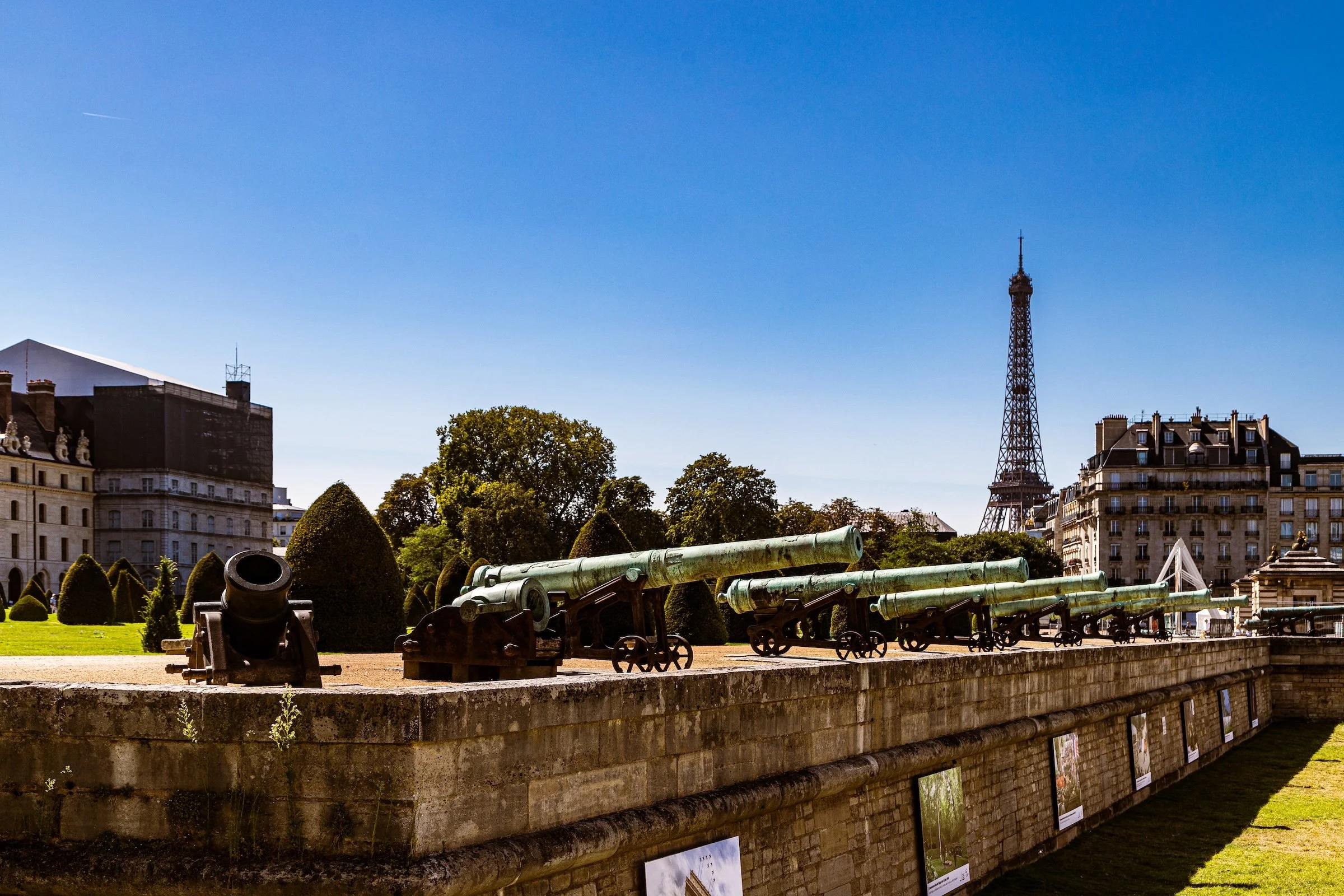
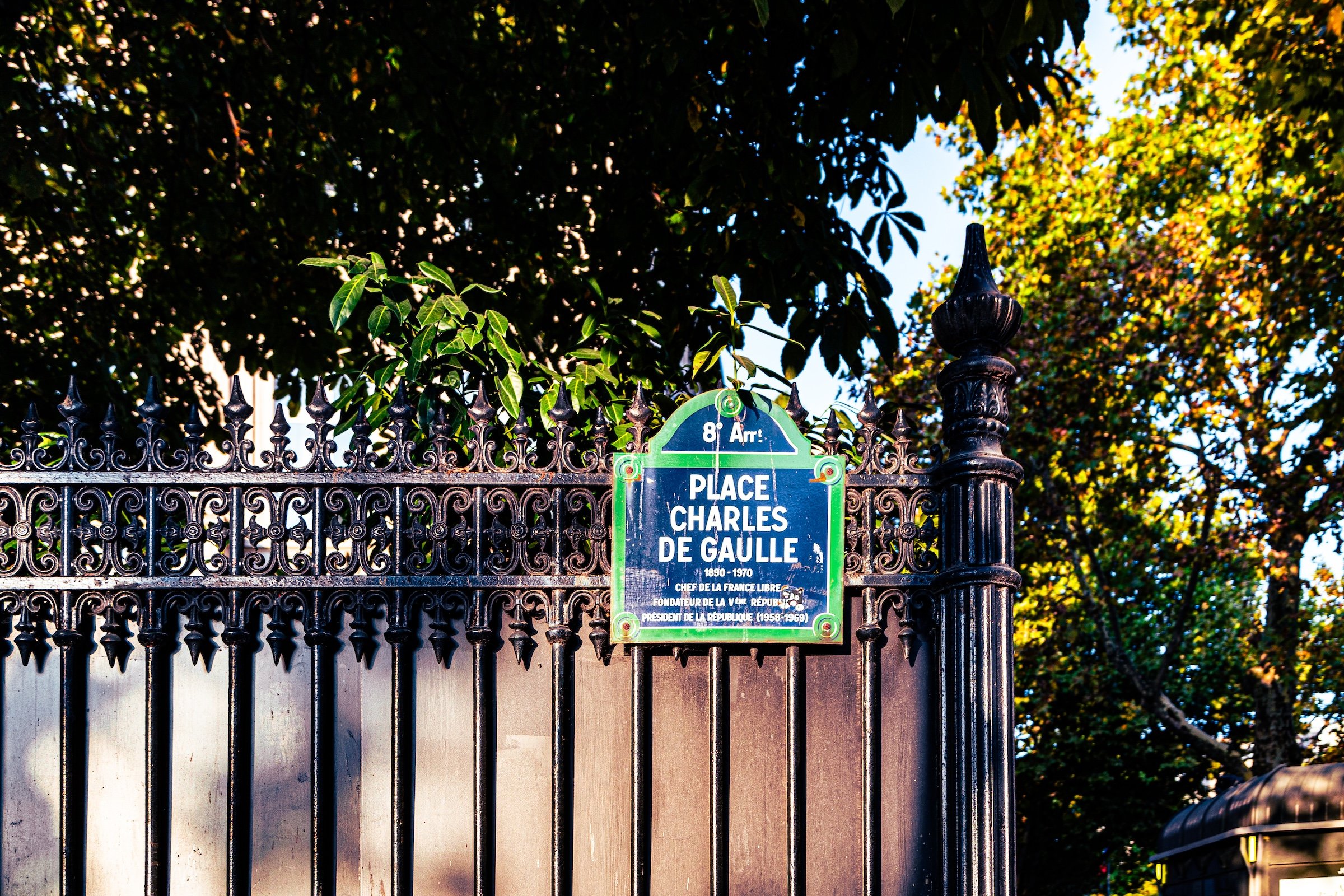
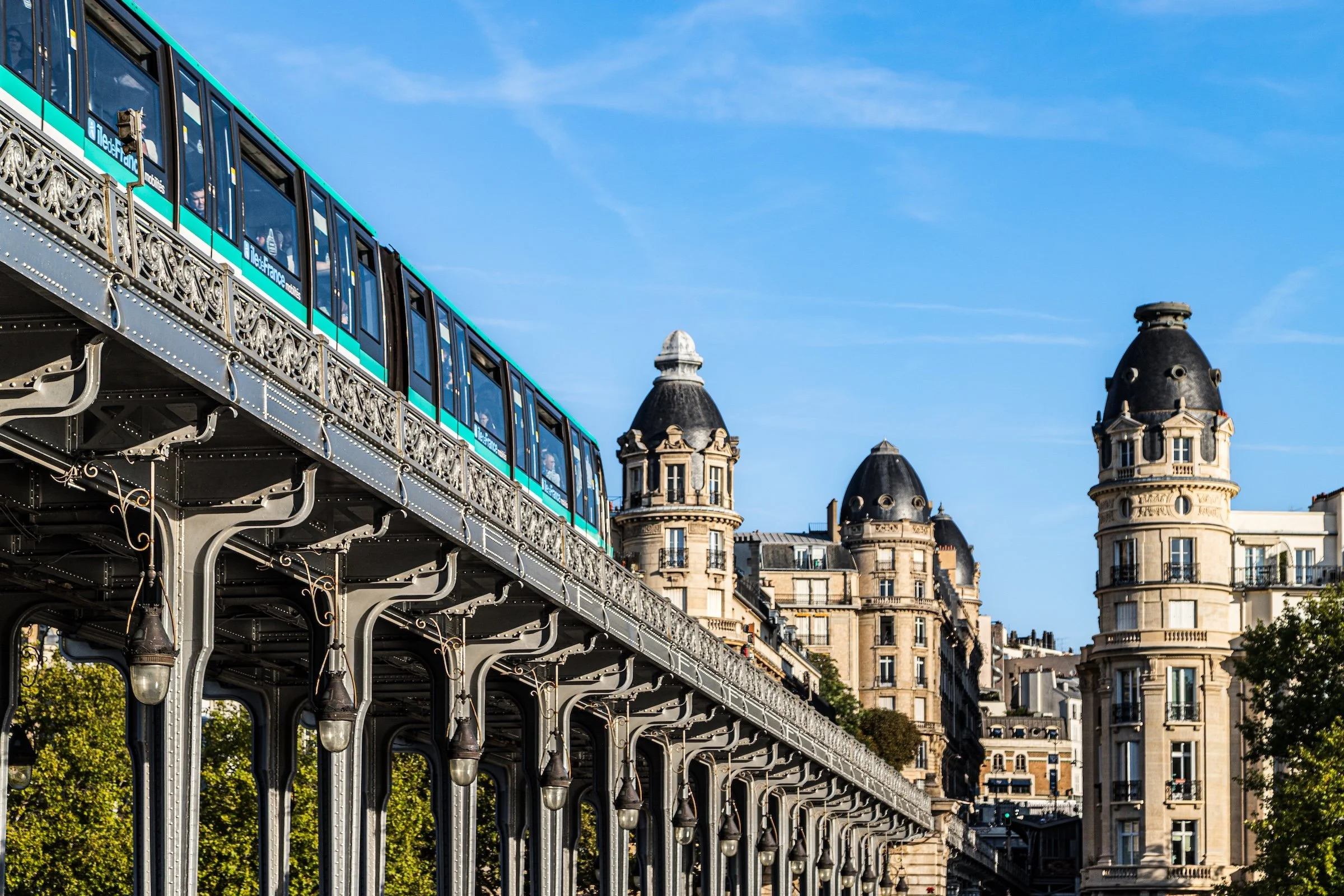
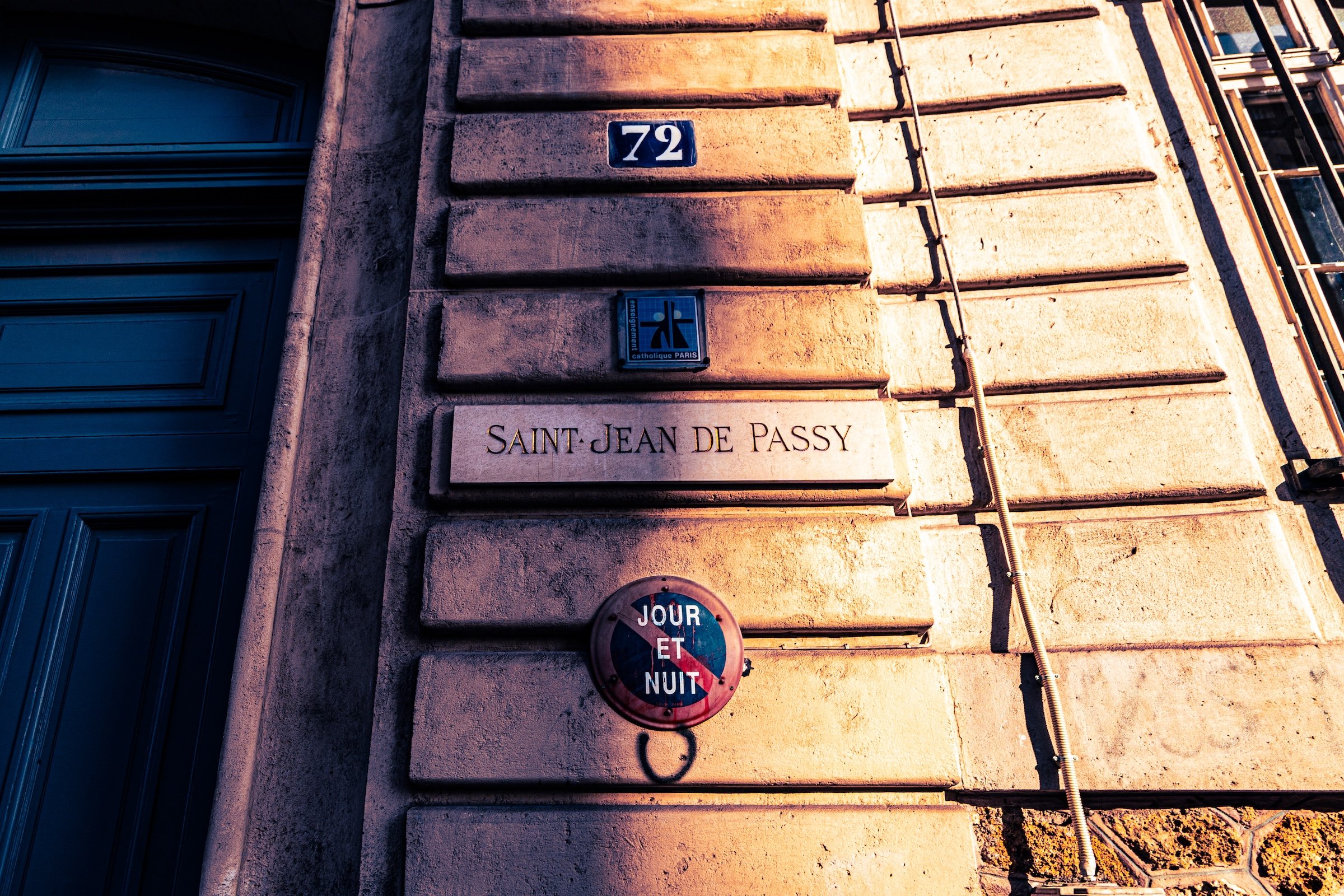
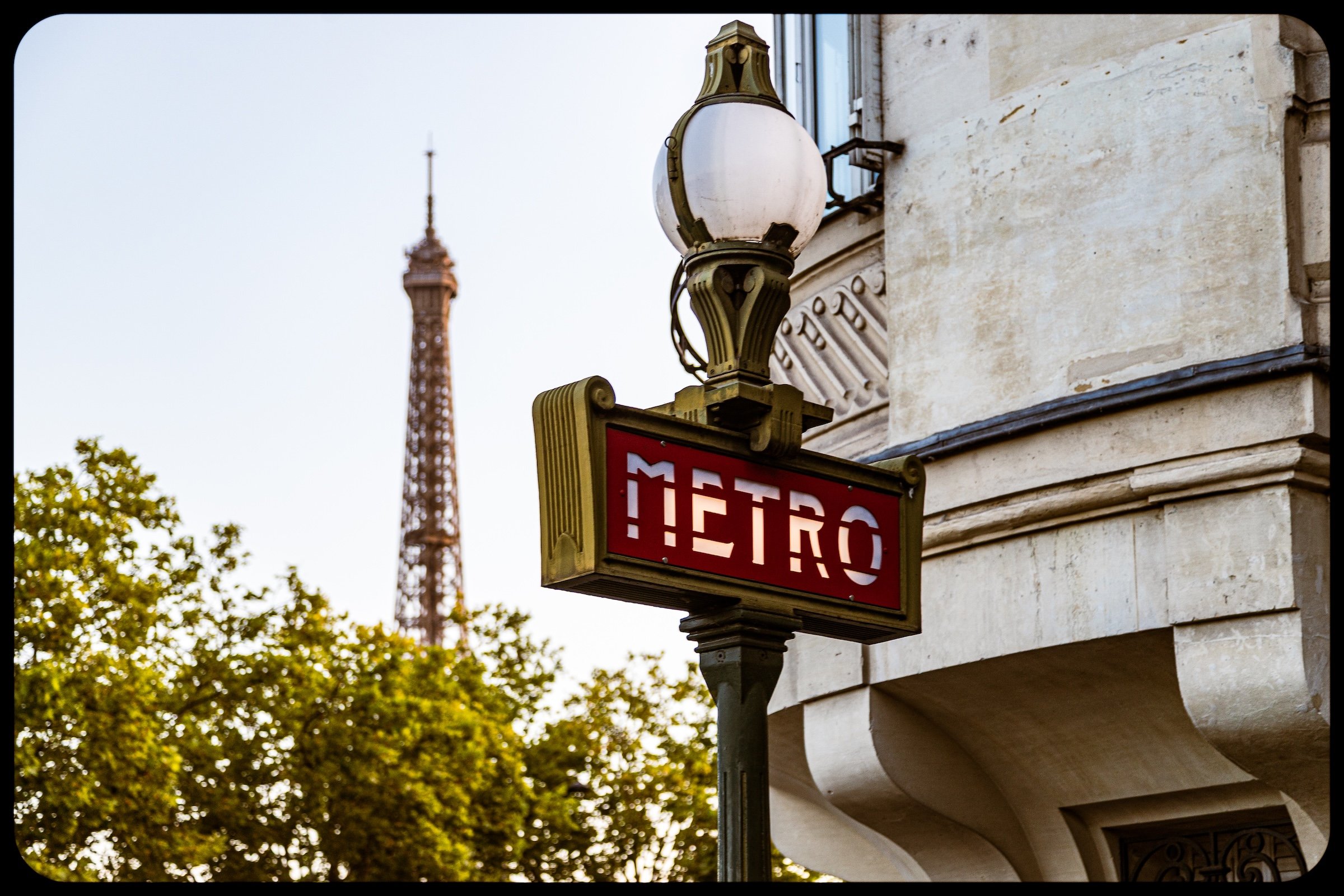
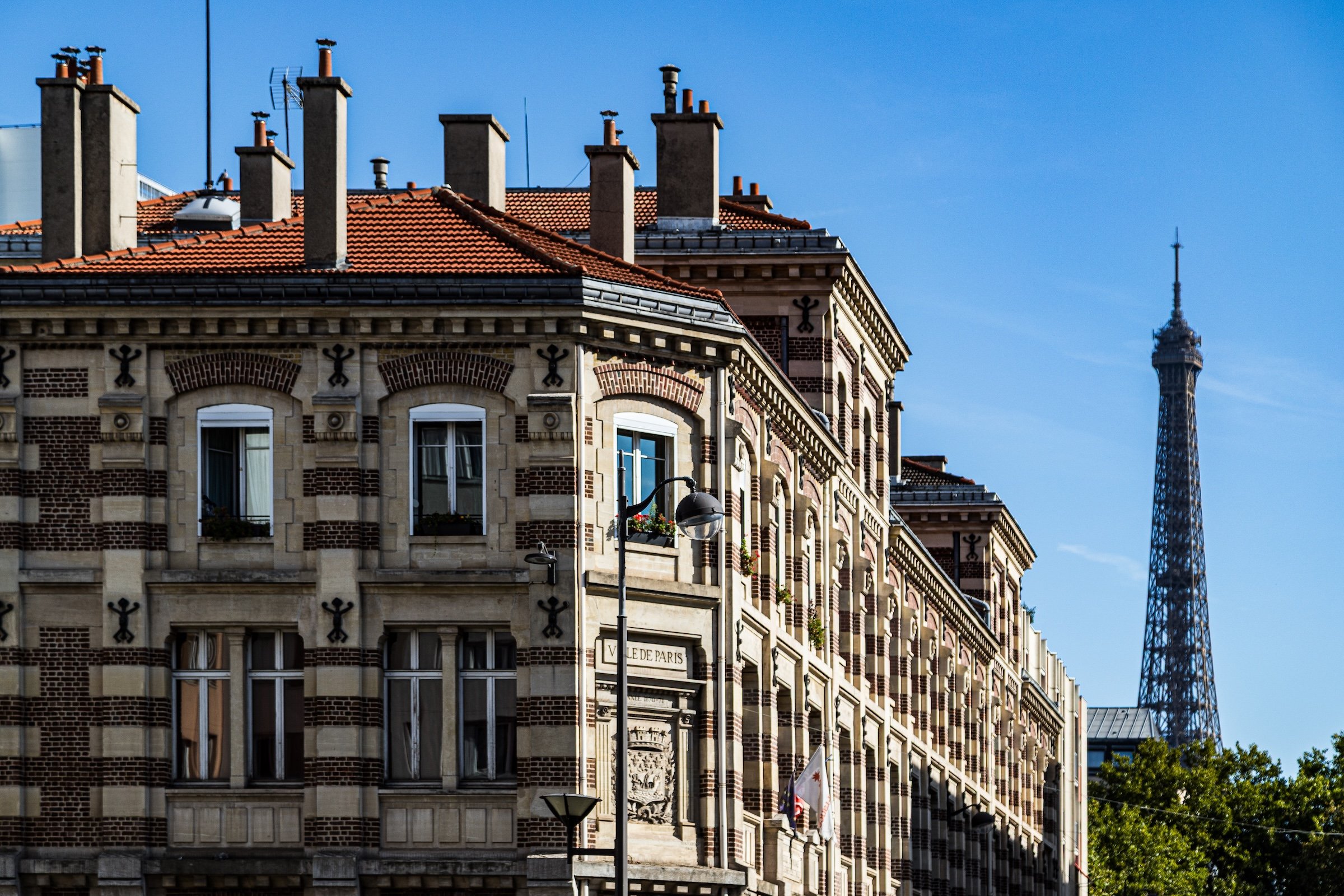
The images in this section show Paris through these visual relationships: La France Renaissante sharing the frame with the Eiffel Tower, an elevated Metro line moving past classic façades, a Saint-Jean-de-Passy street marker set into warm stone, a modified no-entry sign turning civic instruction into street humor, a pale vintage car resting against cobblestones and old buildings, the Louvre Pyramid cutting modern geometry into historic space, and the Arc de Triomphe glimpsed beside a taxi roof. Contrasts & Companions is about these moments of visual dialogue, when Paris becomes richer because one subject is not isolated, but placed in conversation with another.
Highlights

Sunflections
Sunflections begin with the moment sunlight becomes indirect. In New York, this often appears as light bouncing from glass towers onto older brick buildings, flashing across windows, breaking into patterns on sidewalks, or turning a street canyon into a chamber of reflected brightness. The sun may not be visible in the frame, but its presence is everywhere: on façades, pavement, windows, metal, water, and shadow. These images are about the afterlife of sunlight — the way it travels through the city by reflection, distortion, and return.
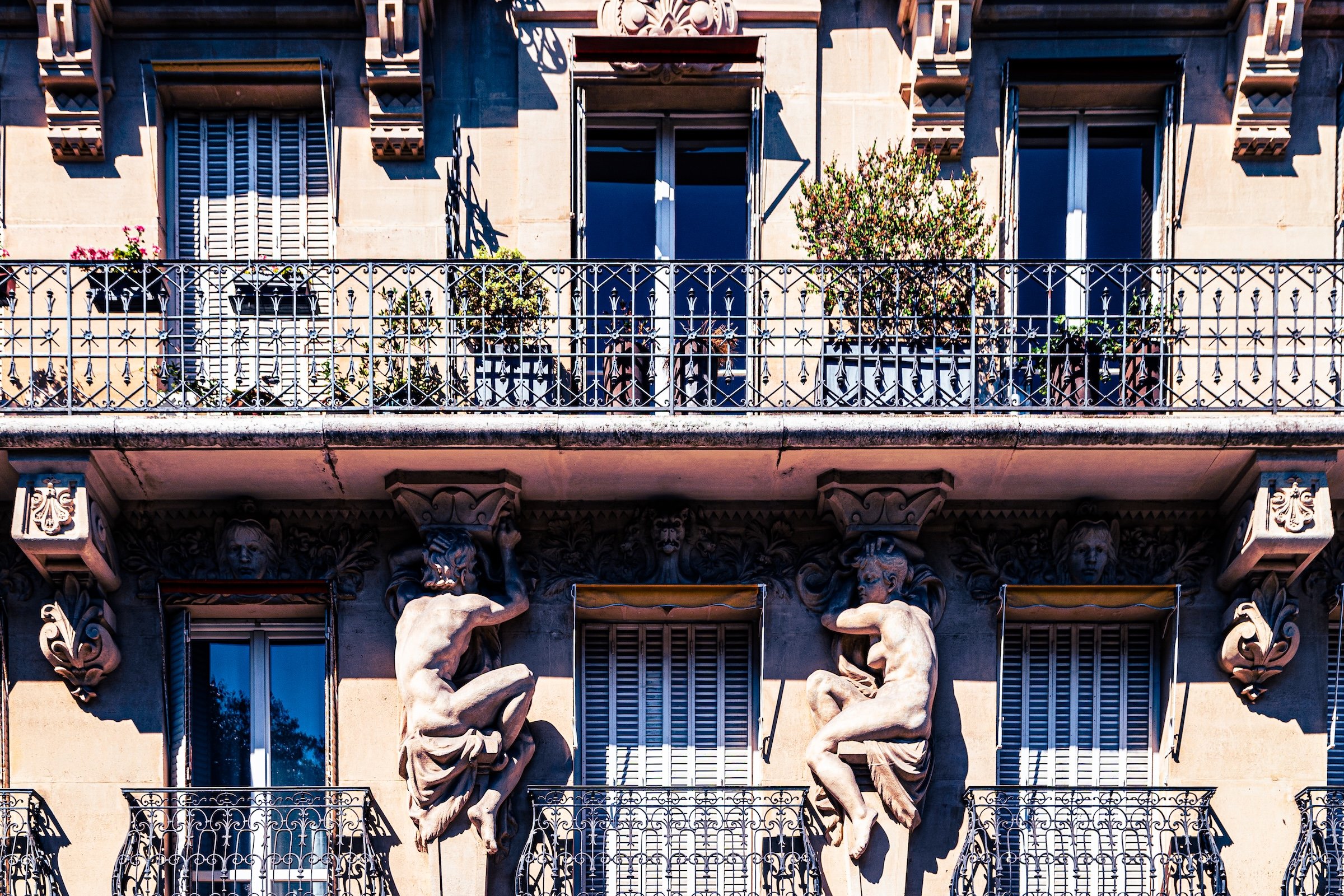
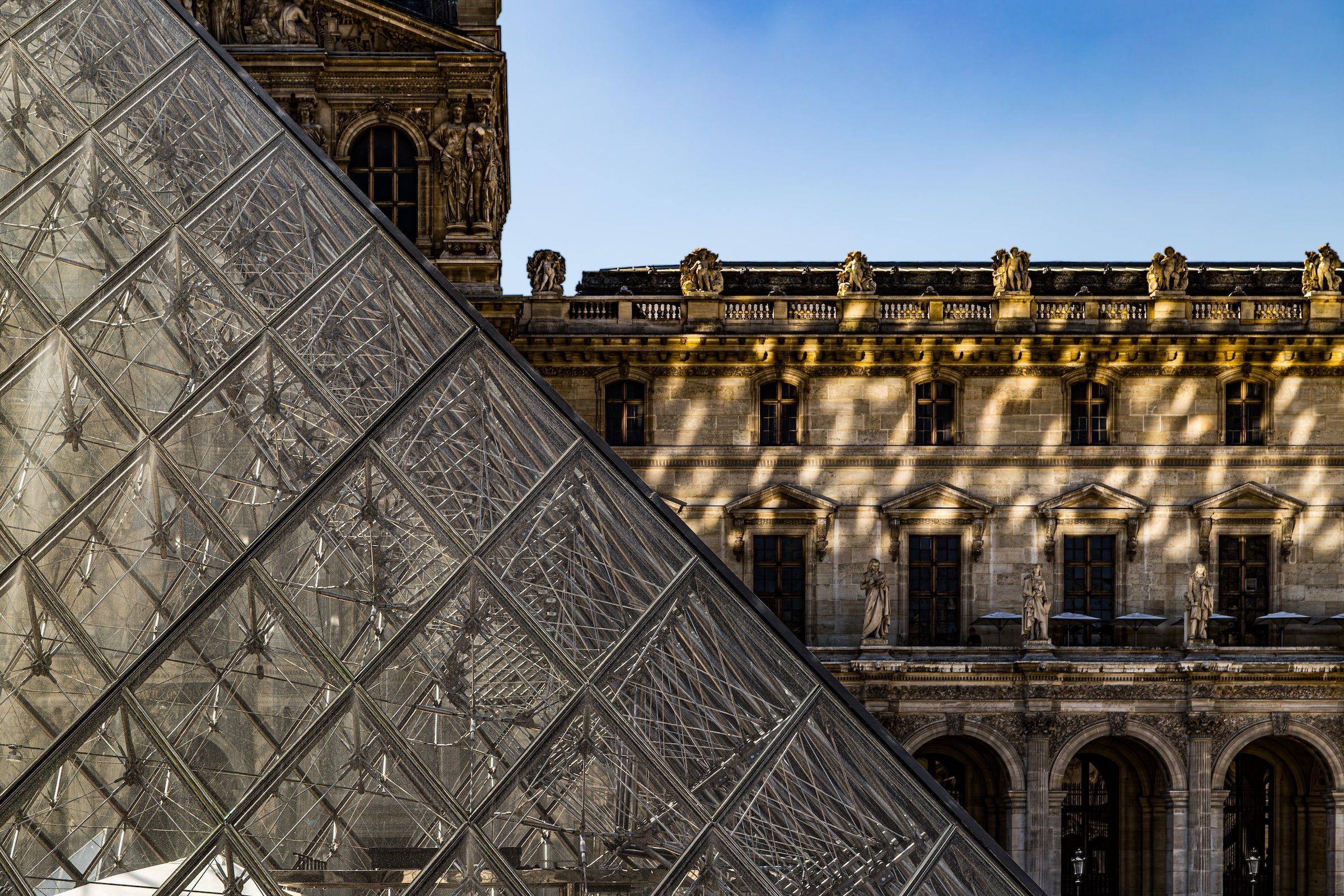
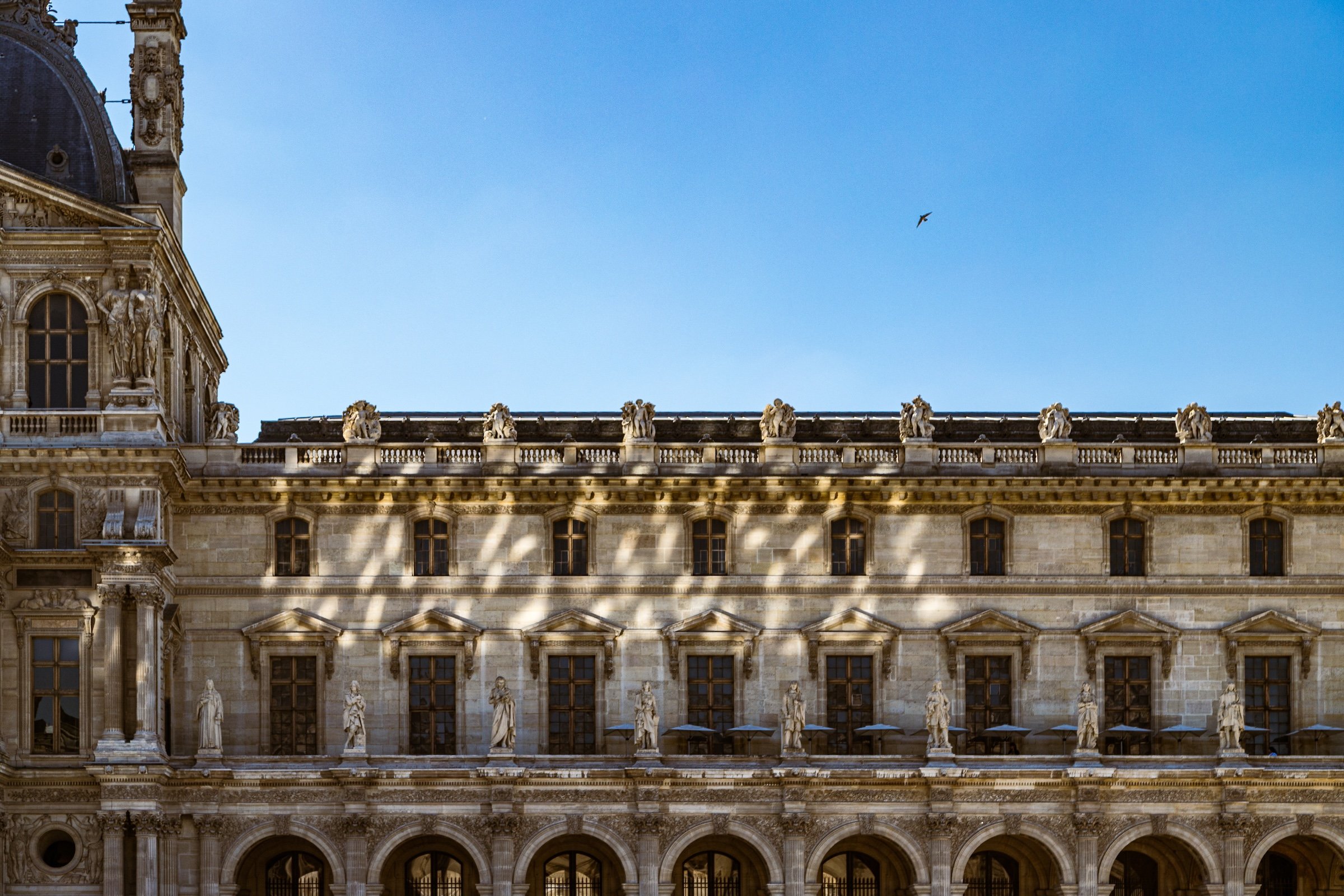
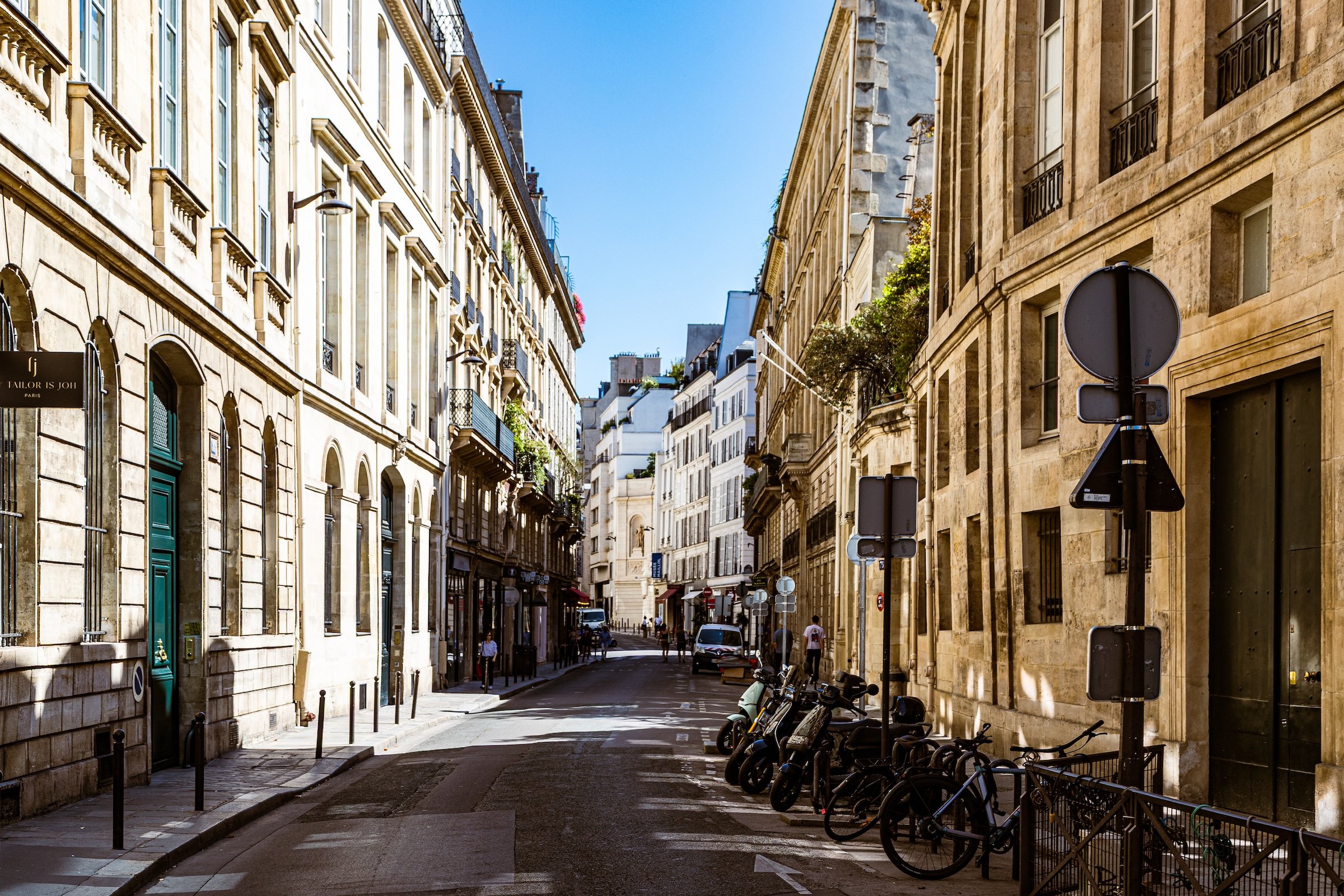
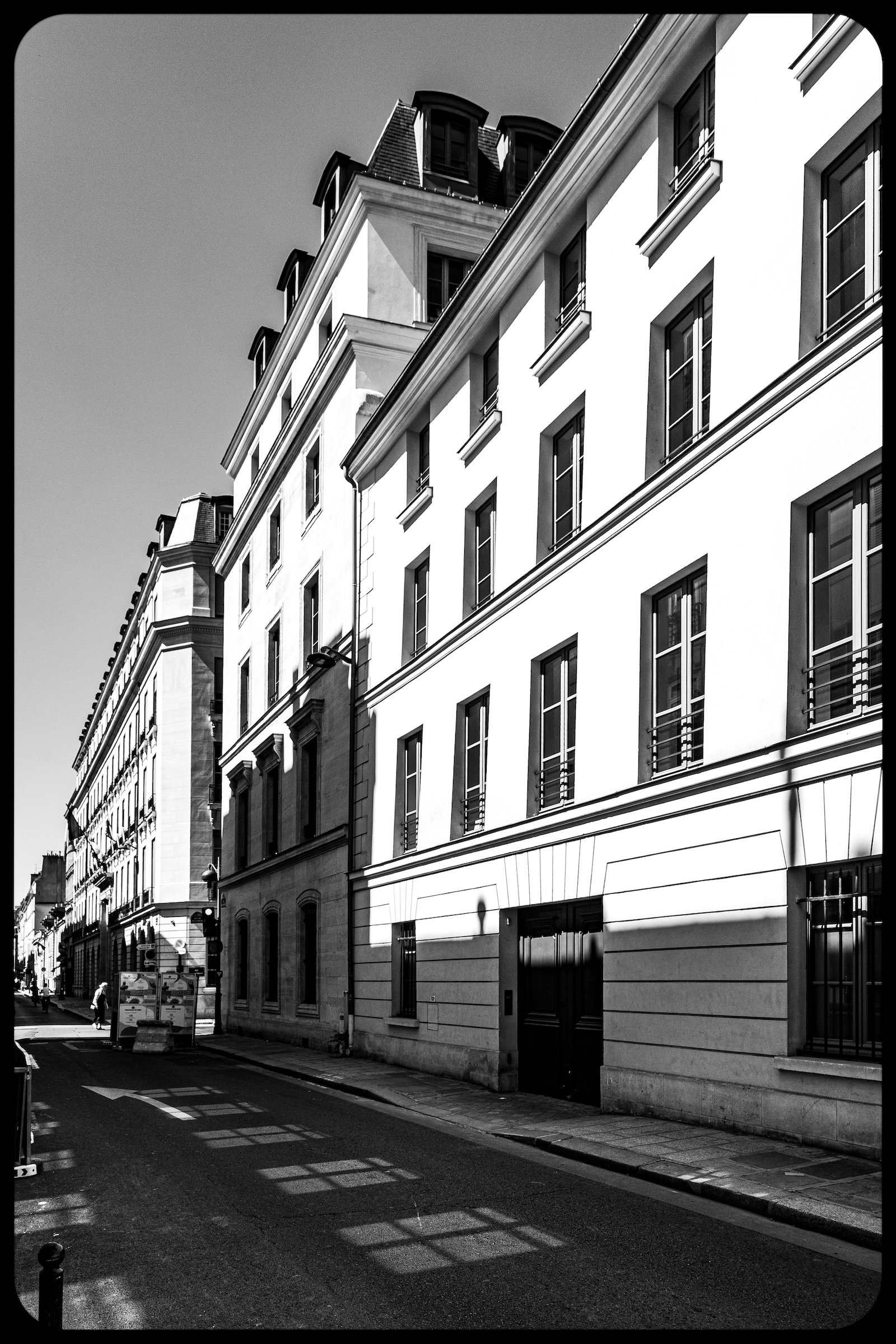
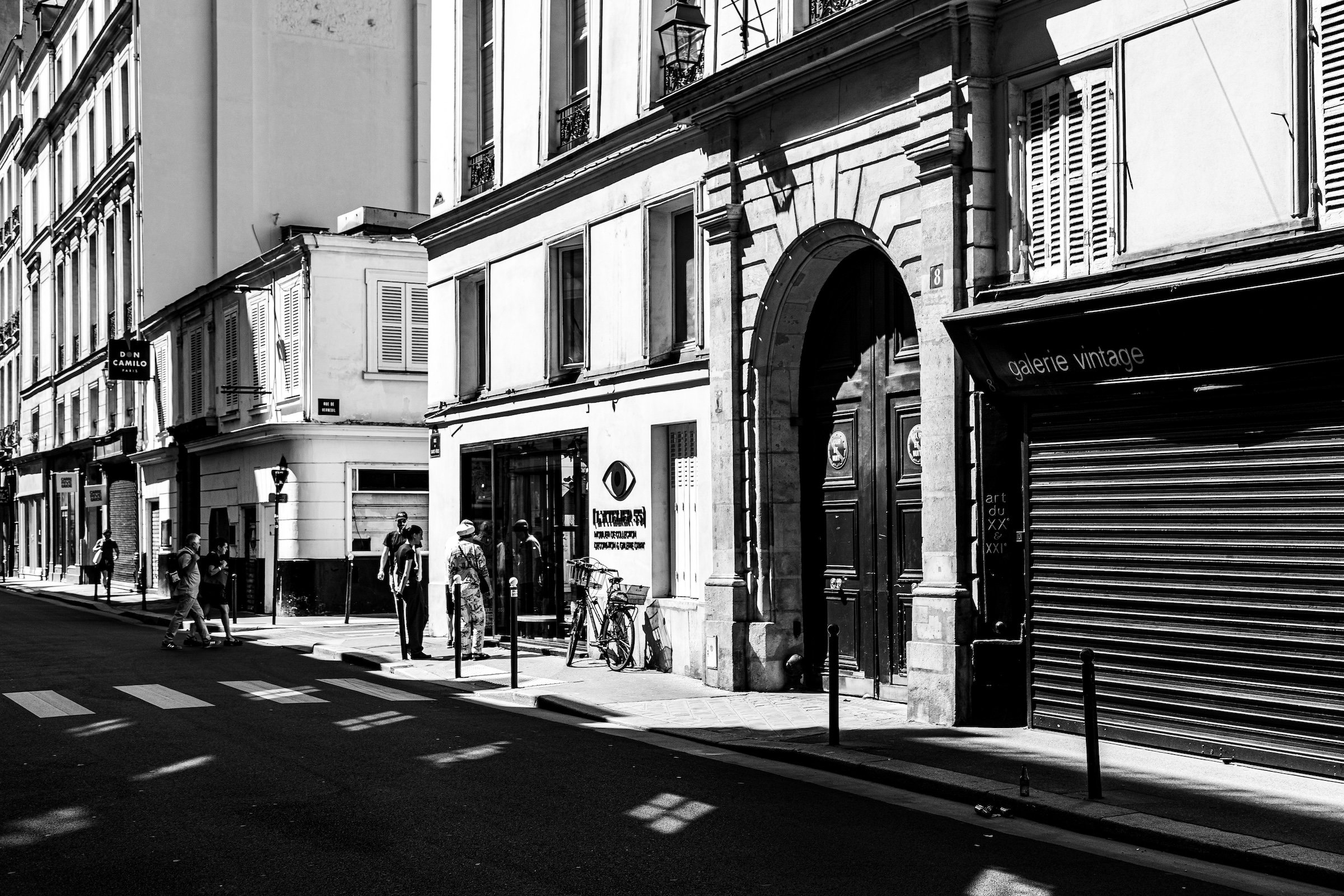
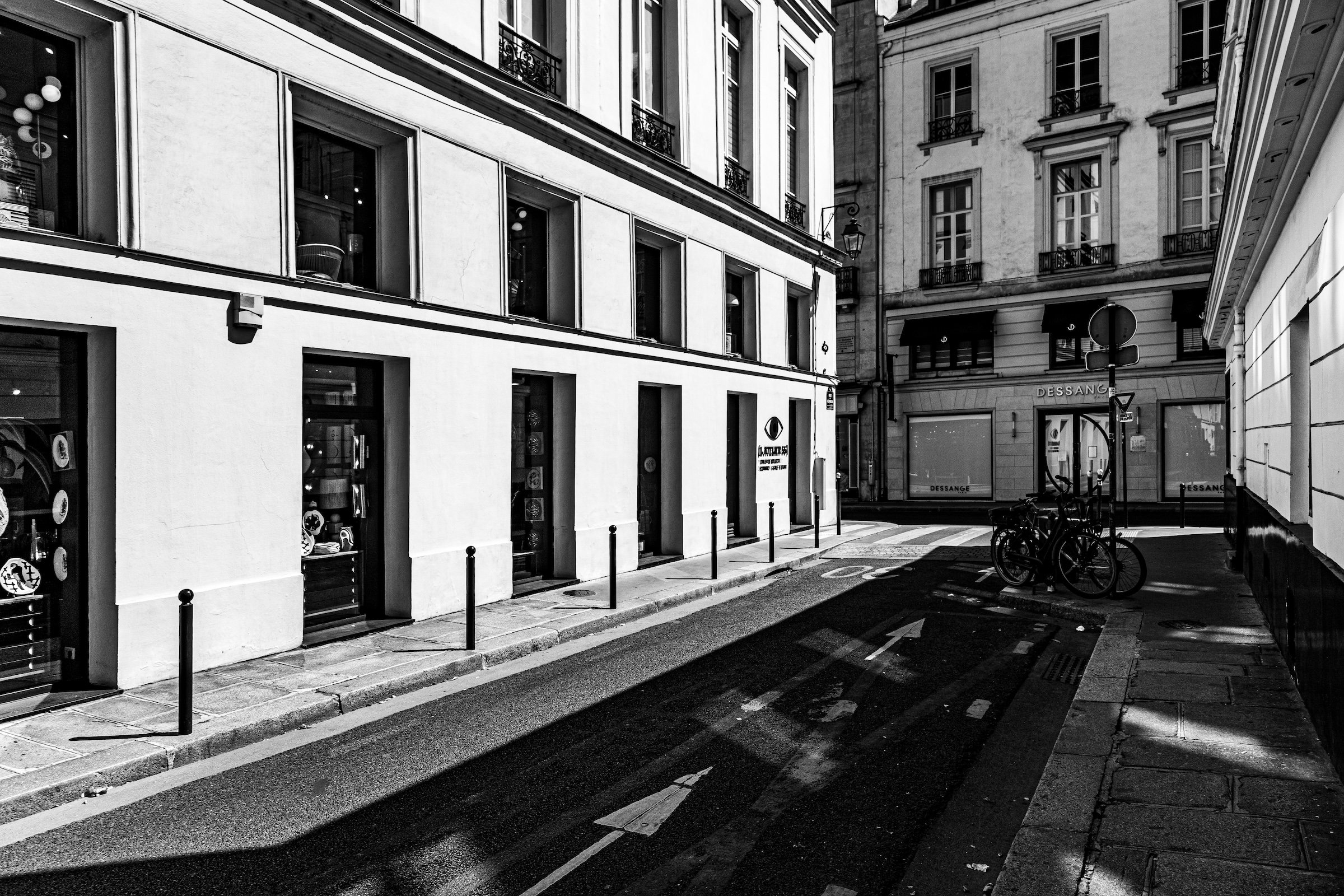
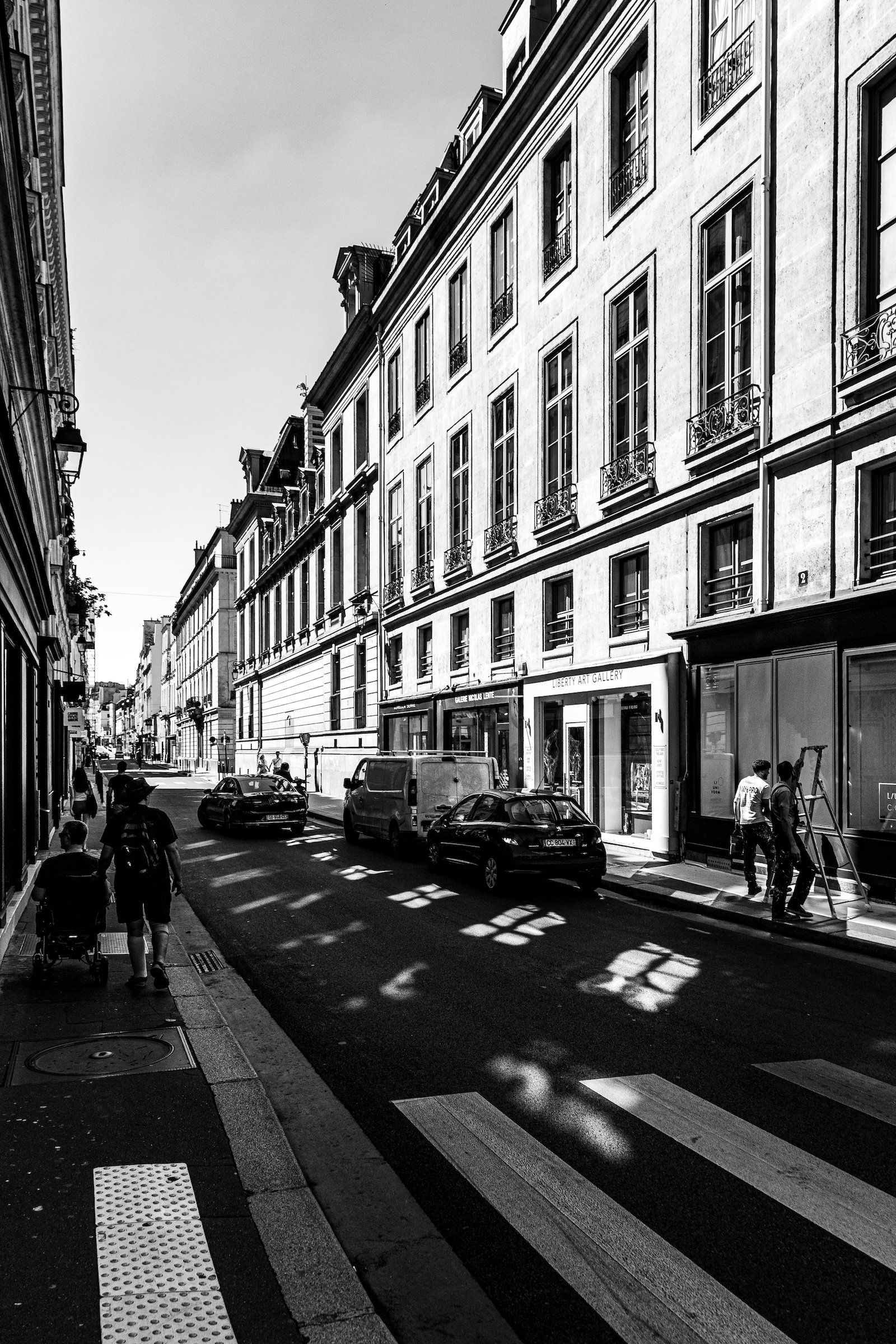
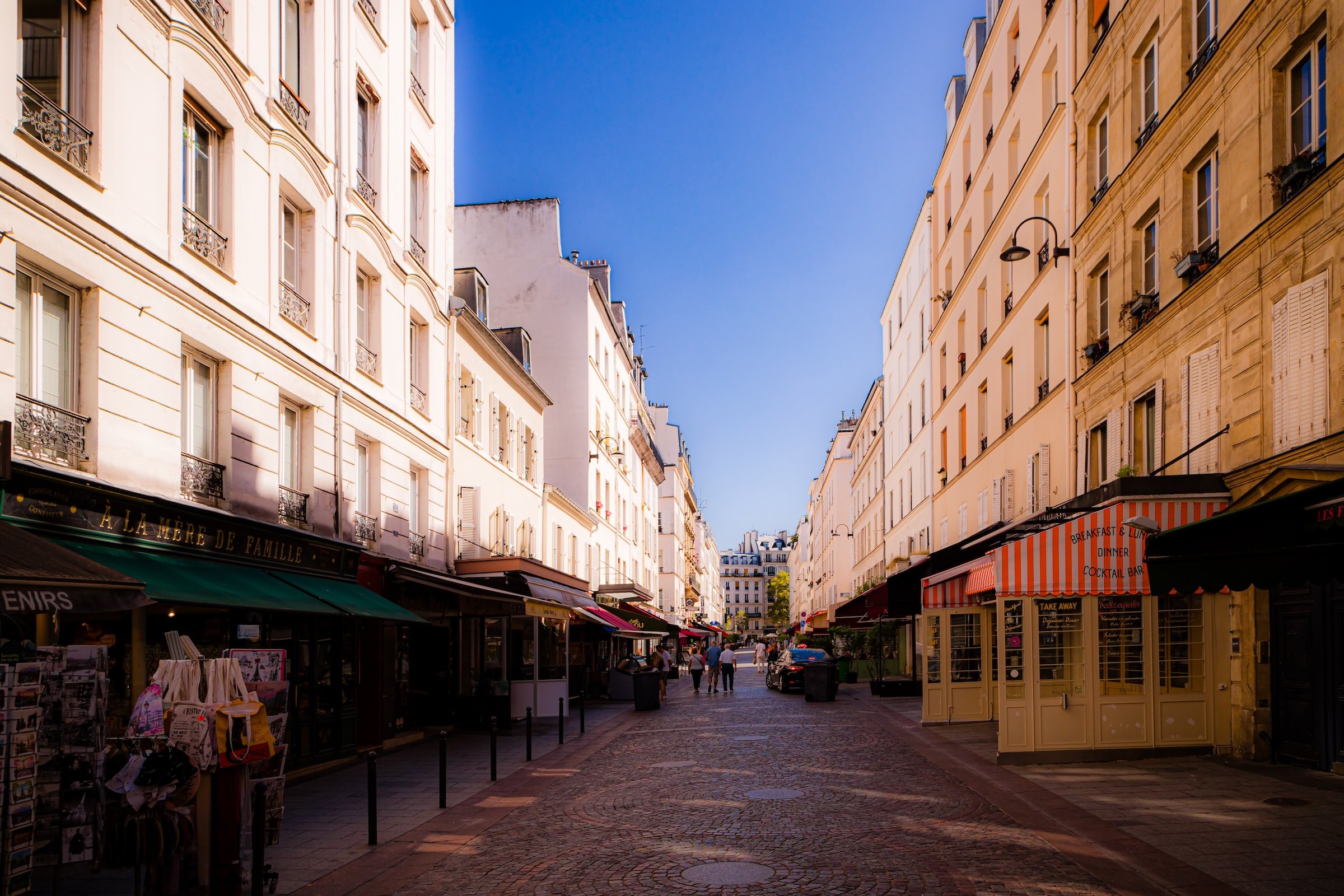
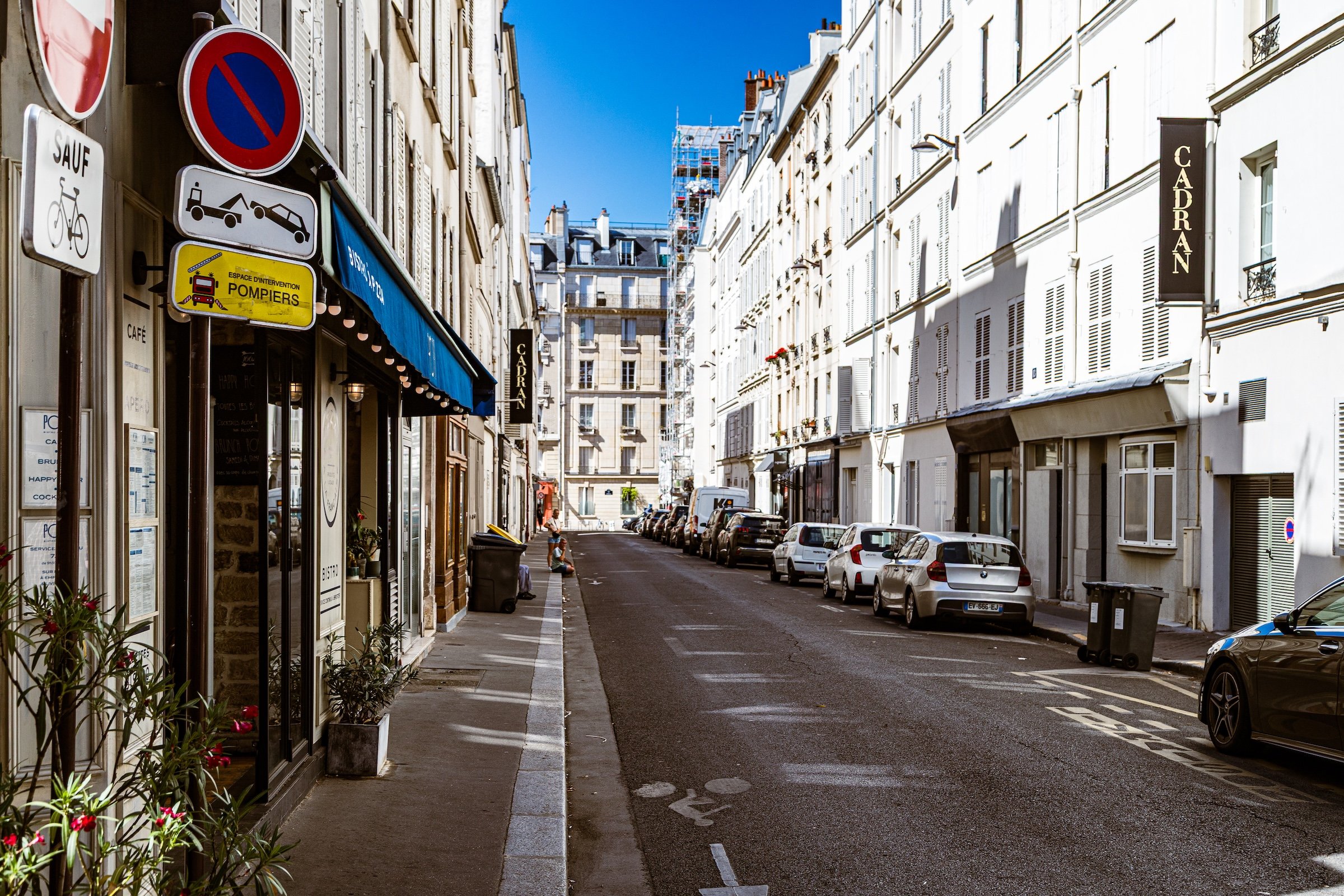
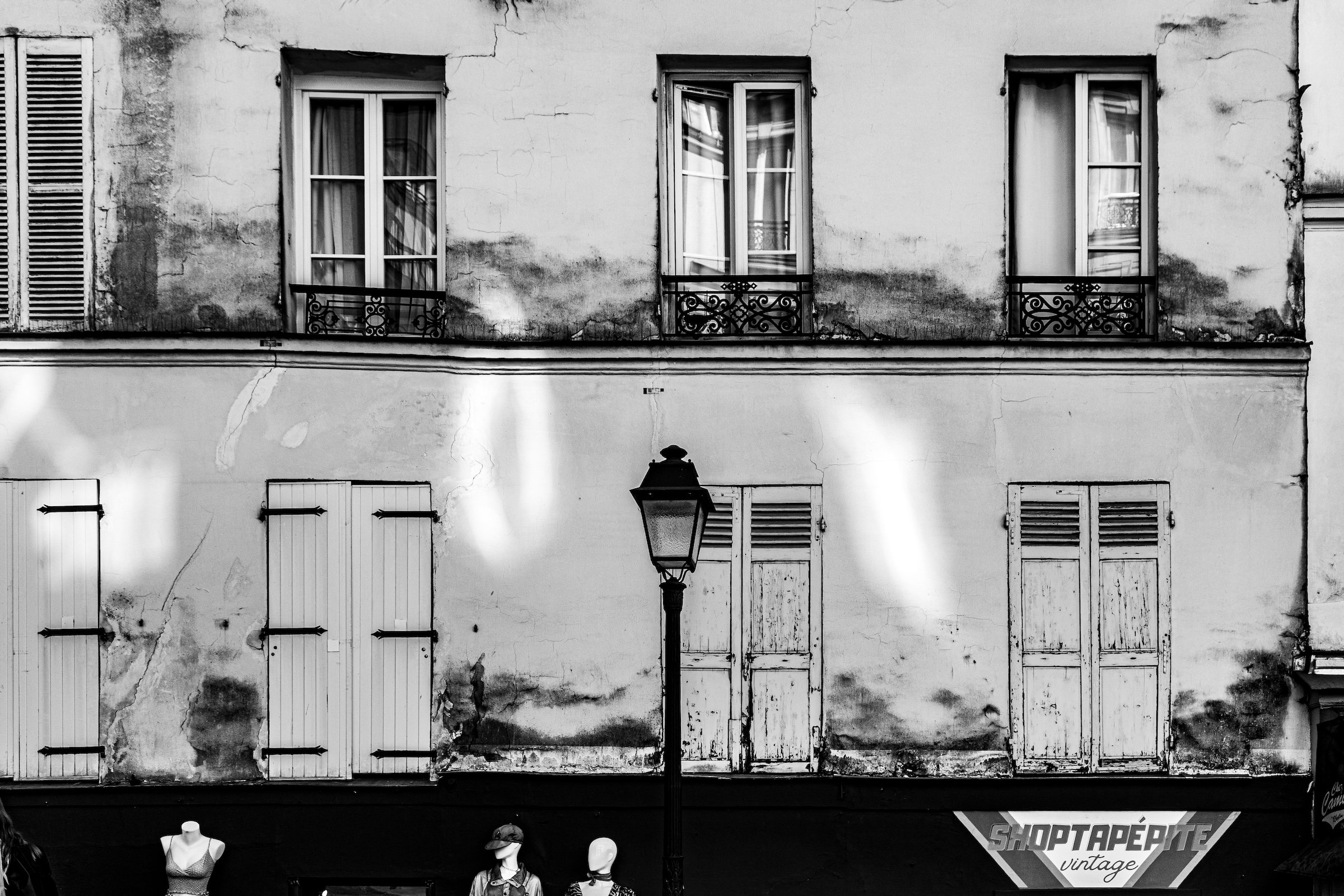
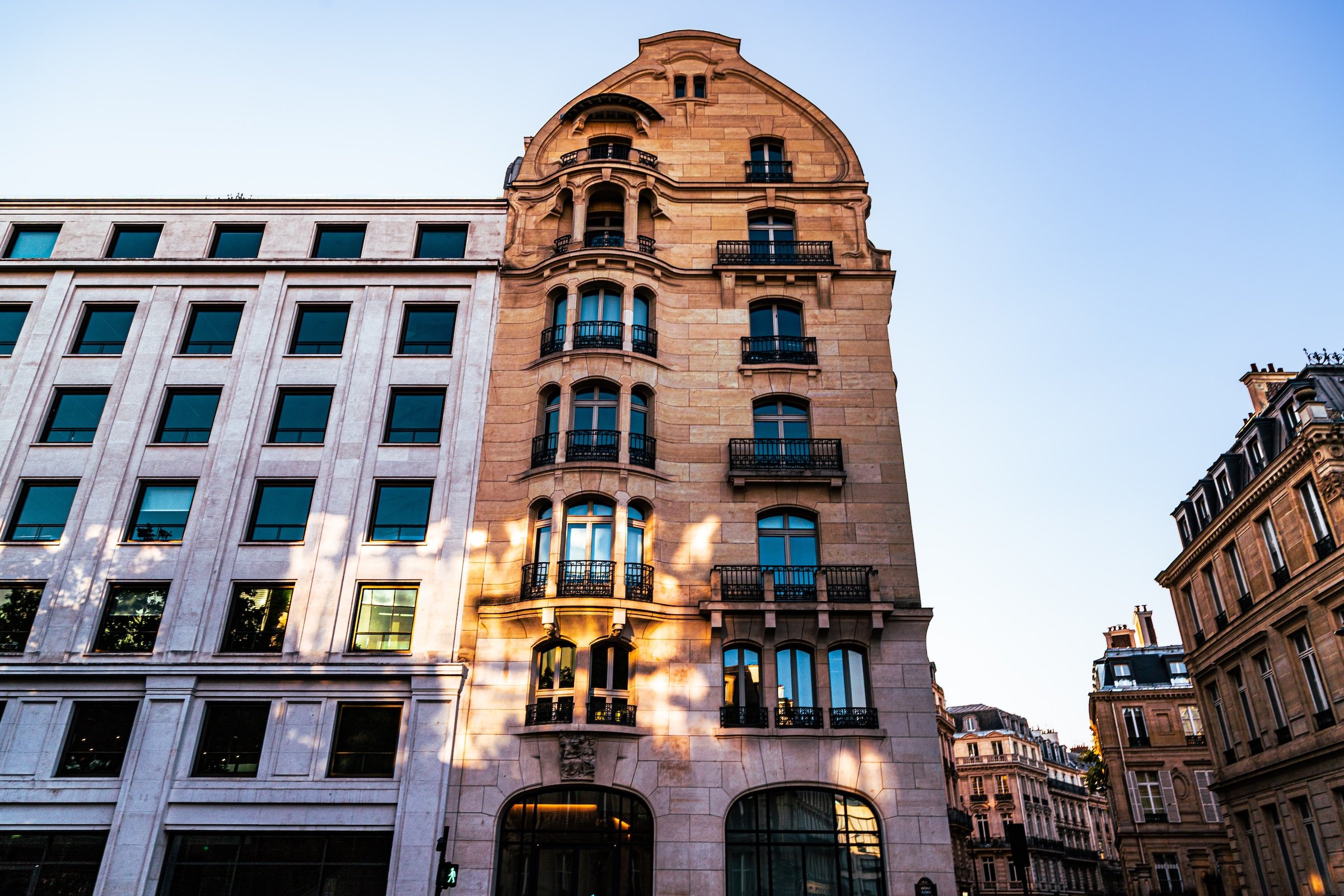
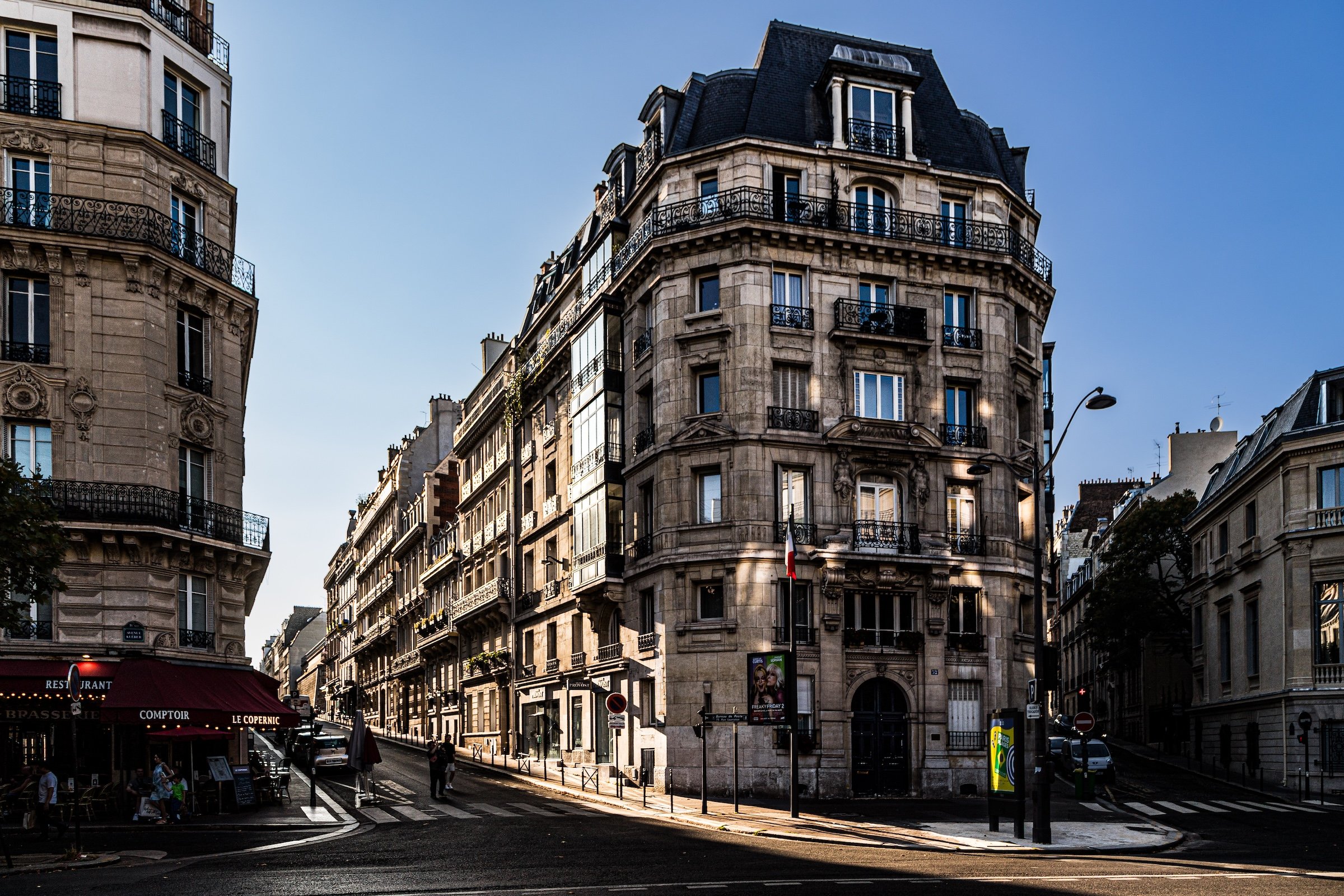
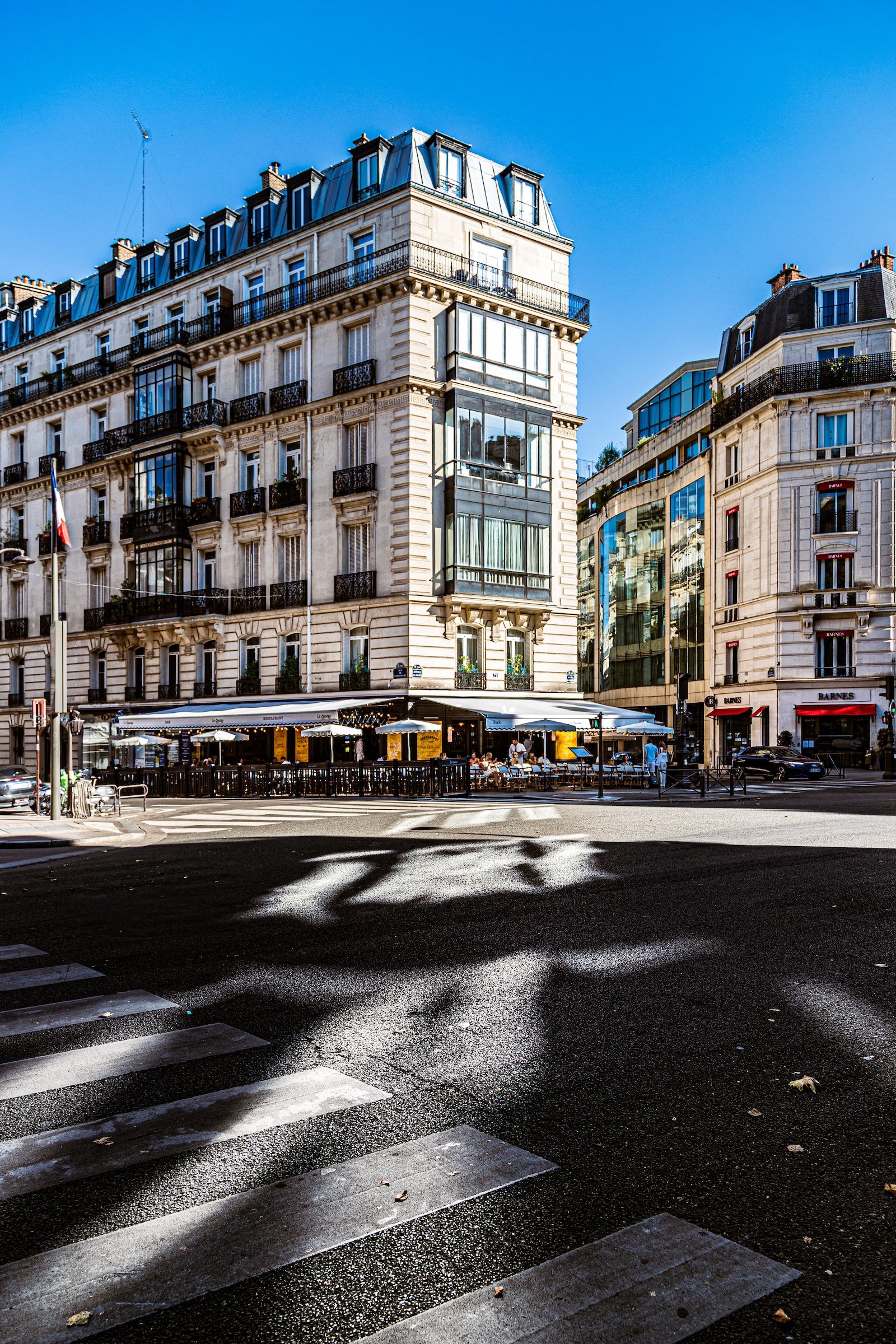
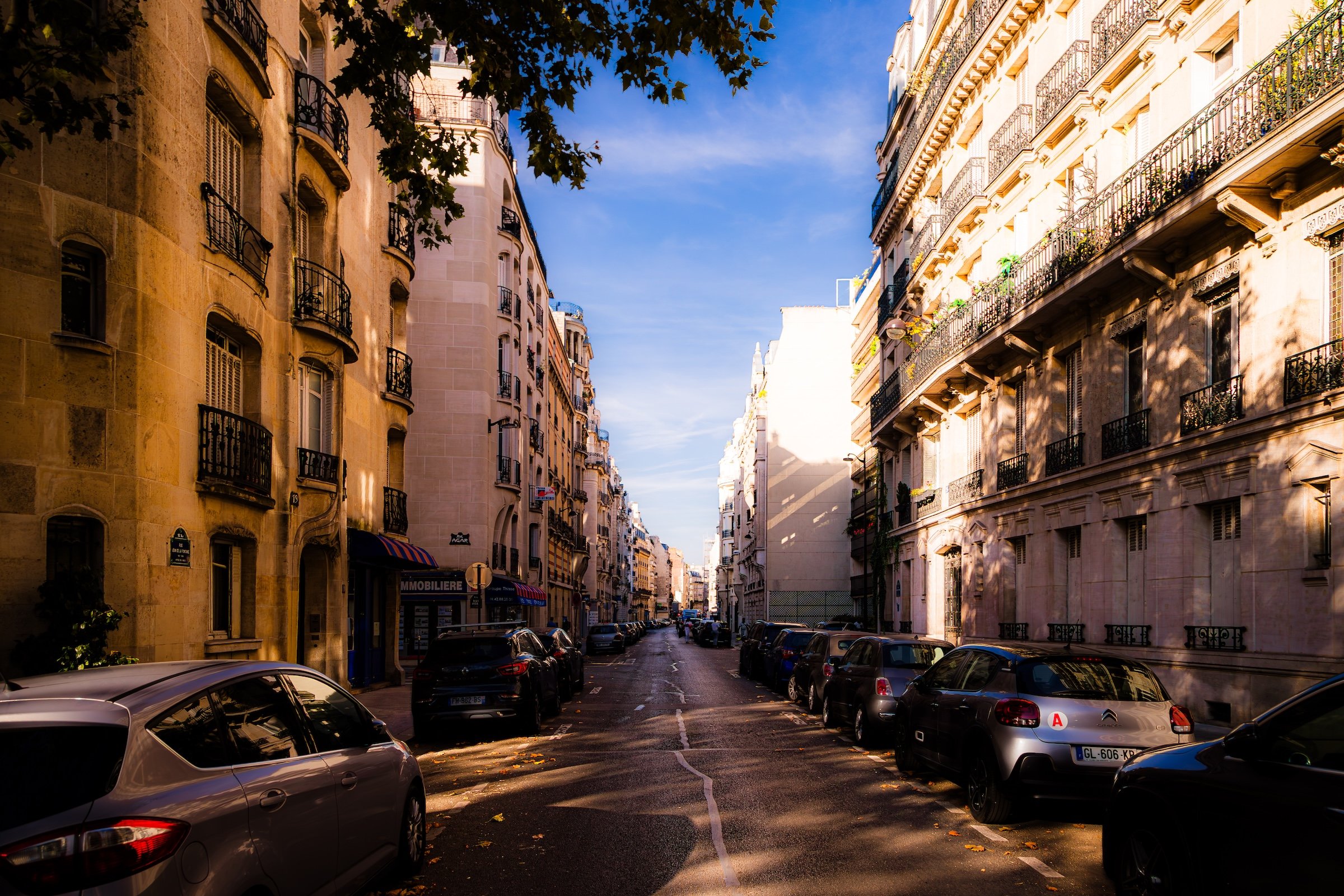
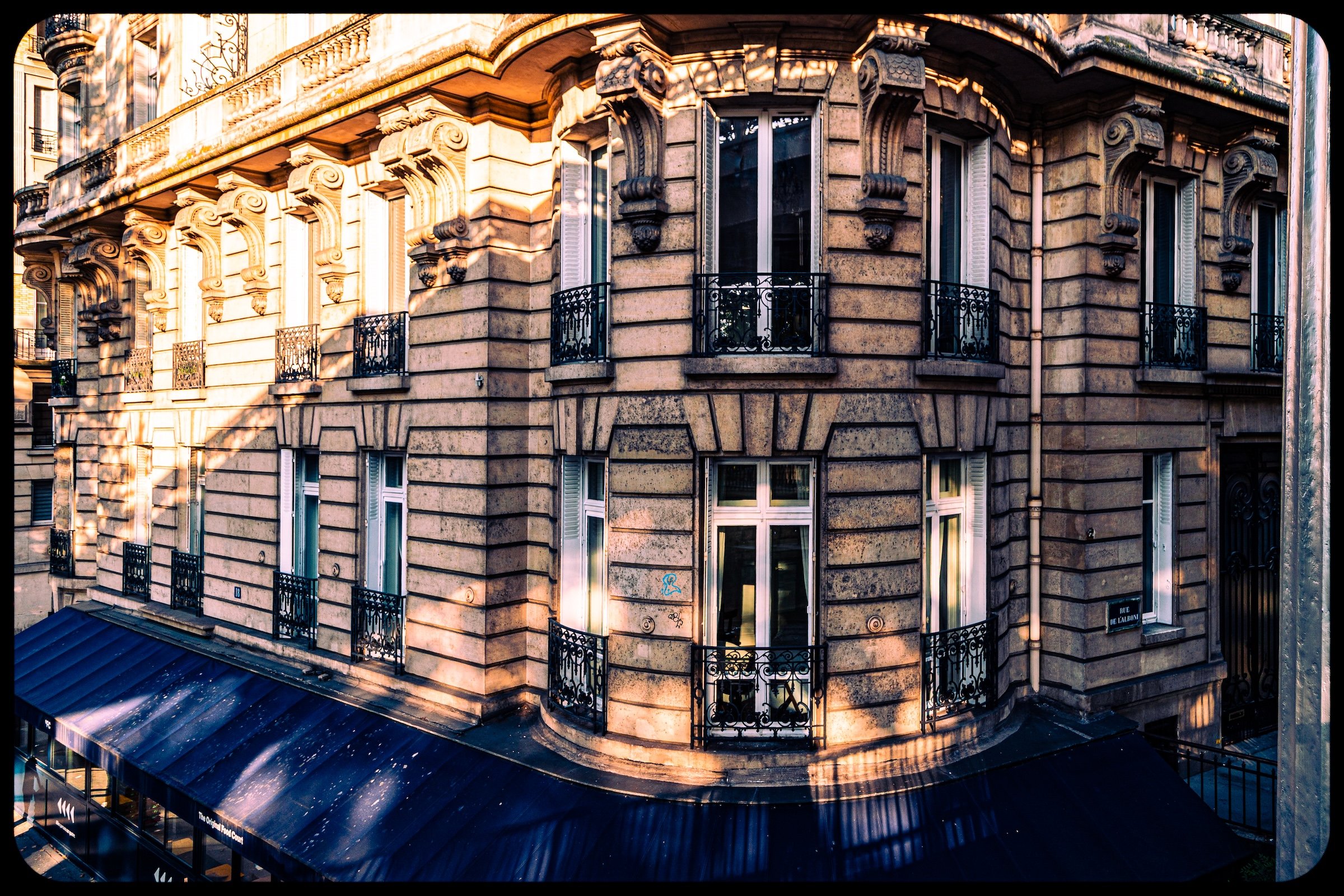
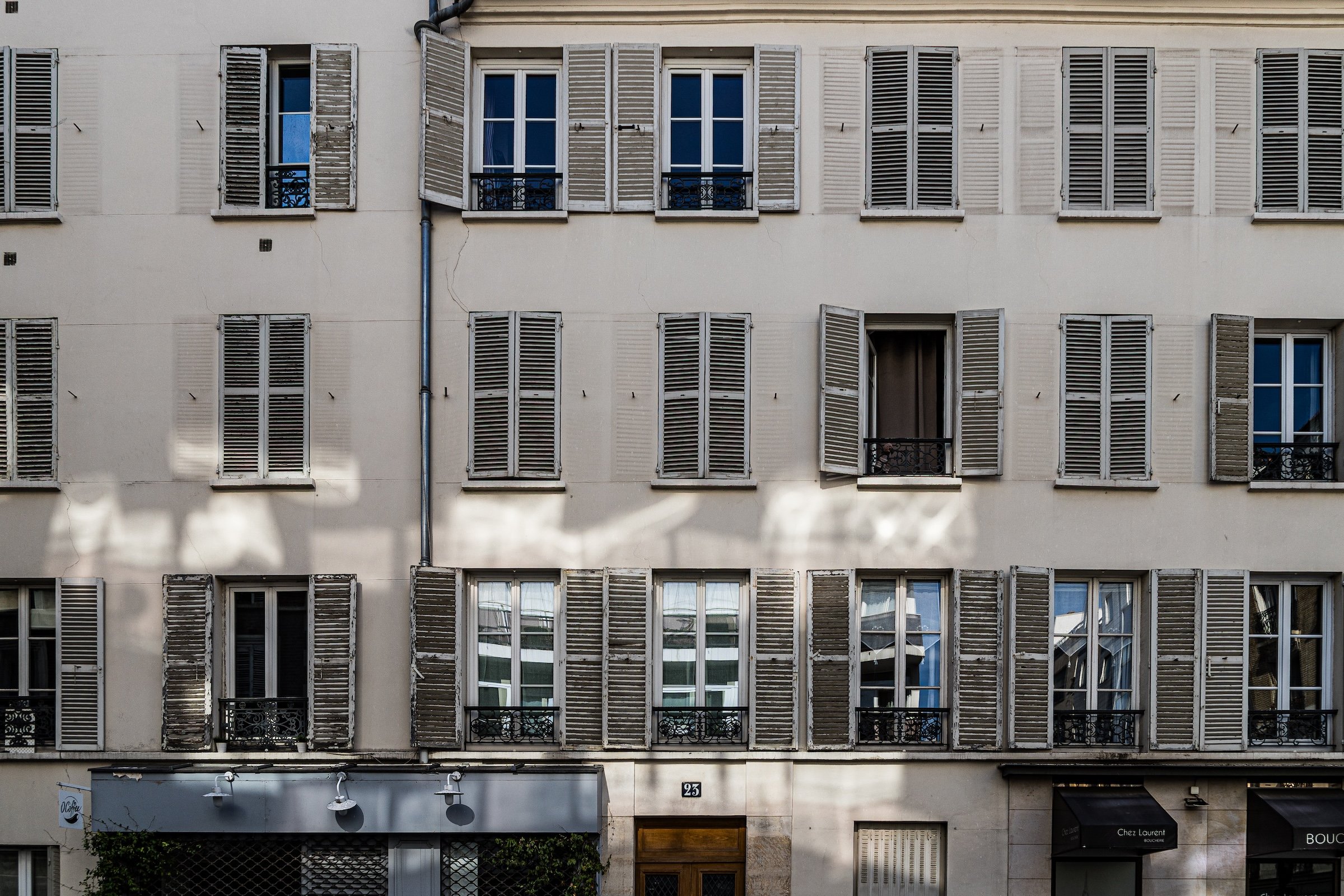
In Paris, sunflections are often softer, warmer, and more architectural. They appear on limestone façades, in windows and shutters, across narrow streets, beneath the Louvre’s glass pyramid, along pale buildings, and in the glow that gathers on corners, balconies, and stone. Rather than the hard mirror-flash of Manhattan glass, Paris often reflects light through texture: carved façades, angled streets, polished windows, pale walls, cobblestones, and the contrast between shadowed corridors and illuminated surfaces. The reflected light becomes a quiet collaborator, revealing not only the building, but the atmosphere around it.
The images in this section show Paris receiving and returning light: the Louvre Pyramid reflecting and refracting the historic palace behind it, façades catching warm patches of sun, narrow streets marked by bright streaks and shadow bands, black-and-white images where reflected light becomes graphic pattern, apartment windows glowing across pale walls, and street corners where sunlight appears as a soft shimmer rather than a direct beam. Sunflections are about these moments when light does not simply fall on Paris, but moves through it — bouncing, lingering, bending, and giving the city another way to shine.
Highlights
Urban Mosaic
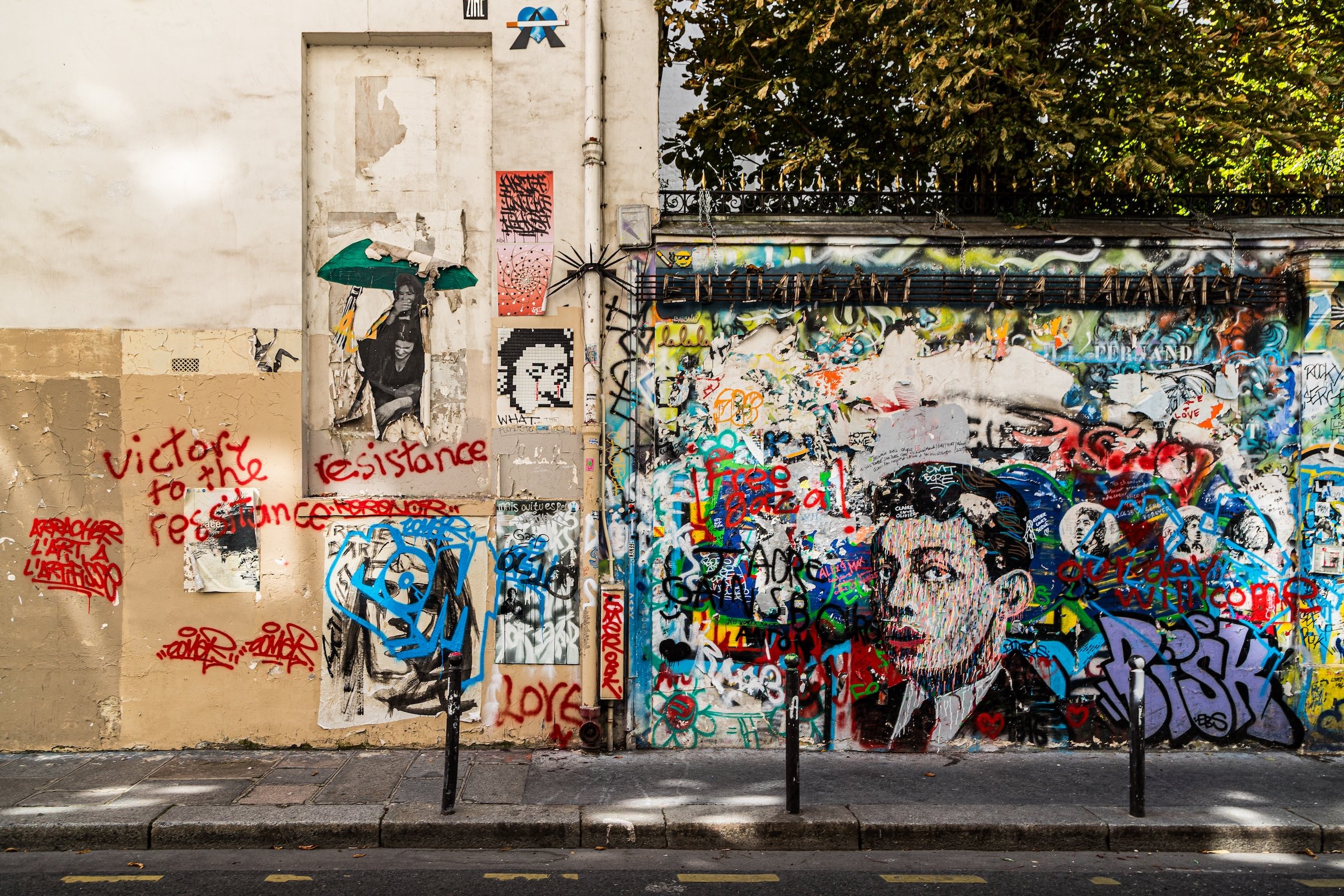
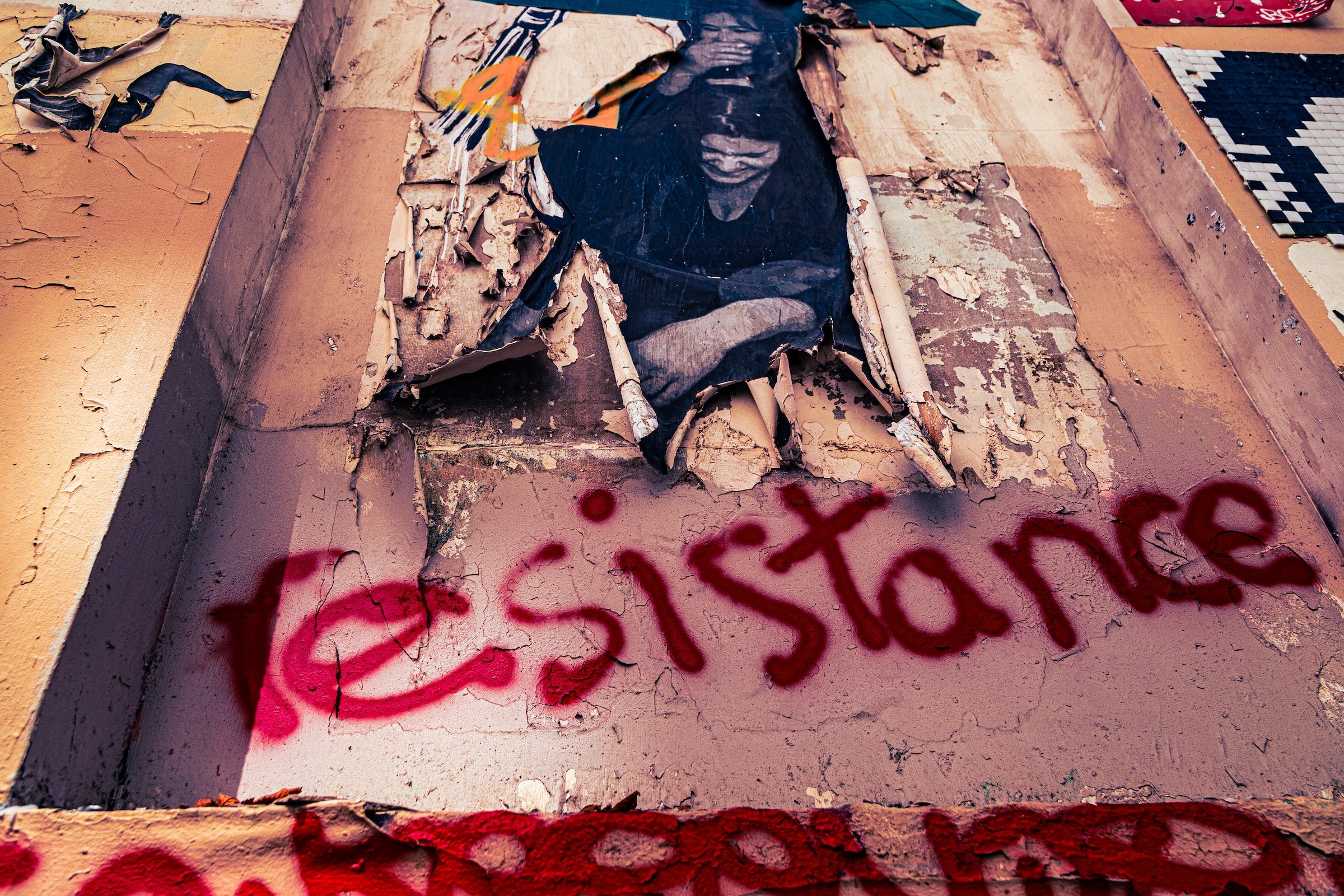
Urban Mosaic begins with the idea that a city’s identity is often found in its fragments. In New York, this can appear through storefront signs, murals, graffiti, stickers, subway tiles, painted doors, weathered walls, neighborhood plaques, street furniture, and the visual interruptions that accumulate across the built environment. These details may seem small compared to skylines or monuments, but together they create the texture of a place. They show how a neighborhood is used, marked, altered, claimed, and remembered.
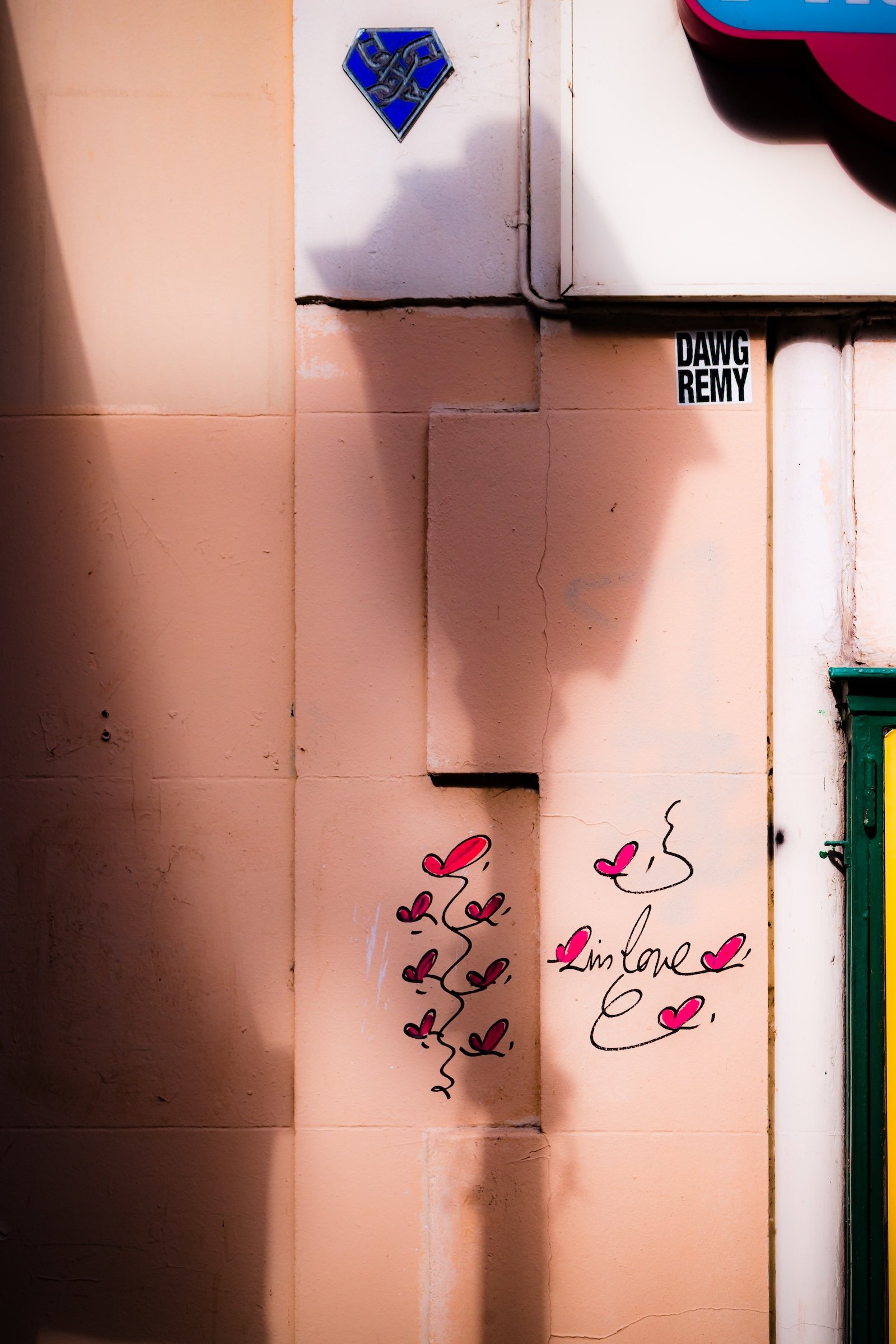
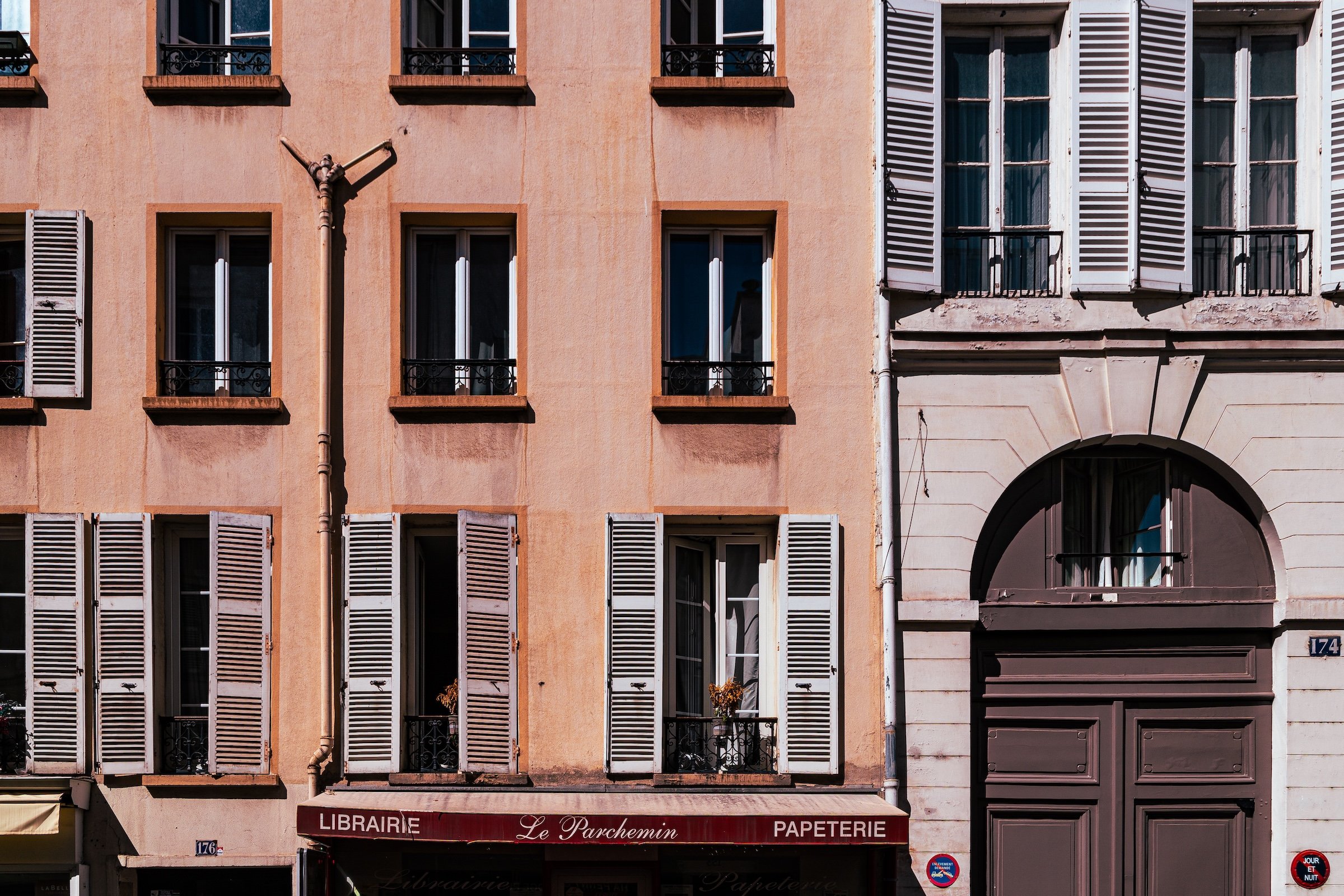
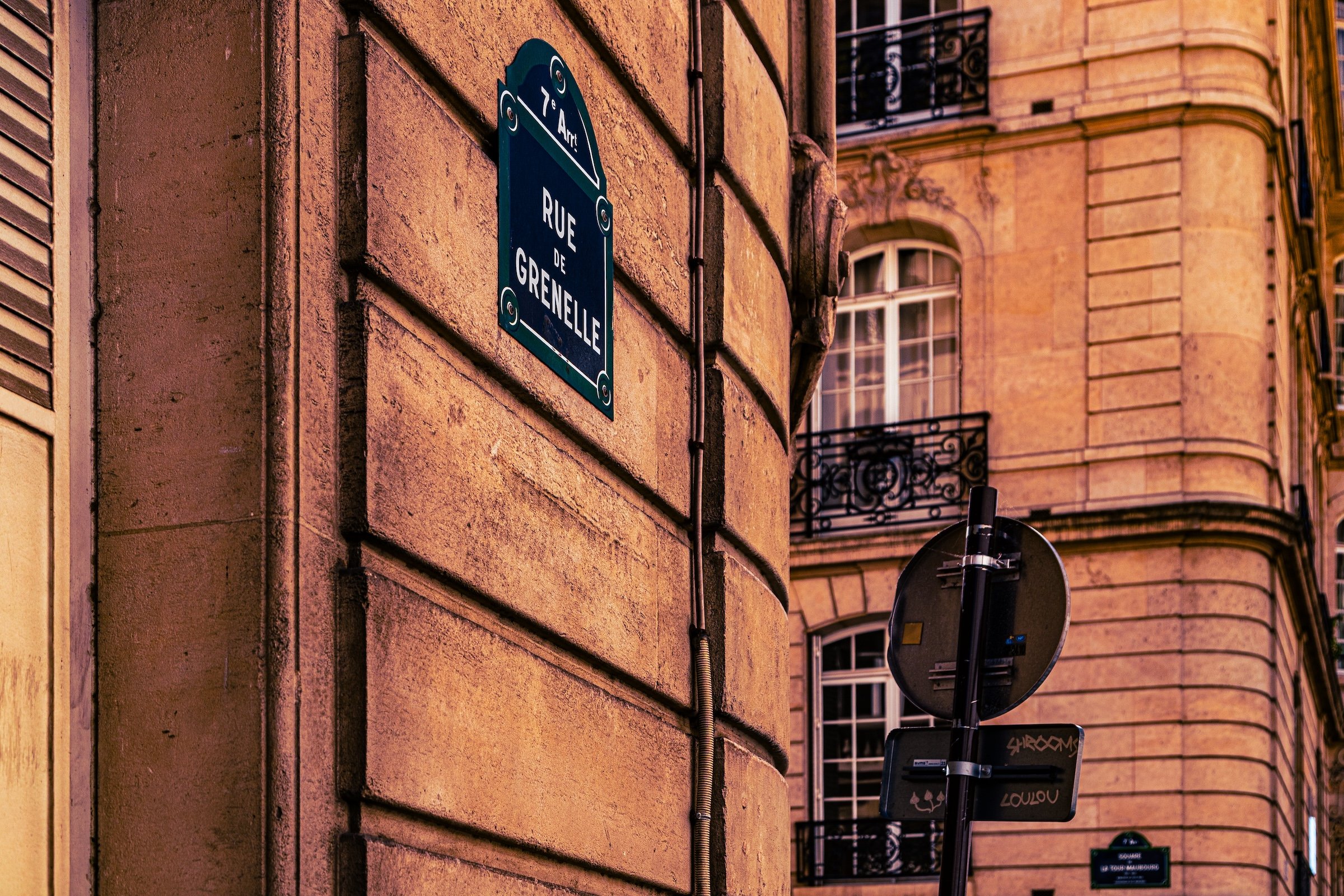
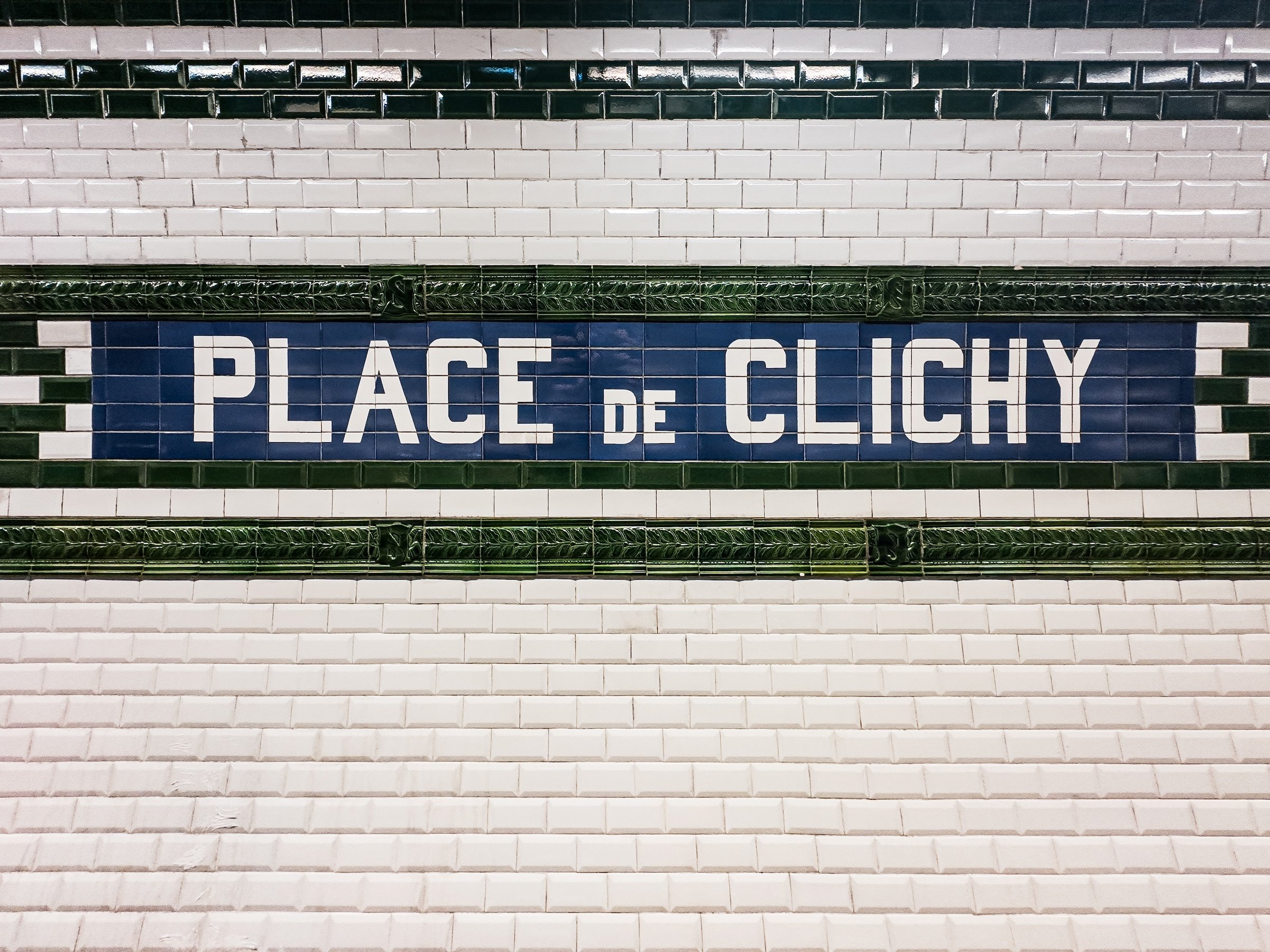
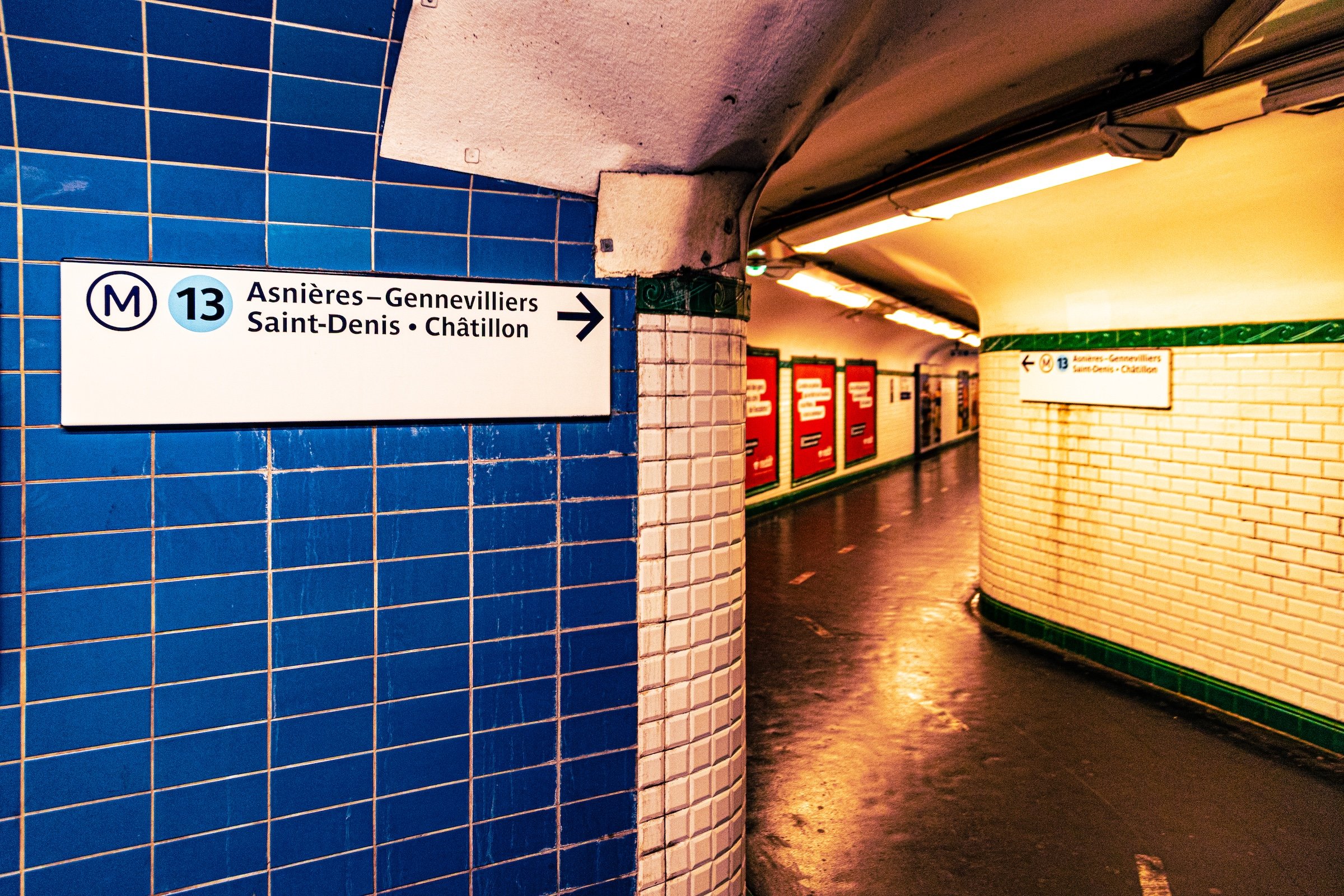
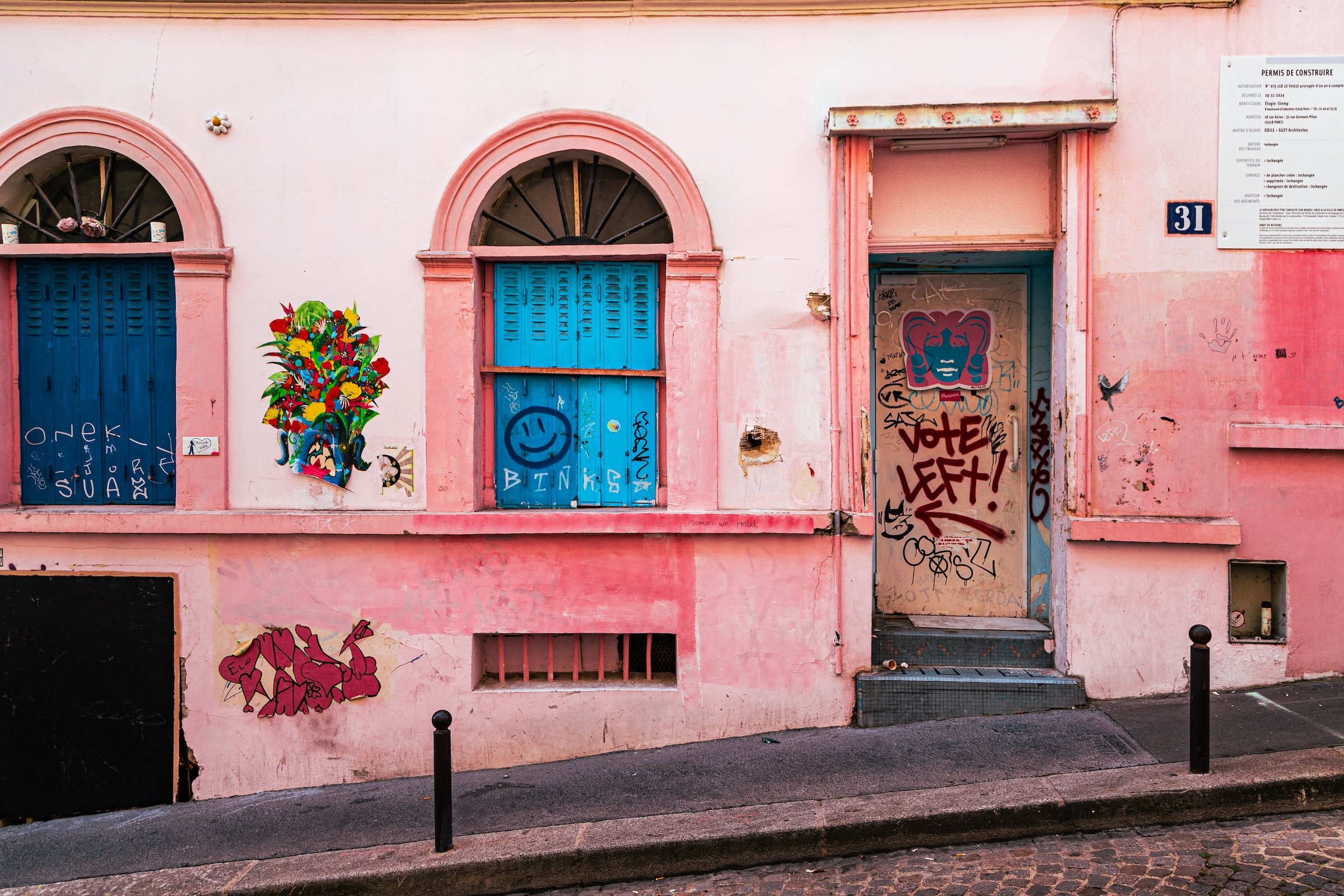
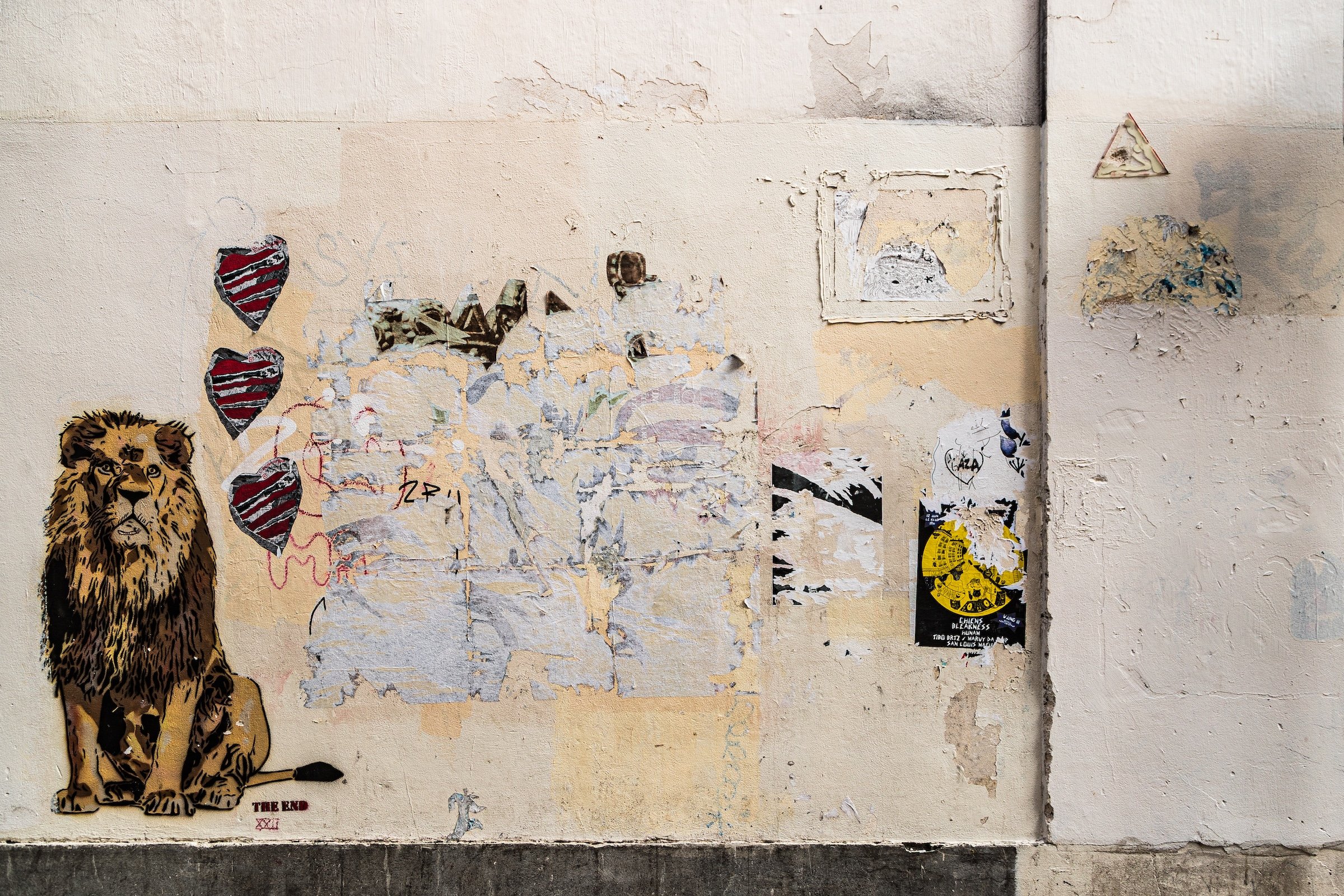
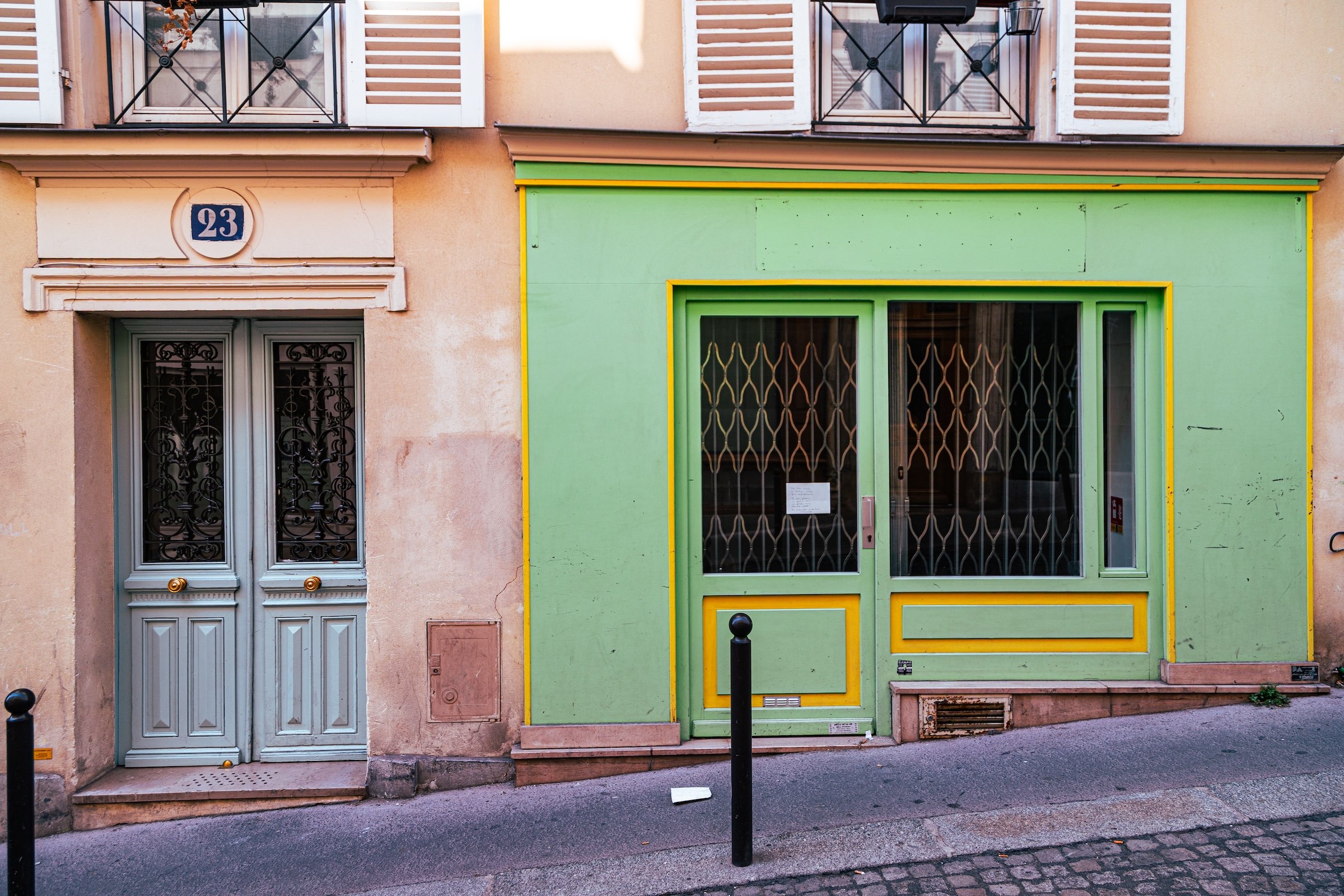
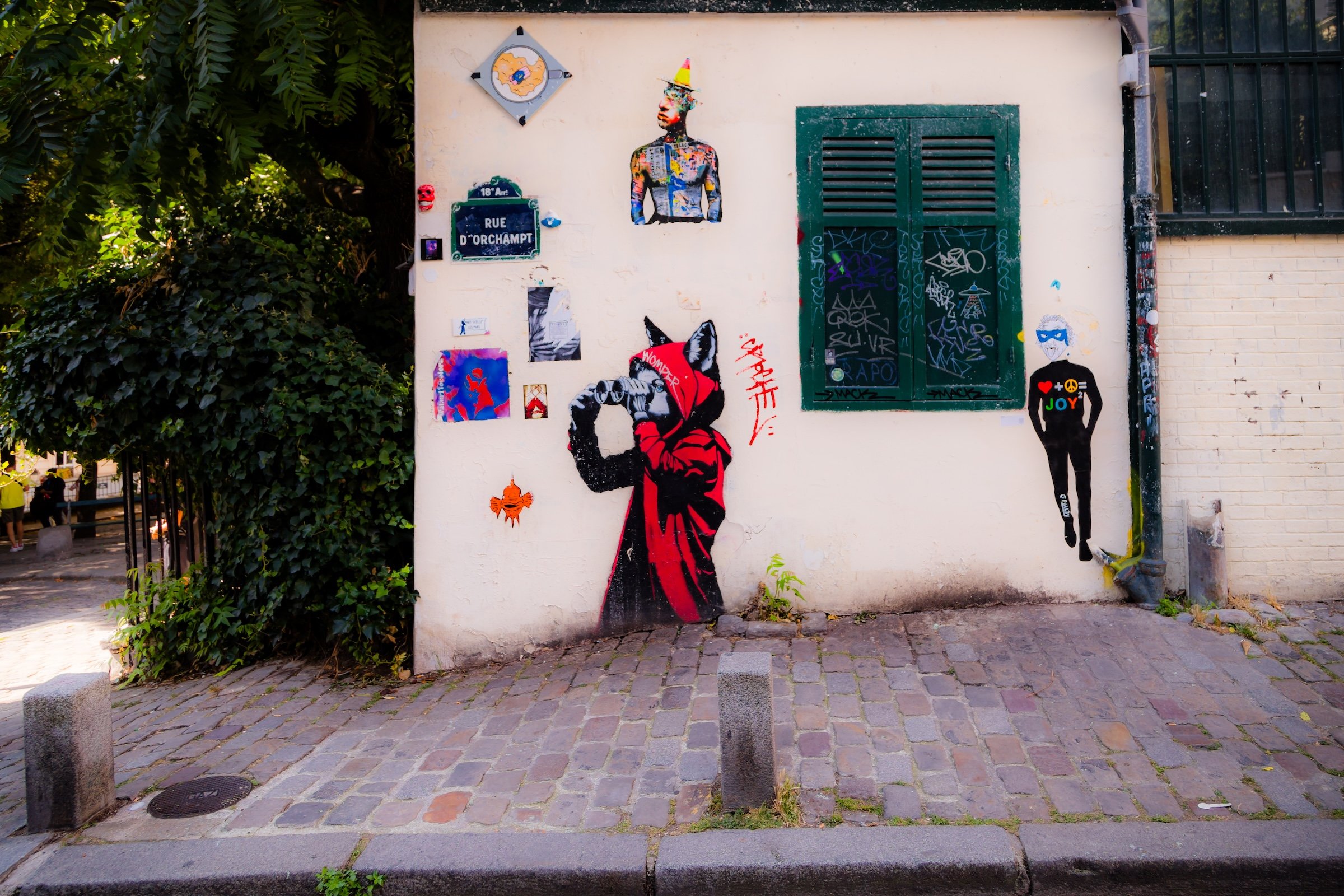
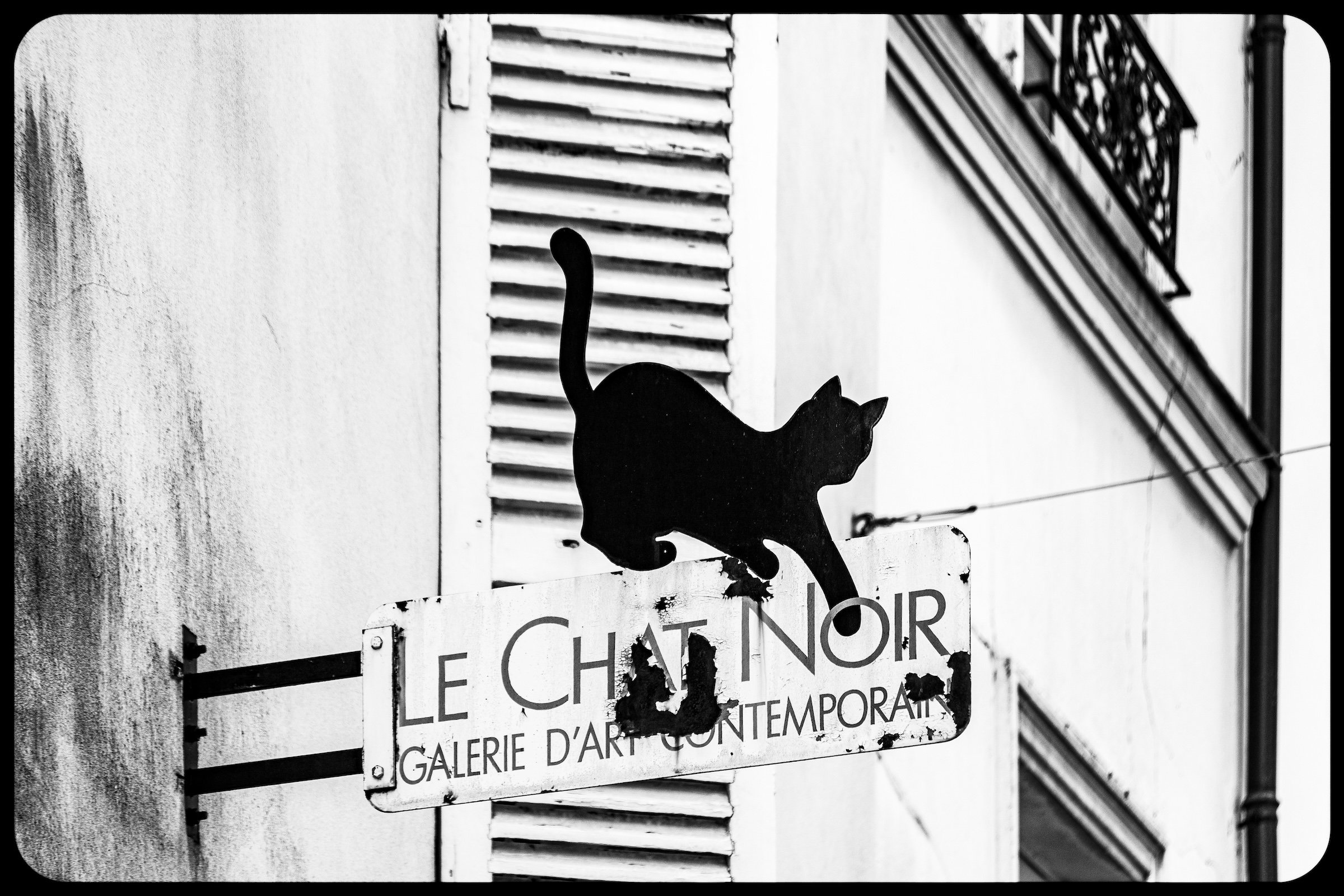
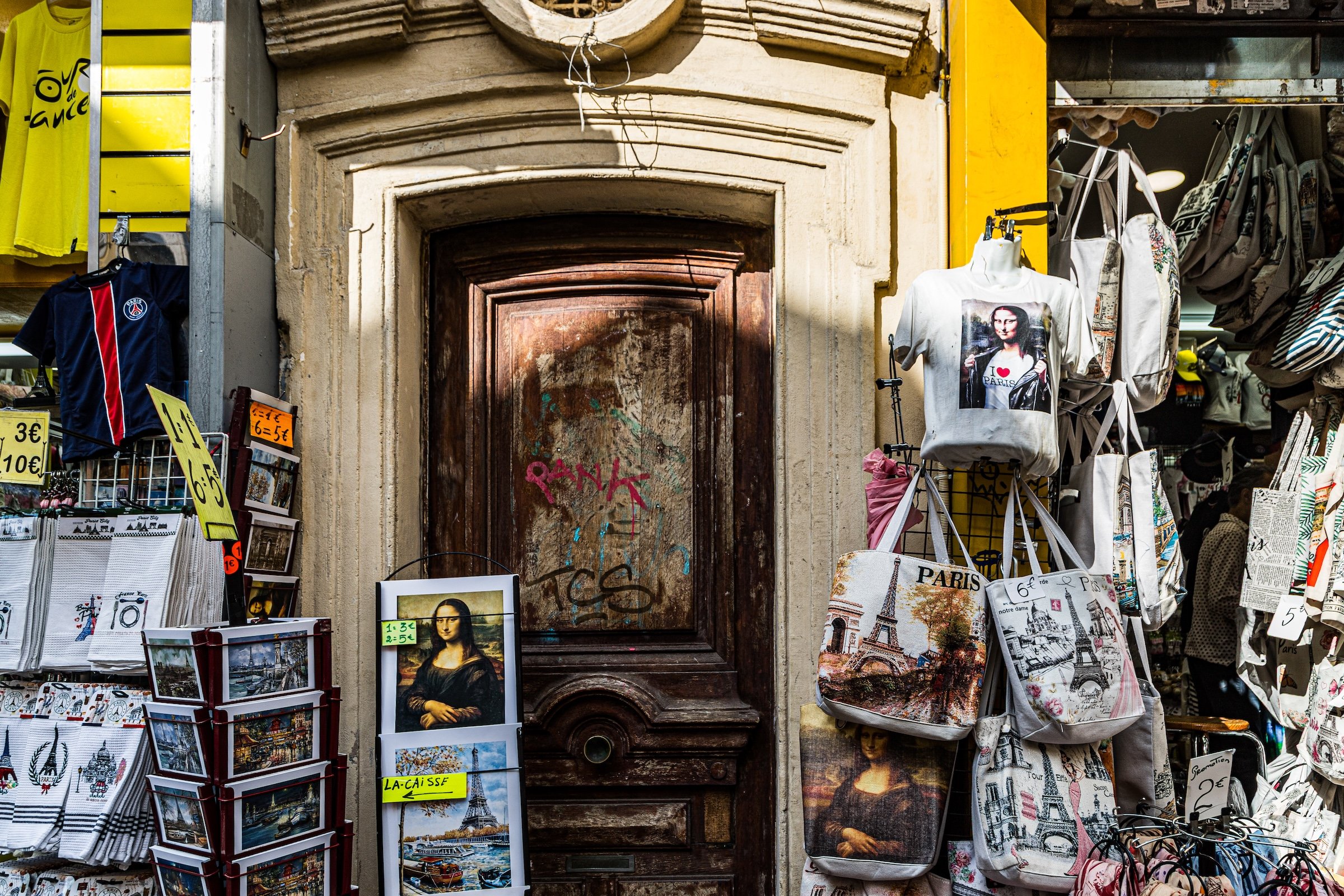
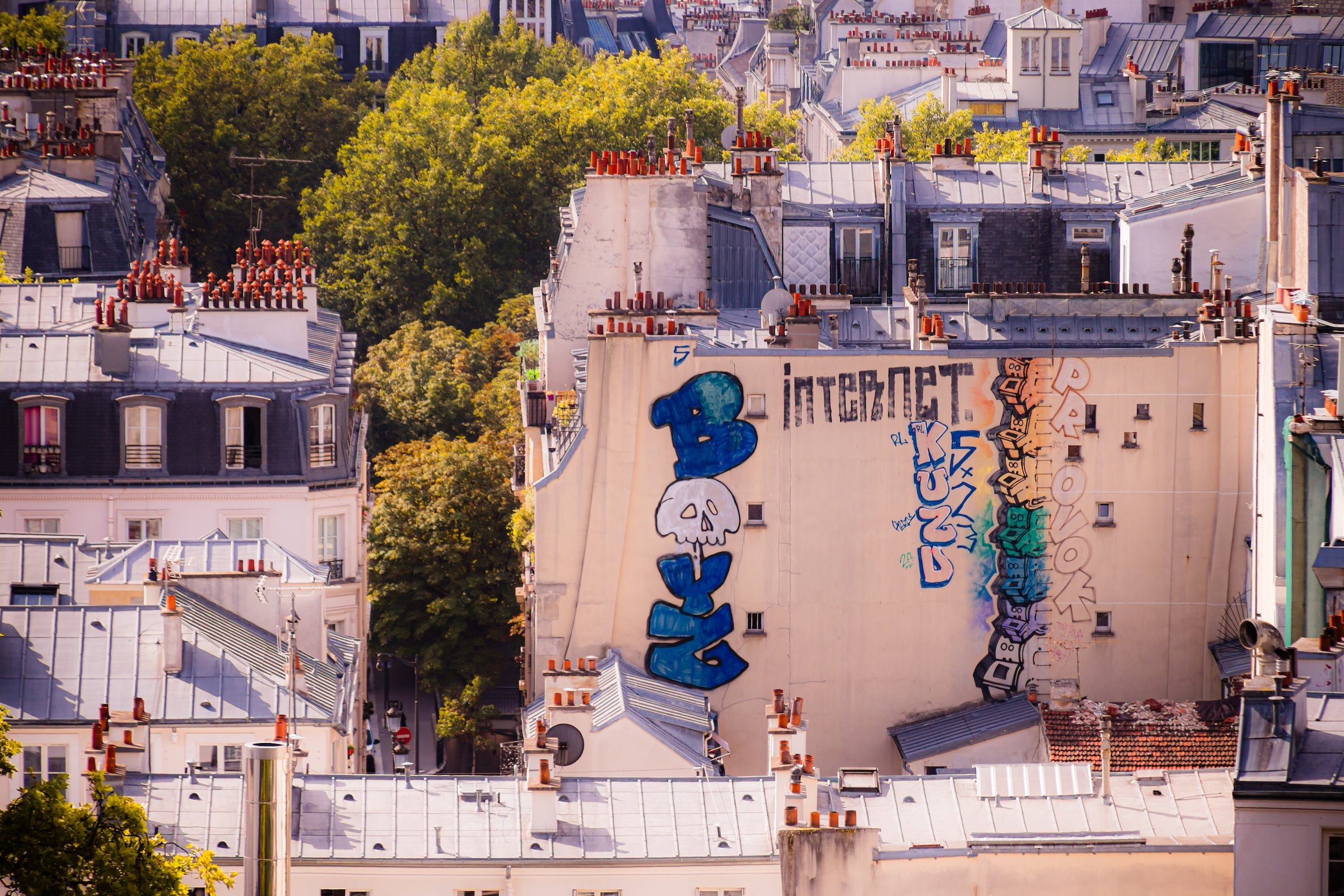
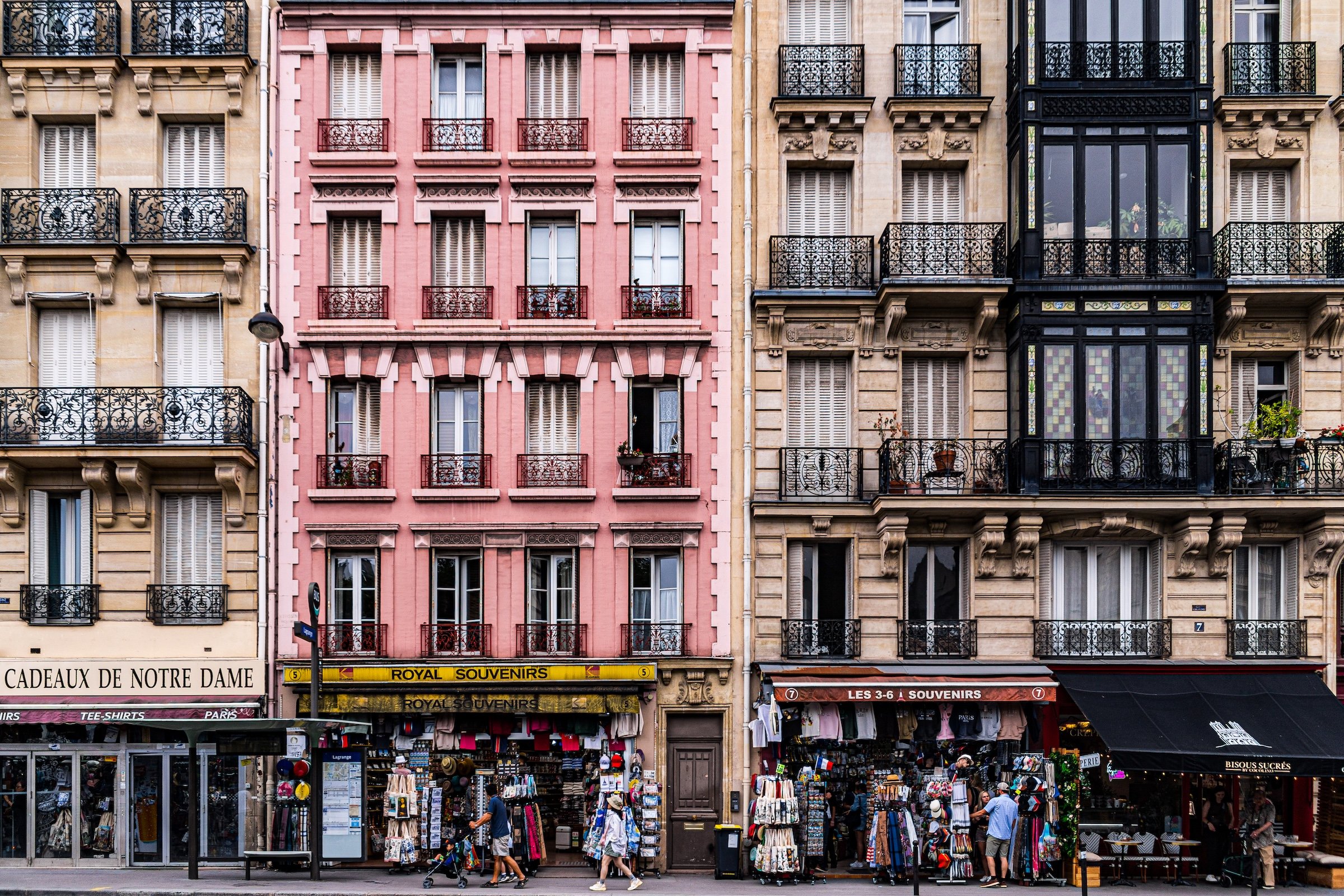
In Paris, Urban Mosaic is often quieter, more integrated, and more layered into the scenery itself. Street art, graffiti, signs, café fronts, Metro tiles, shop windows, wall plaques, shutters, painted doors, and architectural details appear within a city already dense with formal beauty. Rather than overwhelming the landscape, these elements often punctuate it. They interrupt pale façades with color, add humor or resistance to polished streets, place contemporary expression beside older stone, and remind the viewer that Paris is not only preserved; it is lived in, written on, repaired, decorated, adapted, and continuously reinterpreted.
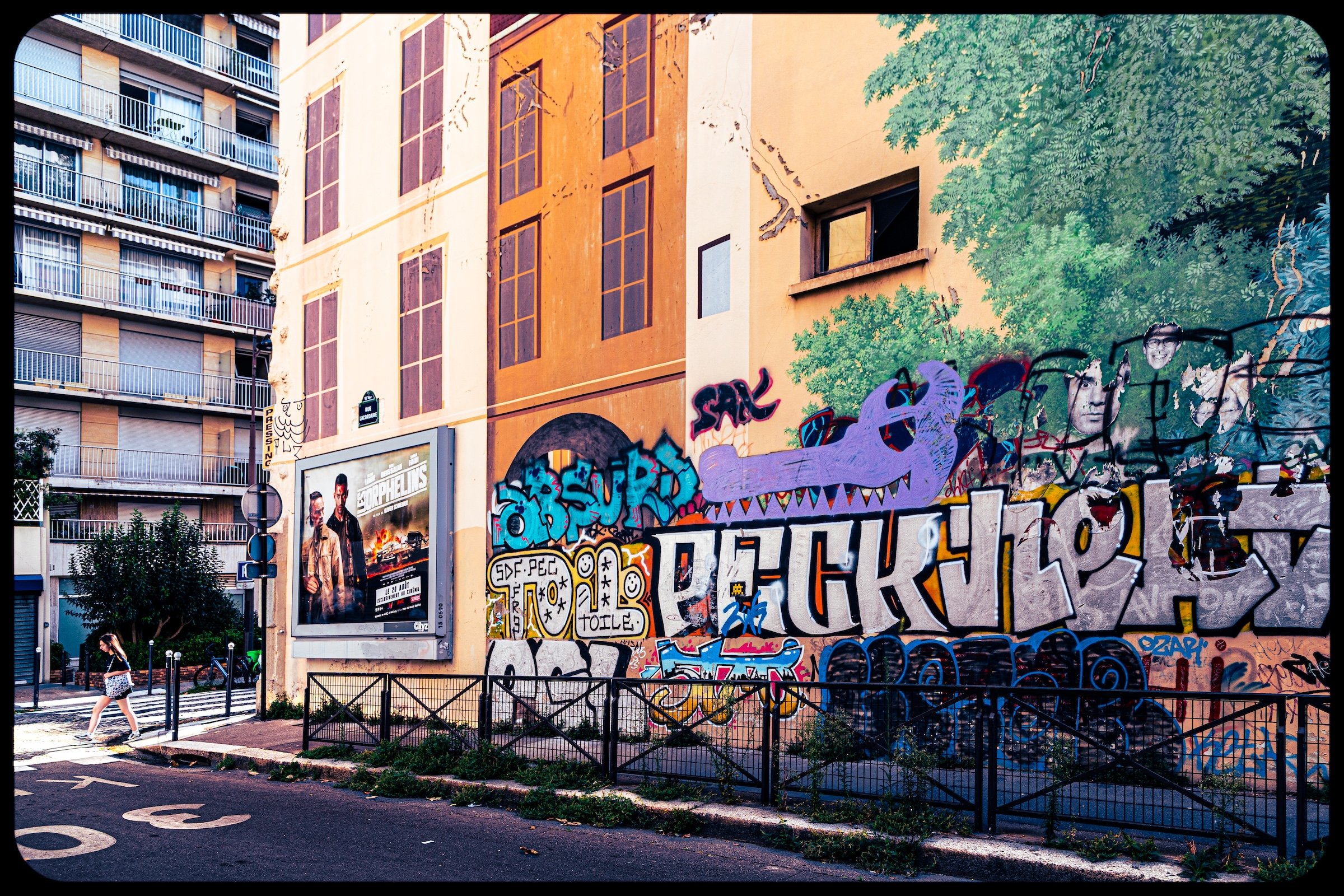
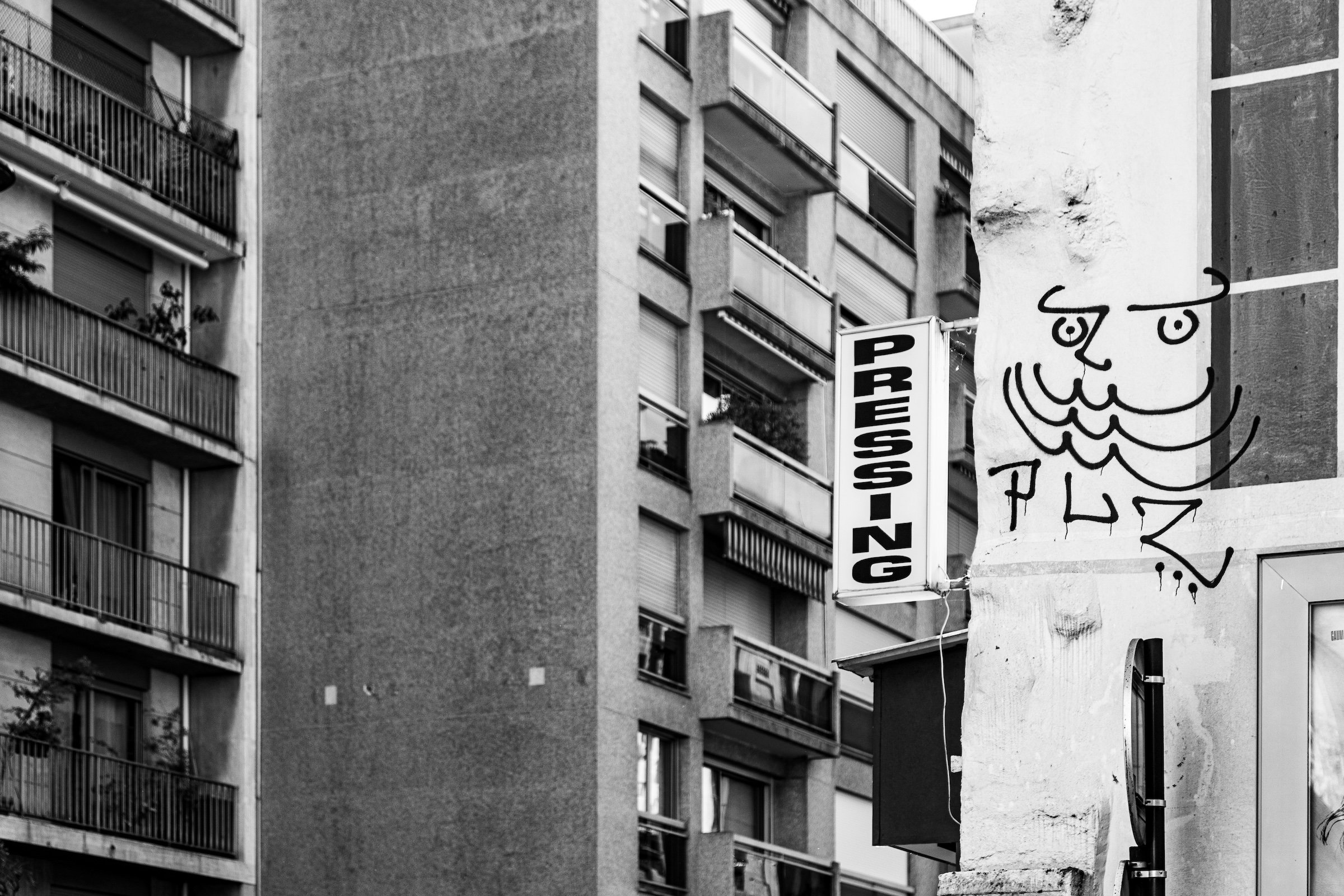
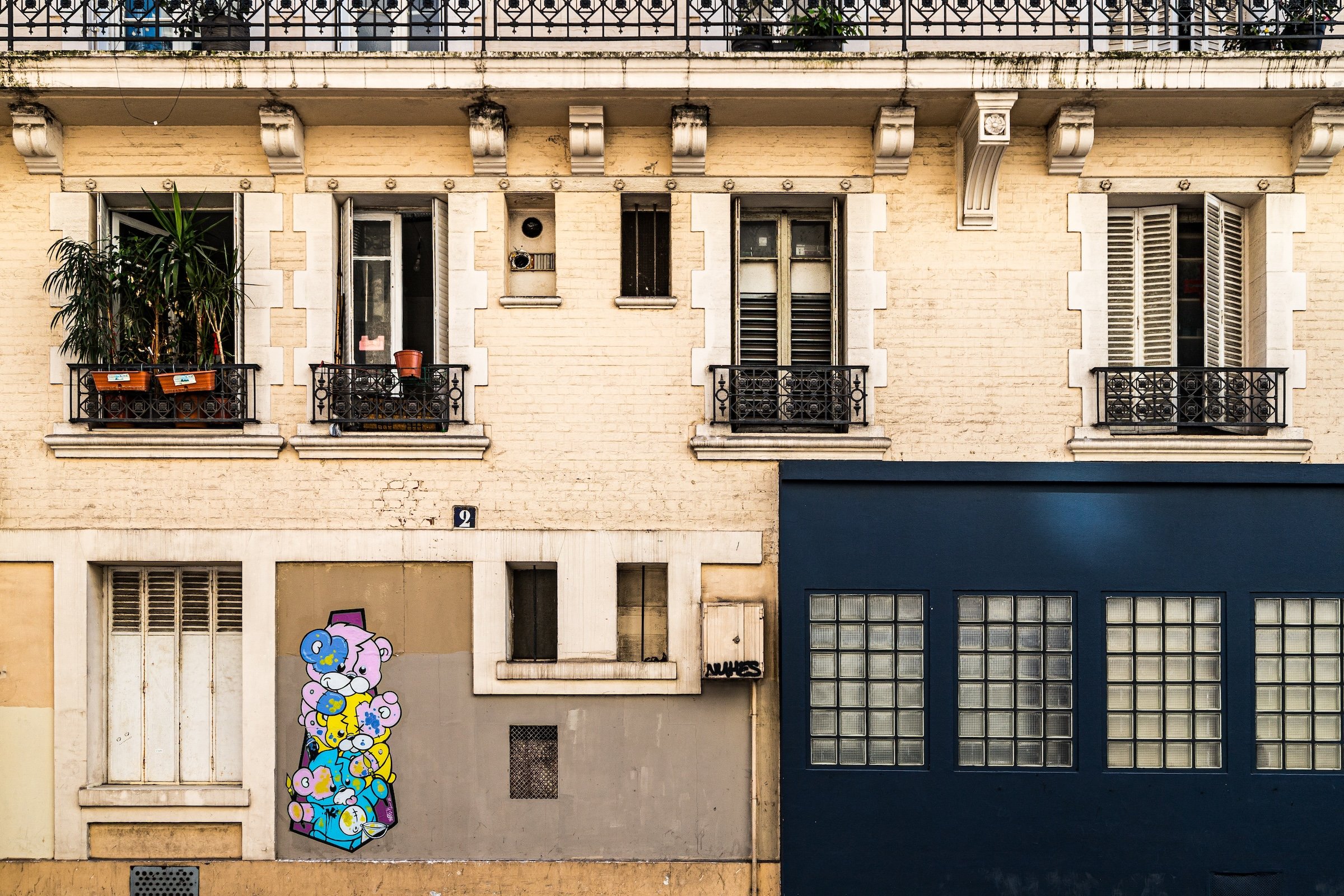
The images in this section show Paris as a collection of visual fragments: graffiti and pasted art layered onto walls, a Place de Clichy Metro sign set into tiled station architecture, colorful doors and shutters on quiet streets, playful street markings and modified signs, café façades and shopfronts adding rhythm to the sidewalk, public notices and plaques embedded into stone, and small bursts of color appearing against otherwise restrained urban surfaces. Urban Mosaic is about noticing these accumulated details — the marks, textures, colors, signs, and surfaces that turn Paris from a postcard city into a living neighborhood environment.
Highlights
Explore Photography On CNParis
Internal Roadmap
Photography appears throughout CityNeighborhoods Paris, not in one single place. Each Arrondissement, Administrative Quarter, Conseil de Quartier, and Cultural Neighborhood page may include a dedicated Photography section, where images, galleries, Visual Identity entries, Through the Lens reflections, and Flâneur Notes help show how that place was encountered. These sections connect the written identity and history of a neighborhood to the actual experience of walking and photographing its streets.
For visitors interested in a specific place, the individual neighborhood pages are the best place to begin. Scroll to the Photography section or use the page buttons near the top to jump directly there. Depending on the page, you may find selected image galleries, embedded slideshows, YouTube videos, links to full SmugMug galleries, and options to purchase prints. When a place has been photographed more than once, some sections are organized by date, allowing visitors to see how different visits, seasons, light, routes, and moods revealed different versions of the same neighborhood.
For visitors who want to explore the photography across the whole project, the Chronicles section offers broader paths into the archive. The Flâneur Journal organizes photography by day, route, and fieldwork experience. Cartographies helps connect photographs to maps and walking geography. Carnet de Paris offers updates, reflections, and longer posts. And this Photography page introduces the purpose, method, visual language, selected images, and full archive behind the work. Together, these paths allow the photography to be experienced by place, by walk, by theme, or by image.
Paris Portfolio & Galleries
A Parisian Tapestry
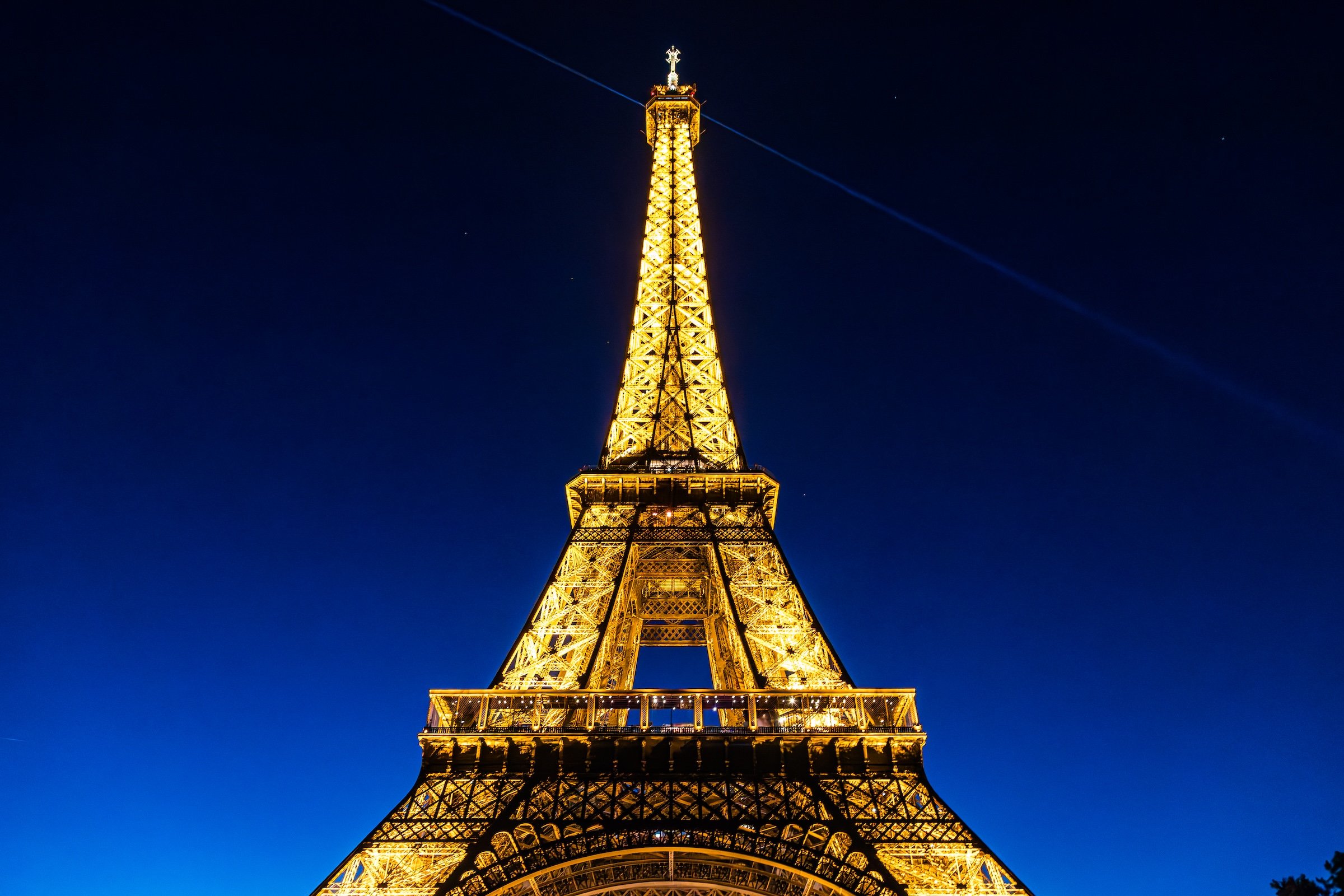
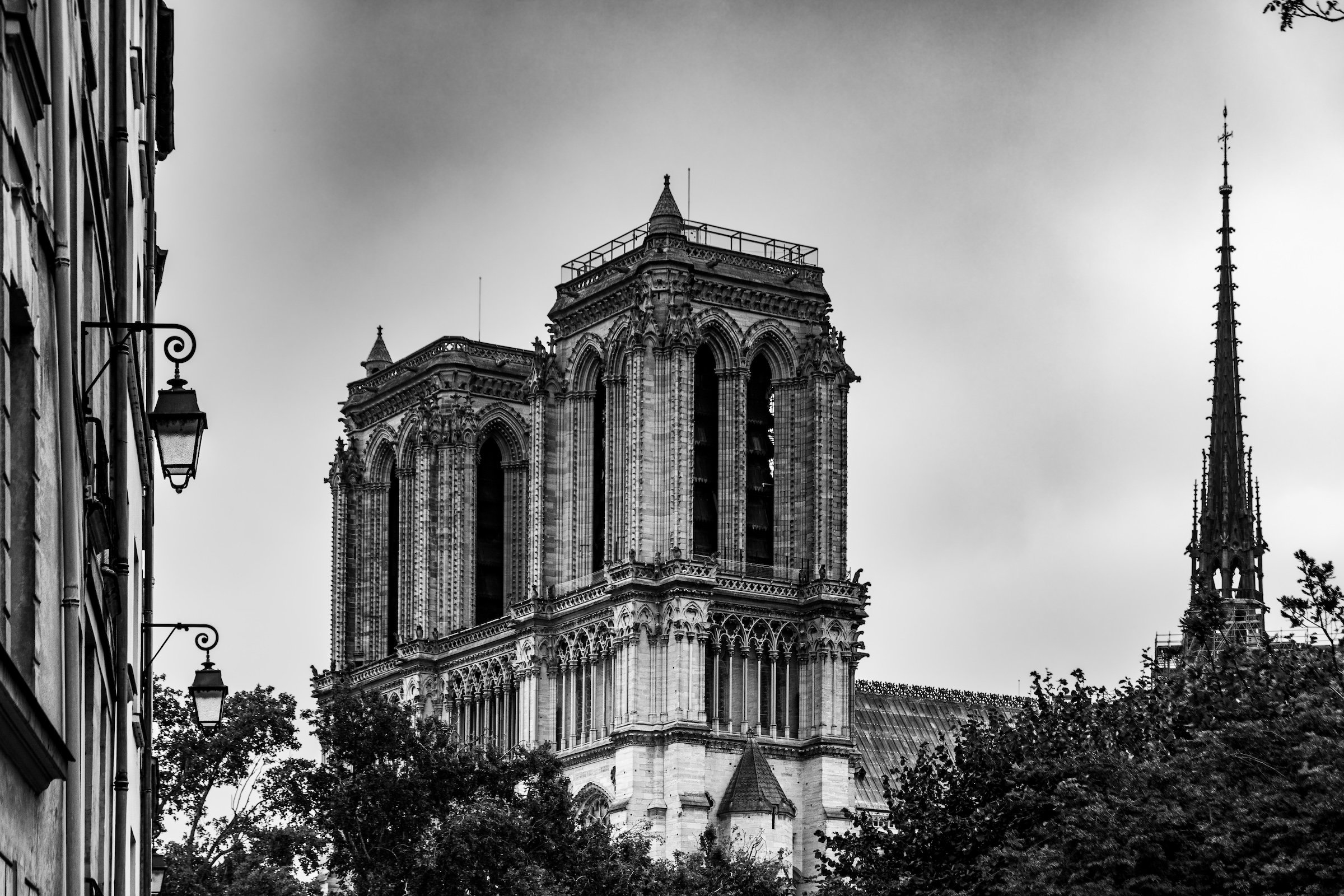
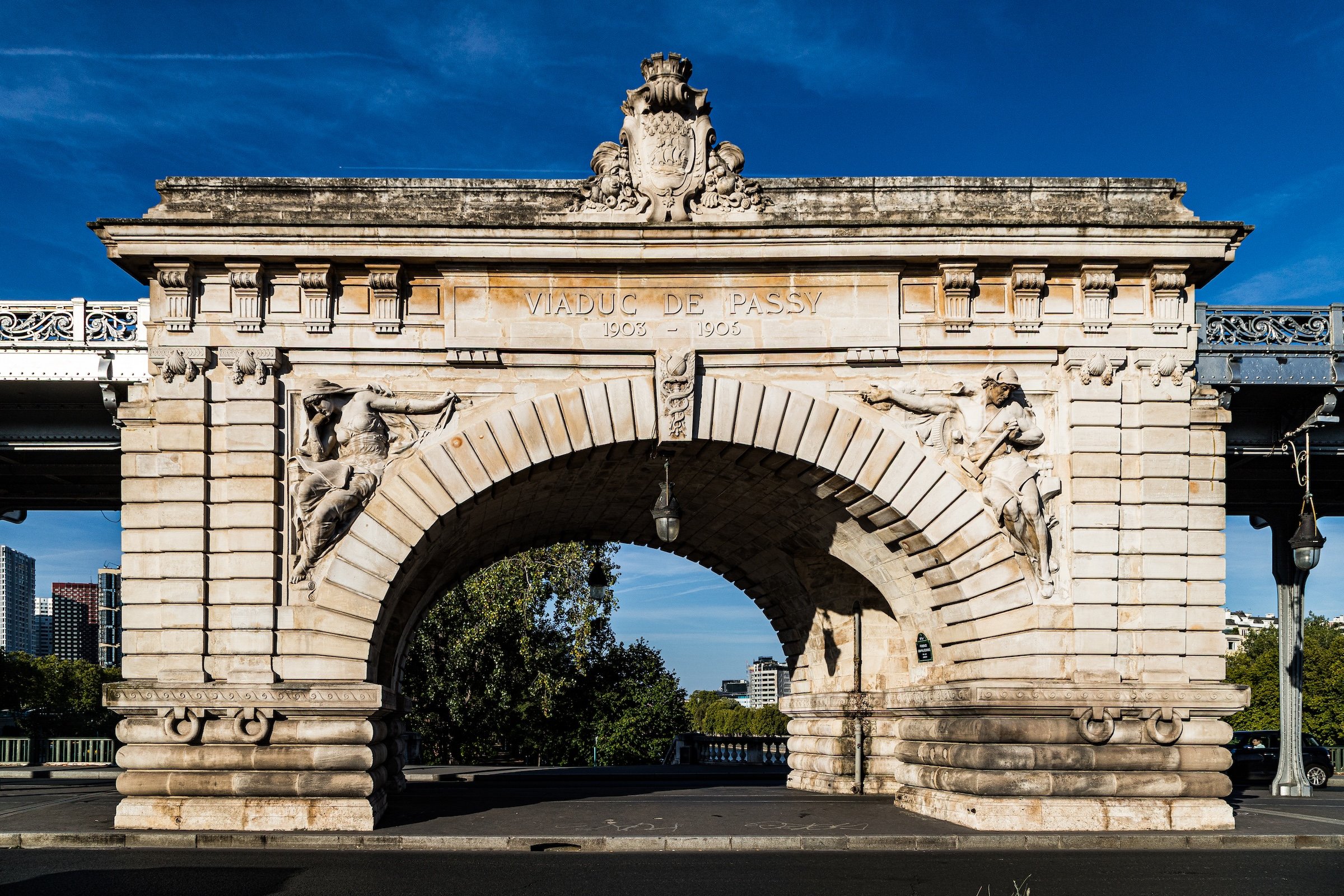
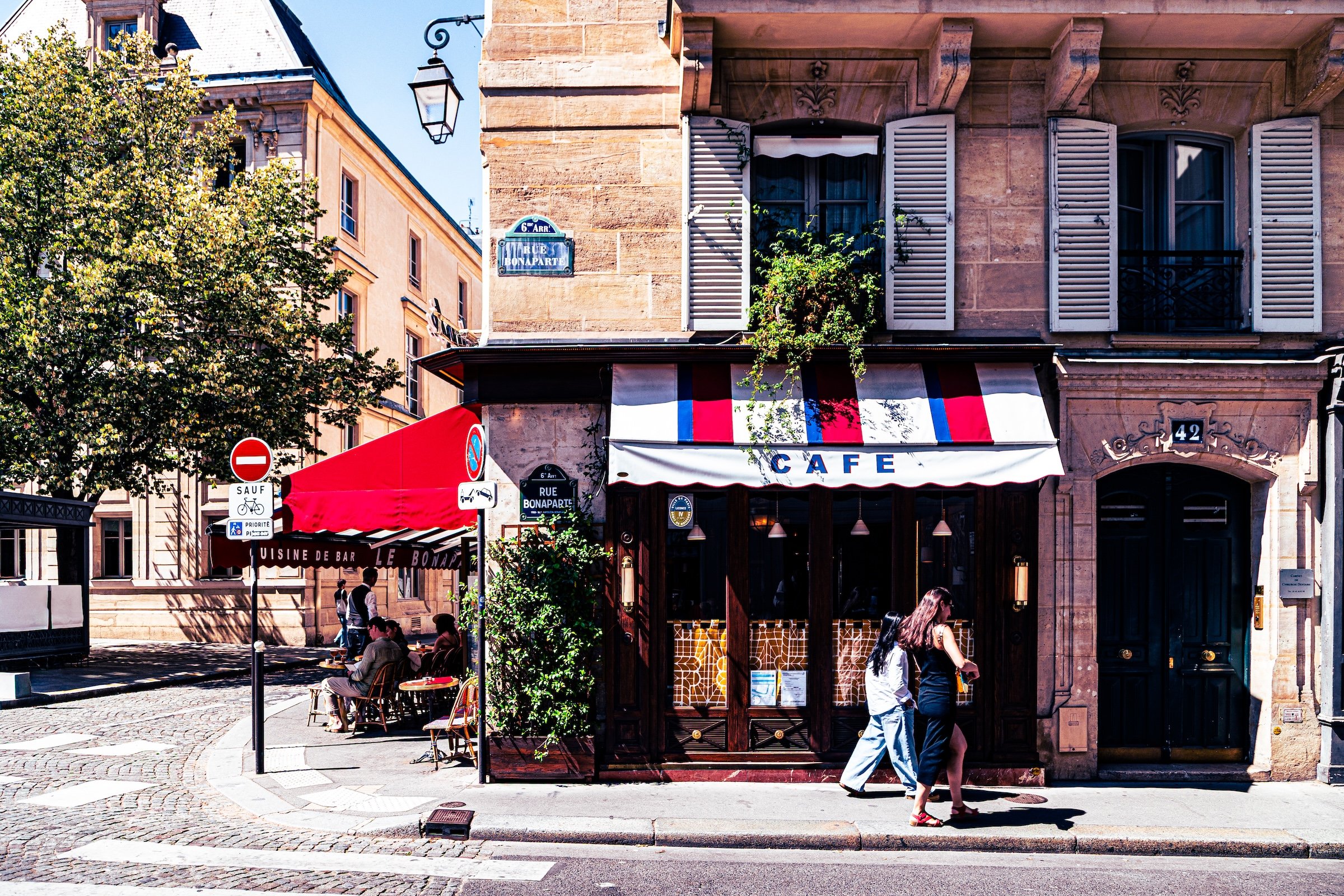
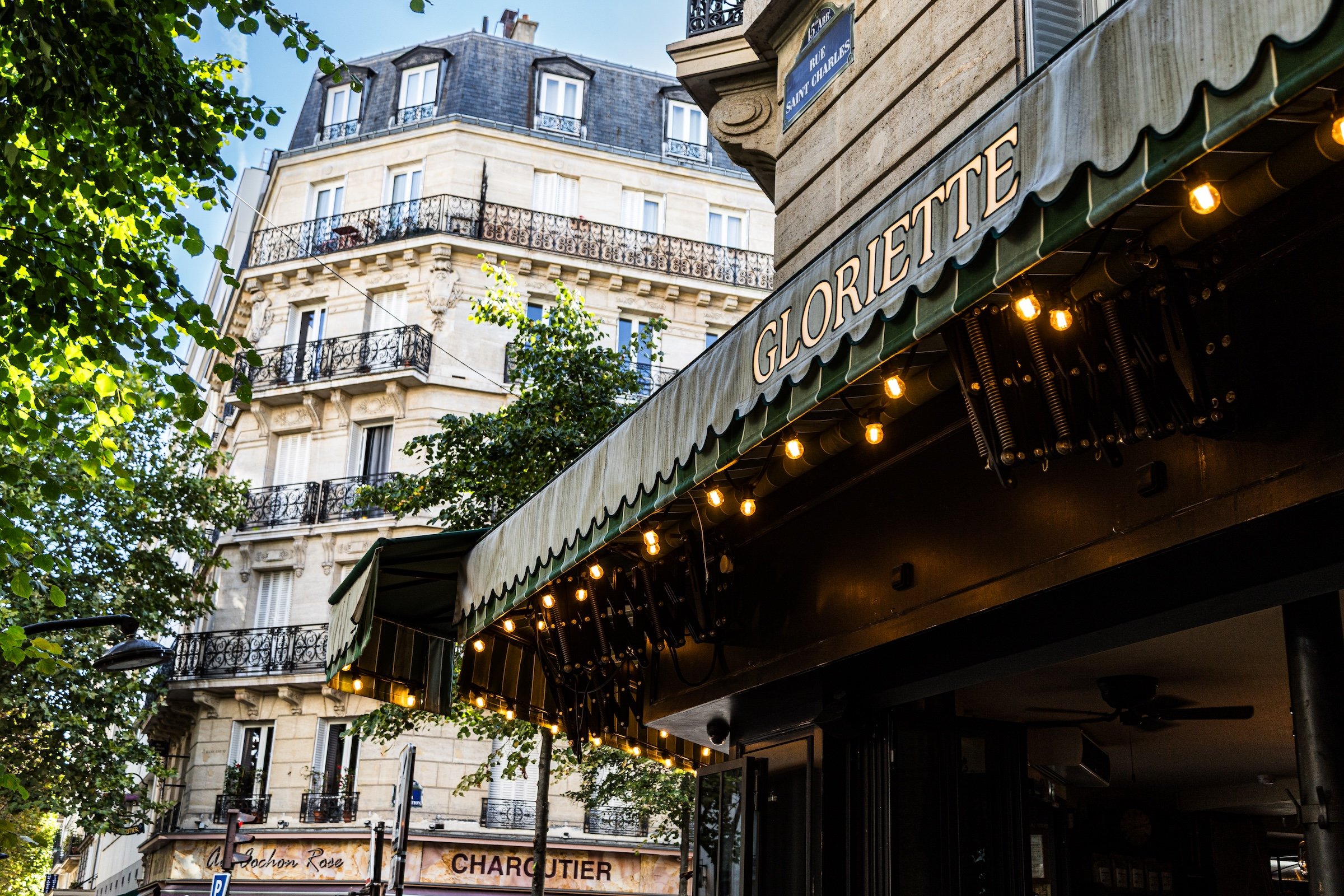
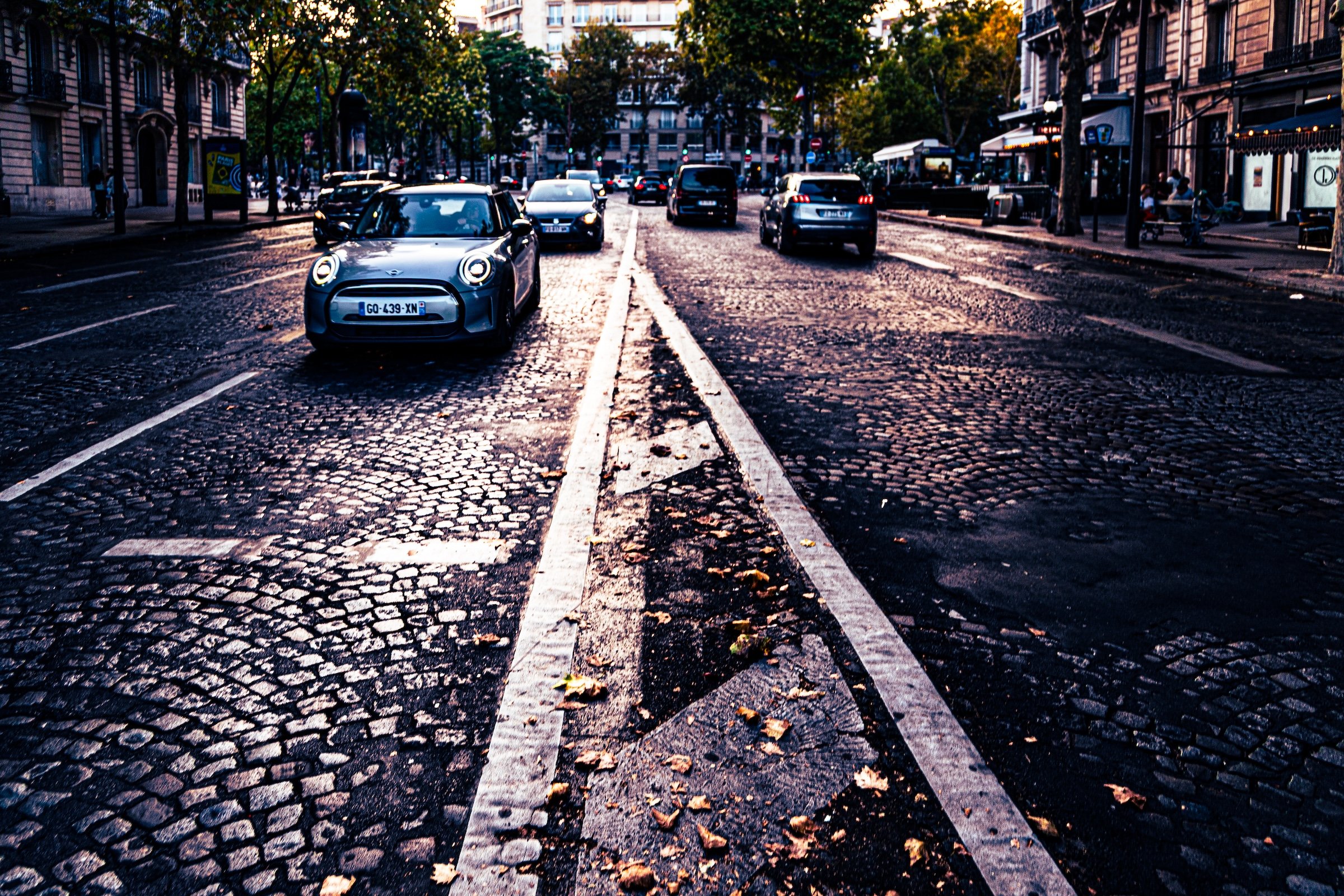
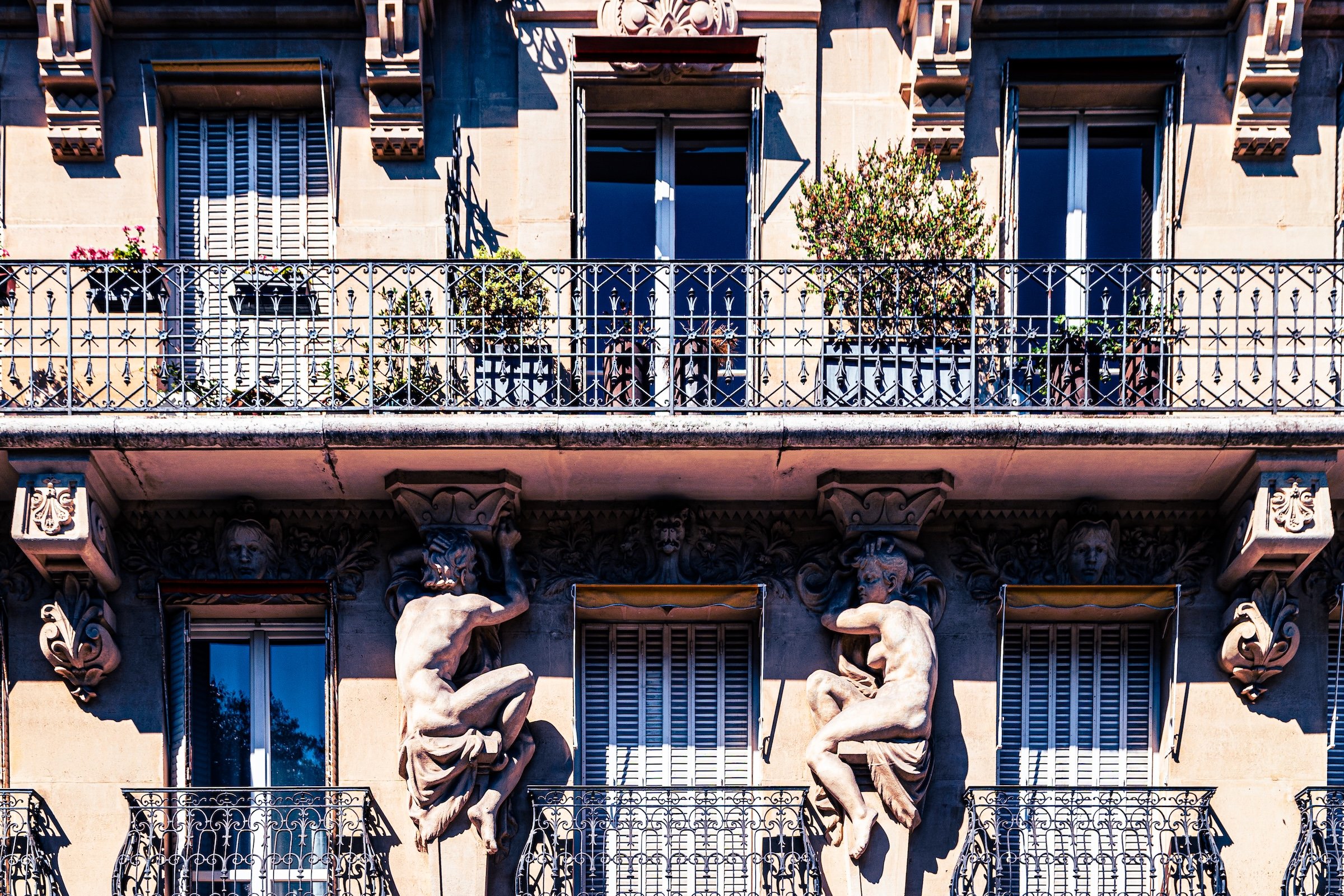
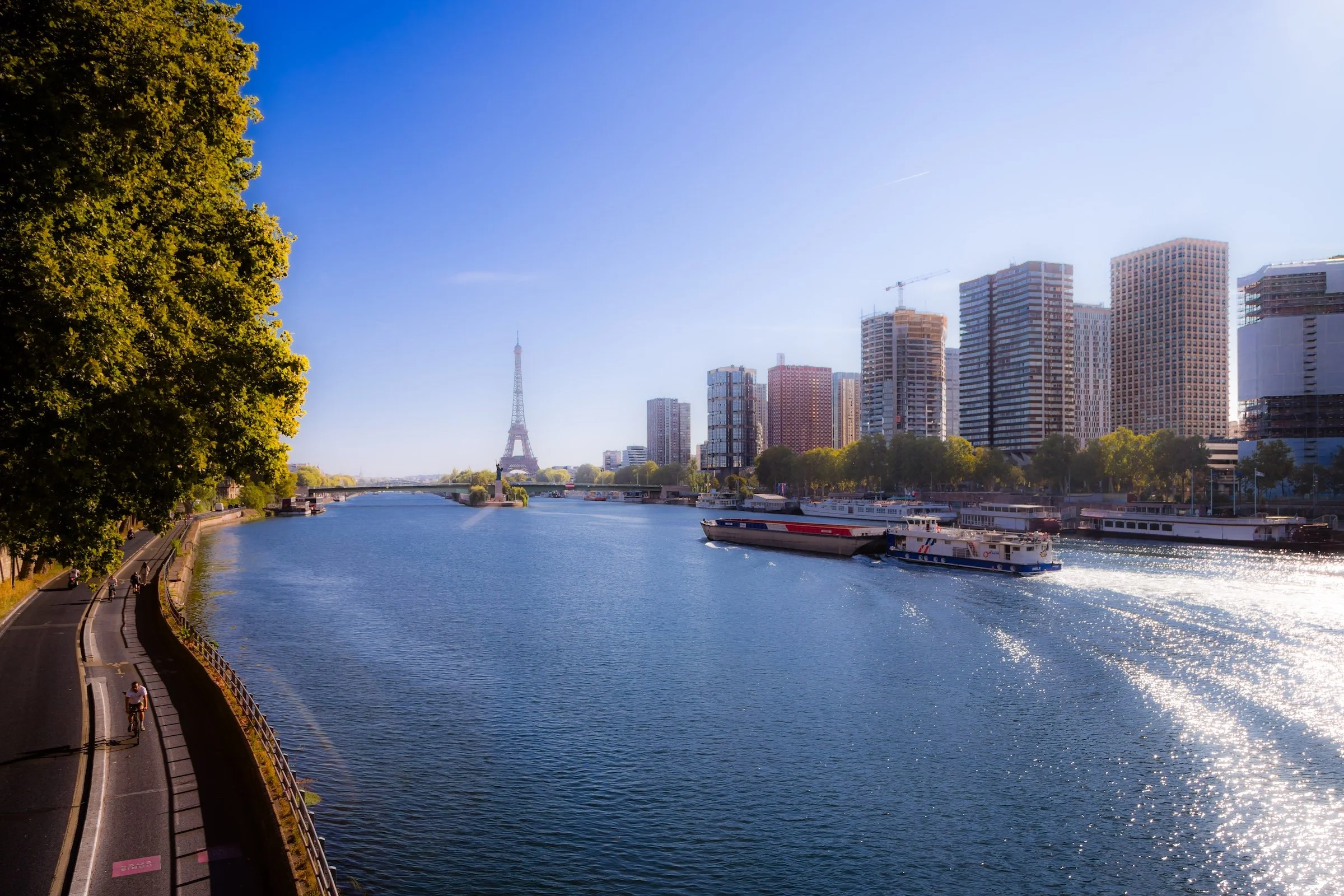
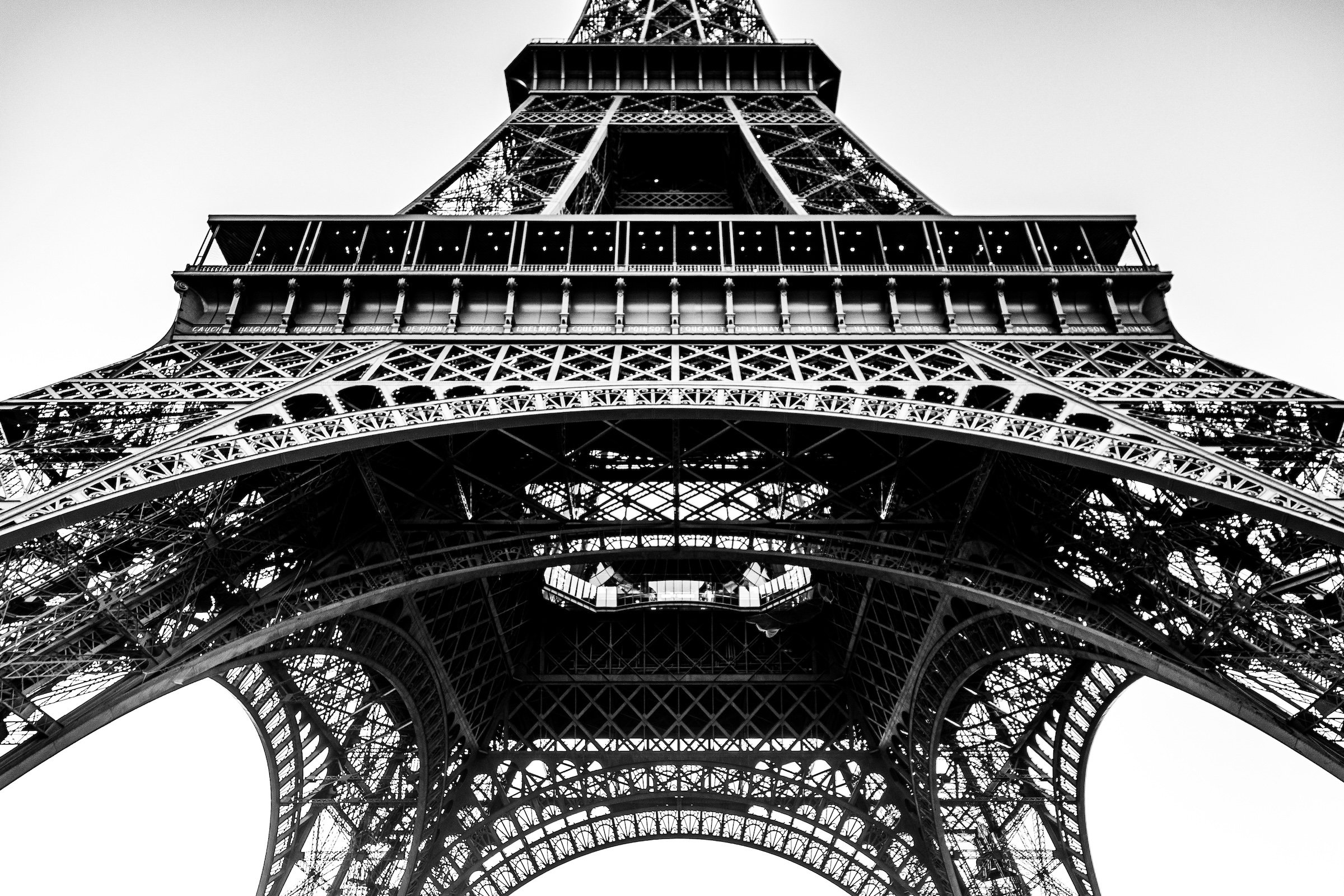
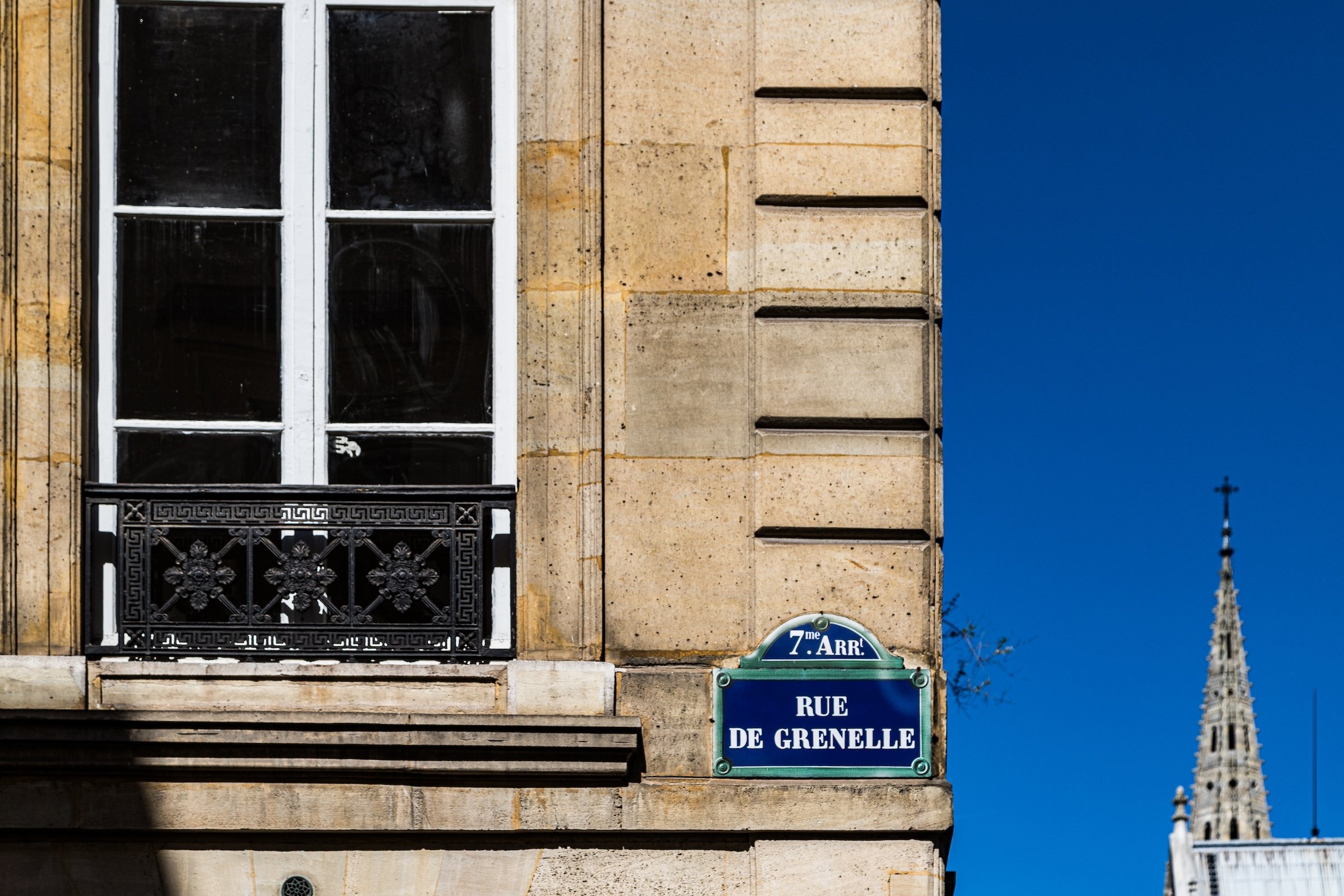
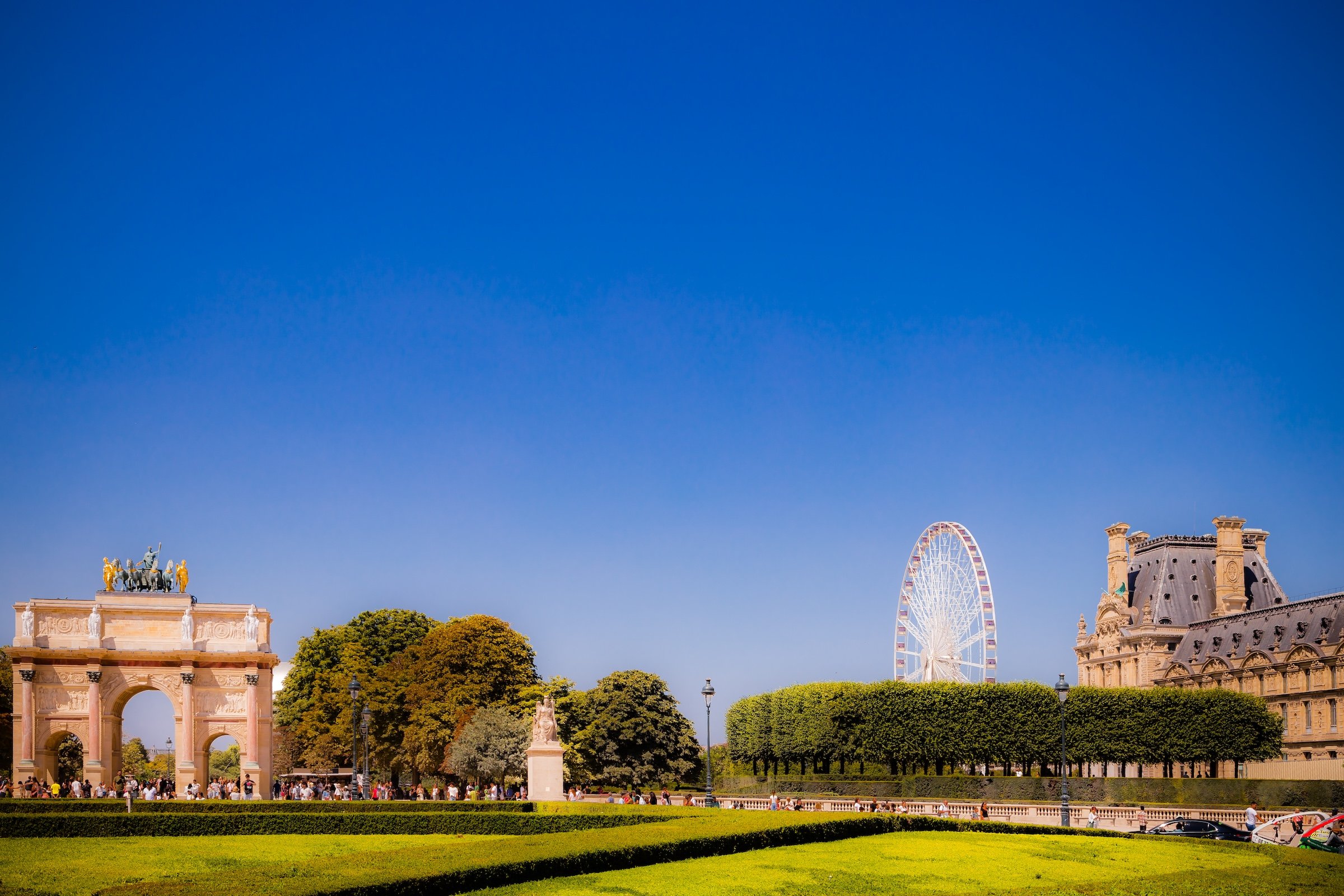
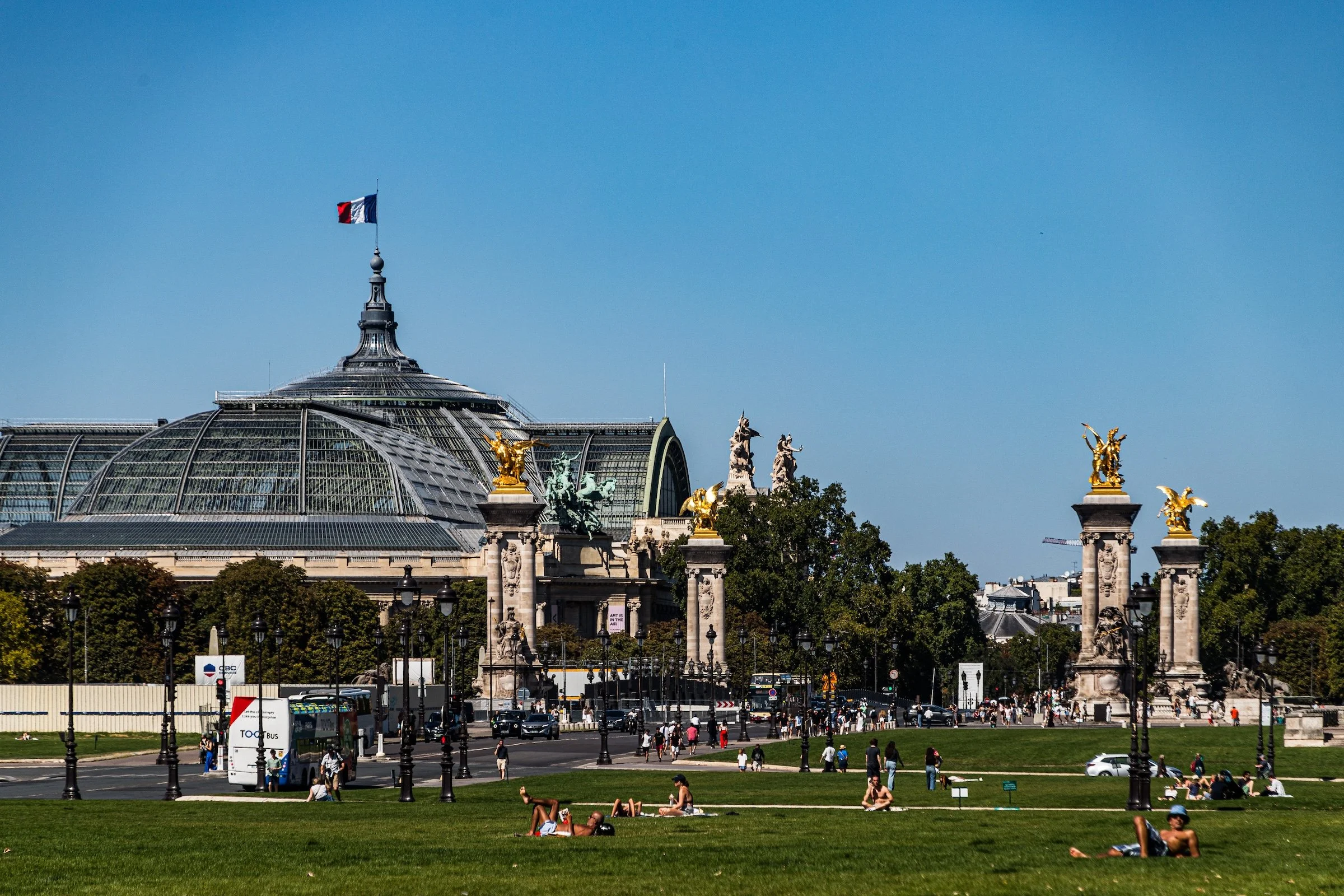
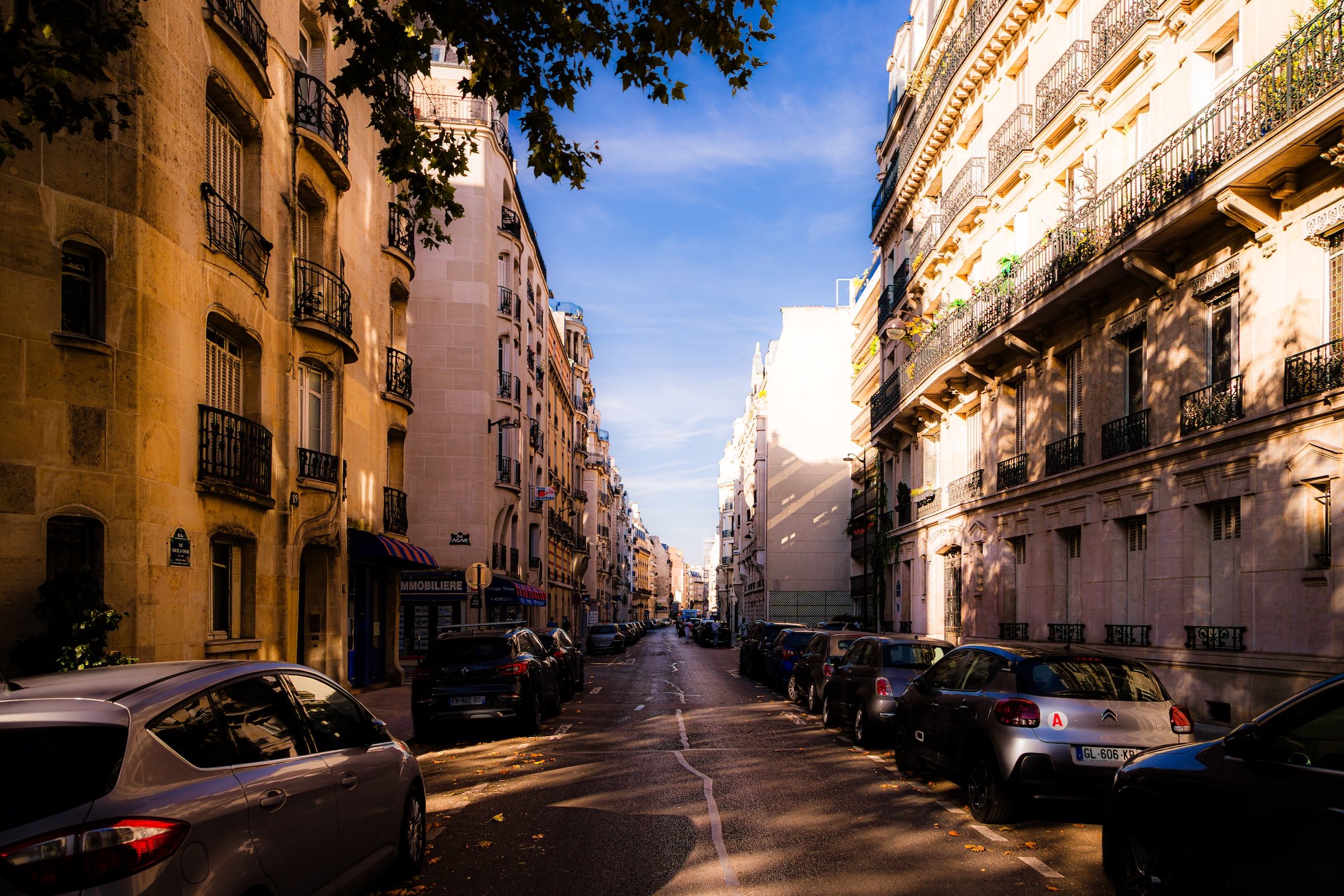
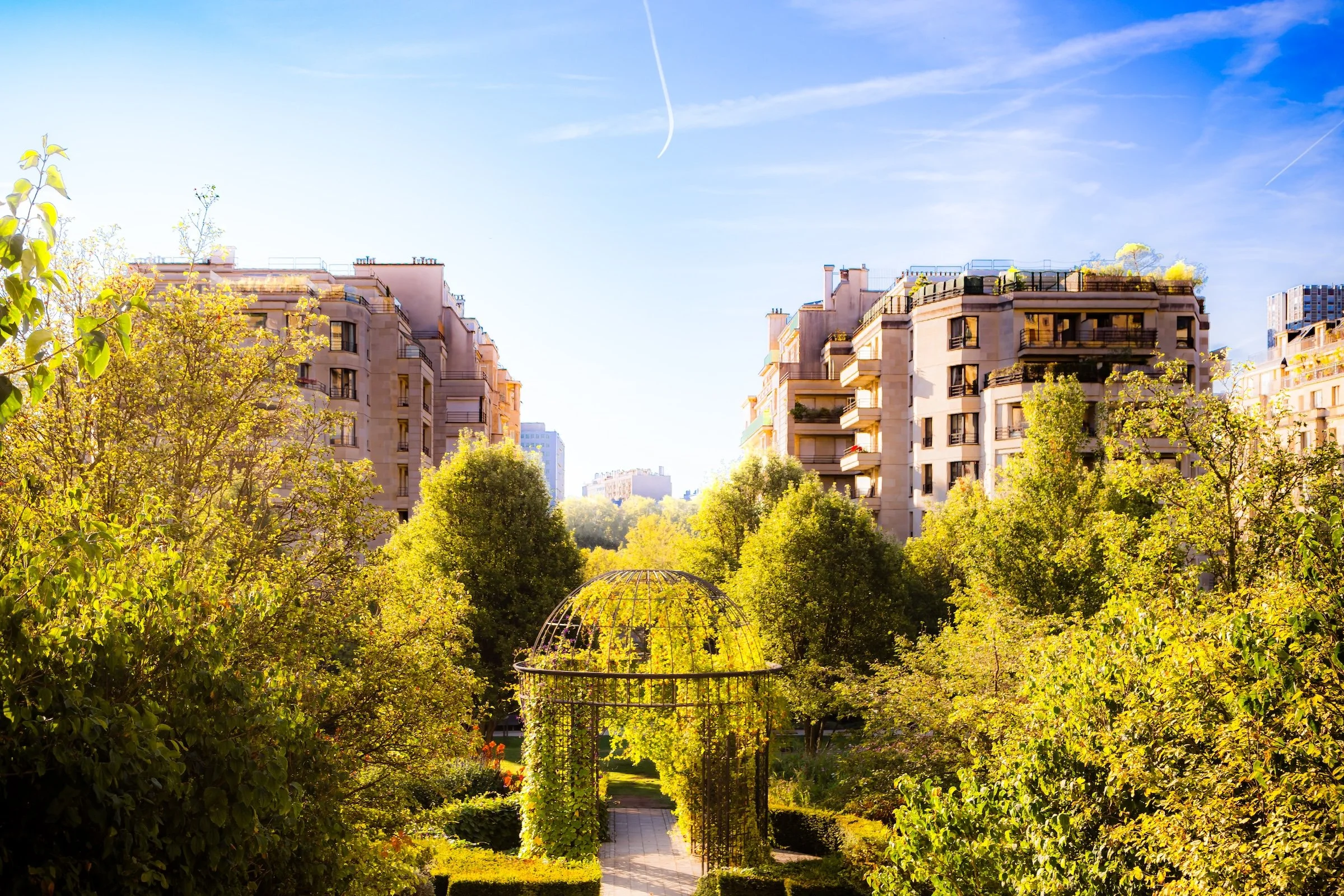
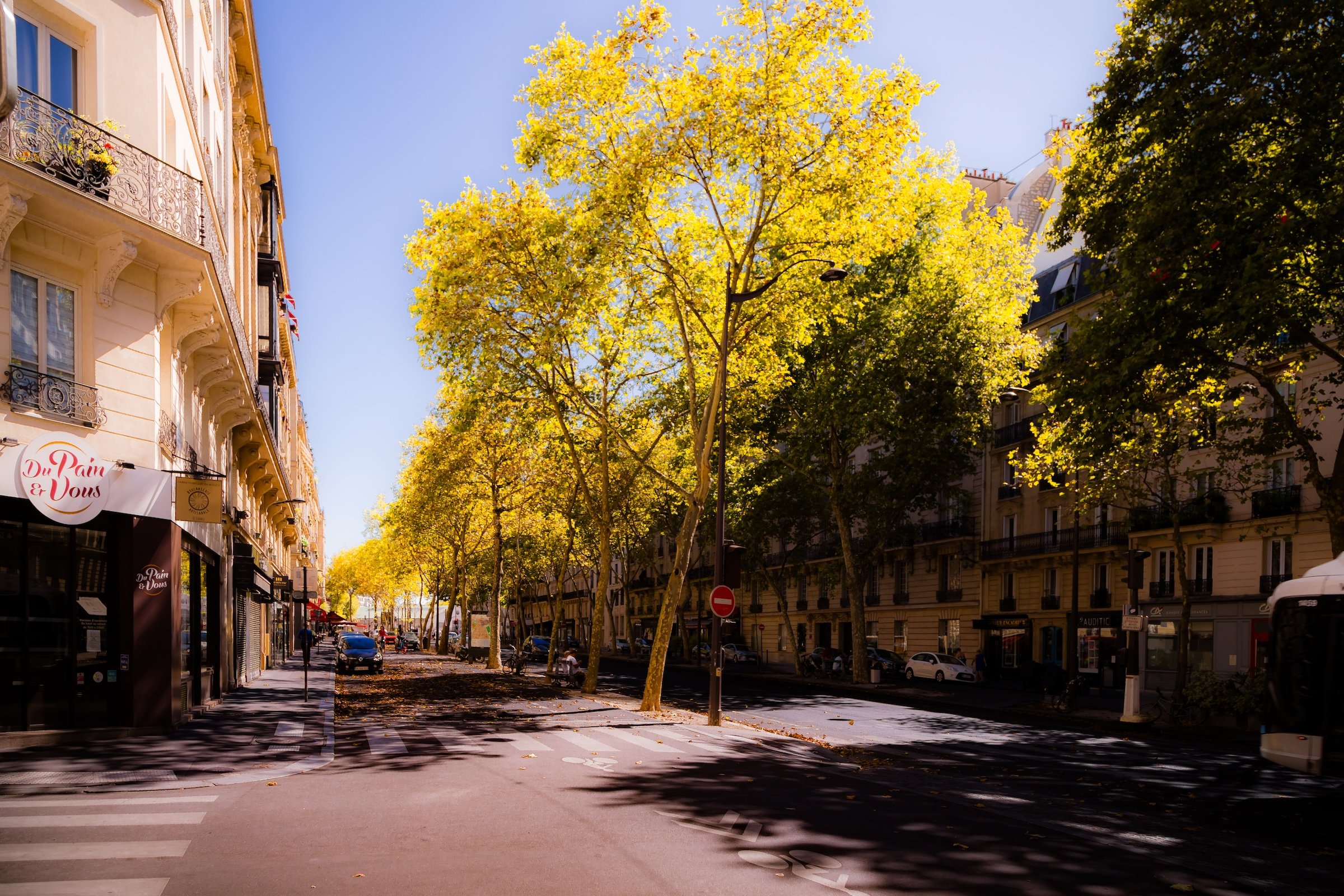
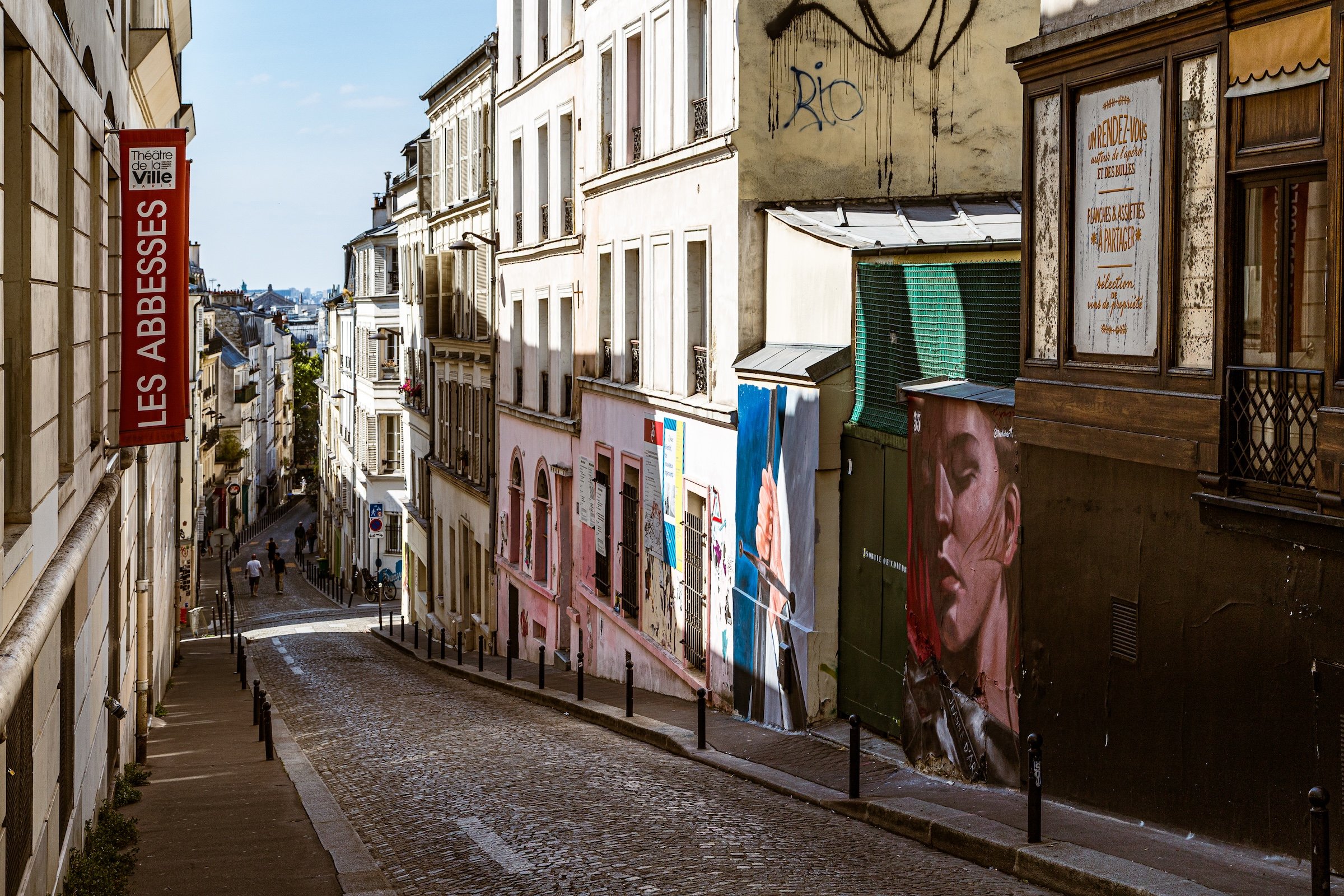
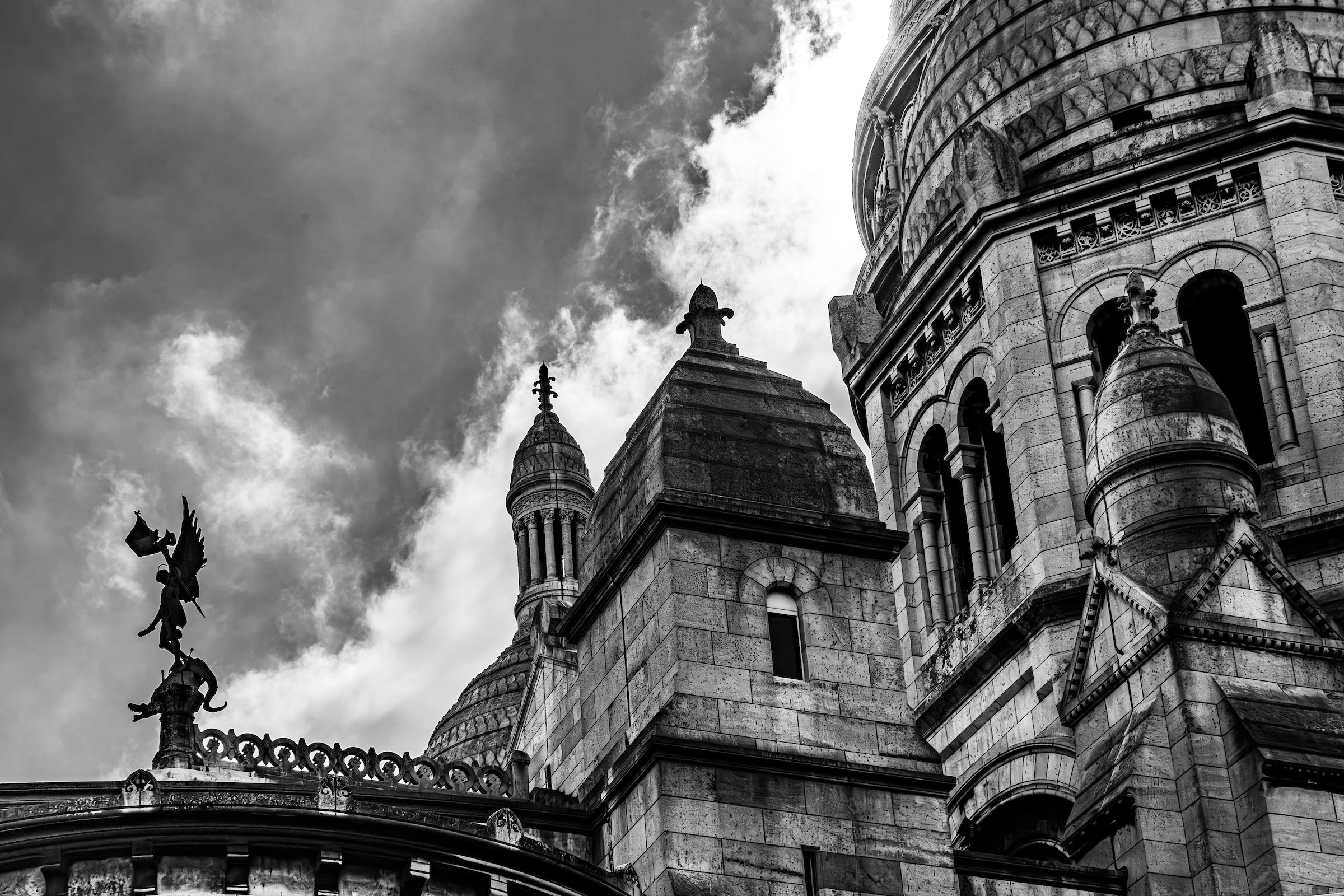
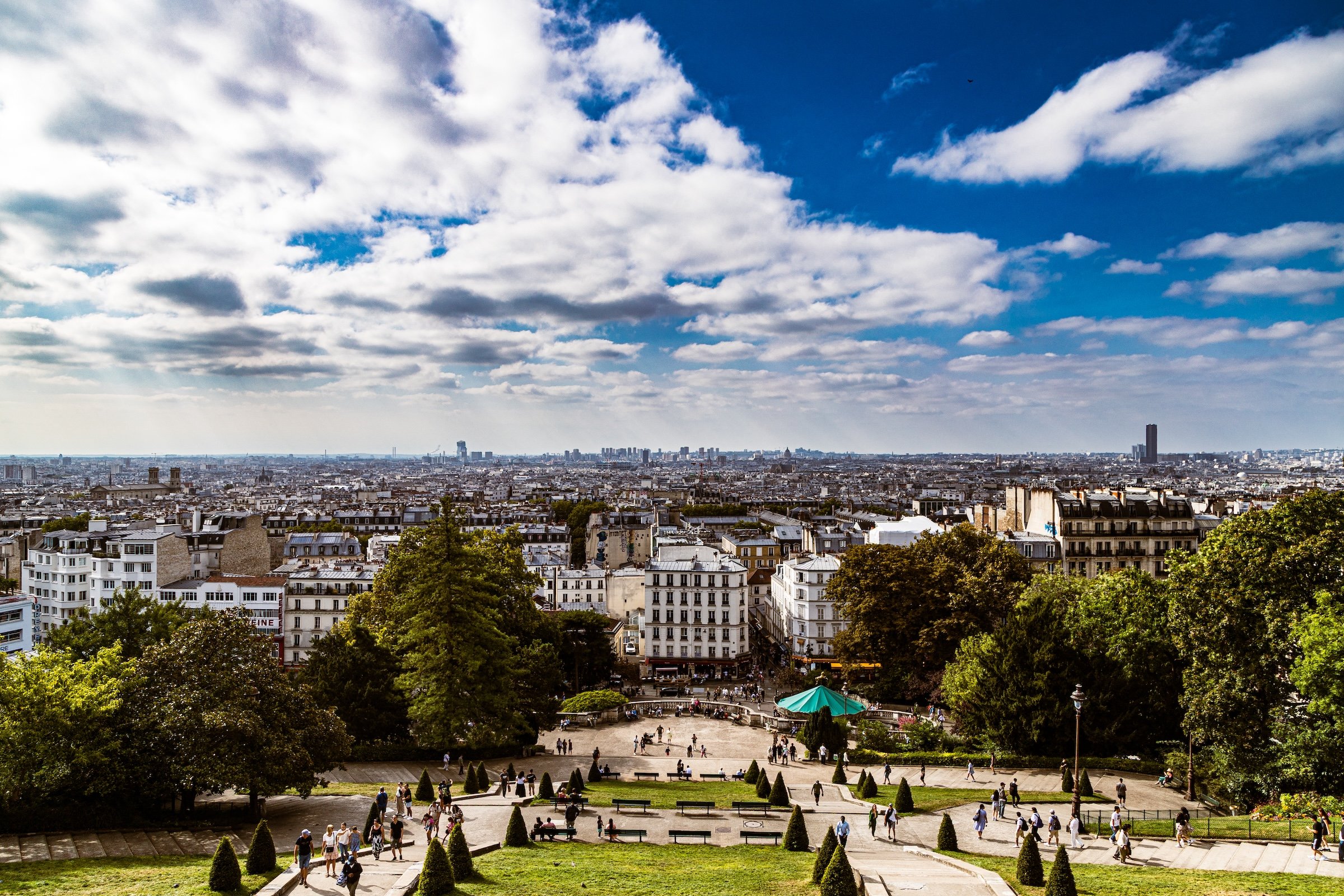
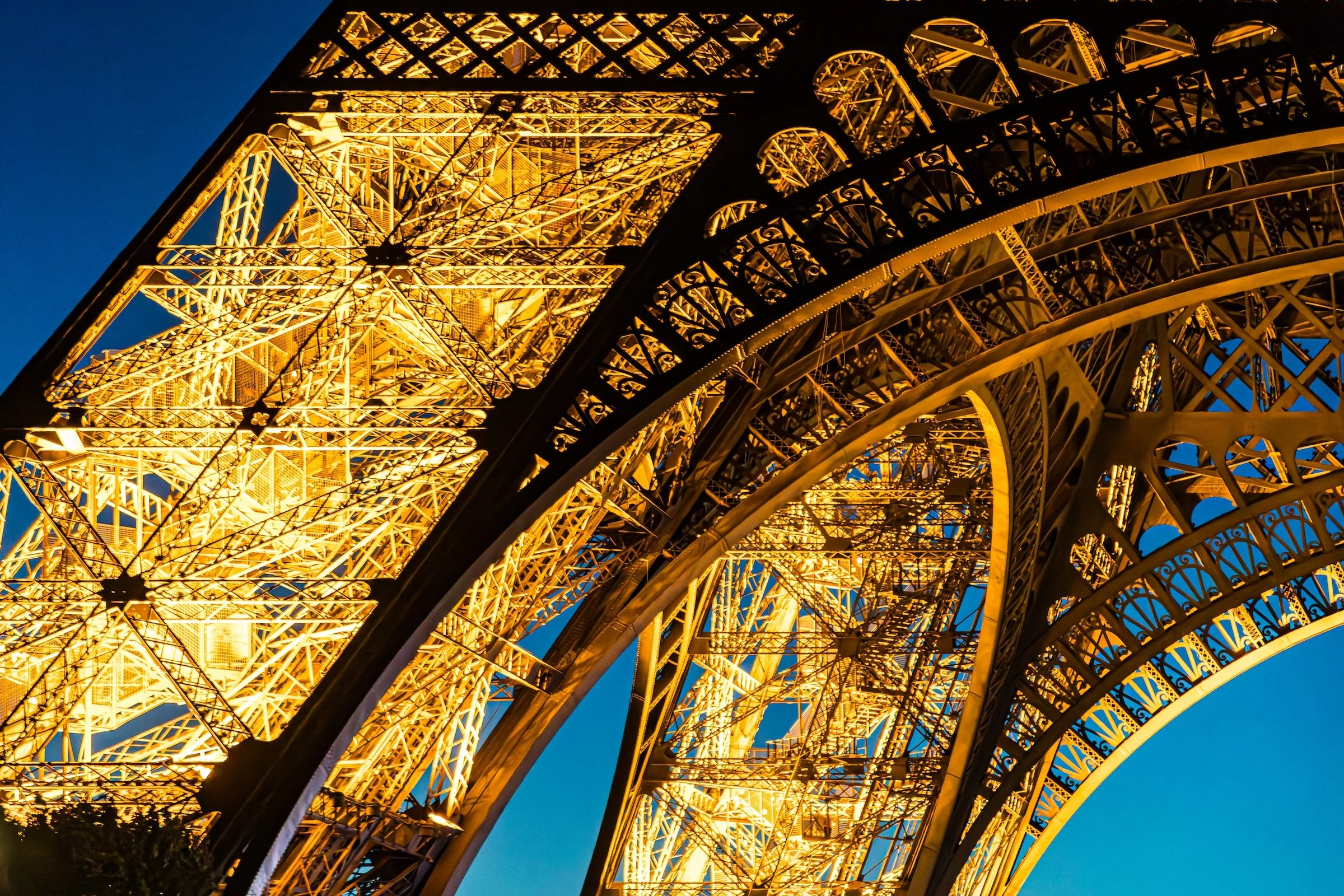
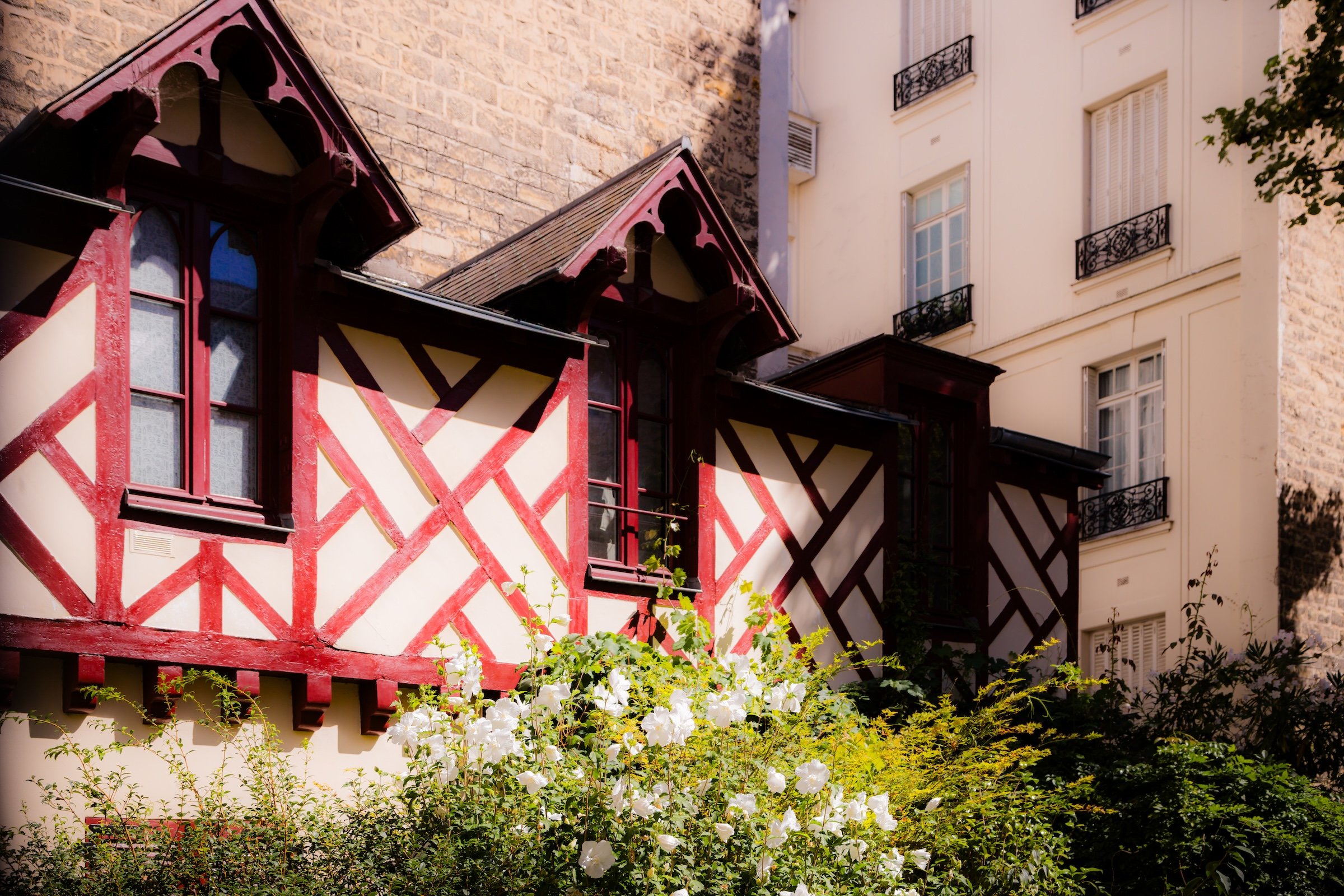
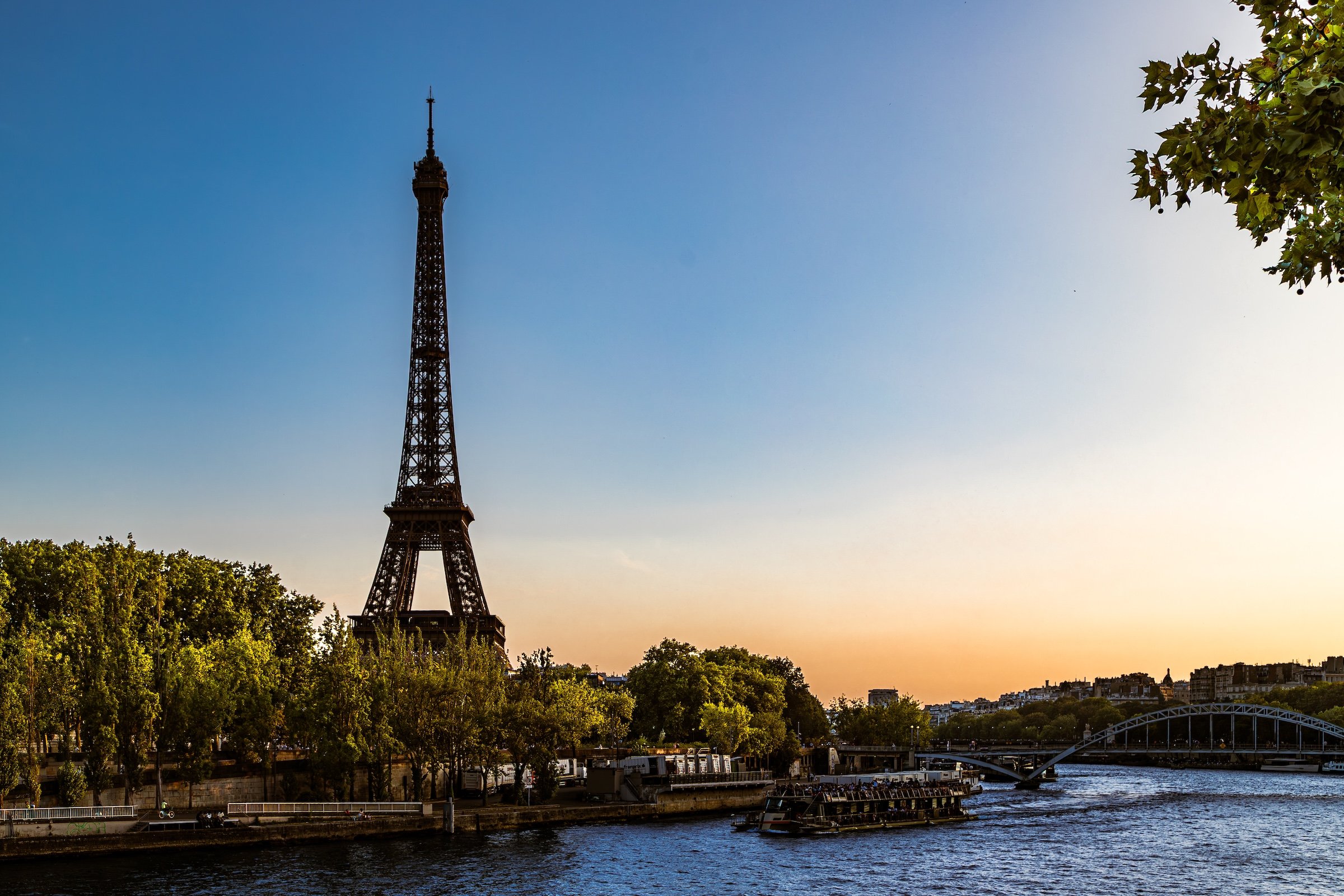
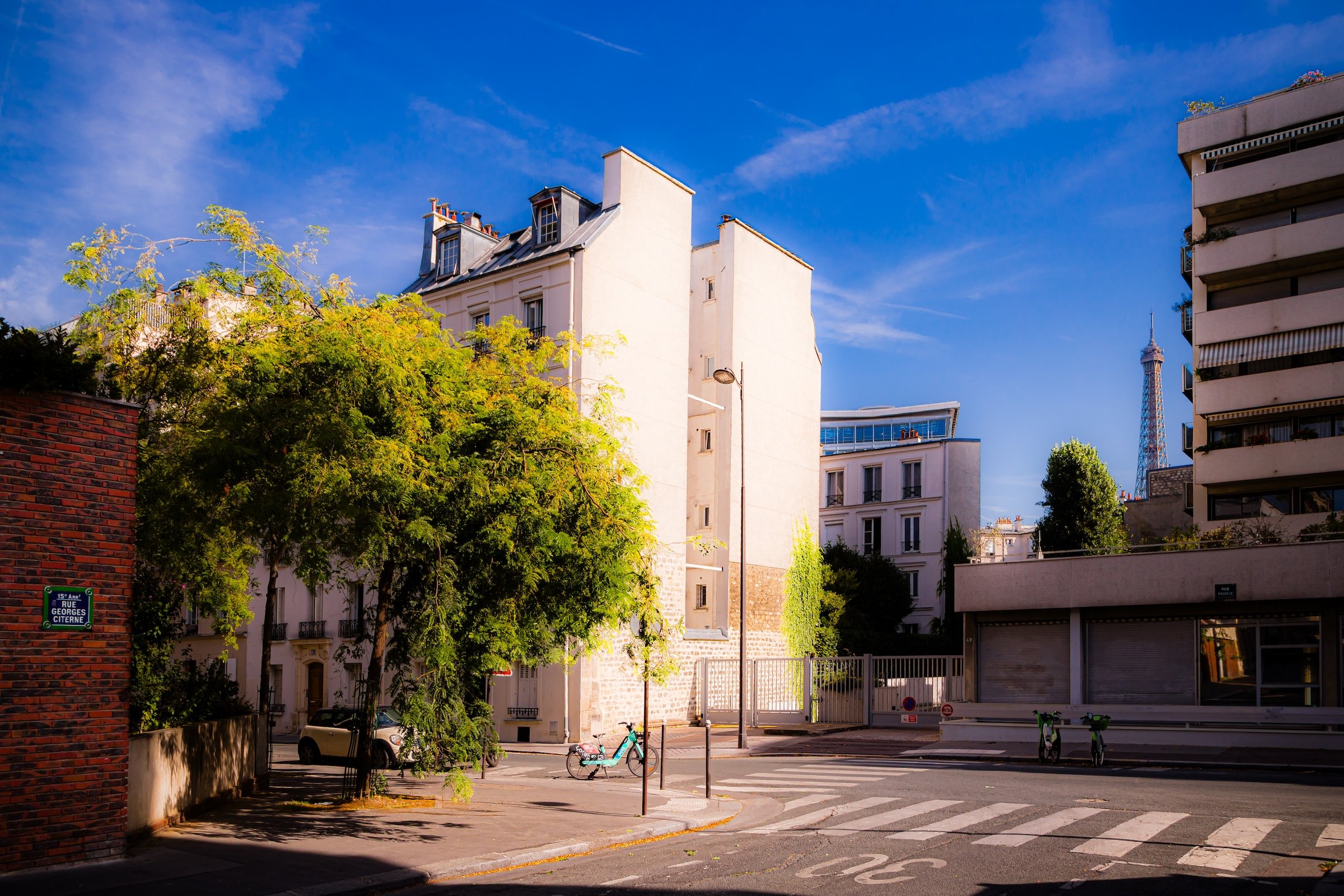
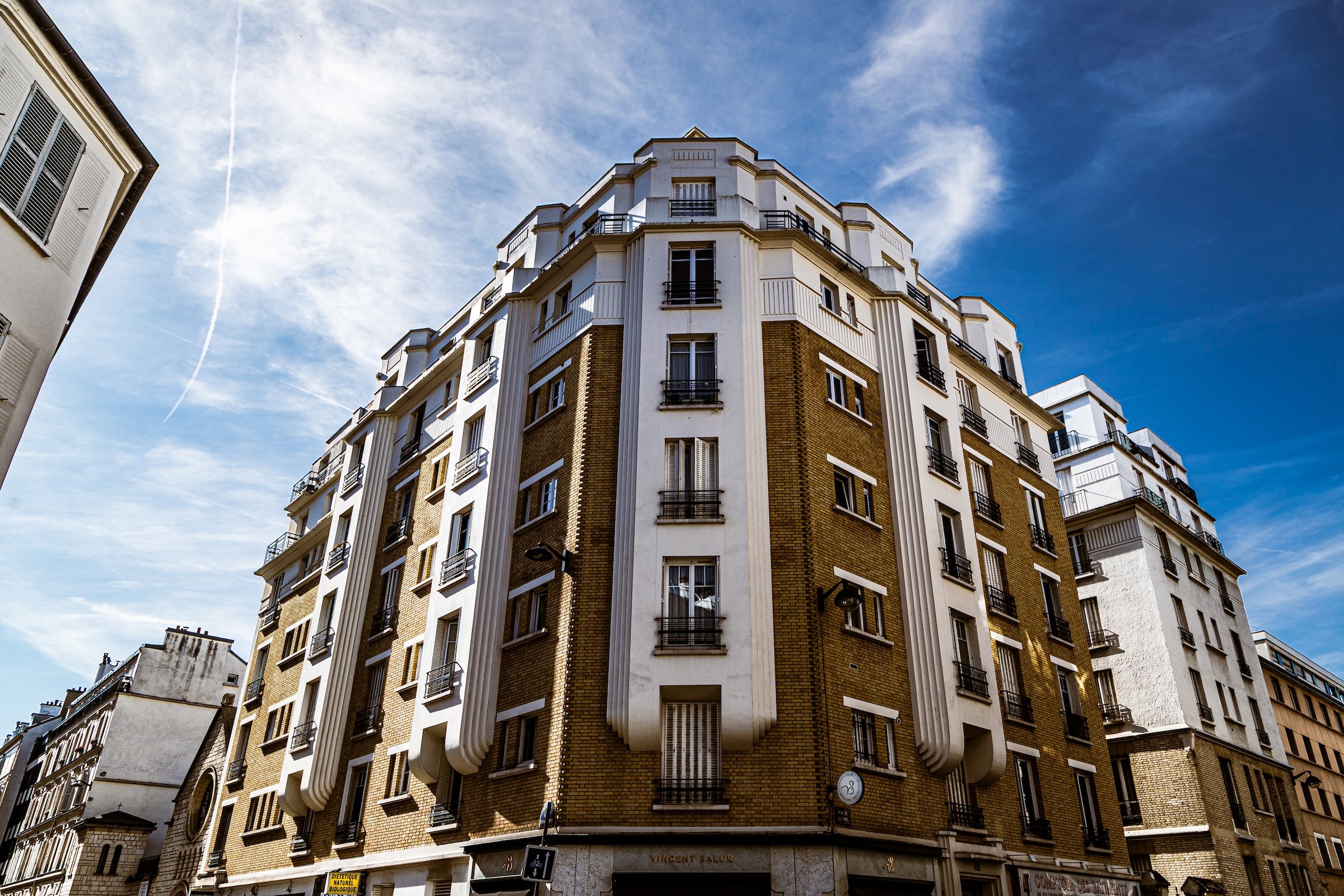
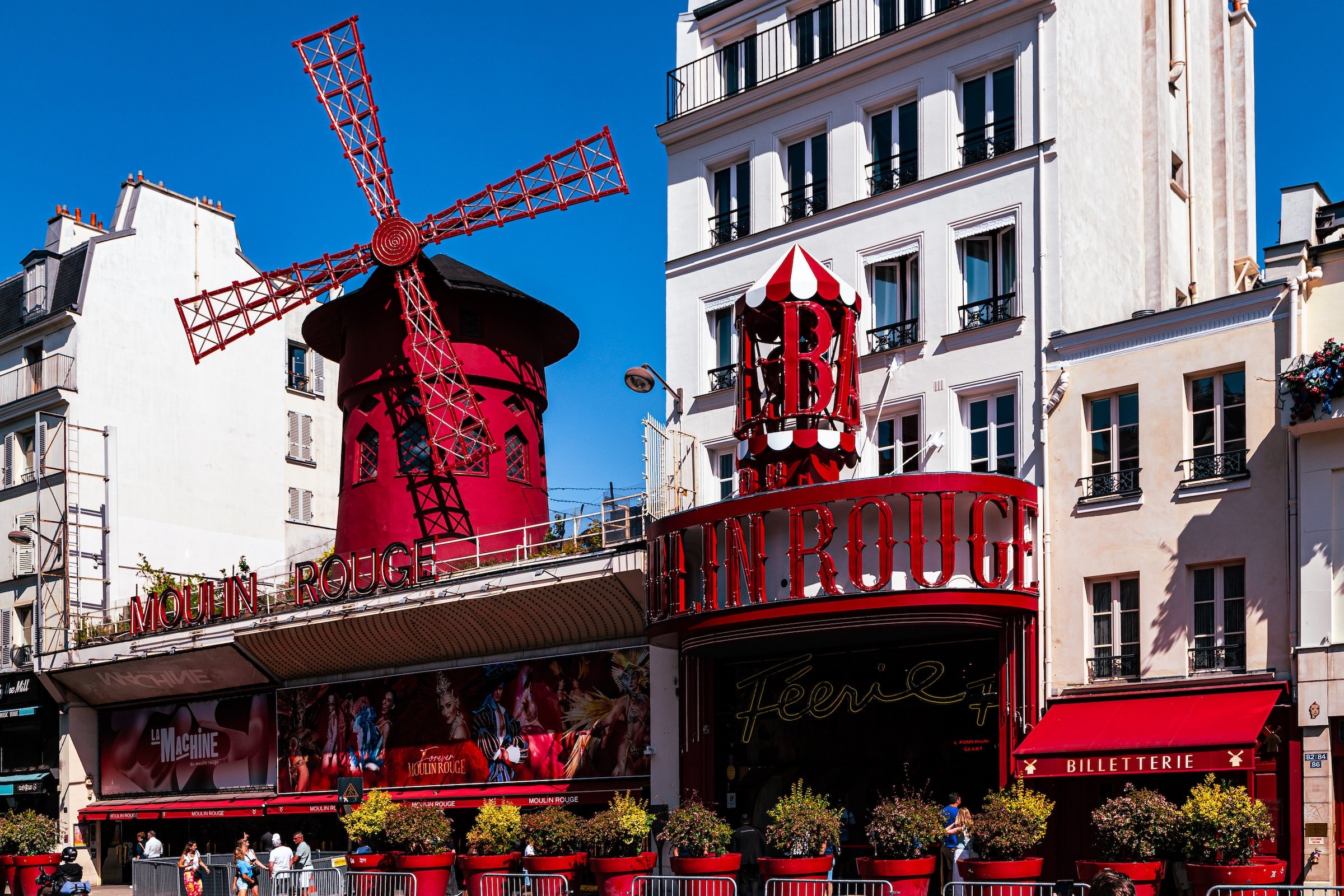
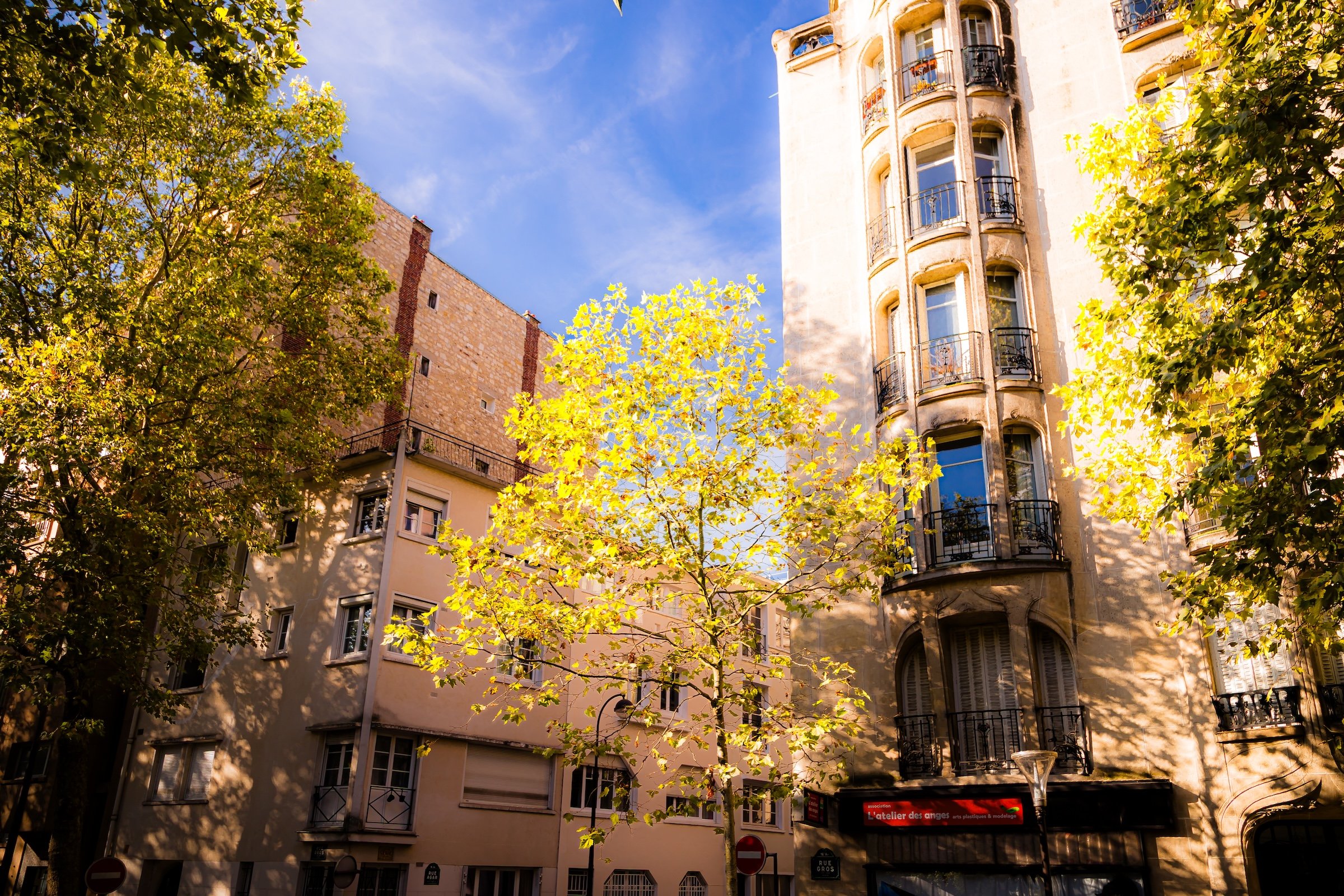
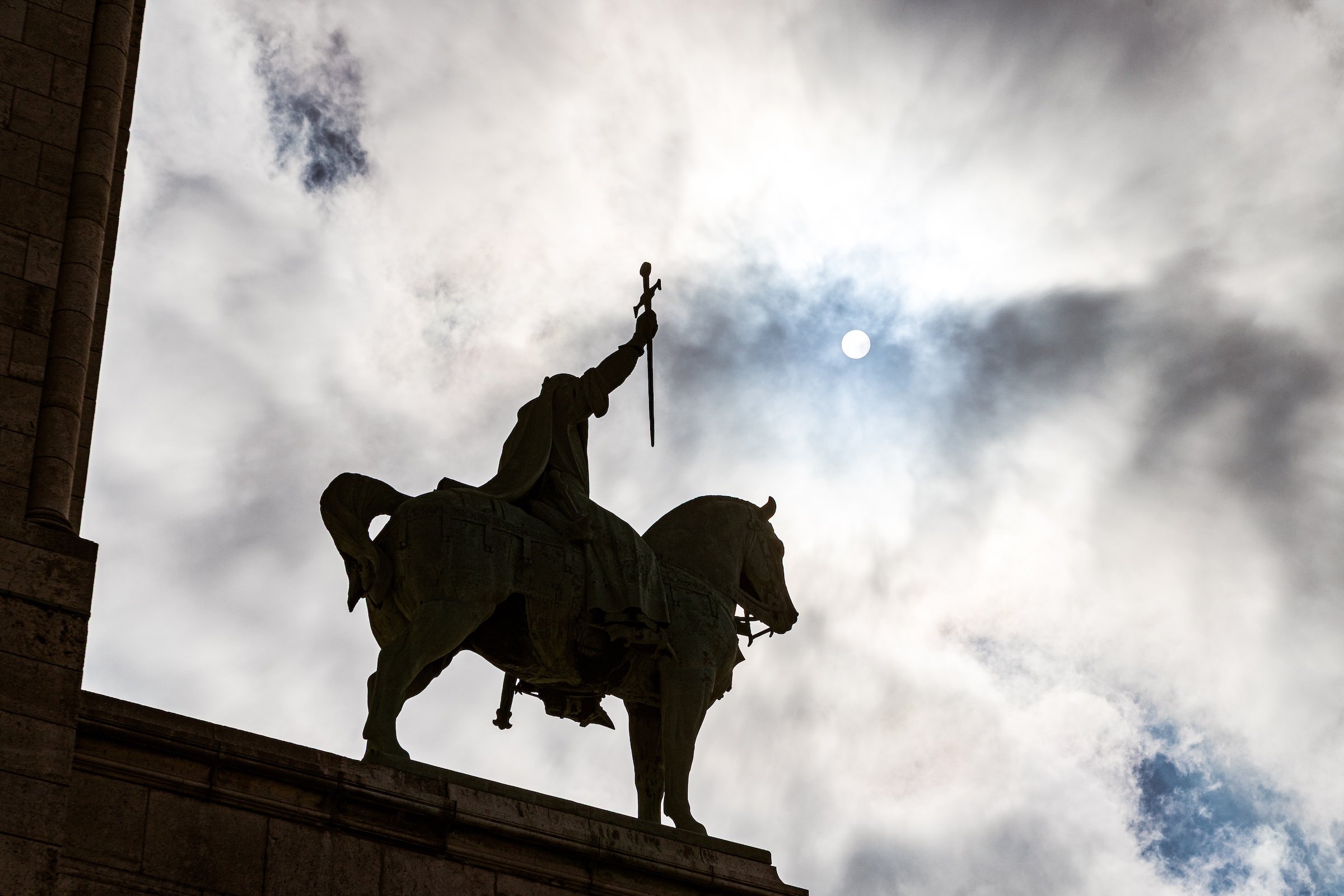
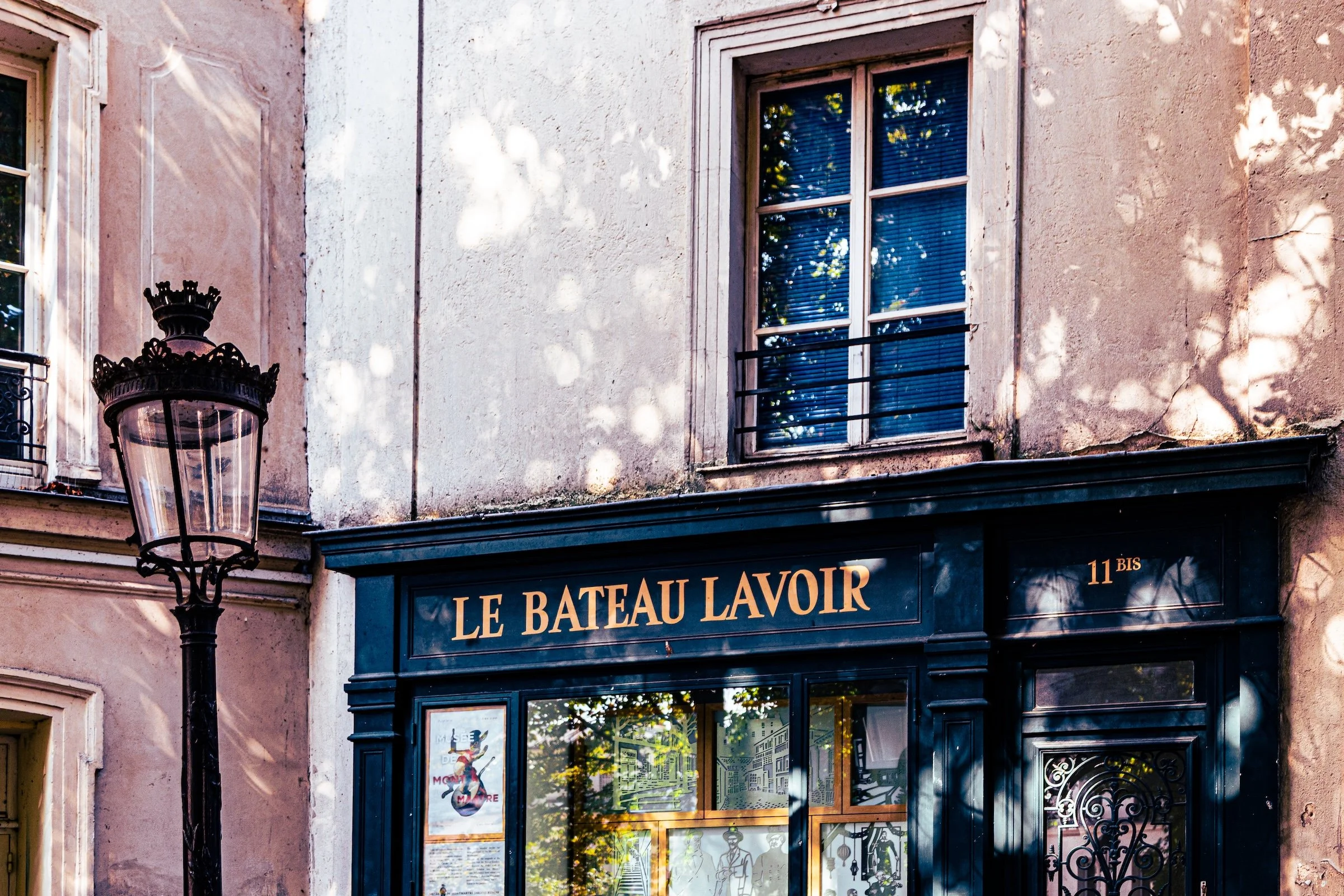
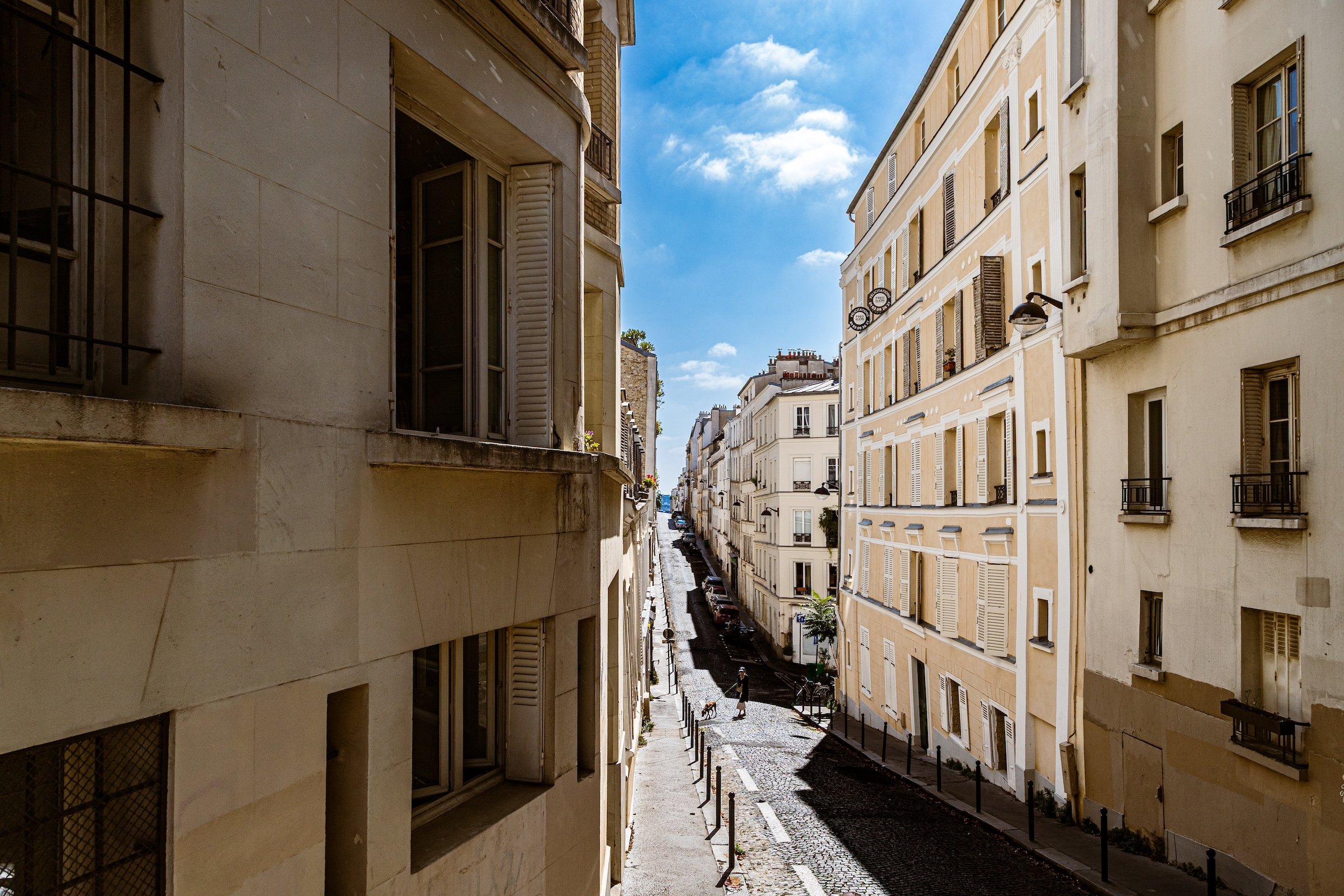
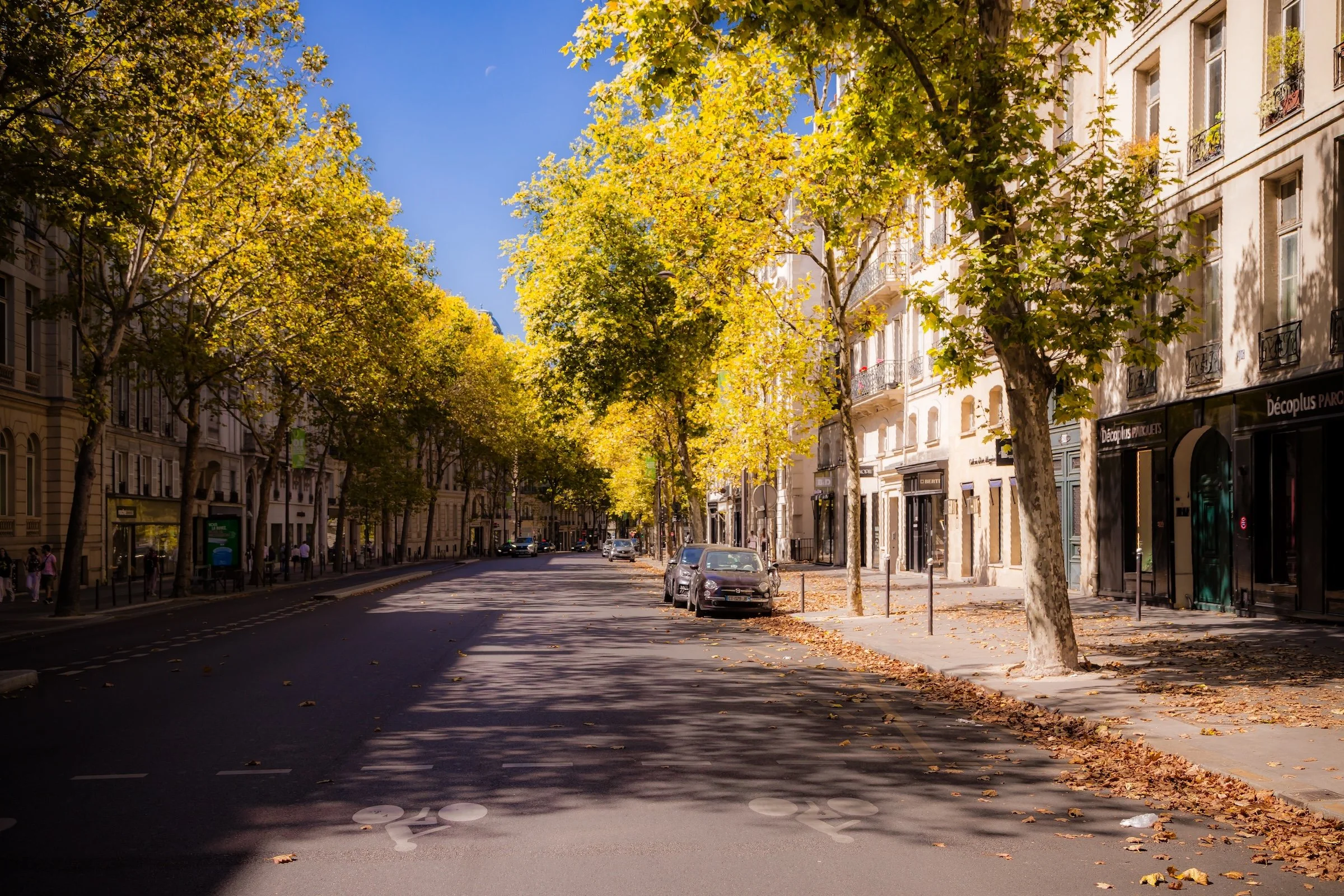
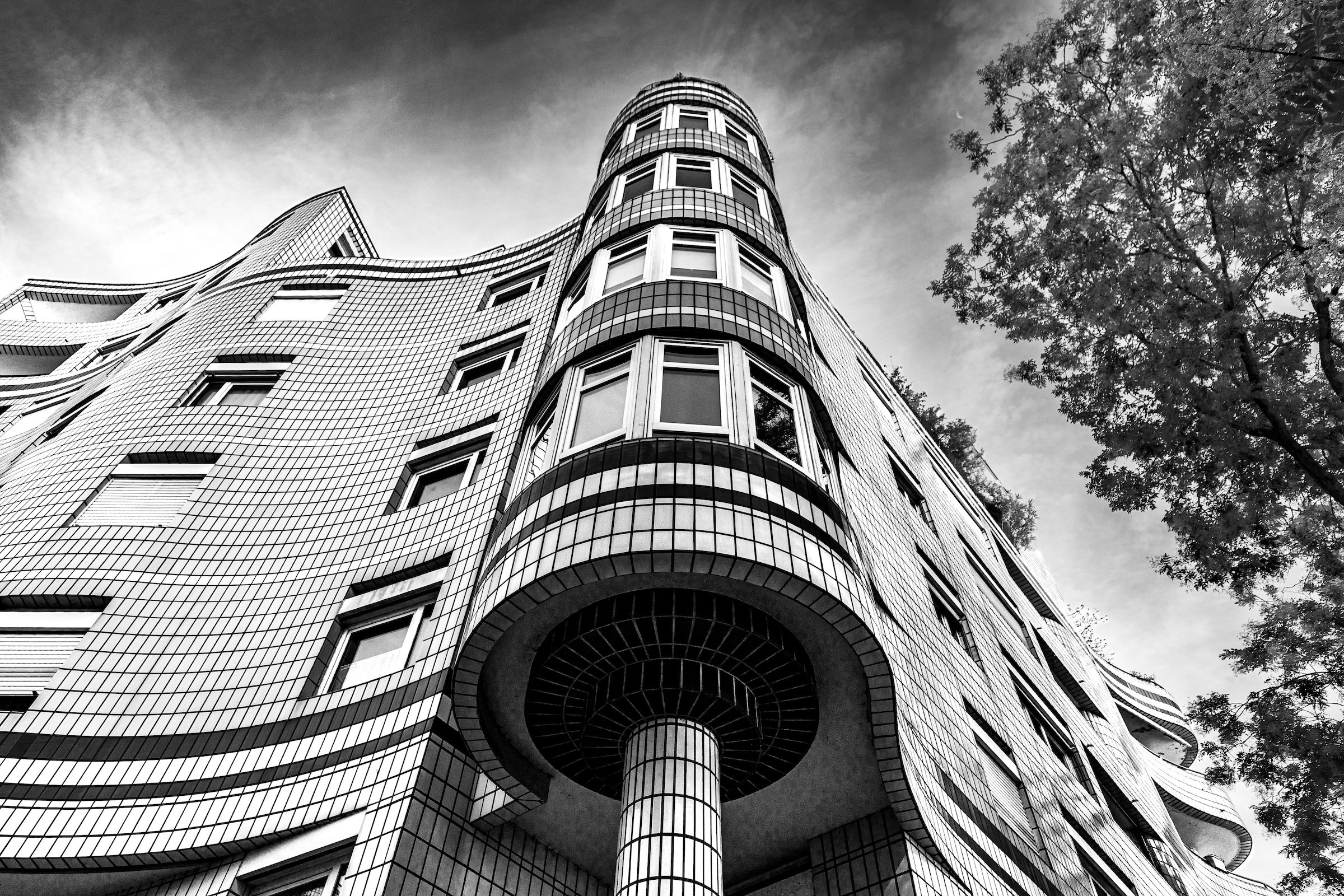
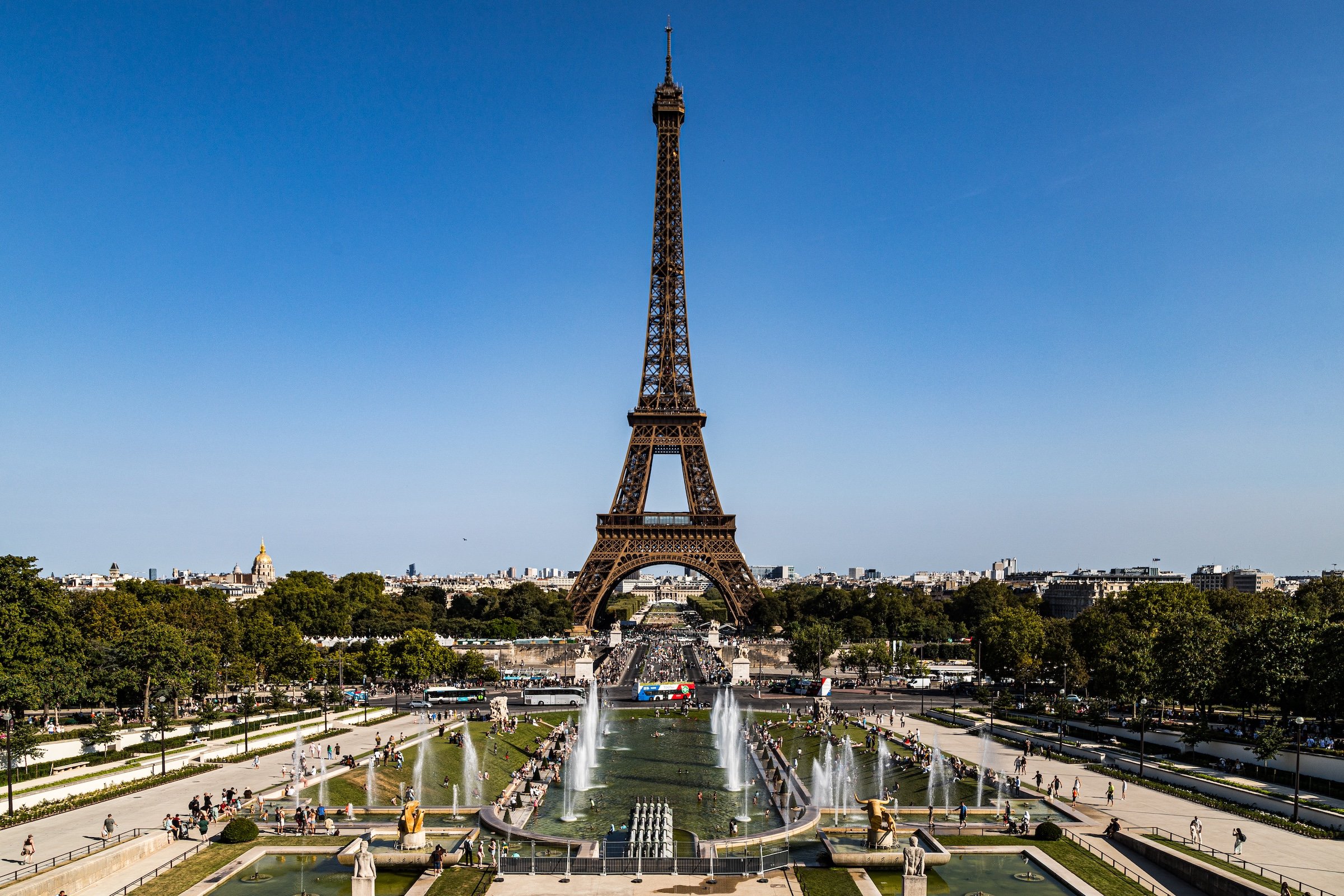
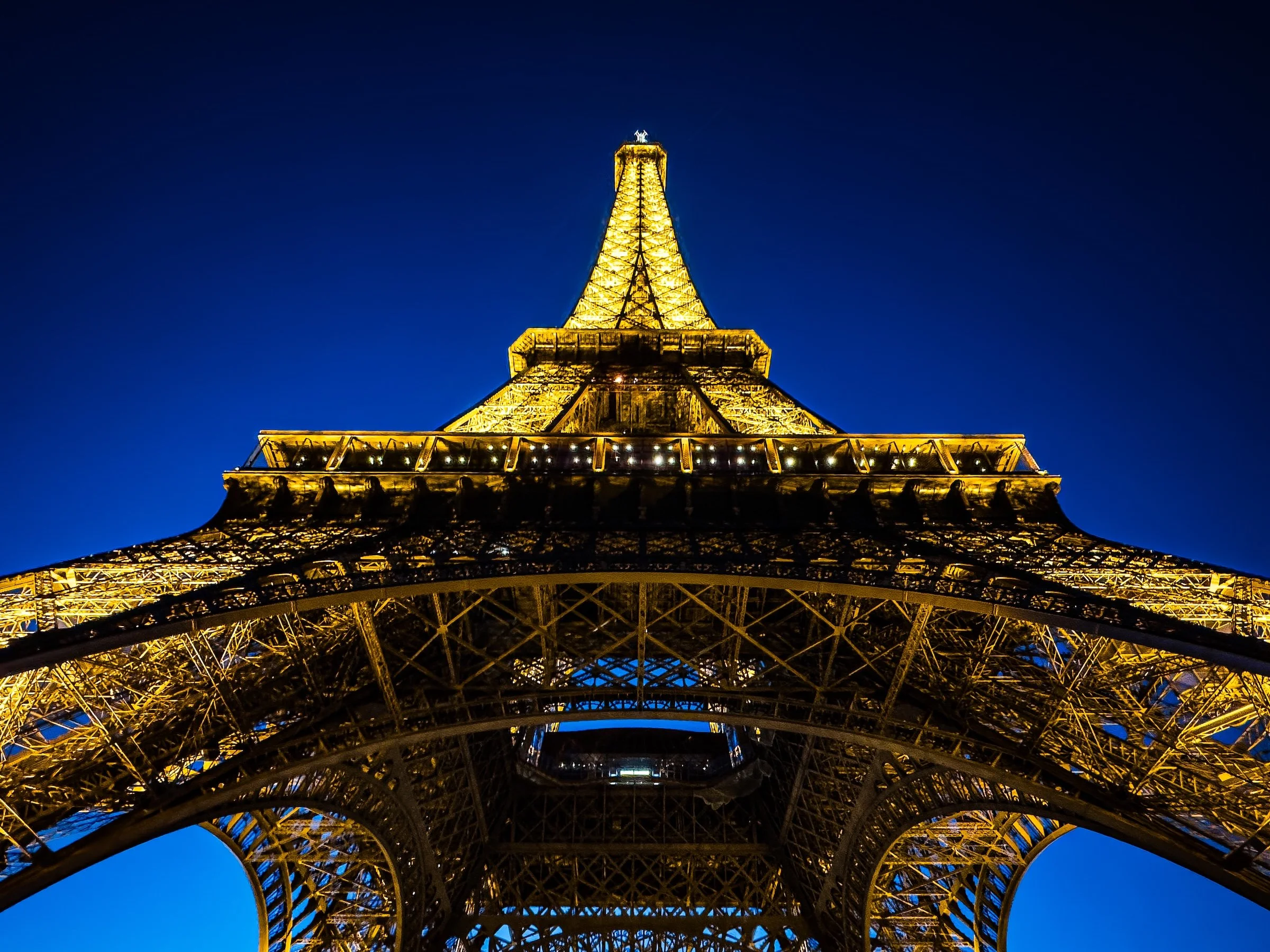
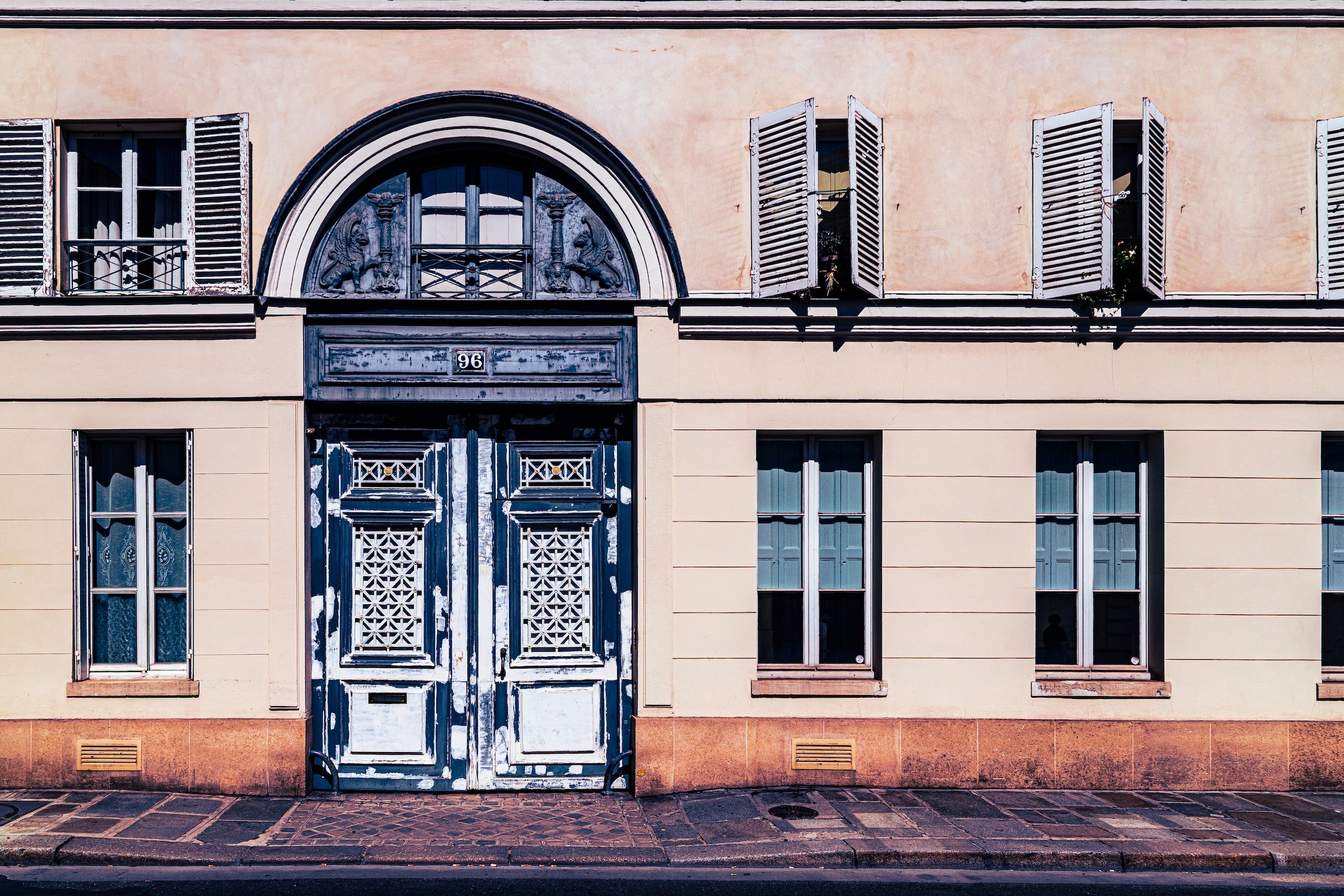
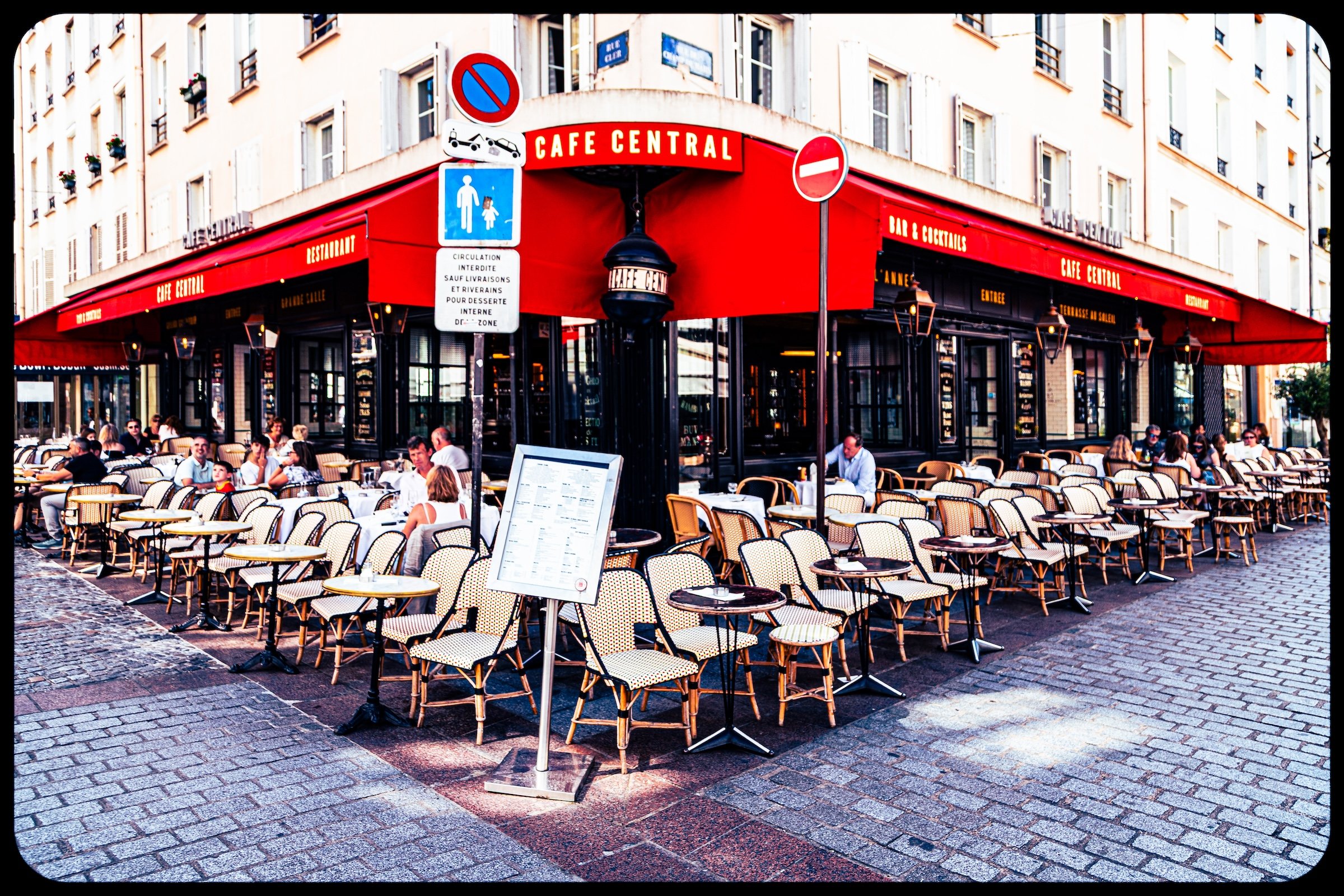
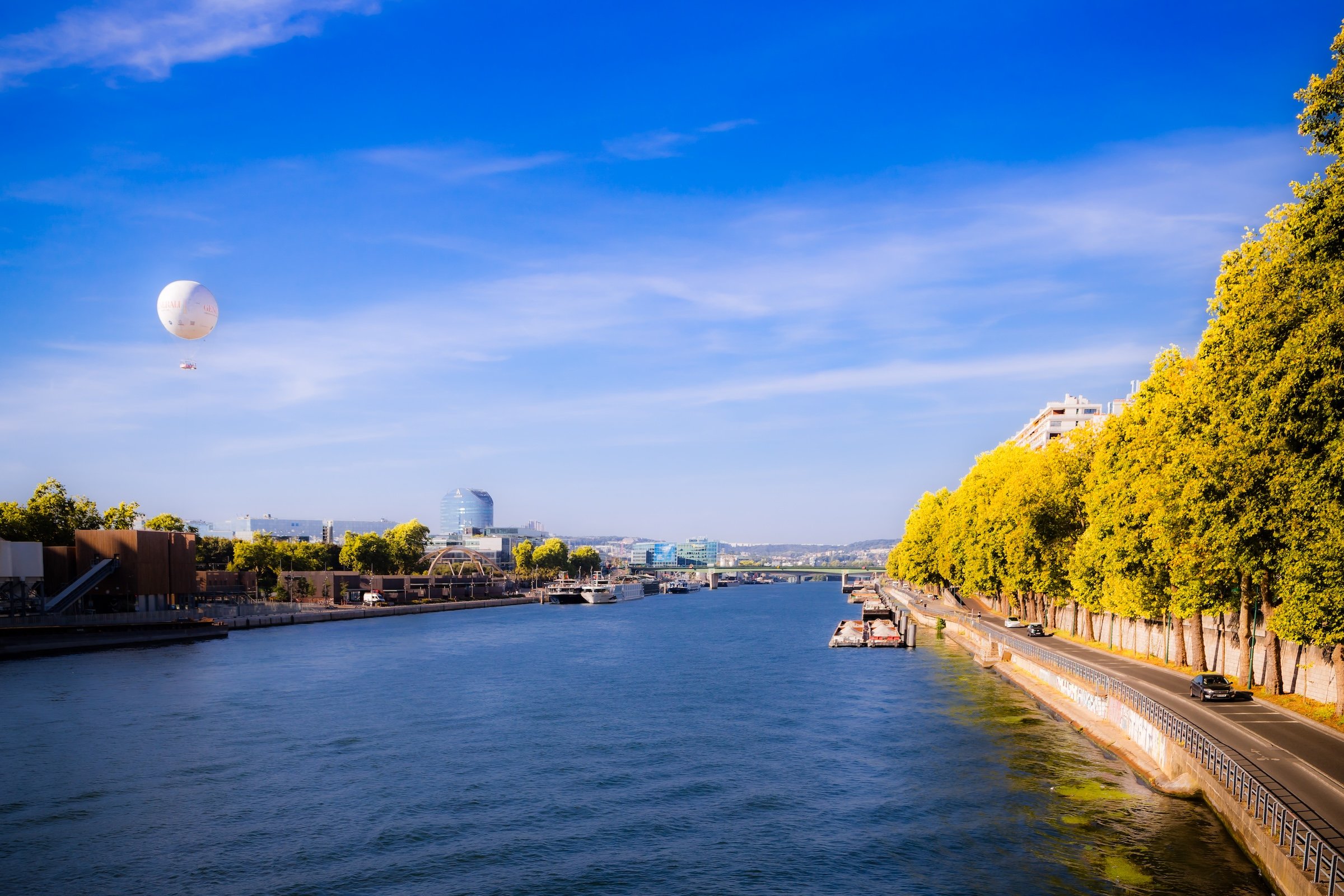
The Paris Portfolio gathers a curated selection of images from across CityNeighborhoods Paris. These photographs are not meant to replace the full neighborhood galleries, but to offer a broad visual introduction to the project: monuments and side streets, cafés and courtyards, maps of light and shadow, architectural details, river views, street scenes, and the quiet moments that give each district its character. Together, they provide a first look at Paris through the CityNeighborhoods lens.
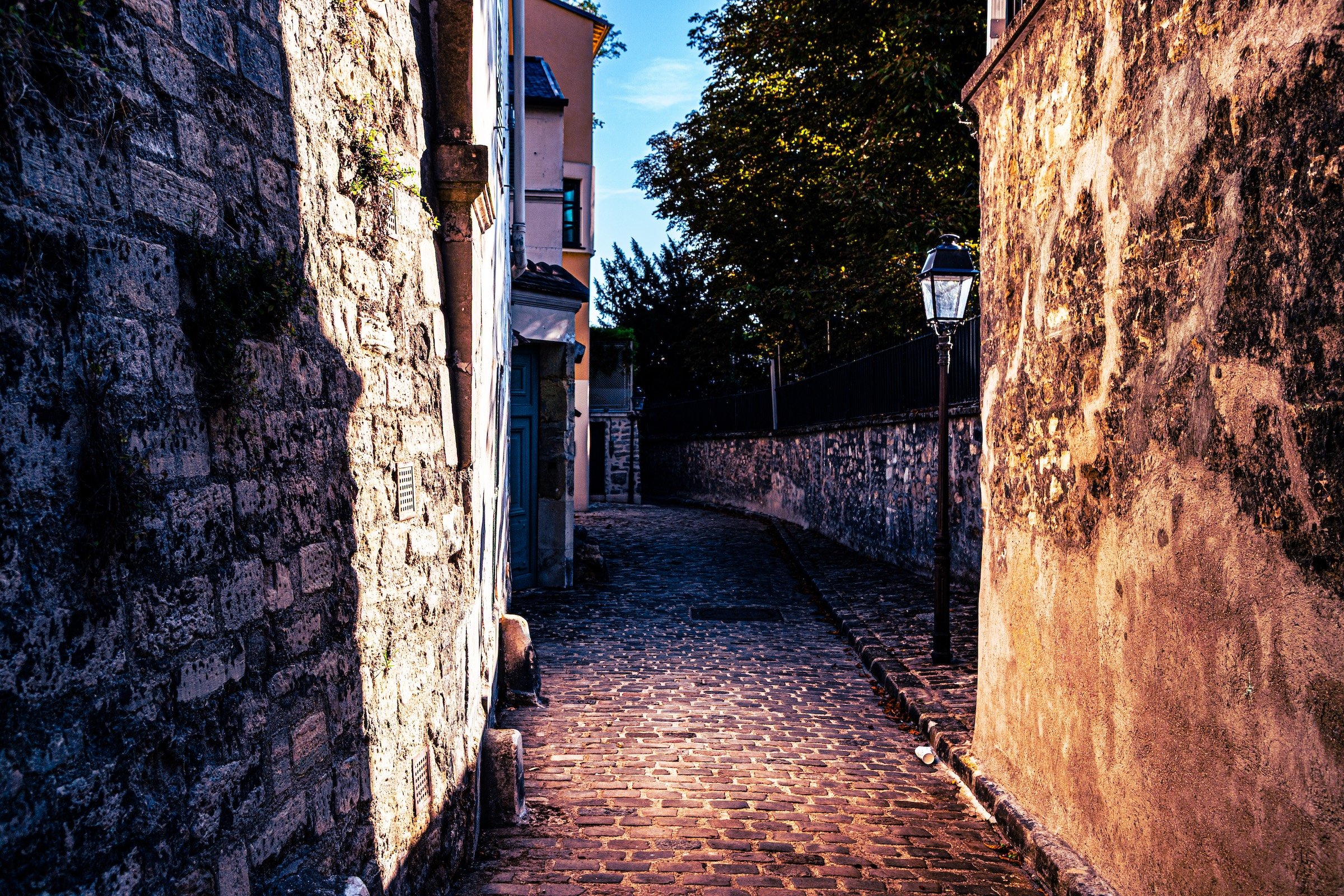
The selected images highlight the range of the photographic archive. Some photographs focus on iconic landmarks such as the Eiffel Tower, Arc de Triomphe, Sacré-Cœur, Notre Dame, or the Louvre. Others turn toward less obvious subjects: a café corner, a narrow passage, a patterned façade, a Metro sign, a sunlit tree, a painted wall, a residential street, or the fleeting way light changes the feeling of a place. The portfolio is meant to show that Paris is not only found in its famous views, but in the relationships between landmarks, neighborhoods, streets, details, and daily life.
For a deeper photographic dive, visitors can continue into the full galleries. SmugMug hosts the larger CityNeighborhoods Paris photo collections, where images can be viewed in greater depth and selected prints may be purchased. Individual neighborhood pages offer place-specific galleries and slideshows, while the Flâneur Journal organizes photographs by day, walk, route, and encounter. The portfolio is the invitation; the galleries are the archive.
Highlights
Parisian Reflections
Insights and Revelations
Paris has a way of revealing itself through return, reflection, and attention. At first, it may seem almost too familiar: the Eiffel Tower, the Seine, the cafés, the boulevards, the monuments already seen in countless images. But walking with a camera changes that relationship. The city stops being an idea and becomes an encounter. A side street, a patch of sunlight, a café corner, a Metro sign, a weathered wall, or a narrow passage can suddenly feel as meaningful as any landmark.
CityNeighborhoods Paris grew from those moments of recognition. The photographs did not simply record what was there; they helped reveal what the project needed to become. Each walk added another layer: official districts, cultural neighborhoods, civic boundaries, historical memory, visual identity, and lived experience. Through photography, Paris became less like a fixed destination and more like a city of overlapping invitations — places to enter, notice, question, document, and understand more deeply.
The greatest revelation is that photography is not separate from the work of mapping, writing, or building the site. It is the force that animates all of it. The image begins the encounter, the walk gives it context, the processing gives it shape, and the website gives it a public life. In that way, CityNeighborhoods Paris is not only an archive of photographs, but a record of being changed by the act of seeing — and an invitation for others to look more closely, wherever their own walks may lead.
Explore Paris
-

The twenty arrondissements form the civic spiral of Paris, organizing the city into its broad local districts of government, identity, and daily life.
-

Each arrondissement is divided into four official administrative quarters, giving Paris a more precise civic and geographic framework.
-

The conseils de quartier bring participation to street level, giving residents a voice in neighborhood needs, public space, and local civic life.
-

Les Deux Rives trace Paris through the Seine’s two banks, revealing how the Rive Droite and Rive Gauche shaped the city’s civic power, commerce, learning, art, and cultural identity.
-

Cultural neighborhoods reveal the Paris people recognize through history, cafés, architecture, memory, atmosphere, and local belonging.